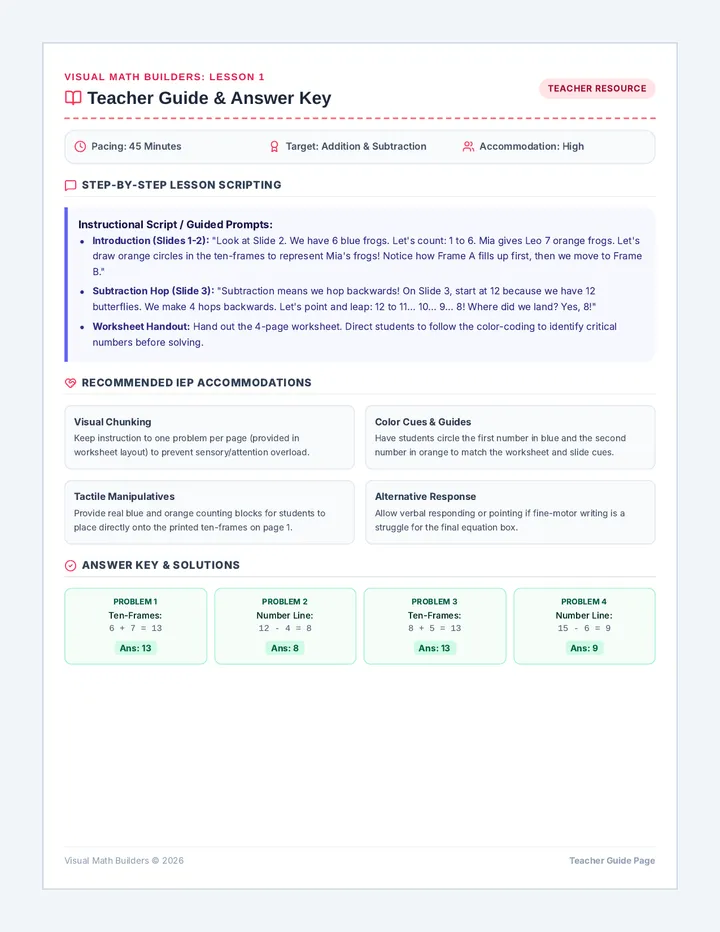
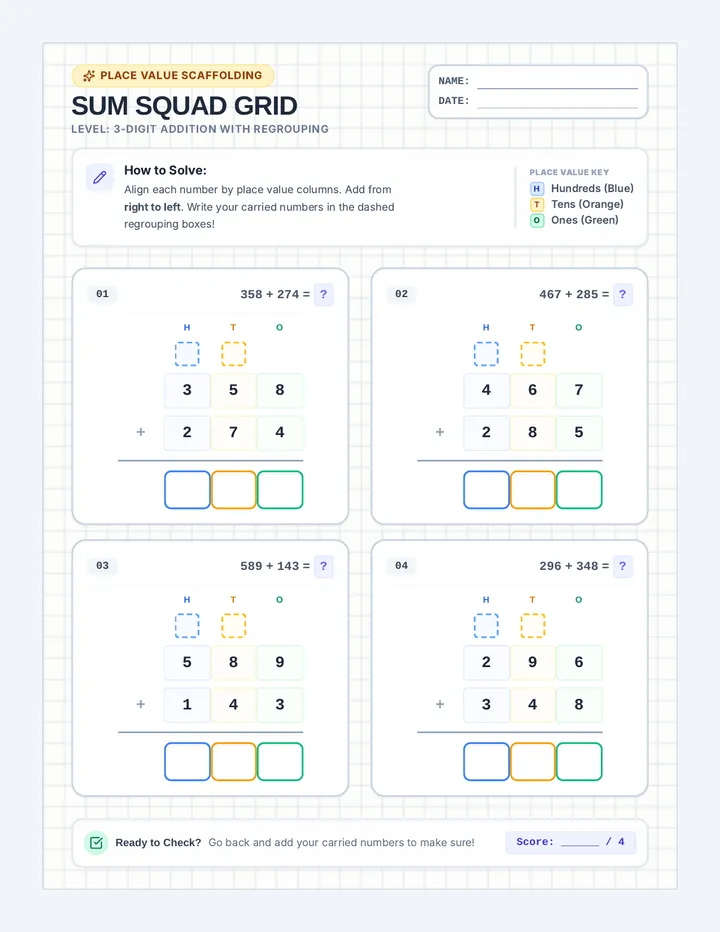
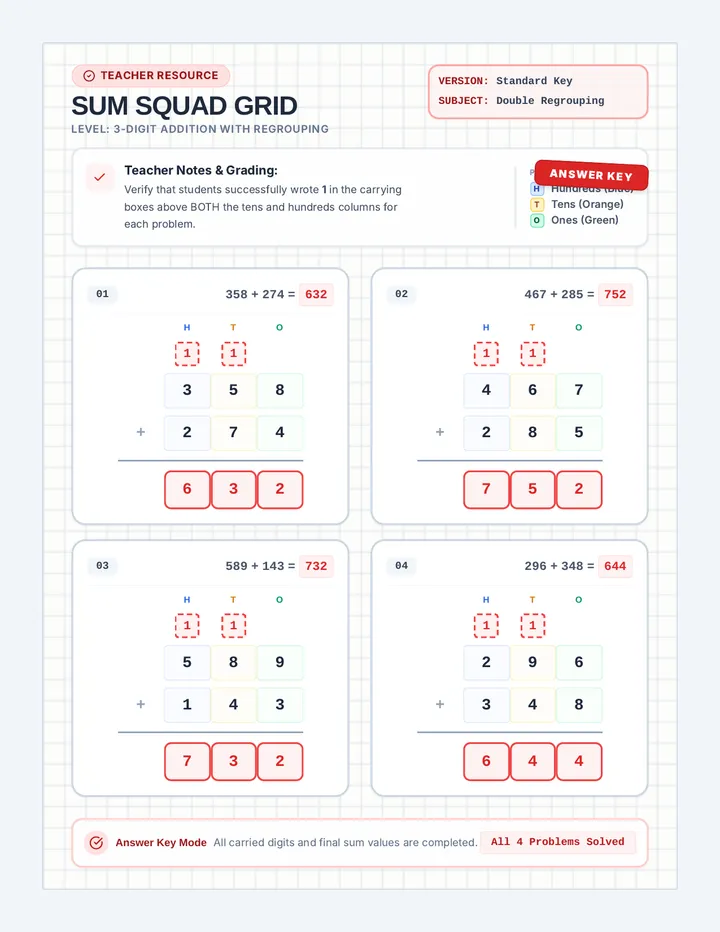
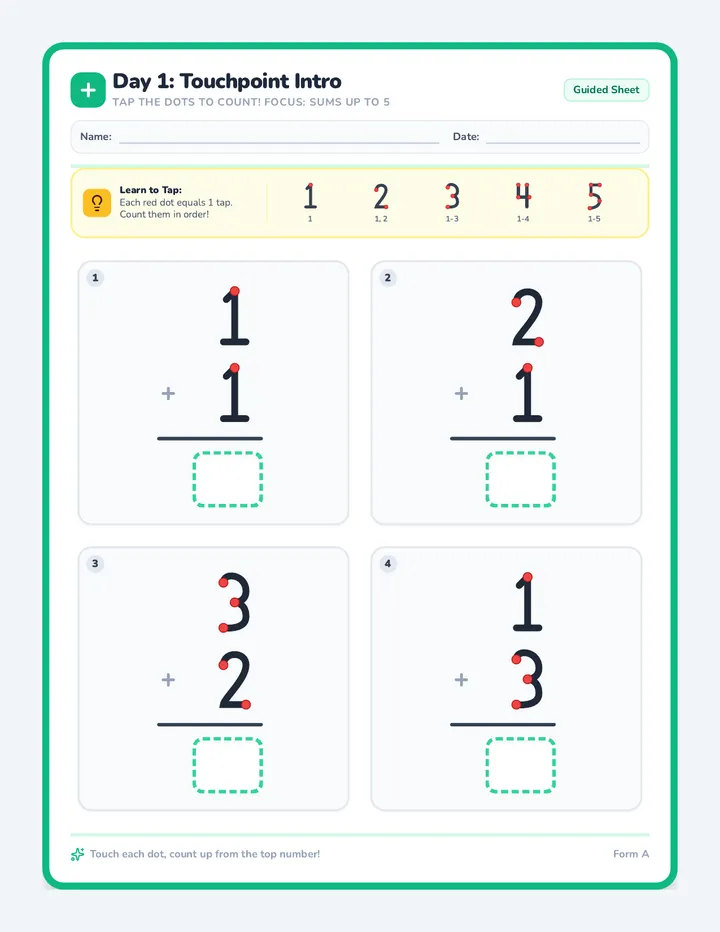
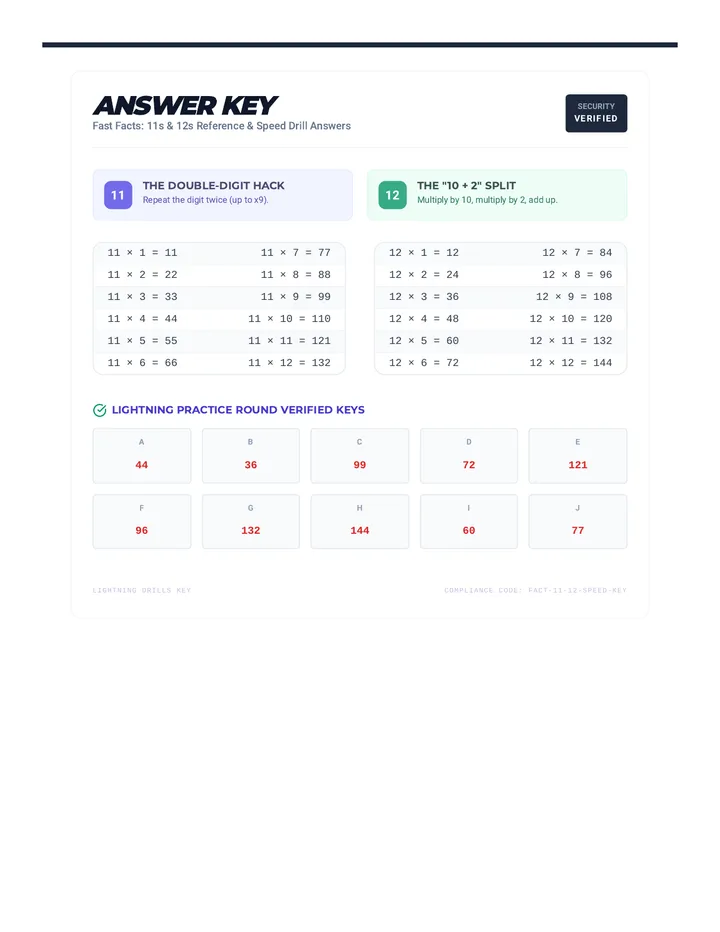
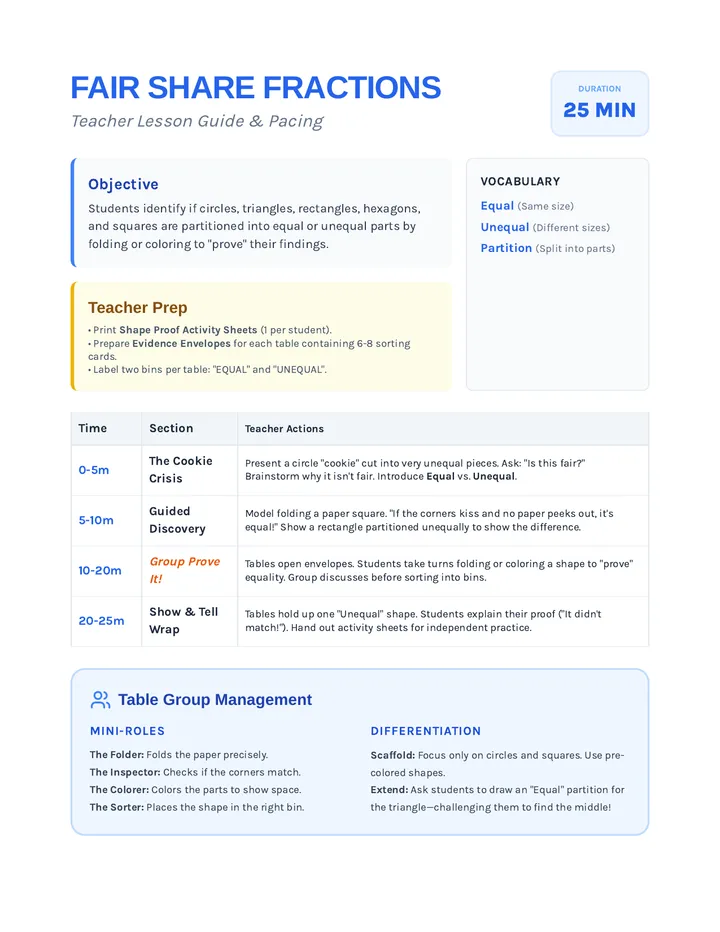
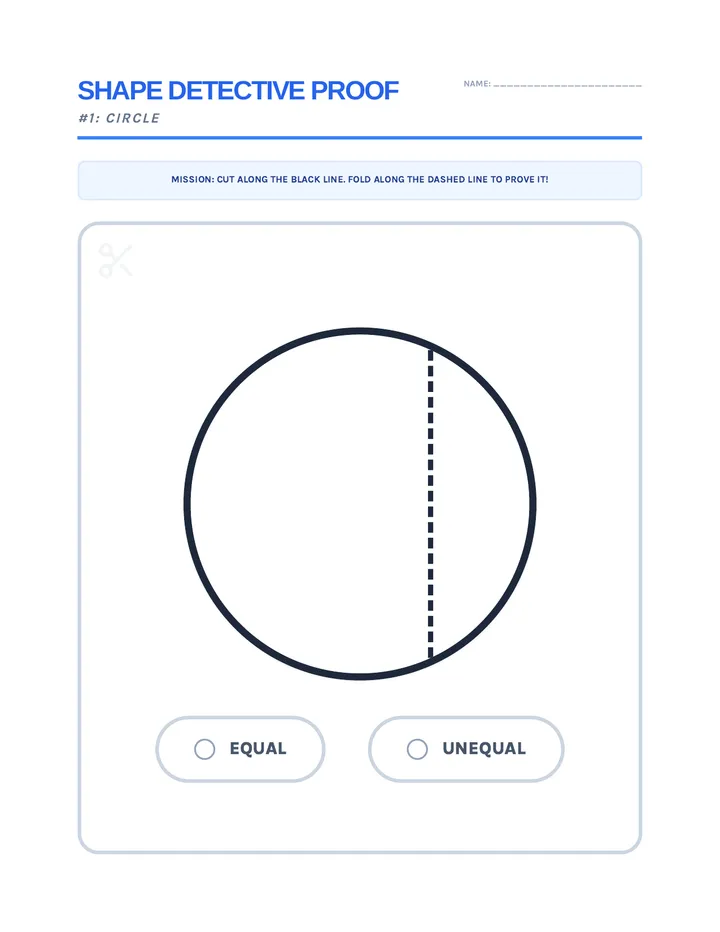
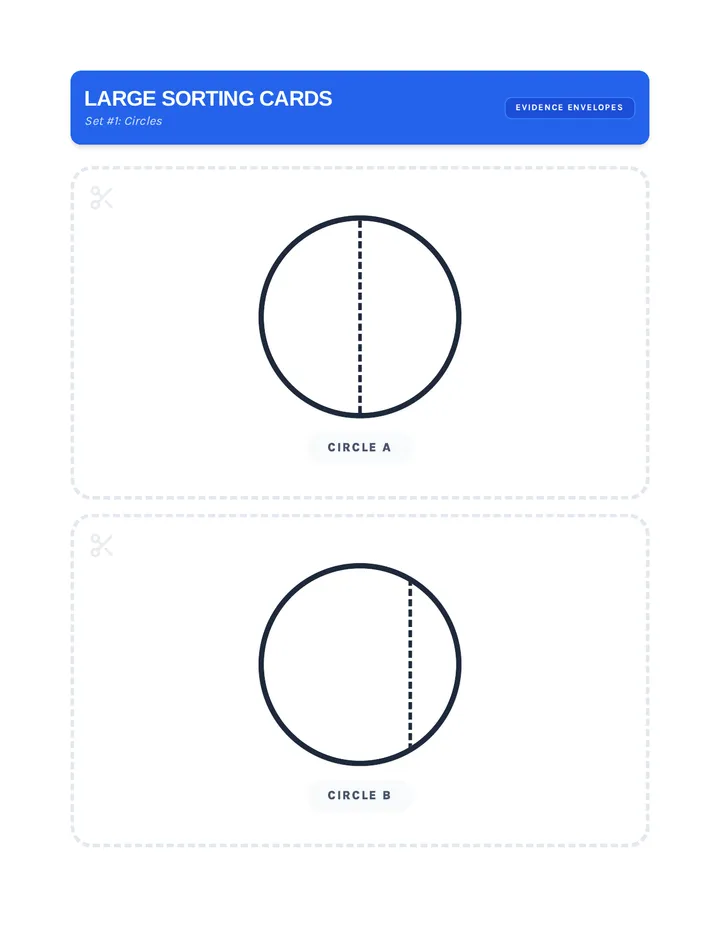
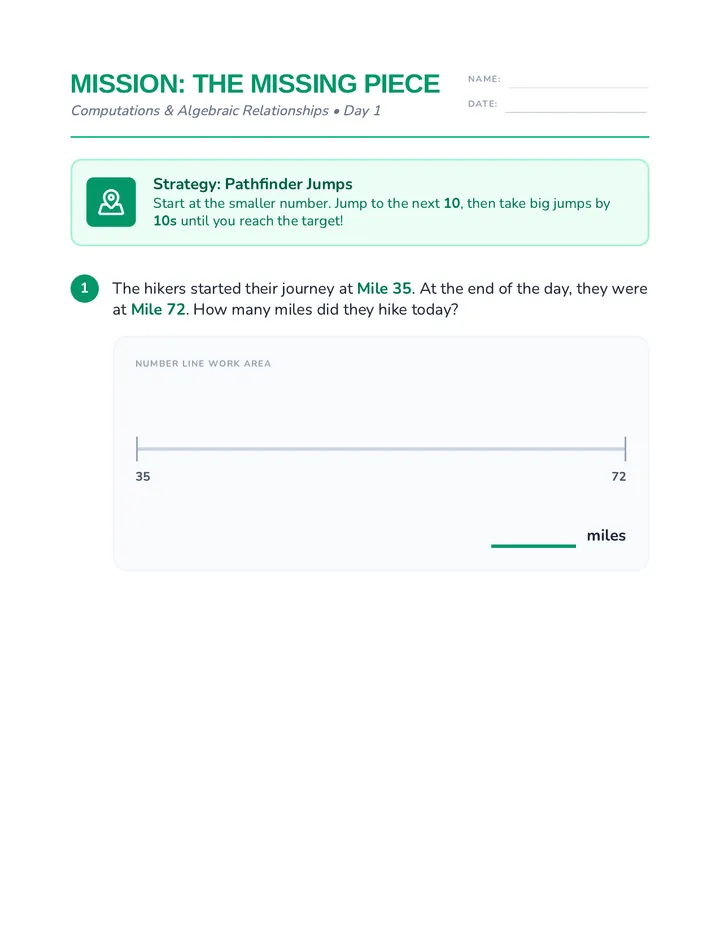
A sequence of two lessons focusing on social-emotional learning and introductory math concepts. Students learn about fair sharing through fractions and the positive impact of kindness on their community.
No materials in this lesson.
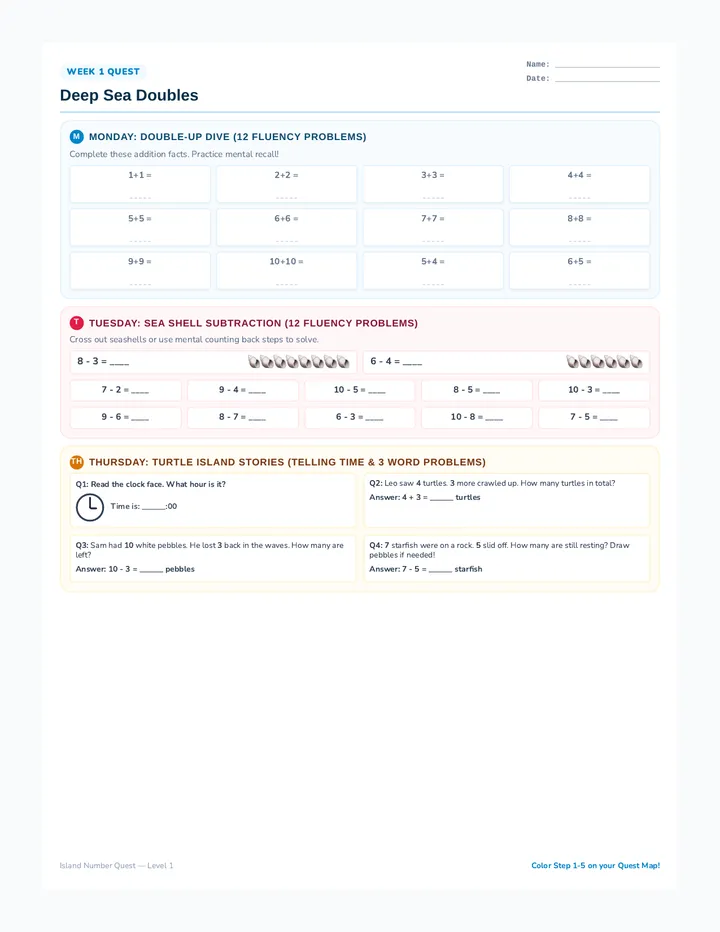
A comprehensive week-long math unit focused on identifying coin values and performing addition and subtraction of money up to $20 using a calculator in real-world contexts.
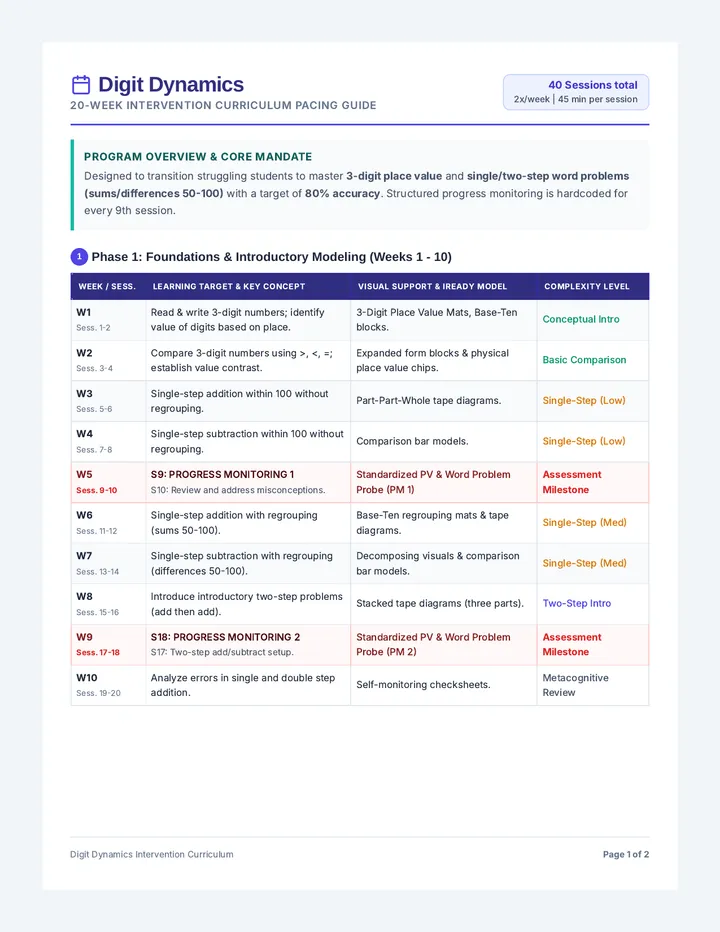
A 12-lesson intervention sequence focused on numeral identification, forward/backward sequences, and number lines for 1st-grade Tier 2 support, utilizing High Leverage Concepts from All Learners Network.
A comprehensive unit on calculating elapsed time, progressing from simple one-hour intervals to quarter-hour and five-minute increments using scenarios and analog clocks.
A series of activities for 2nd graders to master spatial relationships (over, under, in front, behind) and temporal sequencing (first, next, last, before, after). Students will use hands-on exploration and logical ordering to understand how things exist in space and time.
Une séquence pédagogique basée sur l'univers des Numberblocks pour aider un enfant autiste de 7 ans à maîtriser la comptine numérique jusqu'à 100, en mettant l'accent sur la structure décimale et les régularités.
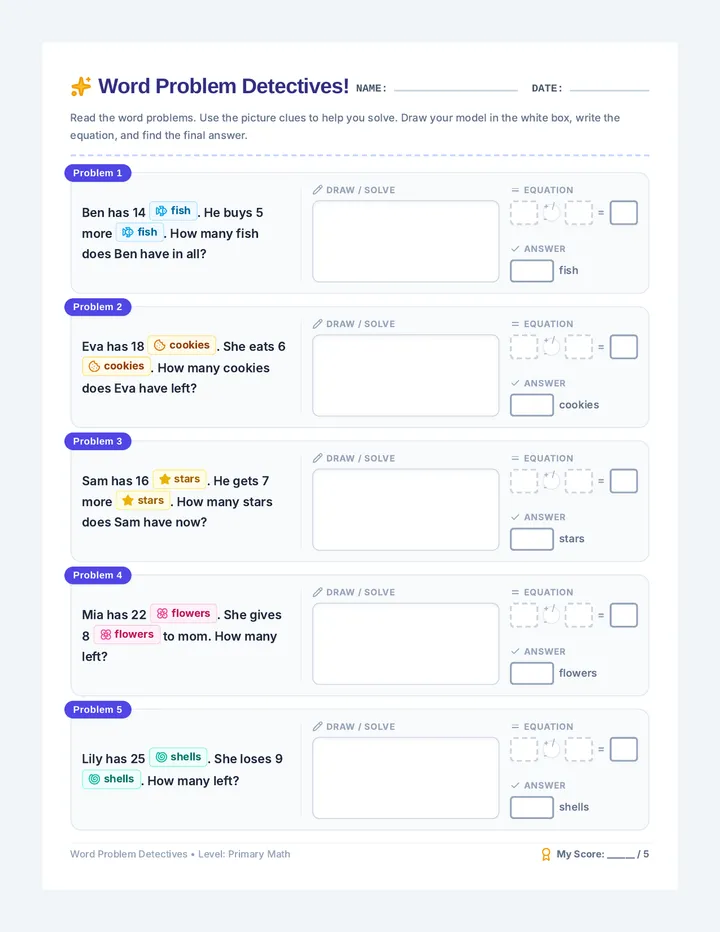
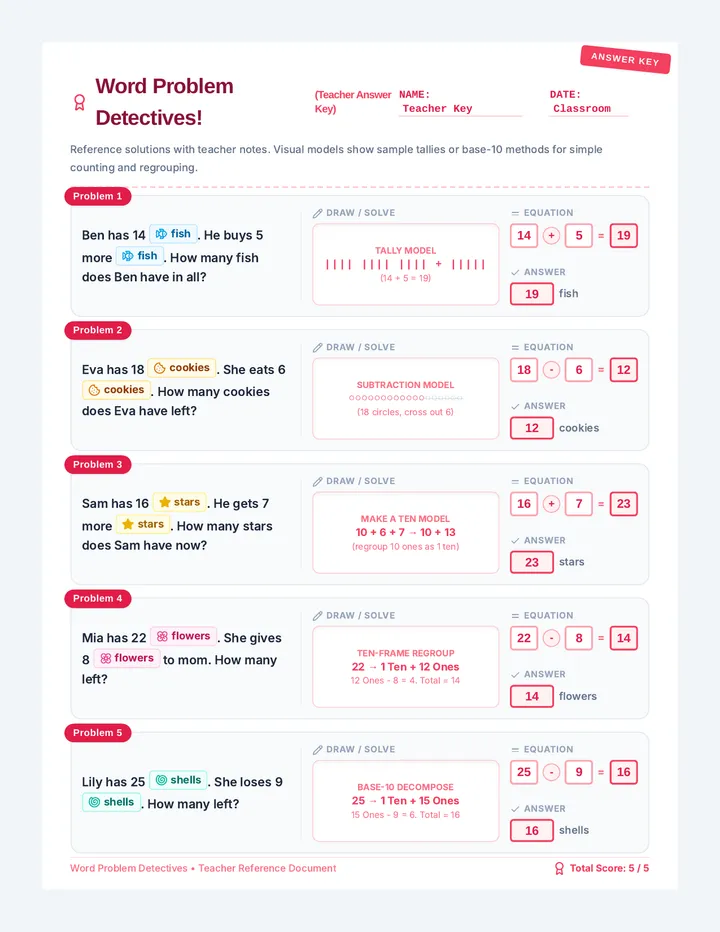
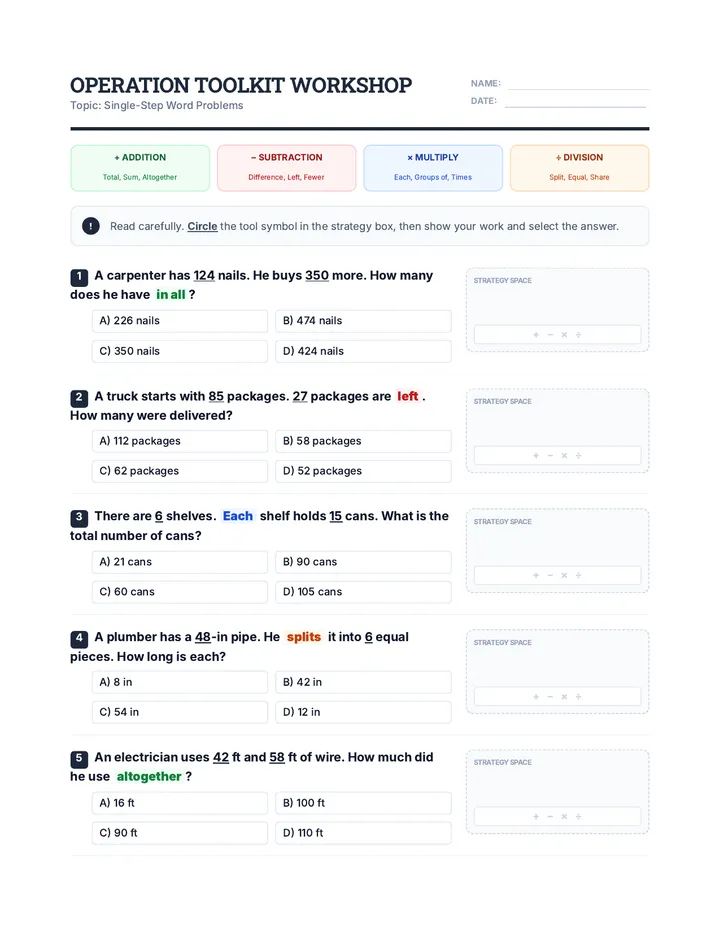
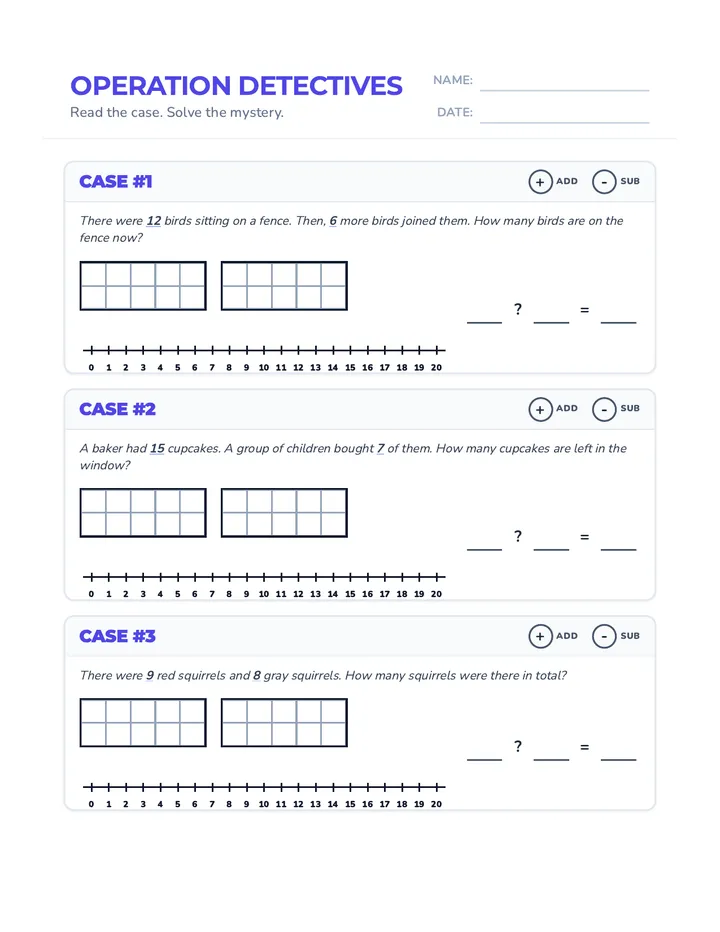
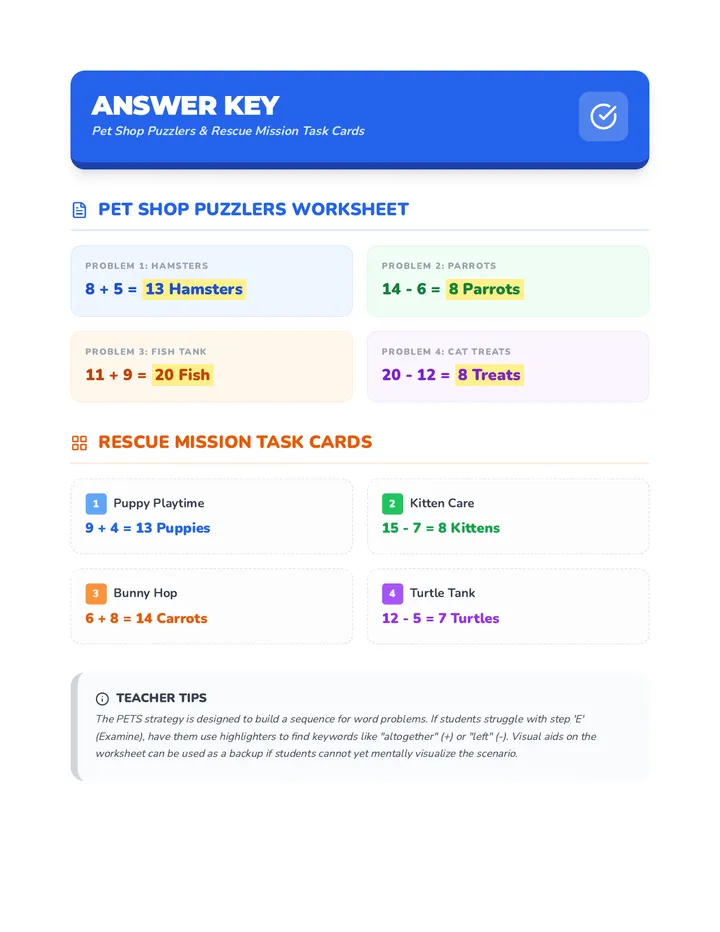
A comprehensive unit where students become 'Problem Detectives,' learning to decode word problems using linguistic cues and cloze-style paragraph writing to explain their mathematical reasoning.
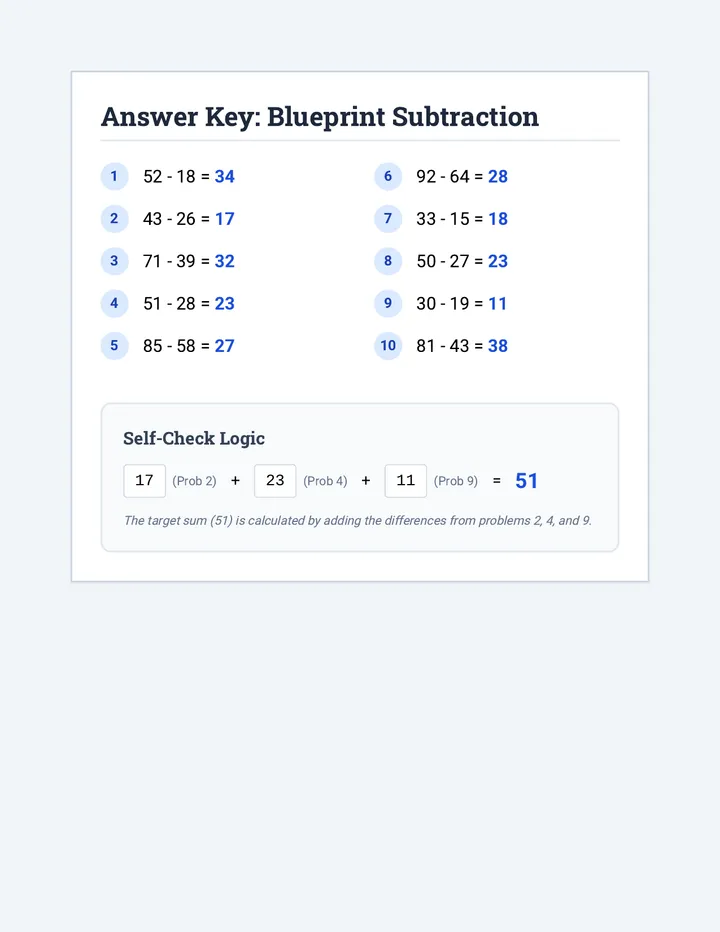
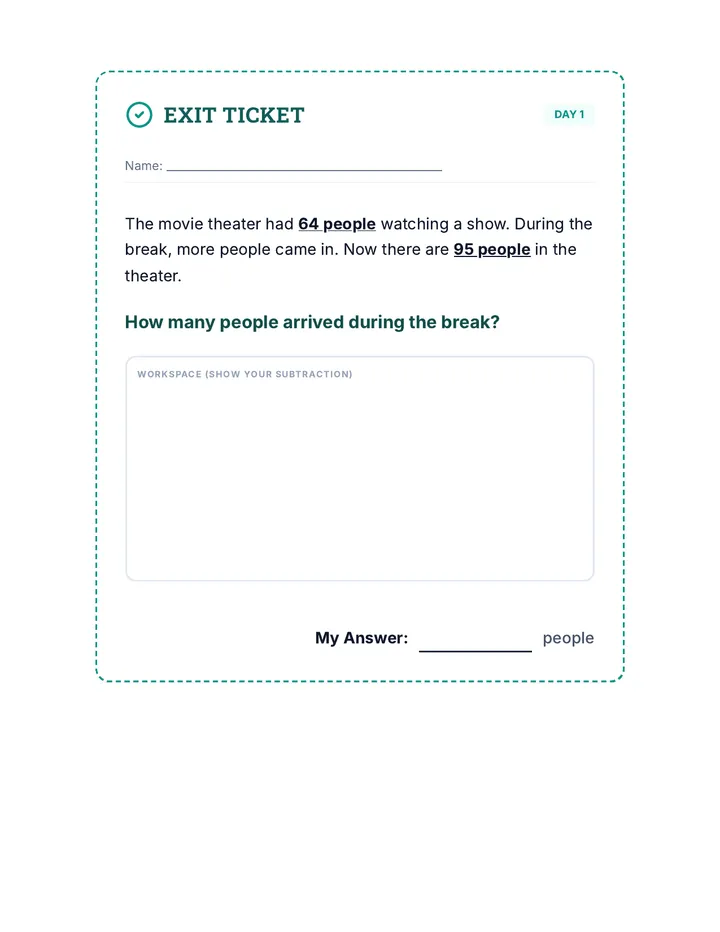
A 2nd-grade math unit focused on applying subtraction of tens to real-world money contexts using dimes as a concrete representation of tens.
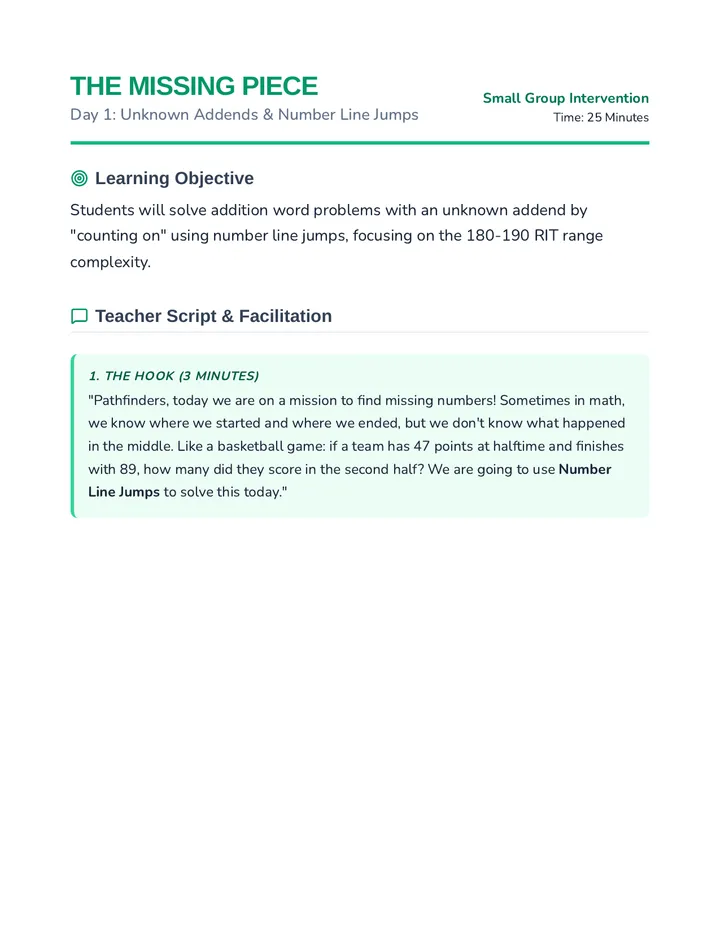
A math lesson focused on checking the reasonableness of answers. Students learn to avoid keyword traps and use logic to determine if their solutions make sense in real-world contexts.
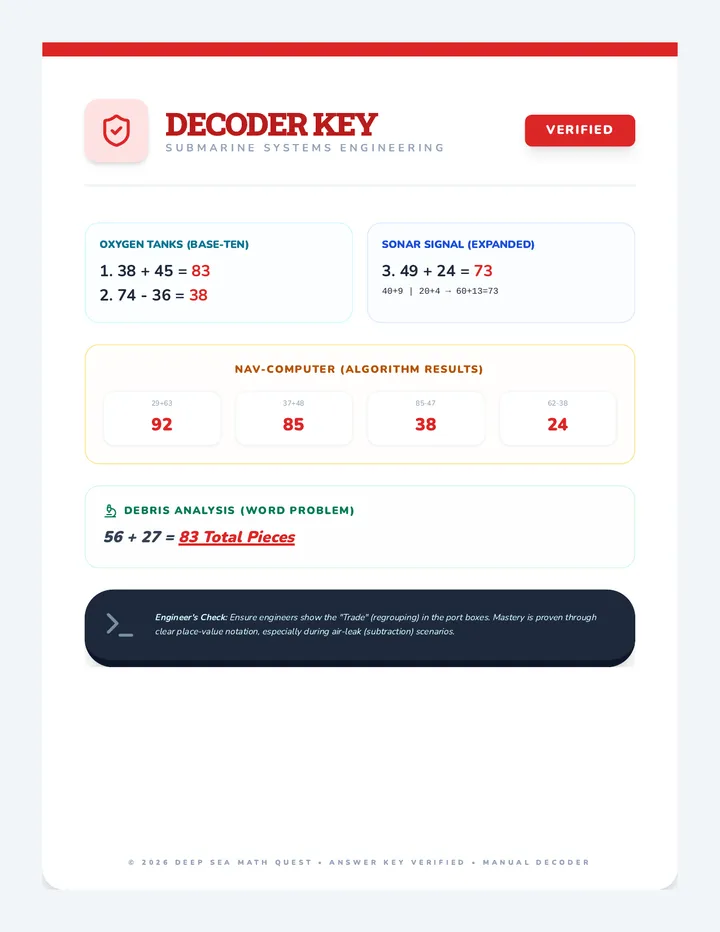
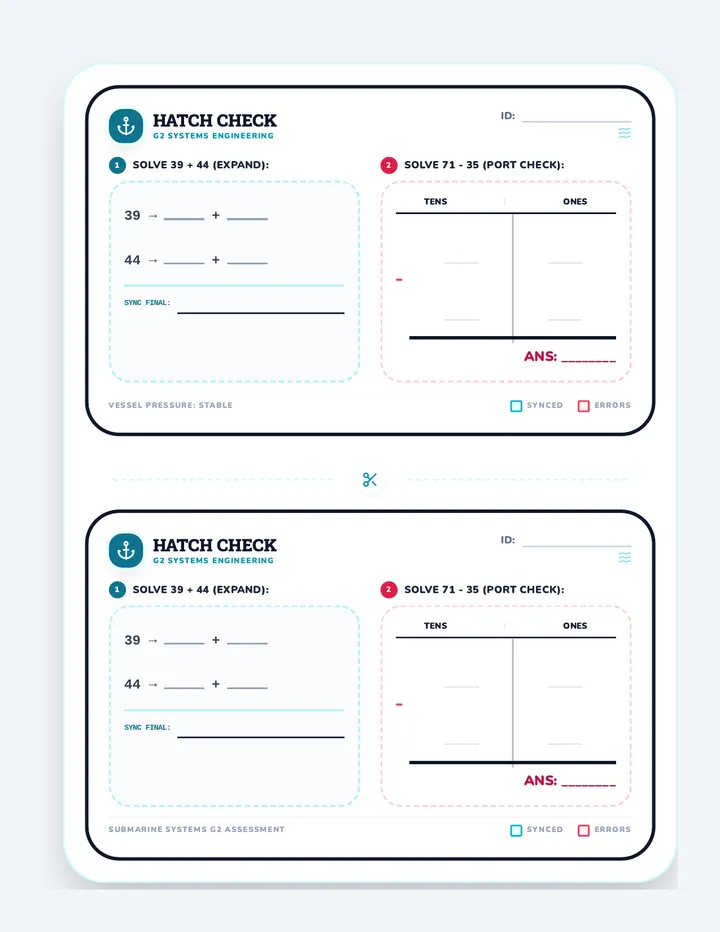
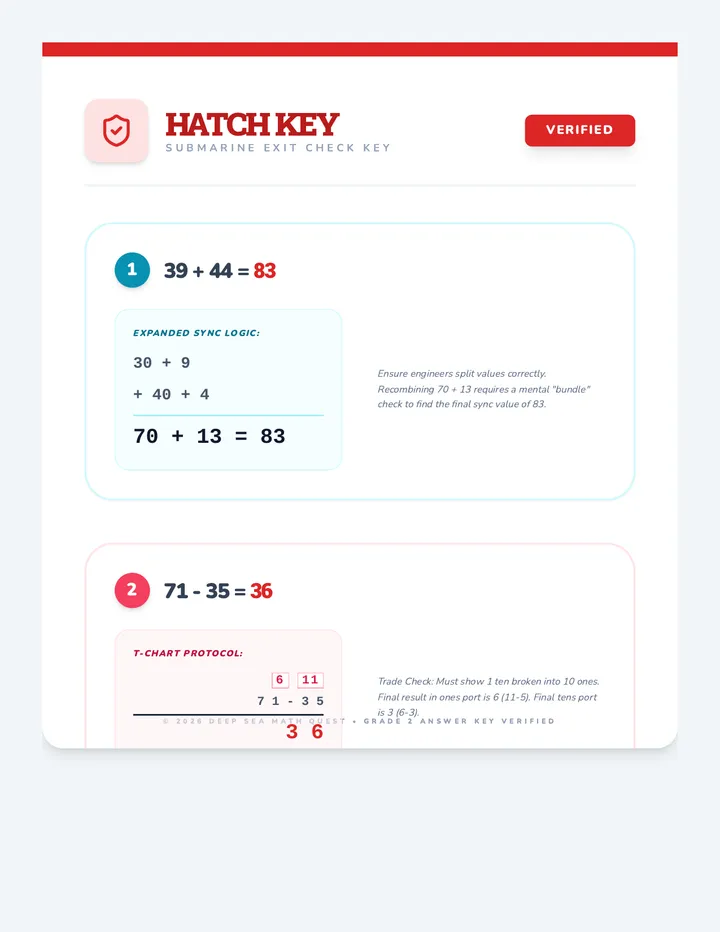
A specialized intervention sequence designed for 2nd-grade students to master two-digit addition with regrouping by identifying, analyzing, and correcting common procedural errors.
A hands-on introduction to probability and chance for early elementary students using the concepts of will, won't, and might.
A sequence focused on using music, rhythm, and rhyme to master foundational mathematical concepts like addition and skip counting.
A beginner's introduction to geometry focusing on identifying angles as a measure of turn using real-world objects. Students explore the classroom to find 'turns' and 'corners', classifying them as small or large.
A series of parent engagement workshops designed to bridge the gap between classroom instruction and home support for early elementary mathematics. Each session focuses on a specific conceptual strategy to empower parents as learning partners.
A short sequence introducing 2nd-grade students to the concept of estimation and rounding, focusing on when to use approximate numbers versus exact ones.
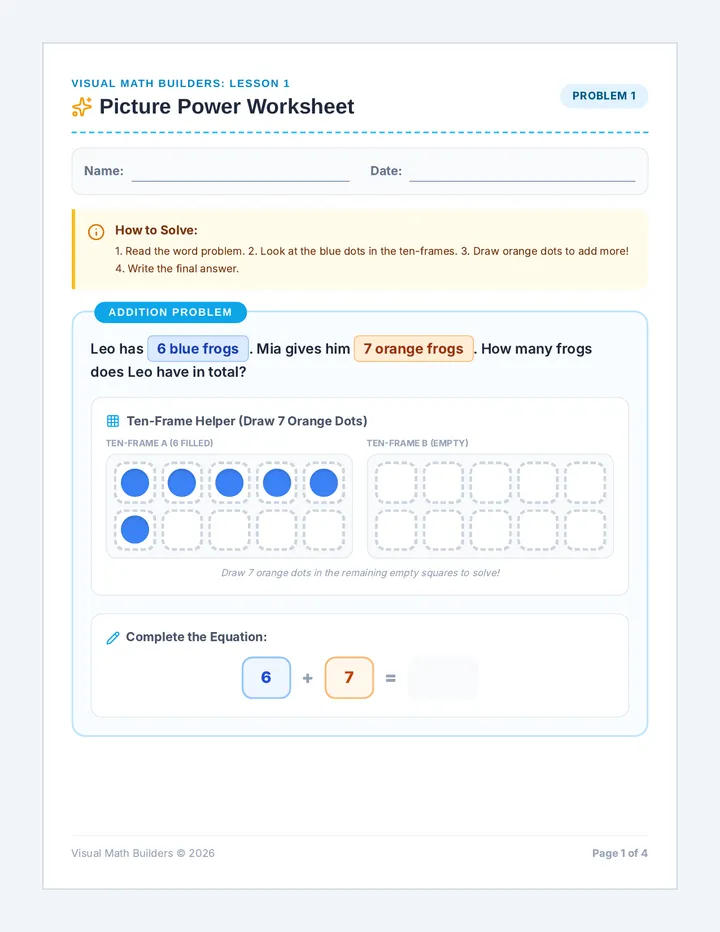
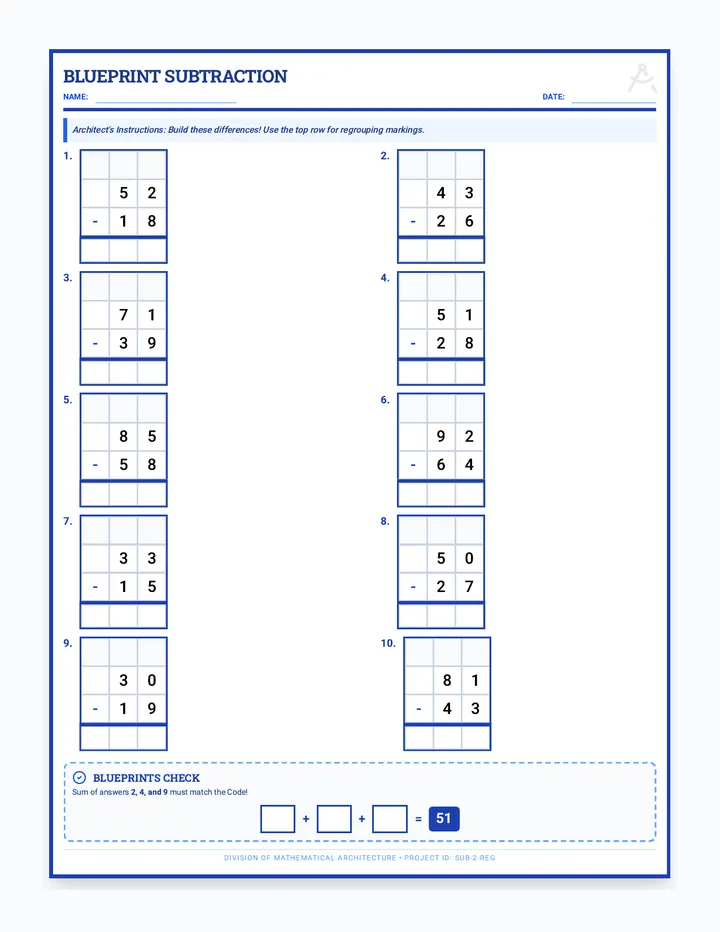
A short unit focused on mastering two-digit addition and subtraction with regrouping through physical manipulatives and collaborative play.
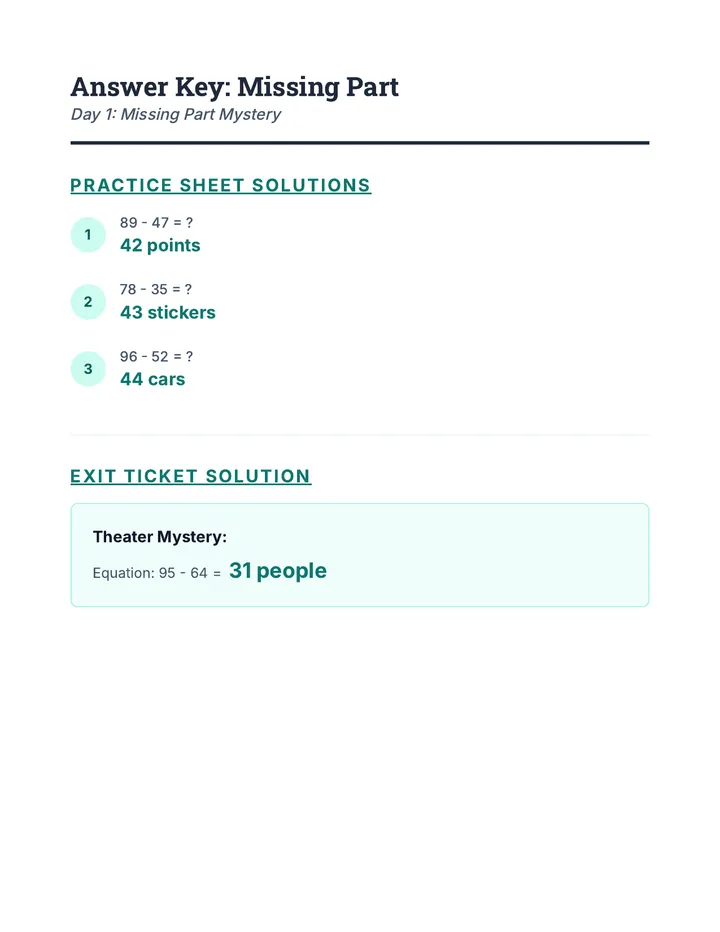
A targeted intervention series designed to help 1st and 2nd grade students master two-digit subtraction by focusing on verbalization, place value decomposition, and mental math strategies.
A series of lessons focused on geometry and spatial reasoning, where students explore the properties of 2D shapes, symmetry, and patterns.
A series of lessons focused on mastering skip counting patterns to build a strong foundation for multiplication and place value. Students engage in physical movement, musical rhythms, and visual aids to internalize counting by different intervals.
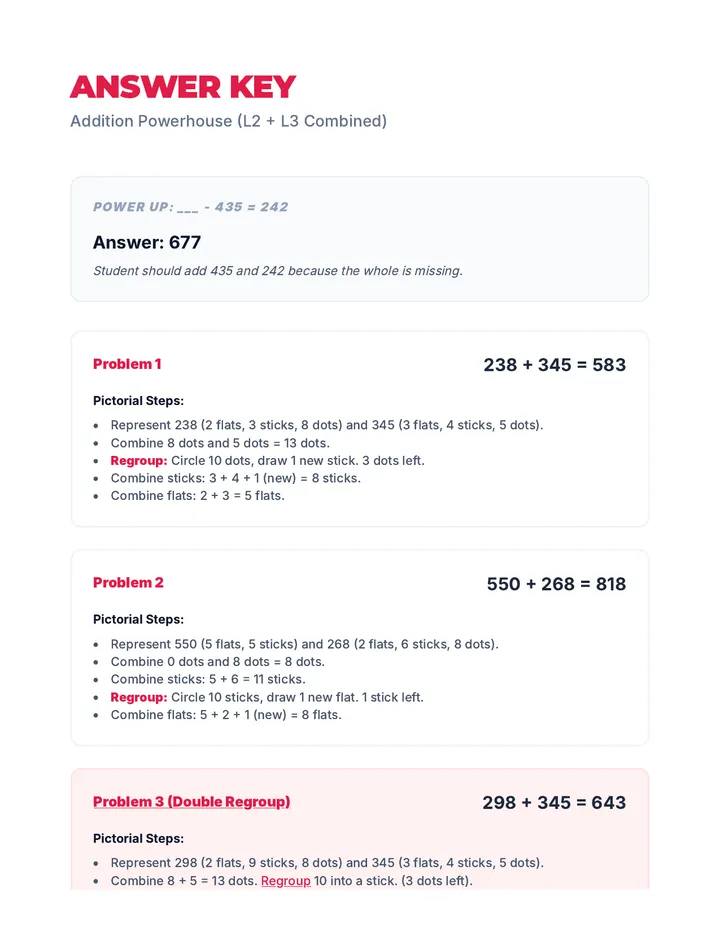
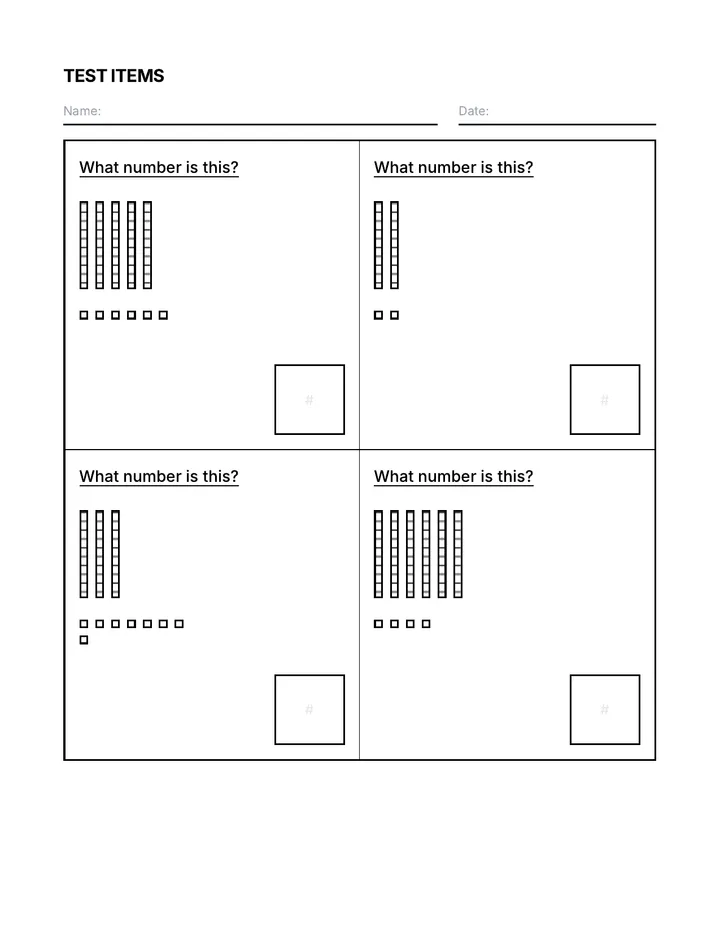
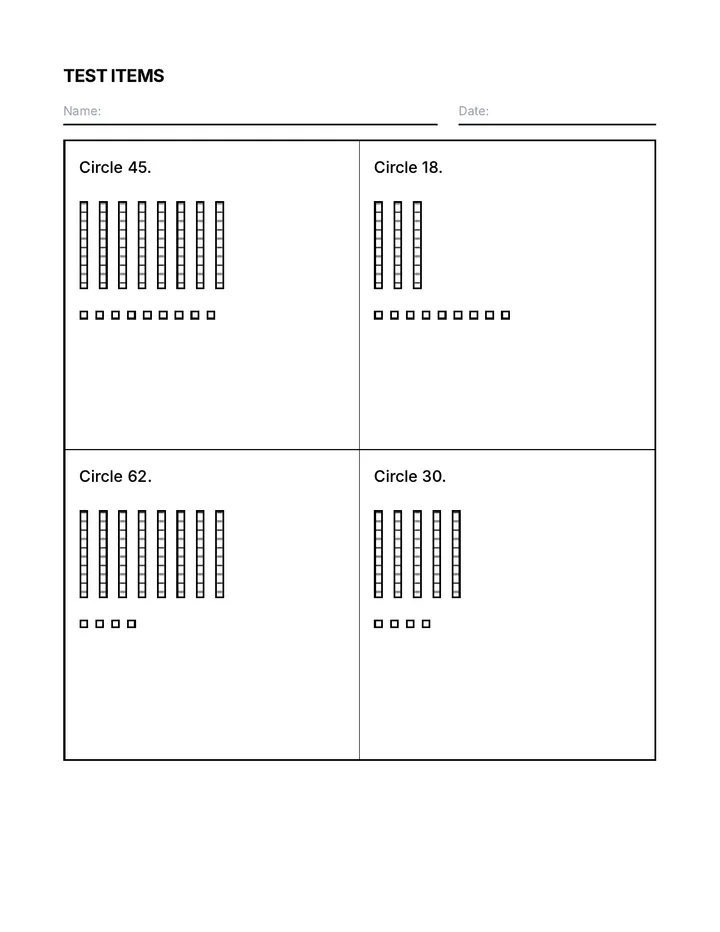
A 5-lesson series for 2nd-grade students, specifically designed with academic support strategies to master two-digit addition with regrouping. Using the Concrete-Representational-Abstract (CRA) framework, students move from physical block manipulation to pictorial sketches, and finally to the standard algorithm.
This 3rd-grade sequence introduces the Concrete-Representational-Abstract (CRA) framework using bar models (tape diagrams) to visualize additive relationships. Students transition from physical linking cubes to drawn rectangles, mastering part-part-whole and comparison models to decode and solve word problems.
A specialized 5-lesson sequence for 2nd-grade academic support focused on the Concrete-Representational-Abstract (CRA) framework. Students progress from physical manipulatives to drawing bar models (tape diagrams) for addition, subtraction, and comparison word problems.
A foundational sequence for 2nd-grade students exploring the concepts of equality, equilibrium, and balancing equations using physical scales and numerical equivalents. Students progress from physical balance to symbolic representation using the equal sign.
A game-based sequence for 2nd grade focusing on the logical categorization of geometric figures and the quadrilateral family. Students explore defining versus non-defining attributes through sorting games, riddles, and a culminating museum curation project.
This workshop-style sequence bridges geometry and early fraction concepts through the study of symmetry and partitioning. Students progress from identifying balance in nature to dividing shapes into halves, thirds, and fourths, emphasizing that equal shares must be identical in area even if they look different.
A 5-lesson inquiry-based sequence for 2nd grade focusing on the physical properties and geometric attributes of three-dimensional solids. Students explore how the form of a shape determines its movement and function in the real world through hands-on labs, building challenges, and scavenger hunts.
This sequence introduces 2nd-grade students to the fundamental properties of two-dimensional polygons, moving from identifying open/closed figures to classifying and drawing shapes based on their attributes. Students will learn to recognize triangles, quadrilaterals, pentagons, and hexagons by counting sides and vertices, regardless of size or orientation.
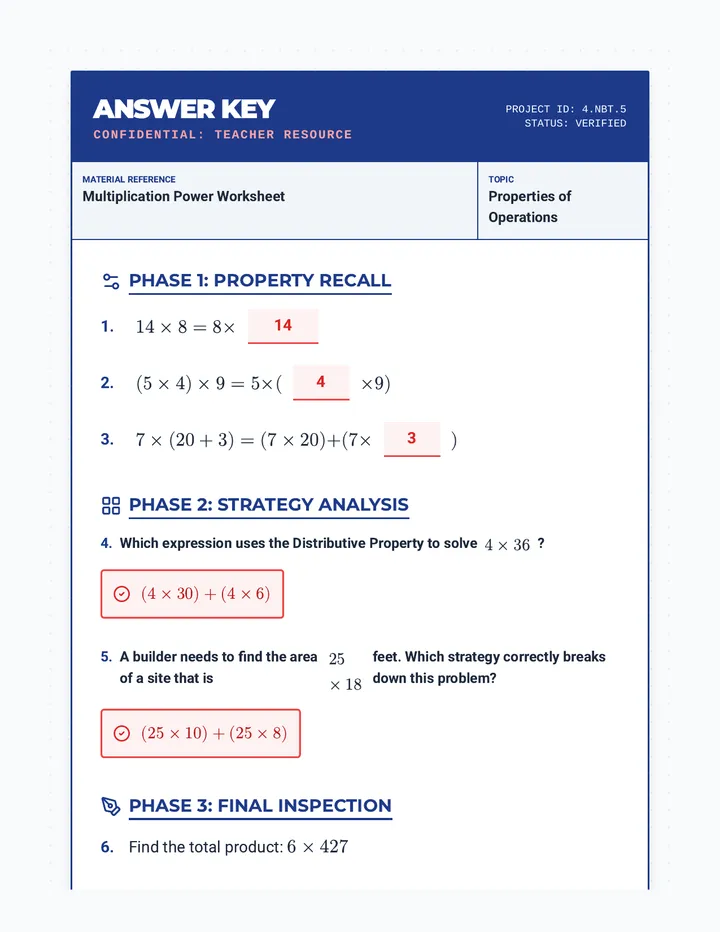
A 2nd-grade sequence where students transition from basic measurement to comparative analysis and data visualization through a 'Measurement Olympics' theme. Students practice estimation, quantitative comparison, and graphing to understand how numbers describe the physical world.
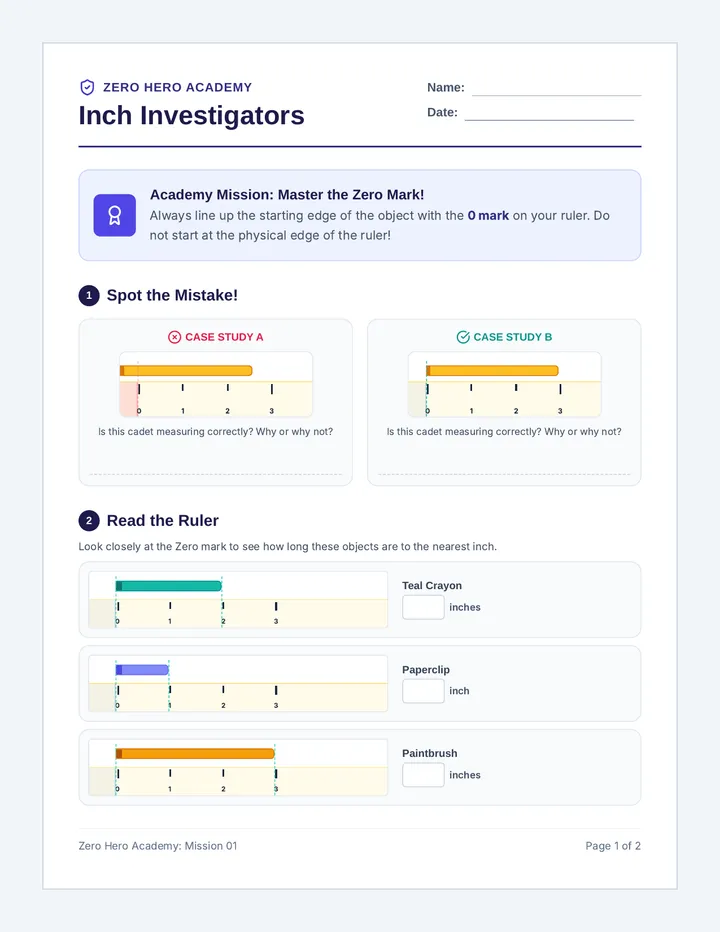
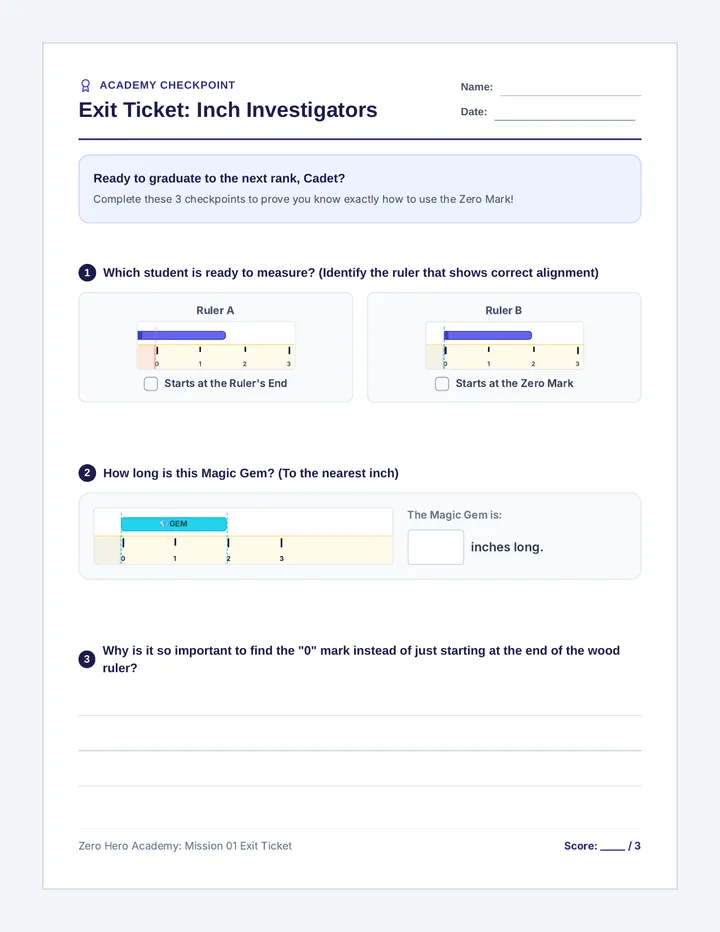
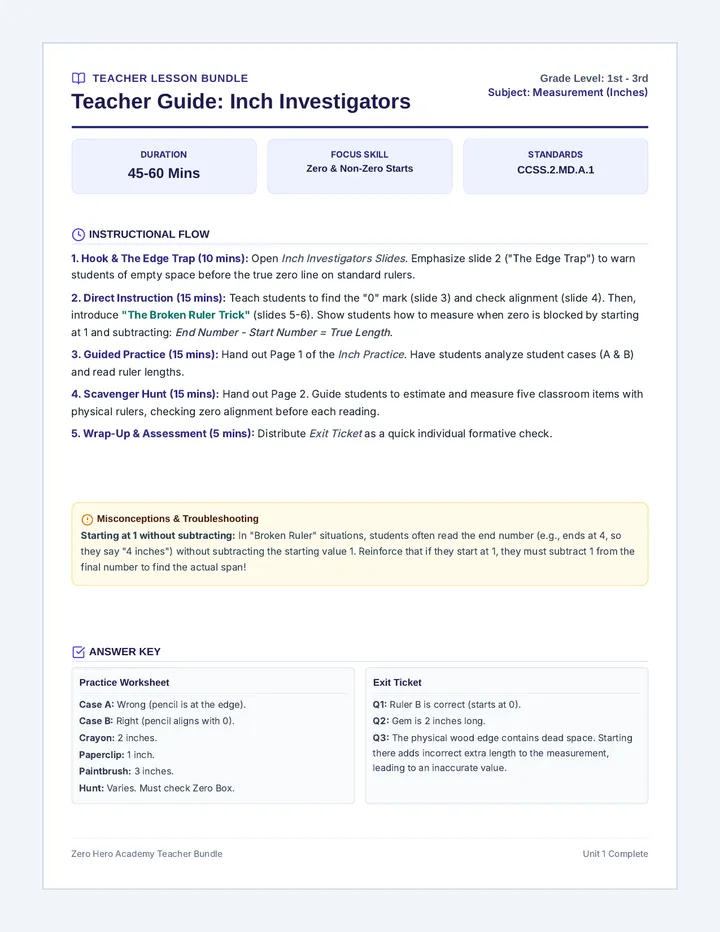
A 5-lesson sequence for 2nd-grade students introducing the necessity of standard units, the use of imperial and metric measurement tools, and applying these skills to a classroom mapping project.
A foundational algebra sequence for 1st grade that shifts students' understanding of the equal sign from an 'answer' signal to a relational symbol of balance. Students use physical scales, visual manipulatives, and numeric equations to master quantitative relationships and solve for unknowns.
A 5-lesson sequence for 2nd graders to explore one-to-many relationships, skip counting, and repeated addition using real-world contexts and simulations. Students progress from identifying simple pairings to scaling recipes and participating in a classroom store simulation.
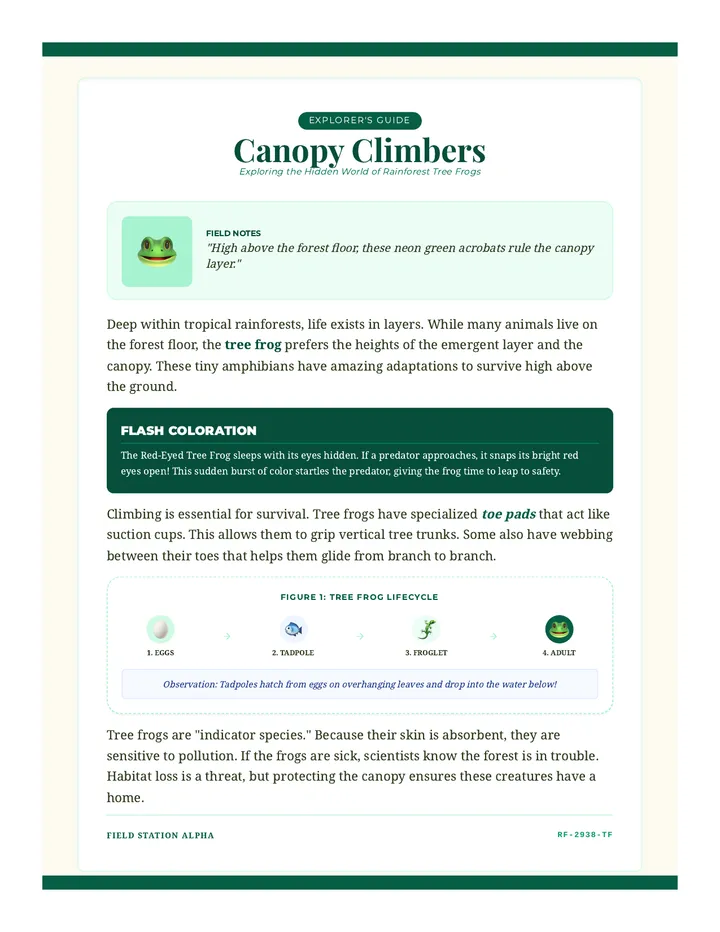
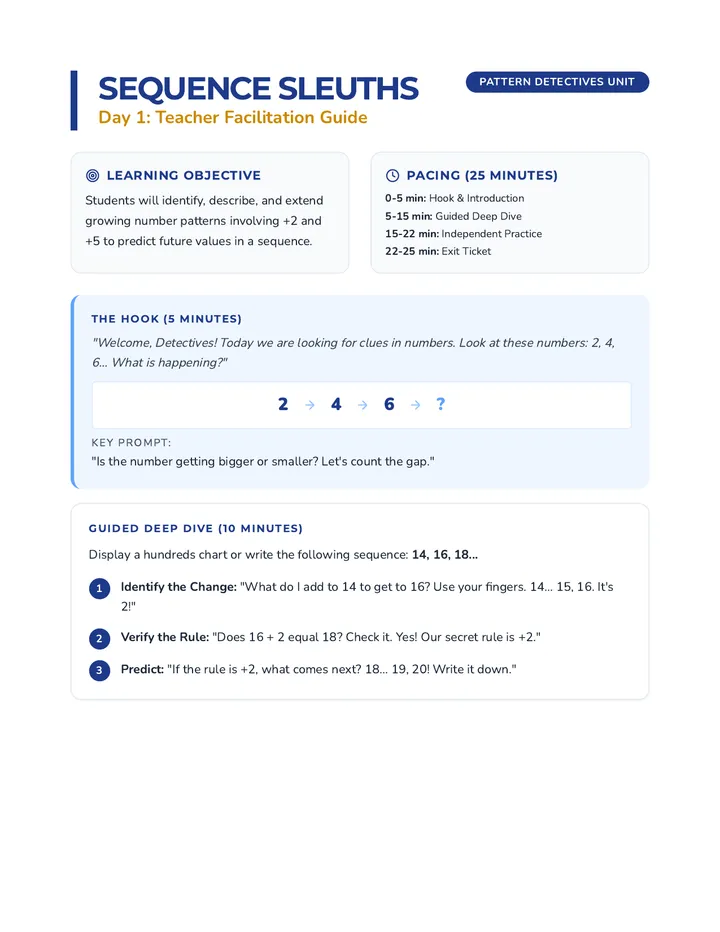
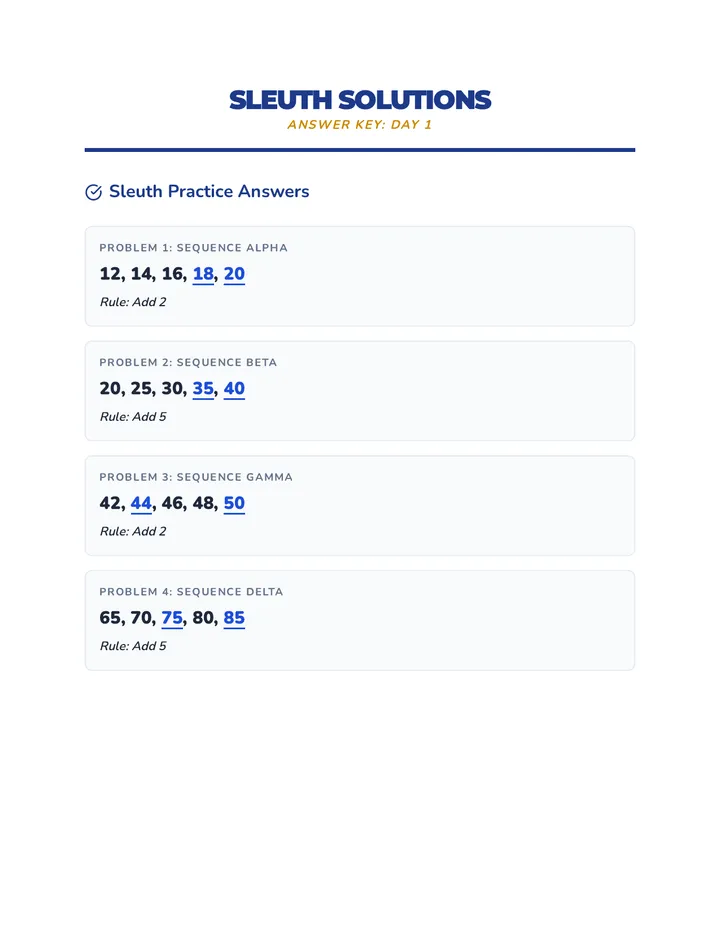
A 2nd-grade sequence exploring quantitative relationships through growing geometric patterns. Students move from concrete cube-building to recording data in tables and visualizing growth with bar graphs.
A 2nd-grade sequence introducing algebraic thinking through 'math machines' and input-output tables. Students explore addition and subtraction rules, organize data in T-charts, and predict future values using quantitative relationships.
A comprehensive journey from area models to linear representations of fractions. Students explore the interval between whole numbers, partition number lines into equal segments, and locate fractions as distances from zero, extending their understanding to values greater than one.
A 1st-grade geometry sequence exploring how shapes combine and break apart. Students use hands-on materials like tangrams, pattern blocks, and geoboards to develop spatial reasoning and understand the part-whole relationship in geometric figures.
A hands-on geometry sequence where students explore the building blocks of angles, identify right angles in their environment, and classify angles as acute, obtuse, or straight through inquiry and shape analysis.
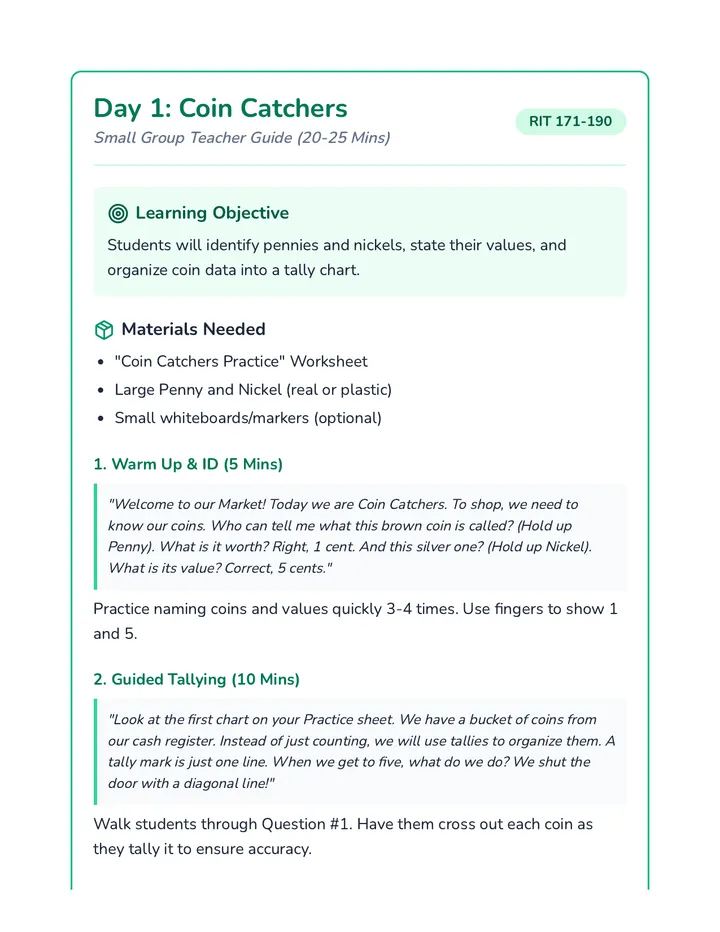
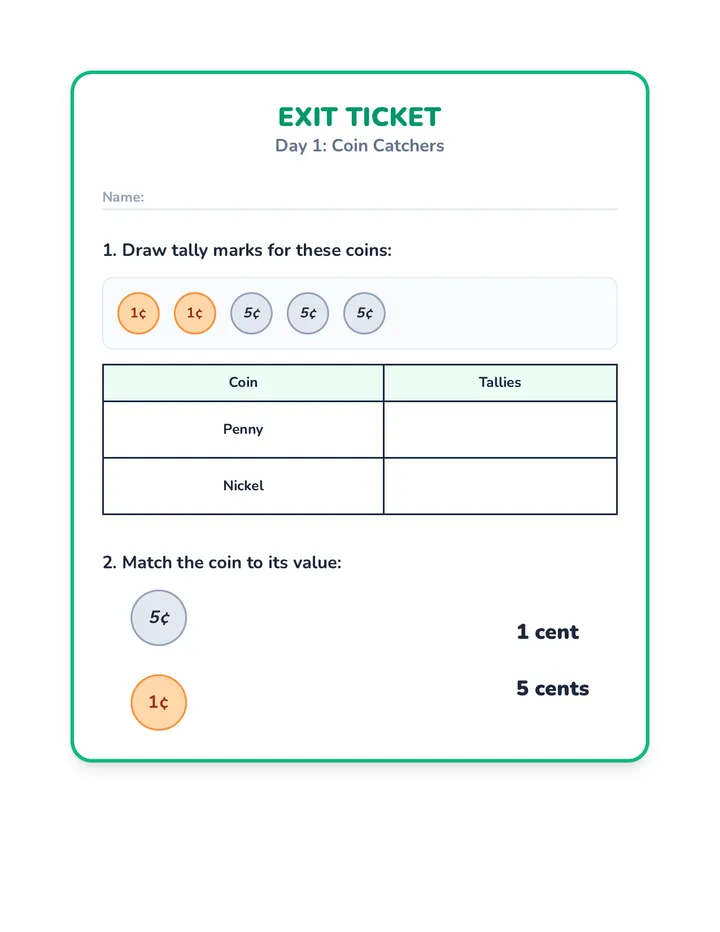
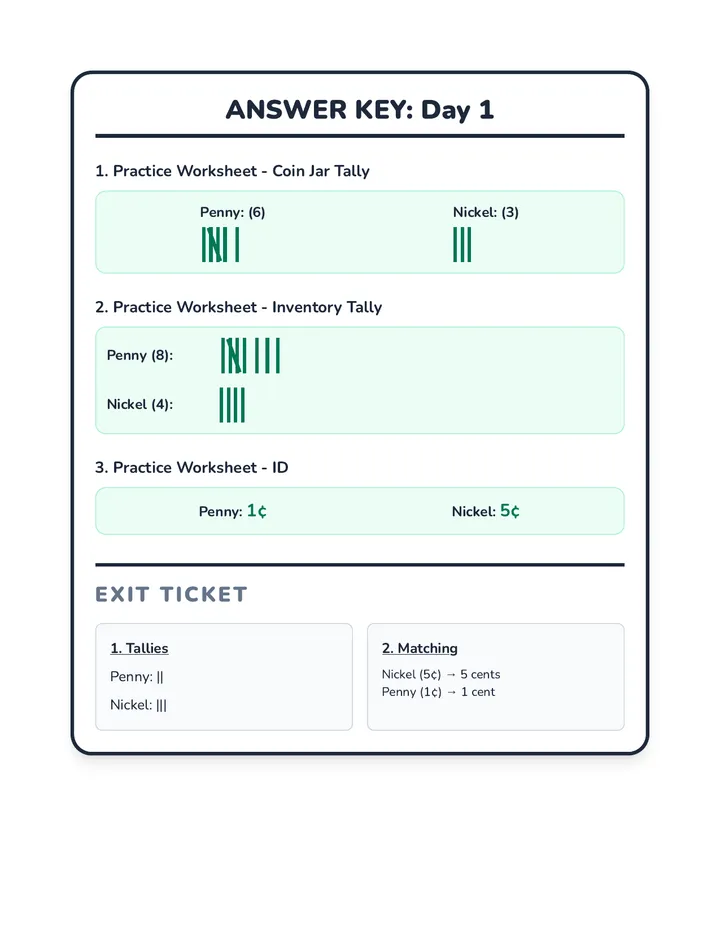
A comprehensive 2nd Grade unit focusing on coin identification, skip-counting mixed collections, equivalent values, and practical application through a marketplace simulation. Students develop foundational financial literacy skills through inquiry, games, and real-world problem-solving.
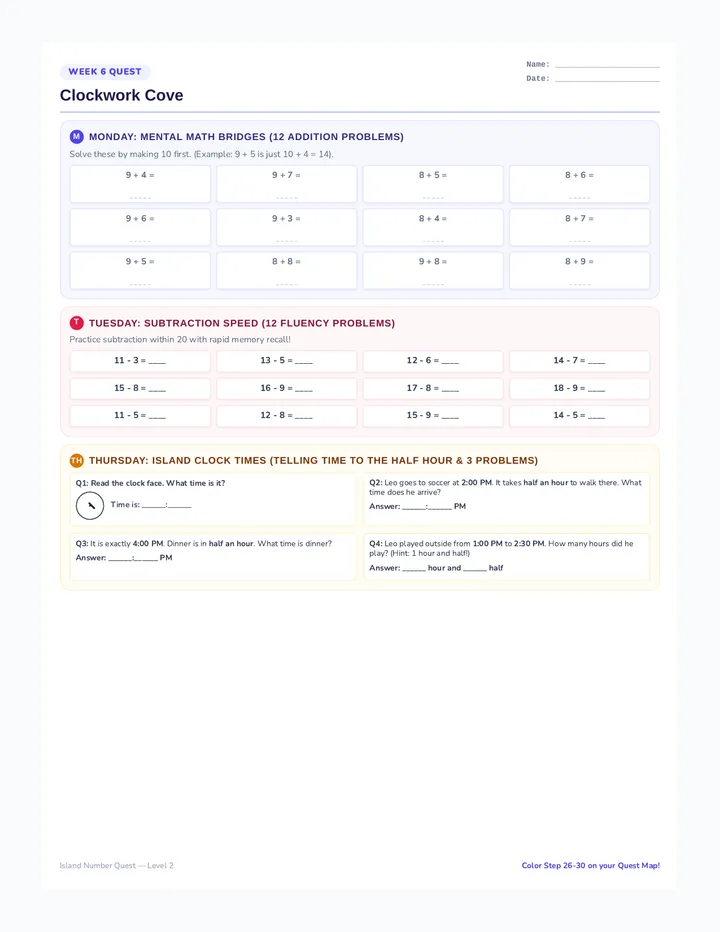
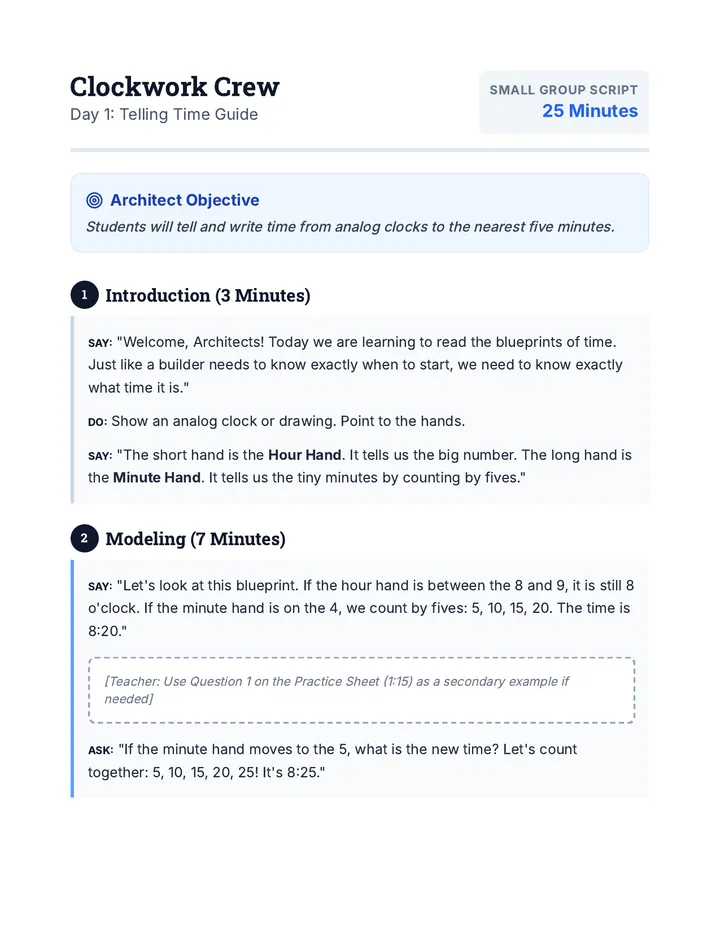
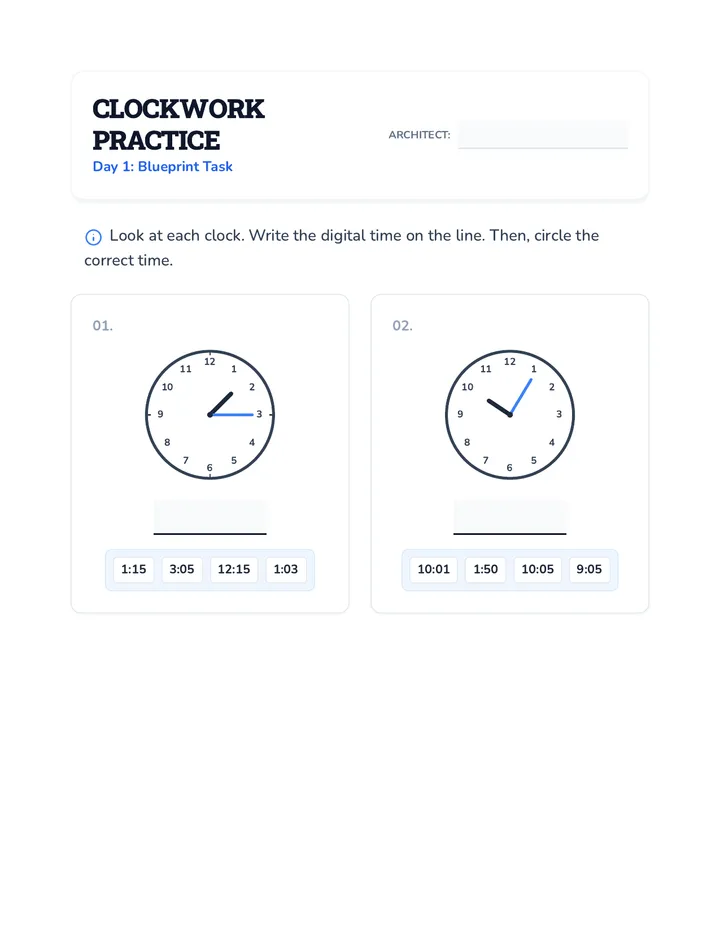
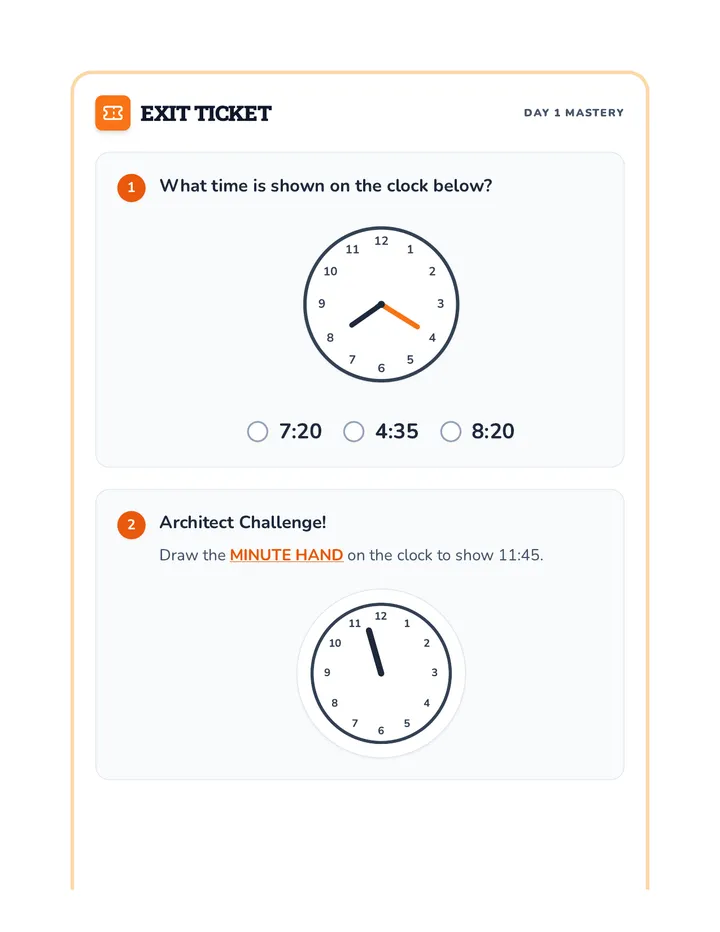
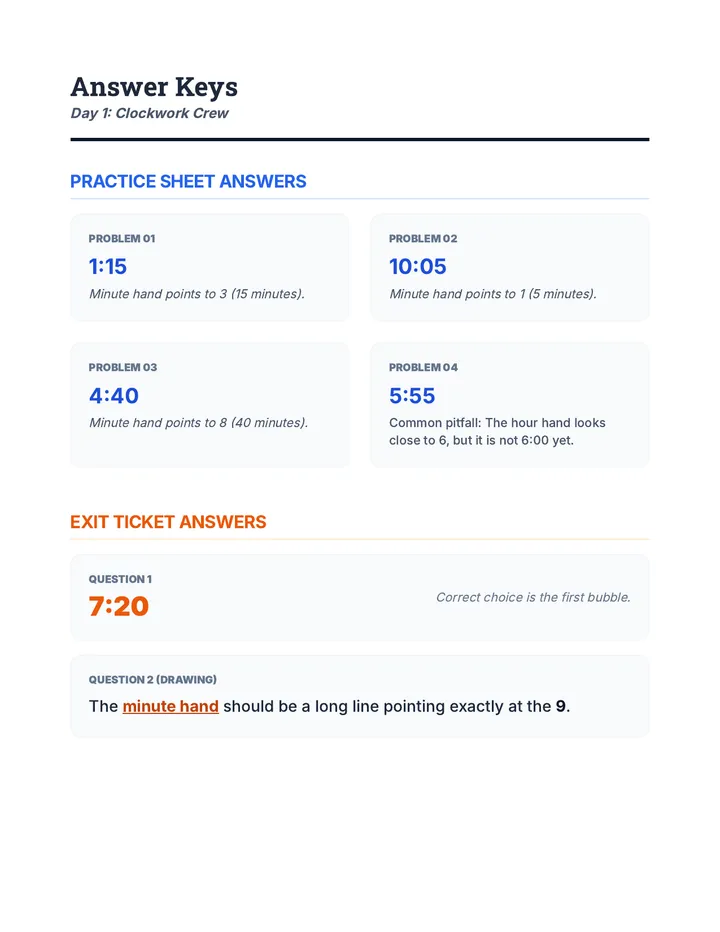
A comprehensive 2nd Grade unit on telling time to the nearest five minutes, distinguishing between a.m. and p.m., and sequencing daily events. Students explore the mechanics of analog and digital clocks through a whimsical 'Clockwork Kingdom' theme.
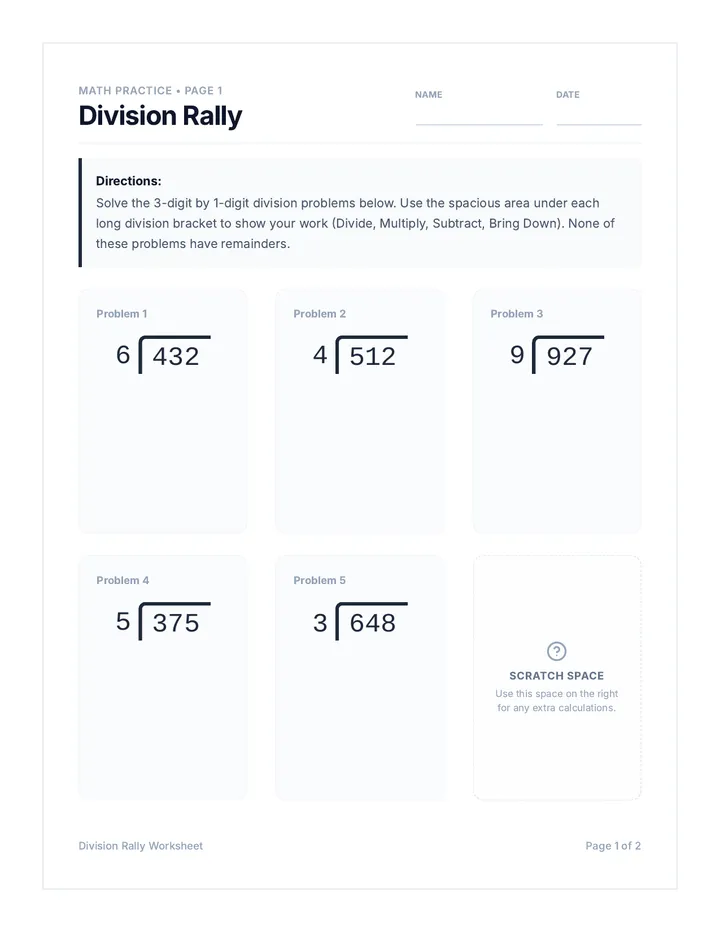
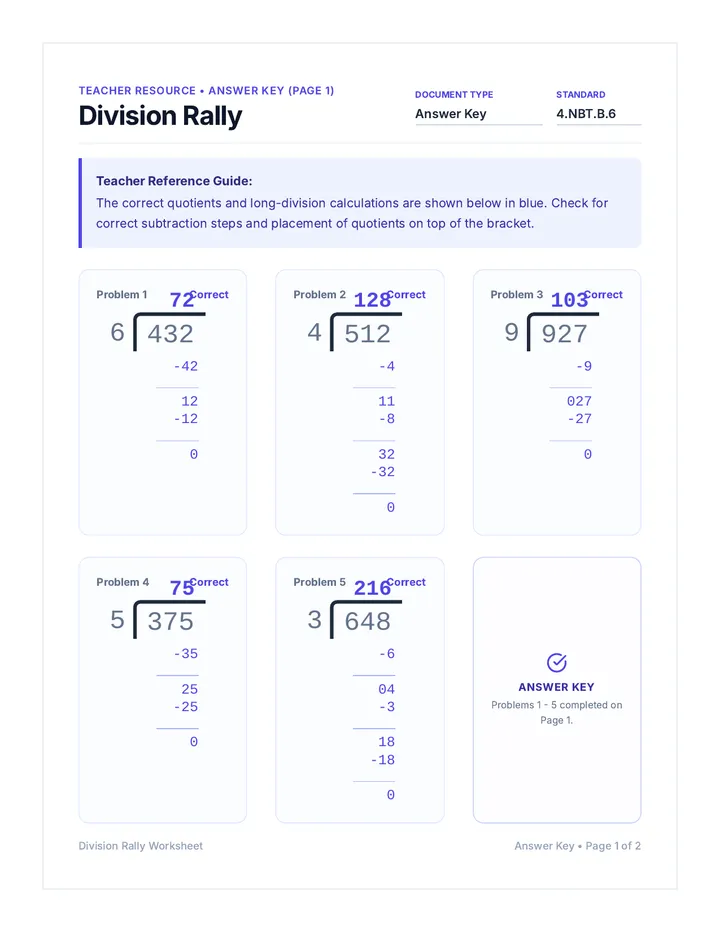
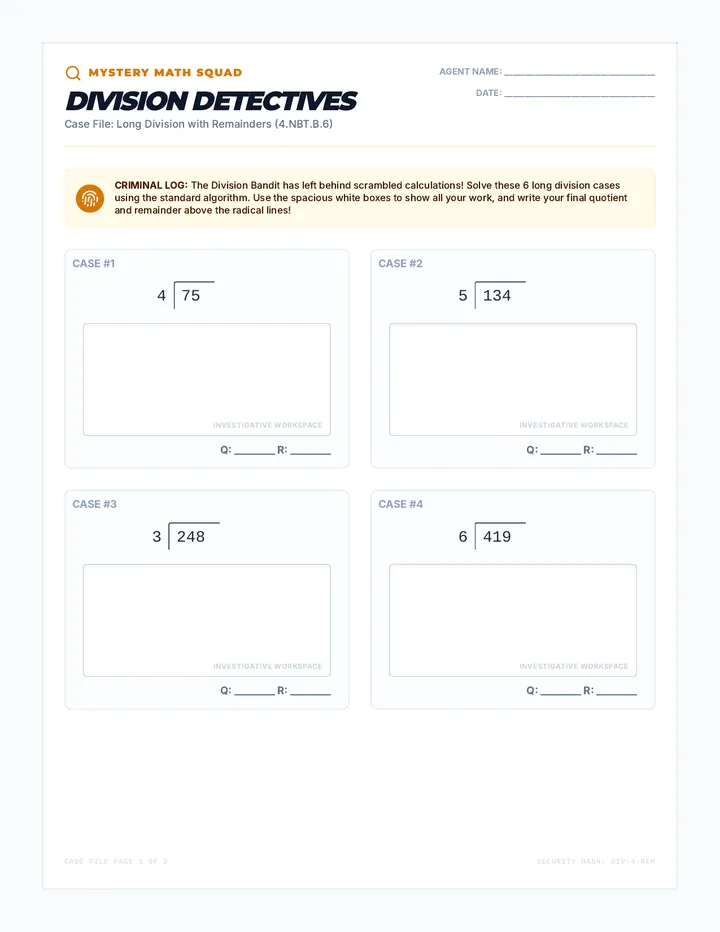
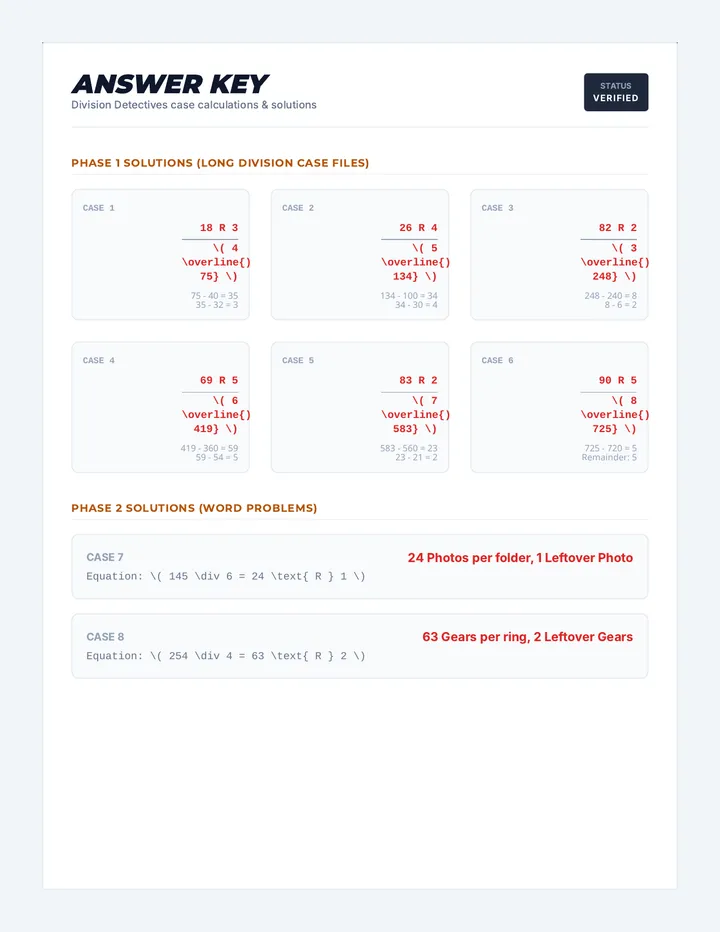
A 2nd-grade sequence focusing on division through fair sharing, partitioning, and understanding remainders in real-world contexts. Students move from physical simulation to visual modeling and contextual interpretation.
A 2nd grade math sequence focused on modeling multiplication through arrays and area models, transitioning from physical manipulatives to partitioning rectangles and project-based application.
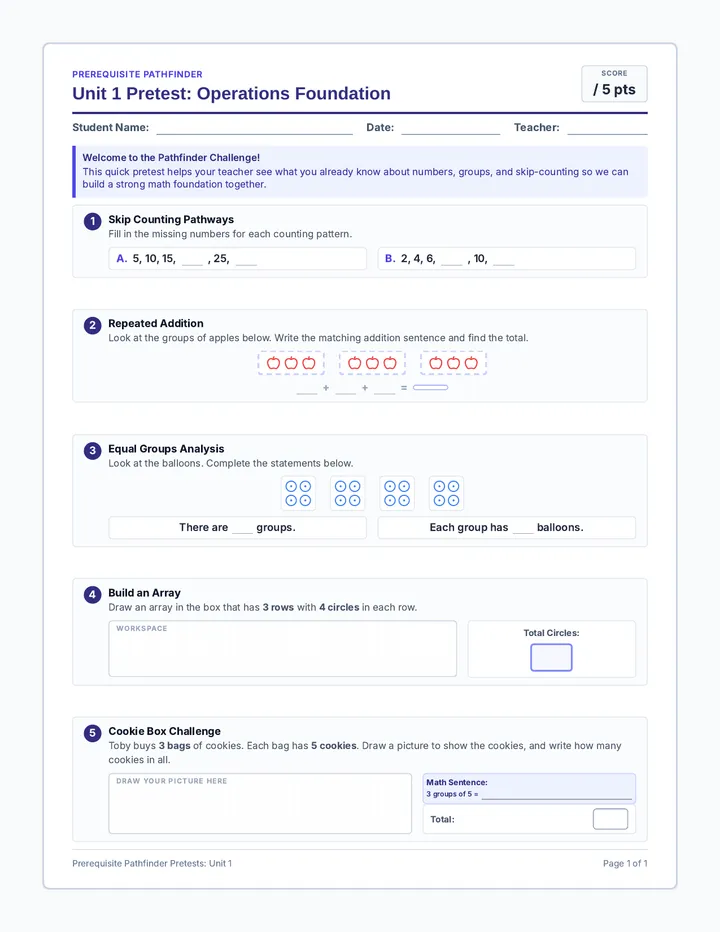
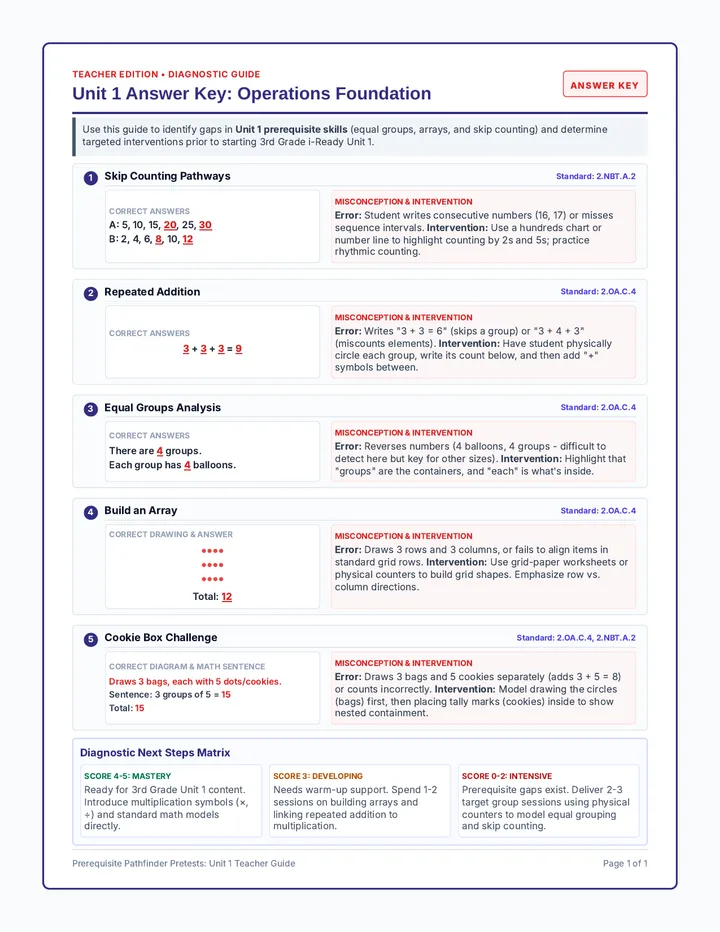
A foundational sequence for 2nd graders to understand multiplication through repeated addition and equal grouping. Students move from concrete grouping to abstract number sentences and word problems using a Toy Workshop theme.
An inquiry-based exploration of number naming patterns from tens to millions, helping 2nd graders see the repeating linguistic structures in large numbers through a 'detective' lens.
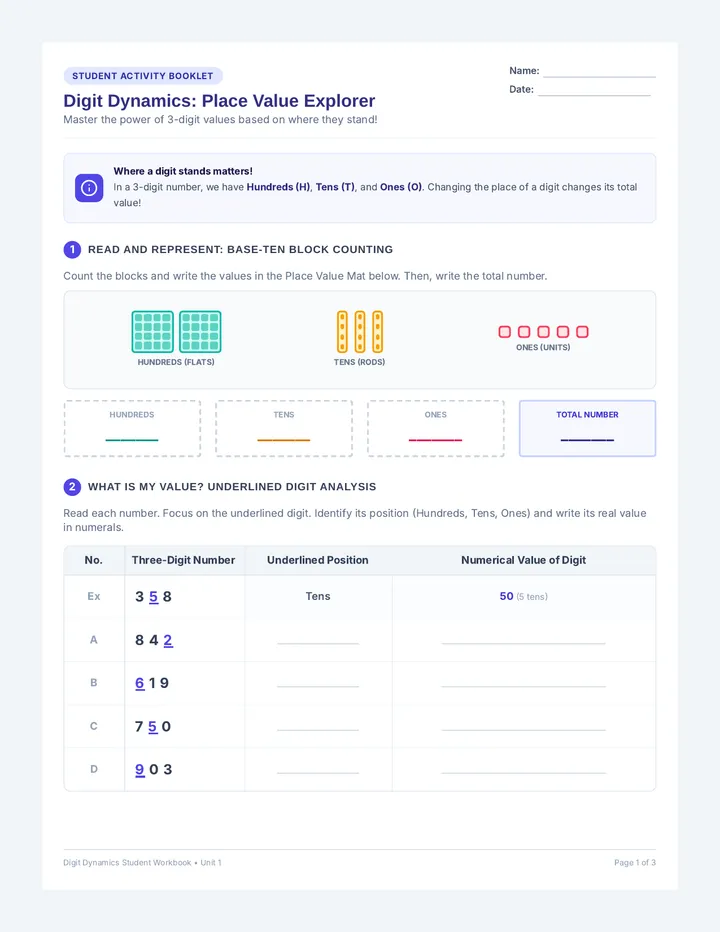
This sequence guides 2nd-grade students through the process of reading and writing number names up to 1,000, focusing on tricky spellings, hyphenation rules, and correct syntax for three-digit numbers.
A comprehensive 2nd Grade unit on bar graphs, guiding students from concrete physical models to abstract 2D representations. Students will learn graph anatomy, construction techniques for vertical and horizontal formats, and critical error analysis.
This 2nd Grade math sequence transforms students into Data Detectives who use graphs to solve addition, subtraction, and comparison problems. Students progress from simple 'how many more' comparisons to multi-step reasoning and creating their own data-based inquiries.
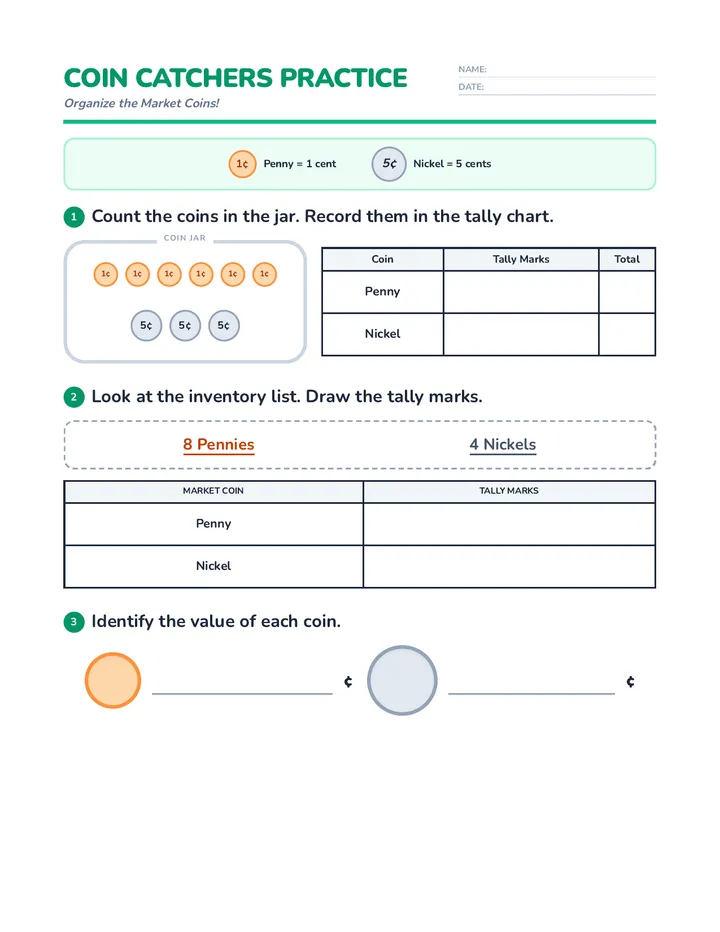
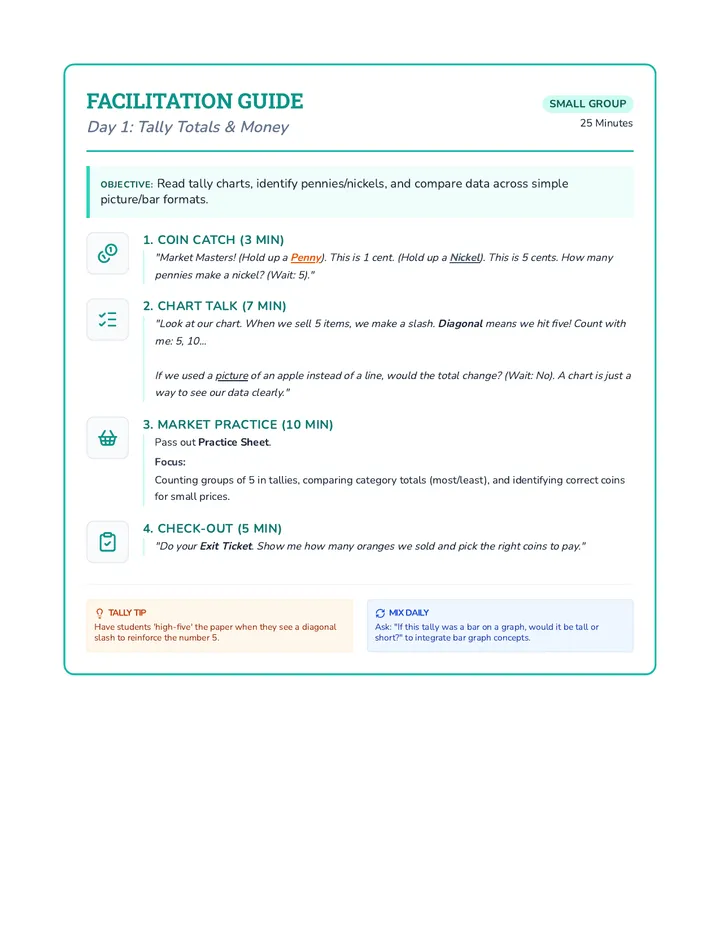
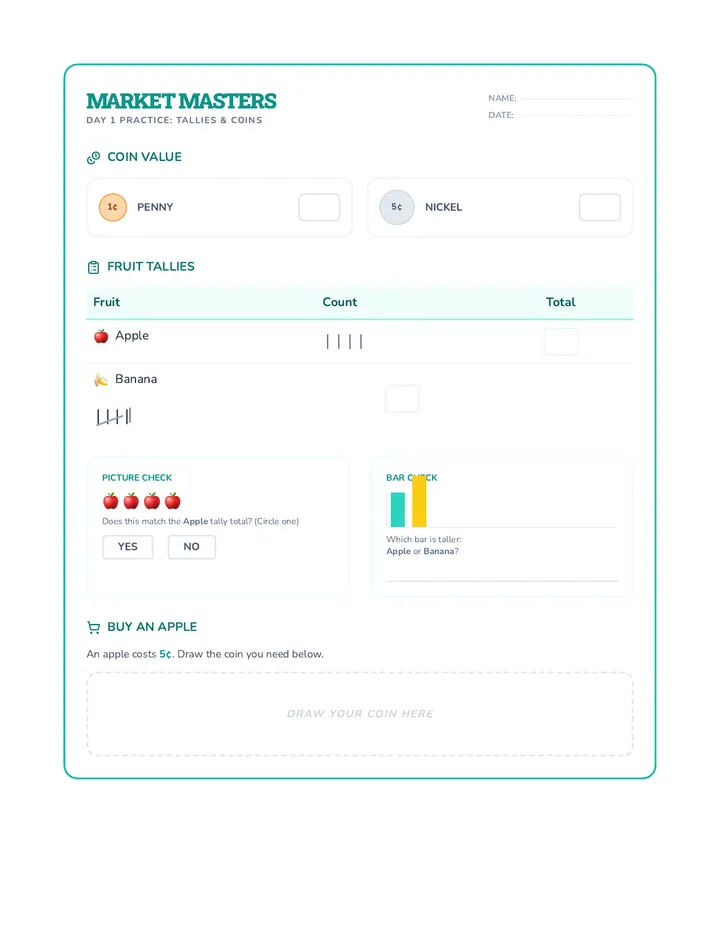
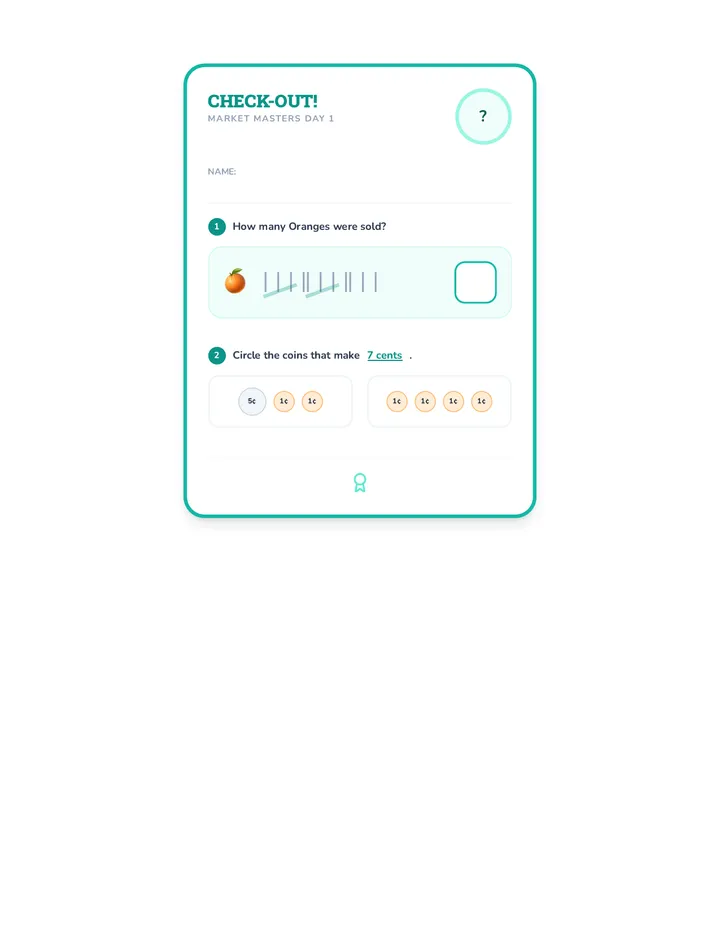
A comprehensive 2nd Grade math sequence that guides students from tally marks to creating and interpreting sophisticated picture graphs, focusing on visual representation and data analysis.