This sequence explores high-energy electromagnetic radiation (UV, X-rays, and Gamma rays), focusing on their ionizing properties, medical applications, and safety protocols through inquiry and debate.
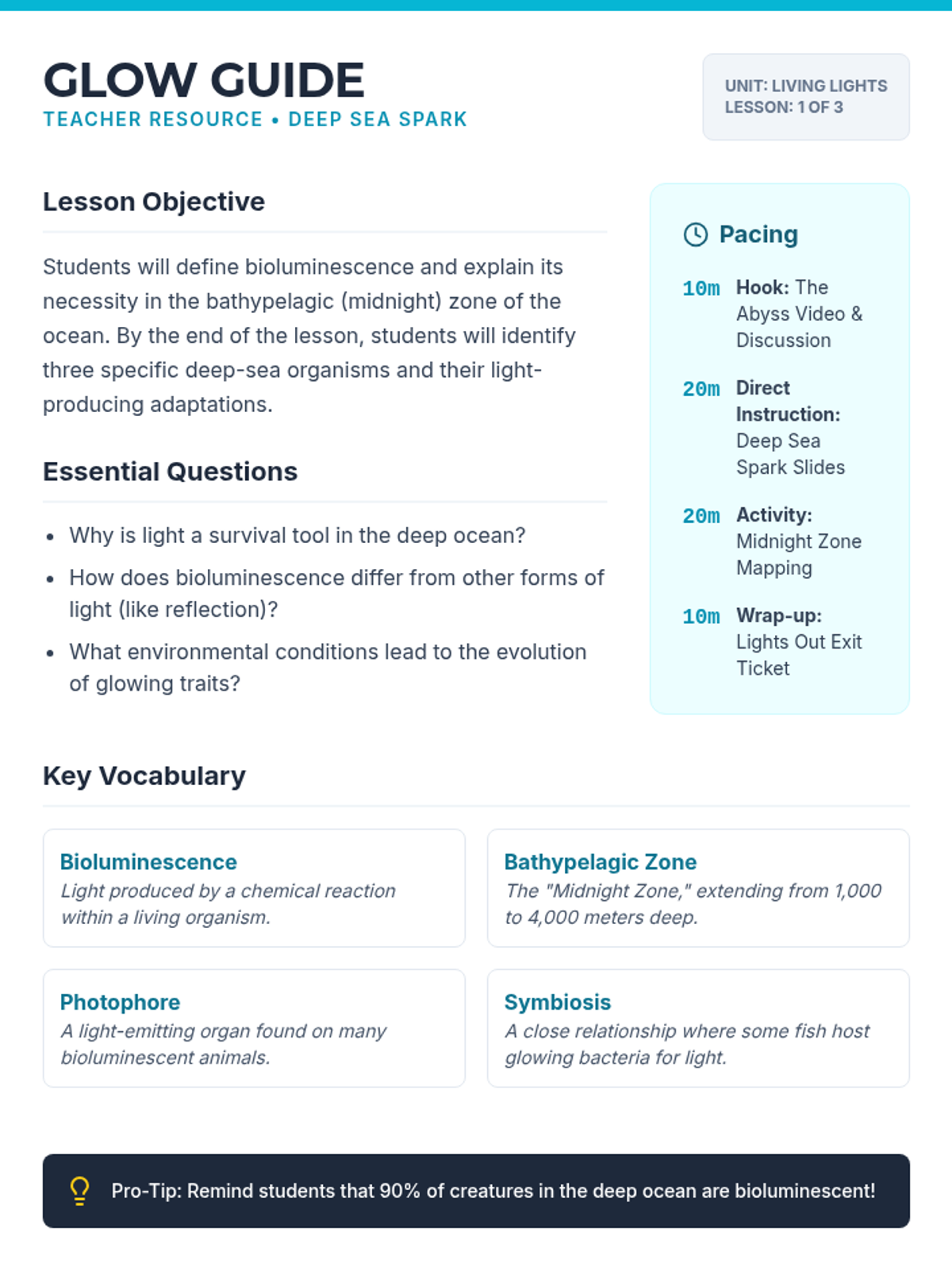
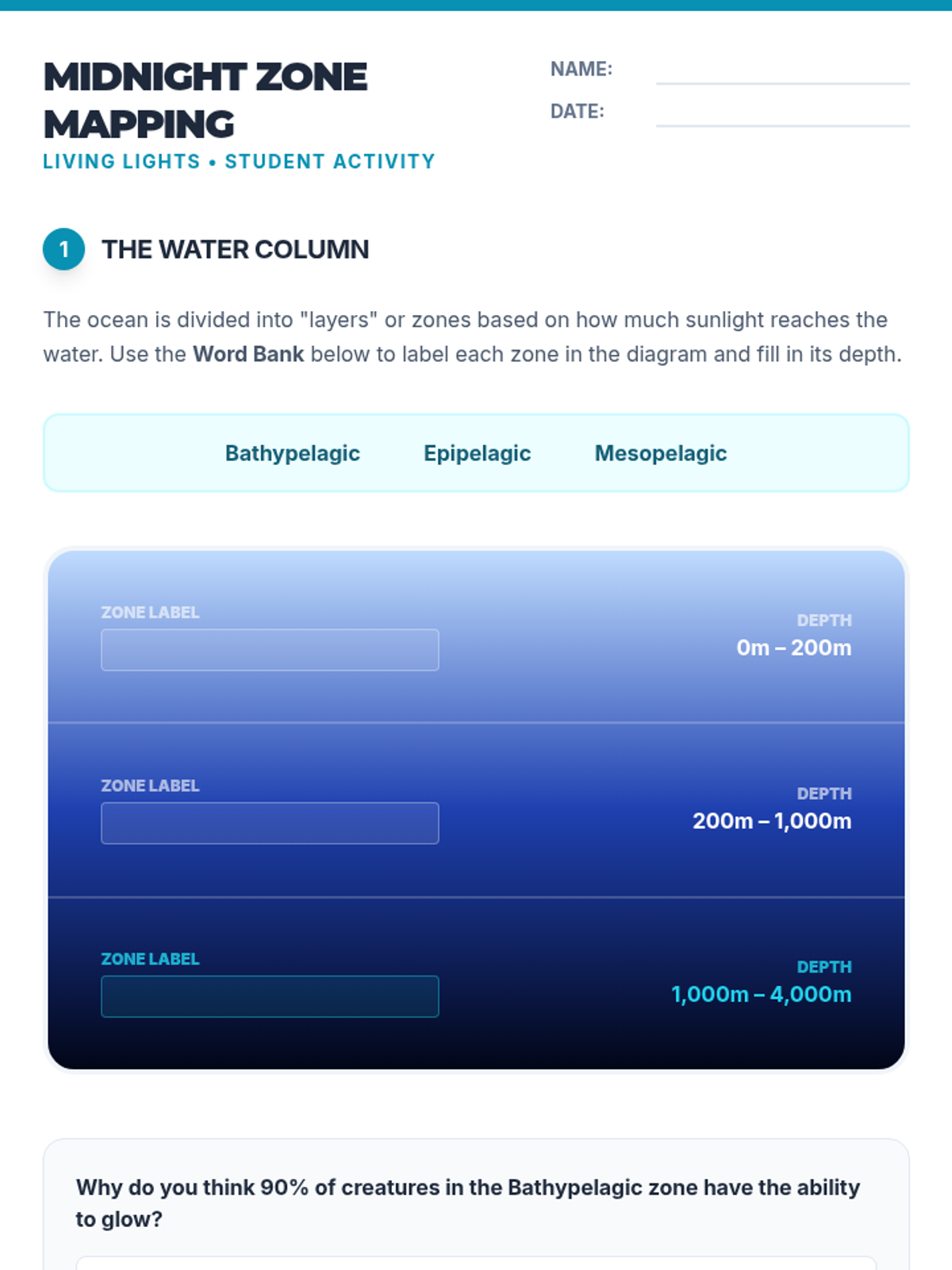
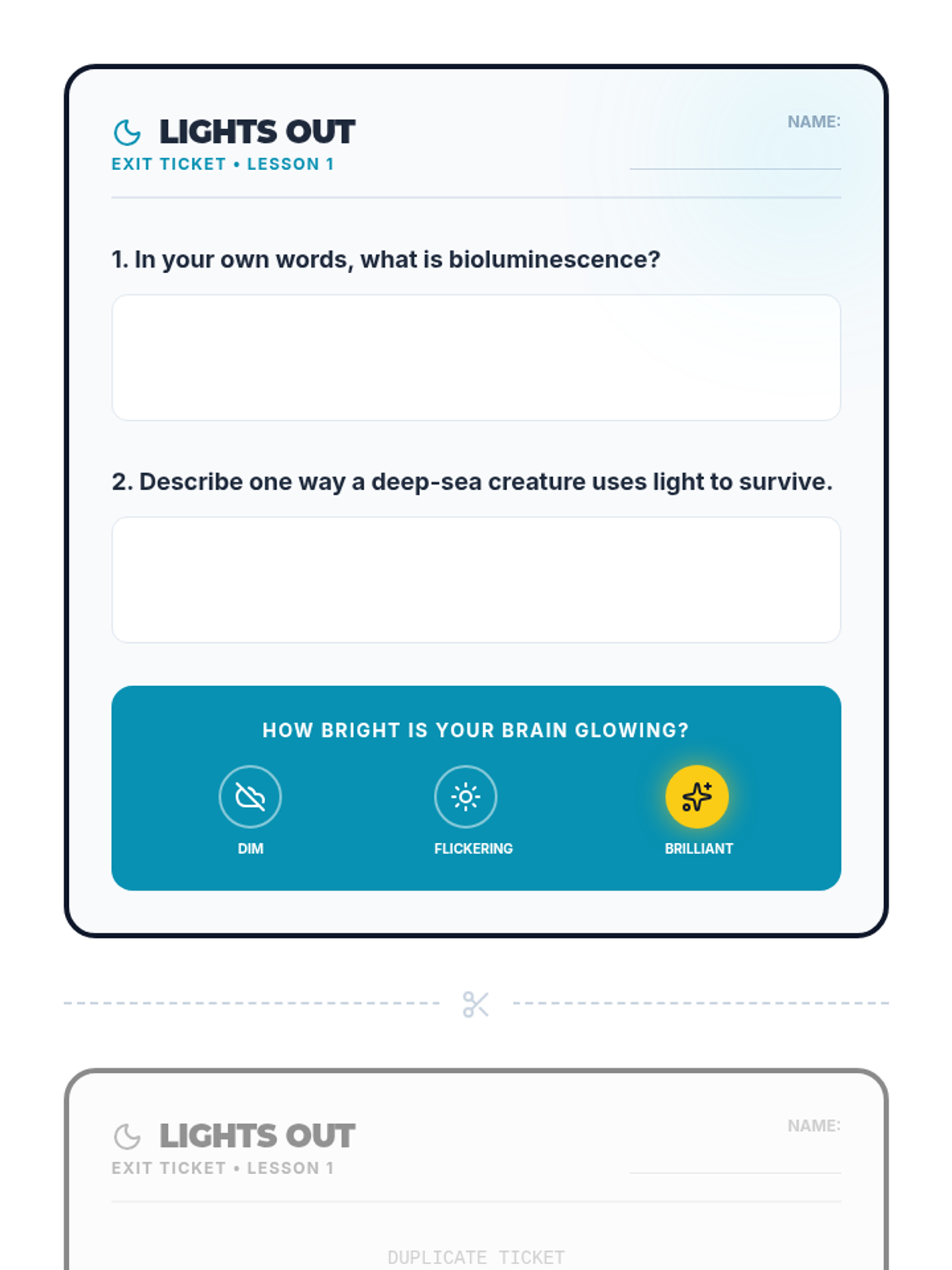
A comprehensive 3-lesson unit exploring the science, chemistry, and purpose of bioluminescence in nature. Students dive into the deep sea, experiment with chemical reactions, and analyze how light is used for survival.
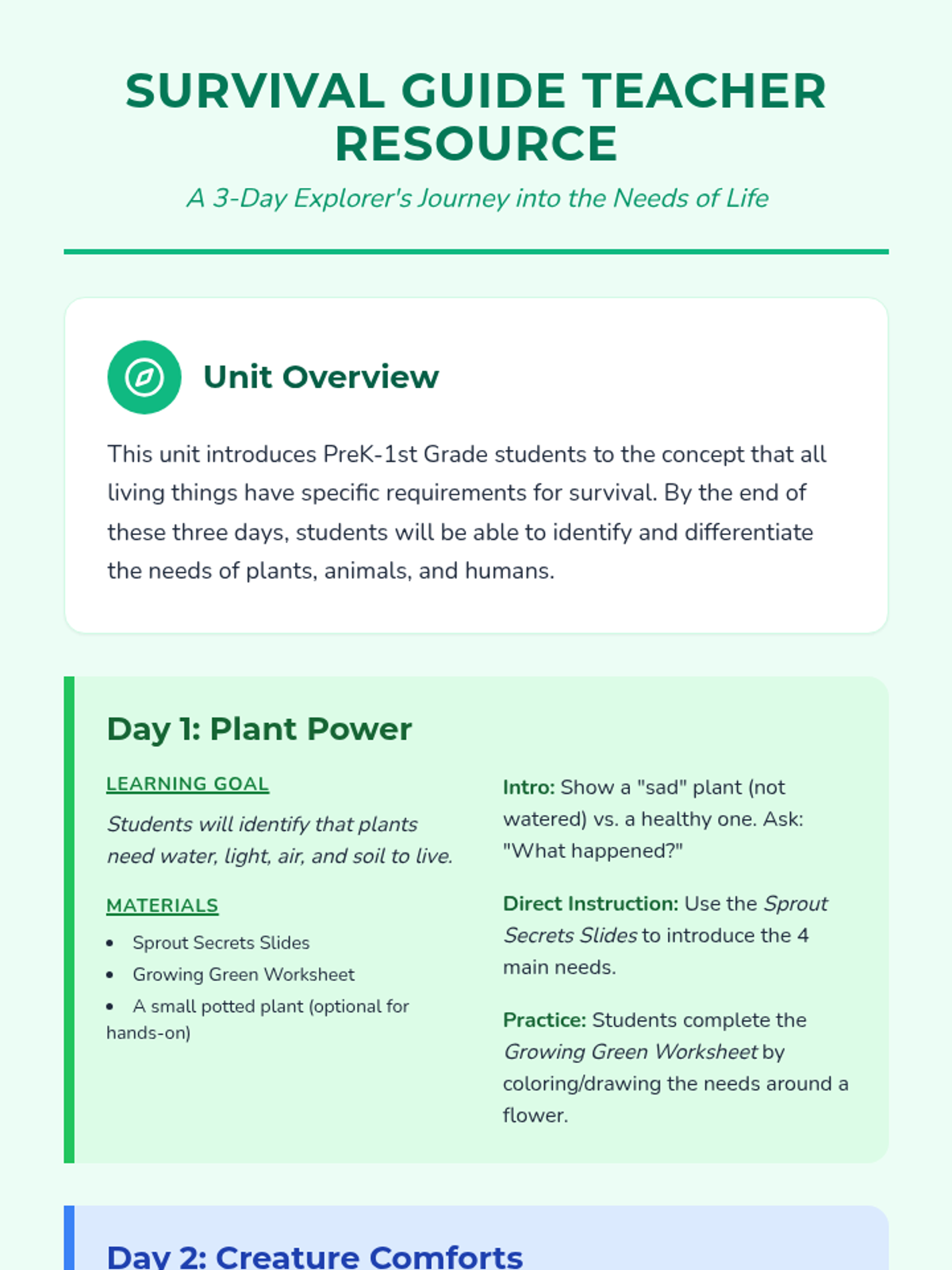
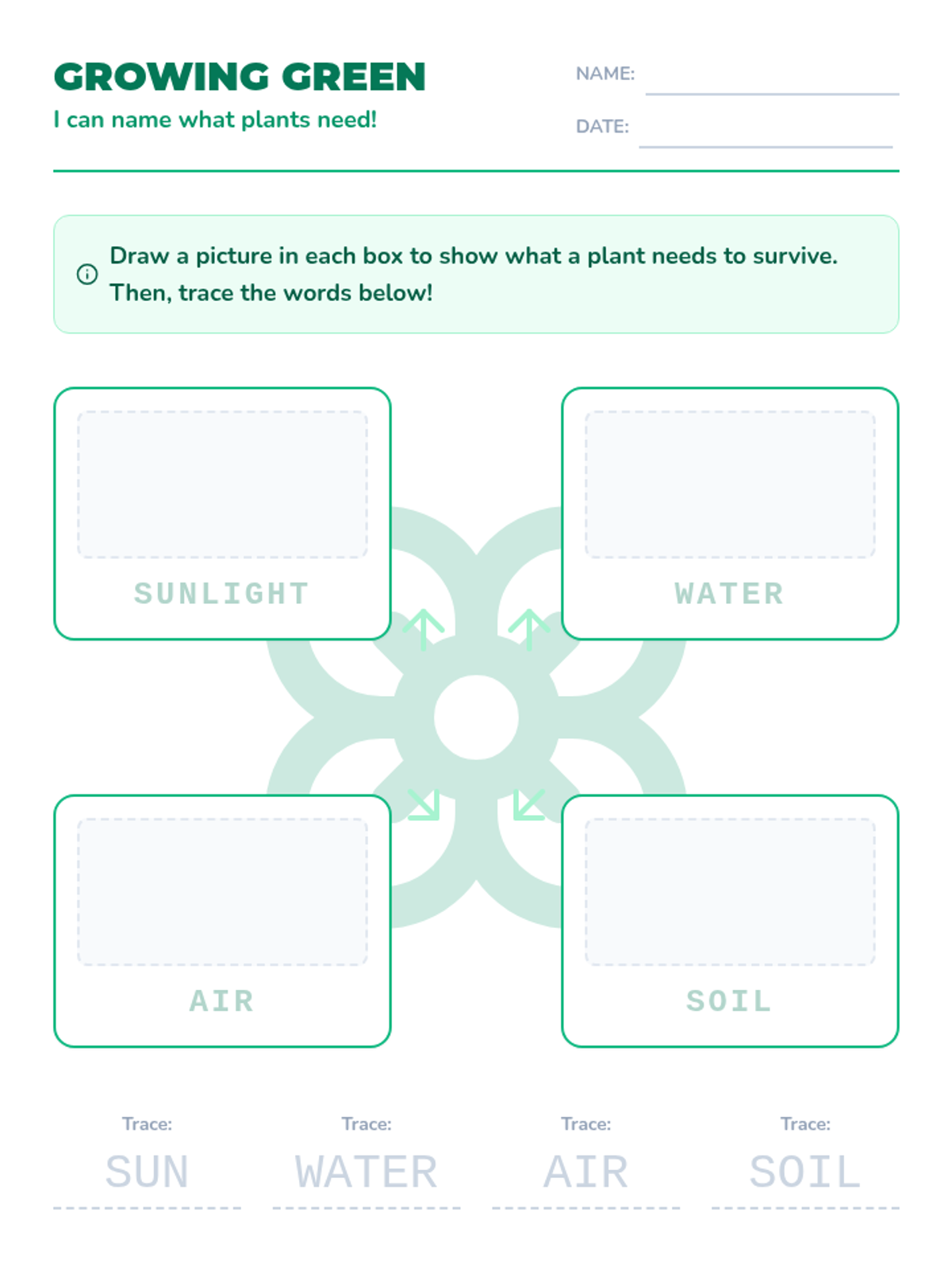
A 3-day introductory science sequence for early learners (PreK-1st) exploring the fundamental needs of plants, animals, and humans. Students will discover commonalities in survival requirements through visuals, guided practice, and hands-on sorting.
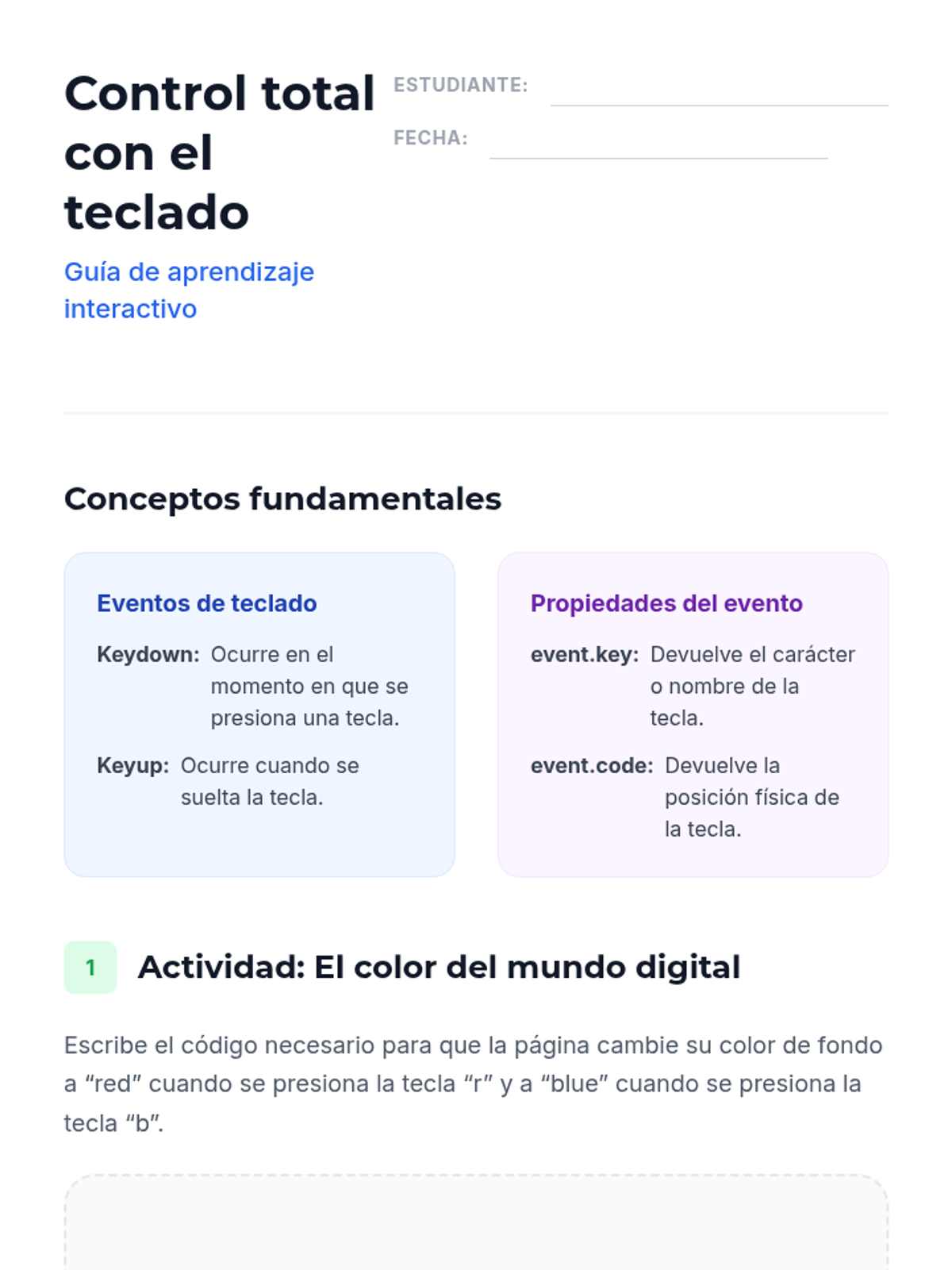
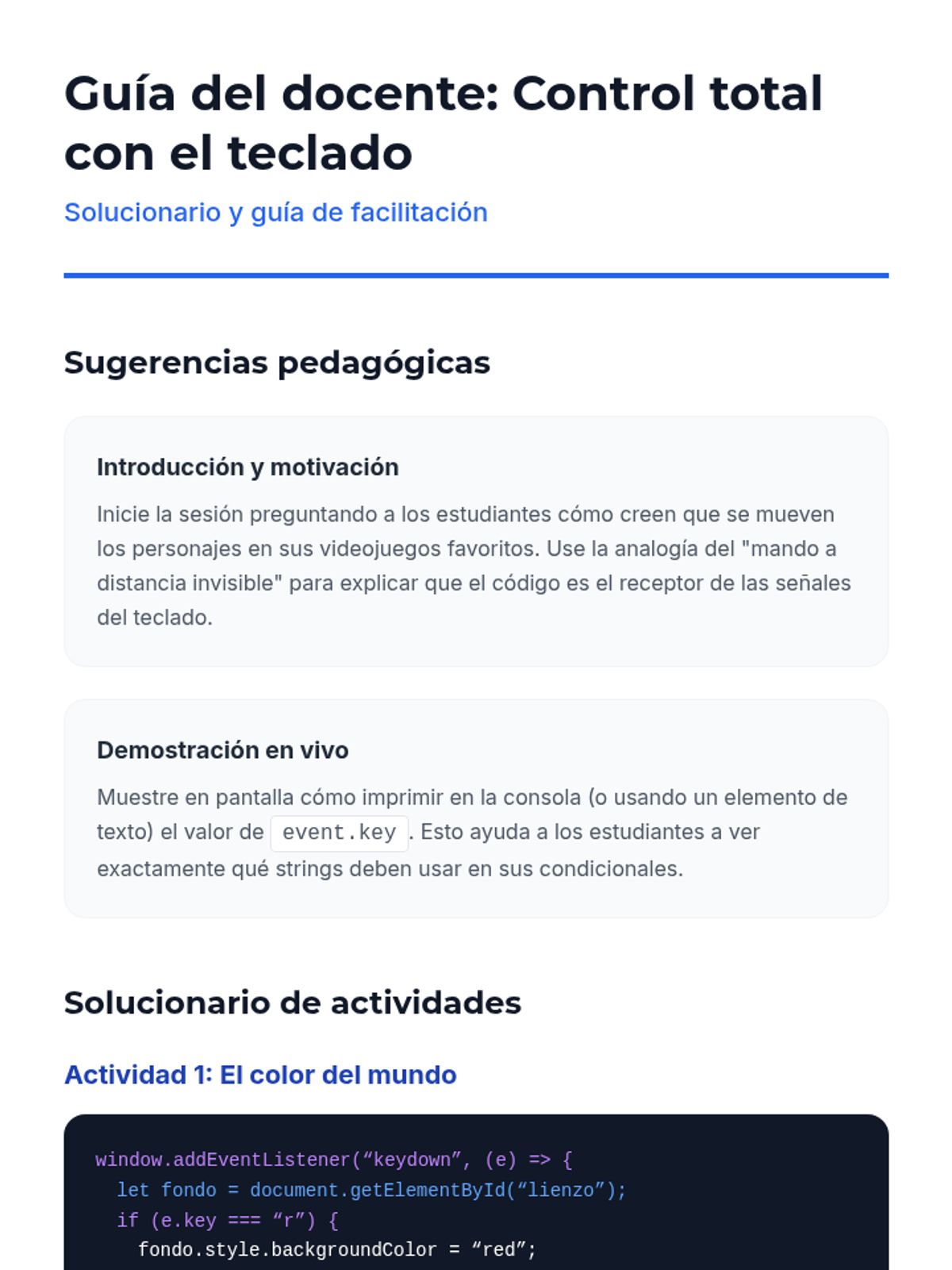
Una secuencia didáctica sobre el desarrollo web interactivo, enfocada en la captura de eventos del teclado mediante JavaScript para crear experiencias de usuario dinámicas y juegos sencillos.
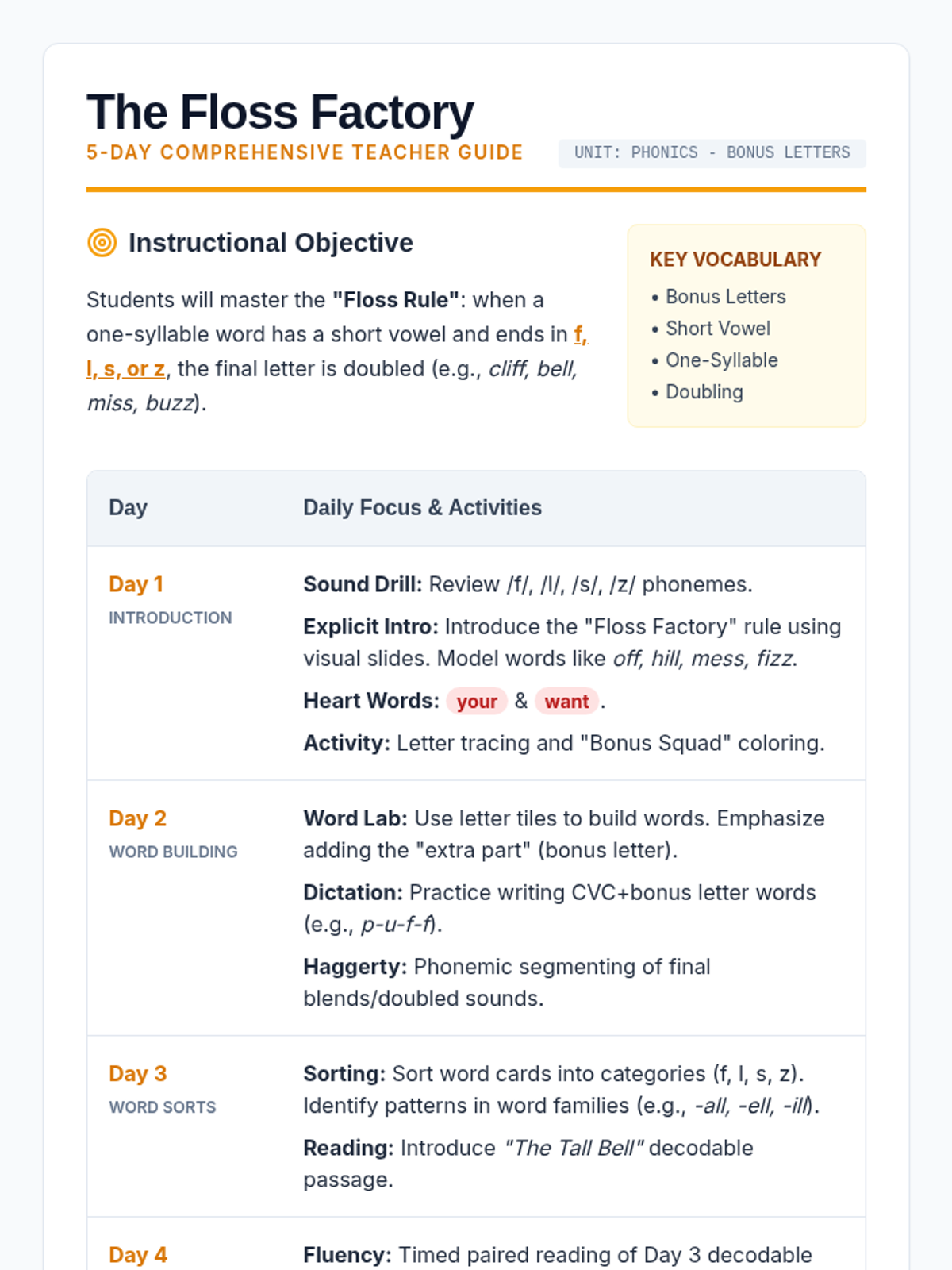
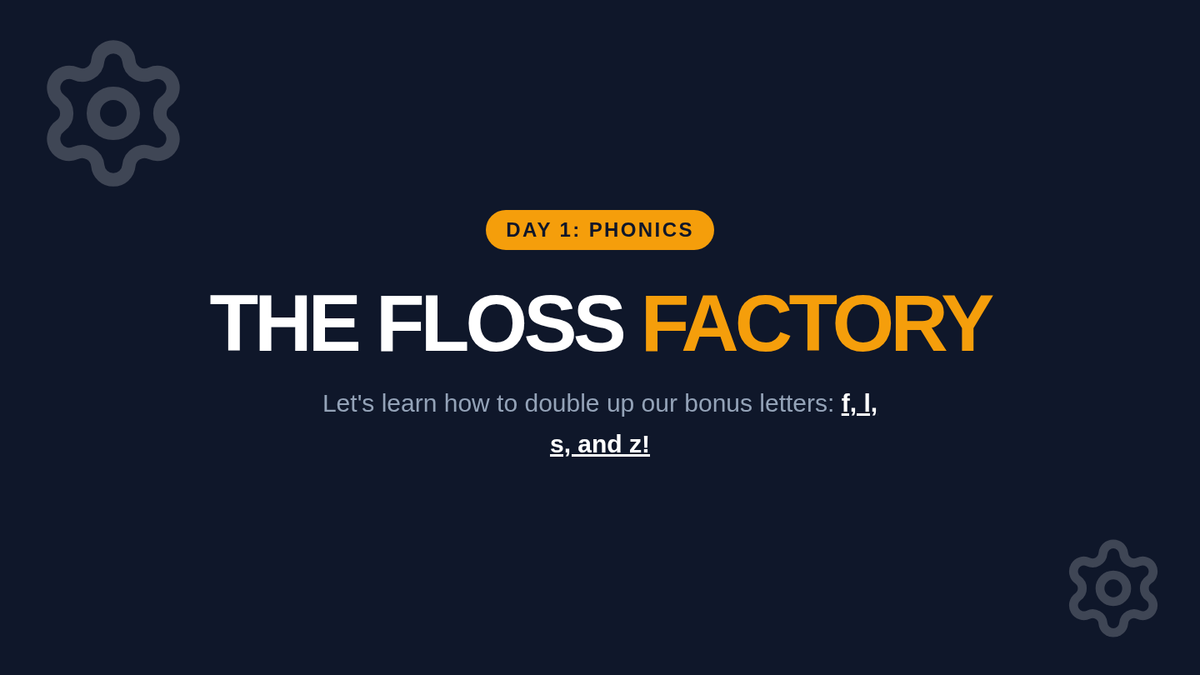
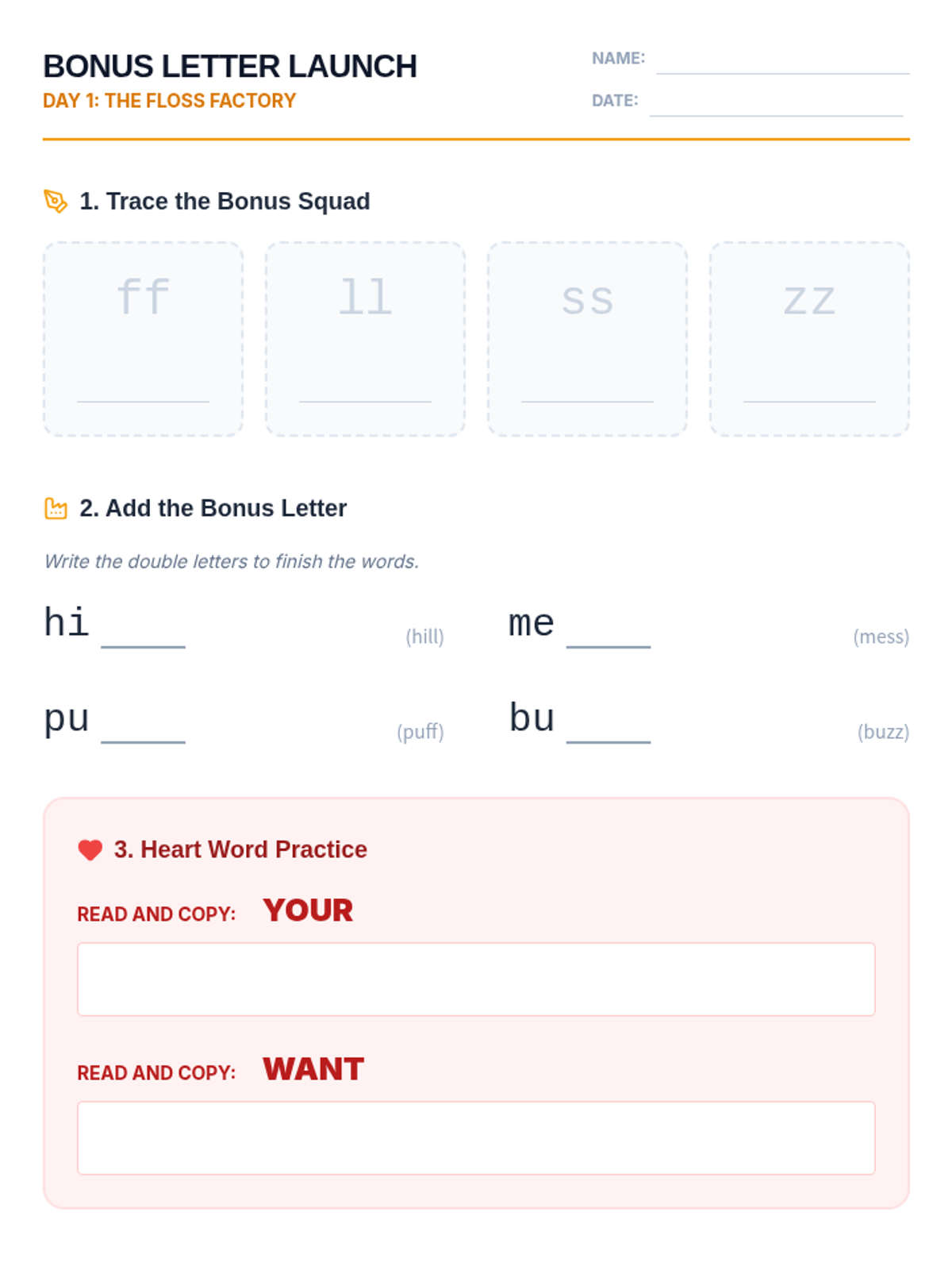
A comprehensive 5-day phonics unit focused on the "bonus letters" (Floss Rule: f, l, s, z) including heart words 'your' and 'want'. Students explore the concept of doubling final consonants in one-syllable short vowel words through a factory-themed learning experience.
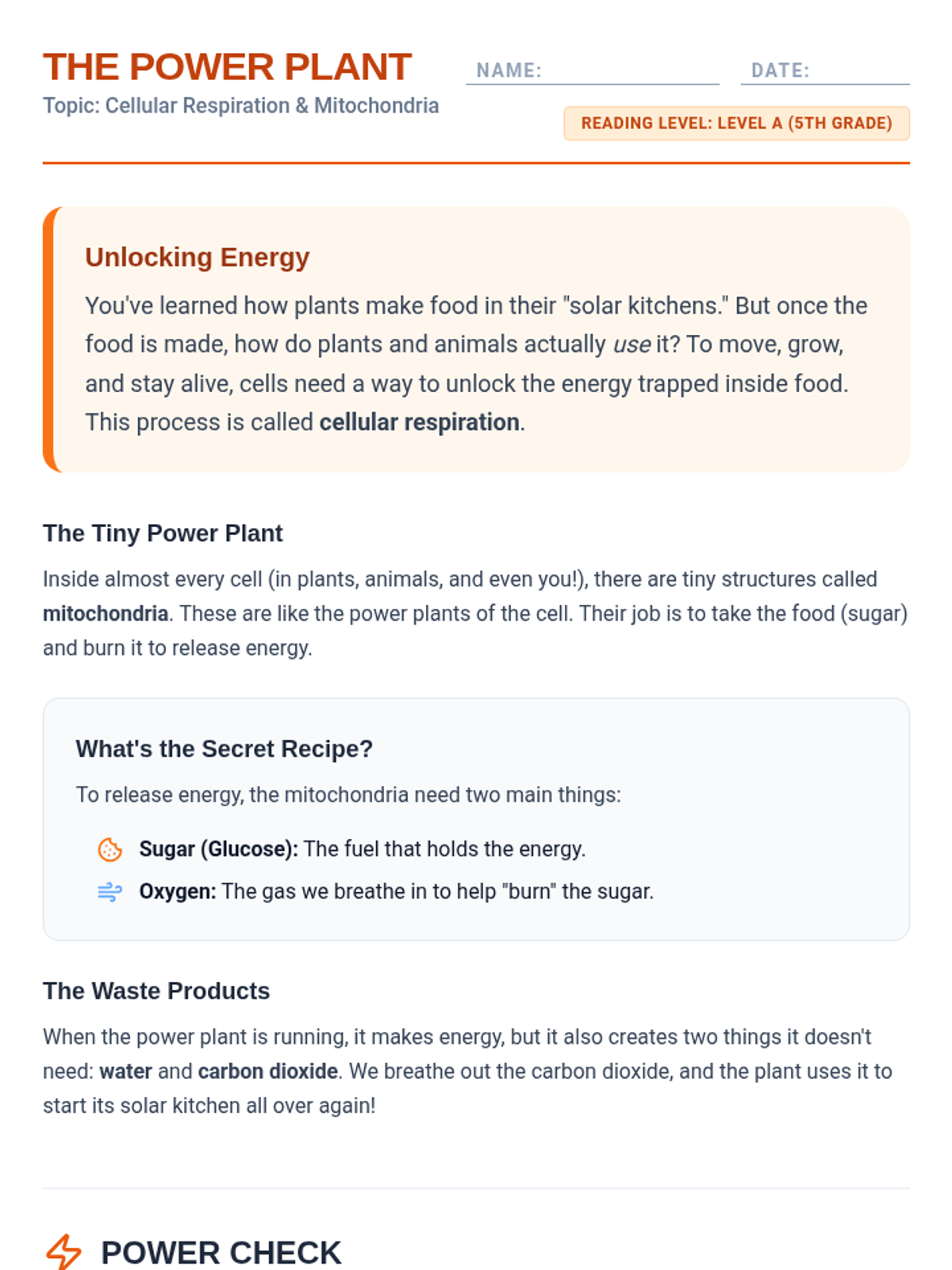
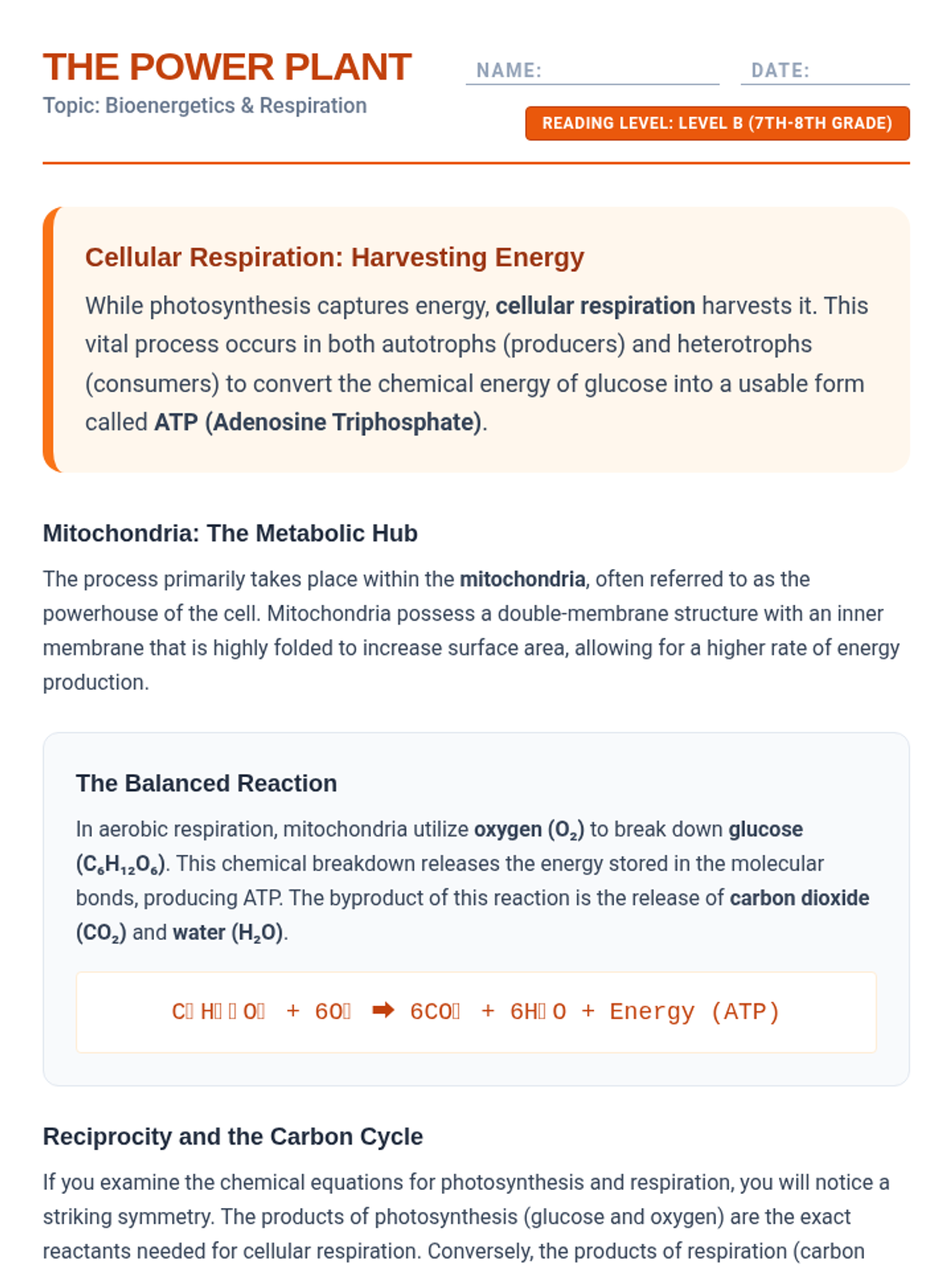
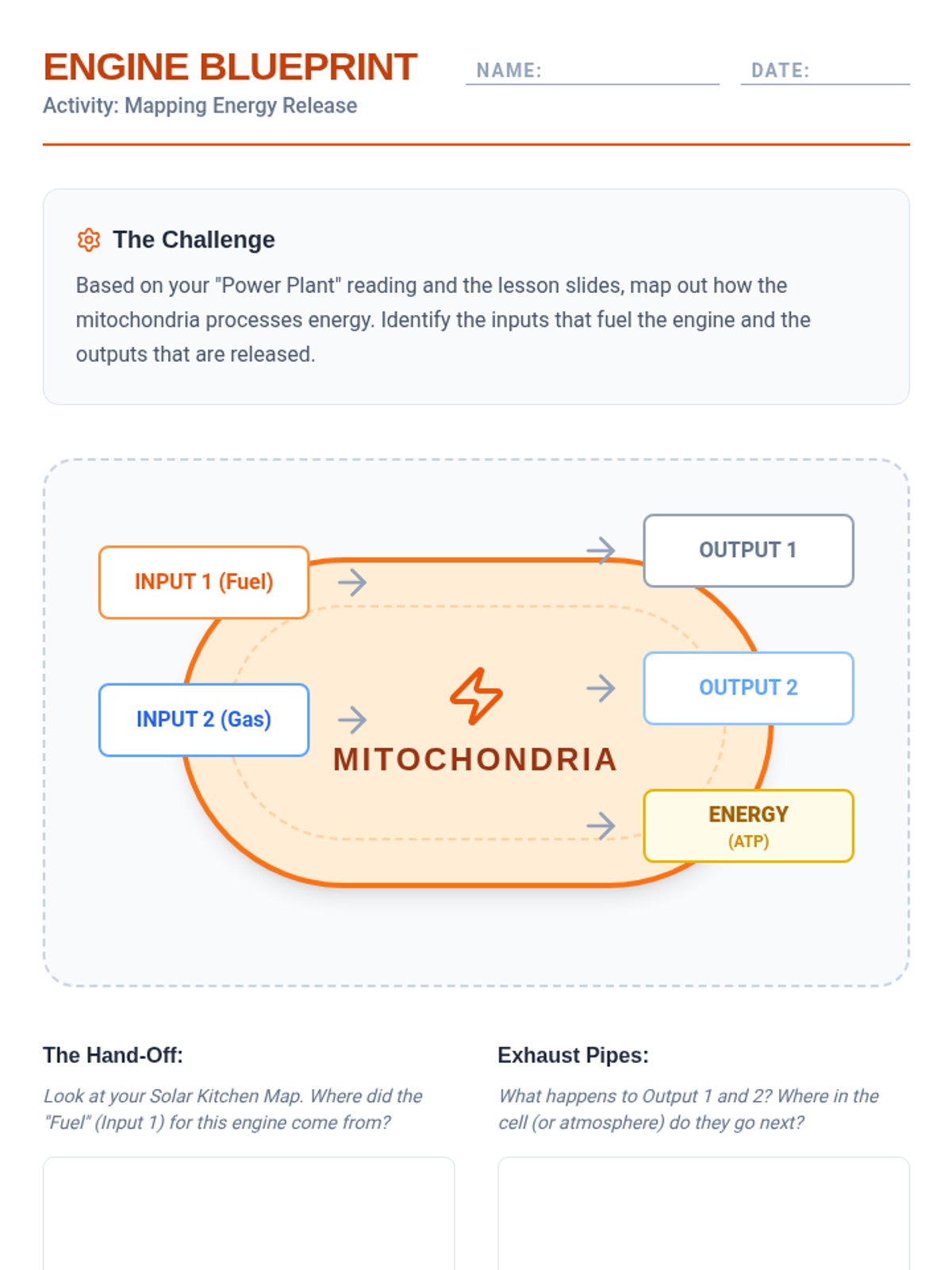
A three-day exploration of the interconnected roles of chloroplasts and mitochondria in cycling matter through ecosystems. Students use a lunar colony hypothetical lab to apply the scientific method to real-world gas exchange scenarios.
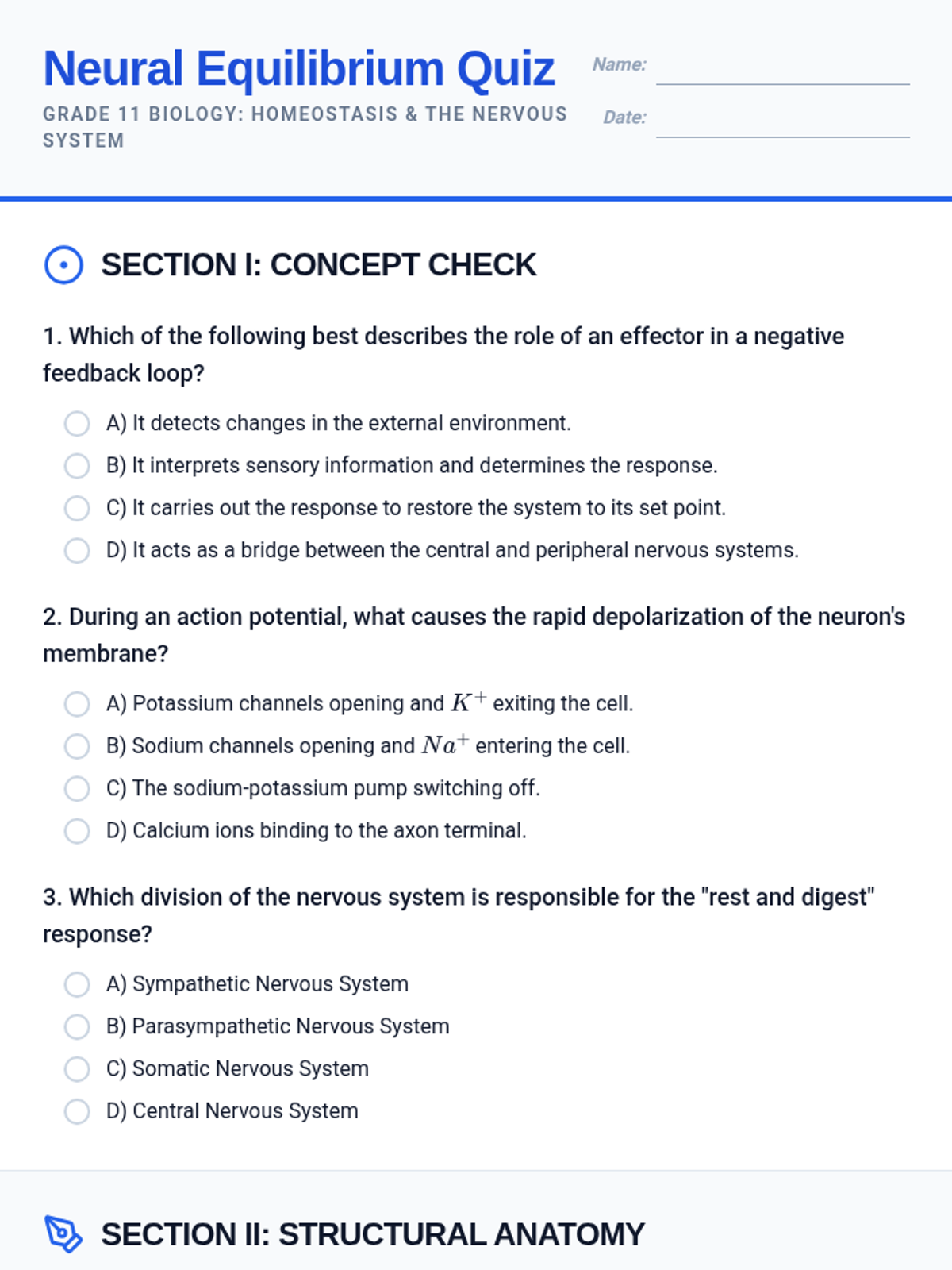
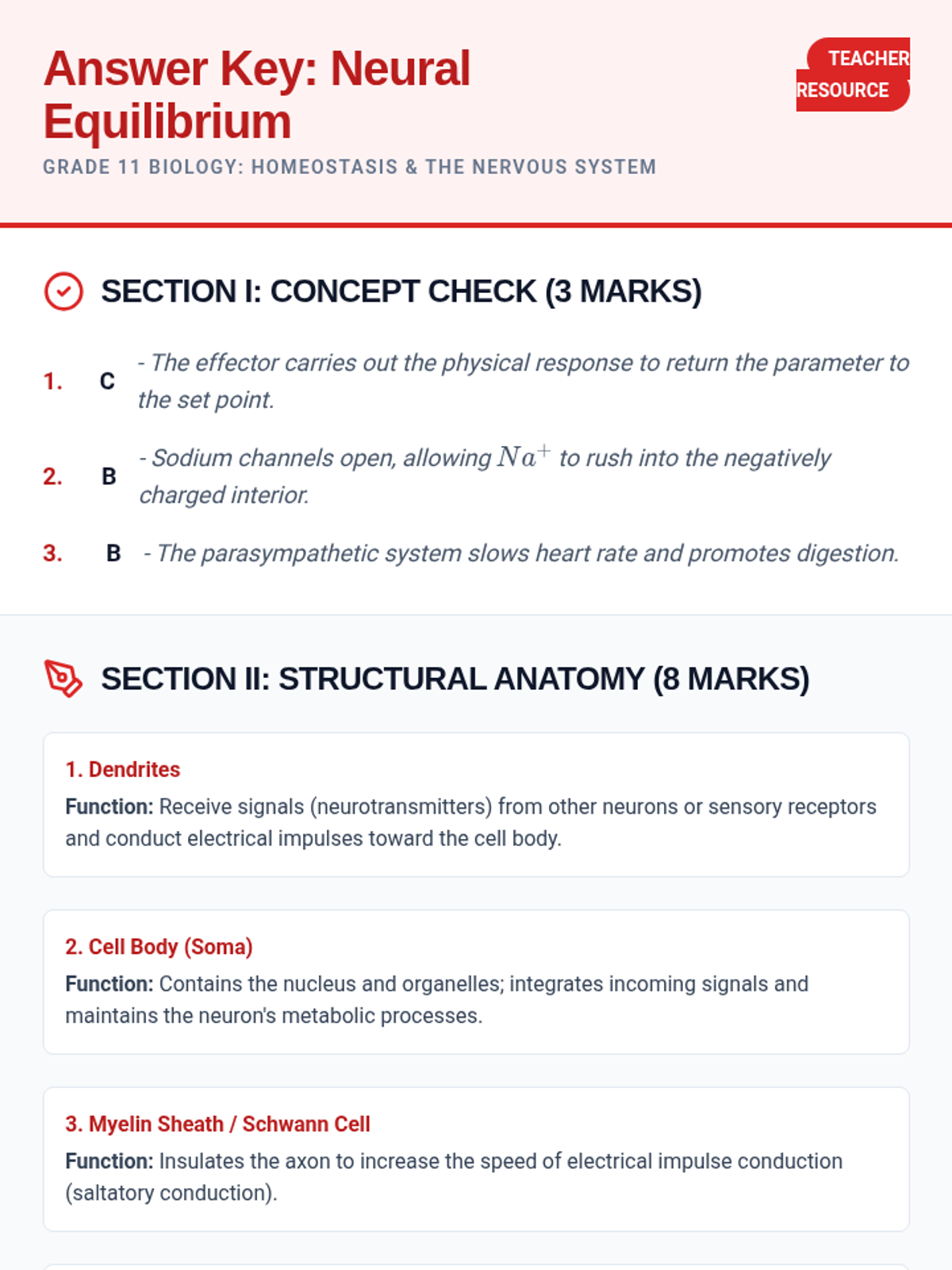
A series of high-level assessments for Grade 11 Biology focusing on the body's homeostatic mechanisms and organ systems.
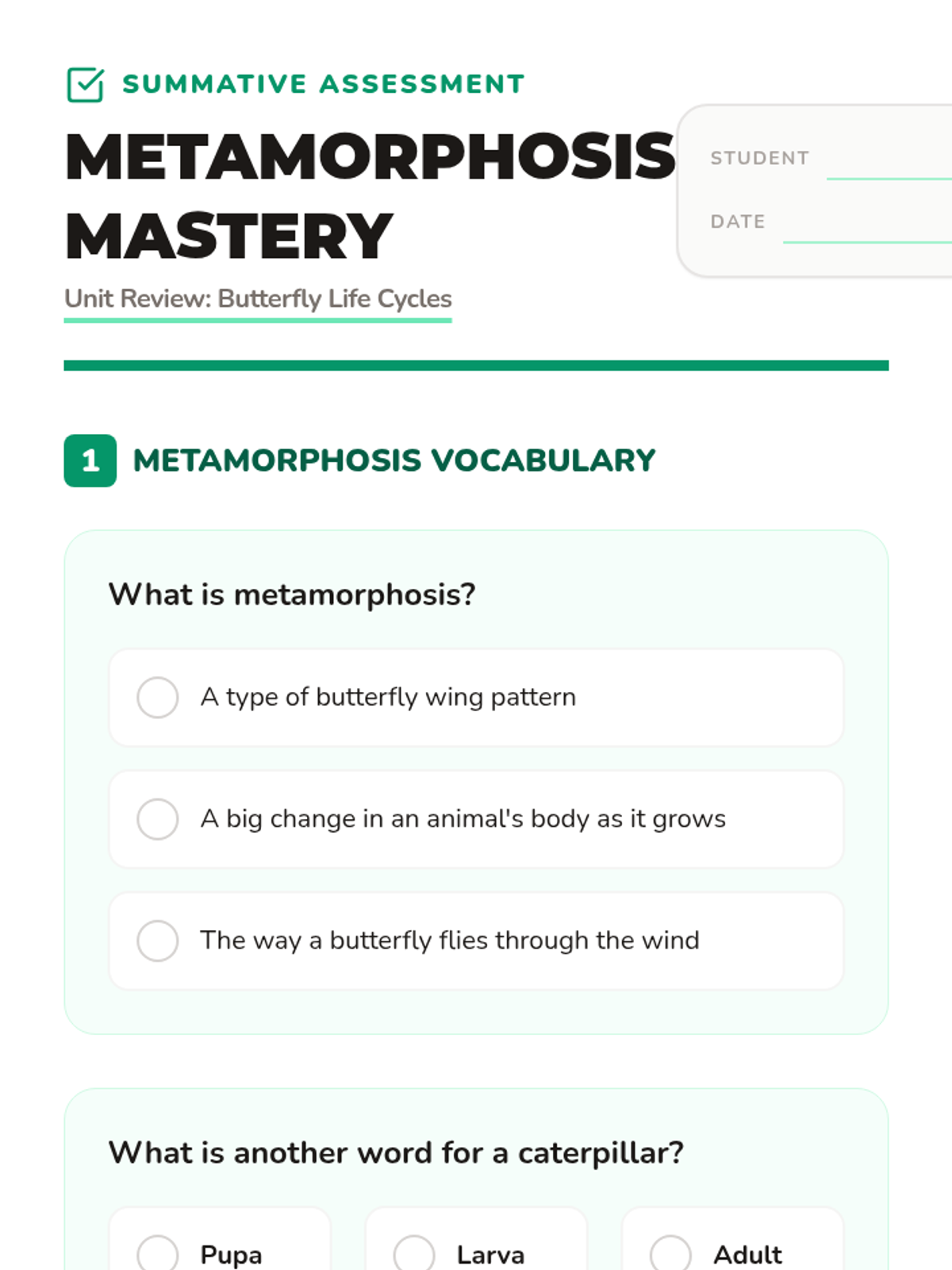
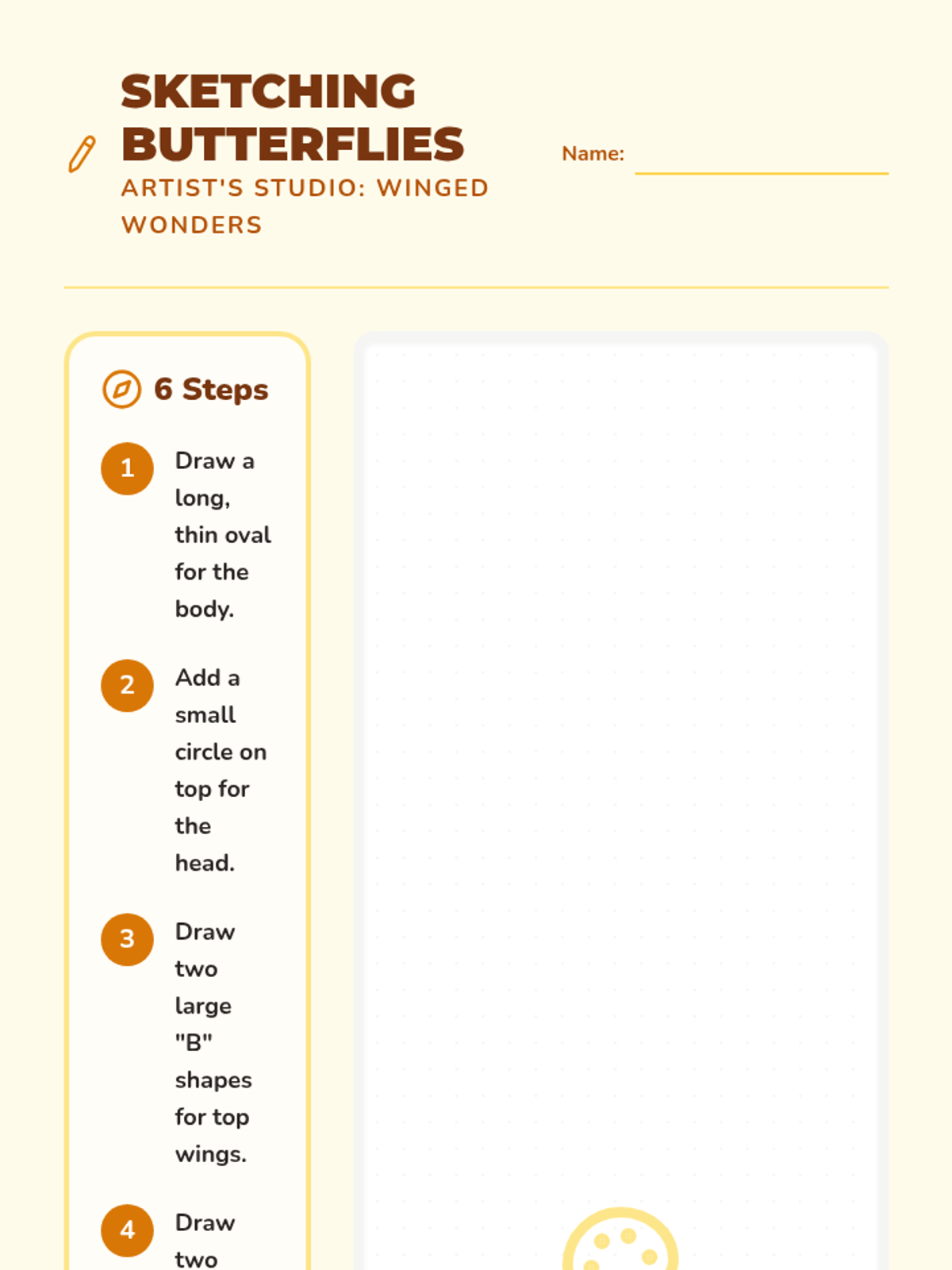
A multi-day exploration of the butterfly life cycle for 2nd graders, featuring interactive instruction, a directed drawing activity, and a summative assessment.
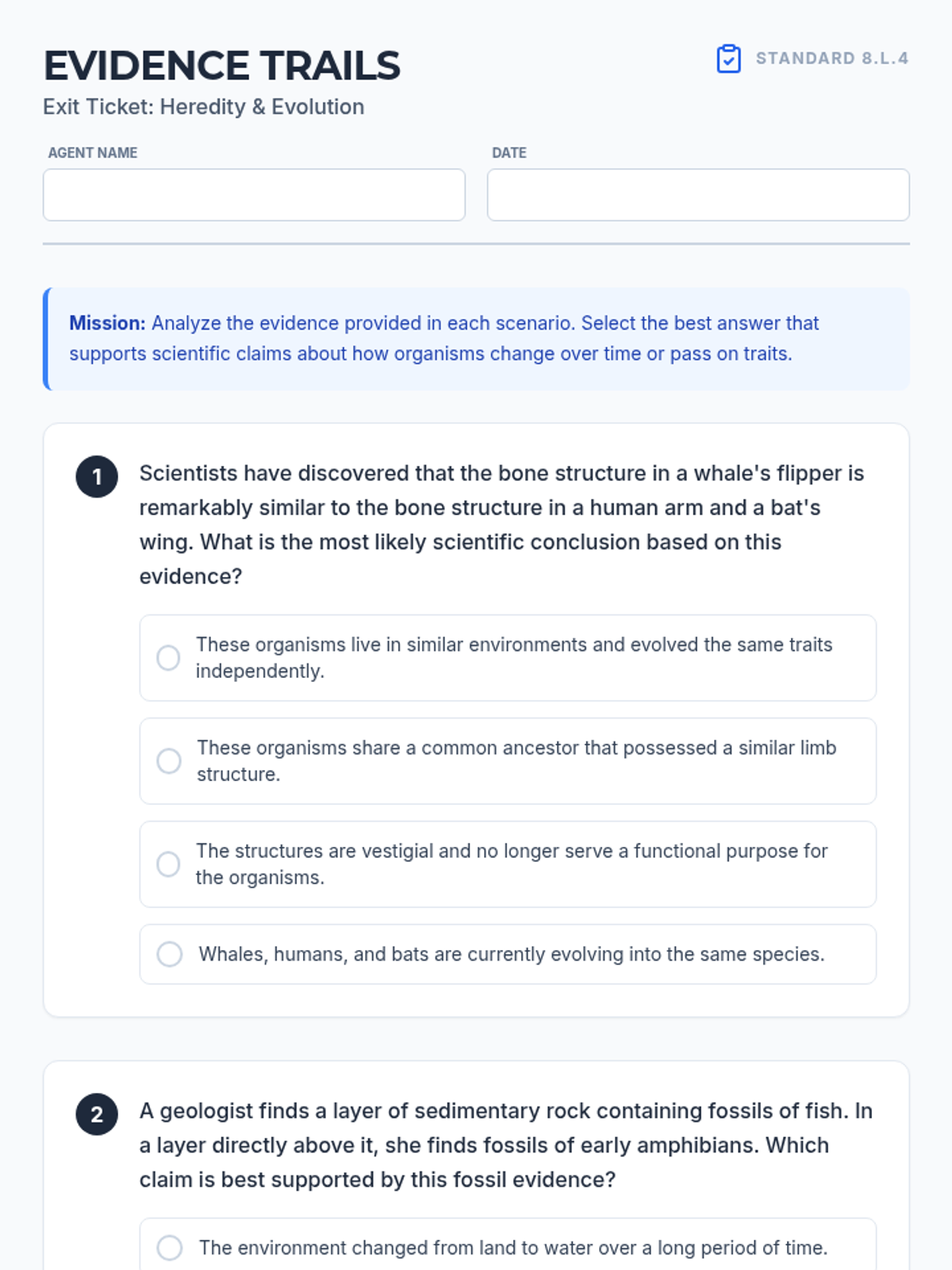
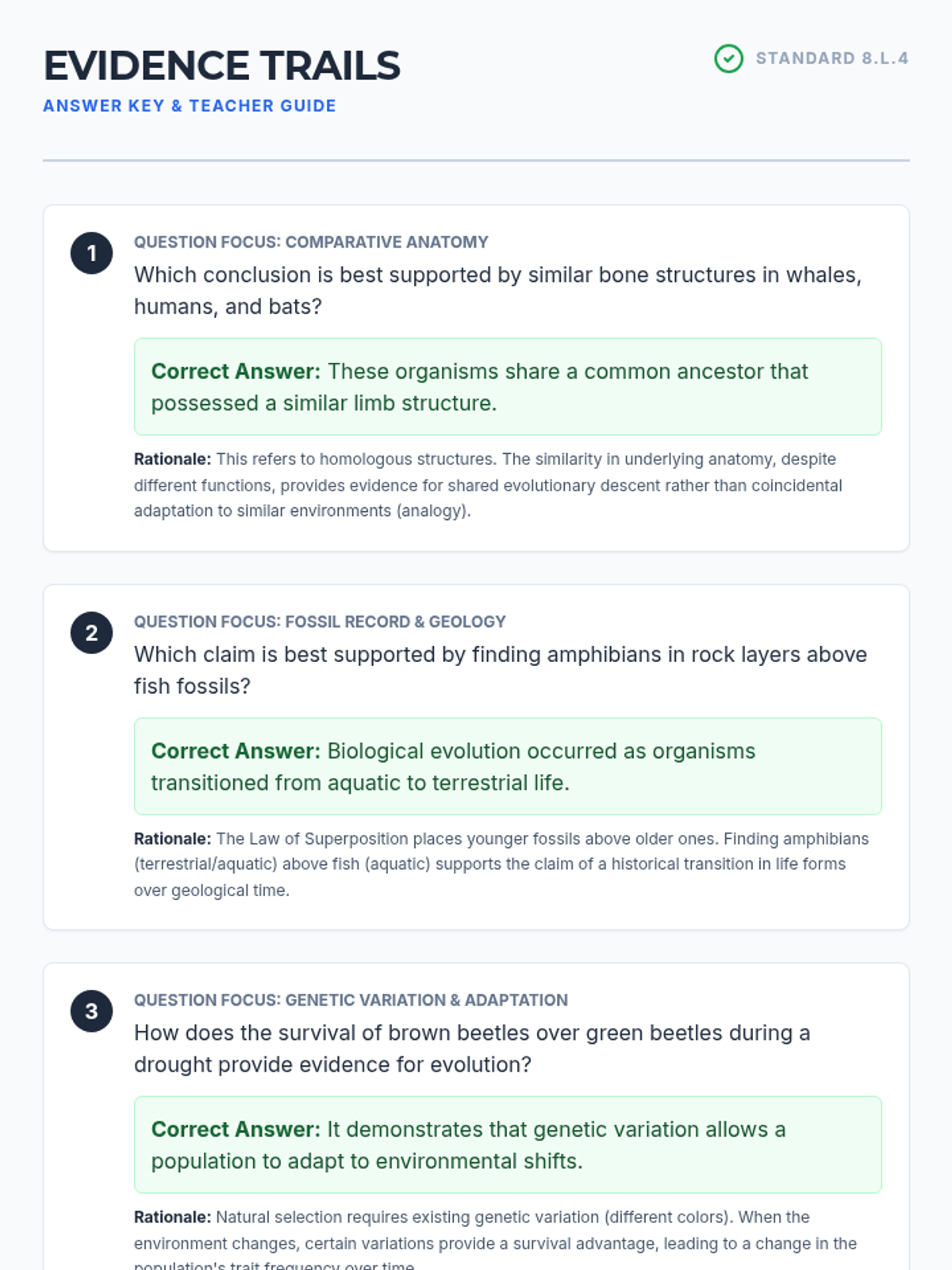
This sequence explores the evidence for biological evolution and the mechanisms of heredity, aligning with Grade 8 science standards for understanding Earth's history and life forms.
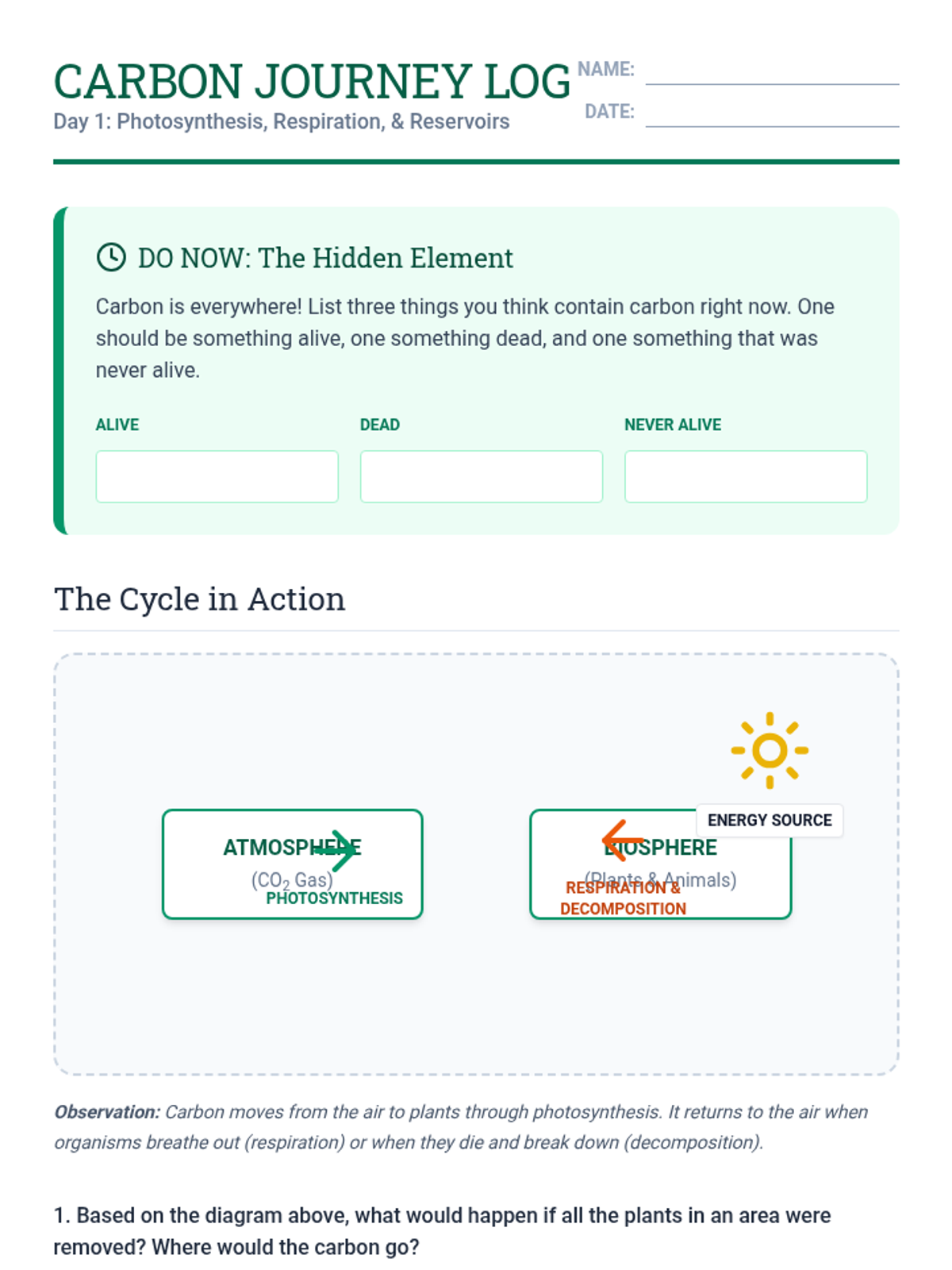
A two-day unit exploring the carbon cycle's movement through diverse ecosystems, focusing on how carbon storage and release impact global stability. Students examine oceans, rainforests, tundra, and local environments to understand ecological balance.
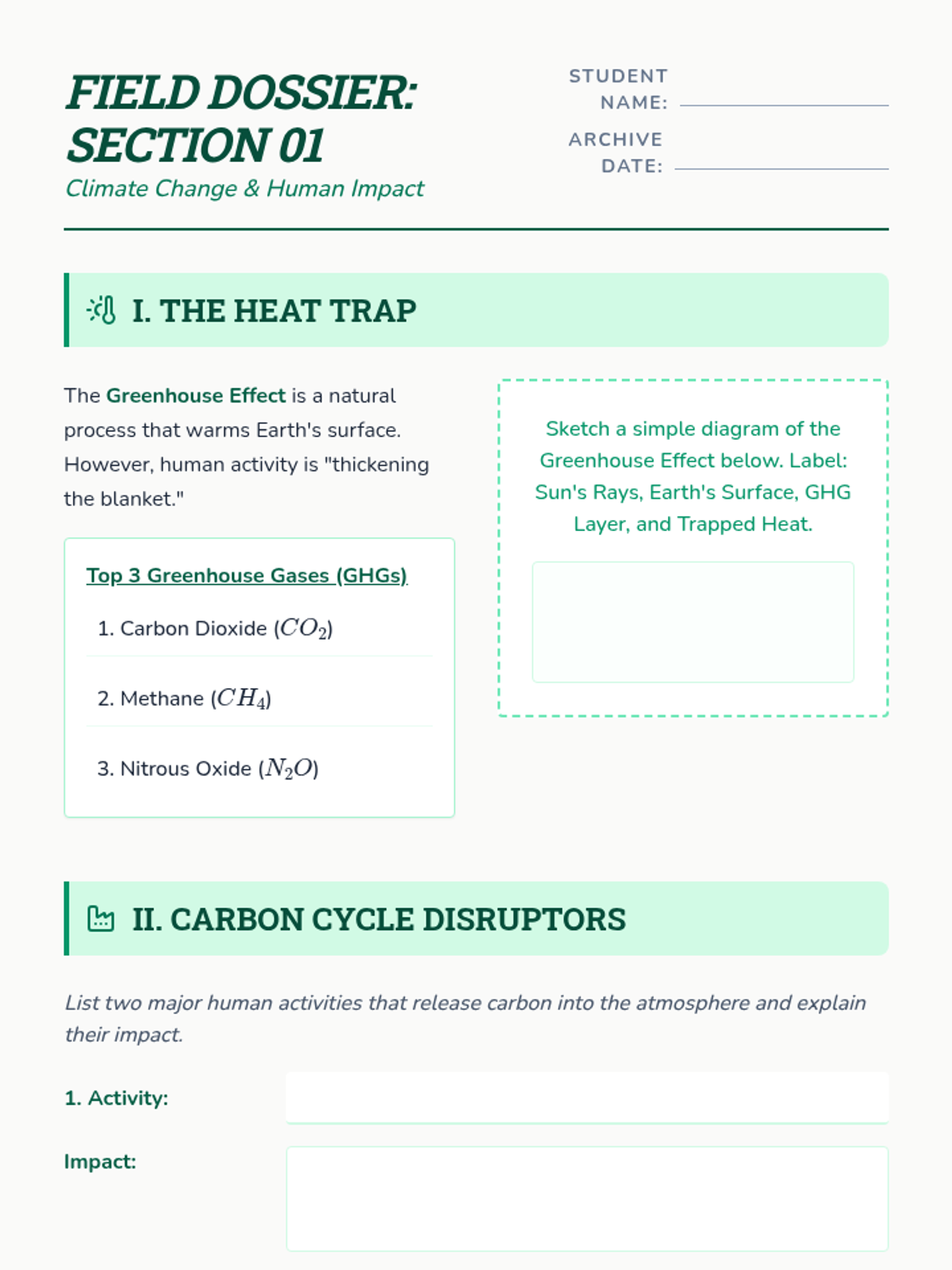
A two-week environmental science review sequence focusing on key takeaways: climate change, pollution, renewable energy, and biodiversity. Students compile a 'Field Dossier' review packet as a final course artifact.
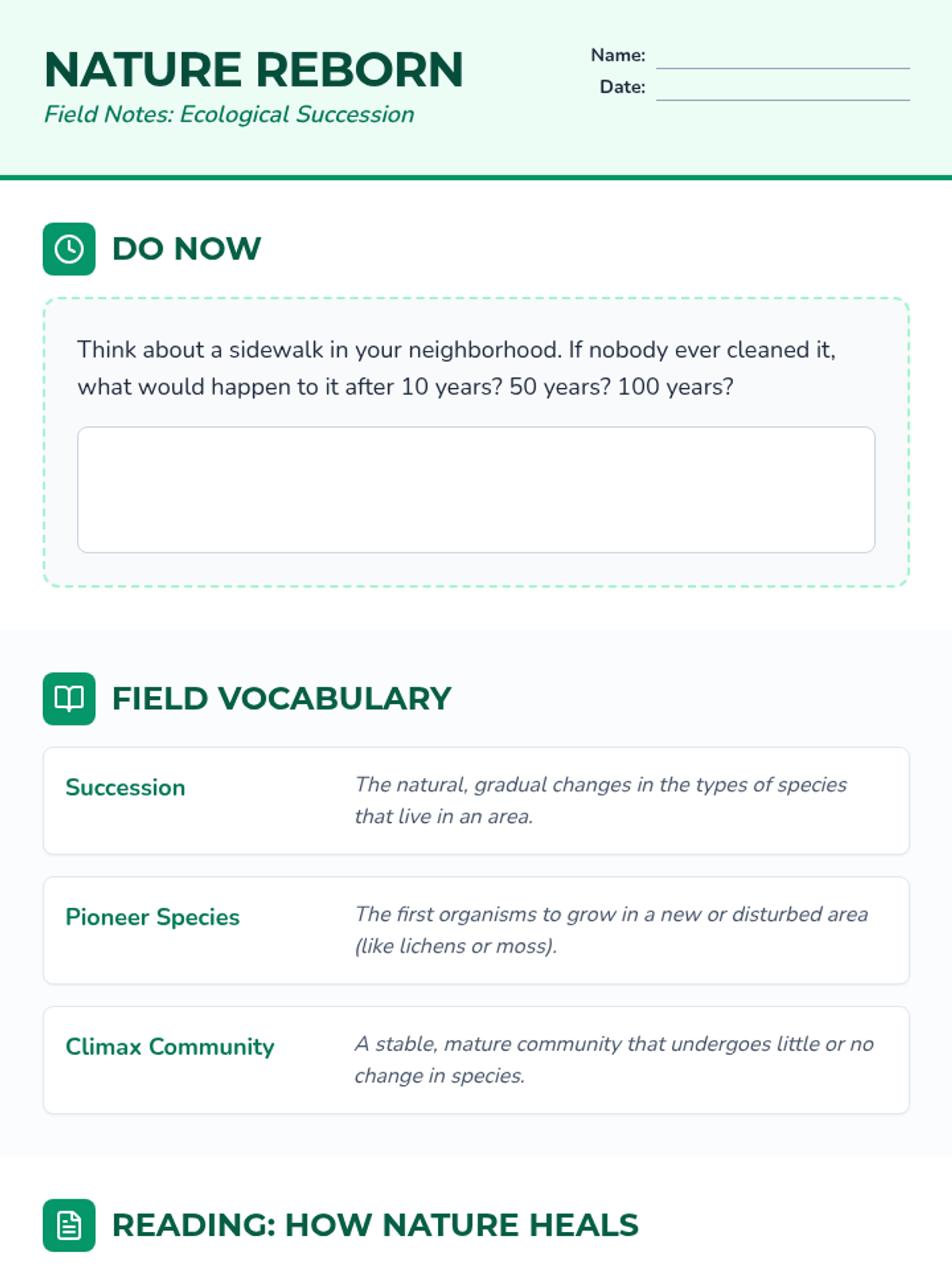
A 5-day exploration of environmental science concepts including ecological succession, tolerance levels, the Canadian grasslands biome, and human demographic impacts. Designed for a small-contained 9th/10th grade setting with high levels of scaffolding and modified reading materials.
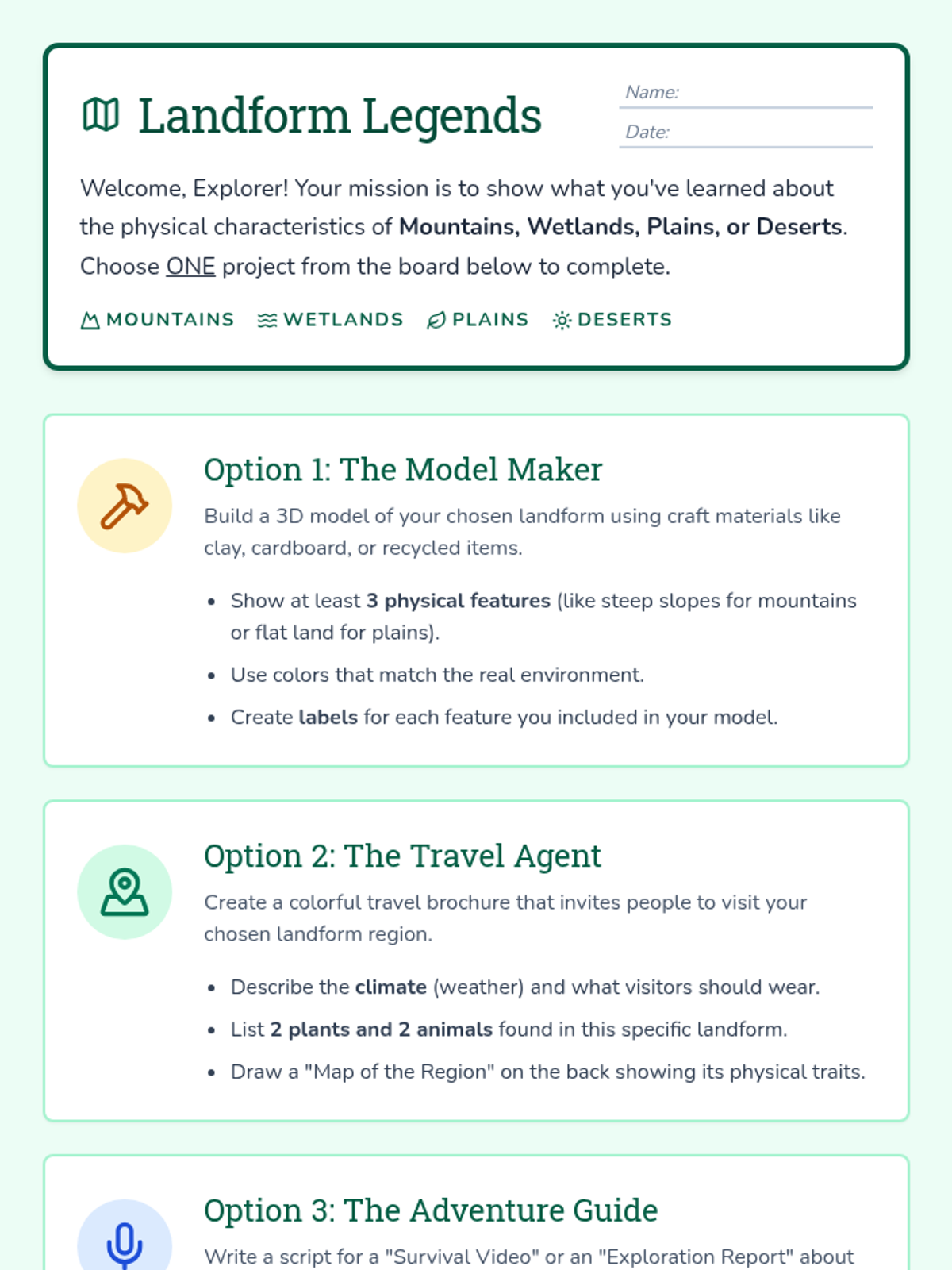
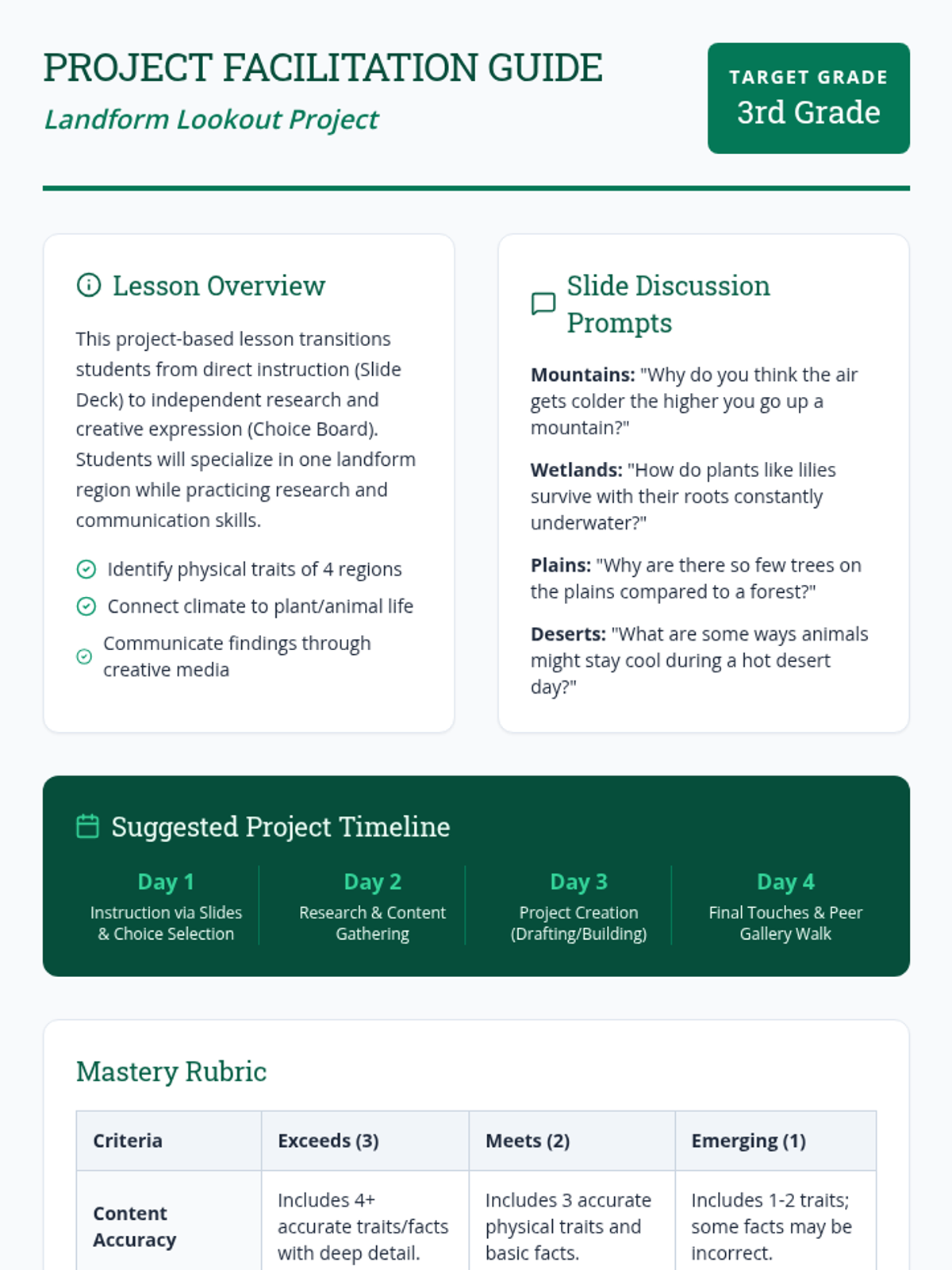
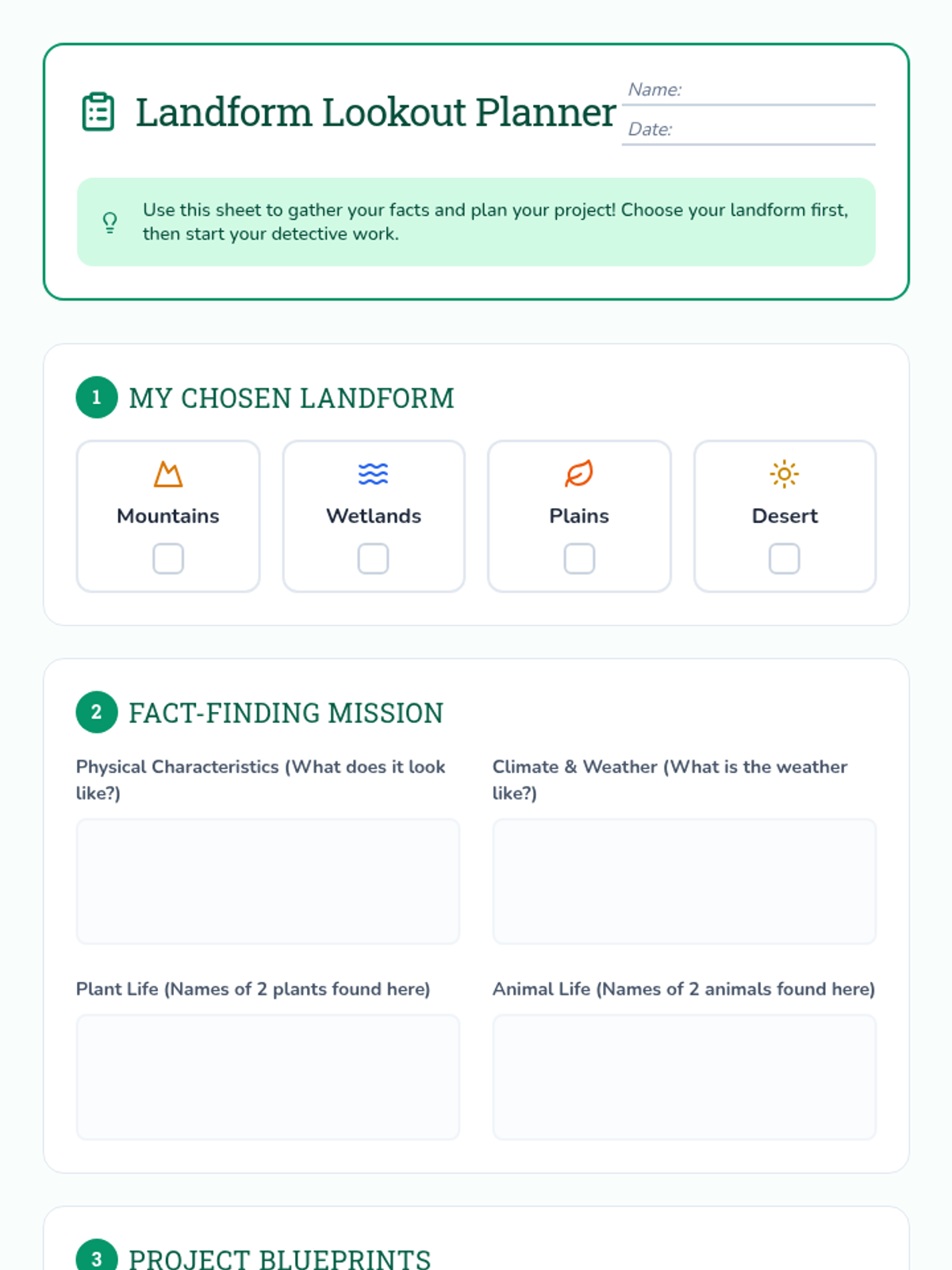
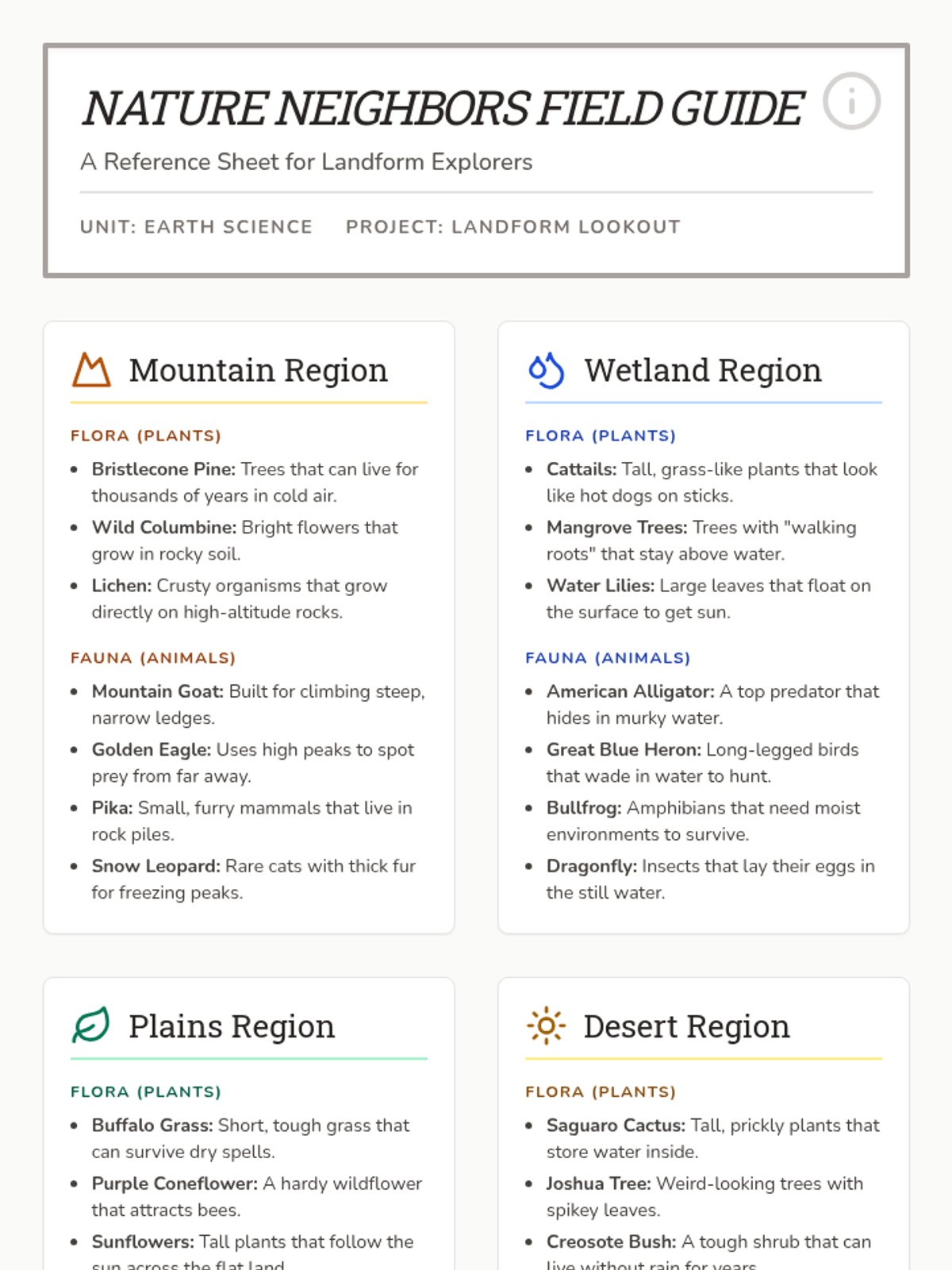
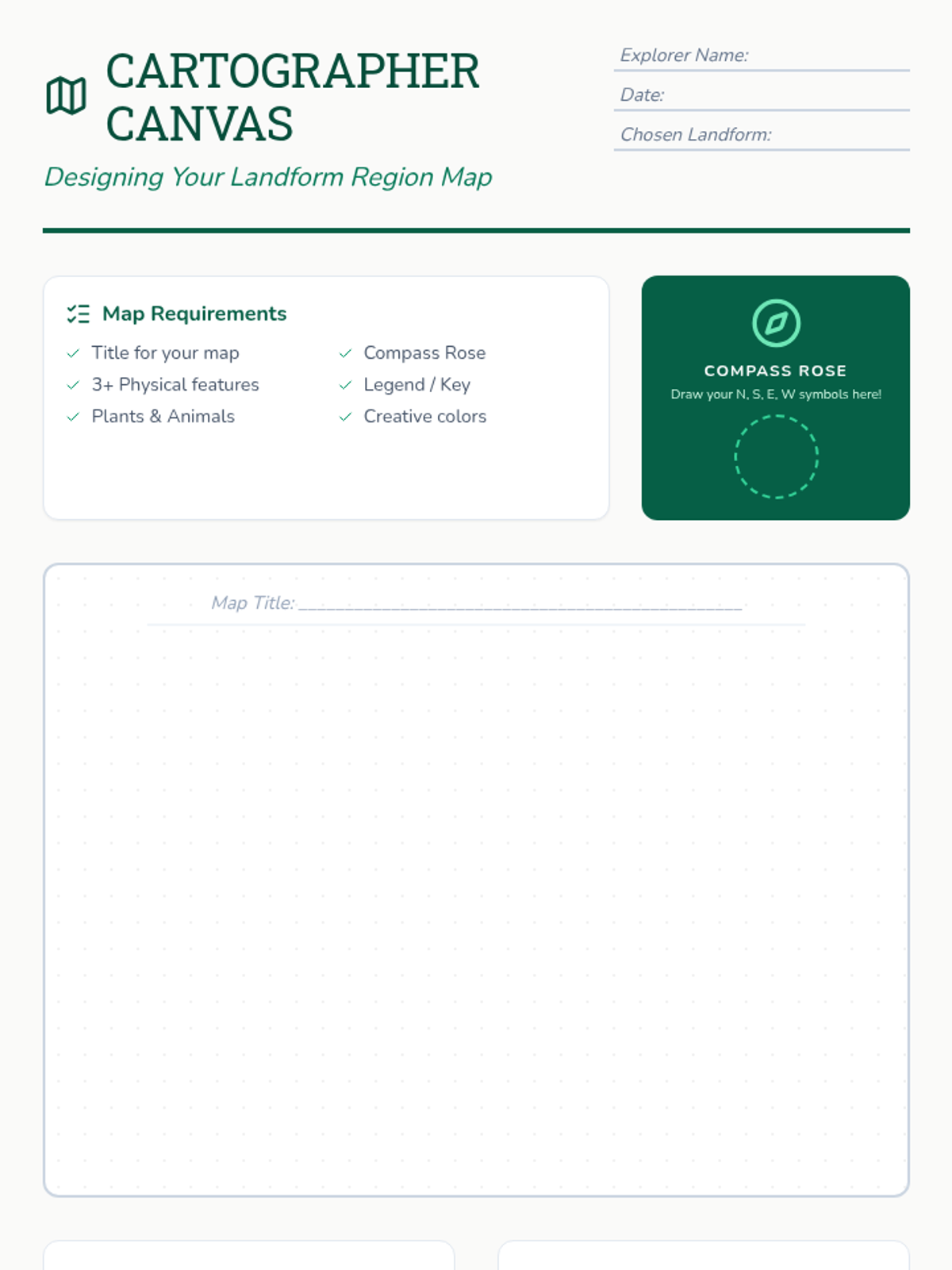
A collection of project-based STEM and social studies lessons designed to engage 3rd and 6th grade students in creative exploration and technical skill-building.
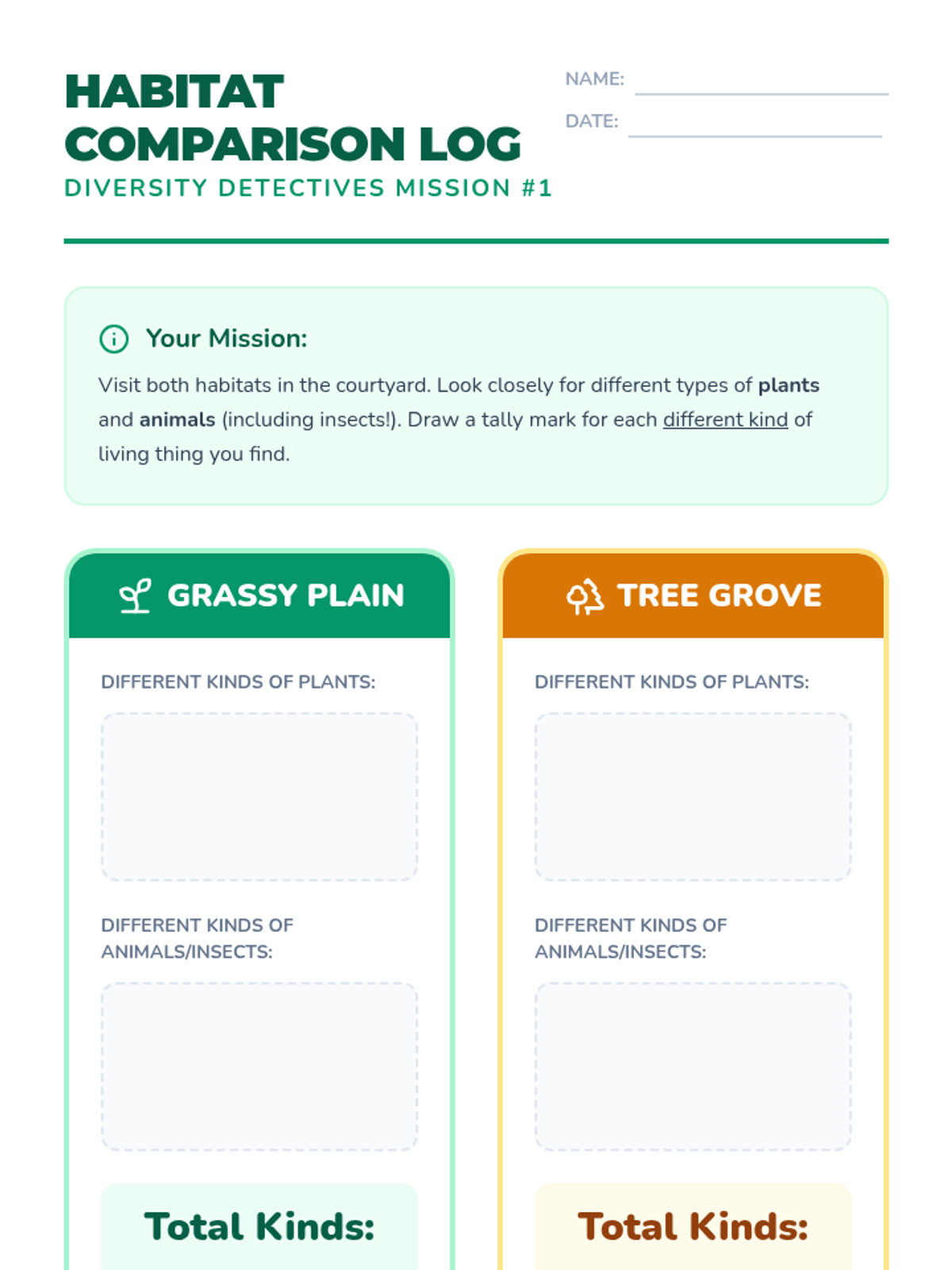
A hands-on science and art unit where 2nd grade students investigate biodiversity in their school courtyard, comparing grassy and wooded habitats while repurposing natural materials into creative sculptures.
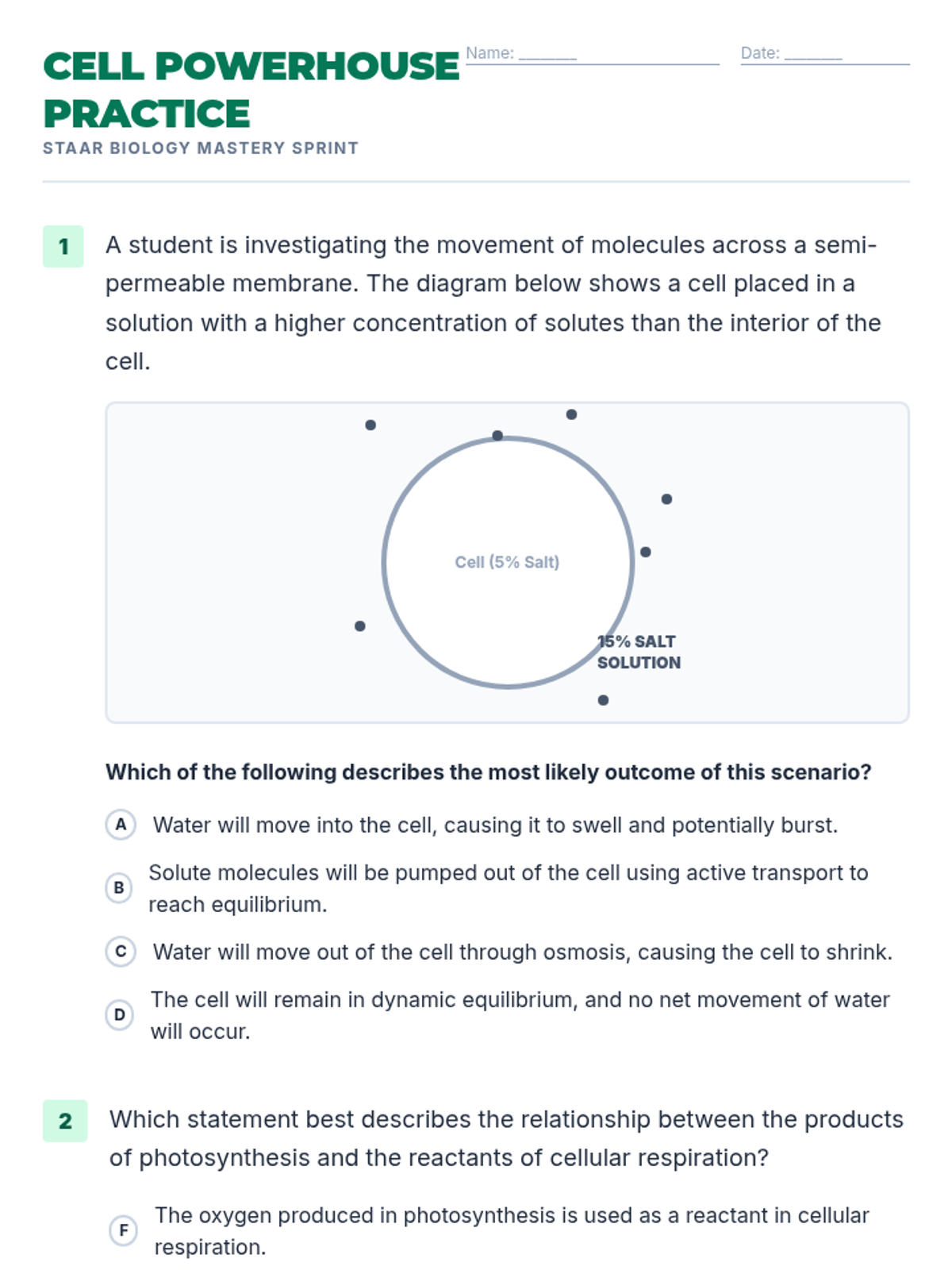
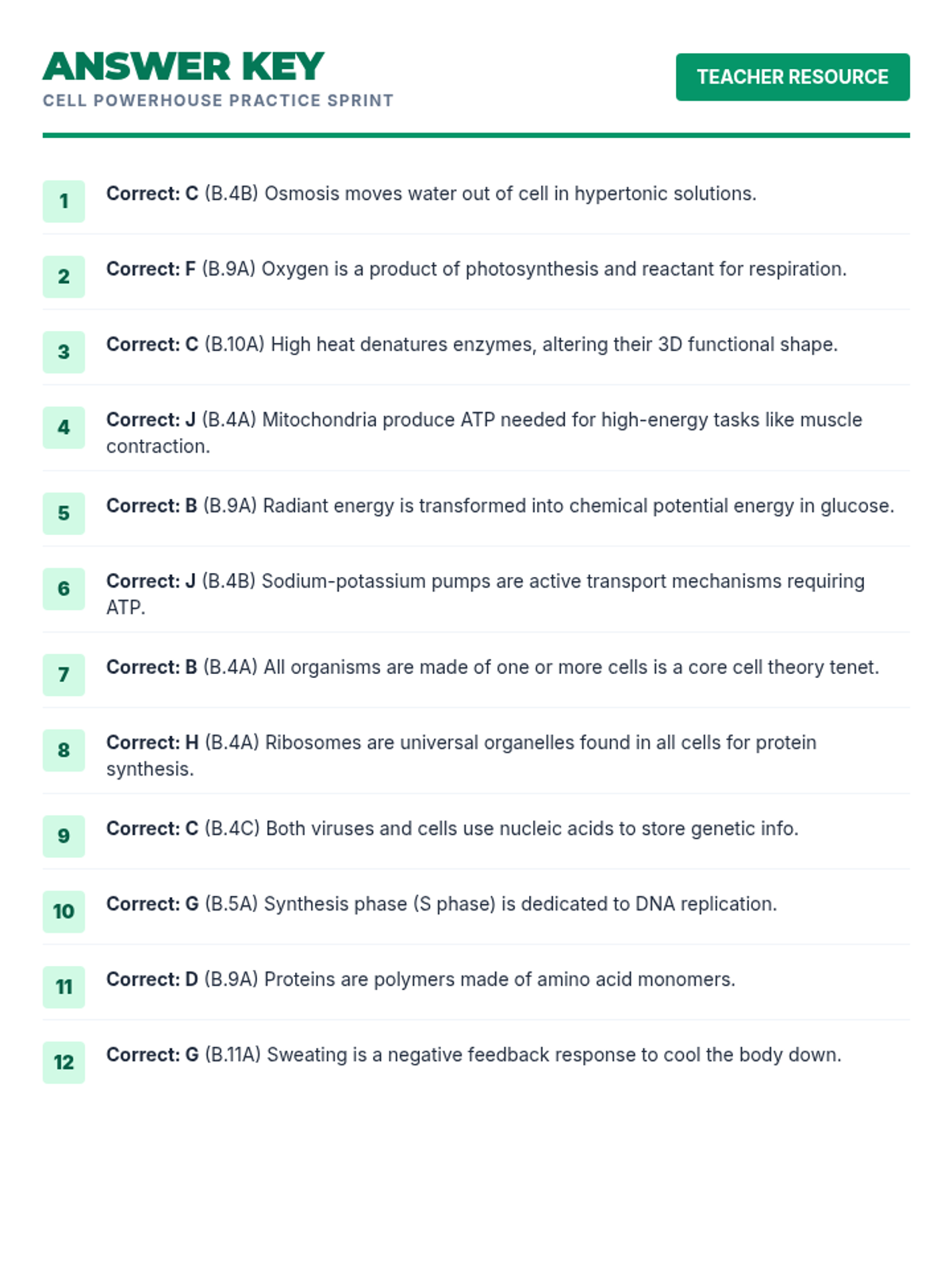
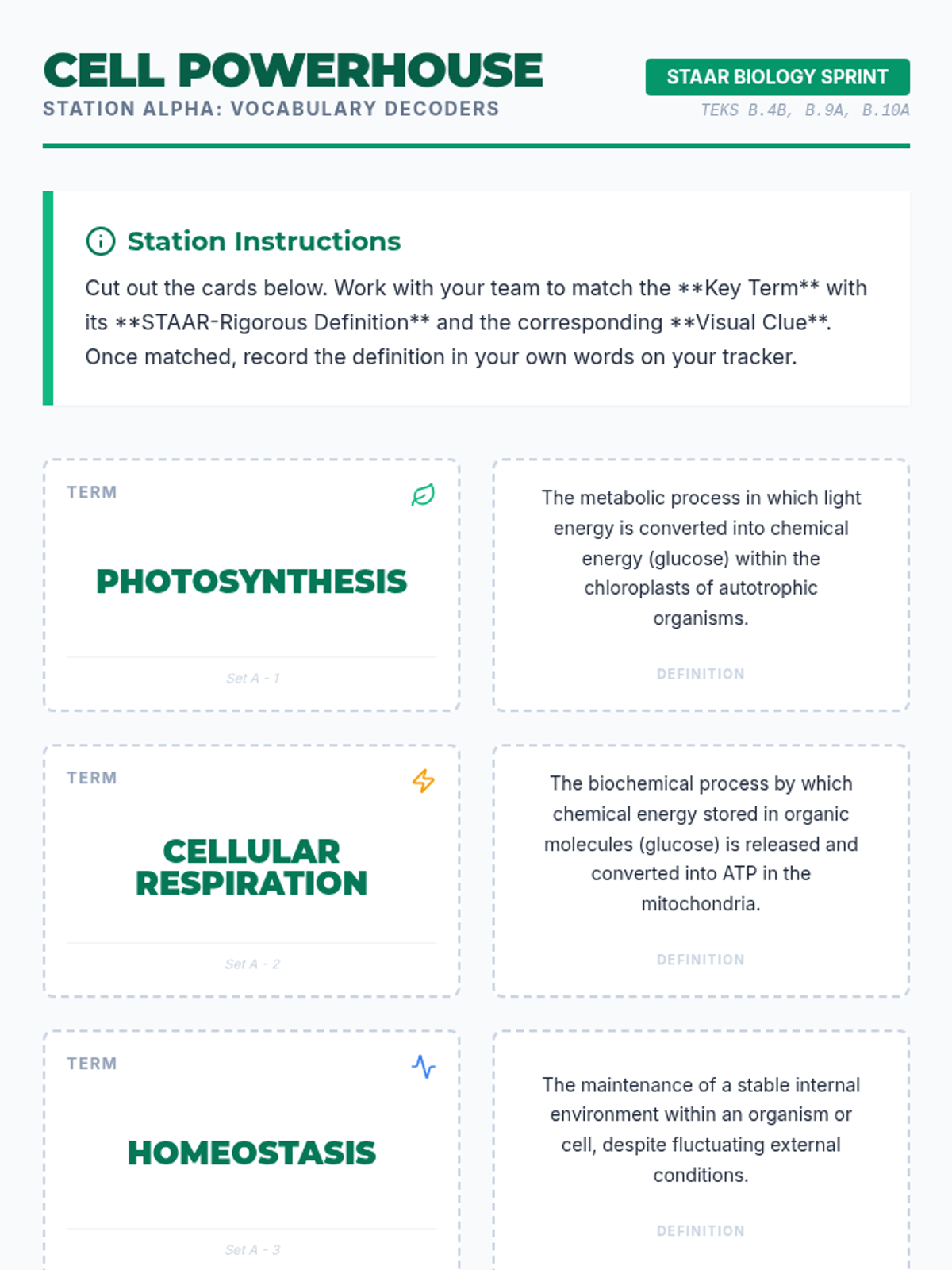
A high-intensity review sequence designed to move students from 'not met' to 'mastery' in Biology through vocabulary immersion and STAAR-style practice.
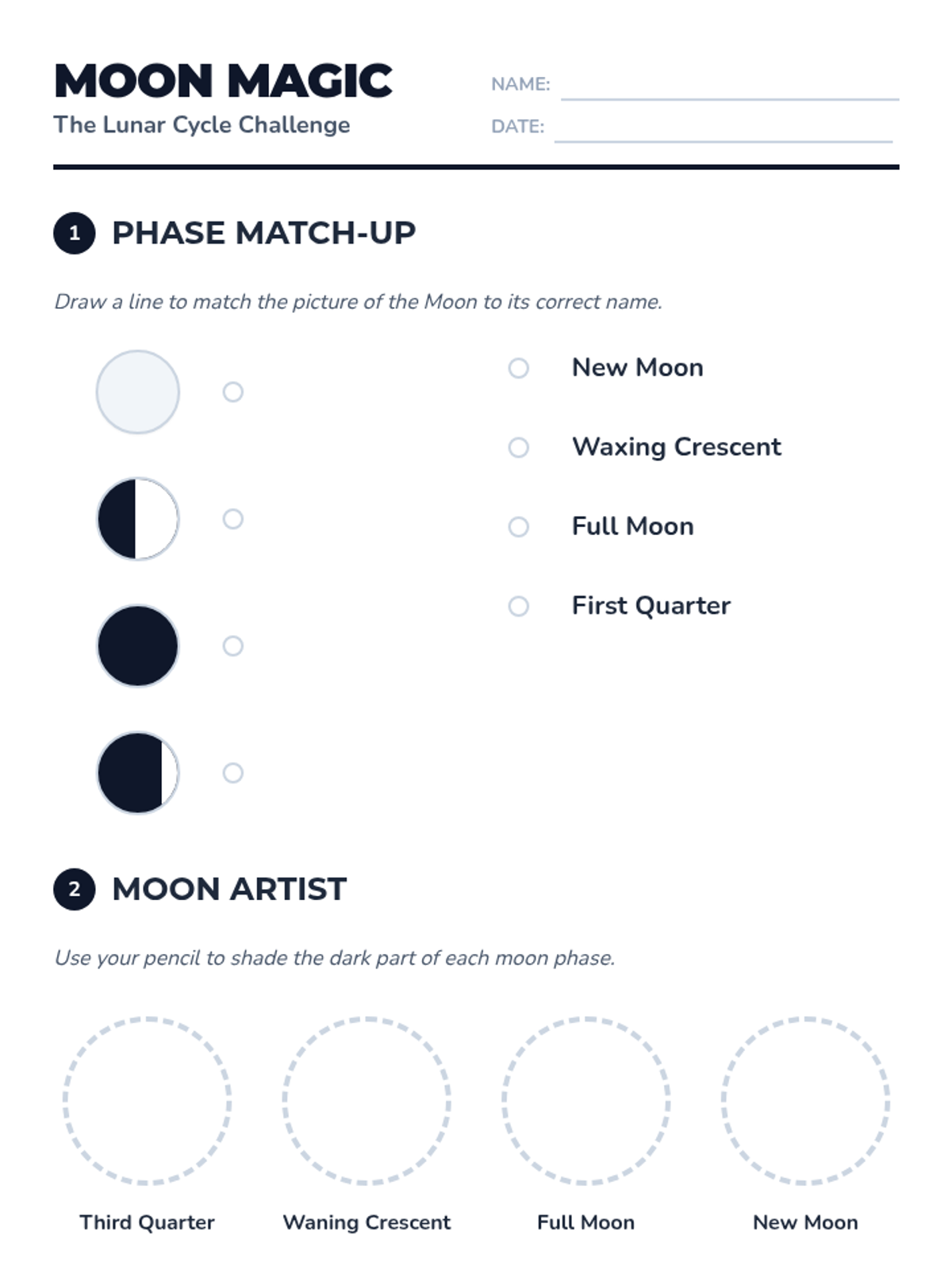
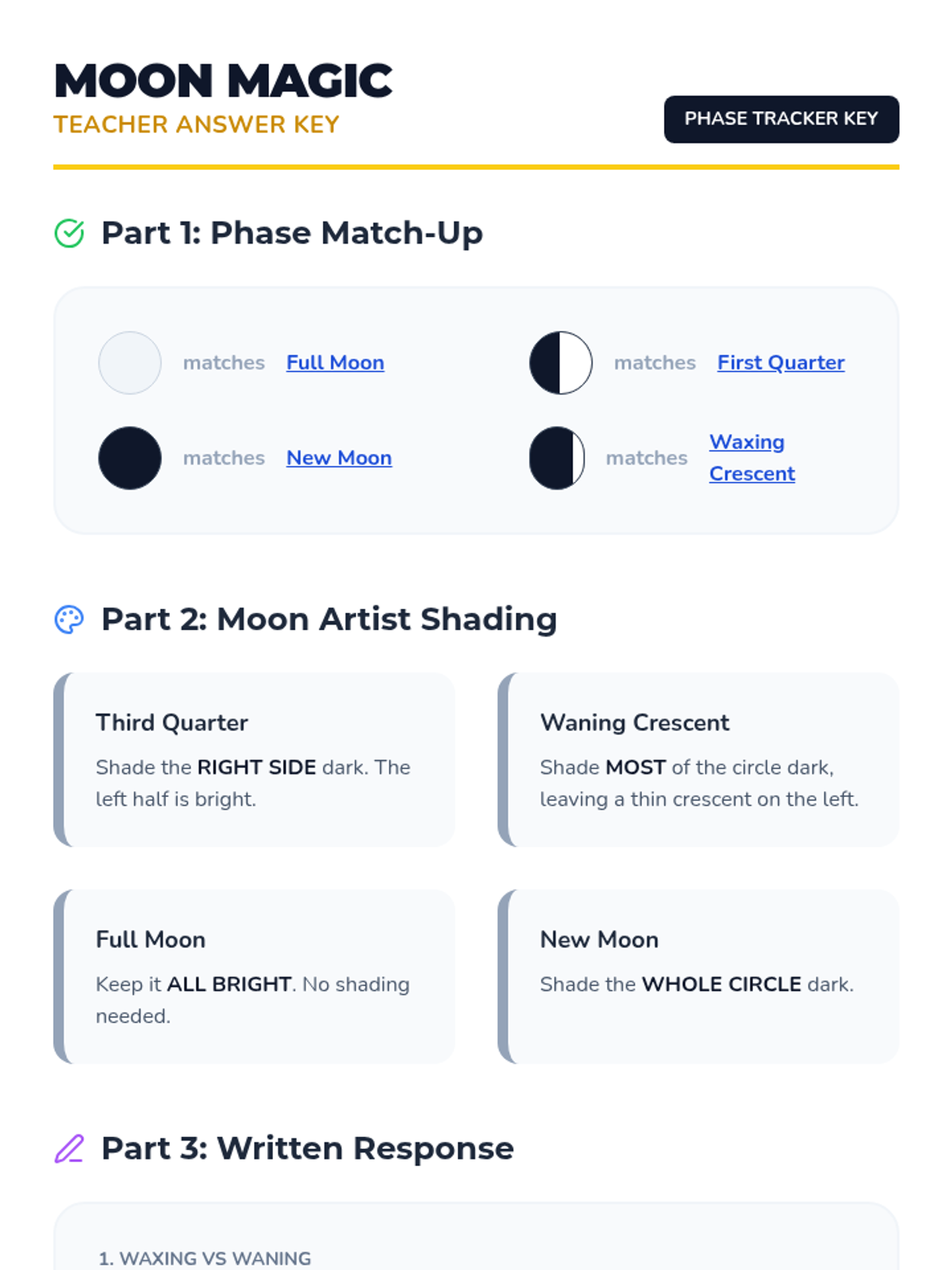
A comprehensive unit for 2nd graders exploring the wonders of our solar system, including the phases of the moon and the daily lives of space explorers.
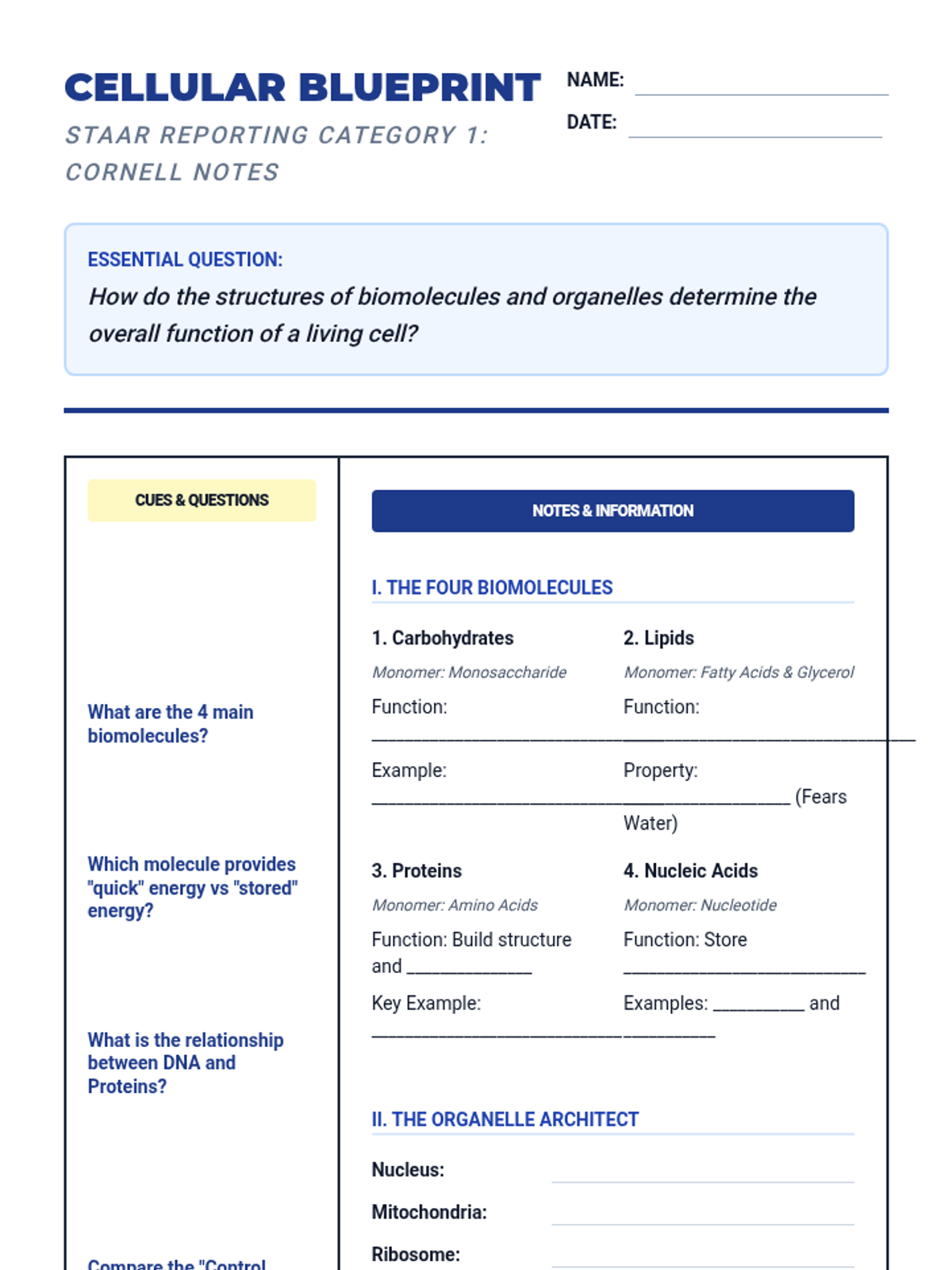
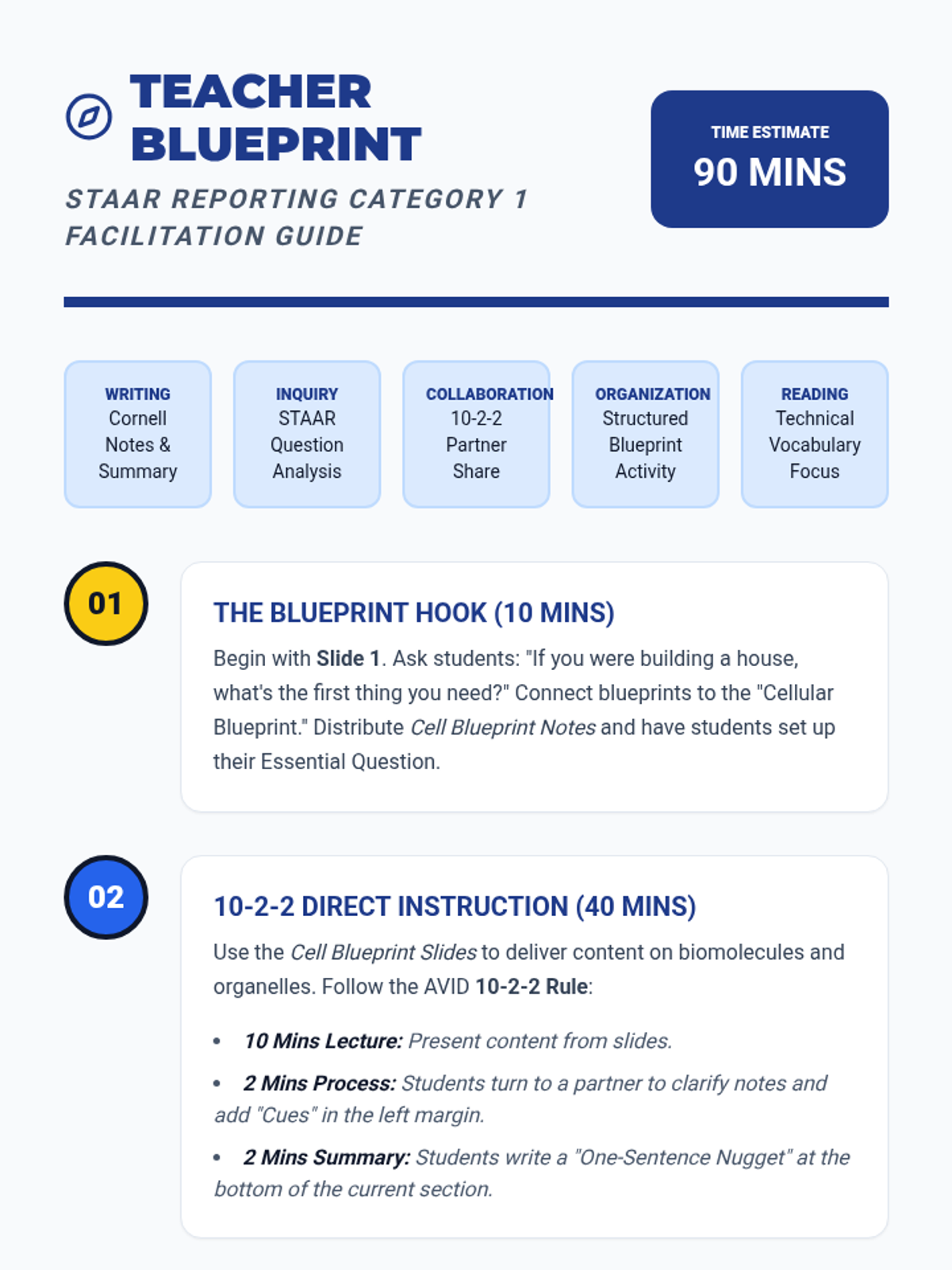
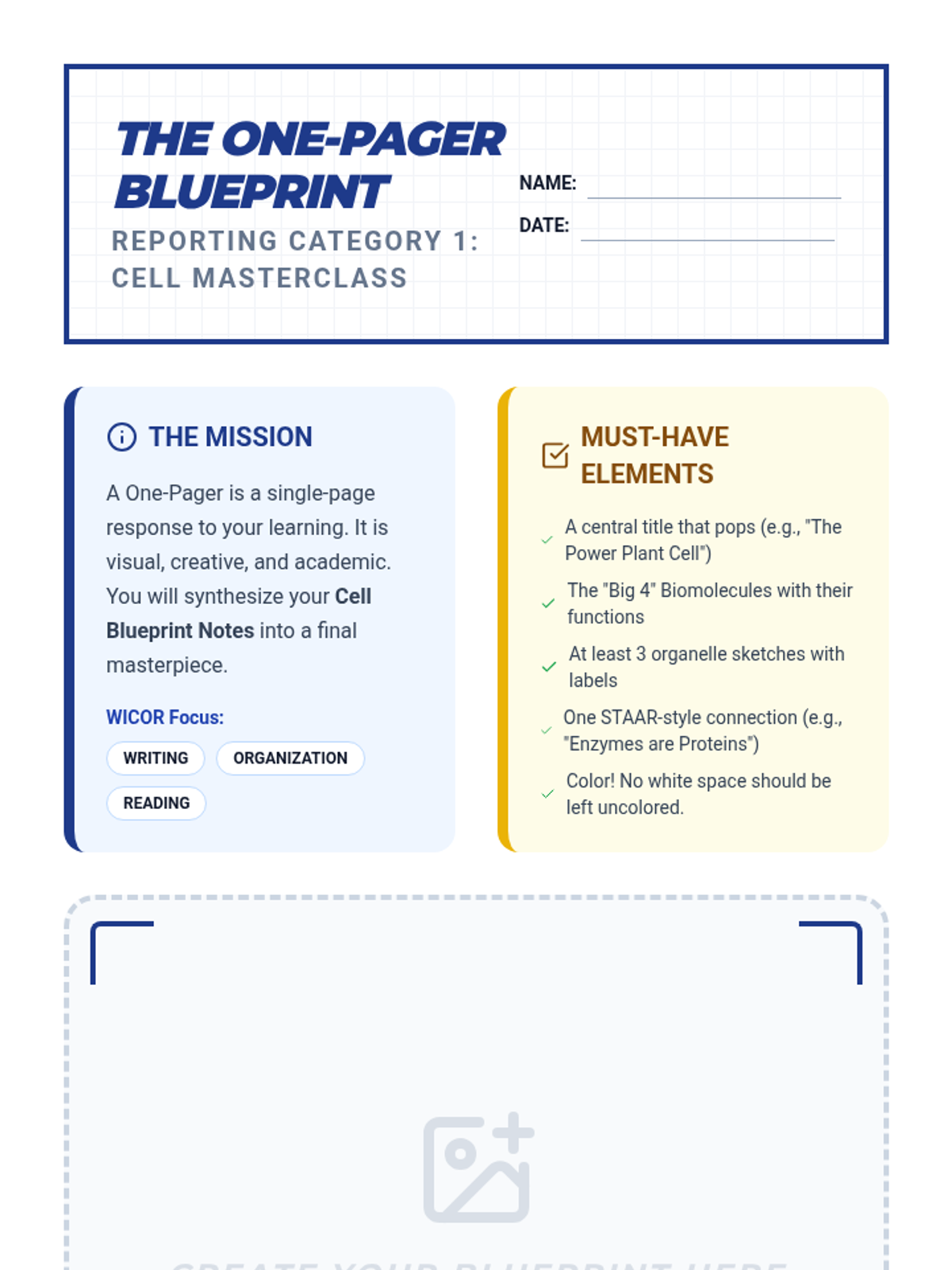
A high-impact Biology STAAR preparation series utilizing AVID WICOR strategies. This sequence focuses on core reporting categories to ensure students are prepared for the Texas state assessment through collaborative and inquiry-based learning.
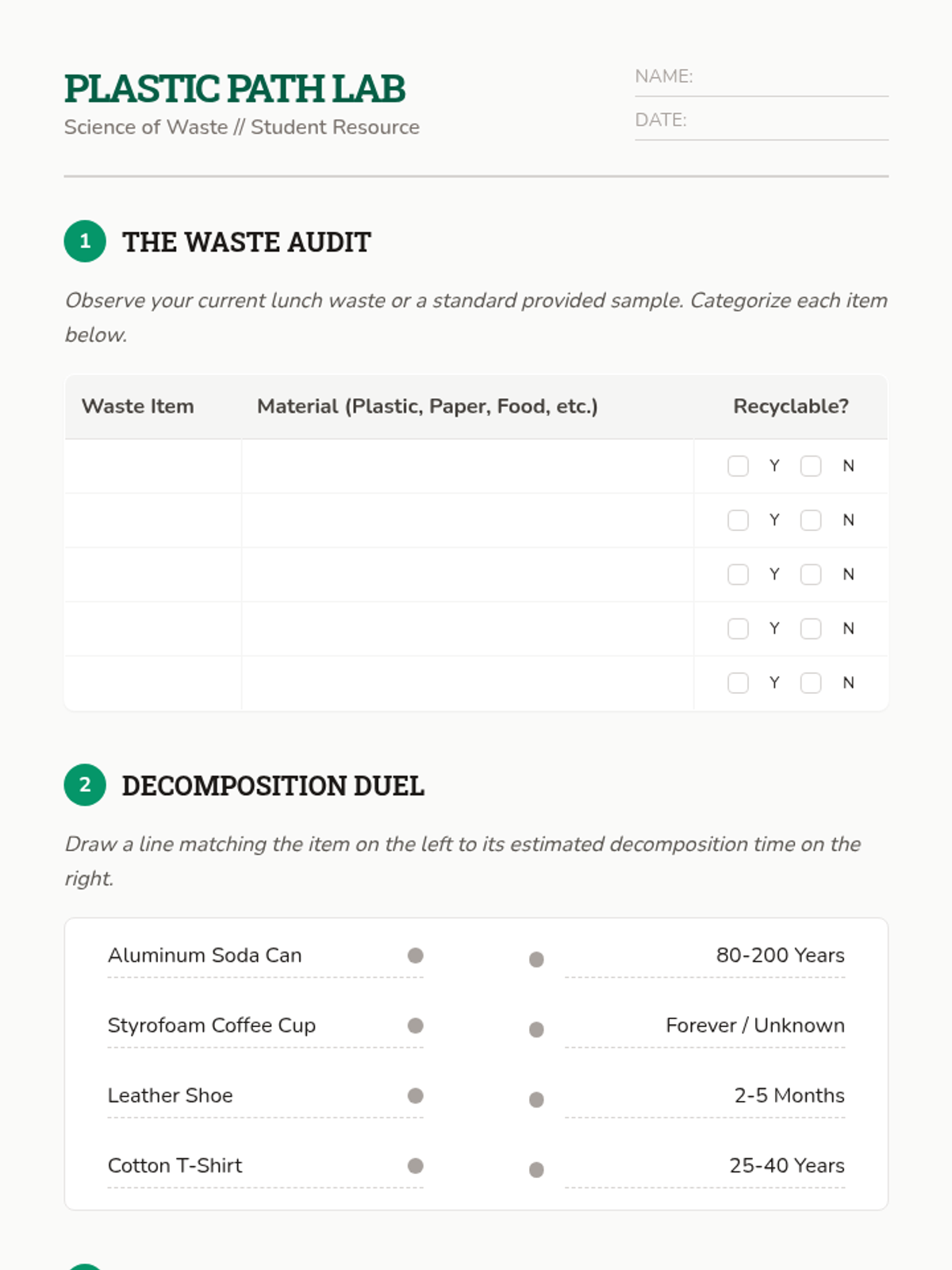
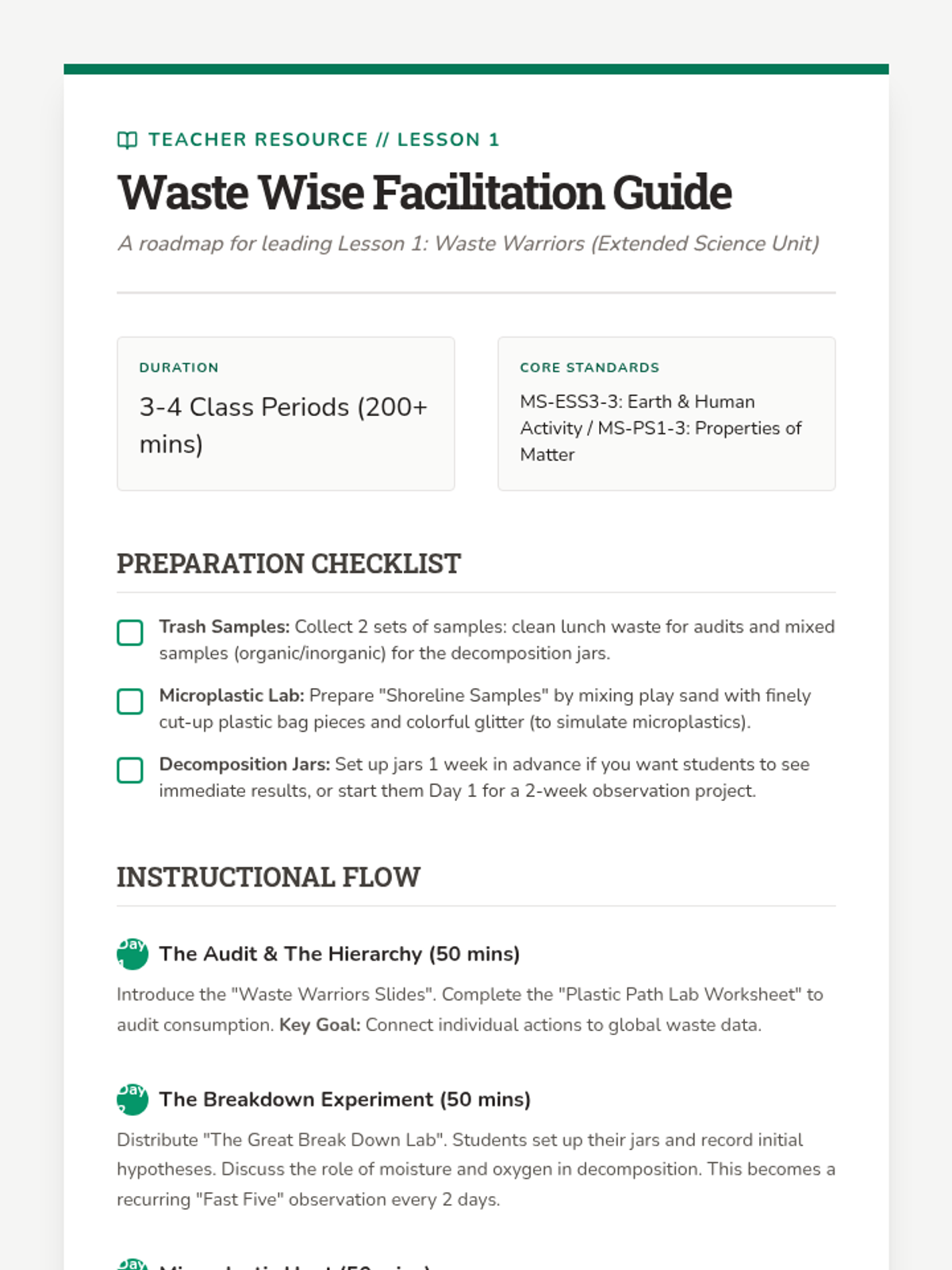
A two-part interdisciplinary unit for middle school students exploring the science and art of the Three Rs: Reduce, Reuse, and Recycle. Students analyze the environmental impact of waste through scientific data and then apply creative design thinking to upcycle materials into functional art.
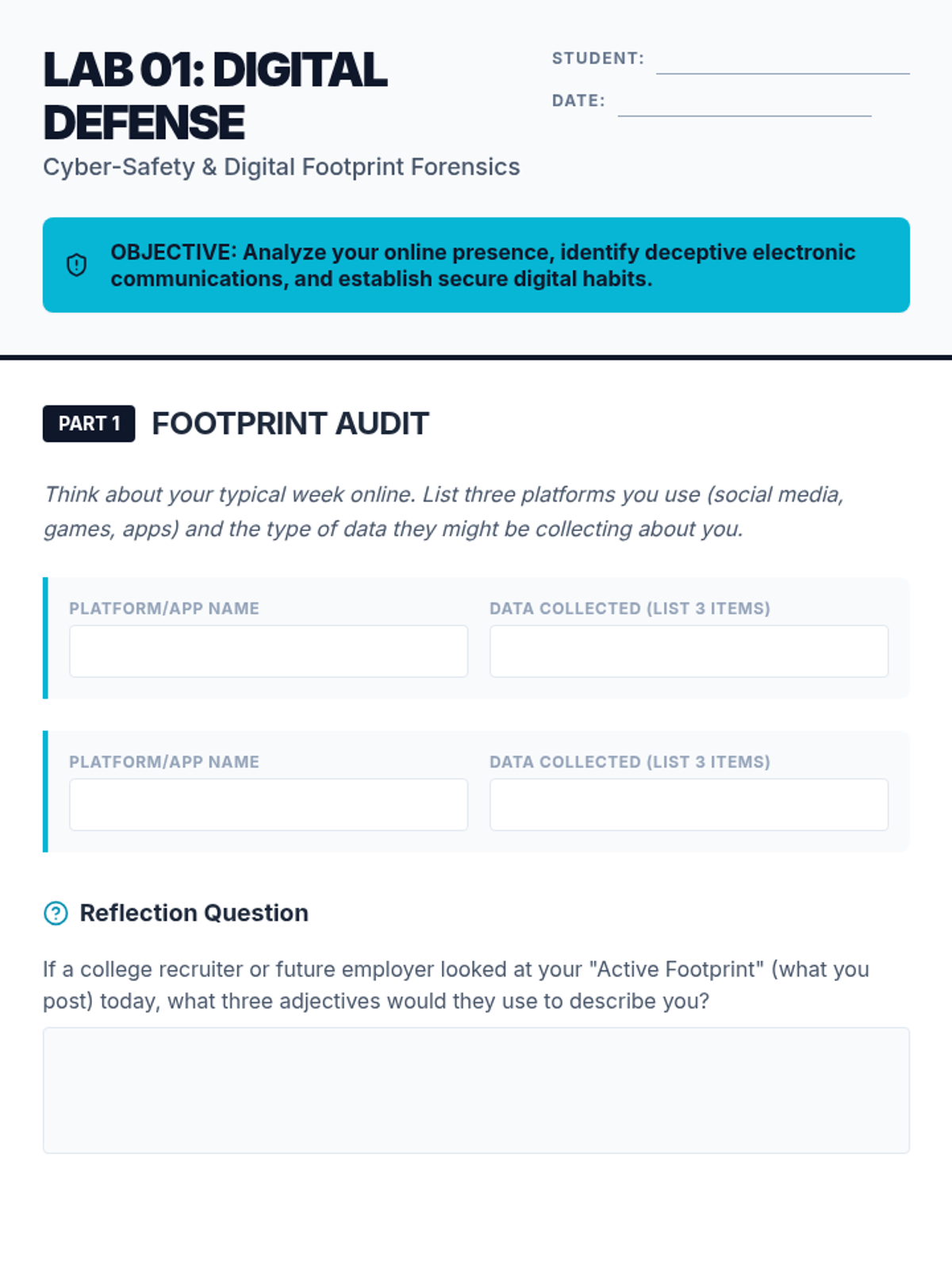
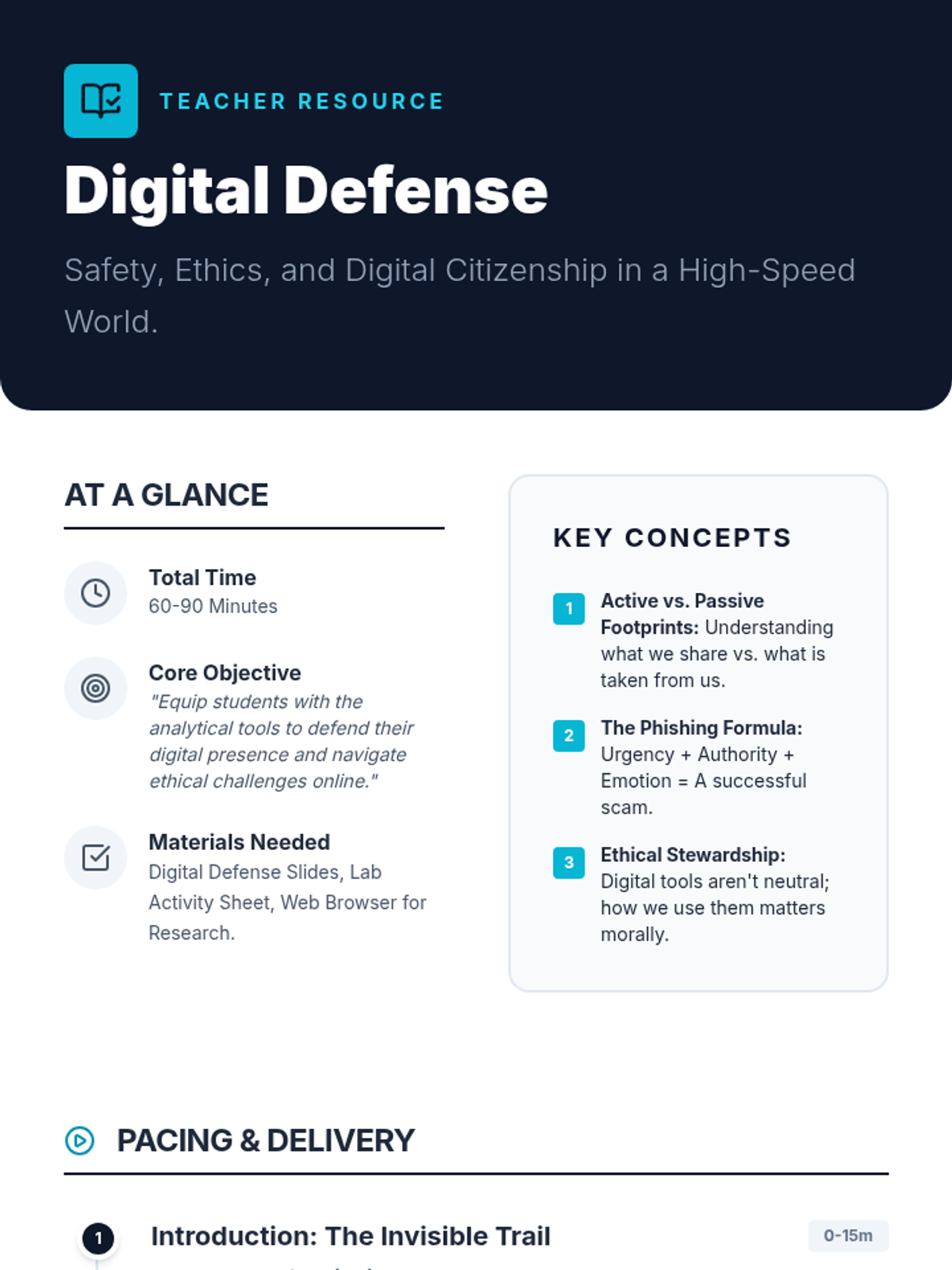
A comprehensive technology applications sequence covering Internet Safety & Ethics, Computer Hardware, and Spreadsheet Data Management. Designed for middle or high school students to build foundational digital literacy and technical skills.
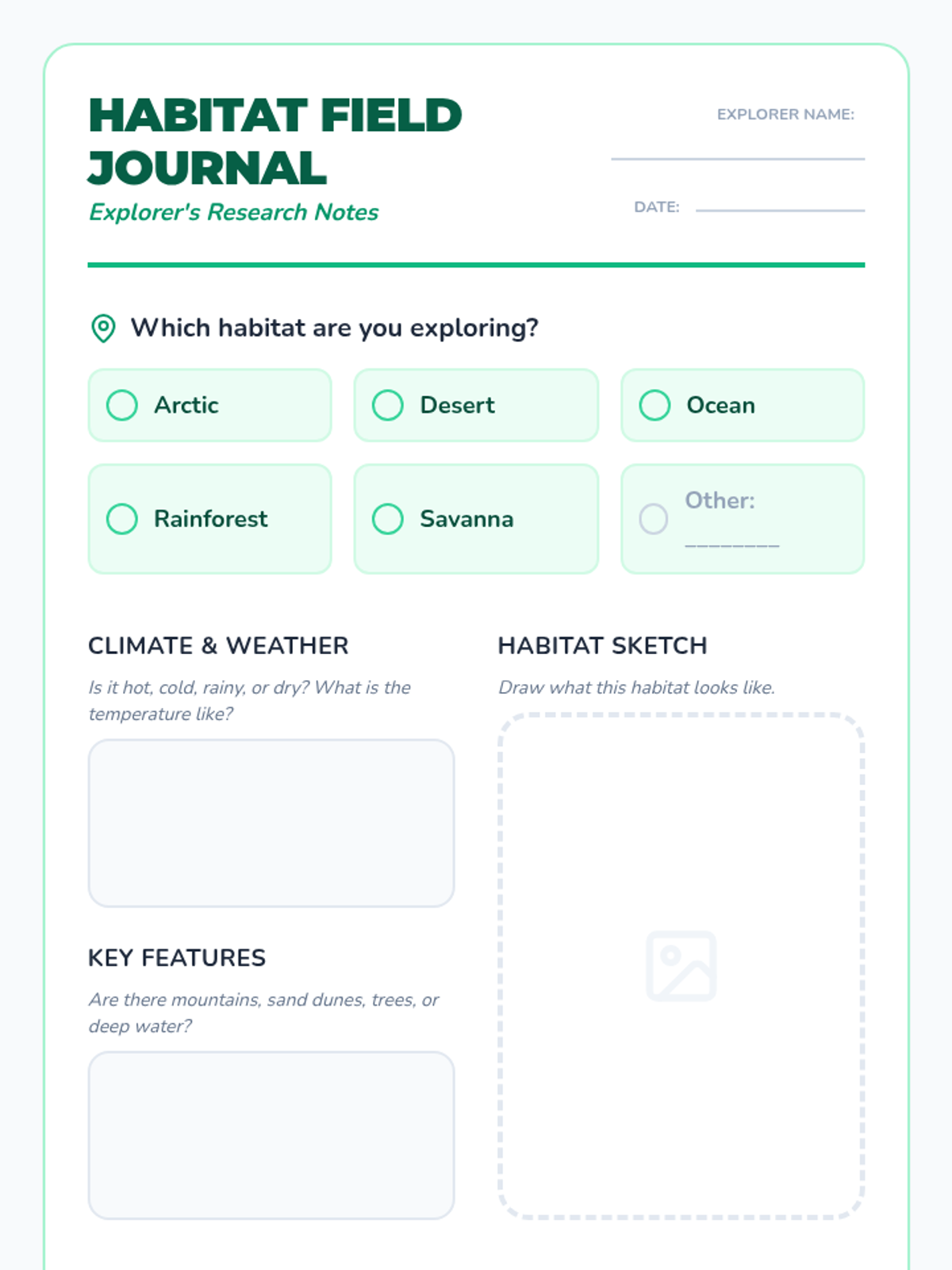
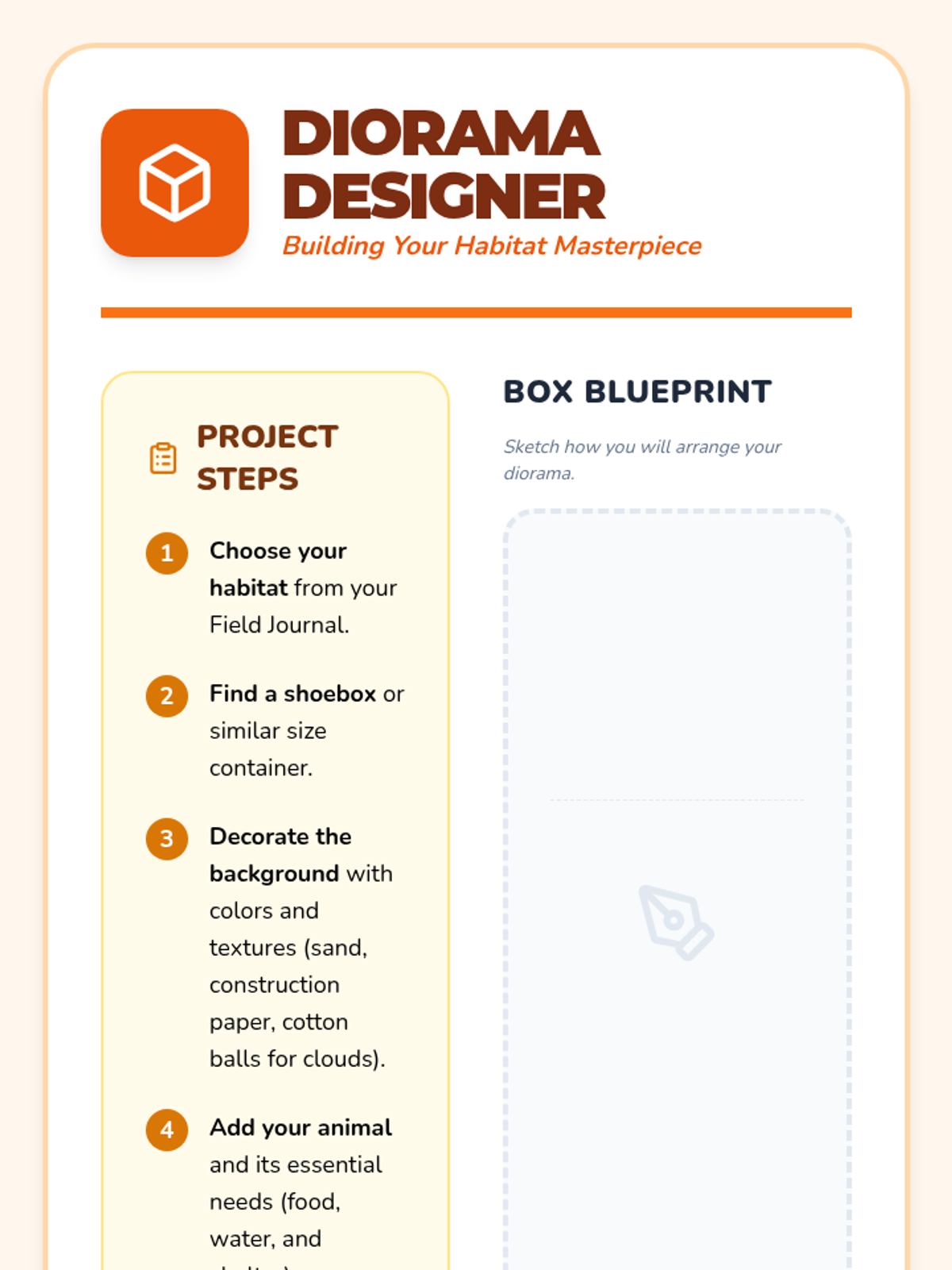
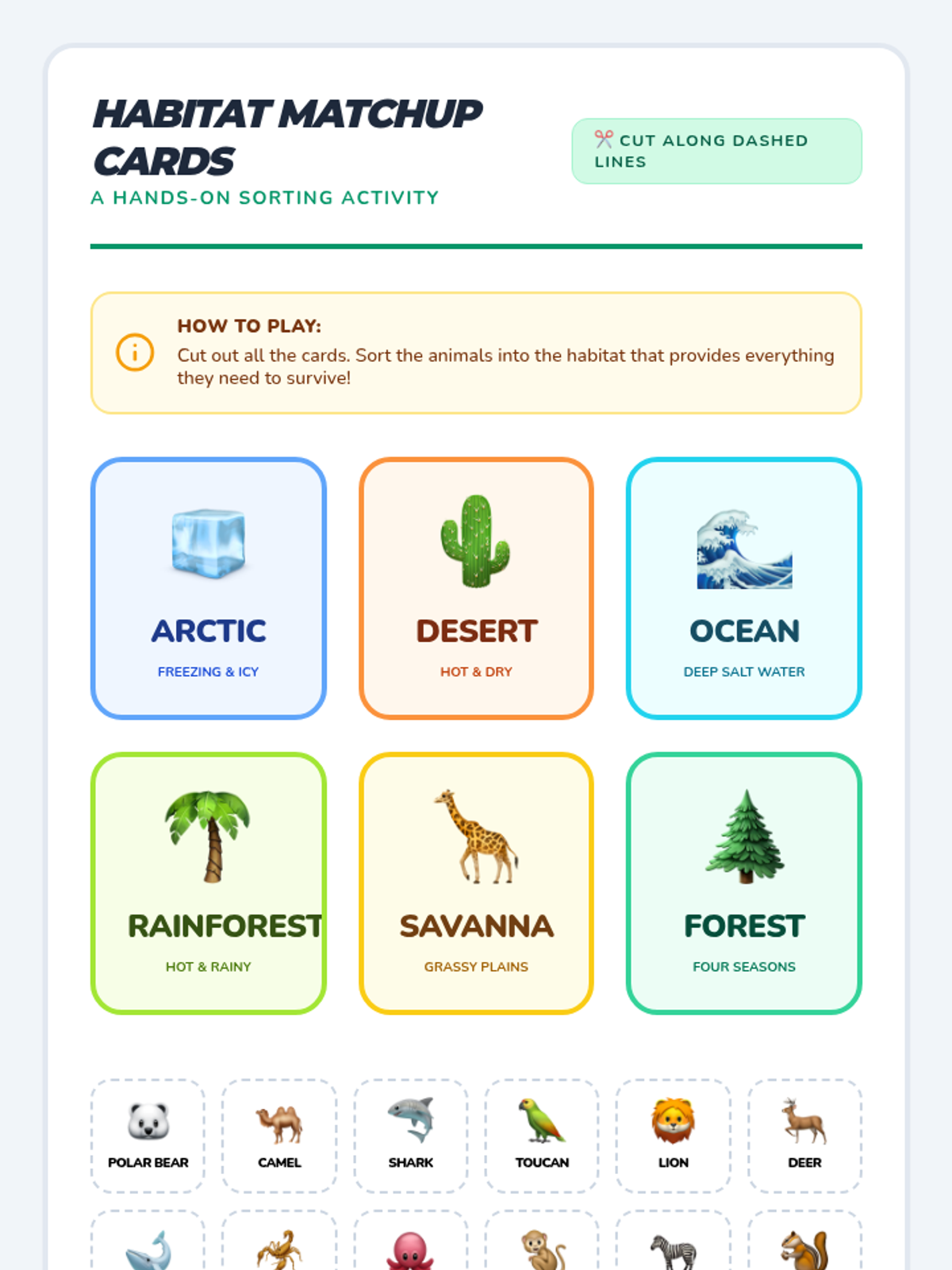
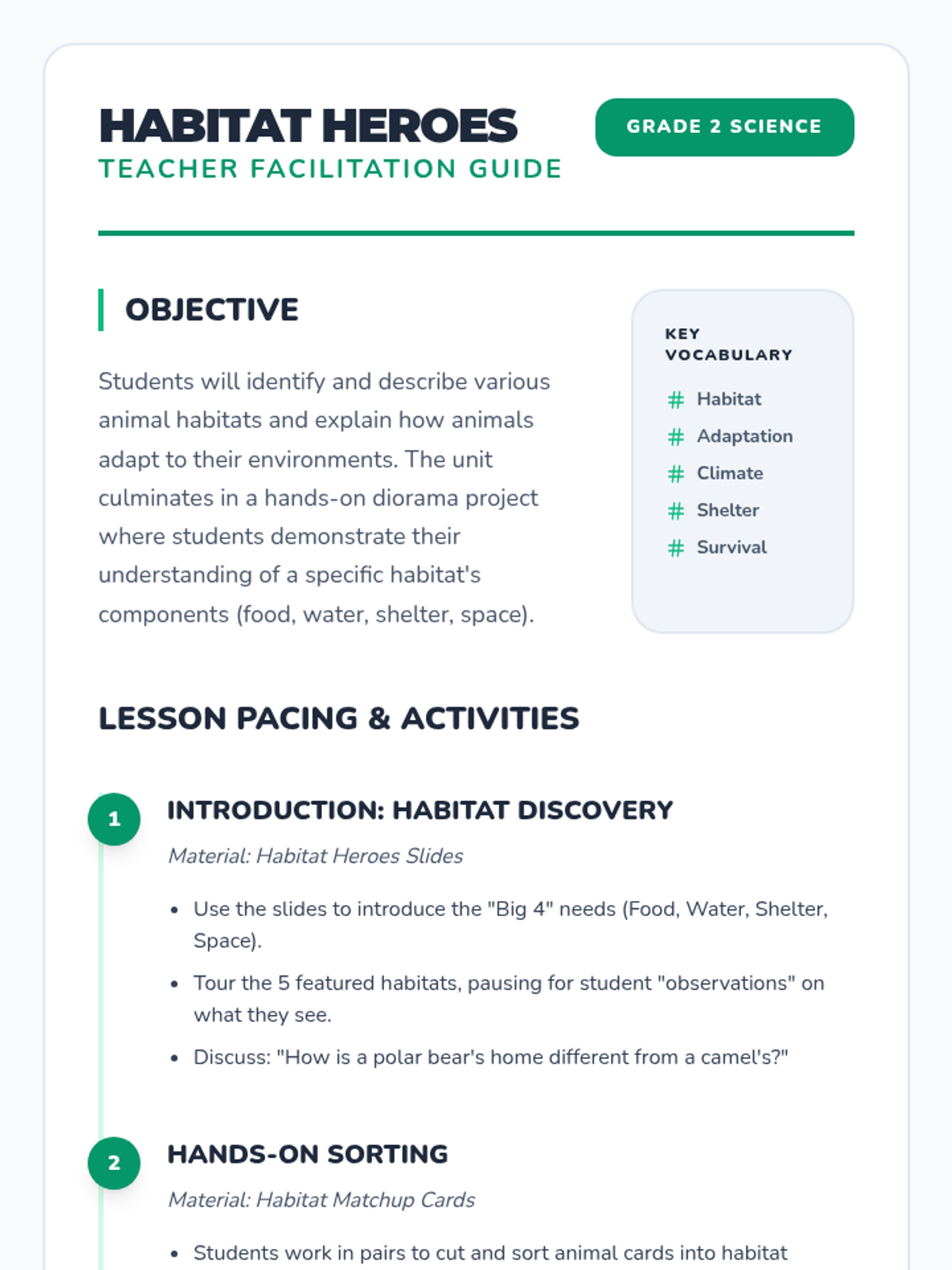
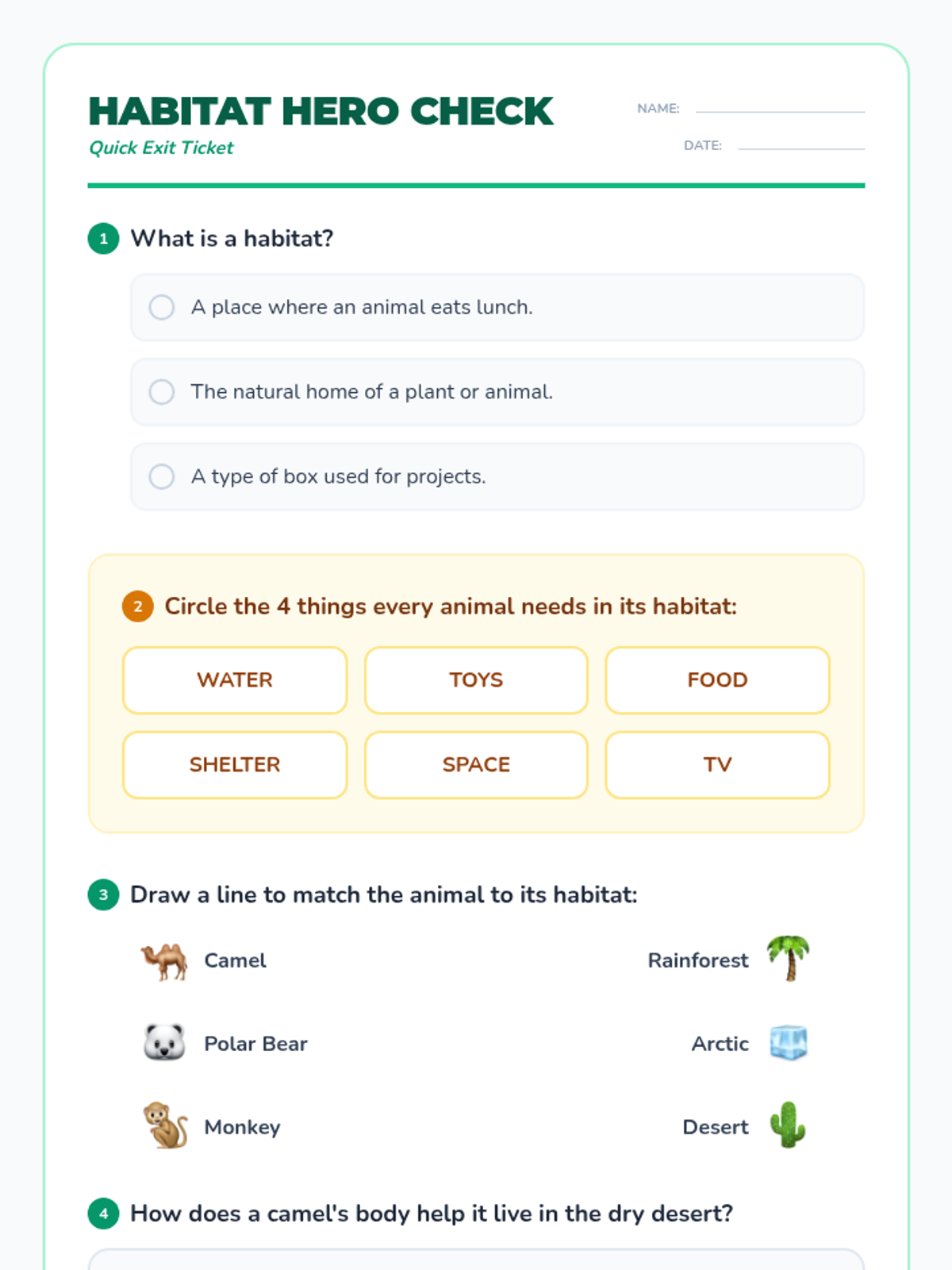
A comprehensive unit for 2nd graders to explore diverse animal habitats around the world through hands-on activities, research, and a creative diorama project. Students will learn about the unique characteristics of different environments and how animals are adapted to survive in them.
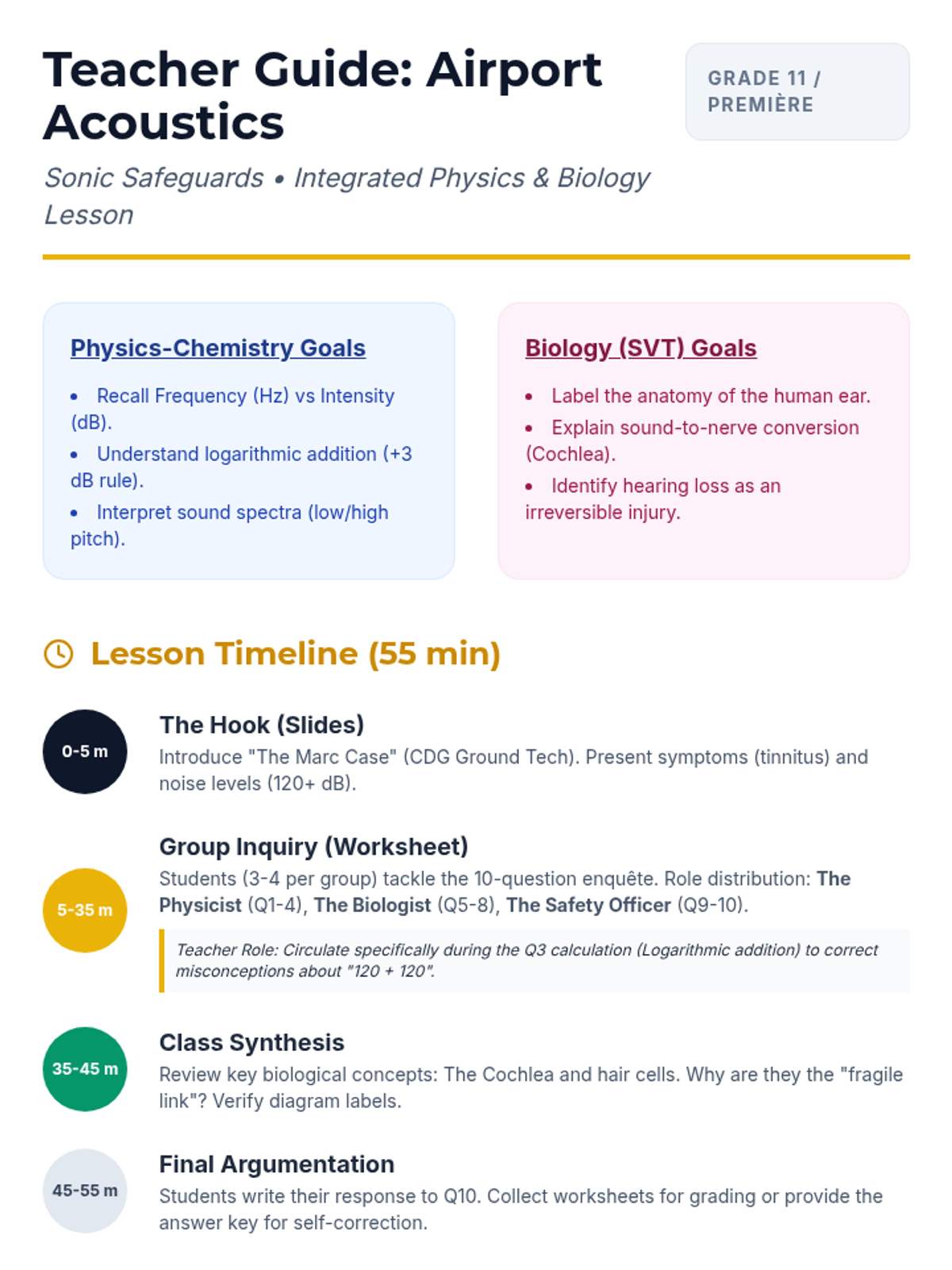
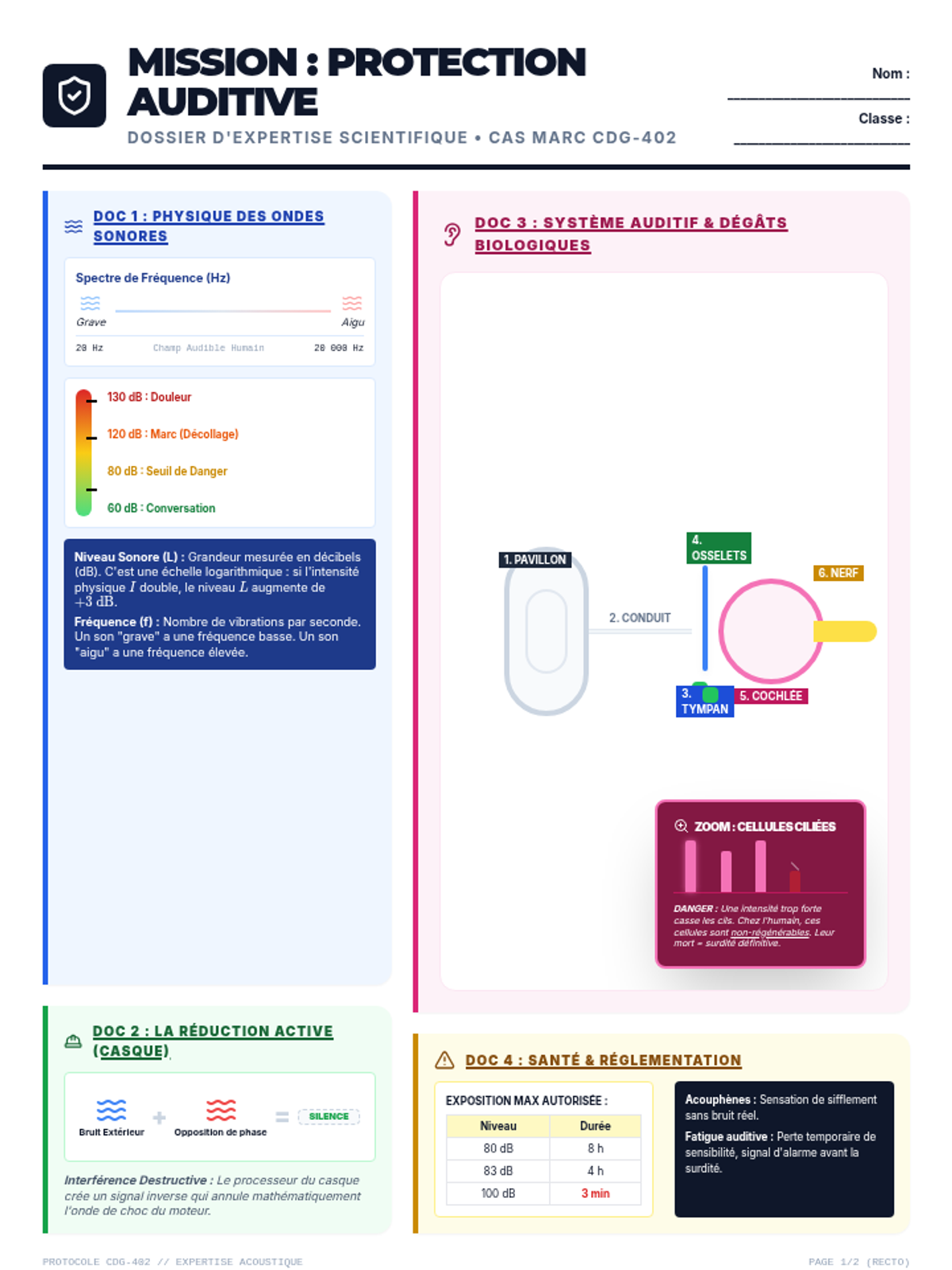
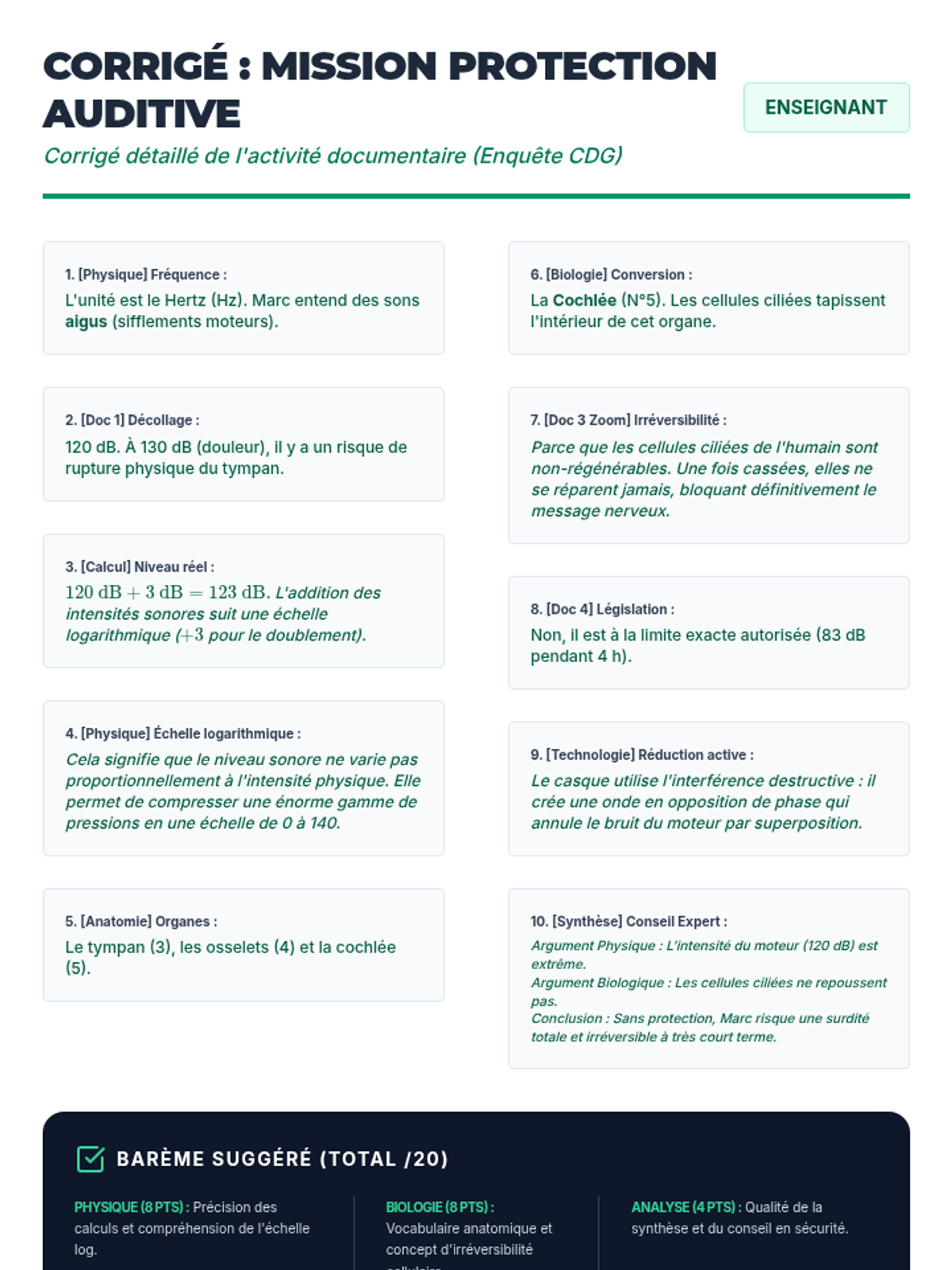
A series of high school science lessons exploring the physics of waves and their biological impacts on human health, using real-world professional contexts.
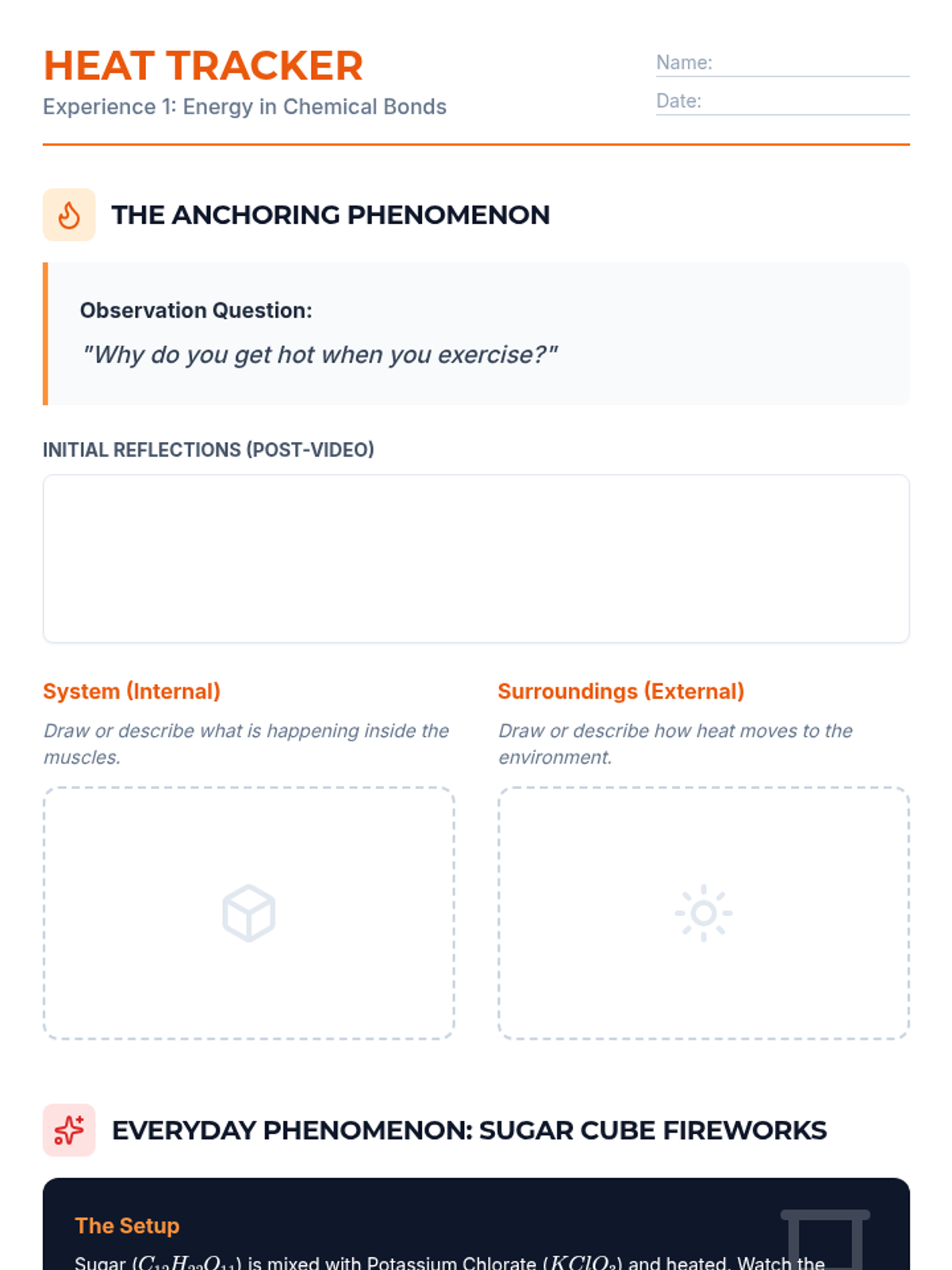
A five-day high school chemistry unit exploring thermochemistry, collision theory, enthalpy diagrams, and calorimetry through the lens of body heat and chemical reactions. Students investigate the anchoring phenomenon of exercise-induced heat while mastering TEKS C.13 standards.
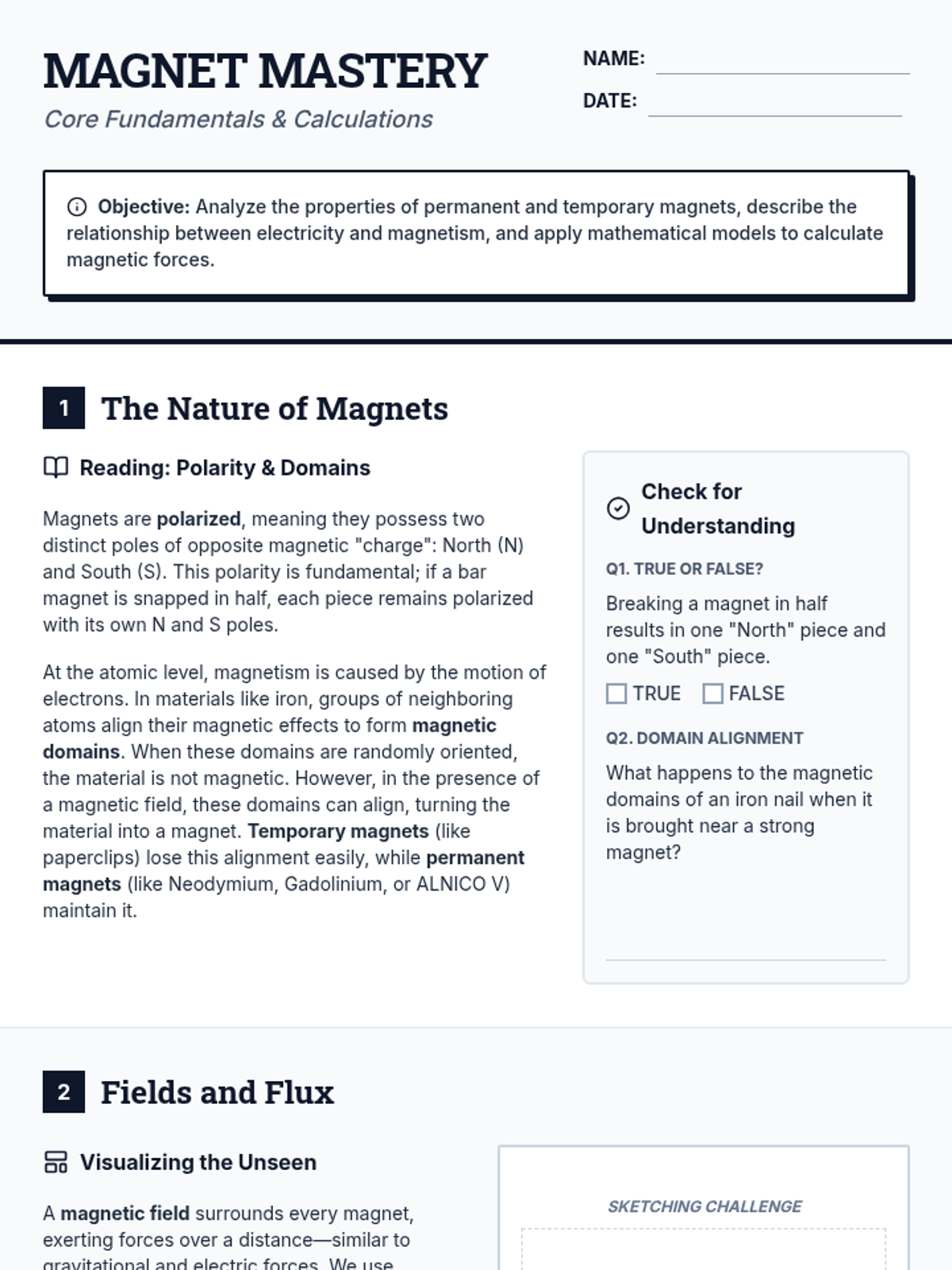
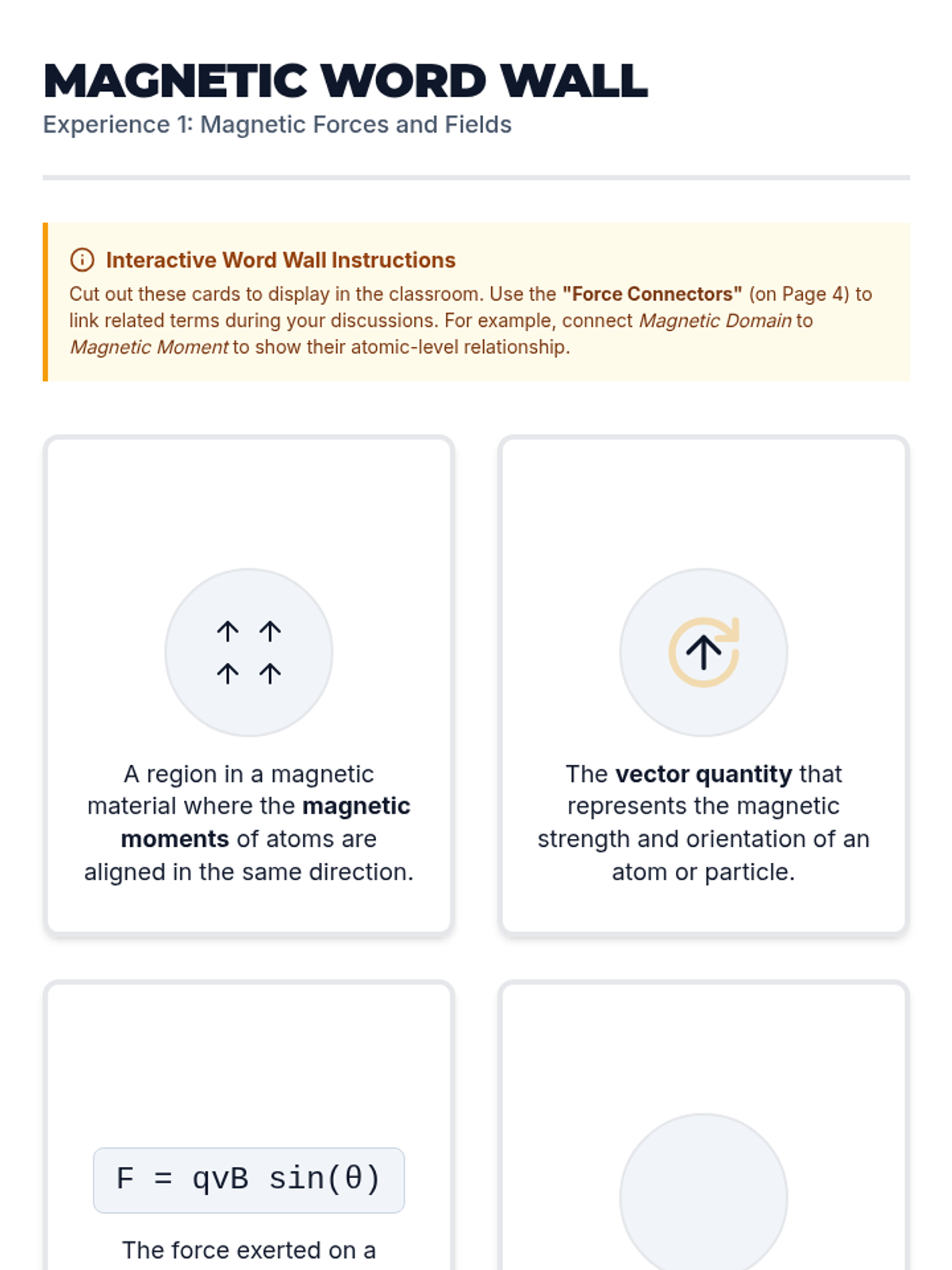
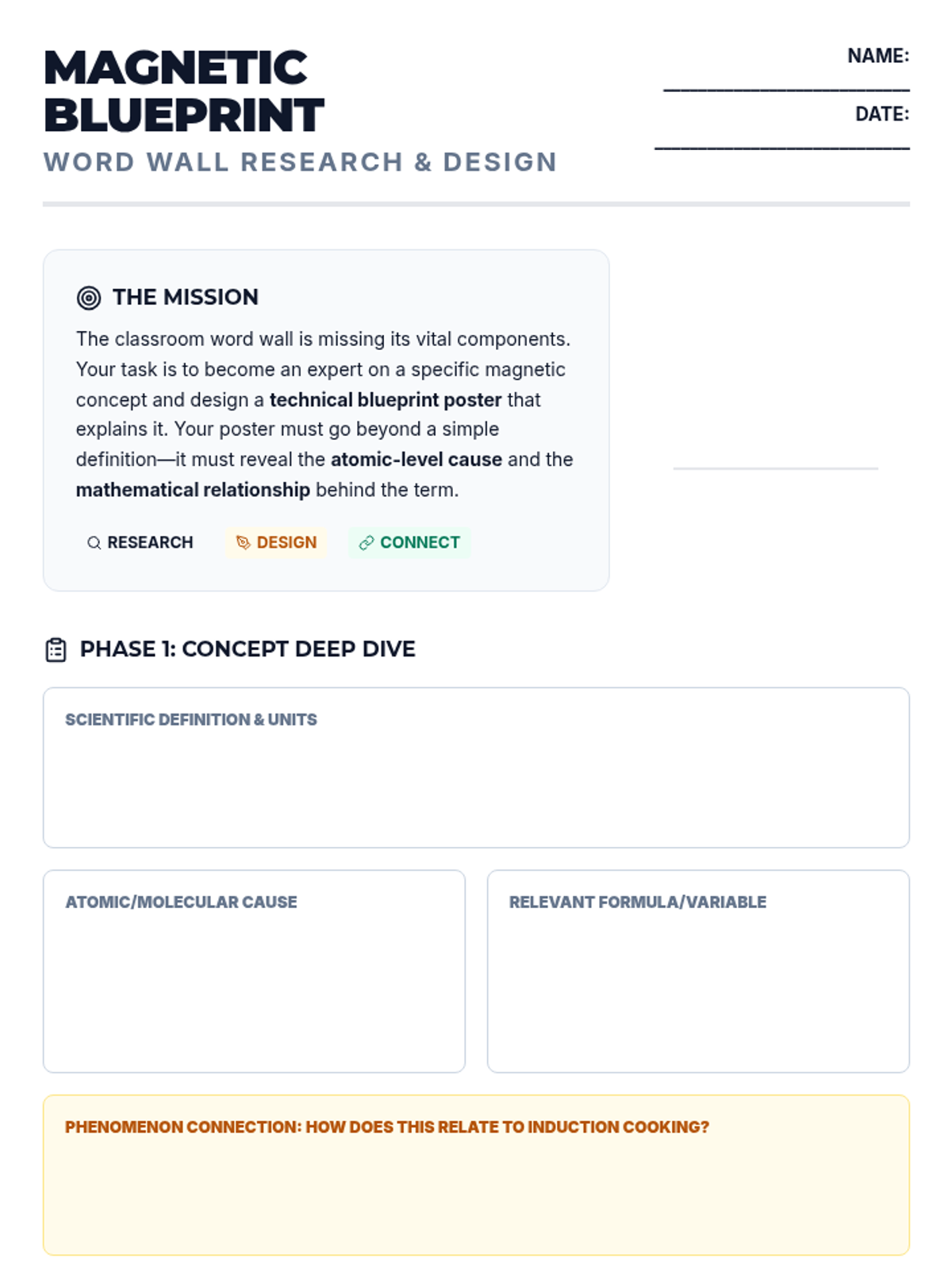
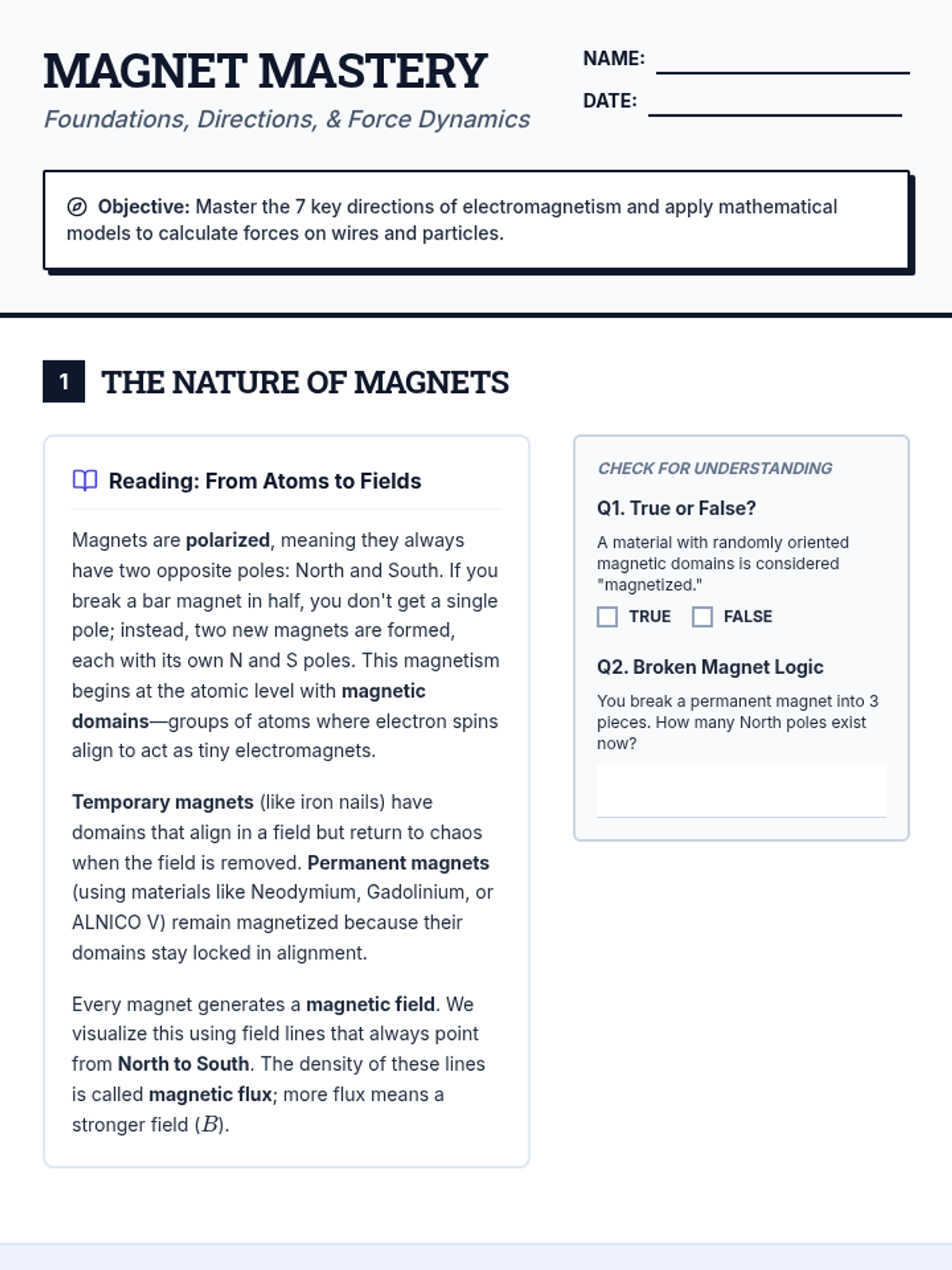
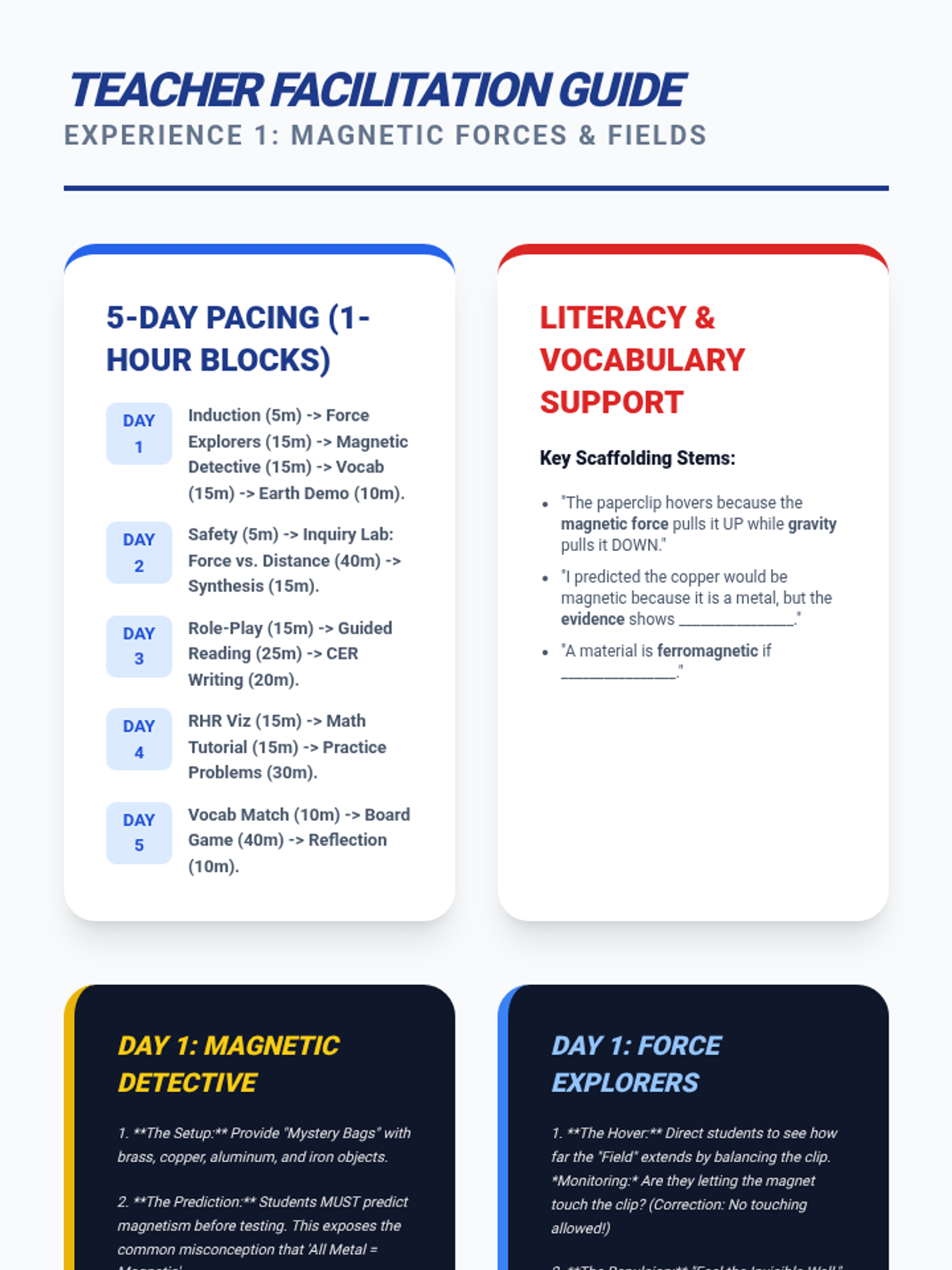
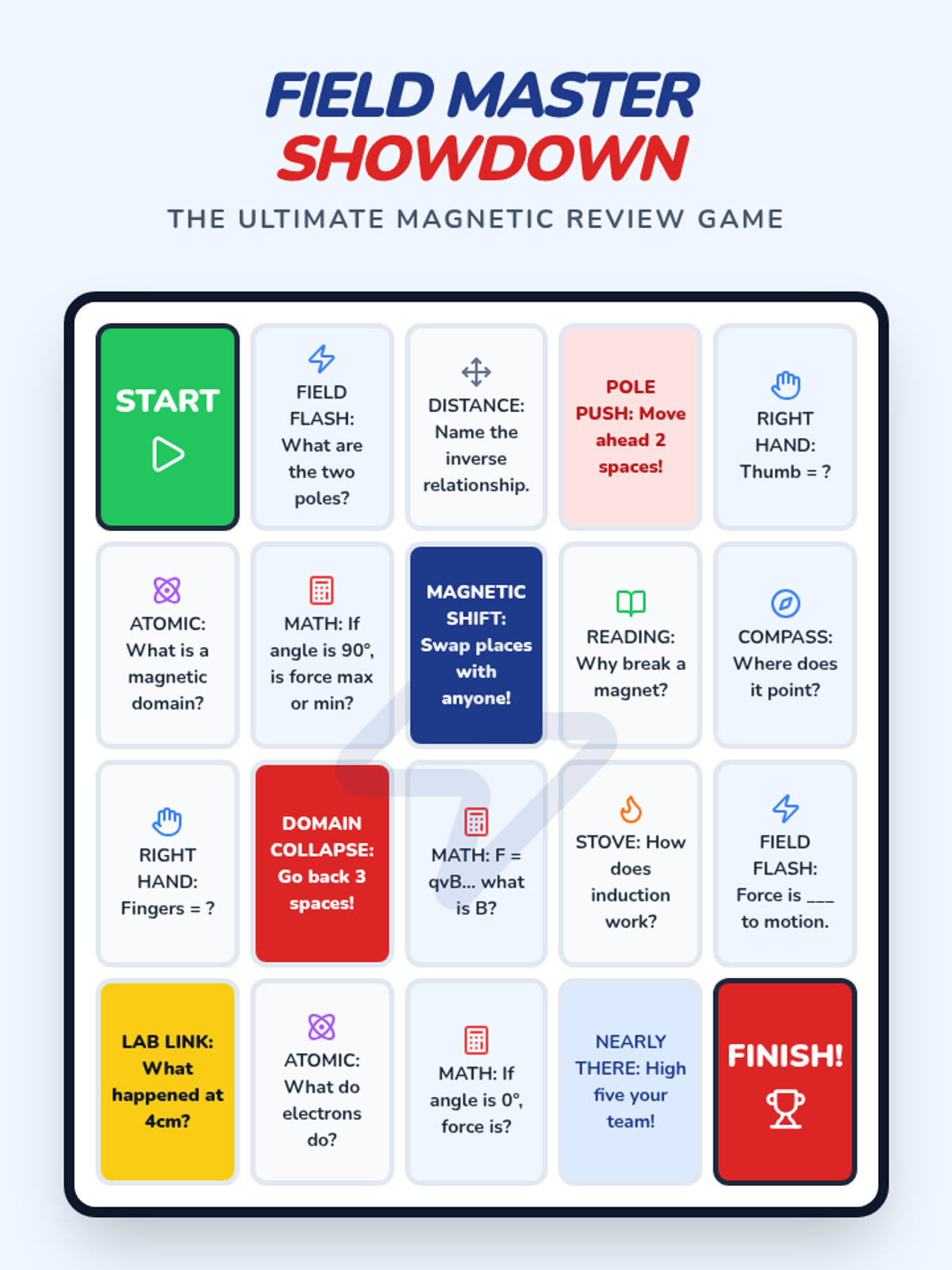
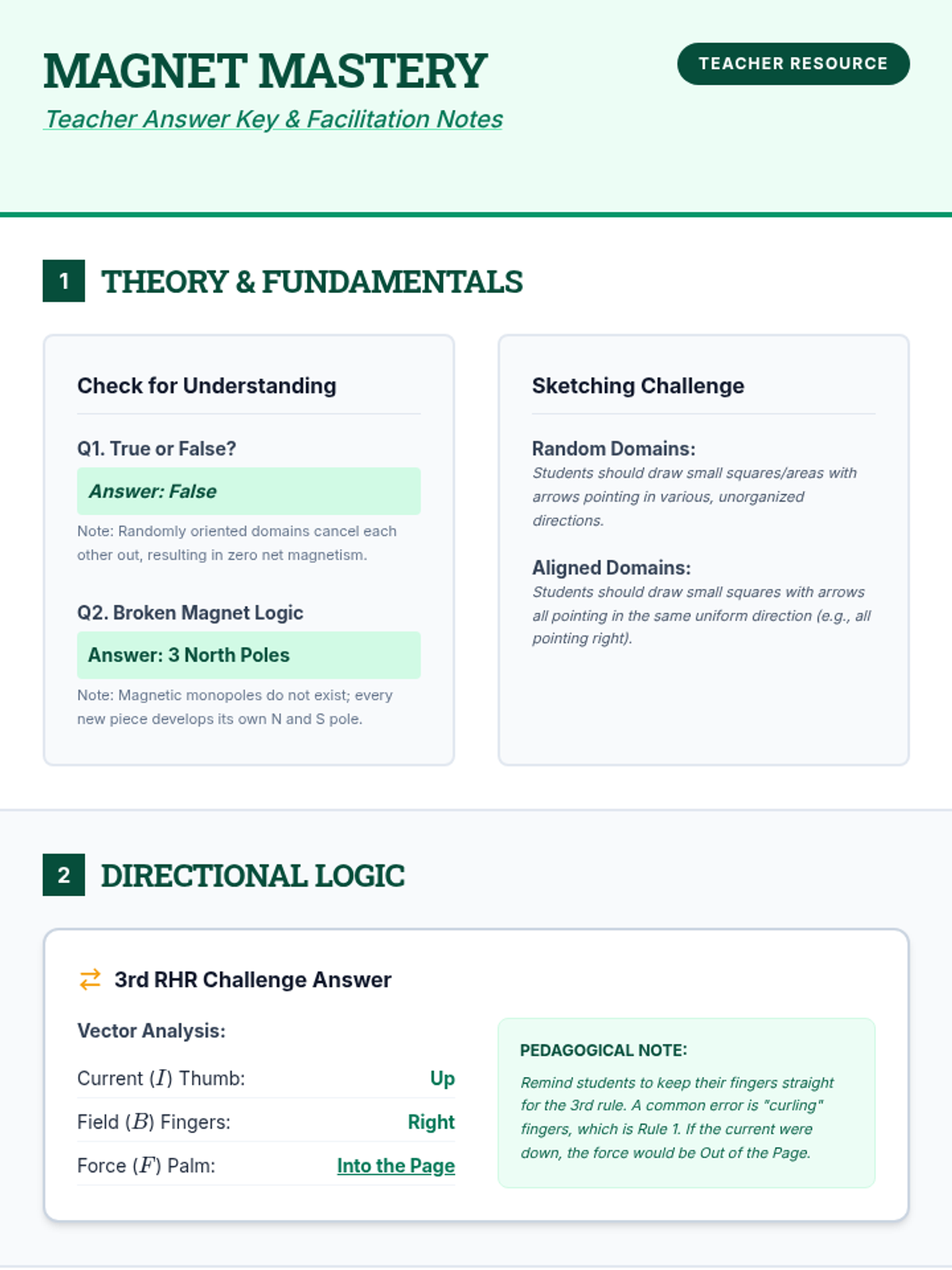
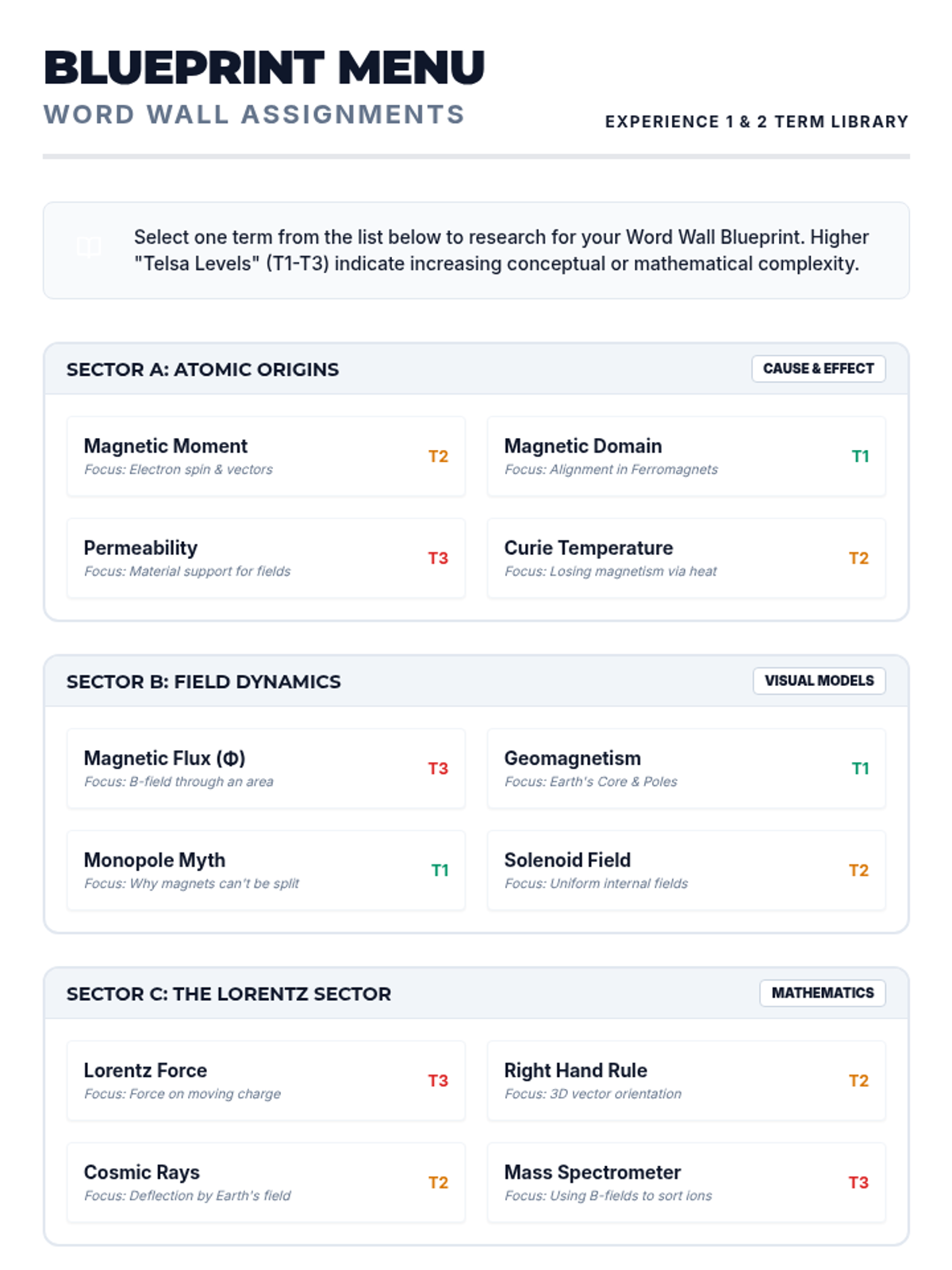
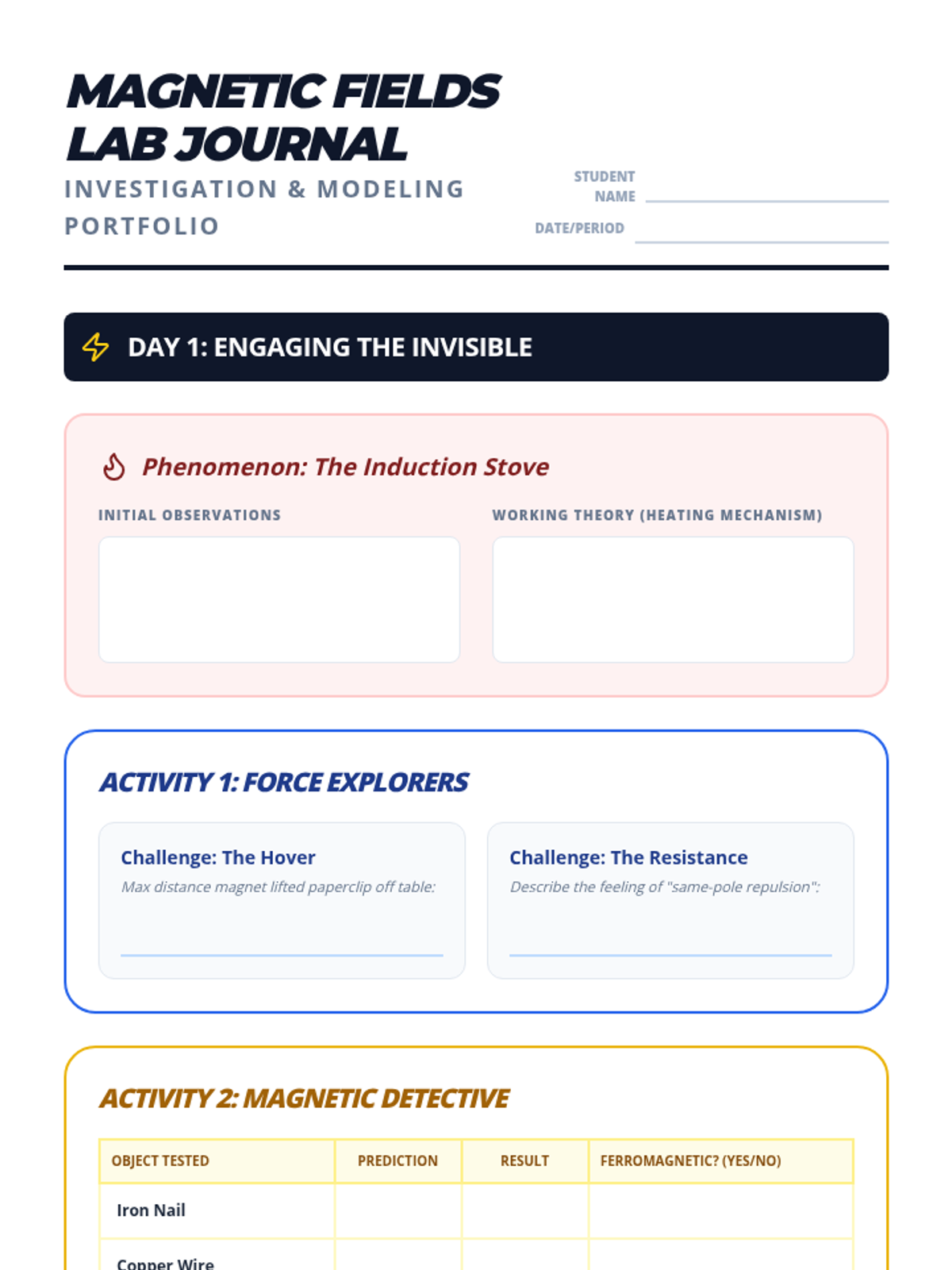
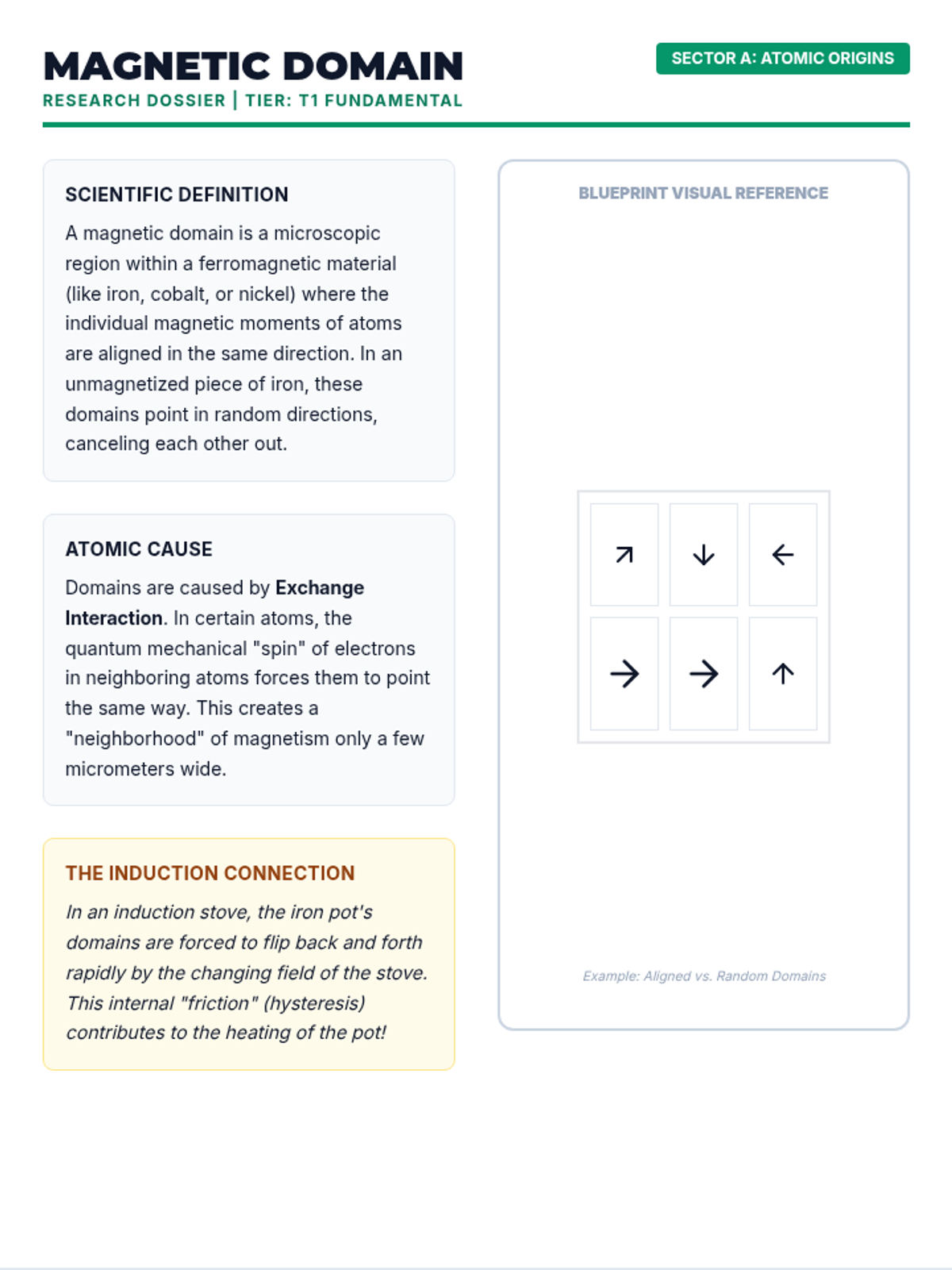
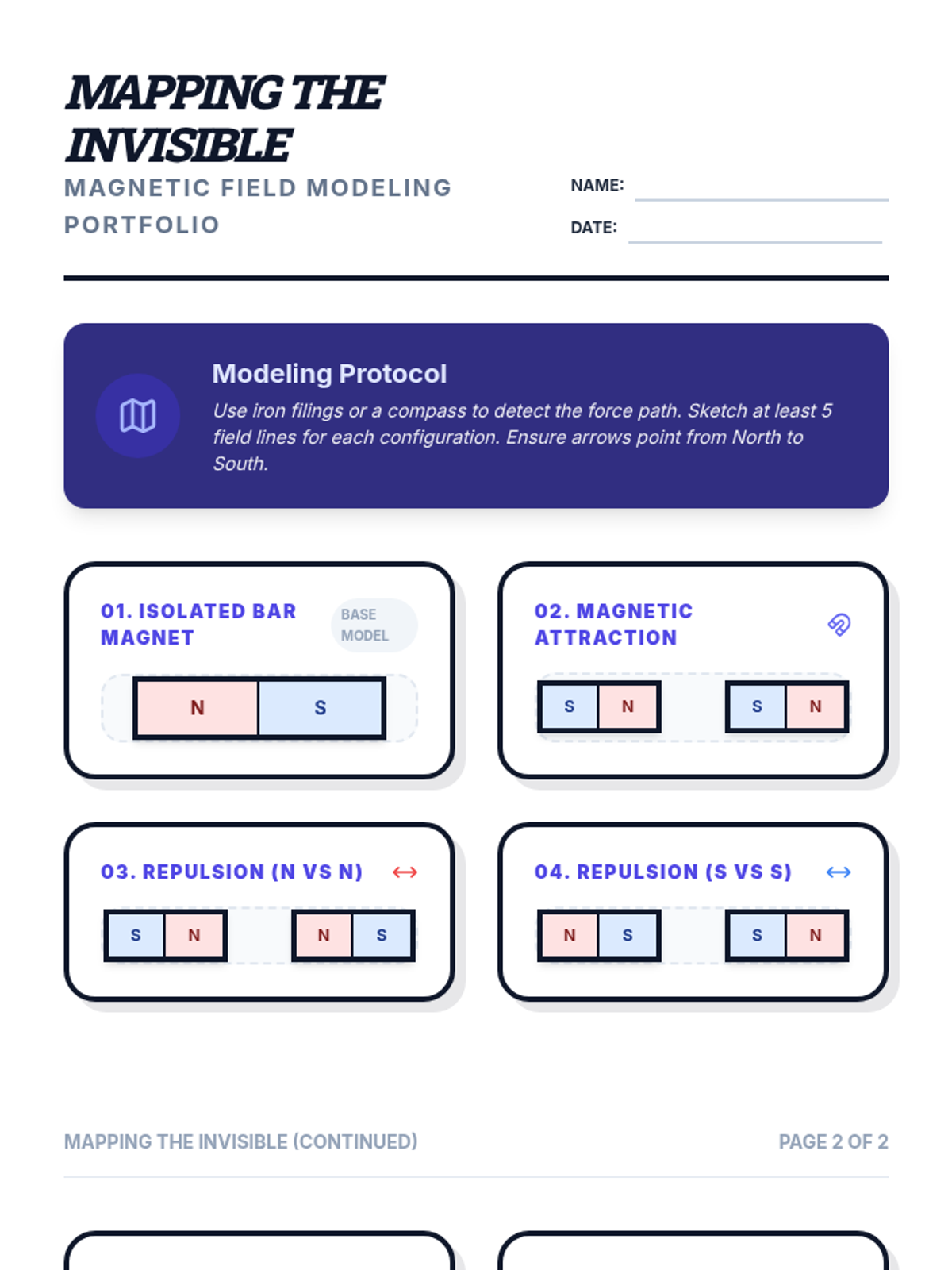
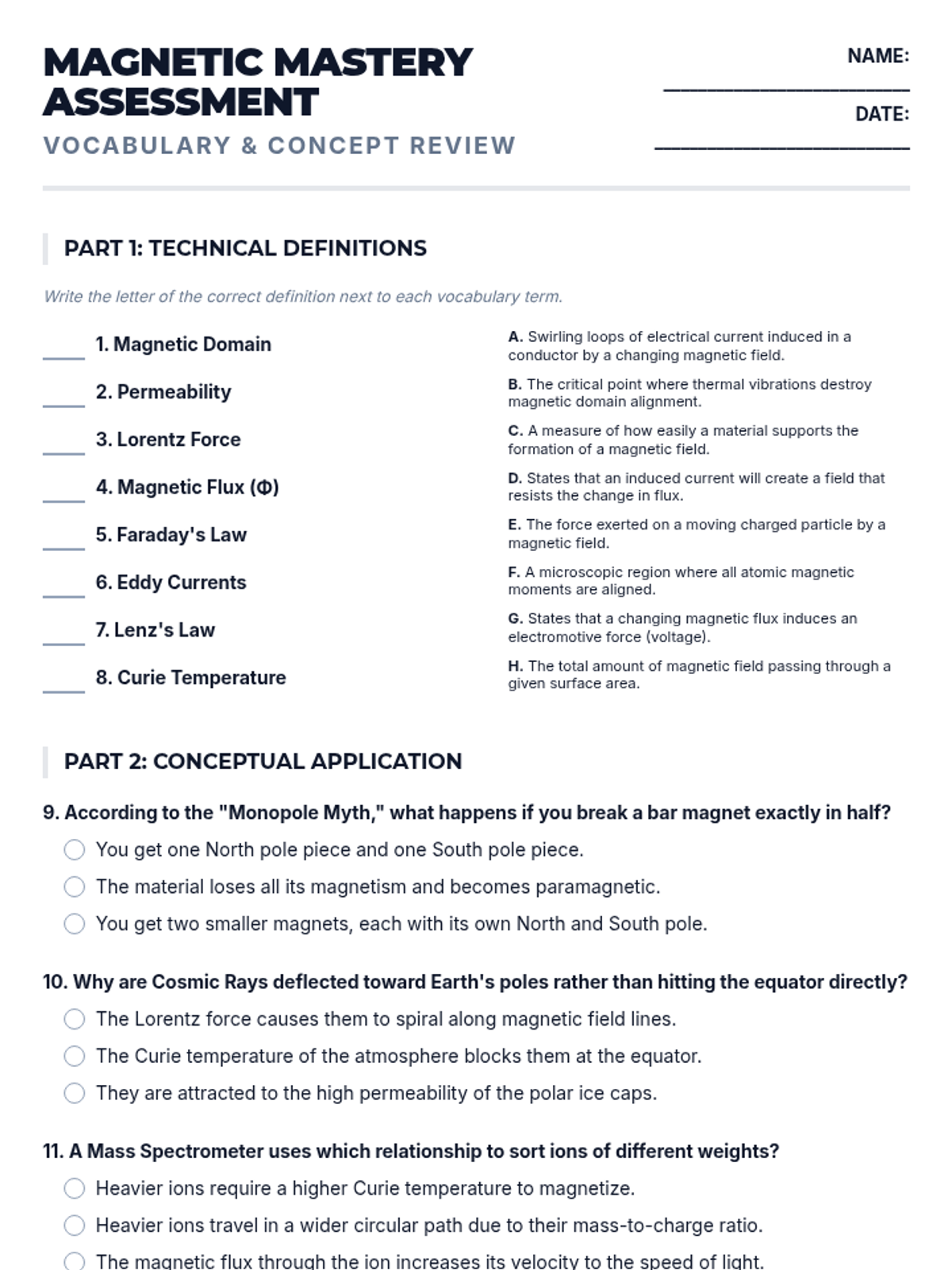
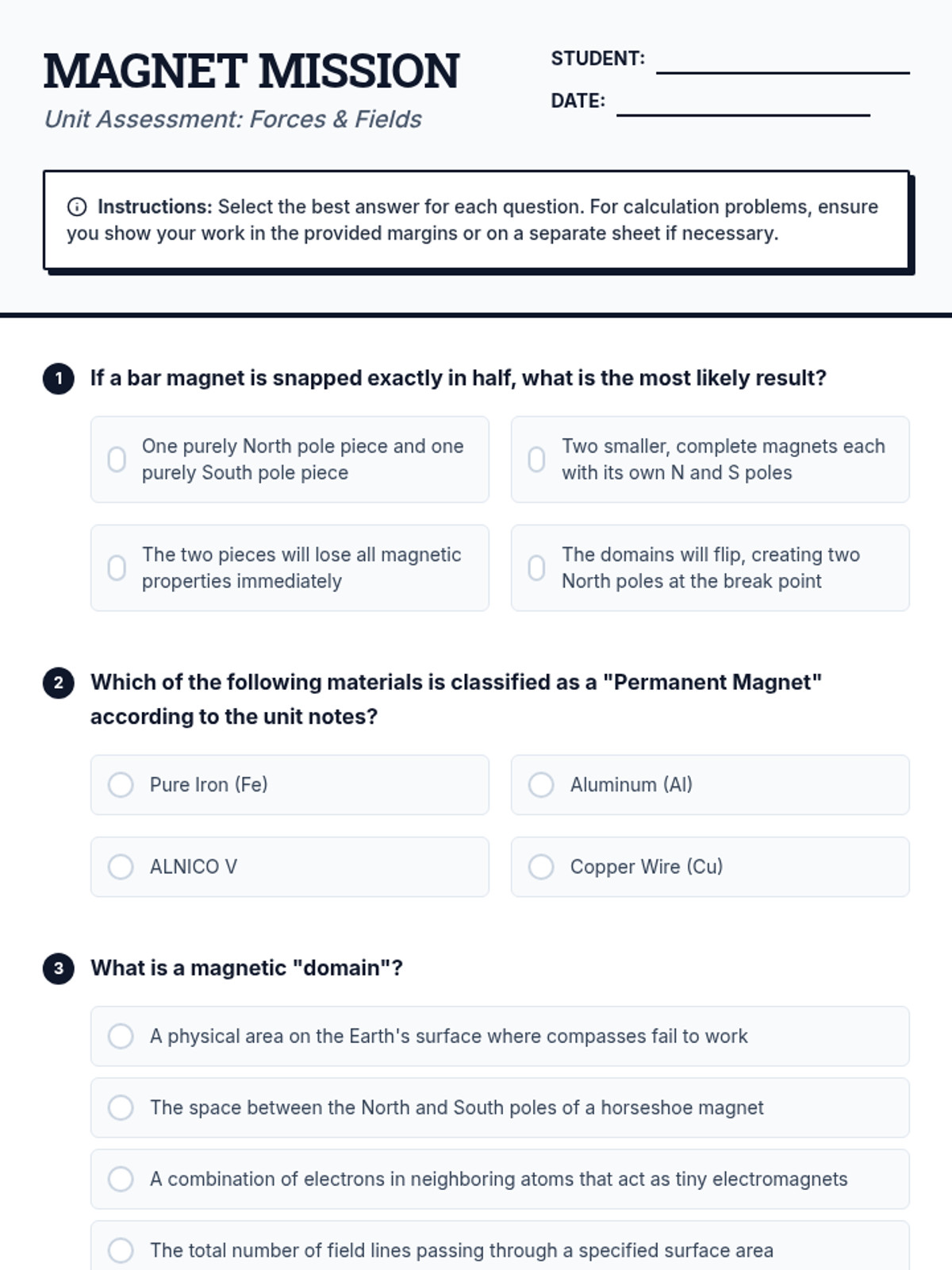
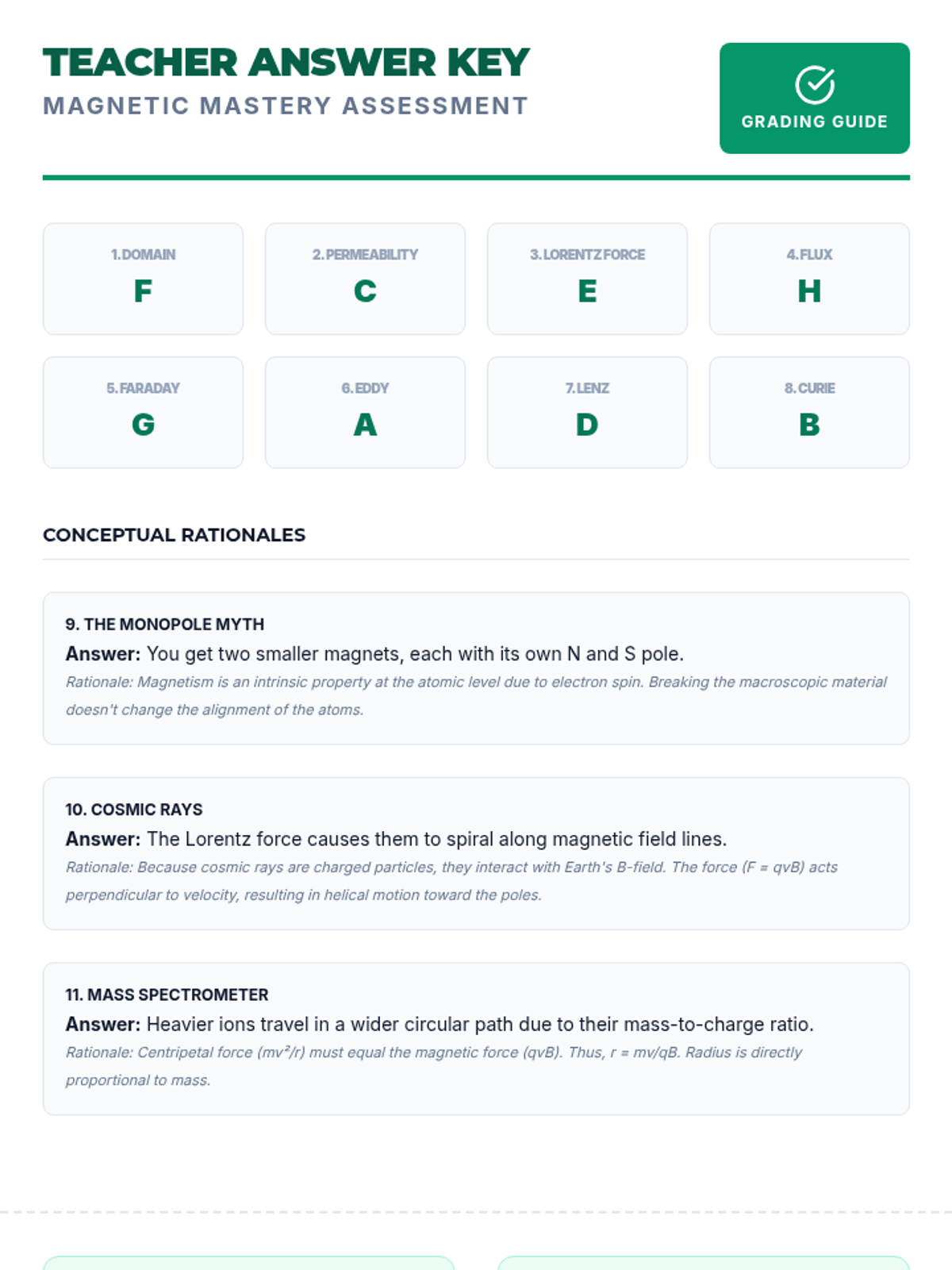
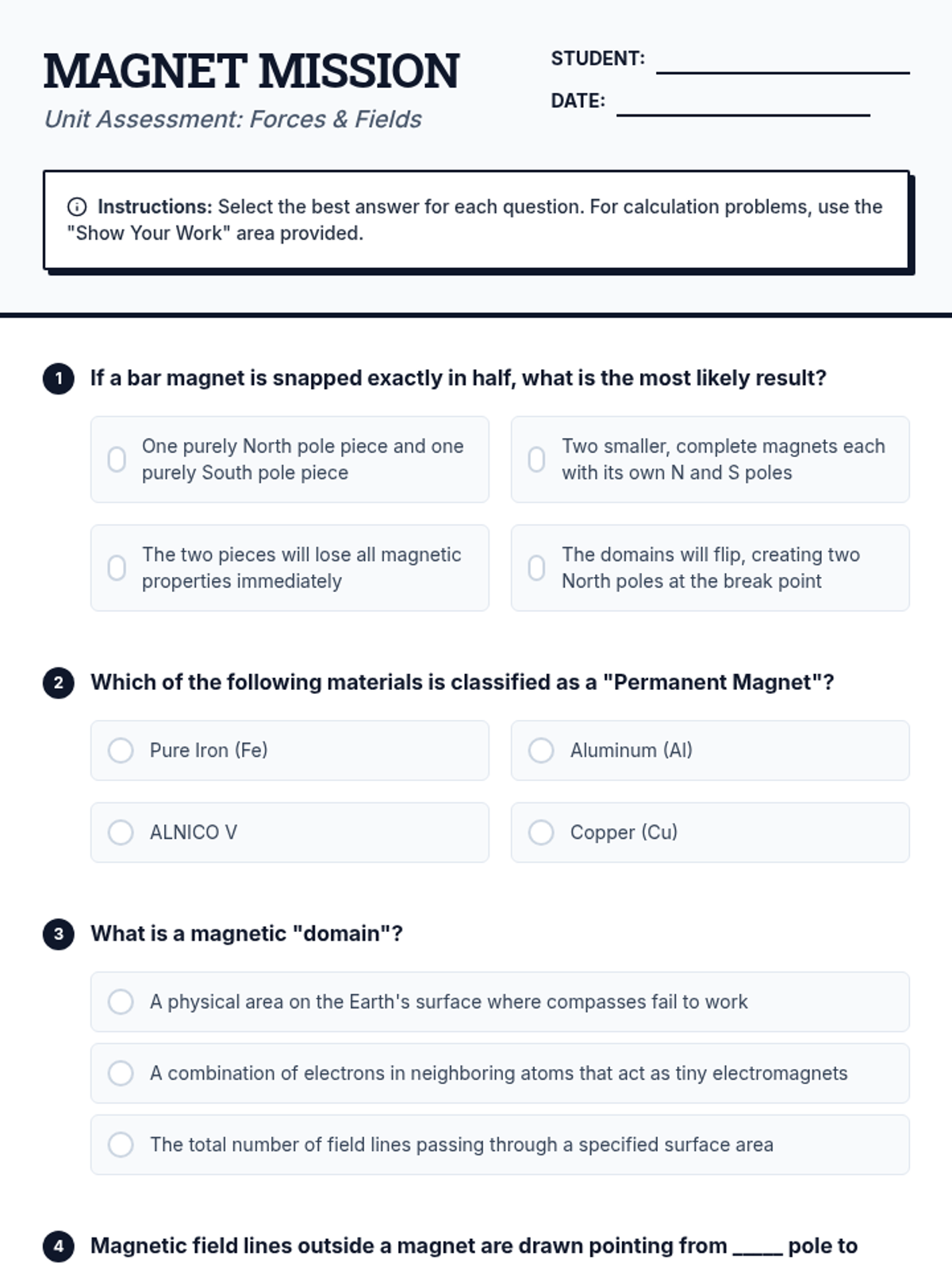
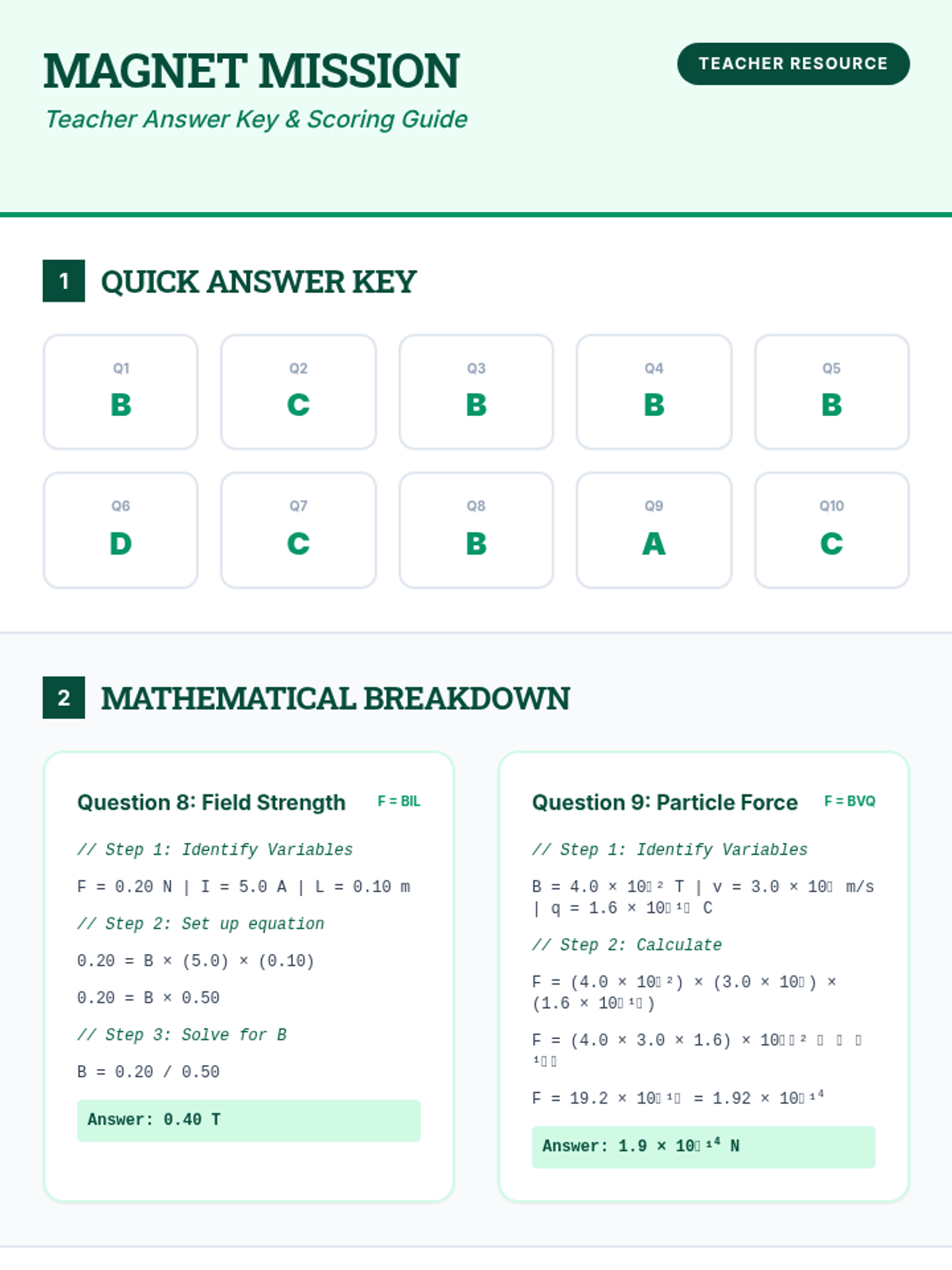
A 5-day intensive exploration of magnetic forces and fields, focusing on atomic-level causes, field interactions, and mathematical modeling of forces on charged particles. Students progress from anchoring phenomena to complex mathematical applications and a comprehensive unit review.