Fundamental principles of force, motion, and energy across classical and modern contexts. Examines matter properties, wave behavior, thermodynamics, and electromagnetism through mechanics and atomic studies.
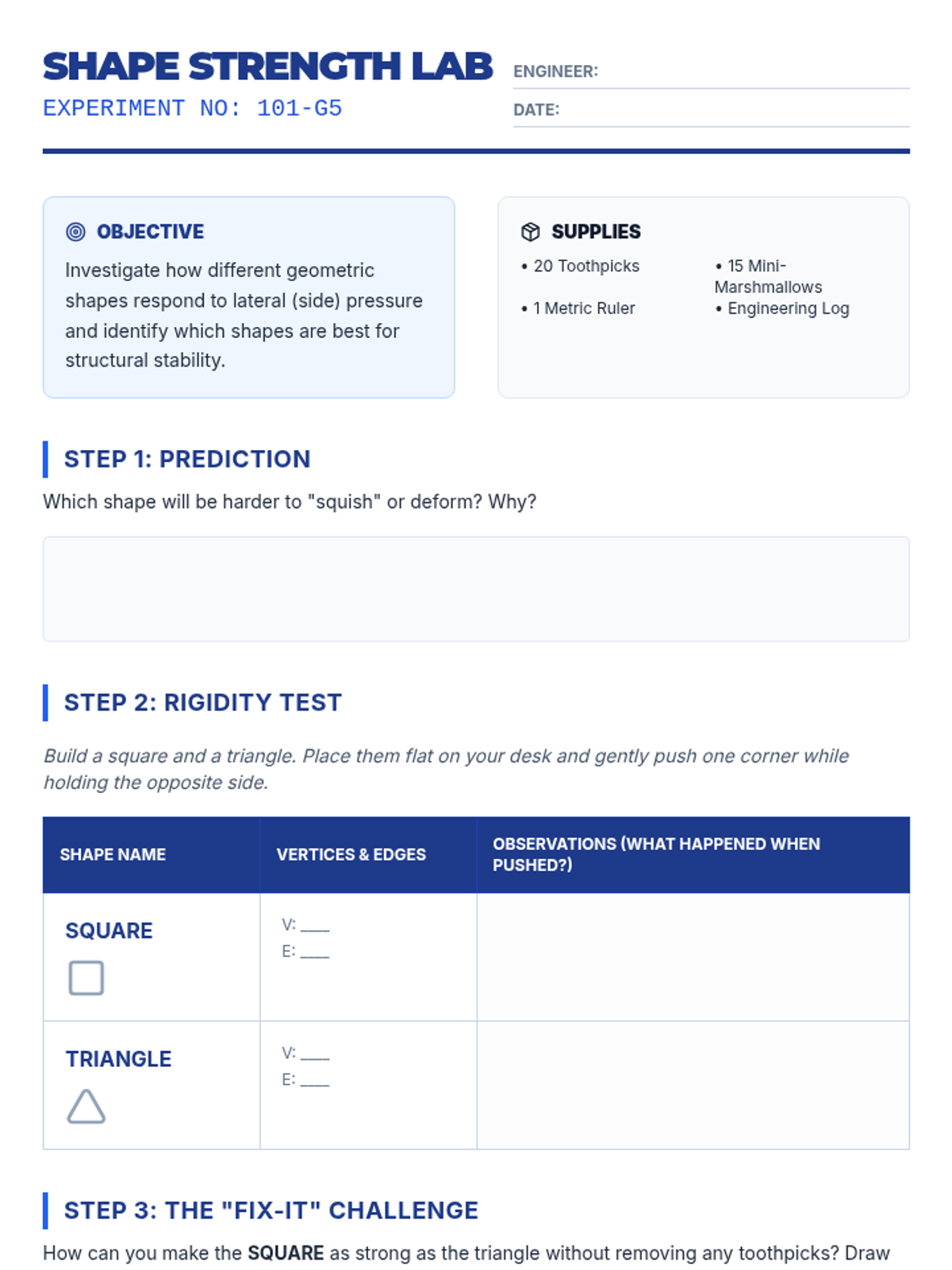
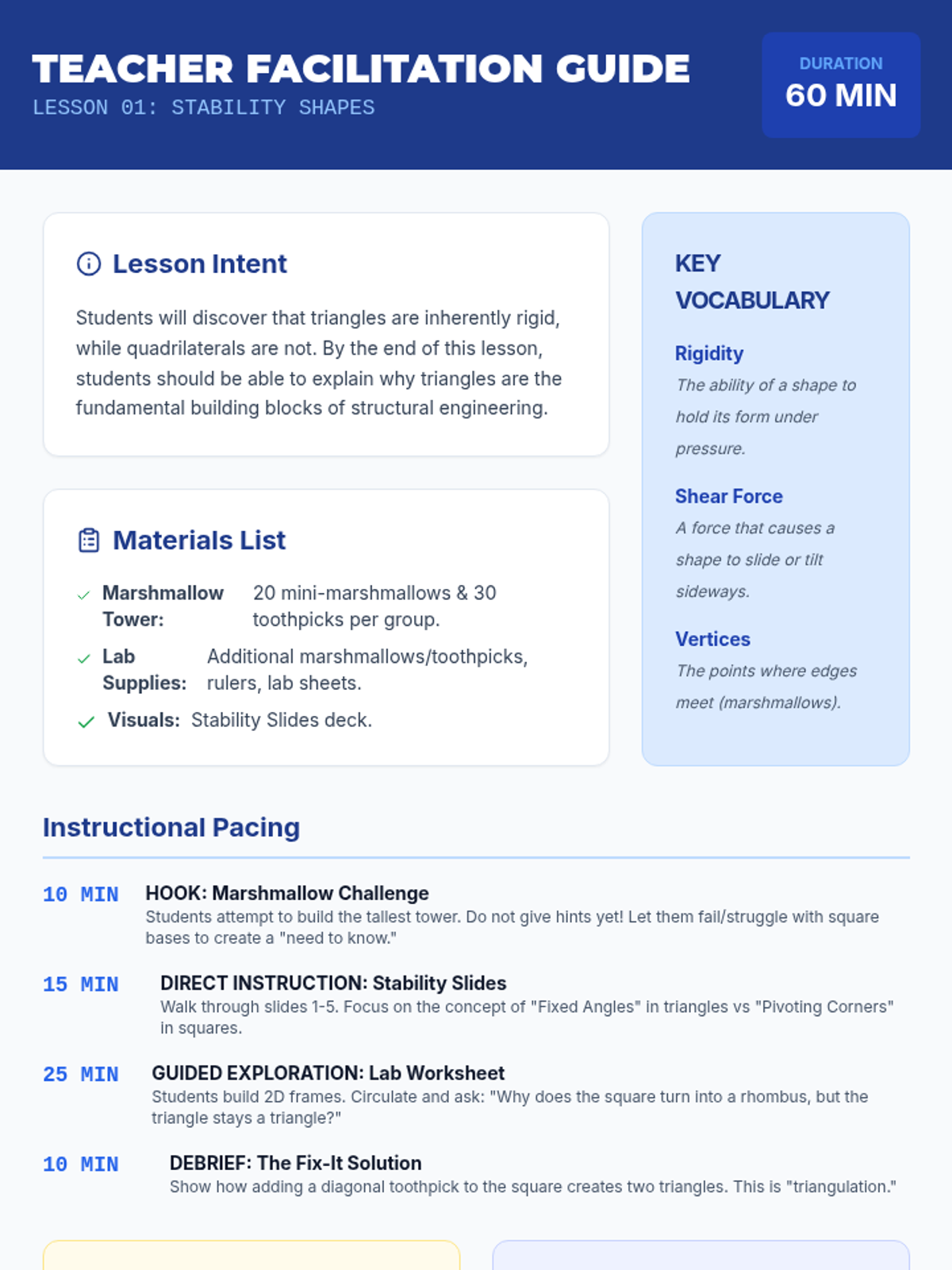
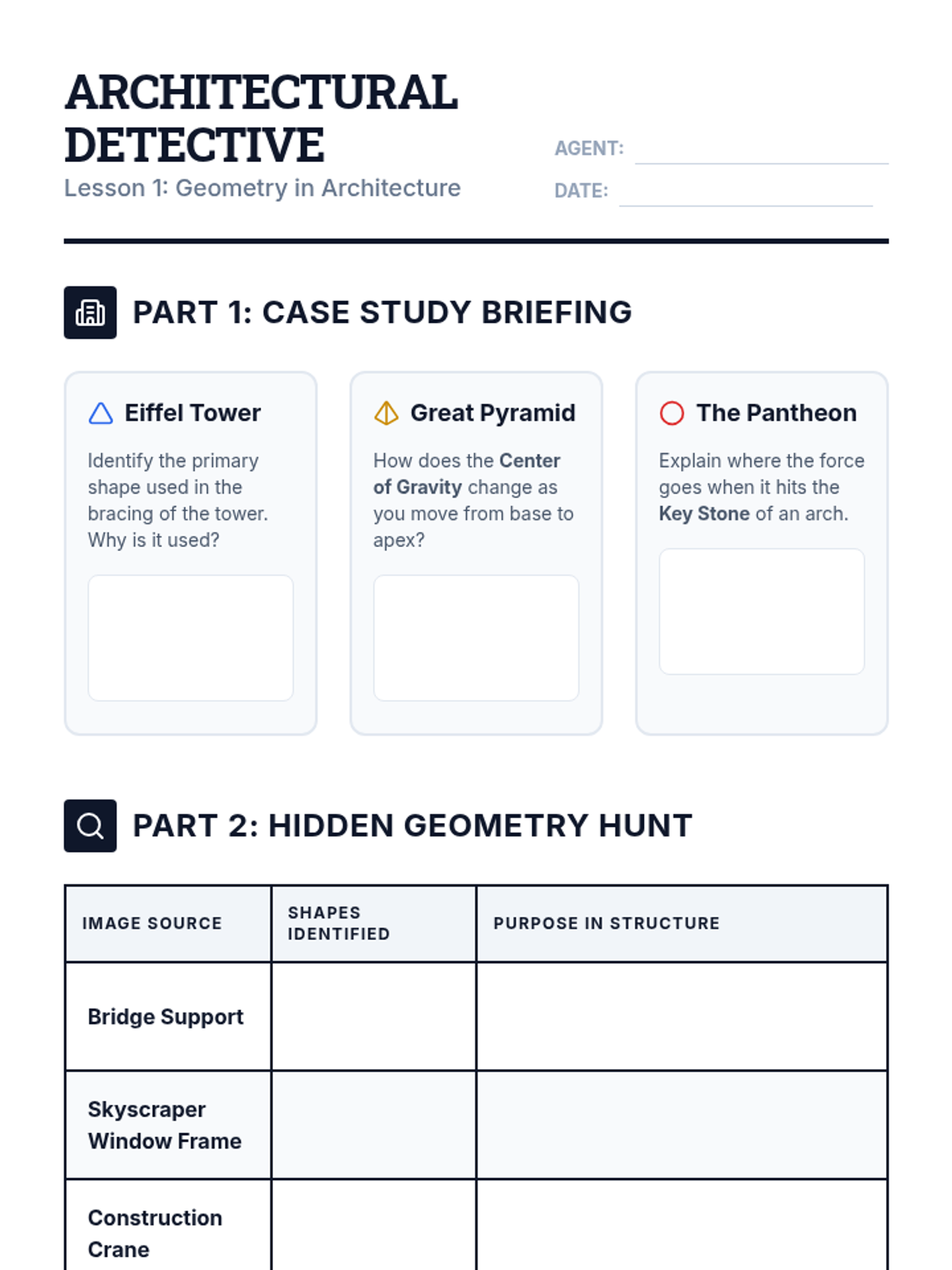
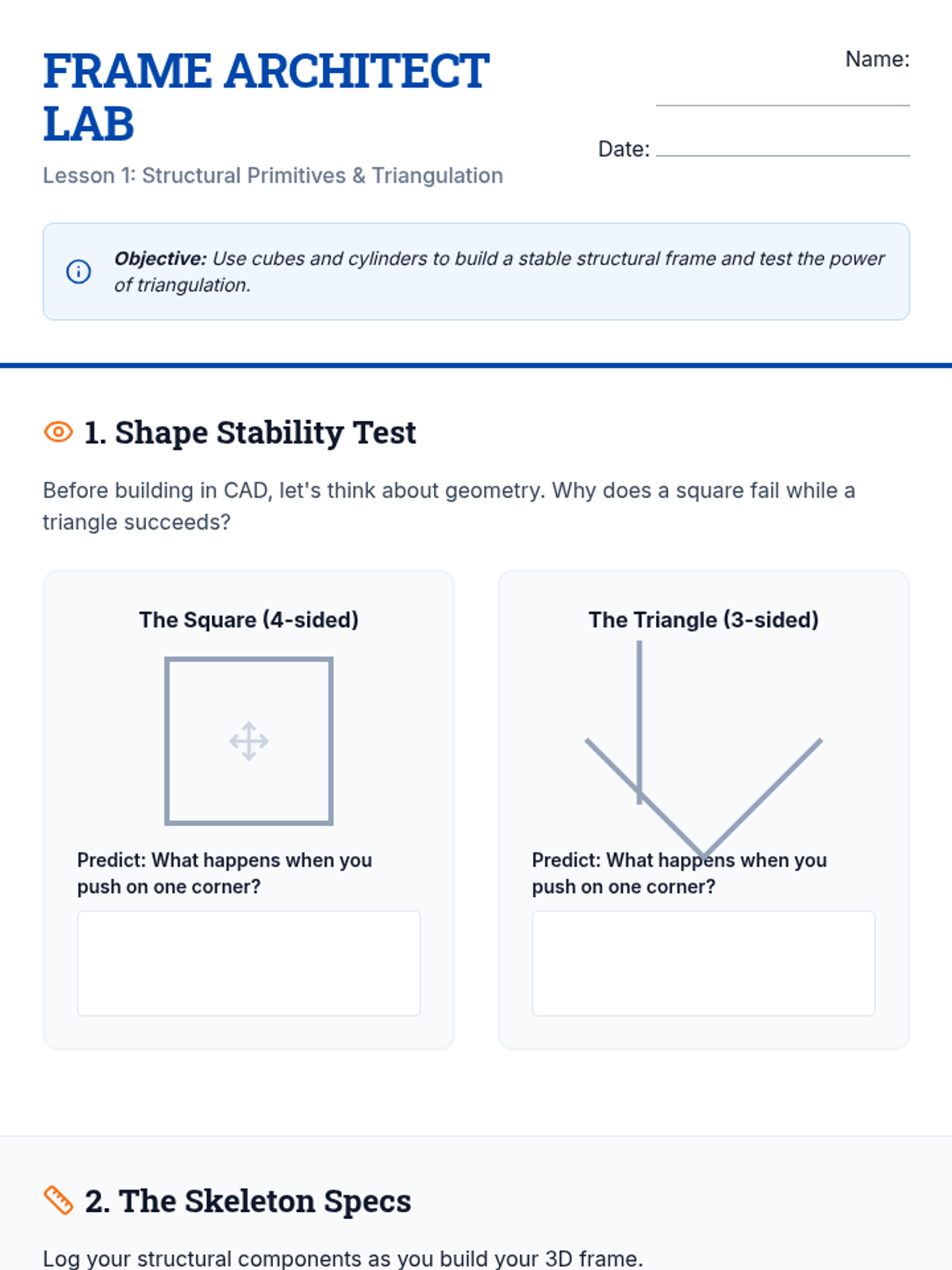
Students investigate how geometric properties influence the stability and function of structures. They analyze triangles versus squares, identify shapes in real-world bridges, and design structures under geometric constraints.
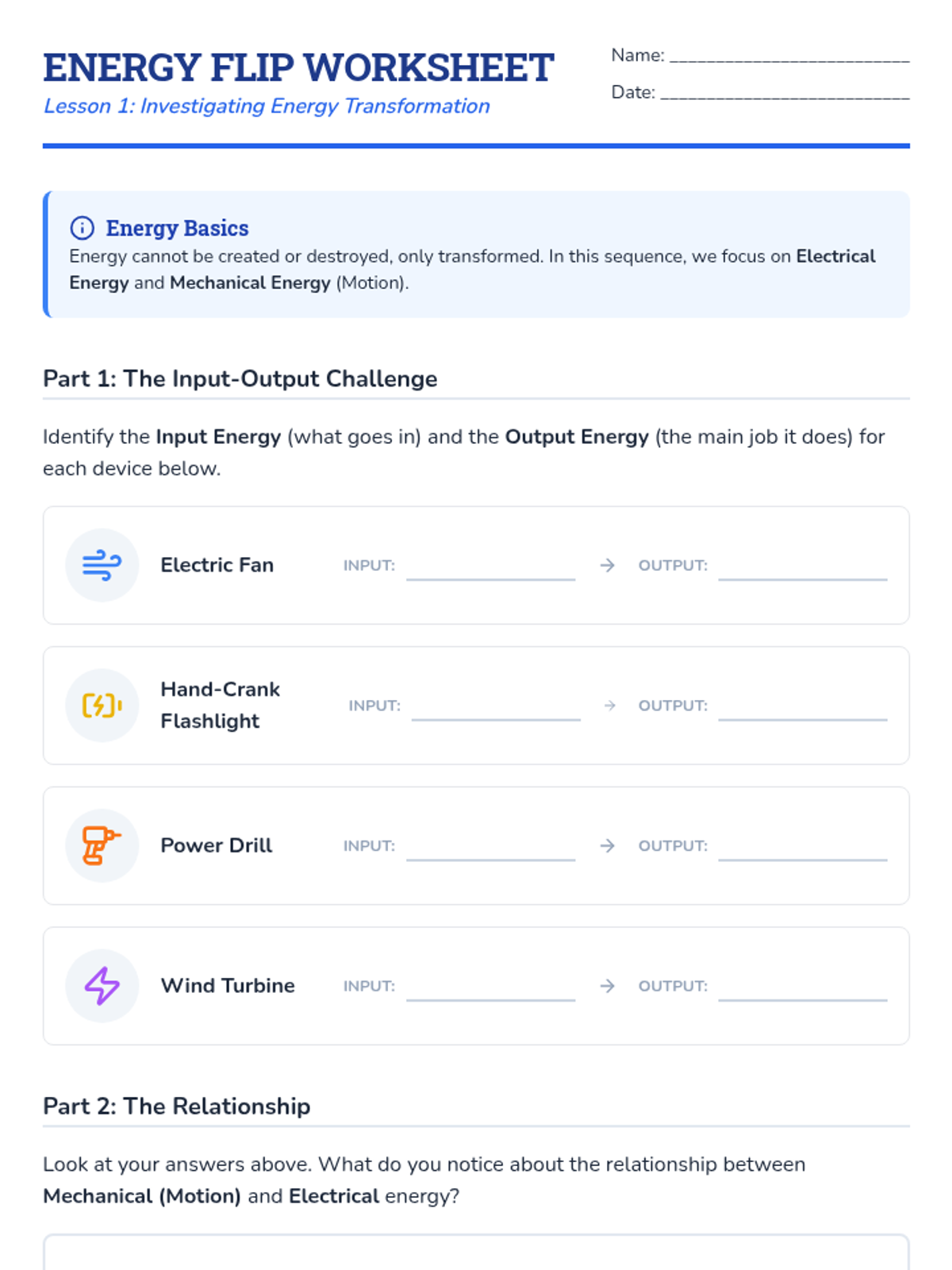
A comprehensive unit exploring the fundamentals of electricity, magnetism, and how they combine in circuits, focusing on energy transformations and hands-on visuals.
A 5-lesson unit for 7th-grade science exploring industrial separation techniques through simulations, engineering challenges, and systems thinking. Students act as process engineers to solve real-world problems like recycling, oil spills, mining, and water scarcity.
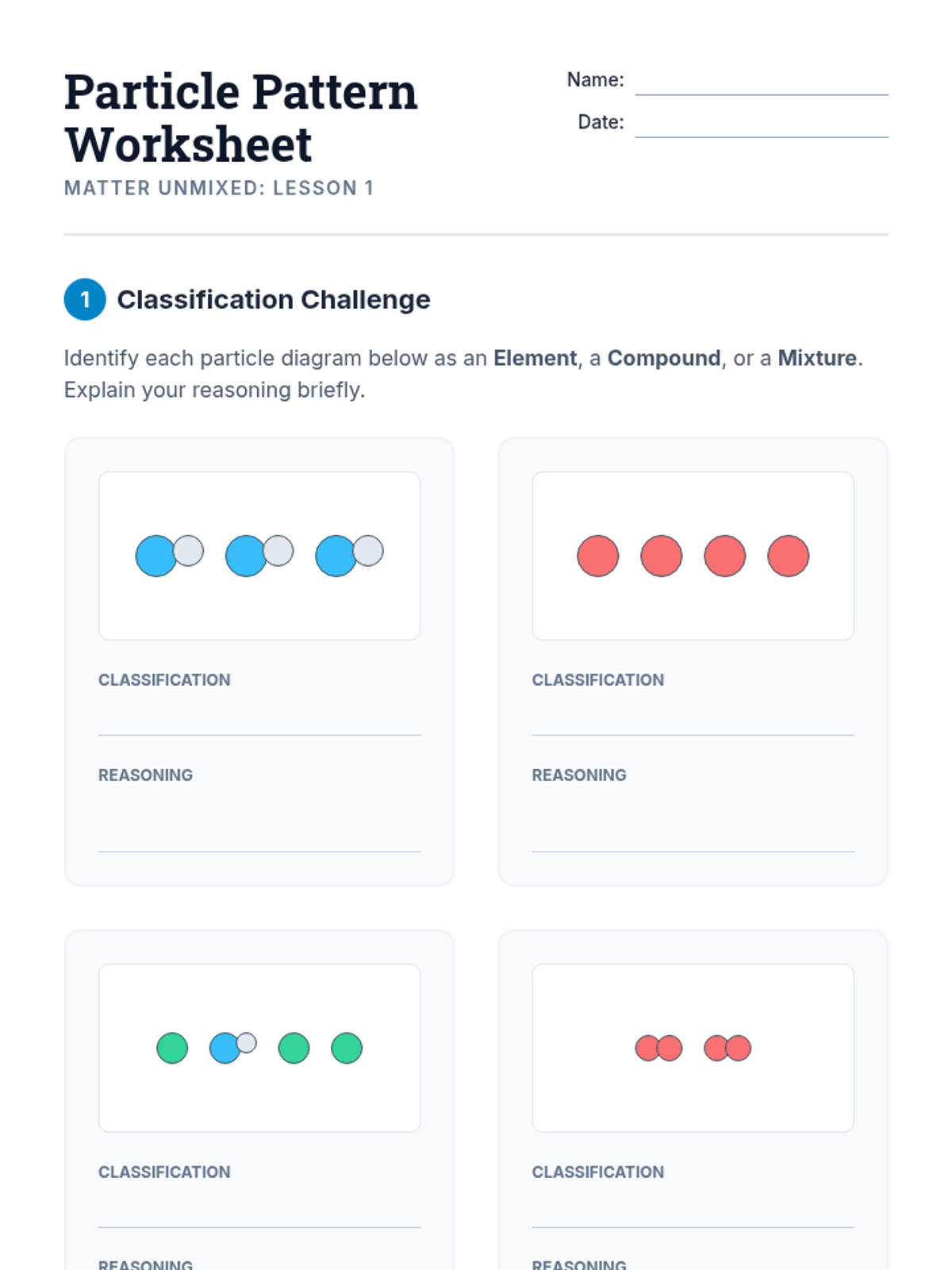
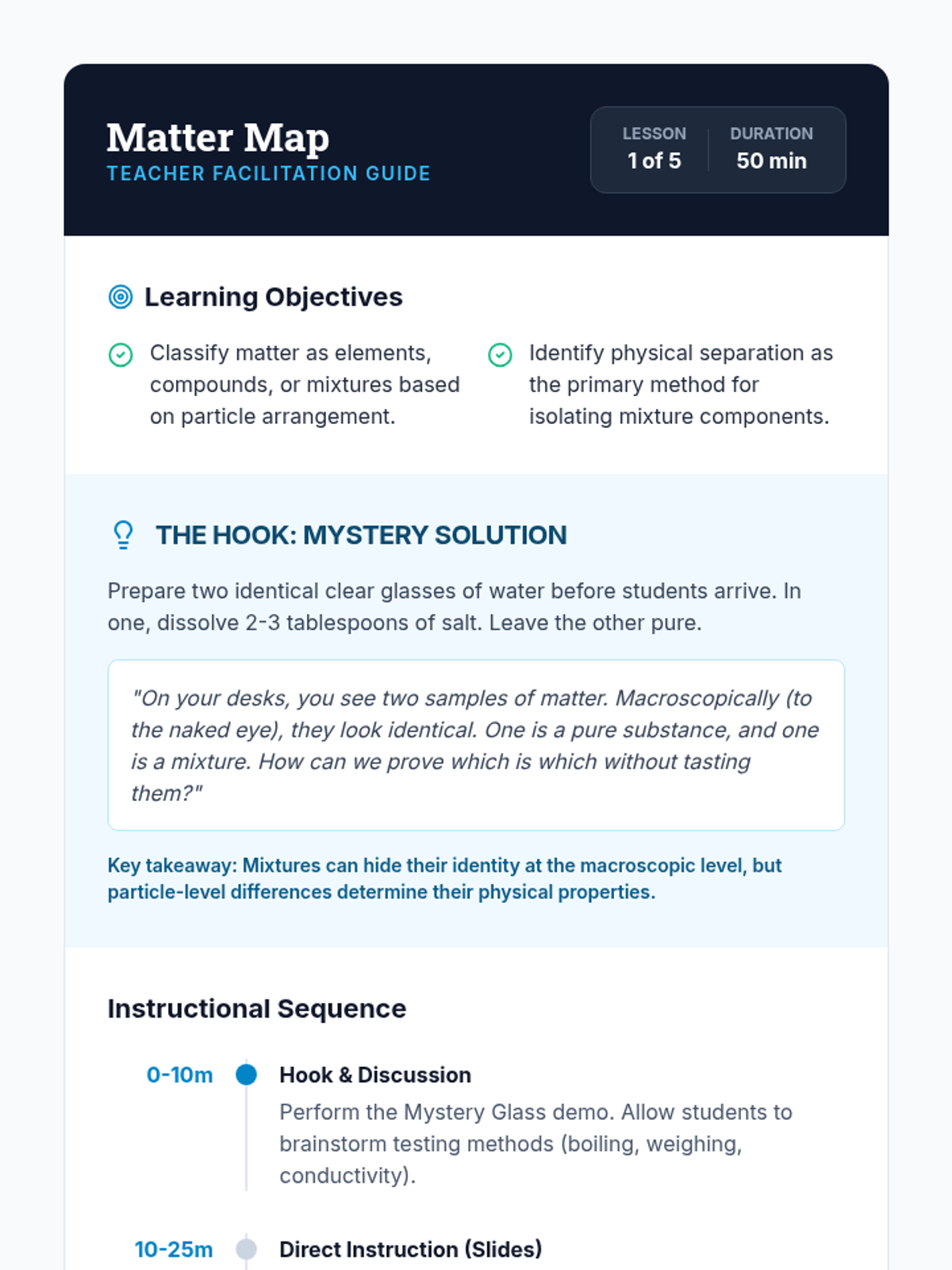
Students investigate the physical properties of matter to design and execute protocols for separating complex mixtures. The sequence moves from theoretical classification of matter to practical laboratory techniques, culminating in a performance task where students isolate components from a four-part mixture.
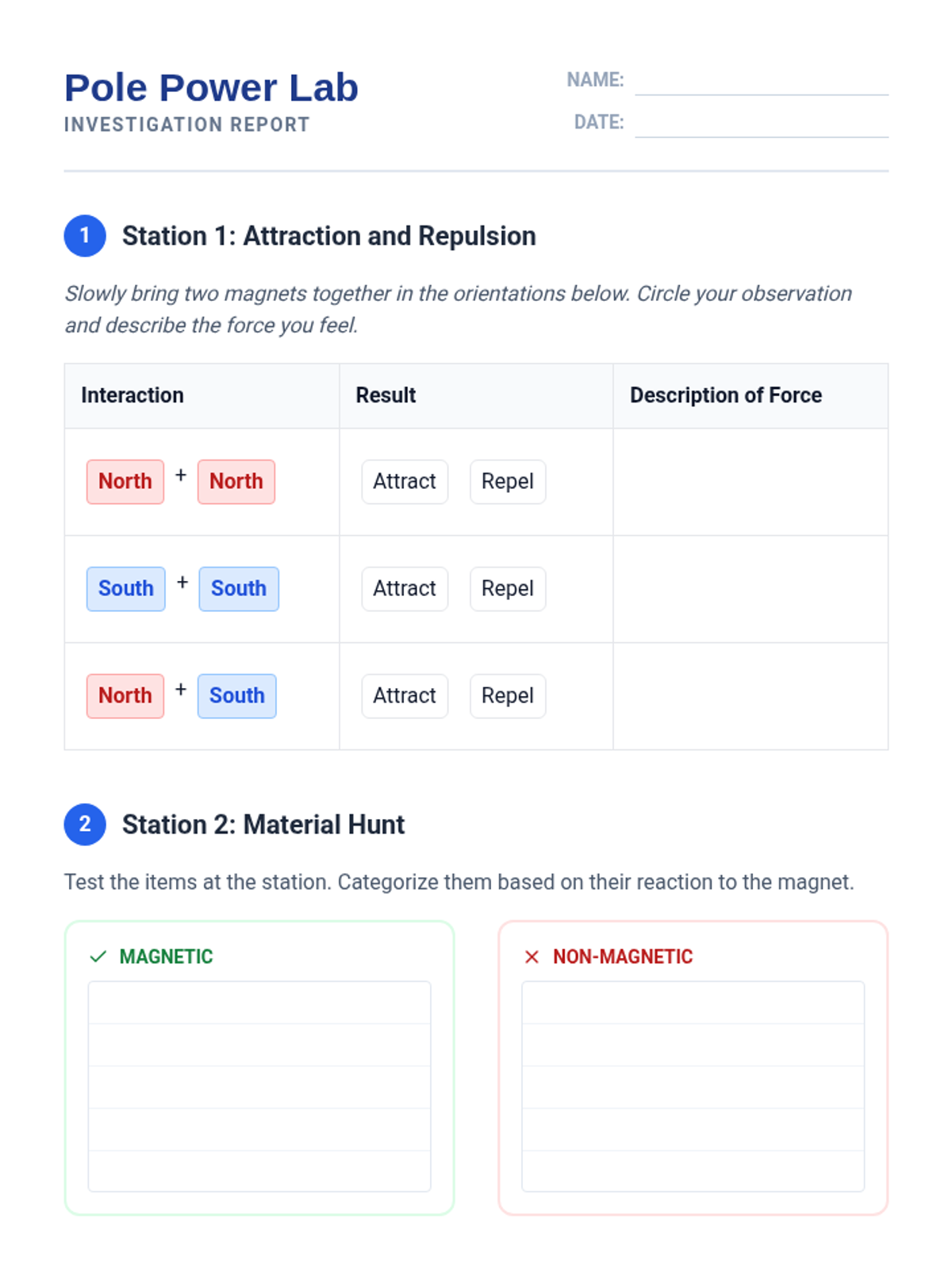
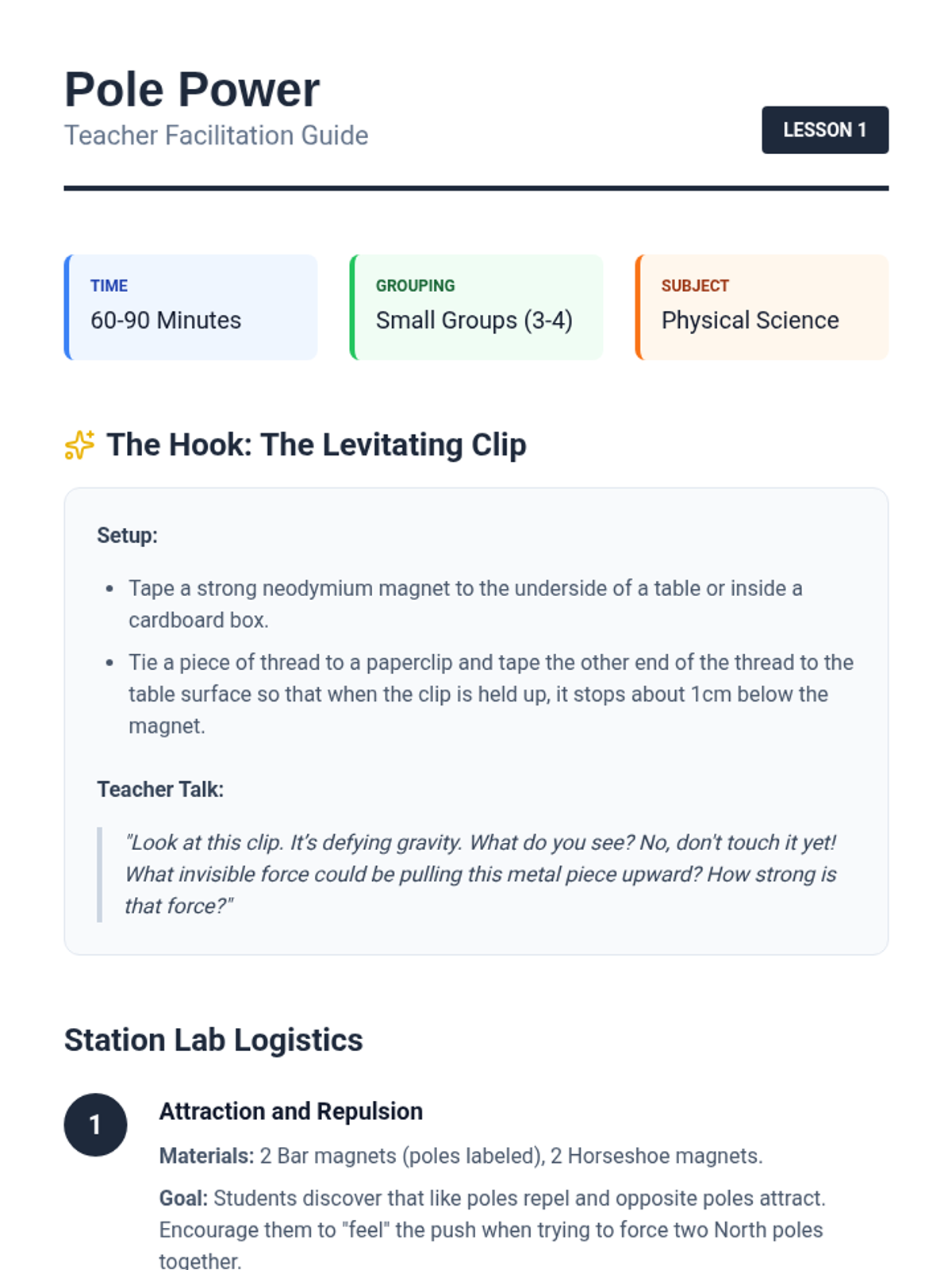
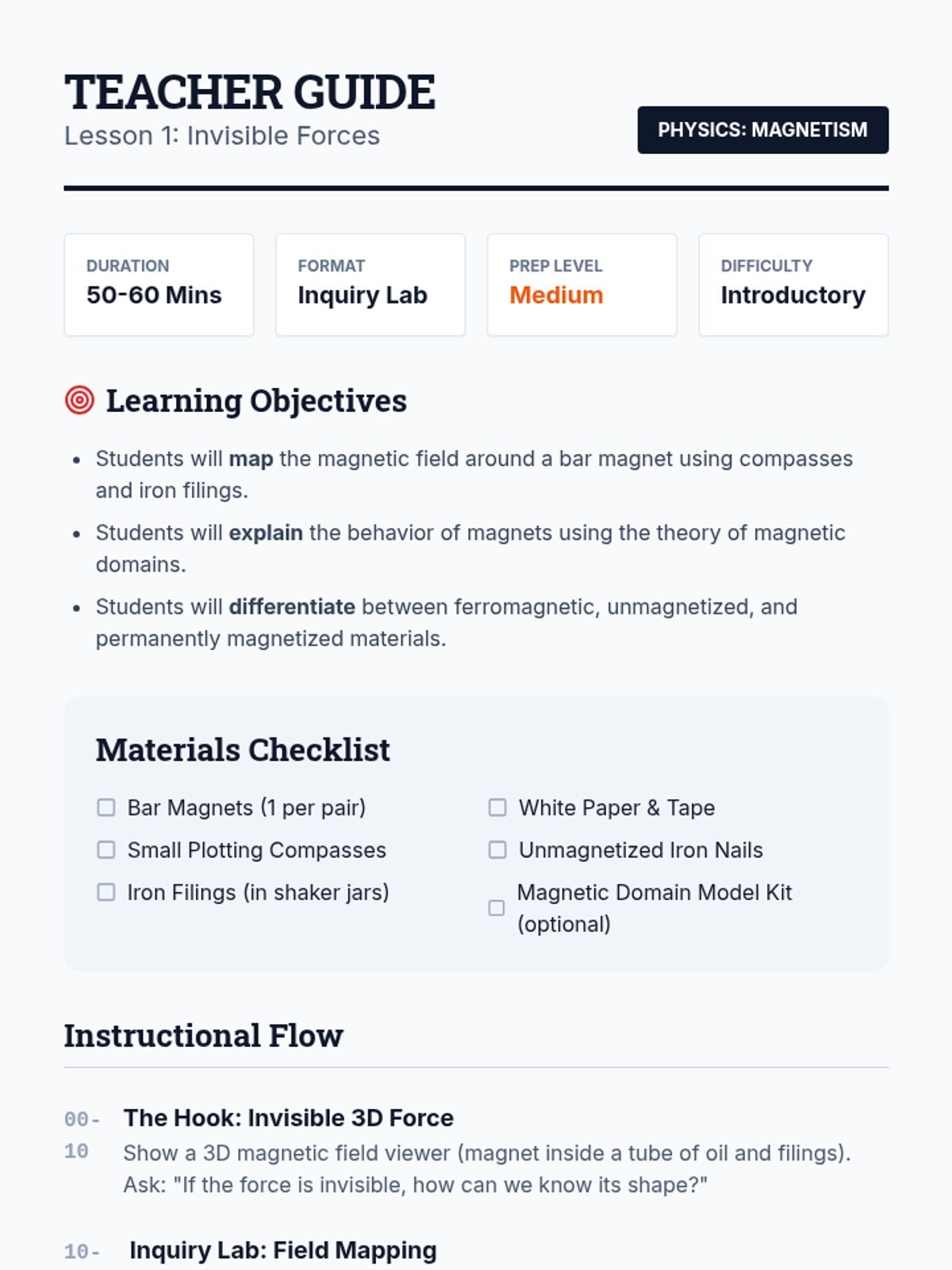
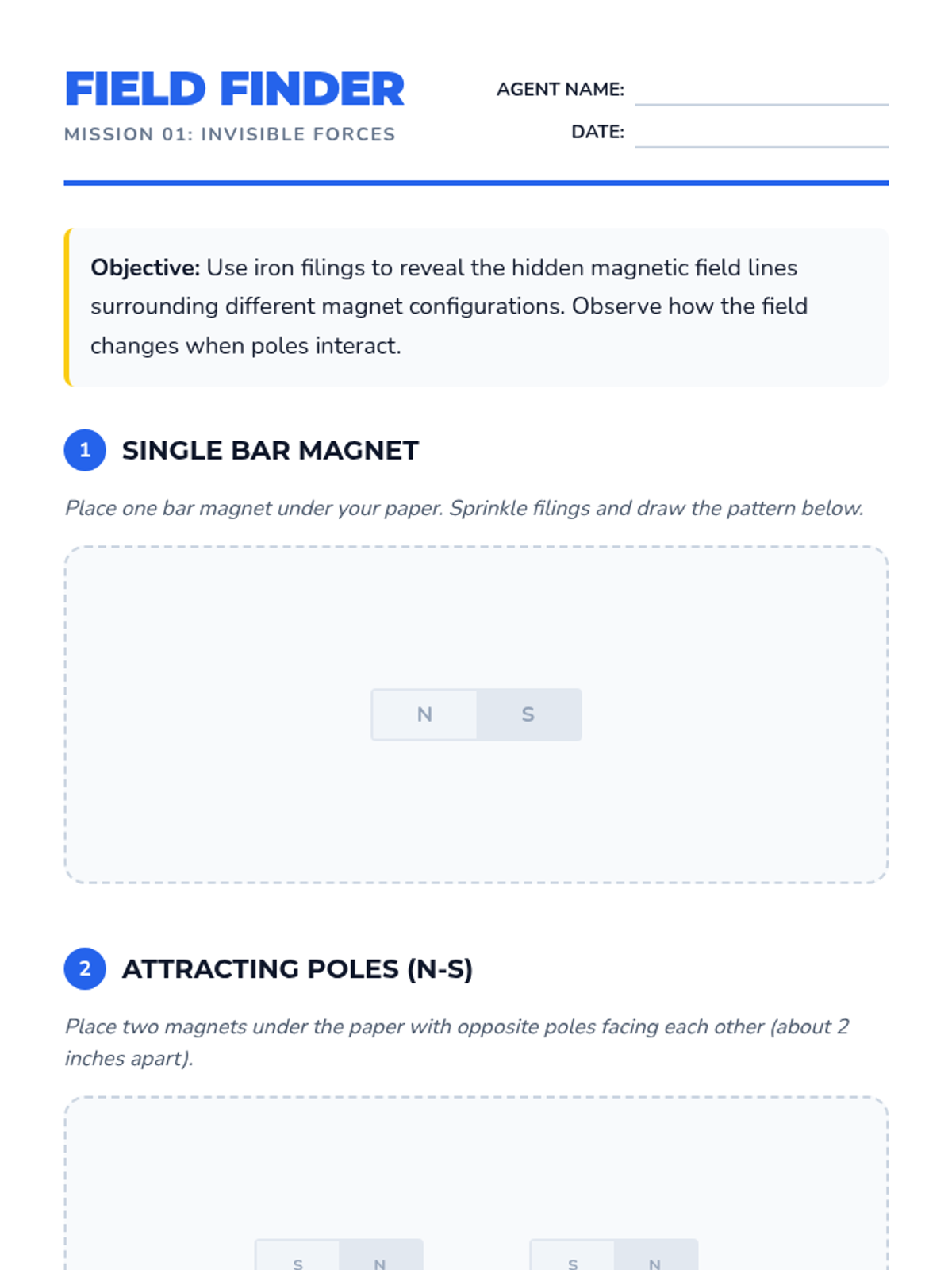
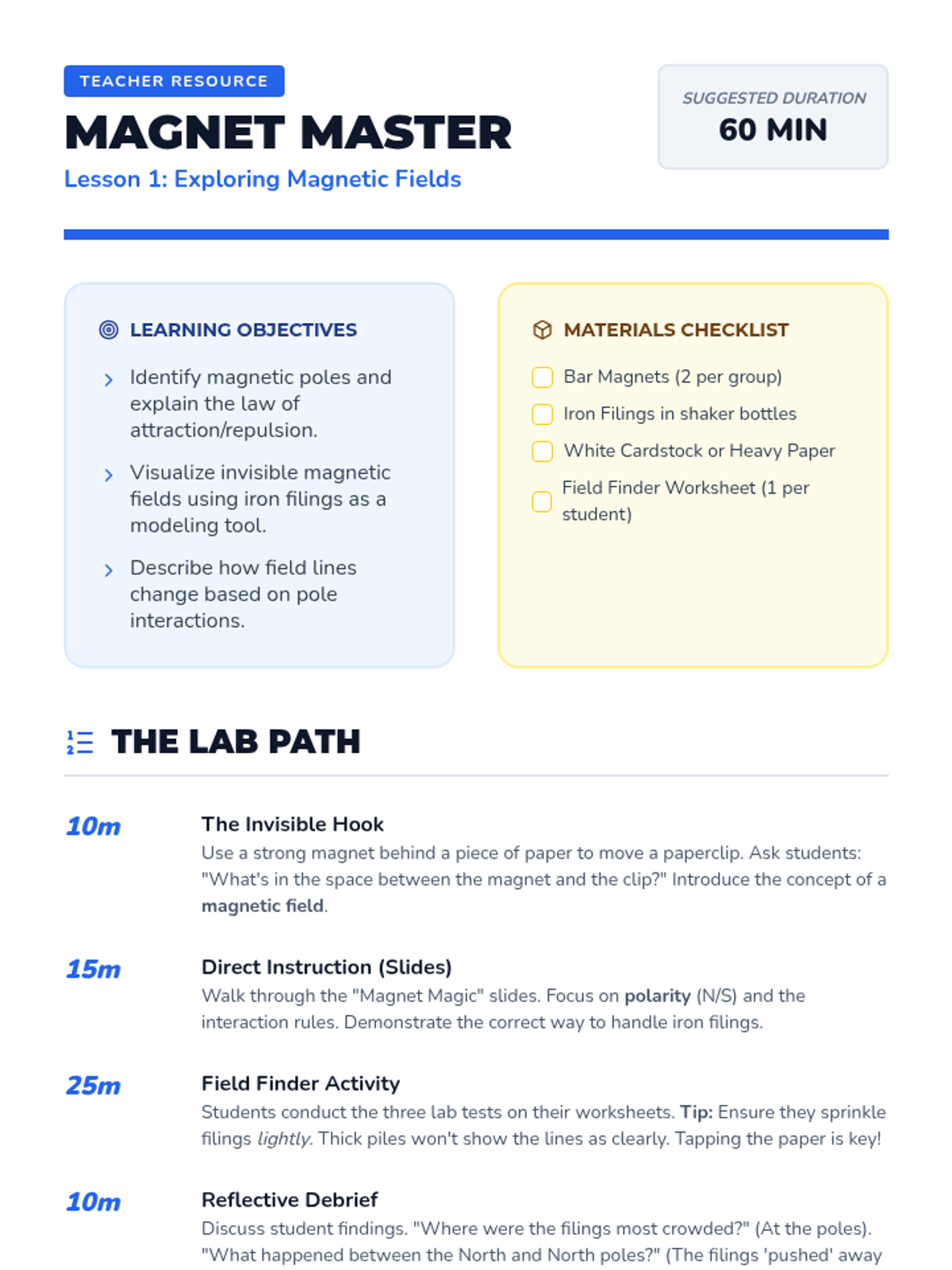
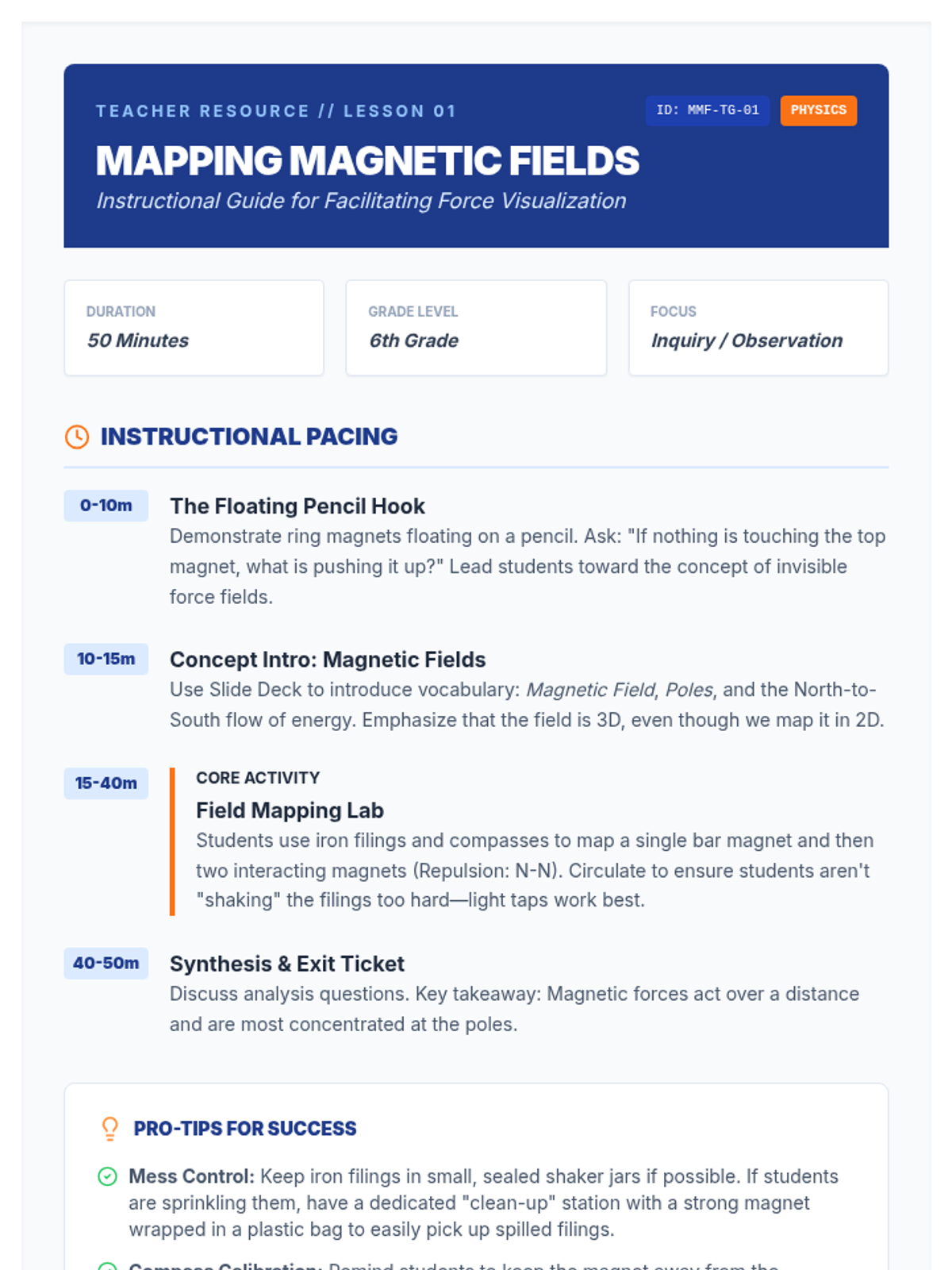
A hands-on exploration of magnetic forces and electromagnetism, from basic pole interactions to engineering solutions using temporary magnets. Students visualize invisible fields and manipulate variables to control magnetic strength.
A 5-lesson sequence exploring the fundamental connection between electricity and magnetism, from permanent magnets and planetary physics to the construction and optimization of electromagnets.
This sequence bridges the gap between electricity and magnetism, allowing students to discover the electromagnetic effect. Through hands-on experimentation, students realize that electric current creates magnetic fields and use this principle to engineer their own electromagnets. The learning arc moves from observing basic magnetism to manipulating variables to increase magnetic strength. By the end, students will understand the direct relationship between electricity and magnetism.
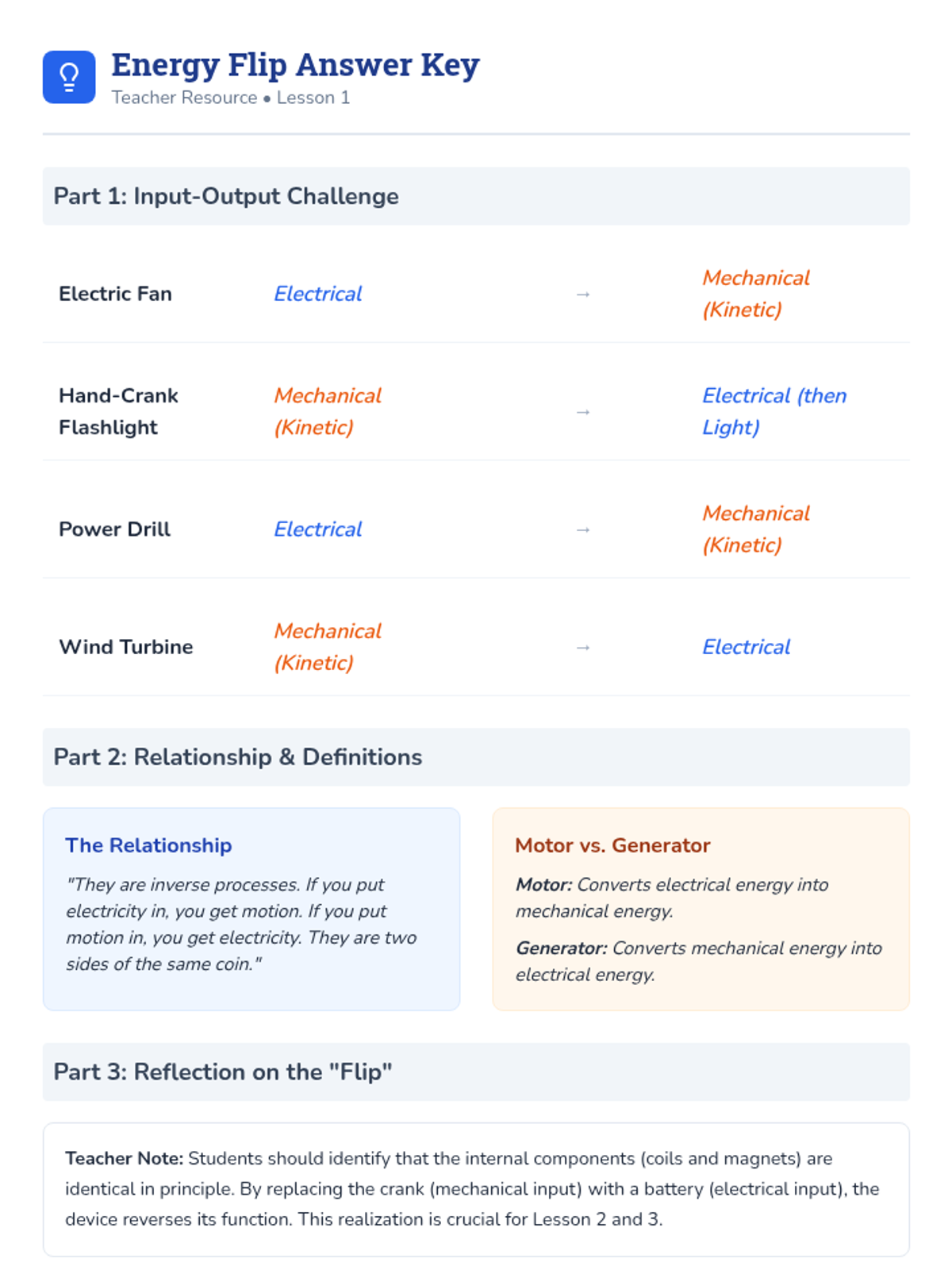
This sequence explores the relationship between electricity and motion, guiding students through the mechanics of electric motors and the principles of electromagnetic induction to design their own generators.
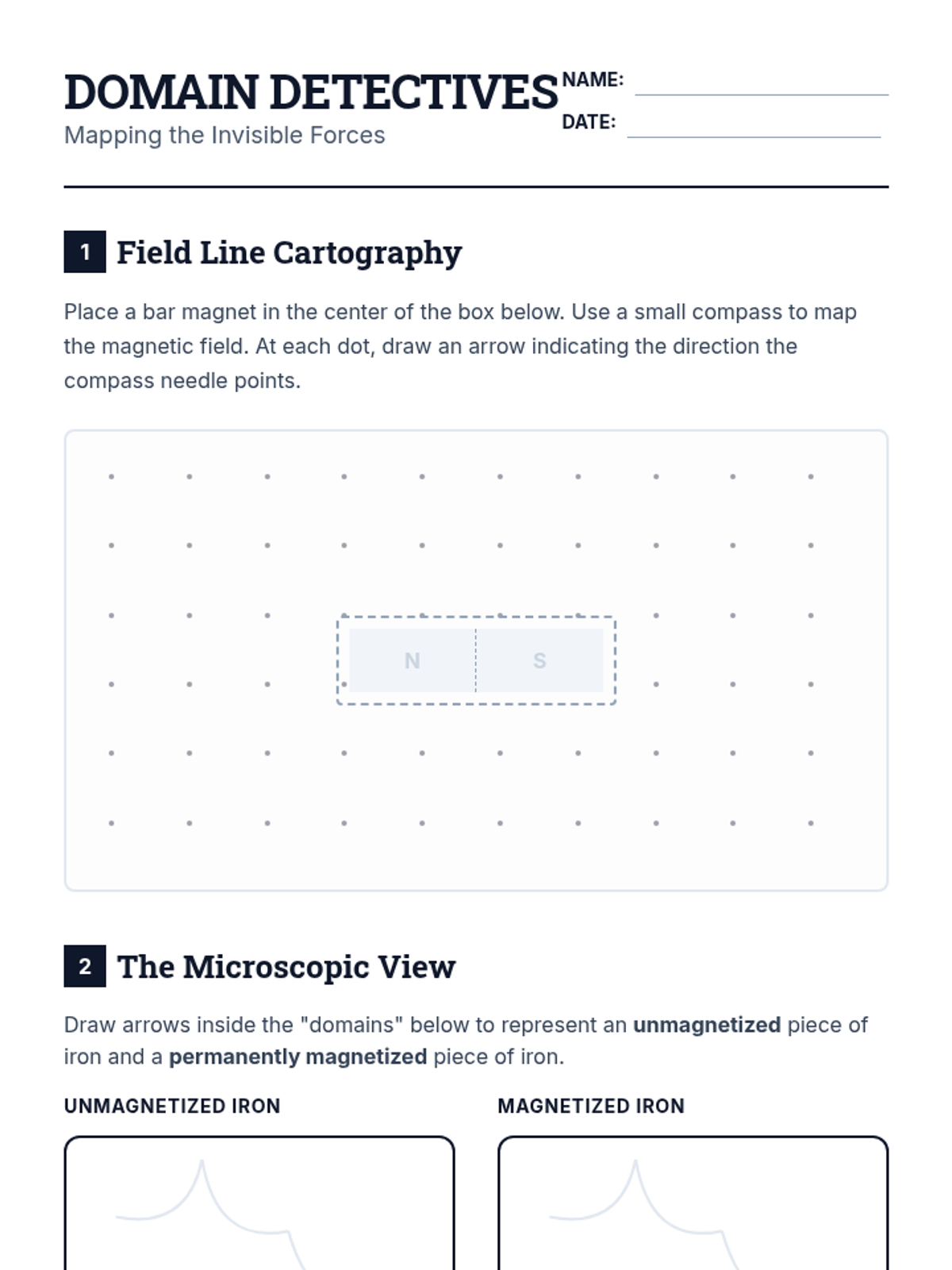
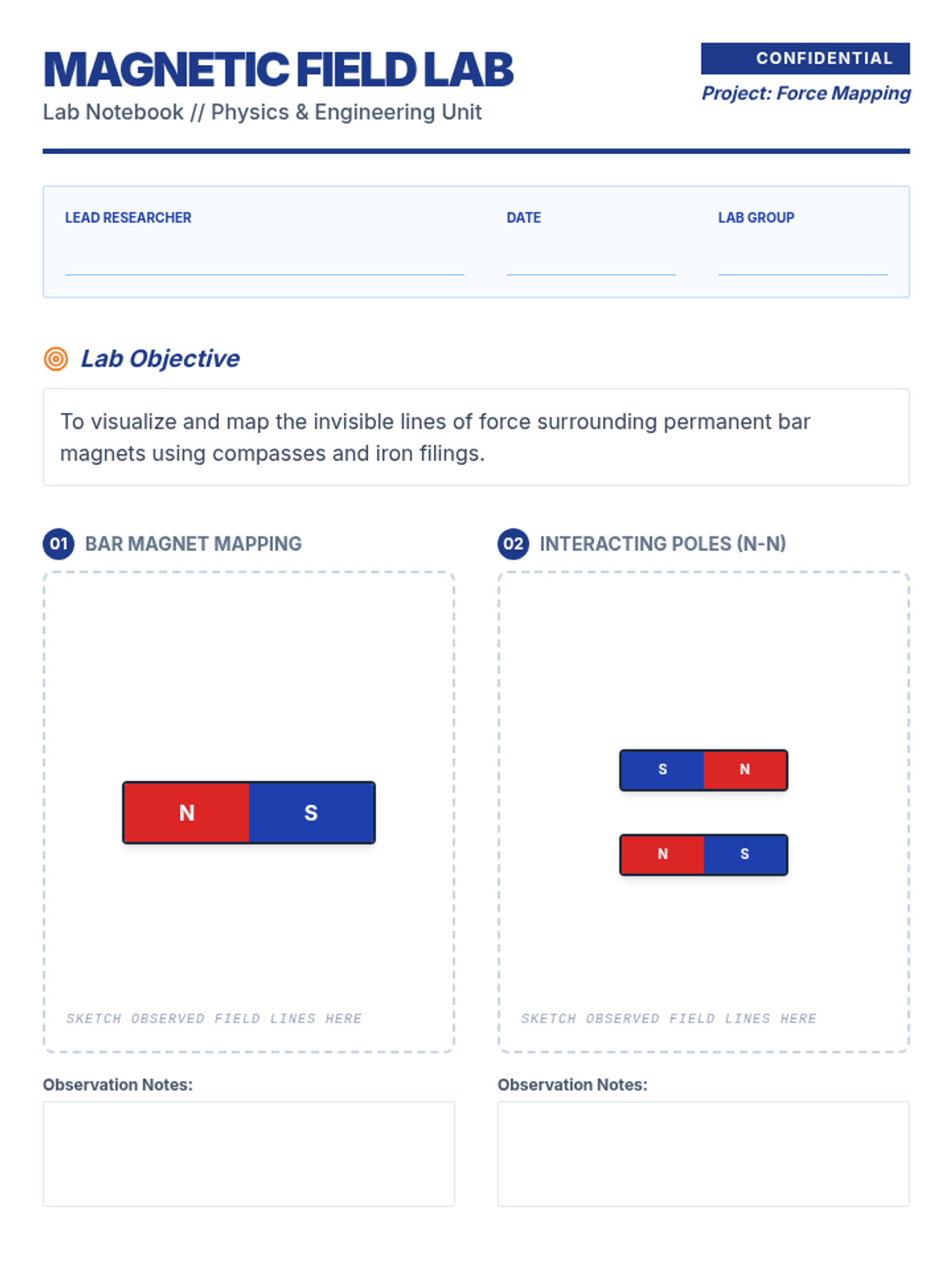
A project-based unit where students explore the relationship between electricity and magnetism. They will map magnetic fields, replicate Oersted's discovery, build their own electromagnets, and optimize them for maximum strength before investigating real-world applications like Maglev trains.
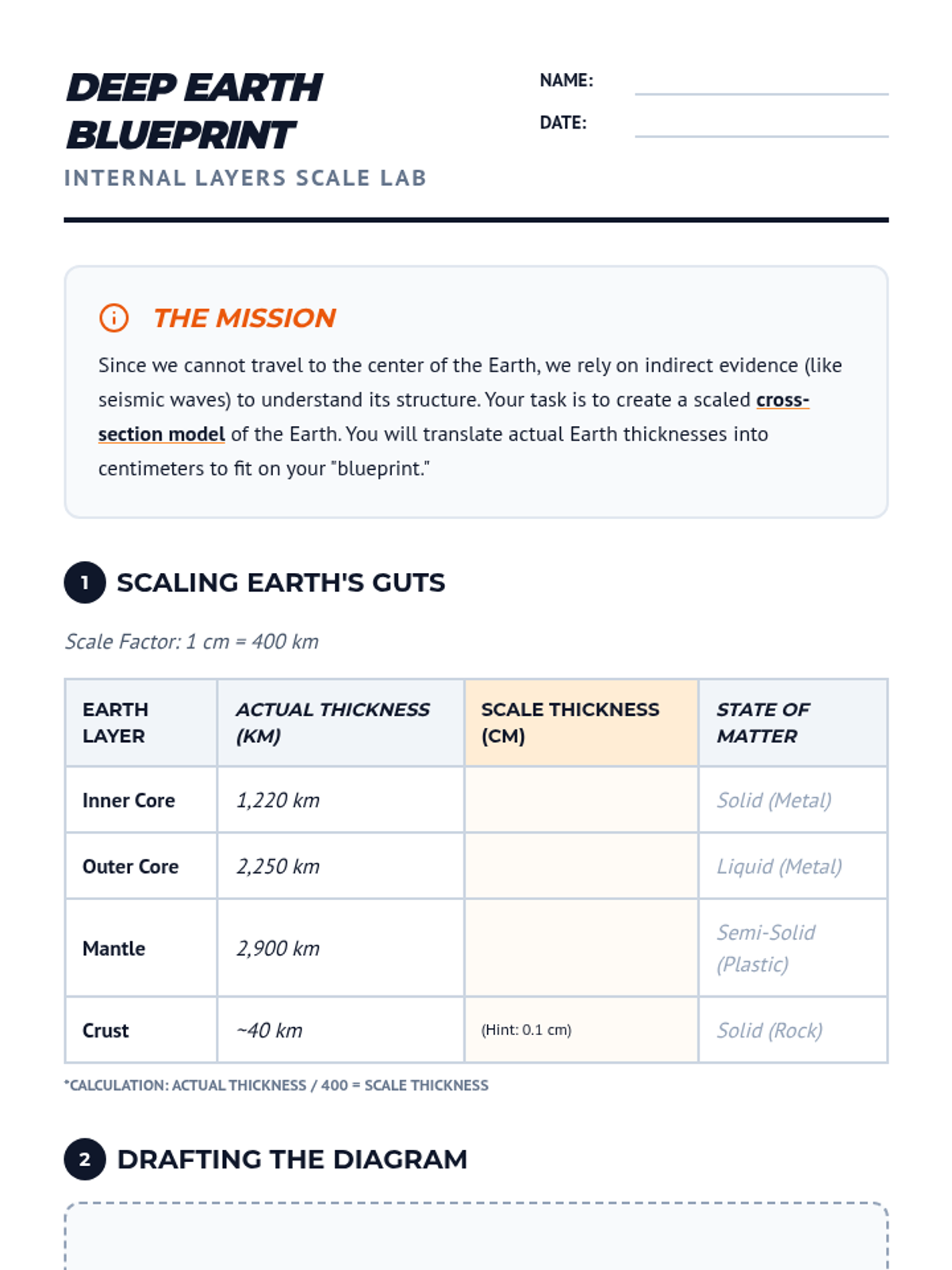
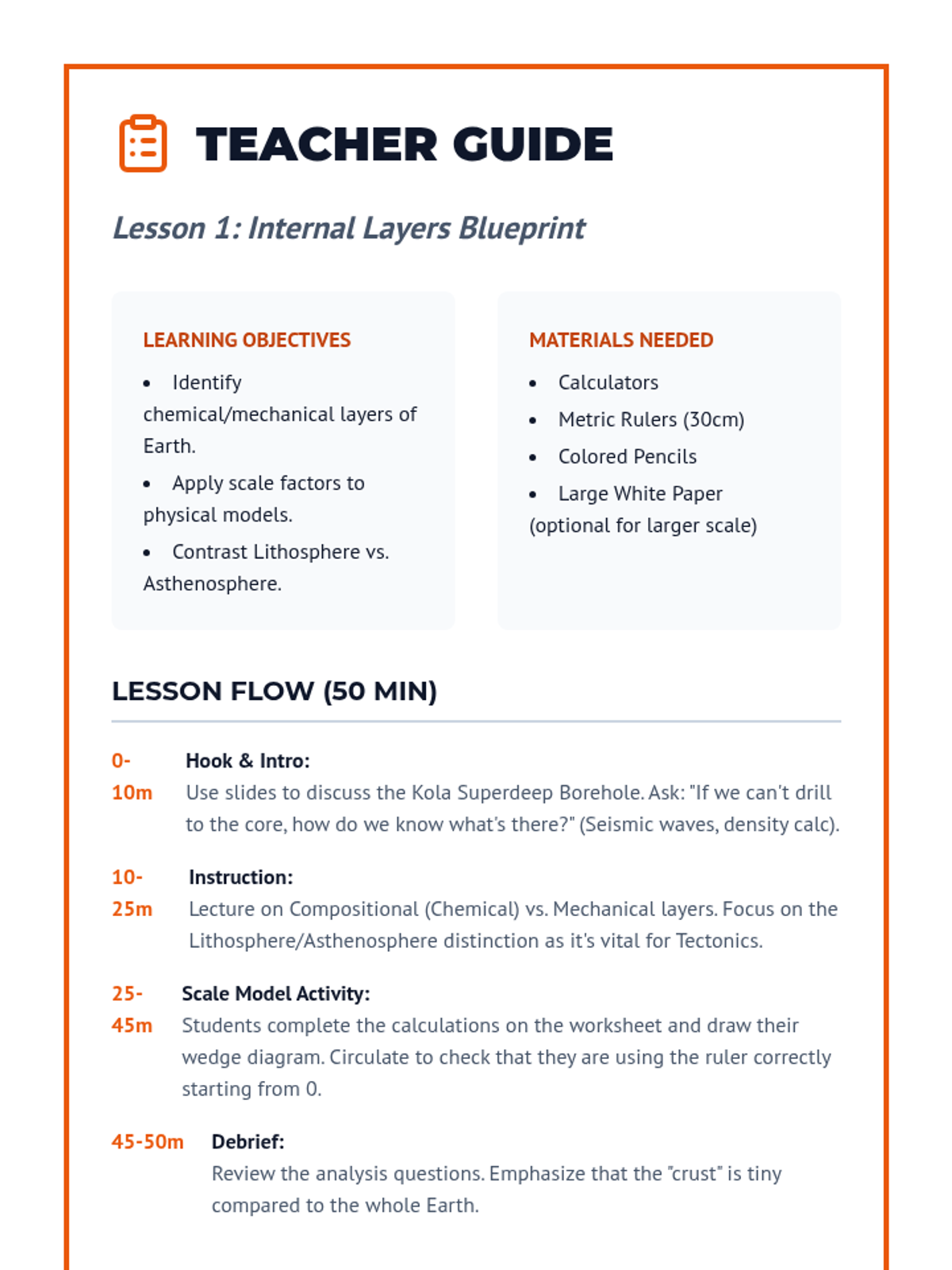
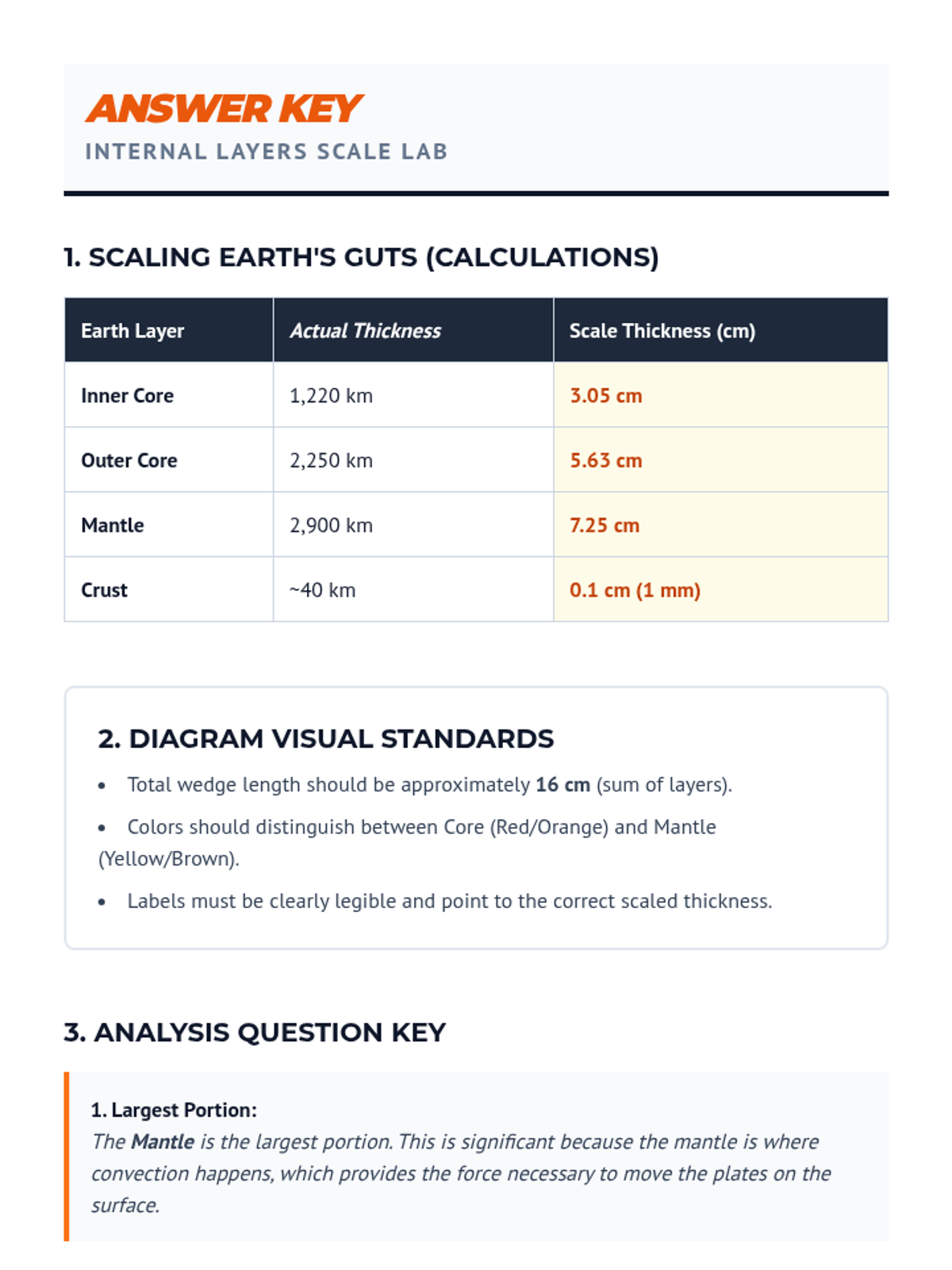
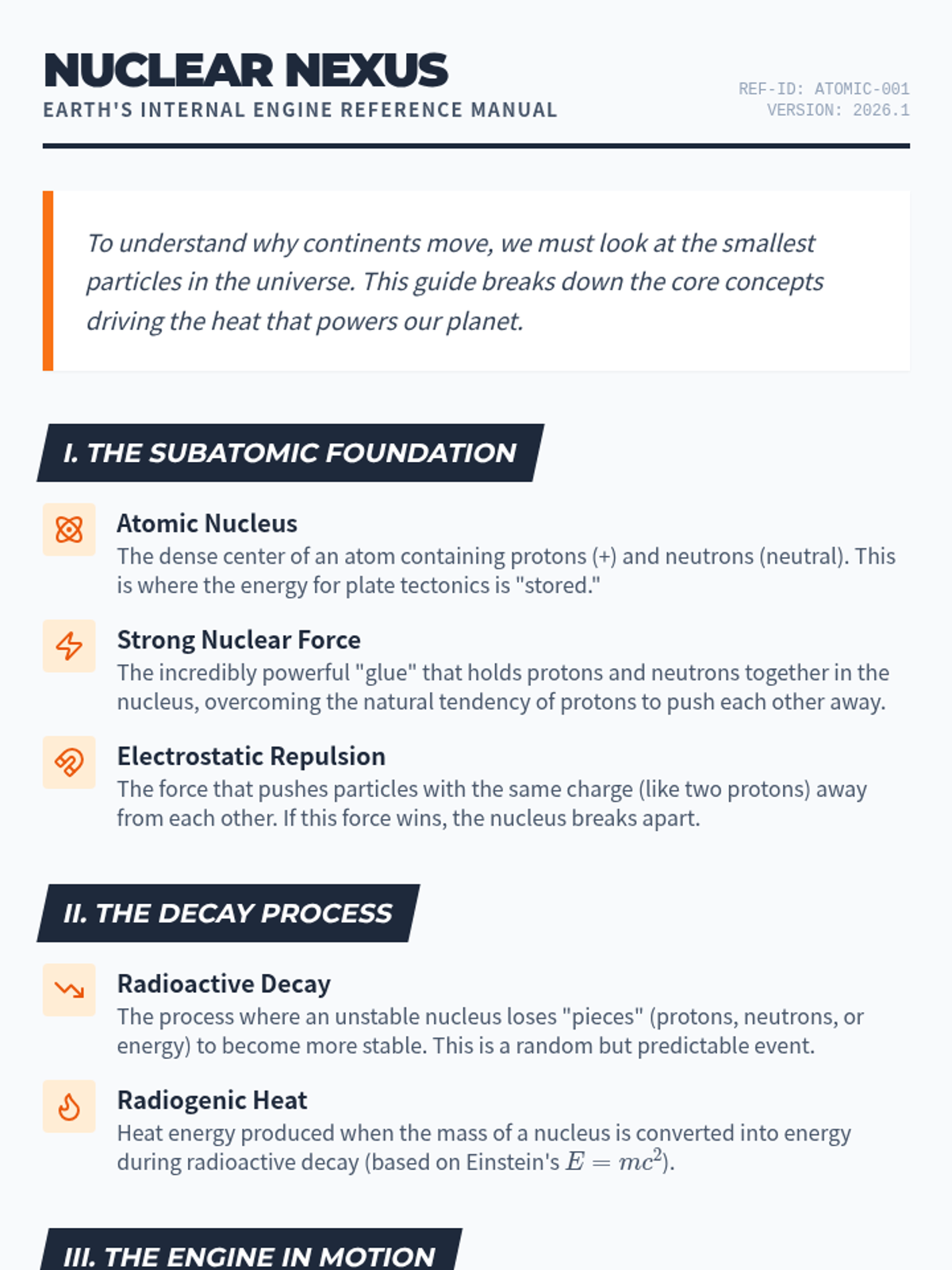
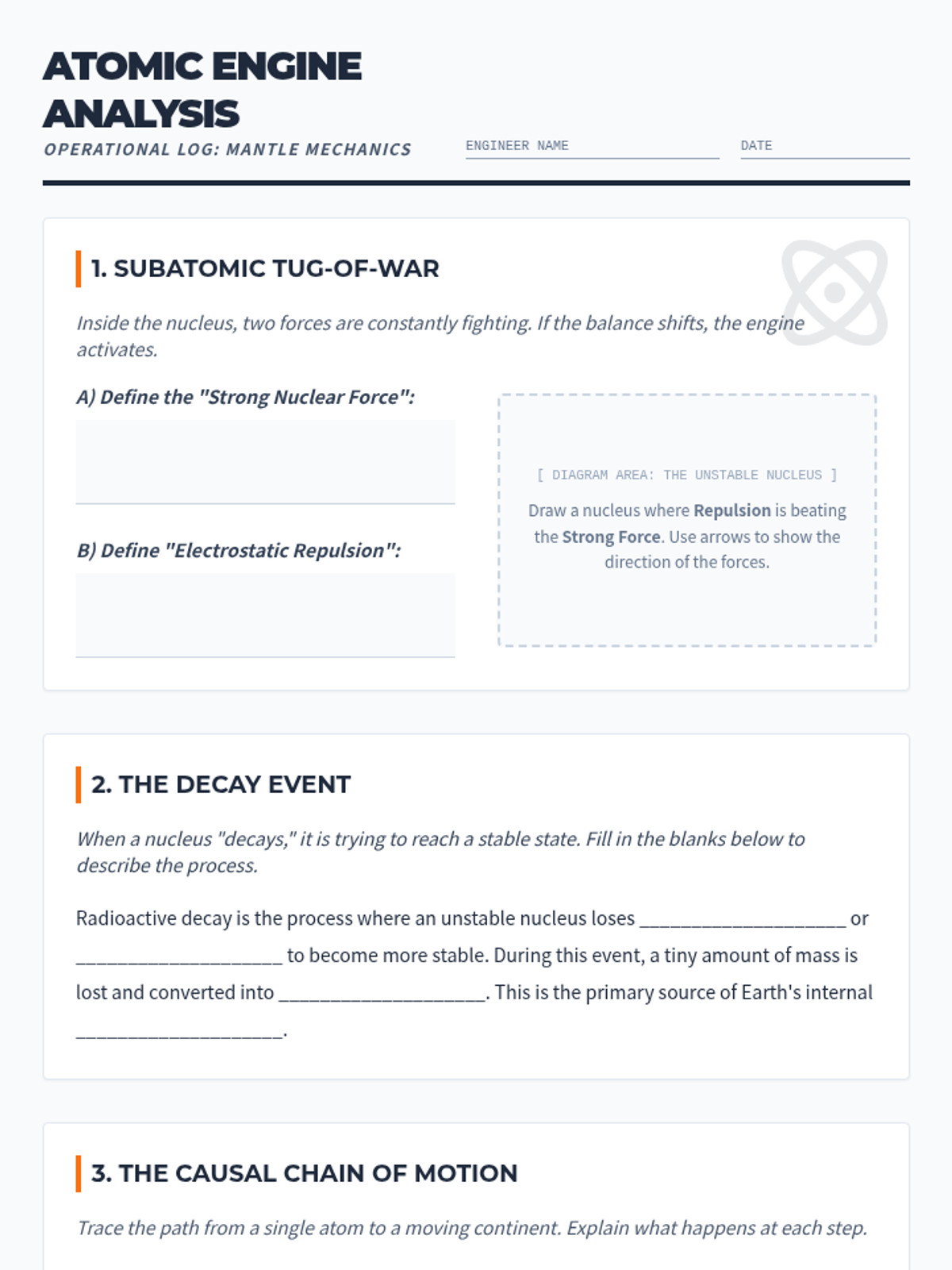
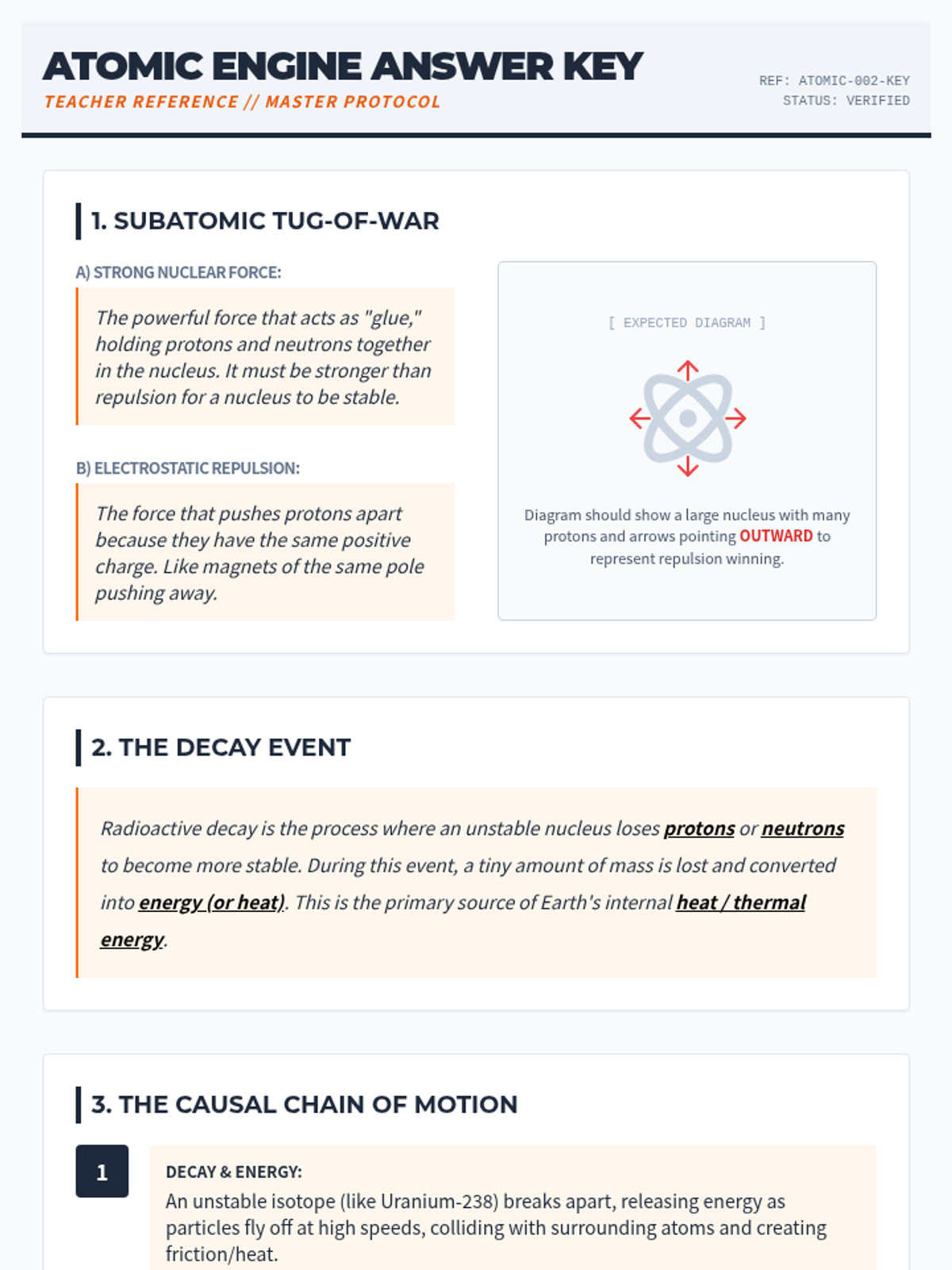
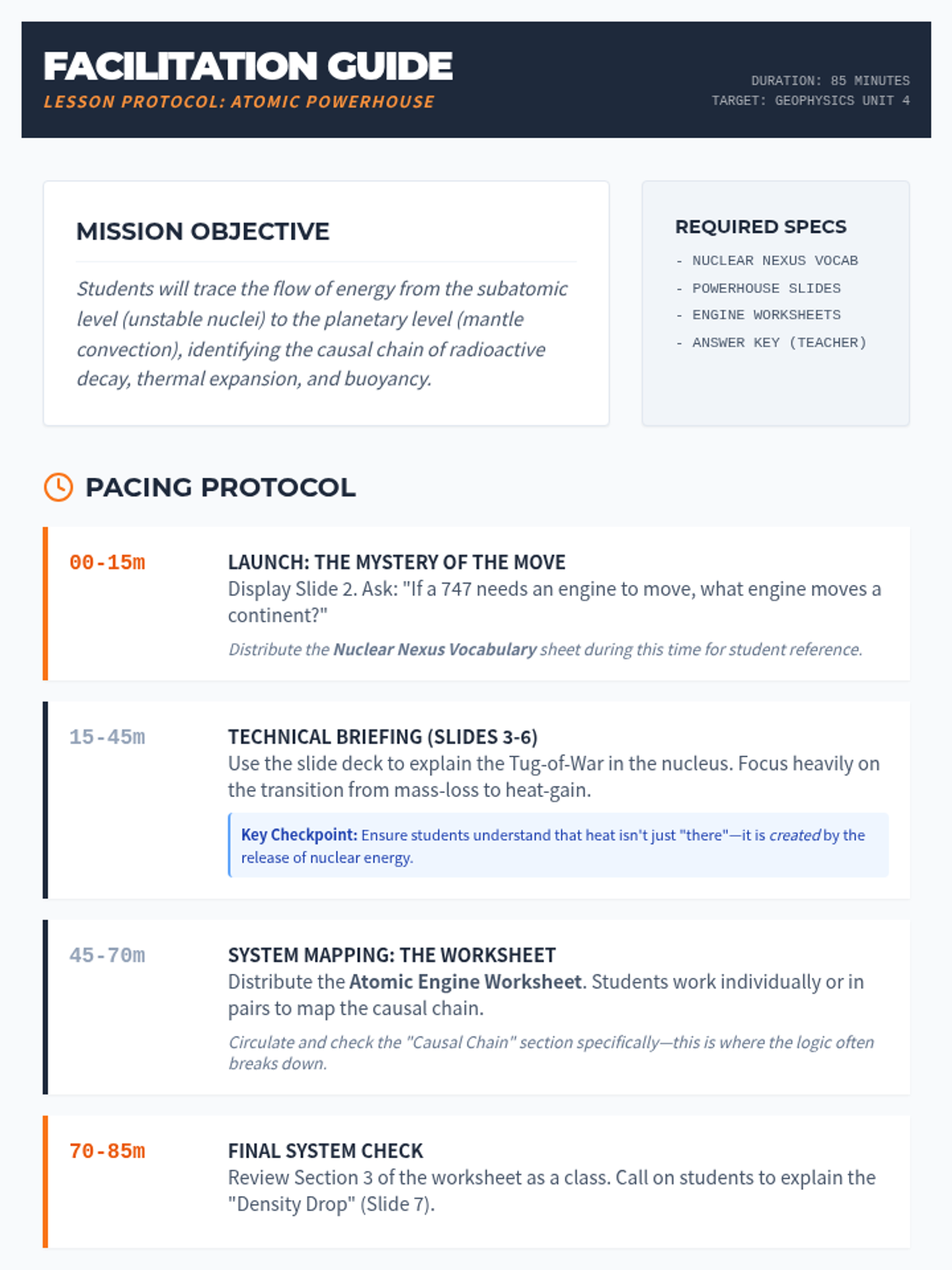
This sequence explores the mechanisms driving plate tectonics, moving from static models of Earth's internal layers to dynamic simulations of mantle convection and seafloor spreading. Students investigate how thermal energy from the core transforms into the mechanical motion of tectonic plates.
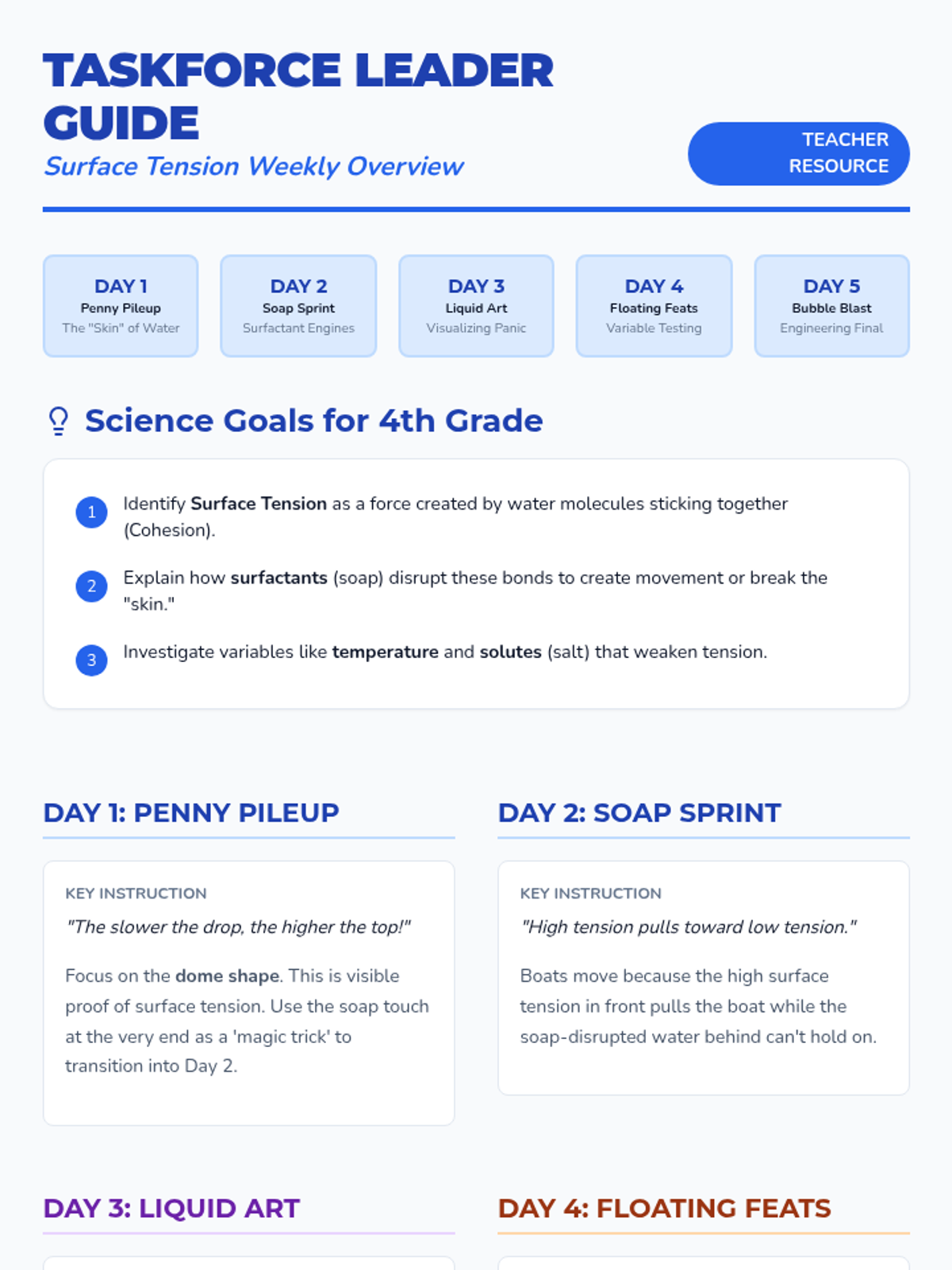
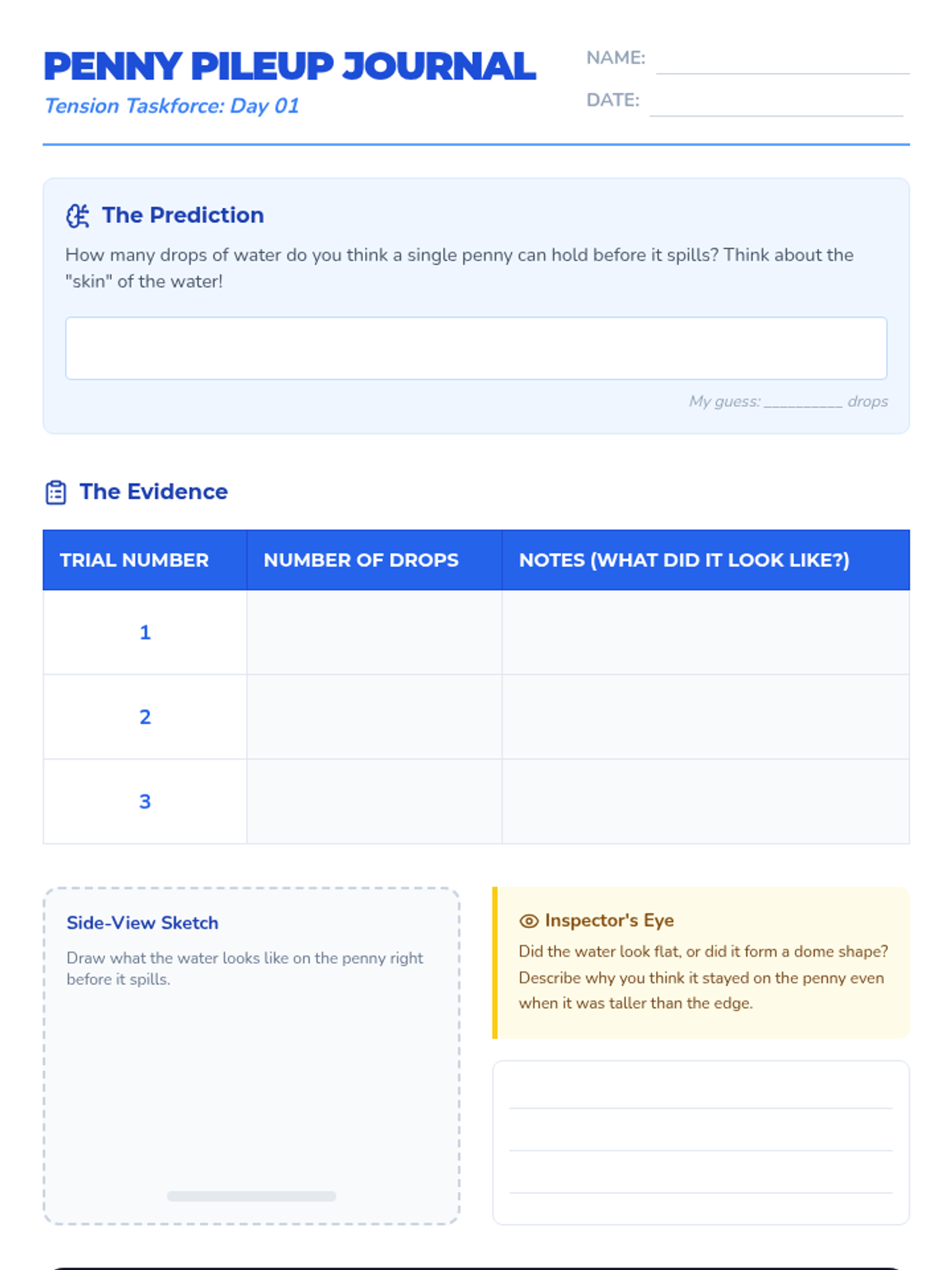
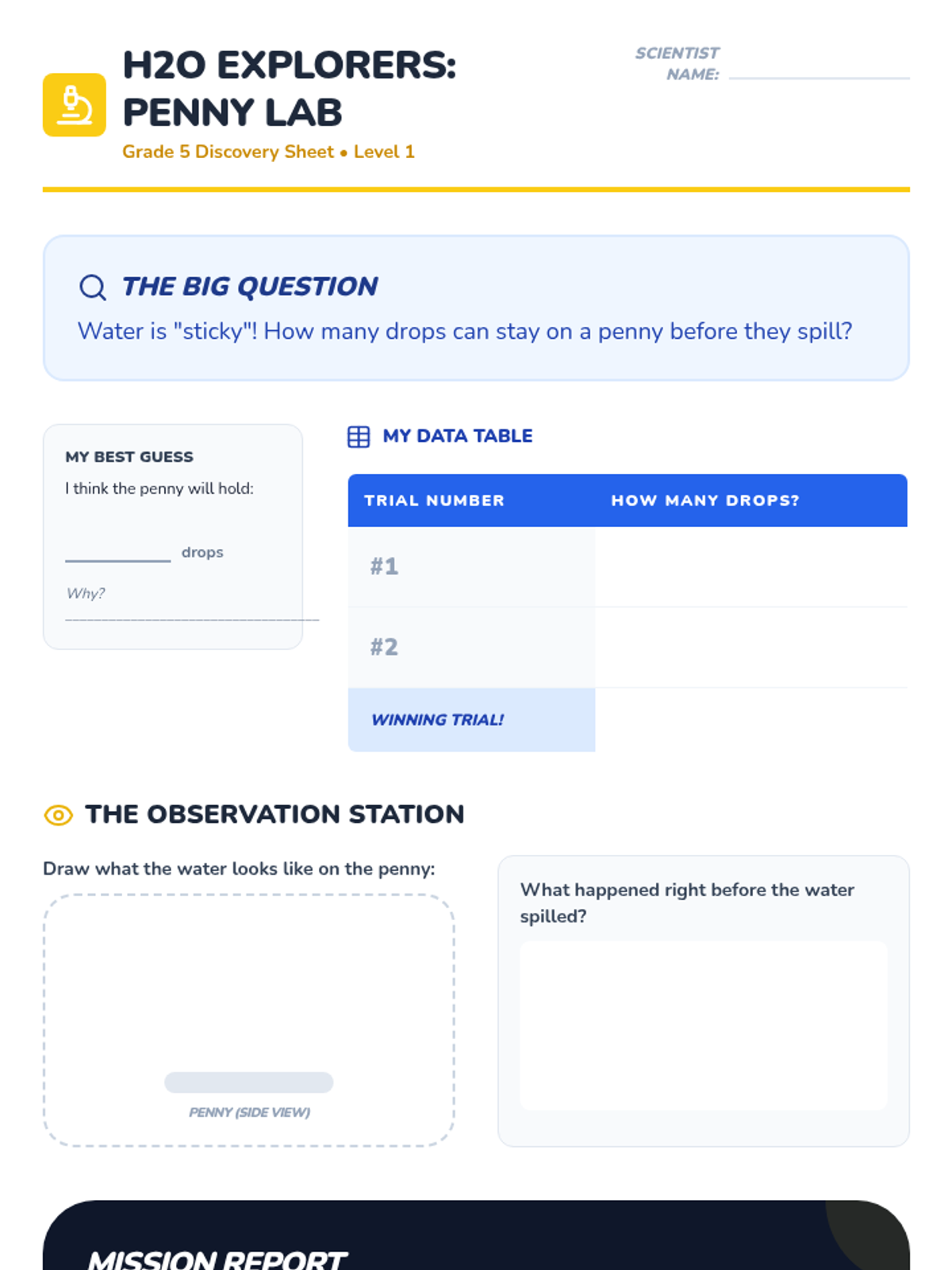
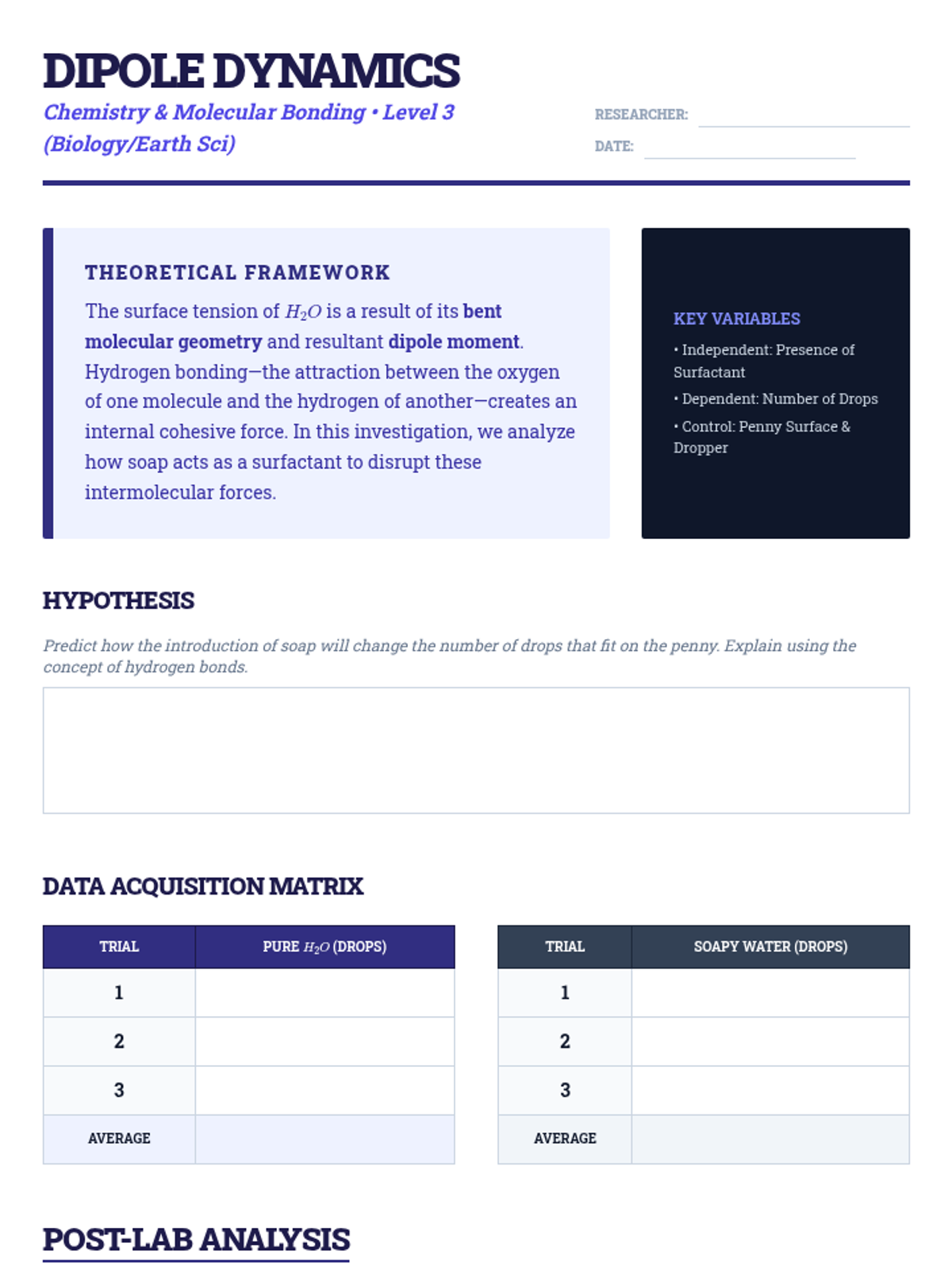
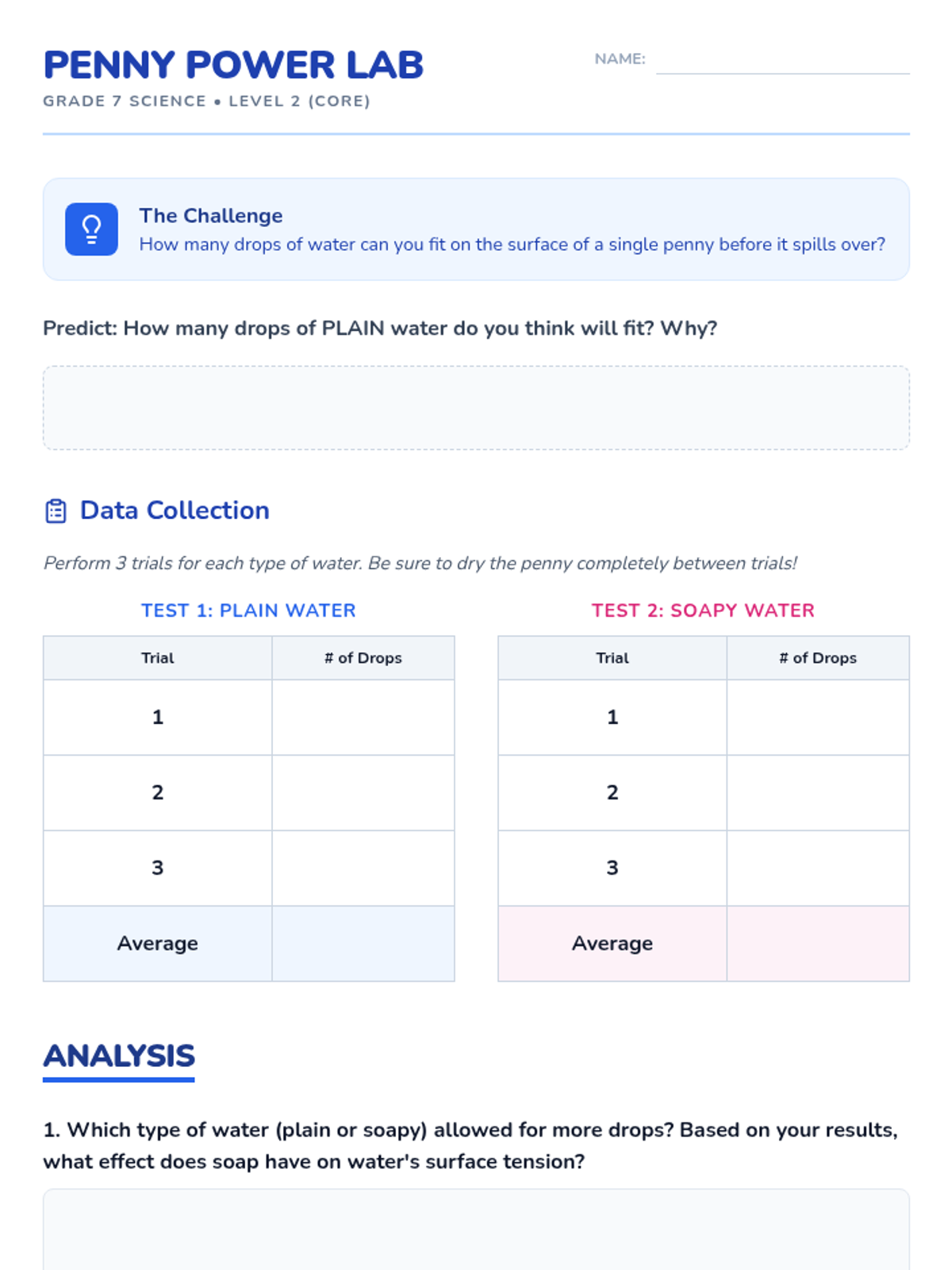
A 5-day after-school program exploring the science of surface tension through hands-on experiments, scientific observations, and engineering challenges. Students investigate how water molecules stick together and how substances like soap and salt can break those bonds.
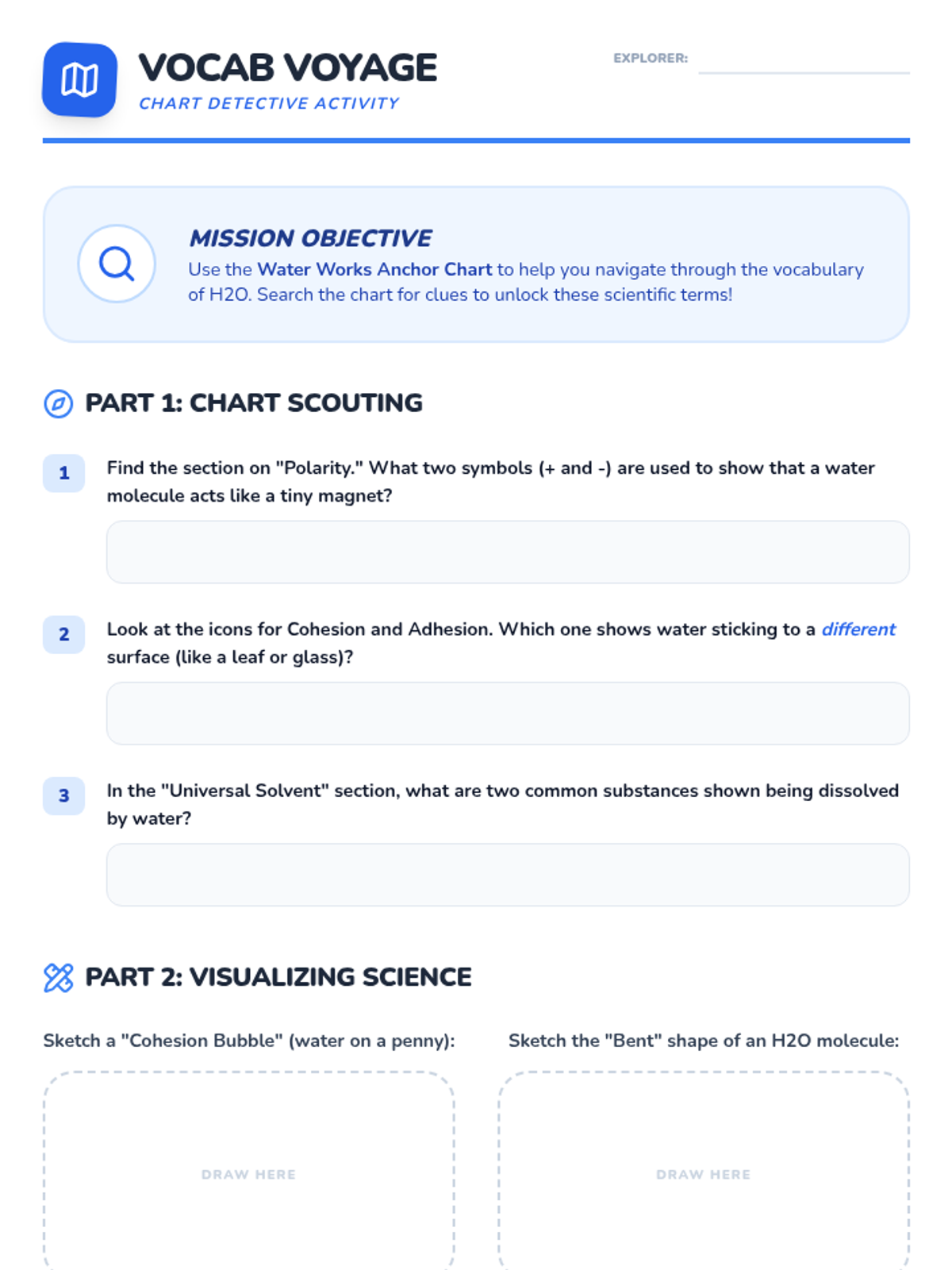
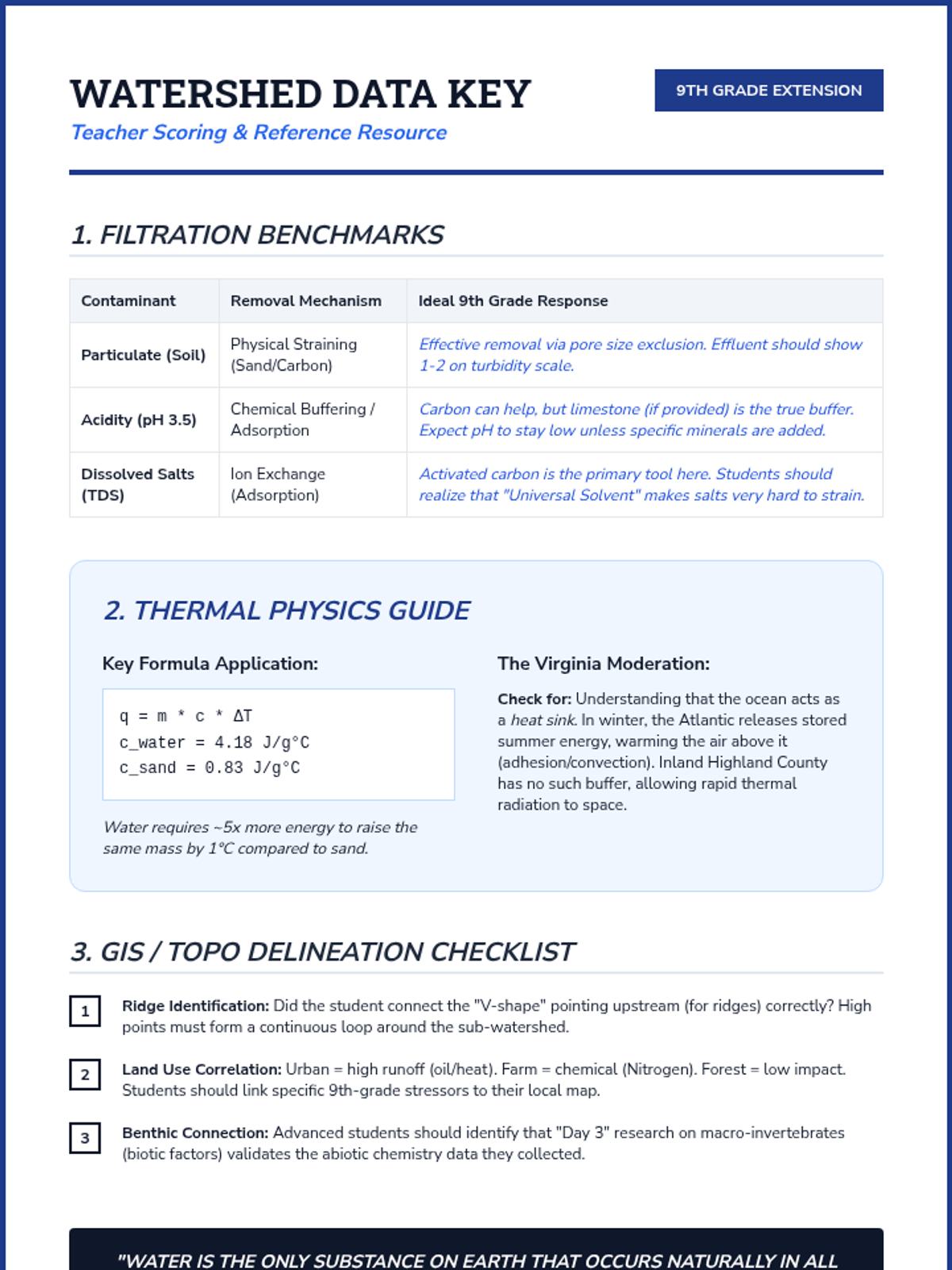
A comprehensive 3-week unit exploring the unique physical properties of water, its role in life and geological processes, and the dynamics of watershed systems. Students investigate polarity, cohesion, and universal solubility through hands-on labs while connecting these traits to climate moderation and the health of the Chesapeake Bay.
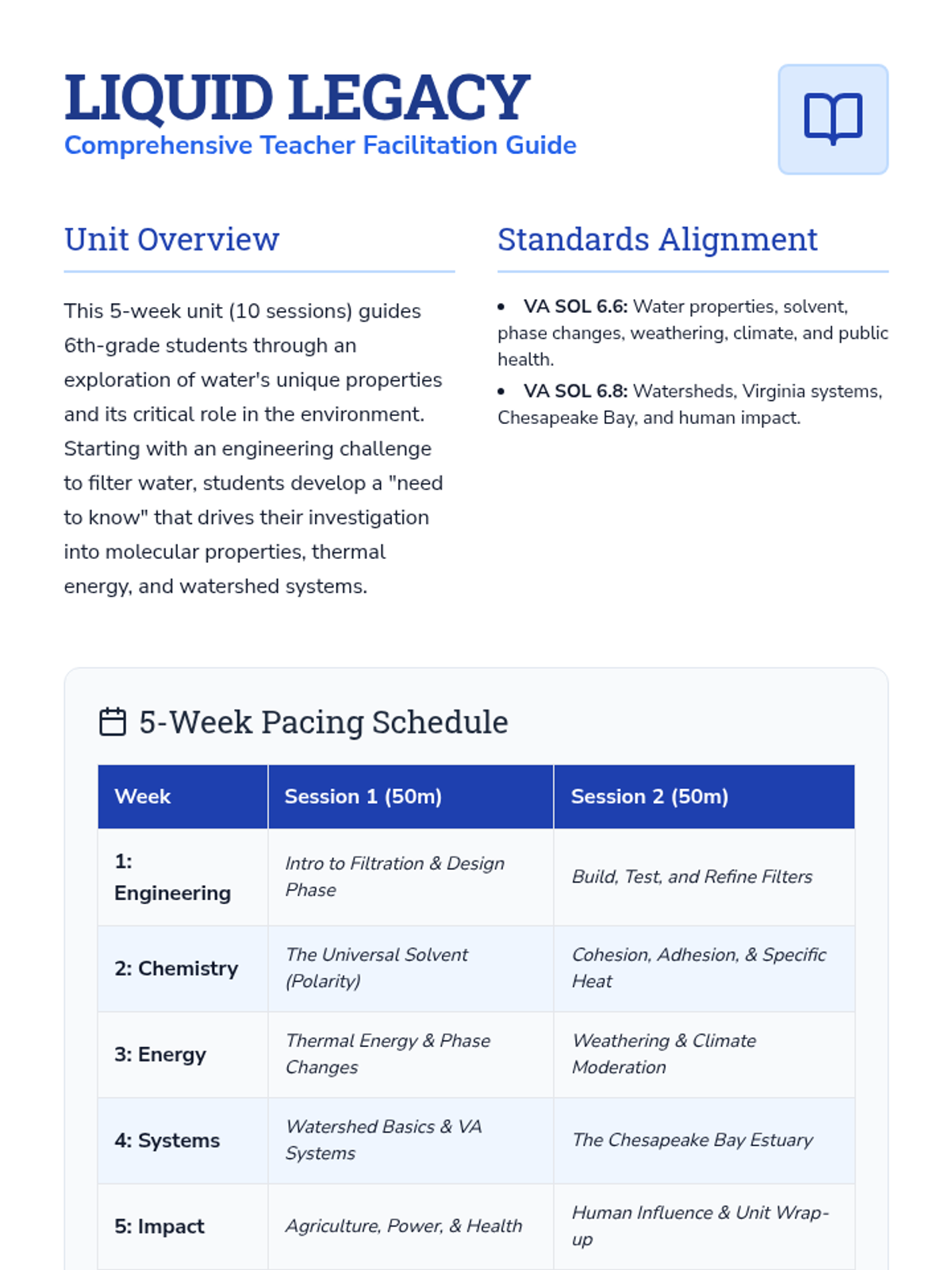
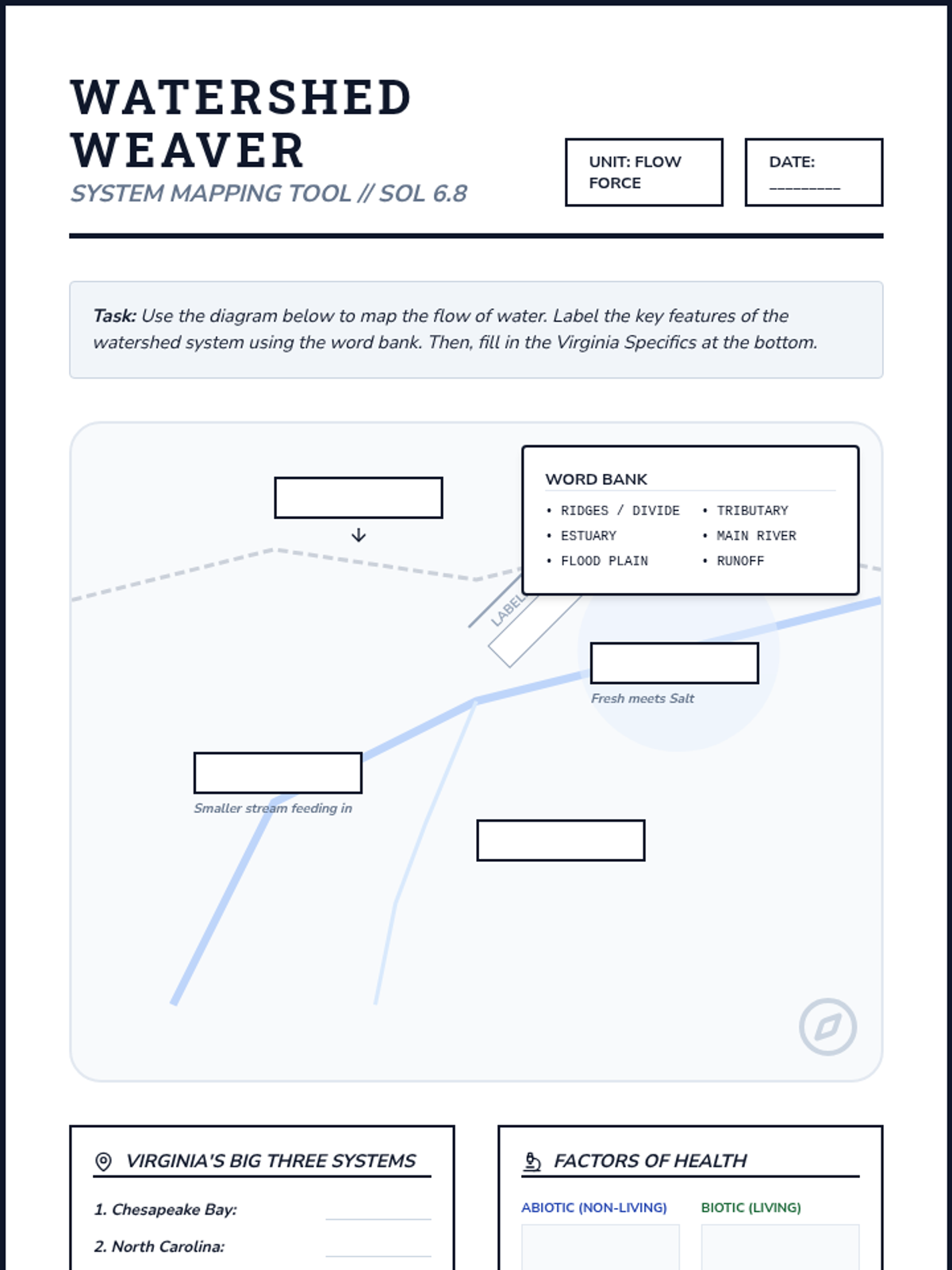
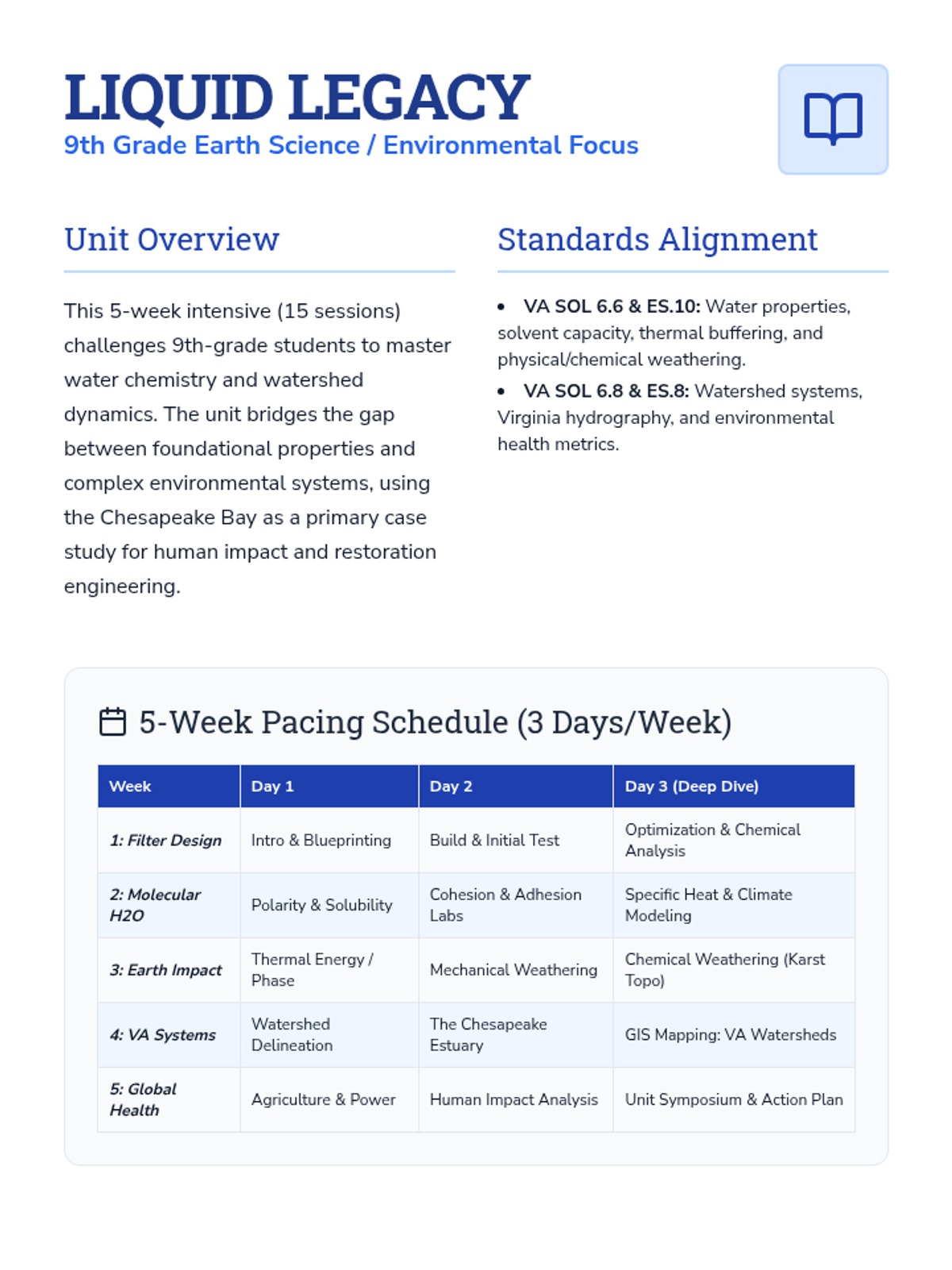
A comprehensive 5-week sequence exploring the physical properties of water, the engineering of water filtration, and the complex systems of Virginia's watersheds. Students move from hands-on engineering to chemical properties and finally to large-scale environmental systems.
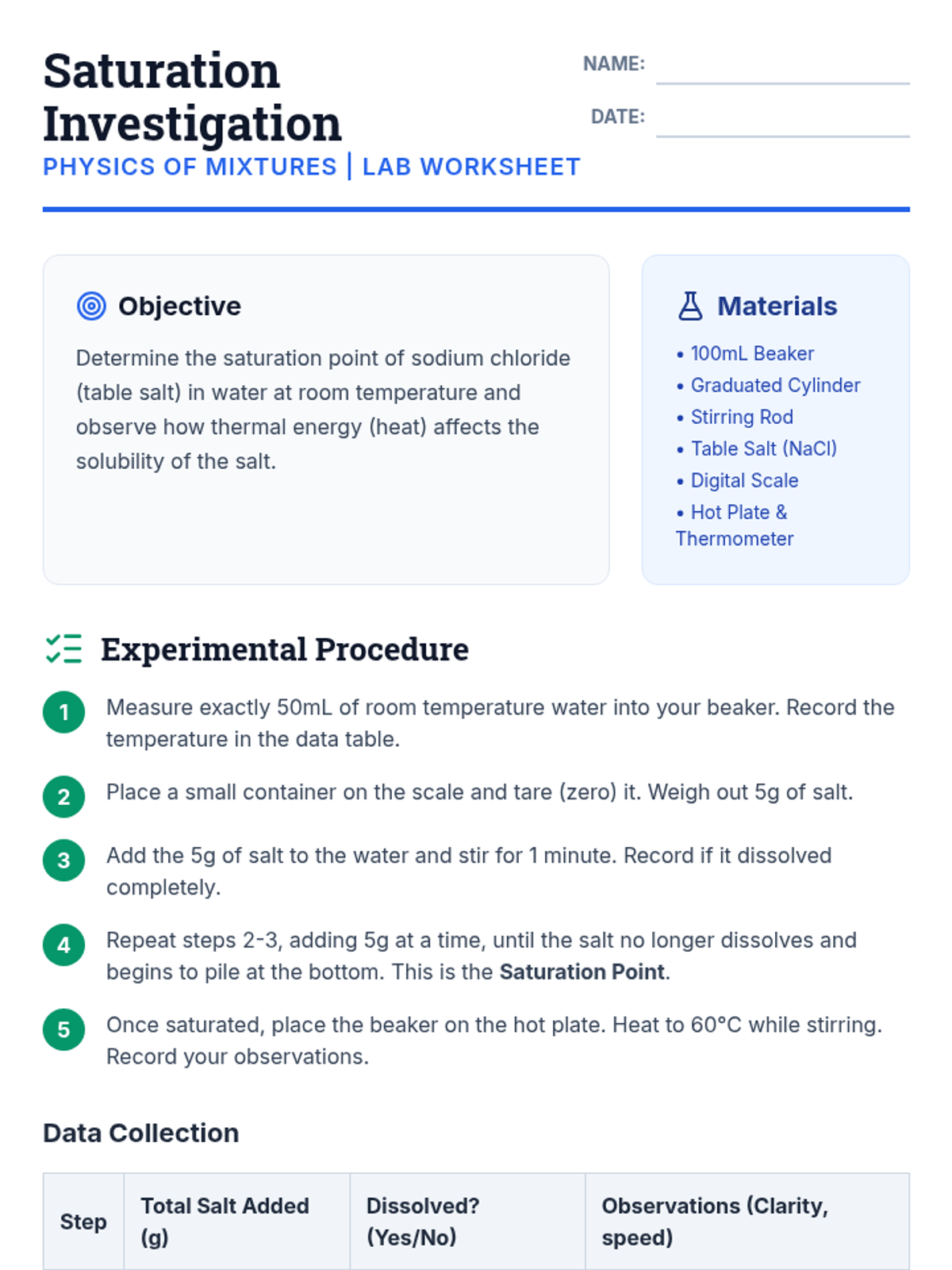
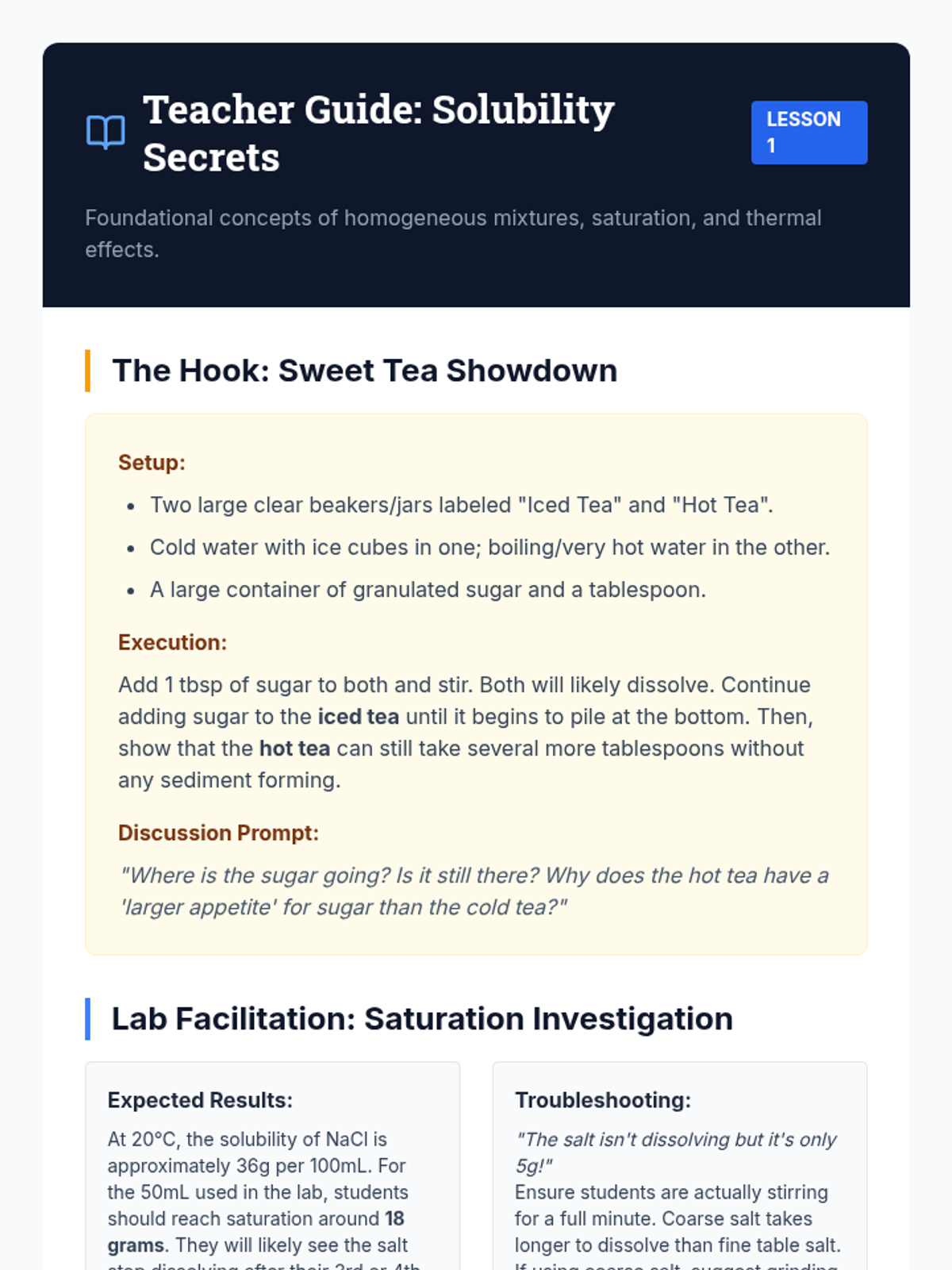
This sequence explores how thermal energy is used to separate homogeneous mixtures. Students progress from understanding solubility and saturation to performing evaporation and distillation labs, ultimately connecting these laboratory skills to industrial applications like oil refining.
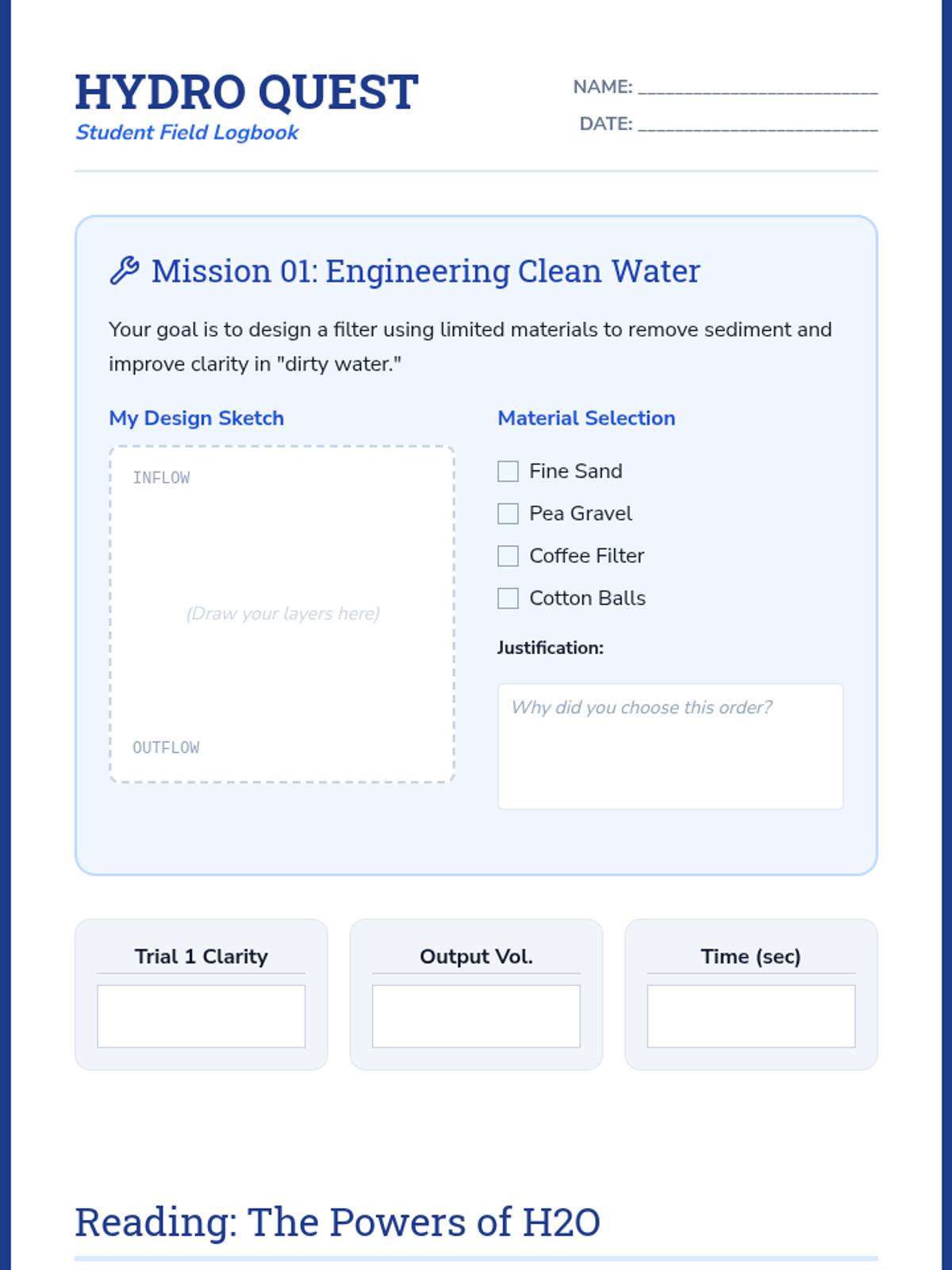
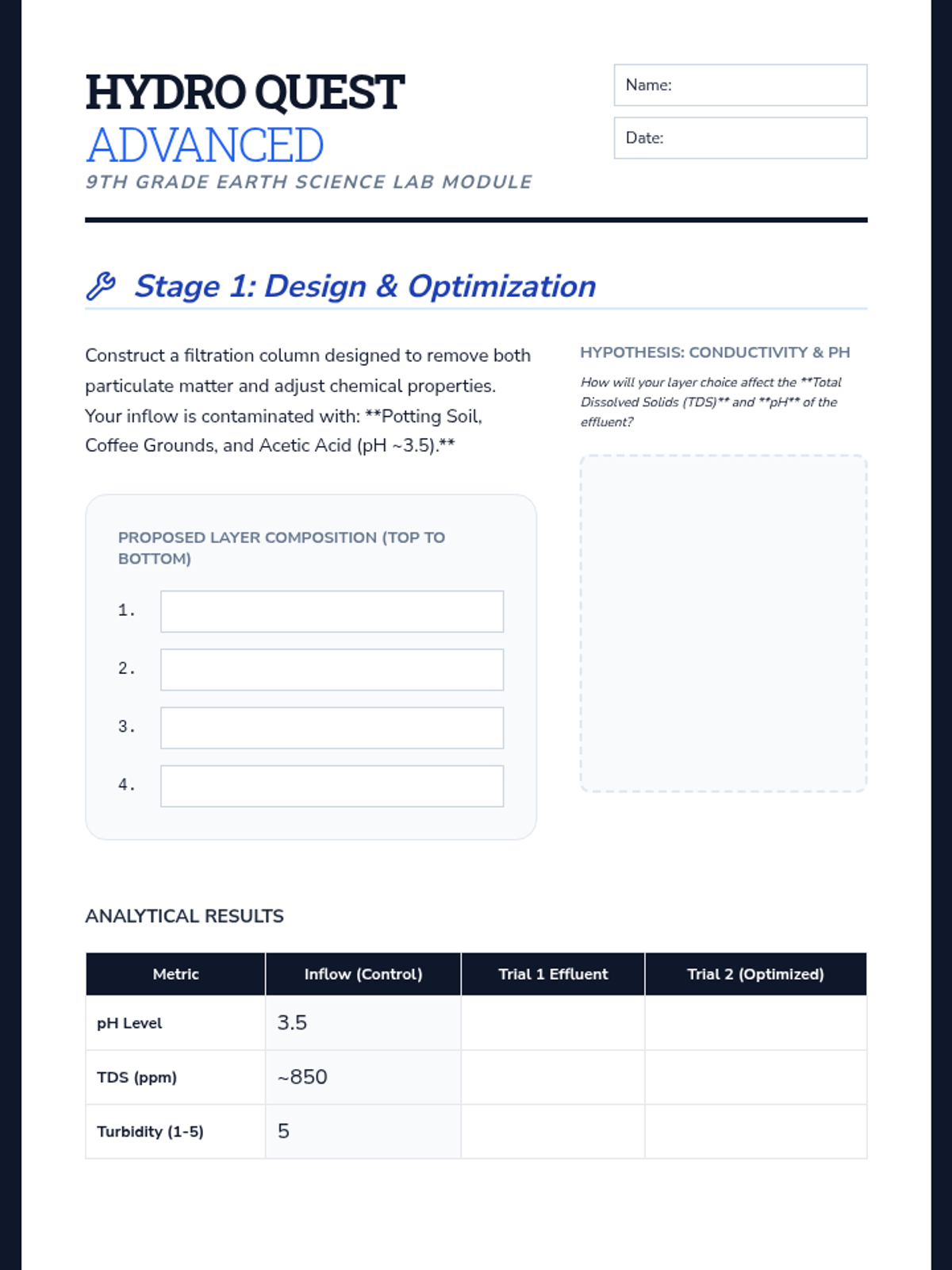
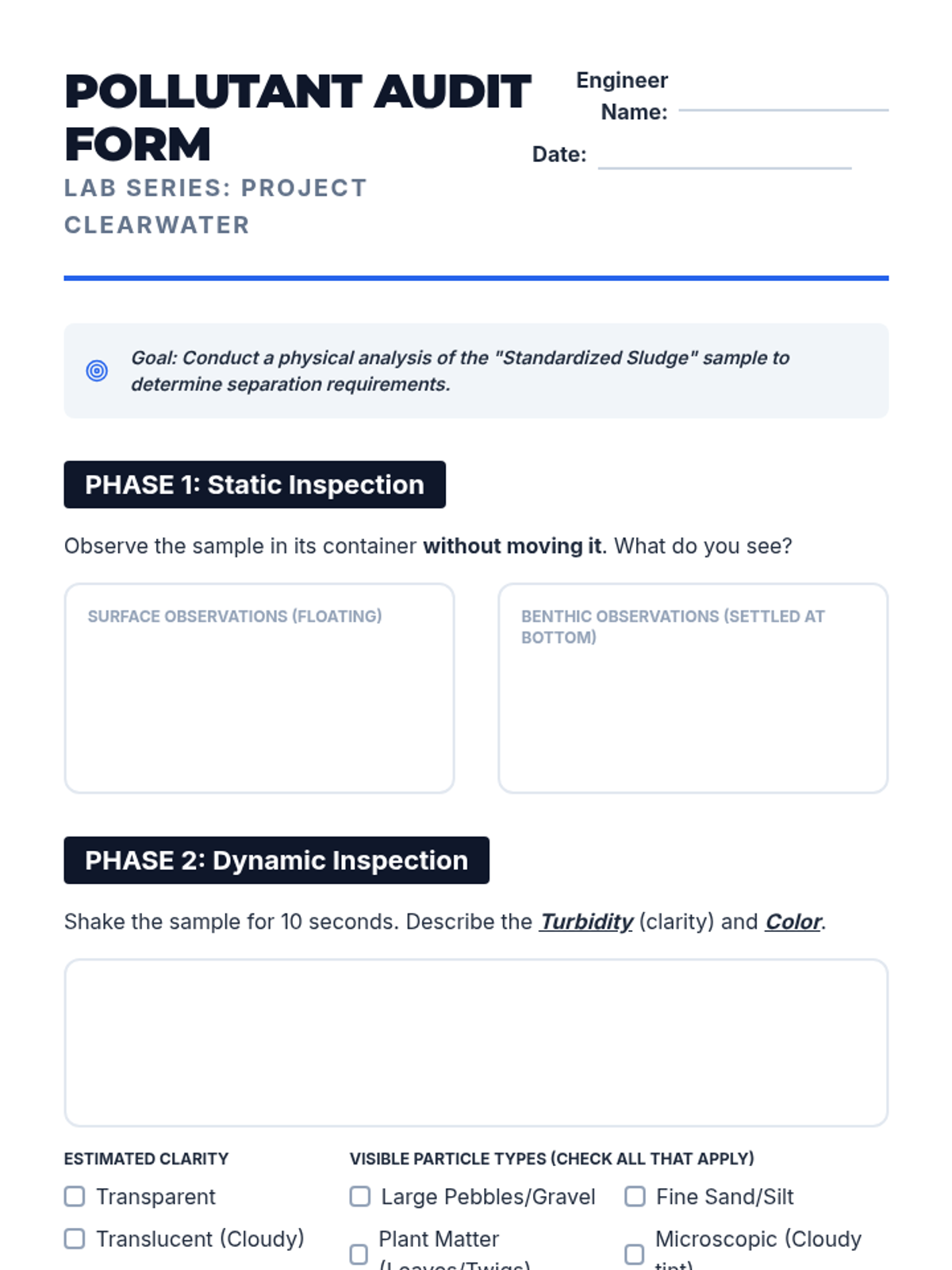
Students act as environmental engineers designing a multi-stage water filtration system. They explore sedimentation, decanting, and various filtration media to solve a real-world water contamination challenge.
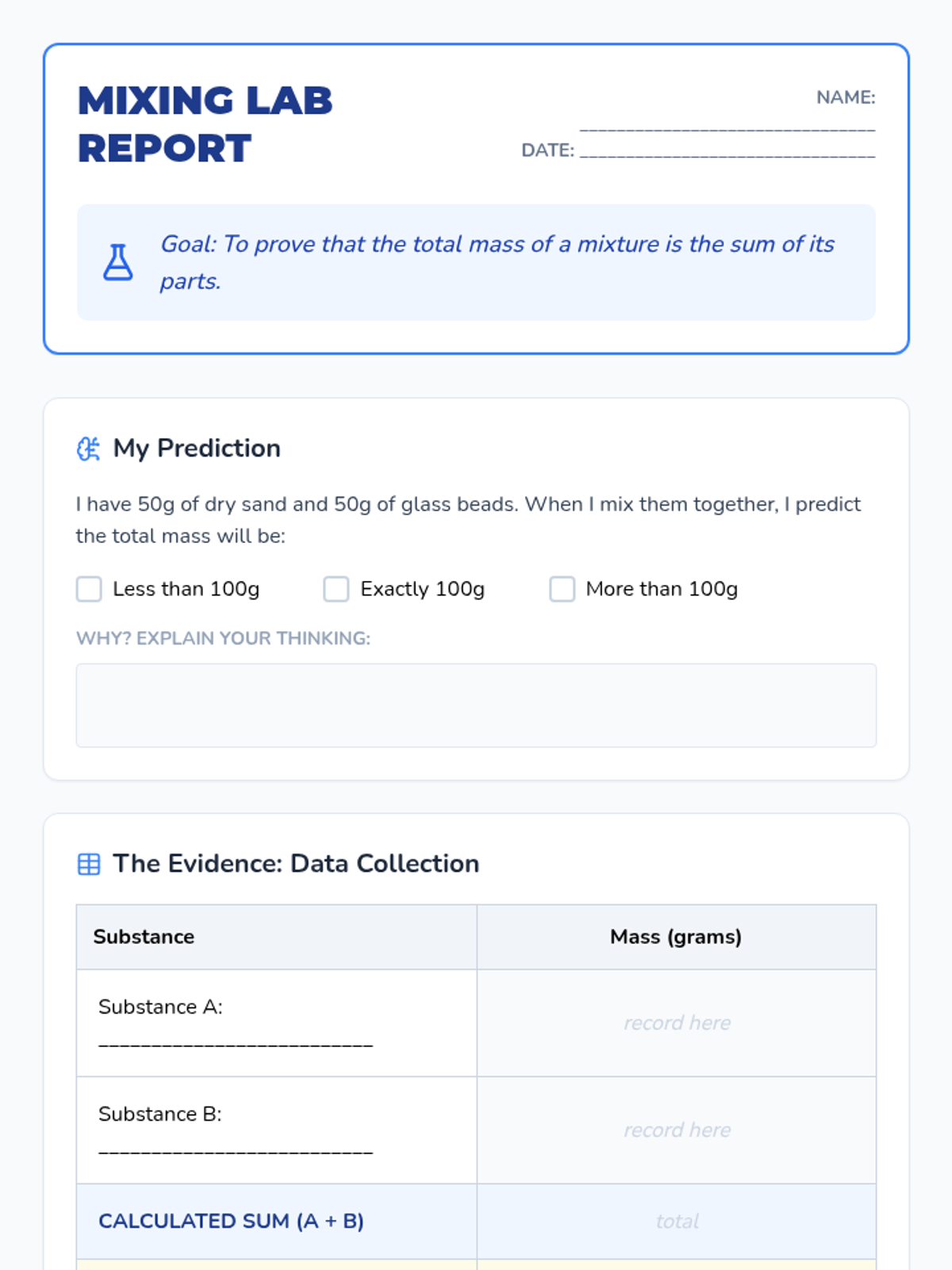
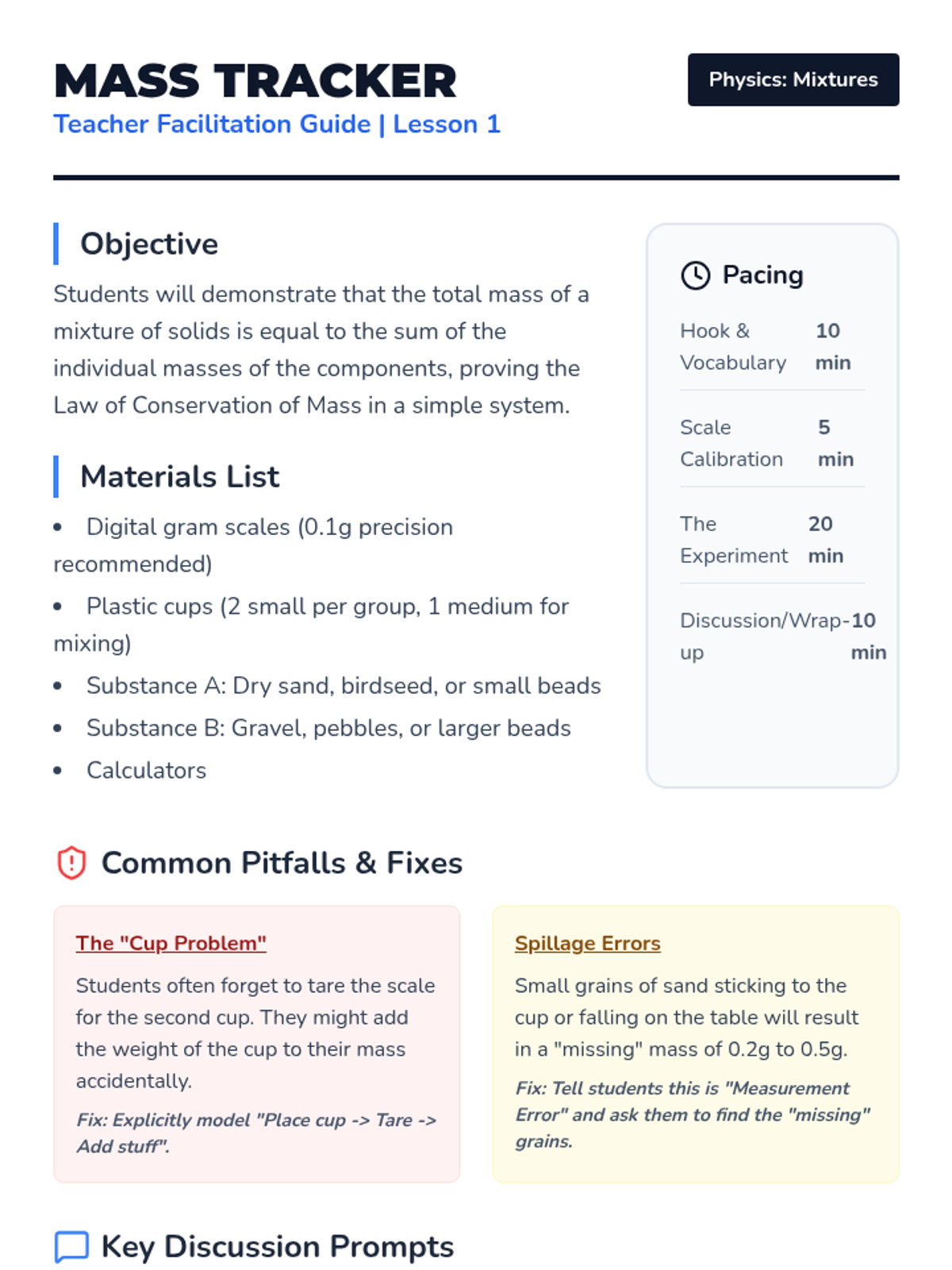
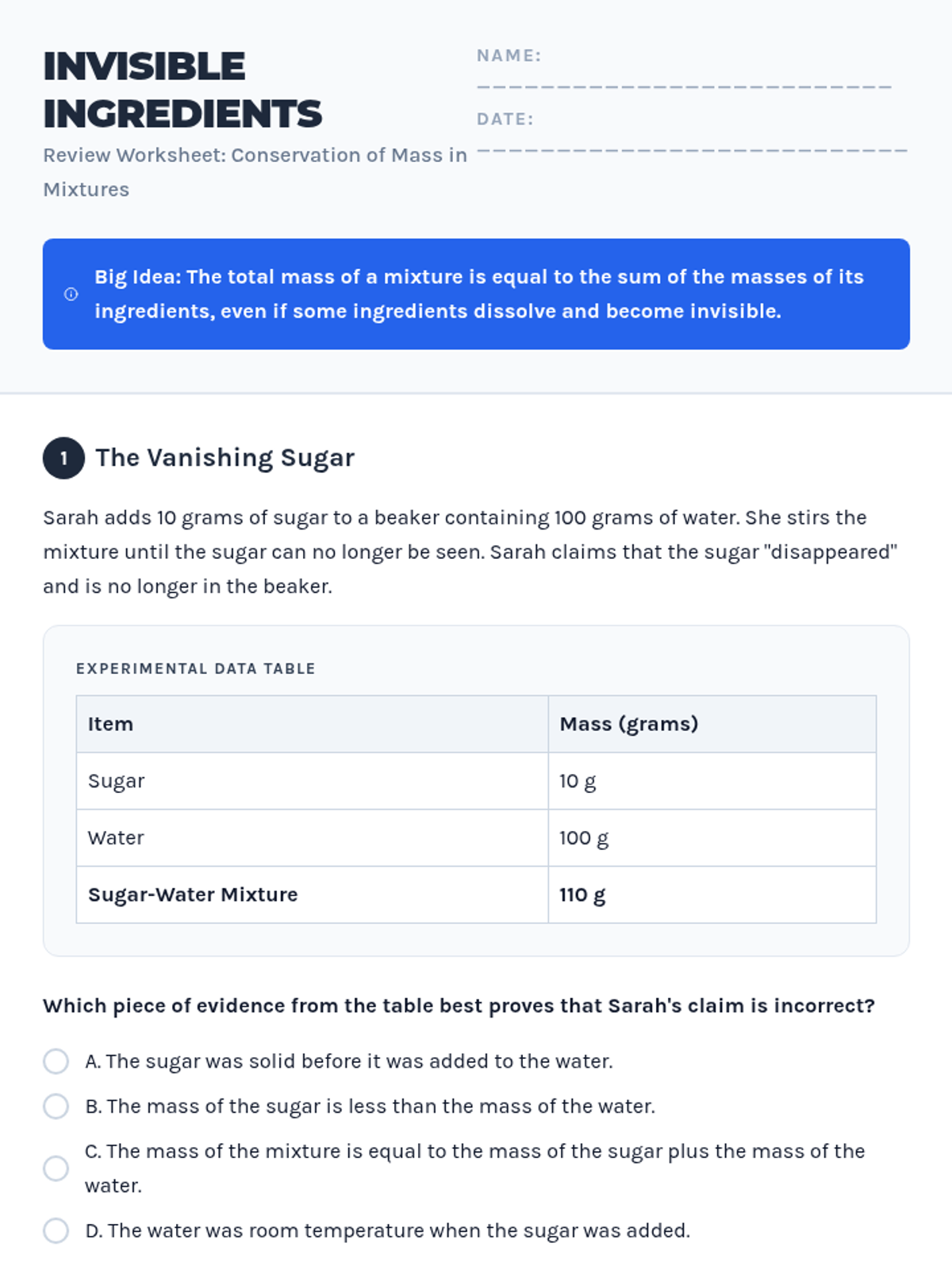
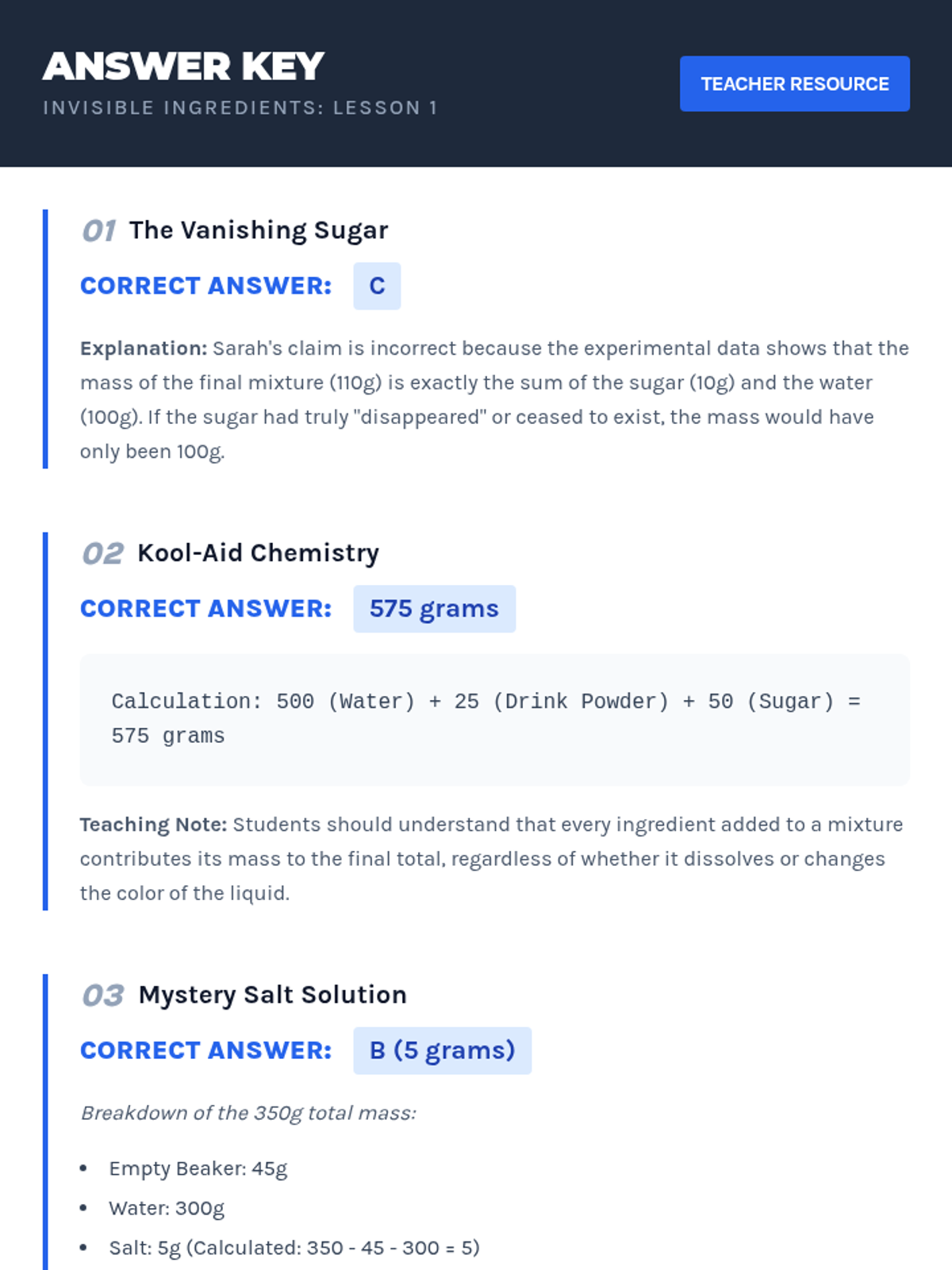
A quantitative exploration of mixtures and solutions where students use measurement to prove that mass is conserved even when substances dissolve or change state. Students progress from simple mixtures of solids to complex solutions and recovery through evaporation.
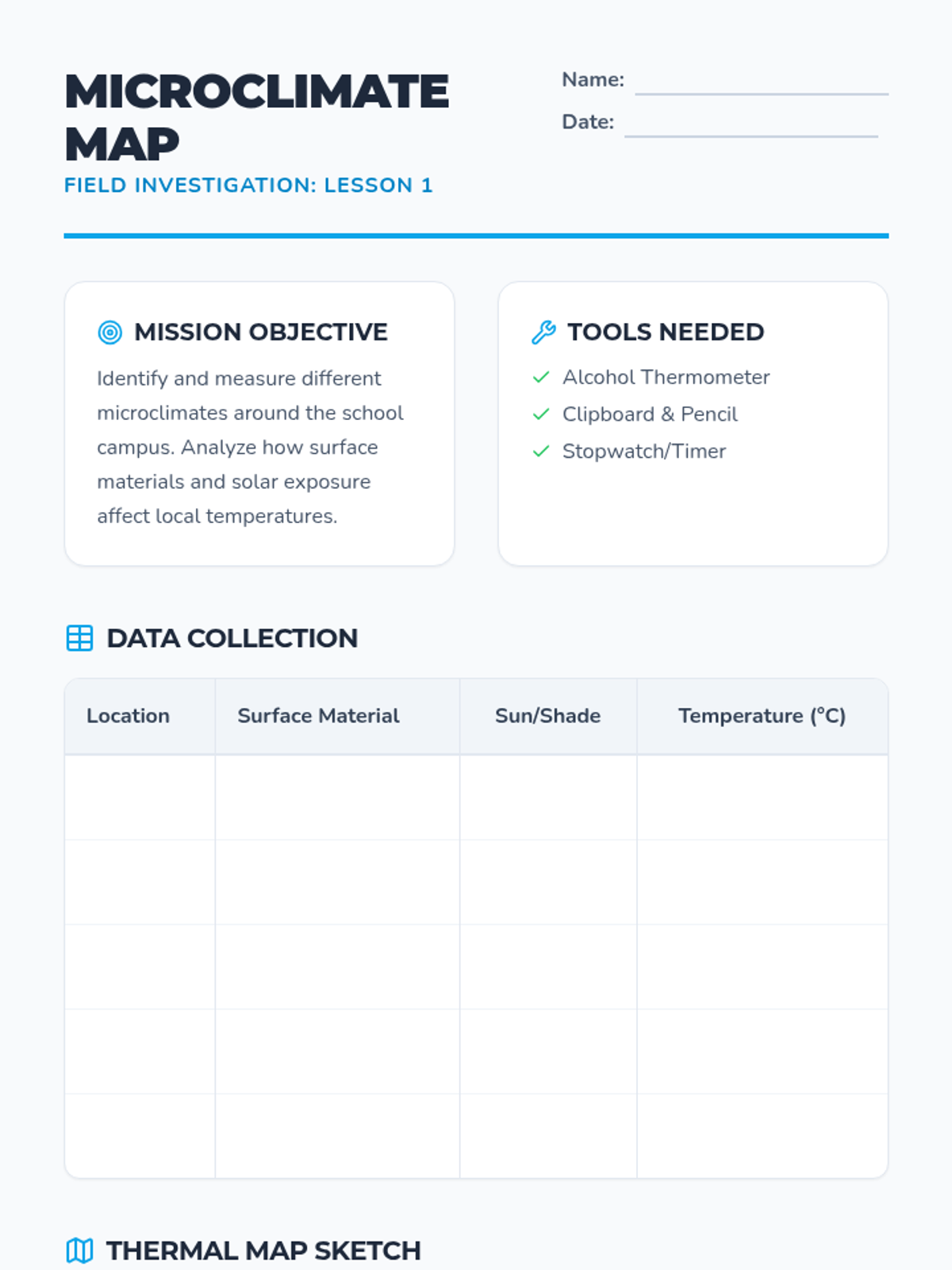
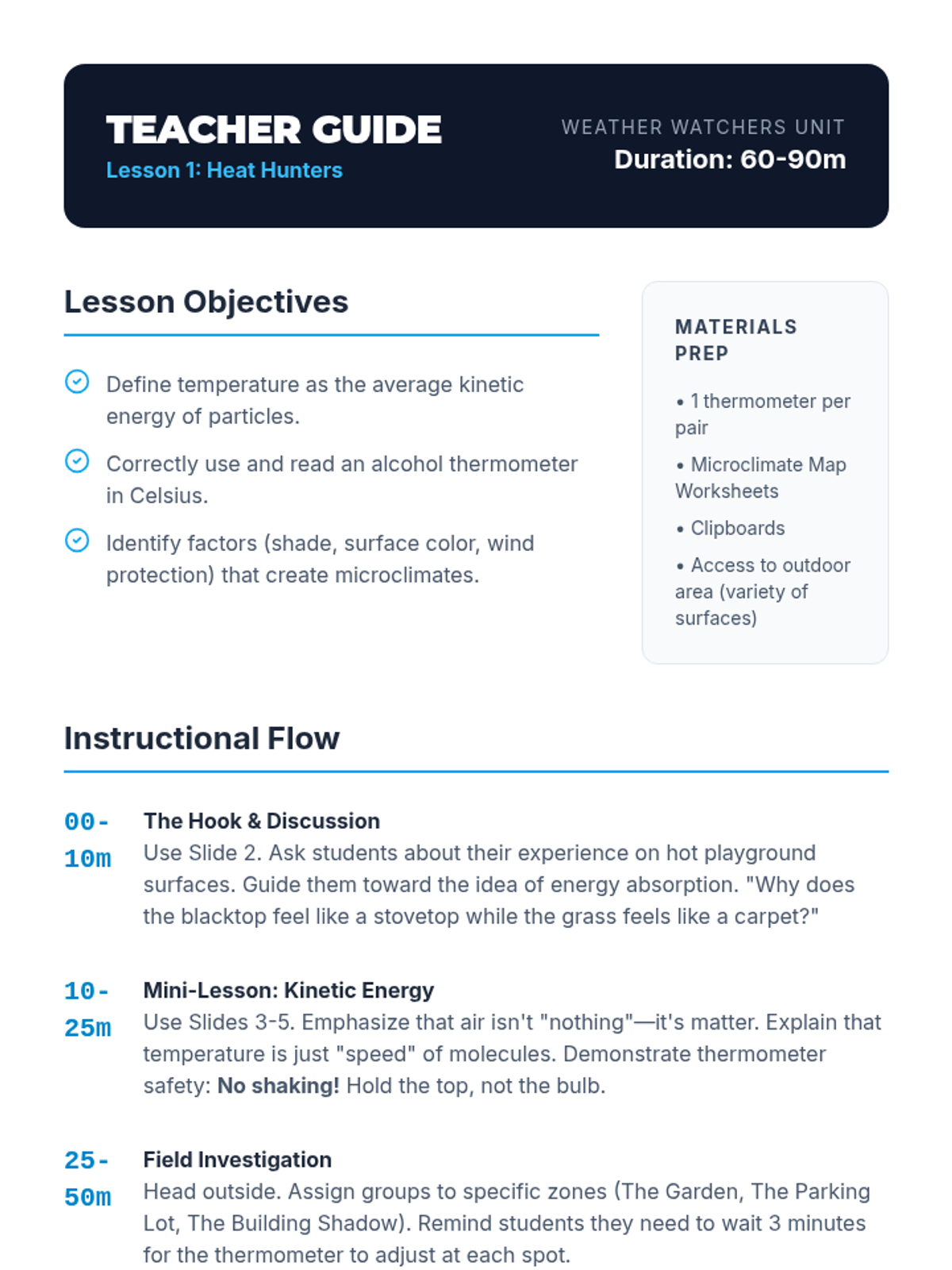
A comprehensive sequence for 6th-grade students exploring the tools and techniques of meteorology, focusing on quantifying atmospheric variables like temperature, pressure, humidity, and wind.
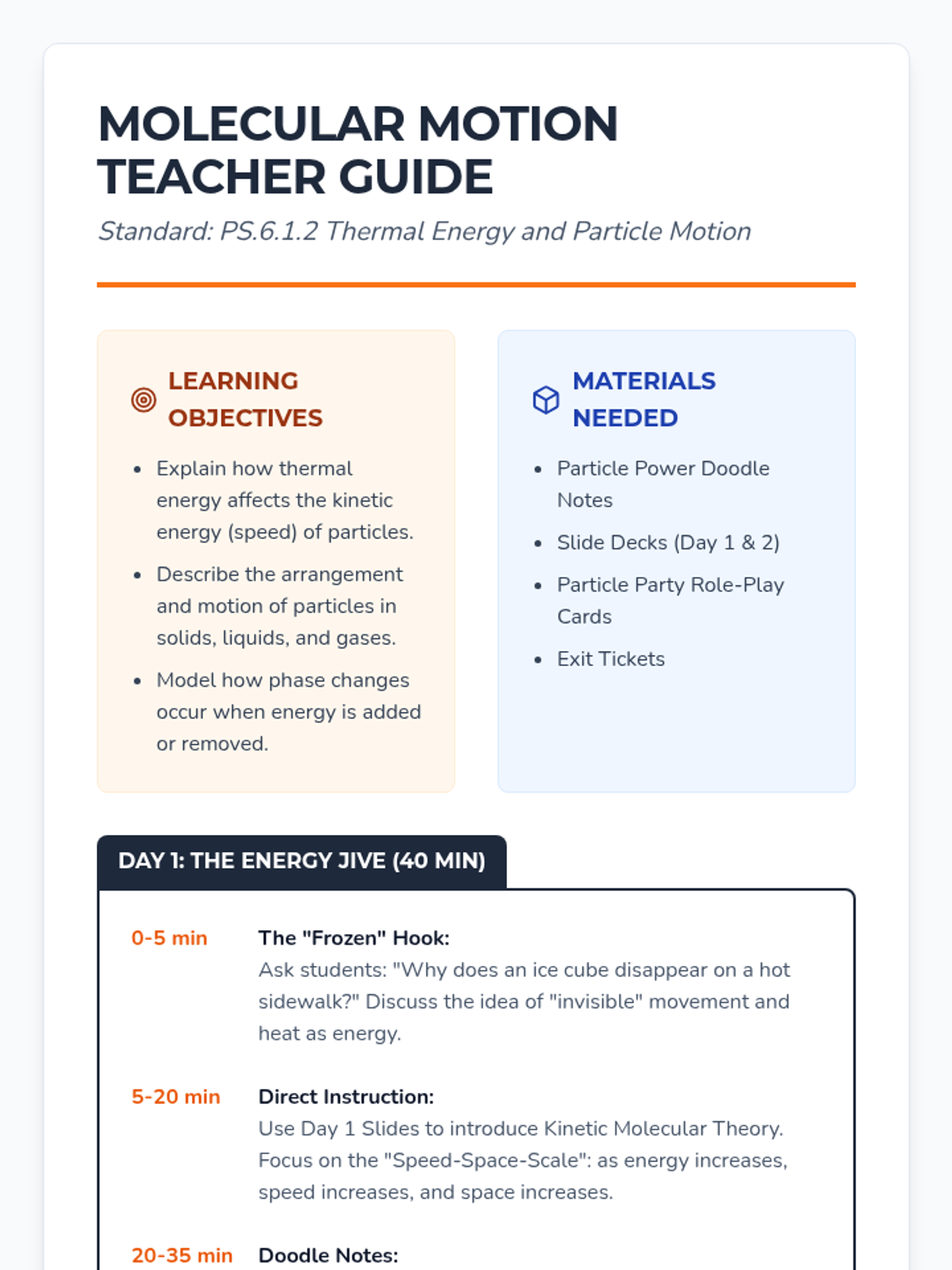
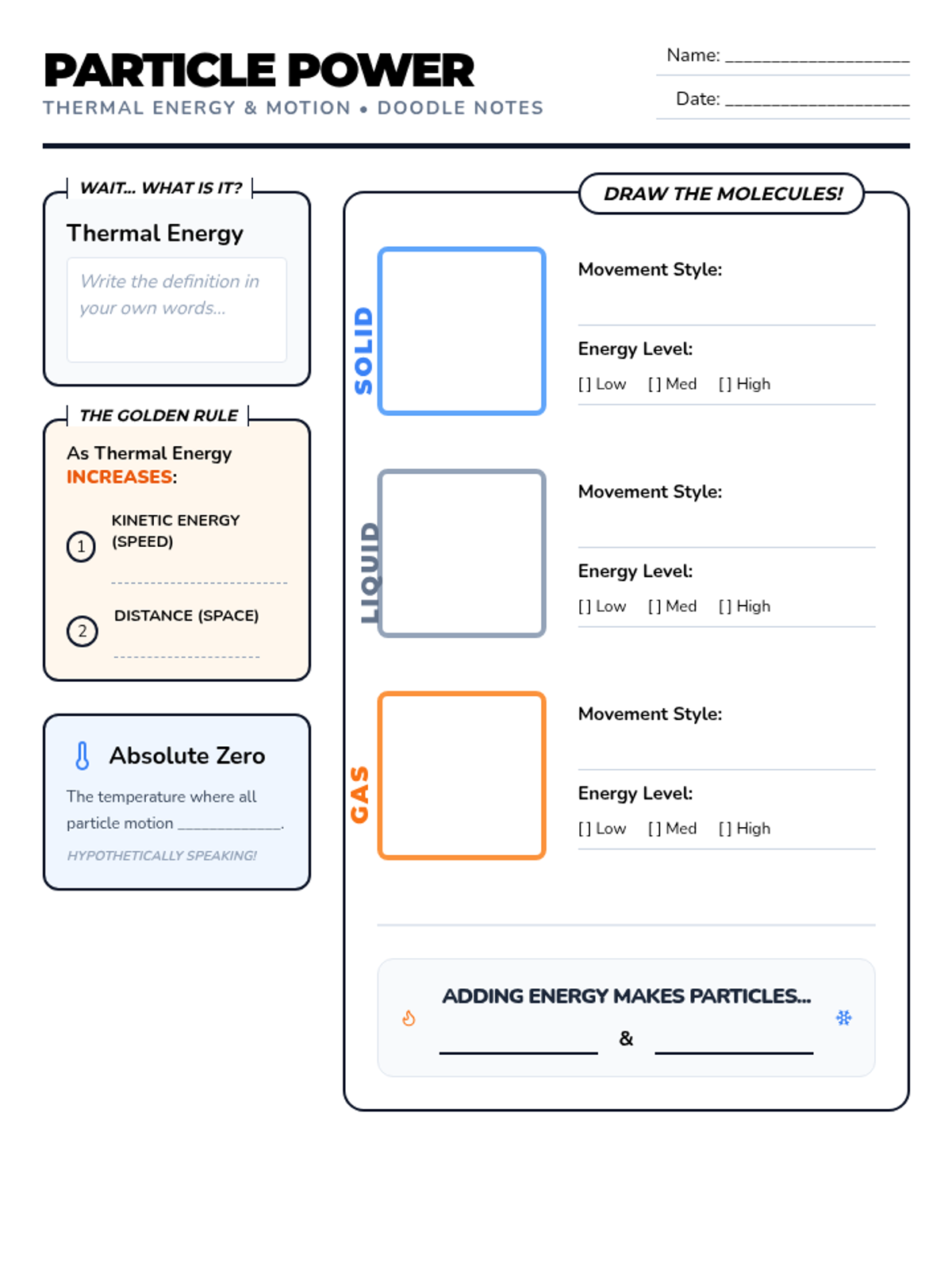
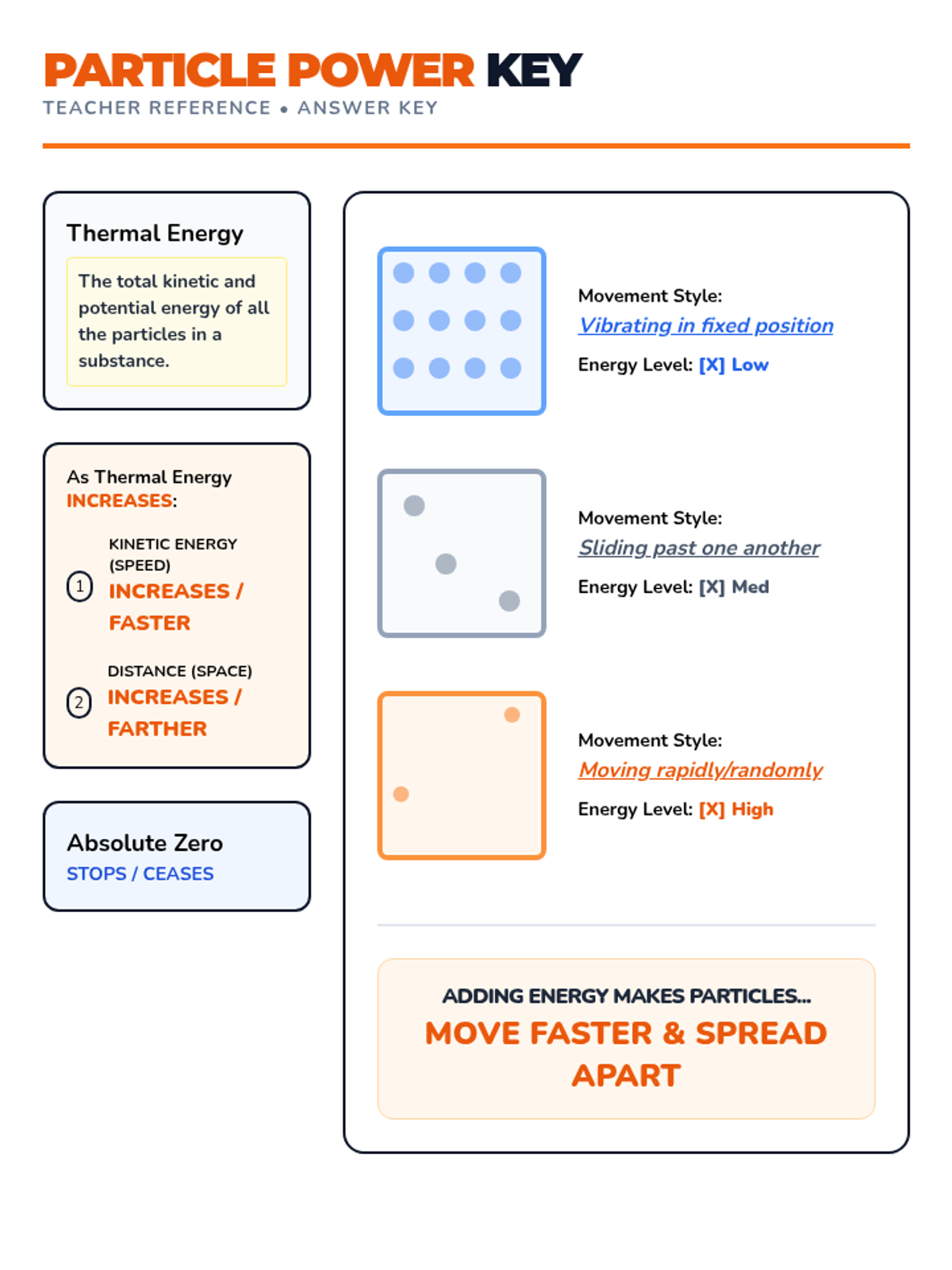
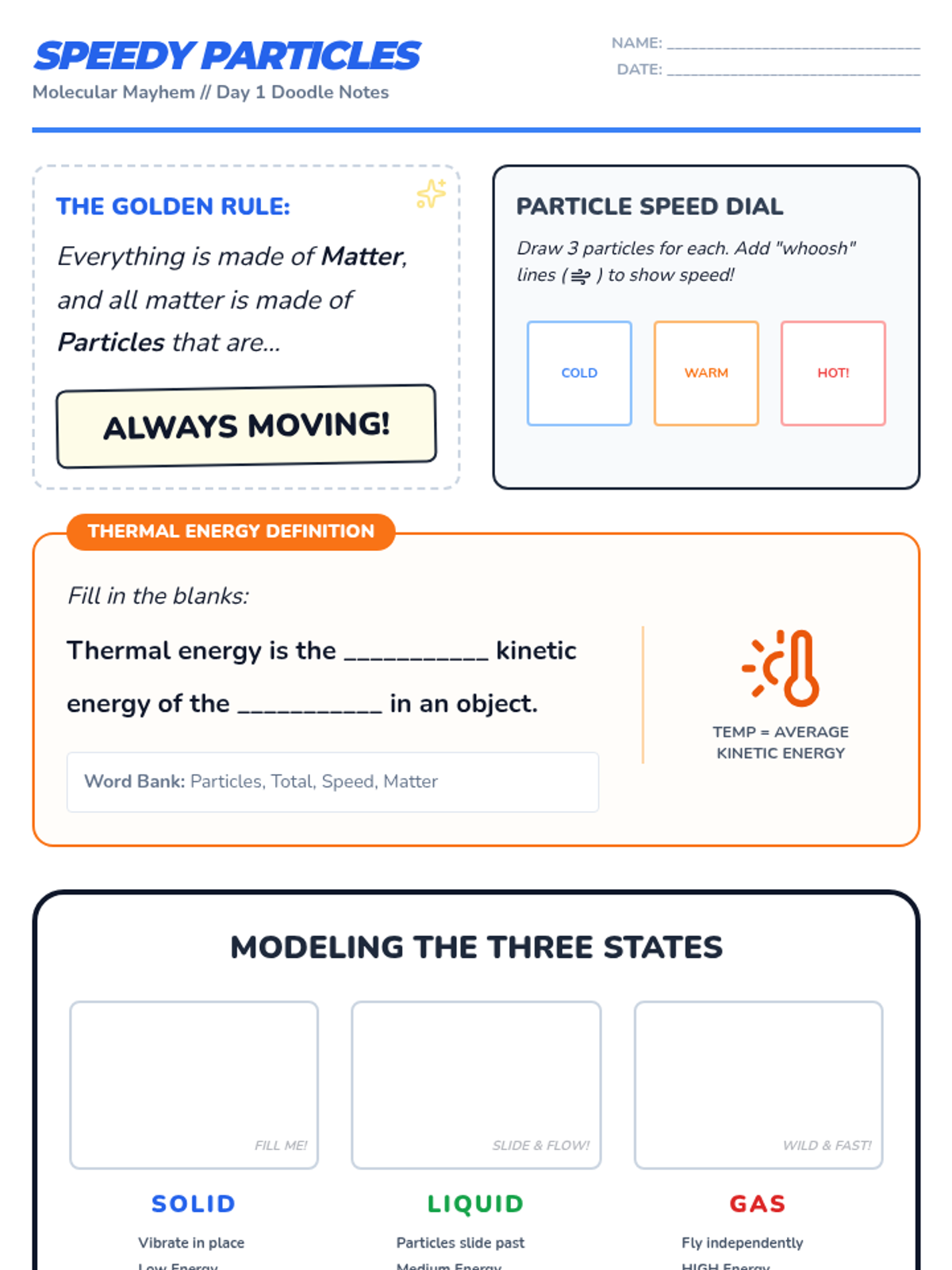
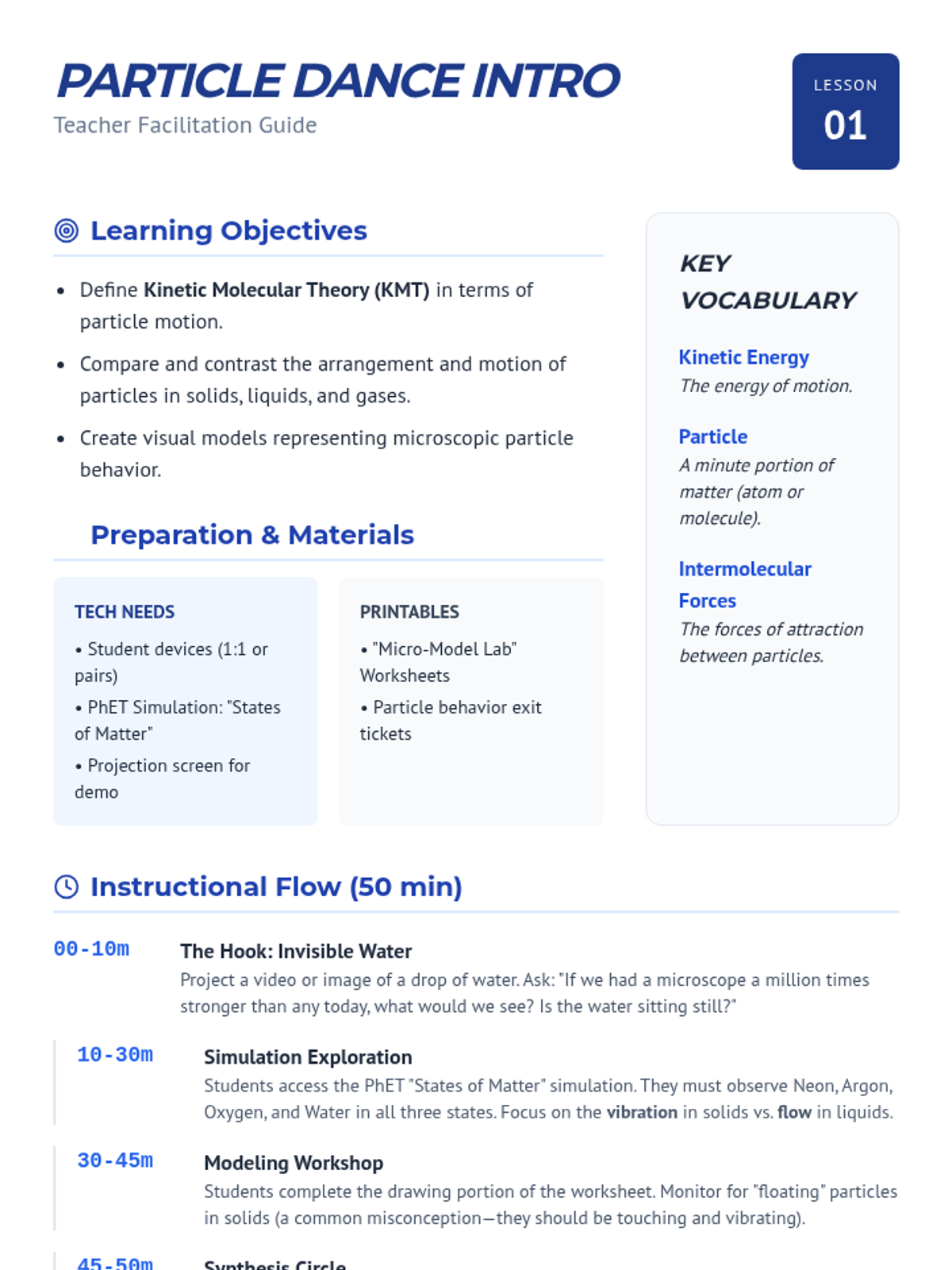
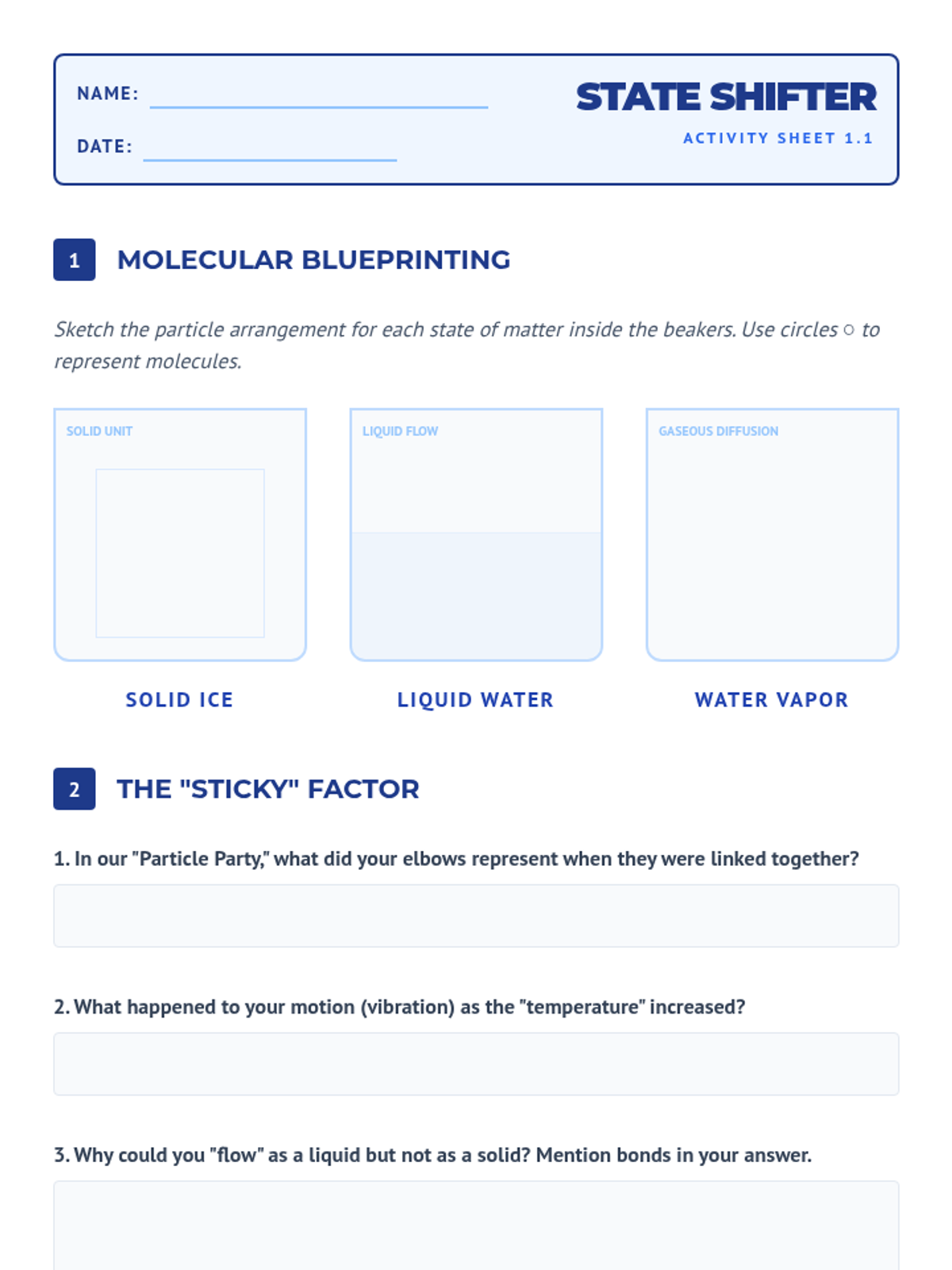
A two-day science unit for 6th graders exploring the relationship between thermal energy, particle motion, and phase changes through visual notes and kinesthetic modeling.
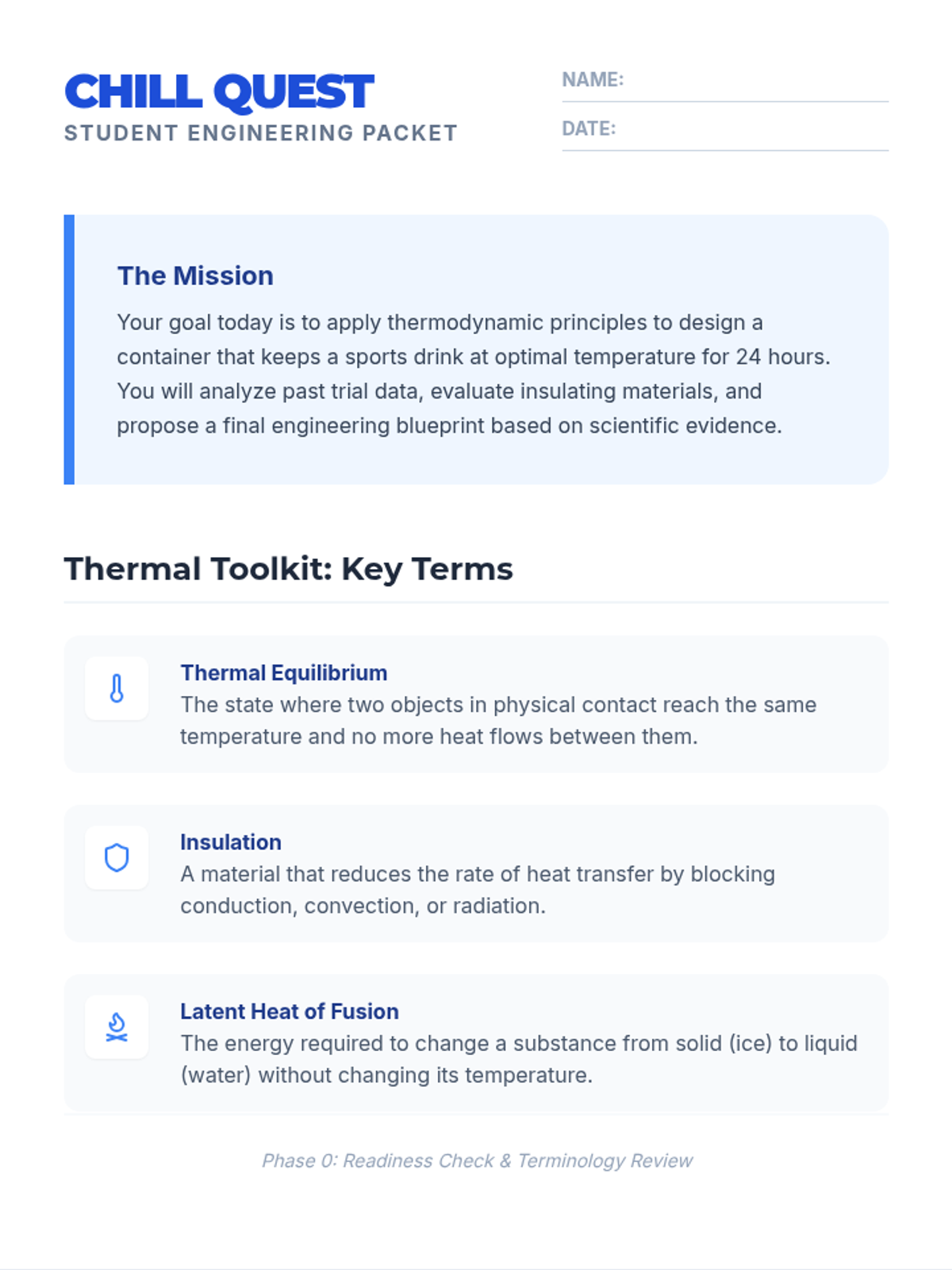
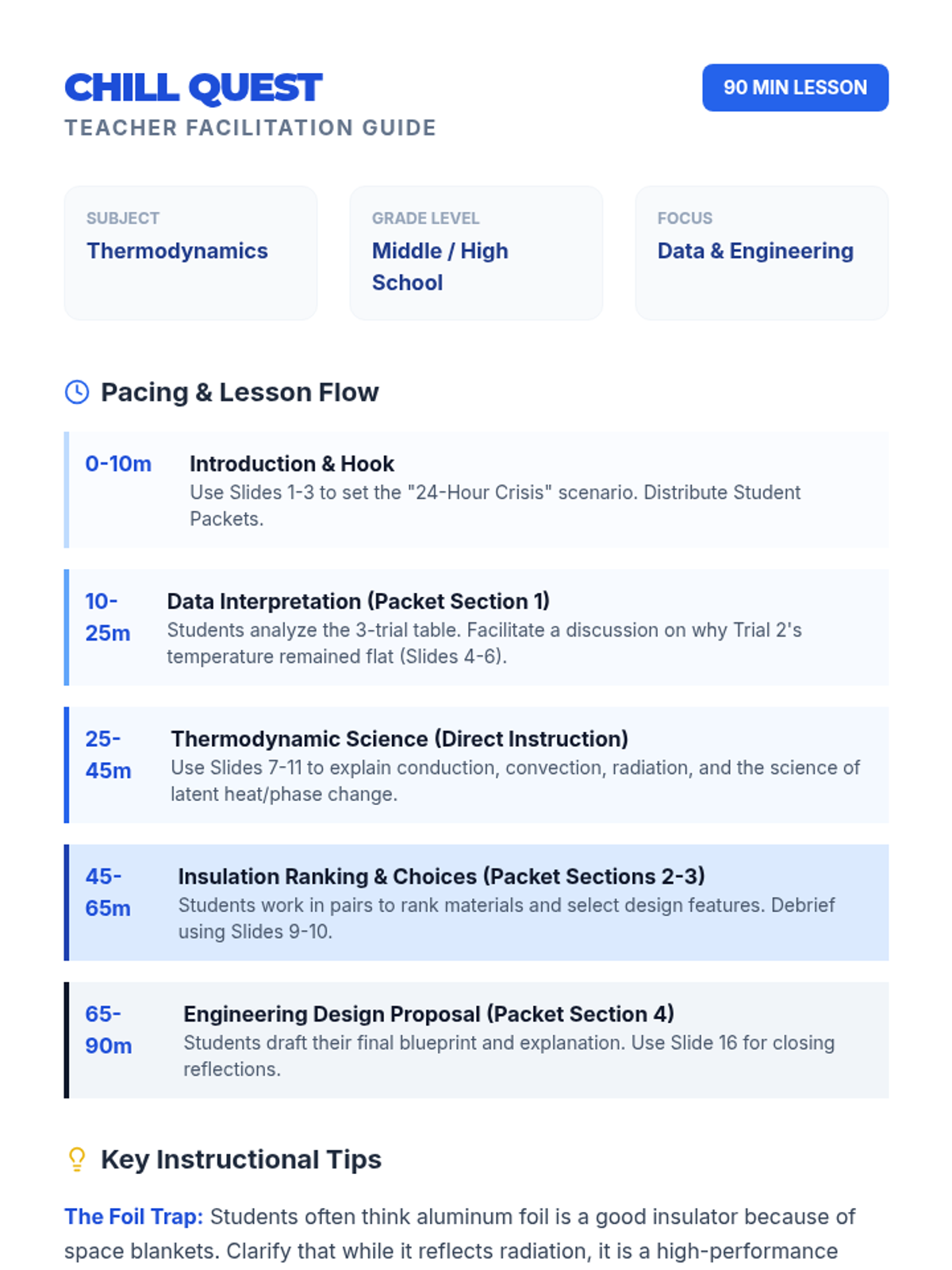
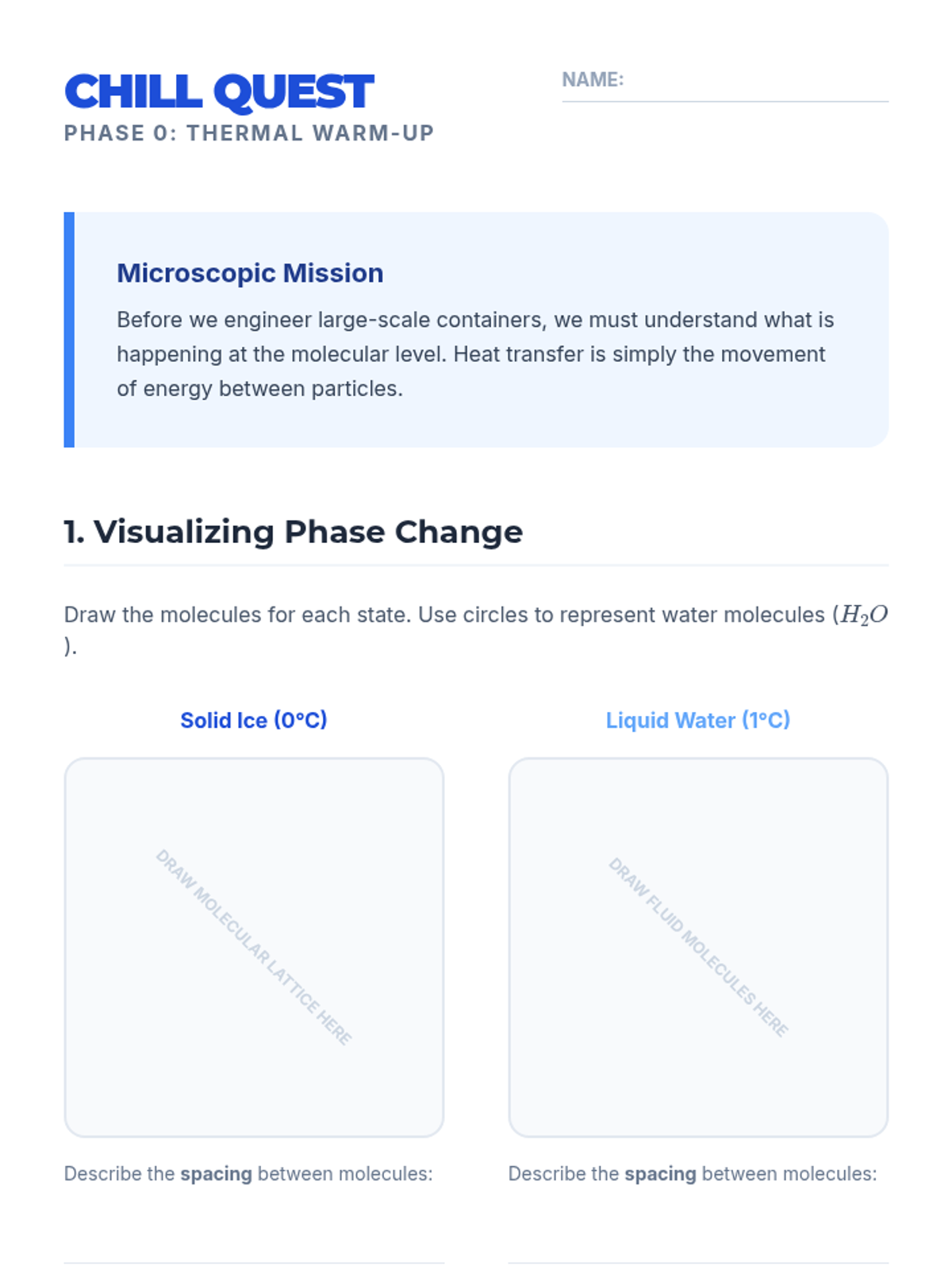
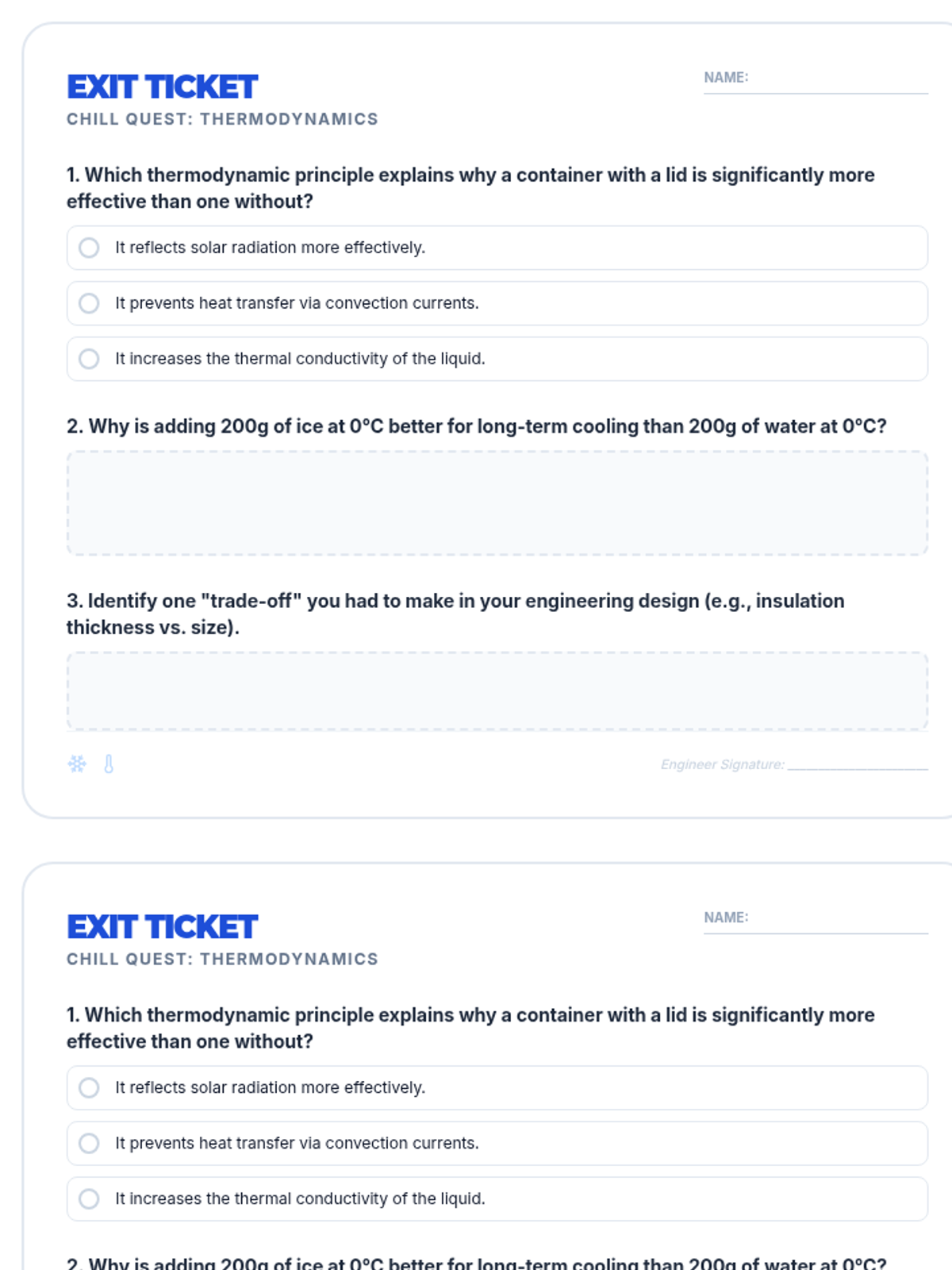
A series exploring thermodynamics through the lens of beverage insulation and container design. Students move from data analysis to material science and finally to engineering design.
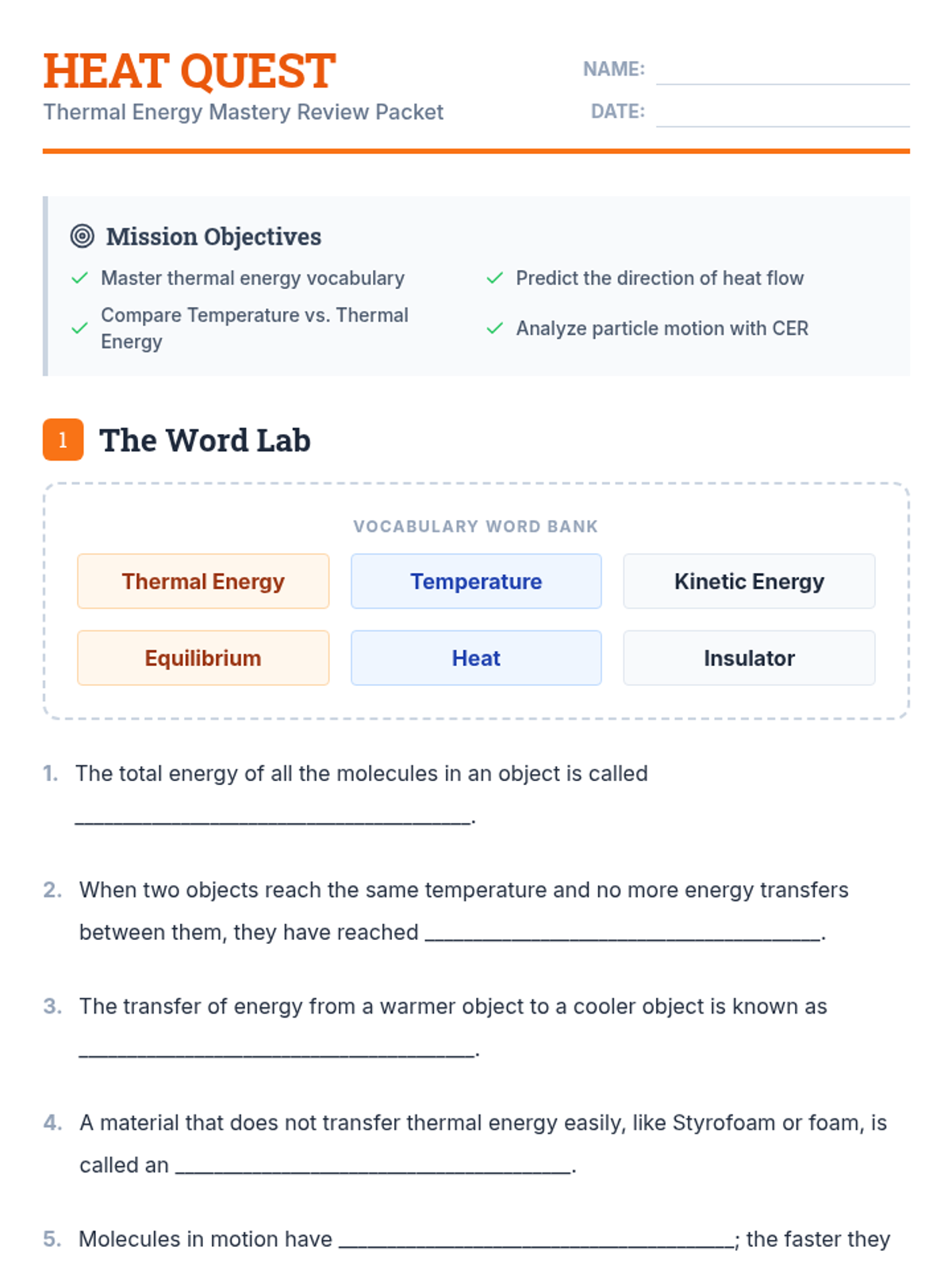
A comprehensive two-day review sequence covering thermal energy, heat transfer, temperature vs. thermal energy, and particle motion, culminating in a CER practice and exit ticket.
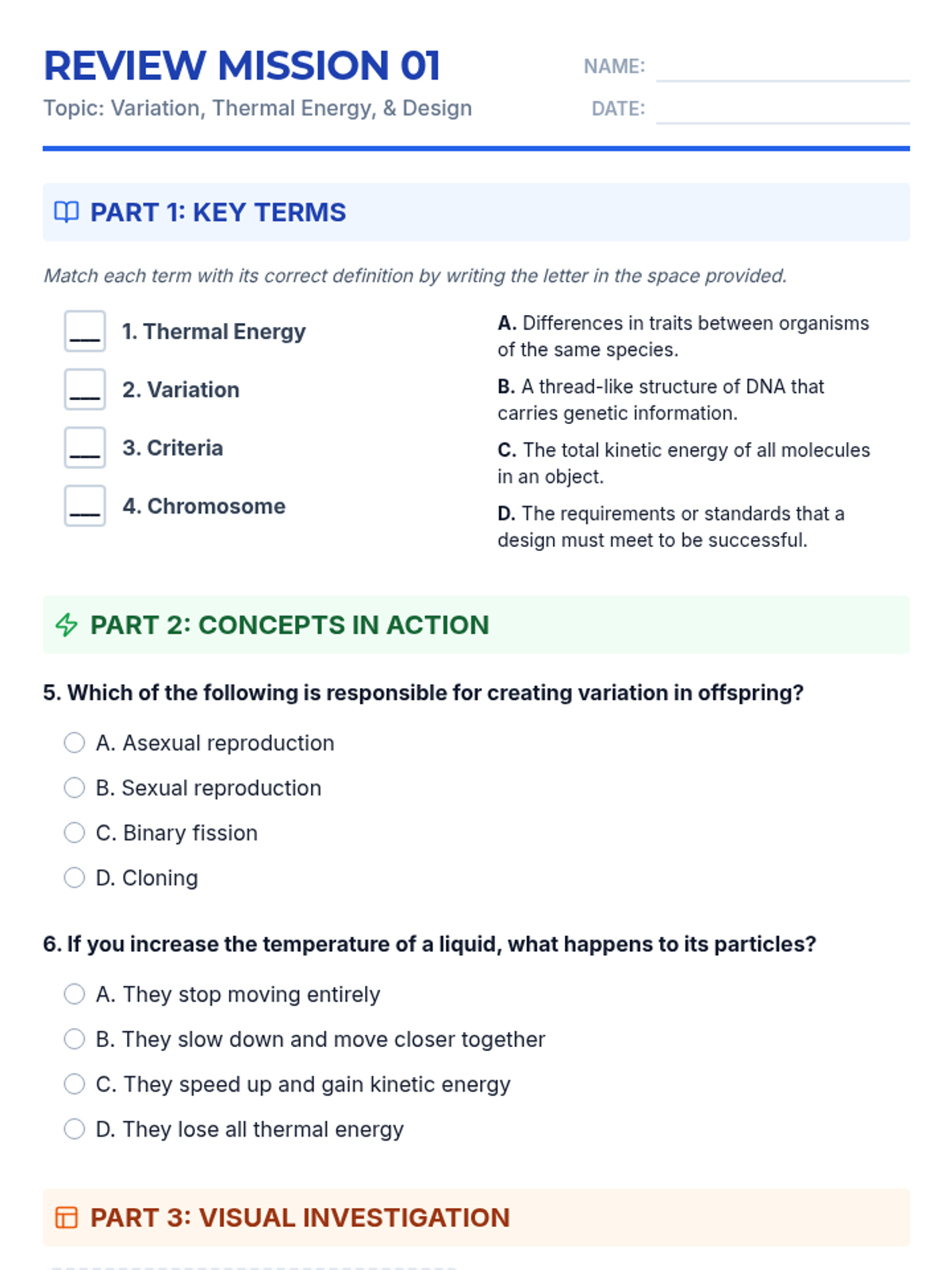
A comprehensive review sequence for Grade 6 Science covering genetics, heredity, thermal energy, and climate patterns. Each mission focuses on a mix of all key standards to prepare students for their upcoming assessment.
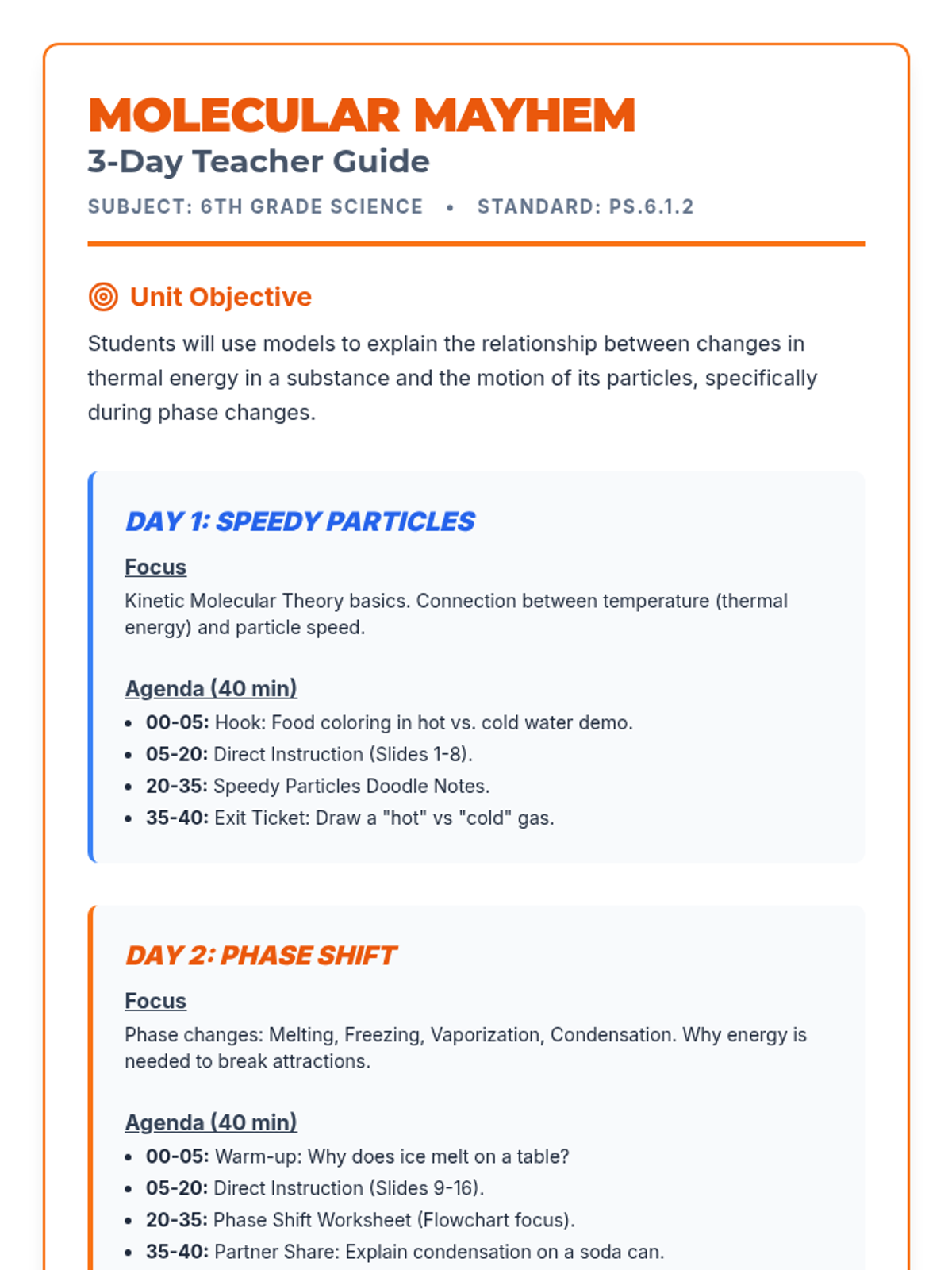
A 3-day exploration of thermal energy, particle motion, and phase changes. Students use models to understand how adding or removing energy transforms substances from solids to liquids to gases.
A series of three review lessons focused on interpreting experimental data and graphs related to the conservation of mass and phase changes in matter. Students will analyze scenarios involving dissolving, freezing, boiling, and thermal energy to strengthen their scientific reasoning skills.
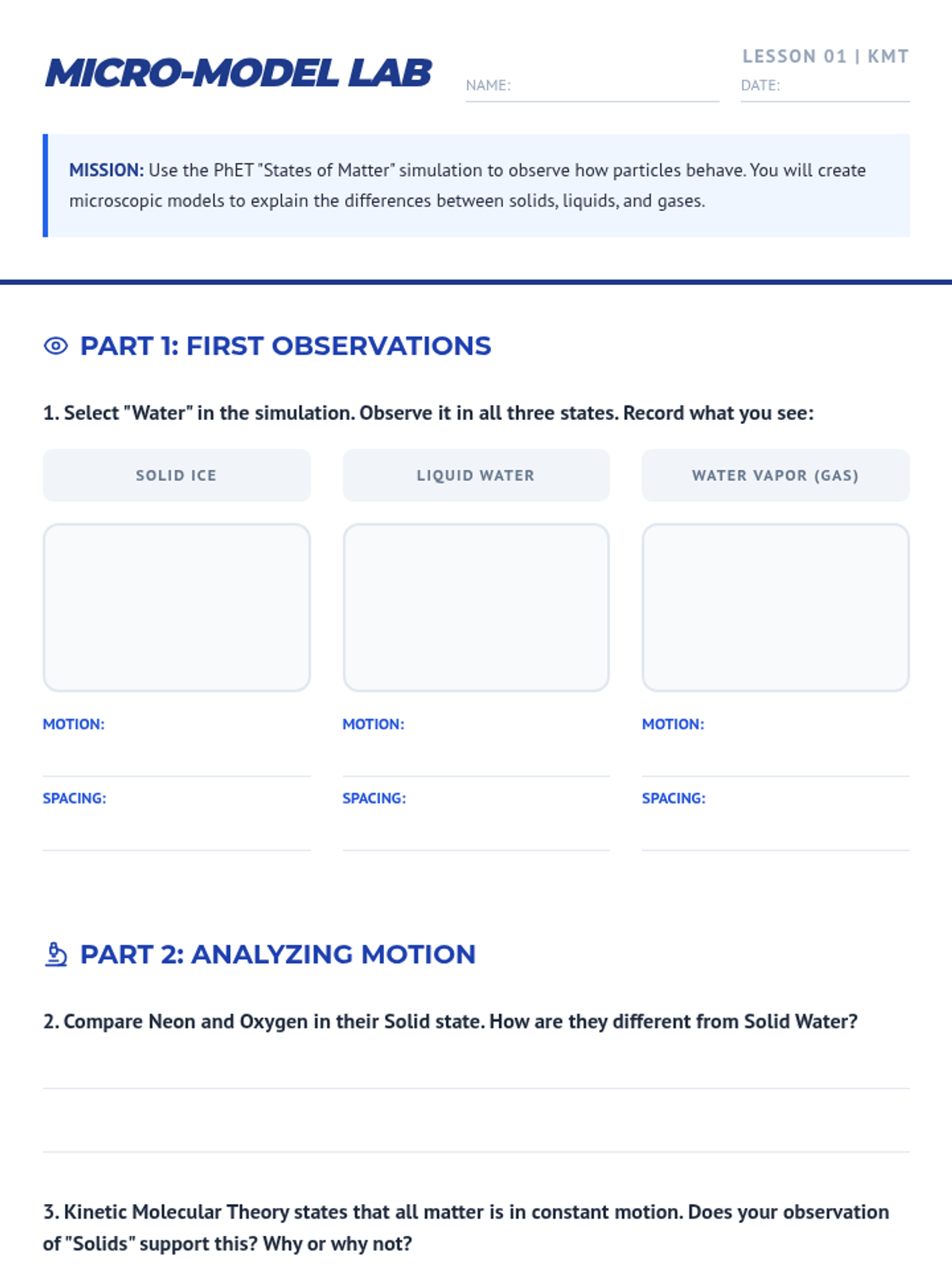
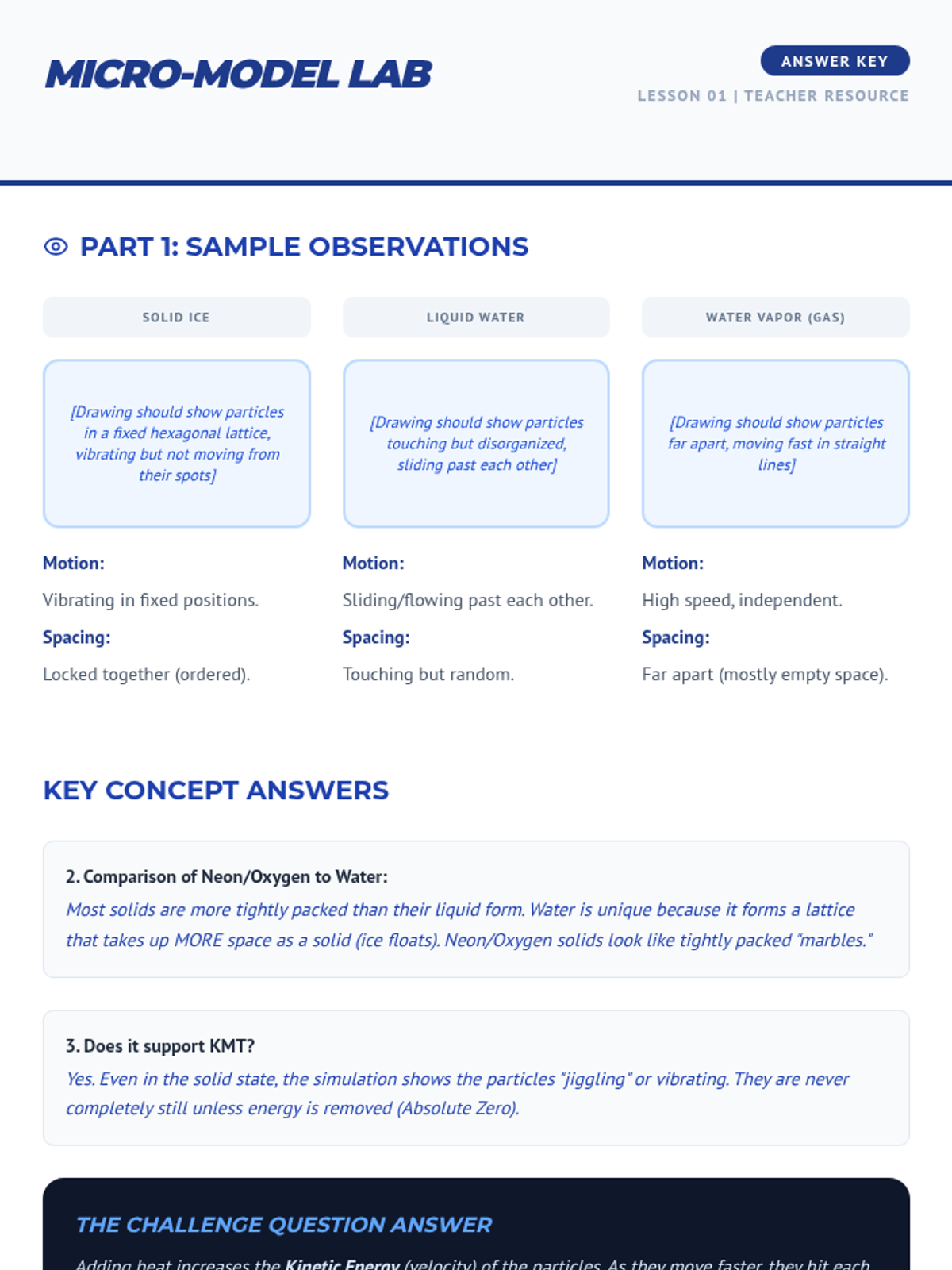
This sequence explores thermodynamics through the lens of particle motion. Students bridge the gap between microscopic atoms and macroscopic phenomena like temperature, pressure, and phase changes using models and simulations.
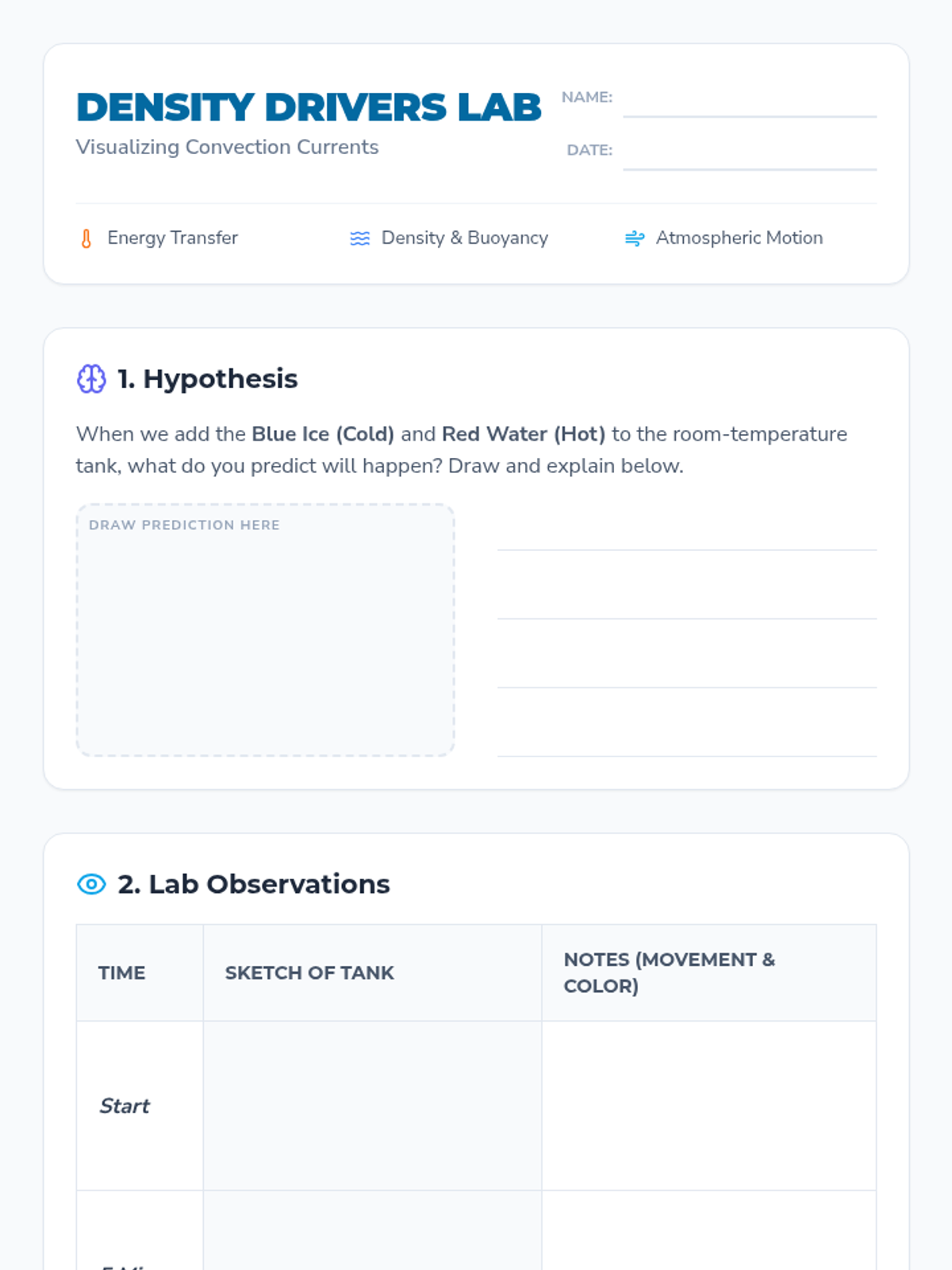
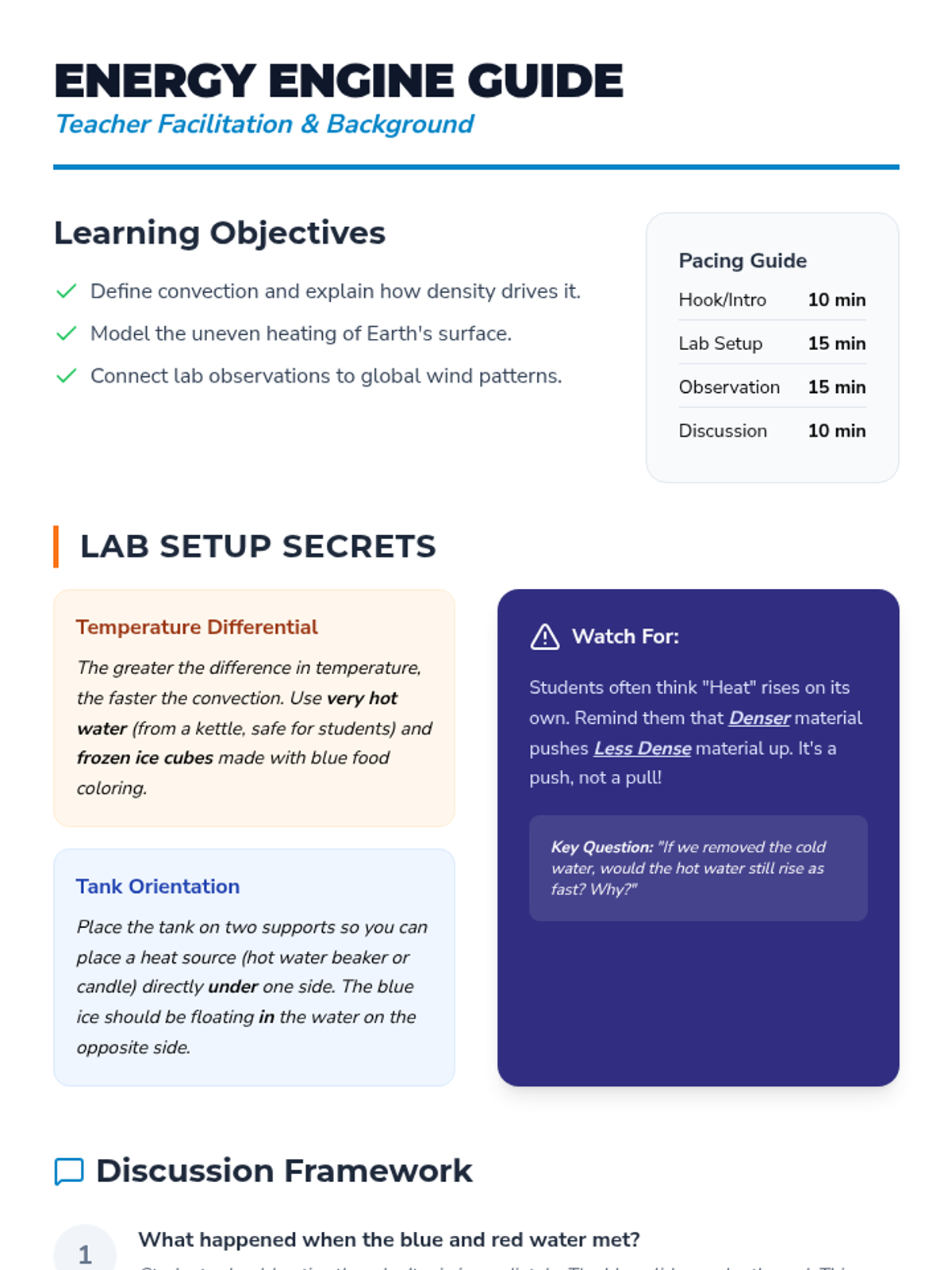
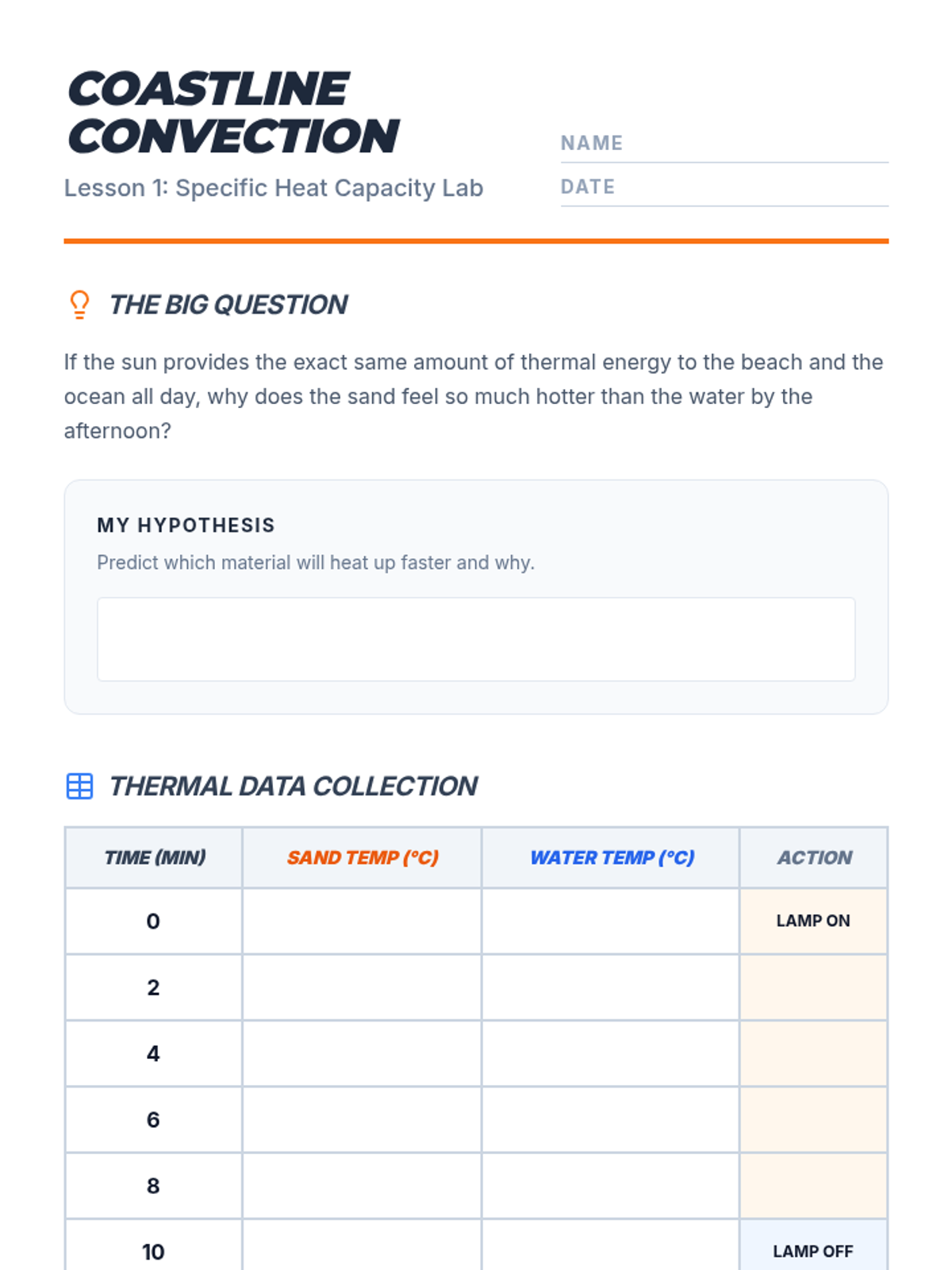
This case-study sequence connects abstract thermodynamic principles to large-scale Earth systems. Students investigate how unequal heating of the Earth drives weather patterns, focusing on specific heat capacities of land versus water and the resulting atmospheric convection.
This sequence explores the relationship between thermal energy and phase changes for 6th-grade students. It covers states of matter, the concept of latent heat through lab exploration, graphing heating curves, and the differences between boiling and evaporation.
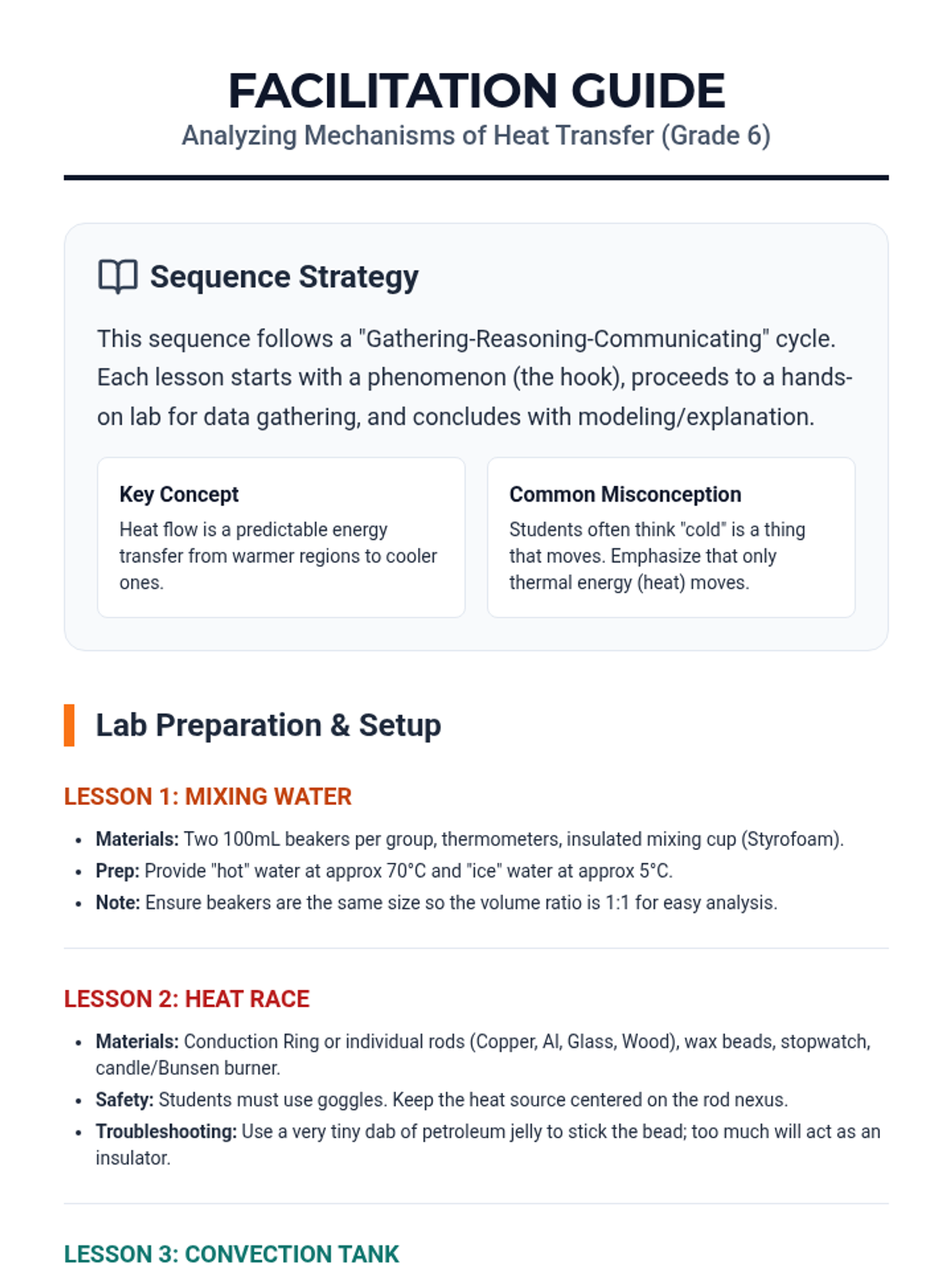
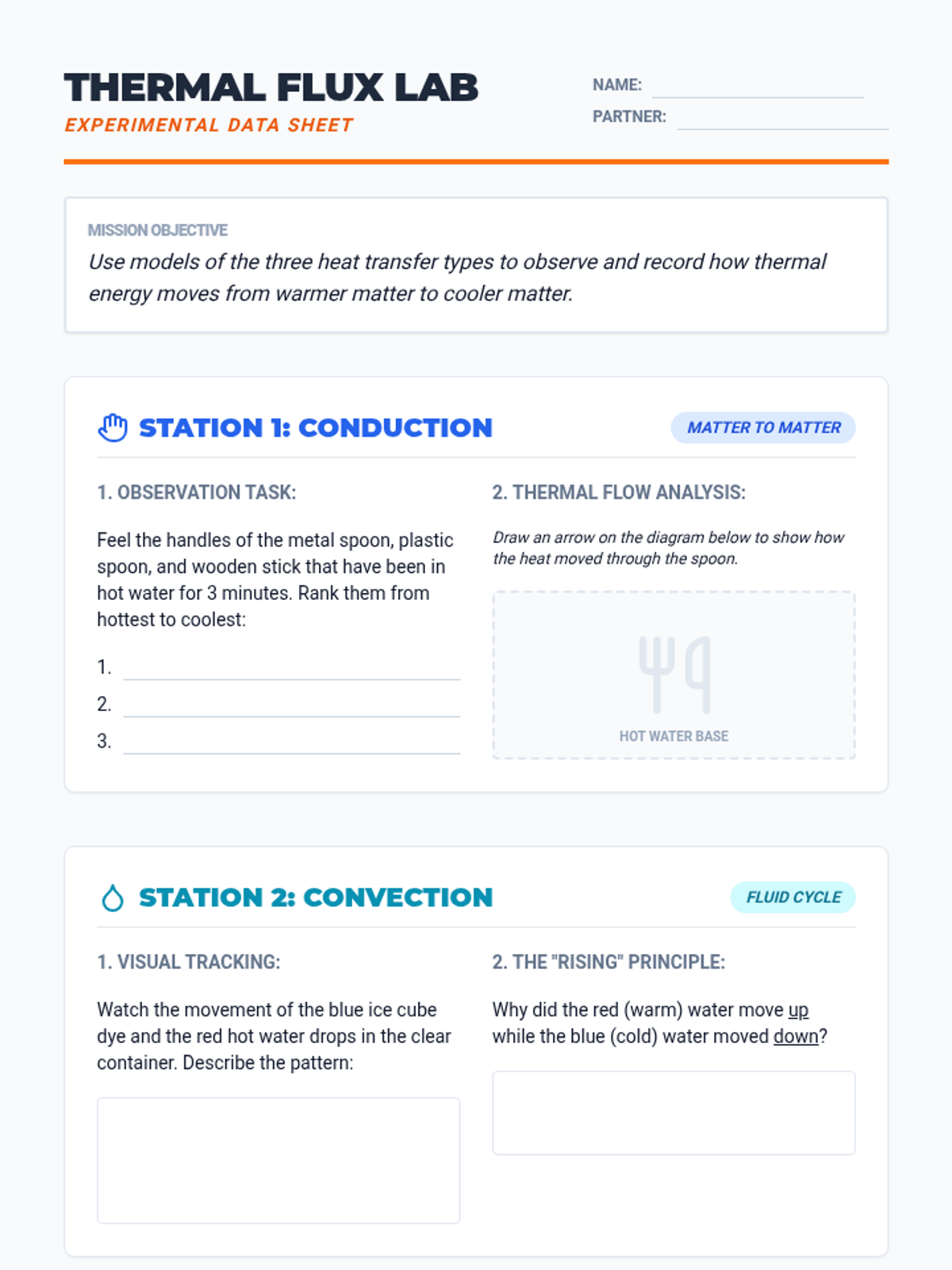
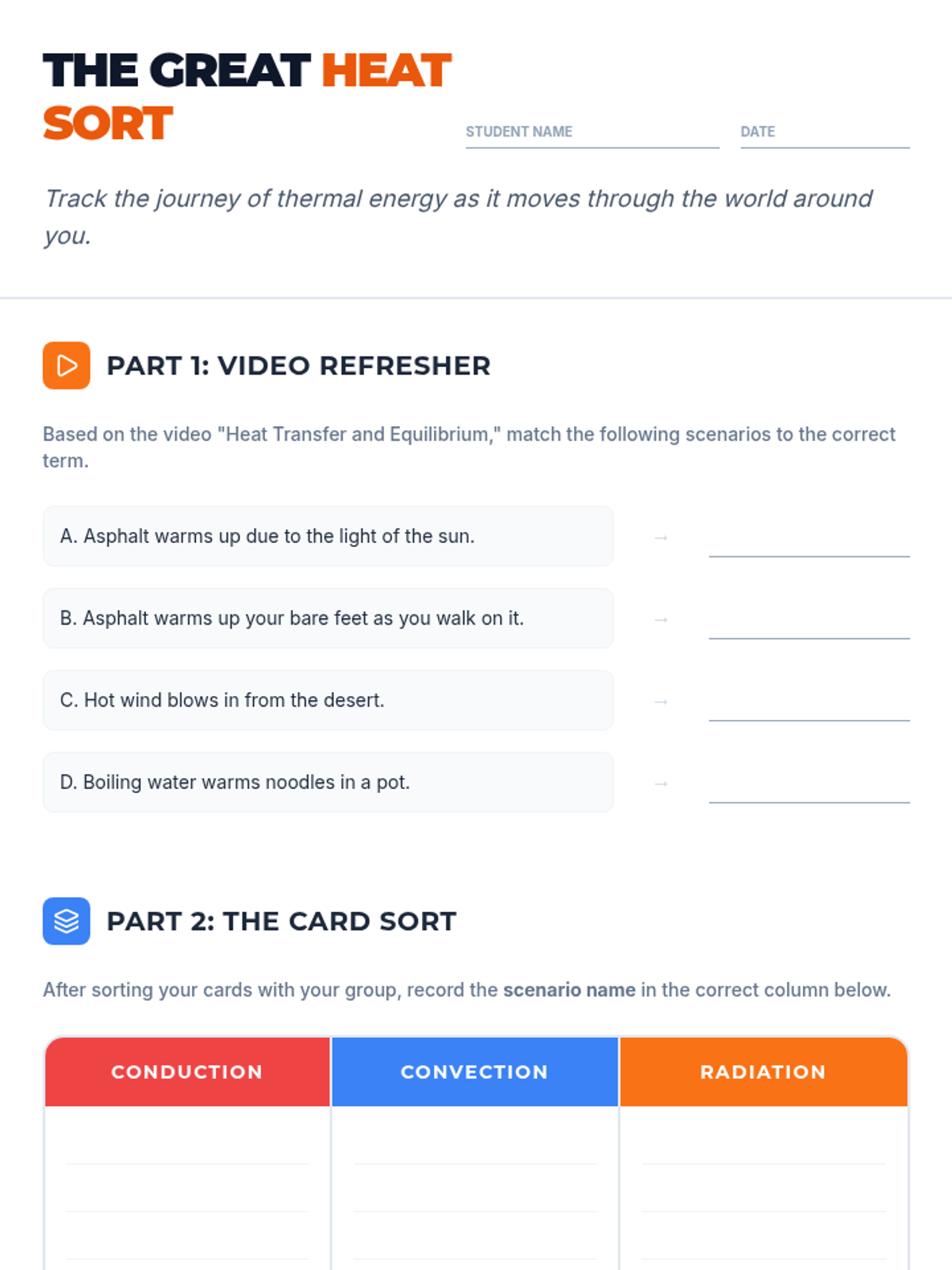
A comprehensive 5-lesson sequence on thermodynamics for 6th grade, focusing on conduction, convection, and radiation. Students explore the direction of heat flow, material properties, and real-world applications through hands-on inquiry and synthesis activities.
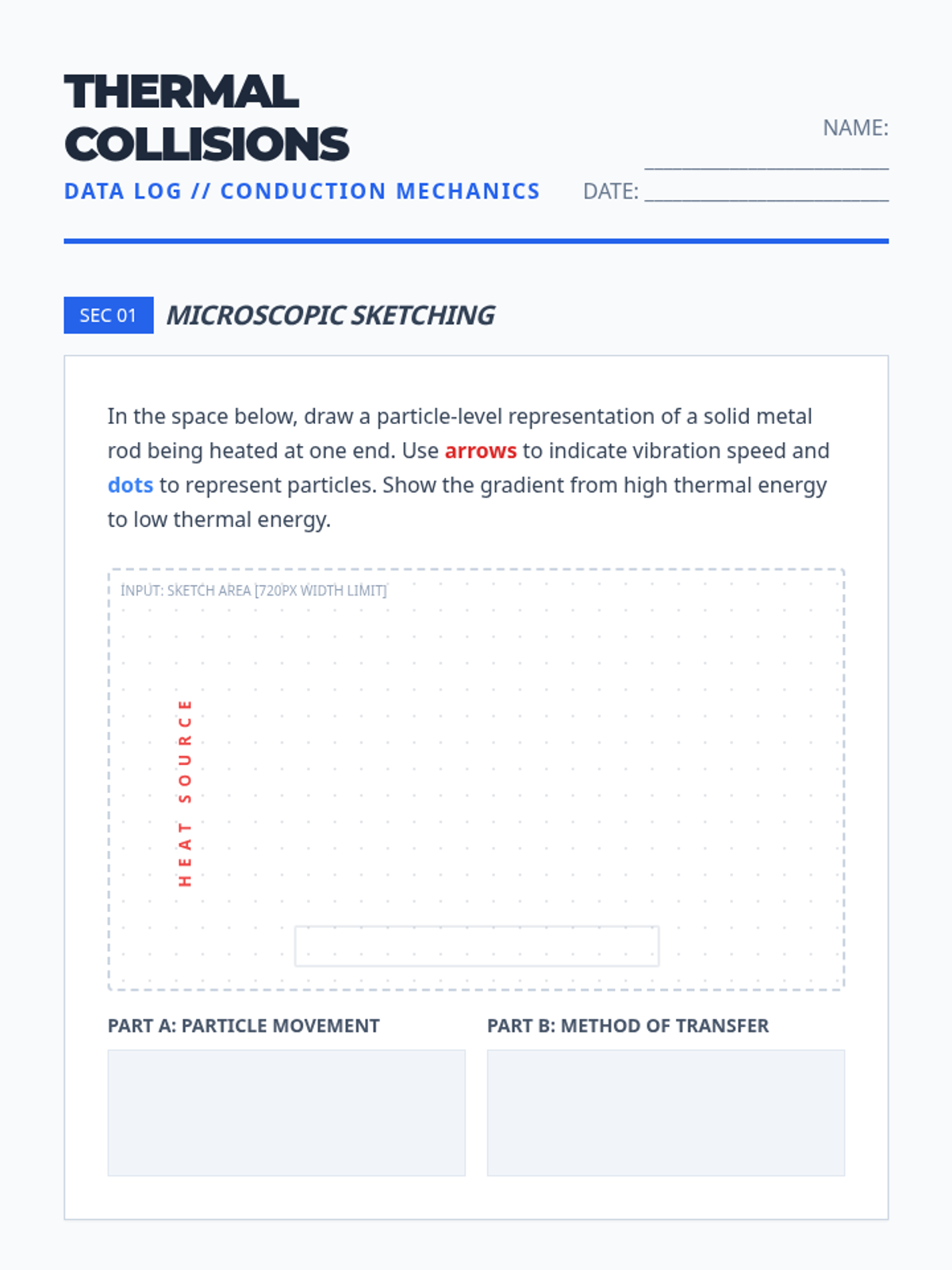
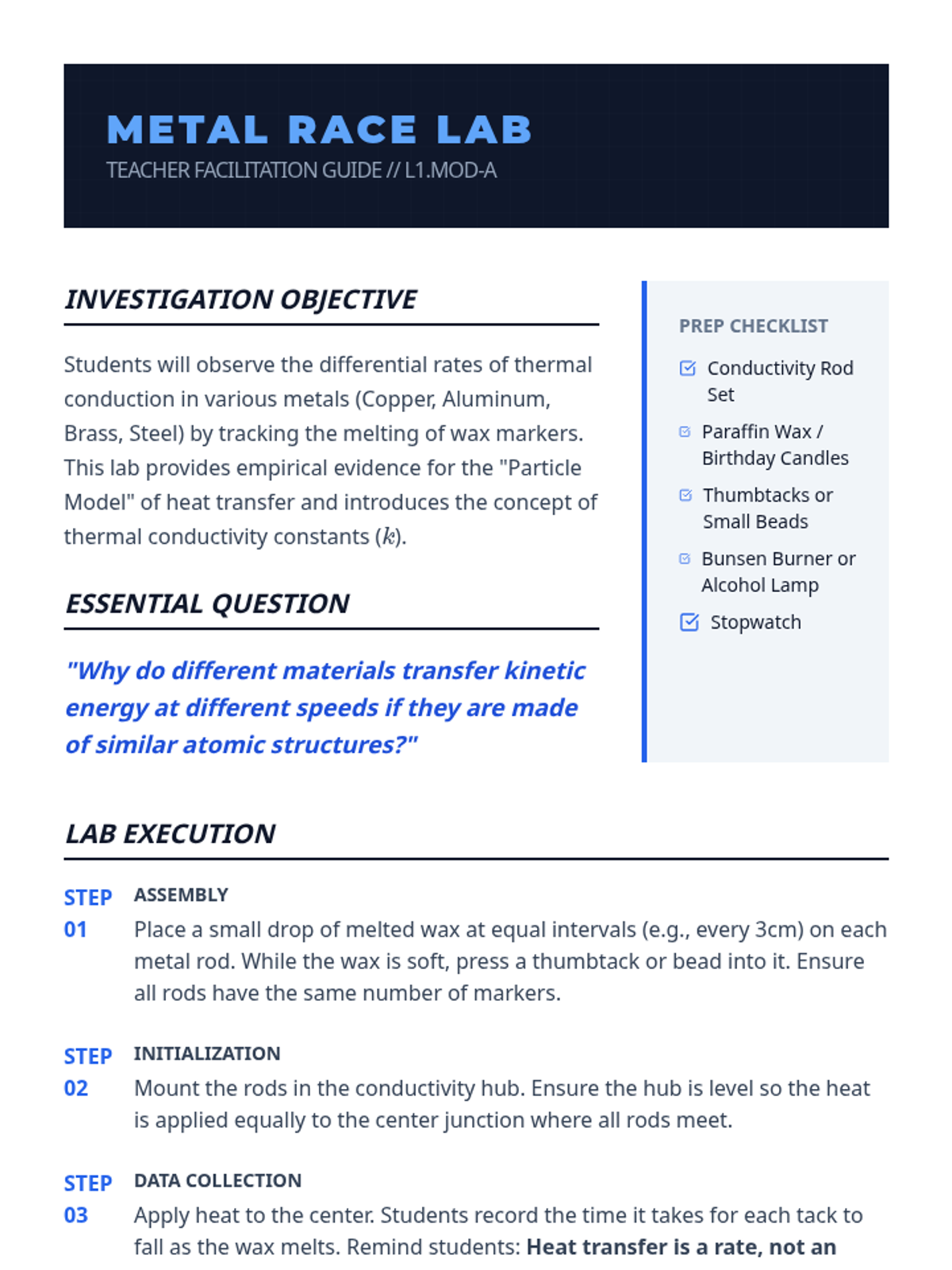
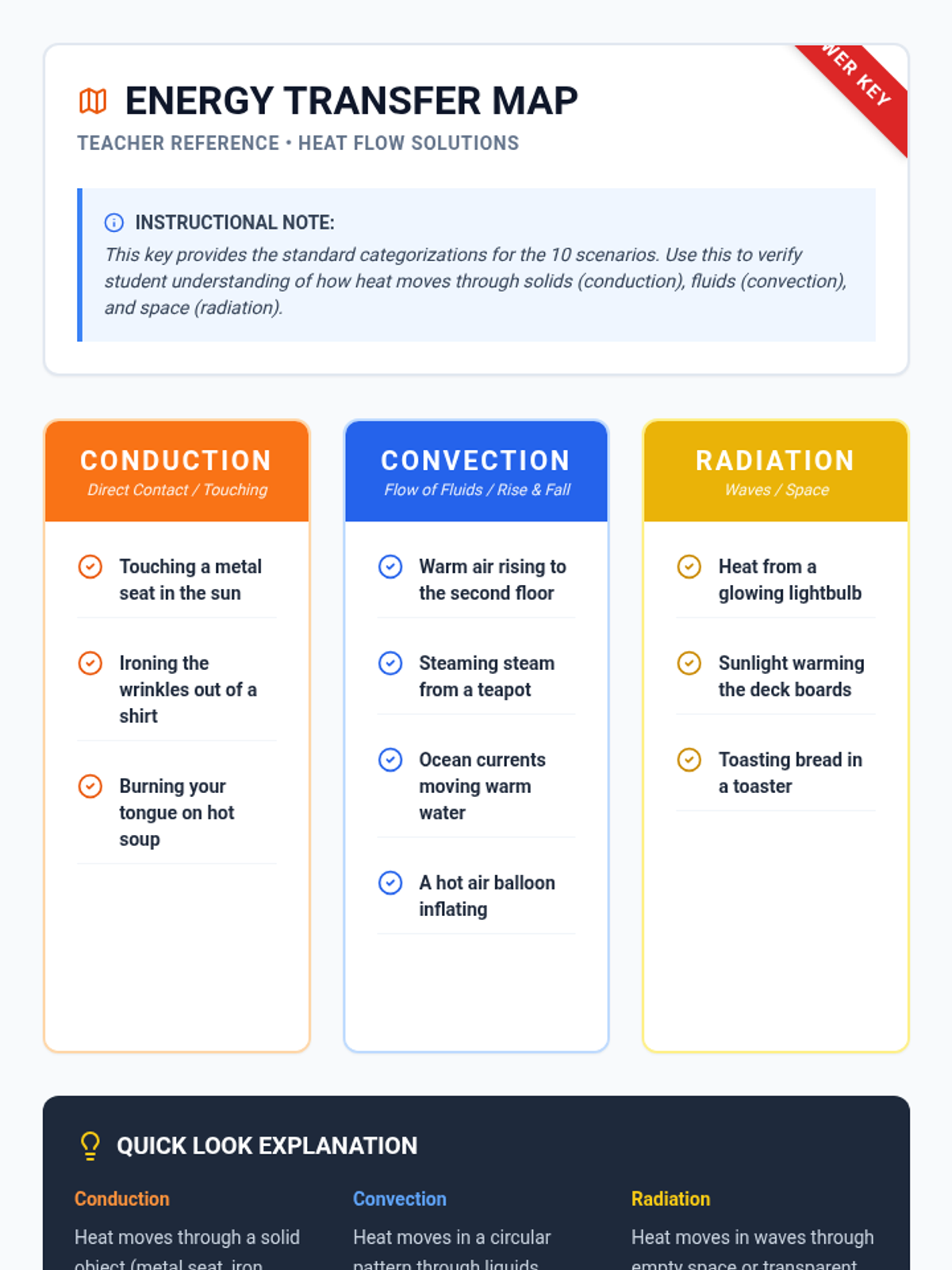
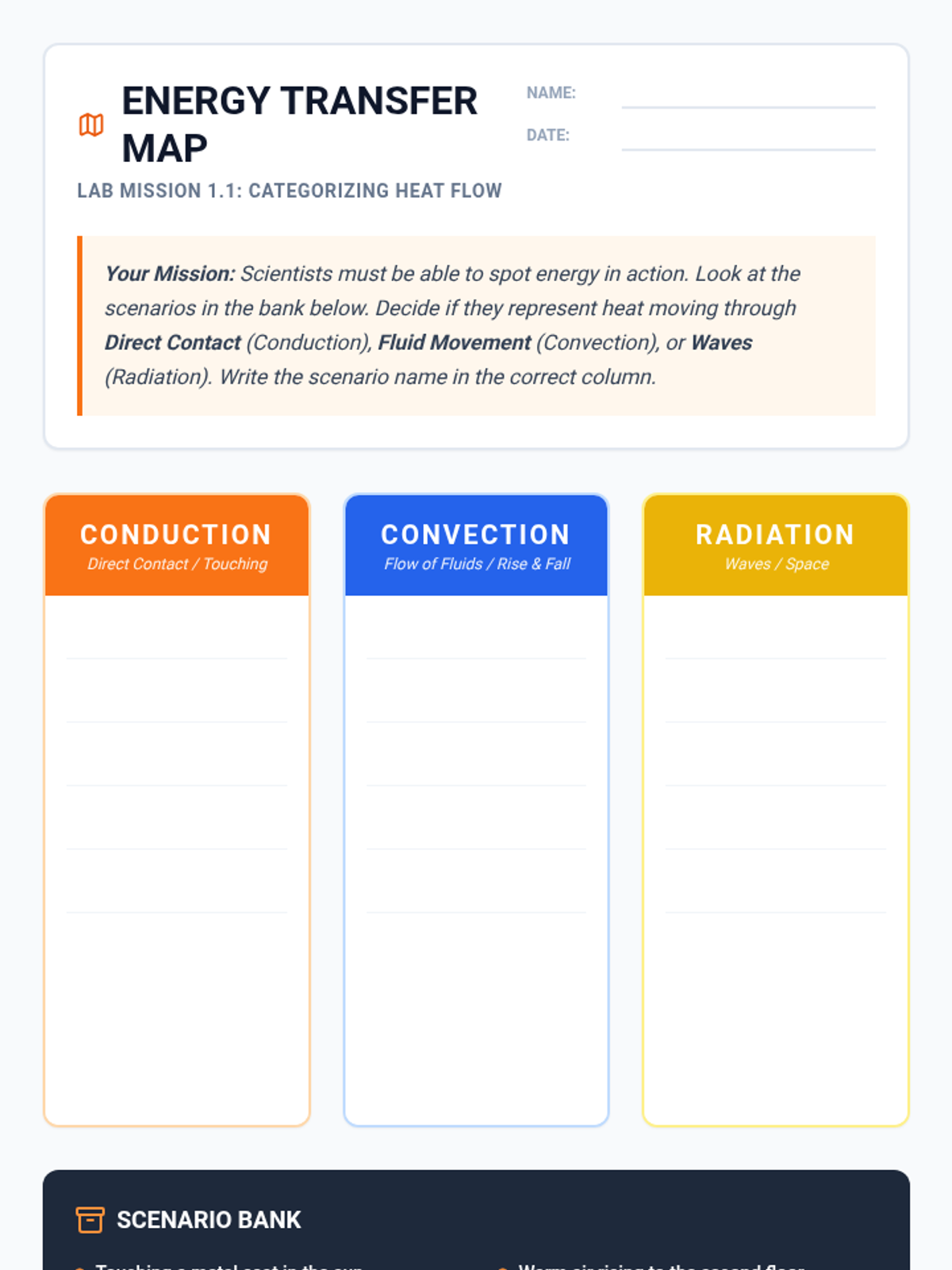
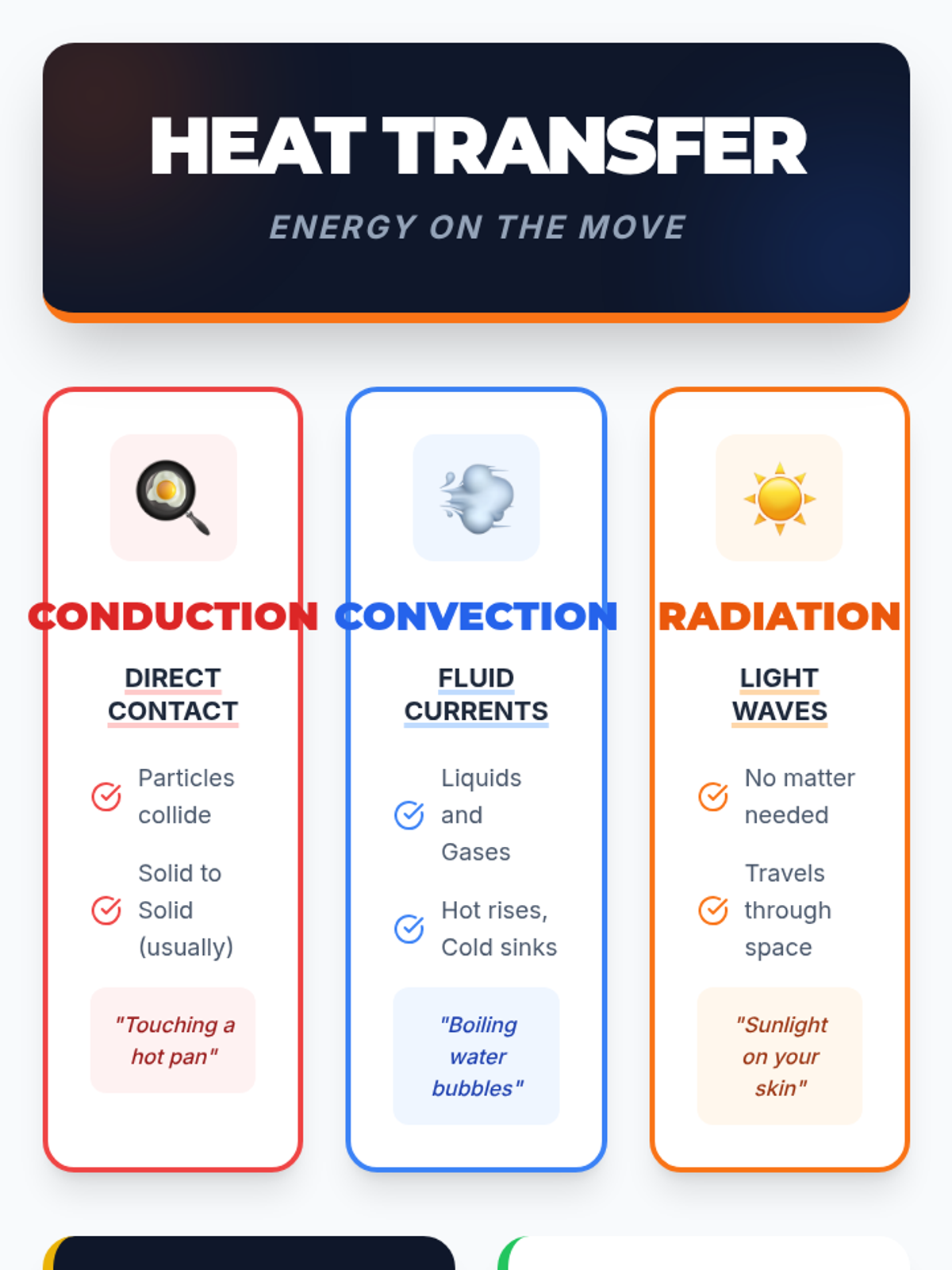
An exploration of the three modes of heat transfer: conduction, convection, and radiation. Students investigate the physics of thermal energy movement from microscopic particle collisions to global atmospheric systems and engineering applications.
A comprehensive 6th-grade Earth Science unit exploring the mechanics of the water cycle, energy transfer via convection, and the formation of clouds and precipitation. Students engage in inquiry-based labs and simulations to understand how solar energy drives global weather patterns.
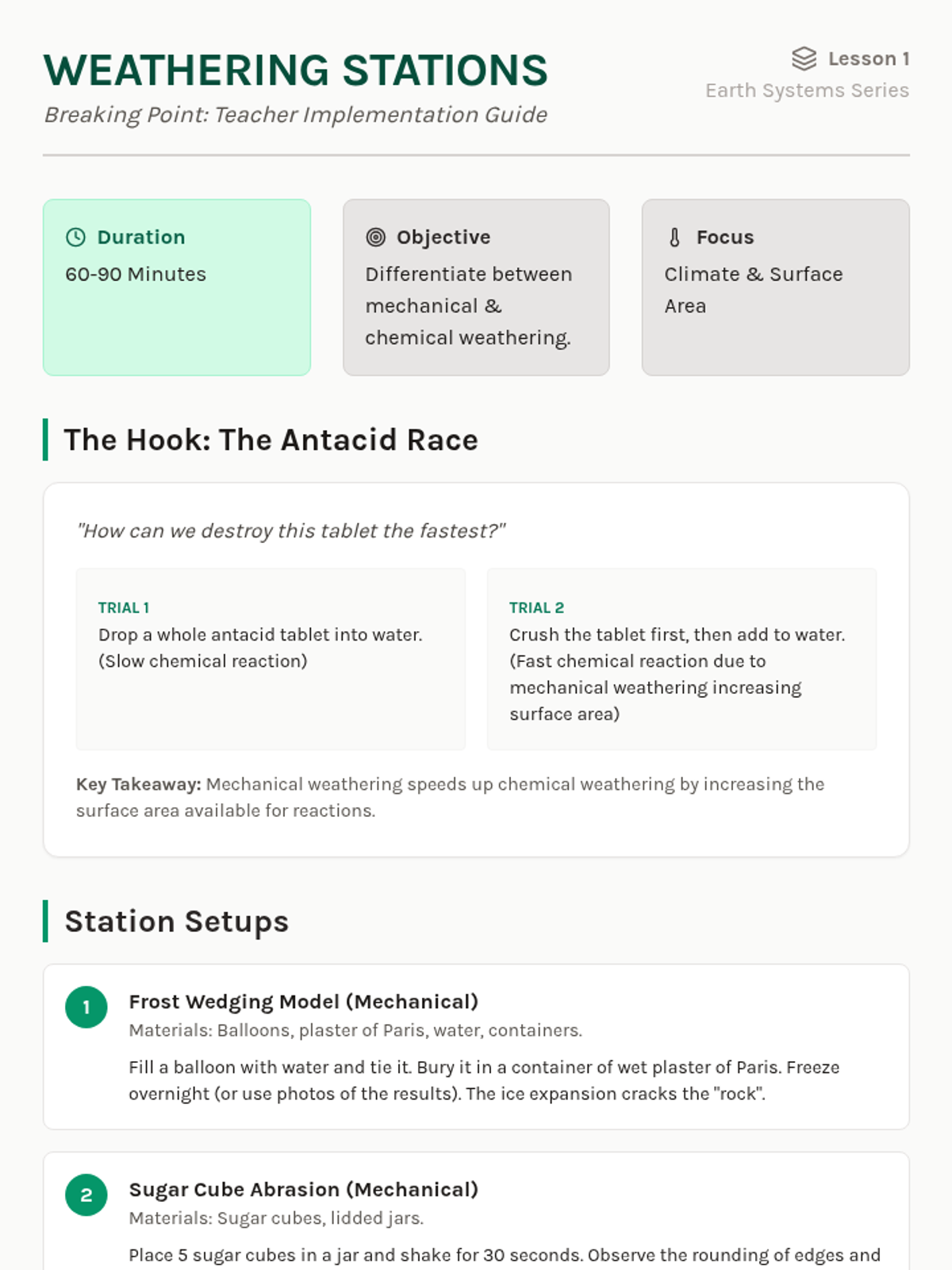
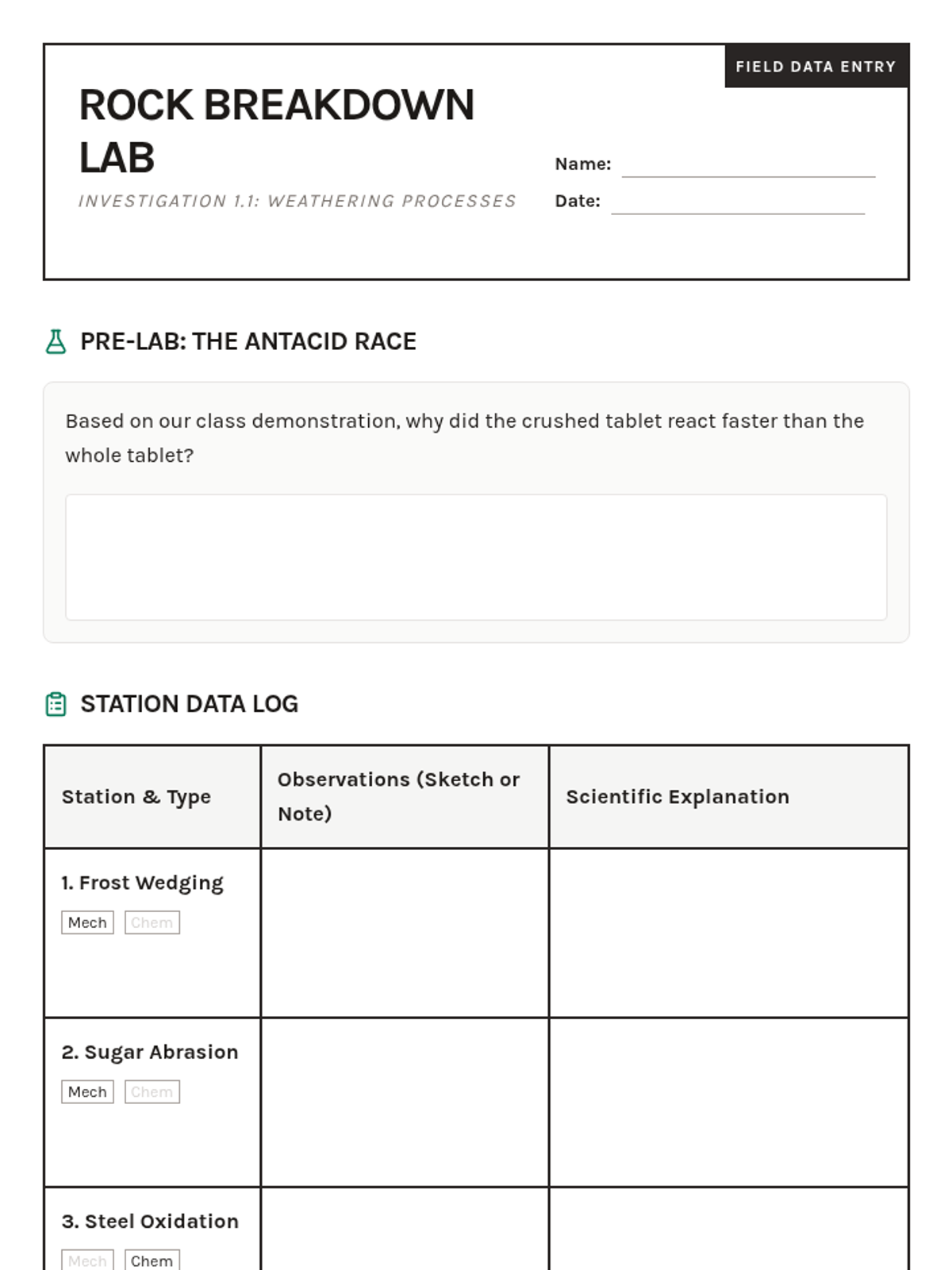
A project-based unit exploring weathering, erosion, and deposition. Students investigate mechanical and chemical weathering, model river systems and depositional environments, and propose land management strategies for erosion control.
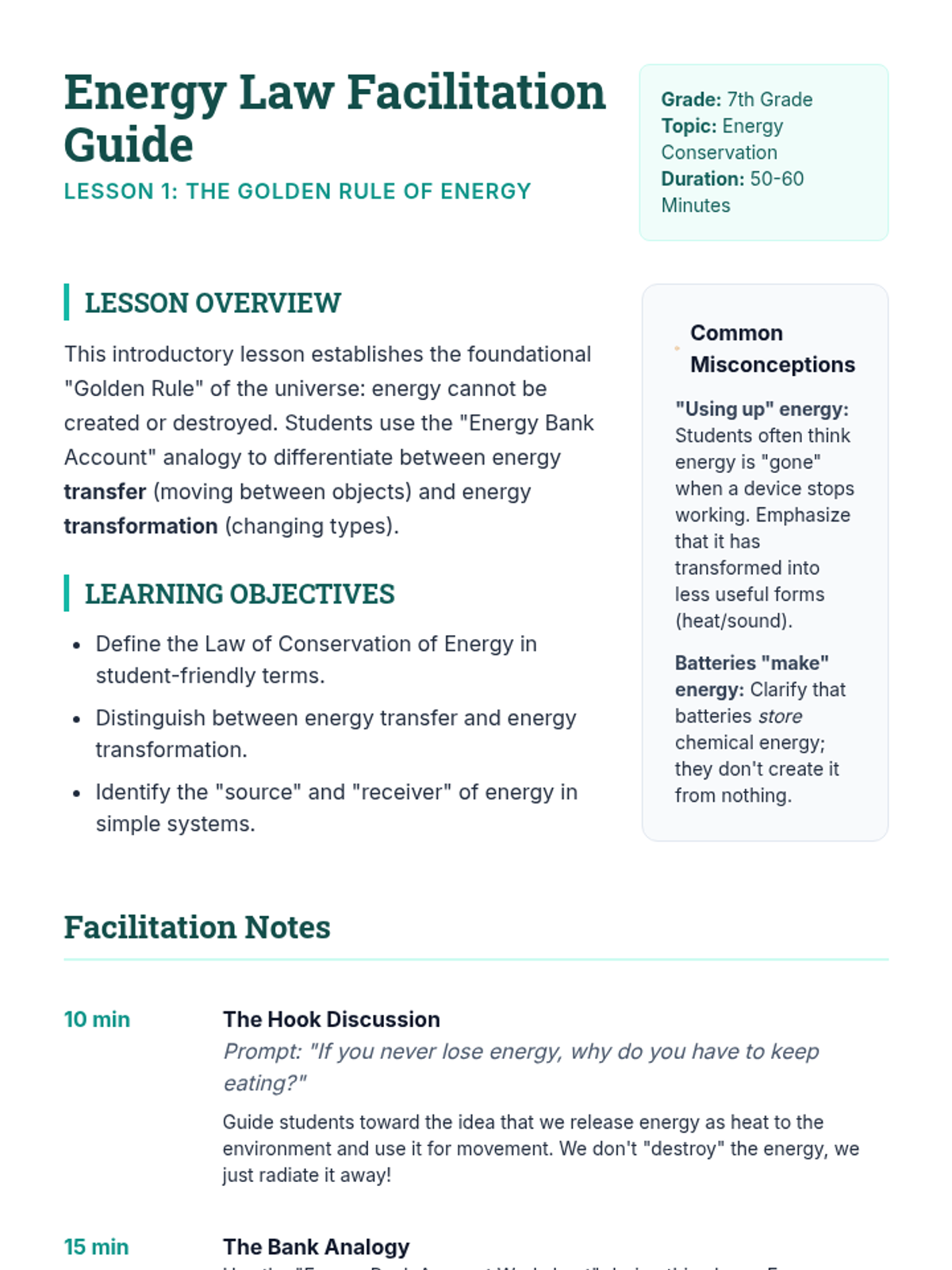
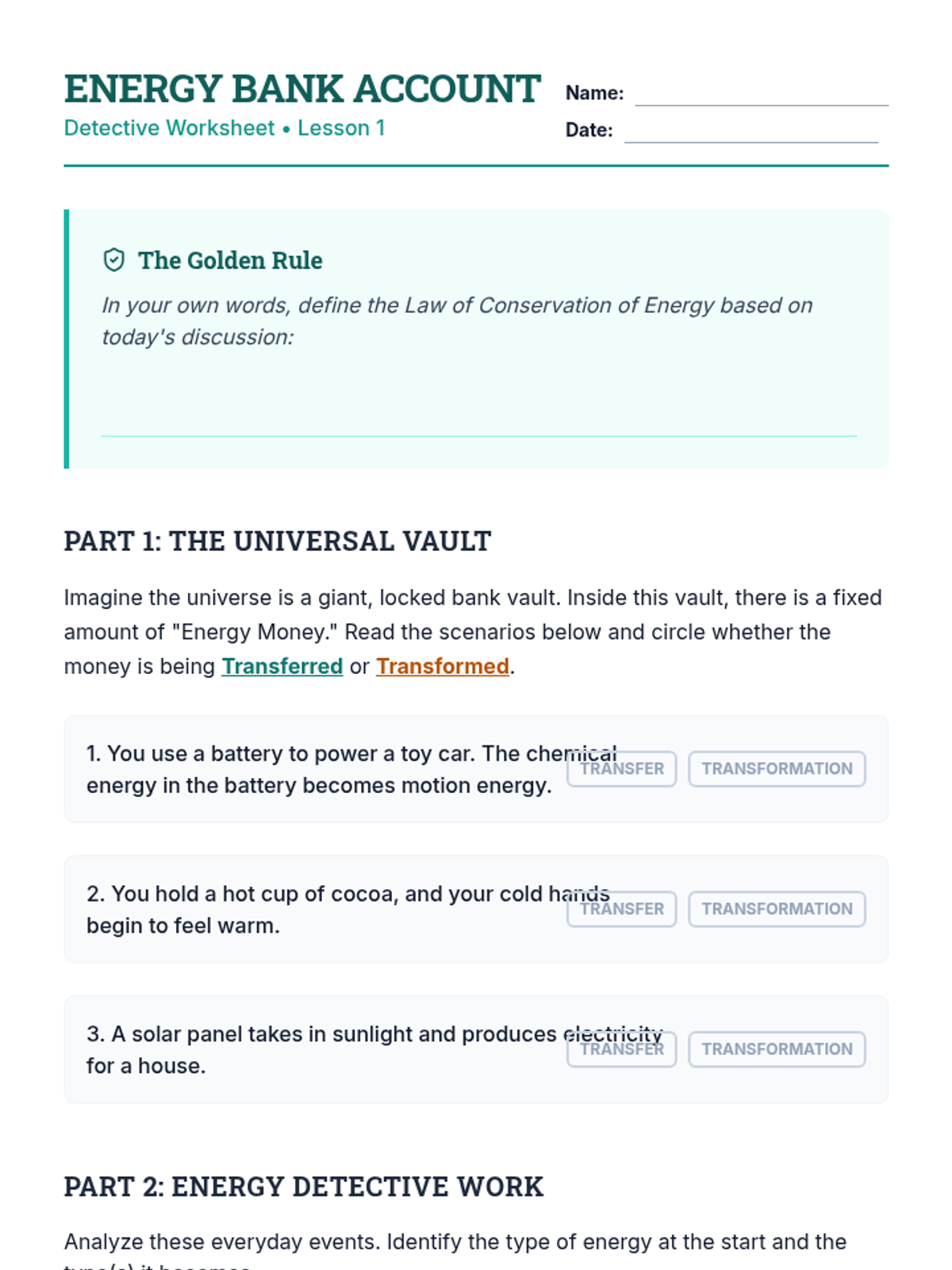
This sequence explores the Law of Conservation of Energy through the lens of chemistry and particle motion. Students investigate how energy transforms from chemical potential energy to thermal kinetic energy, using simulations and systems mapping to track energy flow and explain heat in chemical reactions.
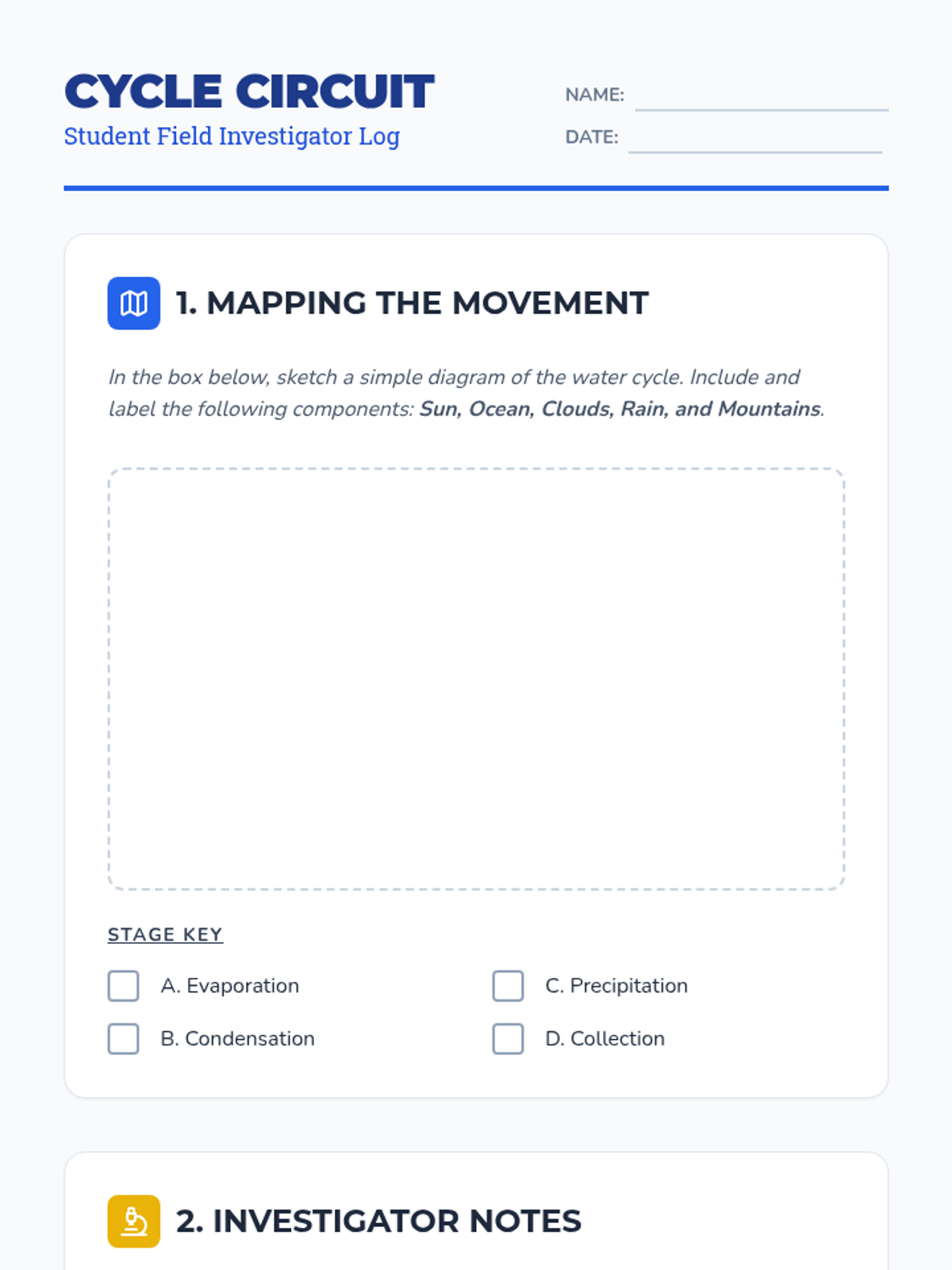
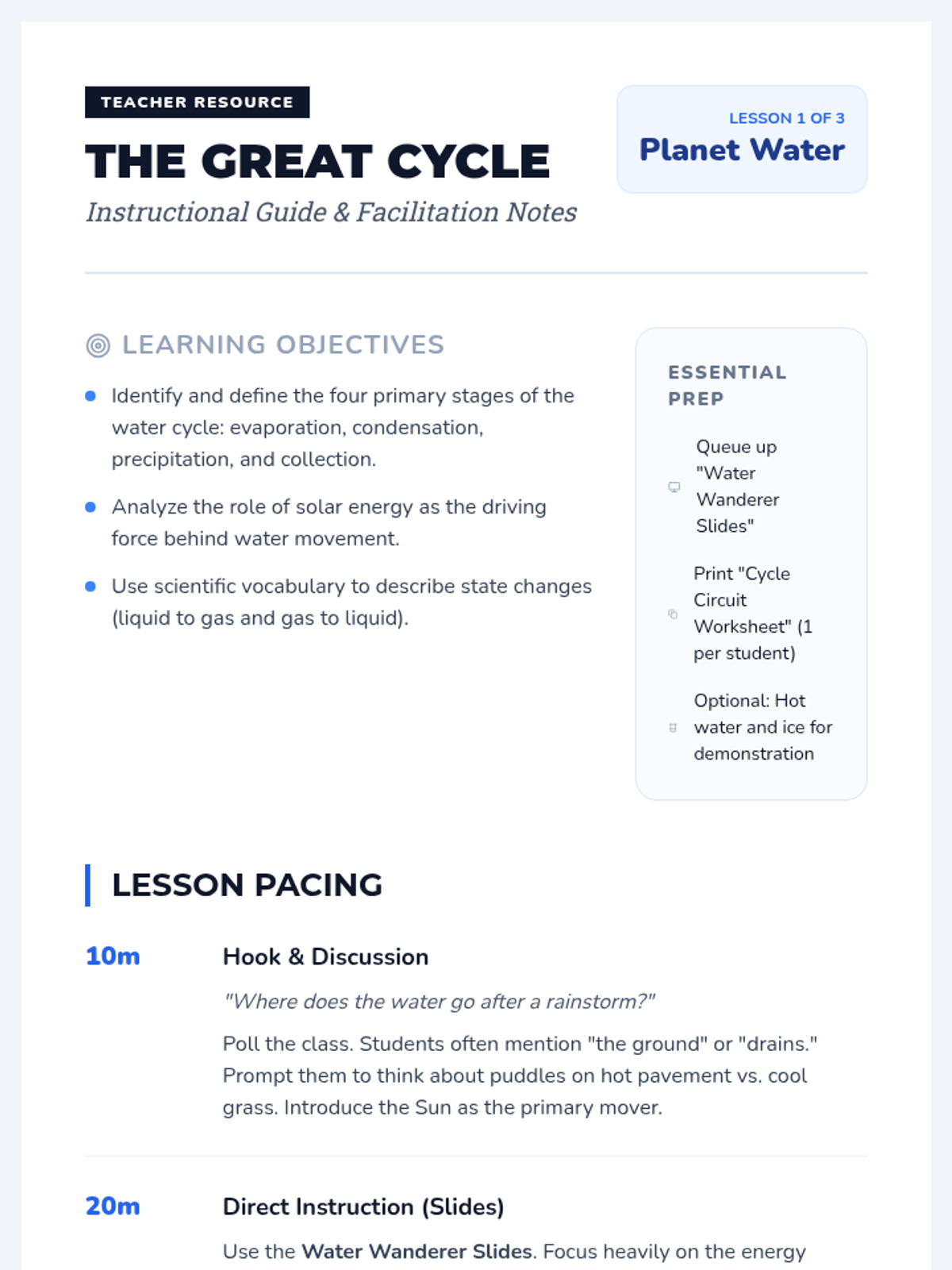
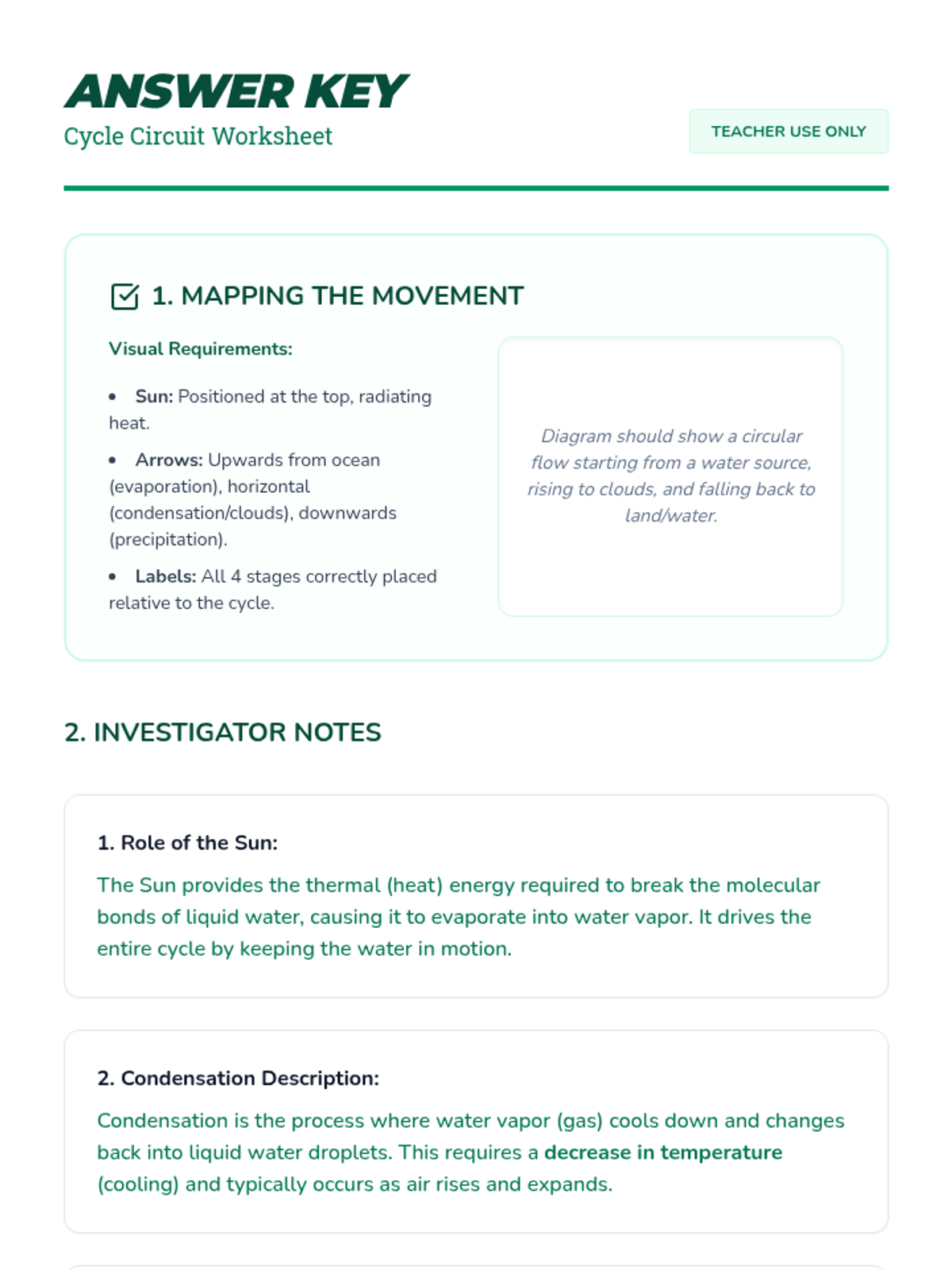
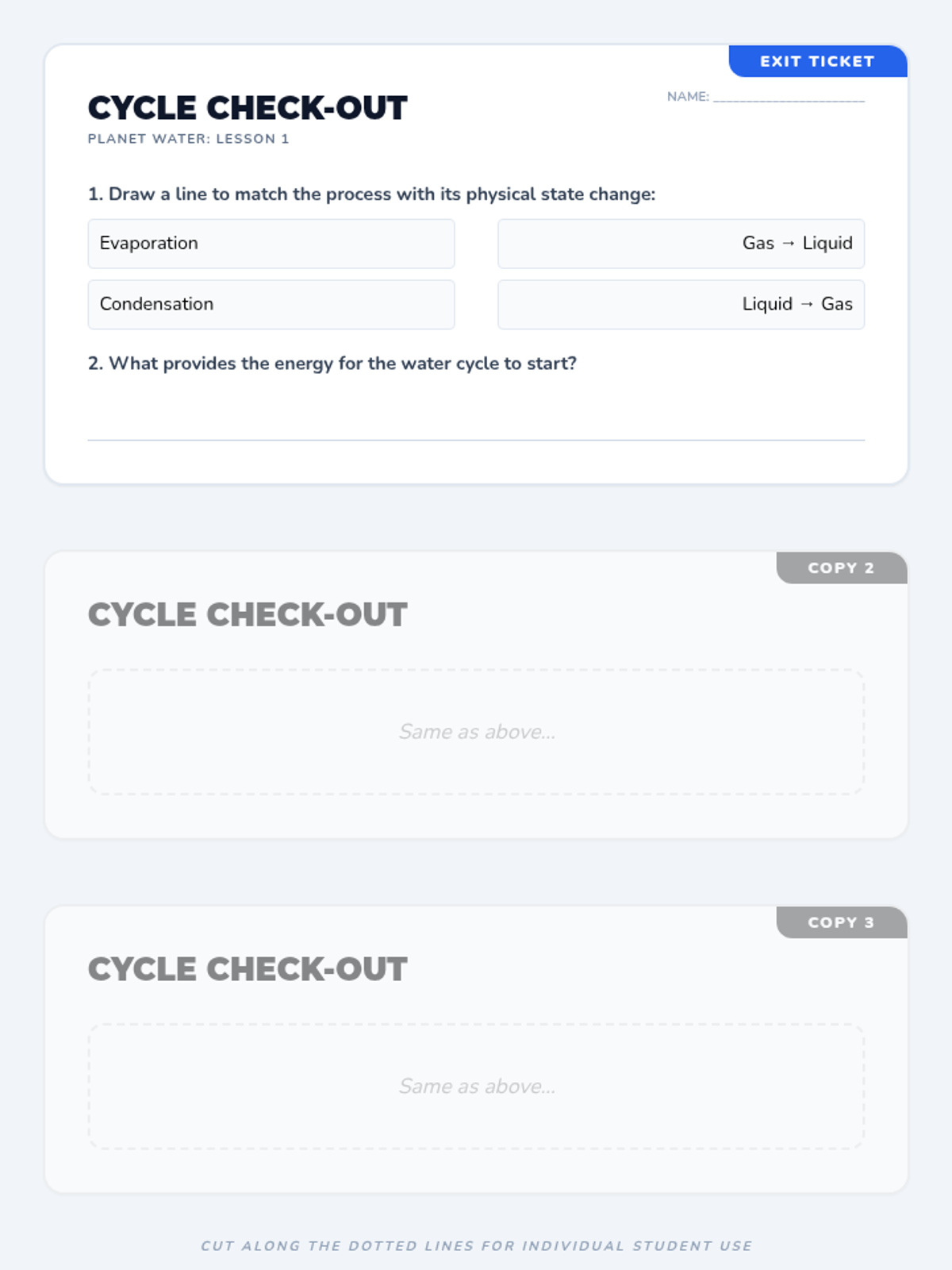
A comprehensive unit exploring the movement of water through Earth's systems, focusing on the processes of evaporation, condensation, precipitation, and collection.
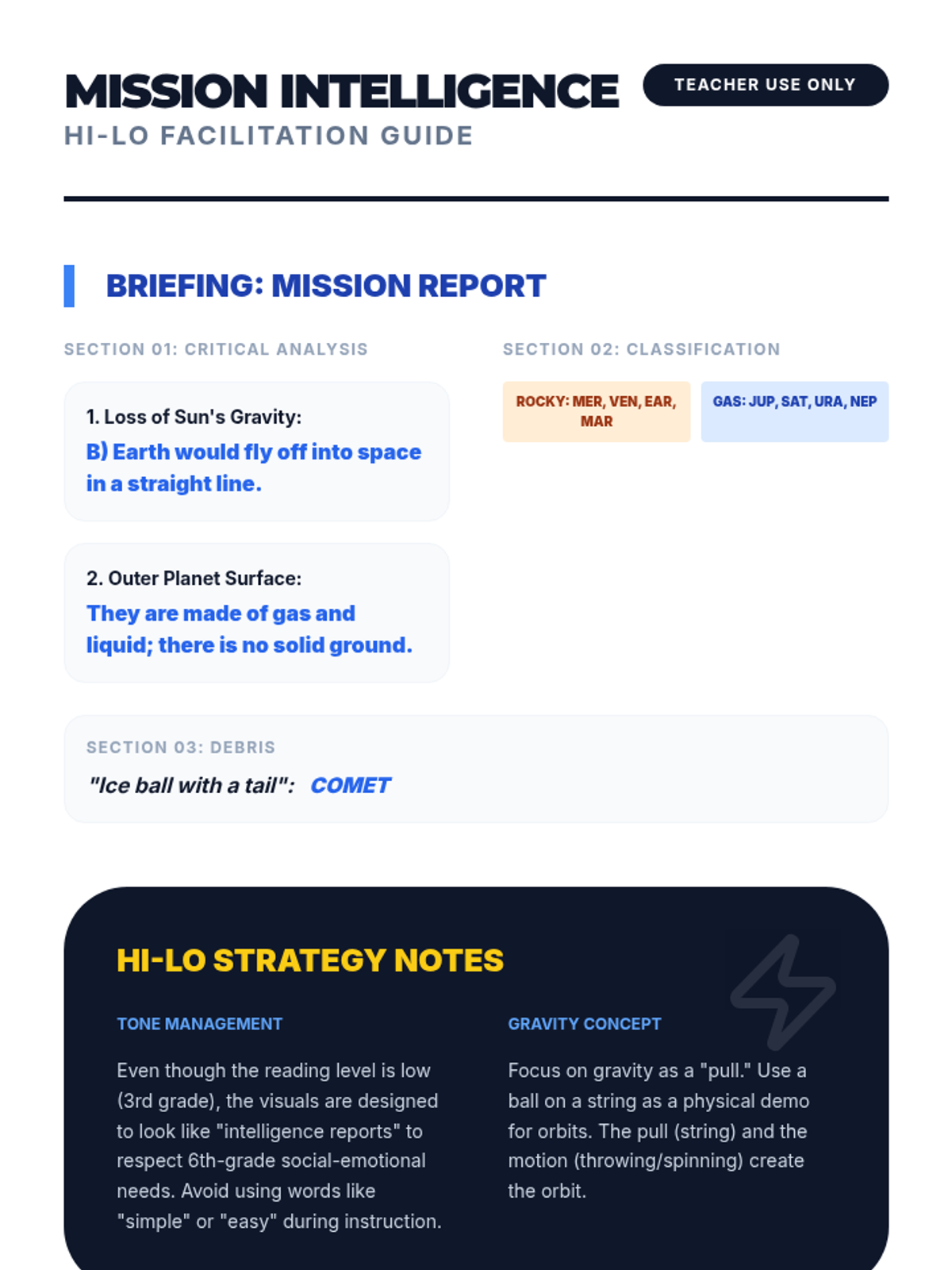
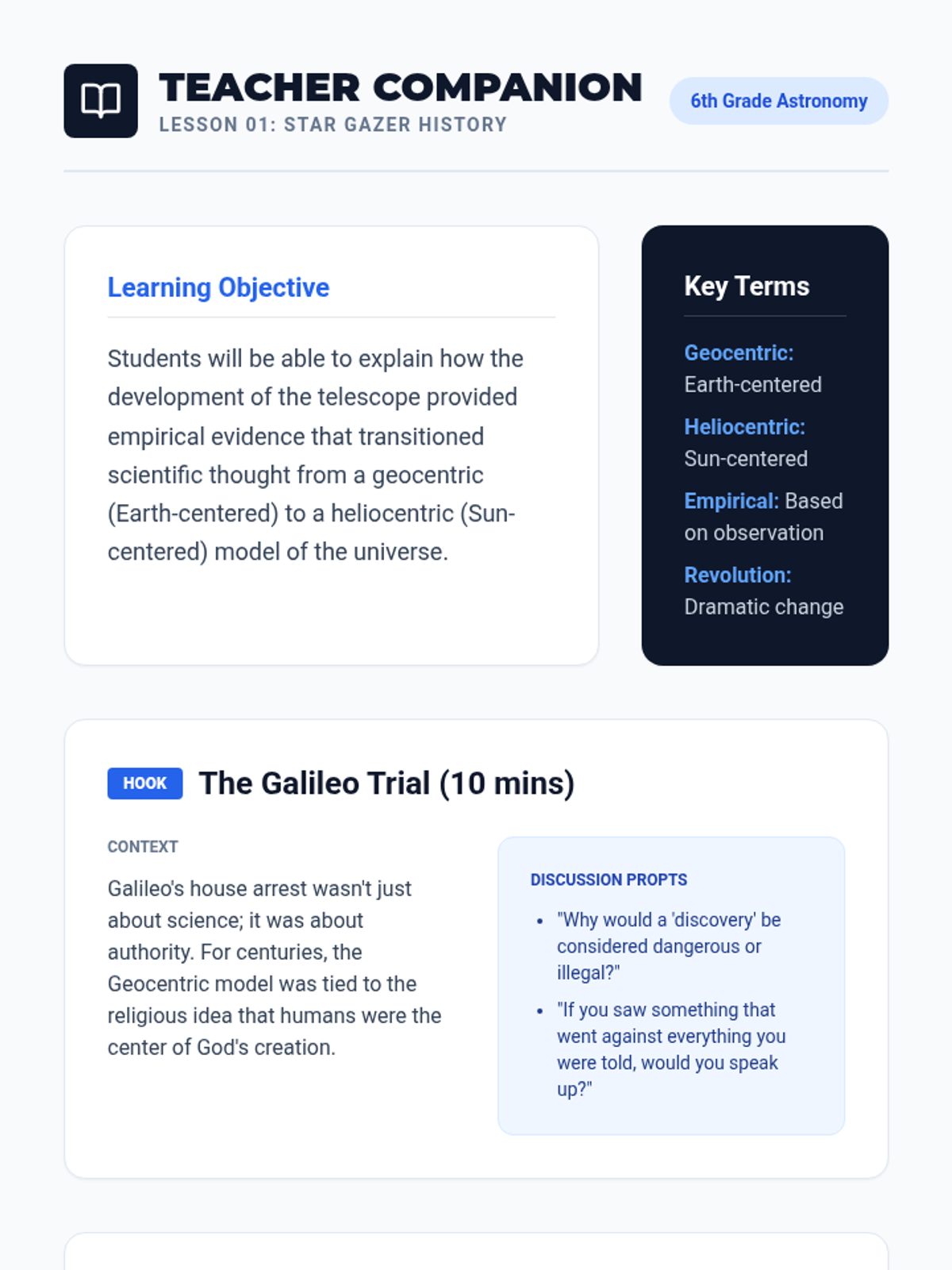
A comprehensive Hi-Lo unit for 6th graders exploring the scale of the universe, our place in the Milky Way, the technology used to explore space, and the history of human spaceflight.
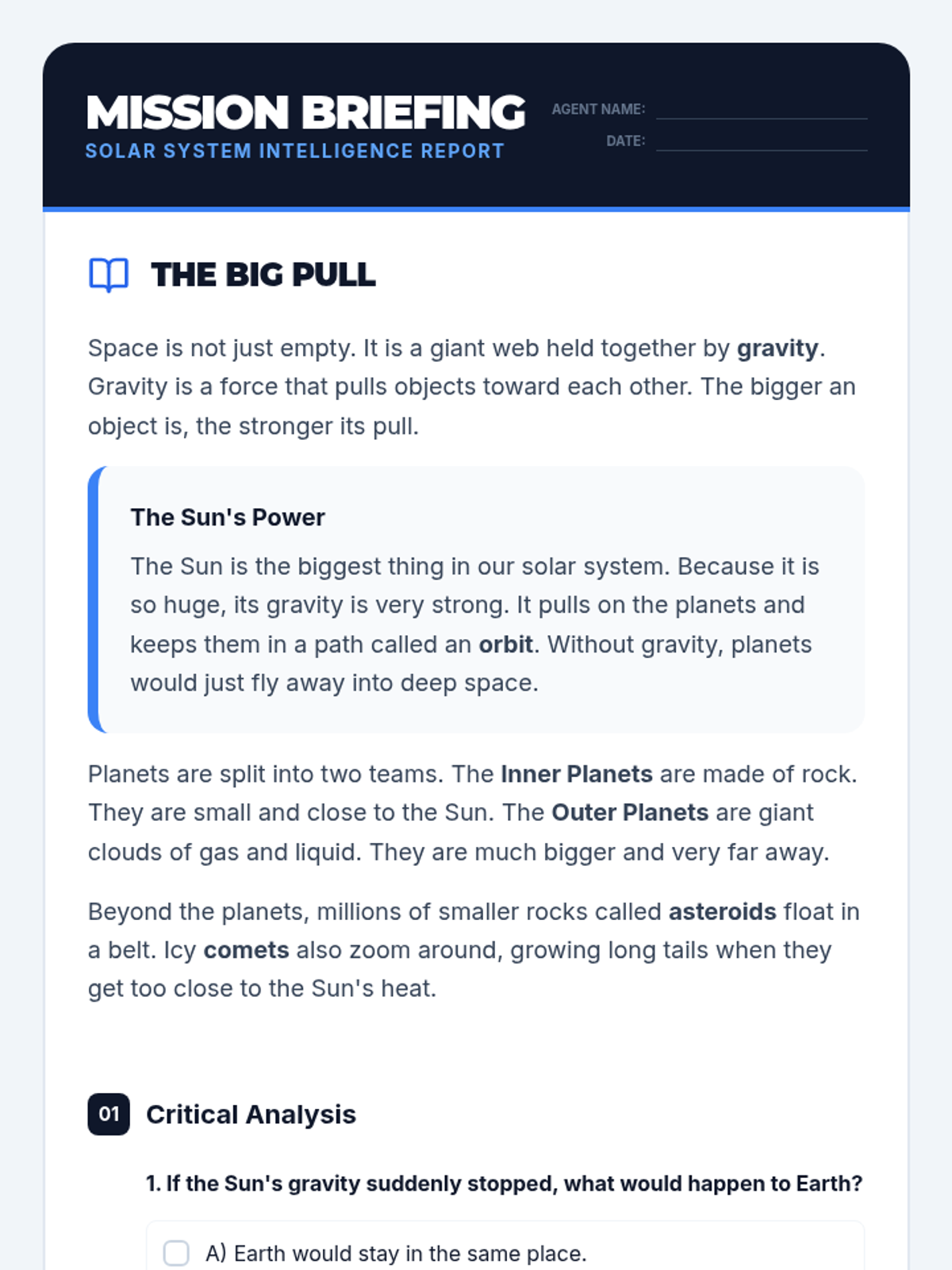
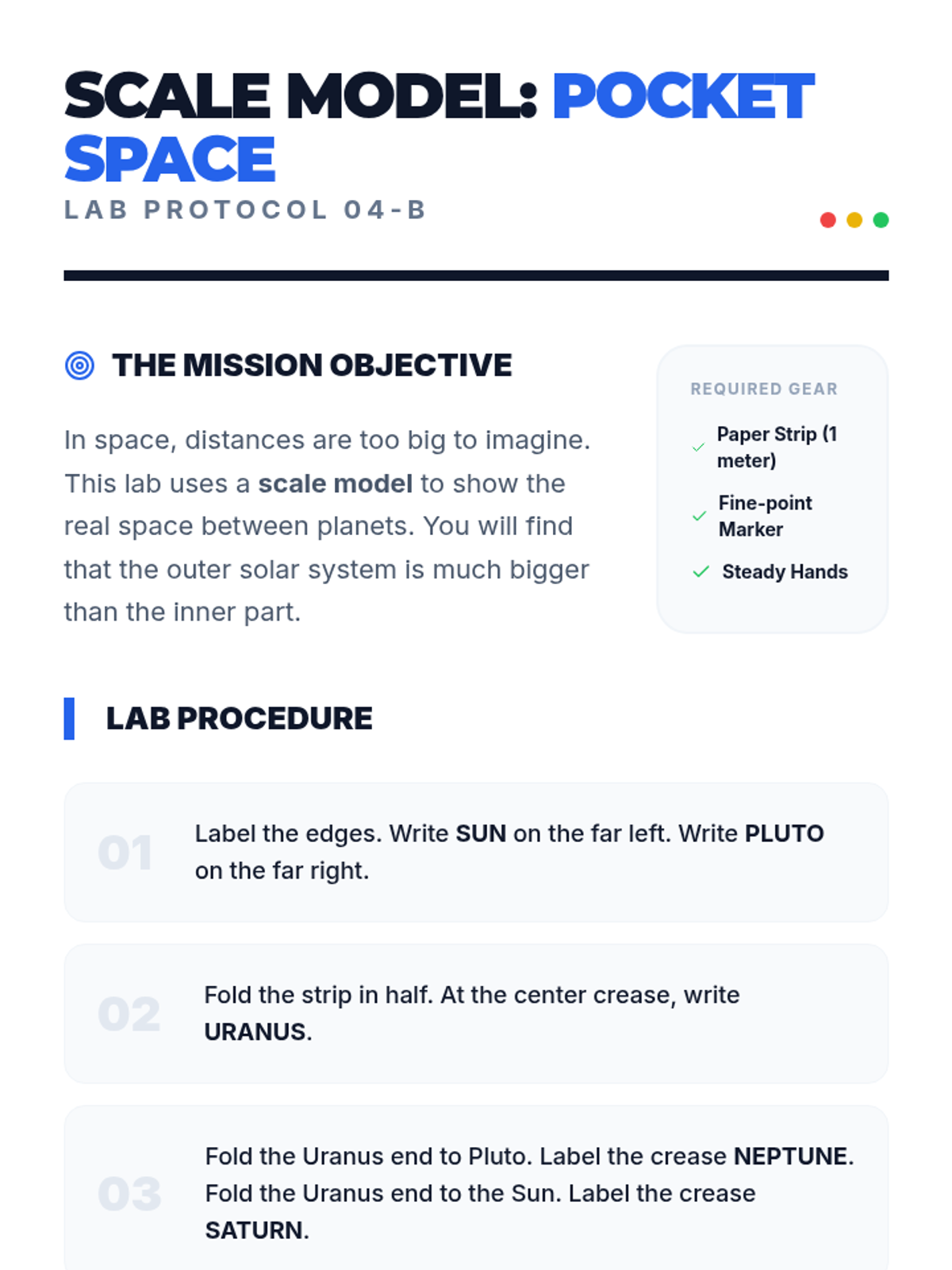
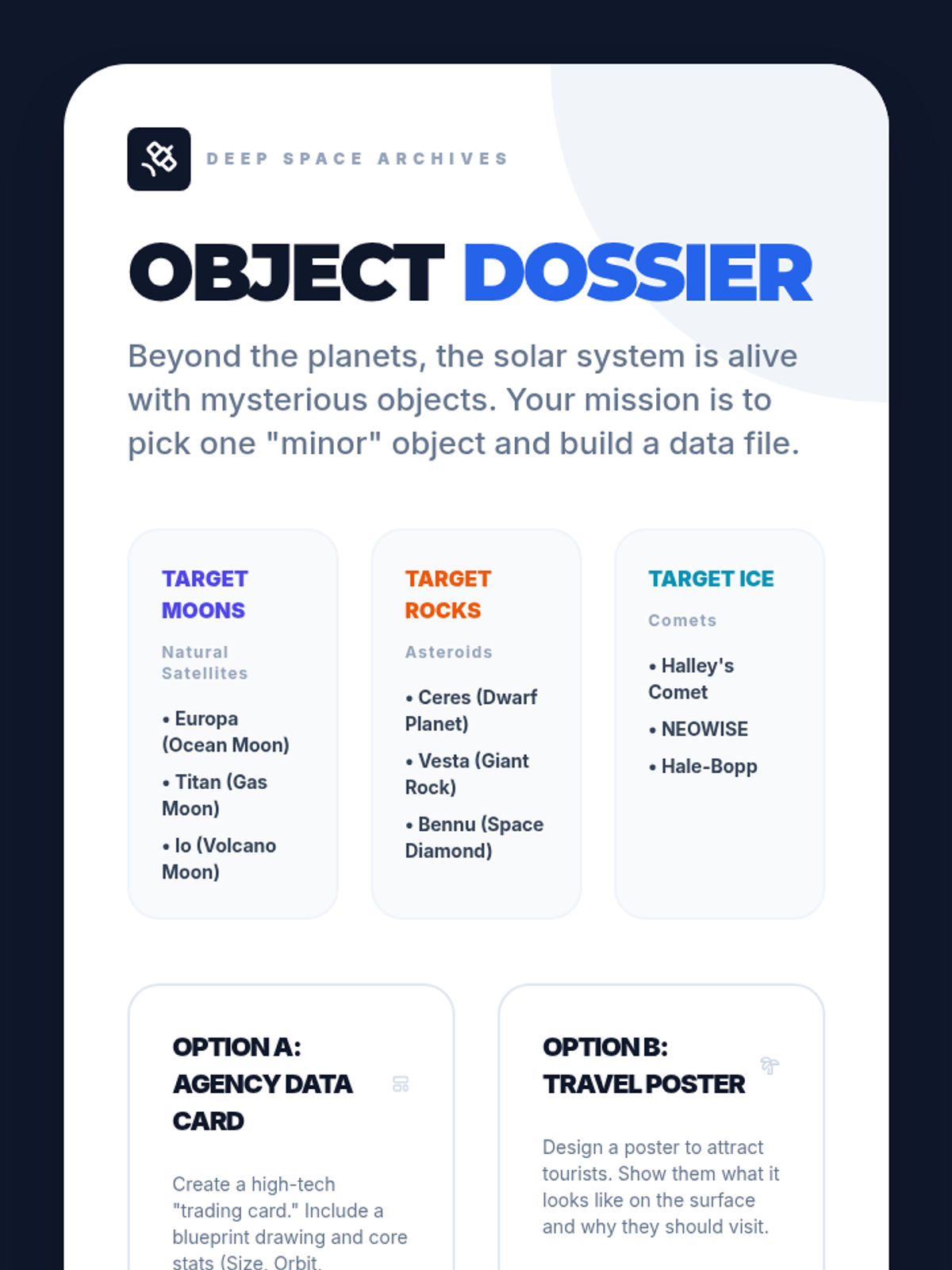
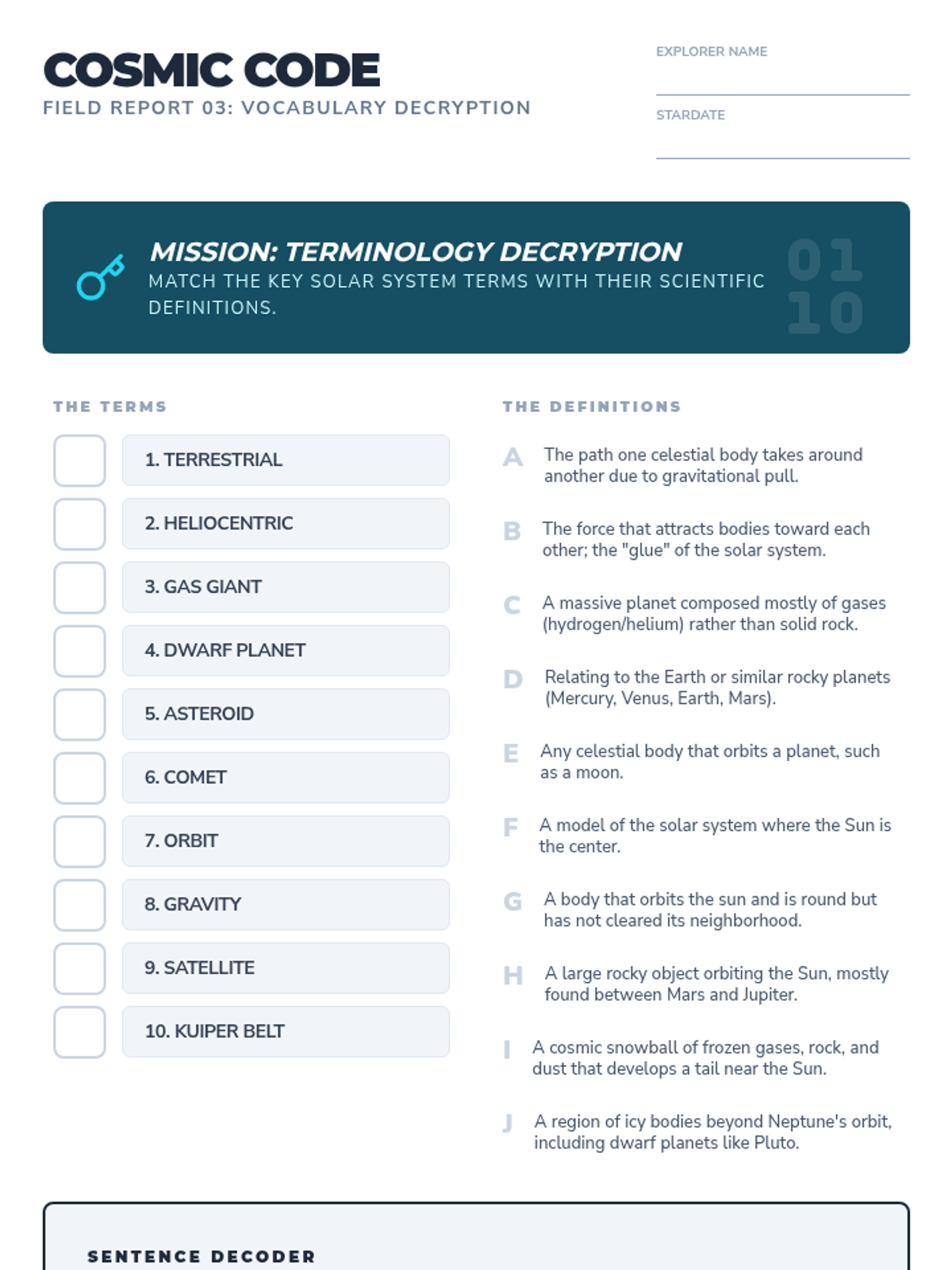
An immersive journey through space science, mapping out everything from planetary orbits to the fundamental forces like gravity and stellar evolution that shape our universe. Designed as a cohesive "Field Manual" series for middle school explorers.
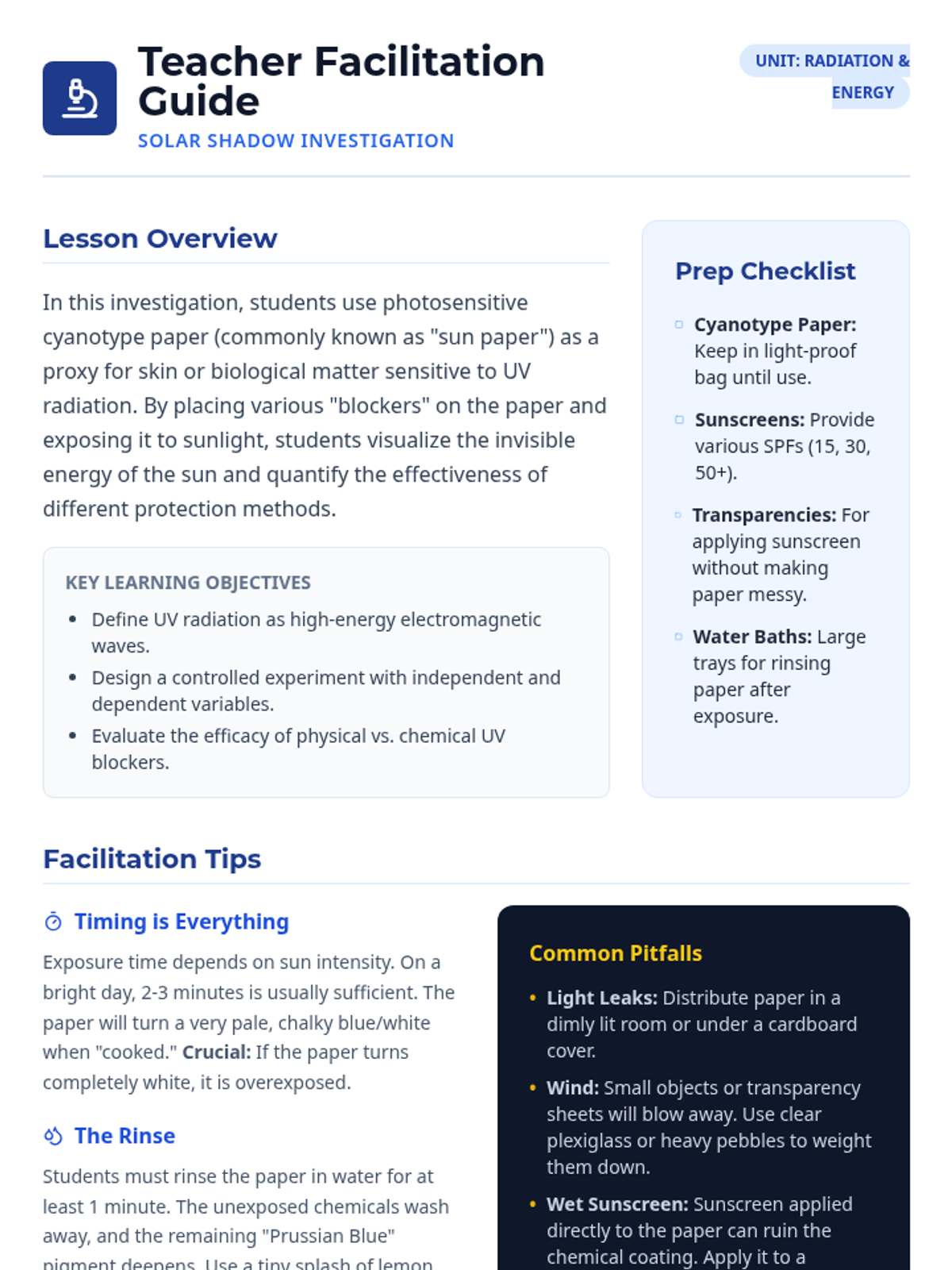
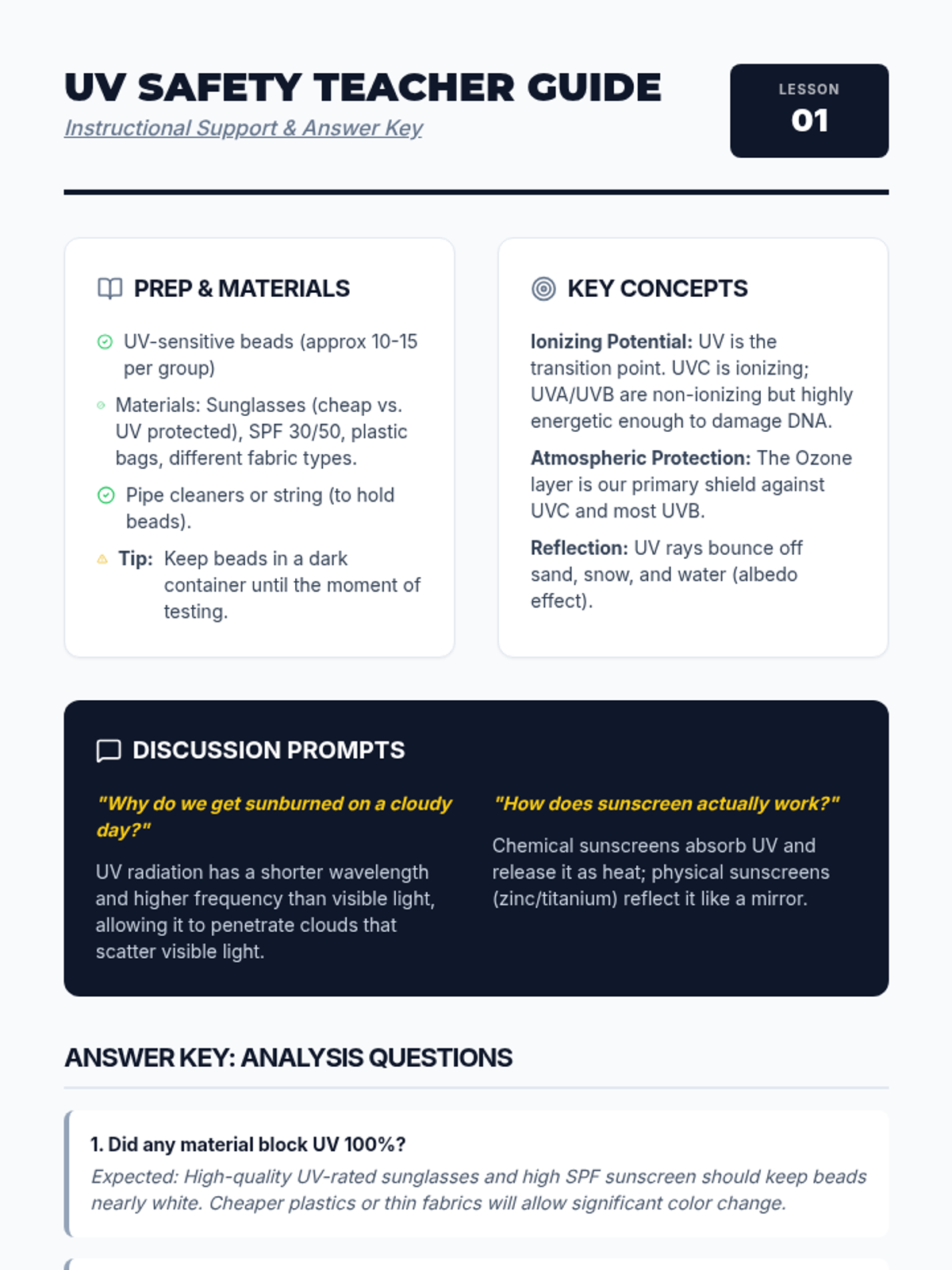
An introductory sequence on electromagnetic radiation, focusing specifically on ultraviolet light, its effects on matter, and methods of protection.
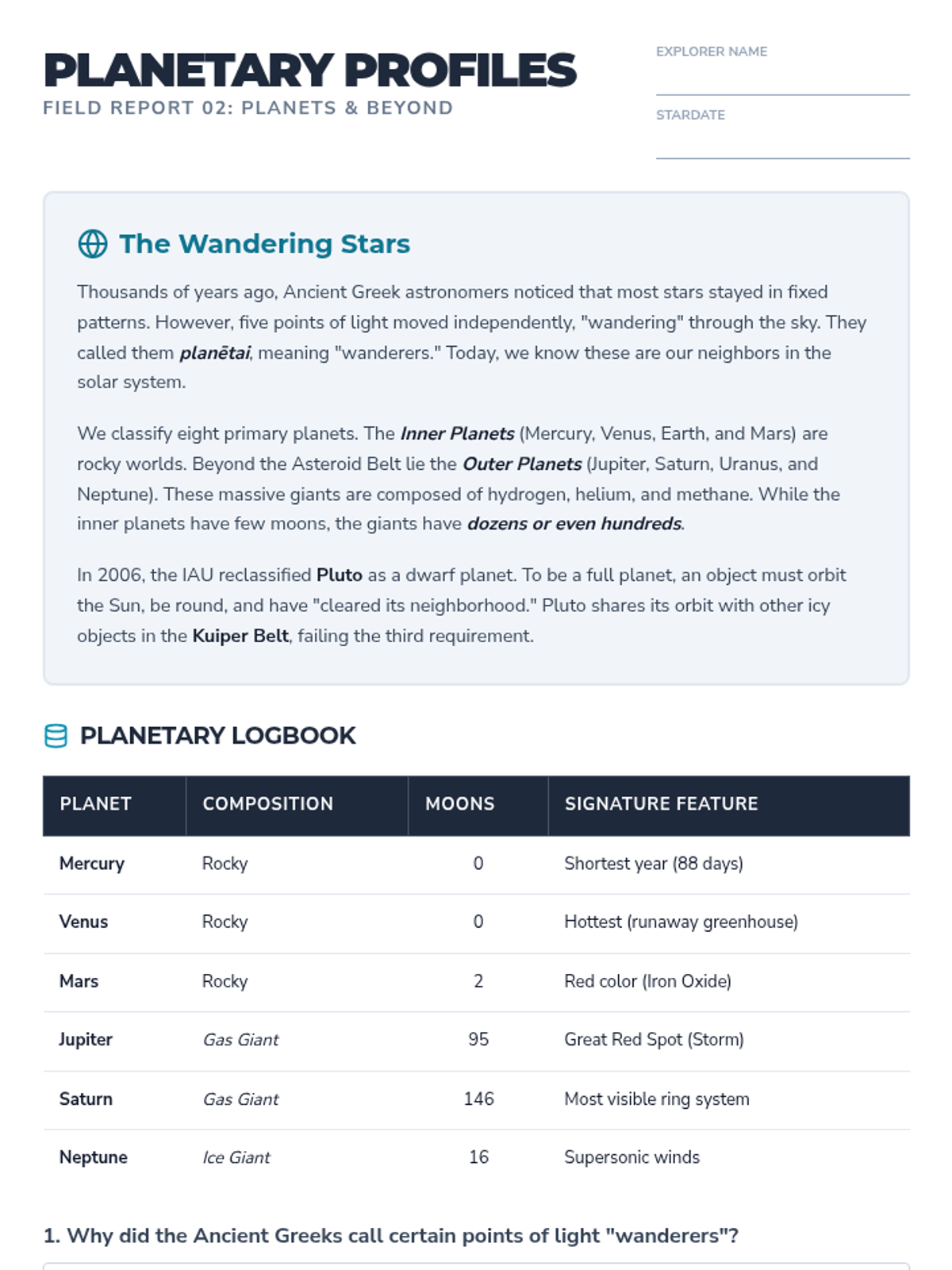
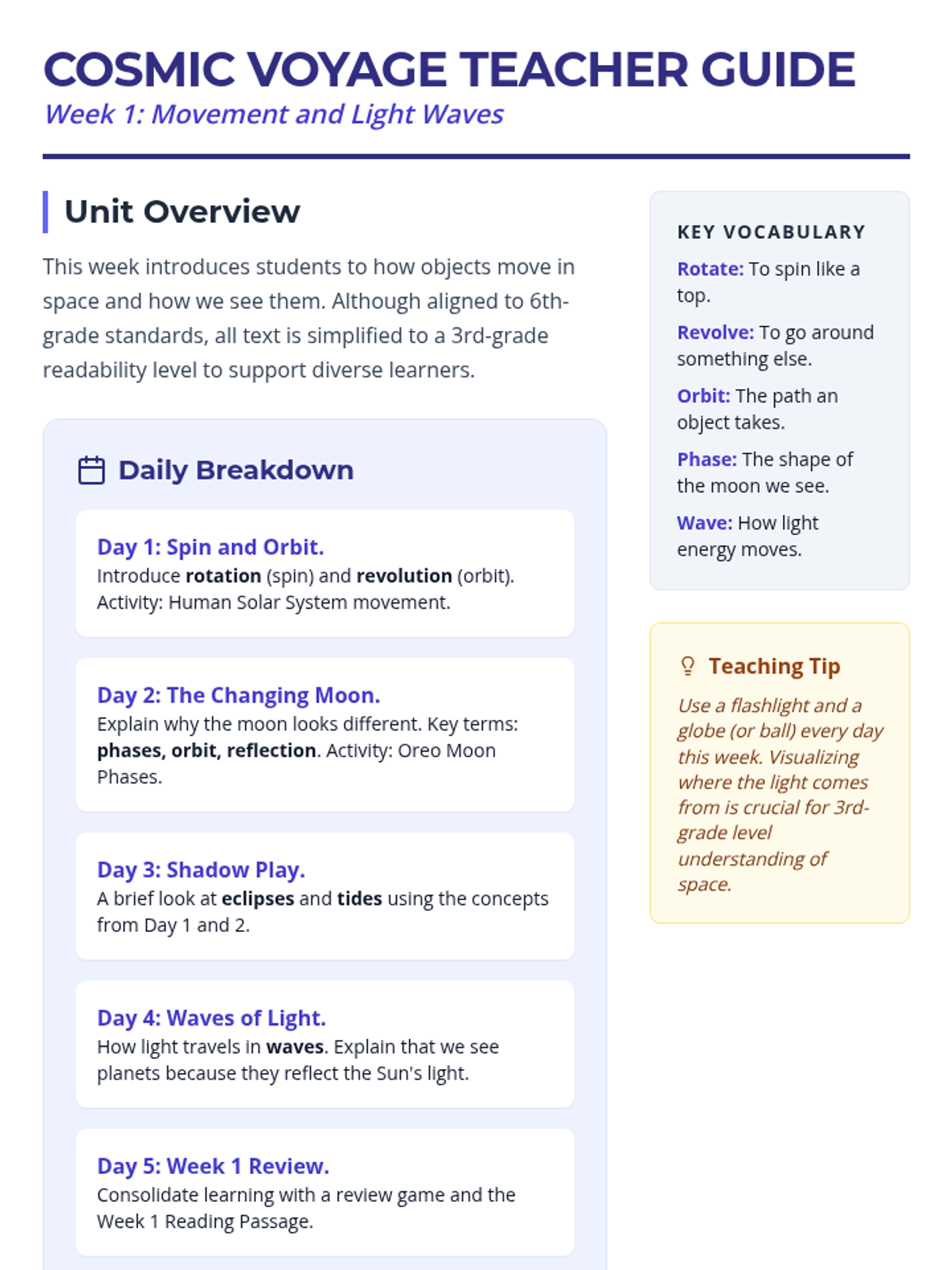
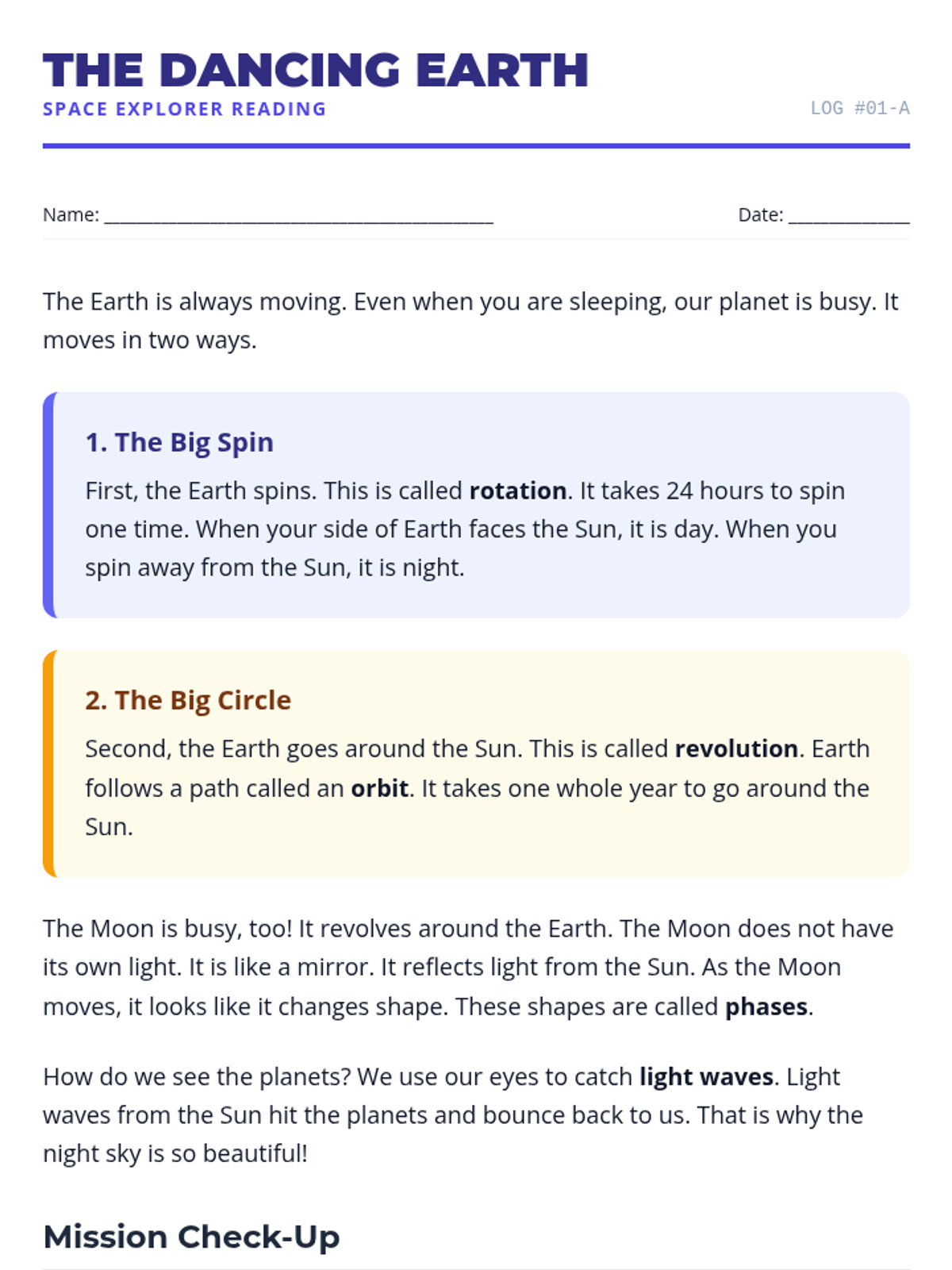
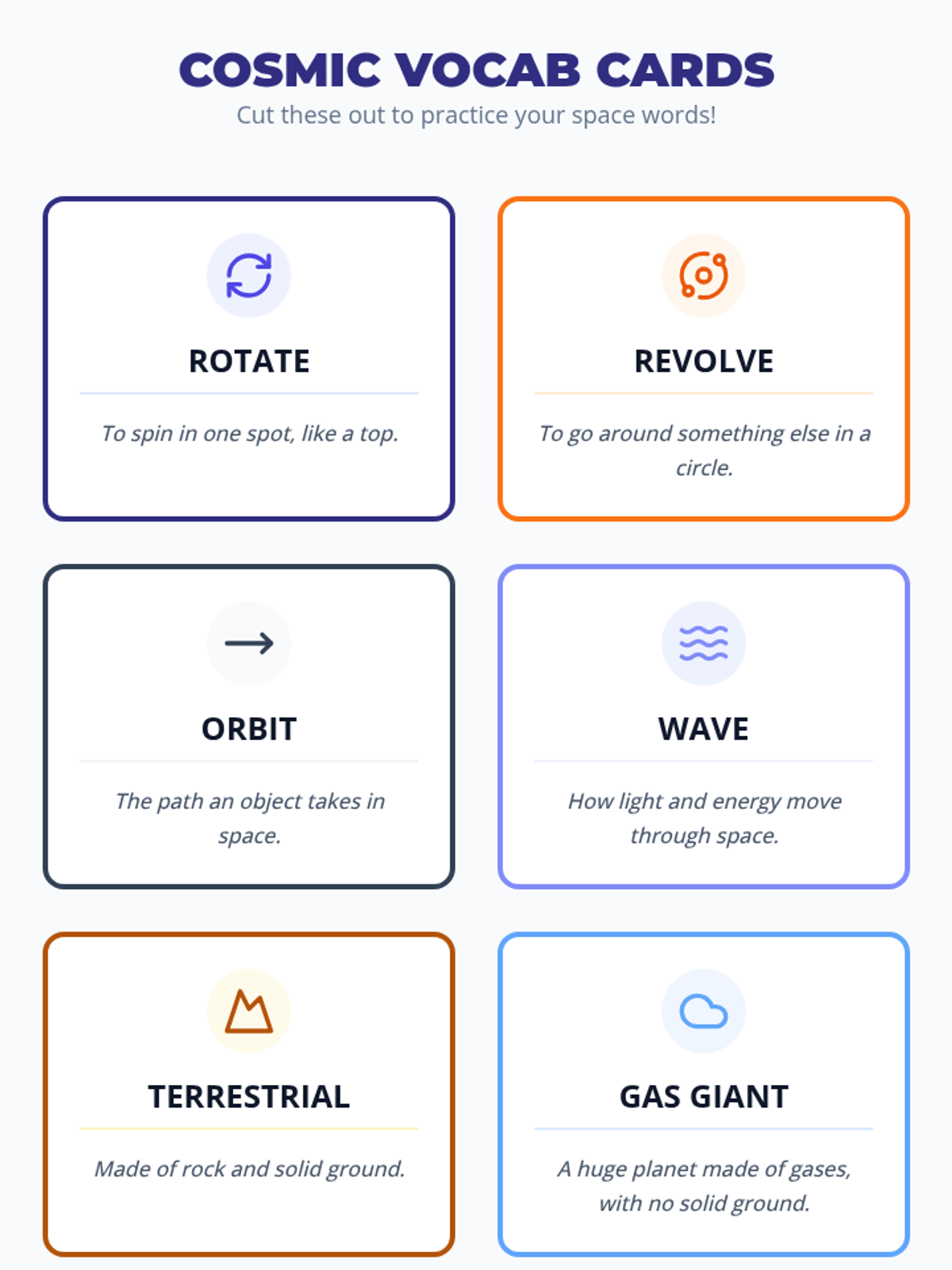
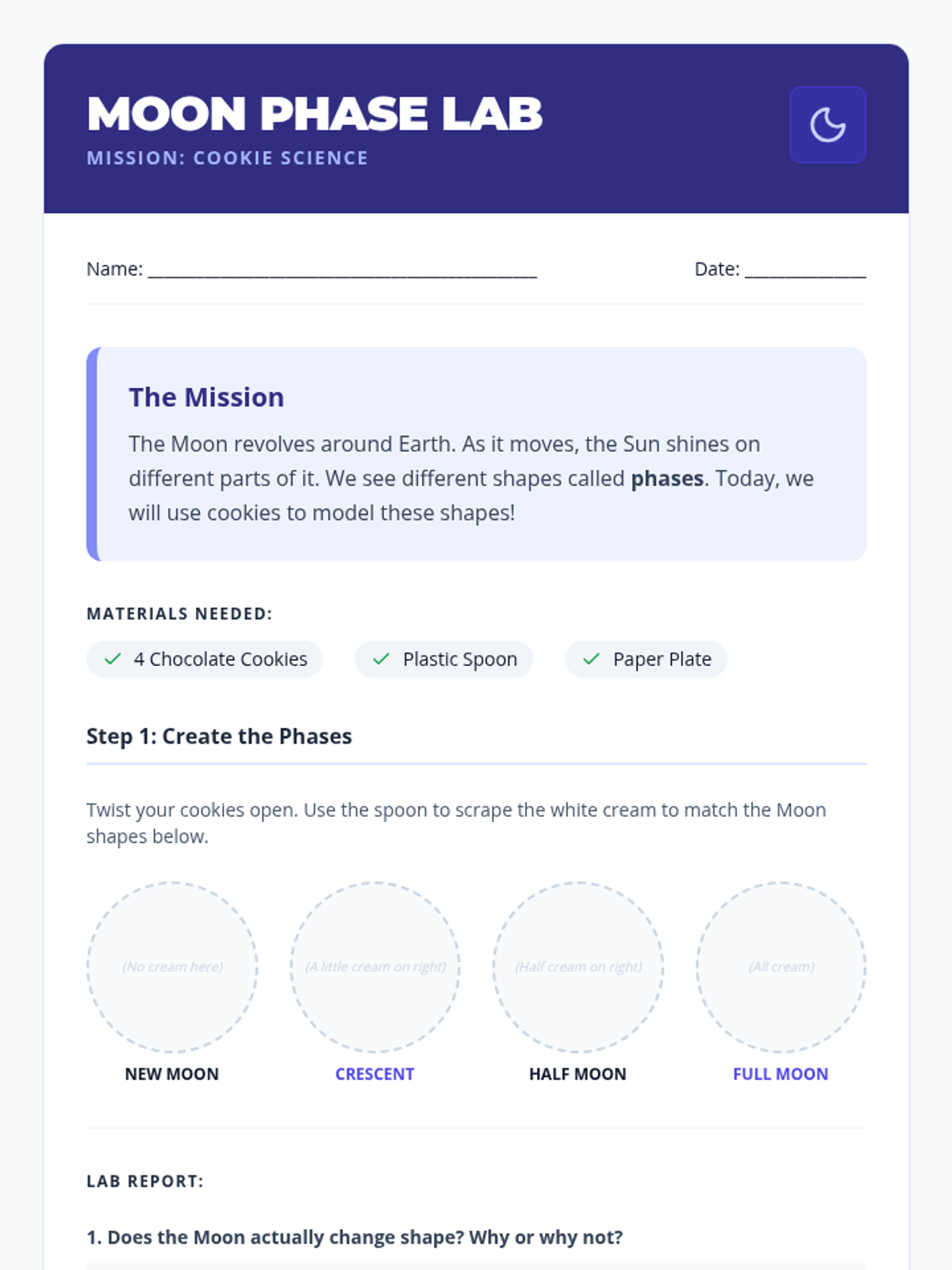
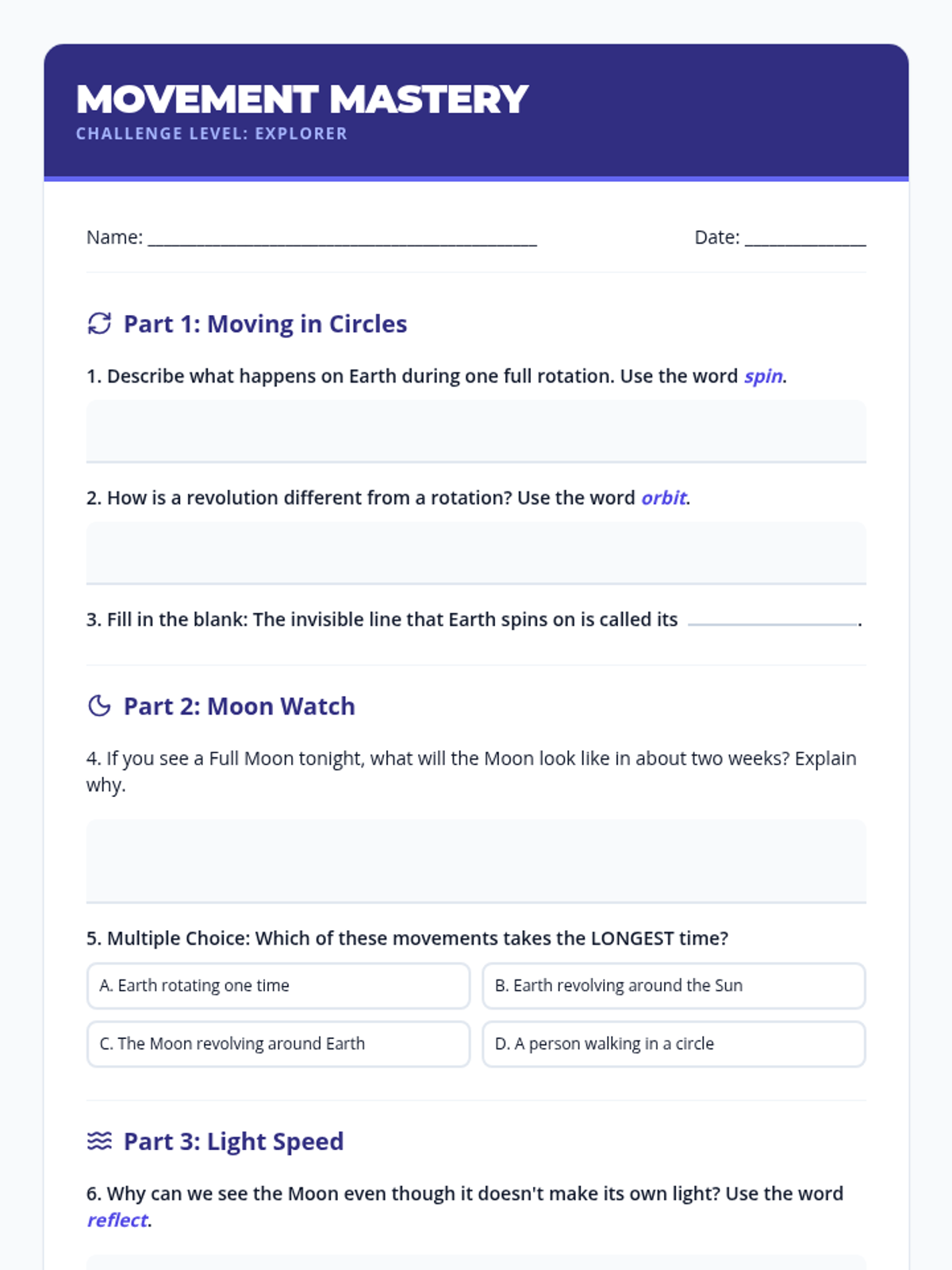
A 3-week unit on the Solar System designed for 6th-grade science standards but written at a 3rd-grade readability level. The unit covers planetary characteristics, moon phases, the difference between rotation and revolution, and the basics of light waves.
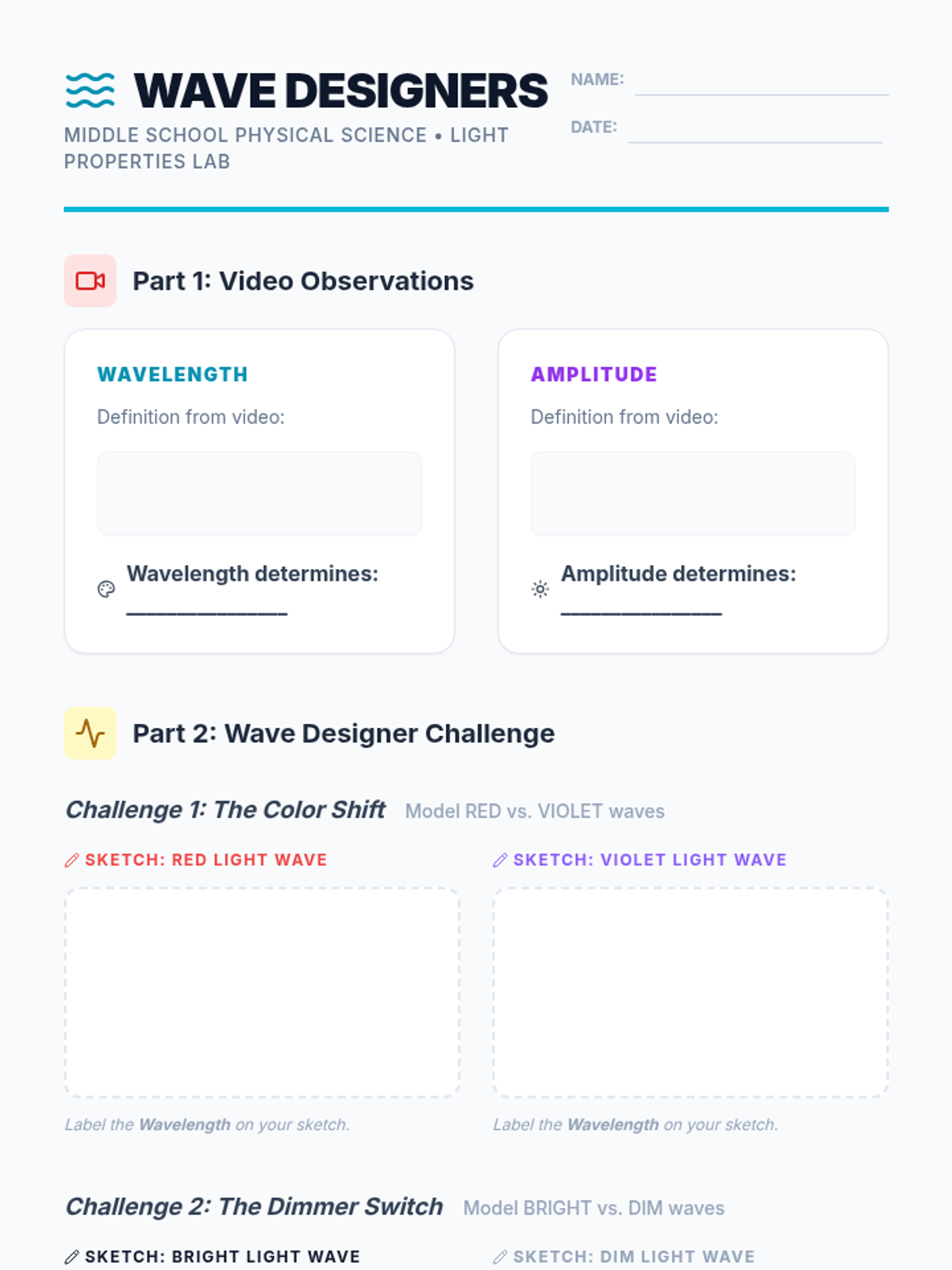
A unit on wave properties and their applications in physical science, focusing on electromagnetic radiation and mechanical waves.
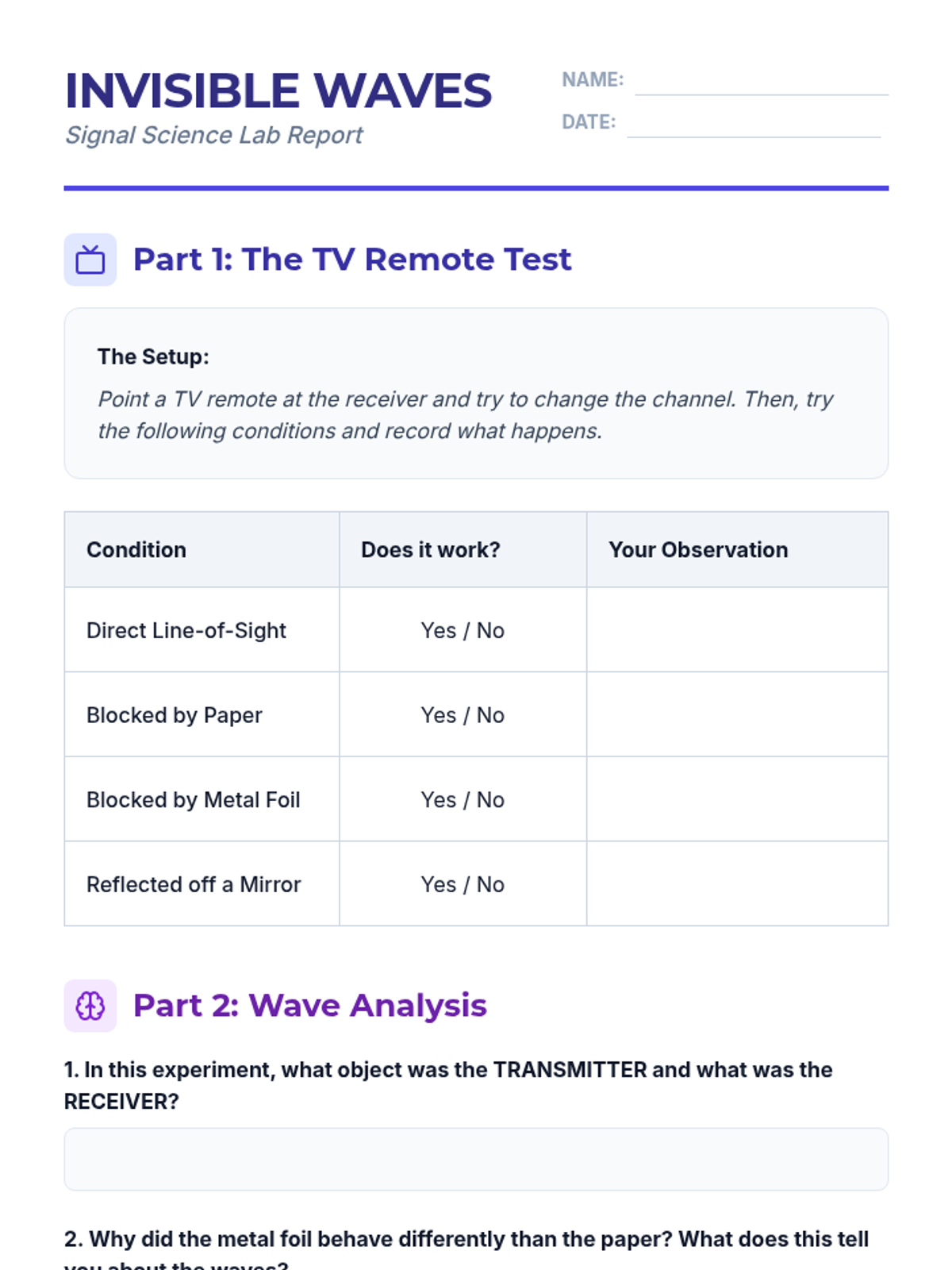
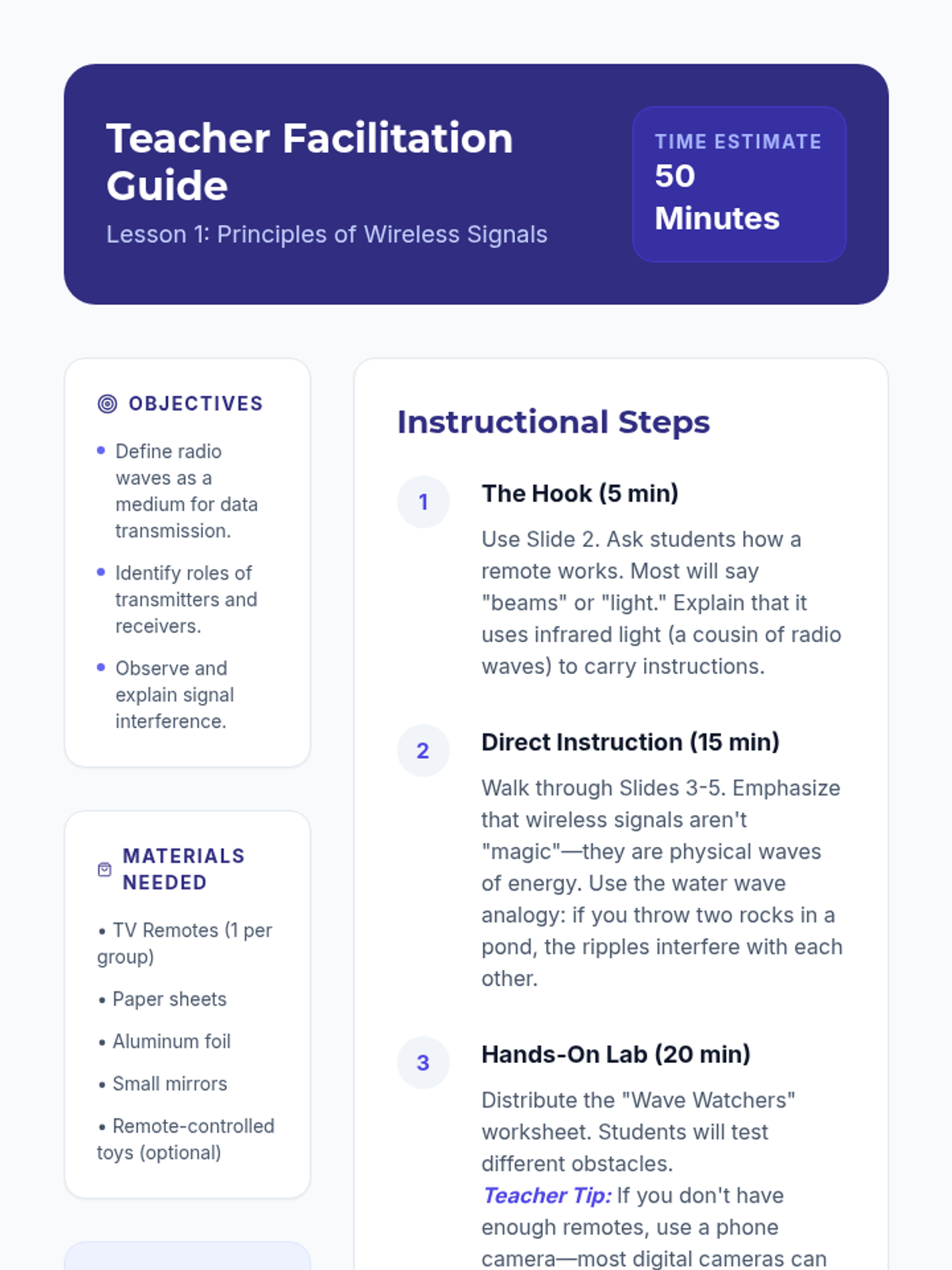
Students explore the invisible world of wireless communication, examining how data travels without physical cables. The sequence covers the electromagnetic spectrum basics, compares wireless standards, investigates IoT, and concludes with a future-focused design project.
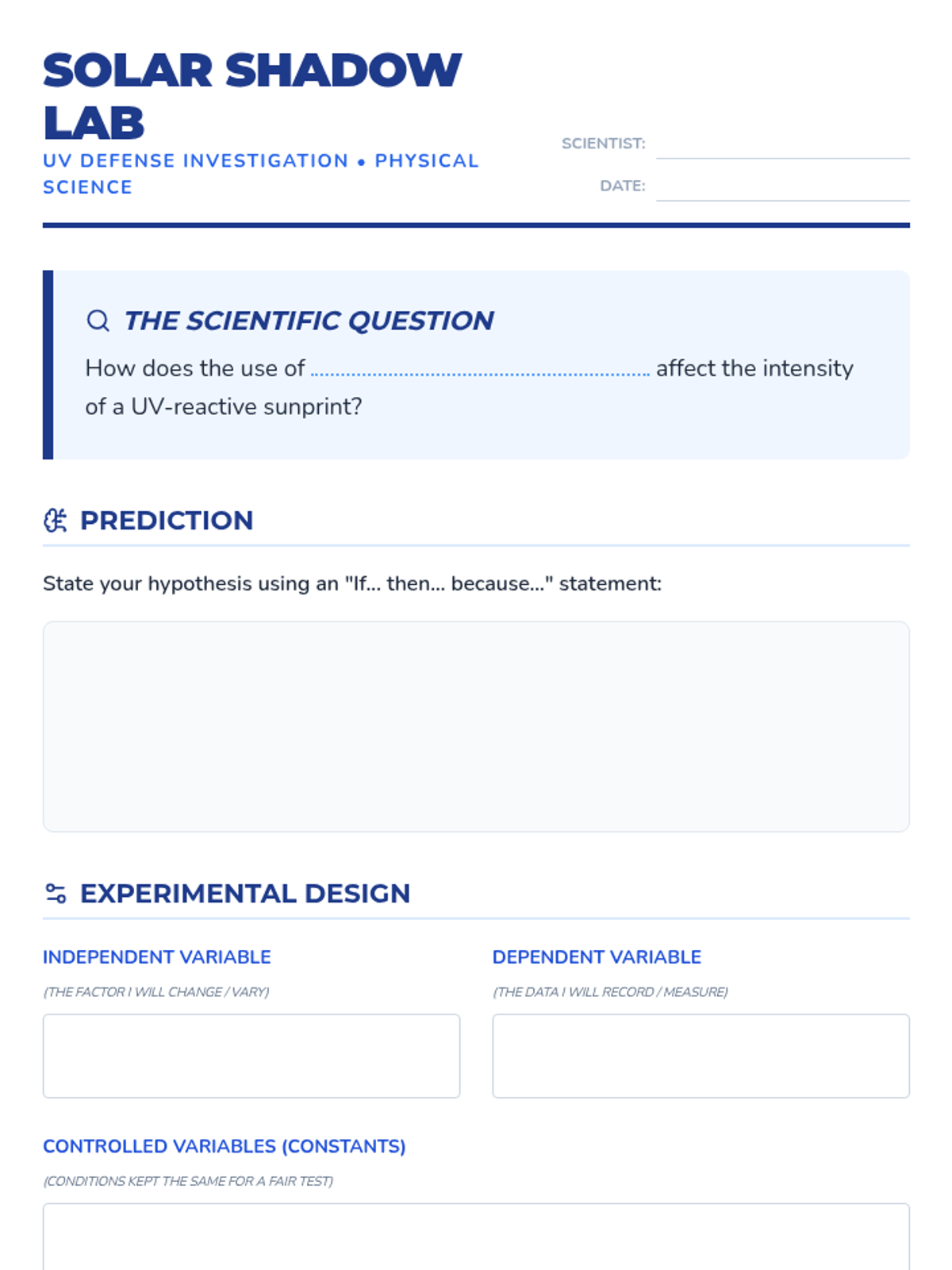
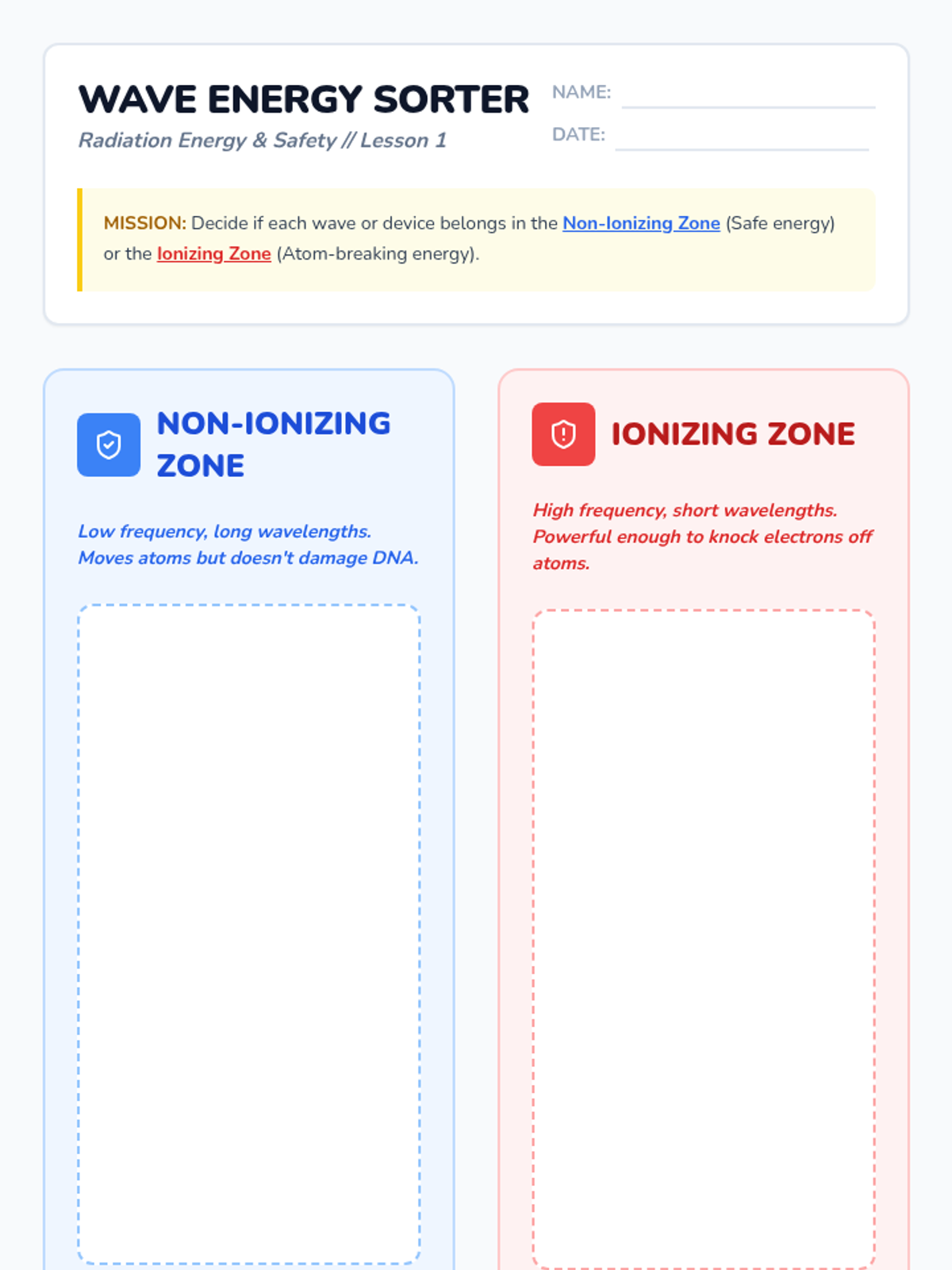
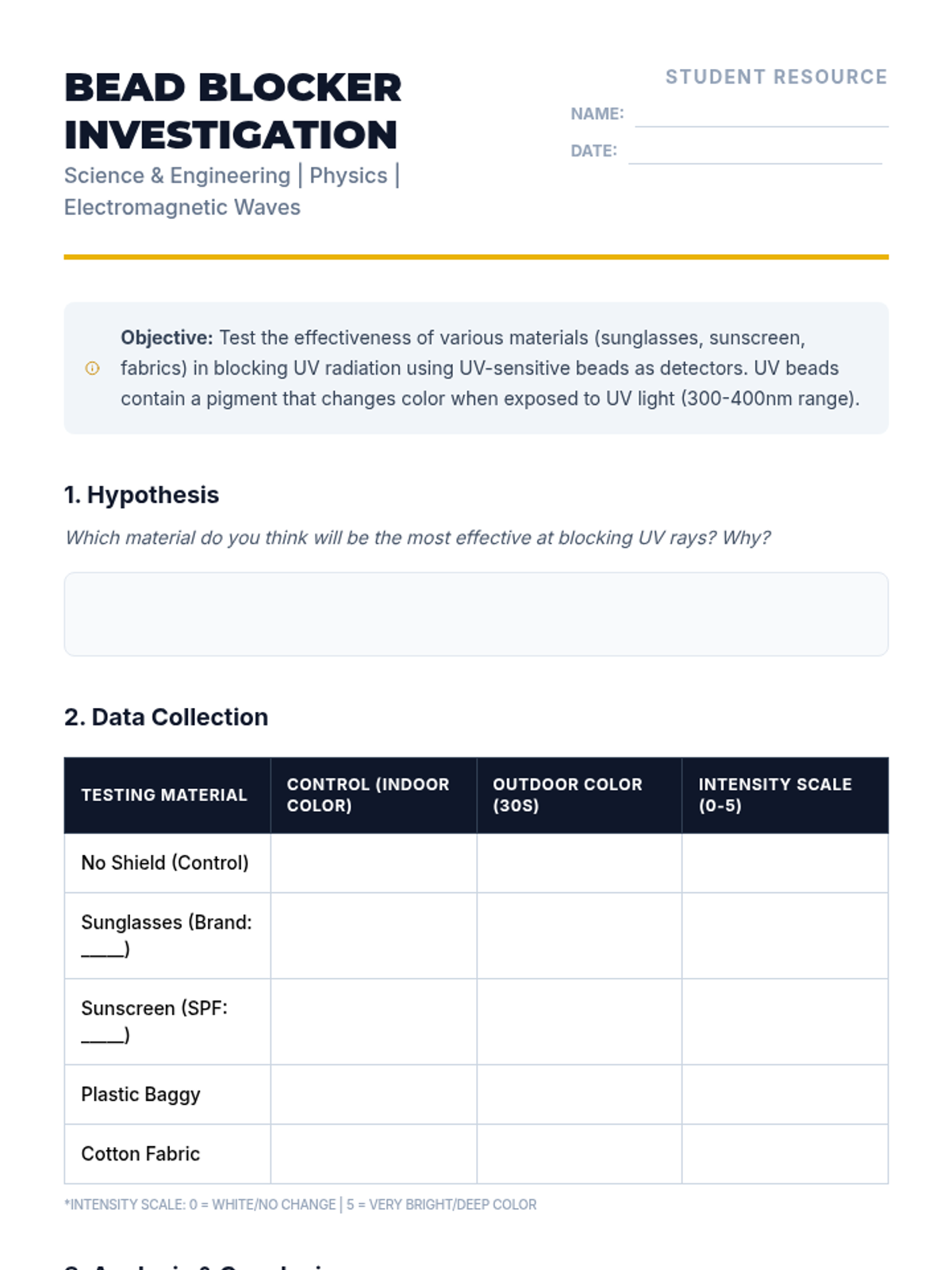
This 5-lesson sequence for 6th-grade students explores the biological impacts of electromagnetic radiation. Students distinguish between ionizing and non-ionizing types, investigate UV intensity, test sun-protection materials, and evaluate the use of high-energy radiation in medicine.
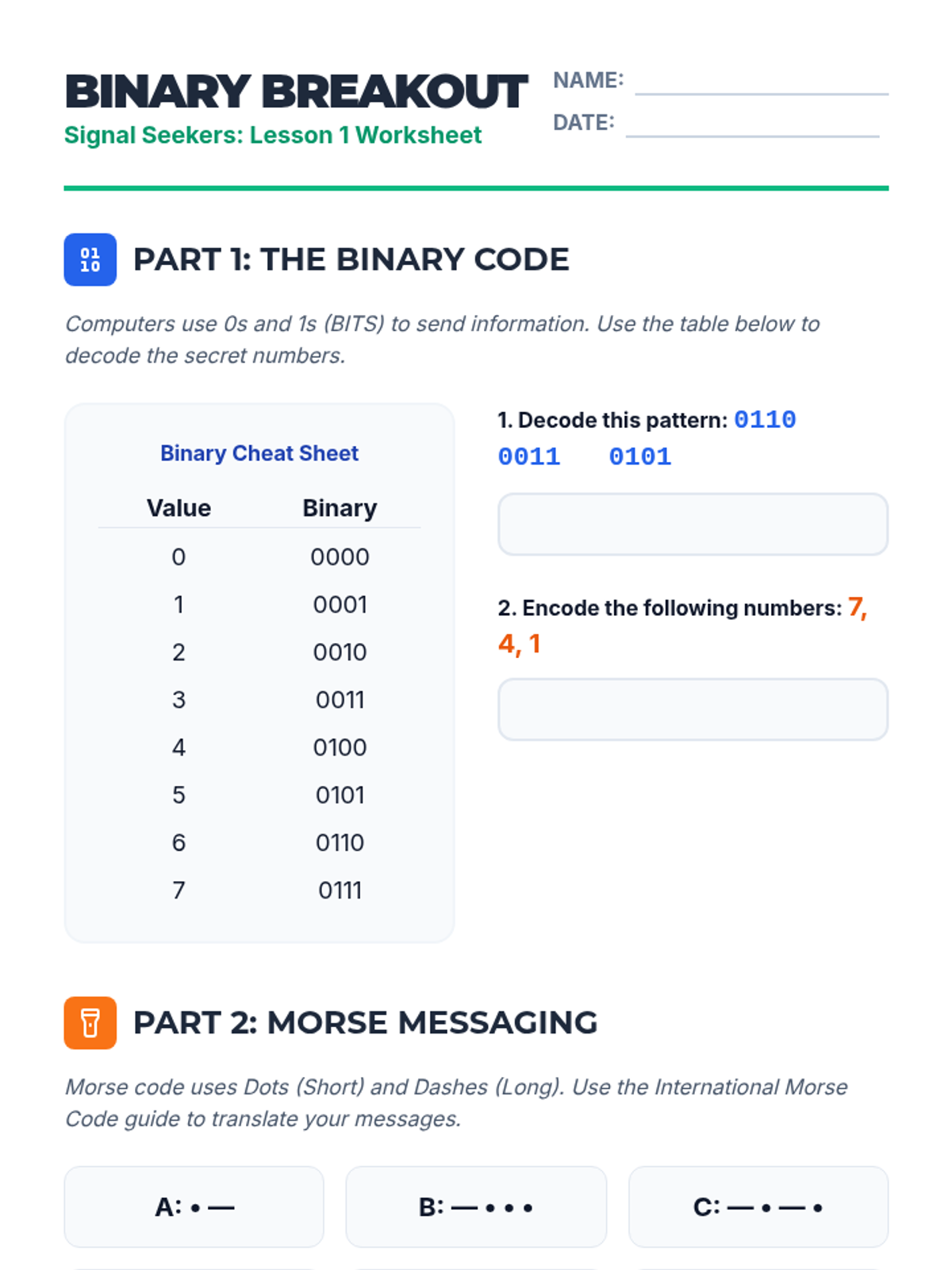
Focused on the engineering application of physics, this sequence explores how electromagnetic waves are used to transmit information. Students progress from simple binary encoding to understanding complex systems like modulation, Wi-Fi, and GPS triangulation.
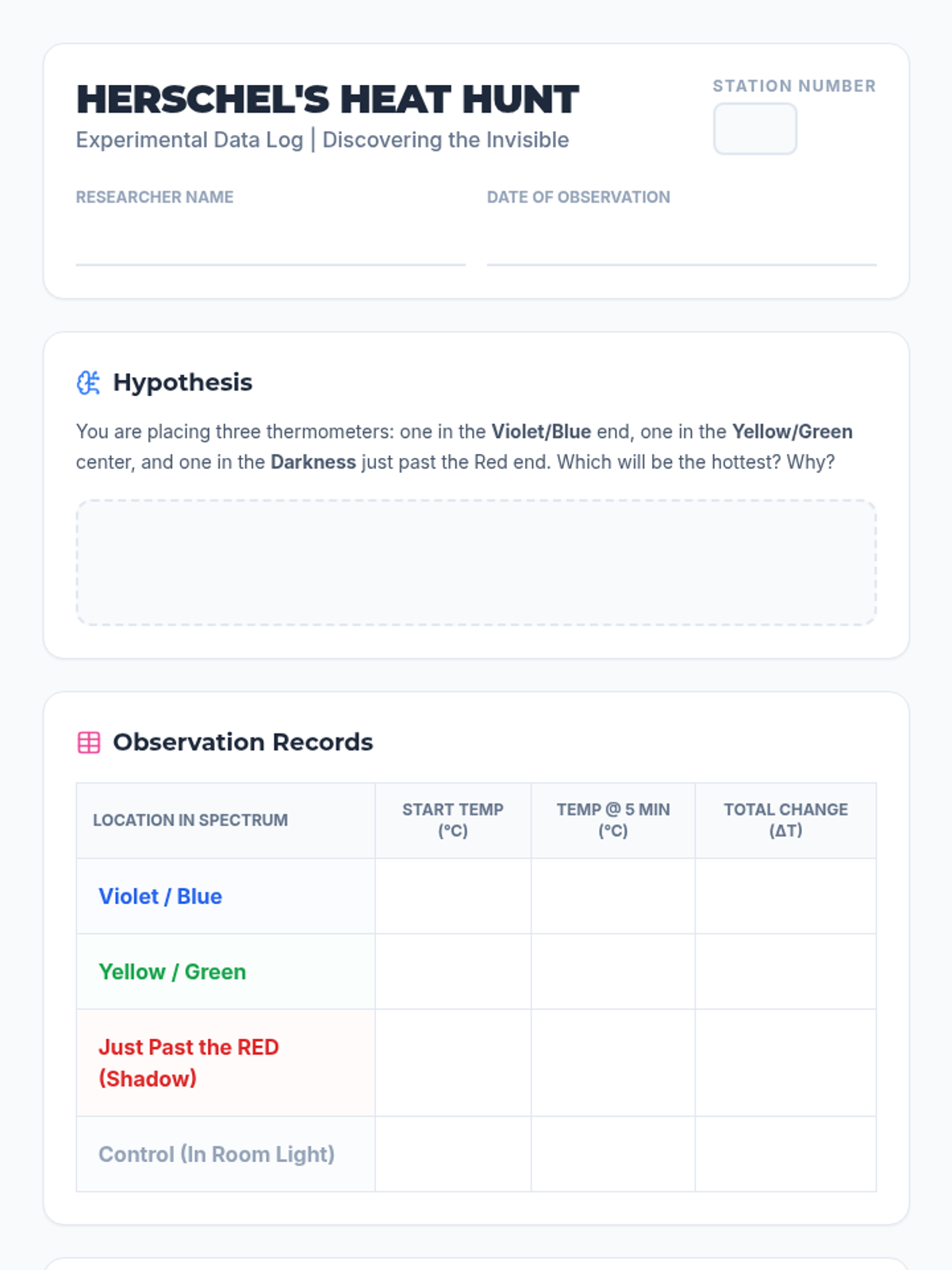
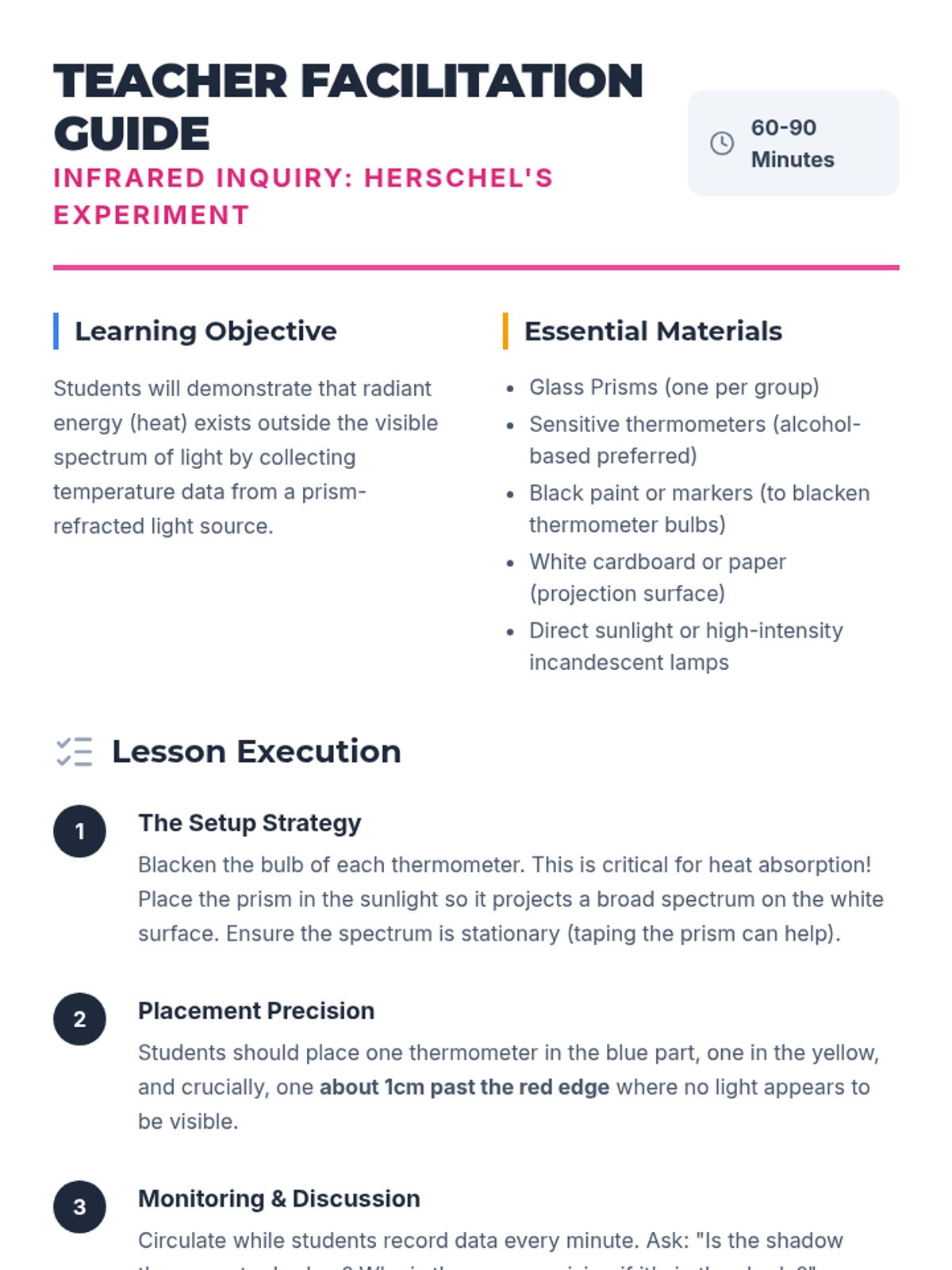
A project-based unit where 6th-grade students explore the electromagnetic spectrum, culminating in a 'Spectrum Museum' exhibit. They investigate properties of waves, conduct historical experiments, and visualize scale from radio waves to gamma rays.
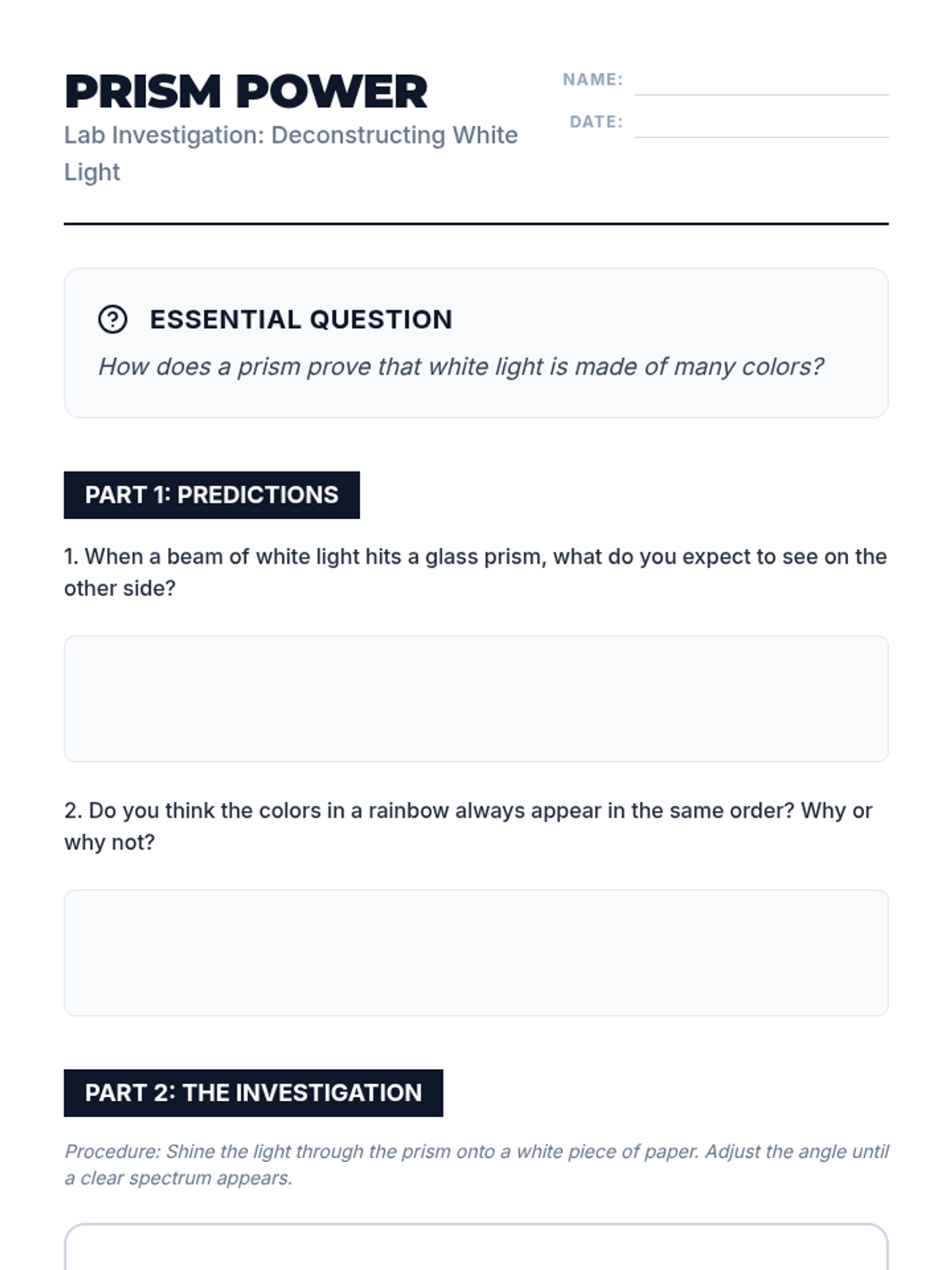
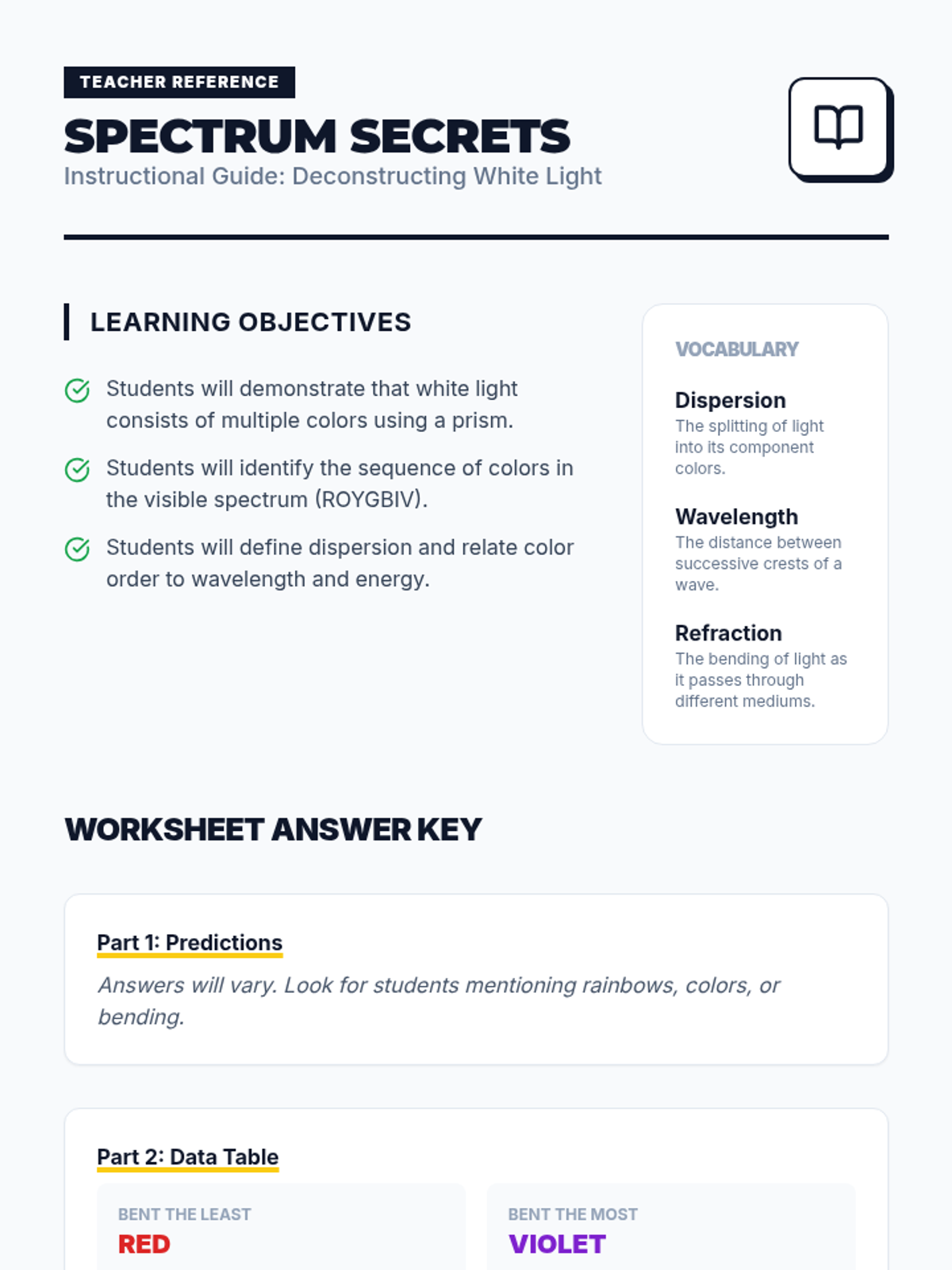
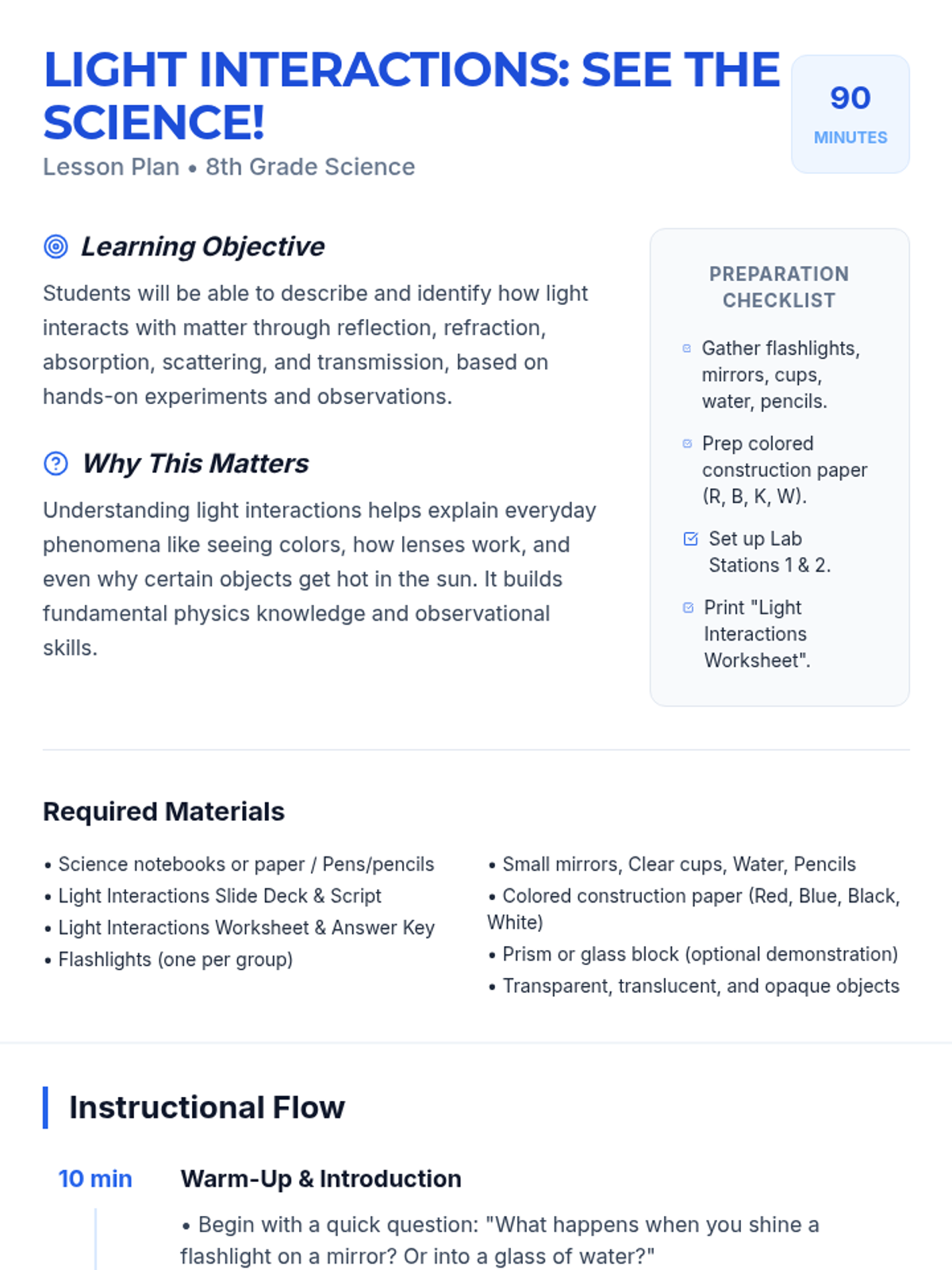
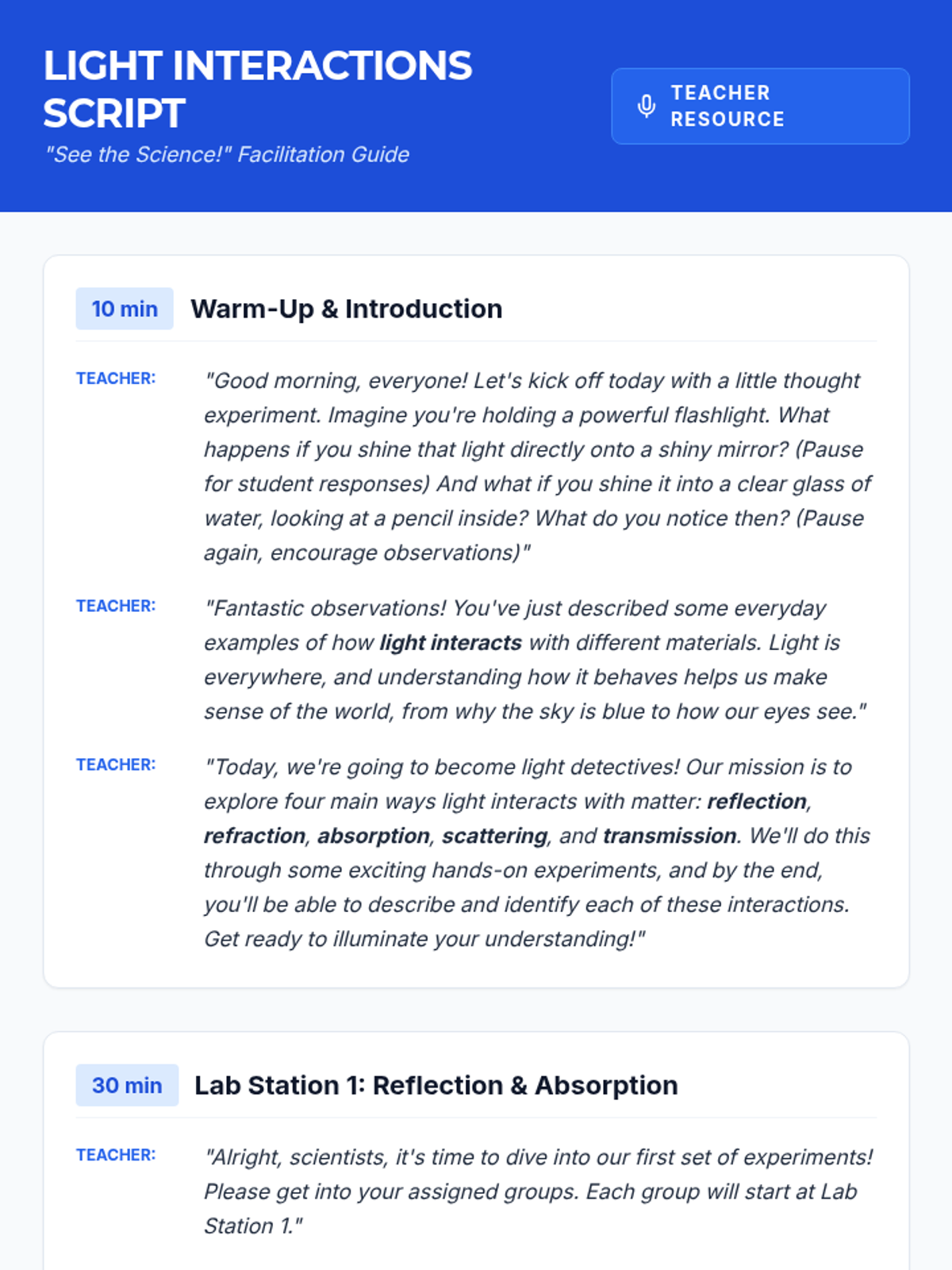
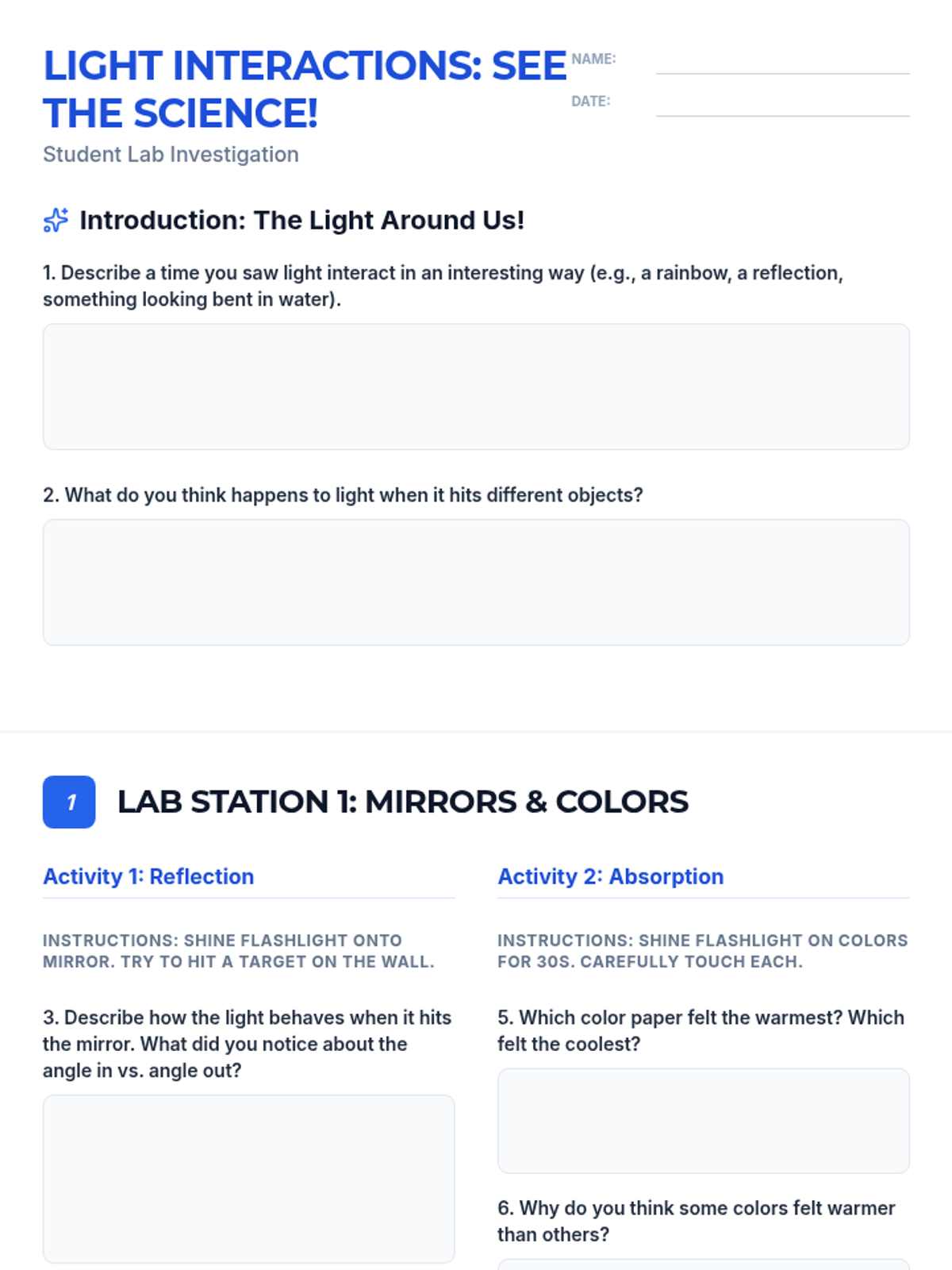
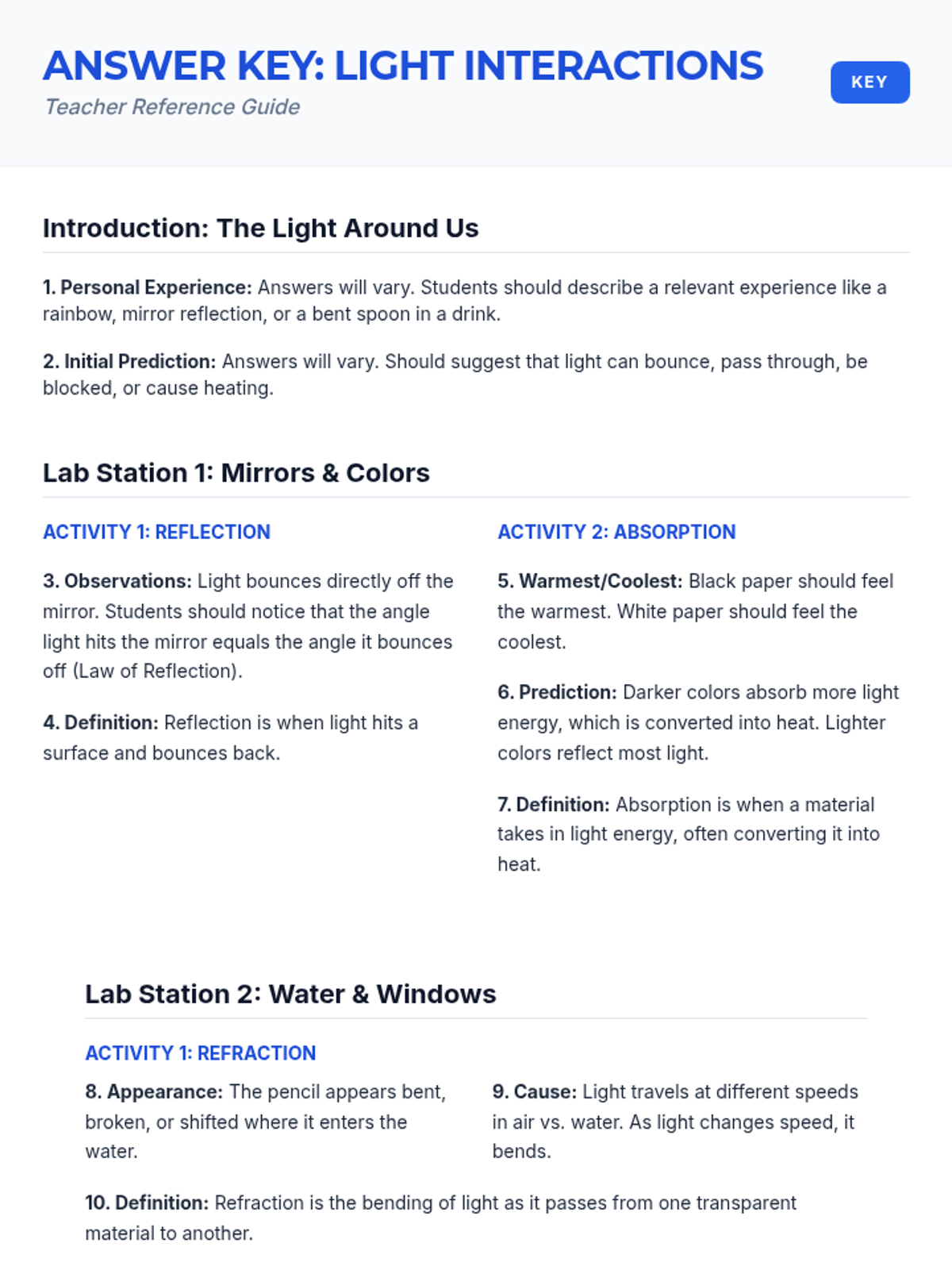
A comprehensive 6th-grade physics sequence exploring the nature of visible light, how it splits into the spectrum, interacts with surfaces through reflection and absorption, and behaves when passing through different mediums.
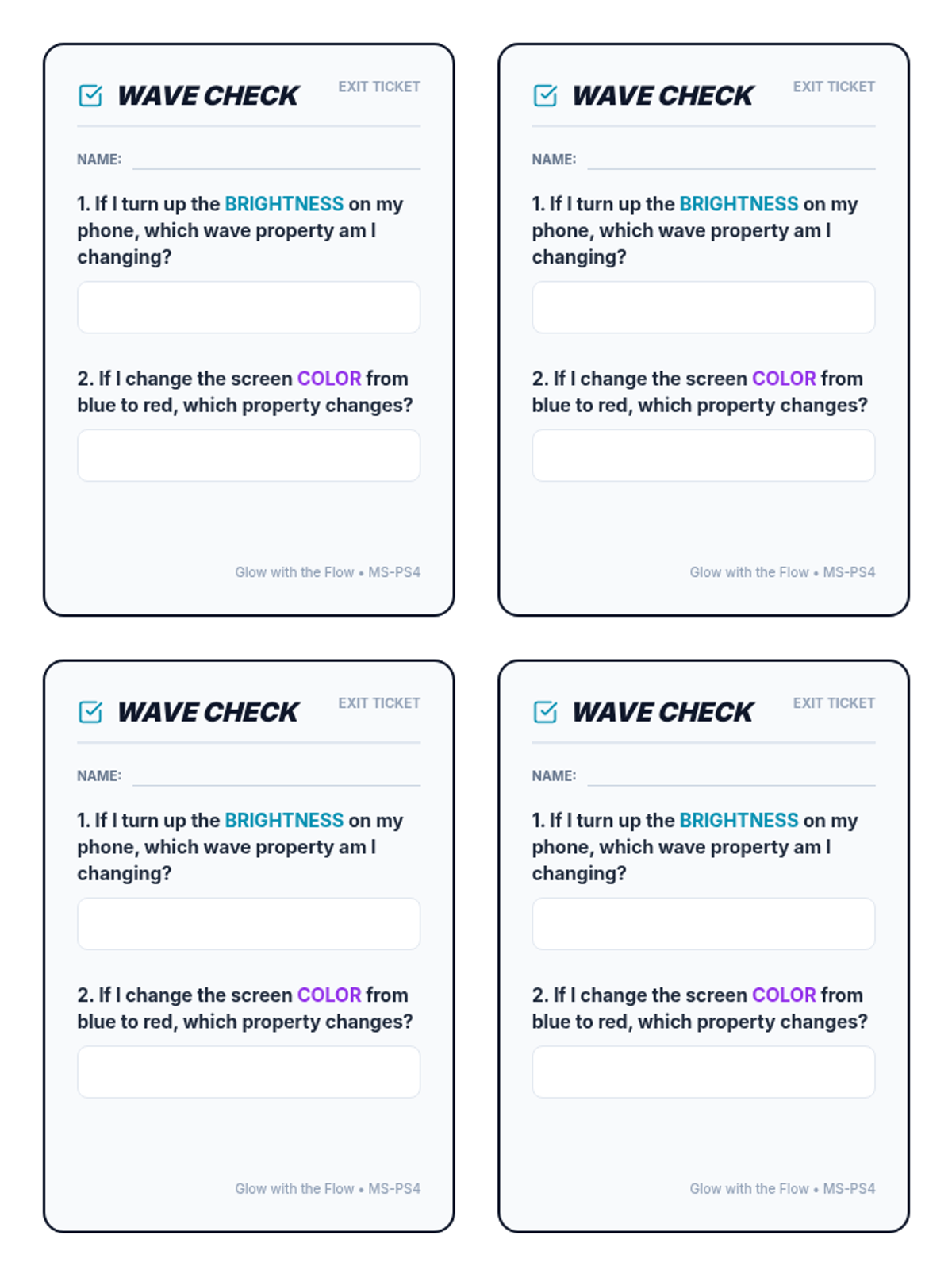
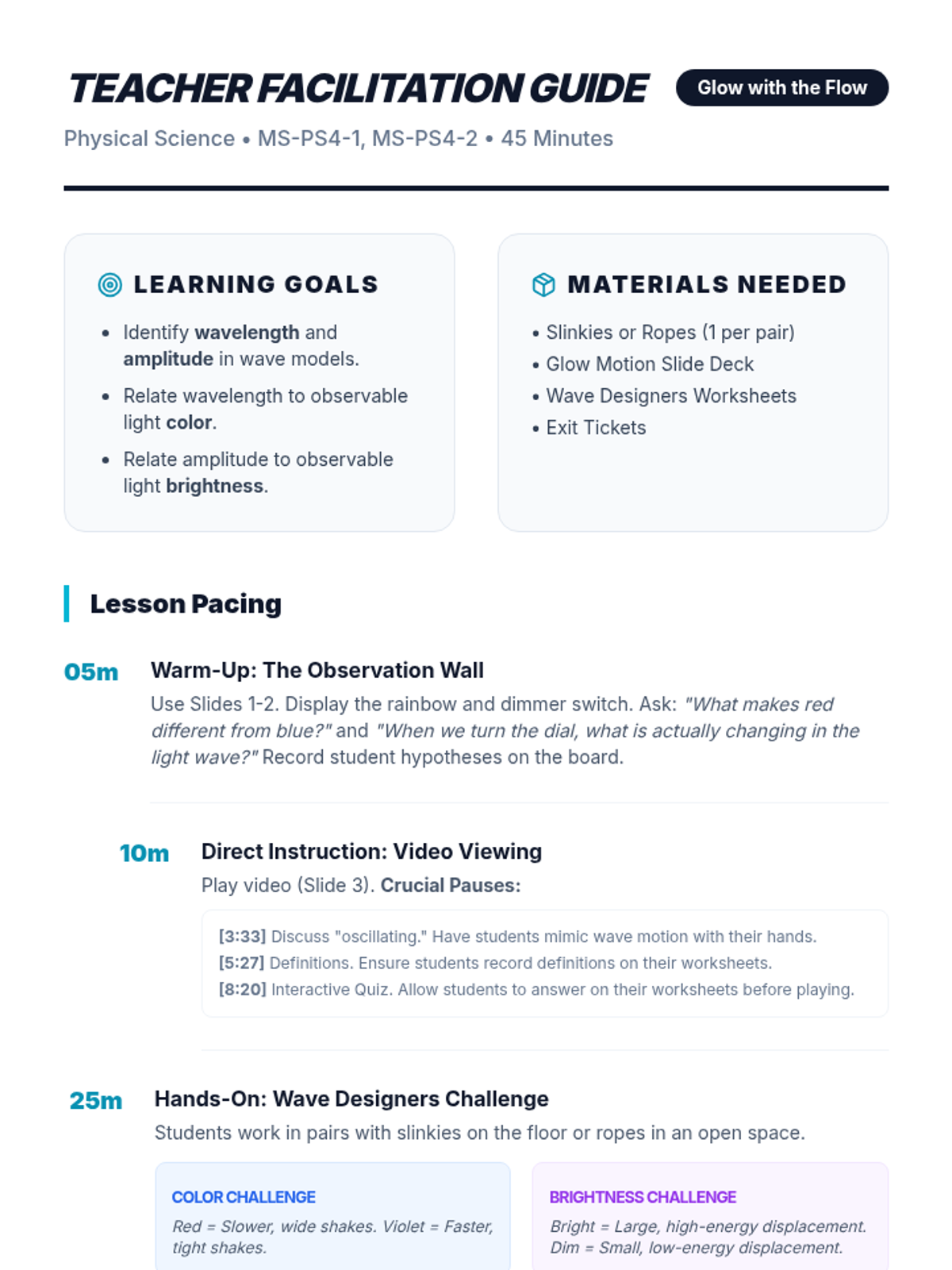
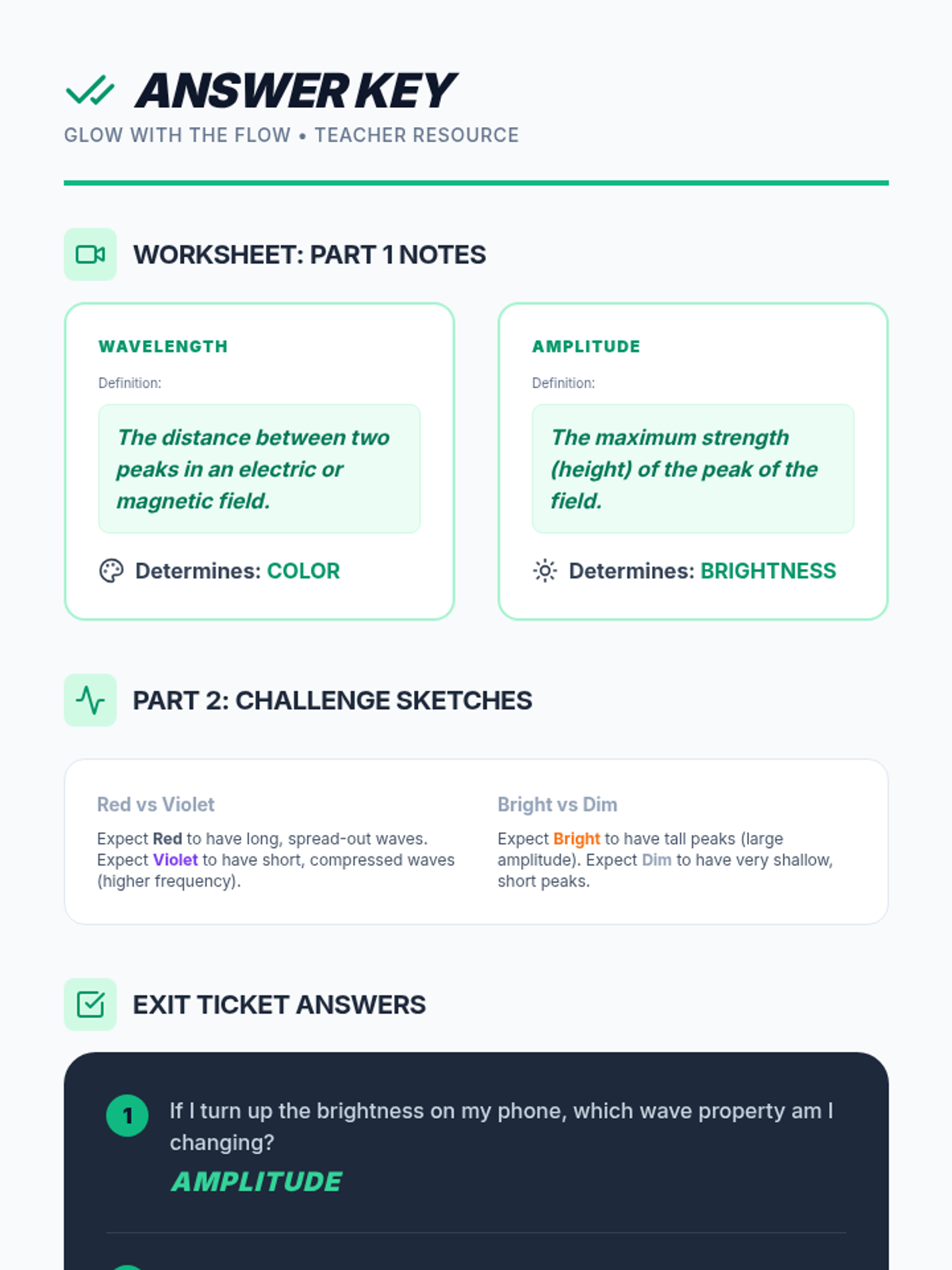
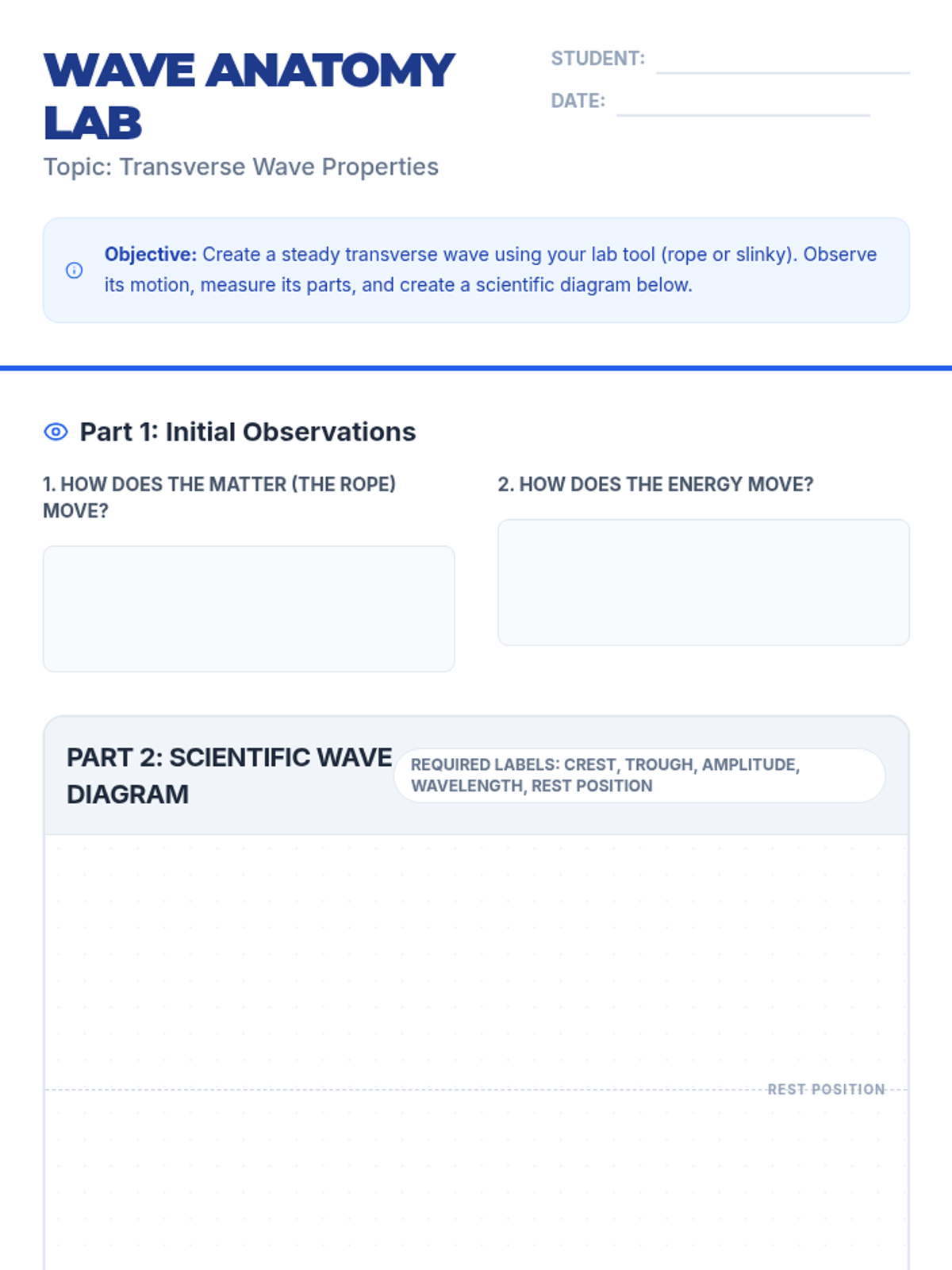
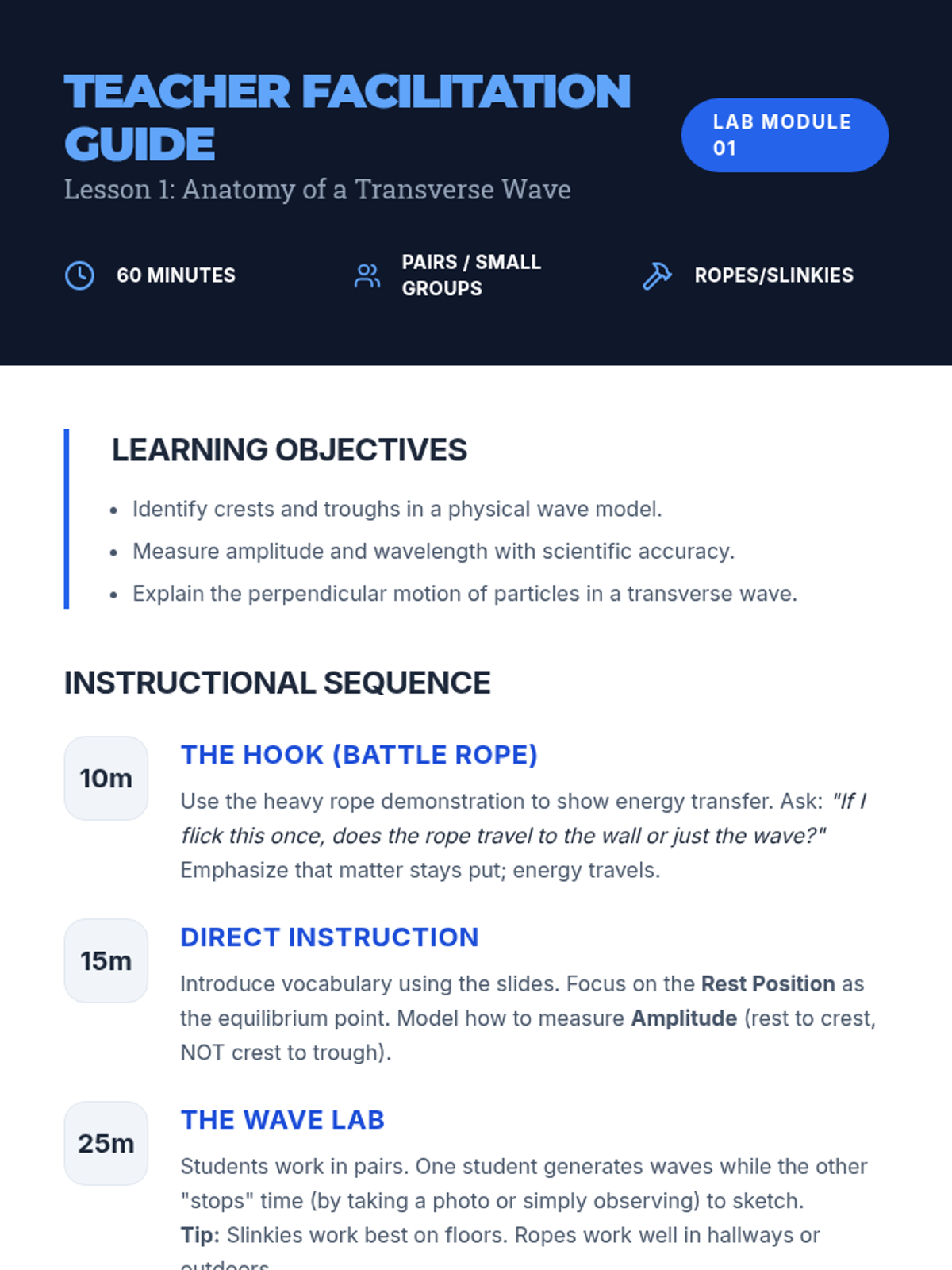
A comprehensive 6th-grade physics sequence exploring the physical properties of electromagnetic waves. Students progress from hands-on modeling of transverse waves to analyzing the mathematical relationships between frequency, wavelength, and energy.
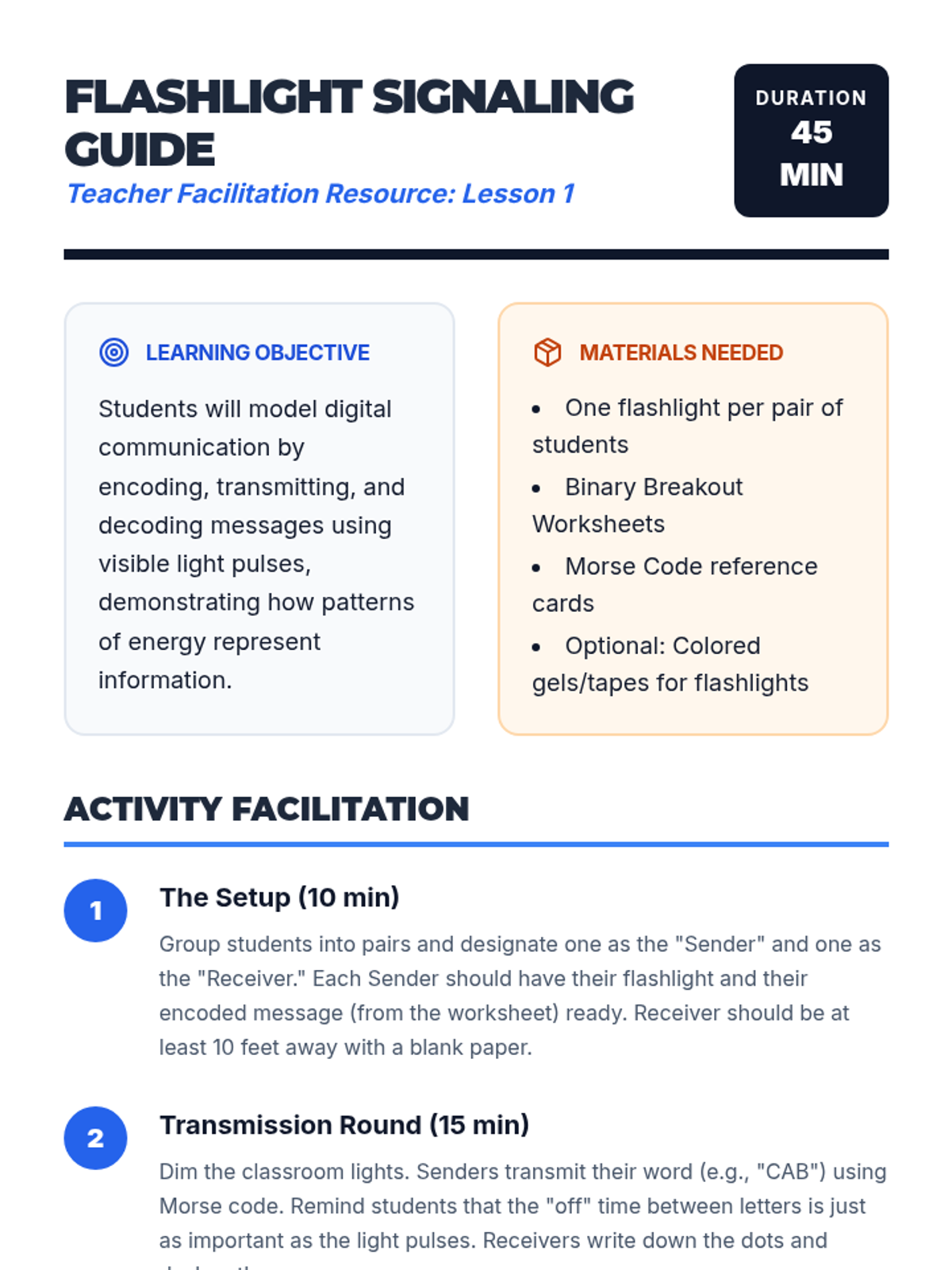
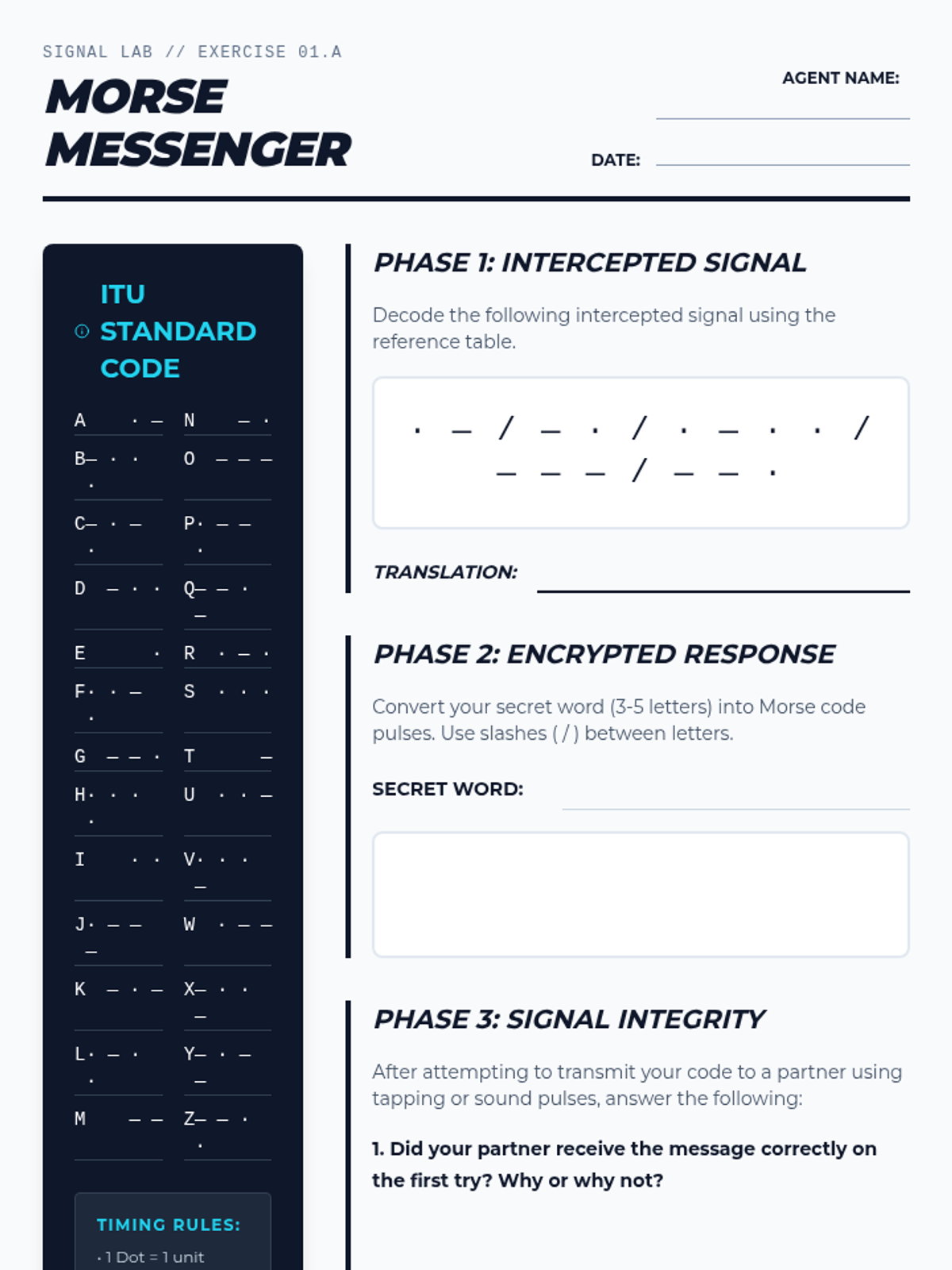
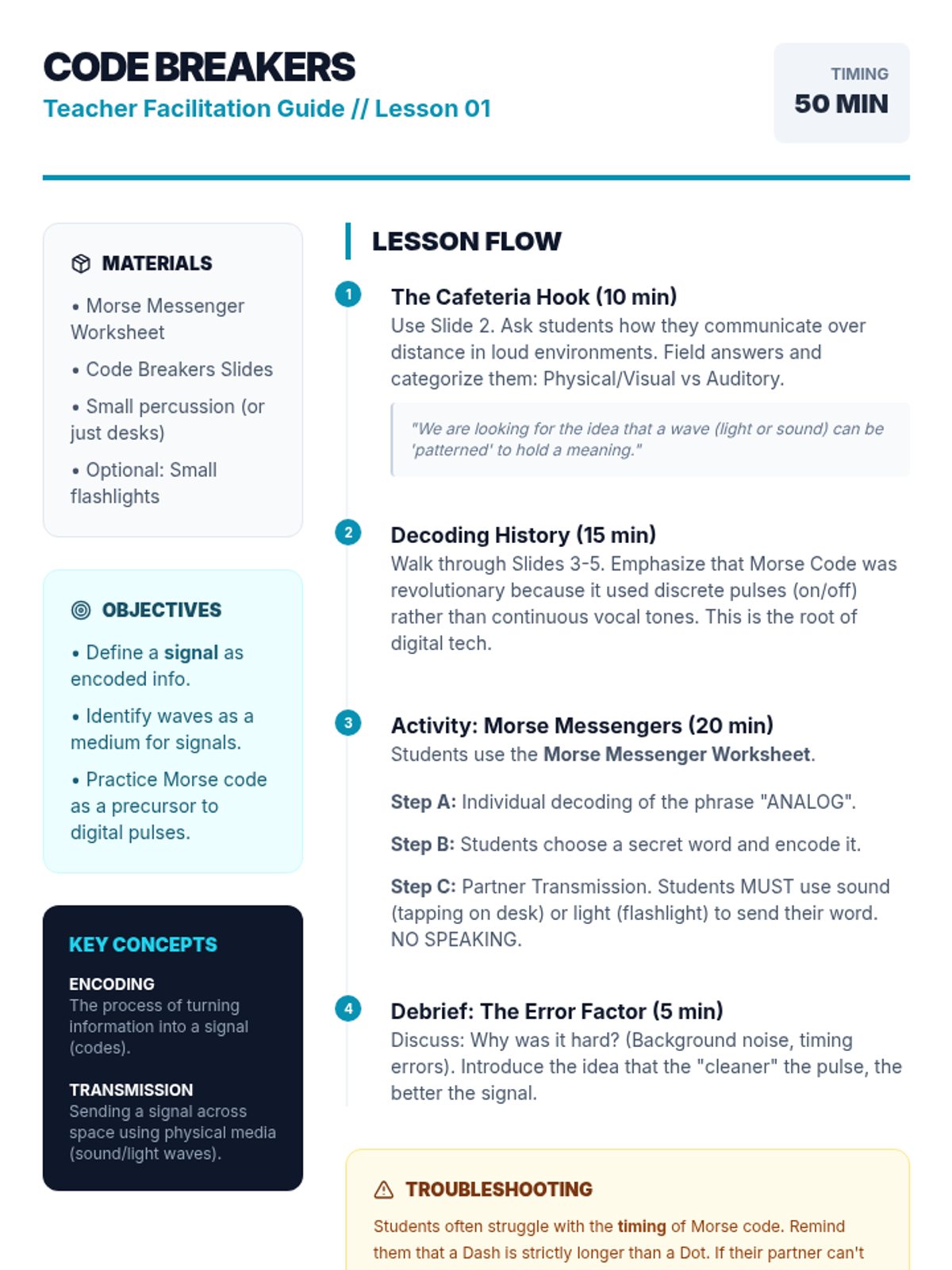
This sequence explores how waves encode and transmit information by comparing analog and digital signals. Students engage in hands-on challenges, from Morse code to binary flashlight pulses, to understand why digital communication has become the global standard for reliability and speed.
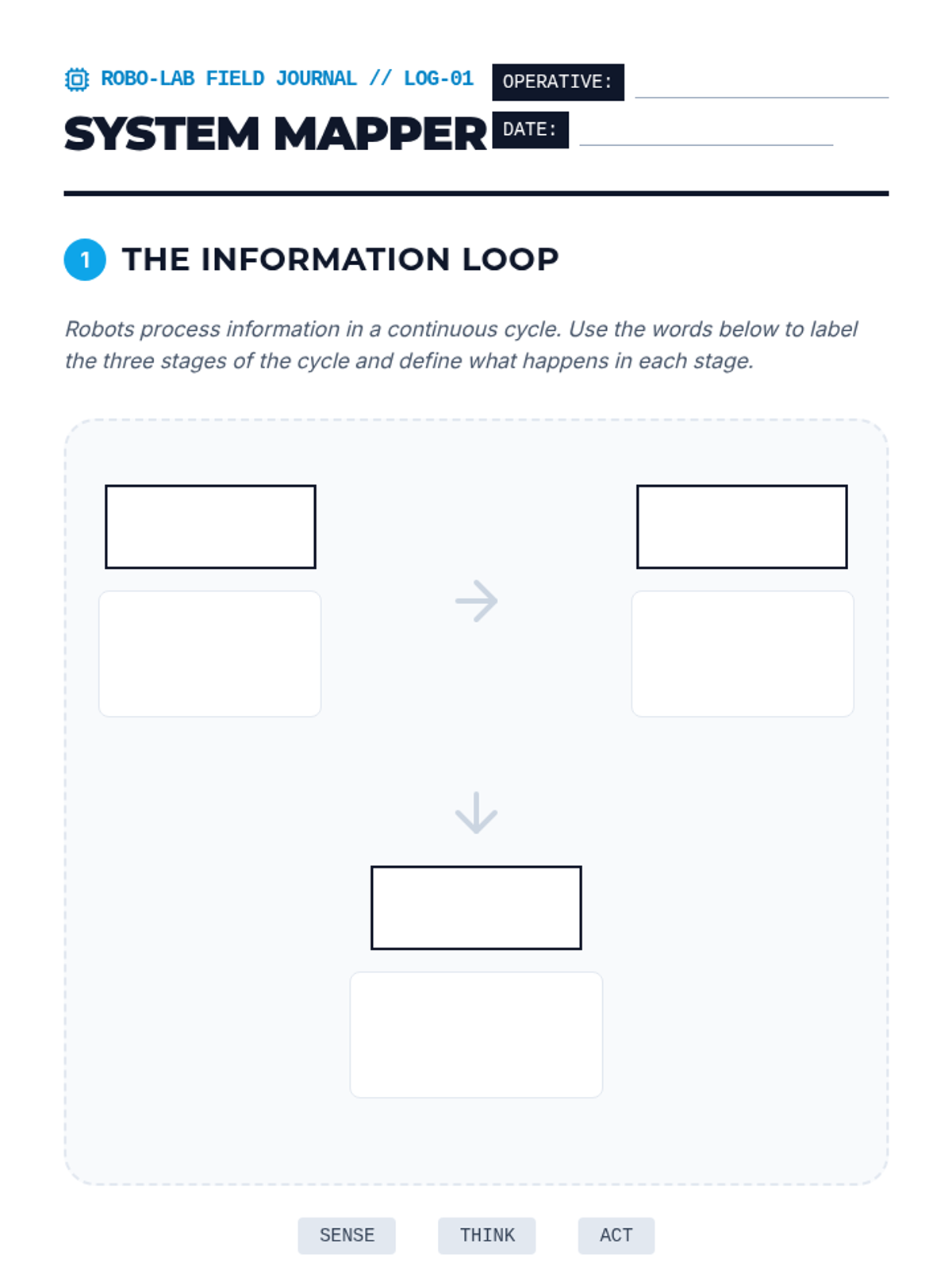
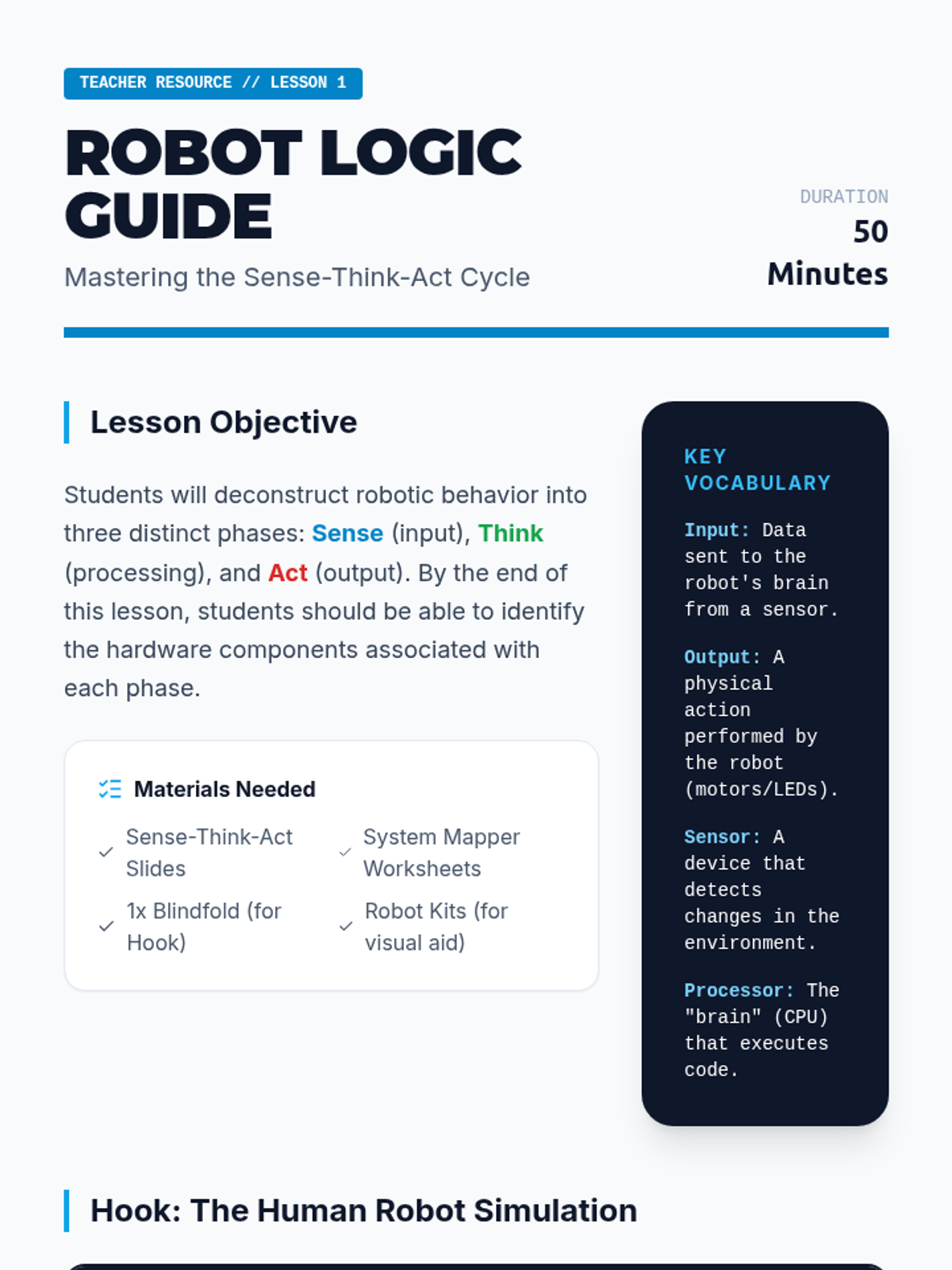
This sequence bridges the gap between mechanical movement and intelligent behavior by introducing sensors. Students explore the concept of 'sensing' as gathering data from the environment to inform robotic decisions through targeted experiments with touch, distance, and light sensors.
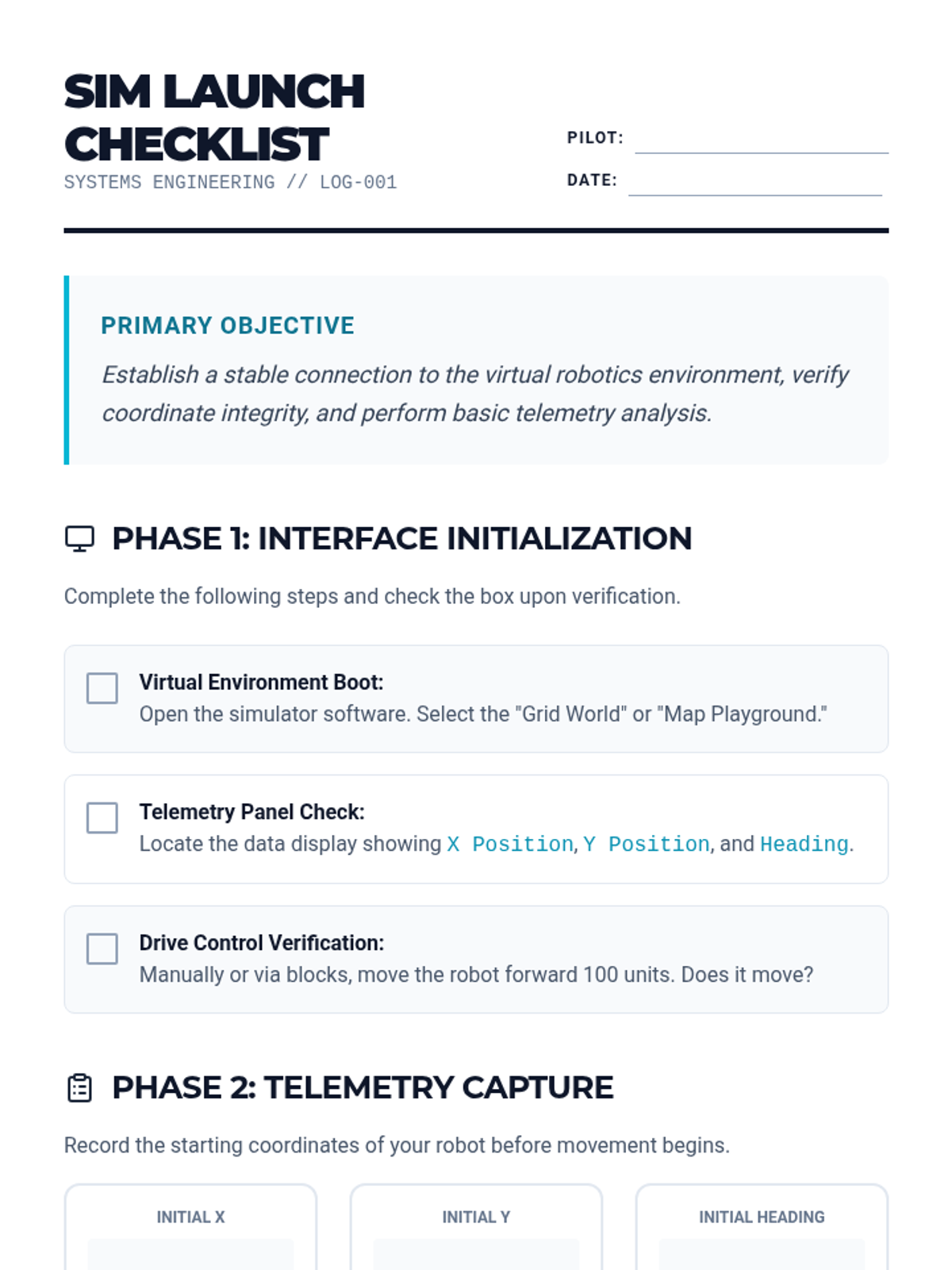
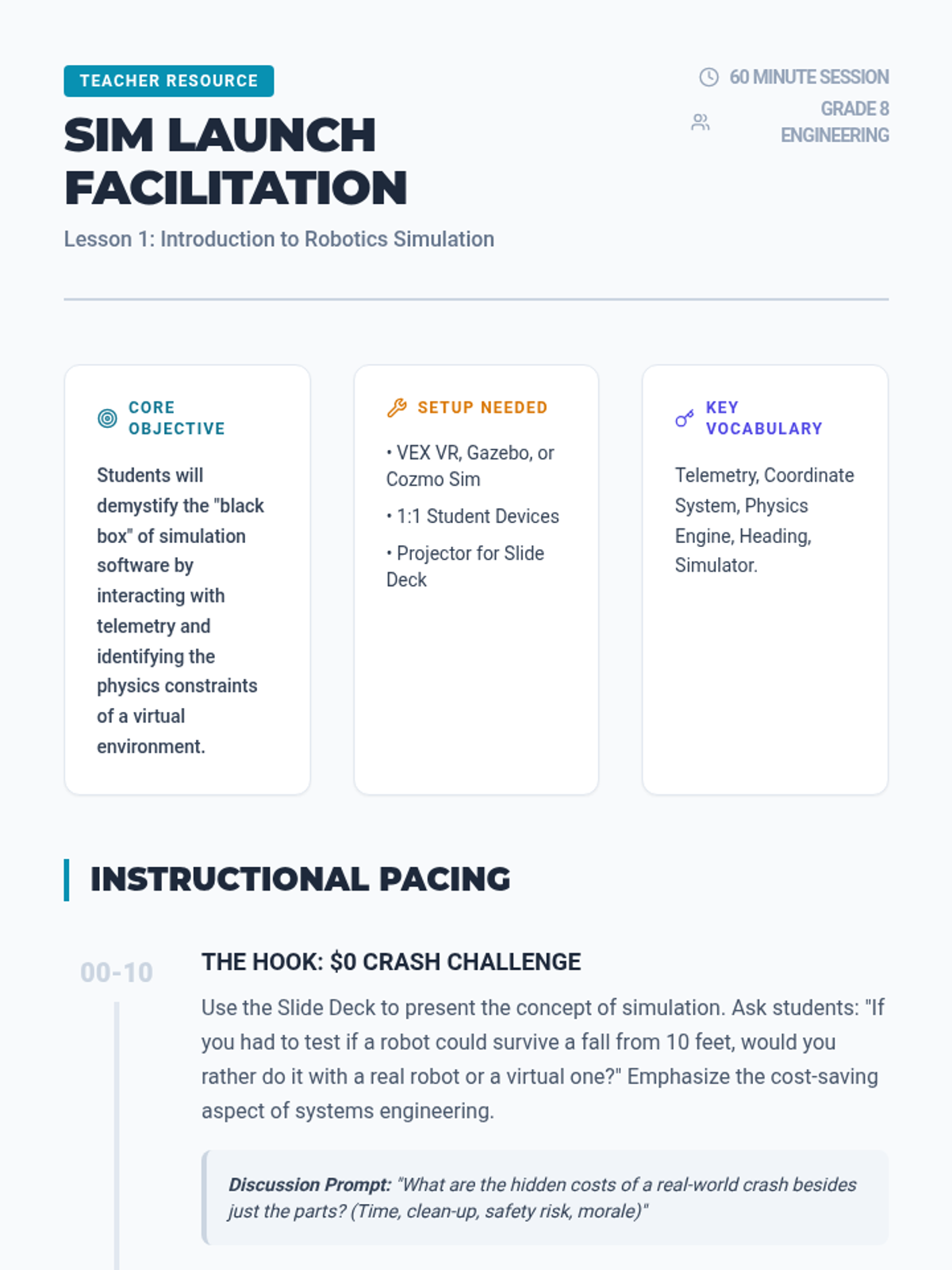
This sequence explores robotic systems engineering through the lens of virtual simulation. Students learn to navigate simulators, analyze high-fidelity sensor data, and understand the critical 'Sim-to-Real' gap in engineering design.
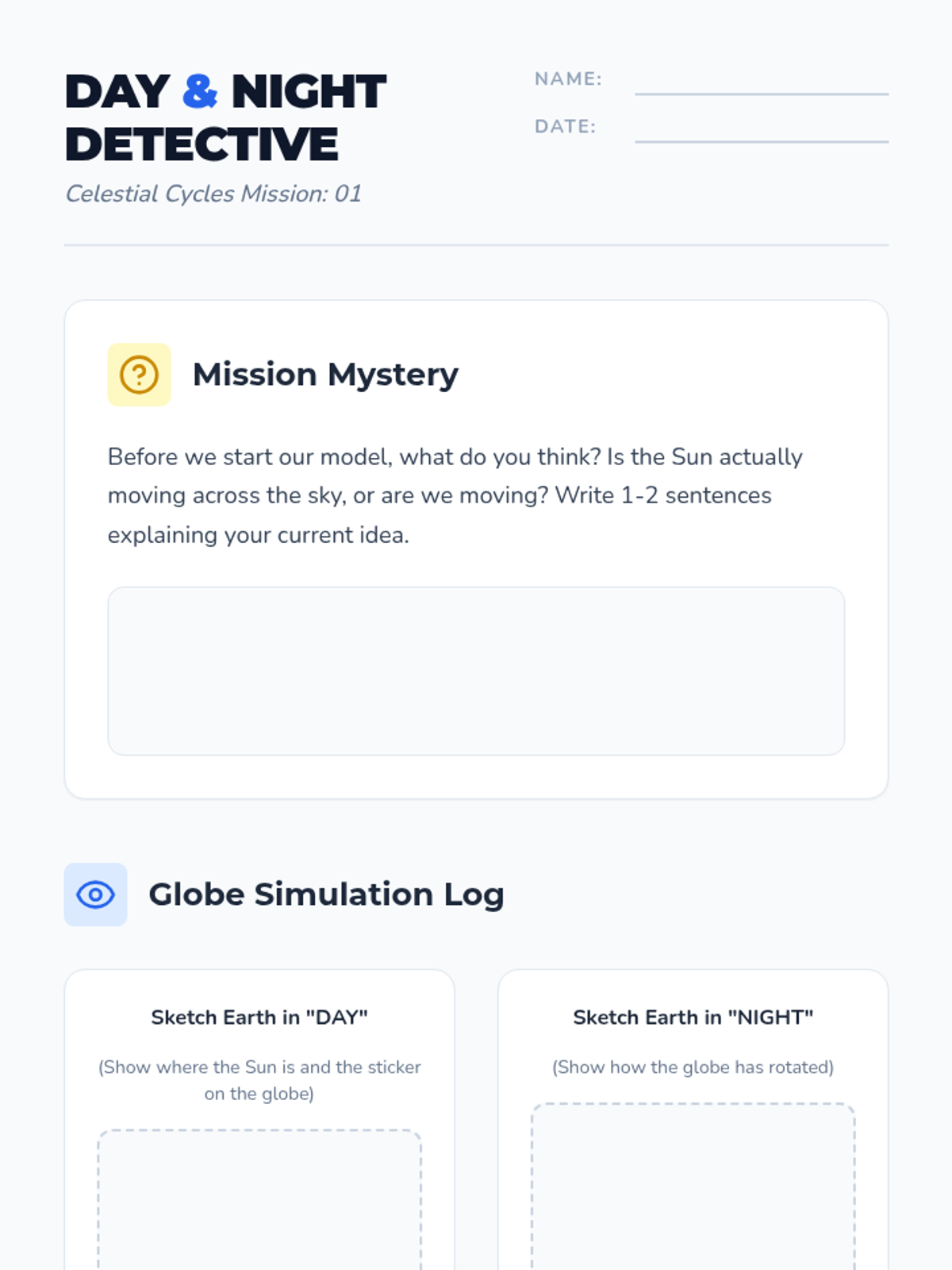
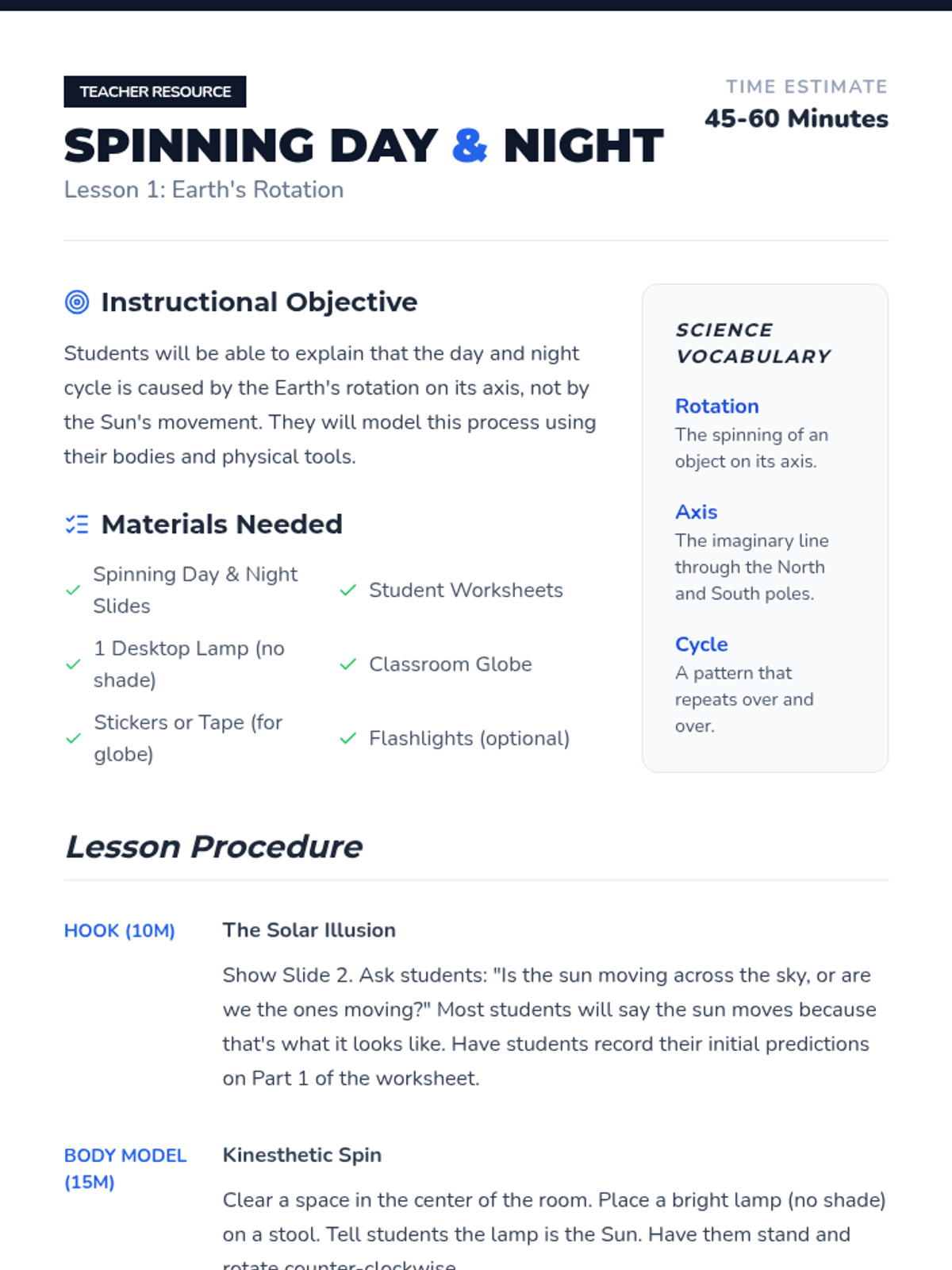
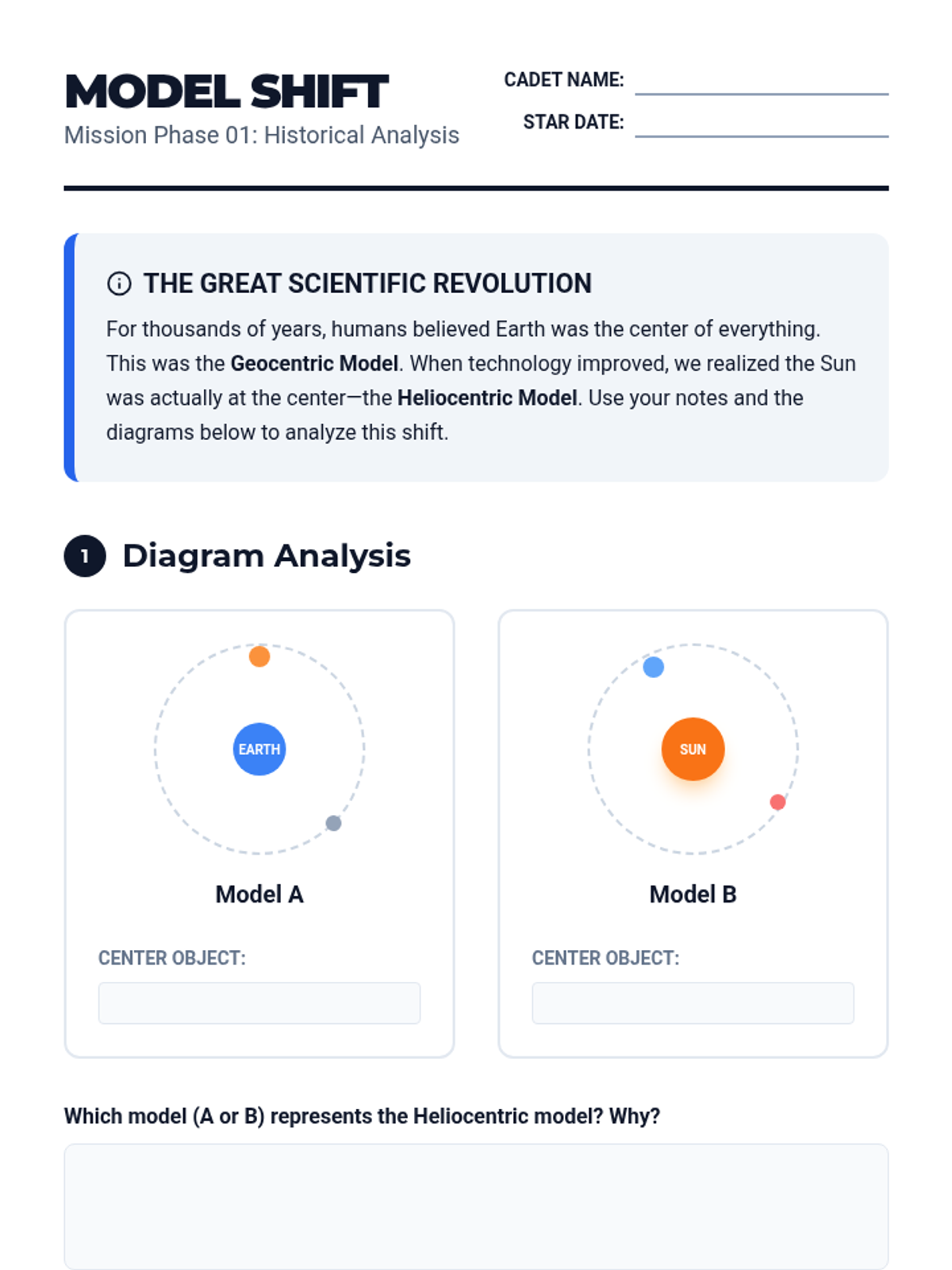
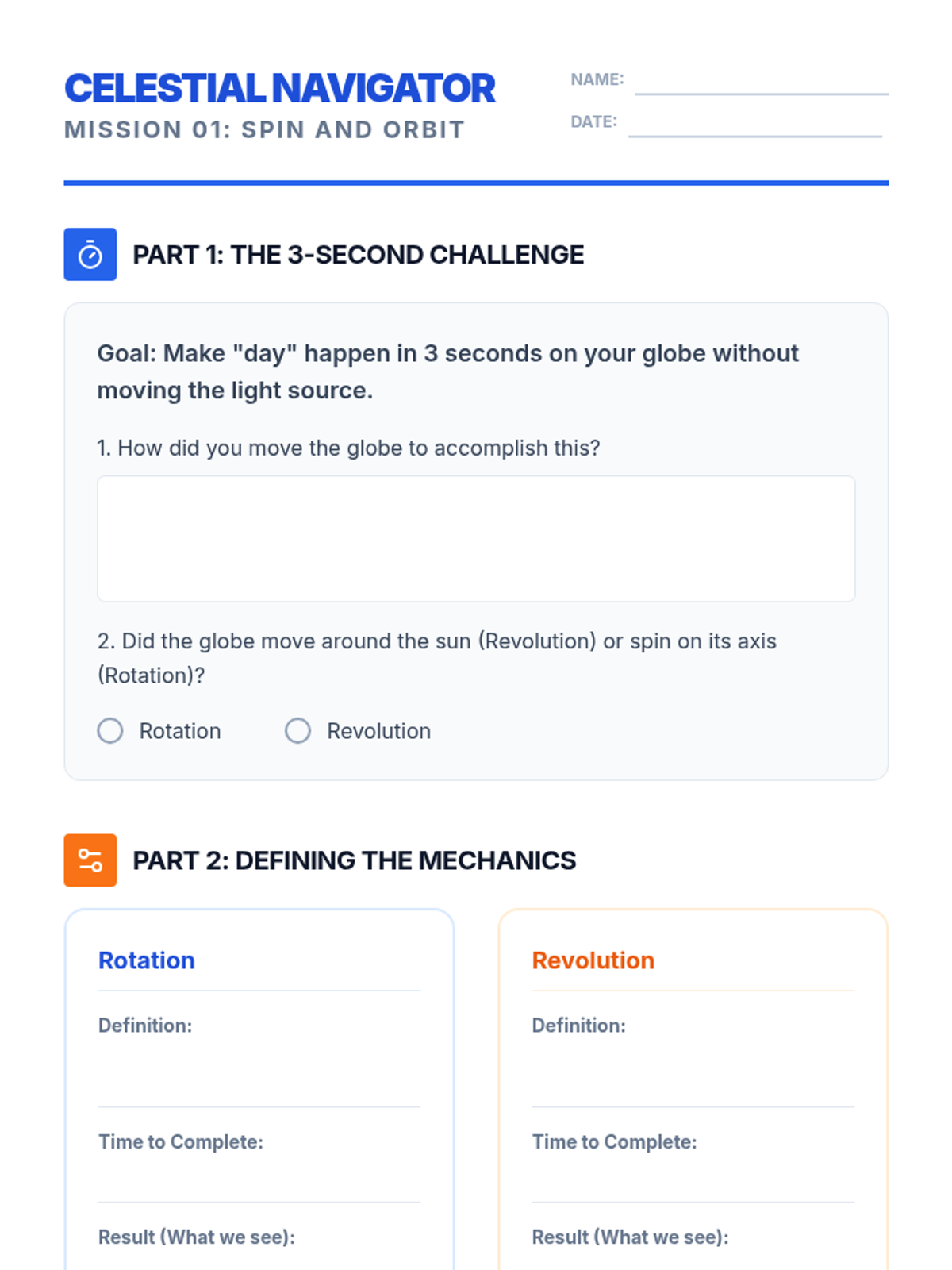
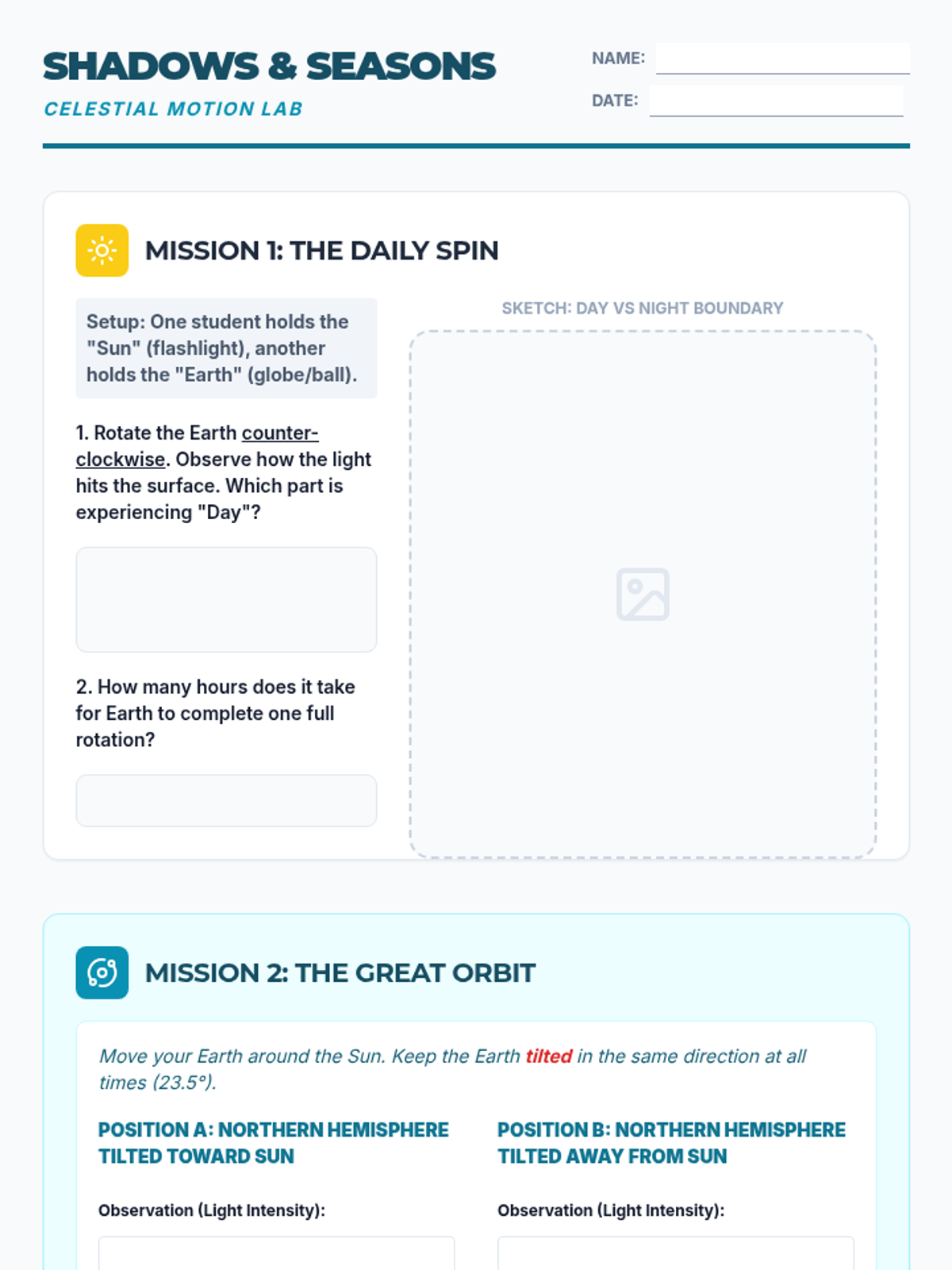
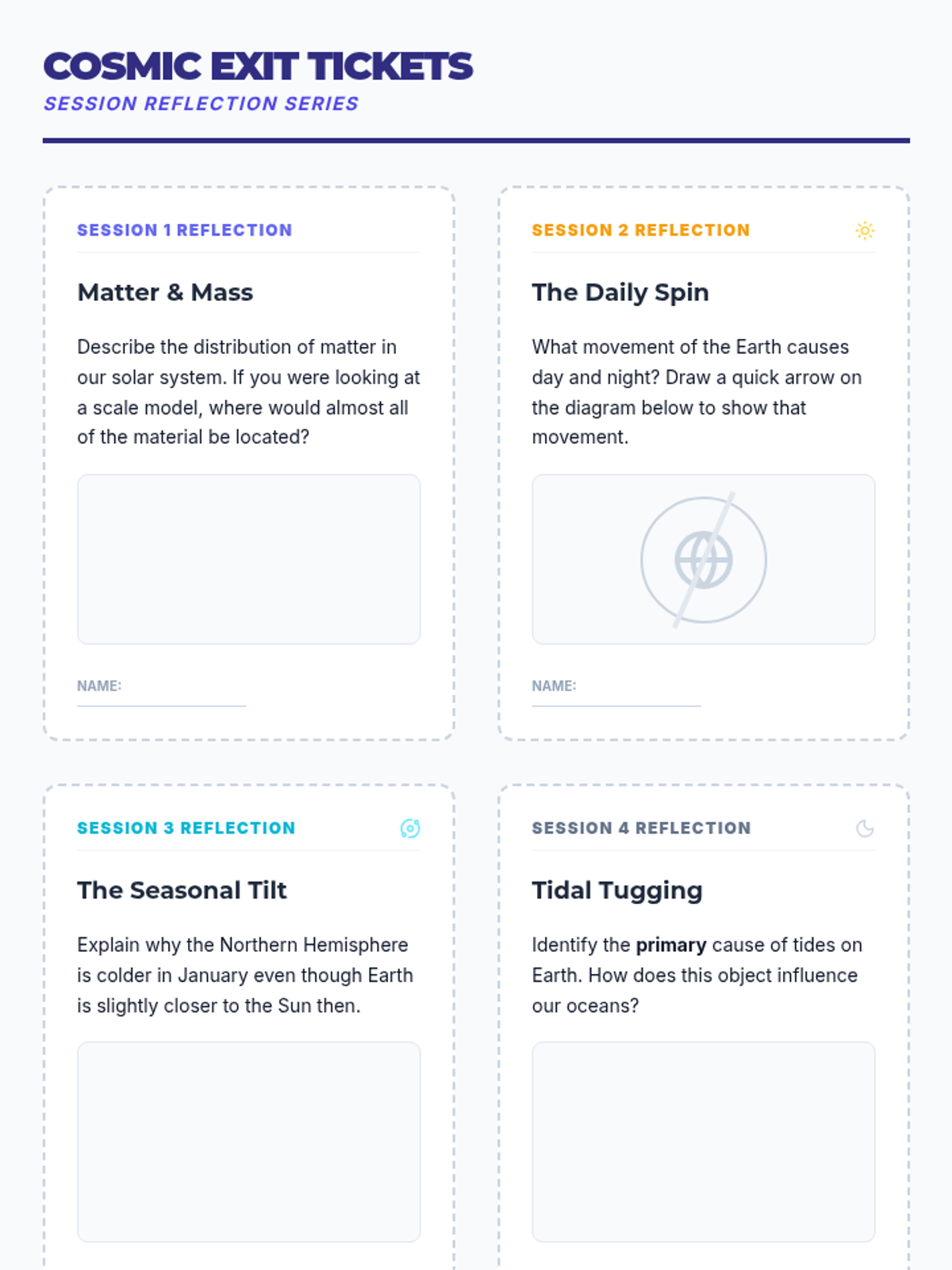
Students explore Earth's rotation and revolution to explain daily and yearly cycles. They connect Earth's spin to day and night and its orbit and tilt to the changing seasons through physical modeling and data analysis.
A 5-lesson unit for 6th grade exploring the evolution of astronomical technology, the electromagnetic spectrum, spacecraft engineering, and the future of human vs. robotic space exploration.
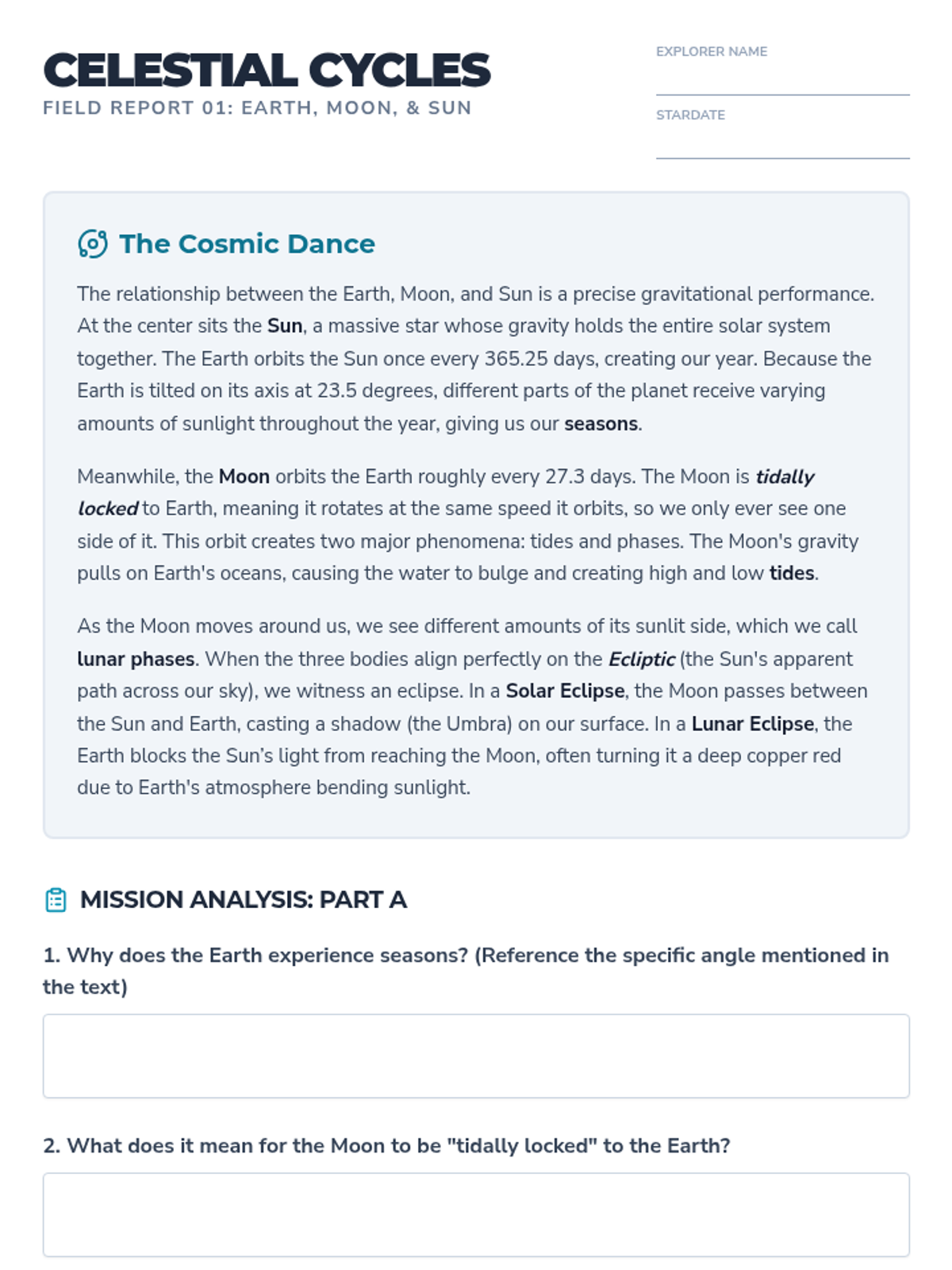
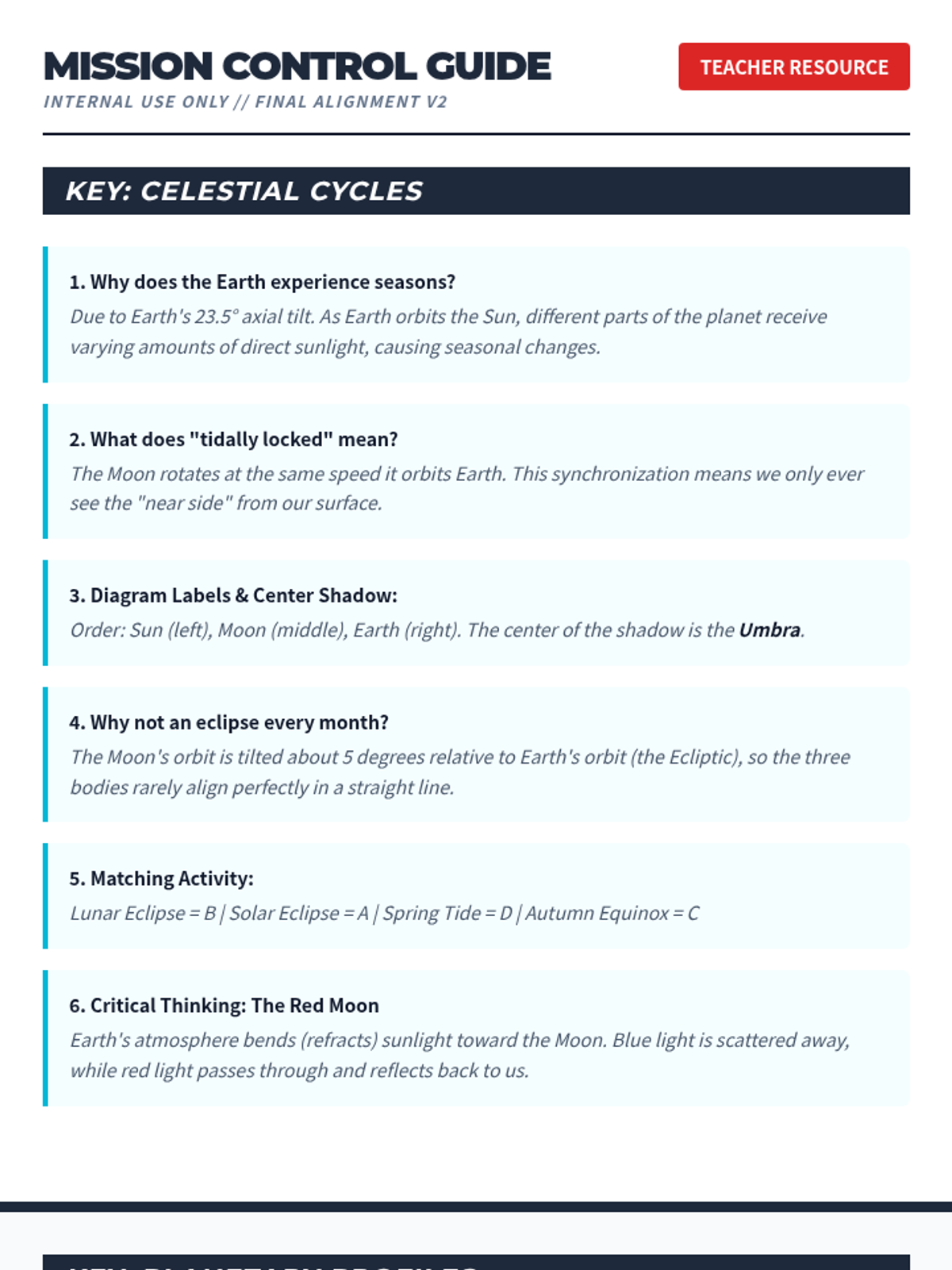
A comprehensive 5-lesson sequence for 6th-grade students to master Earth-Sun-Moon interactions. Students will use spatial reasoning and scientific modeling to explain rotation, revolution, seasons, moon phases, eclipses, and tides through kinesthetic activities, data analysis, and visual synthesis.
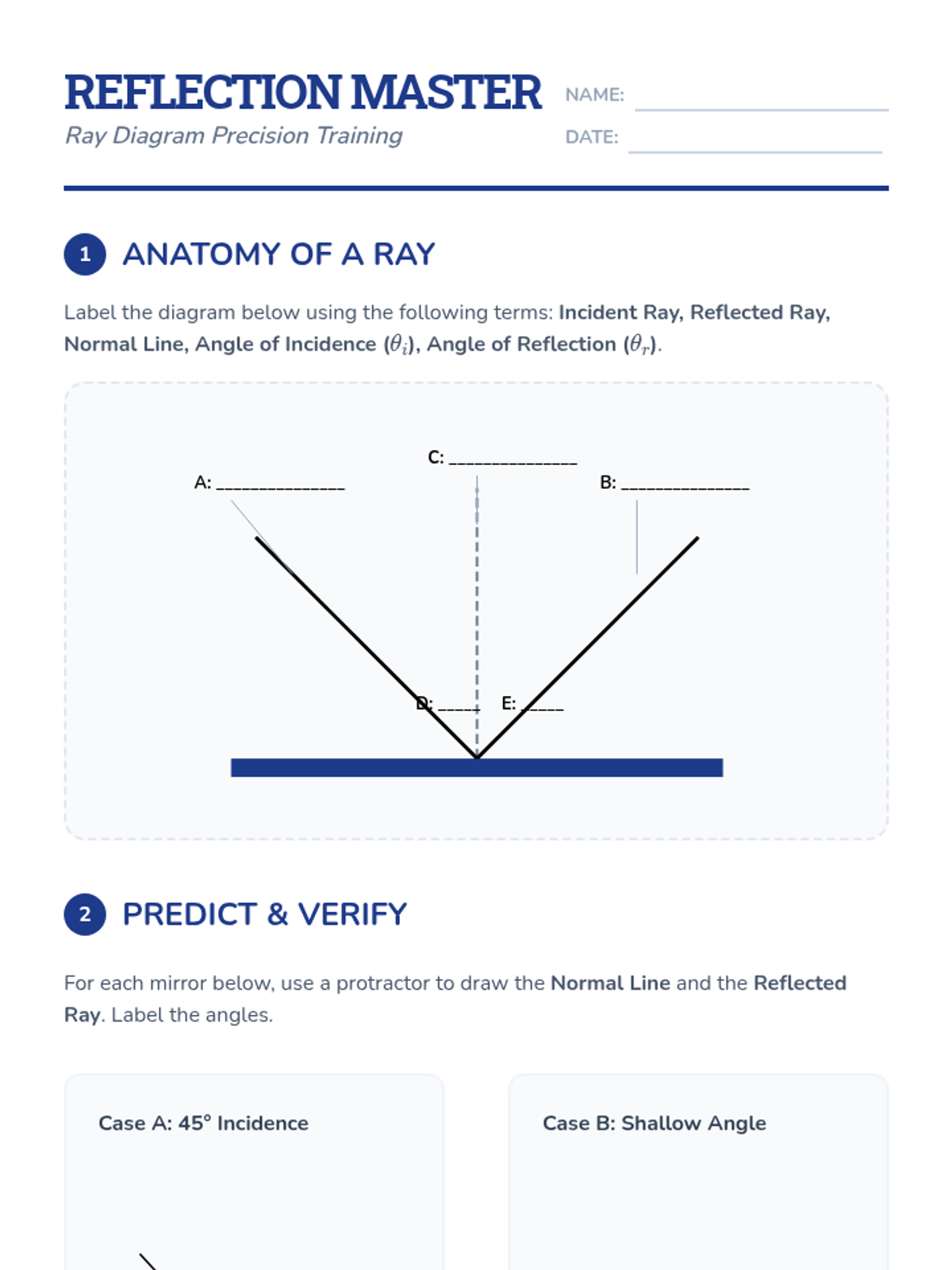
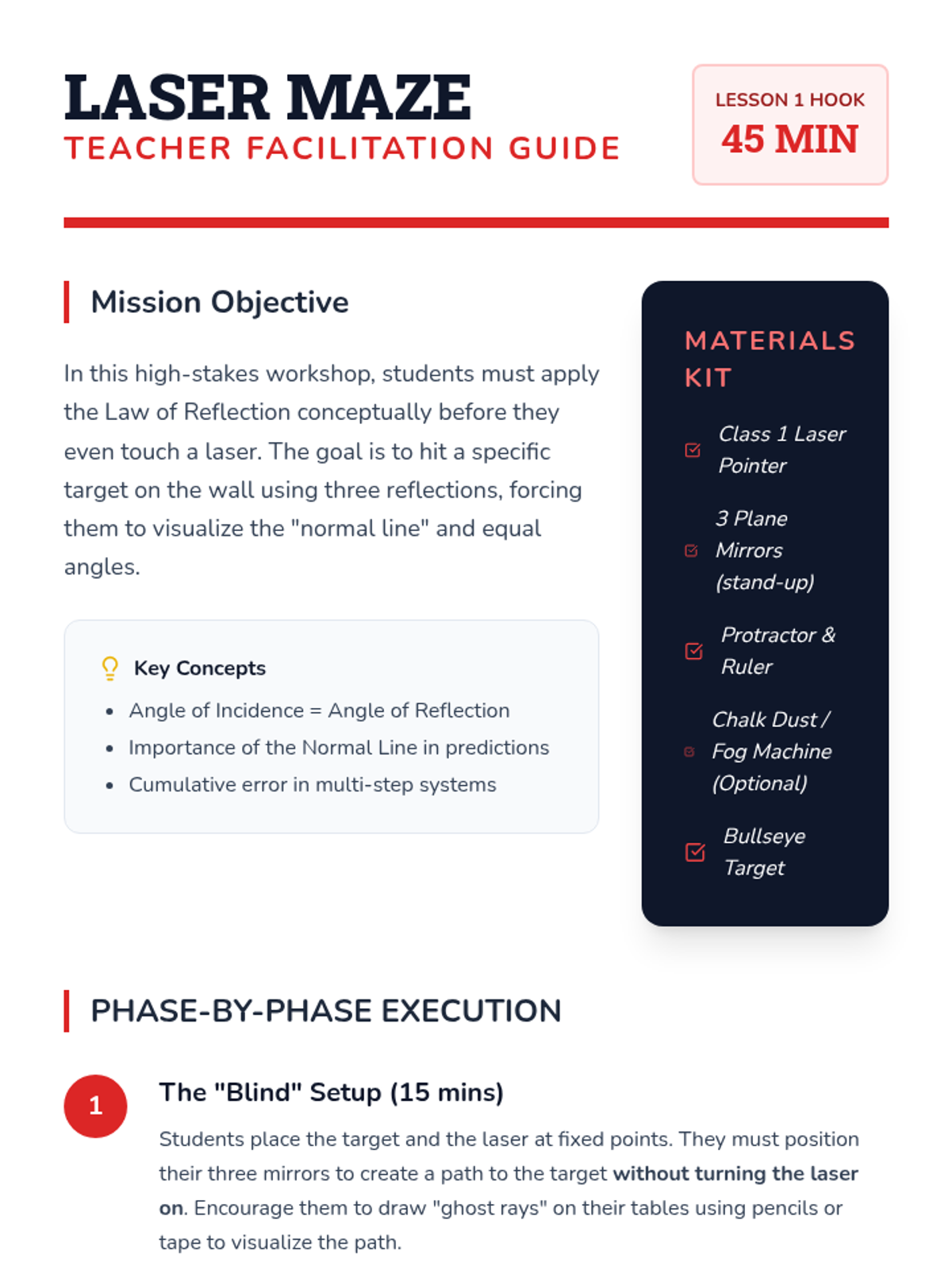
Students explore geometric optics, modeling how light behaves when reflecting off surfaces and refracting through media. The sequence covers the law of reflection, refraction principles, lens types, curved mirrors, and the function of optical instruments like the eye and cameras.
A comprehensive science sequence exploring the fundamental properties of light and static electricity. Students engage in hands-on labs and virtual simulations to observe reflection, refraction, and electrostatic interactions.
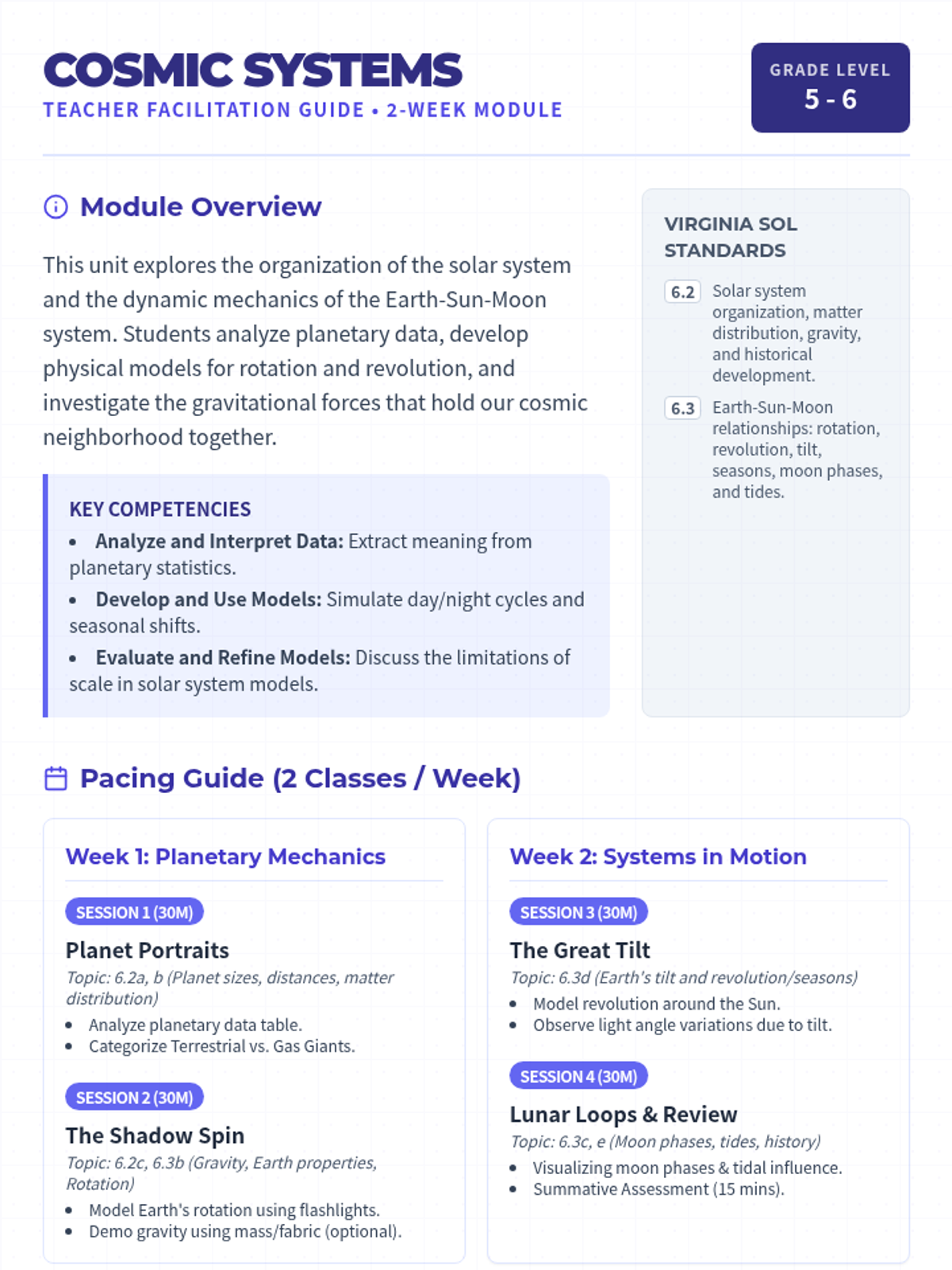
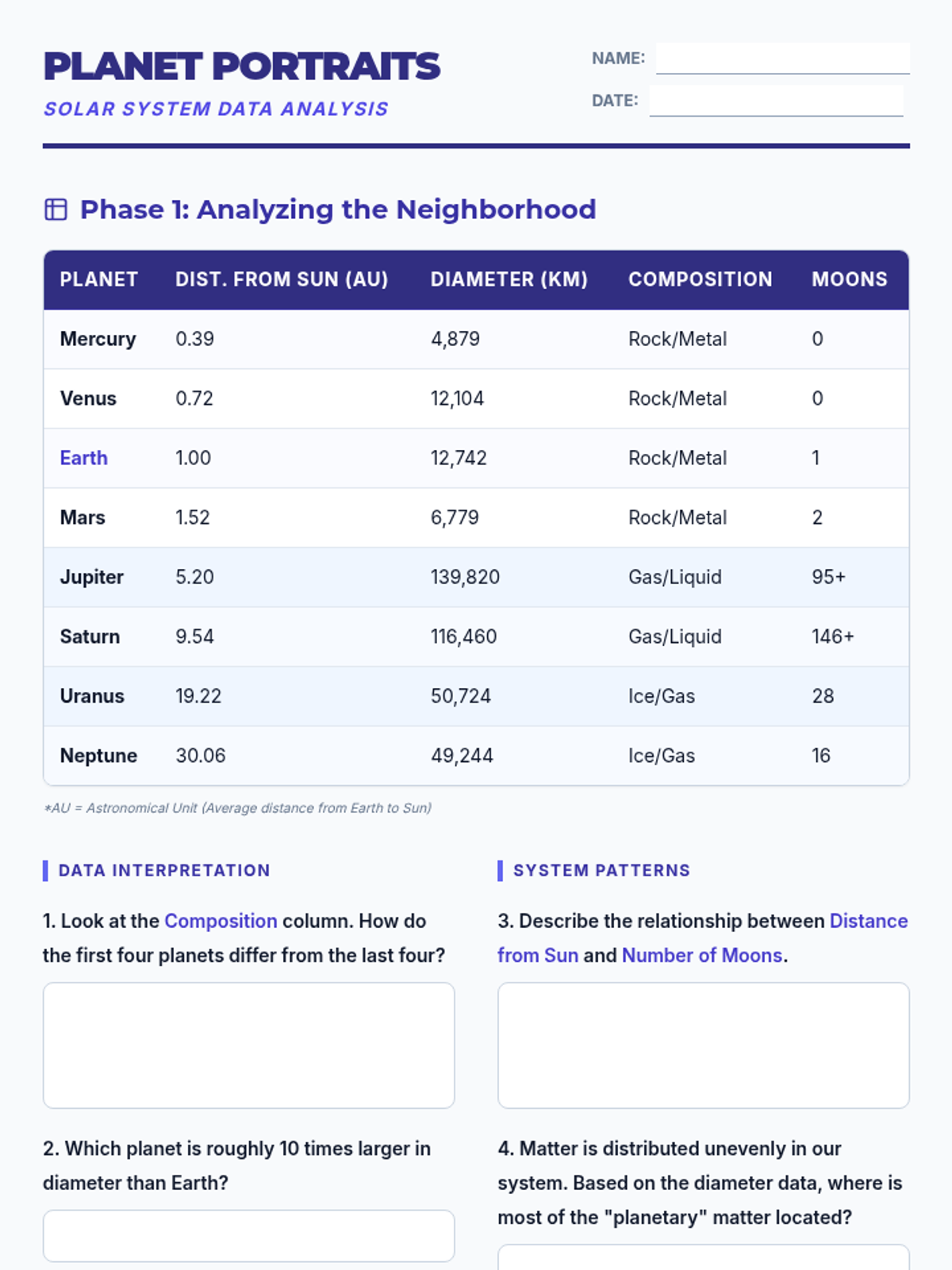
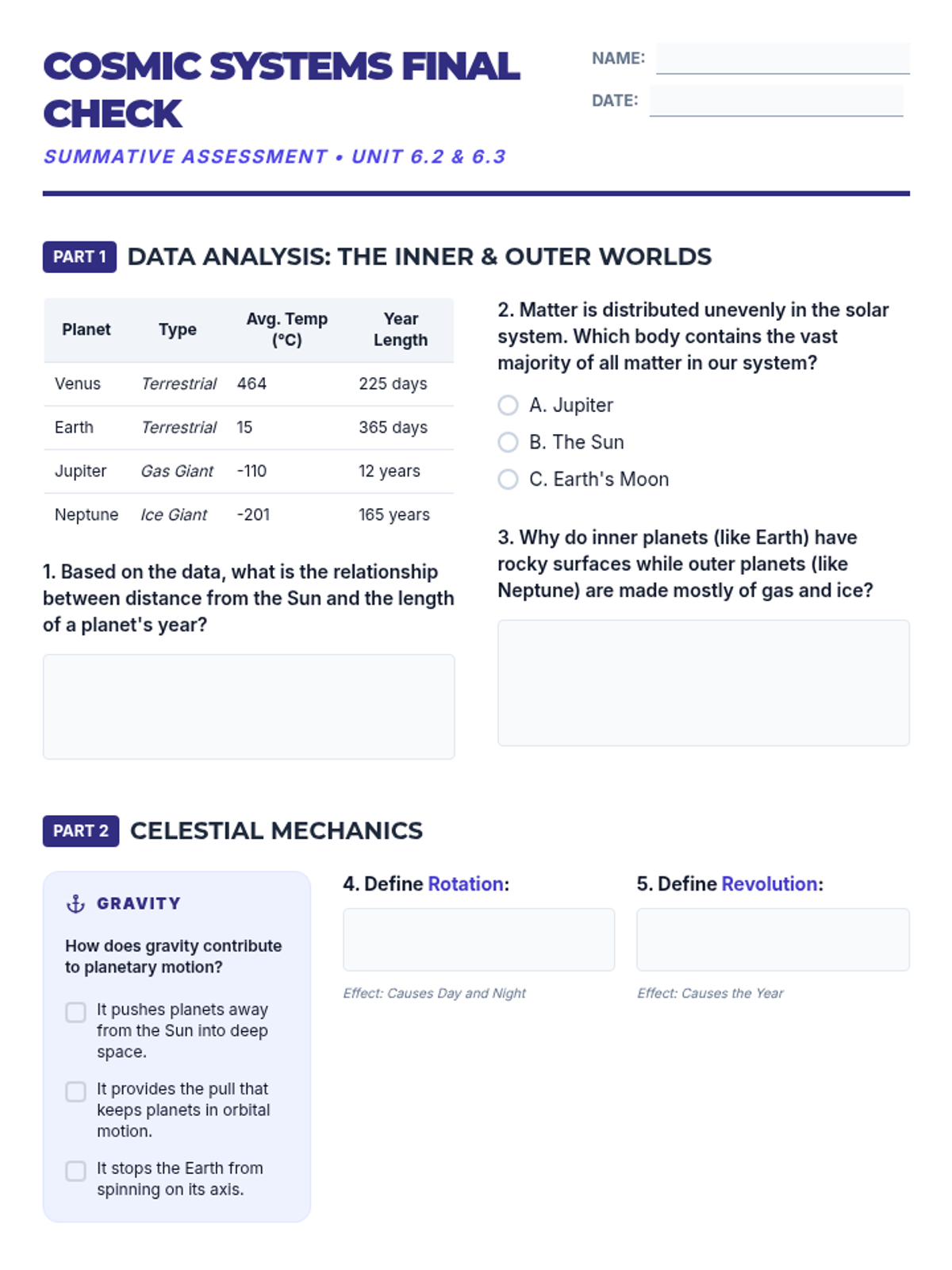
An investigative sequence diving into the mechanics of our solar system, focusing on planetary properties and the dynamic relationships within the Earth-Moon-Sun system.
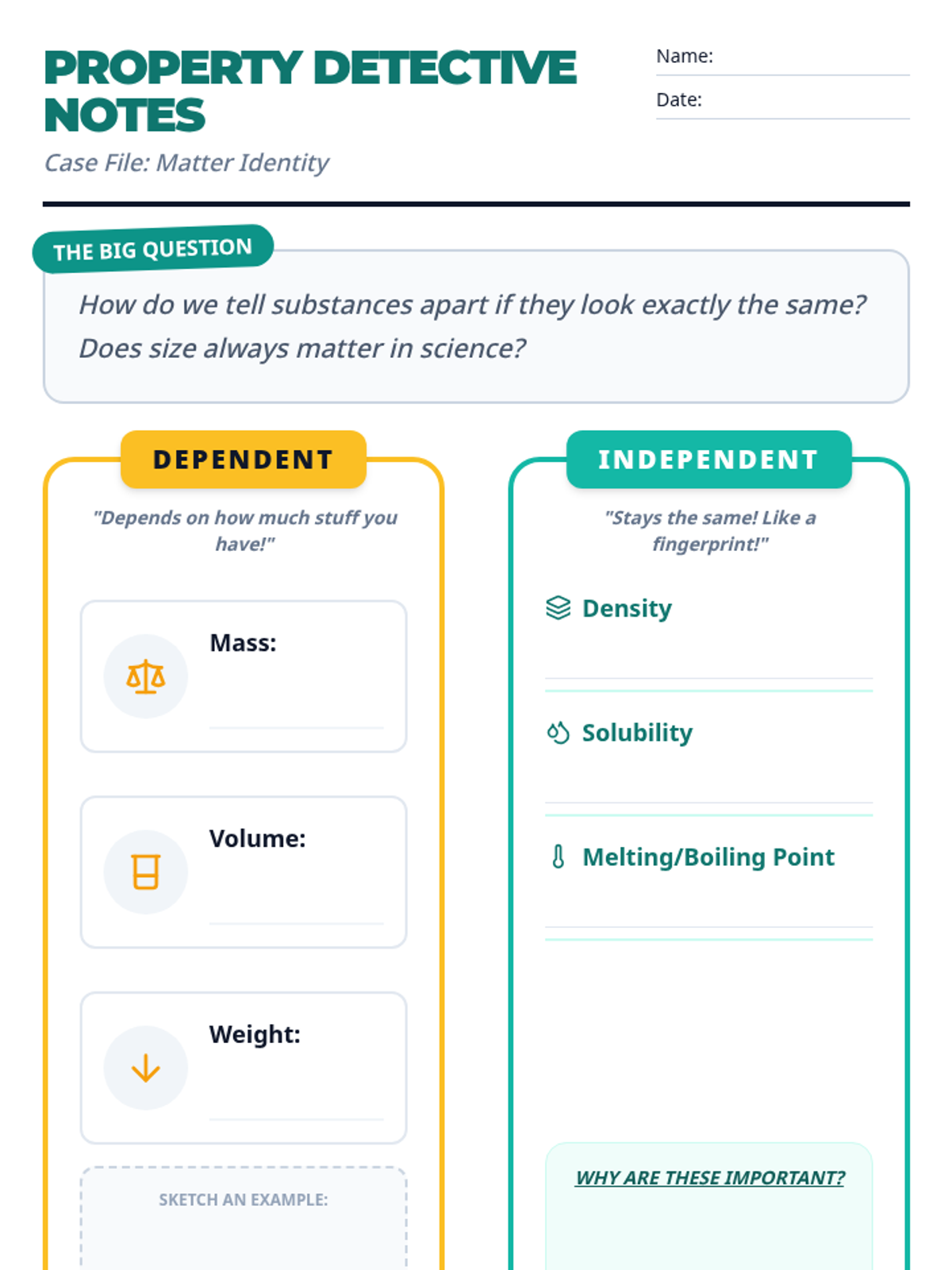
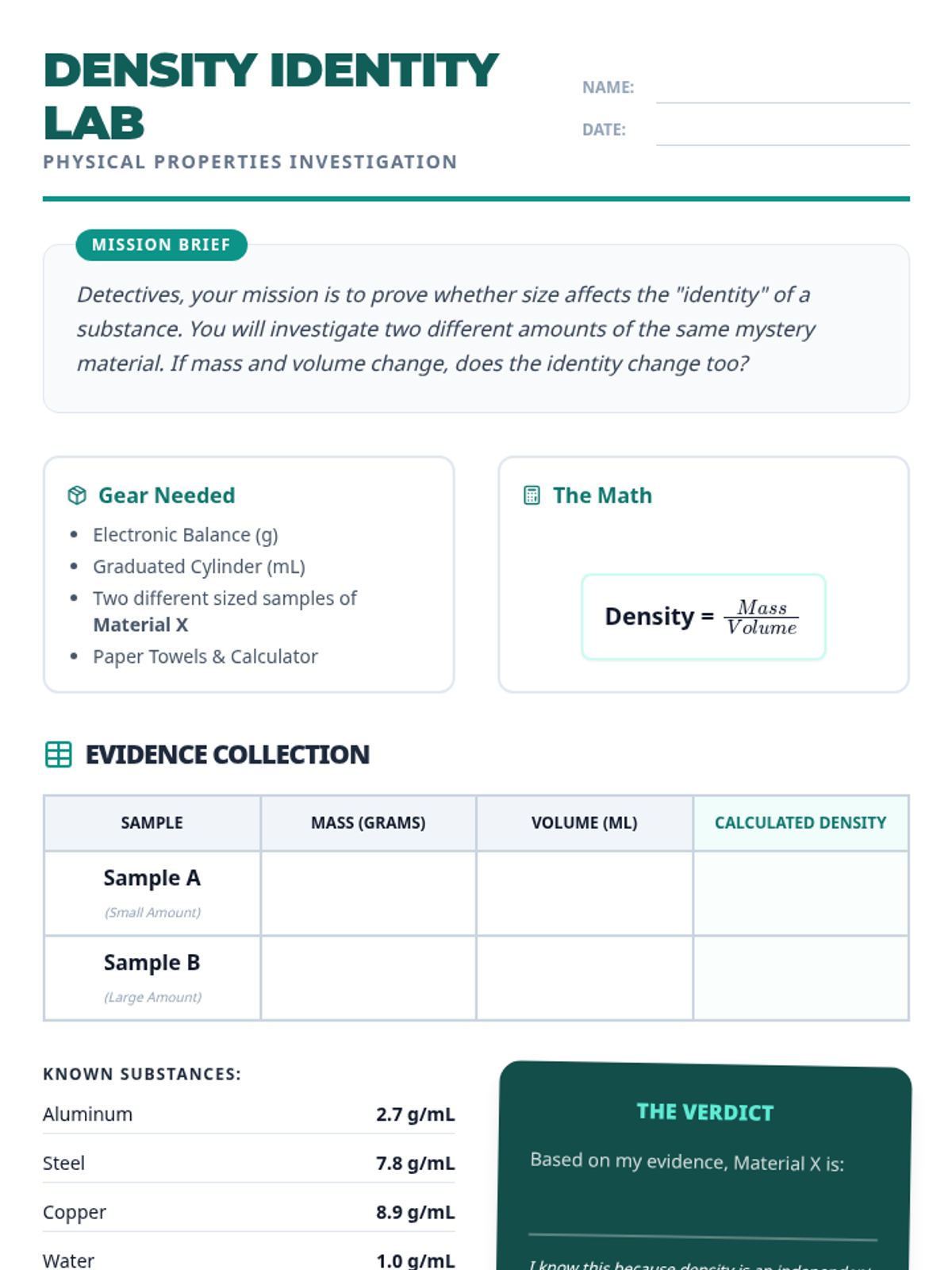
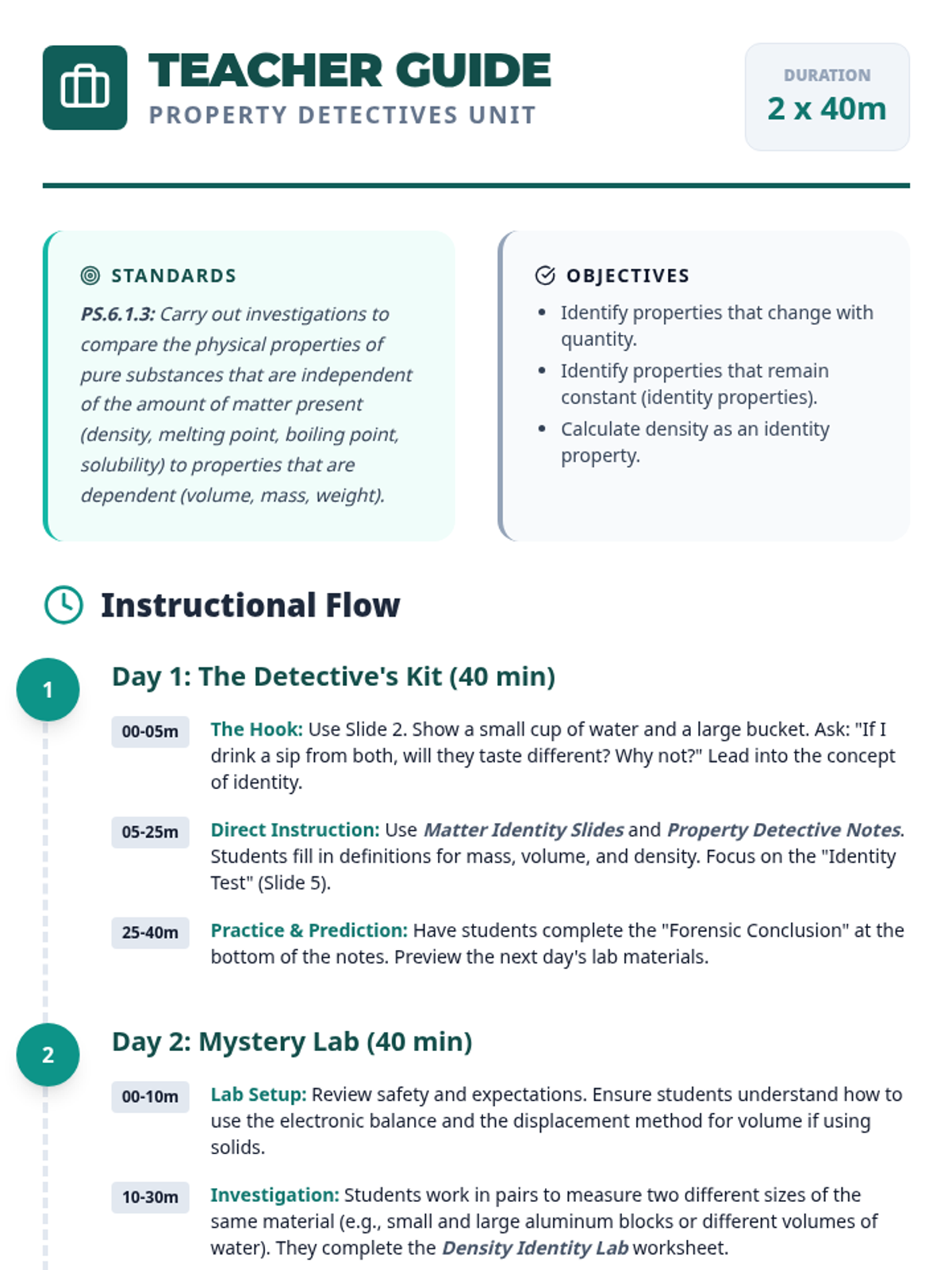
A two-day exploration of physical properties, distinguishing between those that depend on the amount of matter (mass, volume, weight) and those that are intrinsic to the substance (density, melting point, boiling point, solubility).
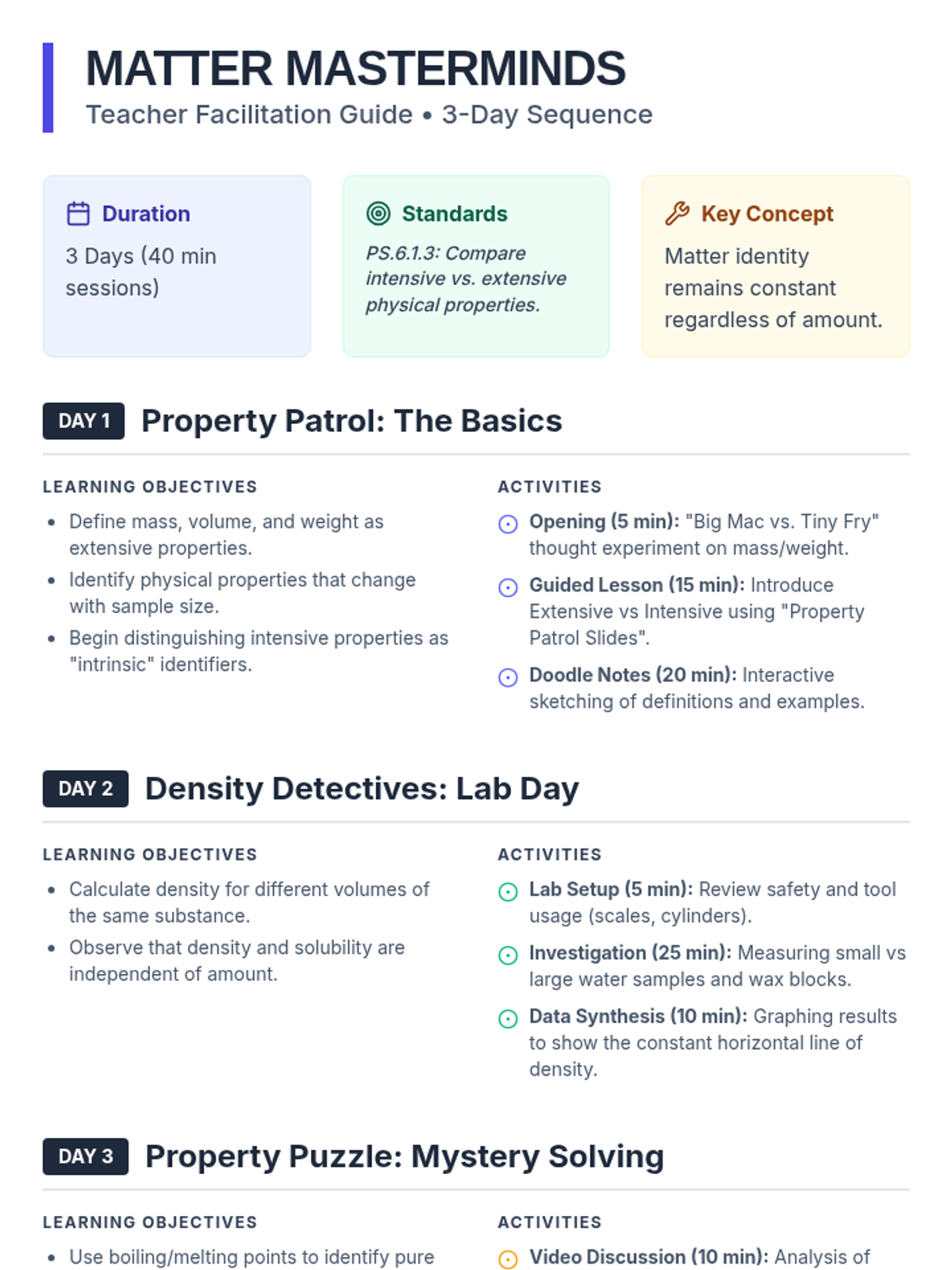
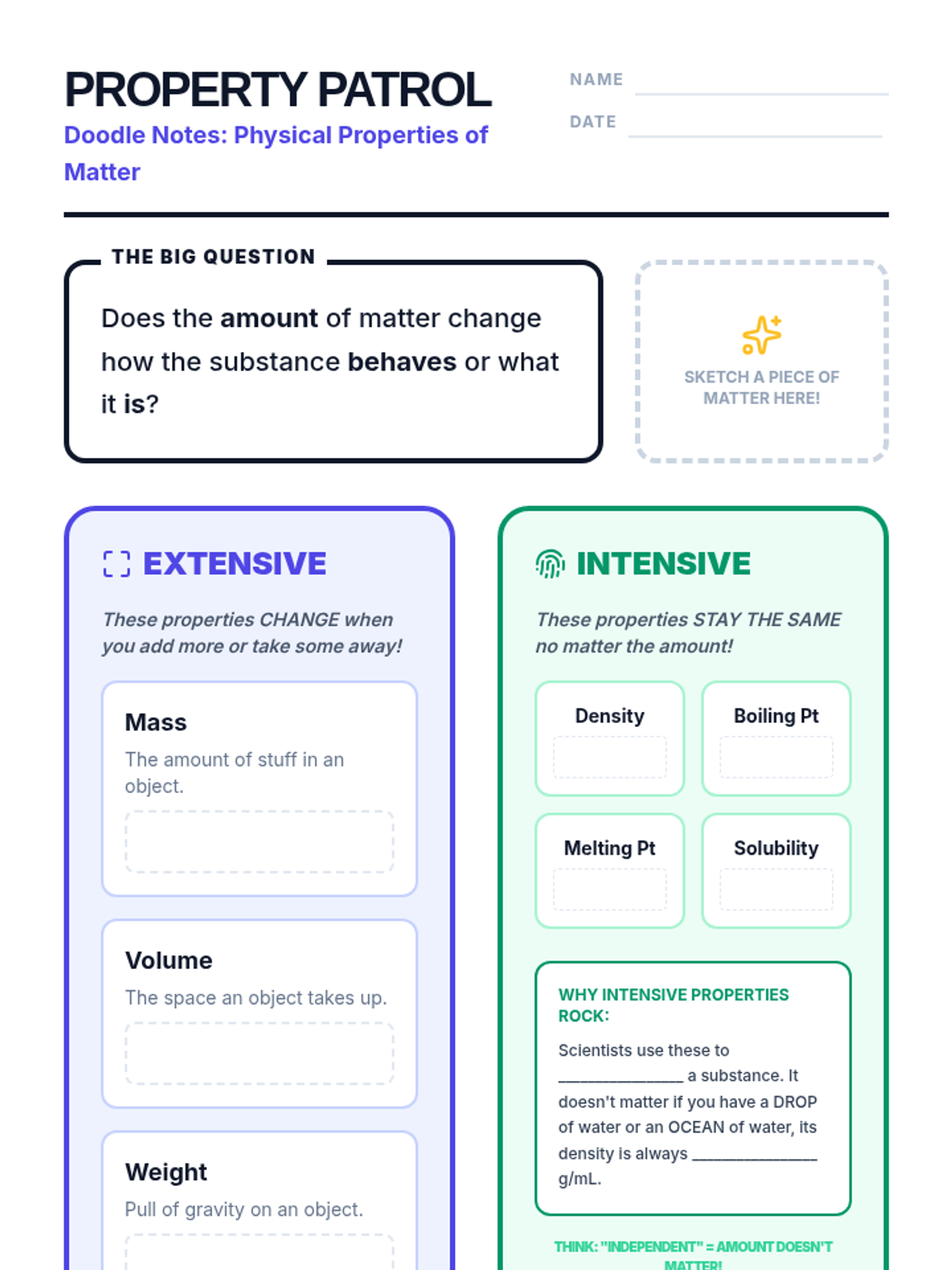
A 3-day investigation into the physical properties of matter, focusing on the distinction between intensive (independent) and extensive (dependent) properties through hands-on labs and doodle notes.
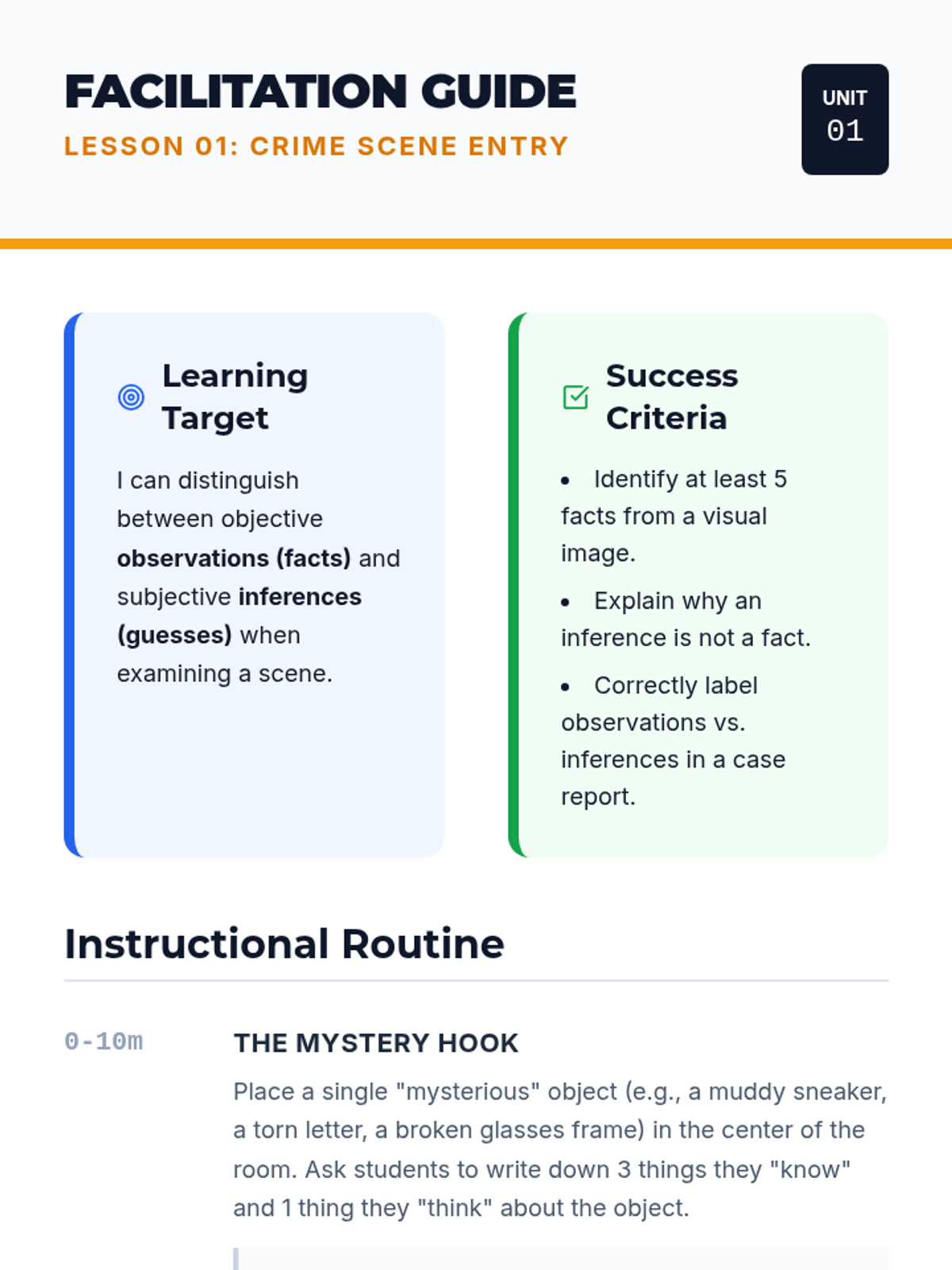
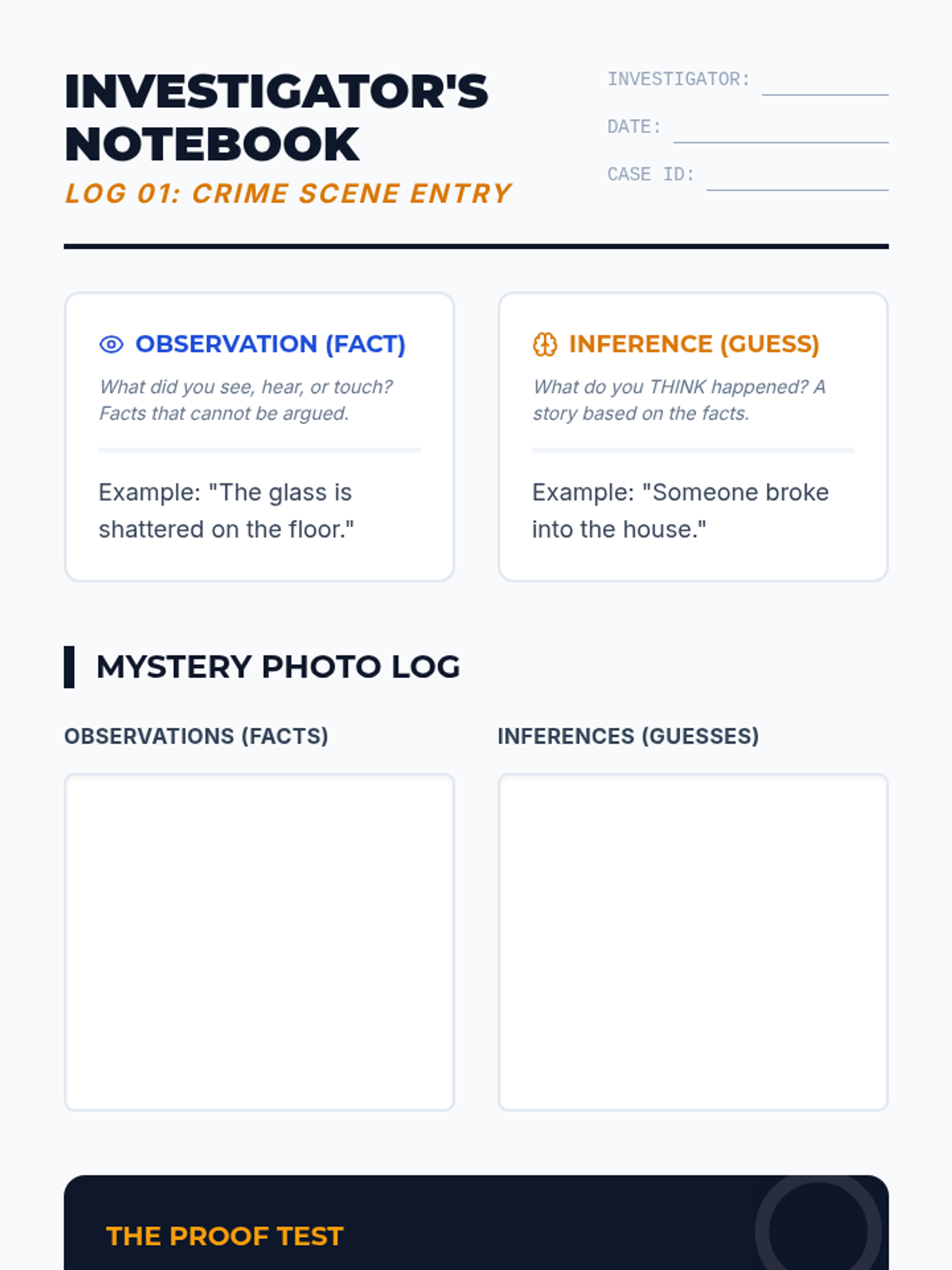
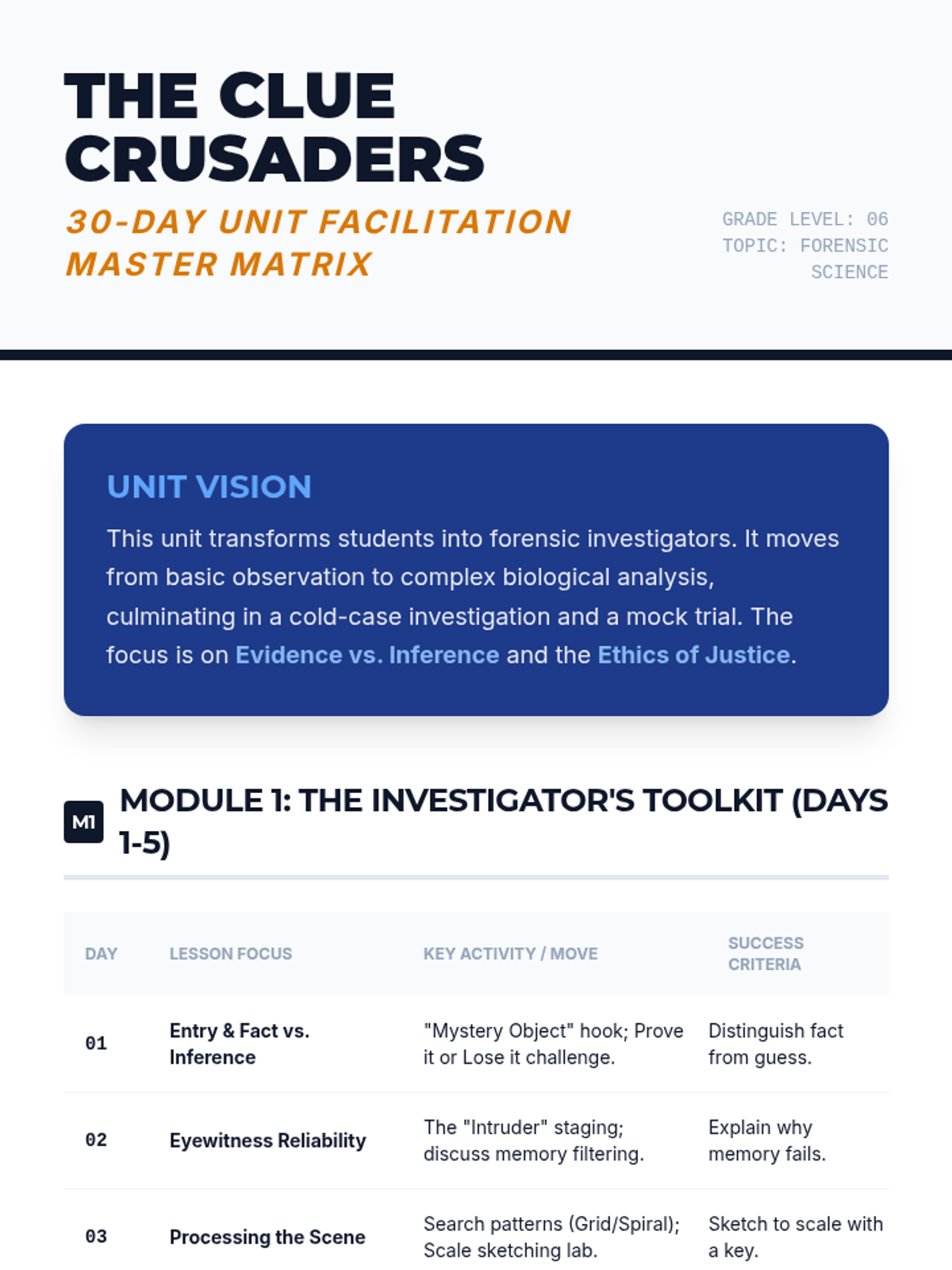
A comprehensive 30-day forensic science unit for 6th grade focused on evidence-based problem solving, observation skills, biological analysis, and the ethics of the legal system. Students progress from basic observation to a culminating mock trial and cold case analysis project.
Exploring the internal heat and dynamic processes that shape our planet's surface and interior.
A comprehensive 6th-grade engineering sequence exploring how geometric properties like triangulation, tessellation, and symmetry contribute to structural stability and architectural strength.
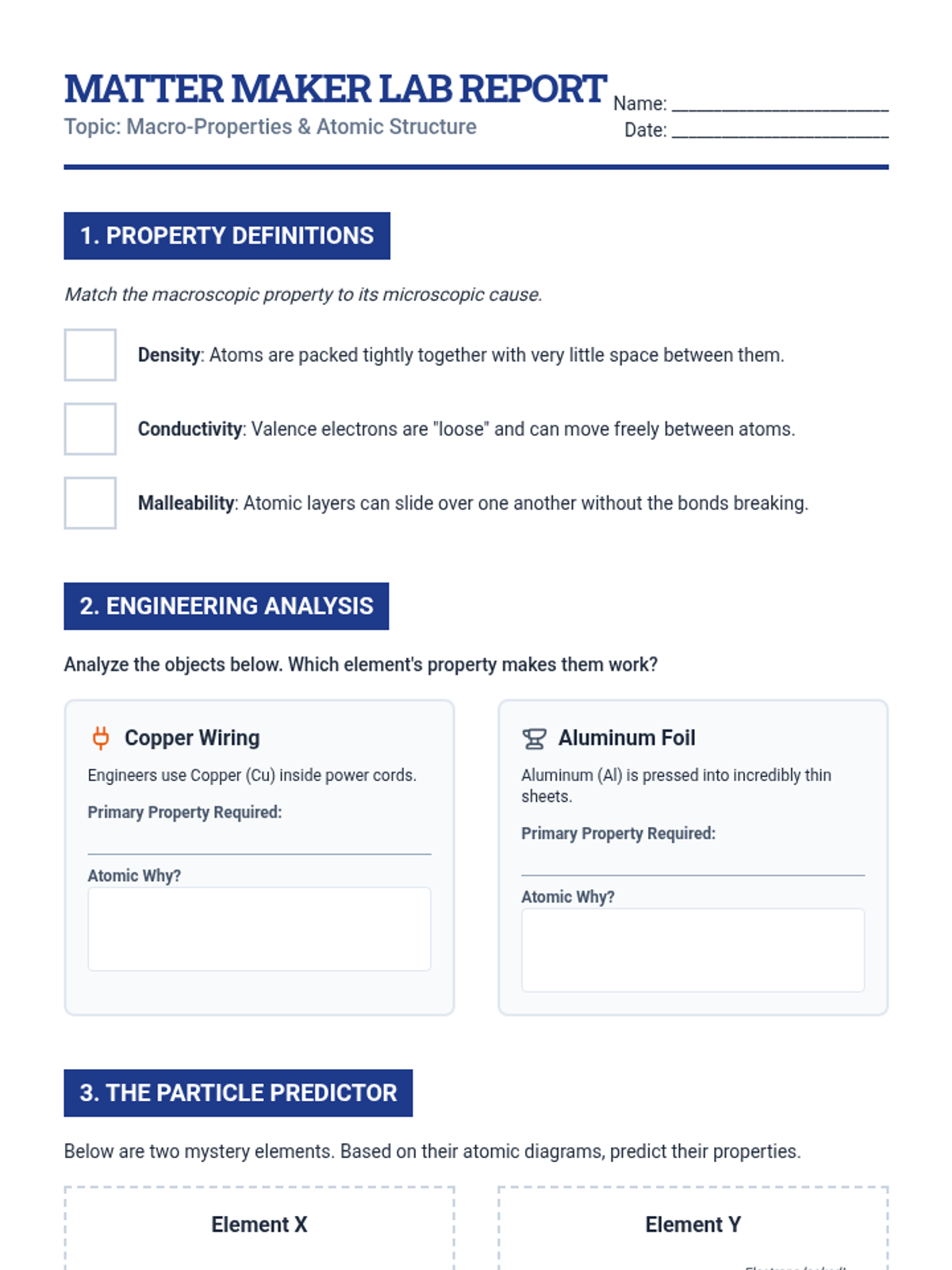
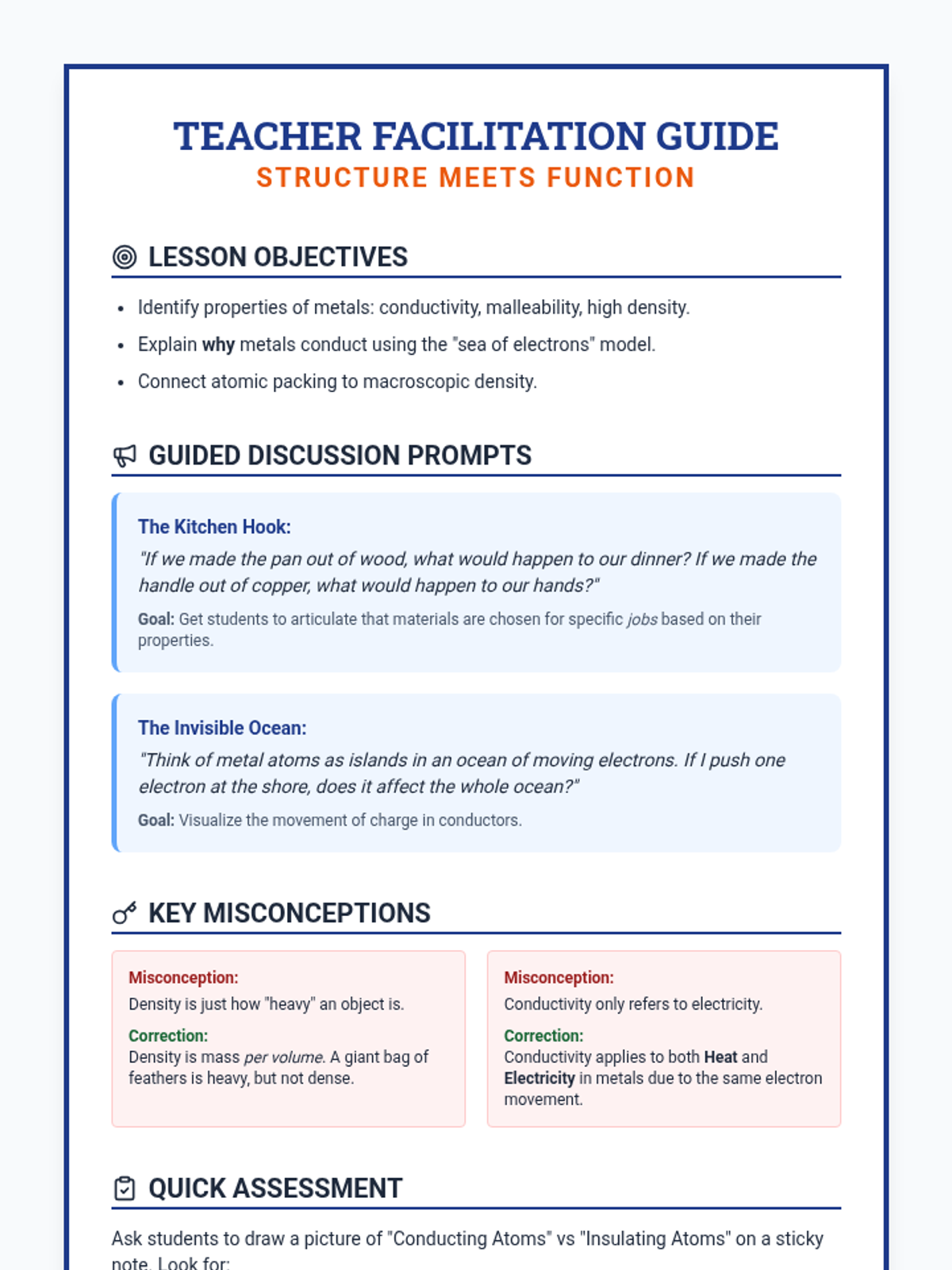
A 5-lesson sequence for 6th-grade students connecting the Periodic Table to engineering and material science. Students explore how atomic structure determines macroscopic properties, research elements in technology, investigate carbon's versatility, and apply their knowledge to solve engineering design challenges.
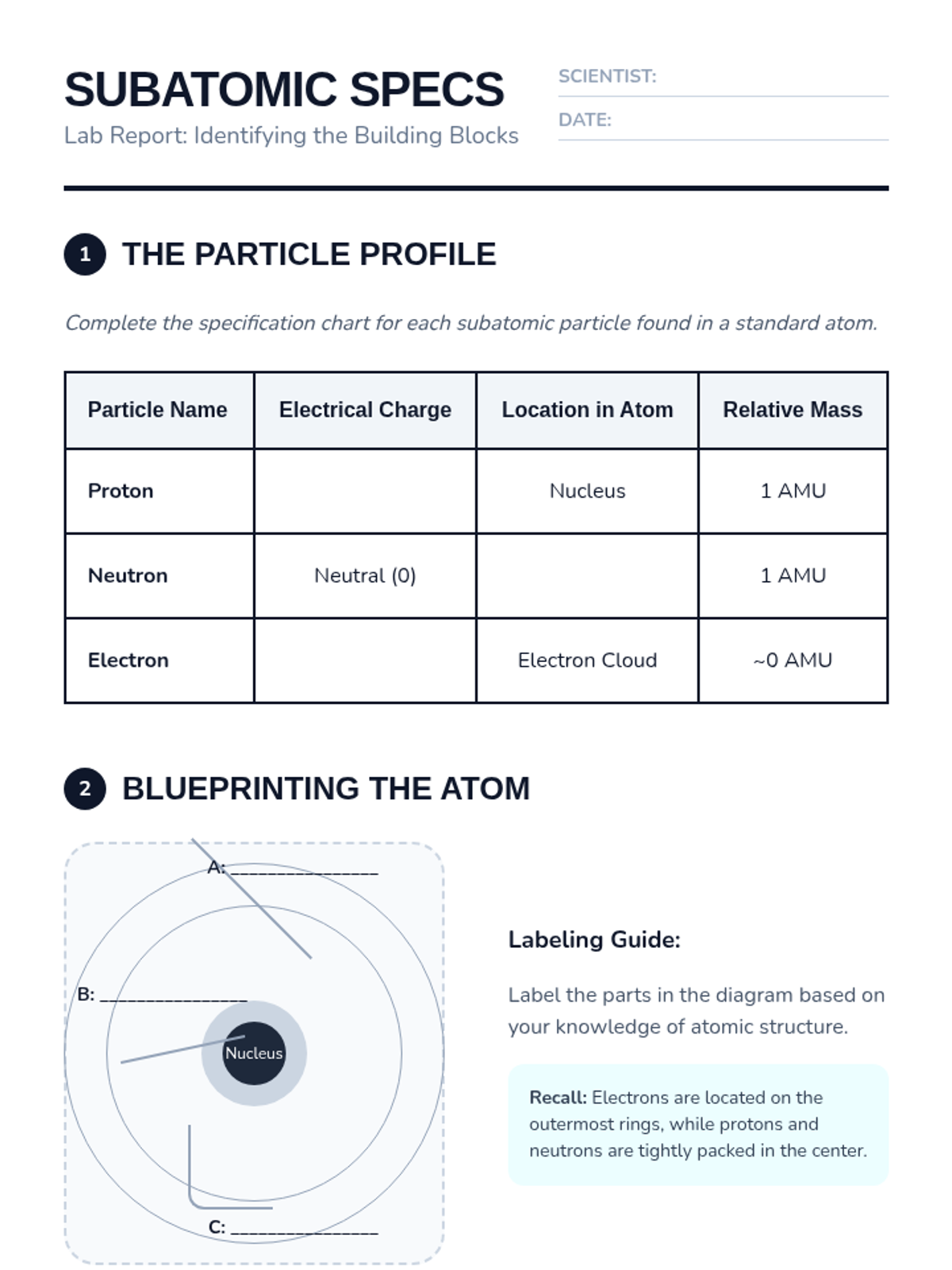
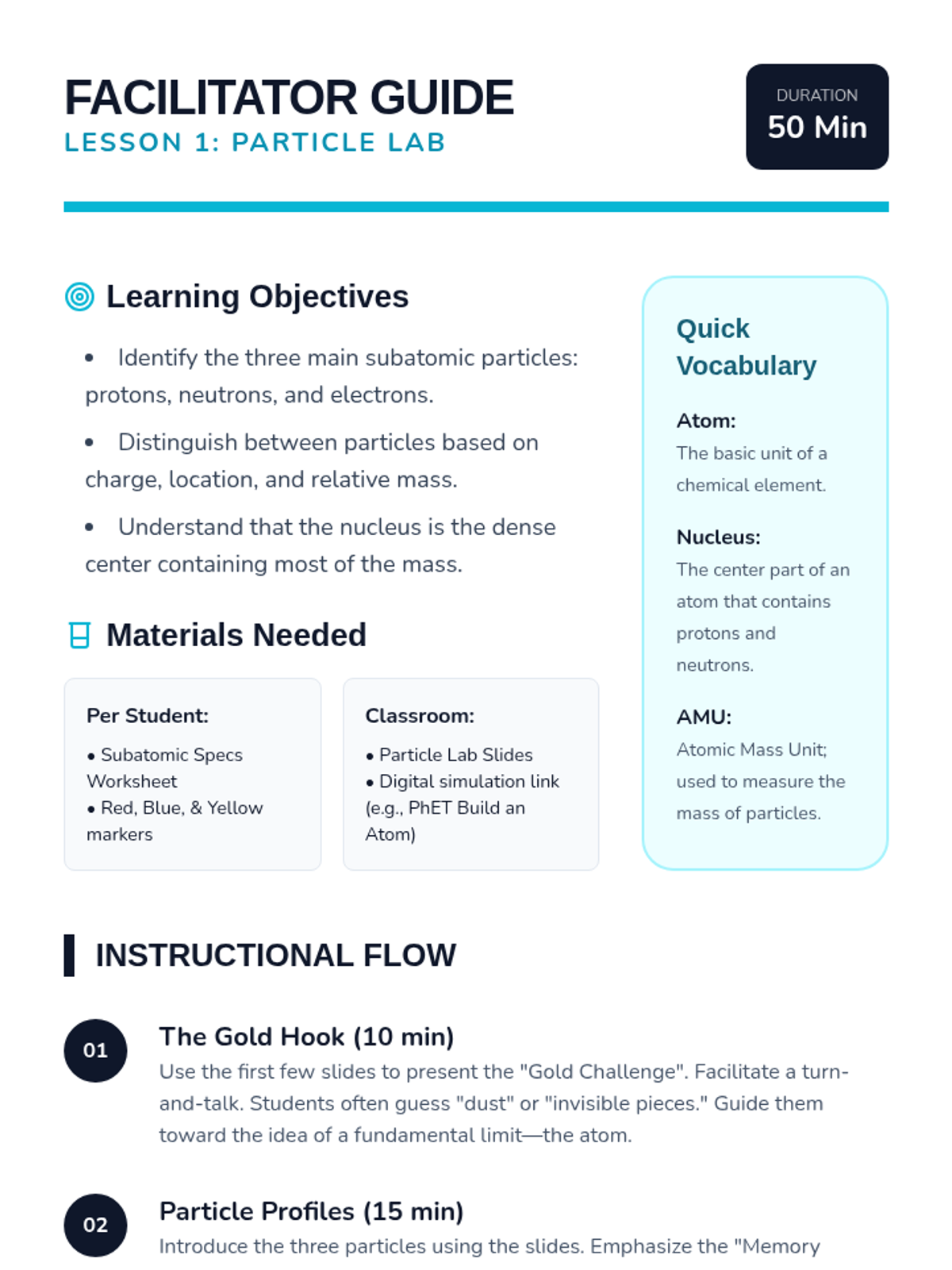
This sequence introduces 6th-grade students to atomic structure, focusing on subatomic particles, atomic number, isotopes, and electron shells. Students progress from identifying fundamental particles to constructing complex Bohr models for the first eighteen elements of the periodic table.
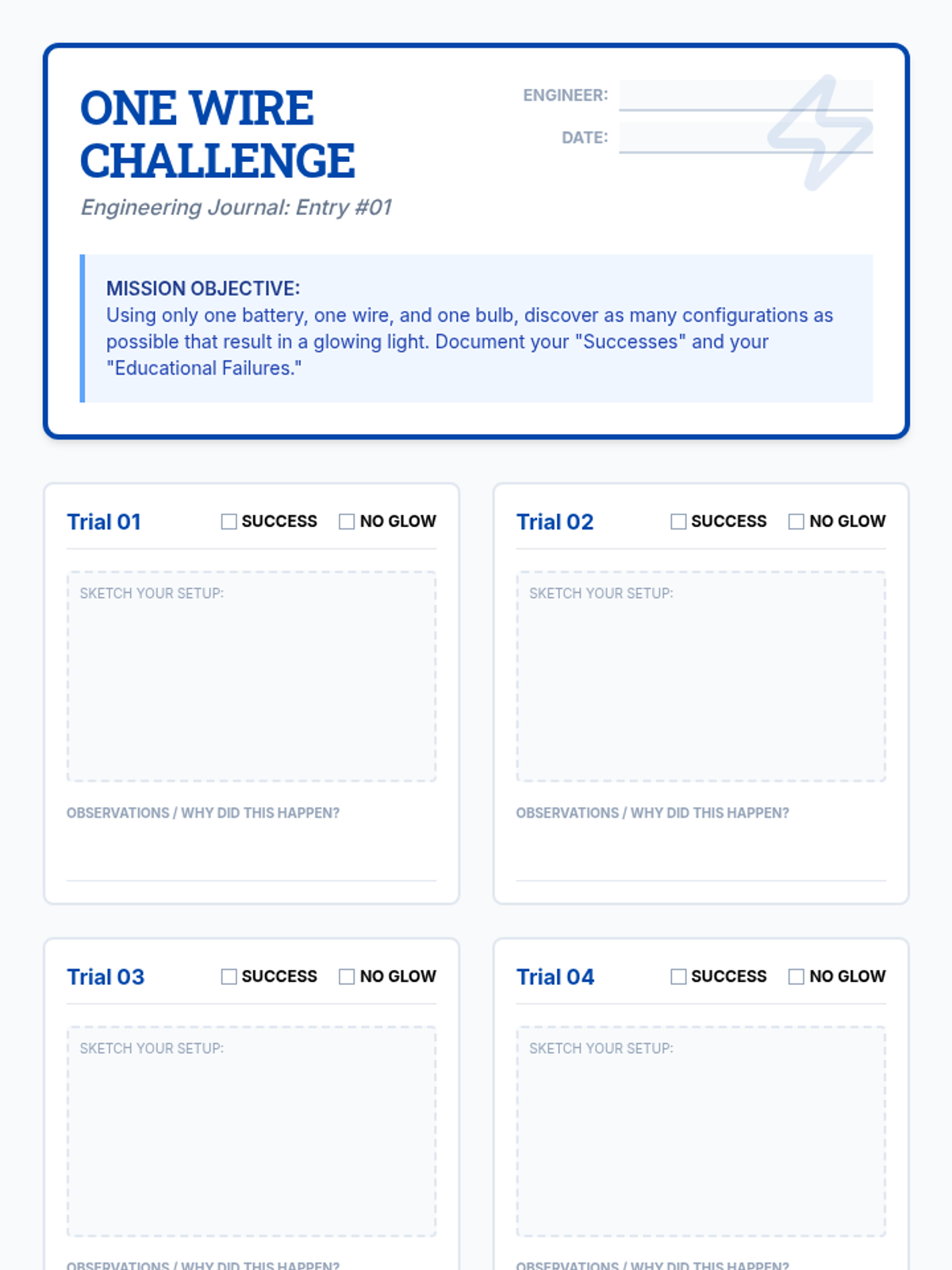
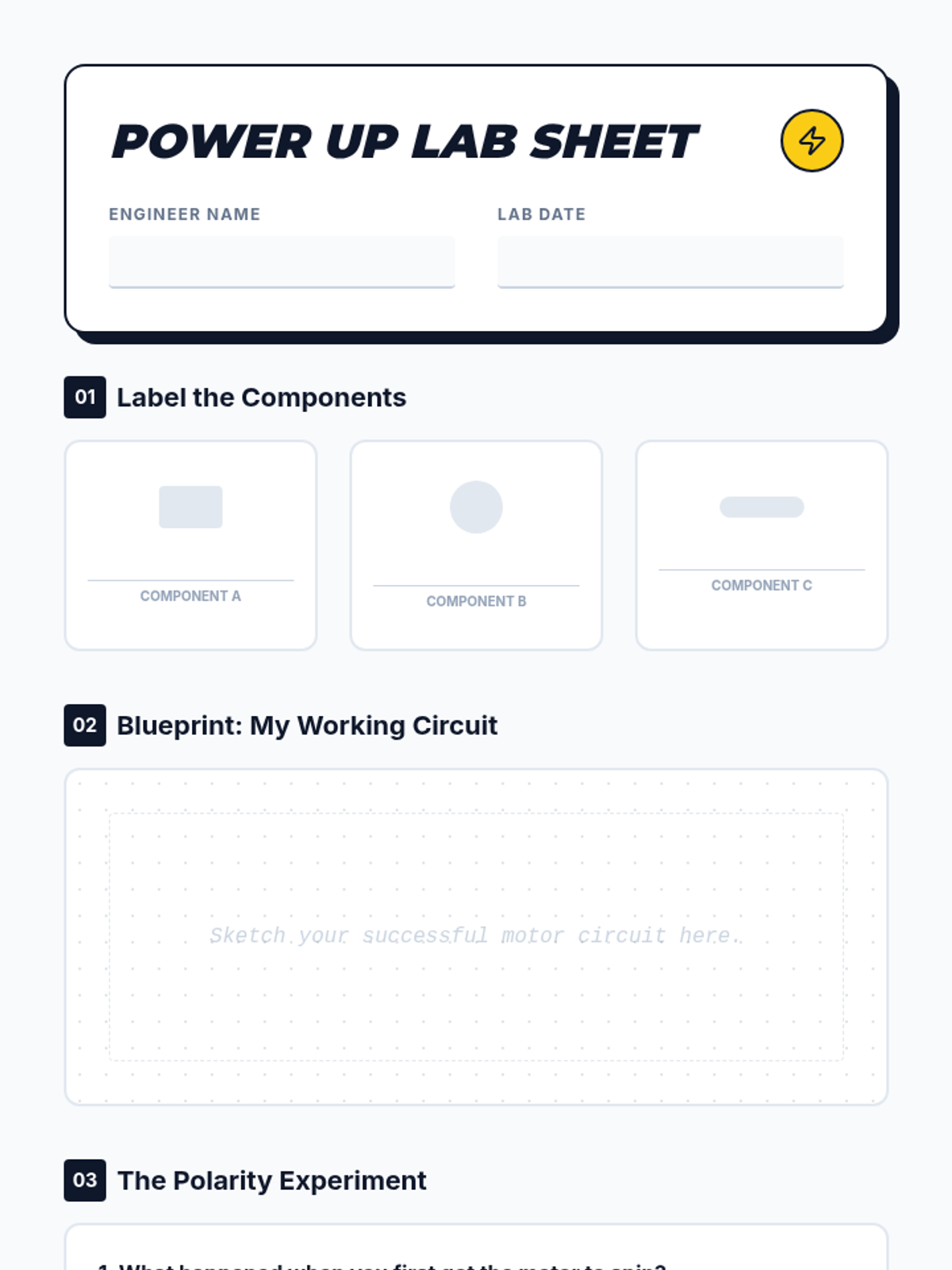
A hands-on engineering sequence where 6th-grade students explore the fundamentals of electricity by building, diagramming, and troubleshooting series and parallel circuits. Students progress from simple closed loops to complex branching systems, culminating in a troubleshooting challenge.
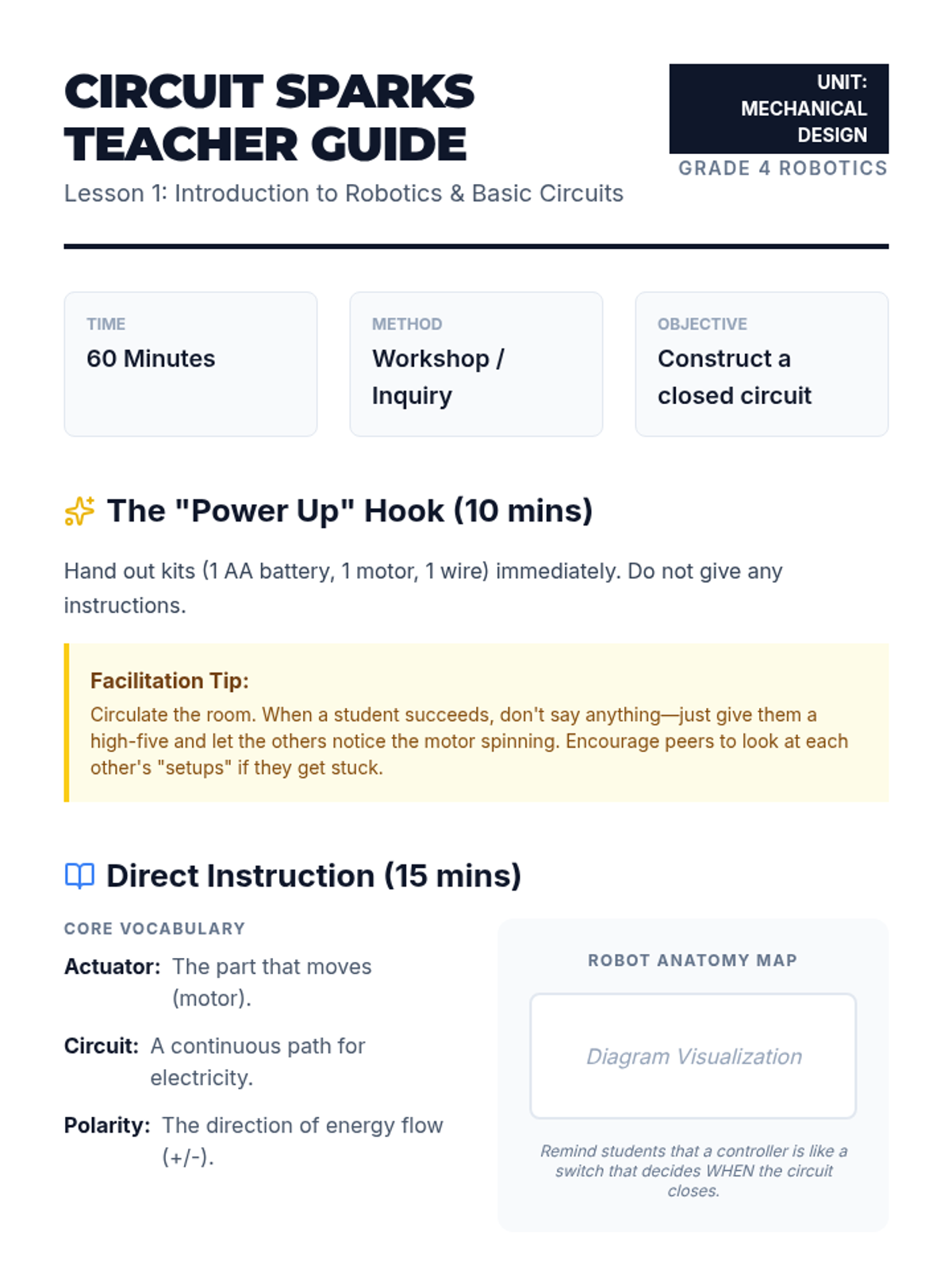
Students explore the mechanical systems that allow robots to move and interact with the physical world, progressing from basic circuits to full chassis assembly.
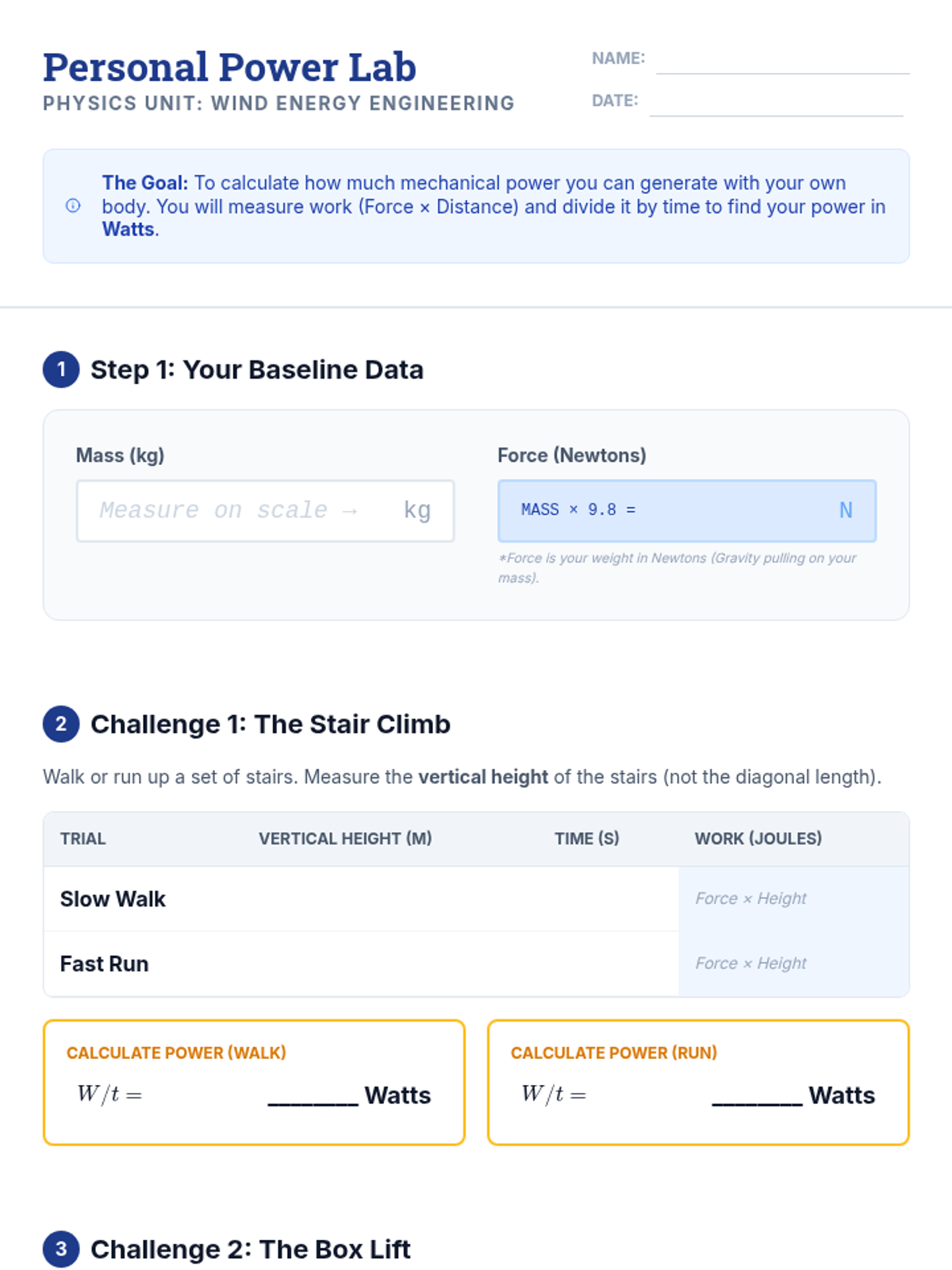
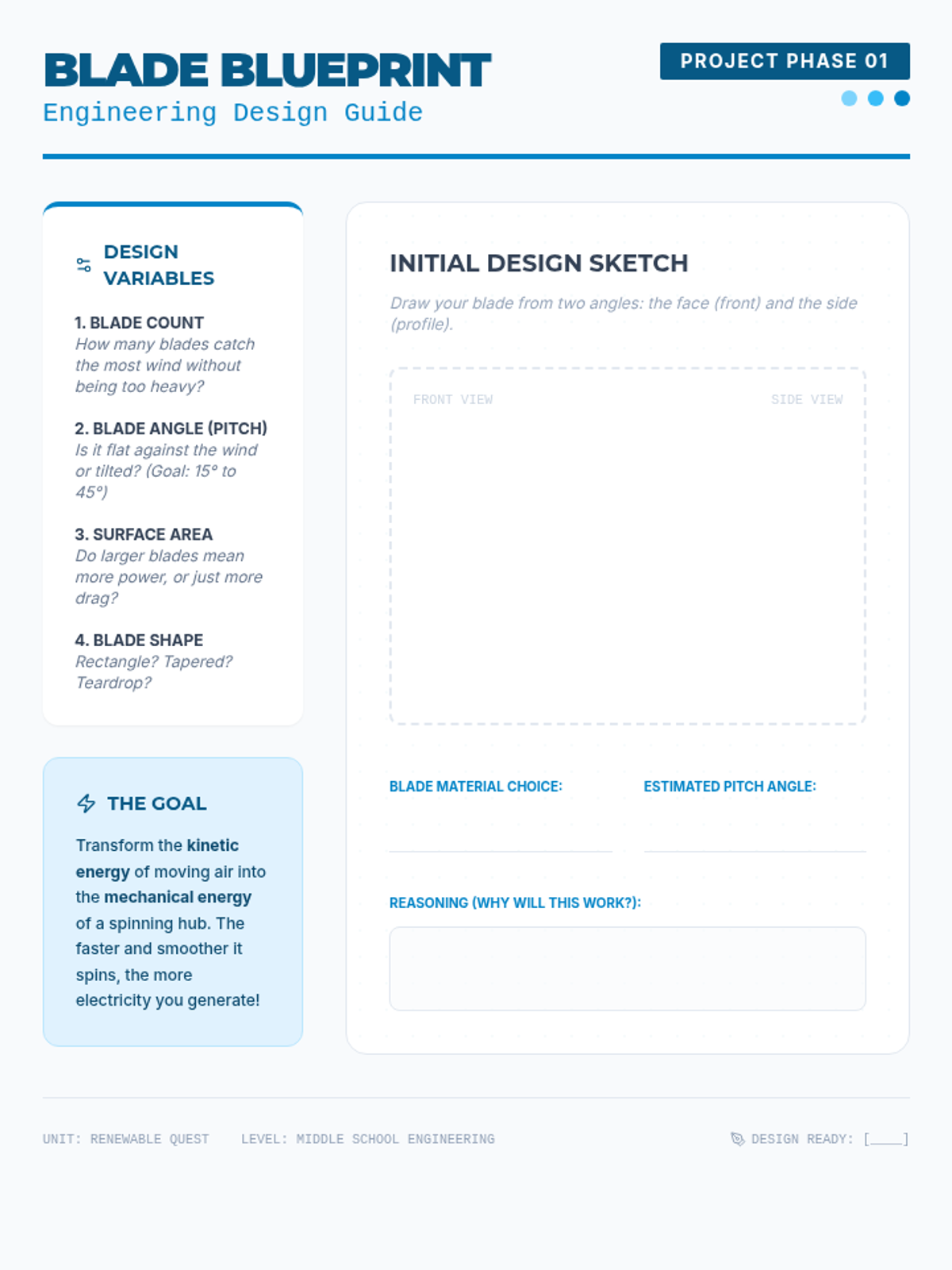
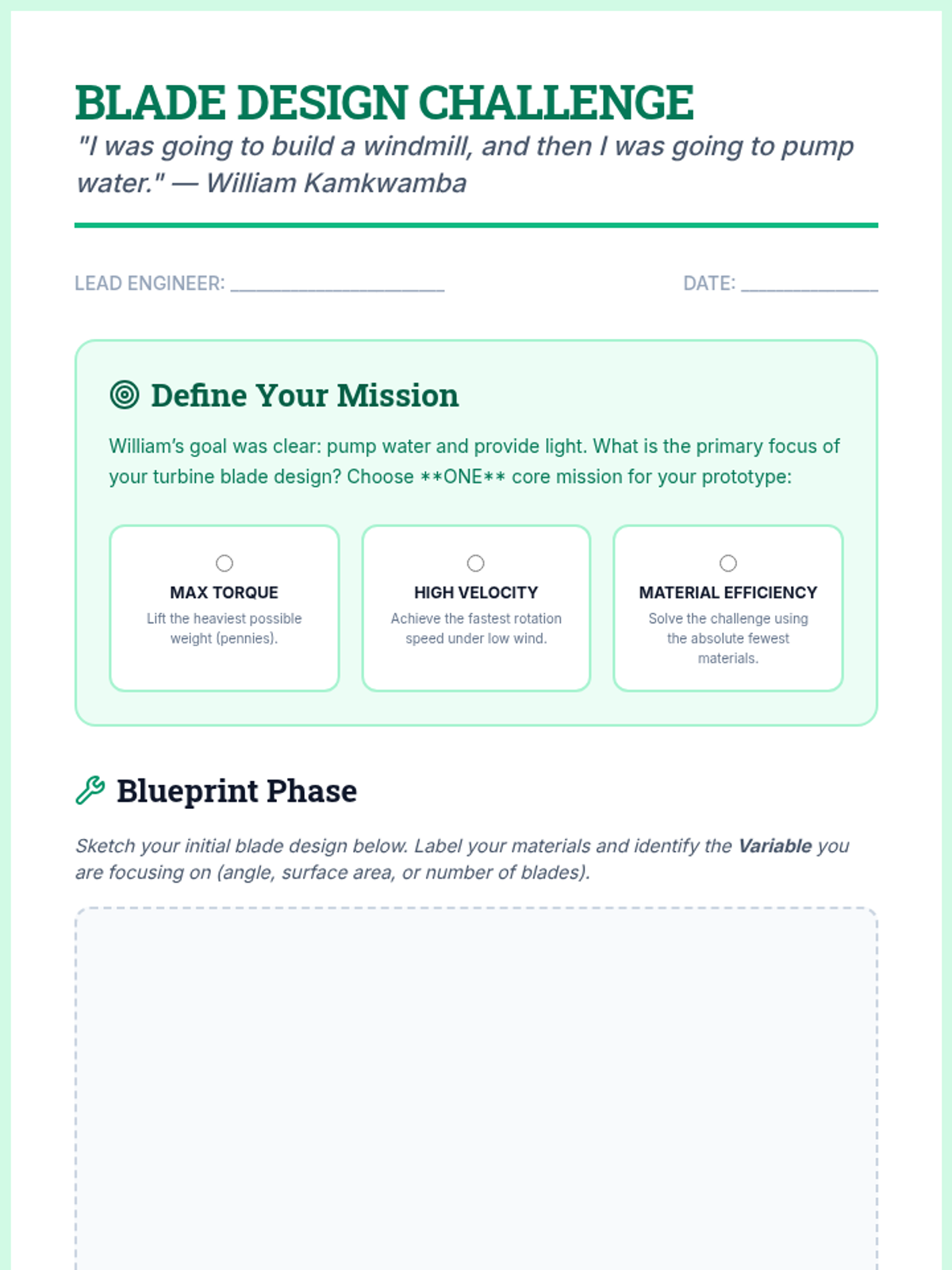
A hands-on physics and engineering unit where 6th-grade students explore the relationship between work, power, and aerodynamics by designing, building, and optimizing wind turbine blades. Students move from calculating their own power output to measuring the electrical efficiency of their engineered prototypes.
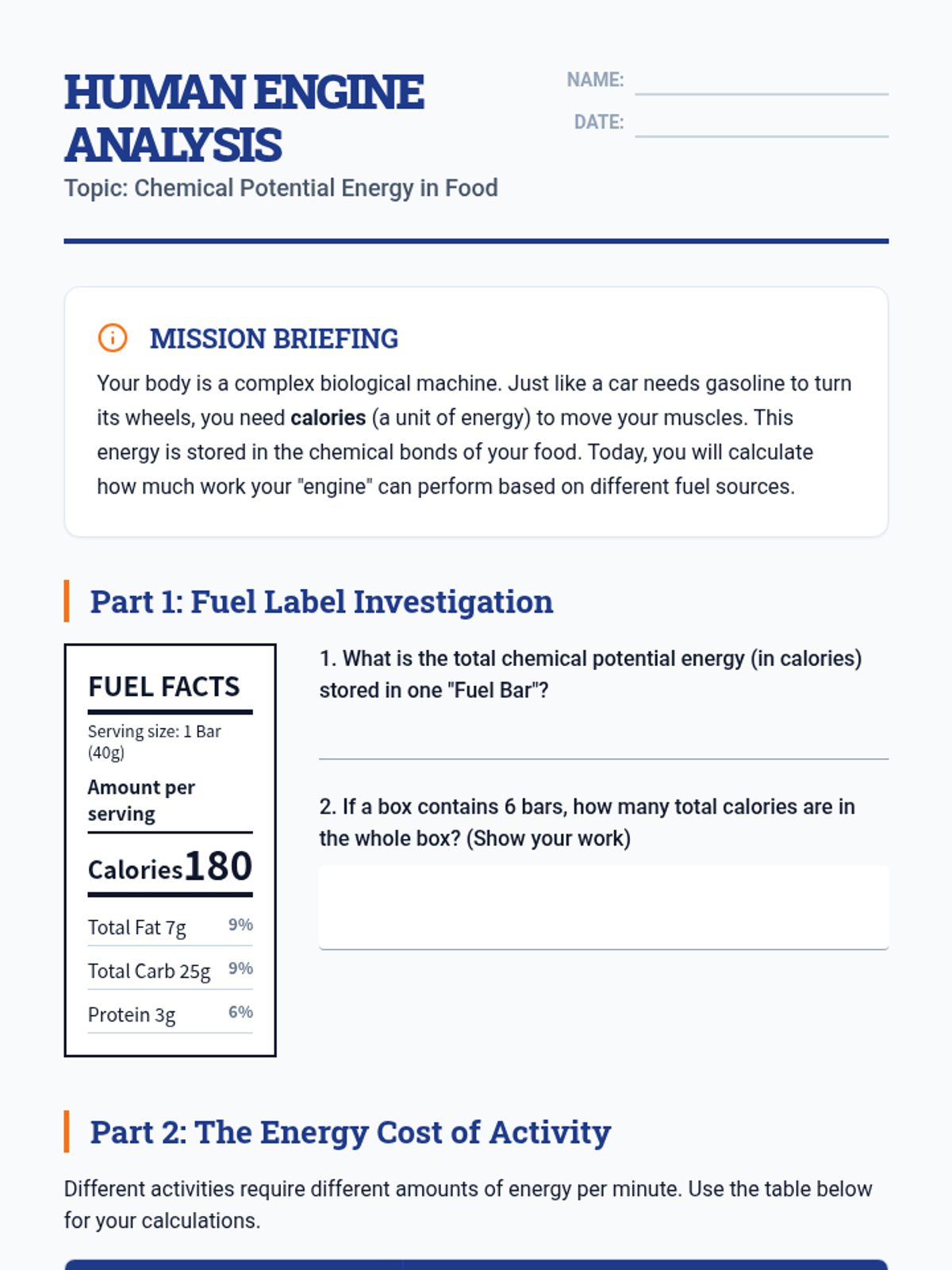
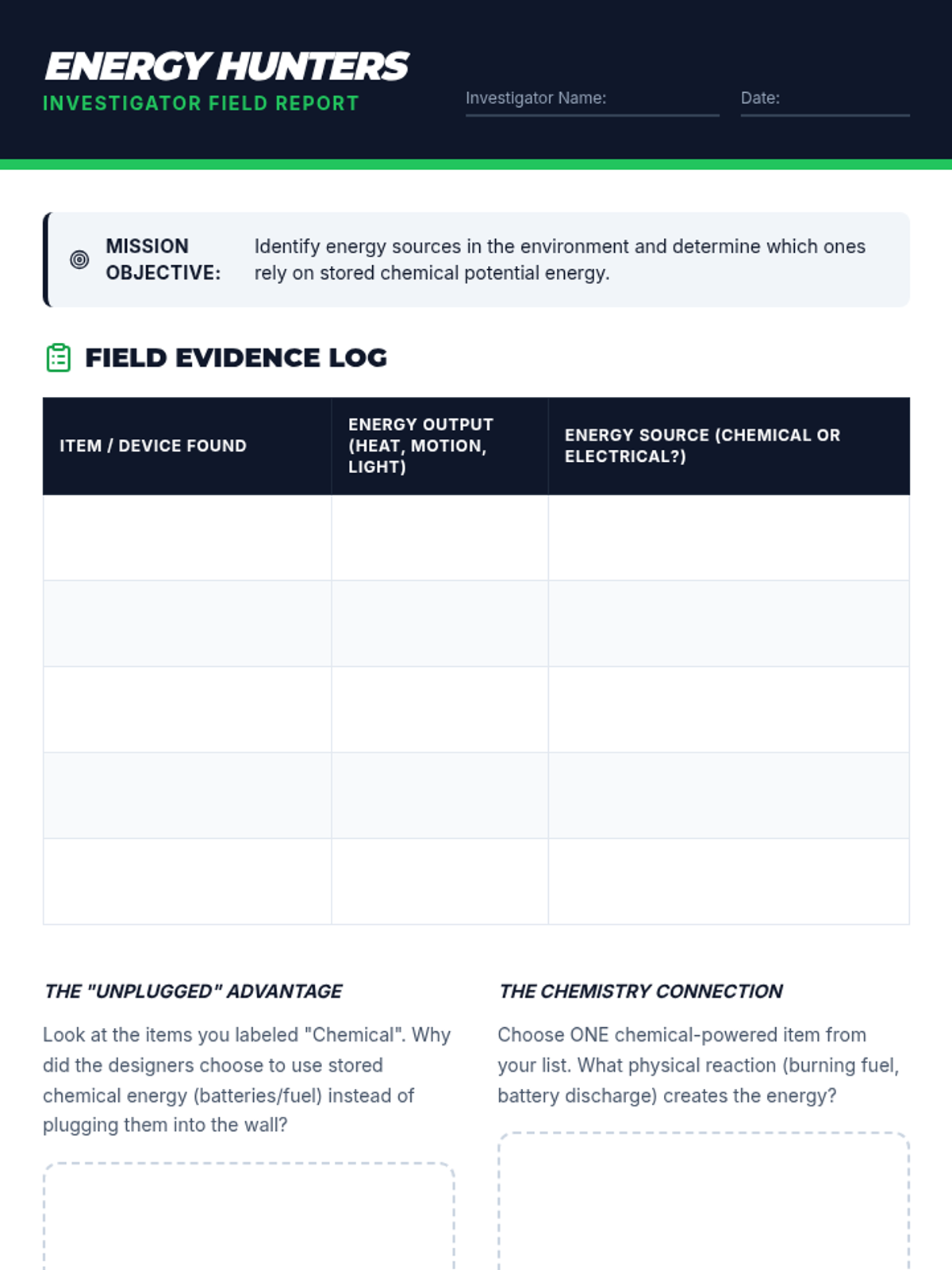
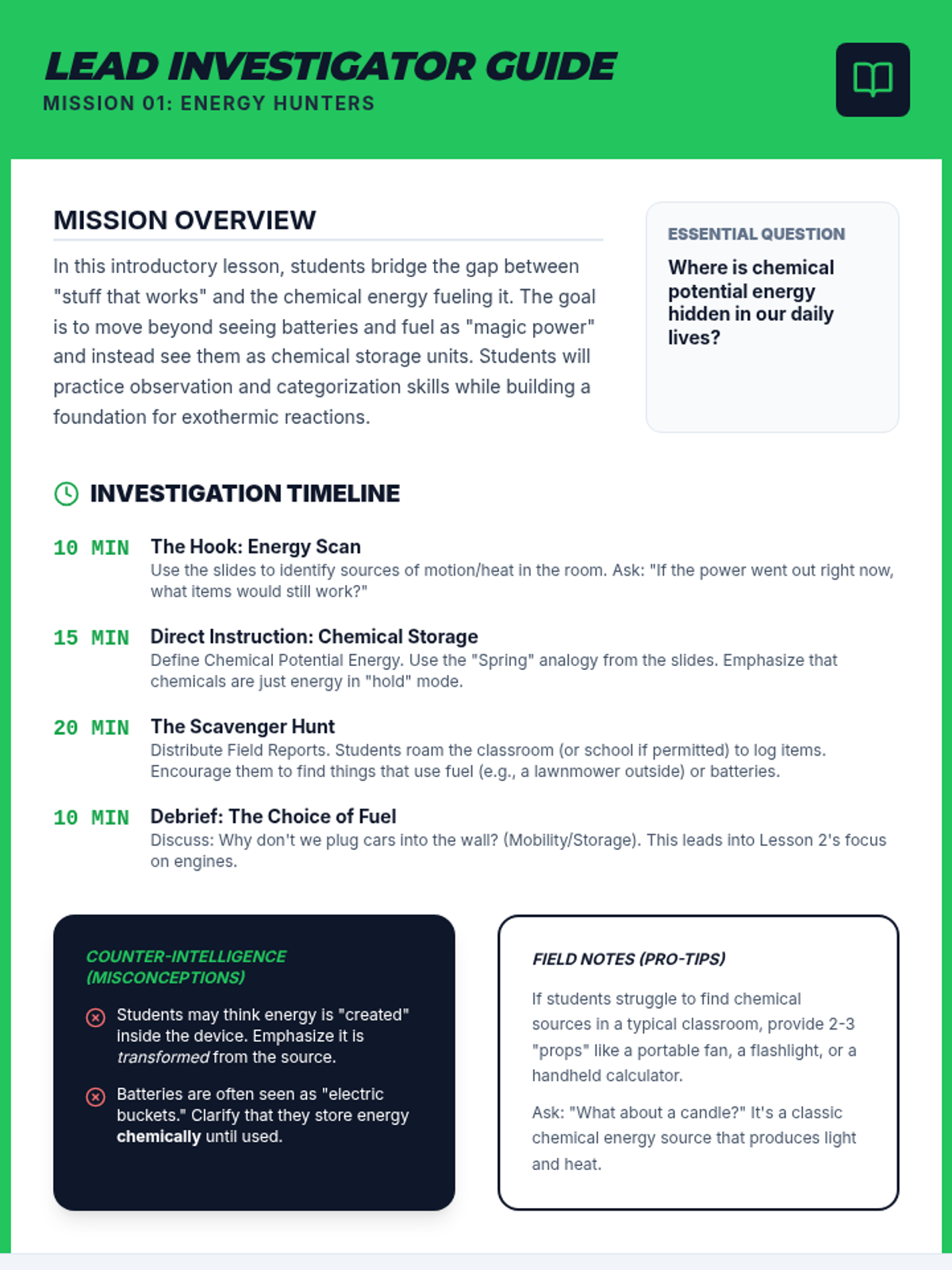
This sequence explores how chemical potential energy is stored and released in both biological organisms and human-made batteries, bridging the gap between physics, chemistry, and biology.
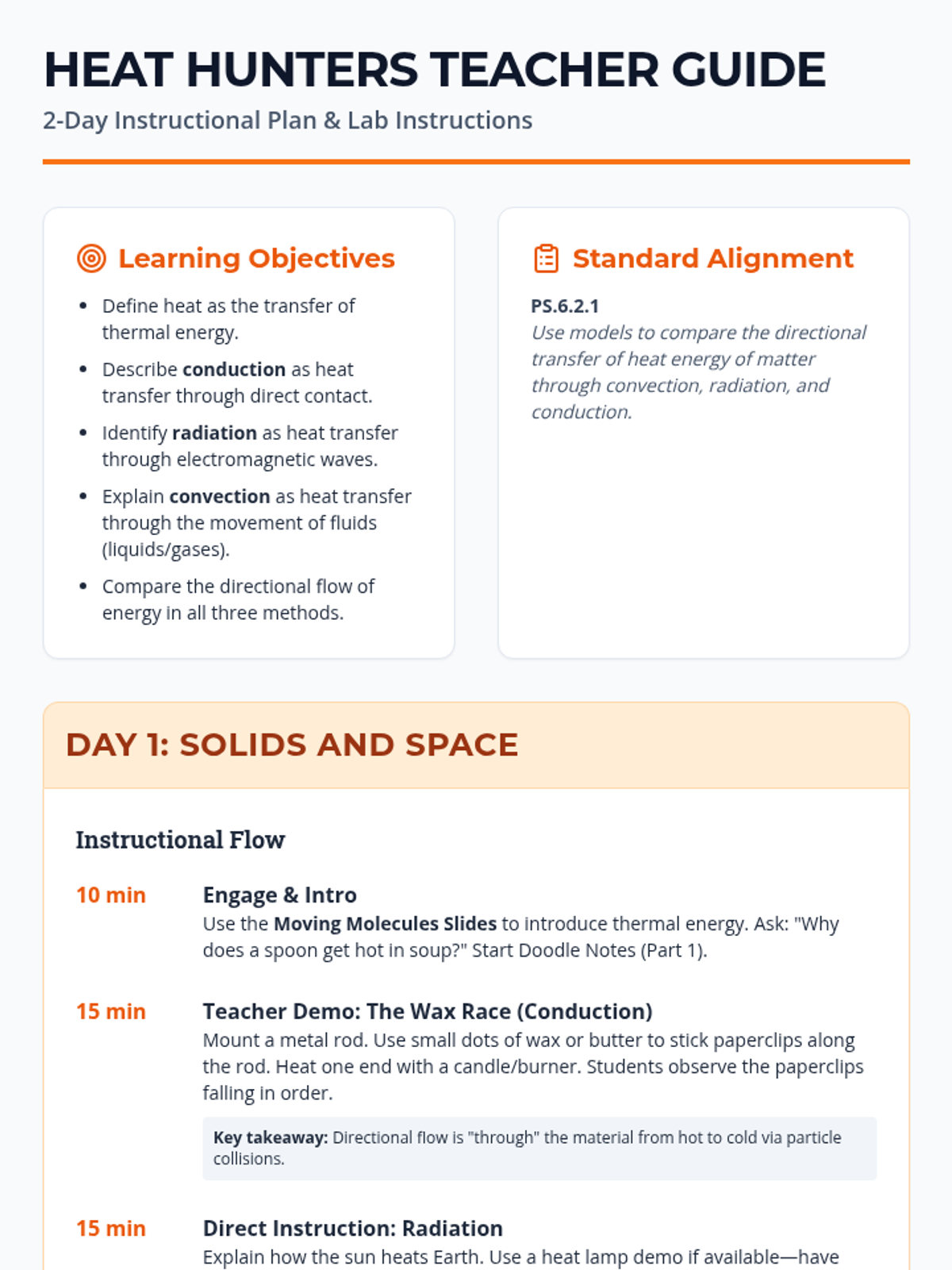
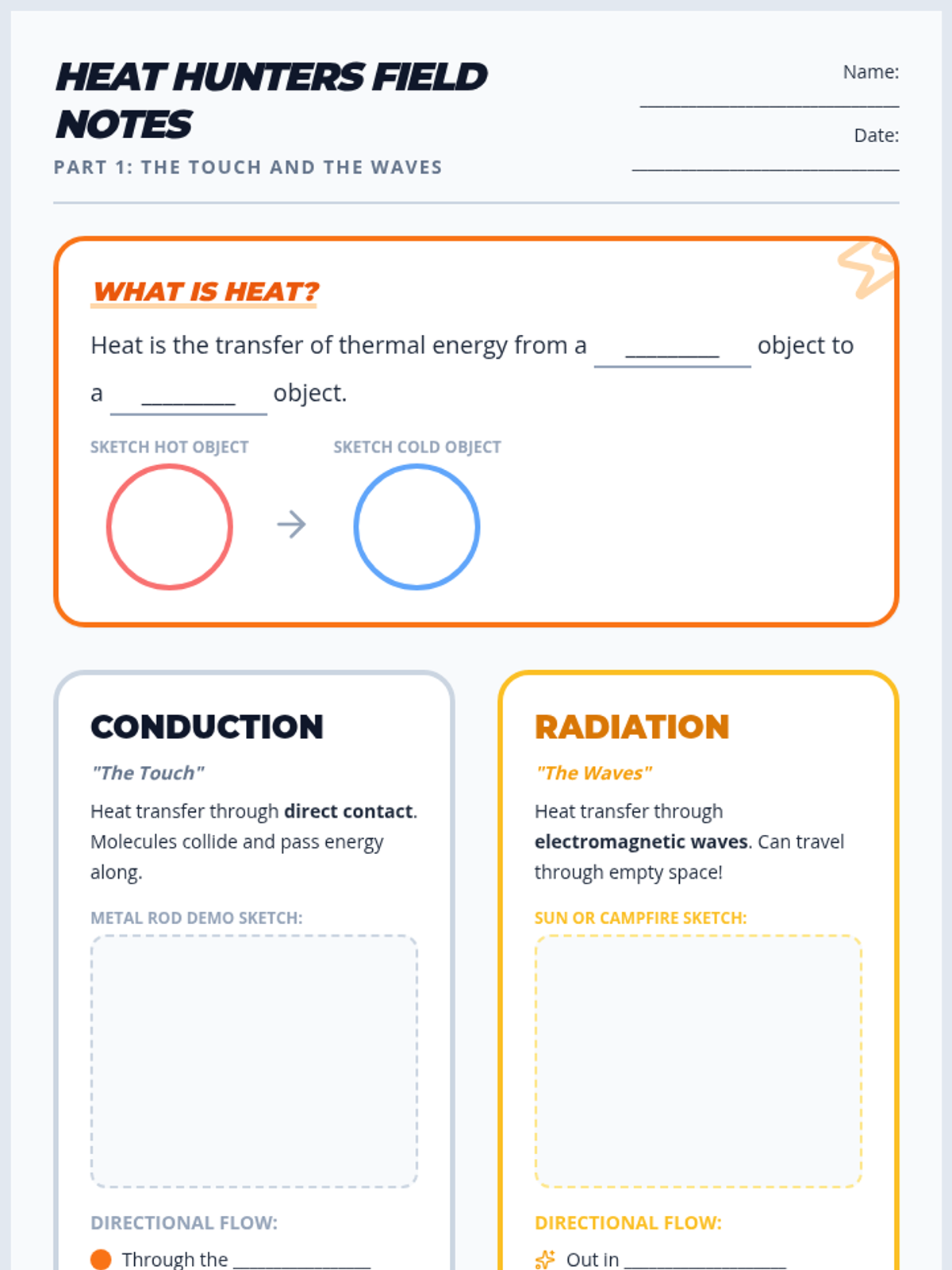
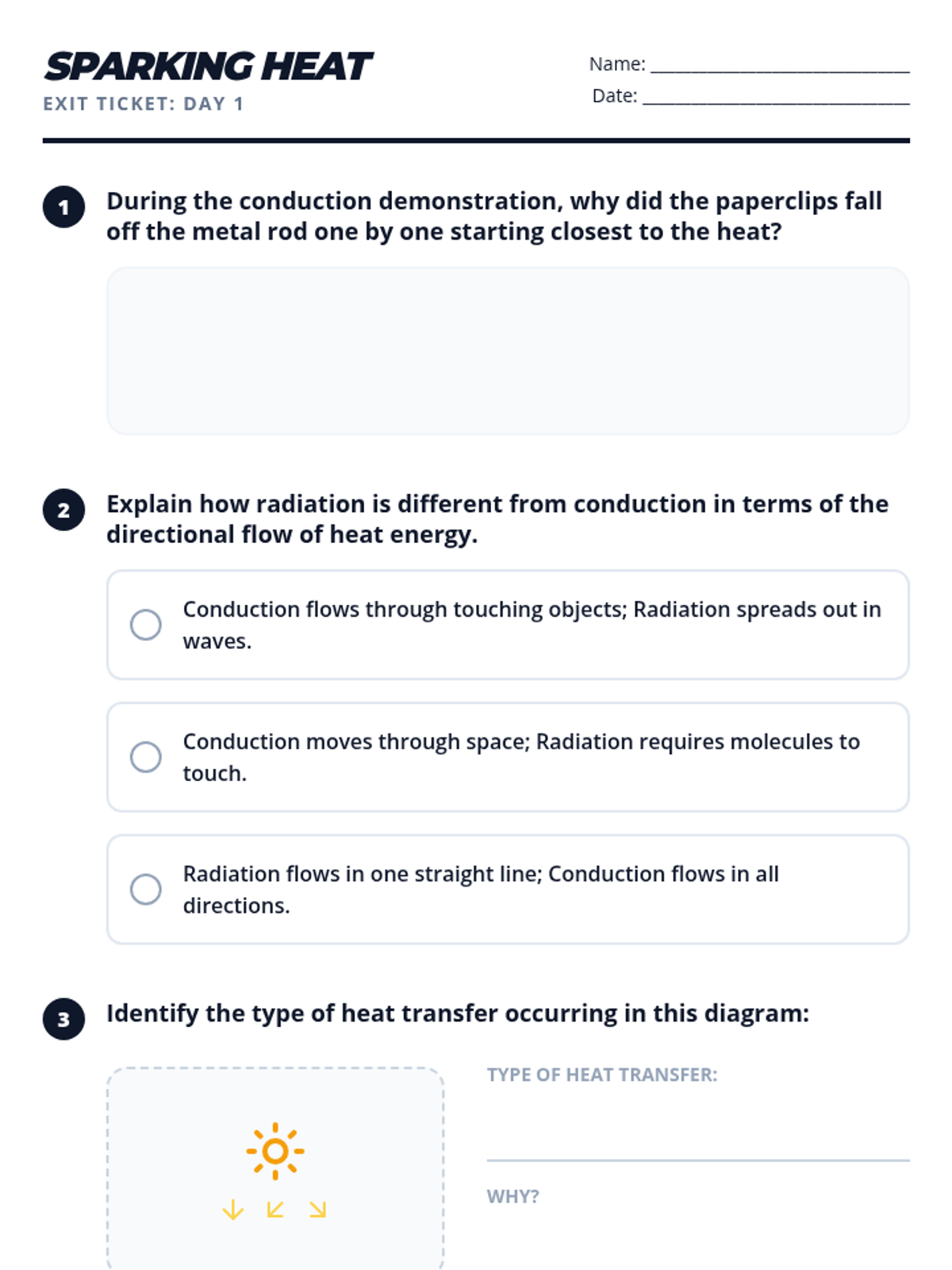
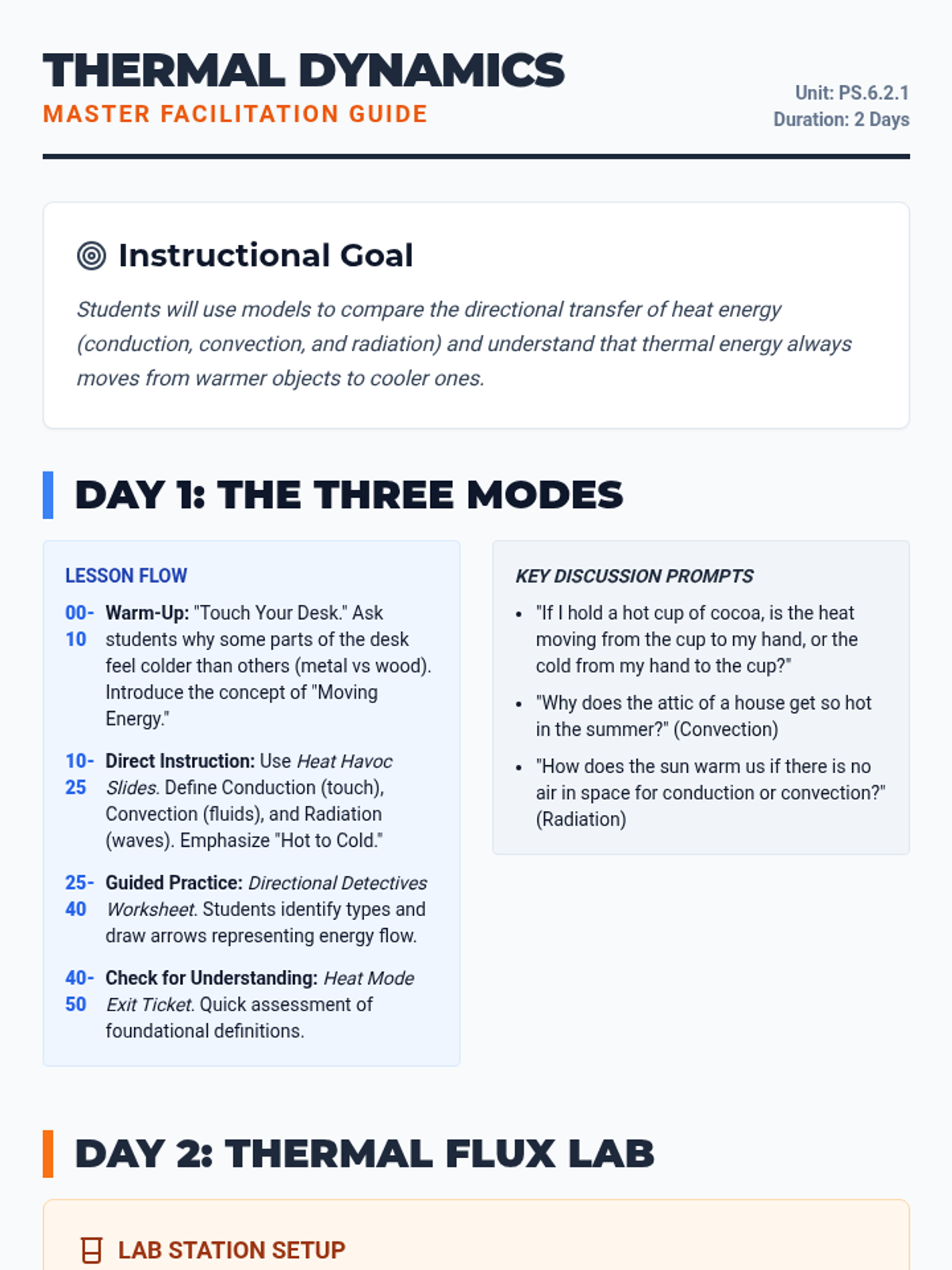
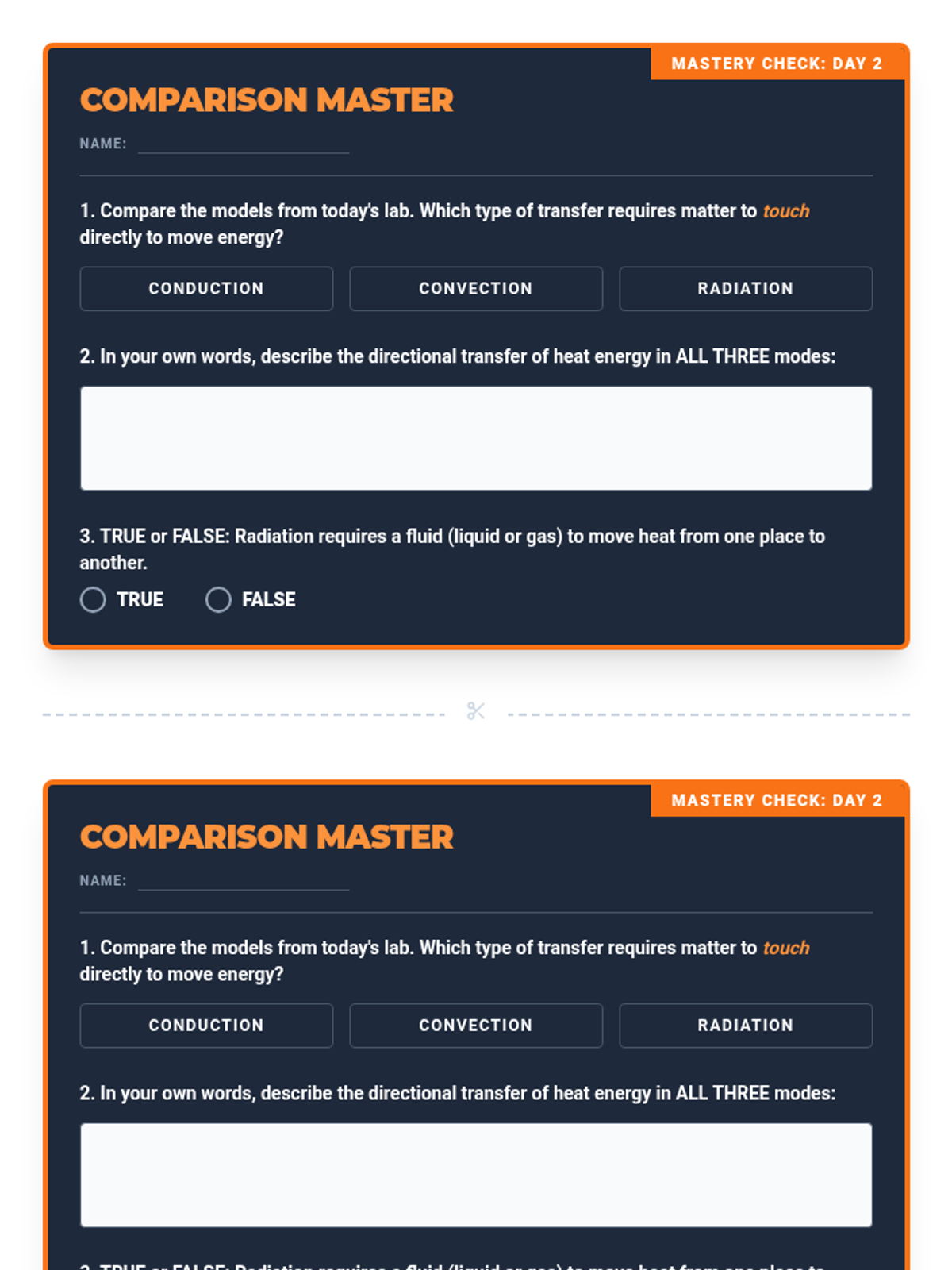
A comprehensive 2-day unit on heat transfer (conduction, convection, and radiation) featuring teacher-led demonstrations, visual slides, doodle notes, and exit tickets. Students explore how thermal energy moves through different states of matter and vacuum.
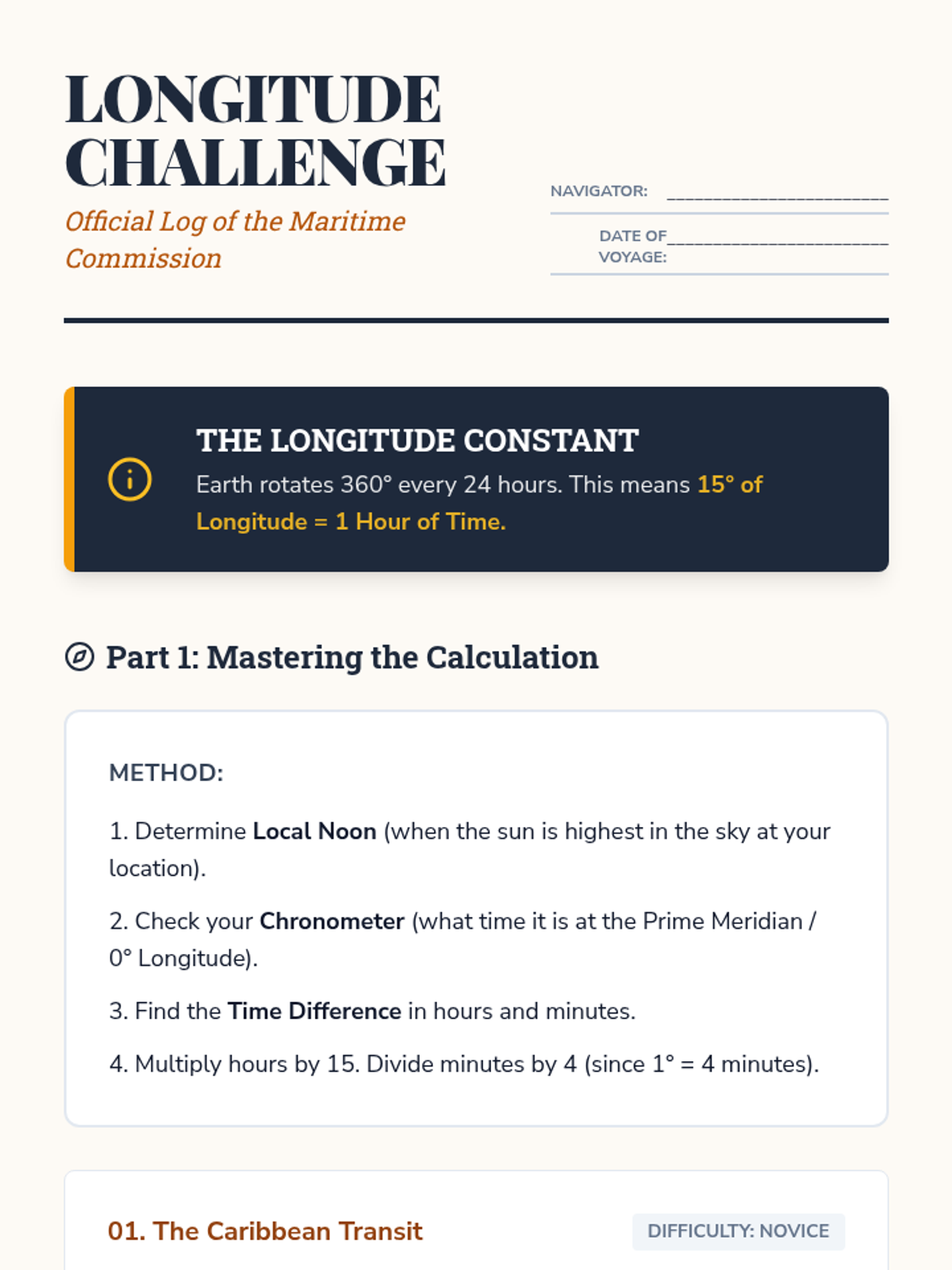
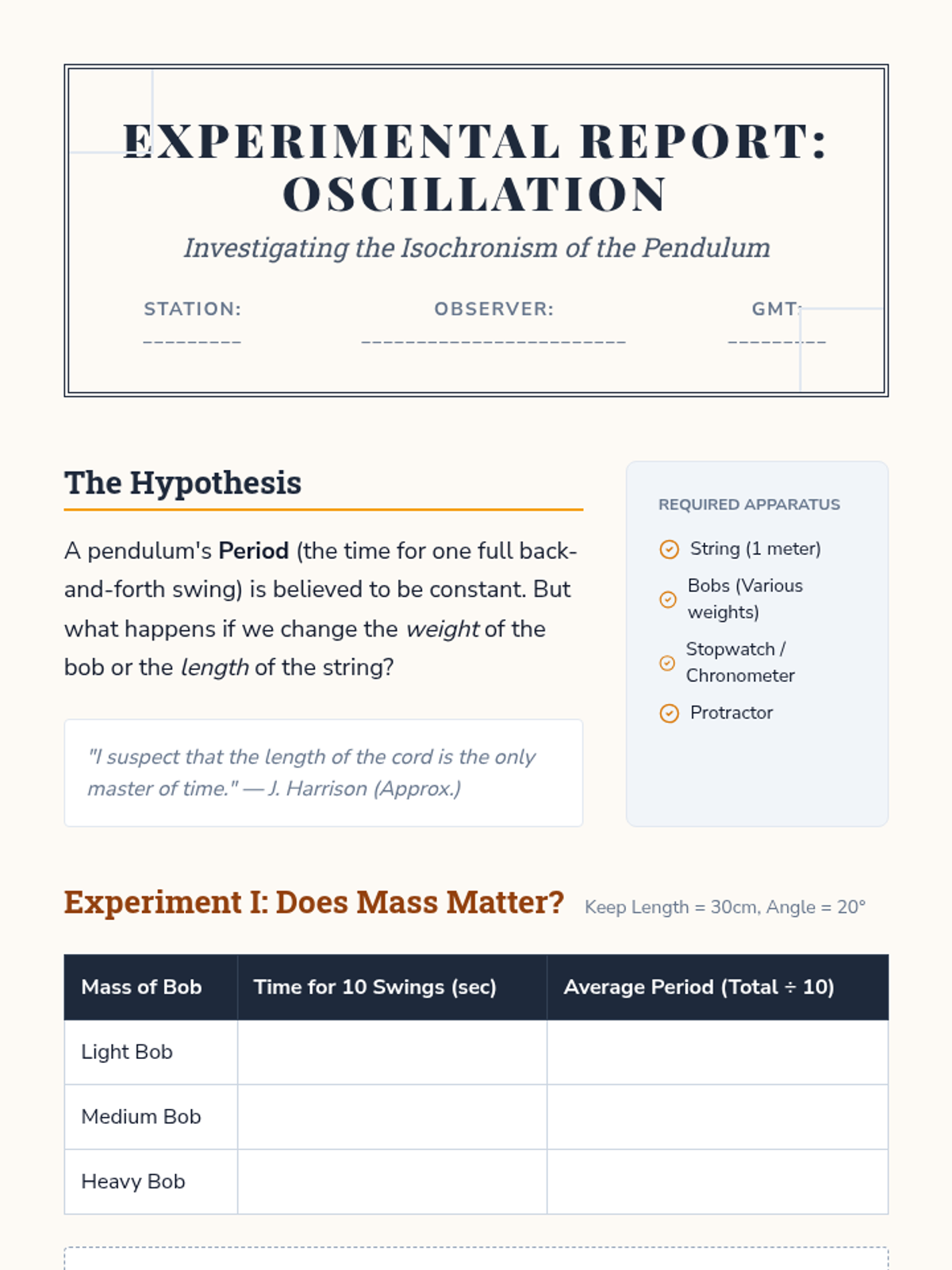
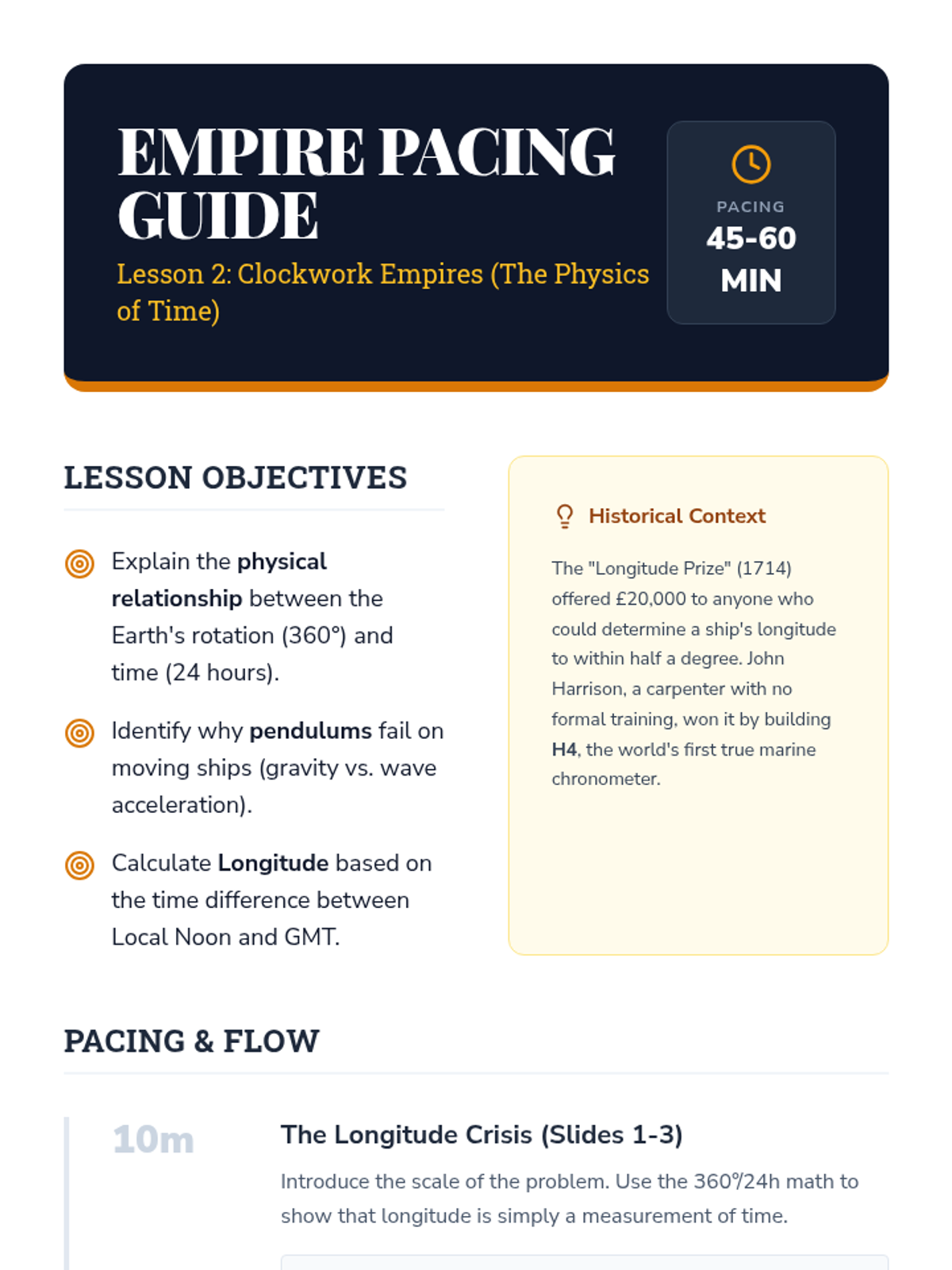
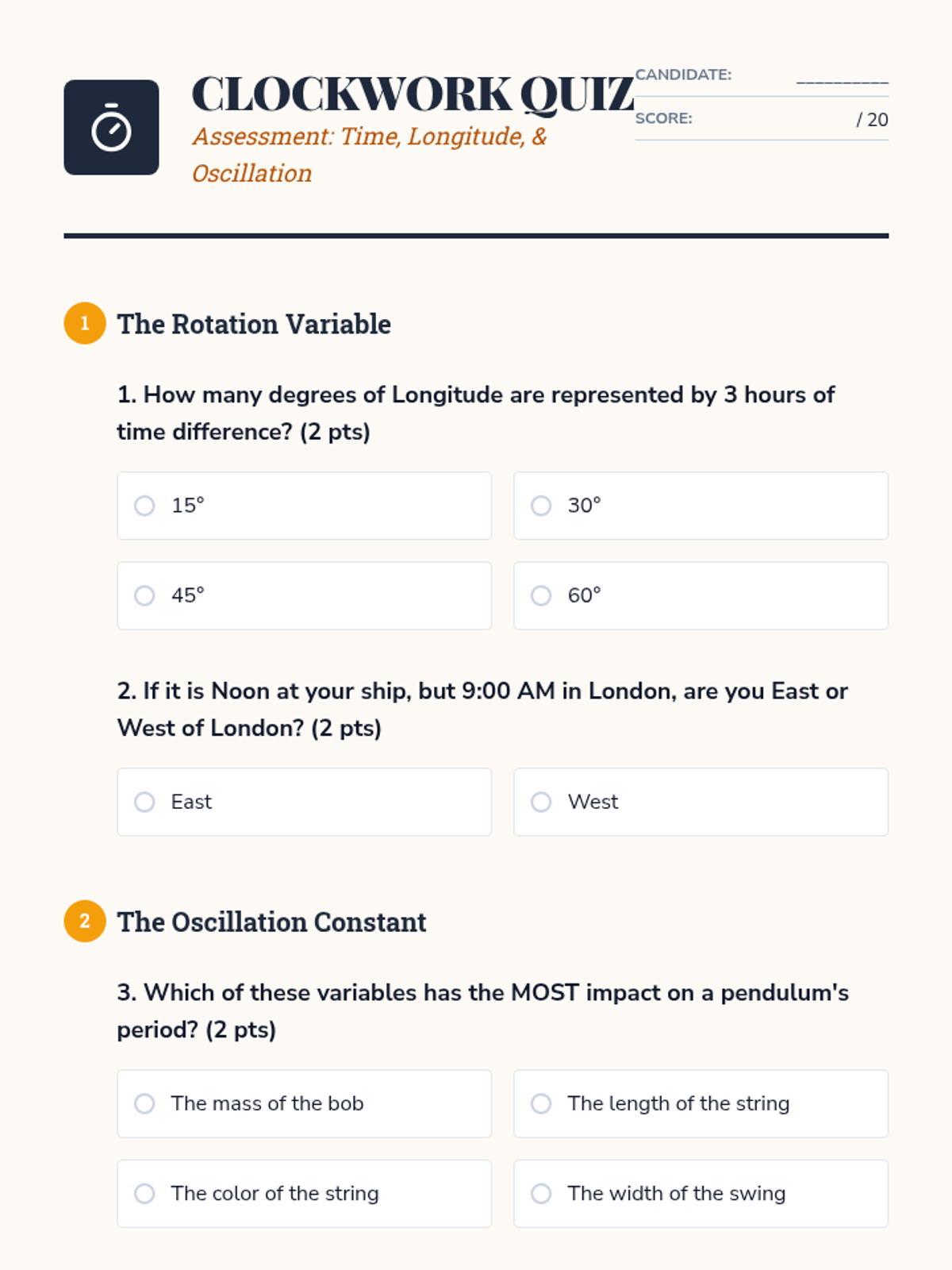
An exploration of how humanity harnessed the stars and the physics of time to build global networks, mapping the Earth through celestial symmetry and precision engineering.
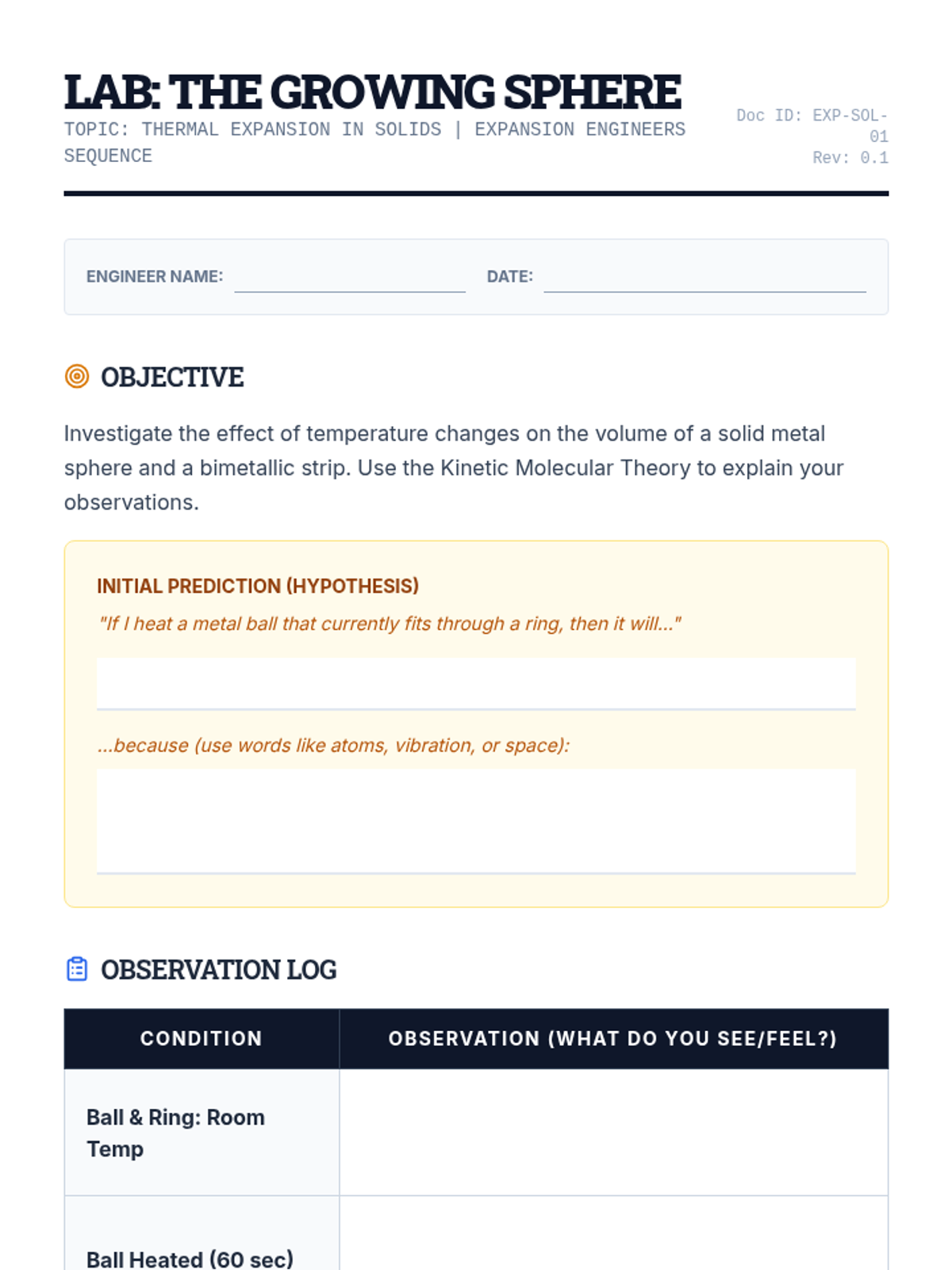
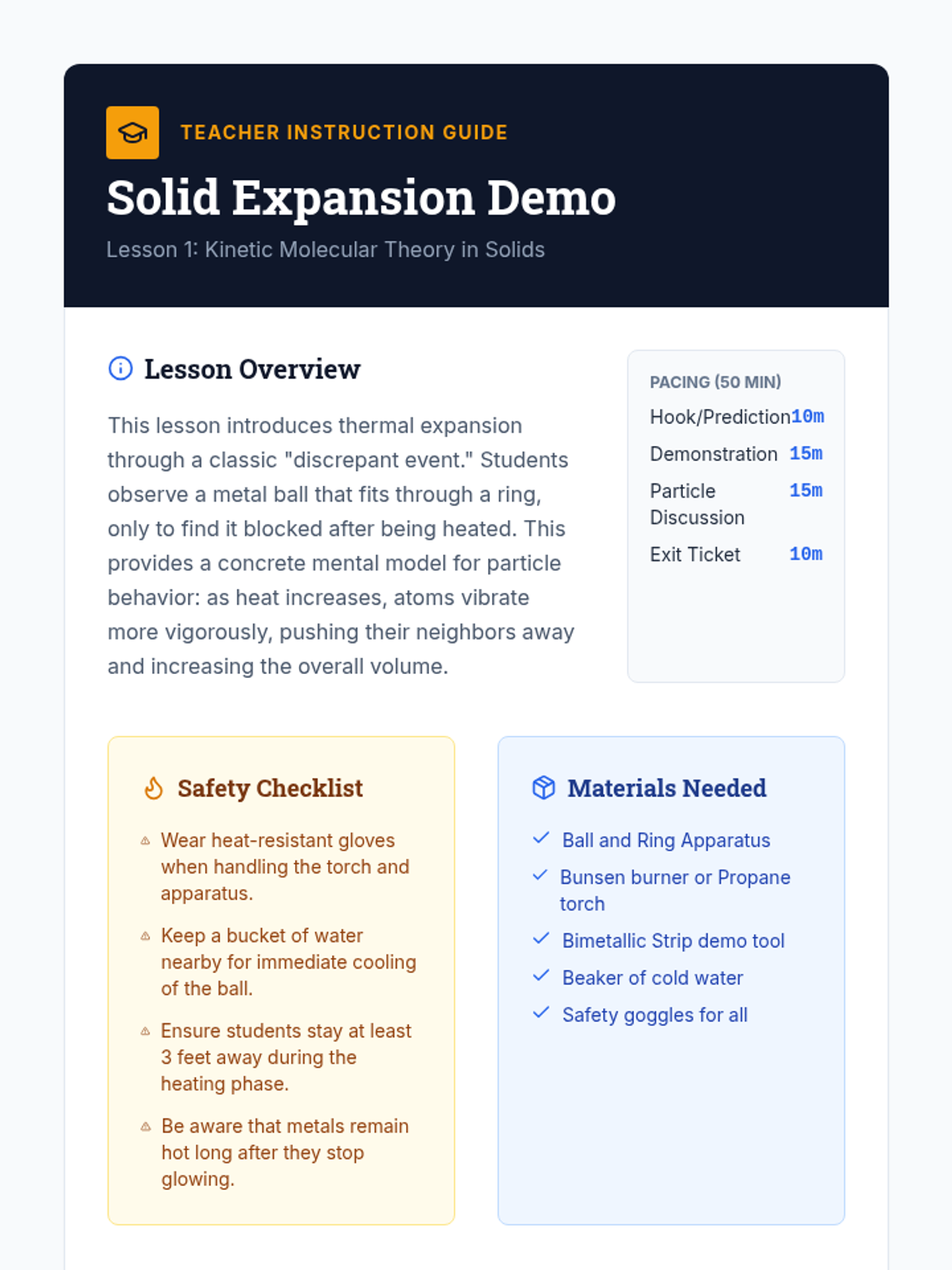
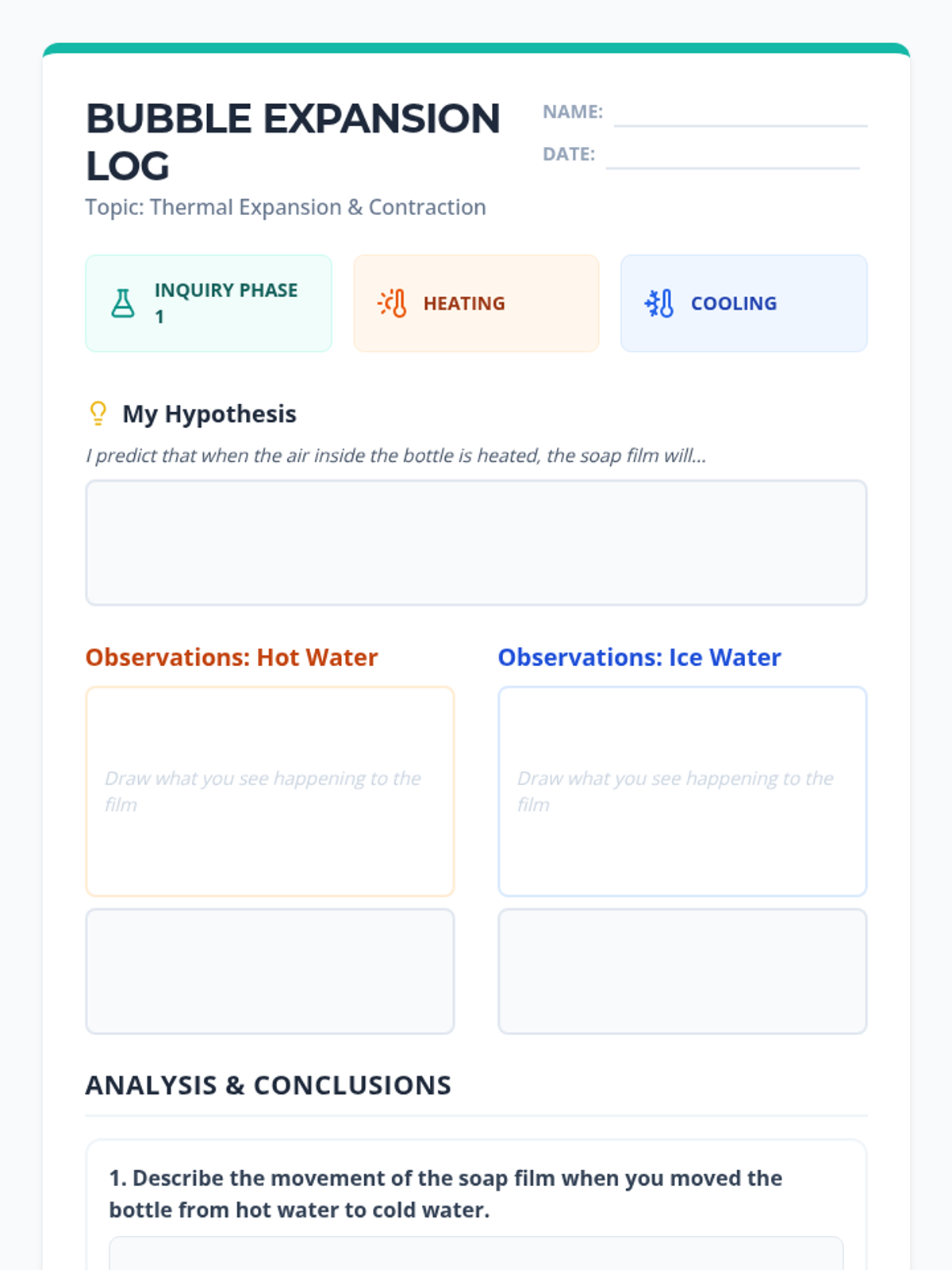
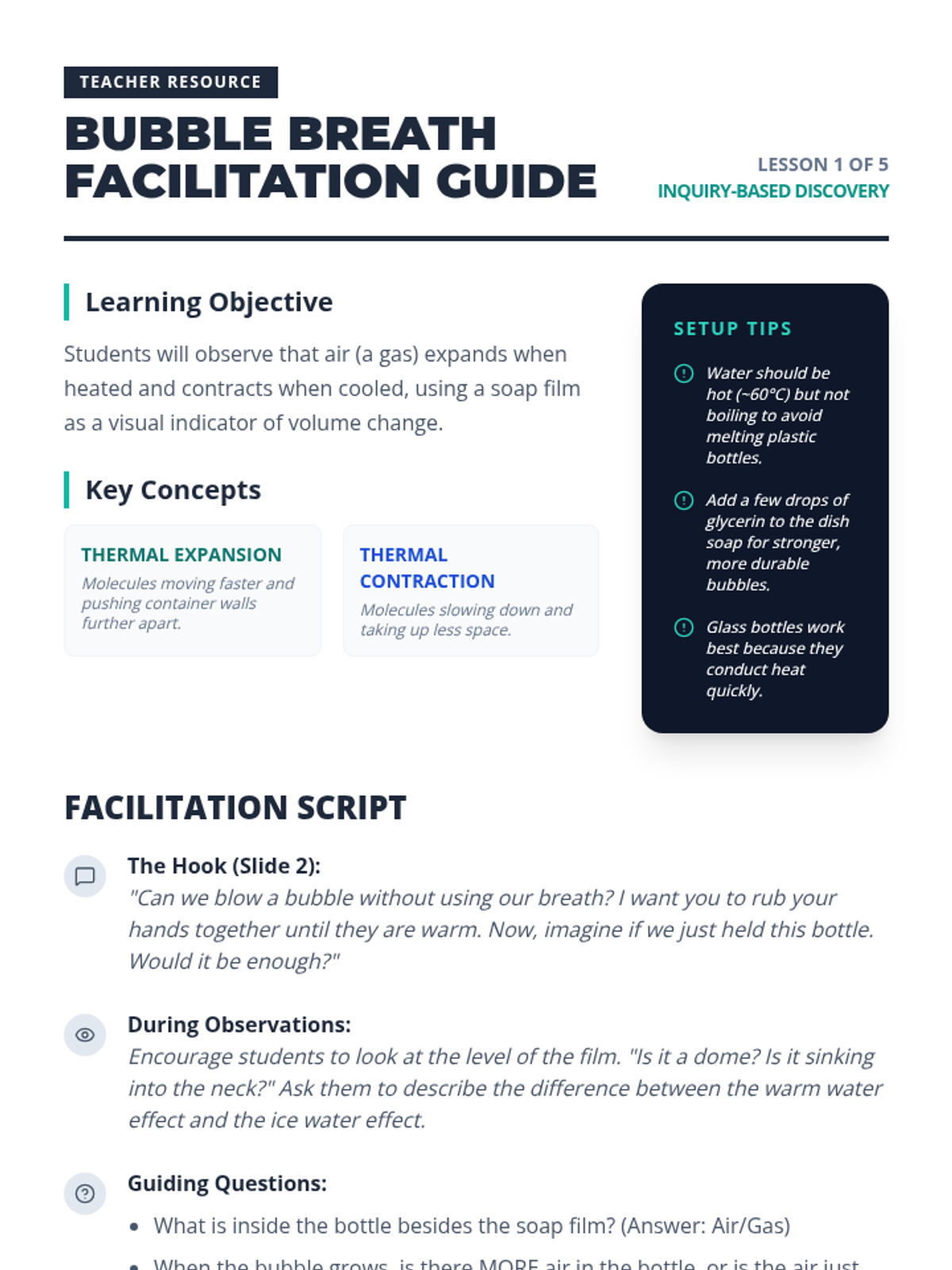
This sequence explores thermal expansion across solids, liquids, and gases, emphasizing the kinetic molecular theory and its real-world engineering implications for structural design.
This sequence connects thermodynamics to Earth Science by examining how heat transfer drives global systems. Students analyze real-world case studies involving weather patterns, ocean currents, and climate phenomena.
This sequence explores high-energy electromagnetic radiation (UV, X-rays, and Gamma rays), focusing on their ionizing properties, medical applications, and safety protocols through inquiry and debate.
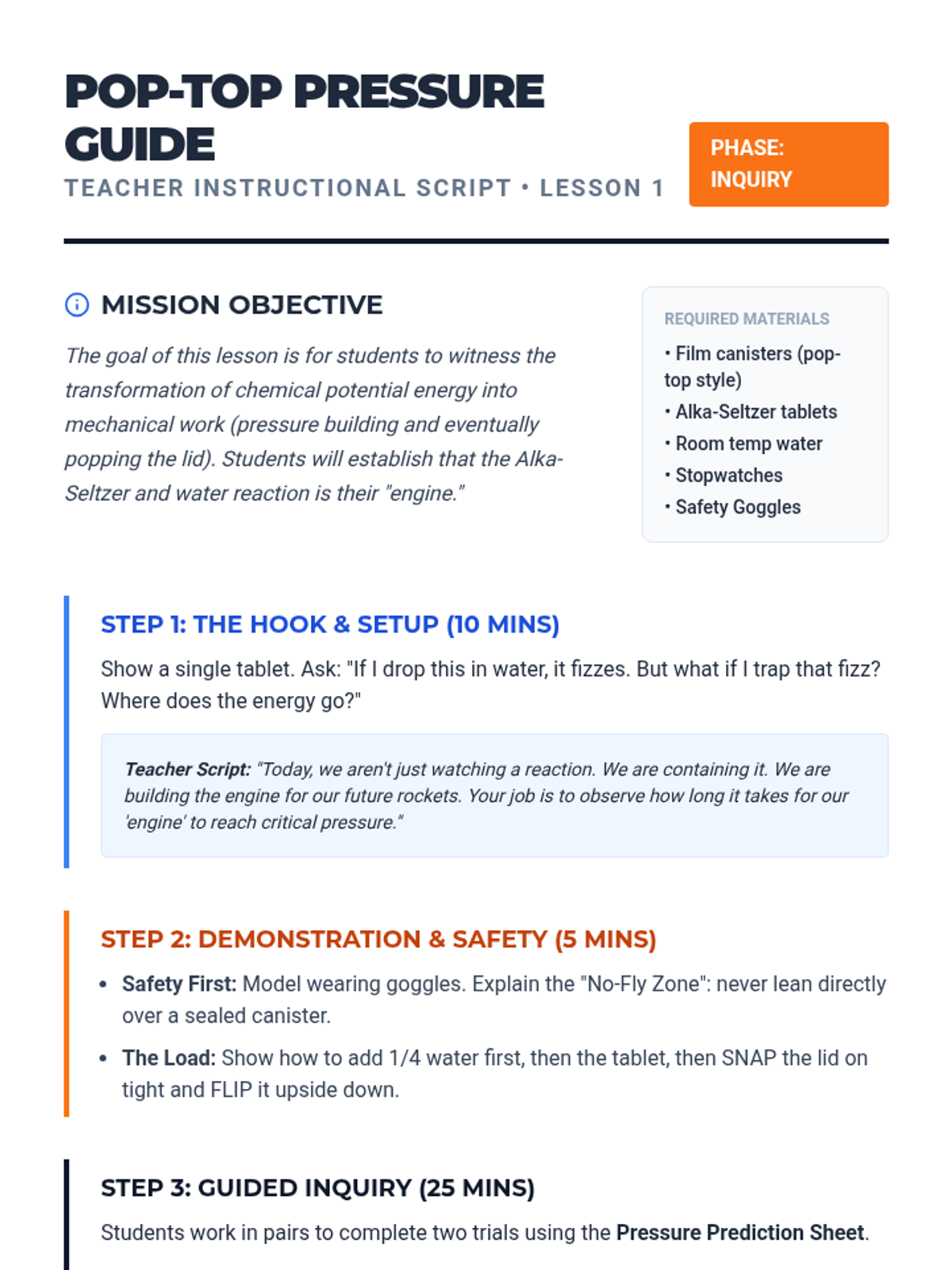
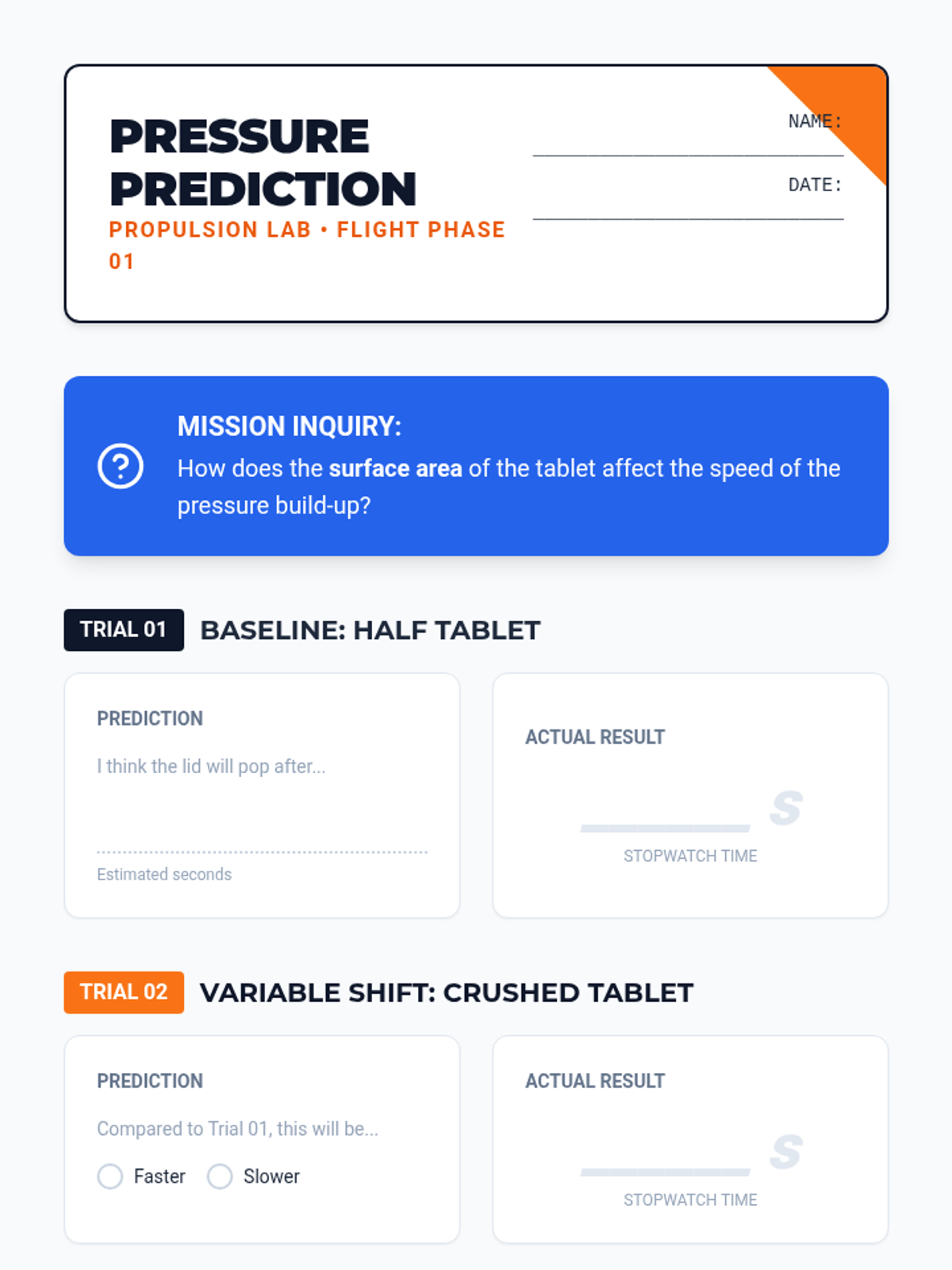
Students apply acid-base chemistry and the engineering design process to build, test, and optimize chemical rockets, exploring pressure, aerodynamics, and reaction rates.
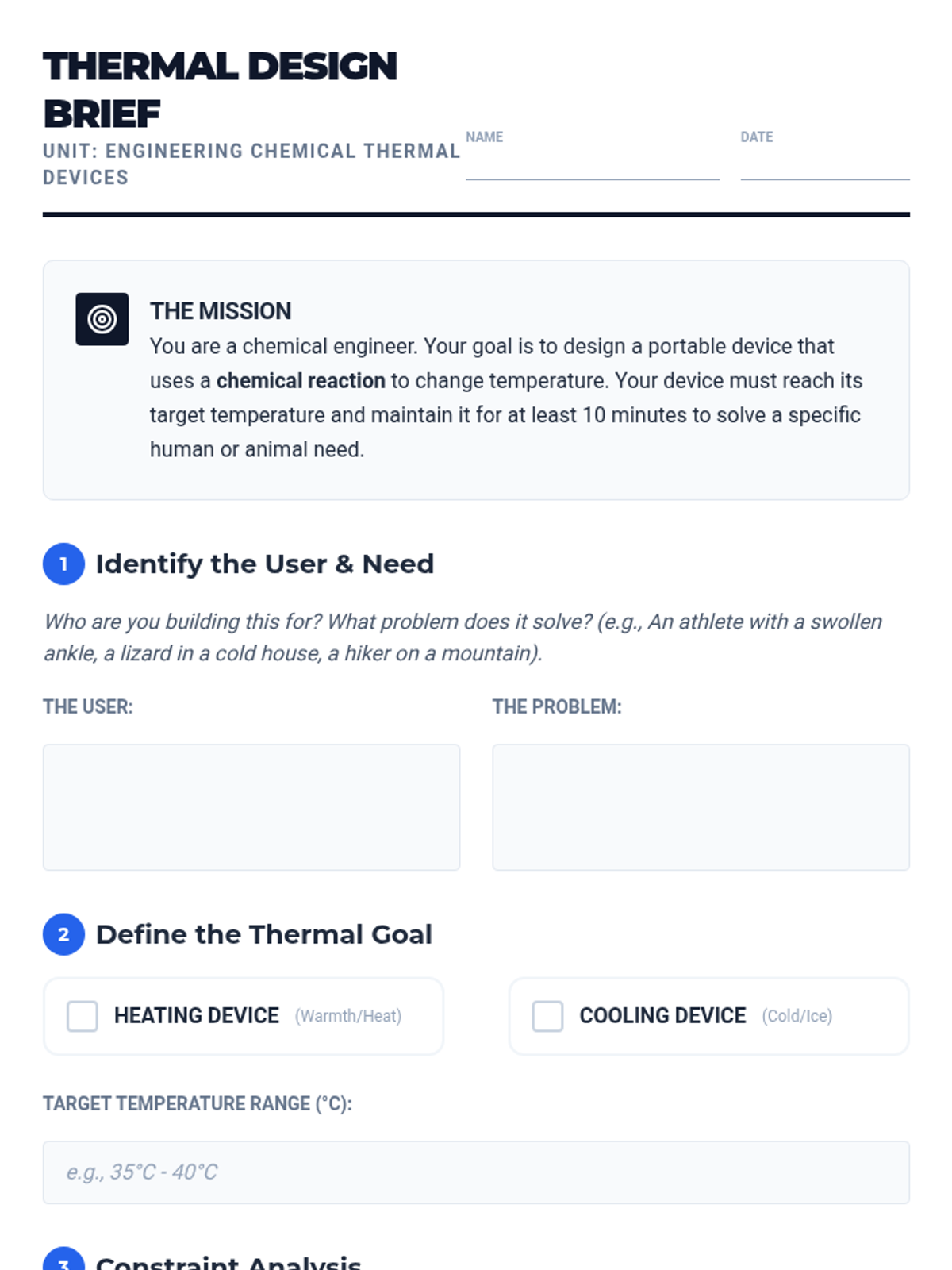
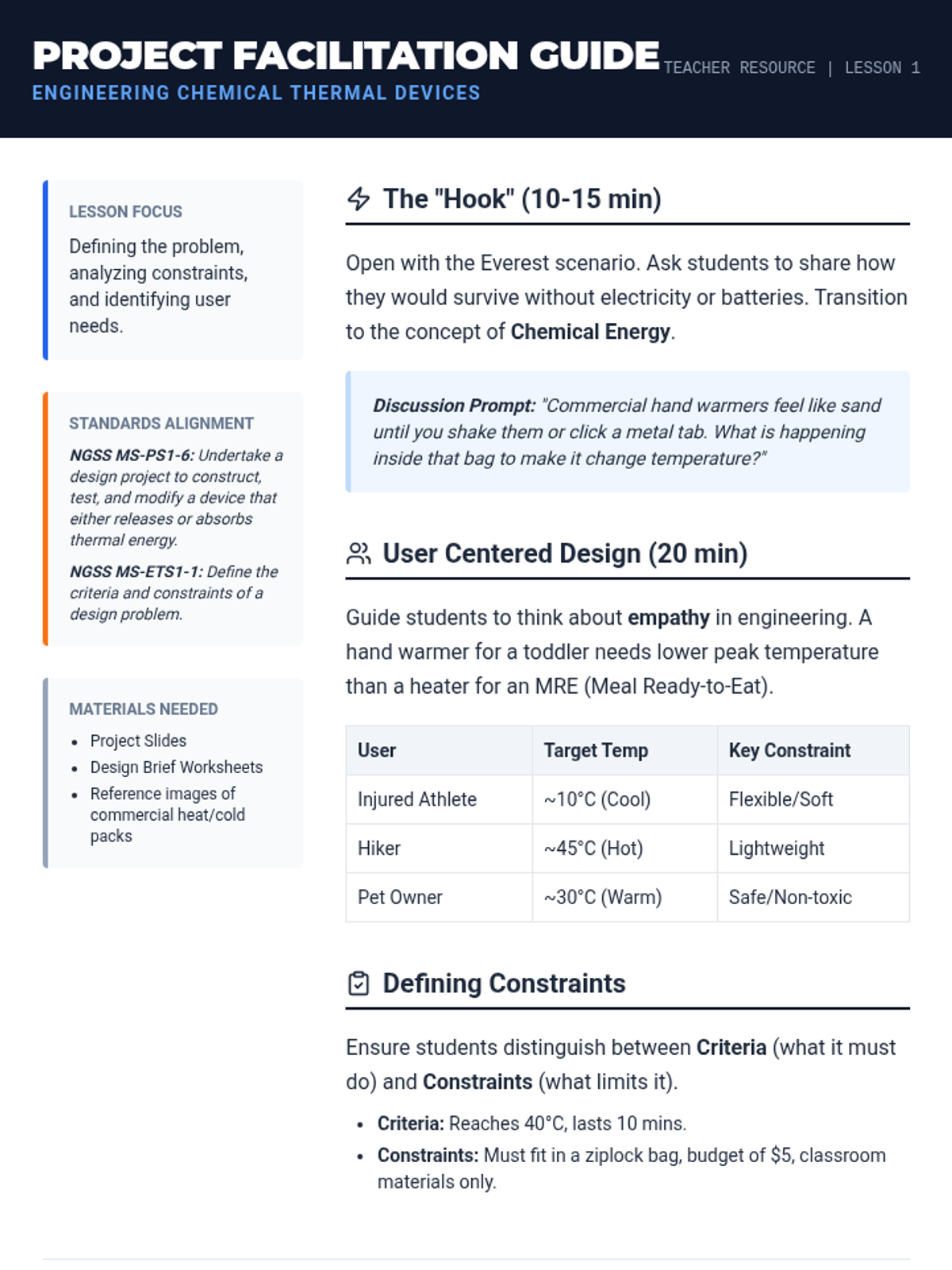
A project-based learning sequence where 6th-grade students act as chemical engineers to design a thermal management device, exploring the Law of Conservation of Energy and chemical energy changes.
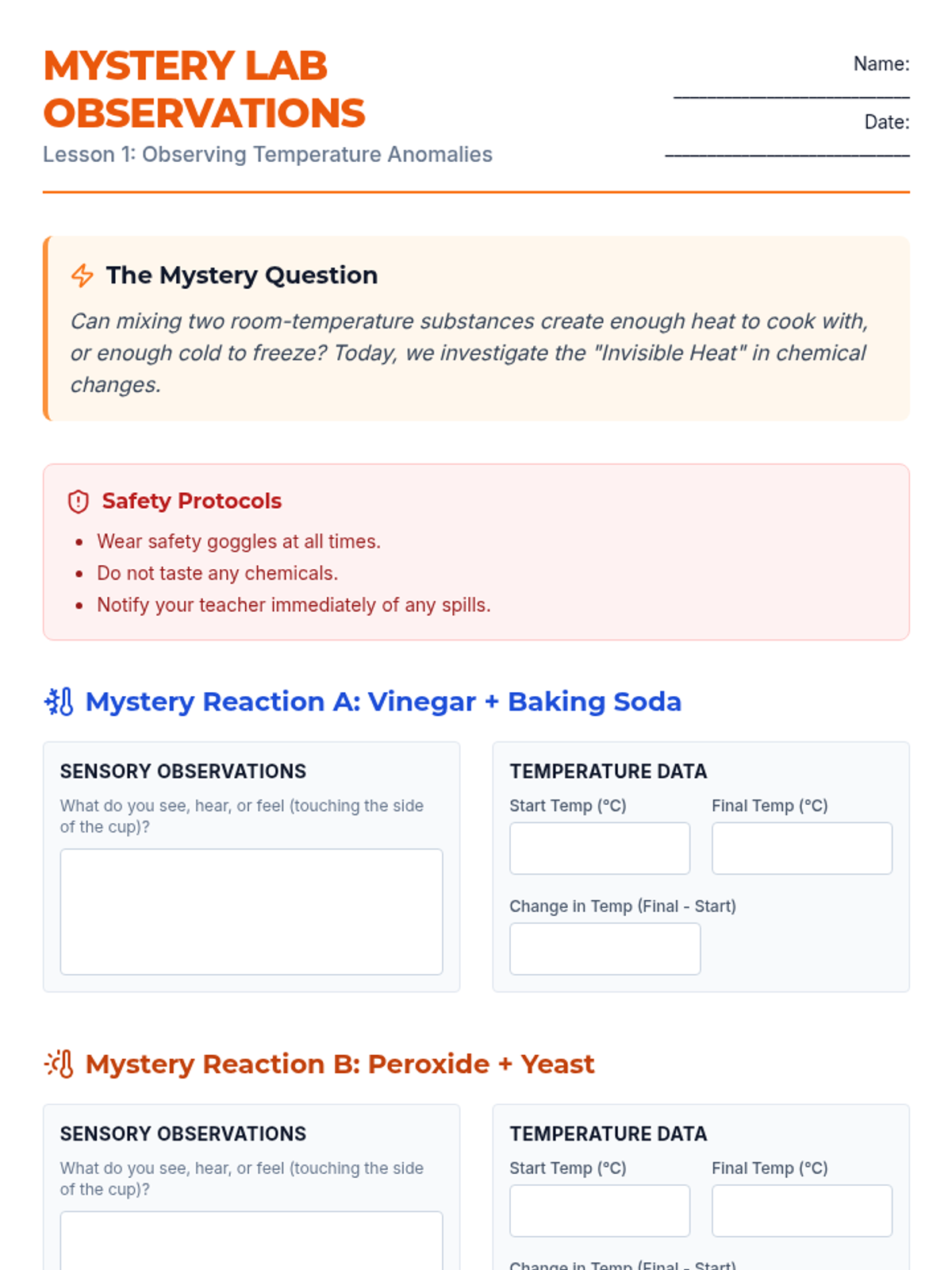
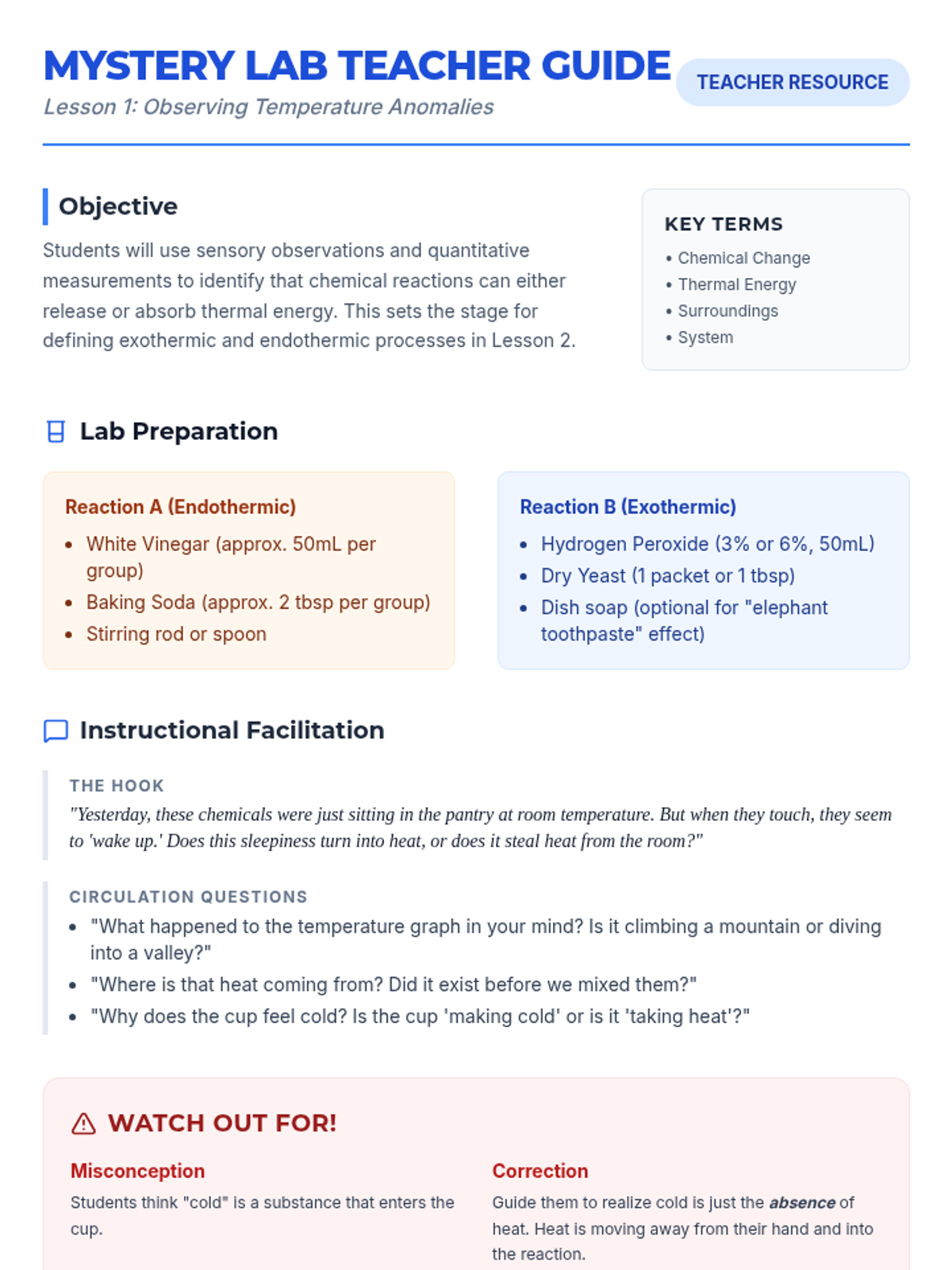
A 5-lesson inquiry-based unit where 6th-grade students investigate temperature changes in chemical reactions, classify them as exothermic or endothermic, and apply their knowledge to real-world technologies.
This case study sequence connects abstract chemical energy concepts to real-world biology and industry. Students examine how chemical potential energy is the fuel for modern life and biological function, from car engines to cellular respiration.
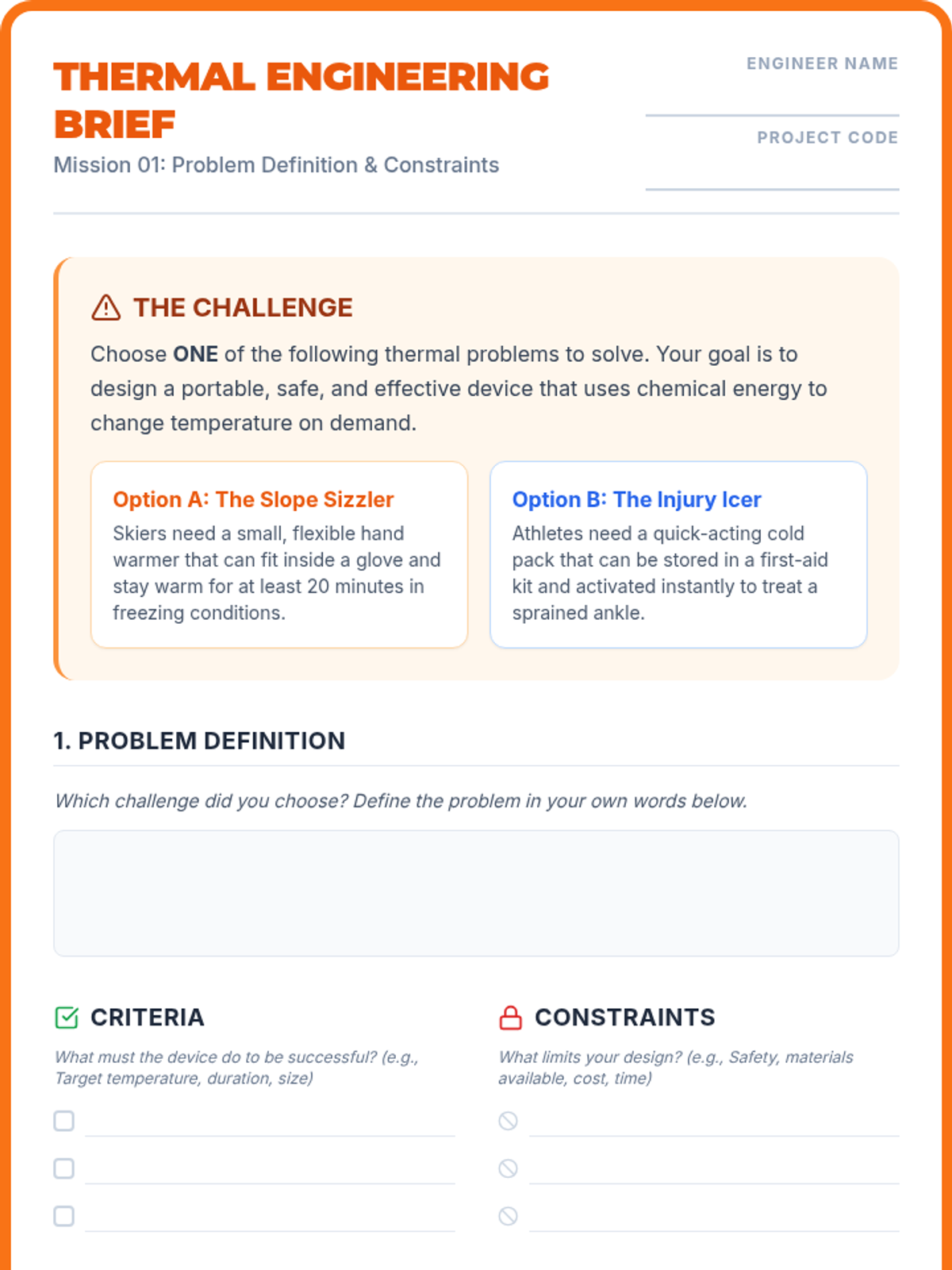
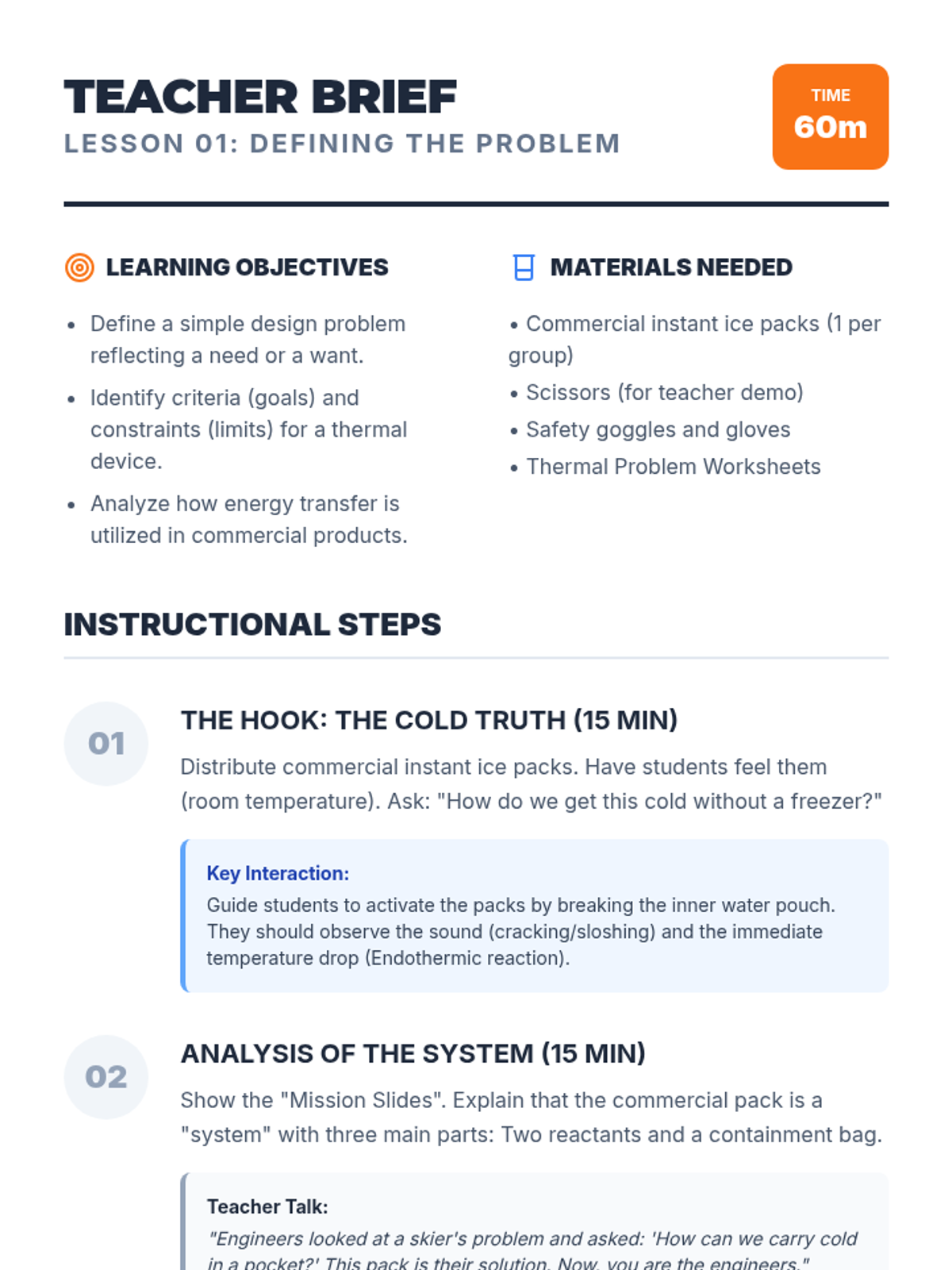
Students take on the role of chemical engineers to design, test, and refine a thermal device (hand warmer or cold pack) using exothermic and endothermic reactions. They navigate the engineering design process from problem definition to final presentation, applying scientific concepts of energy transfer to solve real-world temperature regulation challenges.
A comprehensive 4-day sequence focusing on the application of thermal energy concepts, including conduction, convection, radiation, and insulation through hands-on labs and real-world analysis.
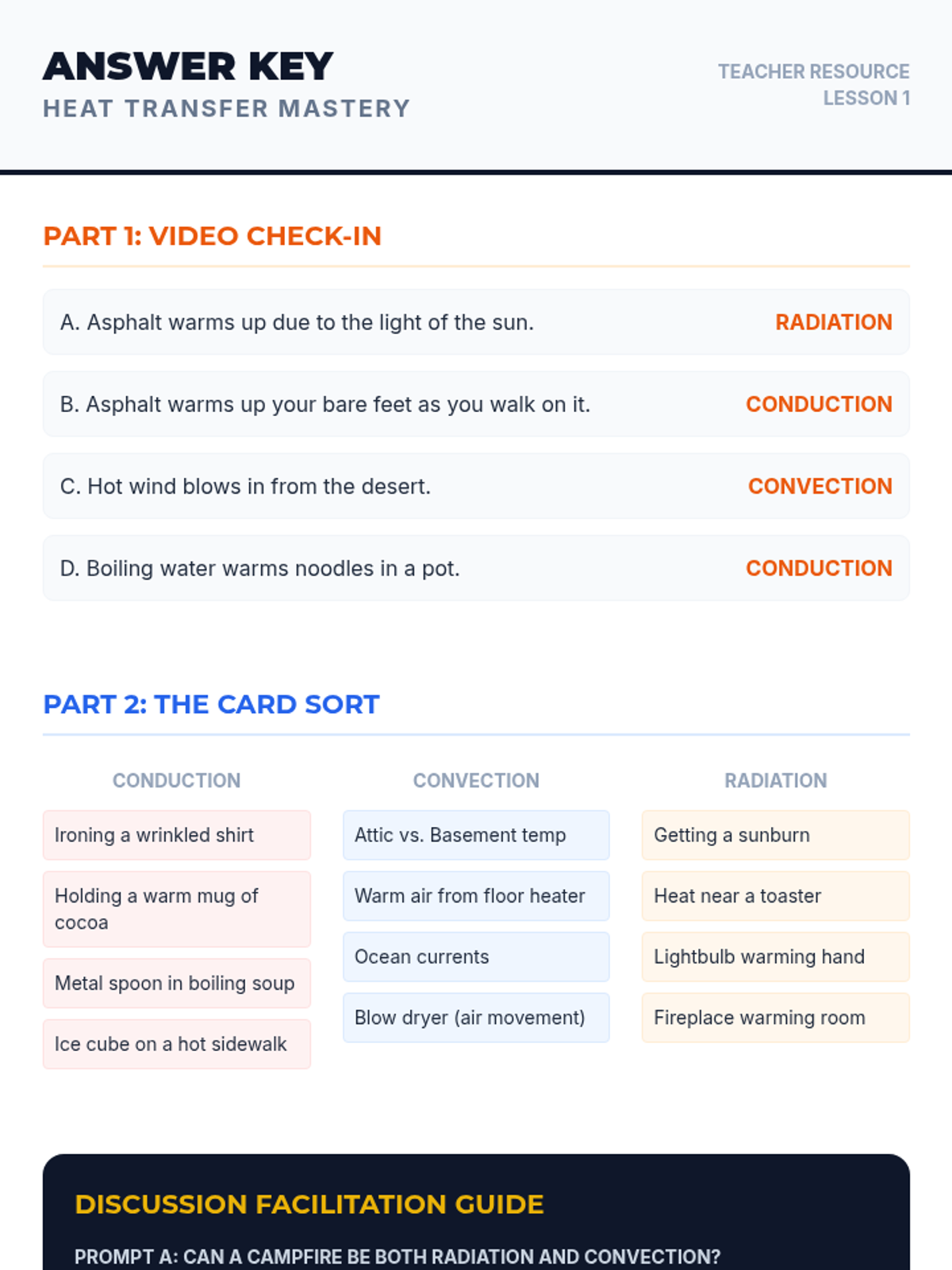
A comprehensive unit on thermal energy transfer where students use models and hands-on experiments to compare conduction, convection, and radiation. The sequence covers theoretical understanding and practical observation of how heat moves through matter.
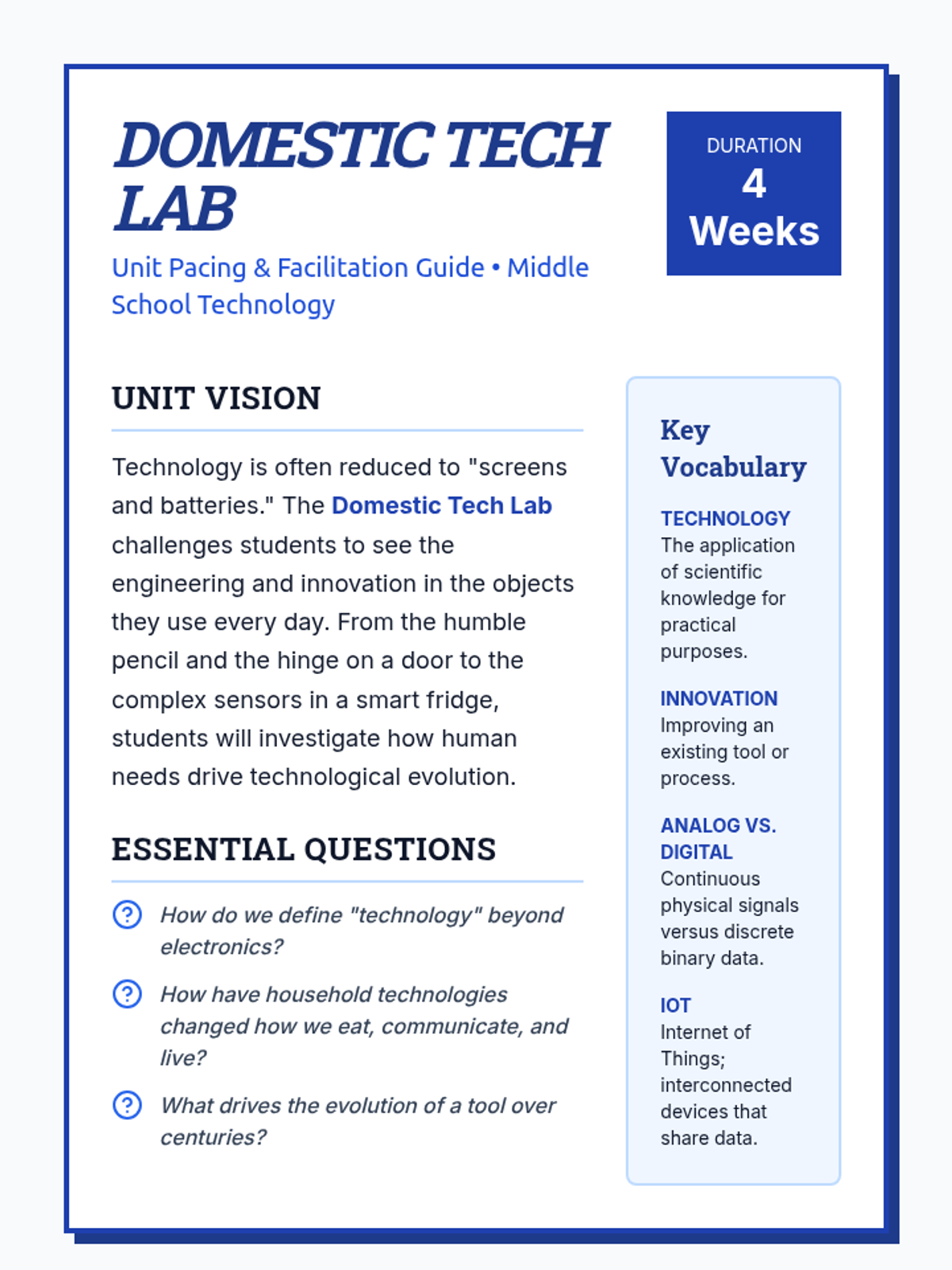
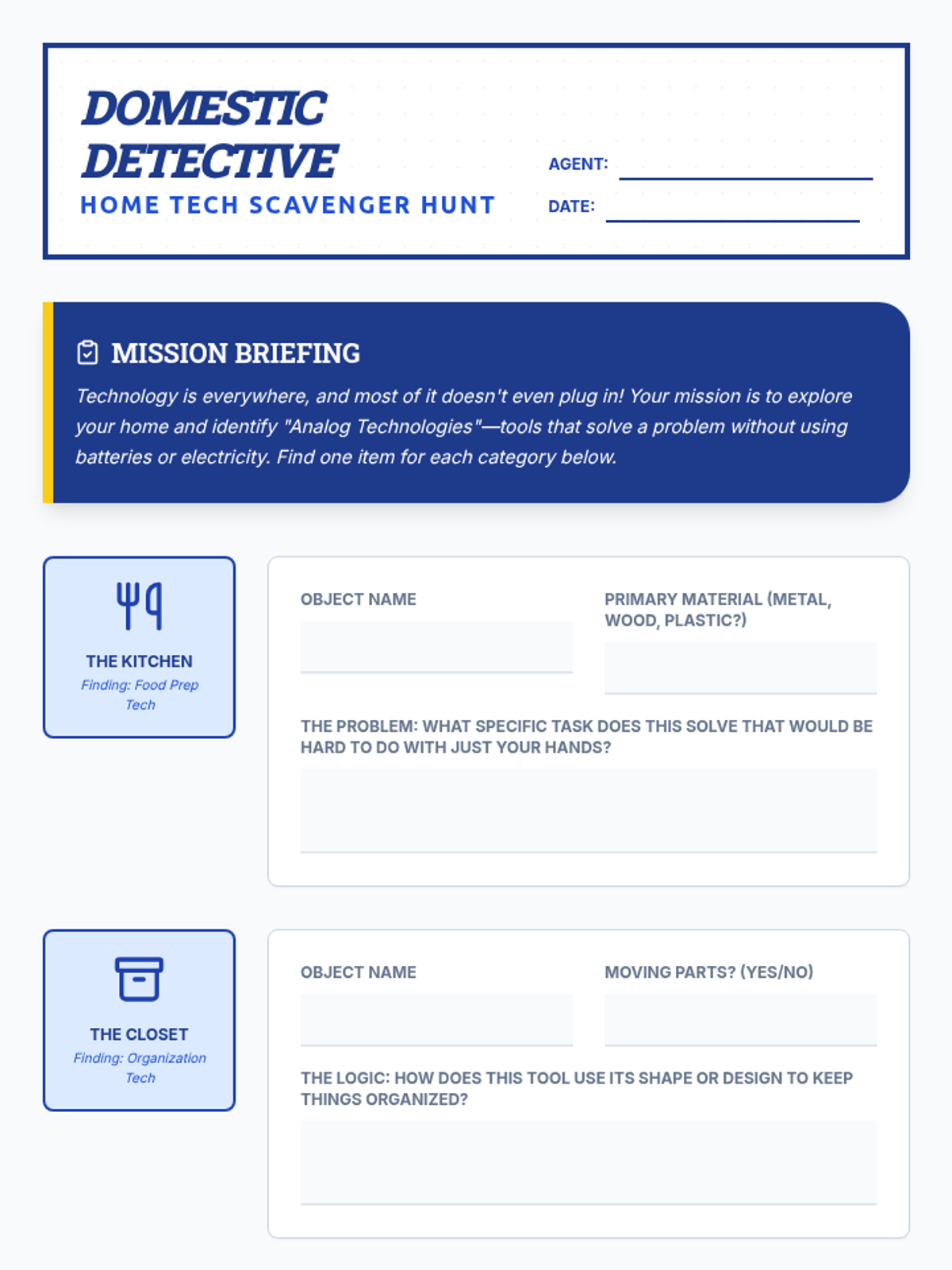
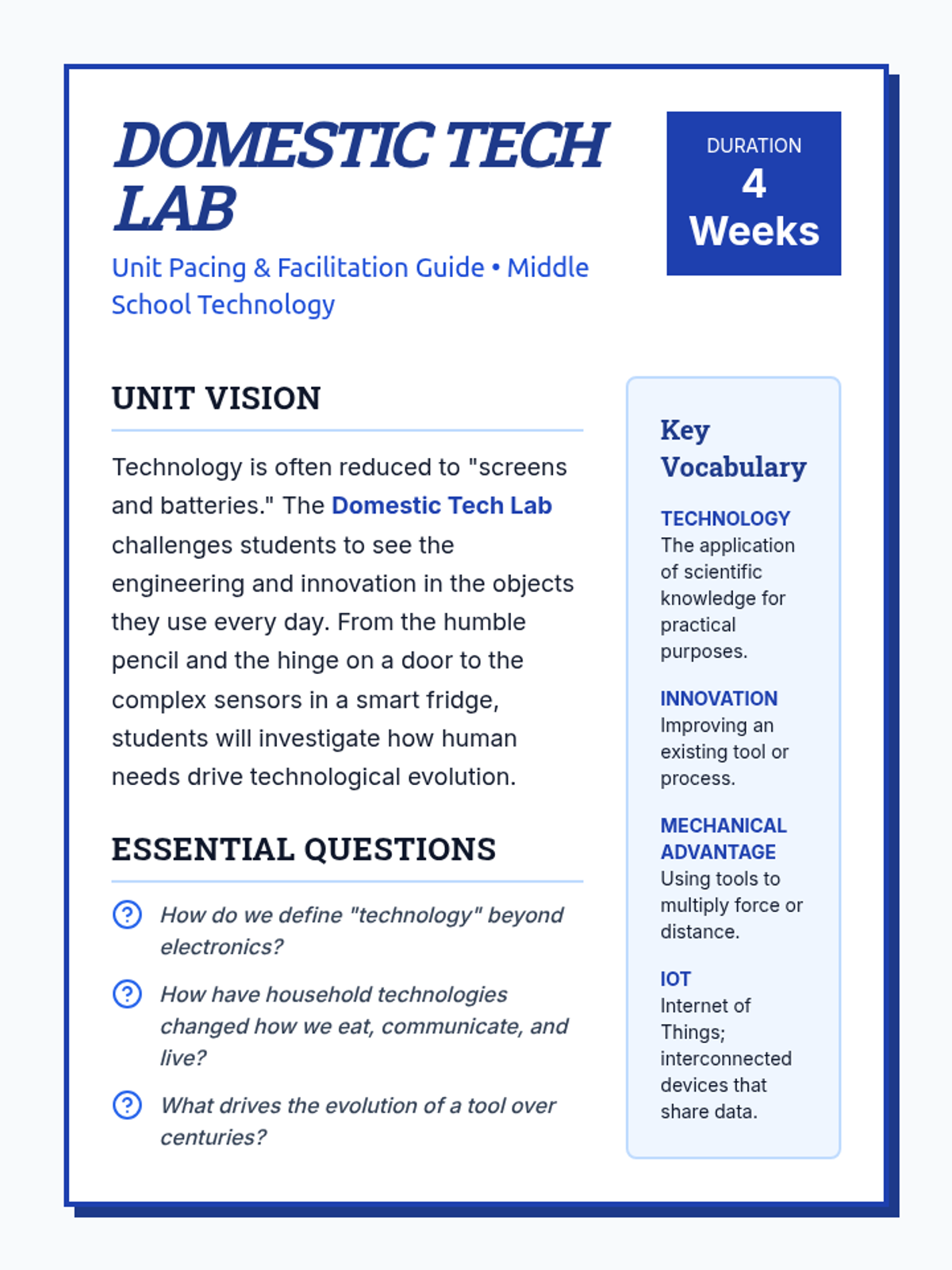
A 4-week exploration of technology through the lens of everyday household items, tracing their evolution from simple tools to complex smart systems. Students investigate what technology truly is beyond just electronics and how domestic innovations have changed human life.
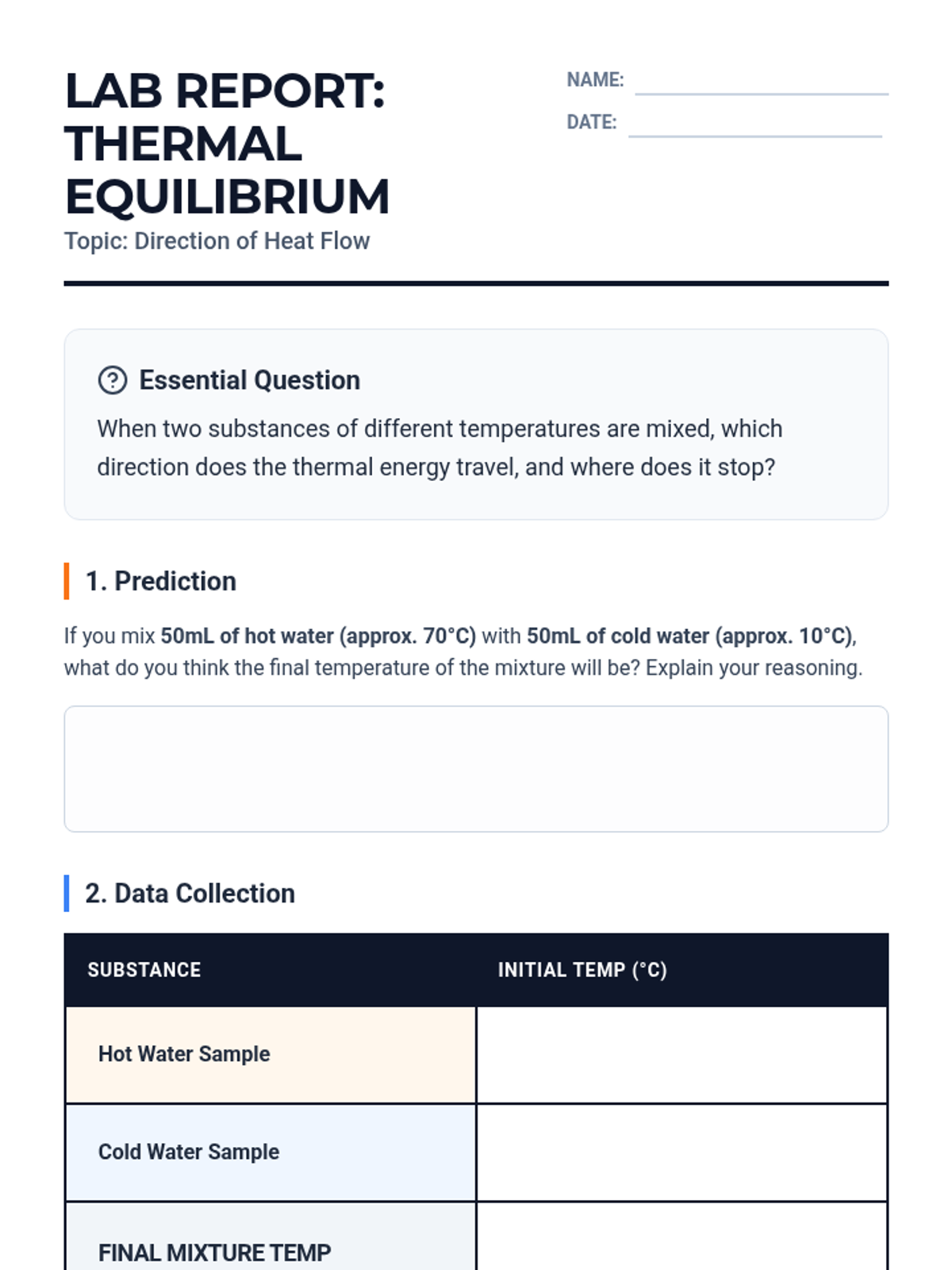
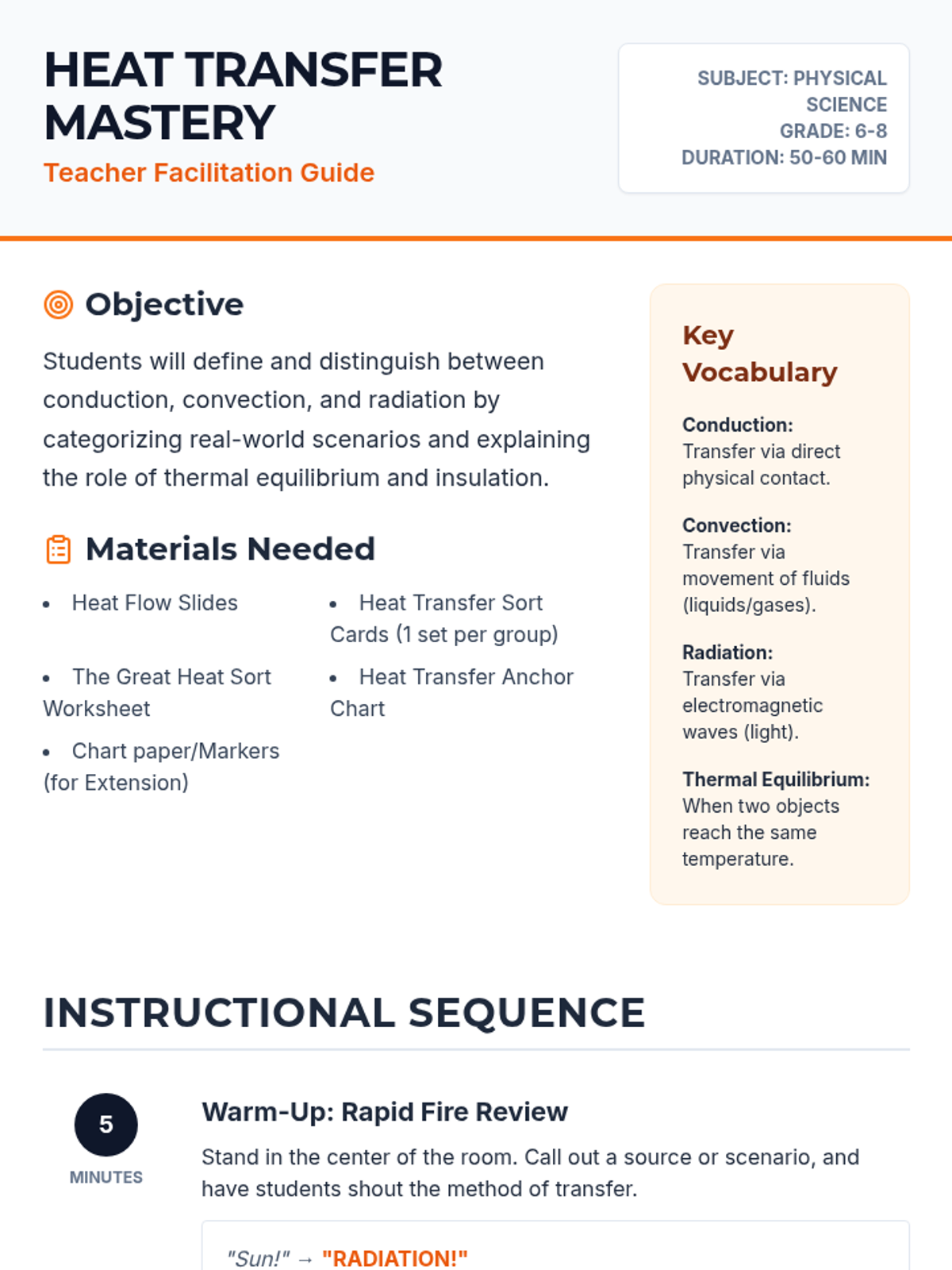
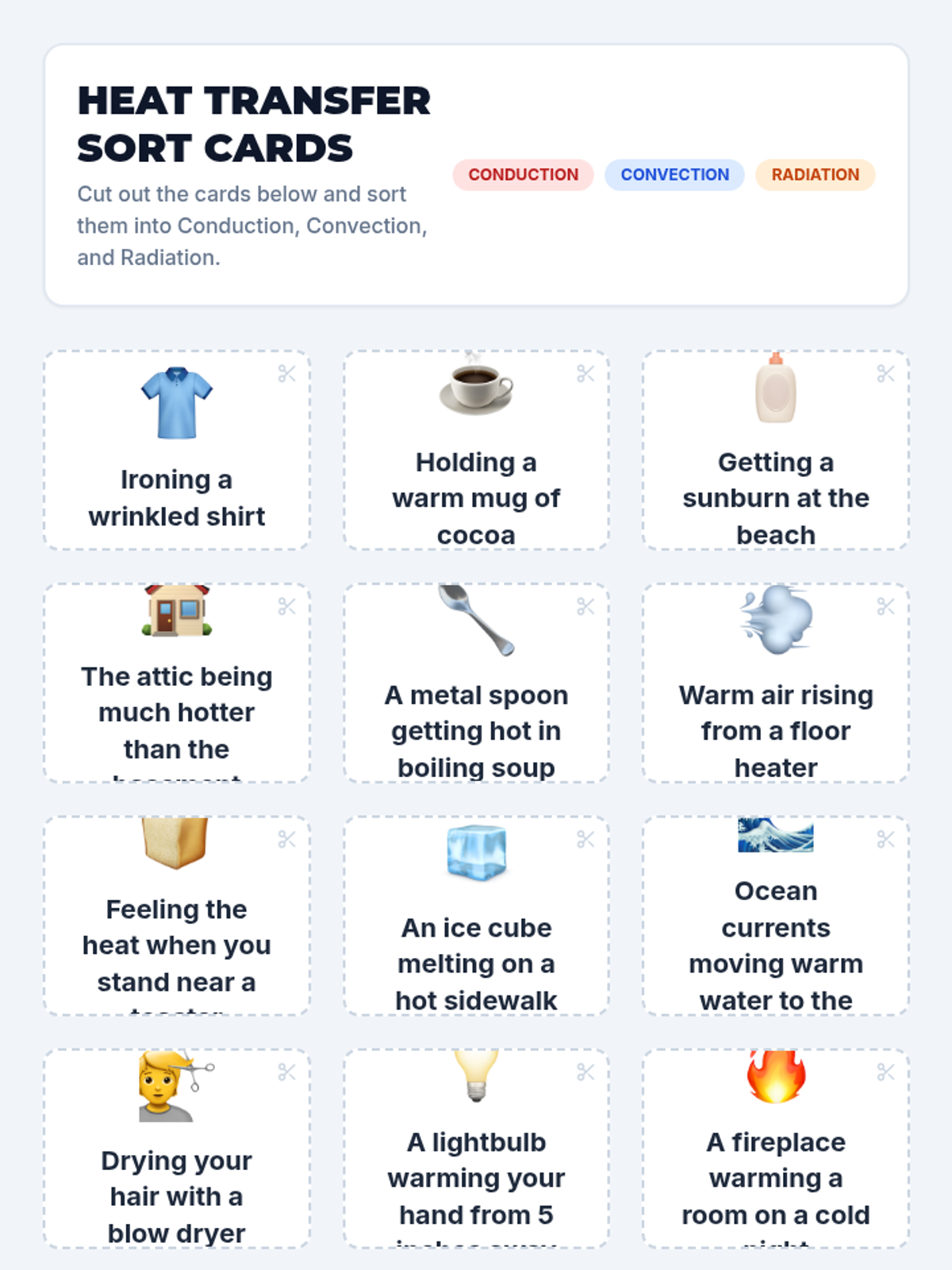
A comprehensive lesson sequence exploring the three modes of heat transfer (conduction, convection, and radiation) and the concept of thermal equilibrium using real-world scenarios and particle-level explanations.
A project-based sequence where 6th-grade students act as thermal engineers. They explore material properties, design and build an insulating container to save an ice cube, test their prototypes, and iterate based on thermodynamic principles.
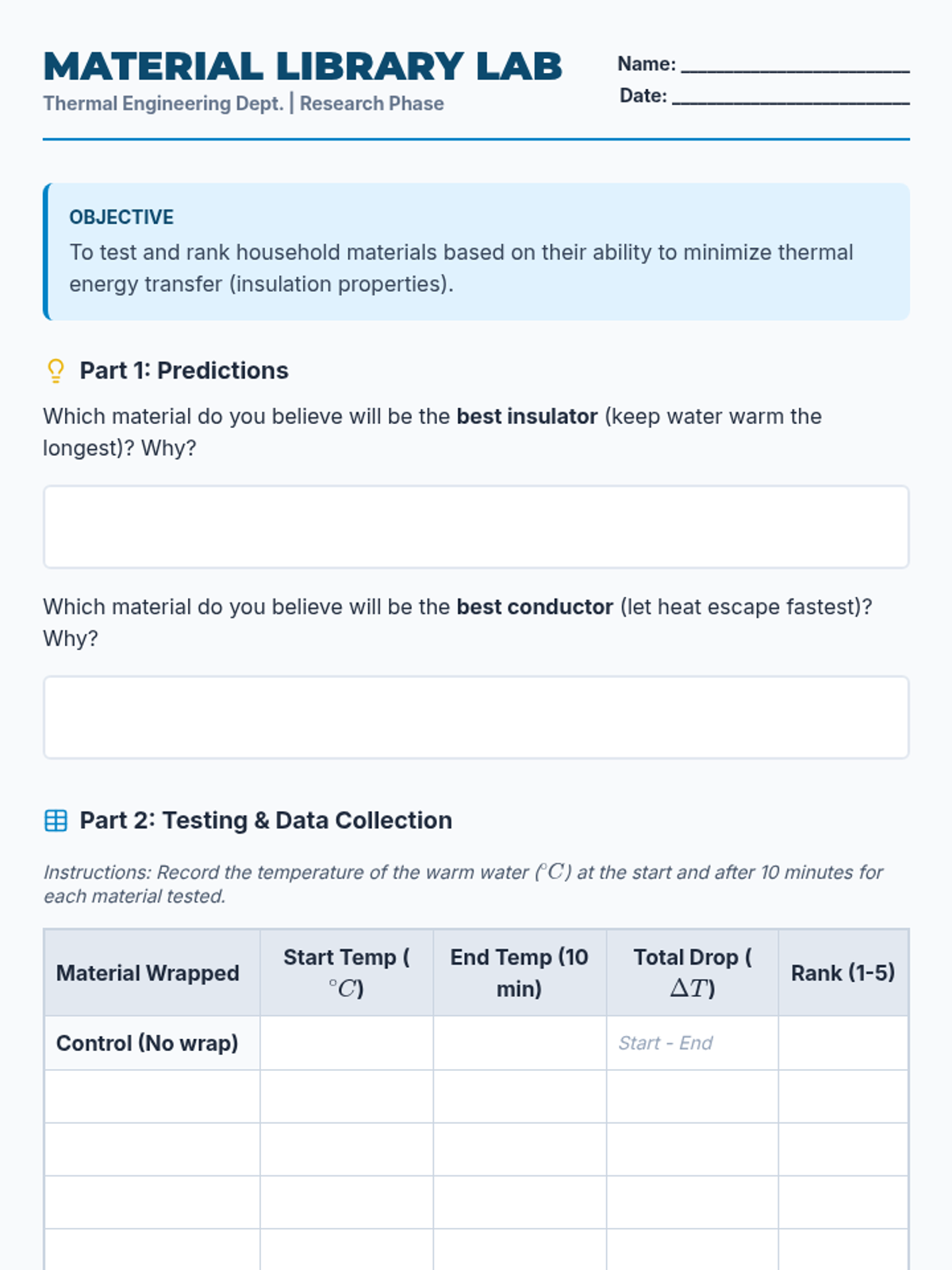
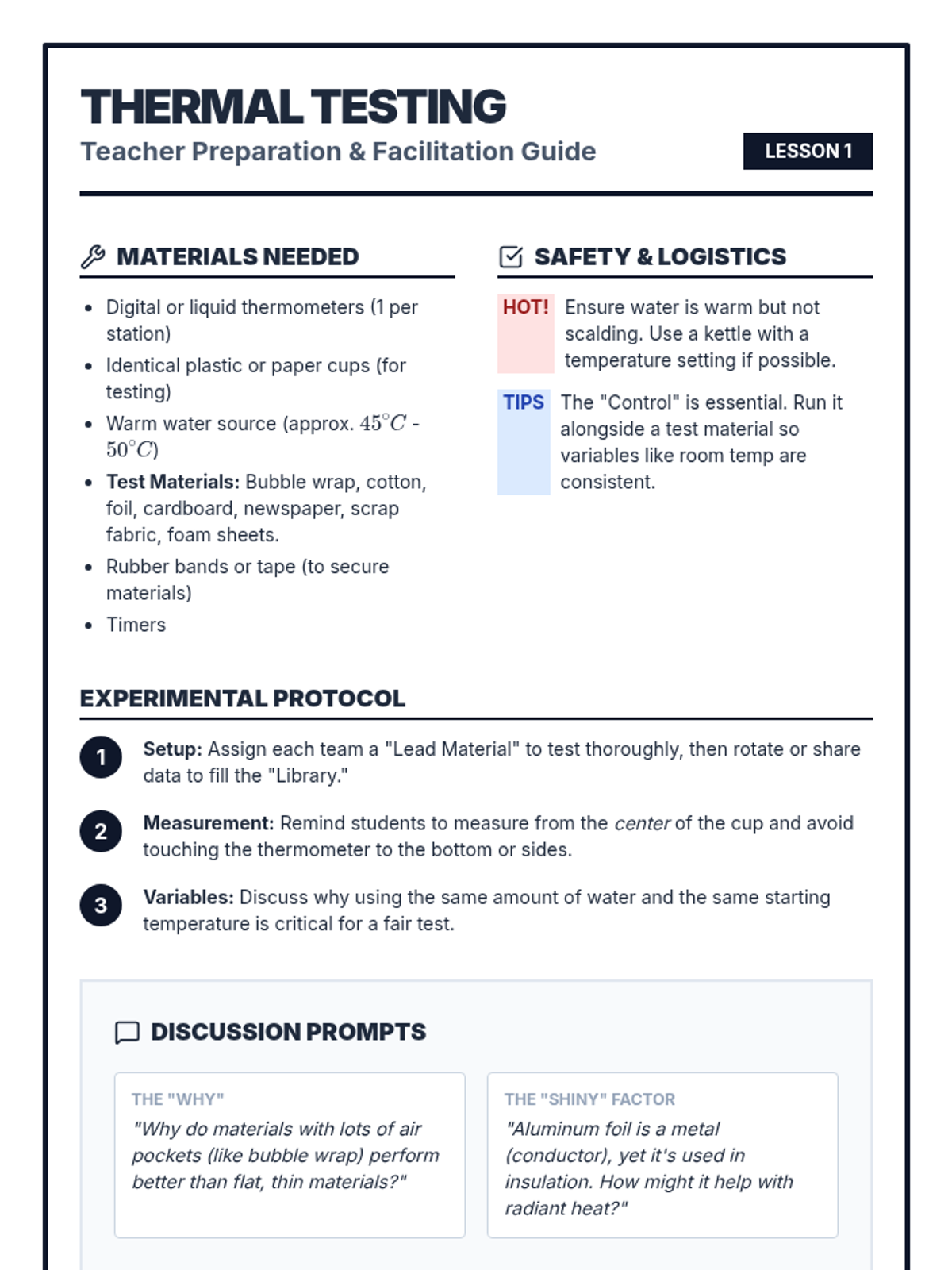
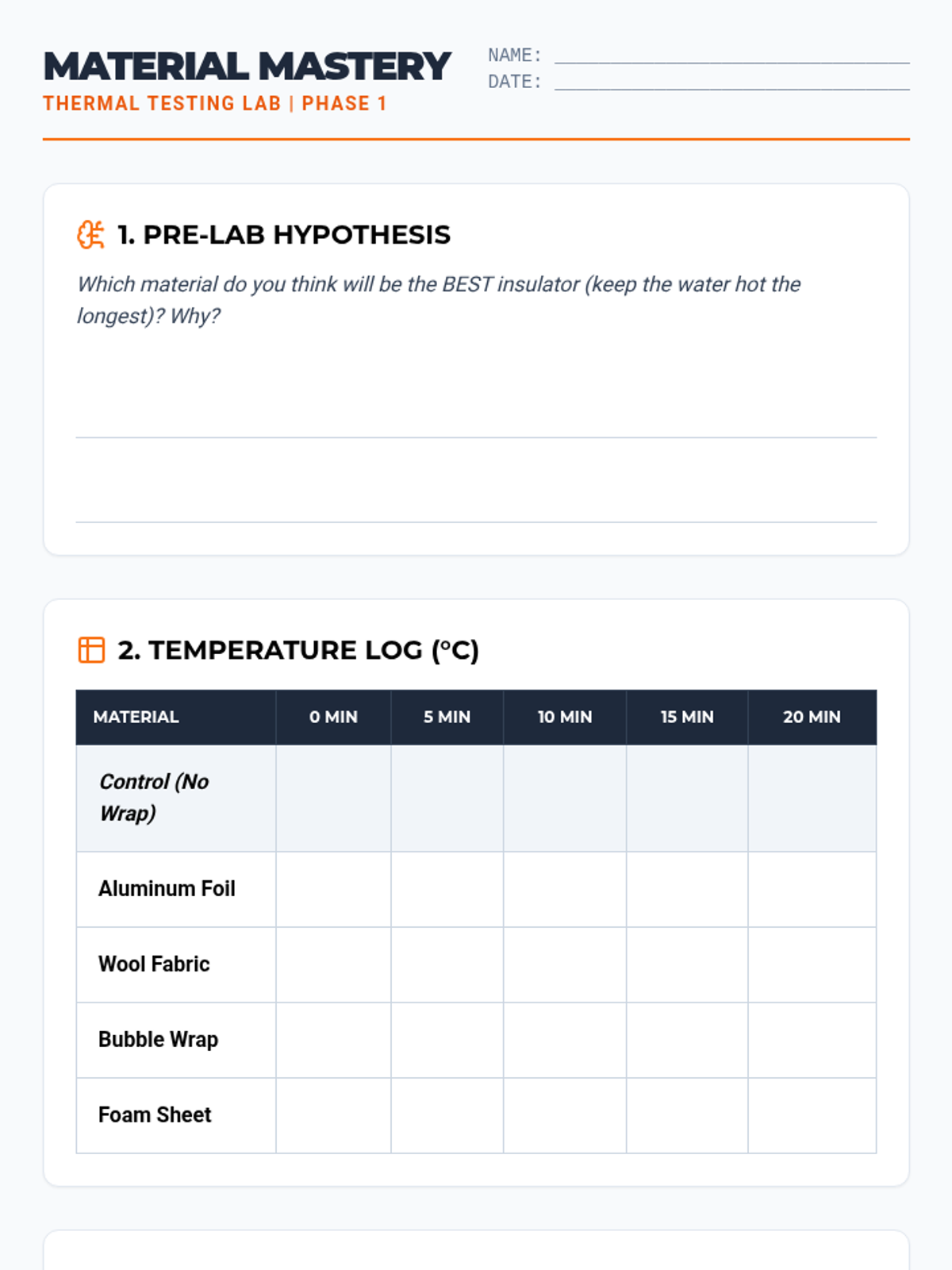
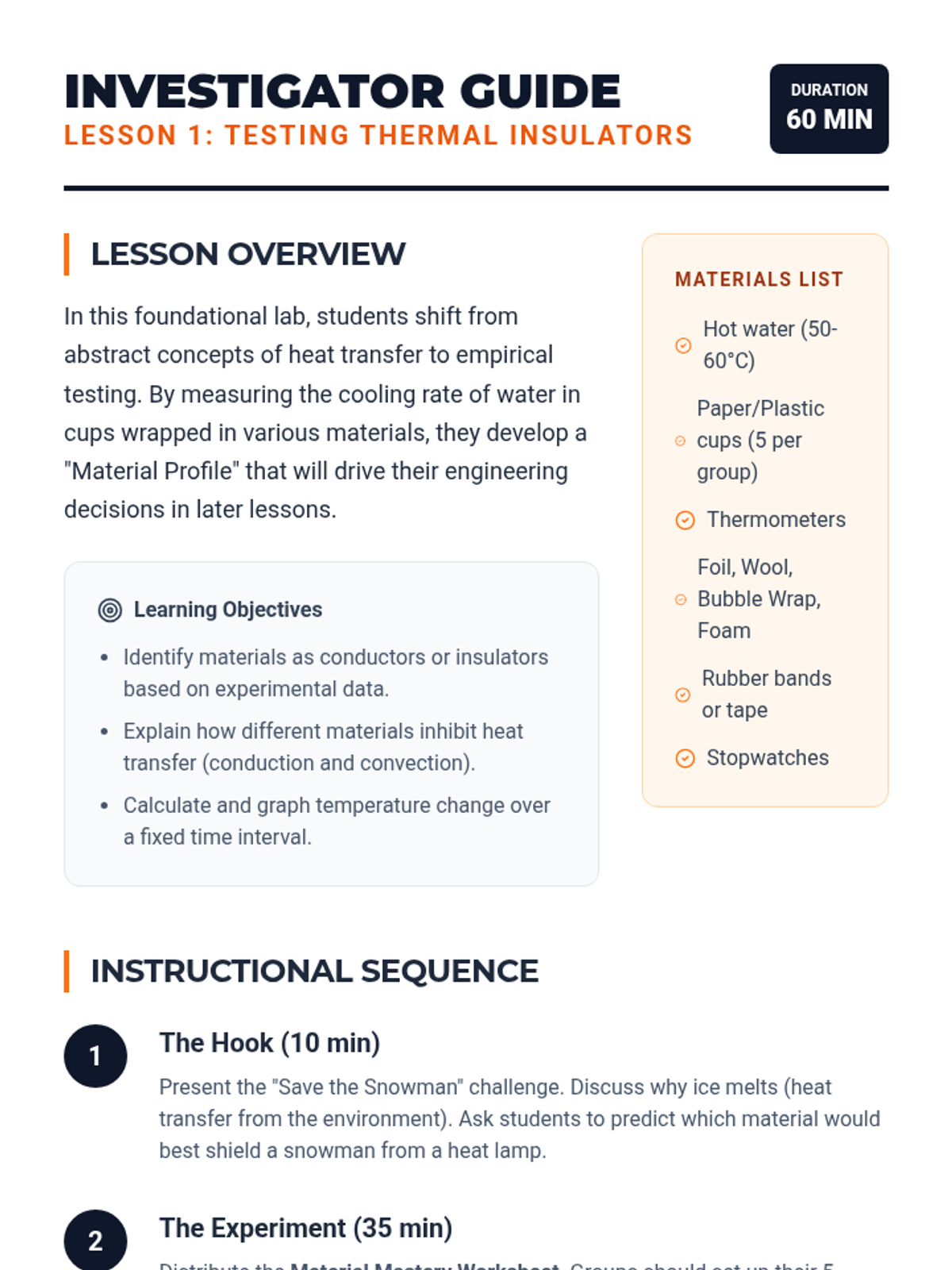
Students explore thermodynamics through an engineering lens, testing materials and iterating on designs to create the ultimate thermal container. The sequence emphasizes data-driven decision making and the engineering design cycle.
A 6th-grade inquiry sequence exploring the direct relationship between gas temperature and volume. Students use hands-on experiments, graphing, and molecular models to understand Charles's Law and its real-world applications in hot air balloons and atmospheric science.
This sequence connects micro-scale gas properties to macro-scale atmospheric science, exploring how air pressure, gas density, and temperature drive global weather patterns.
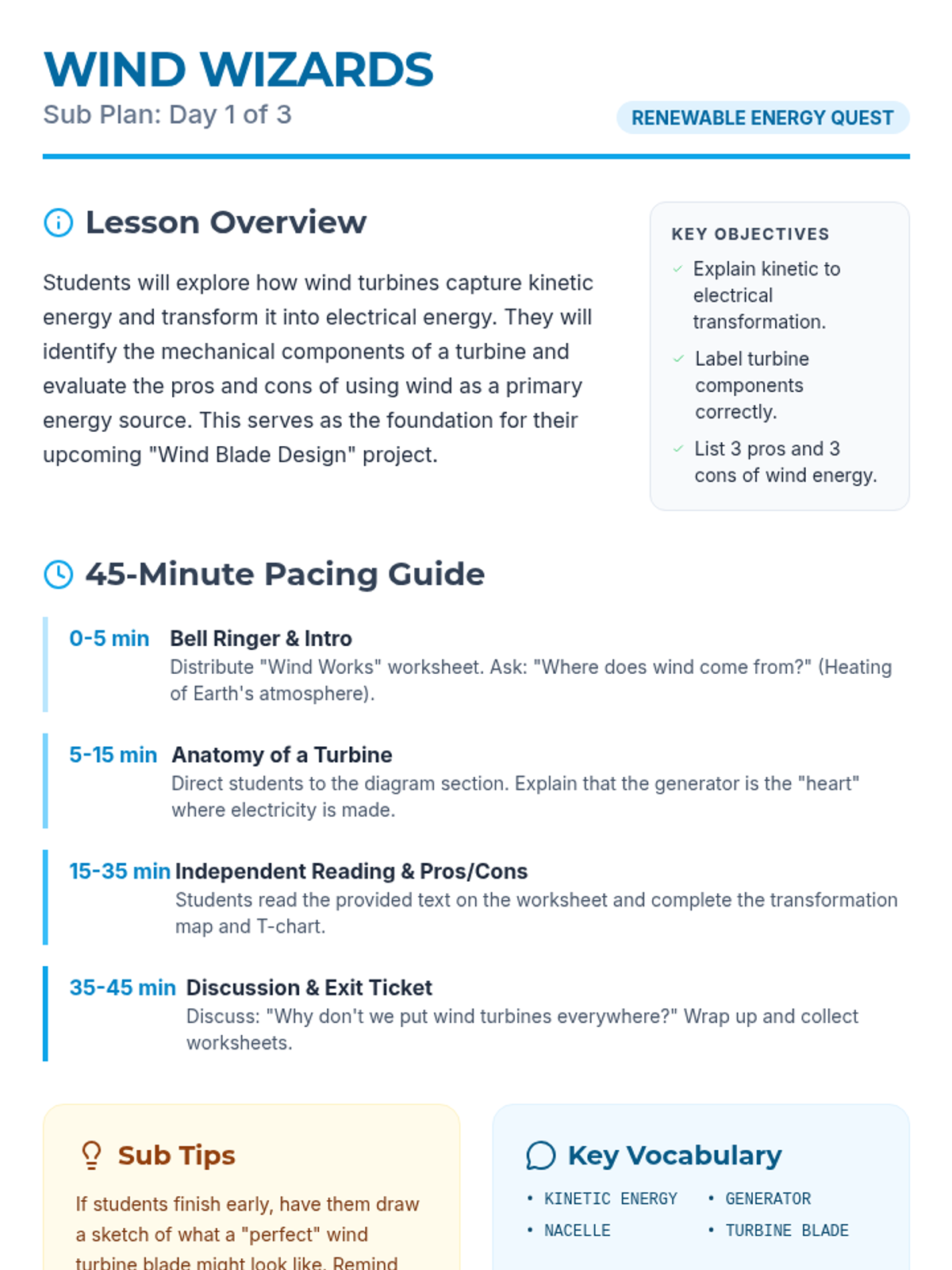
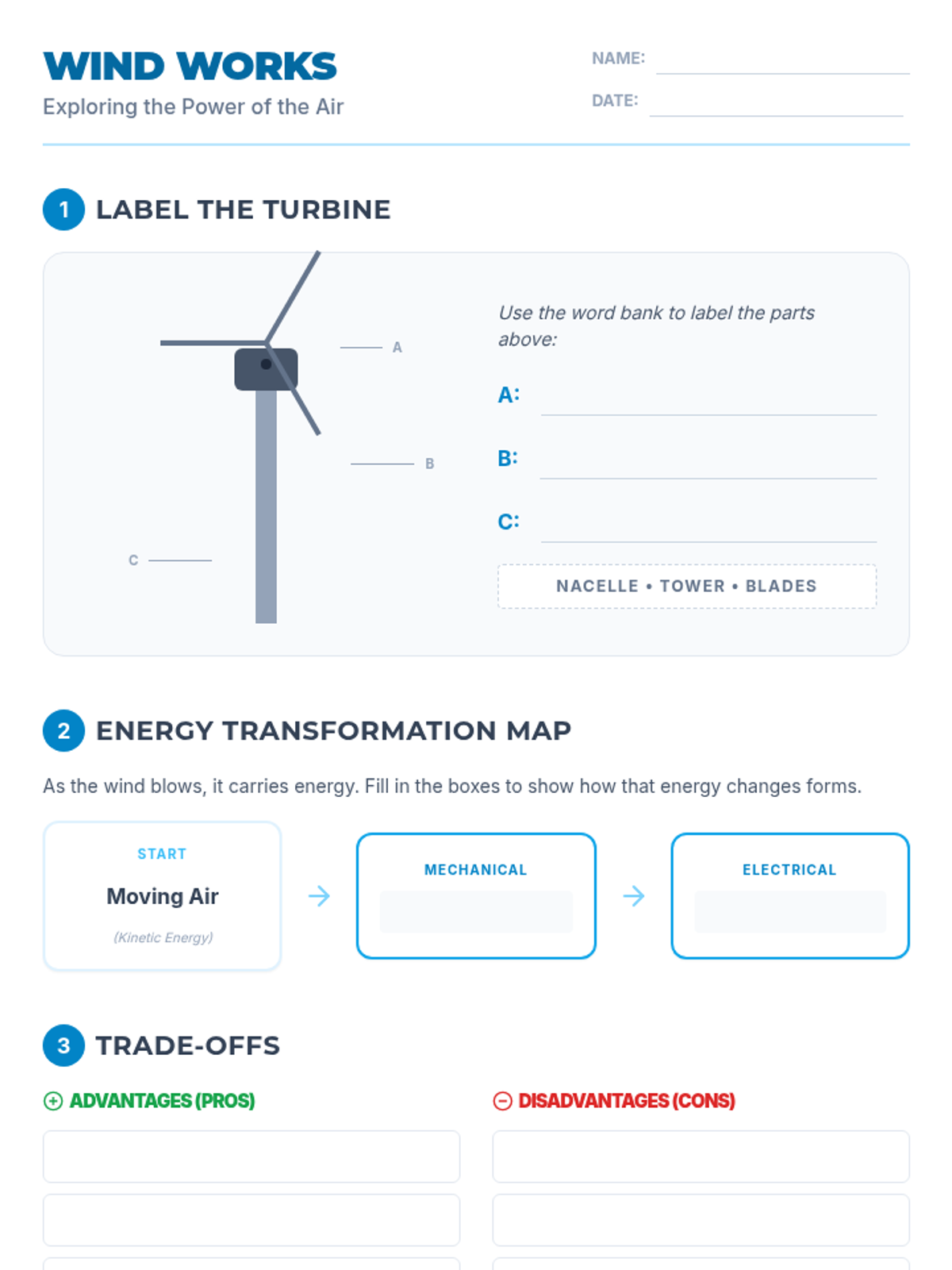
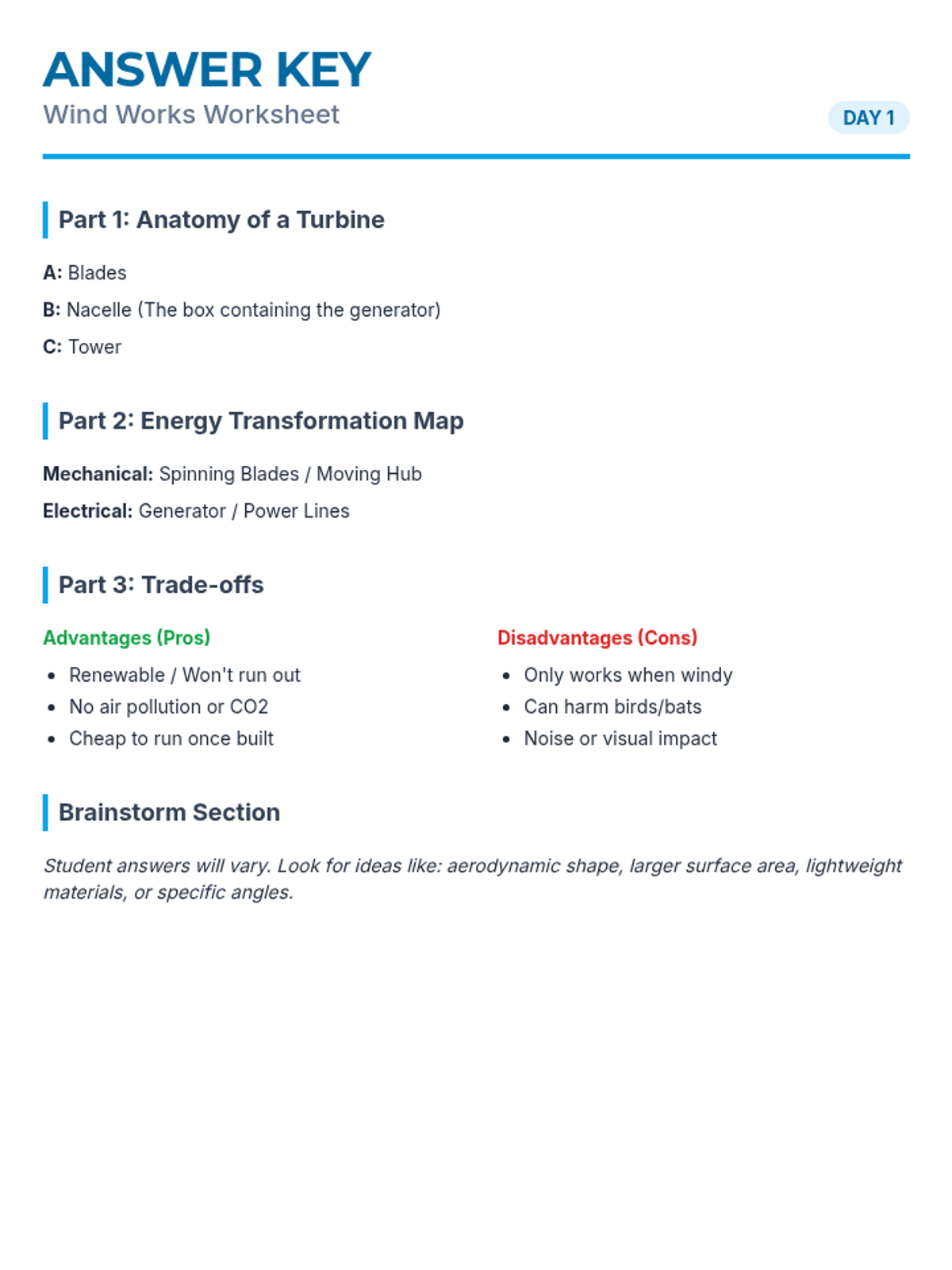
A three-day sub plan sequence for middle school students exploring wind and solar energy. Students learn about energy transformations, advantages and disadvantages, and analyze energy output data to prepare for upcoming engineering design challenges.
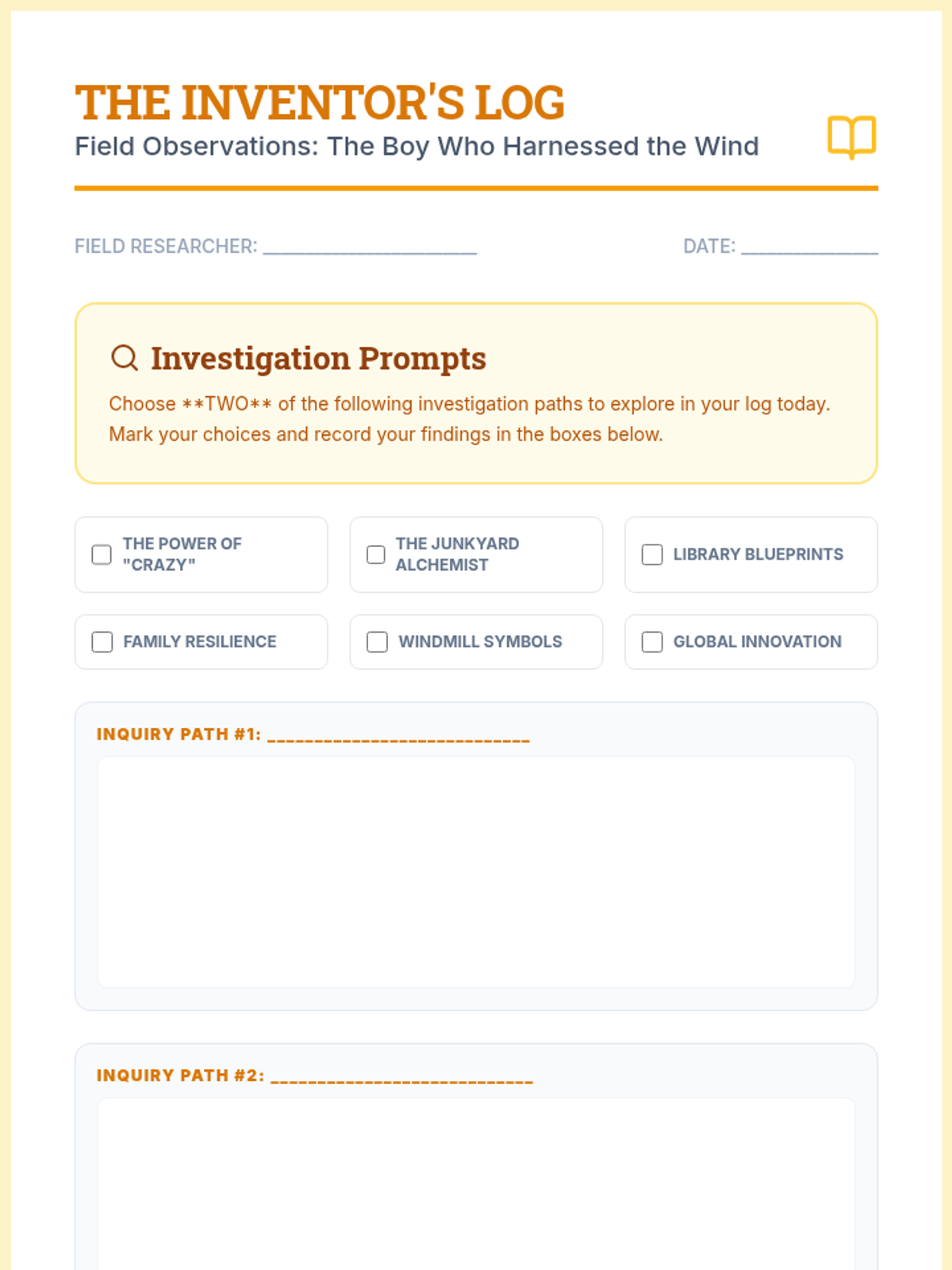
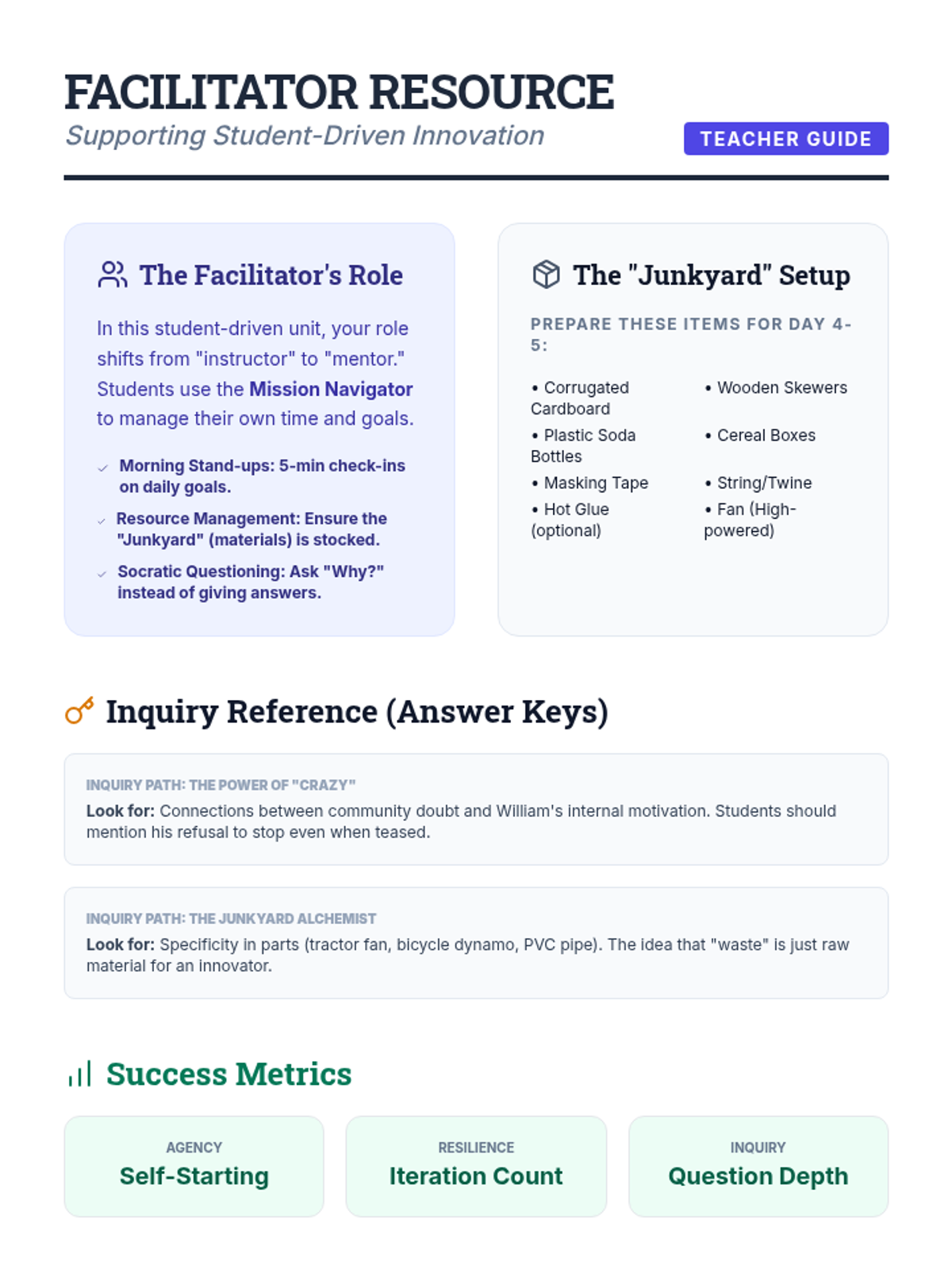
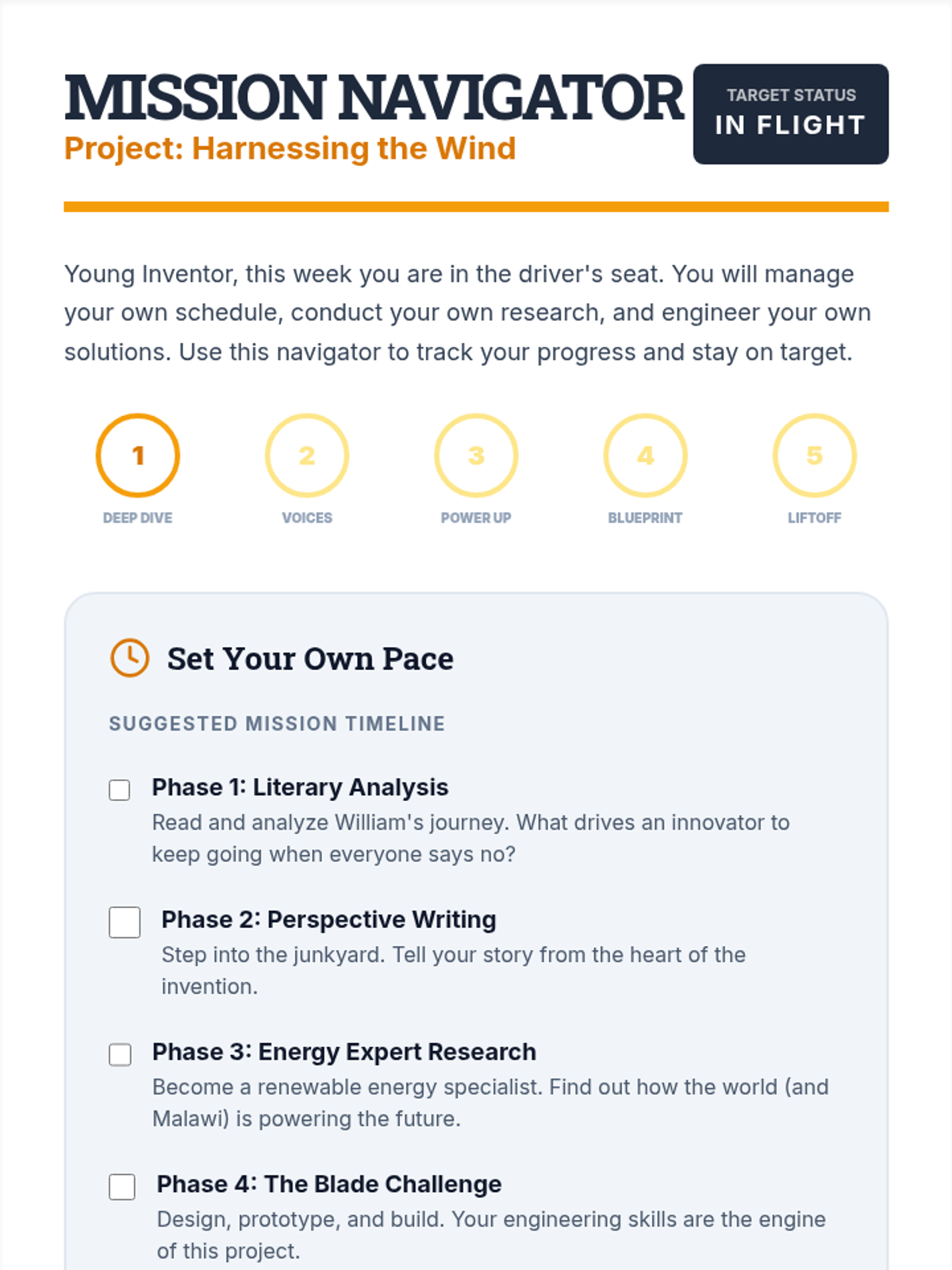
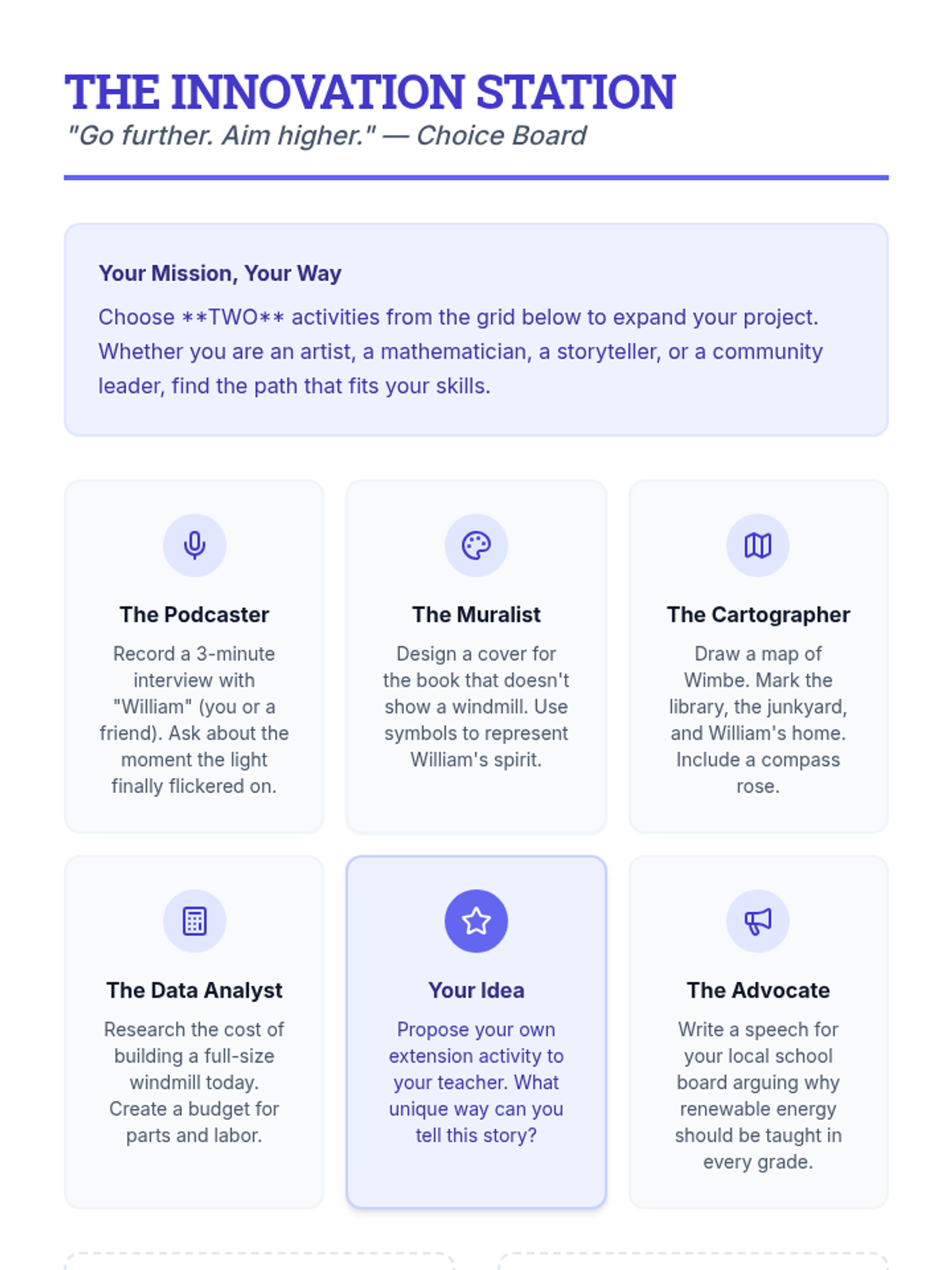
A week-long independent study unit based on 'The Boy Who Harnessed the Wind', guiding students through literary analysis, scientific research, and engineering design.
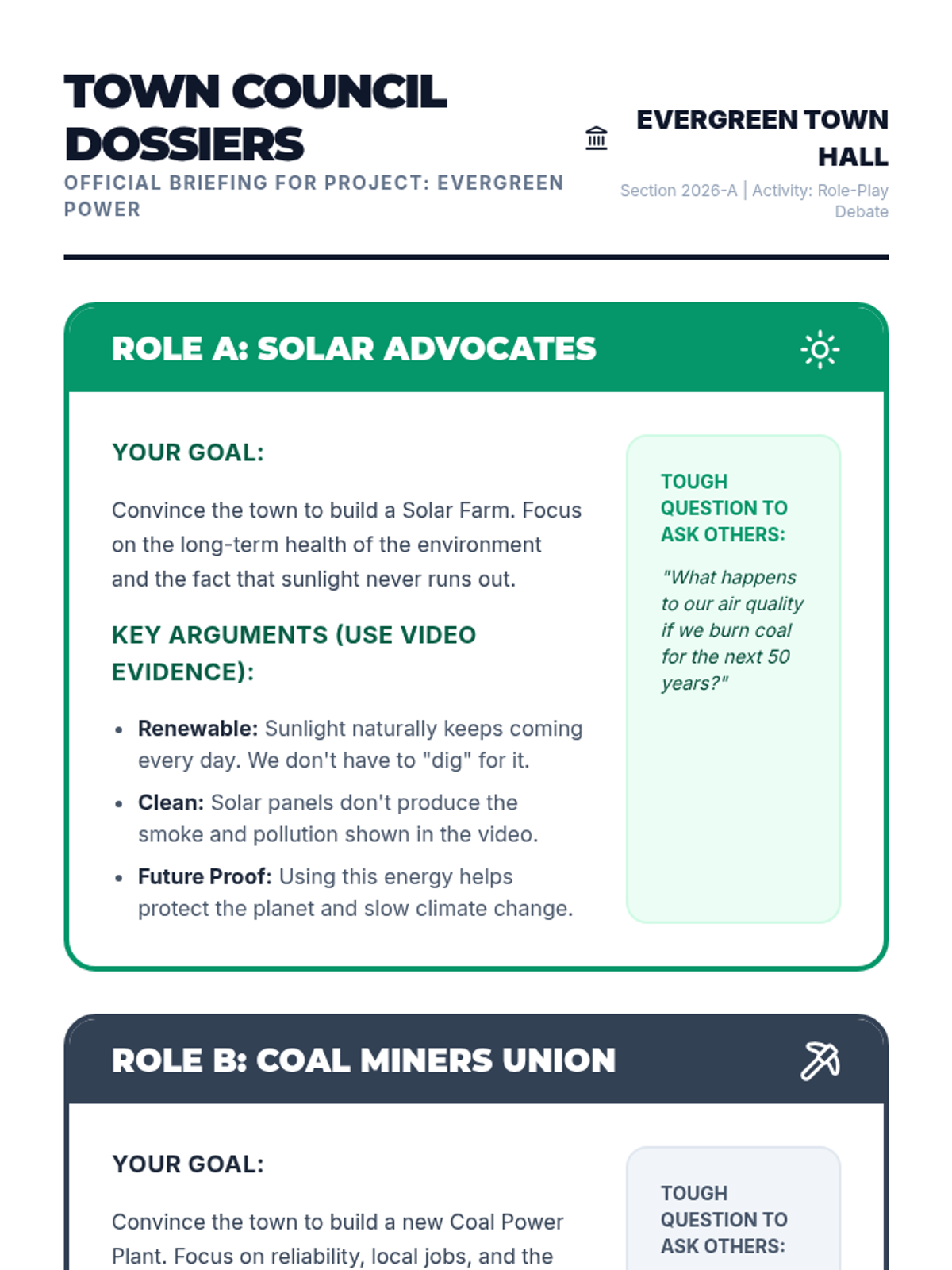
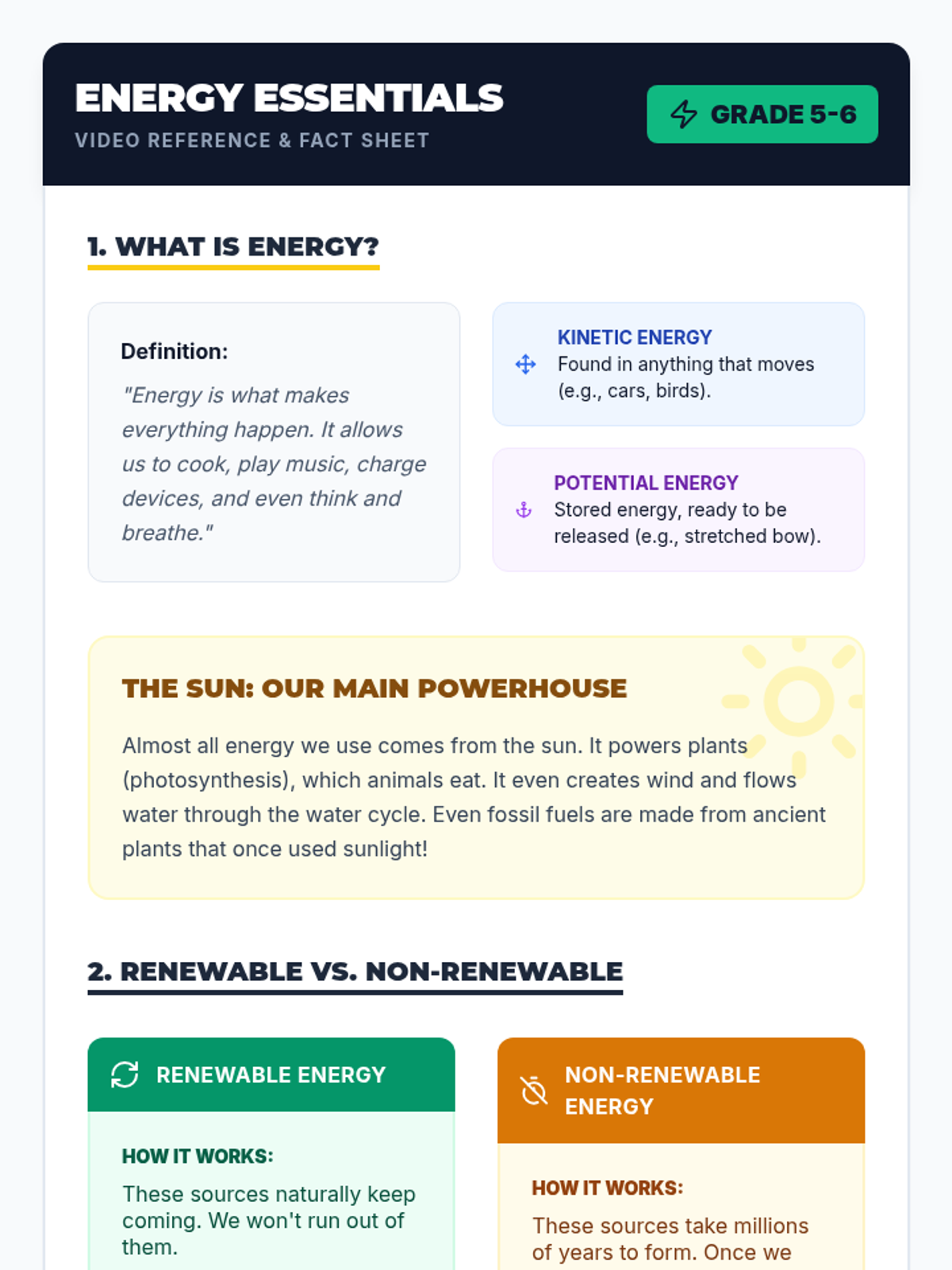
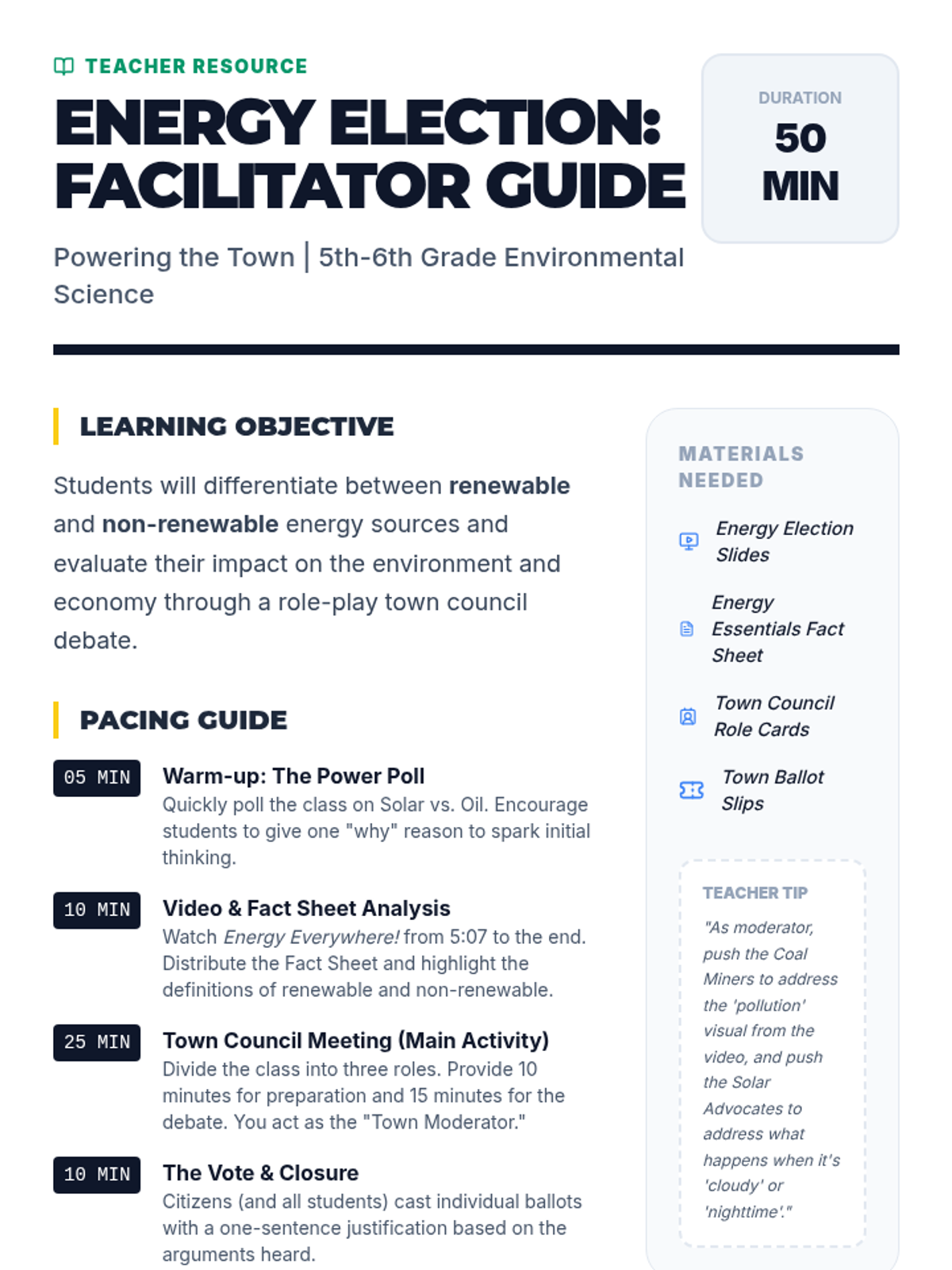
A lesson sequence focusing on the differences between renewable and non-renewable energy sources, culminating in a town council role-play debate. Students explore energy transformations and evaluate the environmental and economic impacts of different power sources.
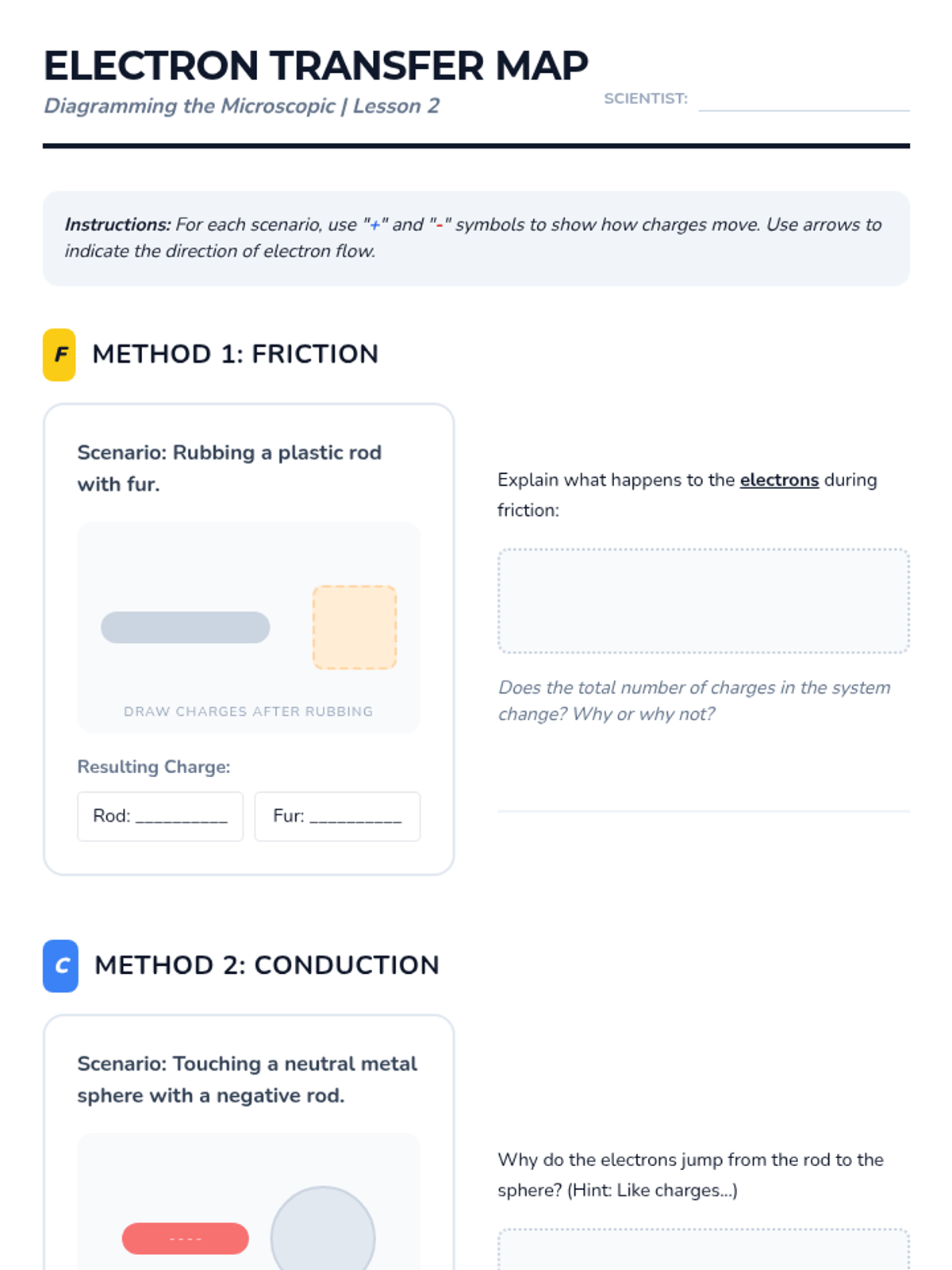
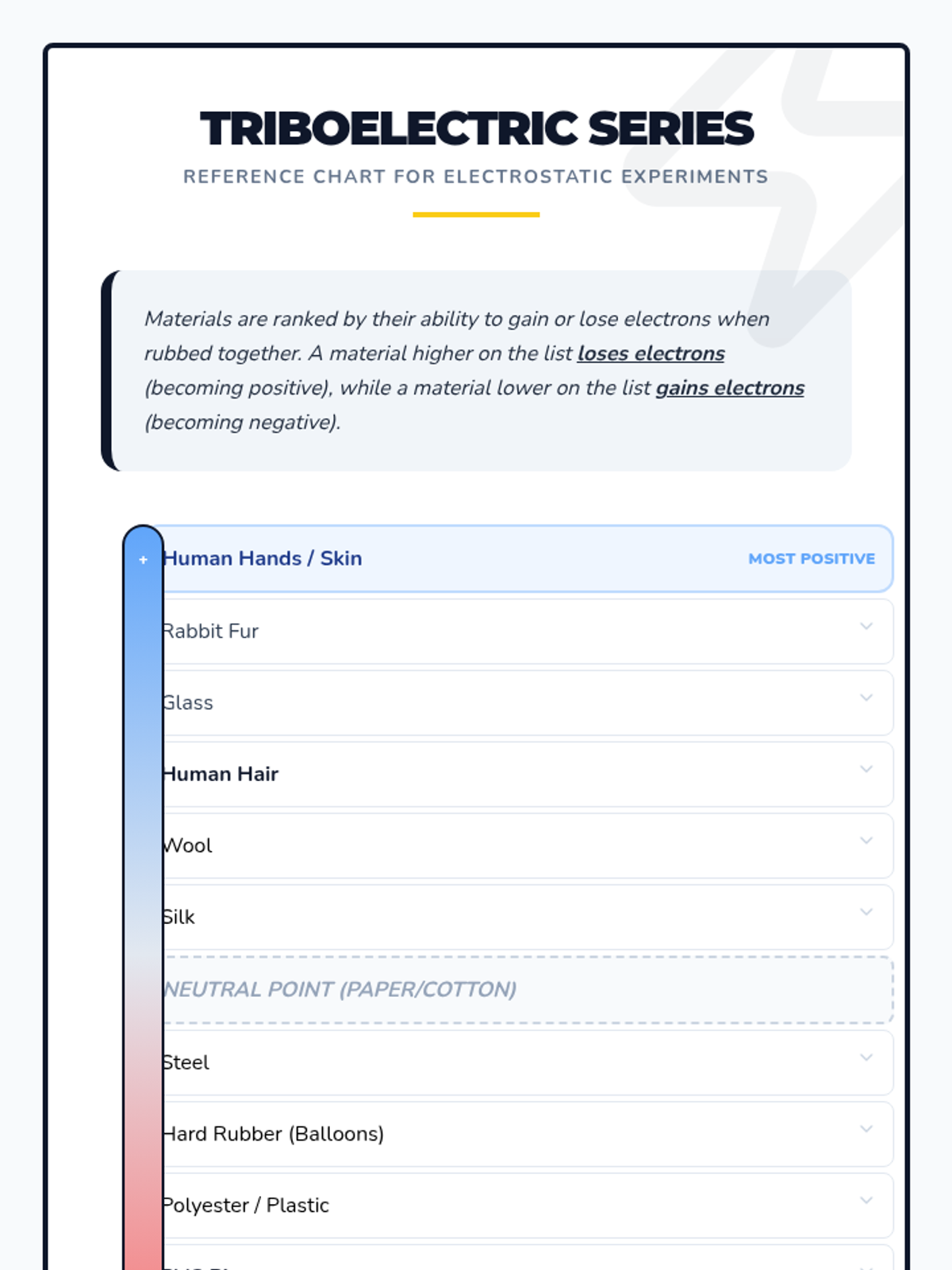
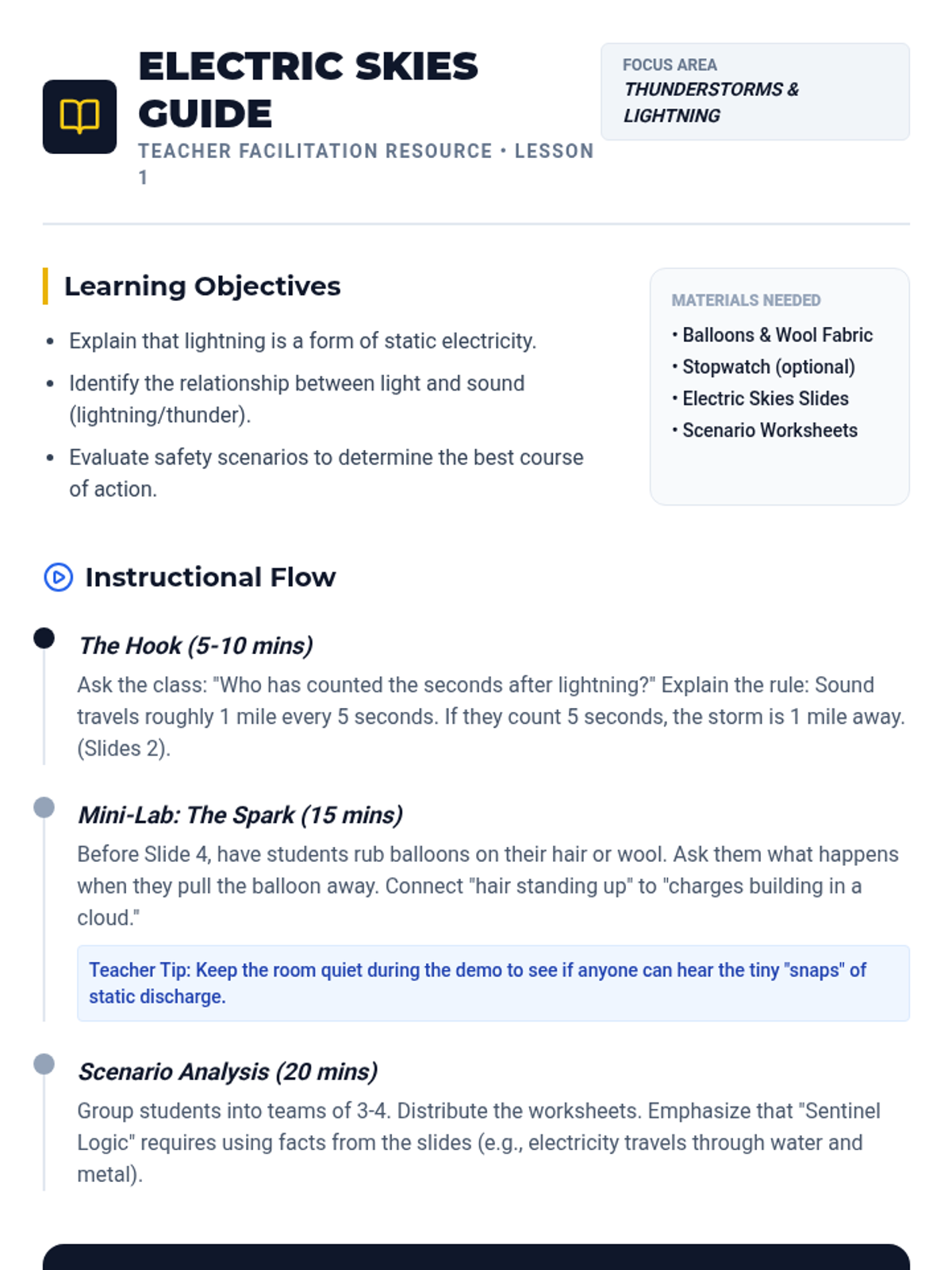
This middle school physics sequence explores the fundamentals of electrostatics, moving from macroscopic observations of charge interactions to the microscopic mechanisms of electron transfer and the visualization of electric fields. Students conclude by applying these concepts to atmospheric phenomena like lightning and the principles of electrical safety.
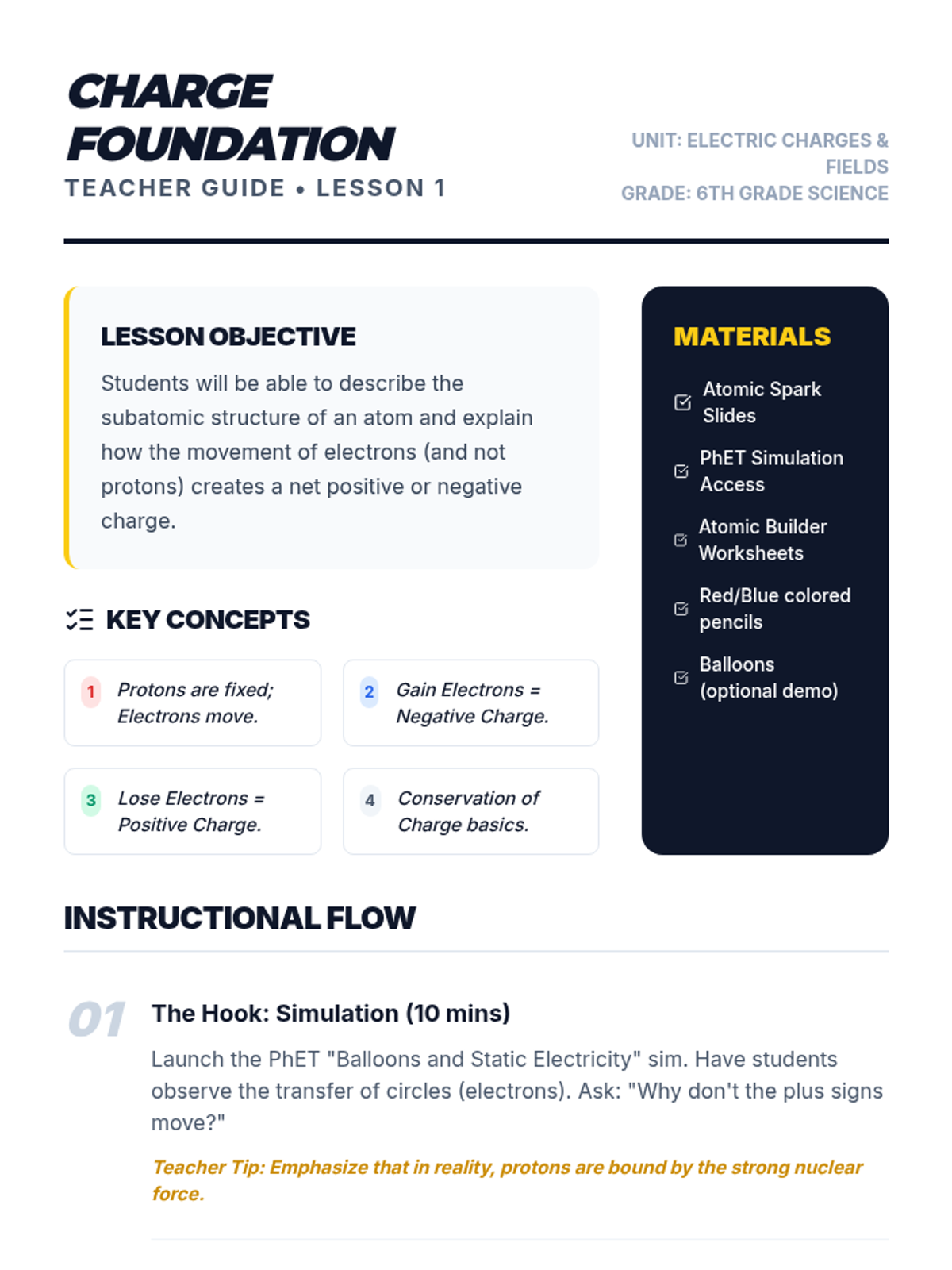
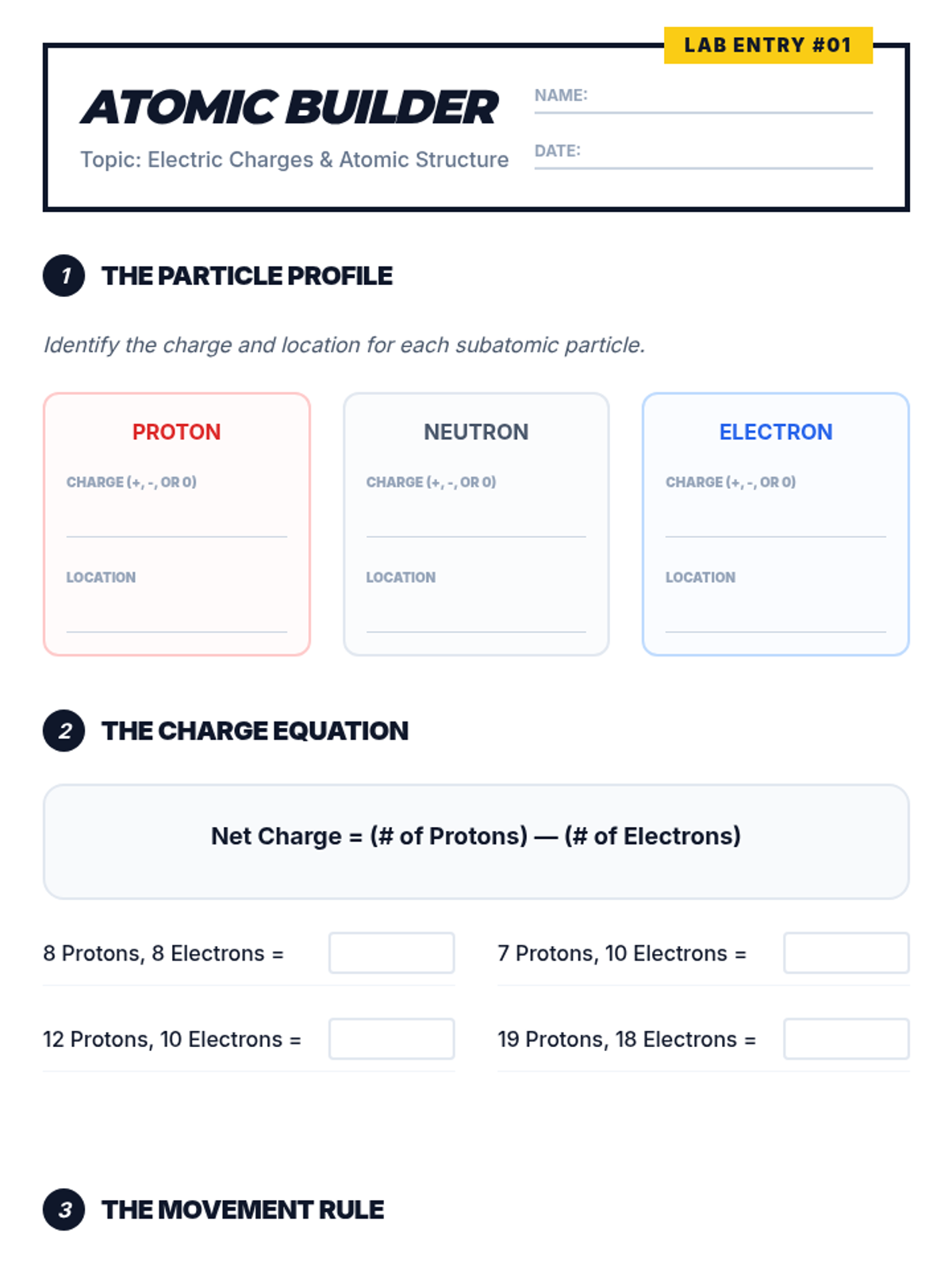
A comprehensive 5-lesson sequence exploring the fundamentals of electric charges, atomic structure, electrostatic forces, electric fields, and real-world static discharge. Students will use hands-on inquiry, simulations, and diagramming to understand how invisible forces govern the behavior of matter at the atomic level.
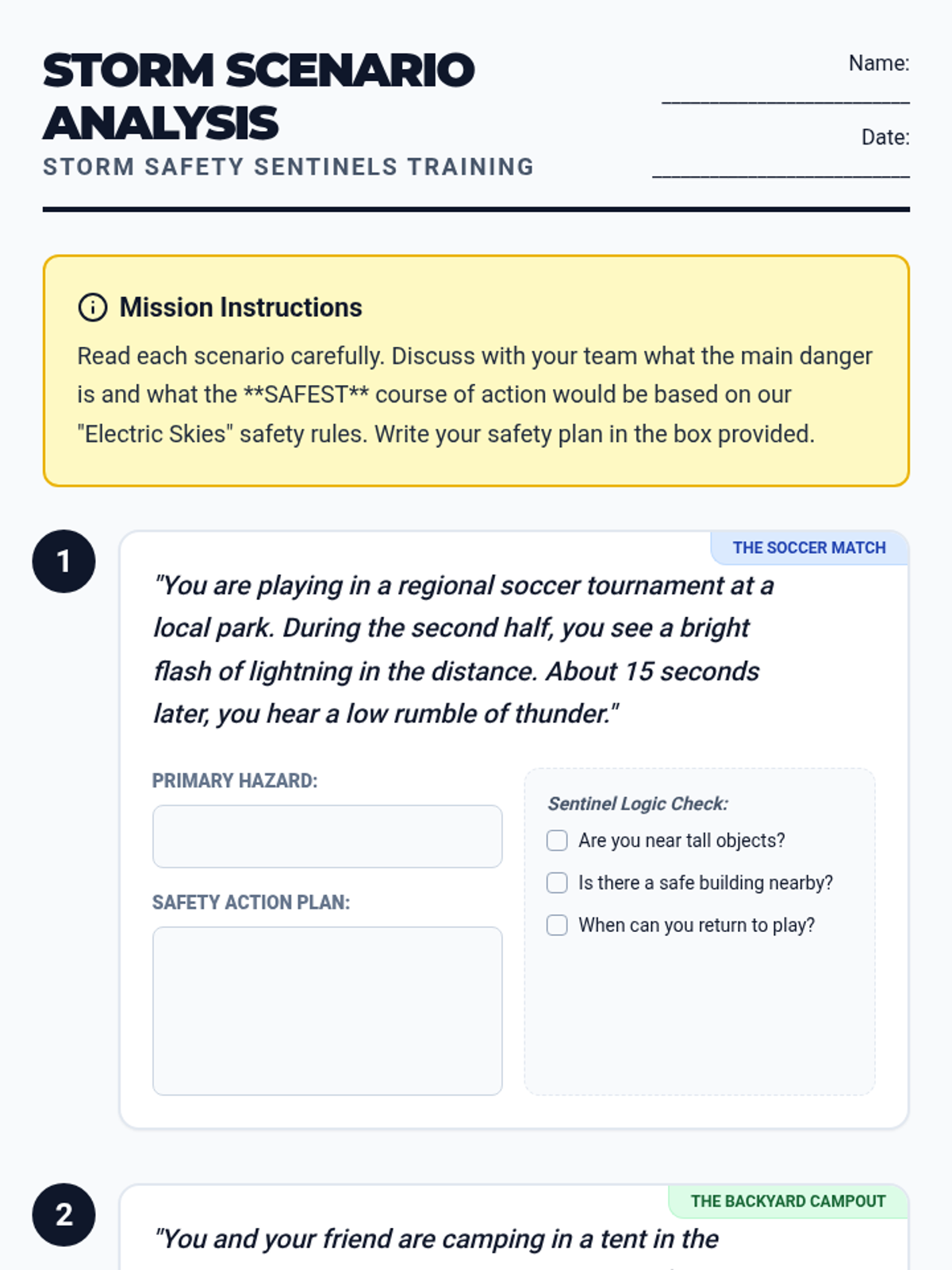
This project-based sequence explores severe weather phenomena and the engineering design required for human safety. Students investigate thunderstorms, tornadoes, and hurricanes, concluding with the design of safety kits and communication plans to protect communities.
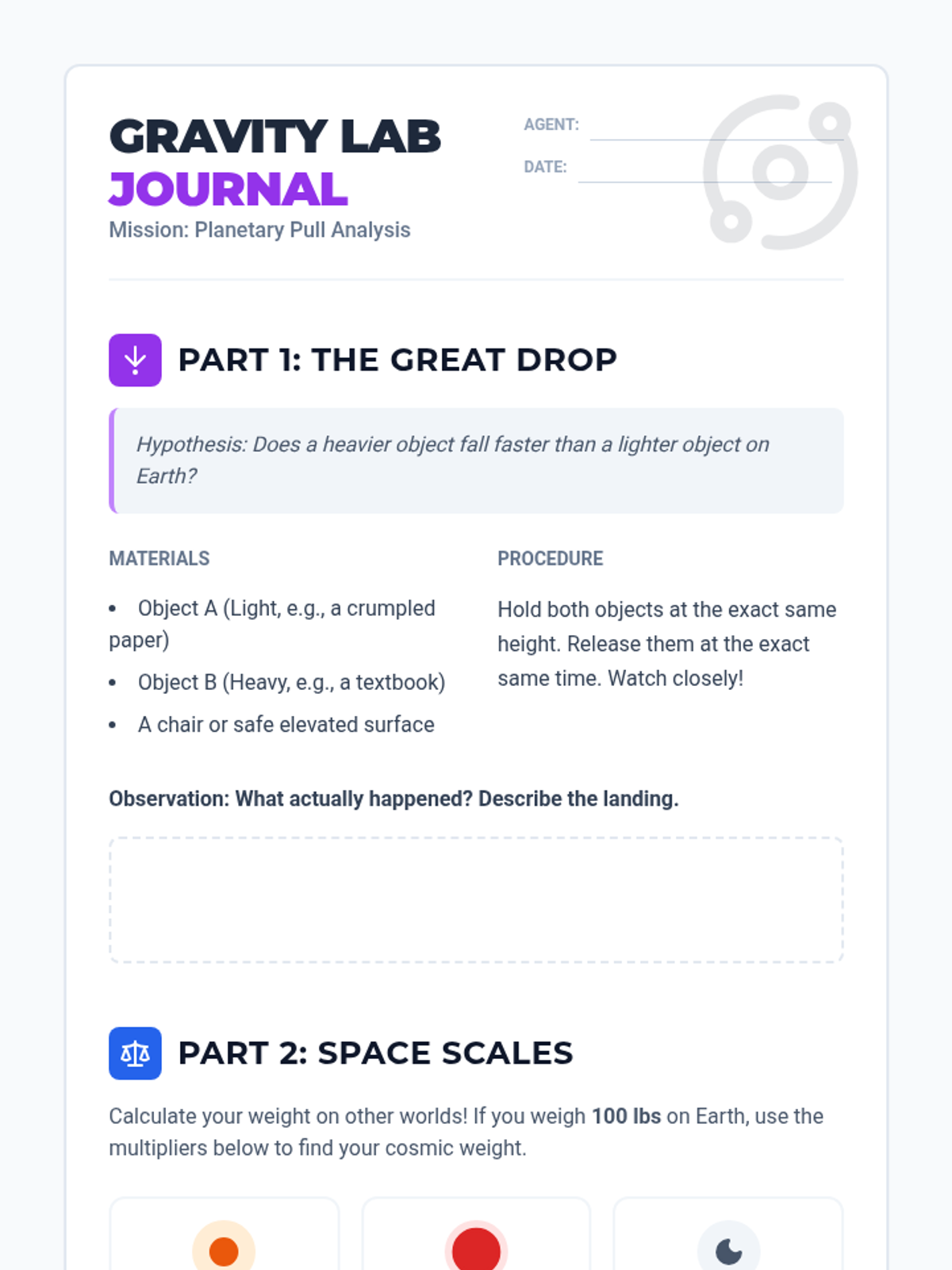
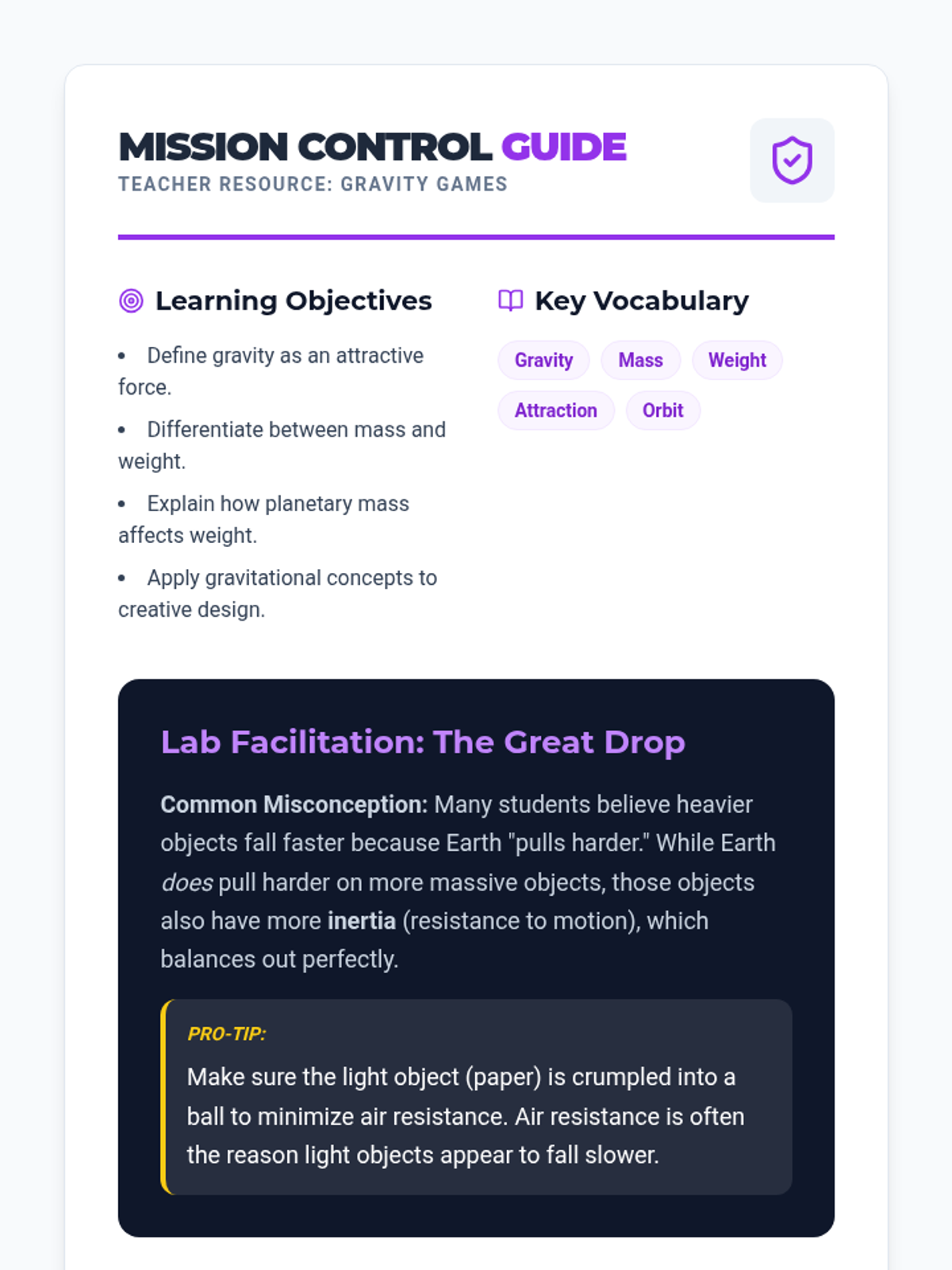
A high-energy exploration of gravity's invisible pull, from dropping everyday objects to calculating weight on distant planets. Students will engage in hands-on observations and creative writing activities to understand how mass and distance govern the universe.
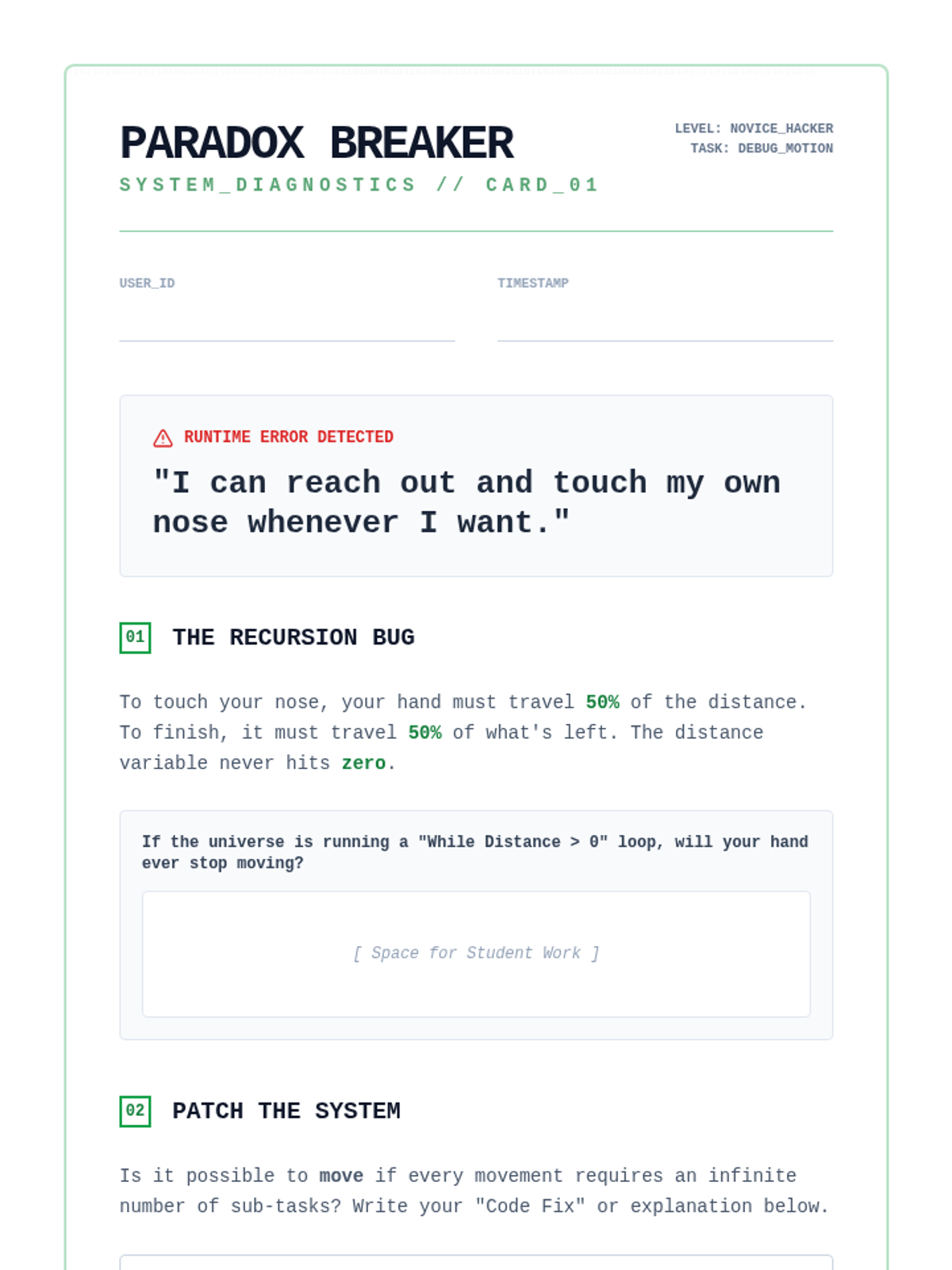
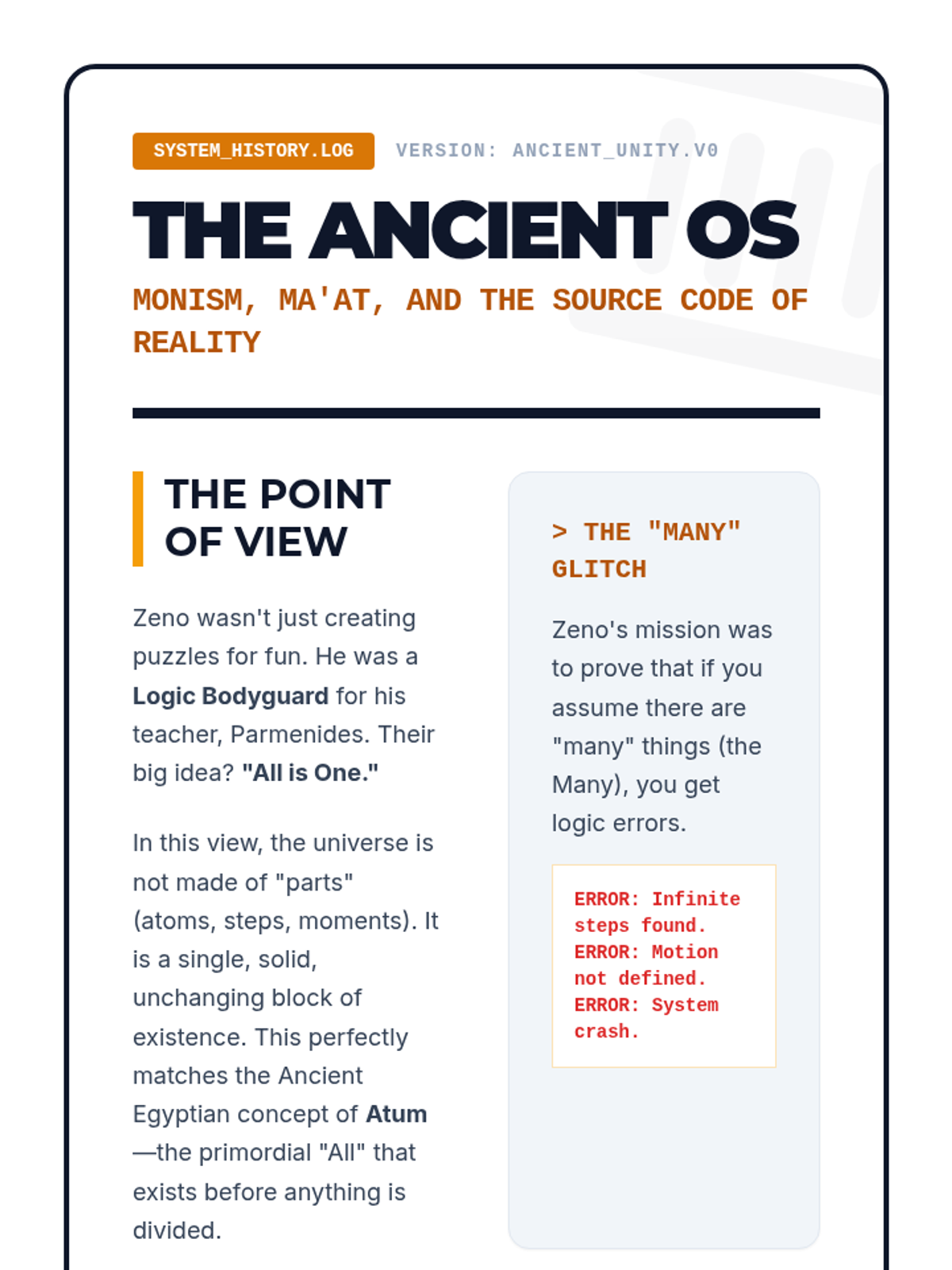
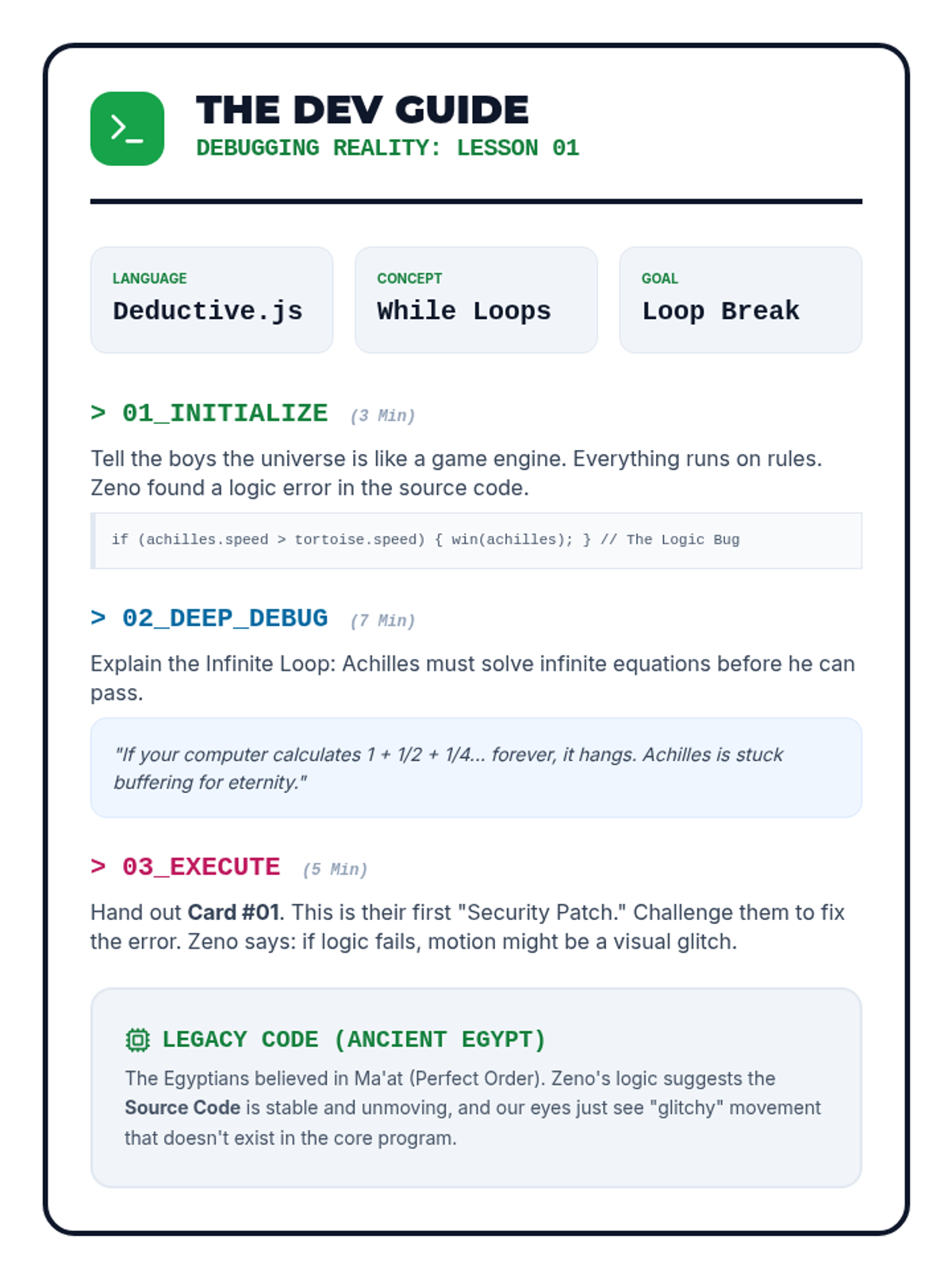
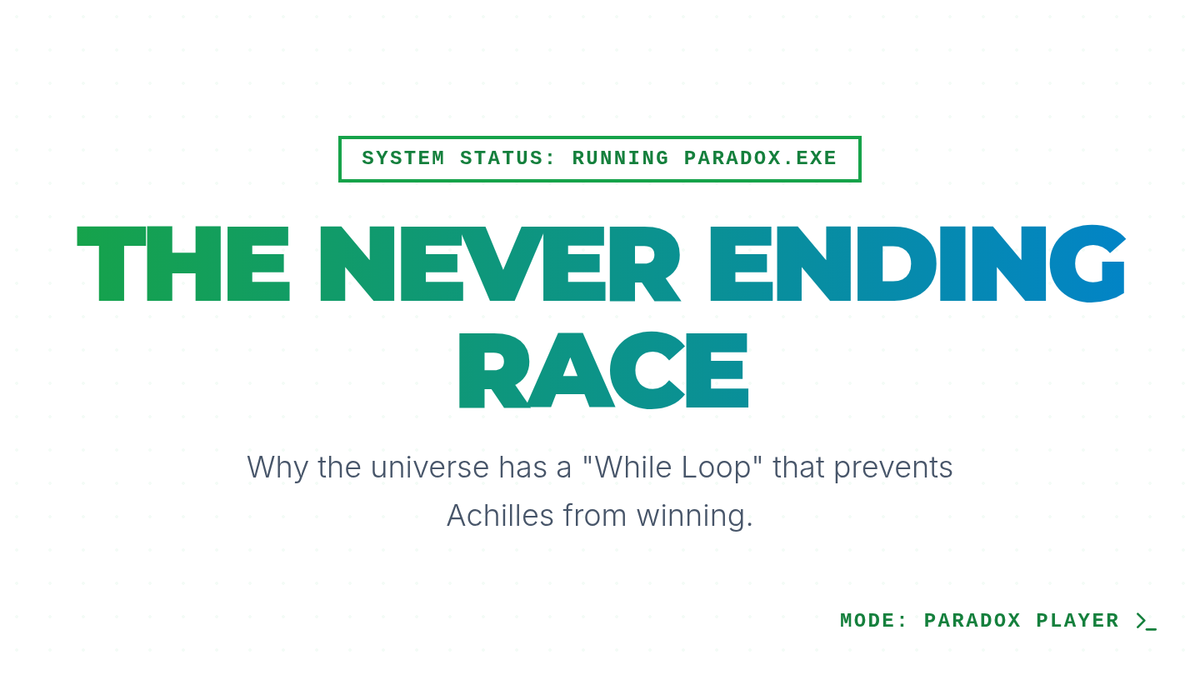
A series of four 10-15 minute logic lessons for middle school students, focusing on Zeno's paradoxes and the 'Paradox Player' thinking style. Students will learn to break ideas into tiny steps, push logic to extremes, and identify contradictions through 'Paradox Breaker' activities.
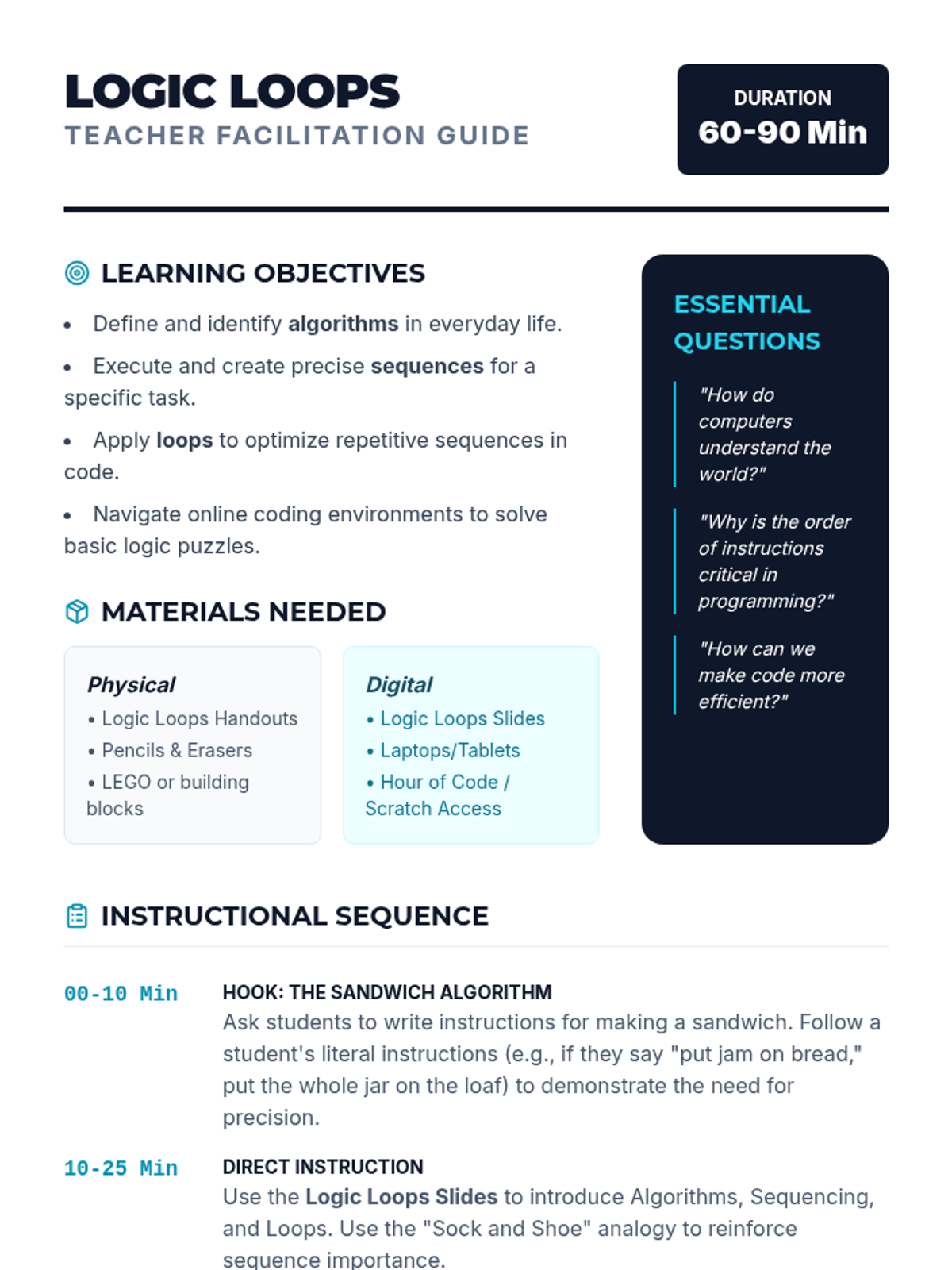
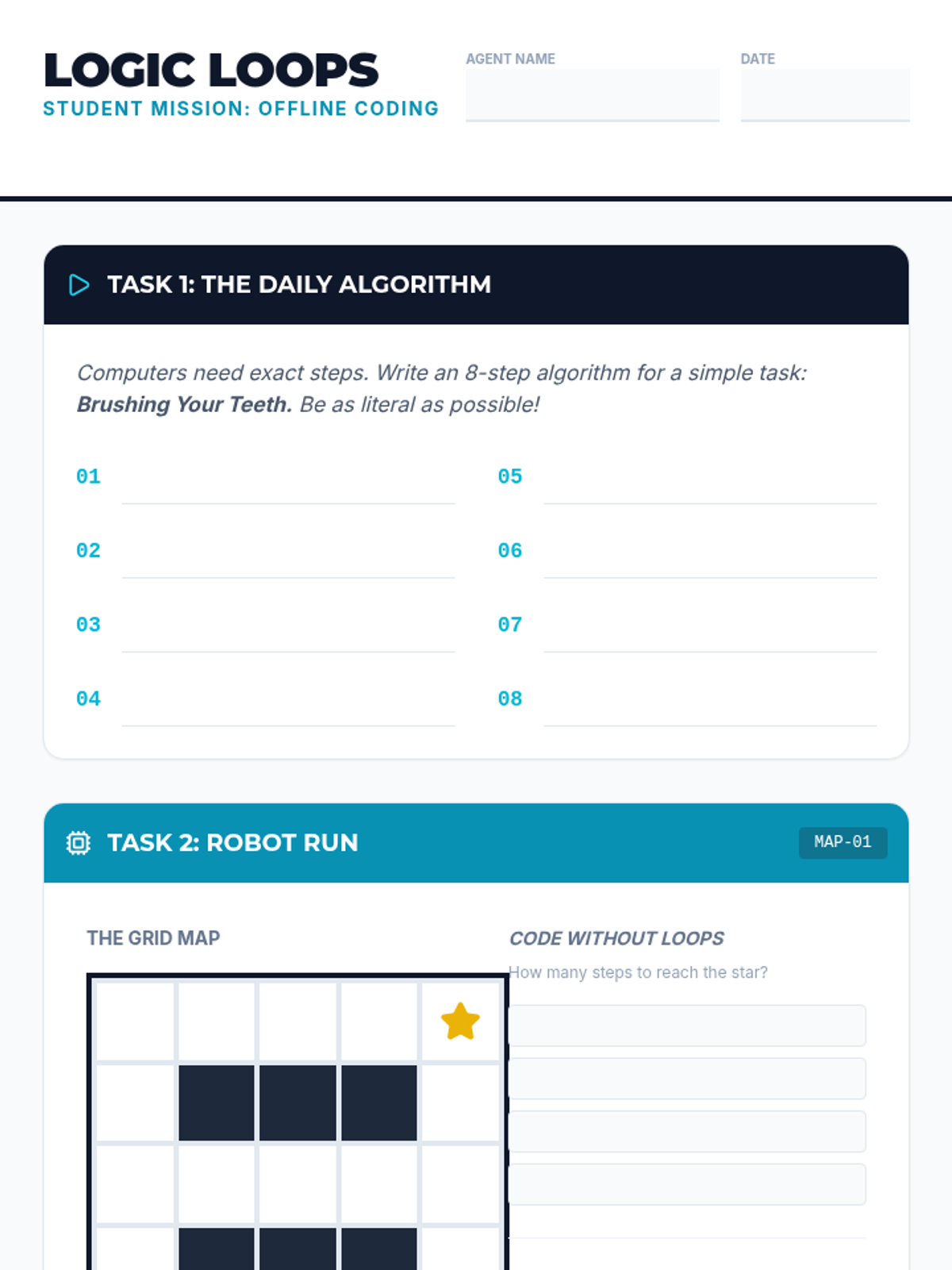
A comprehensive STEM sequence focusing on the intersection of coding logic and physical engineering. Students explore algorithmic thinking, structural design, and the integration of software and hardware through hands-on build challenges and online activities.
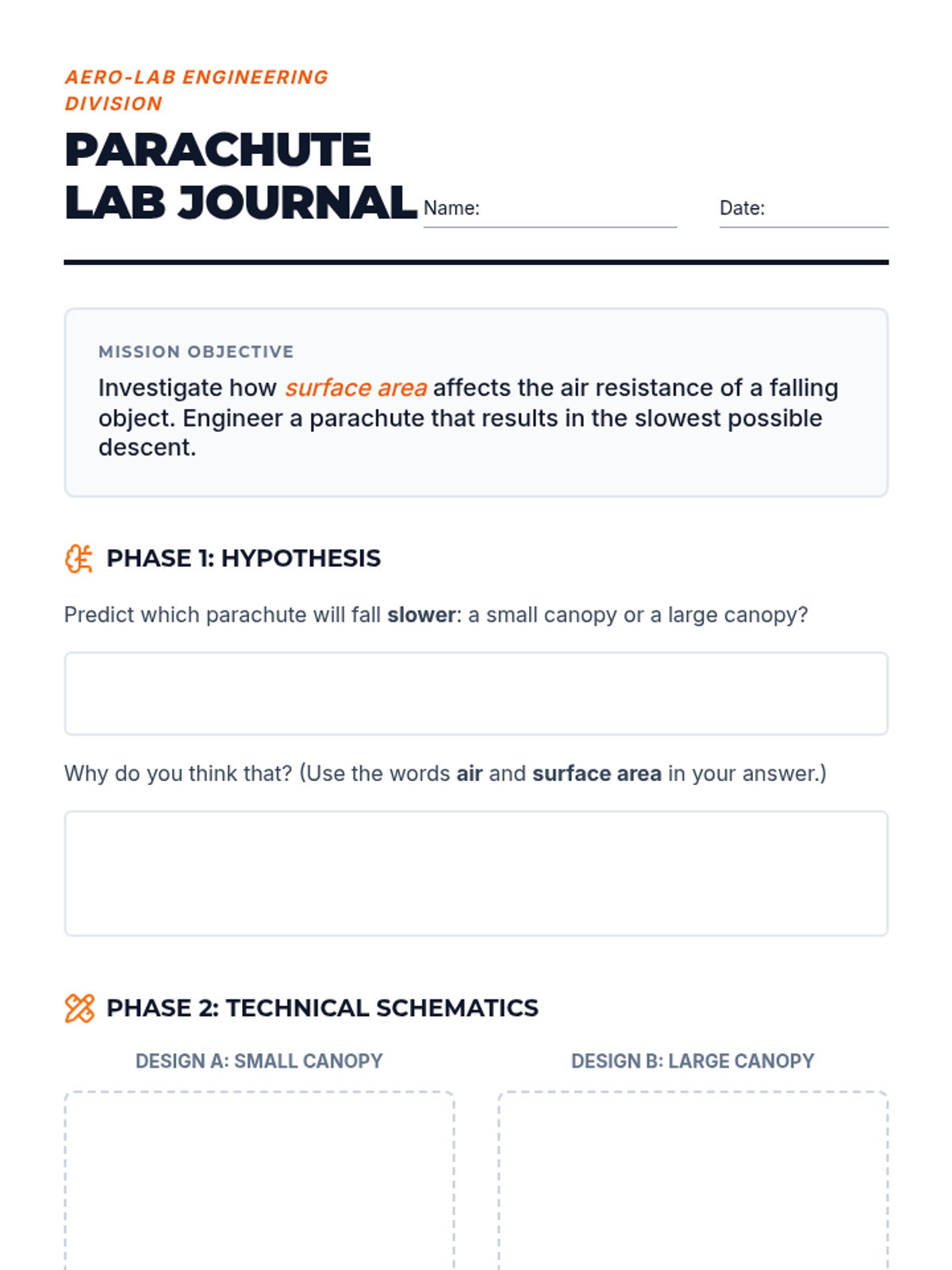
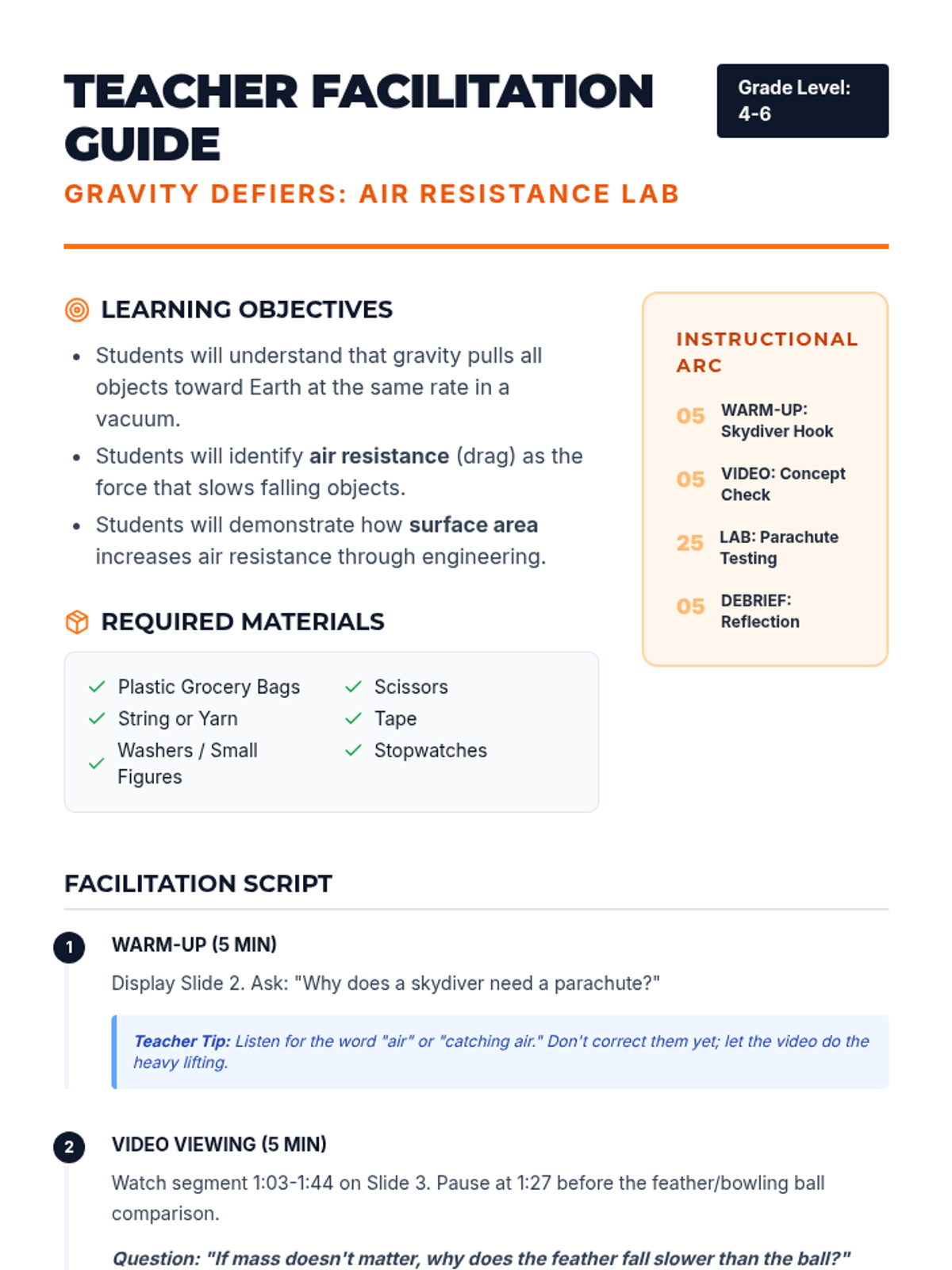
A hands-on exploration of physics and forces, focusing on gravity, motion, and air resistance through engineering challenges.
A 6th-grade engineering sequence exploring architectural design through CAD. Students learn to build stable structures using geometric primitives, create functional floor plans, and simulate material loads in a 3D environment.
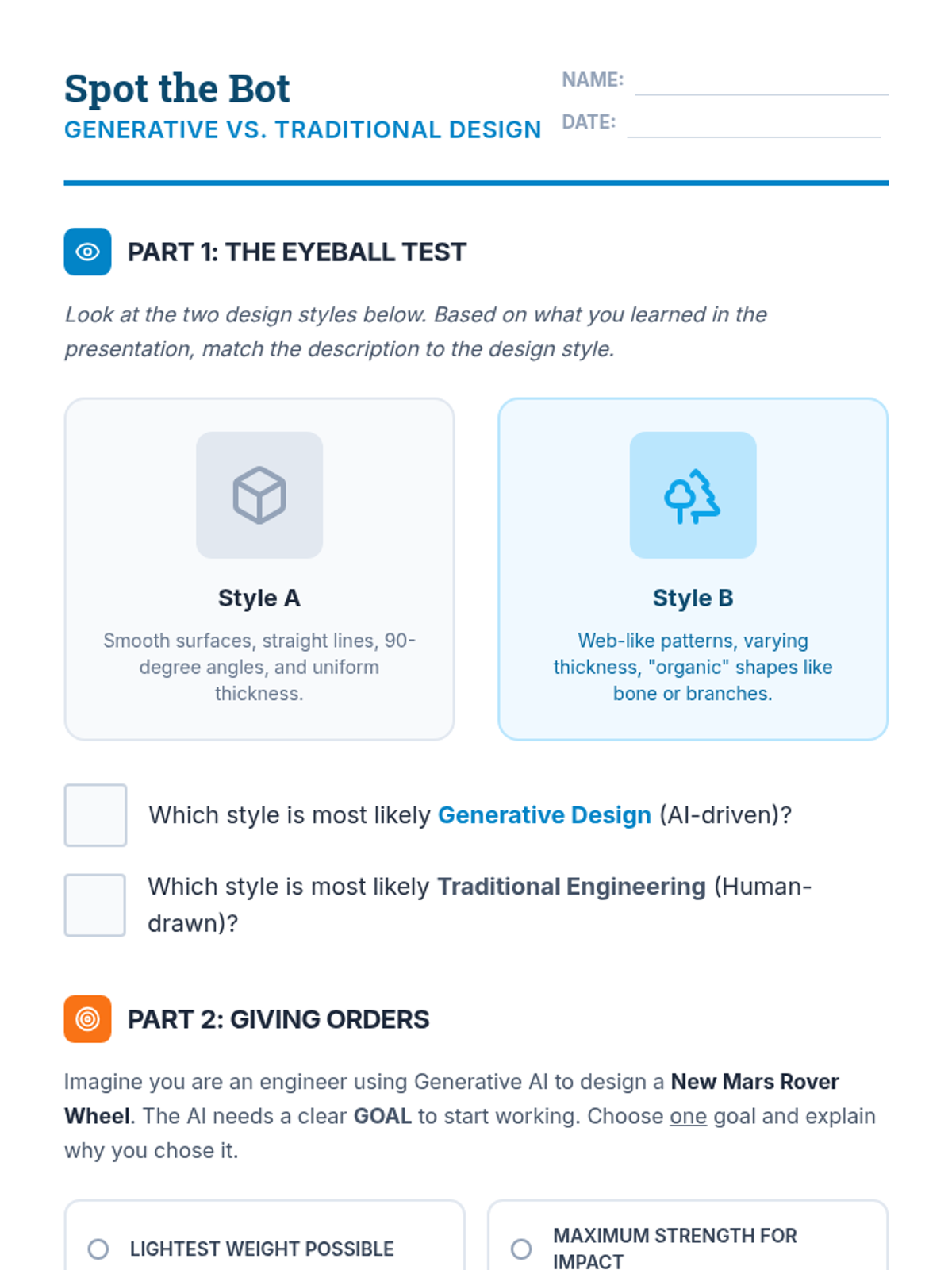
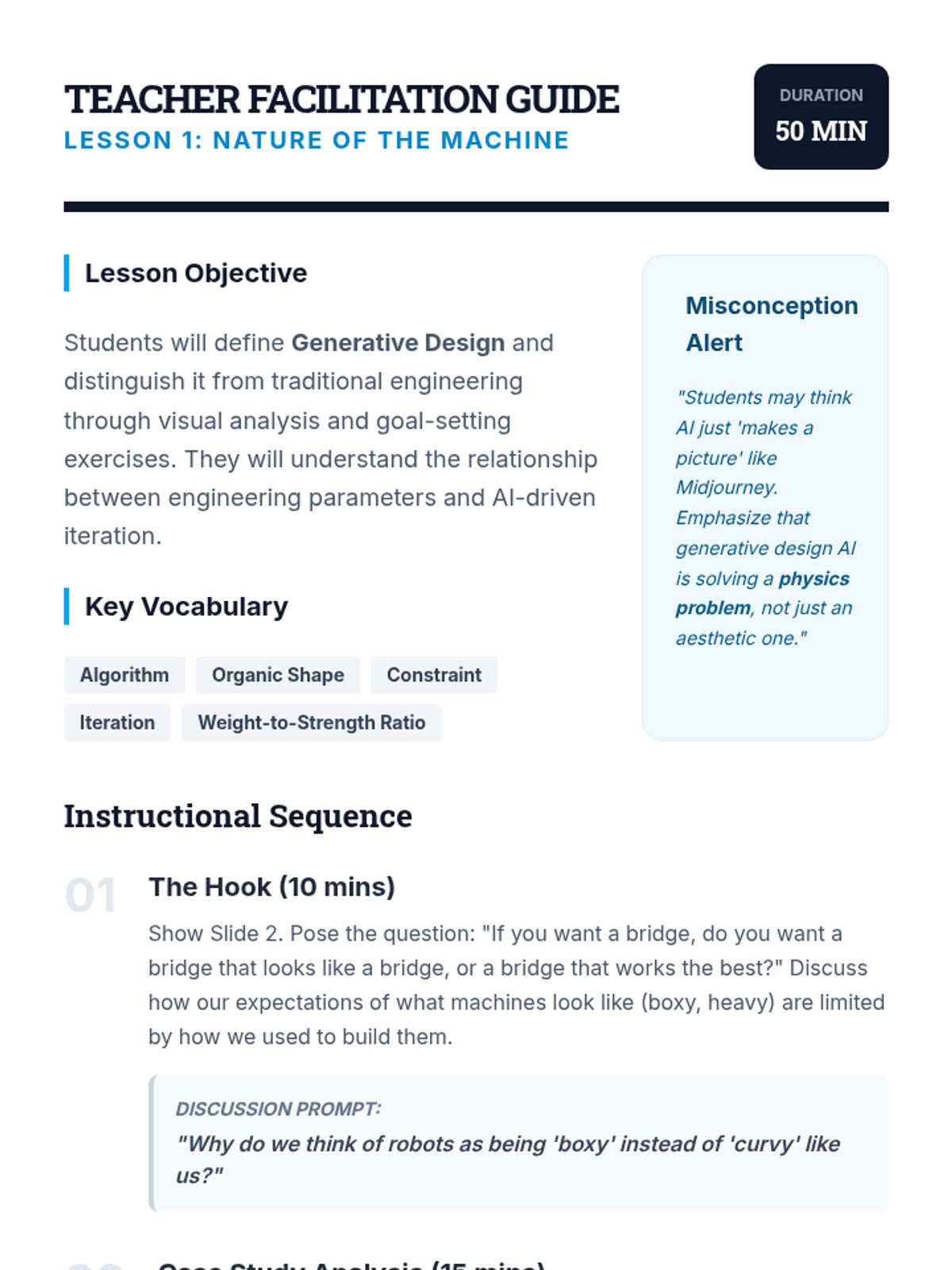
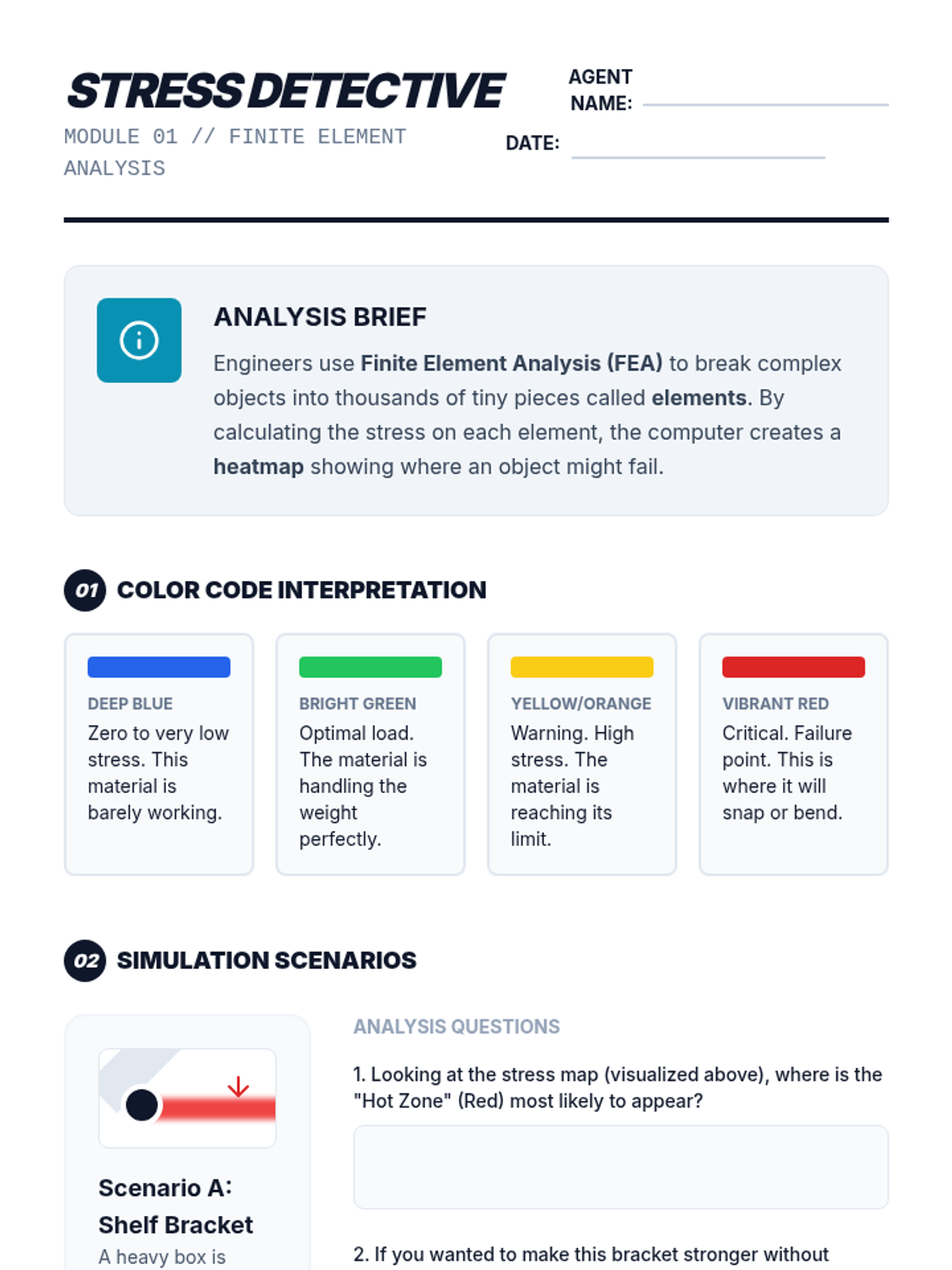
A 5-lesson unit for 6th-grade students exploring the intersection of AI, CAD, and engineering. Students learn about generative design, constraints, structural simulation, and topology optimization to understand how humans and AI collaborate to build efficient structures.
A 5-lesson sequence exploring how AI and simulation are revolutionizing engineering through generative design, topology optimization, and biomimicry. Students learn to use computers as co-designers to create lighter, stronger structures.
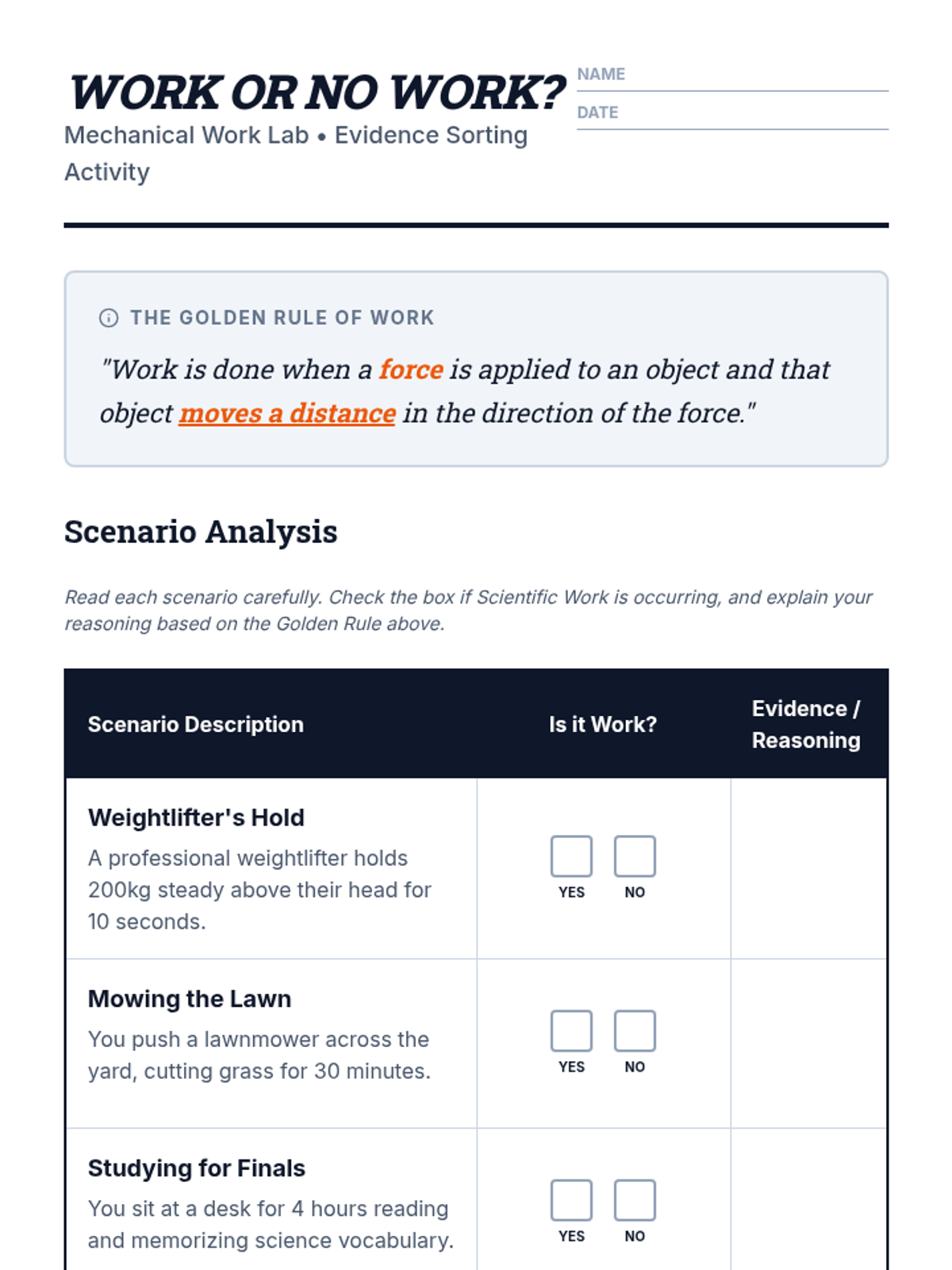
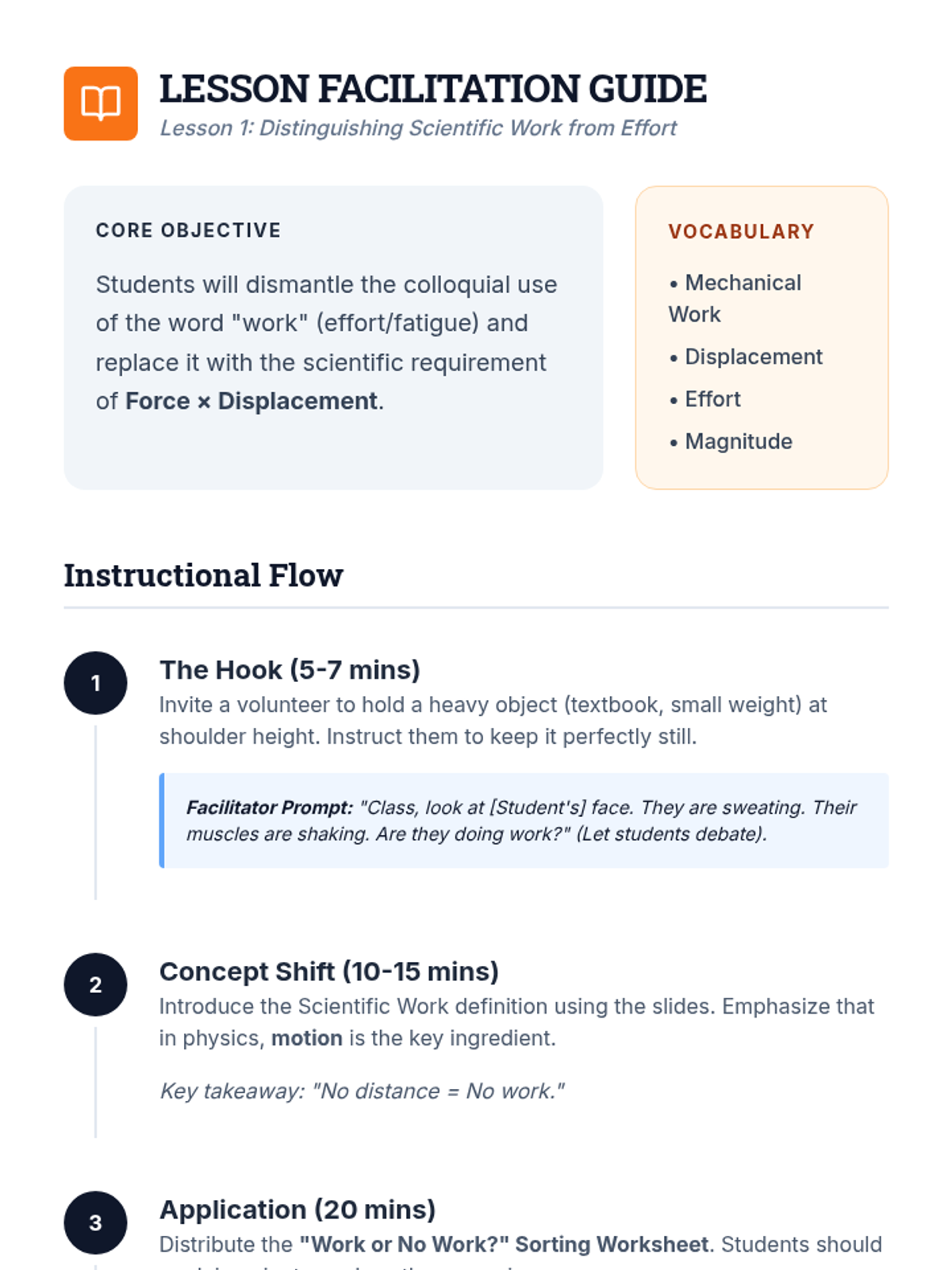
A 5-lesson unit for 6th-grade students defining mechanical work, measuring force and distance, and calculating Joules. Students move from conceptual understanding to hands-on measurement and culminating in a classroom-wide work audit.
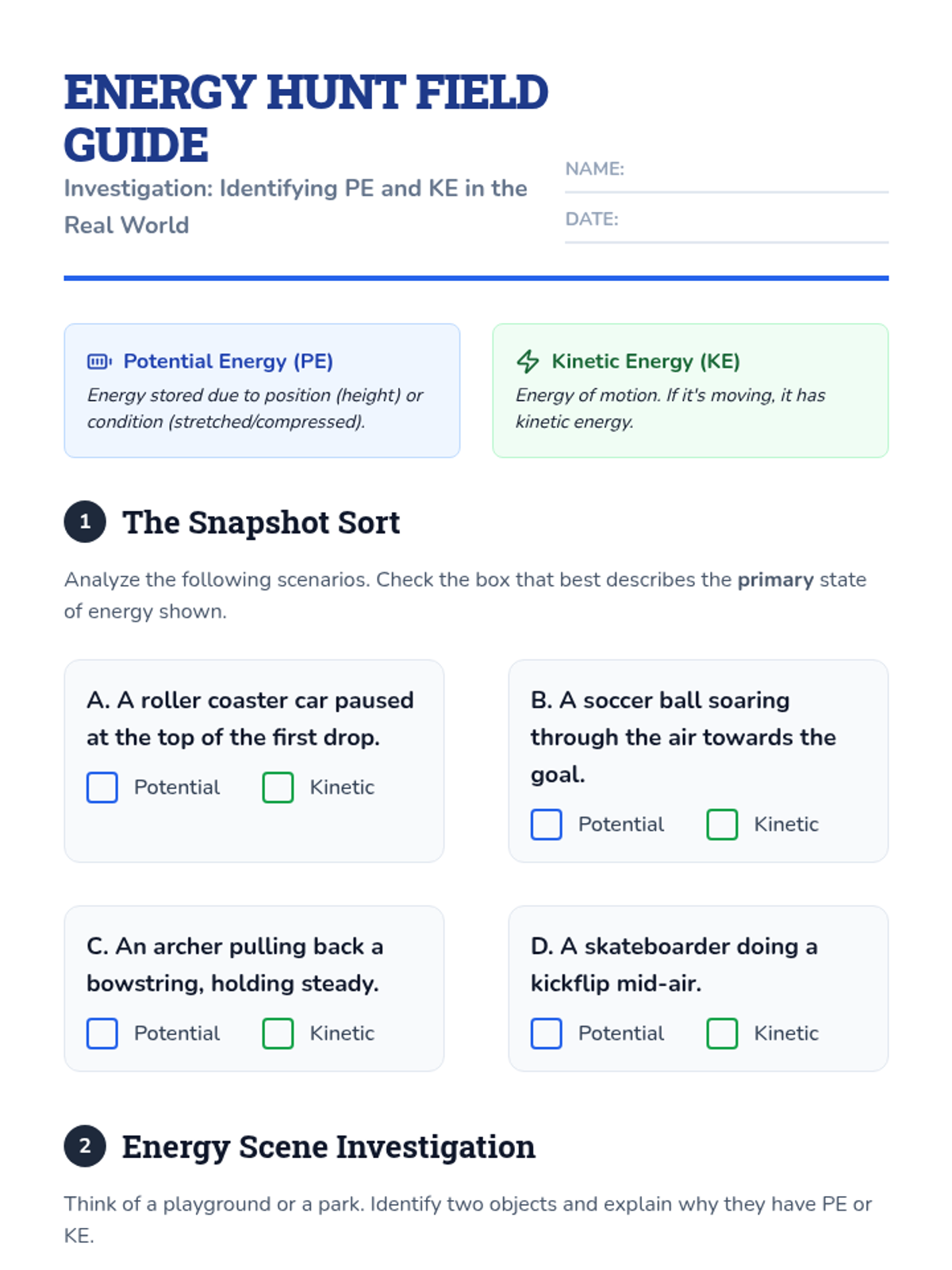
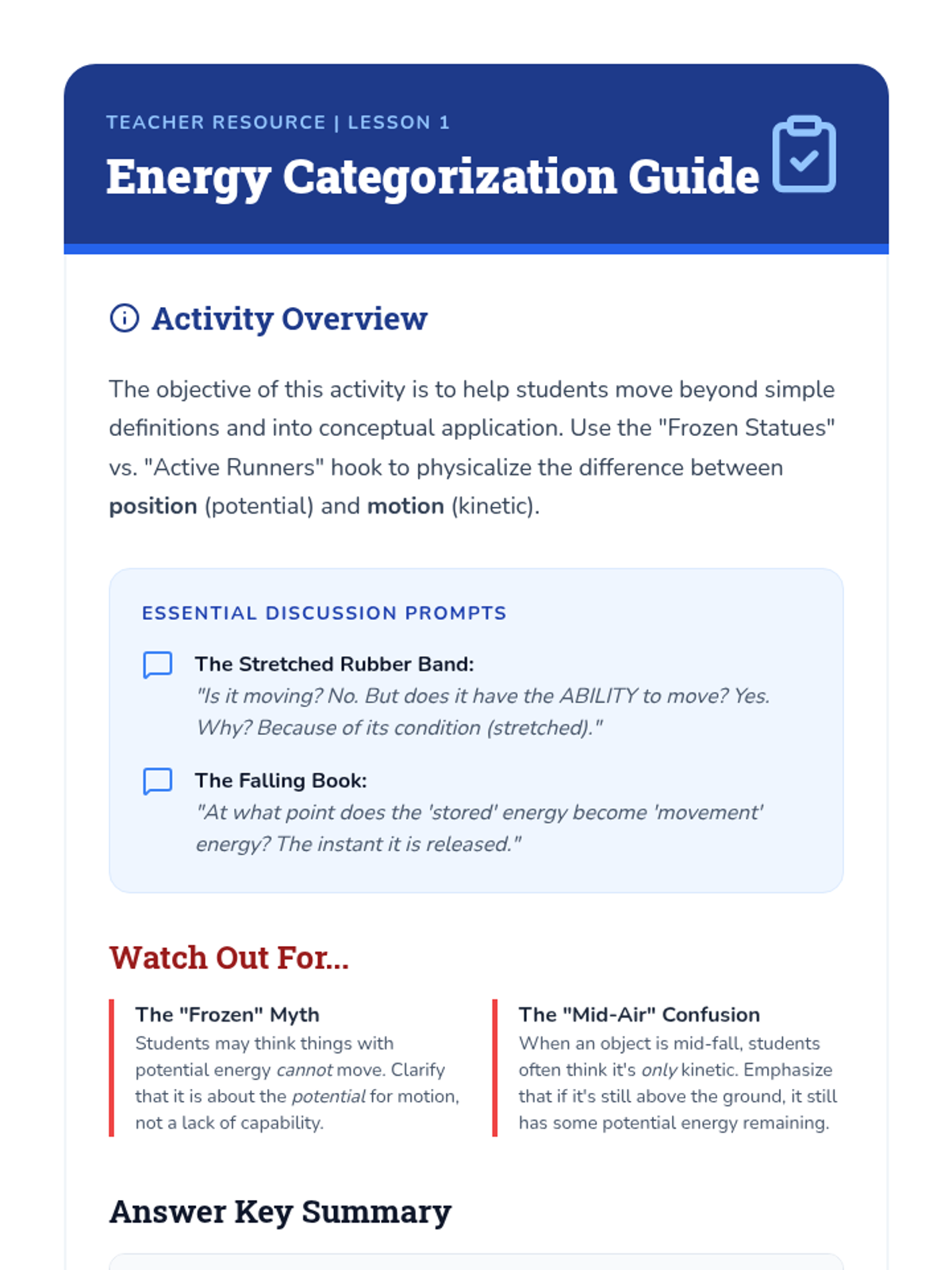
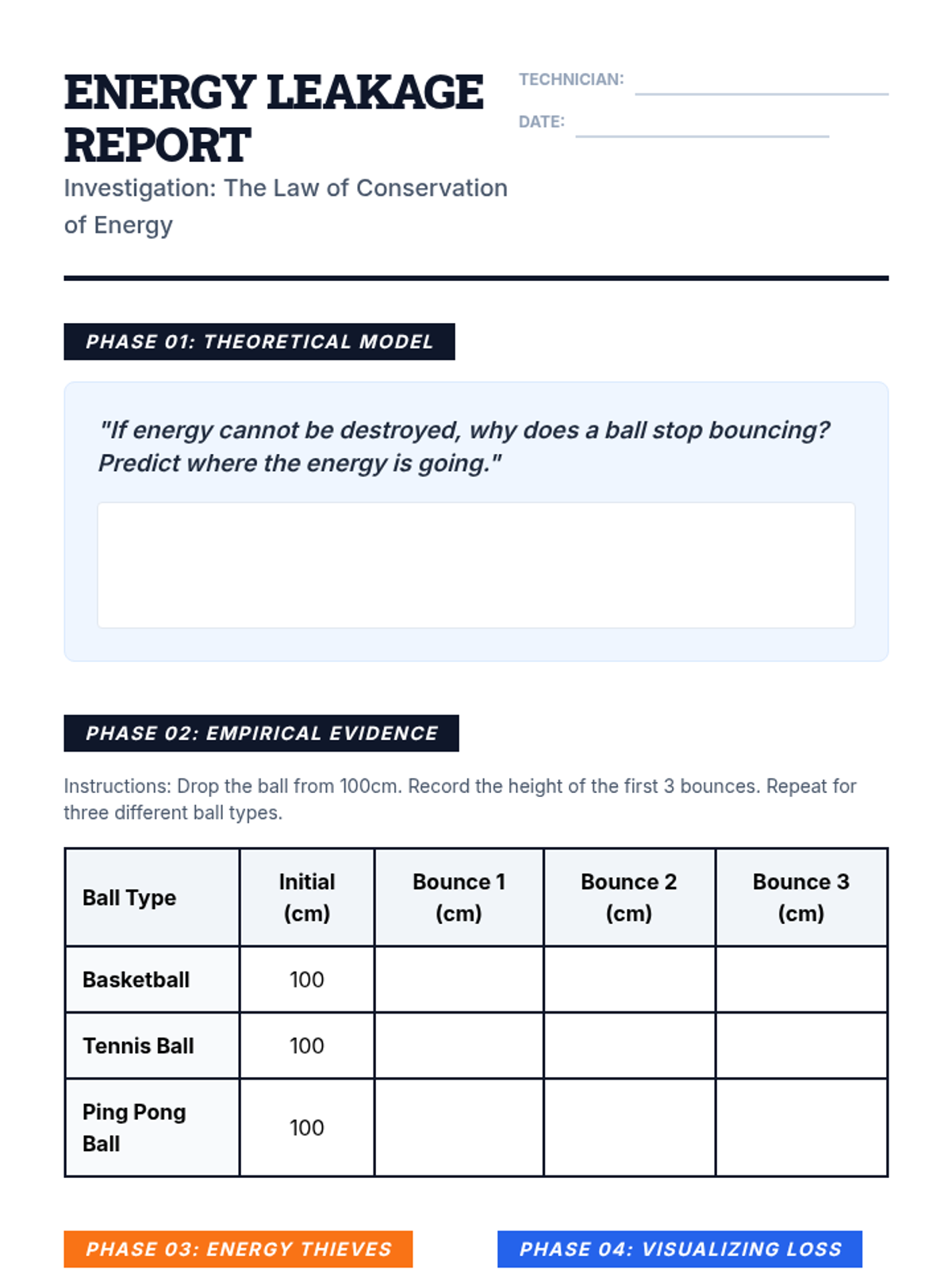
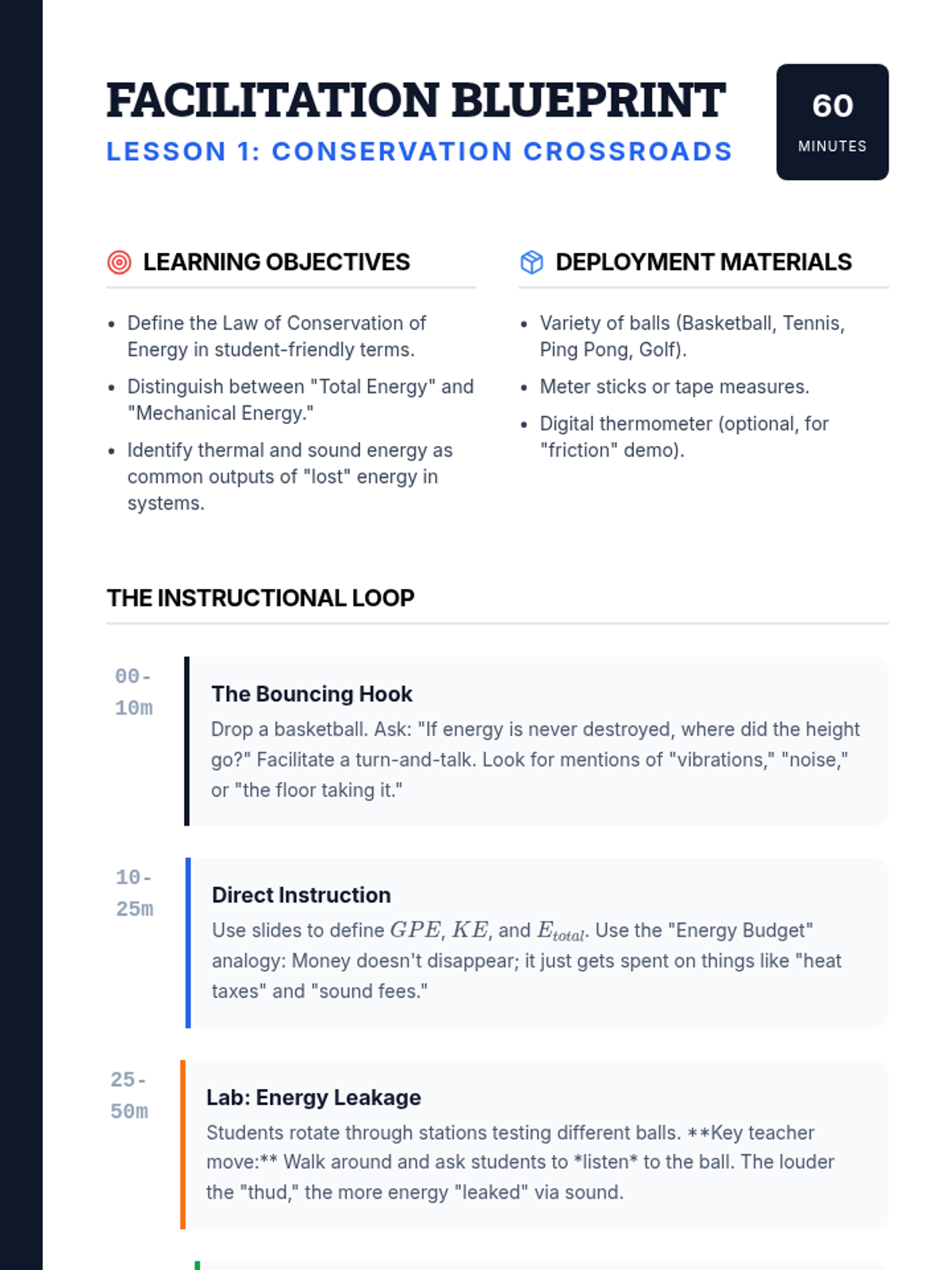
This inquiry-based sequence introduces students to the fundamental relationship between position and motion through the lens of energy transformations. Students progress from qualitative observations of potential and kinetic energy to quantitative data collection regarding mass, height, and speed, eventually synthesizing their findings into the Law of Conservation of Energy.
A project-based learning sequence where students act as civil engineers designing a gravity-driven transportation system. Students calculate energy budgets, predict velocities, and account for safety and friction while applying the Law of Conservation of Energy.
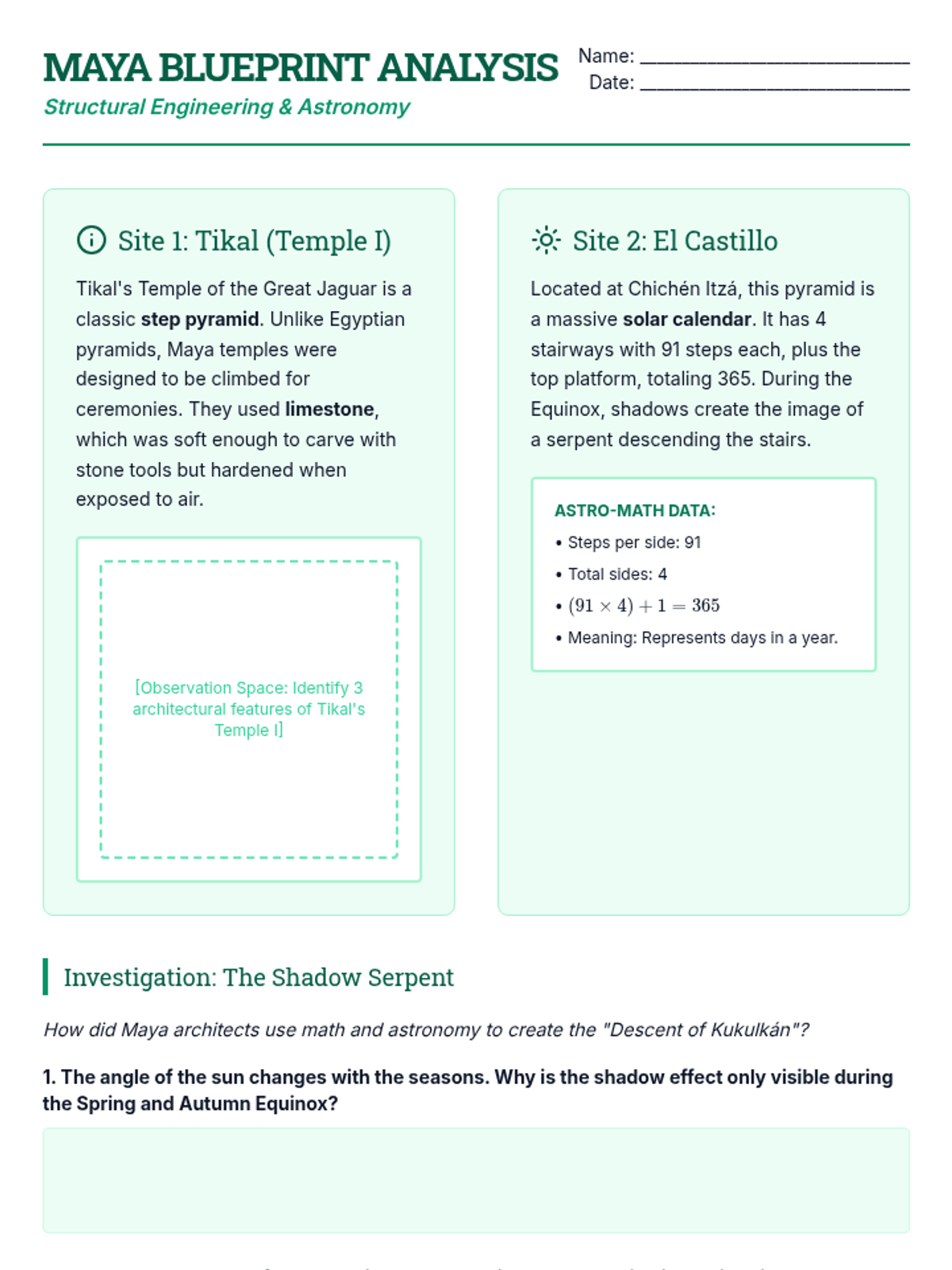
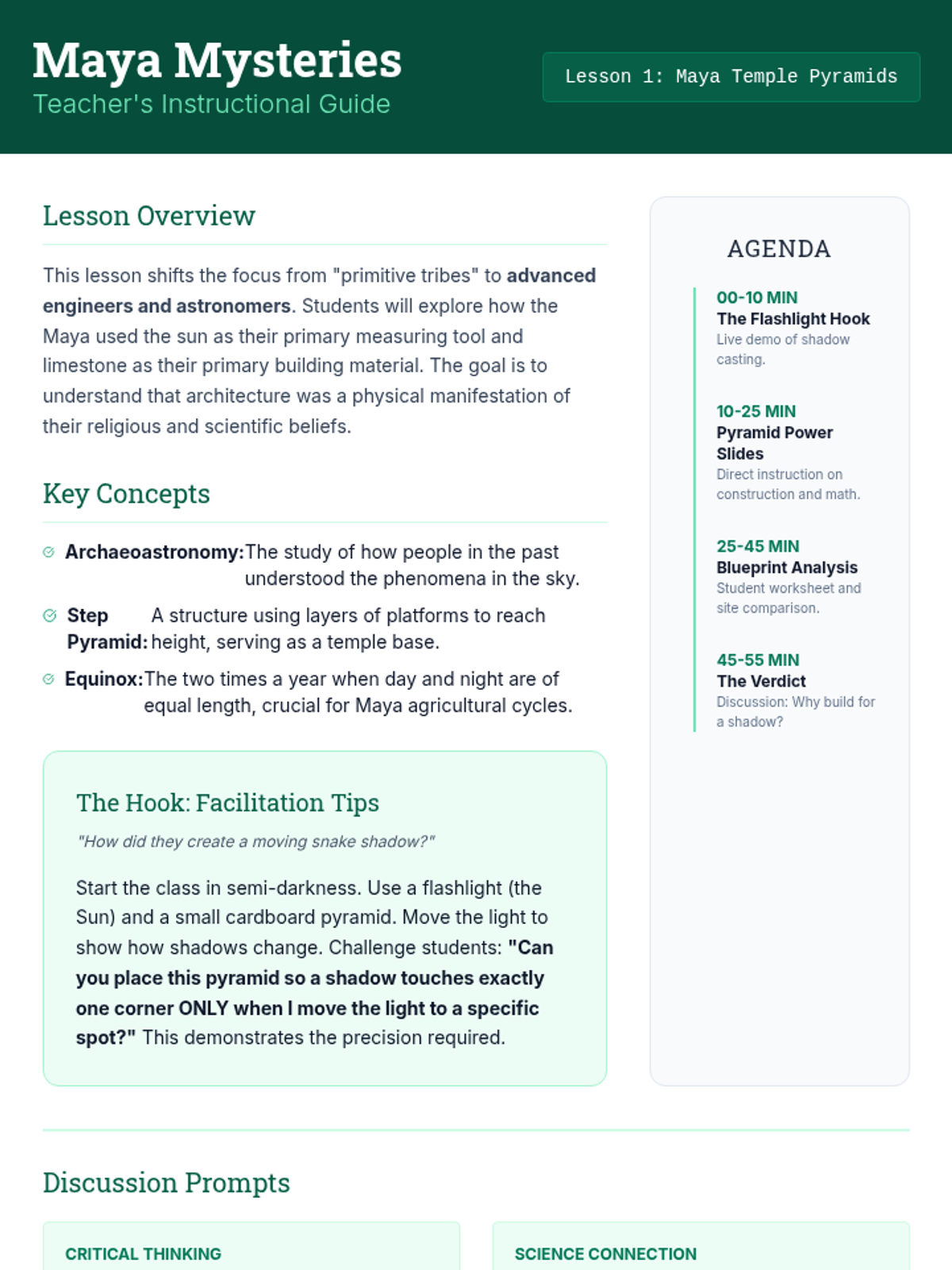
A STEM-focused exploration of the architectural and engineering feats of the Maya, Aztec, and Inca civilizations. Students investigate monumental pyramids, urban planning on water, vast road networks, and precision stonemasonry to understand the values and capabilities of these ancient societies.
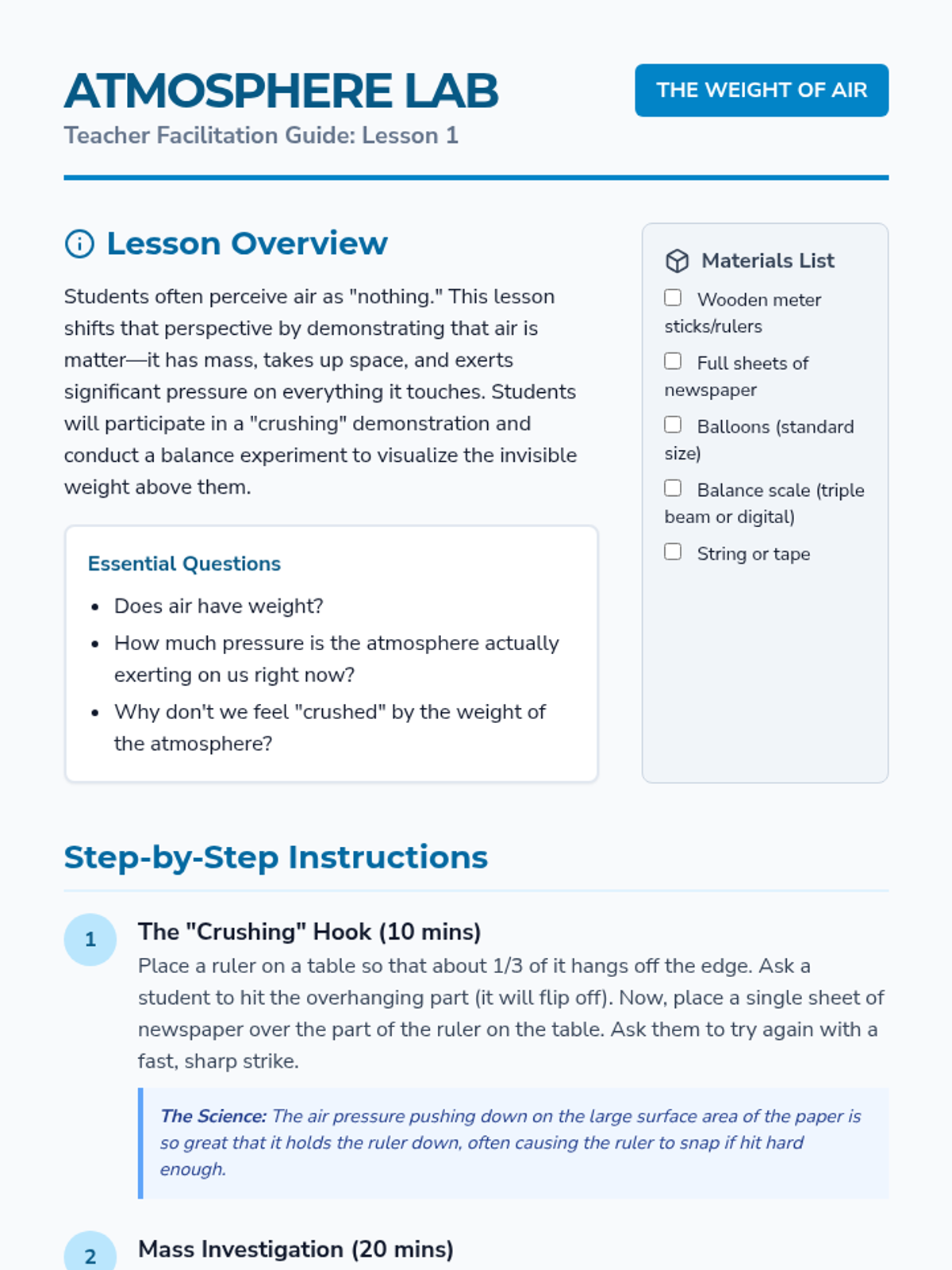
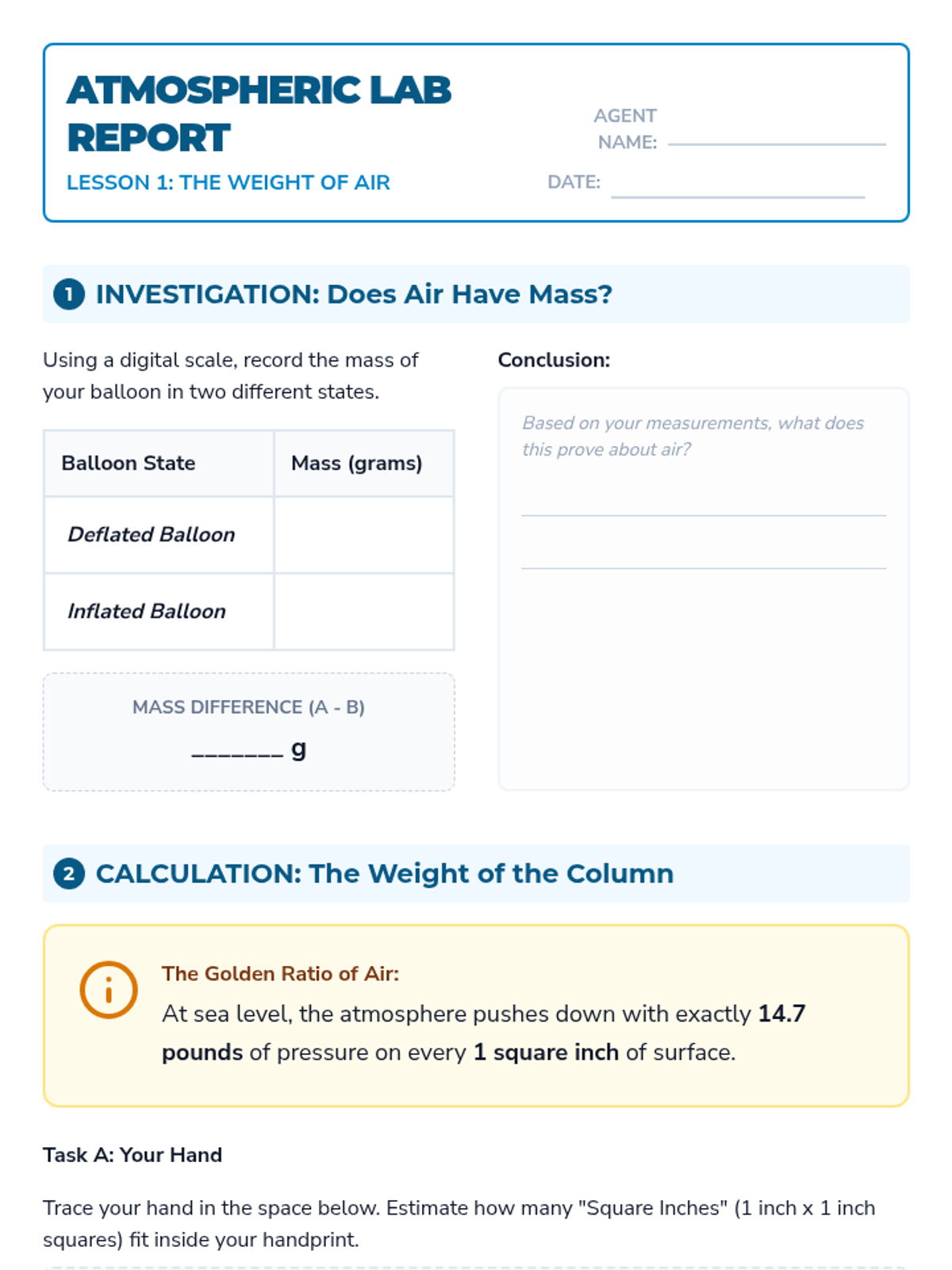
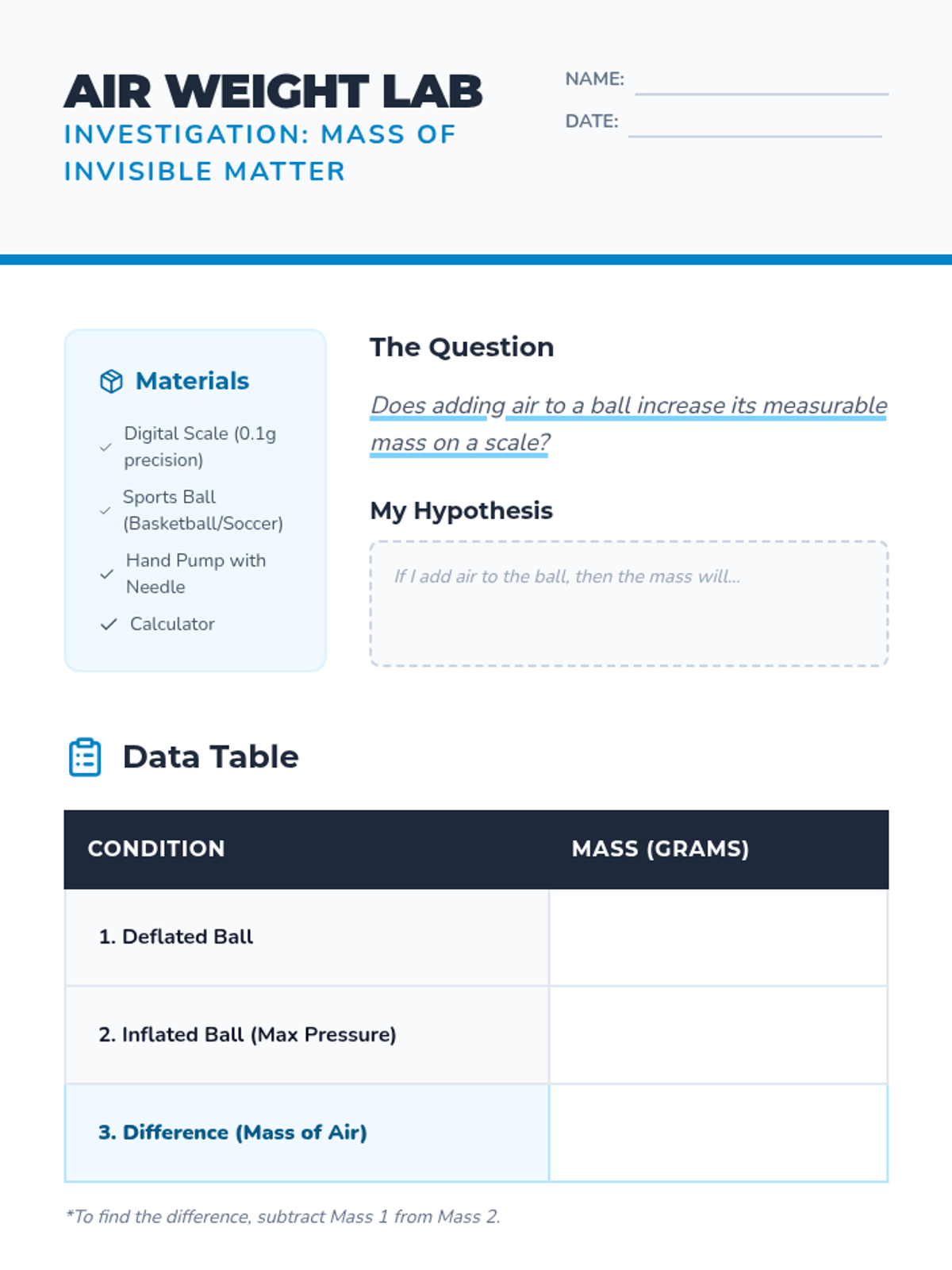
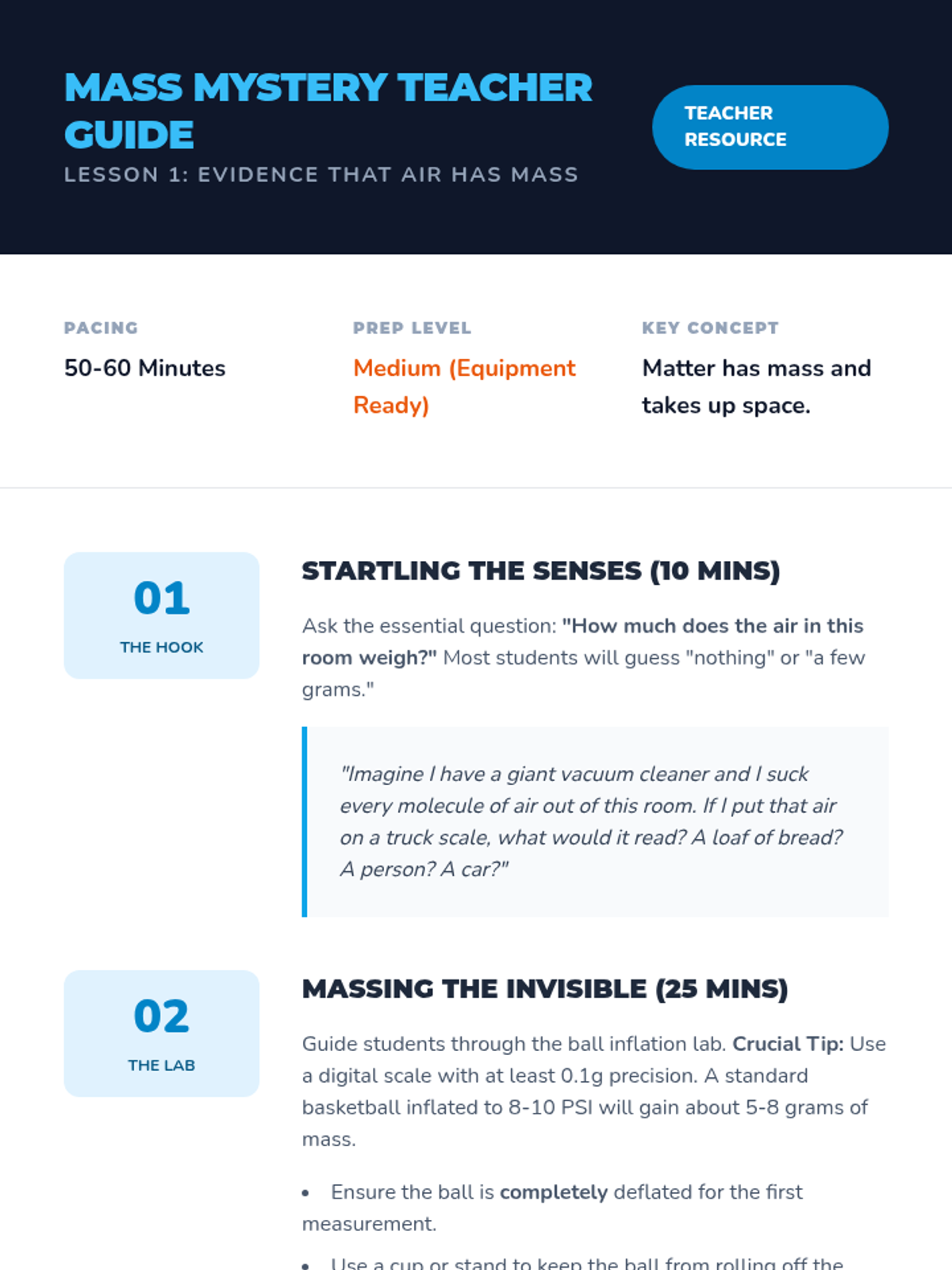
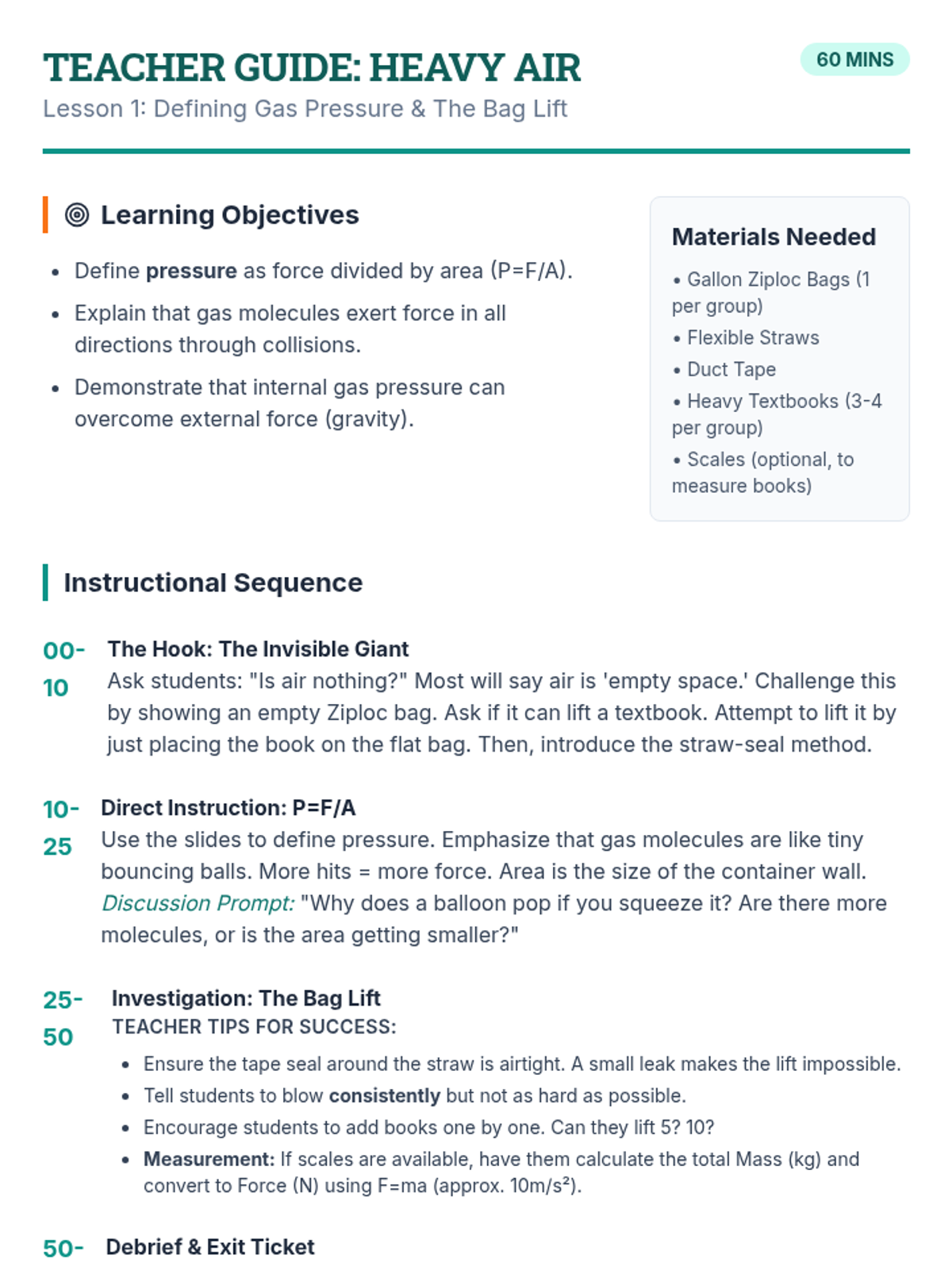
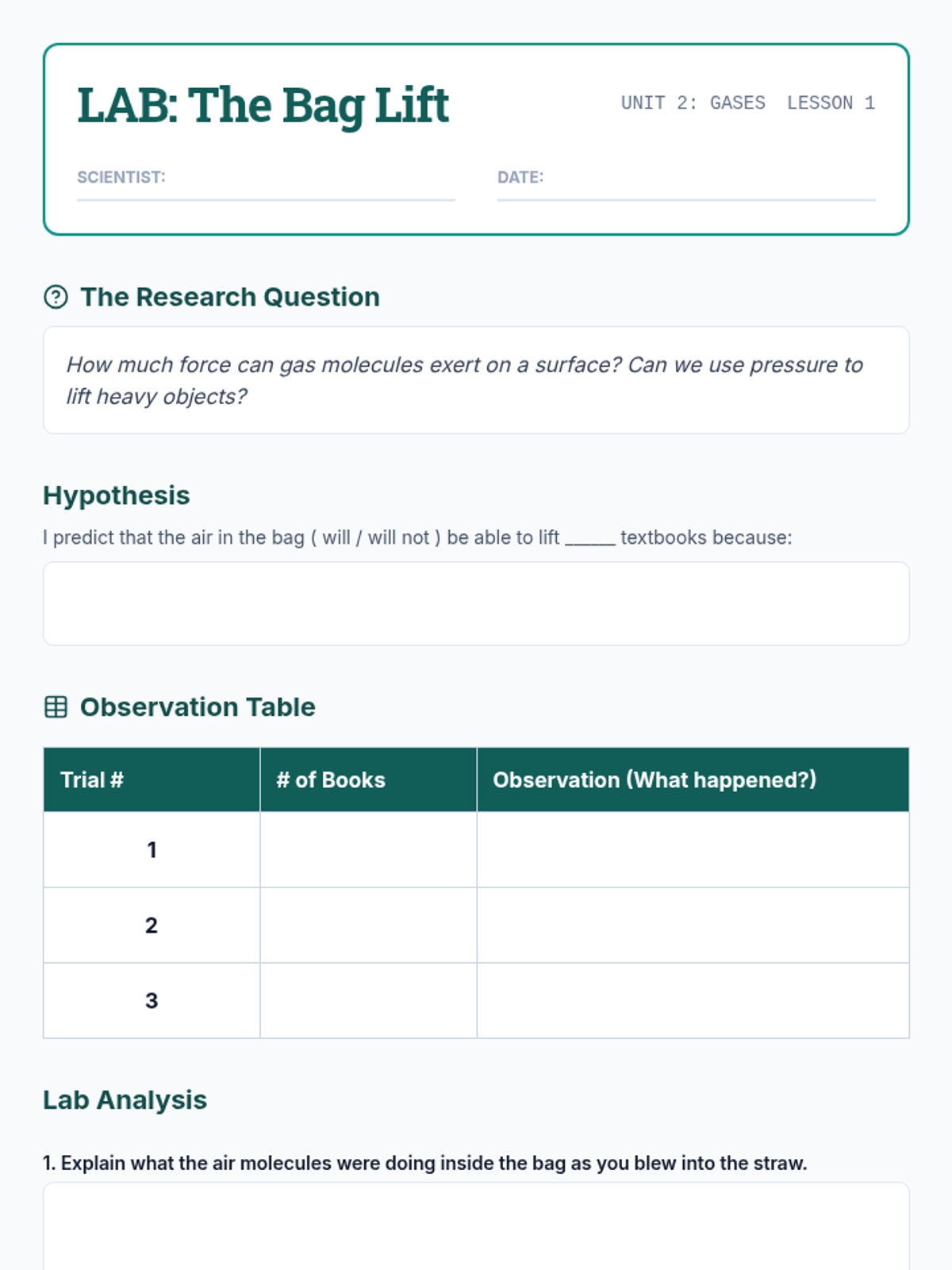
This sequence explores the physical properties of gases through the lens of atmospheric pressure and meteorology. Students move from proving air has mass to understanding how pressure differentials drive global weather patterns and extreme storms.
A 5-lesson sequence for 6th-grade science exploring the inverse relationship between gas pressure and volume (Boyle's Law), moving from physical definitions to graphing and biological applications.
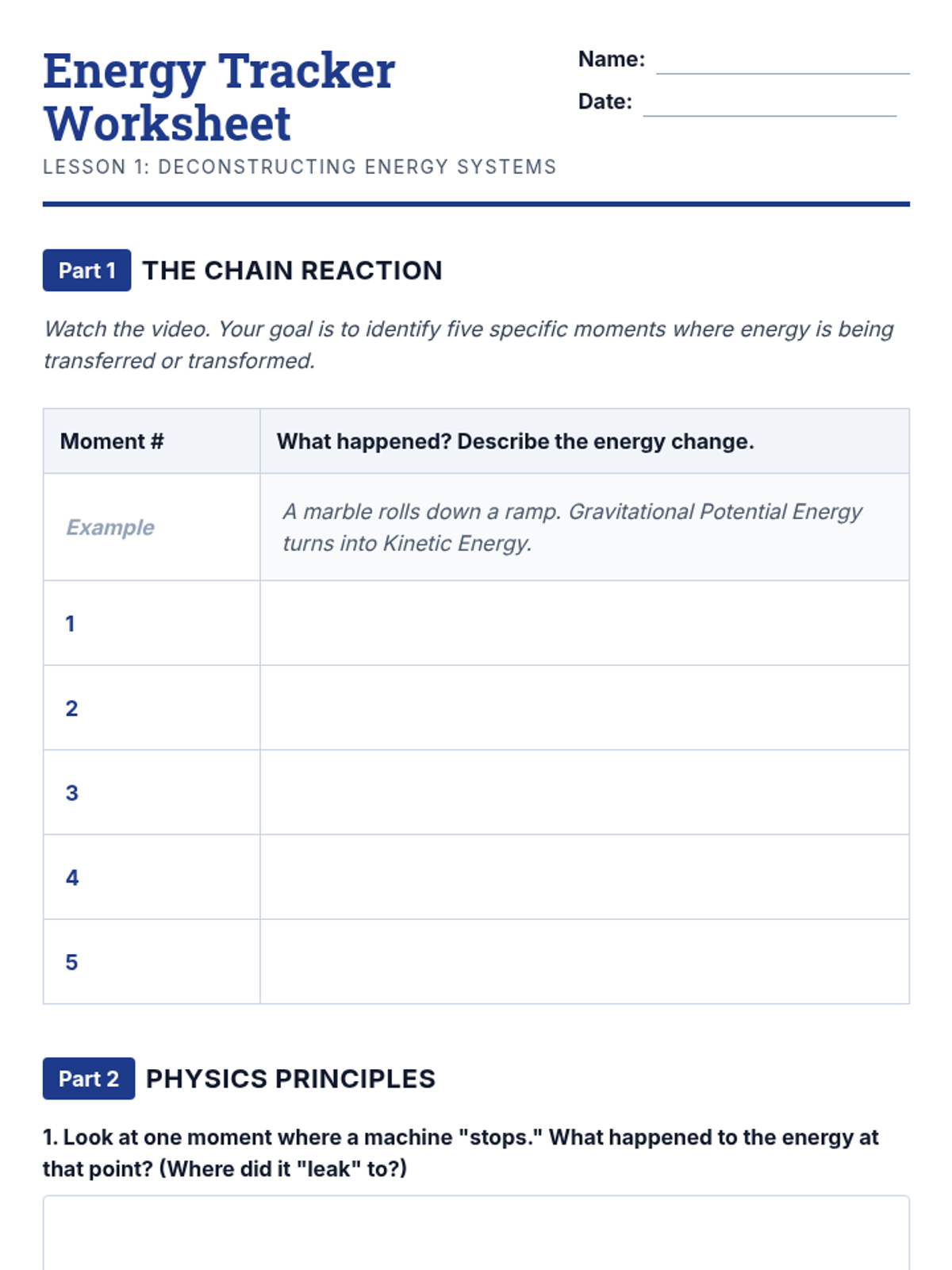
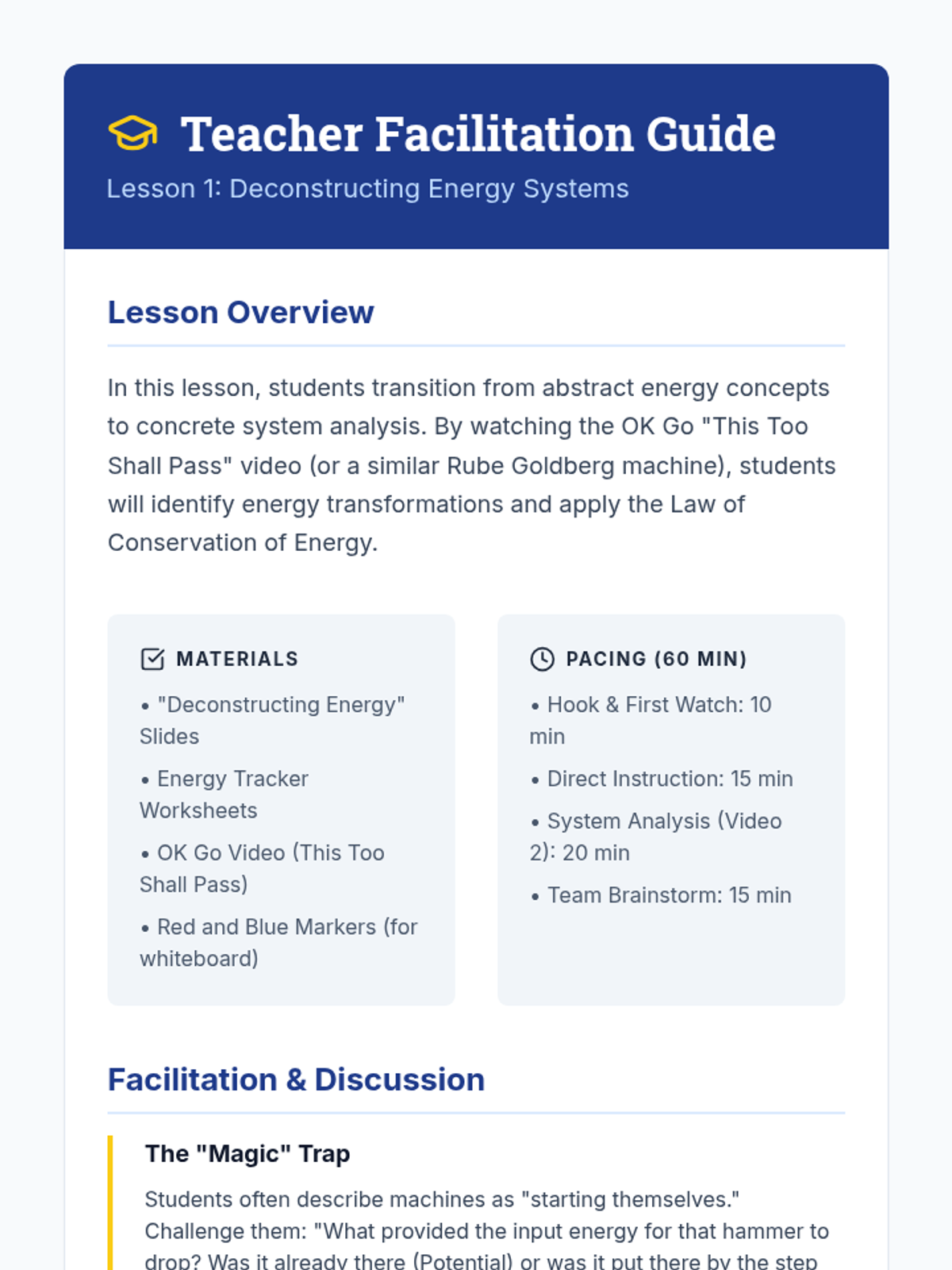
This project-based sequence tasks students with engineering a device that demonstrates multiple energy transformations. Students apply the Law of Conservation of Energy to design Rube Goldberg-style machines, moving from system analysis to blueprinting, prototyping, and final testing.
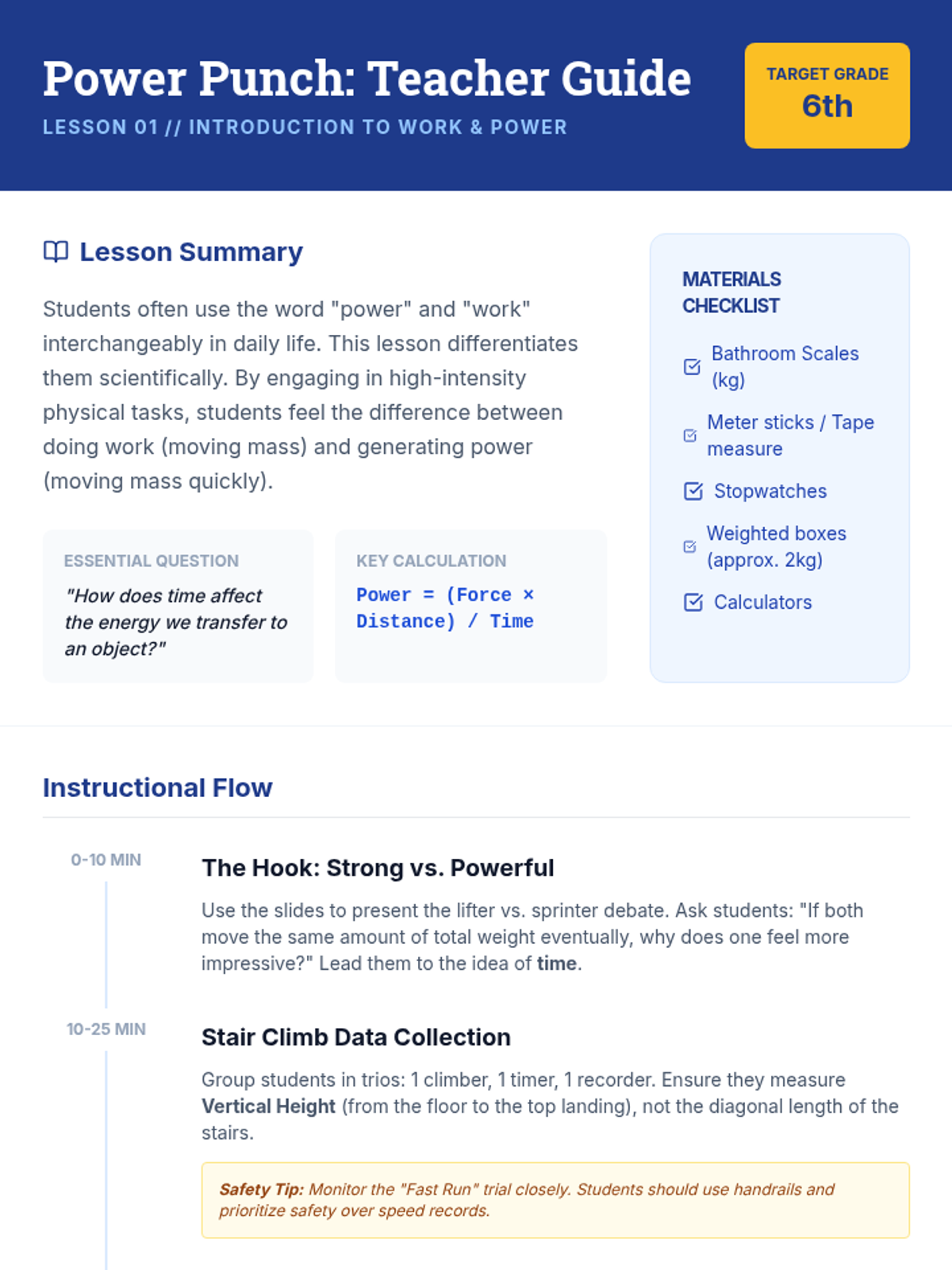
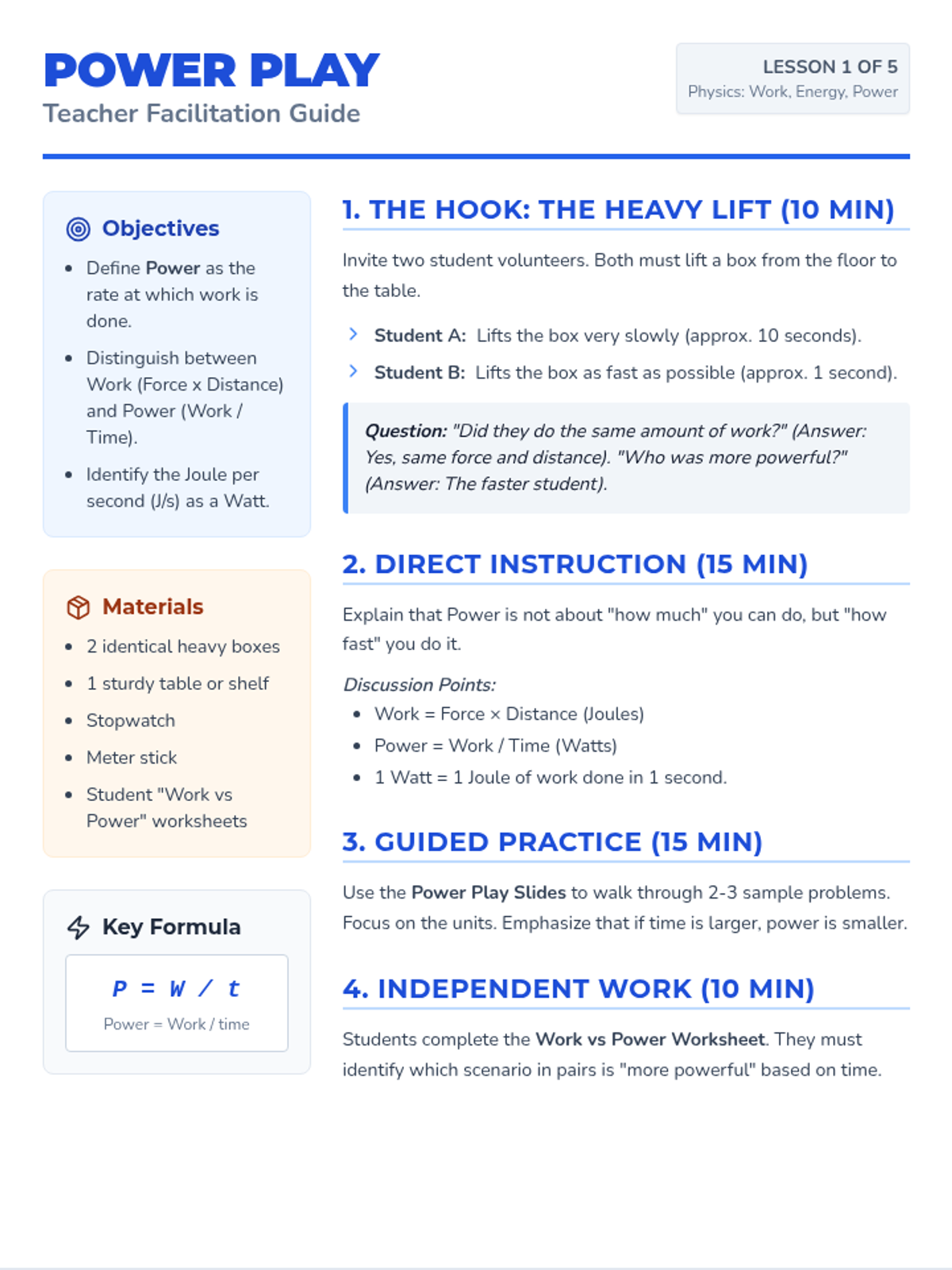
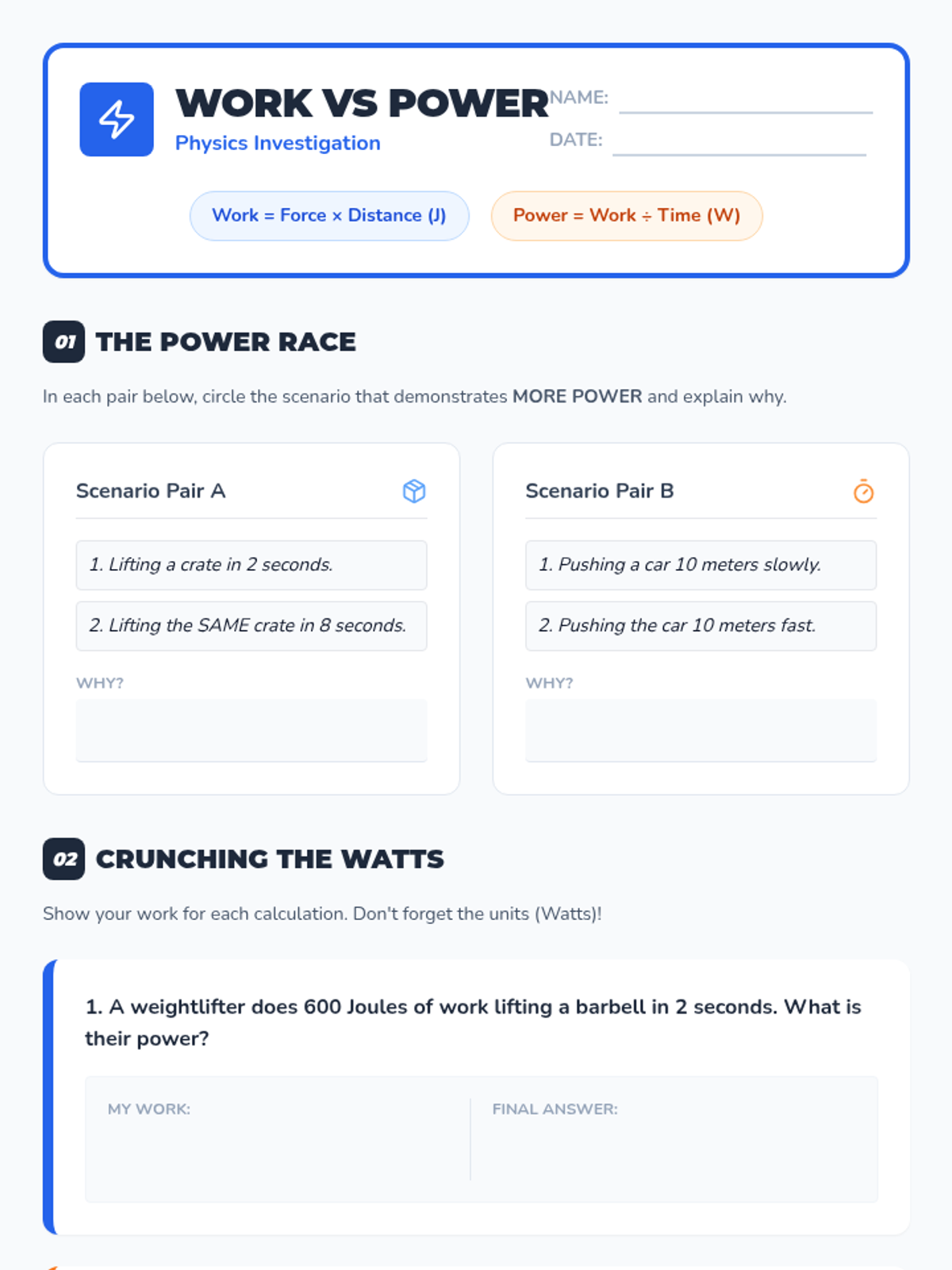
An active, game-based sequence introducing Power as the rate of work. Students transition from understanding 'Work' to calculating 'Power' through physical challenges, unit conversions, and real-world energy comparisons.
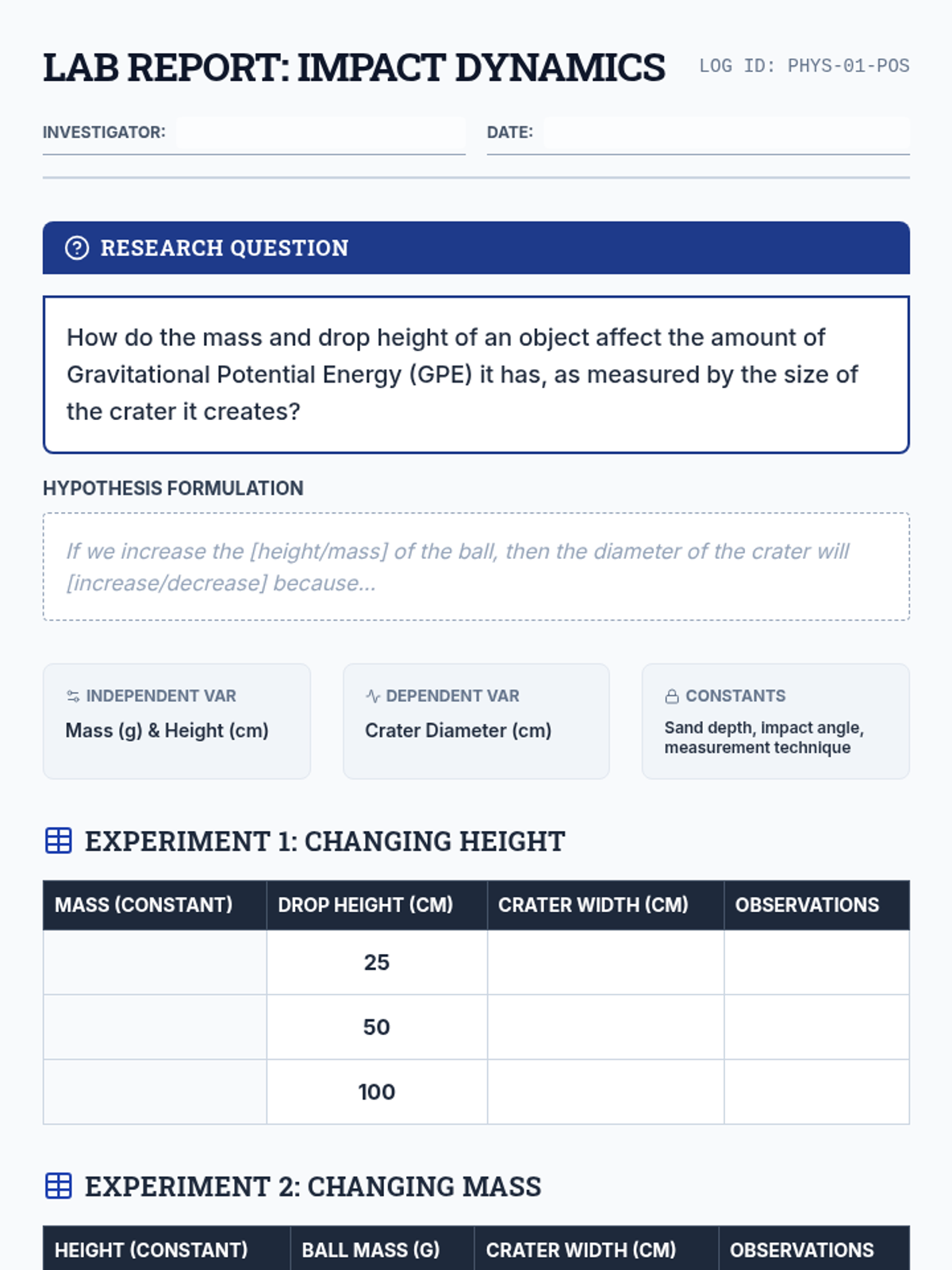
An inquiry-based sequence exploring the variables of mass, height, and velocity and their relationship to Gravitational Potential Energy and Kinetic Energy. Students move from qualitative lab observations to quantitative formula applications.
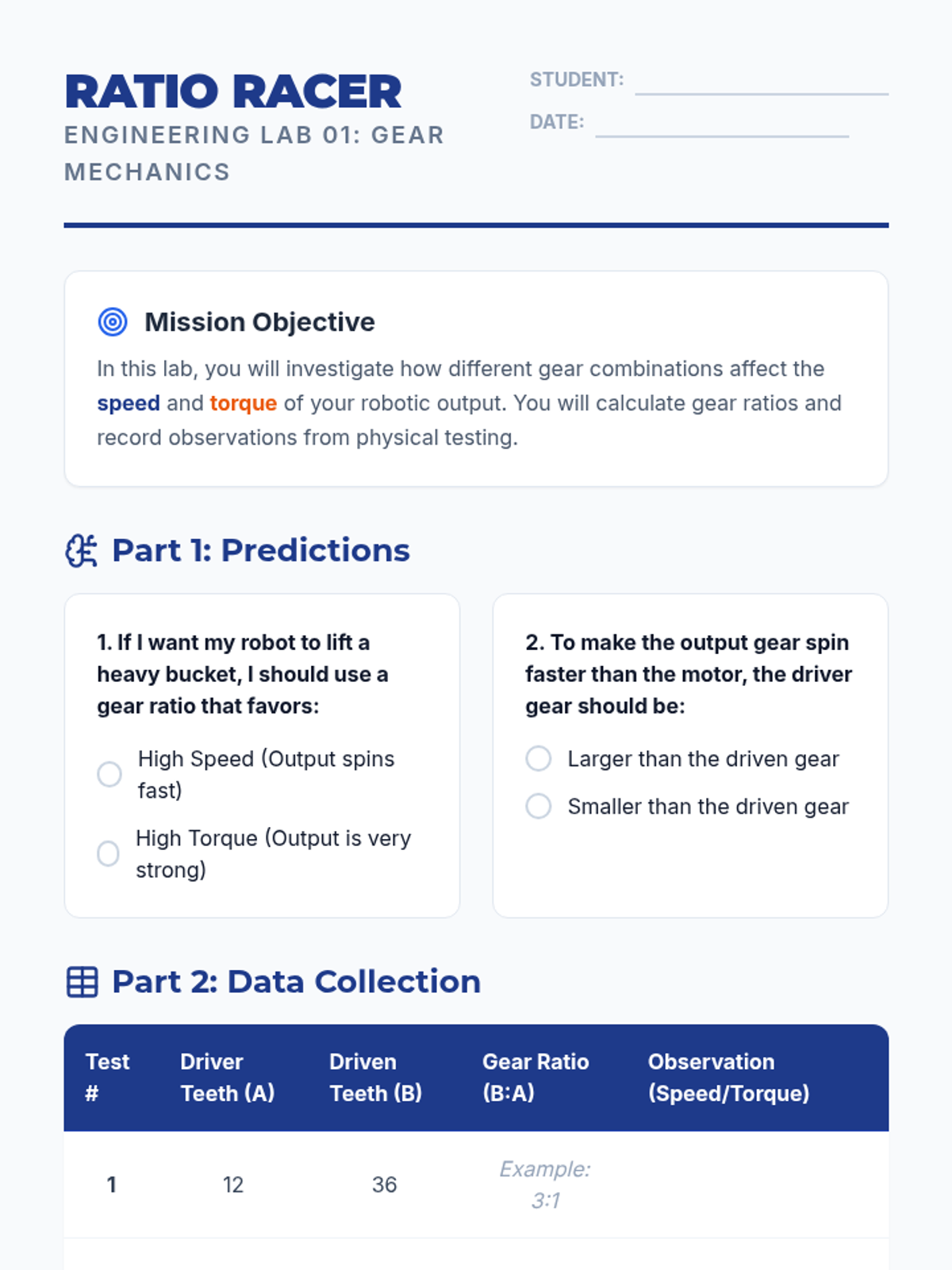
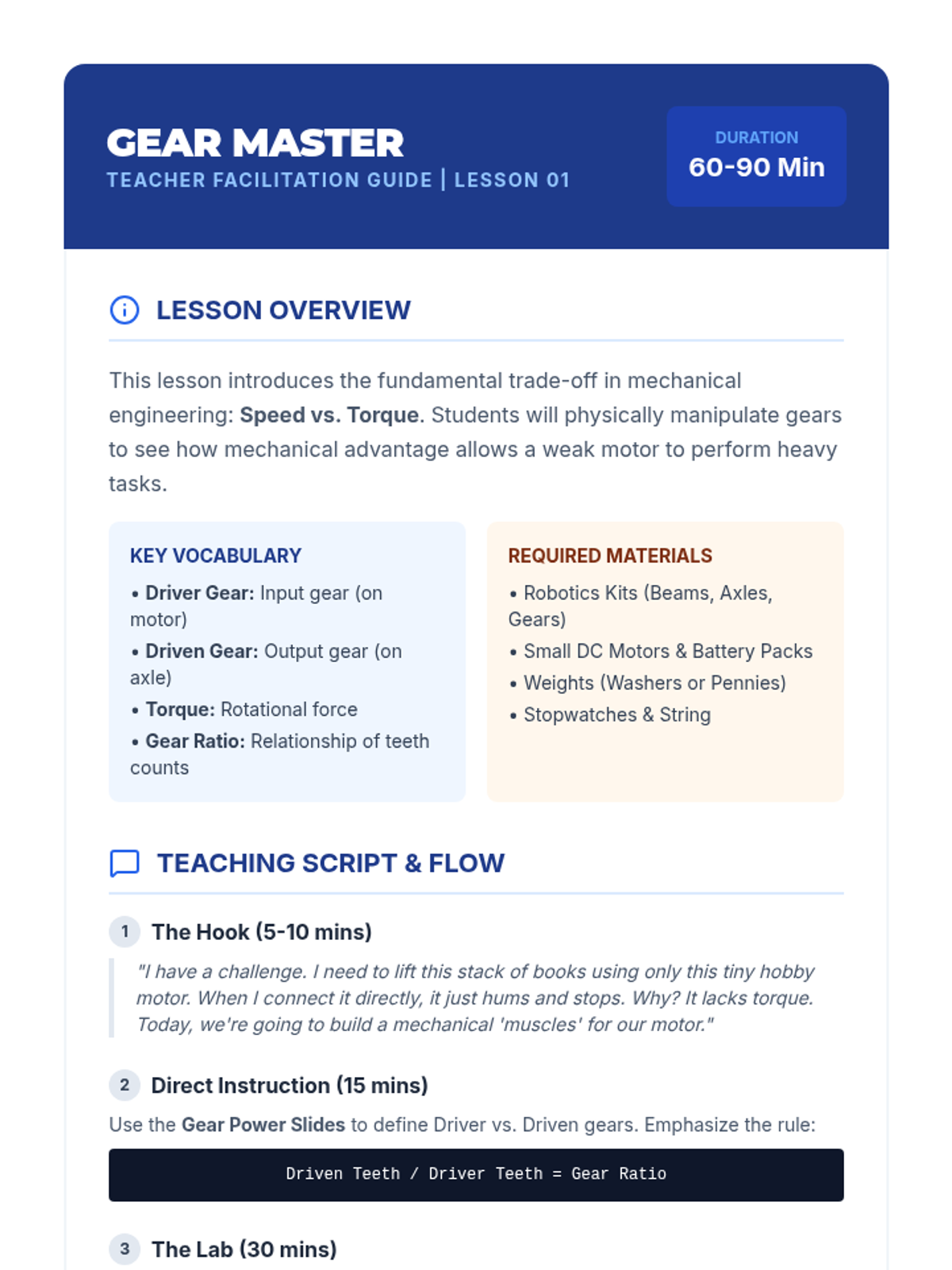
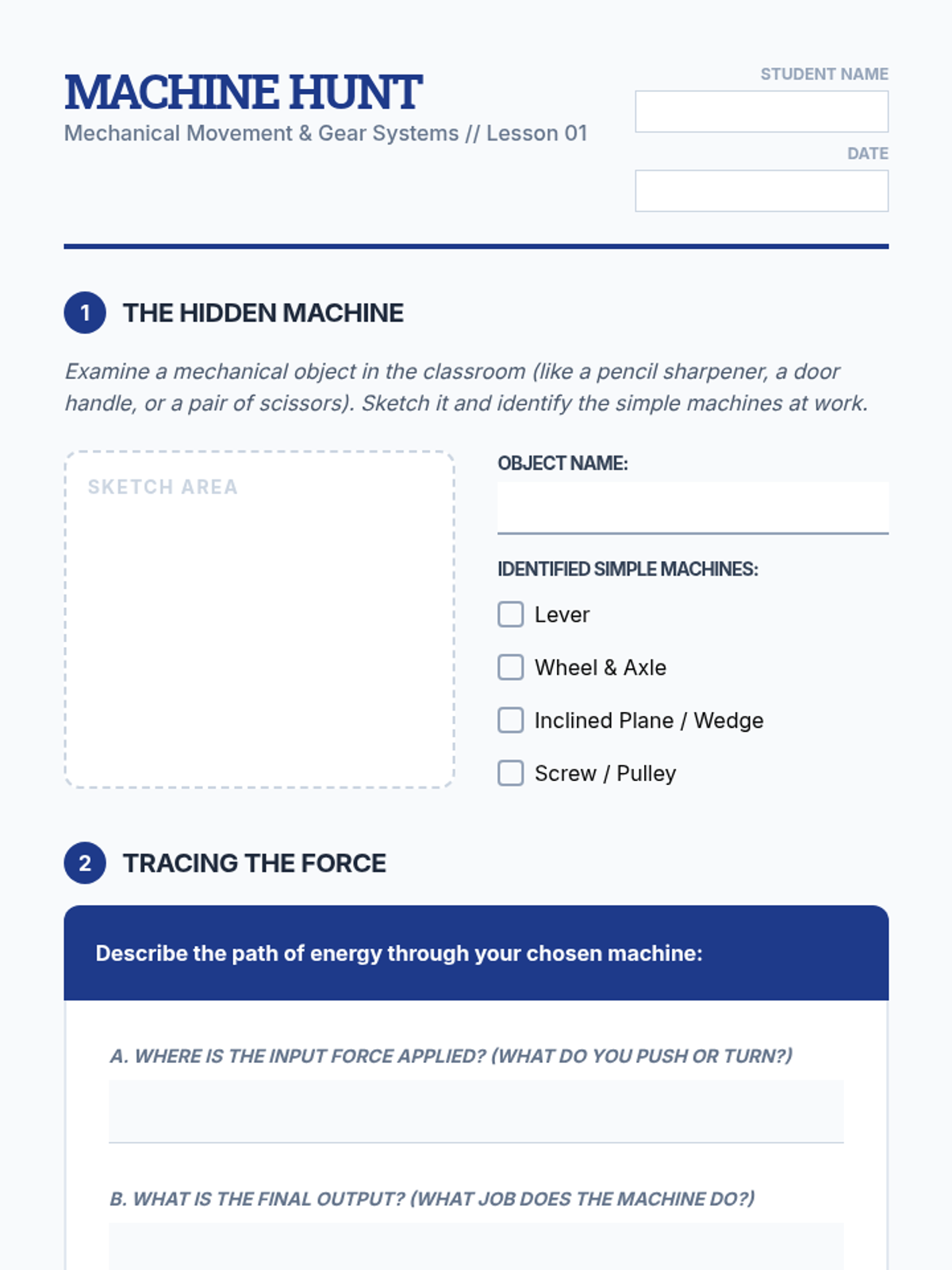
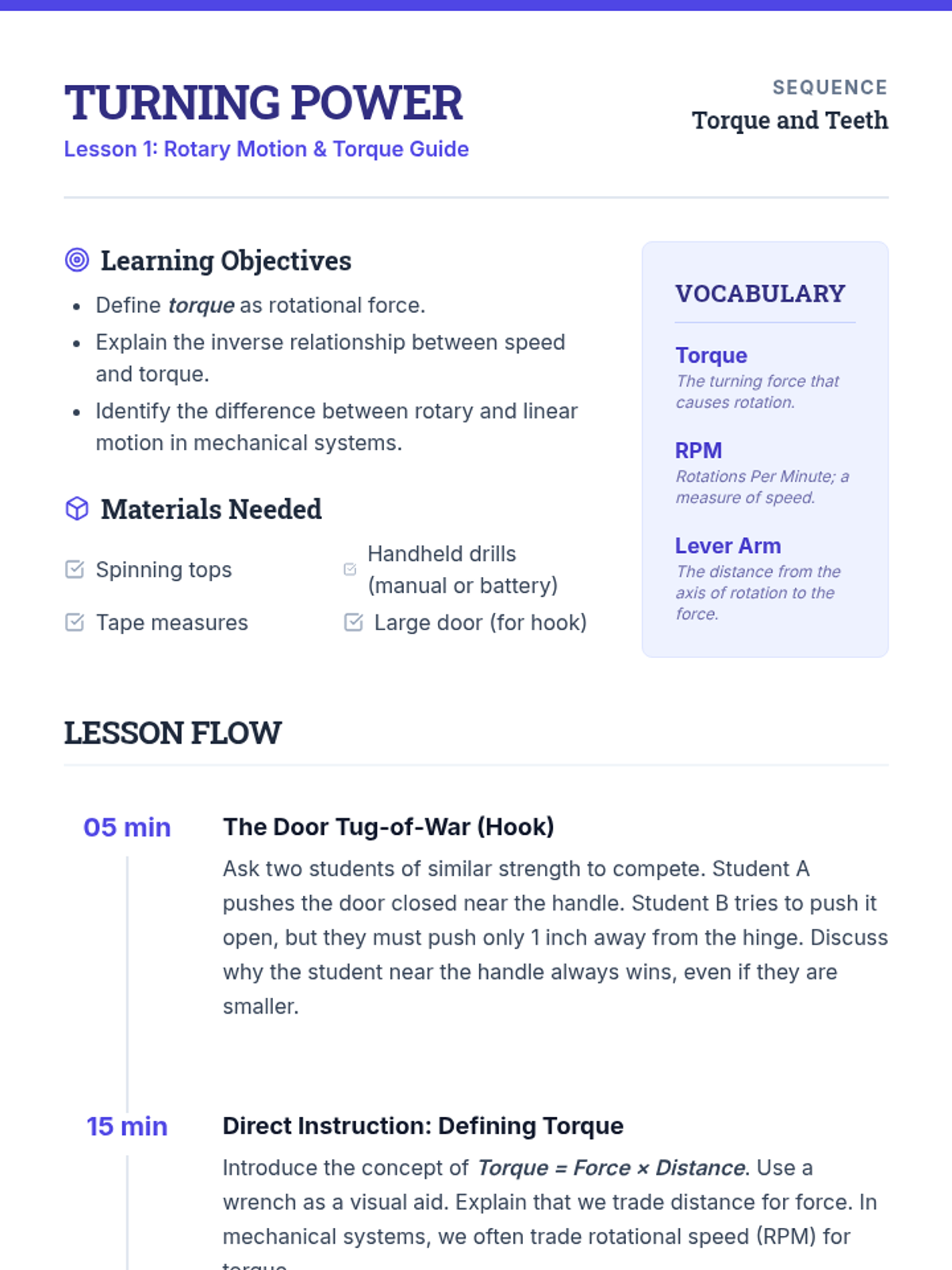
A comprehensive 5-lesson sequence on the mechanical engineering aspects of robotics. Students progress from basic gear physics to structural stability, drivetrain assembly, weight distribution, and mechanical troubleshooting.
This sequence explores the physical principles of robotics, focusing on kinematics, gear systems, and mechanical advantage. Students will progress from simple machines to designing and testing a motorized chassis for varied terrain.
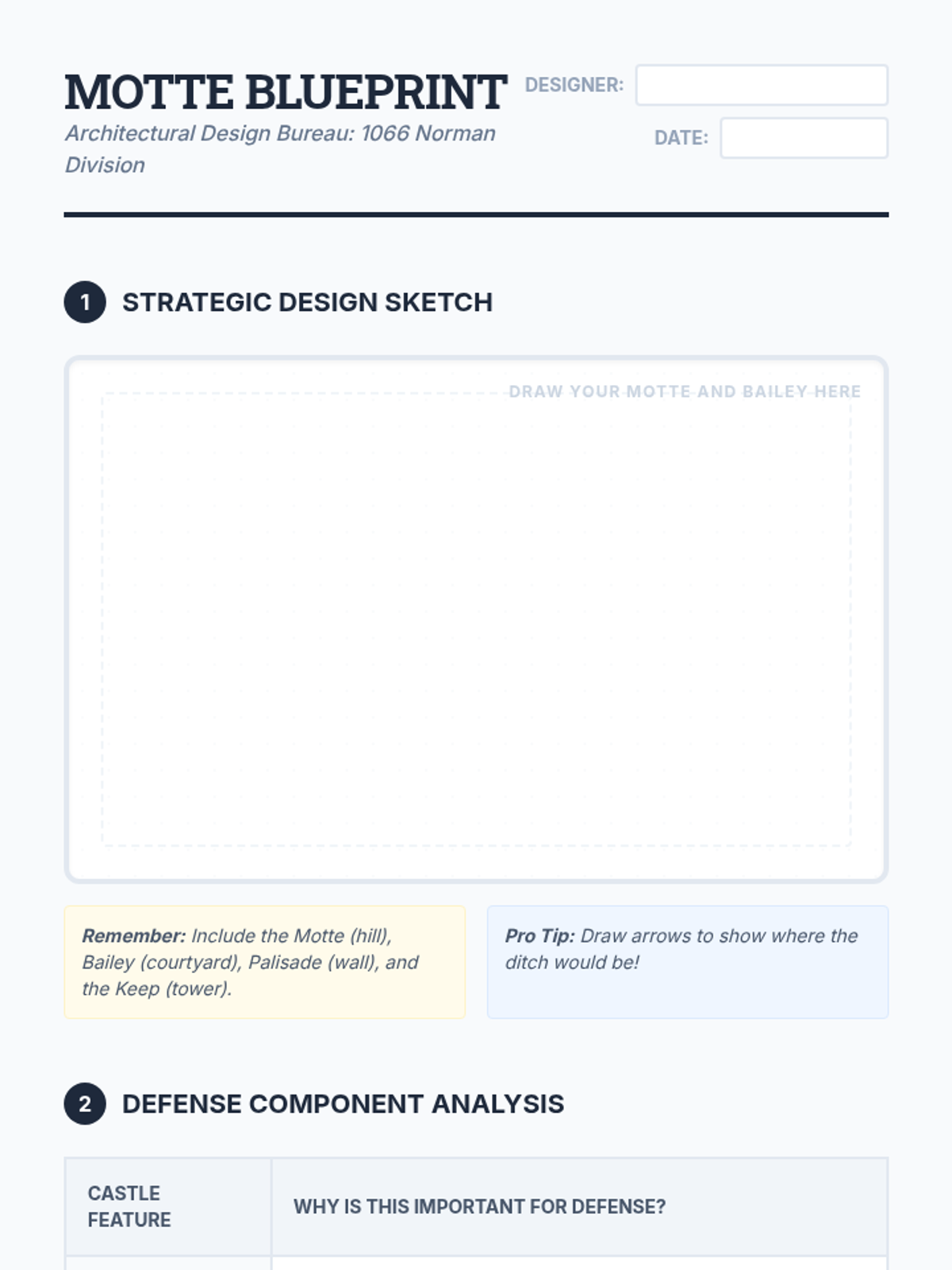
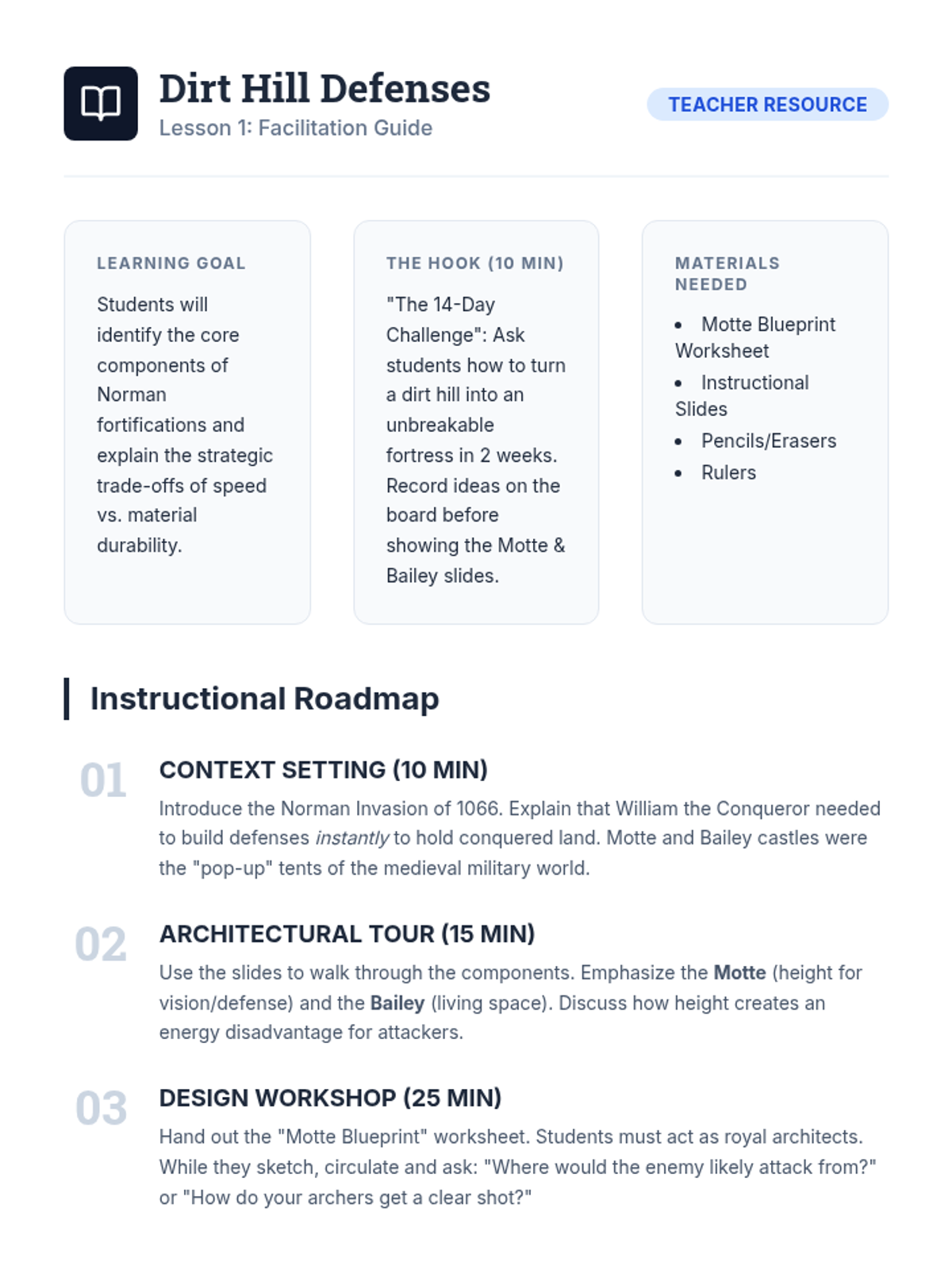
A project-based history and engineering sequence where students design, defend, and analyze medieval castles through the lens of military technology and strategic evolution. Students act as royal architects, evolving their designs from simple wooden mounds to complex stone concentric fortresses.
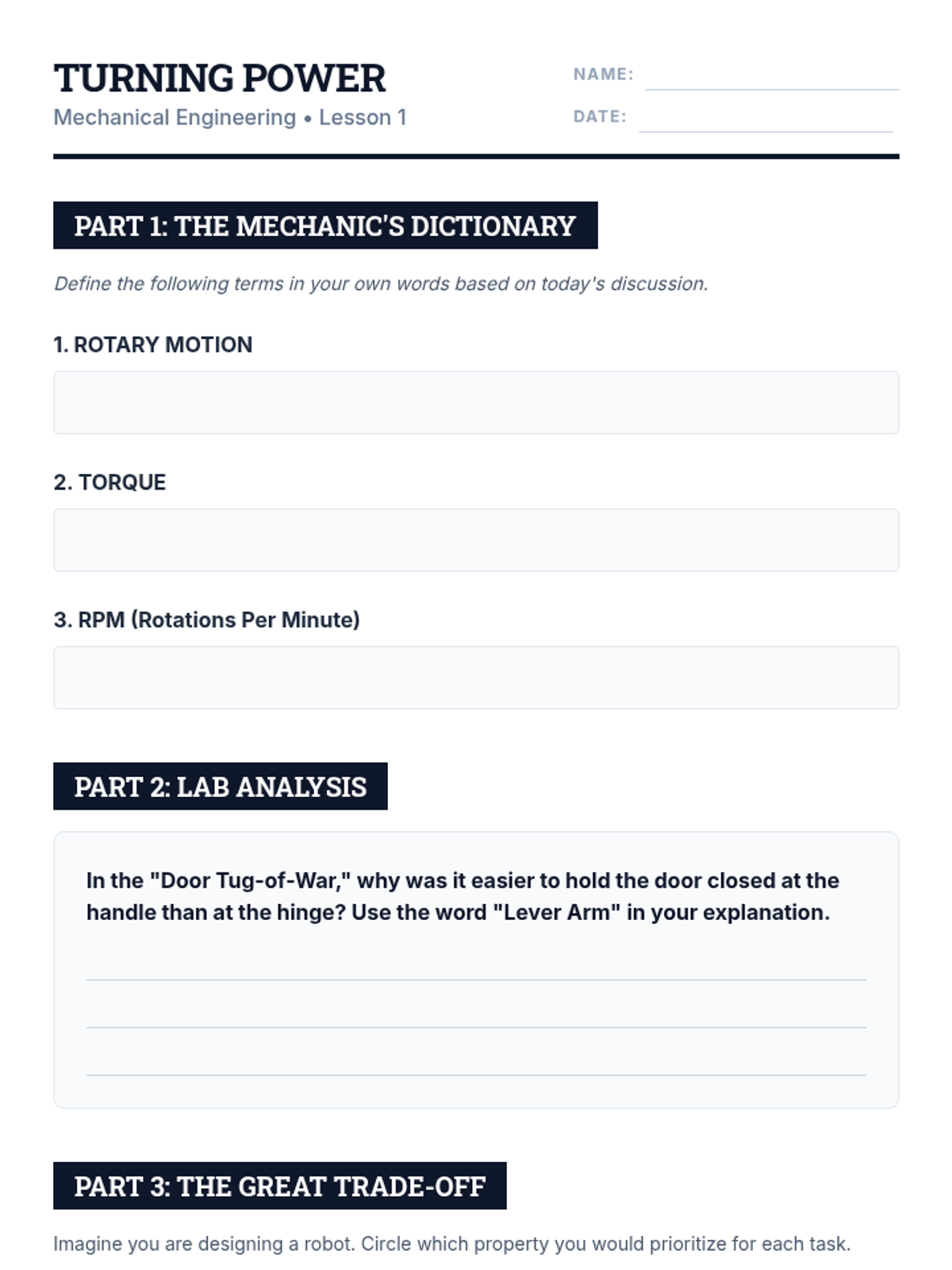
Students explore kinematics by dissecting how machines transform energy into motion using gears and linkages. They investigate mechanical advantage through experimentation and apply this knowledge to design mechanisms, emphasizing the mathematical relationship between input and output forces.
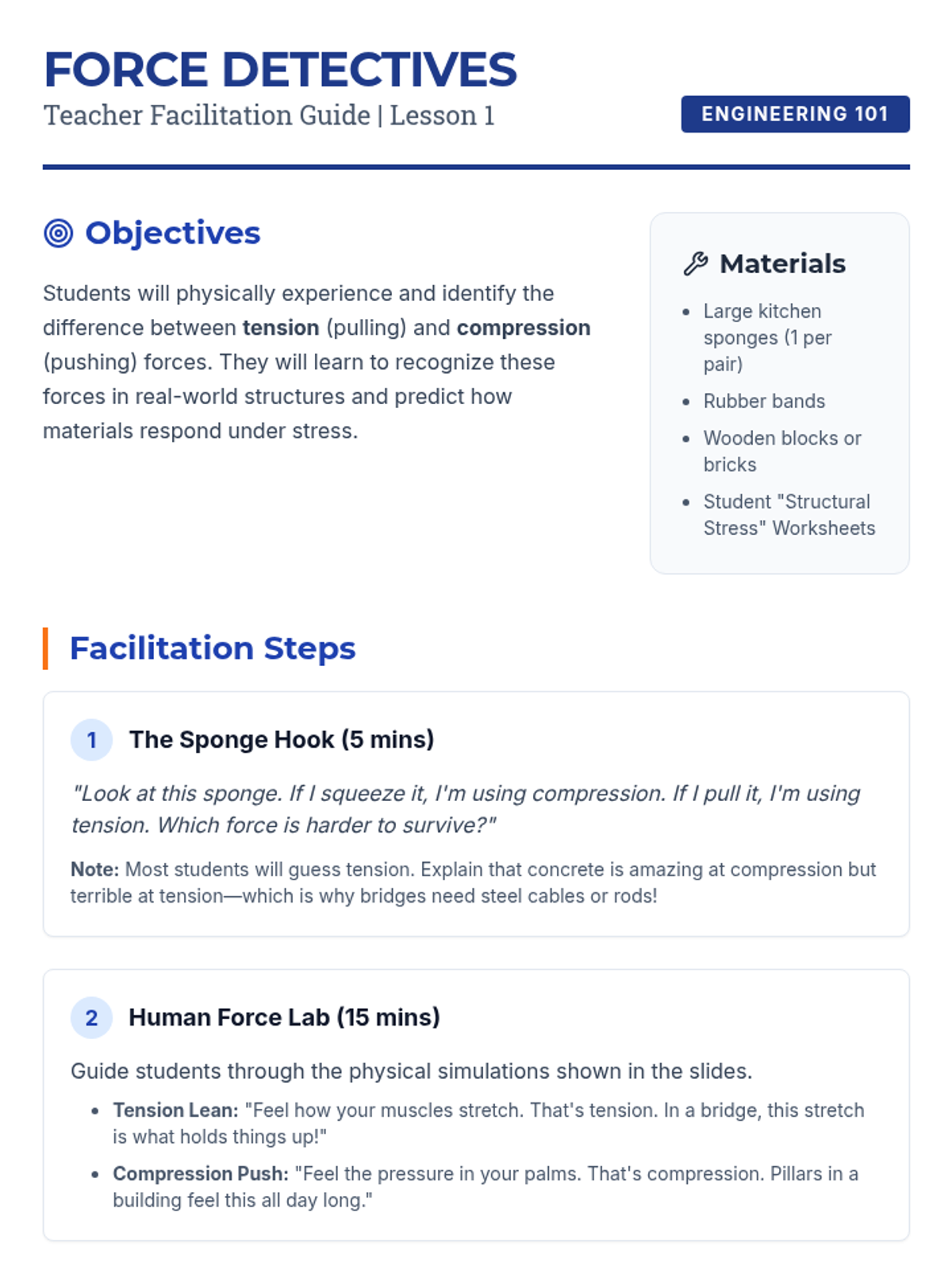
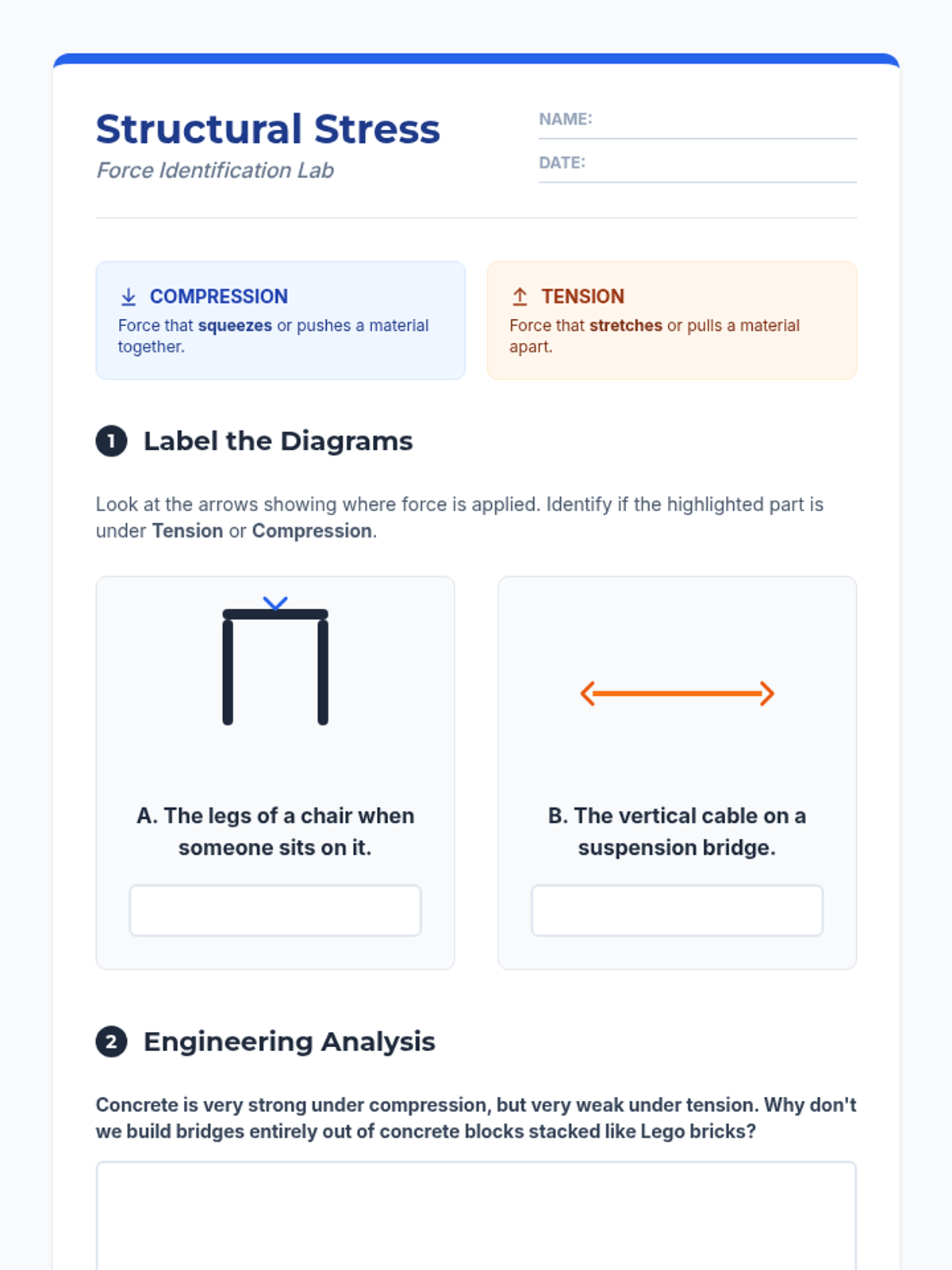
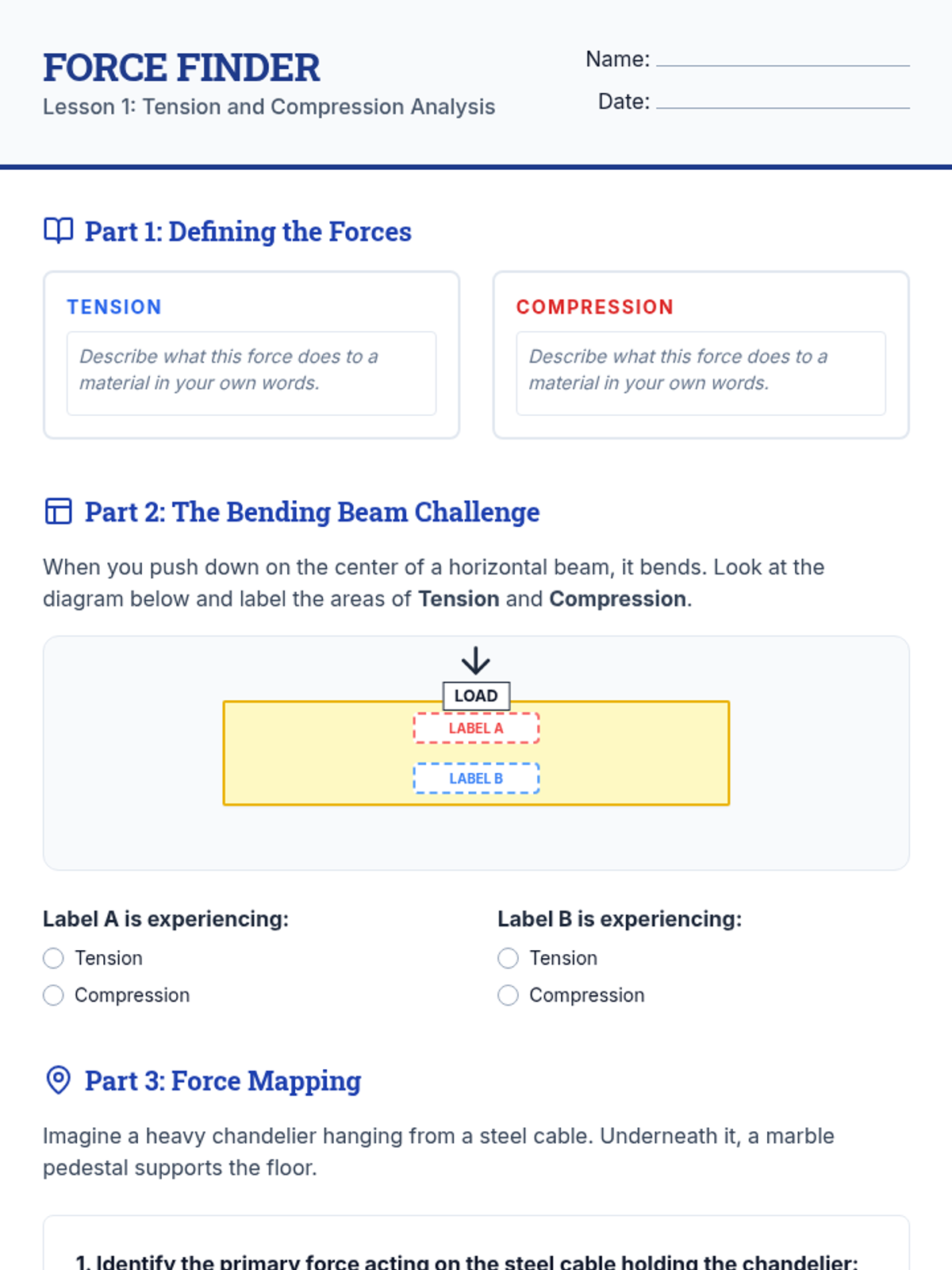
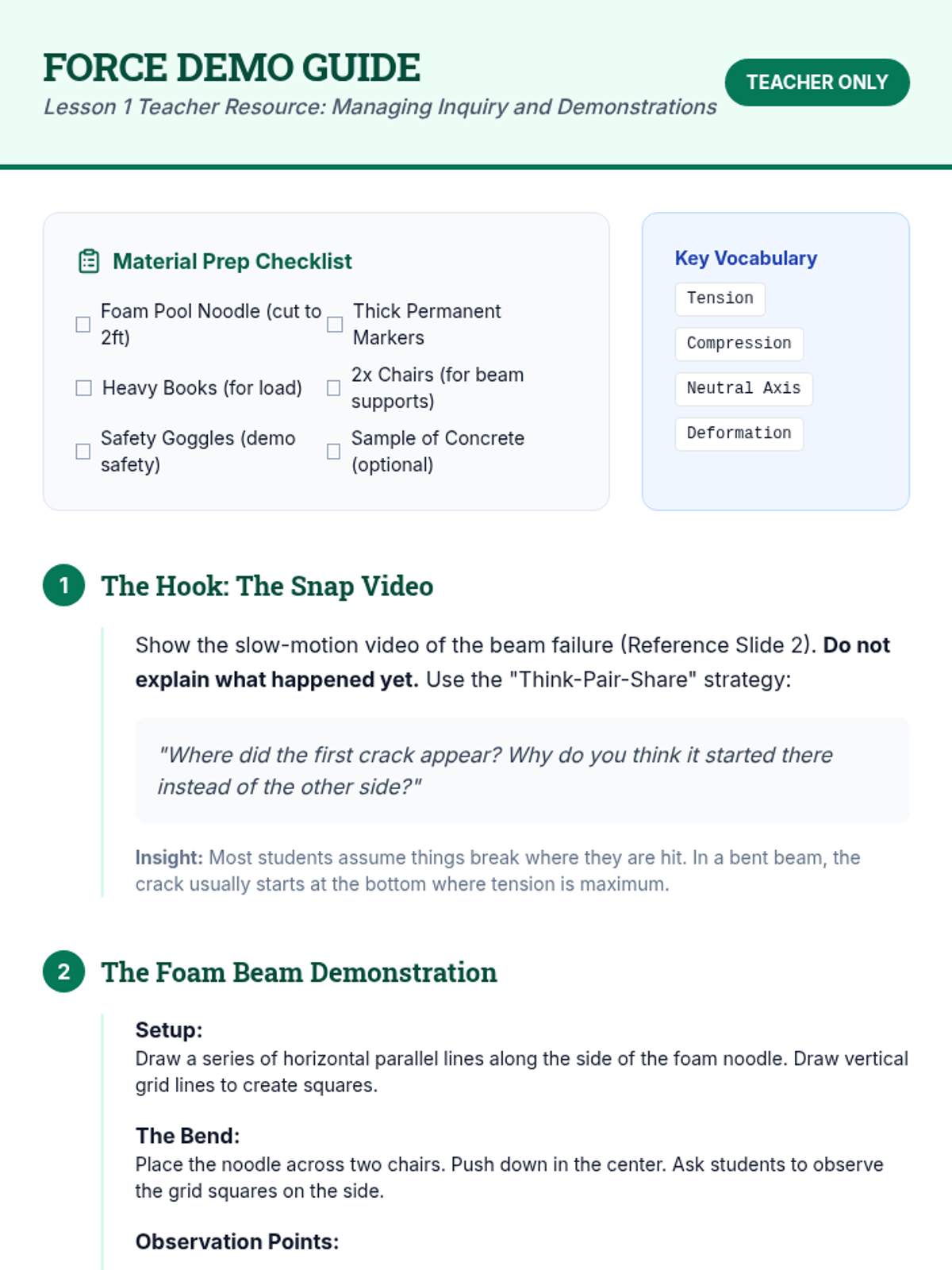
A project-based engineering sequence for 6th graders exploring structural integrity through tension, compression, and truss design. Students progress from feeling basic forces to engineering a weight-bearing structure using geometric stability.
A project-based sequence exploring structural engineering, force analysis, and AI-integrated health monitoring for modern infrastructure. Students progress from basic physics to designing 'smart' bridge prototypes.
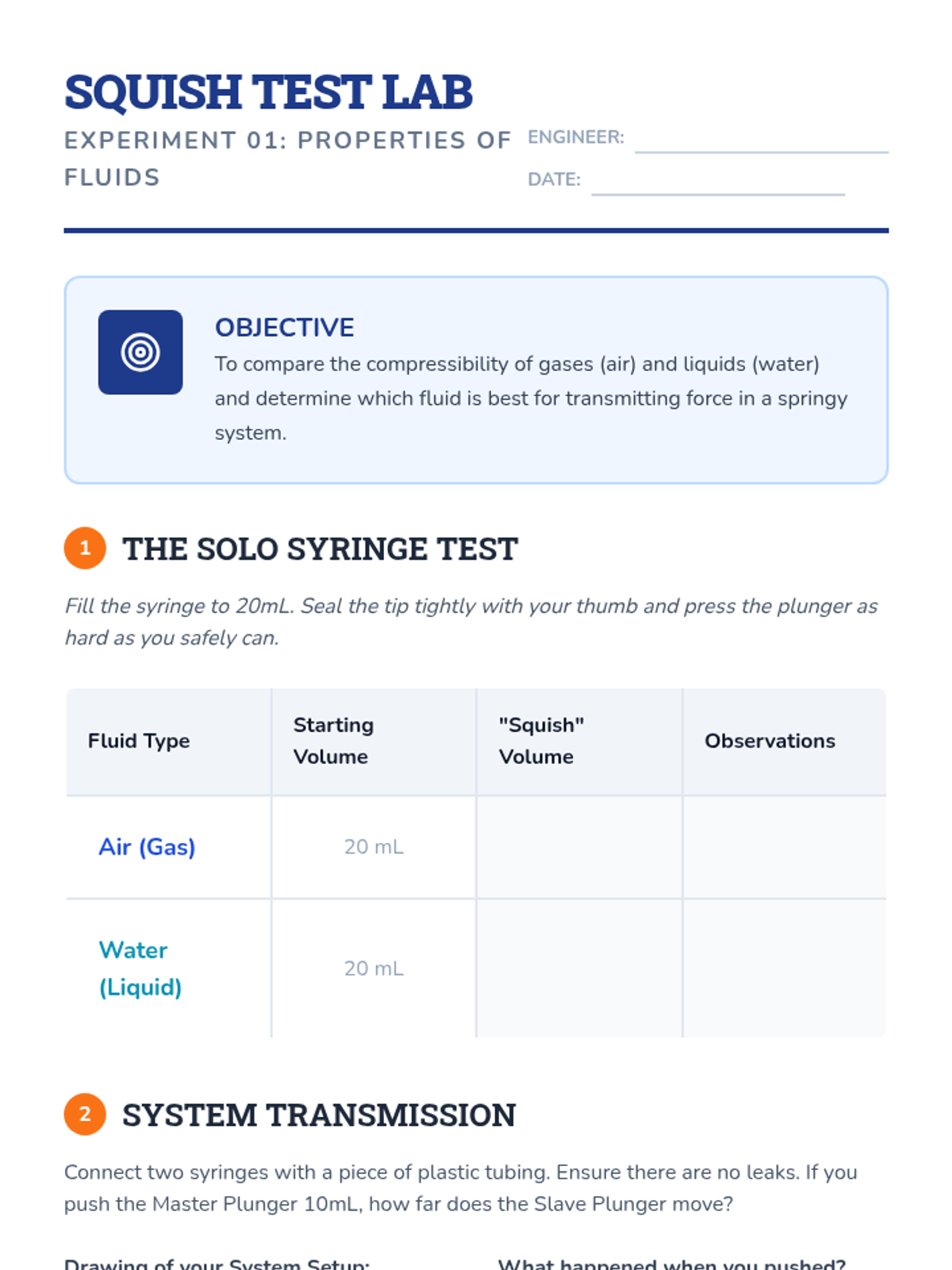
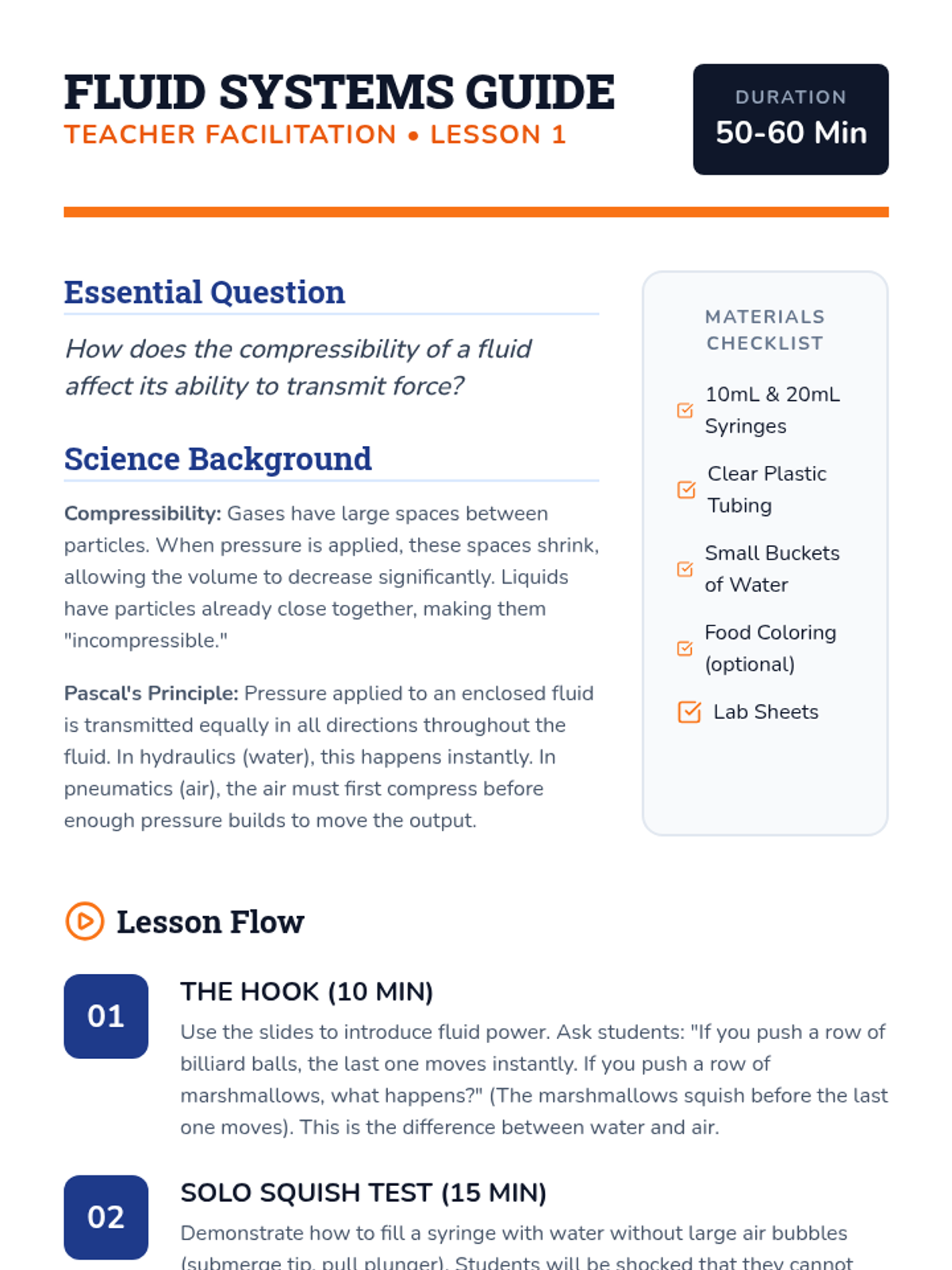
A project-based unit where 6th-grade students act as engineers to design pneumatic devices. They explore the compressibility of gases, compare pneumatic and hydraulic systems, and apply the engineering design process to build a functional air-powered lifter.