This sequence connects thermodynamics to Earth Science by examining how heat transfer drives global systems. Students analyze real-world case studies involving weather patterns, ocean currents, and climate phenomena.
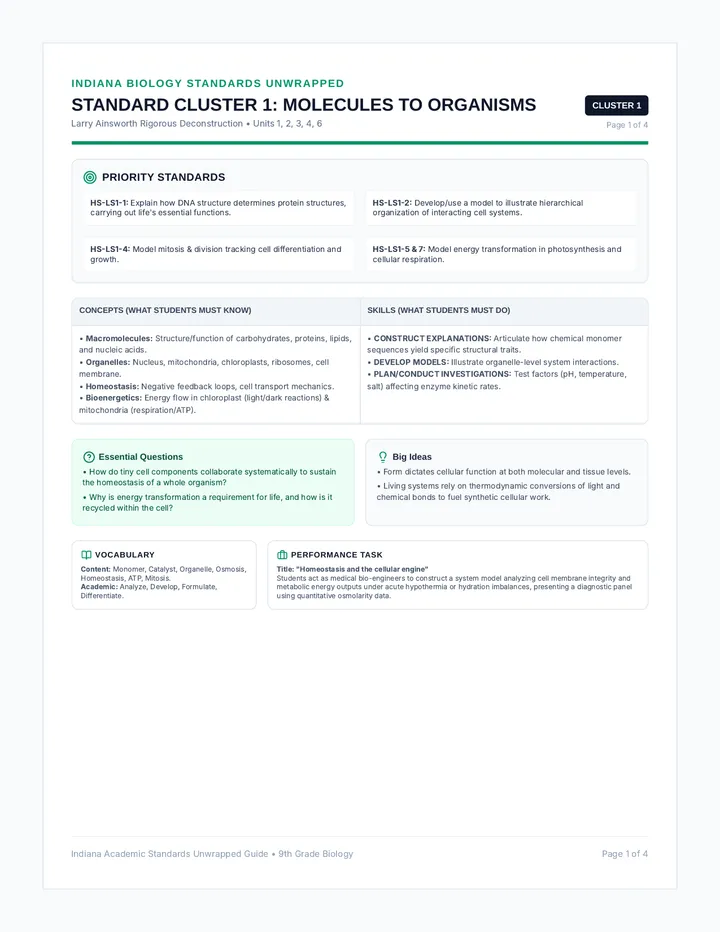
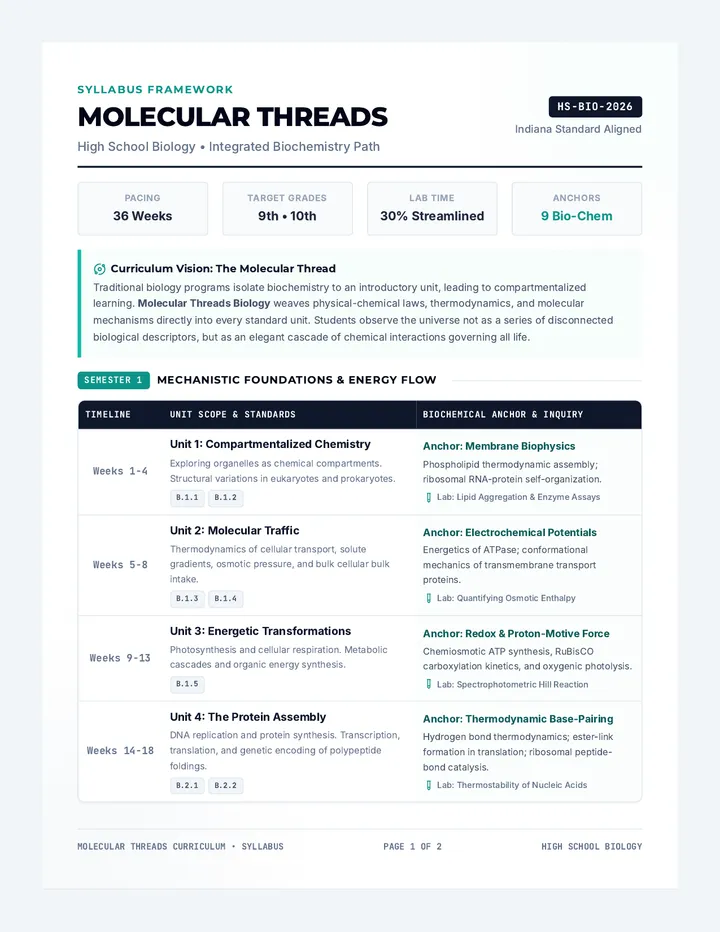
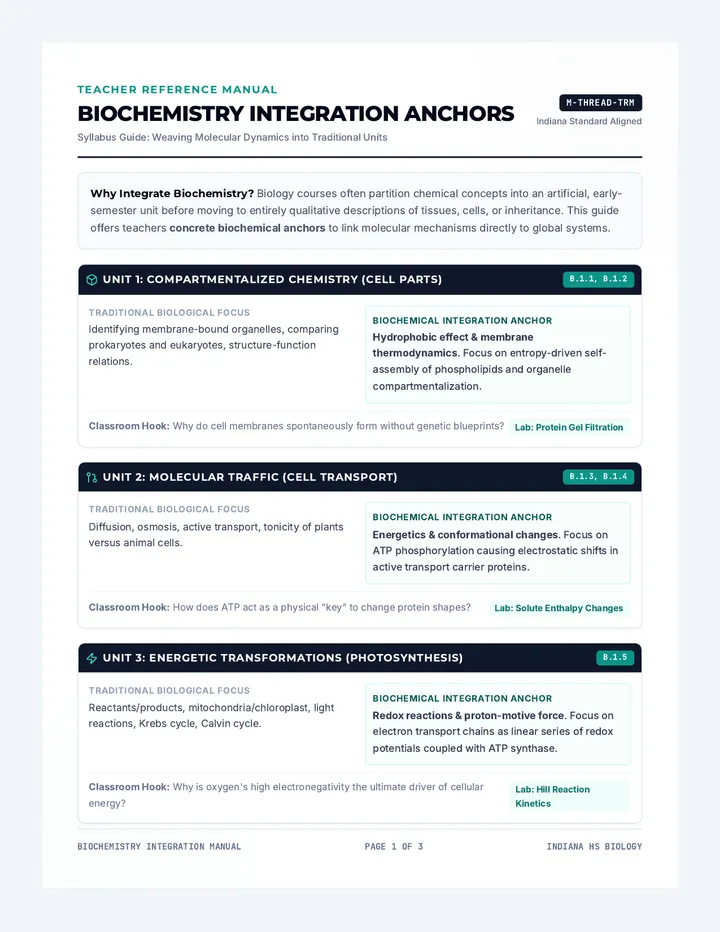
A comprehensive high school biology unit covering plant and animal systems, focusing on structure, transport, reproduction, and response through anchoring phenomena and hands-on labs.
A high school biology sequence focused on the neuroscience of addiction, specifically analyzing how chemical structure and speed of delivery influence the brain's reward system. Students explore the biological mechanisms of tolerance, dependence, and the blood-brain barrier through graphing and comparative analysis.
A specialized AP Biology unit exploring the intersection of neuroscience and psychology, focusing on the biological mechanisms of mental health disorders and the pharmacology of their treatments.
A high school biology lesson sequence exploring the biological basis of perception, focused on how external substances and chemical imbalances alter neurotransmitters to cause psychosis and hallucinations.
A comprehensive unit on the fundamentals of forensic science and criminal investigation, culminating in a hands-on murder mystery simulation. Students learn about evidence collection, witness psychology, and deductive reasoning.
A series of lessons exploring genetics and protein synthesis through the lens of spider silk production for medical use. Adapted for 3rd-grade reading levels while maintaining 6th-grade science concepts.
A comprehensive 5-week sequence exploring the physical properties of water, the engineering of water filtration, and the complex systems of Virginia's watersheds. Students move from hands-on engineering to chemical properties and finally to large-scale environmental systems.
Une séquence de 6ème pour découvrir la cellule à travers des observations microscopiques, passant des végétaux aux animaux puis aux unicellulaires.
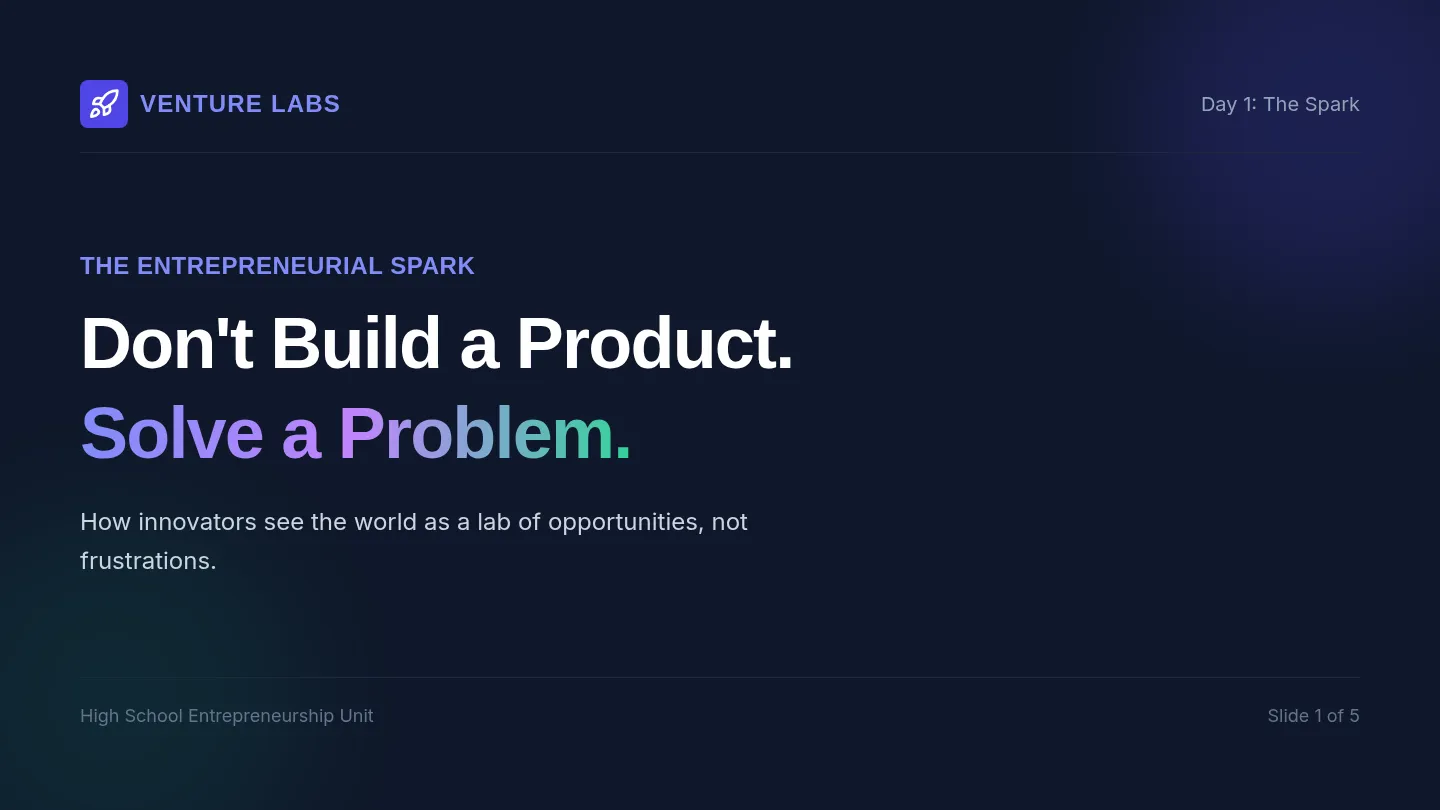
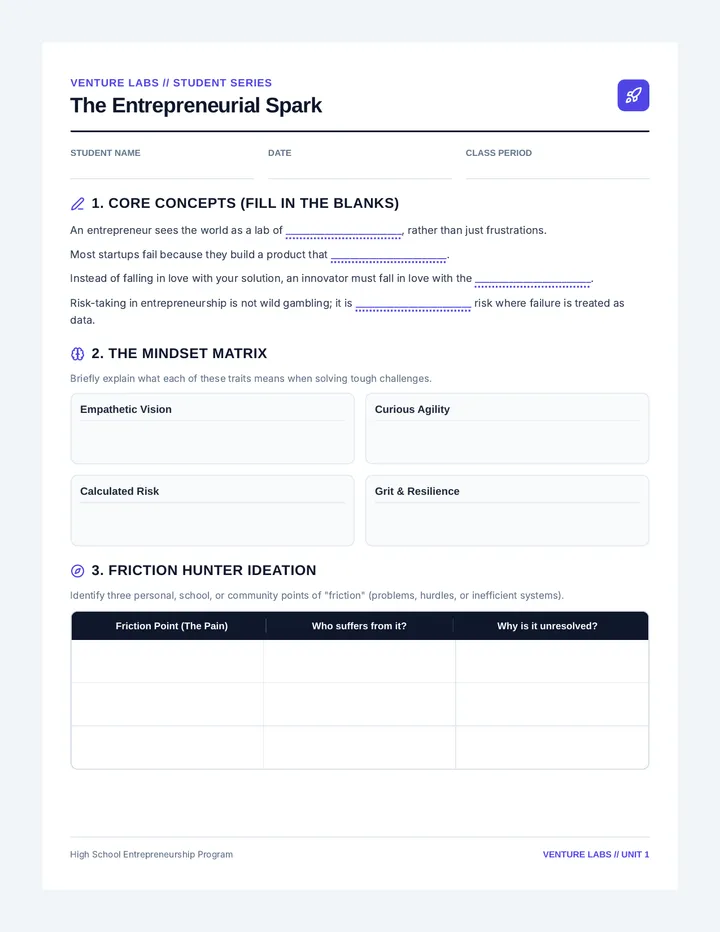
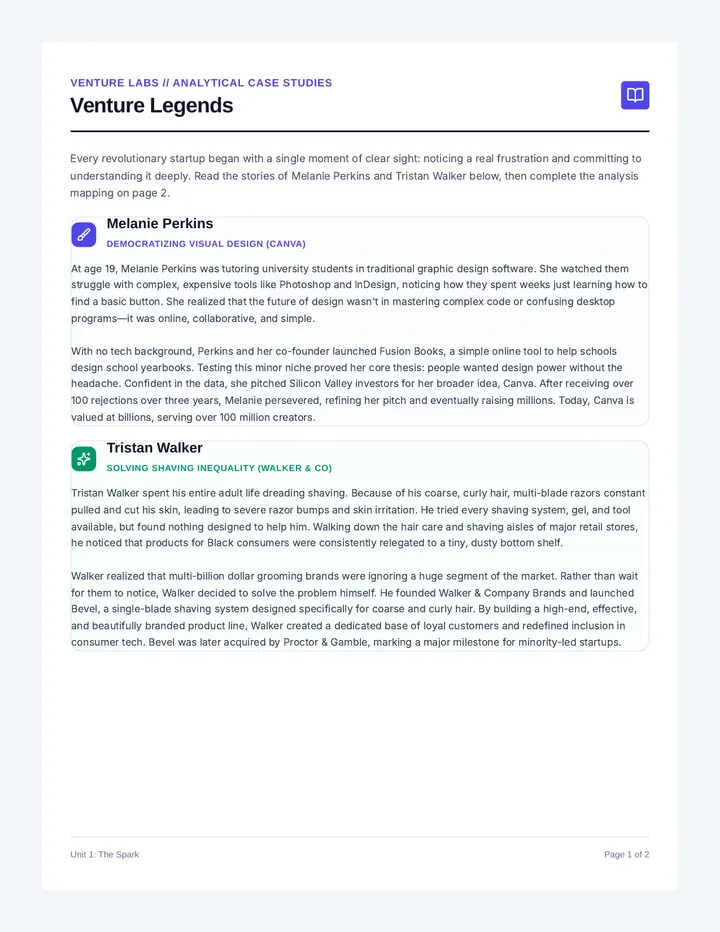
A comprehensive project-based learning unit where high school students apply design thinking to solve real-world problems, from initial discovery to final prototyping and pitching.
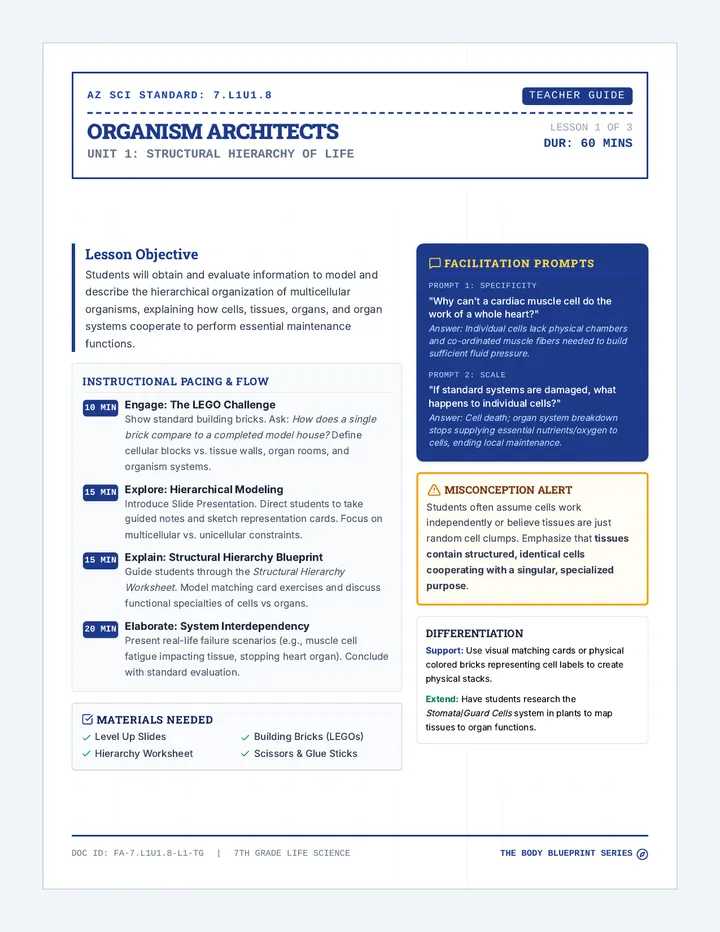
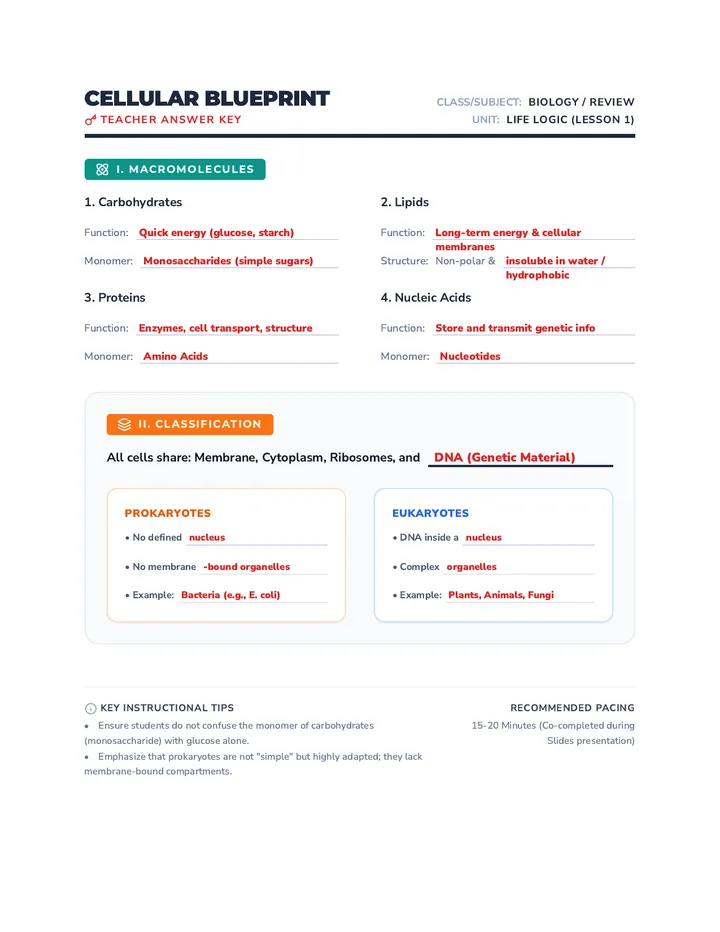
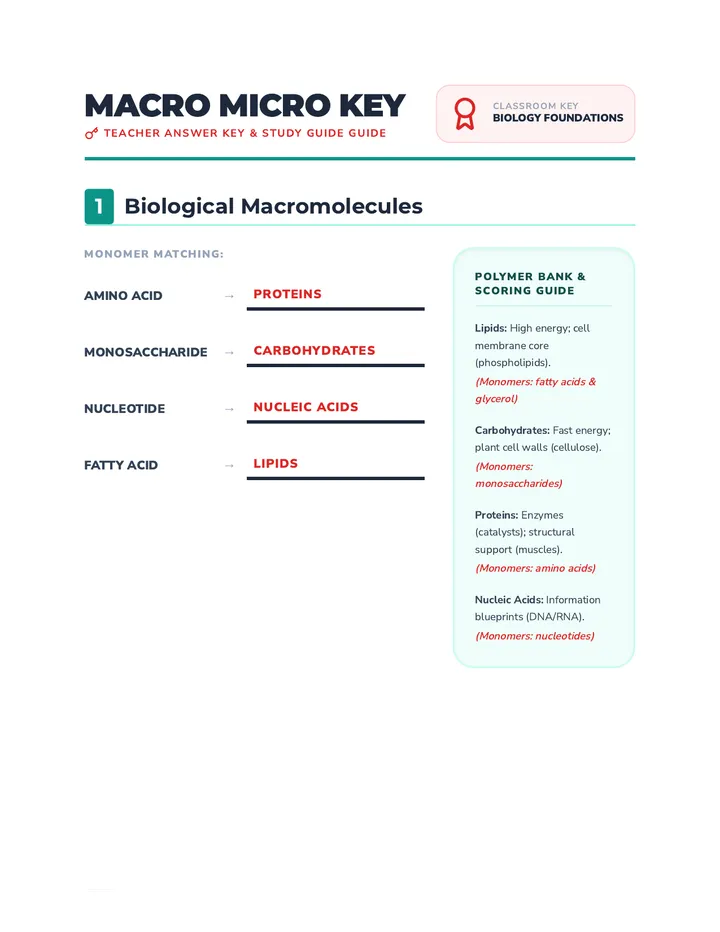
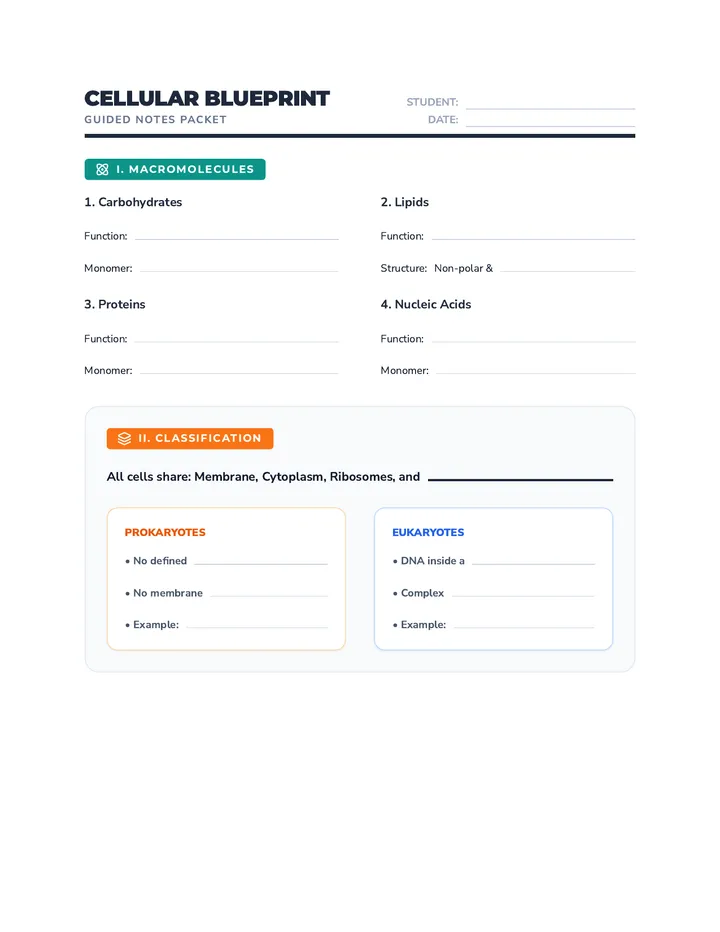
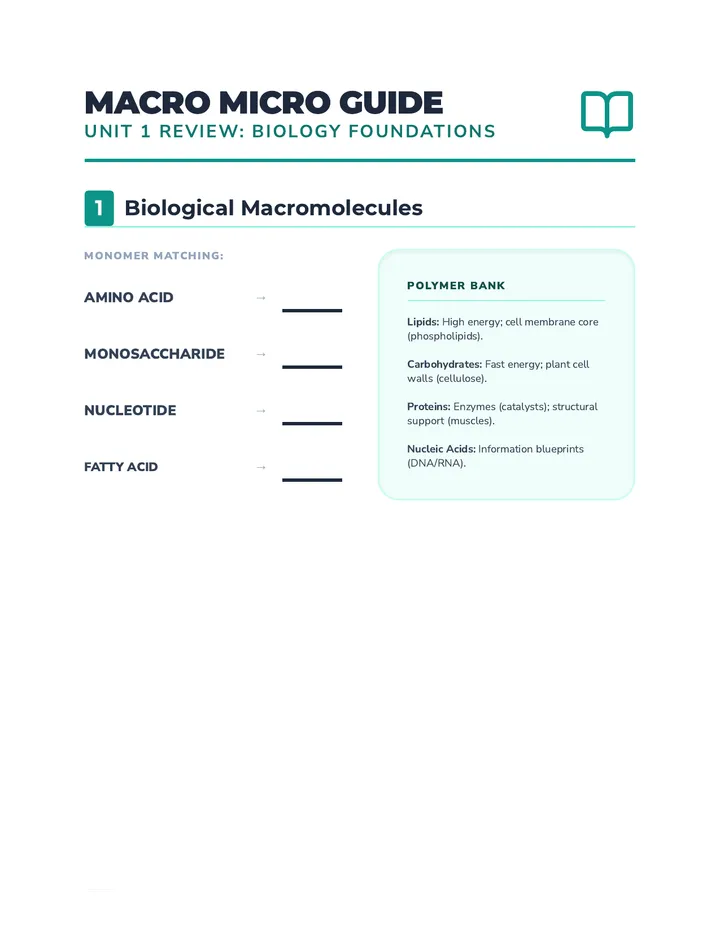
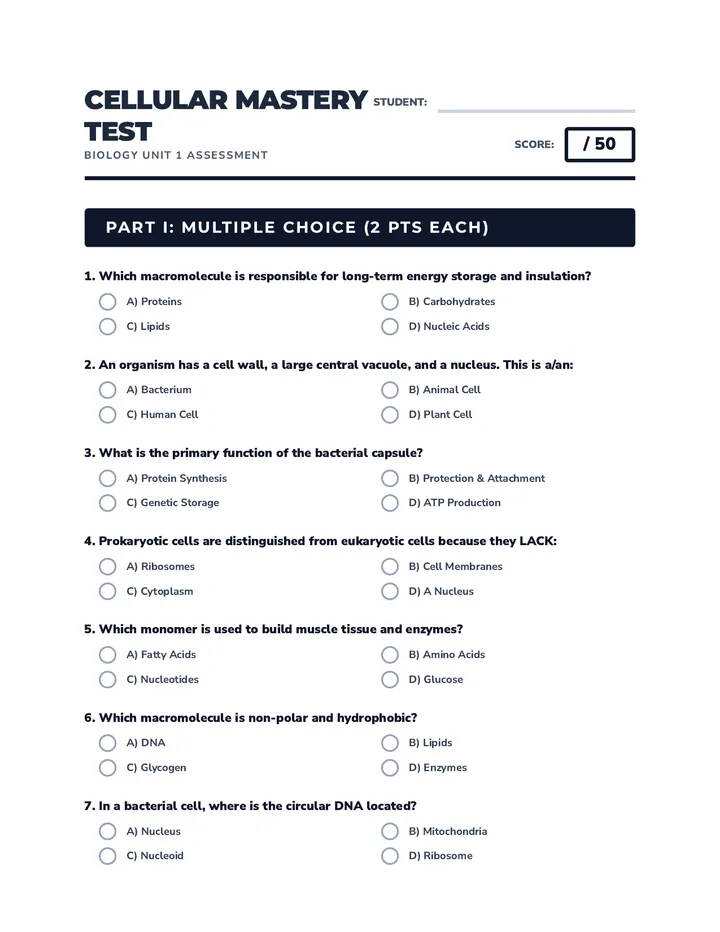
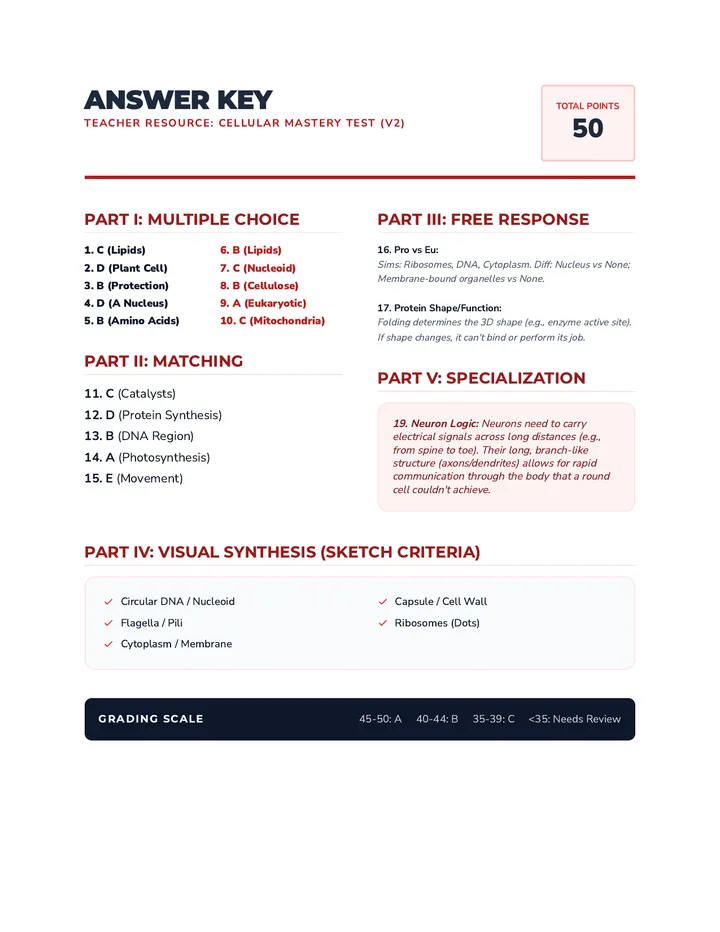
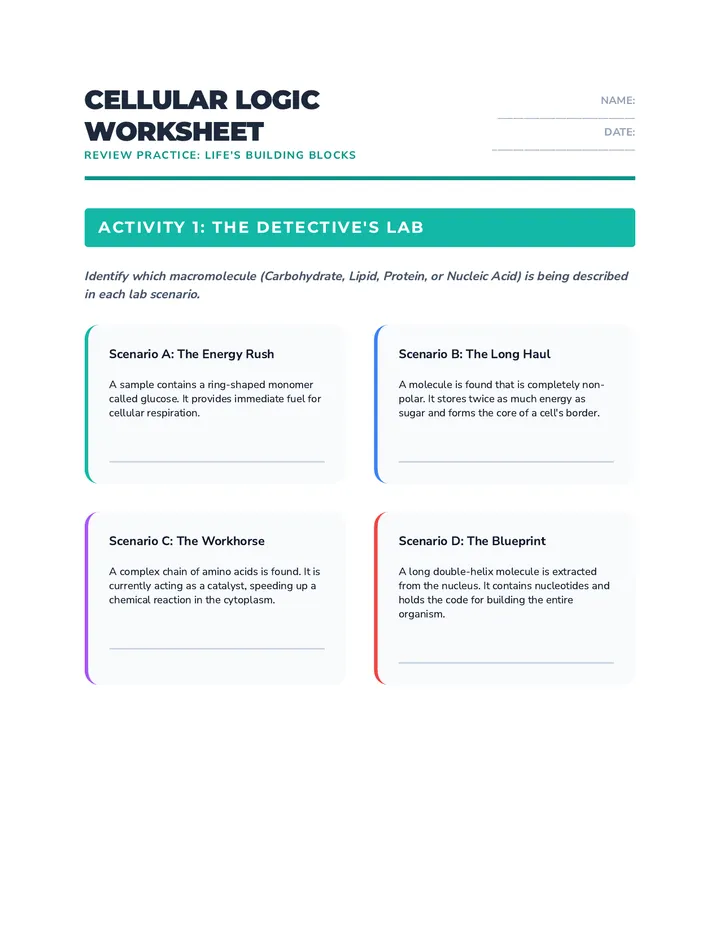
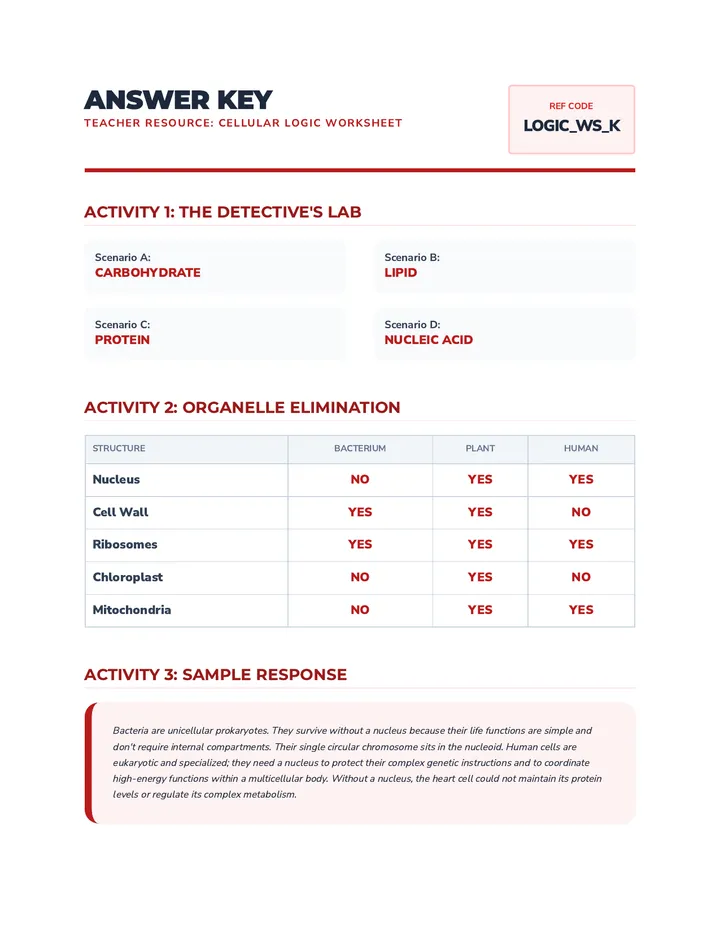
A unit exploring the microscopic machines that keep living things running, from building cells to breaking down food.
A comprehensive one-week unit covering the foundations of cell theory, the technical mastery of microscopes, and the fascinating structures of unicellular organisms (Amoeba, Paramecium, Euglena, and Volvox).
A high-engagement sequence on plant systems (Reproduction, Transport, and Response) designed for talkative students. It uses collaborative, discussion-based activities to channel social energy into scientific inquiry.
A comprehensive unit exploring the fundamentals of electricity, magnetism, and how they combine in circuits, focusing on energy transformations and hands-on visuals.
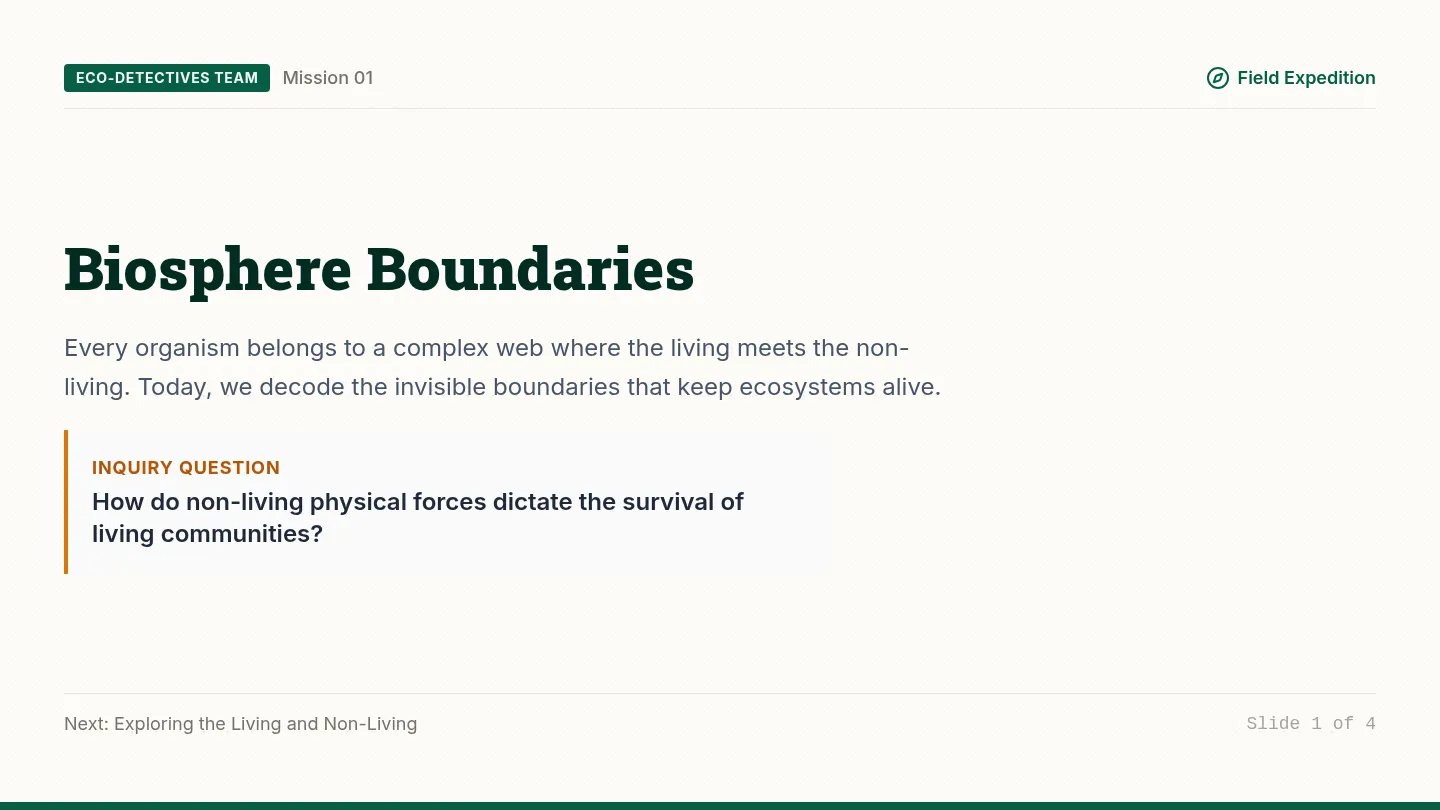
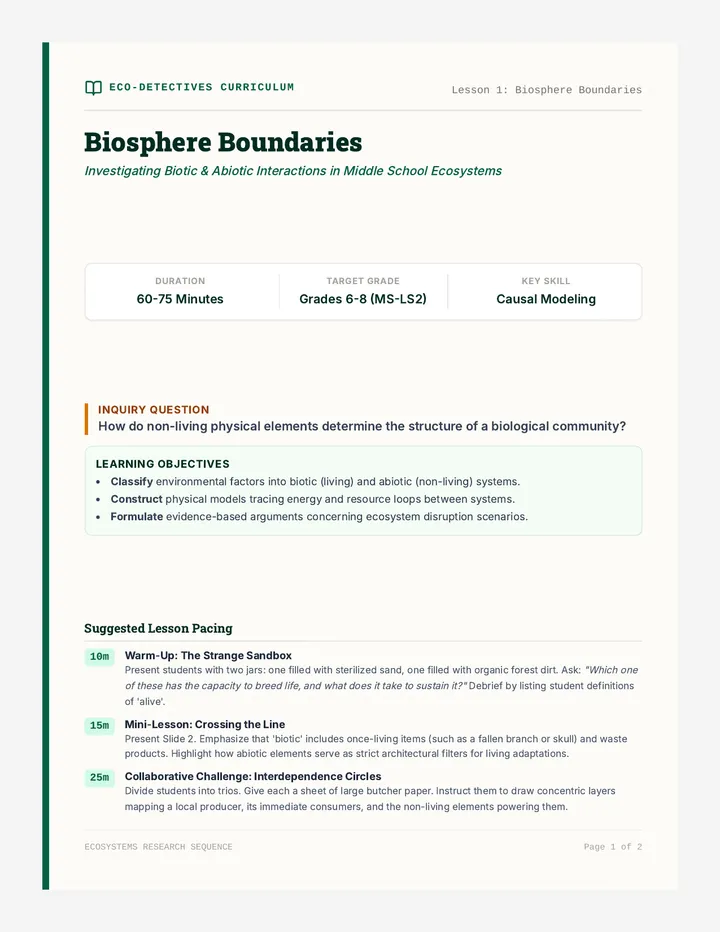
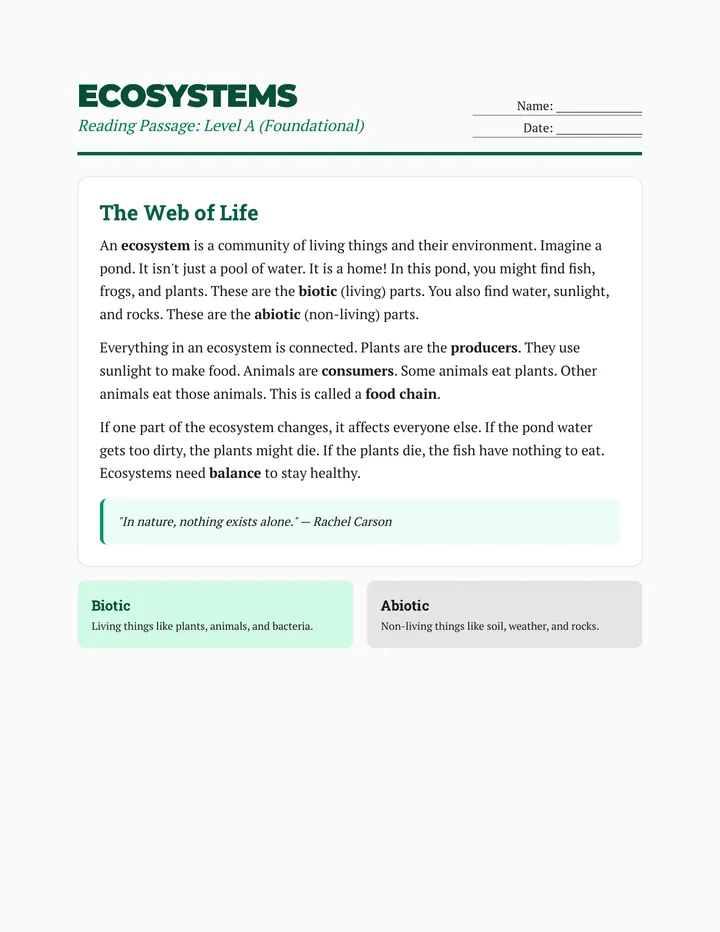
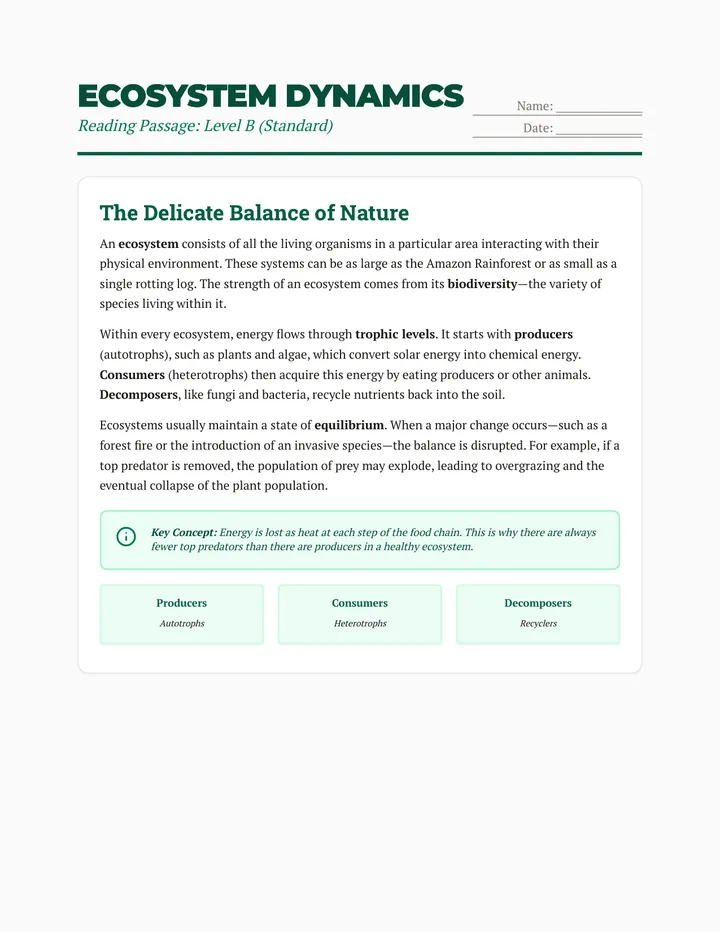
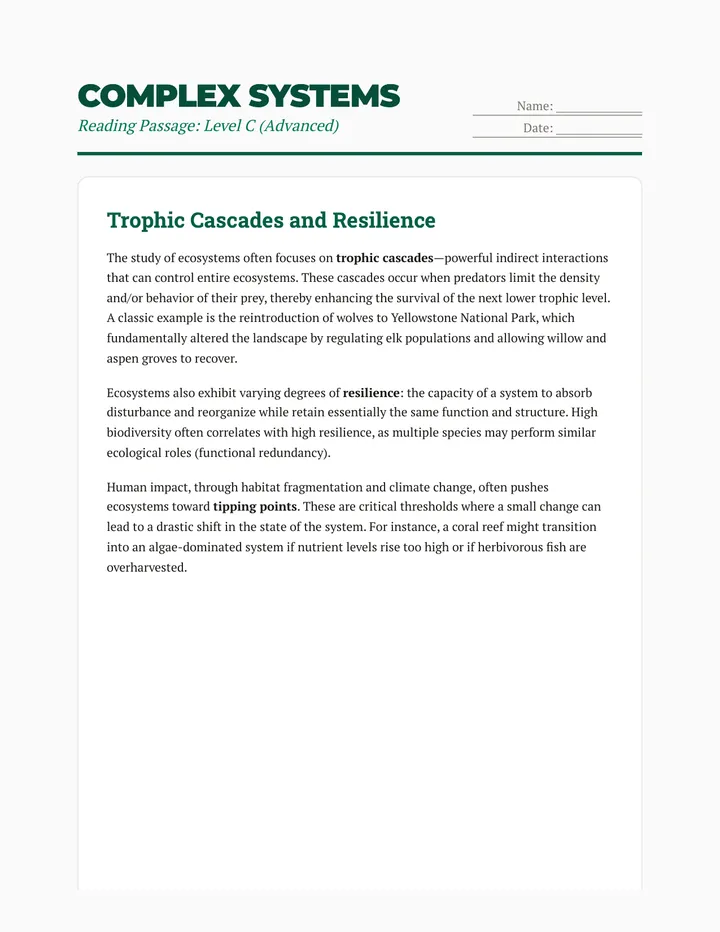
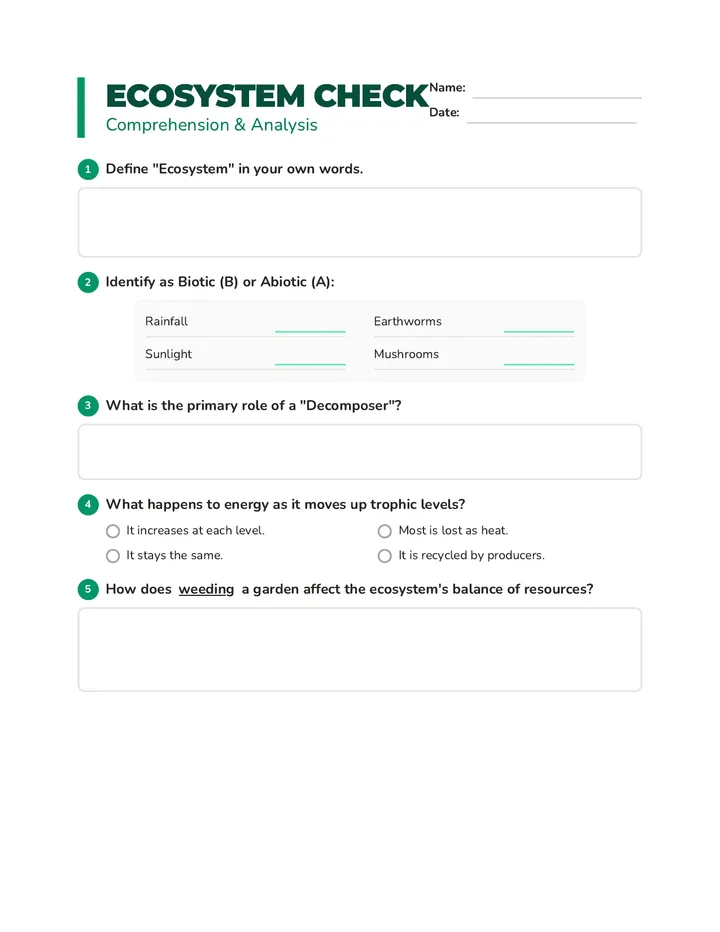
A comprehensive unit where students become environmental detectives to investigate biodiversity, interdependencies, and human impact within their local ecosystems through inquiry-based field studies.
A comprehensive 2-week unit for high school biology students exploring the interconnectedness of life, from microscopic organisms to the global biosphere. Students will investigate biomes, energy flow, and population dynamics through hands-on activities and creative projects.
A unit exploring the biological origins of humanity, focusing on evolutionary biology, phylogeny, and the development of complex traits like bipedalism and collective learning.
A high school entrepreneurship lesson evaluating the trade-offs between business specialization and diversification. Students analyze the 'Joe's Lawn Care' scenario, explore economies of scale, and engage in a structured debate.
A comprehensive sequence on how Earth's surface is transformed through the processes of weathering and erosion, focusing on the specific agents that shape our landscapes.
A lesson sequence focused on the scientific method, using a mystery box activity to practice observation, hypothesis formation, and experimentation. Students explore the historical roots of the method and apply it to solve physical puzzles.
A unit exploring the fundamental concepts of business, economics, and entrepreneurship for middle school students.
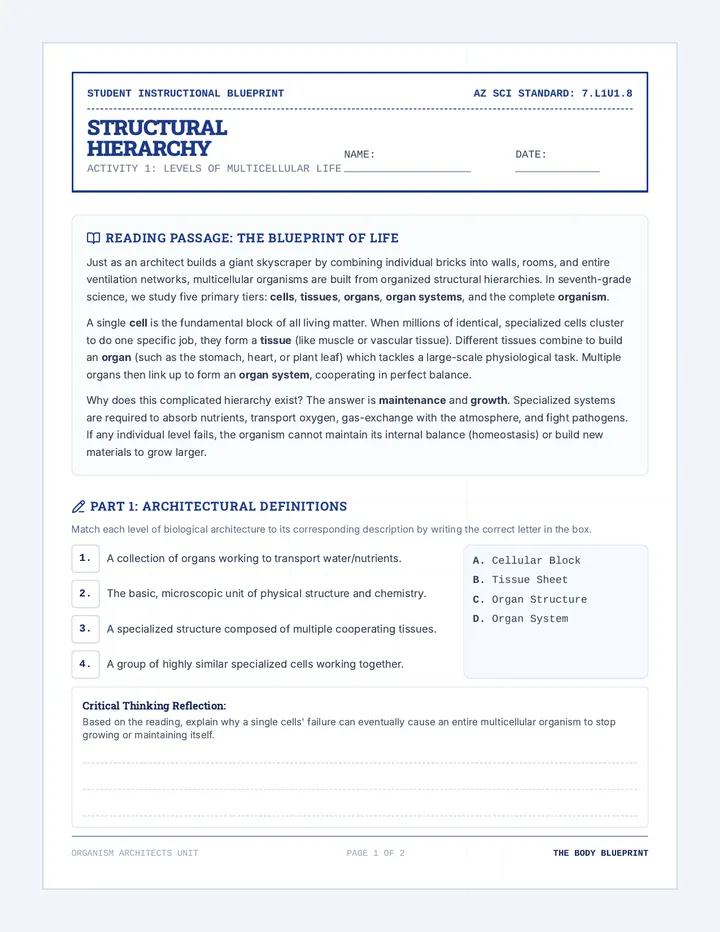
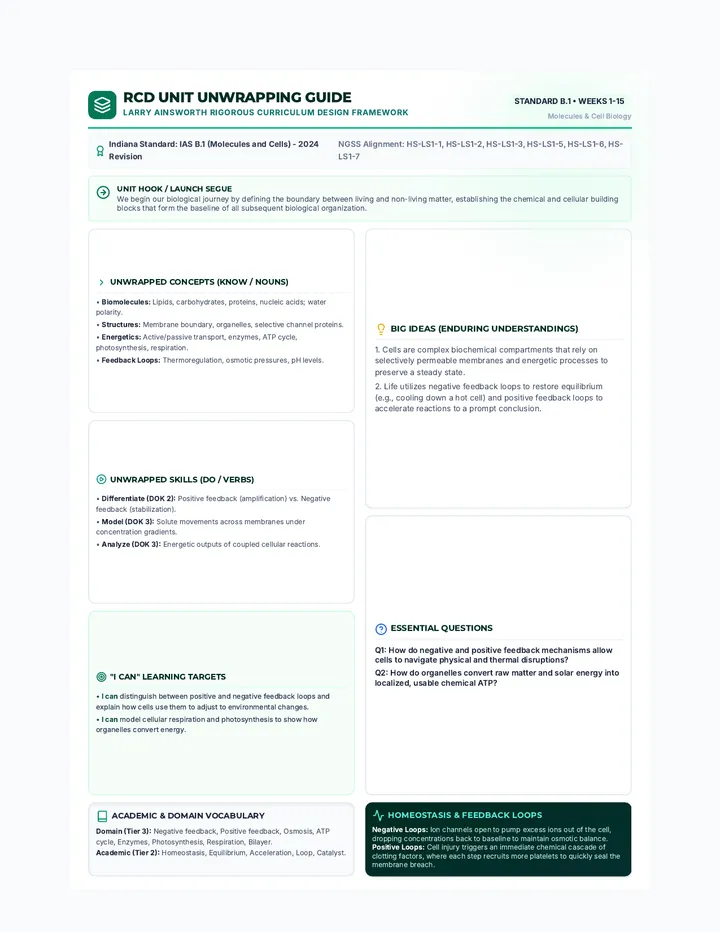
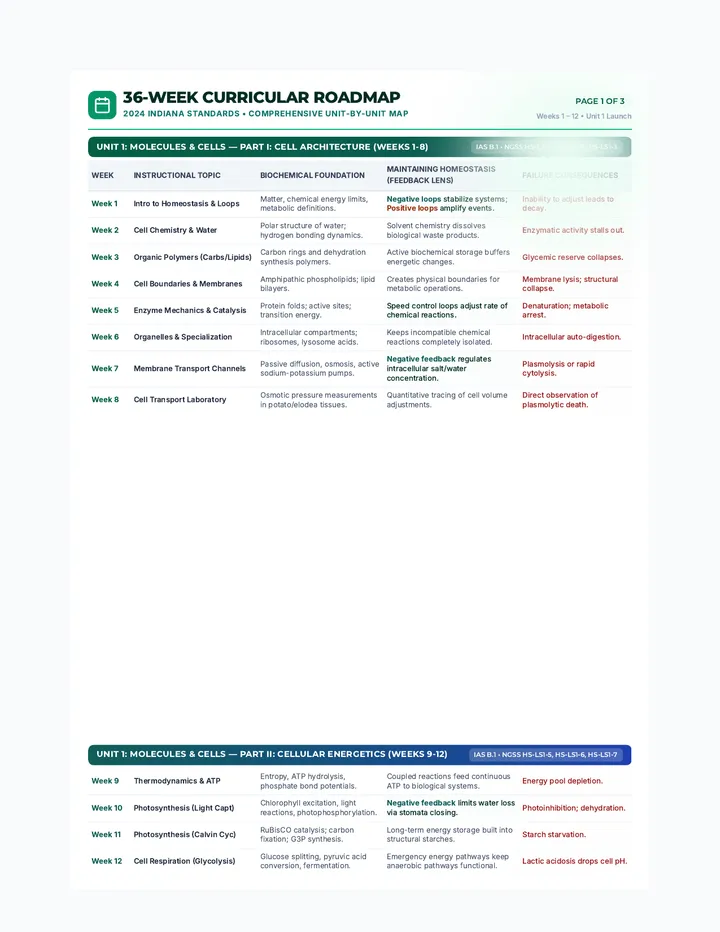
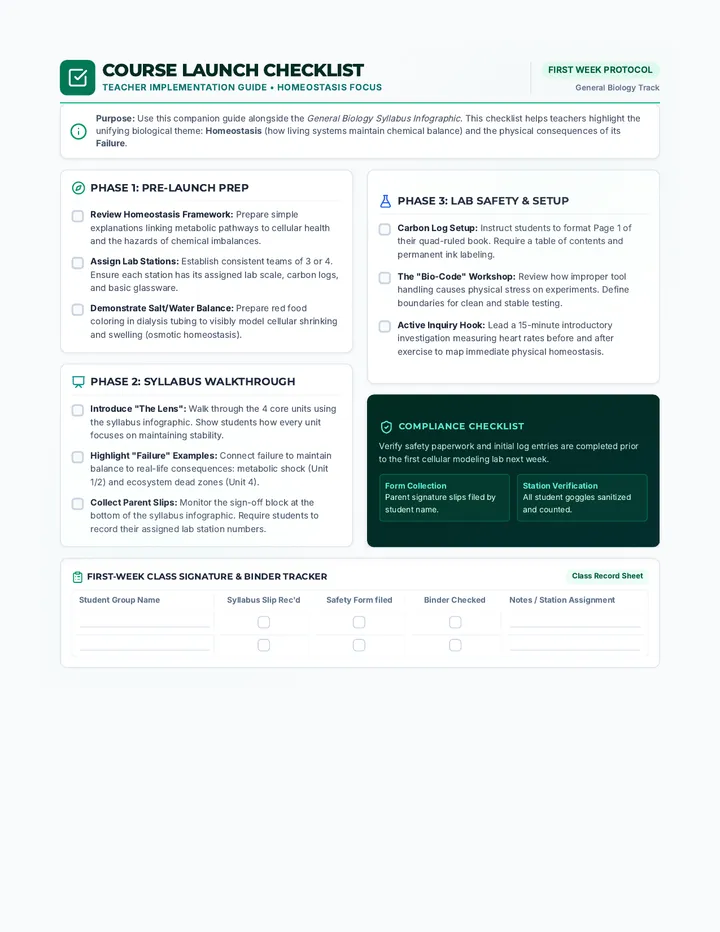
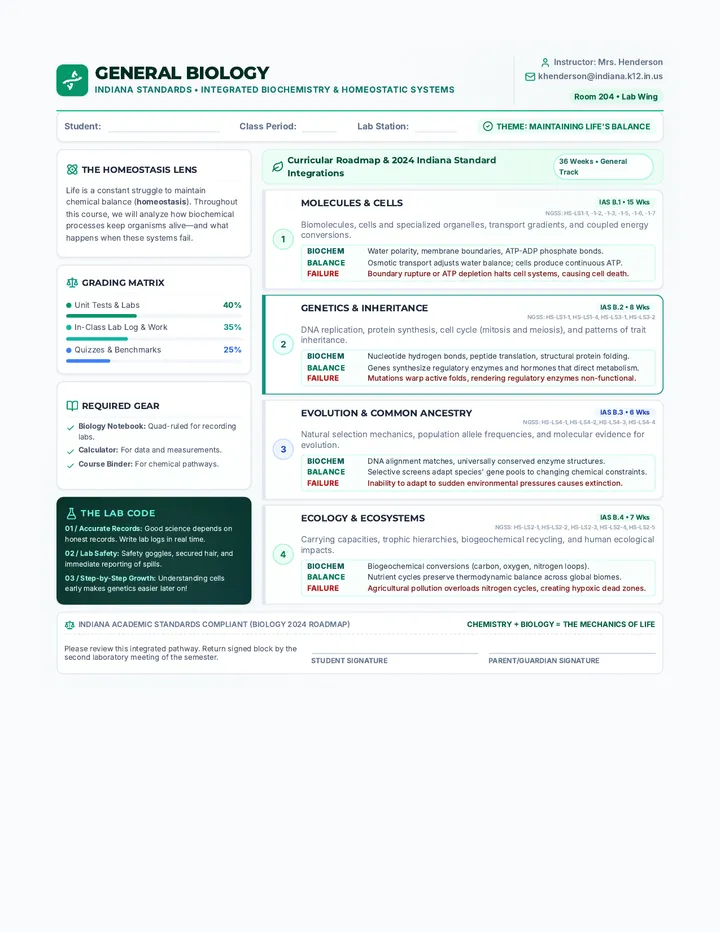
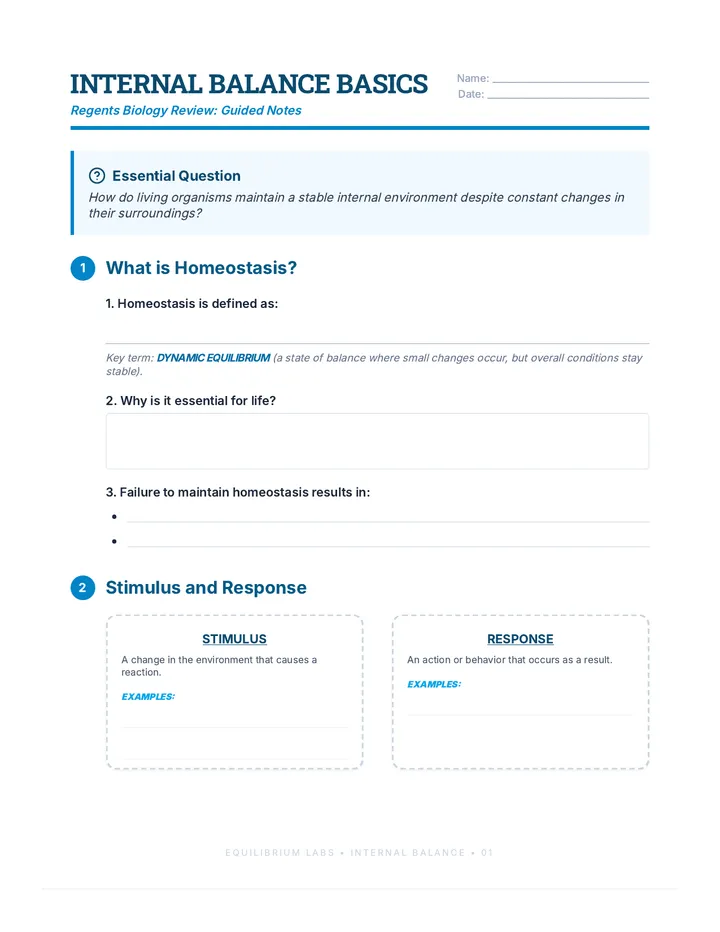
A comprehensive lesson sequence on human body systems, starting with the fundamentals of cellular organization and homeostasis.
A deep dive into marine biology and animal physiology, focusing on the unique adaptations that allow aquatic life to thrive in diverse environments.
A series of lessons exploring the intersection of technology, geology, and environmental science, focusing on how the products we use every day are connected to the Earth's resources and the global environment.
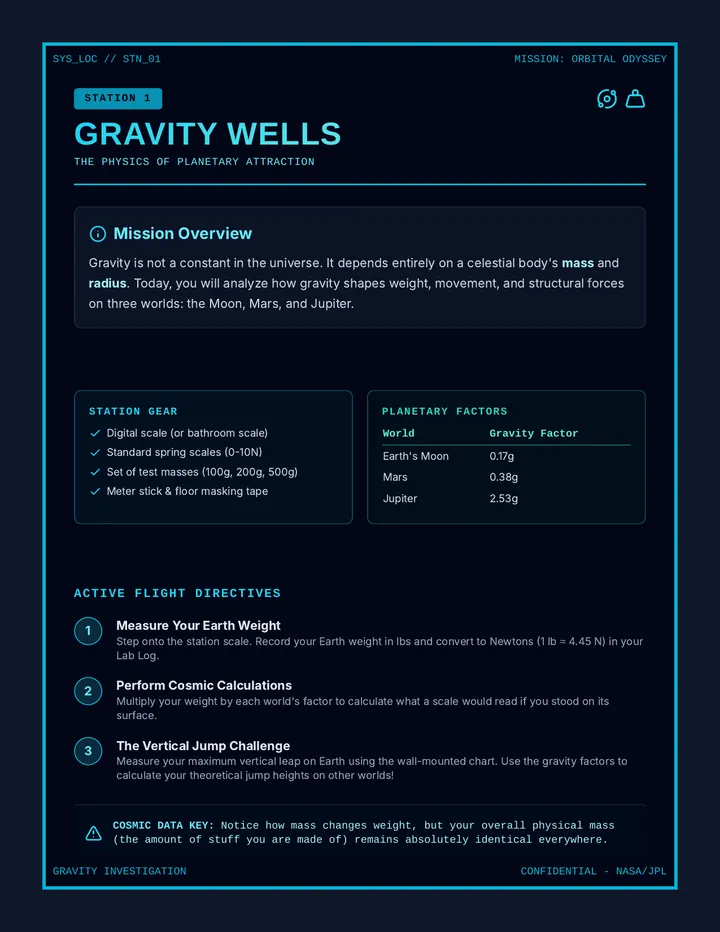
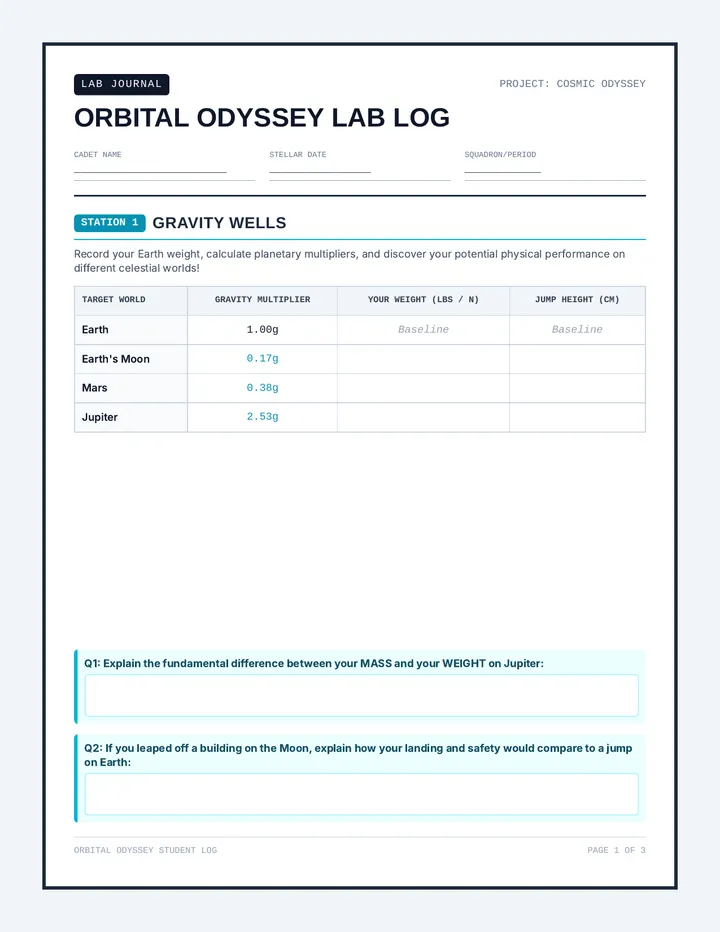
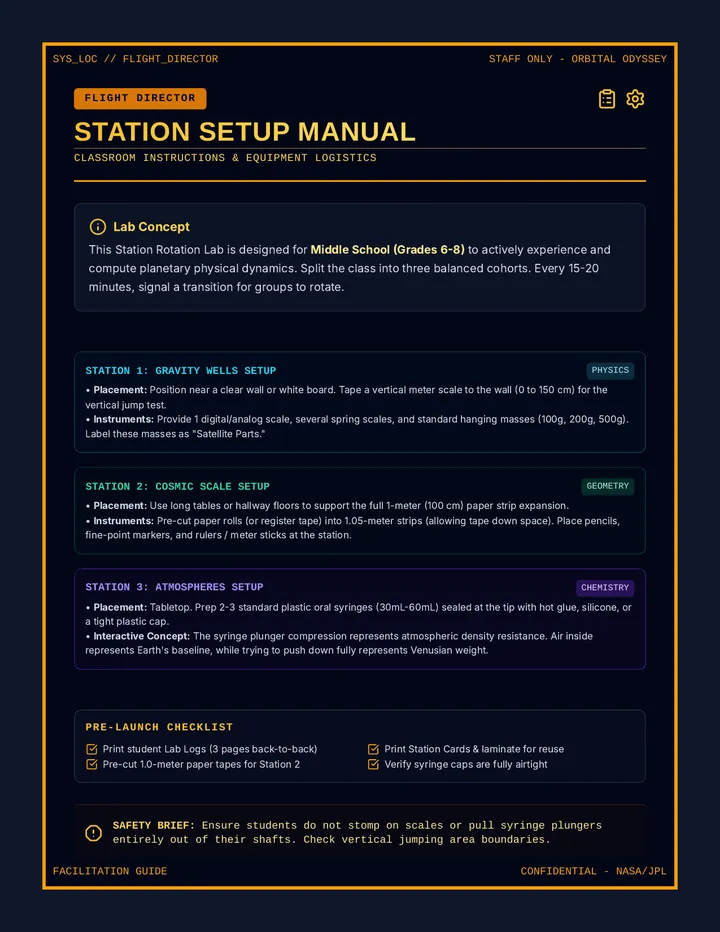
A hands-on exploration of physics and forces, focusing on gravity, motion, and air resistance through engineering challenges.
A lesson sequence focusing on the differences between renewable and non-renewable energy sources, culminating in a town council role-play debate. Students explore energy transformations and evaluate the environmental and economic impacts of different power sources.