Fundamental biological structures and processes from microscopic cells and genetic inheritance to complex body systems and global ecosystems. Addresses plant and animal adaptations, trait expression, and the cycles of life and cell division.
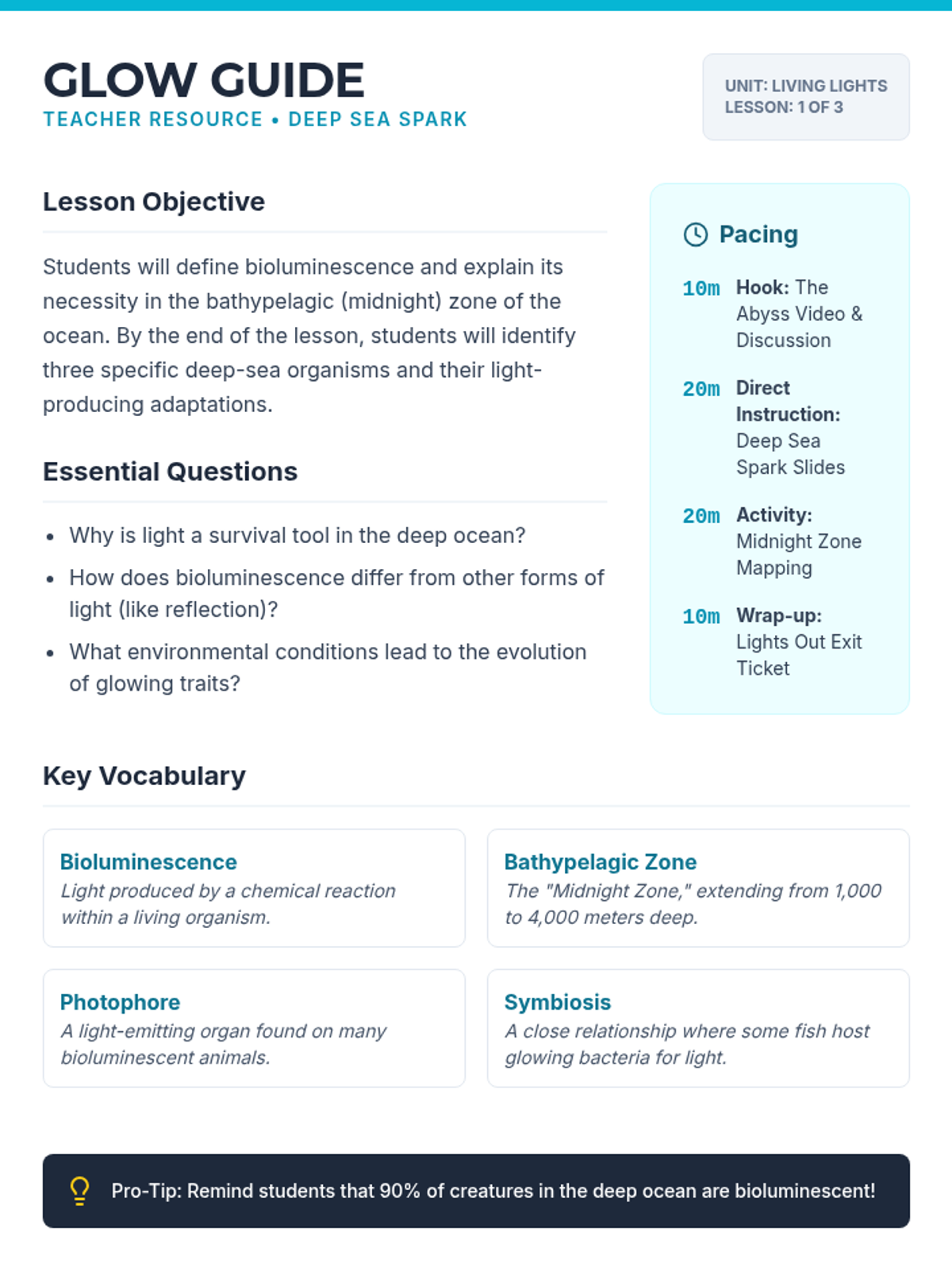
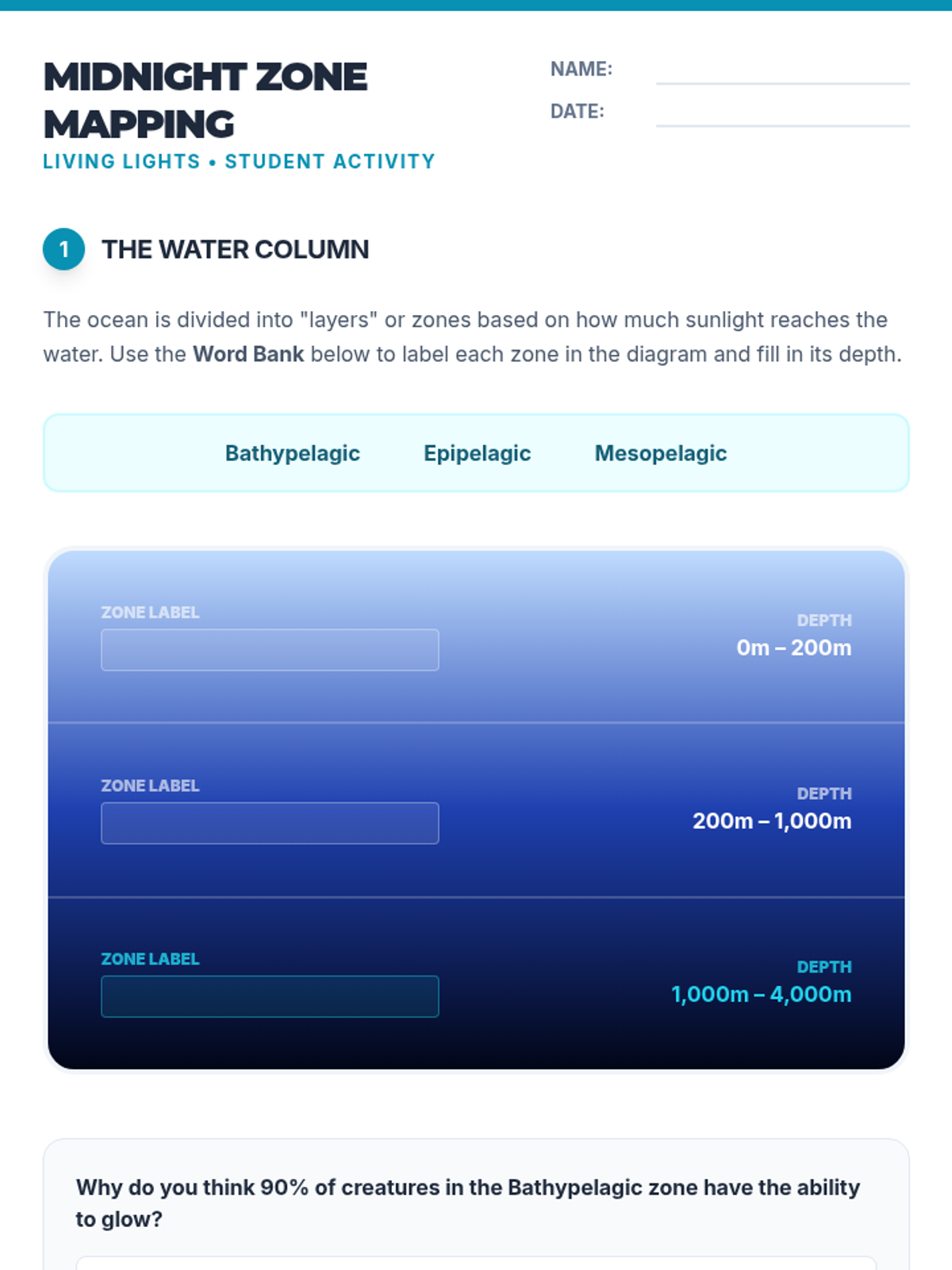
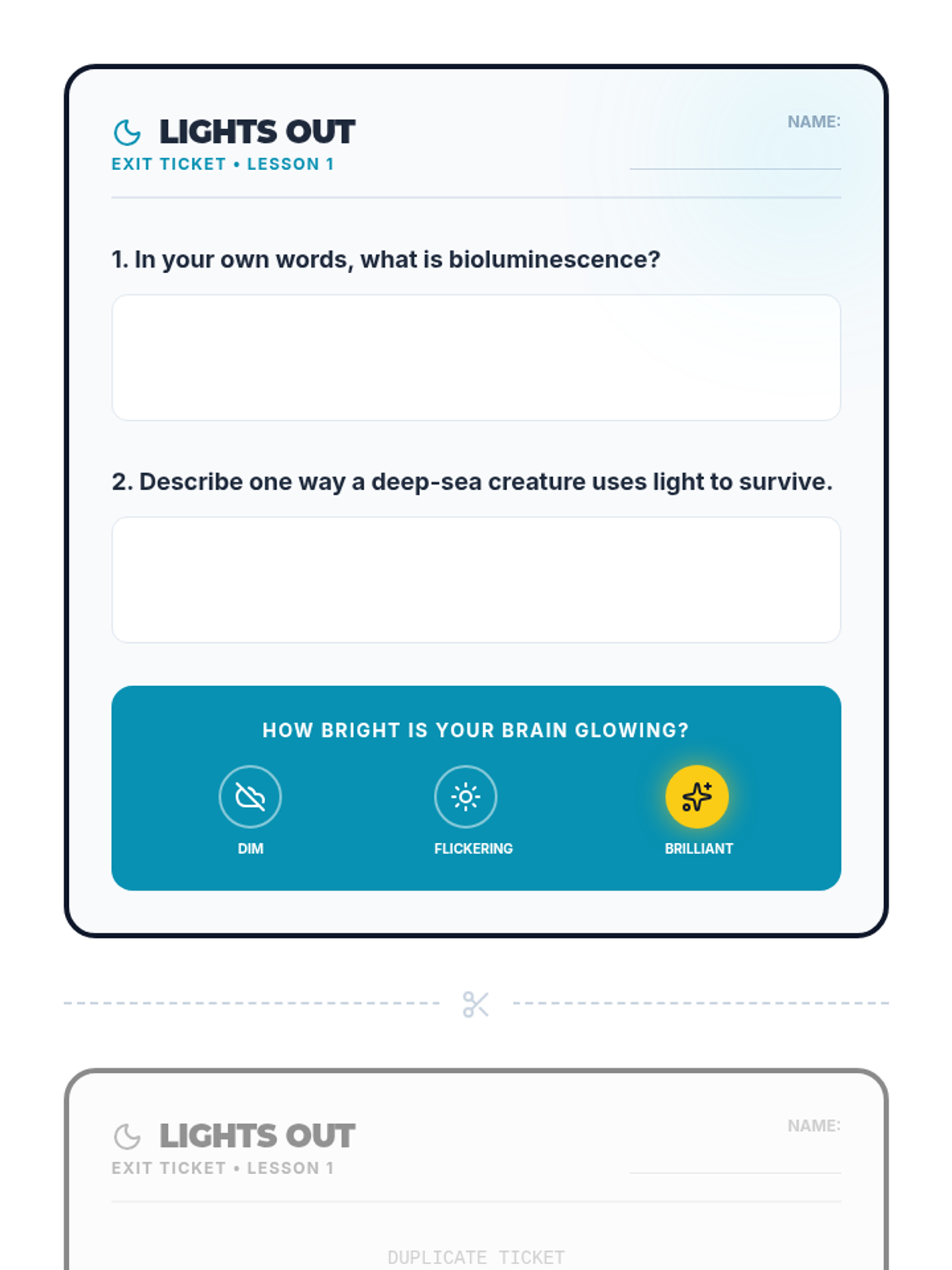
A comprehensive 3-lesson unit exploring the science, chemistry, and purpose of bioluminescence in nature. Students dive into the deep sea, experiment with chemical reactions, and analyze how light is used for survival.
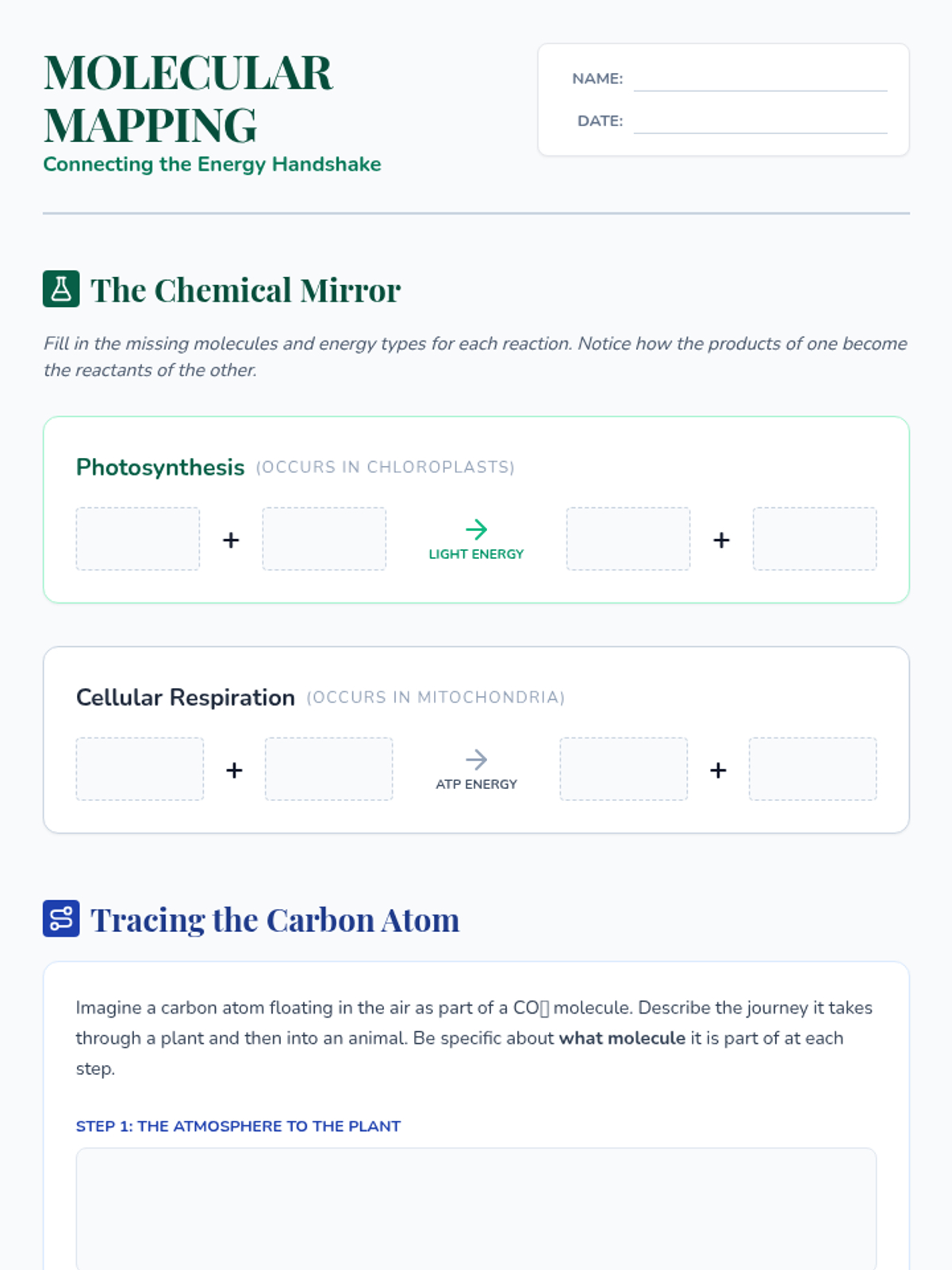
A 2-3 day project-based learning sequence where students explore the relationship between photosynthesis and cellular respiration, culminating in a creative project where they explain the cycling of matter and flow of energy in ecosystems.
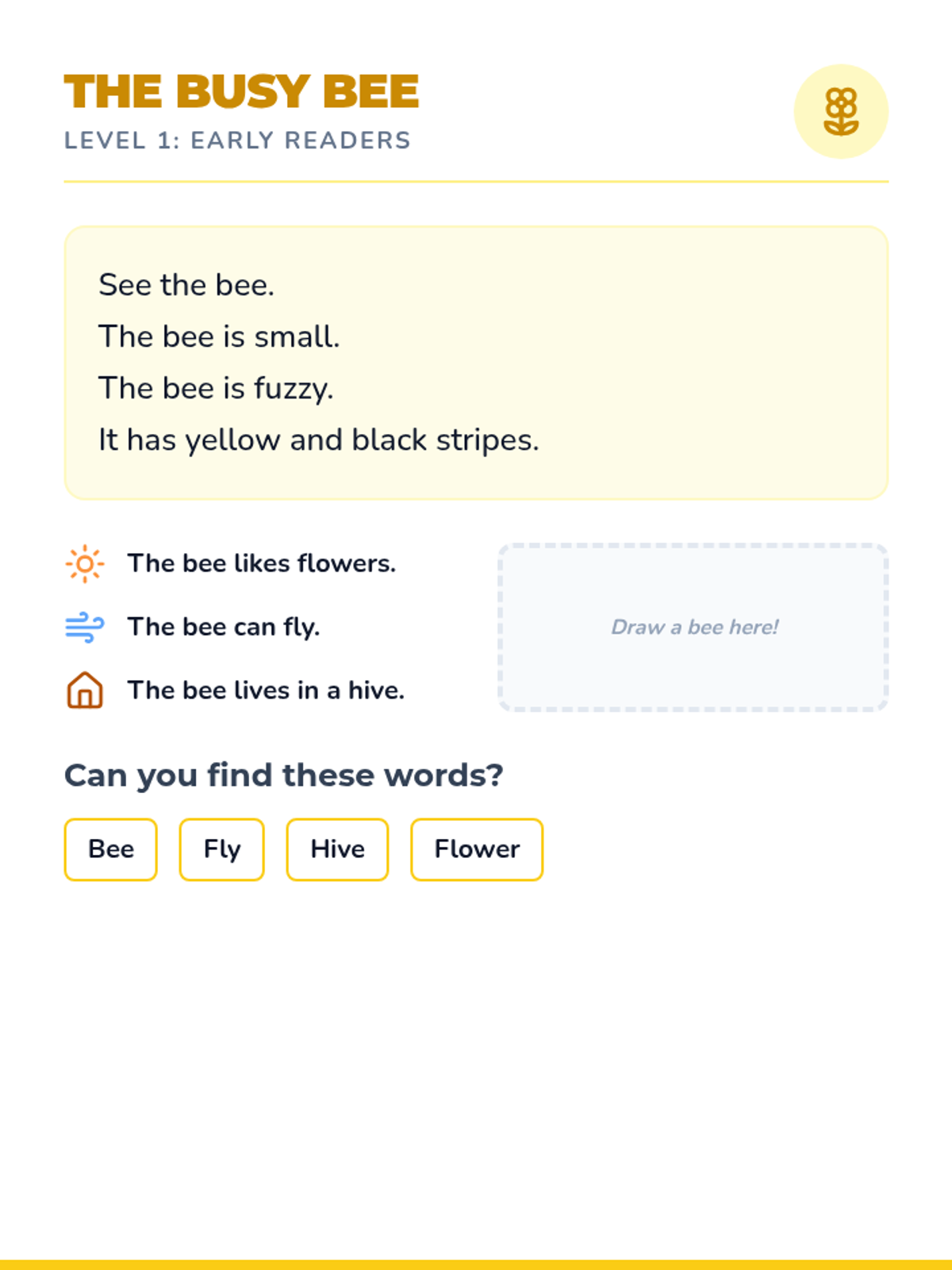
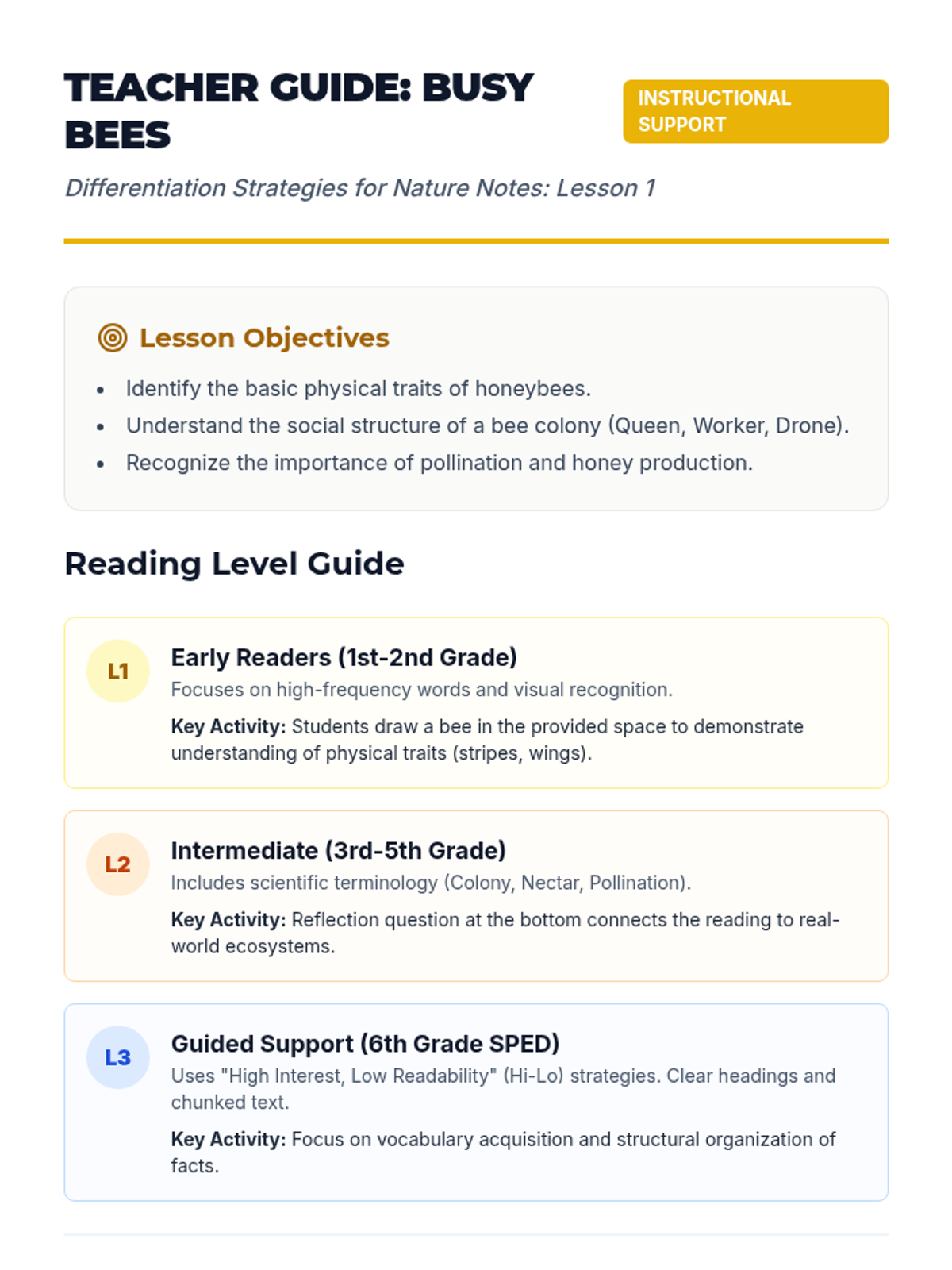
A collection of lessons focused on nature and science, designed with differentiated reading materials for diverse learners including early readers and special education students.
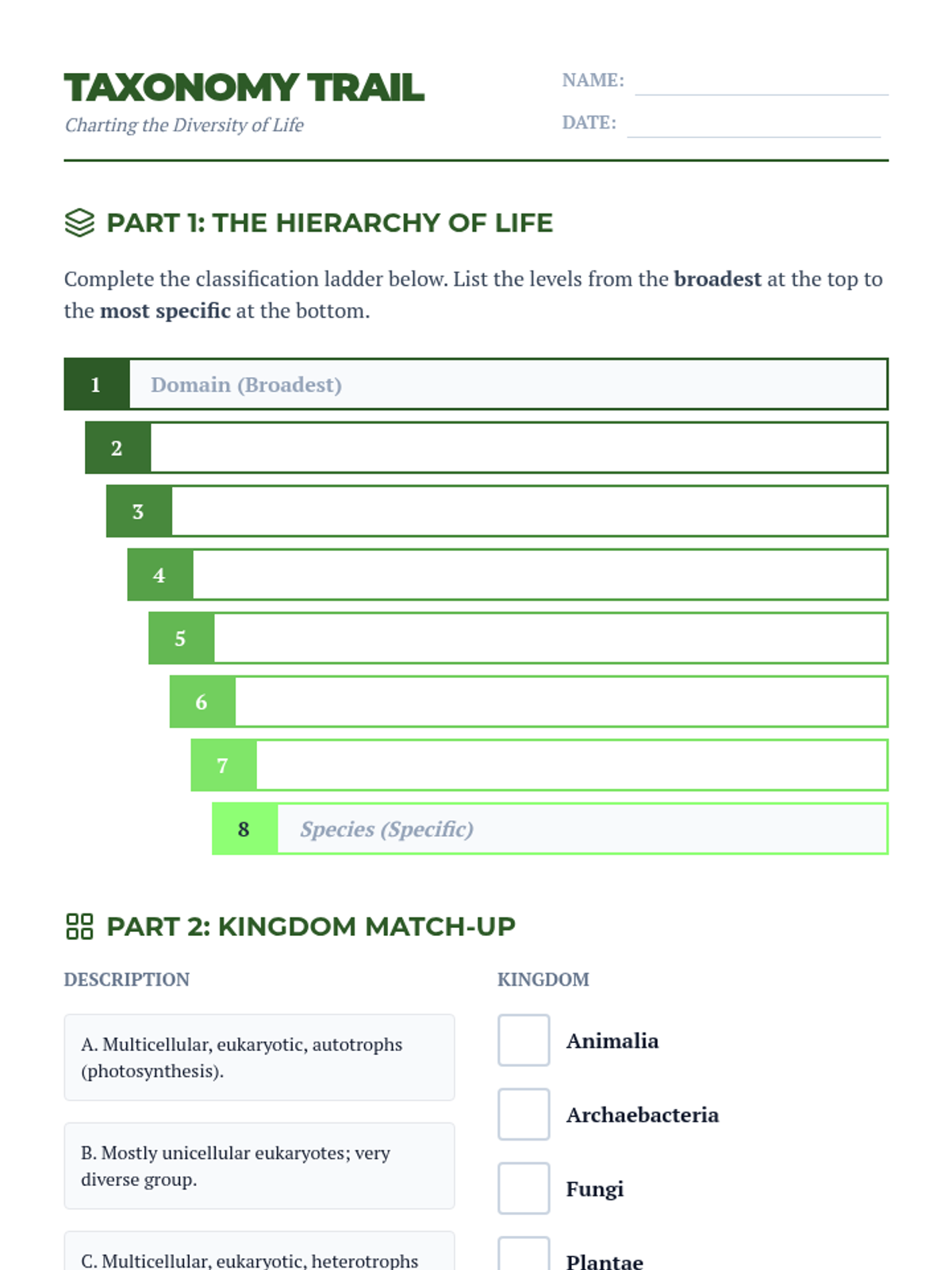
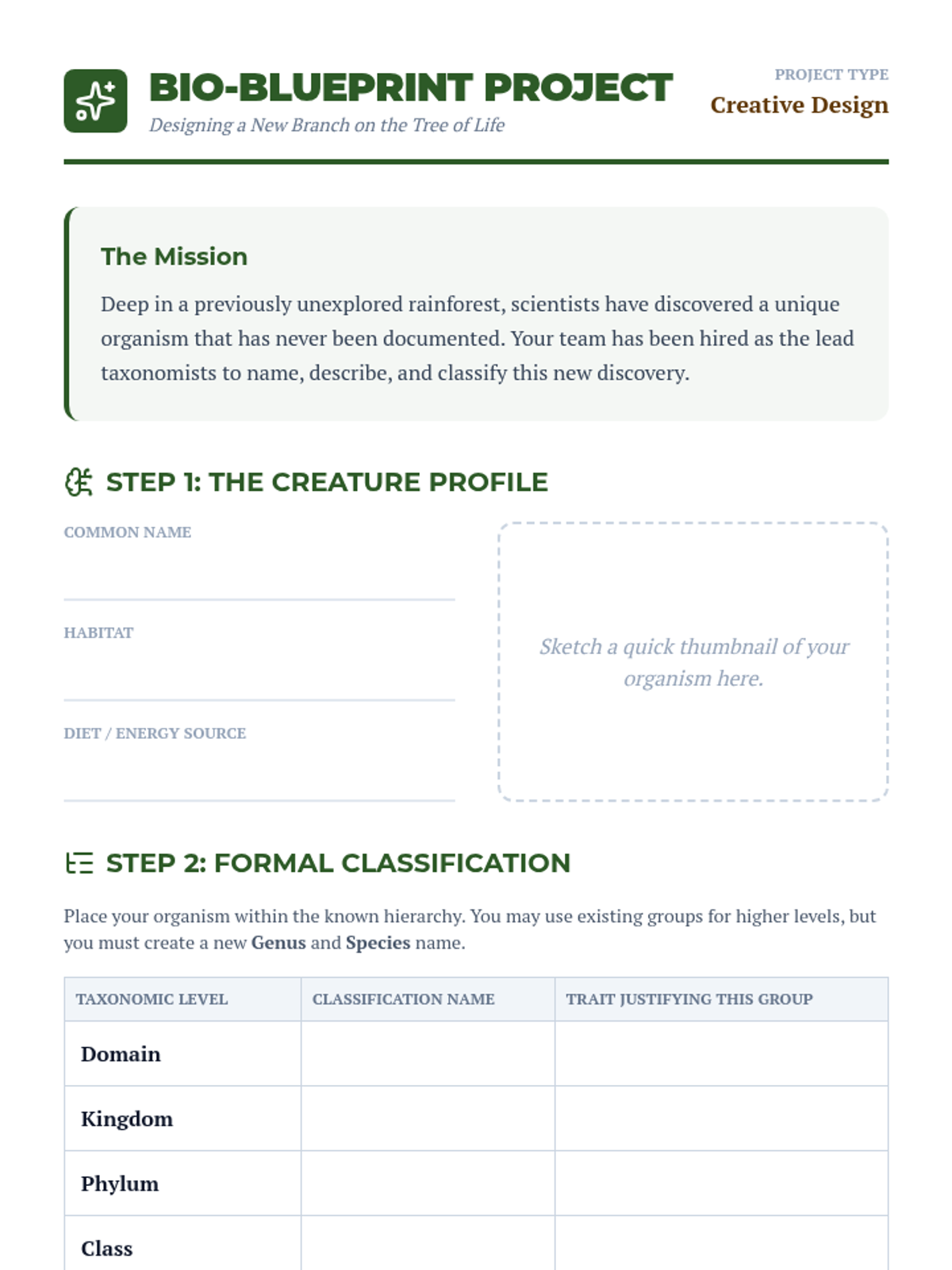
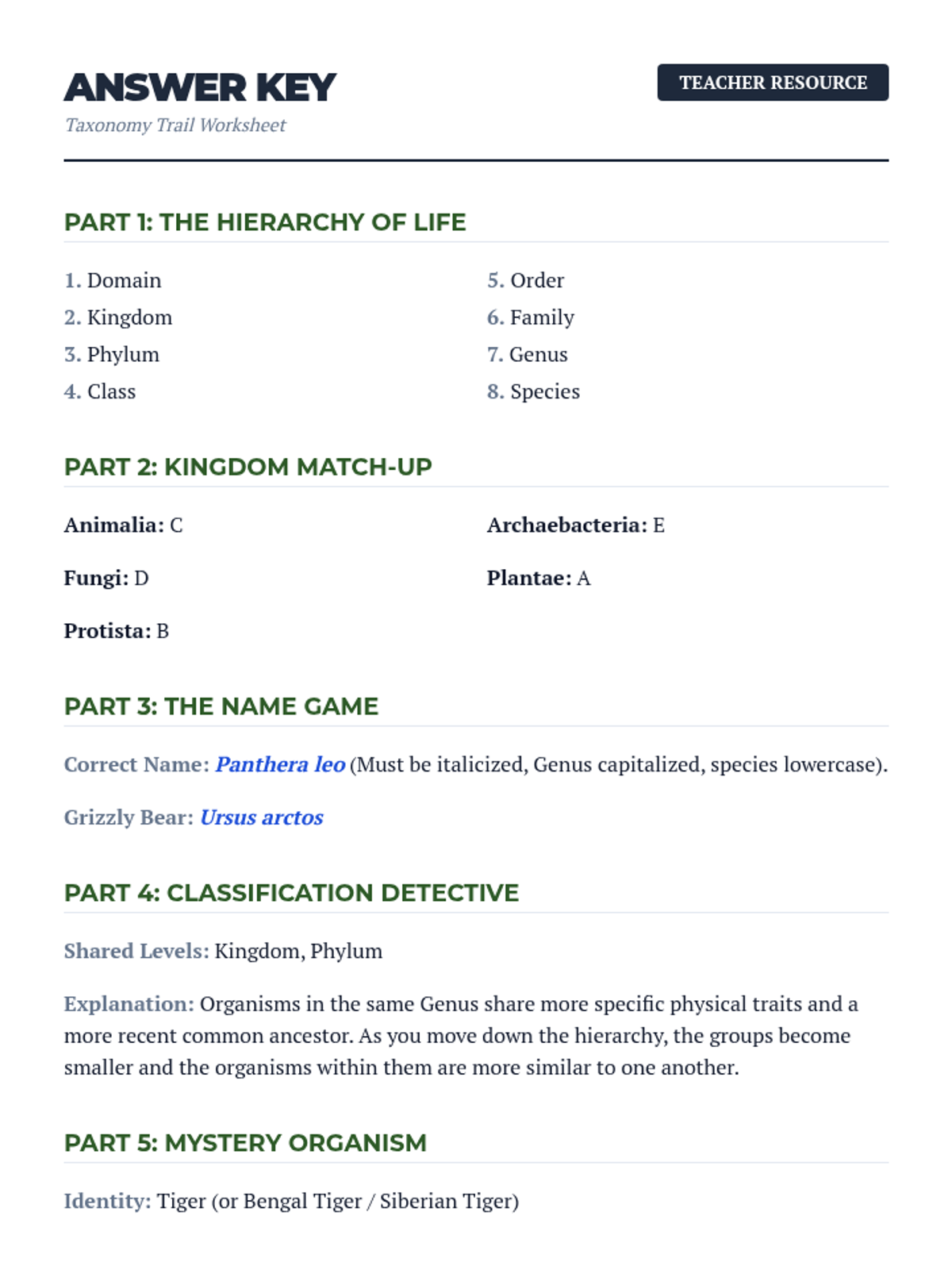
A comprehensive exploration of how scientists organize the diversity of life on Earth, from the broadest domains to individual species.
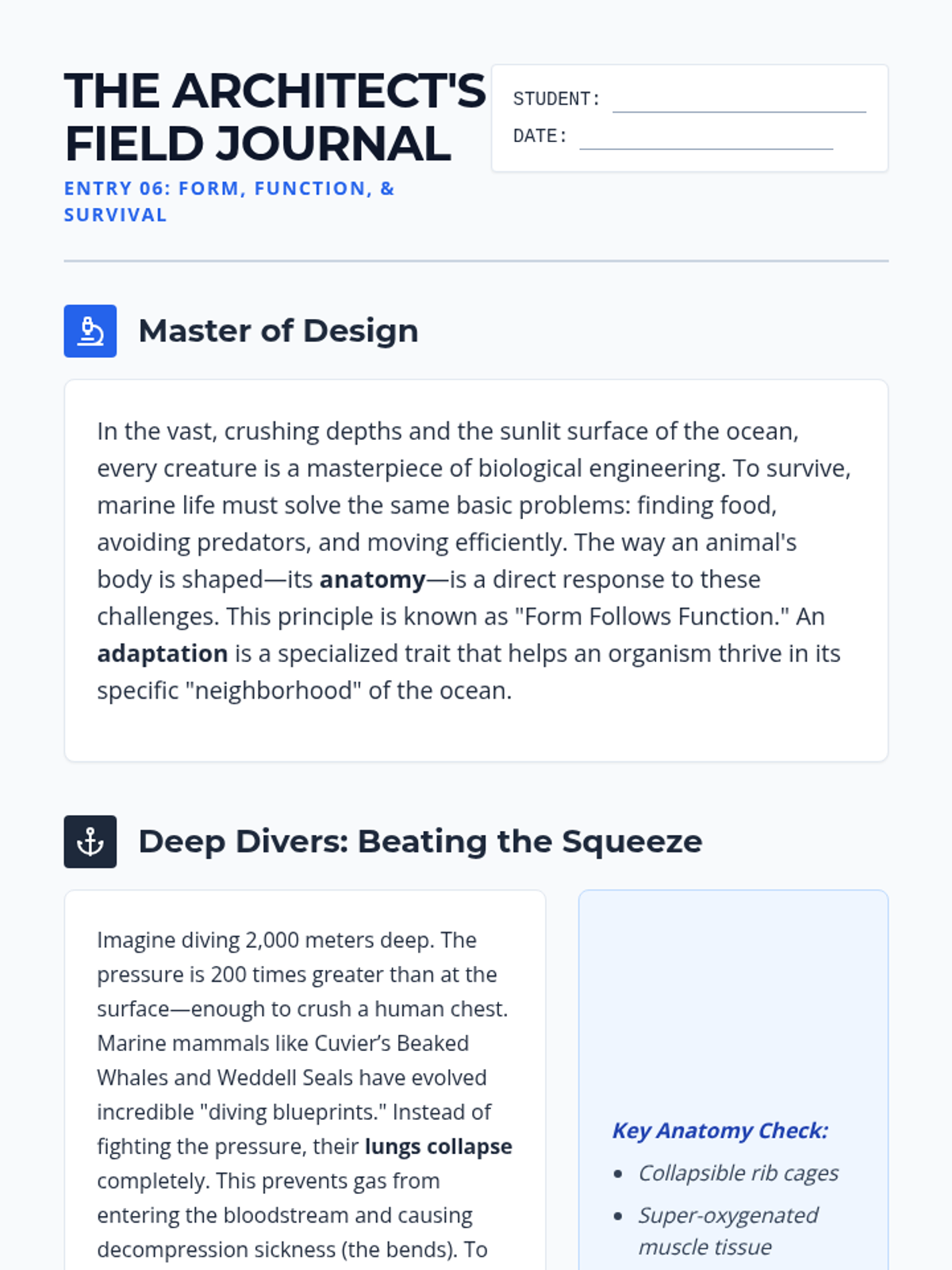
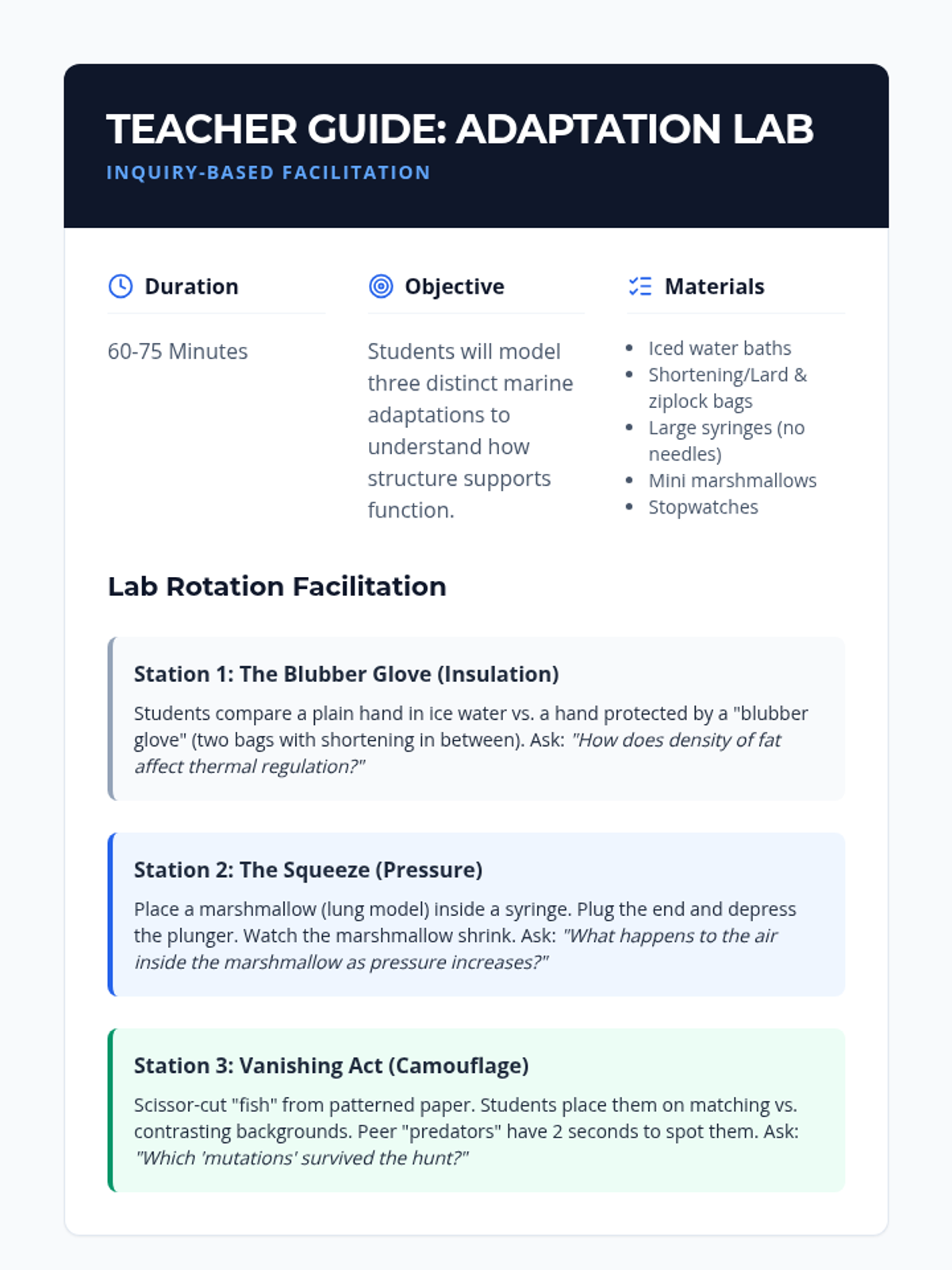
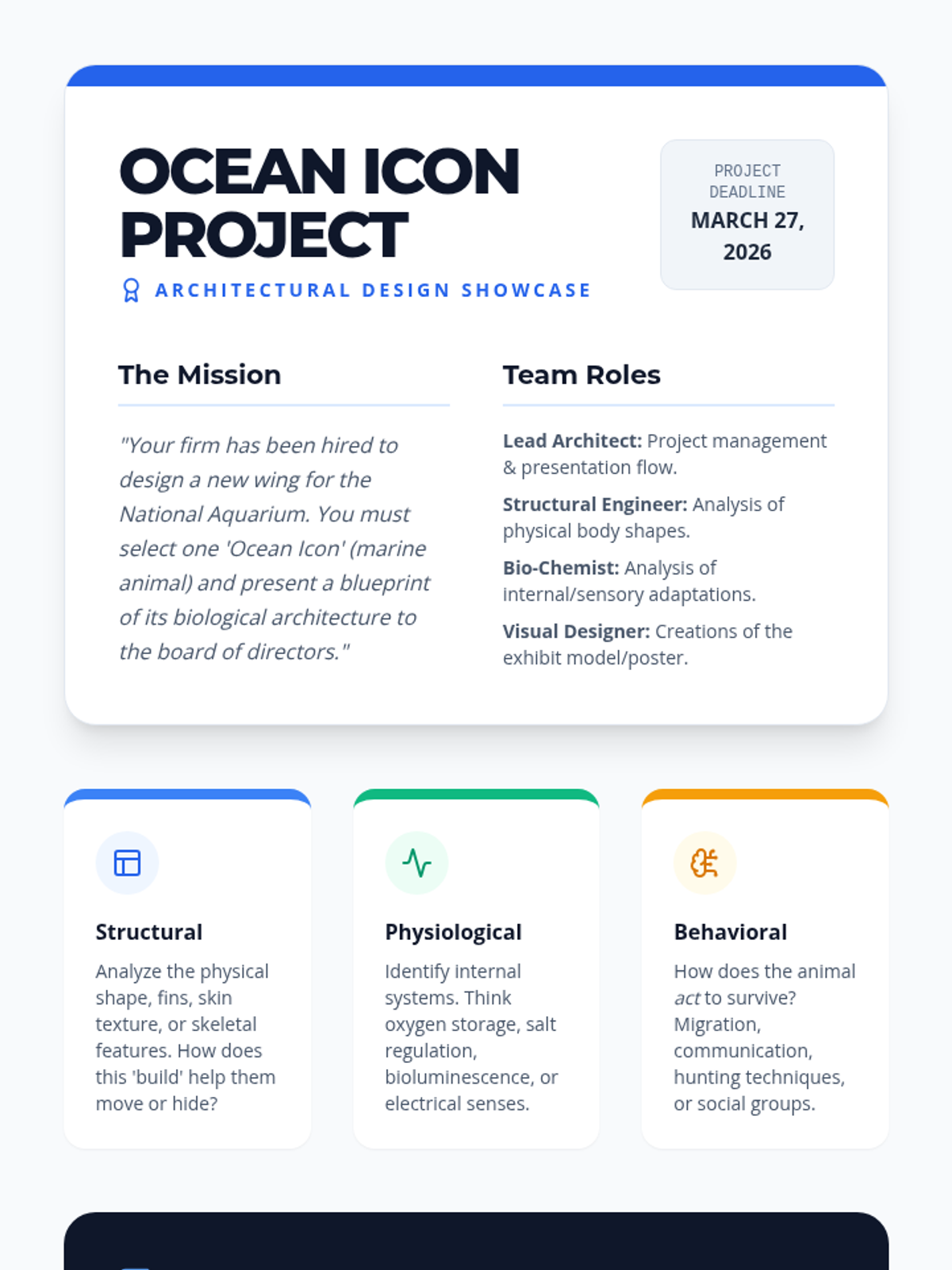
A comprehensive marine biology curriculum exploring the structural and functional design of ocean life, from microscopic plankton to massive cetaceans. Students act as 'Ocean Architects' to understand how environmental pressures shape biological forms.
A comprehensive sequence covering introductory 6th-grade life science topics, from ecosystem dynamics to inheritance and evolutionary changes.
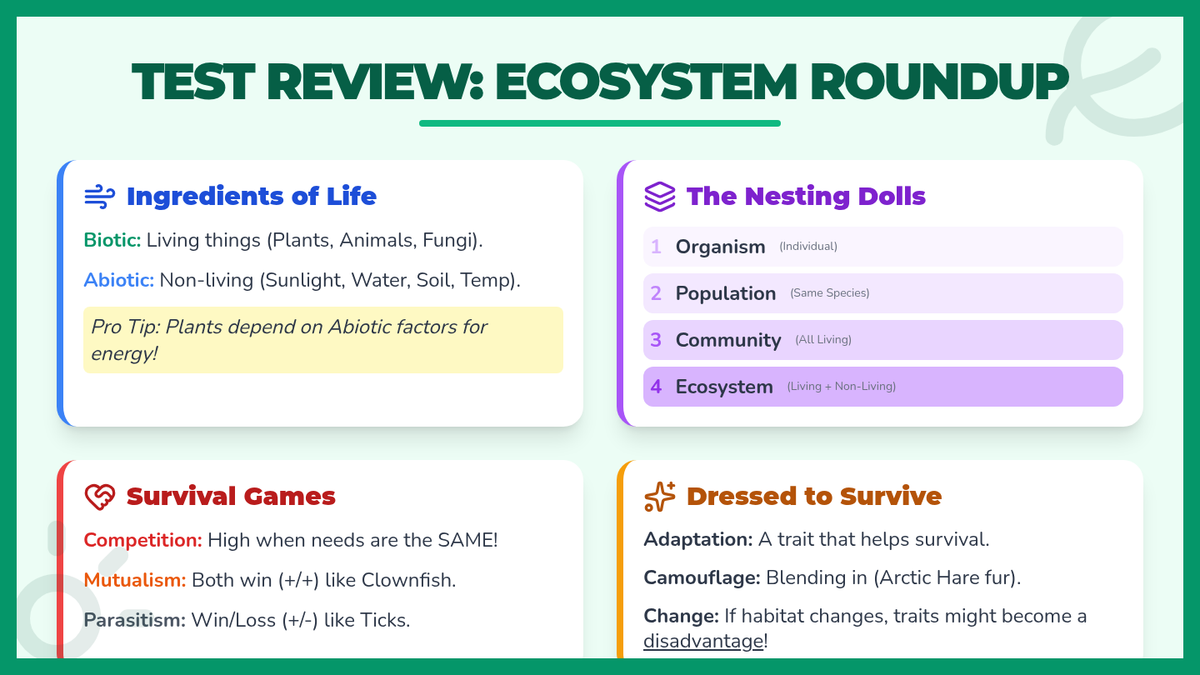
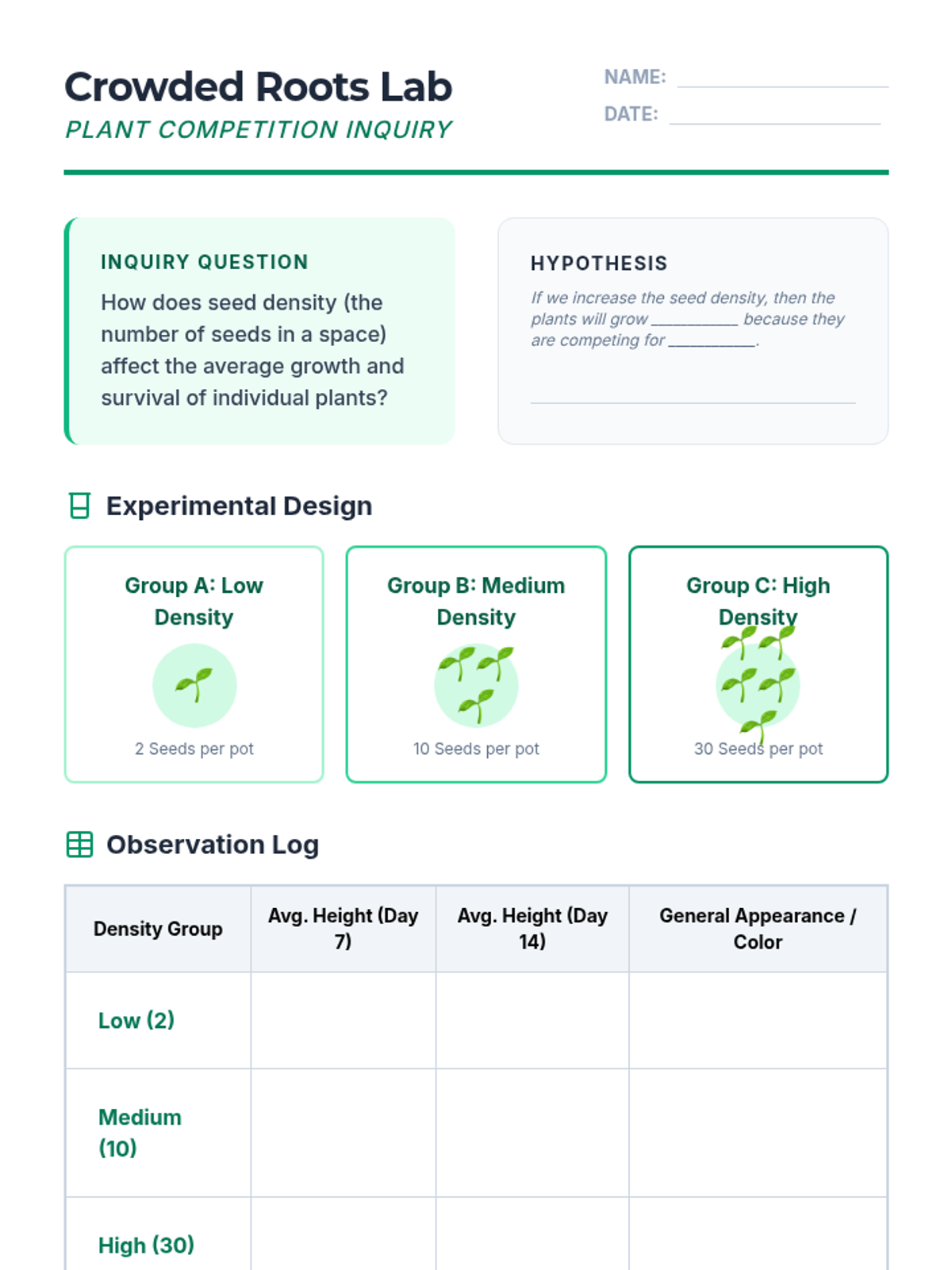
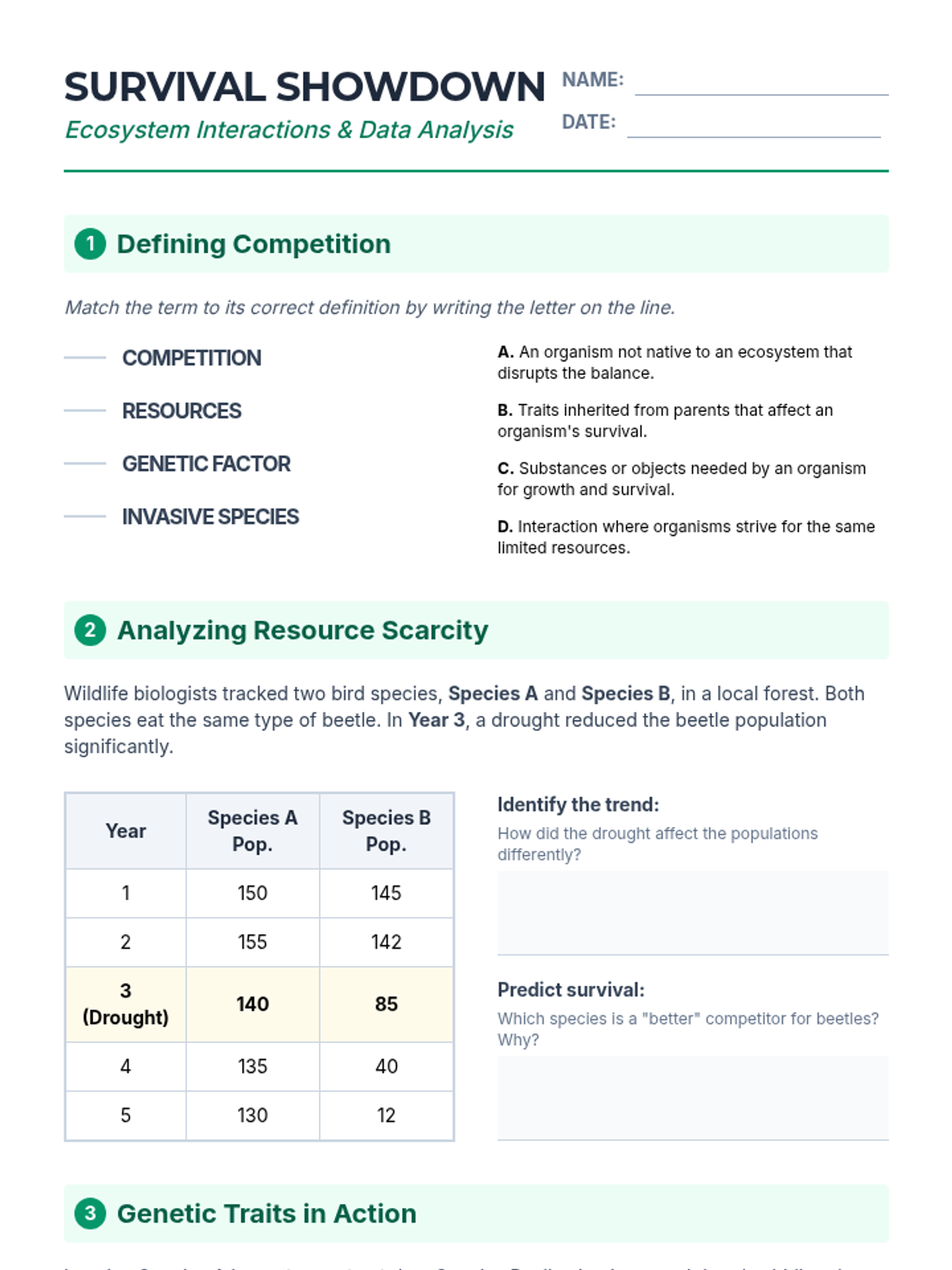
A scaffolded middle school unit exploring competition, energy flow, and ecosystem stability. Each lesson is tailored to specific NGSS performance expectations for grades 6, 7, and 8, building from individual organism growth to complex system dynamics.
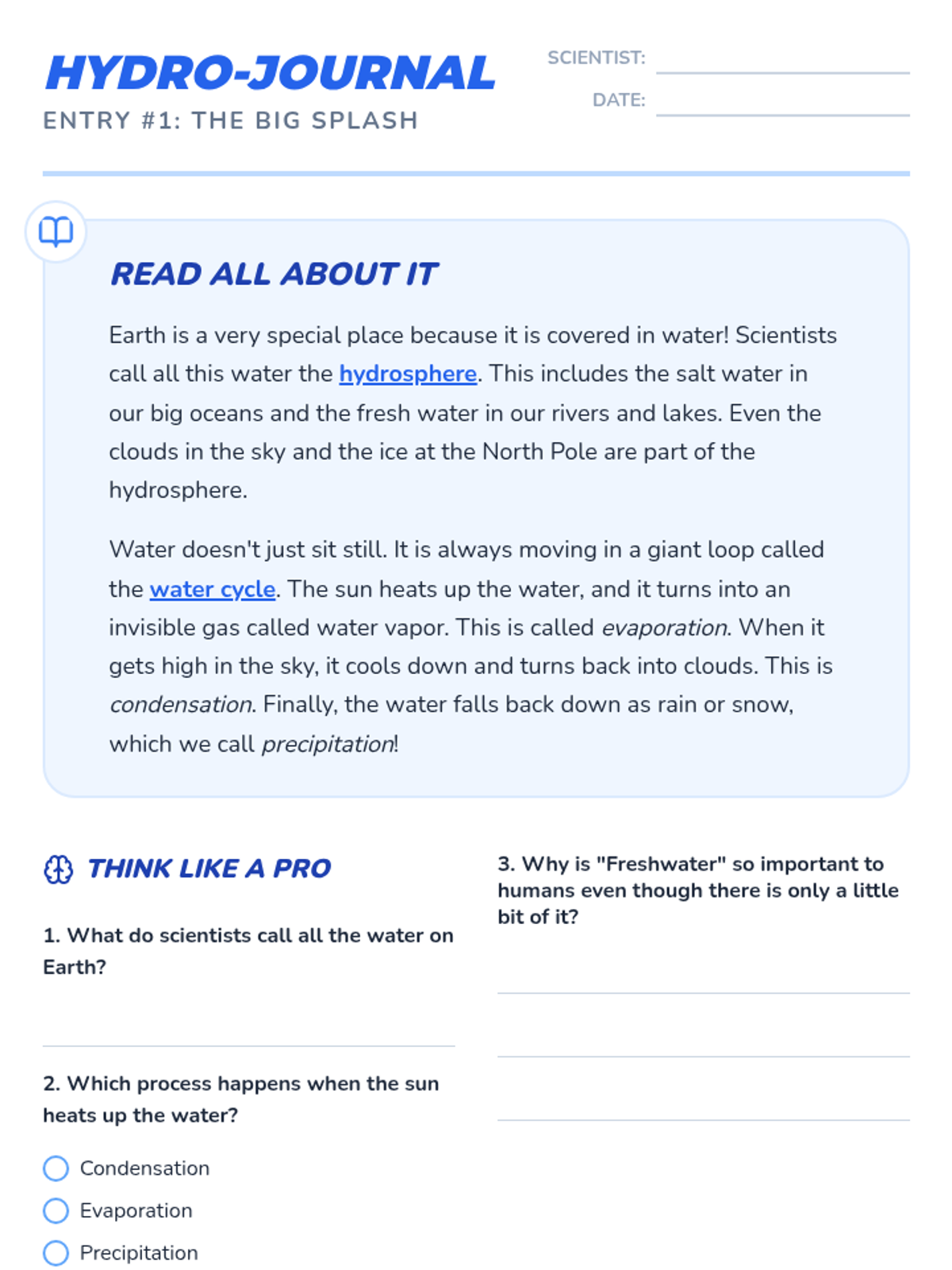
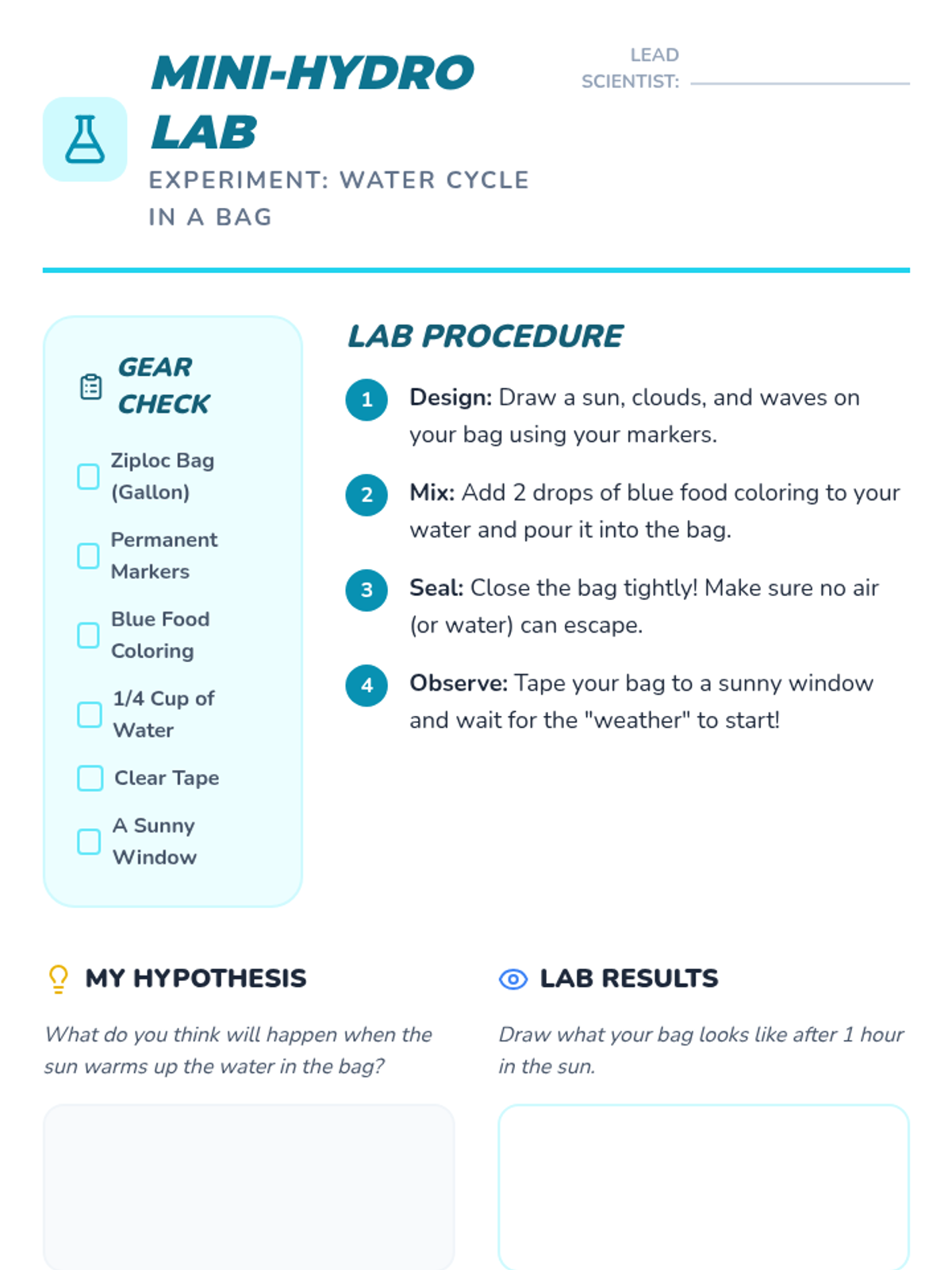
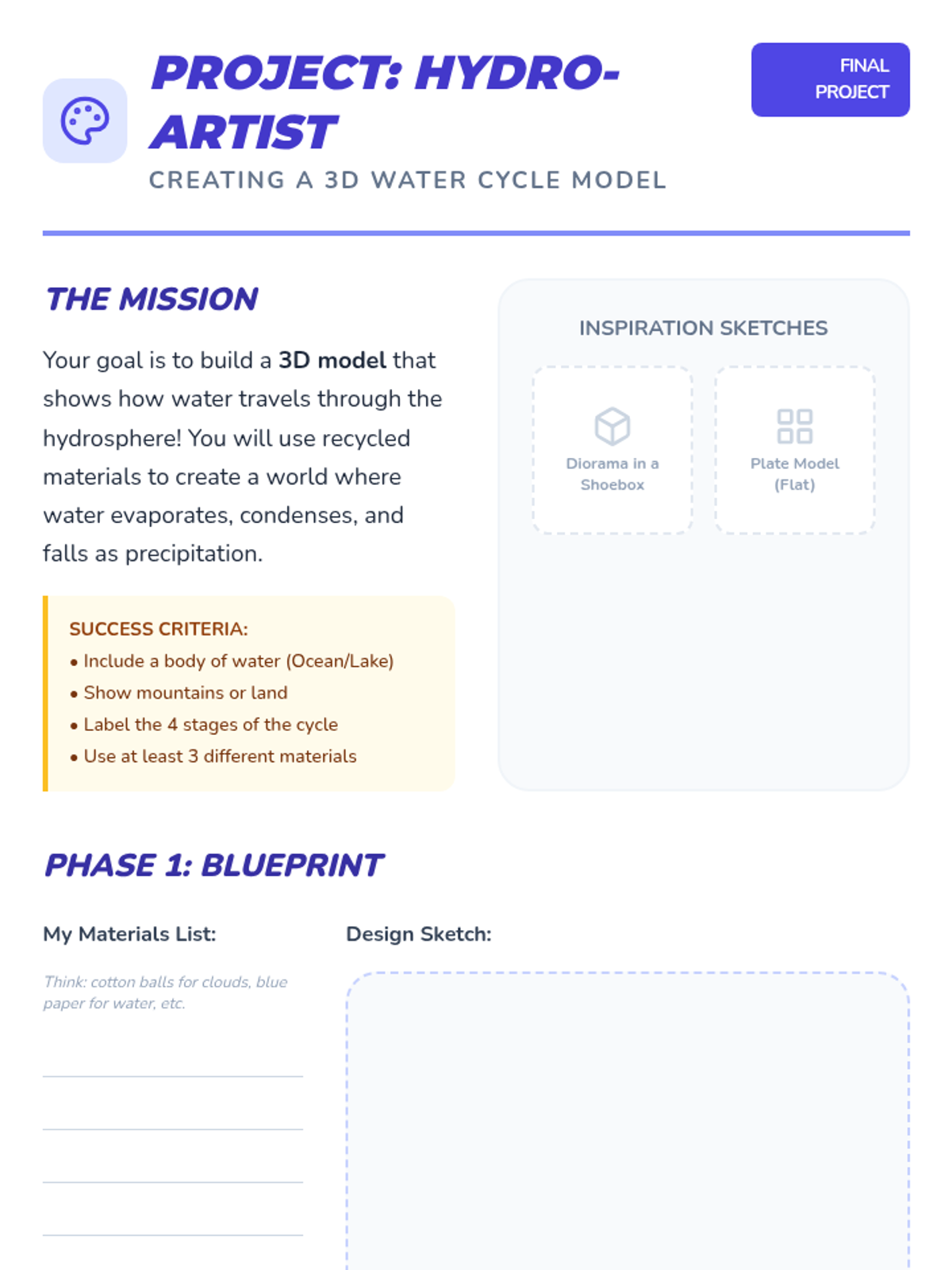
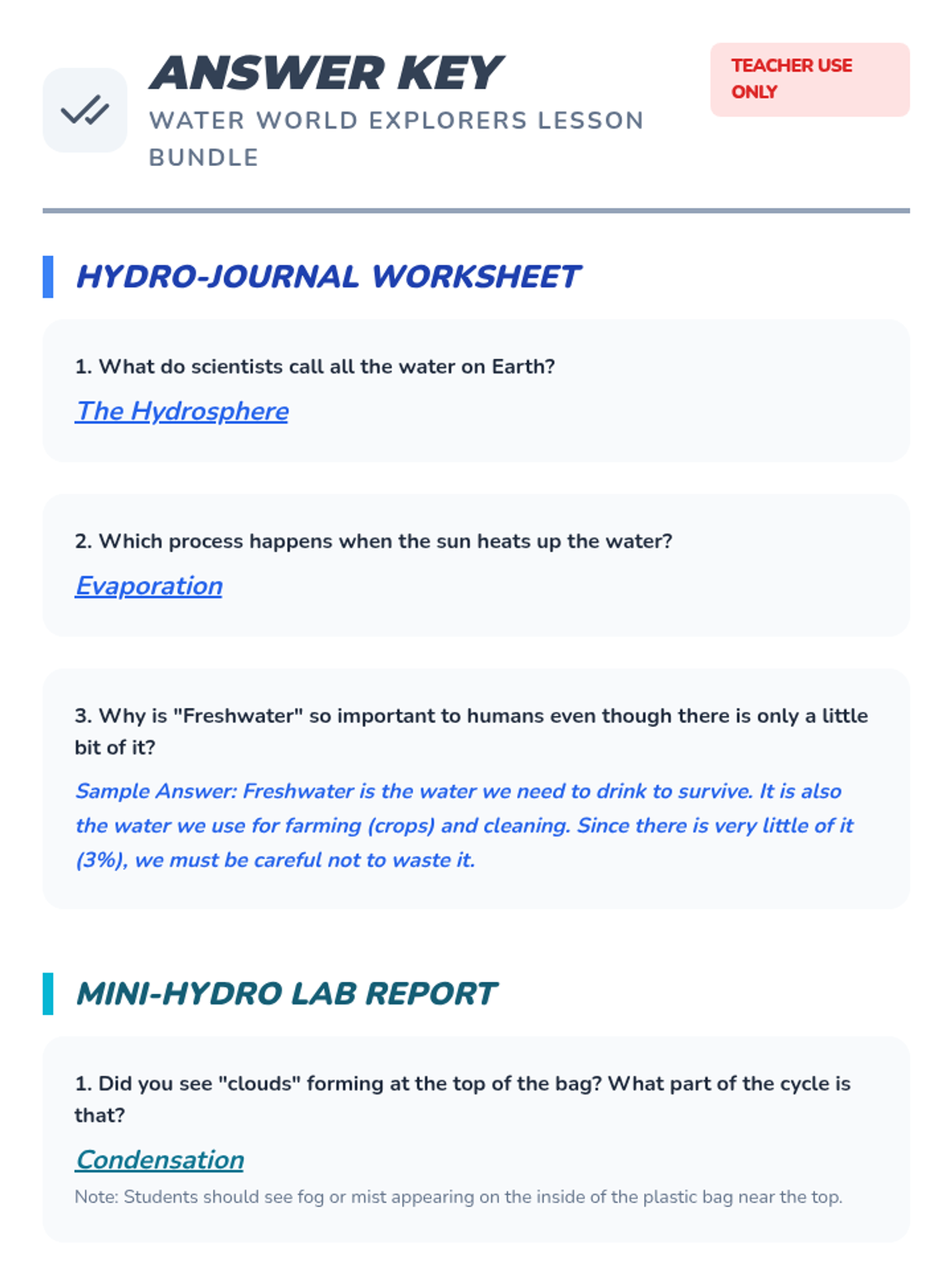
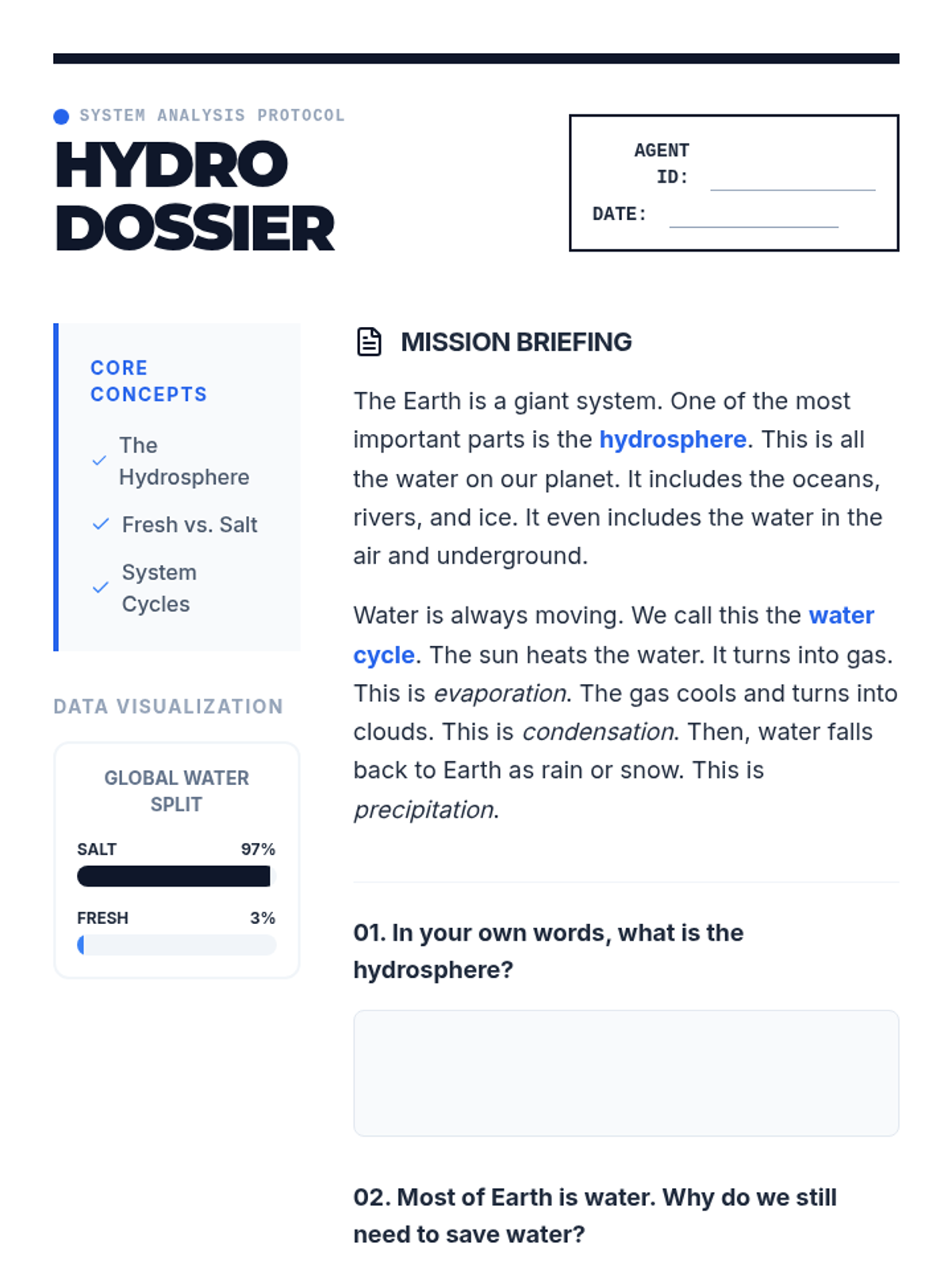
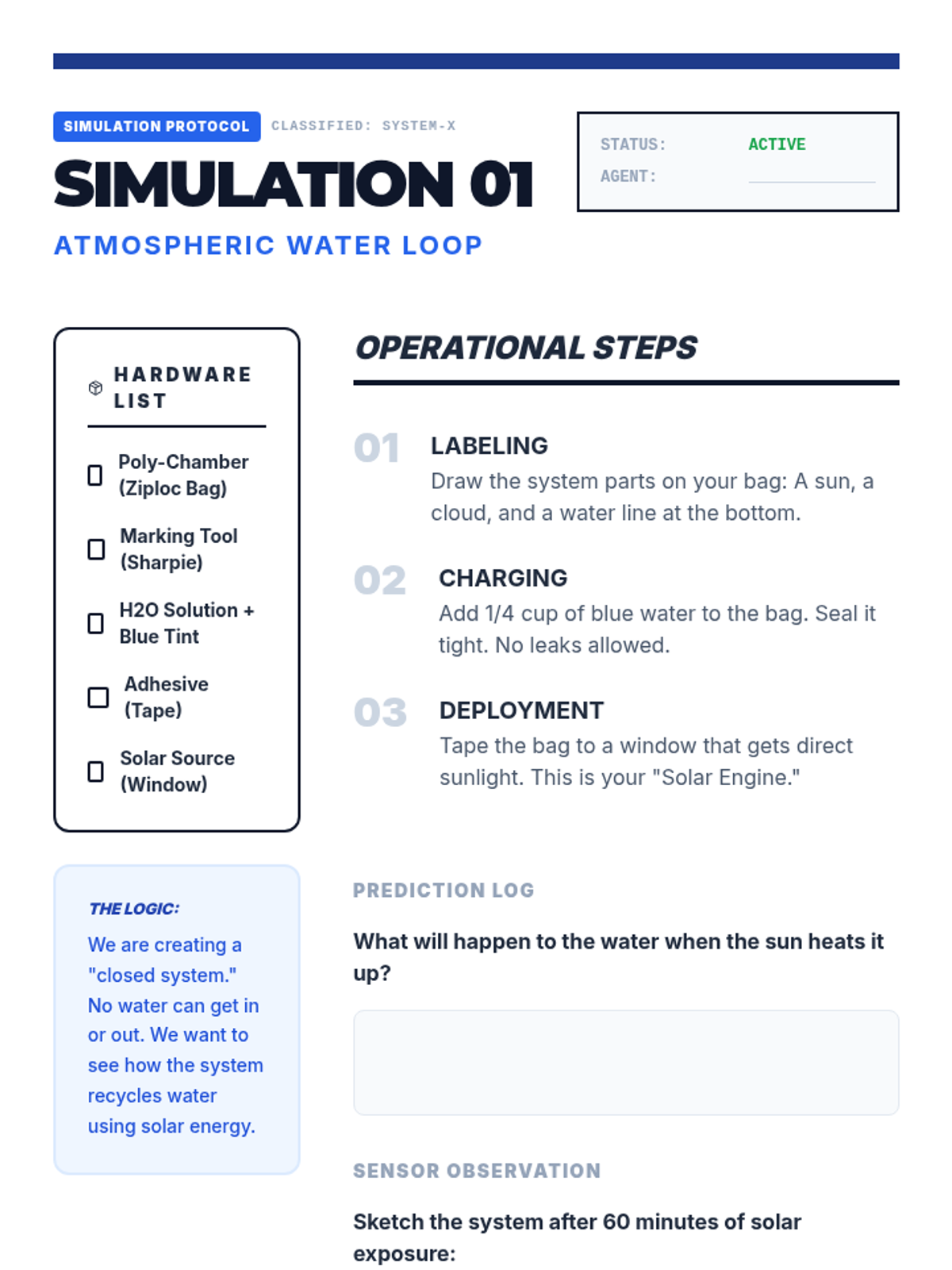
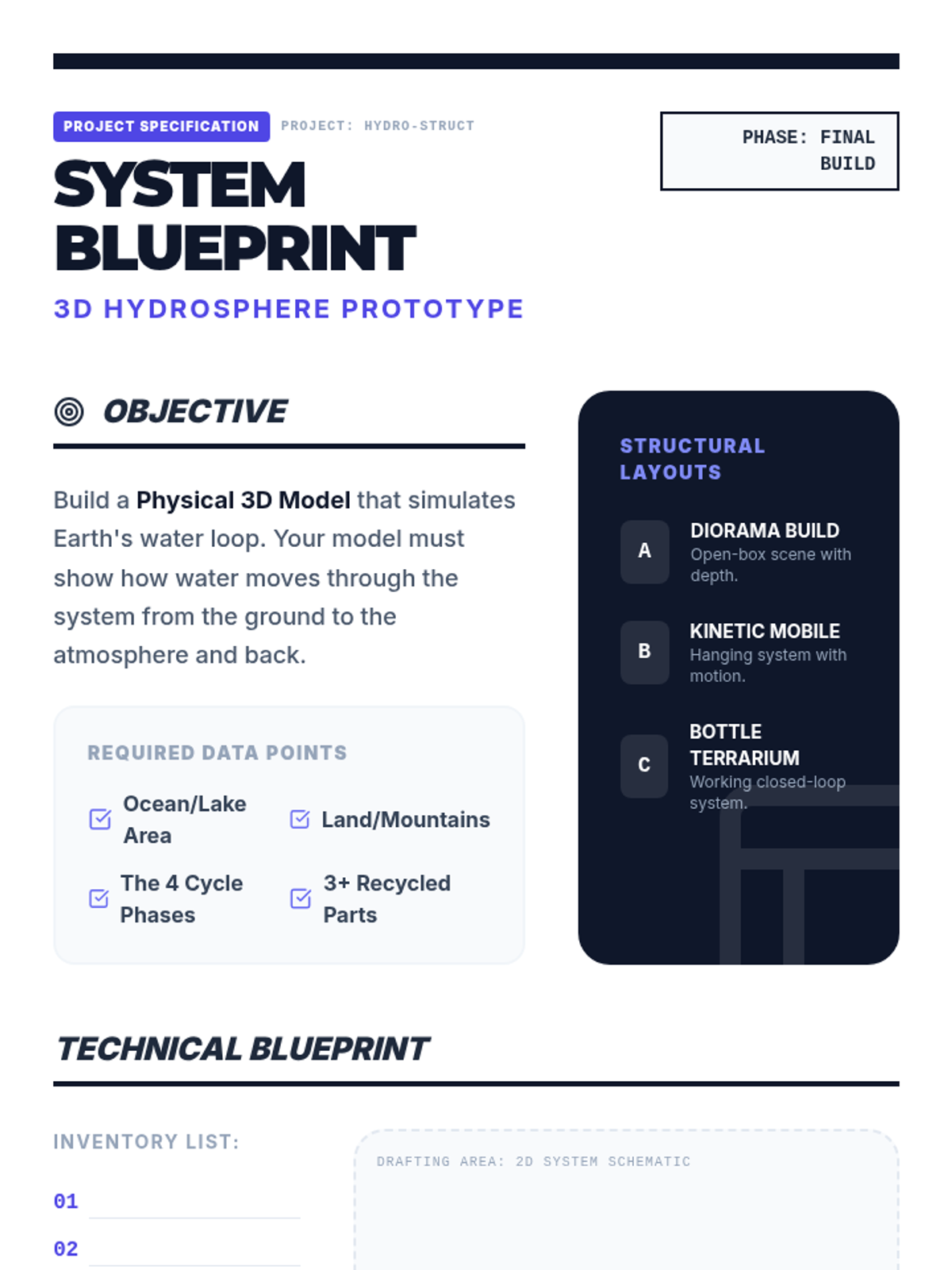
A series of lessons exploring Earth's major systems, starting with the hydrosphere and its impact on the planet's processes.
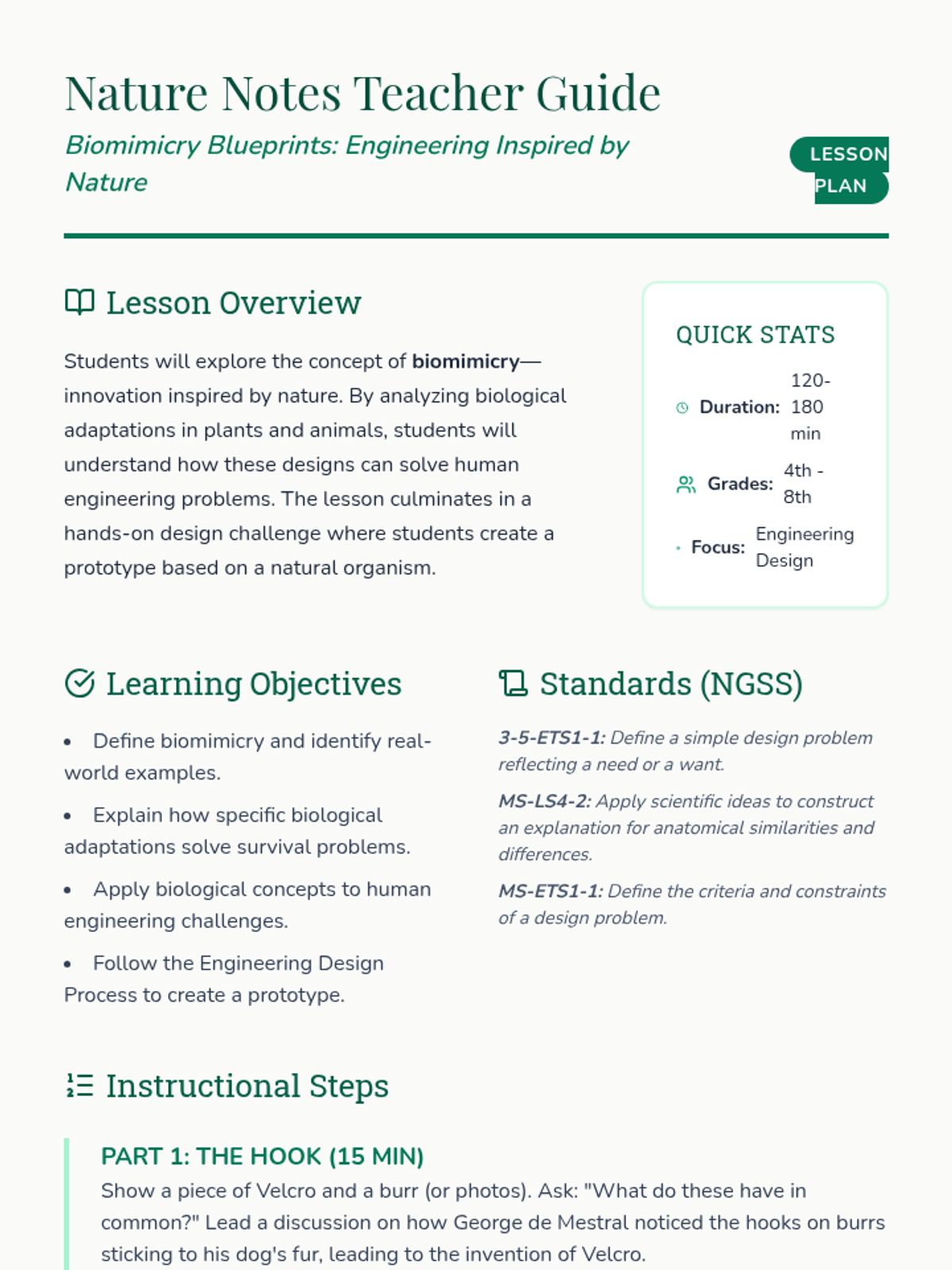
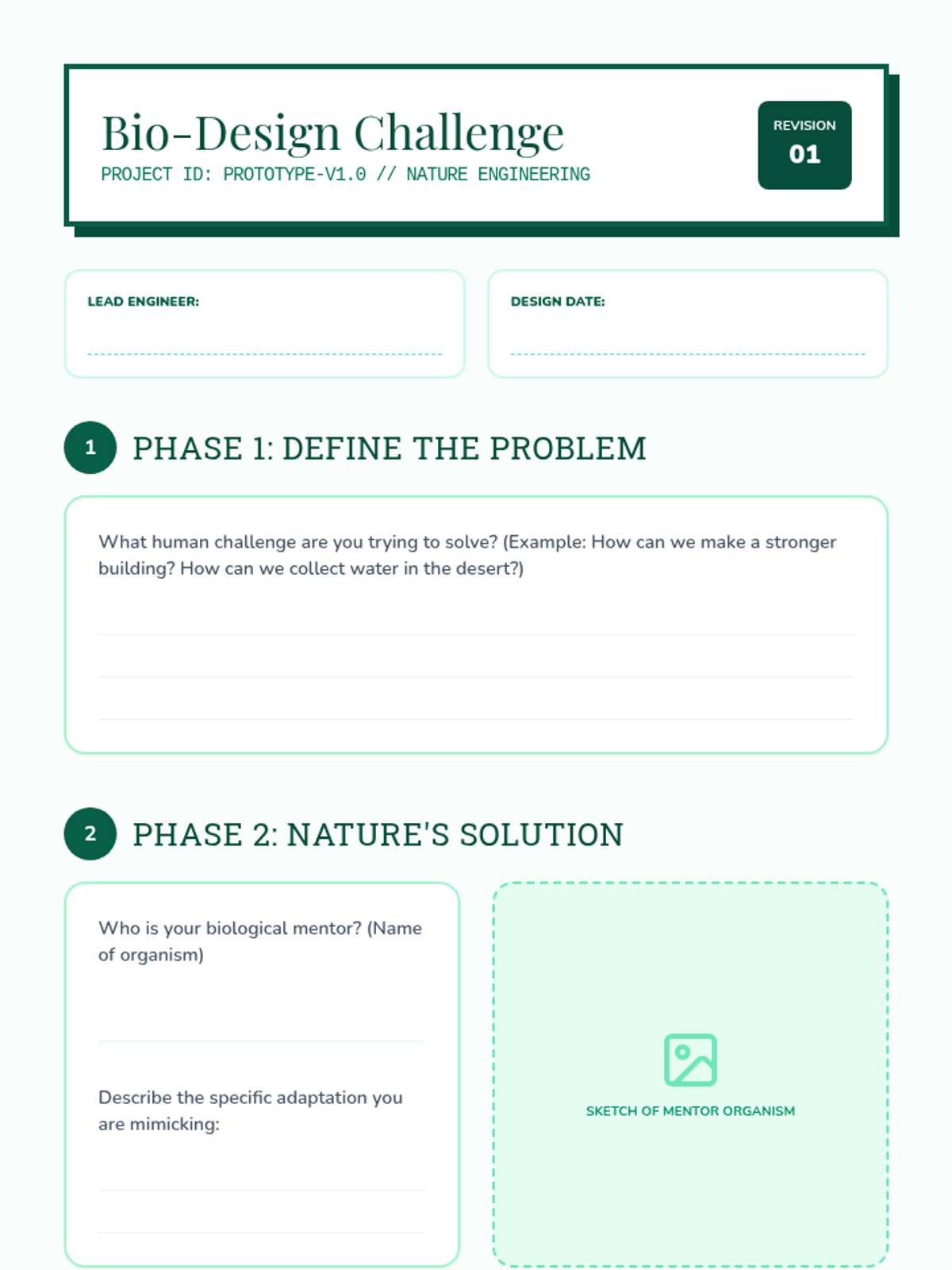
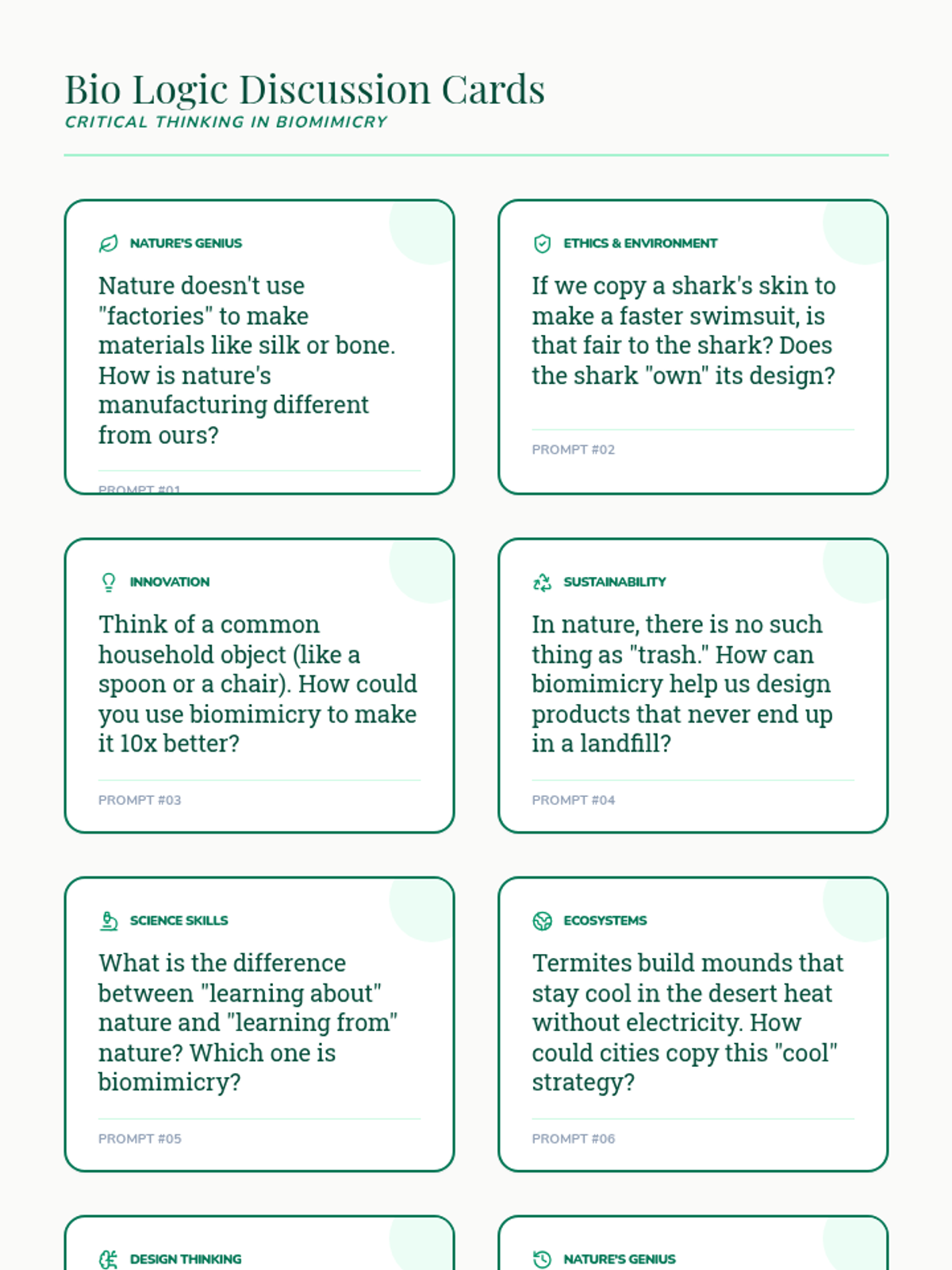
An engineering and biology sequence that teaches students to look to nature for sustainable and efficient design solutions, fostering innovation and biological appreciation.
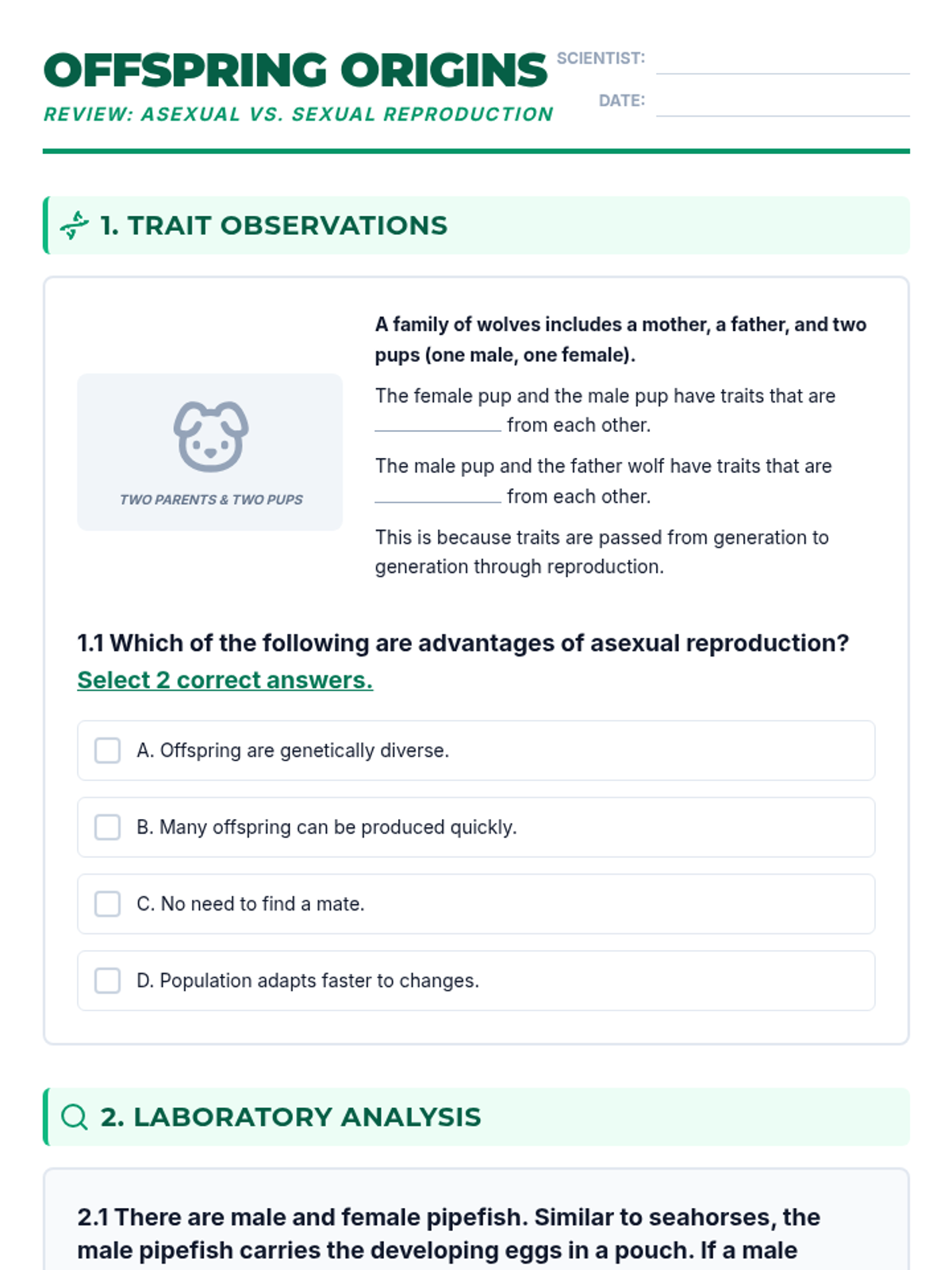
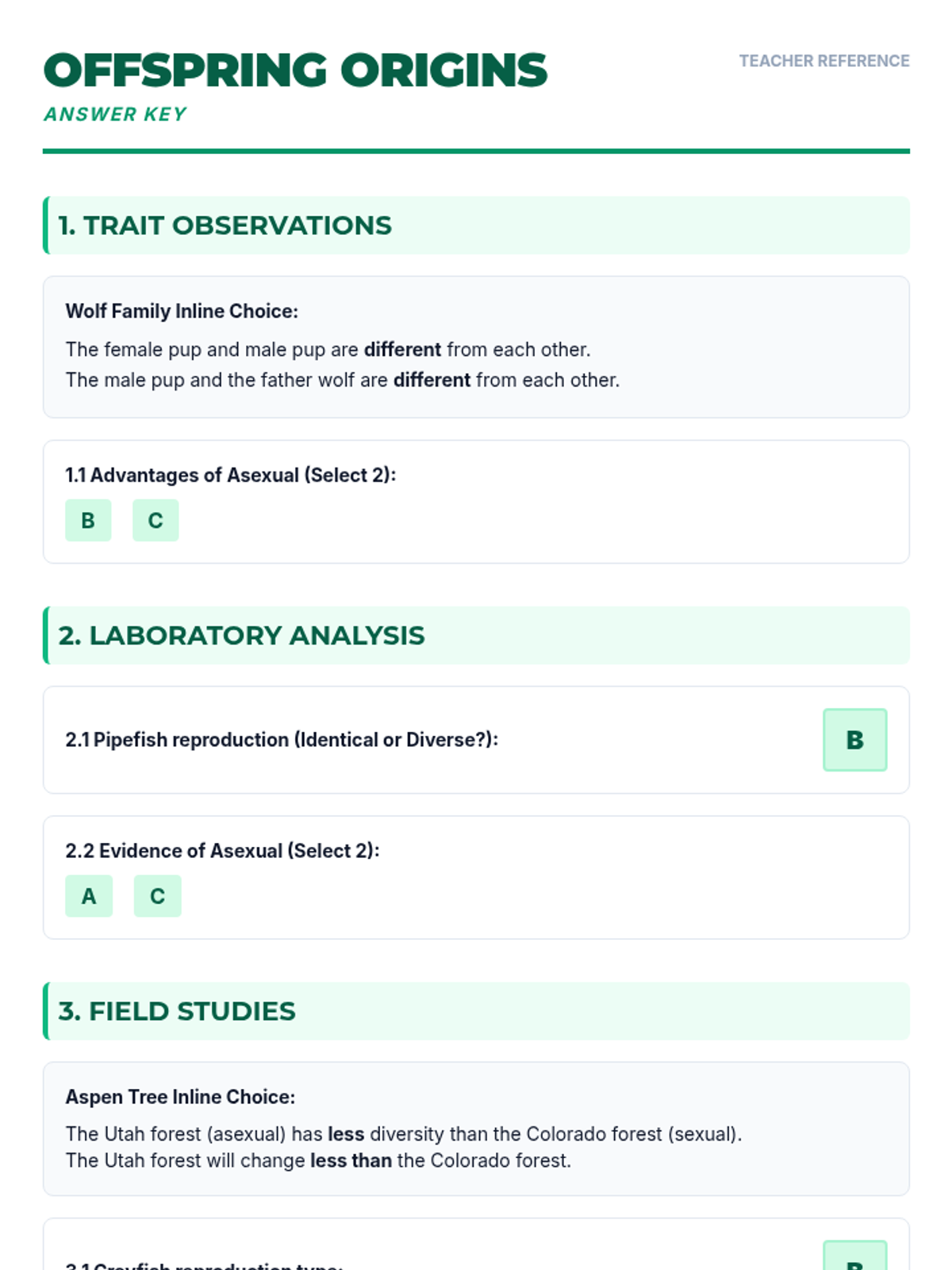
A foundational biology sequence covering reproduction, cell classification, and organism traits for middle school science.
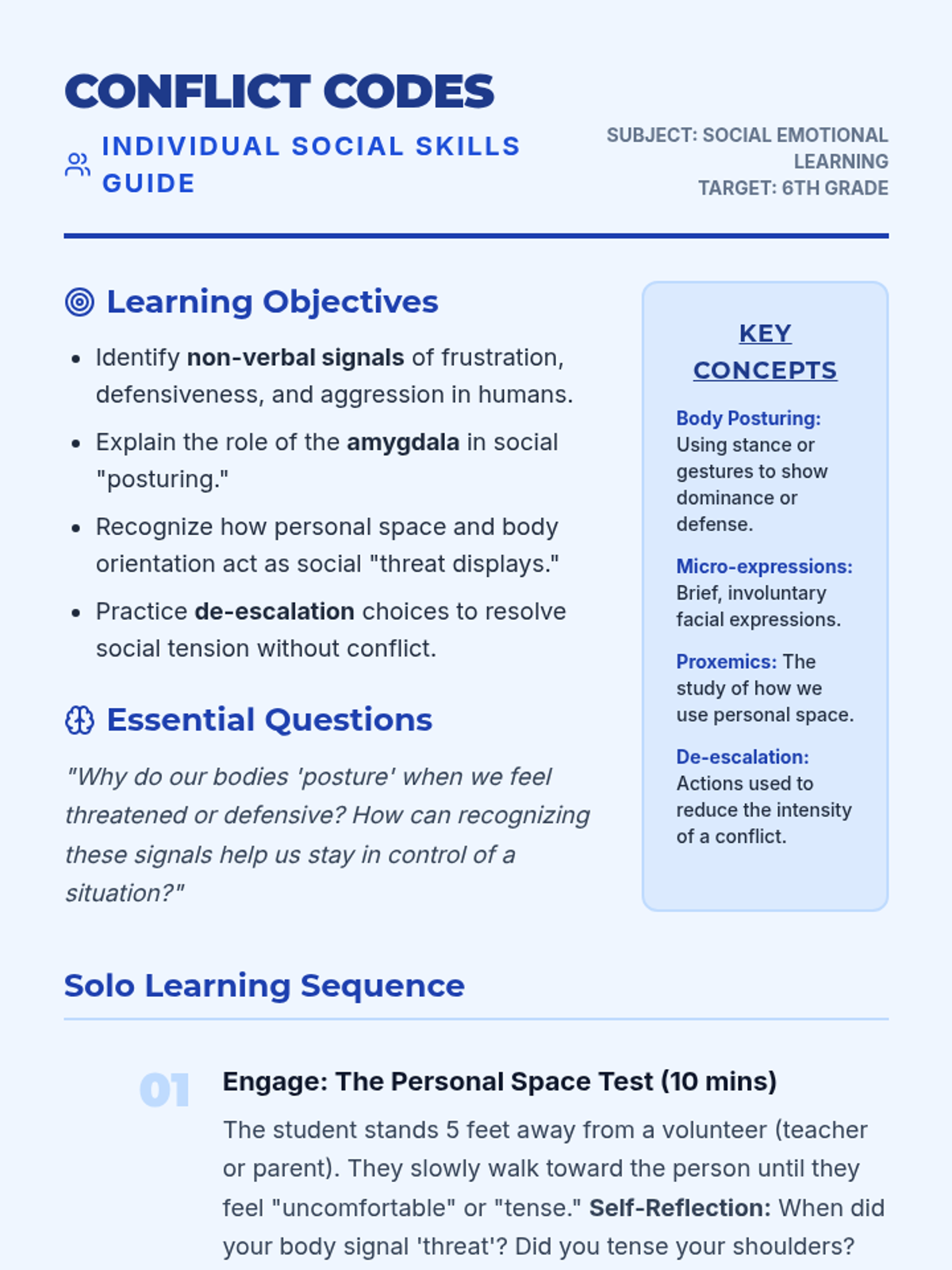
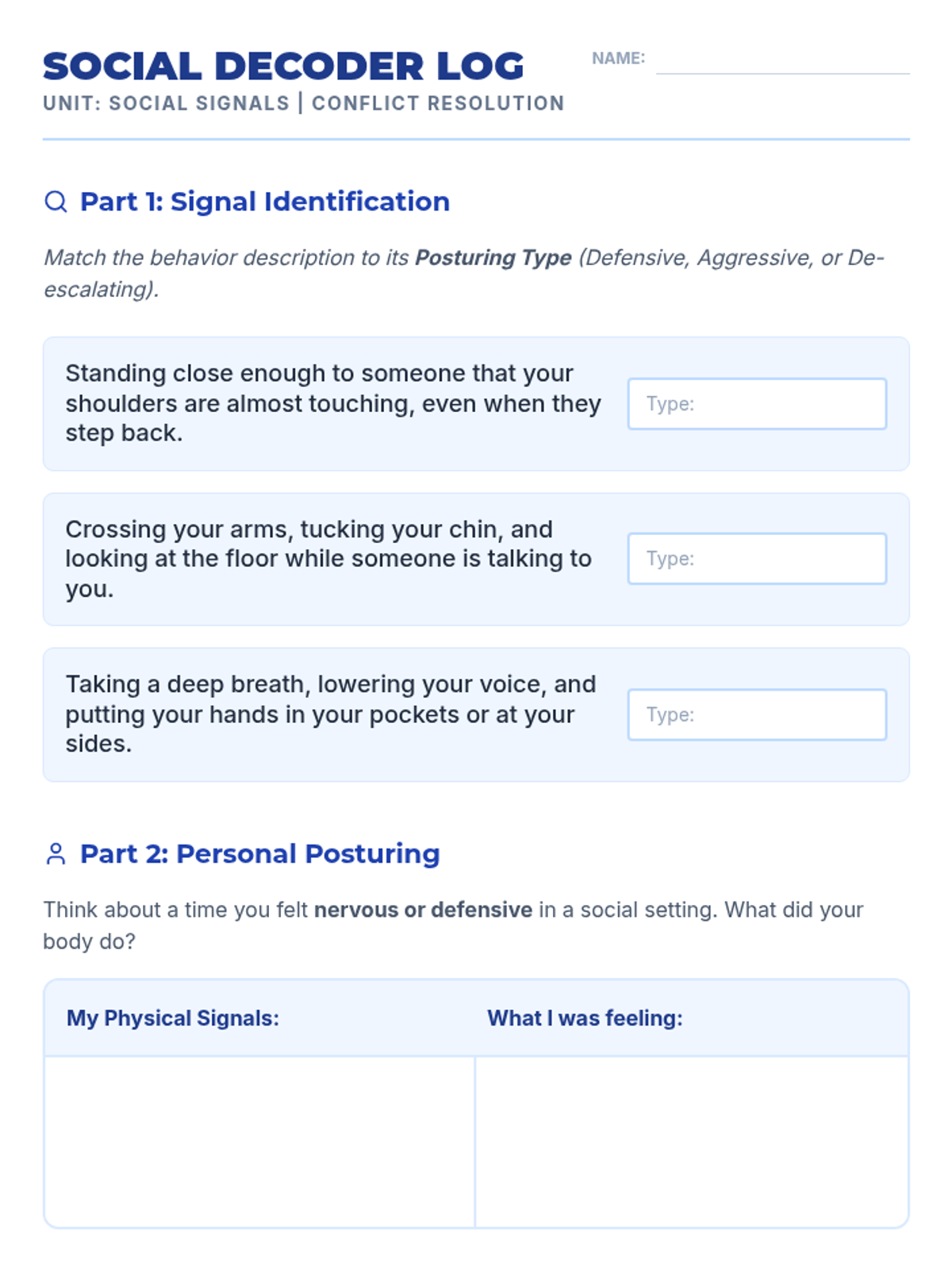
A deep dive into how animals use non-verbal signals, specifically posturing and threatening behaviors, to communicate dominance, defend territory, and avoid physical conflict. Students explore the biological 'why' behind these displays and practice identifying them across various species.
A comprehensive science sequence covering cellular biology for 6th grade and genetic inheritance for 7th grade, aligned with state-level testing standards.
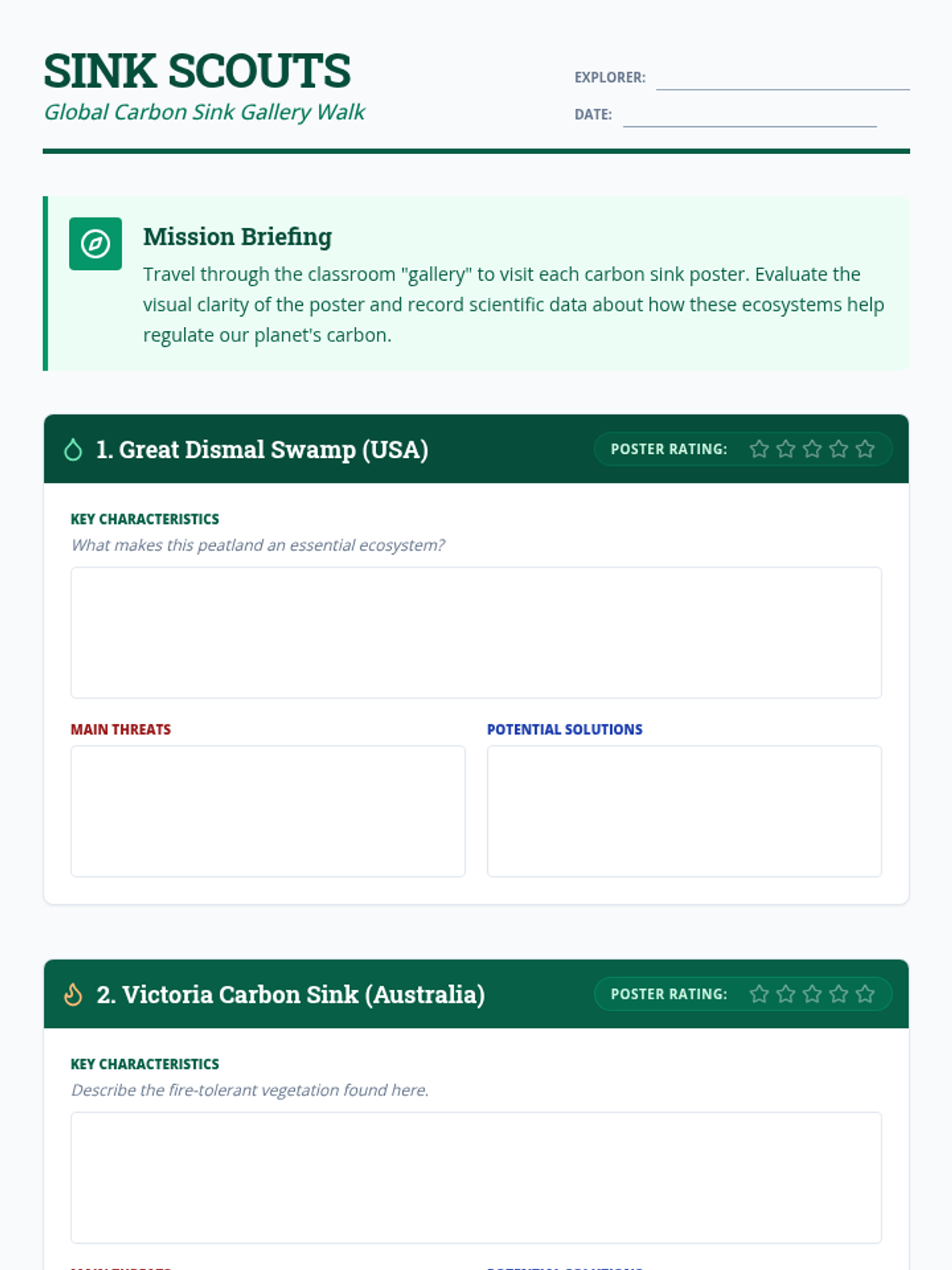
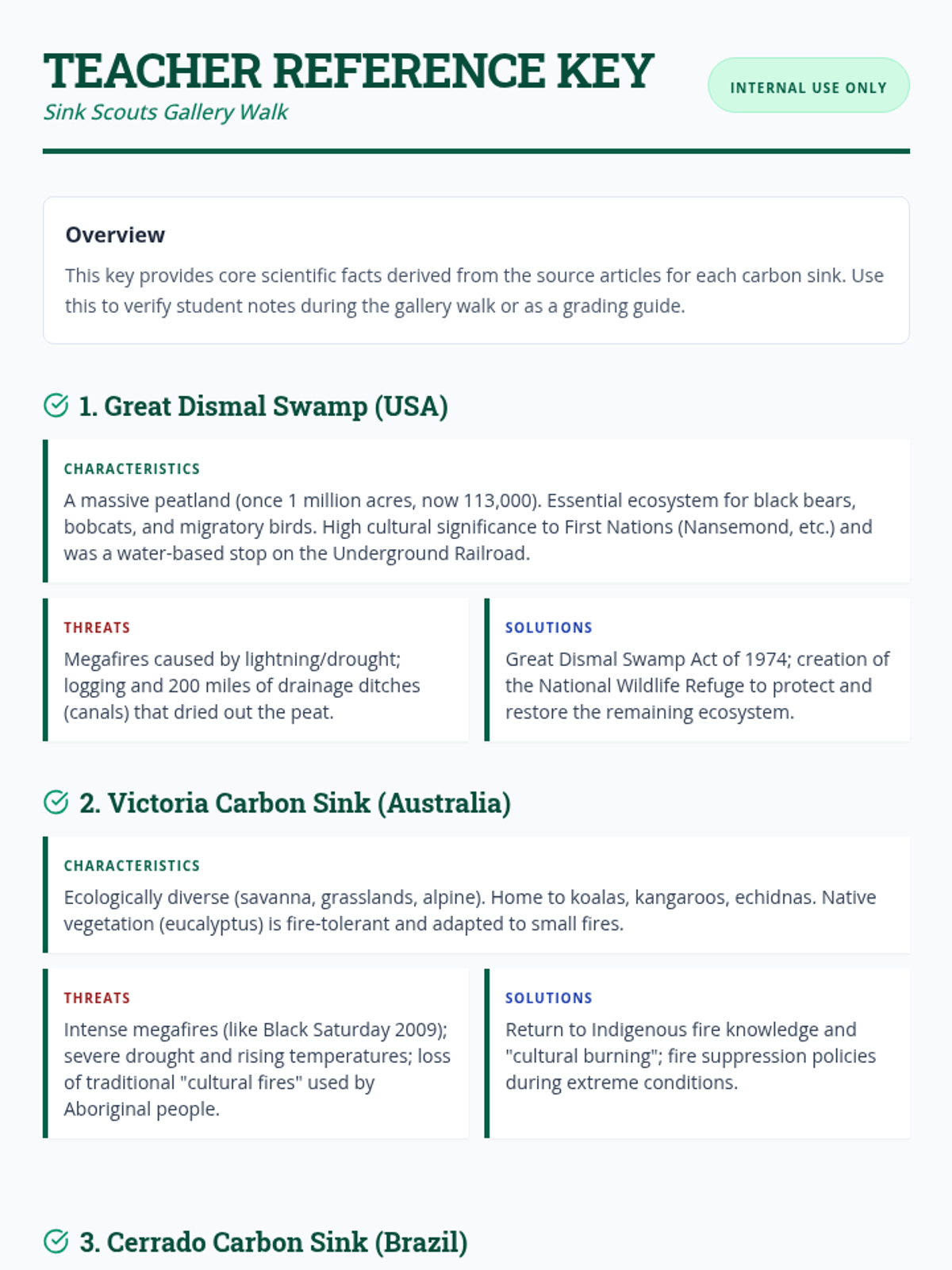
A unit exploring the science and conservation of global carbon sinks, their roles in climate regulation, and the threats they face from human activity and climate change.
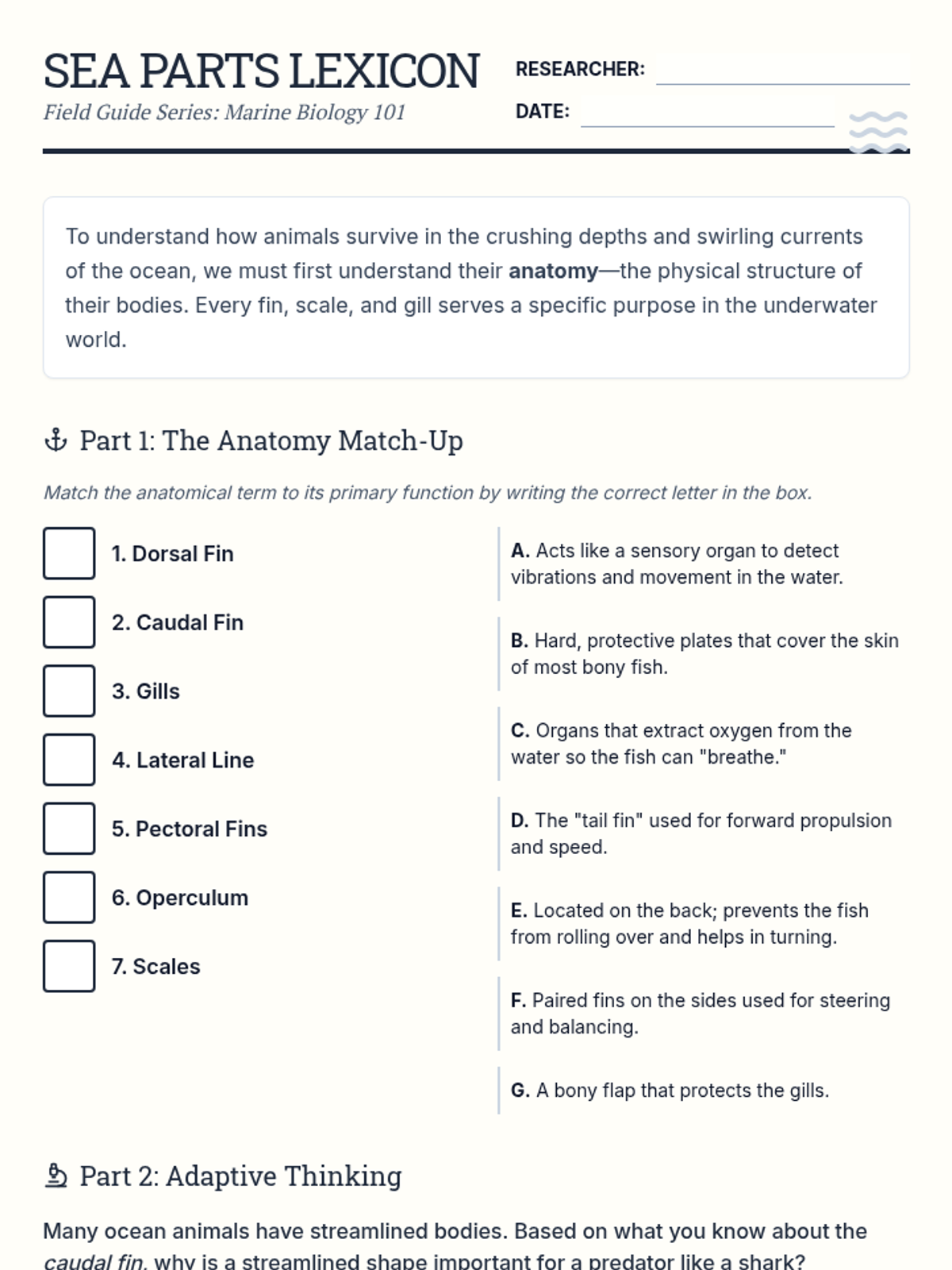
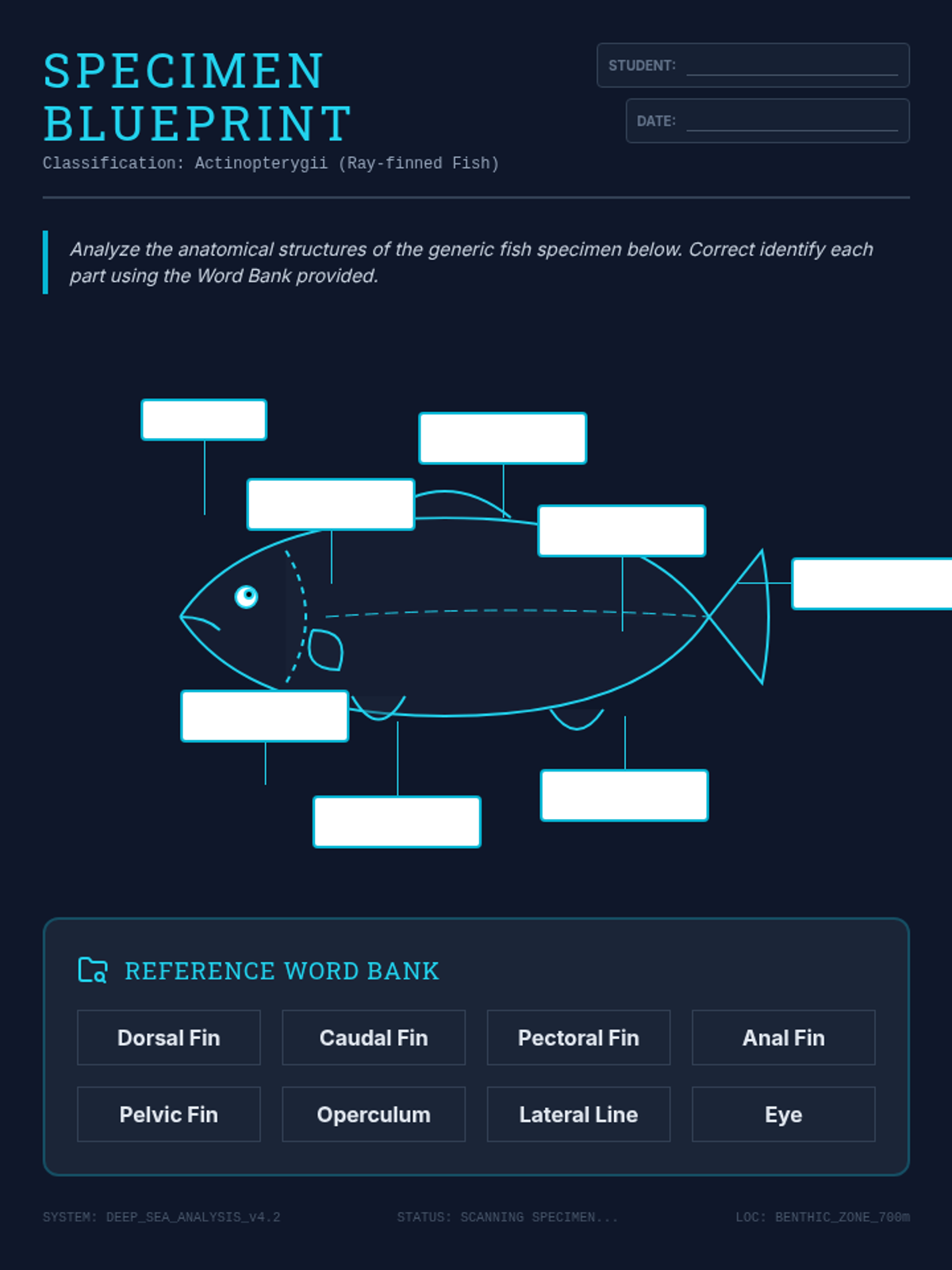
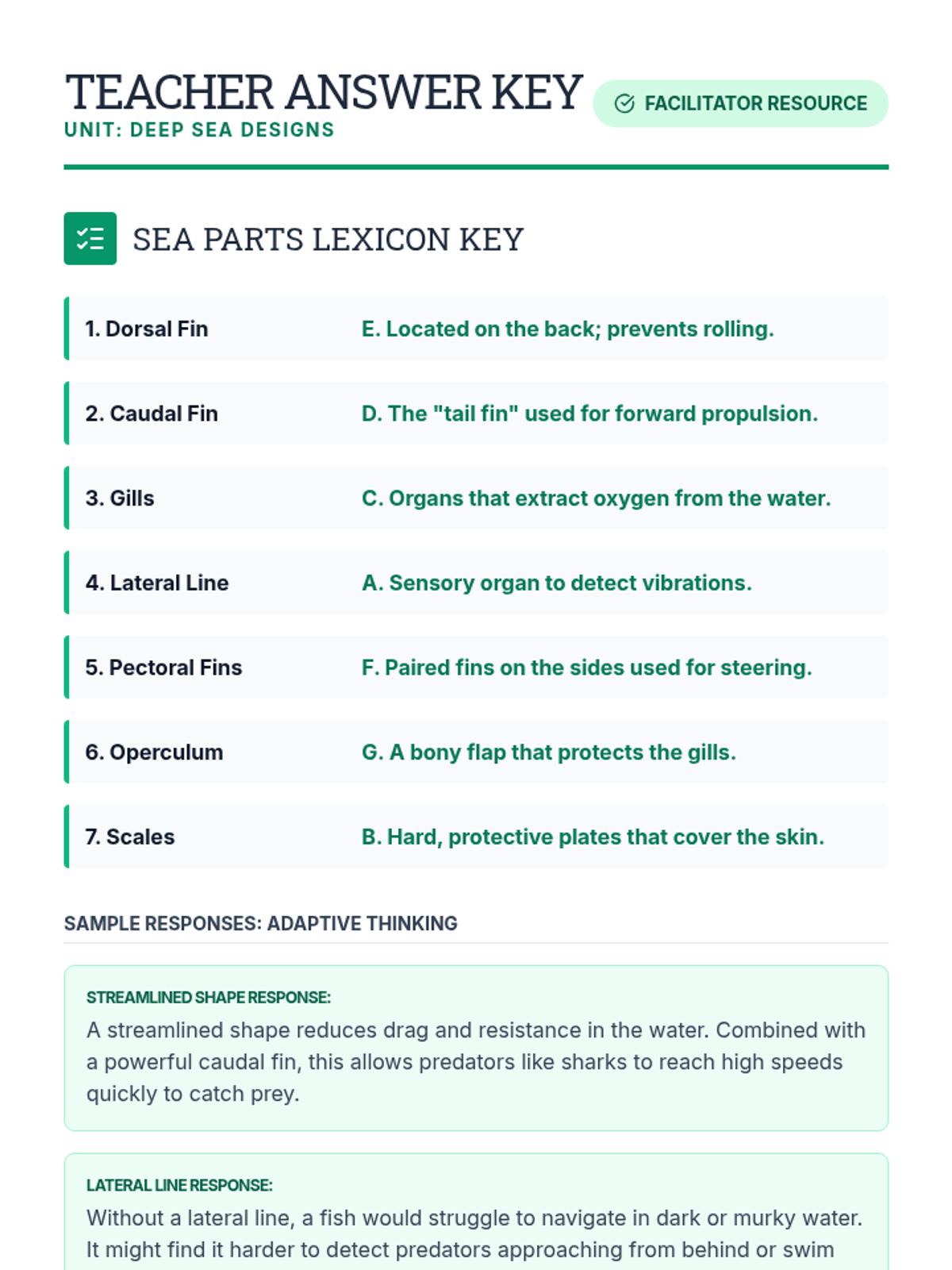
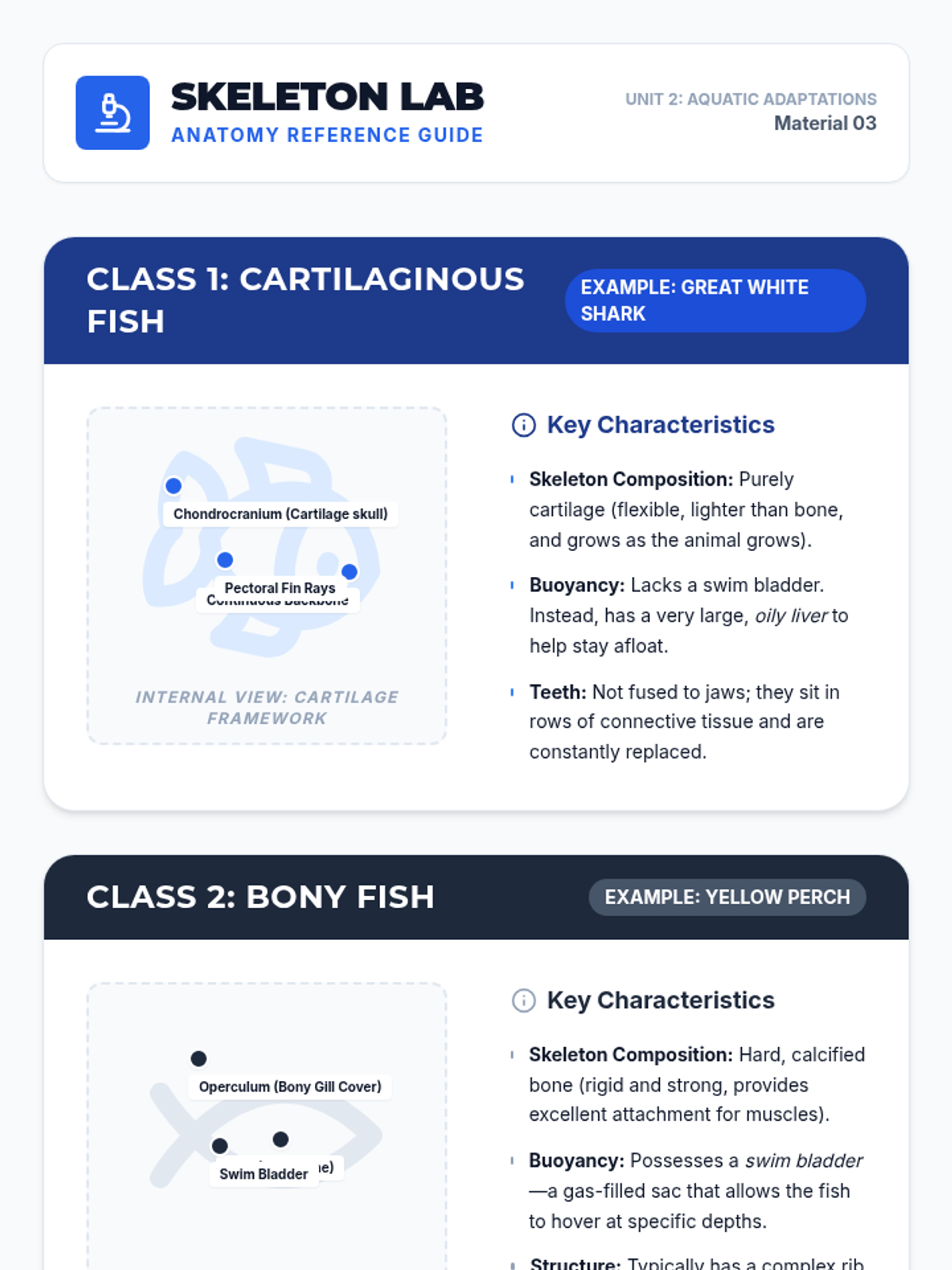
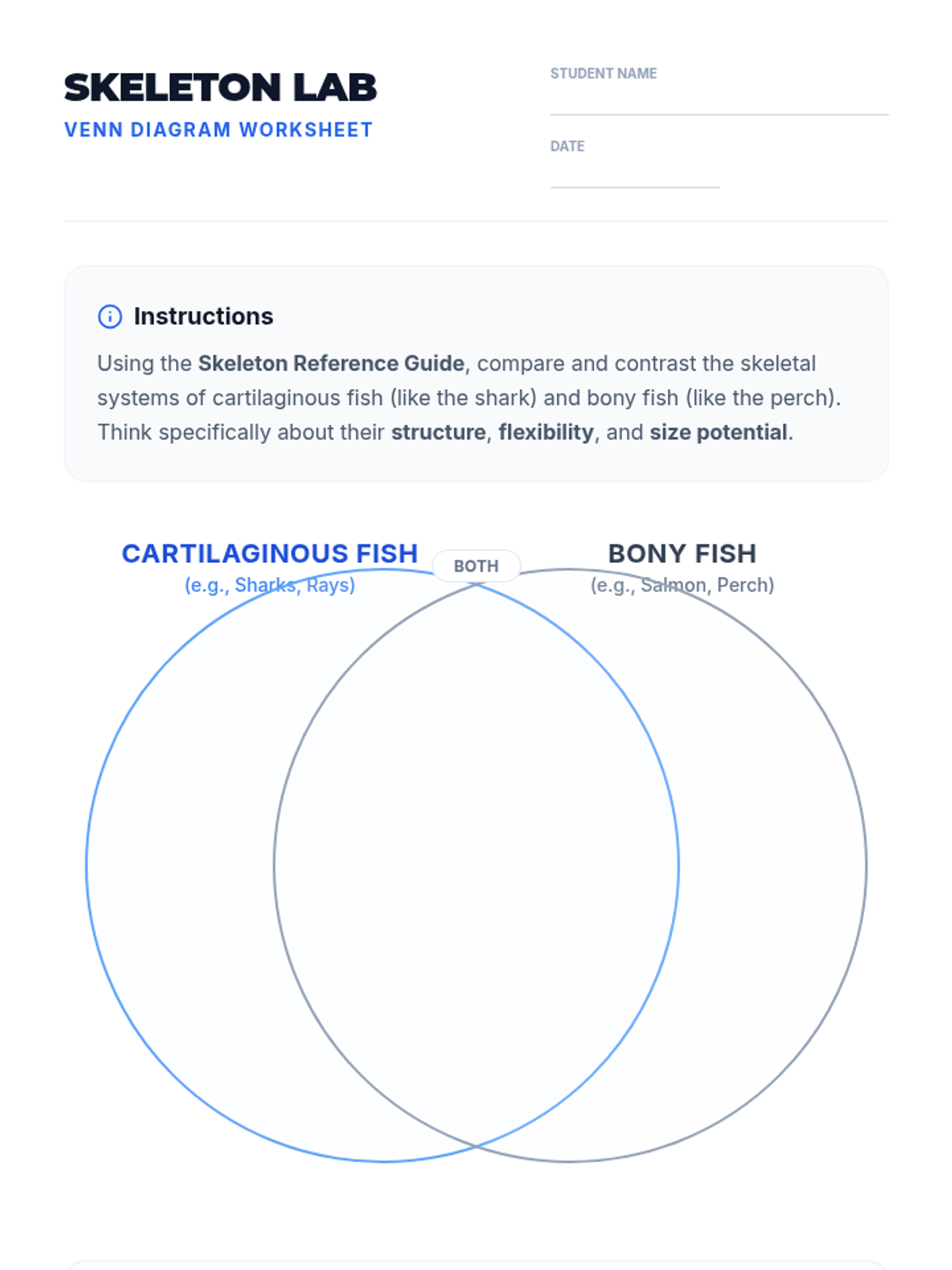
A sequence of lessons exploring the specialized anatomy and physical structures of marine organisms, from basic fish biology to the complex adaptations that allow them to thrive in diverse oceanic environments.
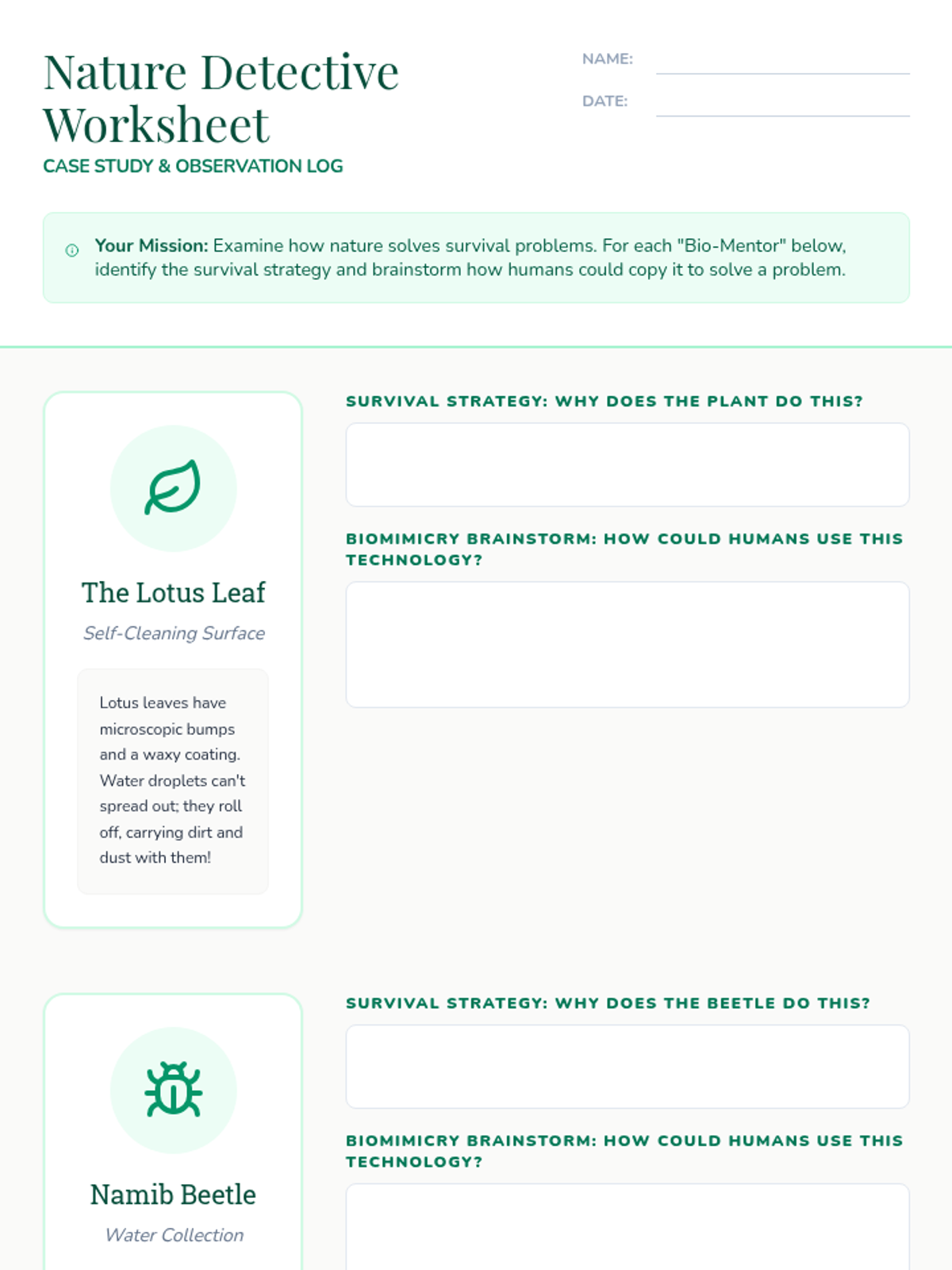
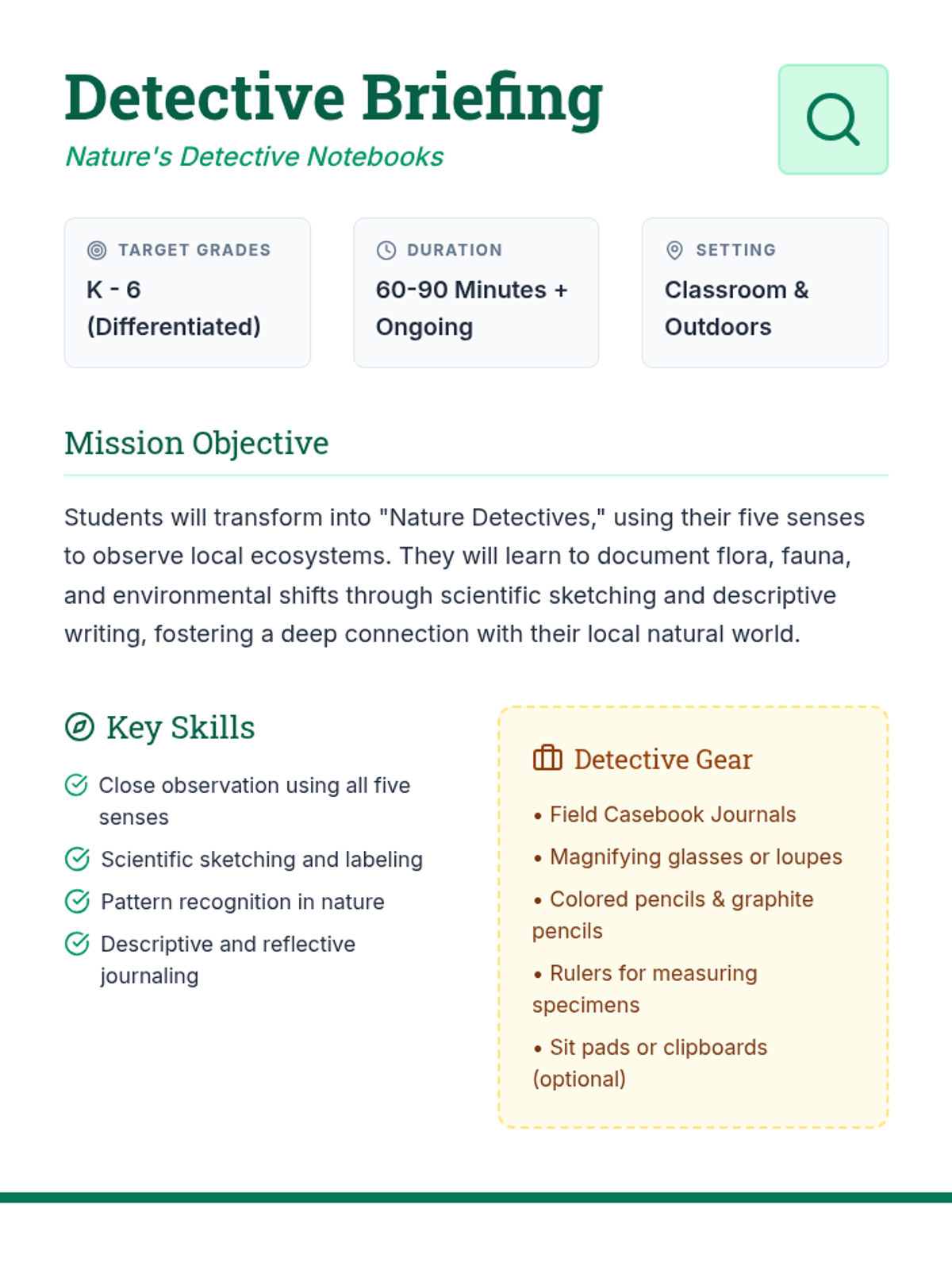
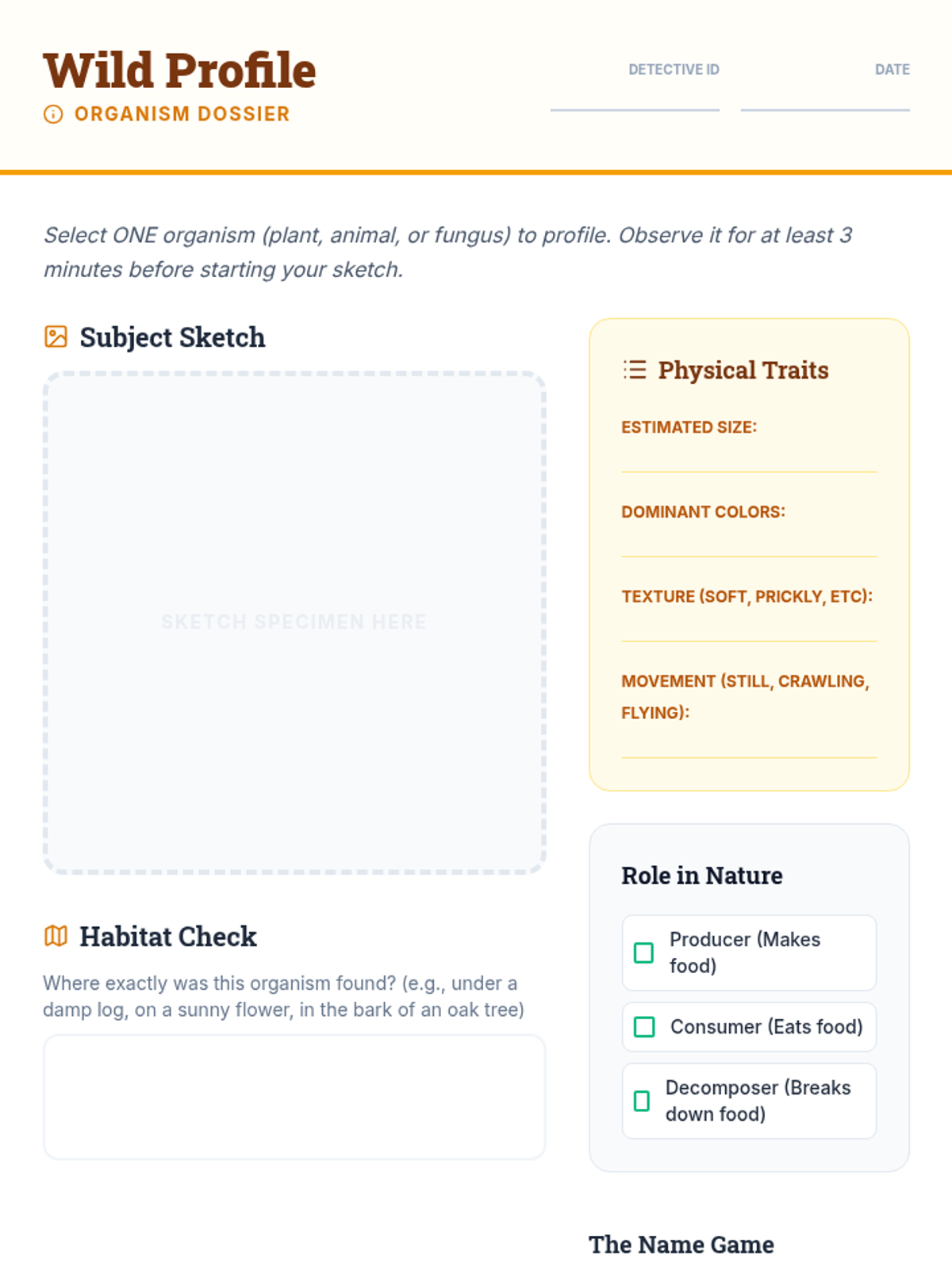
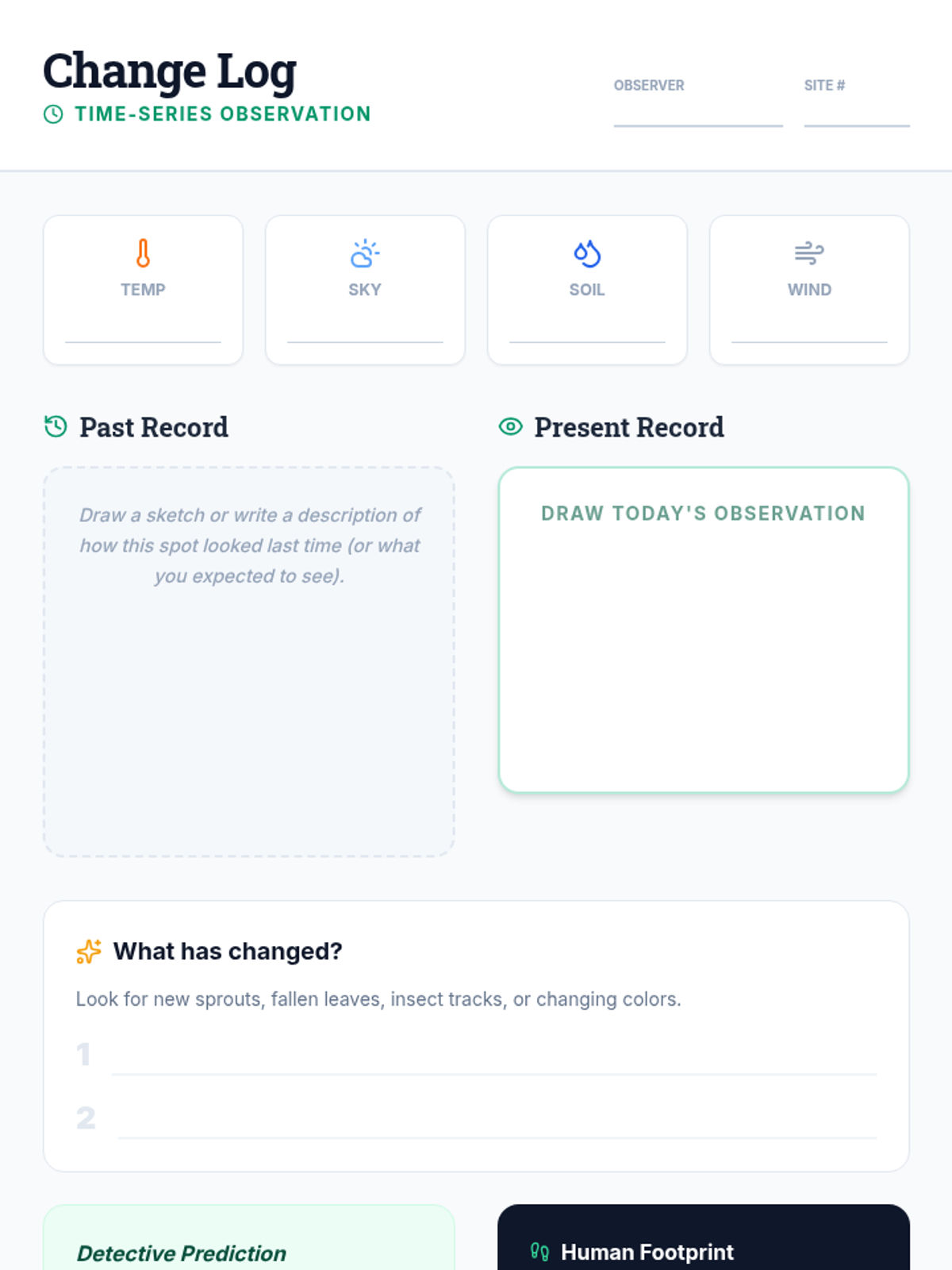
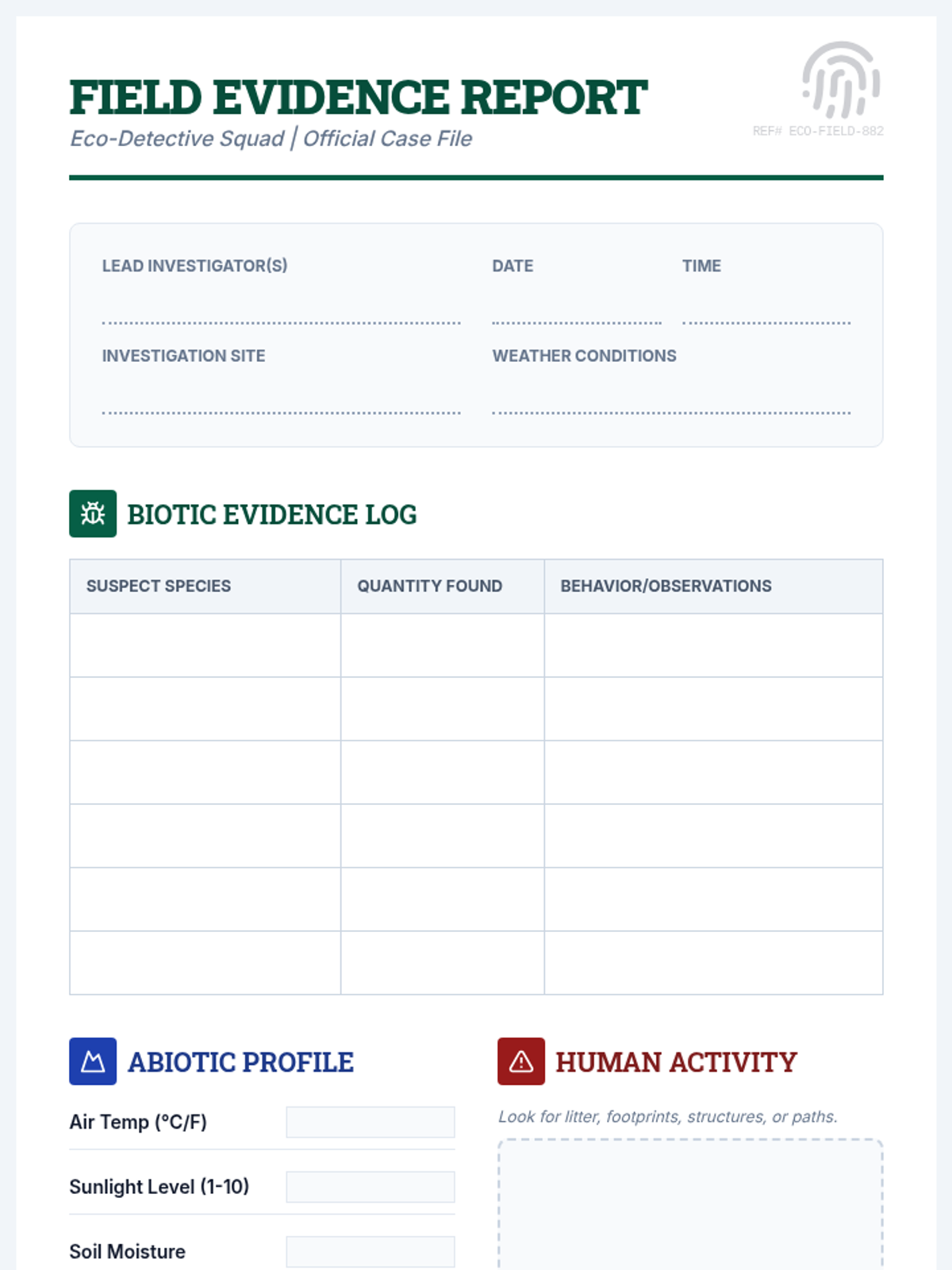
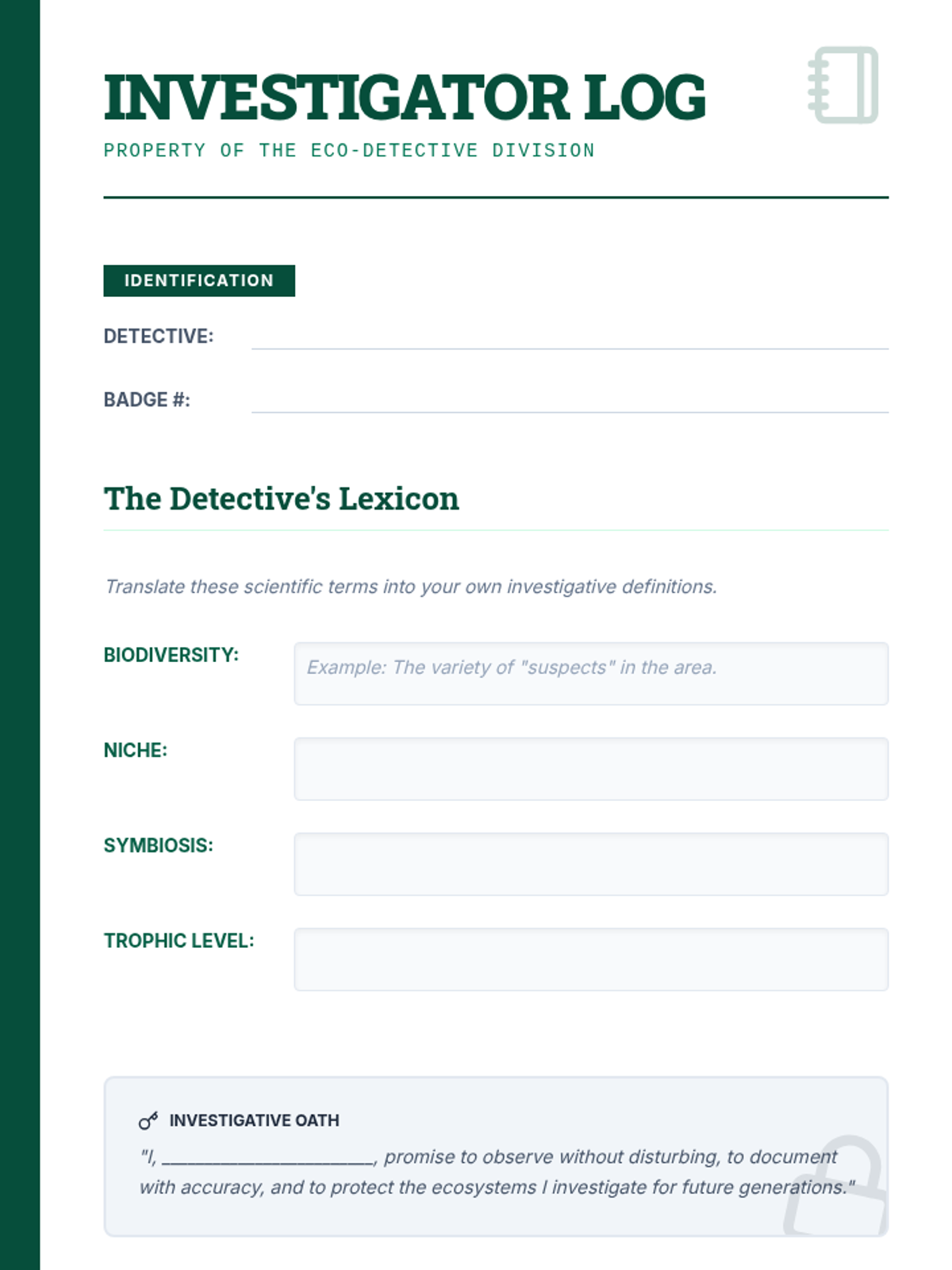
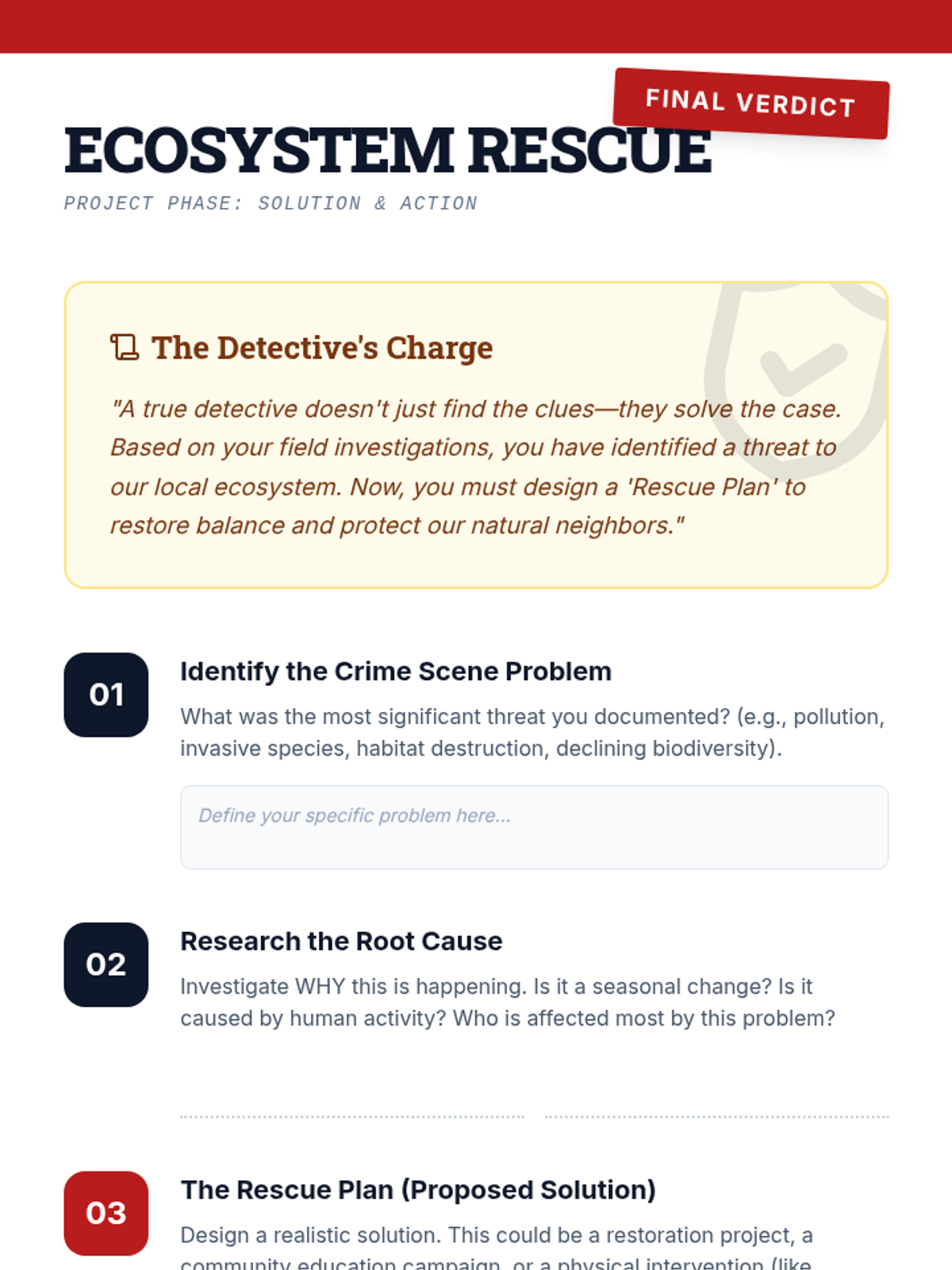
A comprehensive unit designed to turn students into nature detectives, focusing on observation, documentation, and appreciation of the local environment for K-6 students.
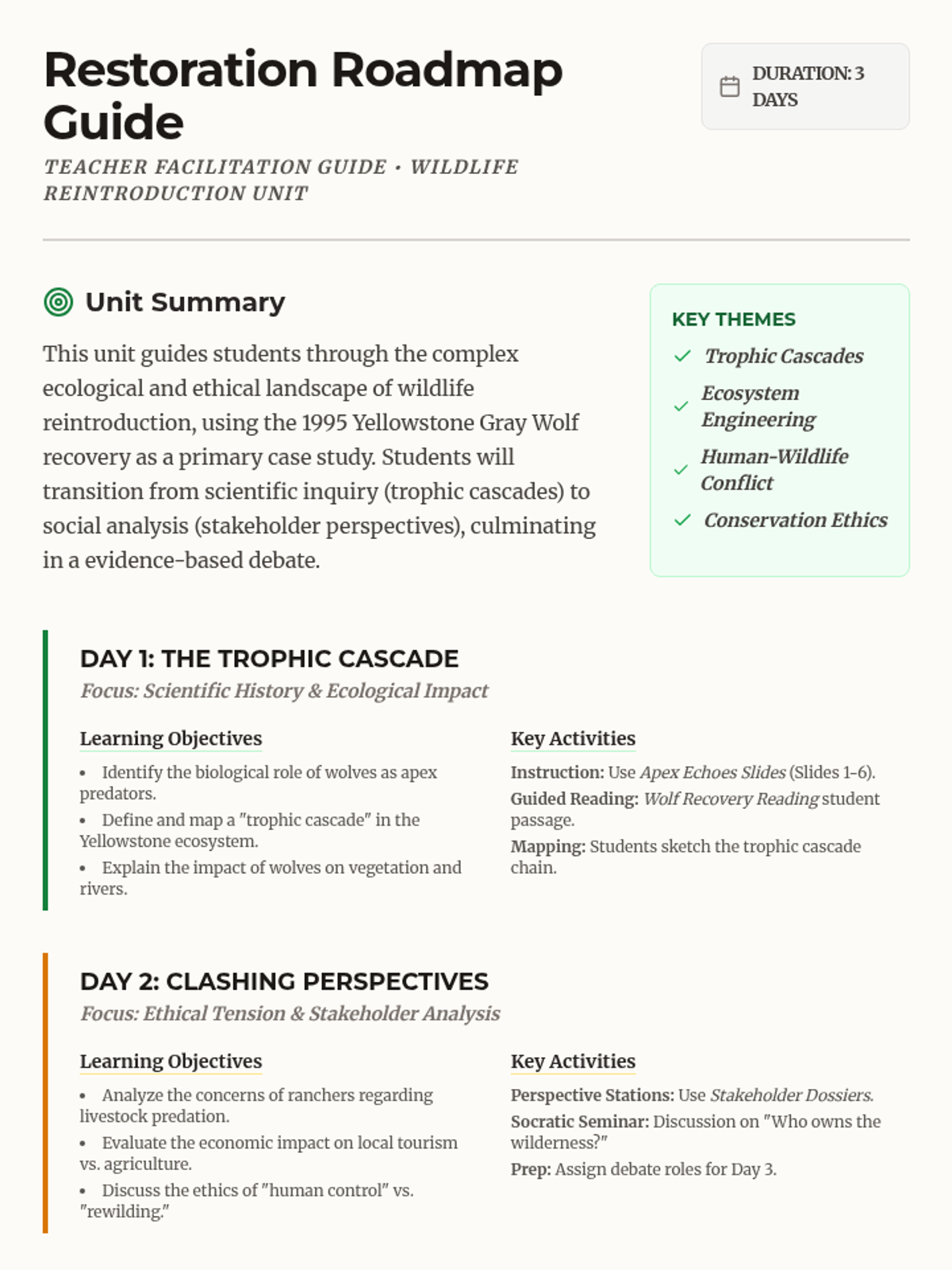
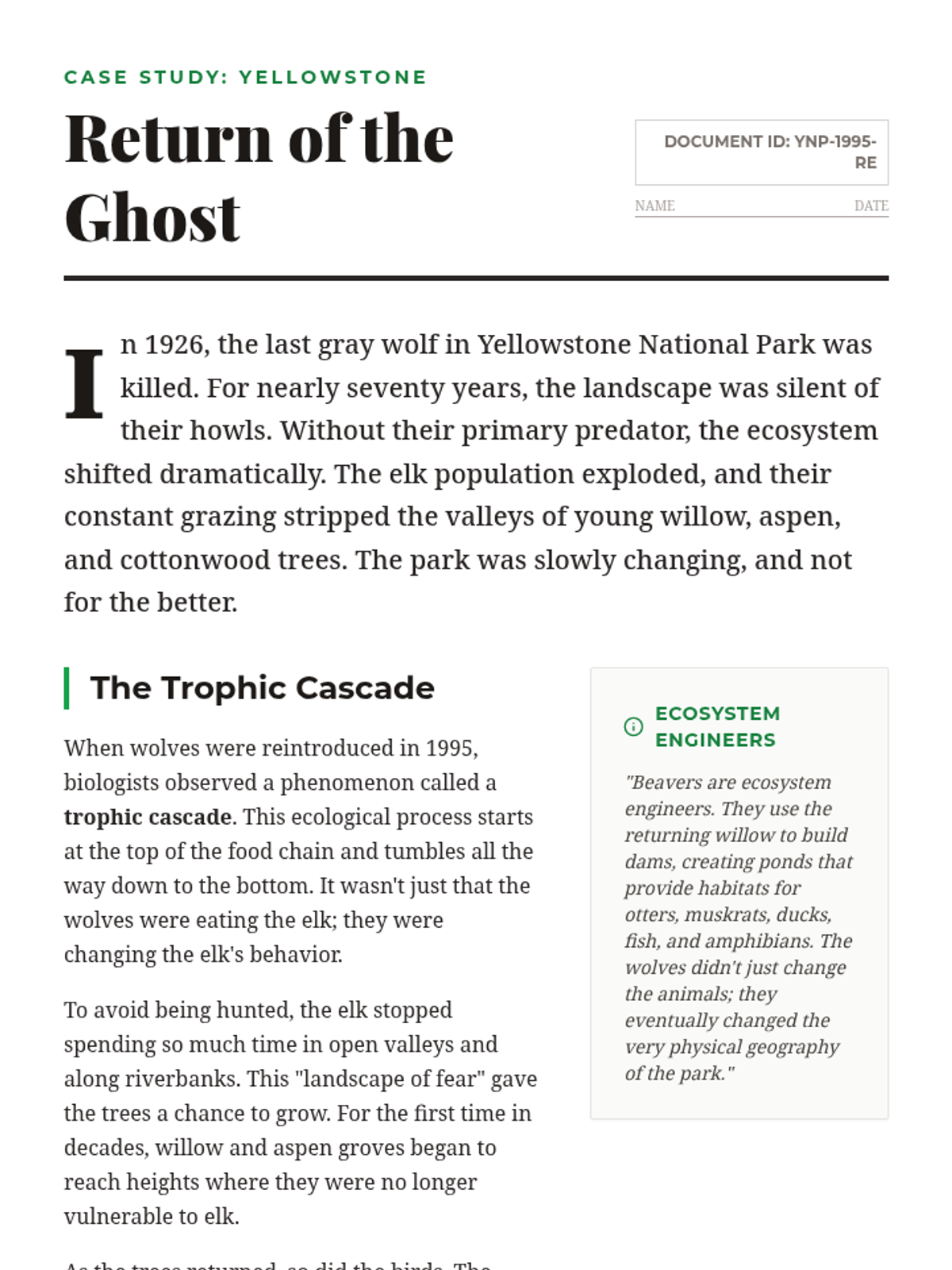
A 3-day exploration of the ecological impacts and ethical complexities of reintroducing wolves to Yellowstone National Park. Students analyze trophic cascades, evaluate stakeholder perspectives, and engage in a structured debate about conservation.
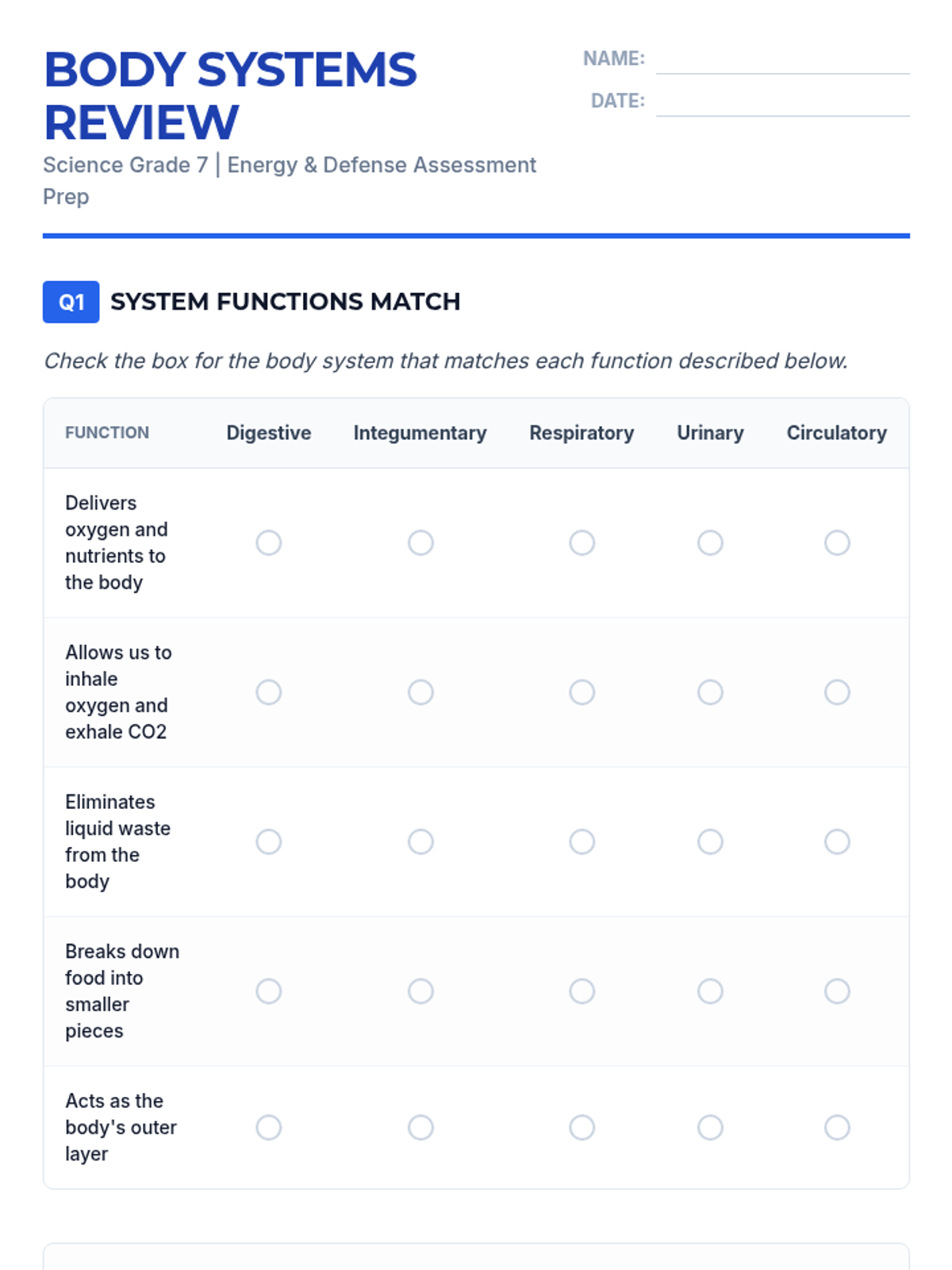
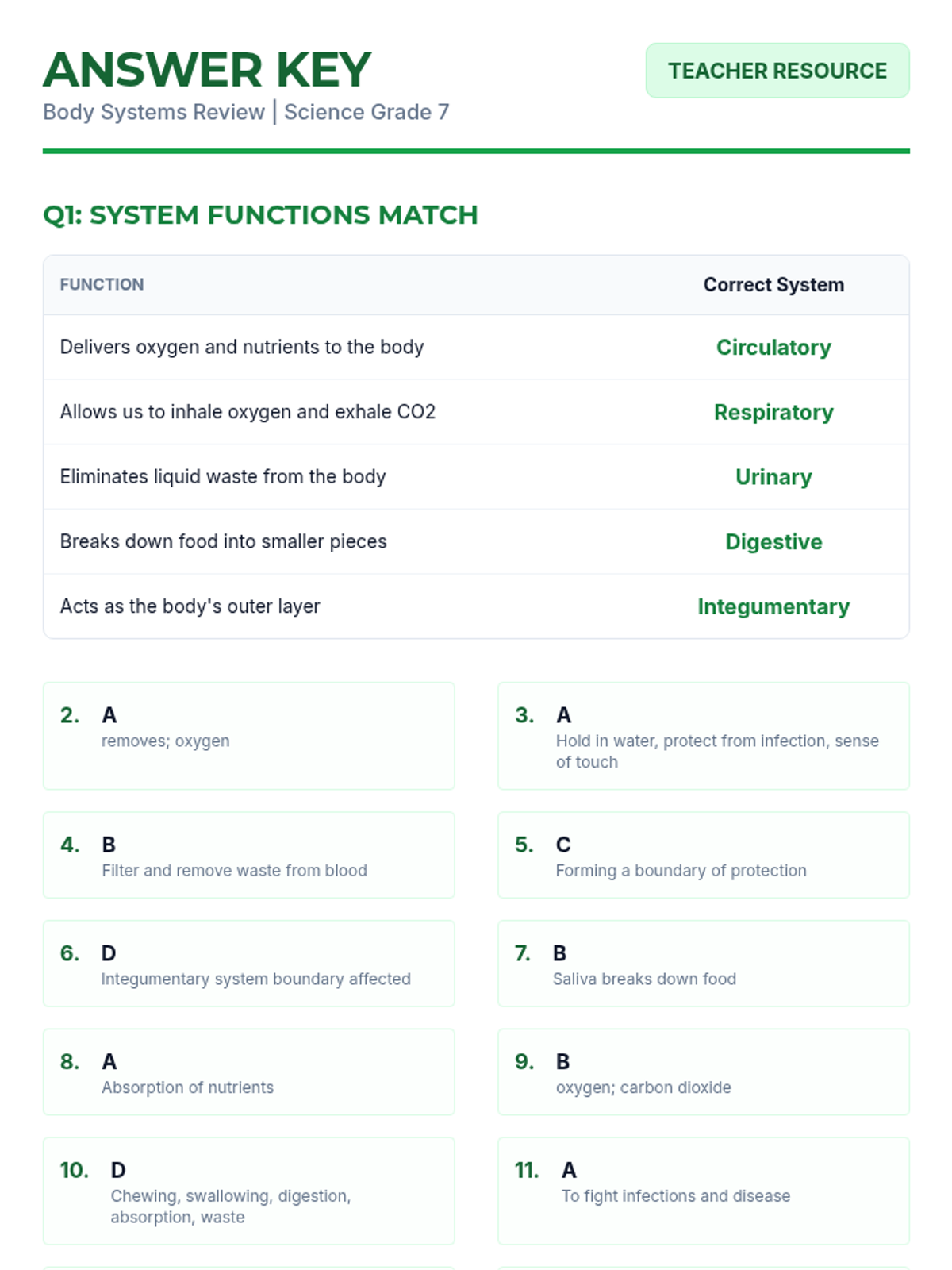
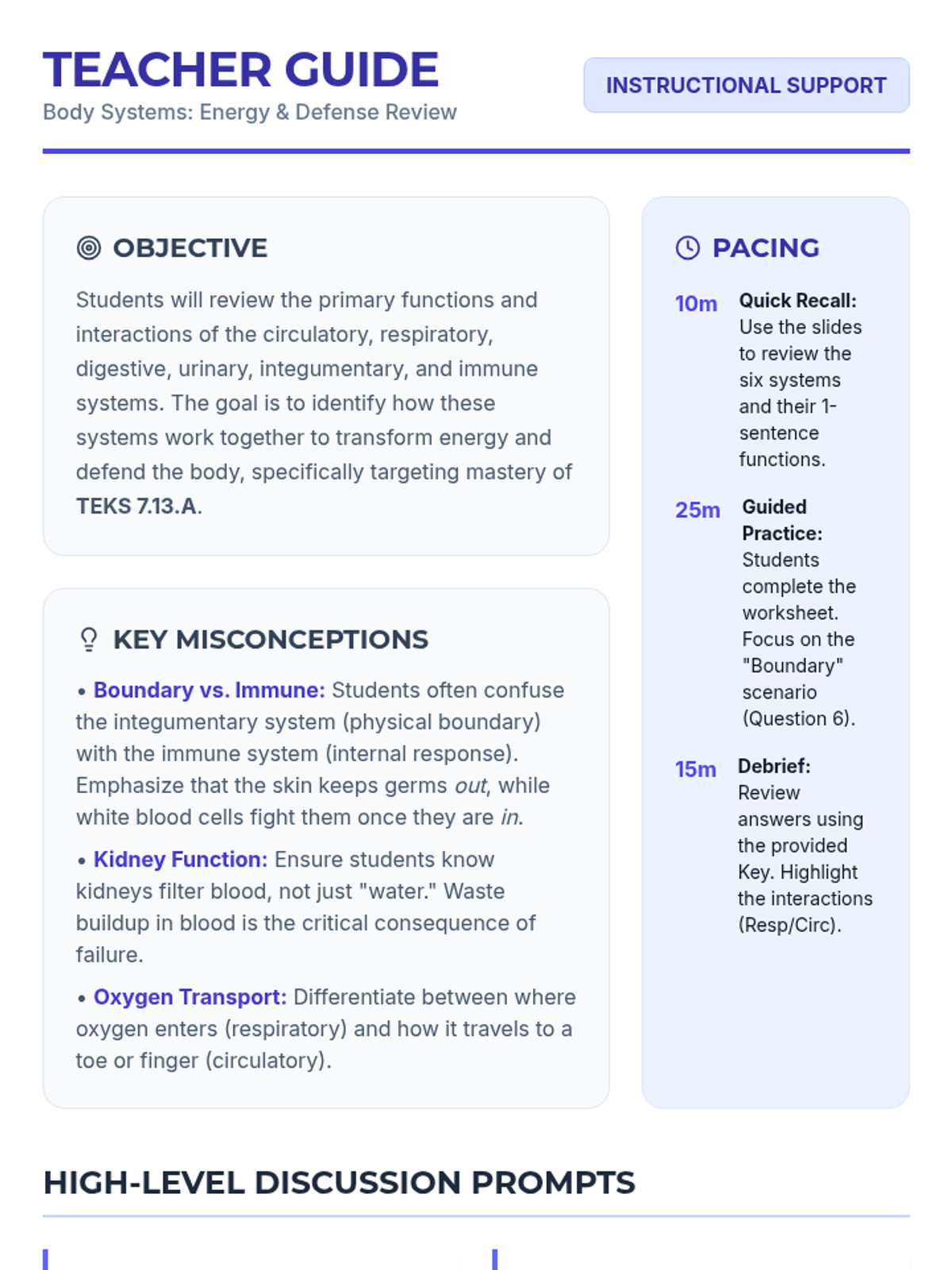
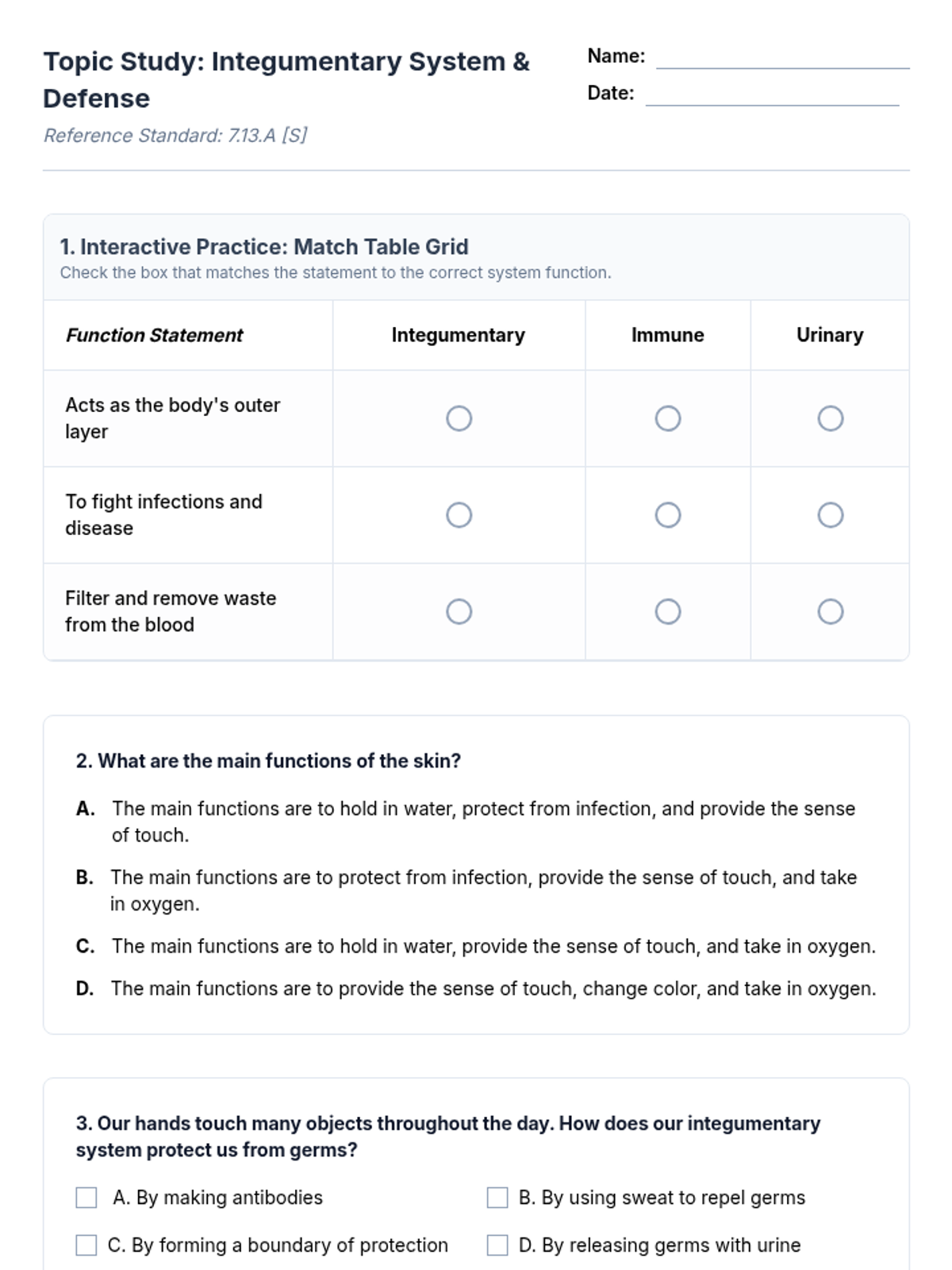
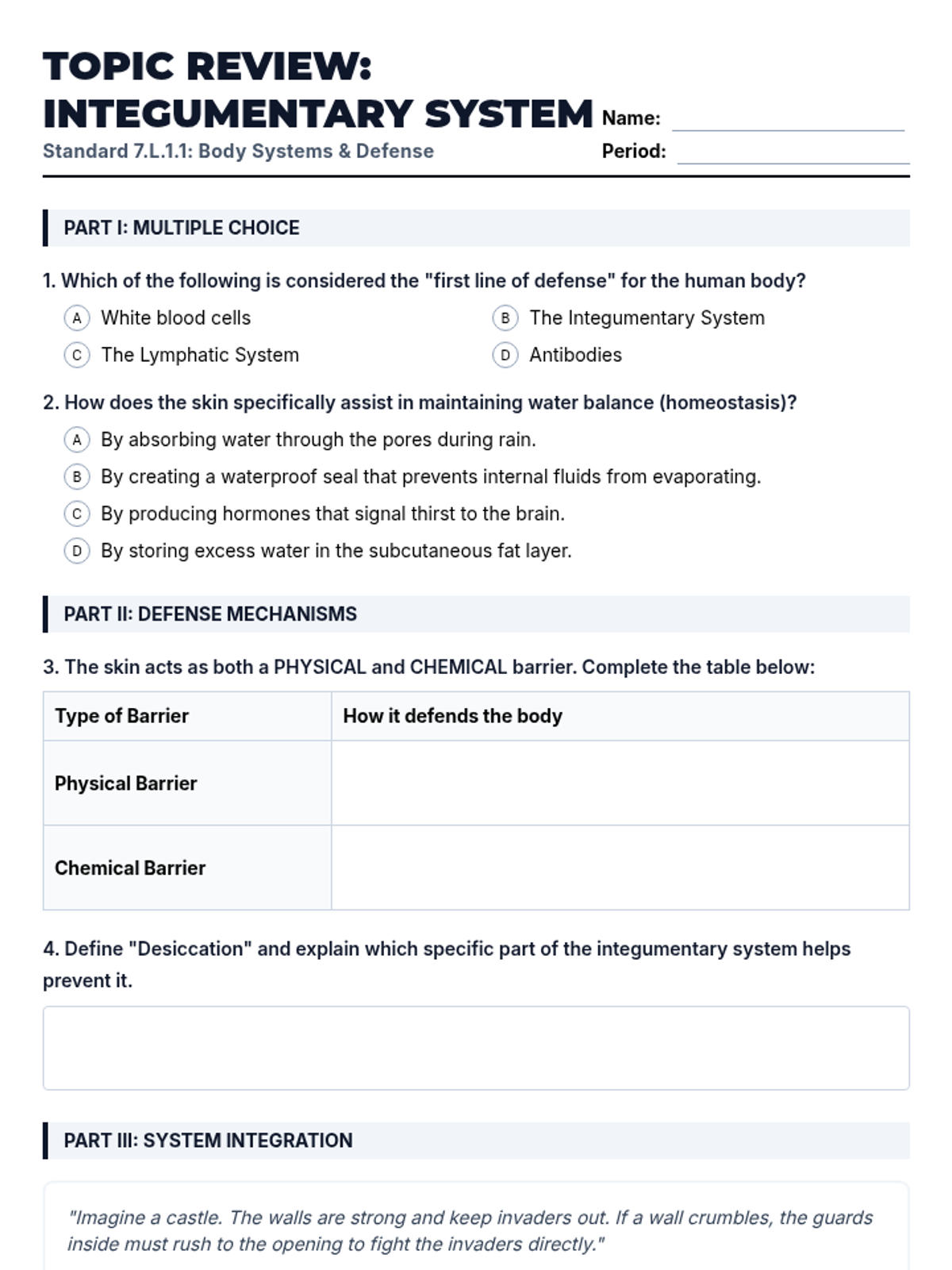
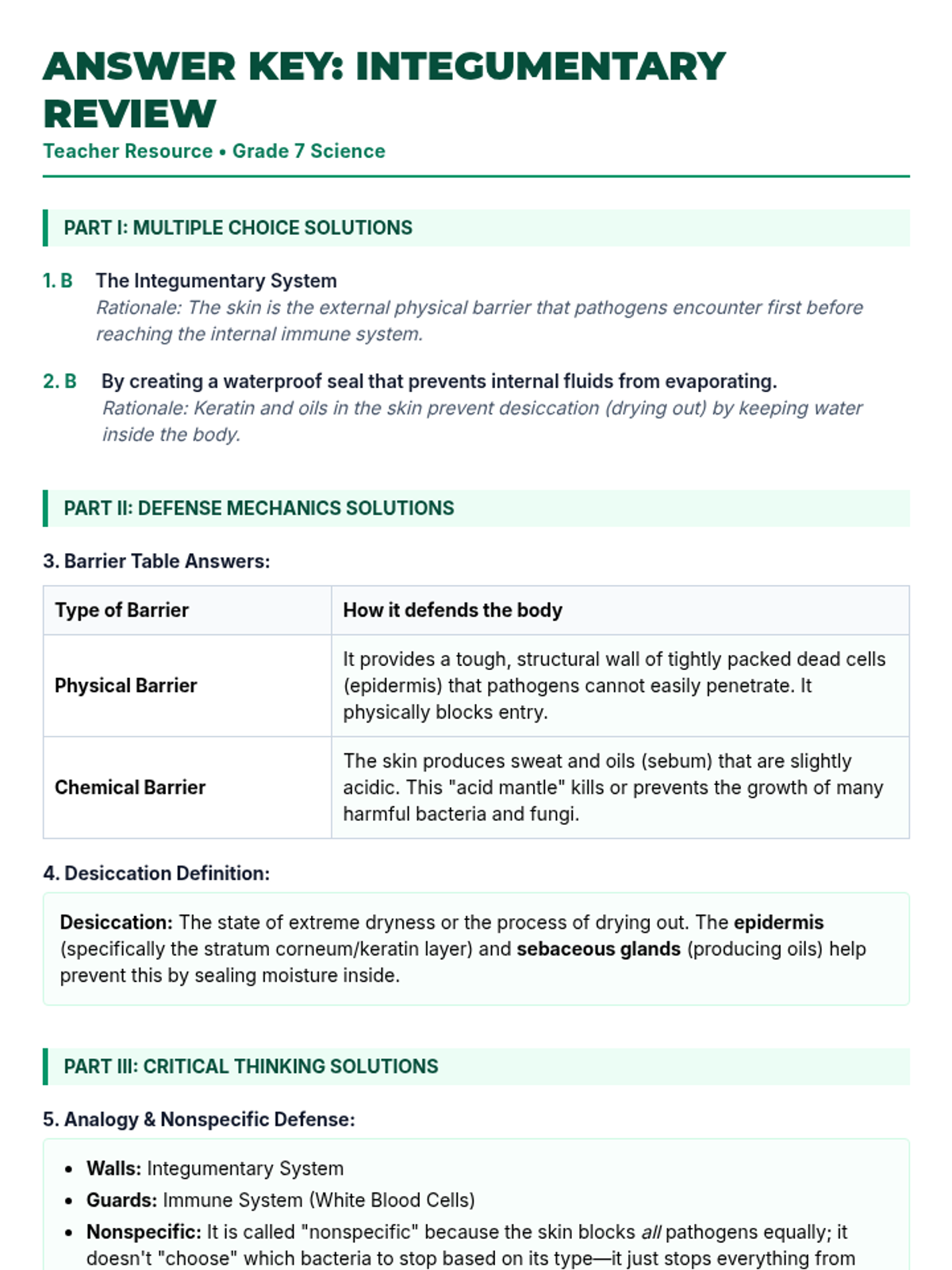
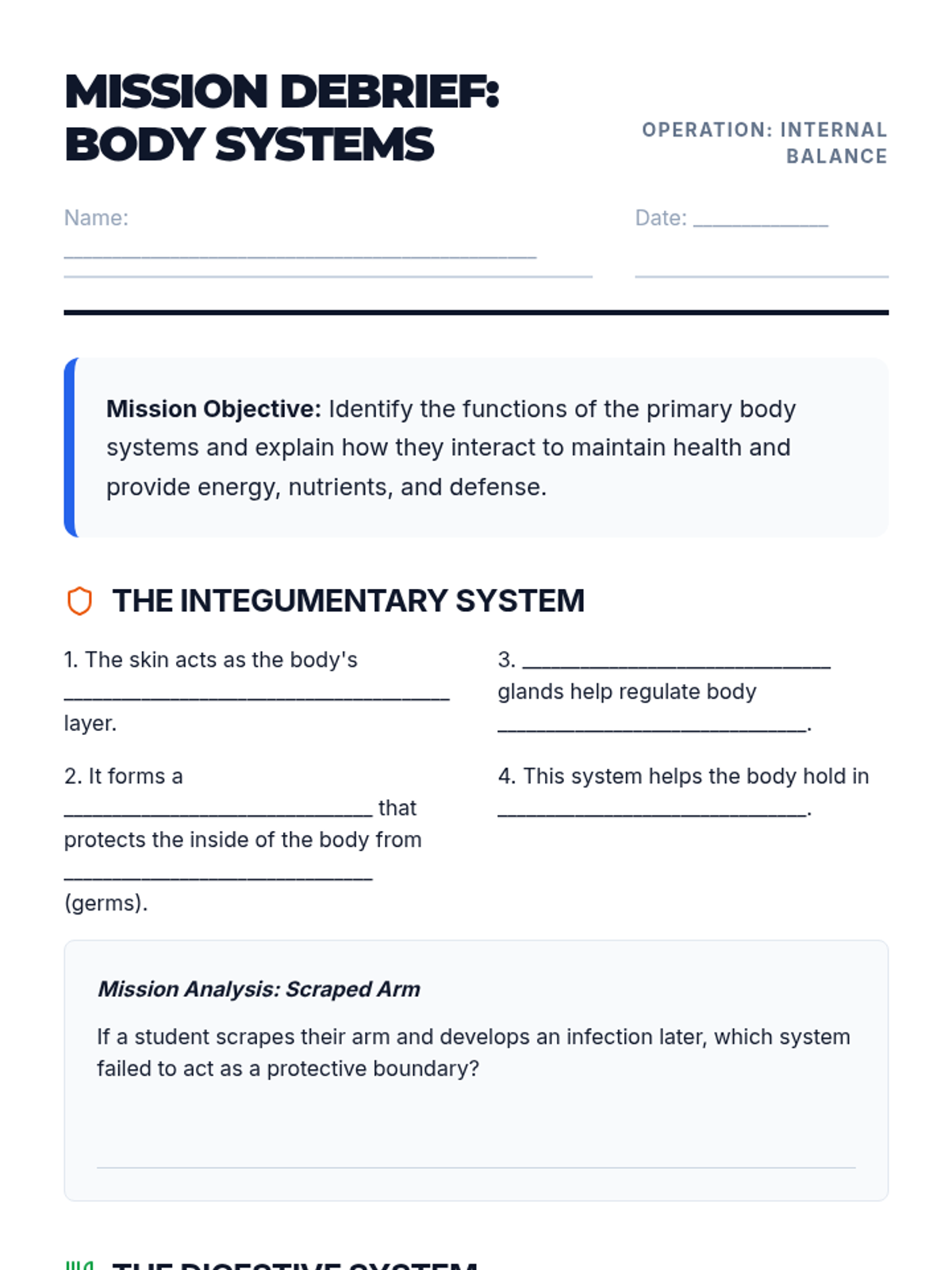
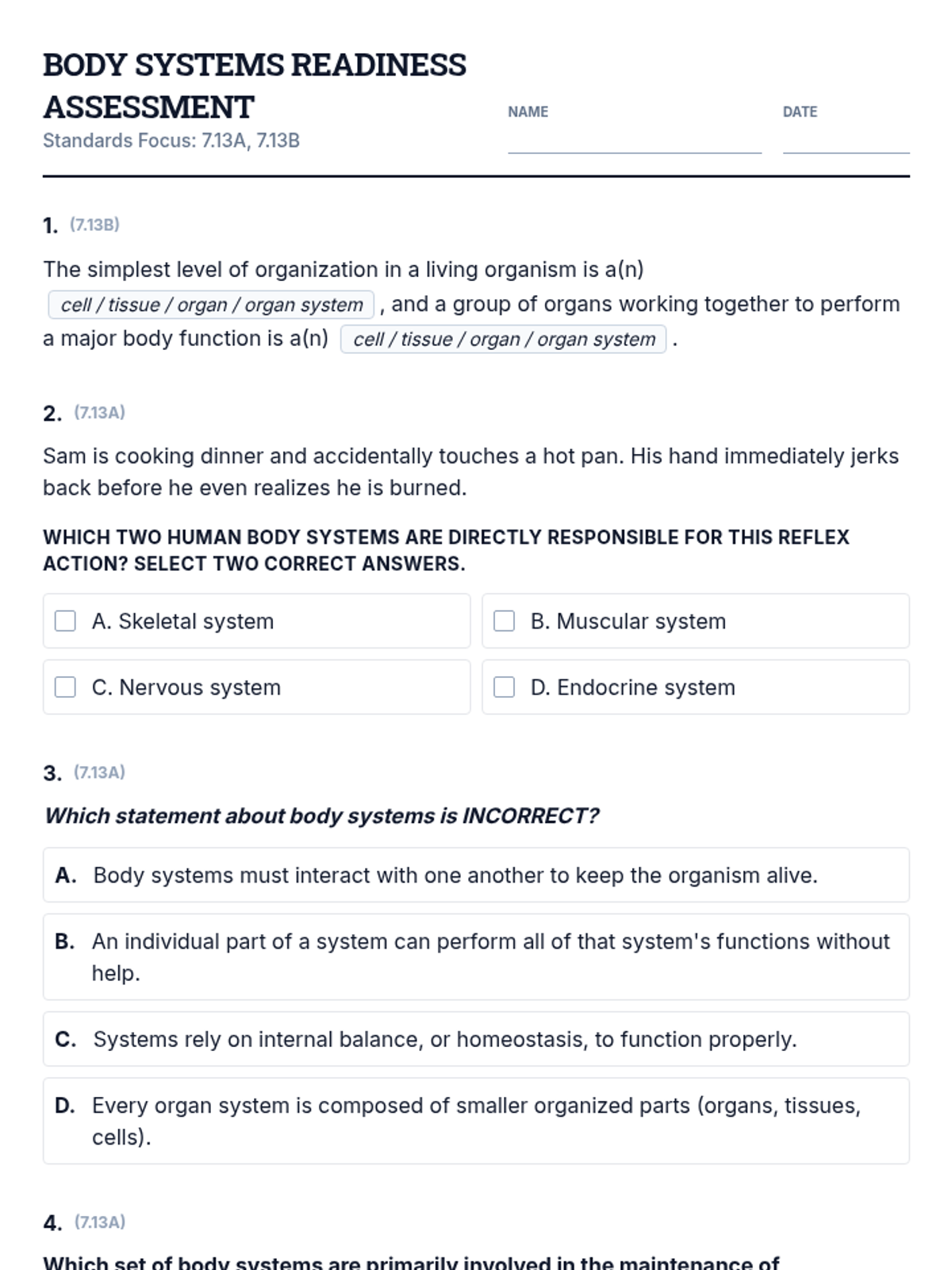
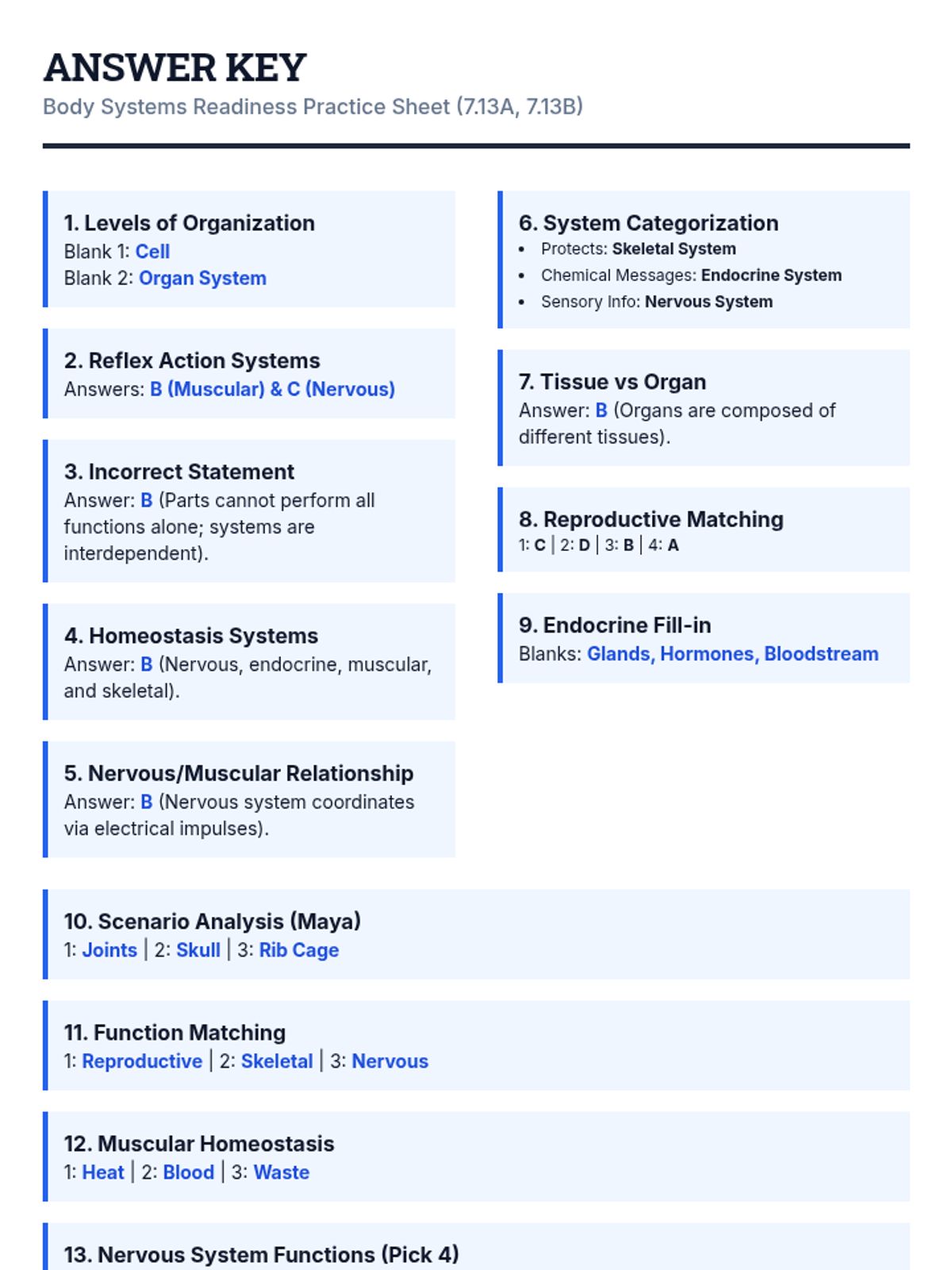
A collection of unit review materials for middle school science, specifically targeting 6th grade living things and 7th grade body systems. These resources mirror local assessments to ensure student readiness.
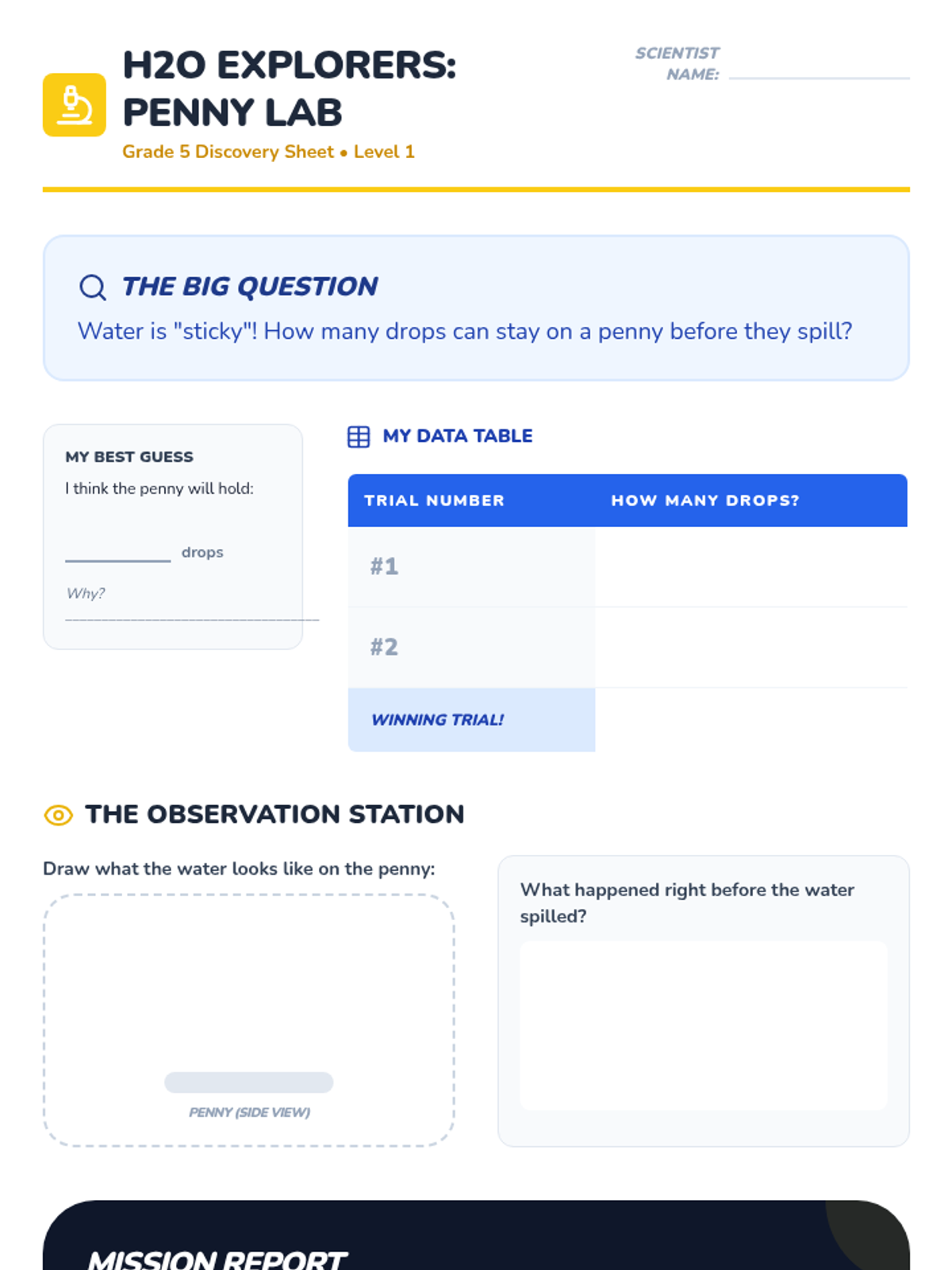
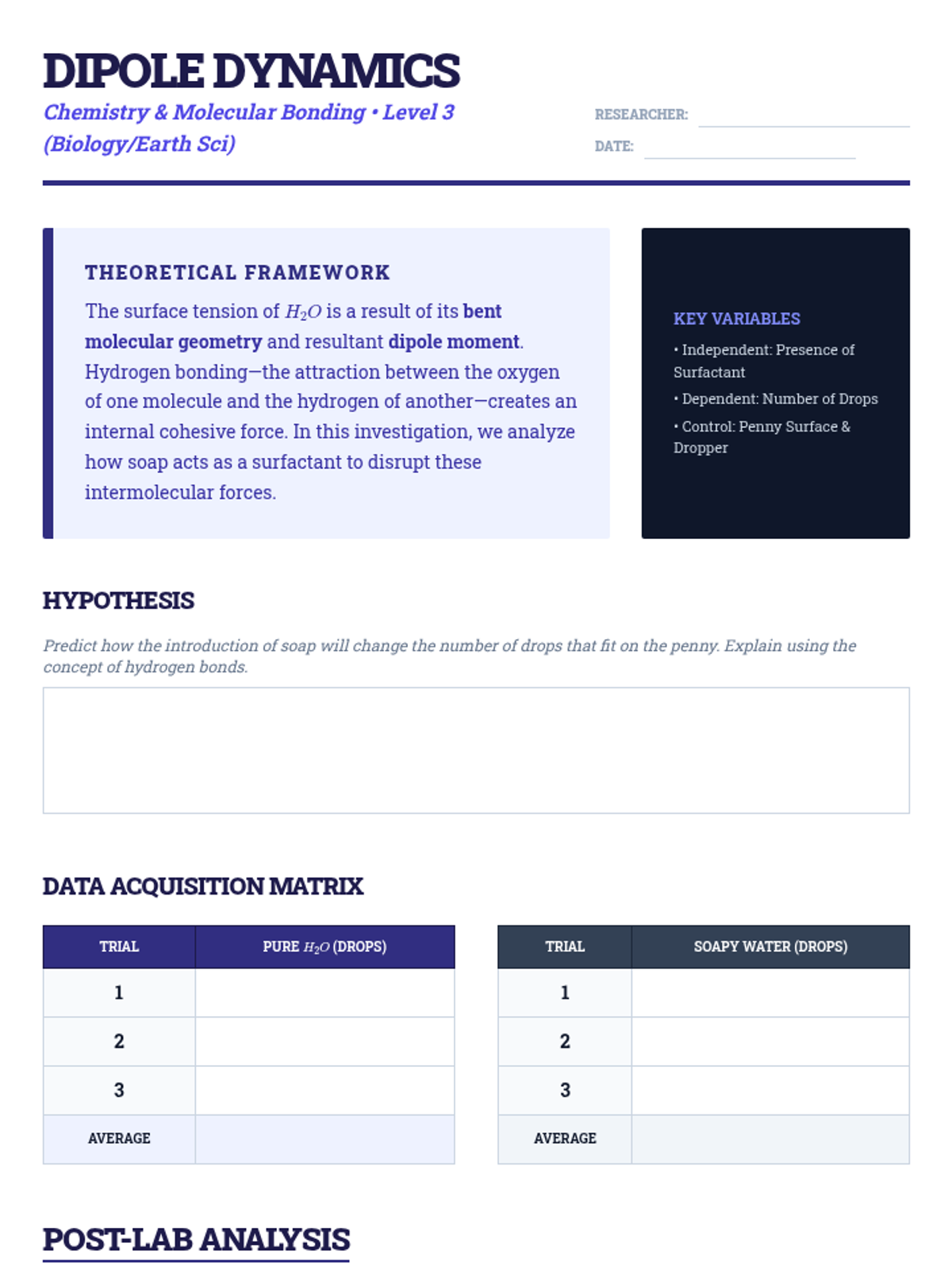
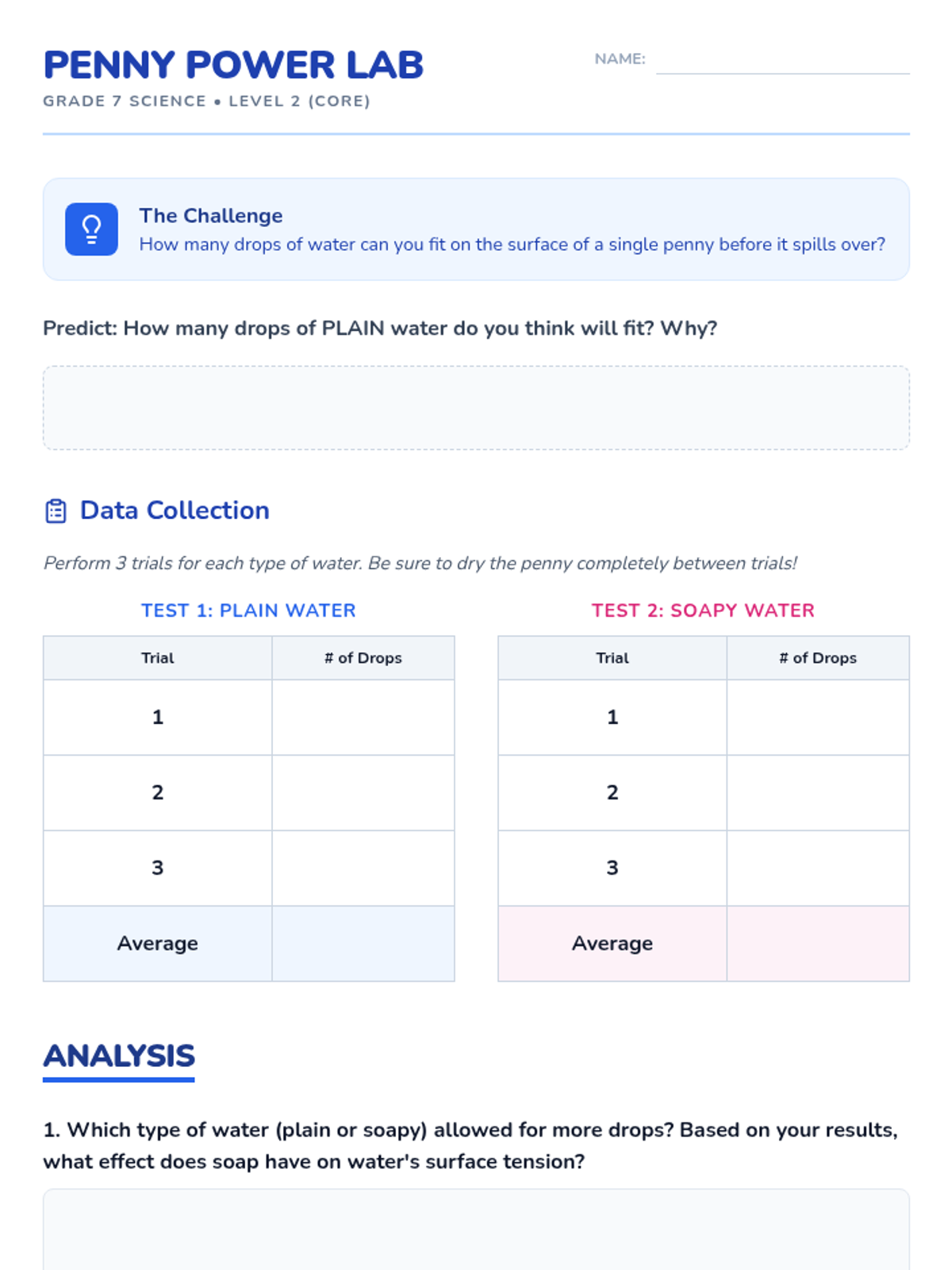
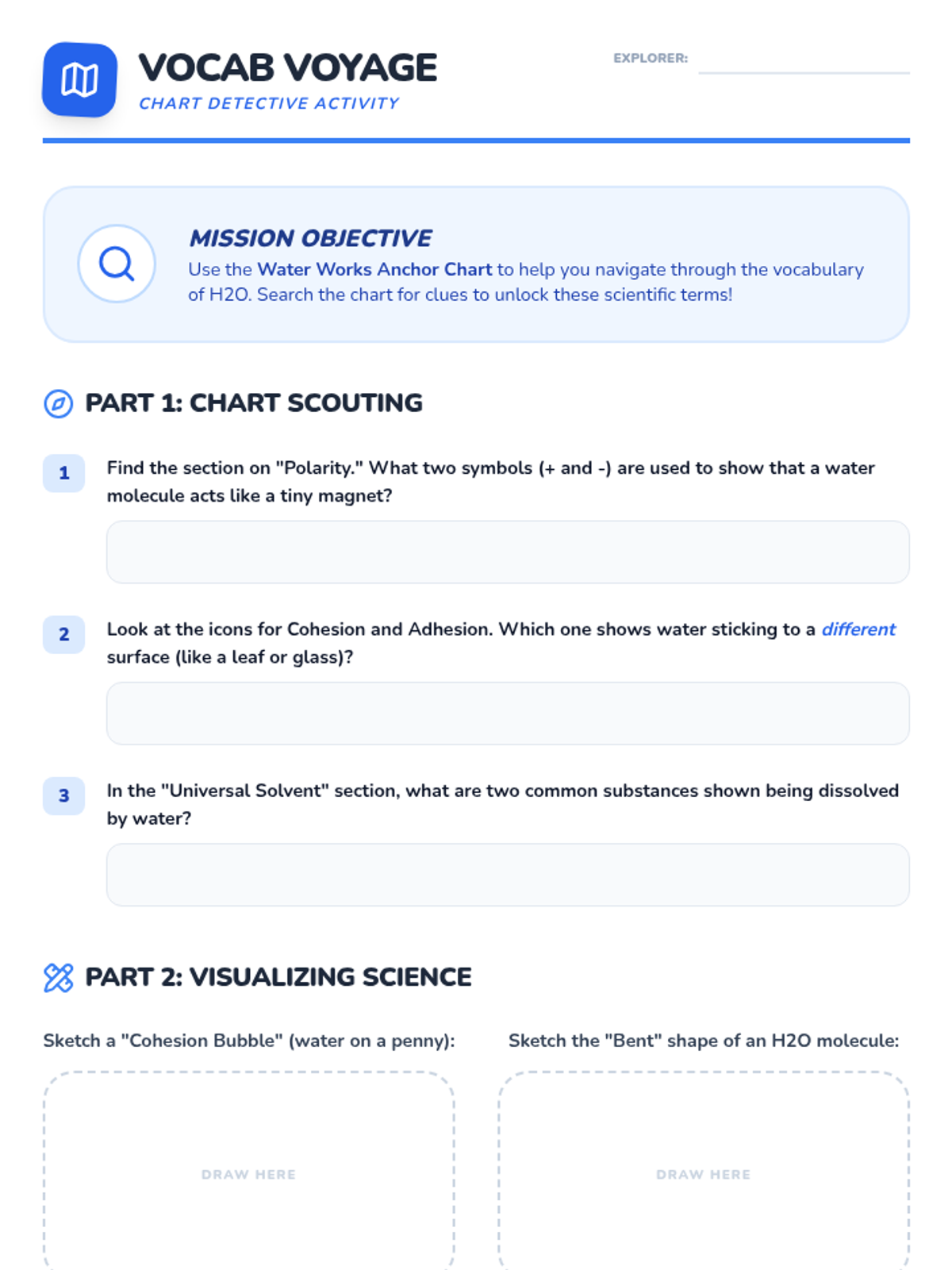
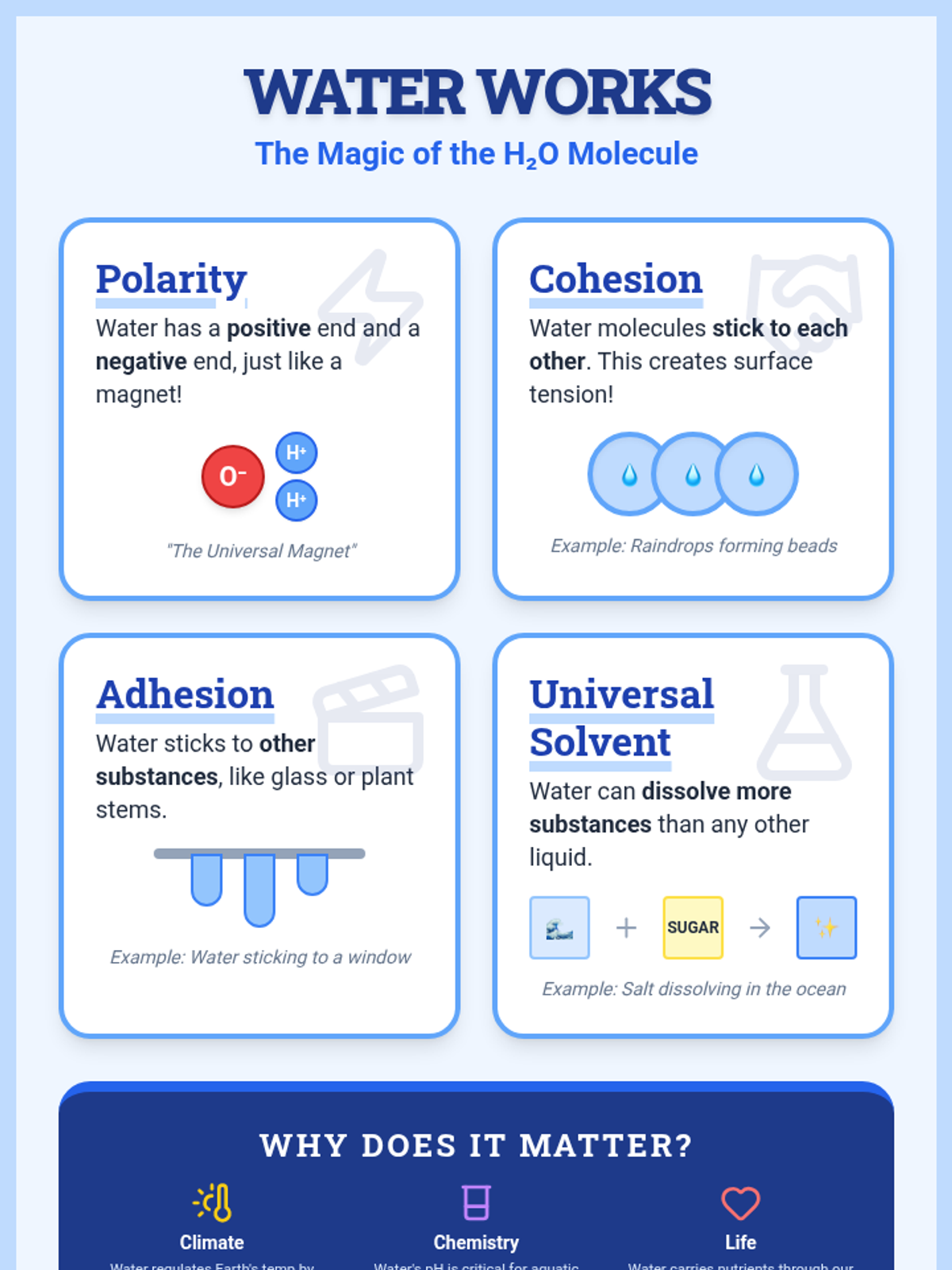
A comprehensive 3-week unit exploring the unique physical properties of water, its role in life and geological processes, and the dynamics of watershed systems. Students investigate polarity, cohesion, and universal solubility through hands-on labs while connecting these traits to climate moderation and the health of the Chesapeake Bay.
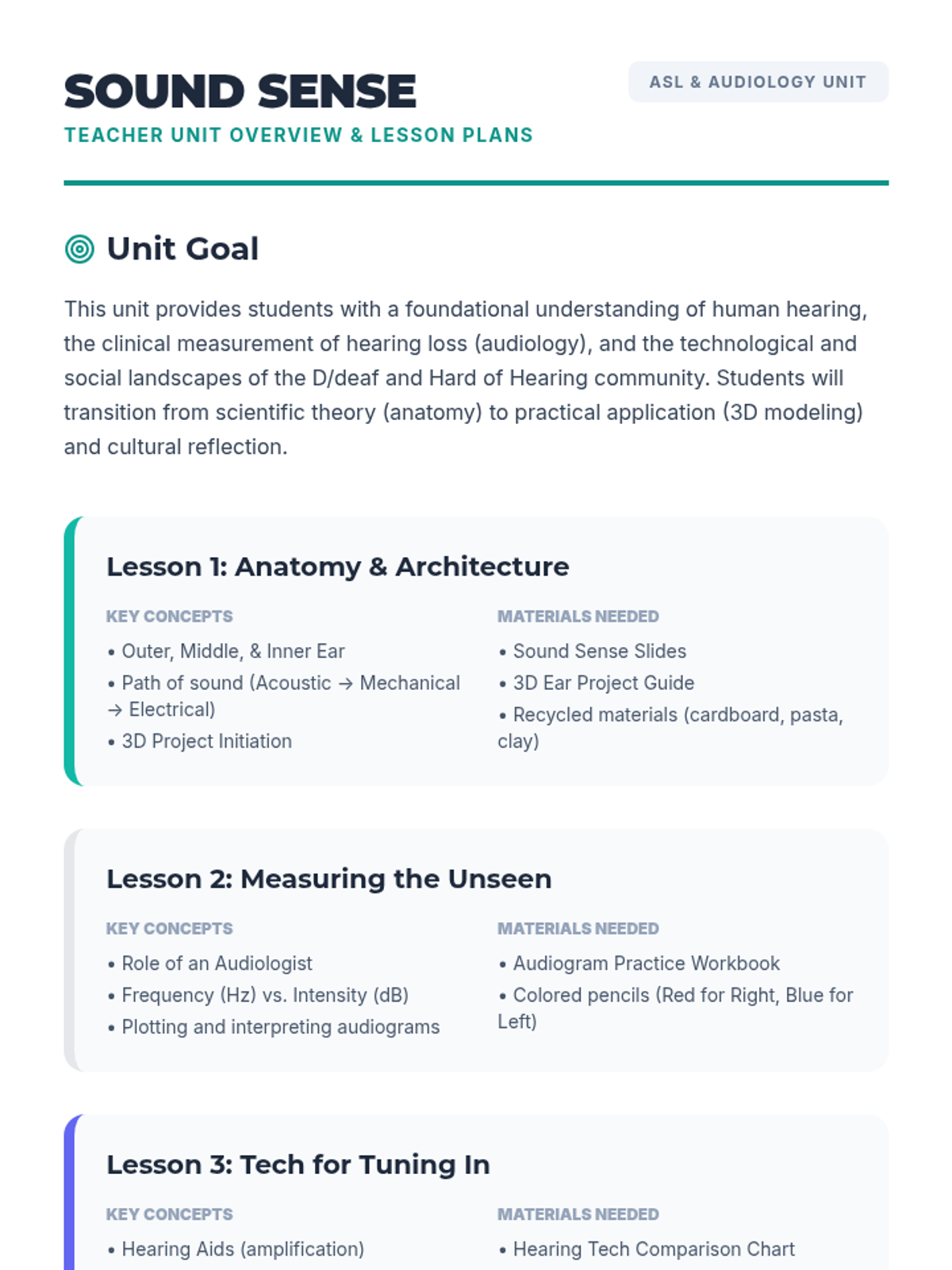
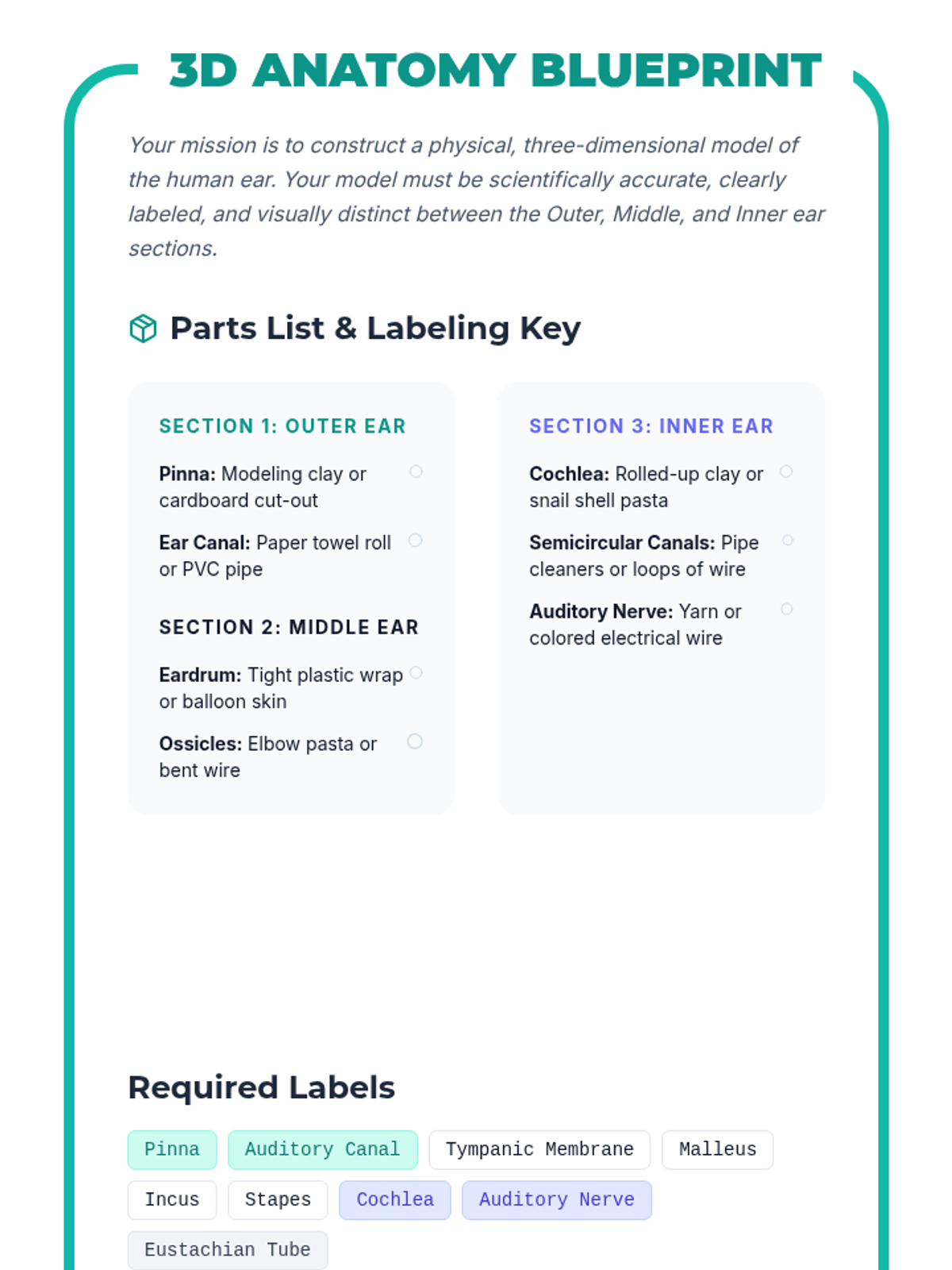
A comprehensive unit exploring the science of hearing, the technology used to assist hearing loss, and the personal impact of being D/deaf or hard of hearing. Students will build a 3D ear model, learn to read audiograms, and understand the difference between hearing aids and cochlear implants.
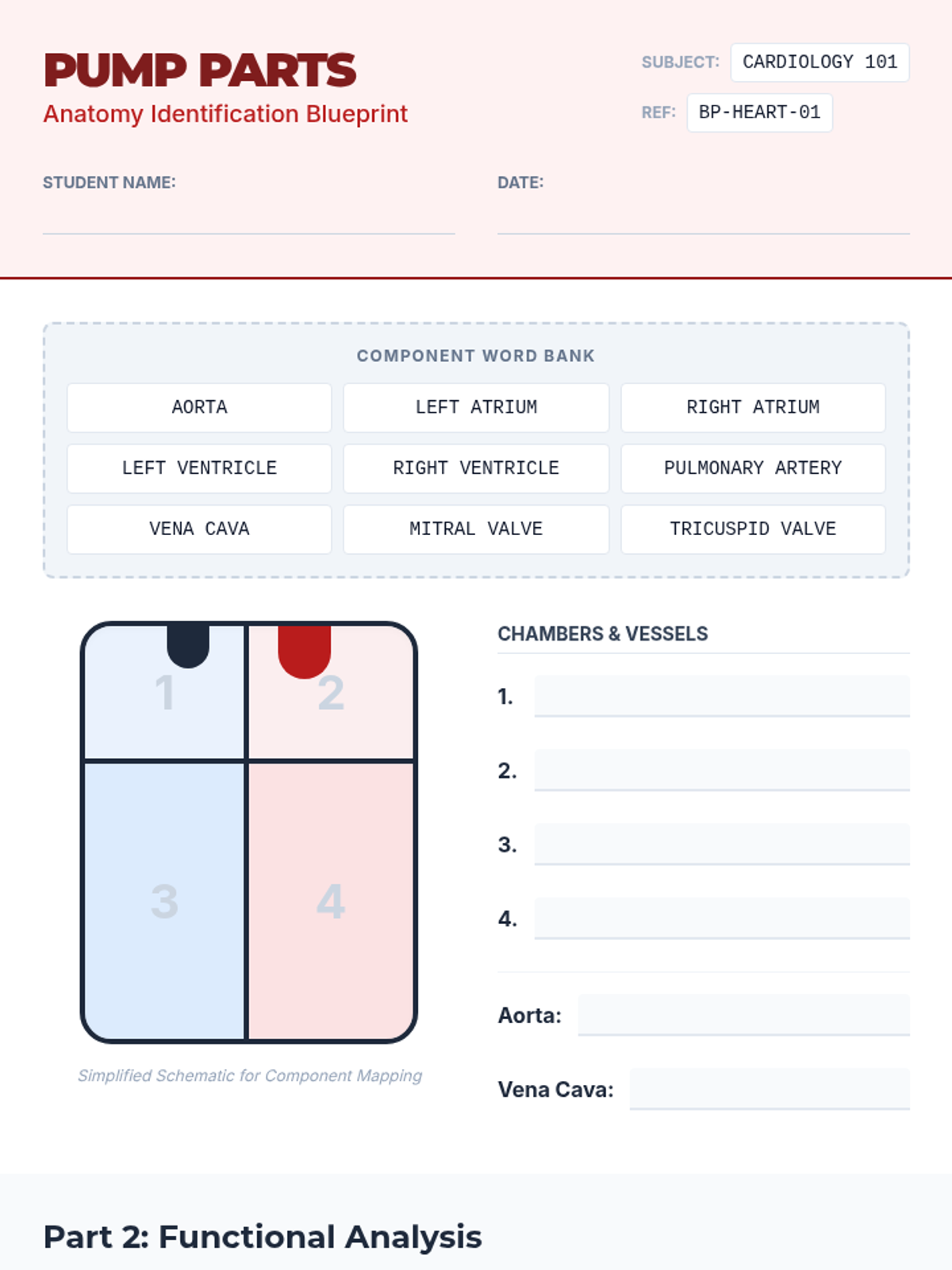
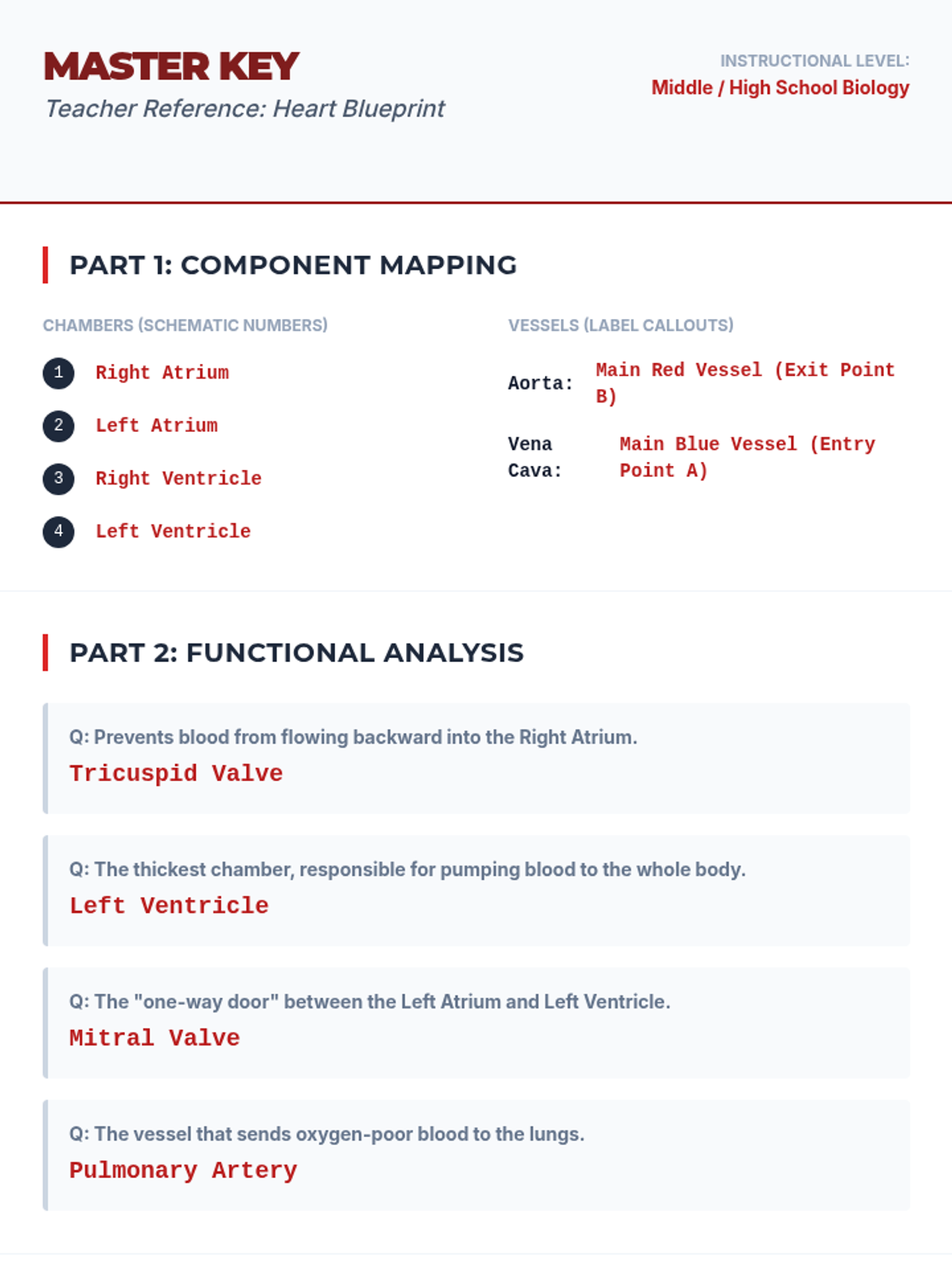
A comprehensive unit exploring the human cardiovascular system, starting with the intricate anatomy of the heart and extending to blood vessels and circulation loops.
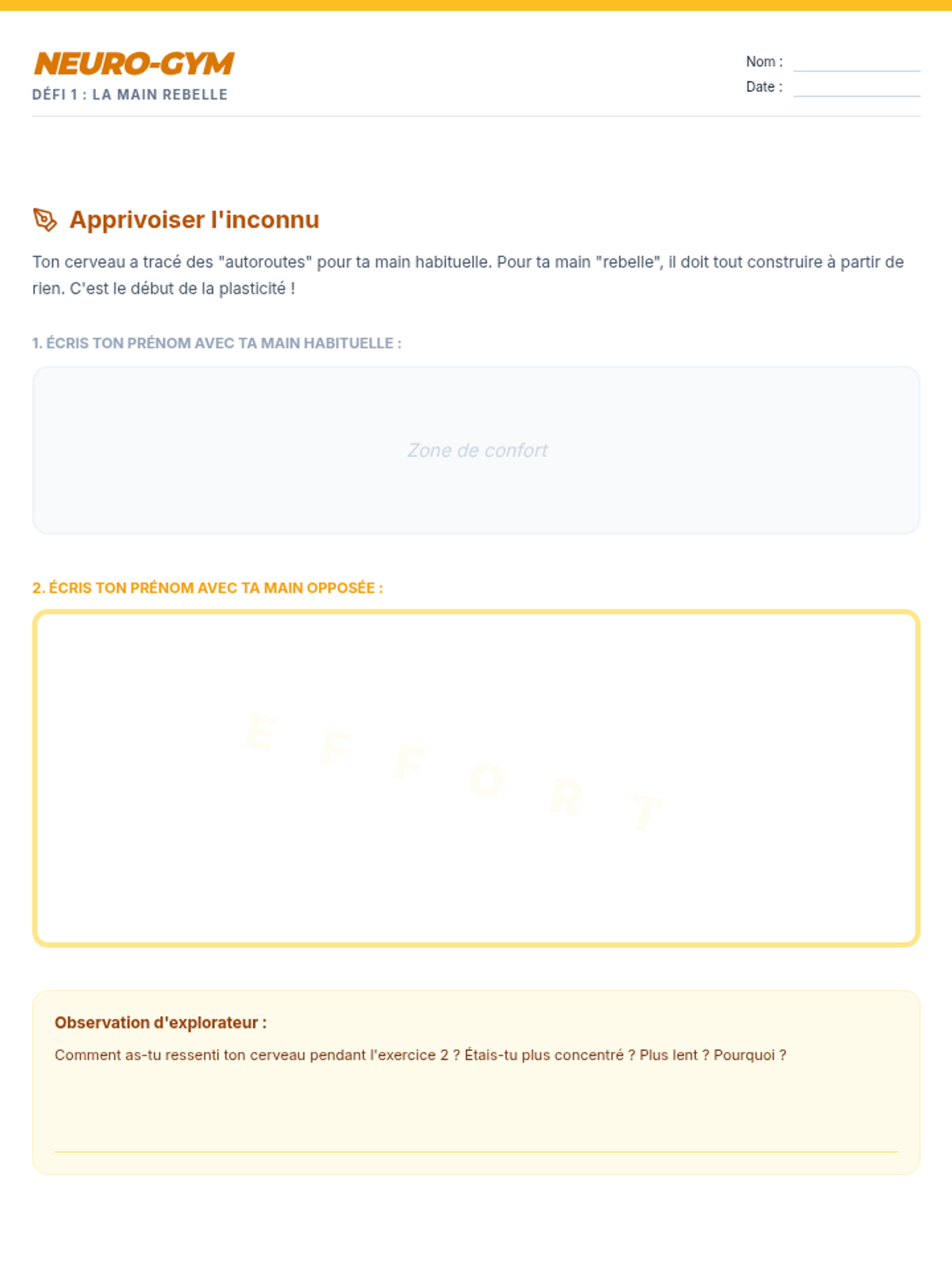
Une séquence immersive pour découvrir les secrets du cerveau humain, sa structure, ses fonctions et son incroyable capacité à apprendre.
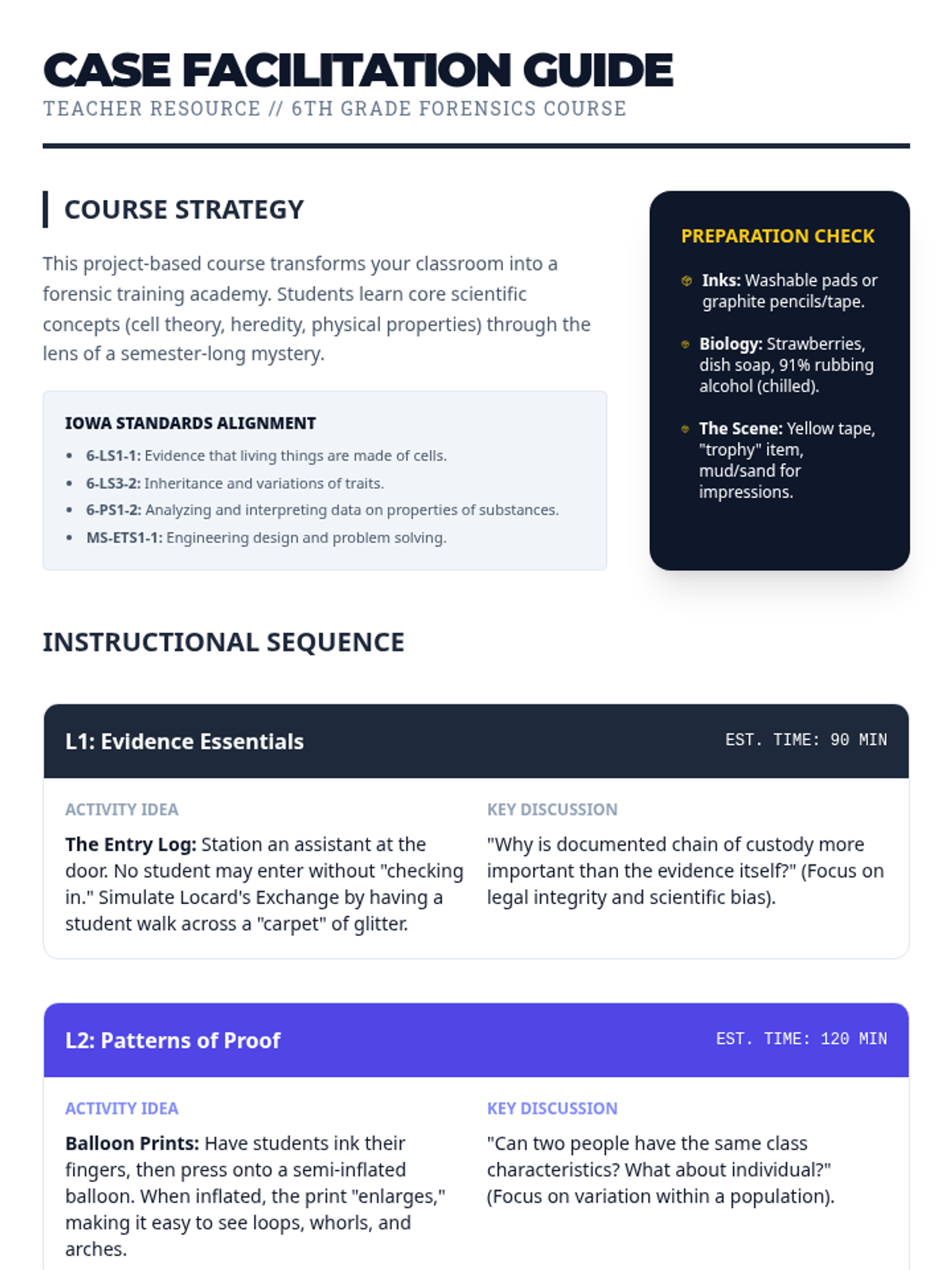
A project-based 6th-grade forensics course where students act as lead investigators to solve a campus mystery using scientific evidence, biology, and engineering principles. The course aligns with Iowa Science Standards covering cell theory, inheritance, and the engineering design process.
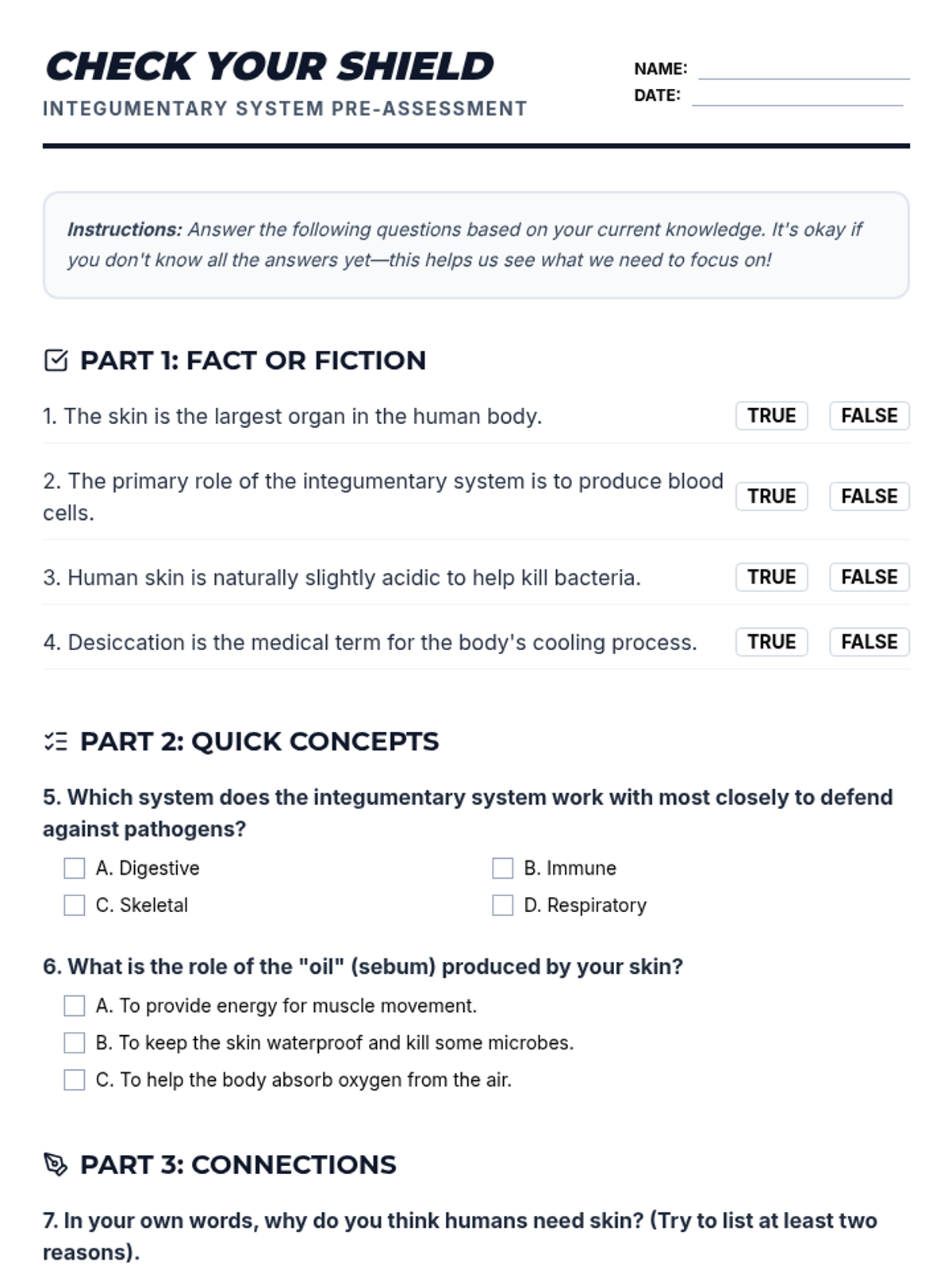
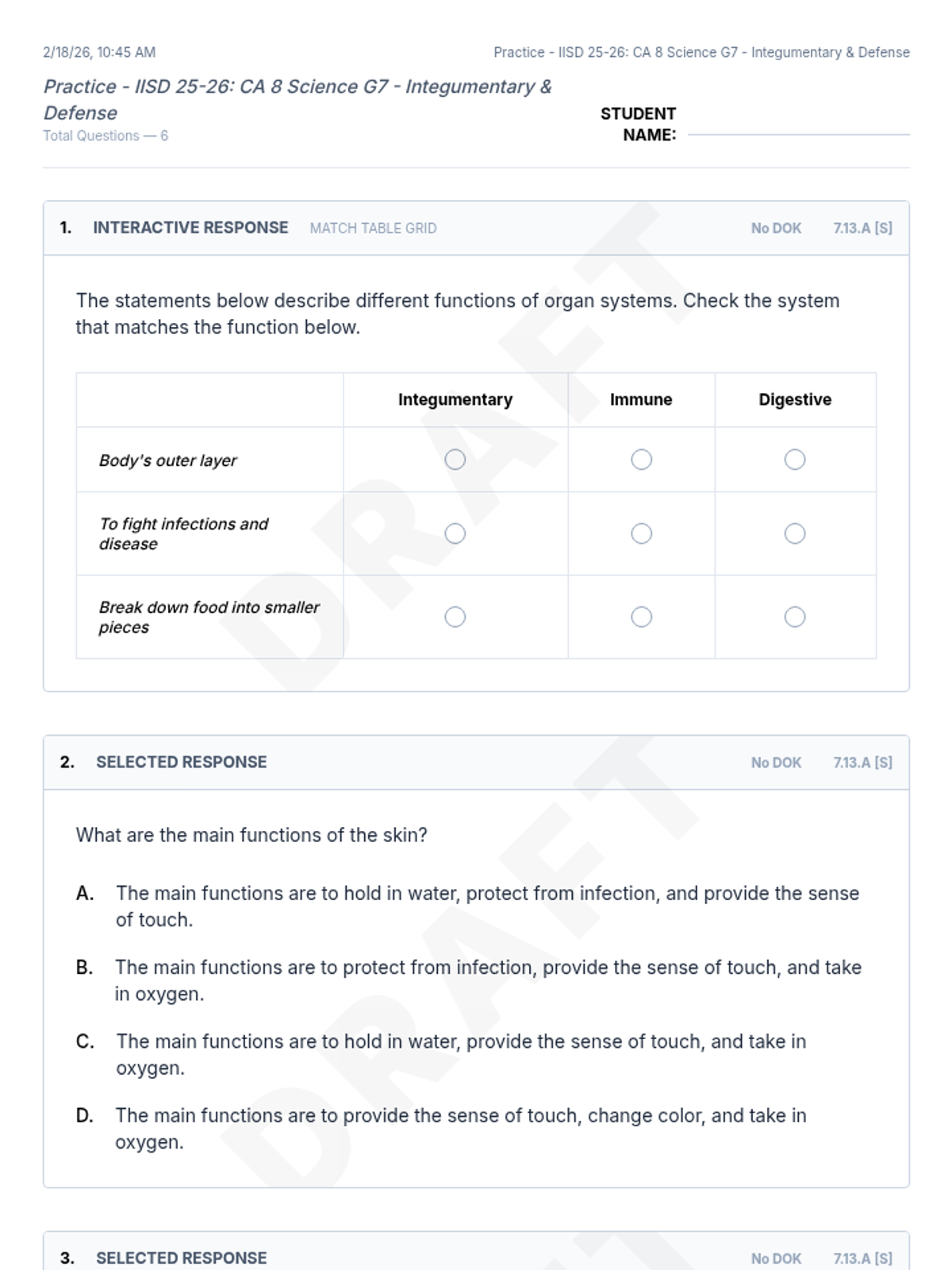
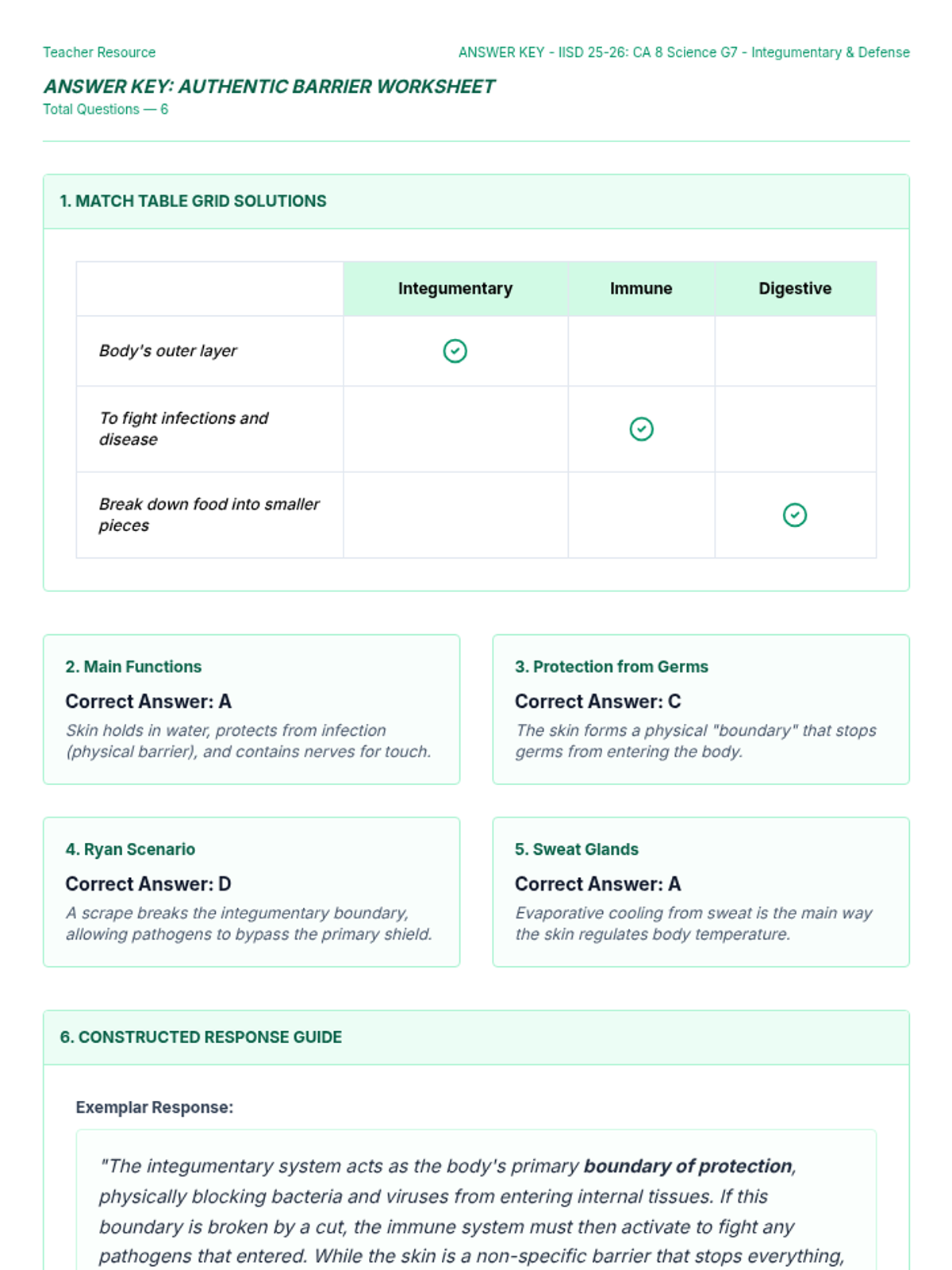
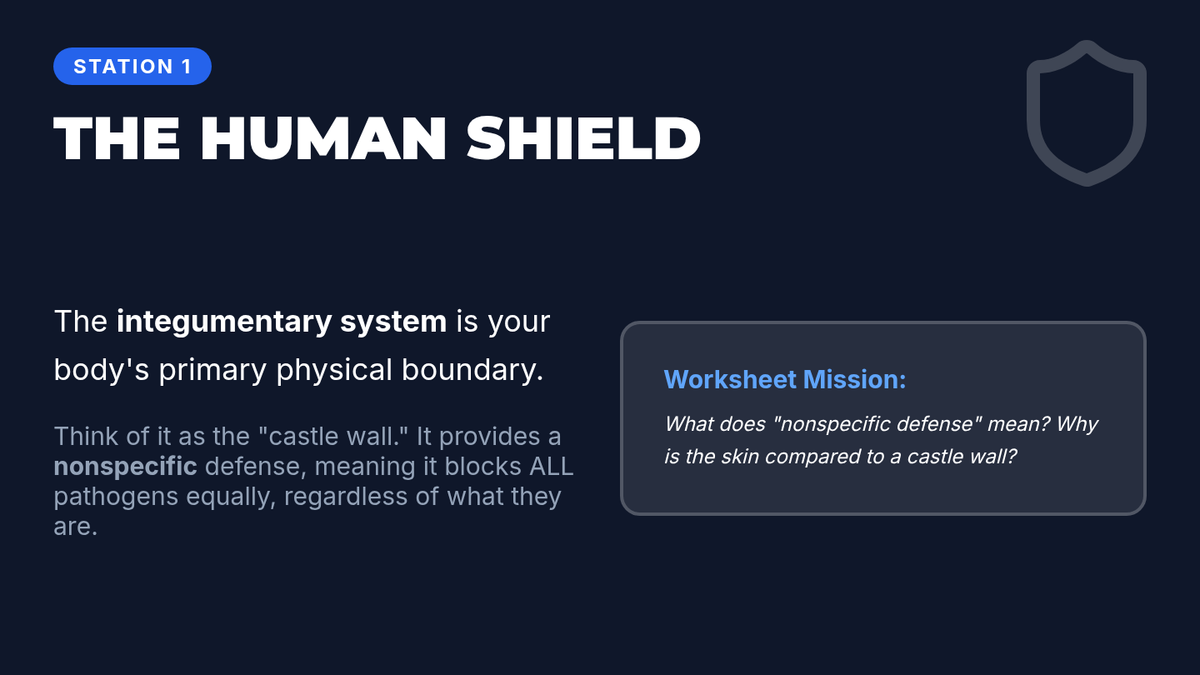
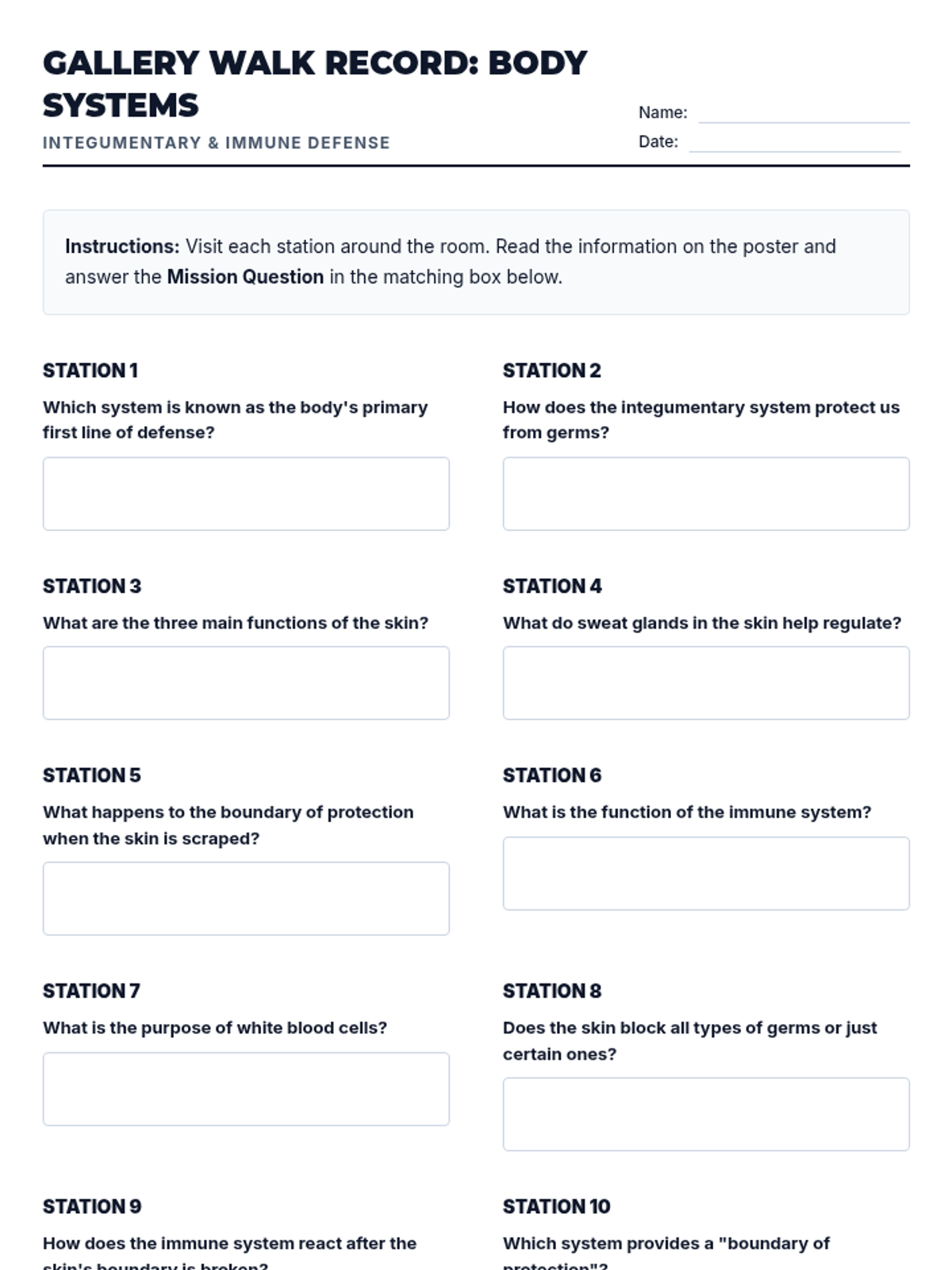
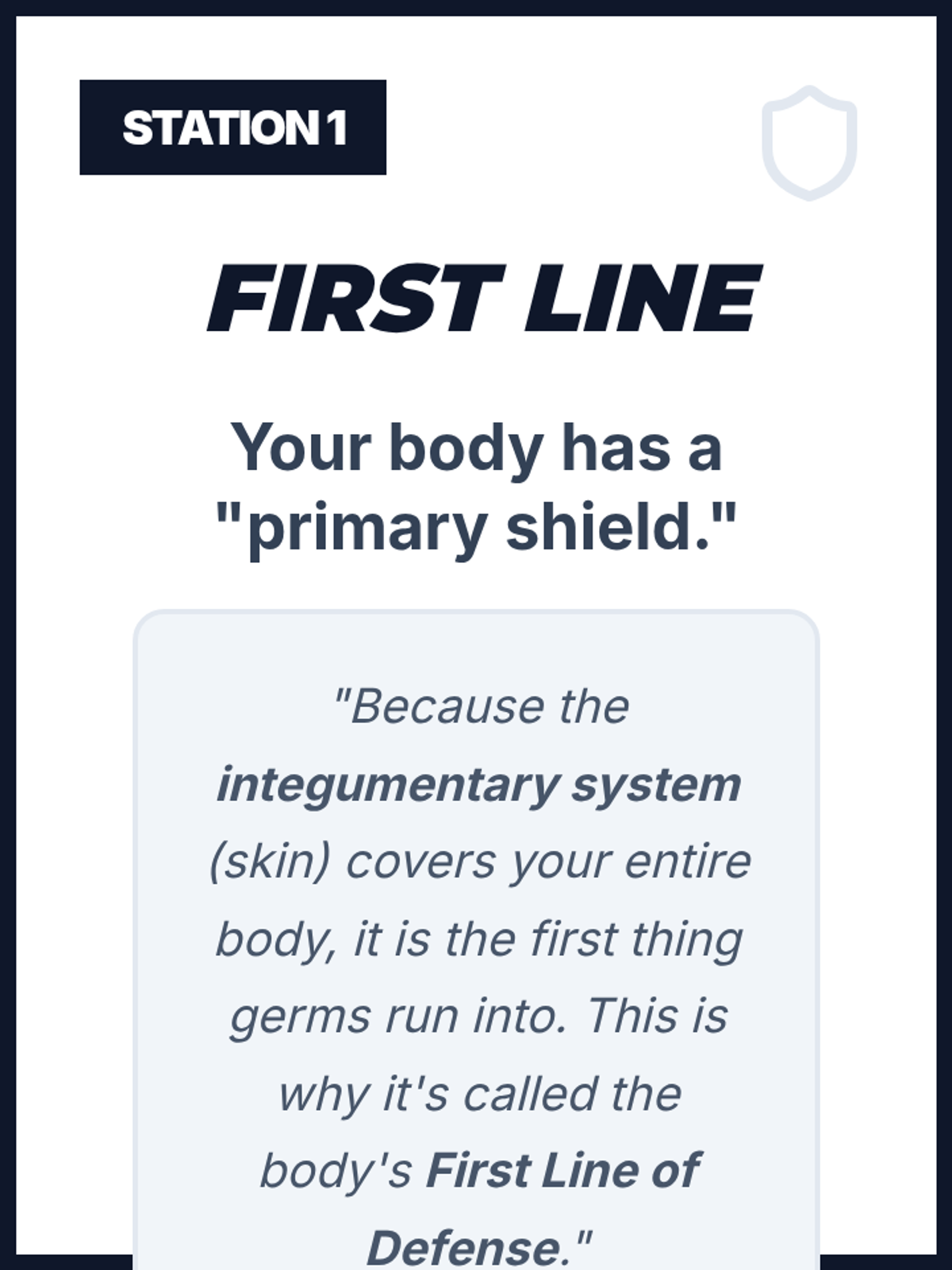
A comprehensive collection of life science resources for 6th and 7th grade, covering cell theory, body systems, and defense mechanisms.
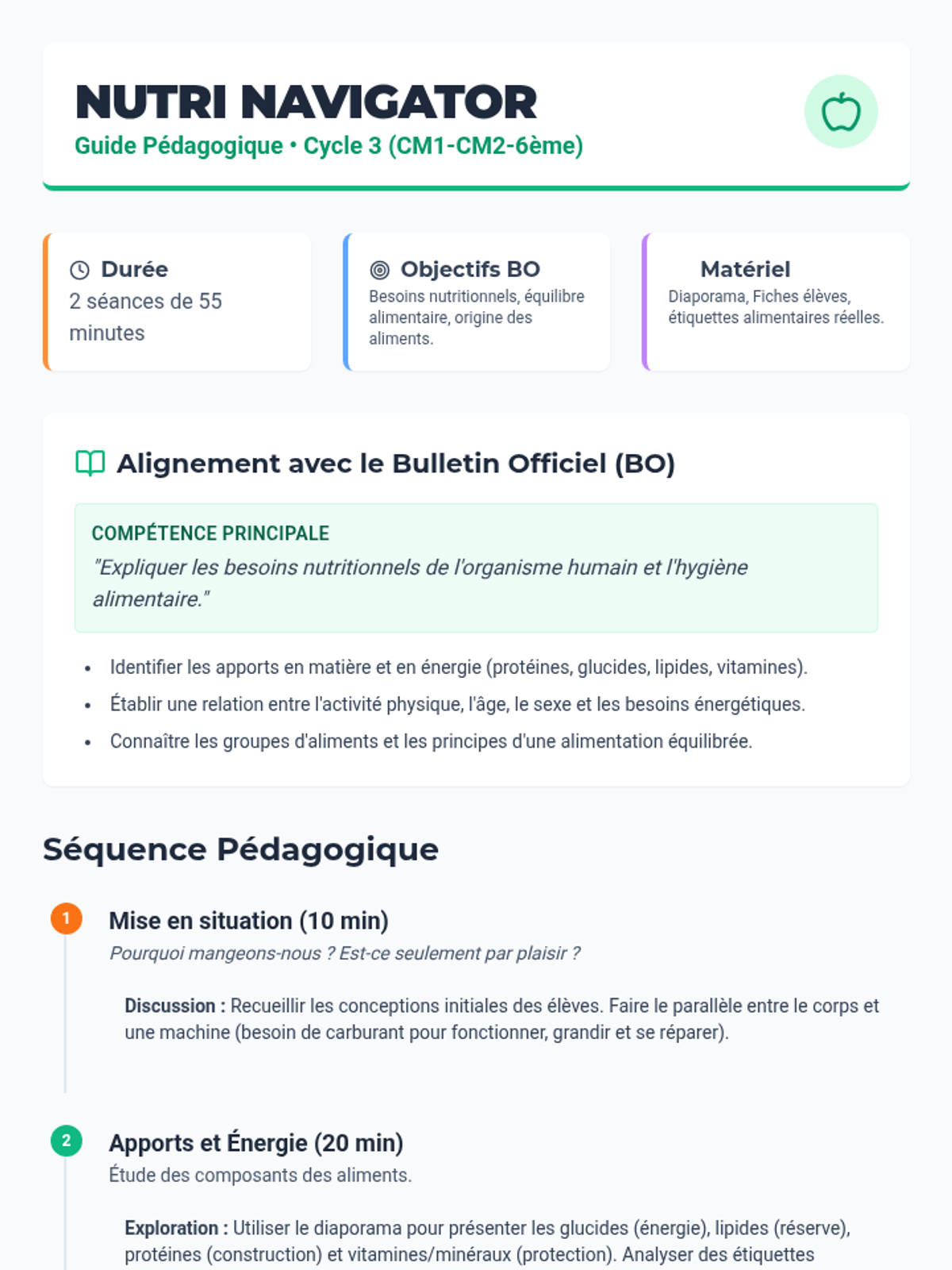
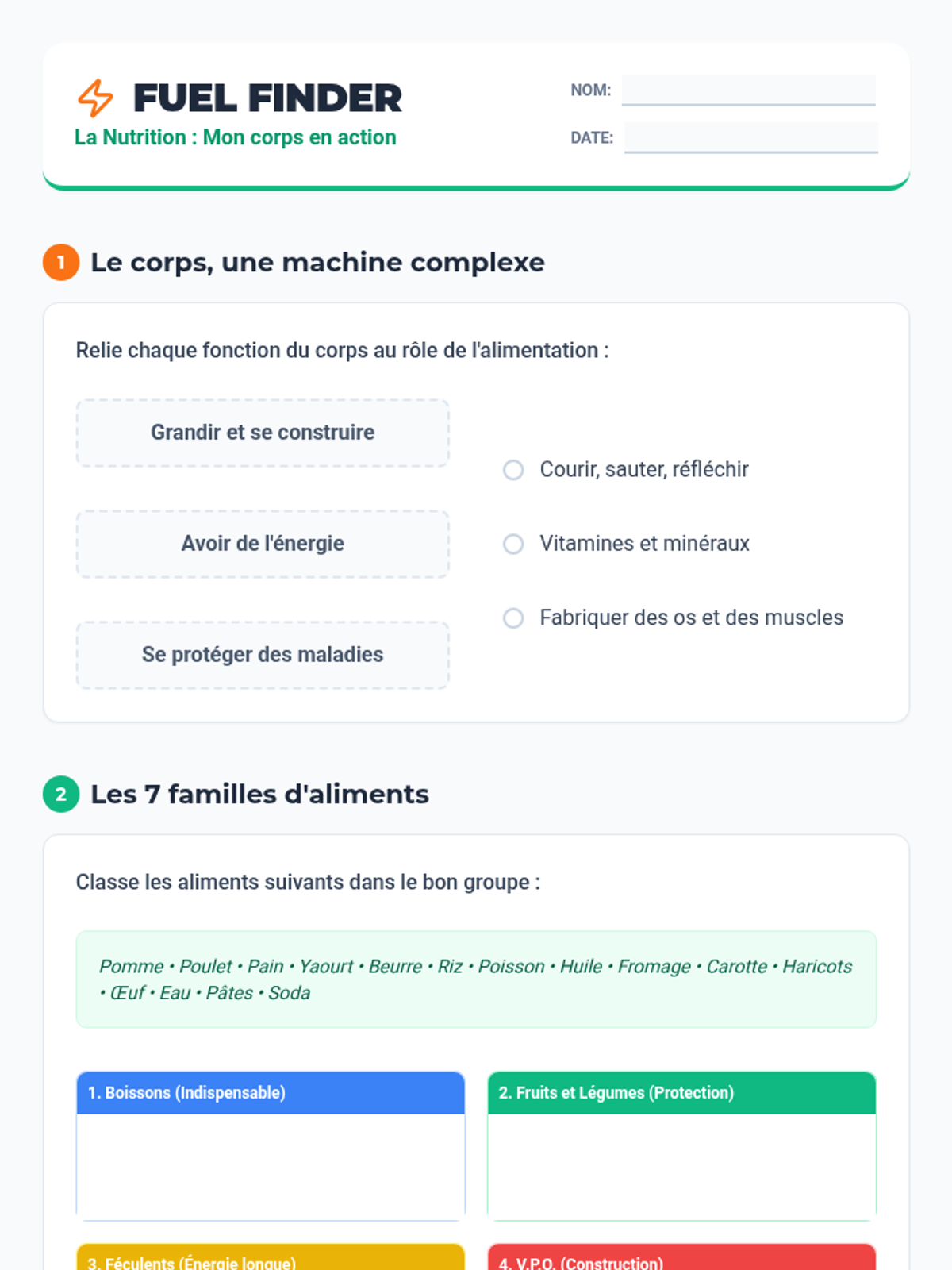
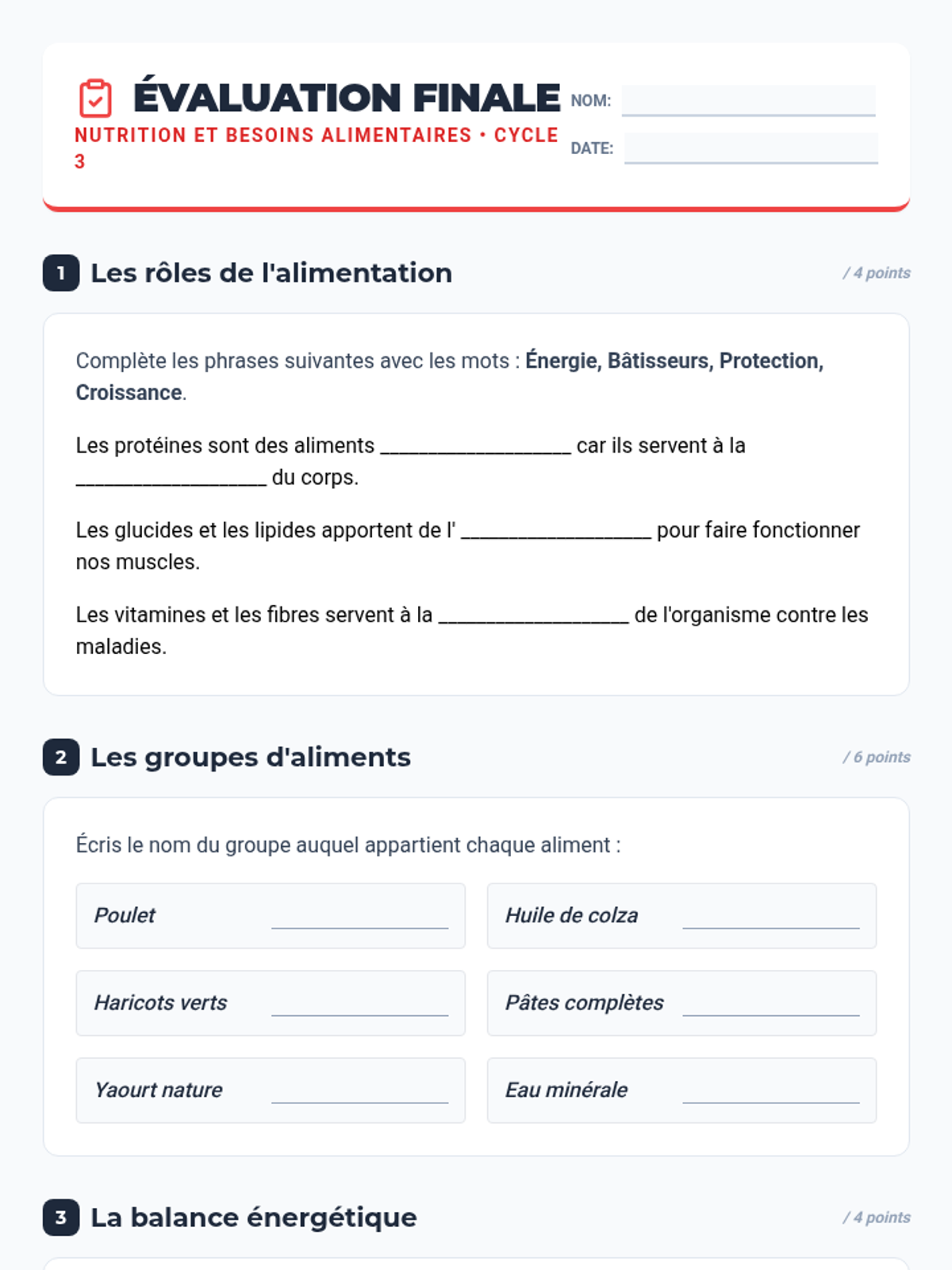
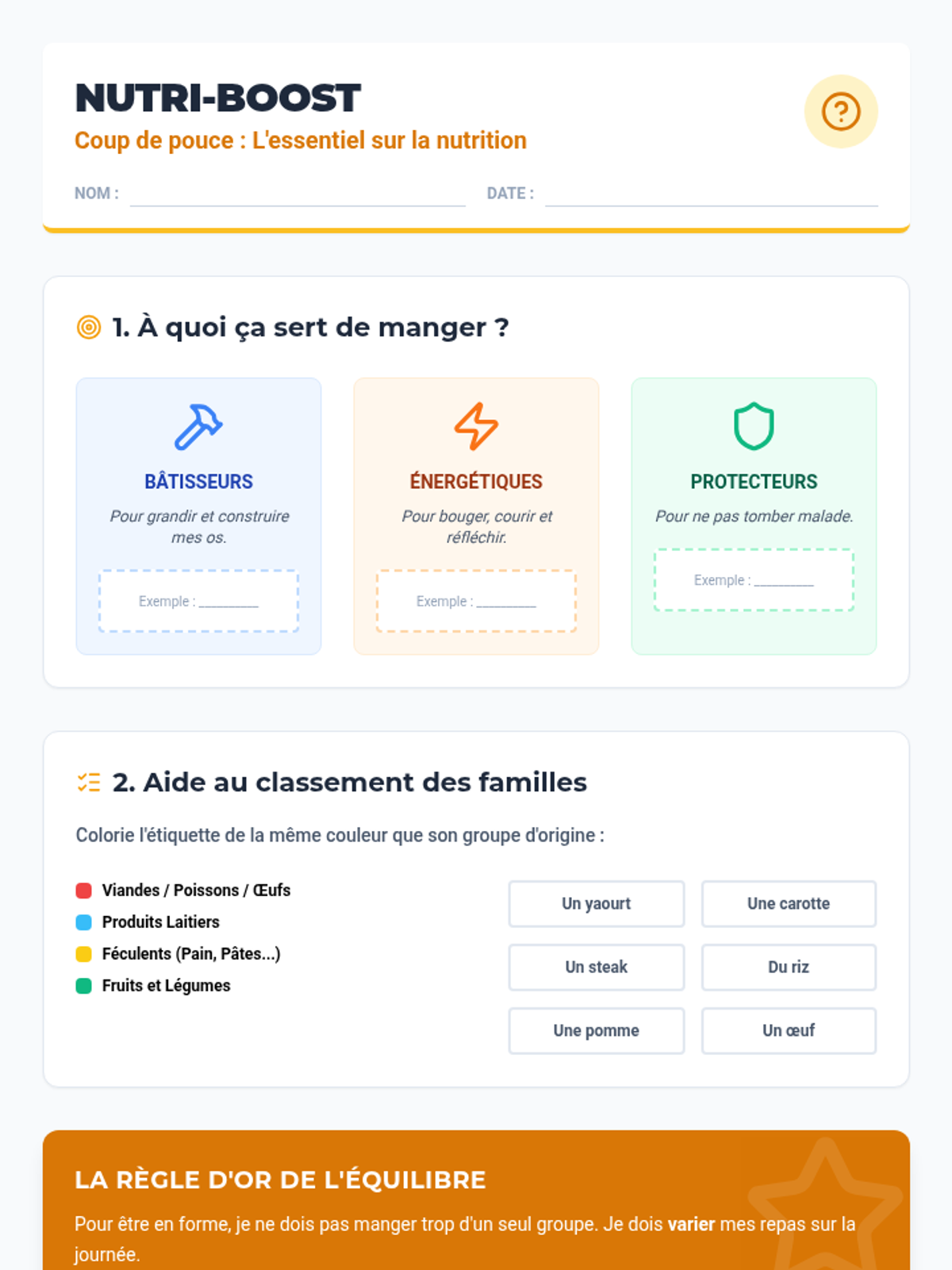
Unité complète sur le fonctionnement du corps humain, se concentrant sur la nutrition, la digestion et l'importance d'une alimentation saine pour la croissance et l'activité.
A comprehensive unit exploring how animal systems interact to maintain homeostasis, process nutrients, reproduce, and respond to environmental stimuli. This sequence covers organization, regulation, and survival mechanisms across various animal taxa.
A collection of backward-designed science lessons for middle school, utilizing assessment-driven instruction to build a strong foundation in biological concepts.
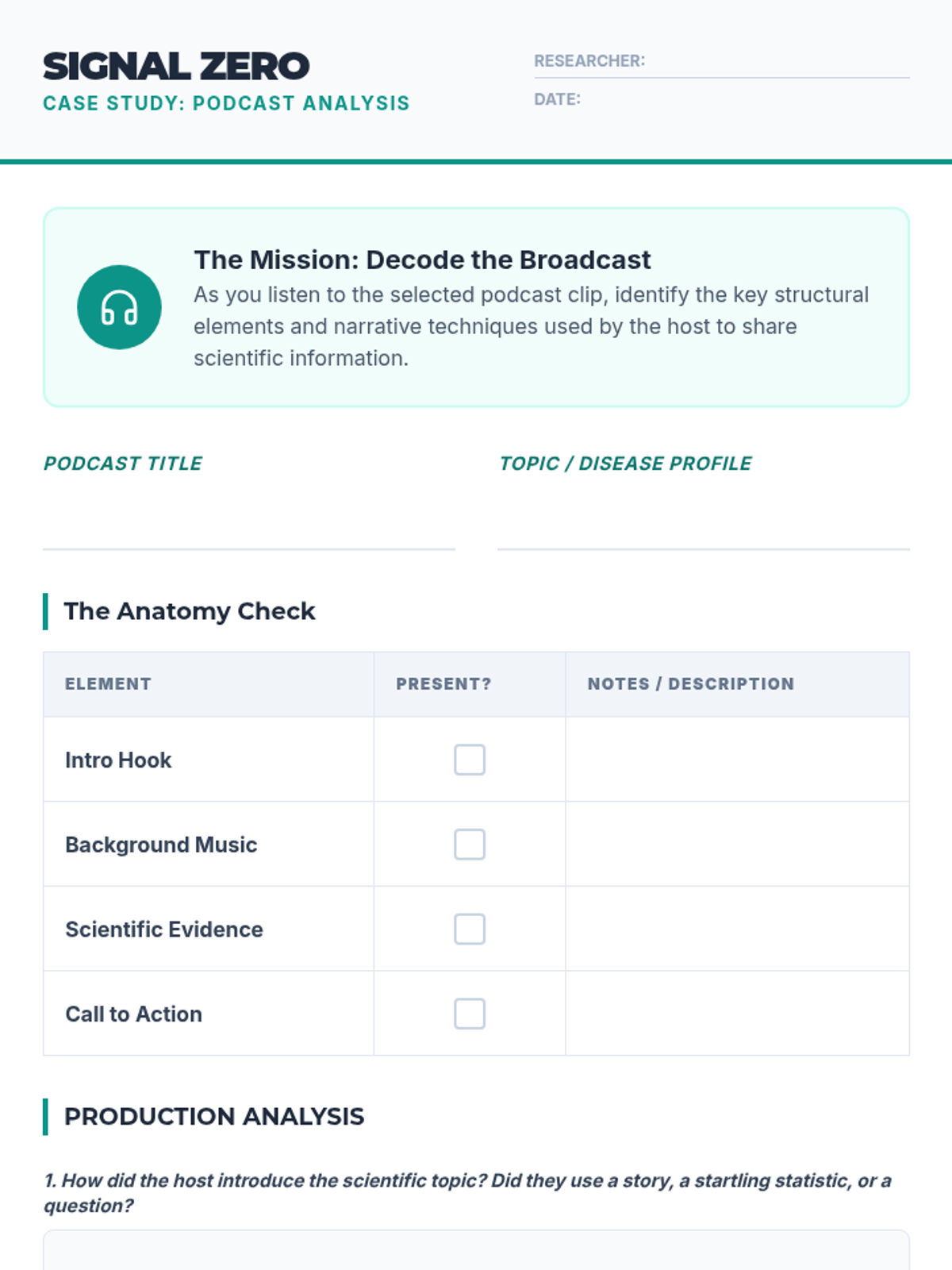
A comprehensive project-based sequence where students transform their medical research into professional-grade podcasts using BandLab. This unit covers the anatomy of audio storytelling, conversational scripting, and digital audio production.
A comprehensive unit exploring plant physiology and reproduction, centered around the Pando clonal colony as an anchoring phenomenon to demonstrate system interdependence.
A collection of rigorous, movement-based review activities and readiness assessments for middle school science units.
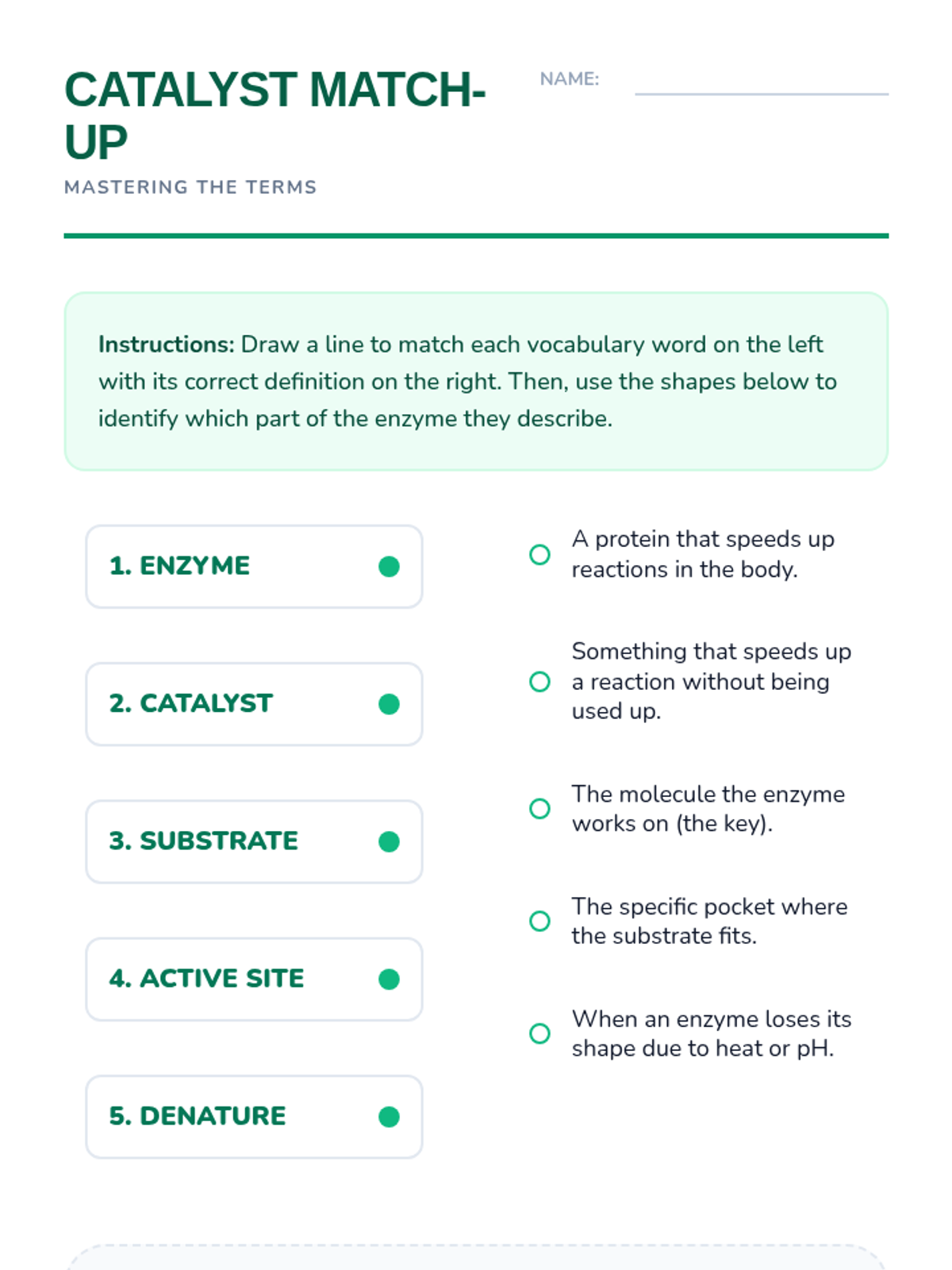
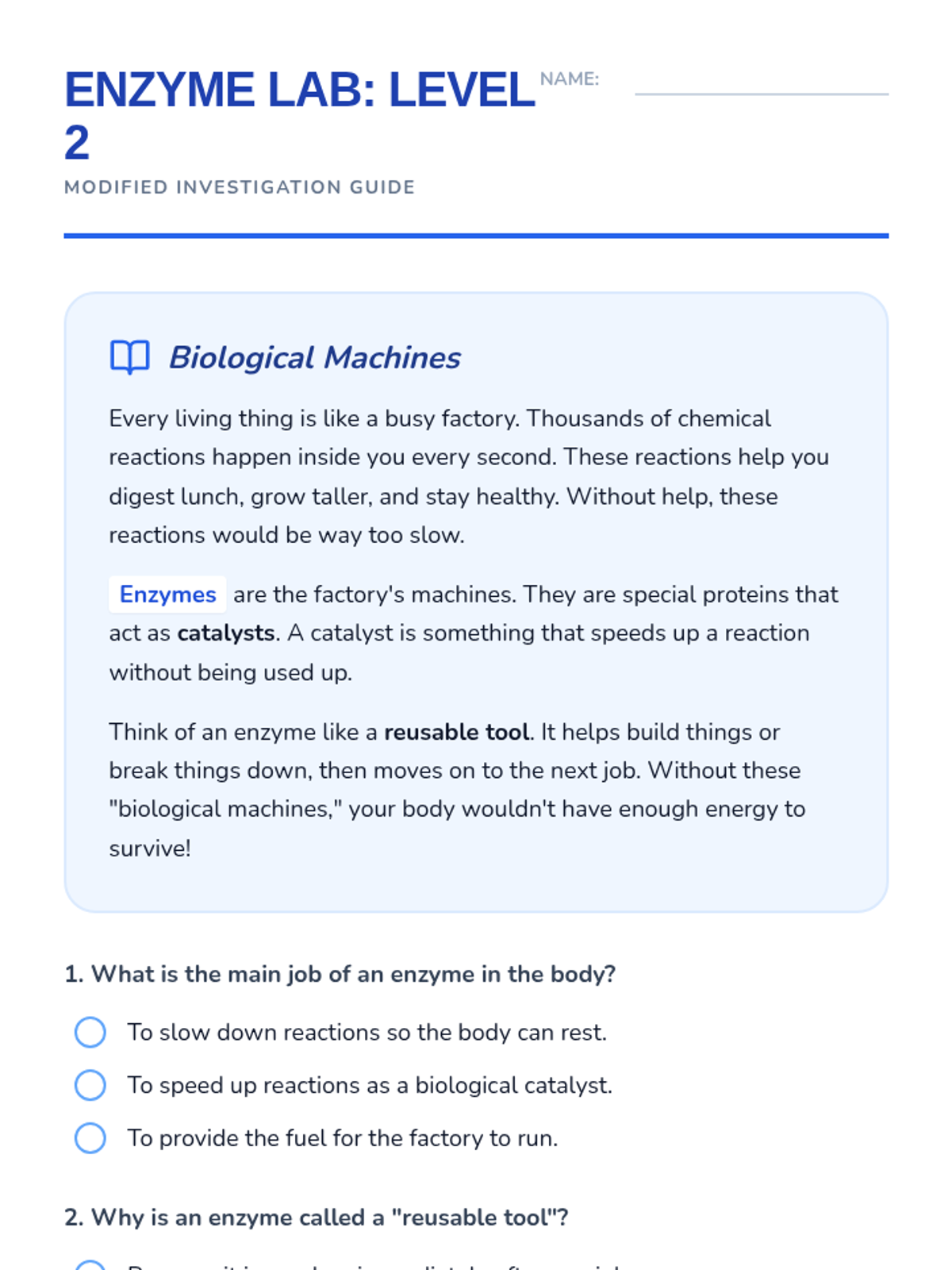
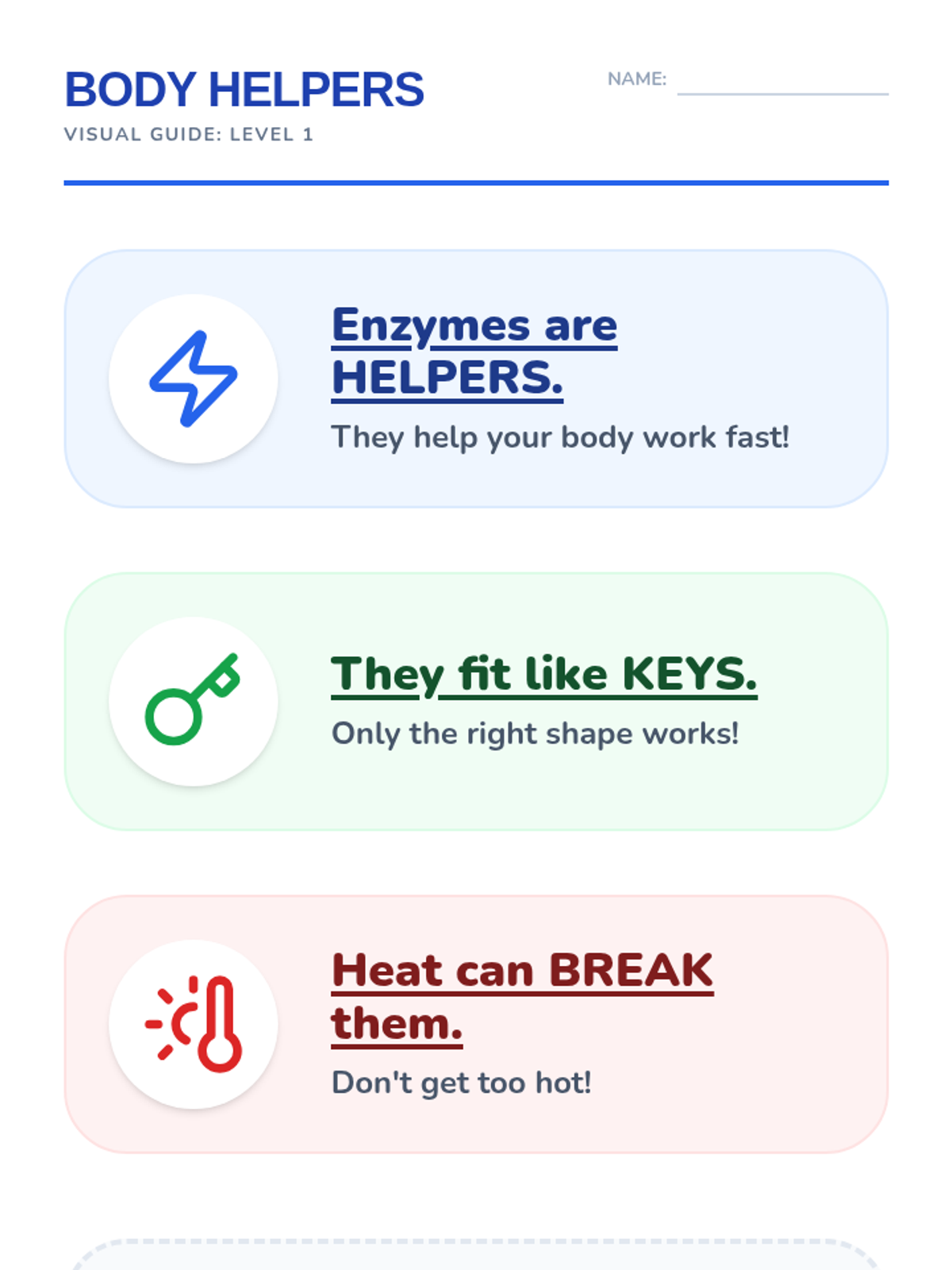
A unit exploring the microscopic machines that keep living things running, from building cells to breaking down food.
A deep dive into marine biology and animal physiology, focusing on the unique adaptations that allow aquatic life to thrive in diverse environments.
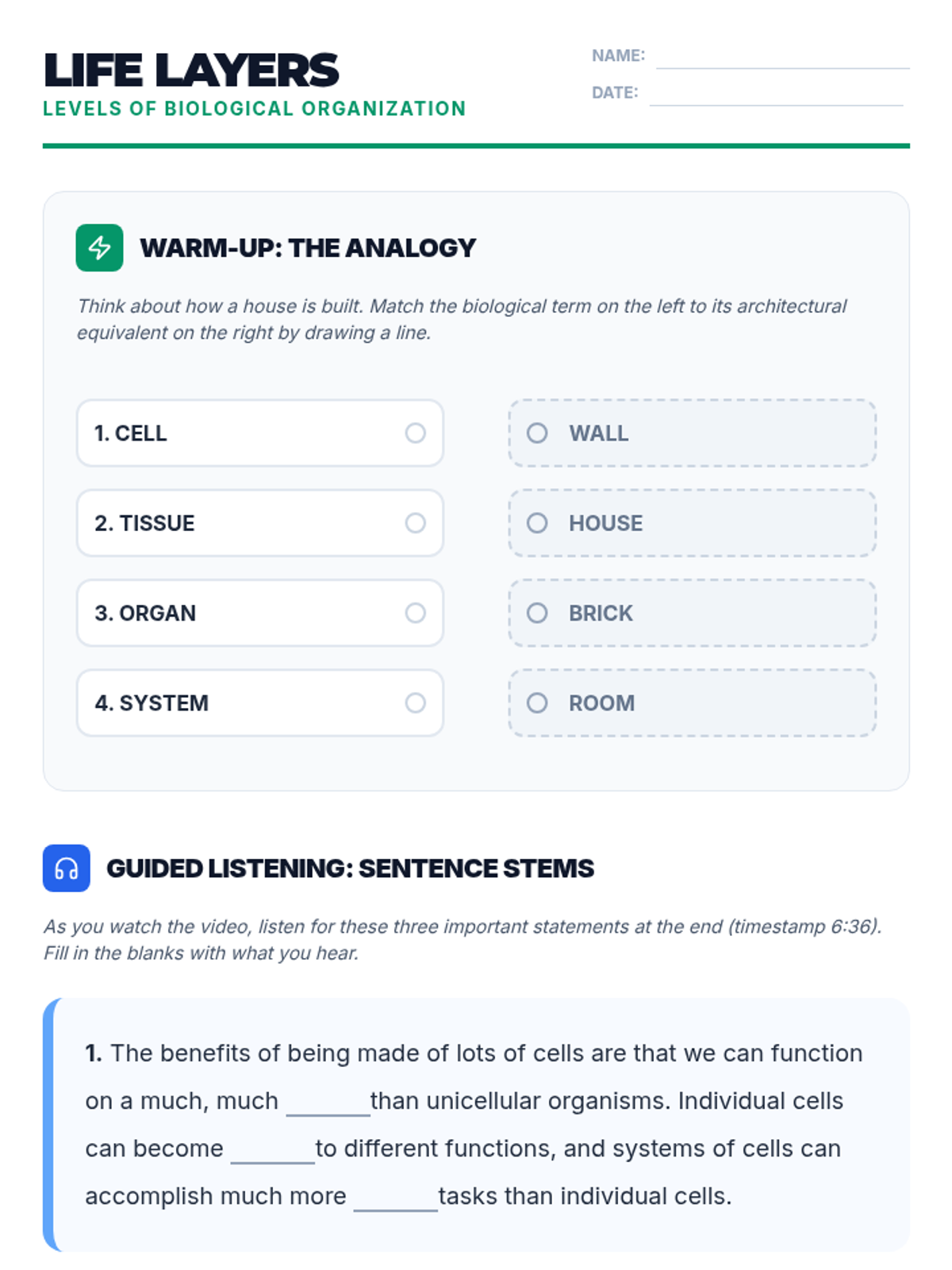
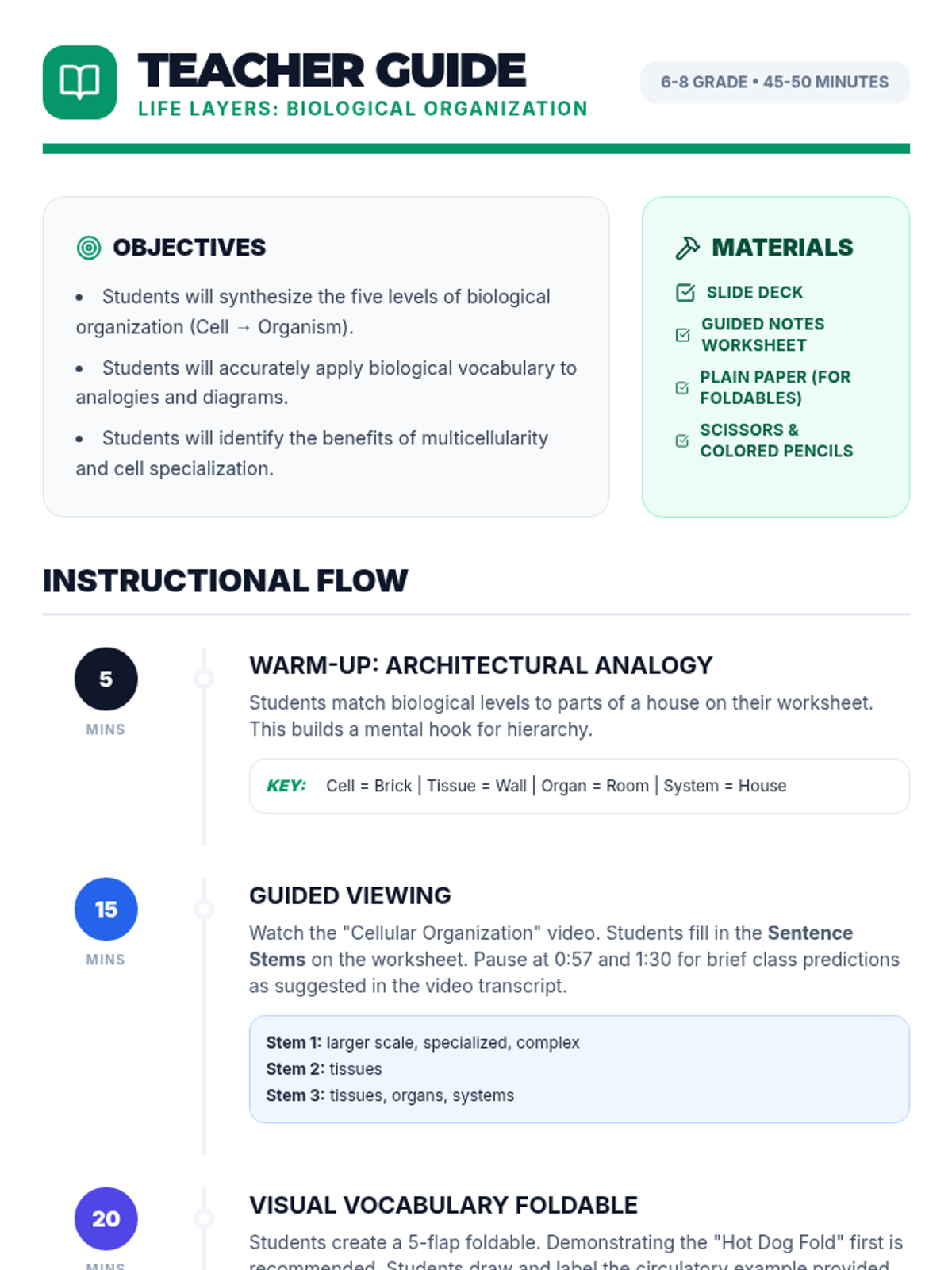
A sequence exploring how biological units organize into complex living organisms, focusing on the hierarchy of life from cells to entire systems.
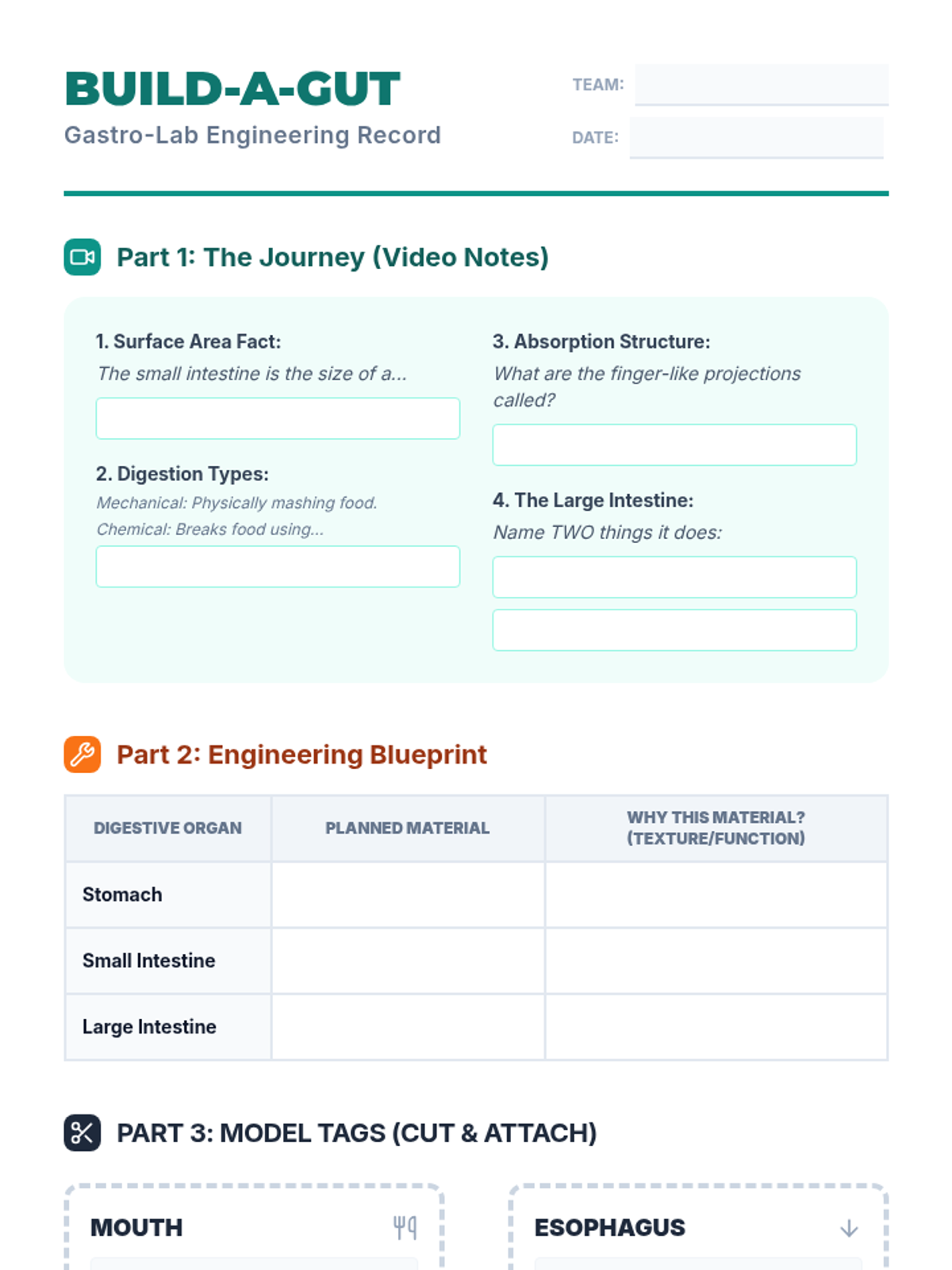
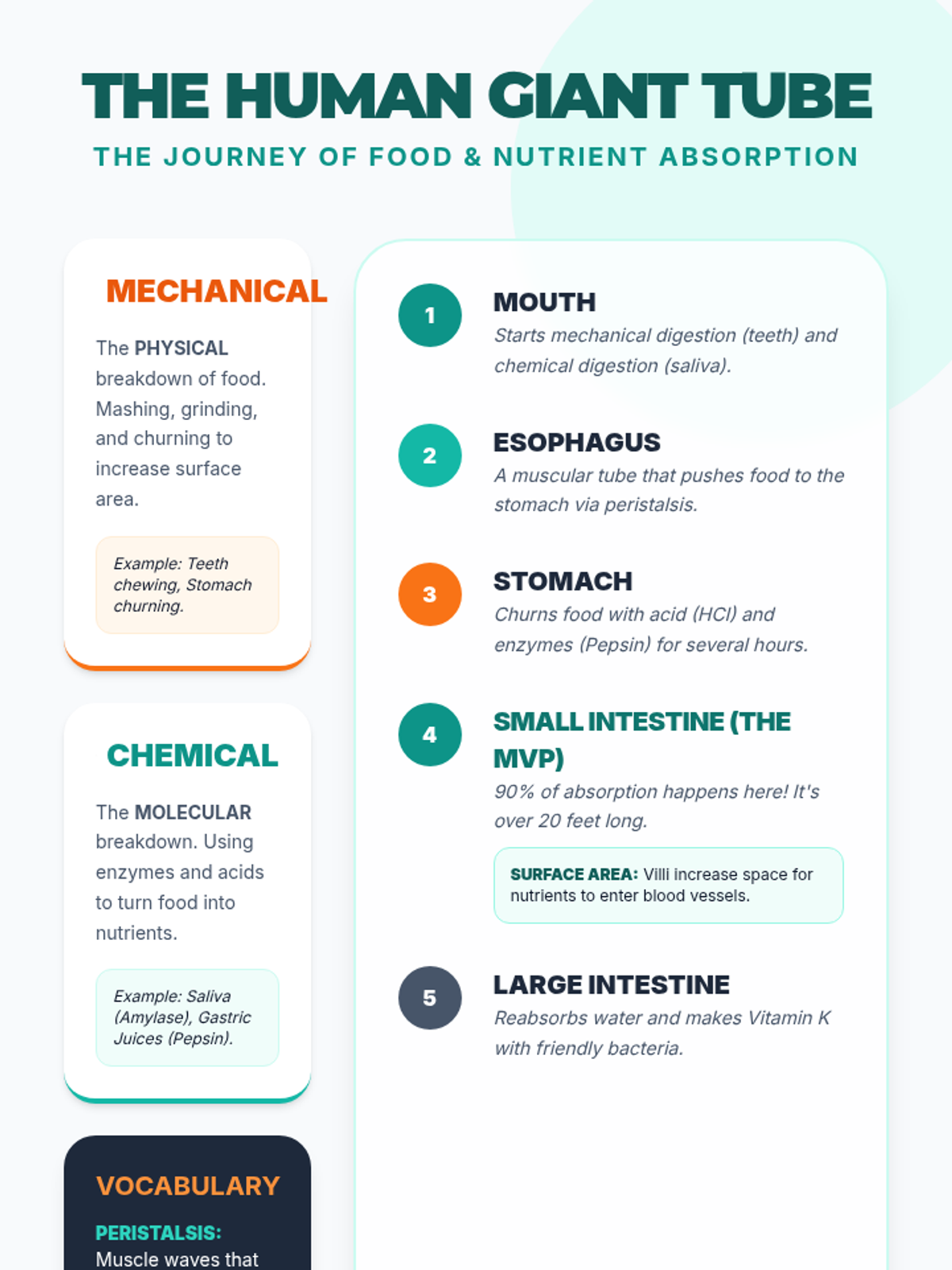
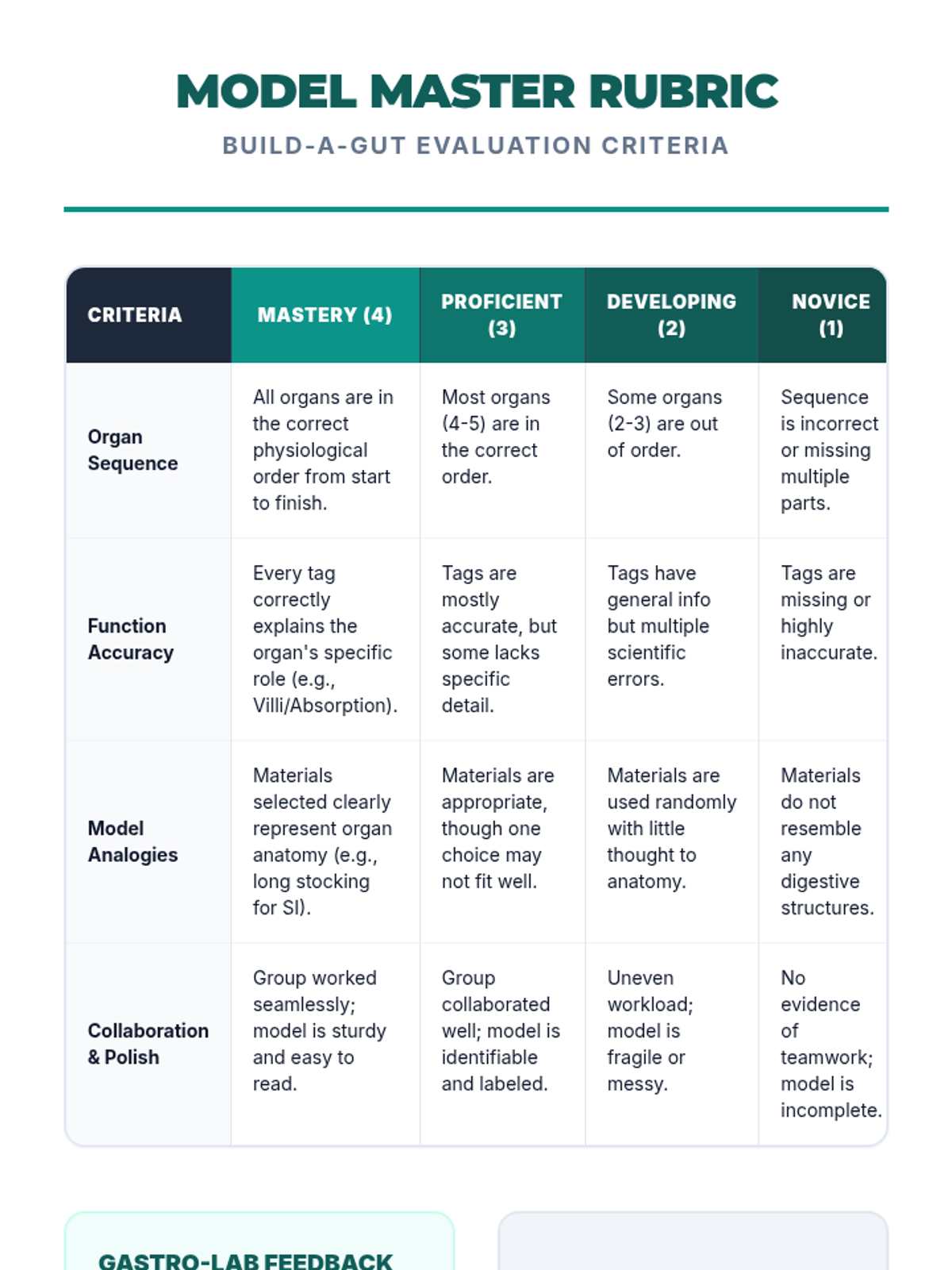
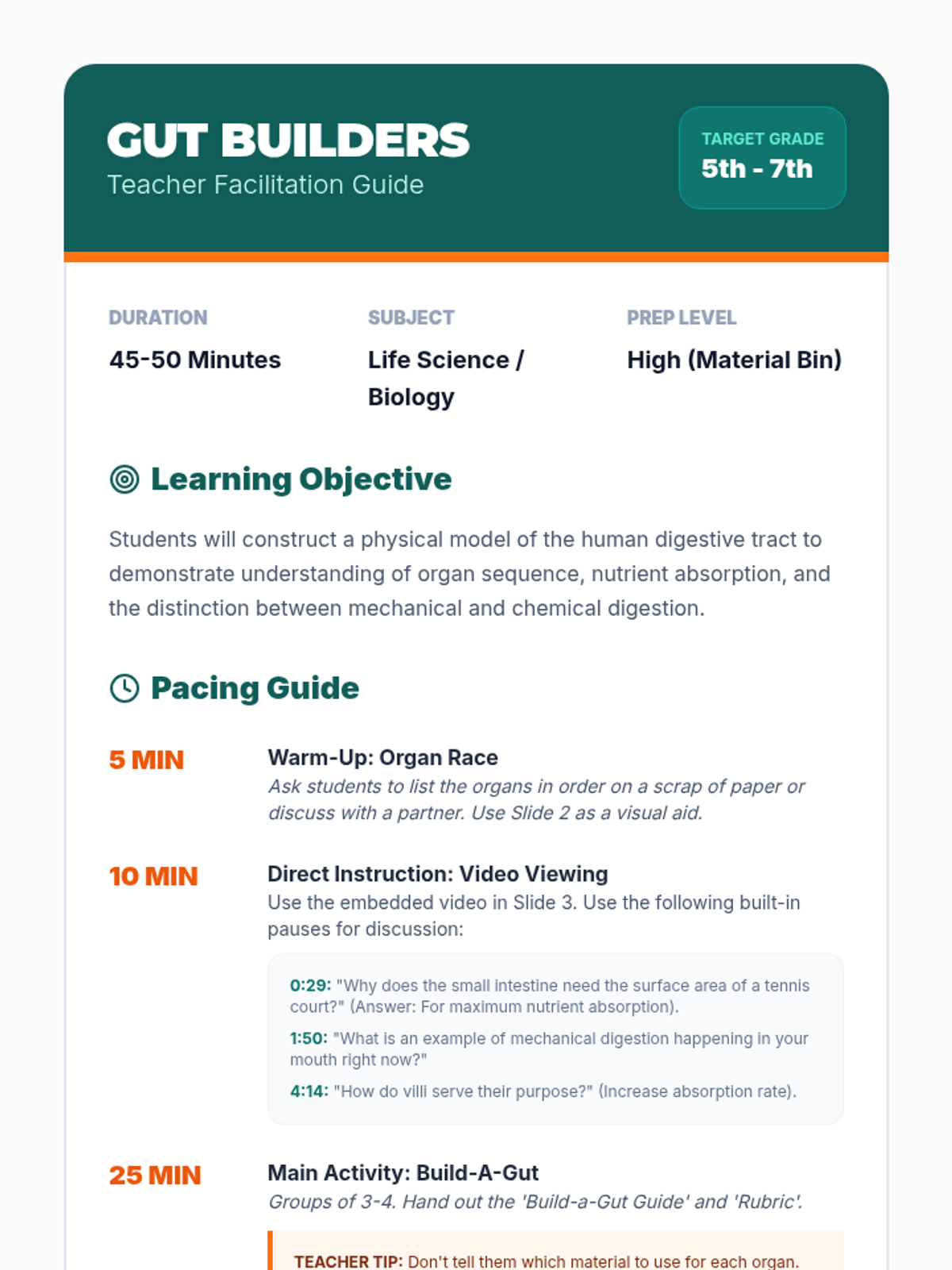
A comprehensive lesson sequence for middle school students to explore the digestive system through video analysis and hands-on modeling. Students will build a physical 'gut' using household materials to demonstrate organ sequence and specific functions.
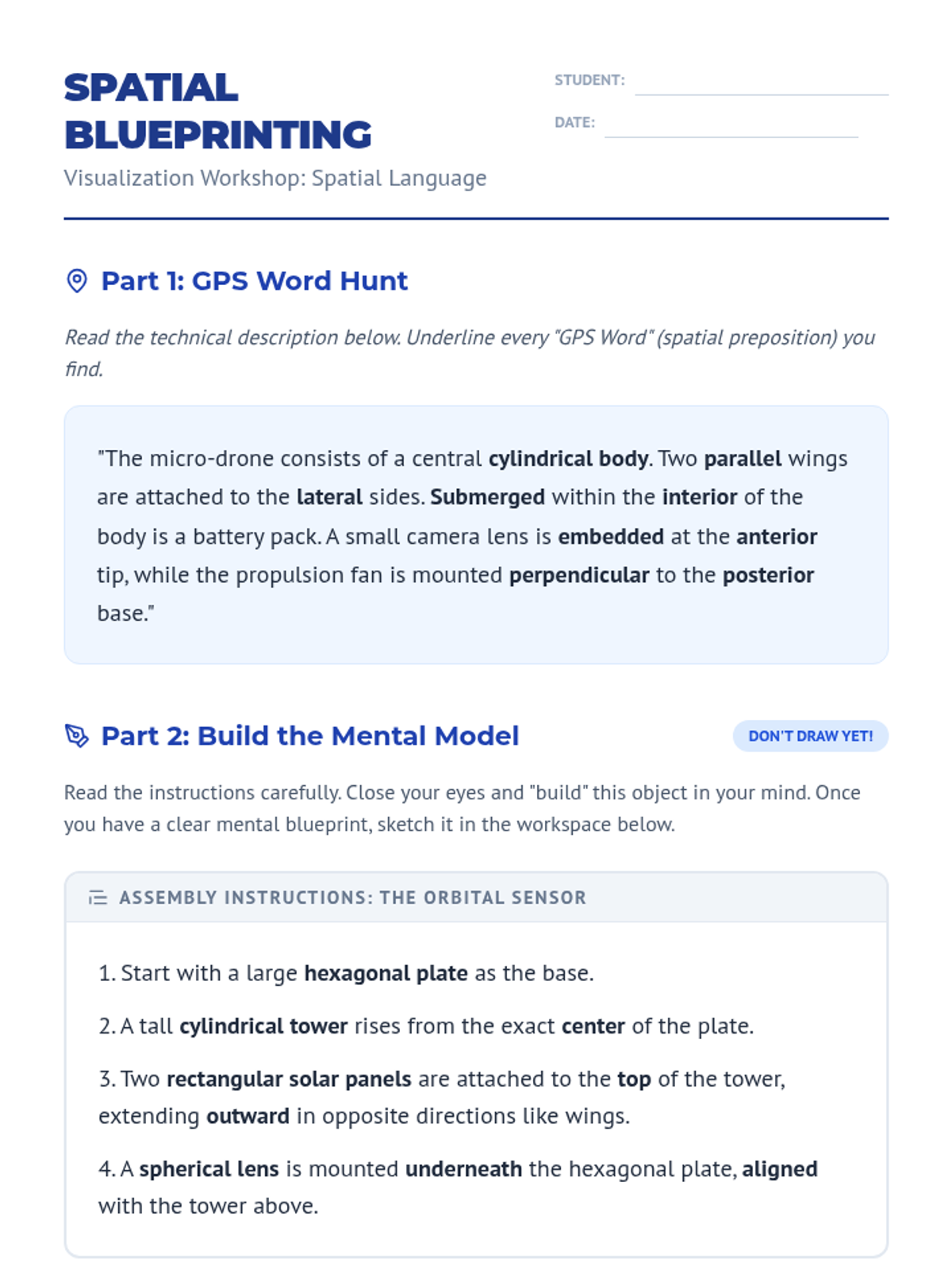
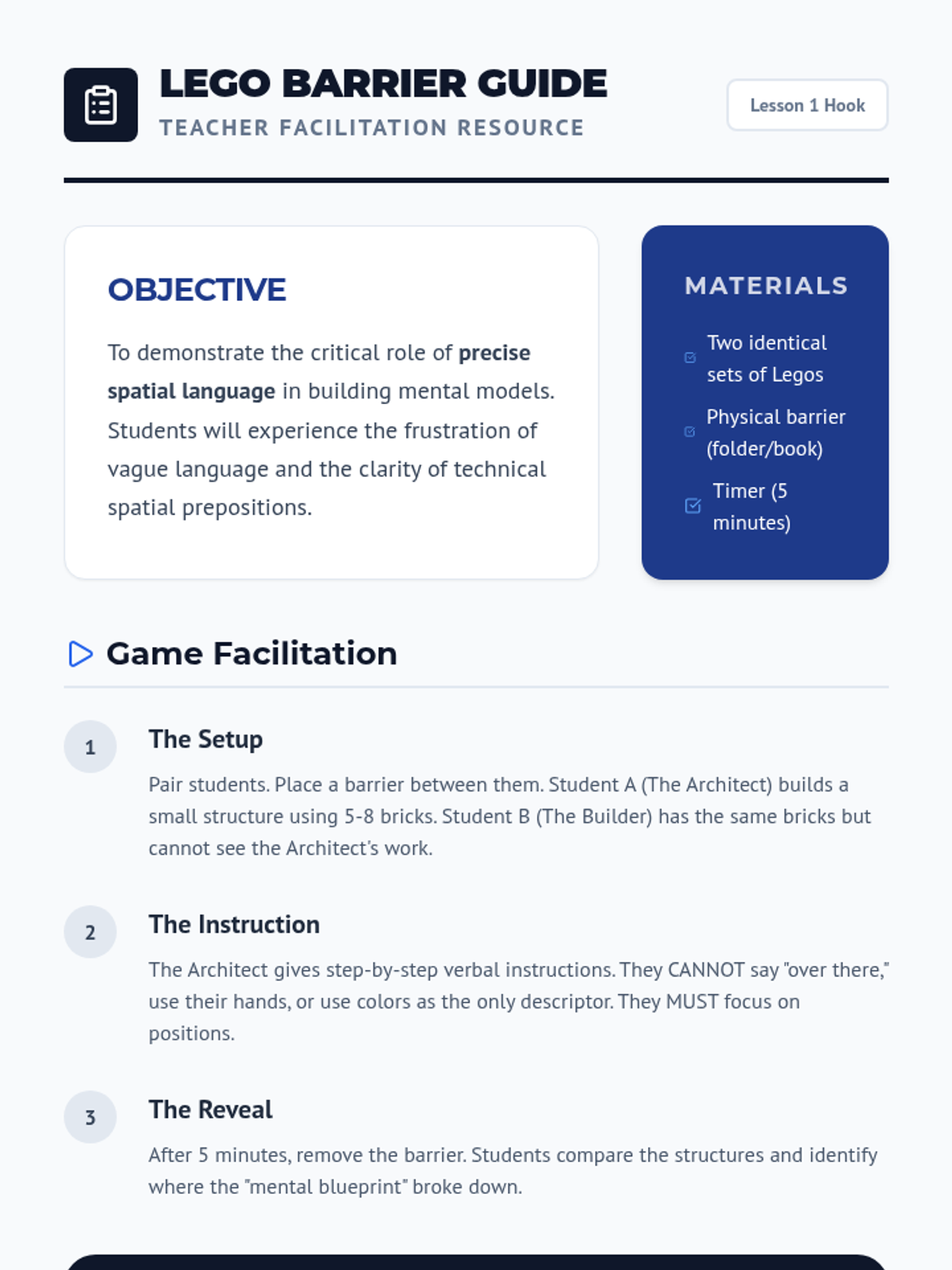
A 5-lesson sequence for 6th-grade students focused on using visualization strategies to understand informational texts, including spatial relationships, schematic diagrams, cause-and-effect flowcharts, and concepts of scale. Students move from sensory imagery to building mental models of complex systems and processes.
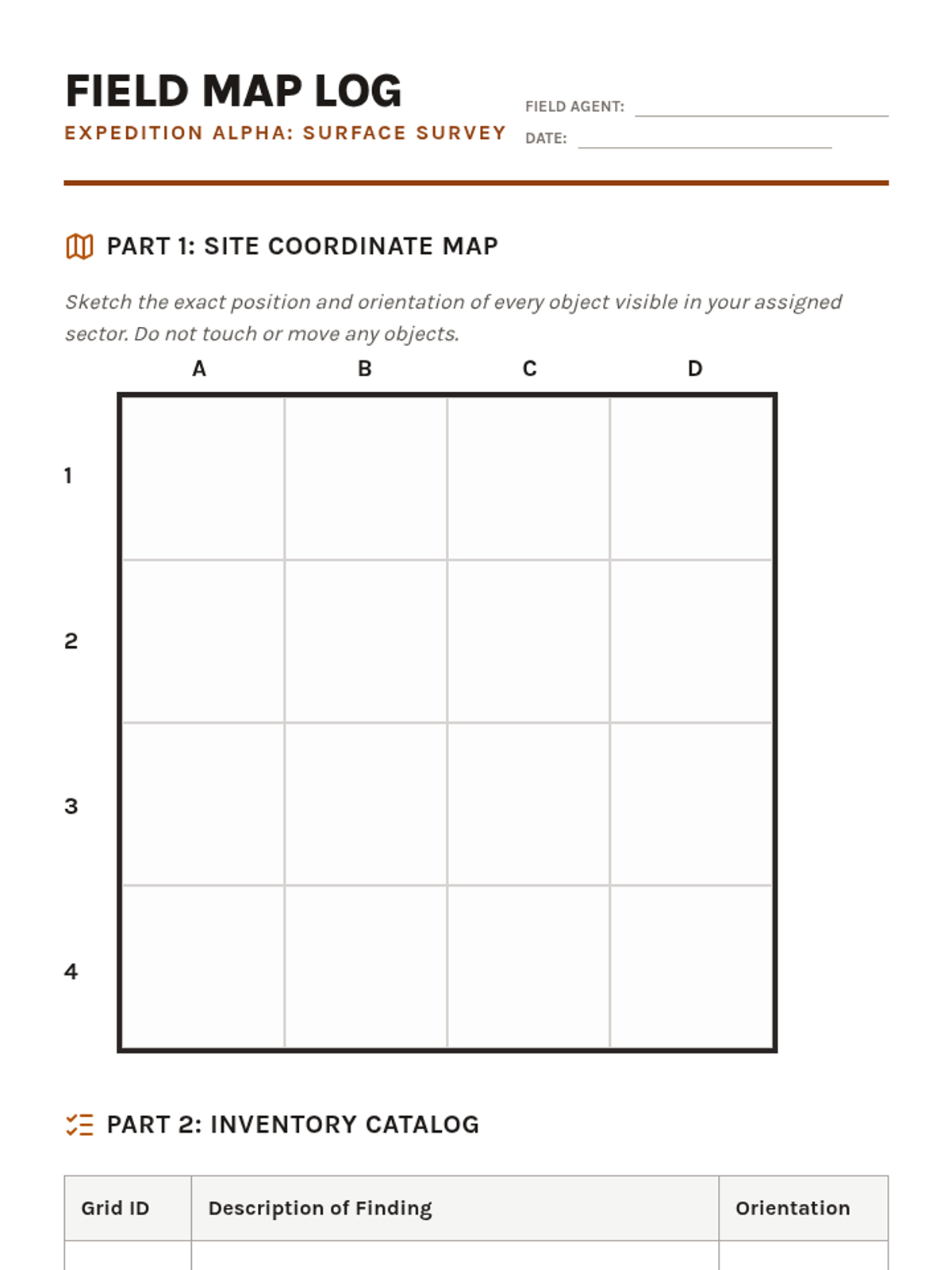
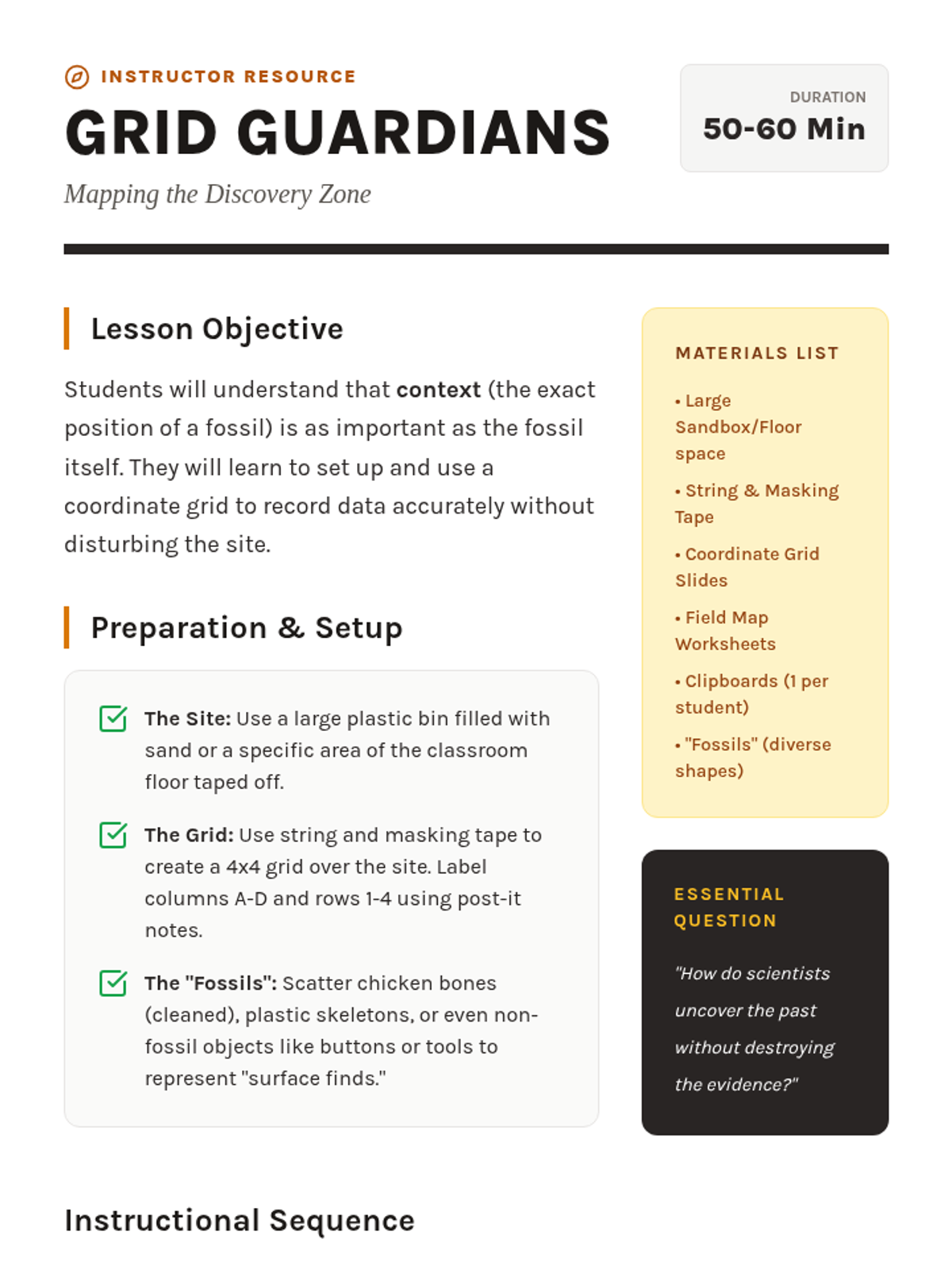
A project-based sequence where students act as paleontologists, learning the precise skills of grid mapping, careful excavation, skeletal reconstruction, and scientific classification. The unit culminates in a professional museum exhibit presentation.
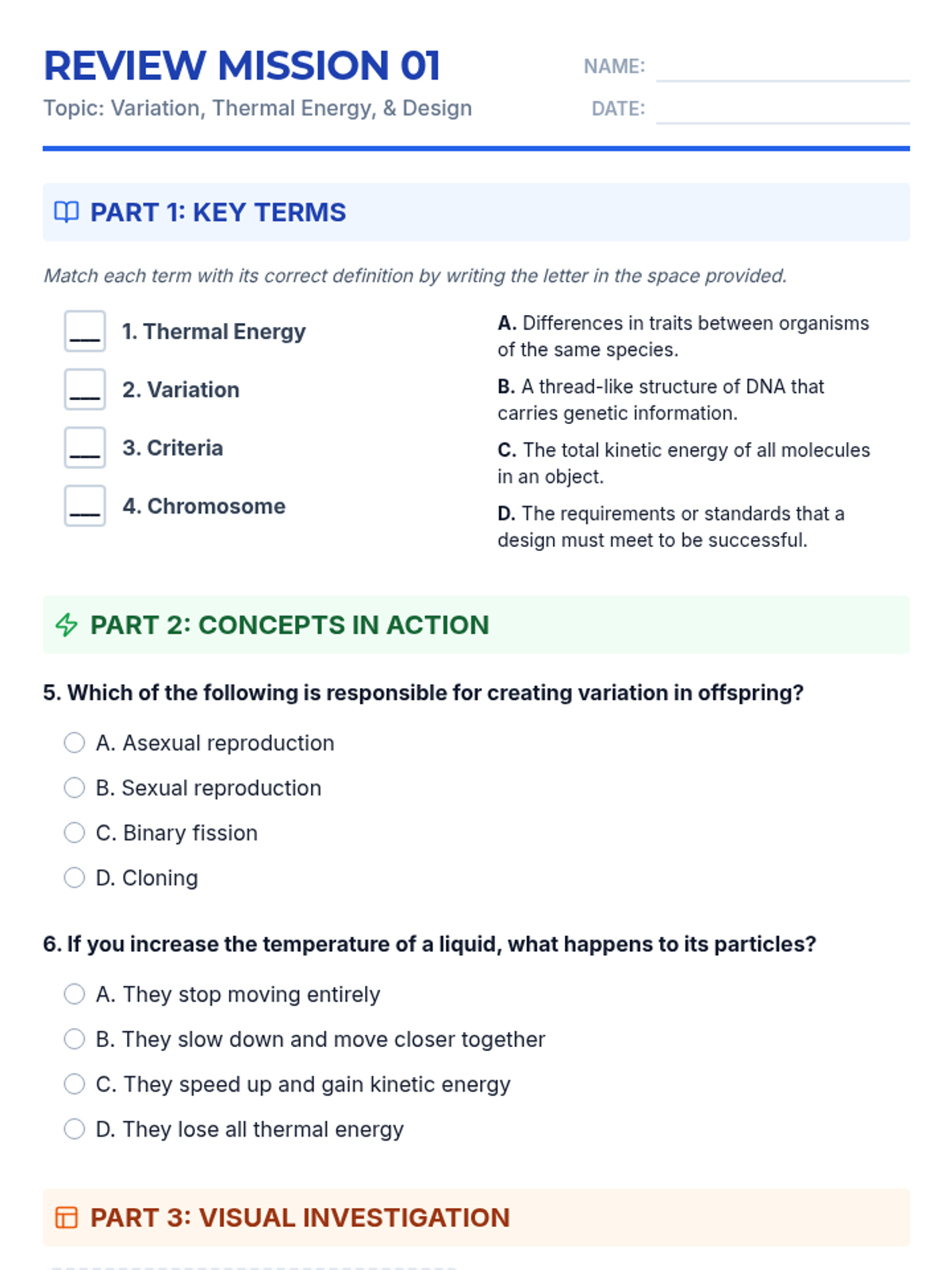
A comprehensive review sequence for Grade 6 Science covering genetics, heredity, thermal energy, and climate patterns. Each mission focuses on a mix of all key standards to prepare students for their upcoming assessment.
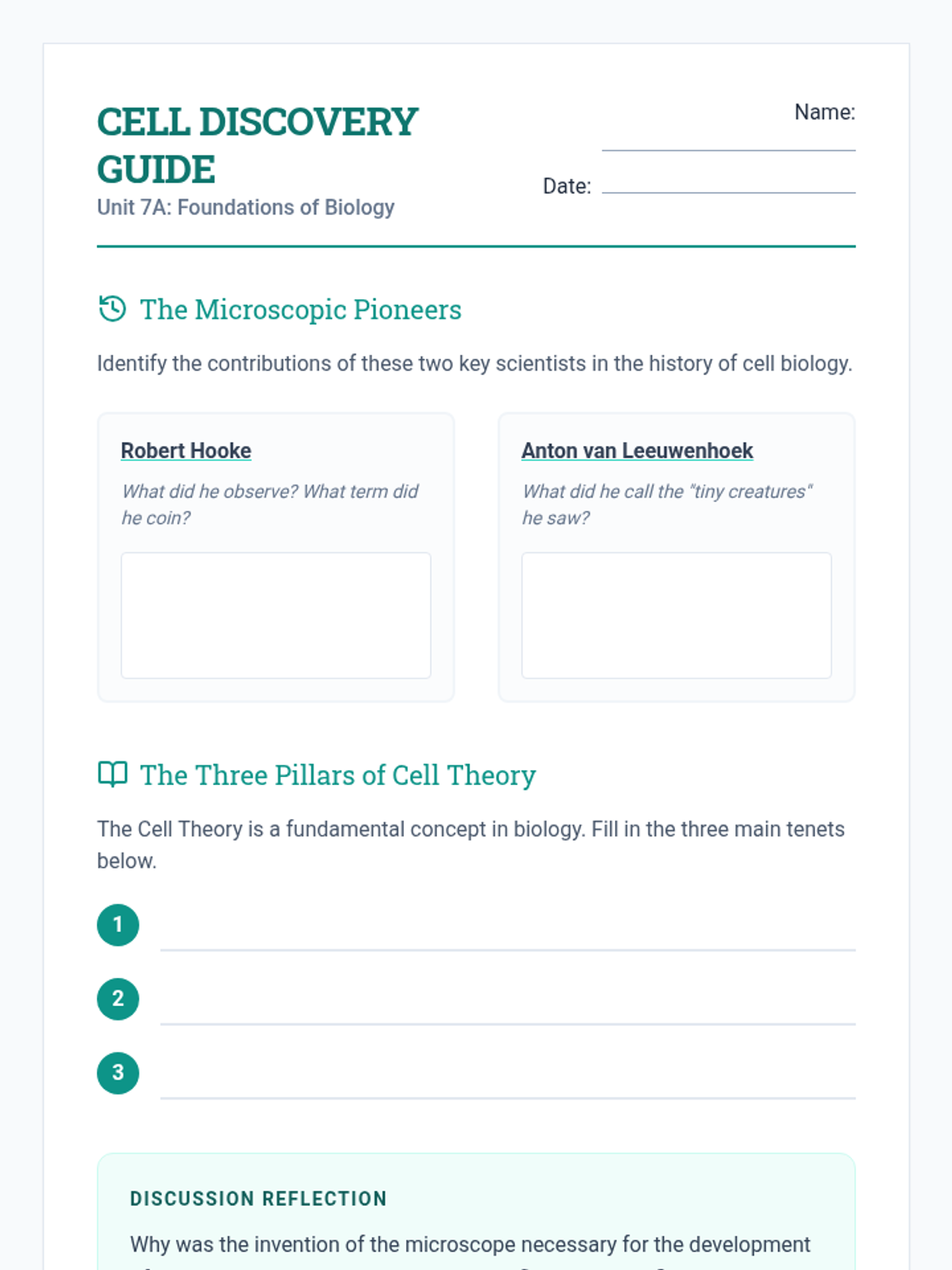
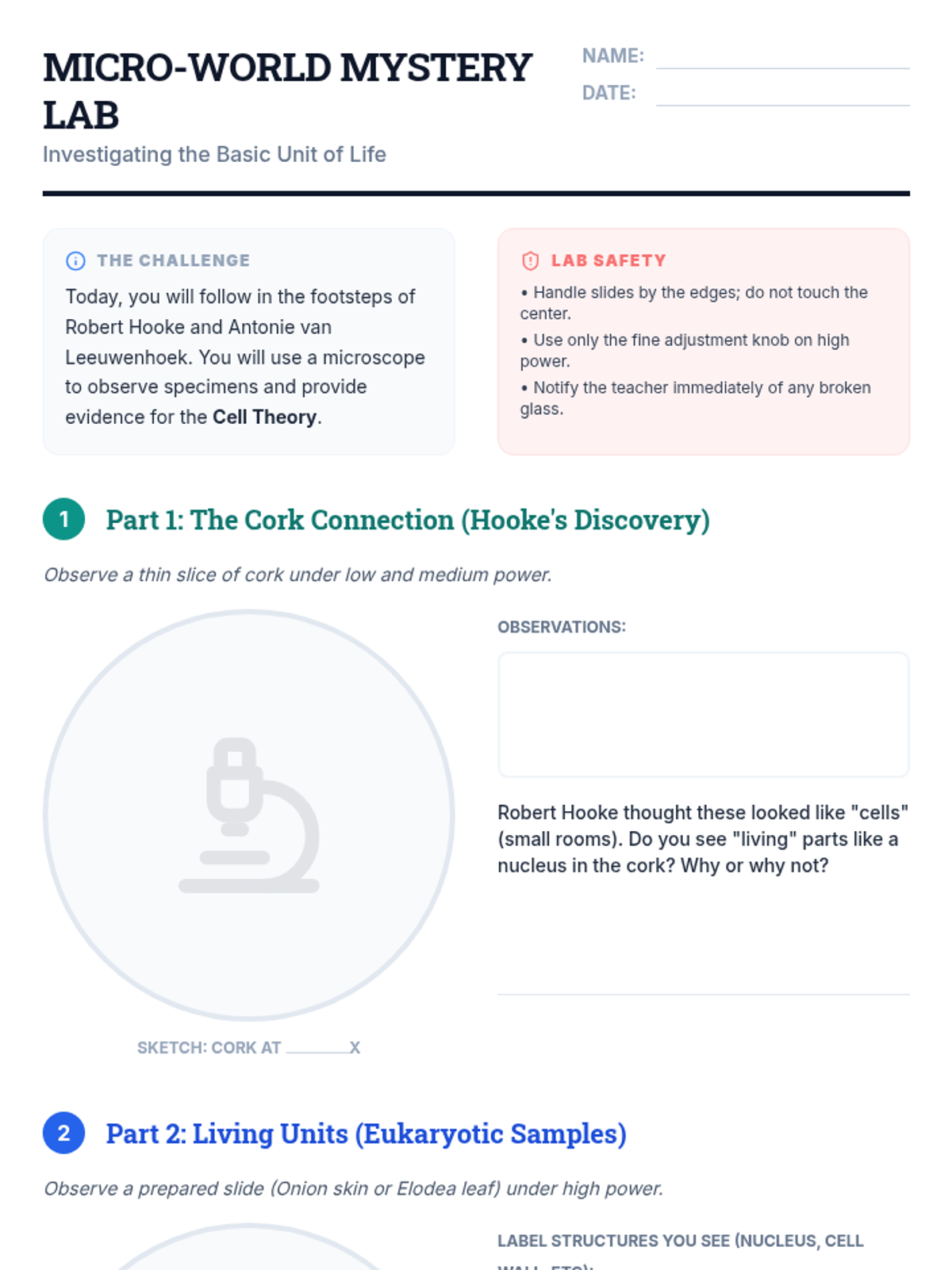
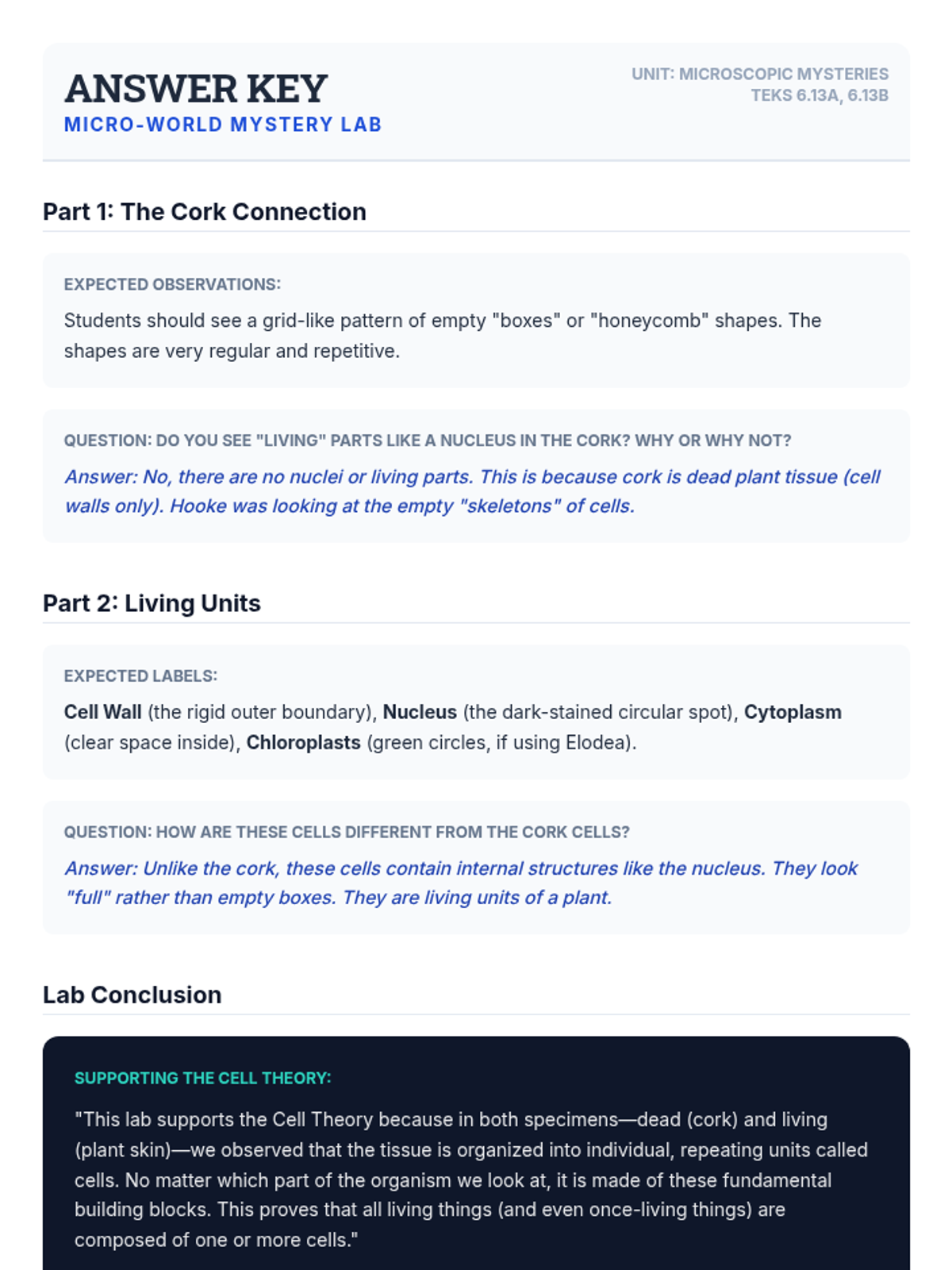
A comprehensive one-week unit covering the foundations of cell theory, the technical mastery of microscopes, and the fascinating structures of unicellular organisms (Amoeba, Paramecium, Euglena, and Volvox).
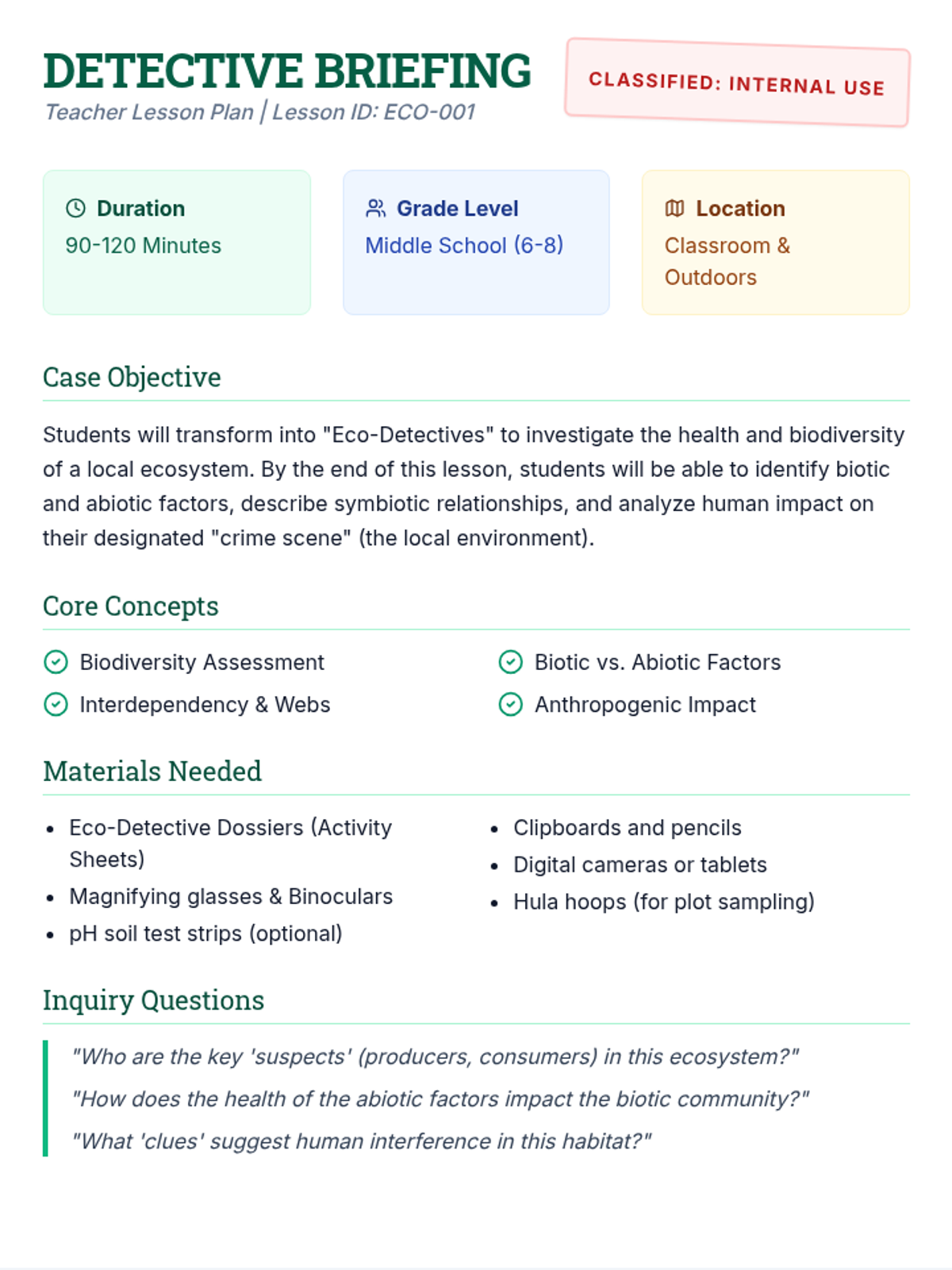
A comprehensive unit where students become environmental detectives to investigate biodiversity, interdependencies, and human impact within their local ecosystems through inquiry-based field studies.
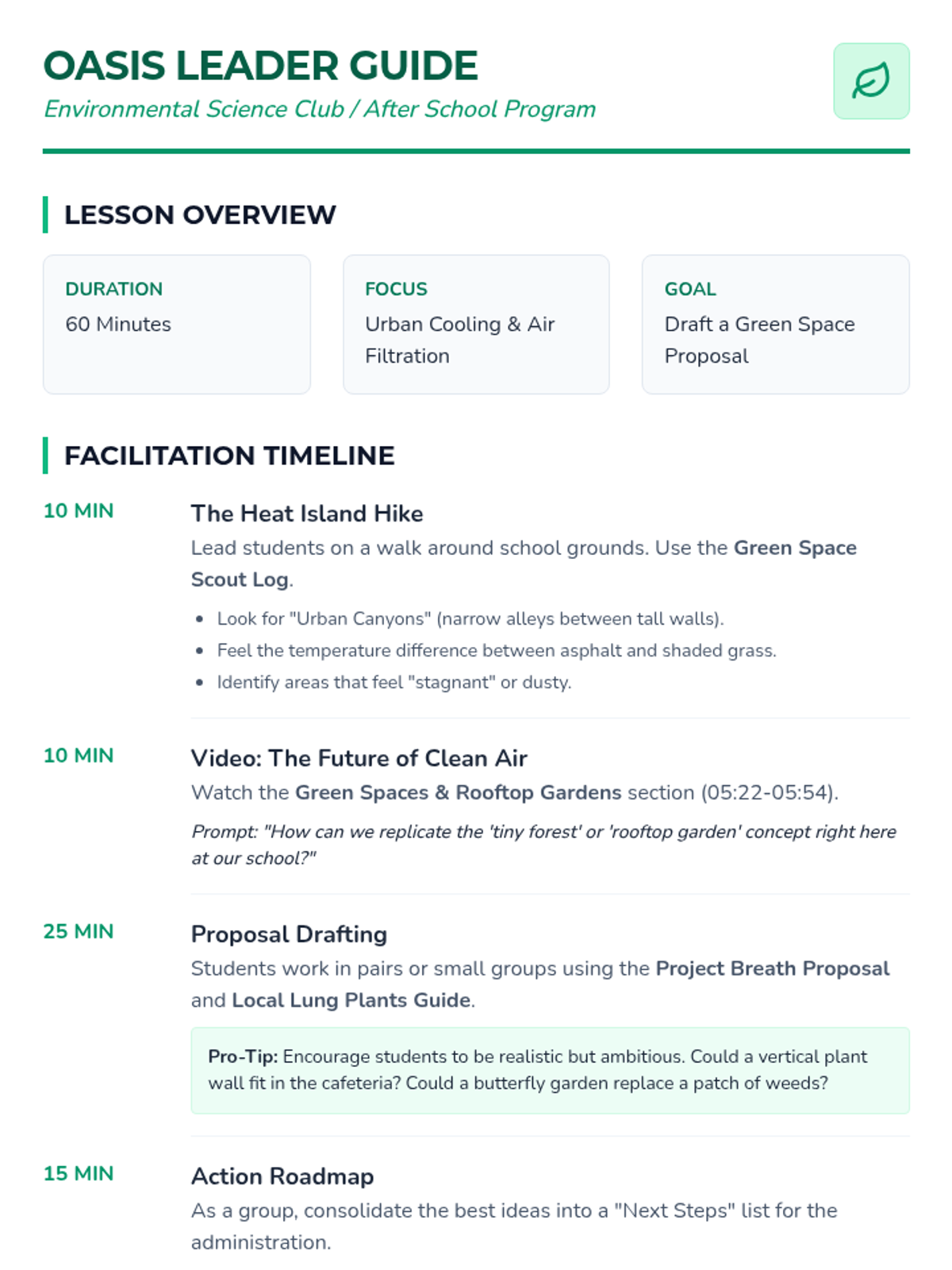
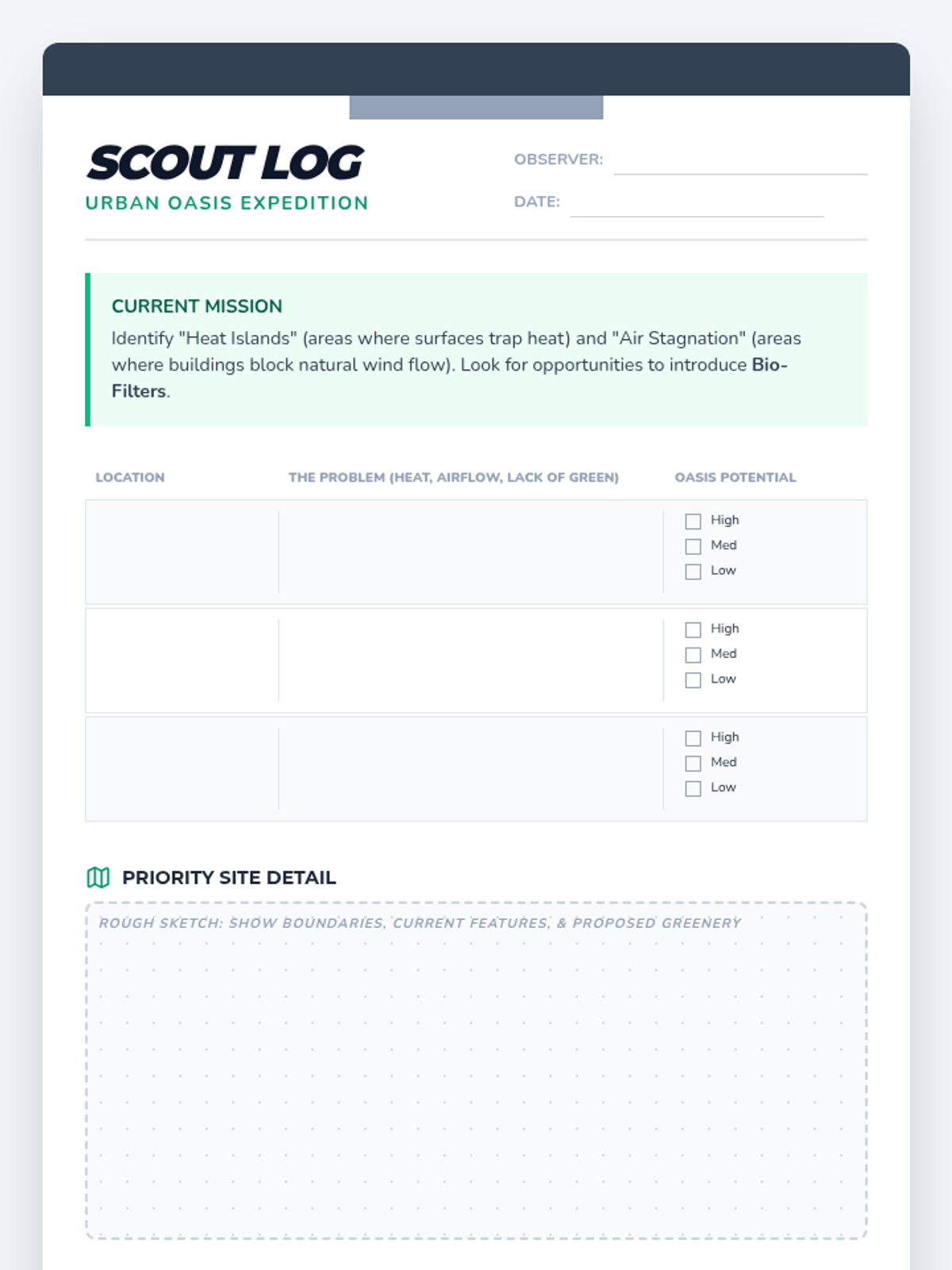
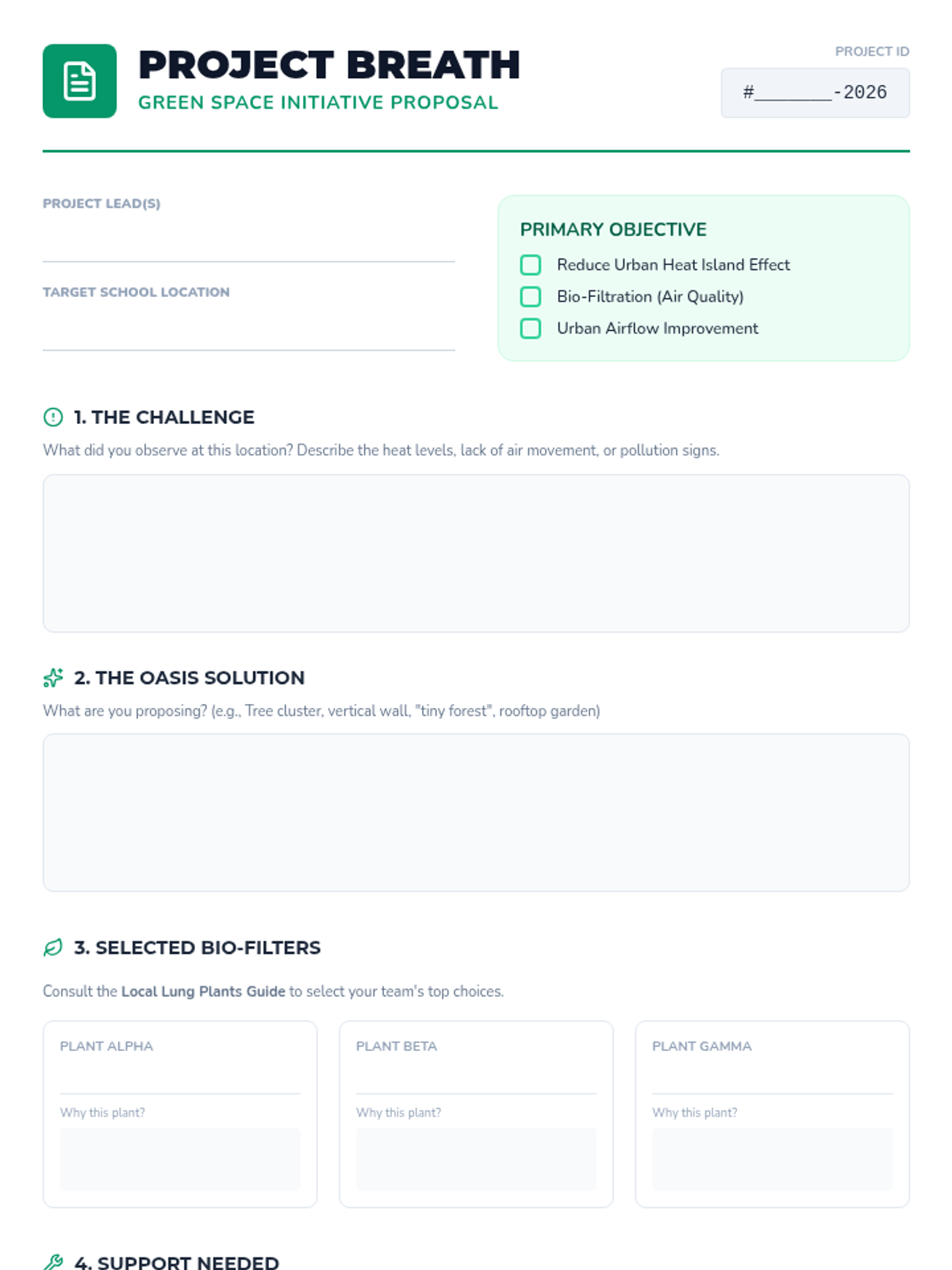
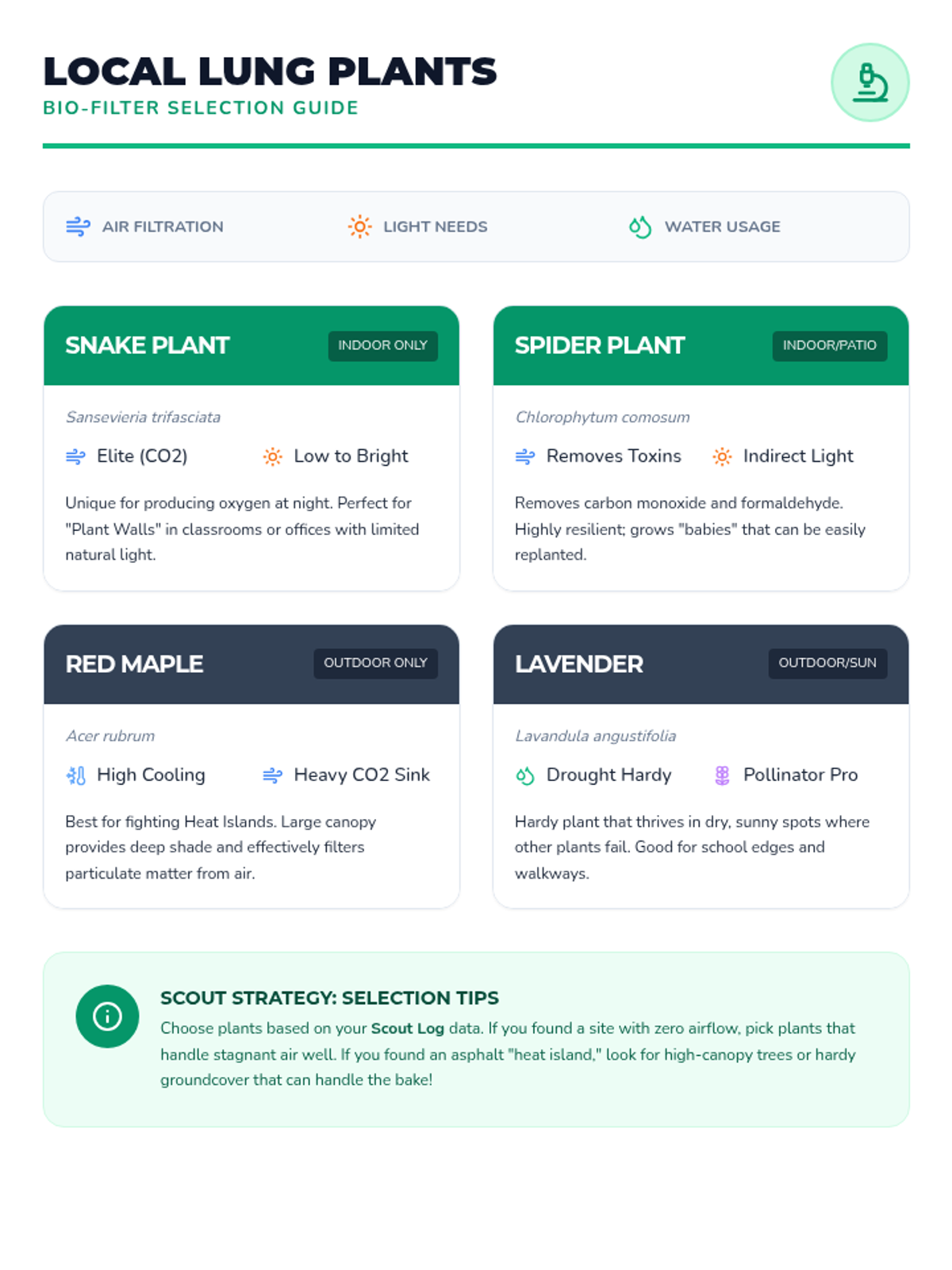
A series focused on local environmental action and urban air quality solutions, guiding students from observation to advocacy.
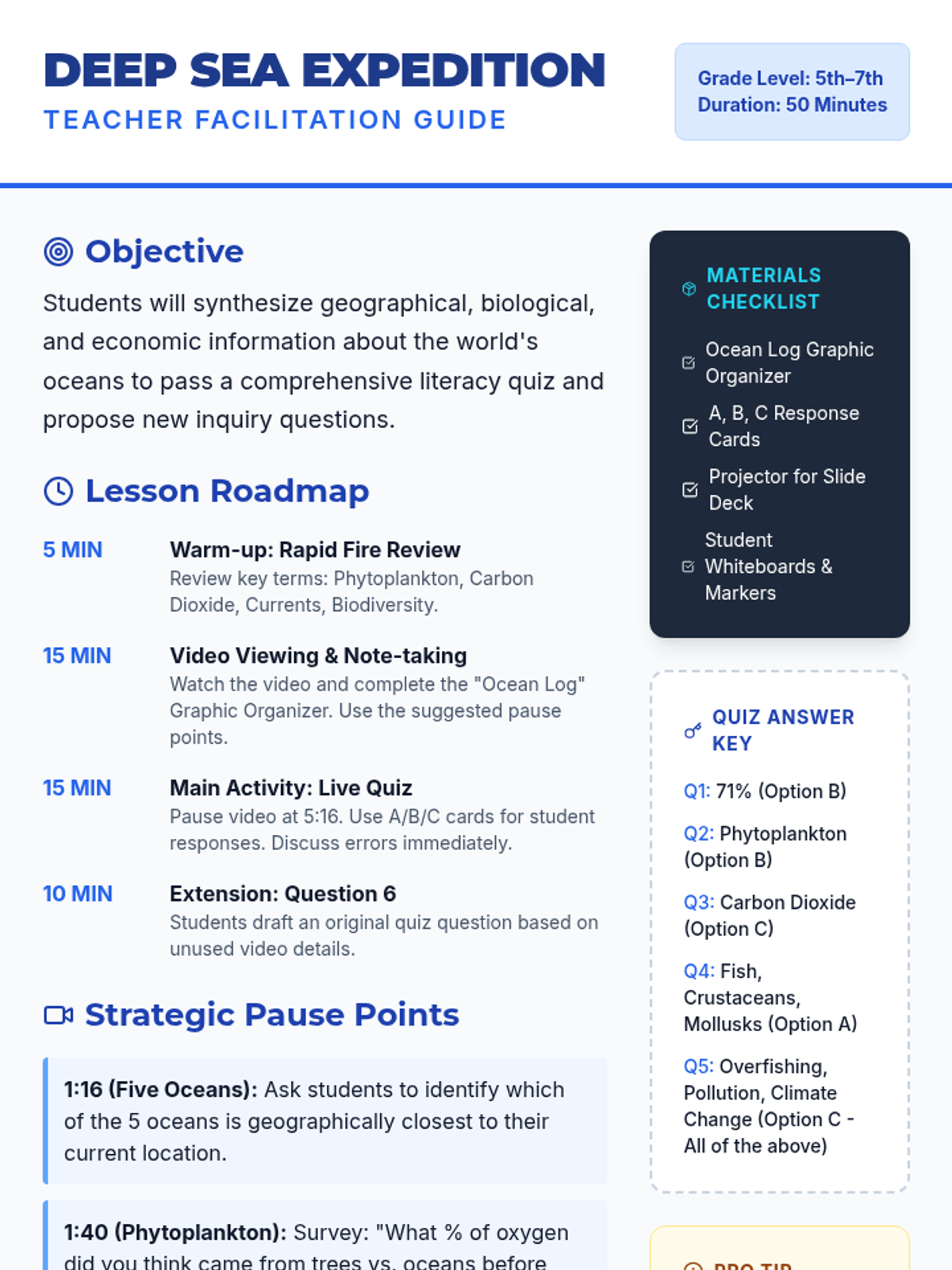
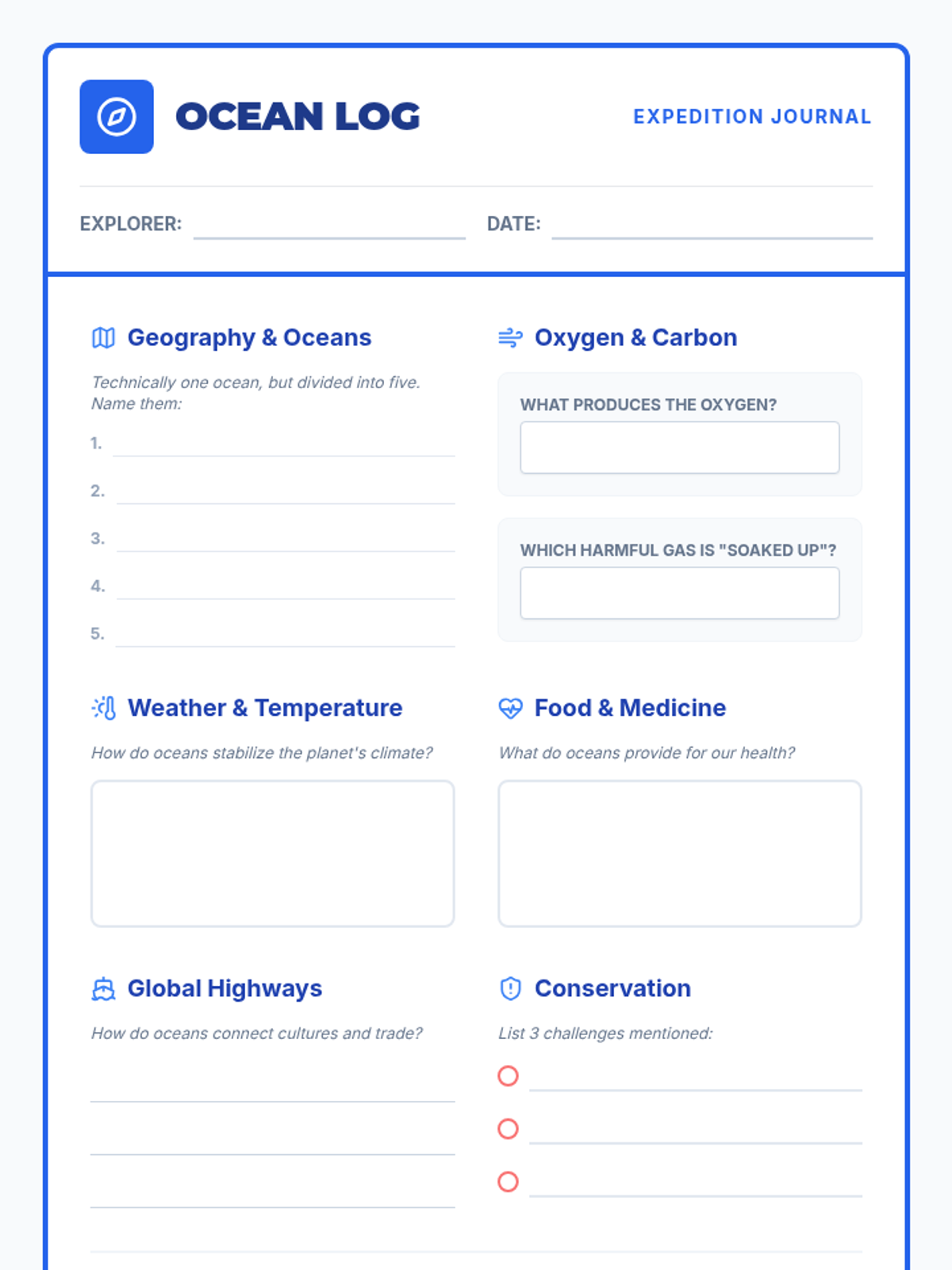
A comprehensive lesson sequence on ocean literacy, focusing on why oceans matter, their role in global systems, and conservation efforts. Students will engage with a video, take structured notes, and participate in a live quiz.
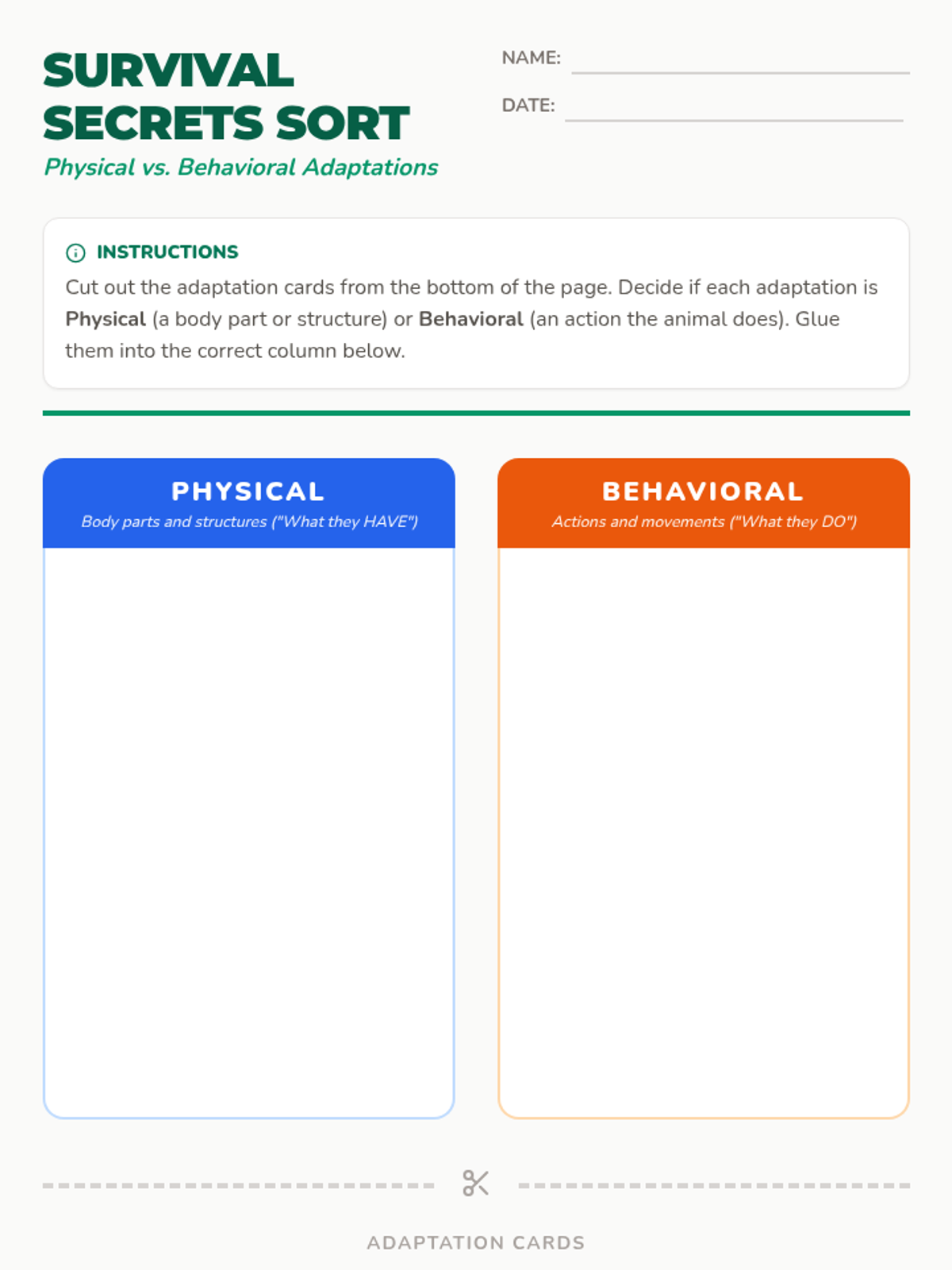
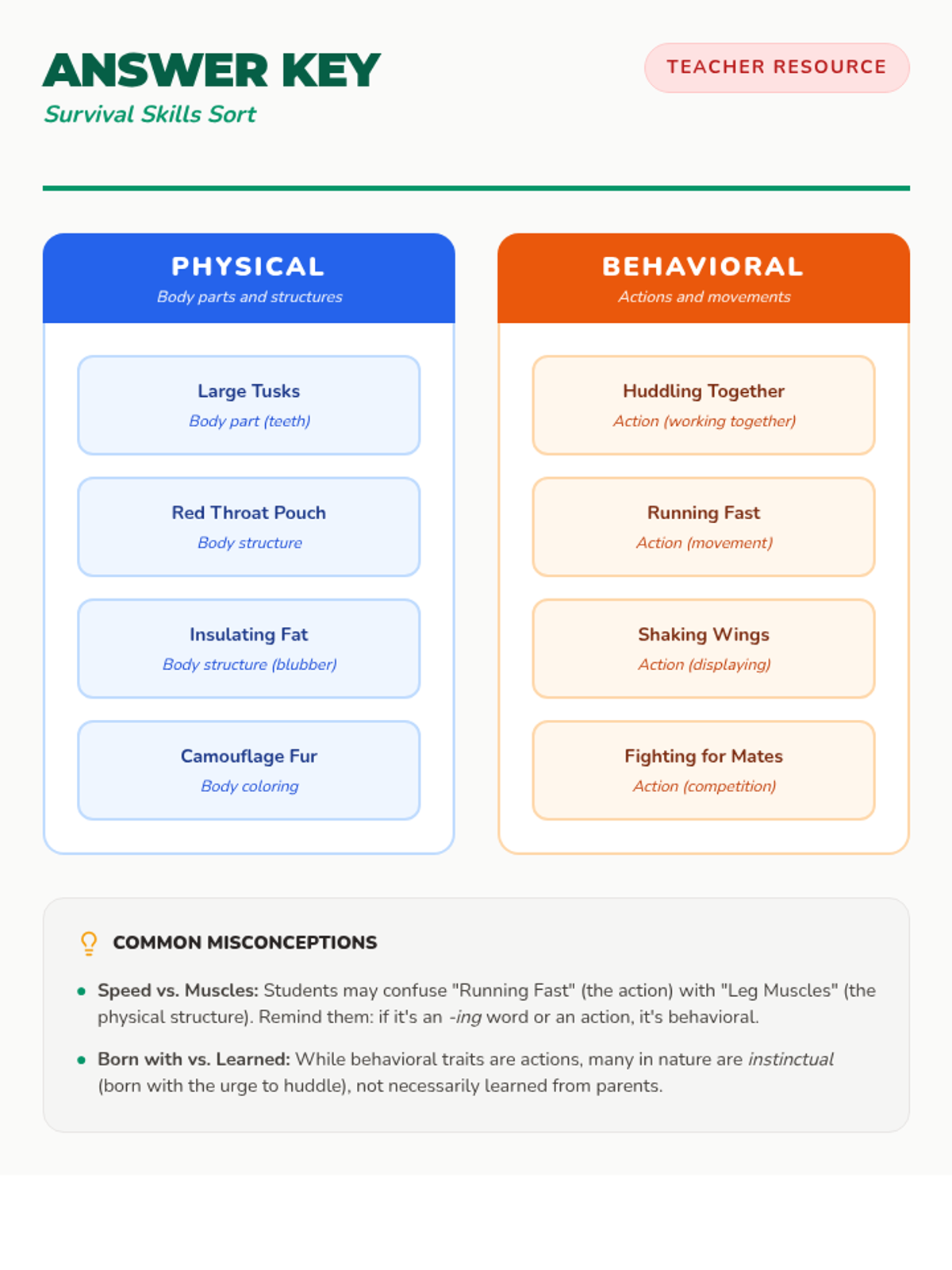
A lesson sequence exploring the different types of adaptations animals use to survive in their habitats, focusing on physical vs. behavioral traits.
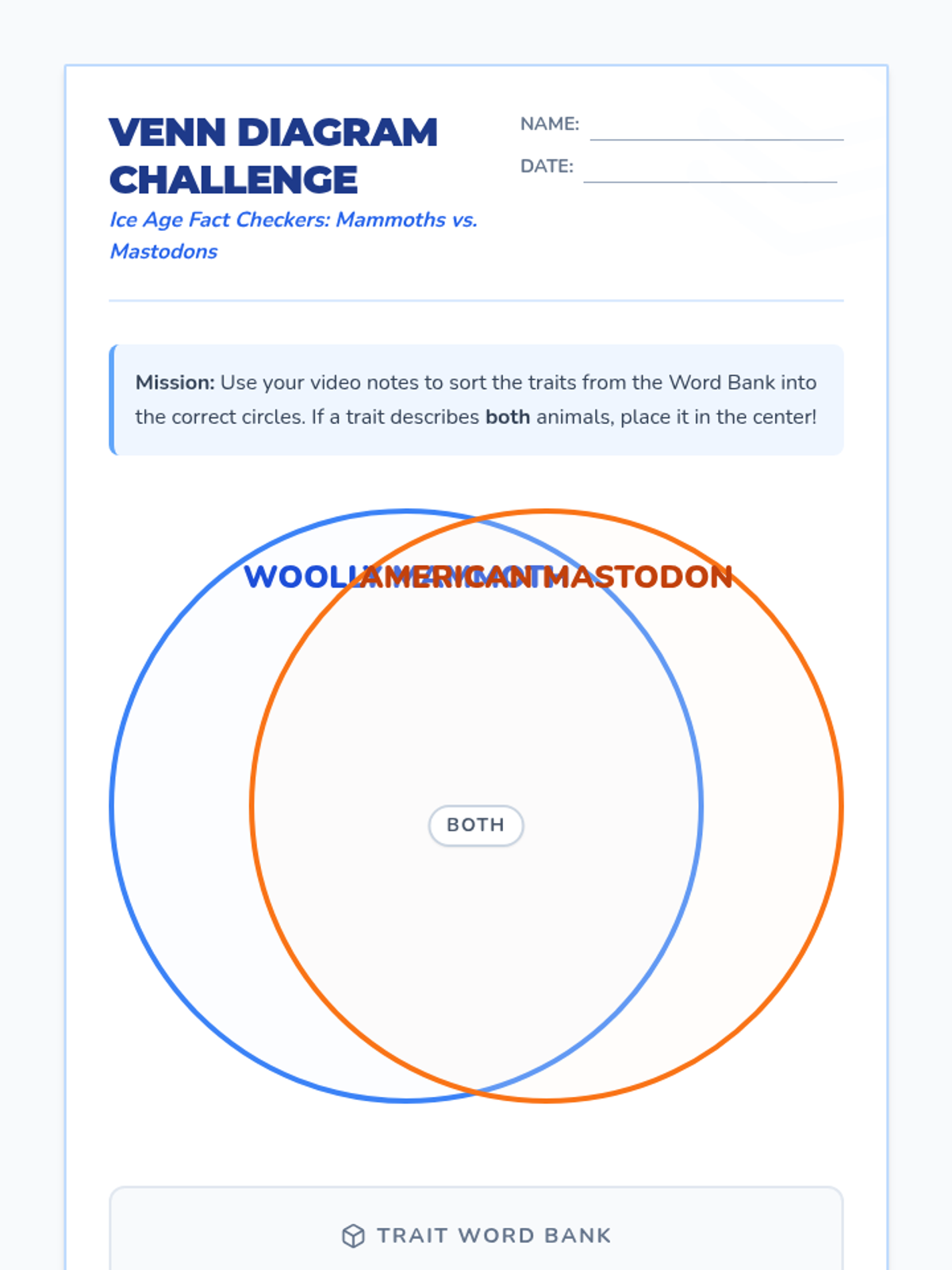
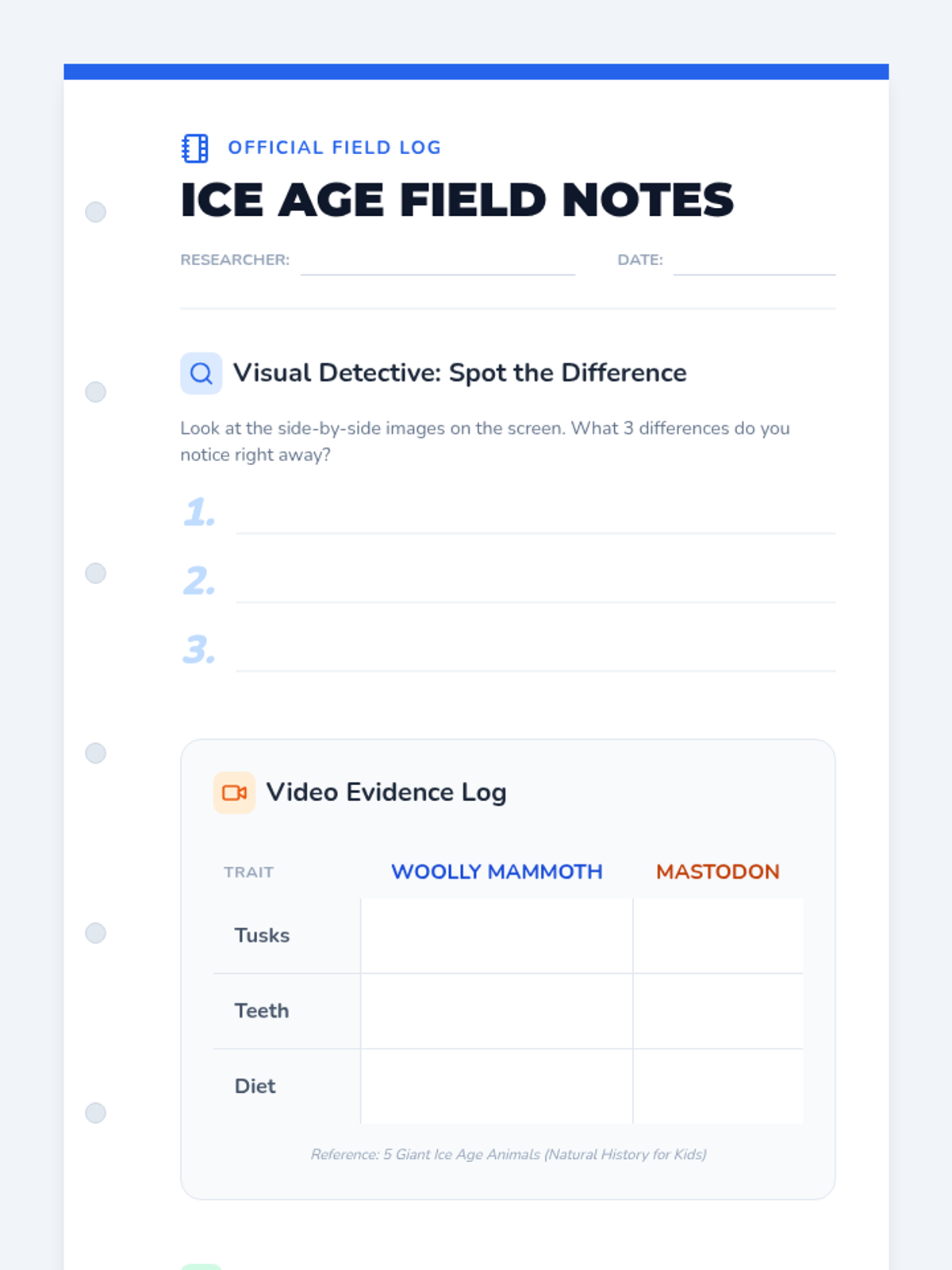
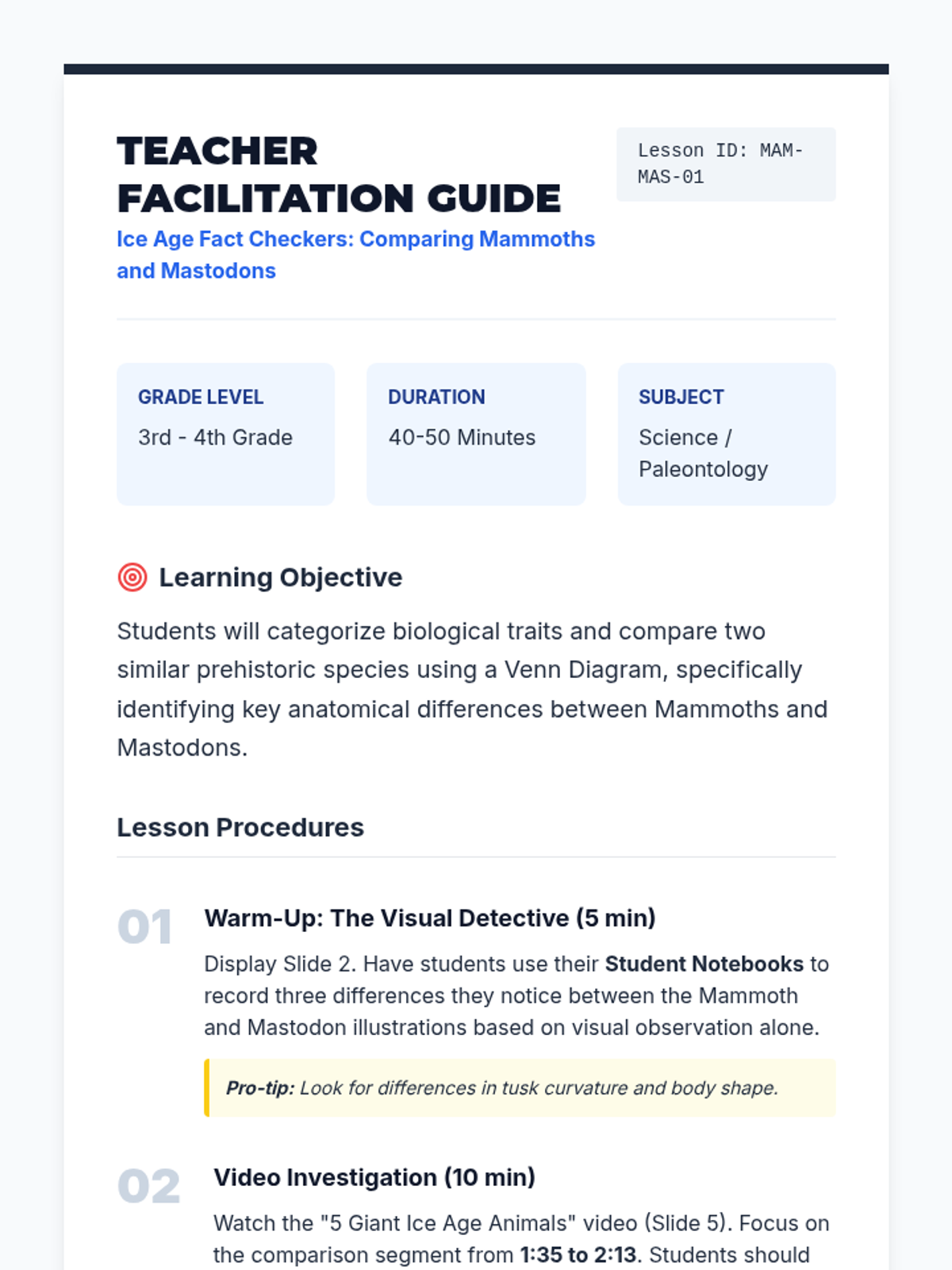
A short series of lessons exploring prehistoric life and the Mega-fauna that once roamed the Earth. Students learn about adaptations, extinction, and the tools paleontologists use to study the past.
A three-day exploration of the interconnected roles of chloroplasts and mitochondria in cycling matter through ecosystems. Students use a lunar colony hypothetical lab to apply the scientific method to real-world gas exchange scenarios.
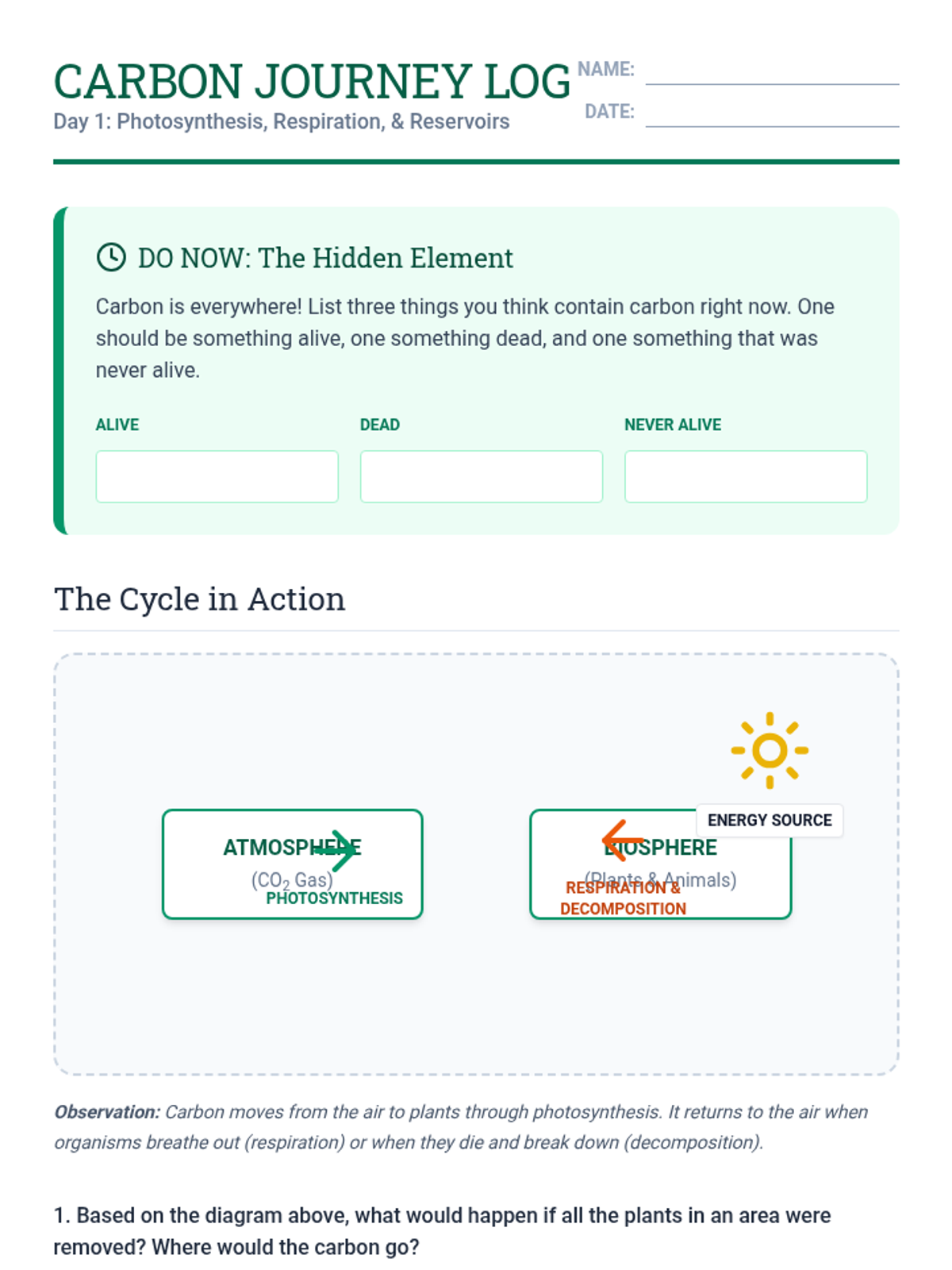
A two-day unit exploring the carbon cycle's movement through diverse ecosystems, focusing on how carbon storage and release impact global stability. Students examine oceans, rainforests, tundra, and local environments to understand ecological balance.
A comprehensive unit on cellular biology spanning from introductory middle school concepts to advanced organelle systems and specialized functions.
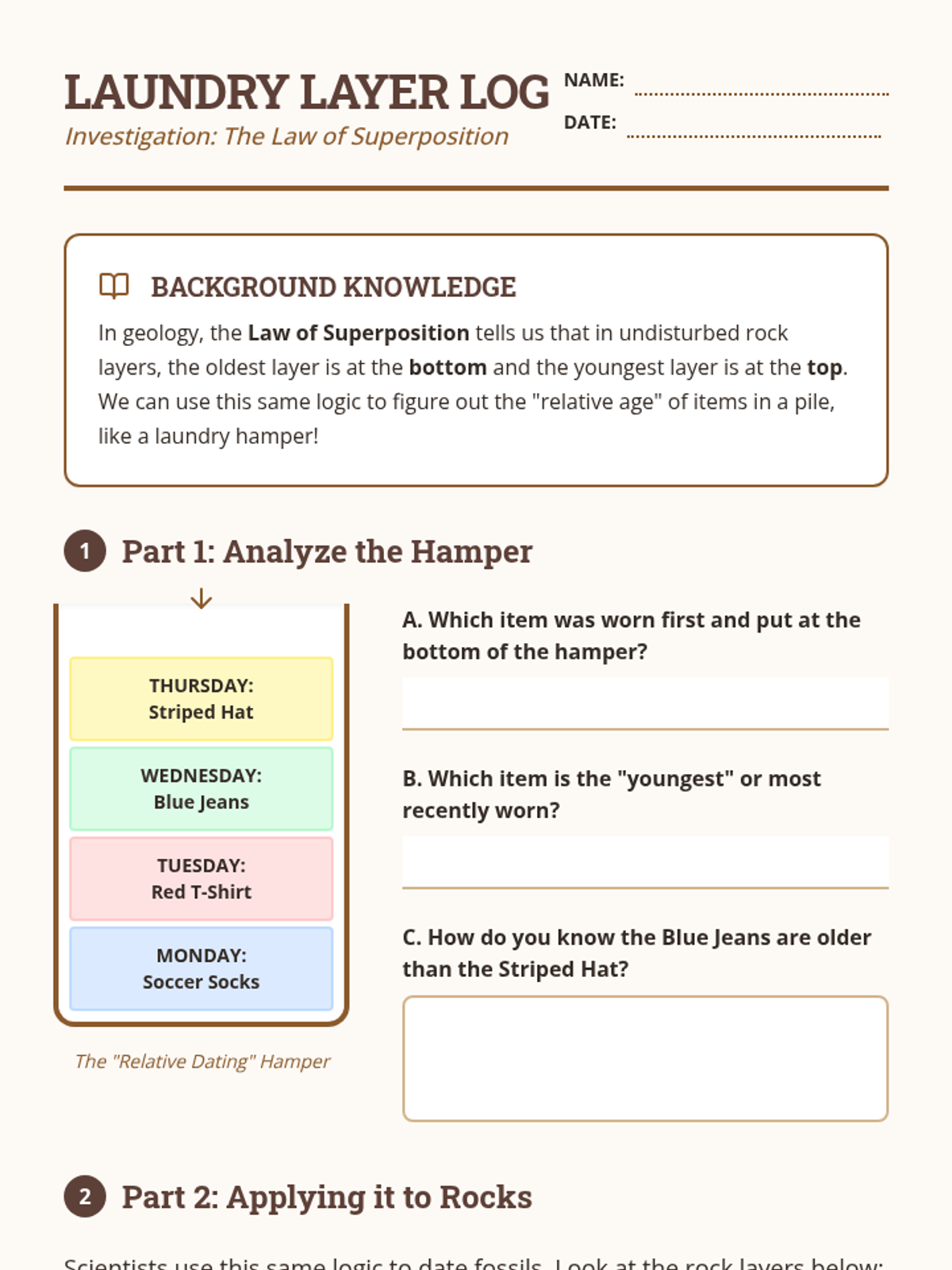
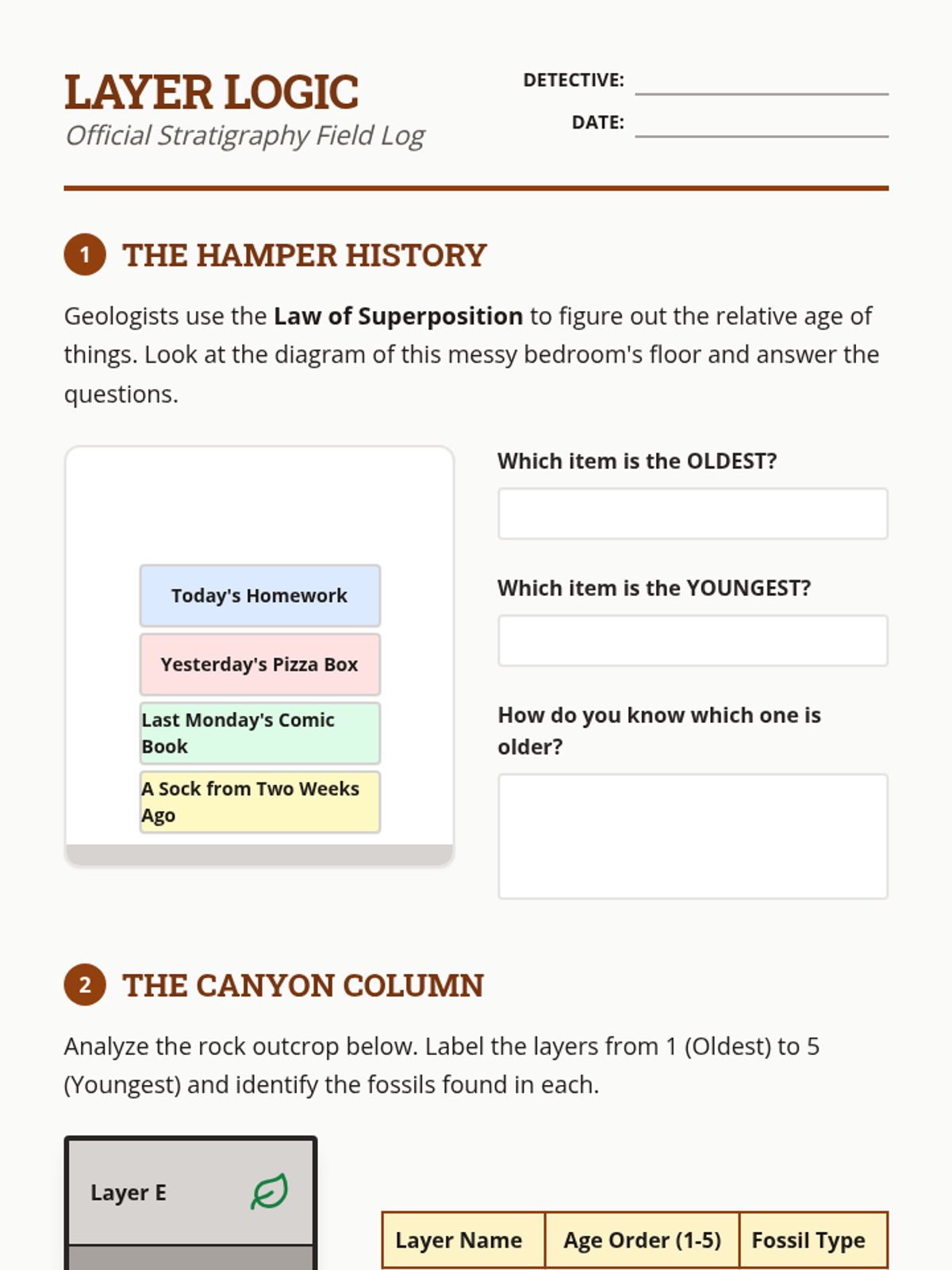
Students explore the principles of stratigraphy and relative dating to understand how rock layers act as a chronological record of Earth's history. This sequence covers the Law of Superposition, index fossils, geological disturbances, and the vast scale of geological time.
Students explore the principles of stratigraphy and the Law of Superposition to understand relative dating. They learn to read rock layers like a historical book, identifying index fossils and interpreting geological complexities to map Earth's history.
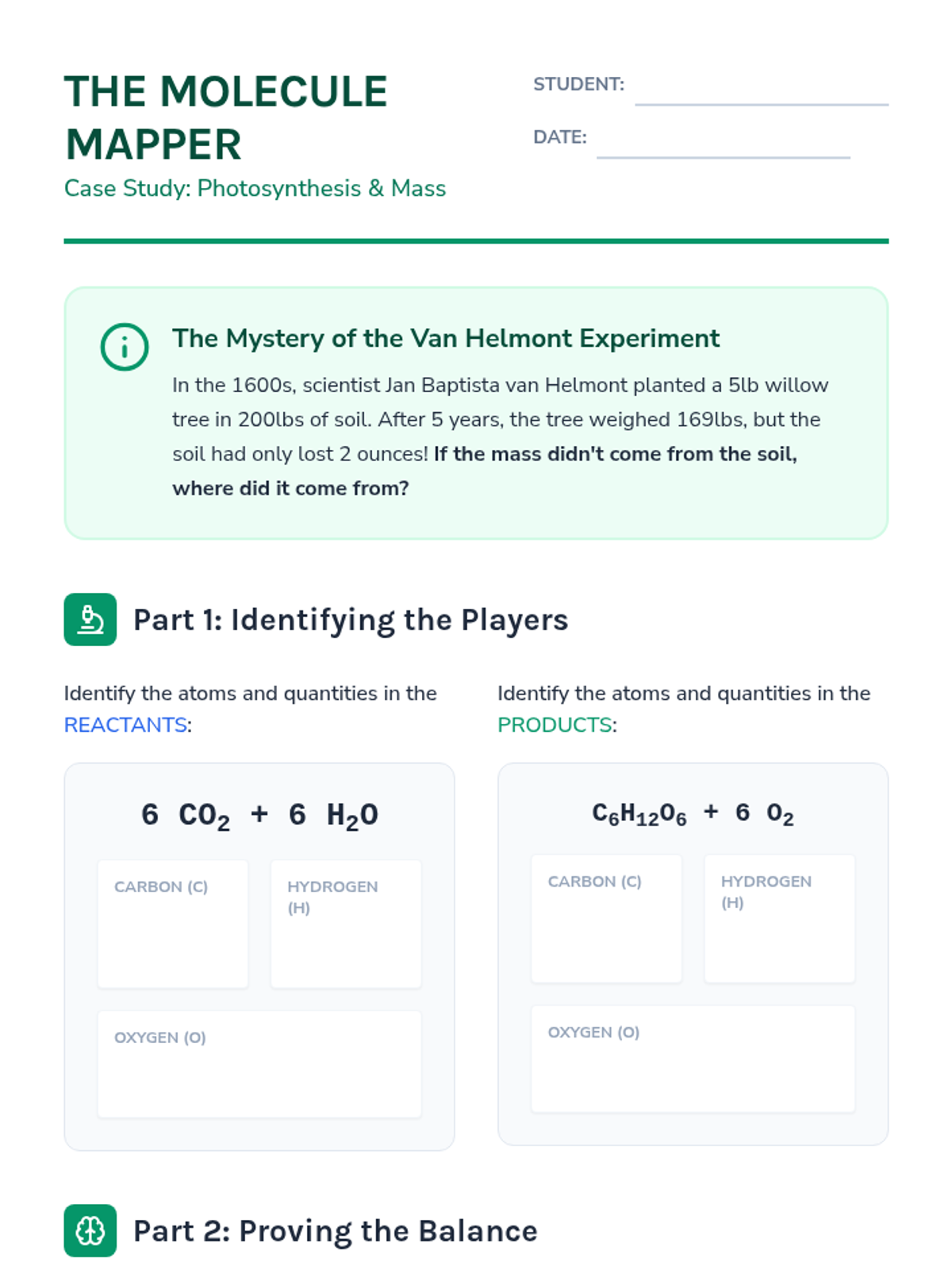
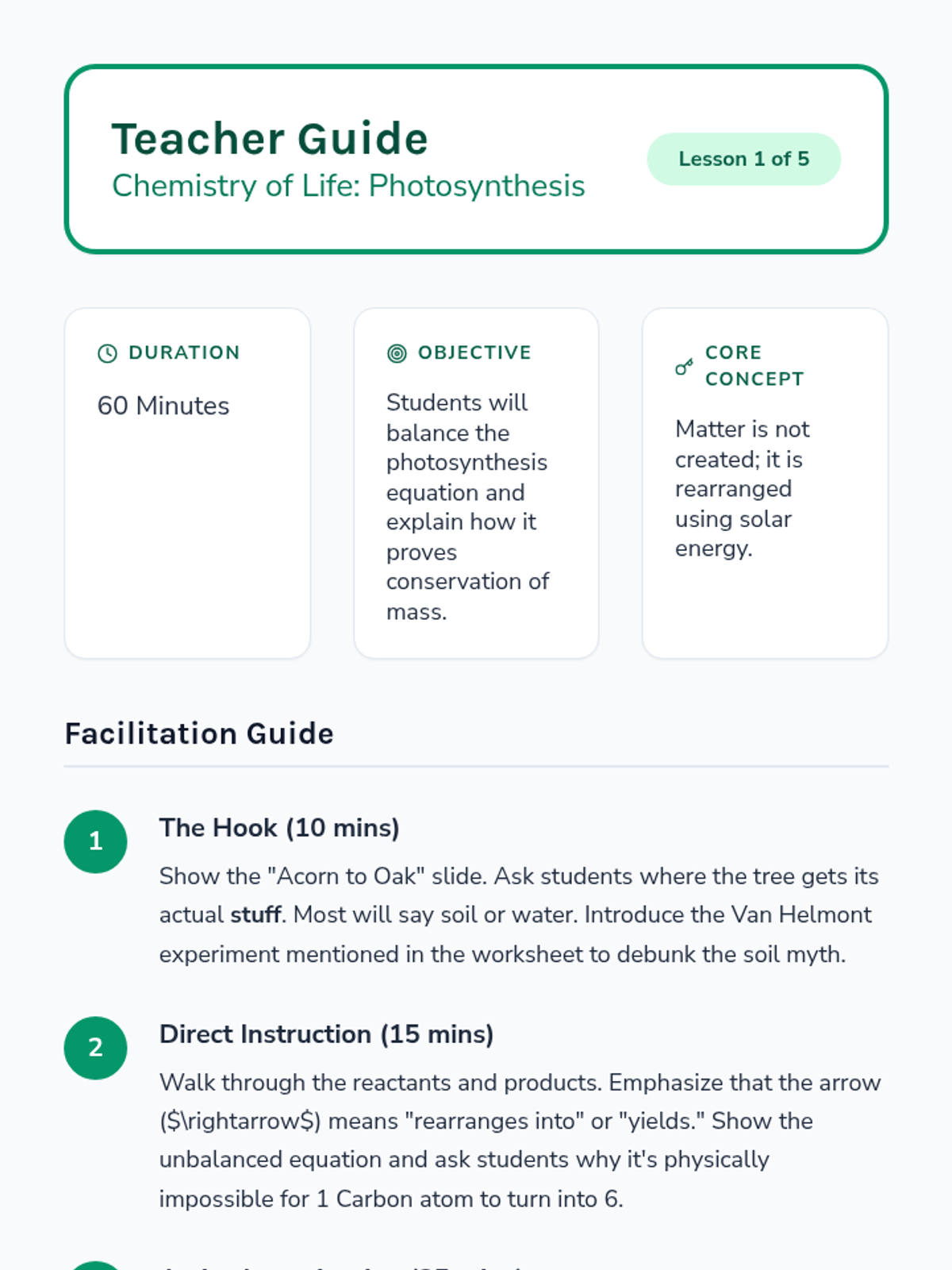
This 6th-grade chemistry sequence explores the law of conservation of mass through the lens of real-world biological and environmental reactions, including photosynthesis, respiration, and corrosion. Students learn to balance chemical equations by treating them as case studies of how matter cycles through the world.
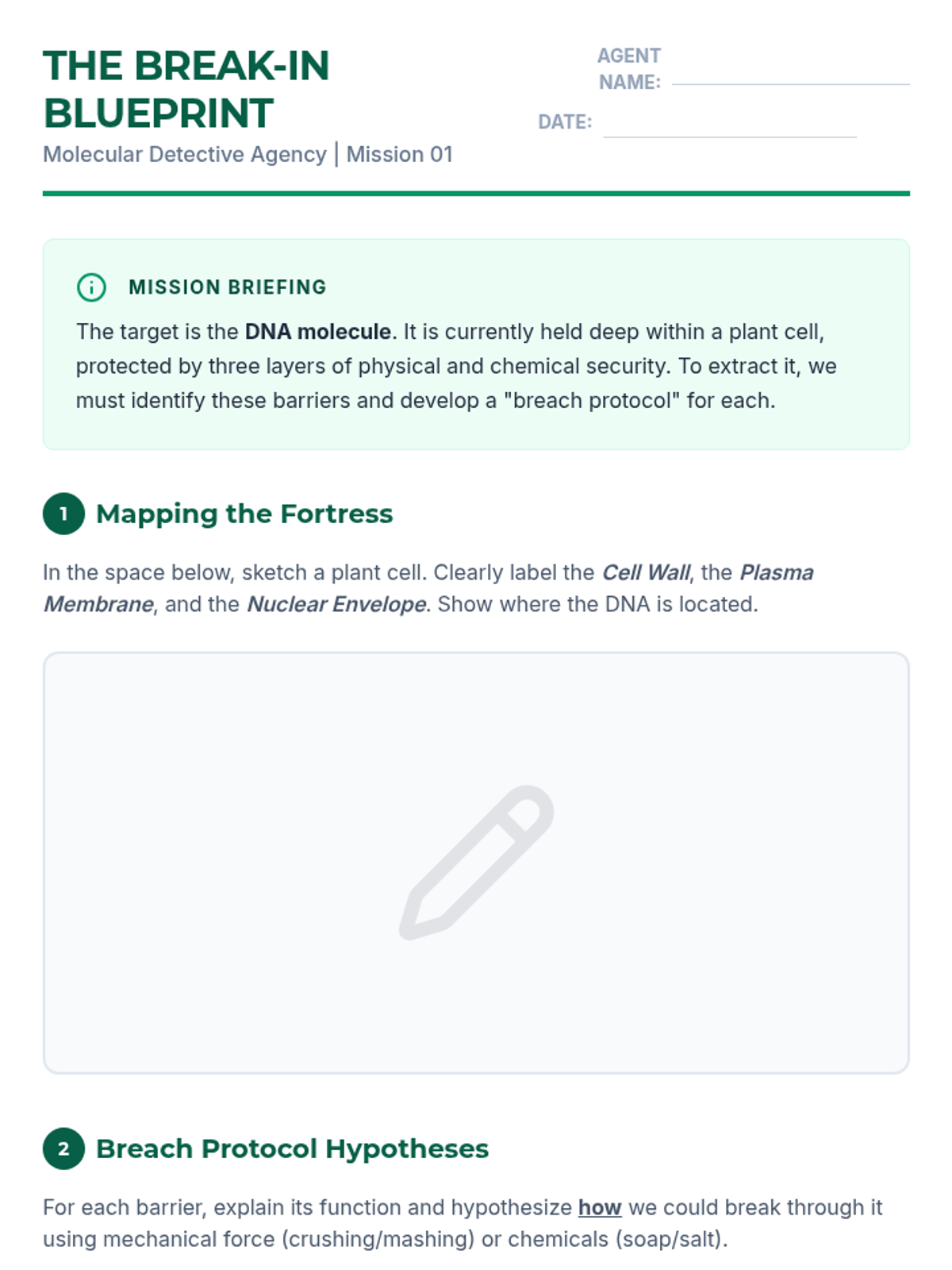
A hands-on, lab-focused sequence where students extract tangible DNA from biological material. Students learn the chemistry behind cell lysis, protein removal, and DNA precipitation, culminating in a wet-lab extraction and analysis of results.
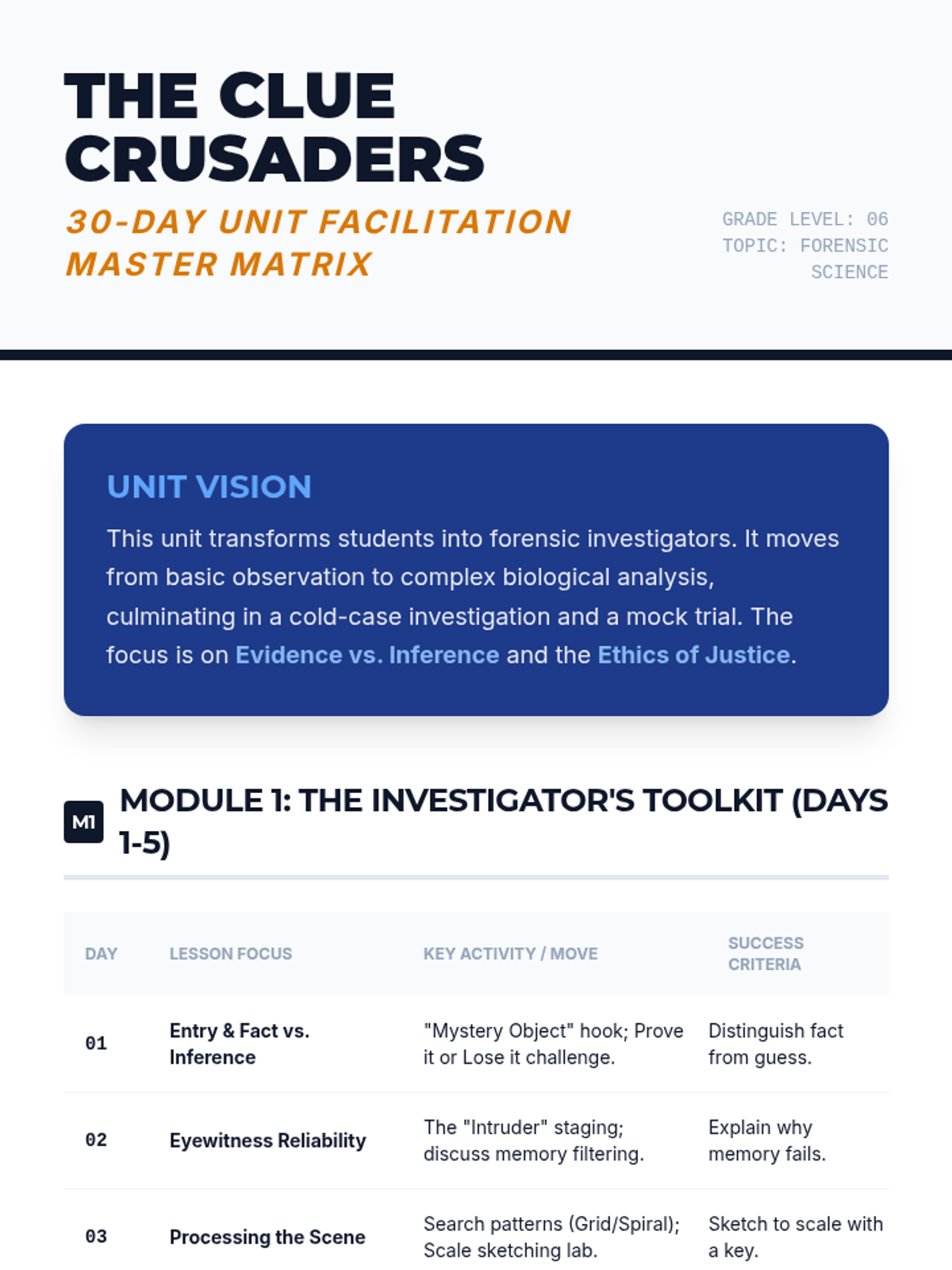
A comprehensive 30-day forensic science unit for 6th grade focused on evidence-based problem solving, observation skills, biological analysis, and the ethics of the legal system. Students progress from basic observation to a culminating mock trial and cold case analysis project.
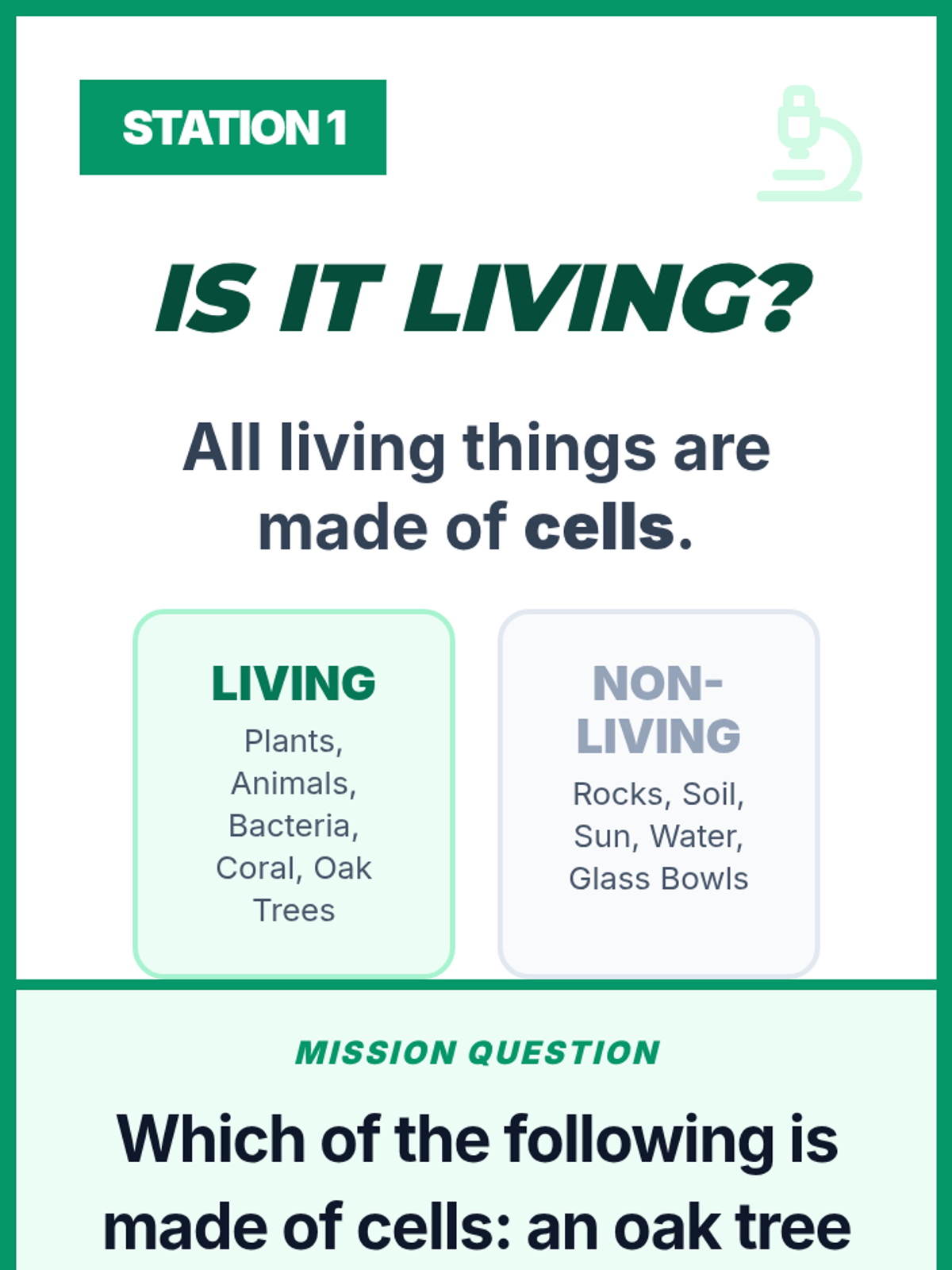
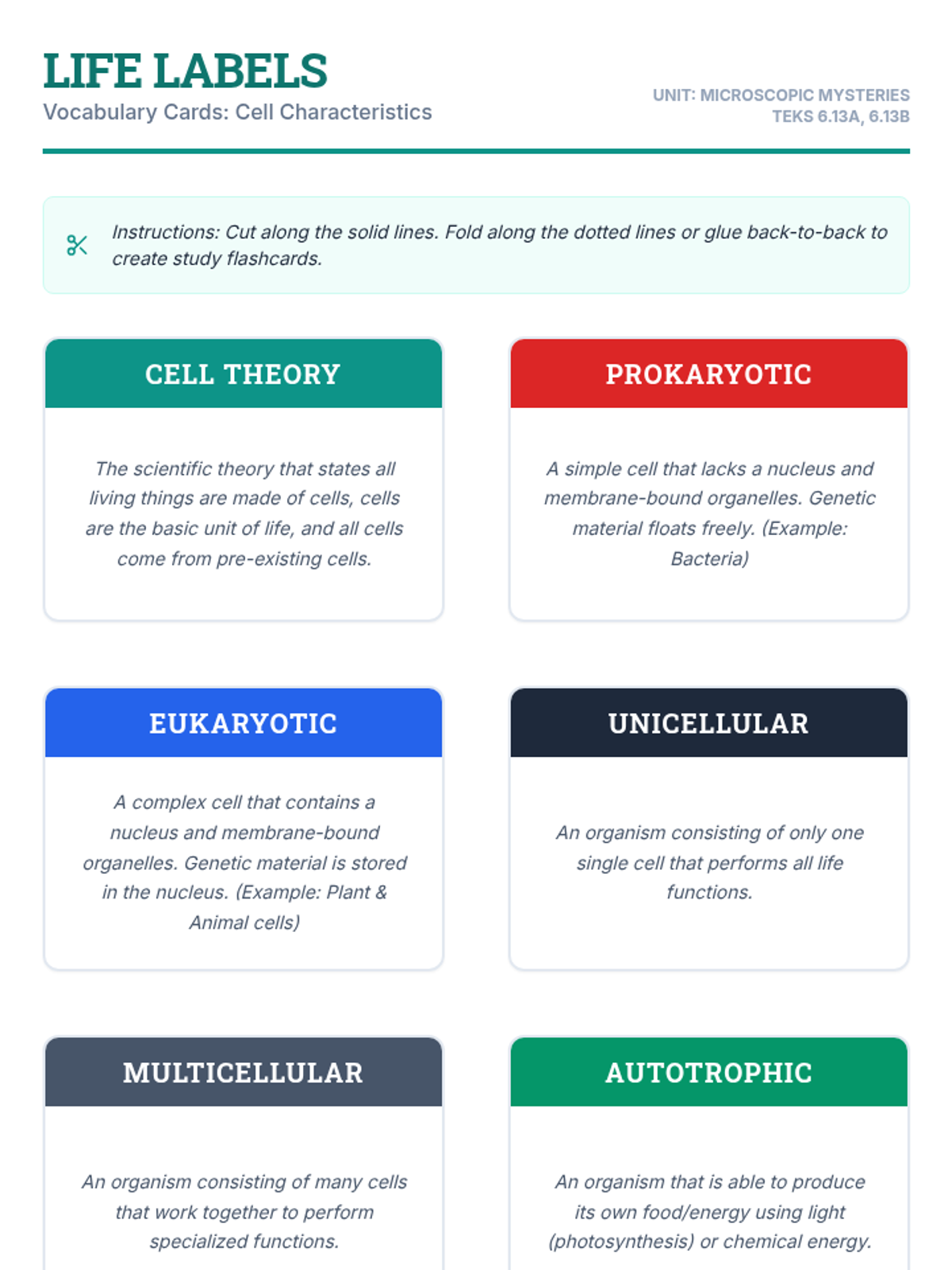
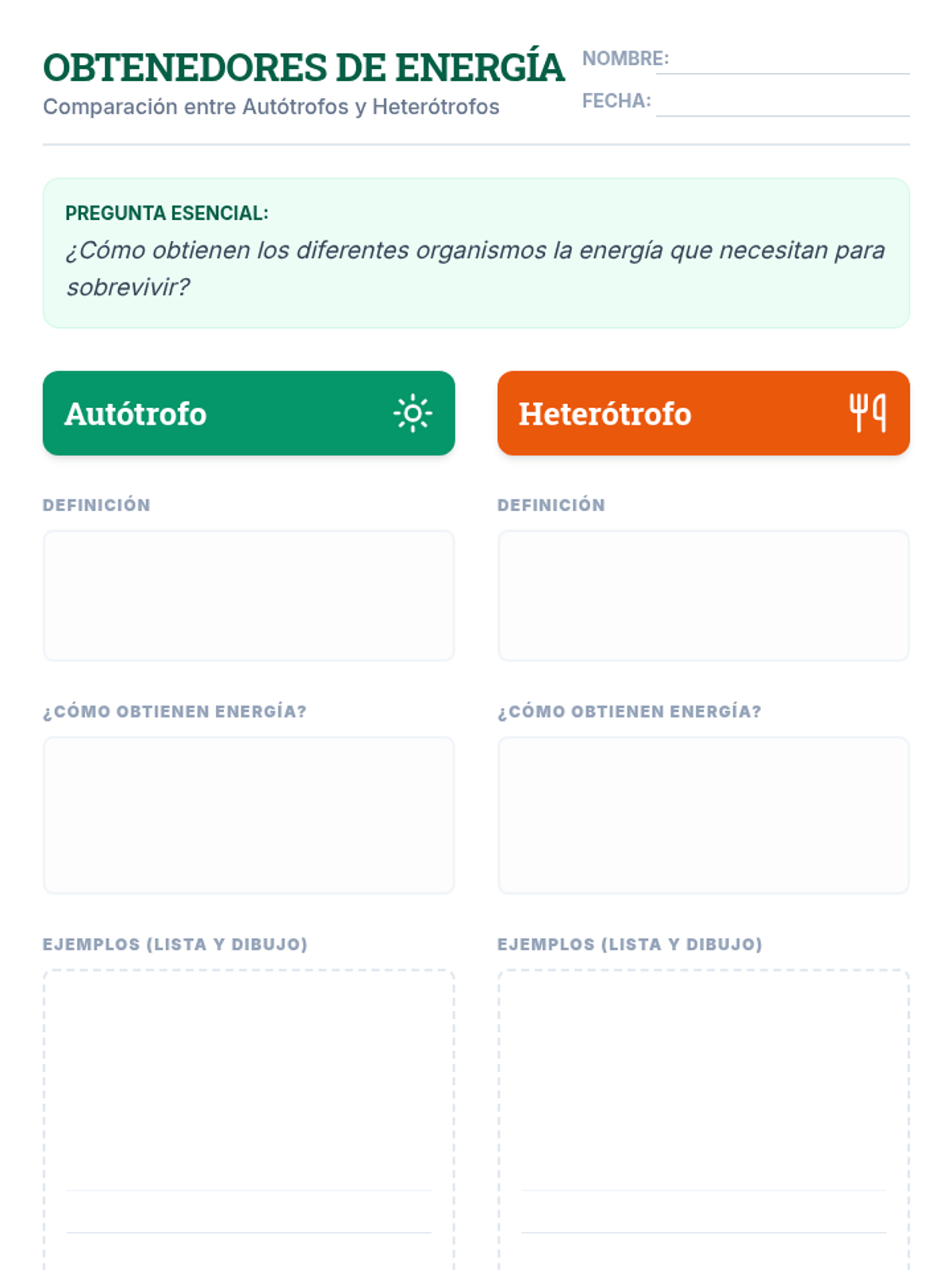
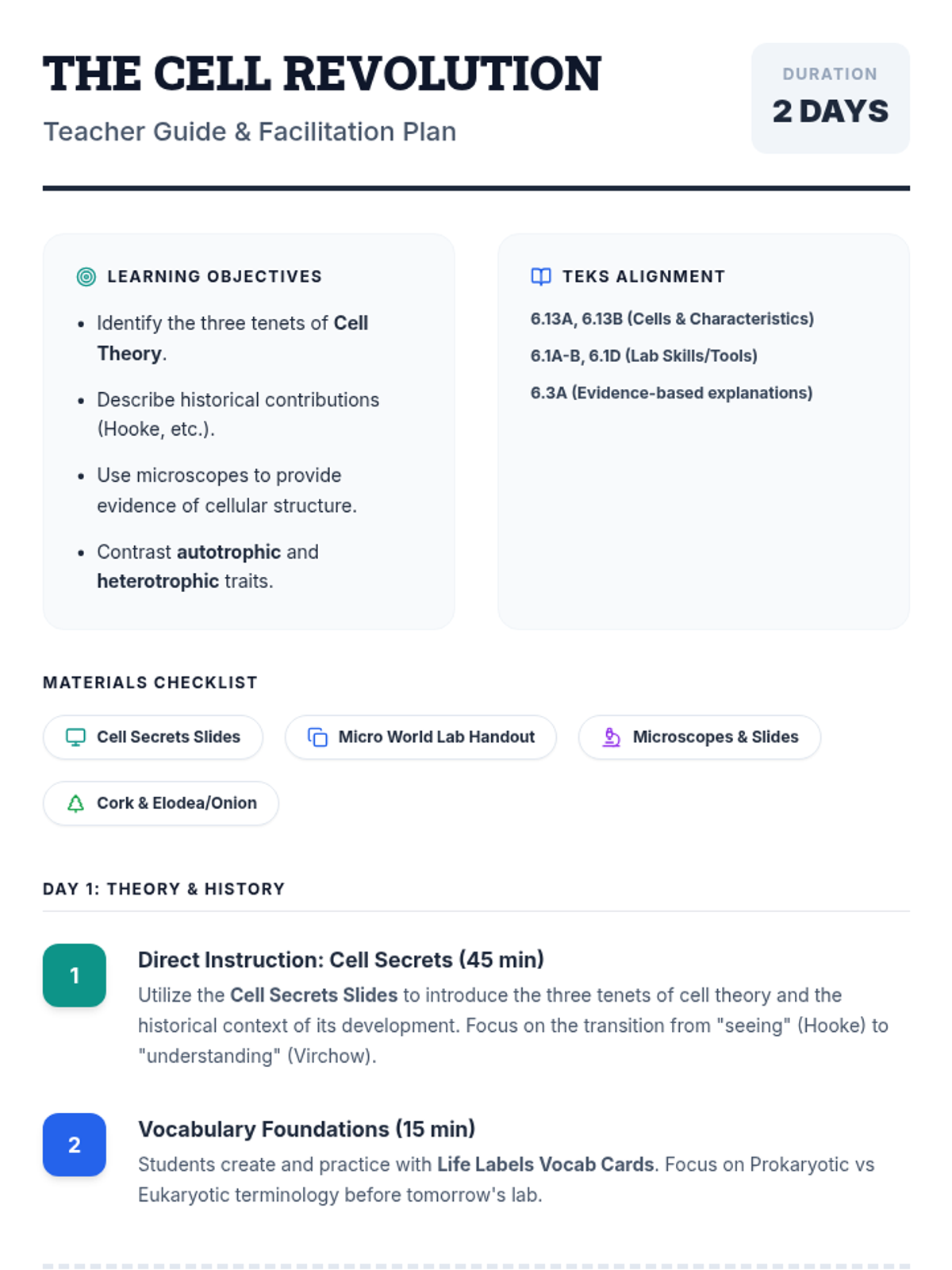
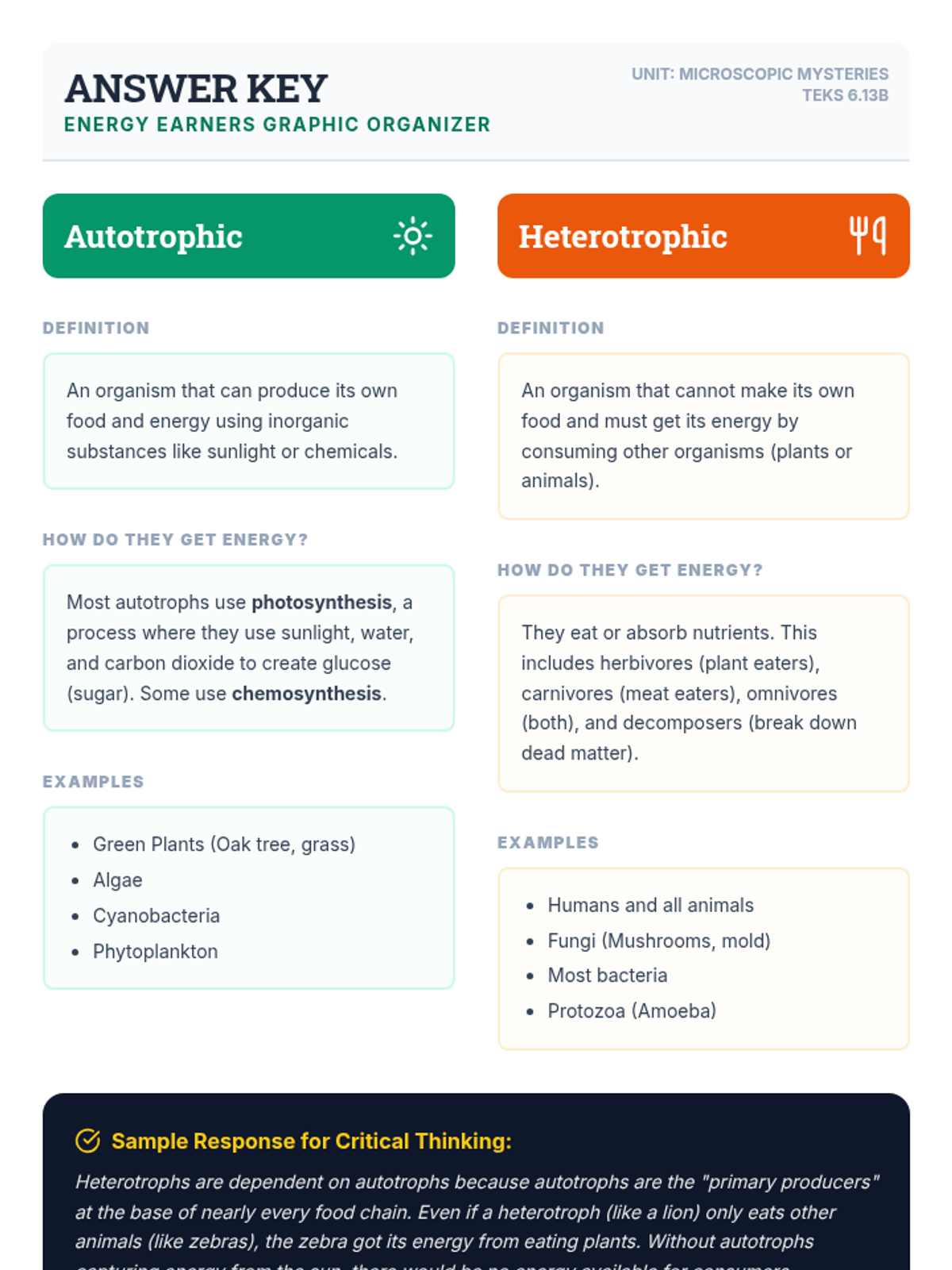
An exploration into the historical development of cell theory and the fundamental characteristics that define all living organisms, covering prokaryotic/eukaryotic, unicellular/multicellular, and autotrophic/heterotrophic traits.
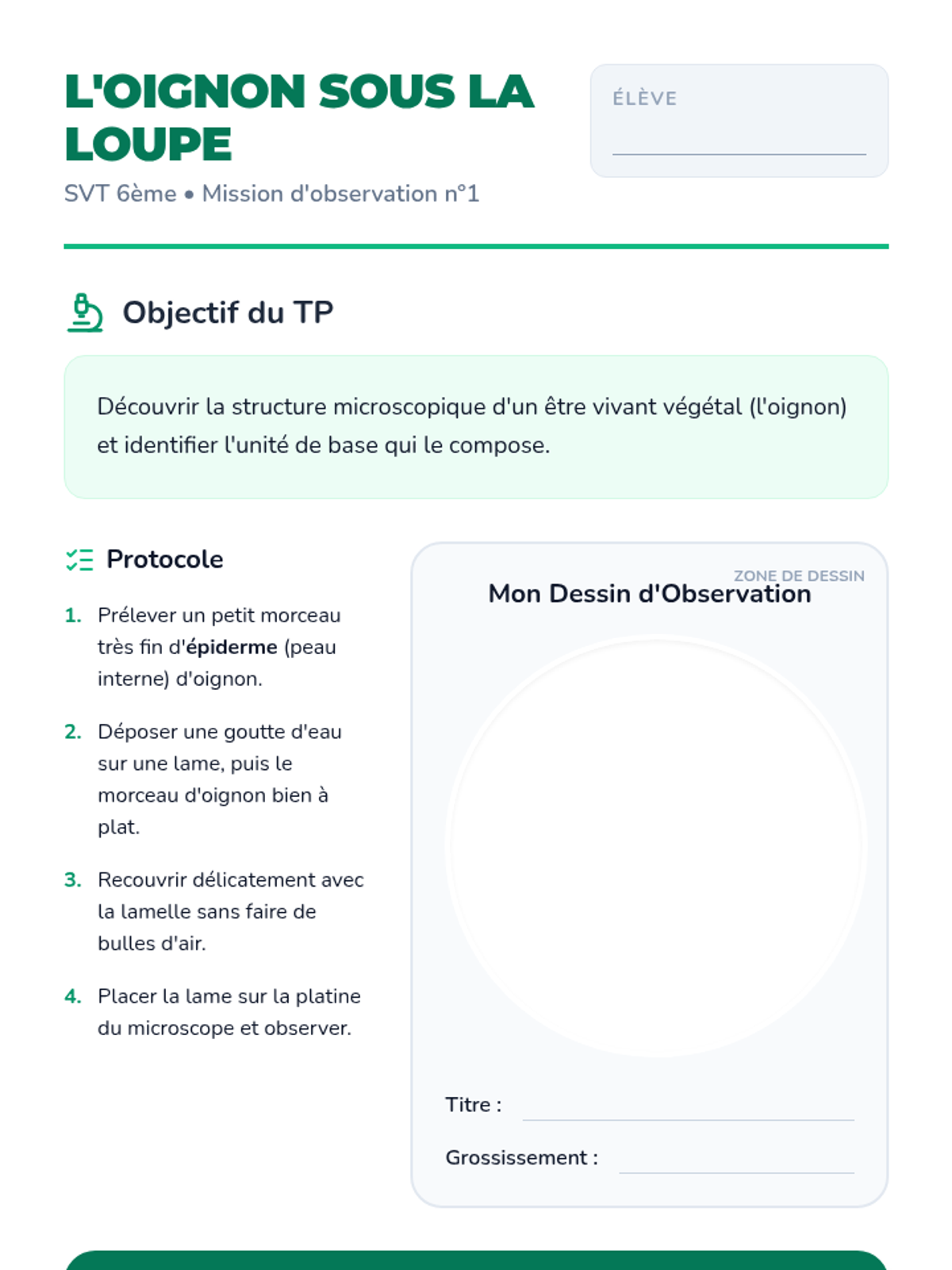
Une séquence de 6ème pour découvrir la cellule à travers des observations microscopiques, passant des végétaux aux animaux puis aux unicellulaires.
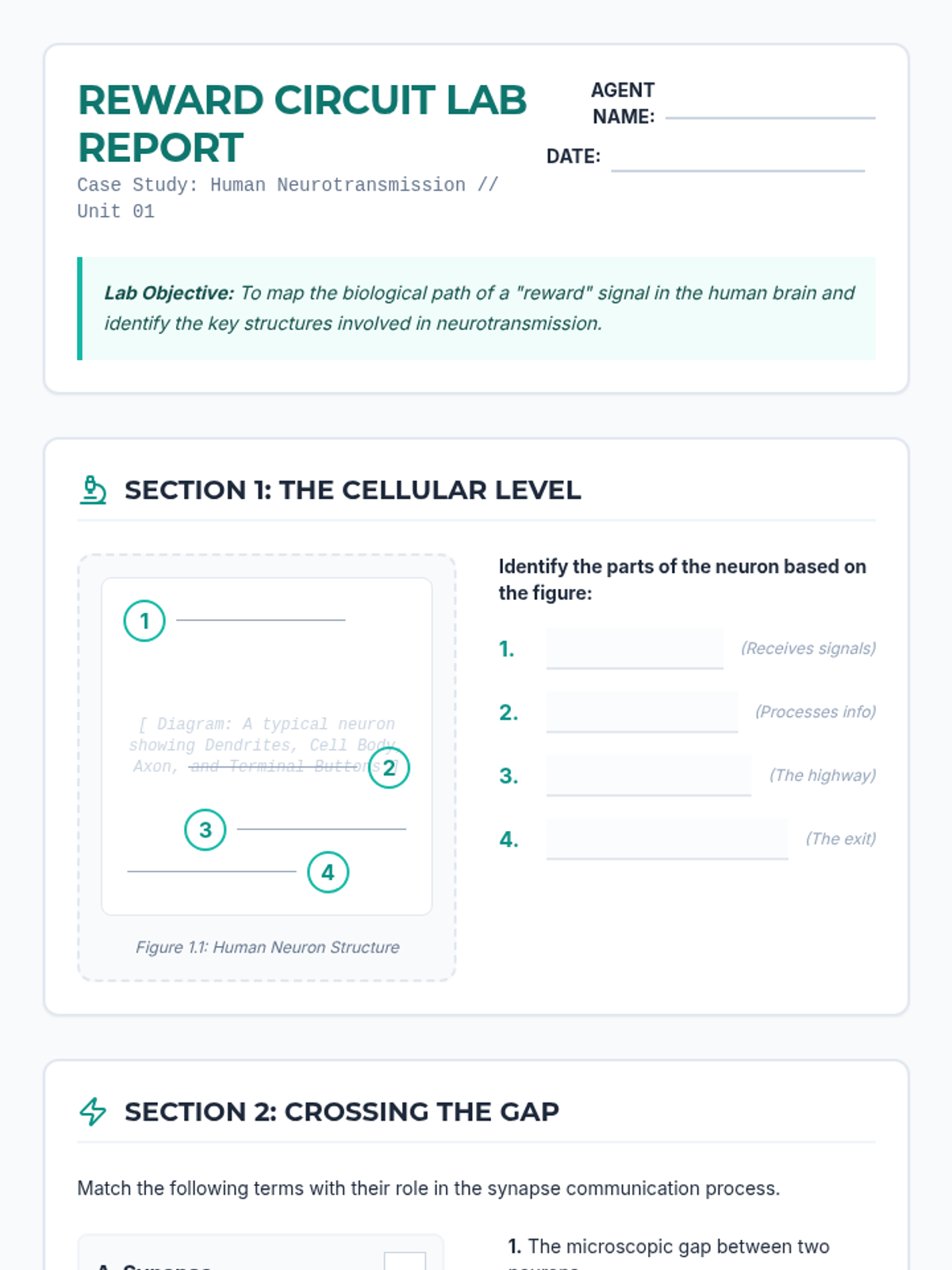
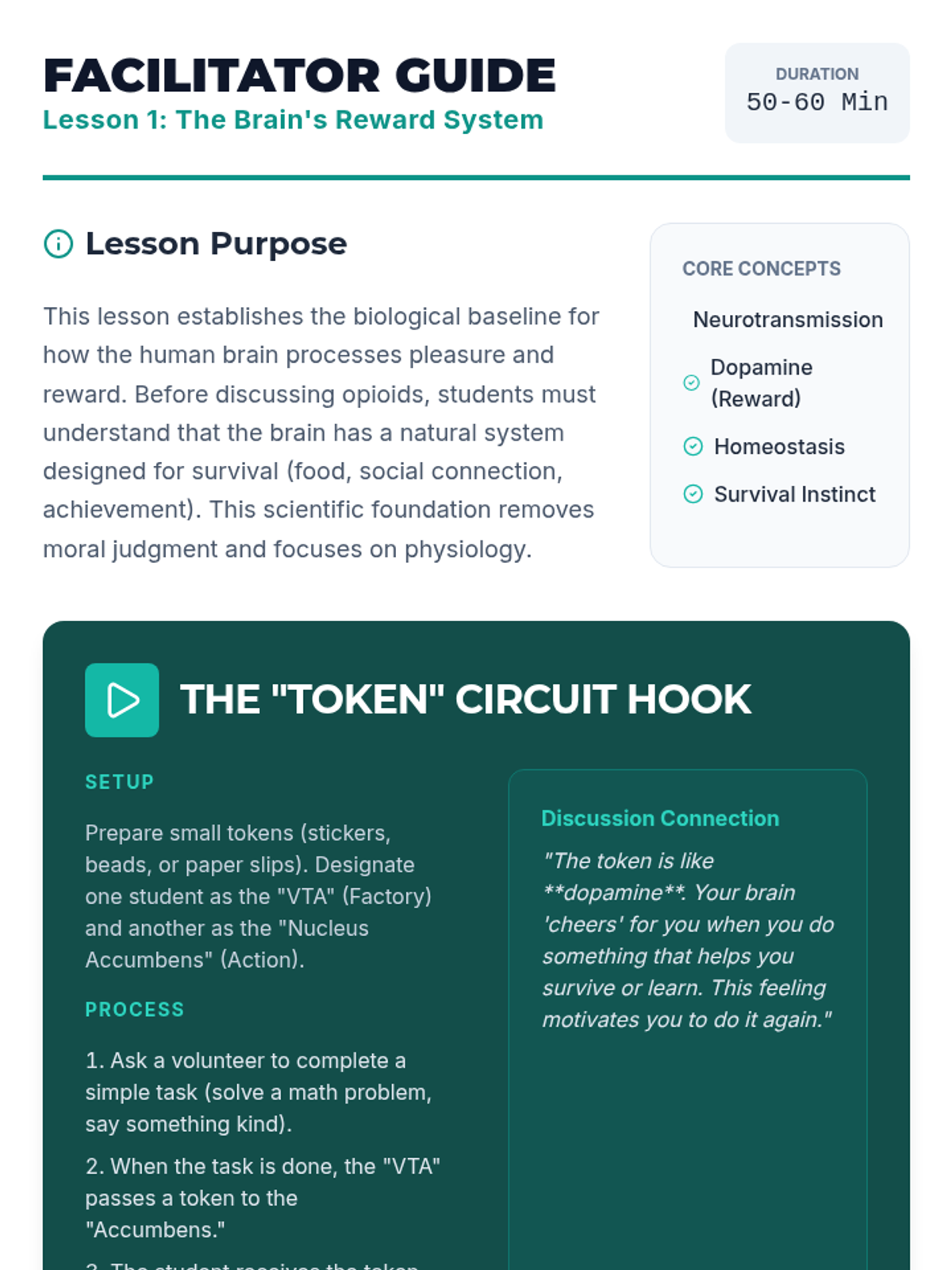
A 5-lesson inquiry-based sequence for 6th-grade students exploring the biological and physiological impacts of opioids. Students learn about the brain's reward system, the lock-and-key receptor mechanism, the science of tolerance and dependency, the impact on the respiratory system, and the biological potential for recovery through neuroplasticity.