A comprehensive collection of life science resources for 6th and 7th grade, covering cell theory, body systems, and defense mechanisms.
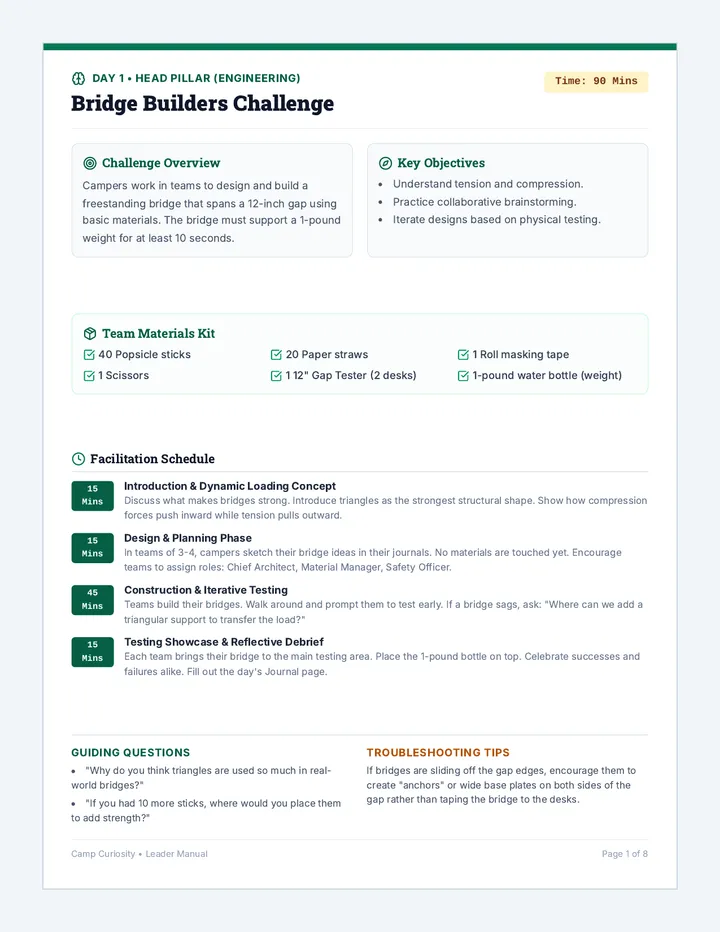
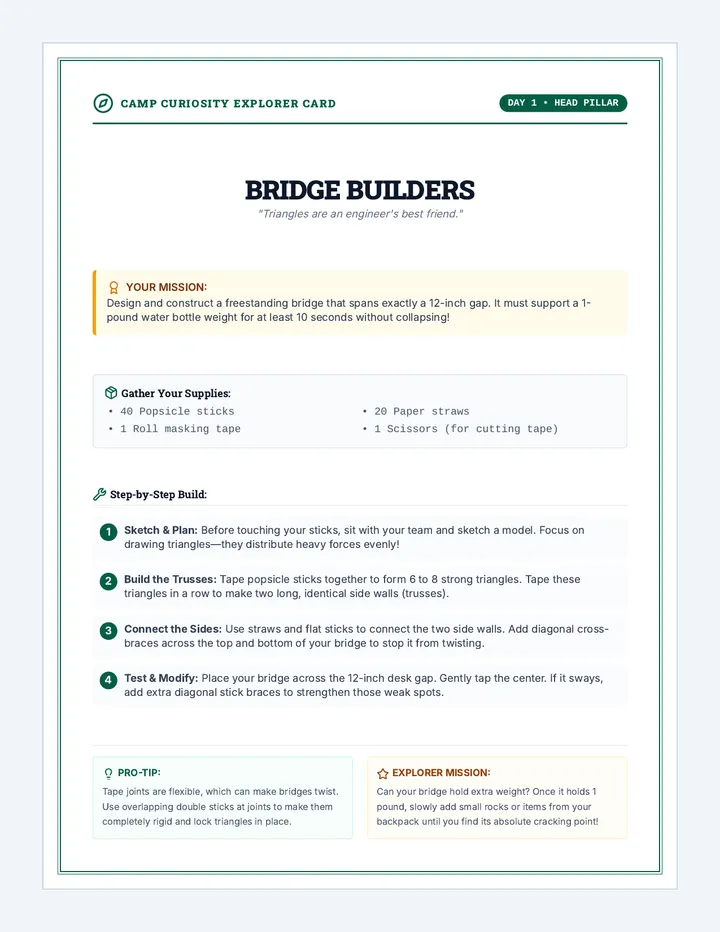
An action-packed, hands-on 8-day 4-H camp program focusing on Head, Heart, Hands, and Health. Students tackle engineering, teamwork, ecology, nutrition, and art challenges through daily active learning.
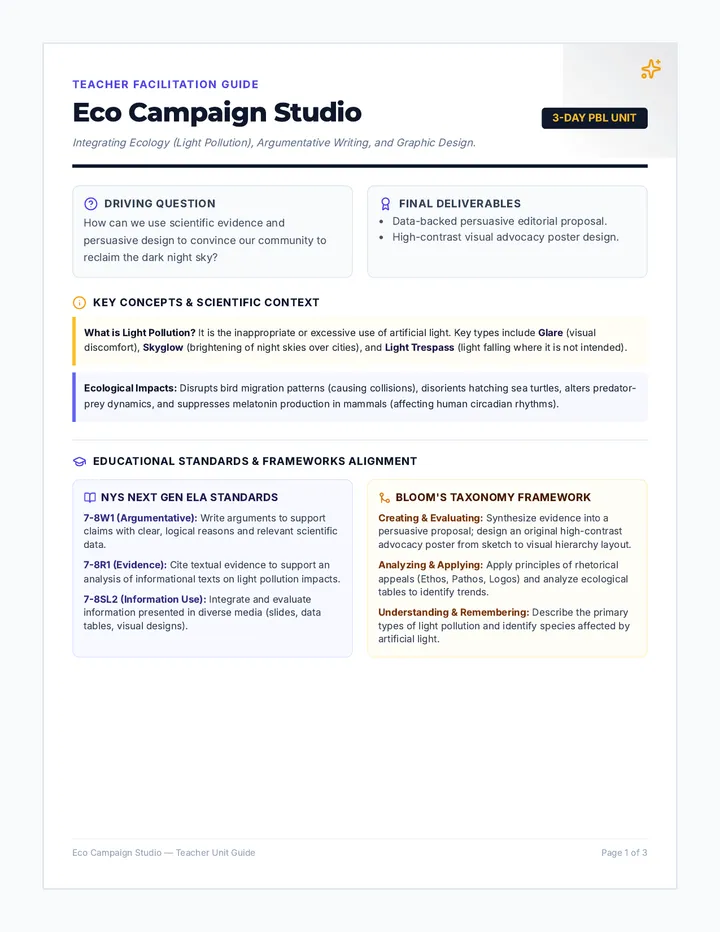
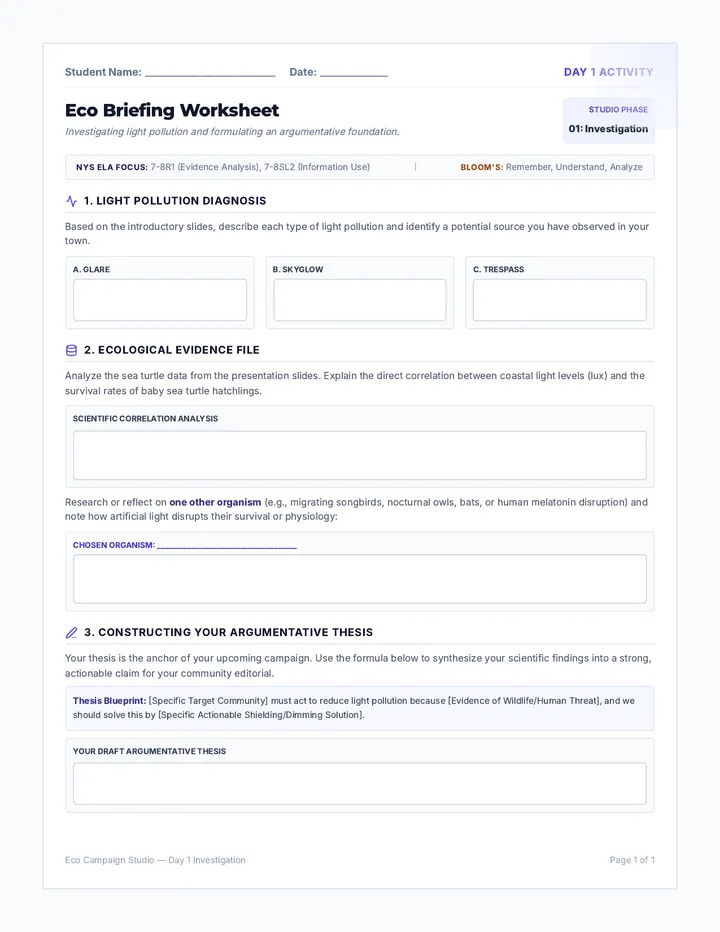
A cross-curricular, 3-day project-based unit combining science, argumentative writing, and graphic design. Students investigate the ecological impacts of light pollution, write a data-driven persuasive proposal, and design a community awareness campaign poster.
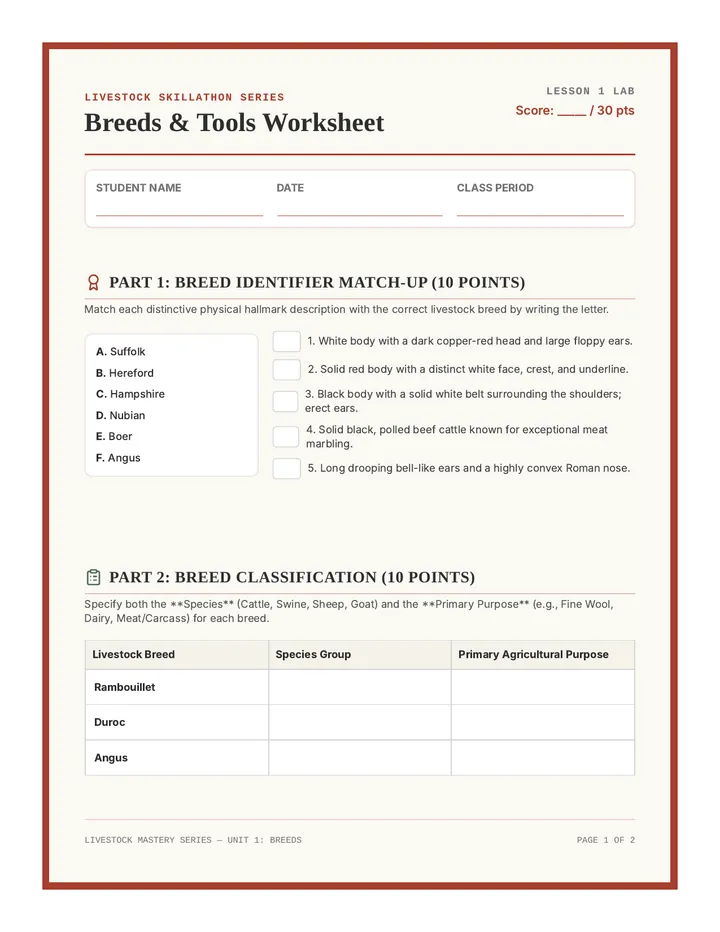
An immersive preparation program that equips agriculture students with the hands-on identification and evaluation skills needed to conquer competitive Livestock Skillathon contests.
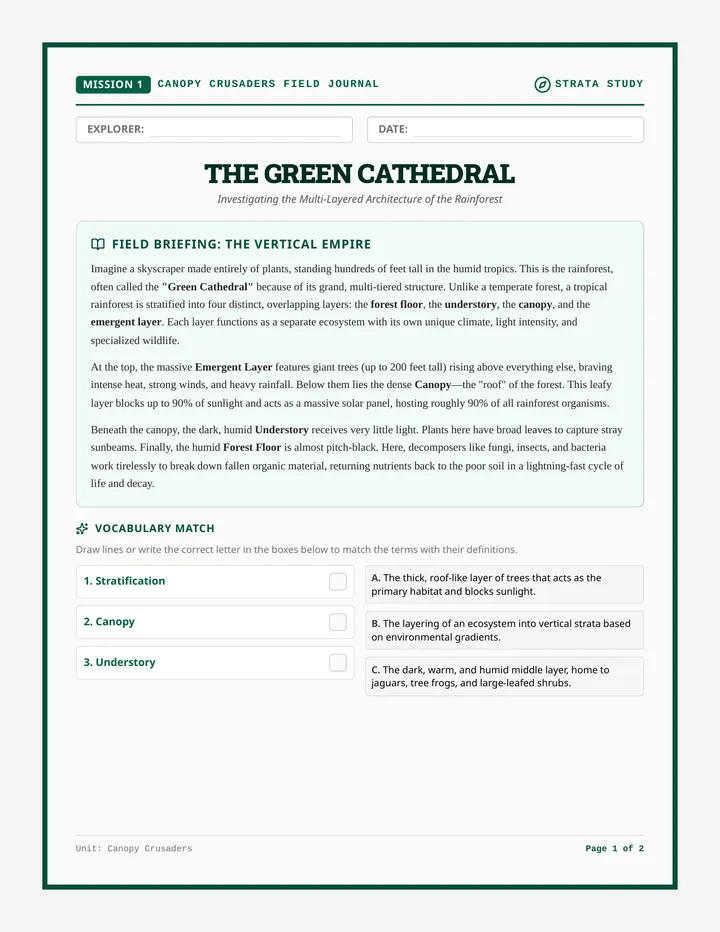
A comprehensive unit on rainforest ecology, climate regulation, and conservation. Students explore the structural layers of the rainforest, their roles as carbon sinks, the threats of deforestation, and collaborative solutions for preservation.
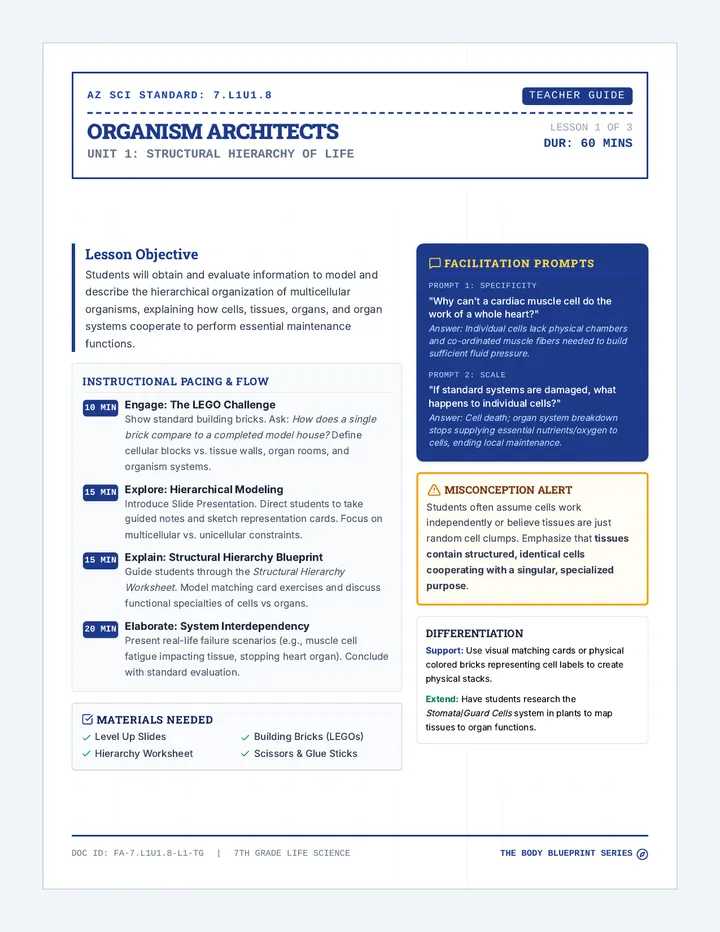
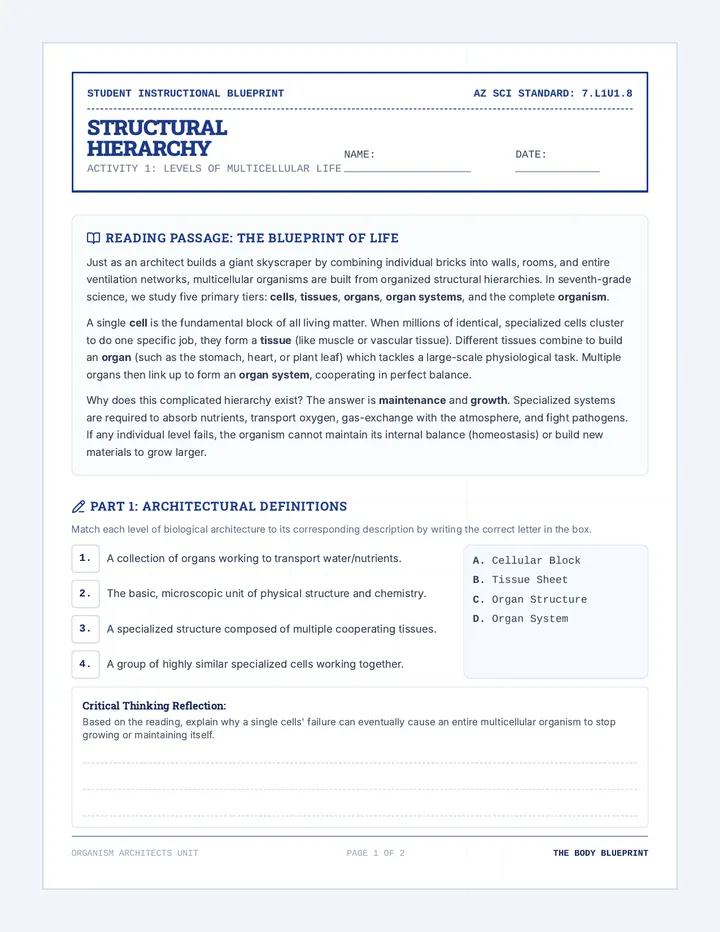
A comprehensive 1-week unit exploring how physical structures in organisms—from microscopic cells to complex organ systems—cooperate to sustain life, maintenance, and growth, aligned with Arizona Science Standard 7.L1U1.8.
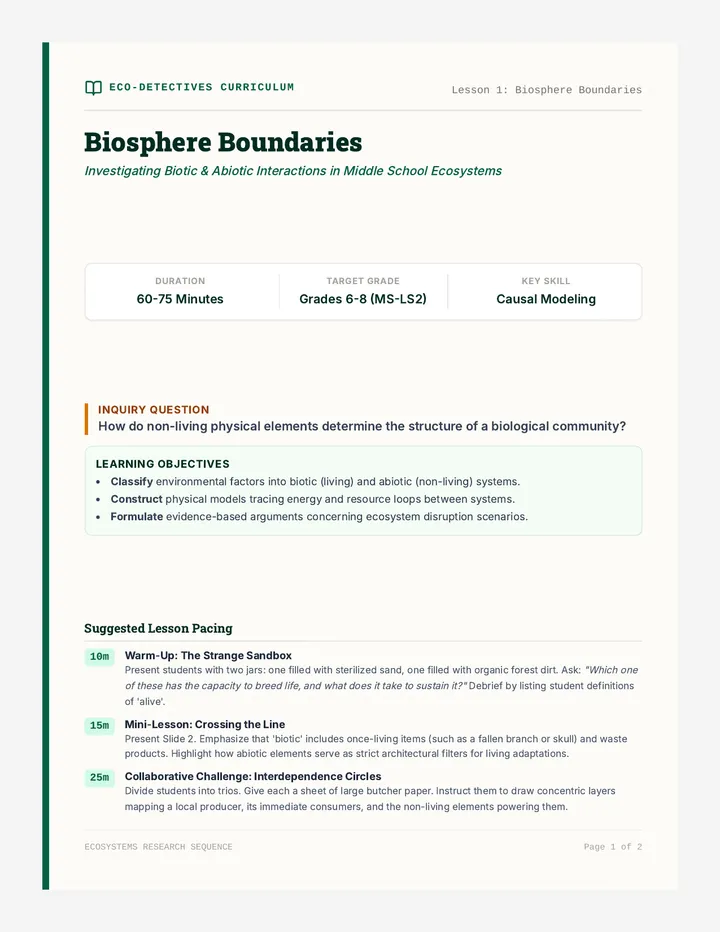
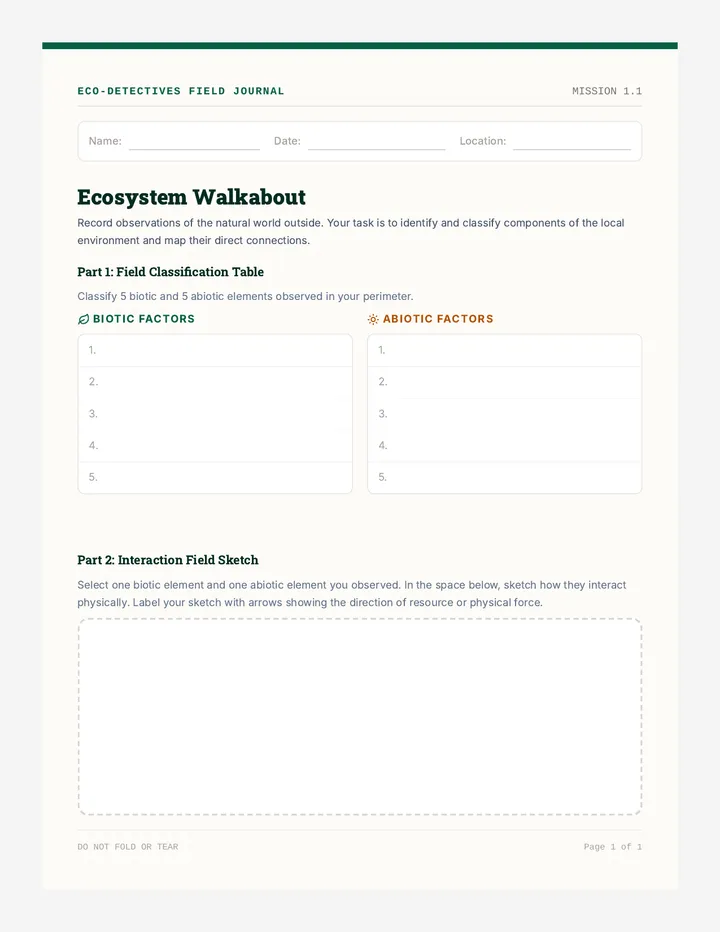
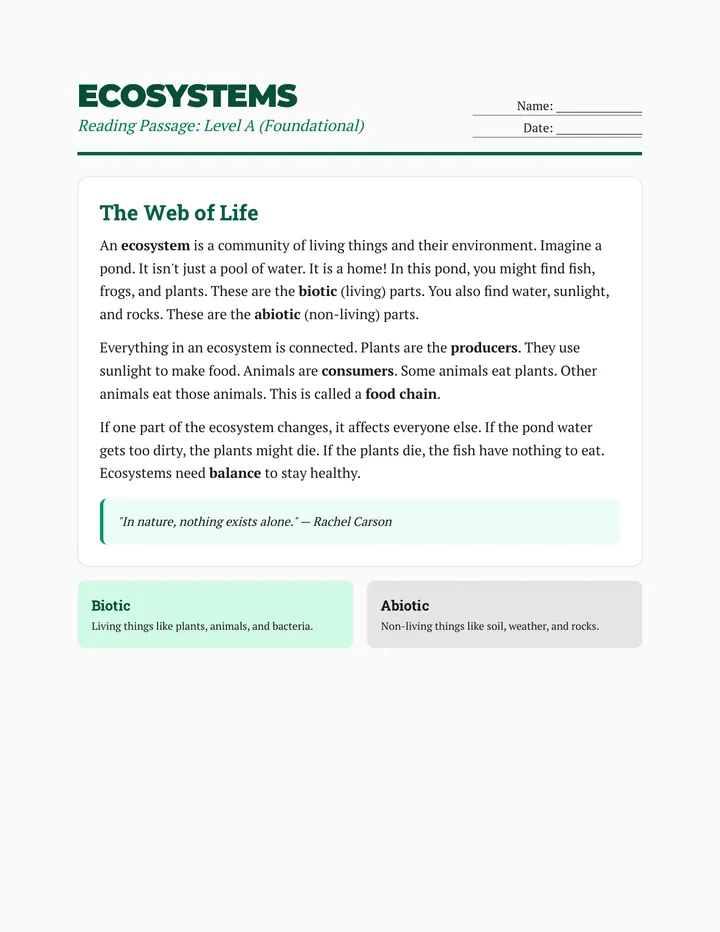
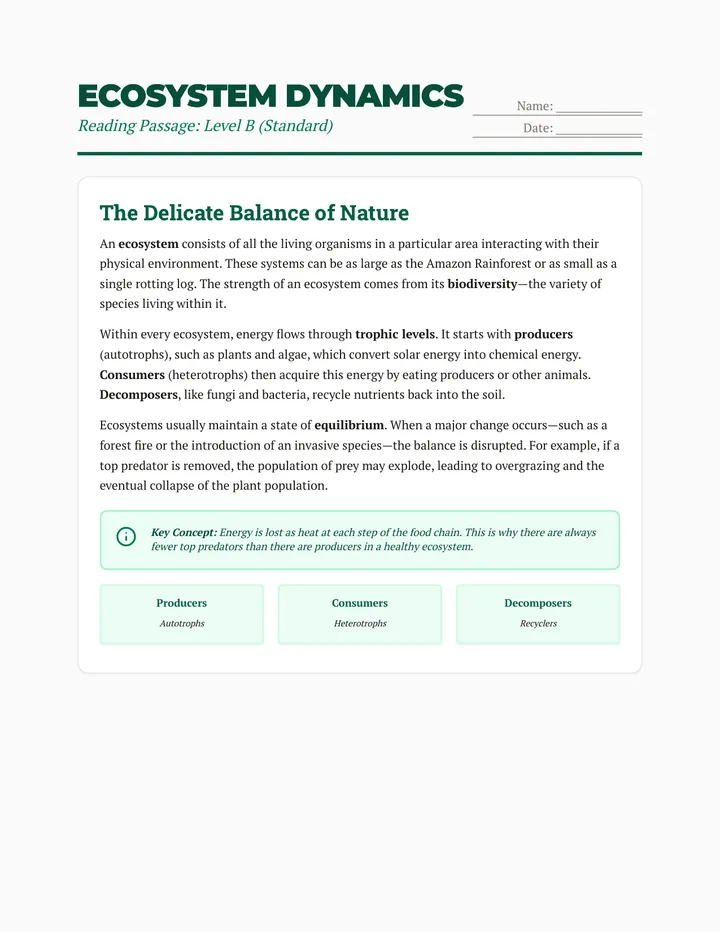
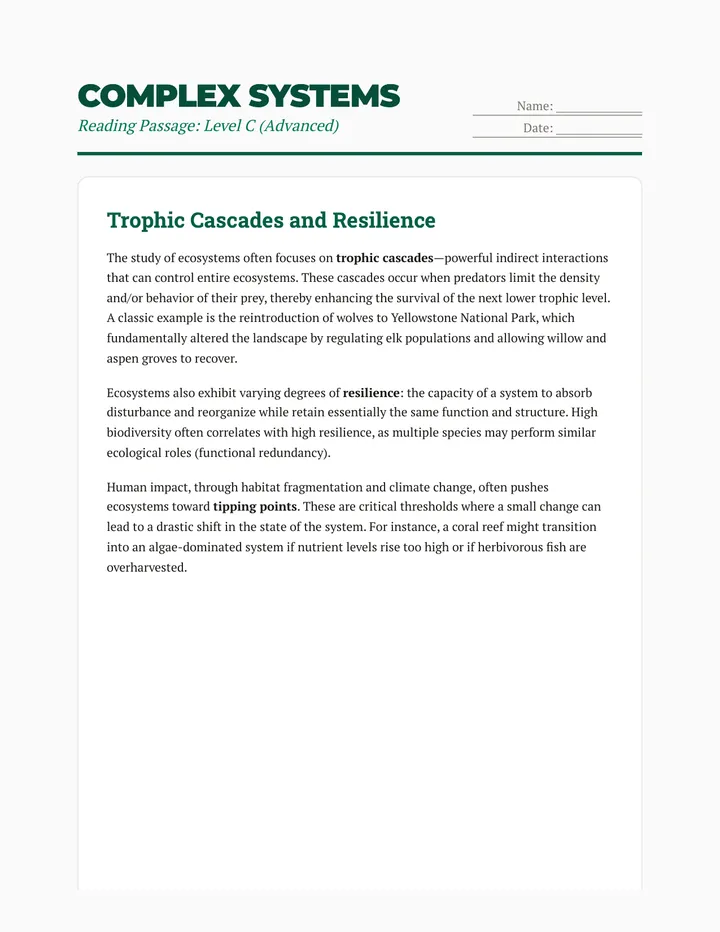
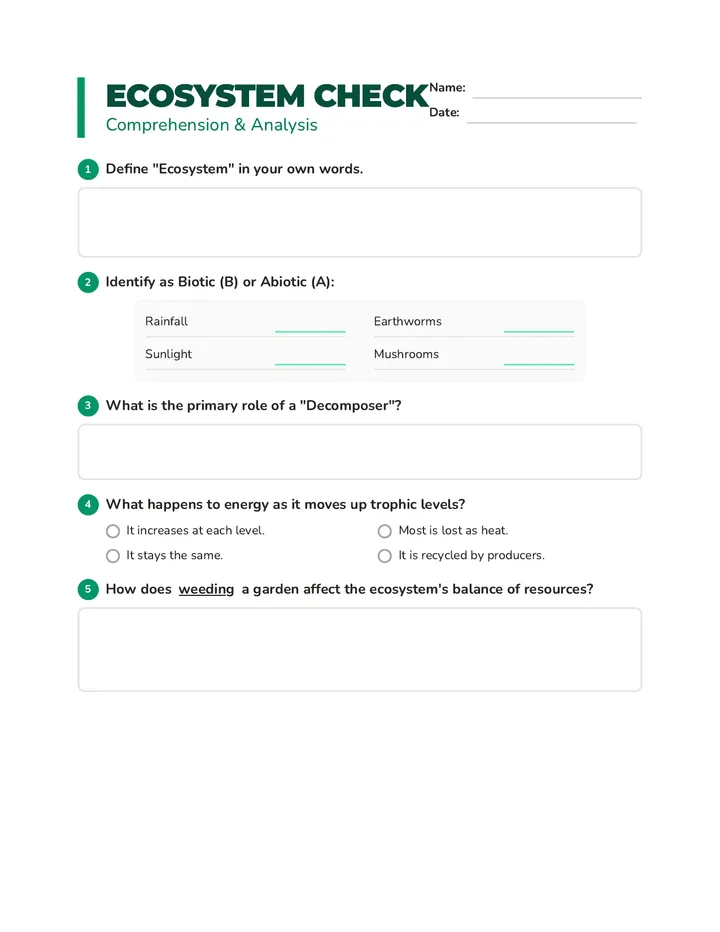
A middle school scientific inquiry sequence where students investigate abiotic and biotic components, trace trophic energy pyramids, and build critical media literacy by evaluating ecological research sources.
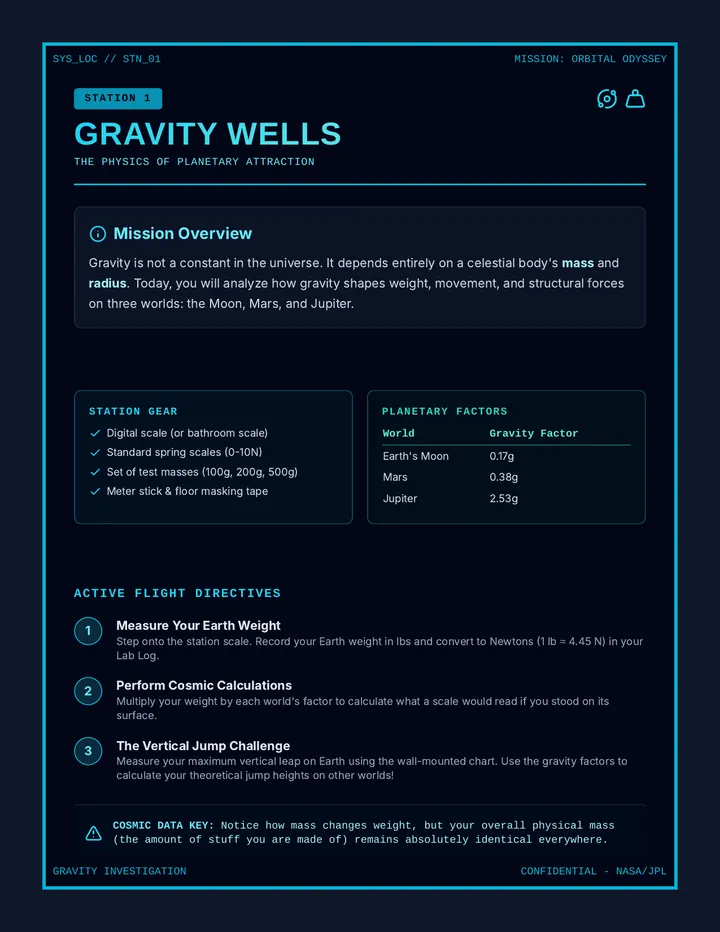
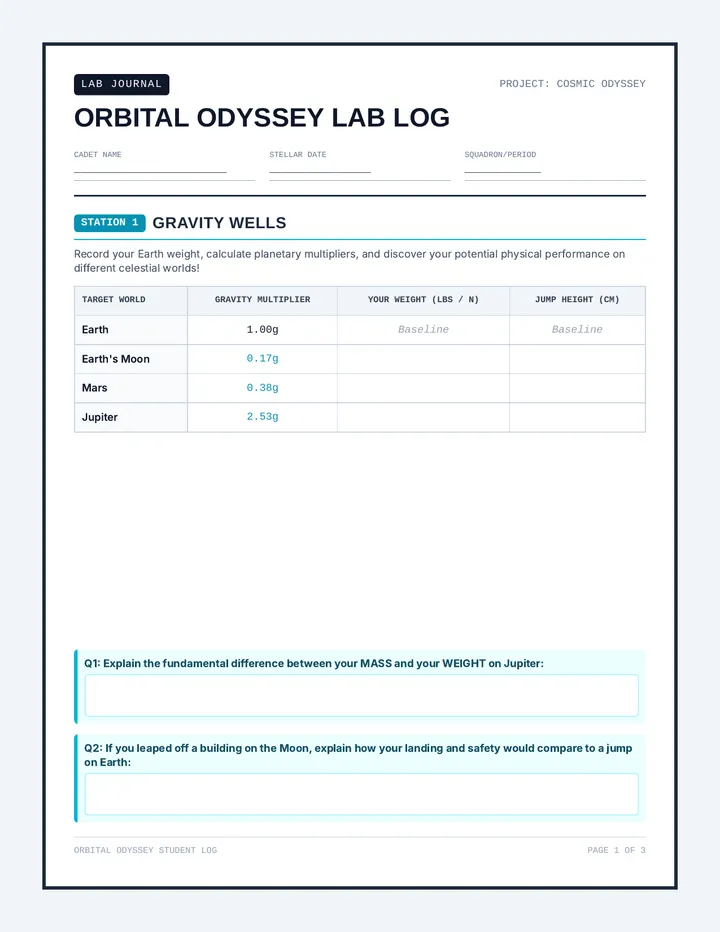
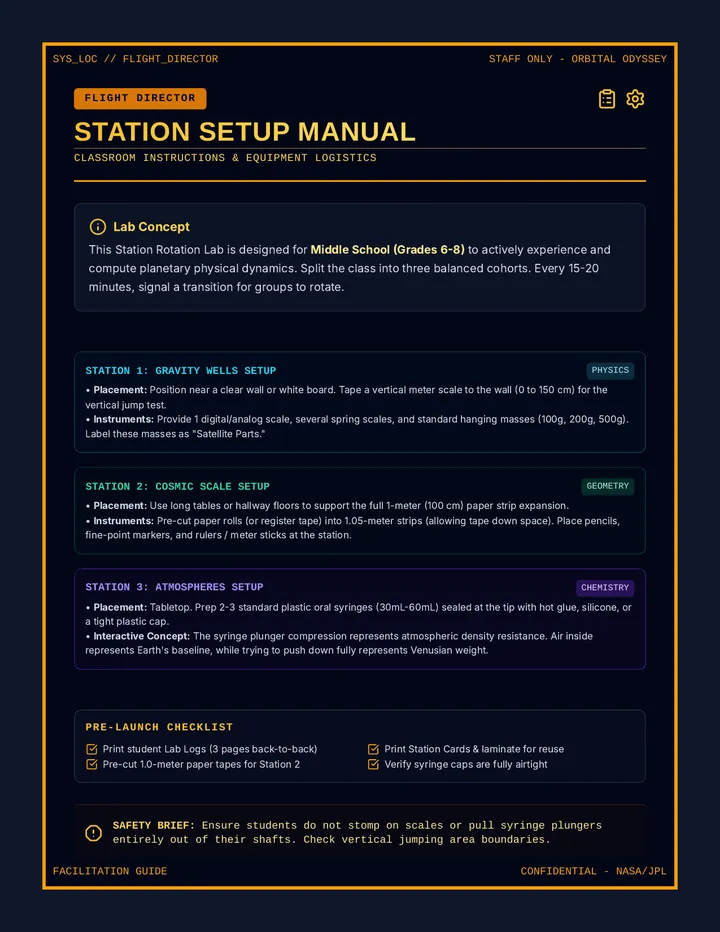
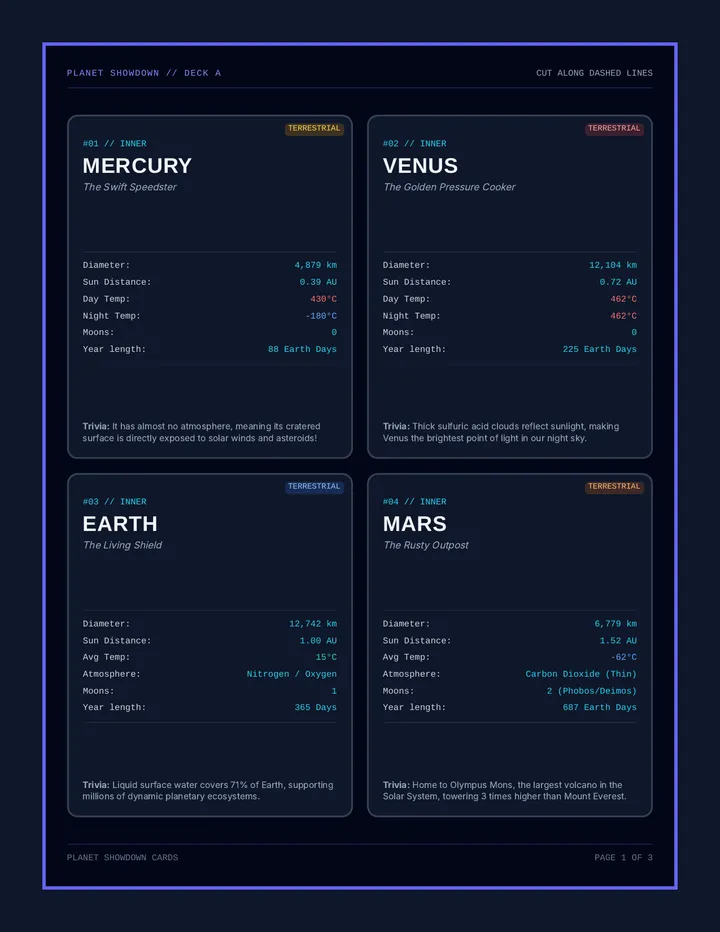
A comprehensive middle school space science unit exploring the physical properties of major planets along with the characteristics, orbits, and origins of other celestial objects like comets, asteroids, and dwarf planets.
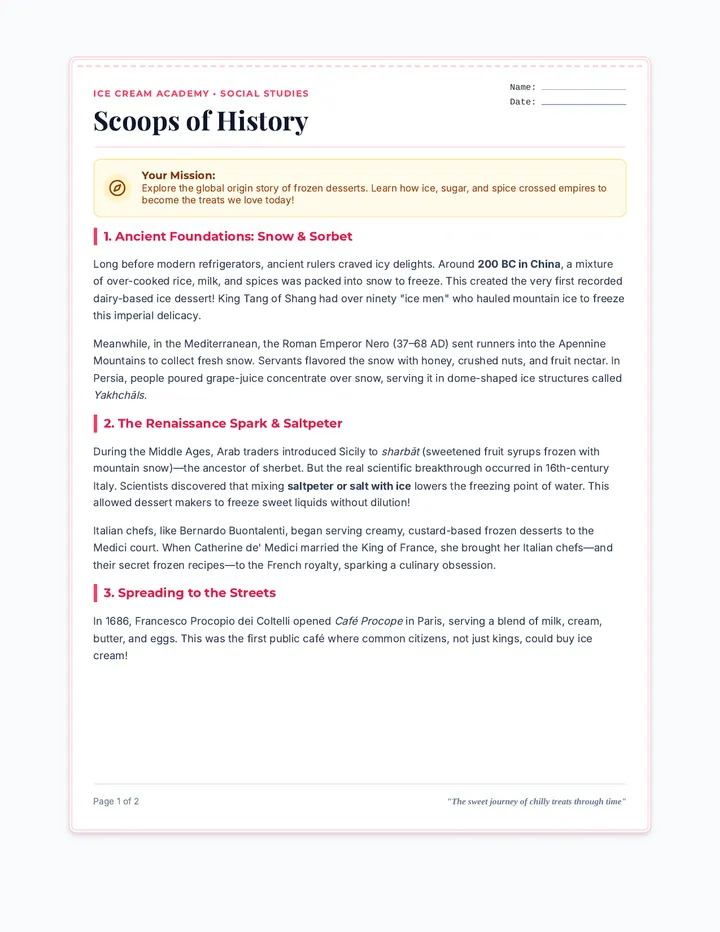
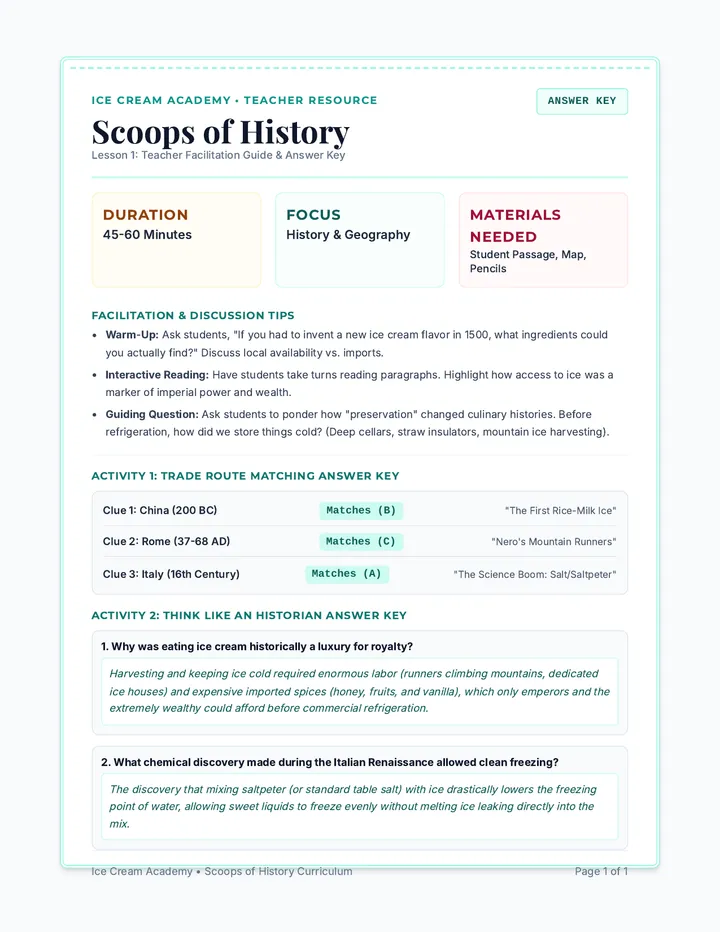
A multi-subject summer school unit exploring the history, science, math, and language arts of ice cream. Students scale recipes, conduct freezing-point experiments, trace historical origins, and design sensory marketing campaigns.
A four-part immersive crime scene investigation where 7th-grade students act as forensic detectives to solve the mystery of the missing Golden Whistle trophy. This sequence guides students through scene processing, fingerprinting, ink chromatography, and final evidence synthesis.
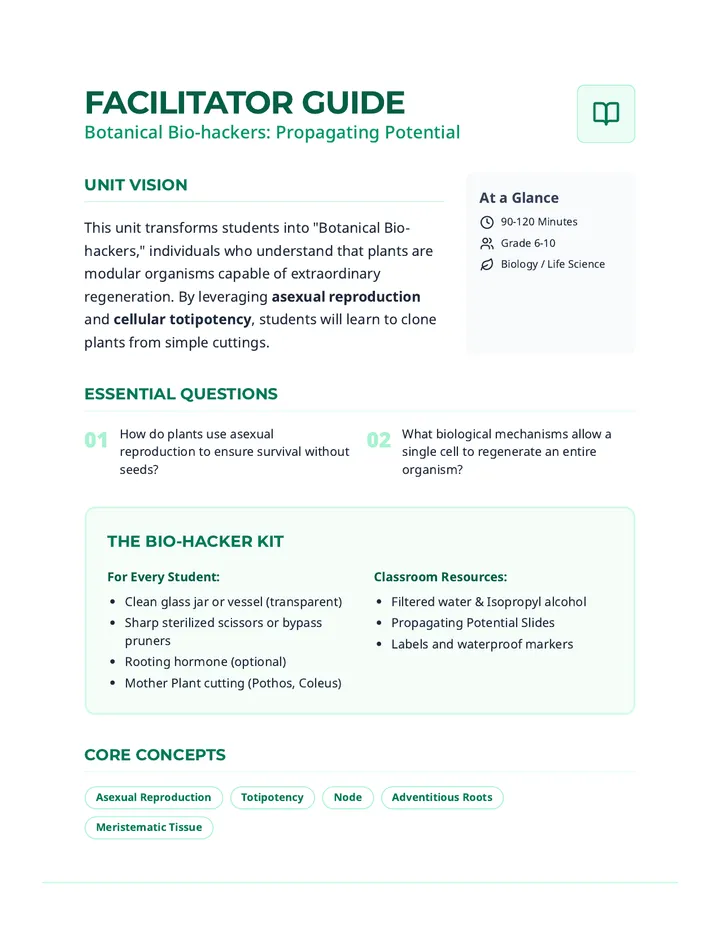
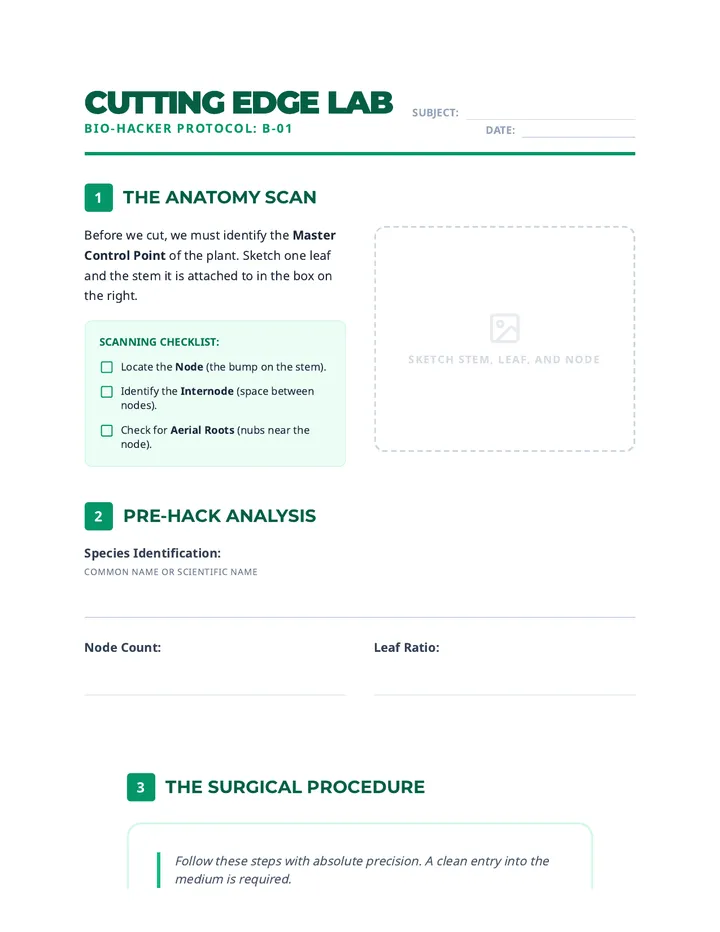
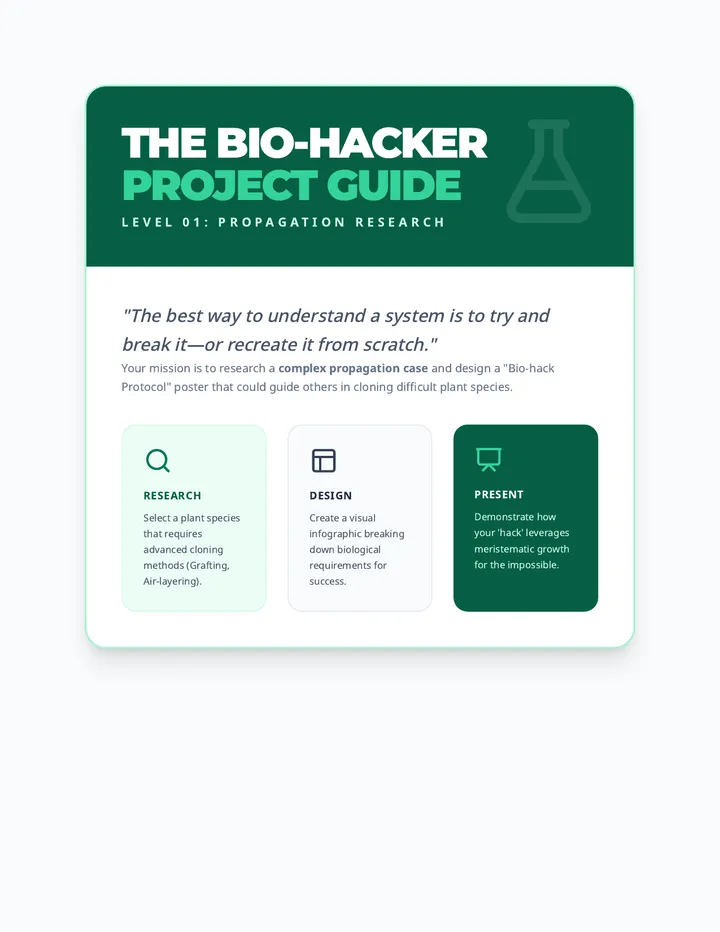
A hands-on biology unit exploring asexual plant reproduction, cellular regeneration, and the science of propagation. Students learn to 'hack' plant growth to create new life from cuttings, combining laboratory precision with botanical care.
A comprehensive unit combining middle school ecosystem science with functional life skills in horticulture and cooking. Students explore the interconnectedness of nature while building practical skills in gardening and food preparation.
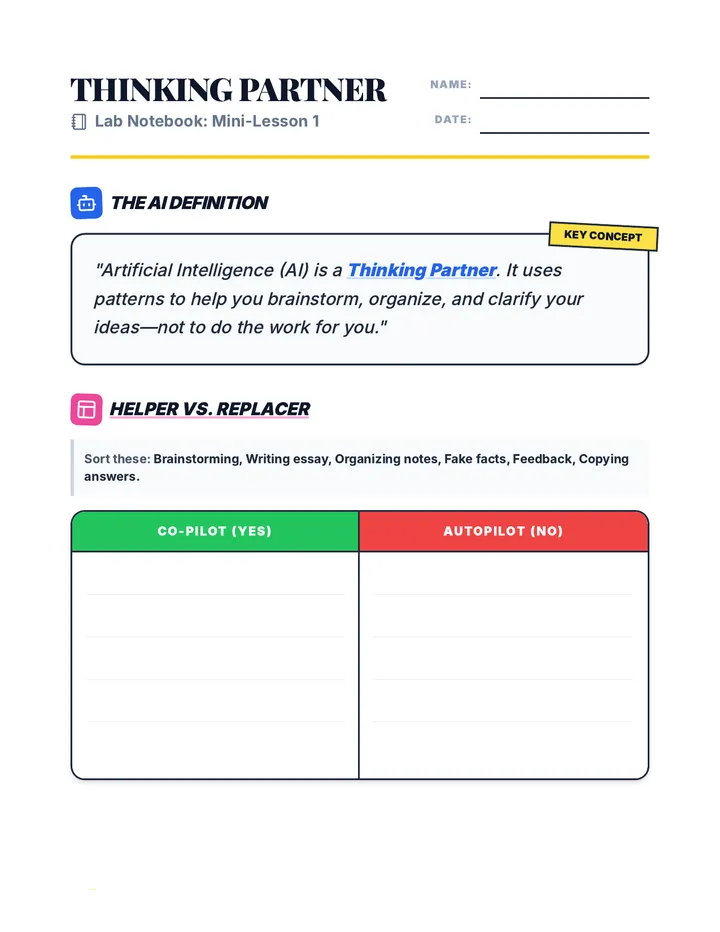
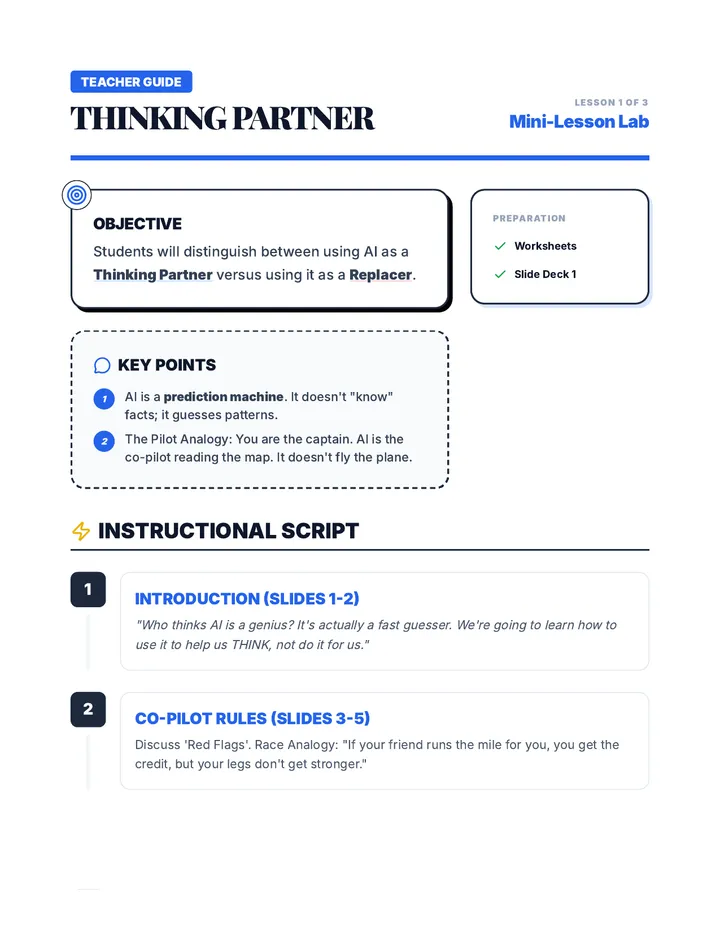
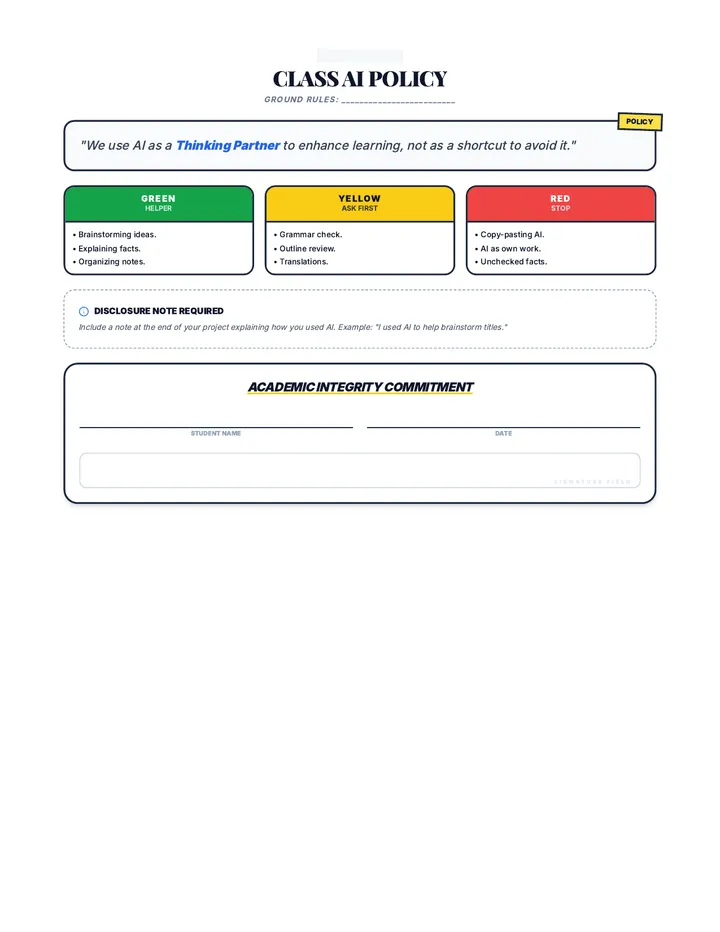
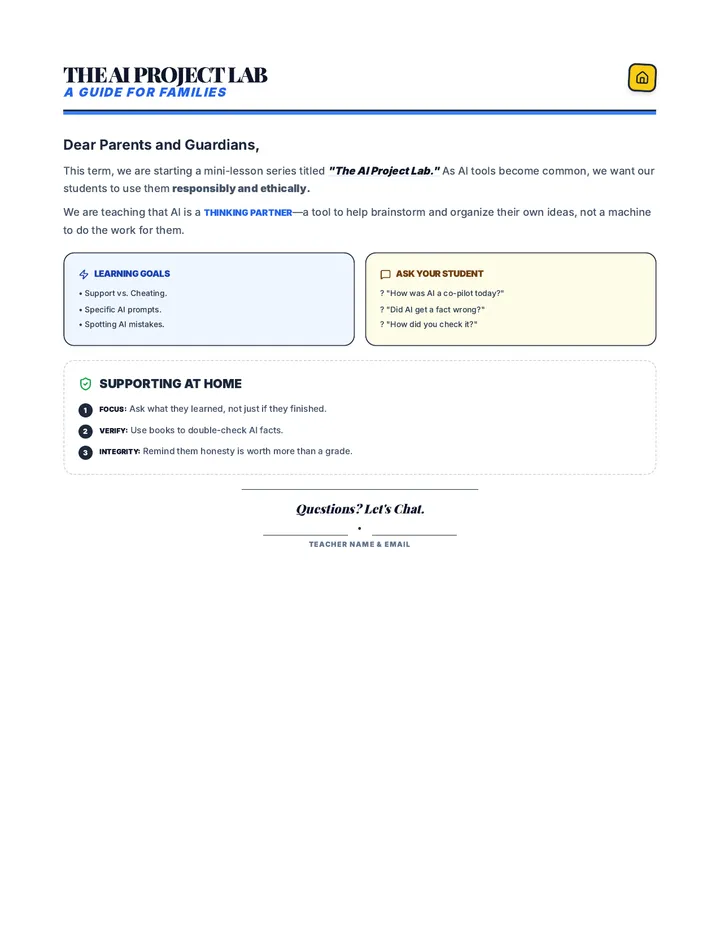
A 3-part mini-lesson series designed to teach middle schoolers how to use AI tools responsibly for final projects. The series focuses on AI as a thinking partner, prompt engineering, and critical fact-checking through a modern 'Notebook/Sketch' aesthetic.
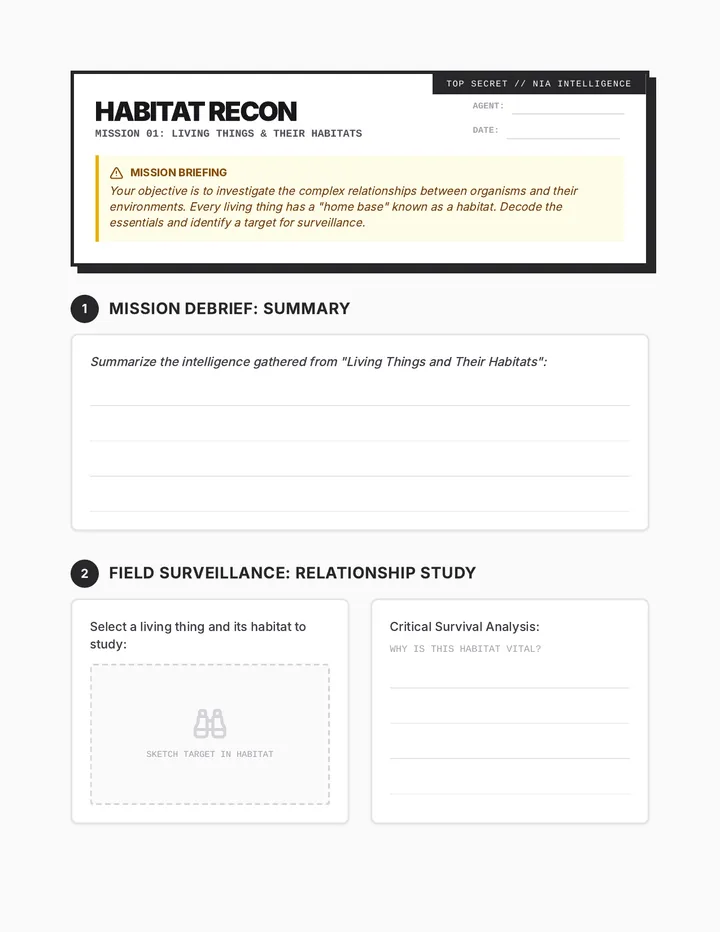
A series of secret agent-themed ecology missions where students act as Eco-Detectives for the Nature Intelligence Agency (NIA) to study habitats, food chains, and environmental impacts.