Fundamental biological structures and processes from microscopic cells and genetic inheritance to complex body systems and global ecosystems. Addresses plant and animal adaptations, trait expression, and the cycles of life and cell division.
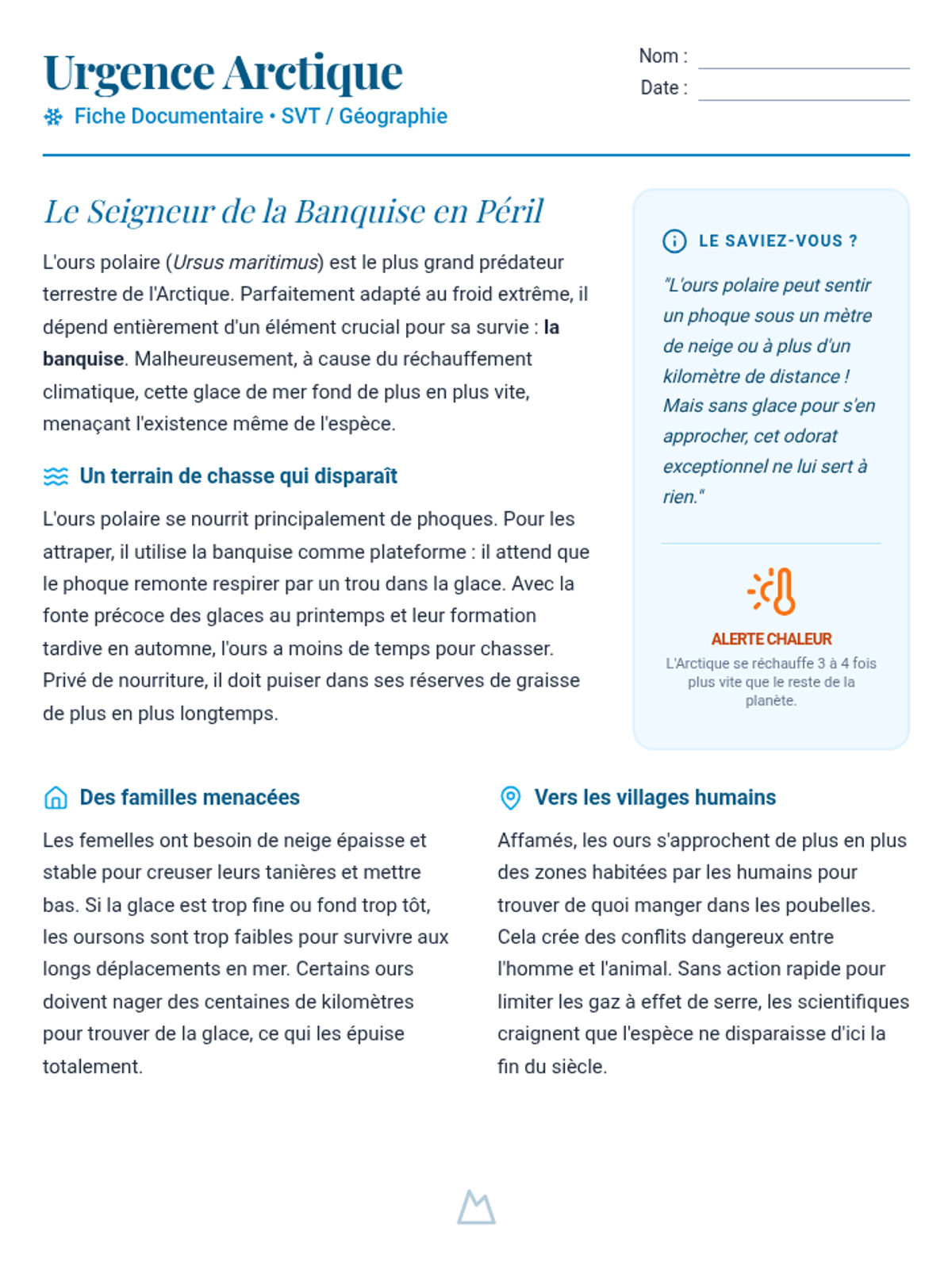
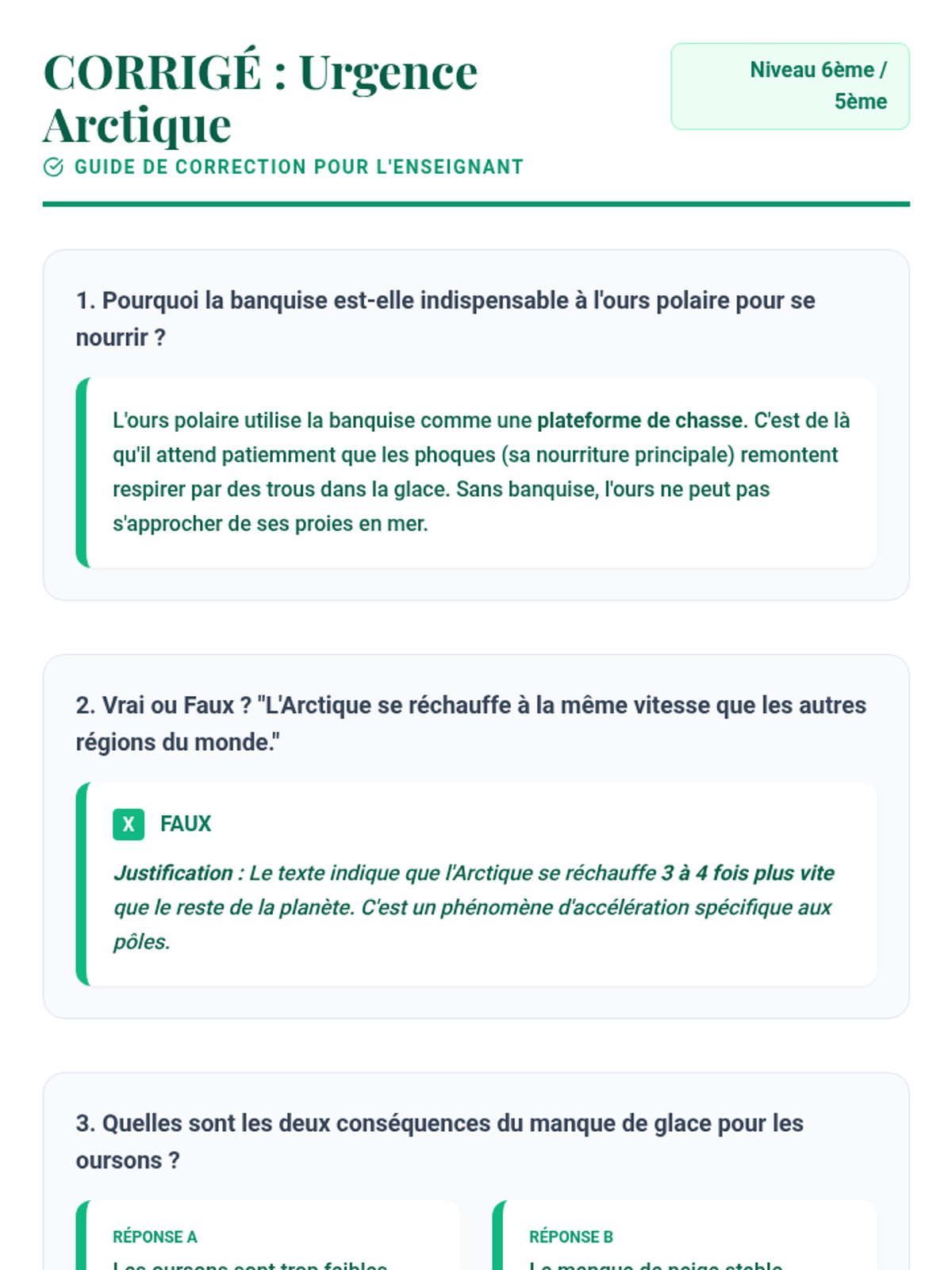
Une leçon complète sur l'impact du réchauffement climatique dans l'Arctique, centrée sur la survie de l'ours polaire et les solutions pour protéger son habitat.
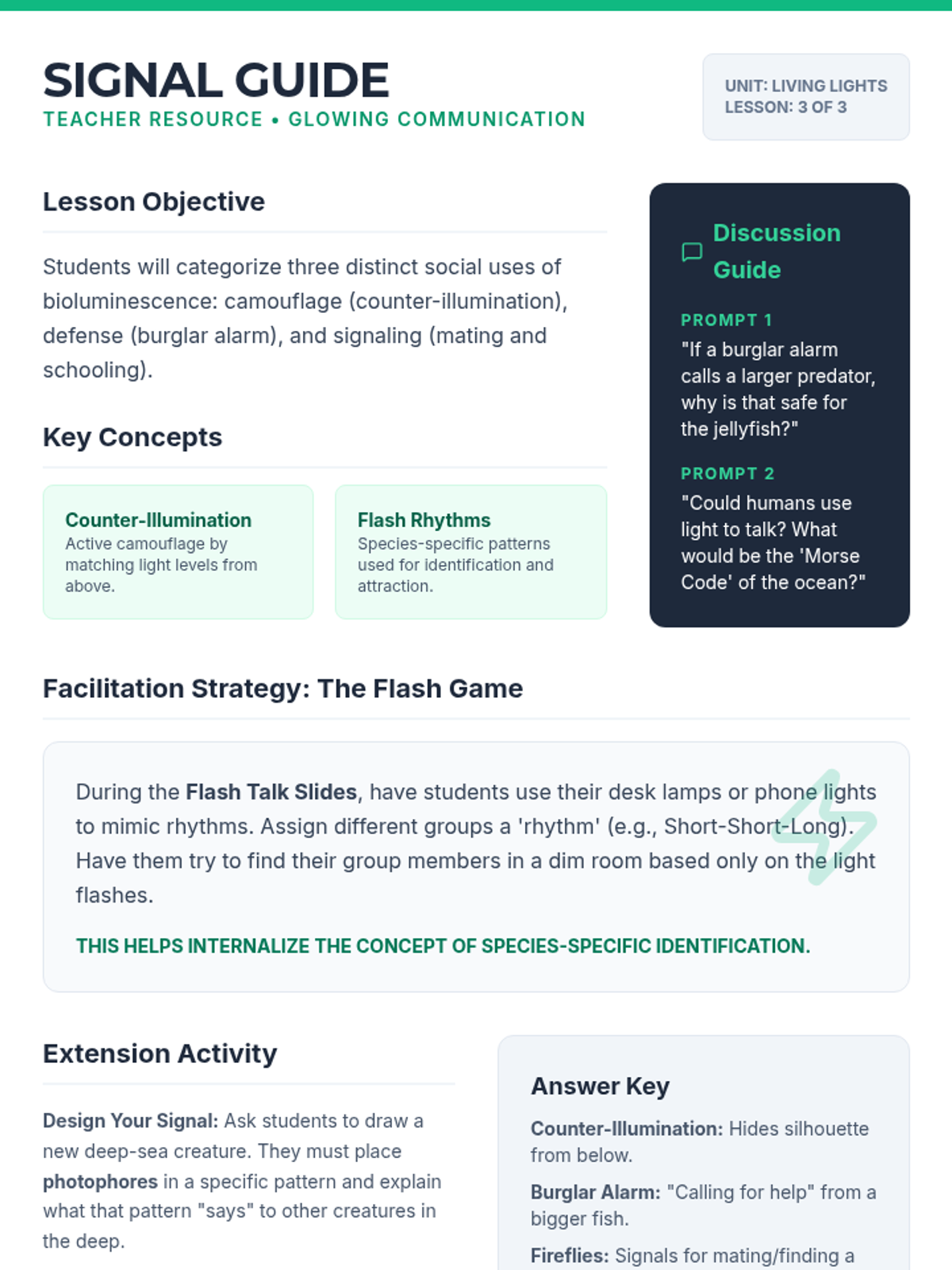
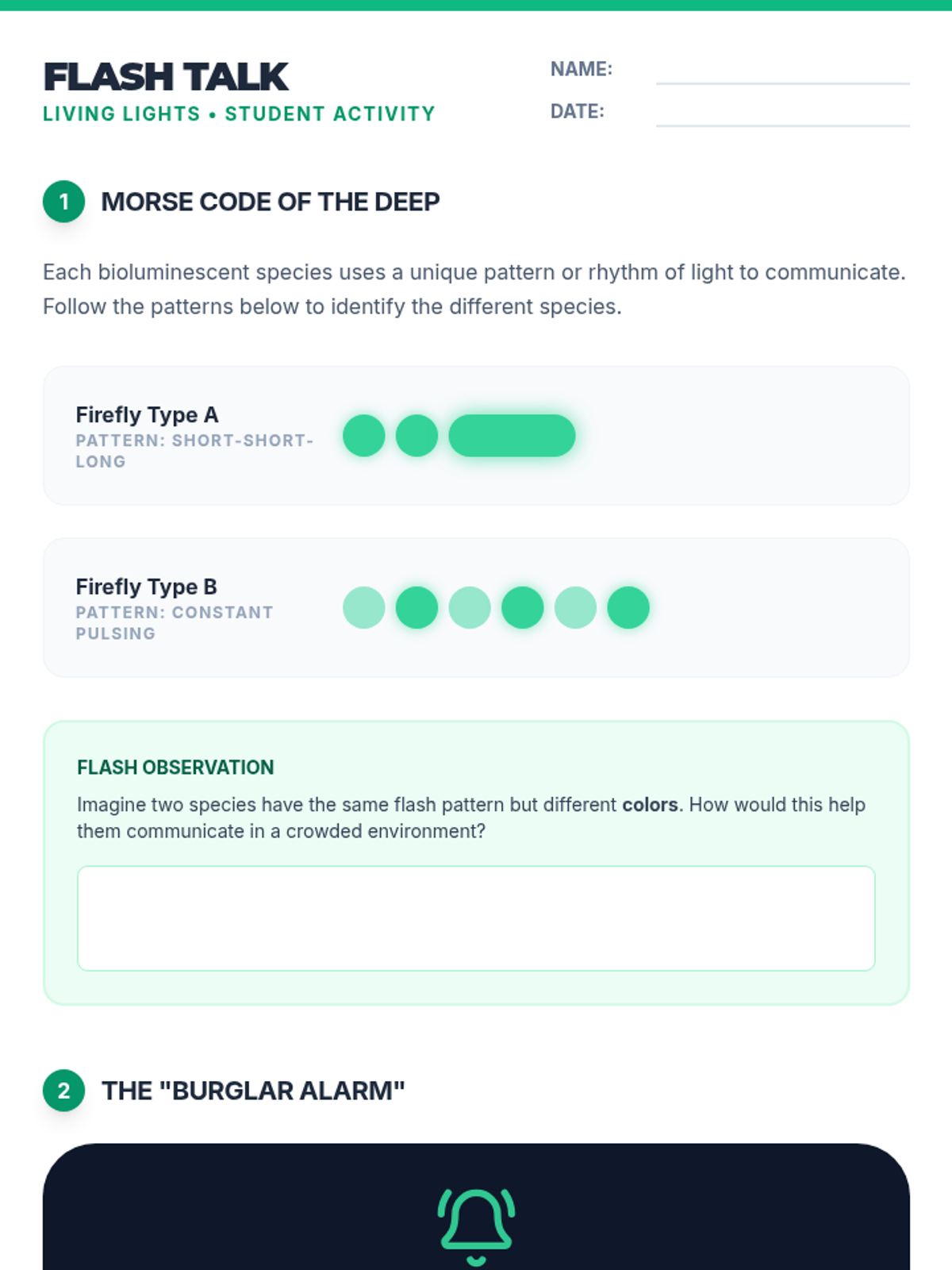
How and why organisms use light for social interactions, communication, and complex behaviors. Students explore strategies like counter-illumination and burglar alarms.
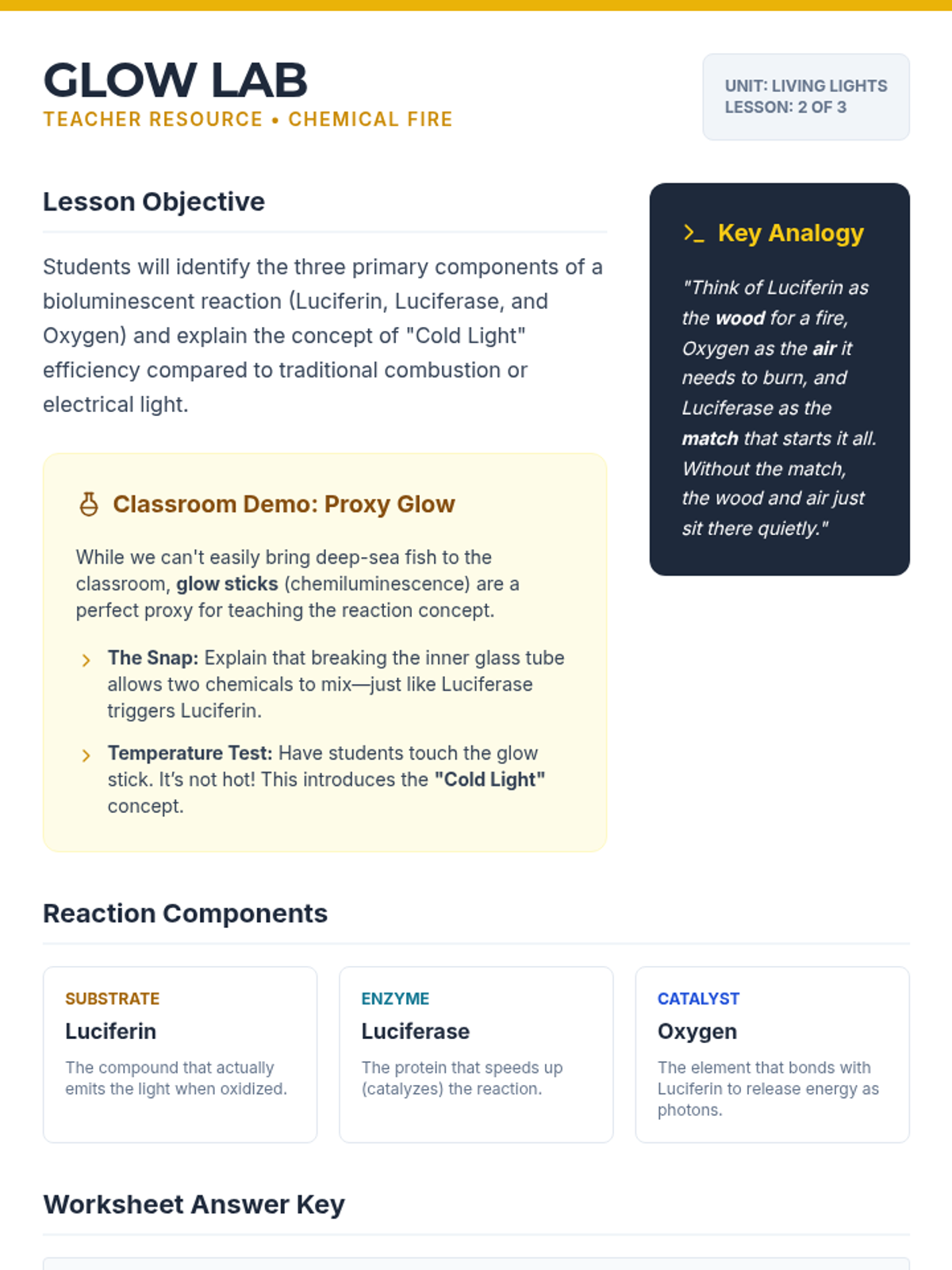
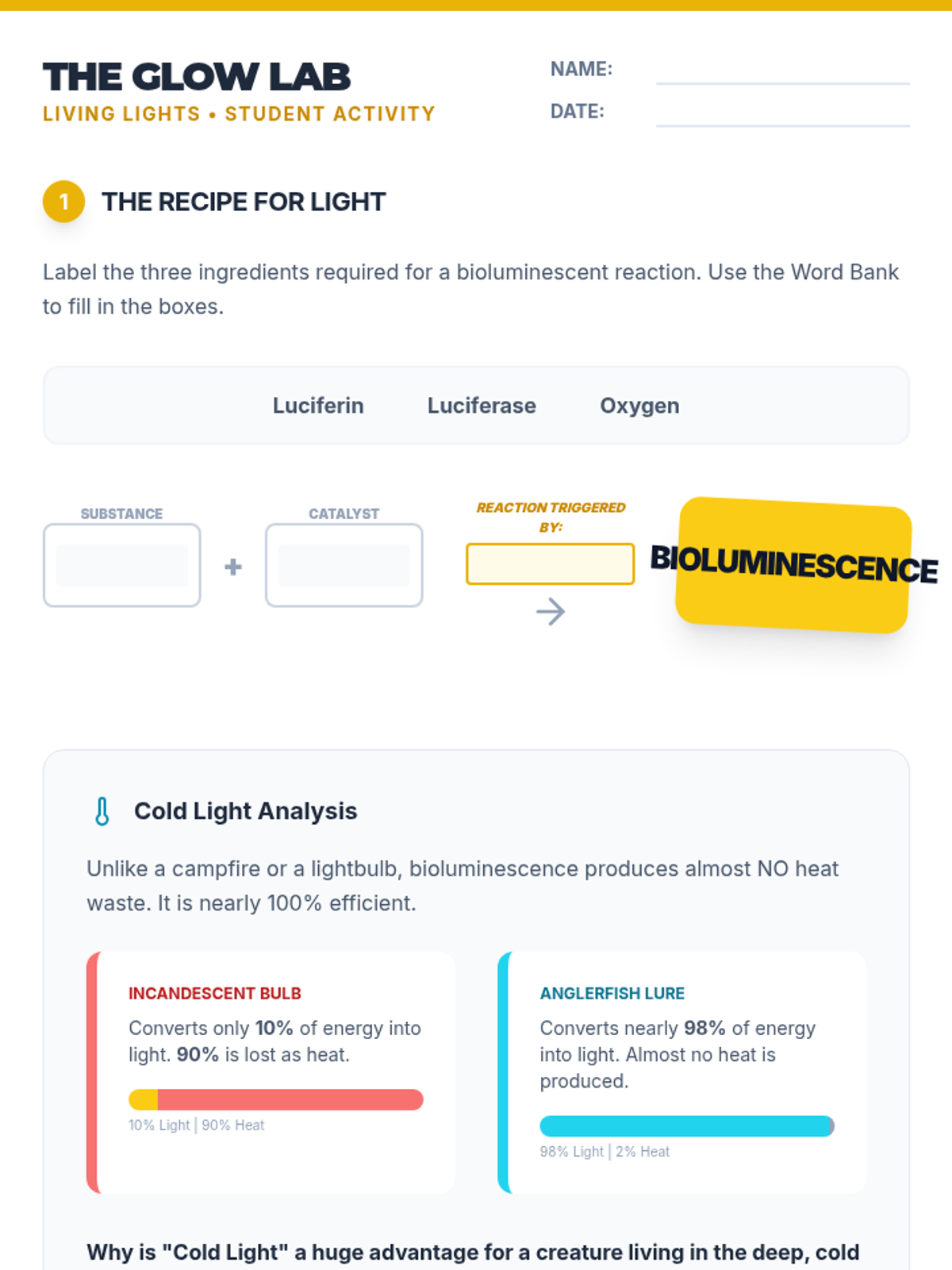
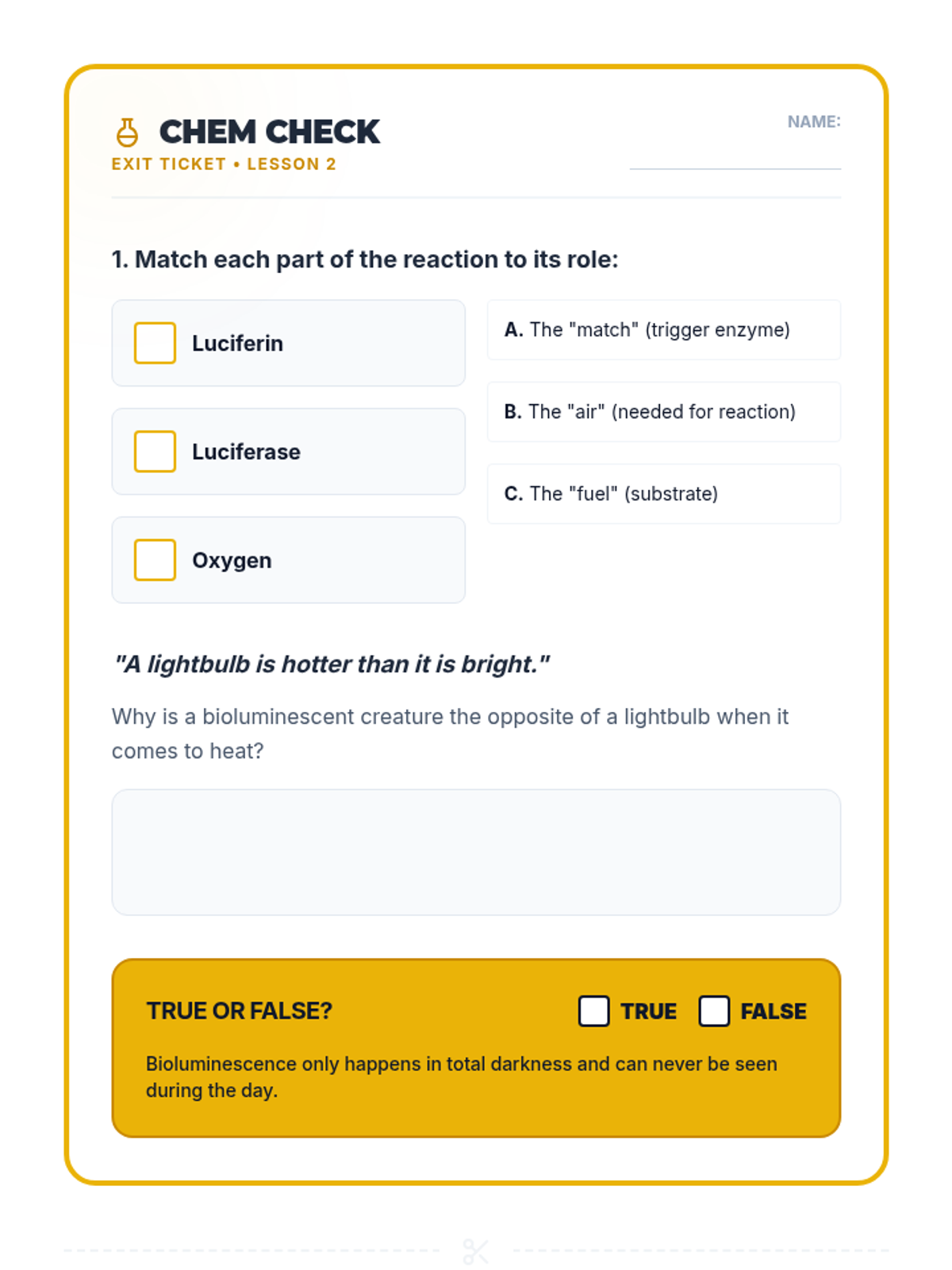
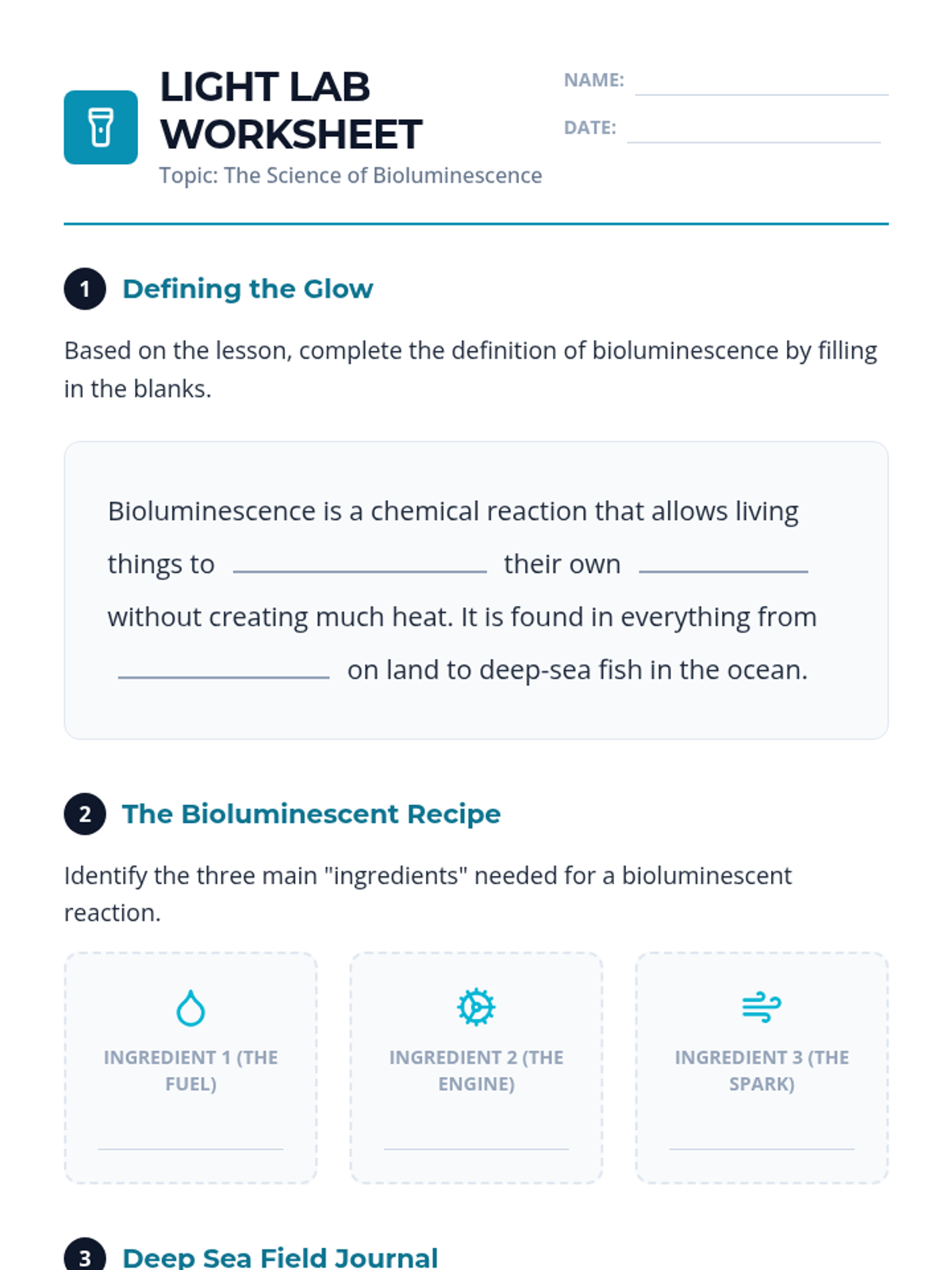
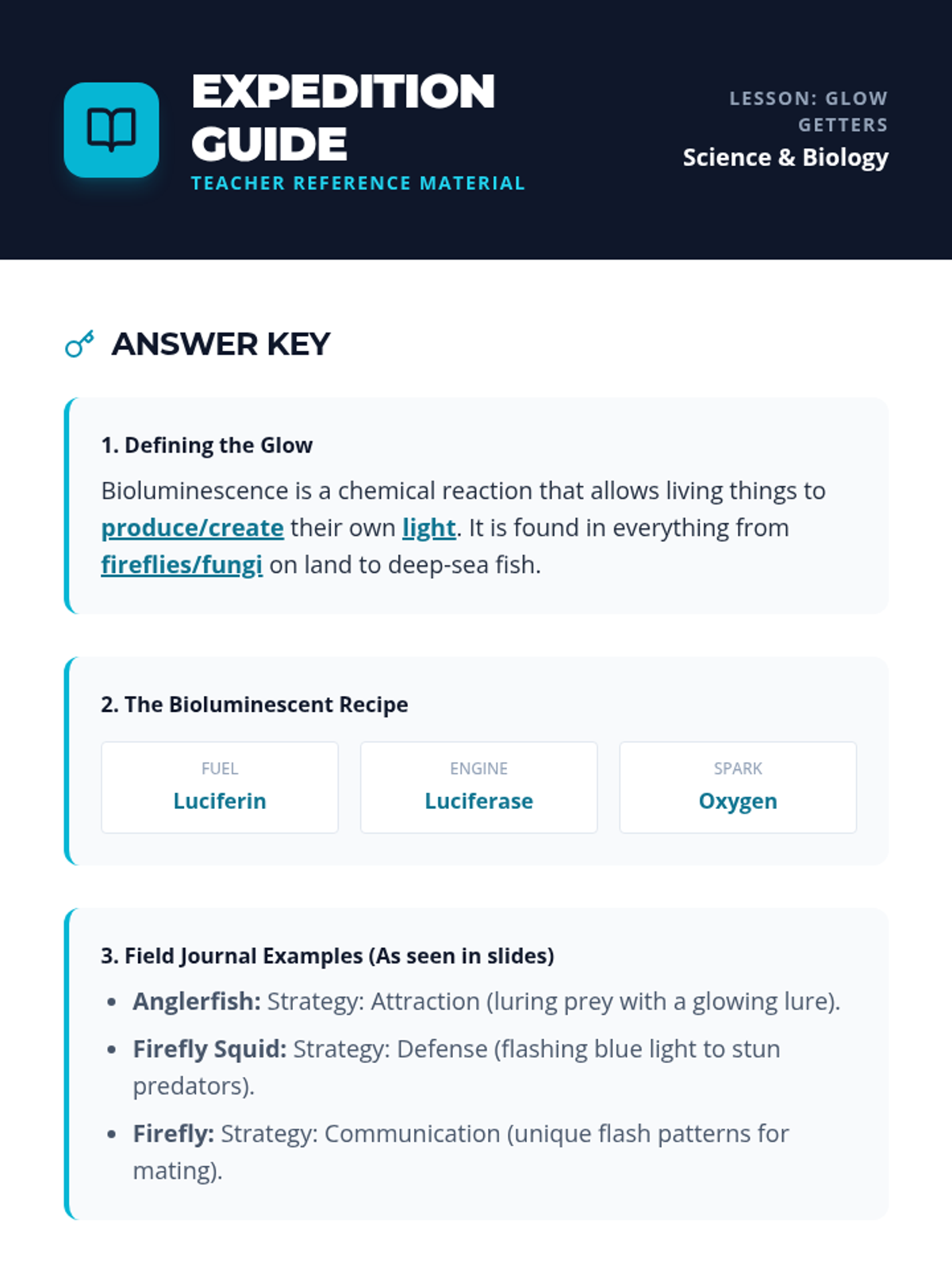
How is light made? Students break down the chemical reaction of bioluminescence, exploring the interaction between luciferin, luciferase, and oxygen.
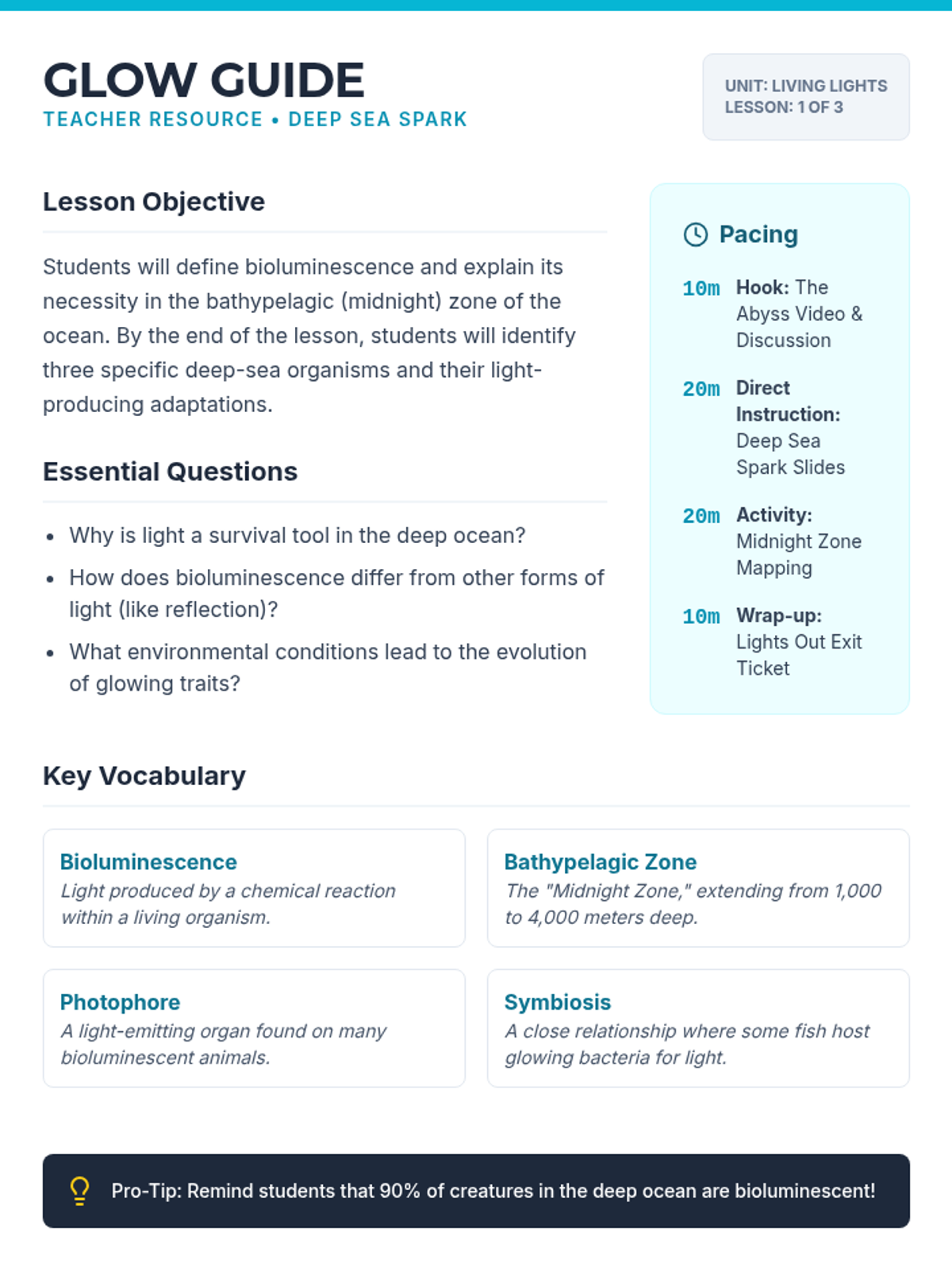
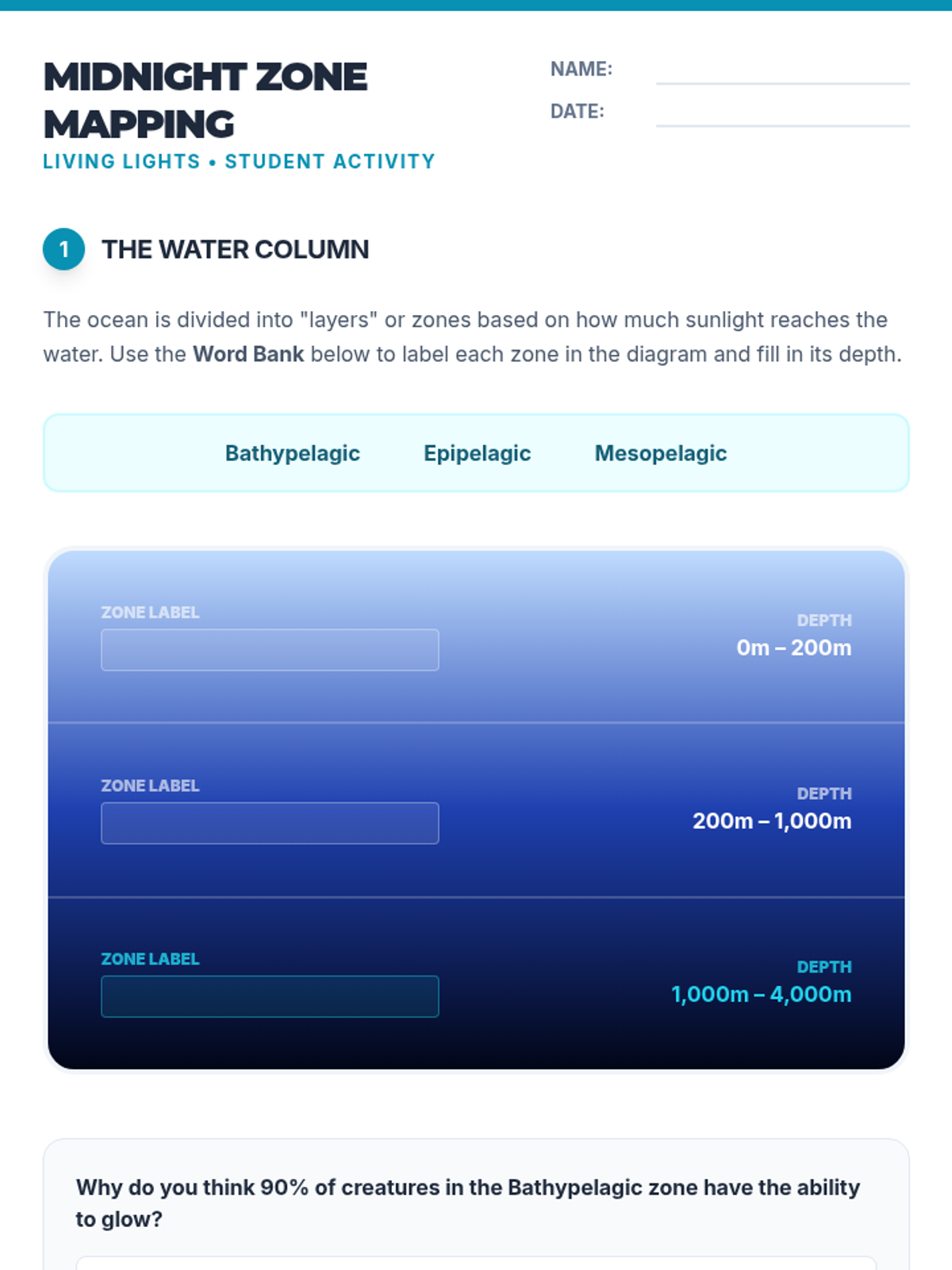
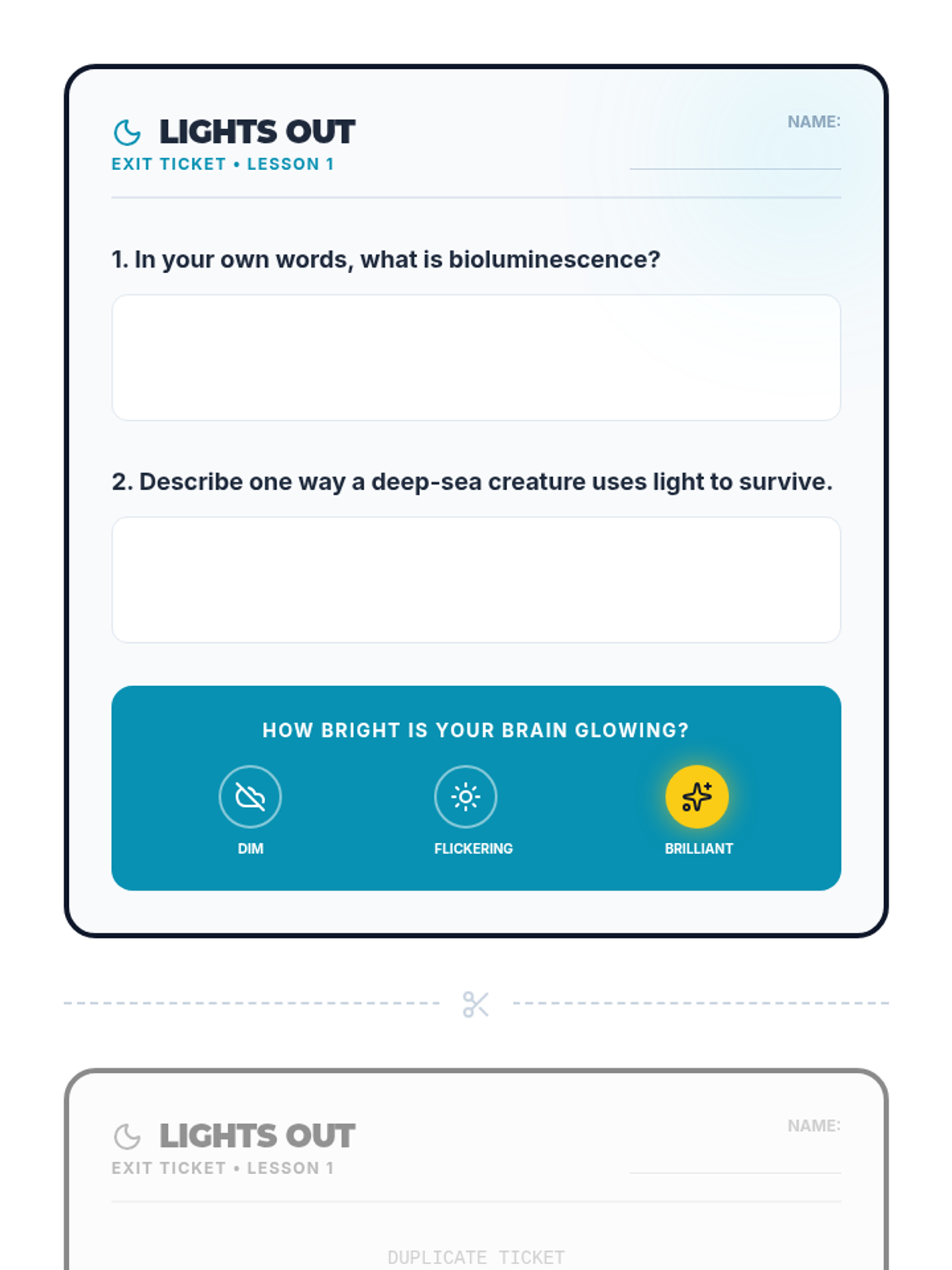
Discover the mysterious world of the deep ocean's midnight zone. Students explore how creatures create light in total darkness and identify the physical adaptations of bioluminescent marine life.
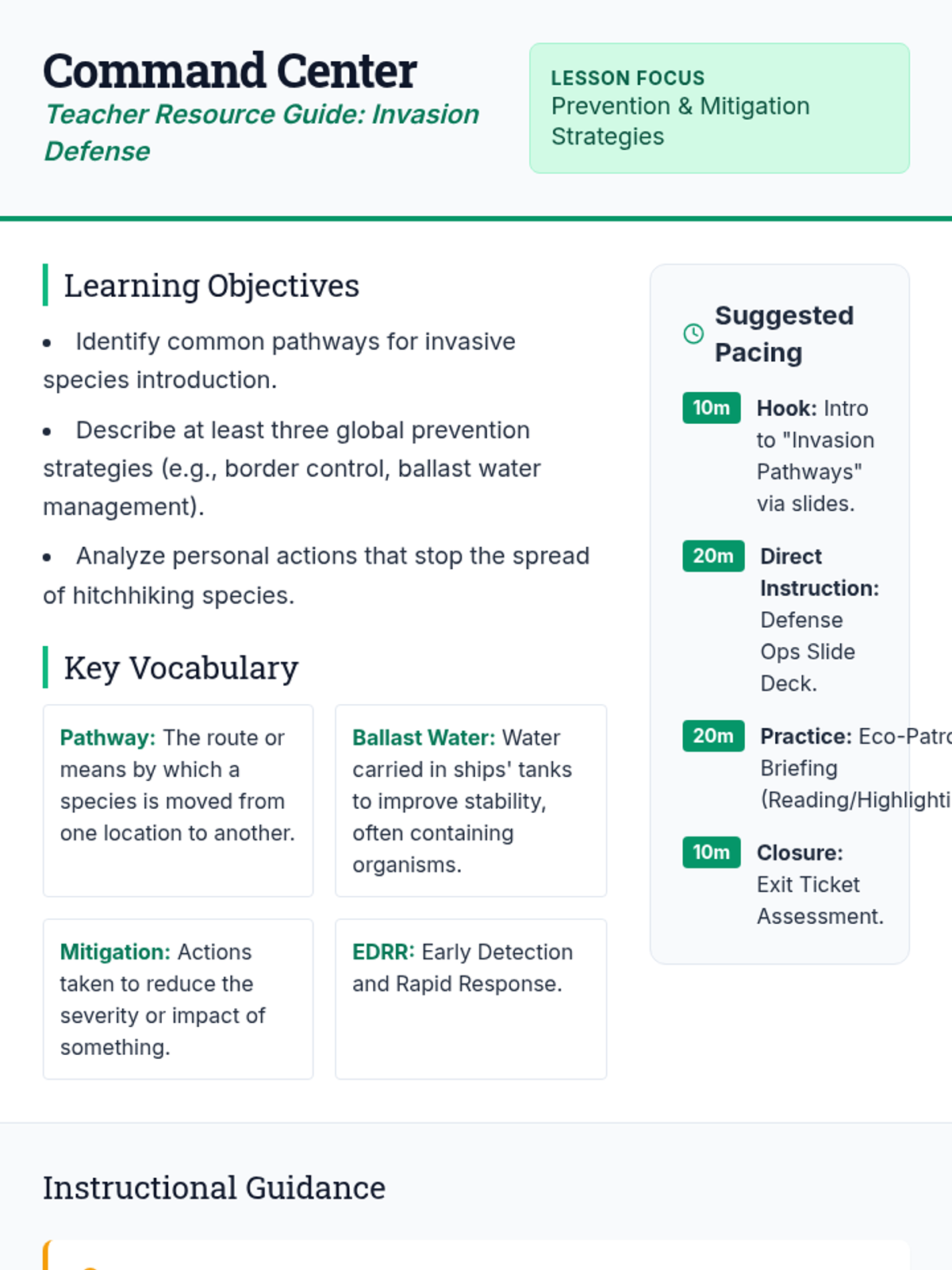
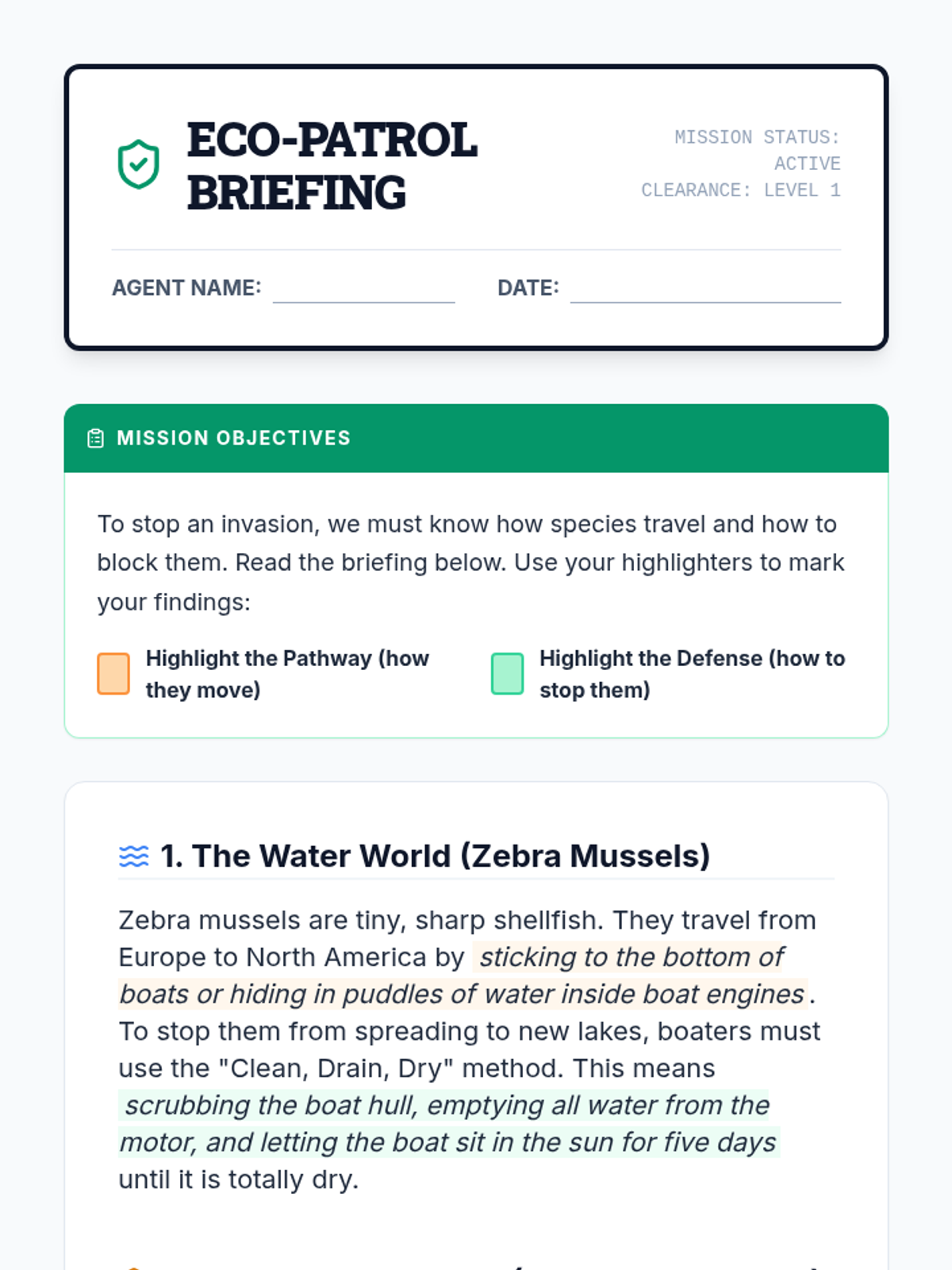
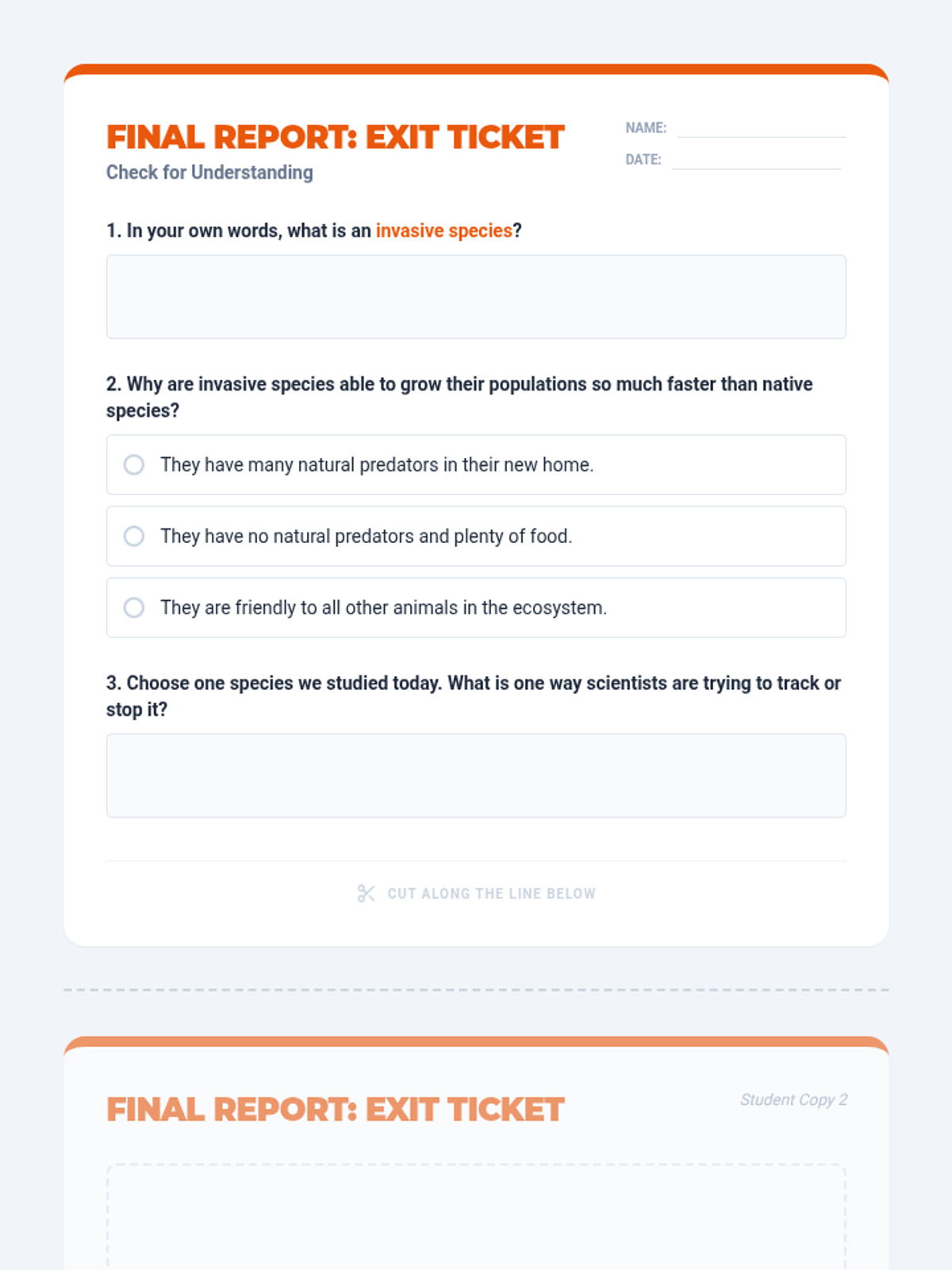
A comprehensive lesson on invasive species prevention, featuring visual slides, a modified reading task for accessibility, and assessment tools. Students learn to identify pathways and implement global prevention strategies.
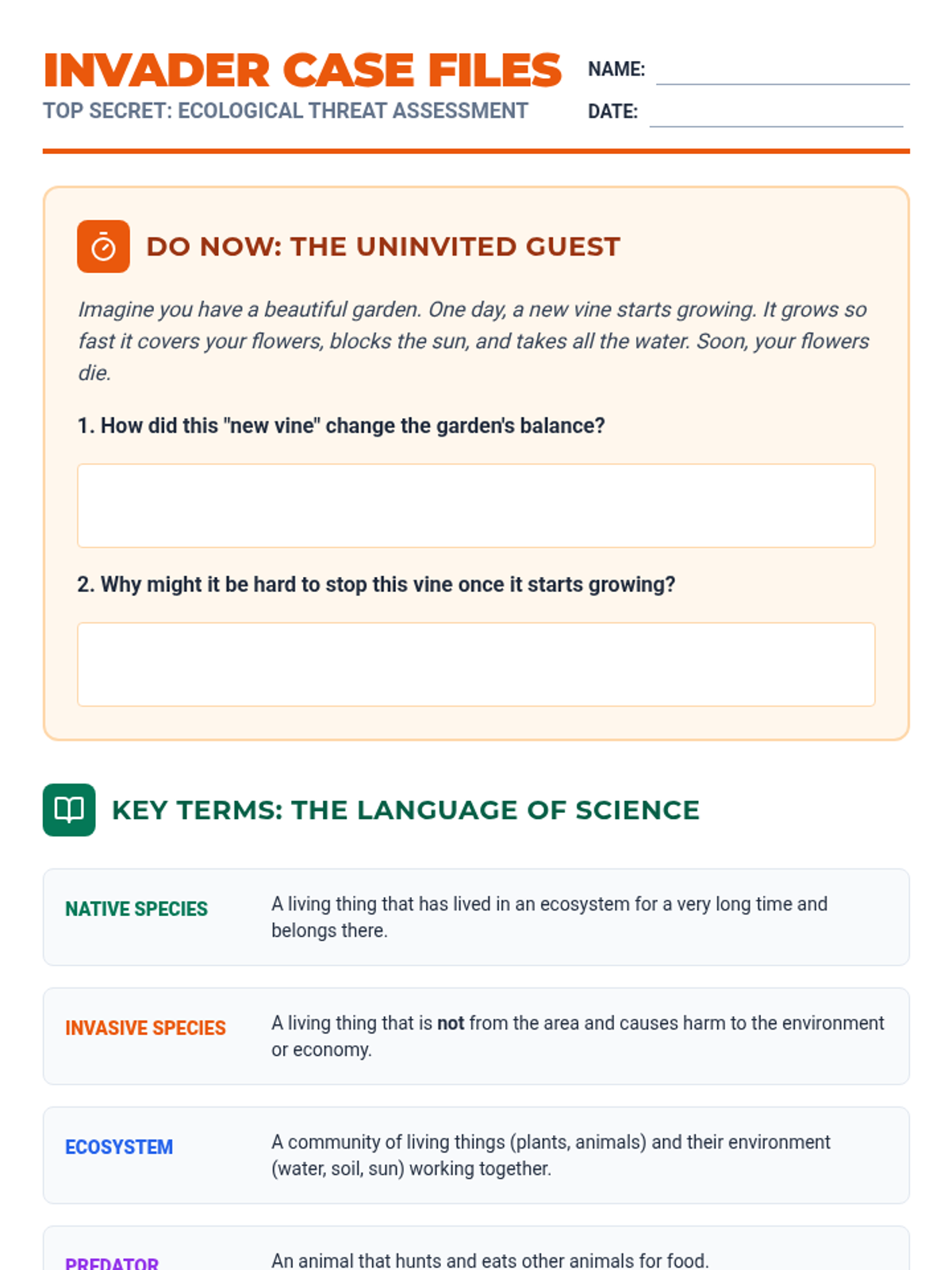
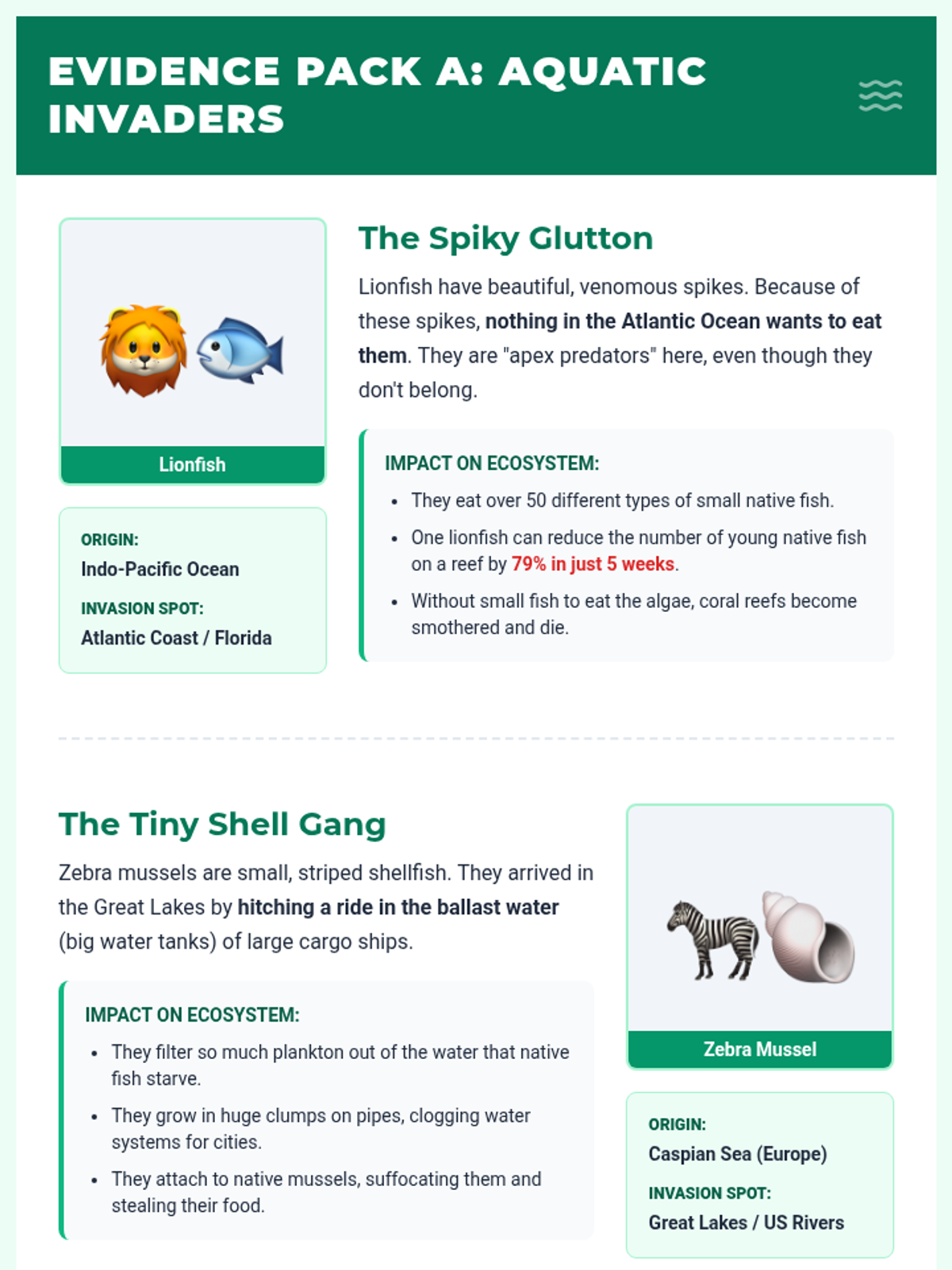
A comprehensive lesson on invasive species featuring case studies of Lionfish, Spotted Lanternflies, Zebra Mussels, and Burmese Pythons. Students explore the scientific process and ecological impacts through simplified text and visual supports.
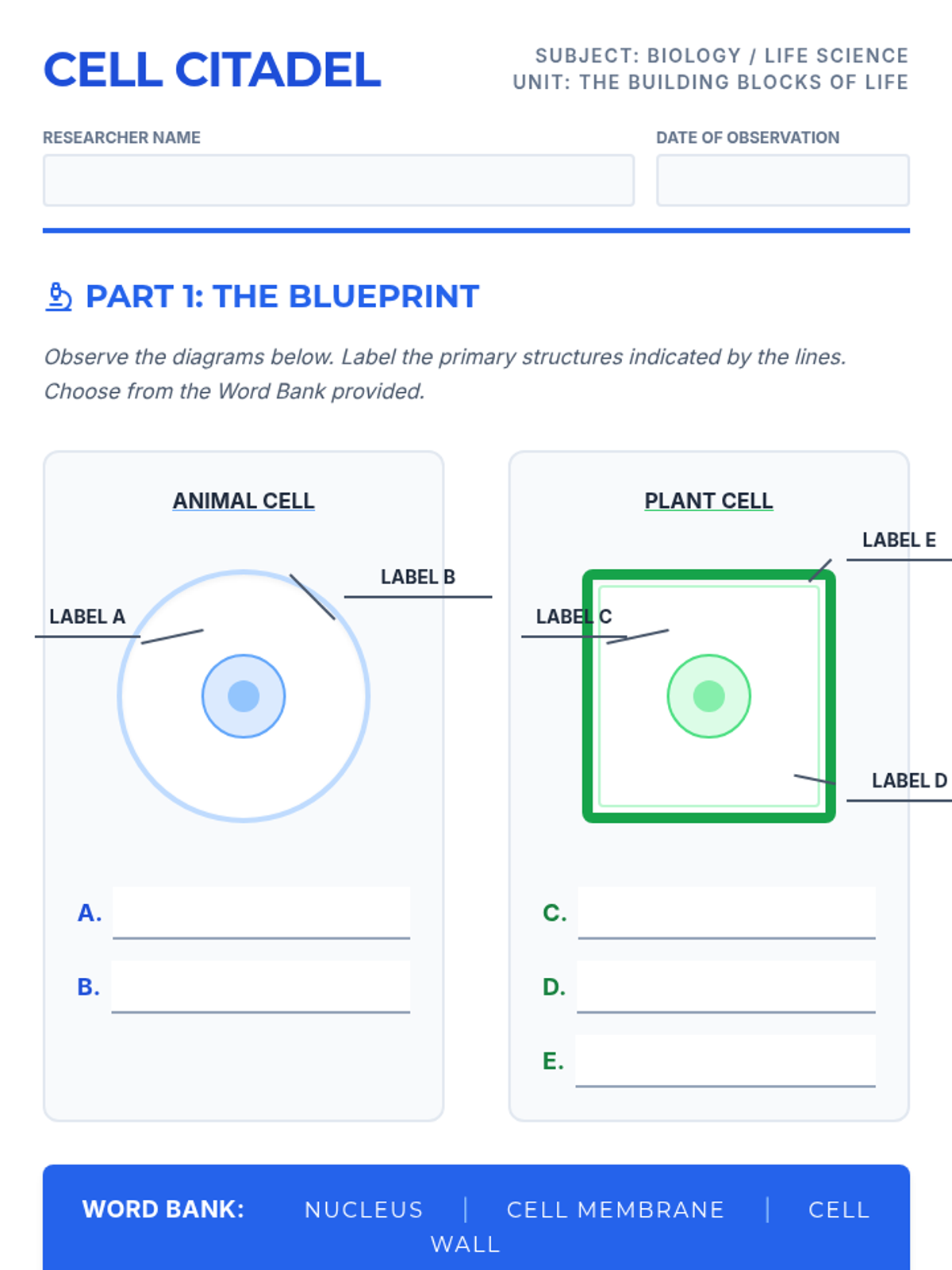
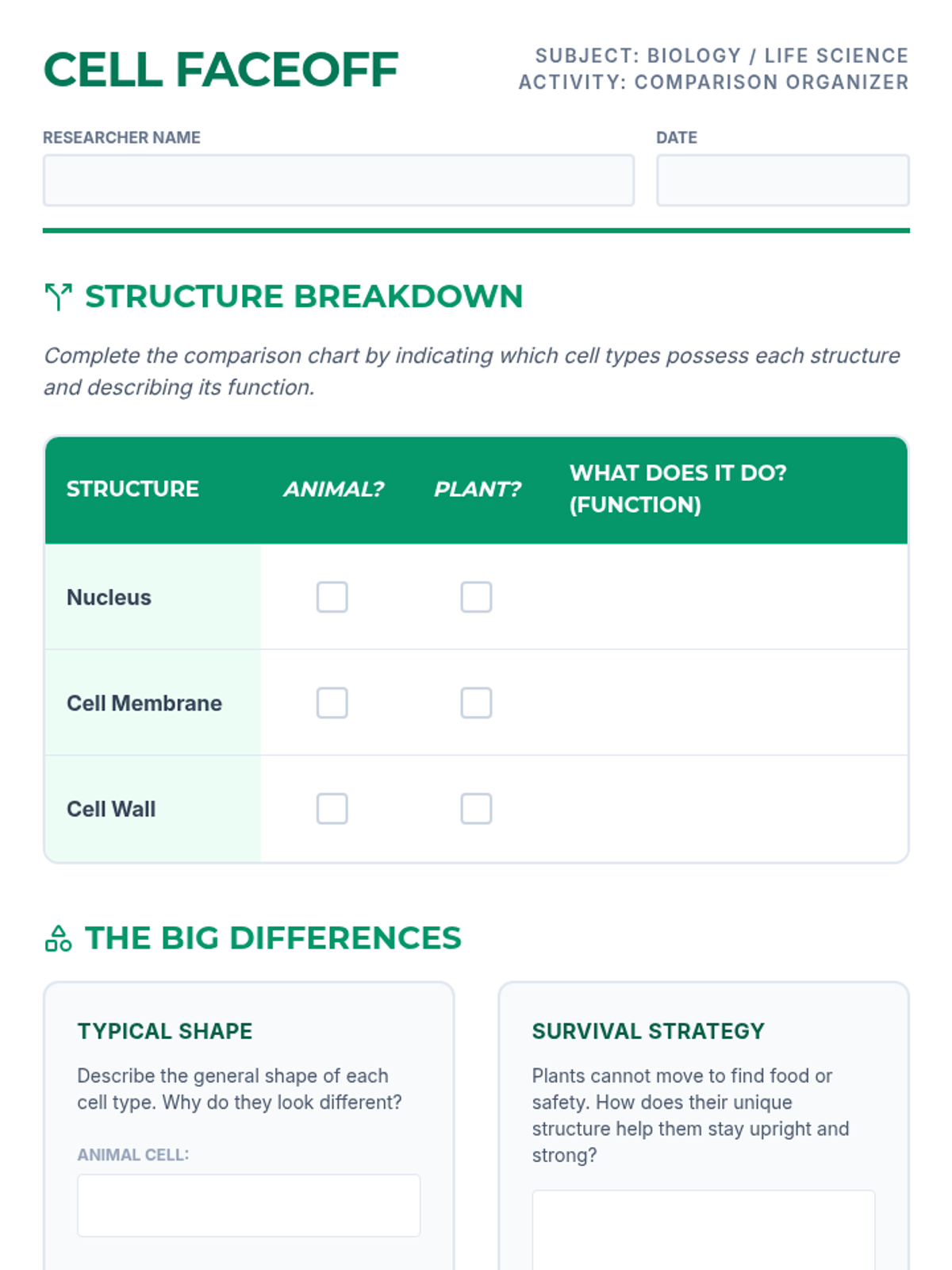
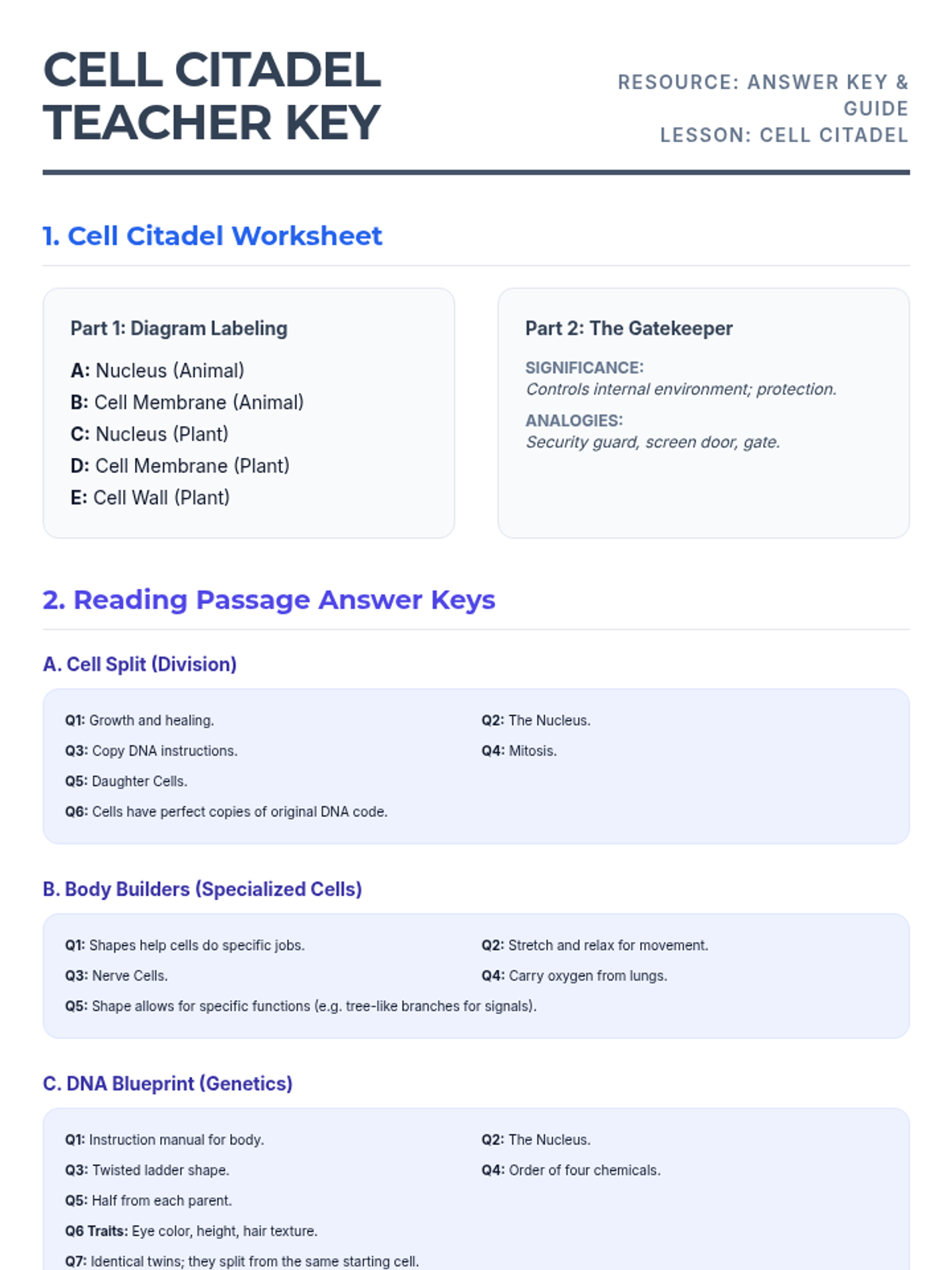
A lesson exploring the fundamental structures of plant and animal cells, focusing on the nucleus, cell wall, and cell membrane, and how these parts differ between cell types.
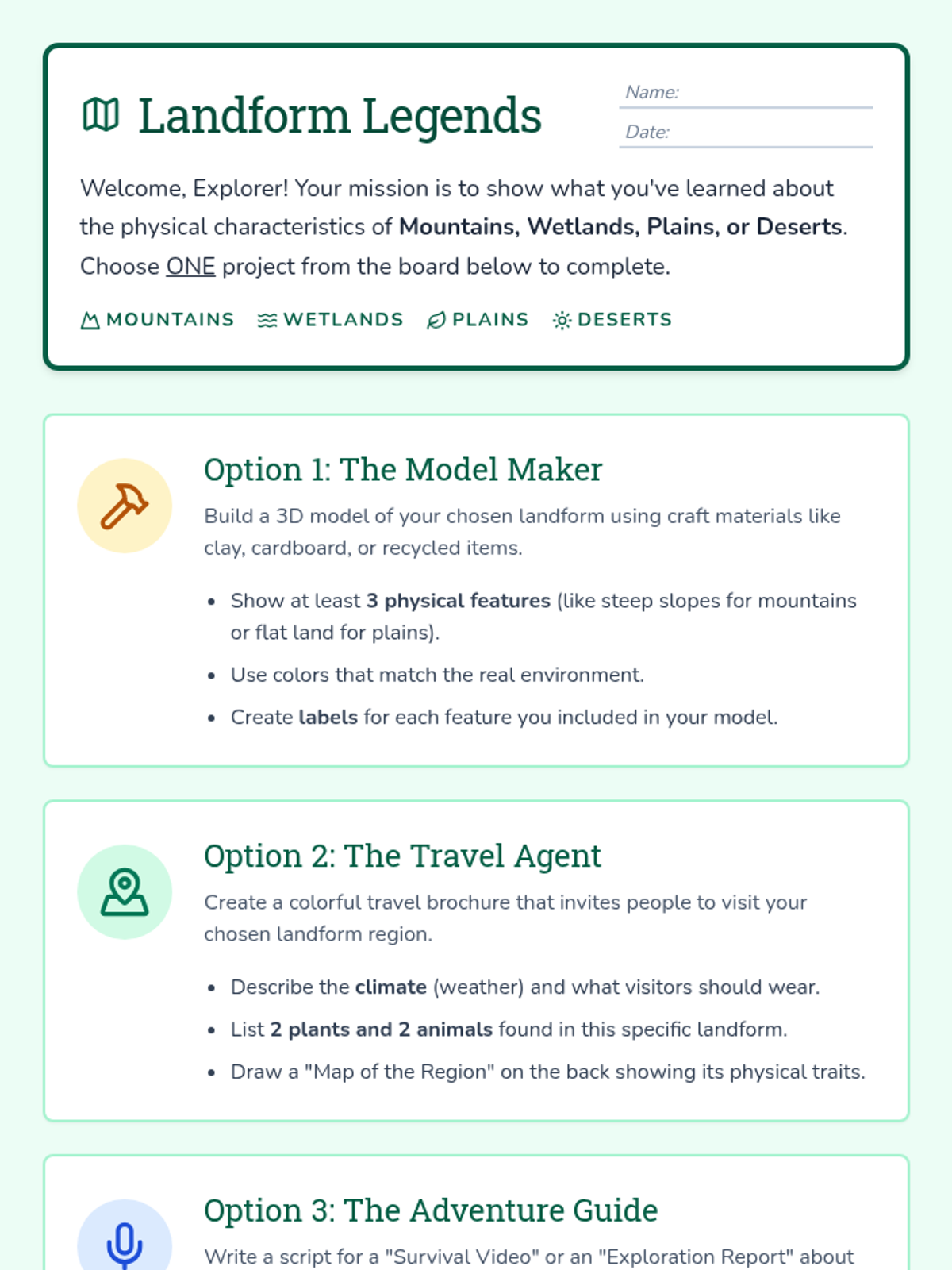
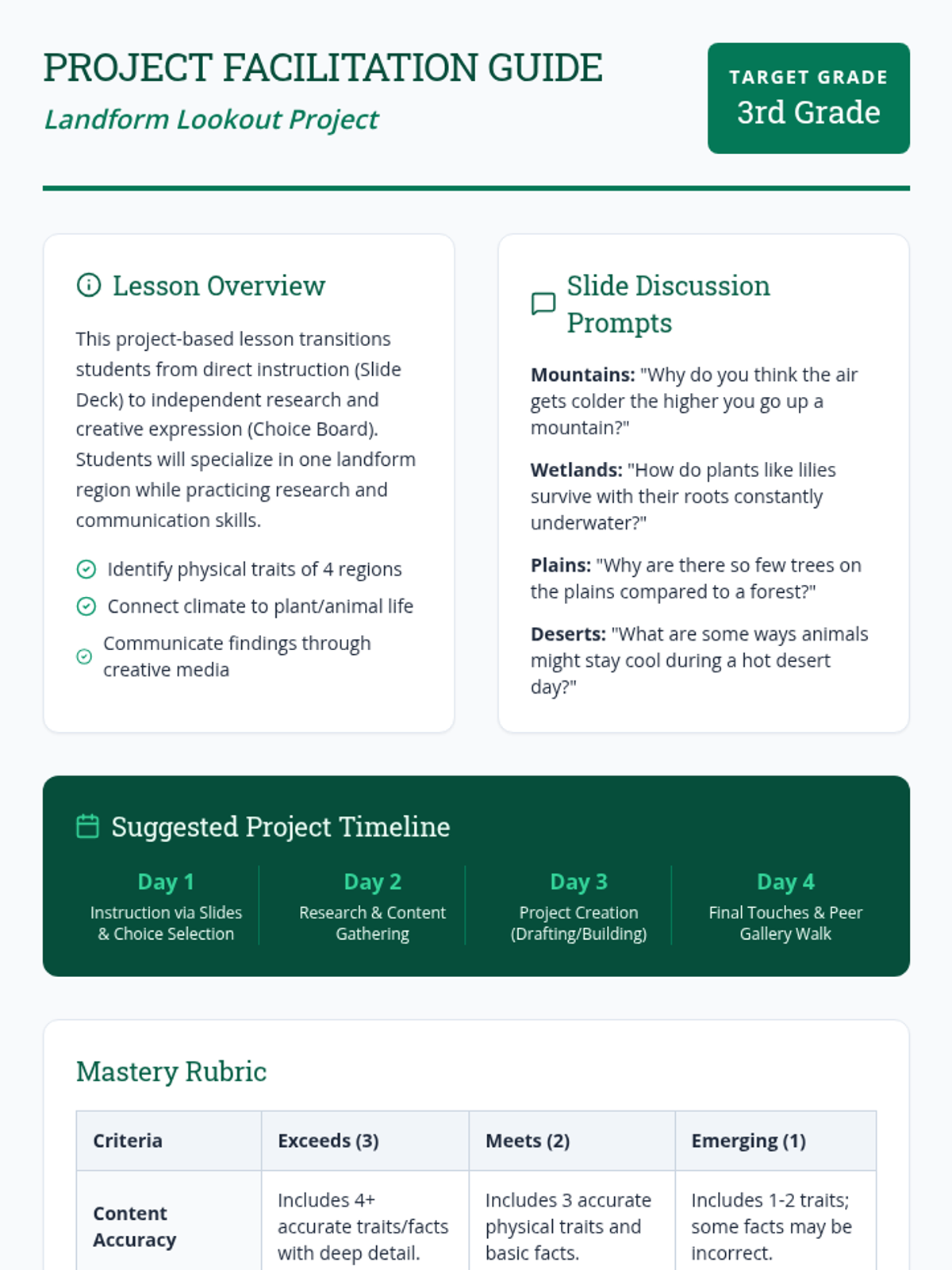
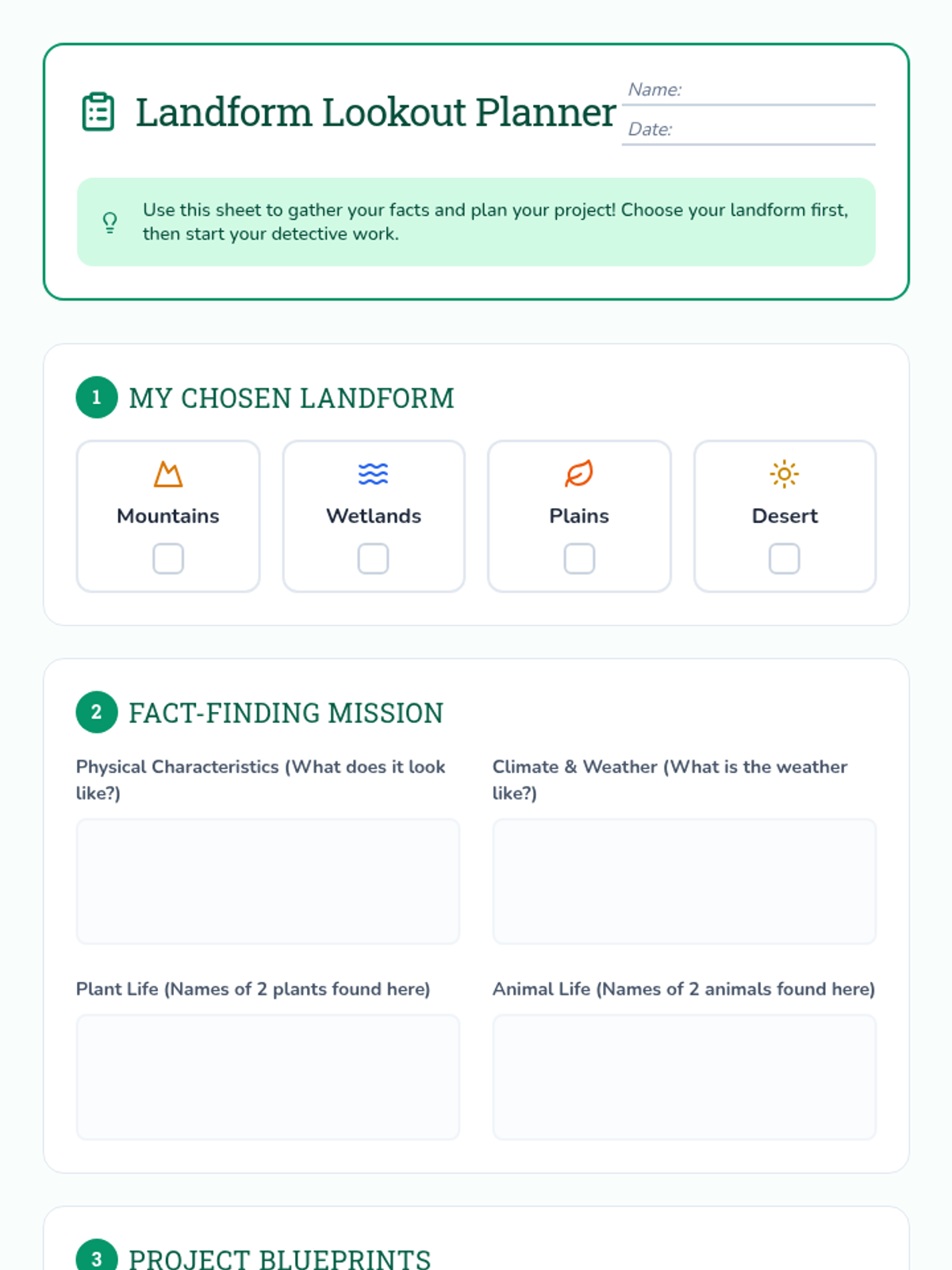
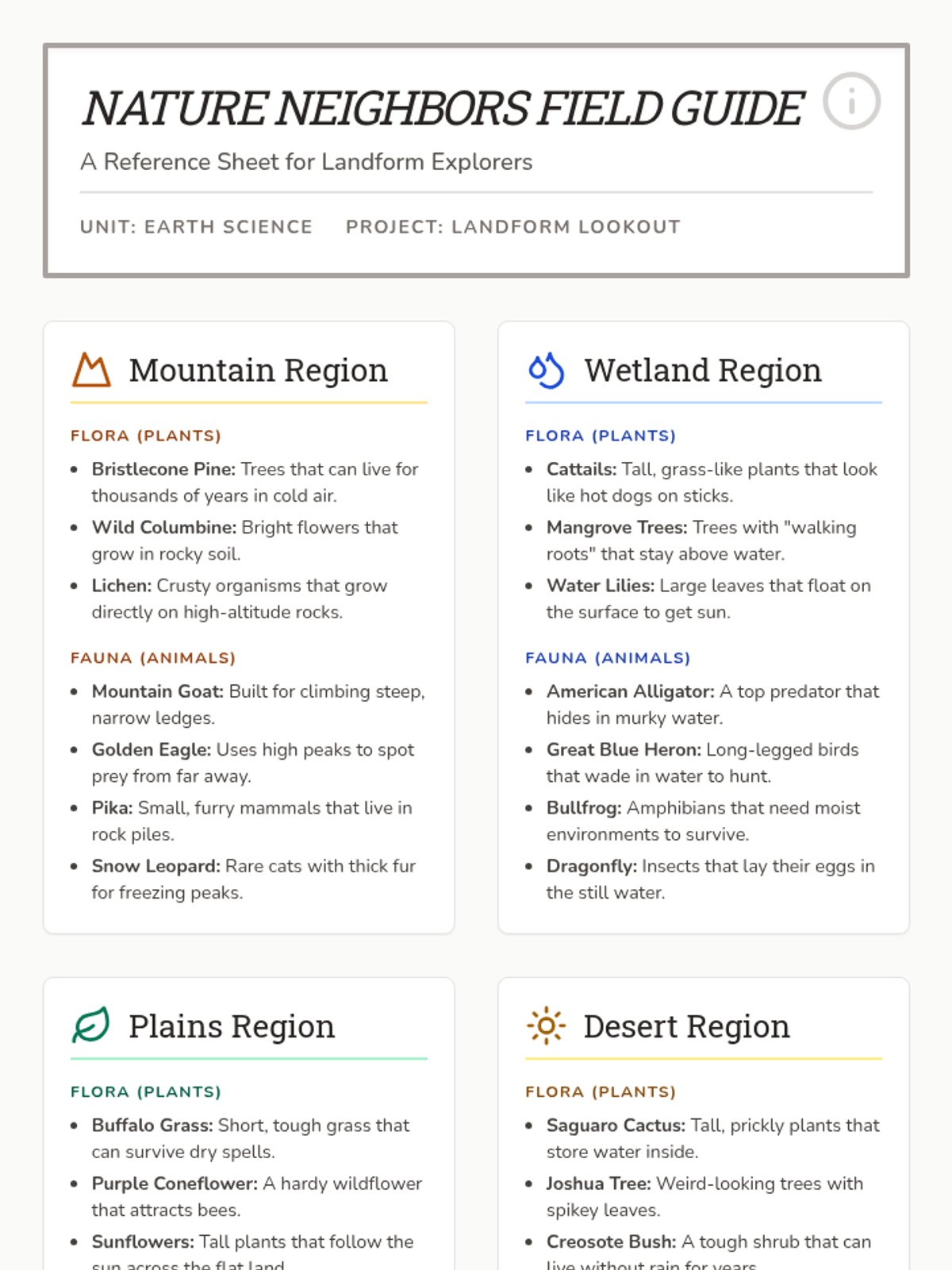
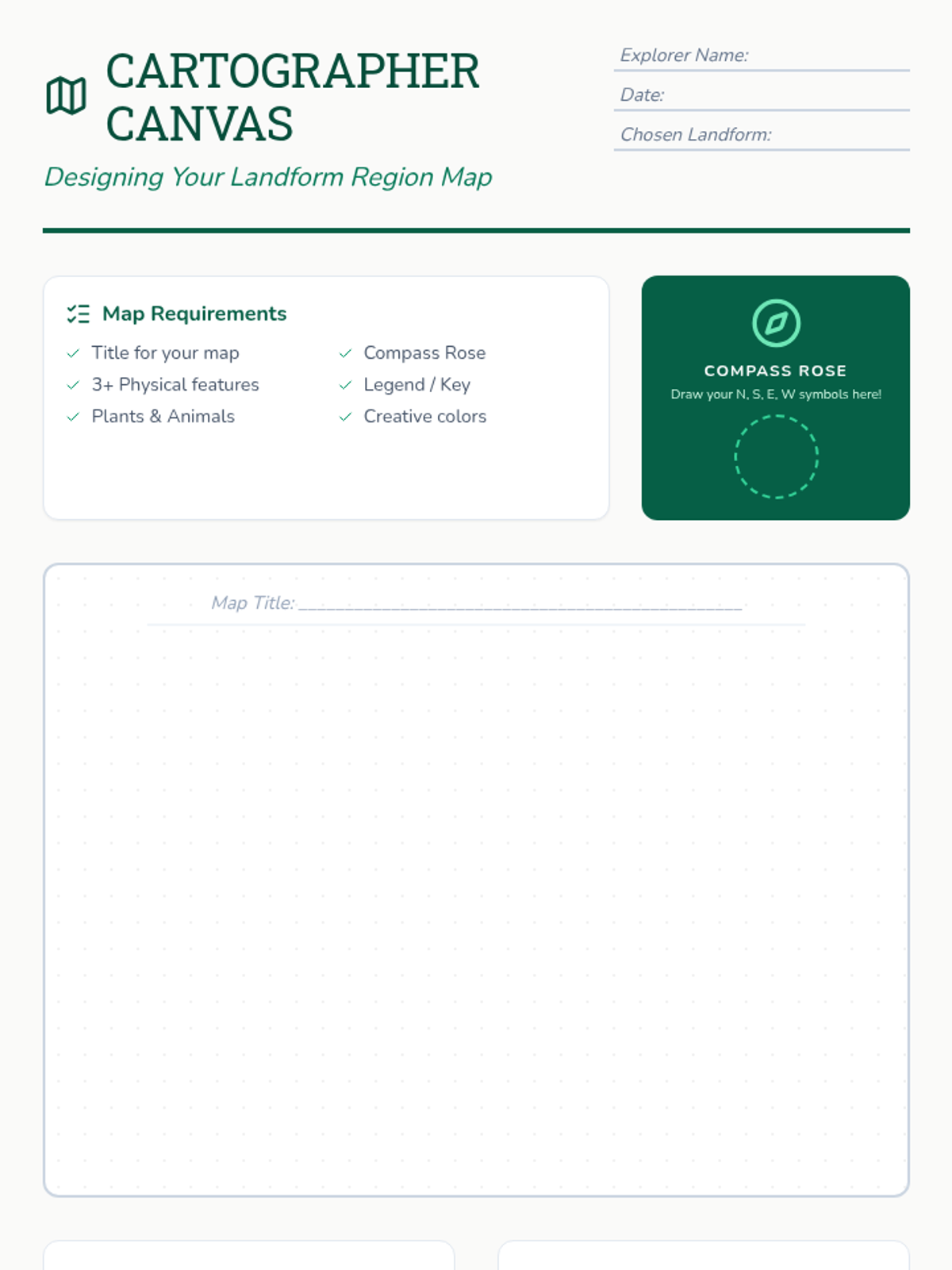
A project-based lesson where 3rd-grade students explore the physical characteristics of mountains, wetlands, plains, and deserts through a variety of creative choices.
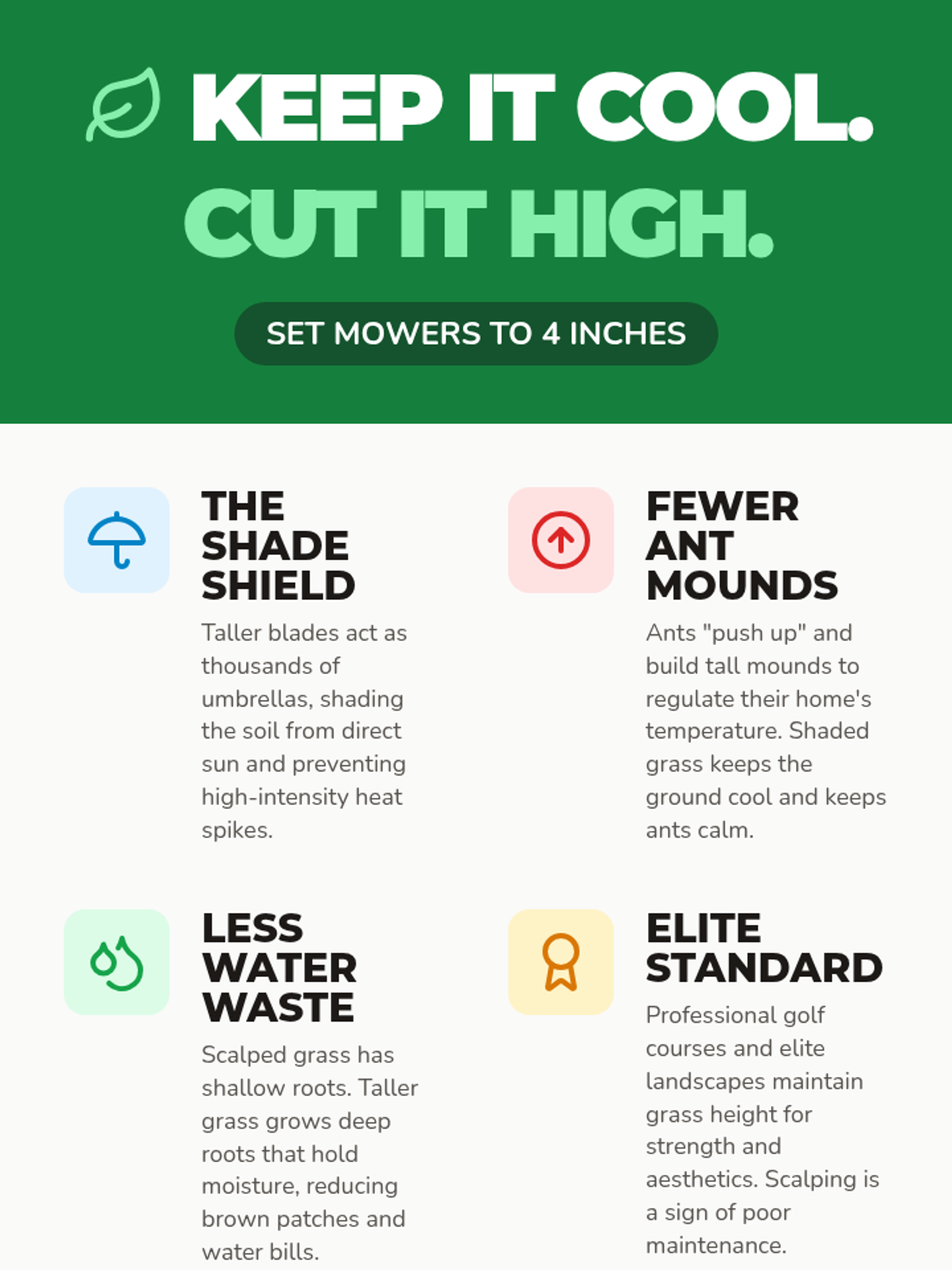
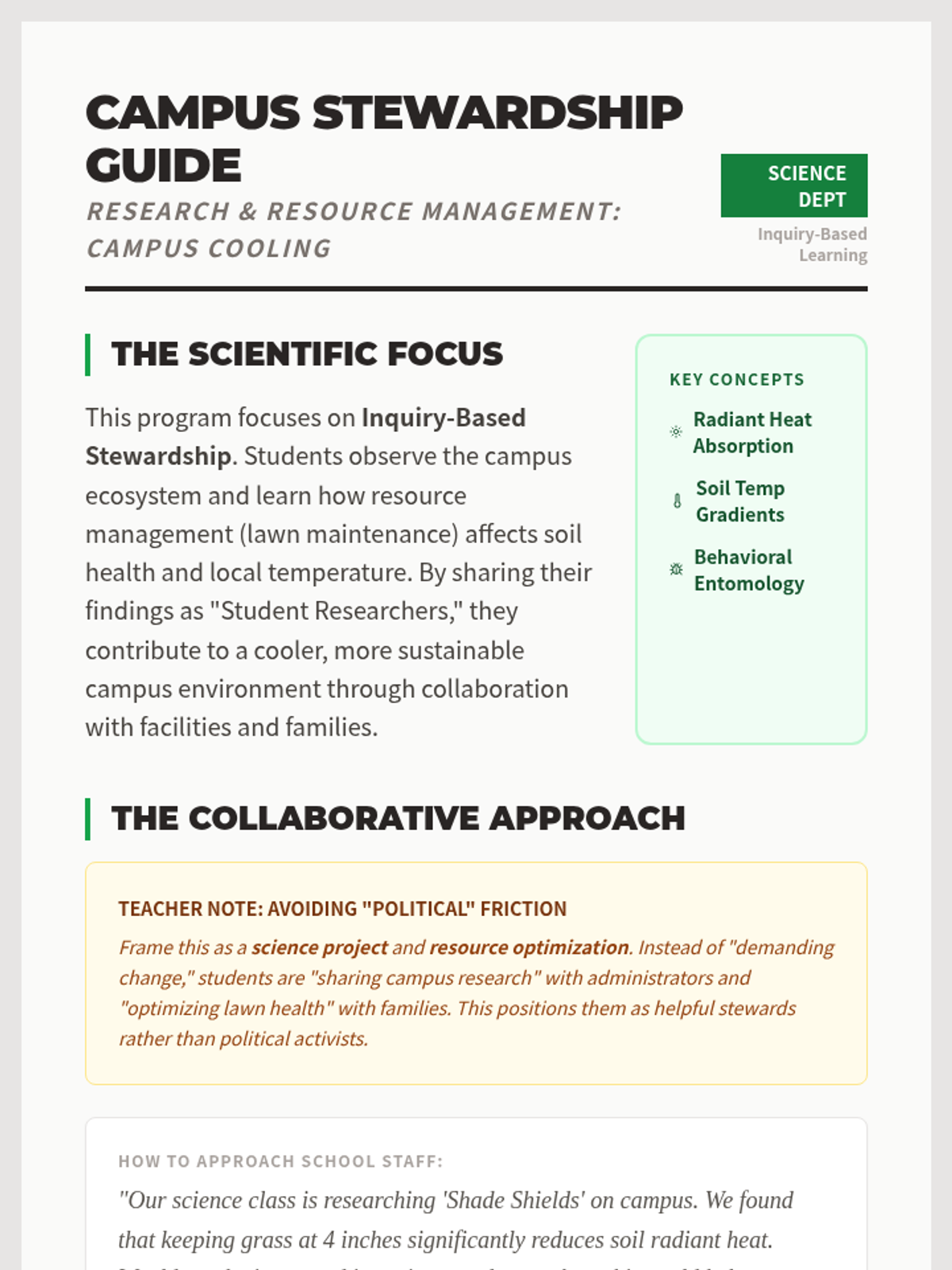
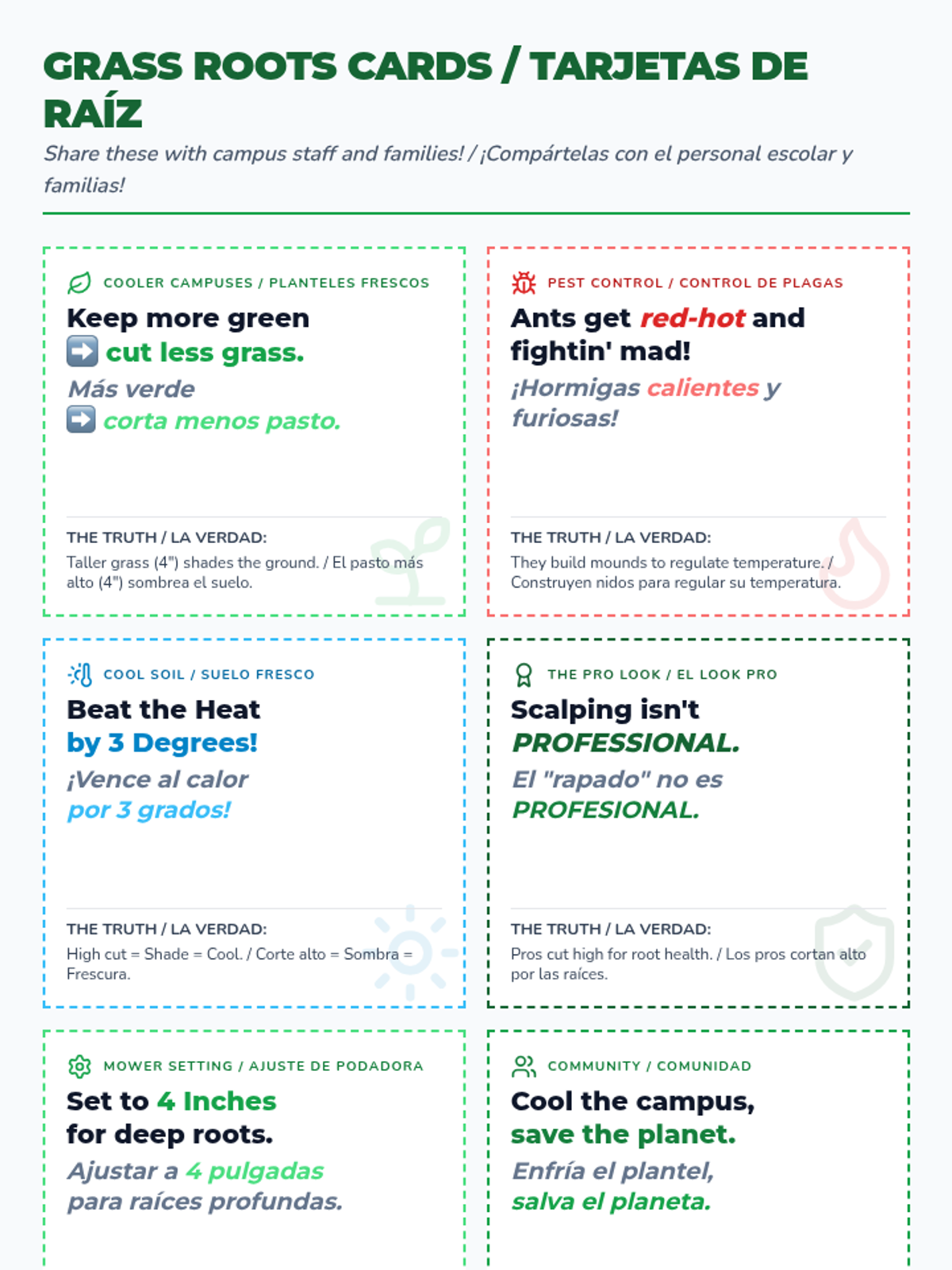
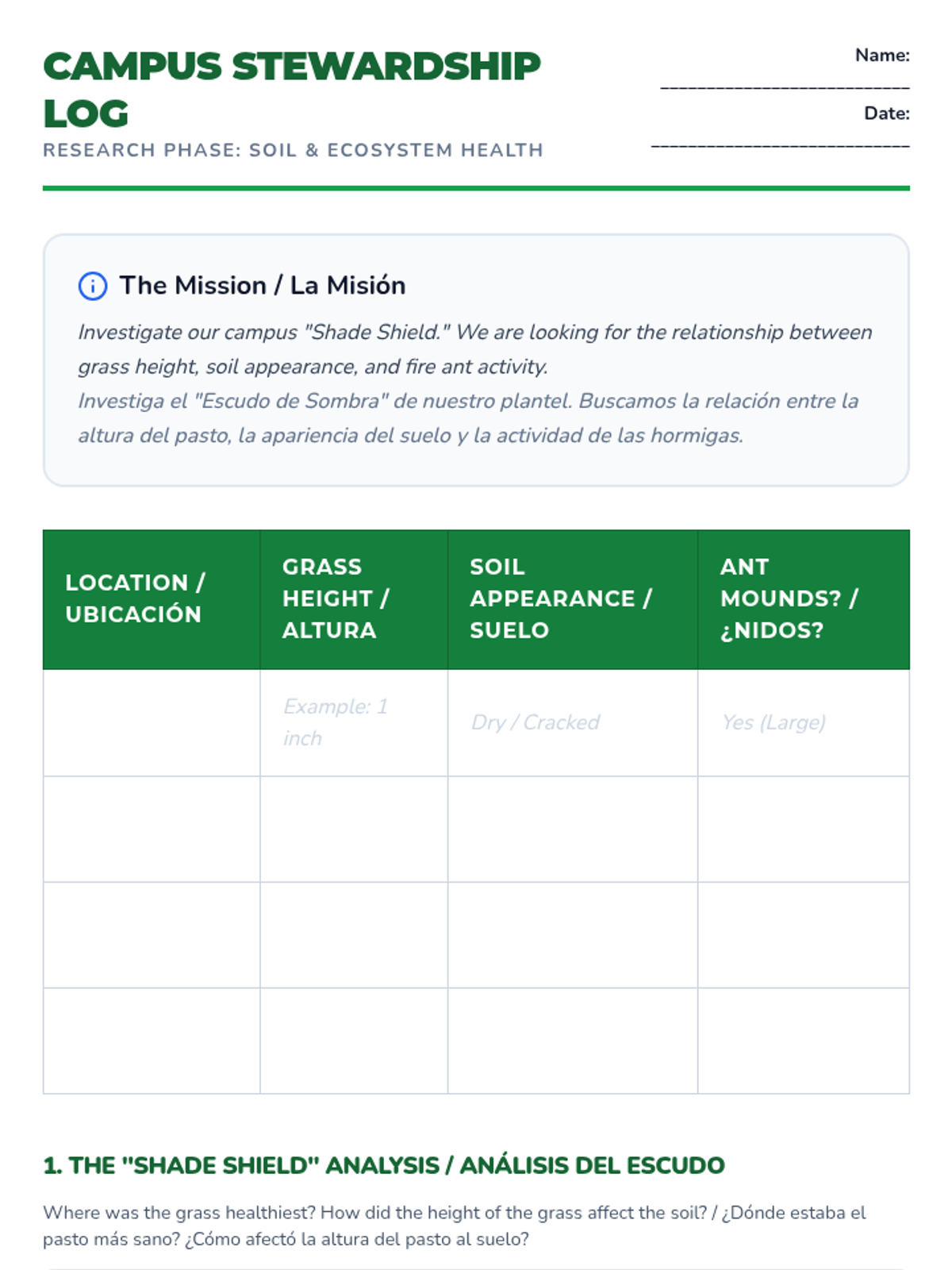
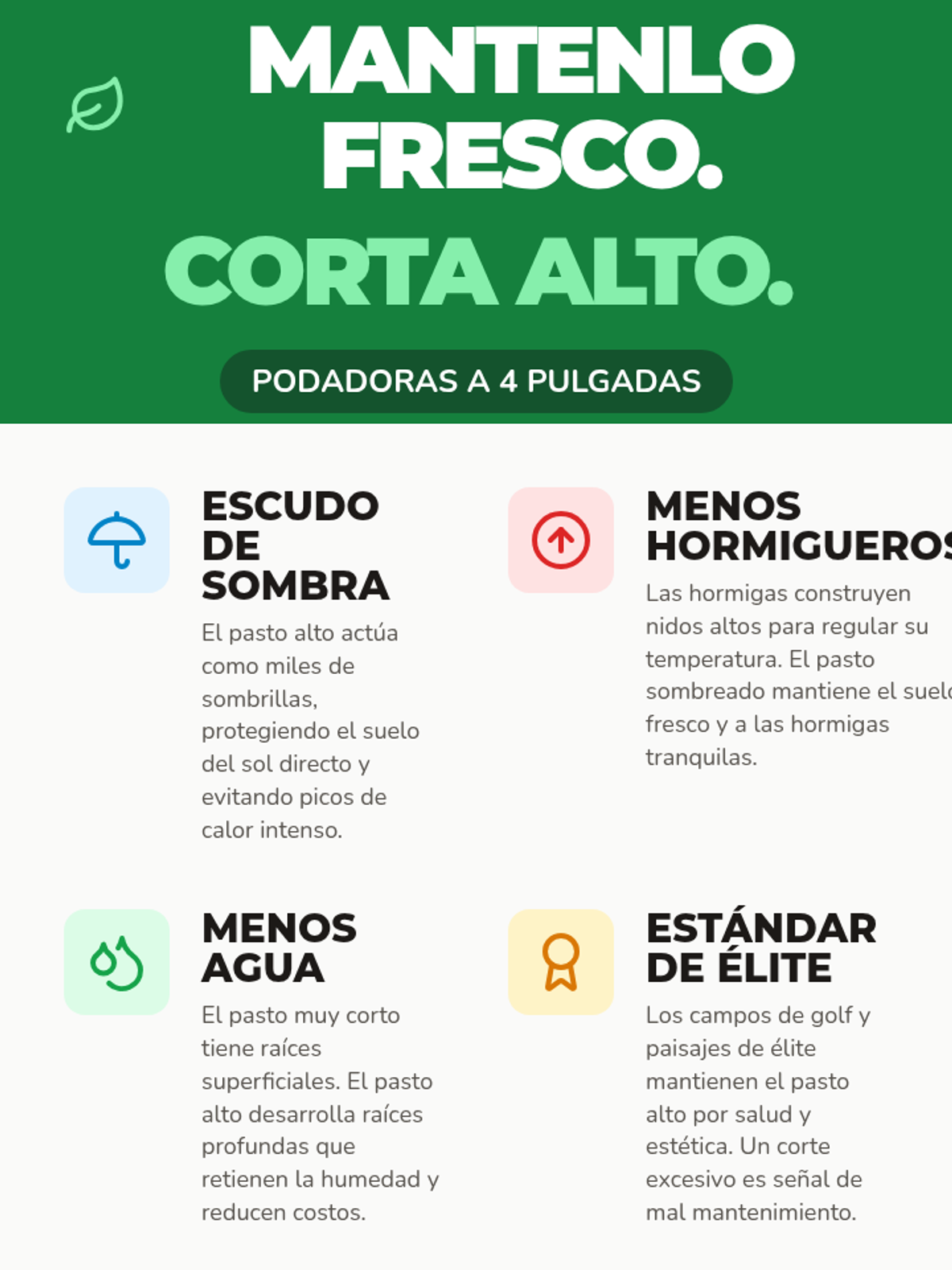
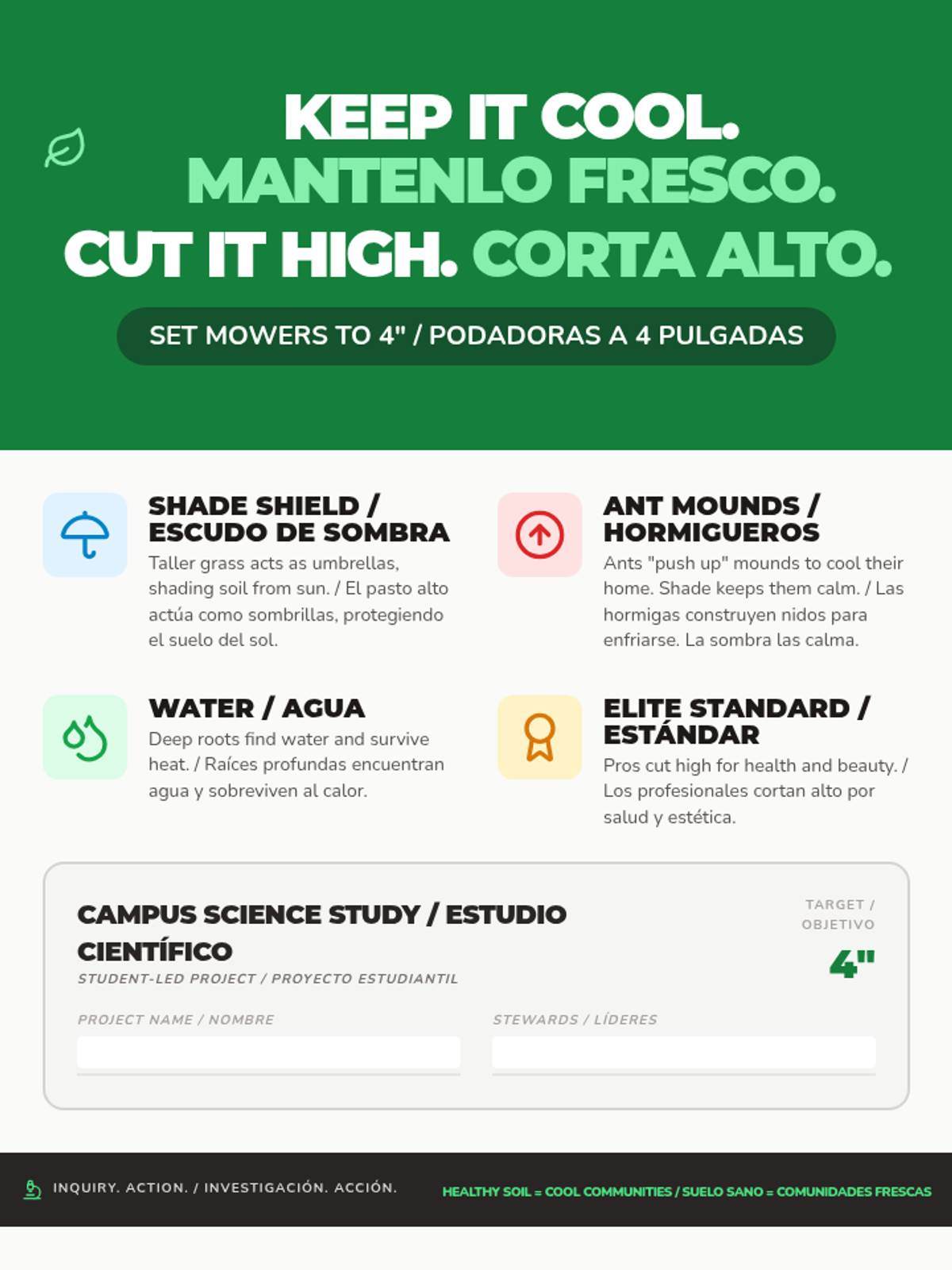
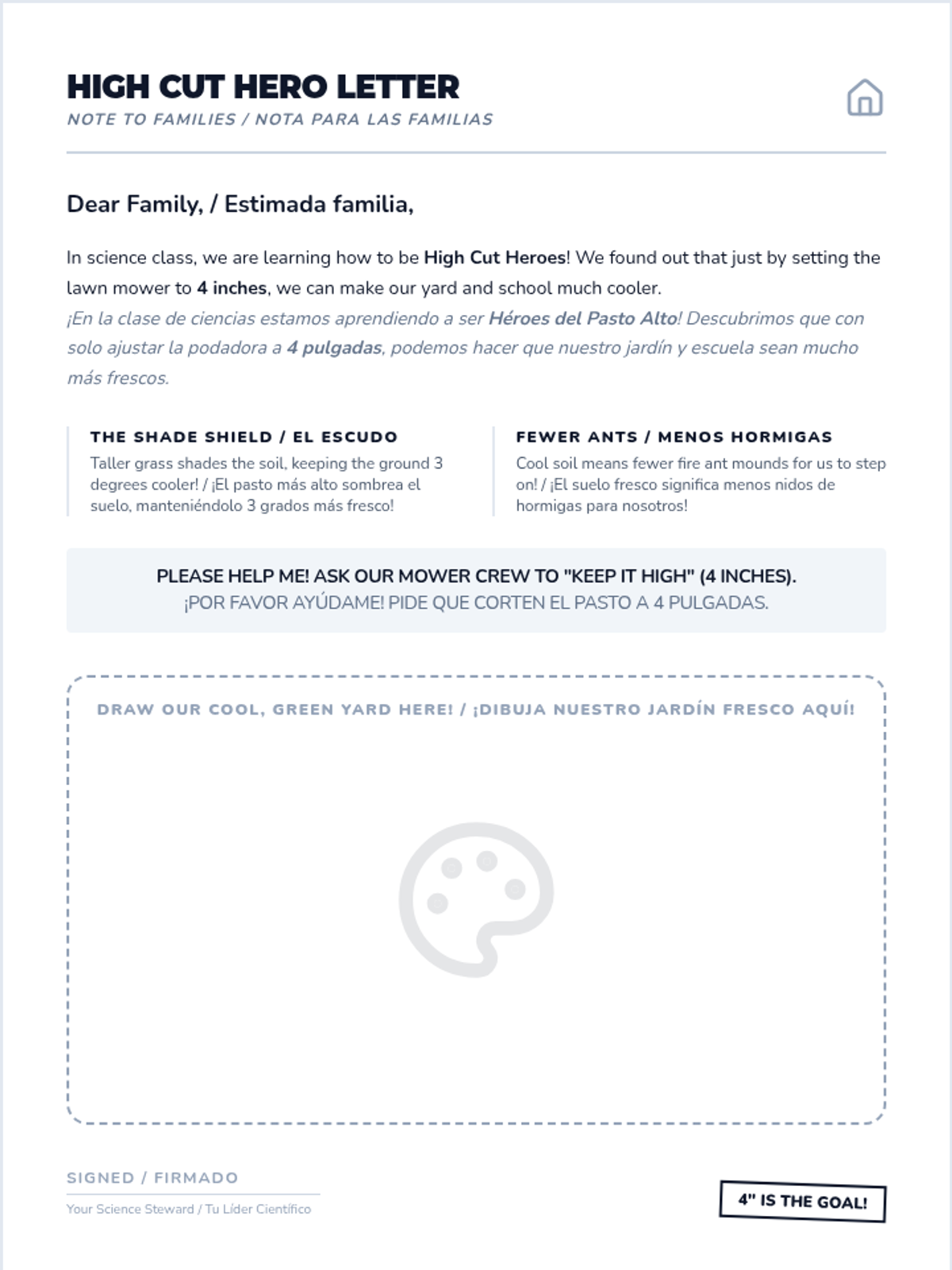
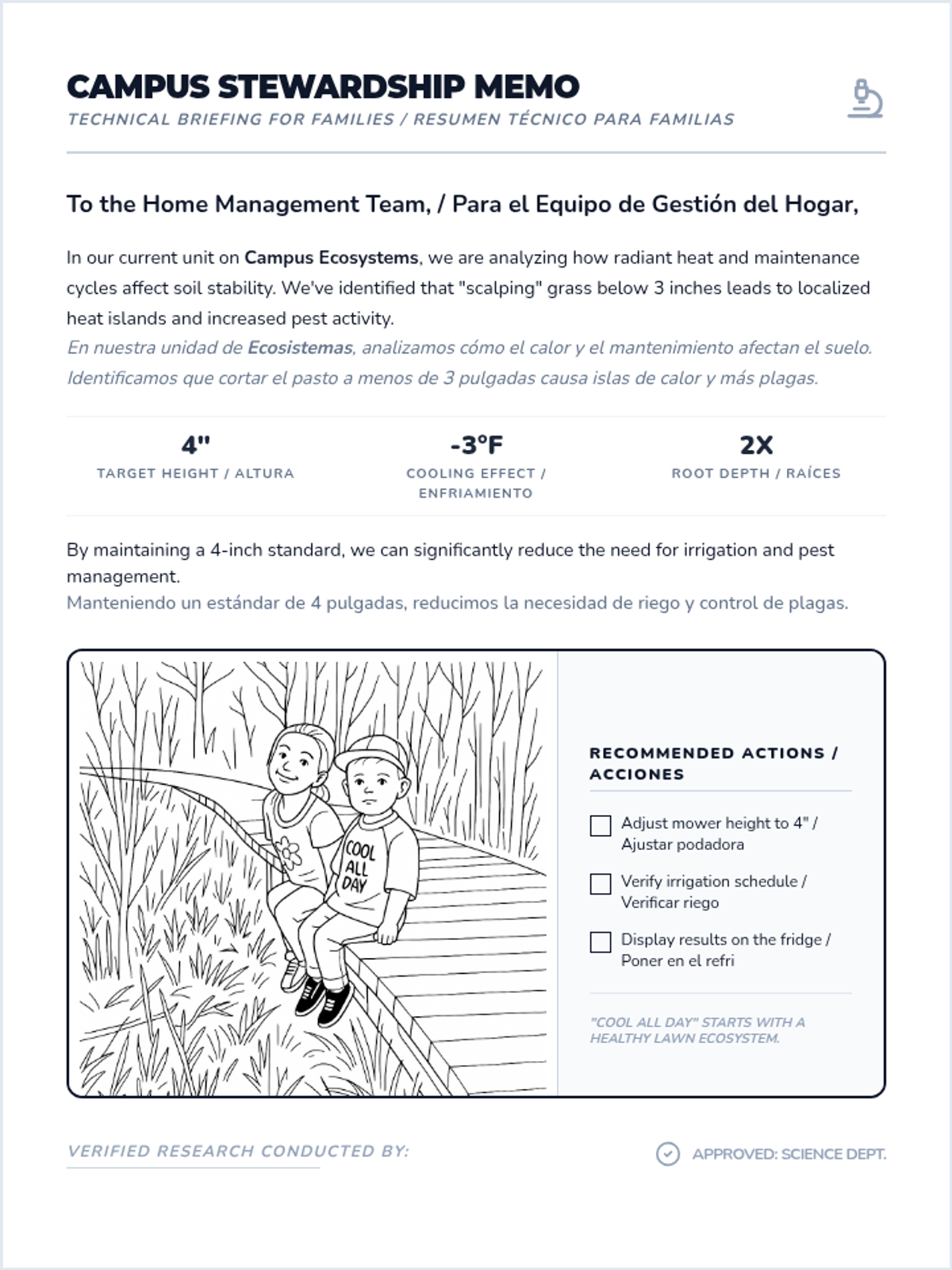
A student-led advocacy campaign to encourage schools and families to raise lawn mower heights. Students learn the science of soil temperature, root health, and pest management to promote cooler, greener communities.
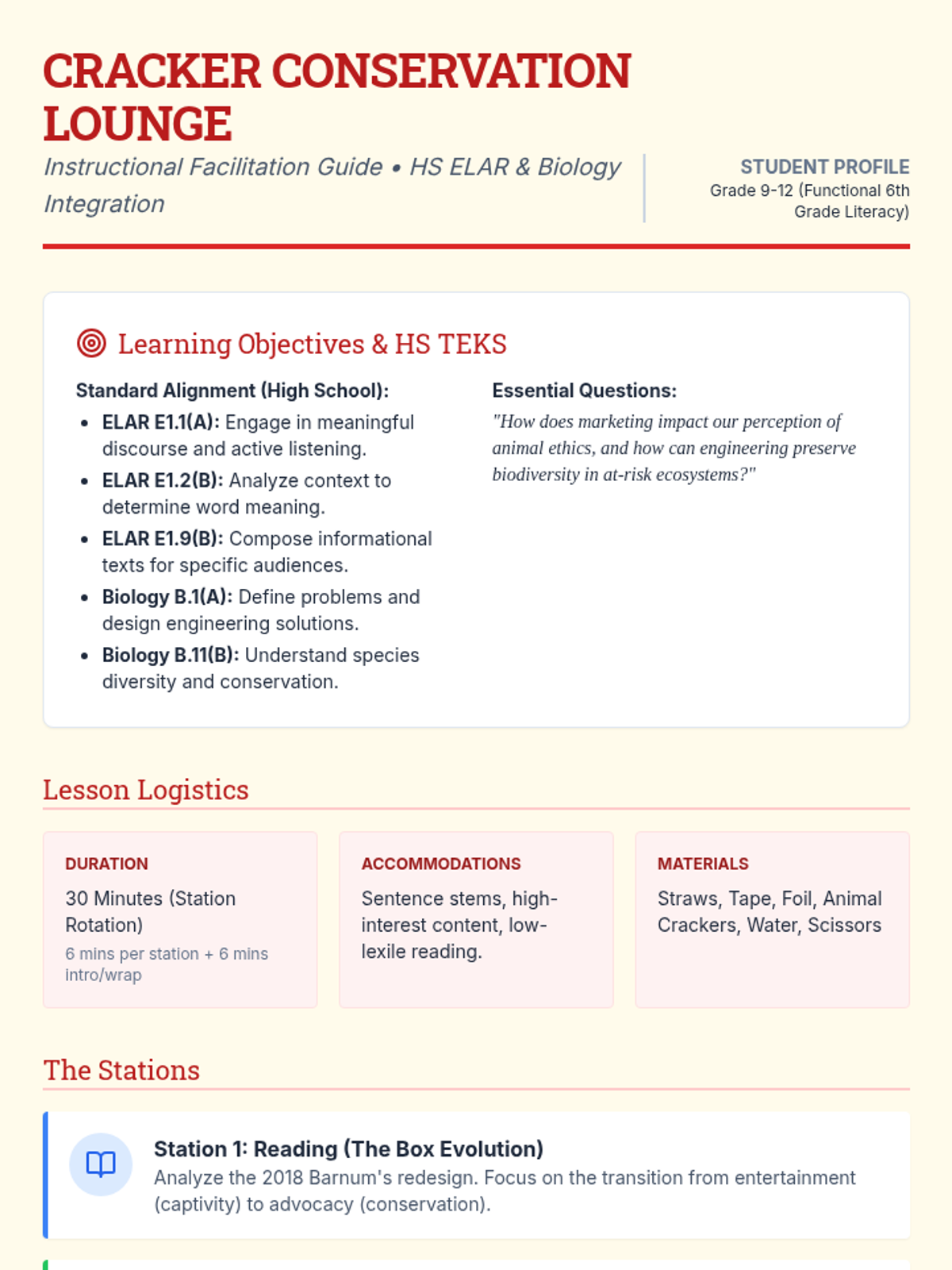
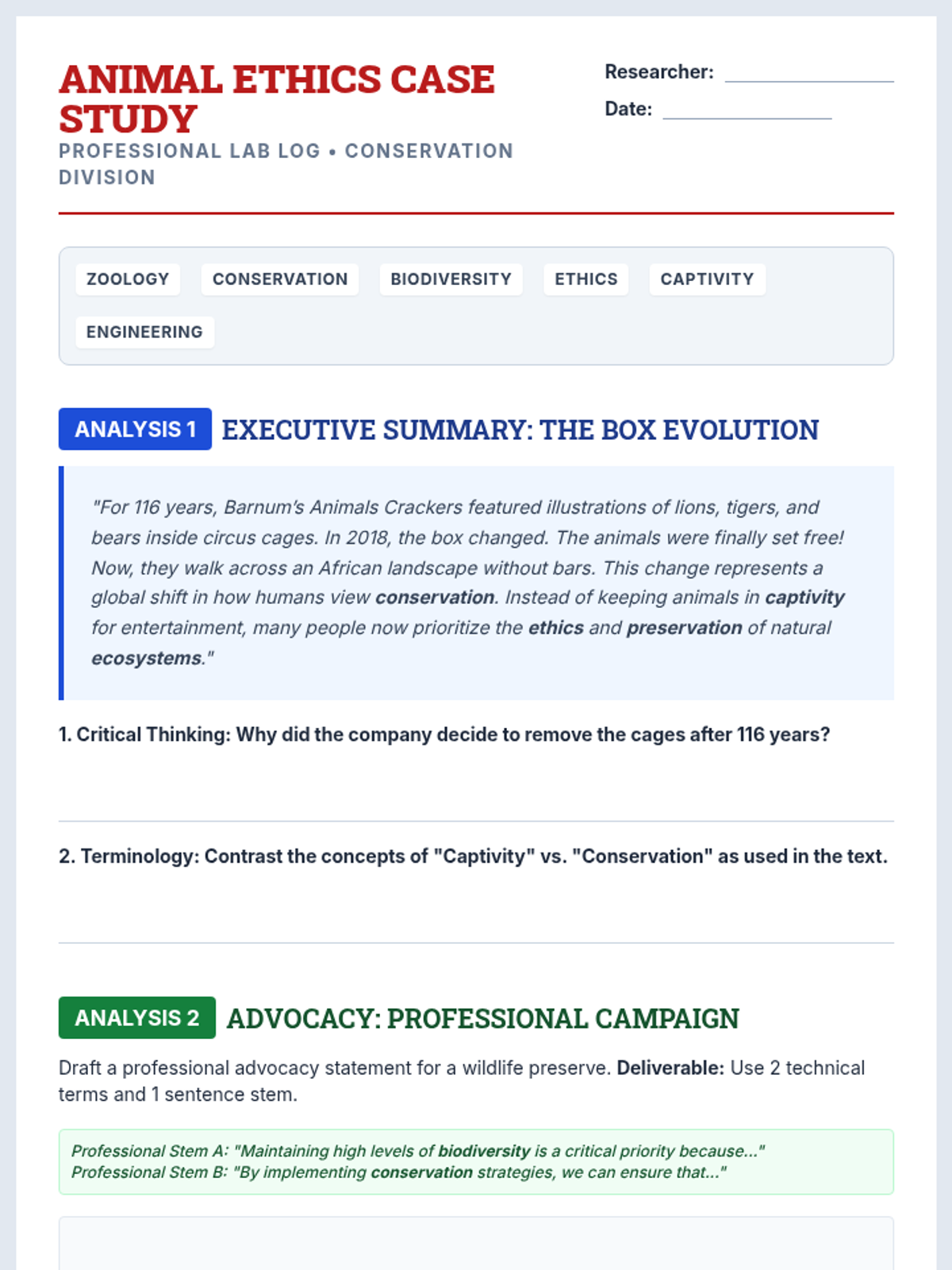
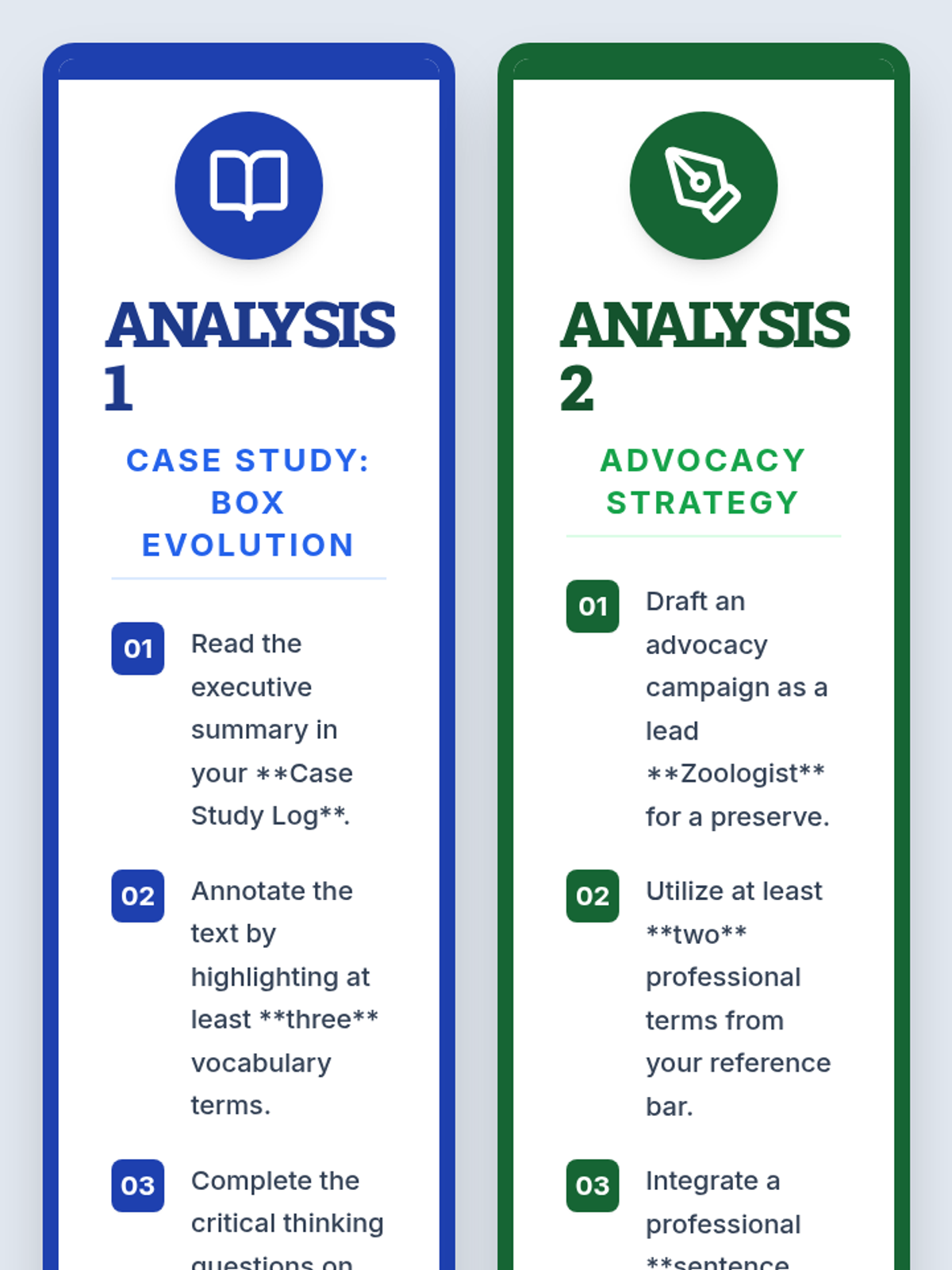
A station-rotation lesson themed around animal crackers that integrates zoology and conservation vocabulary through reading, writing, speaking, and a STEM challenge. Designed for 6th-grade students to practice multimodal literacy skills while exploring animal ethics and habitat preservation.
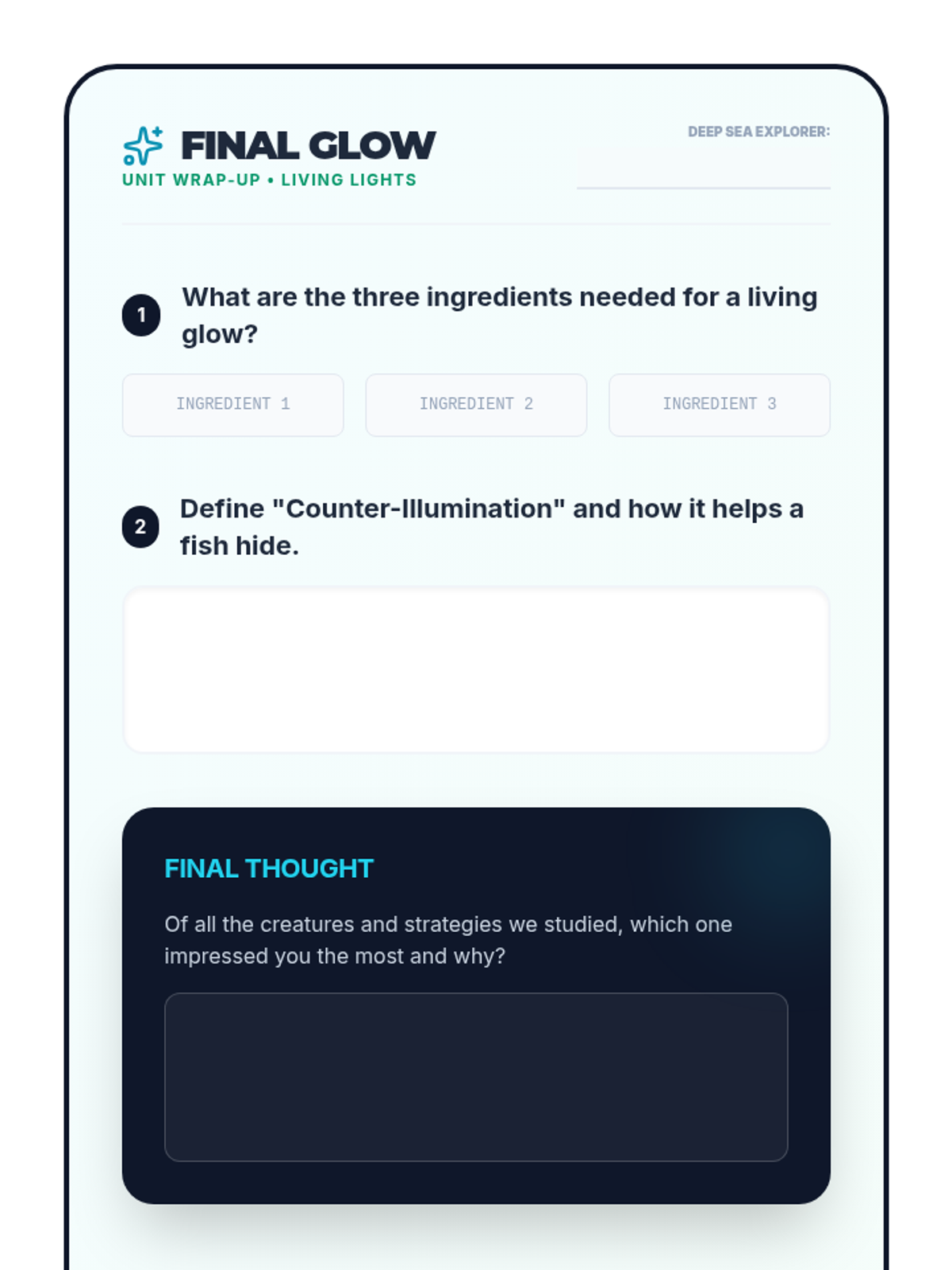
A lesson exploring the science of bioluminescence, focusing on how and why organisms produce their own light in nature. Students will learn about chemical reactions, deep-sea adaptations, and the diverse uses of light in the animal kingdom.
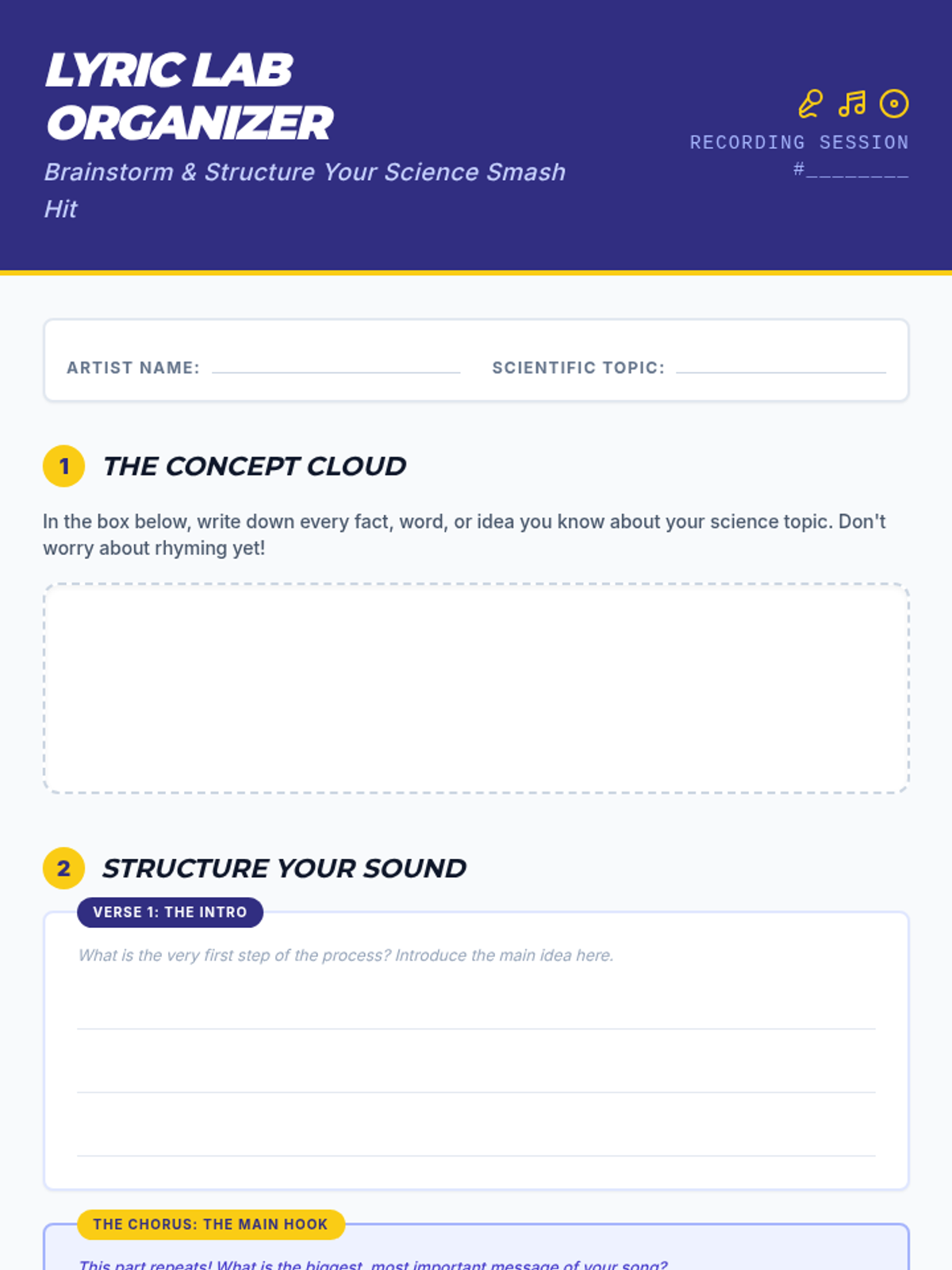
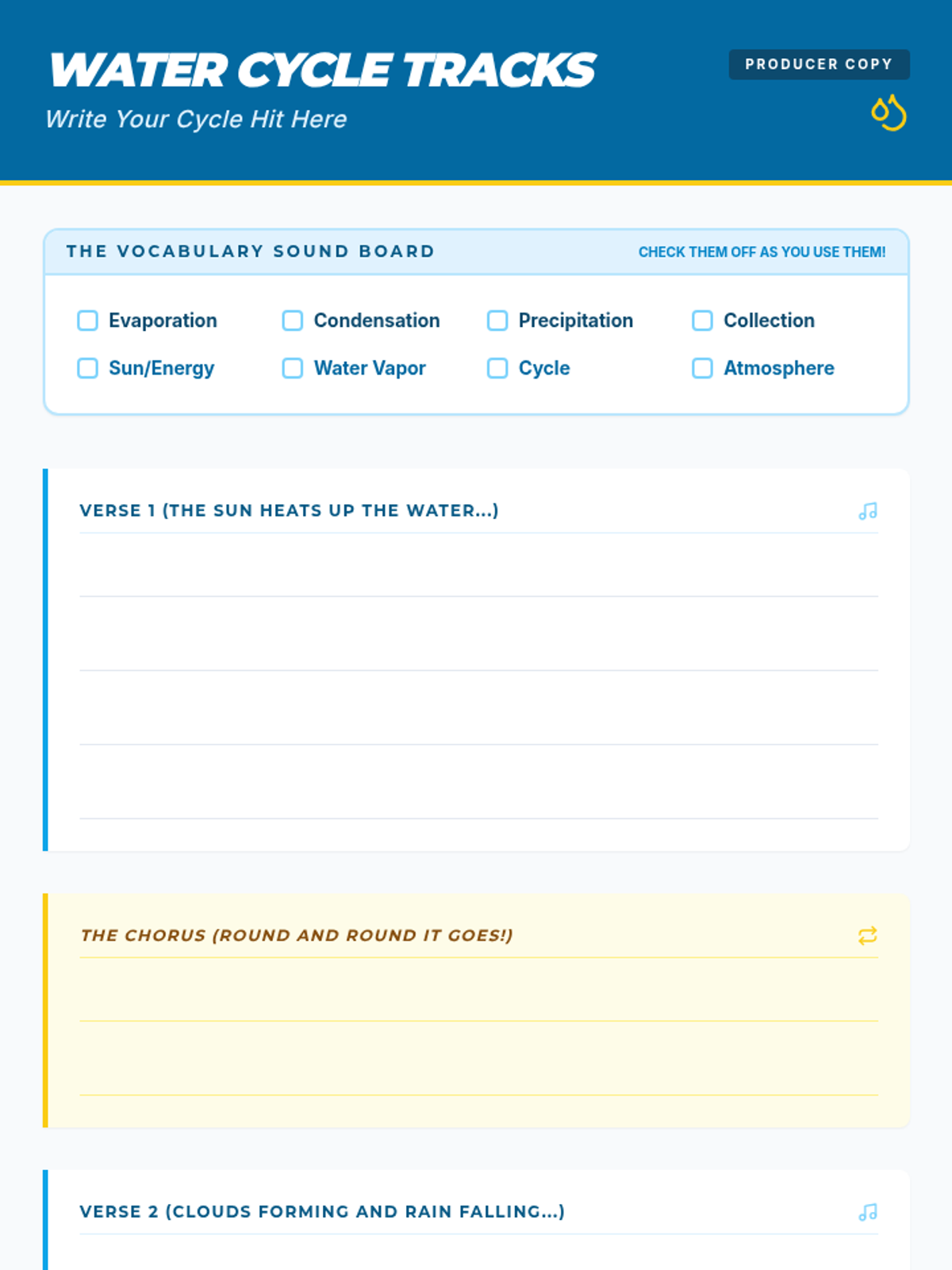
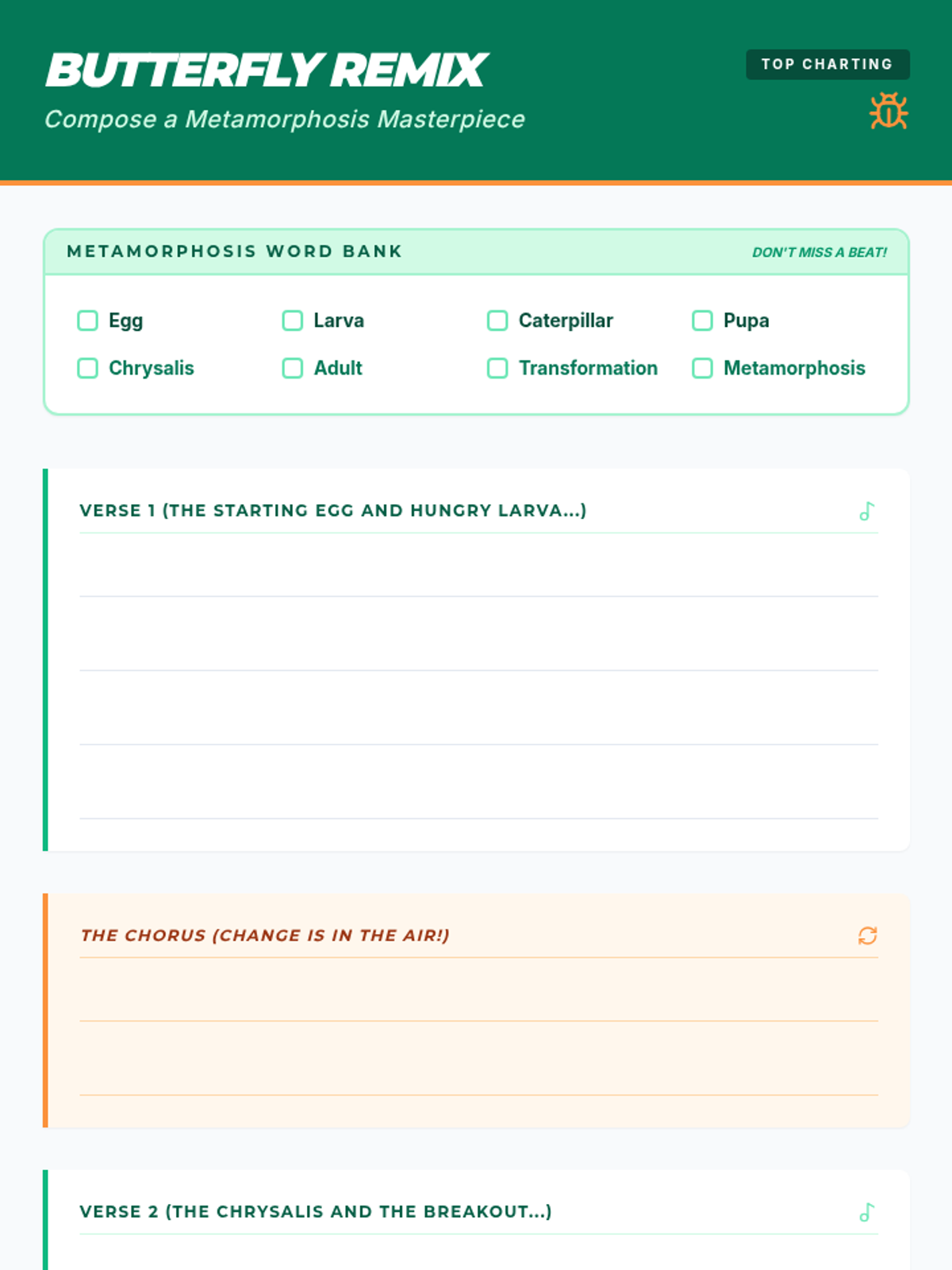
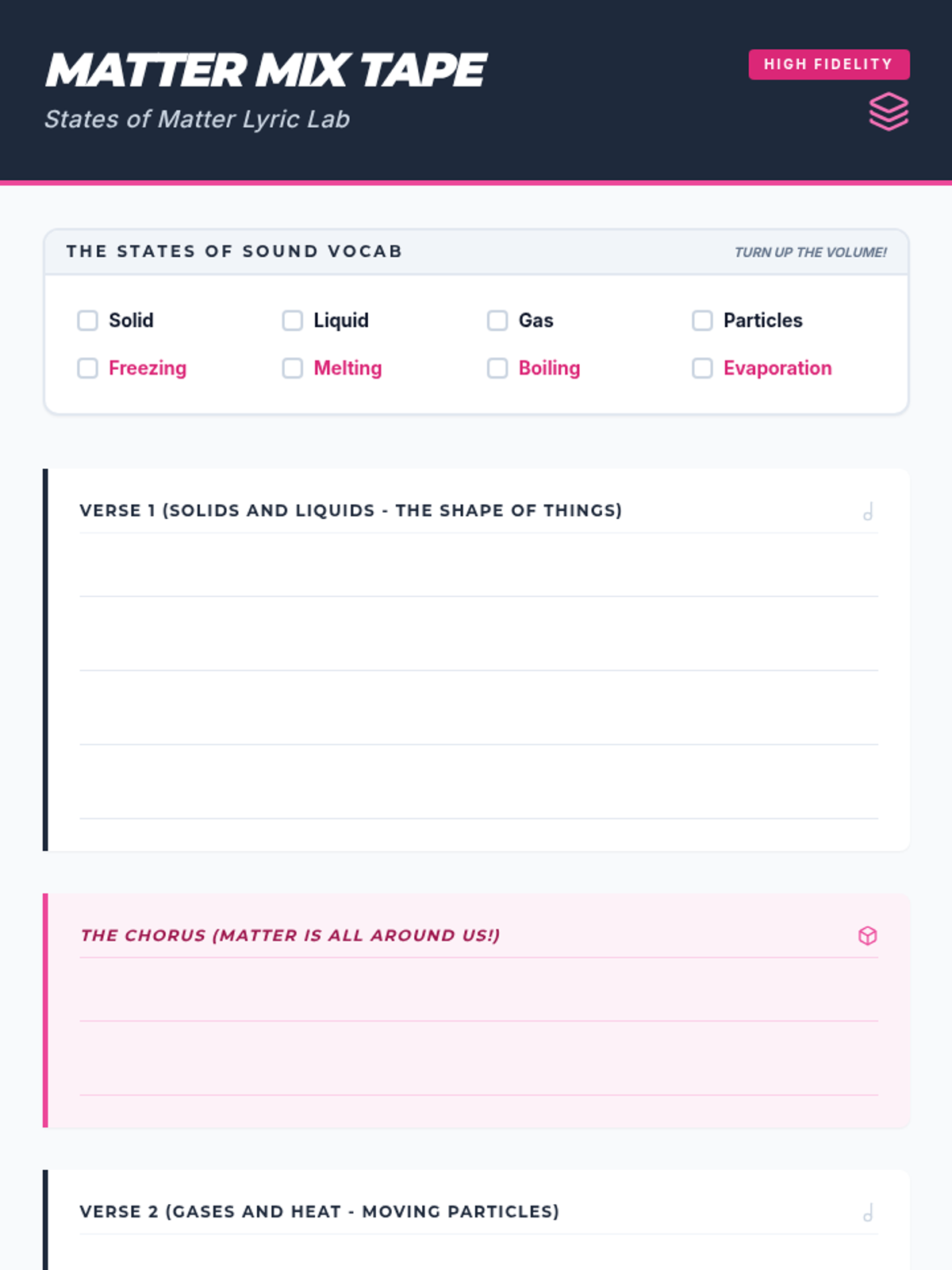
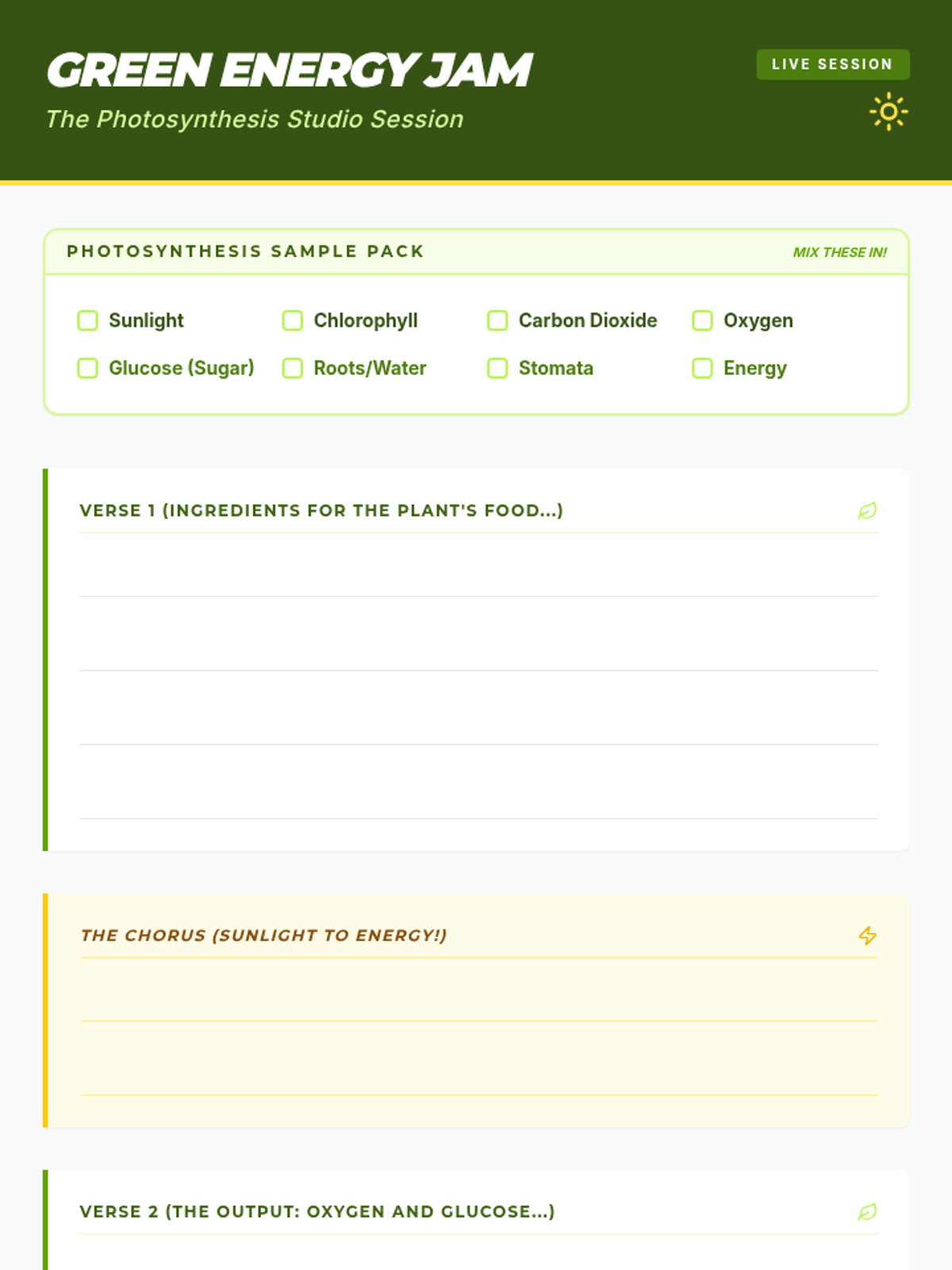
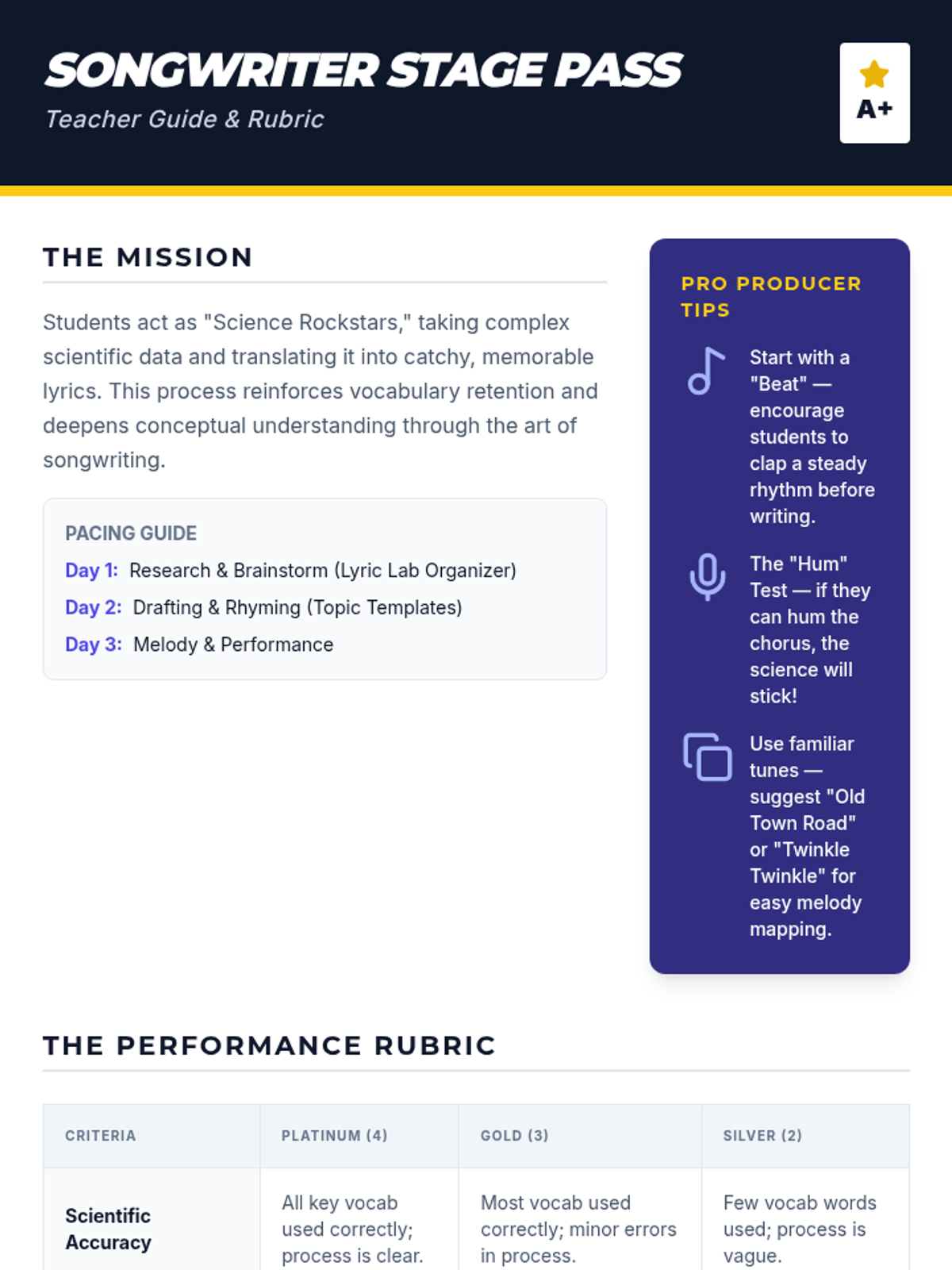
A cross-curricular lesson where students transform complex scientific processes into catchy songs. Students will use graphic organizers to map out lyrics and templates with vocabulary banks to ensure scientific accuracy in their musical compositions.
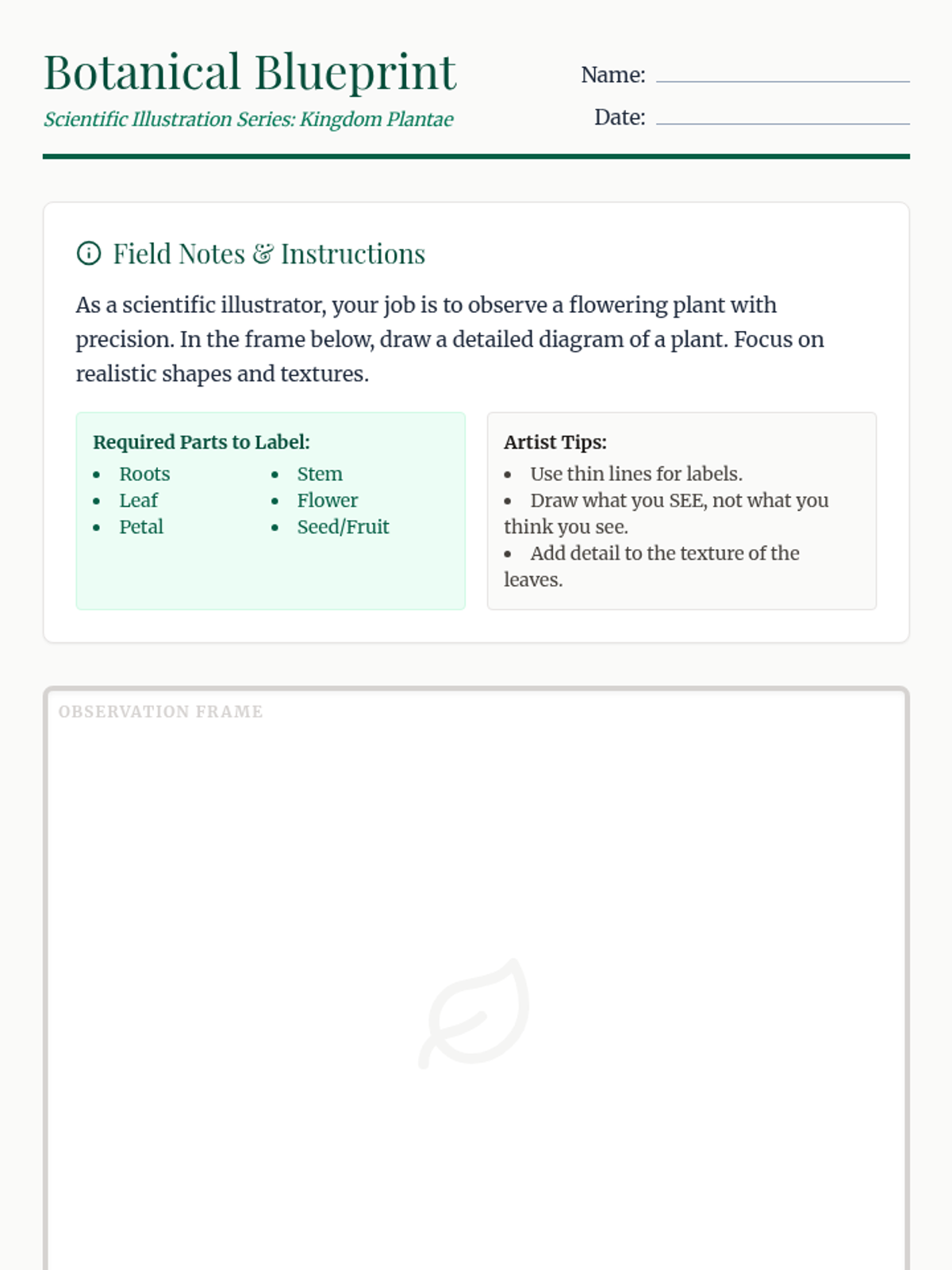
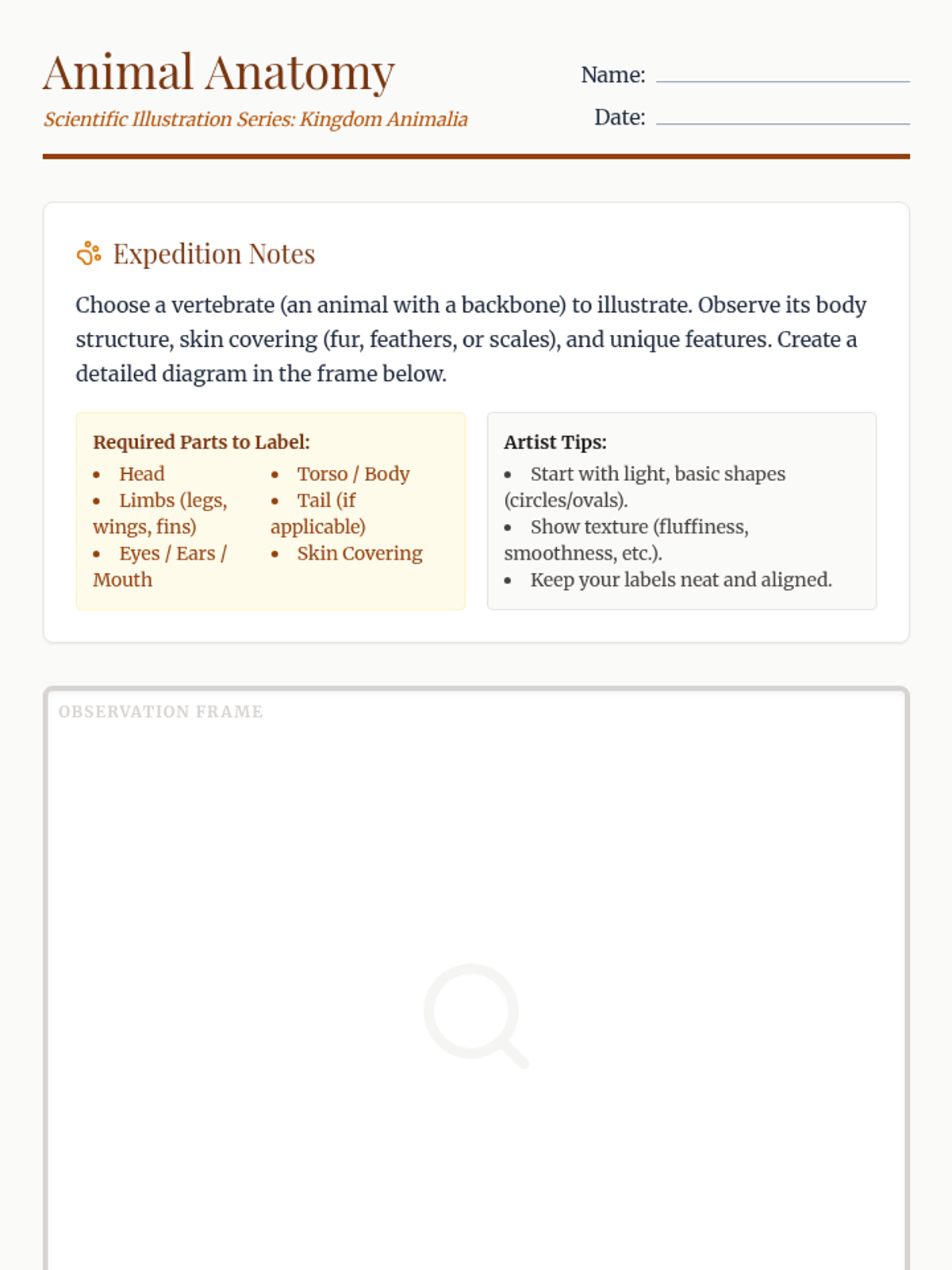
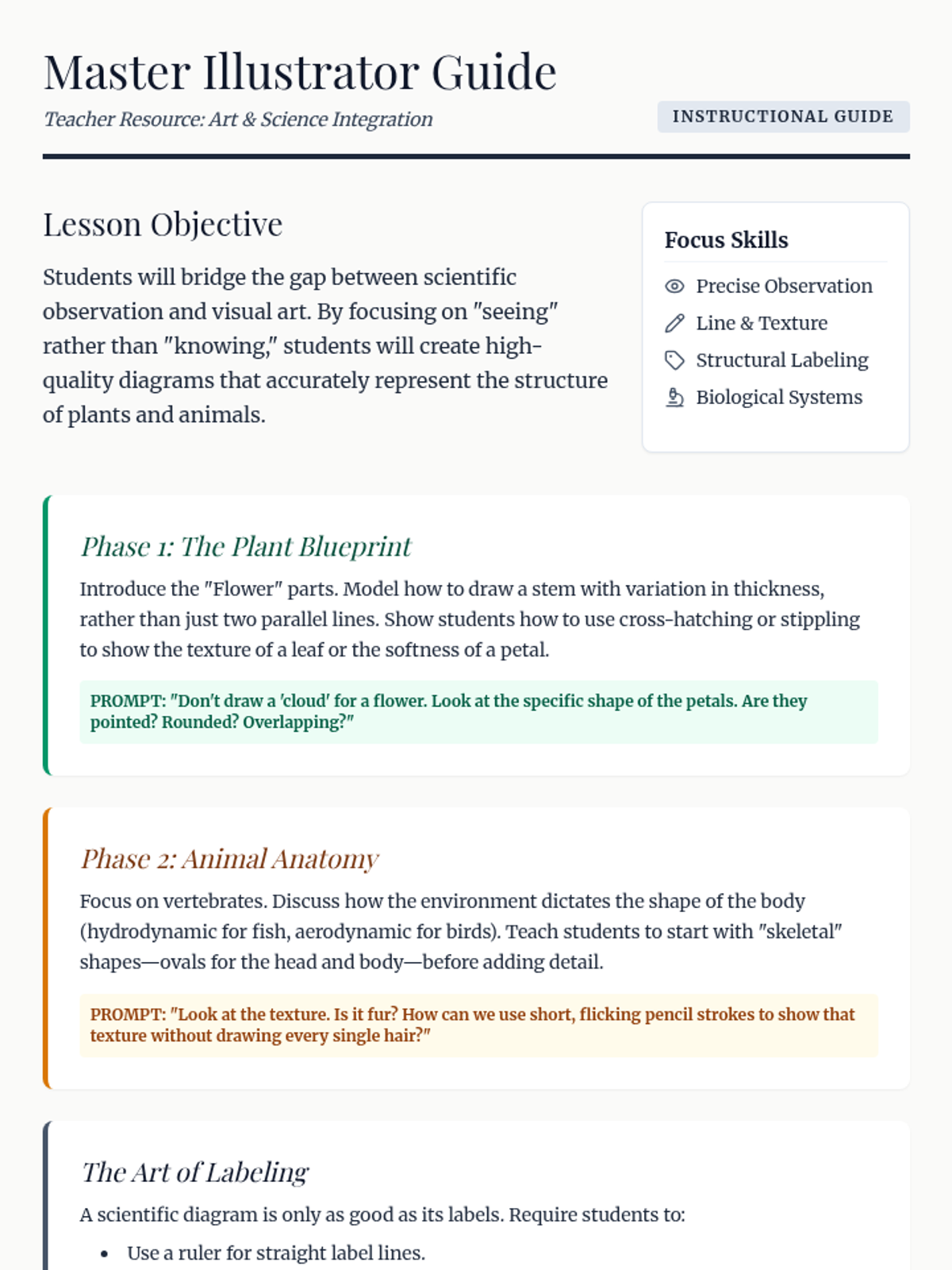
A cross-curricular lesson where students combine scientific observation with artistic detail to create labeled diagrams of flowering plants and animals. Students focus on identifying key parts of organisms while developing their drawing and labeling skills.
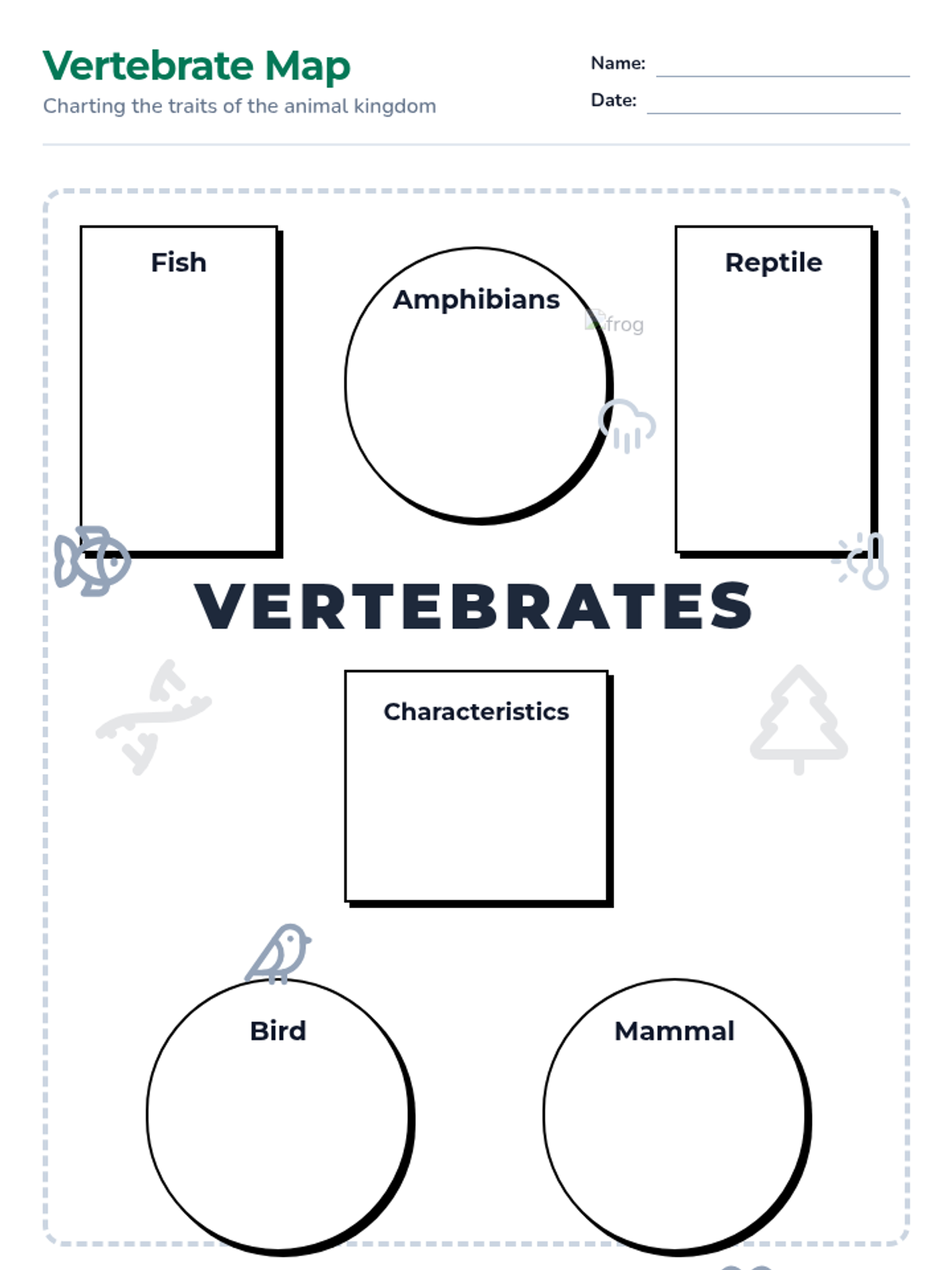
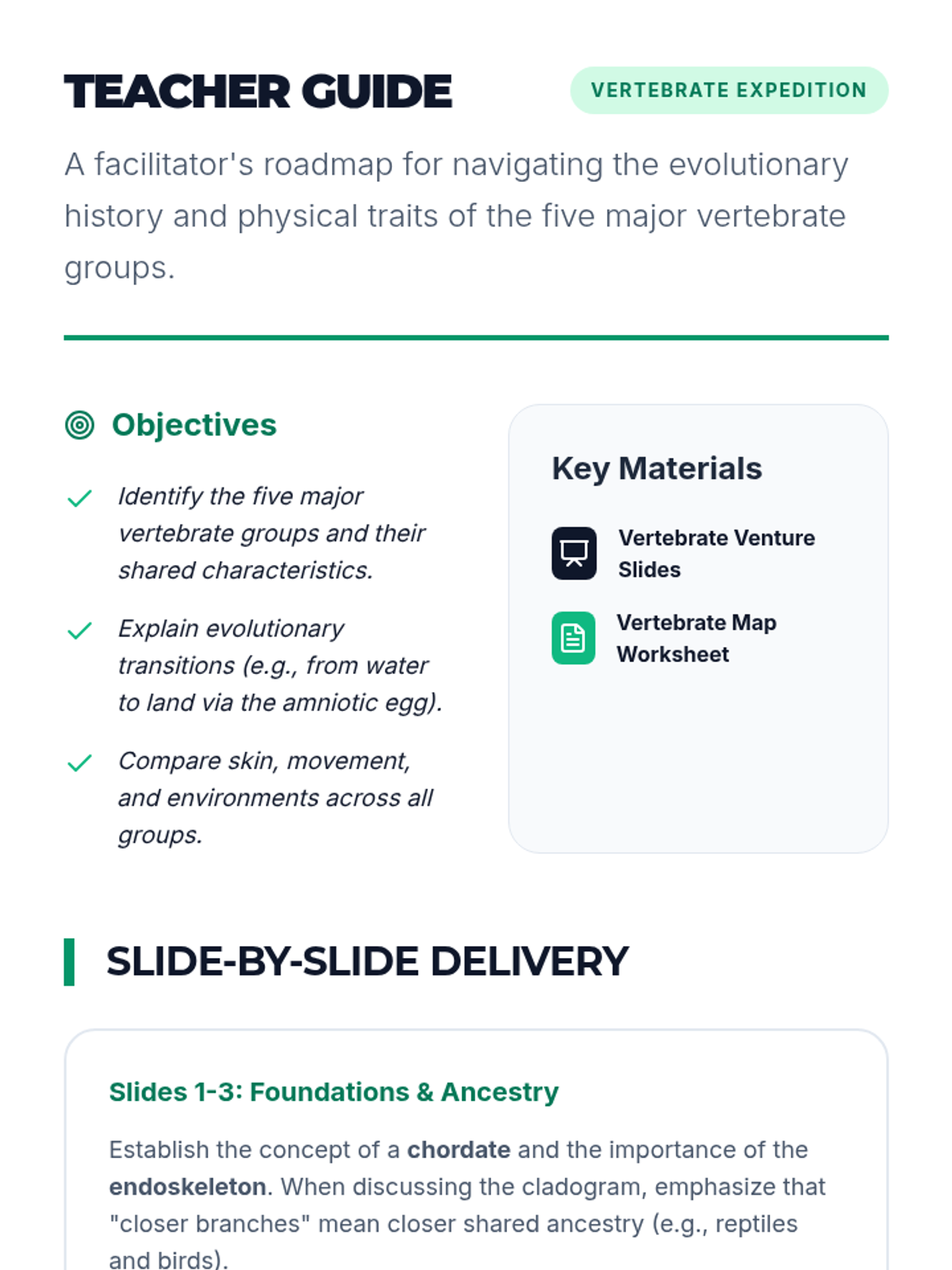
A comprehensive exploration of the five major vertebrate groups, focusing on their evolutionary history, physical adaptations (skin, movement), and environmental niches. Students use a visual graphic organizer to map out the key traits of fish, amphibians, reptiles, birds, and mammals.
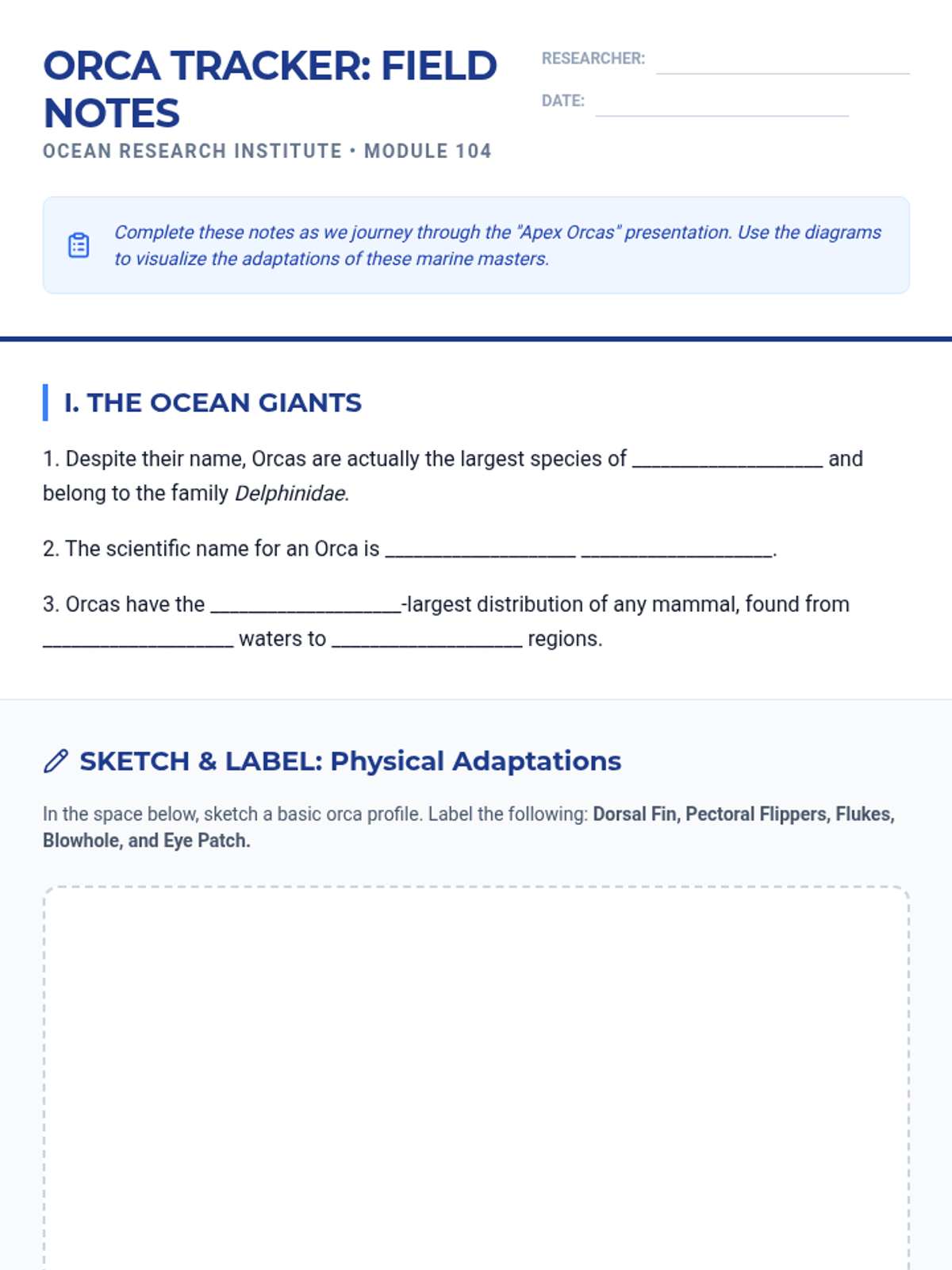
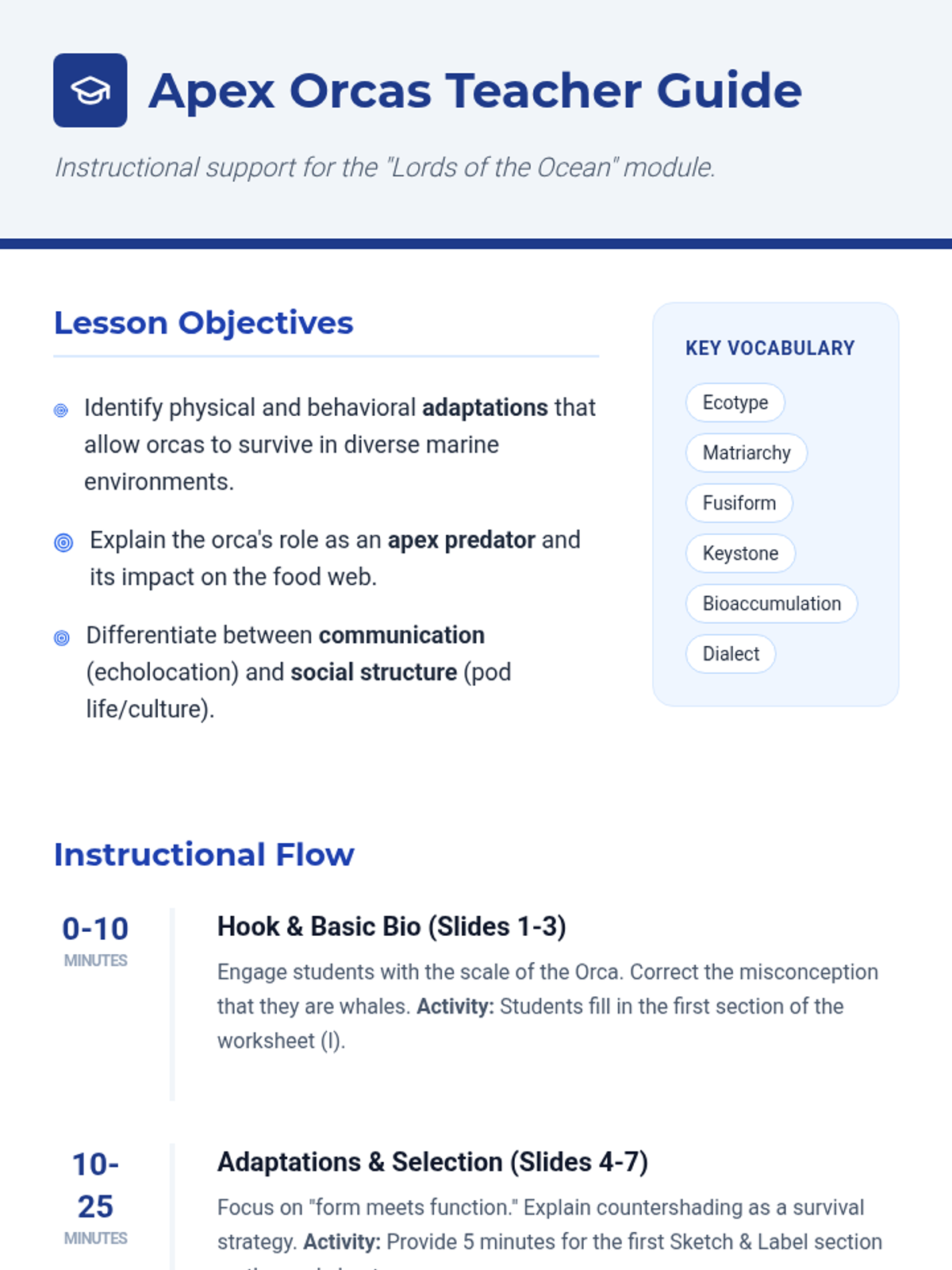
A comprehensive lesson on orcas, covering their role as apex predators, their complex social and communication structures, and the evolutionary adaptations that have made them masters of the ocean.
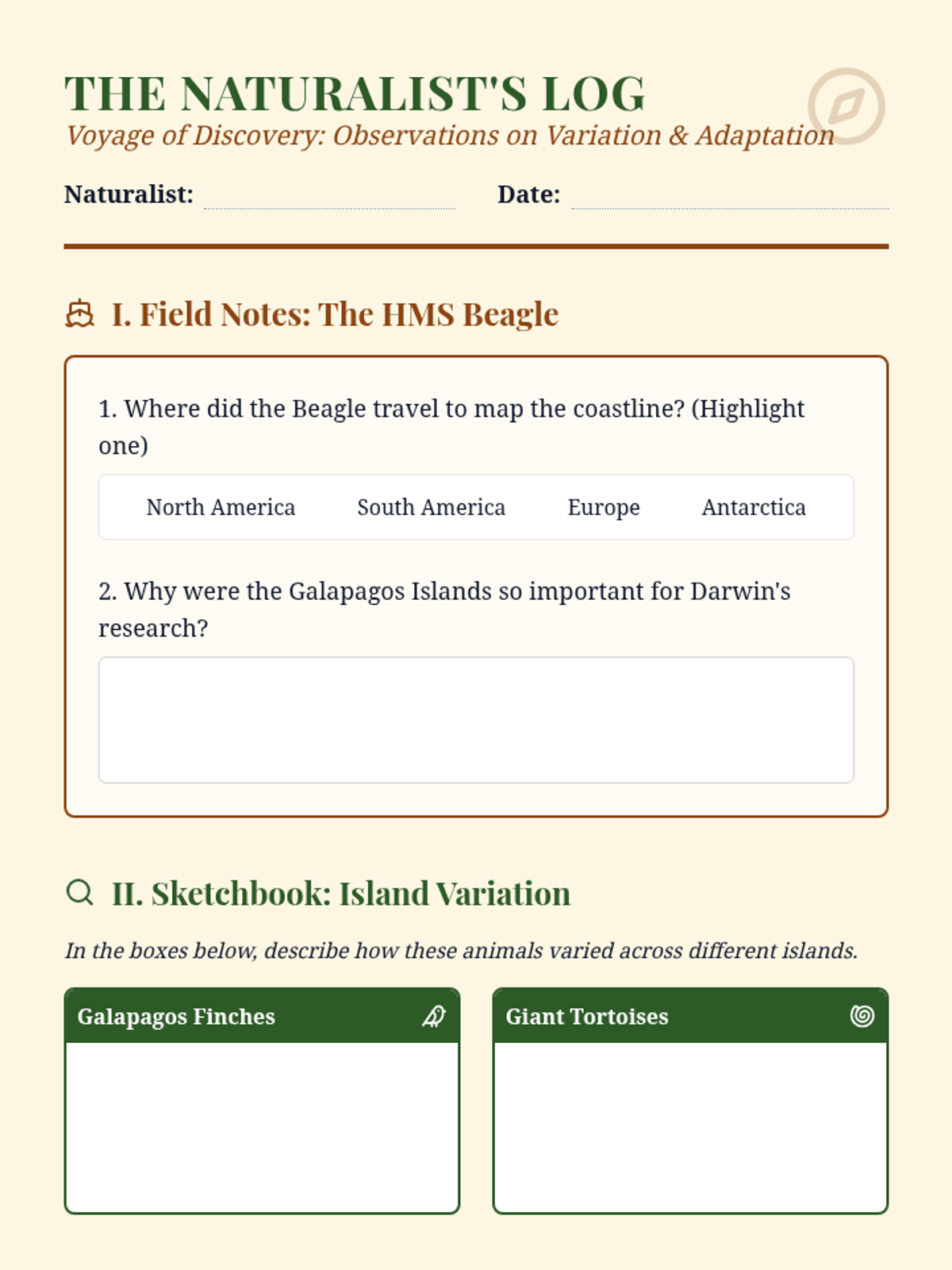
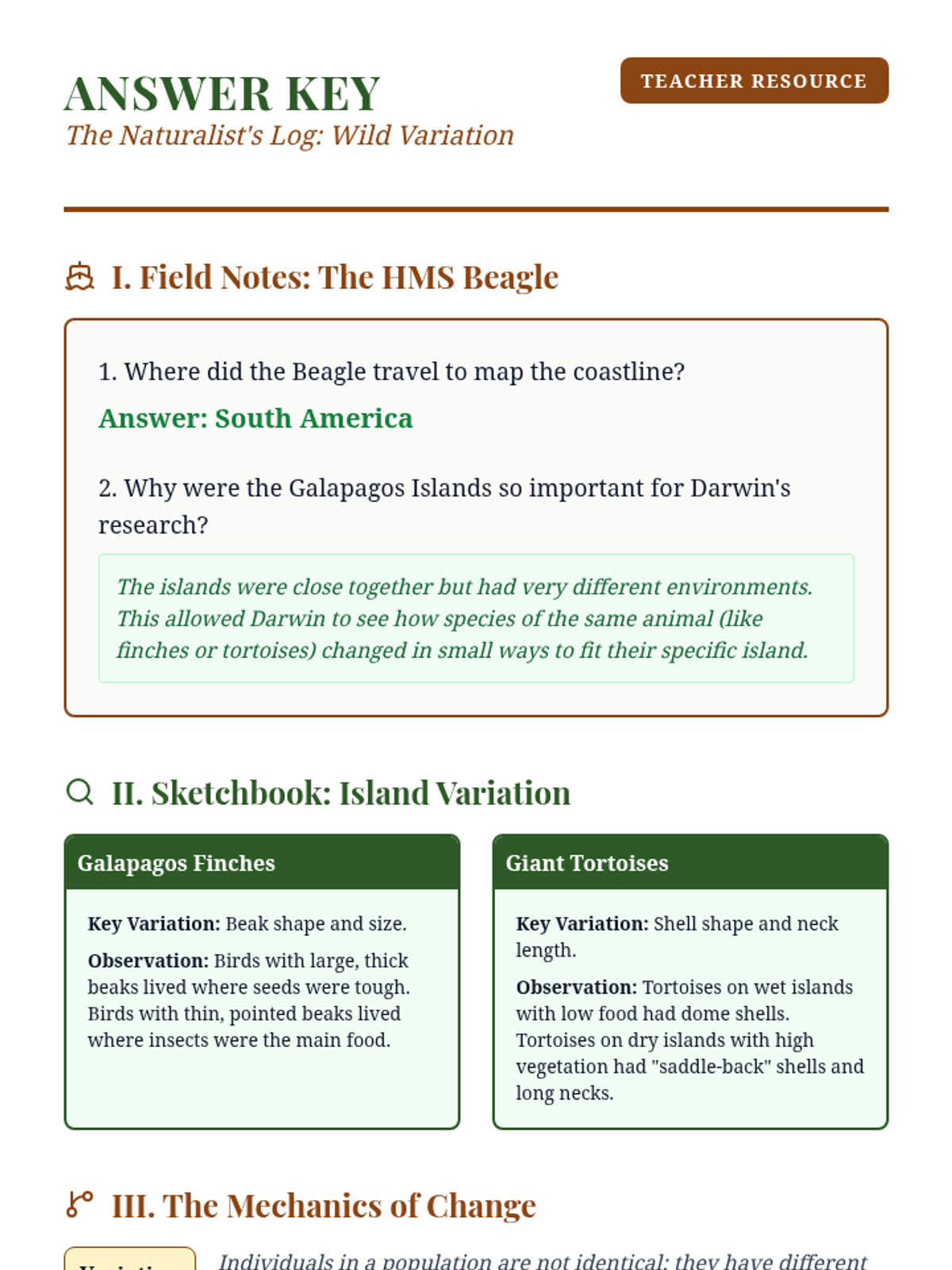
An introduction to Charles Darwin's historic voyage on the HMS Beagle and the foundational concepts of natural selection and adaptation. Students will explore how observations of the natural world led to one of science's most important theories.
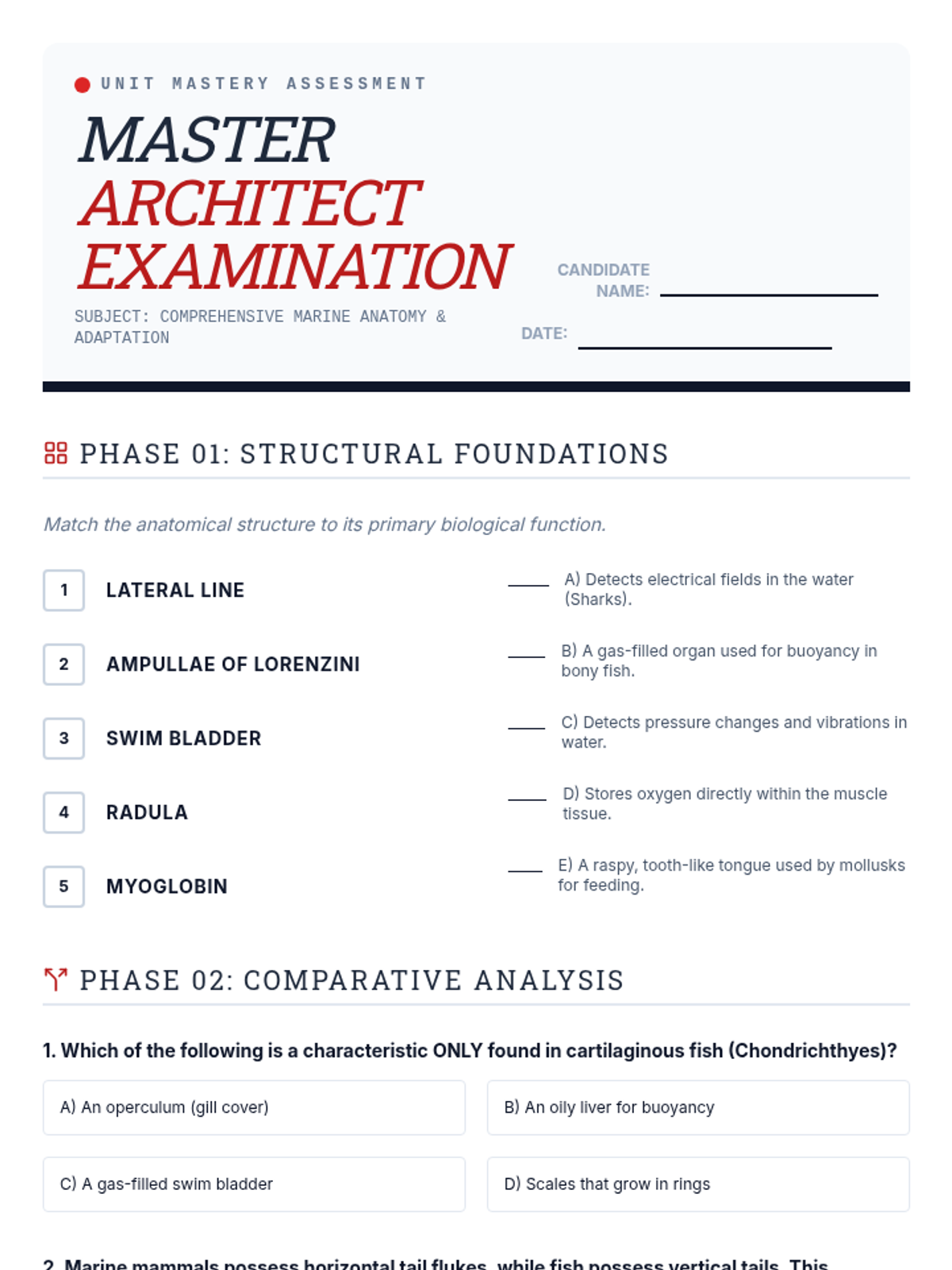
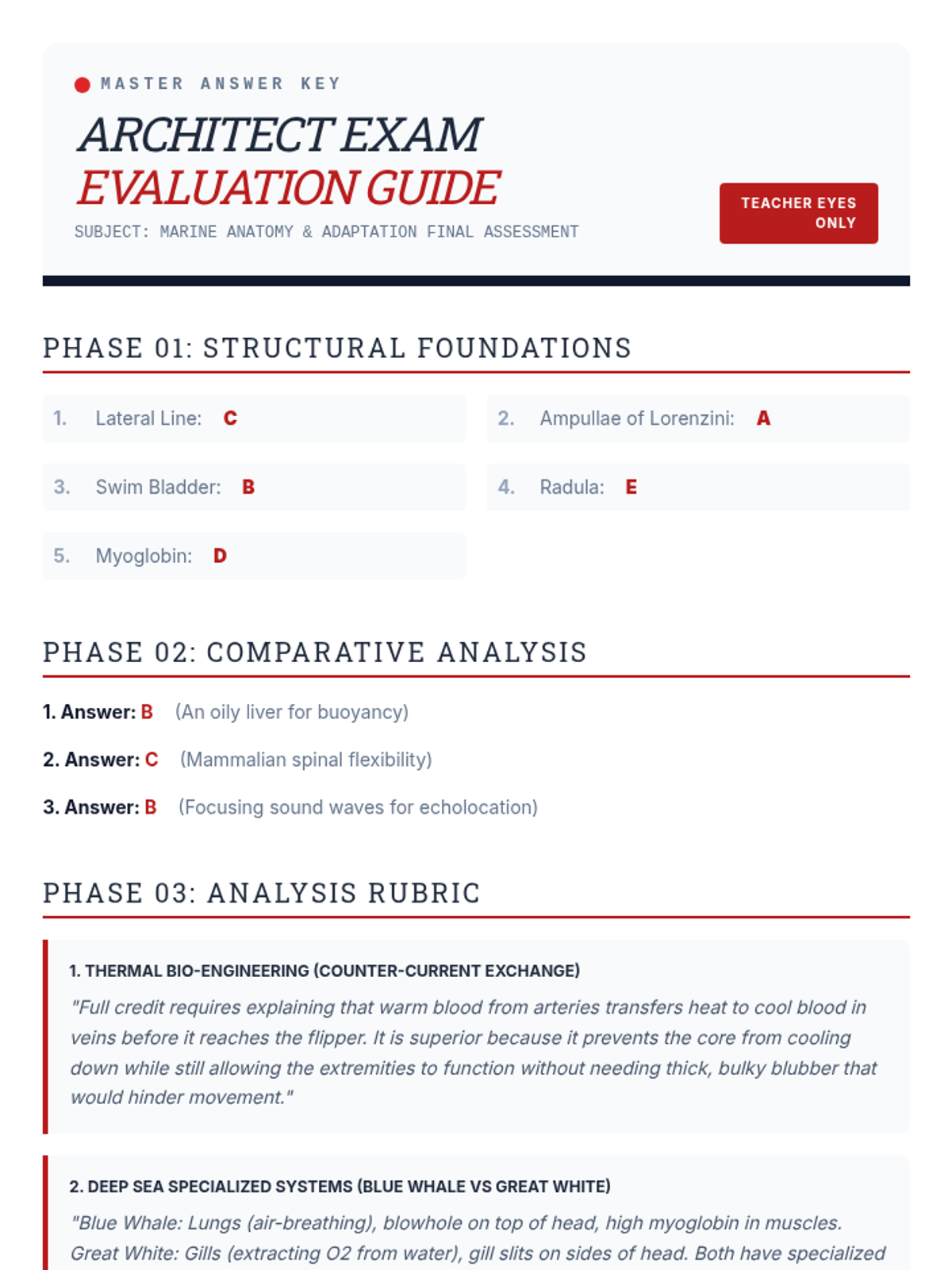
A comprehensive final assessment for the Ocean Architects unit, evaluating student understanding of marine anatomy, specialized biological adaptations, and the comparative differences between major oceanic groups.
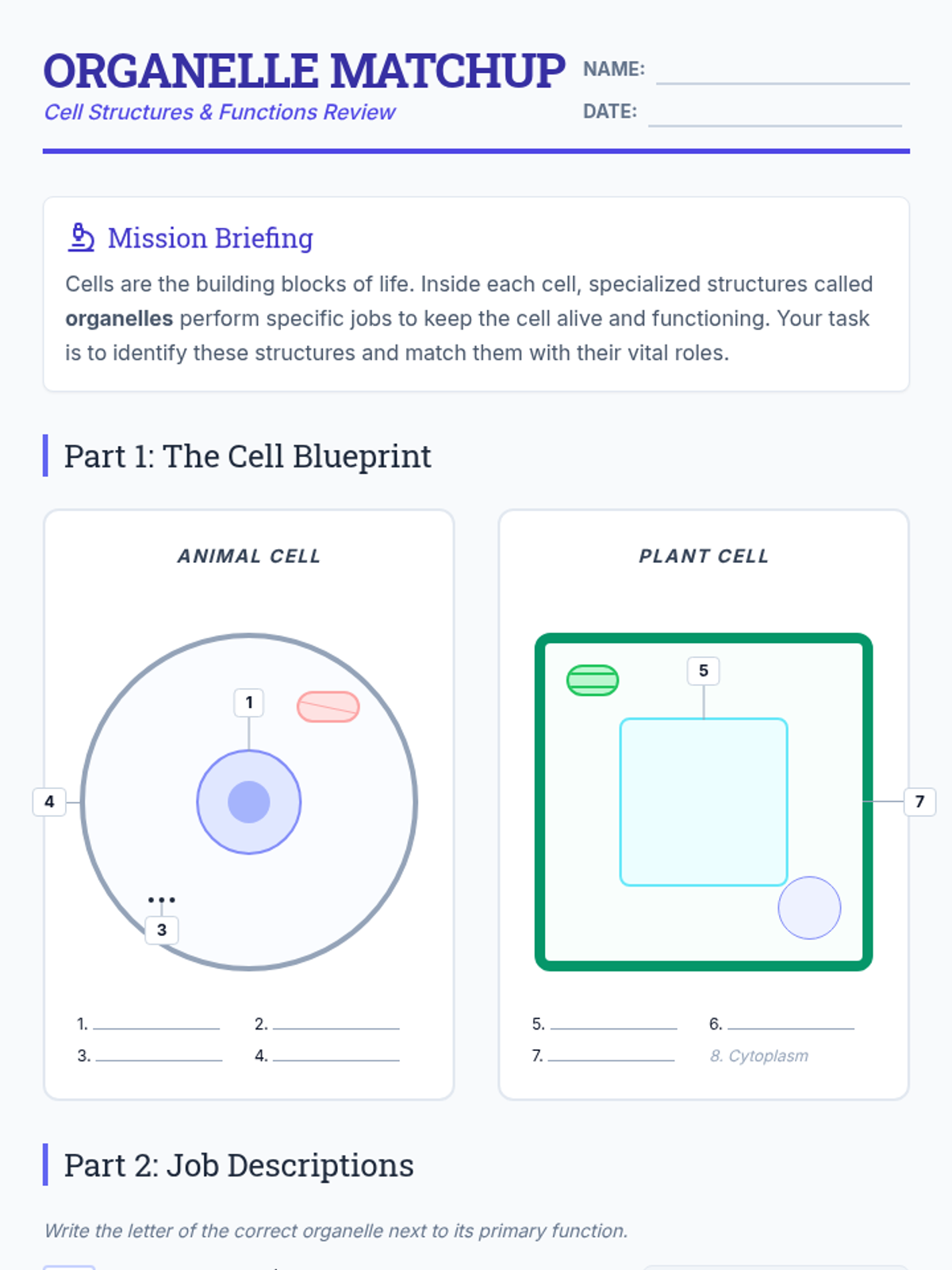
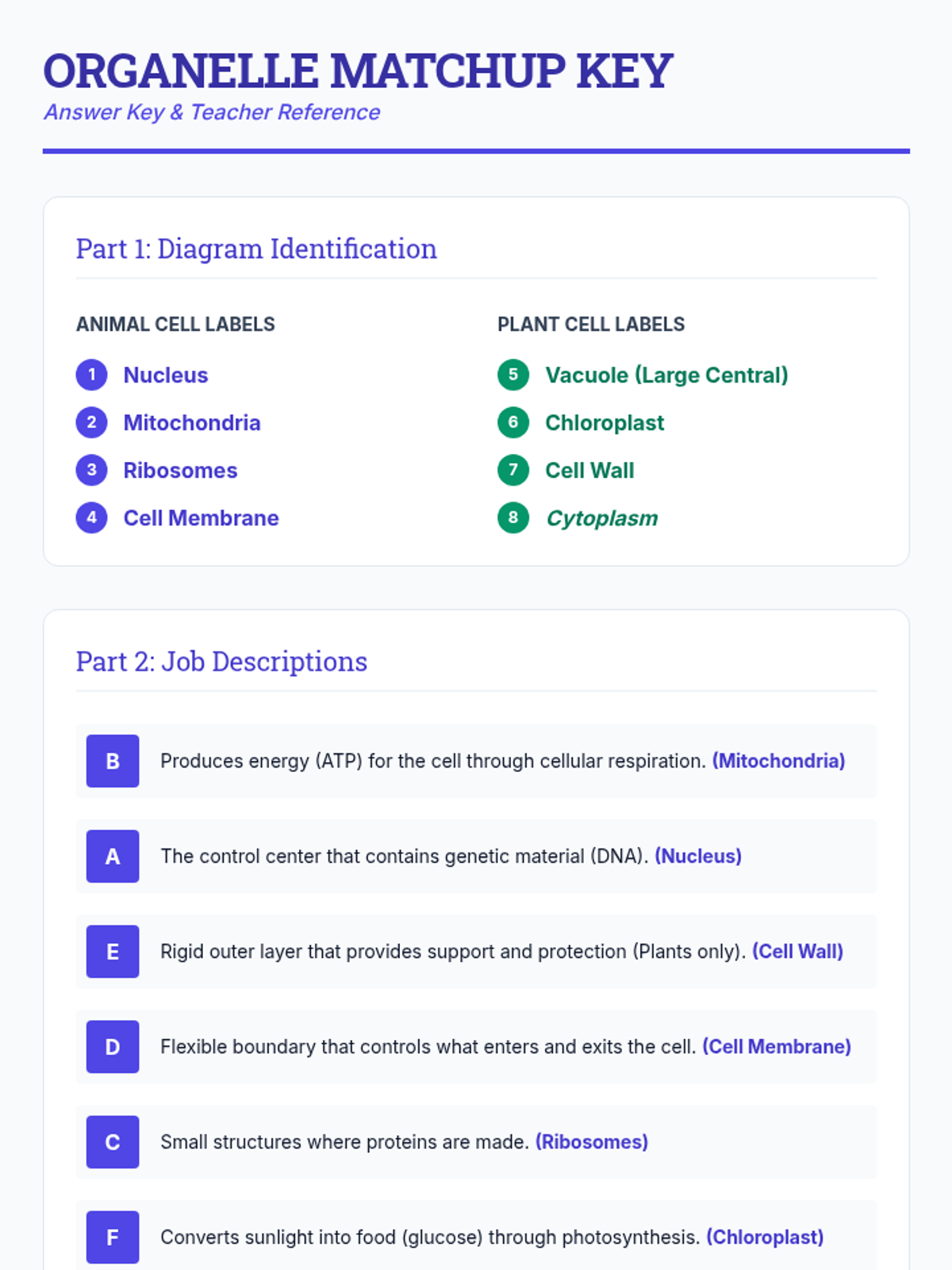
A review of plant and animal cell organelles and their functions, featuring diagram identification and matching activities.
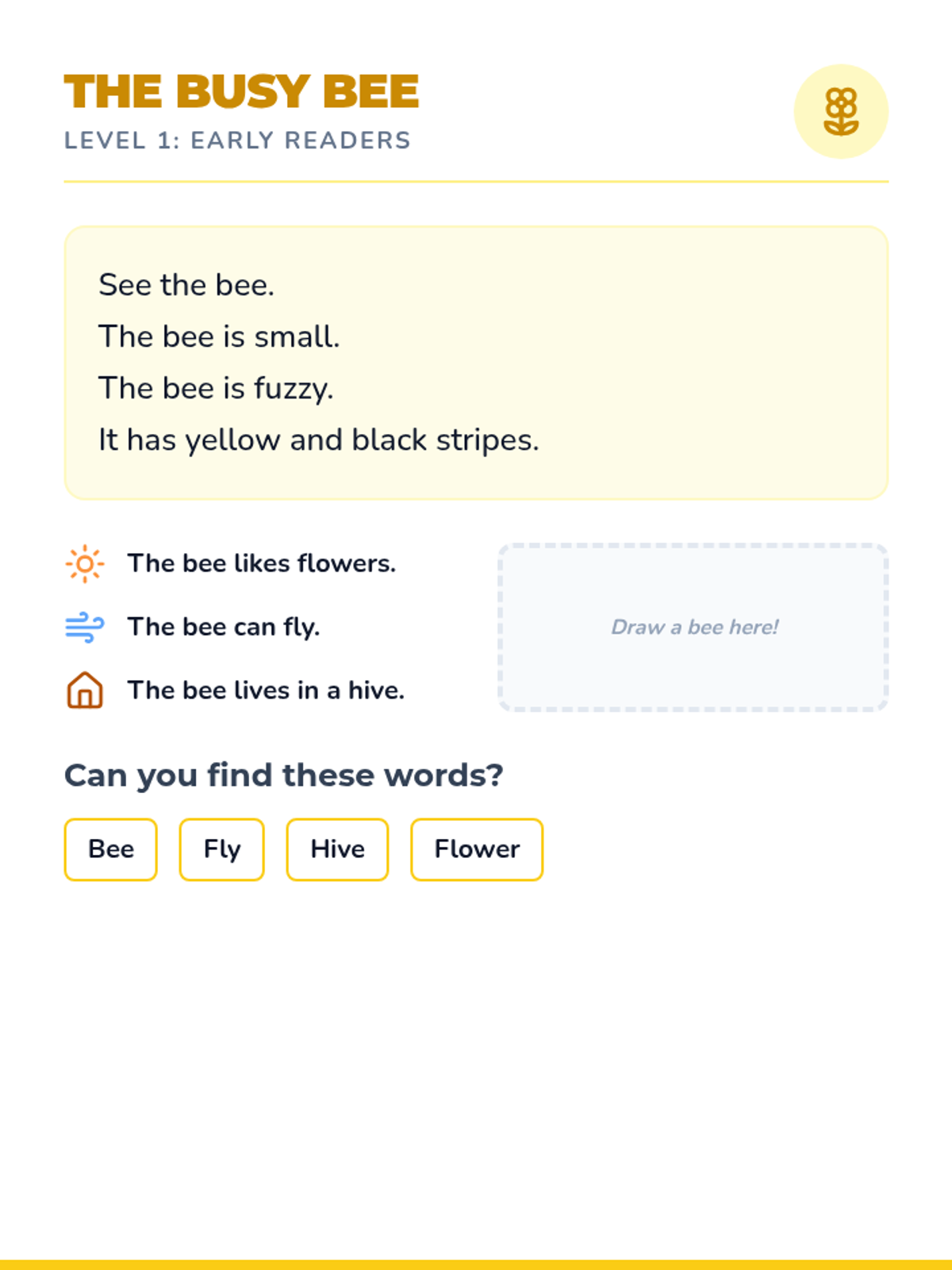
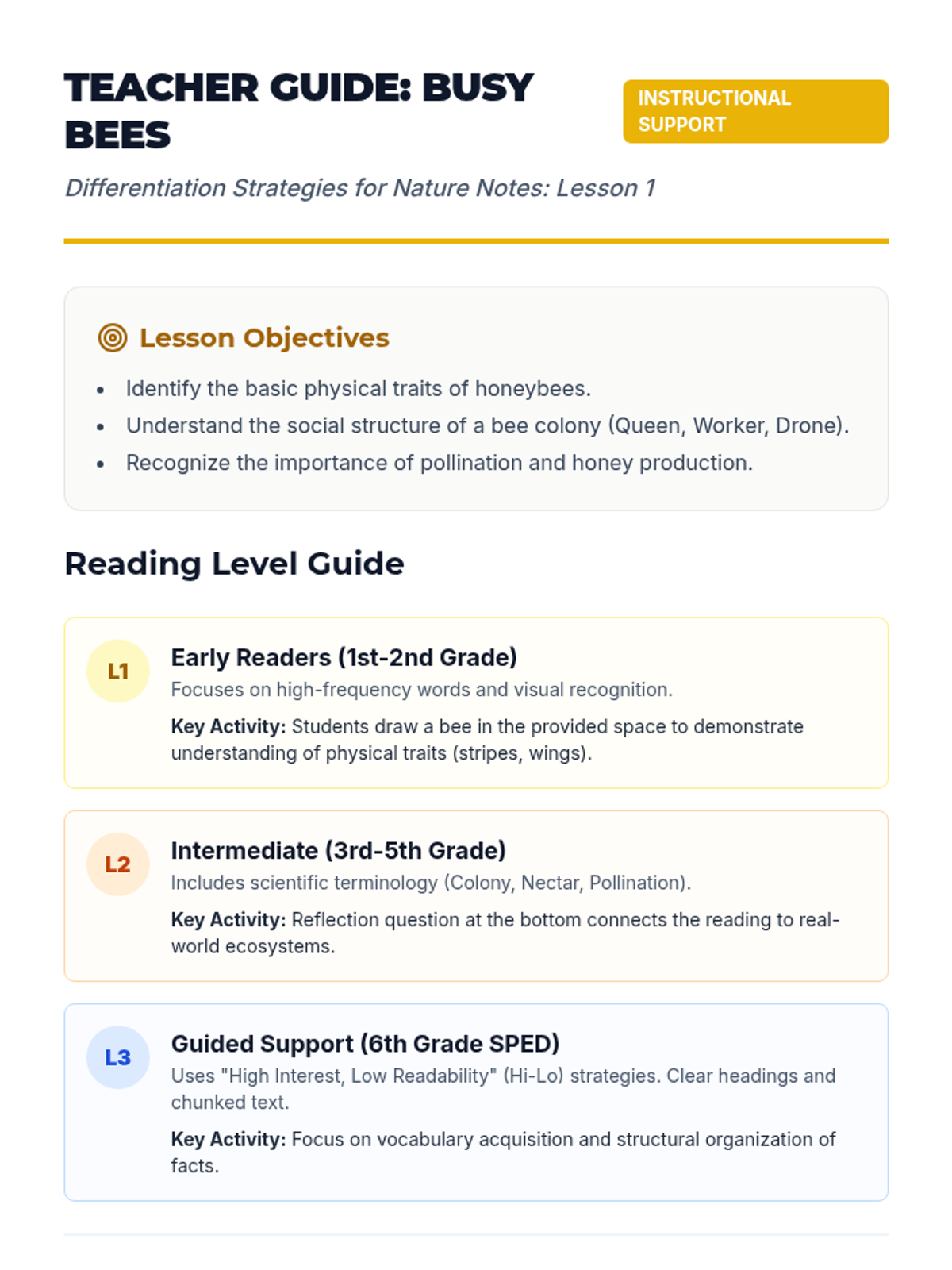
An introductory lesson on honeybees featuring differentiated reading passages and activities tailored for 1st-6th grade reading levels.
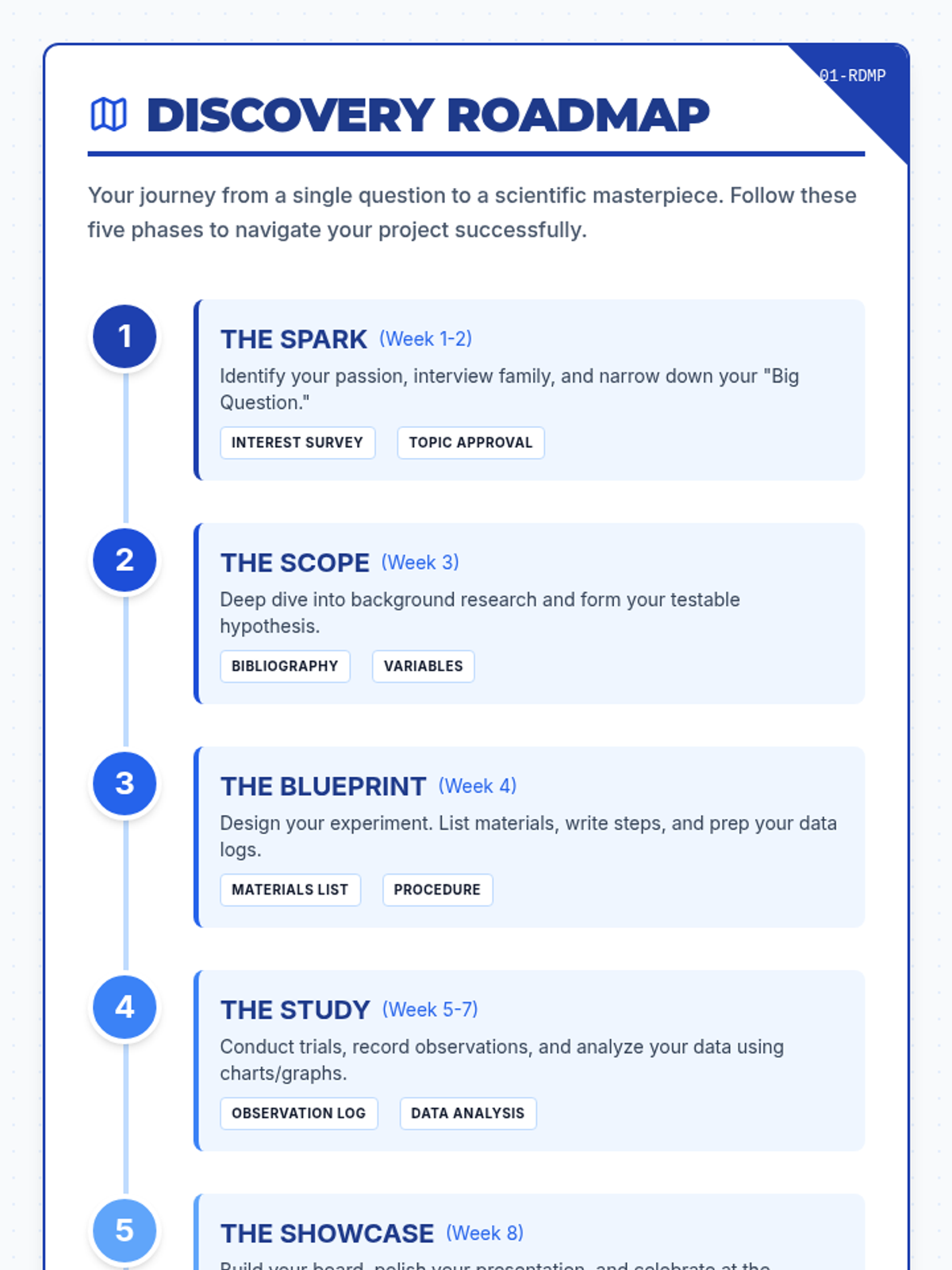
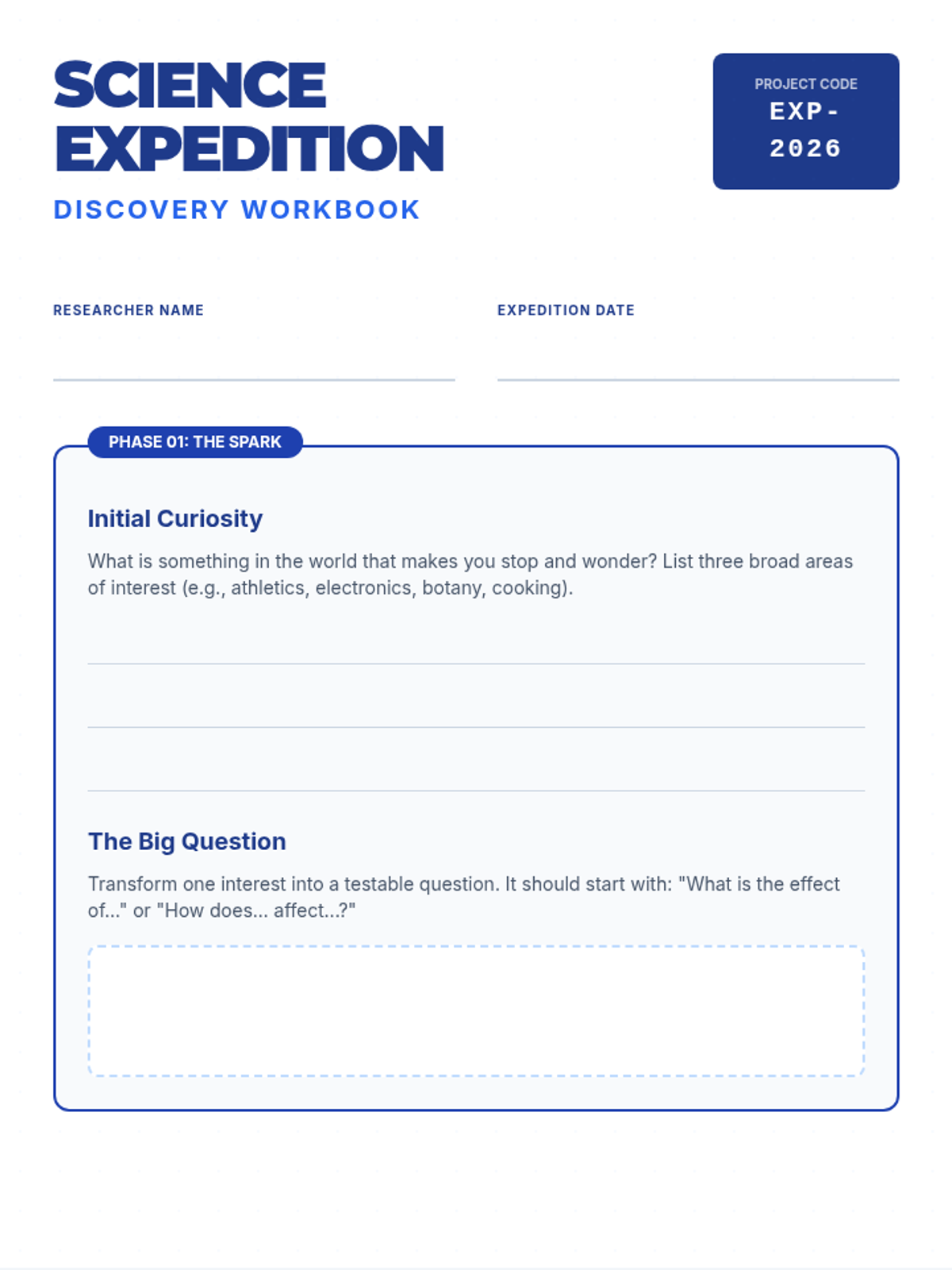
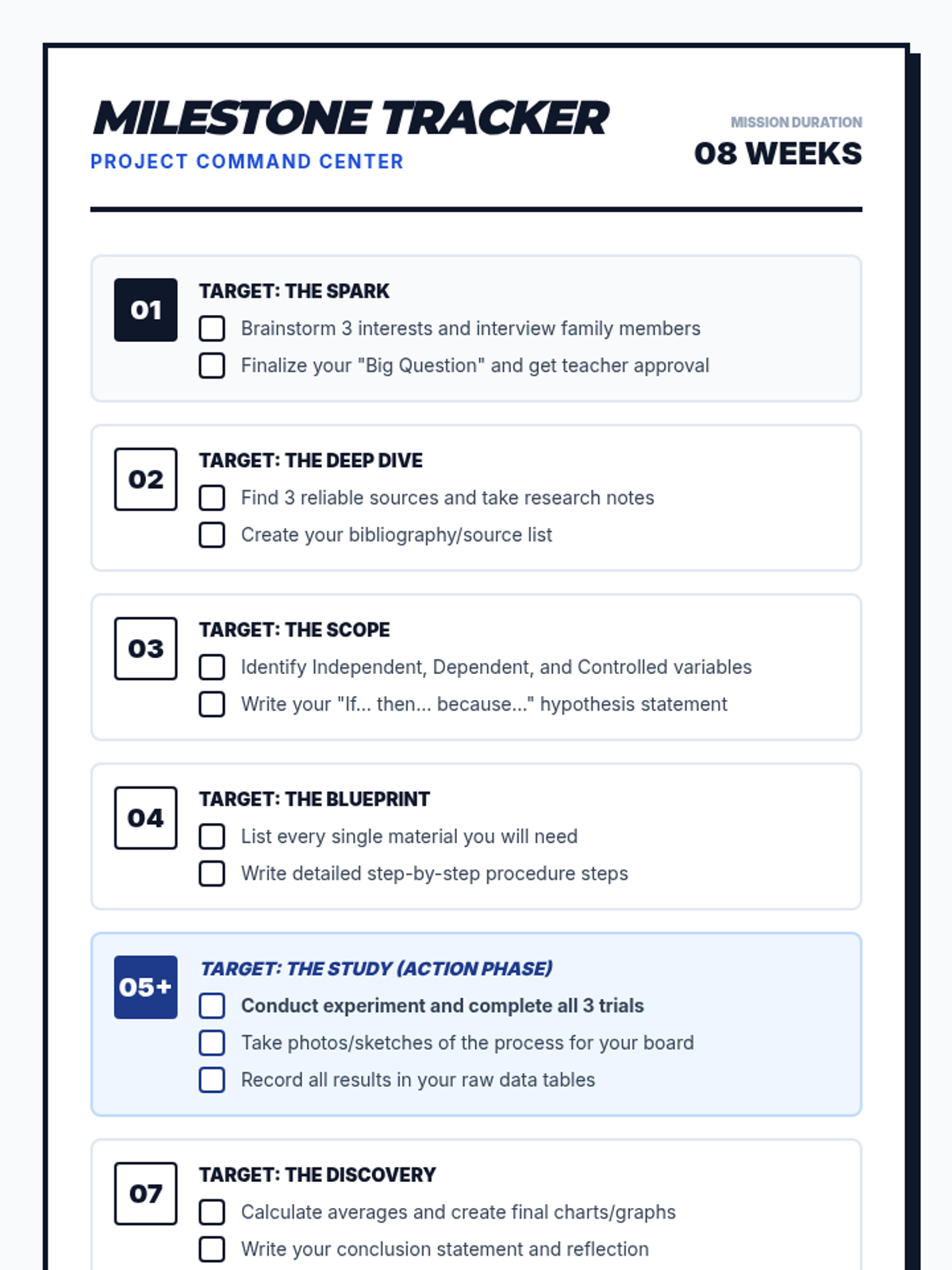
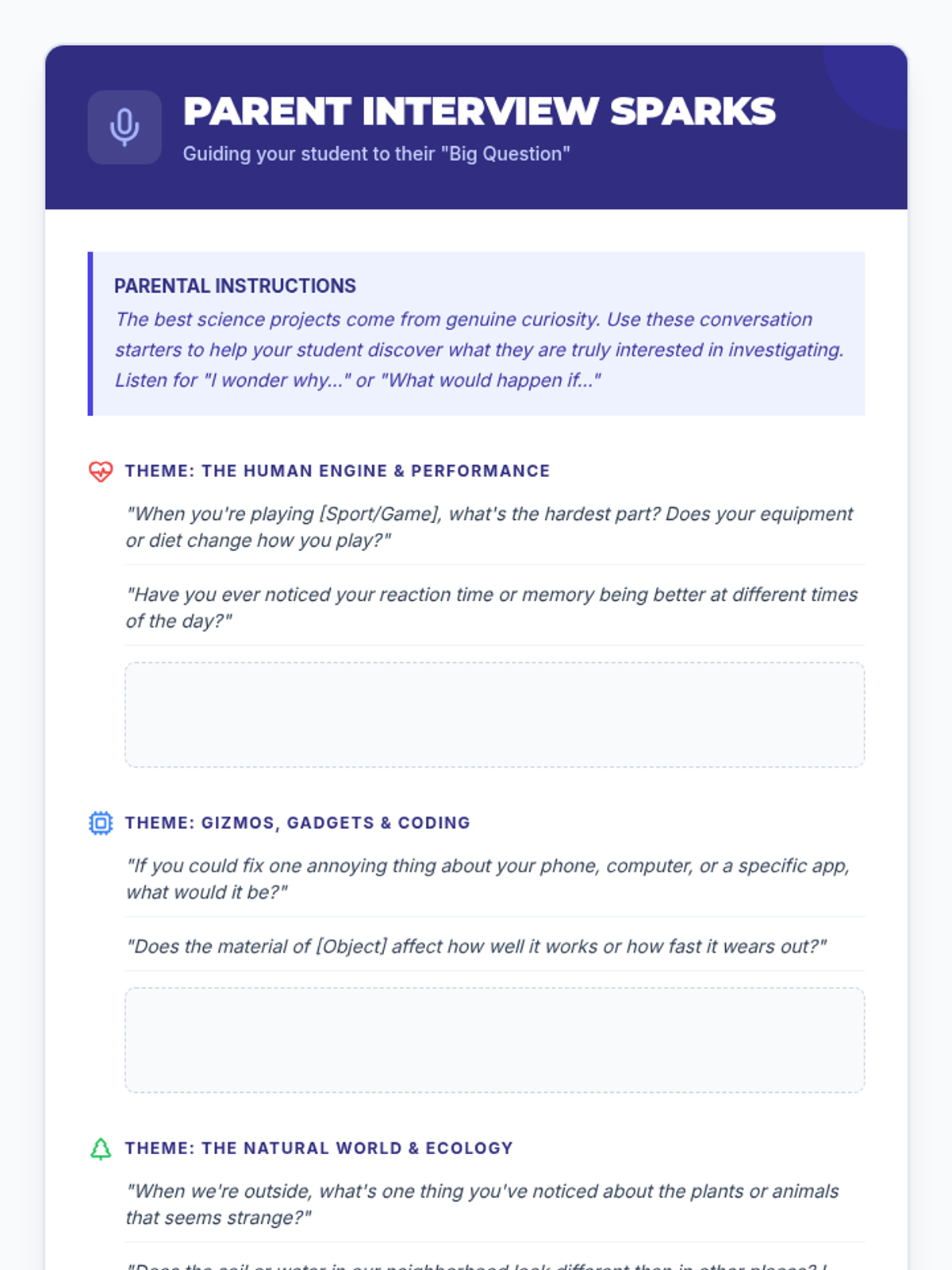
A comprehensive 7-week guide for middle school students to conduct a deep-dive study into a scientific topic of their choice. This project shifts focus from experimentation to expertise, guiding students from initial brainstorming to a final exhibition.
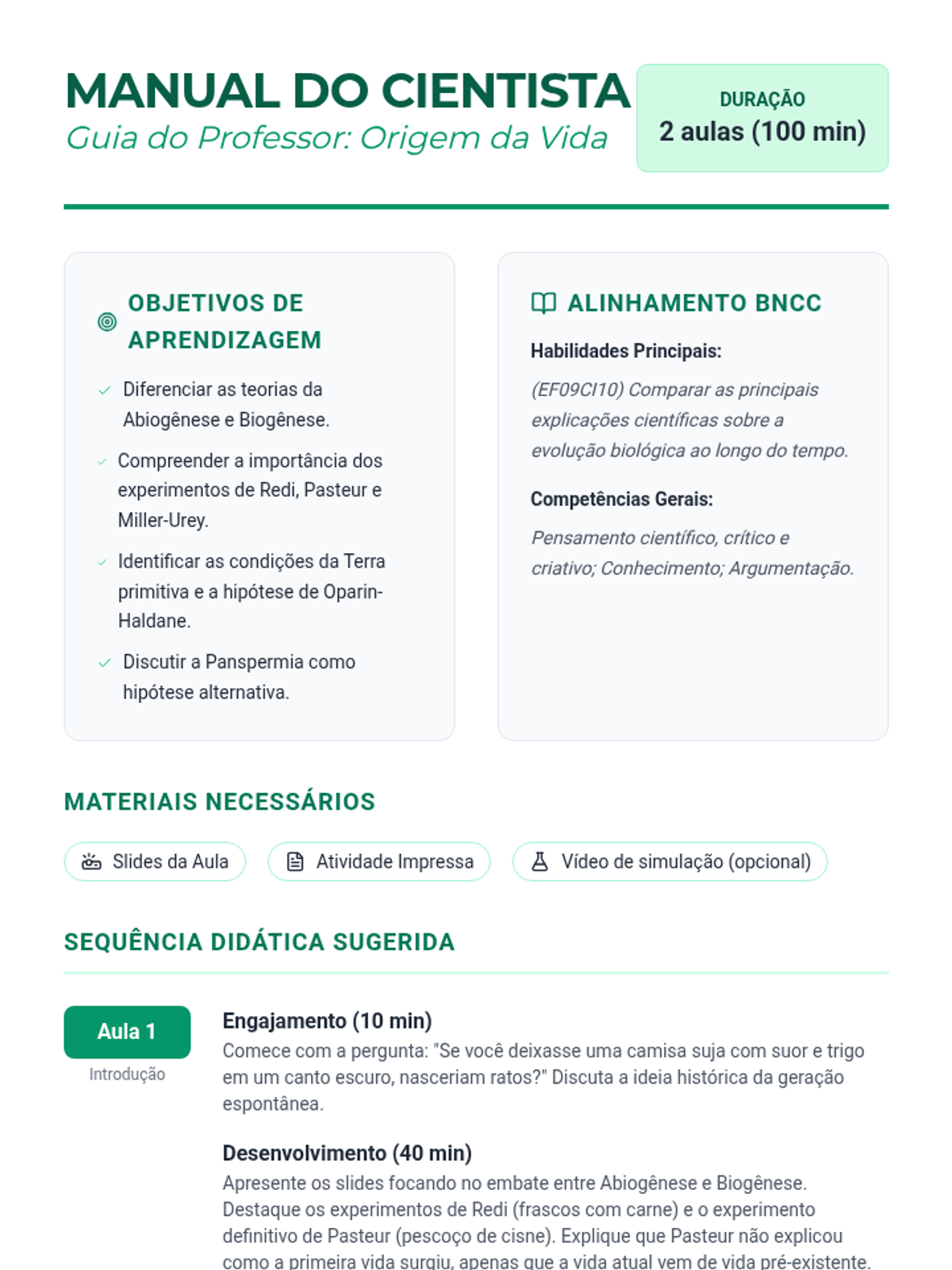
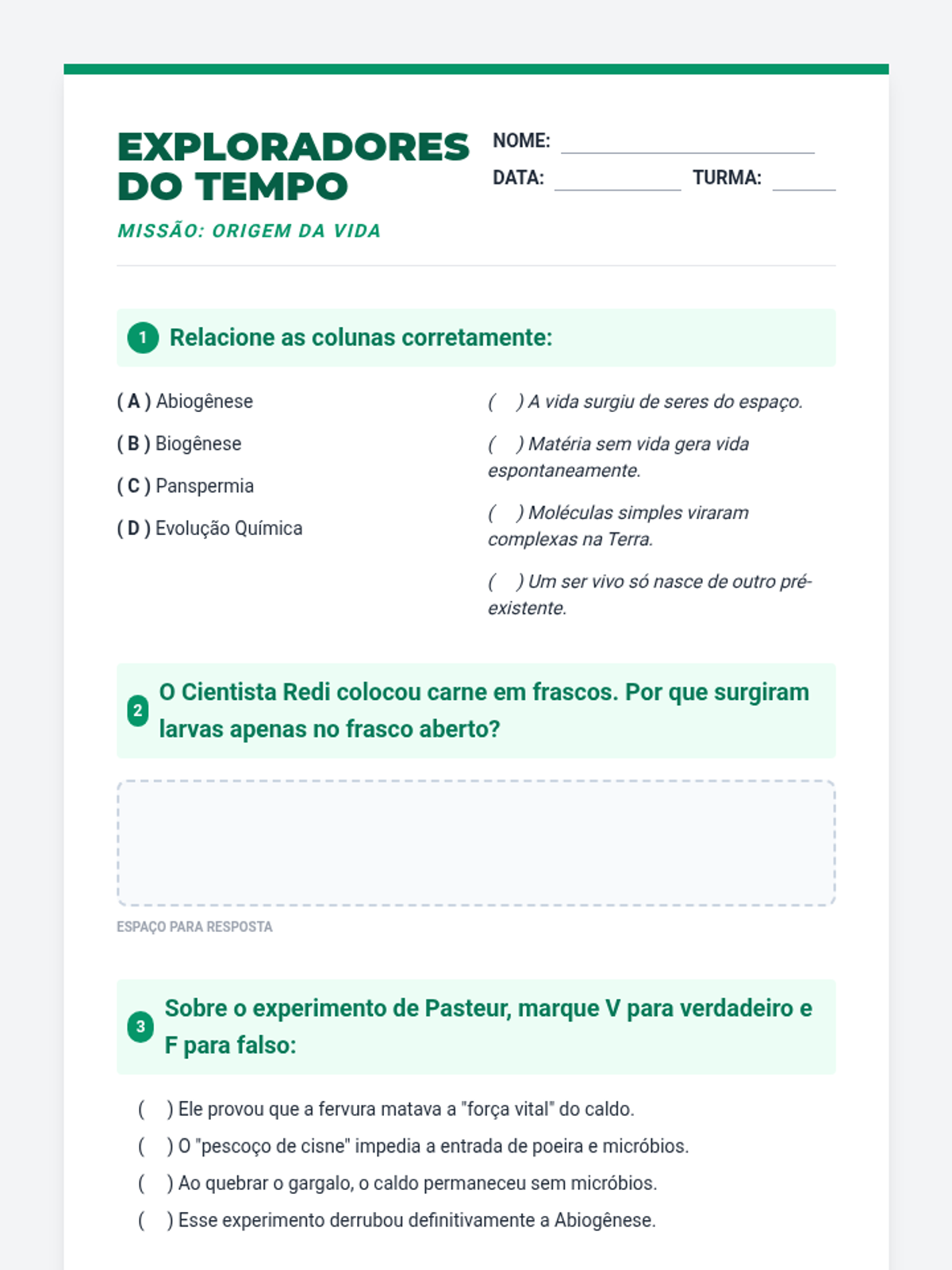
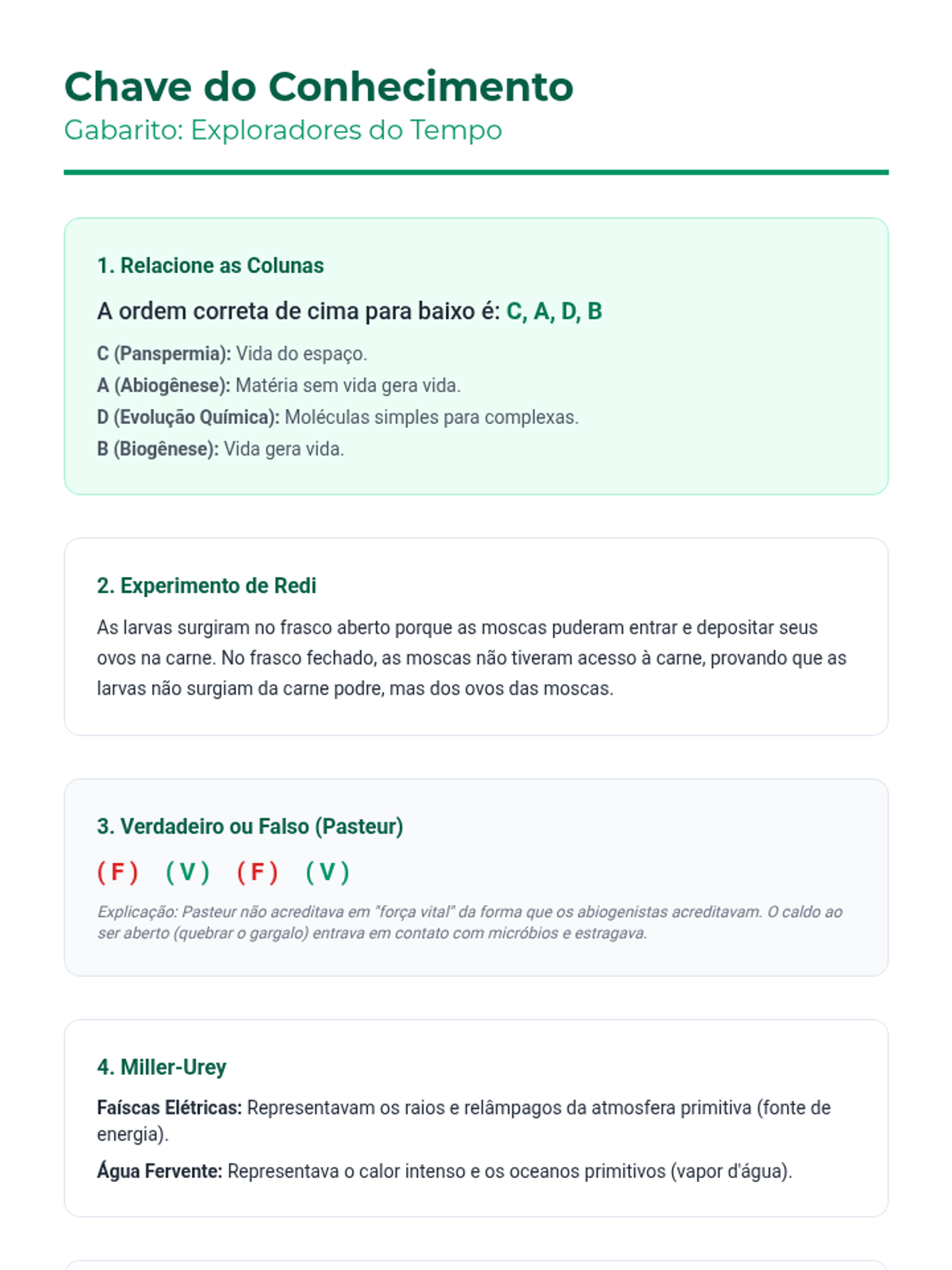
Uma aula completa sobre as principais teorias da origem da vida, abordando desde a abiogênese até os experimentos de Miller-Urey, alinhada à BNCC para o Ensino Fundamental II.
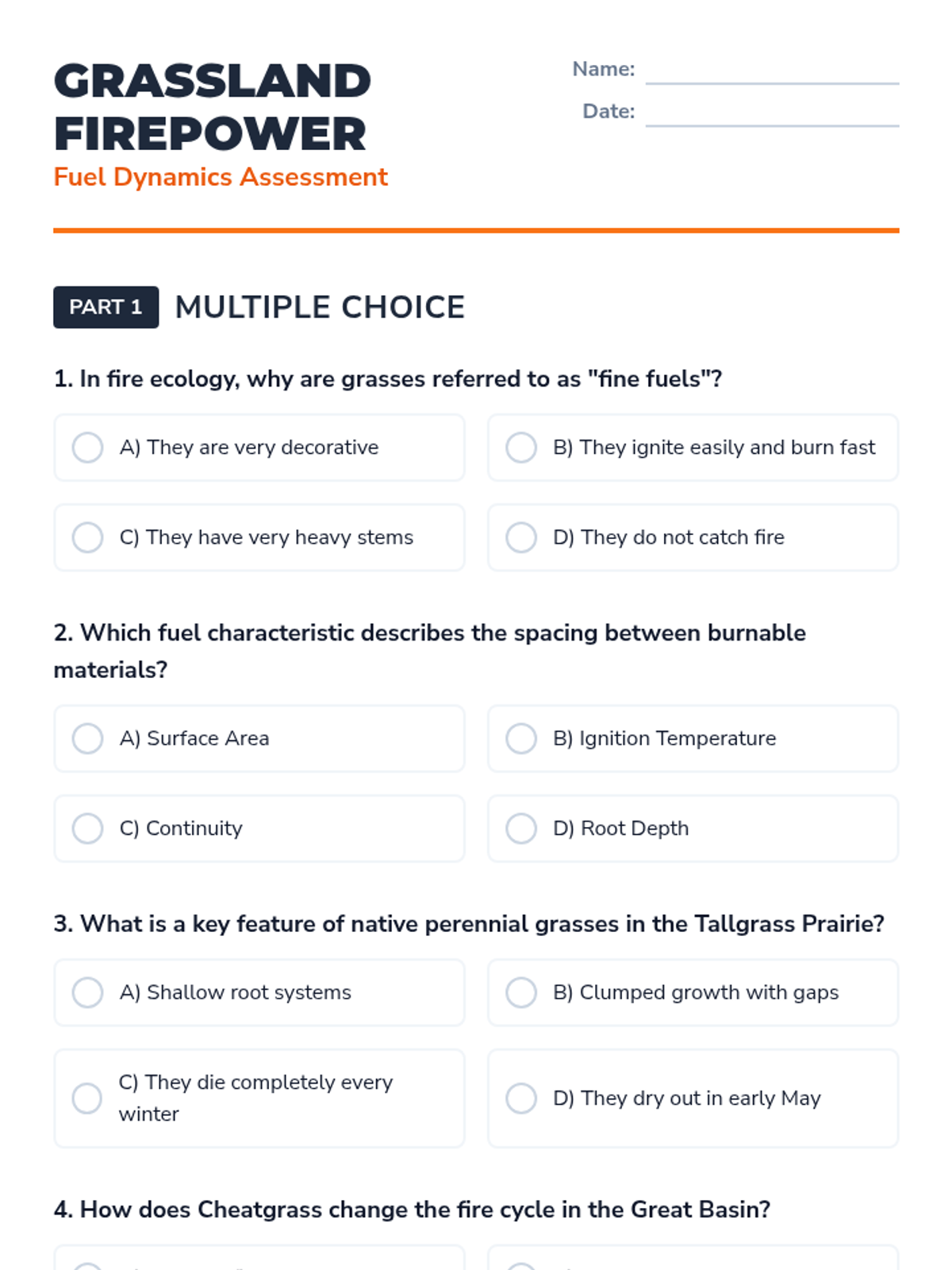
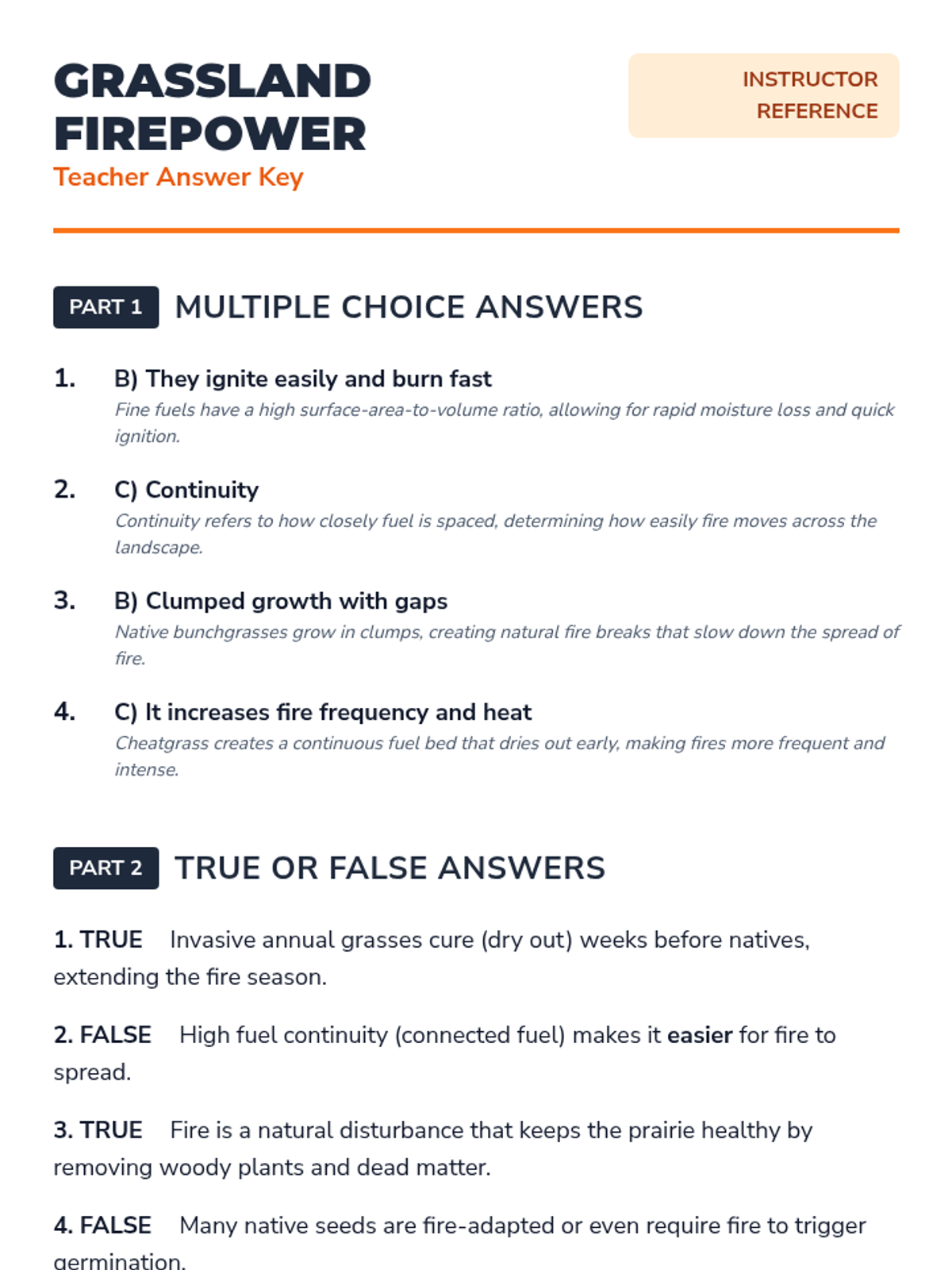
A lesson exploring the differences between natural and invasive grasses as fire fuels, featuring case studies on the Tallgrass Prairie and Cheatgrass in the Great Basin. Students will analyze fire behavior and impact through comparative study and assessment.
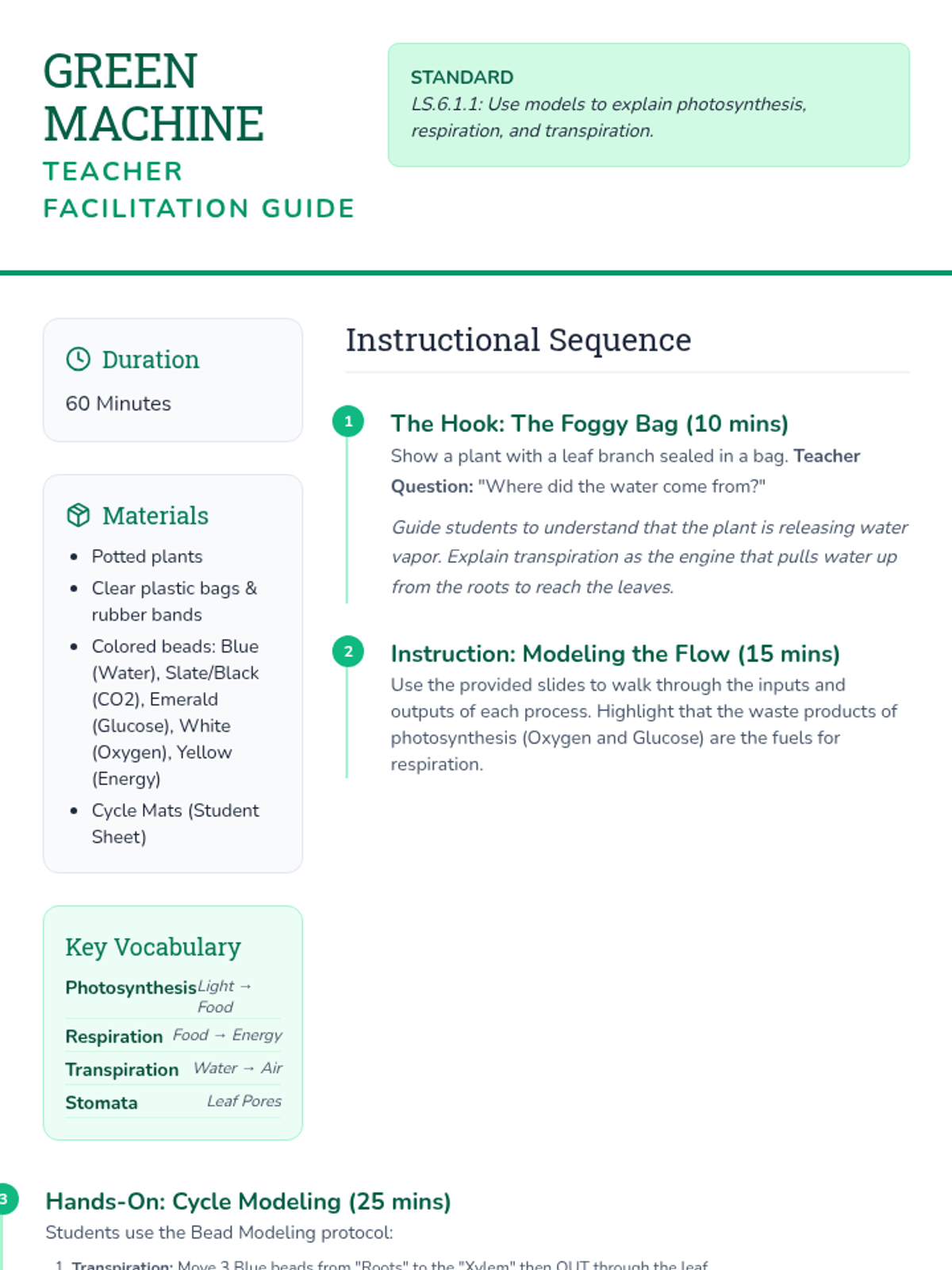
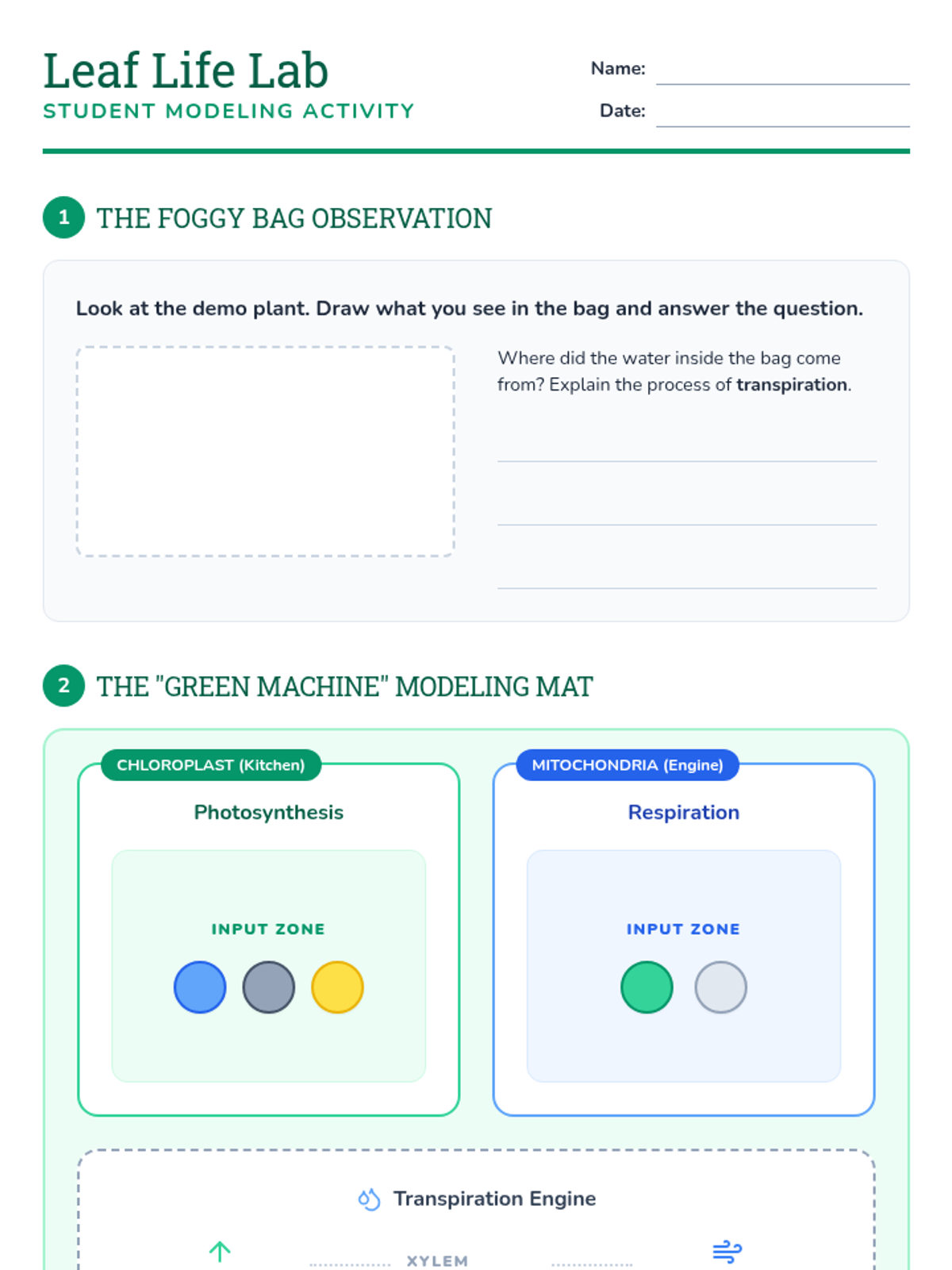
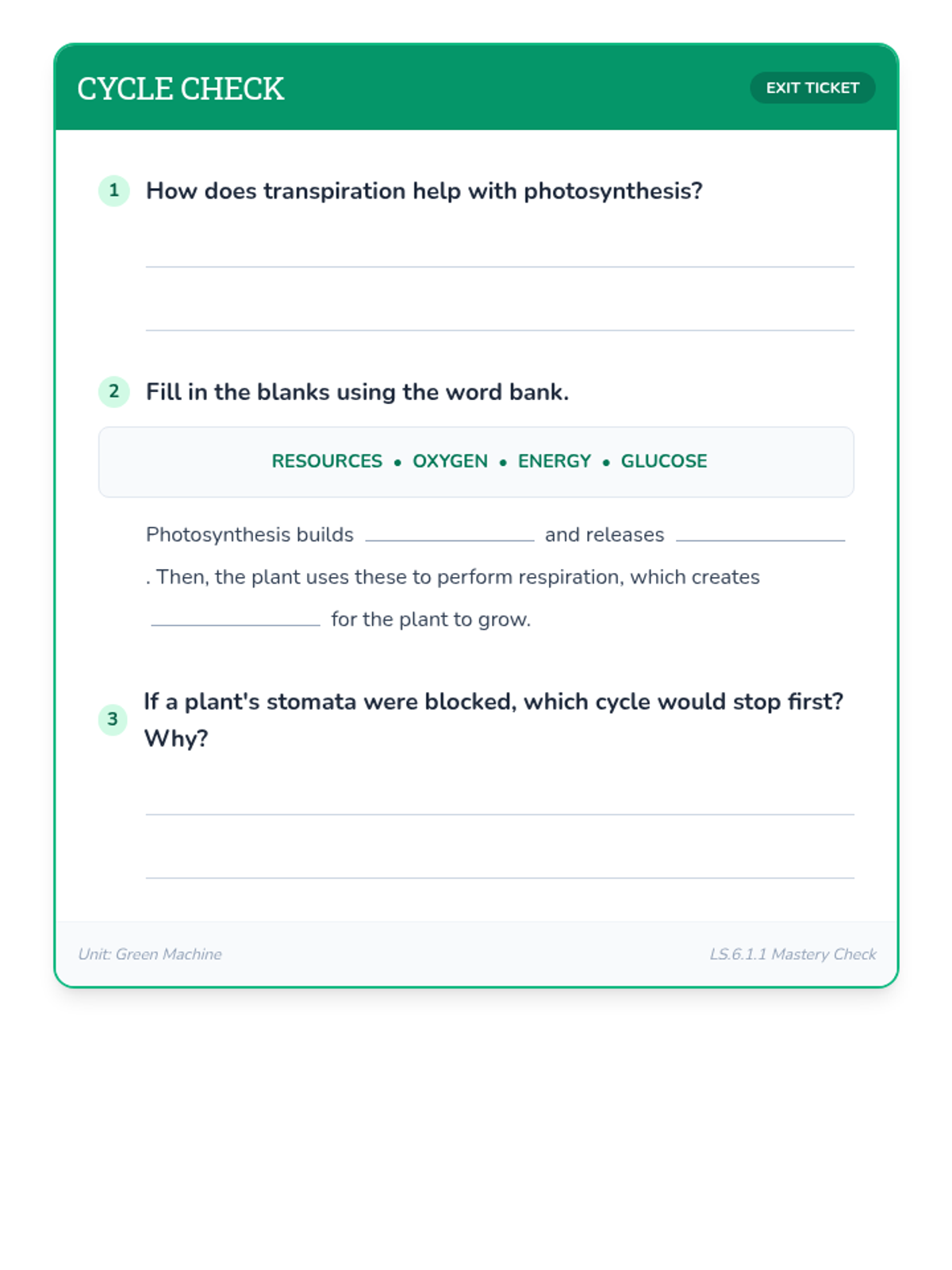
A hands-on exploration of photosynthesis, respiration, and transpiration, showing how these three processes cycle energy, gases, and water to sustain plant life. Students will observe transpiration in real-time and use a conceptual model to track chemical changes.
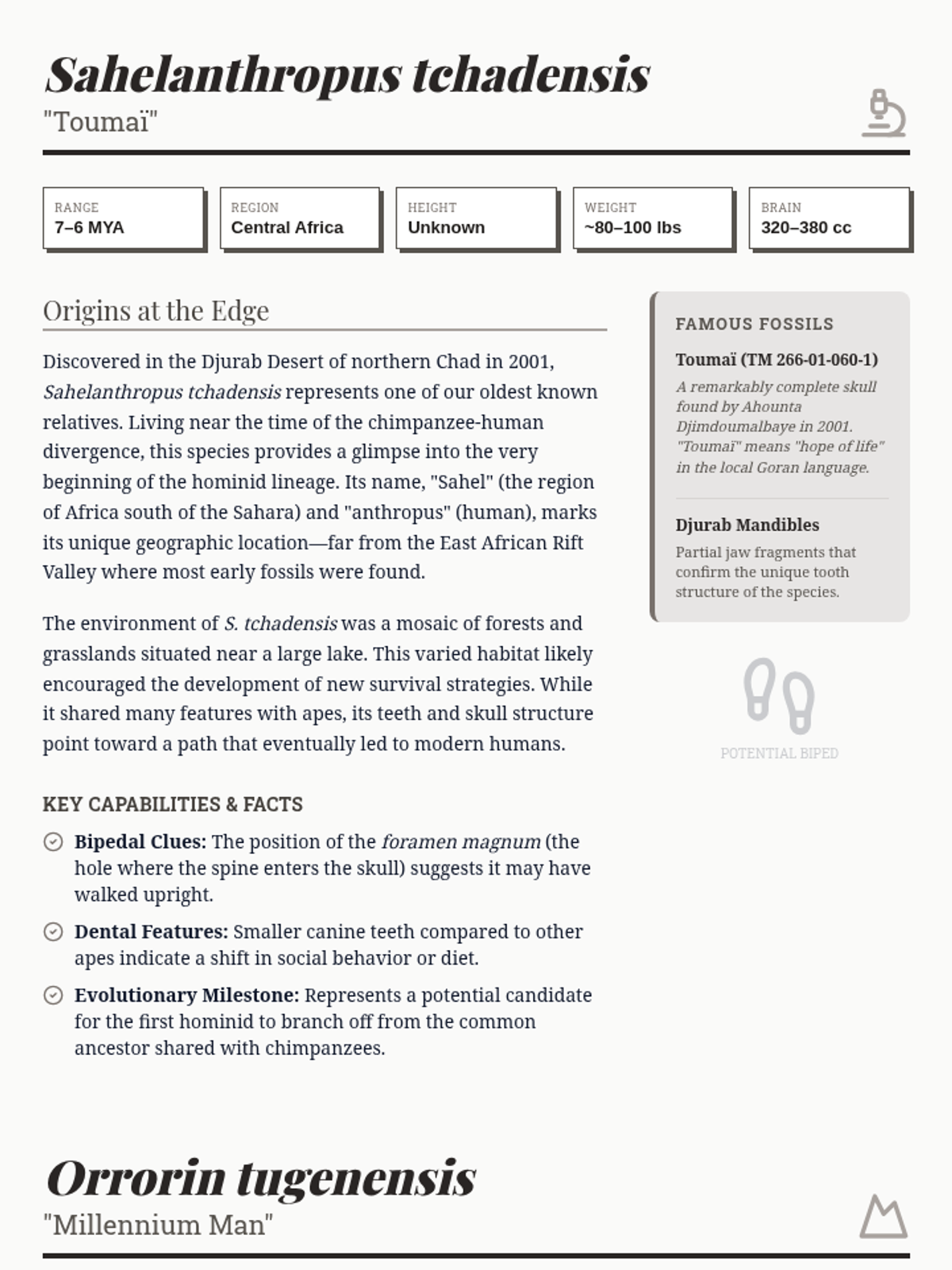
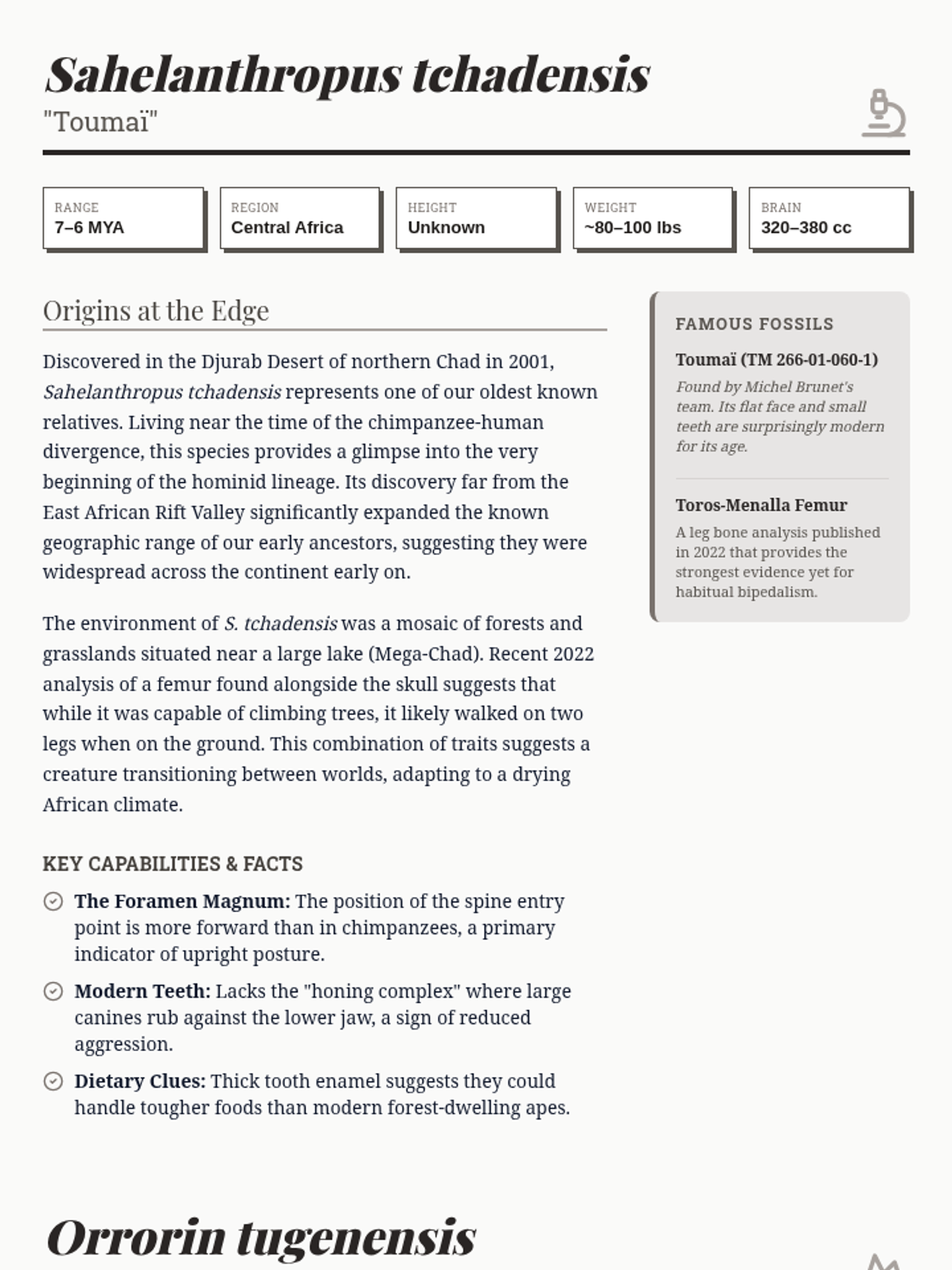
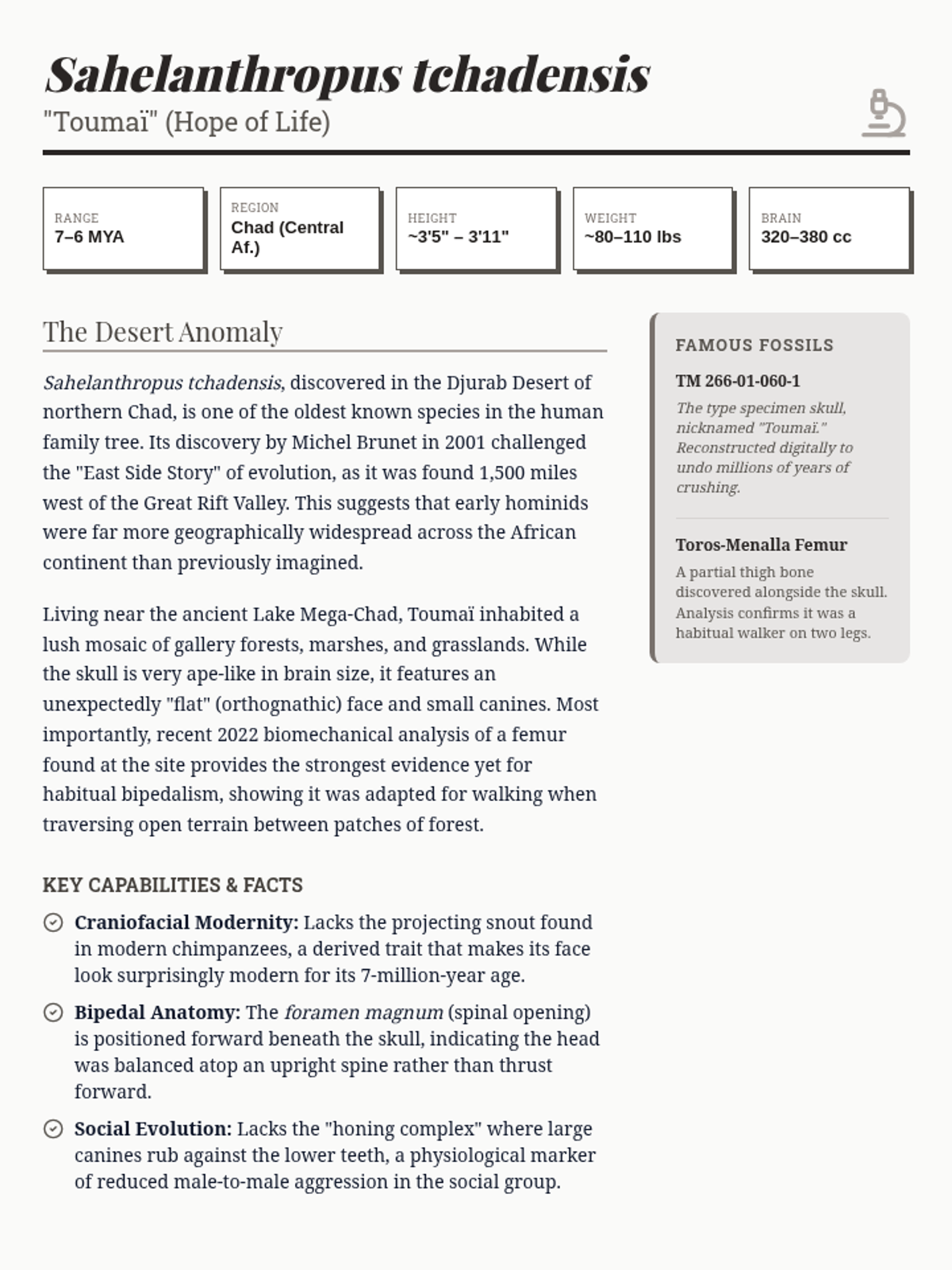
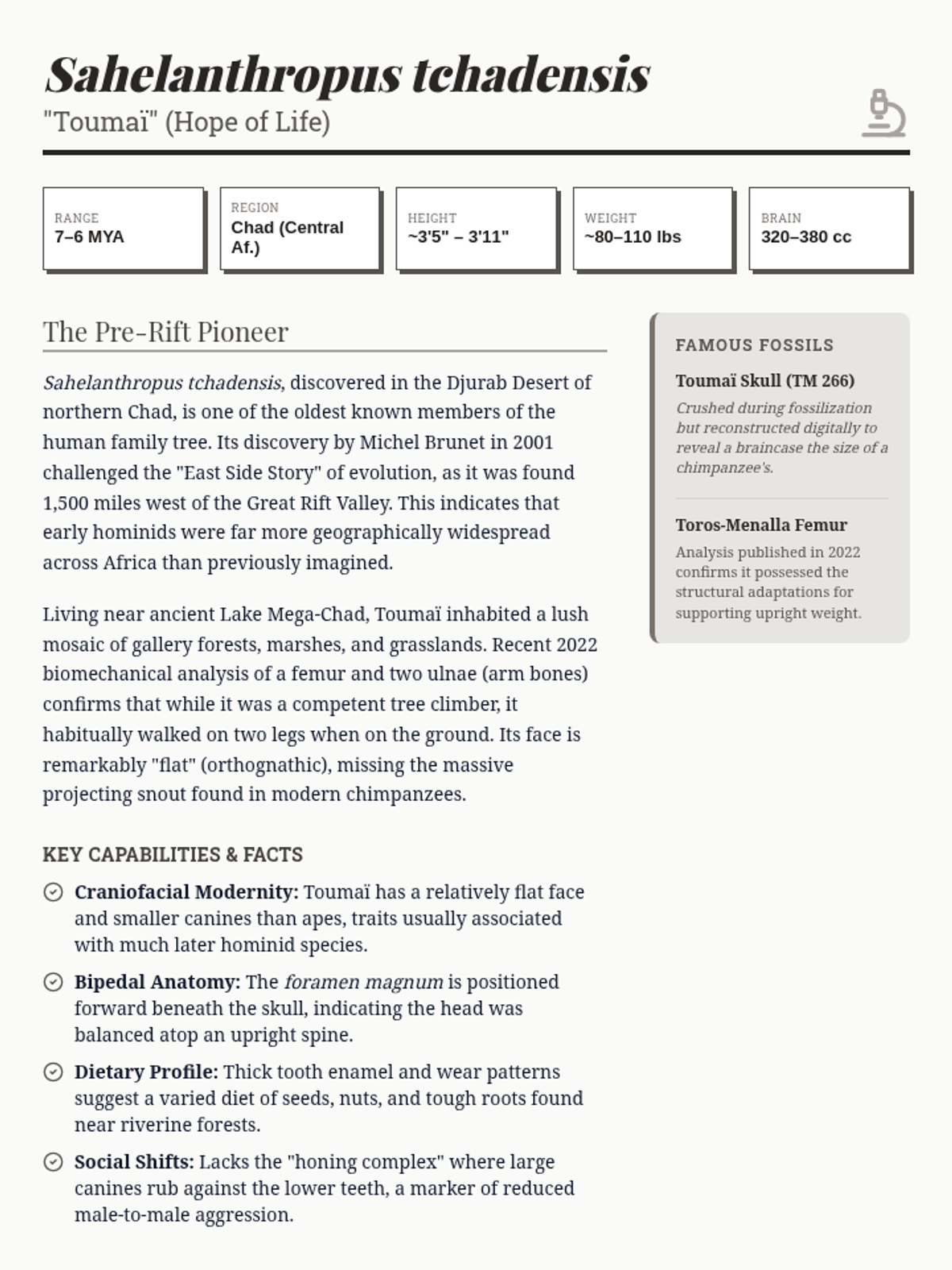
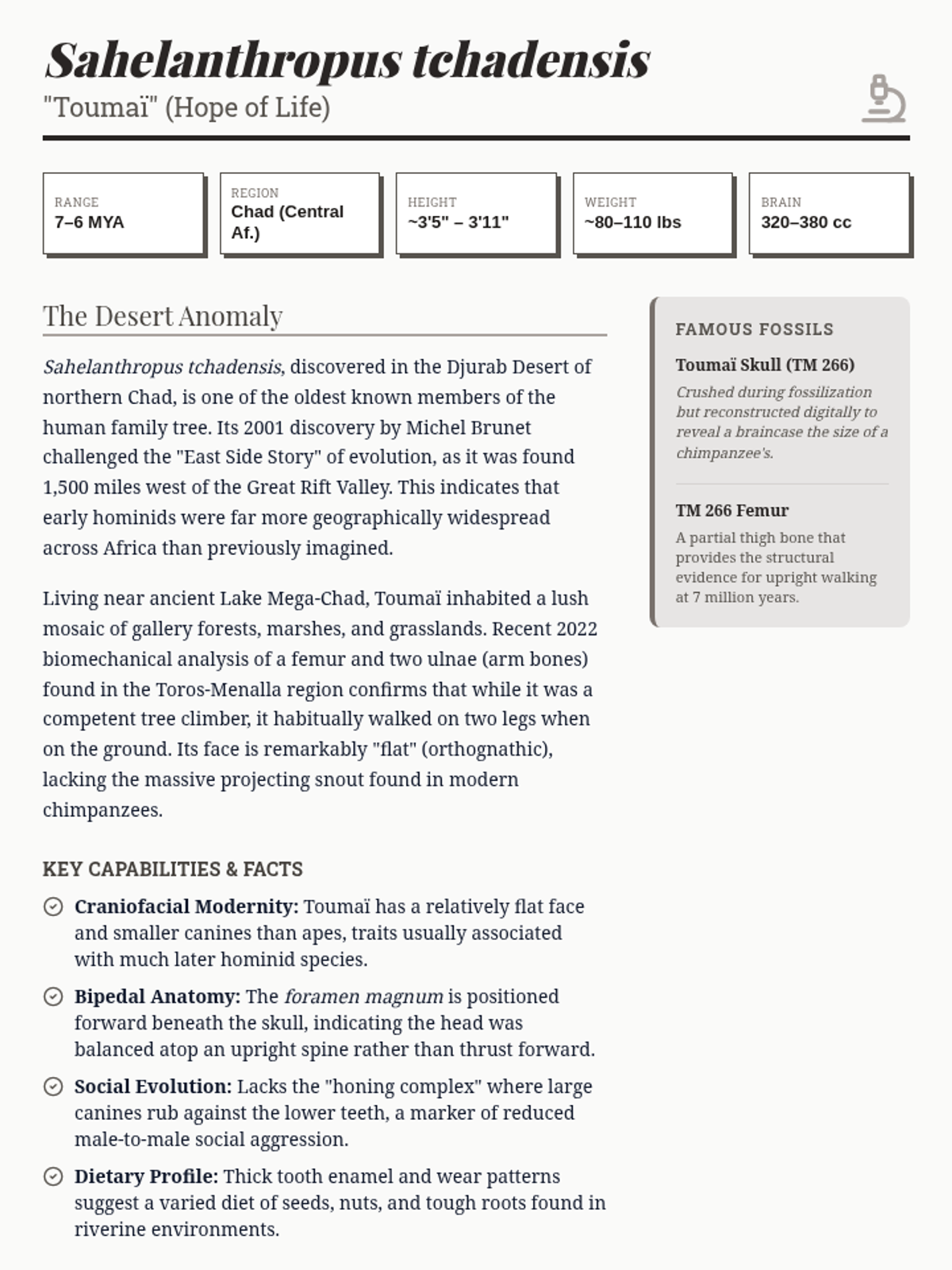
A comprehensive collection of species profiles covering the major branches of the human family tree, from the earliest potential ancestors to our closest extinct relatives.
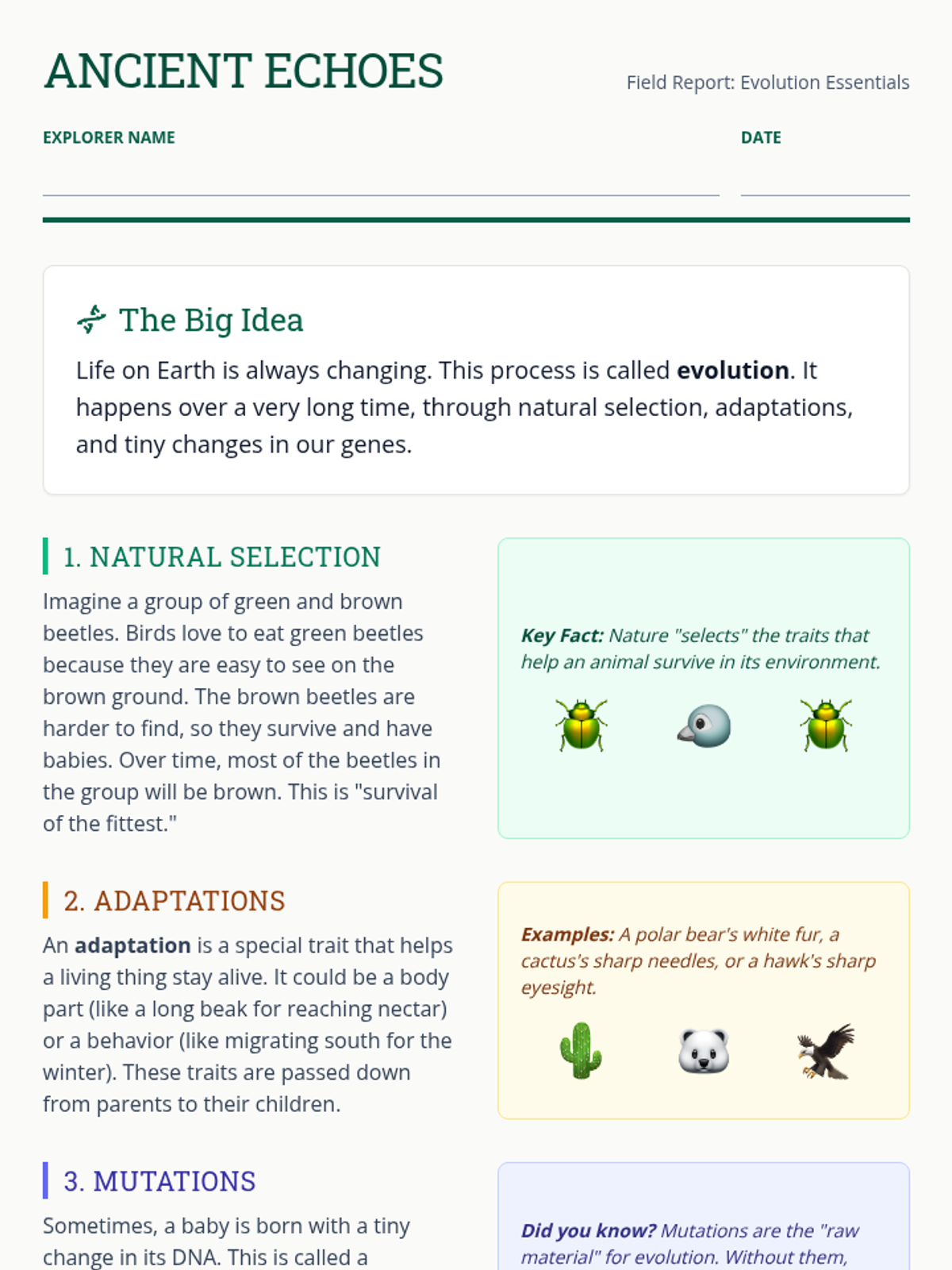
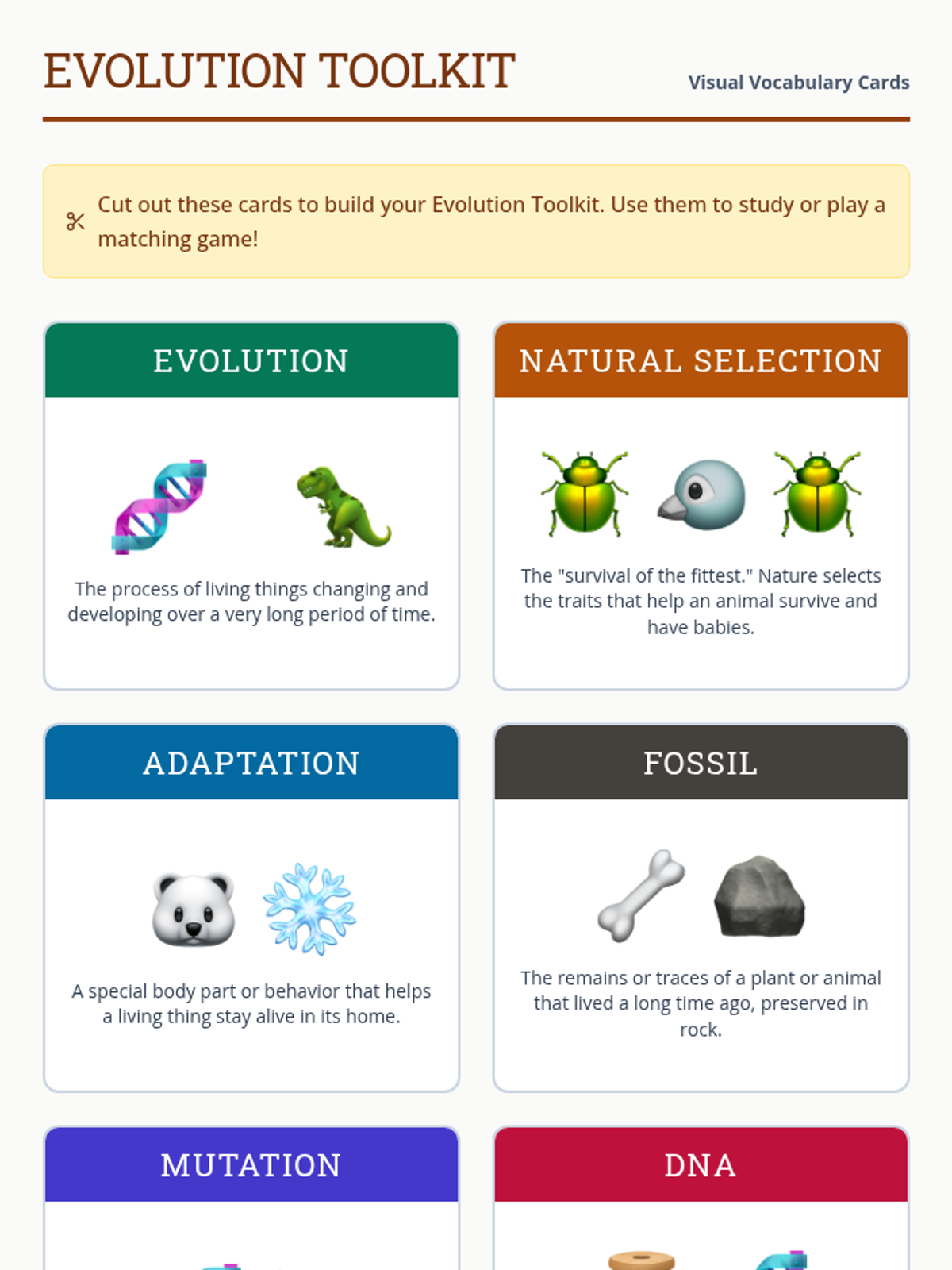
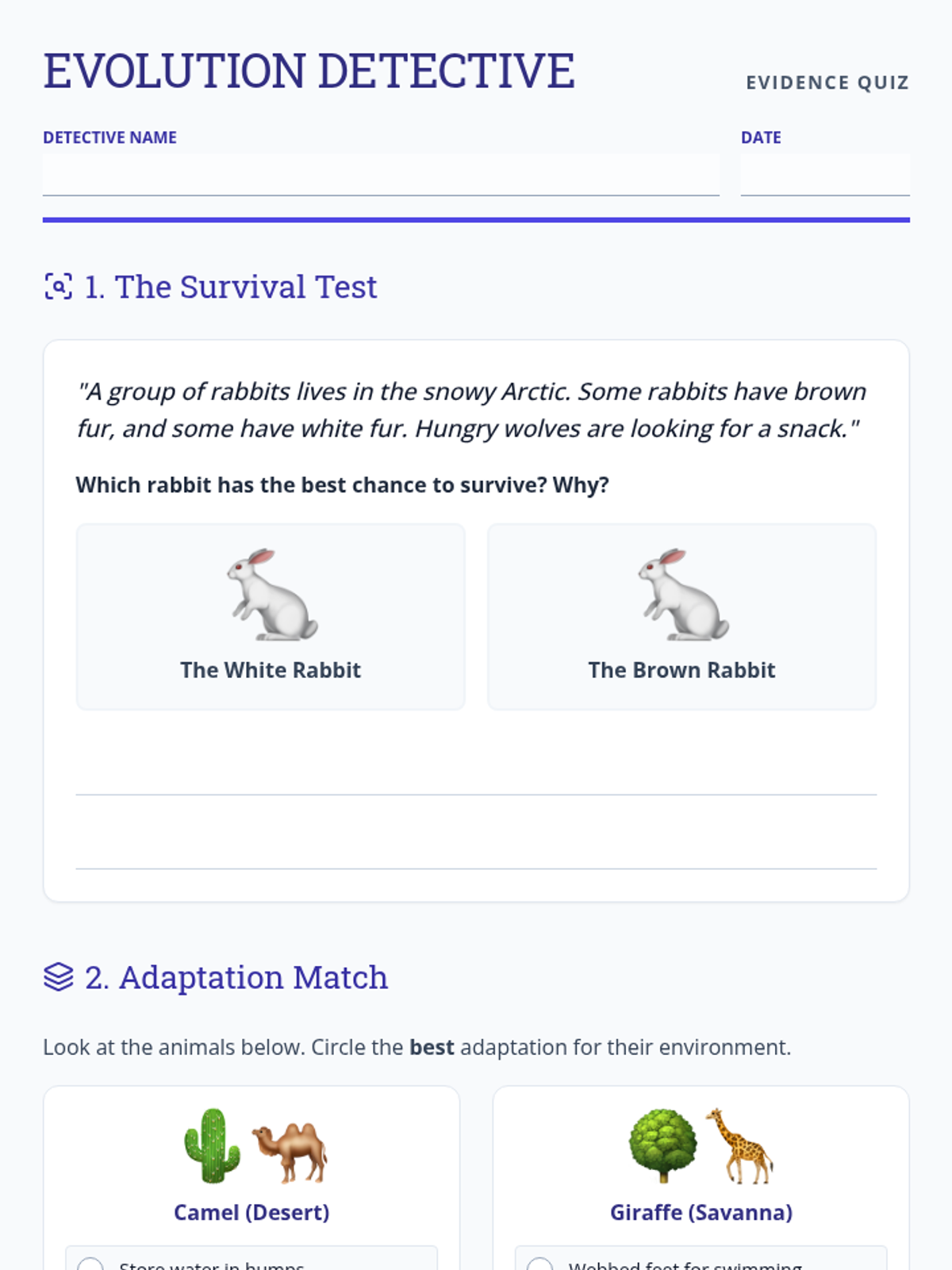
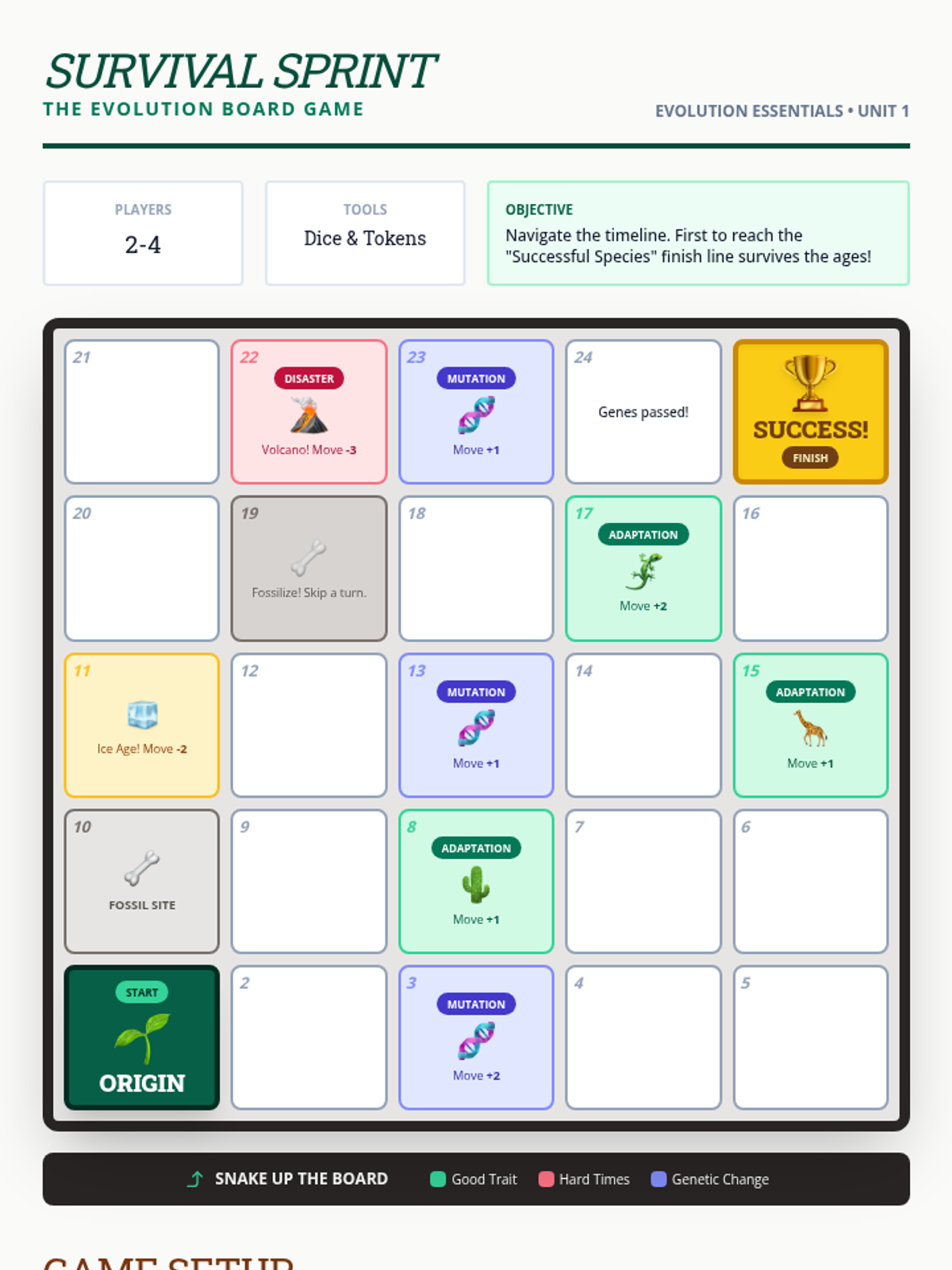
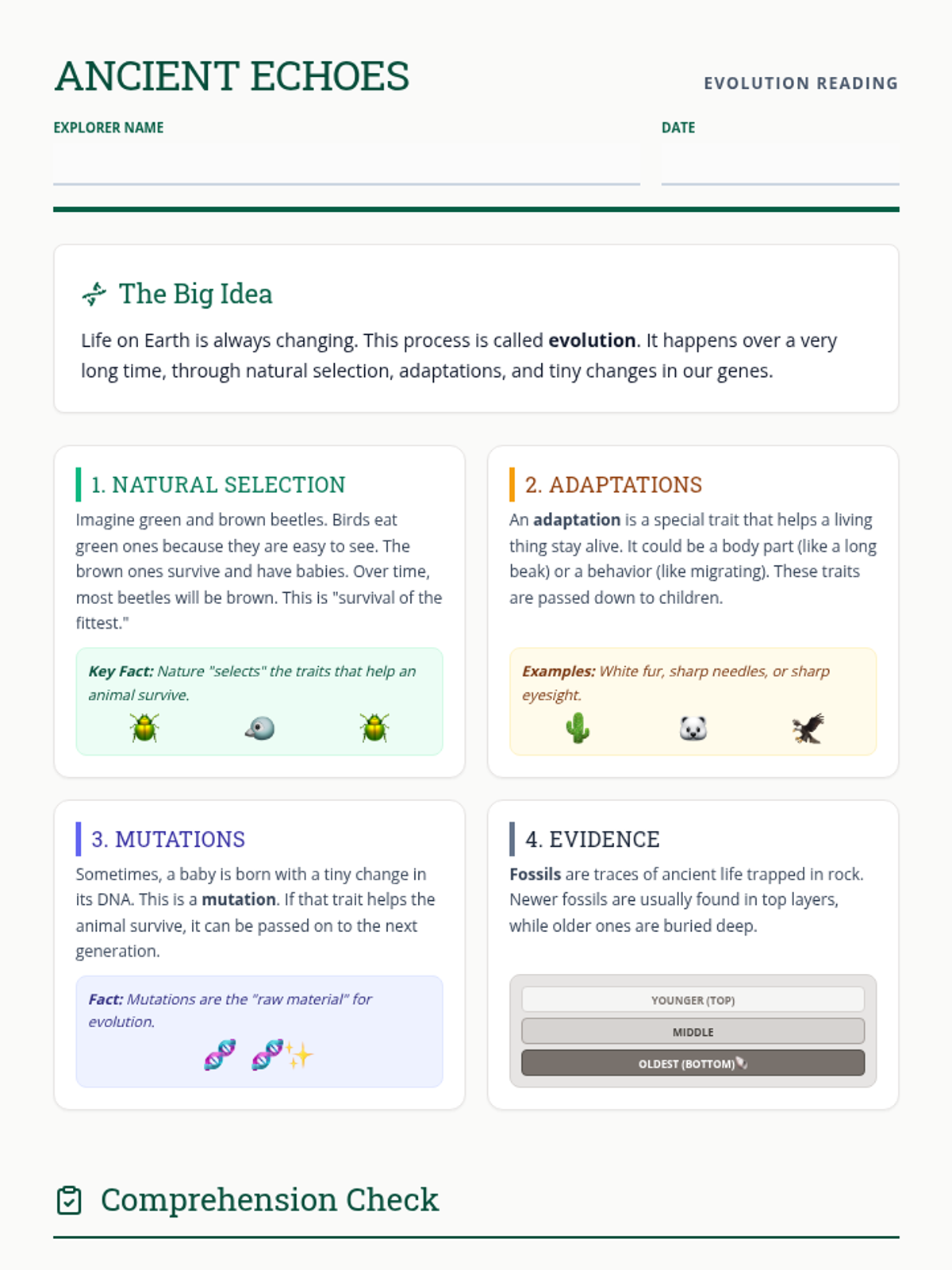
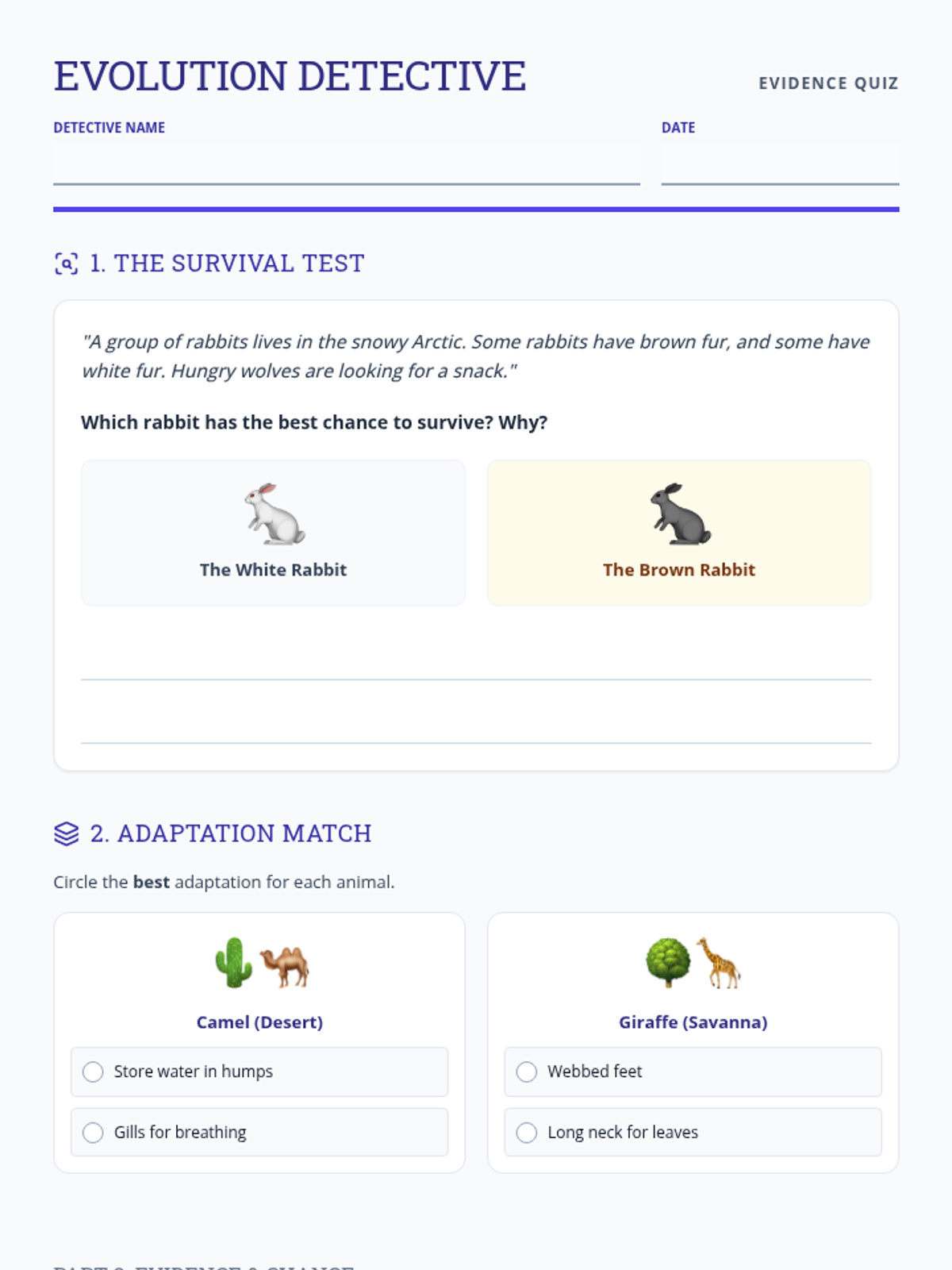
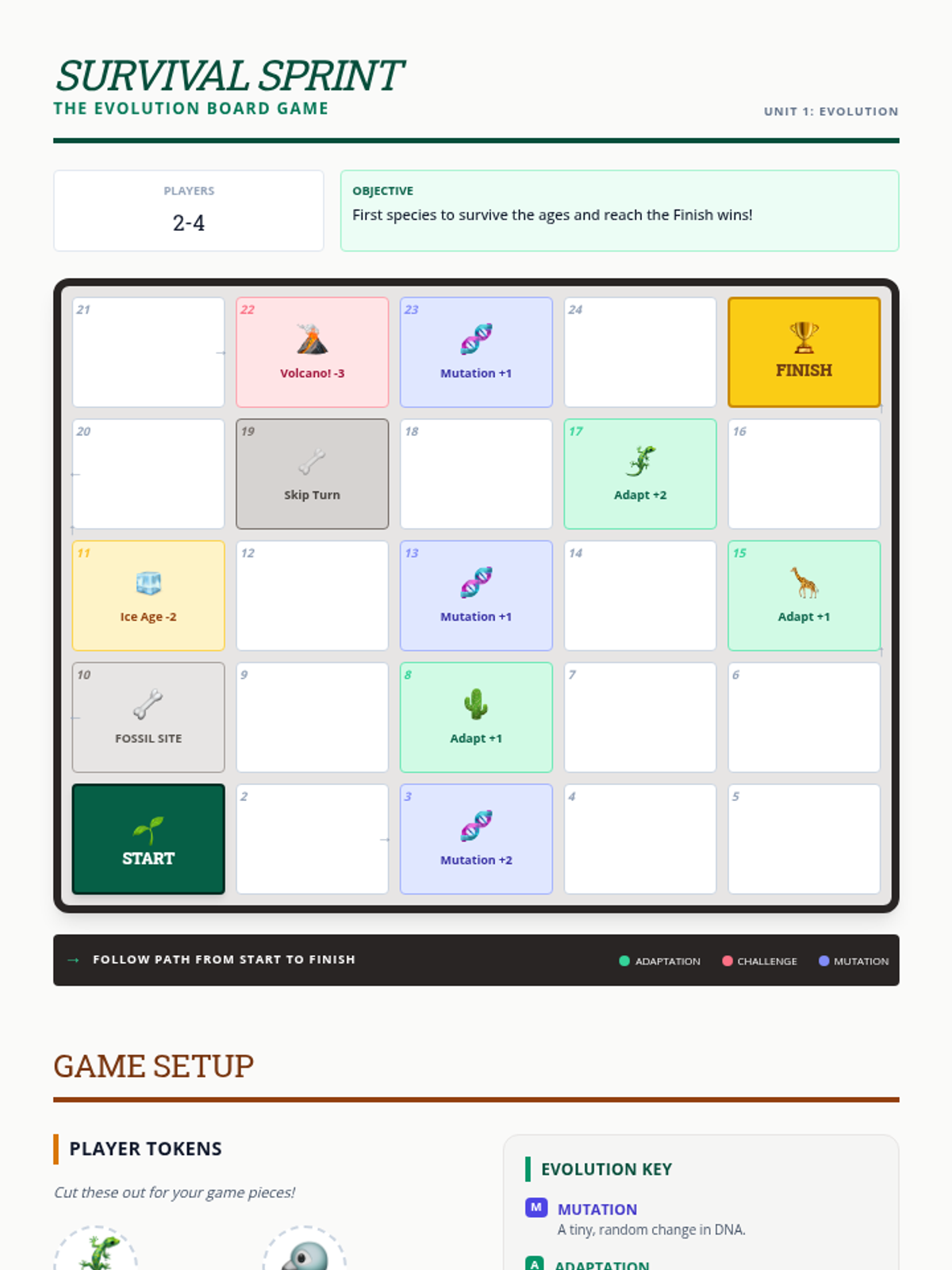
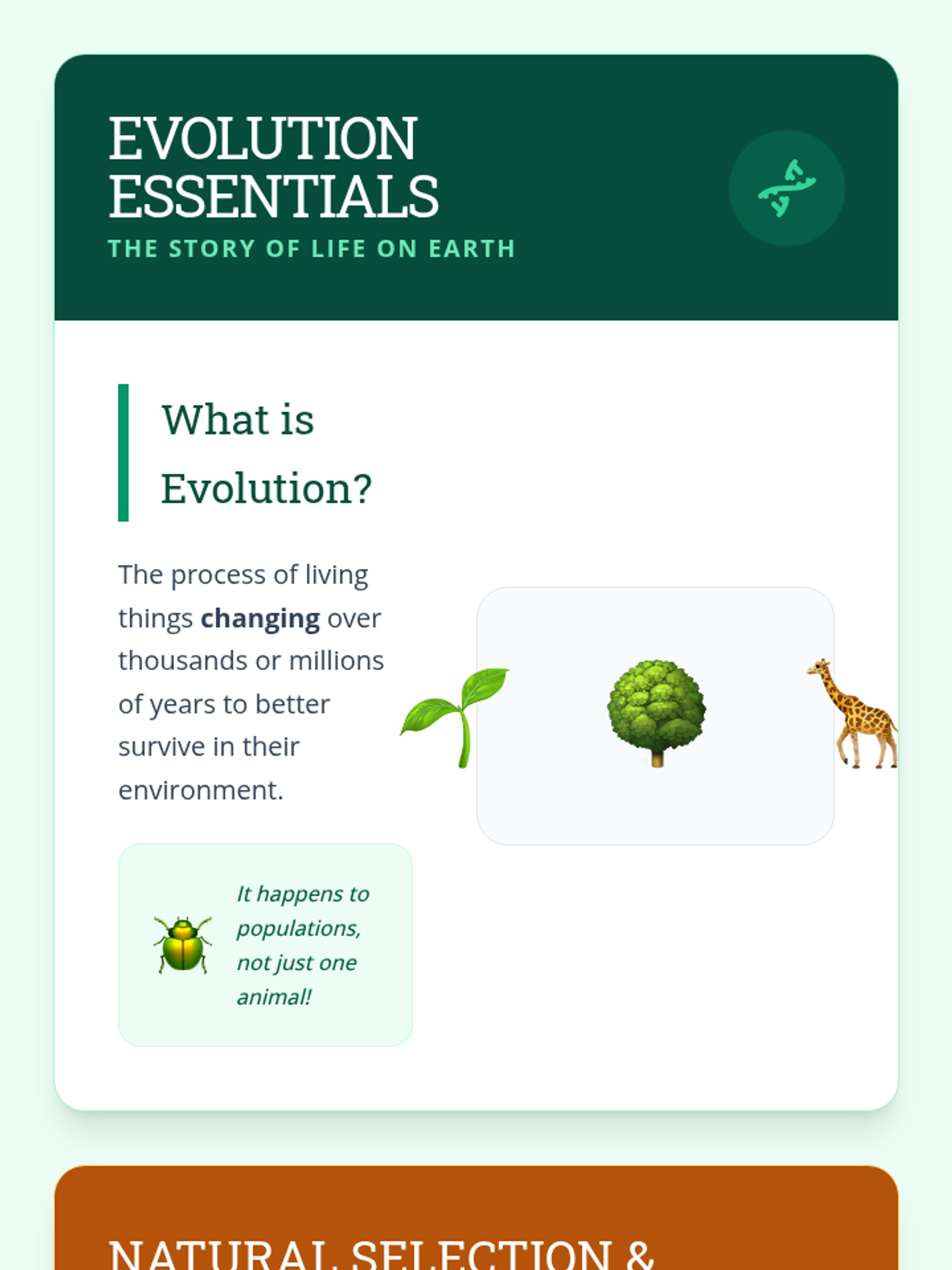
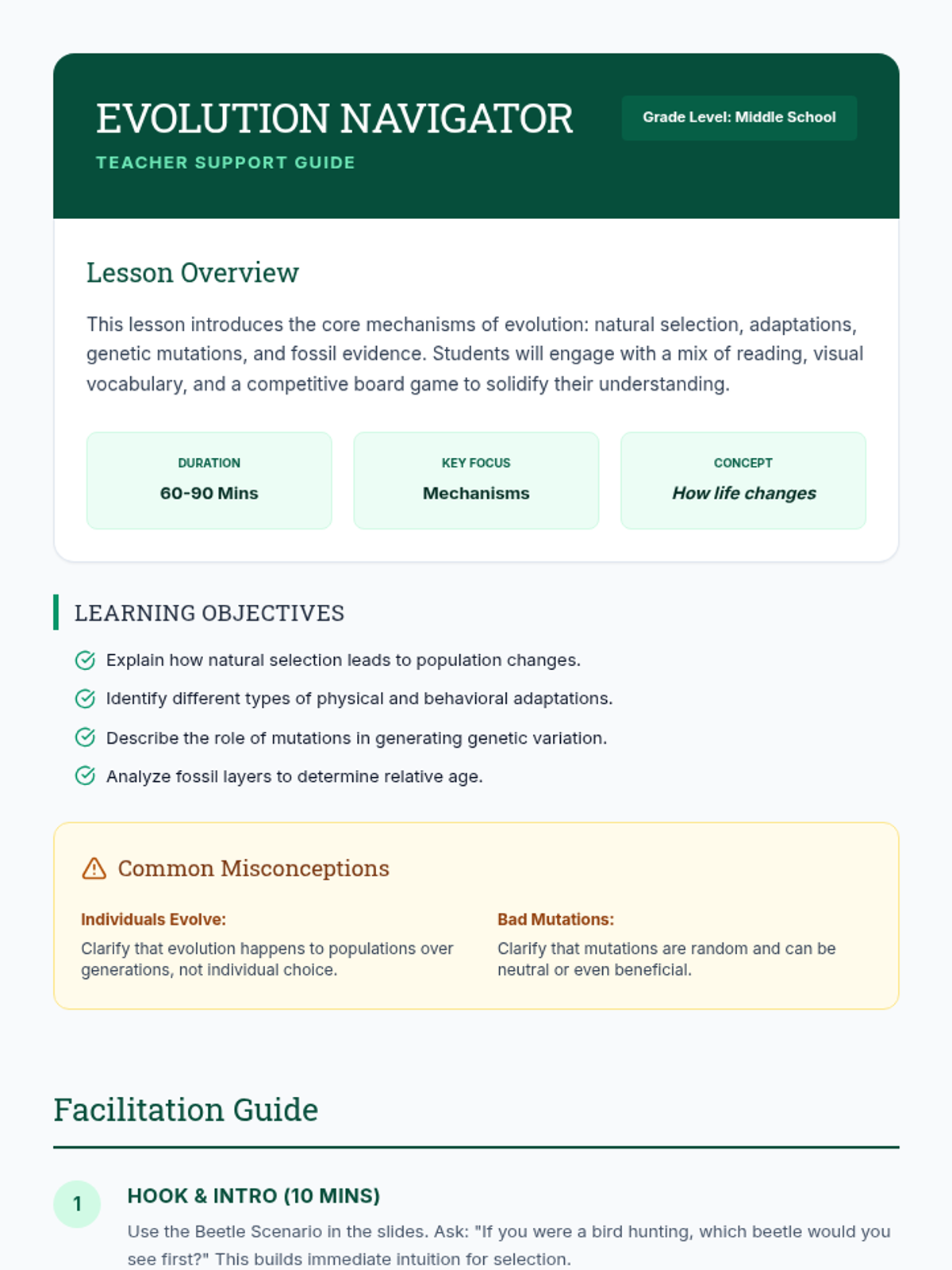
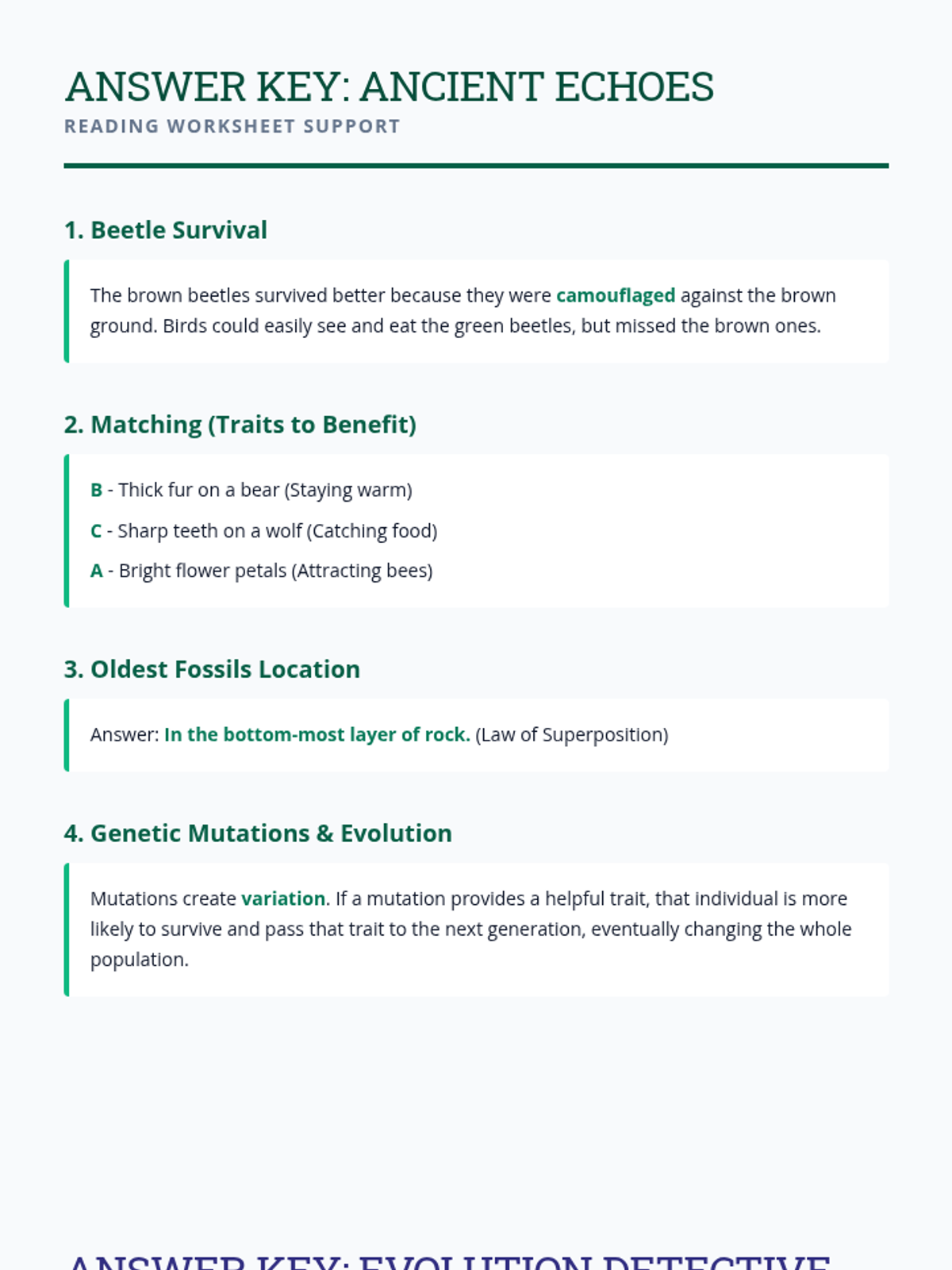
An introductory lesson on evolution covering natural selection, adaptations, fossils, and genetic mutations using visual and accessible formats.
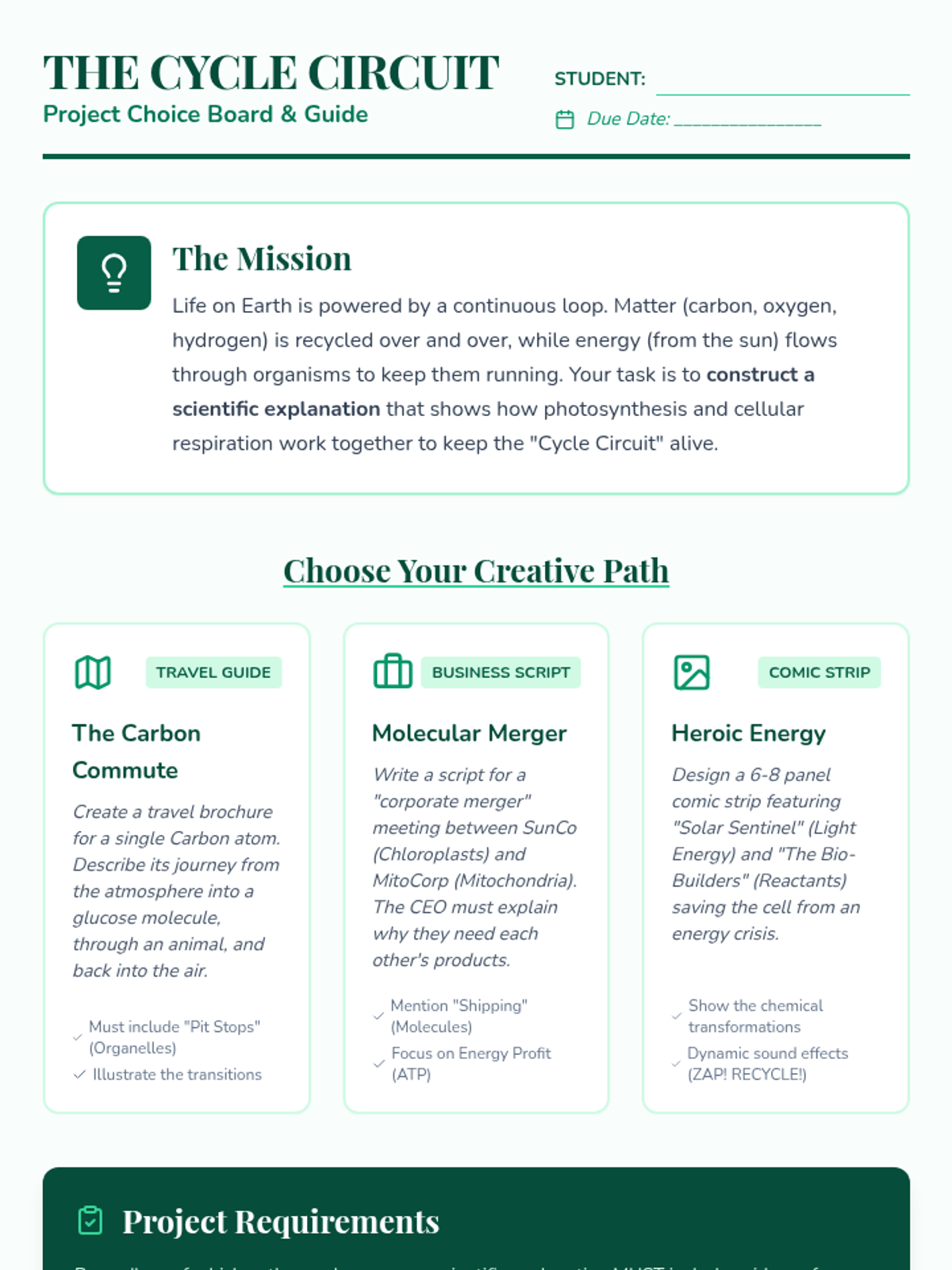
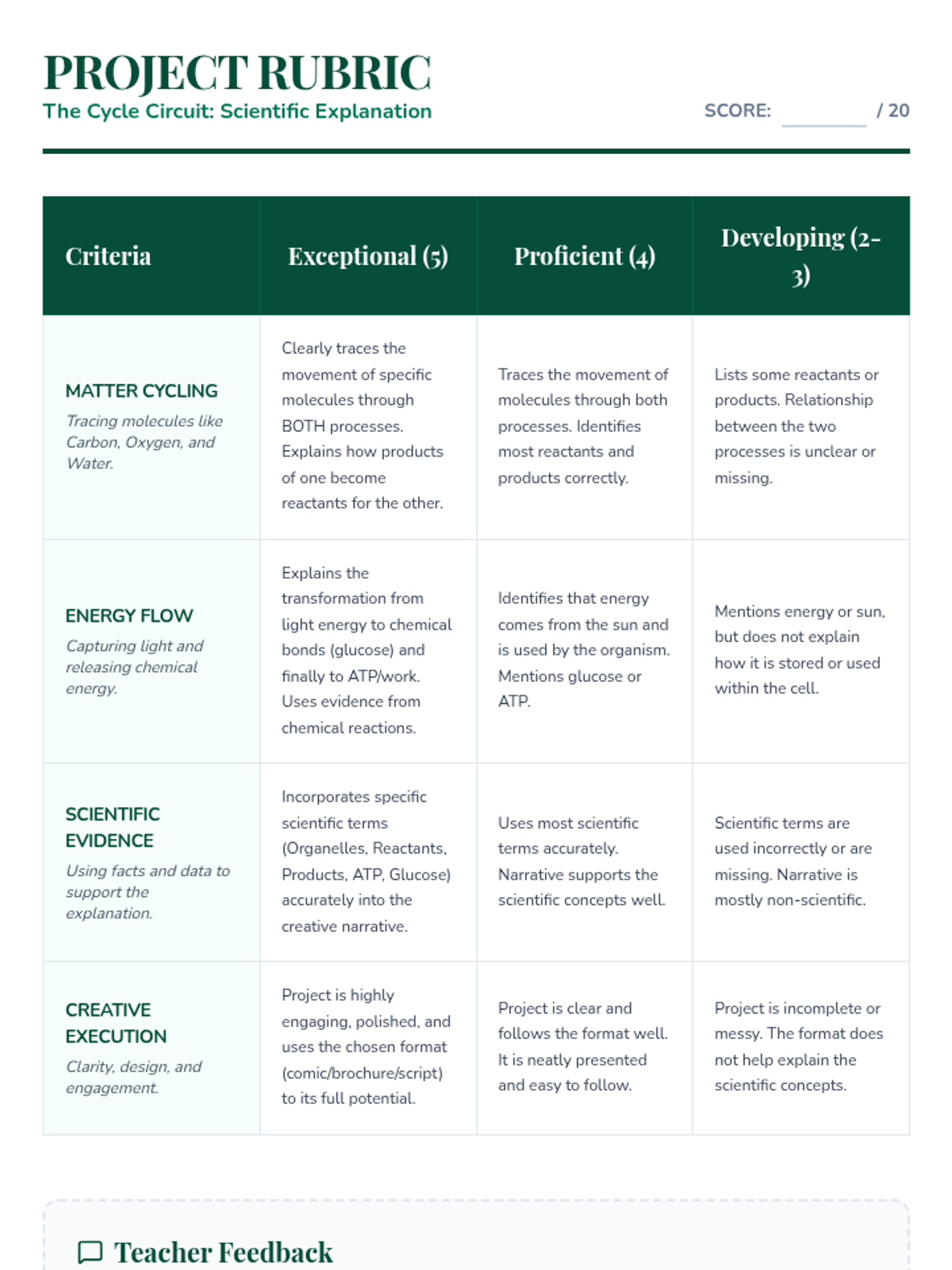
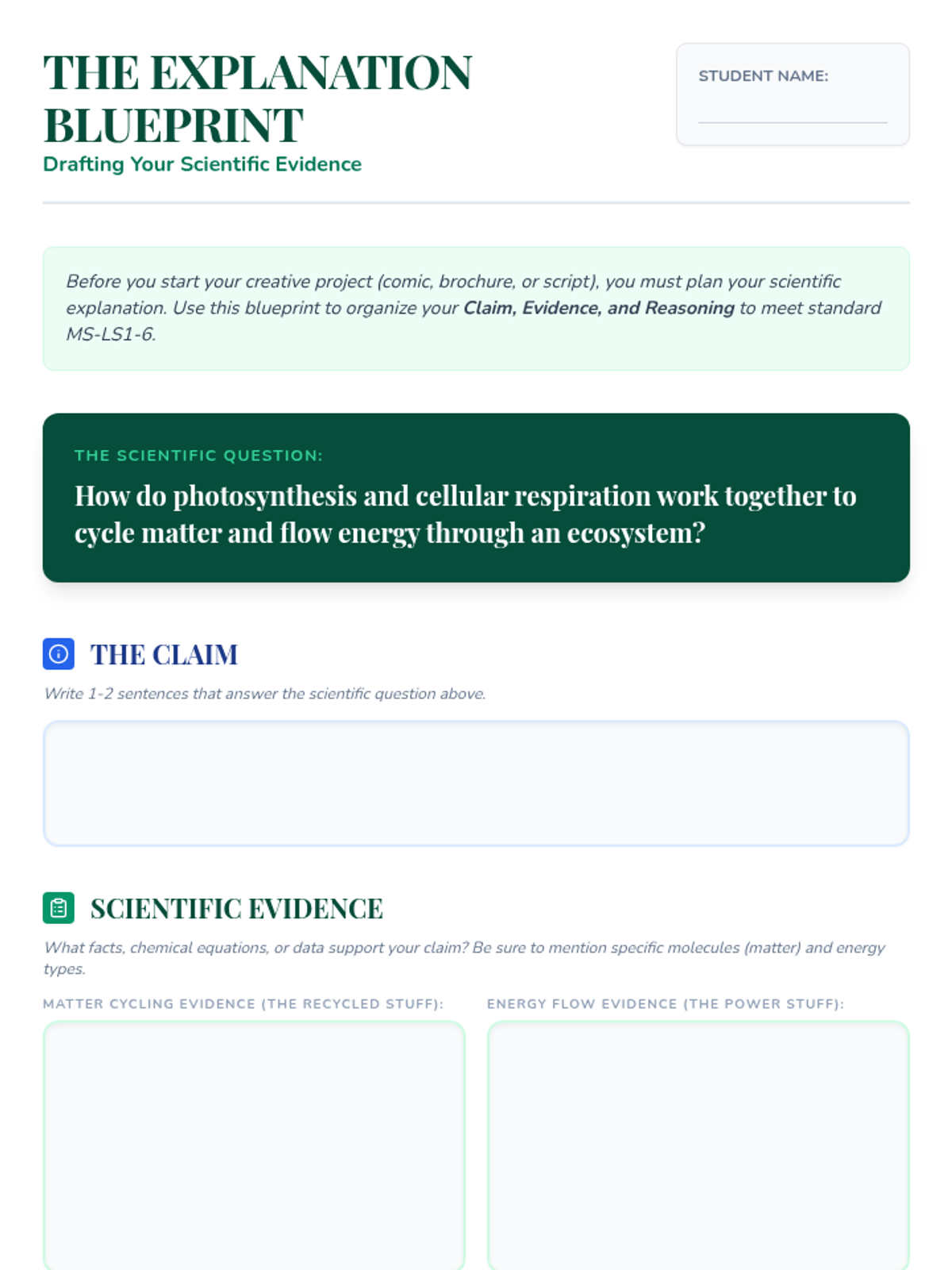
Students apply their knowledge by creating a creative project (comic, brochure, or script) that constructs a scientific explanation of the matter and energy cycle.
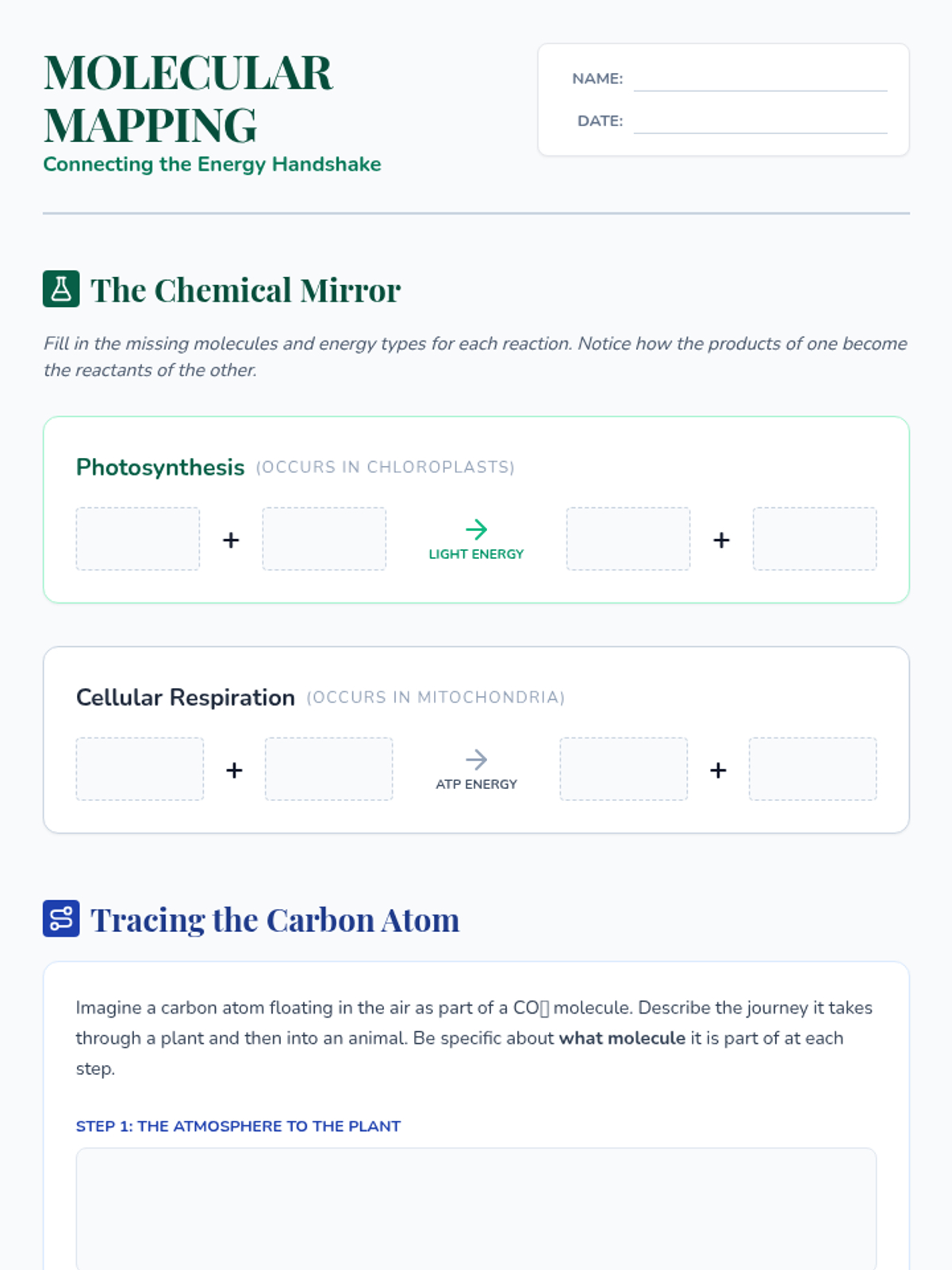
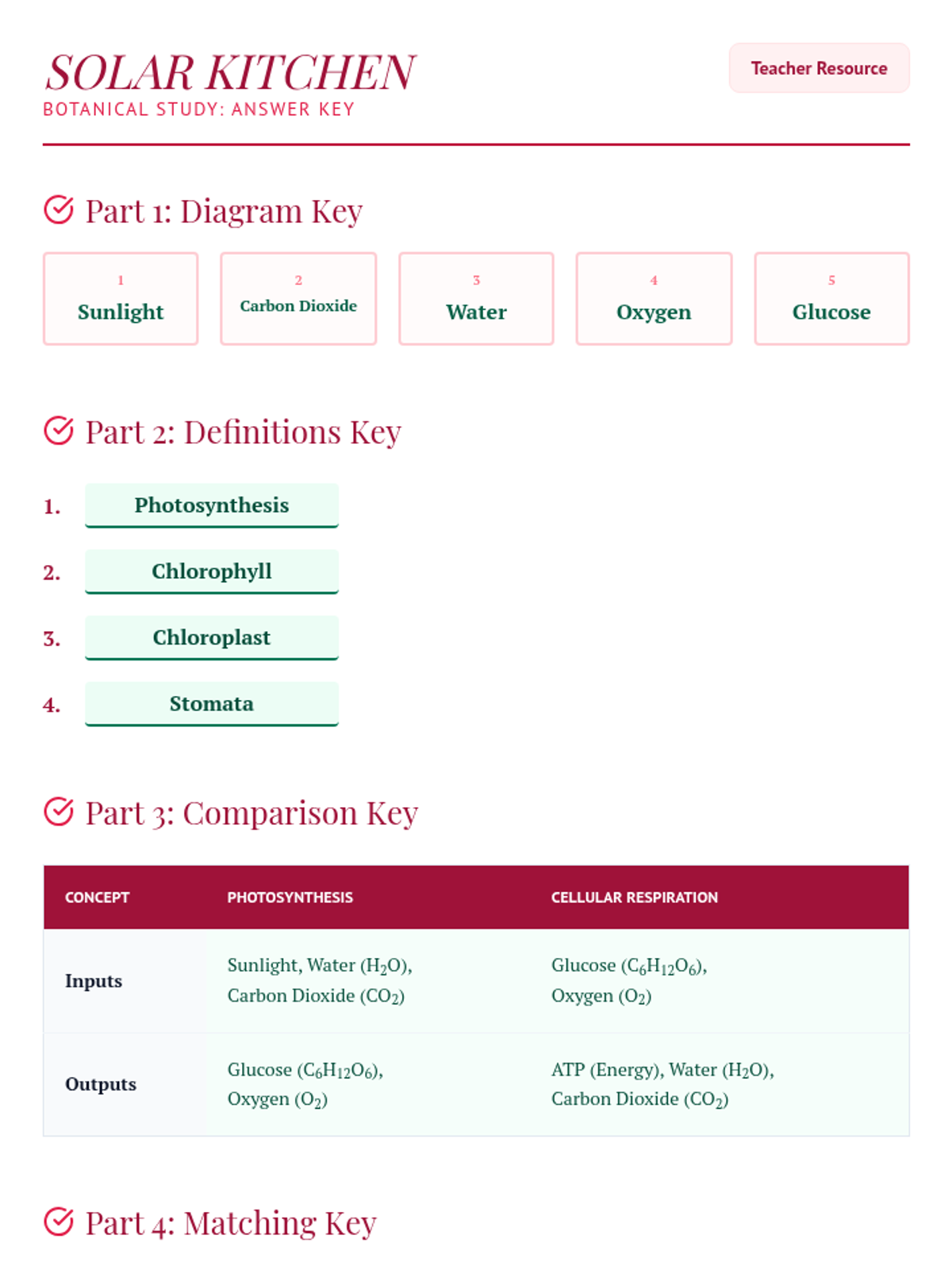
Students explore the chemical equations and conceptual links between photosynthesis and cellular respiration, focusing on how energy enters as sunlight and is stored in chemical bonds.
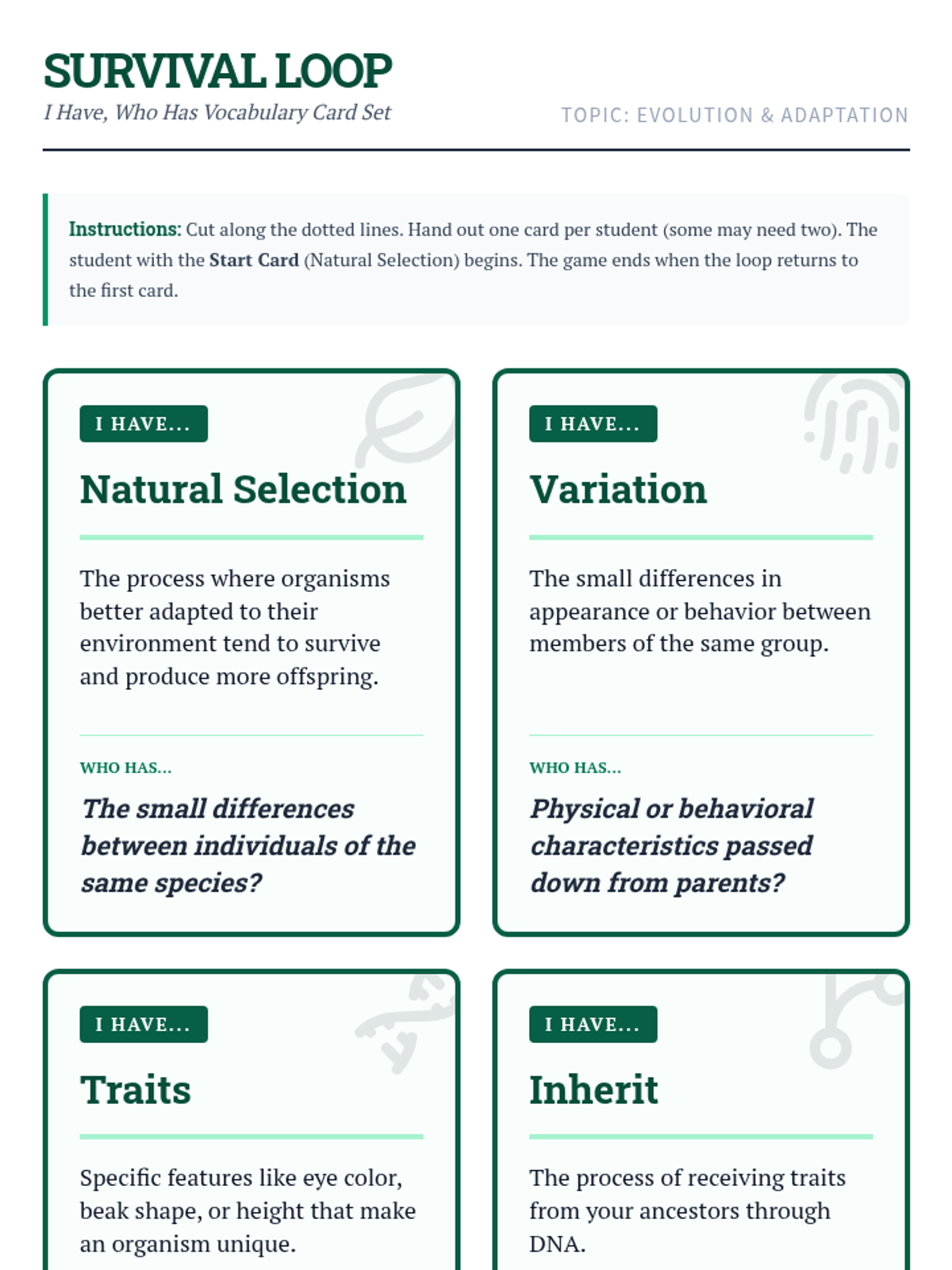
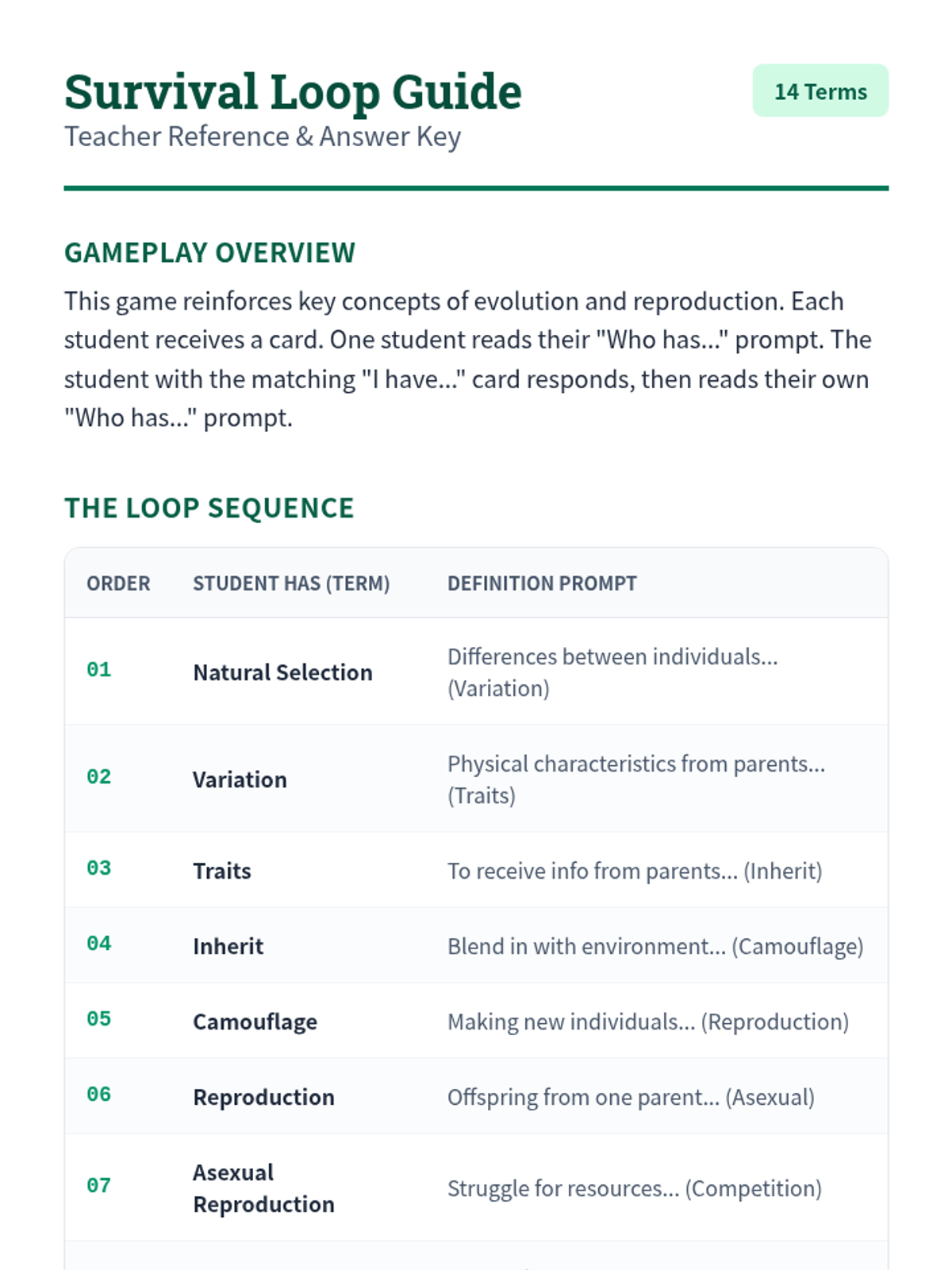
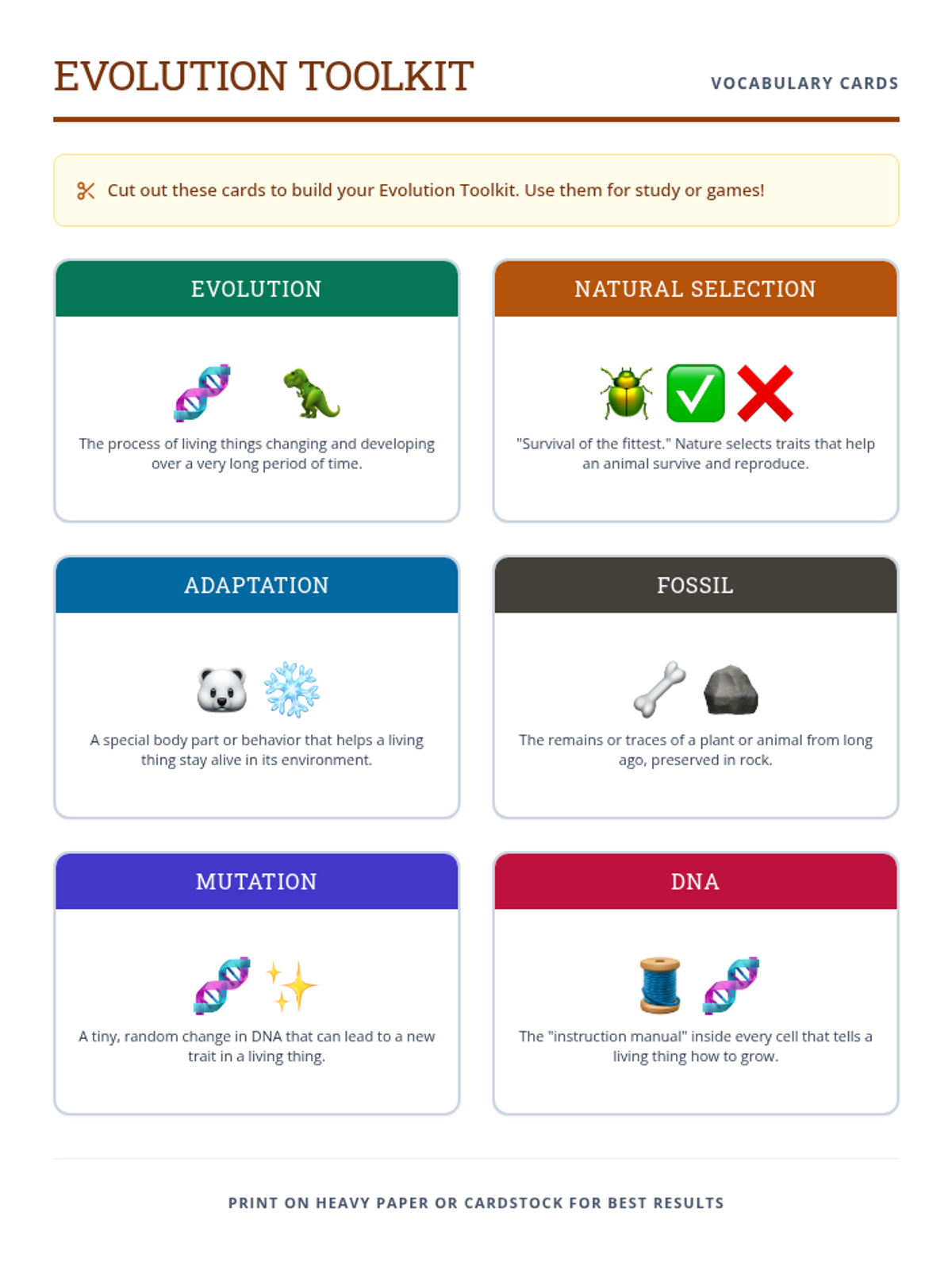
A lesson exploring the fundamental concepts of natural selection, evolution, and reproduction through interactive vocabulary practice and visual aids.
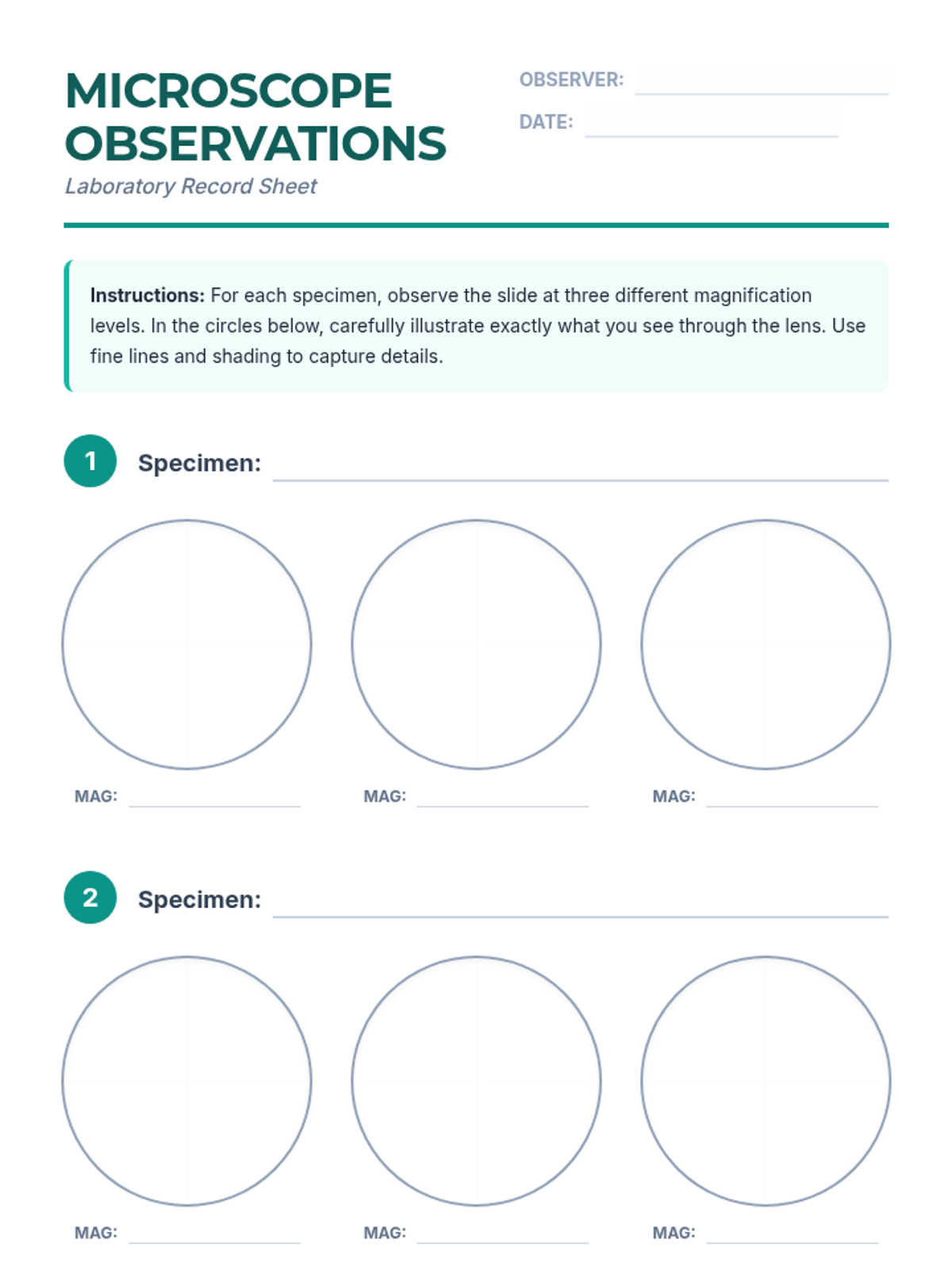
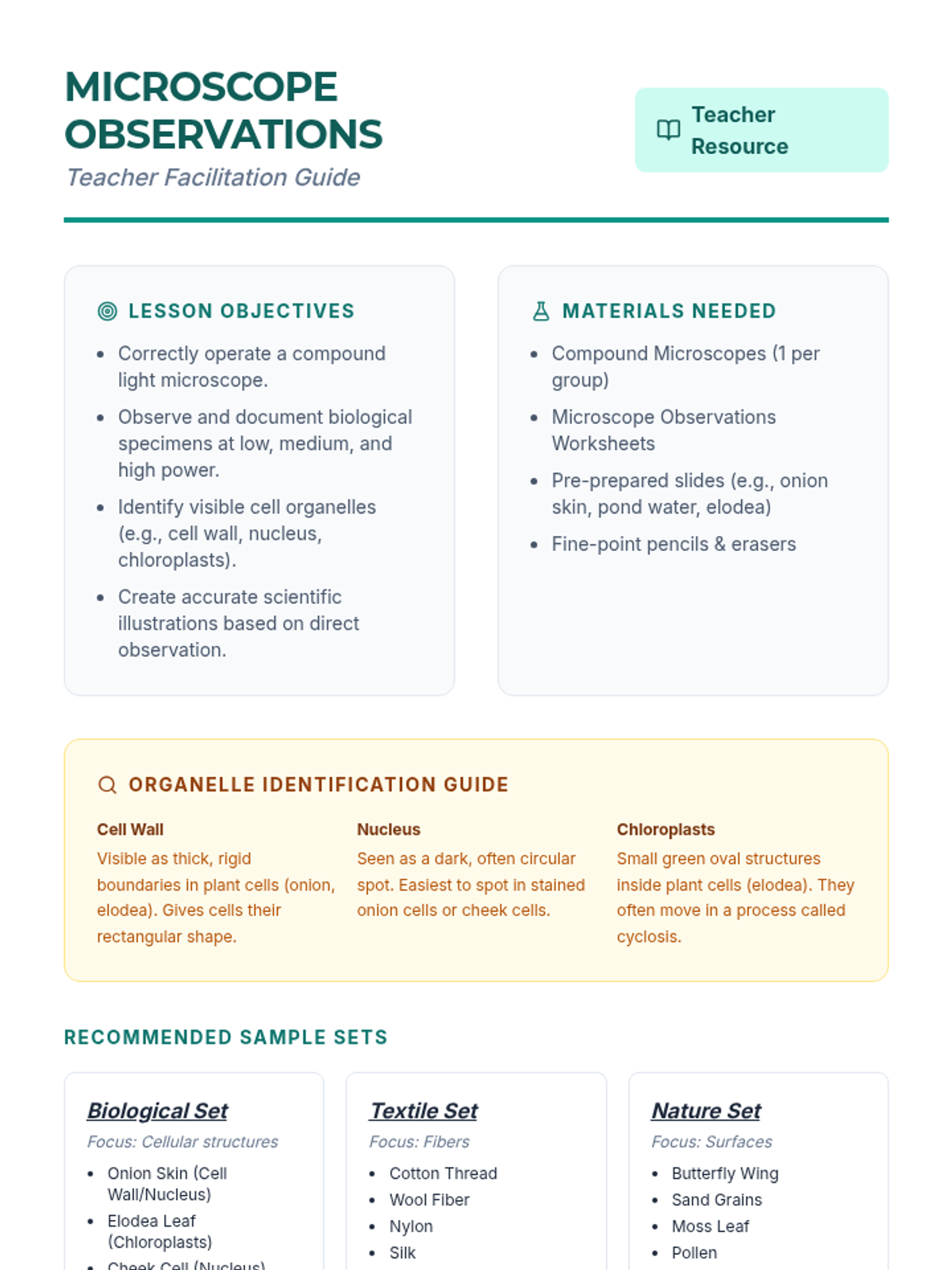
A hands-on laboratory experience where students use microscopes to observe and document biological and physical specimens at varying magnifications.
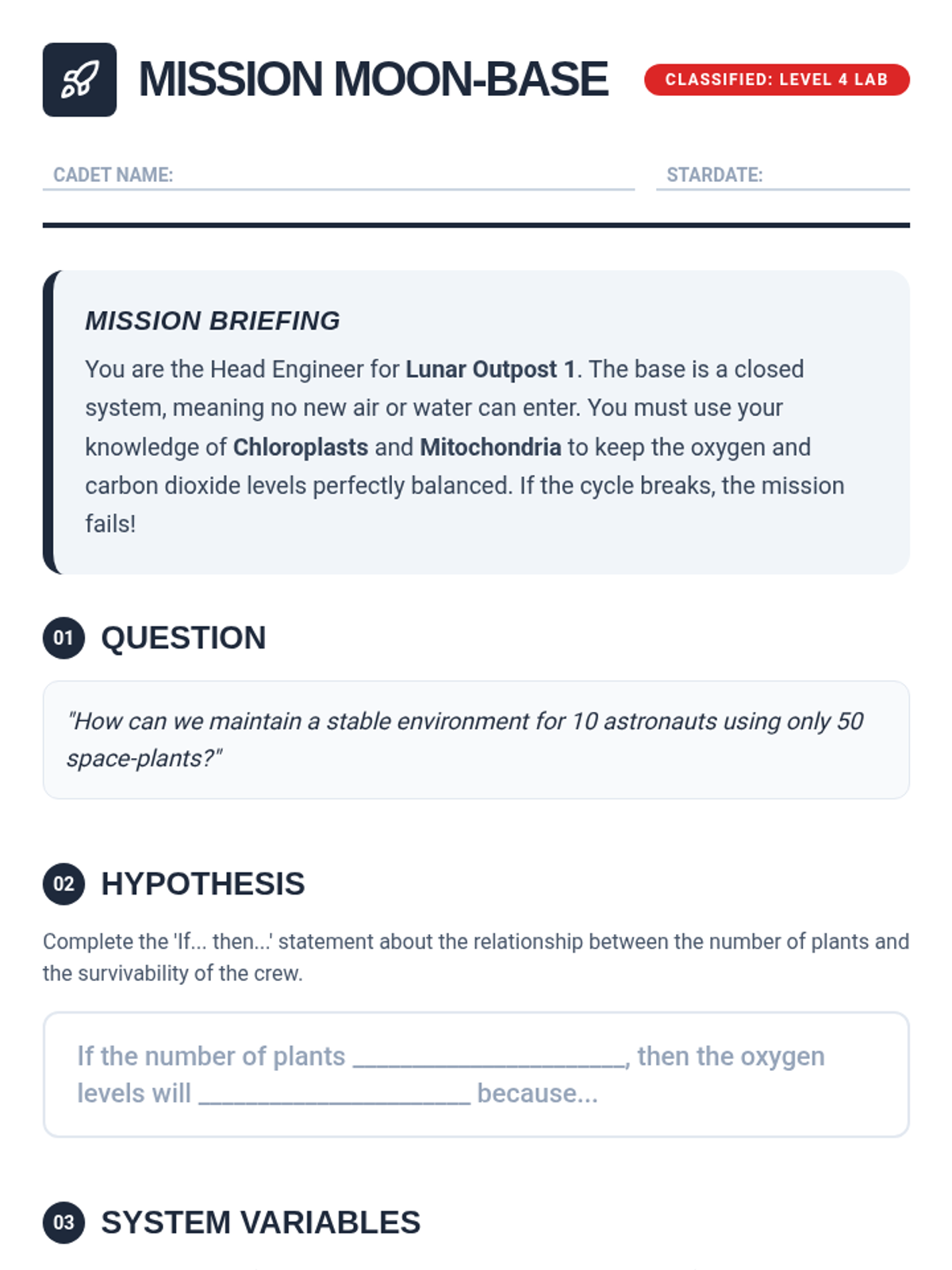
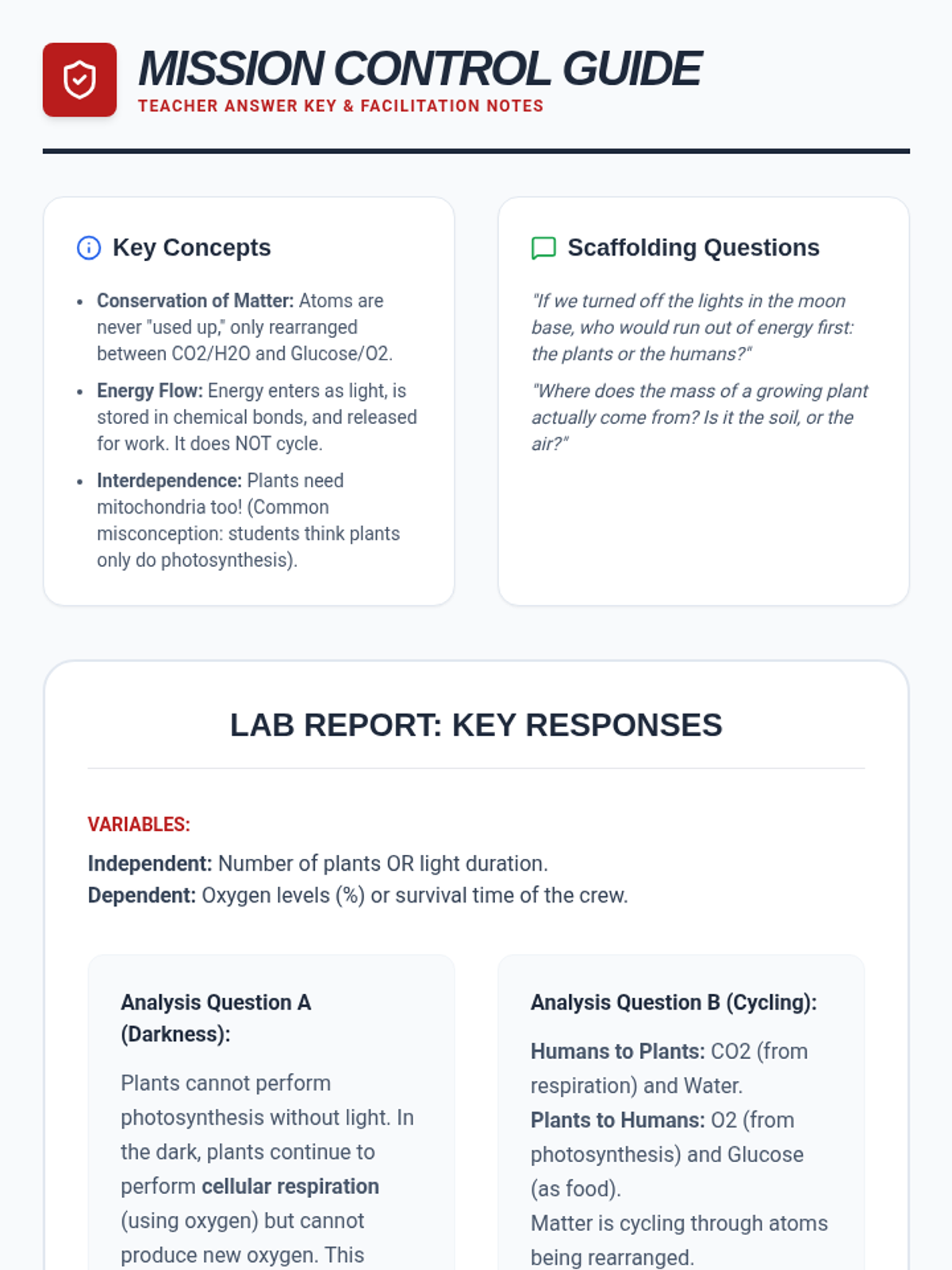
The culminating lesson where students synthesize their knowledge of chloroplasts and mitochondria. They will conduct a 'Mission Moon-Base' hypothetical lab using the scientific method to balance a closed-loop life support system.
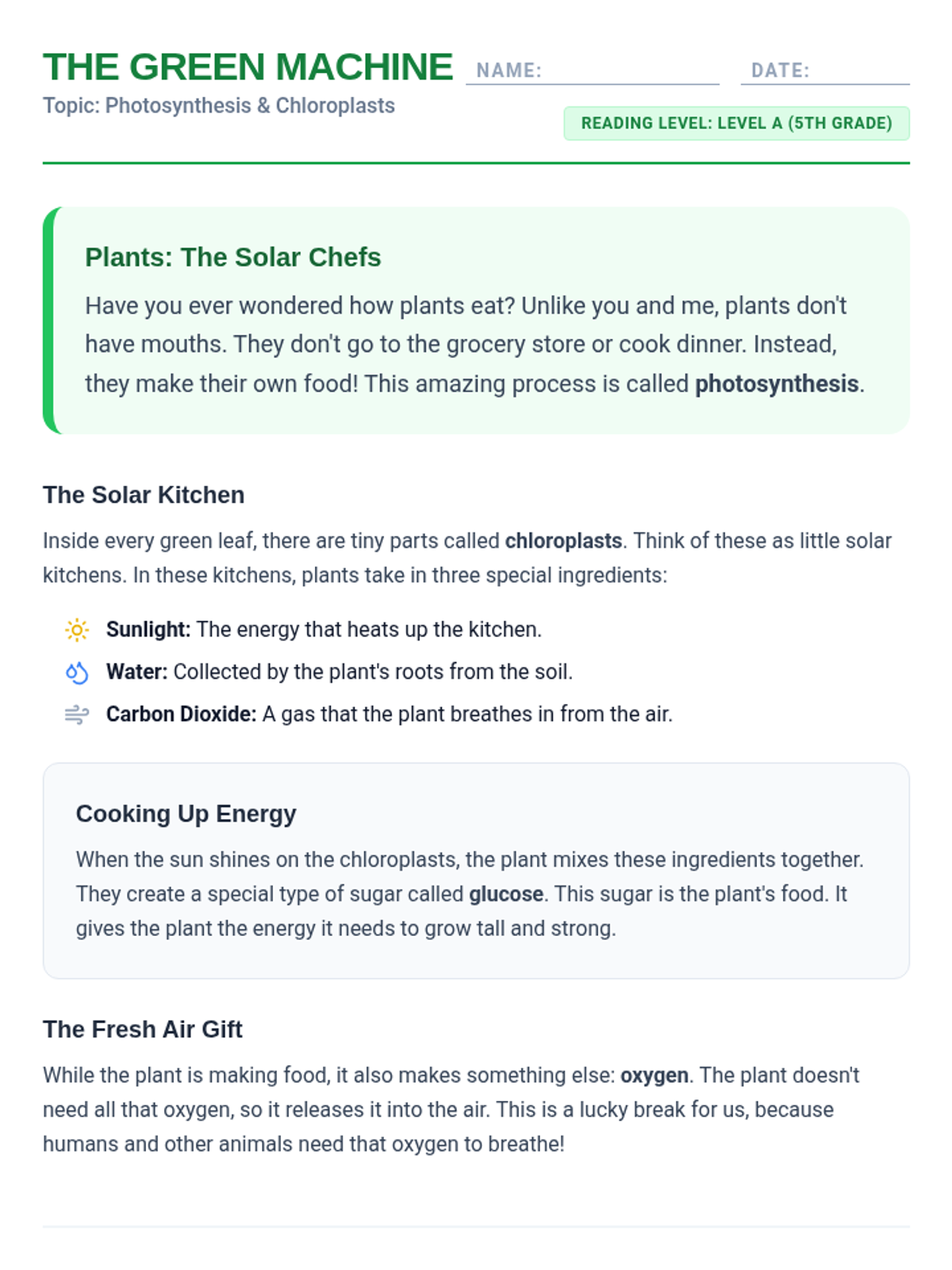
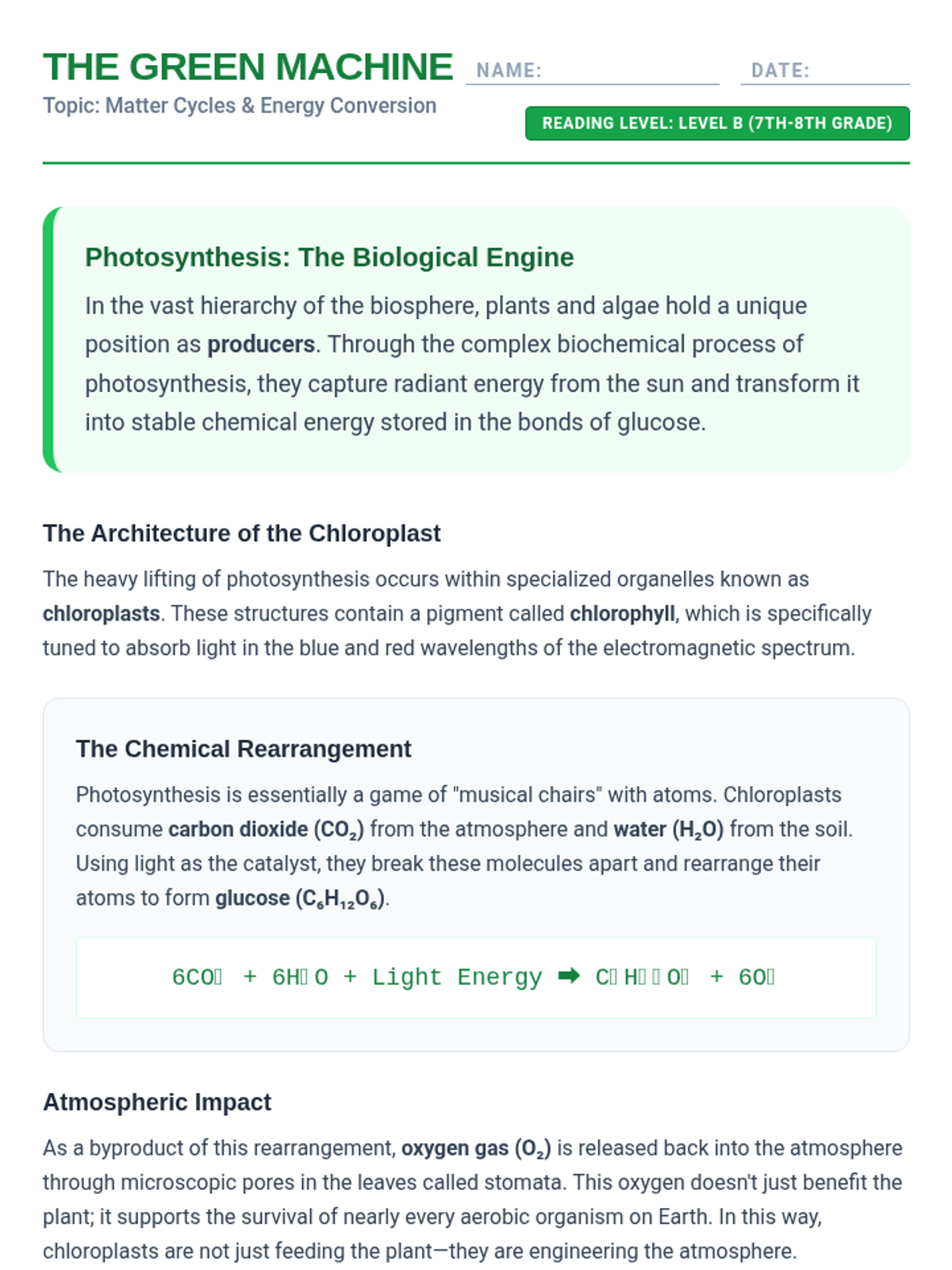
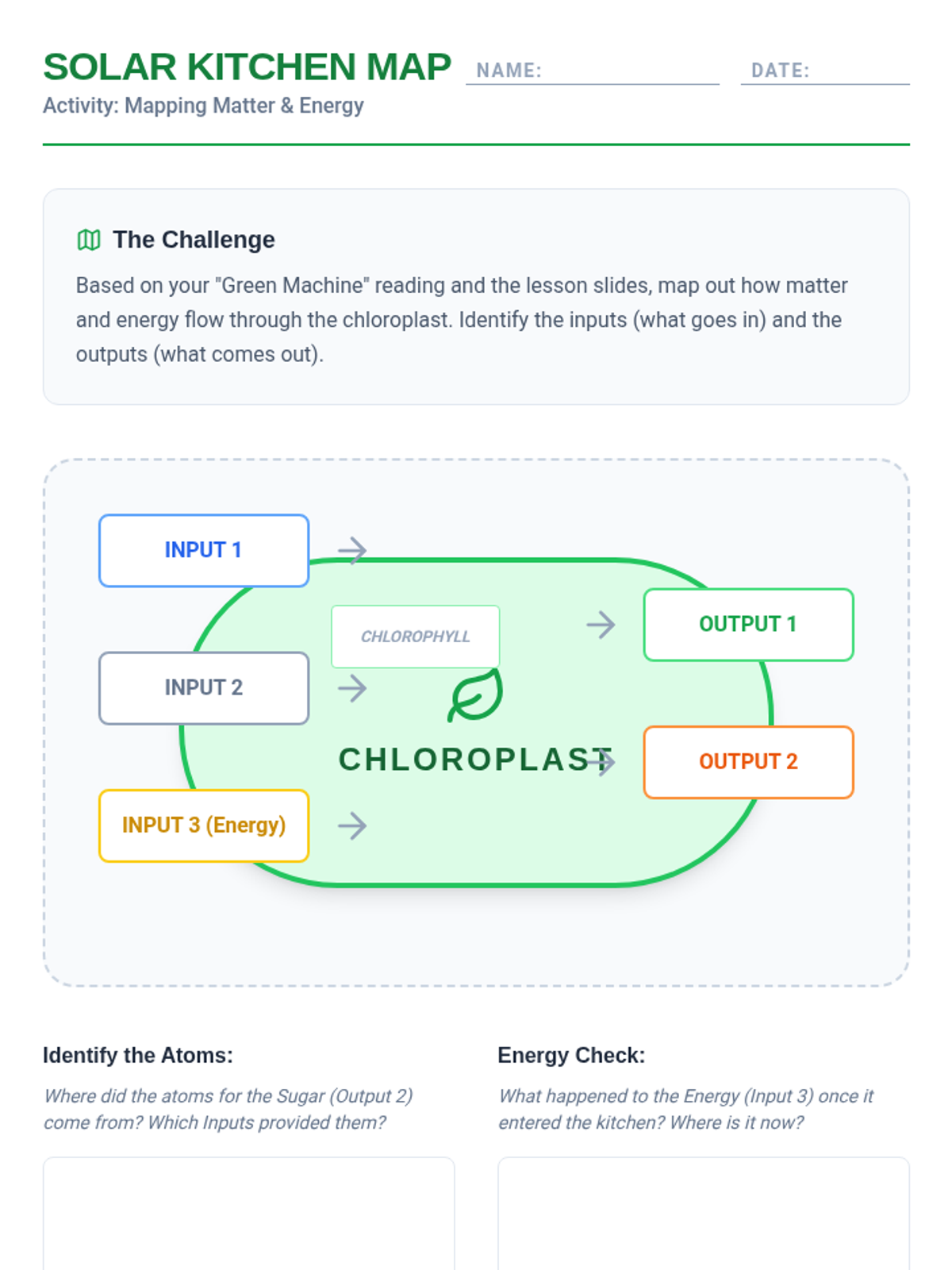
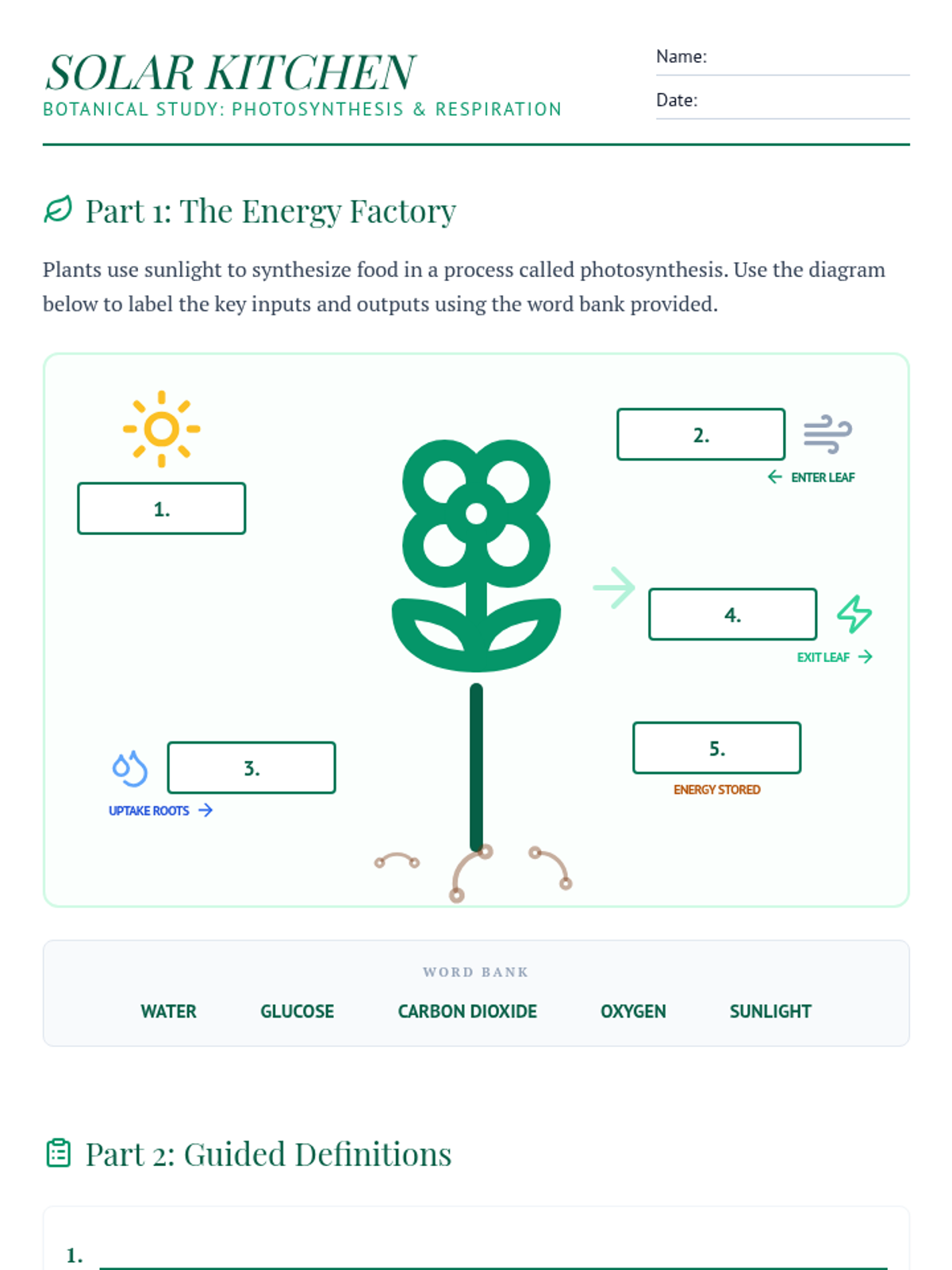
An introductory exploration of photosynthesis and the structure of chloroplasts, framing them as the 'solar kitchens' of the cell. Students will read differentiated texts and map out the inputs and outputs of the process.
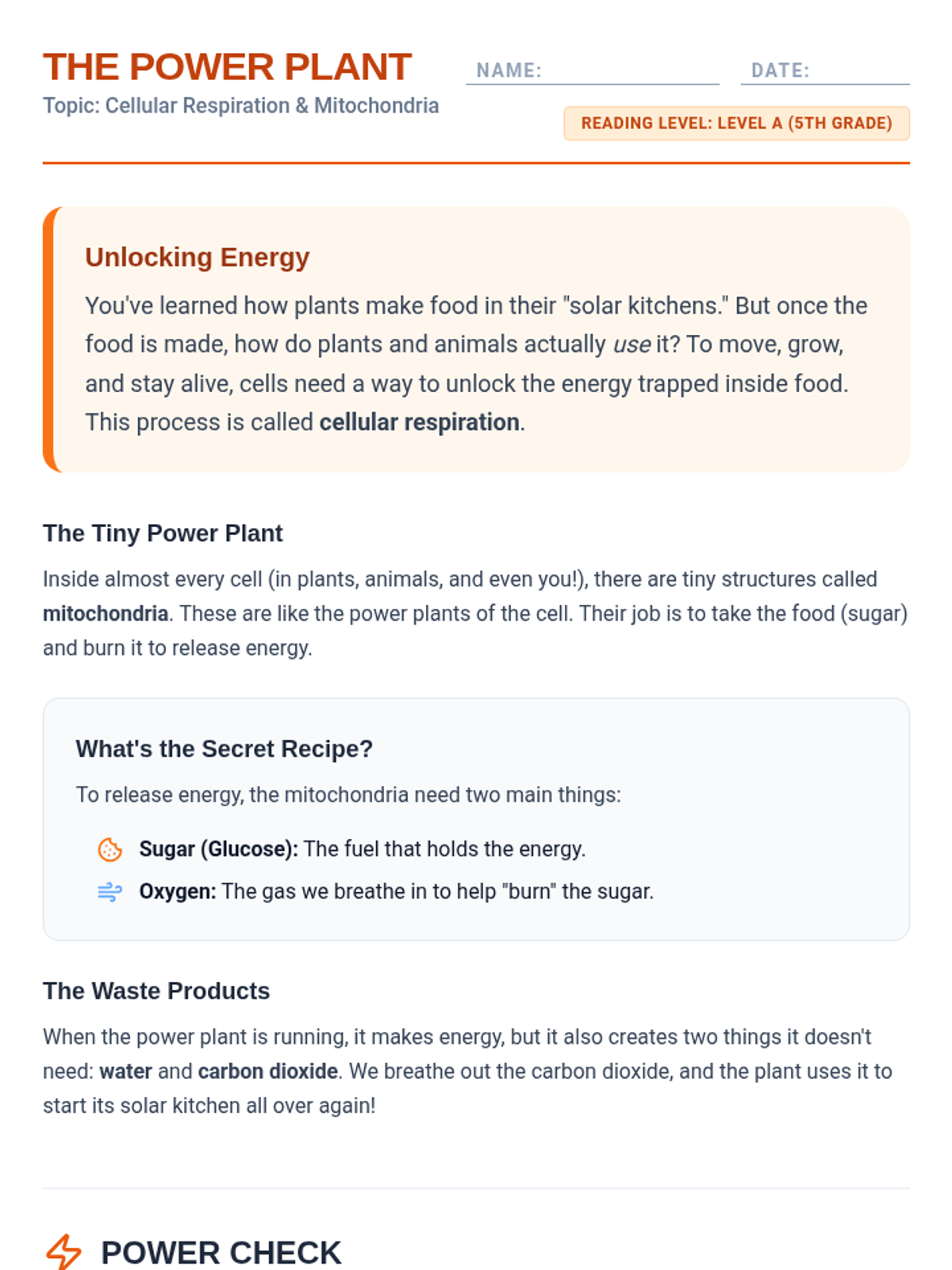
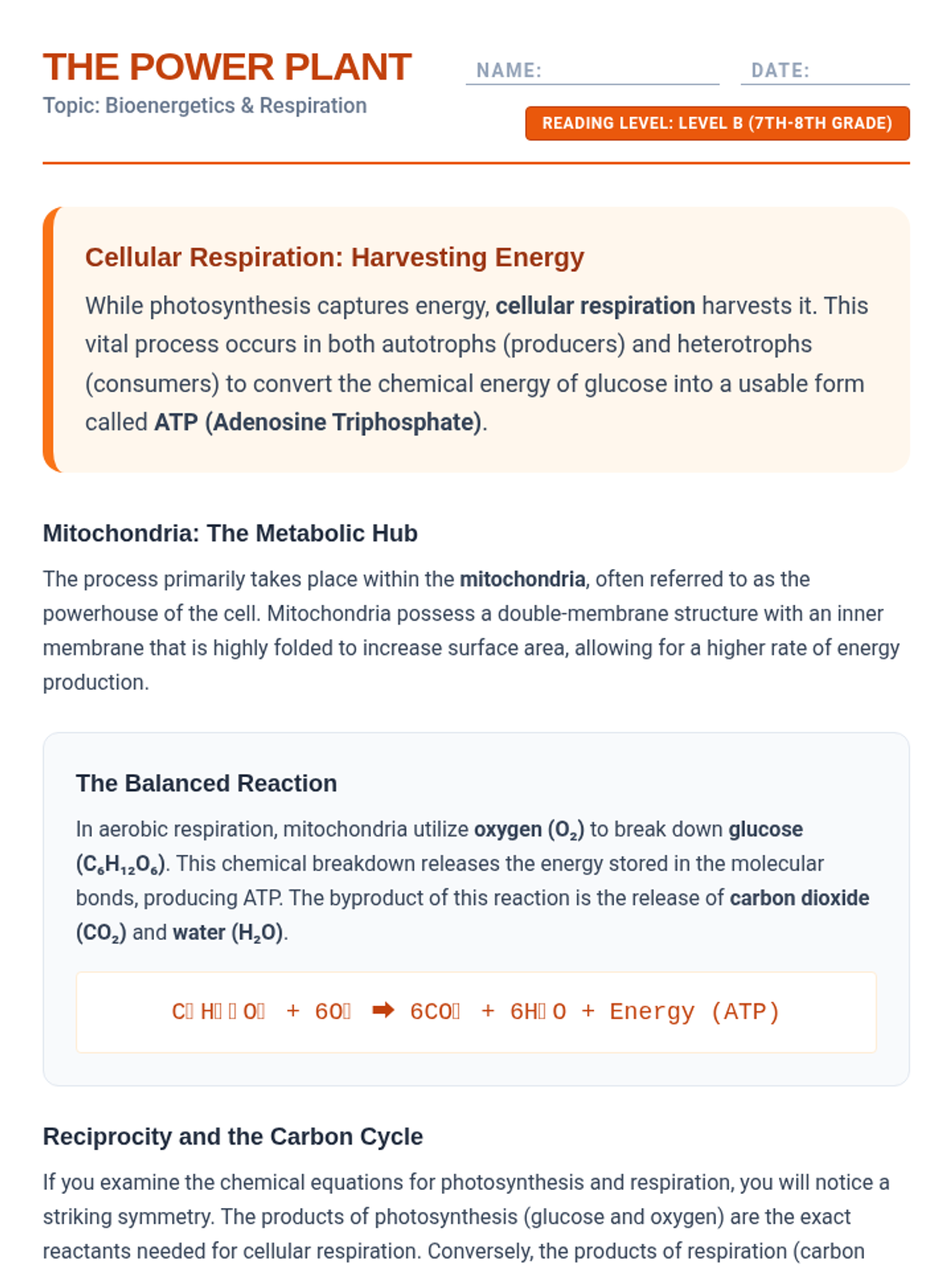
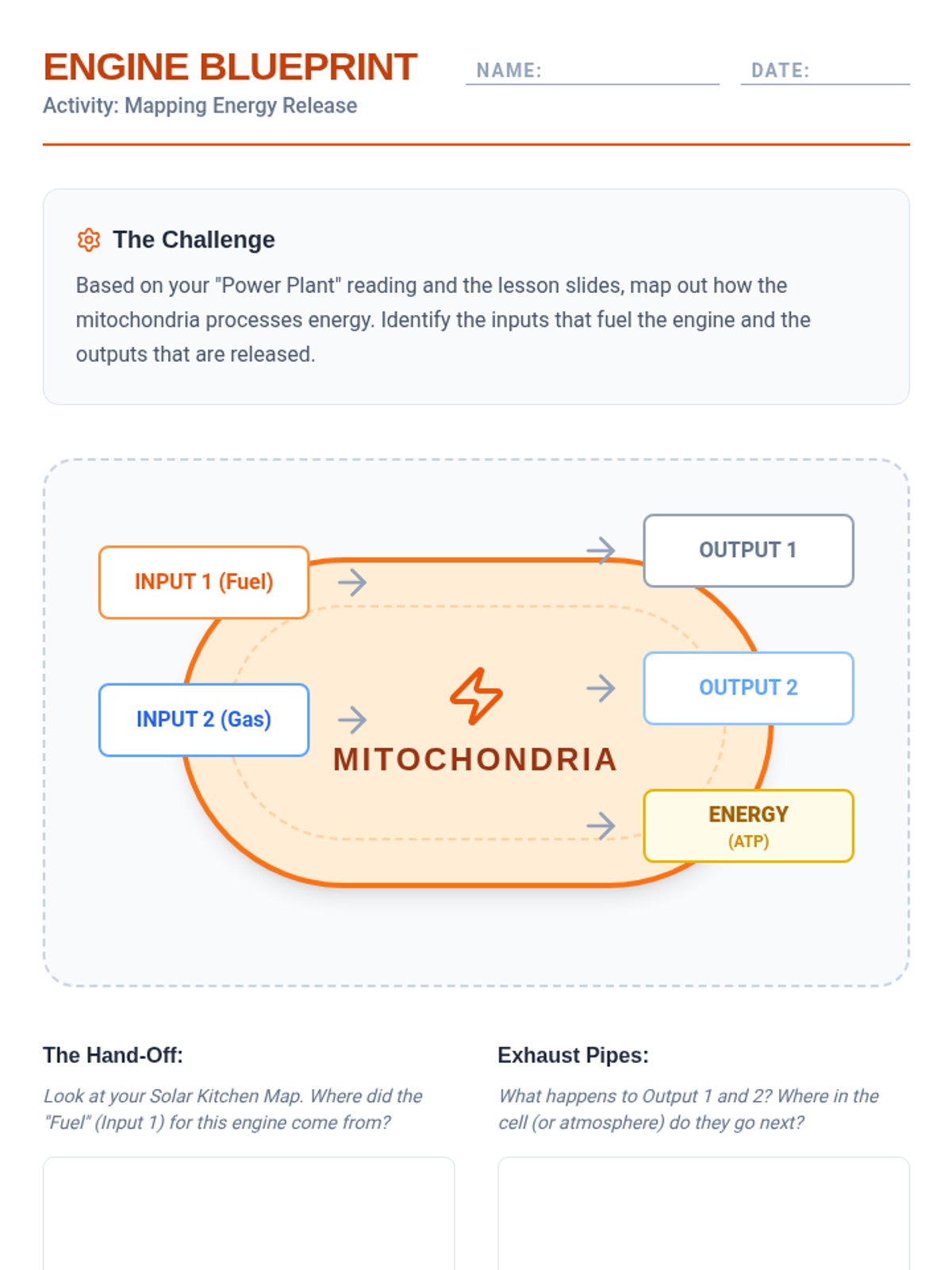
An exploration of cellular respiration and mitochondria, framing them as the 'energy engines' that power life. Students will compare and contrast this process with photosynthesis to prepare for the final lab.
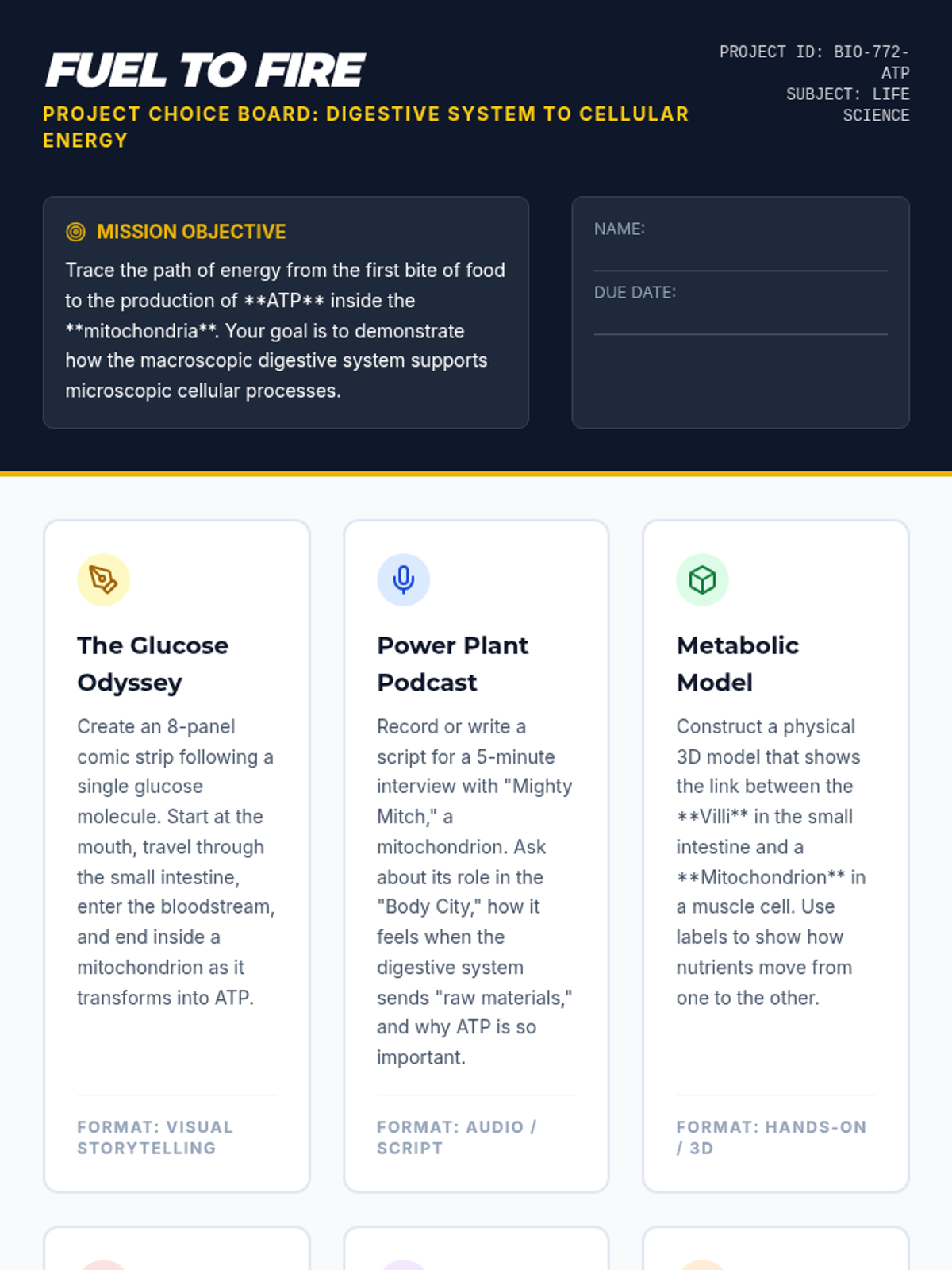
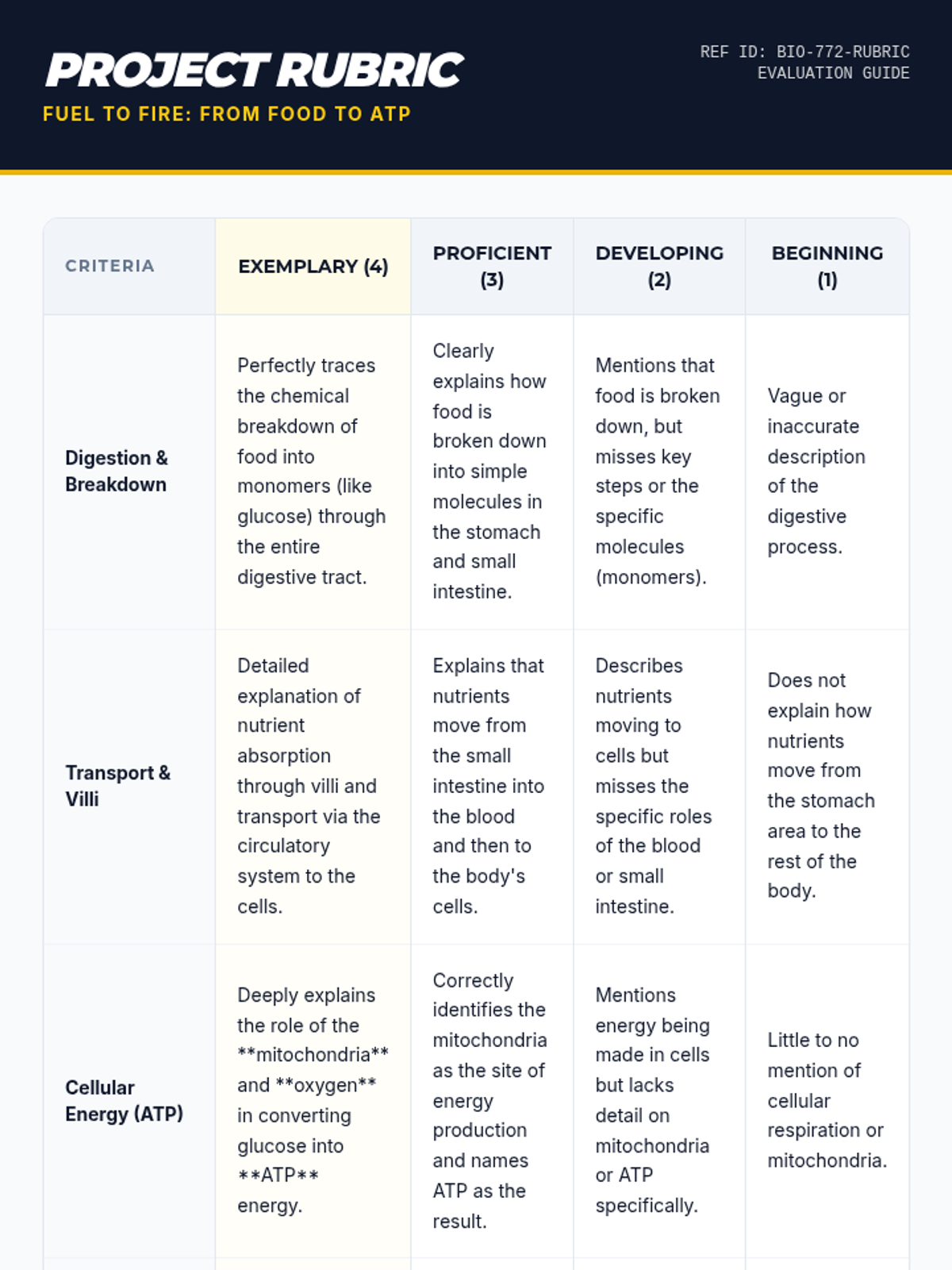
A project-based lesson where students explore the connection between the digestive system and cellular respiration, focusing on how food becomes ATP energy within the mitochondria.
An introductory lesson on photosynthesis and cellular respiration, focusing on the flow of energy and the exchange of gases in plants. Students will identify key inputs and outputs and compare the two vital processes.
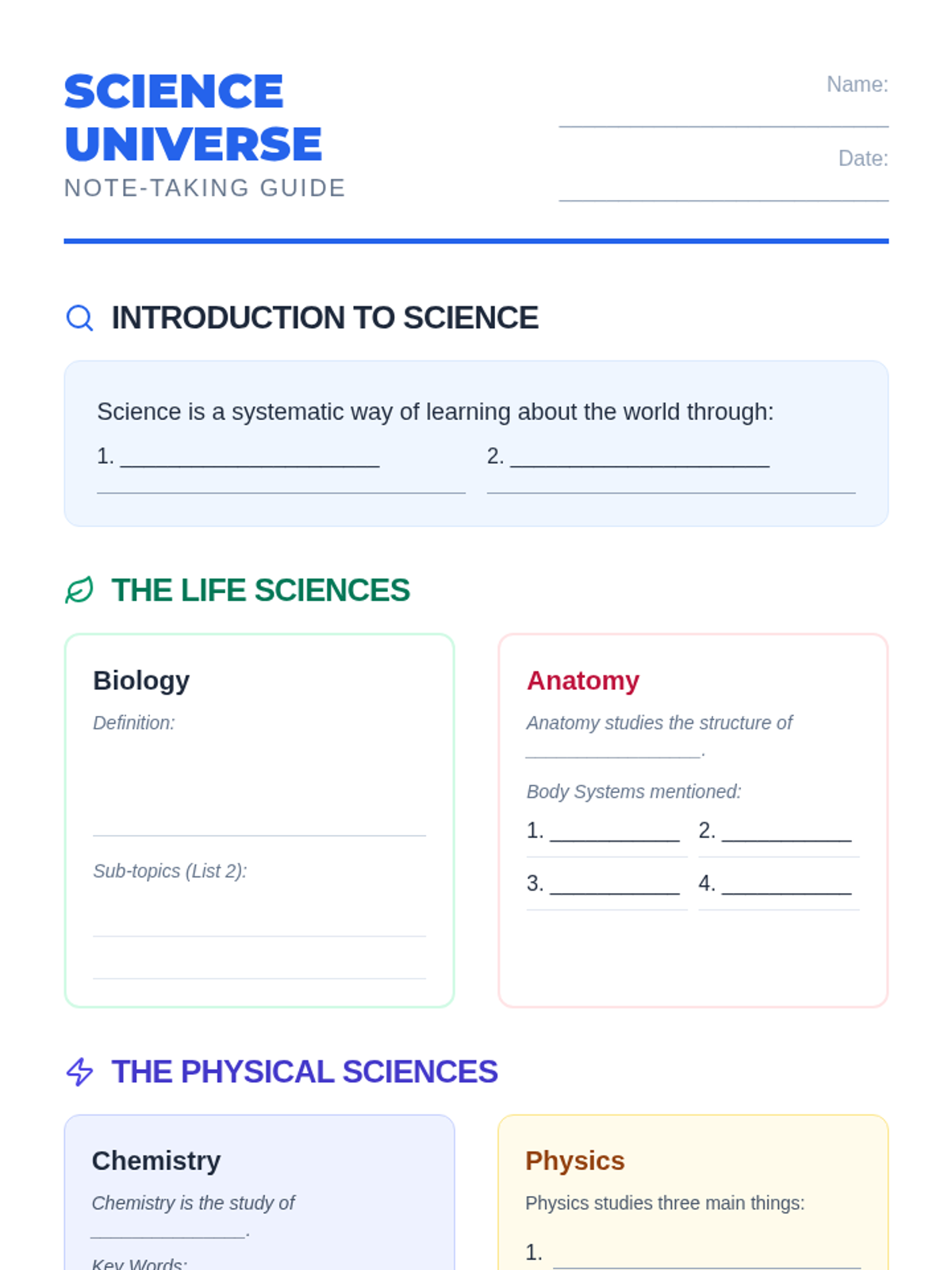
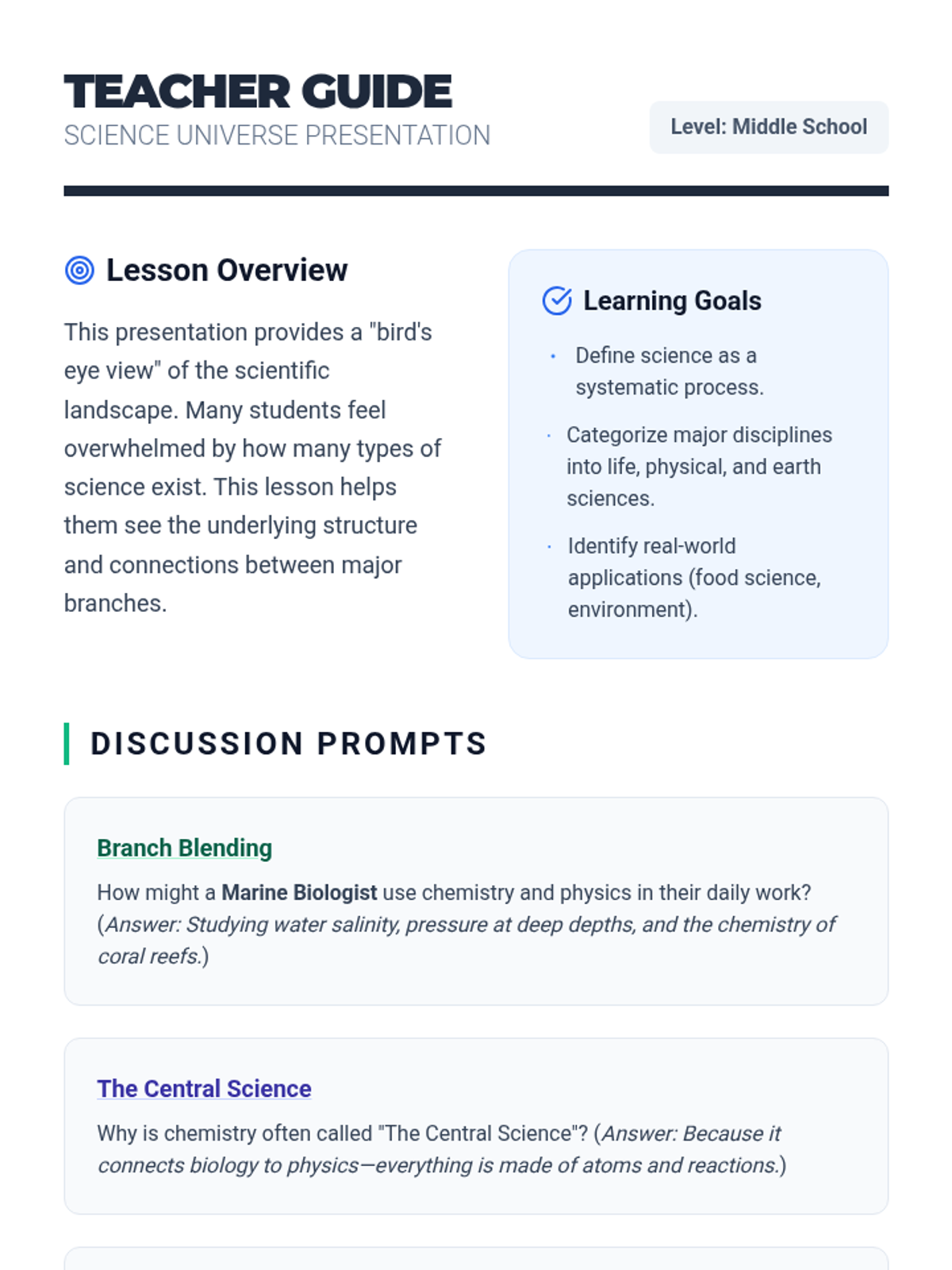
A comprehensive slide deck providing a high-level overview of major science disciplines and their sub-topics, tailored for middle school students.
An advanced look at cell structure and function for 8th-grade students, focusing on technical vocabulary, protein synthesis pathways, and cellular energy production.
A comprehensive introduction to plant and animal cells, focusing on identifying organelles and understanding their specific functions within the cell.
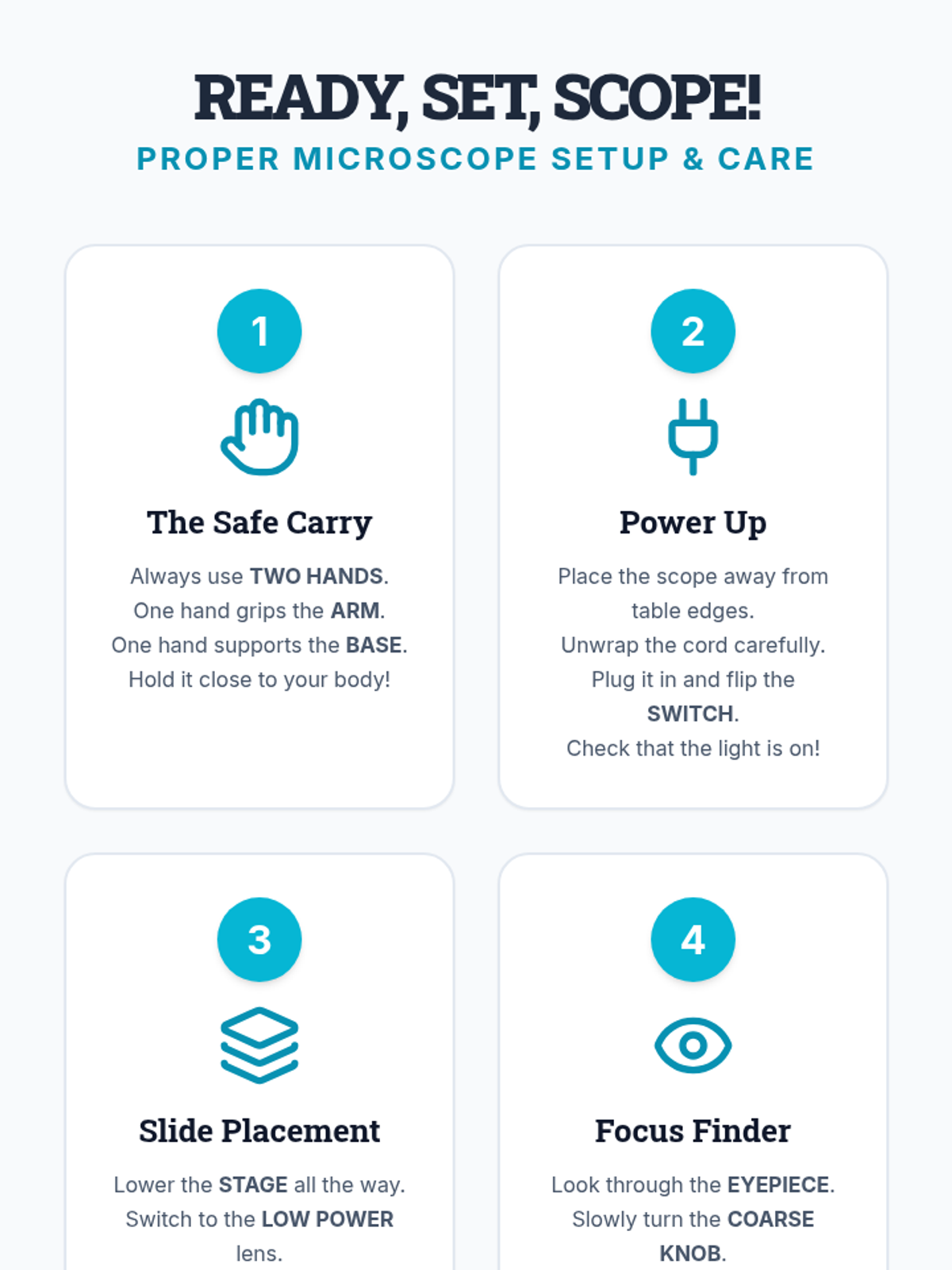
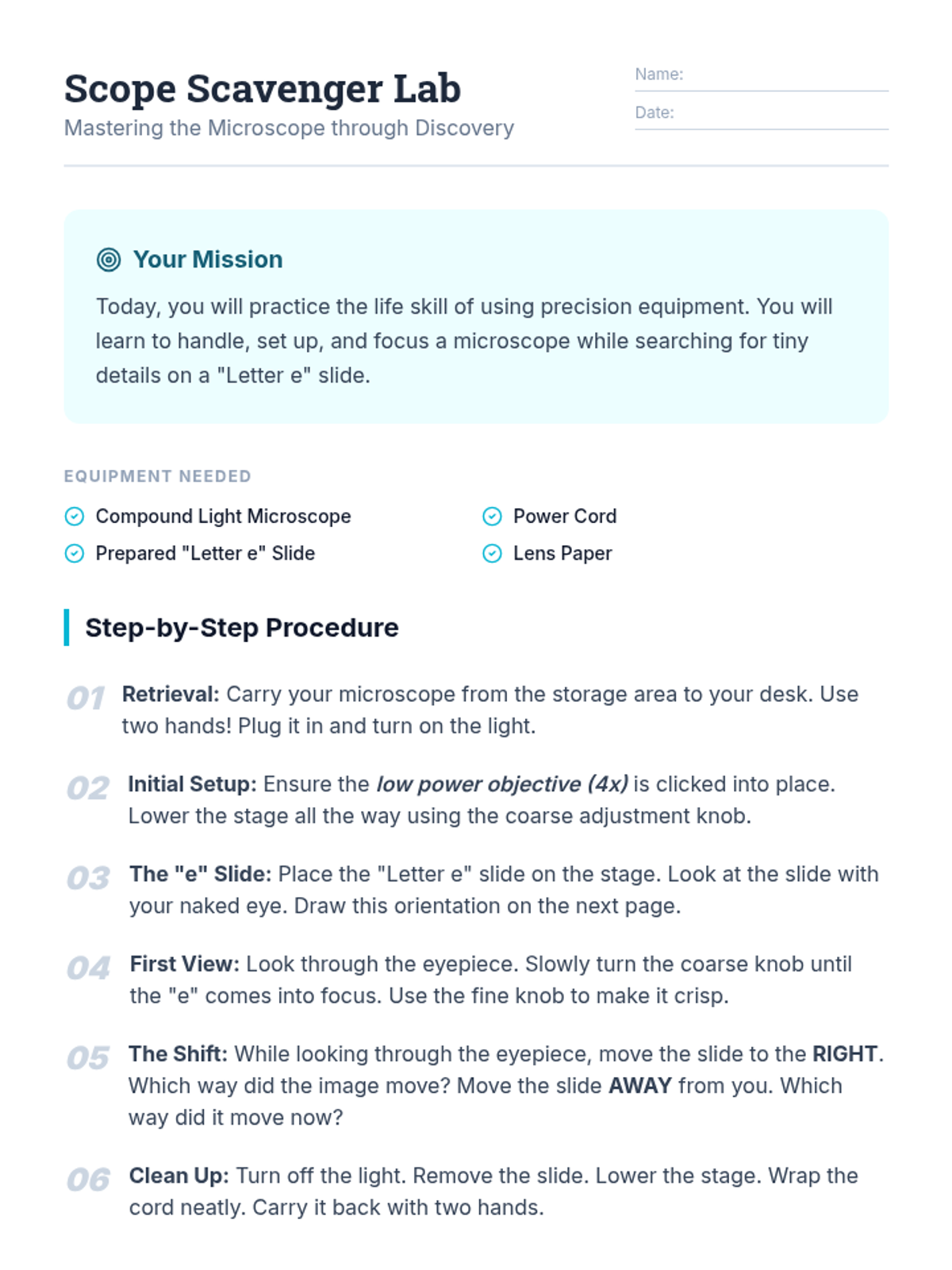
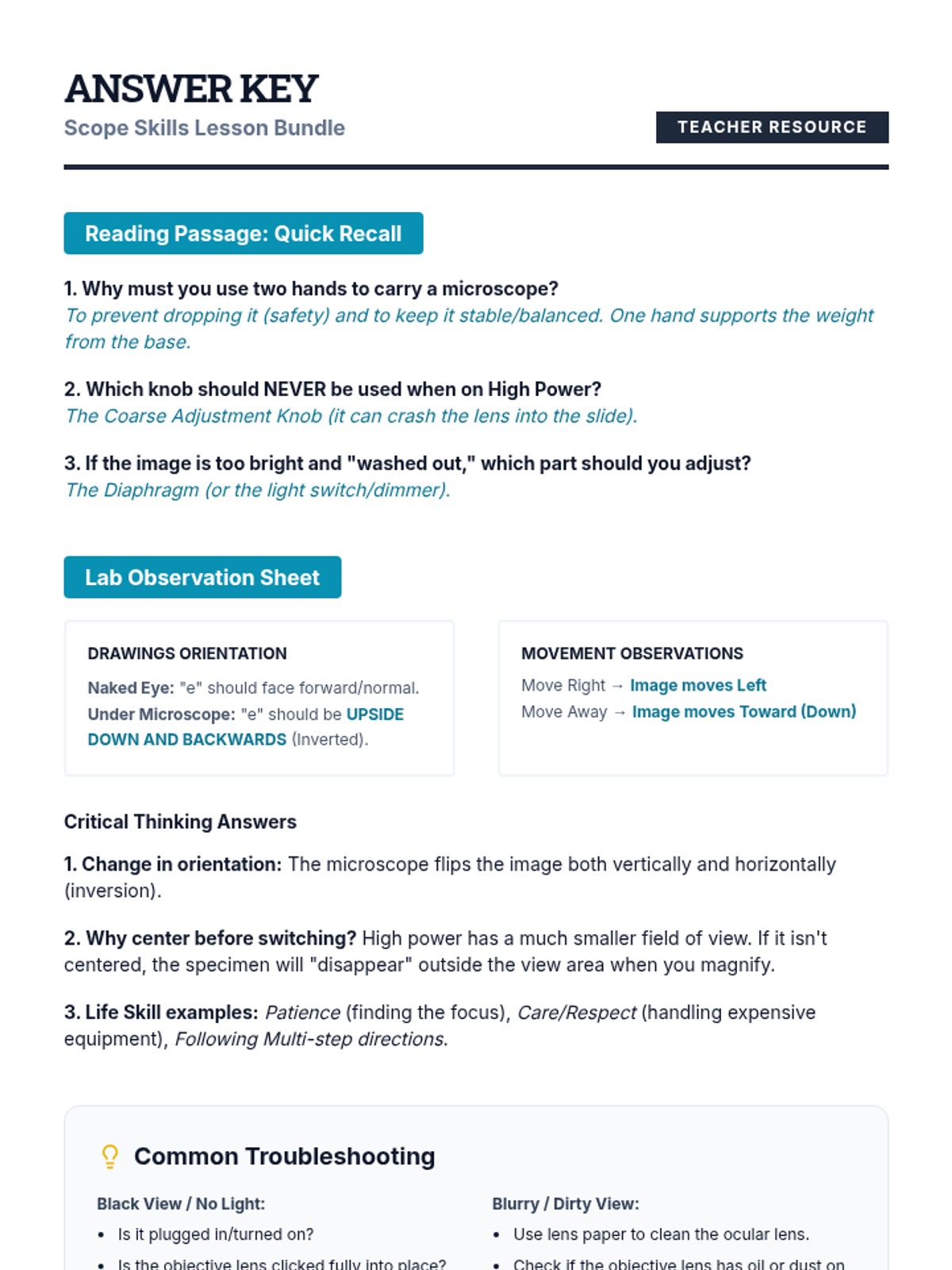
A foundational lesson on compound light microscopes, focusing on parts identification, proper handling, and the step-by-step process of focusing on a specimen. Students develop essential lab safety and precision skills.
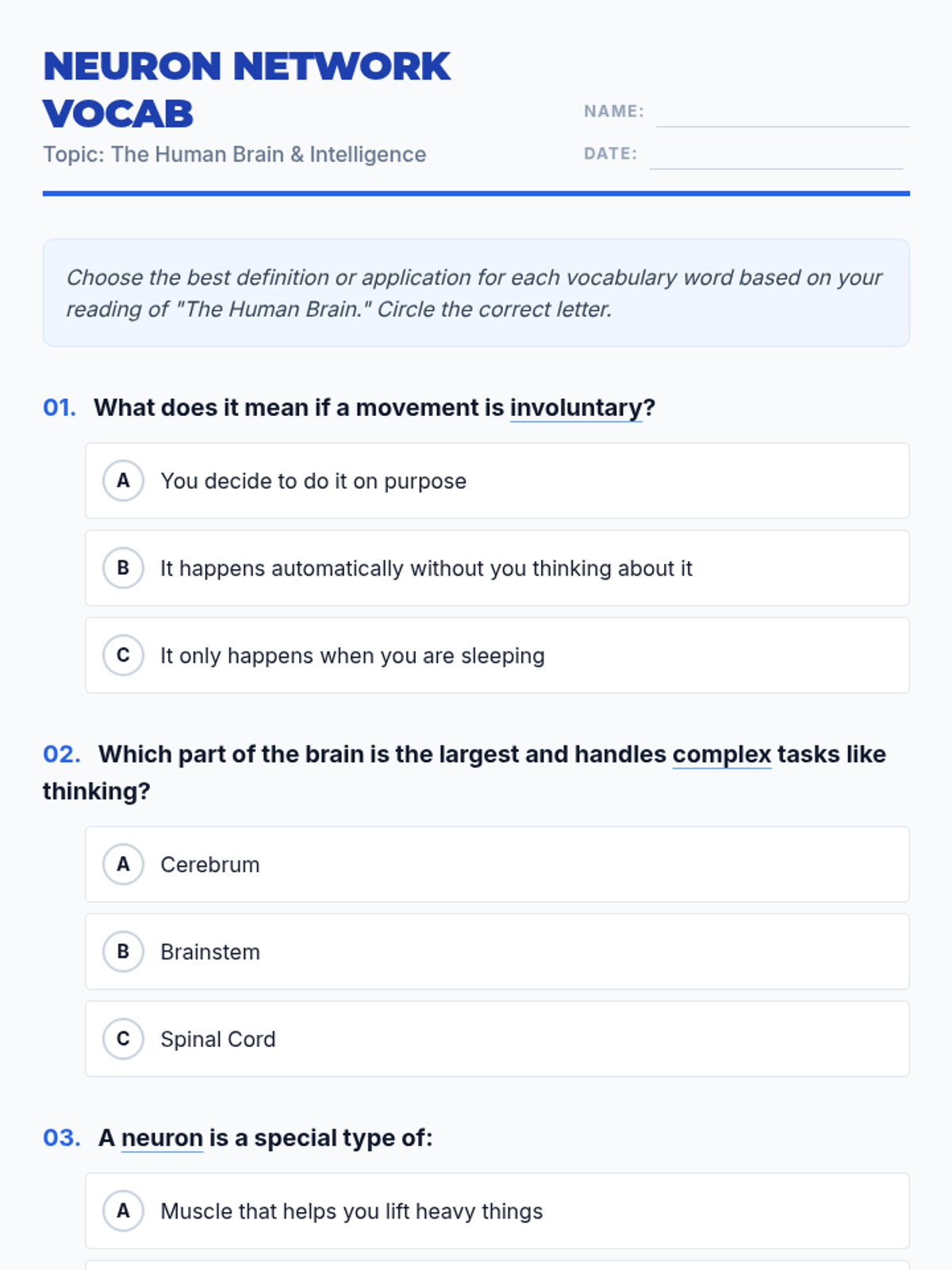
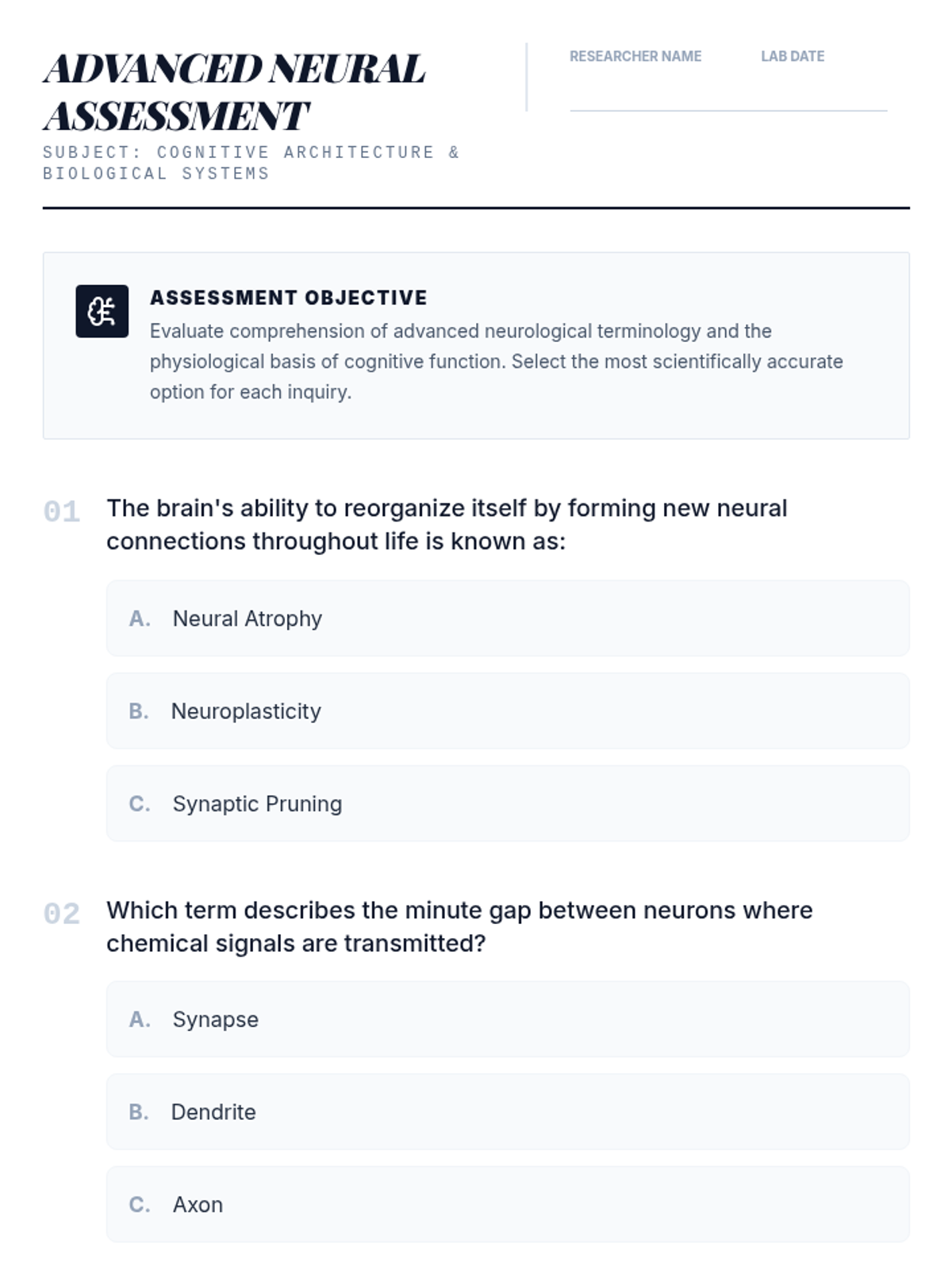
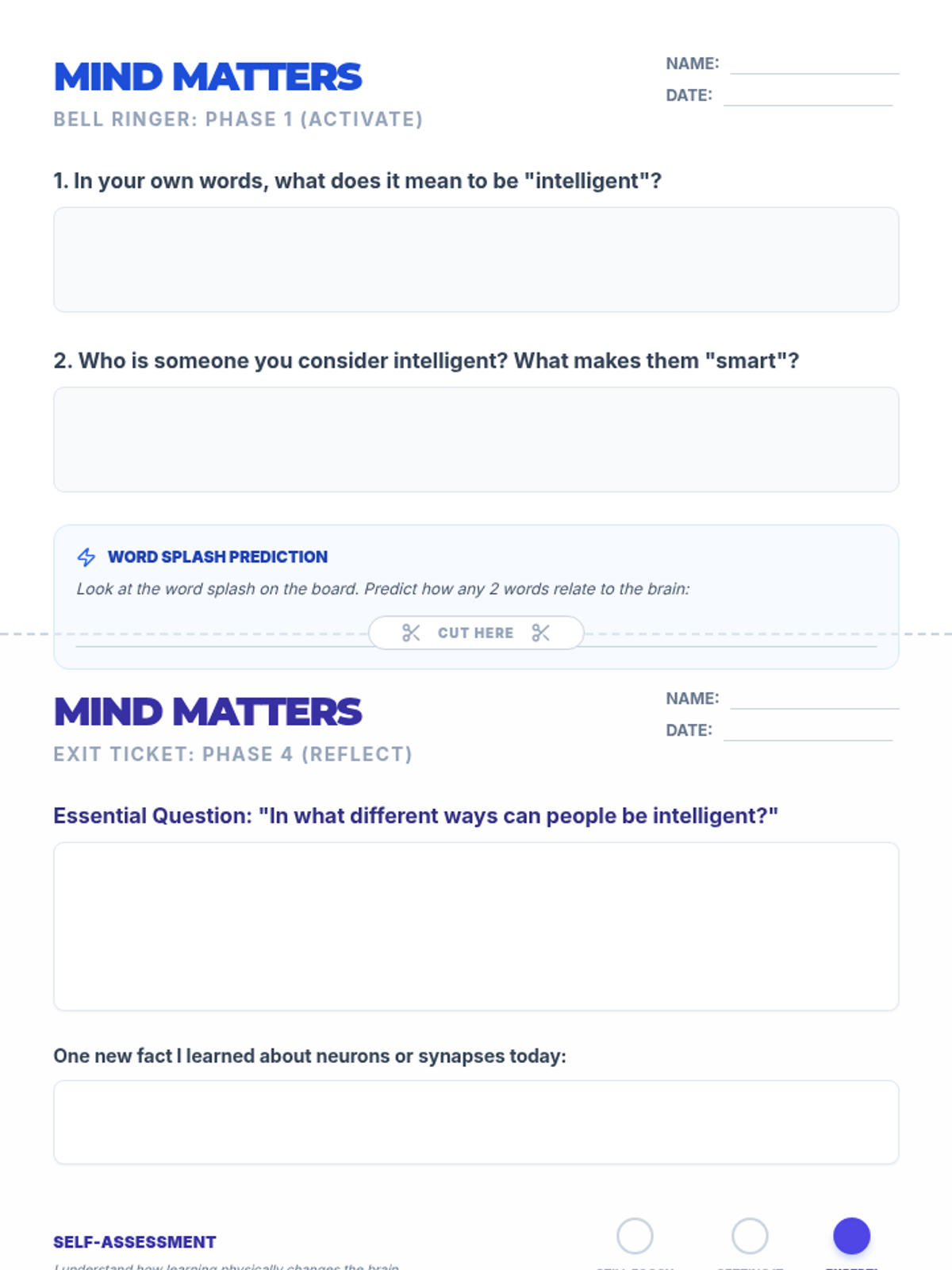
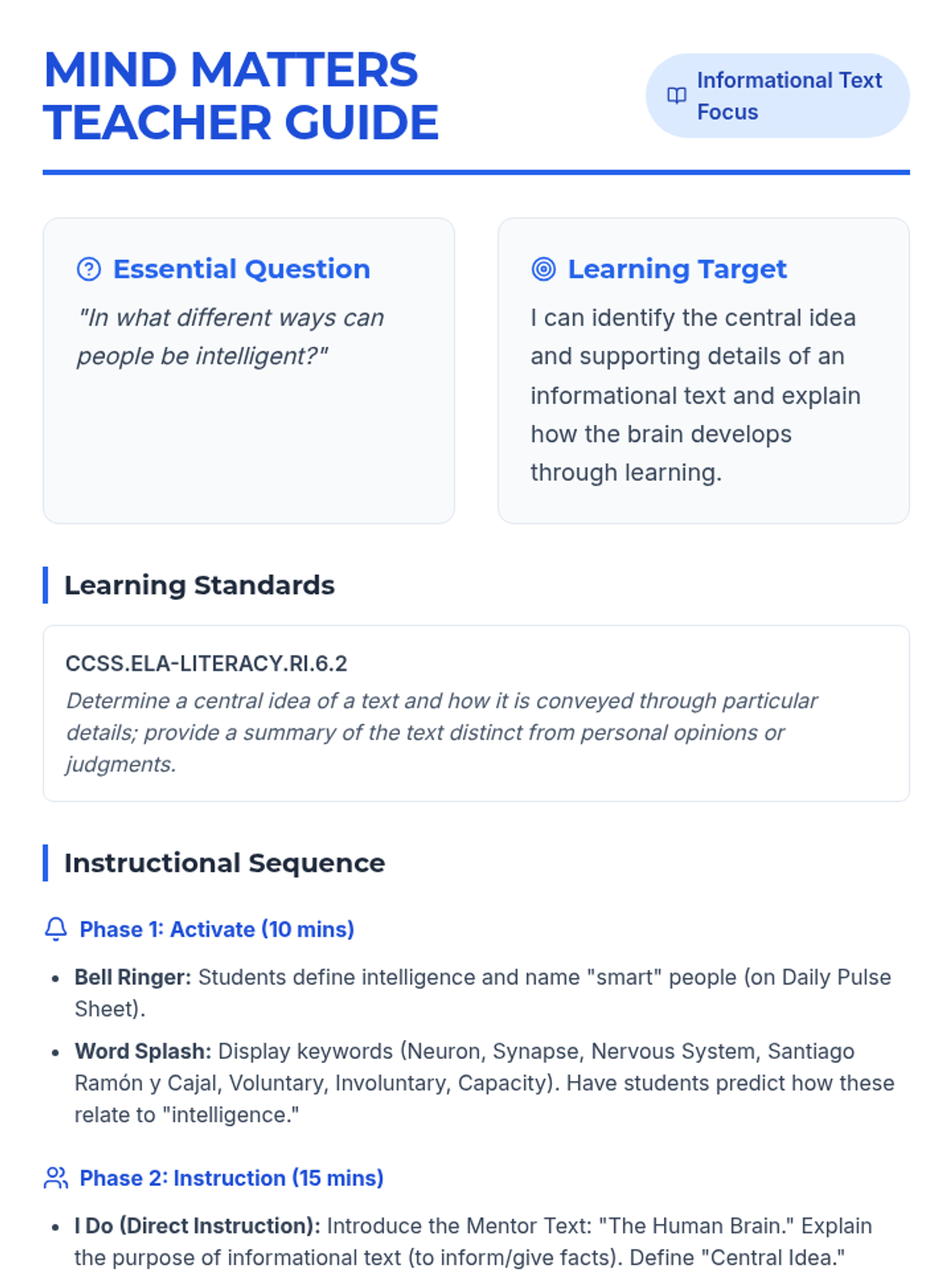
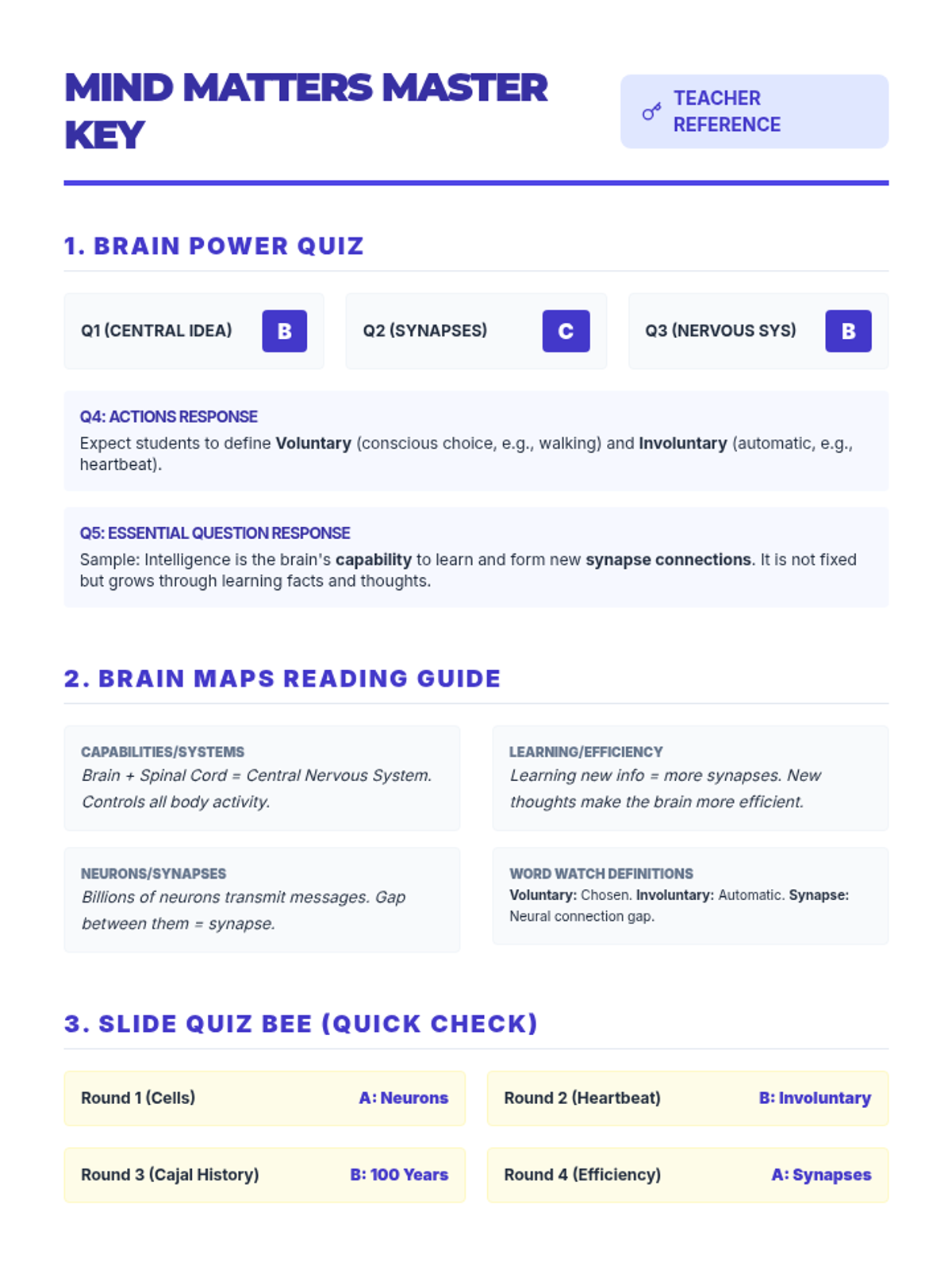
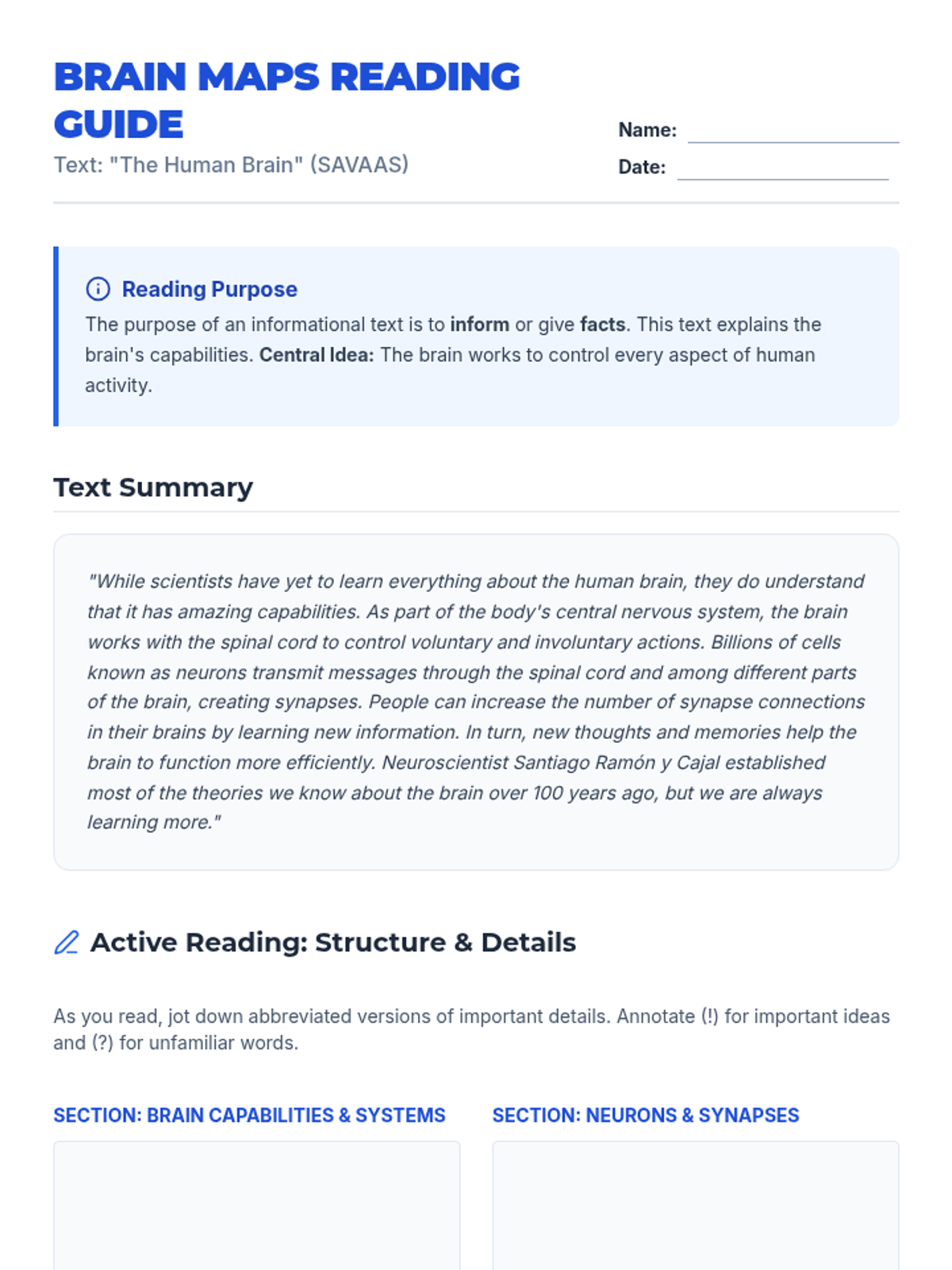
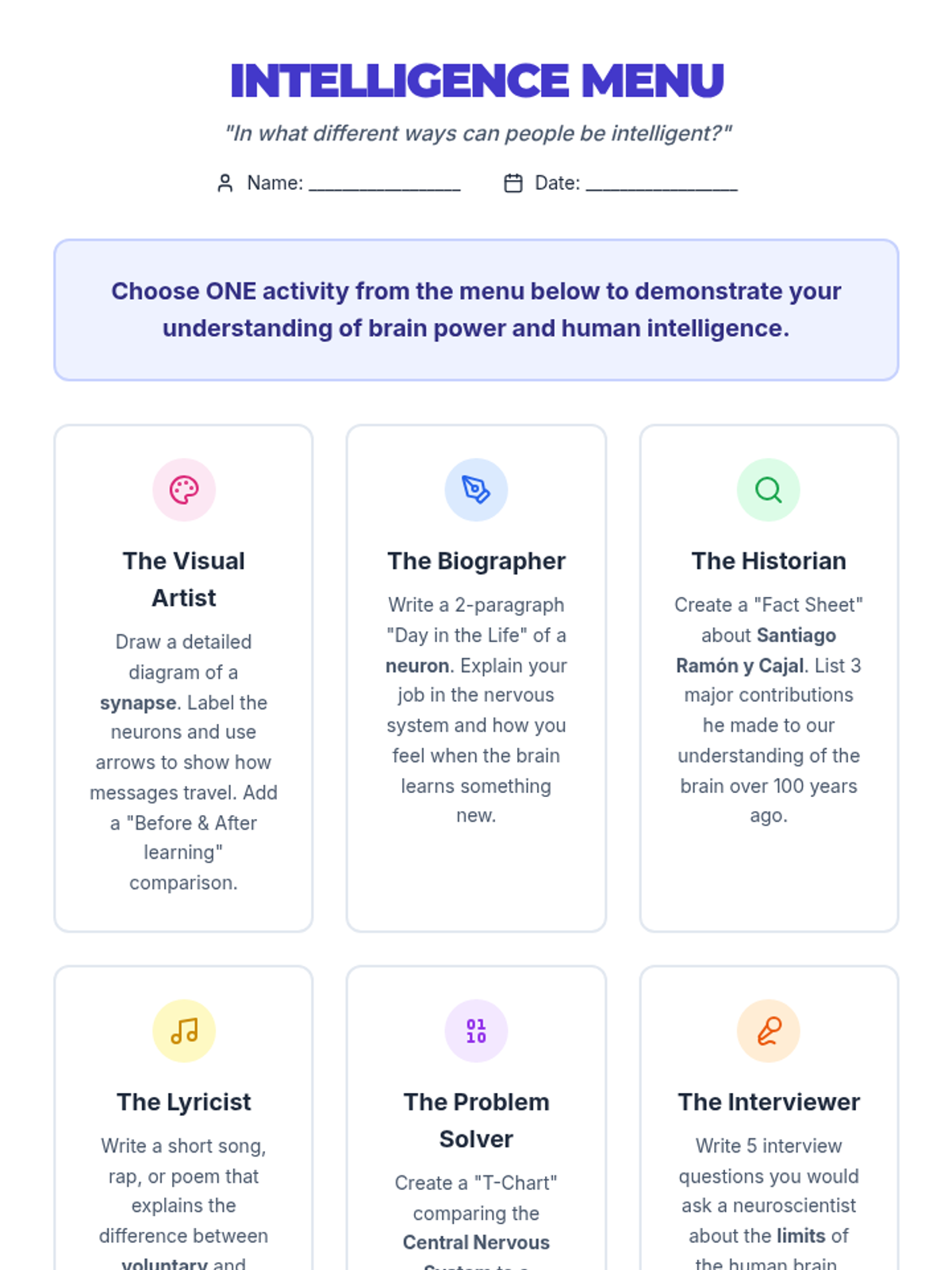
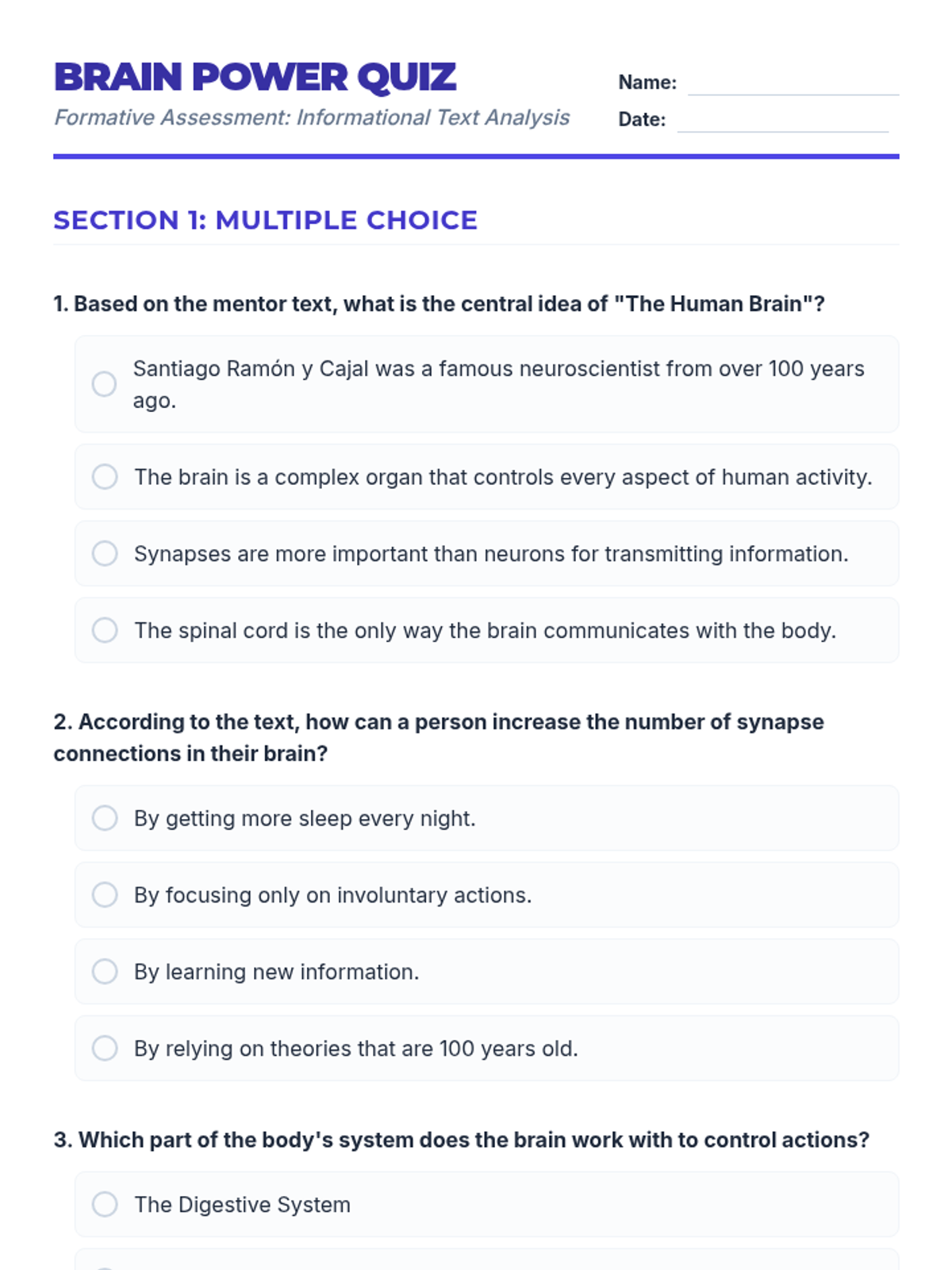
A comprehensive lesson exploring the human brain's capabilities and the nature of intelligence, featuring an informational text analysis and a multiple intelligences choice board.
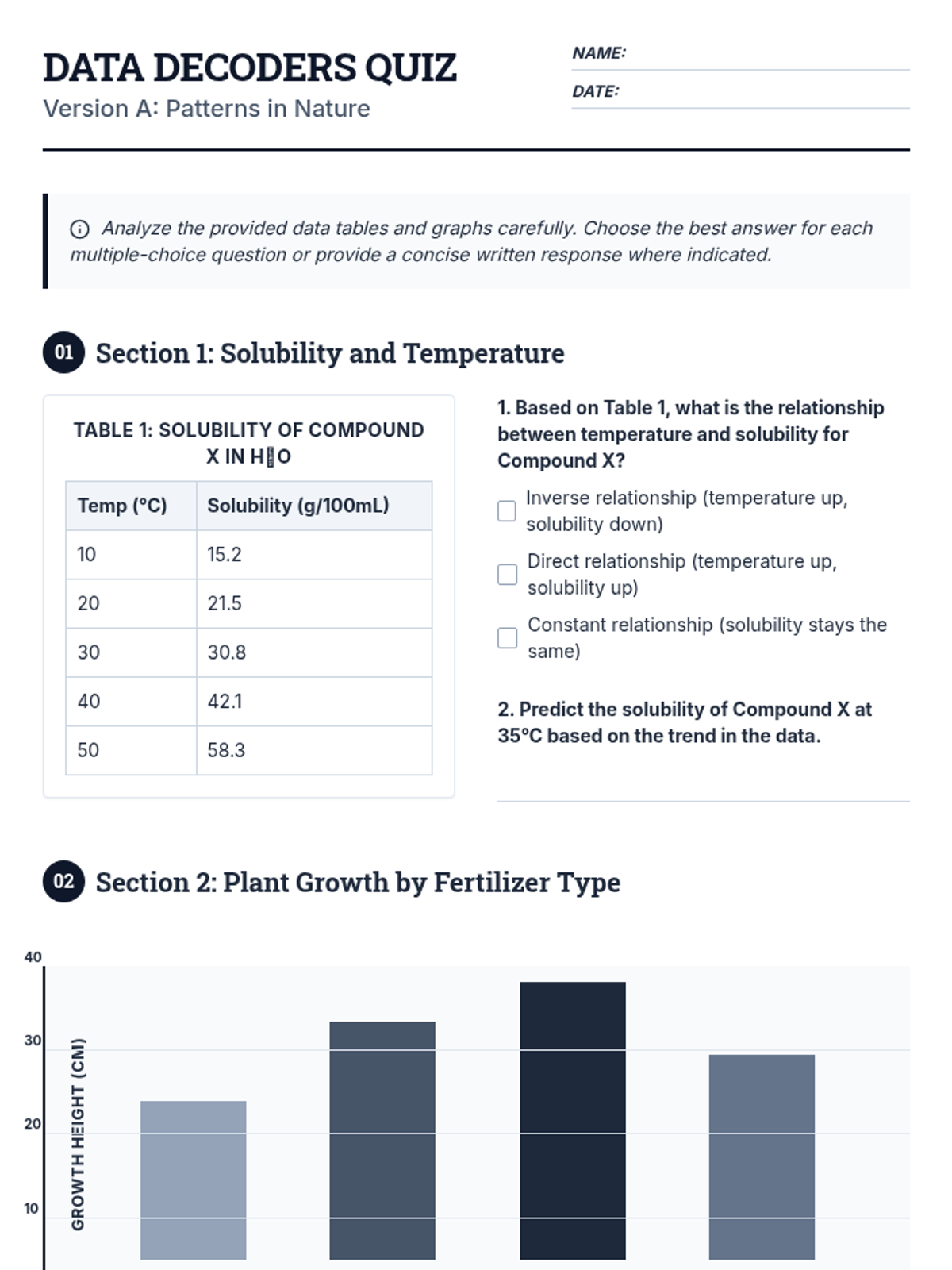
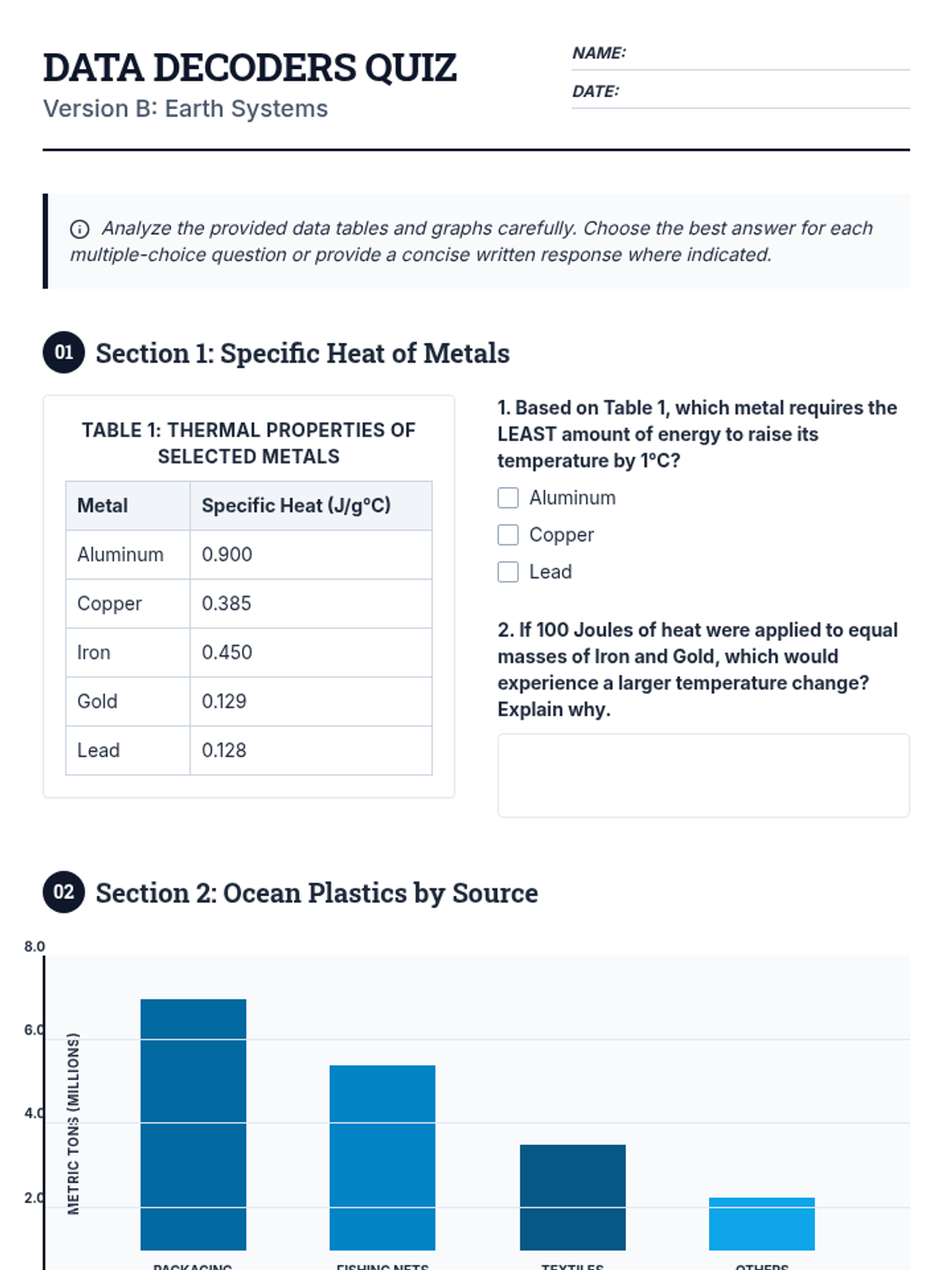
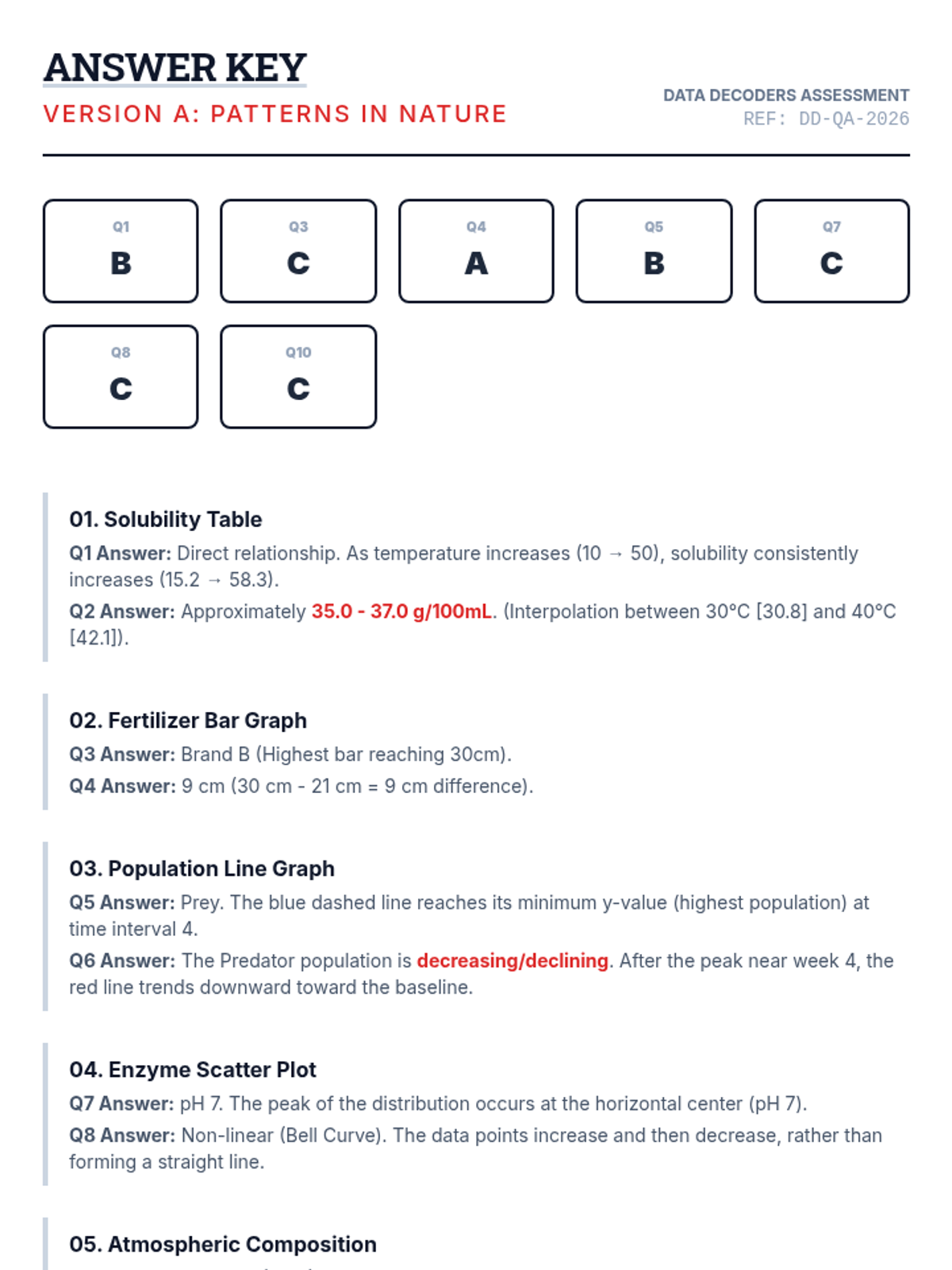
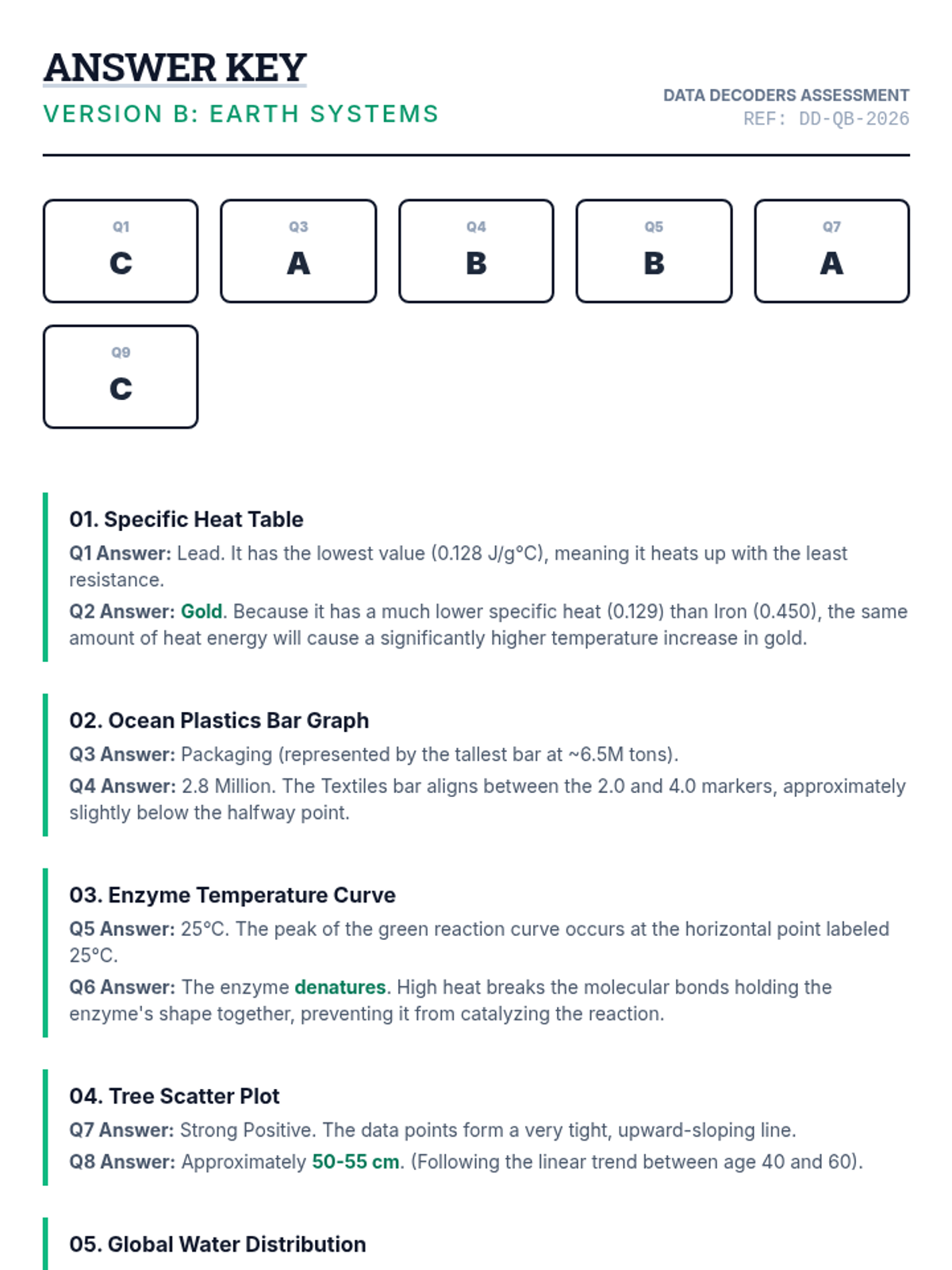
A high-stakes assessment focused on interpreting various scientific data representations, including tables, bar graphs, line graphs, and scatter plots. Students will analyze trends, identify variables, and draw conclusions from realistic scientific scenarios.
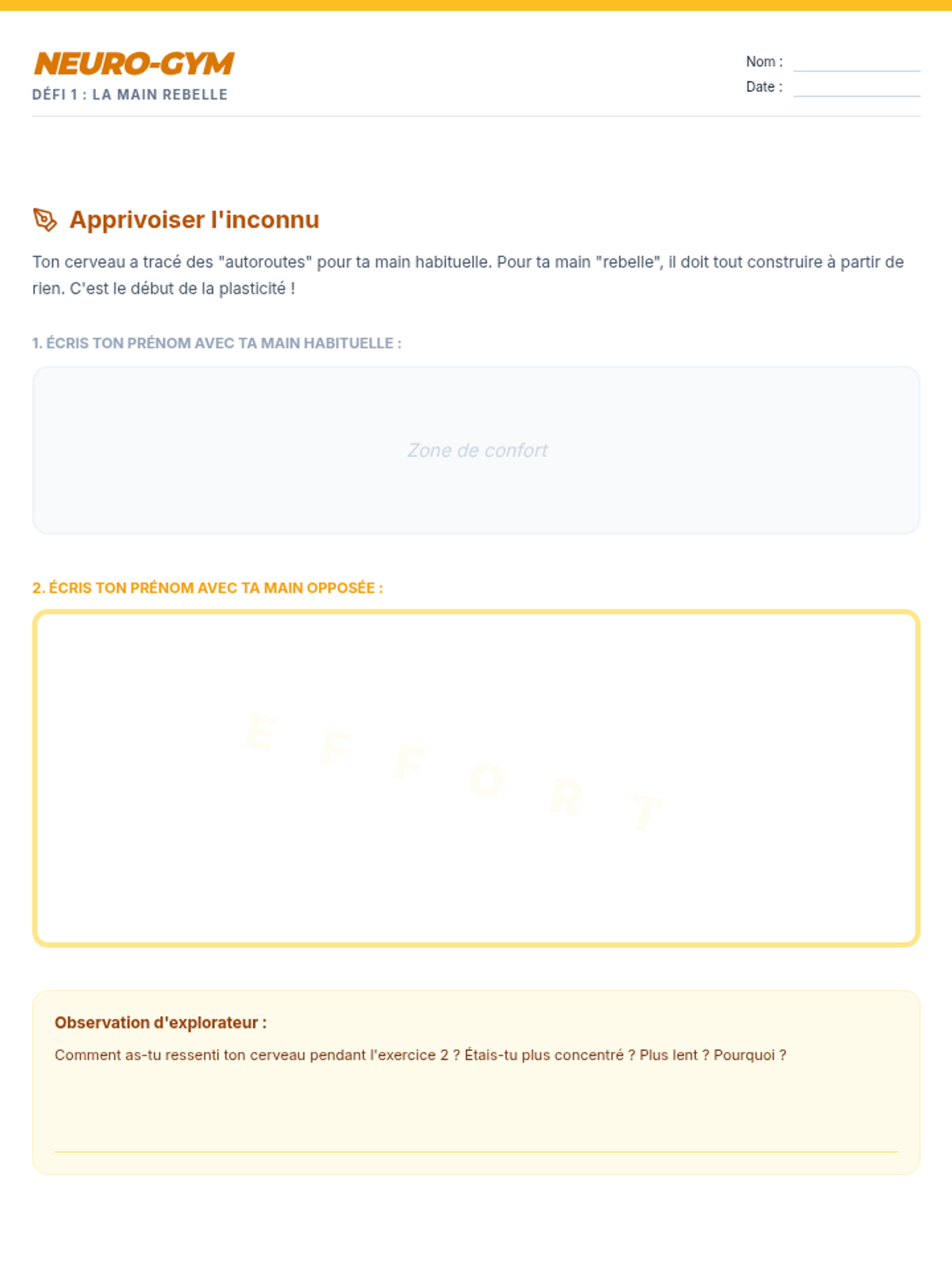
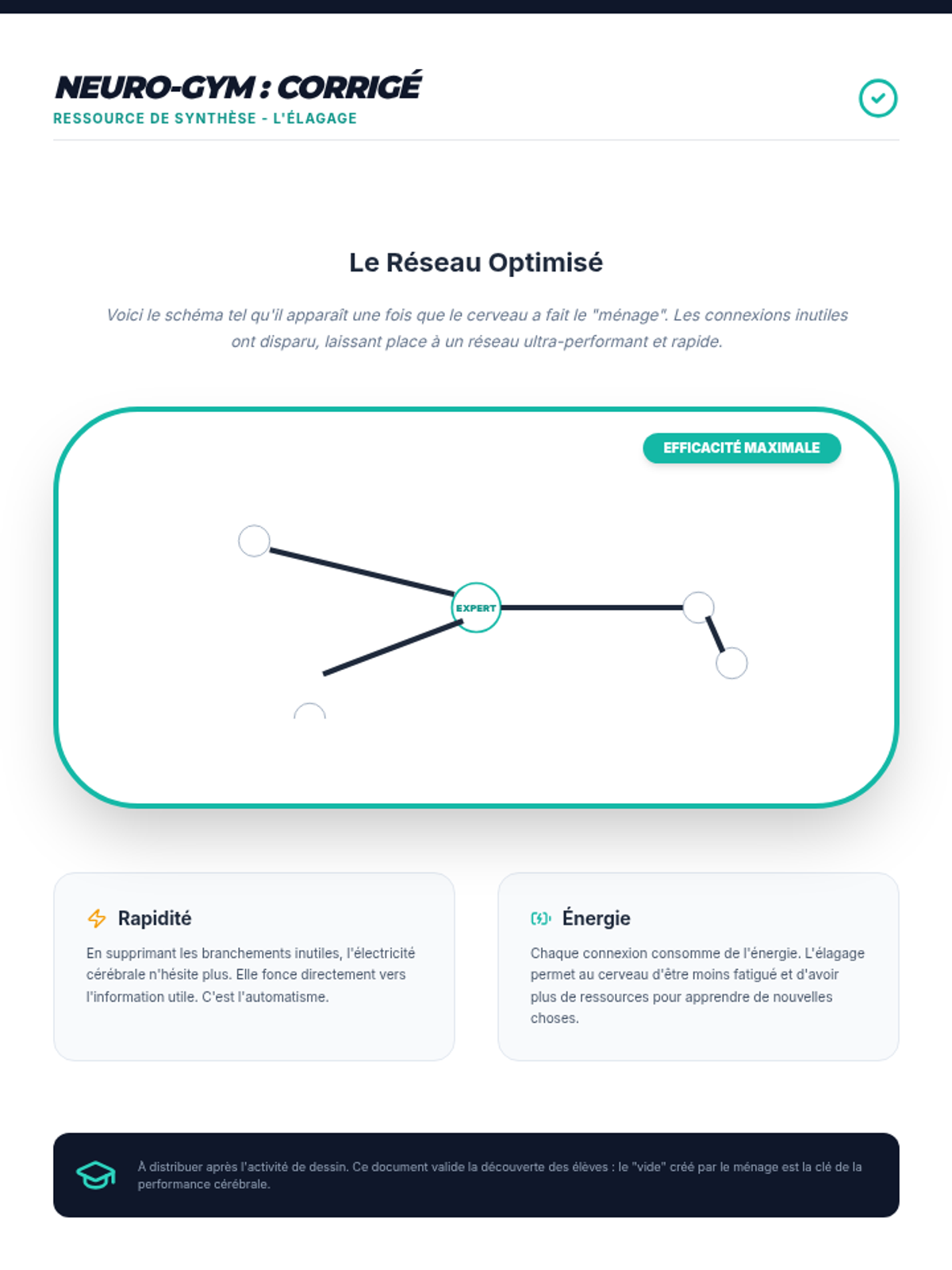
Une séance d'exploration pour identifier les parties du cerveau, comprendre le rôle des neurones et découvrir la plasticité cérébrale.
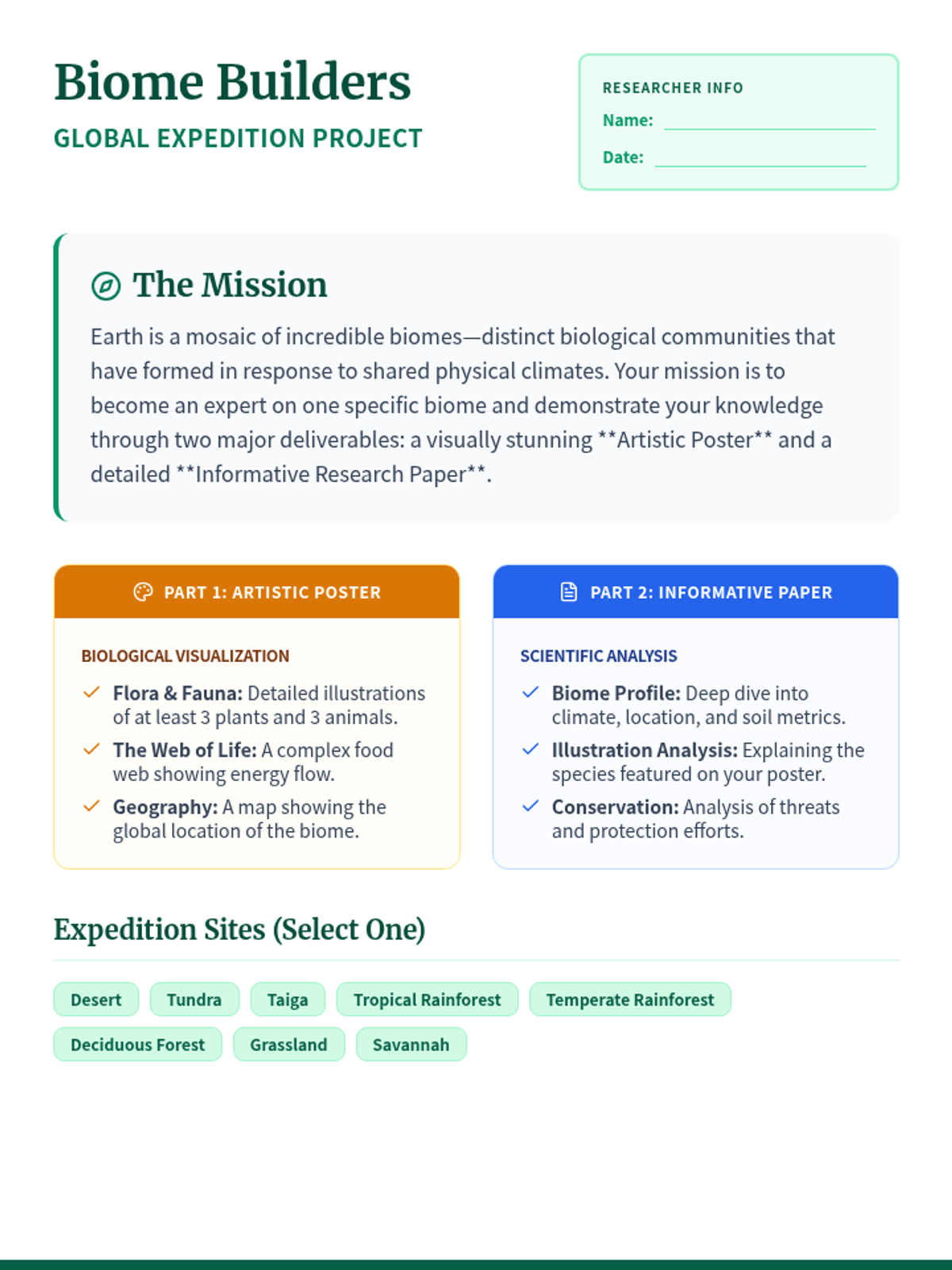
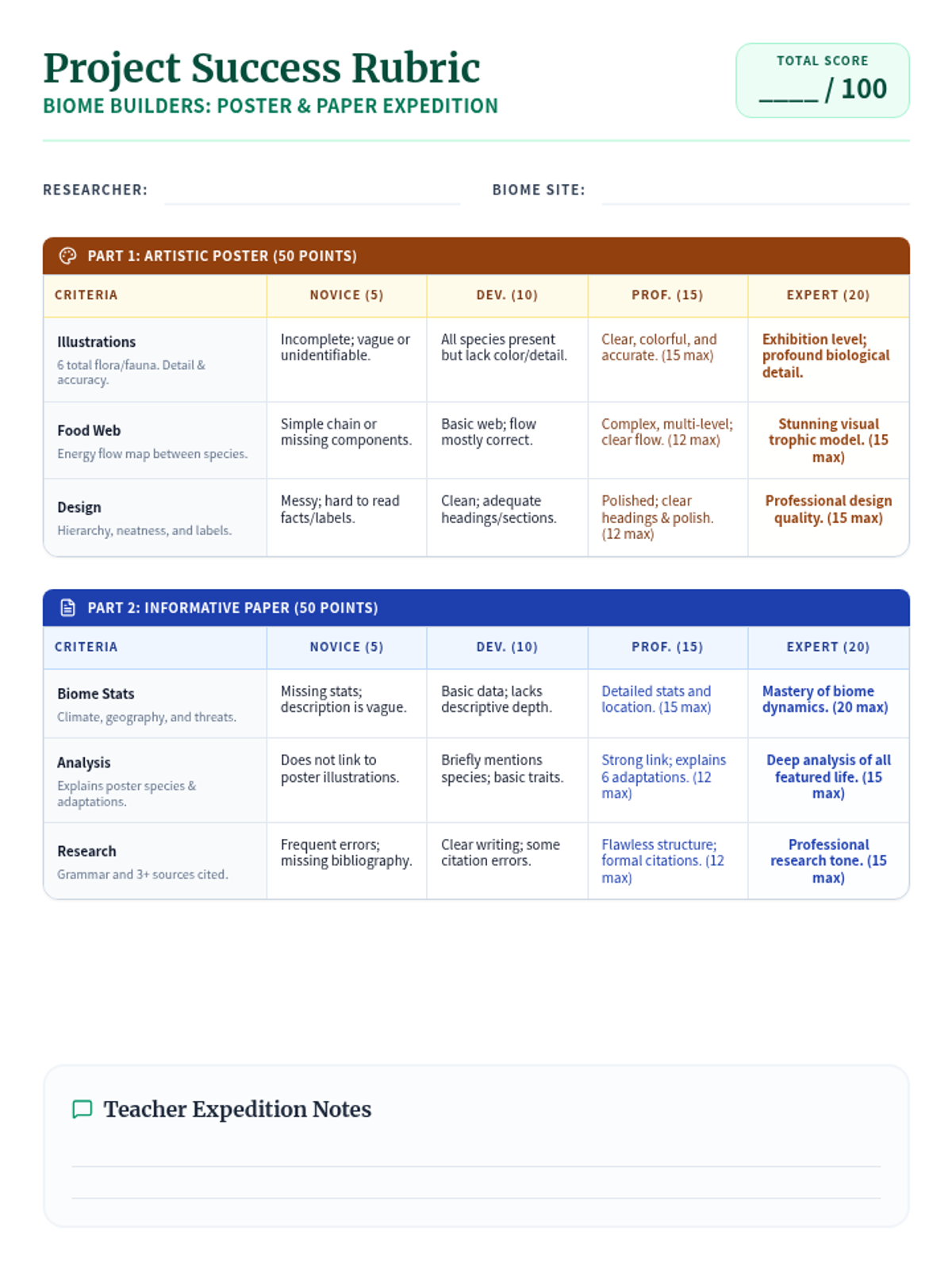
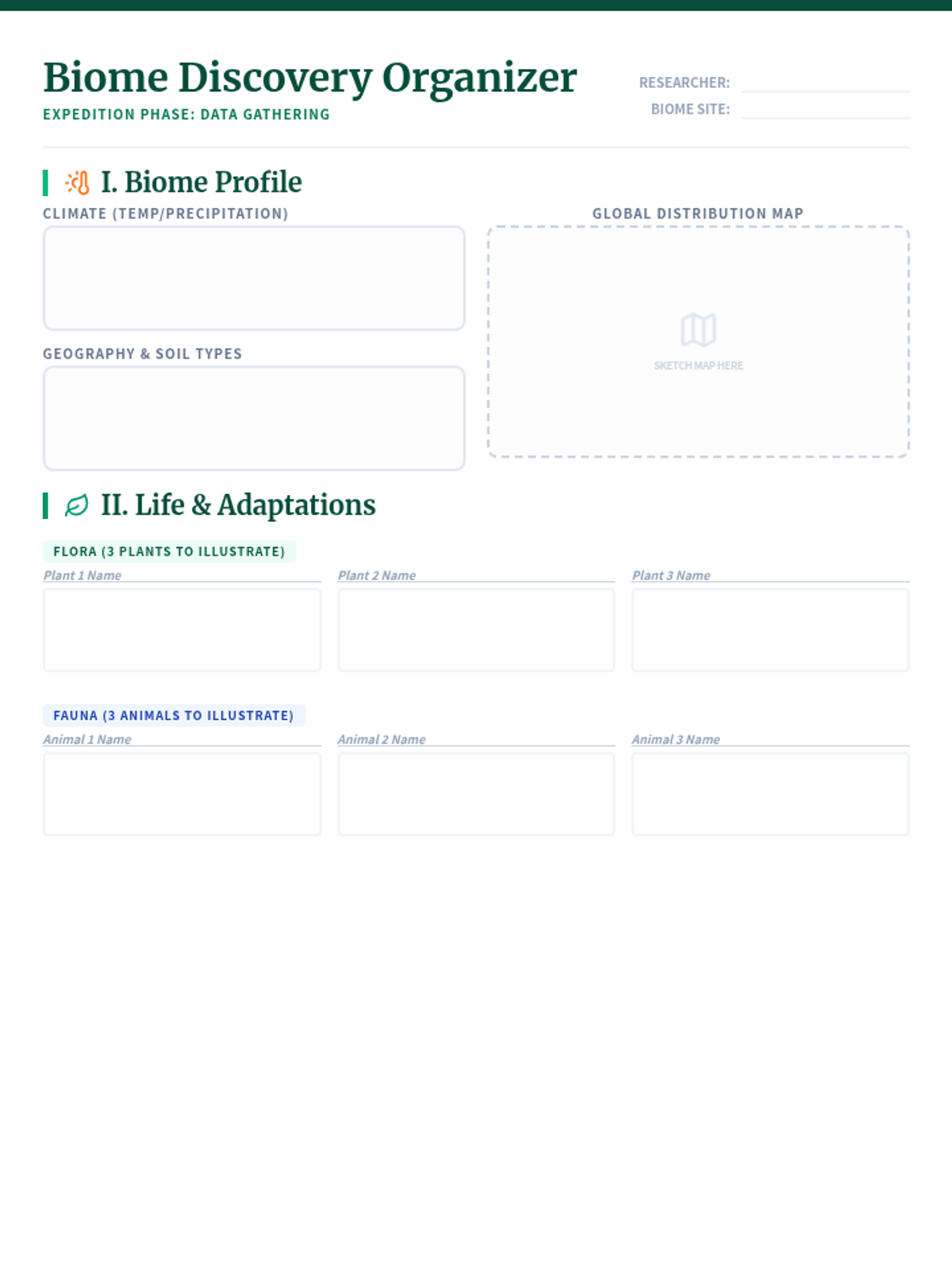
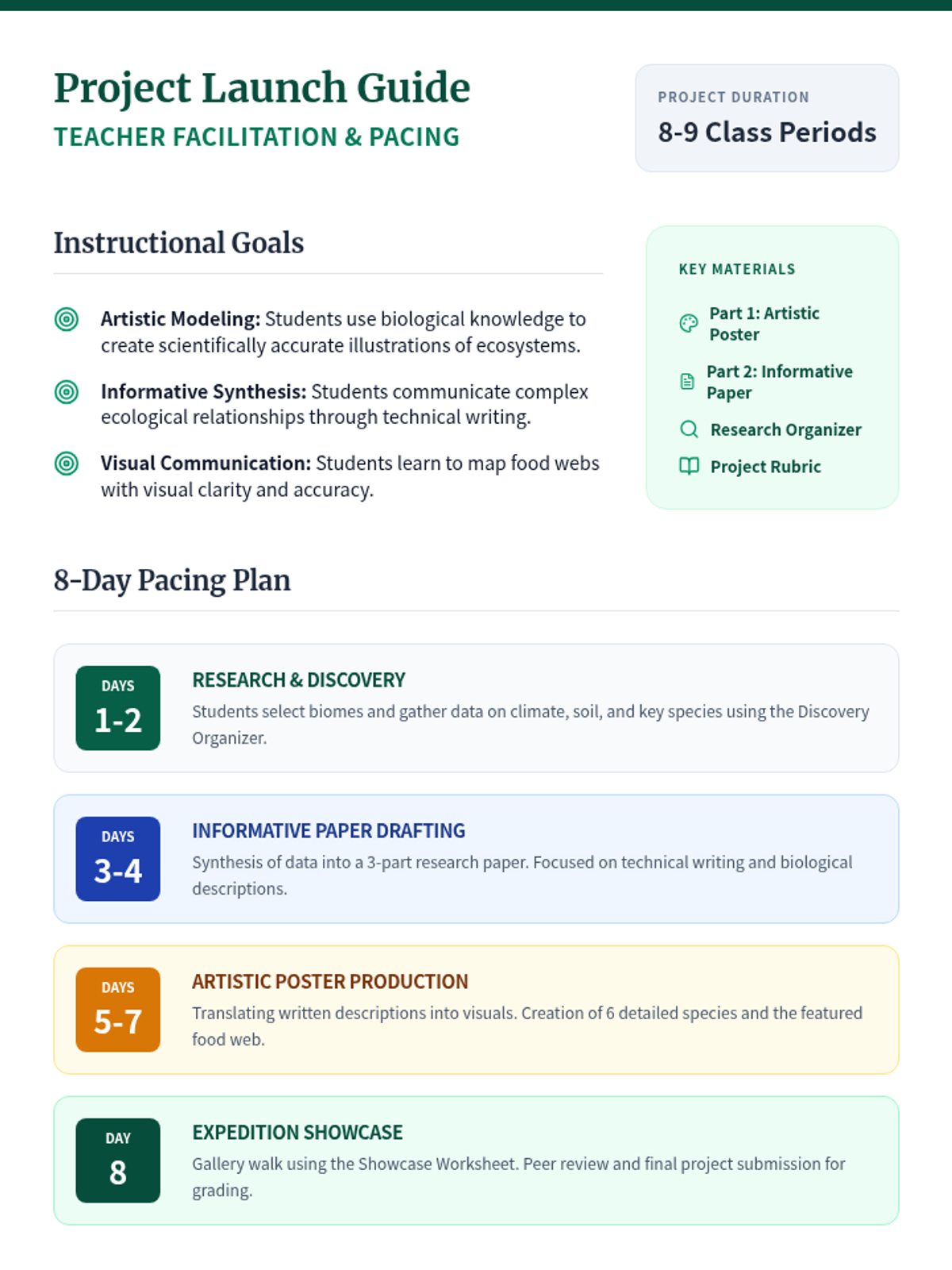
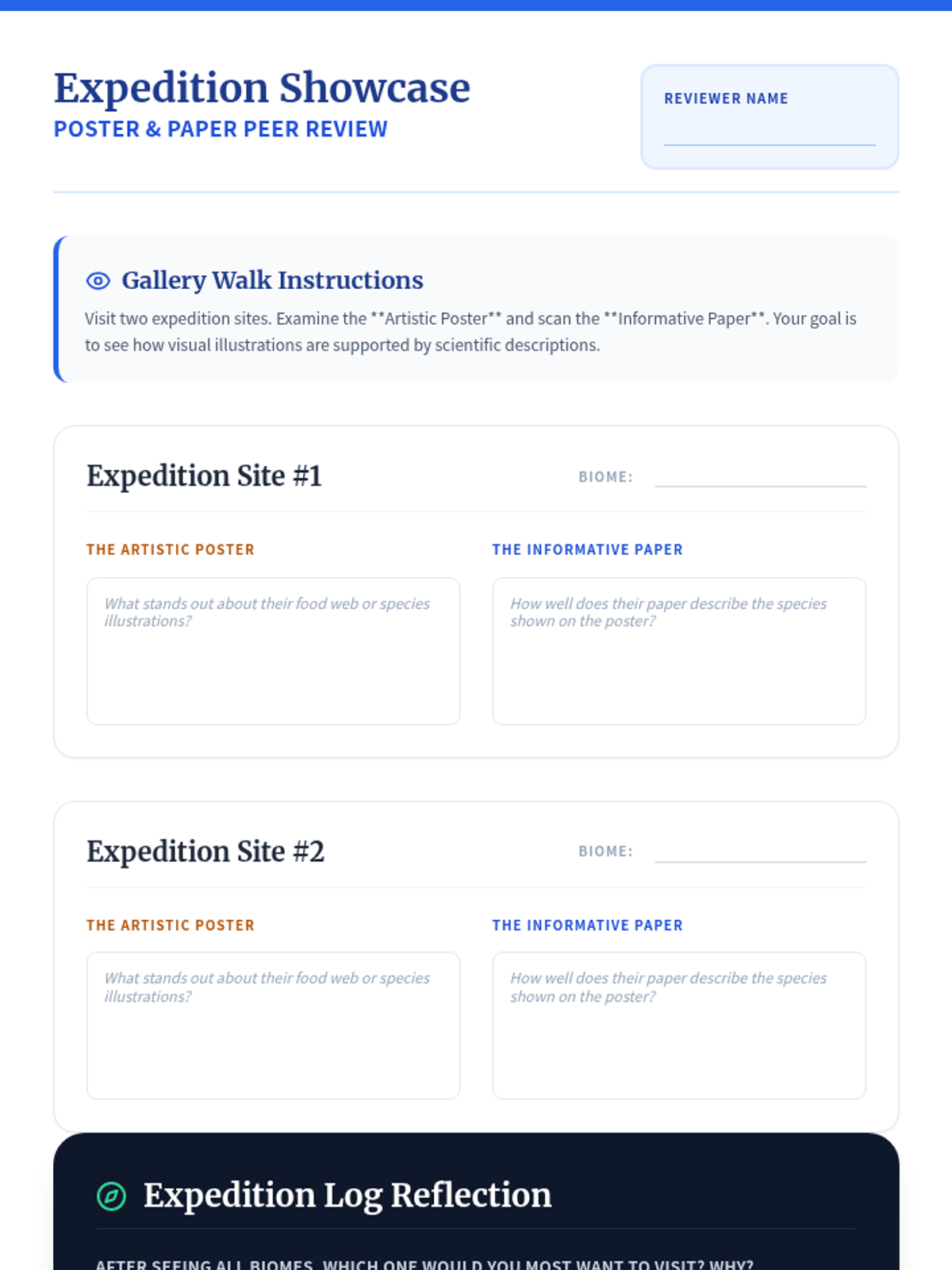
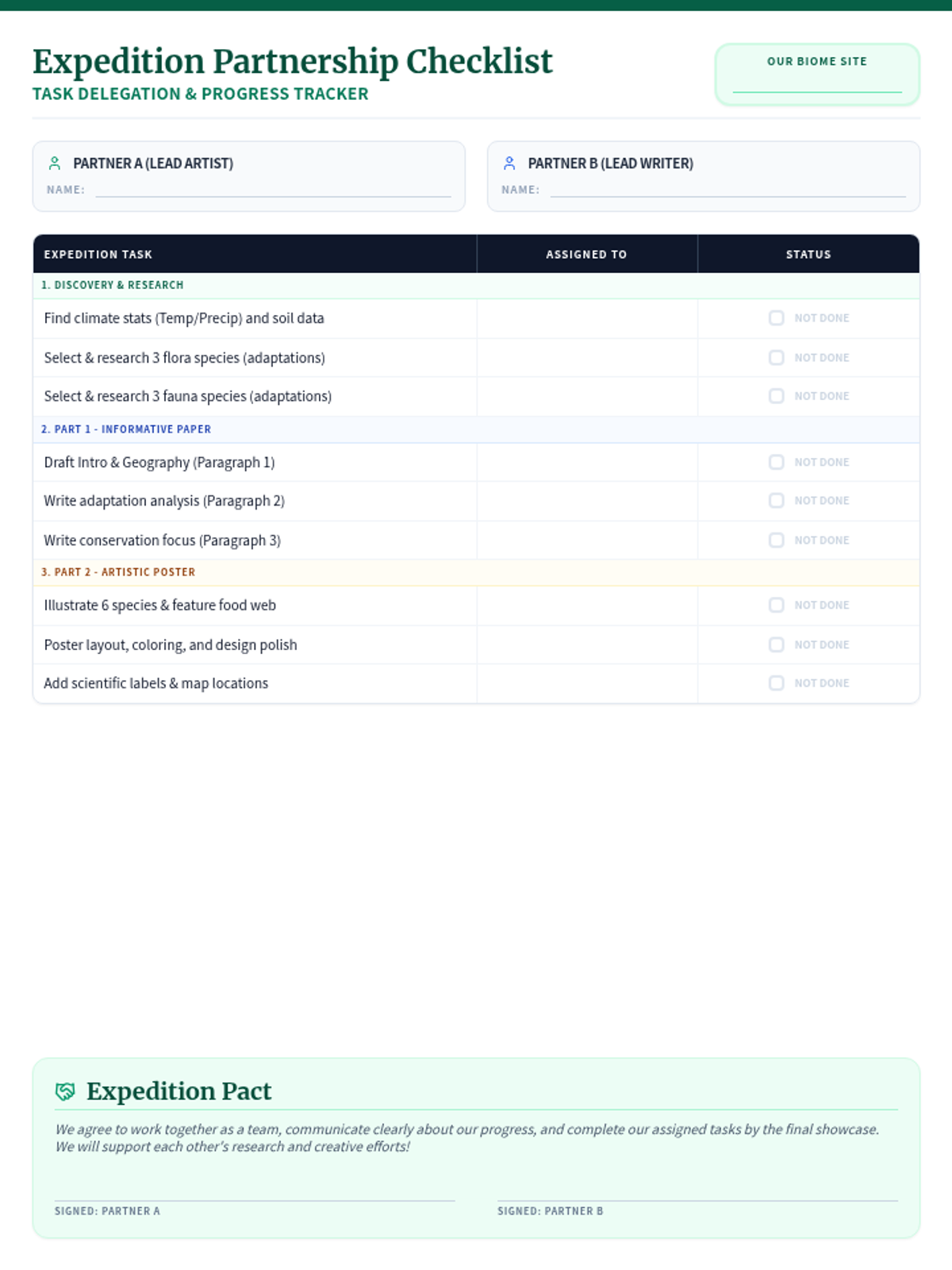
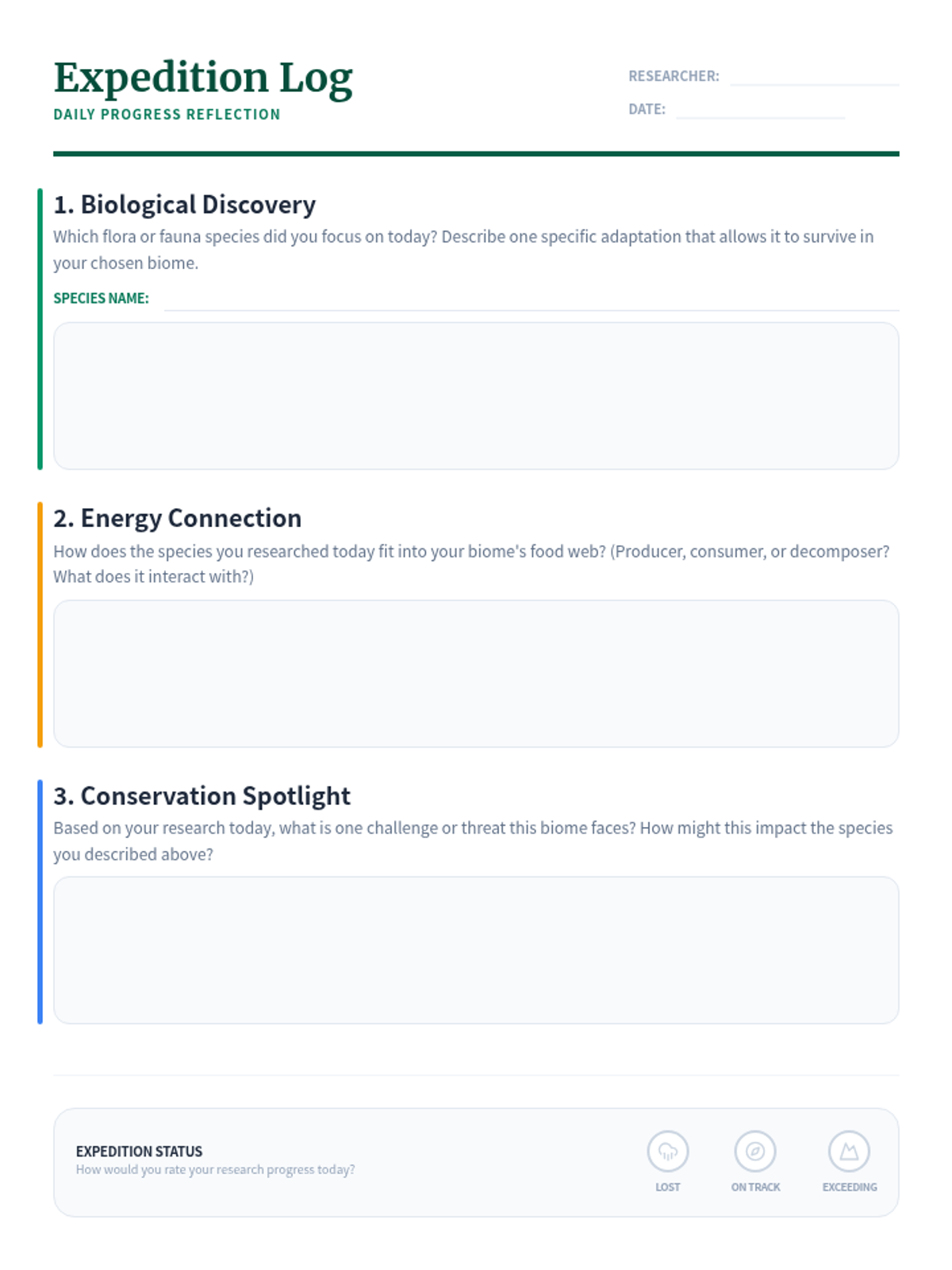
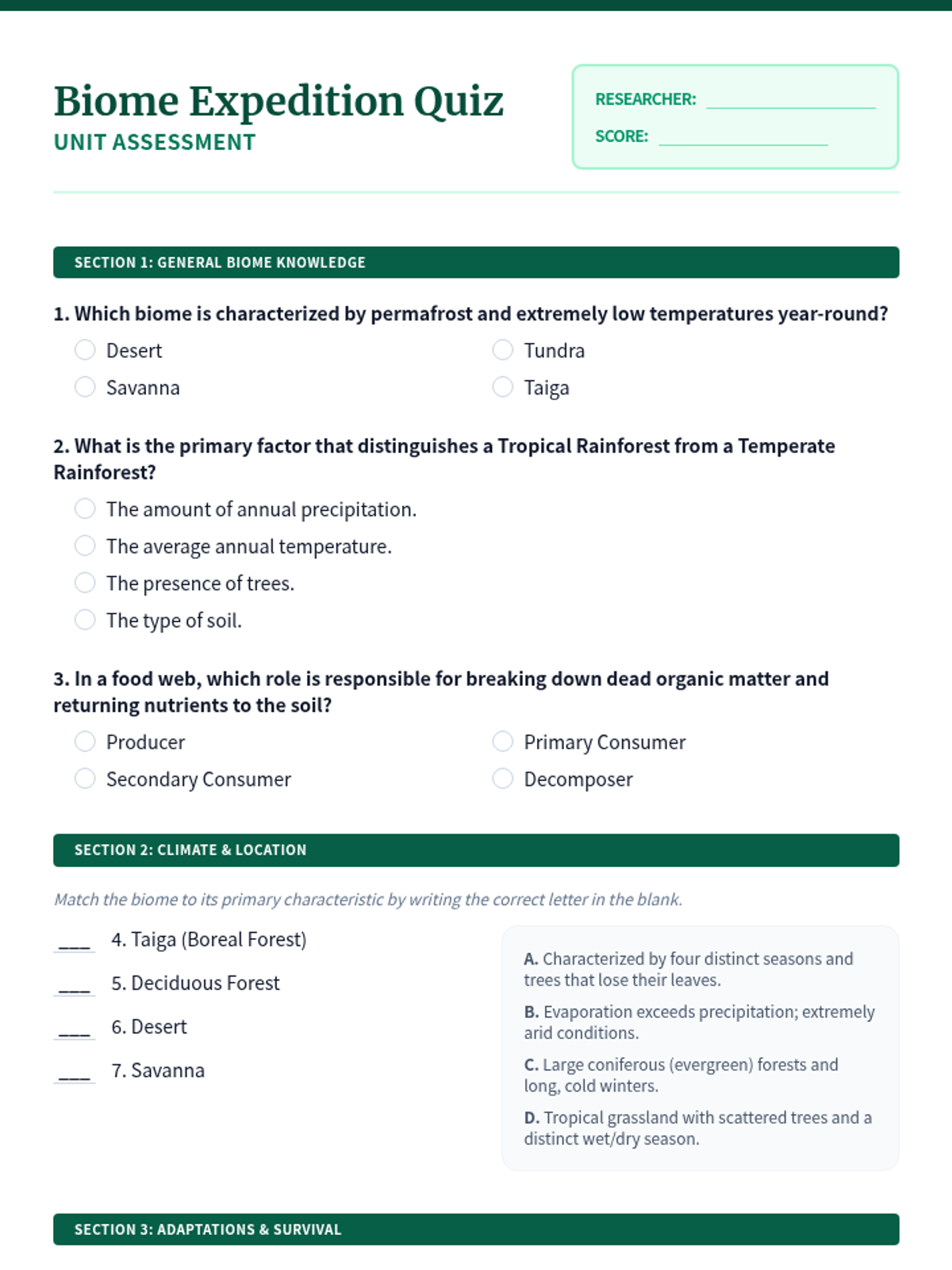
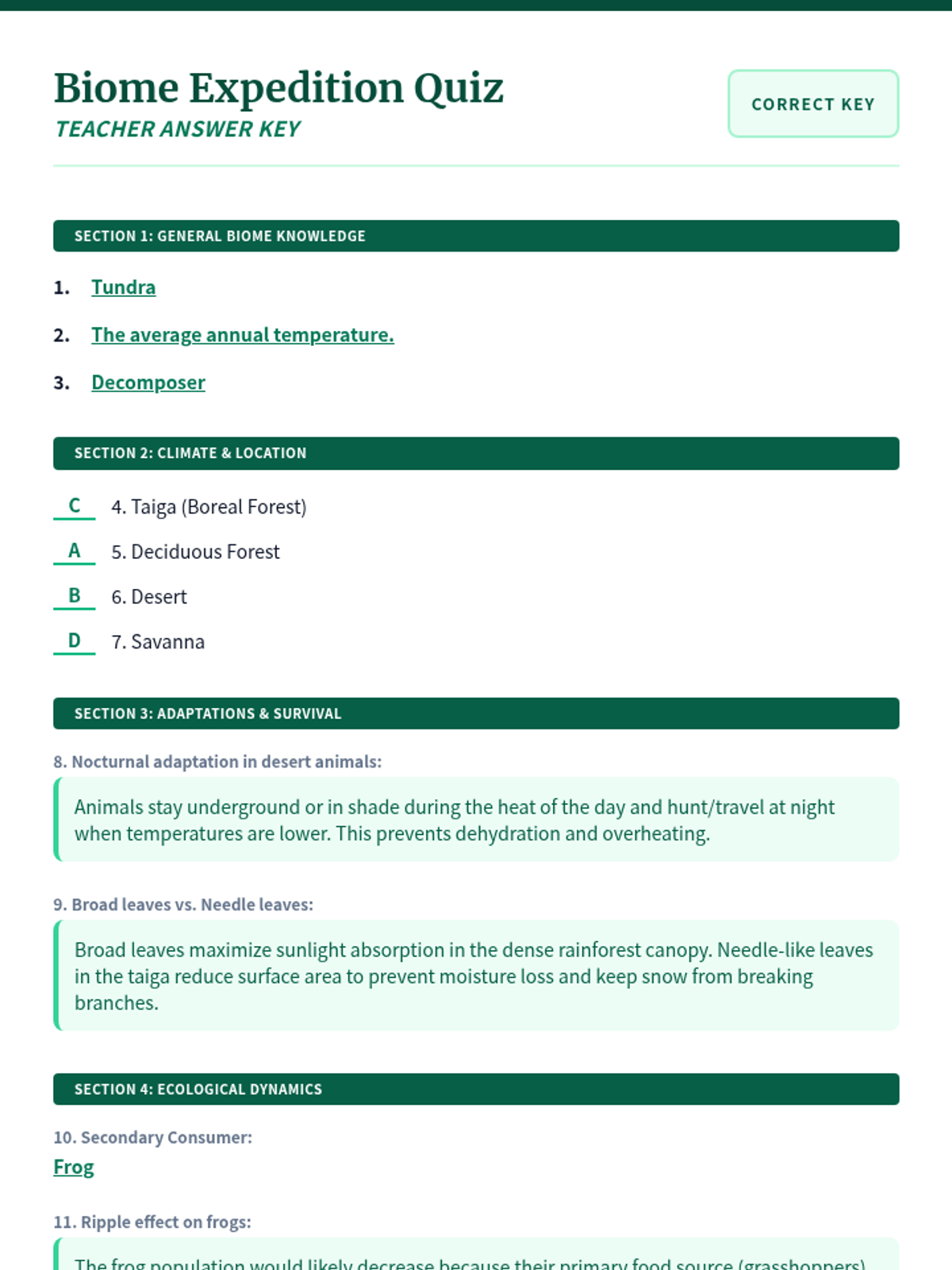
A creative project-based lesson where students research and design an educational poster about a specific global biome, focusing on adaptations, food webs, and conservation. Now expanded to include an informative research paper component.
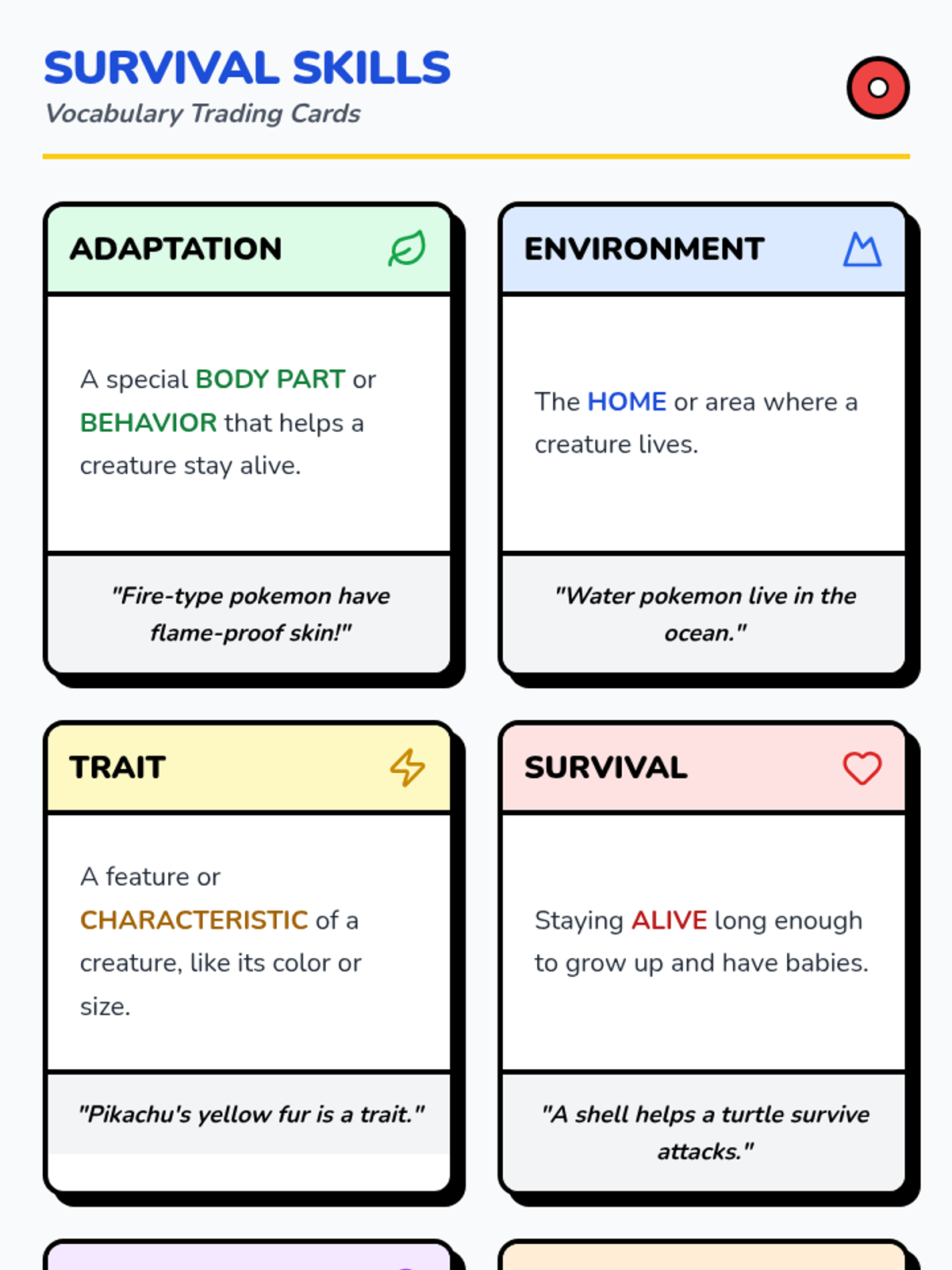
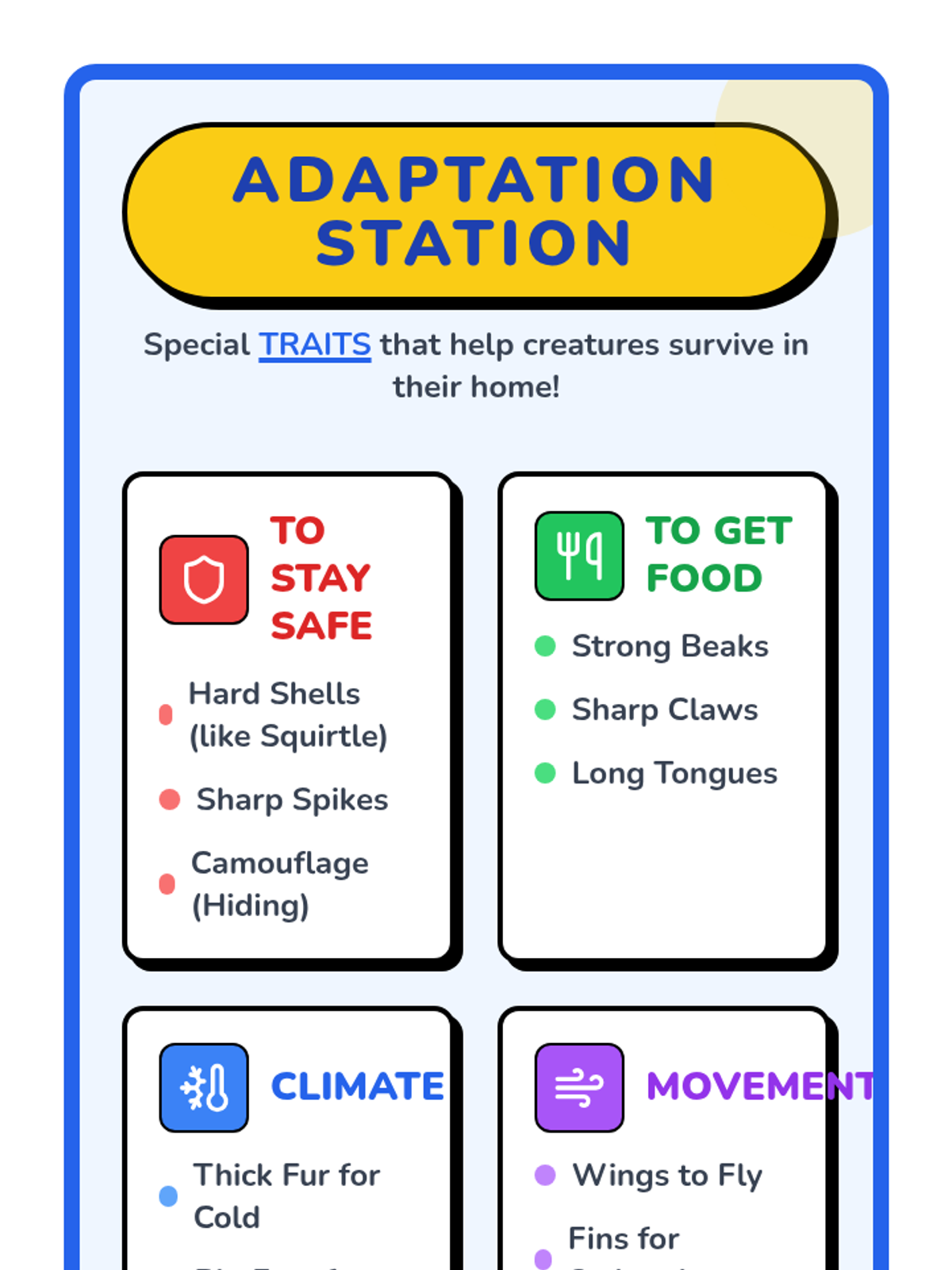
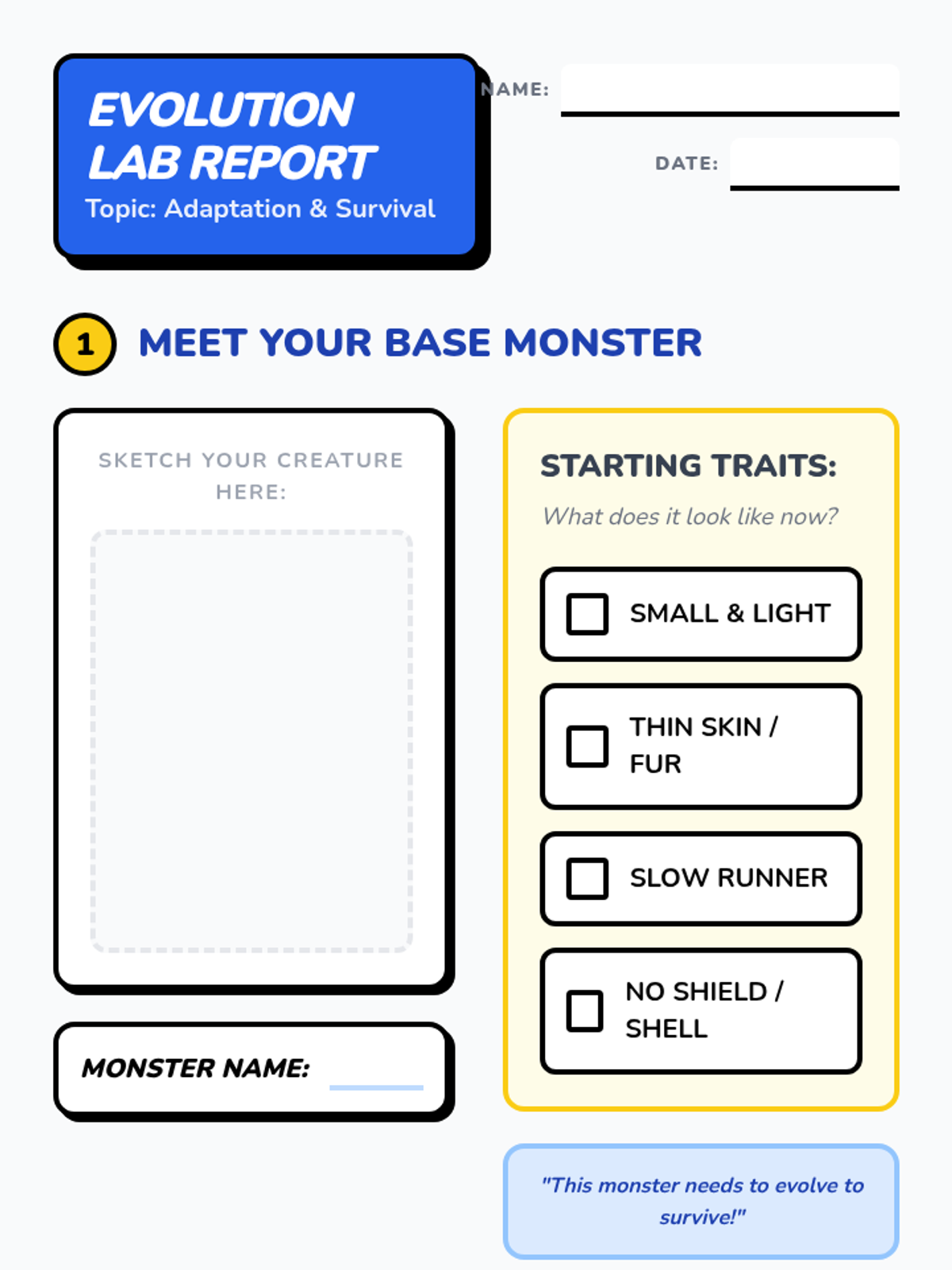
This lesson uses the familiar concept of Pokémon evolution to teach special education students about biological adaptations and natural selection. Students will explore how traits help organisms survive in different environments and design their own adapted creatures.
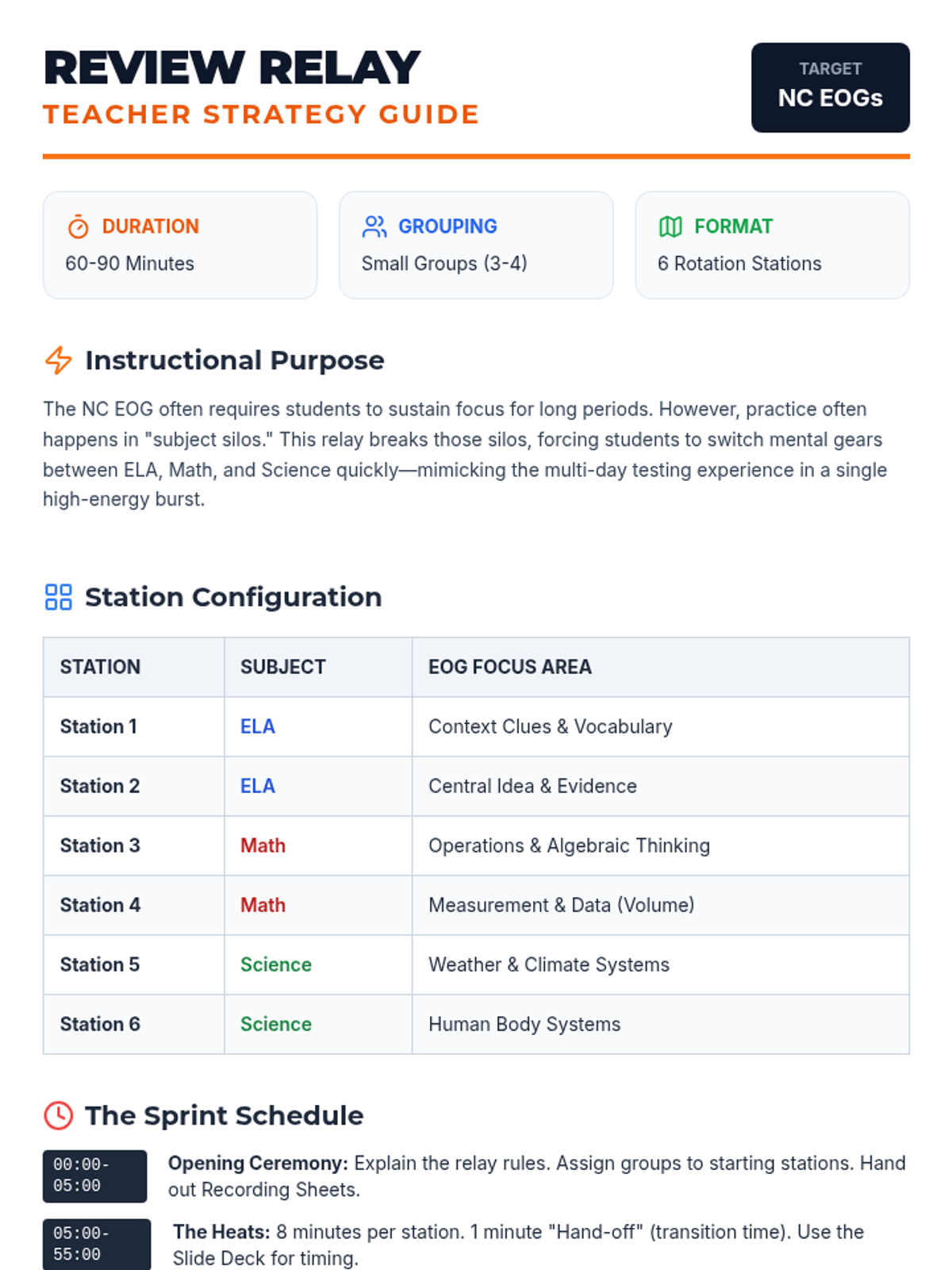
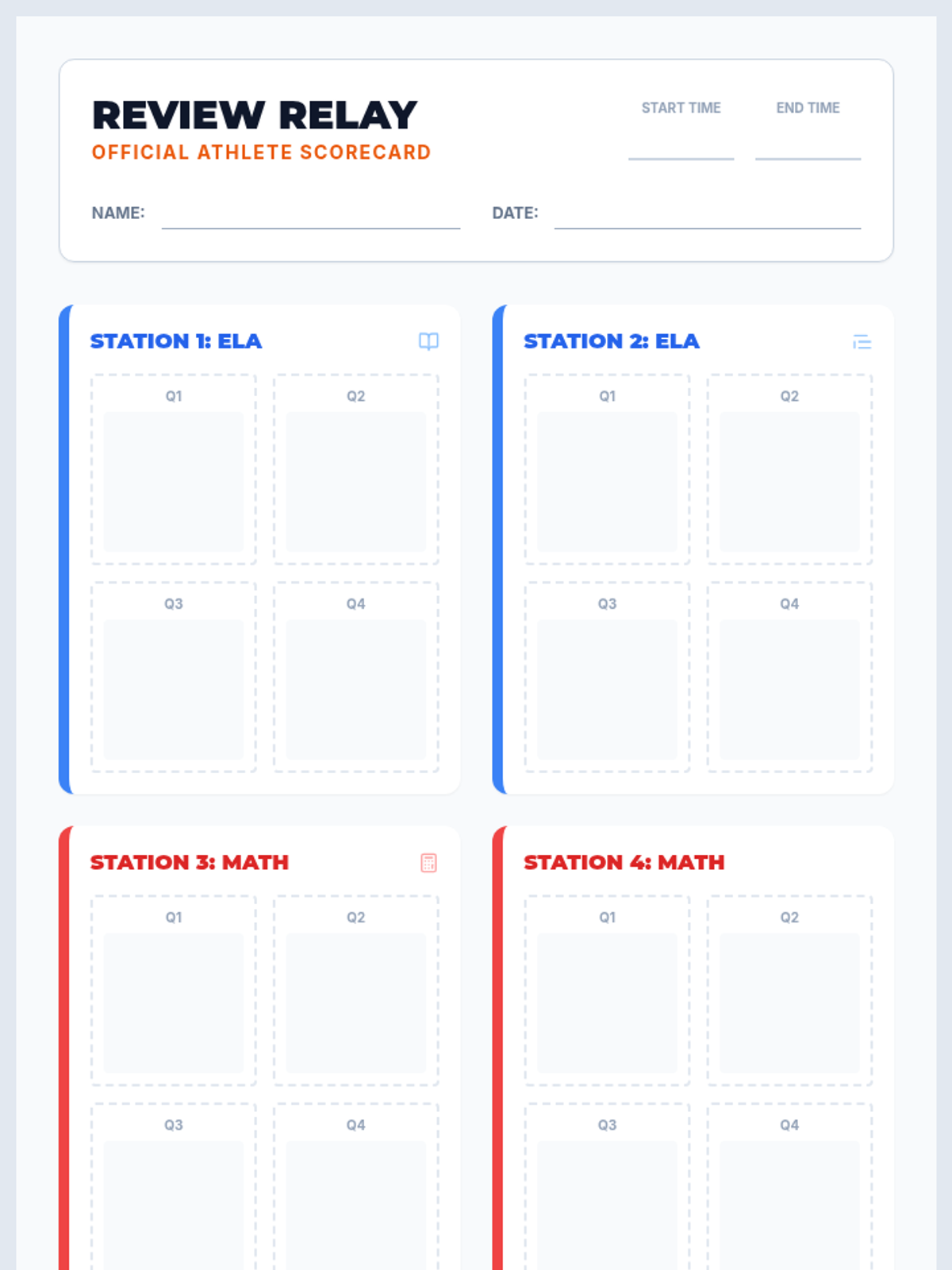
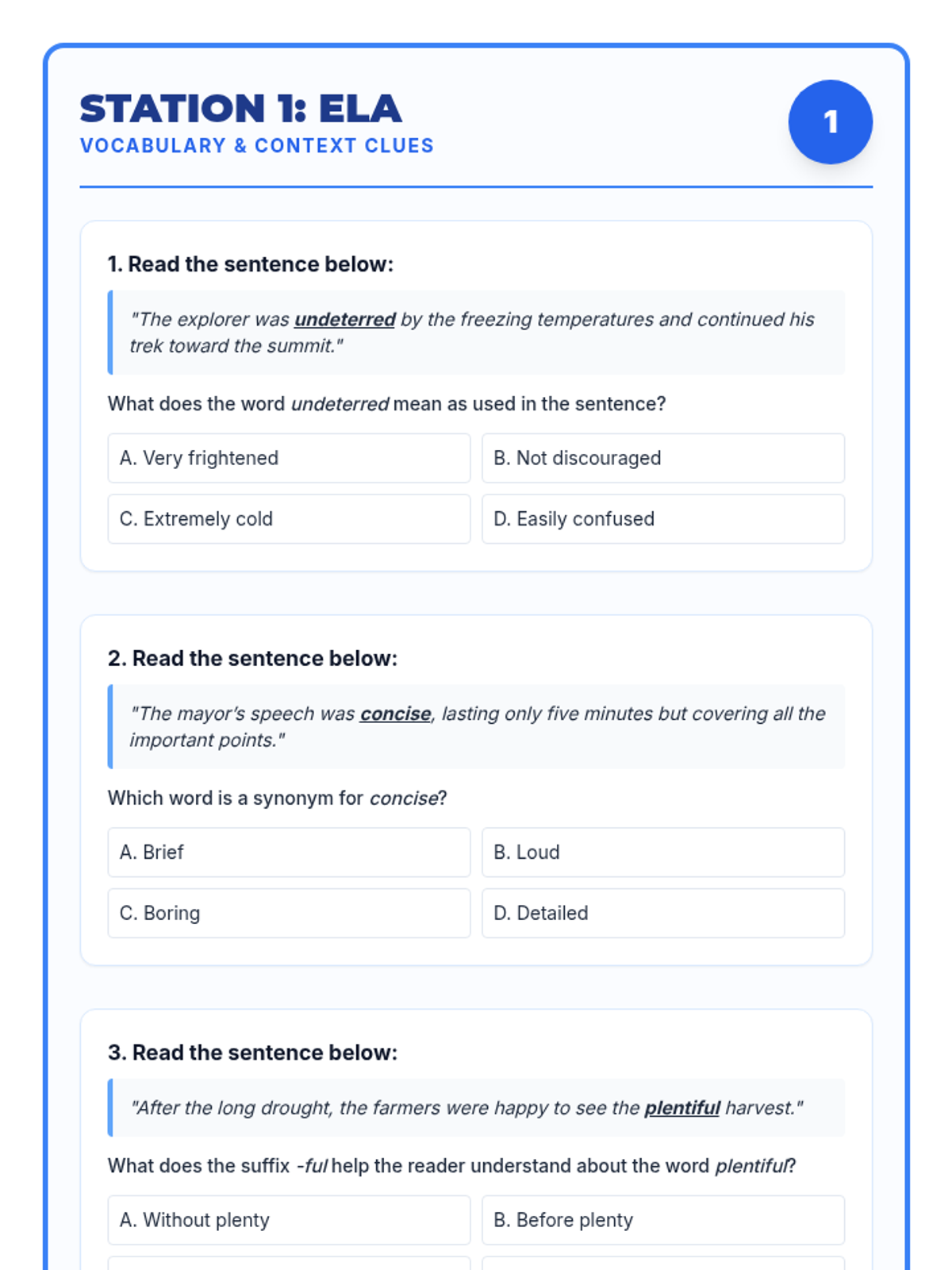
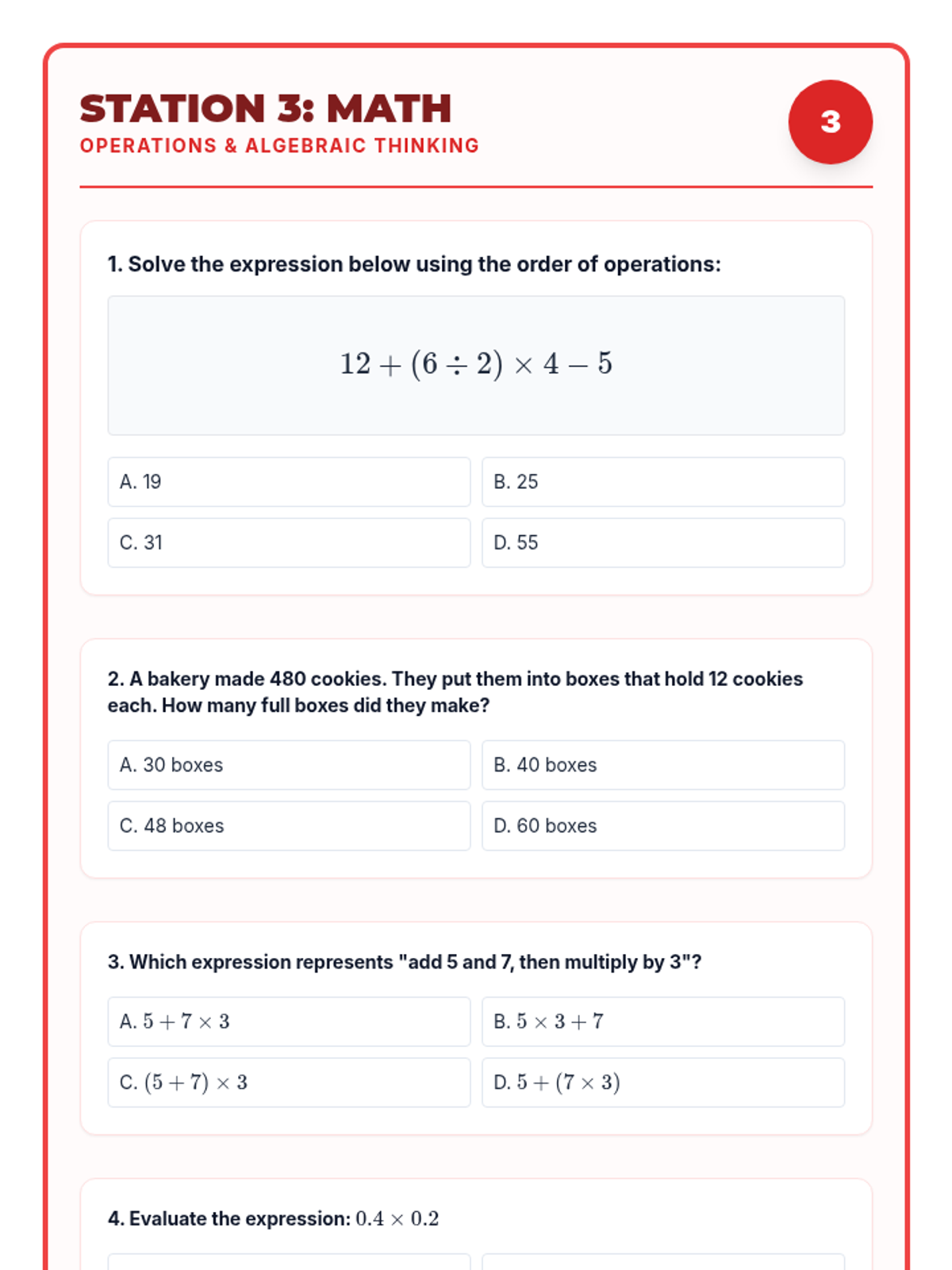
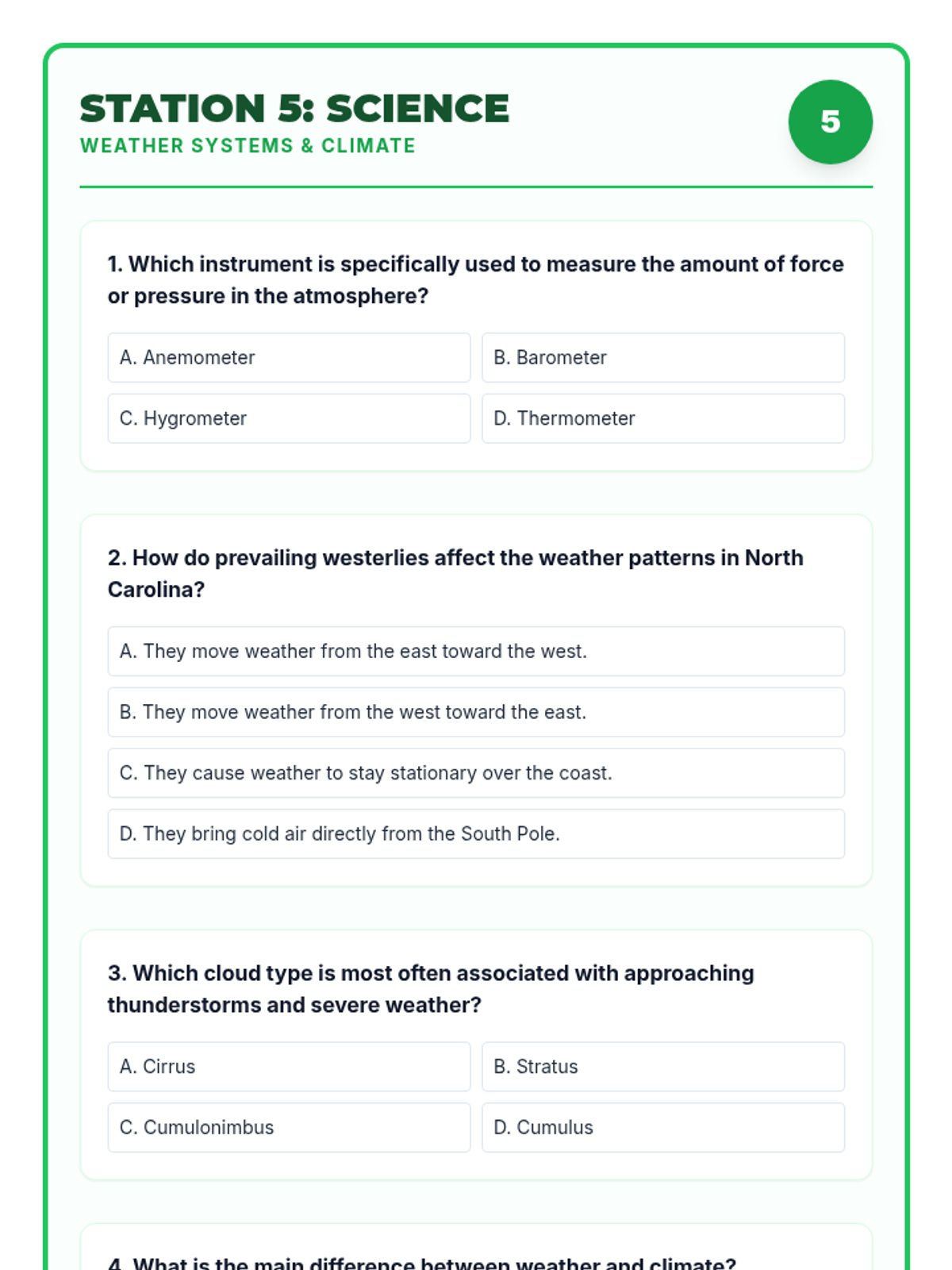
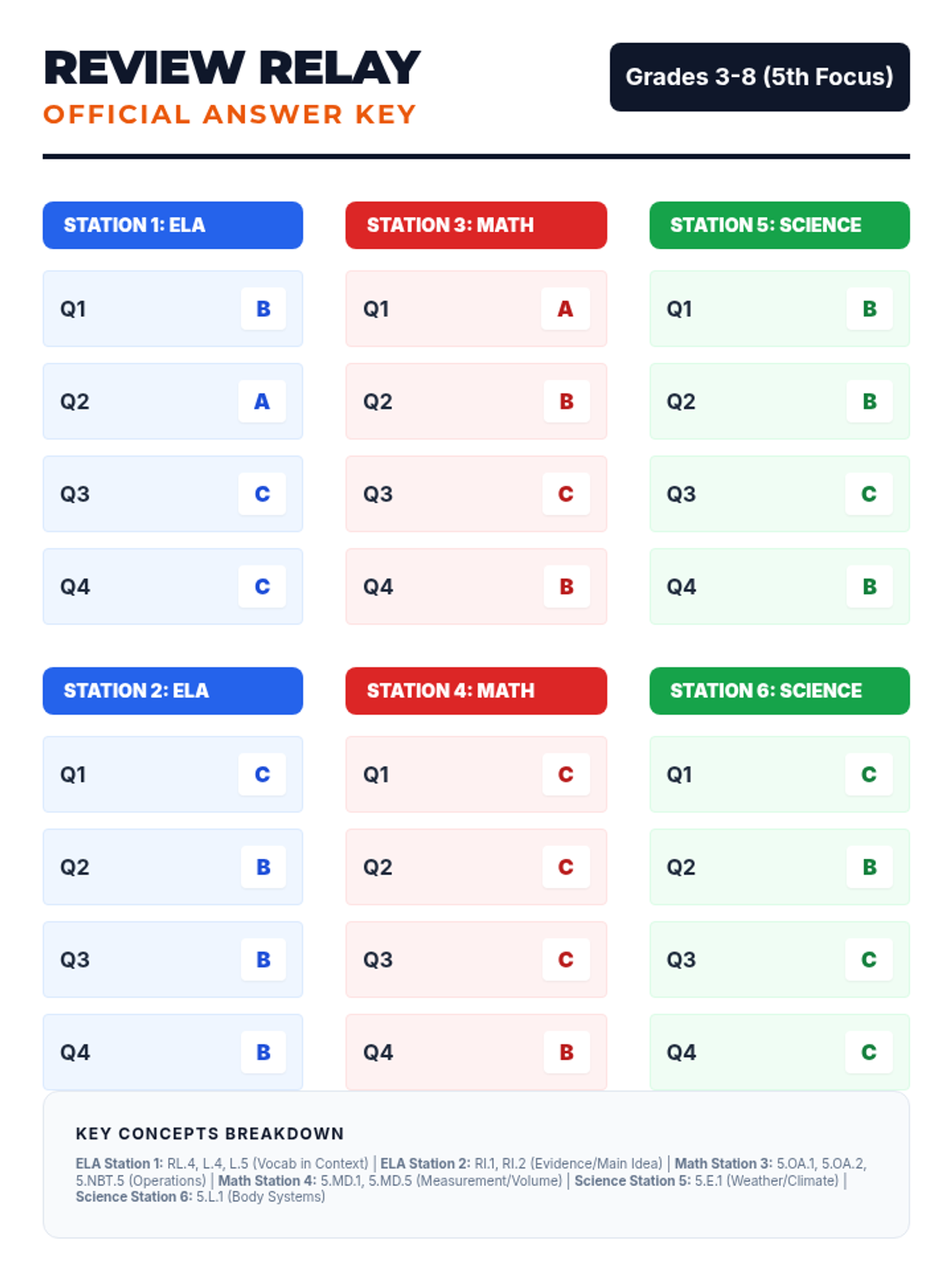
A high-energy, station-based review session designed to build testing stamina and subject-switching agility for NC EOGs. Students rotate through ELA, Math, and Science challenges in timed 'sprints'.
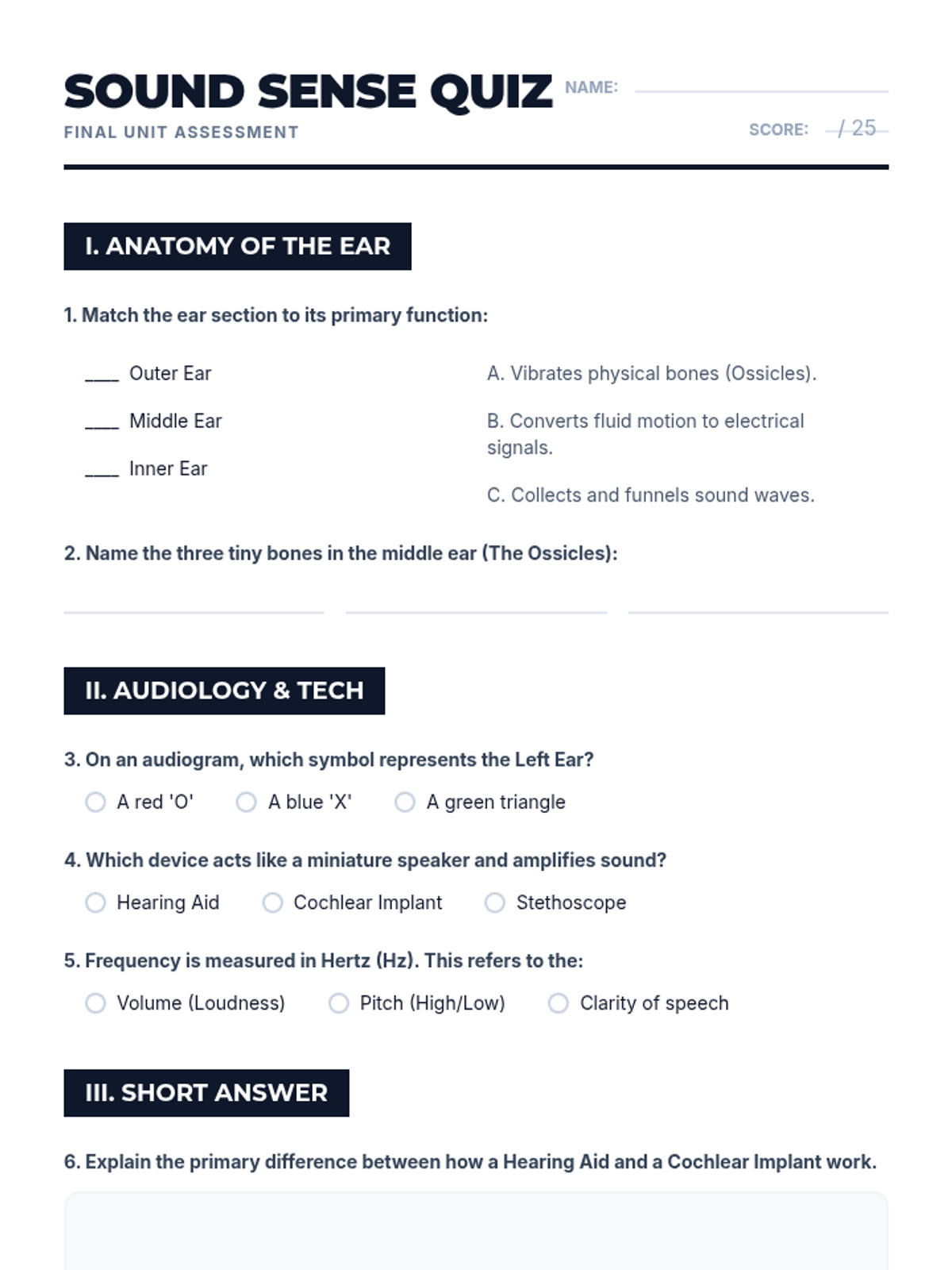
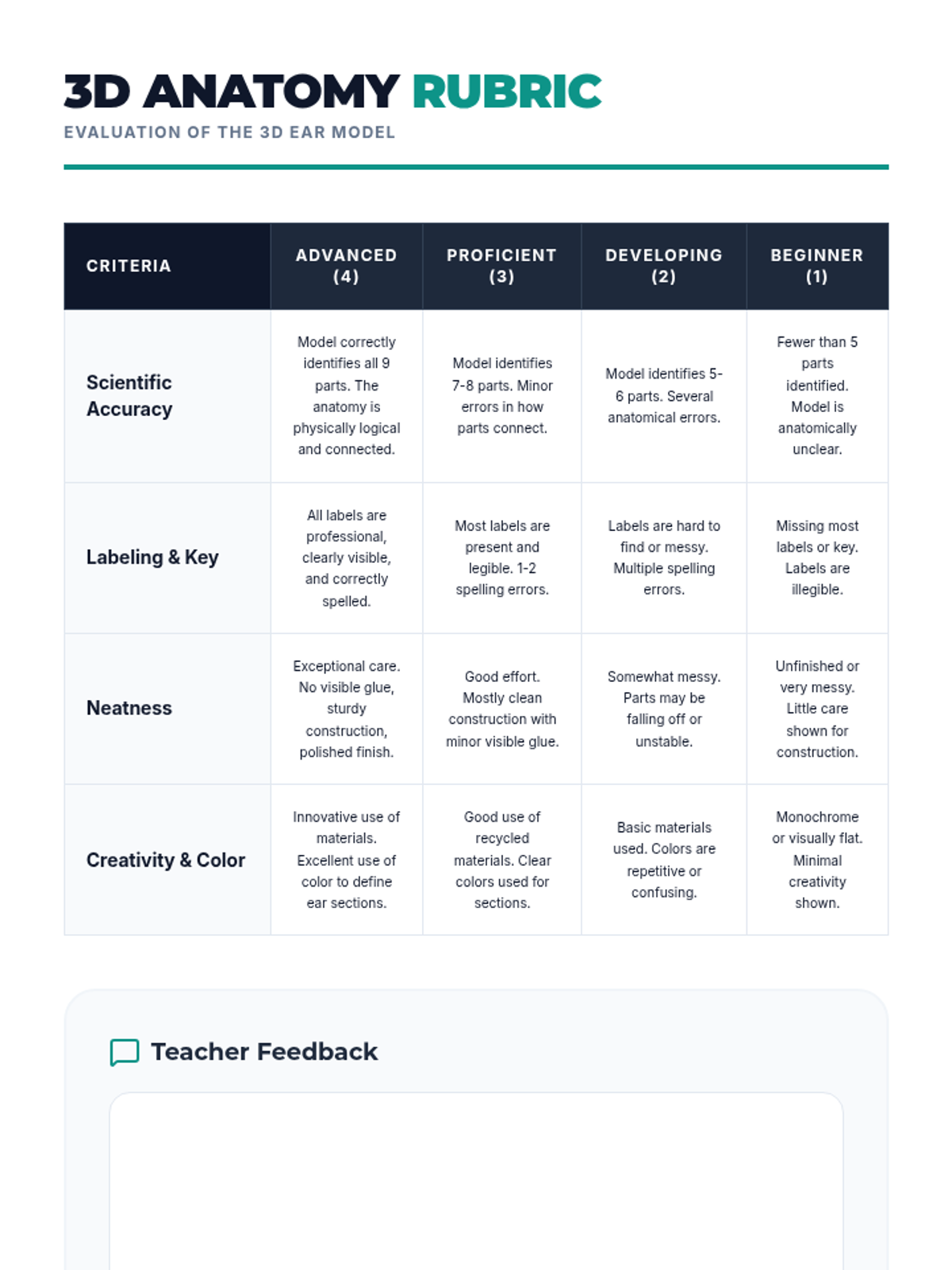
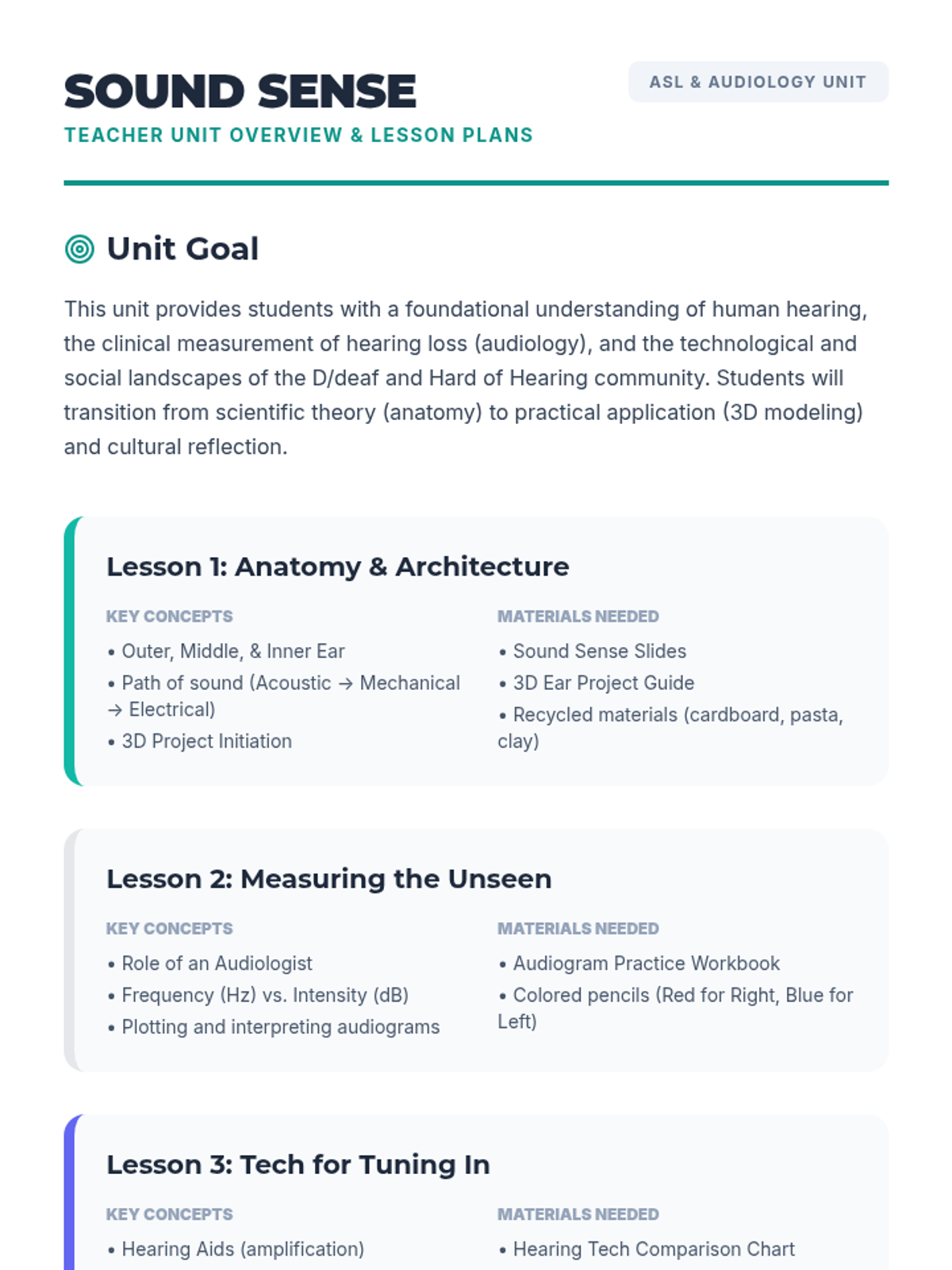
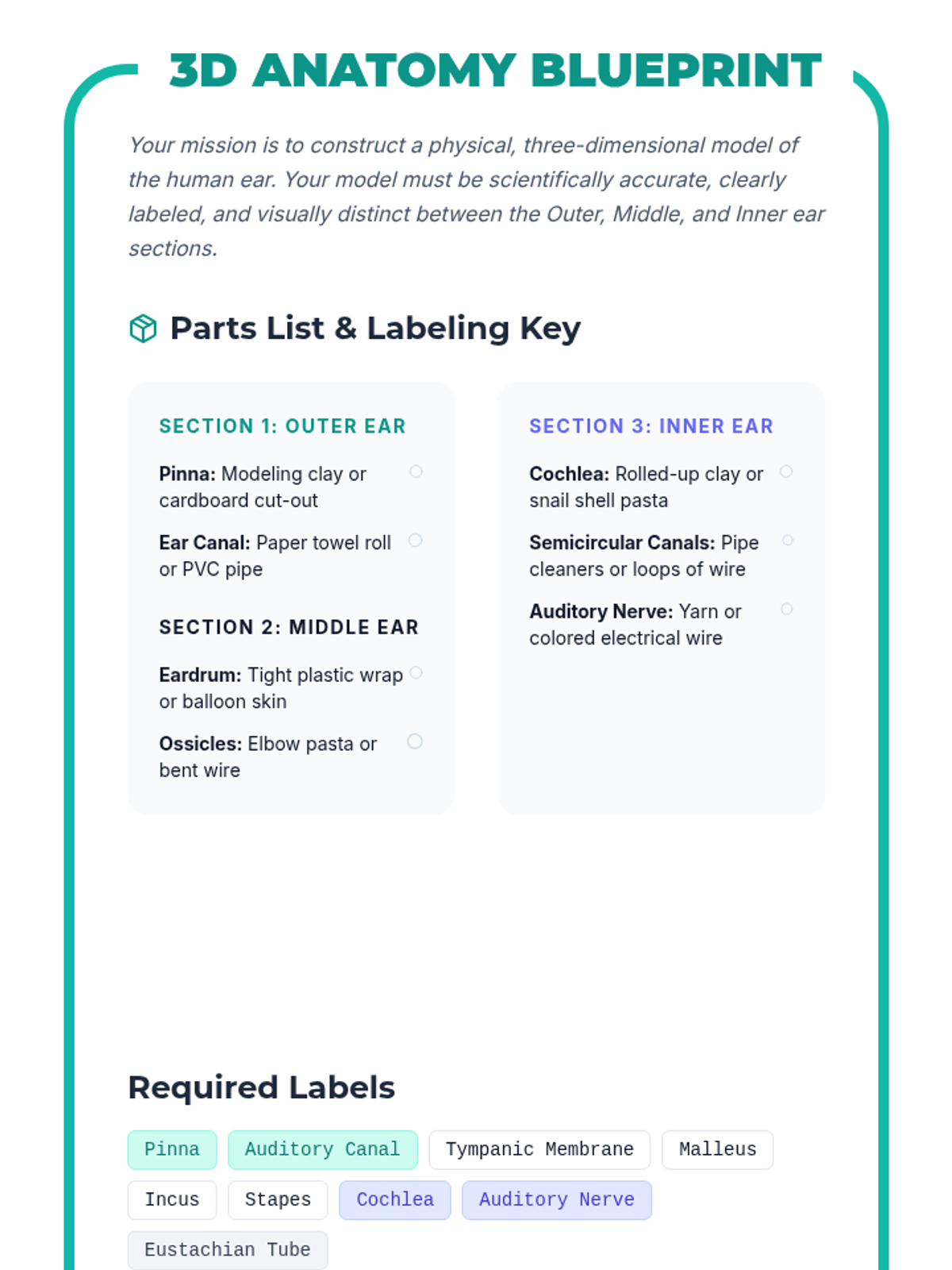
Final assessment of the unit through a formal quiz and the final evaluation of the 3D ear model project.
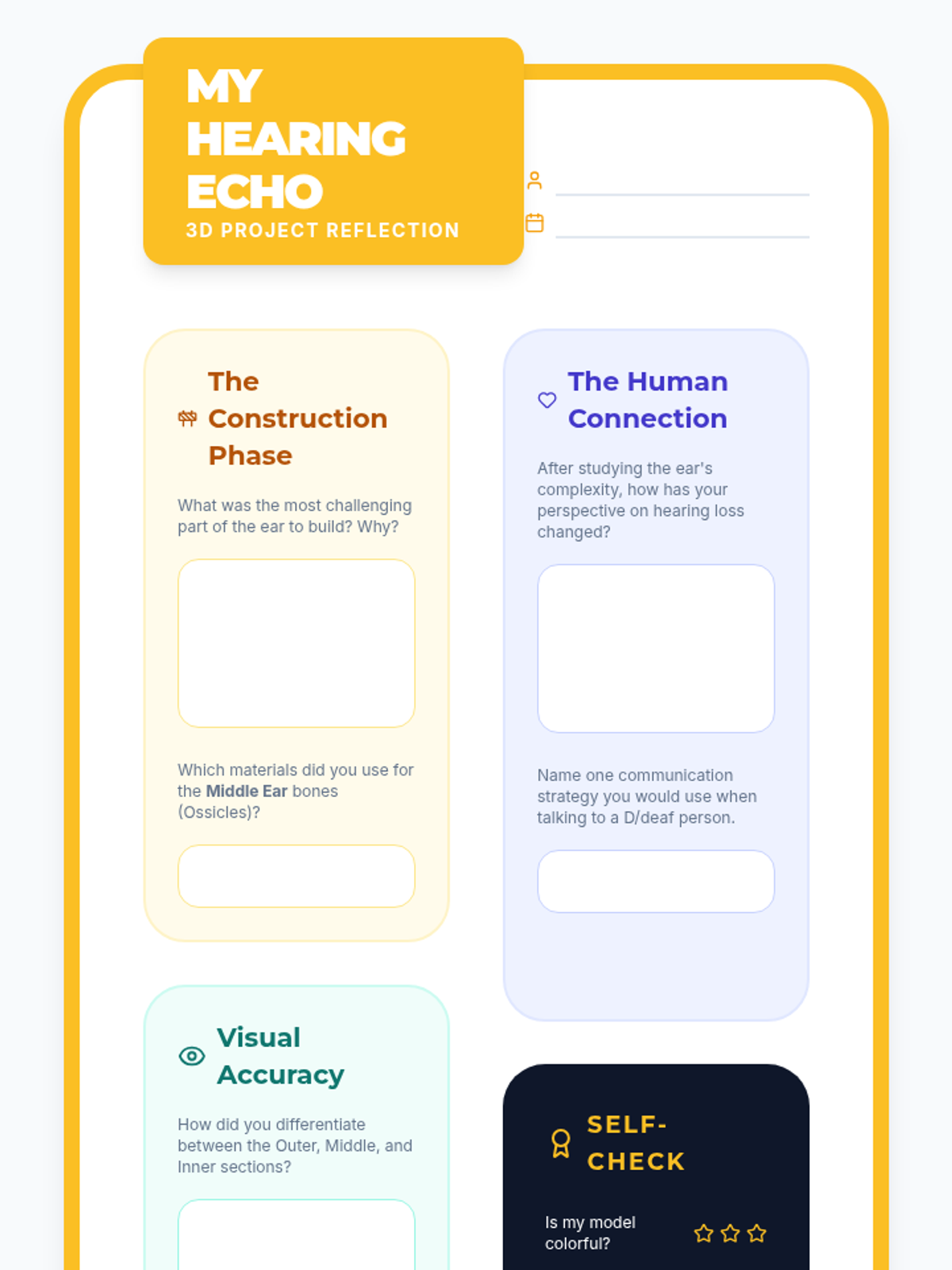
Students examine the social, emotional, and practical impacts of hearing loss on daily life and reflect on their own 3D project creation.
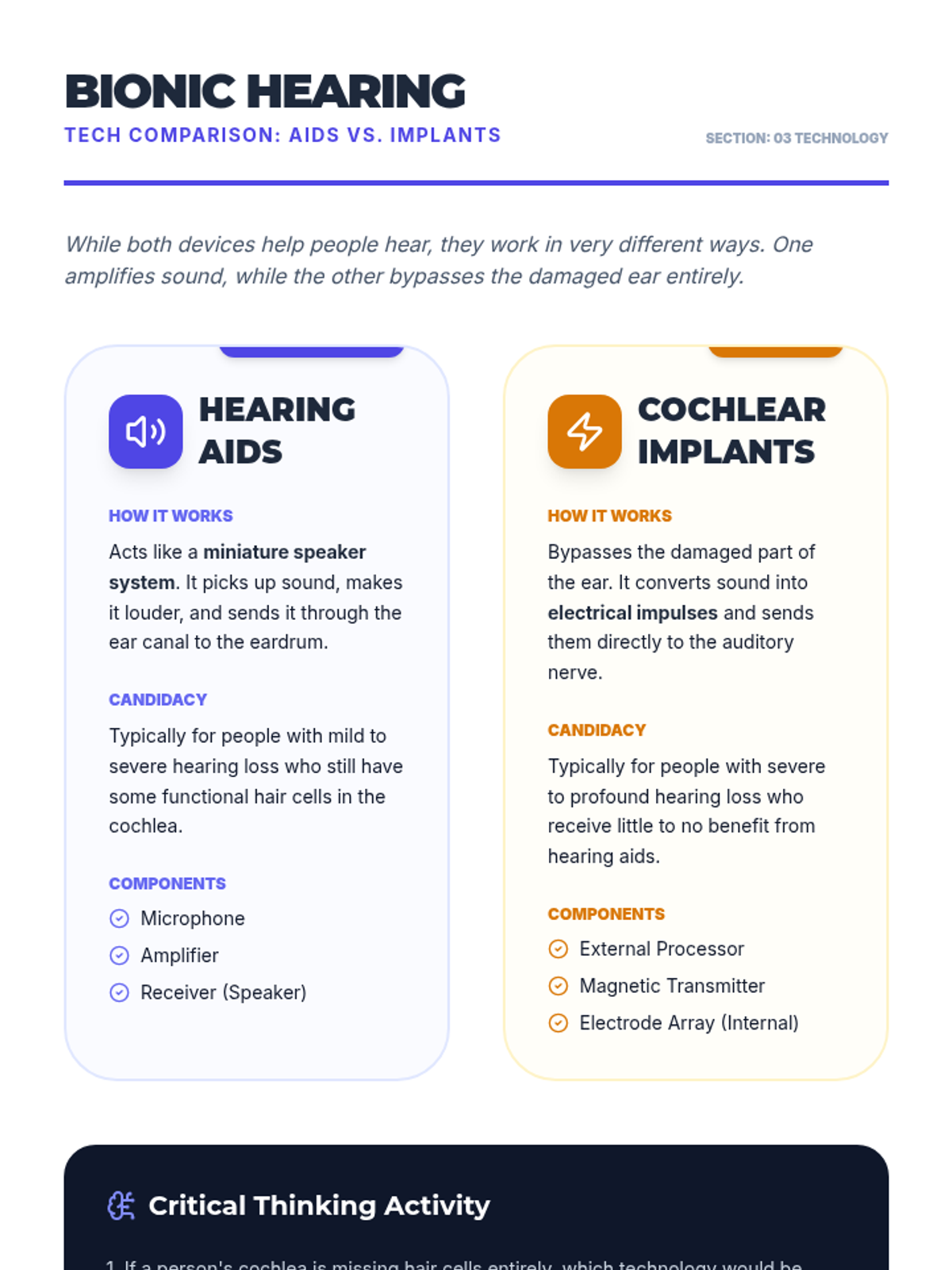
A deep dive into hearing technology, specifically comparing the functions and surgical/non-surgical aspects of hearing aids and cochlear implants.
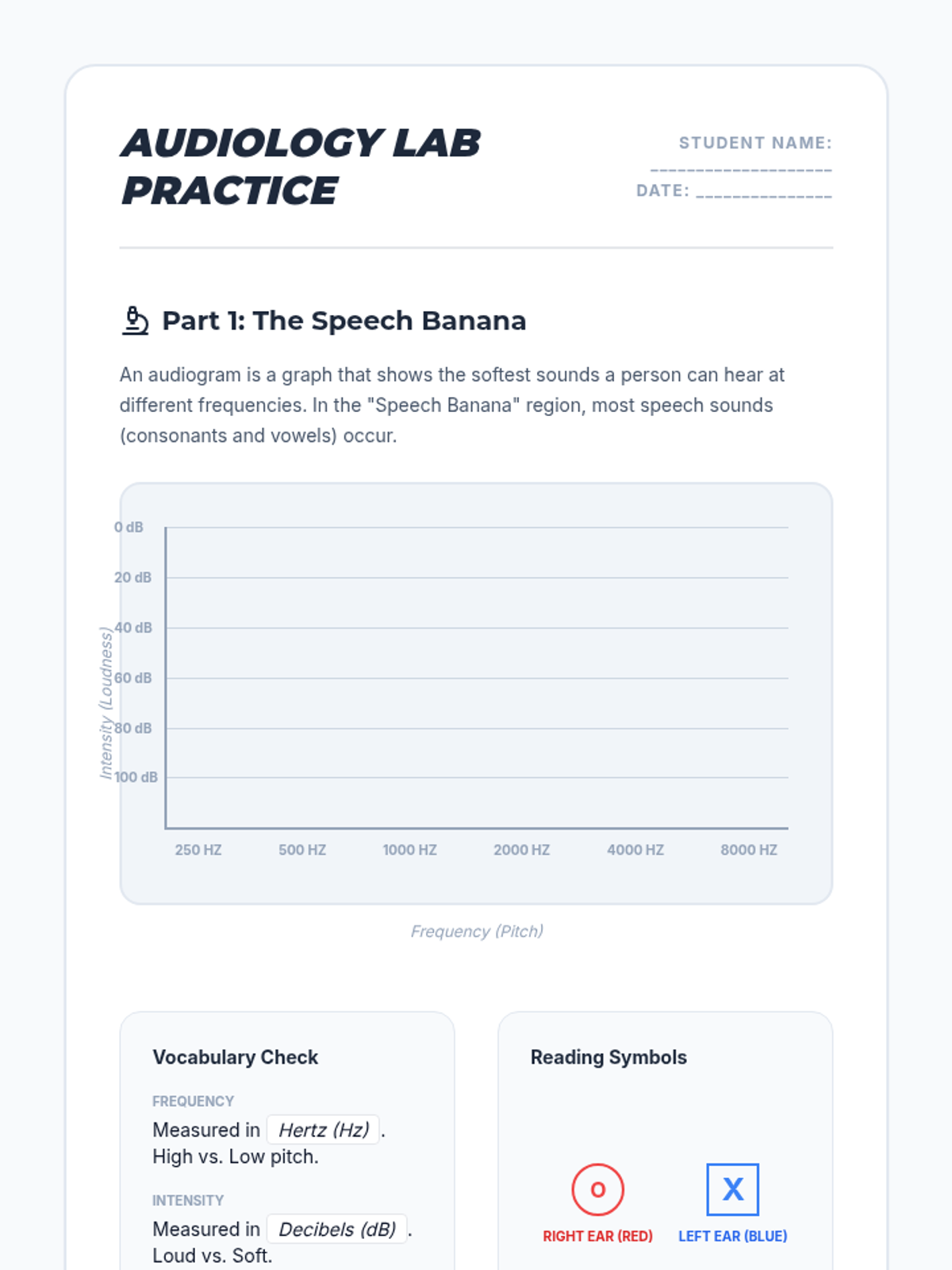
An introduction to the field of audiology, where students learn how hearing is measured and practice reading and plotting data on an audiogram.
Students explore the anatomy of the ear and begin their journey into the 3D ear model project, learning how sound travels through the outer, middle, and inner ear.
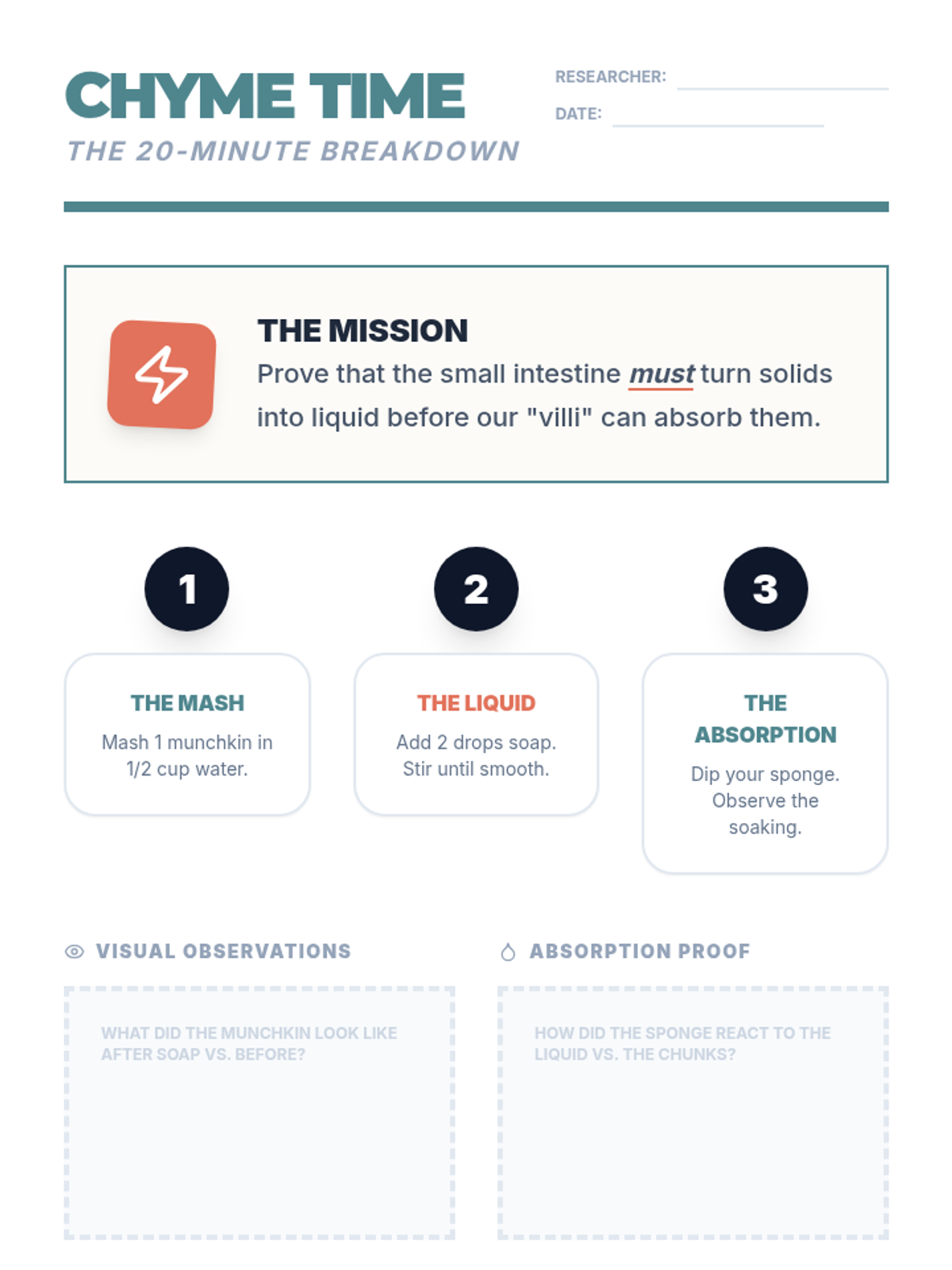
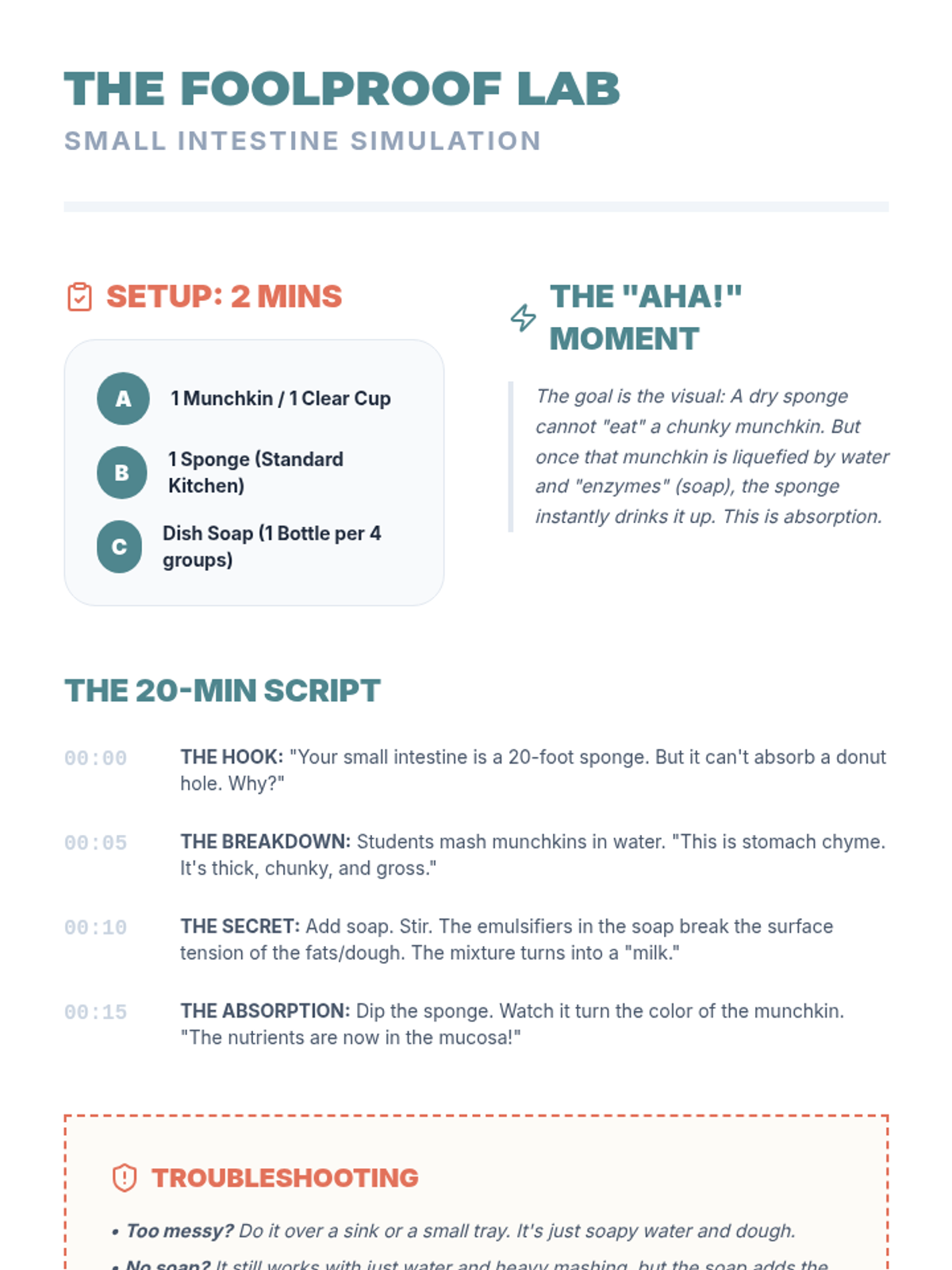
A fast-paced, hands-on lab where students simulate the chemical and physical breakdown of food in the small intestine using common household materials to understand liquefaction and absorption.
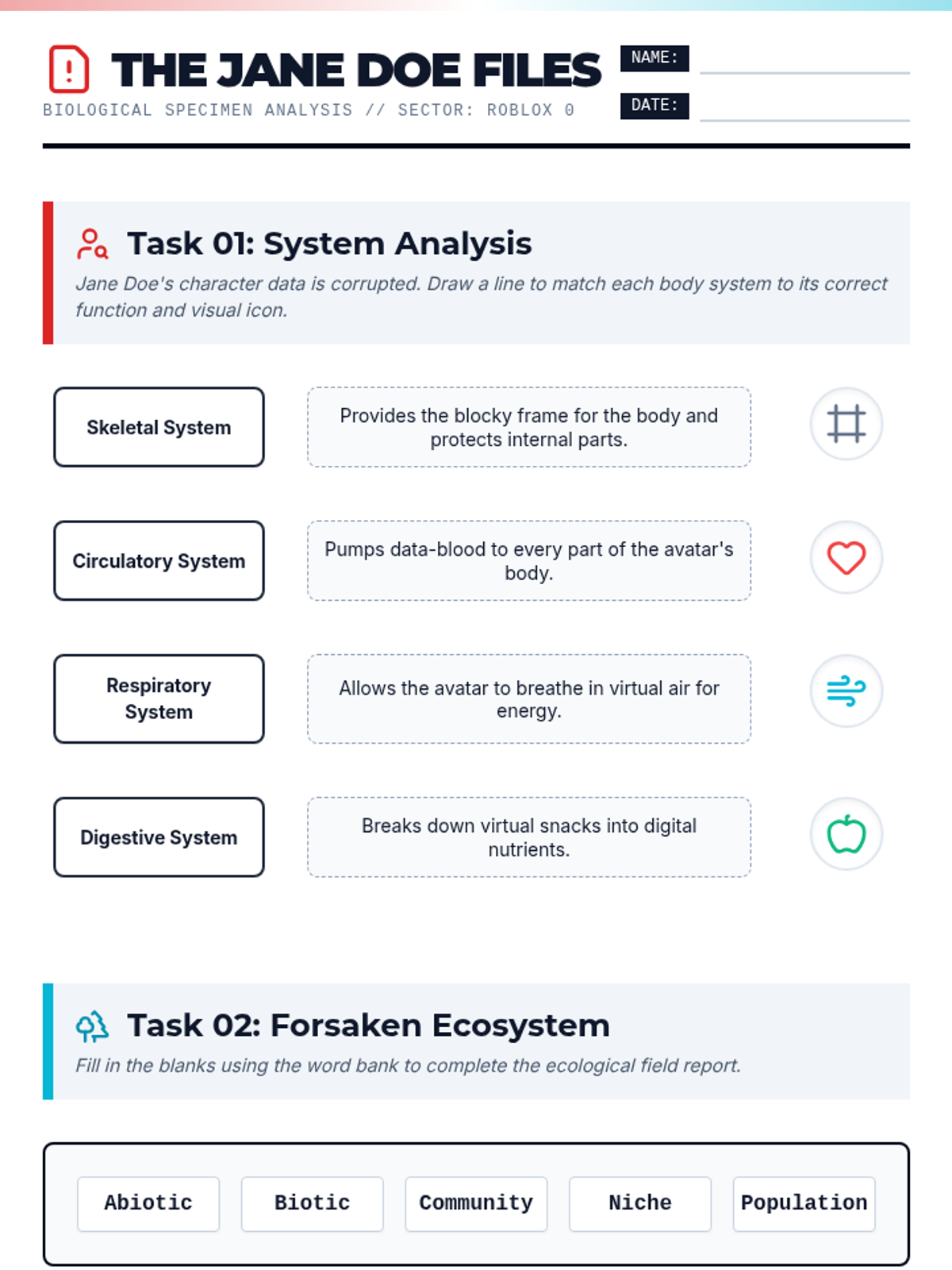
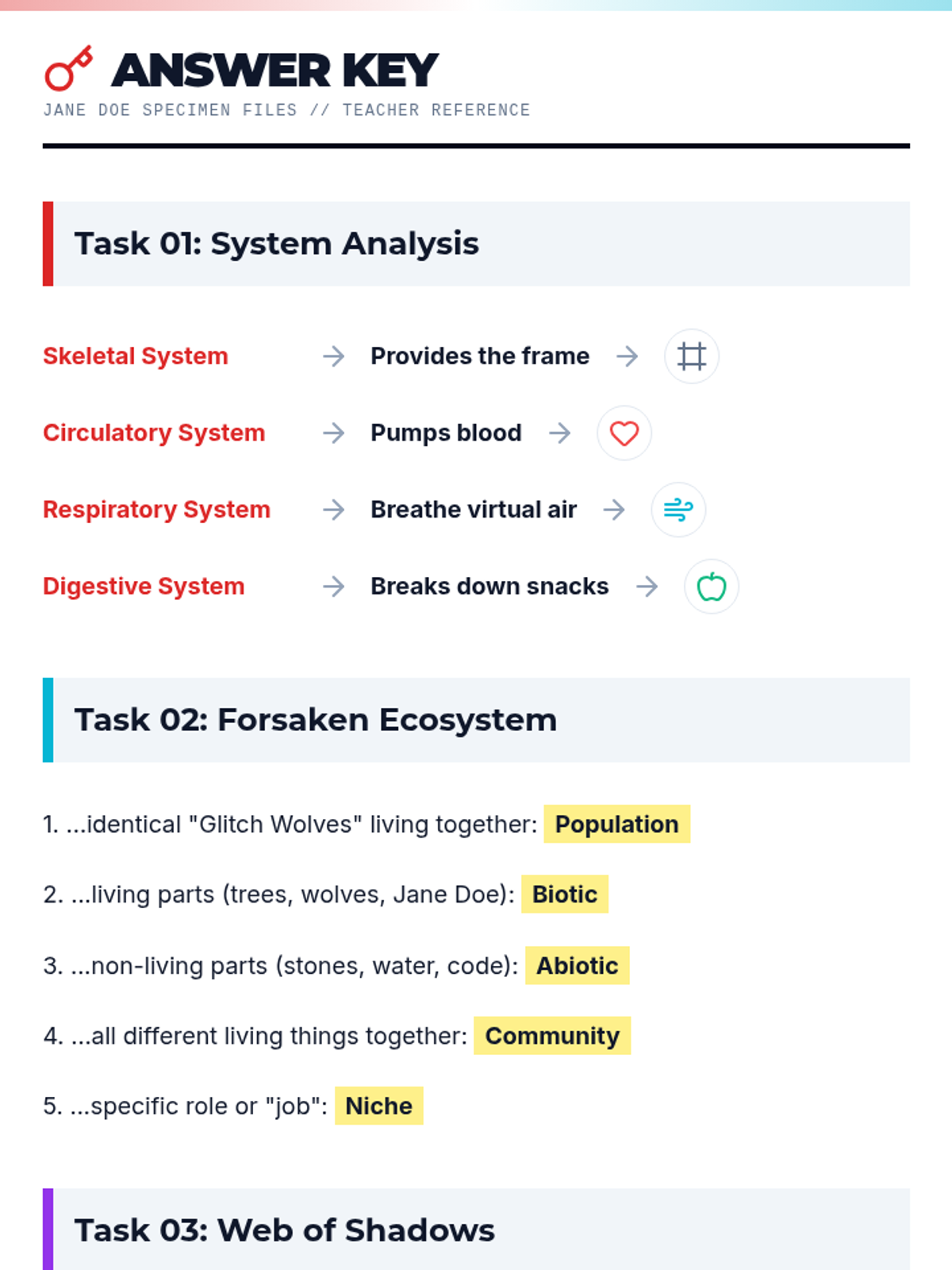
A biology lesson themed around the mysterious Jane Doe character, covering human body systems, ecosystems, and food webs with specialized supports for neurodivergent learners.
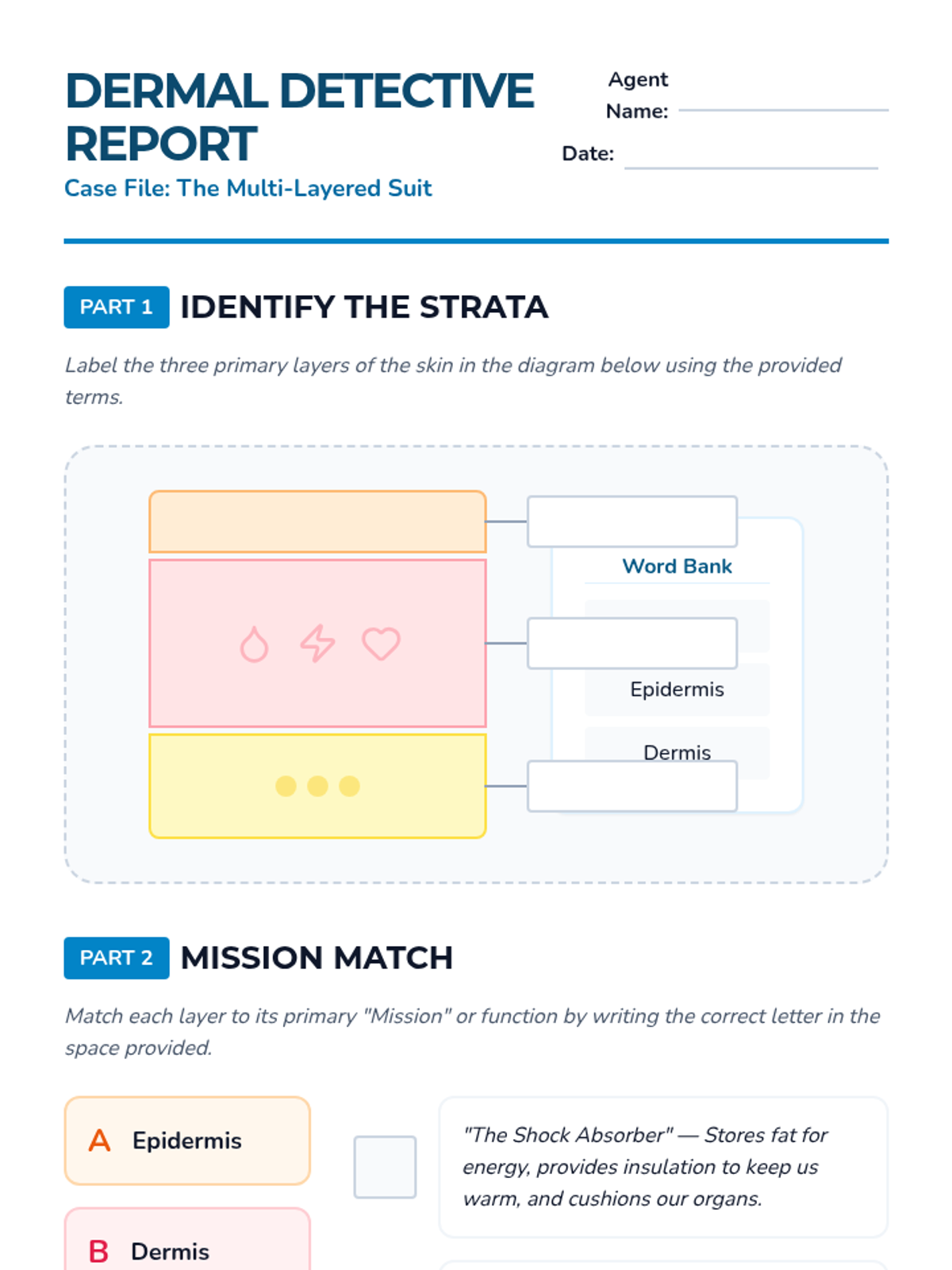
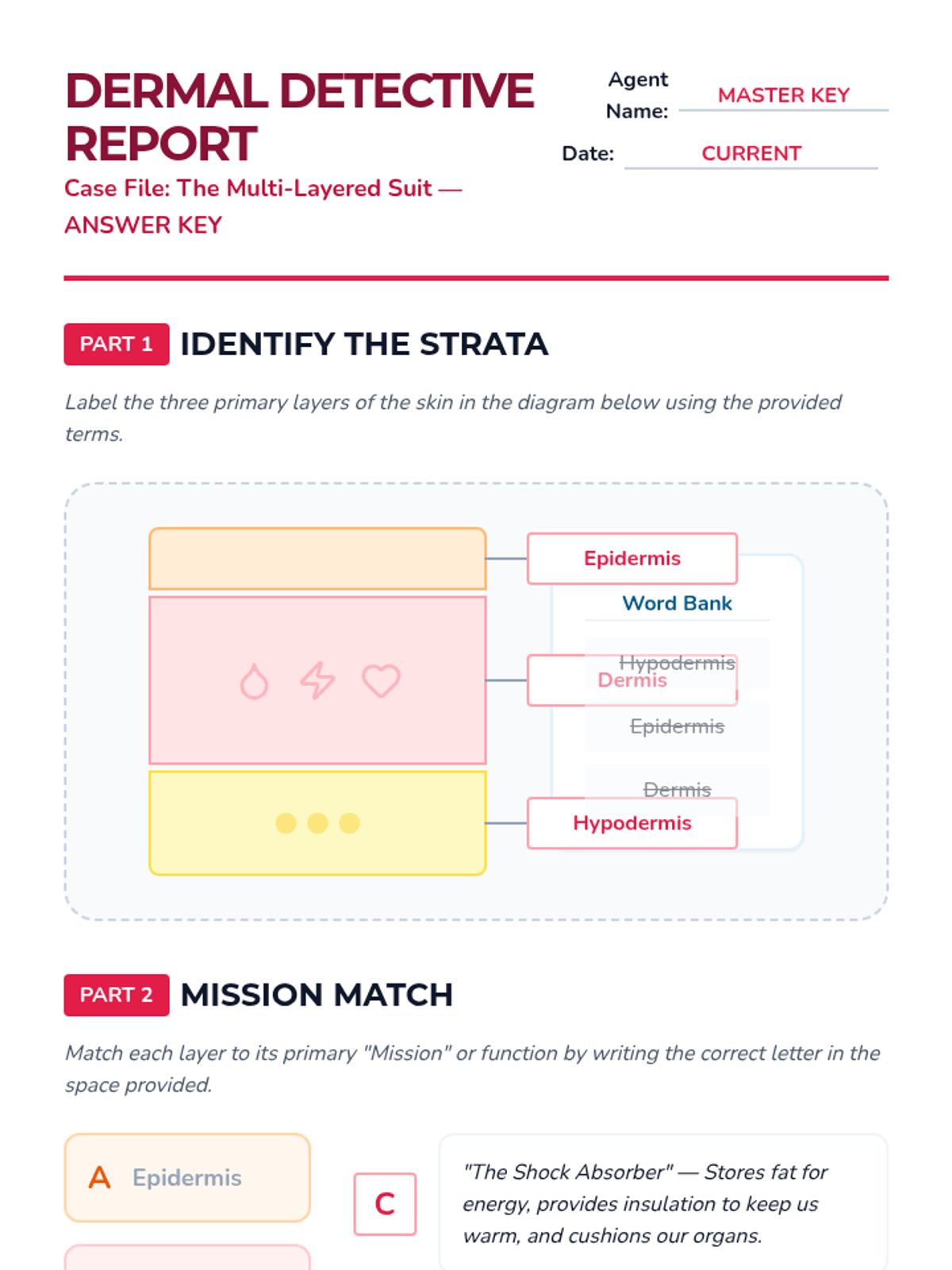
A focused exploration of human skin anatomy, teaching students to identify and describe the three primary layers: epidermis, dermis, and hypodermis. Students will investigate the unique functions and structures within each layer through visual aids and matching activities.
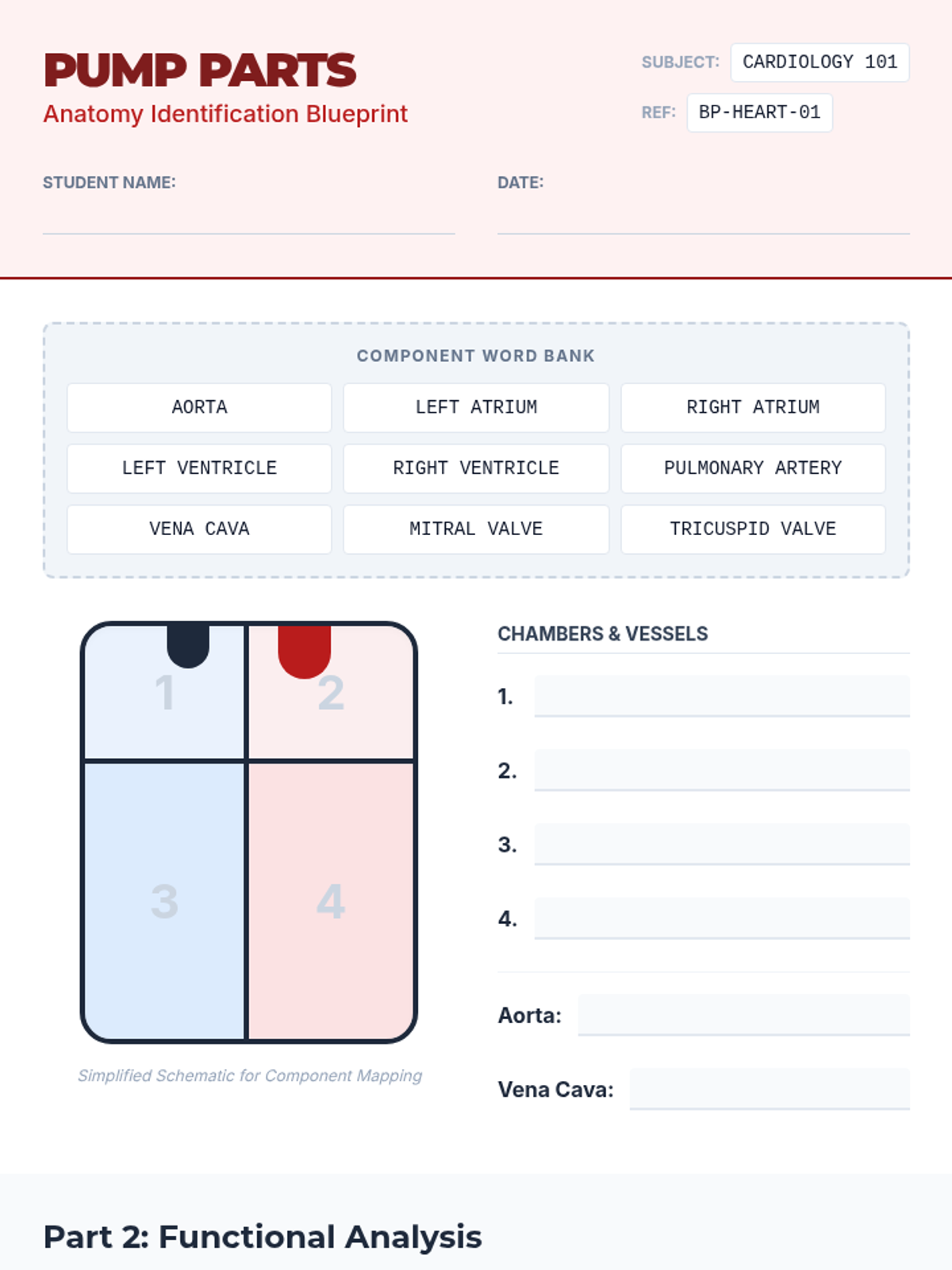
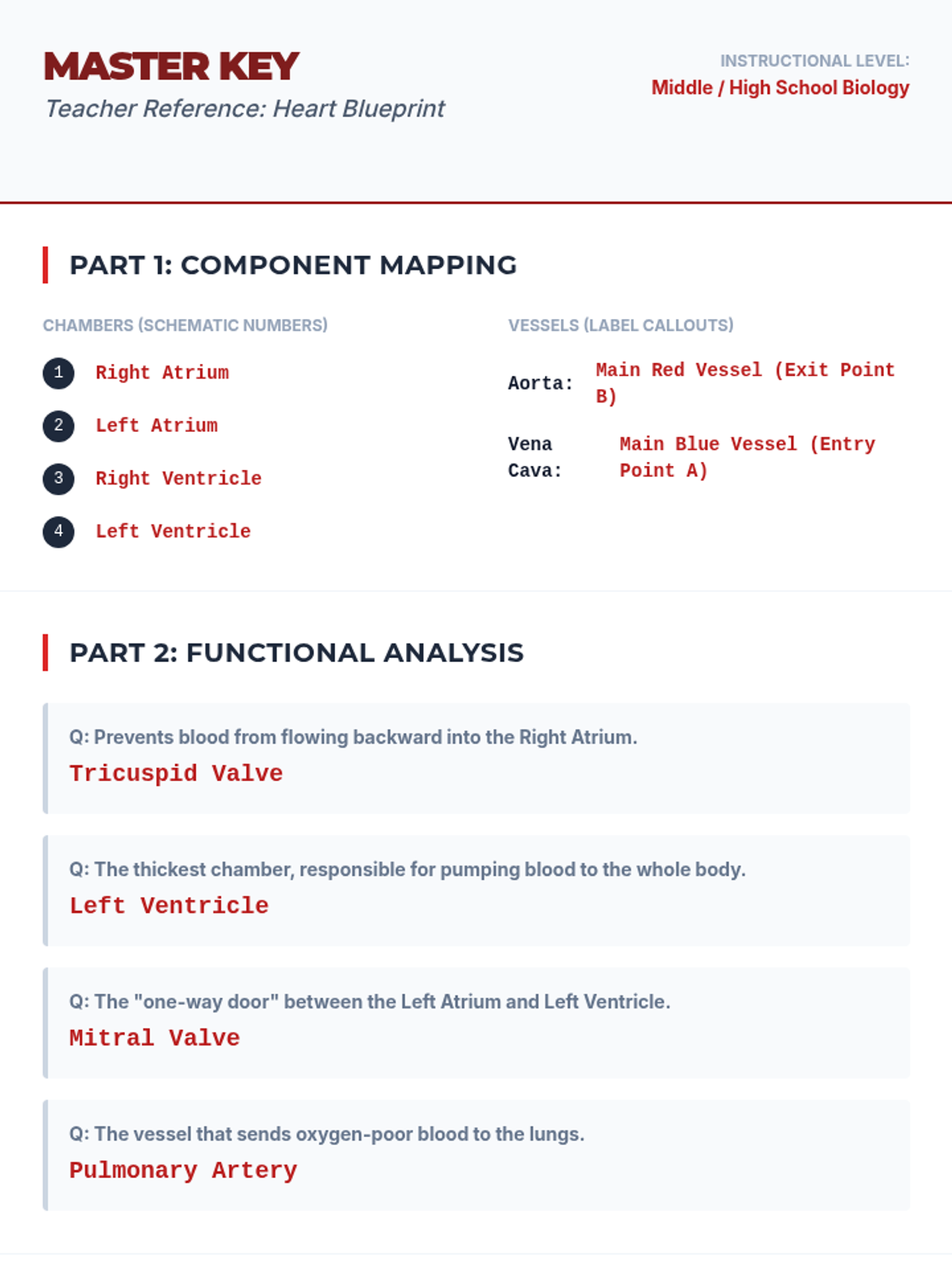
An exploration of the human heart's anatomy, focusing on identifying key structures and understanding the path of blood flow through chambers and valves.
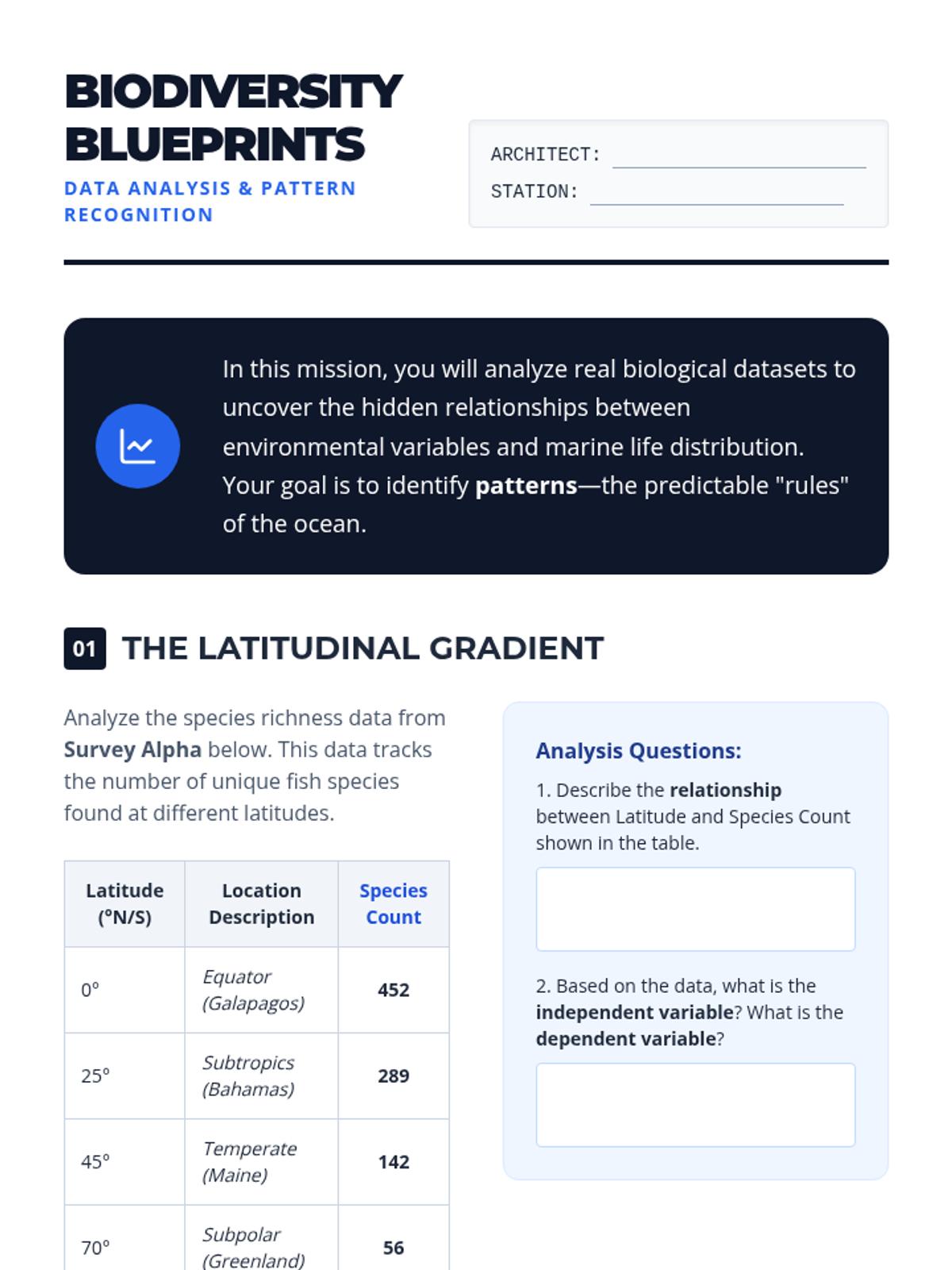
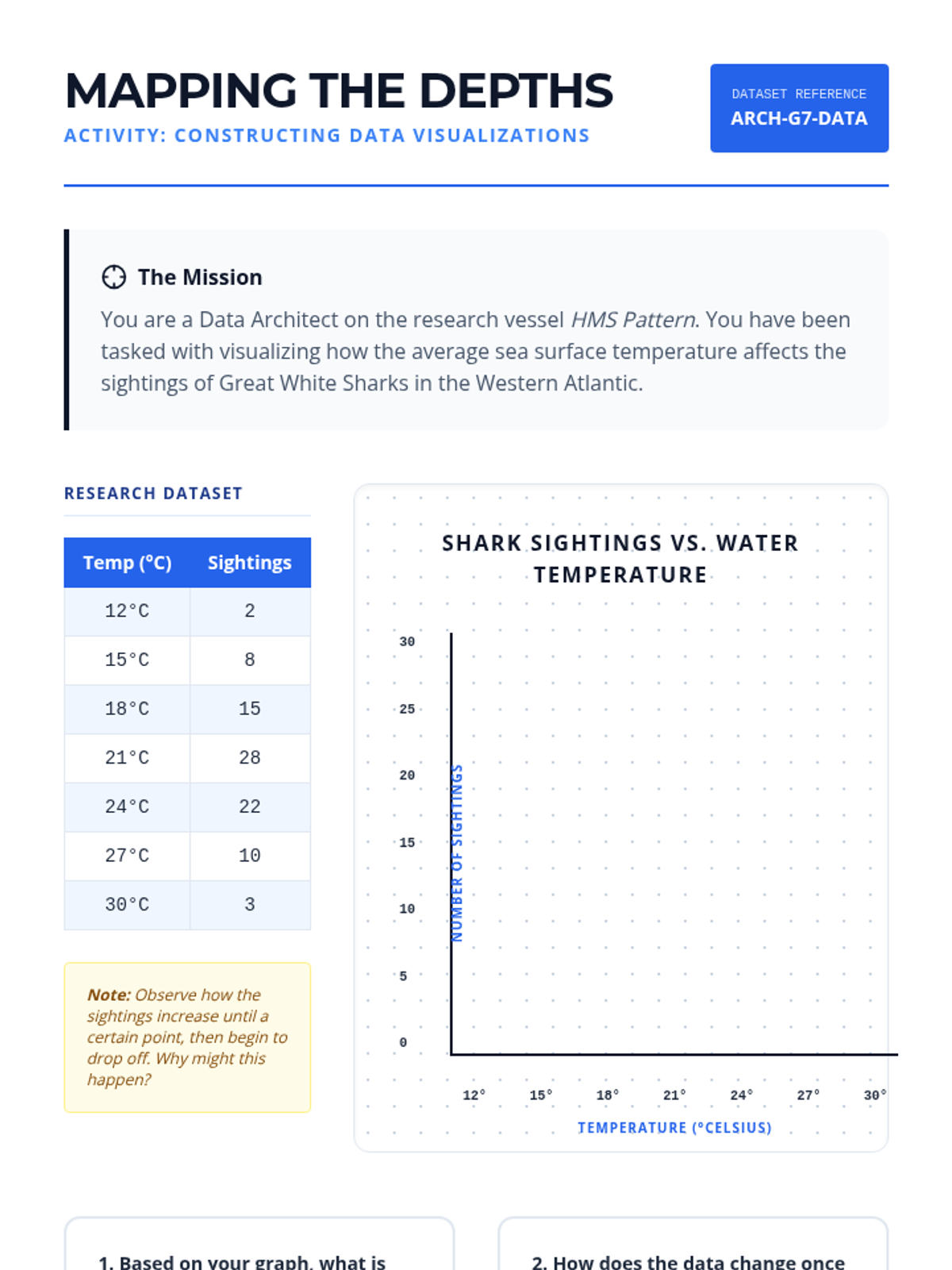
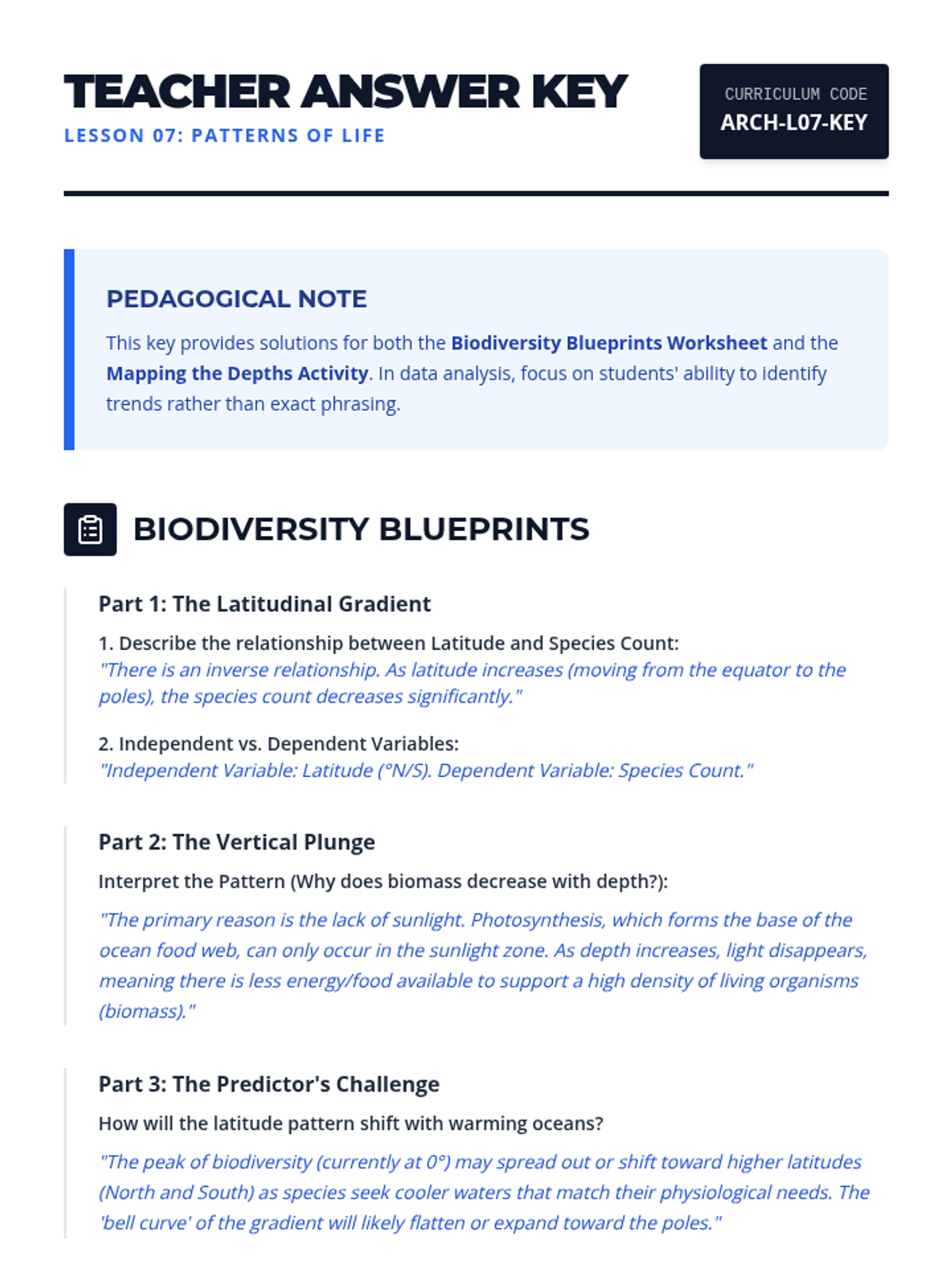
Focuses on identifying and interpreting biological patterns across the ocean. Students analyze biodiversity datasets and create visualizations to understand how environmental variables like temperature, depth, and latitude dictate where marine life thrives.
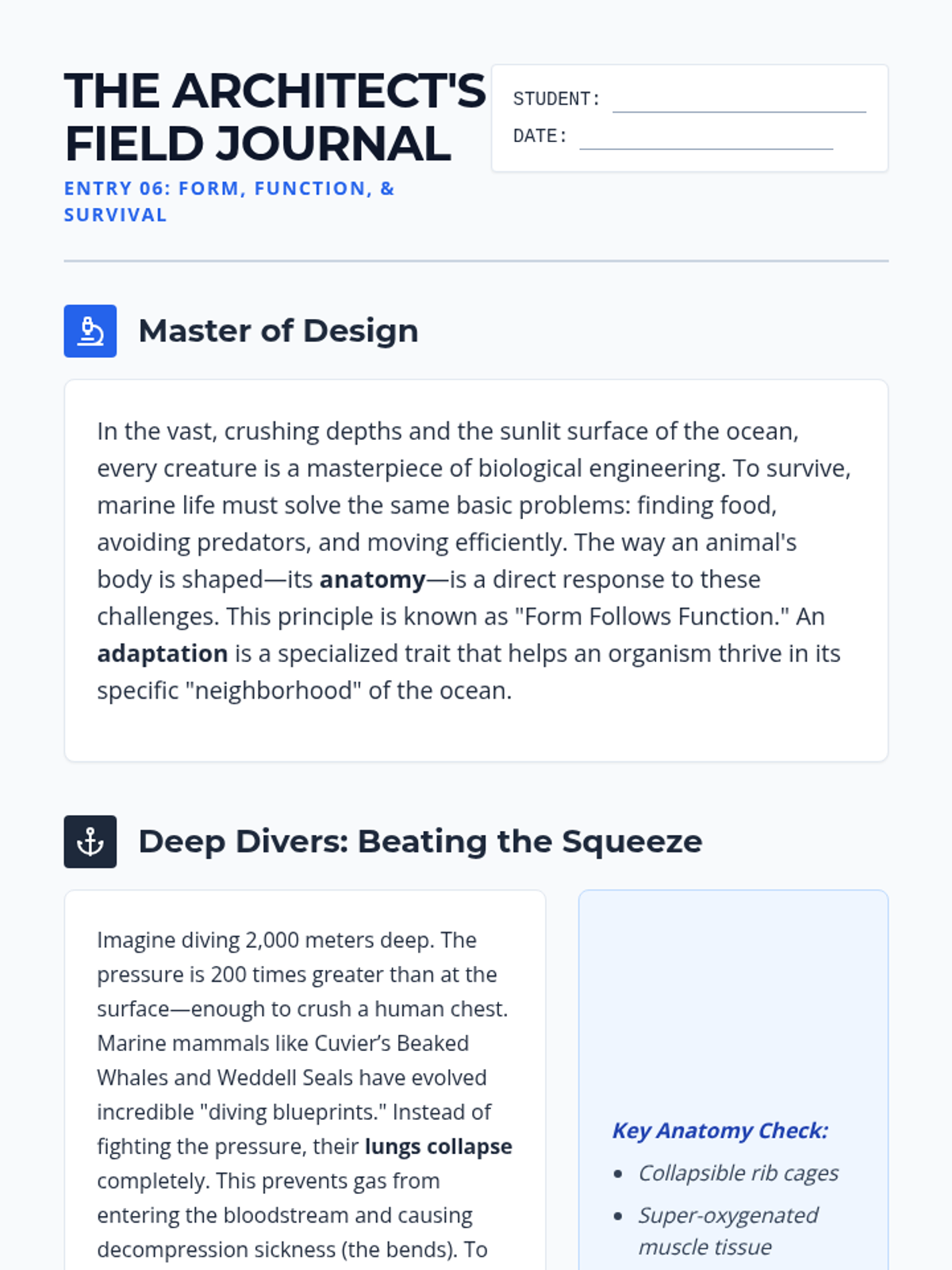
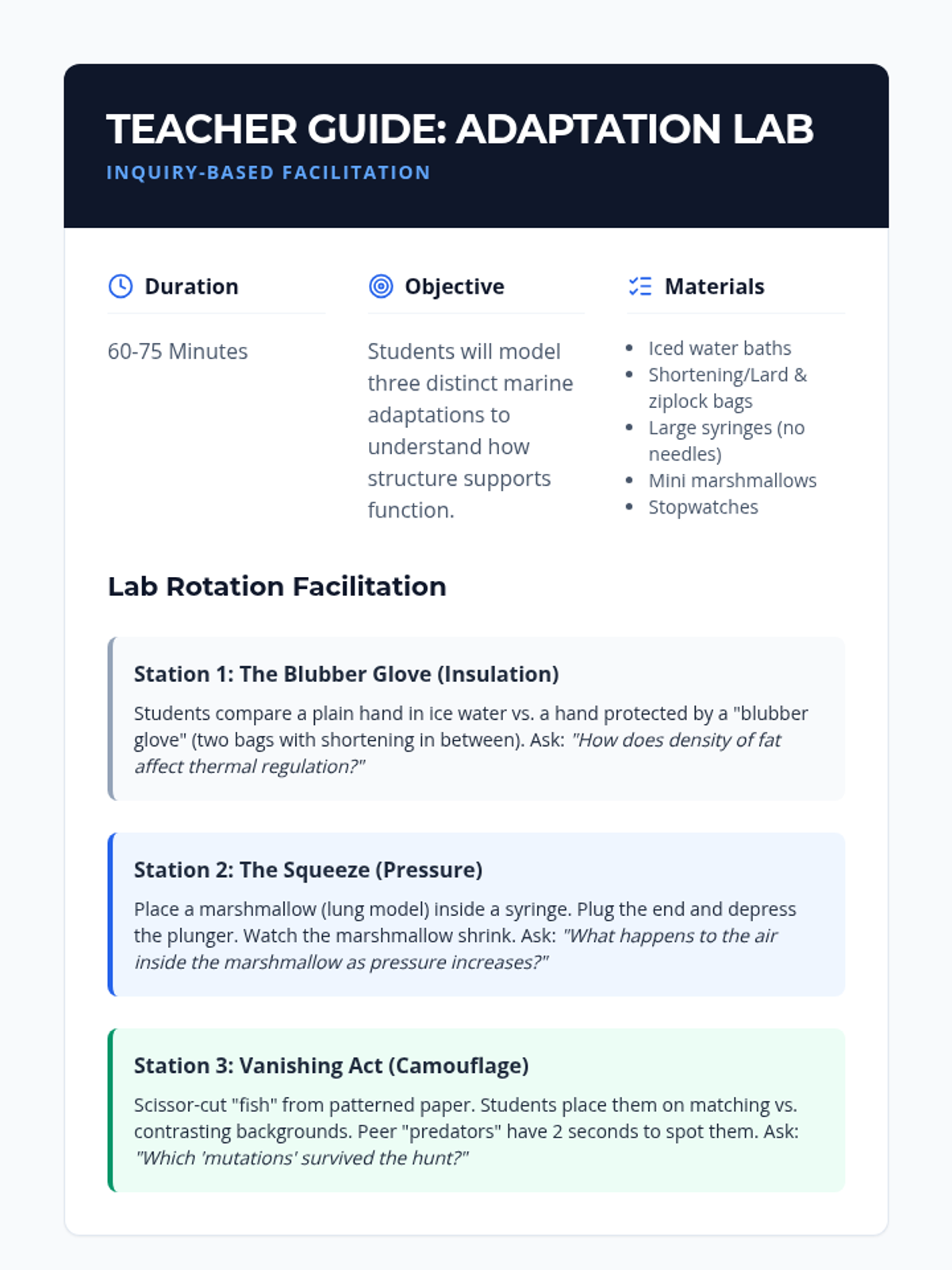
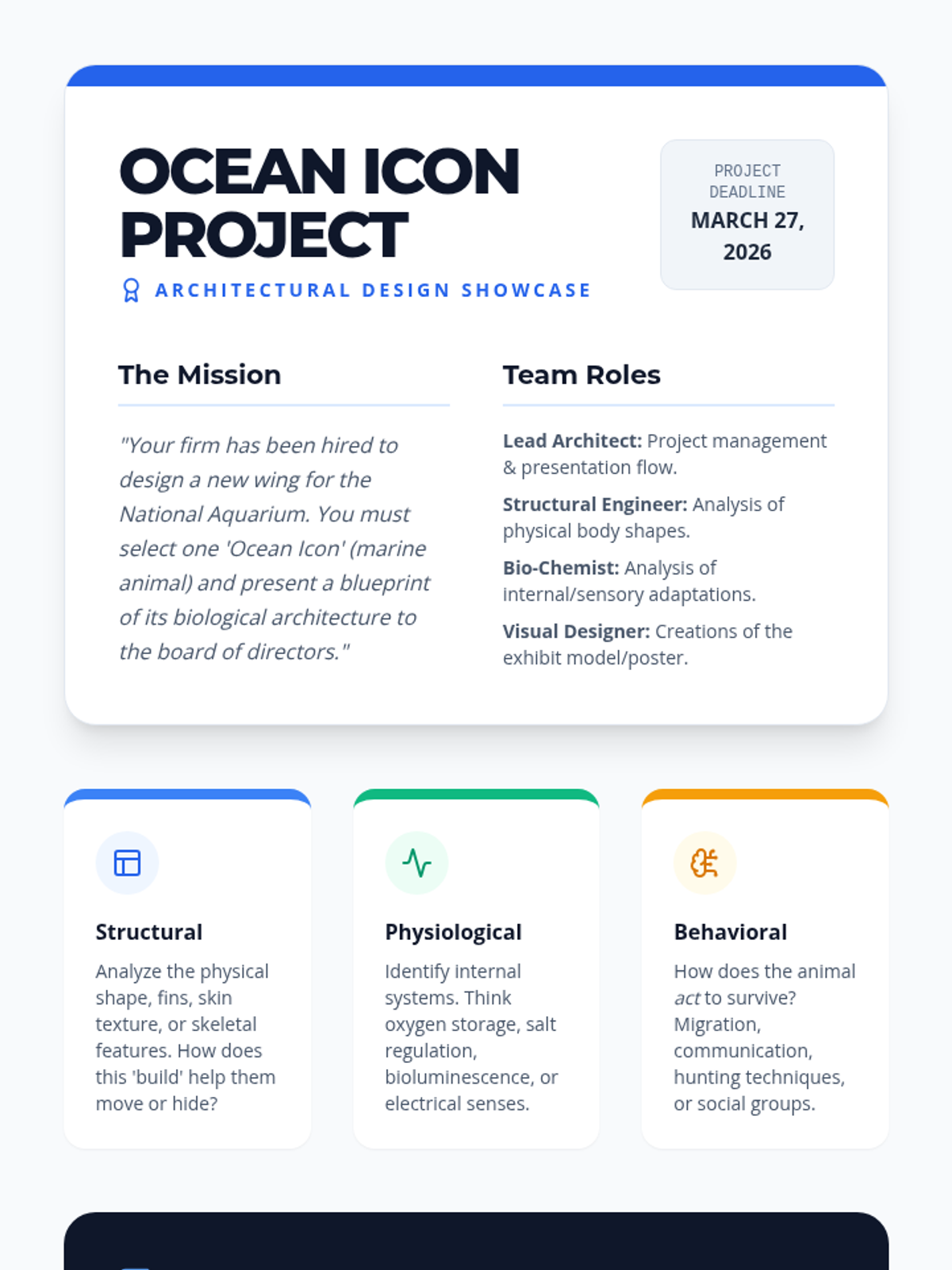
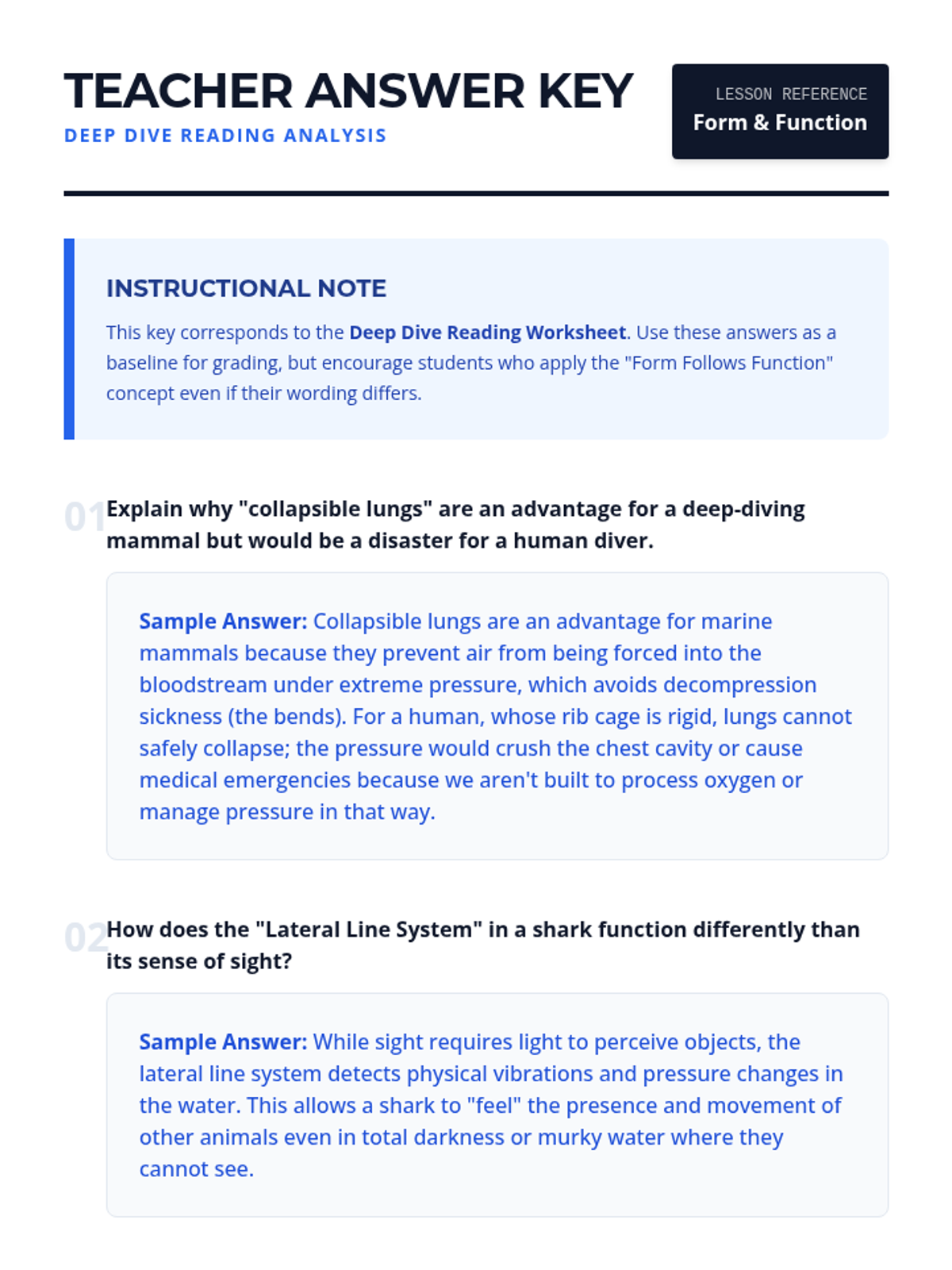
Explores the direct relationship between anatomical structures and survival strategies in diverse marine environments. Students analyze case studies of diving mammals, camouflaging invertebrates, deep-sea fish, and sensory-specialized sharks.
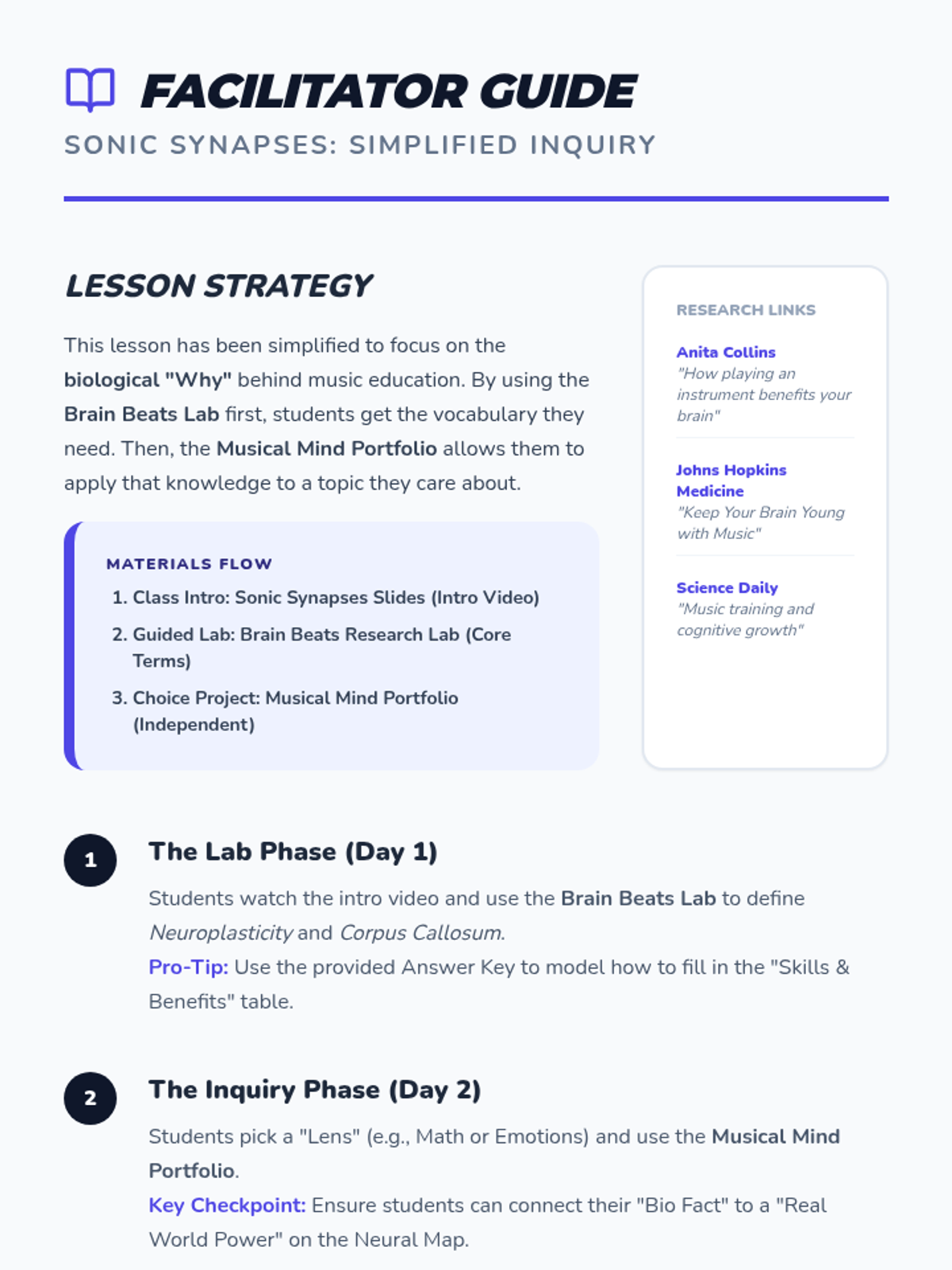
A student-led inquiry project exploring the intersection of music and neuroscience. Students choose their own research path to discover how musical training transforms cognitive development and present their unique findings.
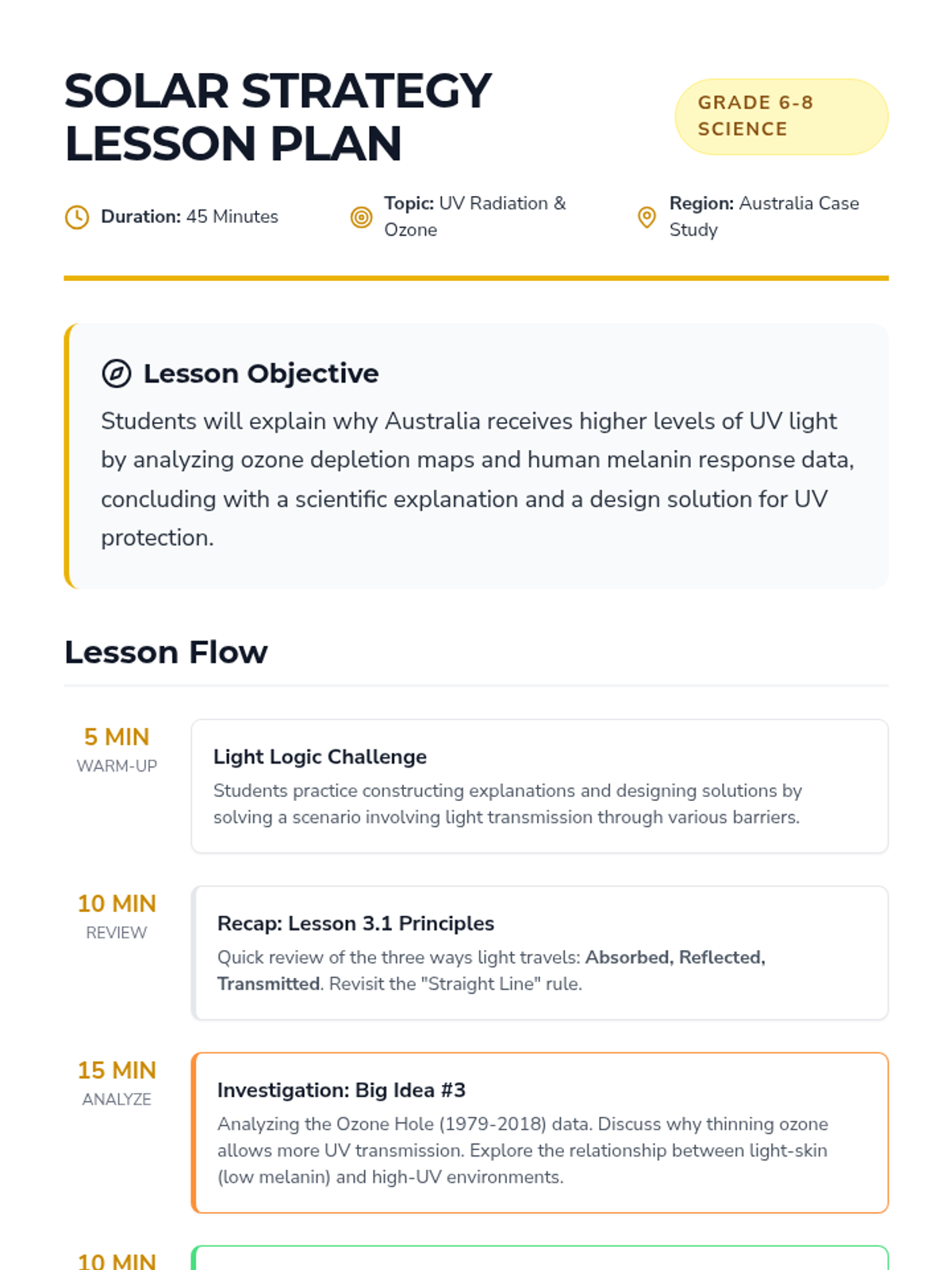
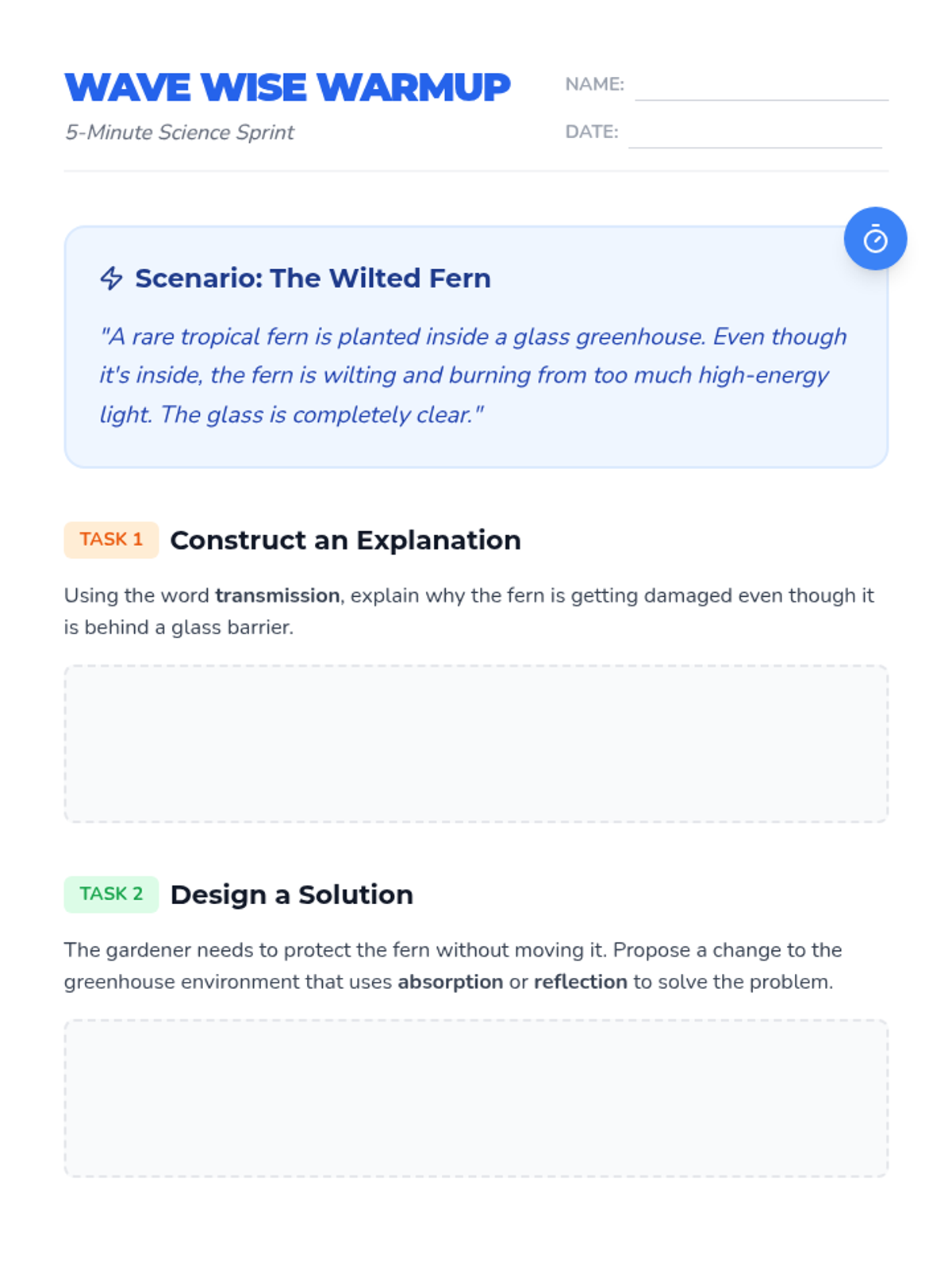
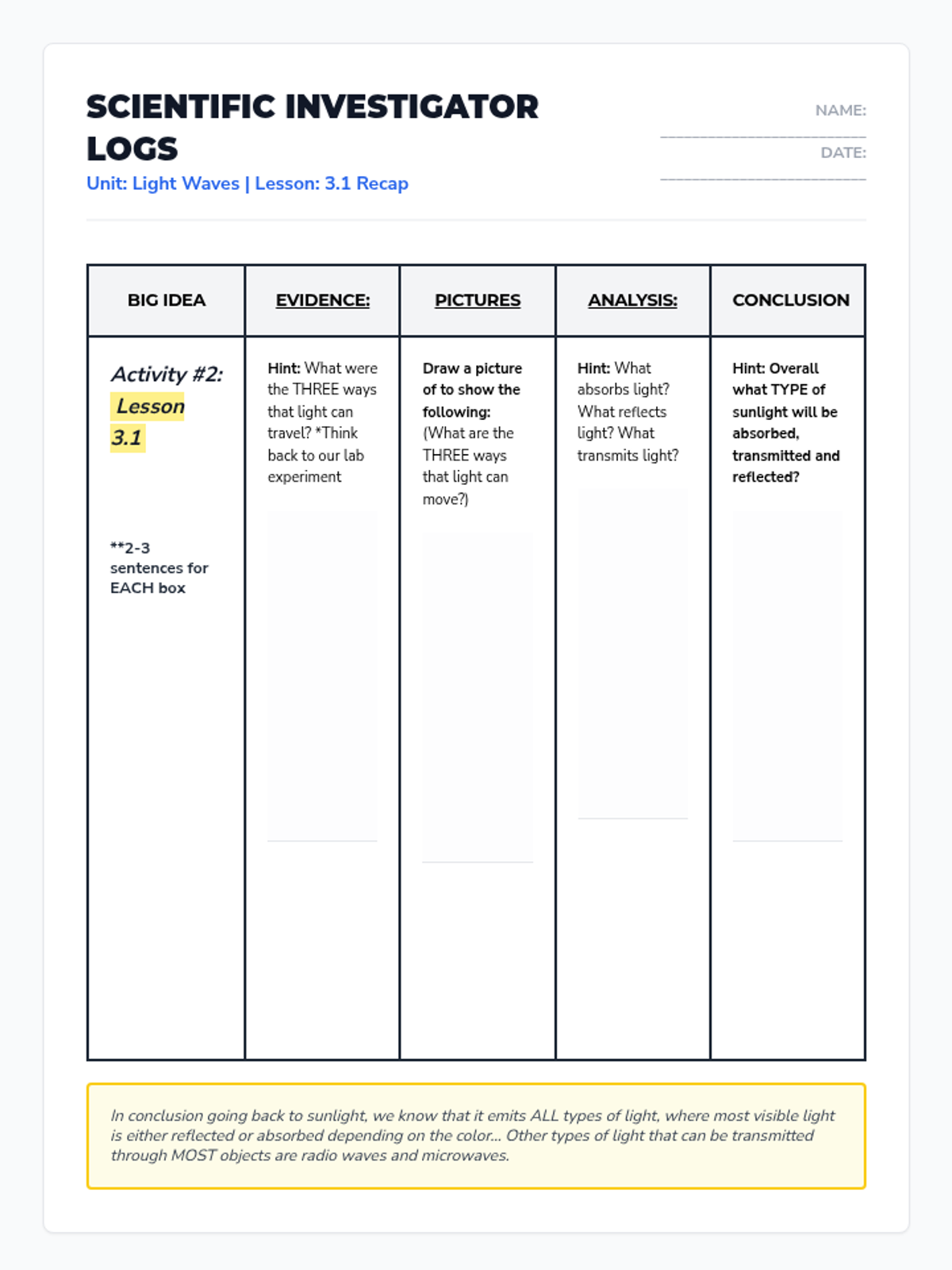
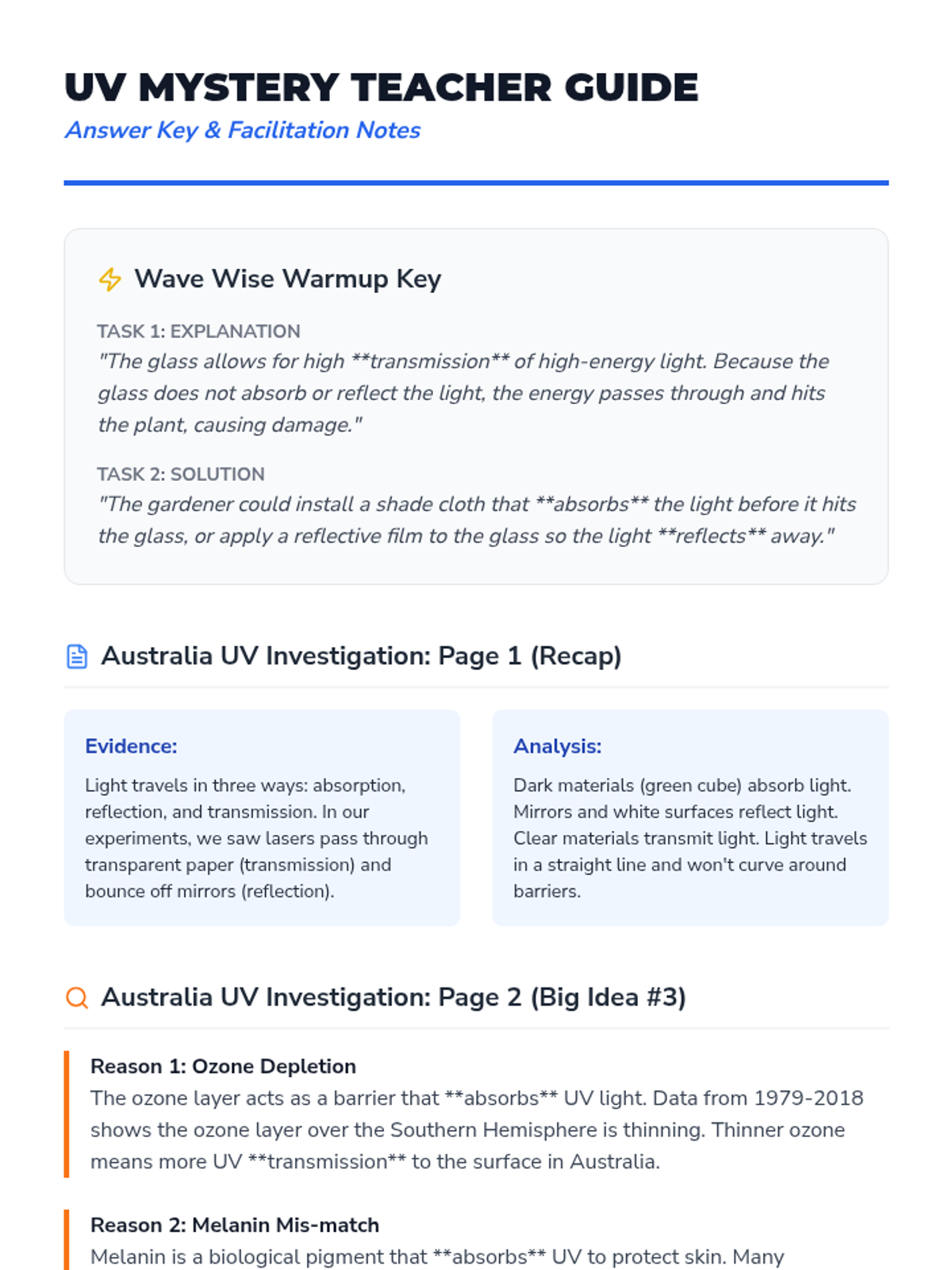
A comprehensive lesson exploring why Australia receives high levels of UV radiation, focusing on ozone depletion and the interaction between light and matter. Students analyze data, practice constructing scientific explanations, and explore the biological impact of UV light.
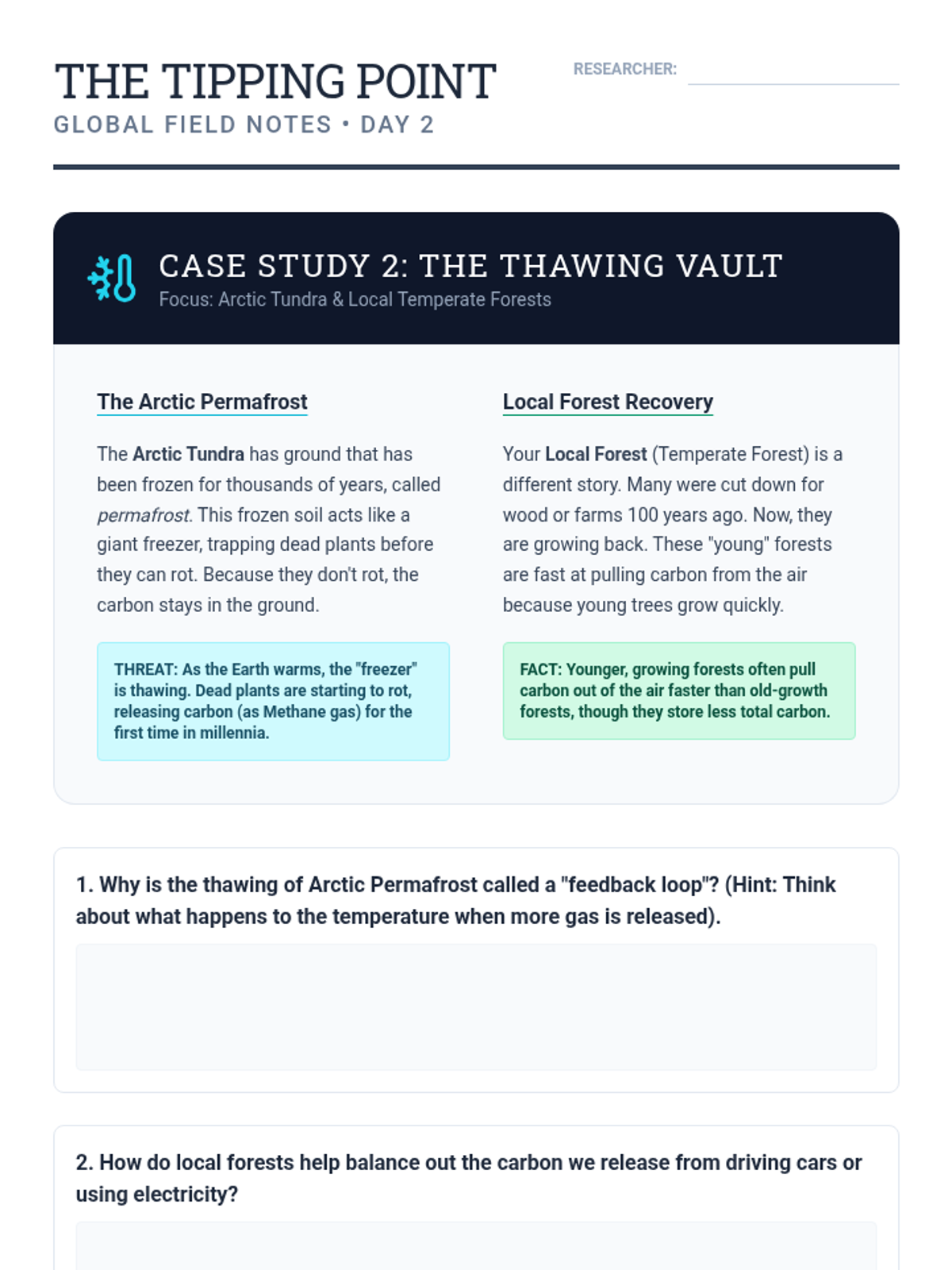
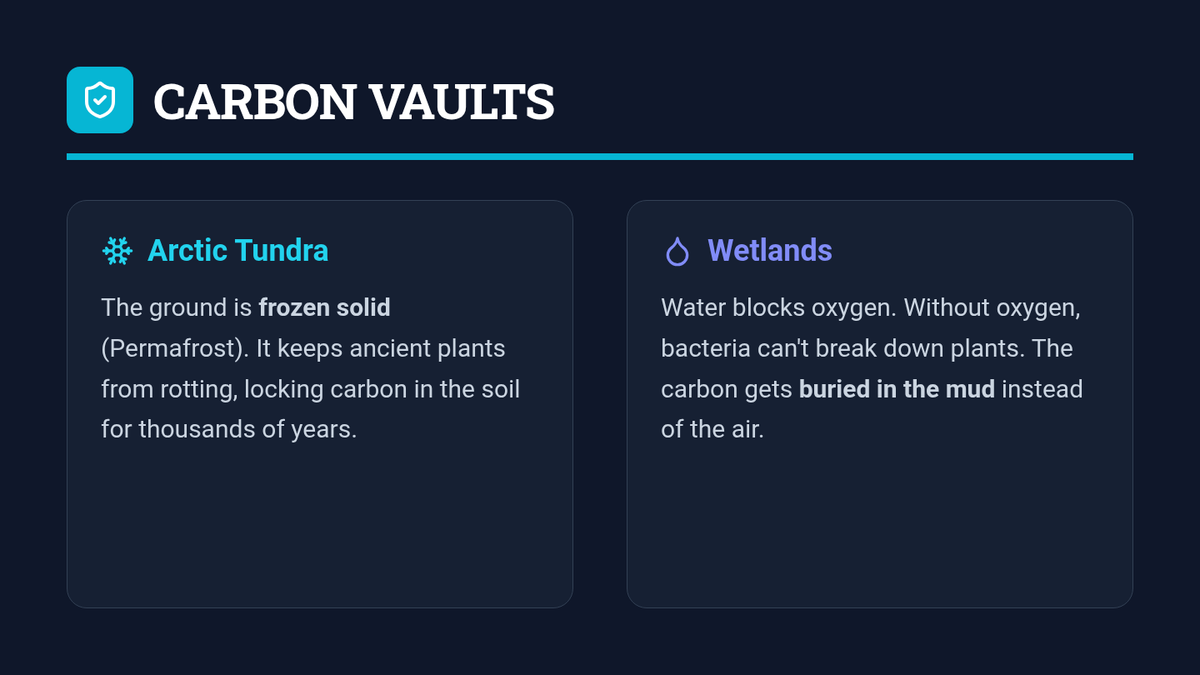
Explores the impact of carbon in sensitive ecosystems like the Arctic Tundra, Wetlands, and Agricultural lands, concluding with an assessment of why carbon balance matters.
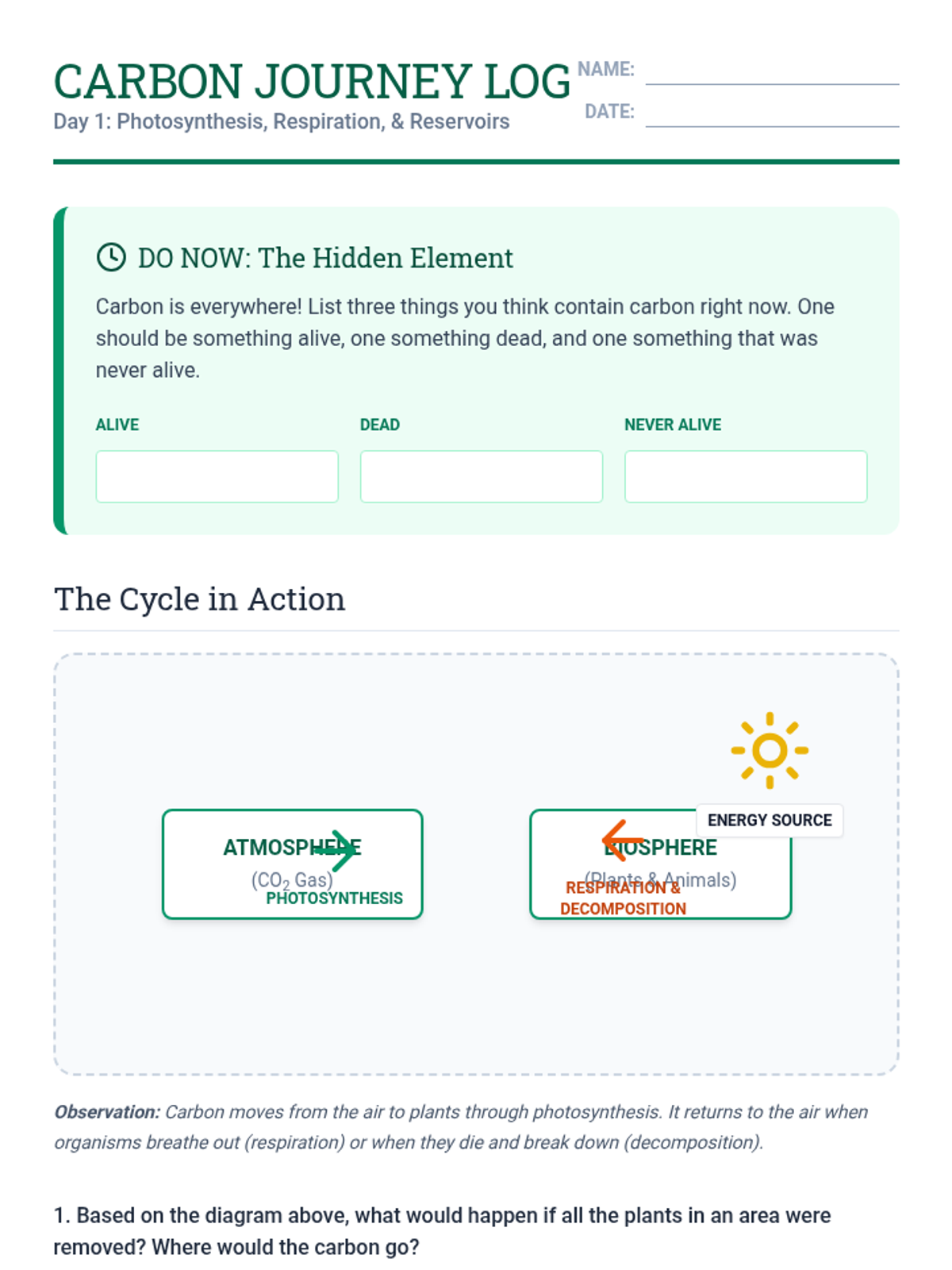
An introduction to the fundamental processes of the carbon cycle, focusing on the roles of the Ocean and Tropical Rainforest as major carbon reservoirs.
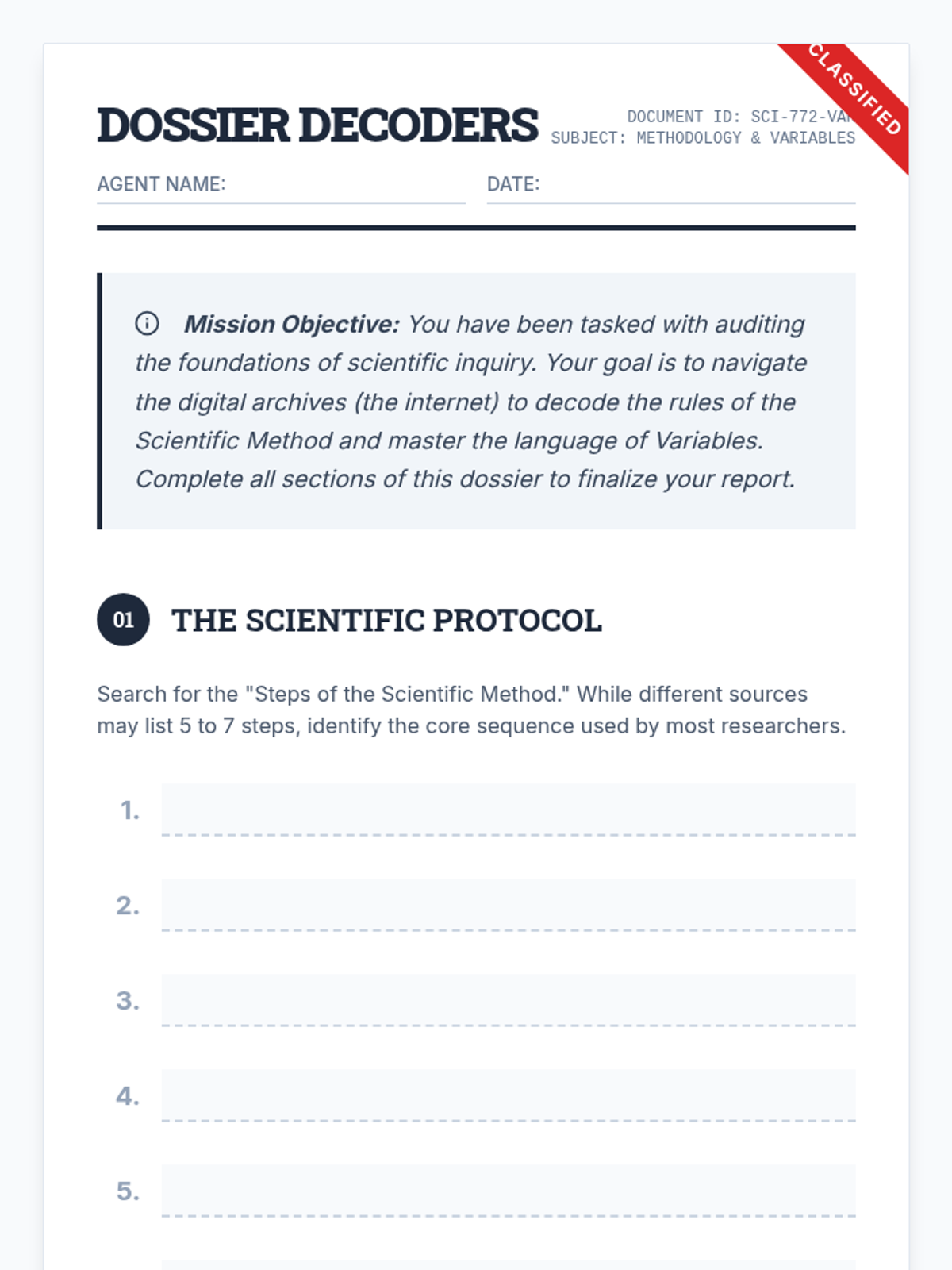
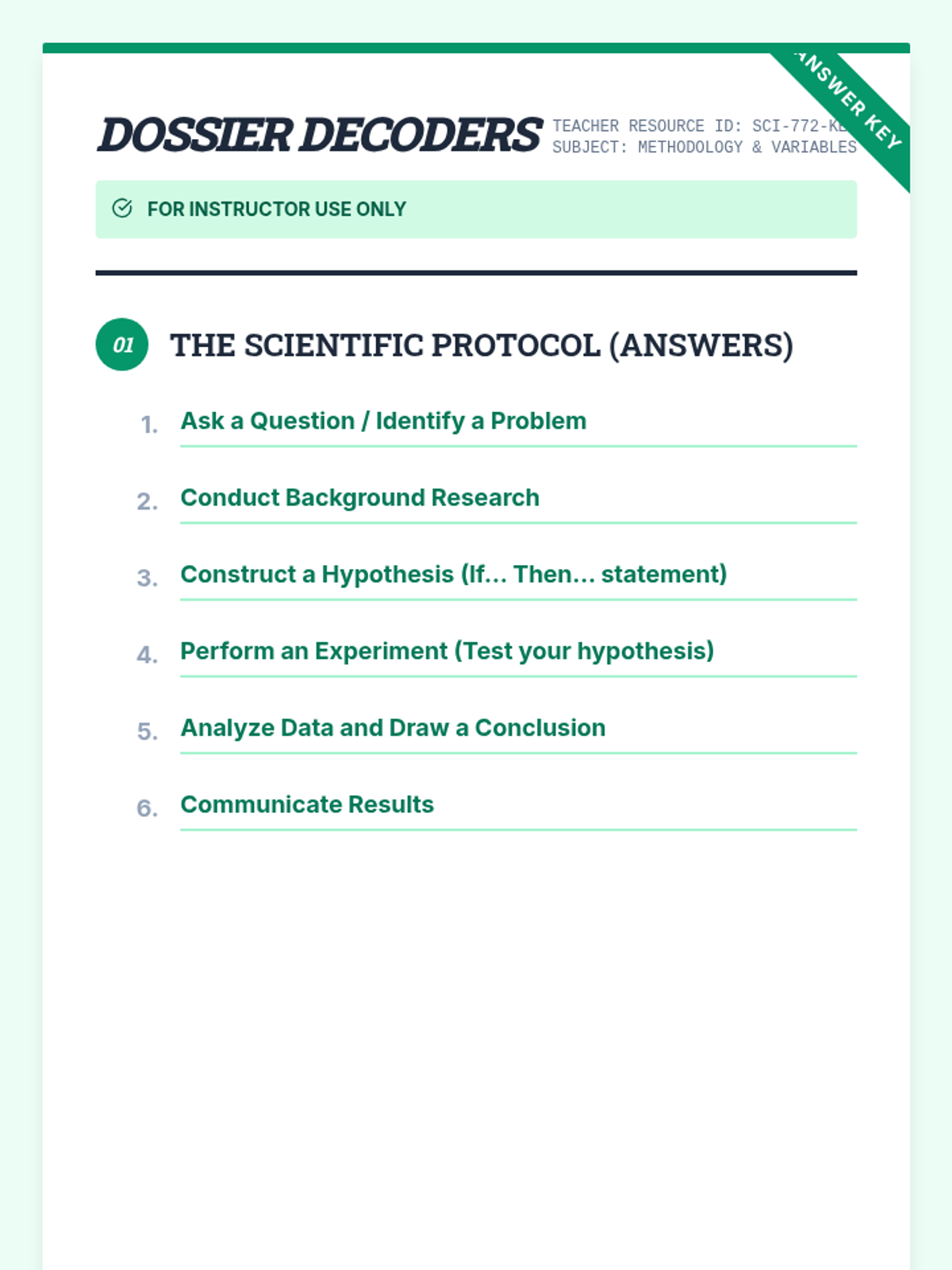
A self-contained independent research activity where students explore the scientific method and experimental variables through a themed 'digital dossier' webquest. Ideal for substitute teacher days as it requires minimal instruction and promotes independent inquiry.
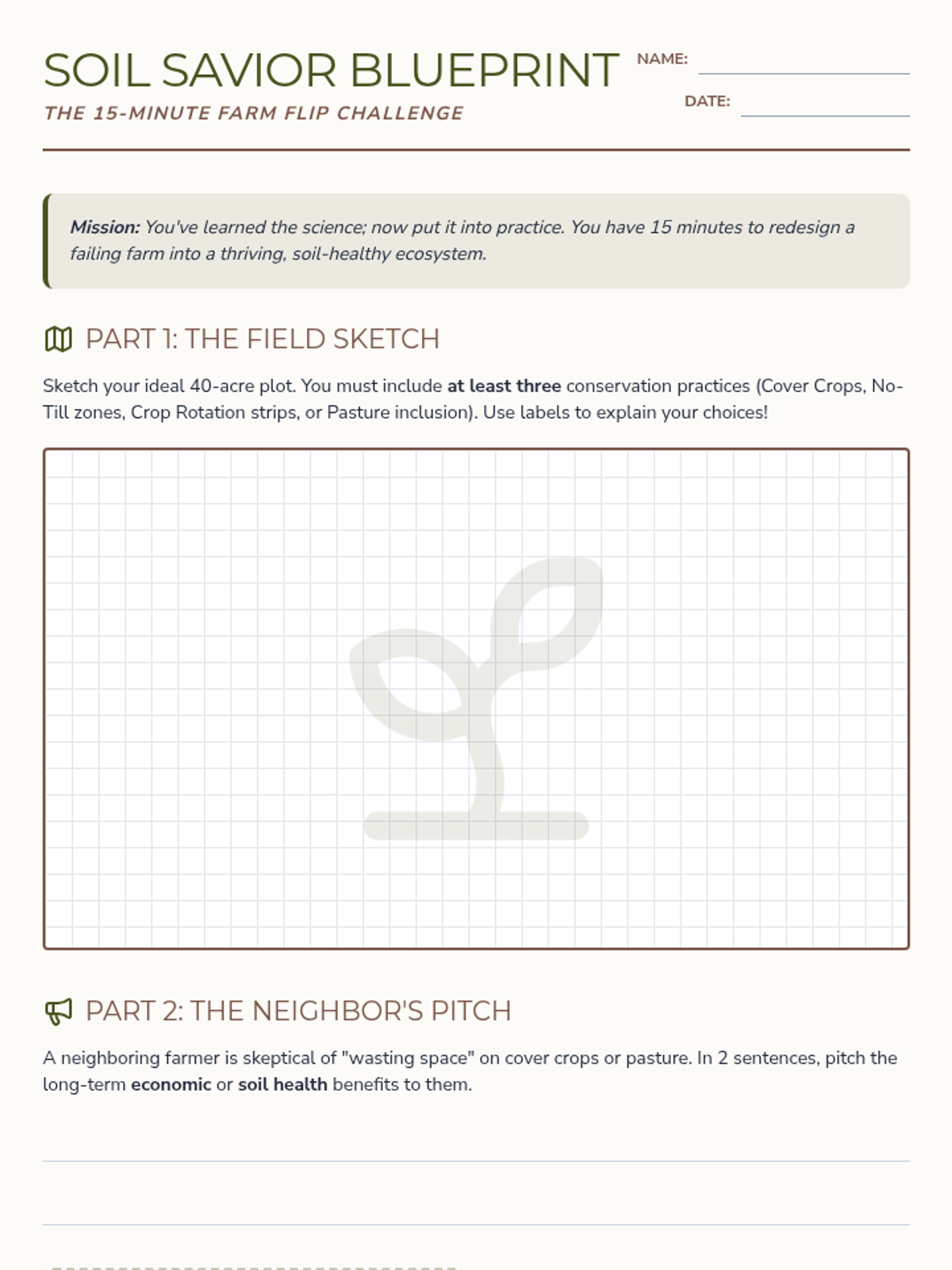
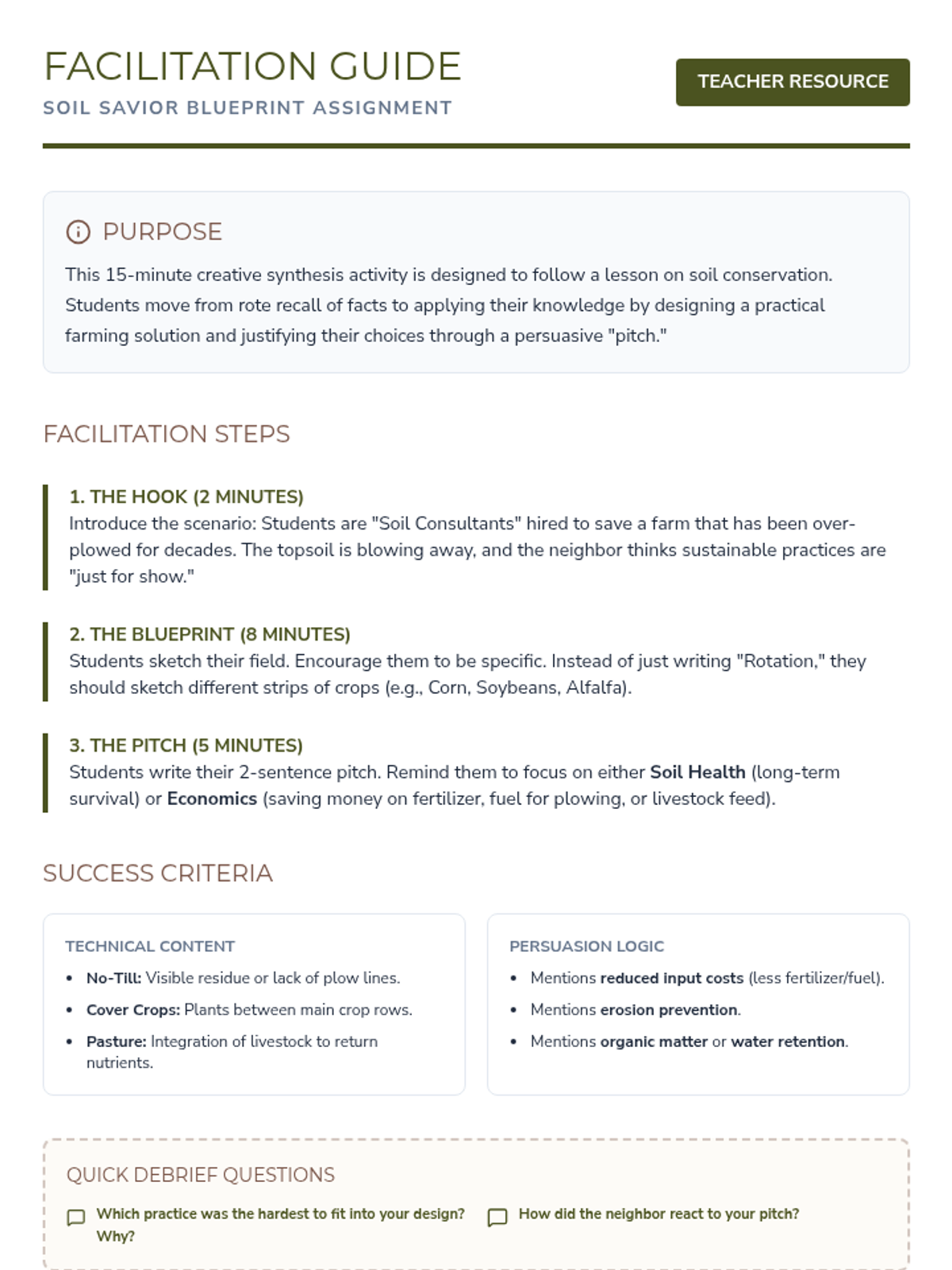
A quick, creative wrap-up lesson where students apply their knowledge of soil conservation practices to design a sustainable farm plot and craft a persuasive pitch.