Une séance d'exploration pour identifier les parties du cerveau, comprendre le rôle des neurones et découvrir la plasticité cérébrale.
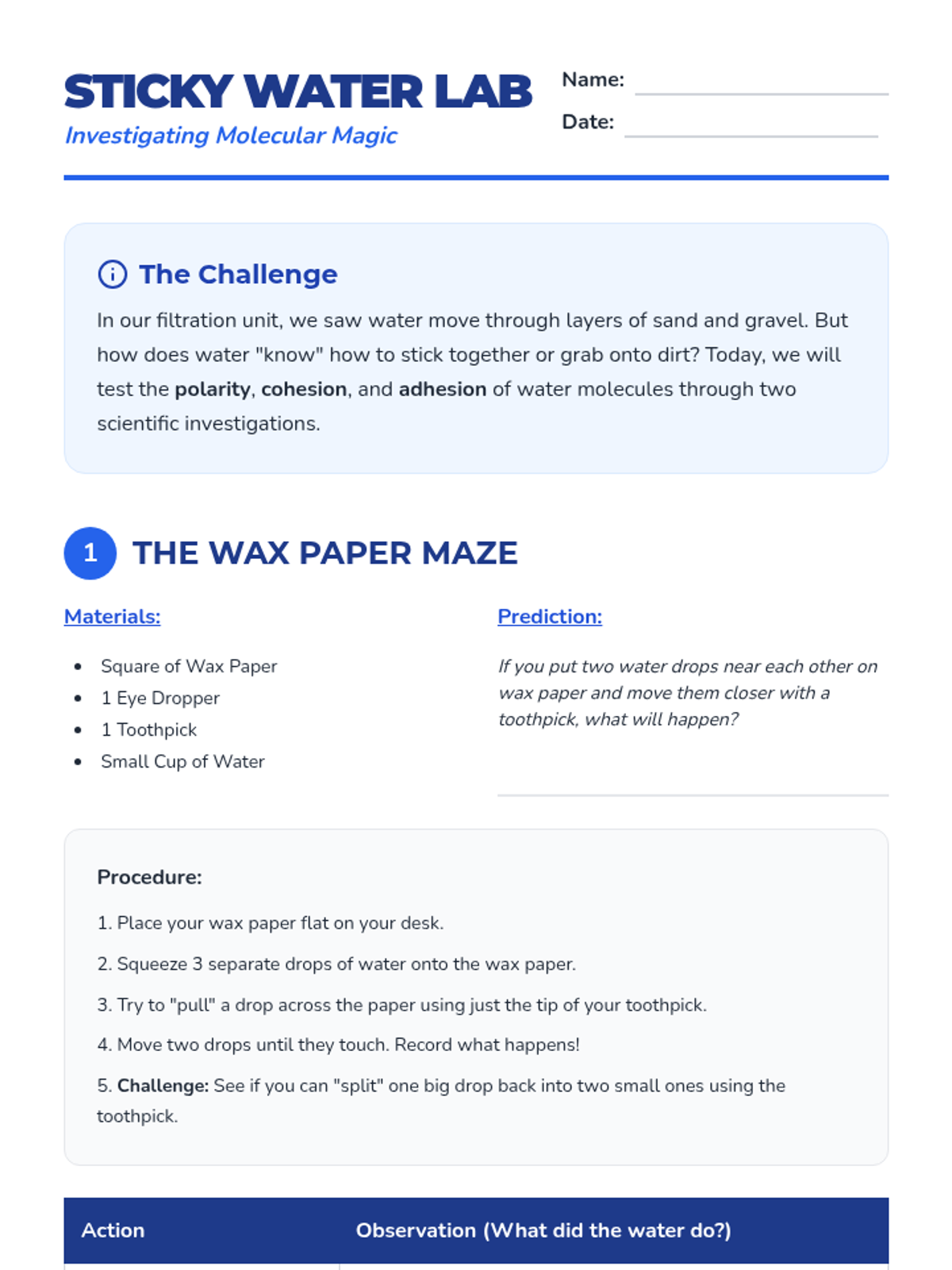
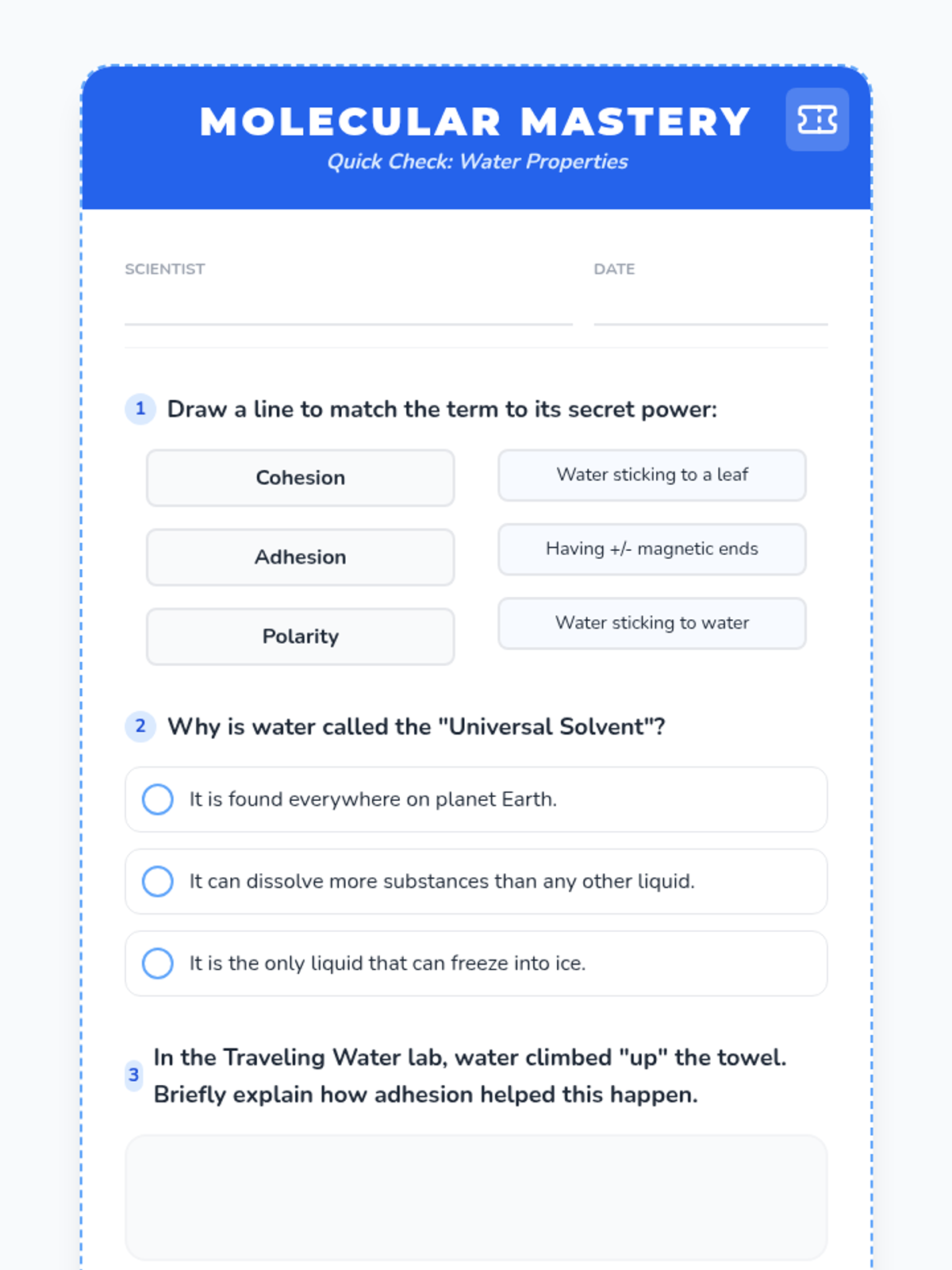
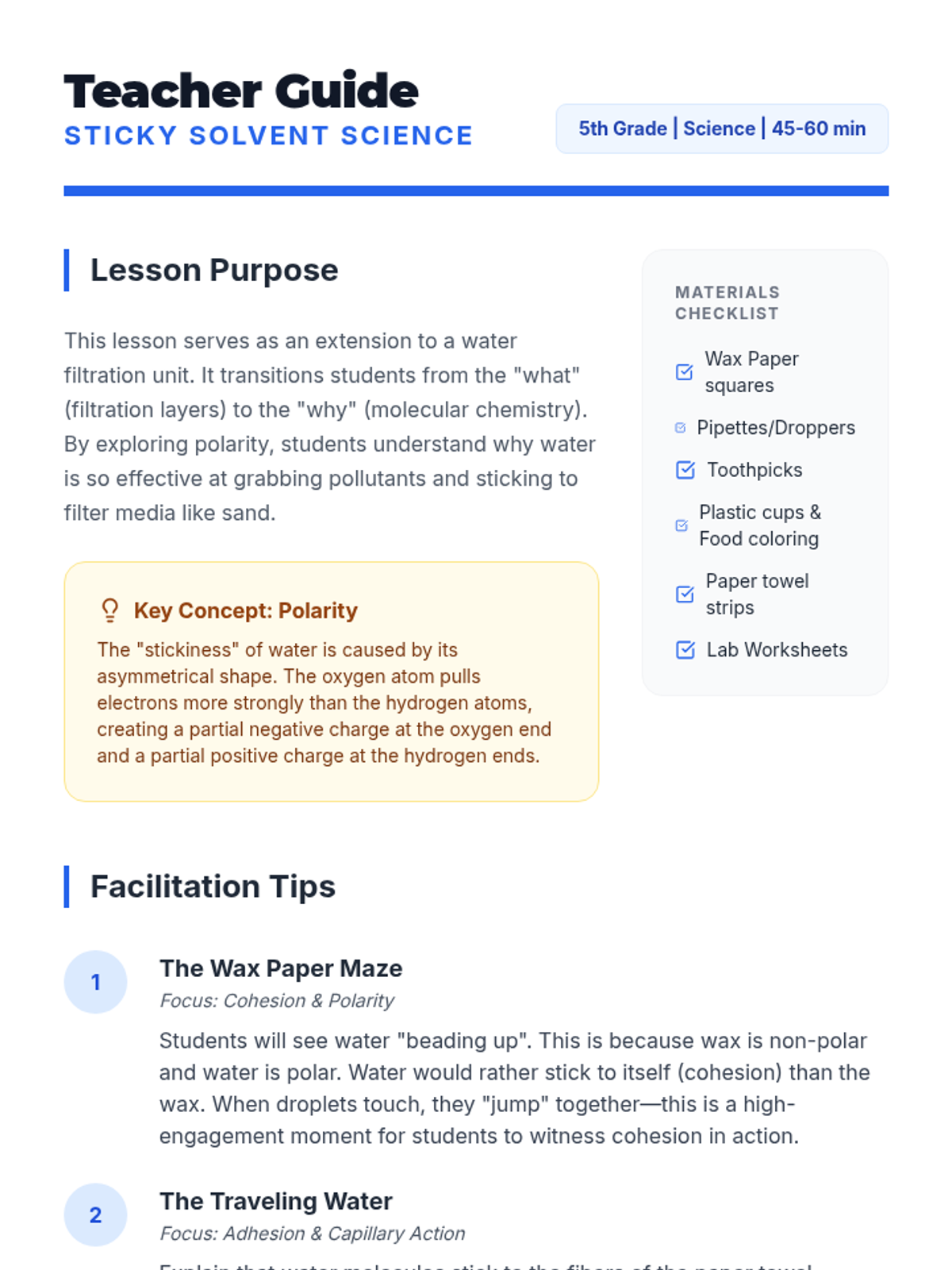
A hands-on extension lesson exploring the molecular properties of water—cohesion, adhesion, polarity, and its role as a universal solvent.
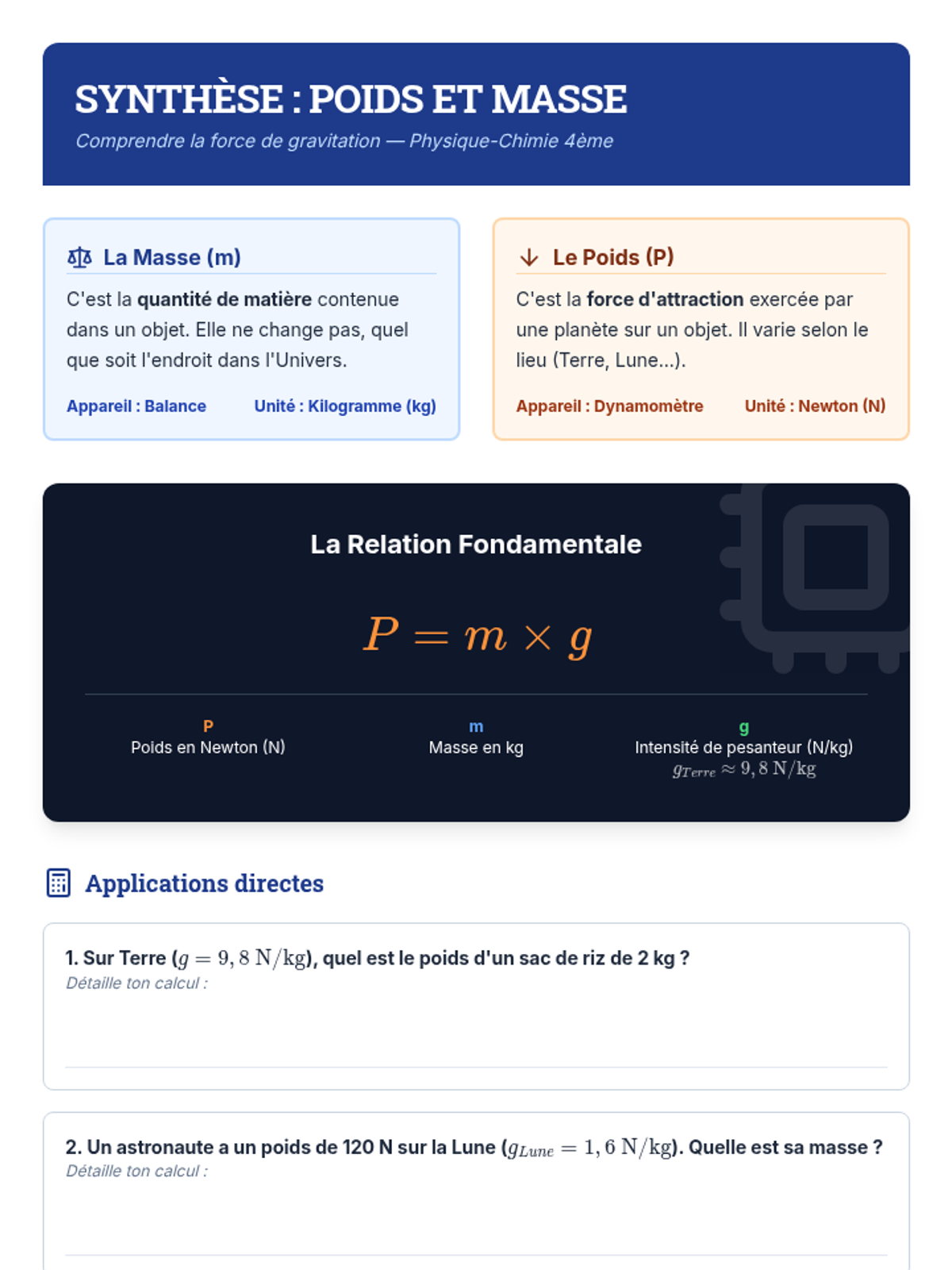
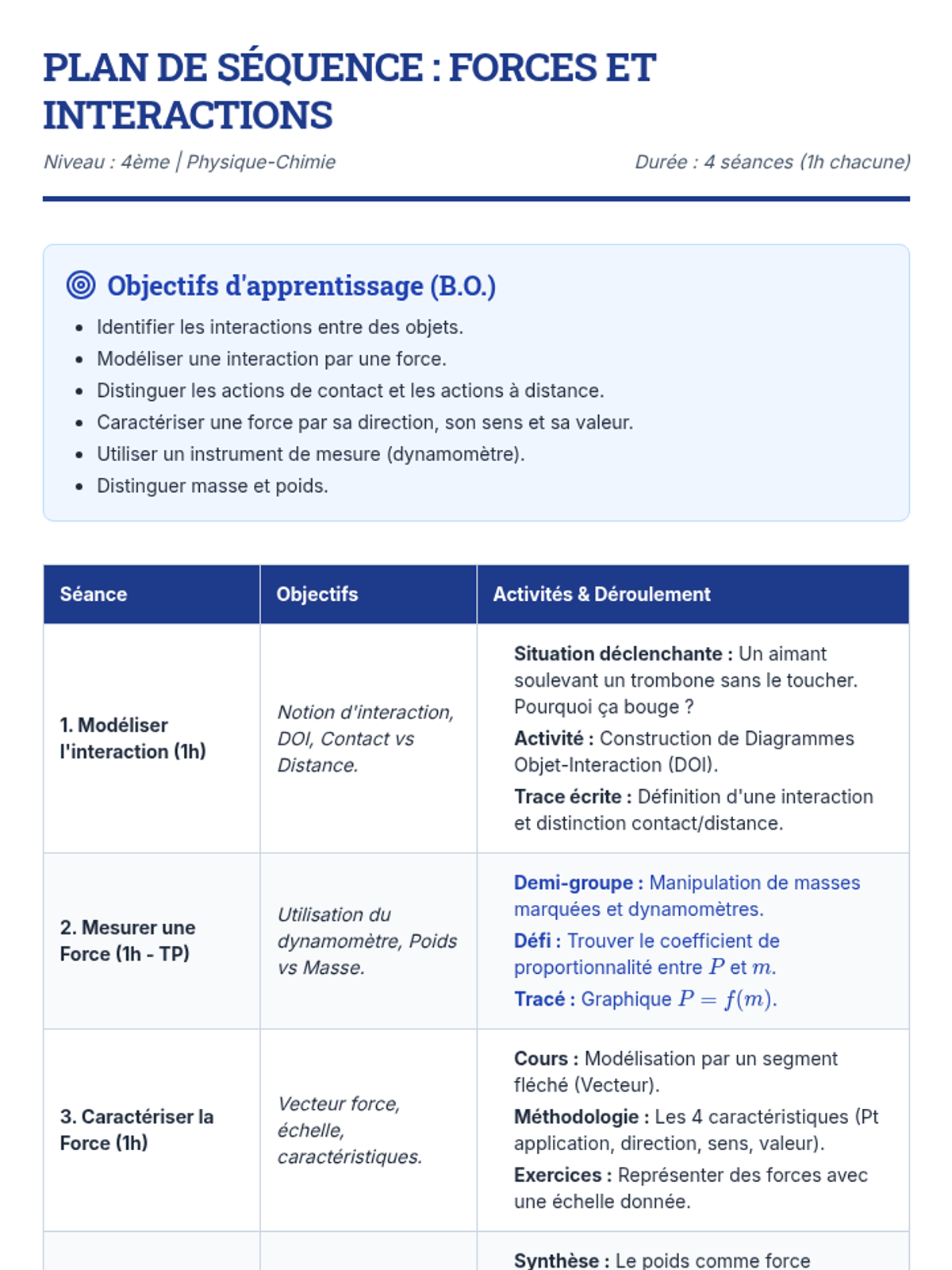
Synthèse sur la gravitation, la différence entre poids et masse et évaluation finale de la séquence.
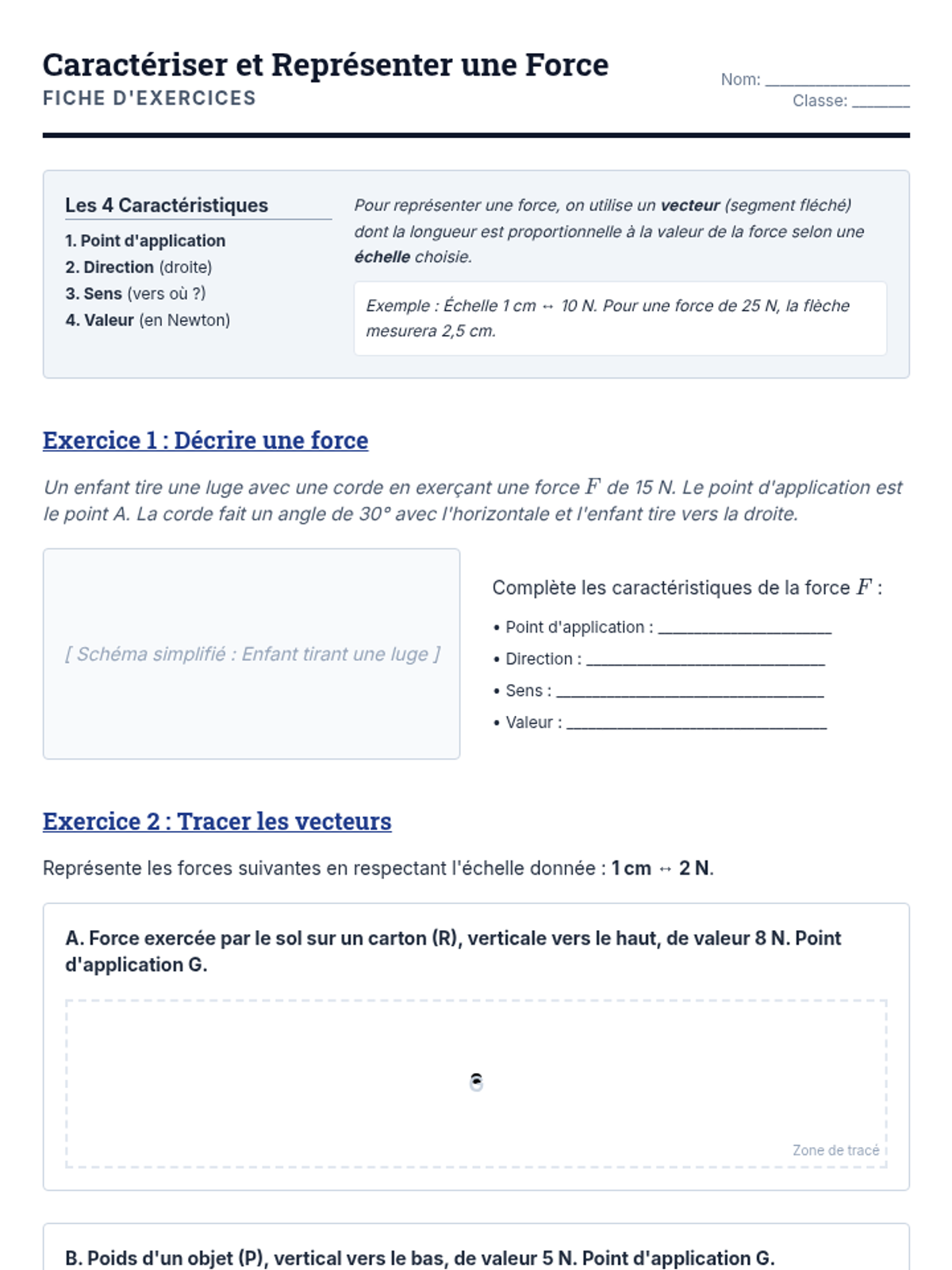
Caractérisation d'une force par un vecteur (segment fléché) : point d'application, direction, sens et valeur. Exercices d'application.
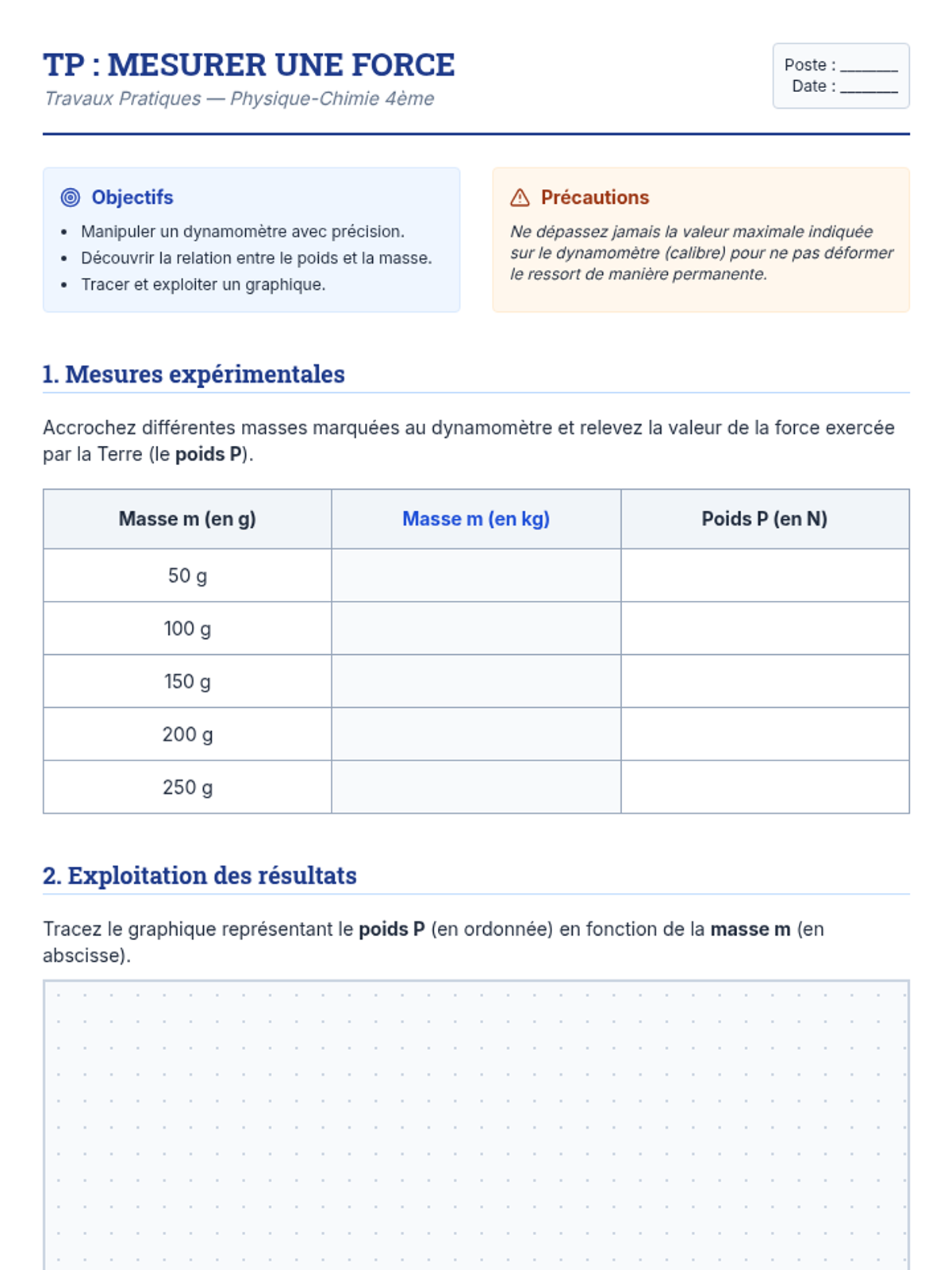
Séance de travaux pratiques en demi-groupe pour apprendre à utiliser un dynamomètre et découvrir la relation entre poids et masse.
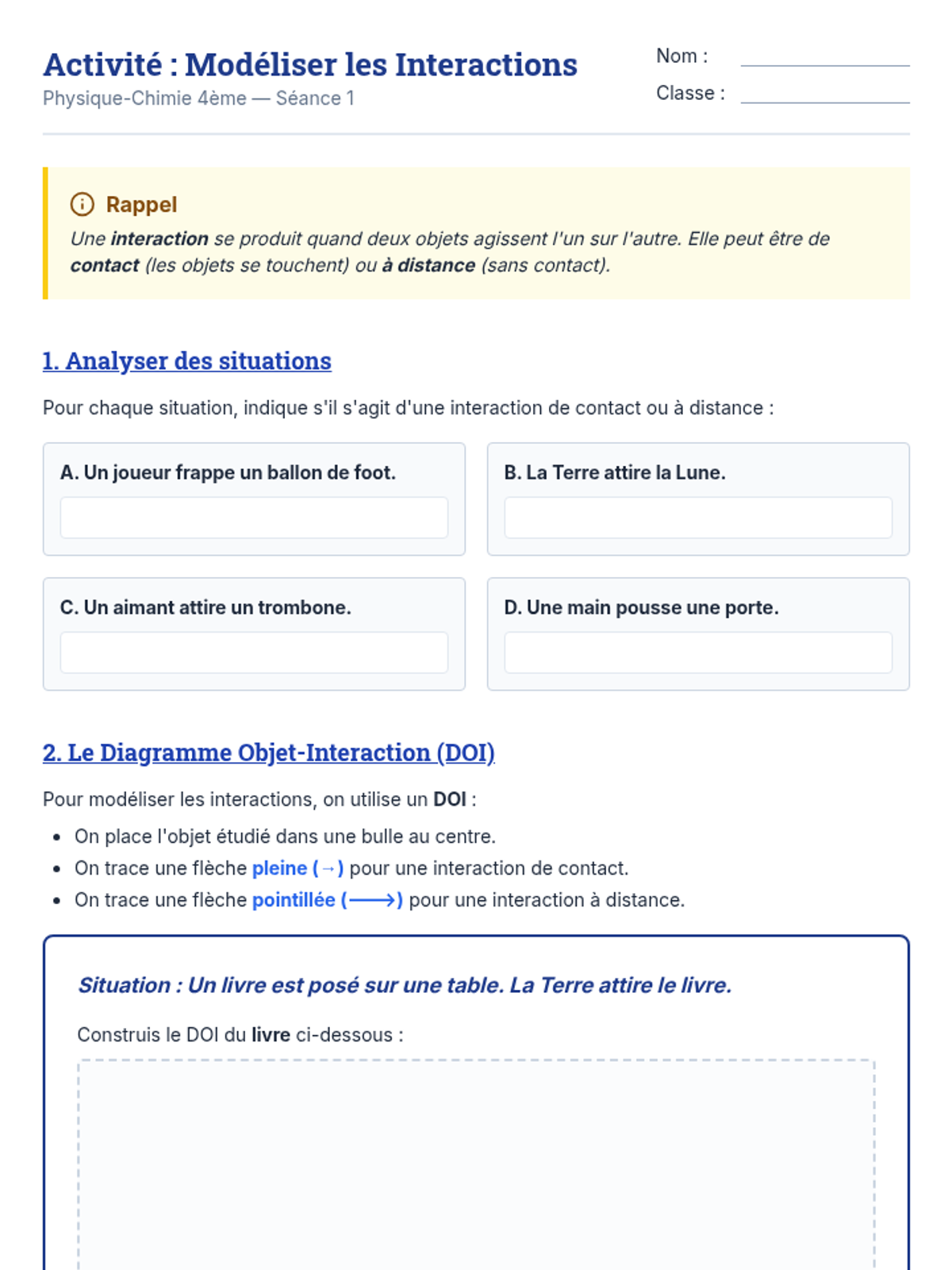
Introduction aux interactions et modélisation par les diagrammes objet-interaction (DOI). Identification des actions de contact et à distance.
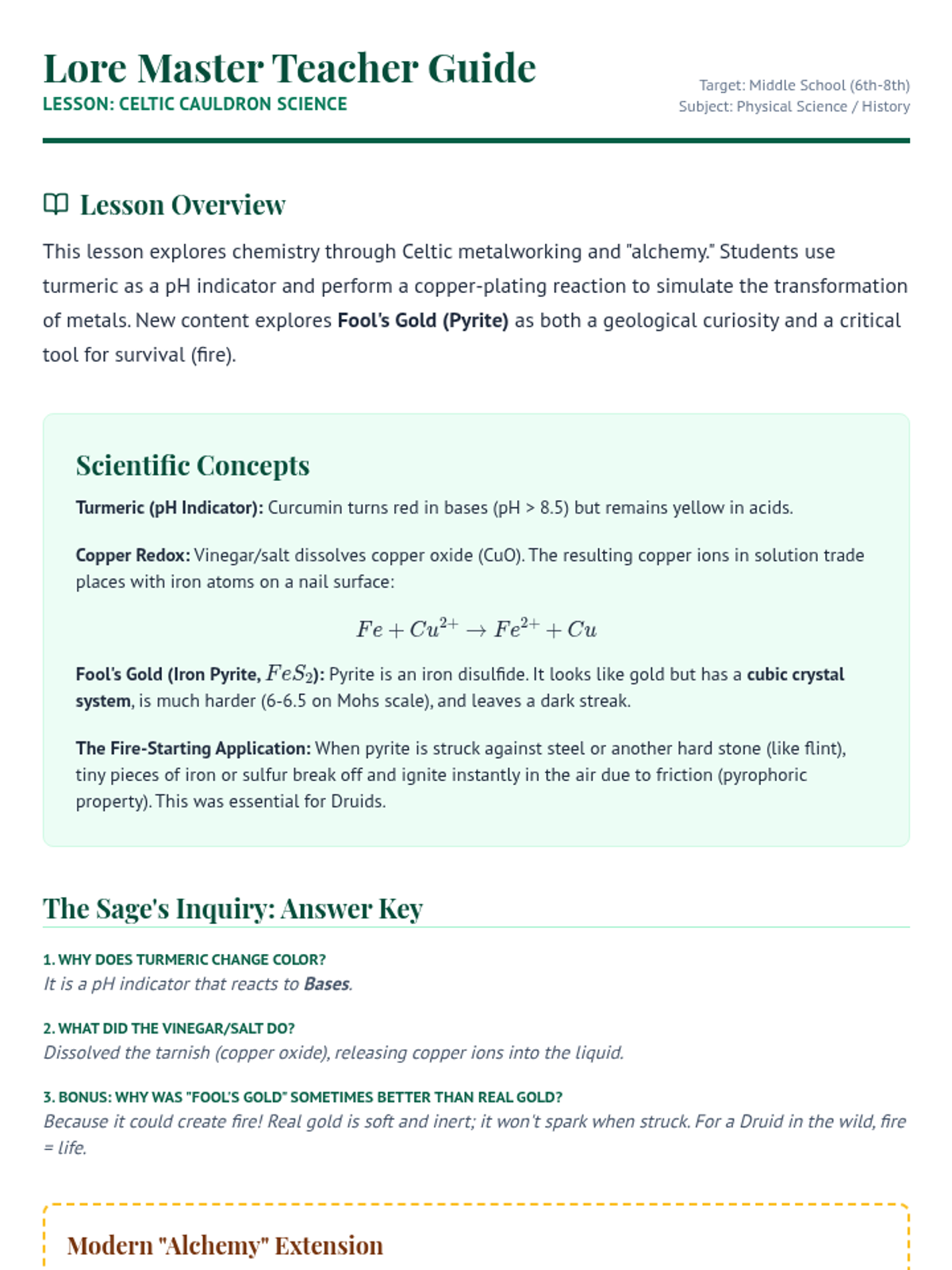
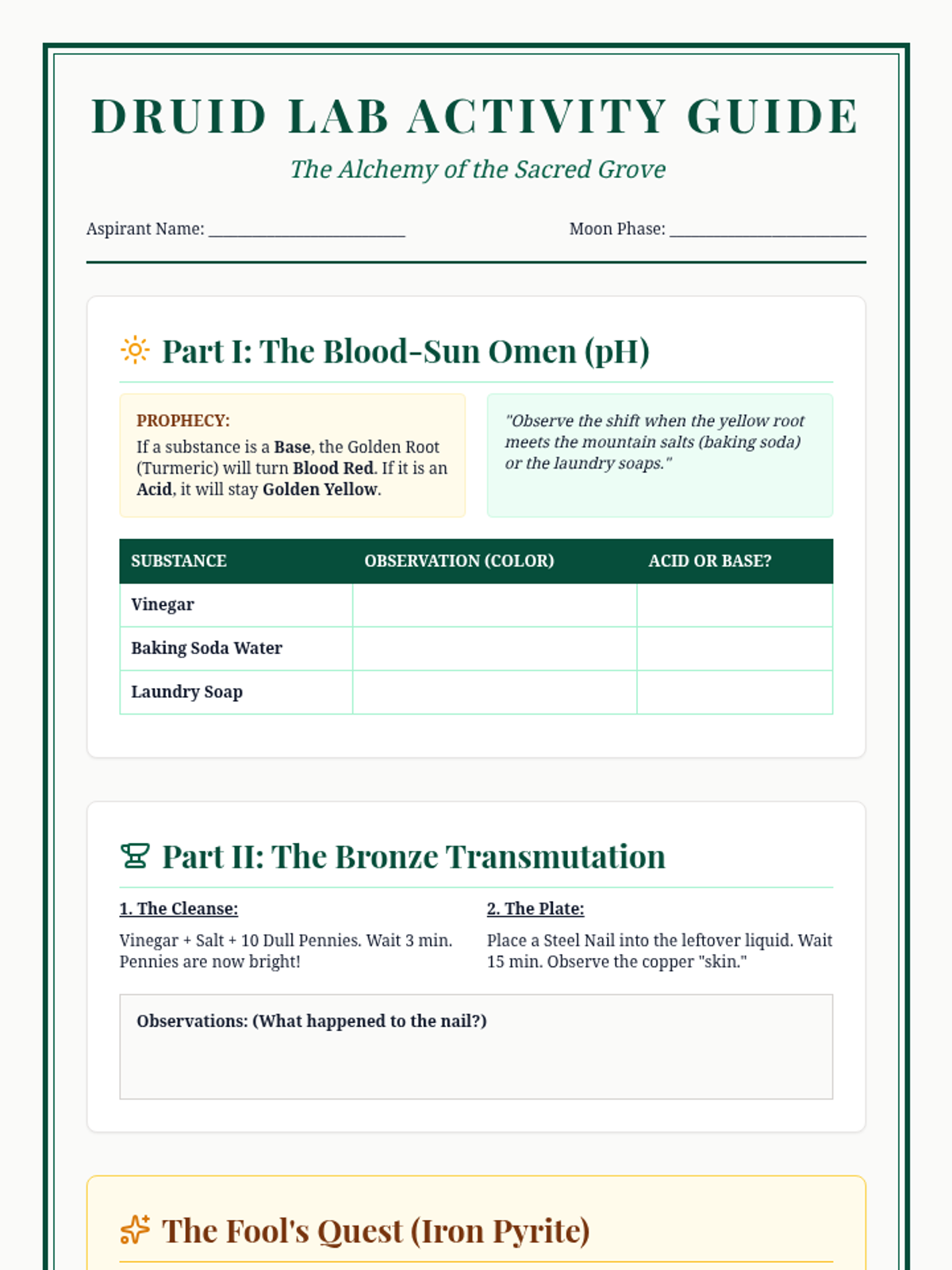
A hands-on science lesson exploring pH and chemical reactions through the lens of Ancient Celtic herbalism and druidic traditions.
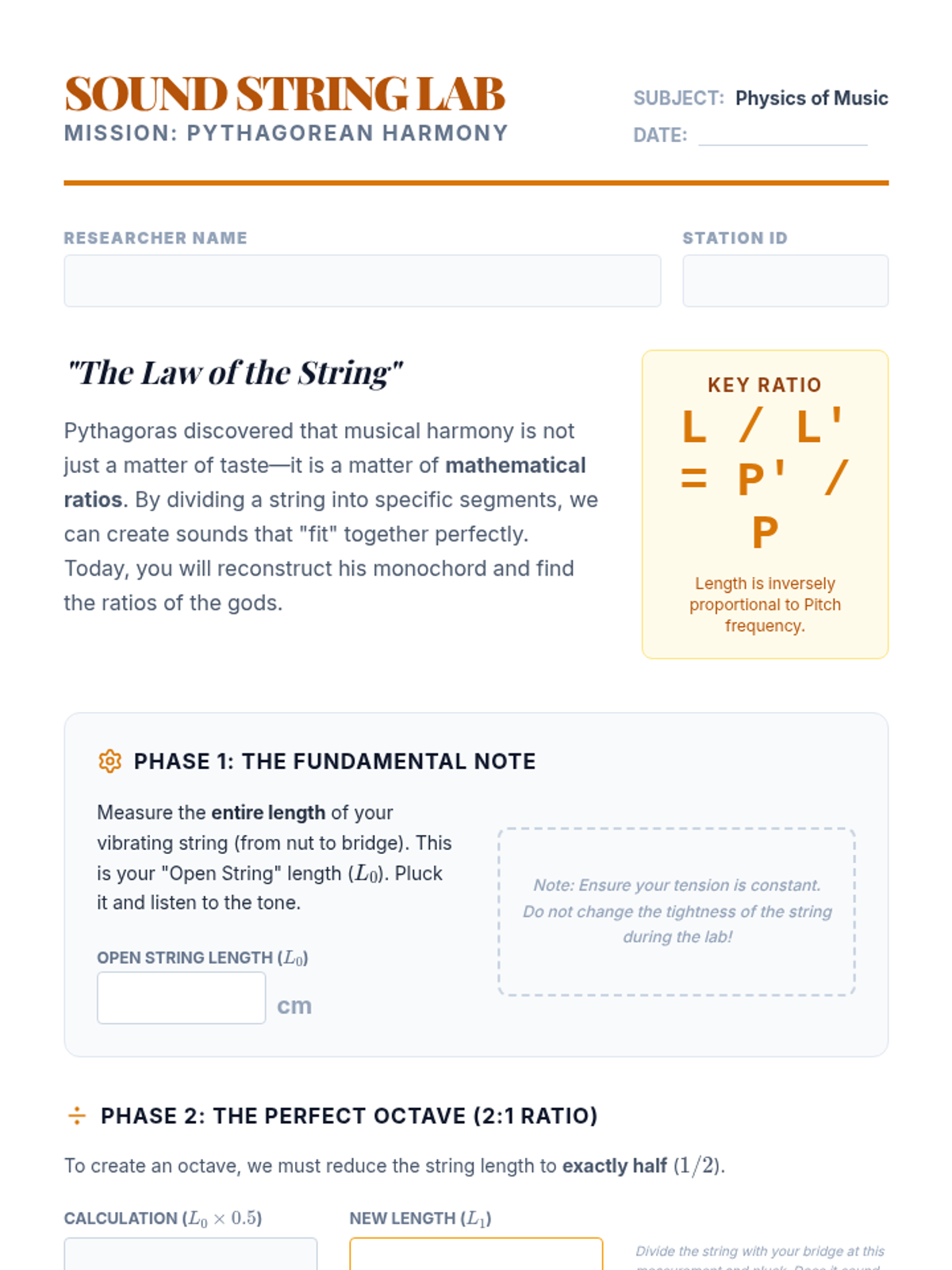
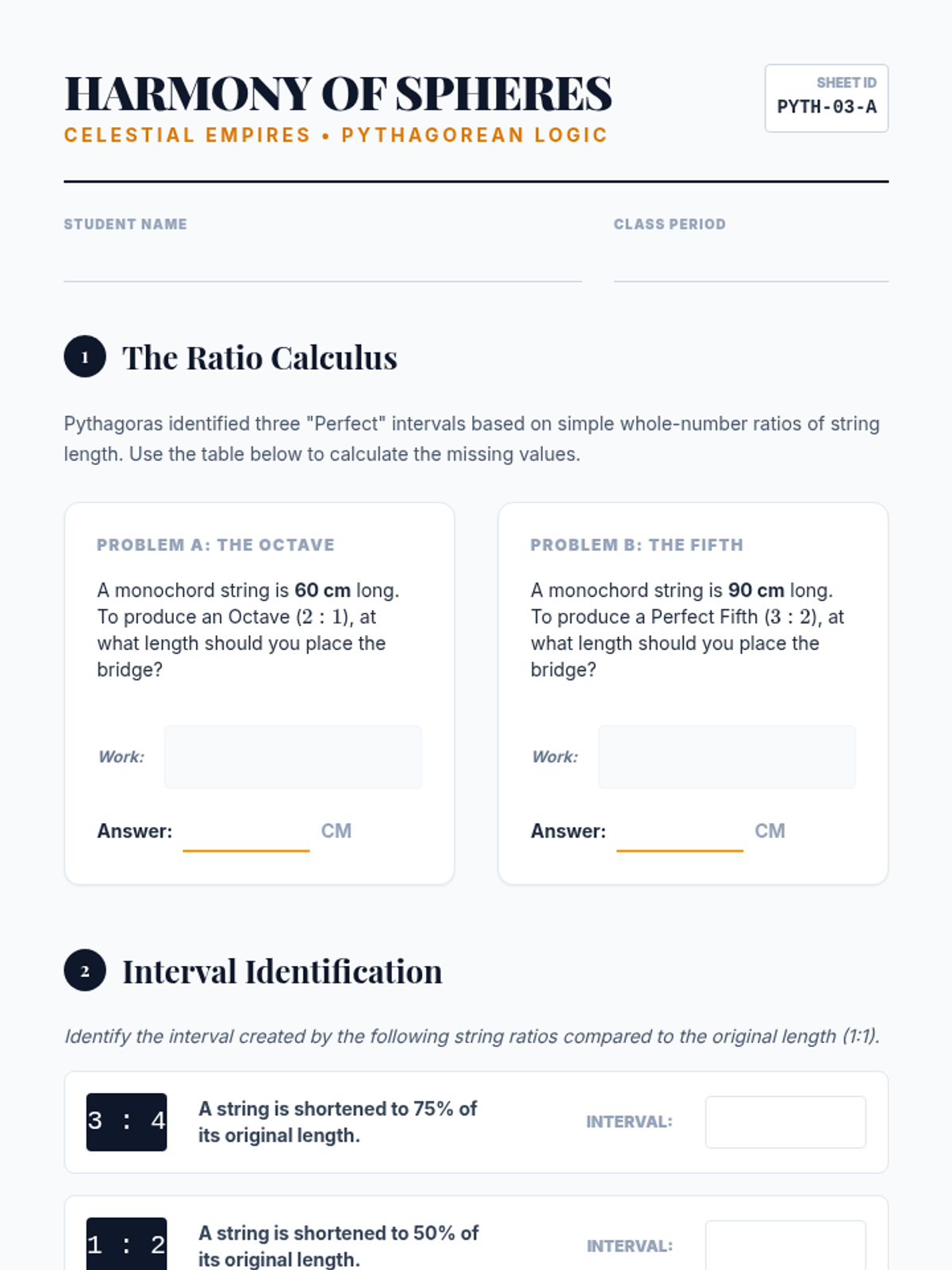
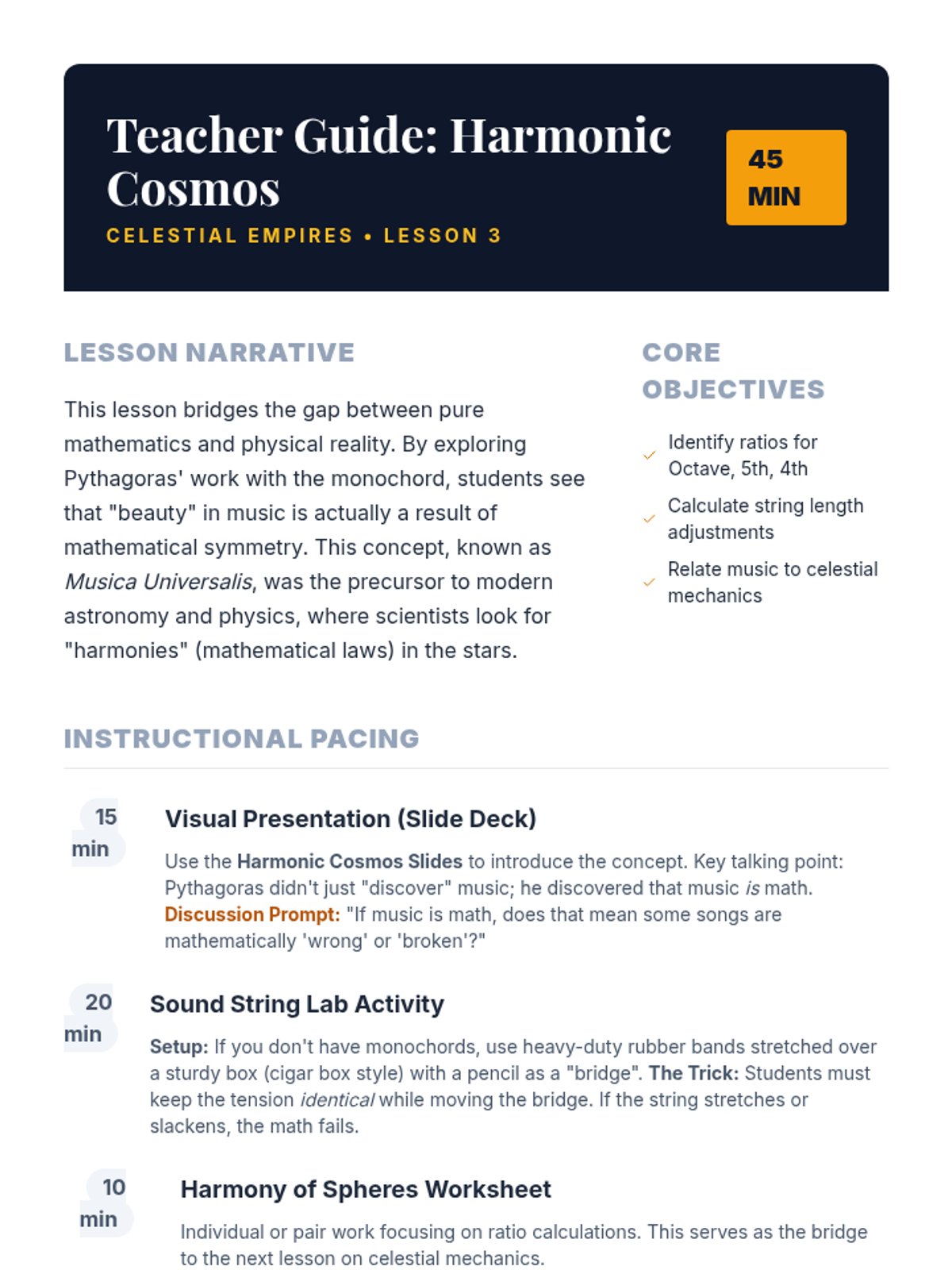
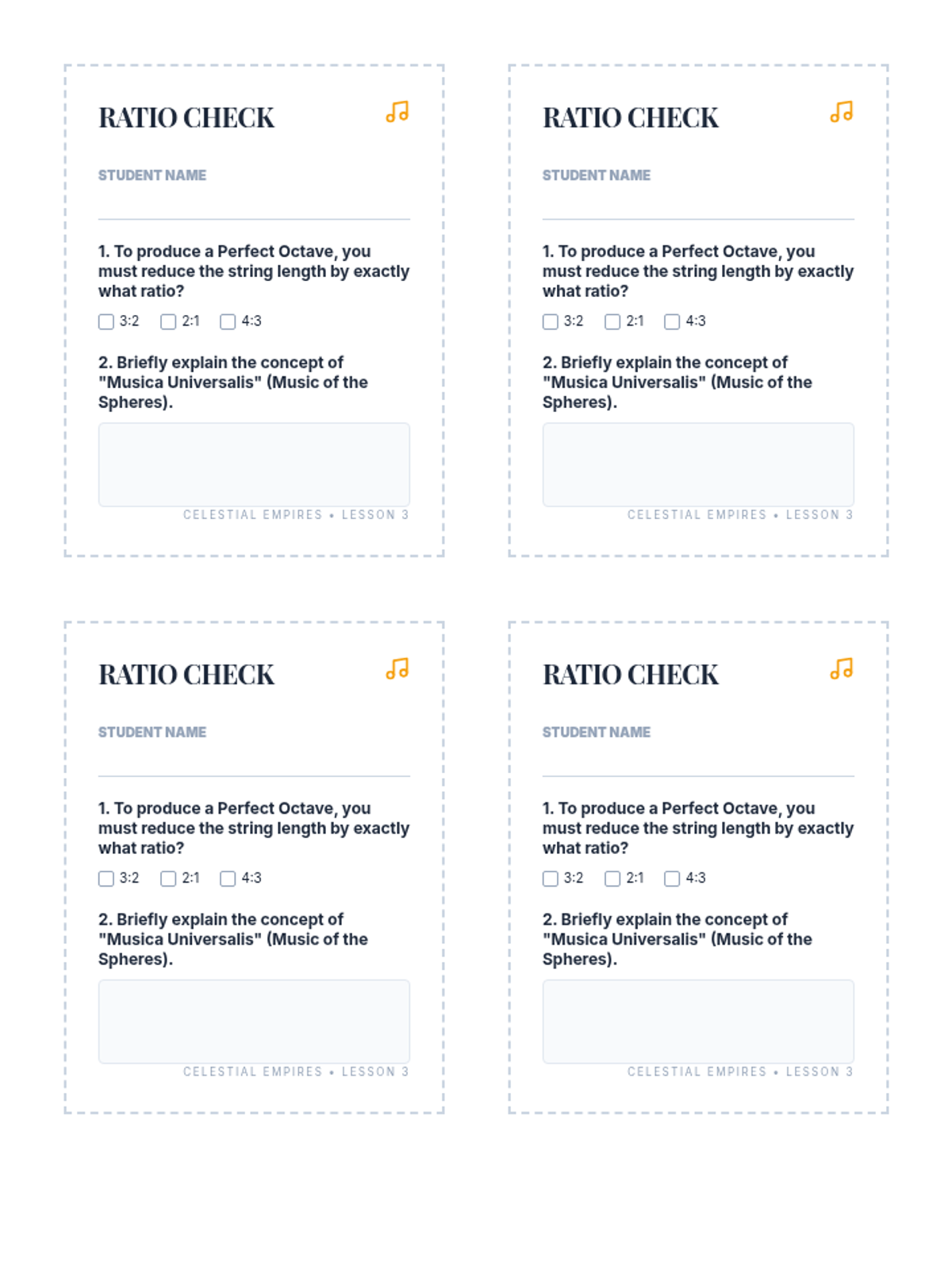
Explores Pythagoras' discovery of the mathematical foundations of music and how he extended this 'harmonic logic' to explain the order of the universe and the 'Music of the Spheres'.
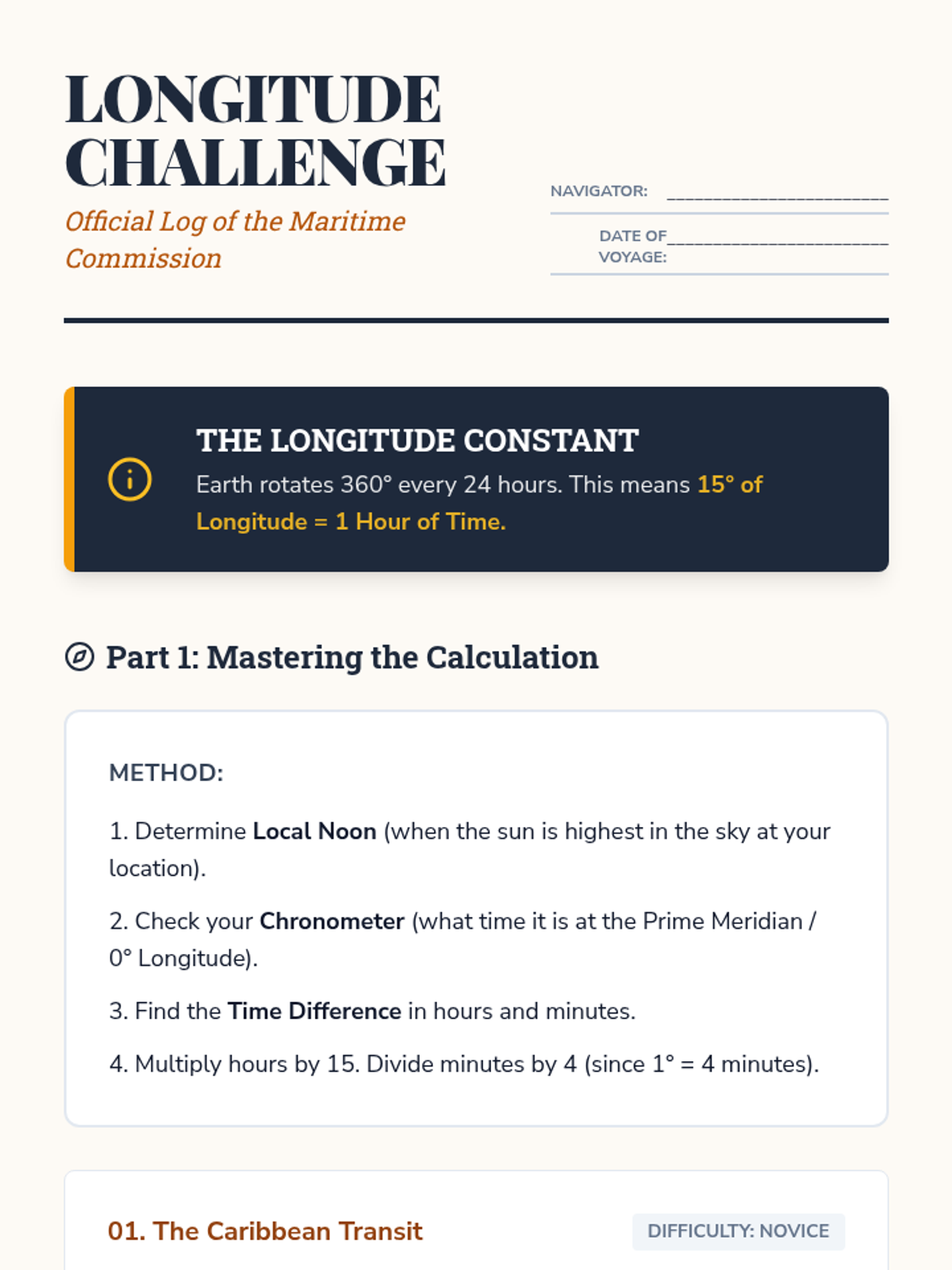
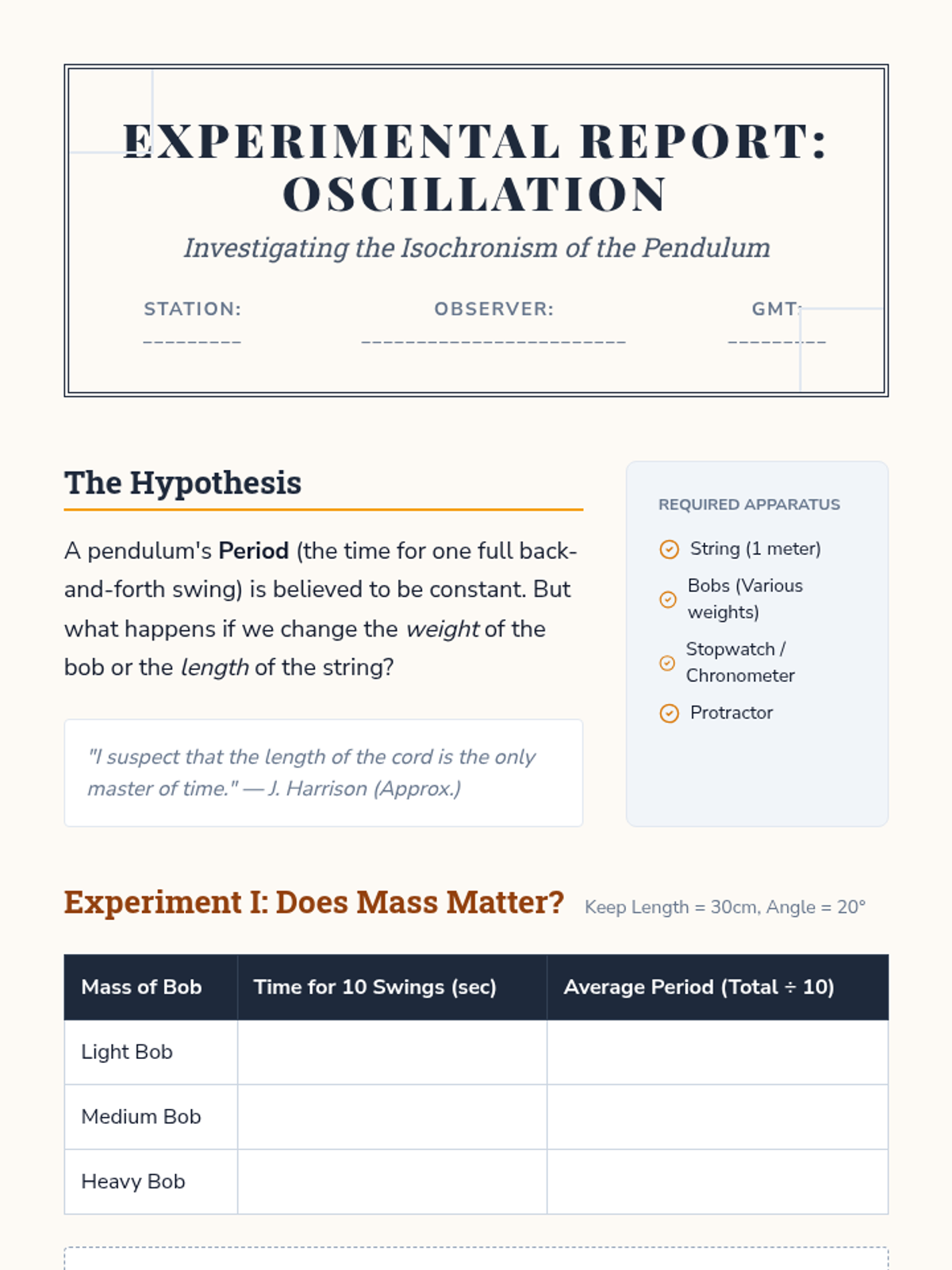
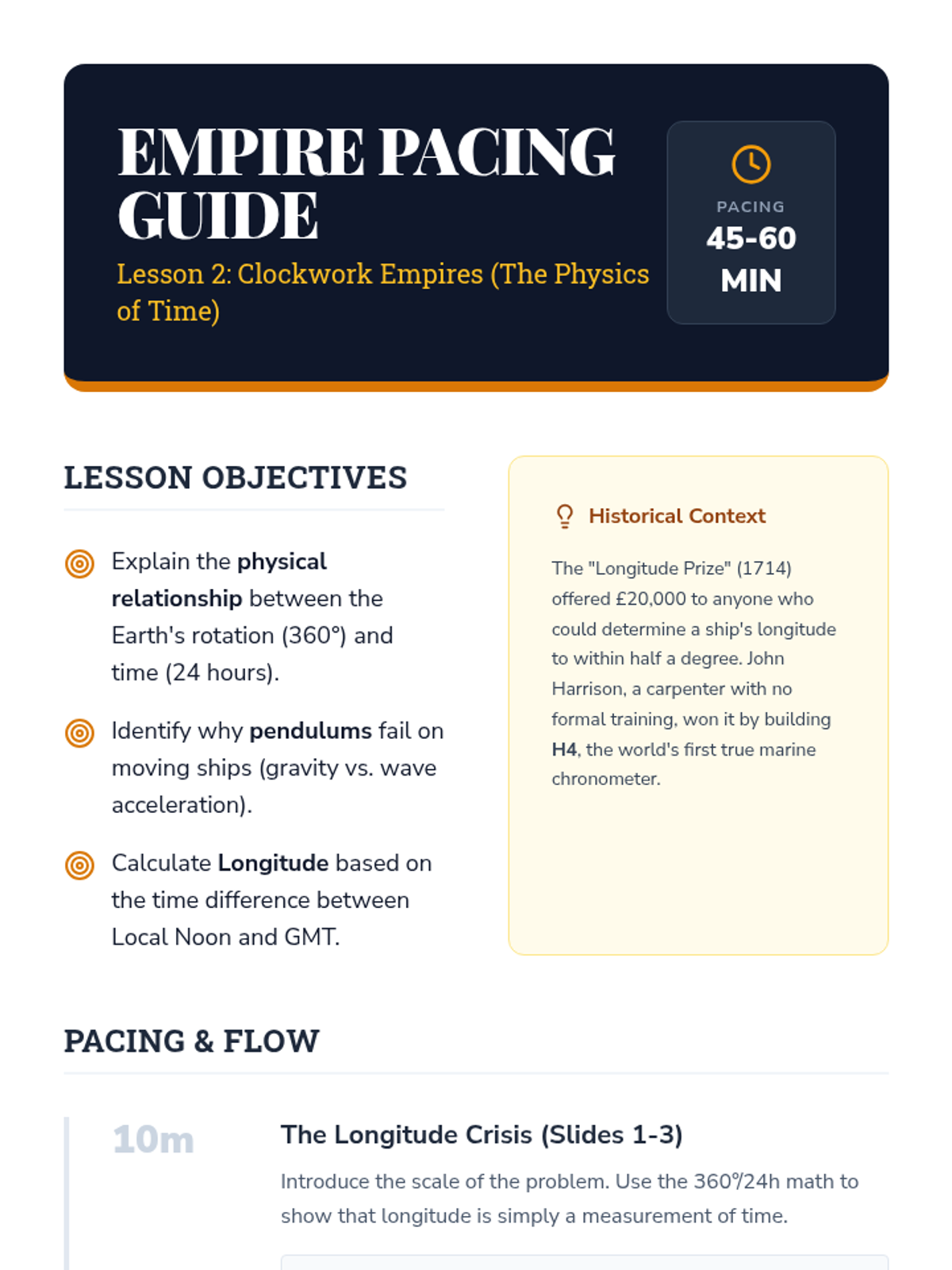
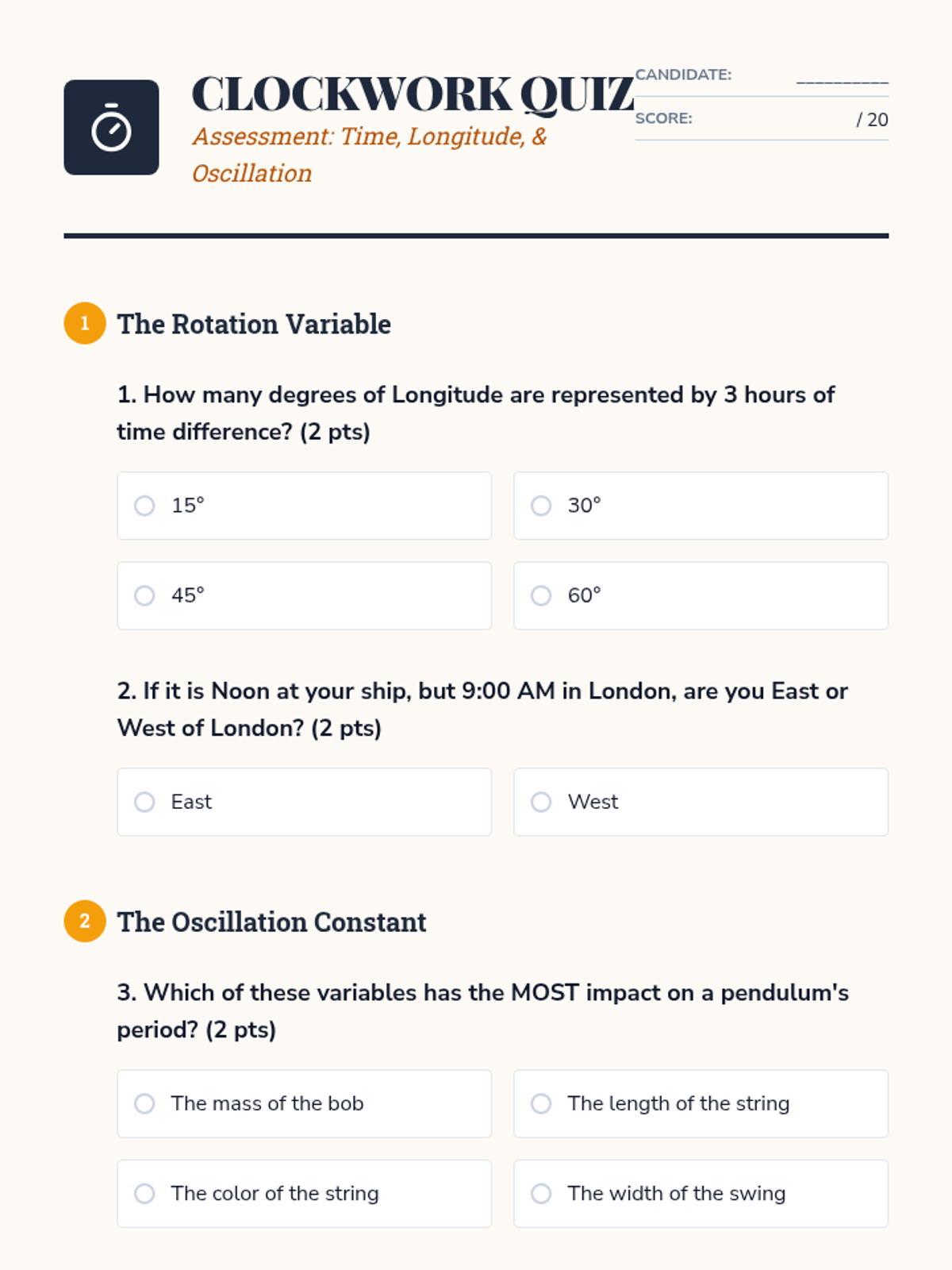
Investigates the "Longitude Problem" and the scientific race to build the first accurate marine chronometers, focusing on the physics of oscillation, friction, and the relationship between time and space.
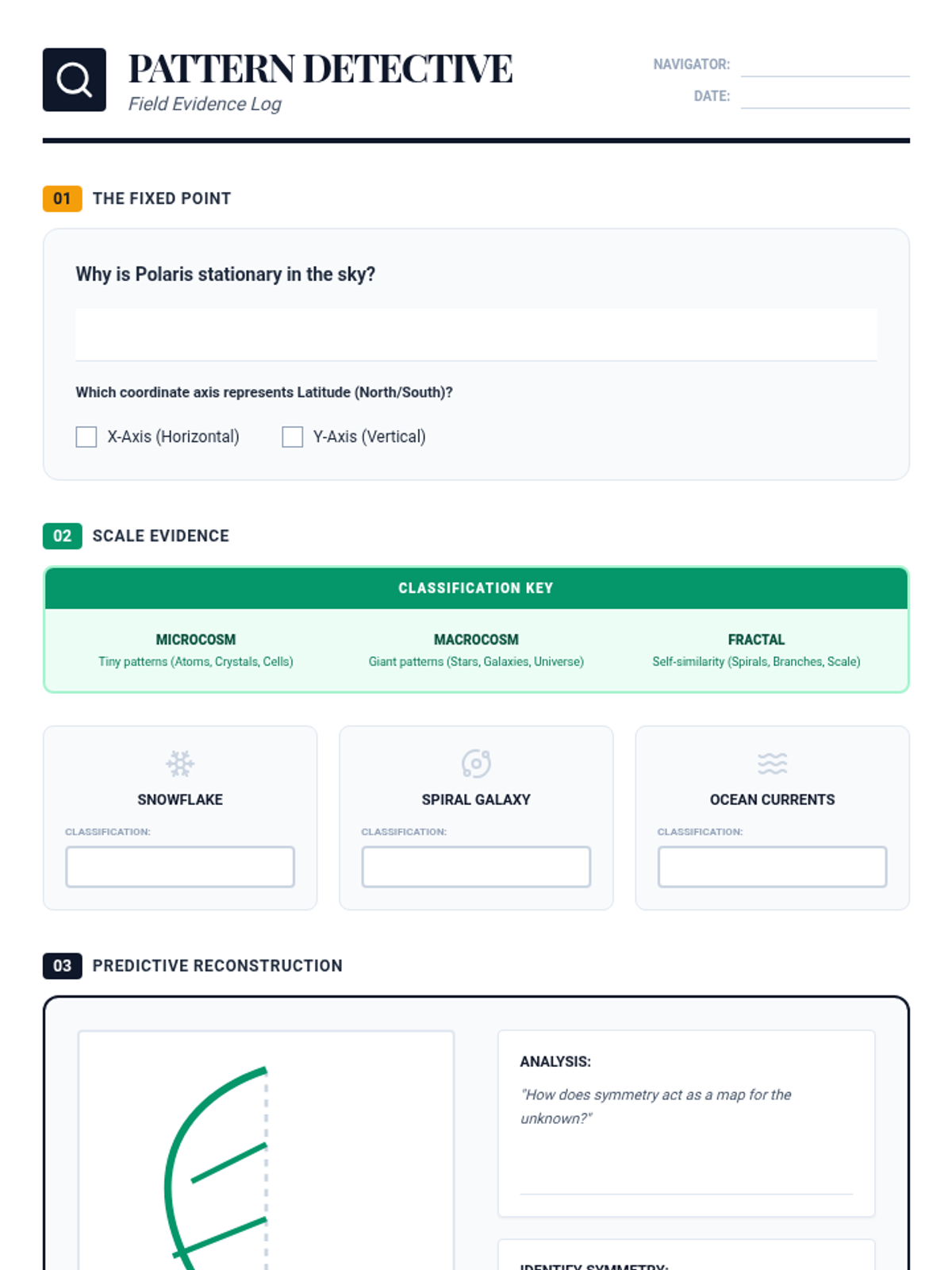
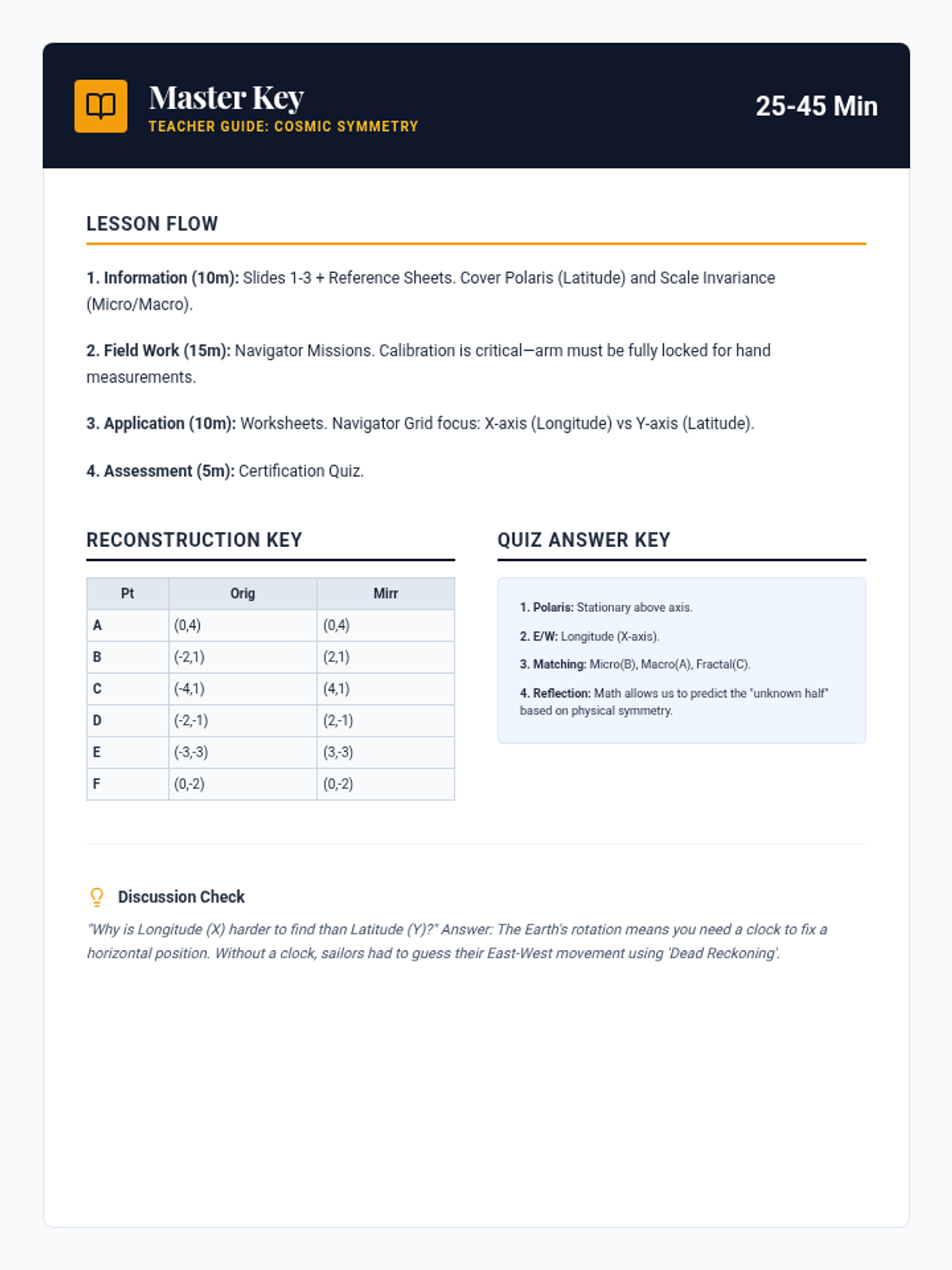
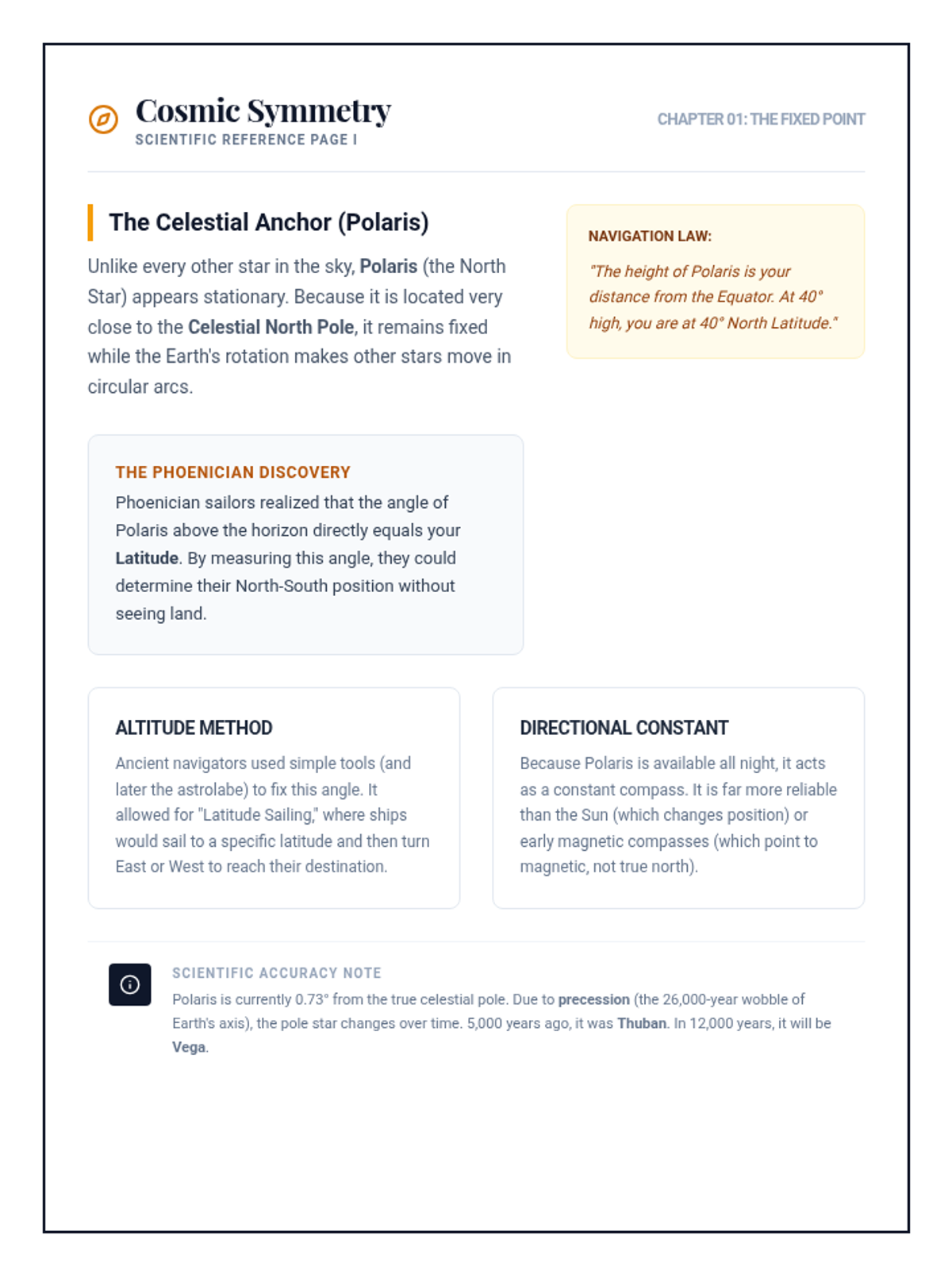
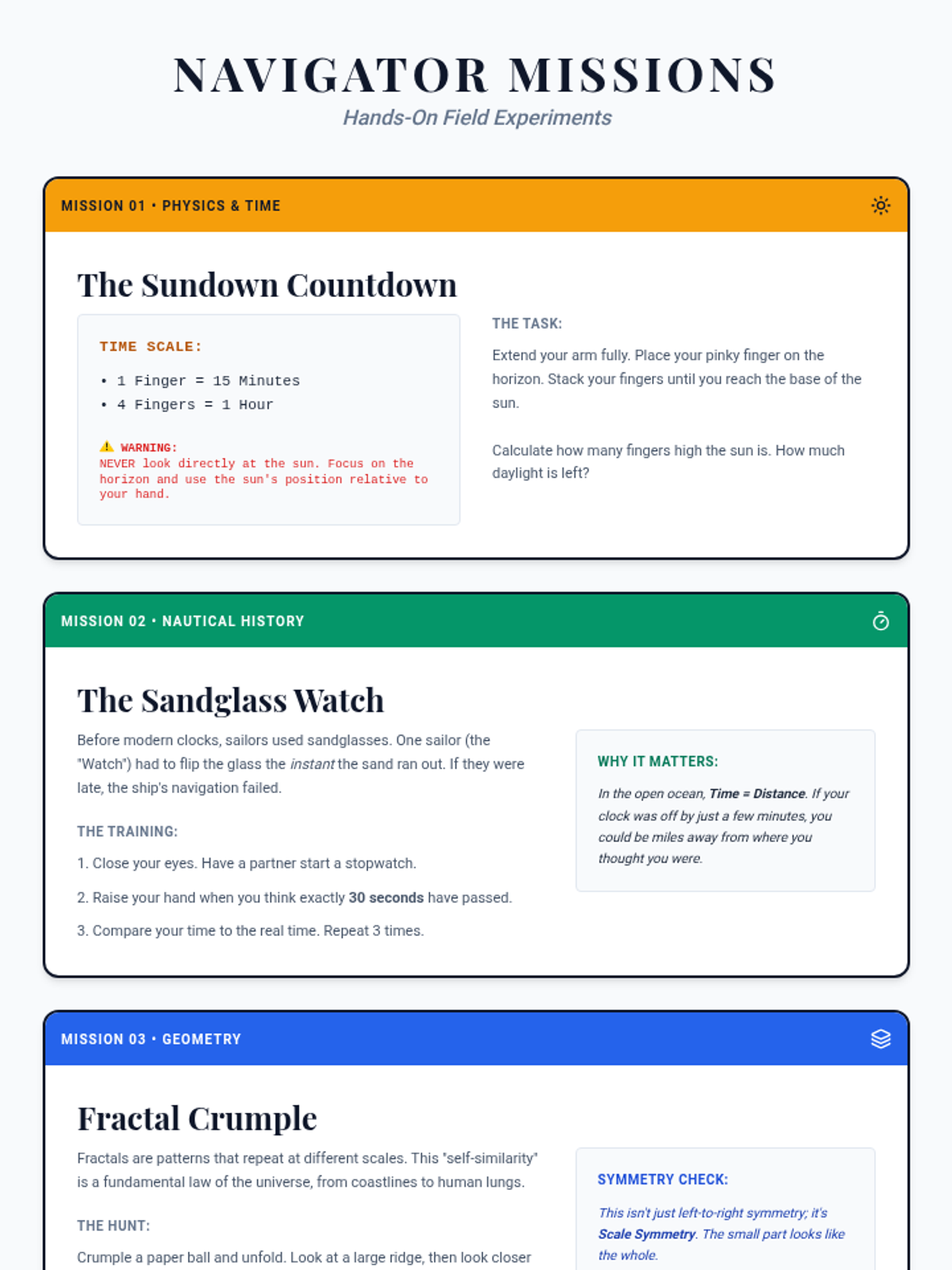
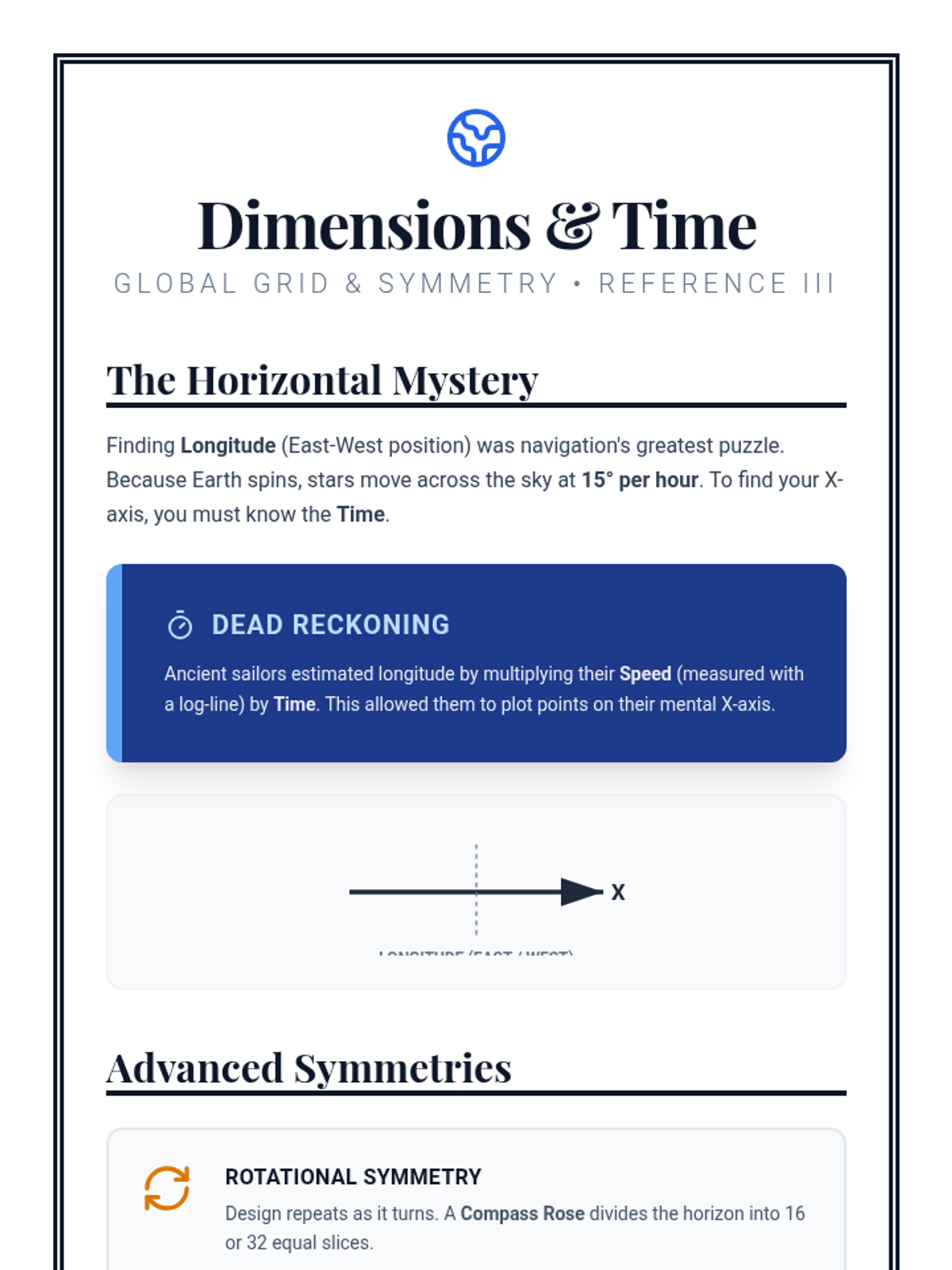
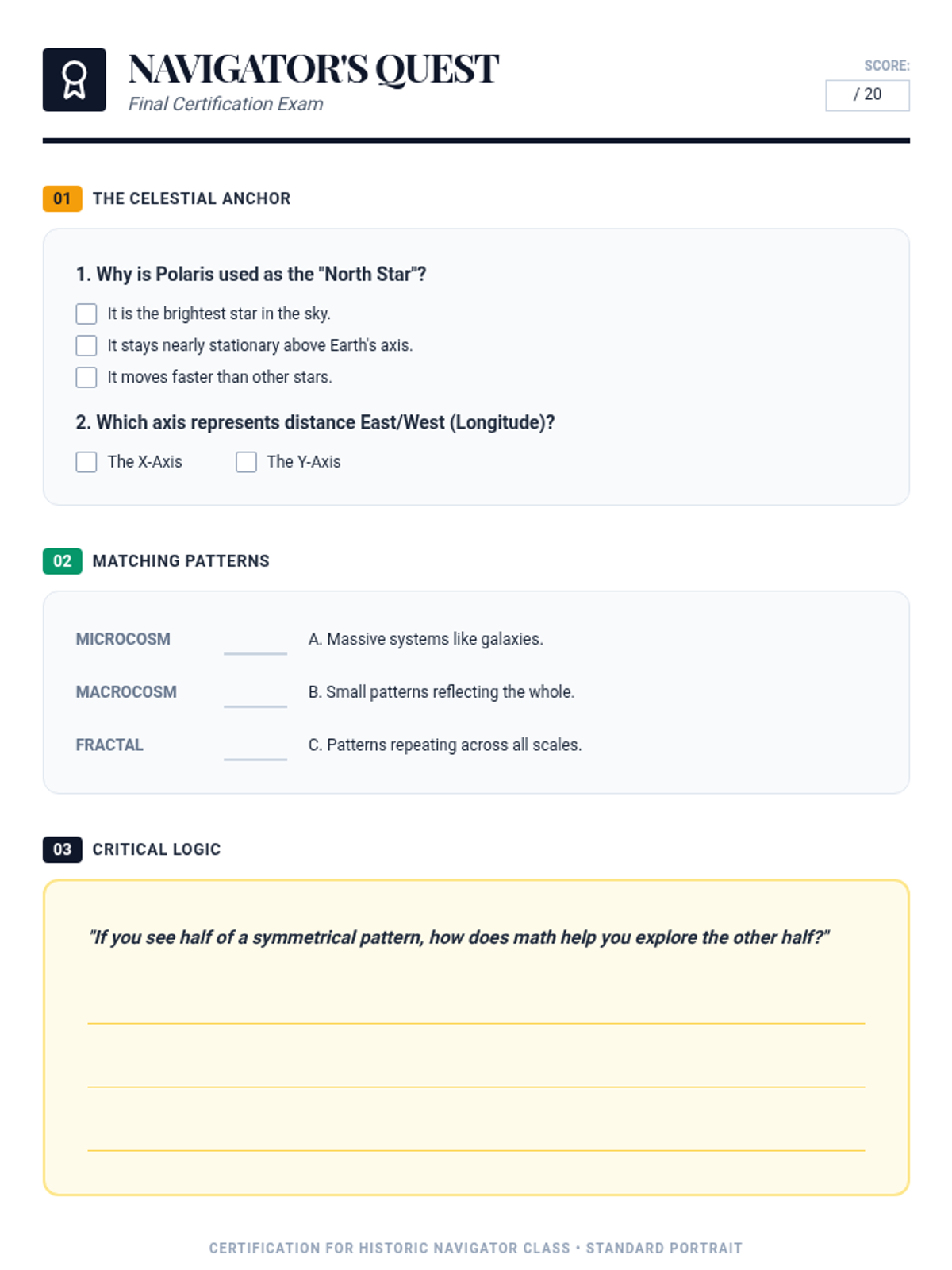
A 15-25 minute exploration into how ancient navigators used fixed points (the North Star) and the repeating patterns of the universe (microcosms, macrocosms, and symmetry) to navigate without modern technology.
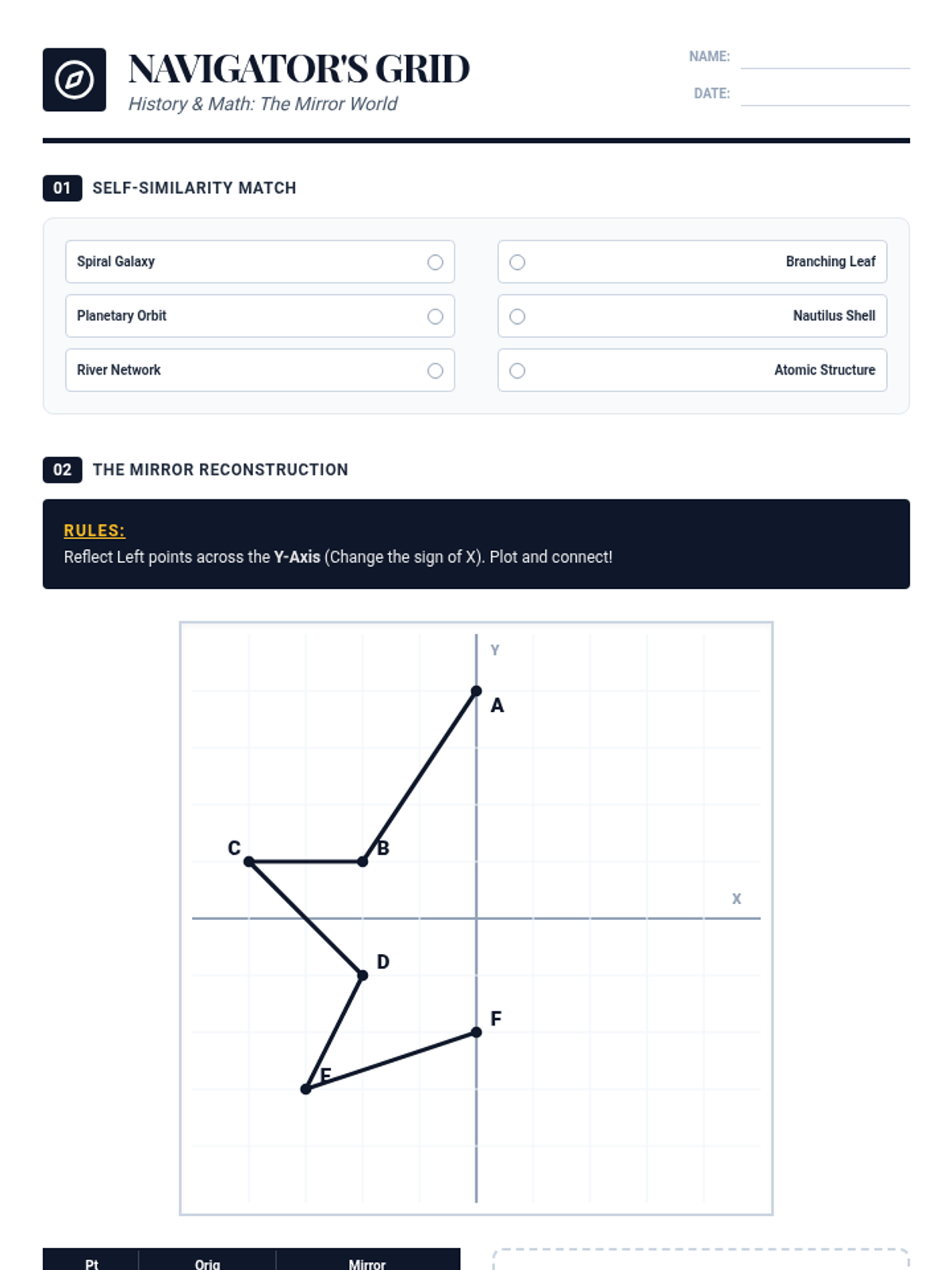
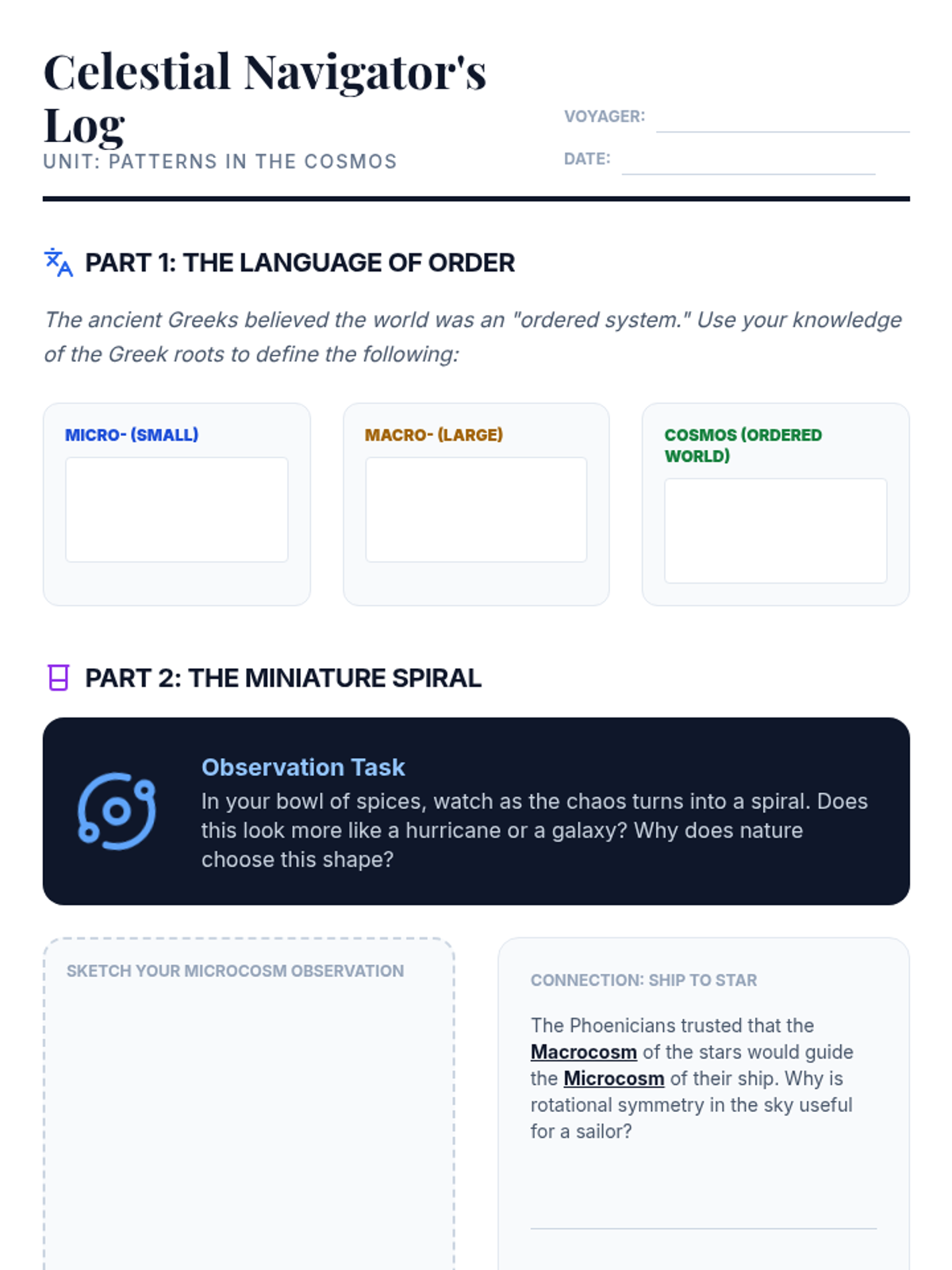
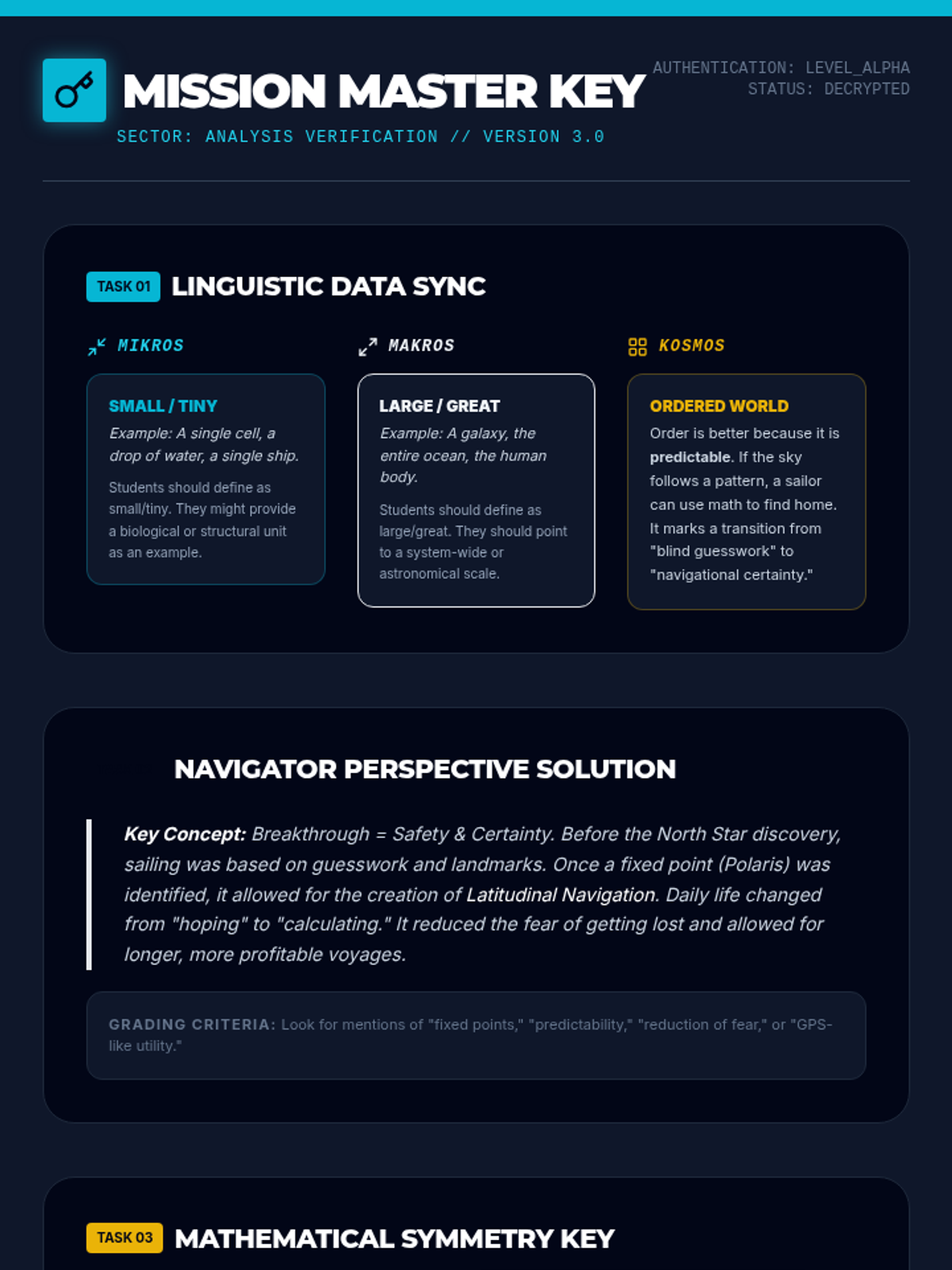
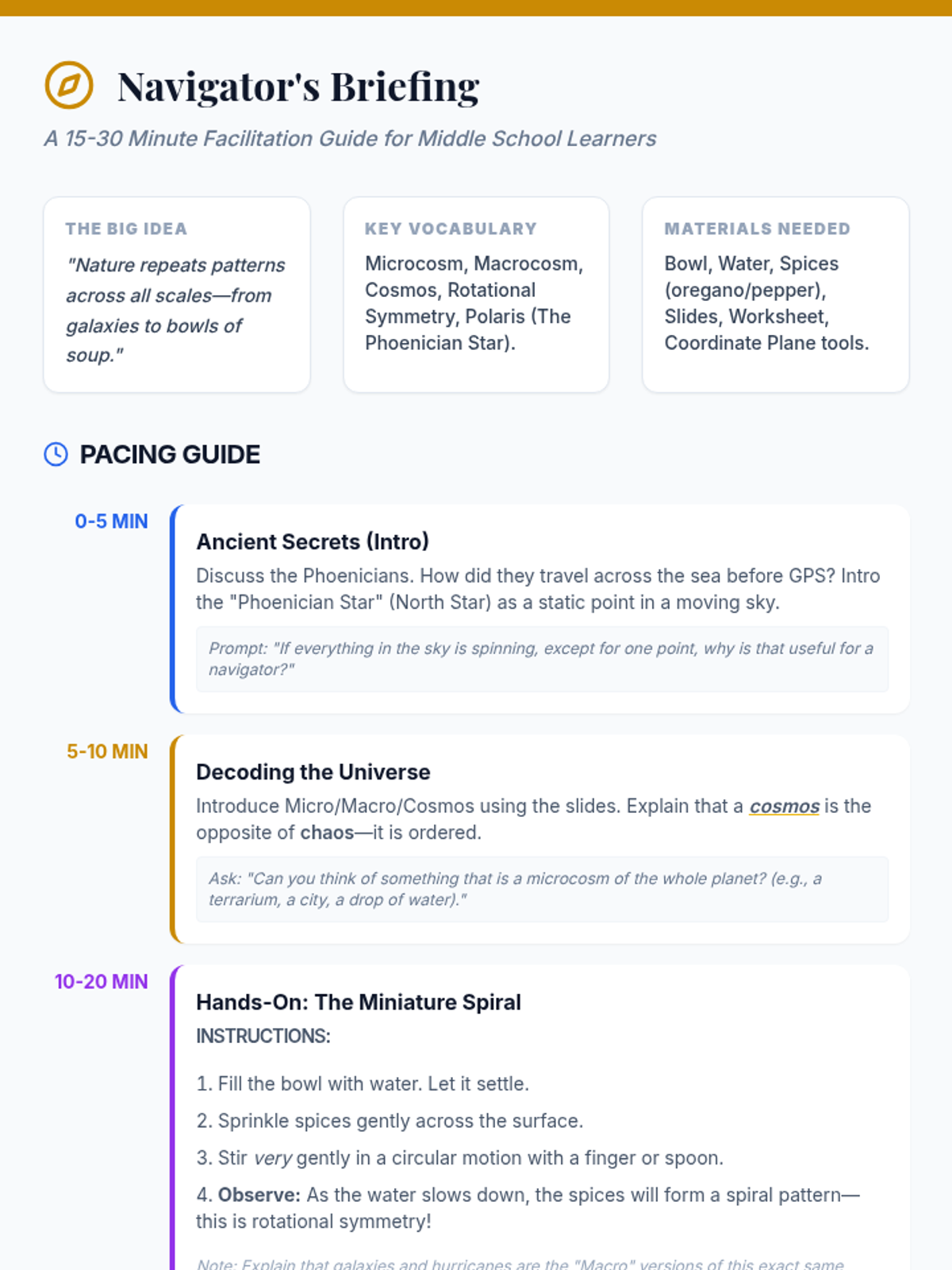
A 15-30 minute exploration of how ancient Phoenicians used the macrocosm of the stars to navigate the microcosm of their ships, featuring the root words micro/macro/cosmos and the mathematics of rotational symmetry.
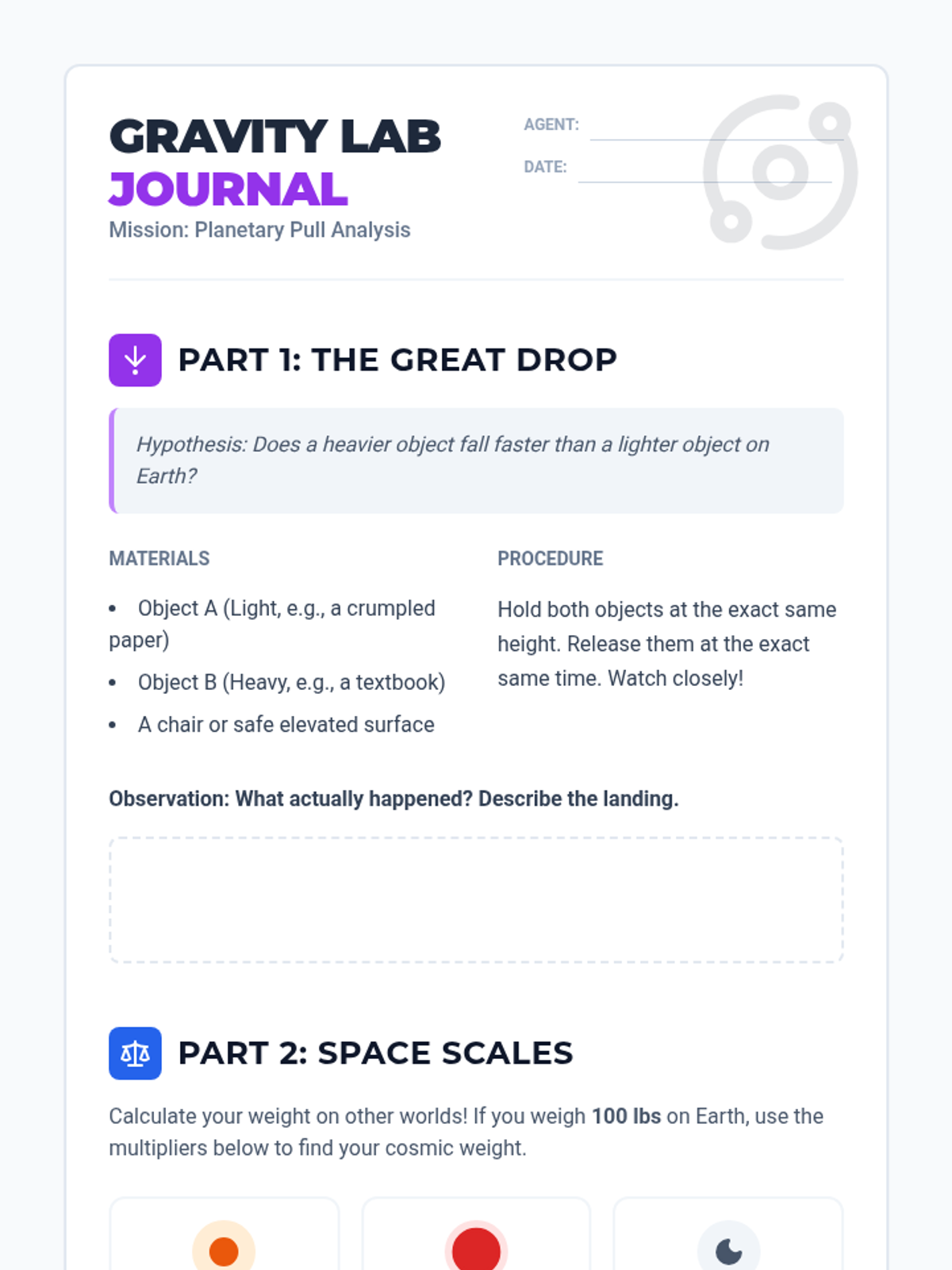
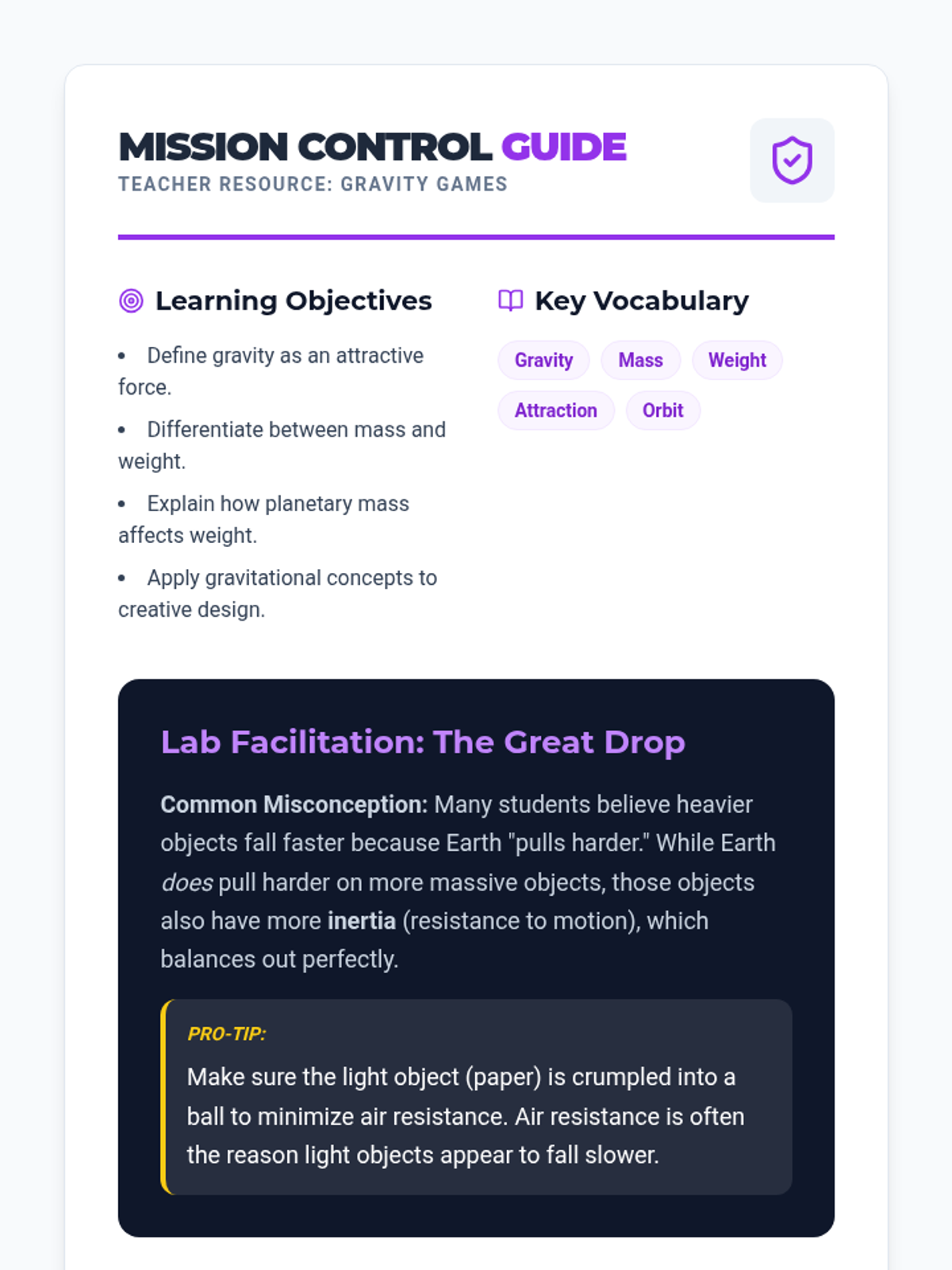
Students explore how gravity affects everyday objects on Earth and compare the gravitational pull of different planets in our solar system through calculations and creative design.
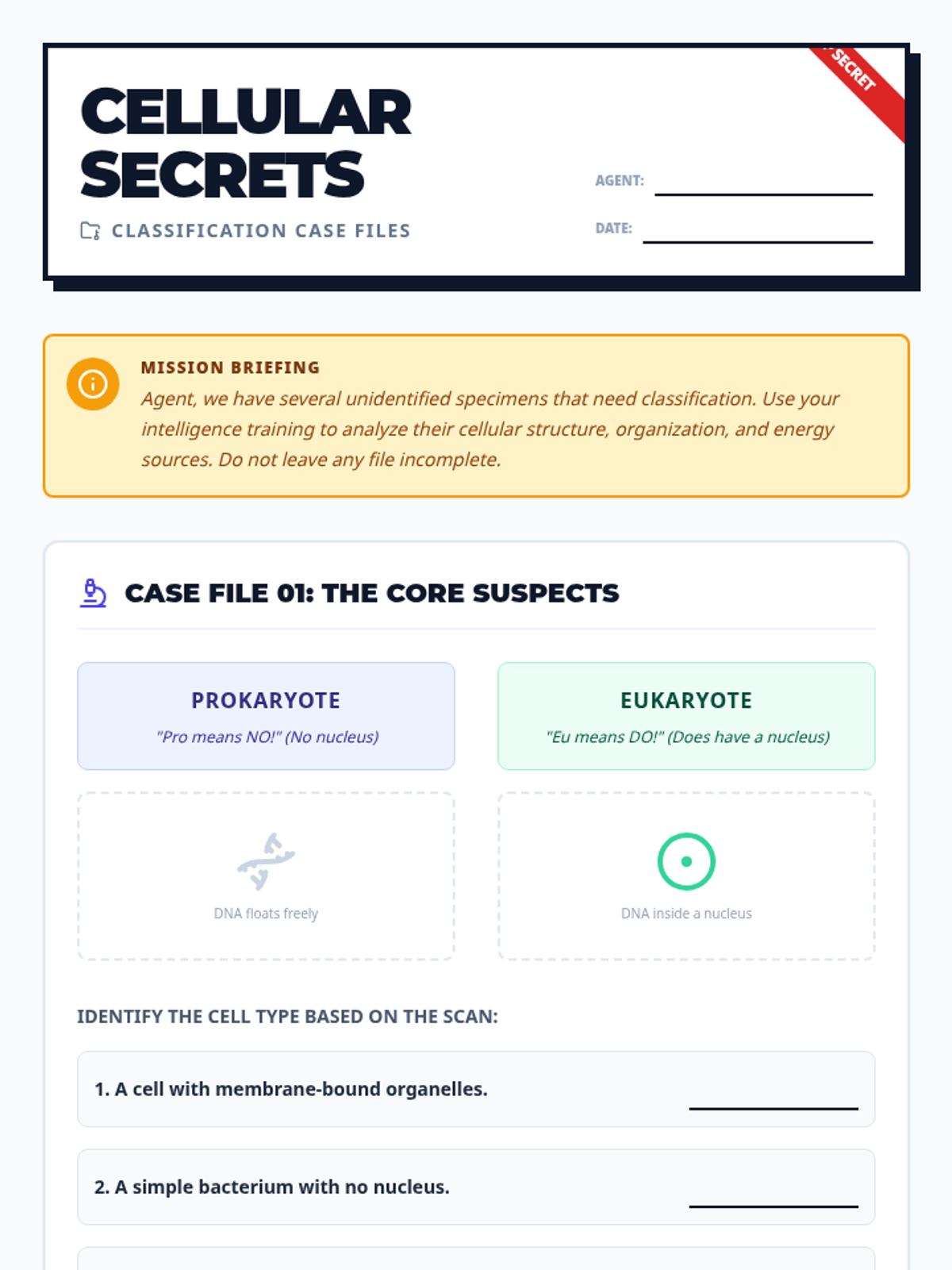
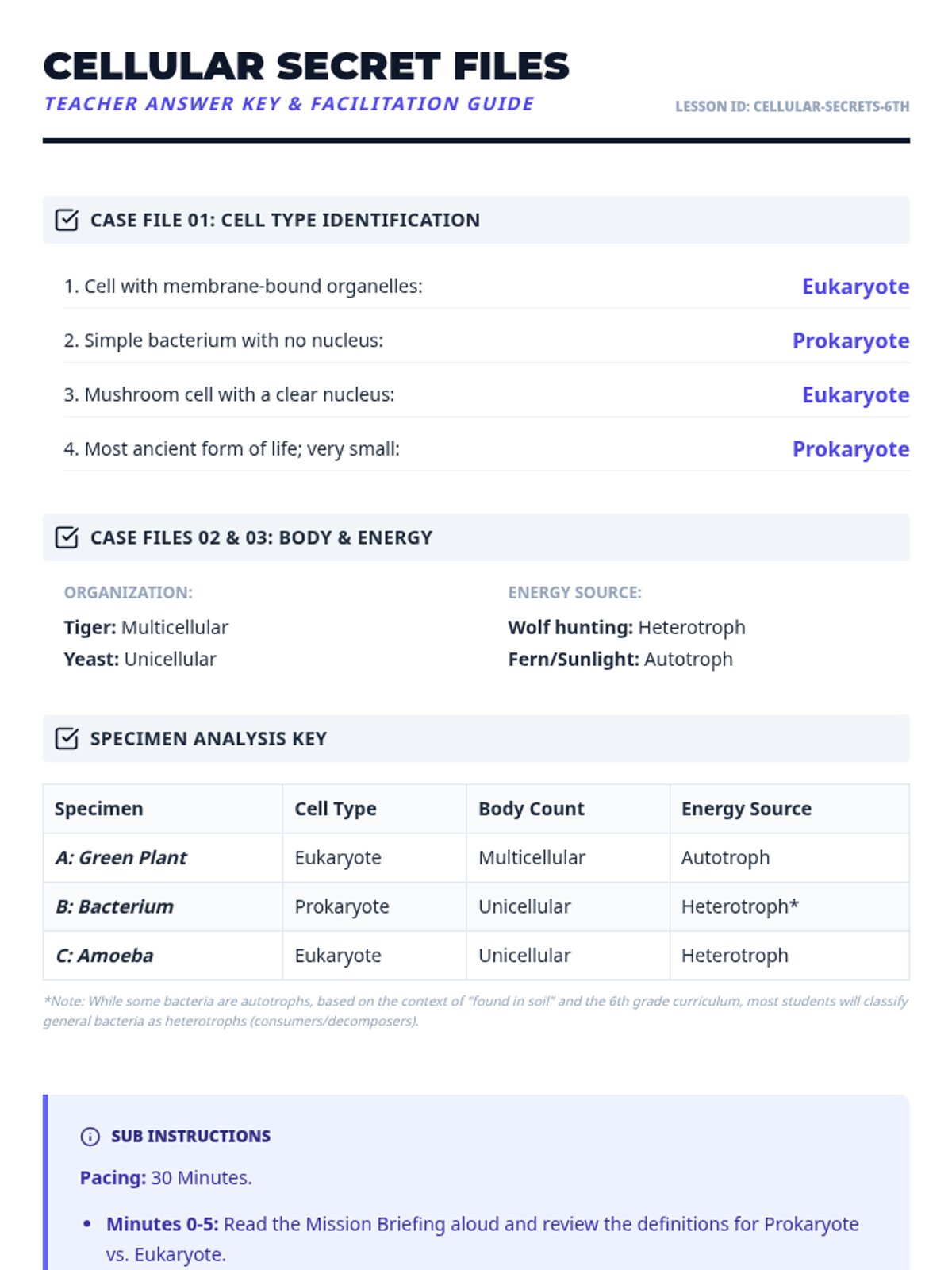
A self-contained sub-friendly lesson covering cell classification, organization, and energy acquisition. Students act as biological detectives to classify "mystery specimens" using core concepts.
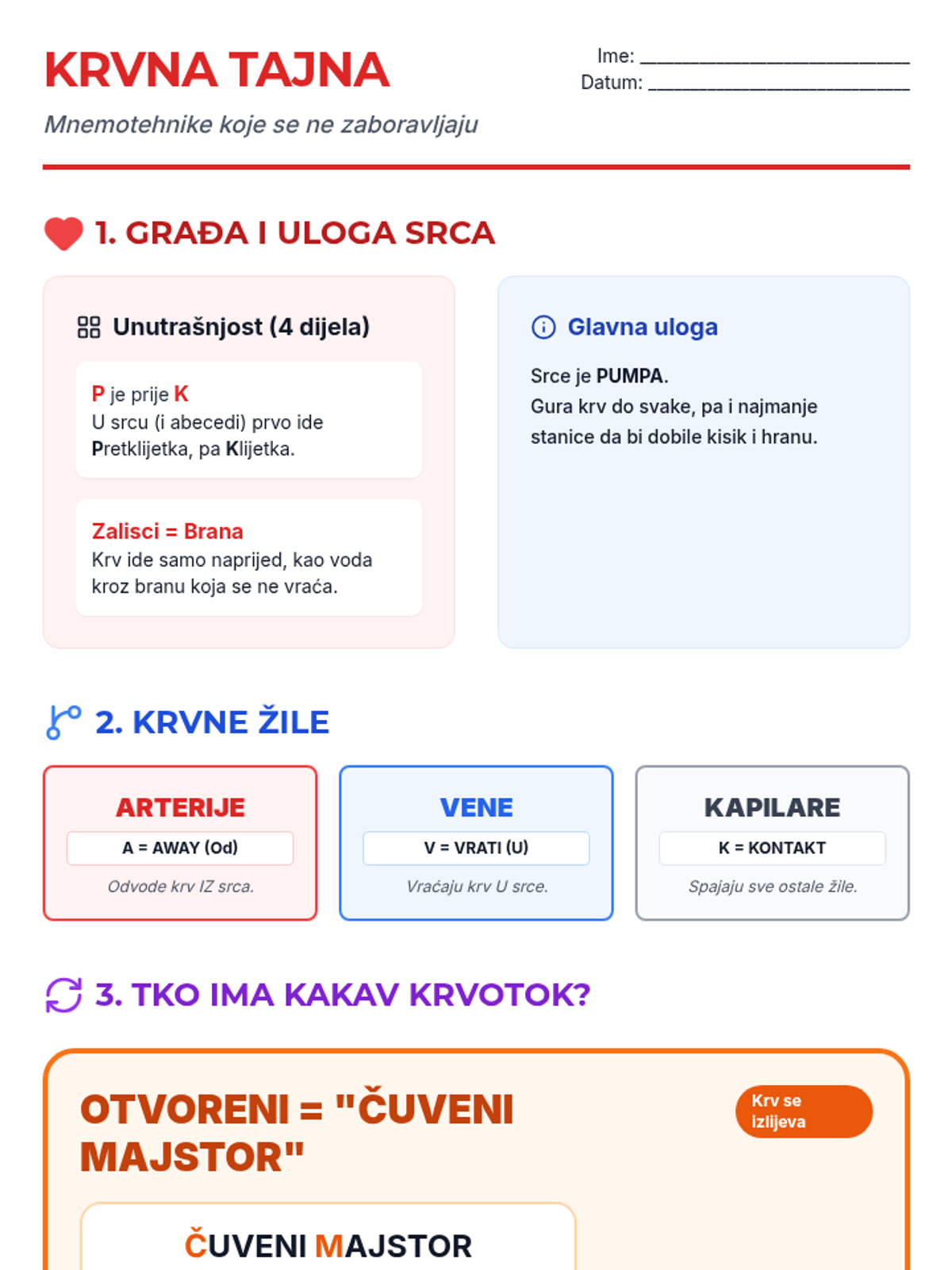
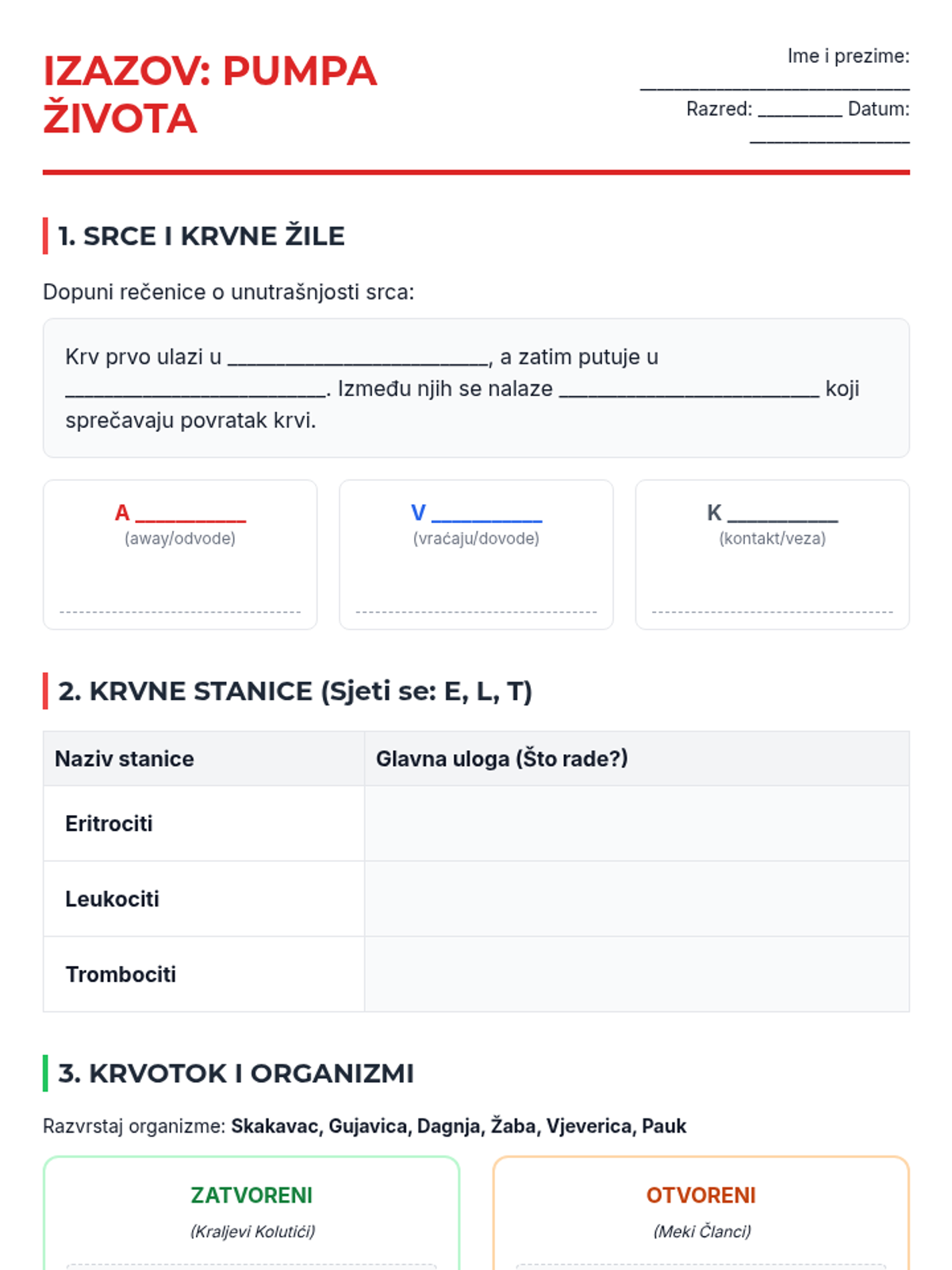
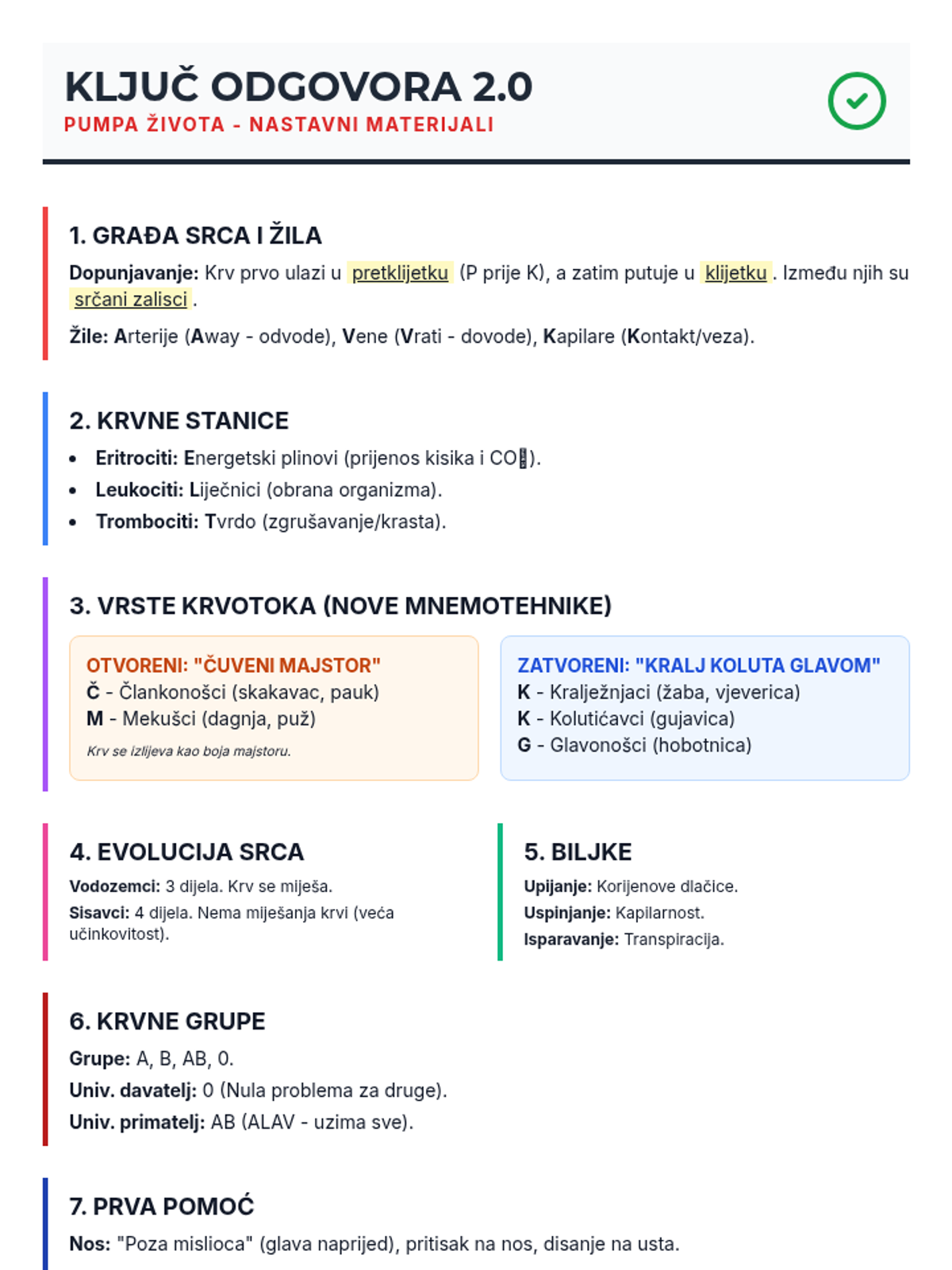
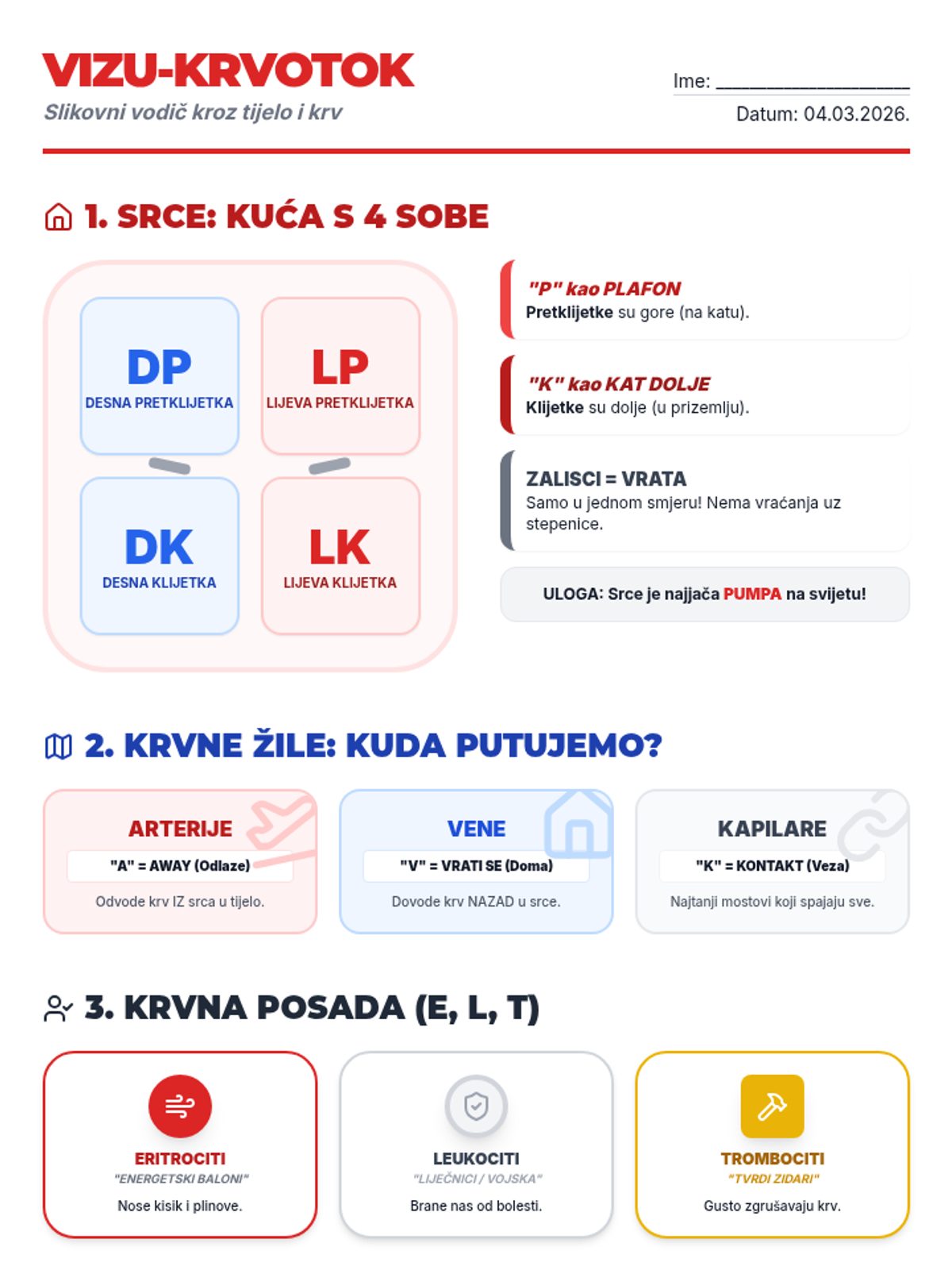
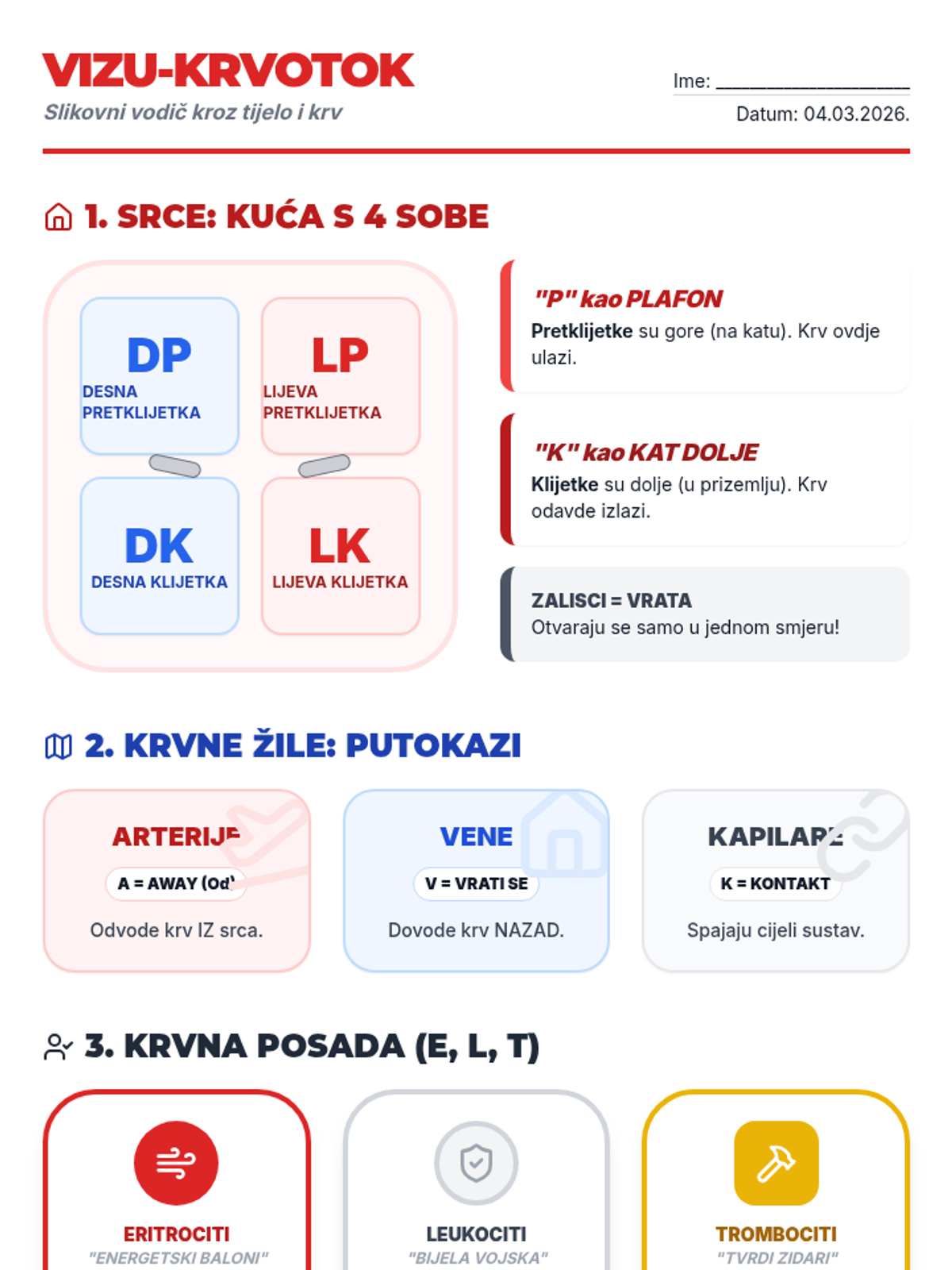
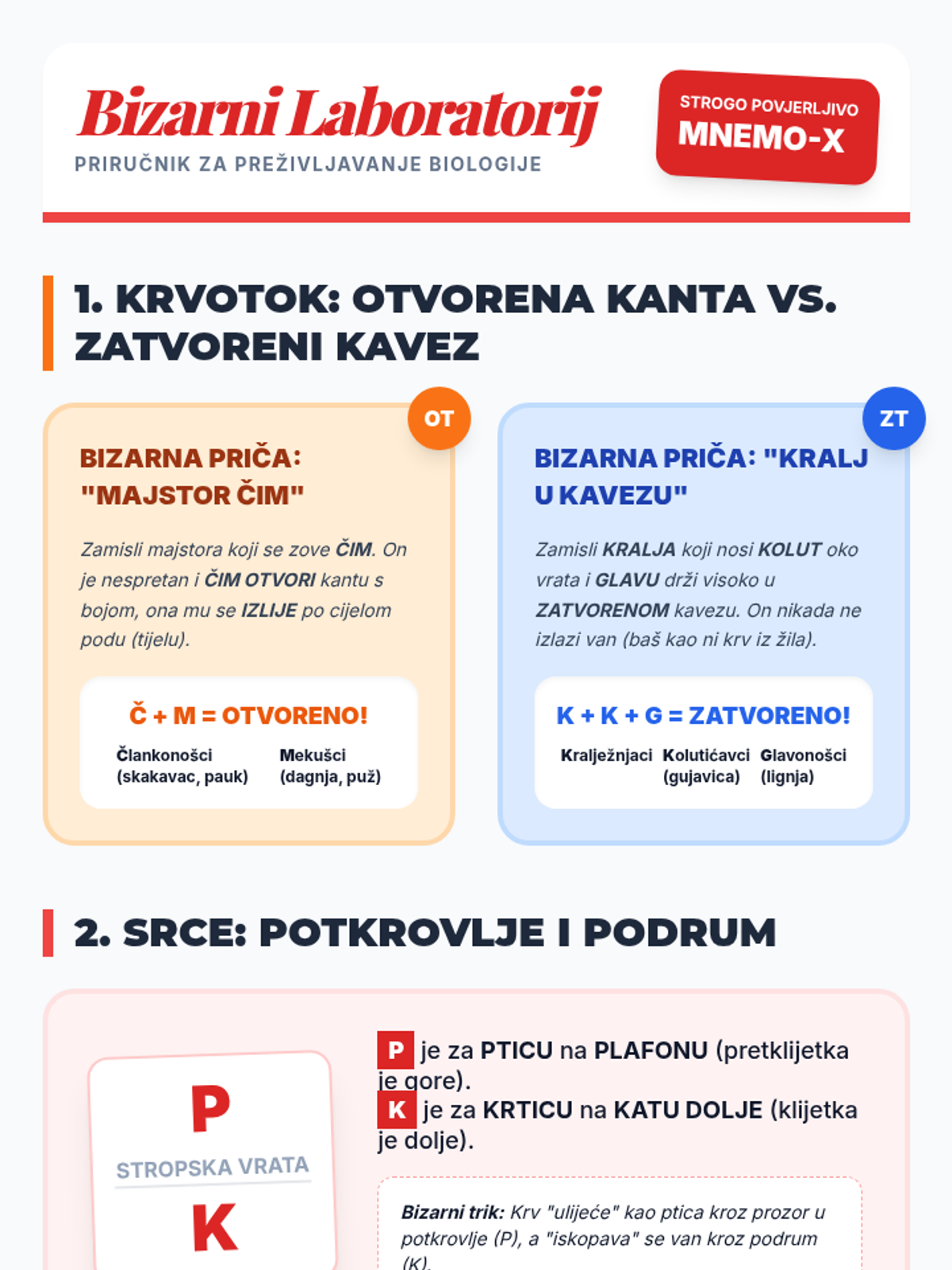
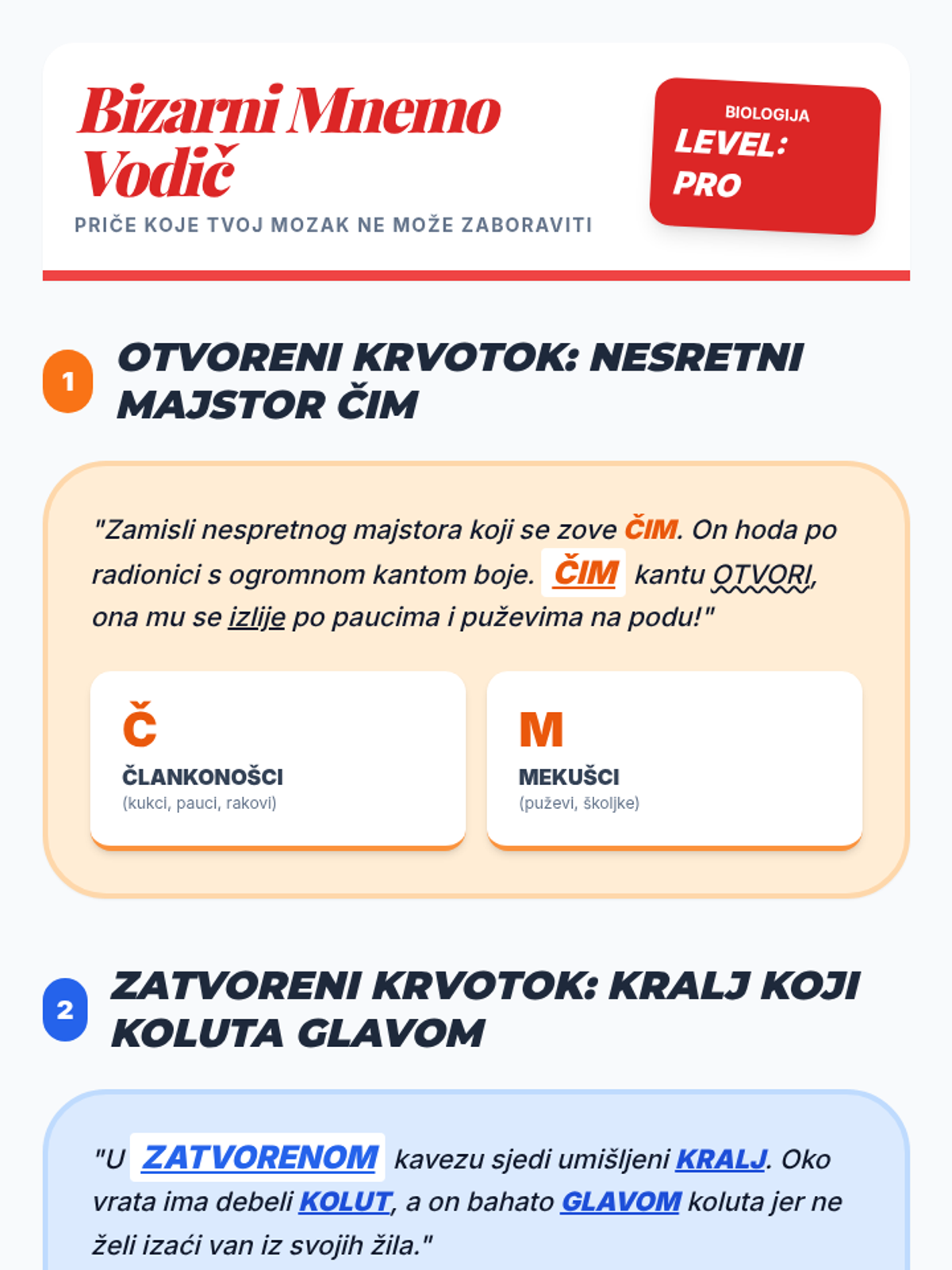
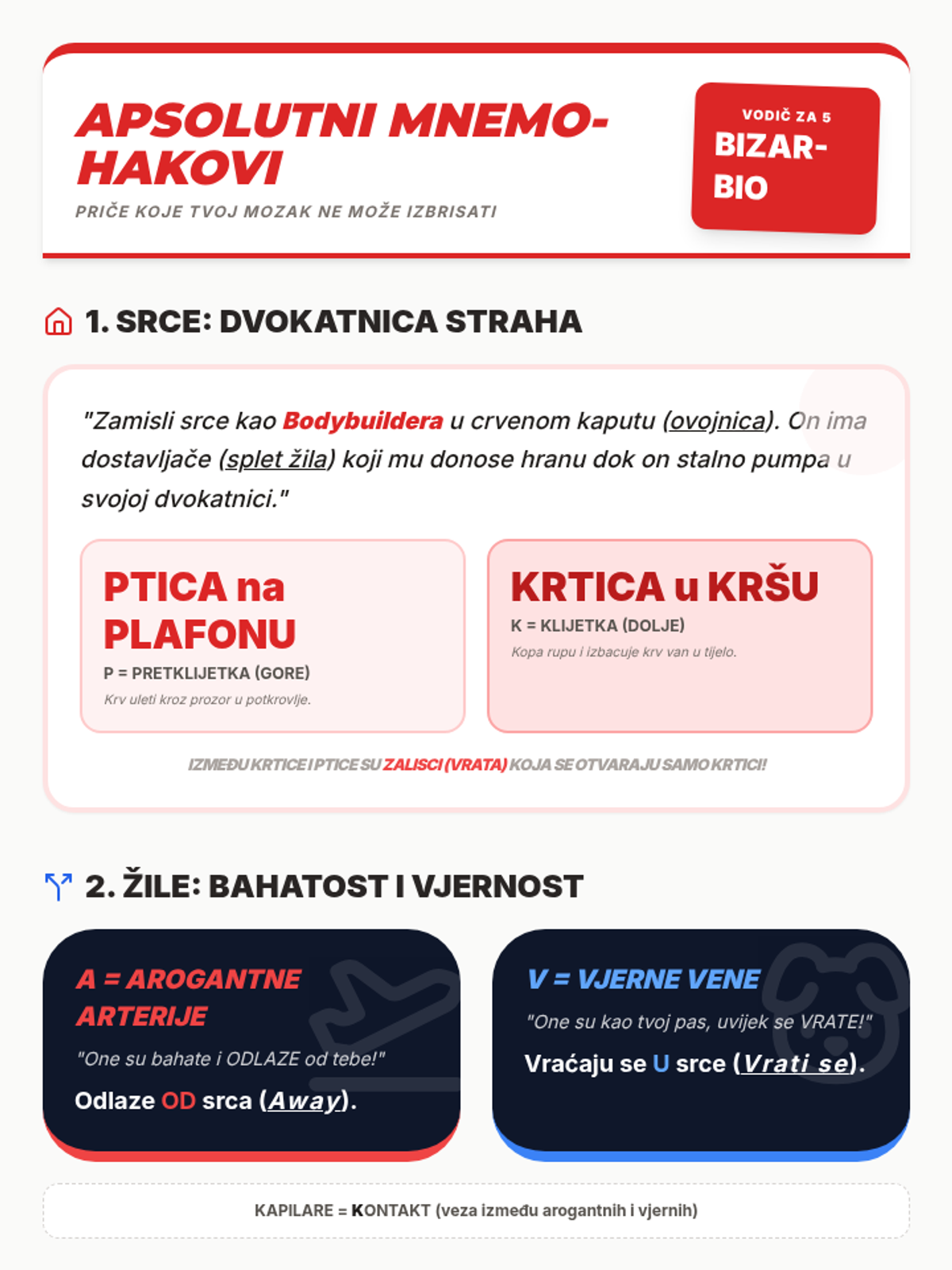
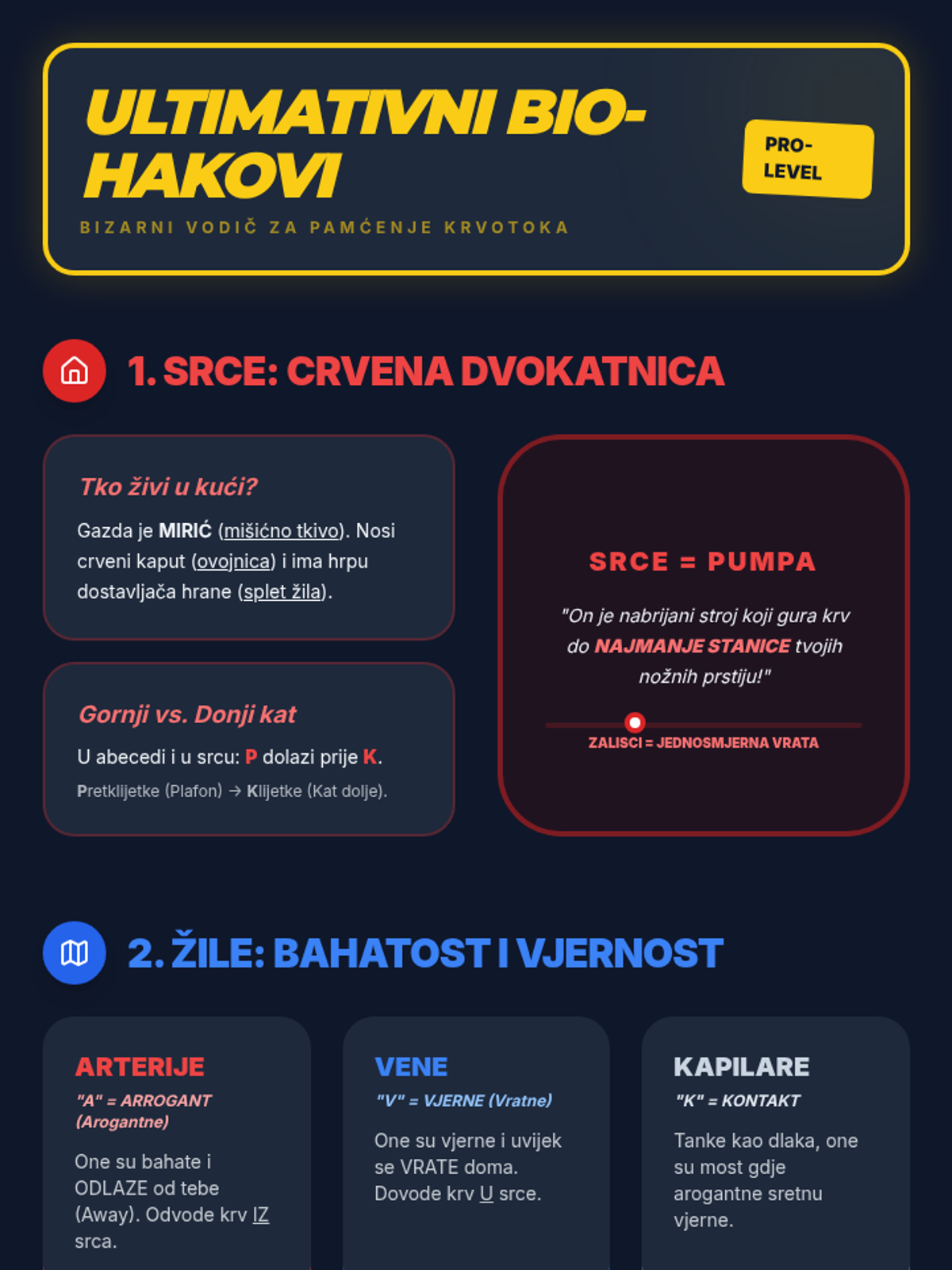
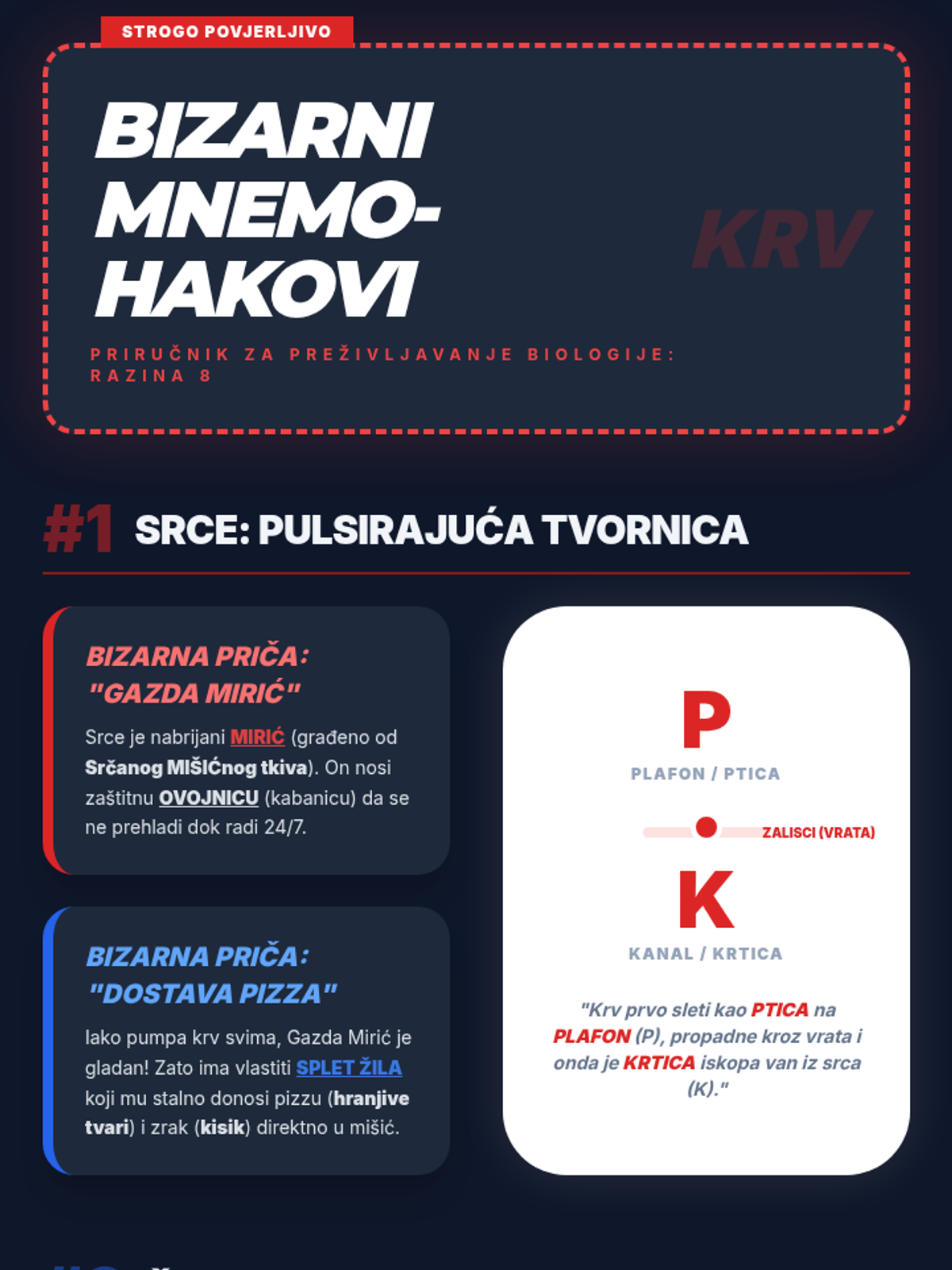
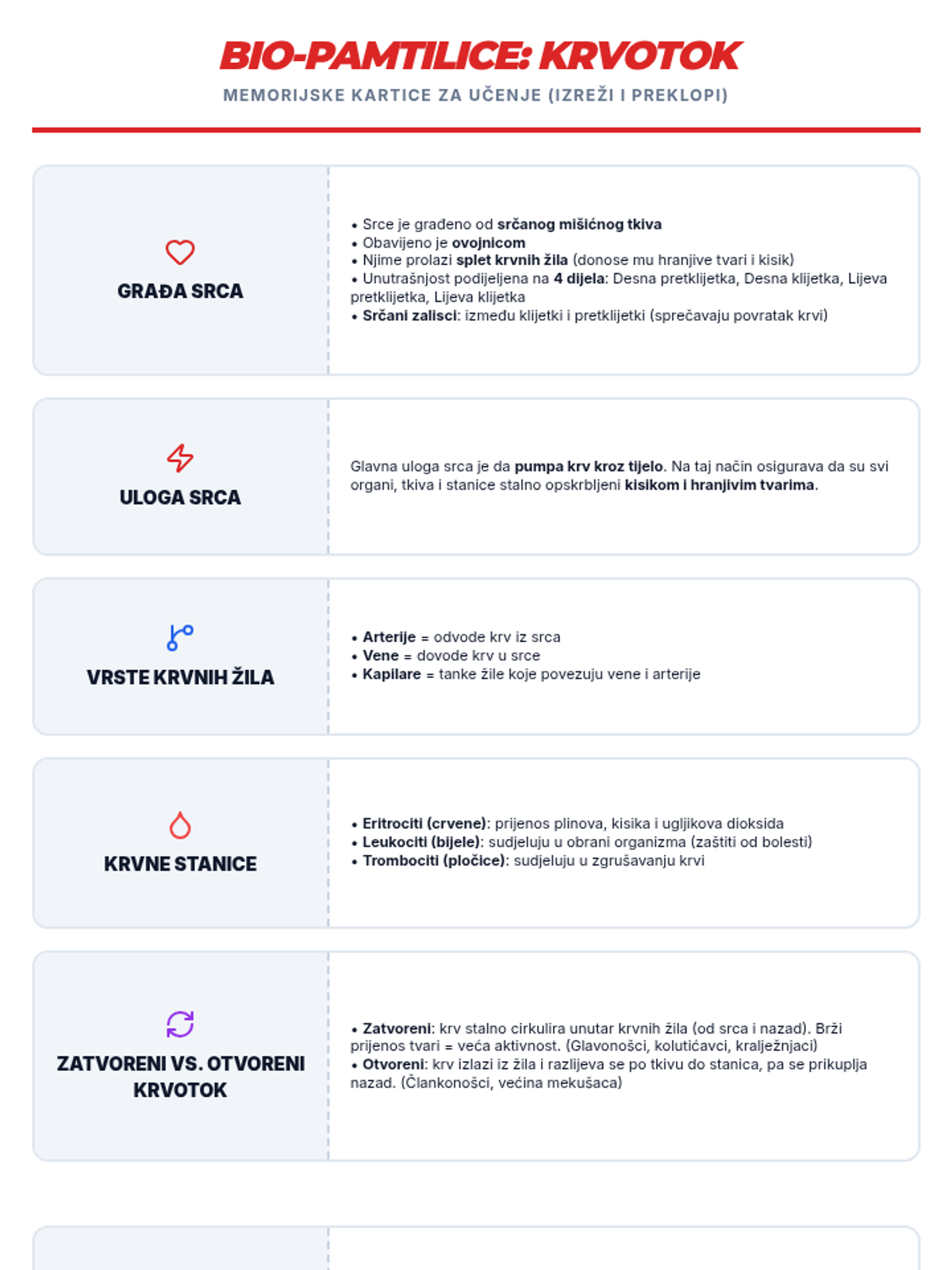
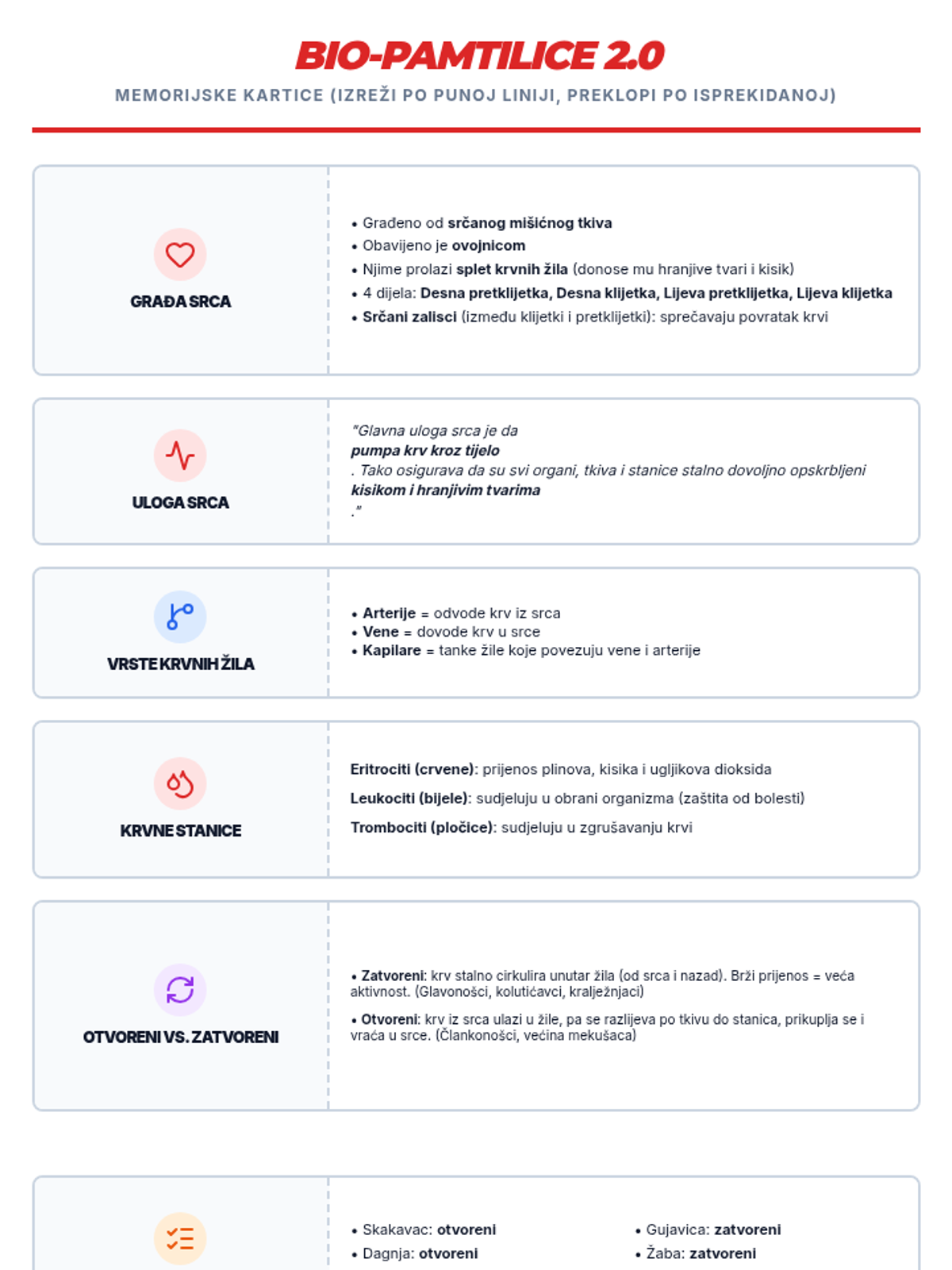
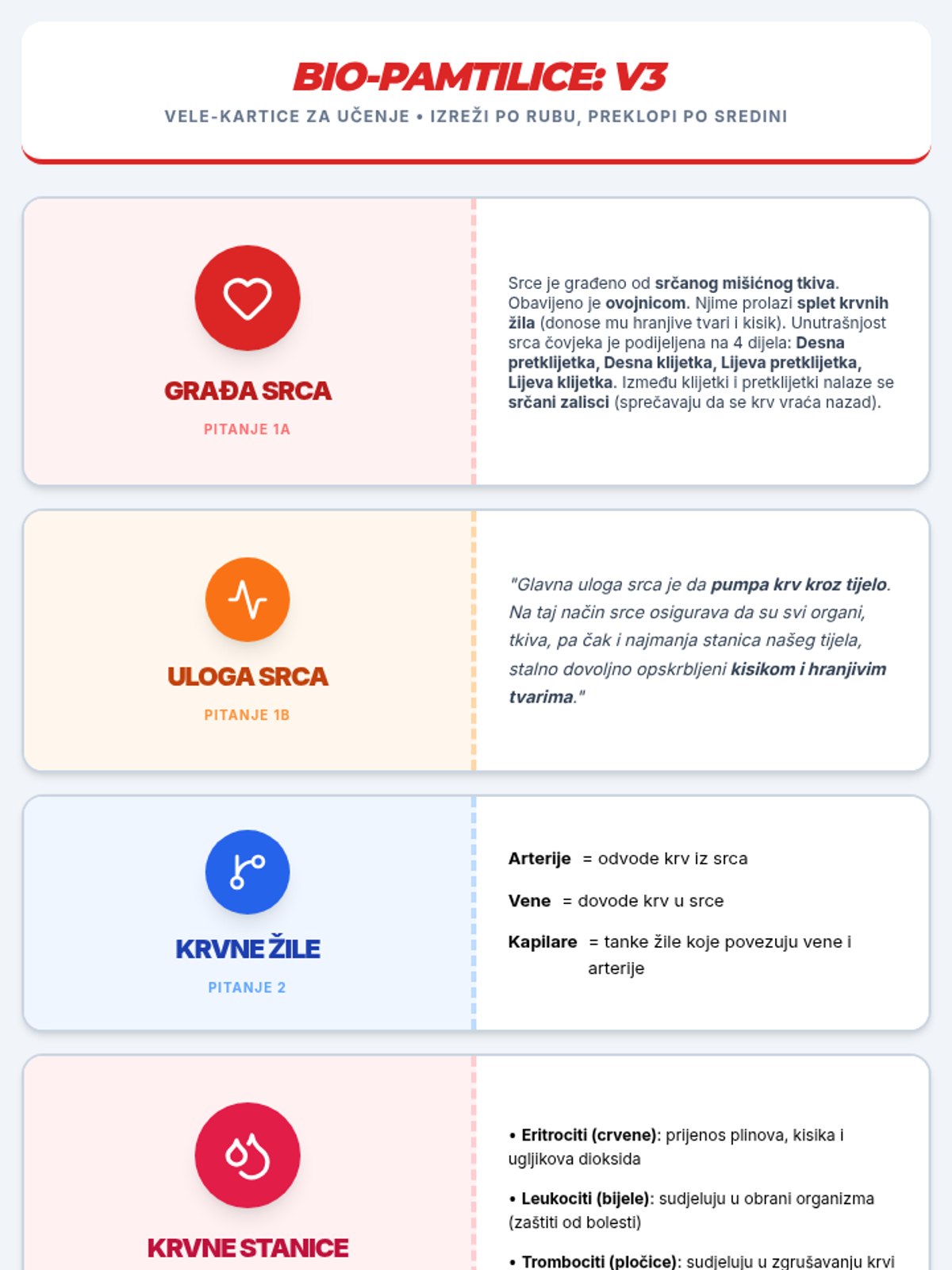
Sveobuhvatna lekcija o ljudskom srcu, krvnim žilama, krvnim stanicama i vrstama krvotoka, obogaćena kreativnim mnemotehnikama za lakše pamćenje složenih bioloških pojmova.
Students demonstrate Earth's rotation to explain the day/night cycle and engineer tools to track the Sun's movement via shadows.
Students analyze data on seasonal changes and lunar cycles to predict patterns of light and temperature.
Students model the orbits of the Sun, Earth, and Moon and map out the order of the planets in our solar system.
Students investigate the Sun as a source of light and heat, the Moon's reflection, and the power of telescopic tools.
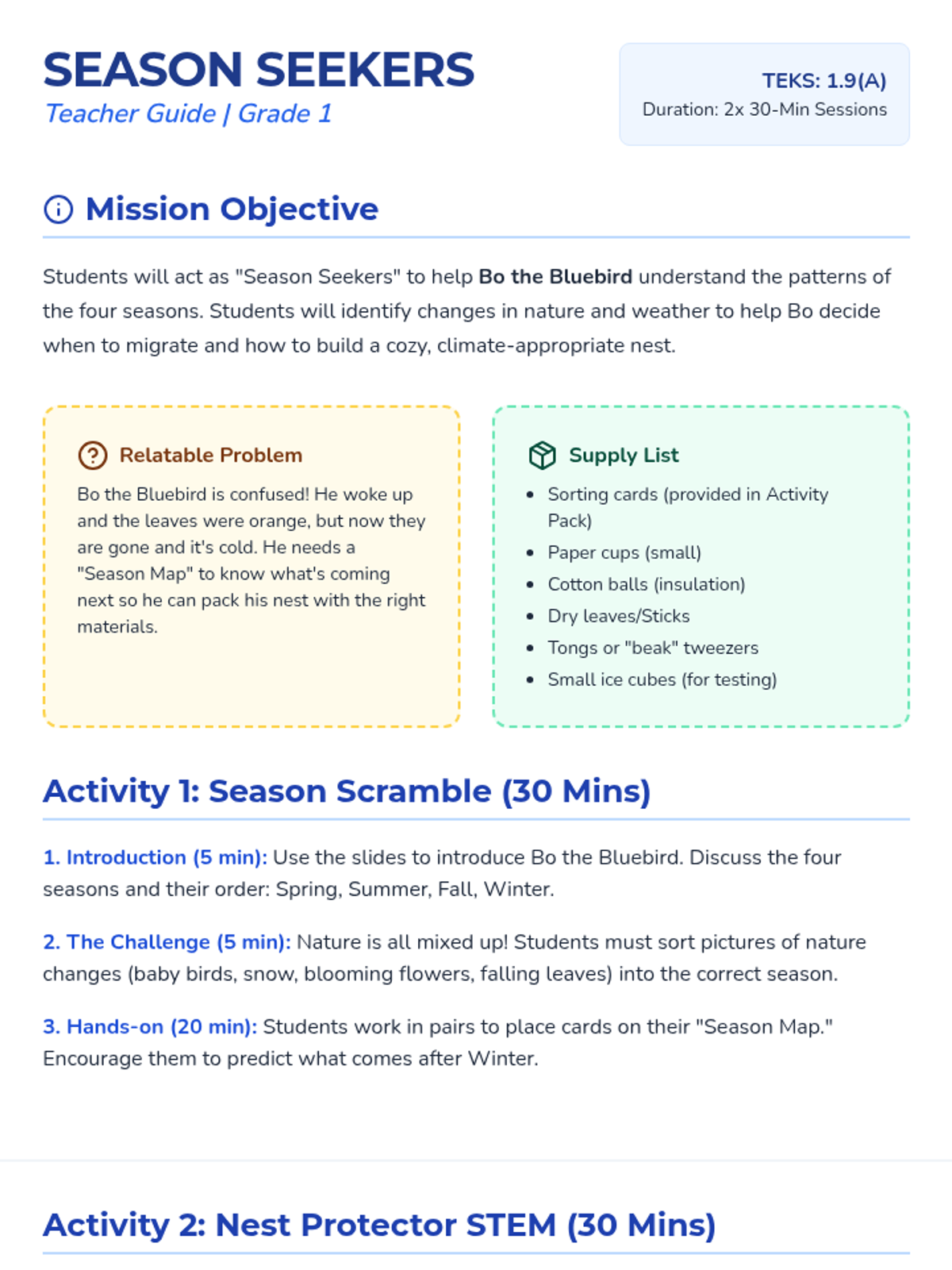
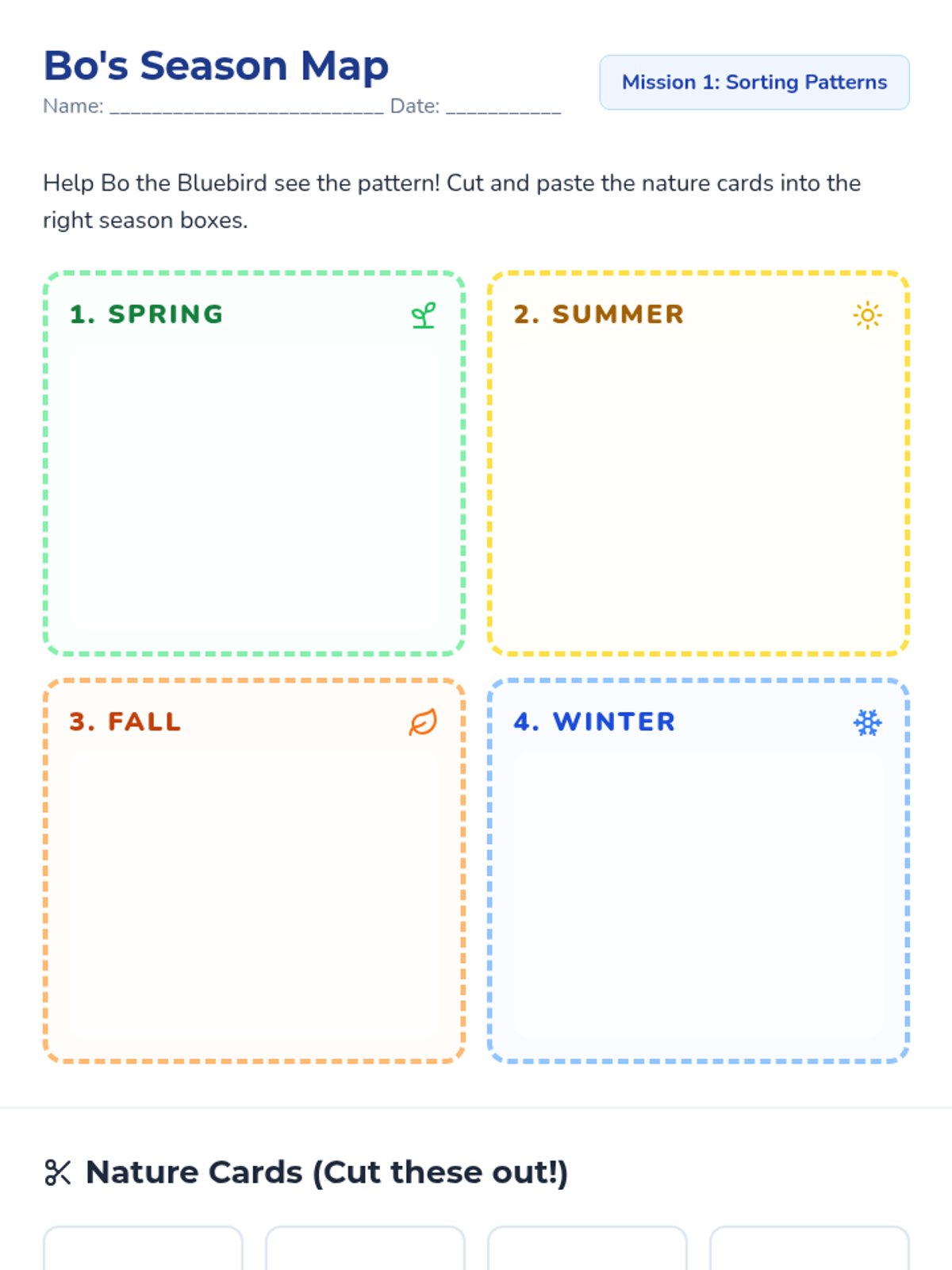
Students explore the patterns of seasons and how nature changes throughout the year to help a migrating bird prepare for its journey.
Fifth-grade experts investigate the complex interactions between the Sun and the ocean, discovering how ocean heat fuels weather patterns.
Fourth-grade scientists explore the continuous movement of water and the Sun's role as the primary energy source for evaporation.
Junior engineers model the rapid changes to Earth's surface caused by water and the basic mechanics of the water cycle.
Scientists explore the distribution of water on Earth and the distinct differences between freshwater and saltwater ecosystems through engineering.
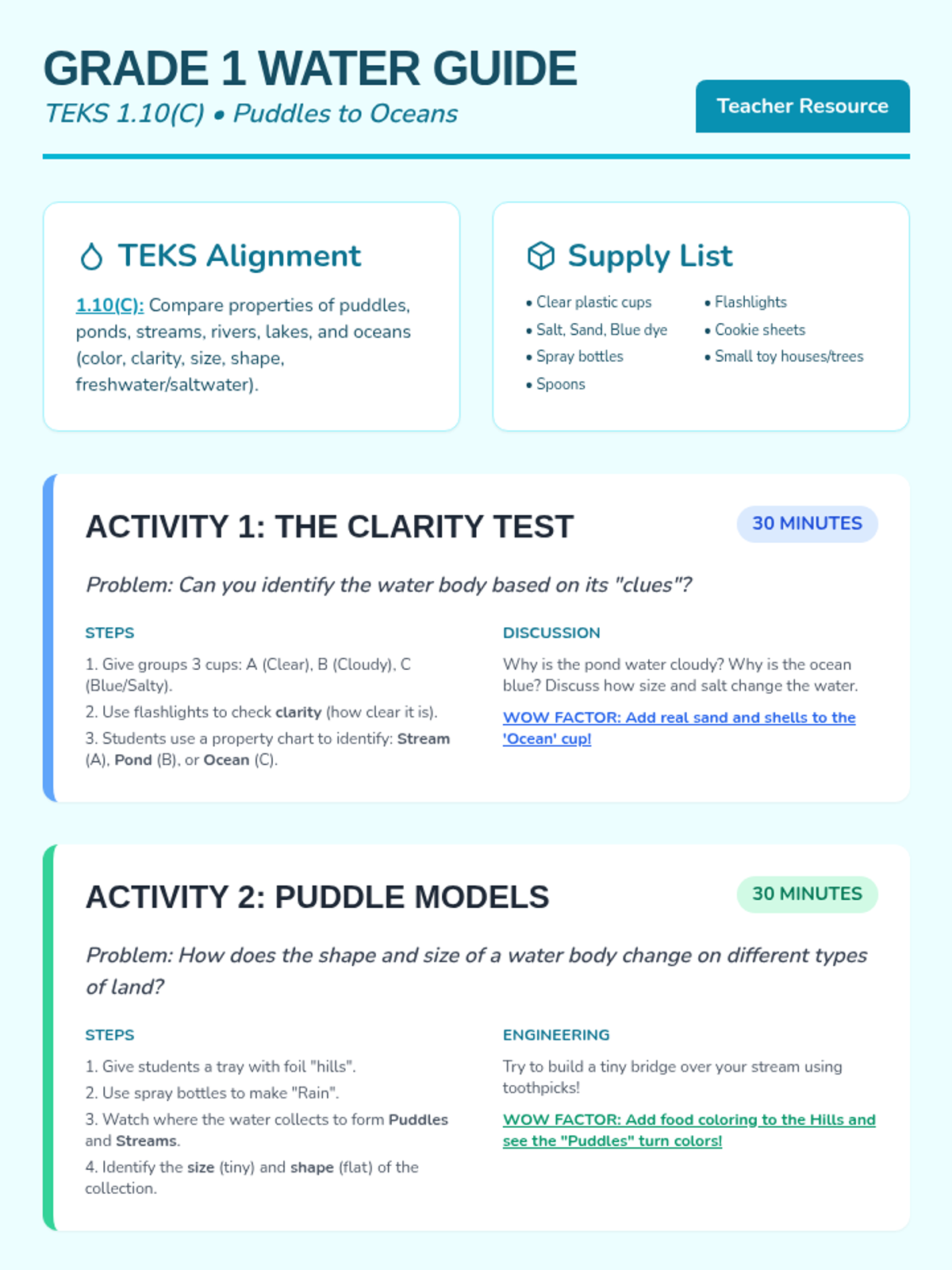
Young hydrologists investigate the physical properties of local and global water bodies, comparing clarity, color, and salinity.