A lesson exploring the science of bioluminescence, focusing on how and why organisms produce their own light in nature. Students will learn about chemical reactions, deep-sea adaptations, and the diverse uses of light in the animal kingdom.
An introductory lesson on the history, mechanics, and application of the Pigpen Cipher, perfect for middle school students exploring cryptography.
A deep dive into the motivations, theories, and psychological challenges of interstellar exploration and first contact.
A visual-heavy introduction to water-related vocabulary for ESL students, focusing on the states of matter and natural water forms.
A series of hands-on, unplugged activities designed to teach Python data types and variables through tactile sorting, logic puzzles, and matching games. Focused on accessibility and clarity for students with diverse learning needs.
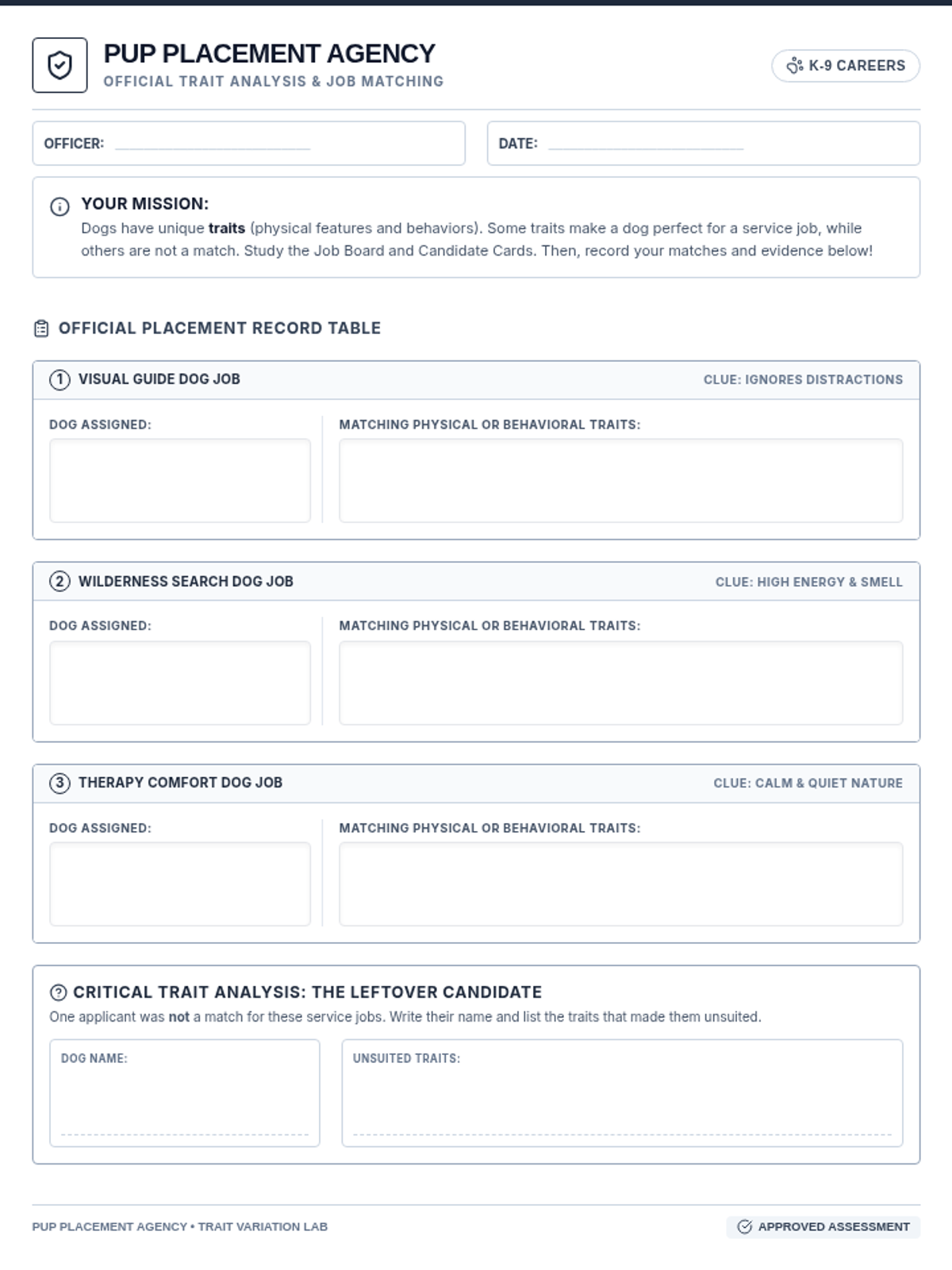
An introductory lesson on the fundamentals of heredity, focusing on dominant and recessive traits, and the distinction between genotype and phenotype.
A station-rotation lesson themed around animal crackers that integrates zoology and conservation vocabulary through reading, writing, speaking, and a STEM challenge. Designed for 6th-grade students to practice multimodal literacy skills while exploring animal ethics and habitat preservation.
Final assessment of the unit through a formal quiz and the final evaluation of the 3D ear model project.
Students examine the social, emotional, and practical impacts of hearing loss on daily life and reflect on their own 3D project creation.
A deep dive into hearing technology, specifically comparing the functions and surgical/non-surgical aspects of hearing aids and cochlear implants.
An introduction to the field of audiology, where students learn how hearing is measured and practice reading and plotting data on an audiogram.
Students explore the anatomy of the ear and begin their journey into the 3D ear model project, learning how sound travels through the outer, middle, and inner ear.
A comprehensive lesson exploring the four terrestrial planets of our solar system: Mercury, Venus, Earth, and Mars. Students will learn about their unique physical characteristics, atmospheres, and how they compare to one another through a mission-themed presentation and interactive activities.
A comprehensive lesson on metamorphic rocks, covering the processes of heat and pressure, regional vs. contact metamorphism, and the identification of foliated and non-foliated rocks.
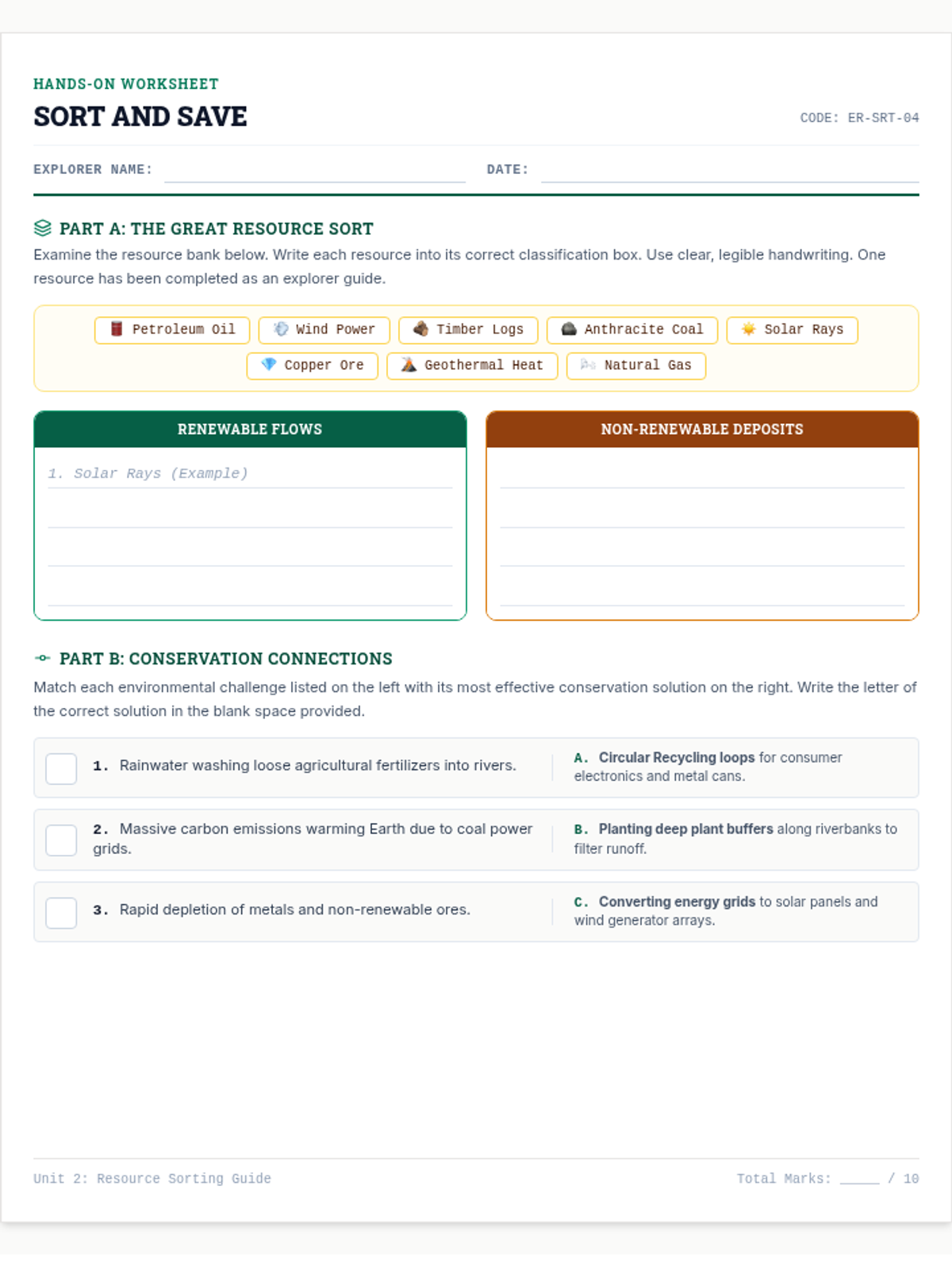
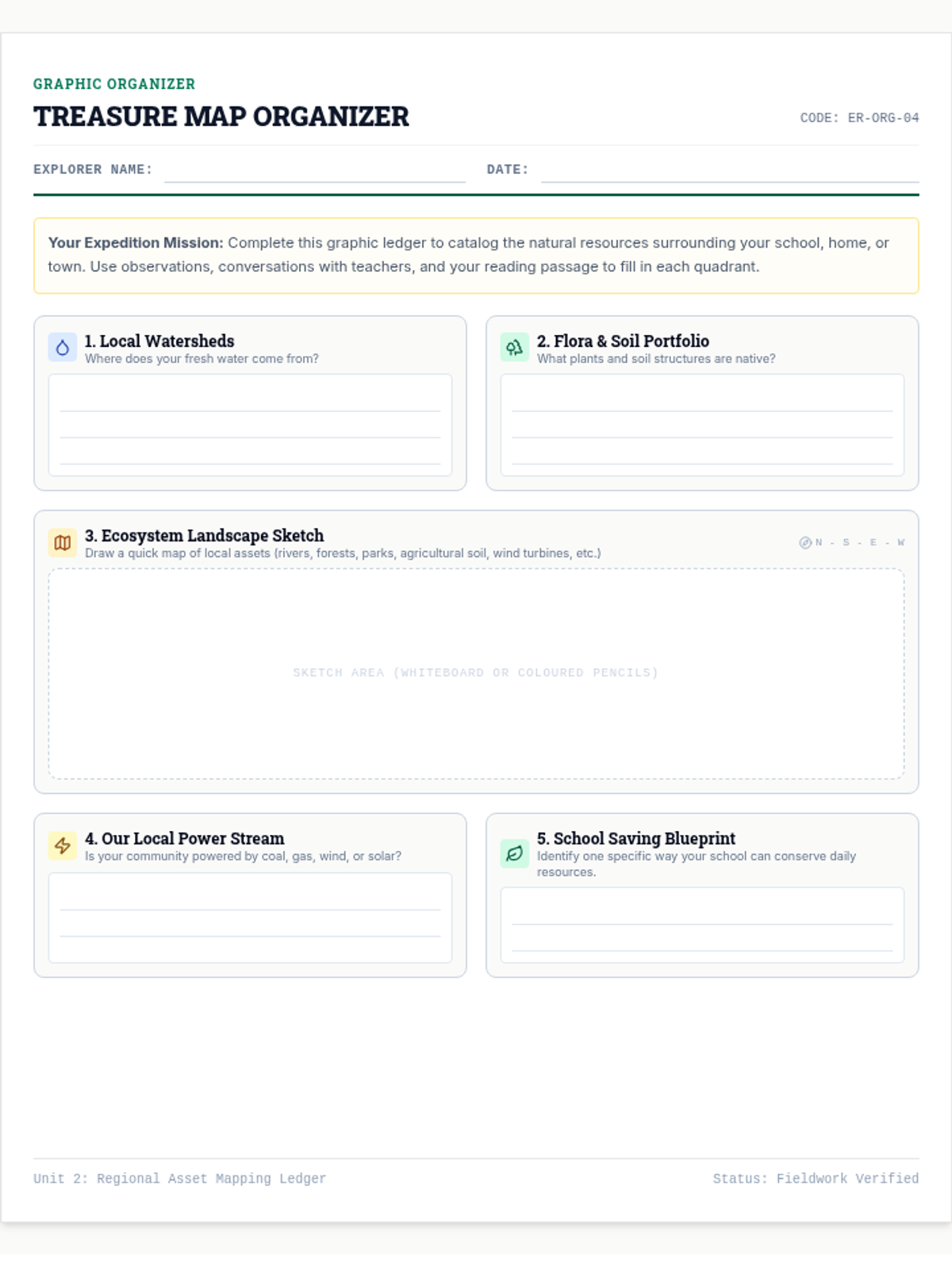
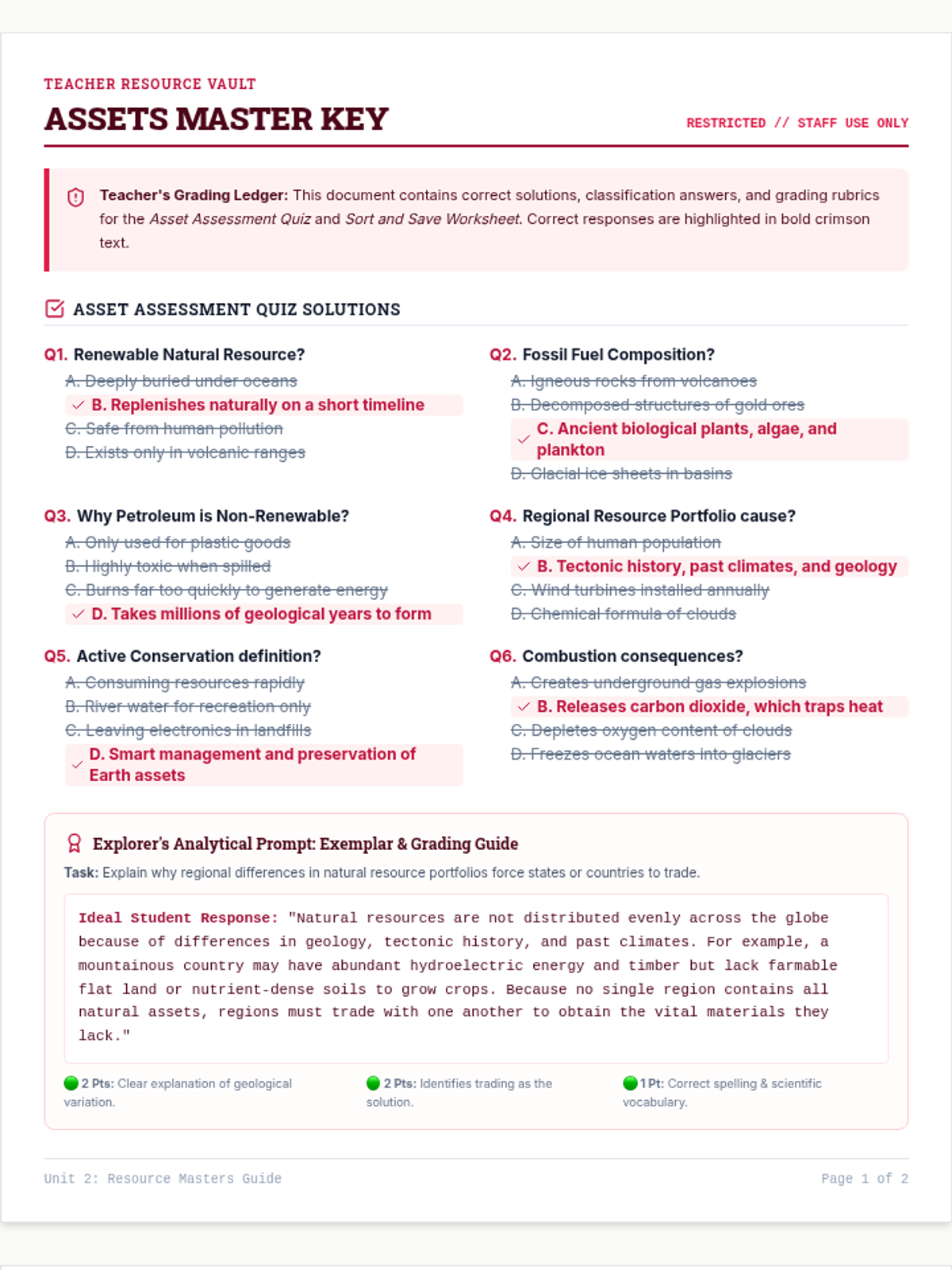
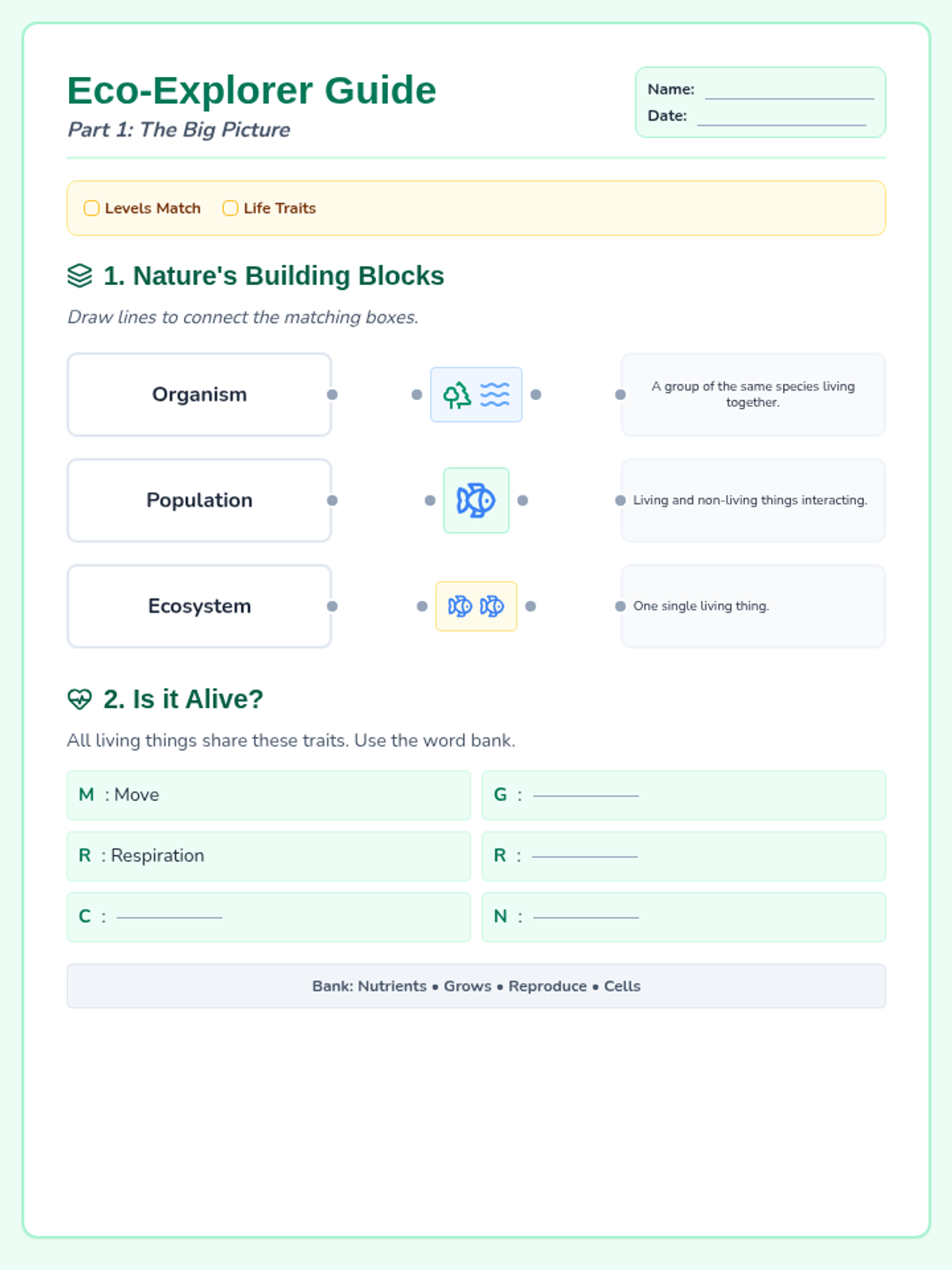
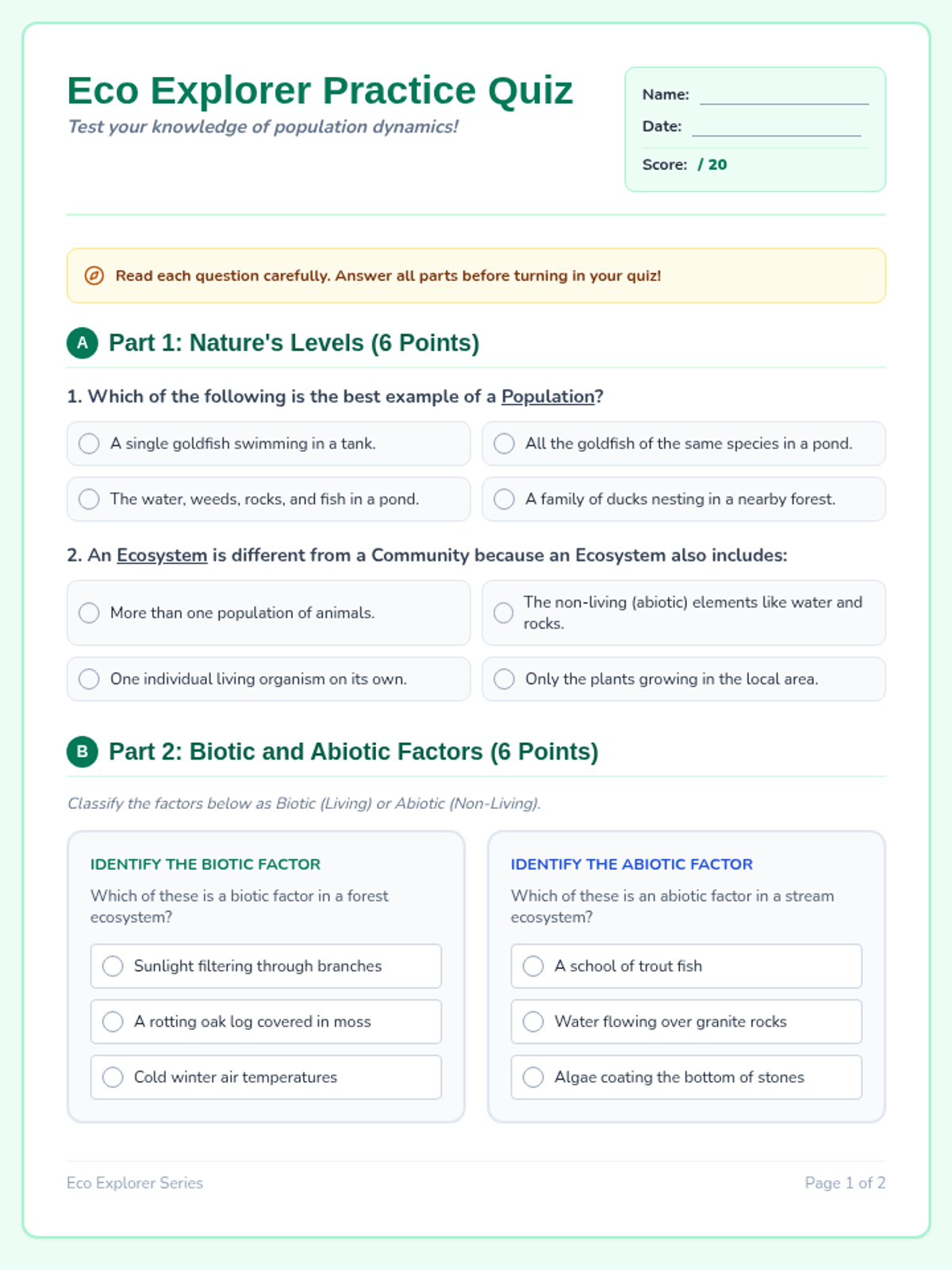
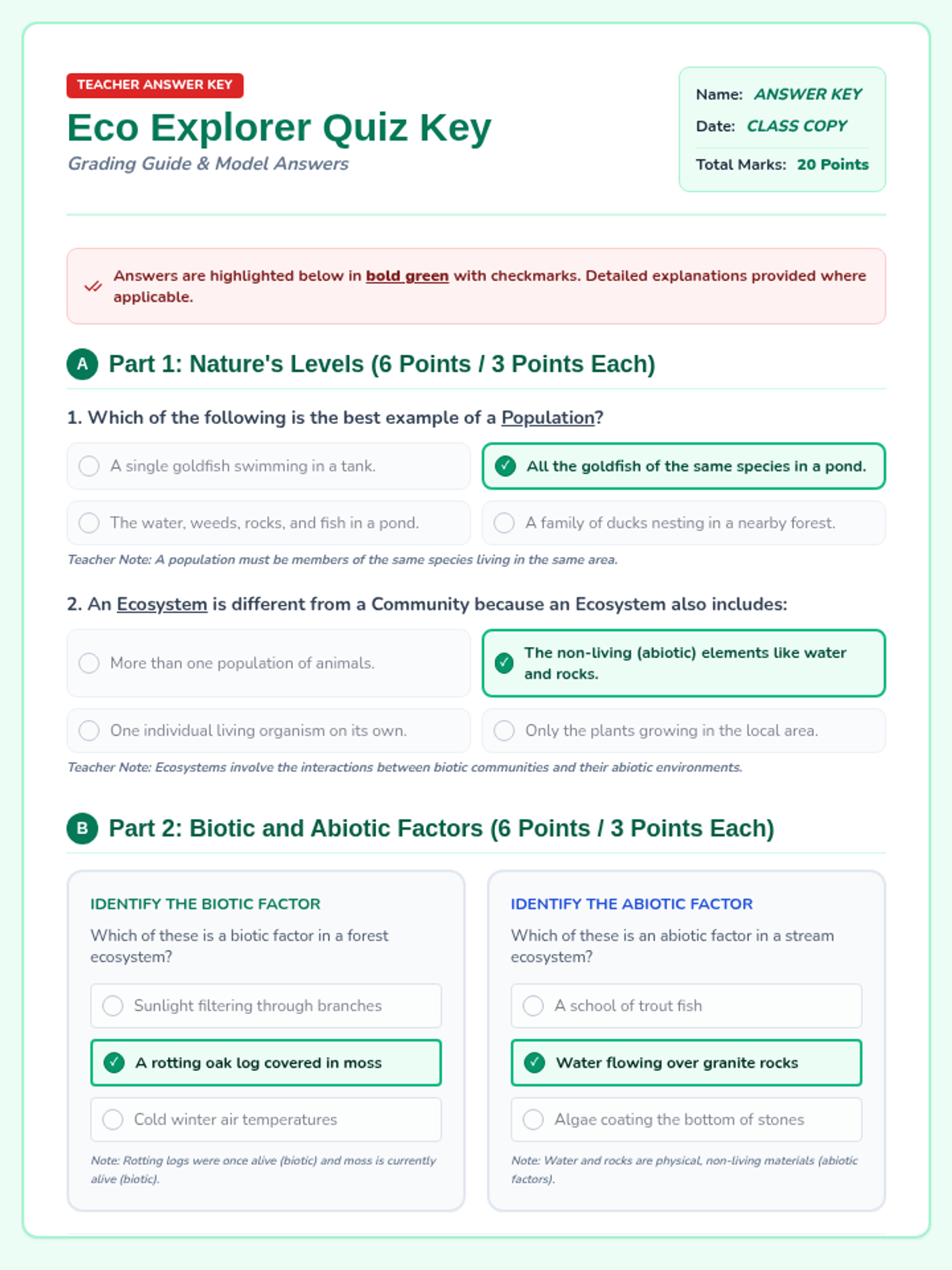
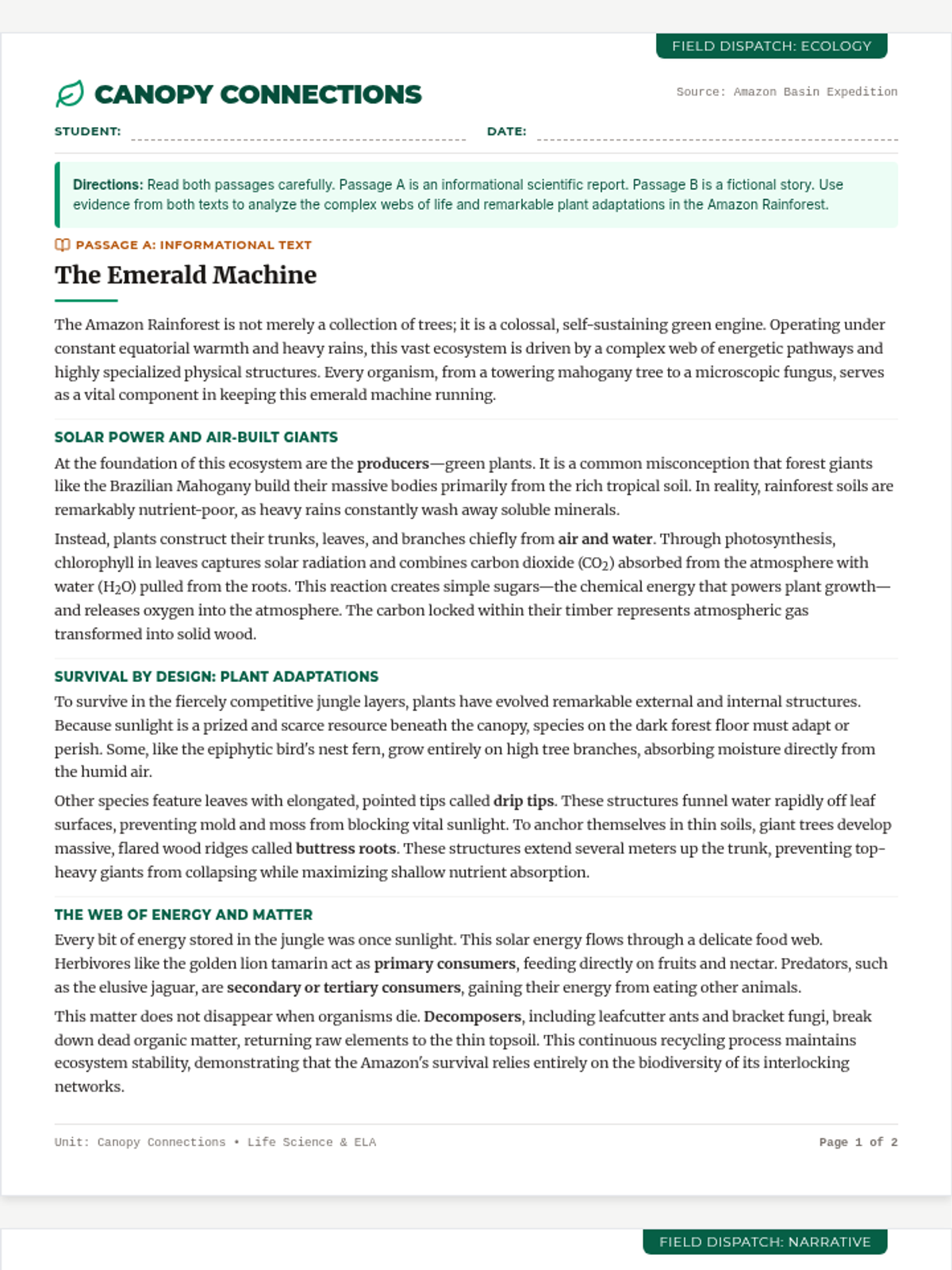
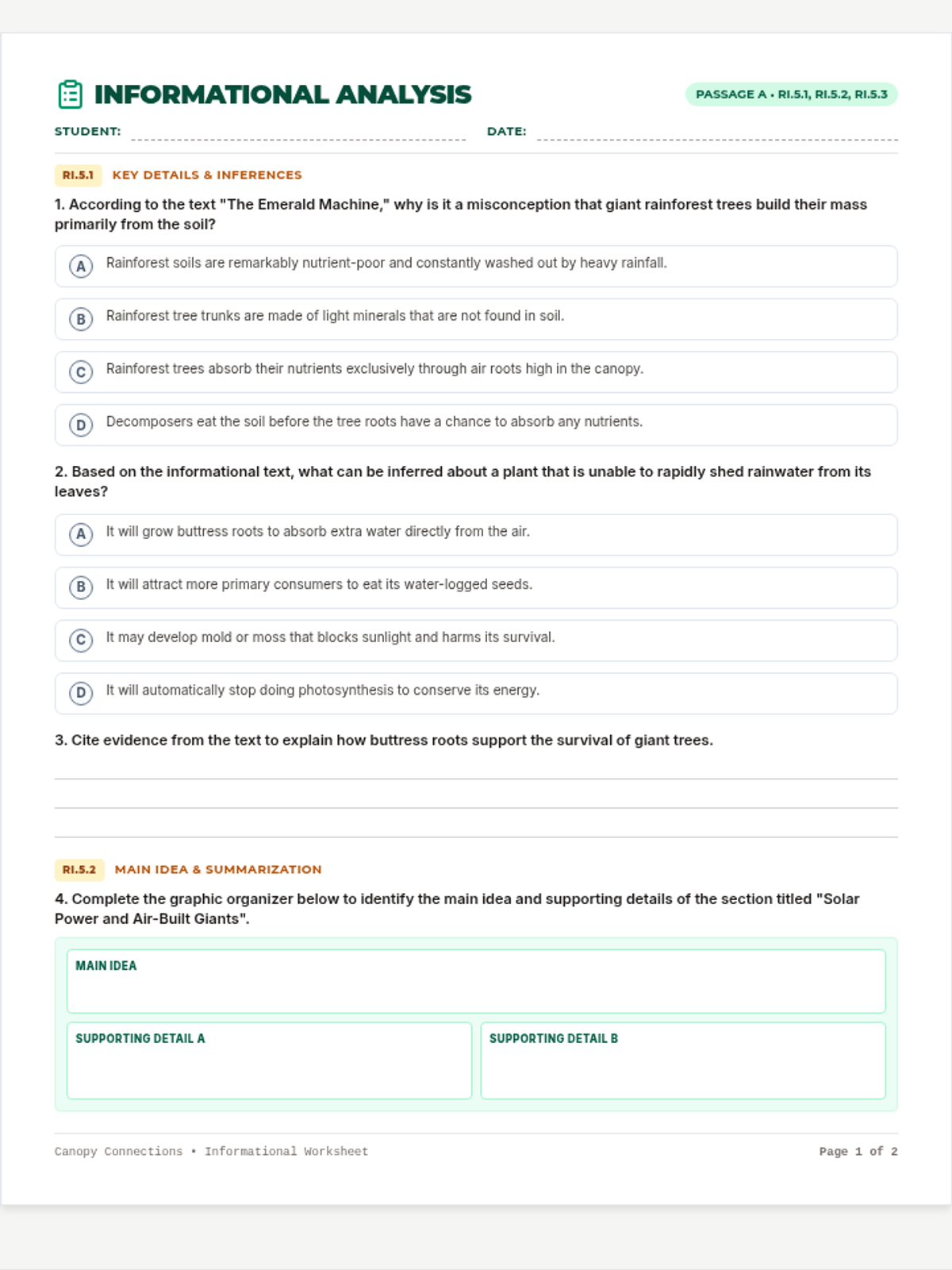
A cross-curricular lesson exploring modern ecosystems and the history of environmental conservation. Designed with ADHD and Dyslexia-friendly features like high-visual support, hands-on activities, and clear, structured tasks.
A comprehensive lesson on igneous rock formation, classification, and identification, focusing on the relationship between cooling rates and crystal size.
A hands-on STEAM lesson where emerging bilingual students use Ozobots to act out short scenarios, focusing on beginner-level English speaking, listening, reading, and writing skills.
A fast-paced, hands-on lab where students simulate the chemical and physical breakdown of food in the small intestine using common household materials to understand liquefaction and absorption.
Students apply their knowledge by creating a creative project (comic, brochure, or script) that constructs a scientific explanation of the matter and energy cycle.