Une leçon complète sur l'impact du réchauffement climatique dans l'Arctique, centrée sur la survie de l'ours polaire et les solutions pour protéger son habitat.
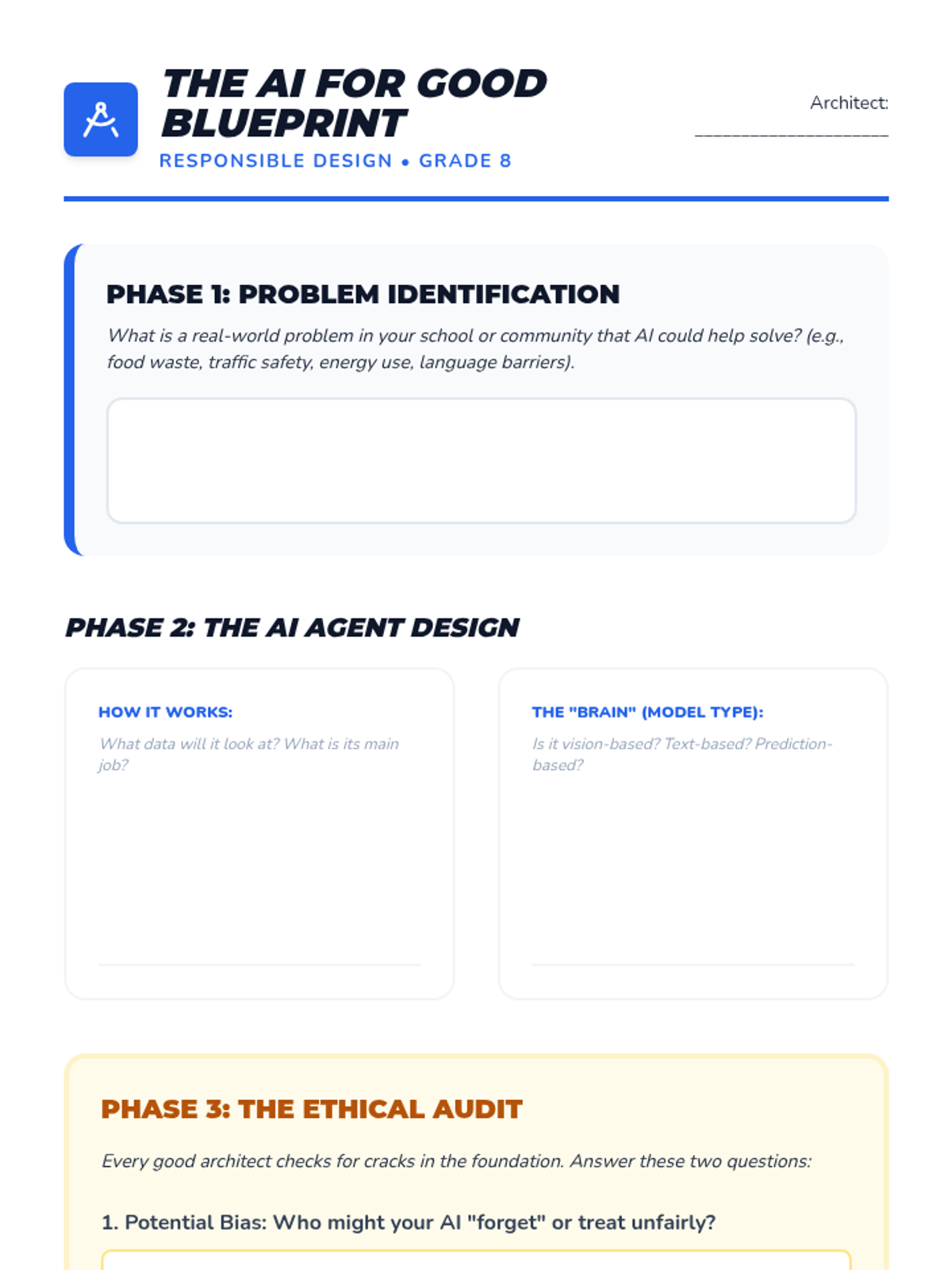
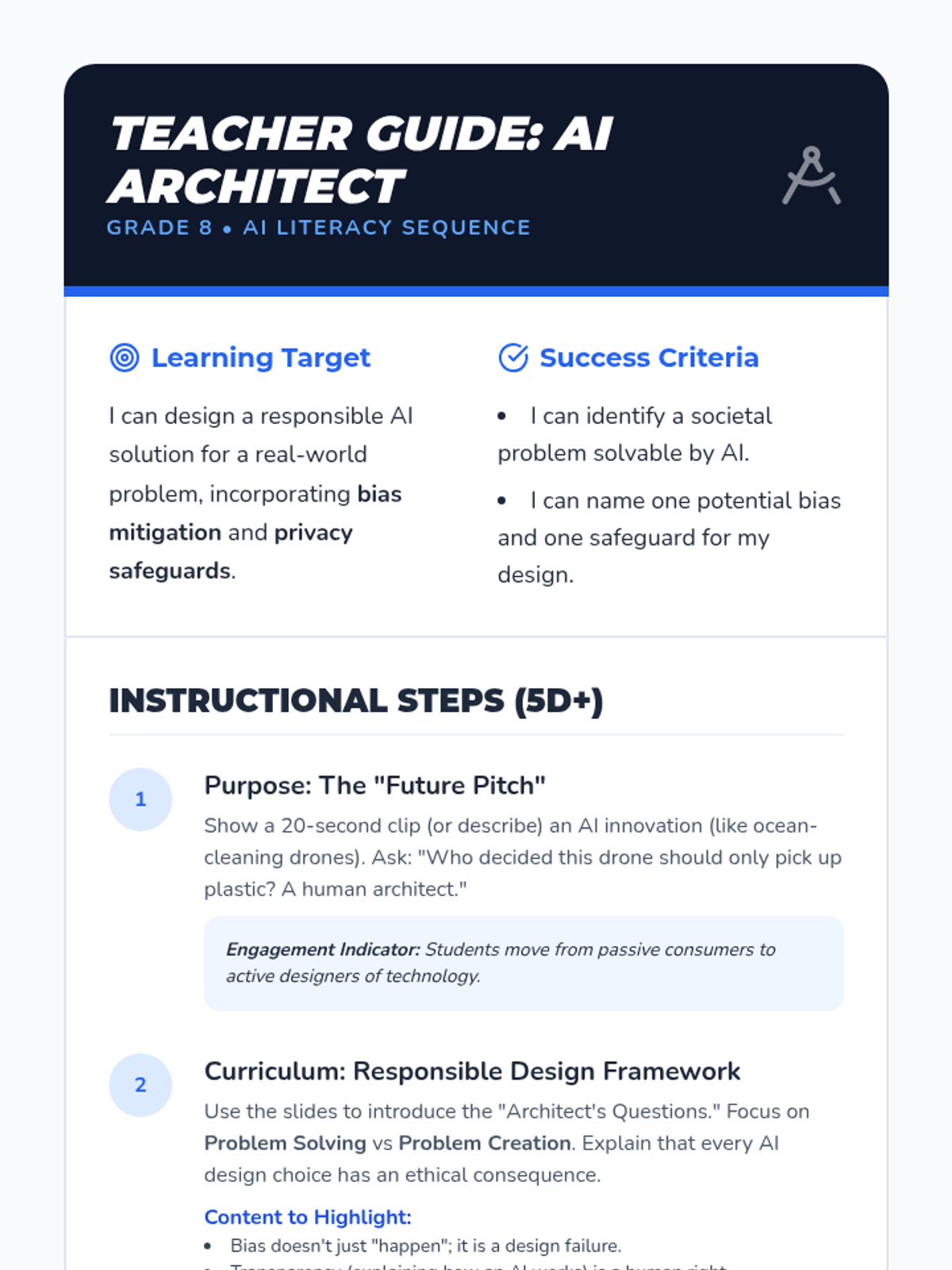
Students culminate their AI literacy journey by designing an AI solution for a real-world problem. They focus on responsible design, identifying potential biases, and ensuring societal benefit.
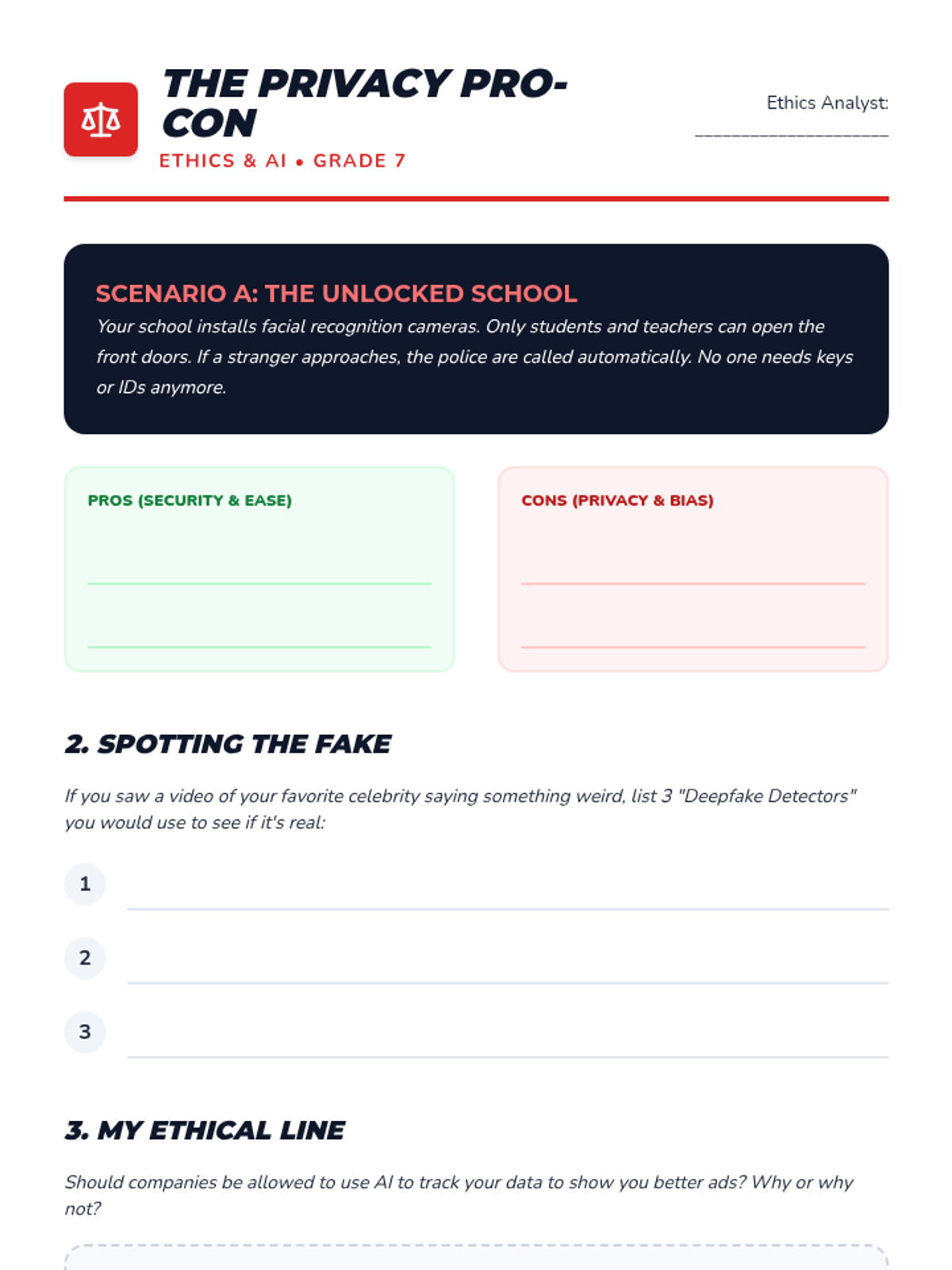
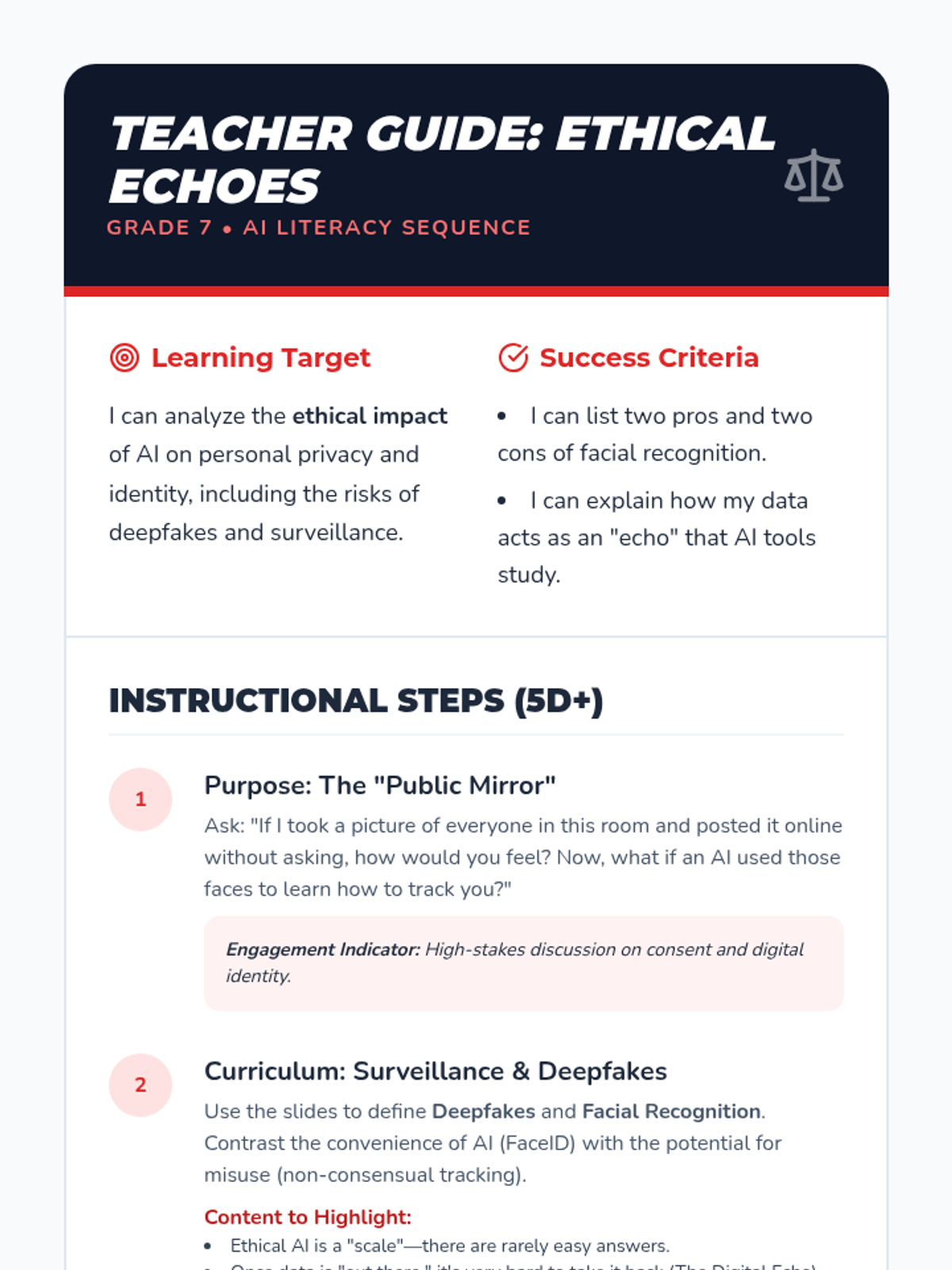
Students analyze the ethical implications of AI on privacy and identity. They explore deepfakes, facial recognition, and the balance between security and personal freedom.
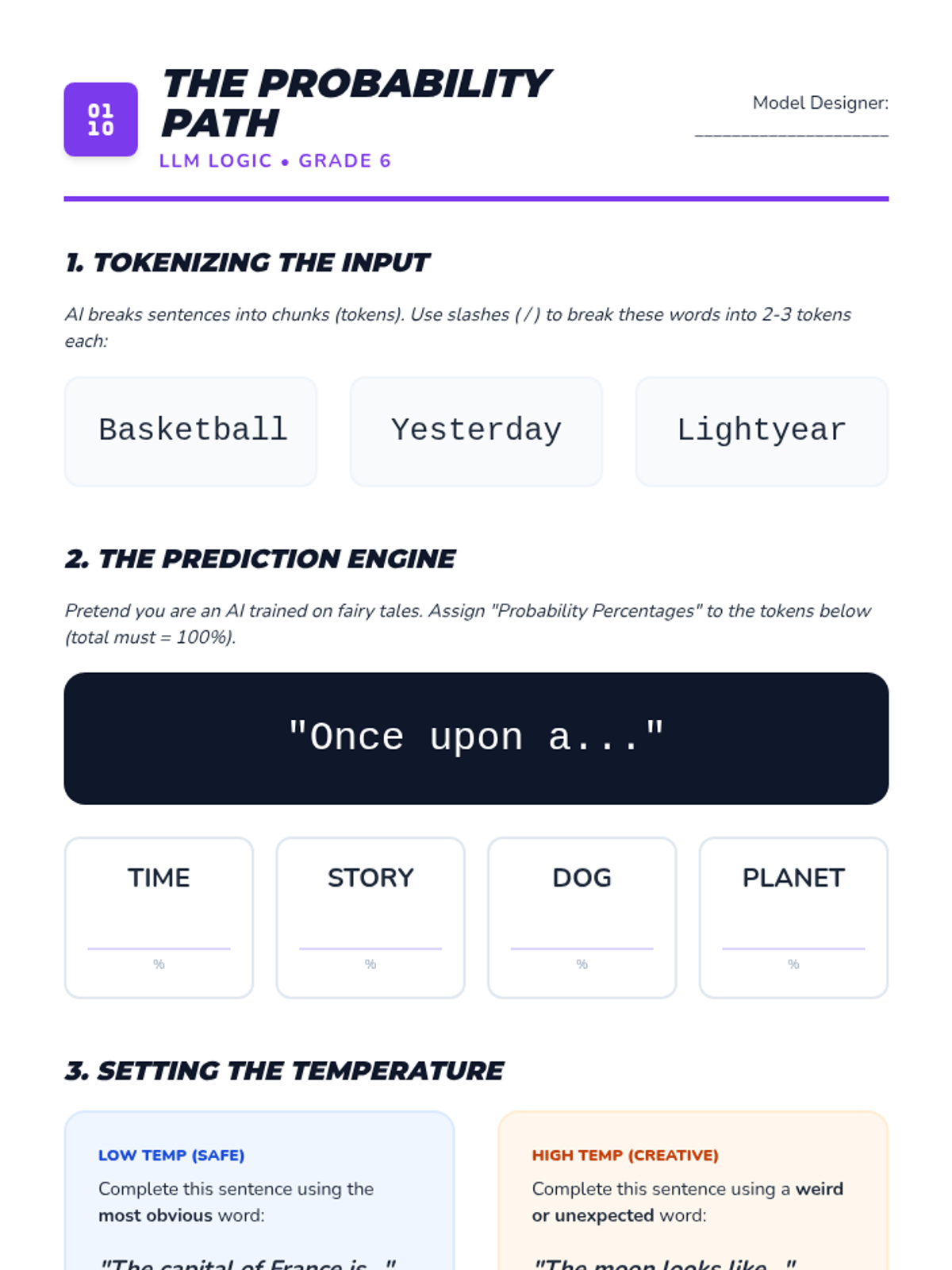
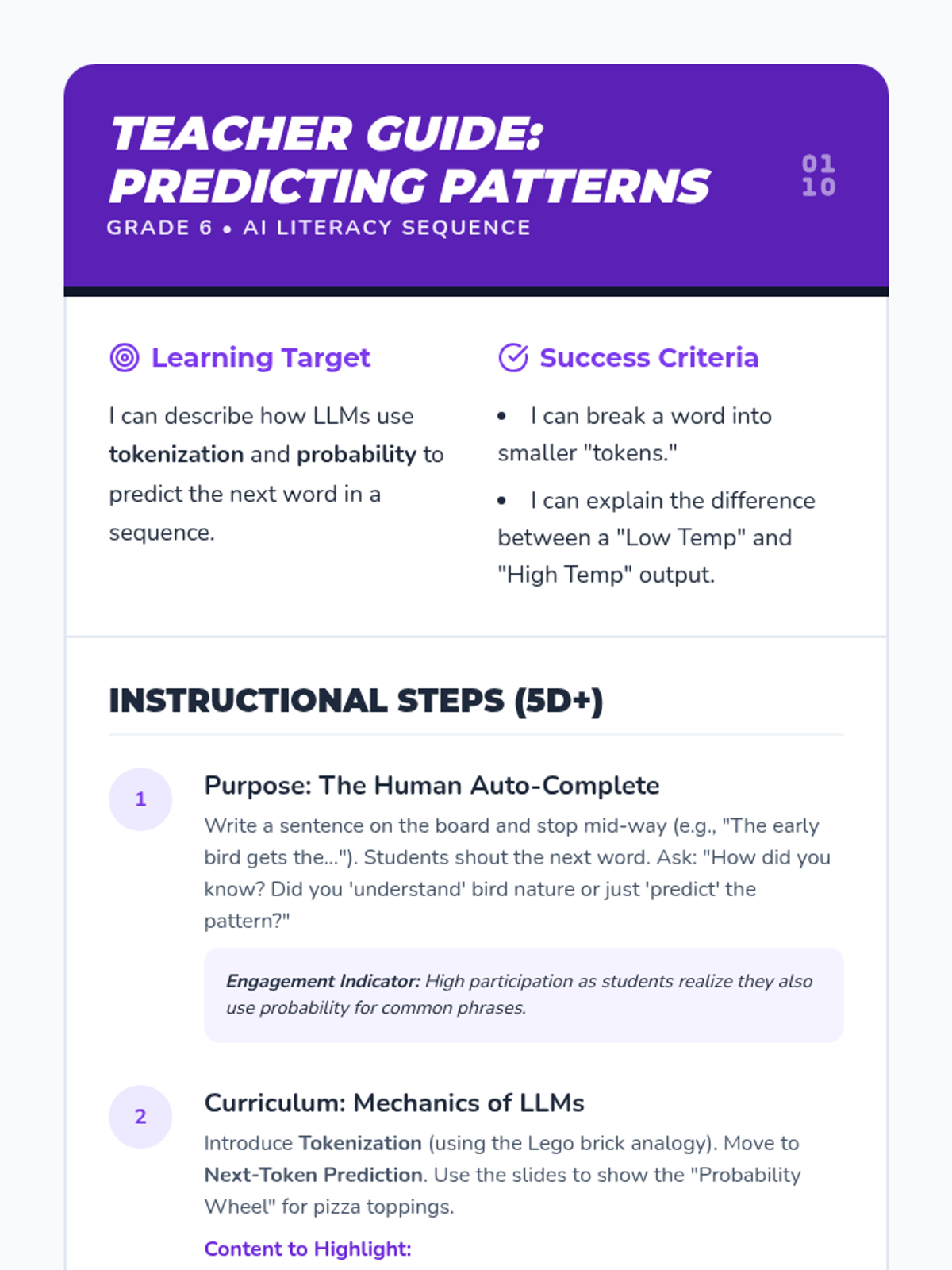
Middle school students dive into the mechanics of Large Language Models (LLMs). They learn about tokenization, probability, and how AI "predicts" the next word in a sequence.
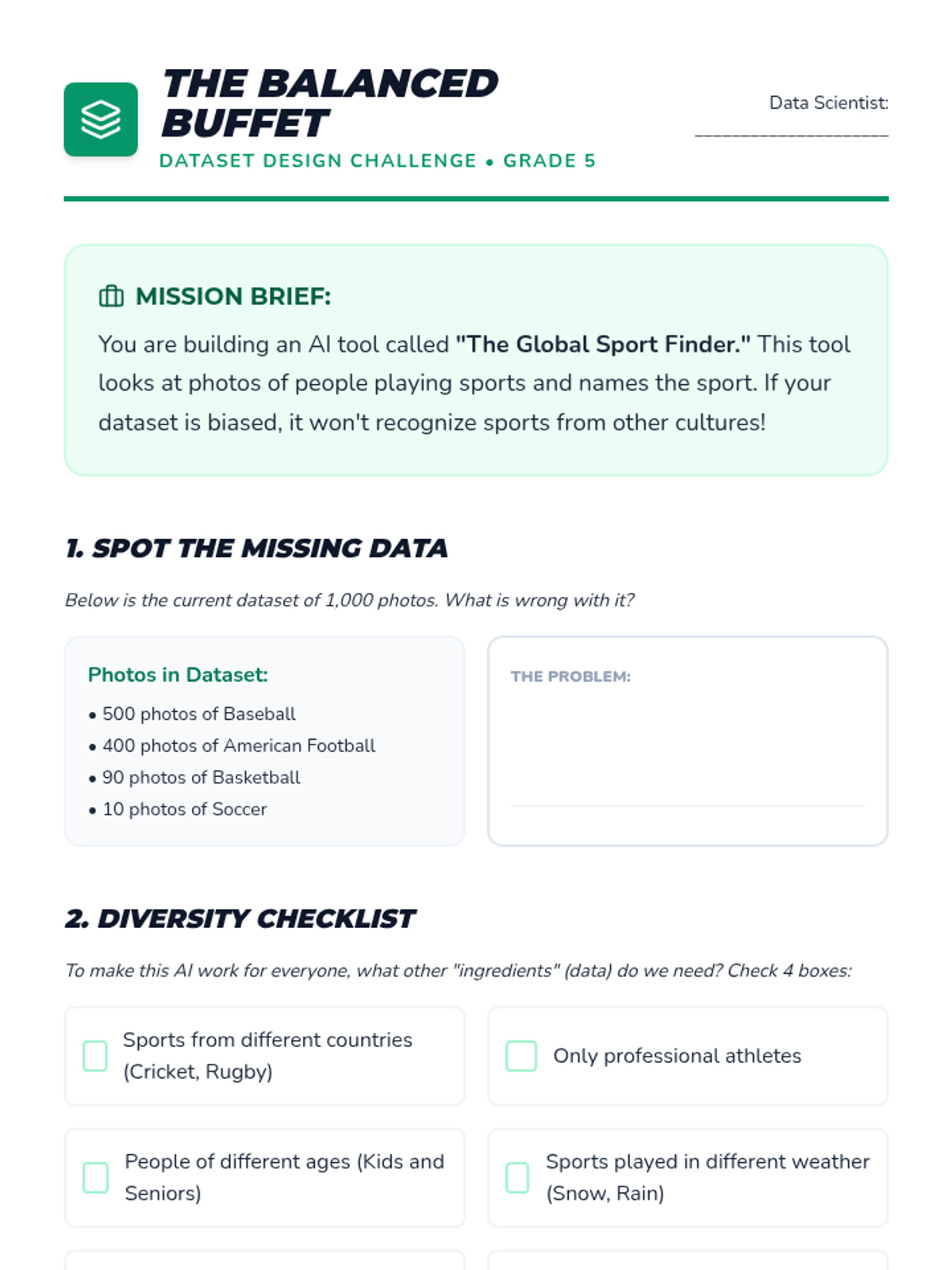
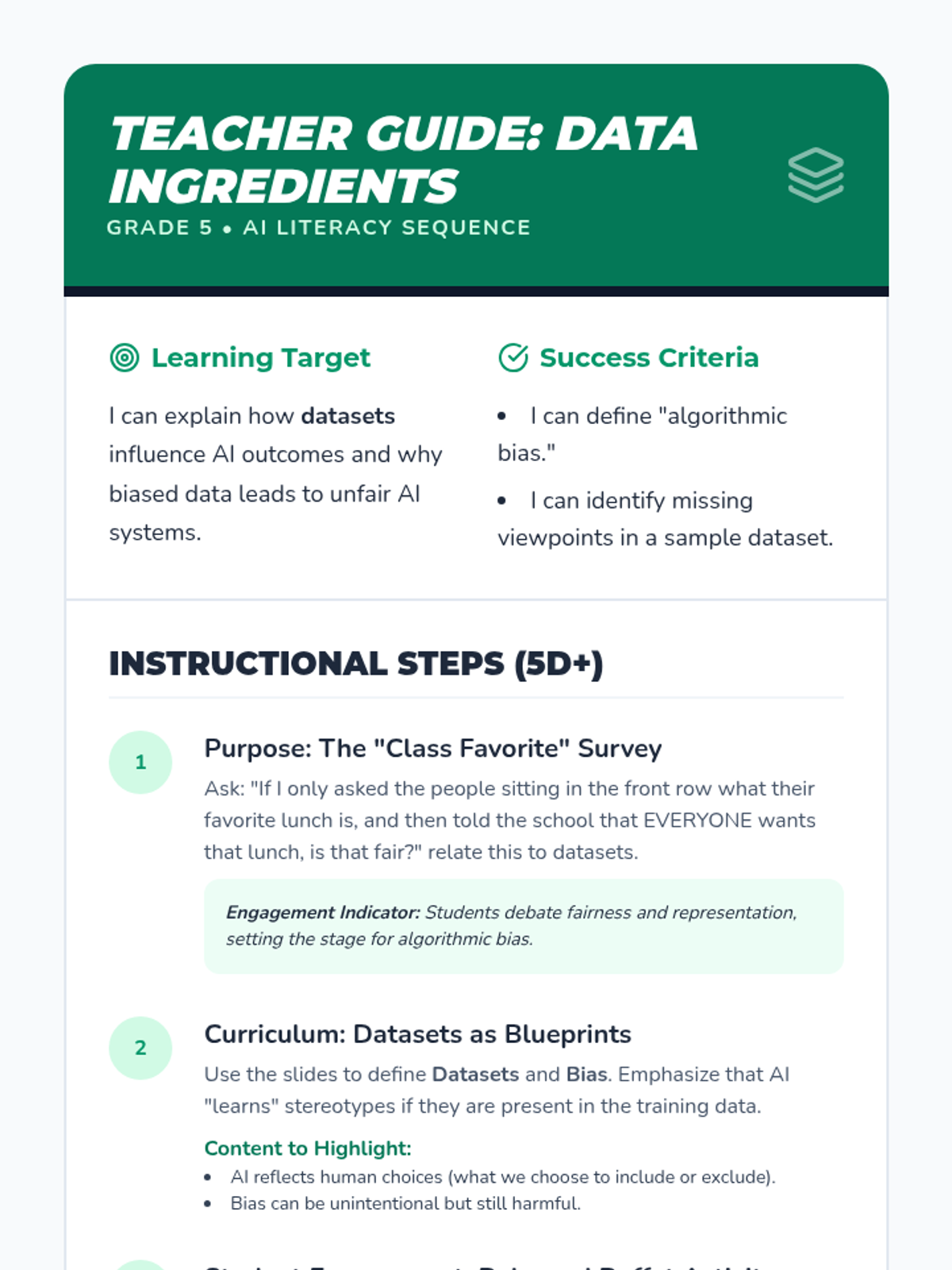
Students explore the "ingredients" of AI: datasets. They learn how biased or incomplete data can lead to unfair or inaccurate AI systems and practice creating a balanced dataset.
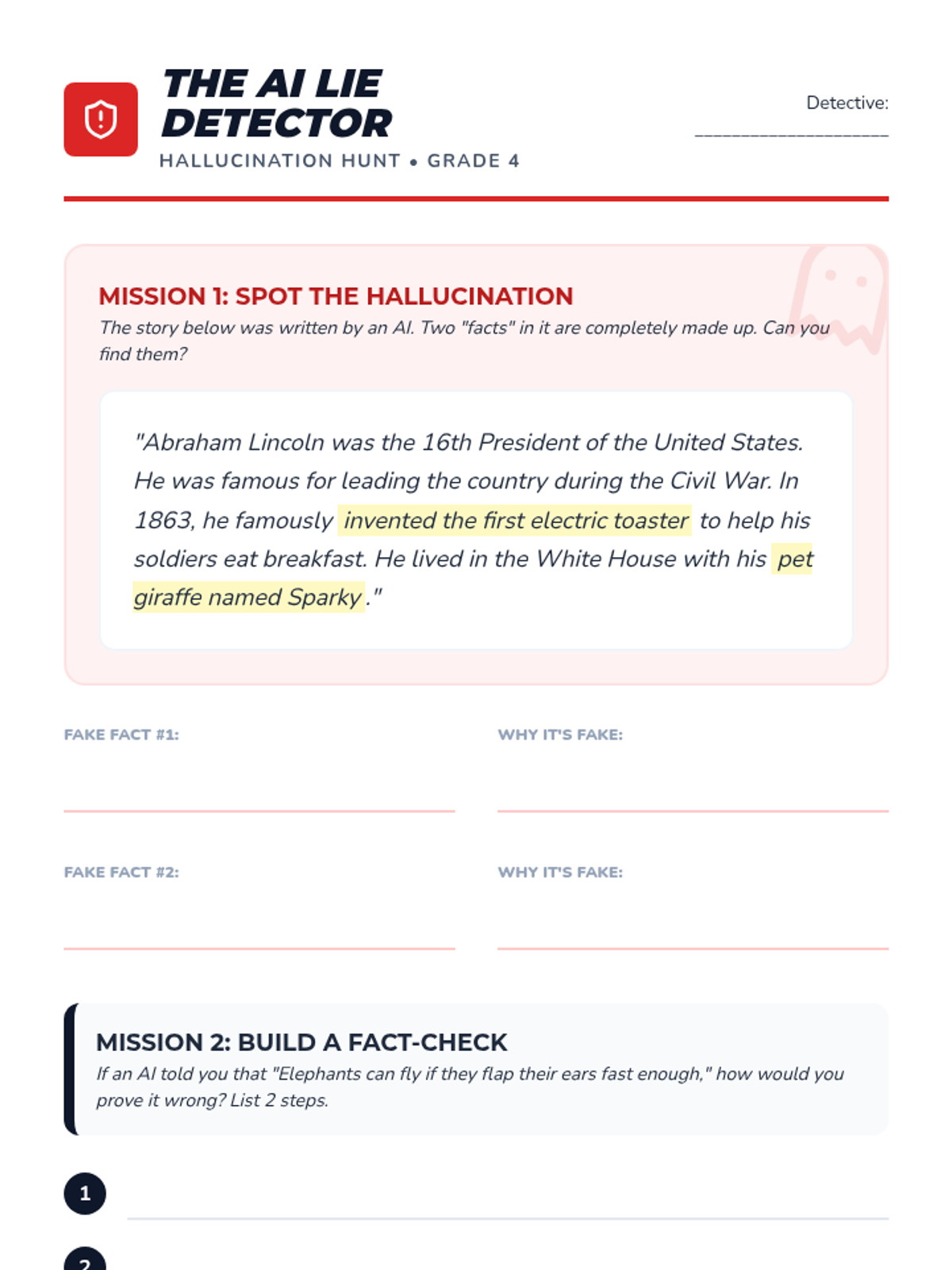
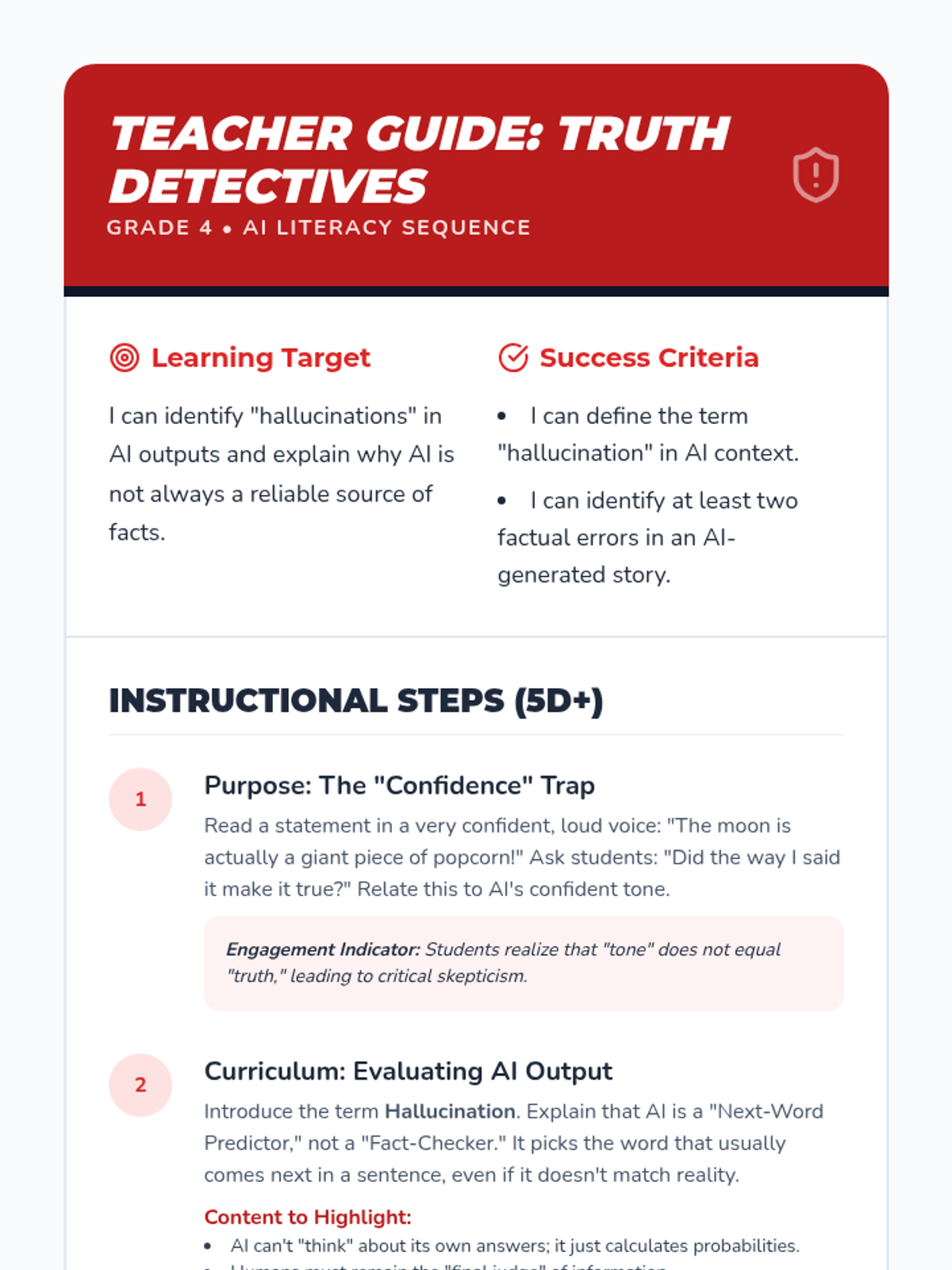
Students learn to critically evaluate AI outputs by identifying "hallucinations" and factual errors. They explore why AI sometimes makes mistakes and how to verify information.
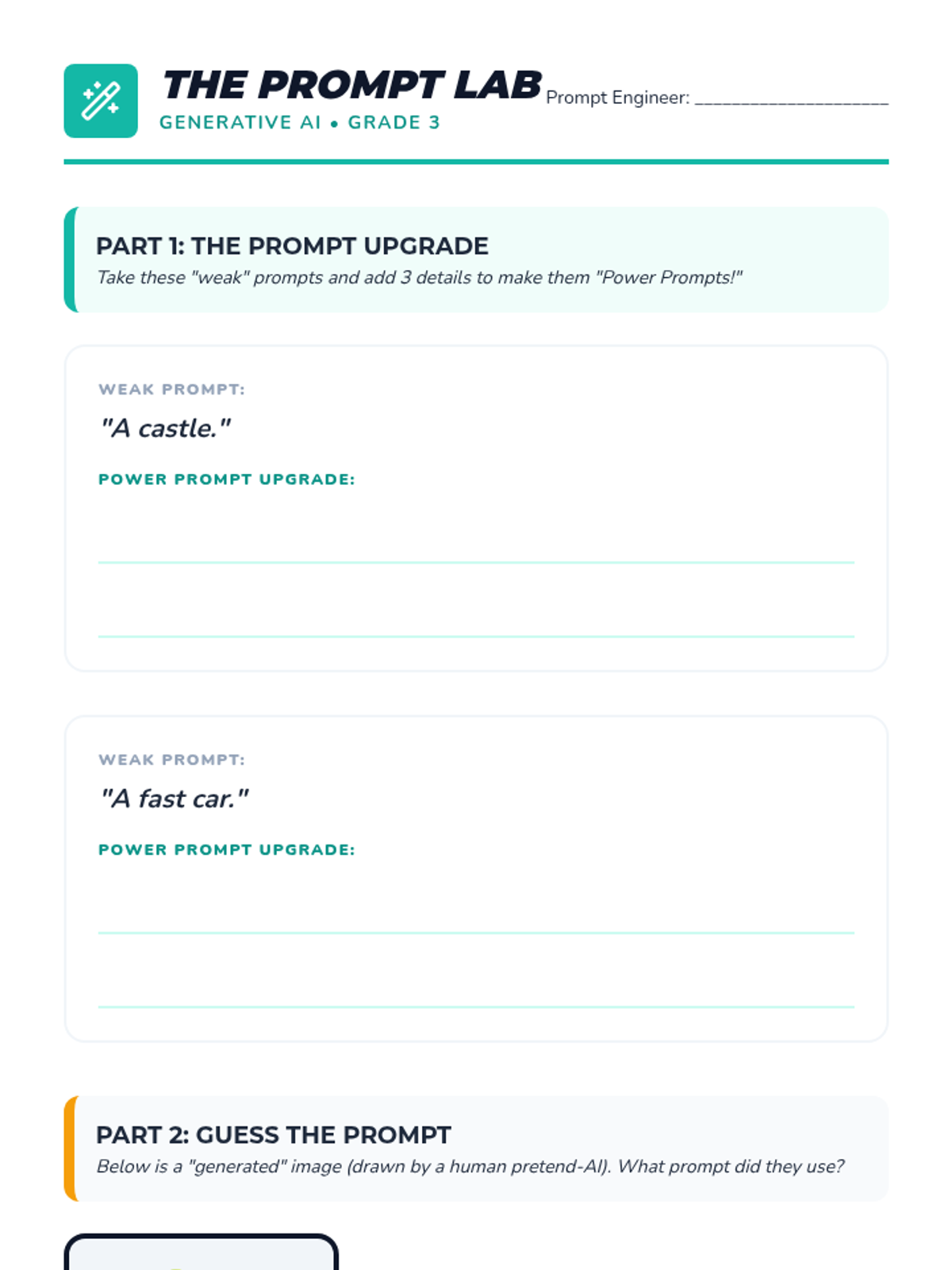
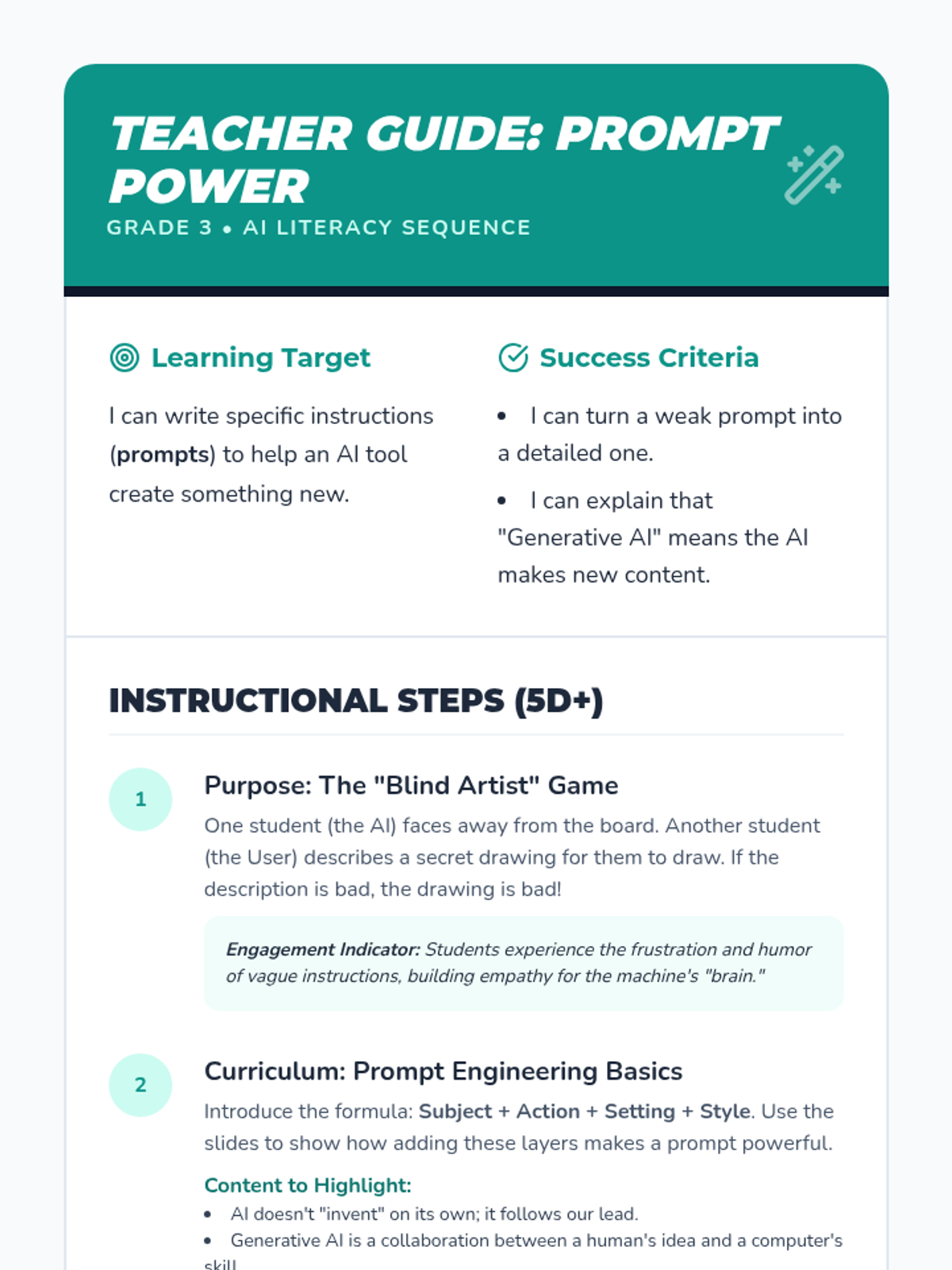
Students explore Generative AI and the importance of prompt engineering. They learn how to communicate effectively with AI to create specific images and text.
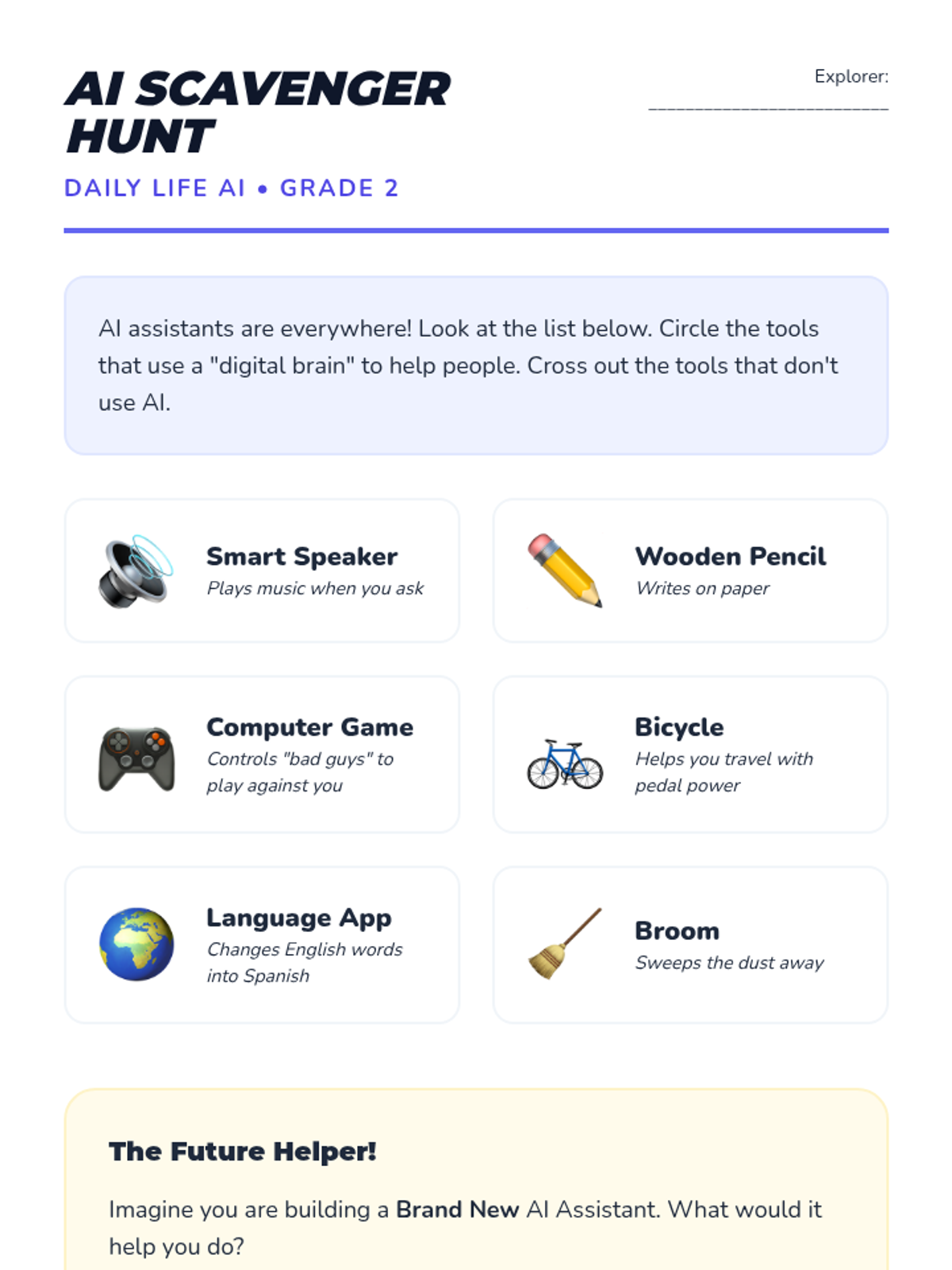
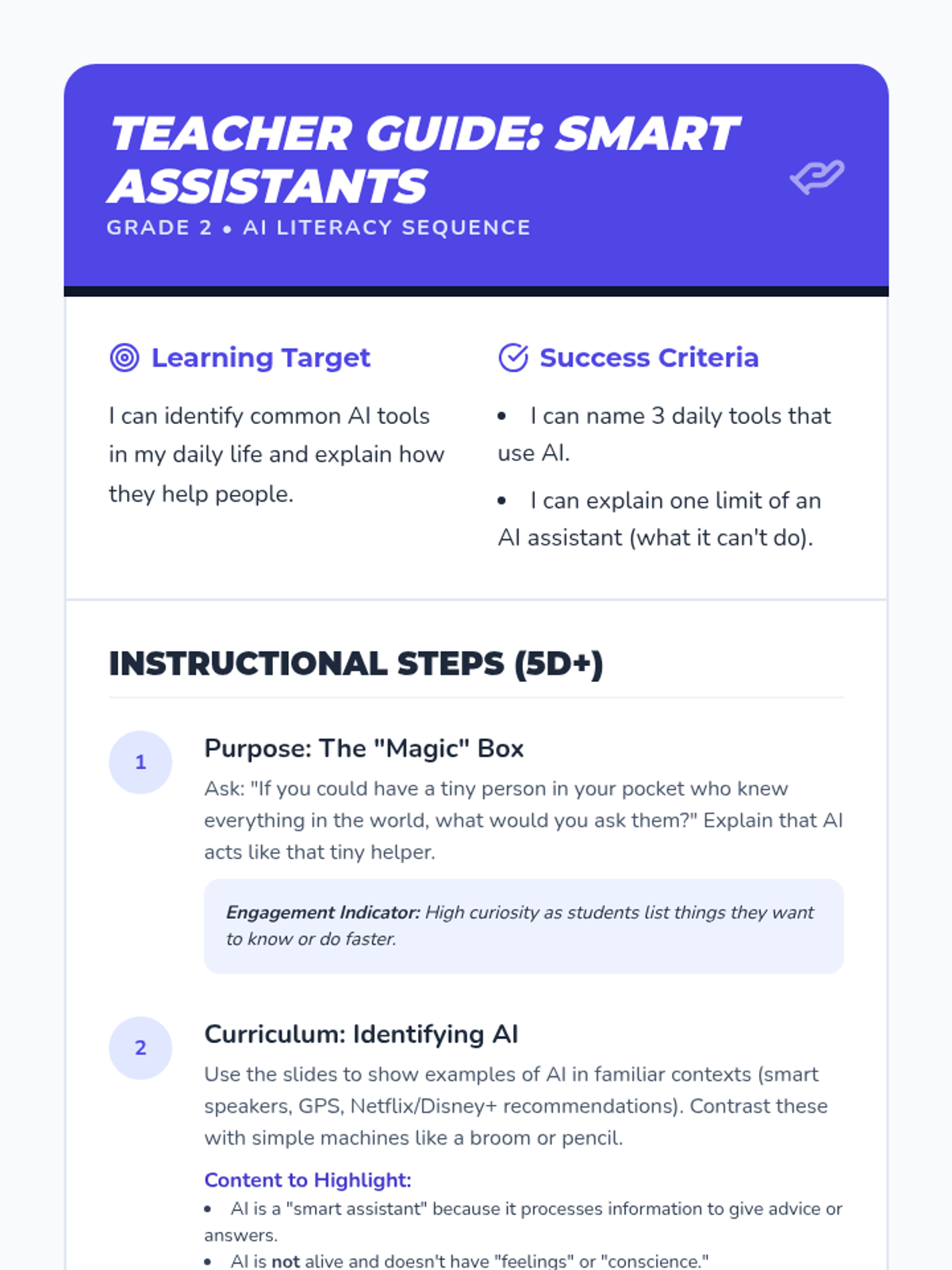
Students discover how AI works as a "smart assistant" in daily life. They identify AI in common devices and reflect on how it helps people solve problems.
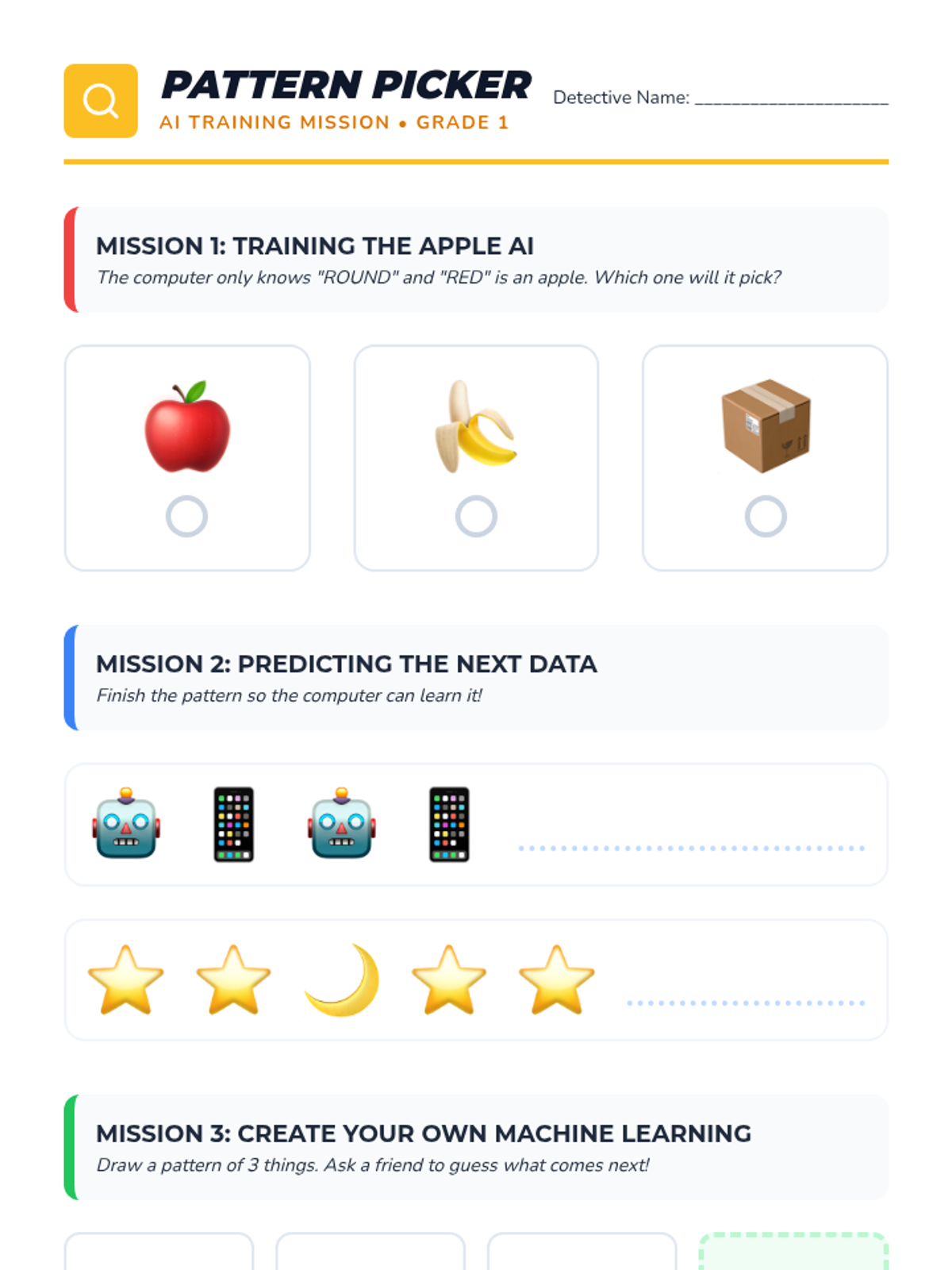
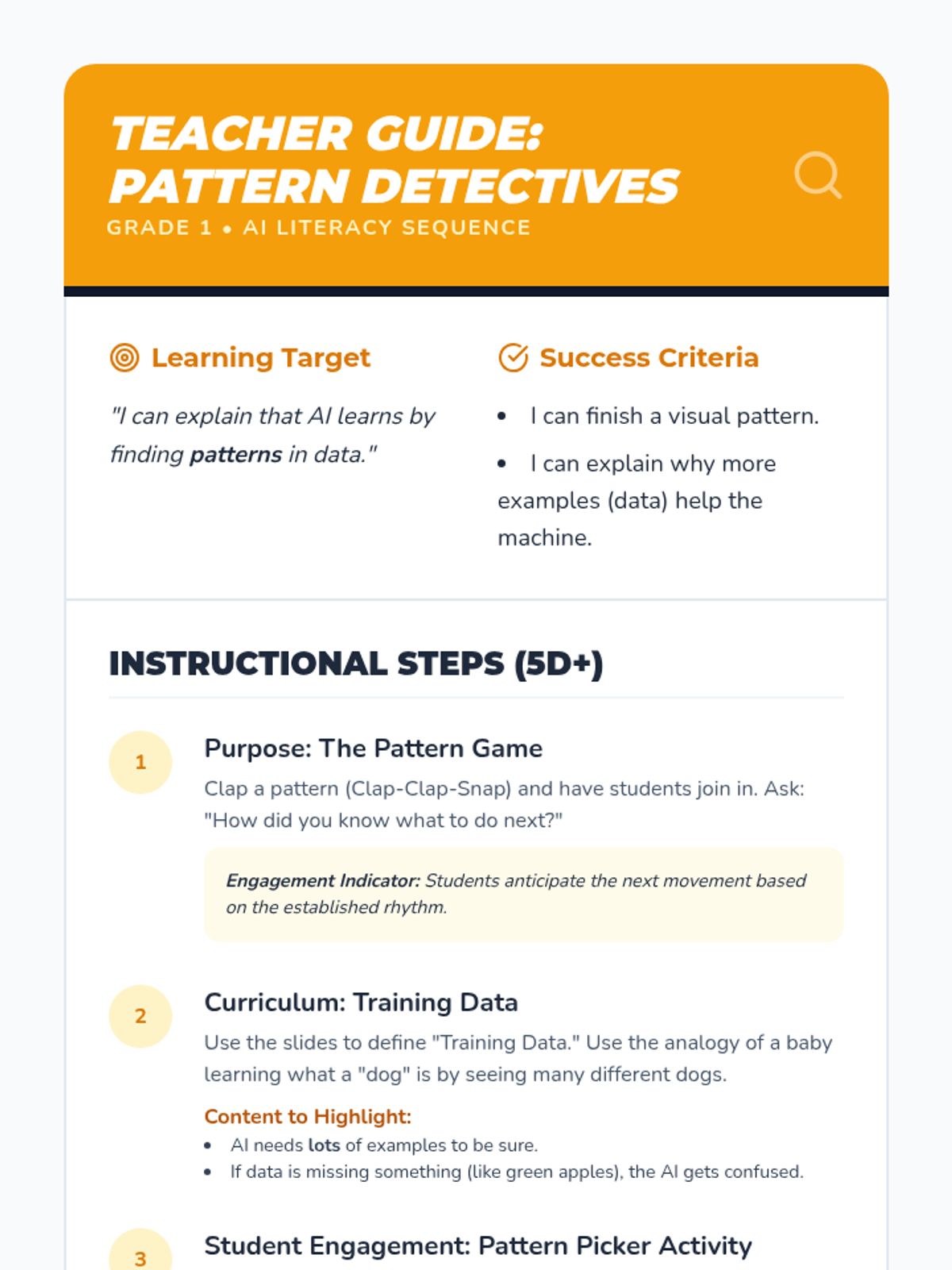
Students explore the foundation of AI learning: pattern recognition. They learn that computers need many examples (data) to understand rules and make predictions.
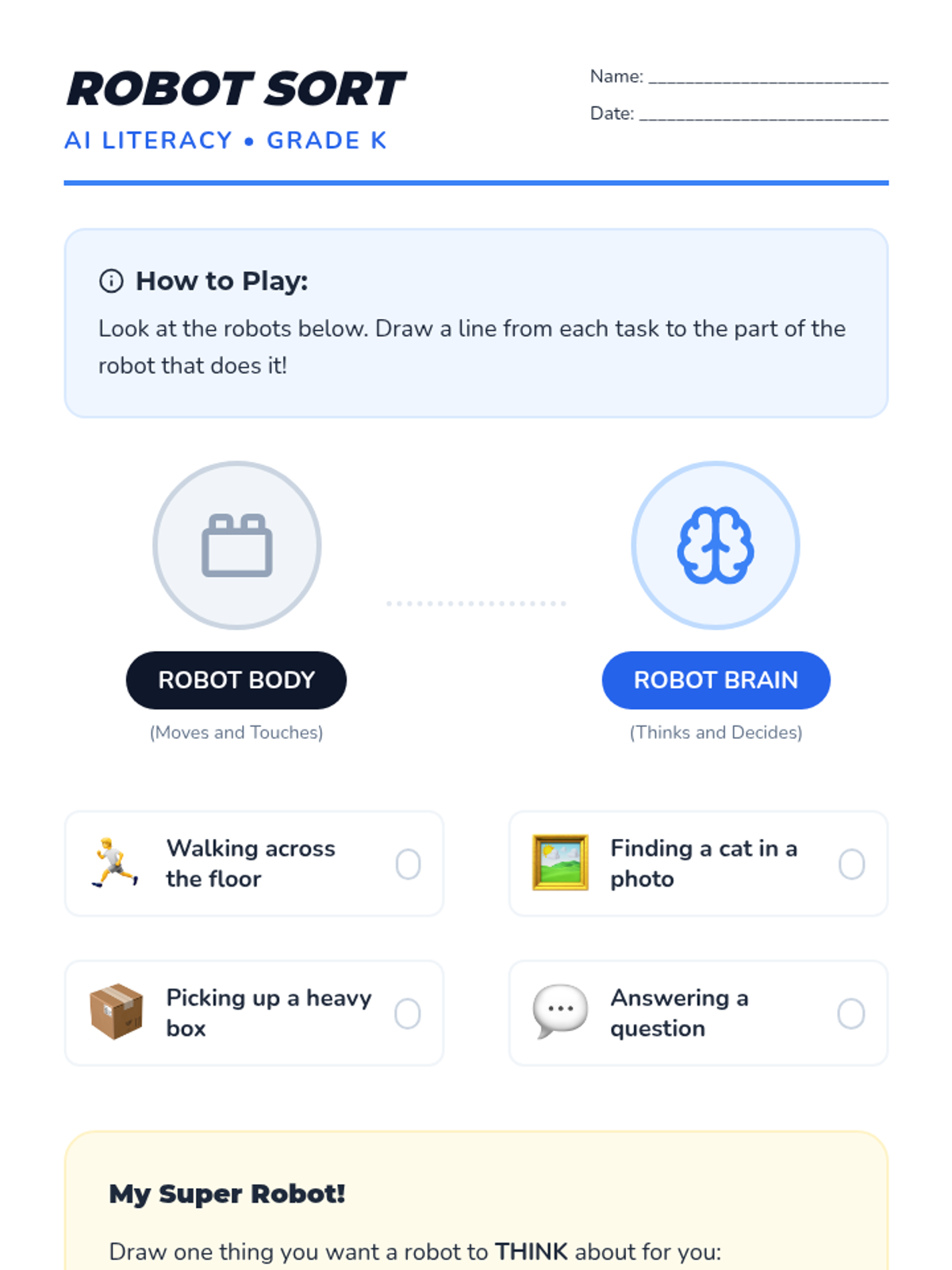
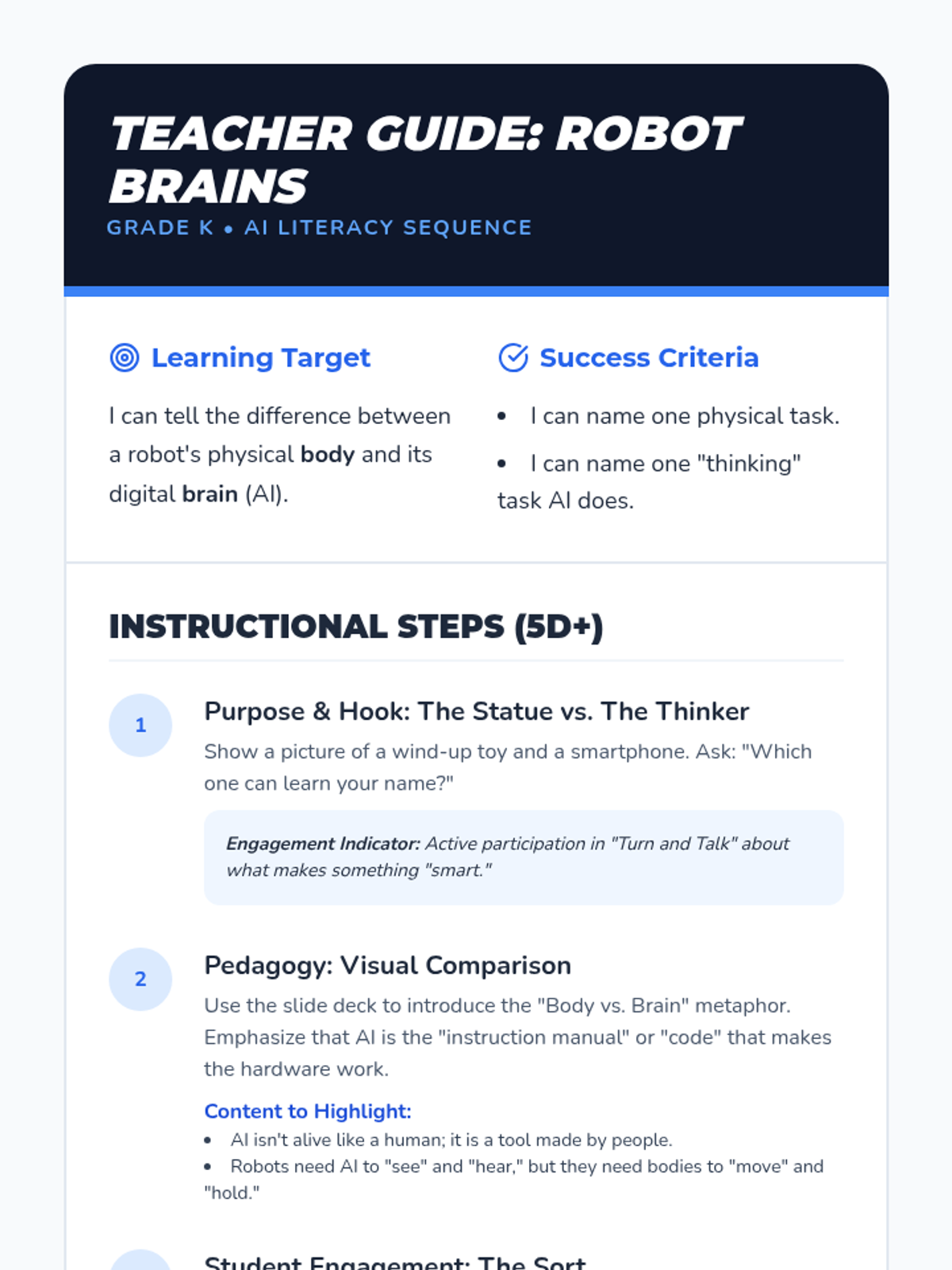
Introduces the concept of AI by distinguishing between a robot's physical body and its digital 'brain'. Students explore how AI 'thinks' differently than humans and machines.
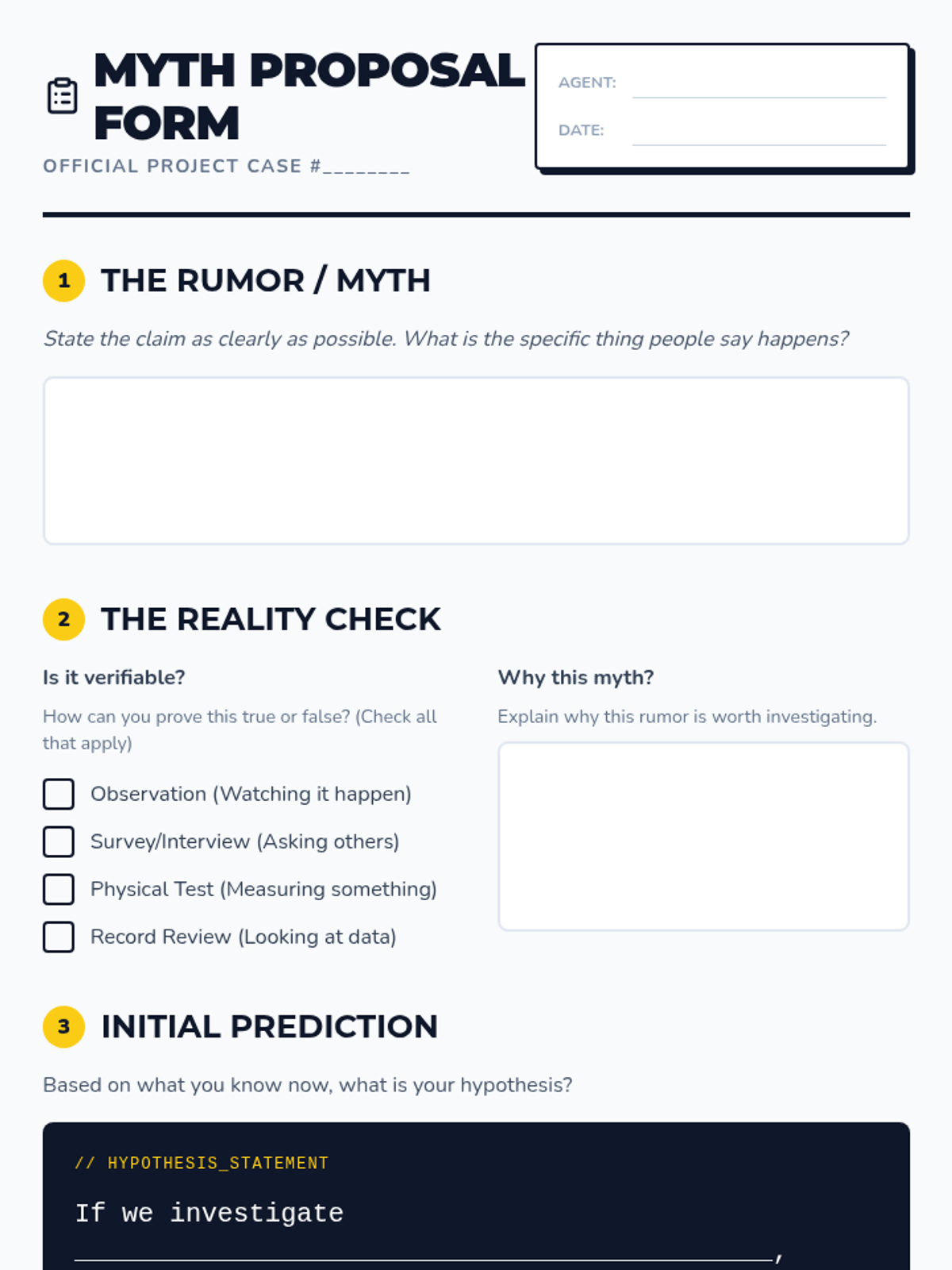
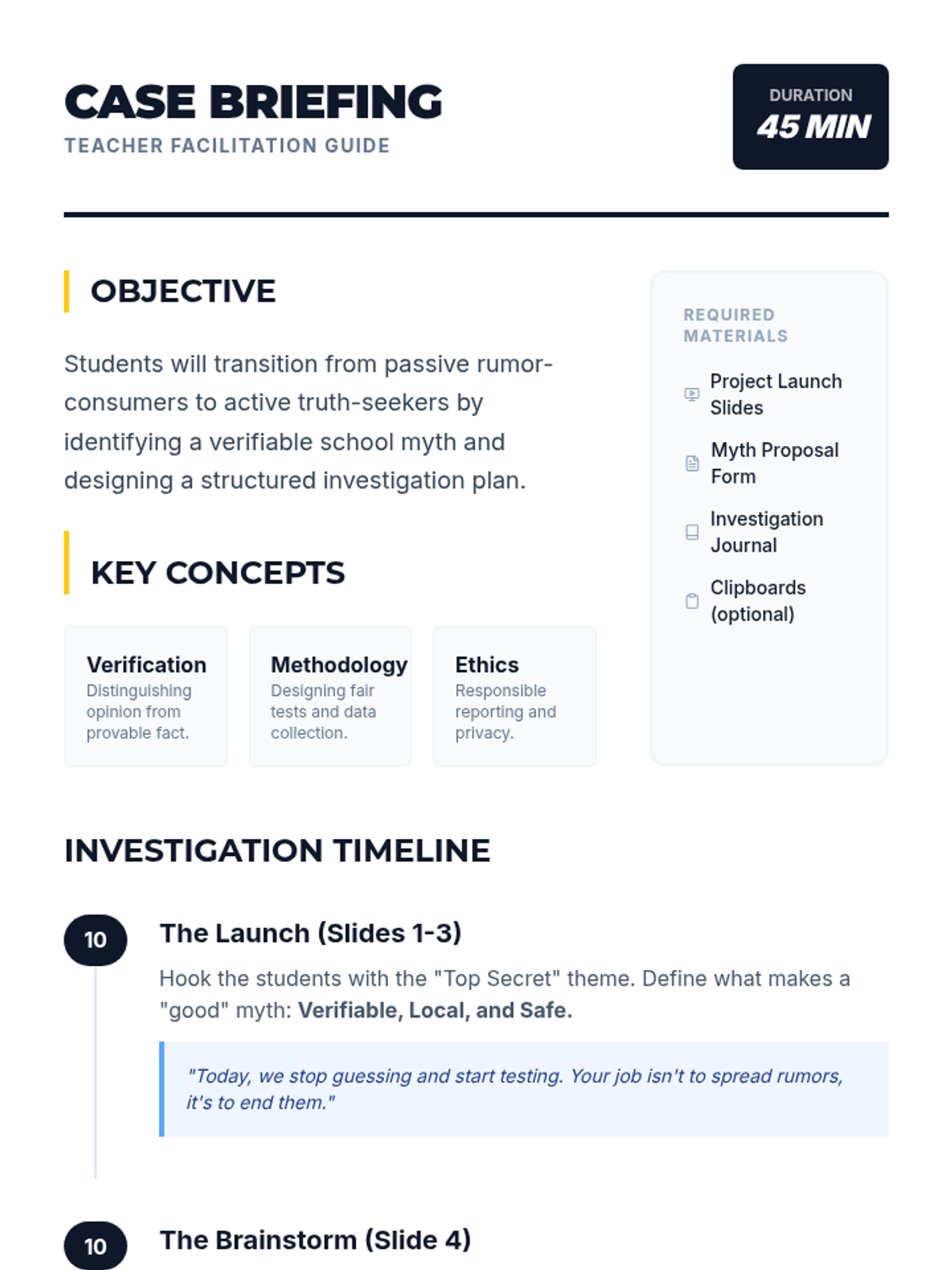
A 6th-grade lesson where students transition from passive rumor-consumers to active investigators by identifying a school-based myth and designing a scientific or journalistic plan to verify it.
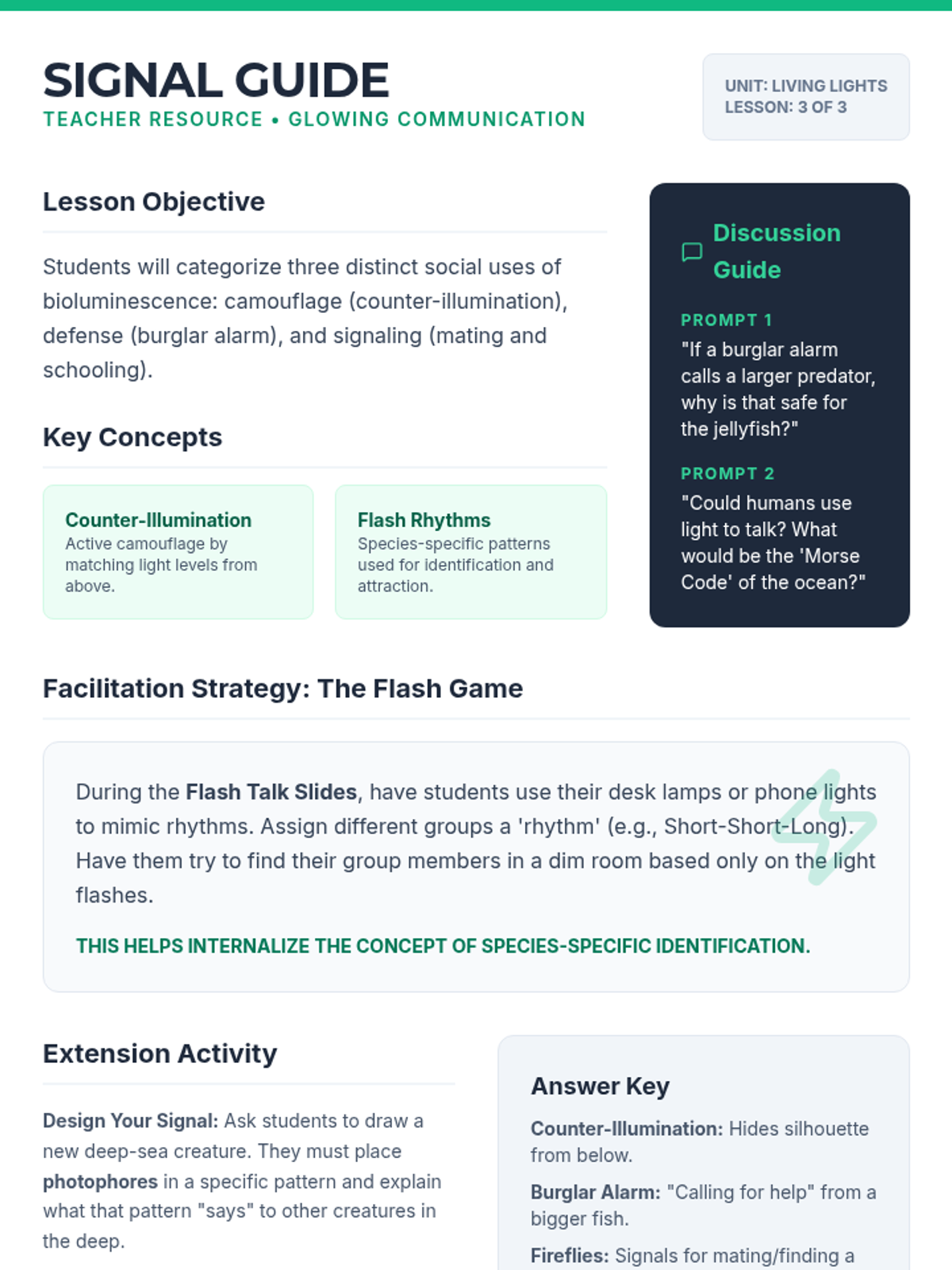
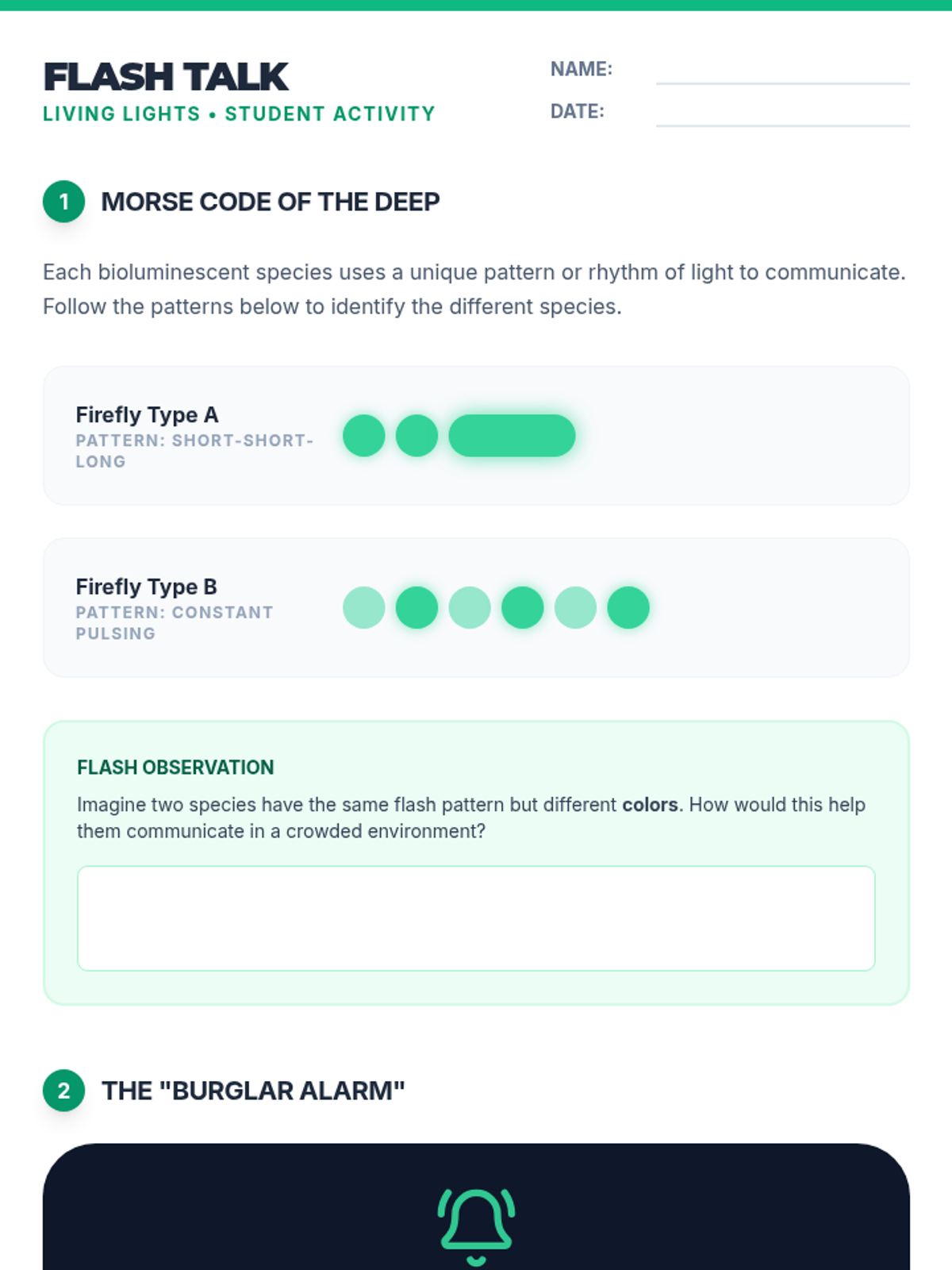
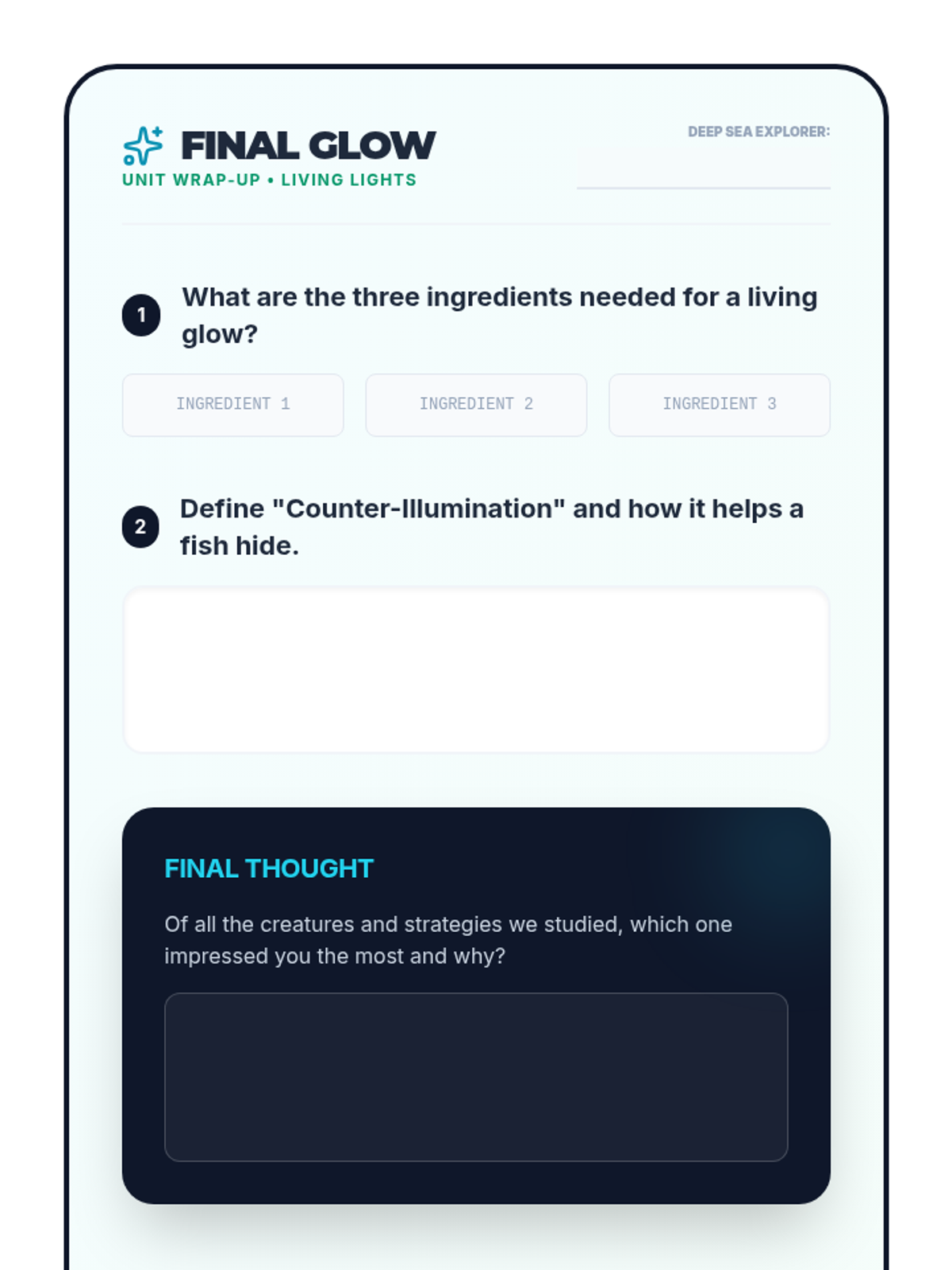
How and why organisms use light for social interactions, communication, and complex behaviors. Students explore strategies like counter-illumination and burglar alarms.
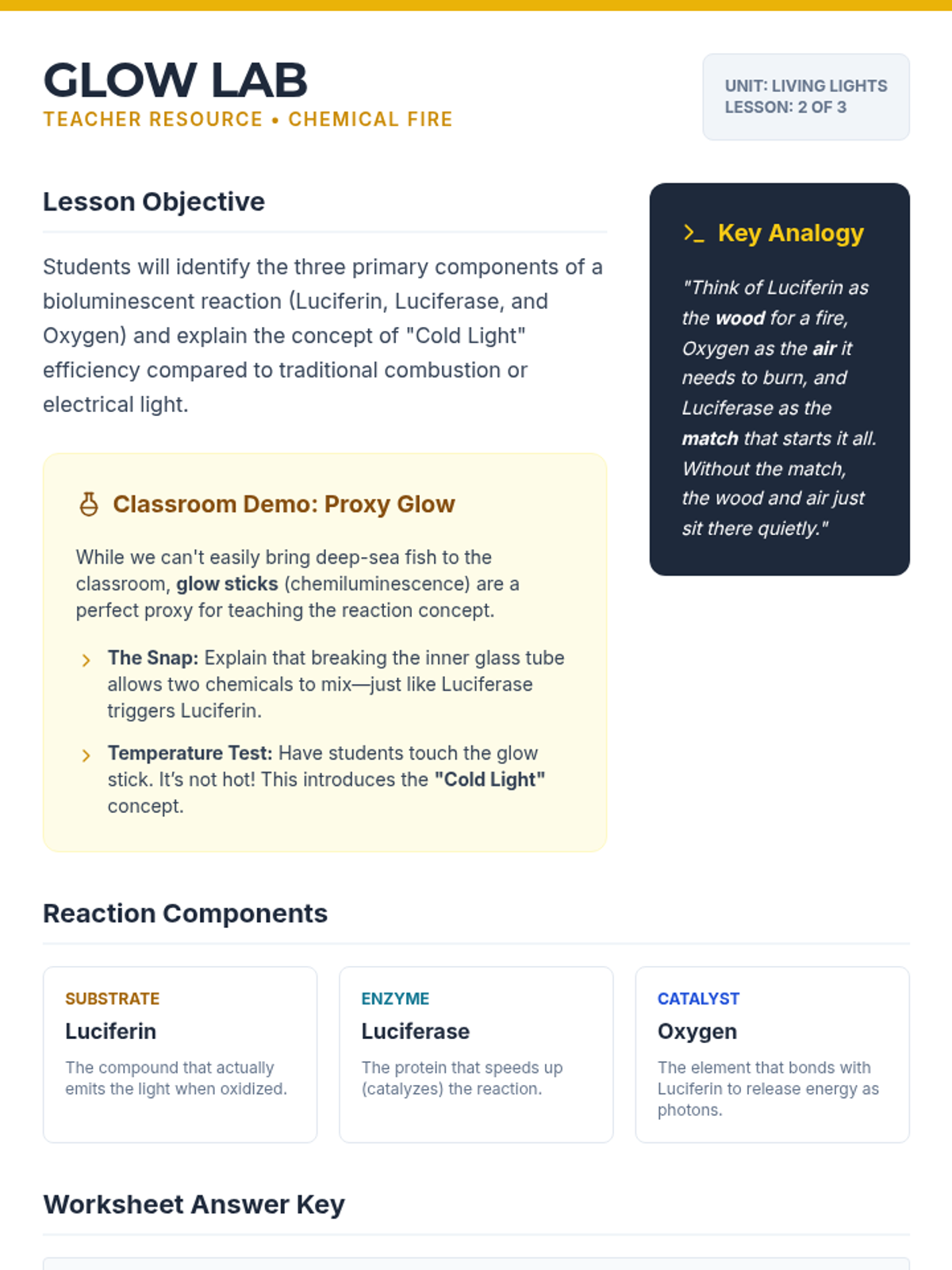
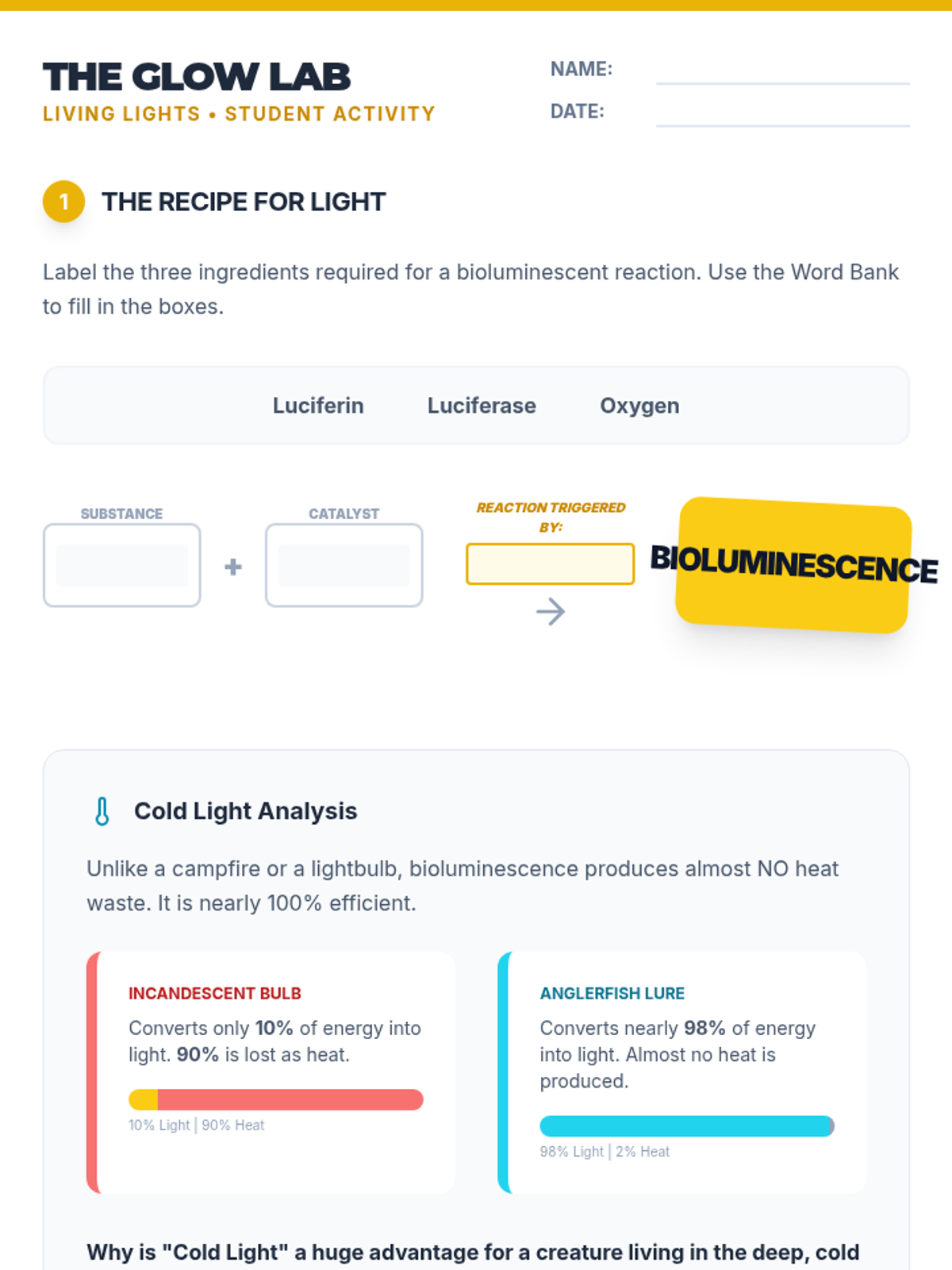
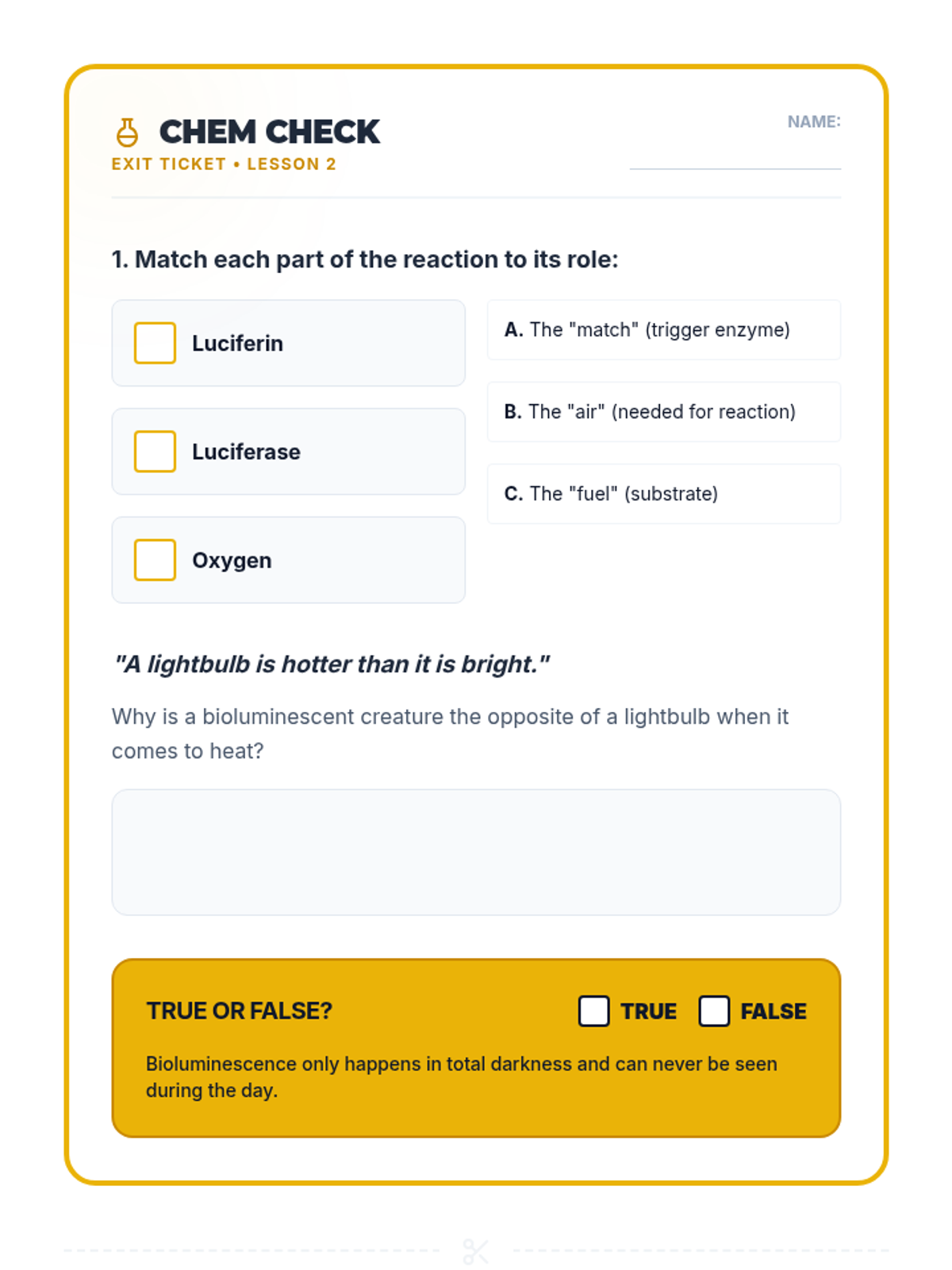
How is light made? Students break down the chemical reaction of bioluminescence, exploring the interaction between luciferin, luciferase, and oxygen.
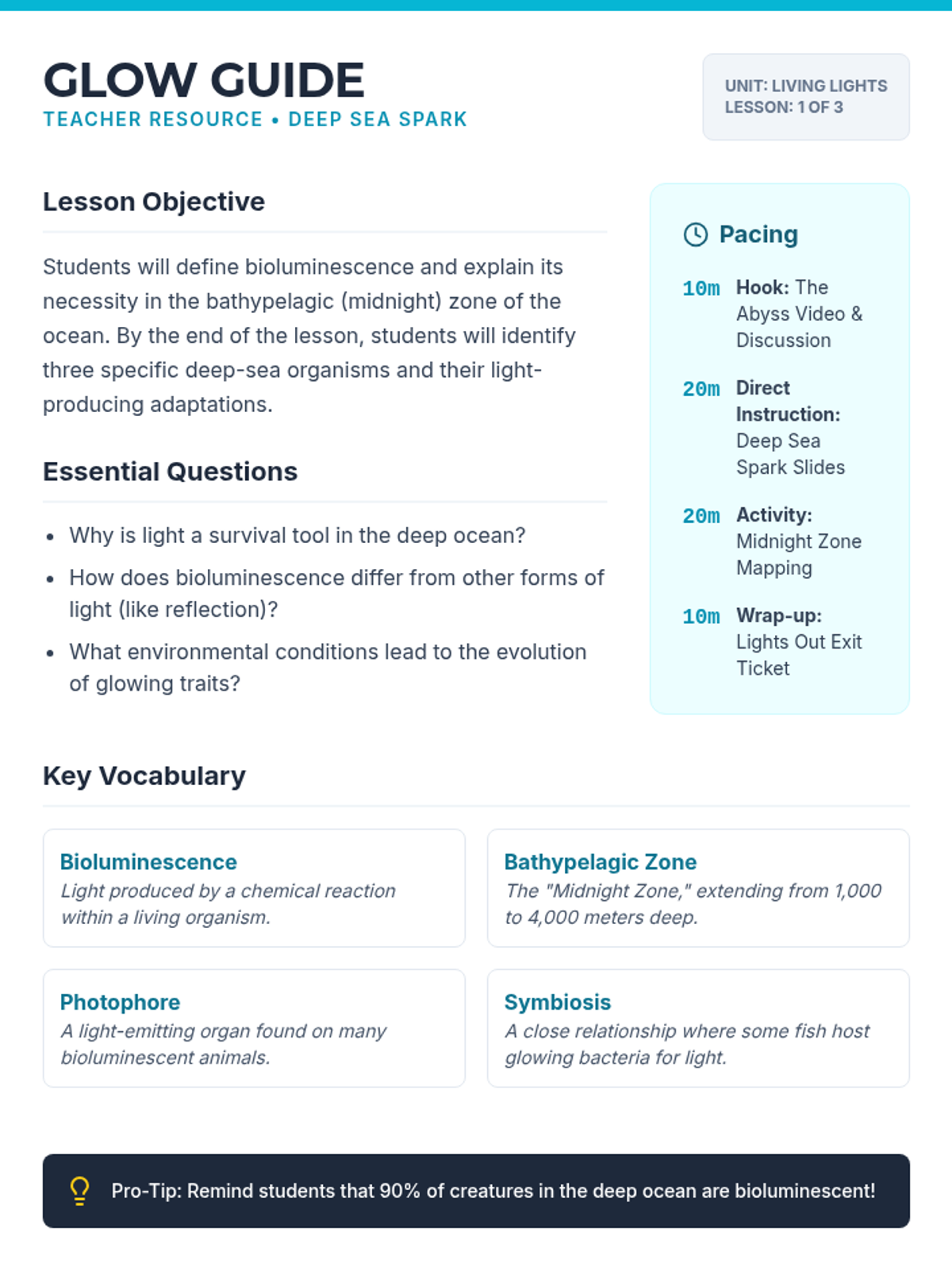
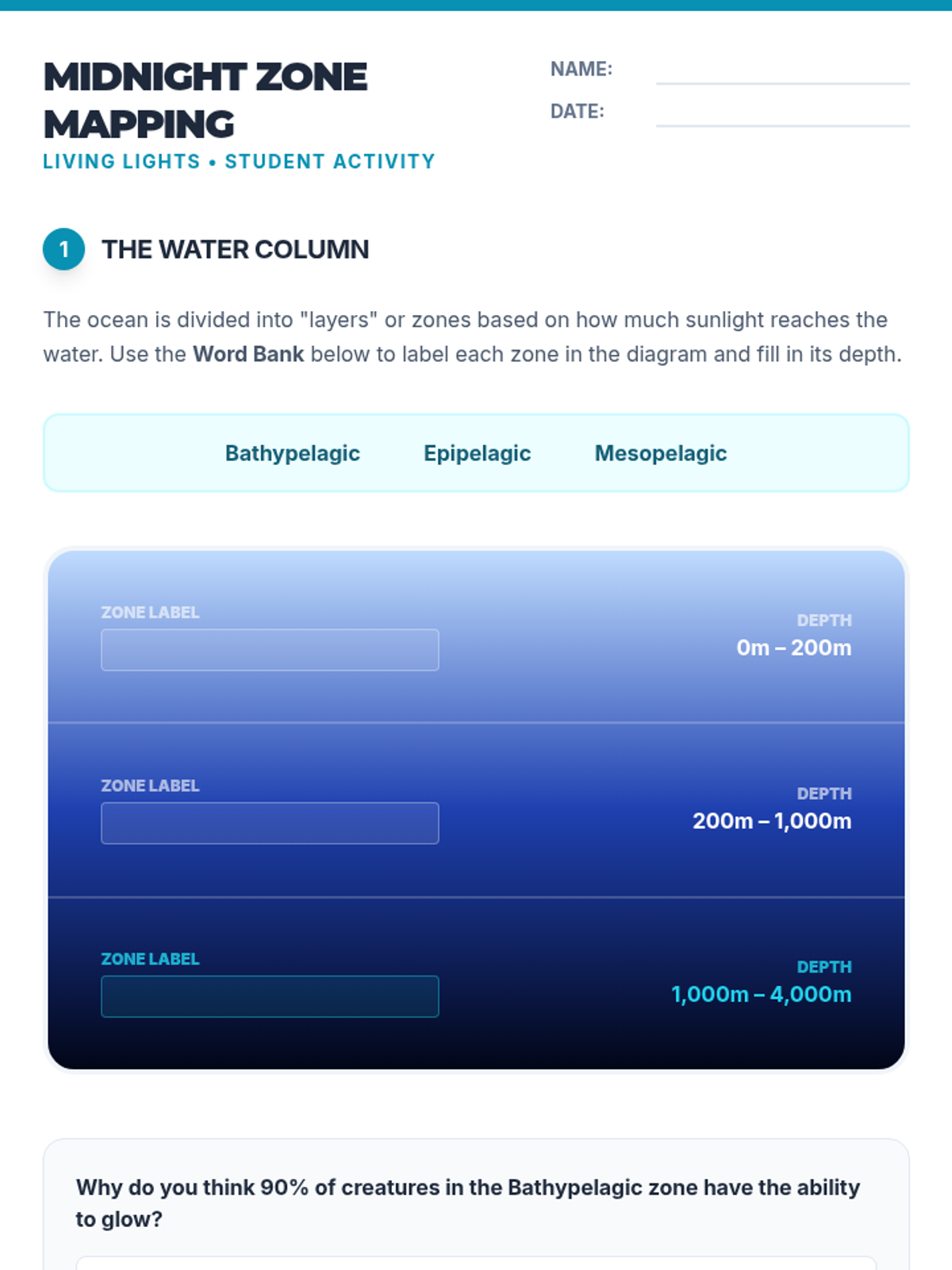
Discover the mysterious world of the deep ocean's midnight zone. Students explore how creatures create light in total darkness and identify the physical adaptations of bioluminescent marine life.
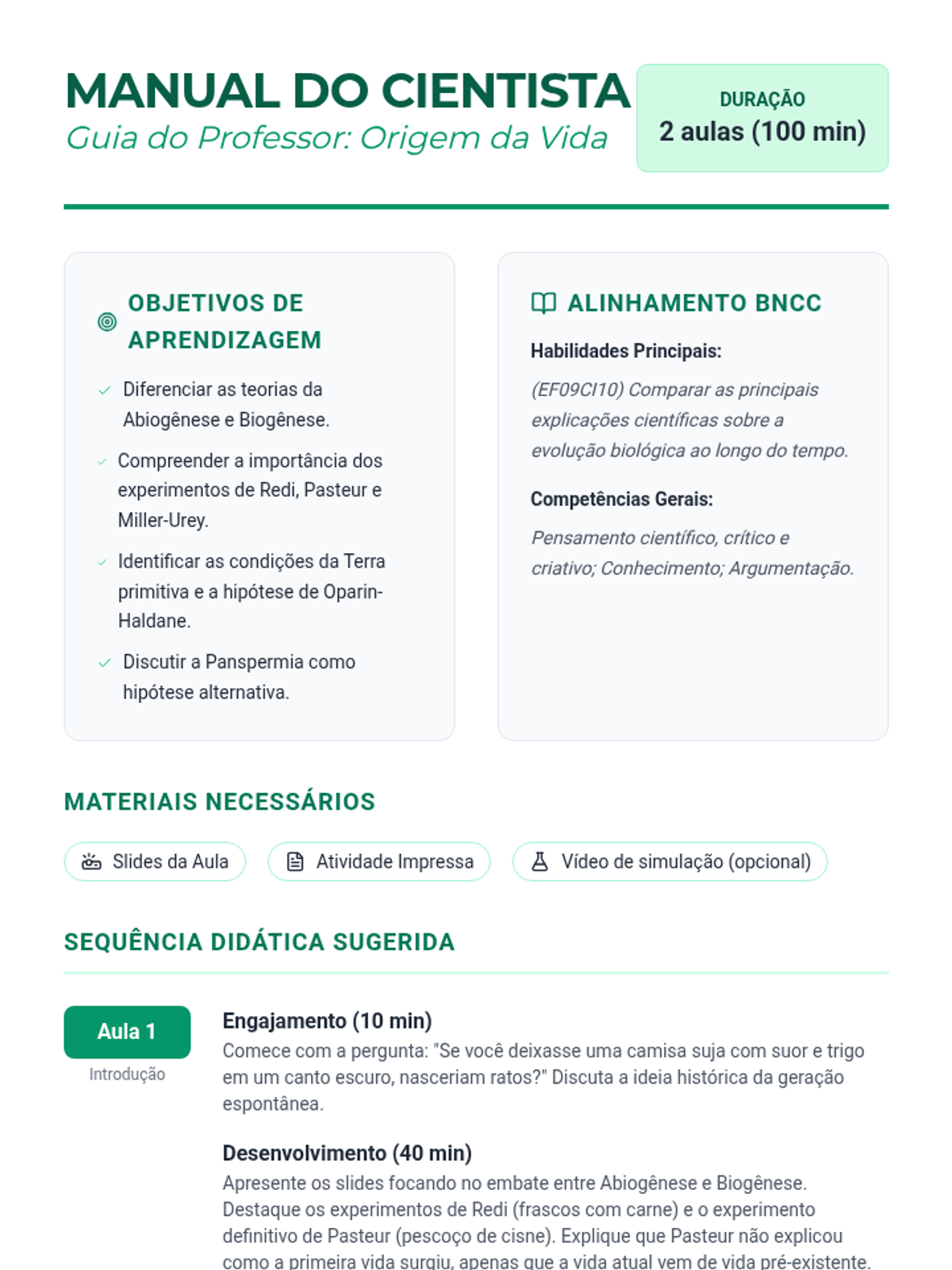
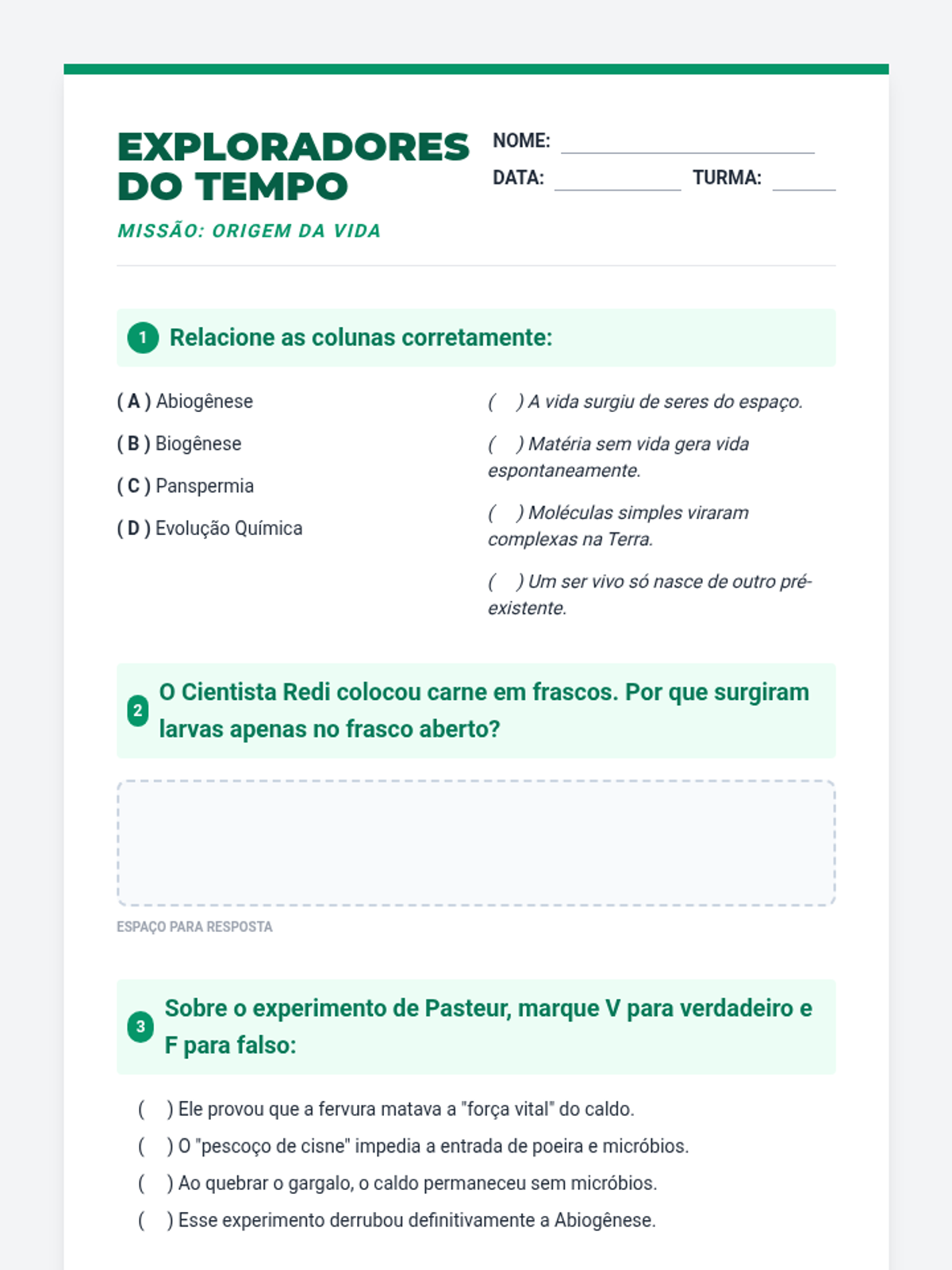
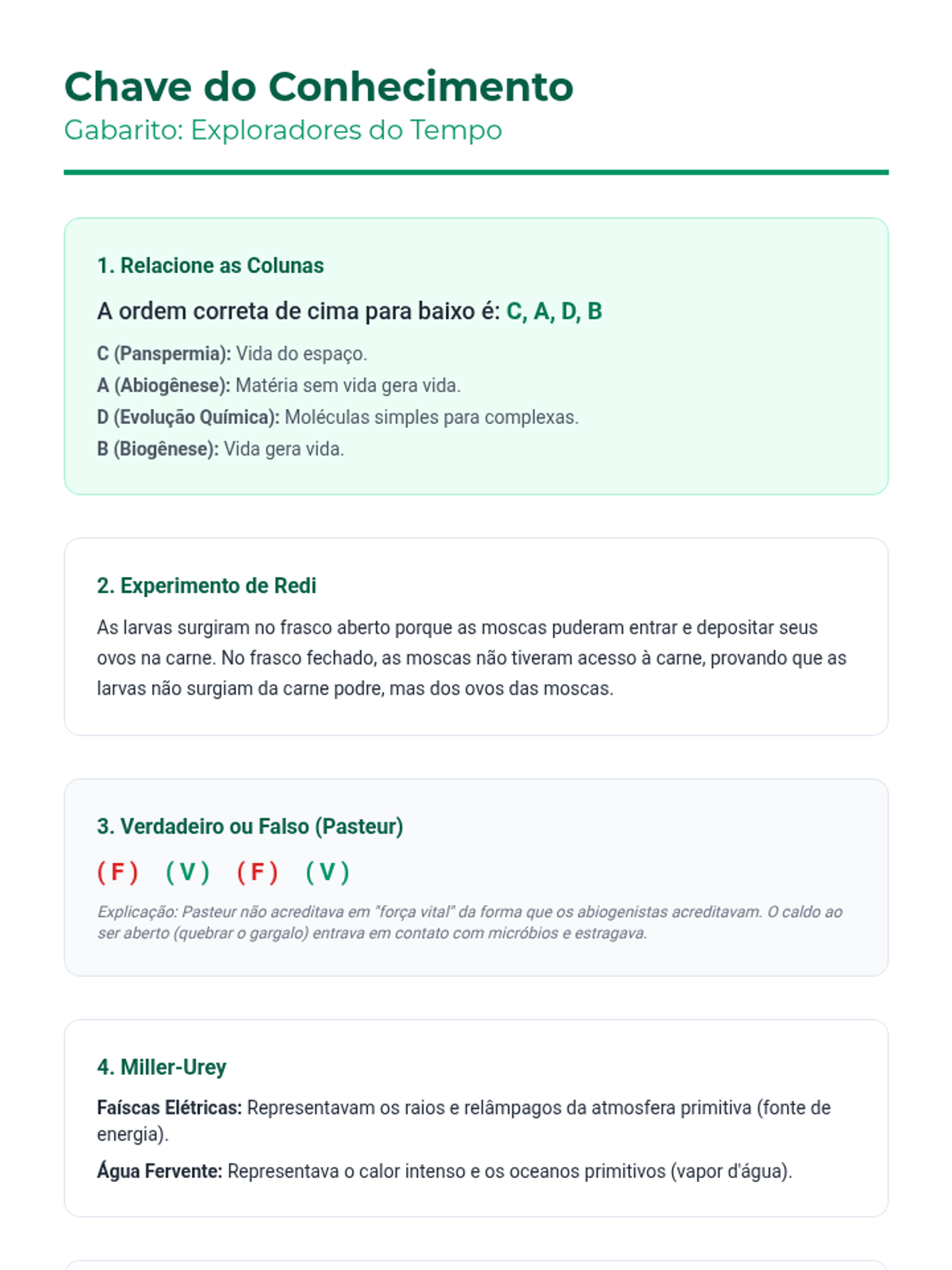
Uma aula completa sobre as principais teorias da origem da vida, abordando desde a abiogênese até os experimentos de Miller-Urey, alinhada à BNCC para o Ensino Fundamental II.
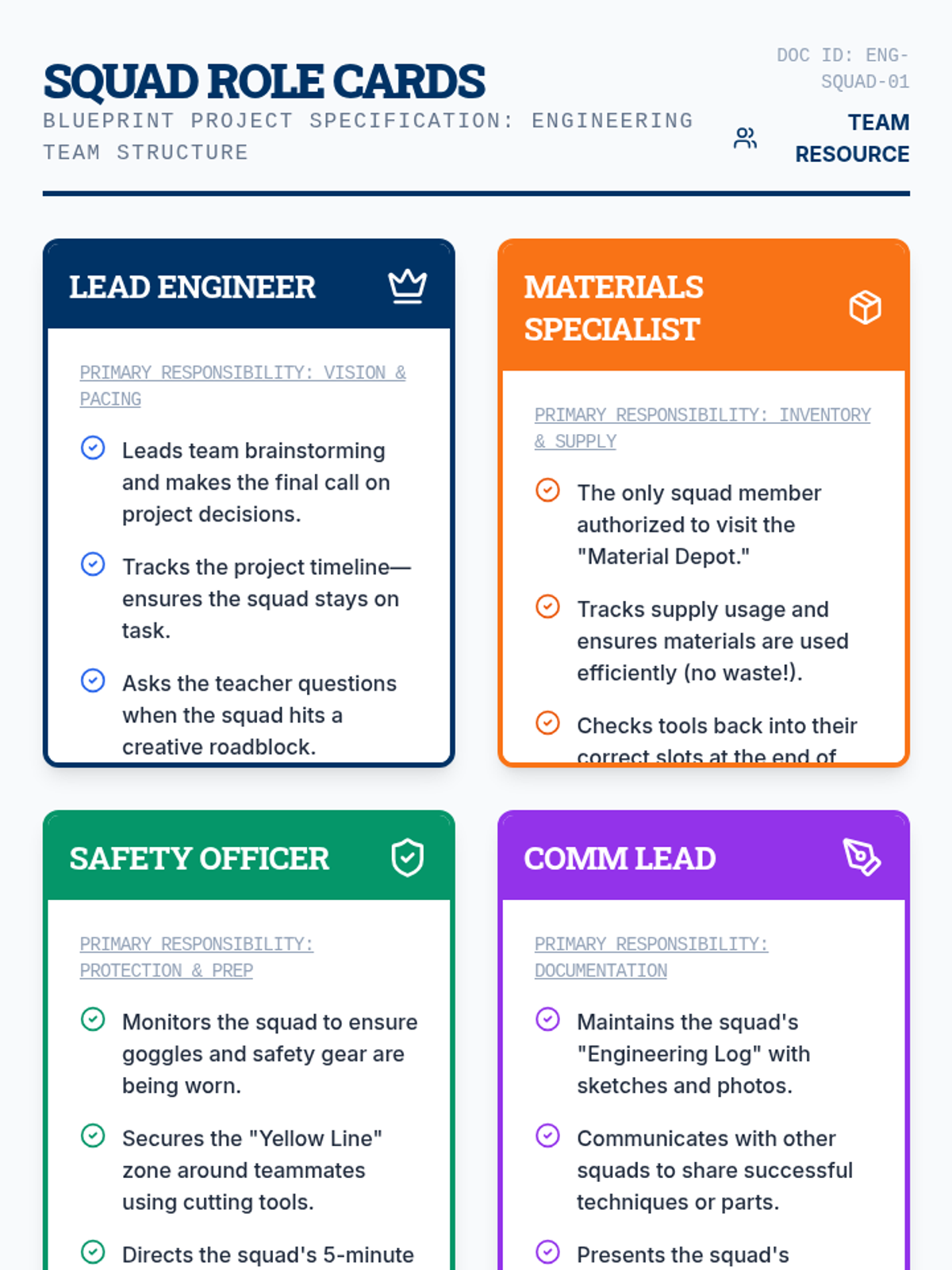
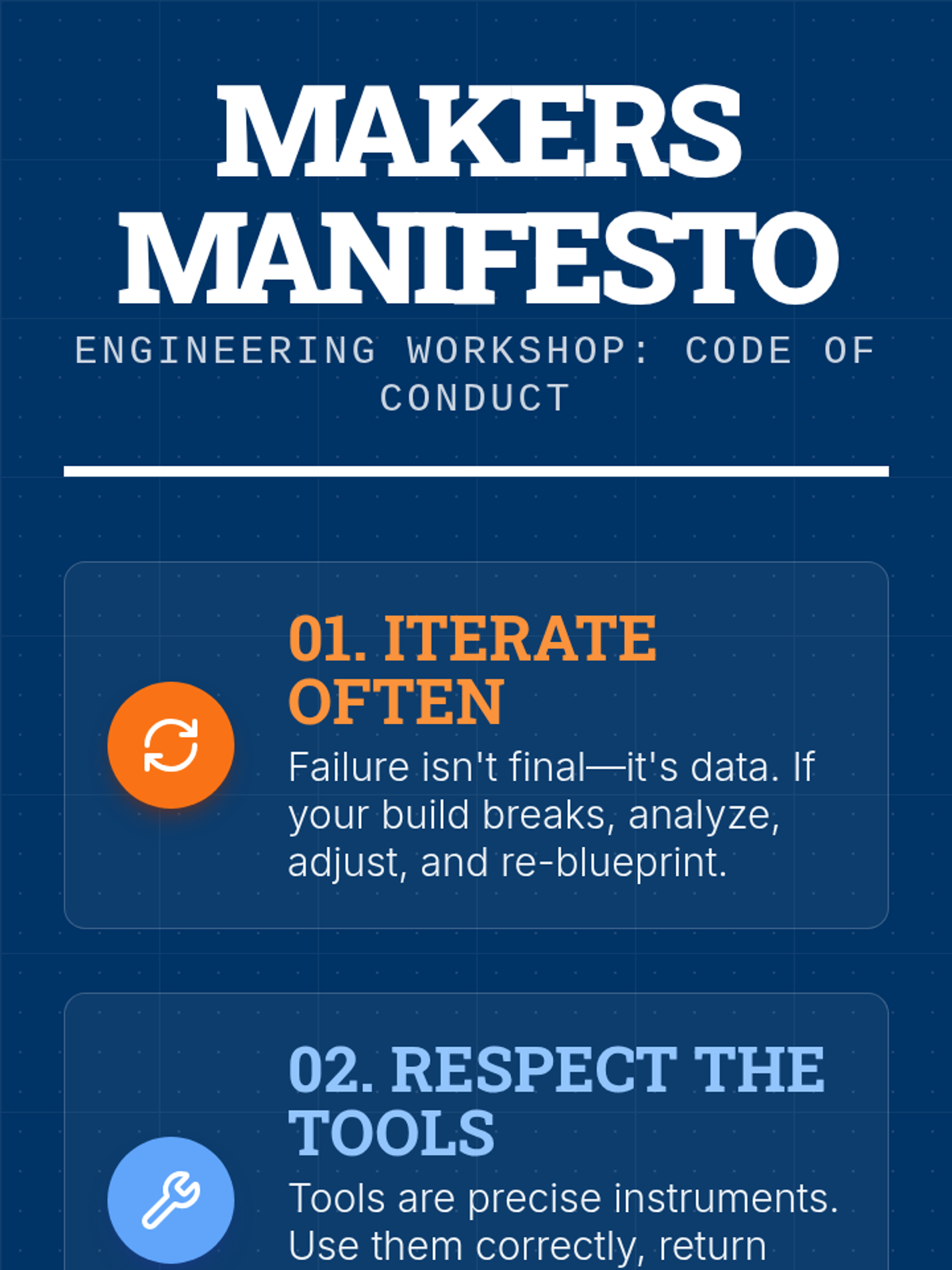
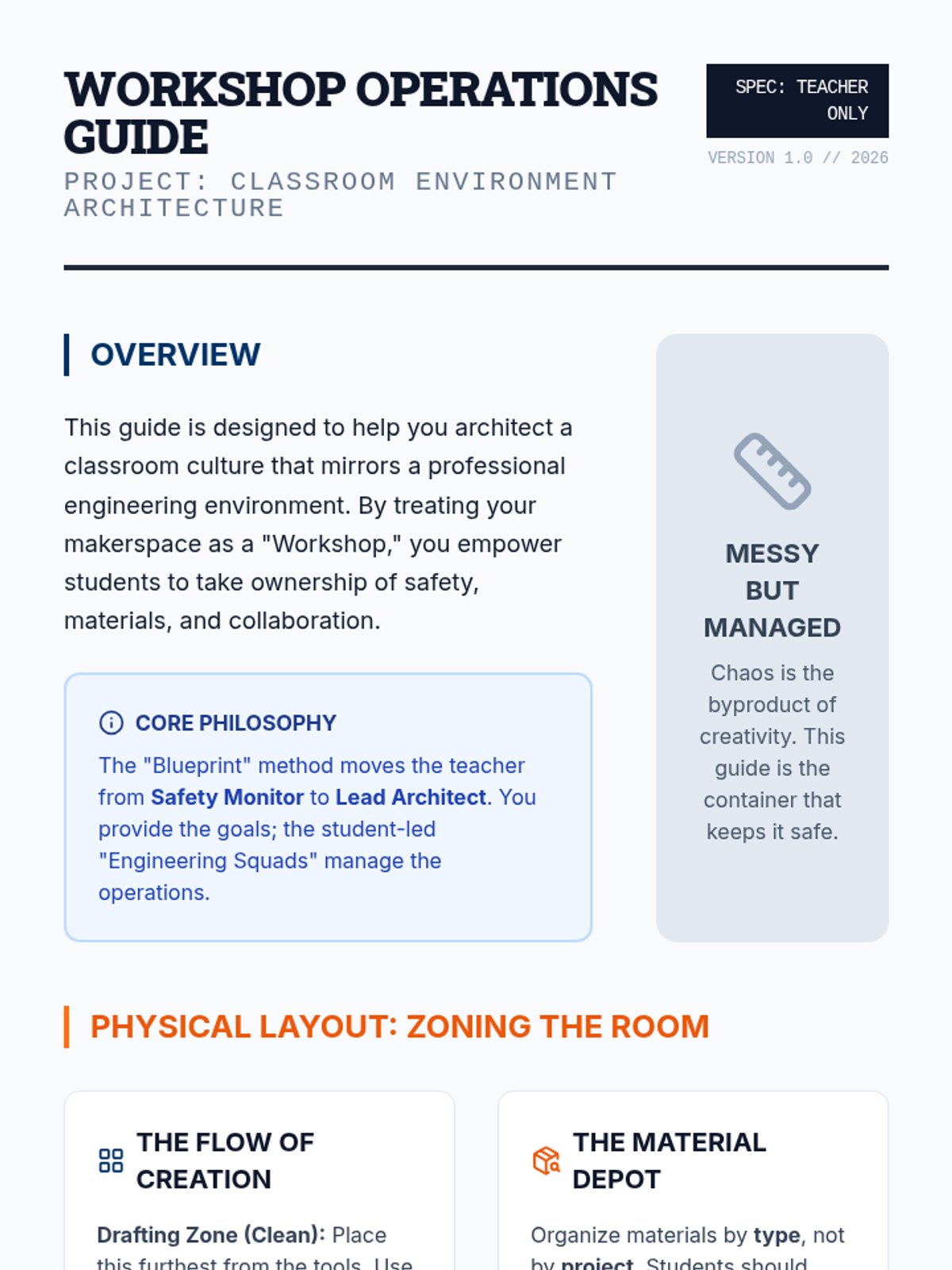
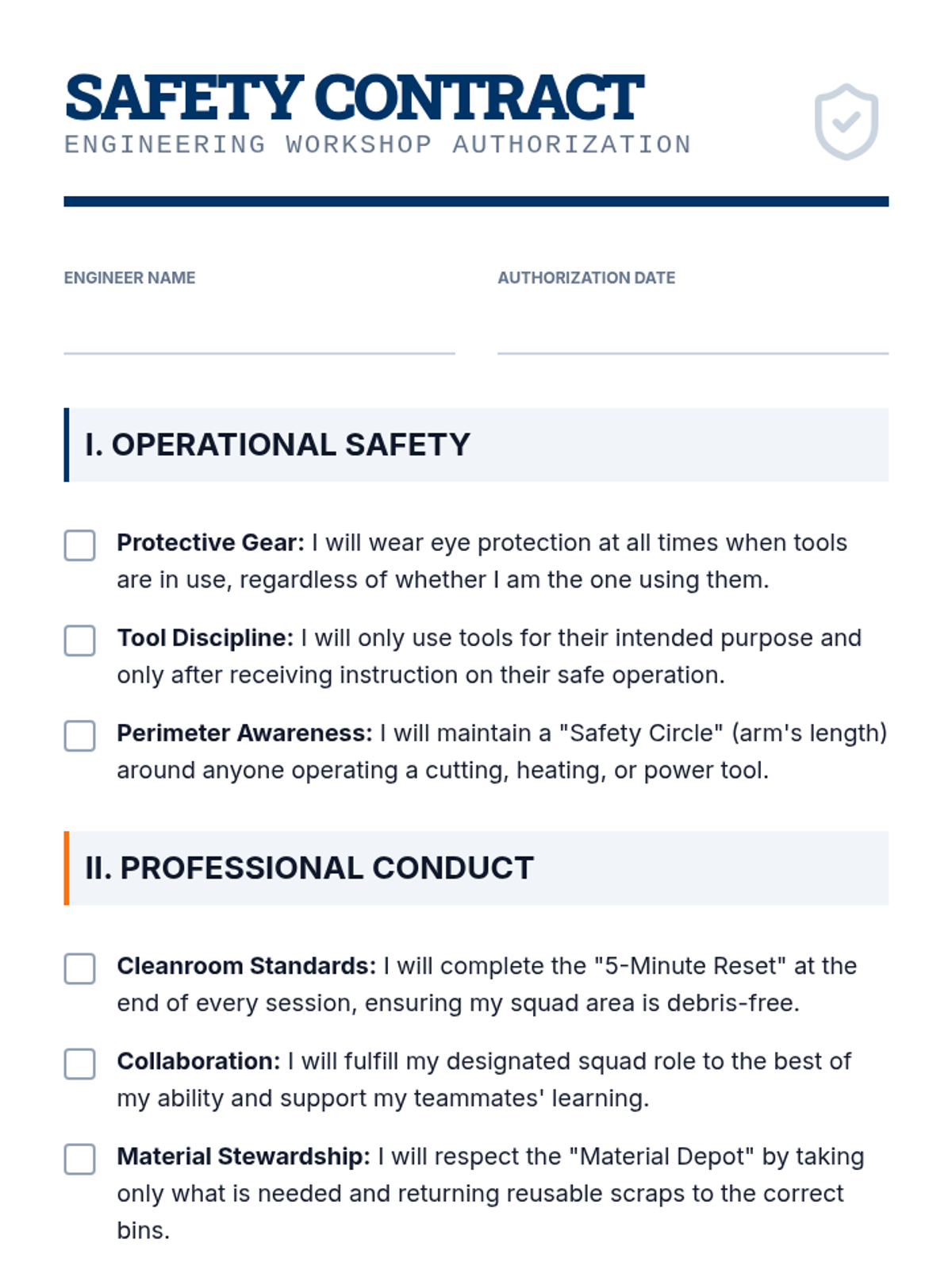
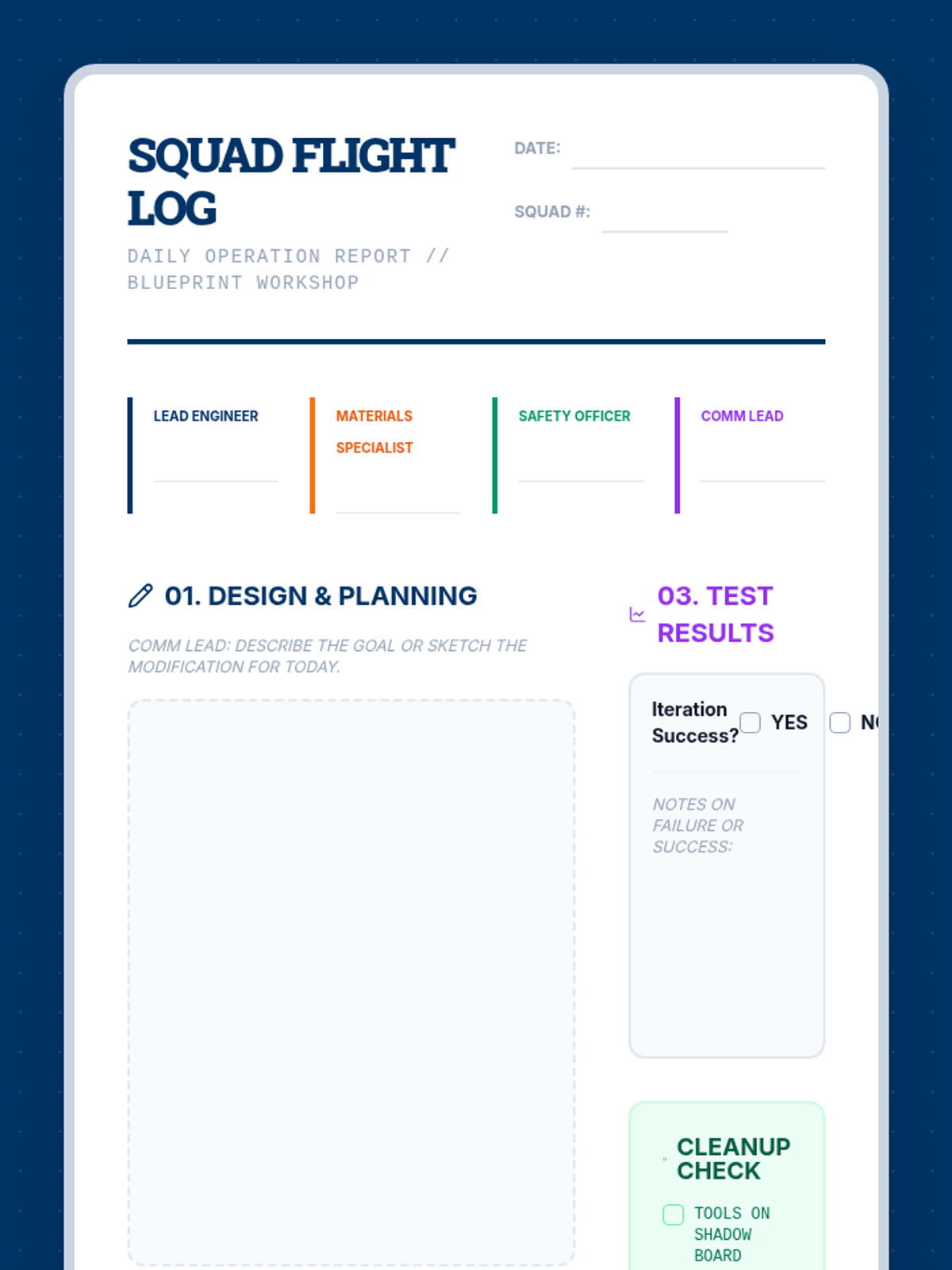
A foundational toolkit for setting up a physical engineering and maker space, covering physical layout, collaborative roles, and essential classroom routines.
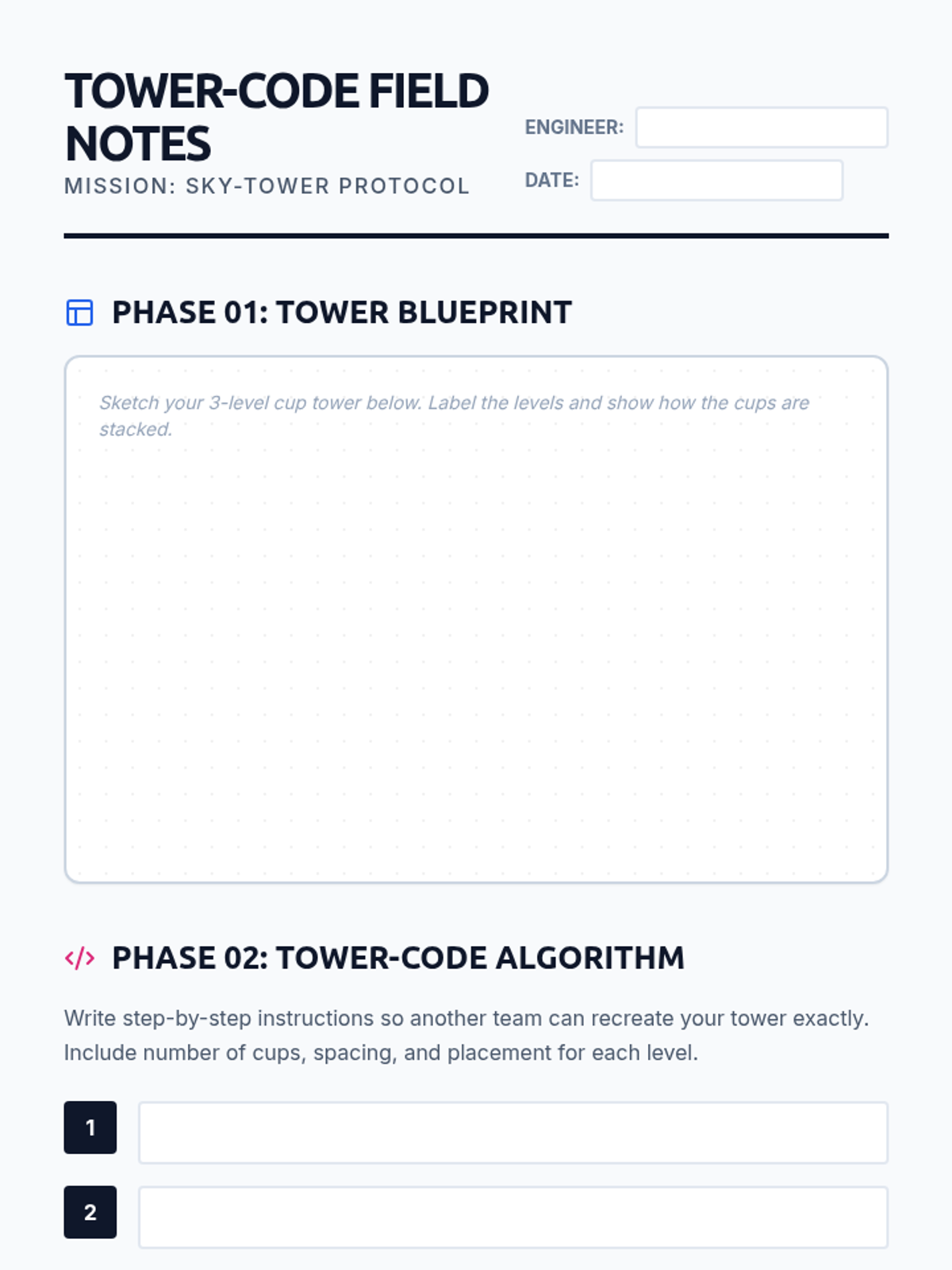
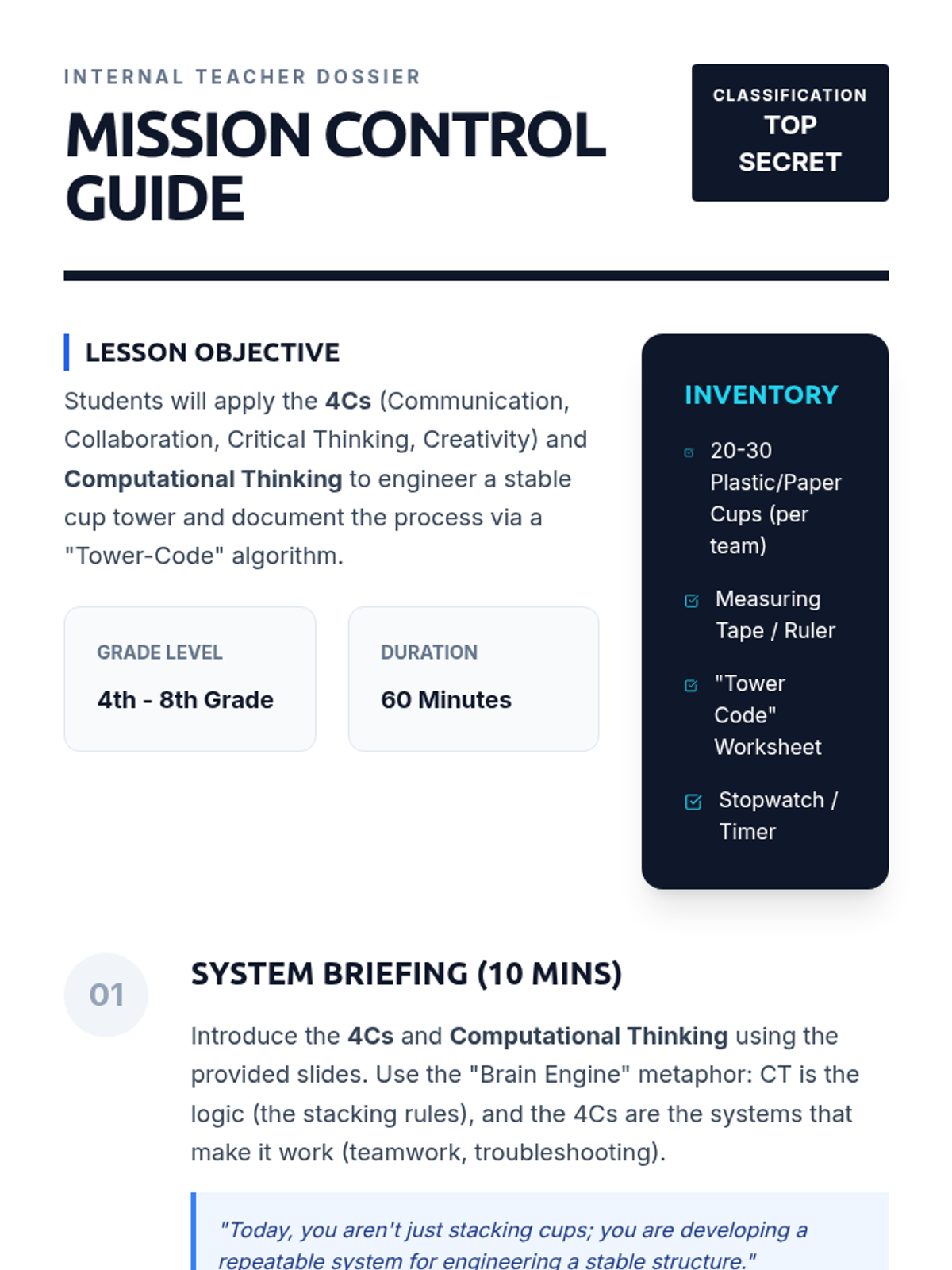
A high-stakes engineering challenge where students use the 4Cs and Computational Thinking to design, build, and document the ultimate cup tower structure.
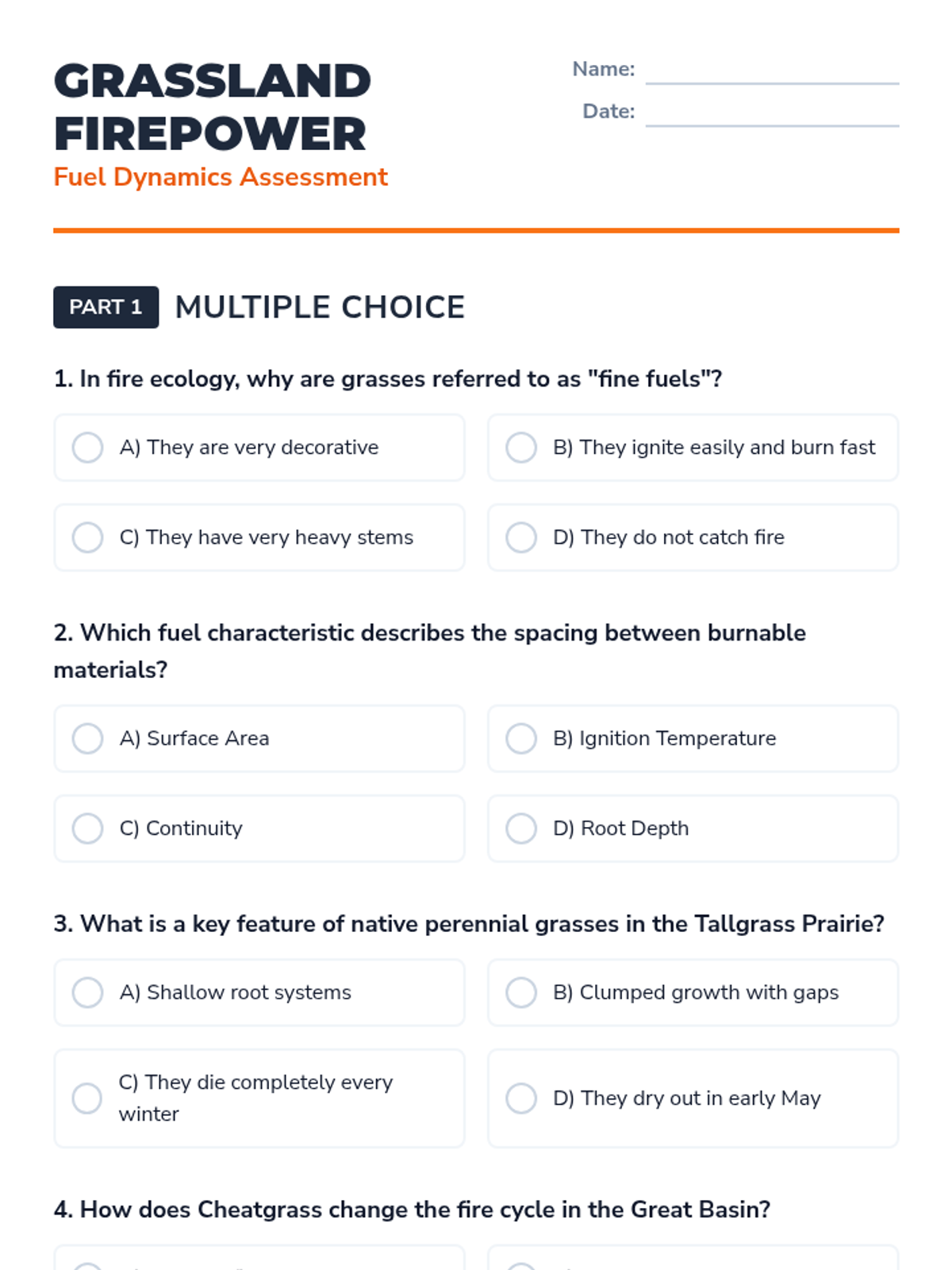
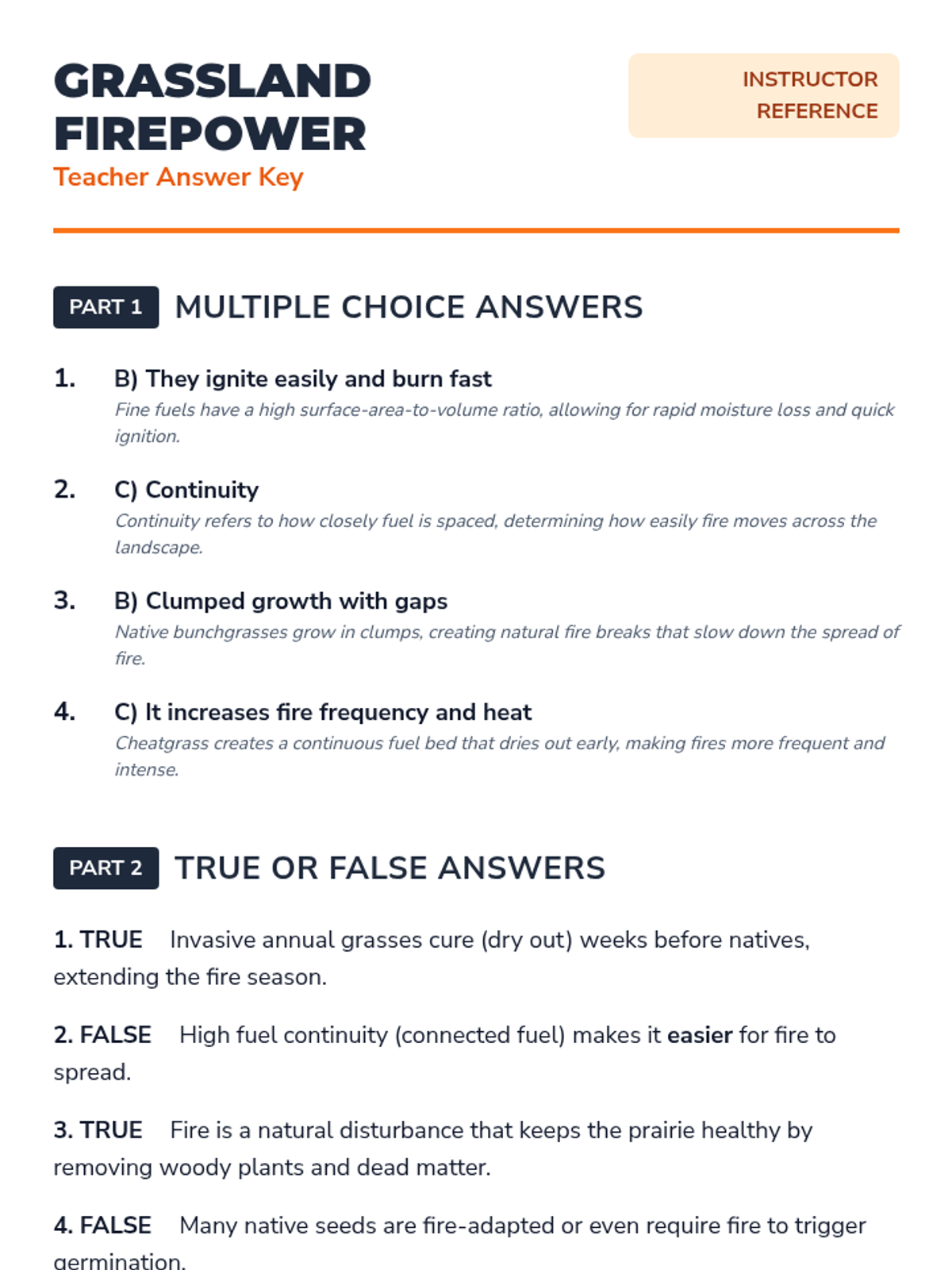
A lesson exploring the differences between natural and invasive grasses as fire fuels, featuring case studies on the Tallgrass Prairie and Cheatgrass in the Great Basin. Students will analyze fire behavior and impact through comparative study and assessment.