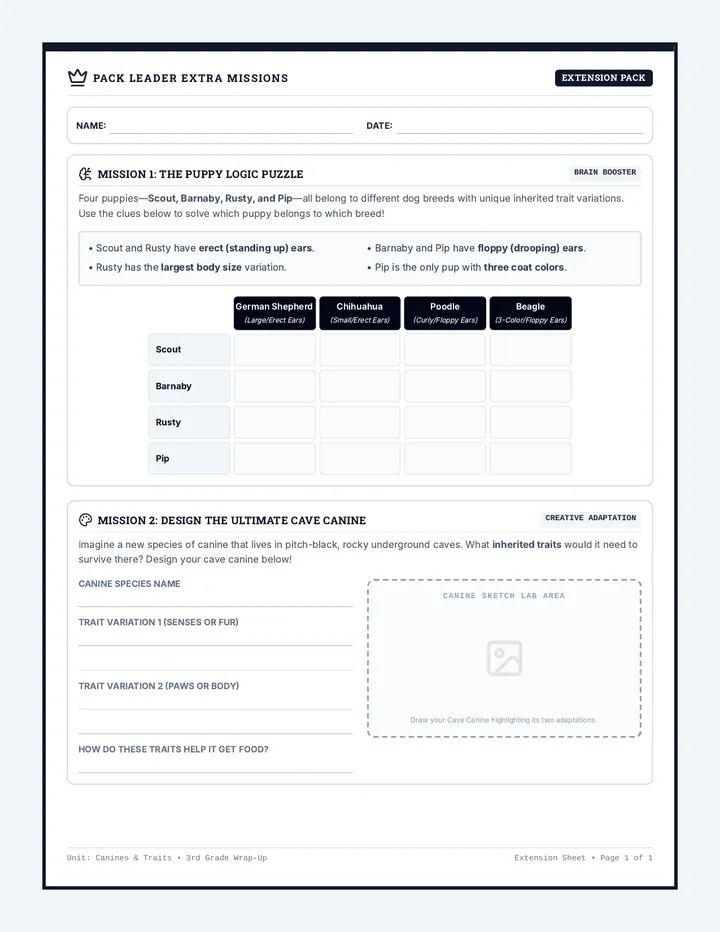
A project-based lesson where 3rd-grade students explore the physical characteristics of mountains, wetlands, plains, and deserts through a variety of creative choices.
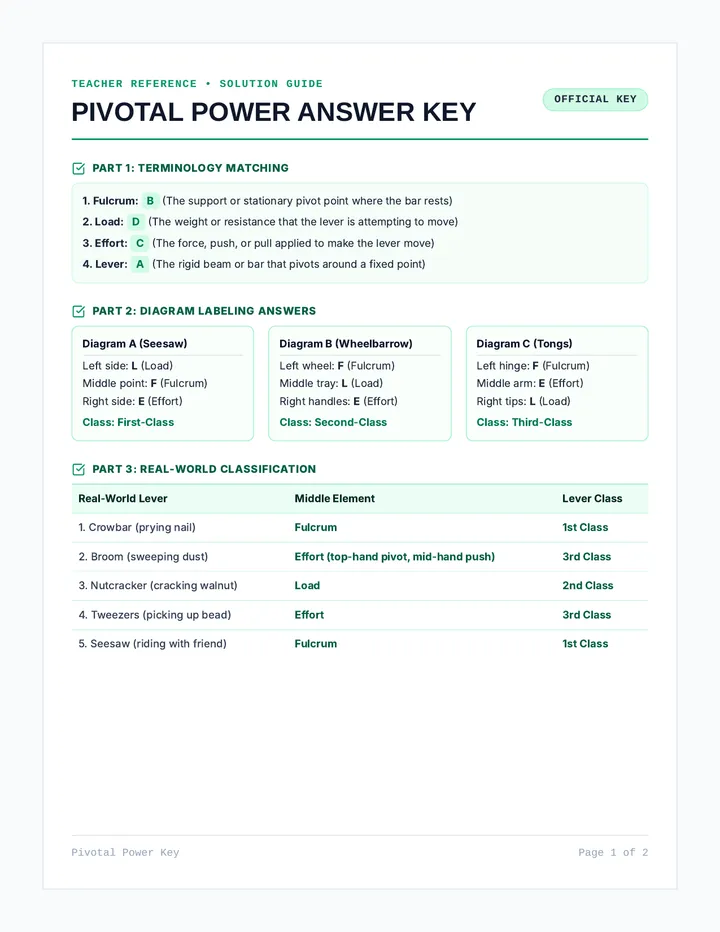
A 6th-grade lesson where students transition from passive rumor-consumers to active investigators by identifying a school-based myth and designing a scientific or journalistic plan to verify it.
A 45-minute lesson for 6th graders to develop media literacy skills by learning how to identify AI-generated images and discussing the ethical implications of digital manipulation. Students will become 'Pixel Detectives,' learning specific visual cues to distinguish between reality and synthesis.
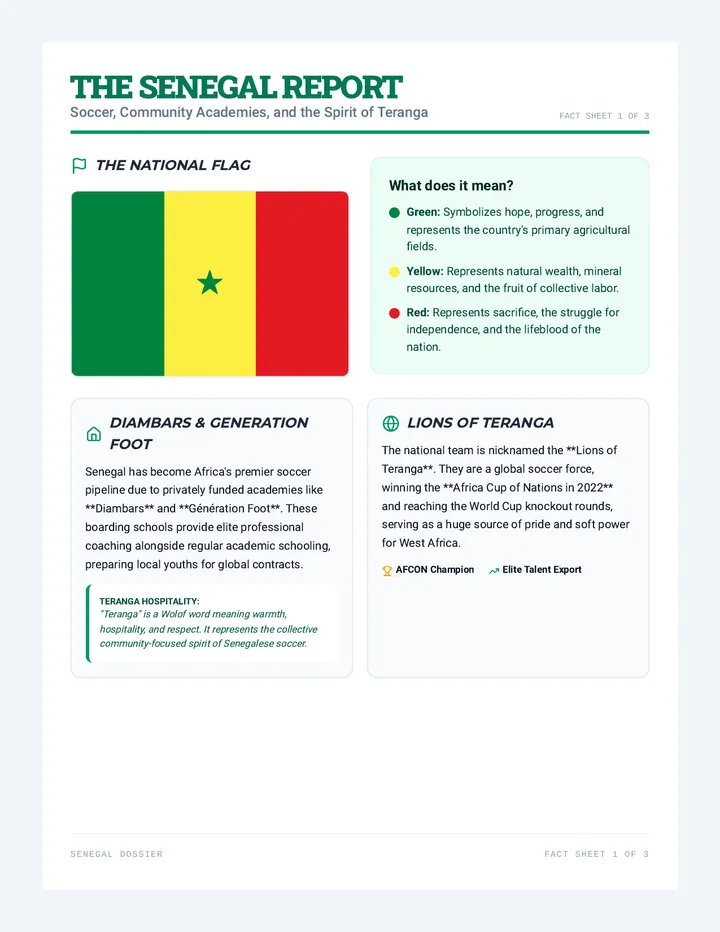
In this media literacy lesson, 6th-grade students become 'Digital Detectives' to uncover the hidden tactics of clickbait. They will analyze sensational headlines, identify emotional triggers, and practice transforming misleading viral content into factual reporting.
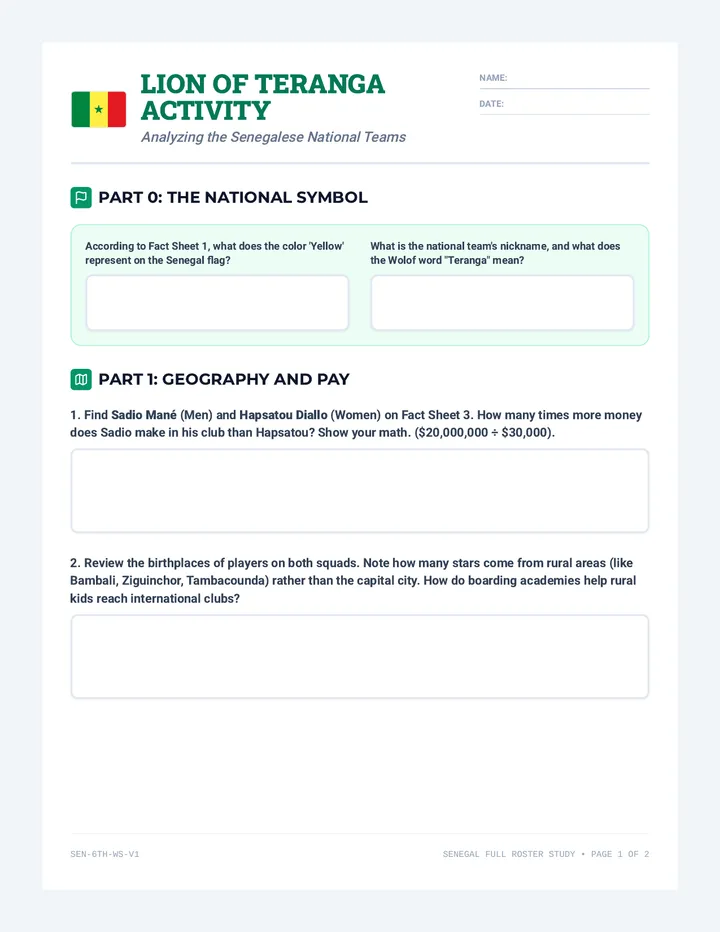
A comprehensive 45-minute lesson for 6th graders to navigate the complex digital landscape by categorizing information into six distinct 'InfoZones' based on their primary purpose. Students will learn to distinguish between news, opinion, advertising, and more.
Students explore the foundations of professional journalism ethics to collaboratively build a code of conduct for their classroom newsroom, focusing on truth, fairness, and accountability.
A 45-minute civics lesson exploring the First Amendment through the lens of the landmark Supreme Court case Tinker v. Des Moines, empowering students to understand their rights and responsibilities.
Students explore the vital role of a free press as the 'Fourth Estate' in a democracy, examining historical impact and current relevance through inquiry and analysis.
This lesson introduces 6th-grade students to the fundamental differences between accountability journalism and opinion pieces, focusing on the concept of 'watchdog' journalism and the role of information gatekeepers.
How and why organisms use light for social interactions, communication, and complex behaviors. Students explore strategies like counter-illumination and burglar alarms.
How is light made? Students break down the chemical reaction of bioluminescence, exploring the interaction between luciferin, luciferase, and oxygen.
Discover the mysterious world of the deep ocean's midnight zone. Students explore how creatures create light in total darkness and identify the physical adaptations of bioluminescent marine life.
Uma aula completa sobre as principais teorias da origem da vida, abordando desde a abiogênese até os experimentos de Miller-Urey, alinhada à BNCC para o Ensino Fundamental II.
A lesson exploring the struggle for school equality in the United States, focusing on key legal cases and the brave students who led the way for integration.
A foundational toolkit for setting up a physical engineering and maker space, covering physical layout, collaborative roles, and essential classroom routines.
A high-stakes engineering challenge where students use the 4Cs and Computational Thinking to design, build, and document the ultimate cup tower structure.
A comparative look at Hawaiian culture and Southern US culture, focusing on language, housing, economics, and deep-rooted family values.
A lesson exploring the differences between natural and invasive grasses as fire fuels, featuring case studies on the Tallgrass Prairie and Cheatgrass in the Great Basin. Students will analyze fire behavior and impact through comparative study and assessment.