This lesson introduces 6th-grade students to the fundamental differences between accountability journalism and opinion pieces, focusing on the concept of 'watchdog' journalism and the role of information gatekeepers.
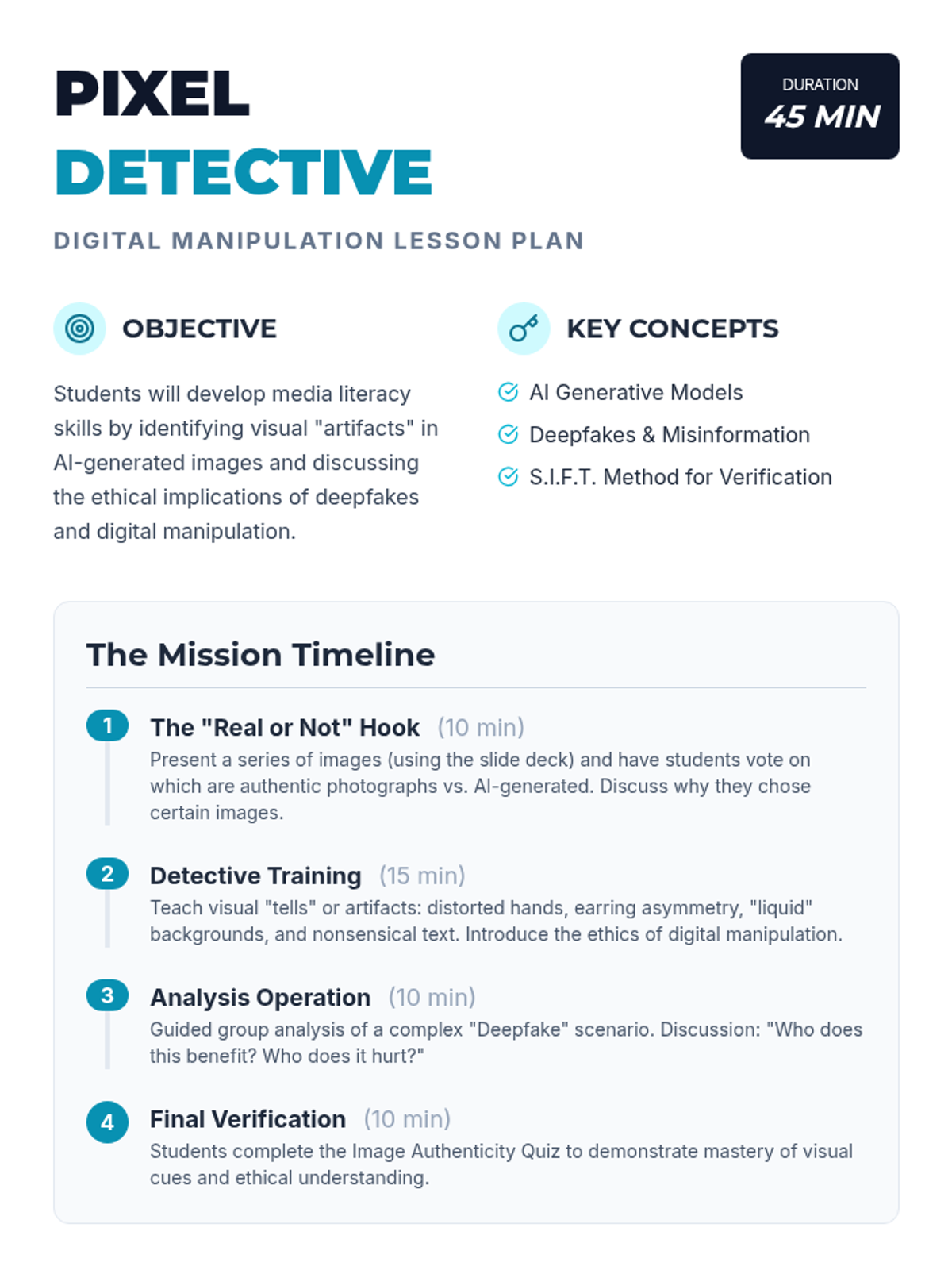
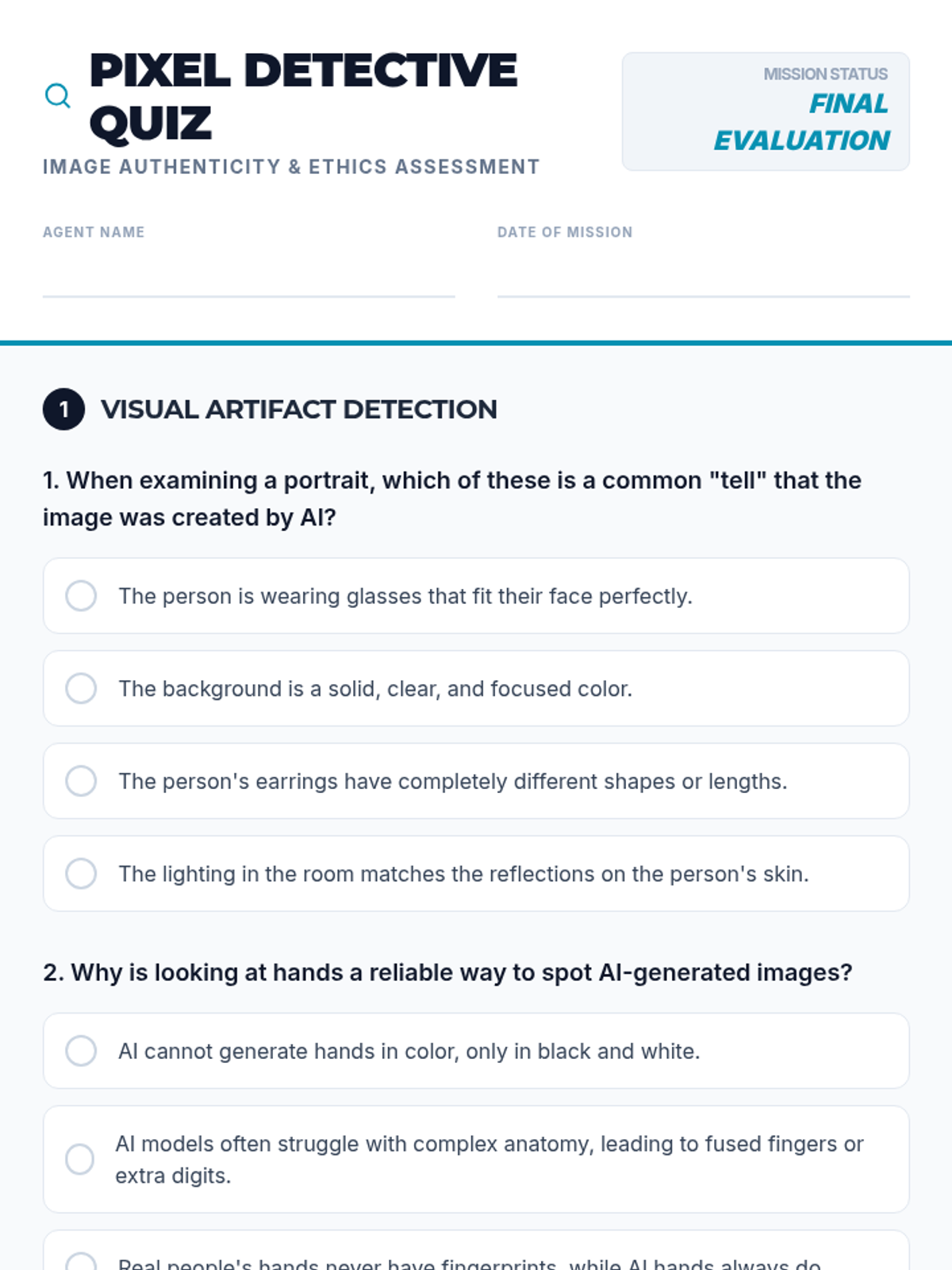
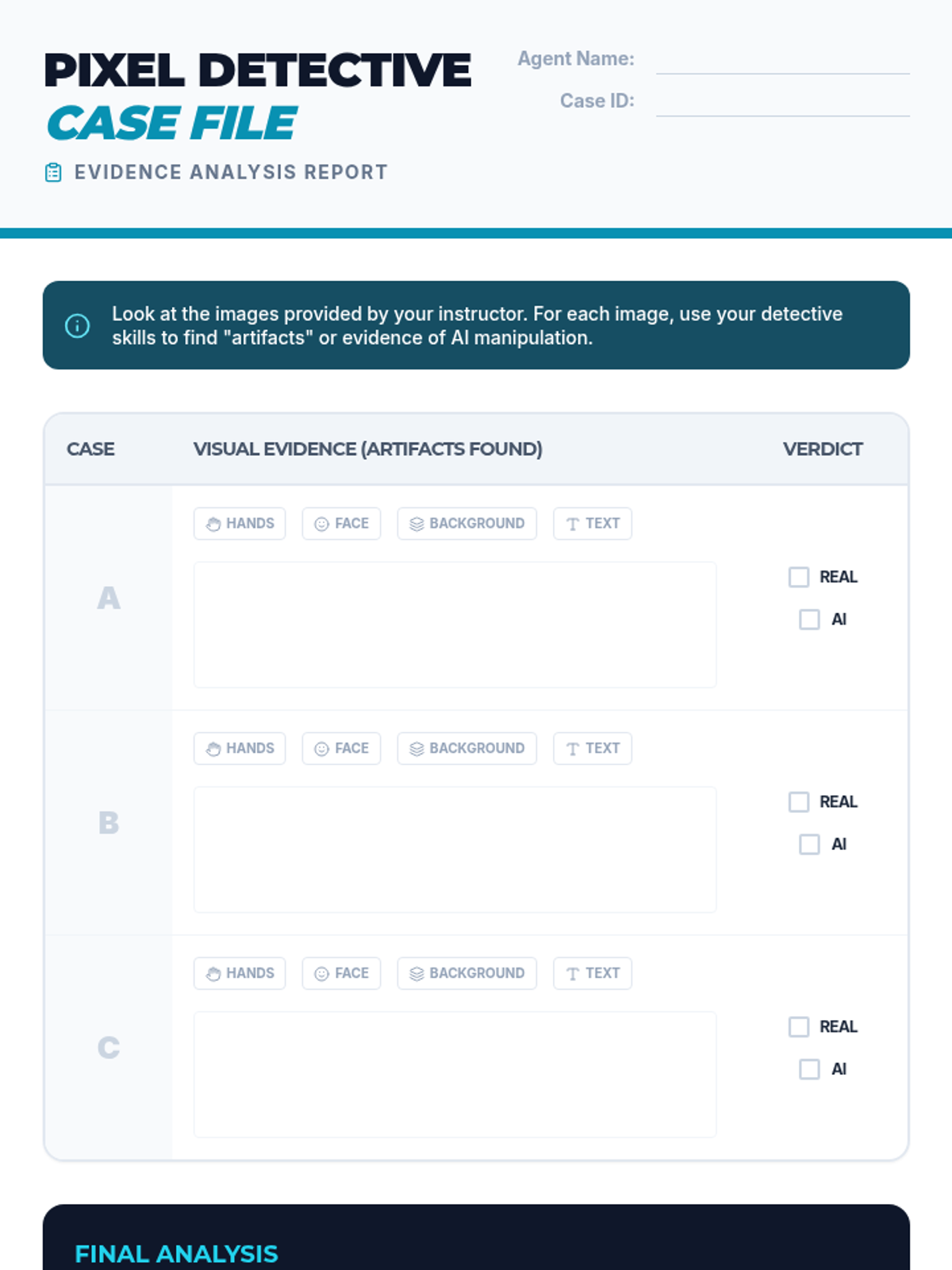
A 45-minute lesson for 6th graders to develop media literacy skills by learning how to identify AI-generated images and discussing the ethical implications of digital manipulation. Students will become 'Pixel Detectives,' learning specific visual cues to distinguish between reality and synthesis.
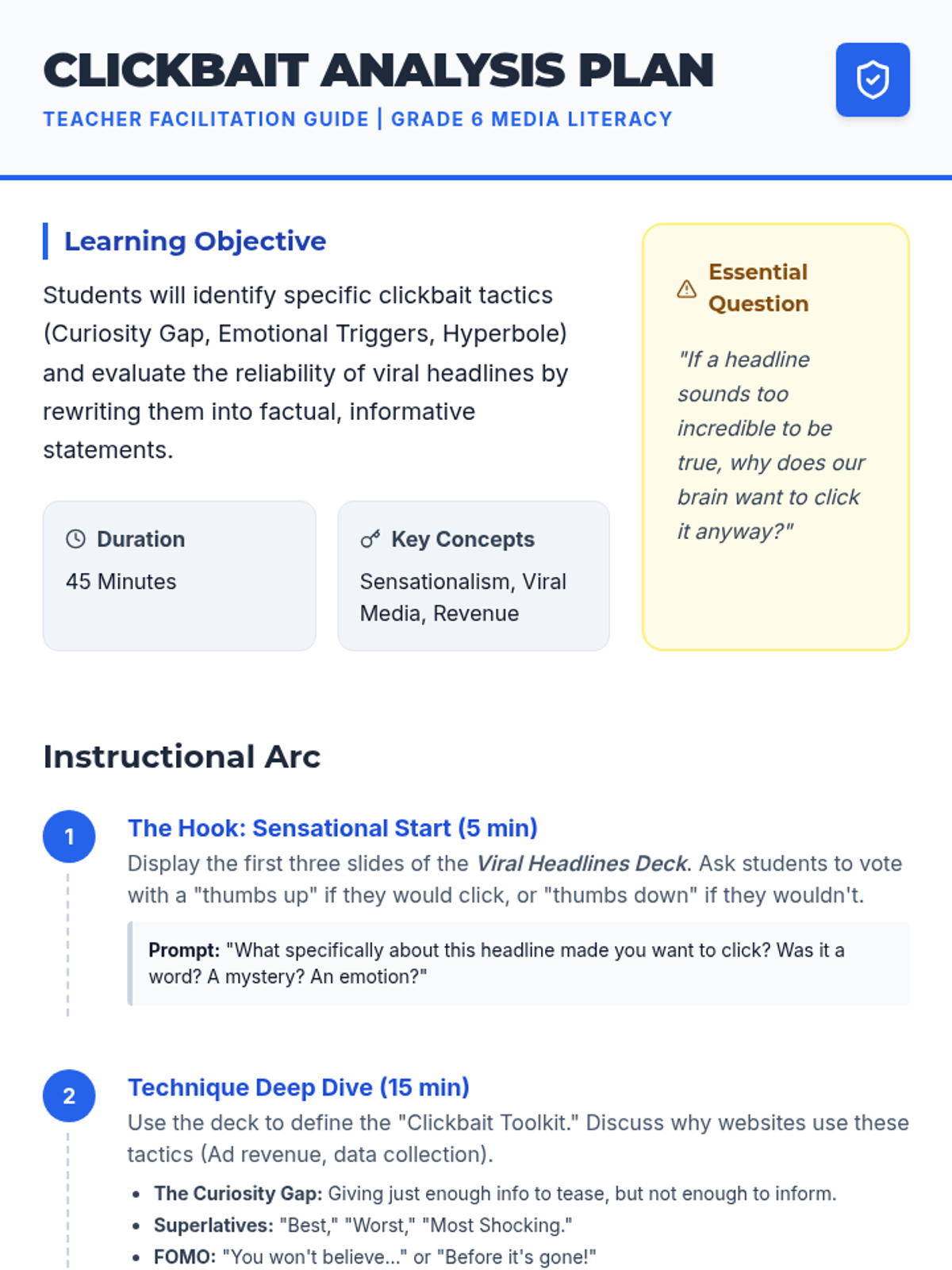
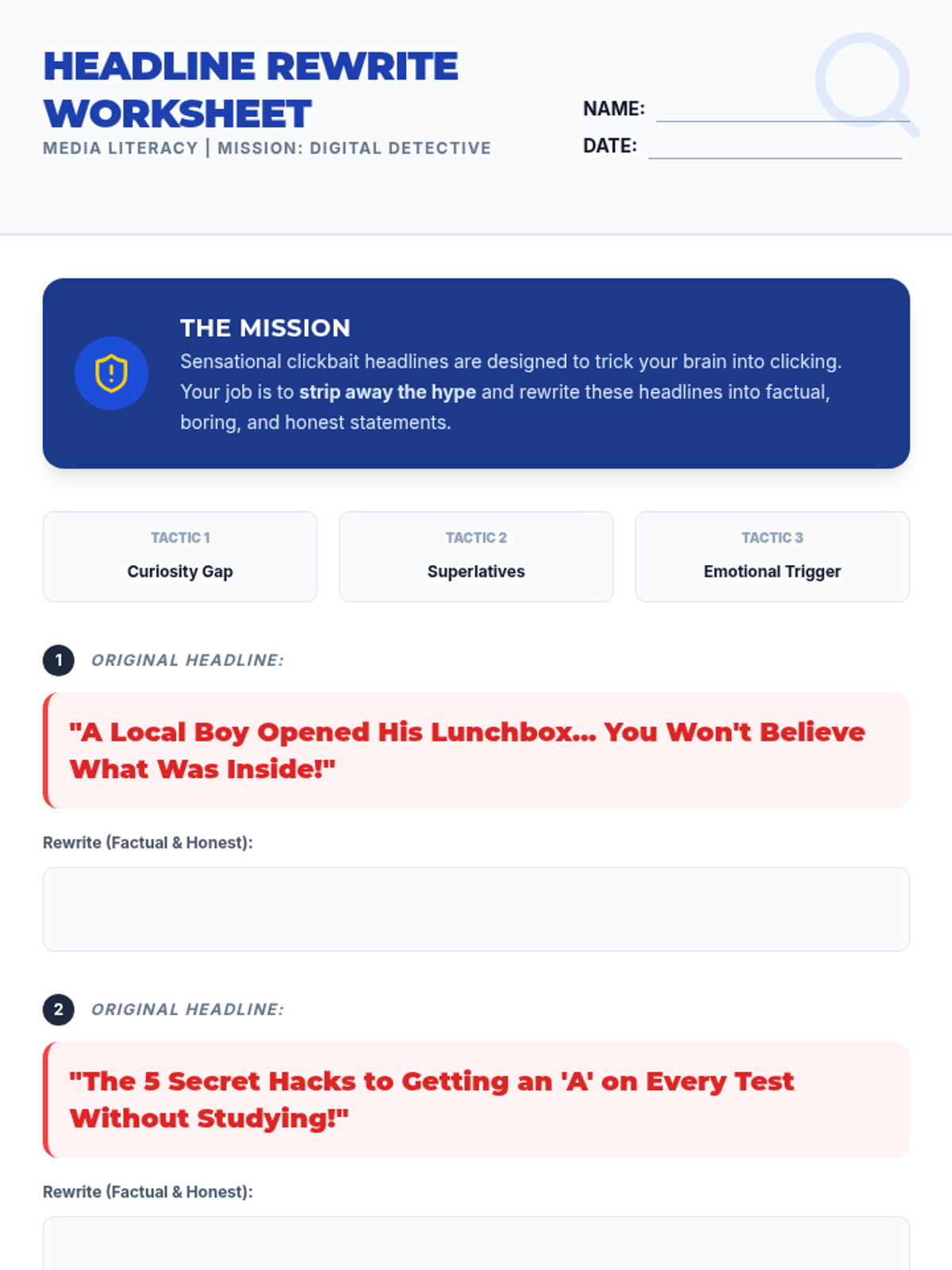
In this media literacy lesson, 6th-grade students become 'Digital Detectives' to uncover the hidden tactics of clickbait. They will analyze sensational headlines, identify emotional triggers, and practice transforming misleading viral content into factual reporting.
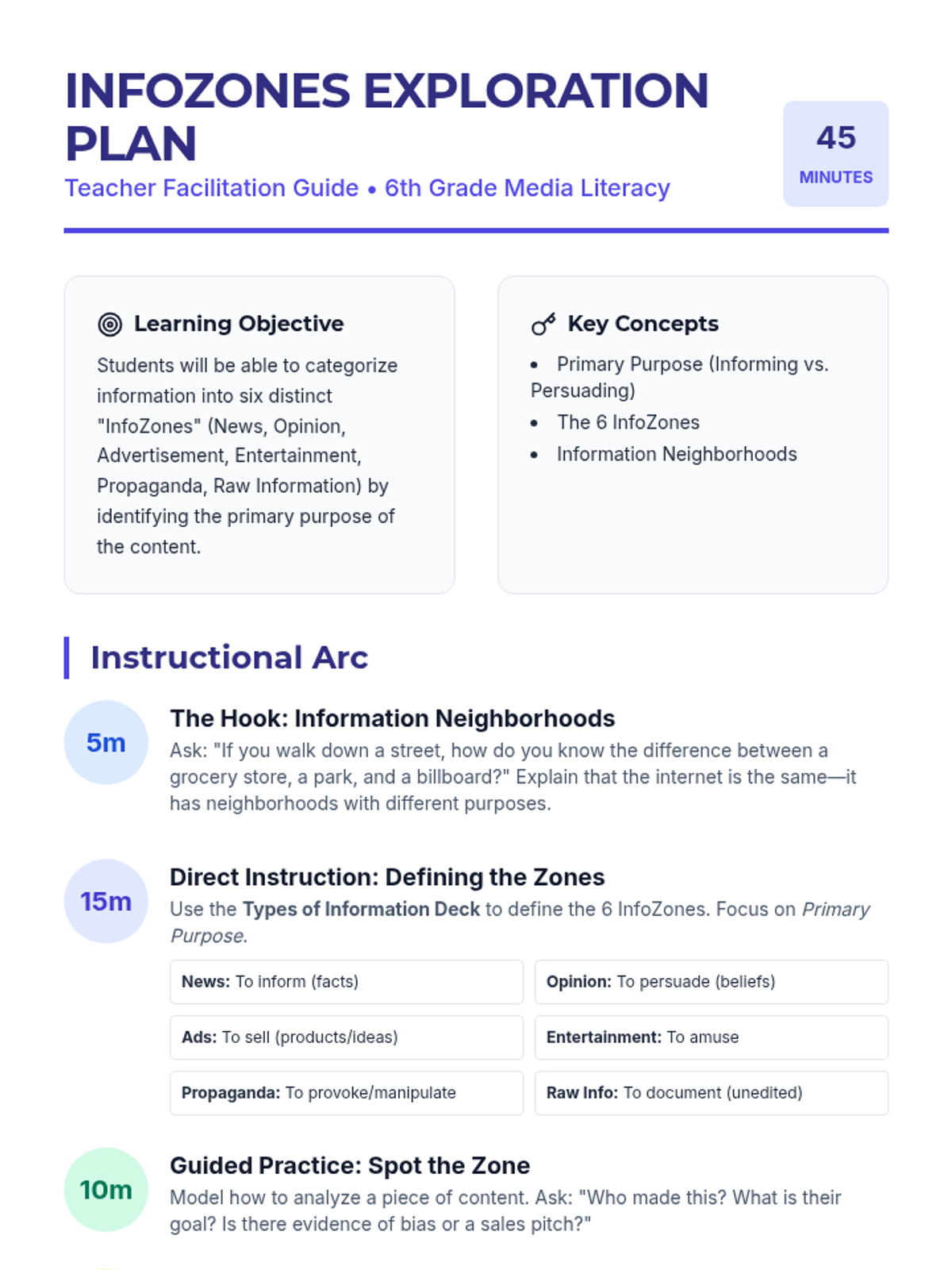
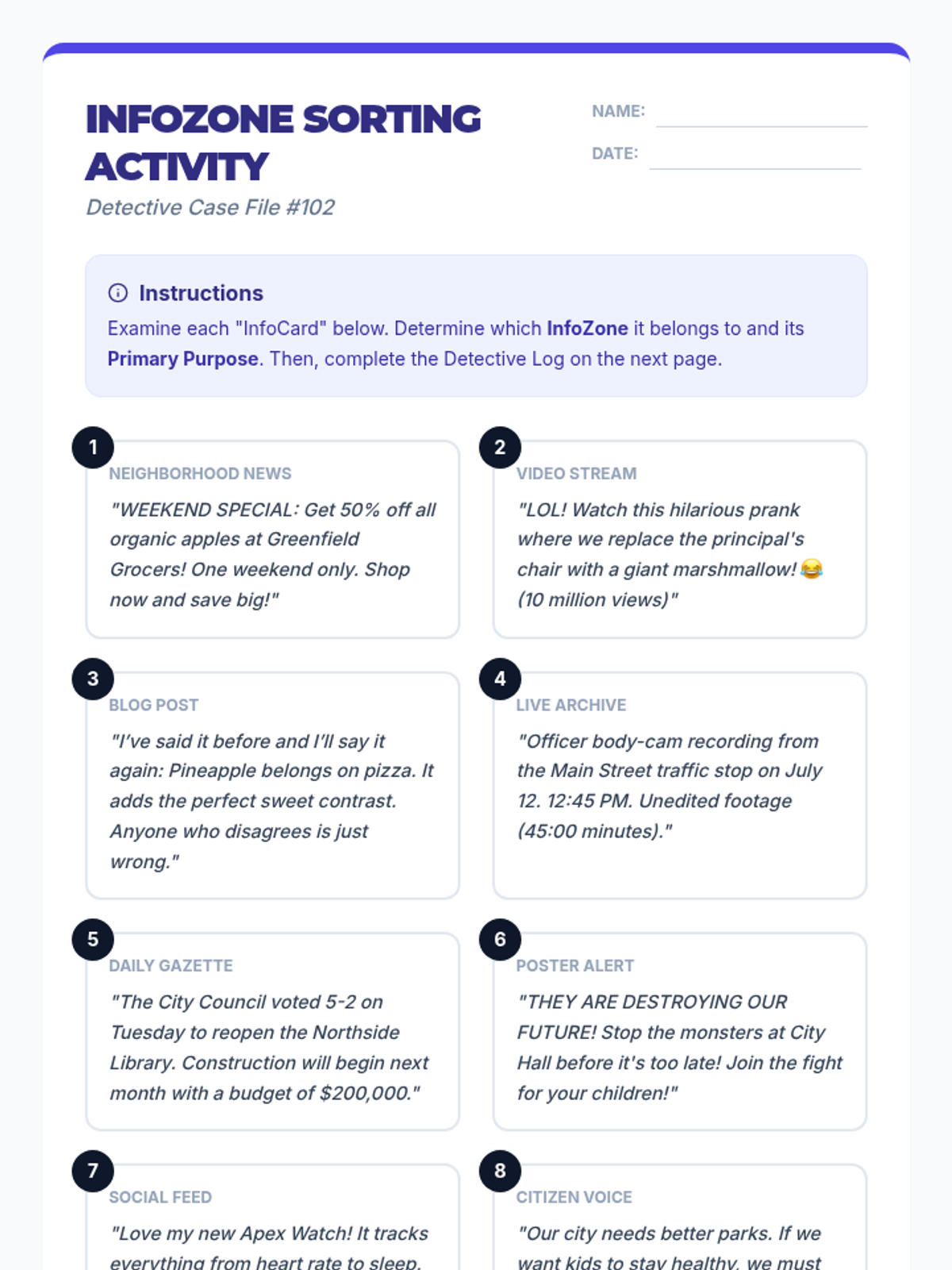
A comprehensive 45-minute lesson for 6th graders to navigate the complex digital landscape by categorizing information into six distinct 'InfoZones' based on their primary purpose. Students will learn to distinguish between news, opinion, advertising, and more.
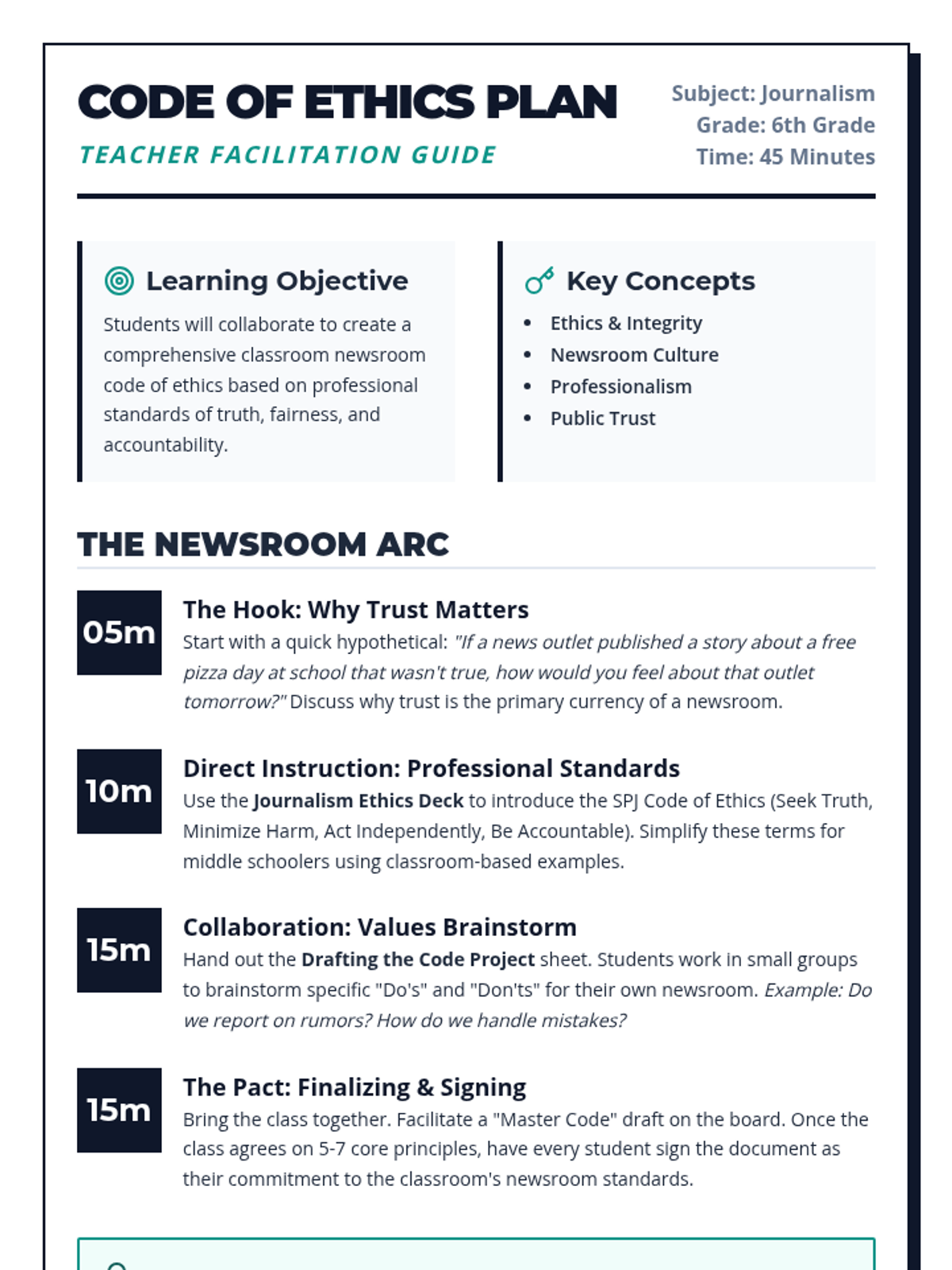
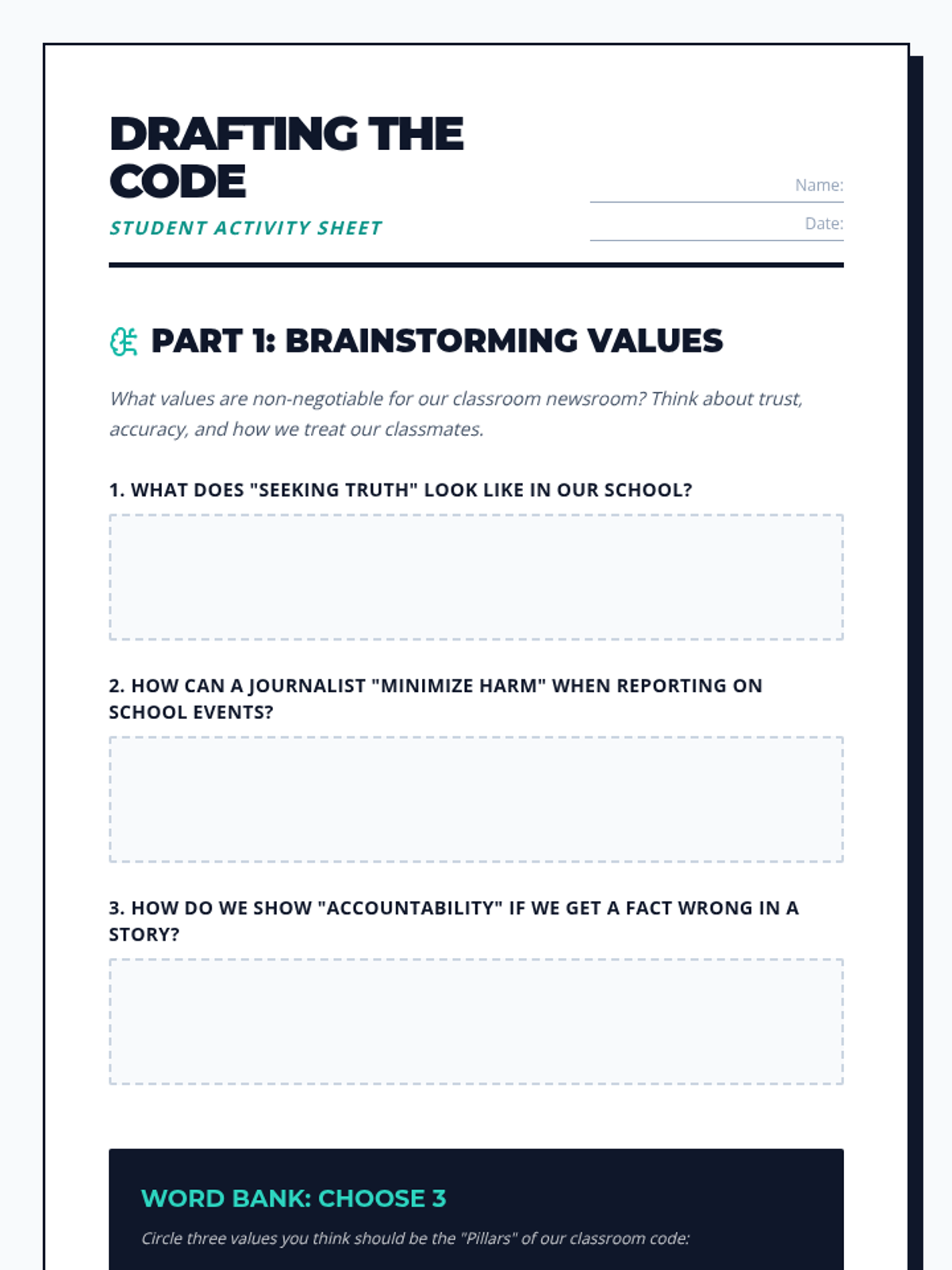
Students explore the foundations of professional journalism ethics to collaboratively build a code of conduct for their classroom newsroom, focusing on truth, fairness, and accountability.
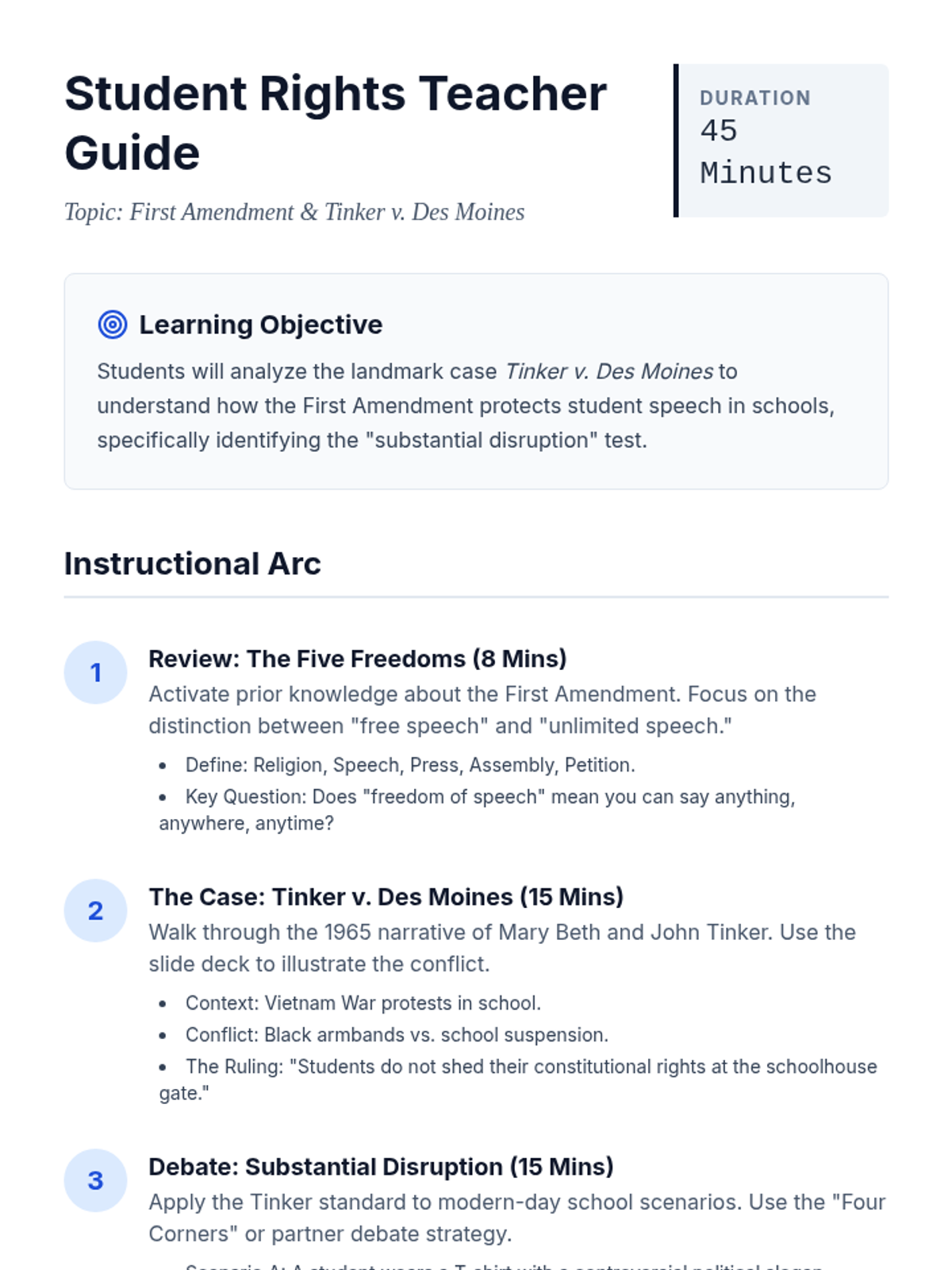
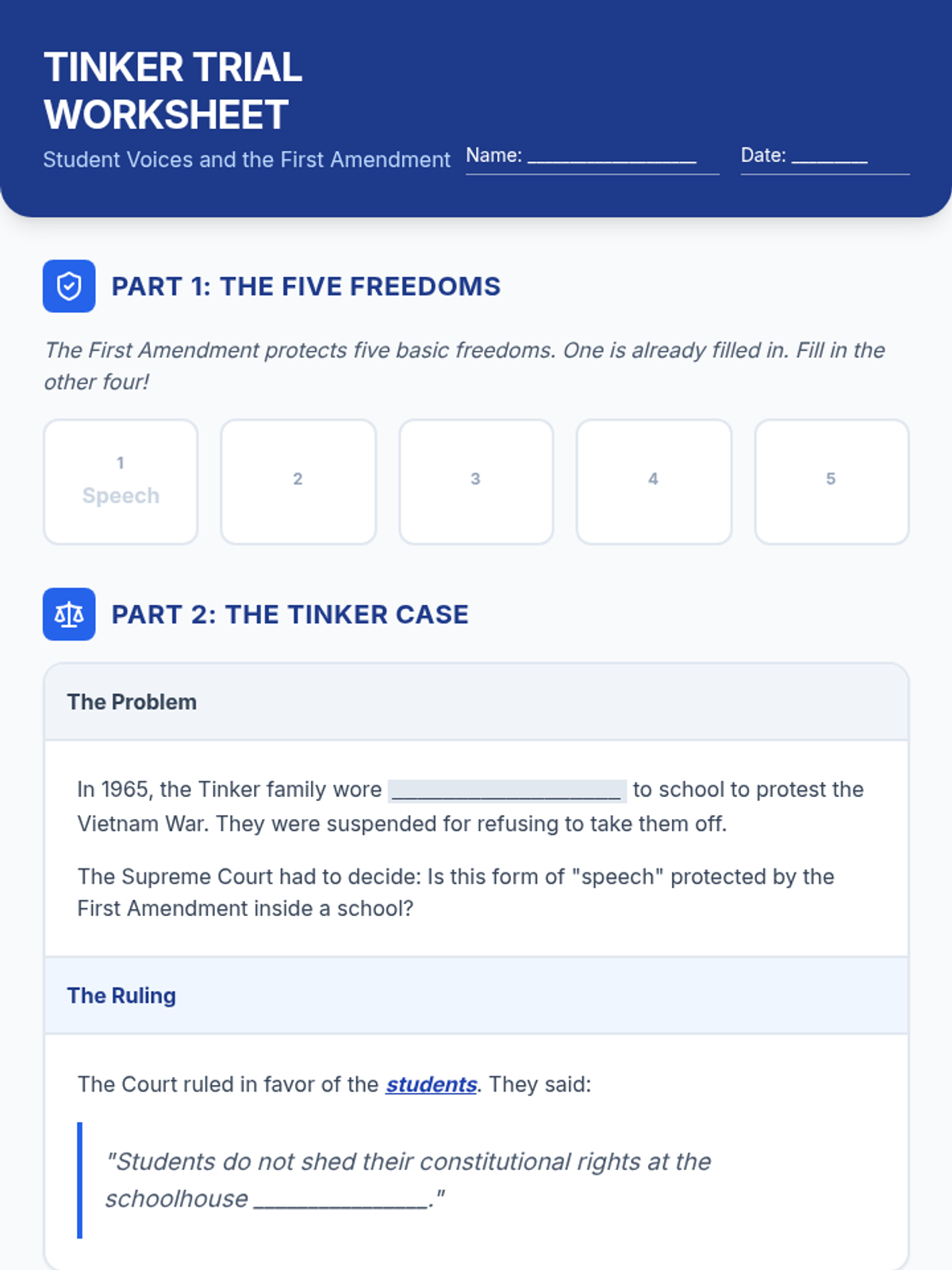
A 45-minute civics lesson exploring the First Amendment through the lens of the landmark Supreme Court case Tinker v. Des Moines, empowering students to understand their rights and responsibilities.
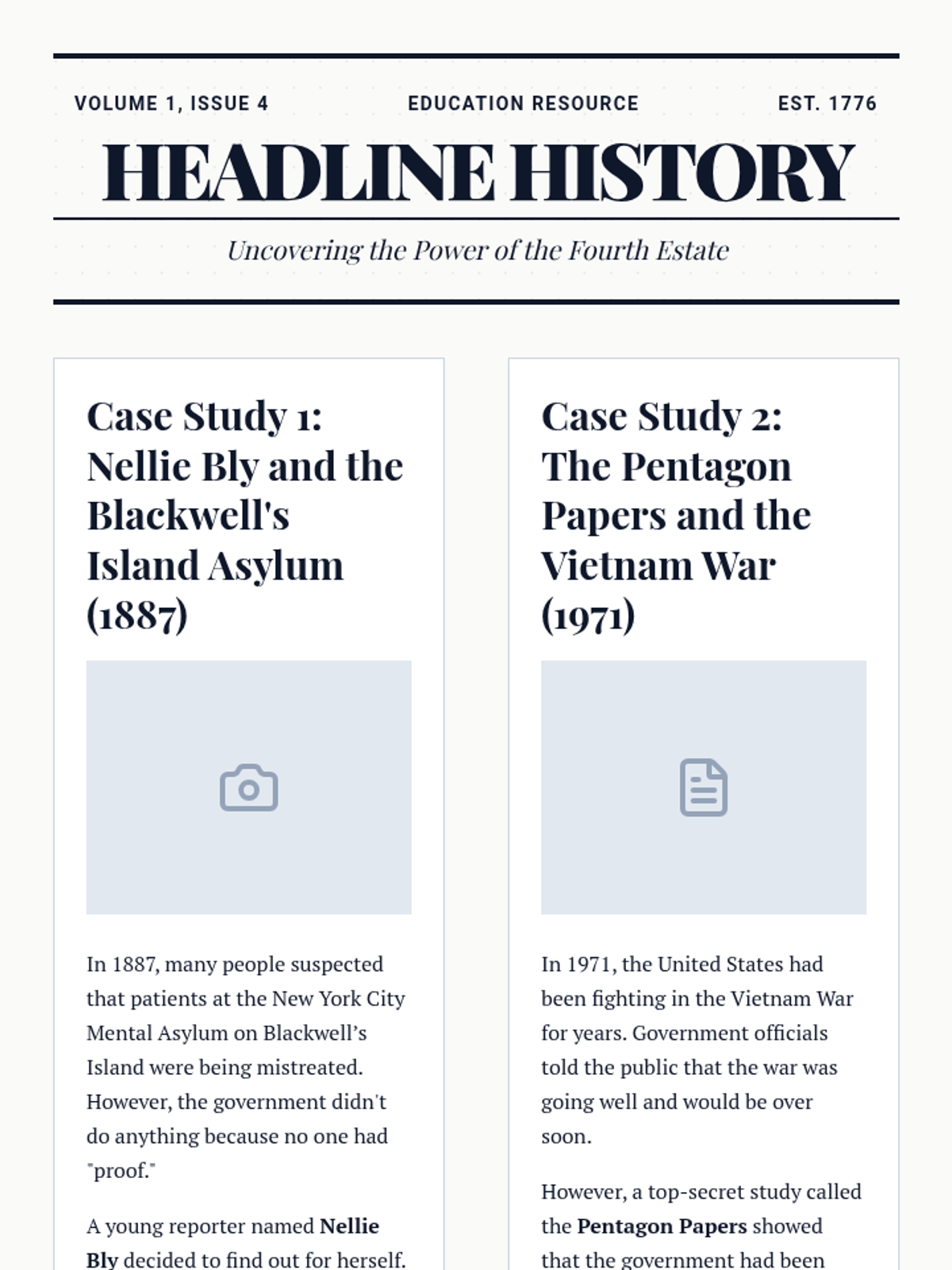
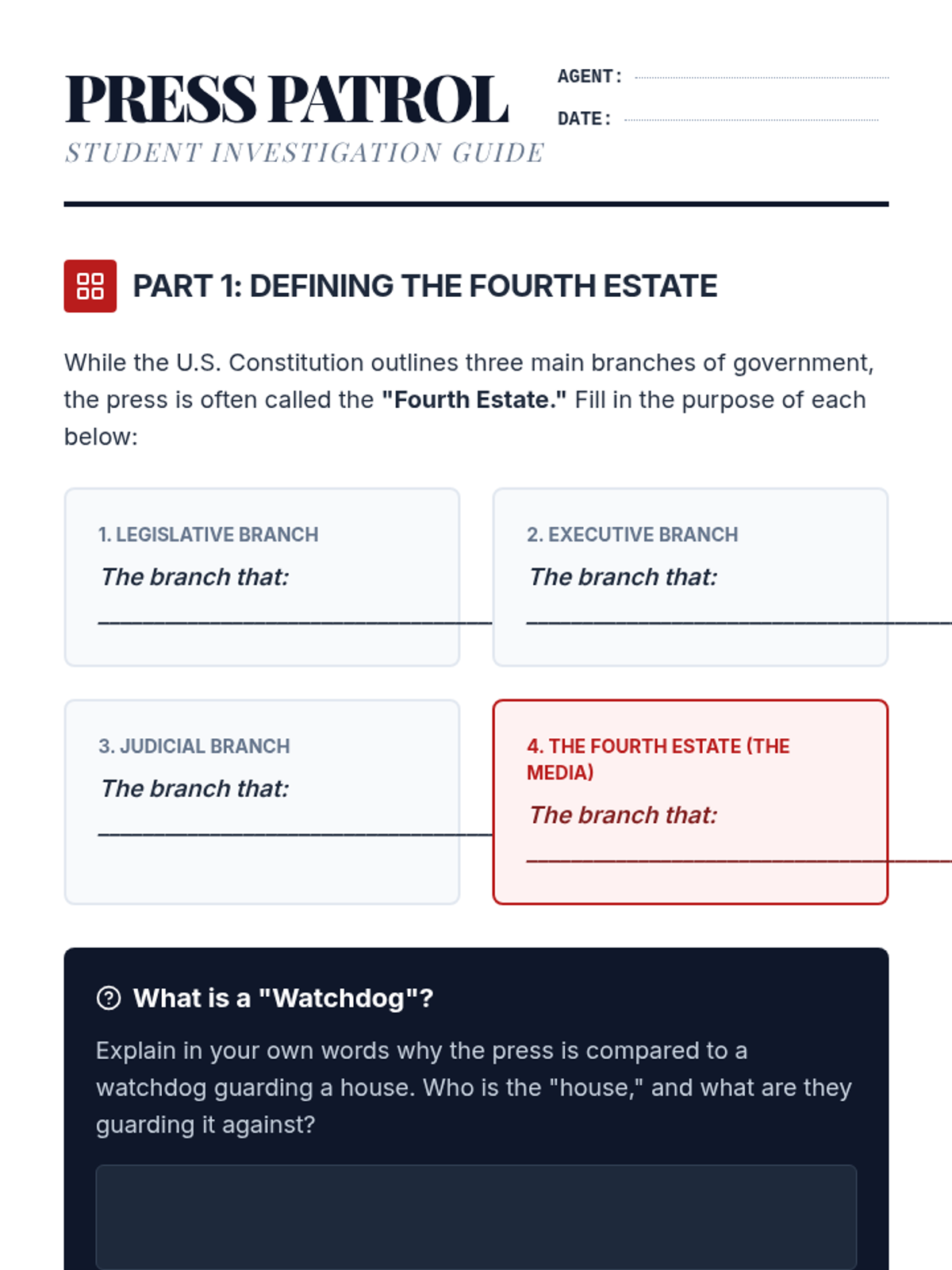
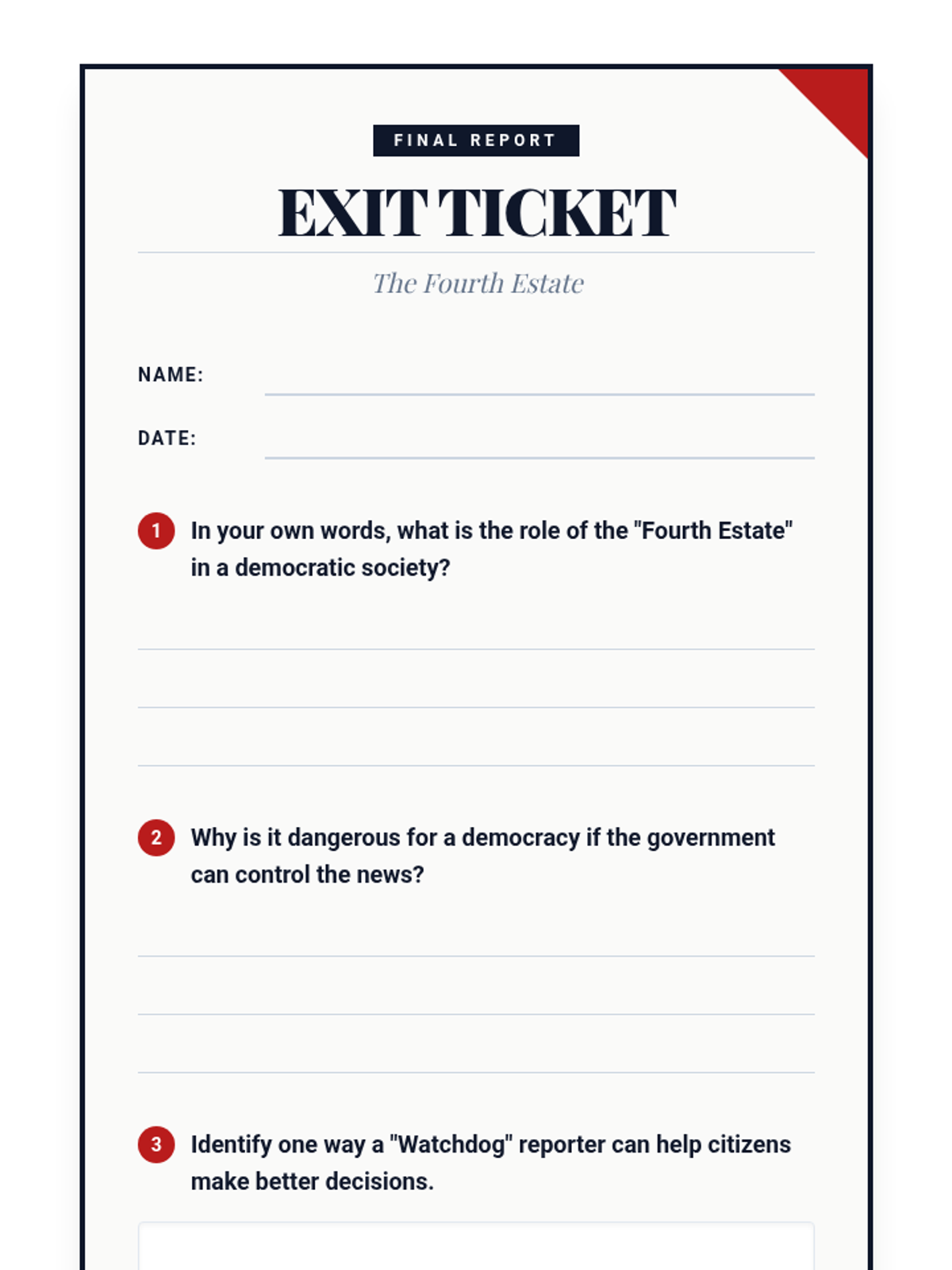
Students explore the vital role of a free press as the 'Fourth Estate' in a democracy, examining historical impact and current relevance through inquiry and analysis.
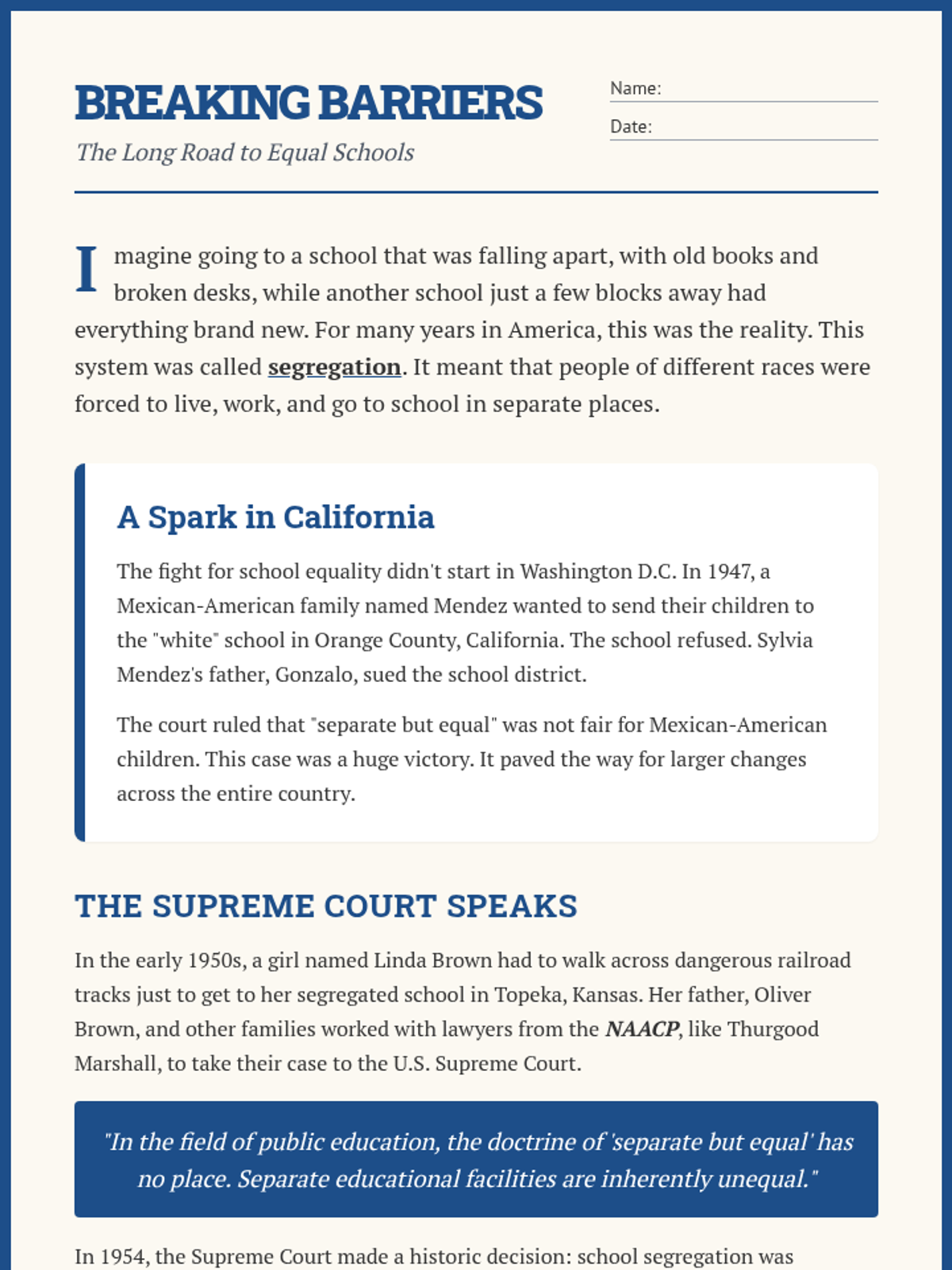
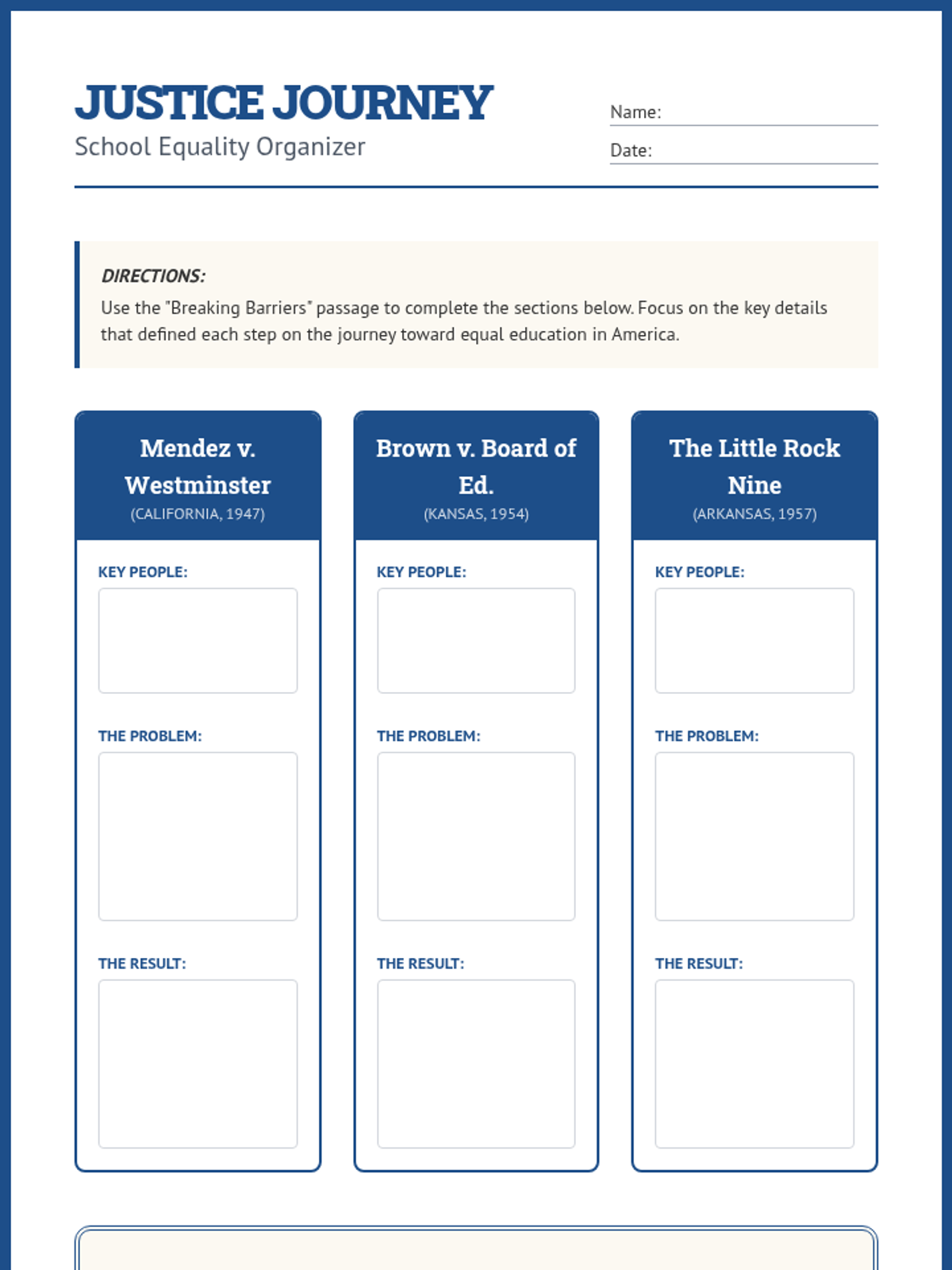
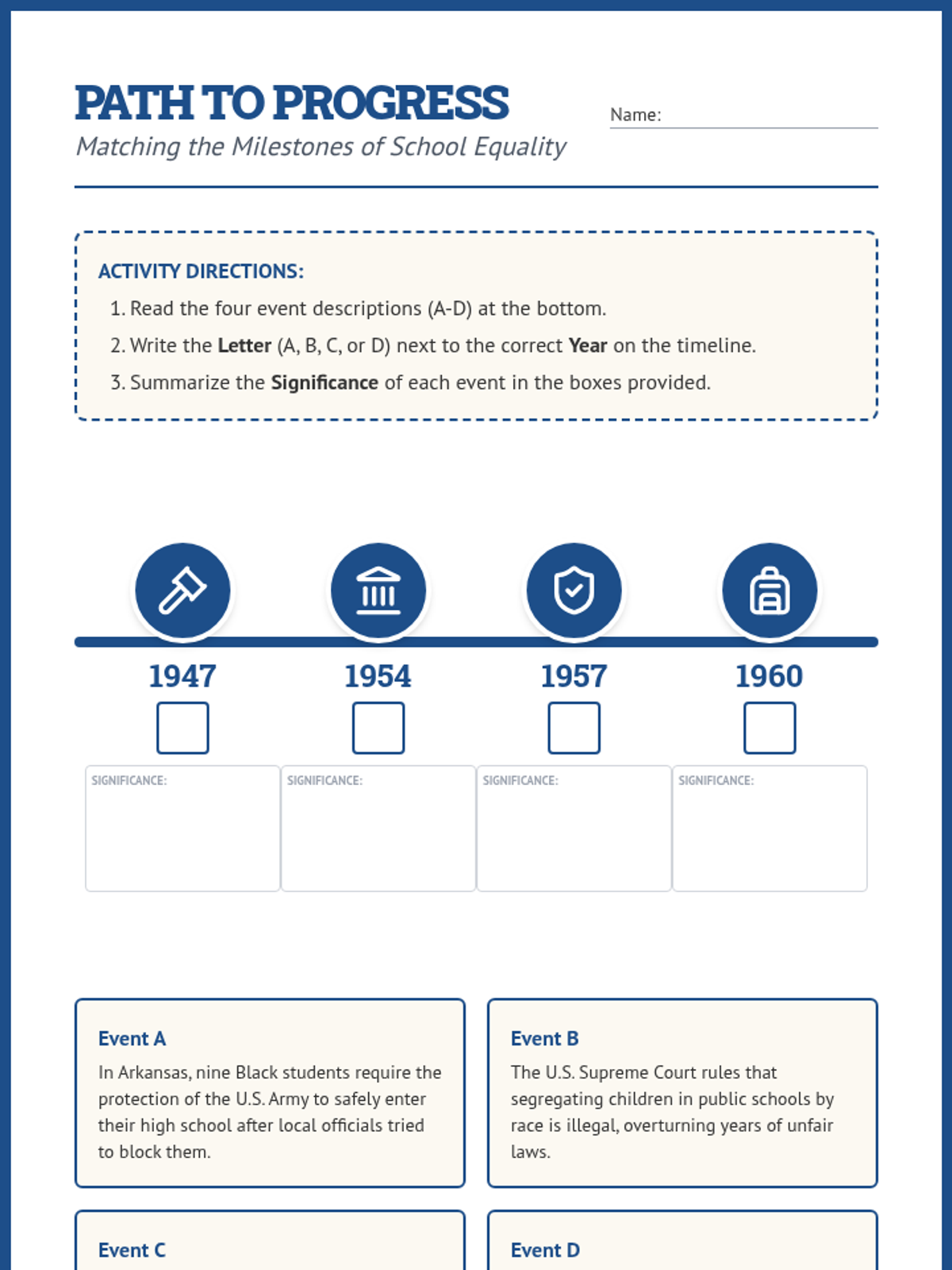
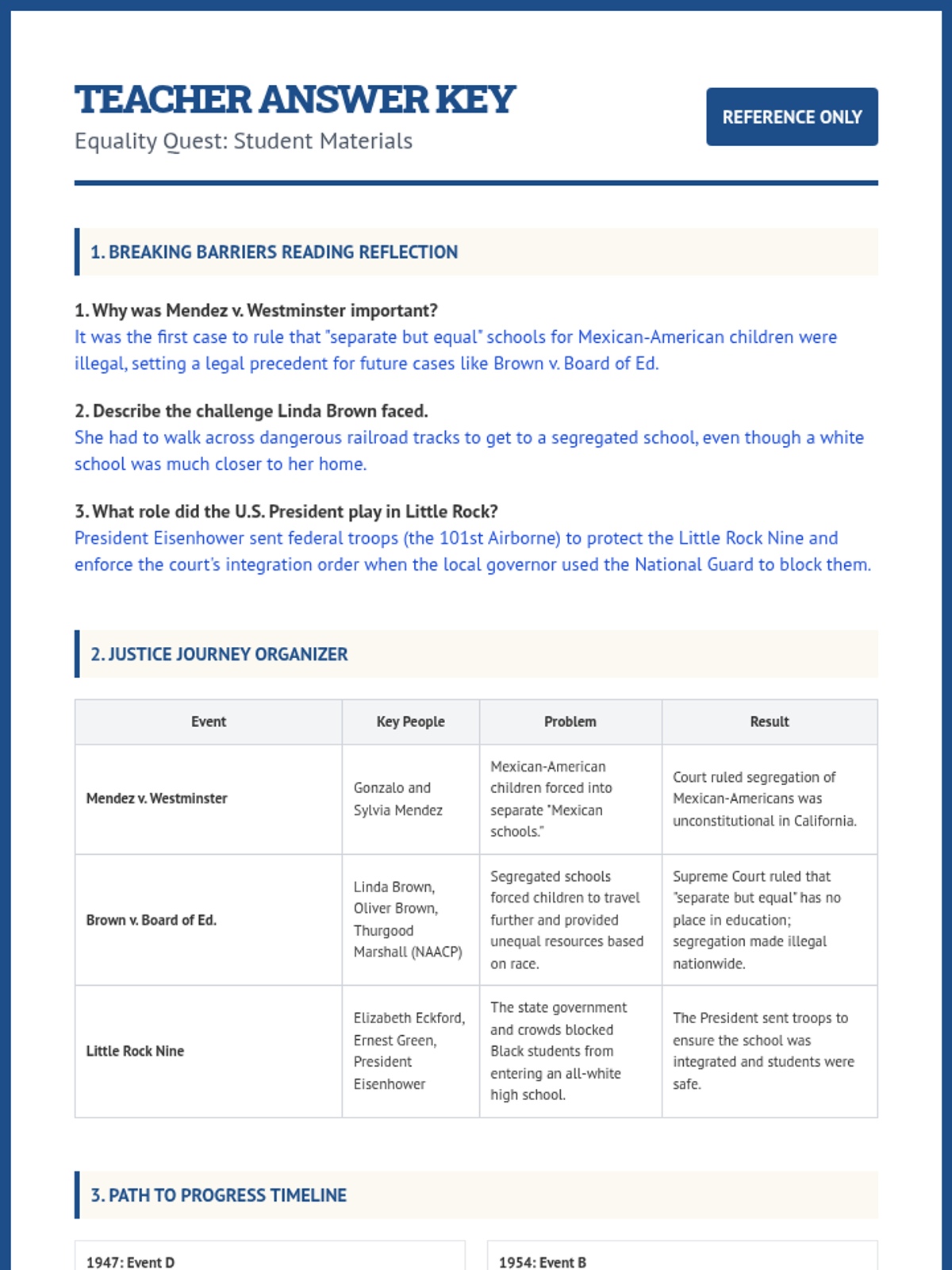
A lesson exploring the struggle for school equality in the United States, focusing on key legal cases and the brave students who led the way for integration.
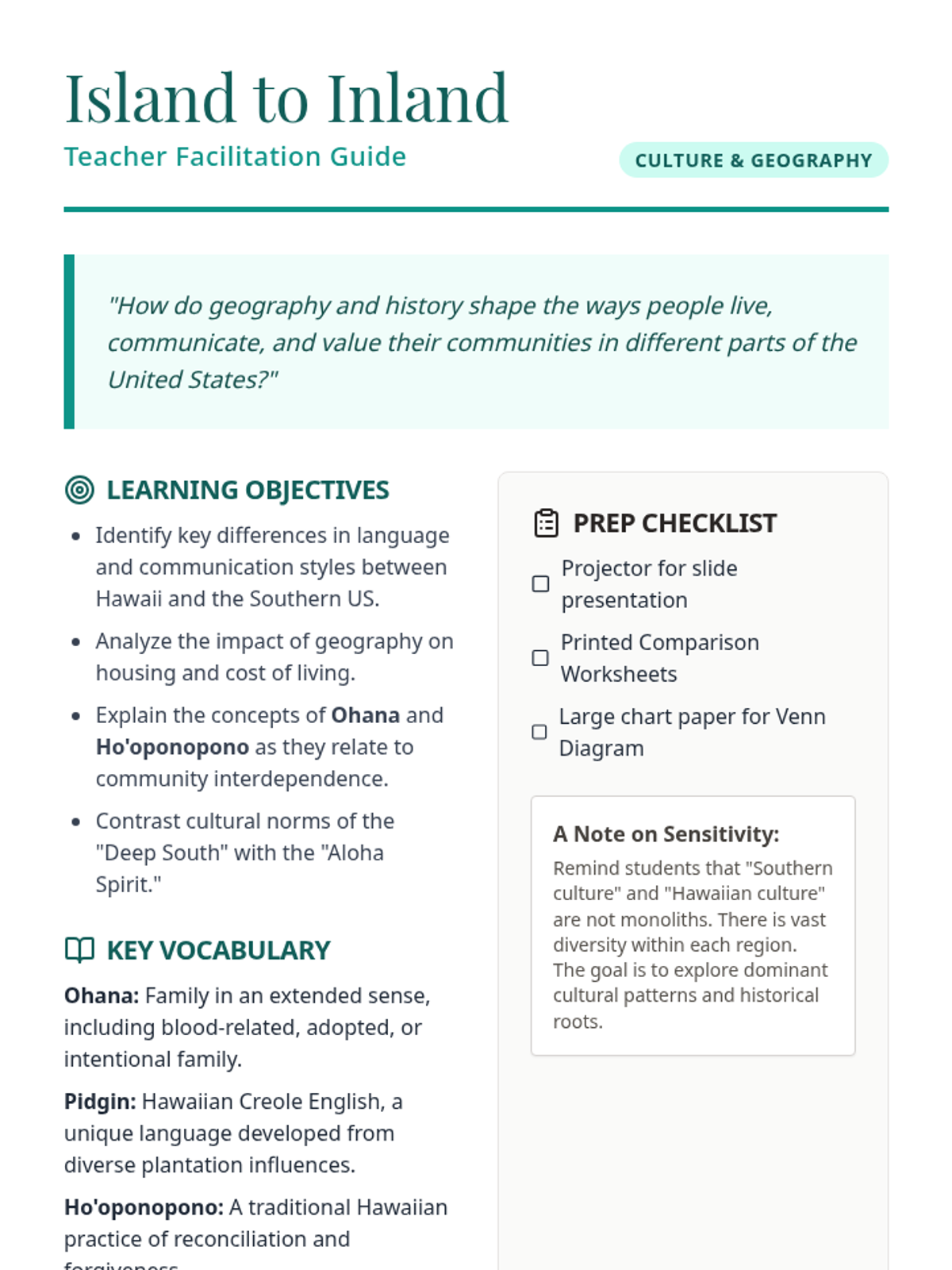
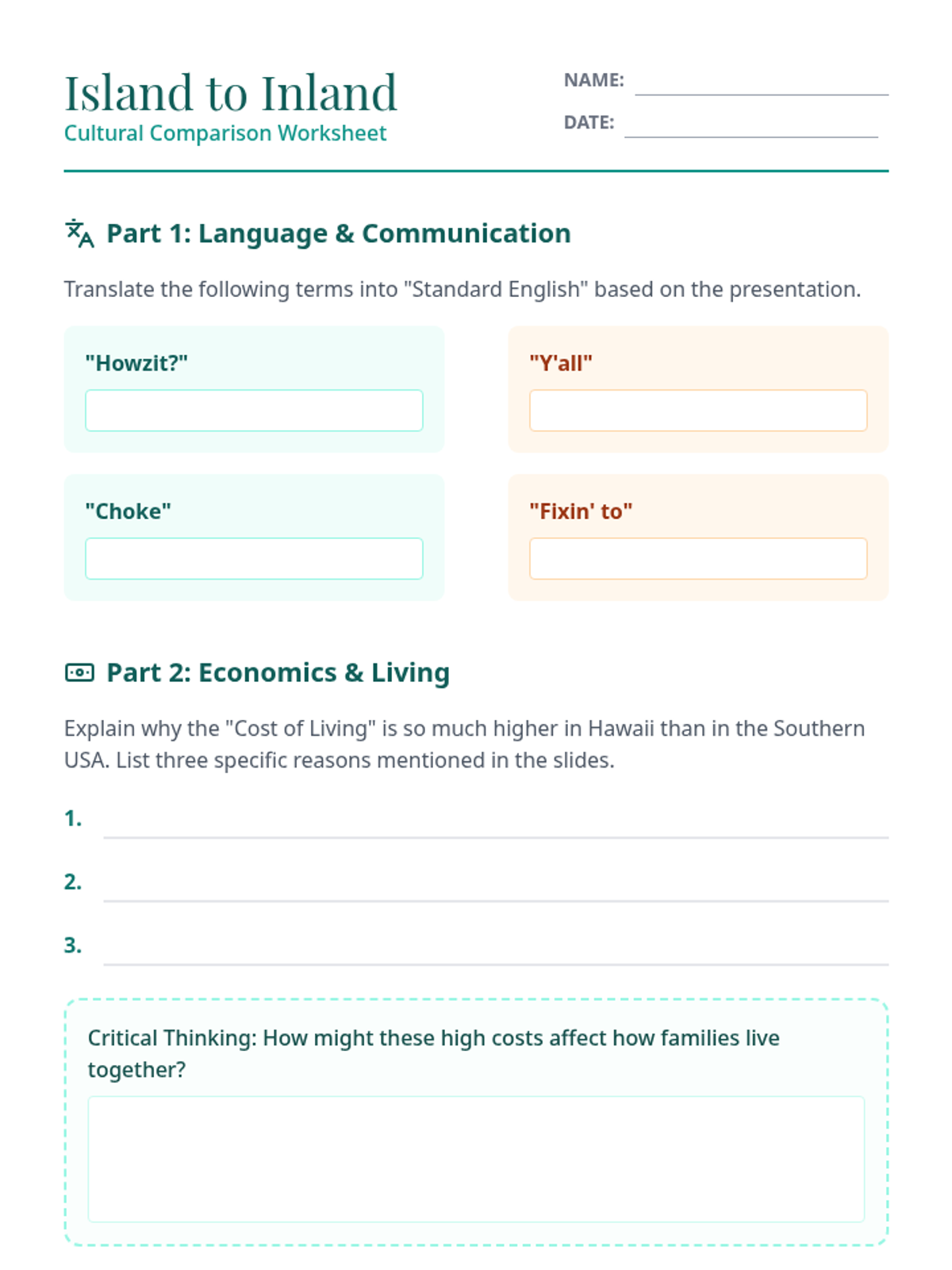
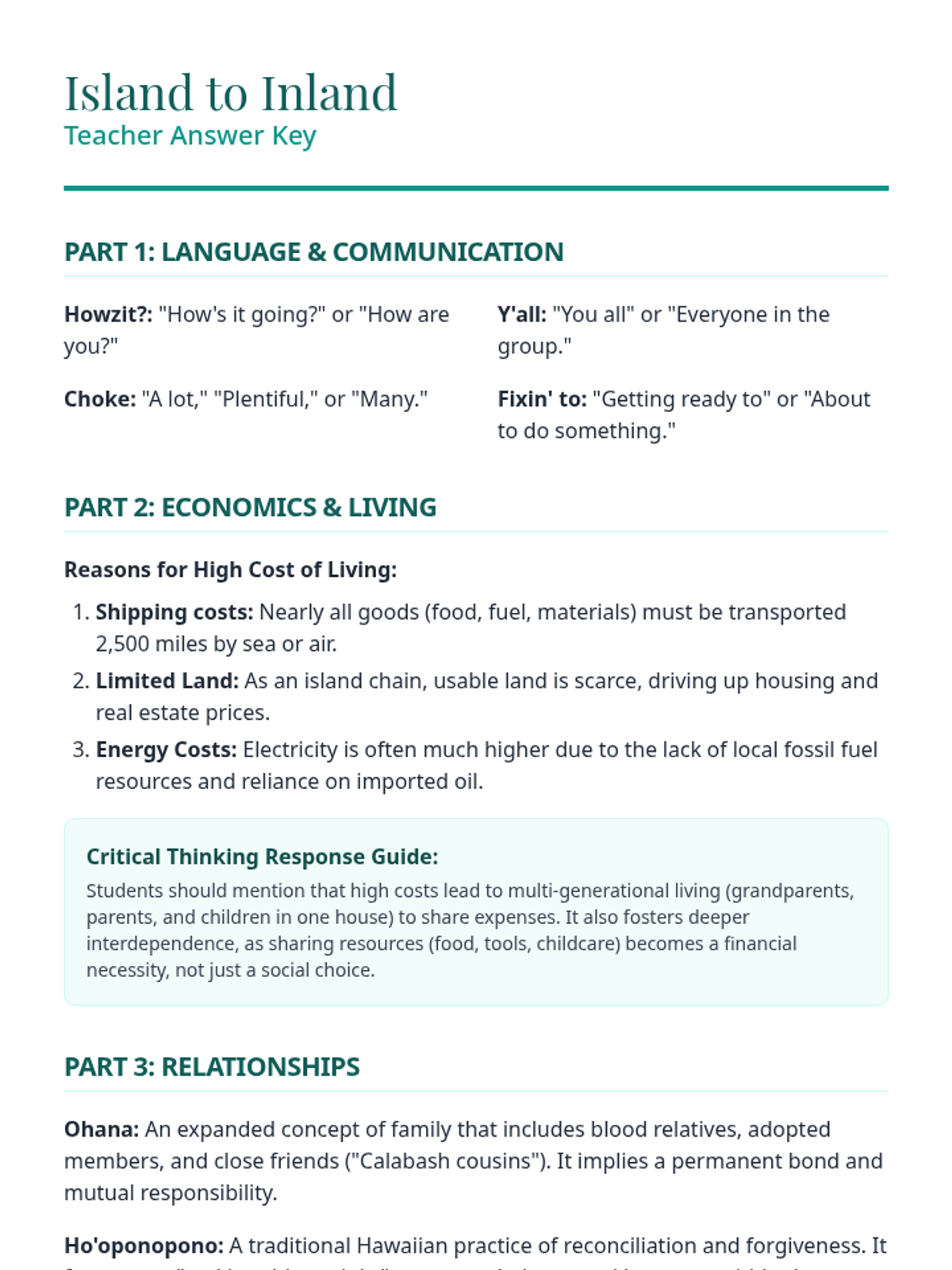
A comparative look at Hawaiian culture and Southern US culture, focusing on language, housing, economics, and deep-rooted family values.
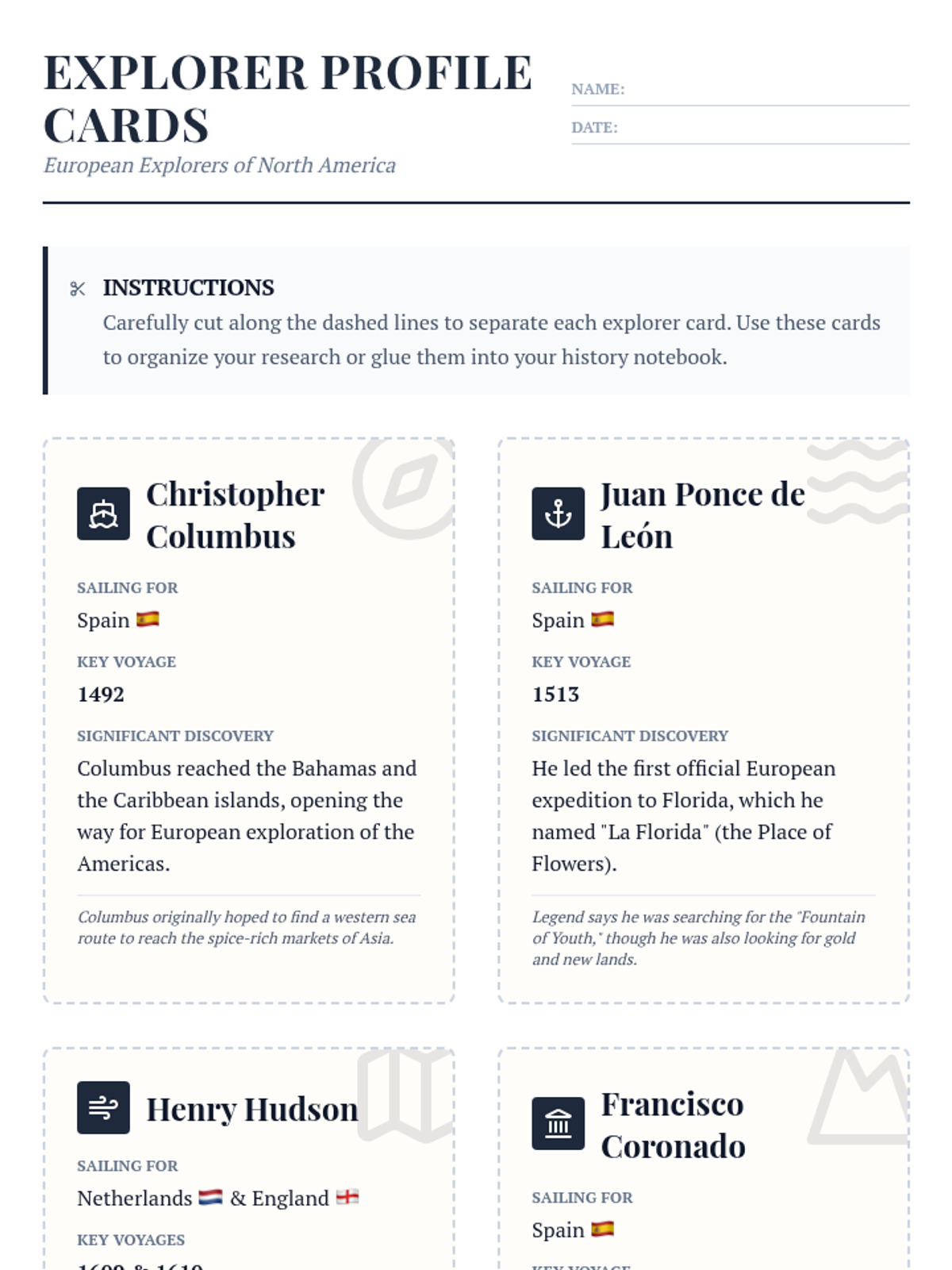
A lesson focused on the key European explorers who reached North America, their motivations, and their discoveries.
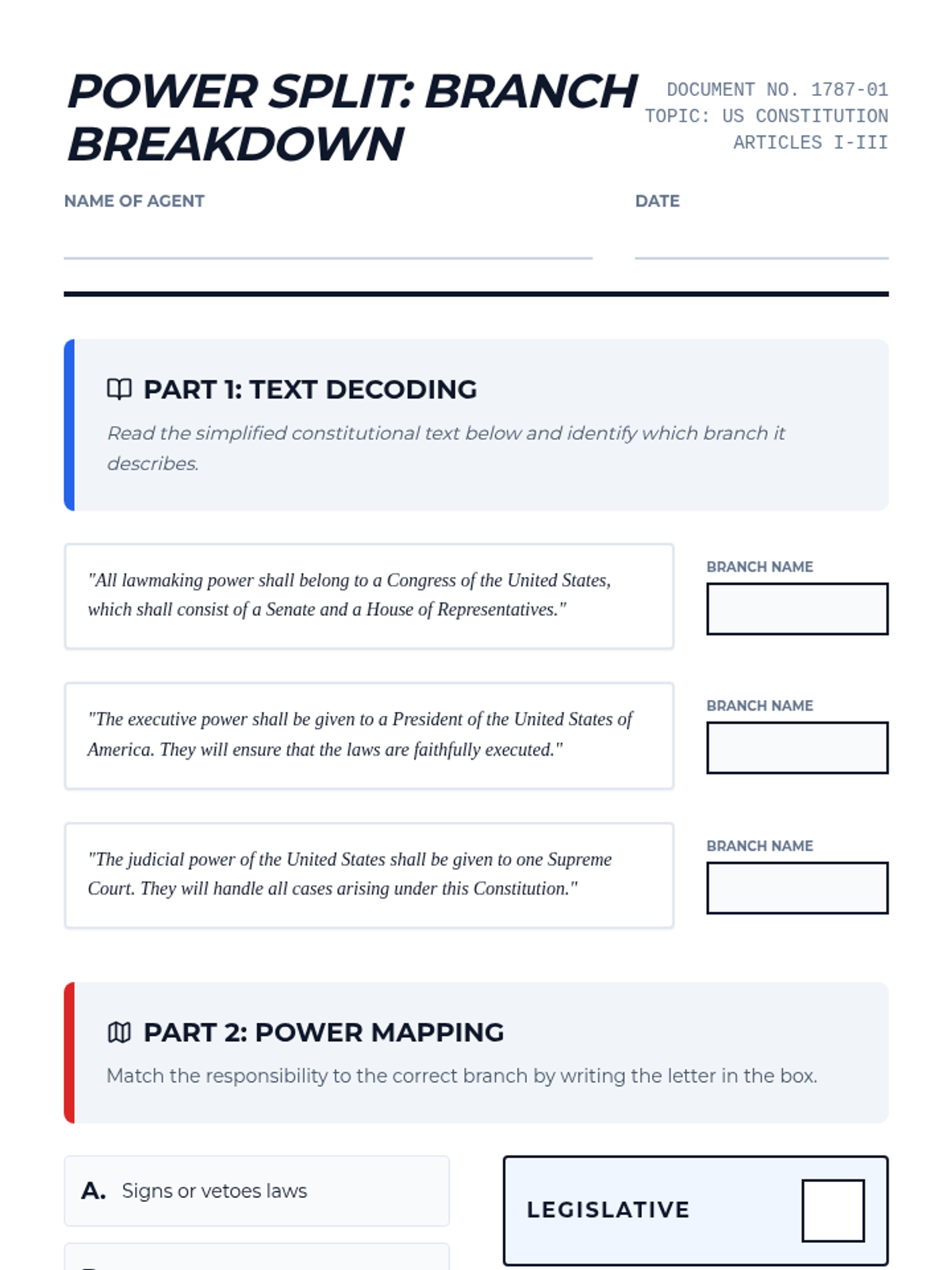
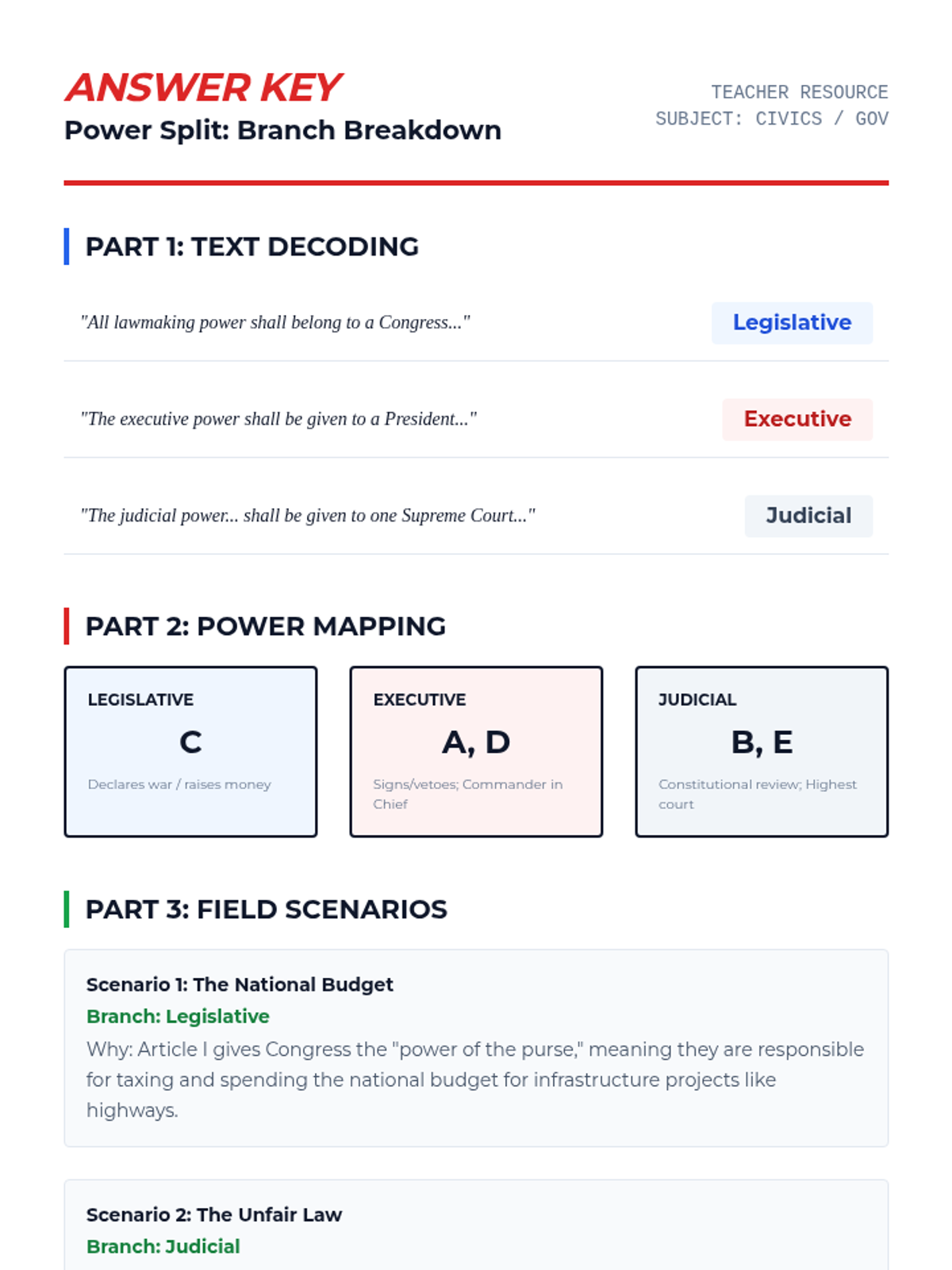
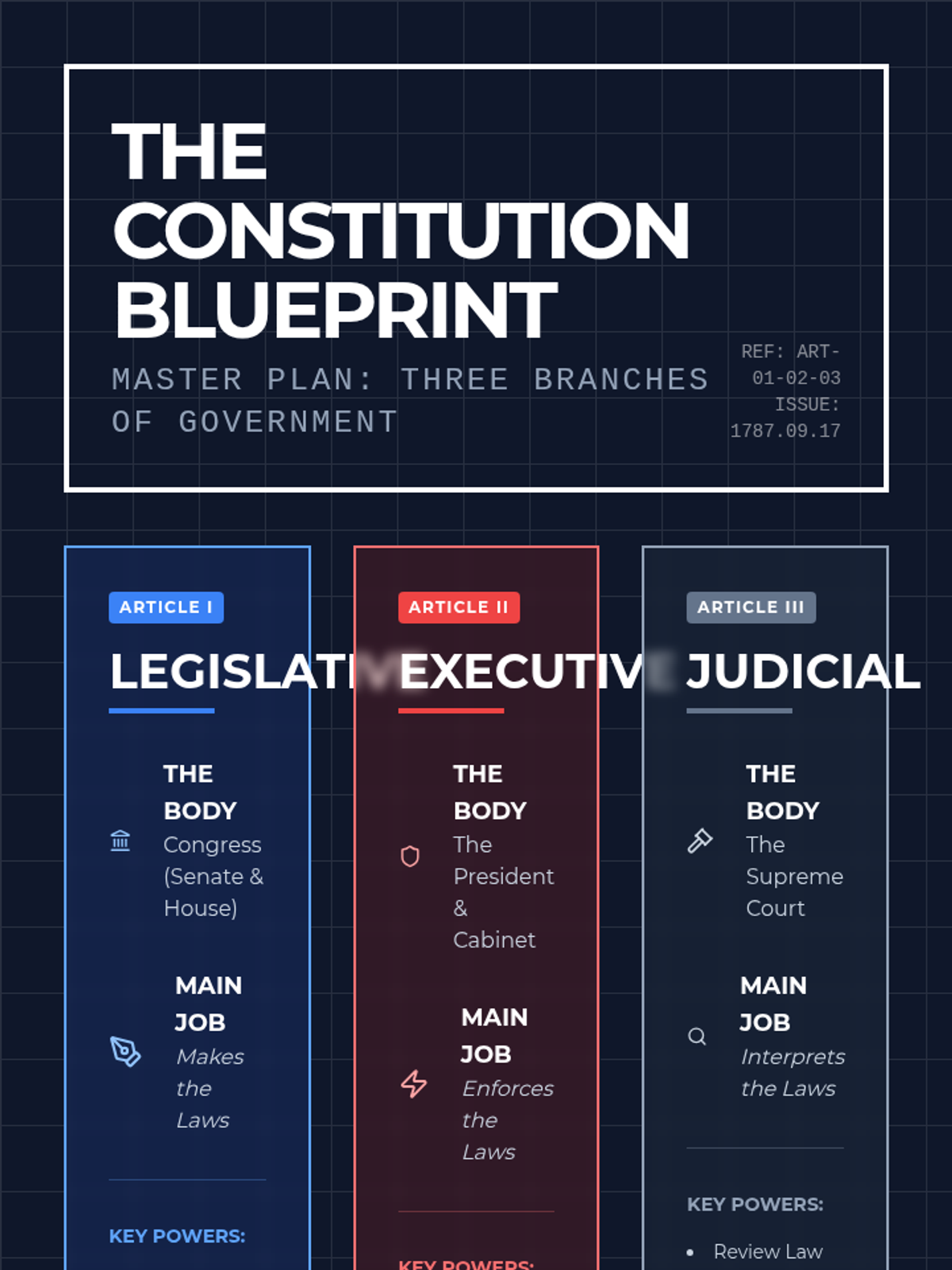
A lesson exploring the first three articles of the U.S. Constitution, focusing on the separation of powers into the Legislative, Executive, and Judicial branches through simplified text and visual breakdowns.
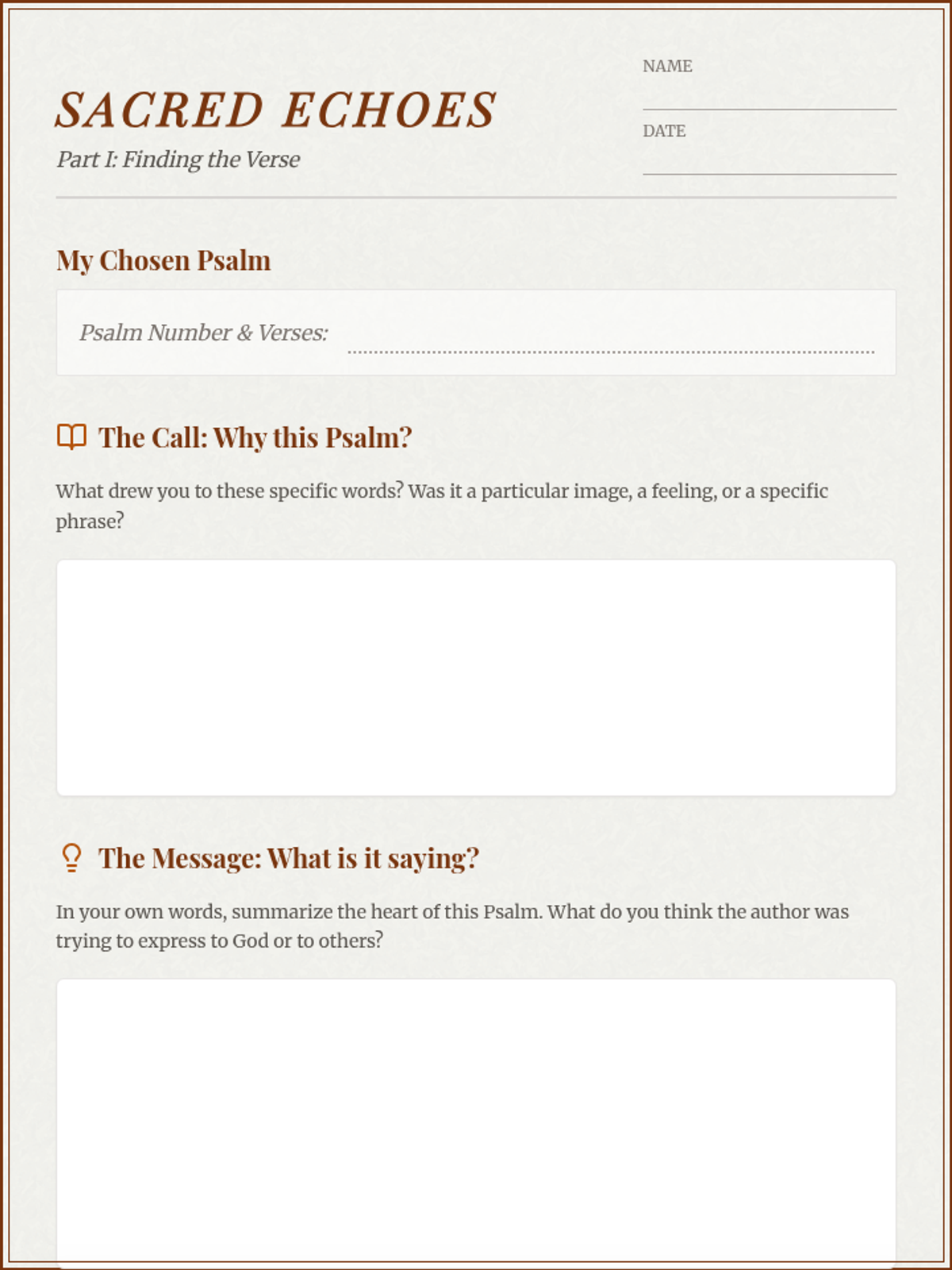
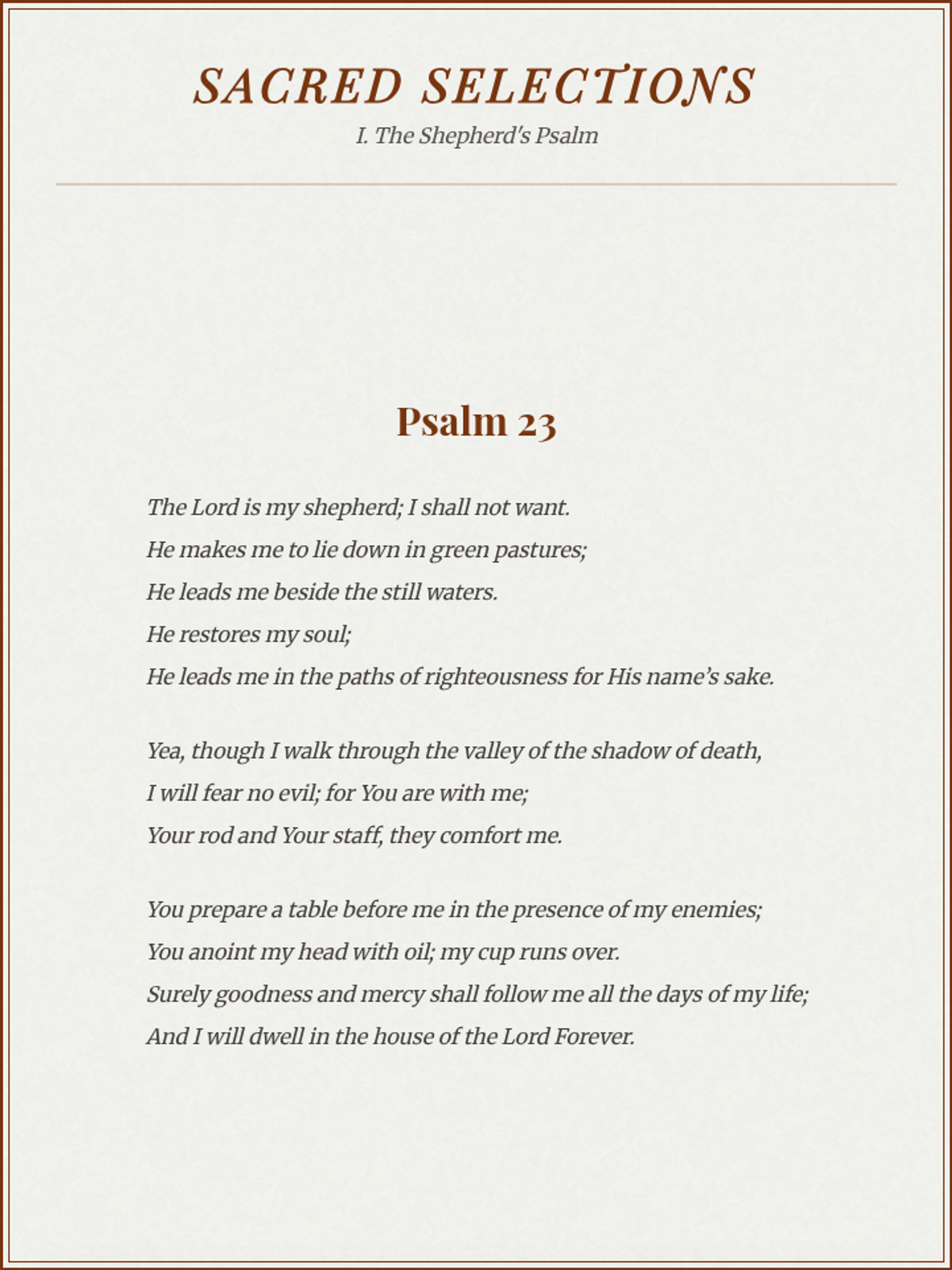
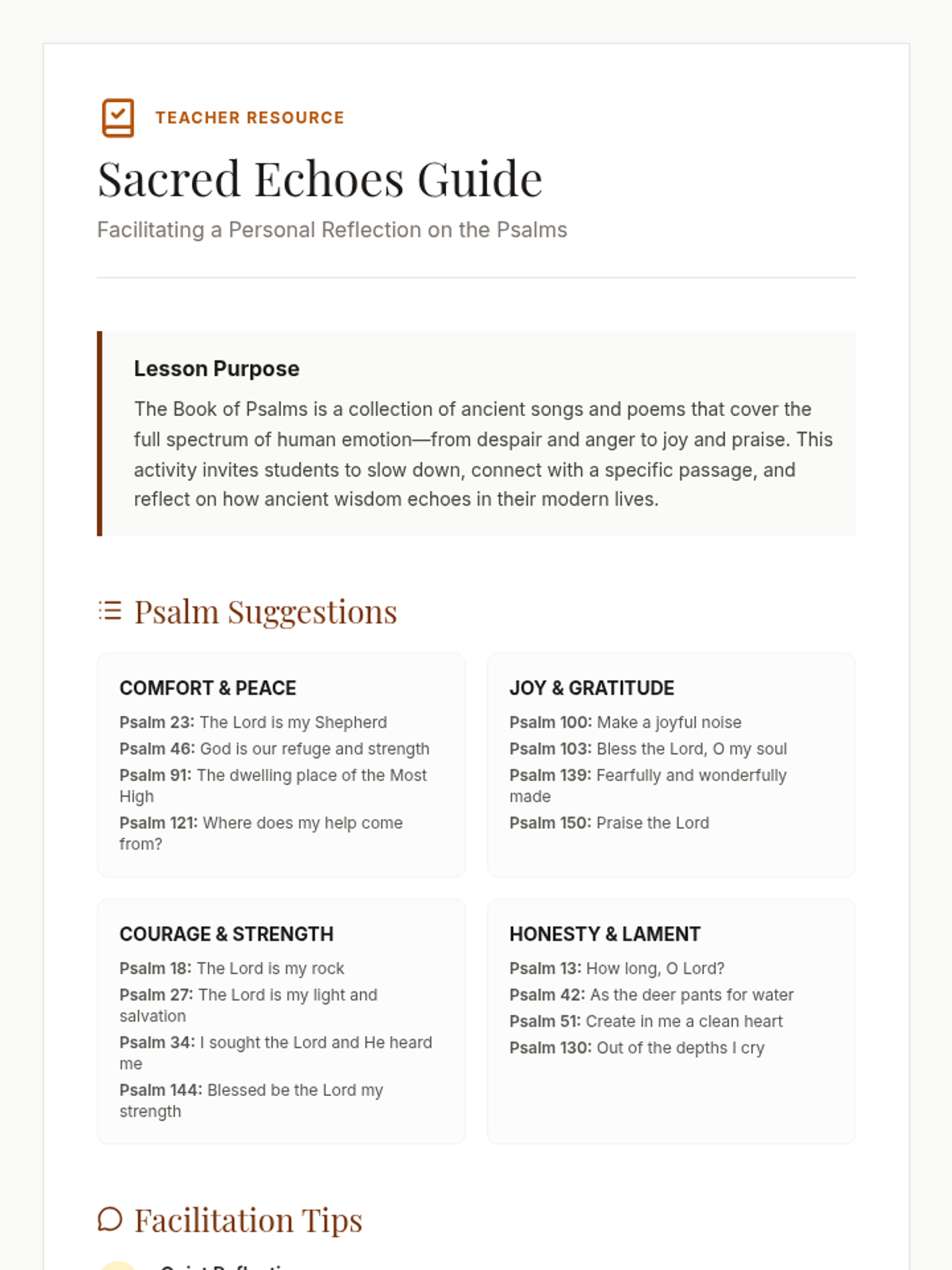
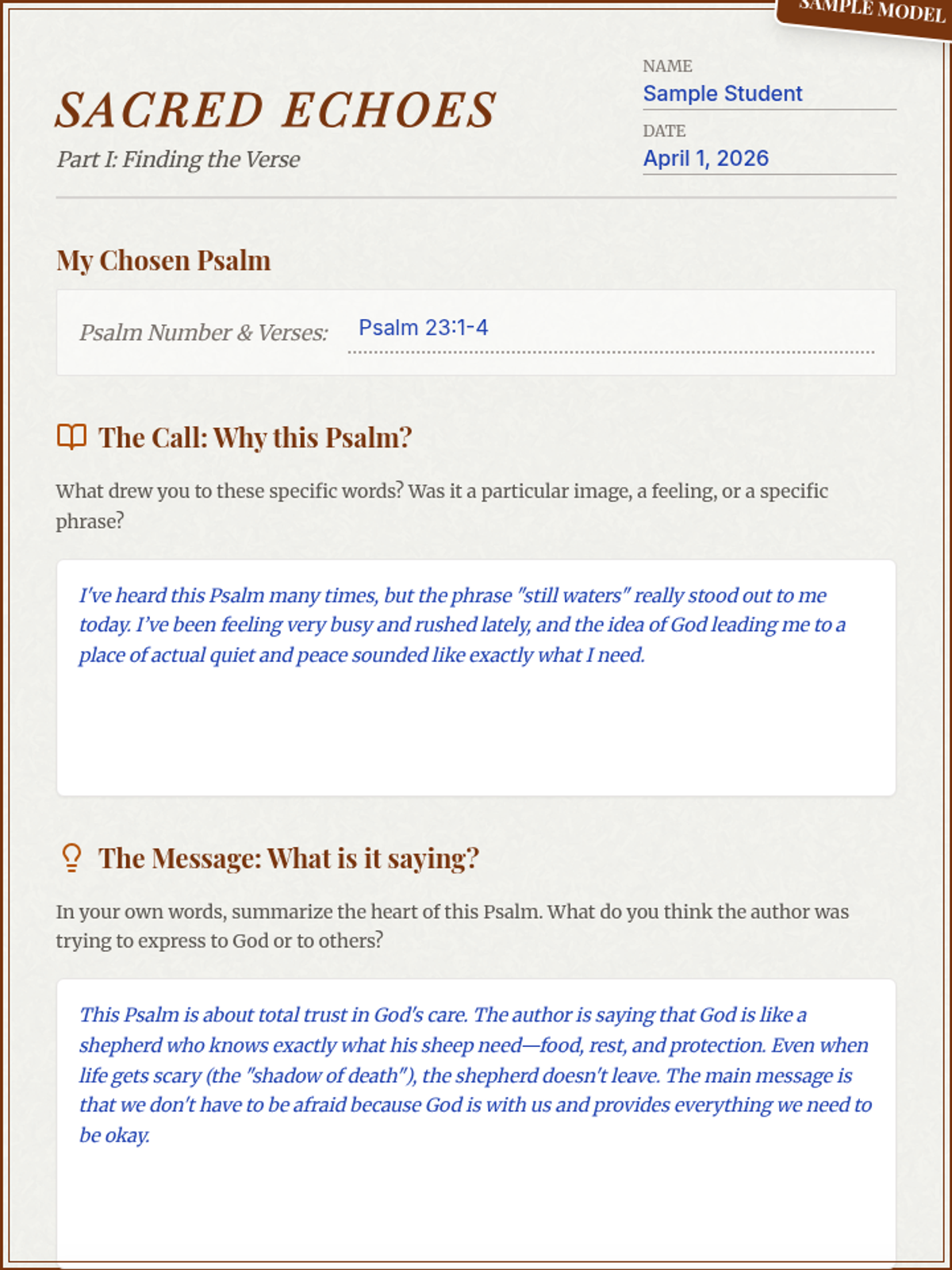
A reflective lesson where students explore the poetic beauty and personal significance of the Psalms, choosing a specific passage to analyze and connect with their own lives.
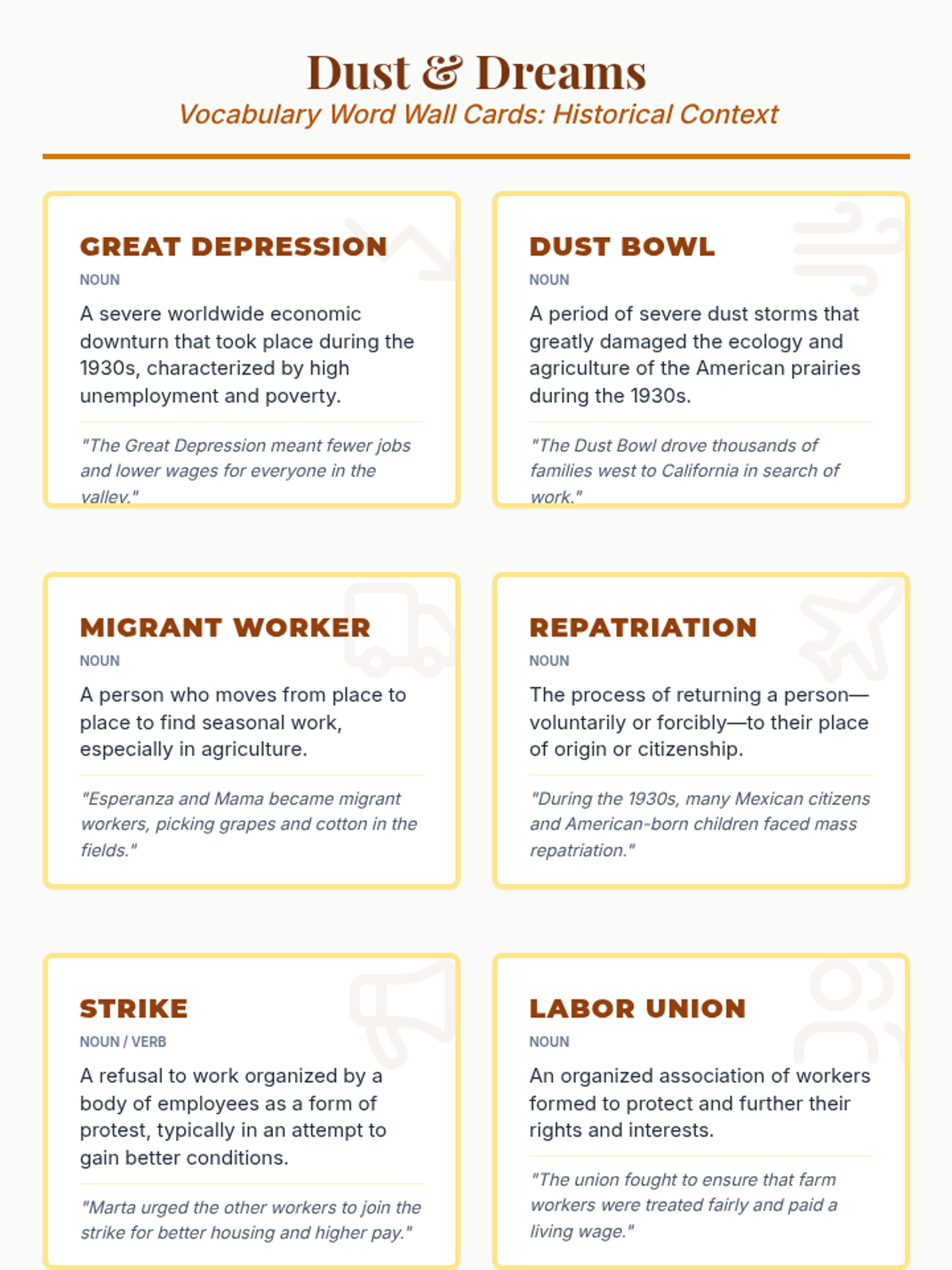
A lesson exploring the historical background of Esperanza Rising, focusing on the Great Depression, the Dust Bowl, and Mexican repatriation.
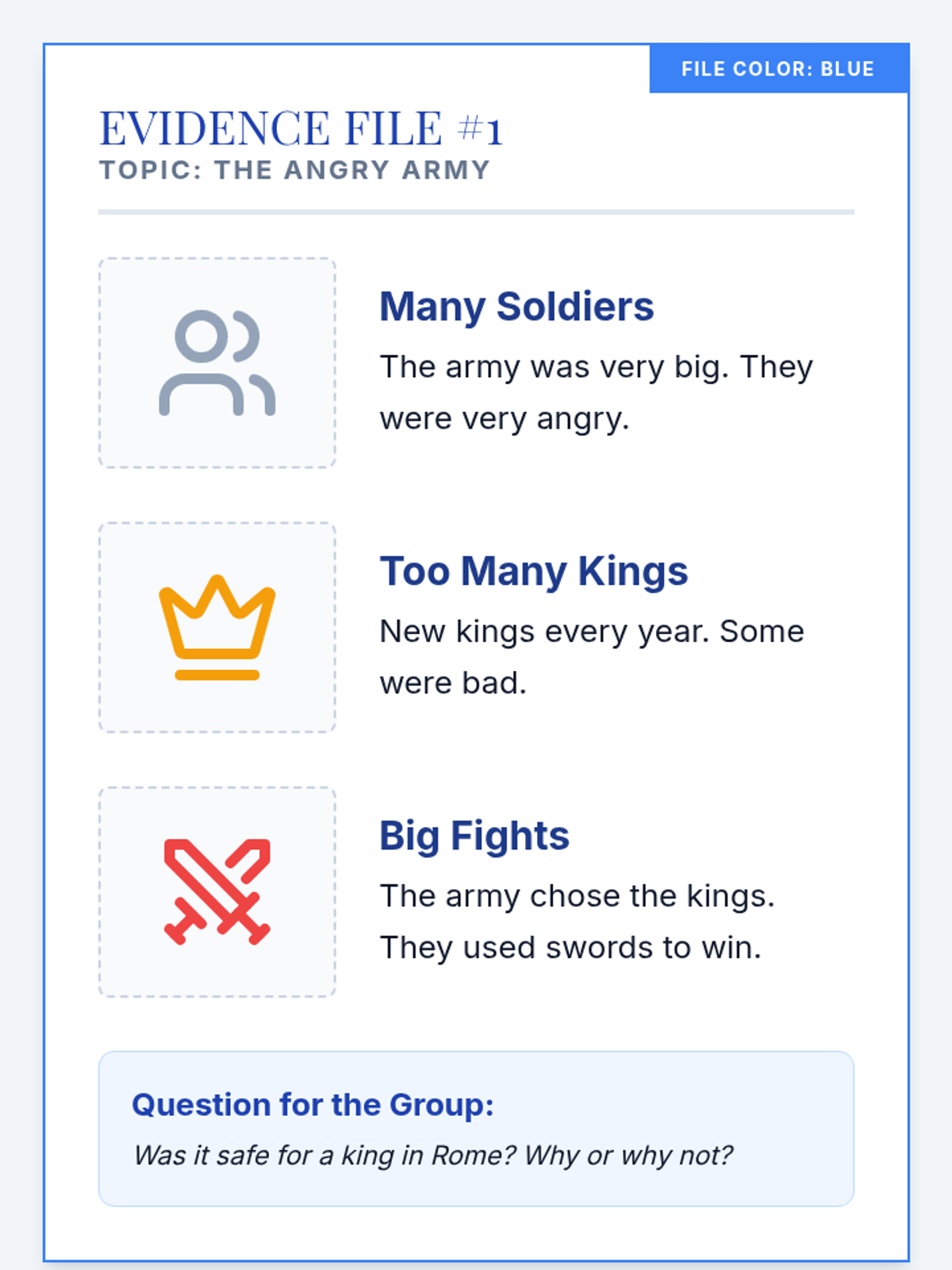
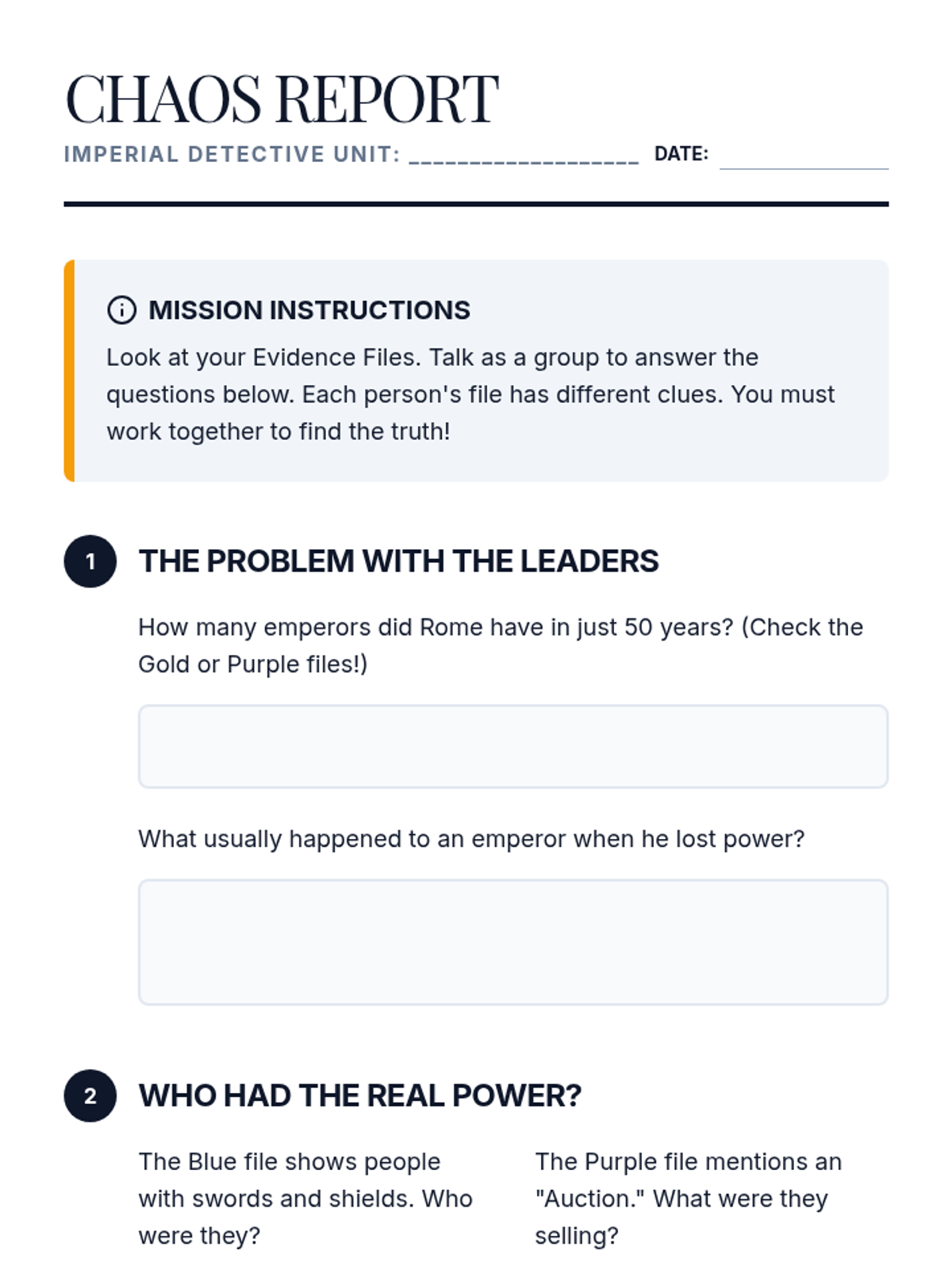
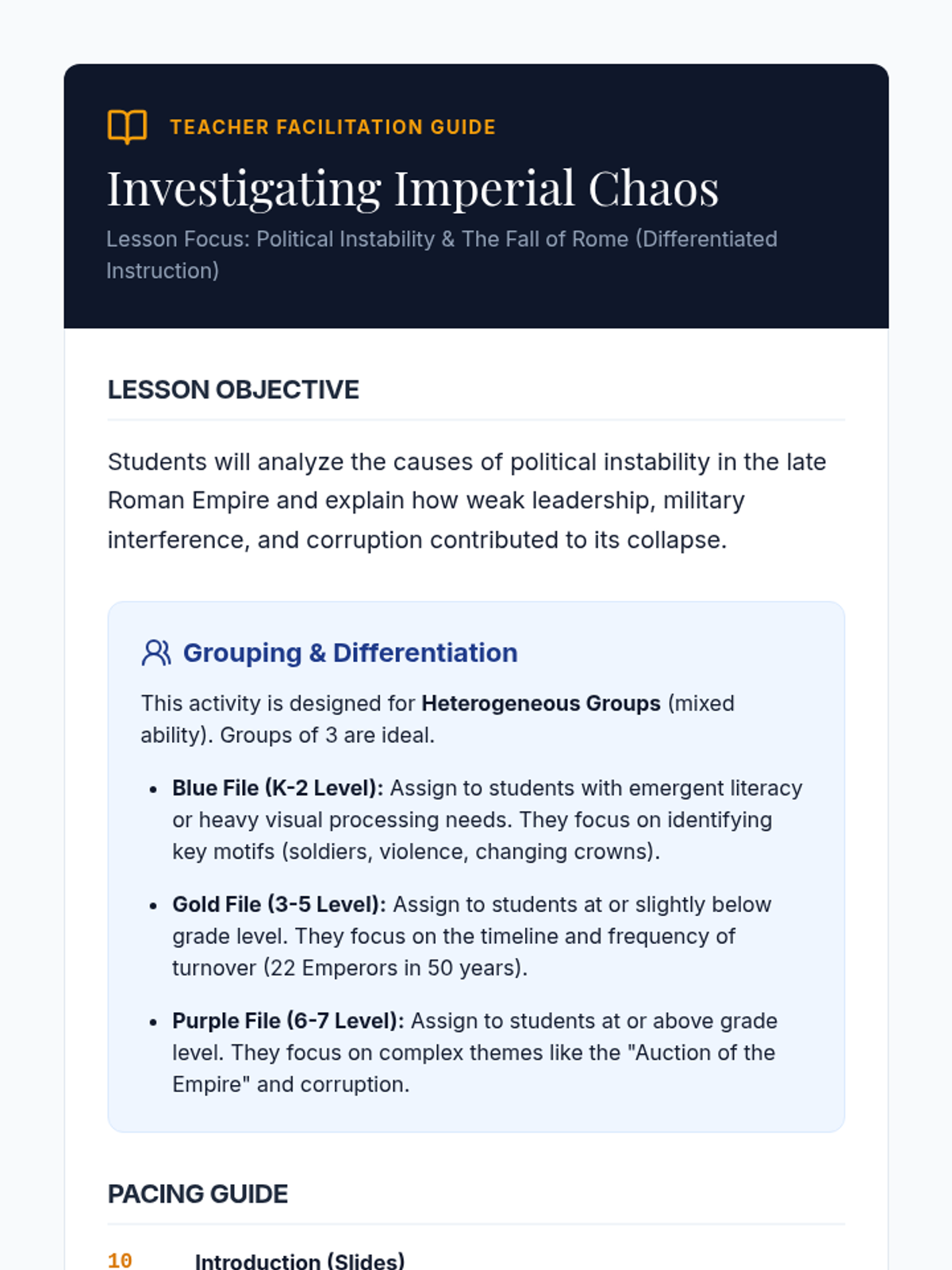
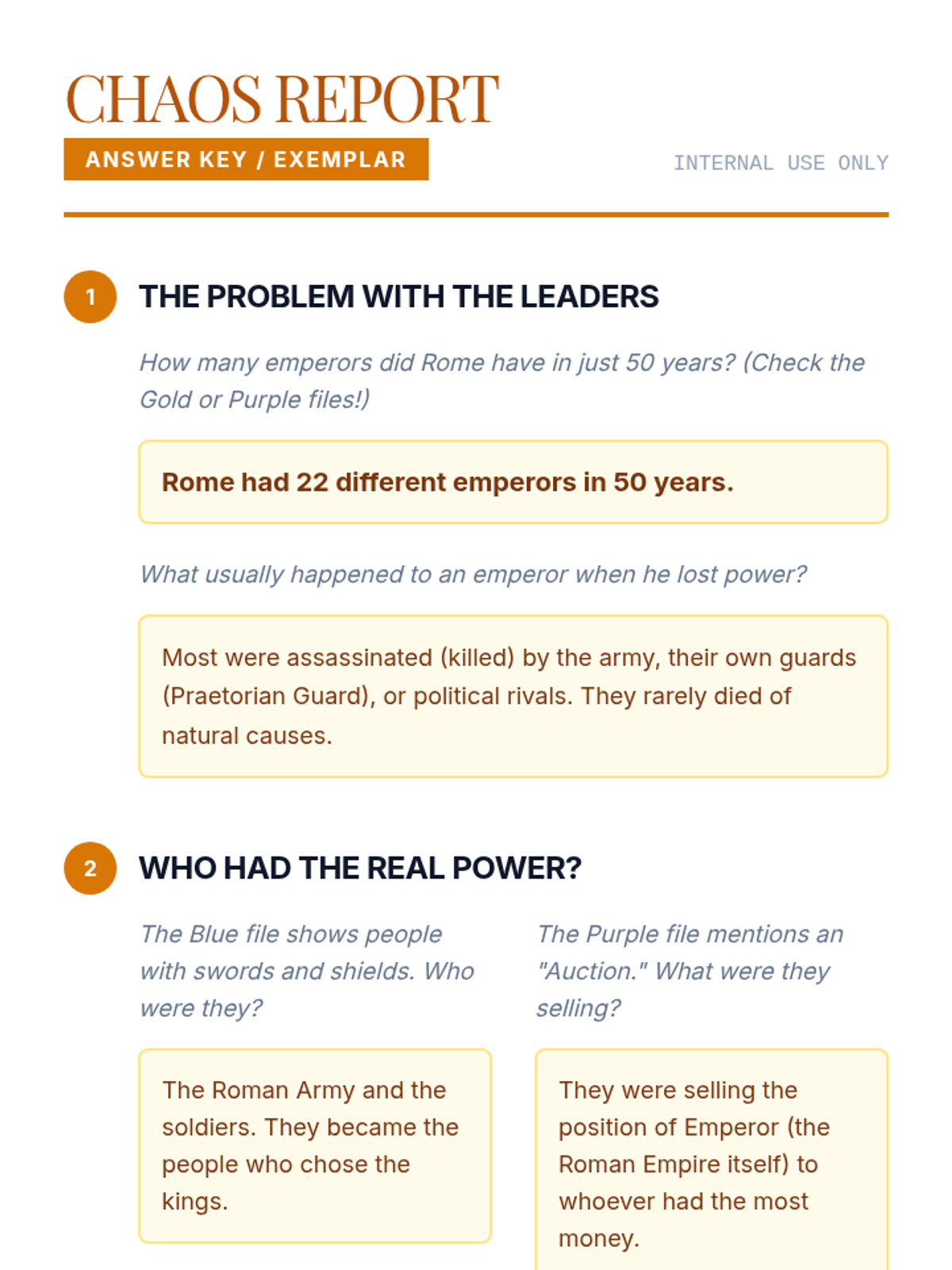
A lesson investigating the political instability that led to the Fall of Rome, featuring differentiated evidence files for diverse reading levels. Students work collaboratively to diagnose the empire's 'political sickness.'
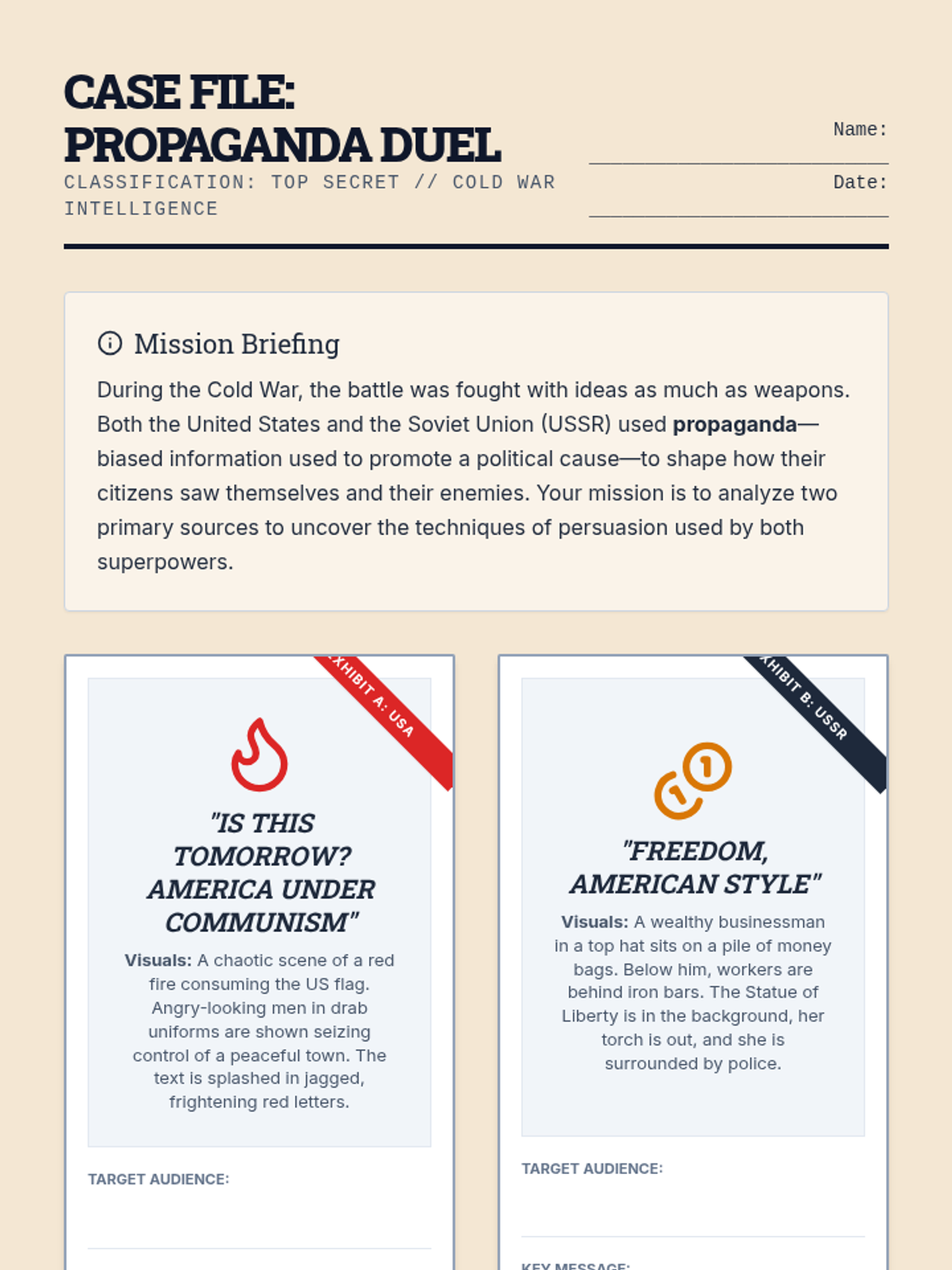
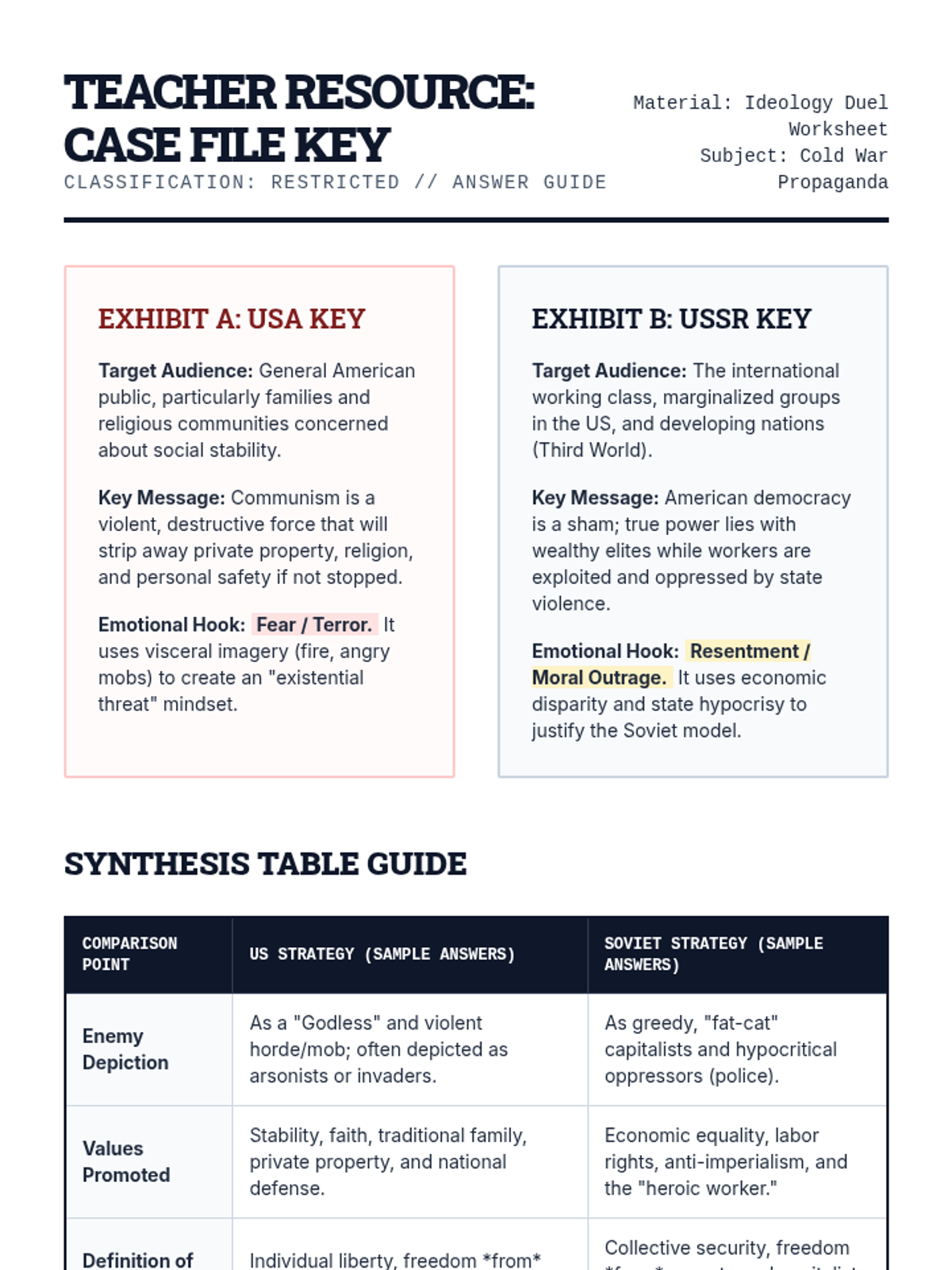
A deep dive into the ideological conflict of the Cold War through the lens of propaganda. Students will analyze techniques used by both the US and the USSR to influence public opinion and contrast their messaging strategies.
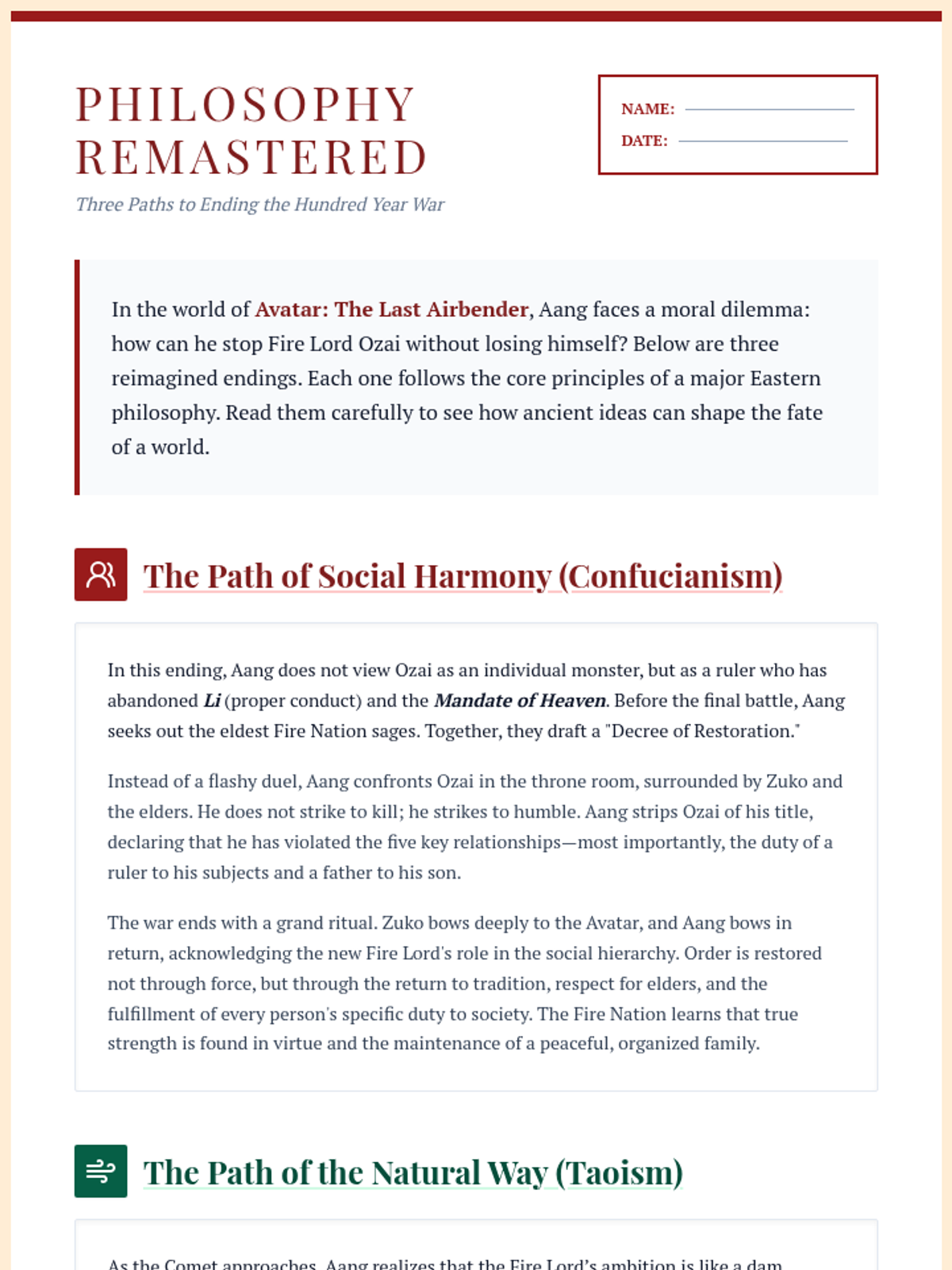
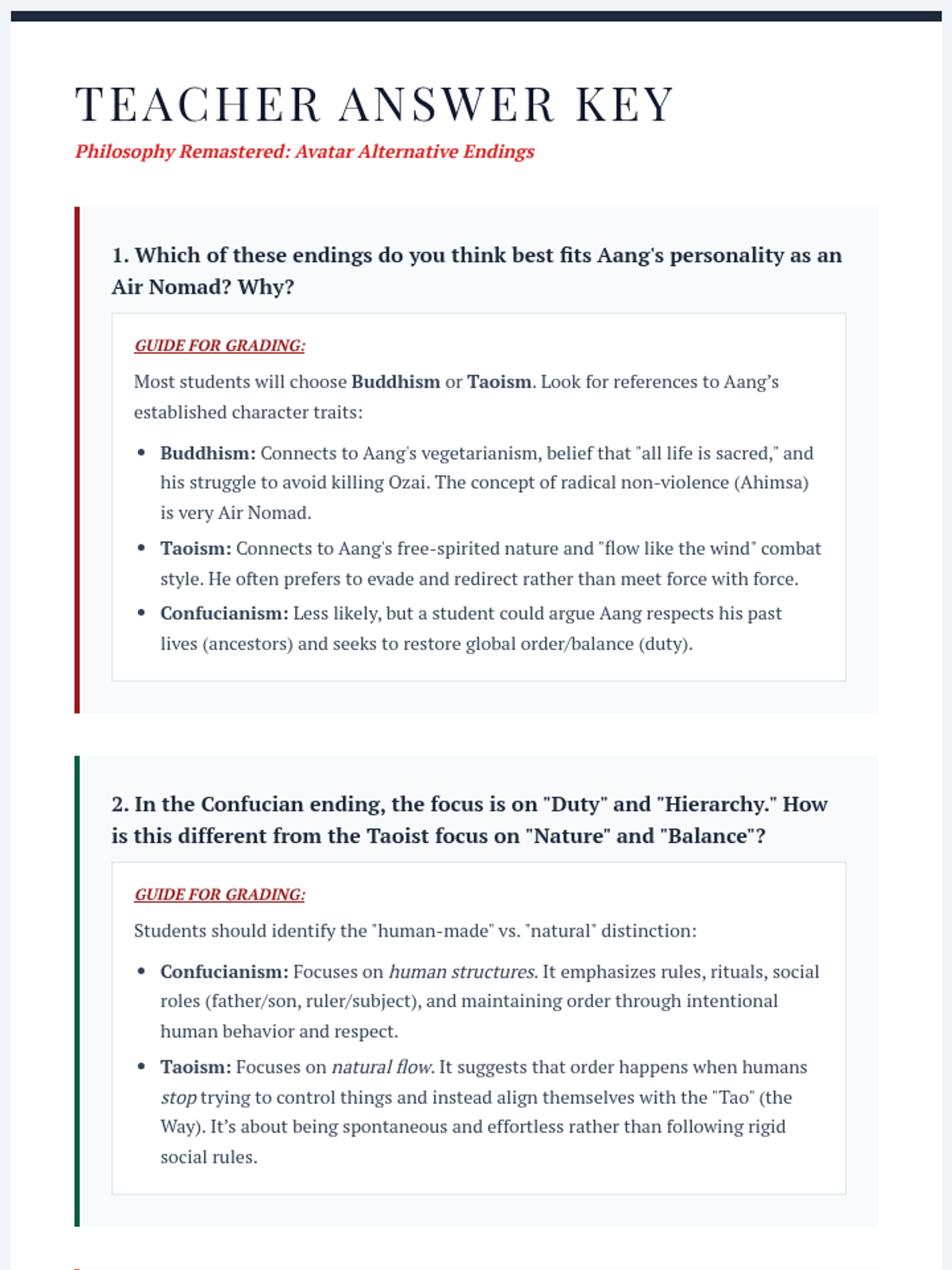
Students explore the core tenets of Confucianism, Taoism, and Buddhism by analyzing three alternative endings to the Avatar: The Last Airbender series, each reflecting a different Eastern philosophy.
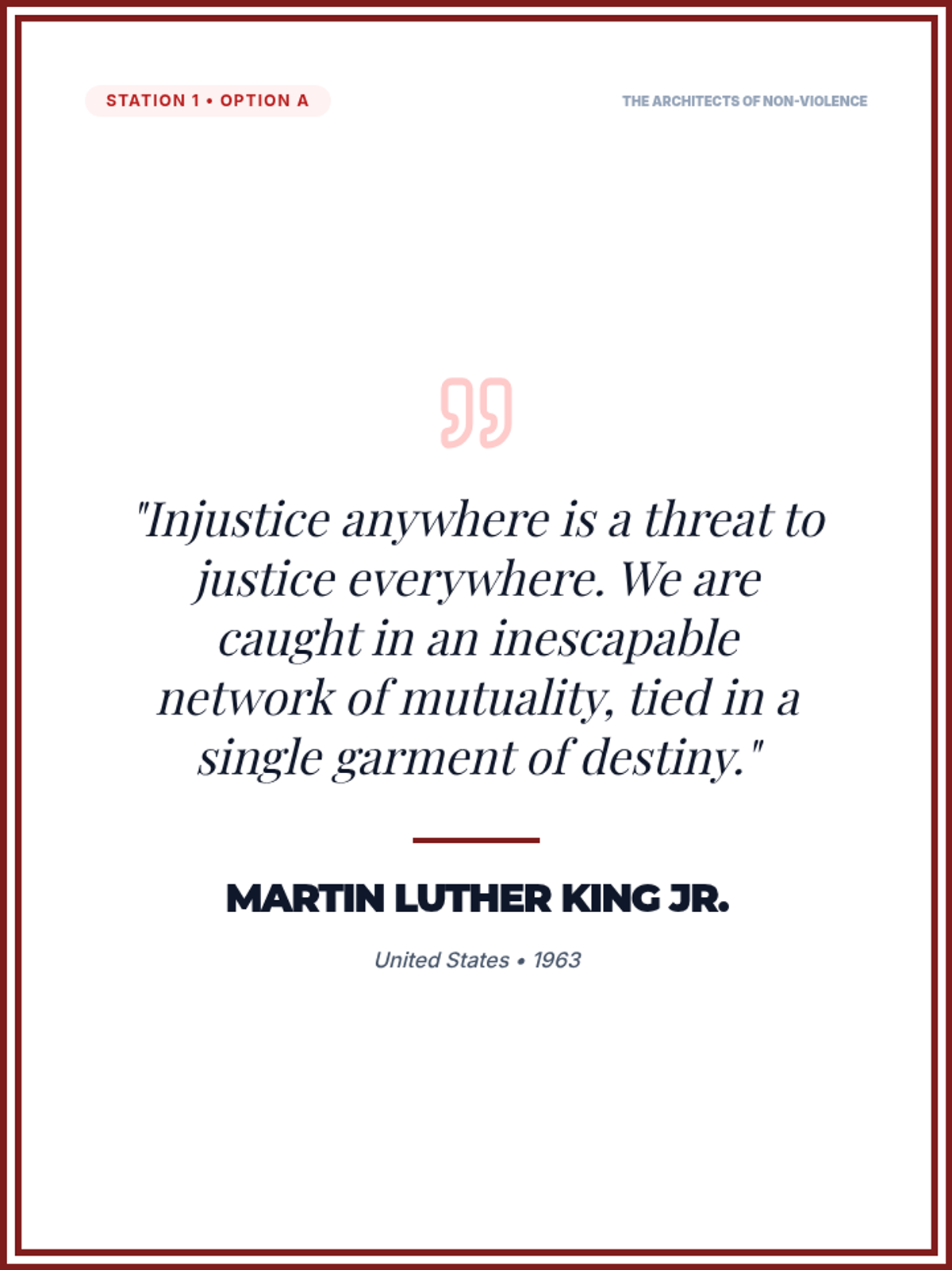
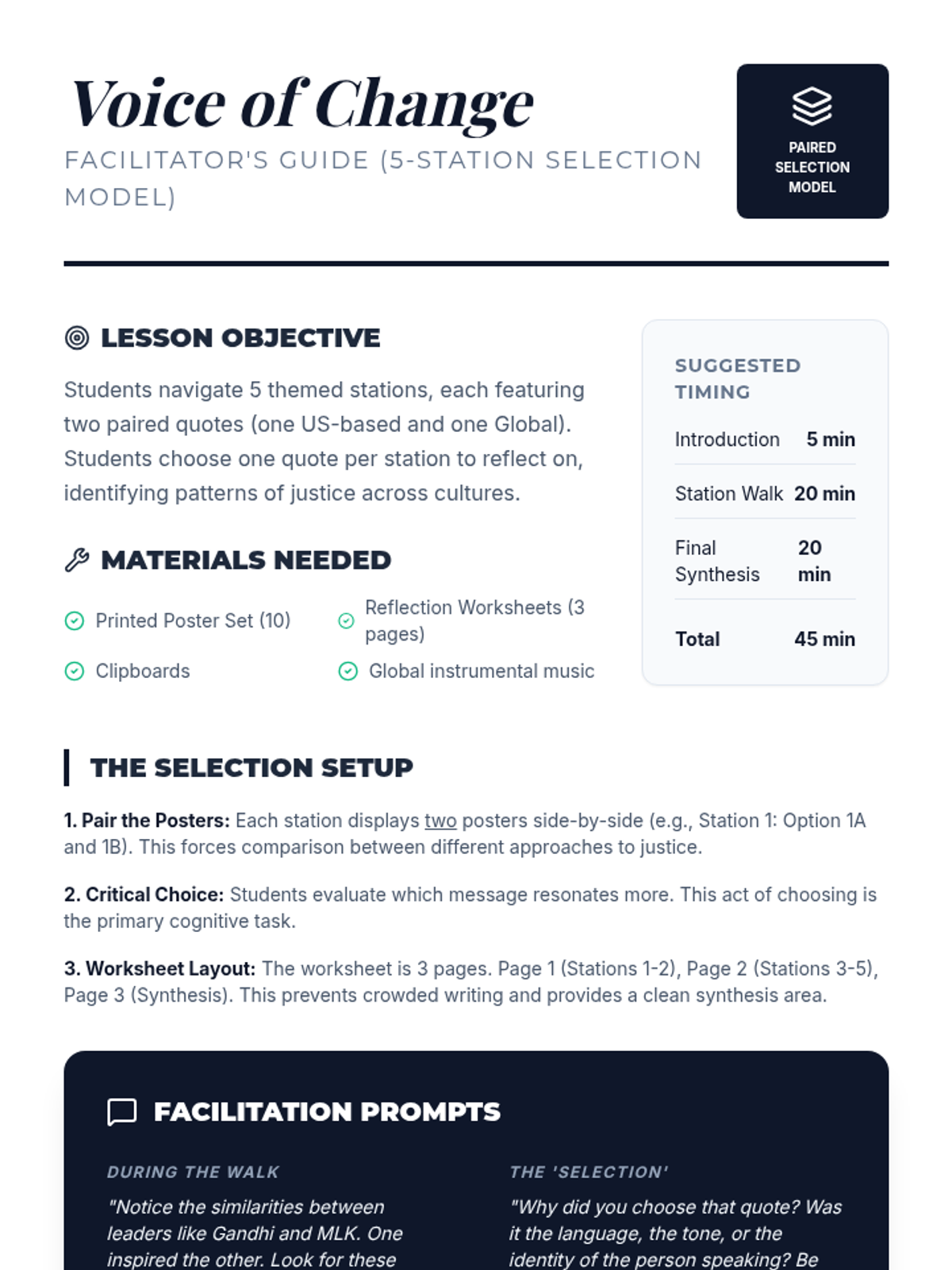
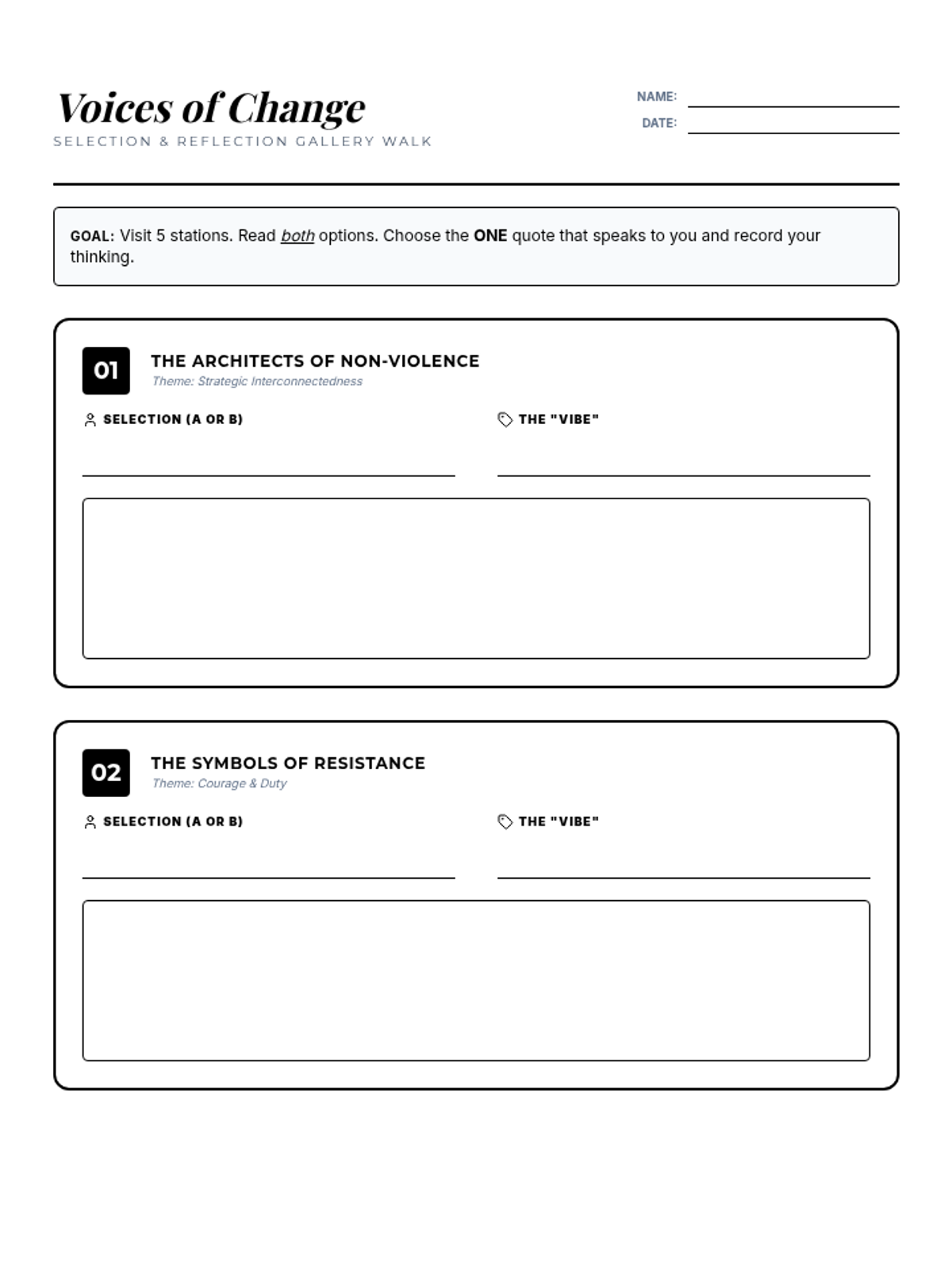
An introductory lesson exploring the Civil Rights Movement through the powerful words of its leaders. Students engage in a gallery walk to analyze quotes, reflect on leadership styles, and connect historical messages to modern contexts.
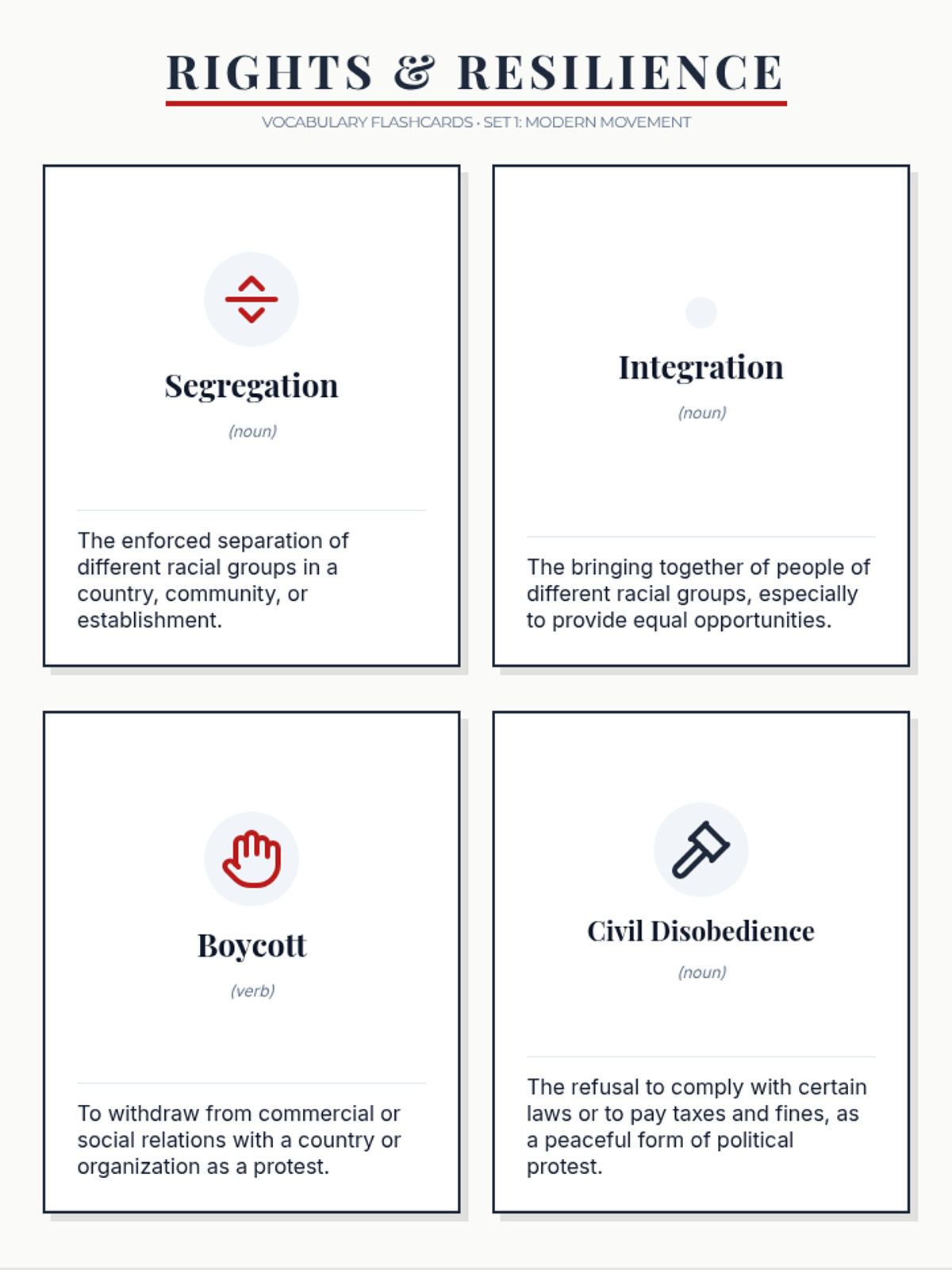
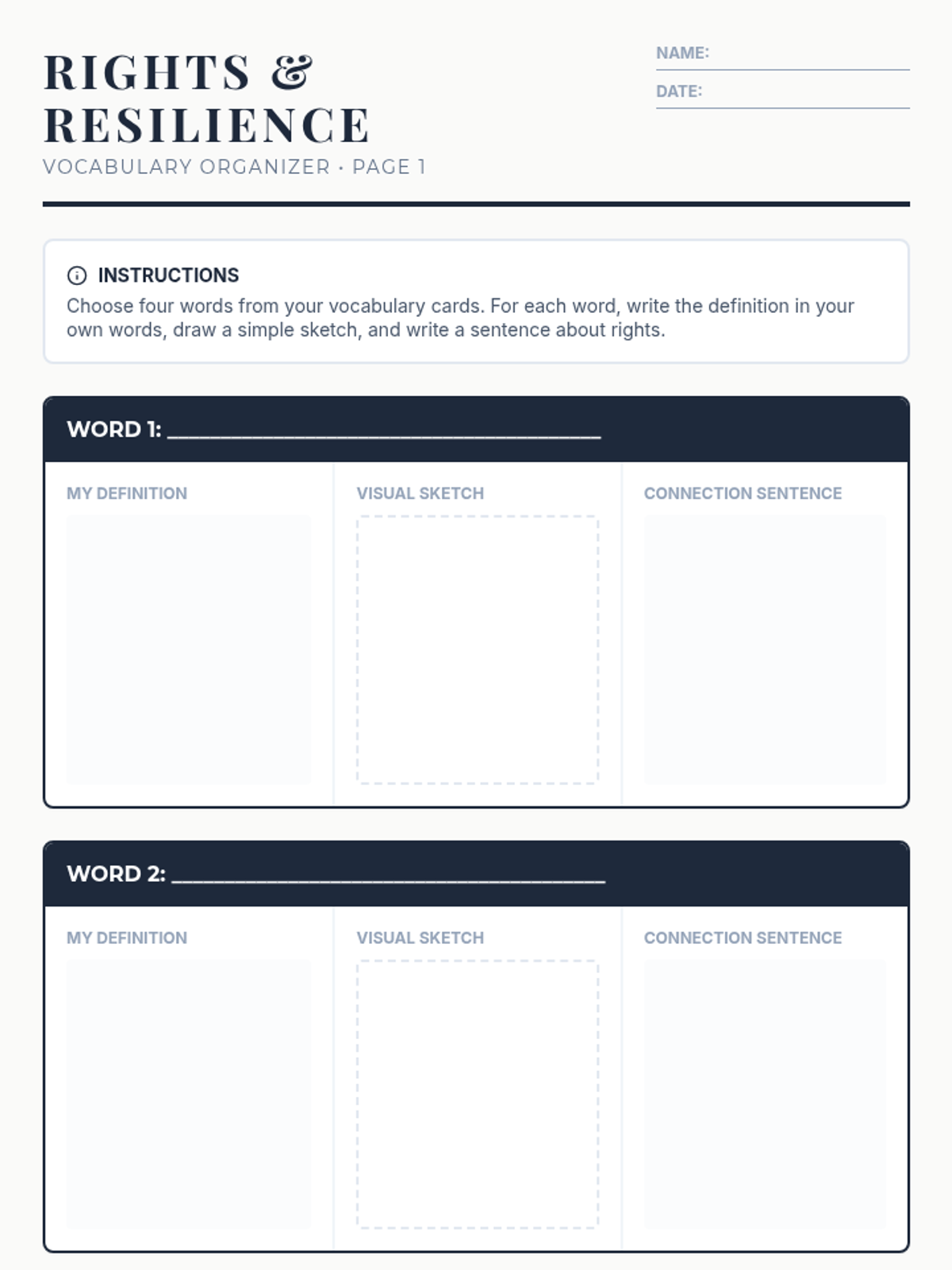
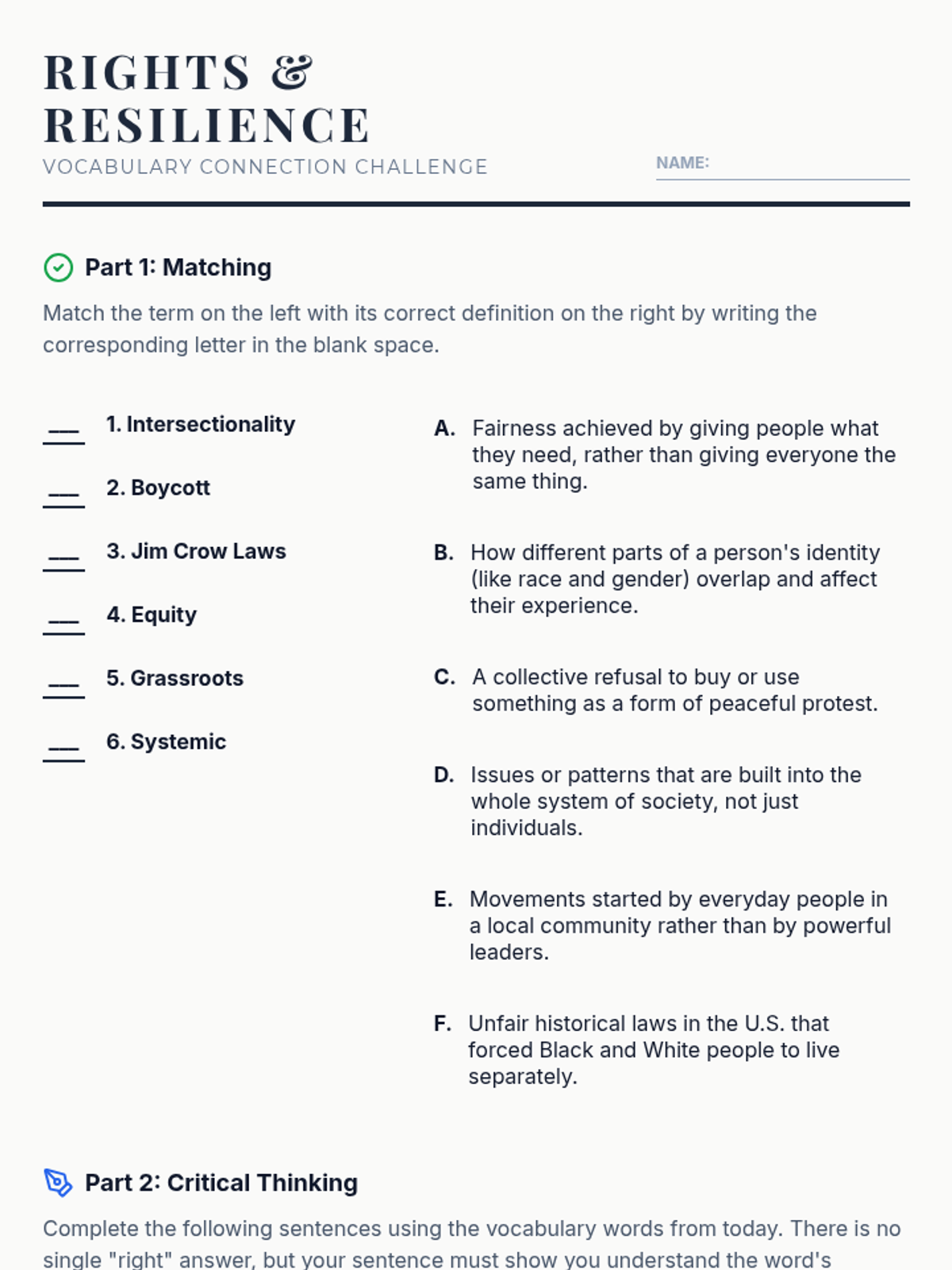
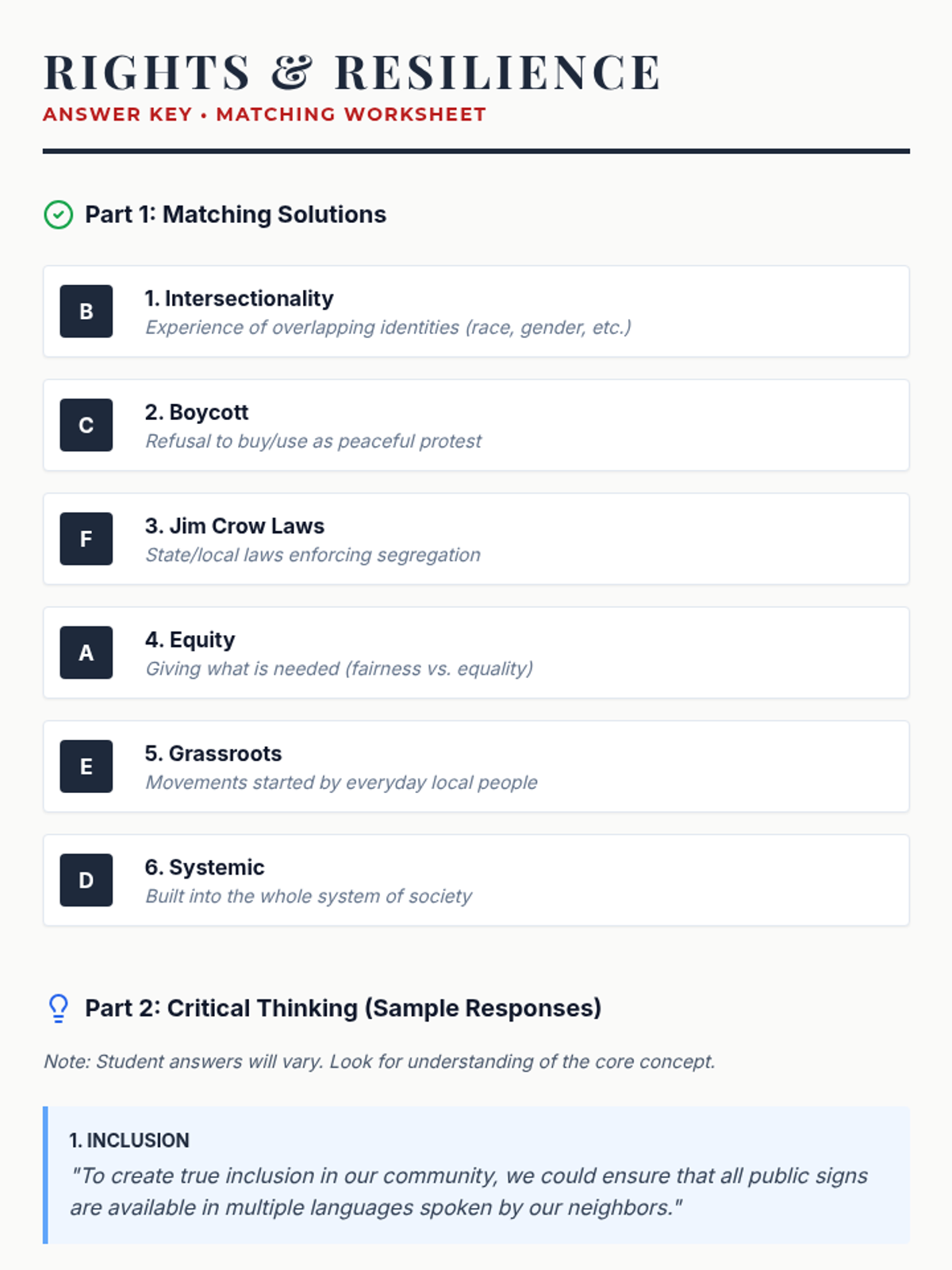
A vocabulary-focused exploration of civil rights, spanning the 1950s/60s Modern Movement through contemporary issues, using visual cards, organizers, and matching exercises.
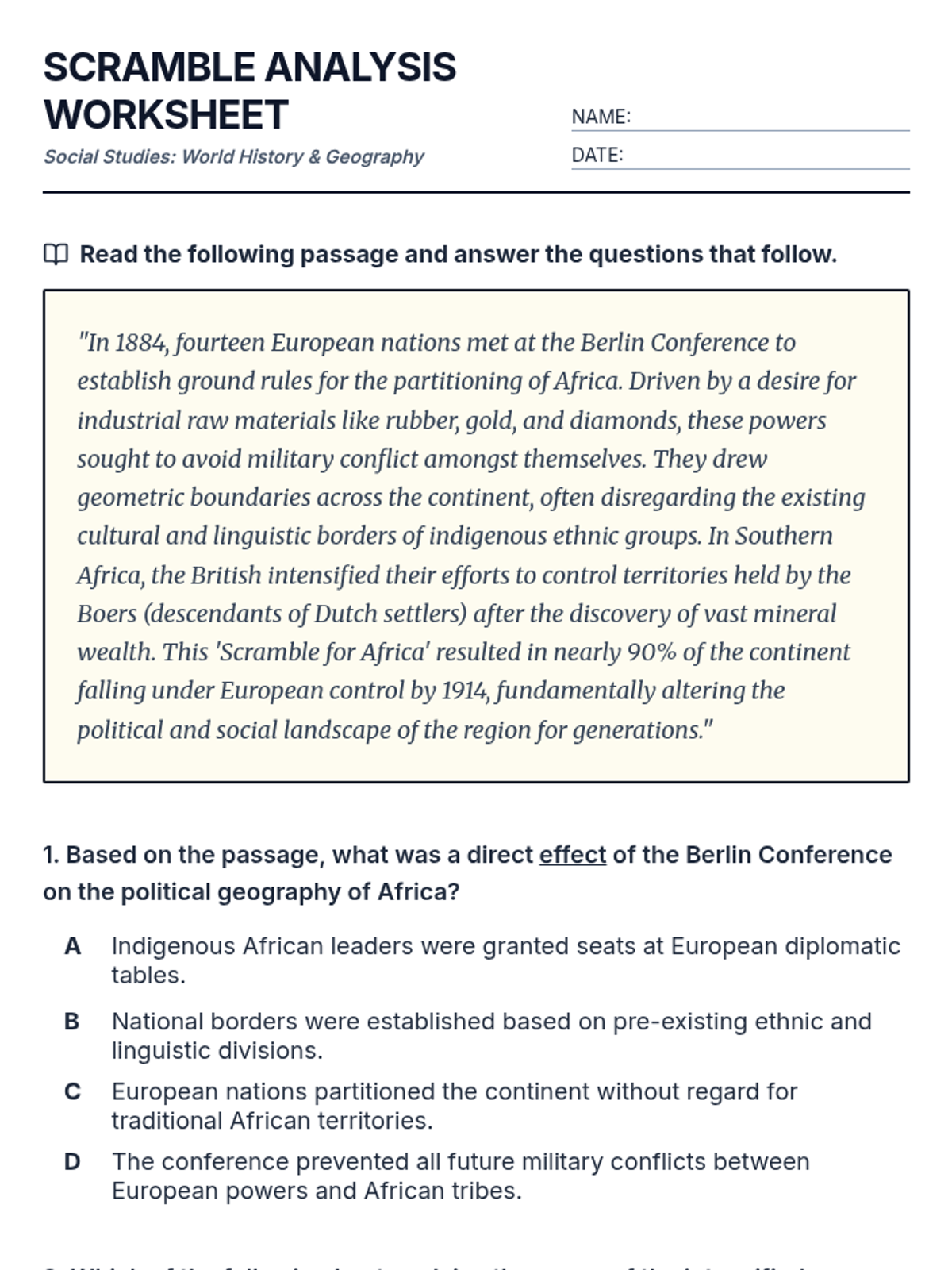
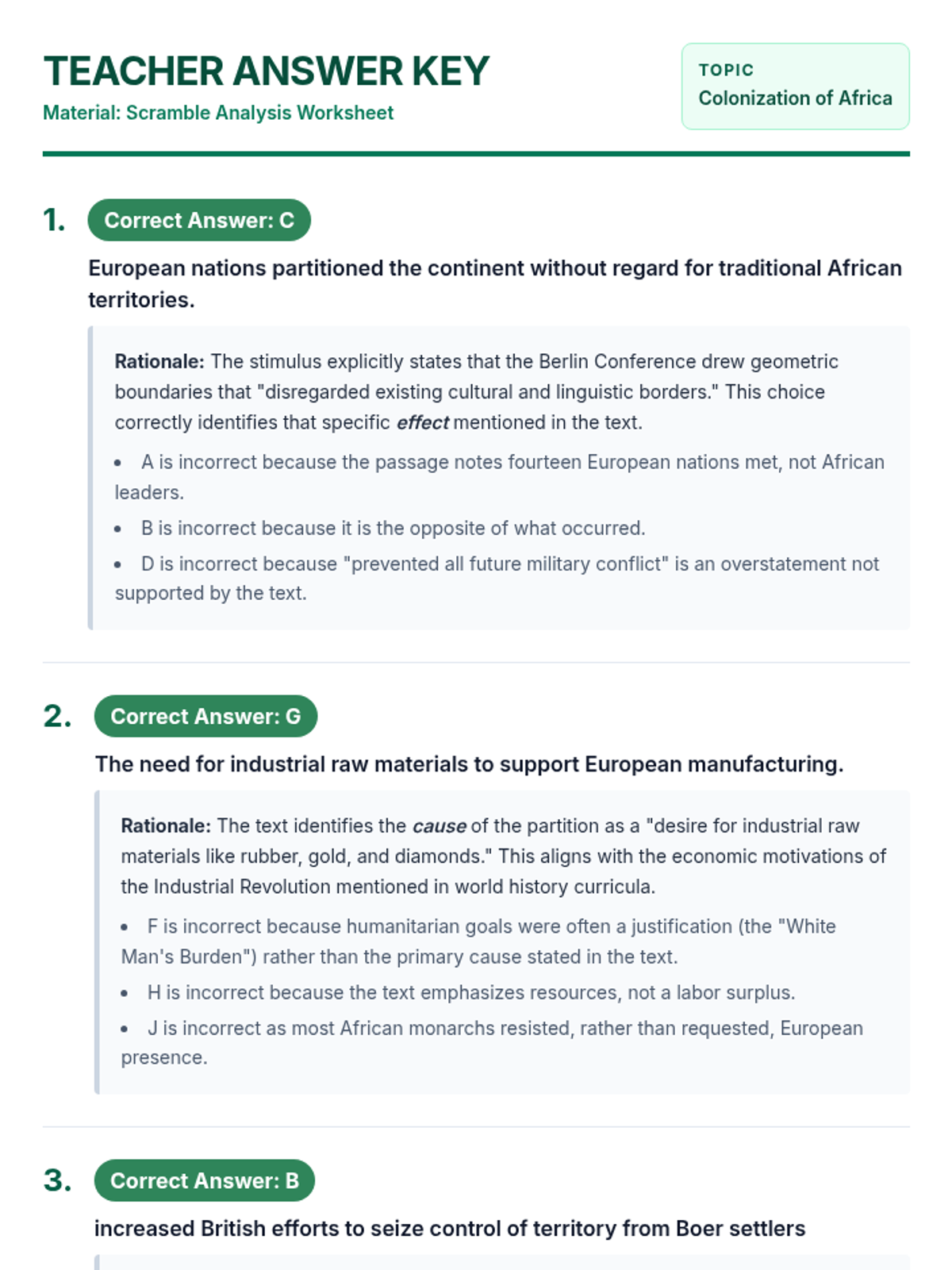
A lesson exploring the motivations, events, and consequences of the European colonization of Africa, focusing on the Berlin Conference and British expansion in South Africa through the lens of cause and effect.
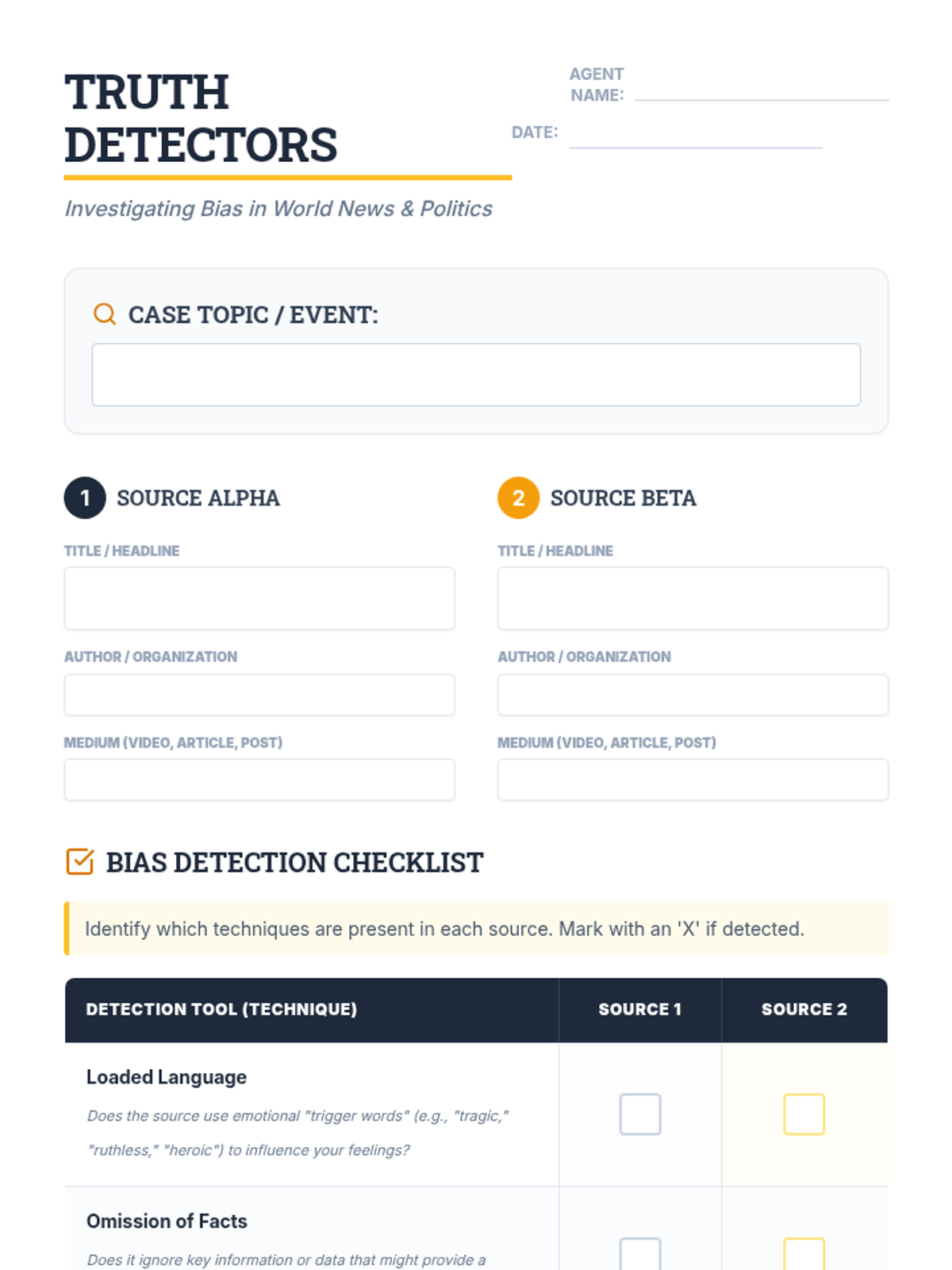
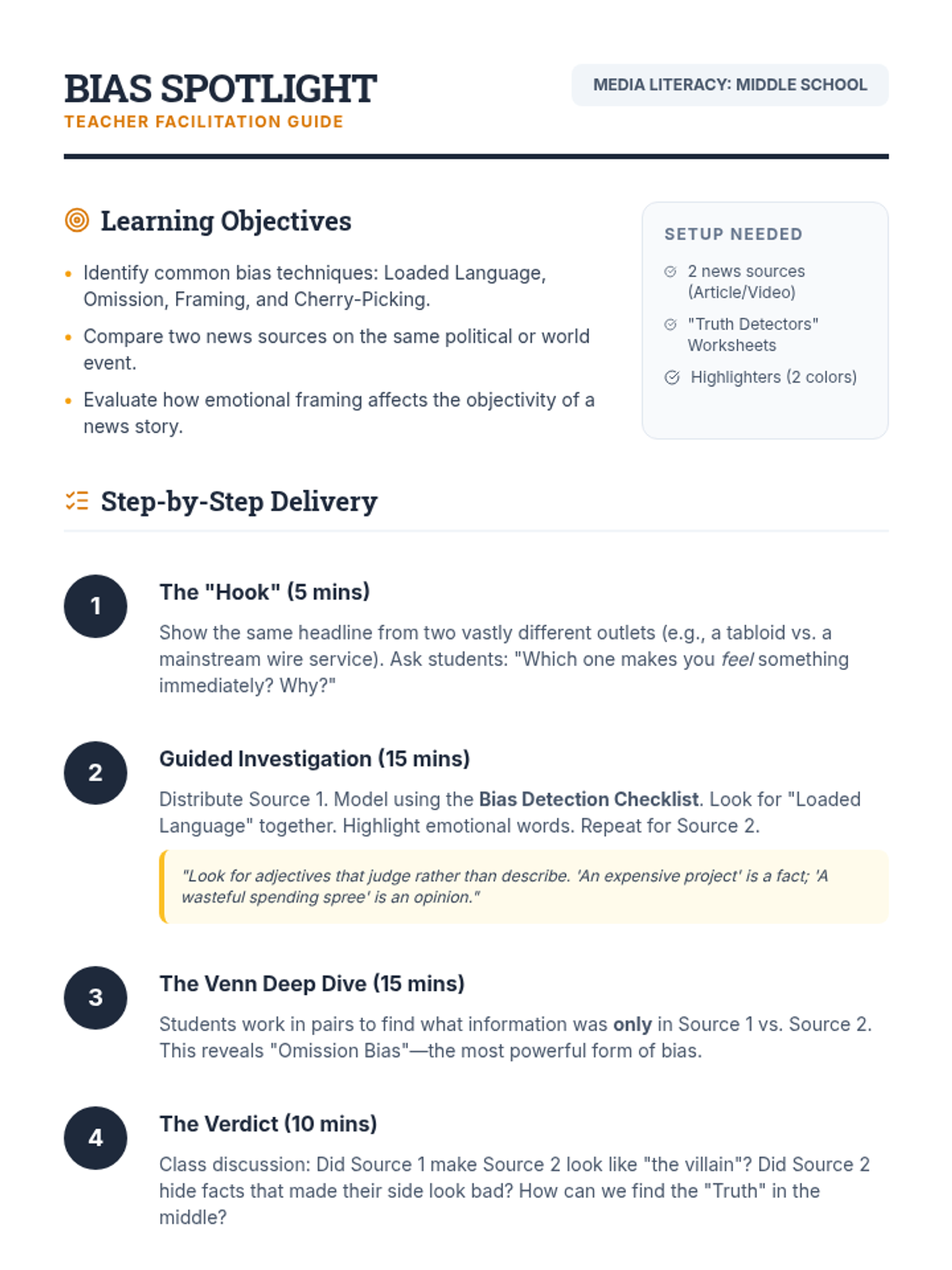
A lesson focused on identifying bias in media sources related to politics and world events, featuring hands-on analysis tools.
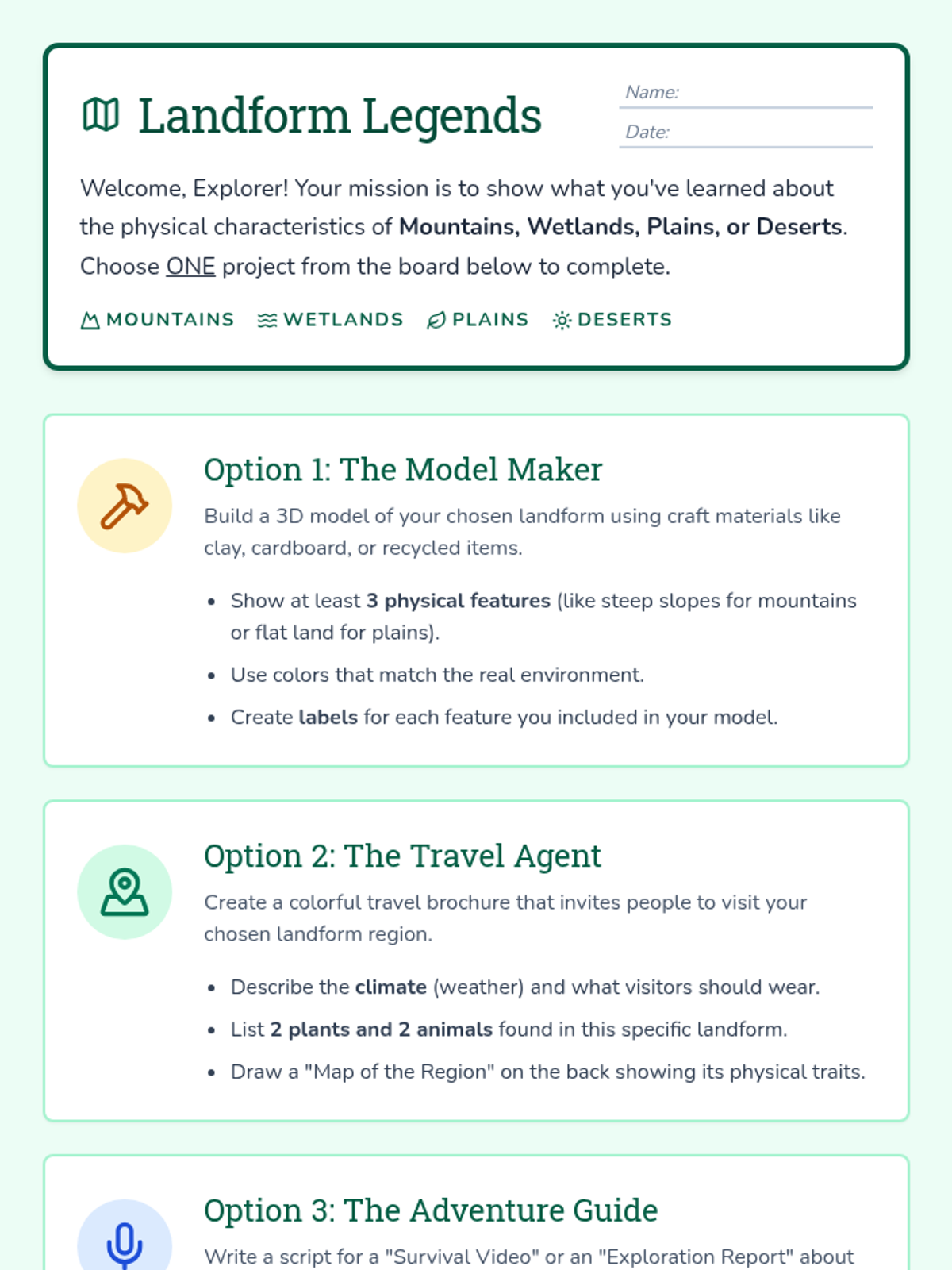
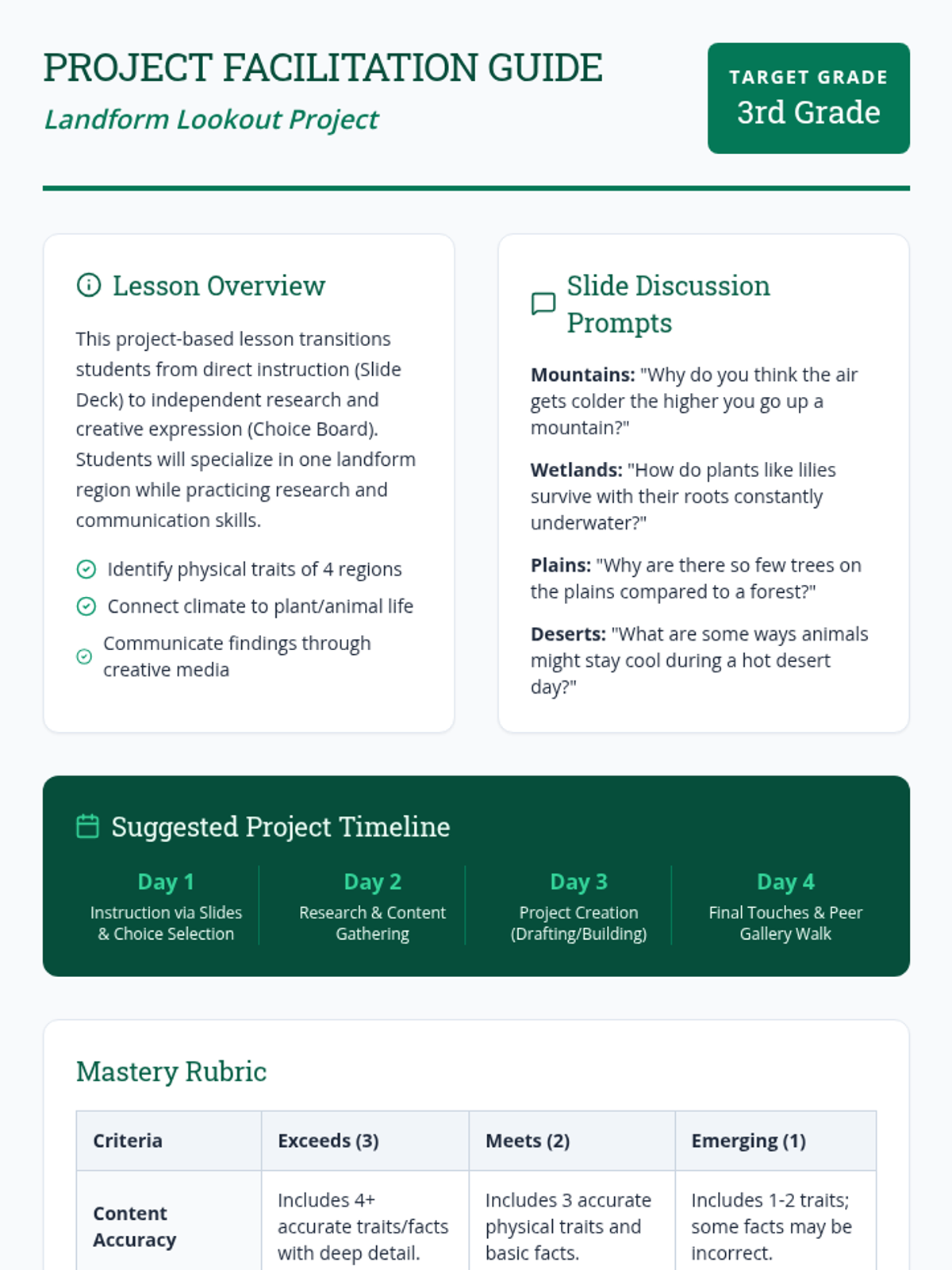
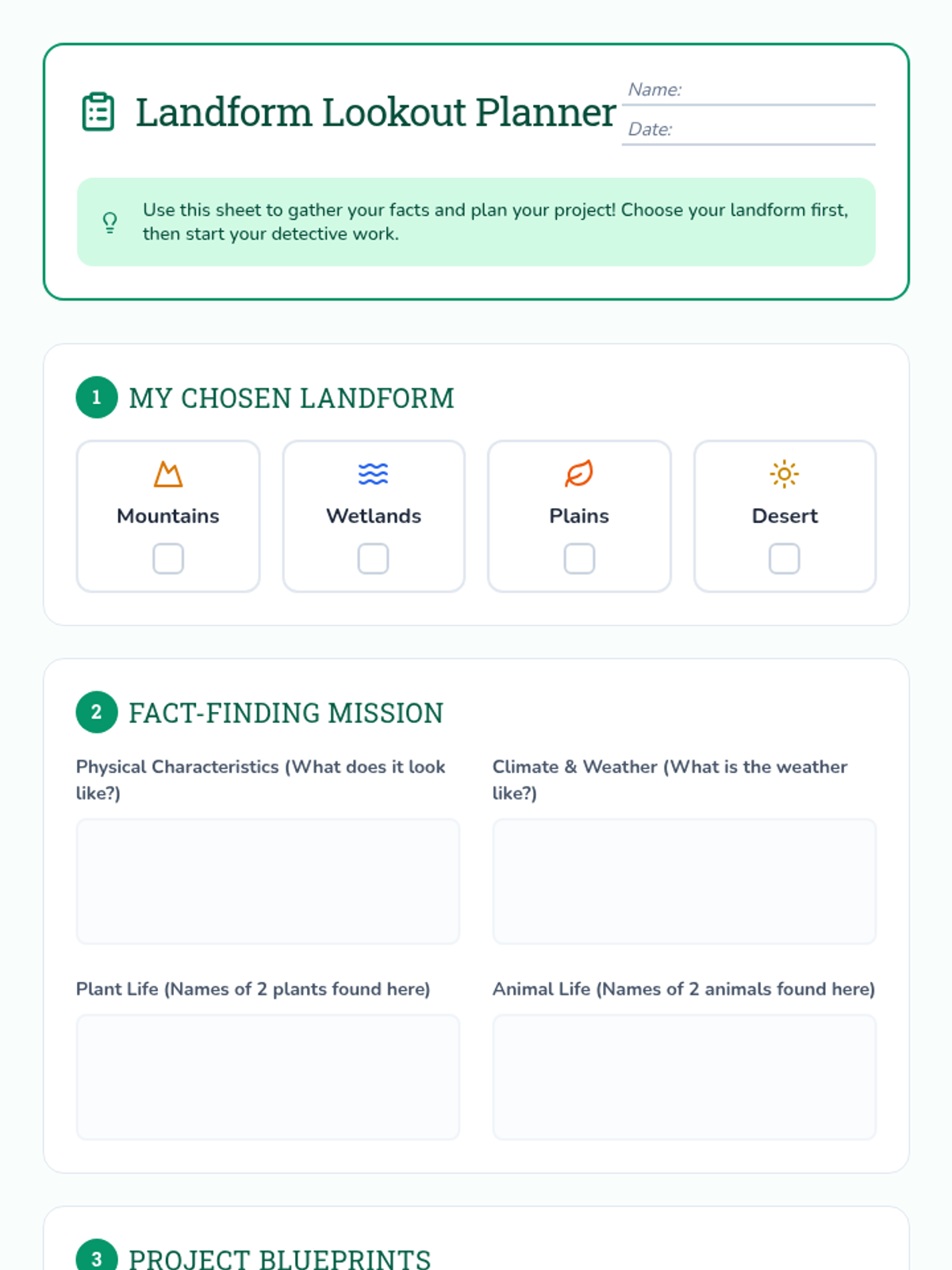
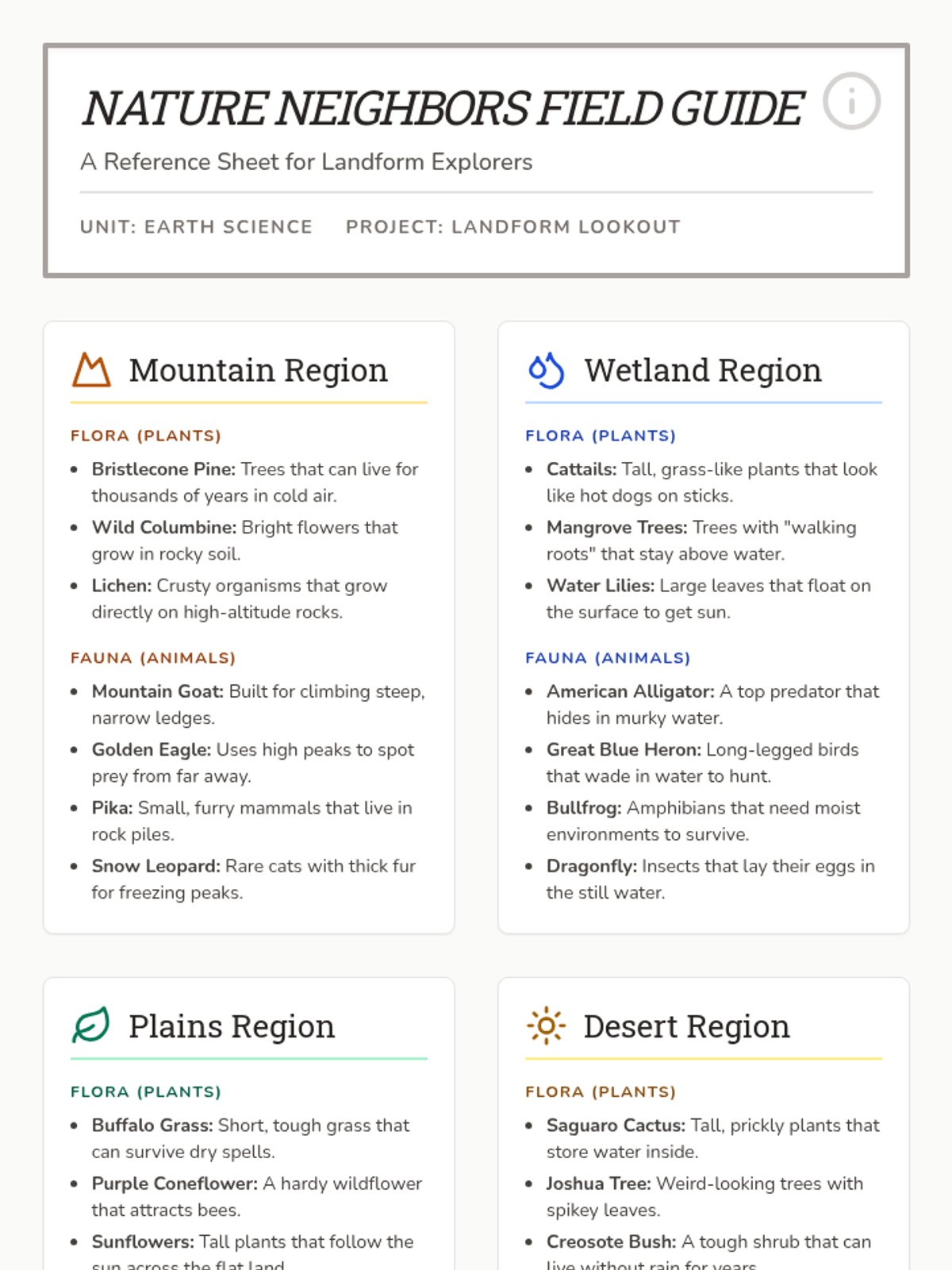
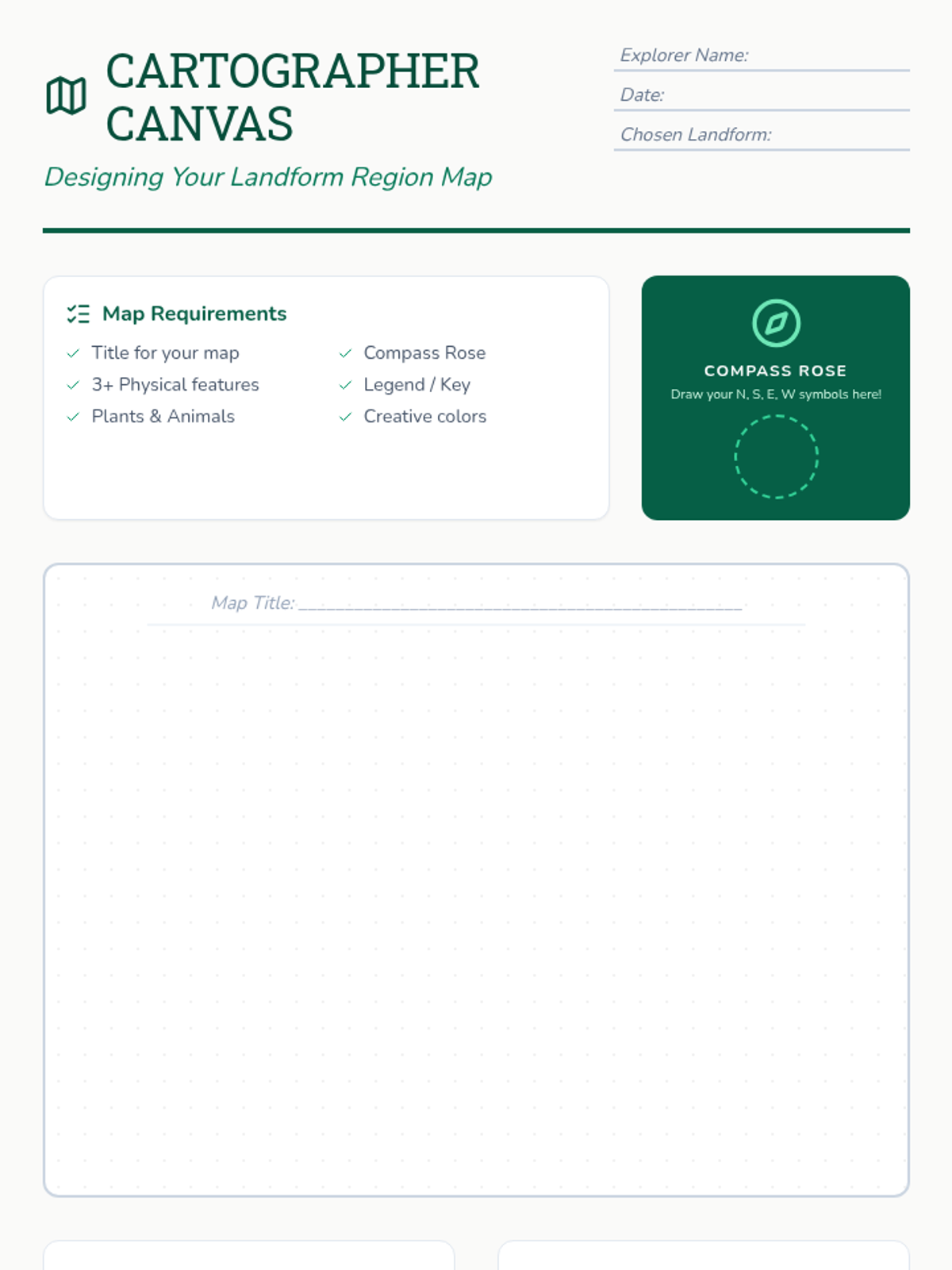
A project-based lesson where 3rd-grade students explore the physical characteristics of mountains, wetlands, plains, and deserts through a variety of creative choices.