A reflective lesson where students explore the poetic beauty and personal significance of the Psalms, choosing a specific passage to analyze and connect with their own lives.

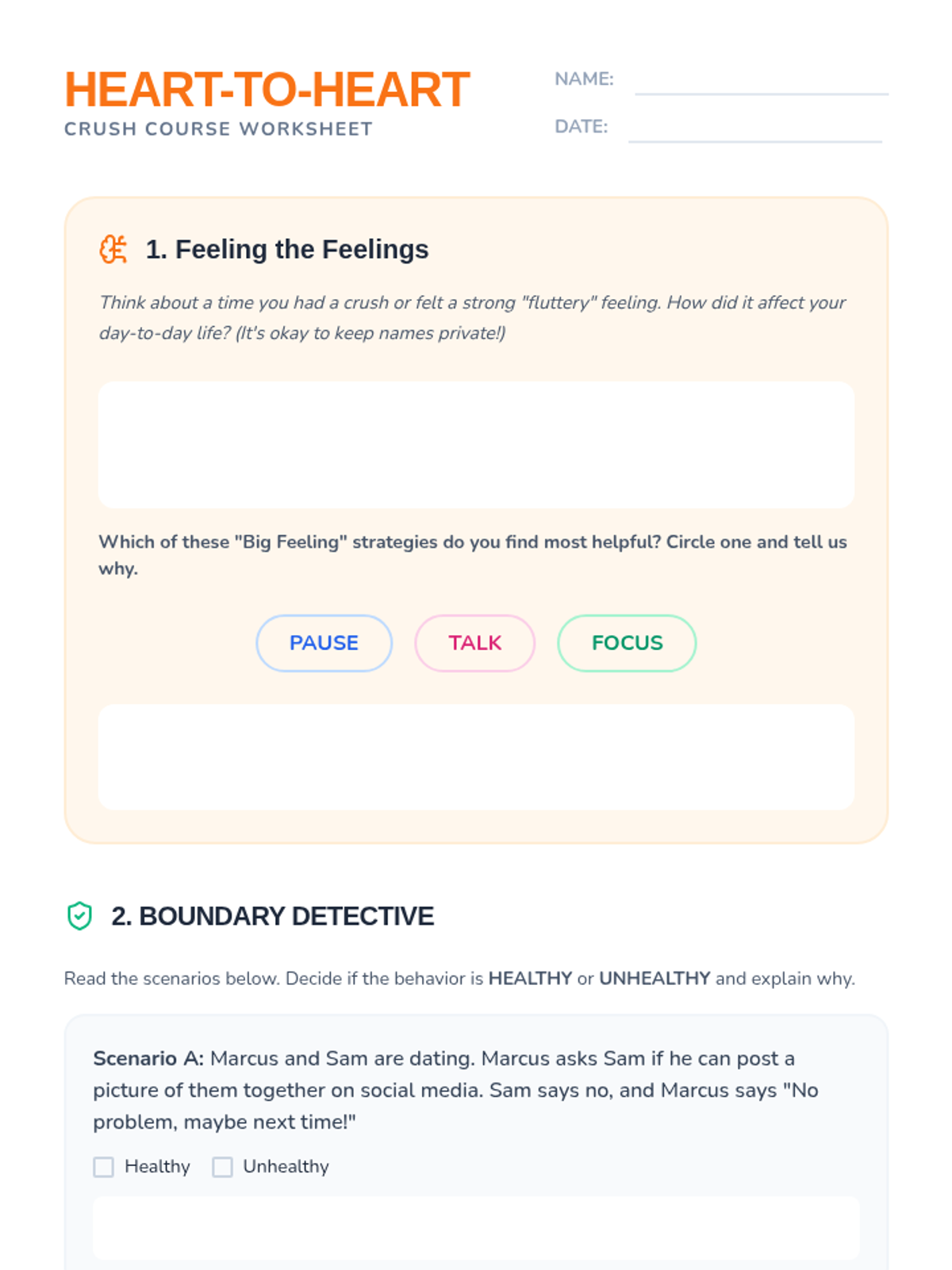
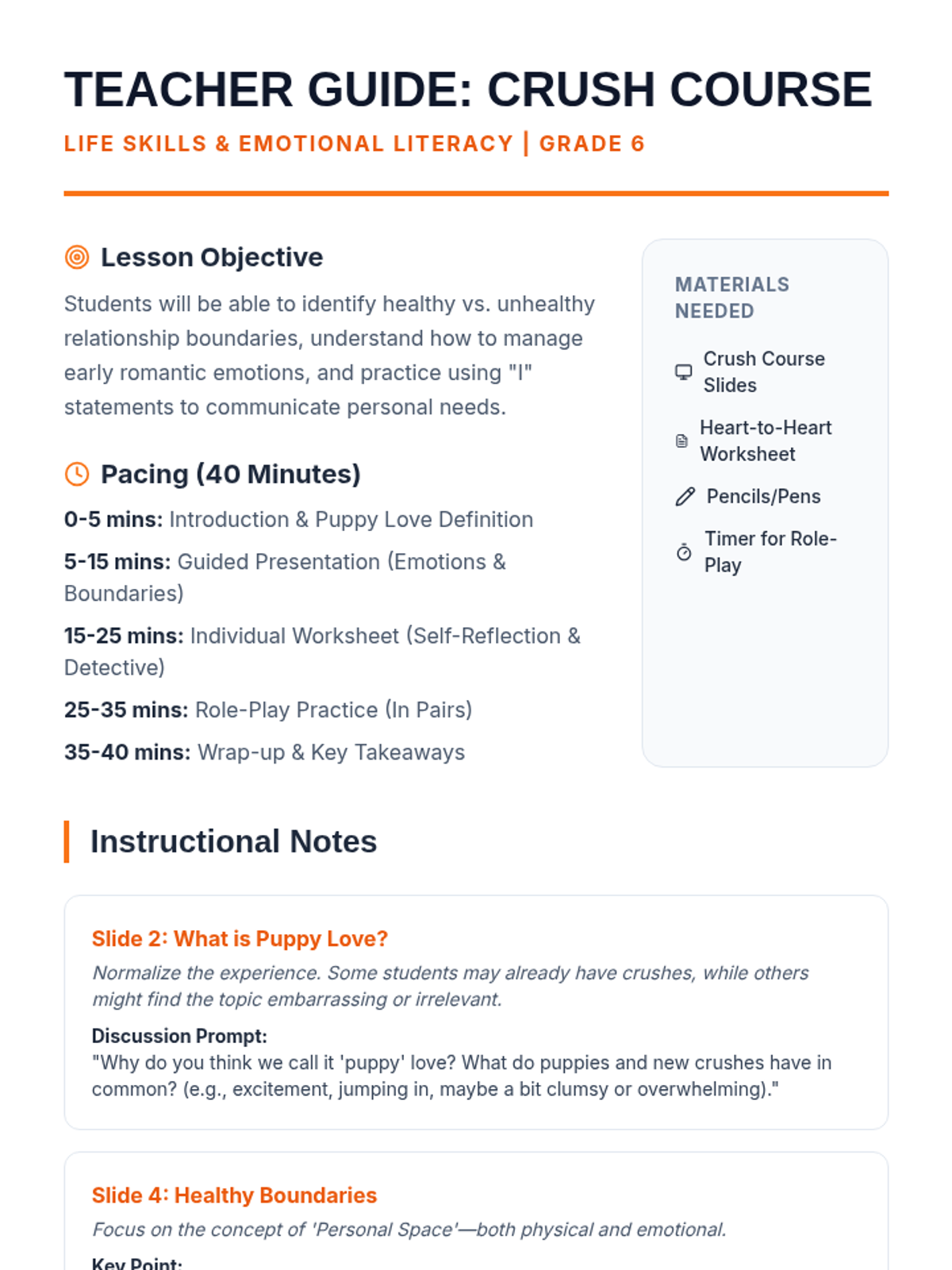
This lesson helps 6th graders navigate the complex world of early romantic feelings by focusing on identifying emotions, setting healthy boundaries, and practicing clear communication. Students will learn to distinguish between healthy and unhealthy relationship behaviors through interactive slides and role-play scenarios.
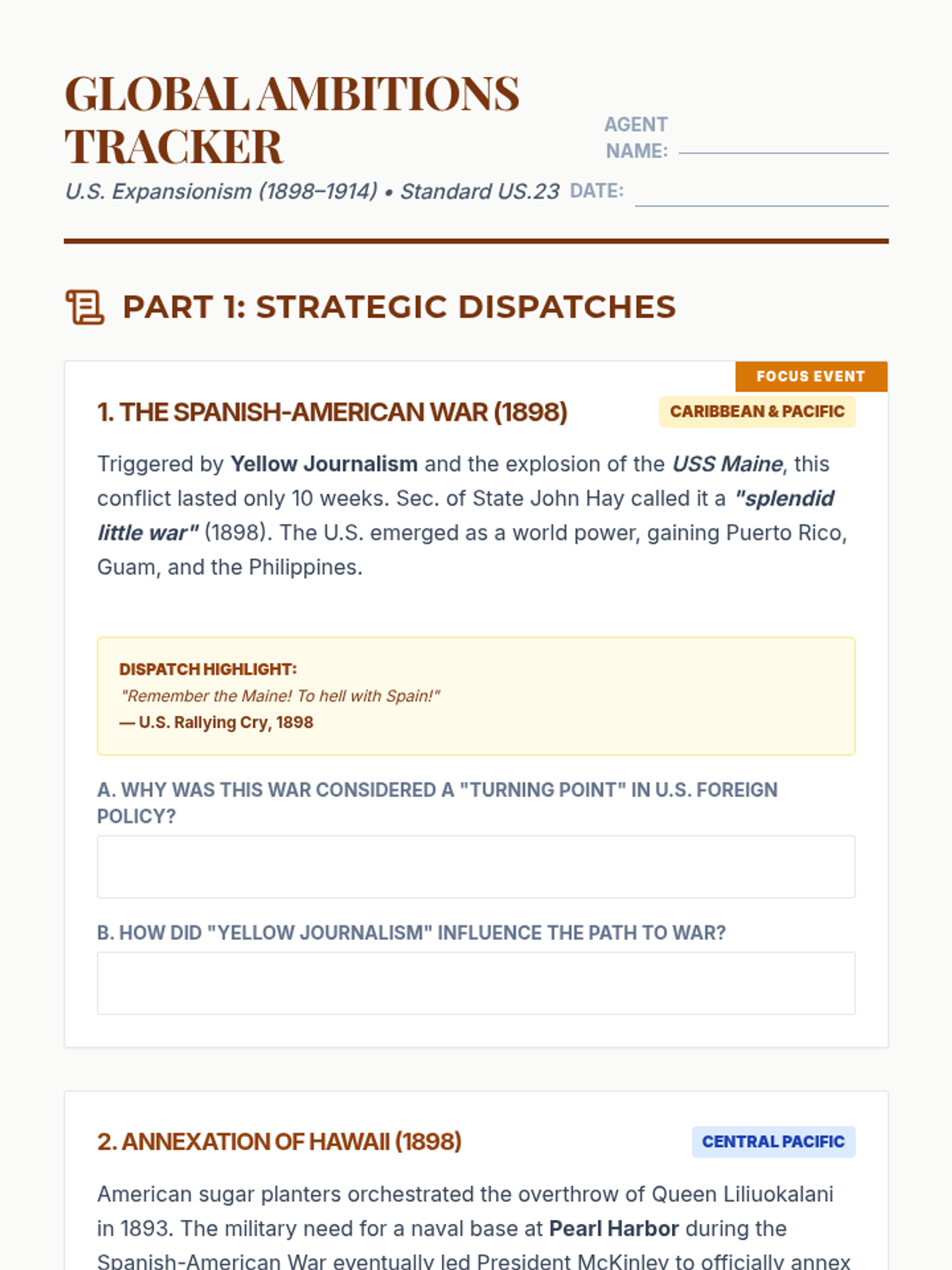
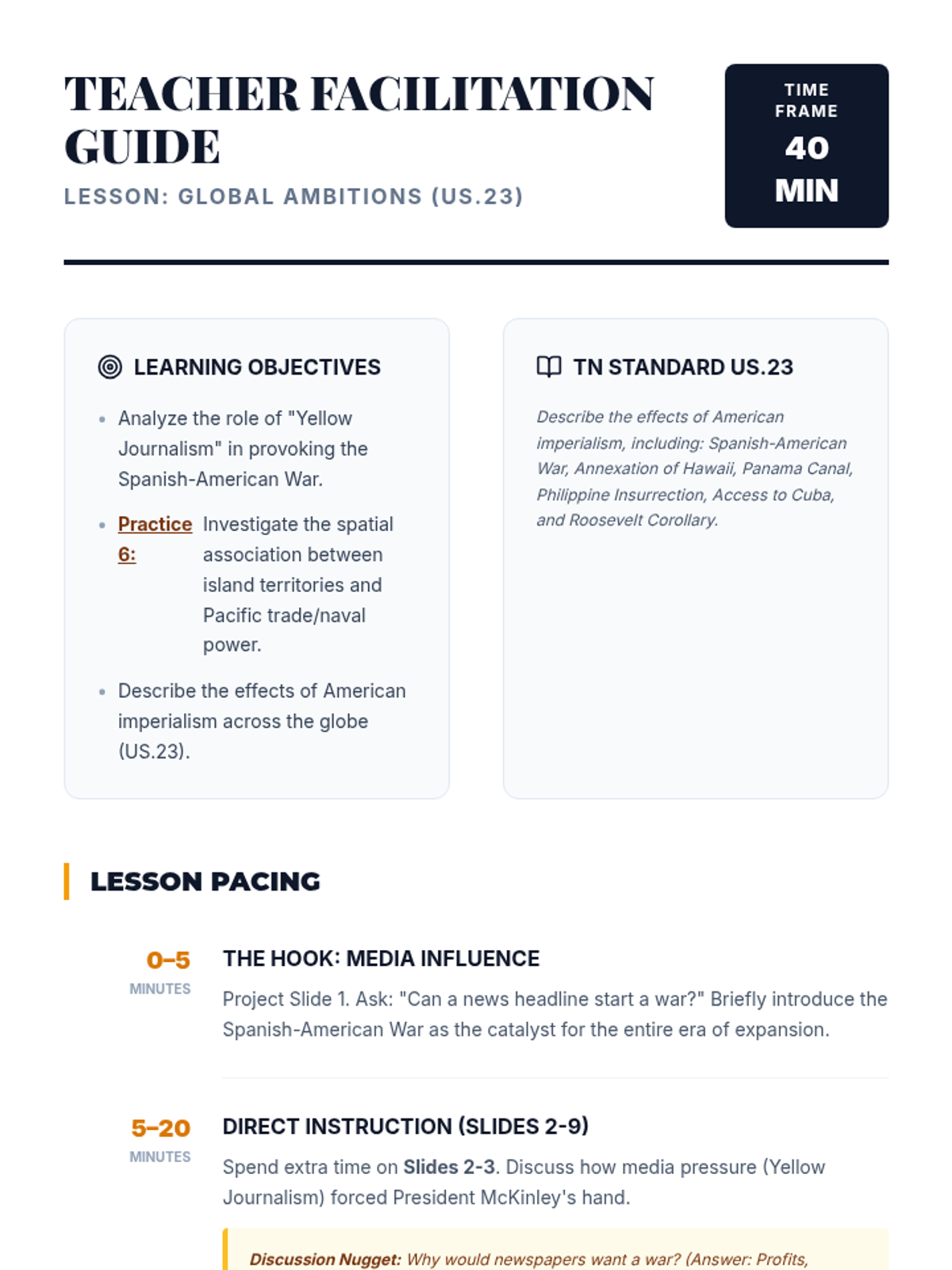
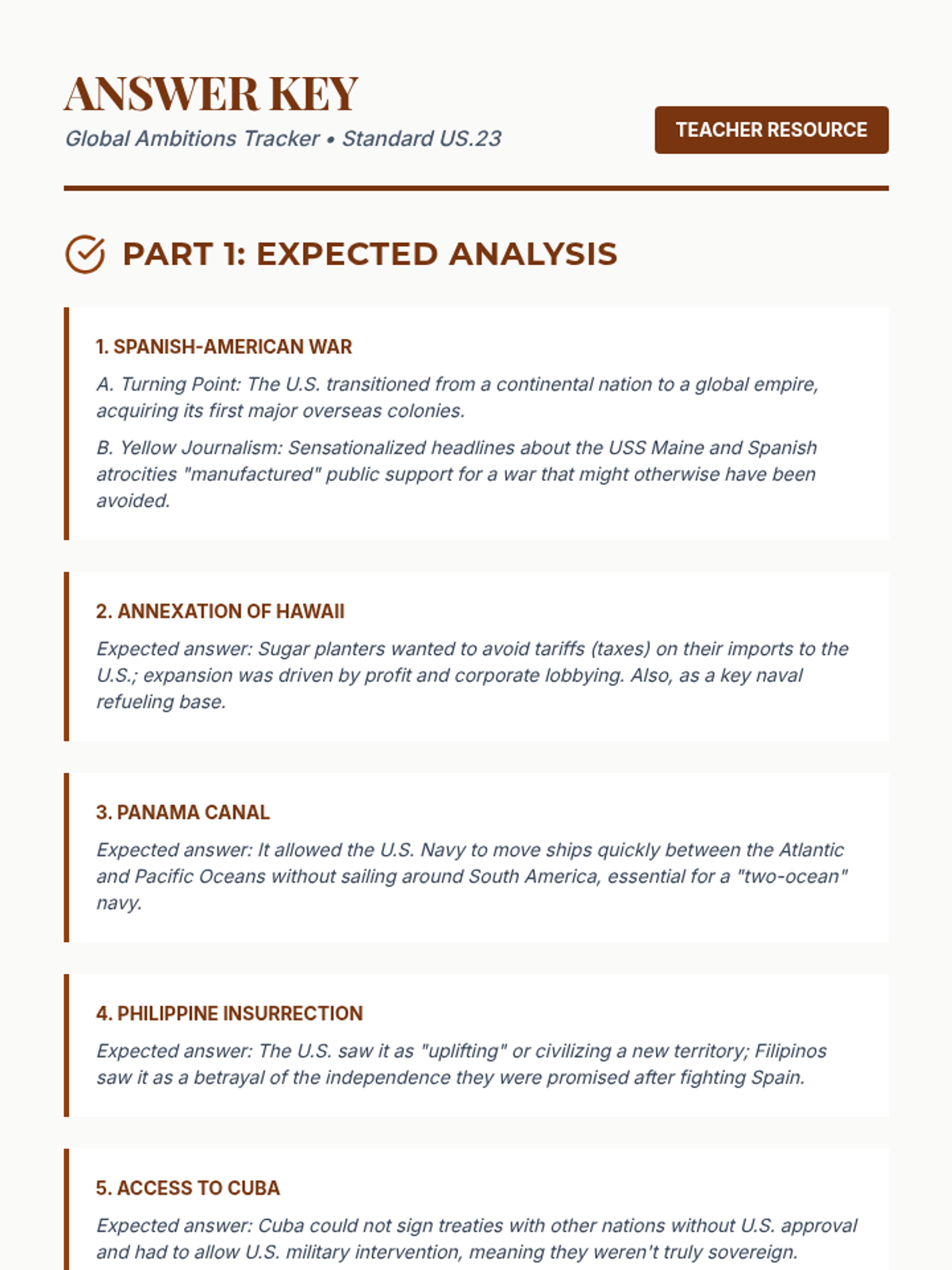
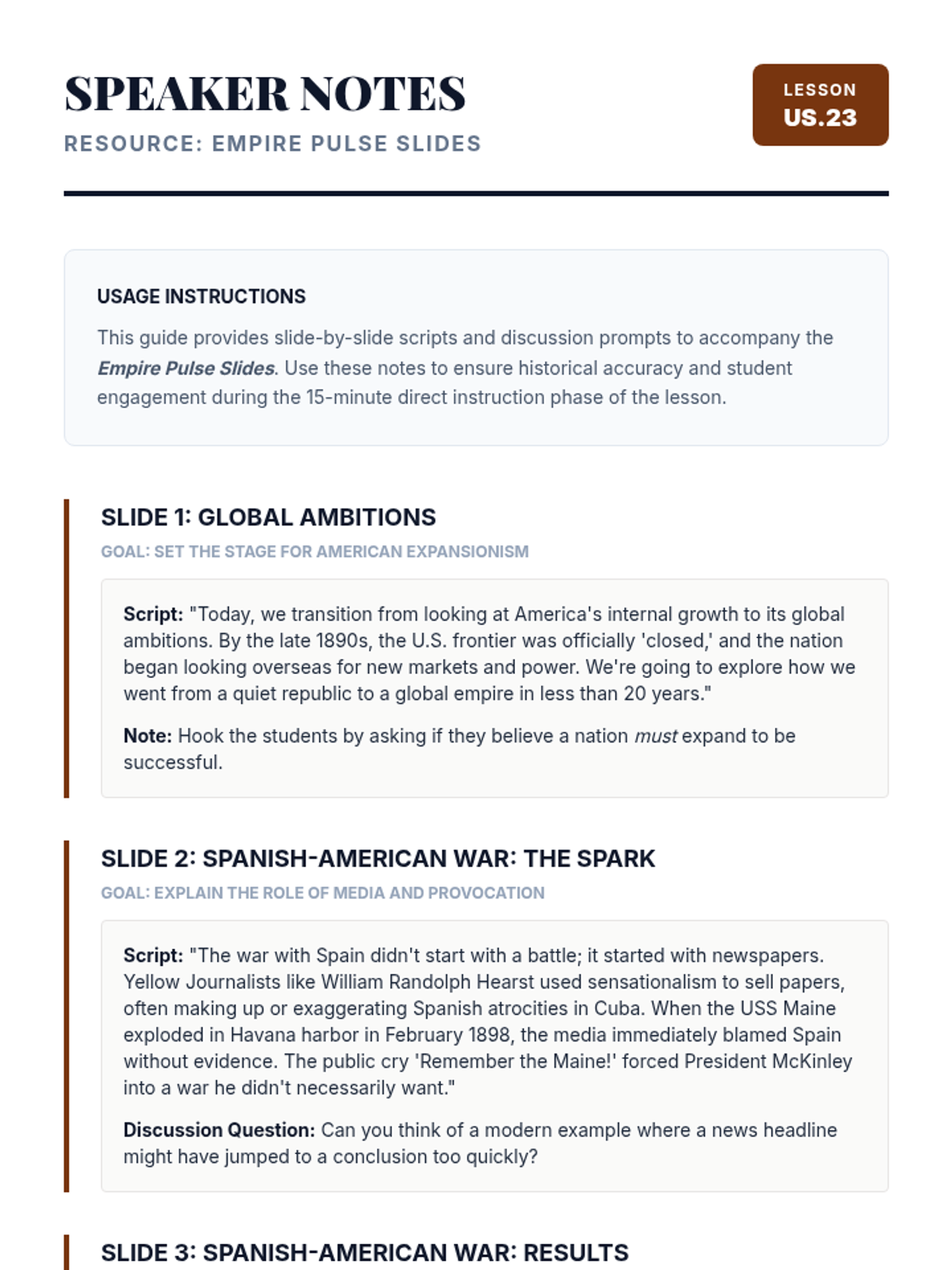
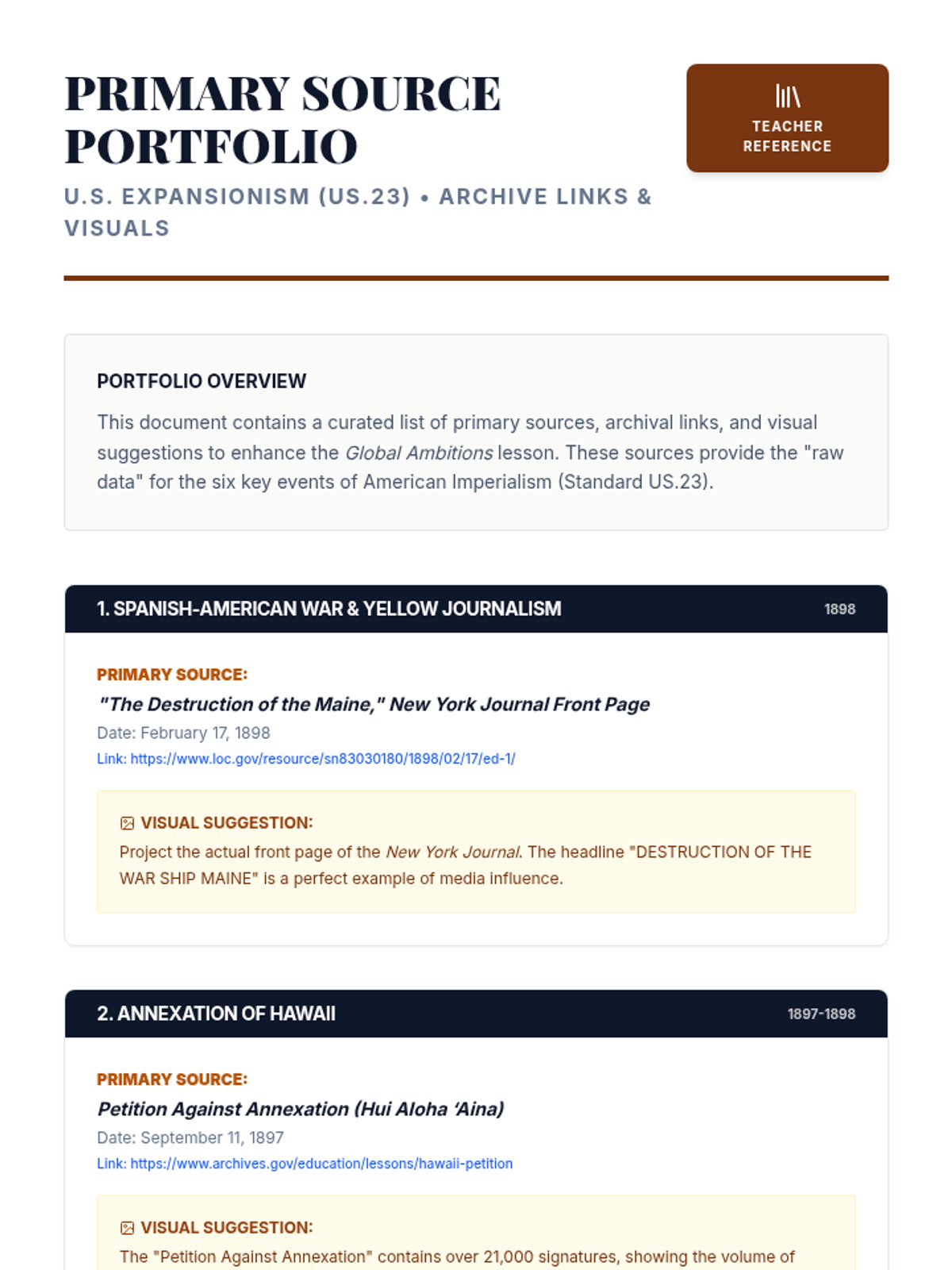
A comprehensive 40-minute exploration of late 19th and early 20th-century American expansionism, covering key events from the Spanish-American War to the Roosevelt Corollary through guided reading and cartographic analysis.
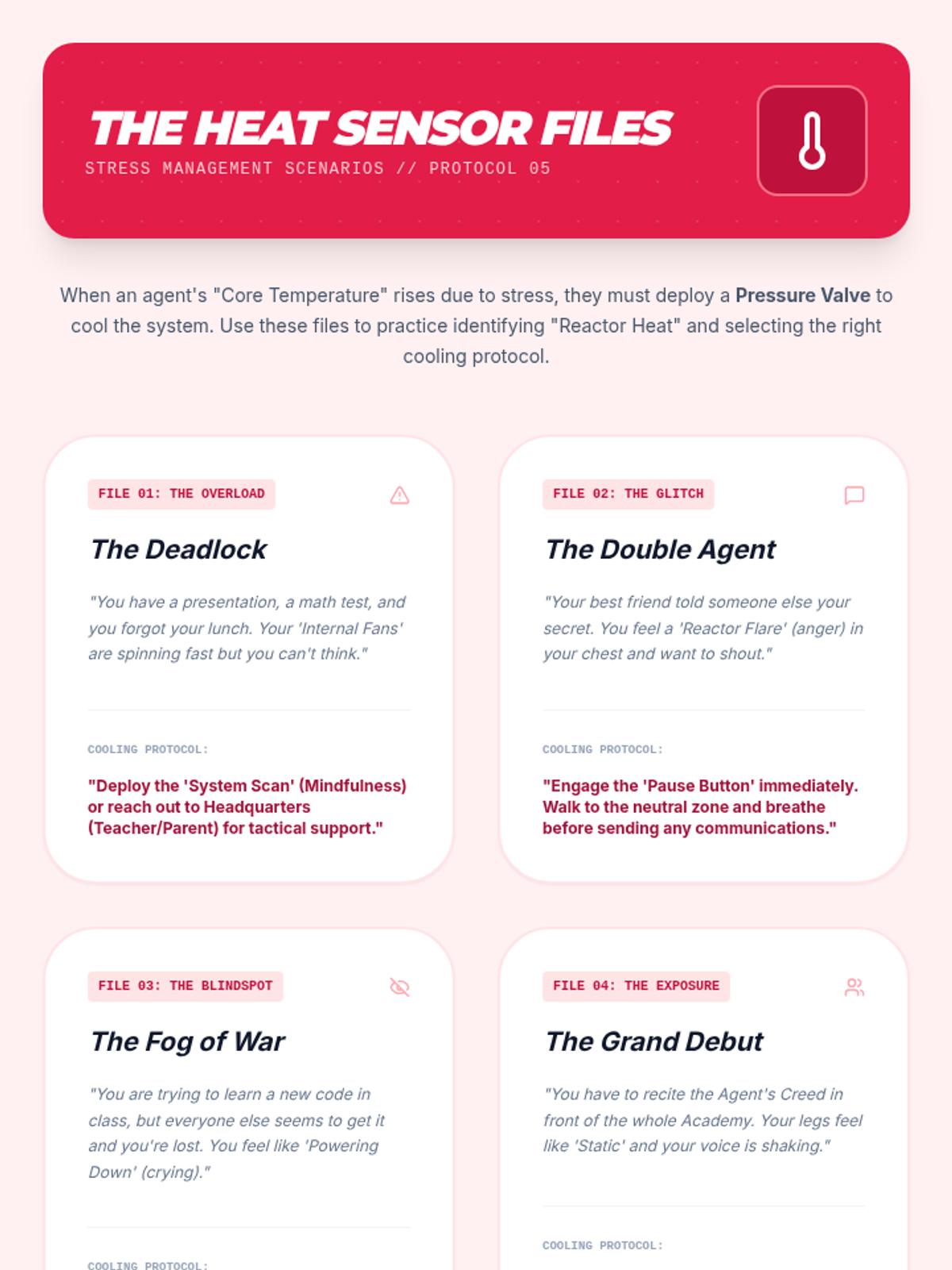
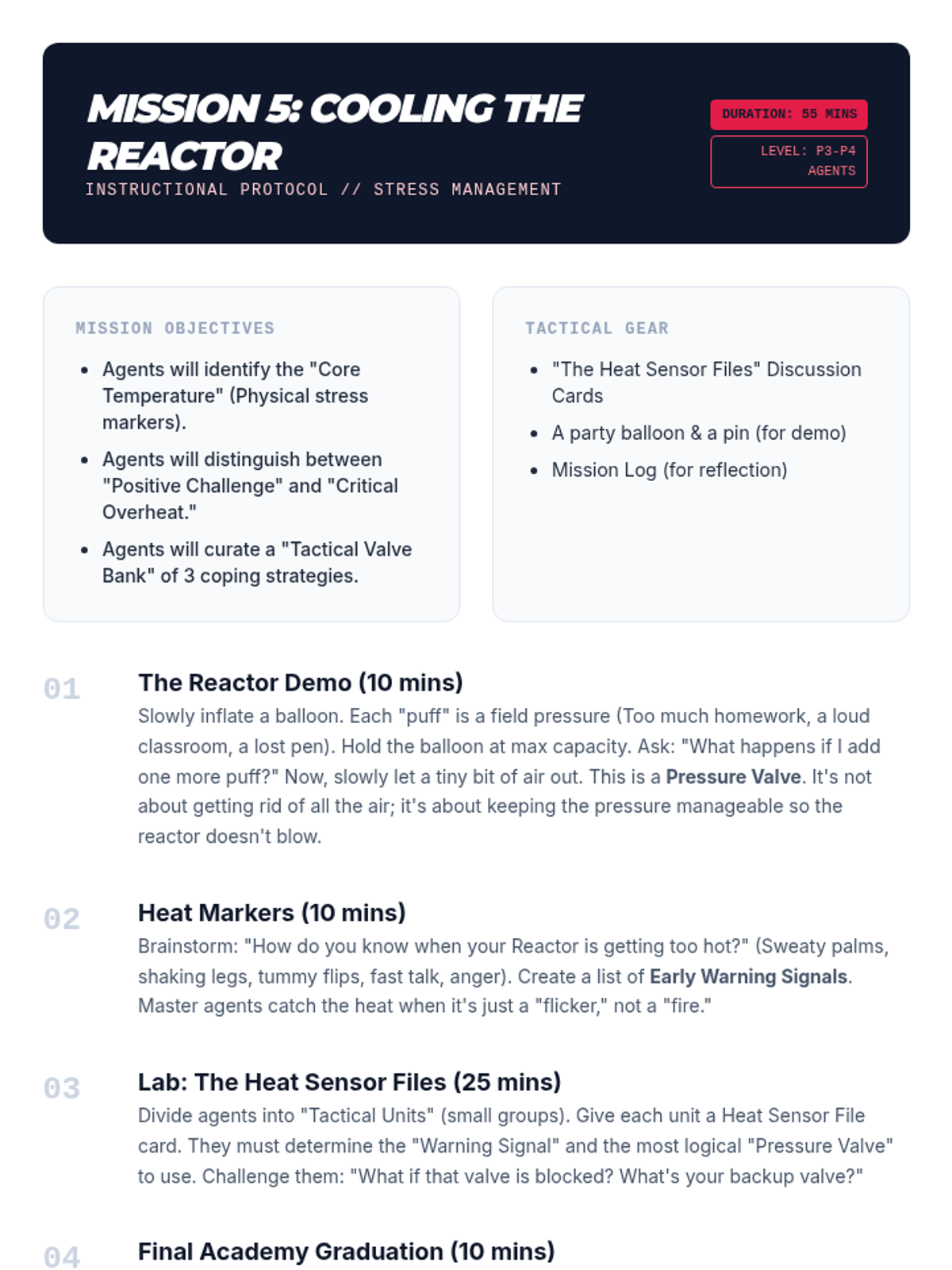
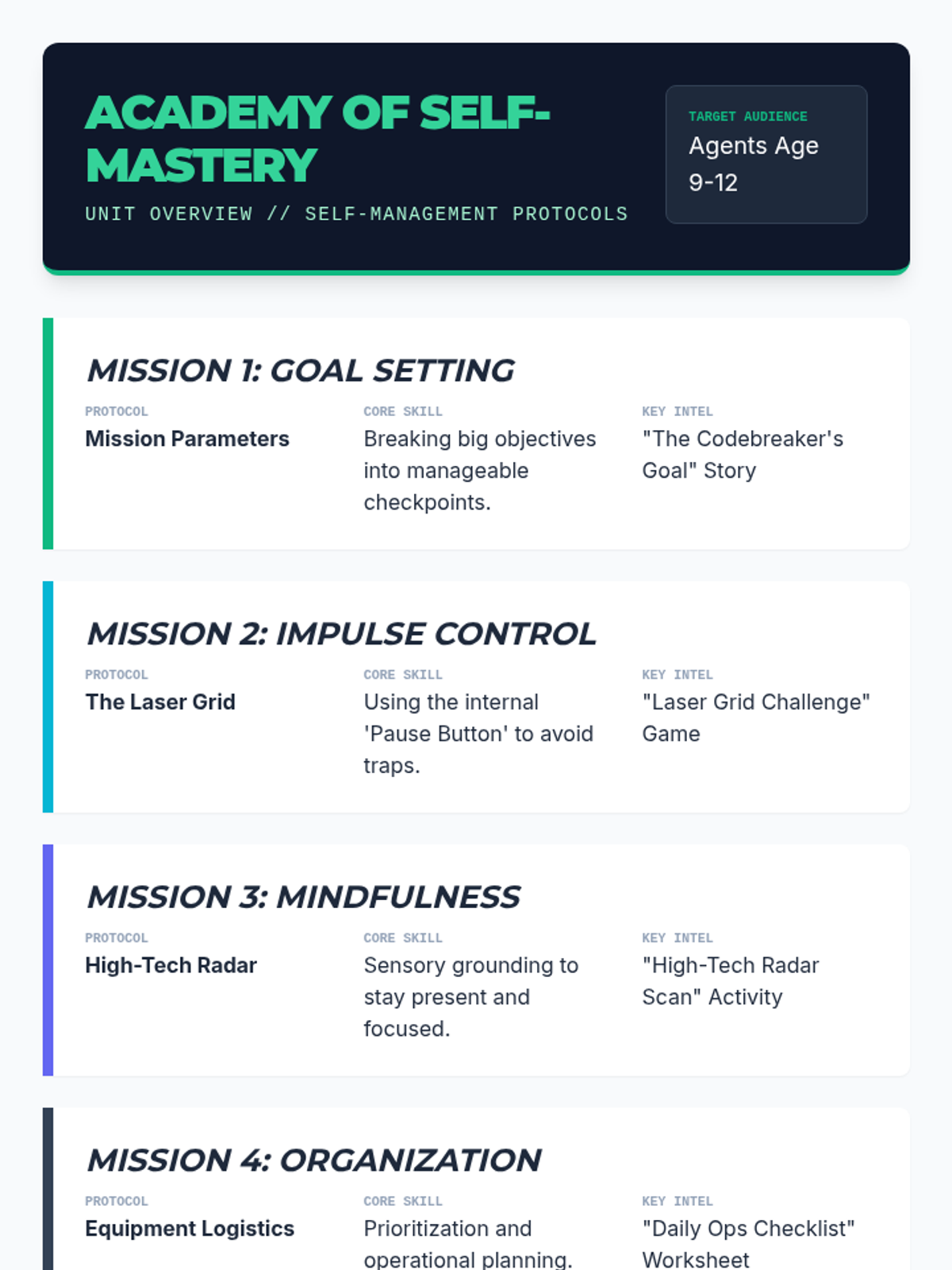
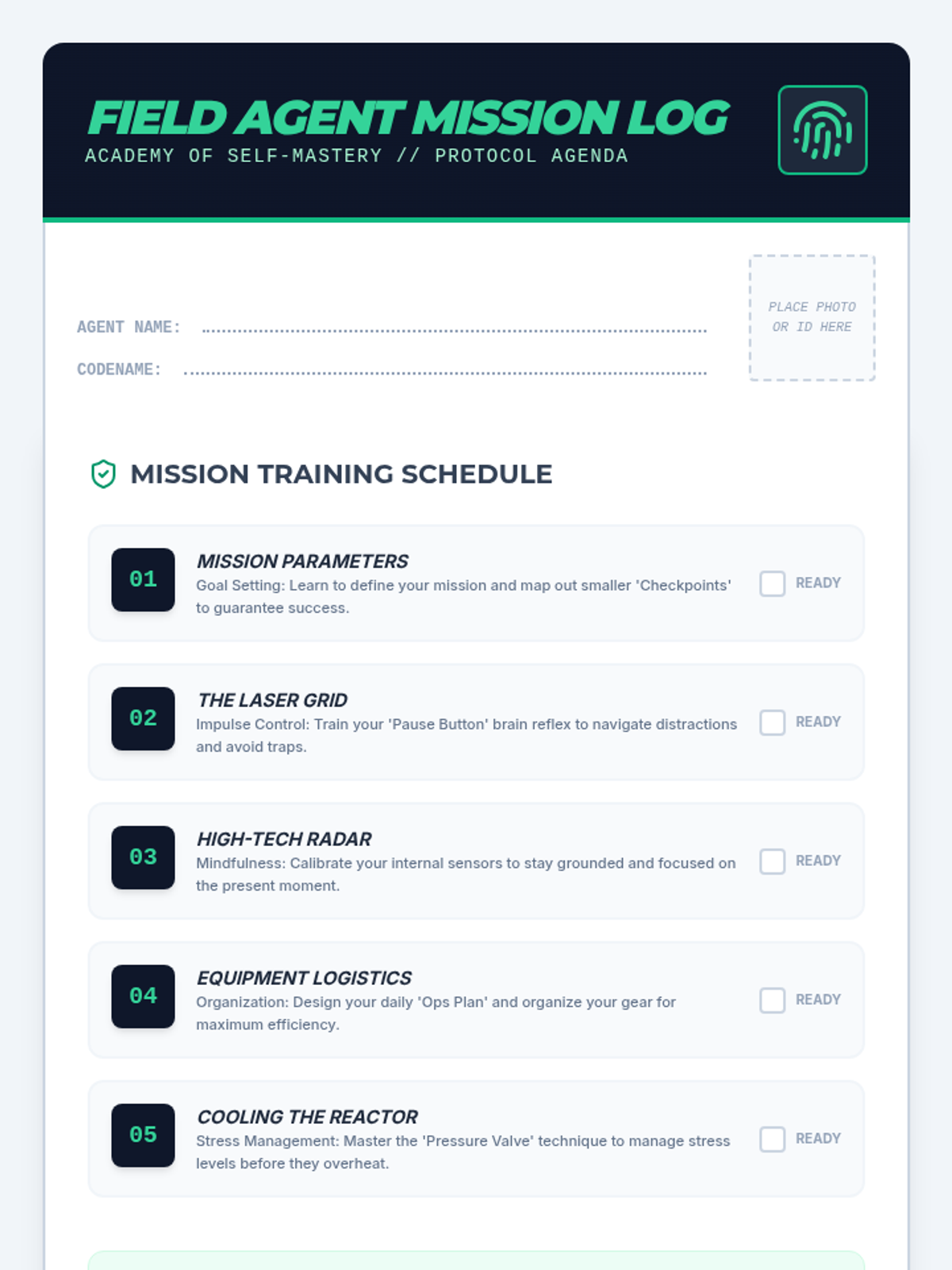
Agents learn to identify 'reactor heat' (stress) and use cooling valves to maintain operational status.
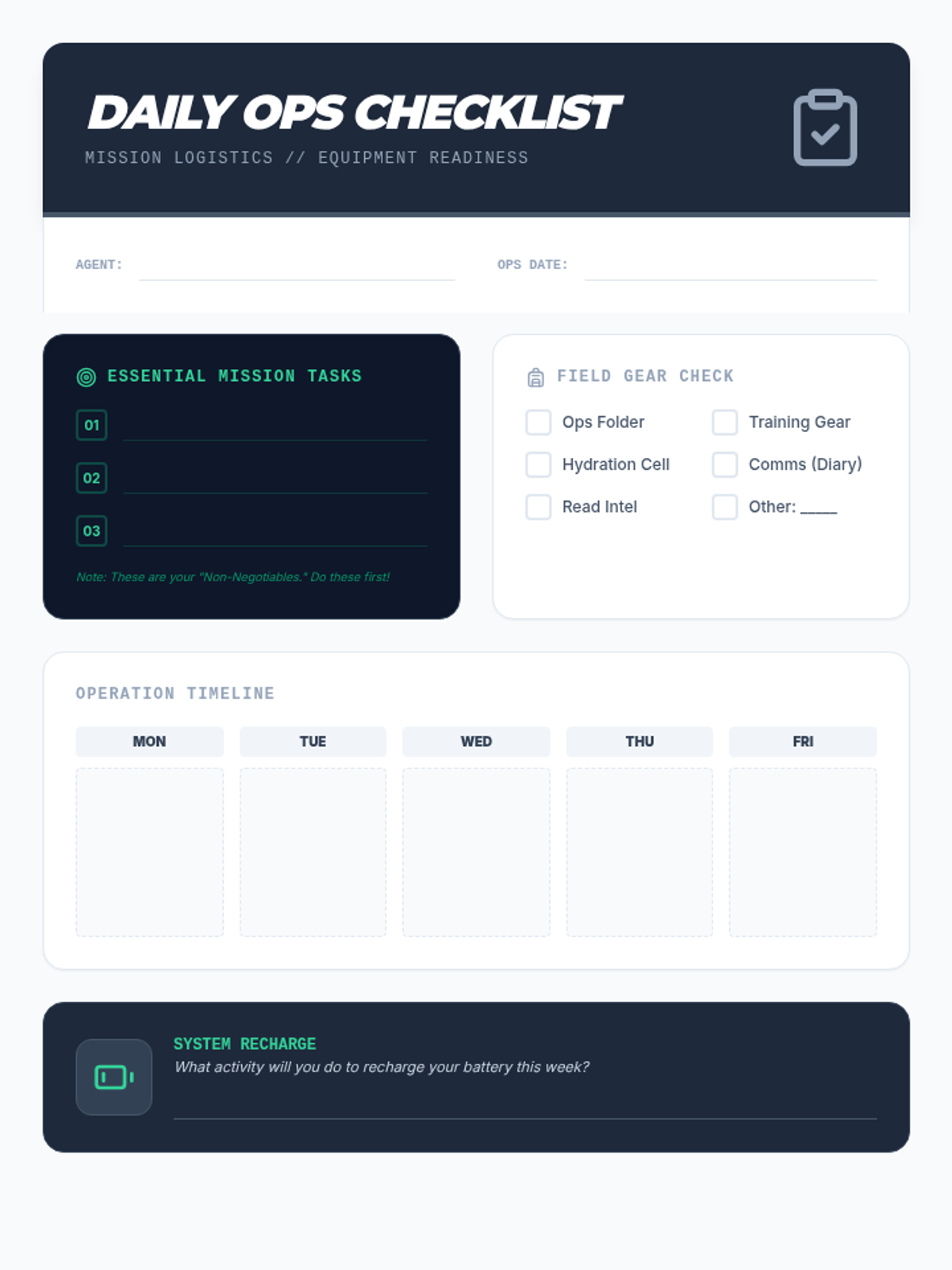
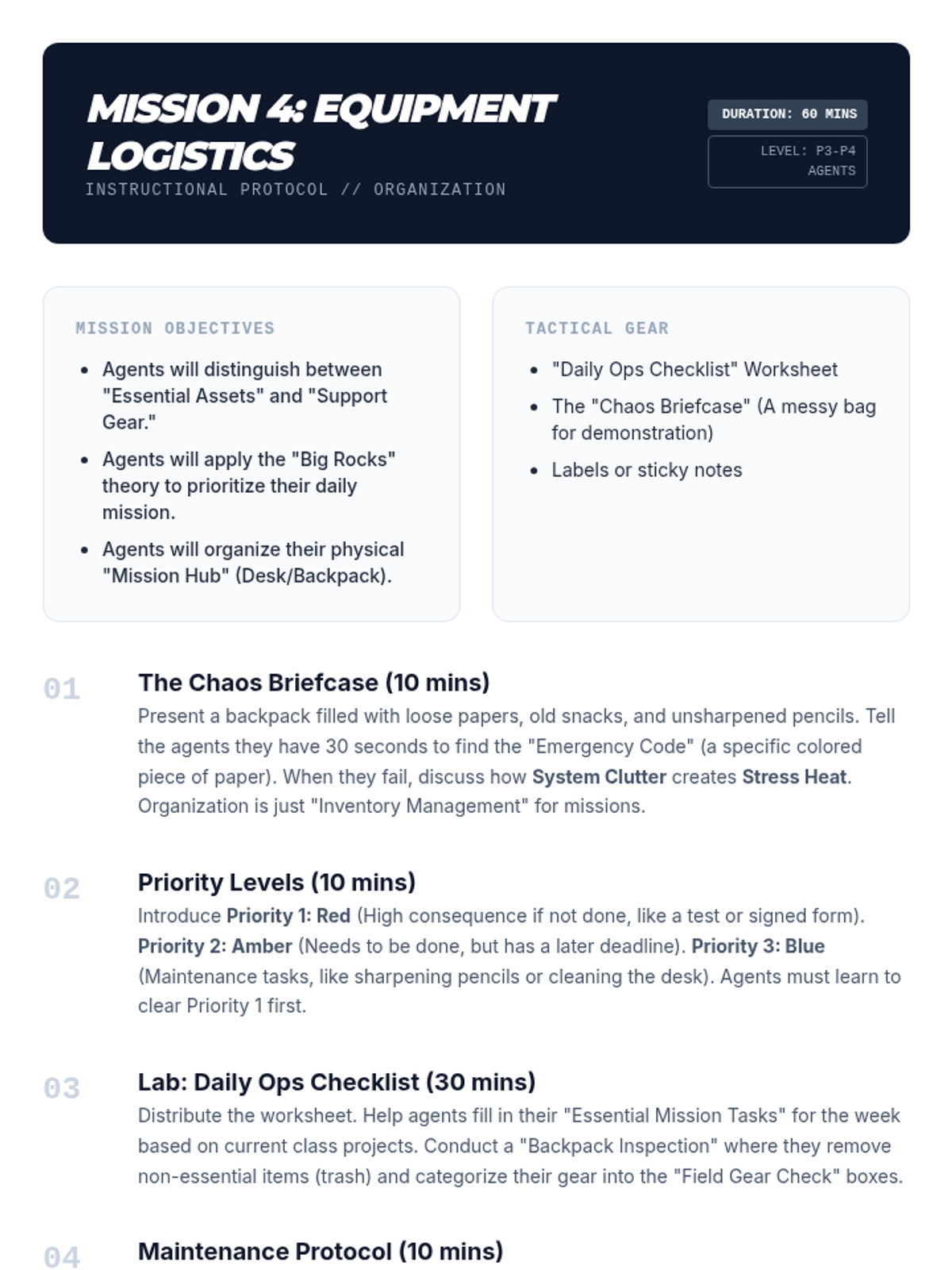
Agents master the logistics of their daily operations through effective planning and organization.
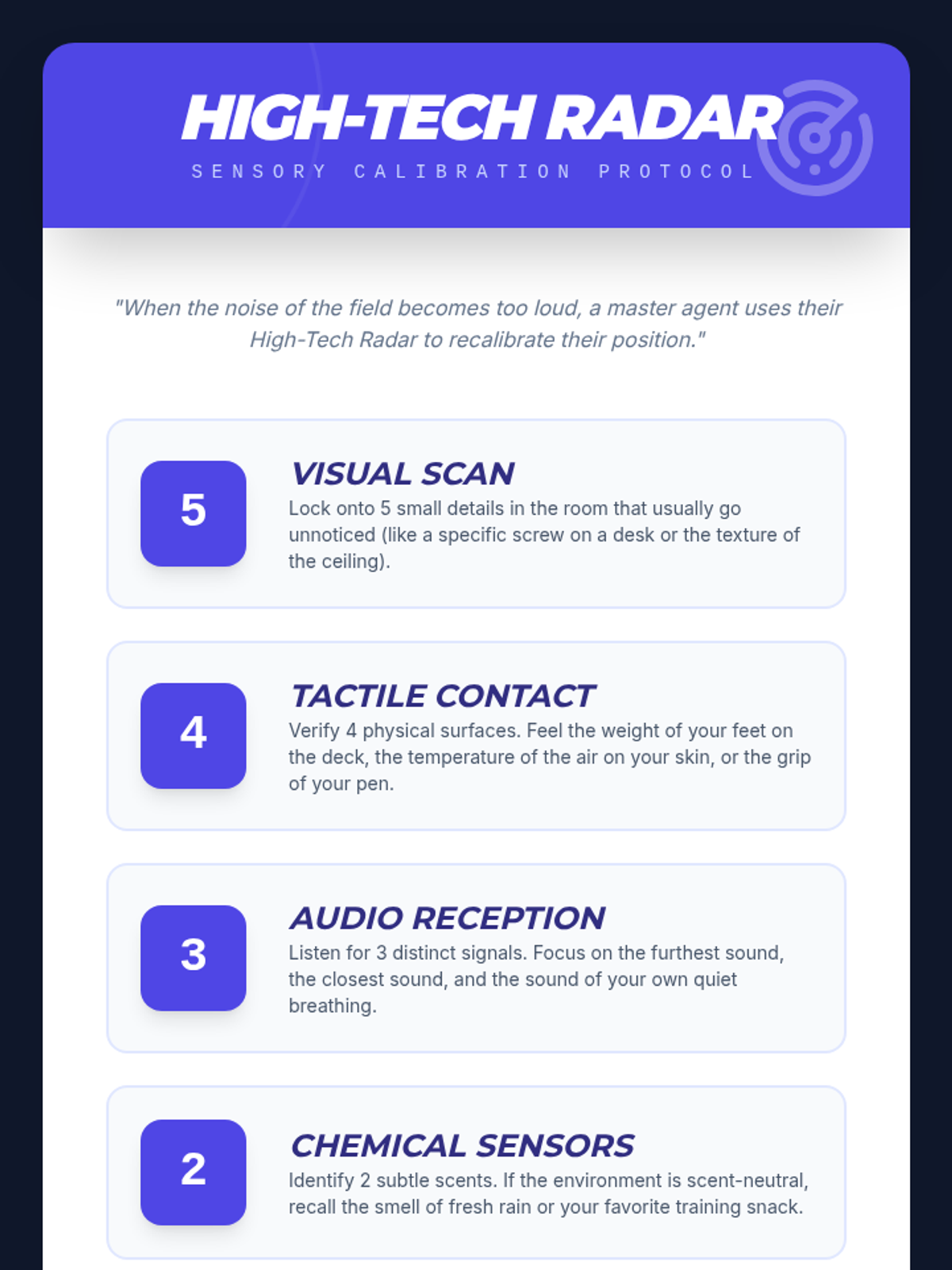
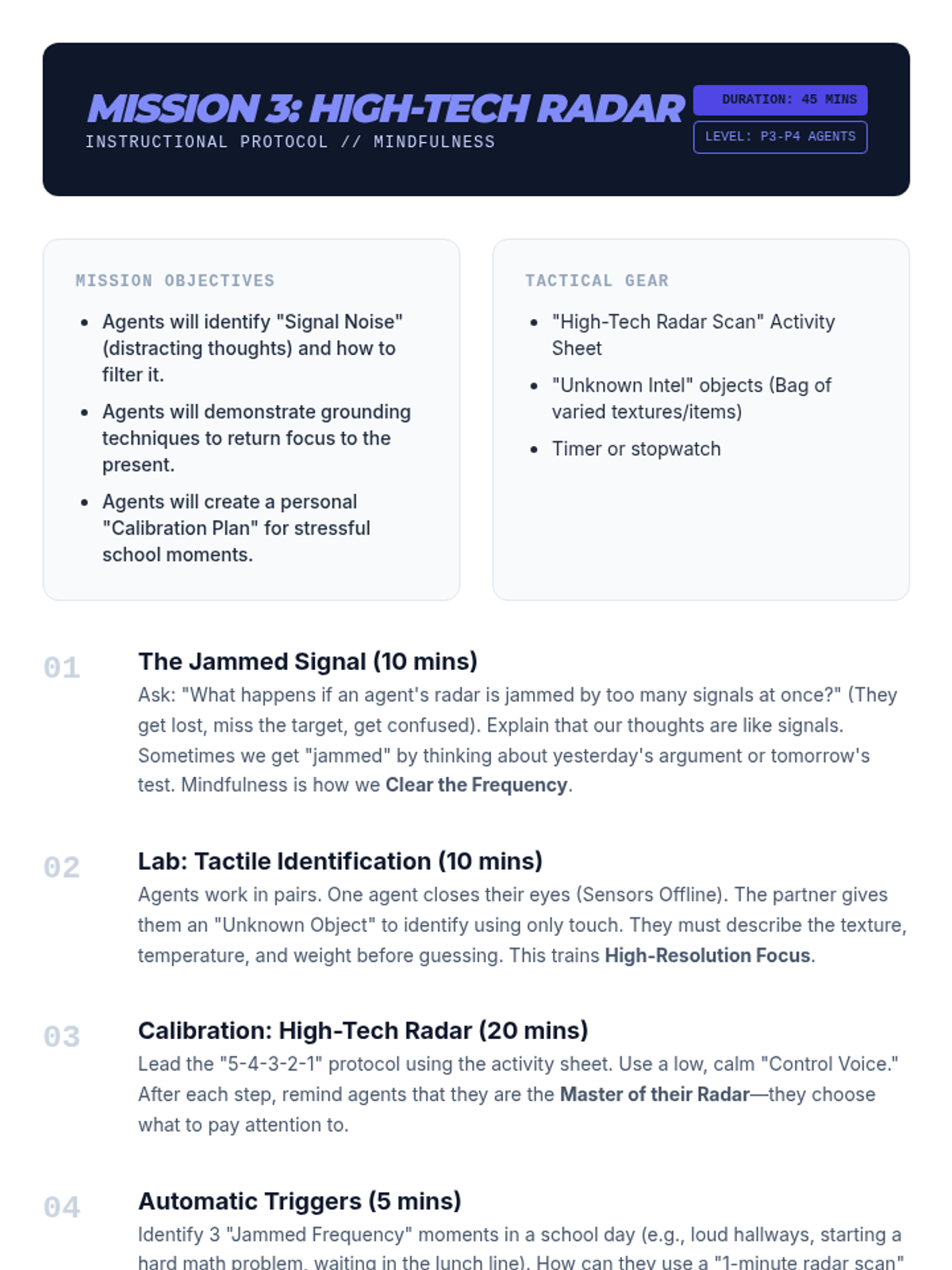
Agents calibrate their internal radar using sensory grounding techniques to stay focused.
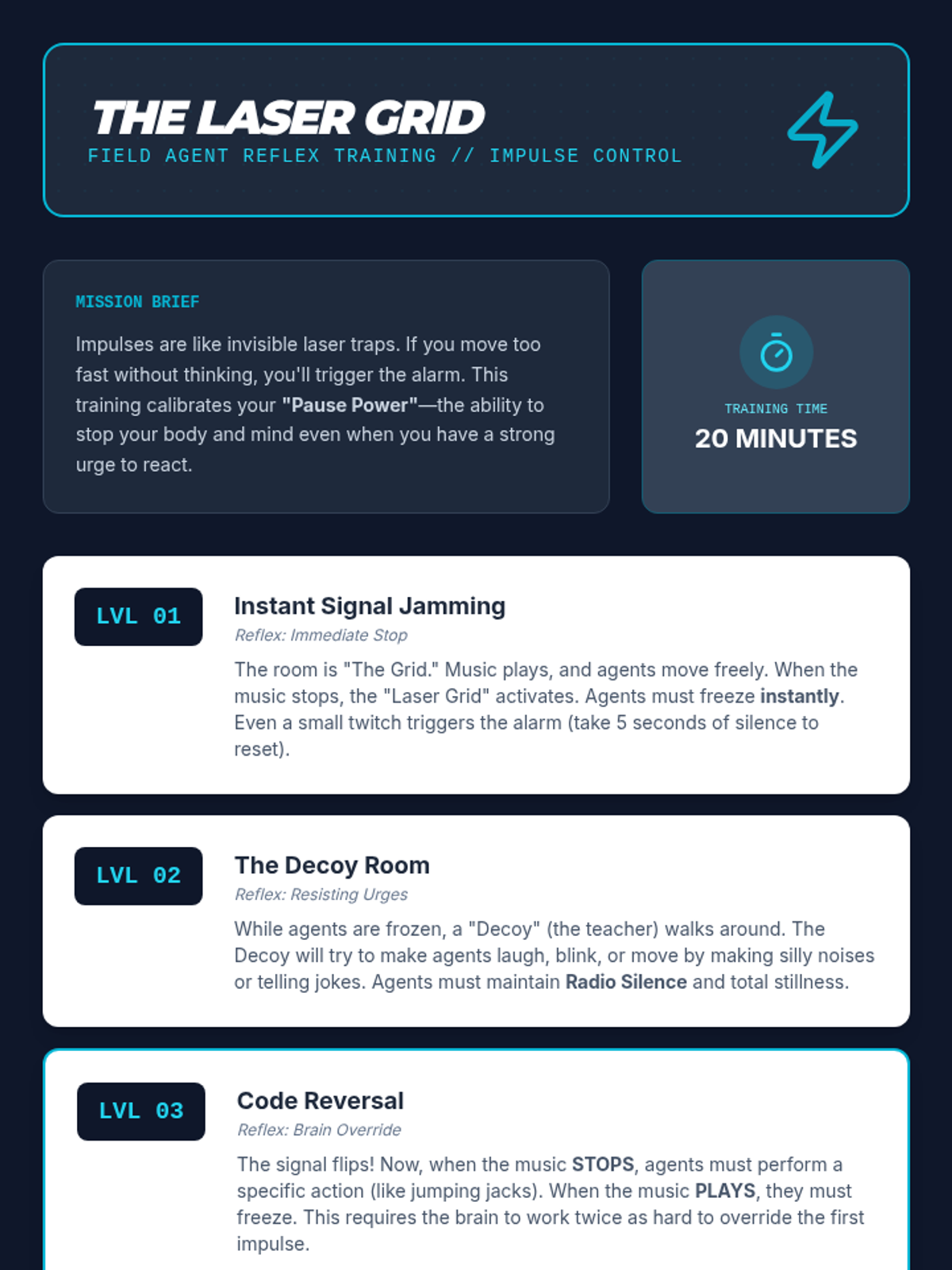
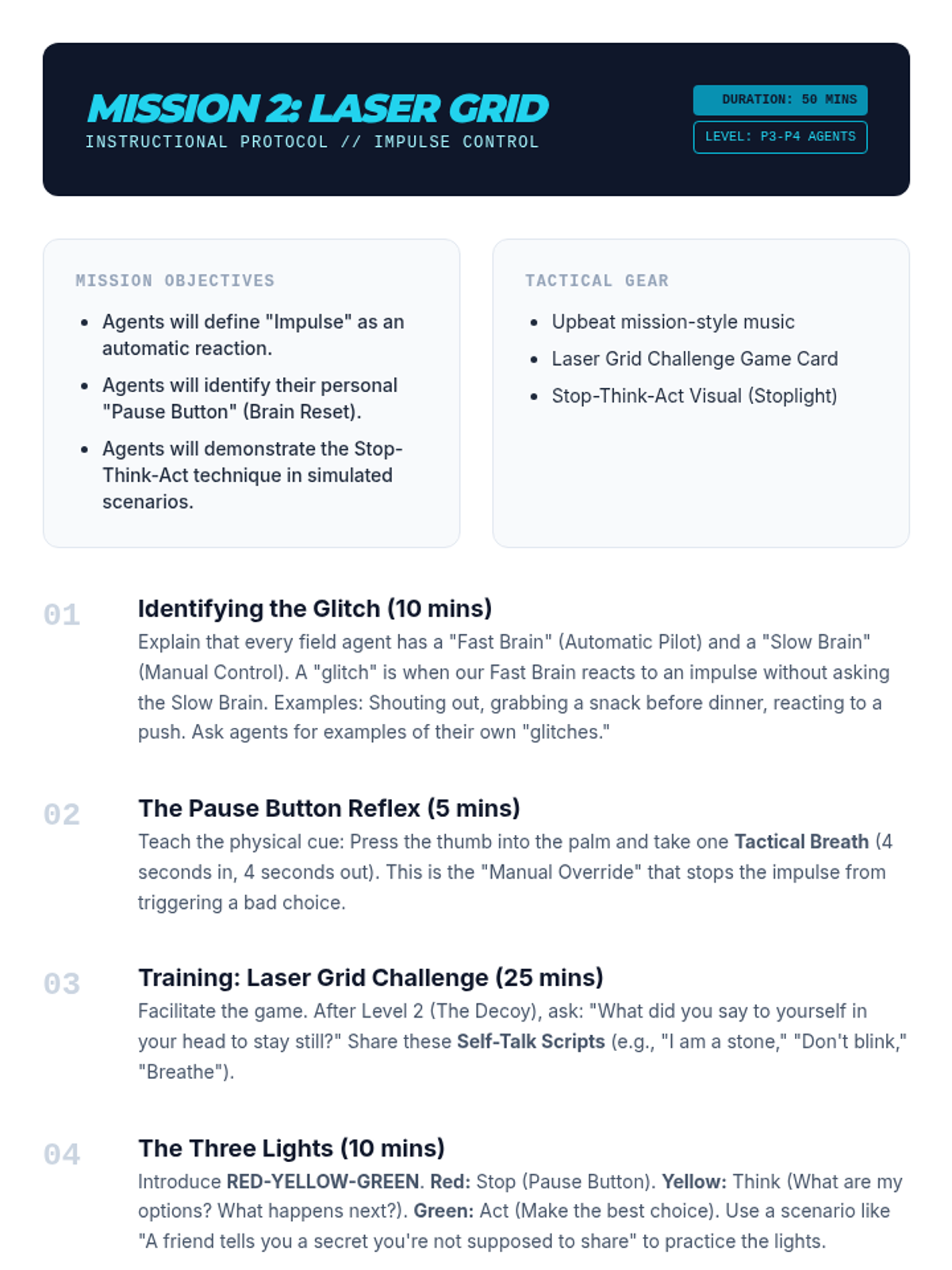
Agents practice navigating the 'Laser Grid' of impulses by using their internal pause button.
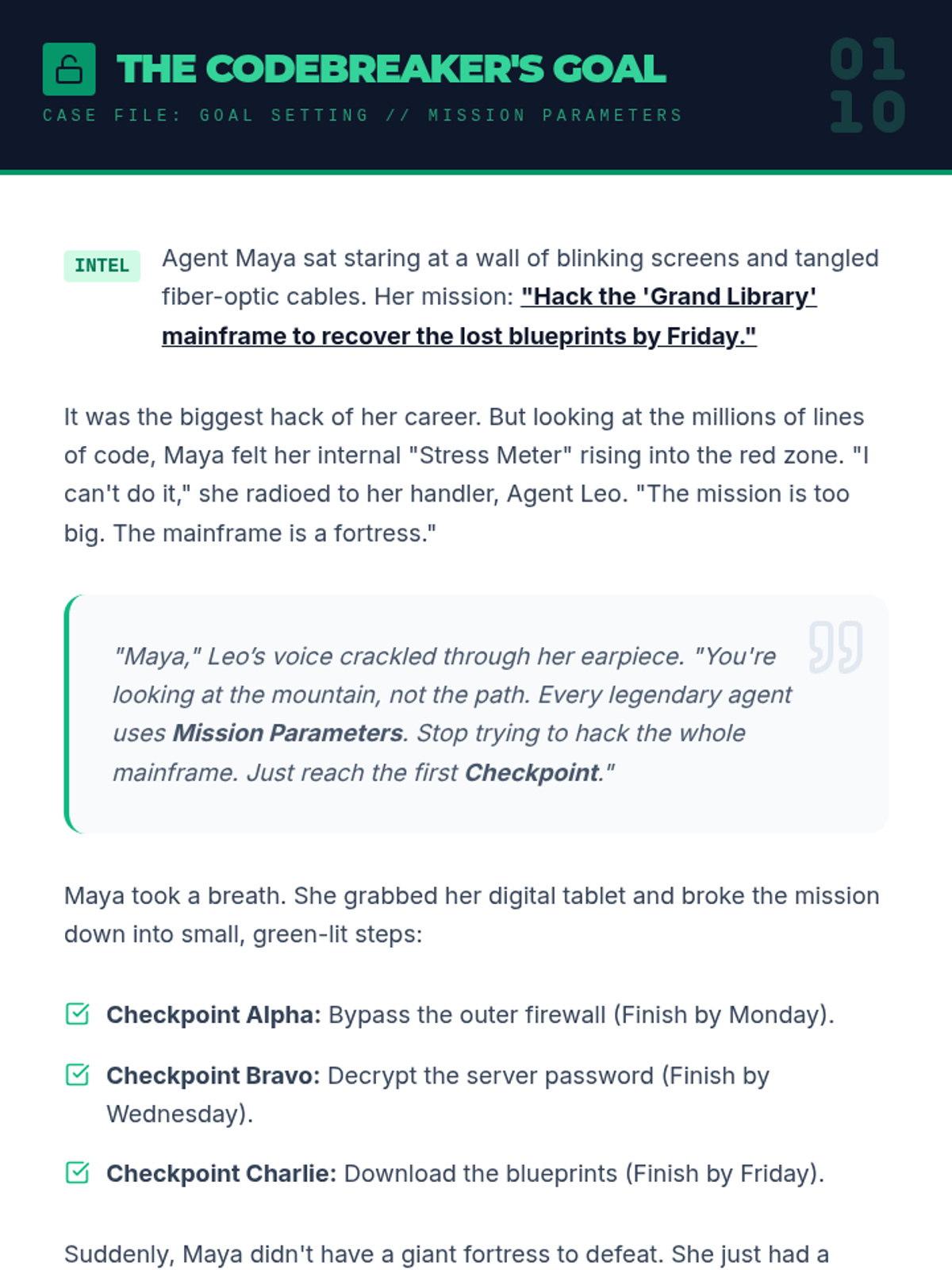
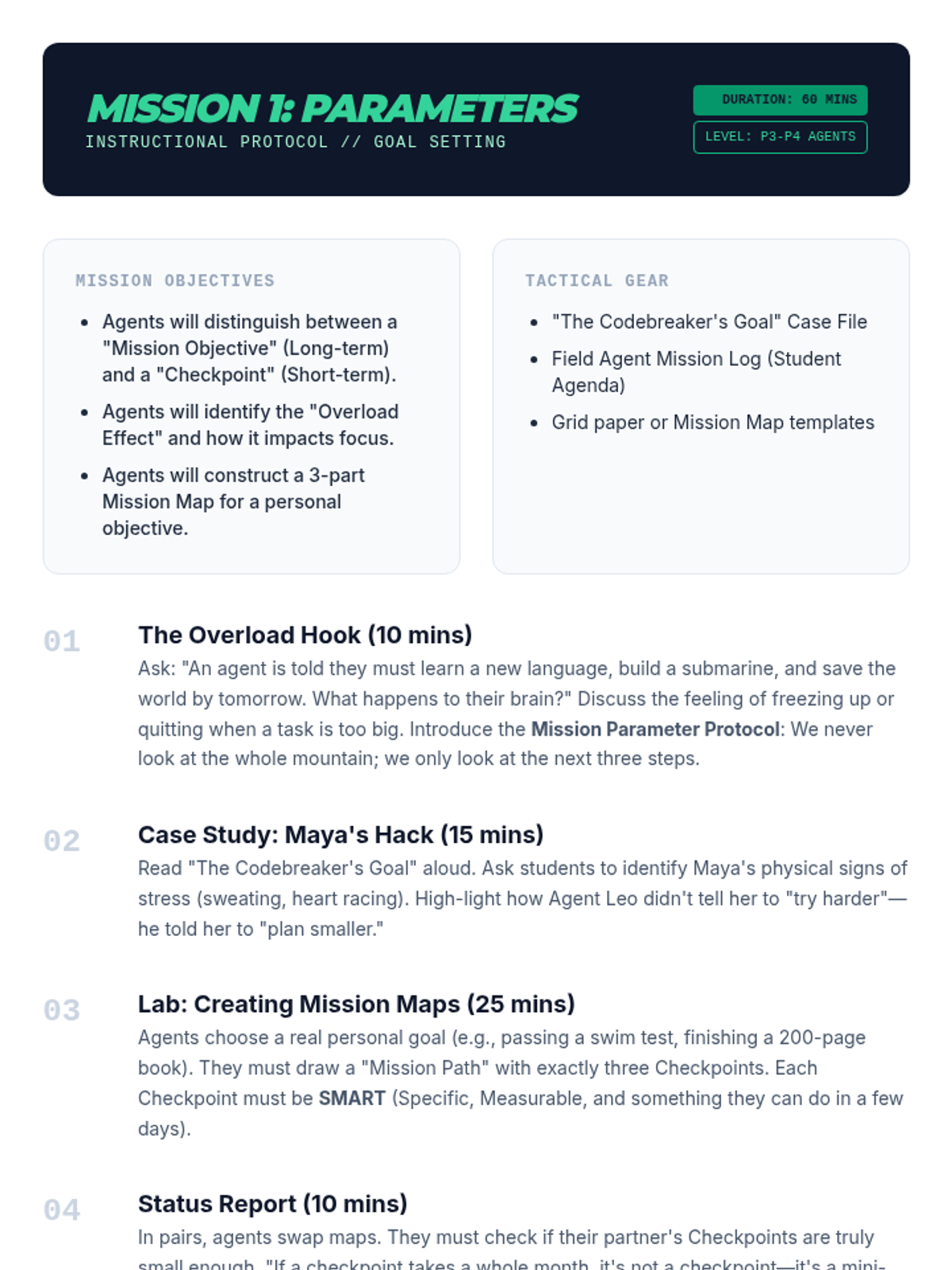
Agents learn to define their mission and break down big objectives into manageable checkpoints.
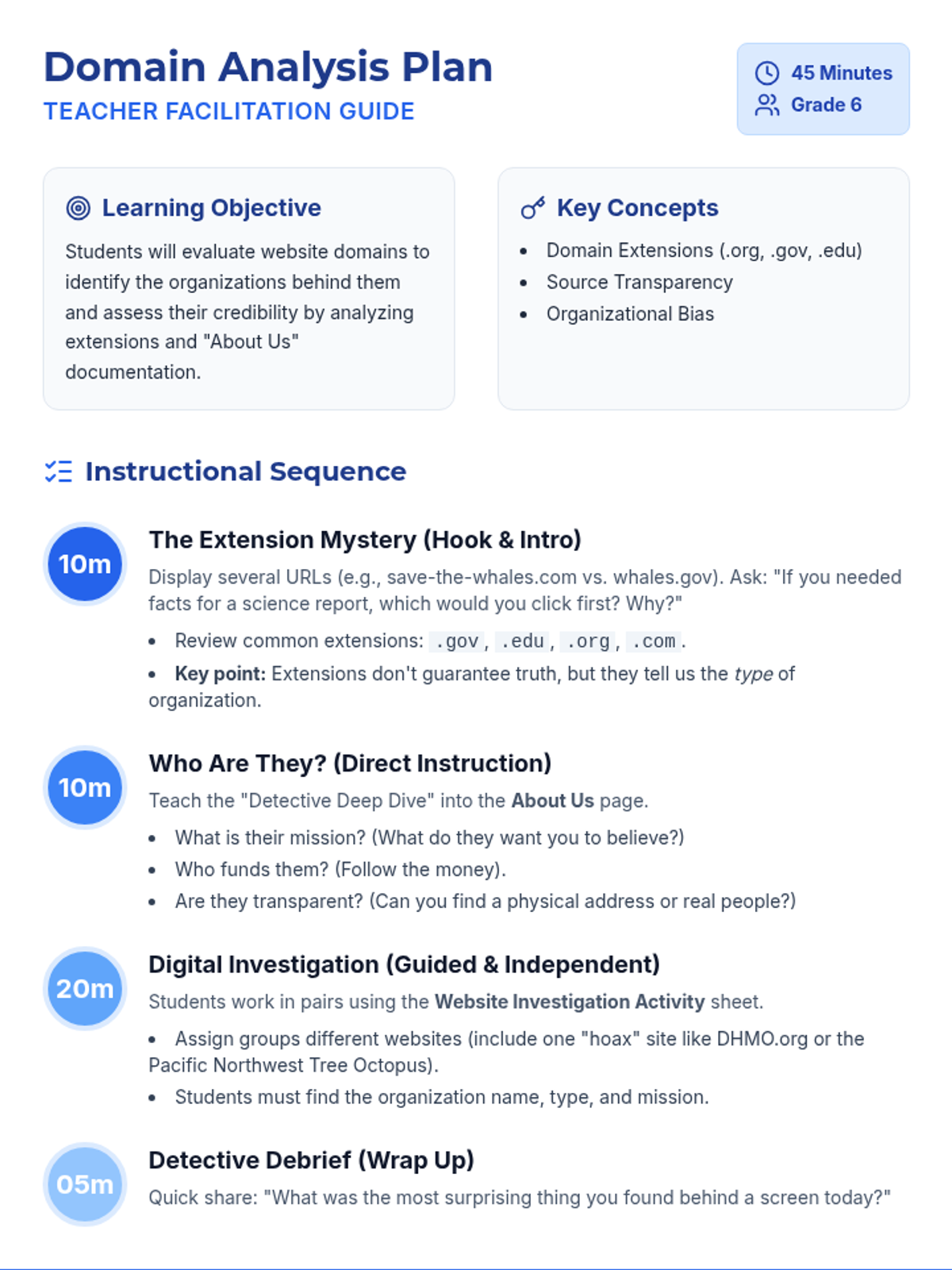
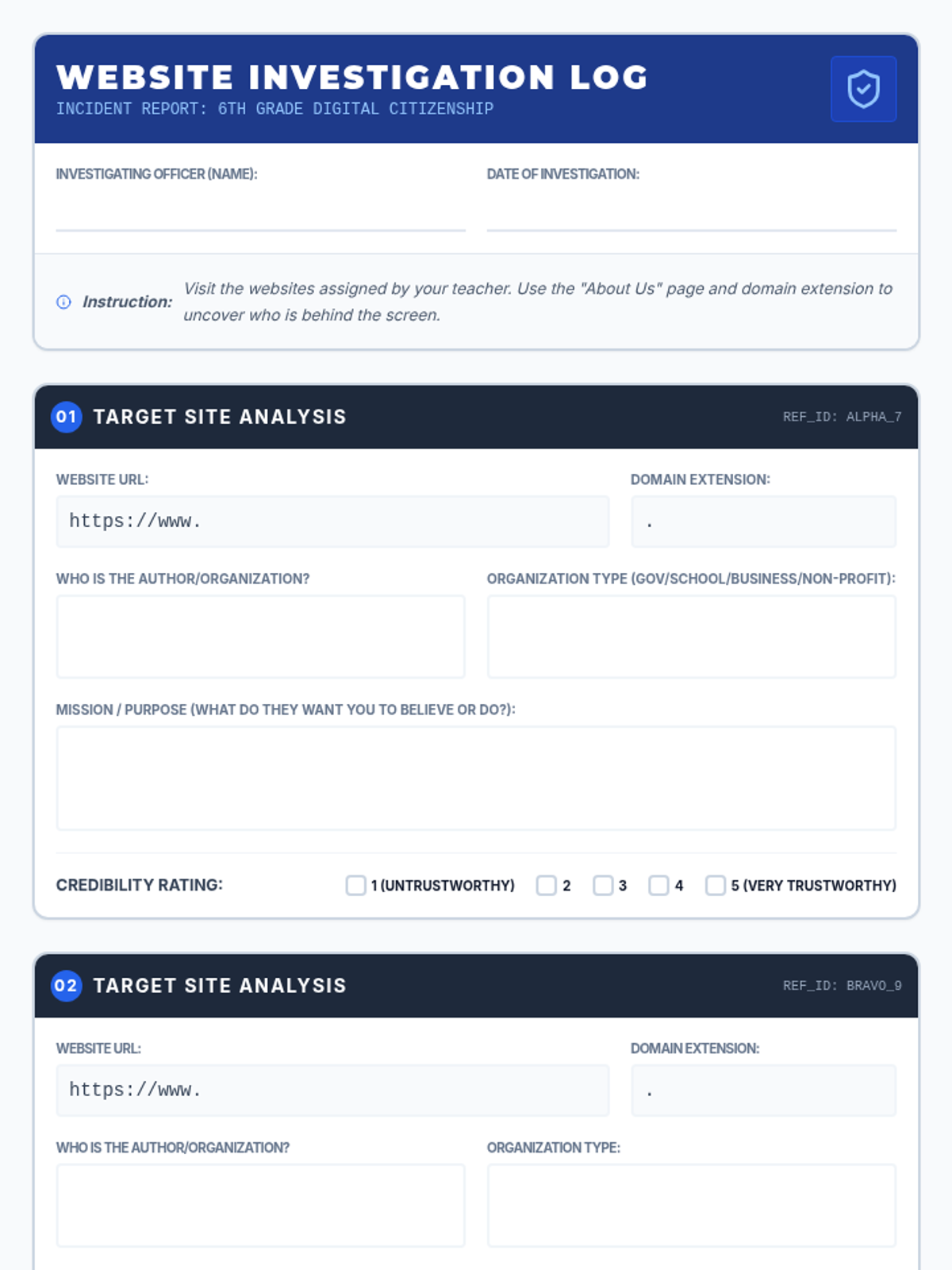
Students become digital detectives as they learn to peel back the layers of websites, analyzing domain extensions and "About Us" pages to determine who is providing information and whether they can be trusted.
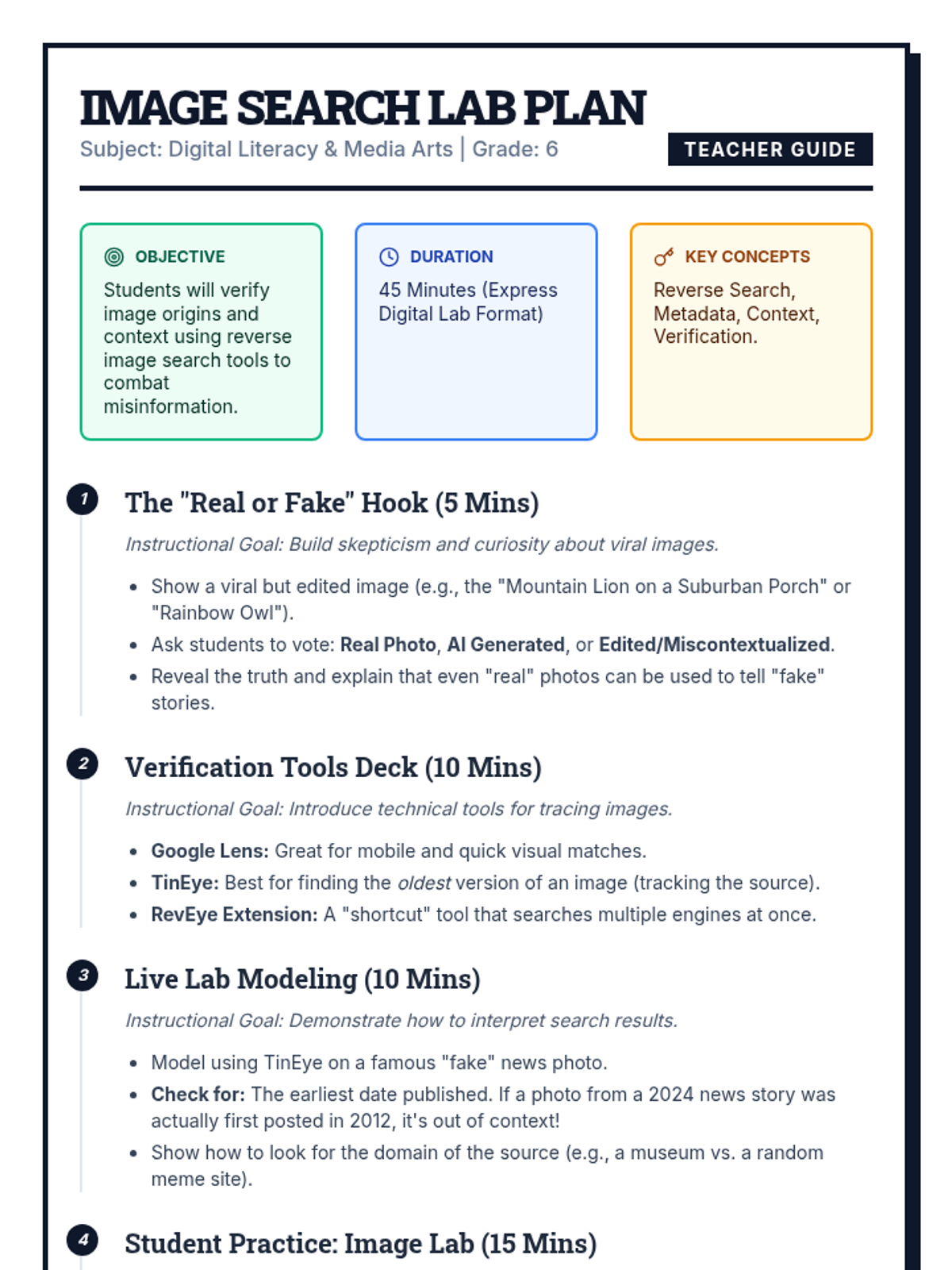
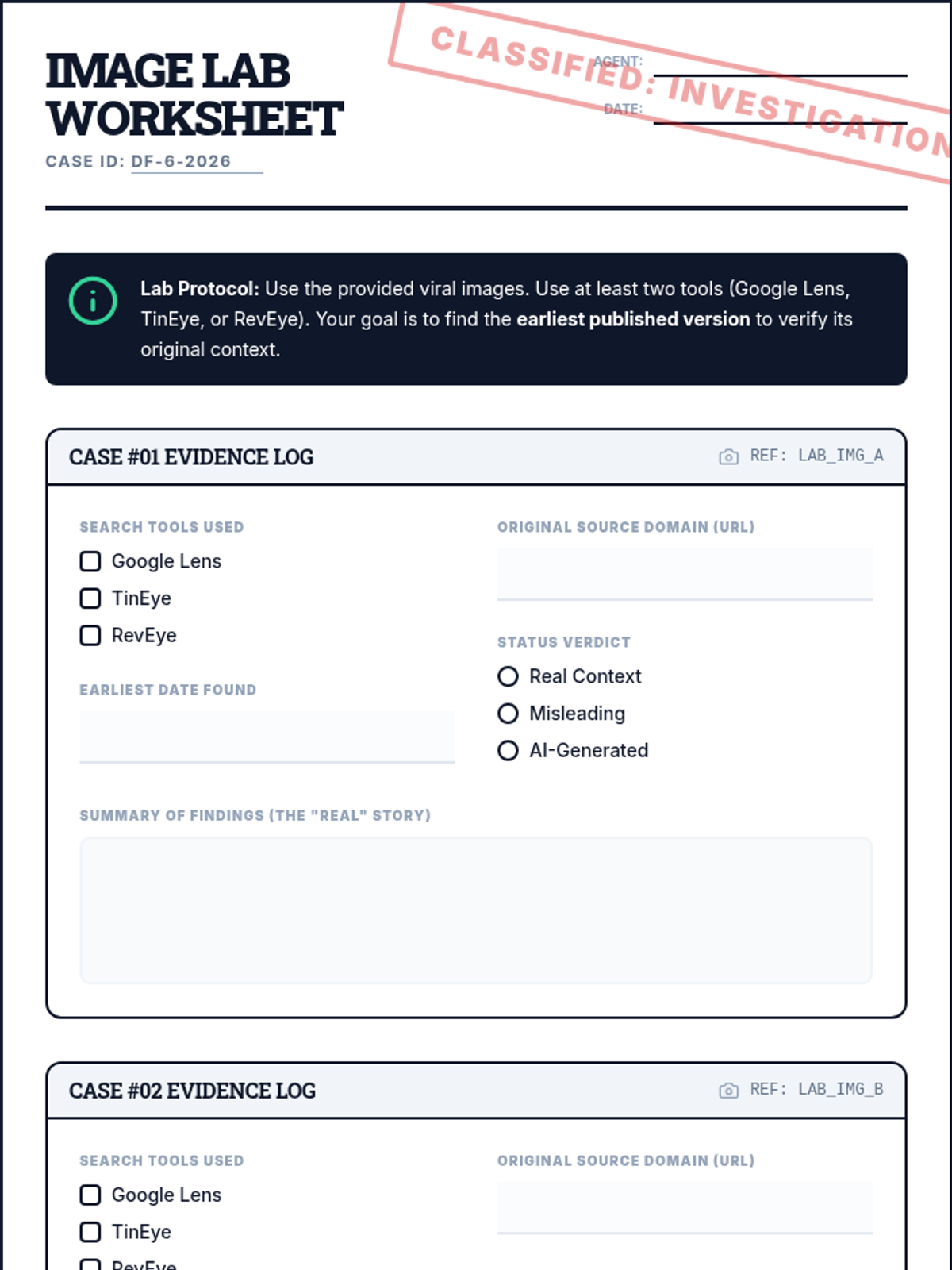
A 45-minute digital forensics lesson where 6th-grade students learn to use reverse image search tools to verify the authenticity and context of viral images. Students act as 'Image Detectives' to uncover the true origins of misleading digital media.
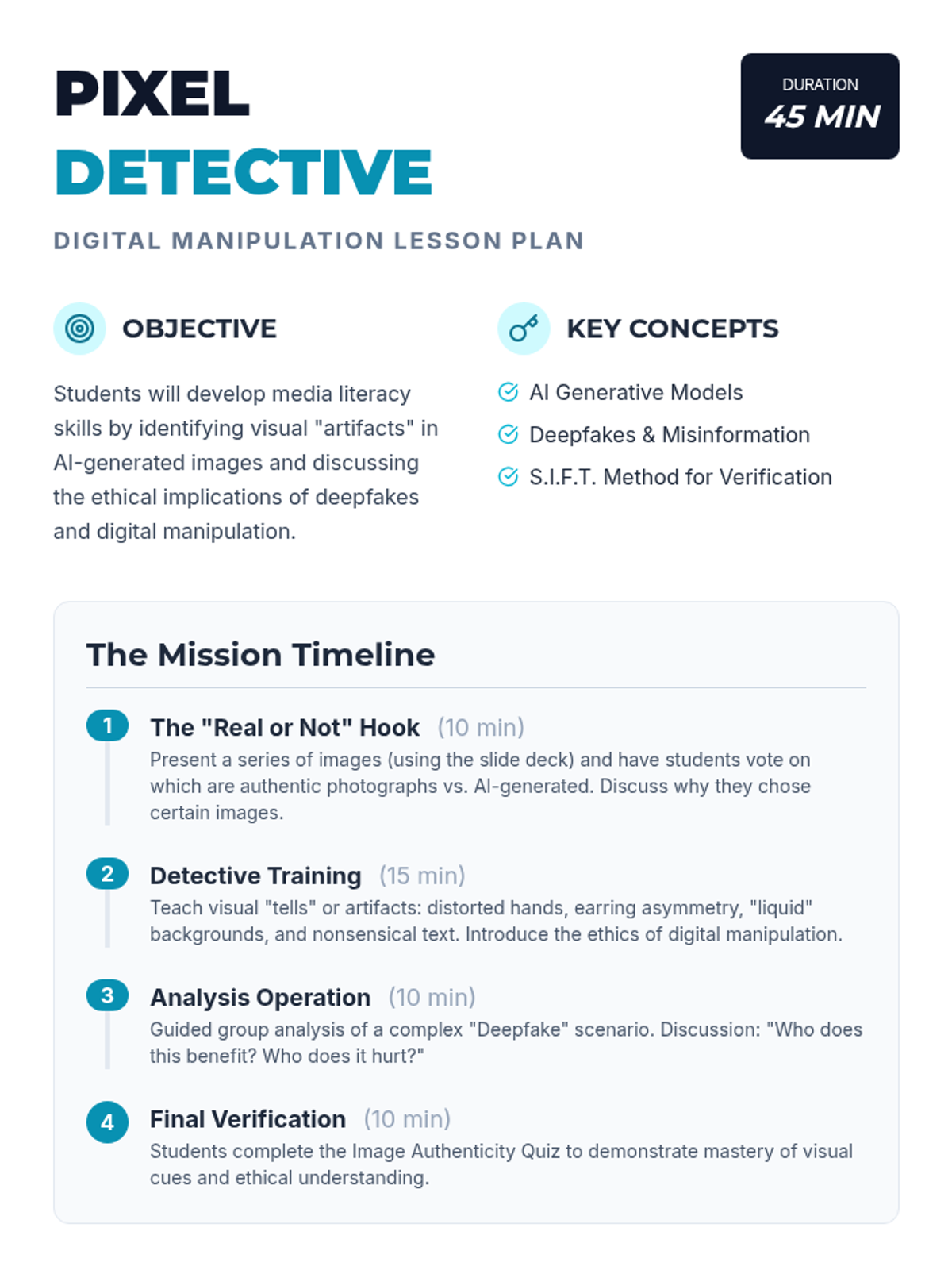
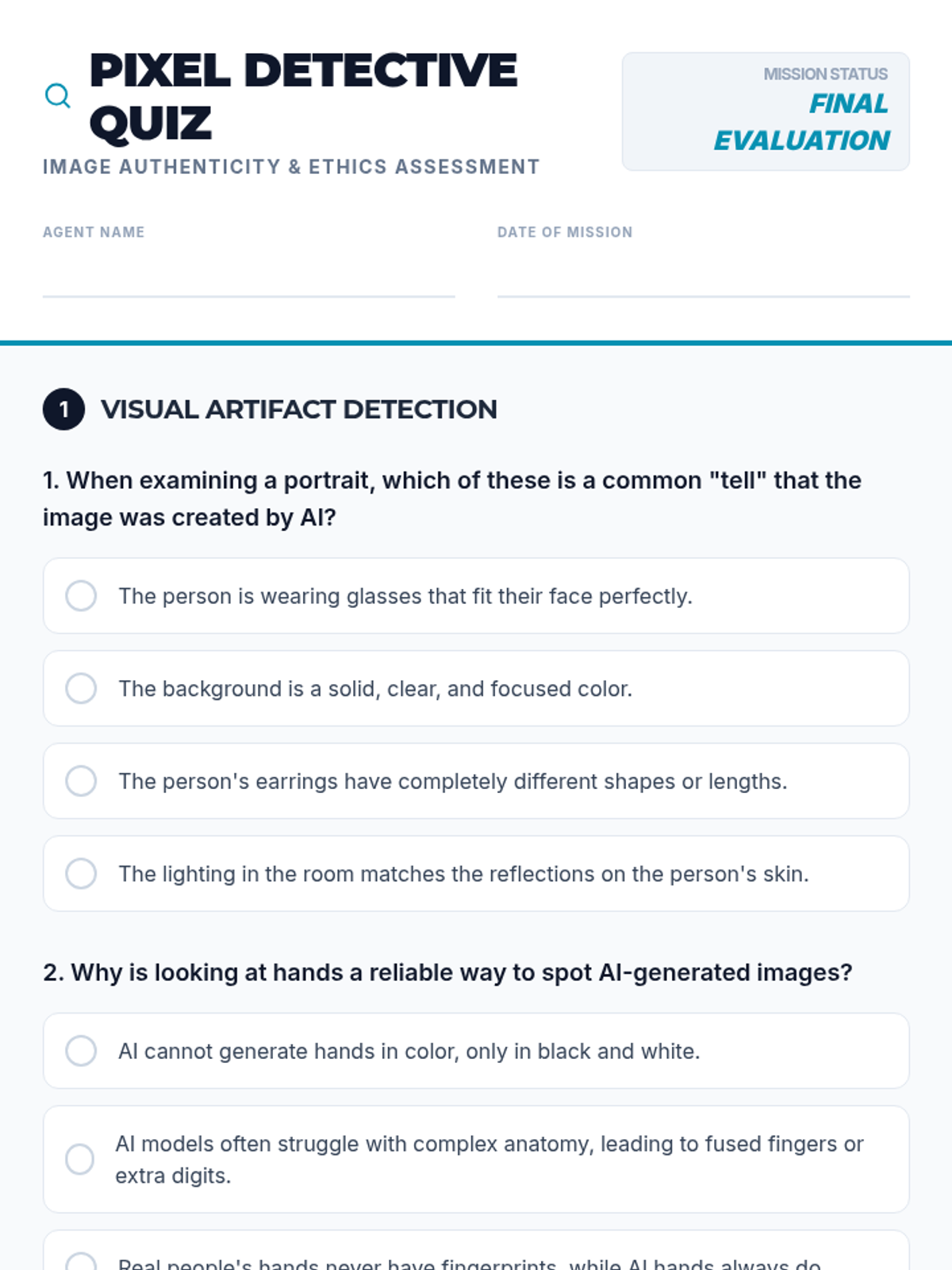
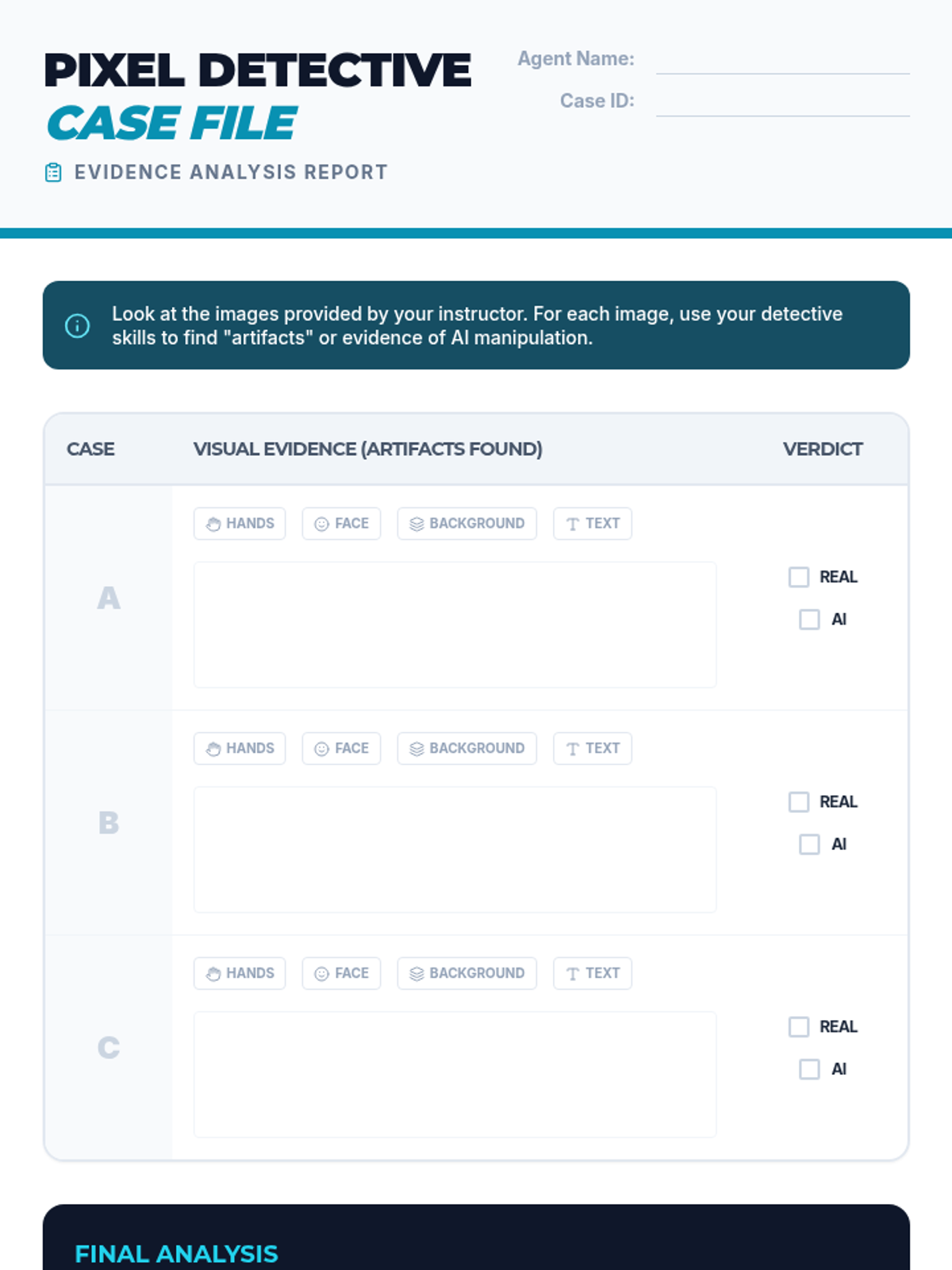
A 45-minute lesson for 6th graders to develop media literacy skills by learning how to identify AI-generated images and discussing the ethical implications of digital manipulation. Students will become 'Pixel Detectives,' learning specific visual cues to distinguish between reality and synthesis.
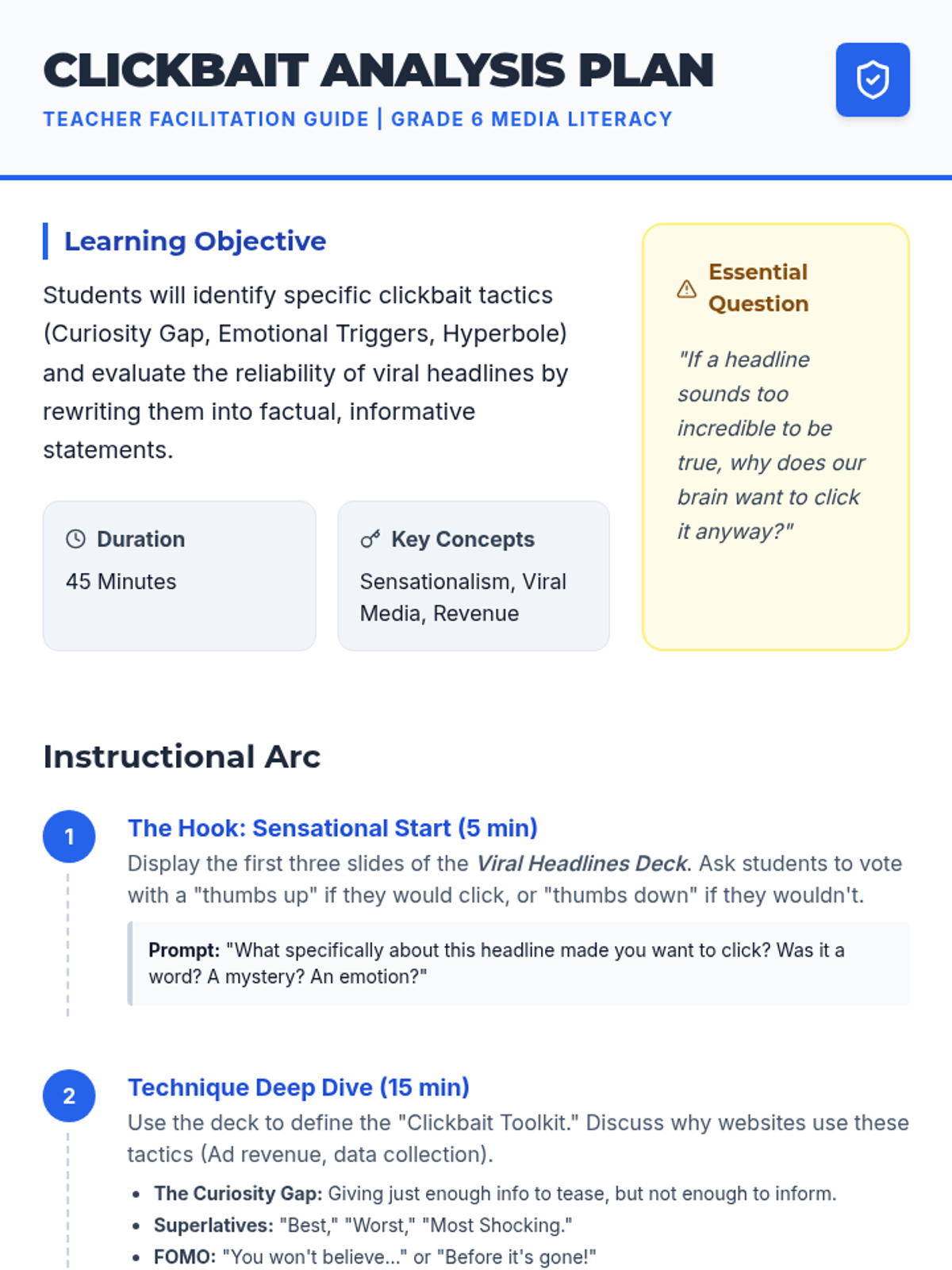
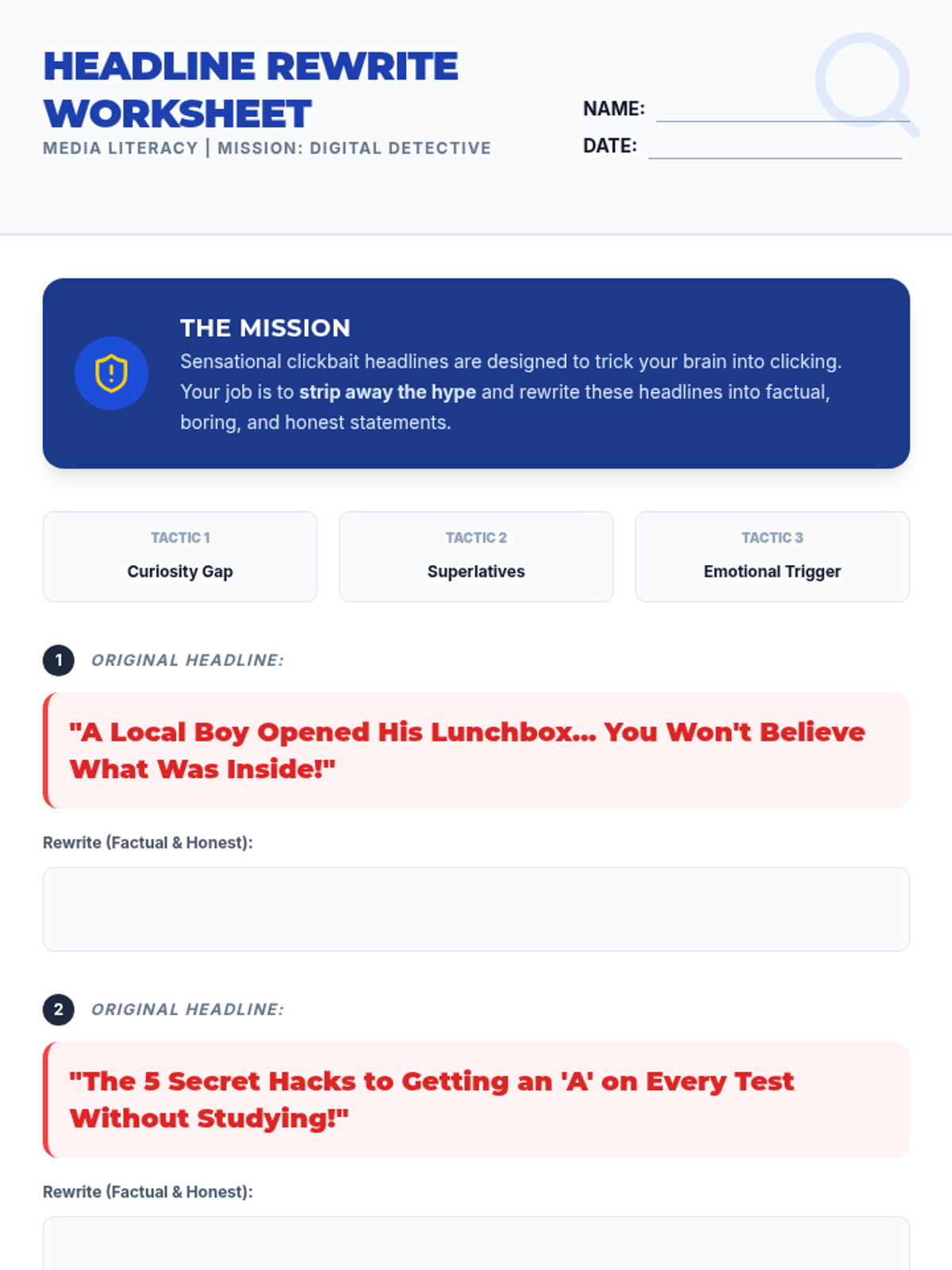
In this media literacy lesson, 6th-grade students become 'Digital Detectives' to uncover the hidden tactics of clickbait. They will analyze sensational headlines, identify emotional triggers, and practice transforming misleading viral content into factual reporting.
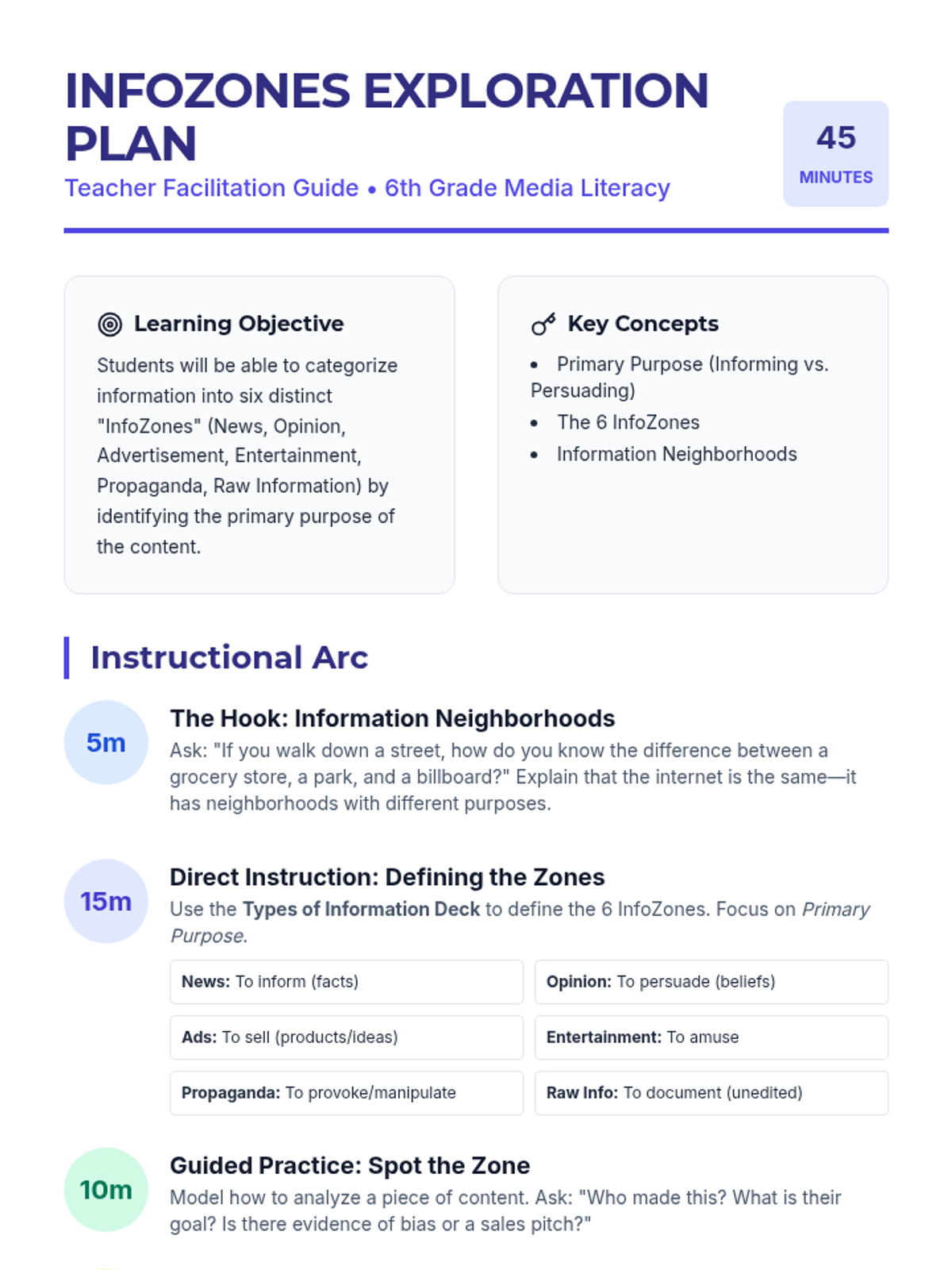
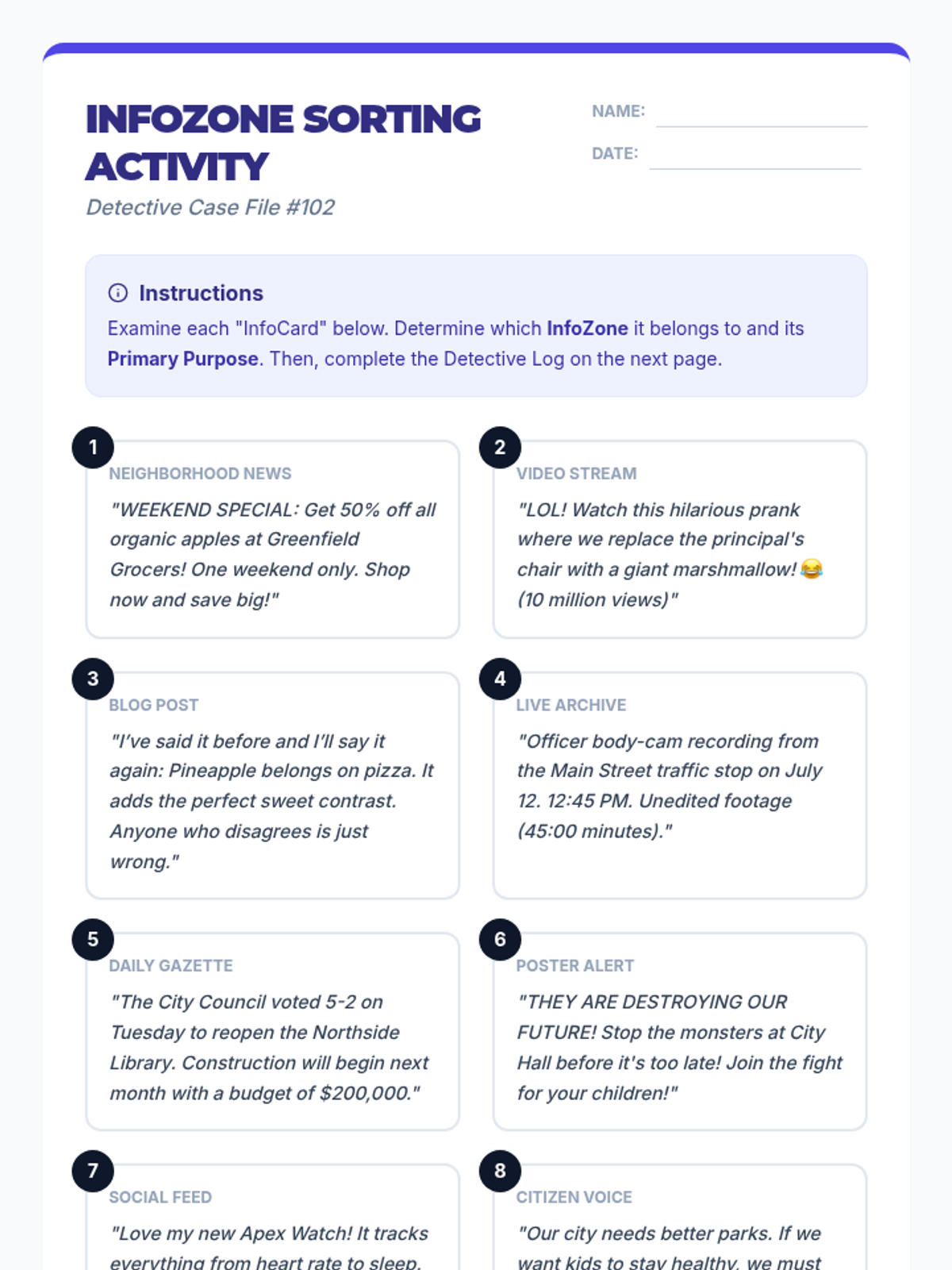
A comprehensive 45-minute lesson for 6th graders to navigate the complex digital landscape by categorizing information into six distinct 'InfoZones' based on their primary purpose. Students will learn to distinguish between news, opinion, advertising, and more.
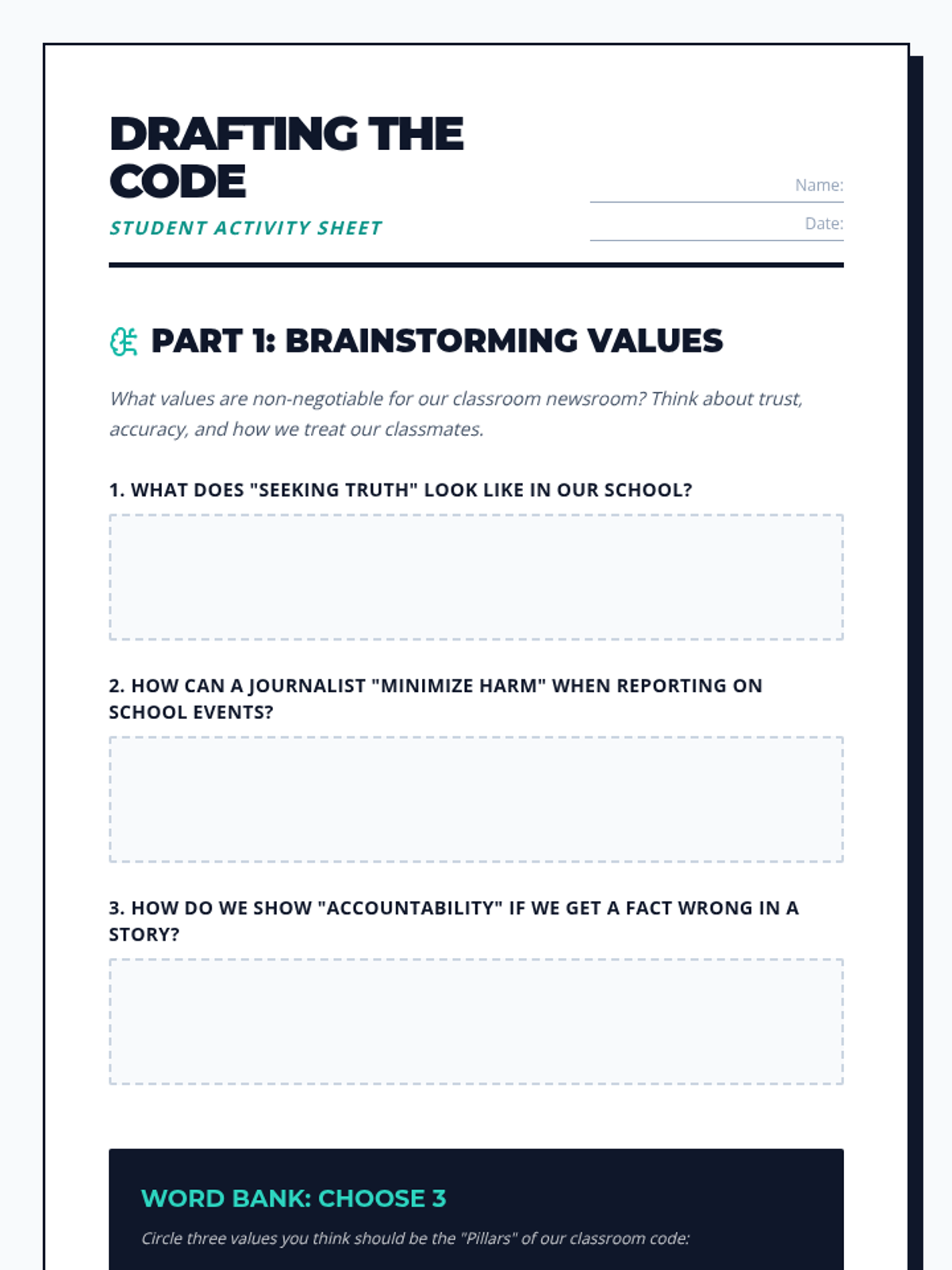
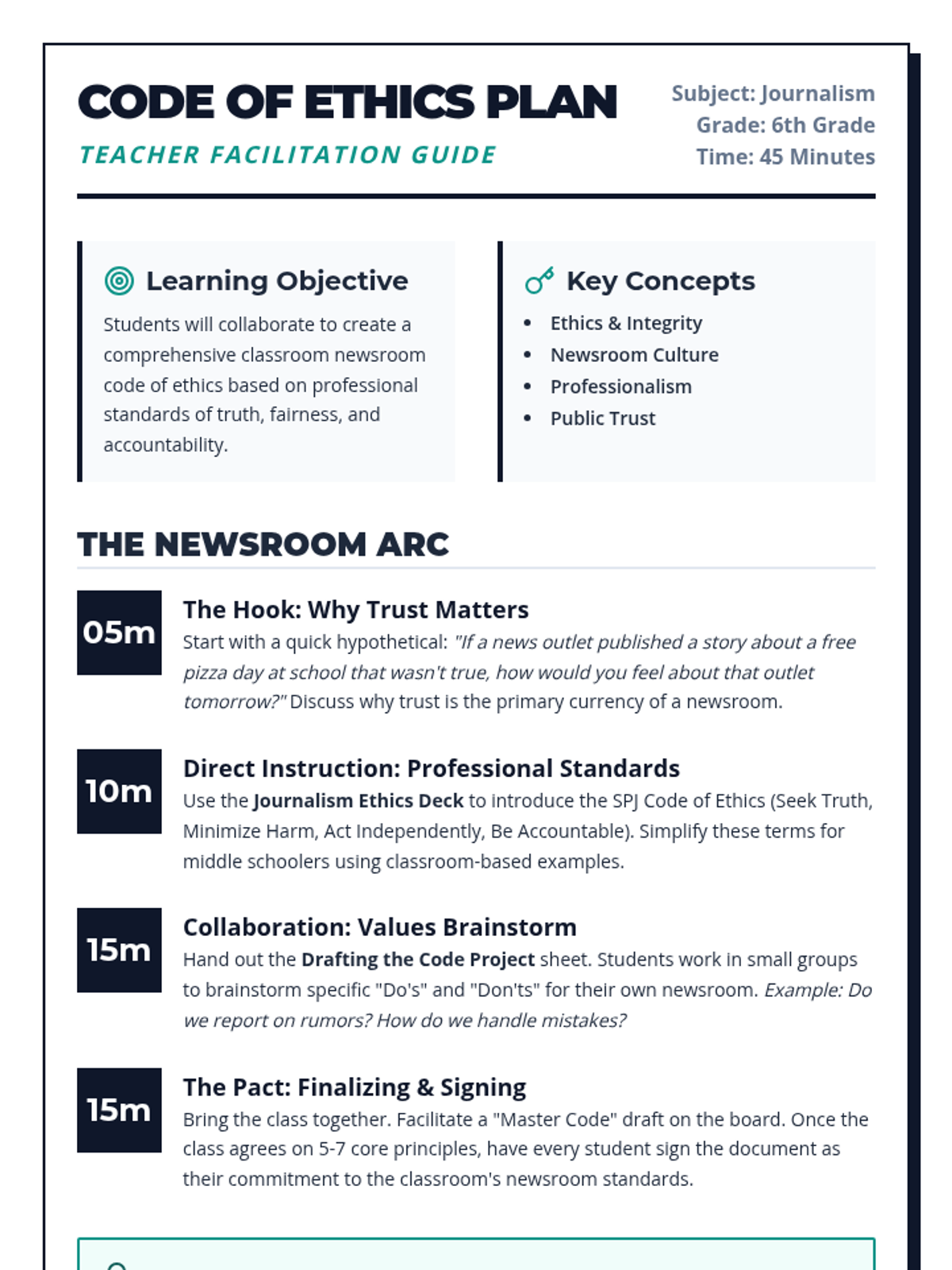
Students explore the foundations of professional journalism ethics to collaboratively build a code of conduct for their classroom newsroom, focusing on truth, fairness, and accountability.
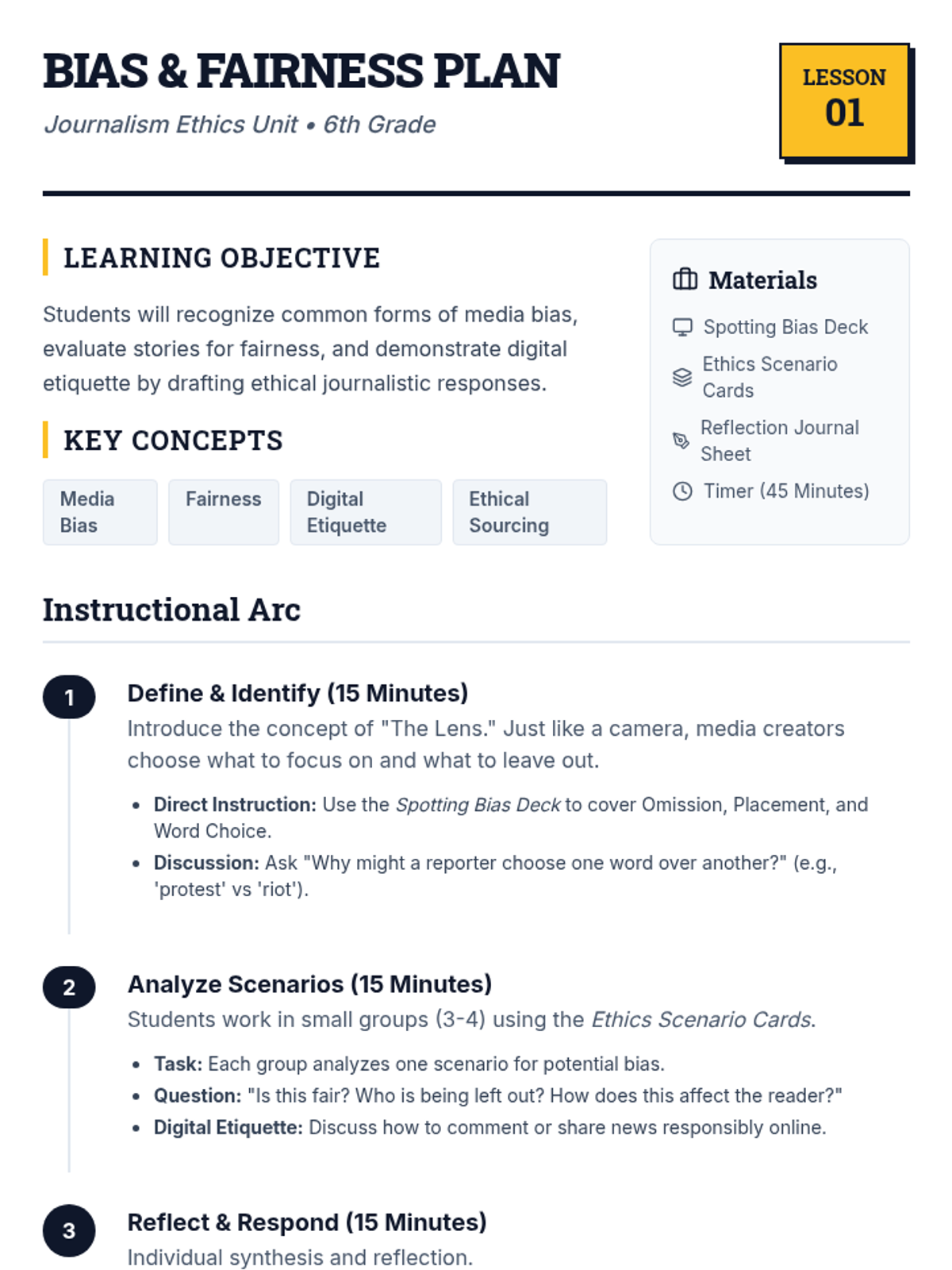
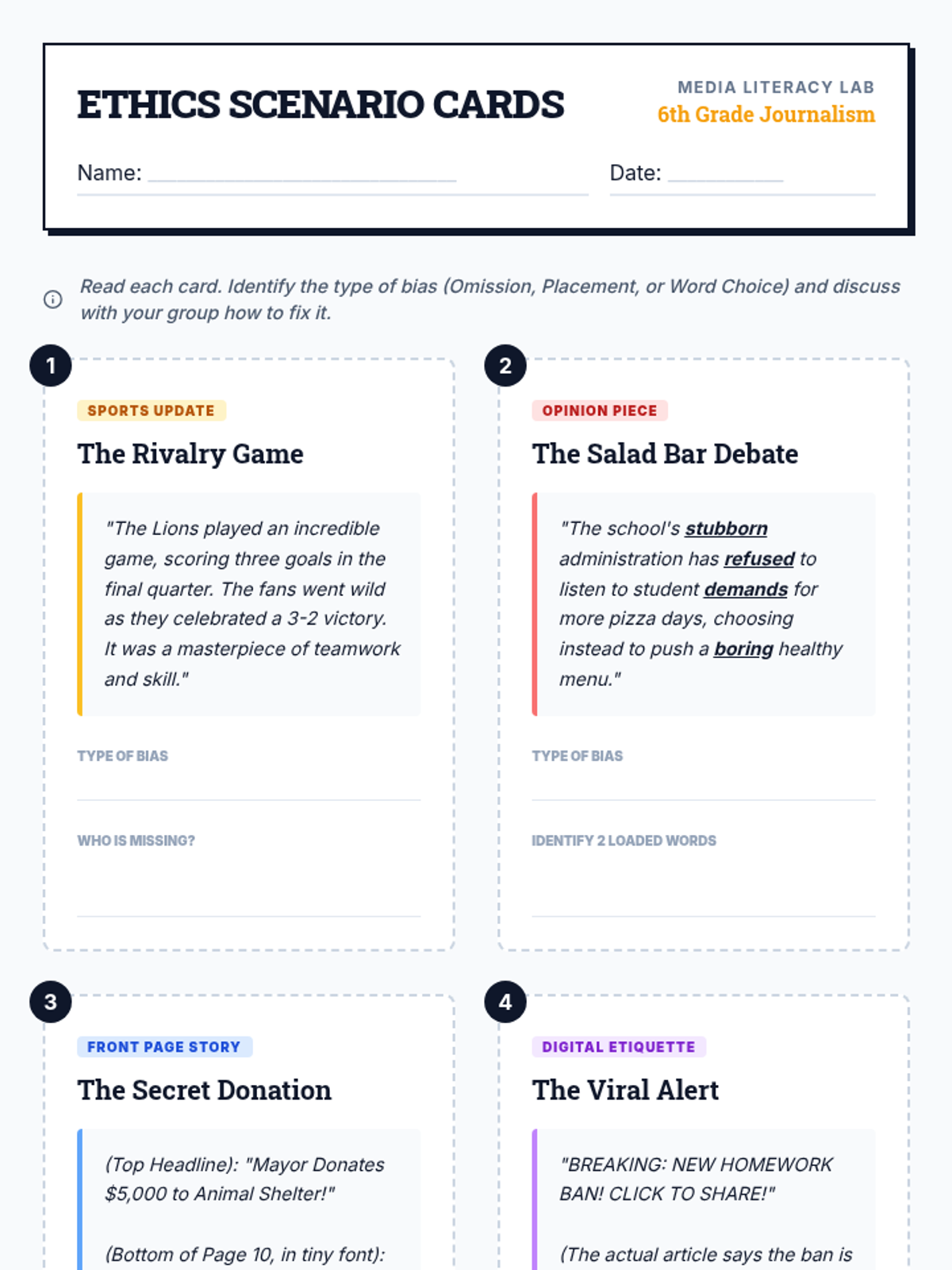
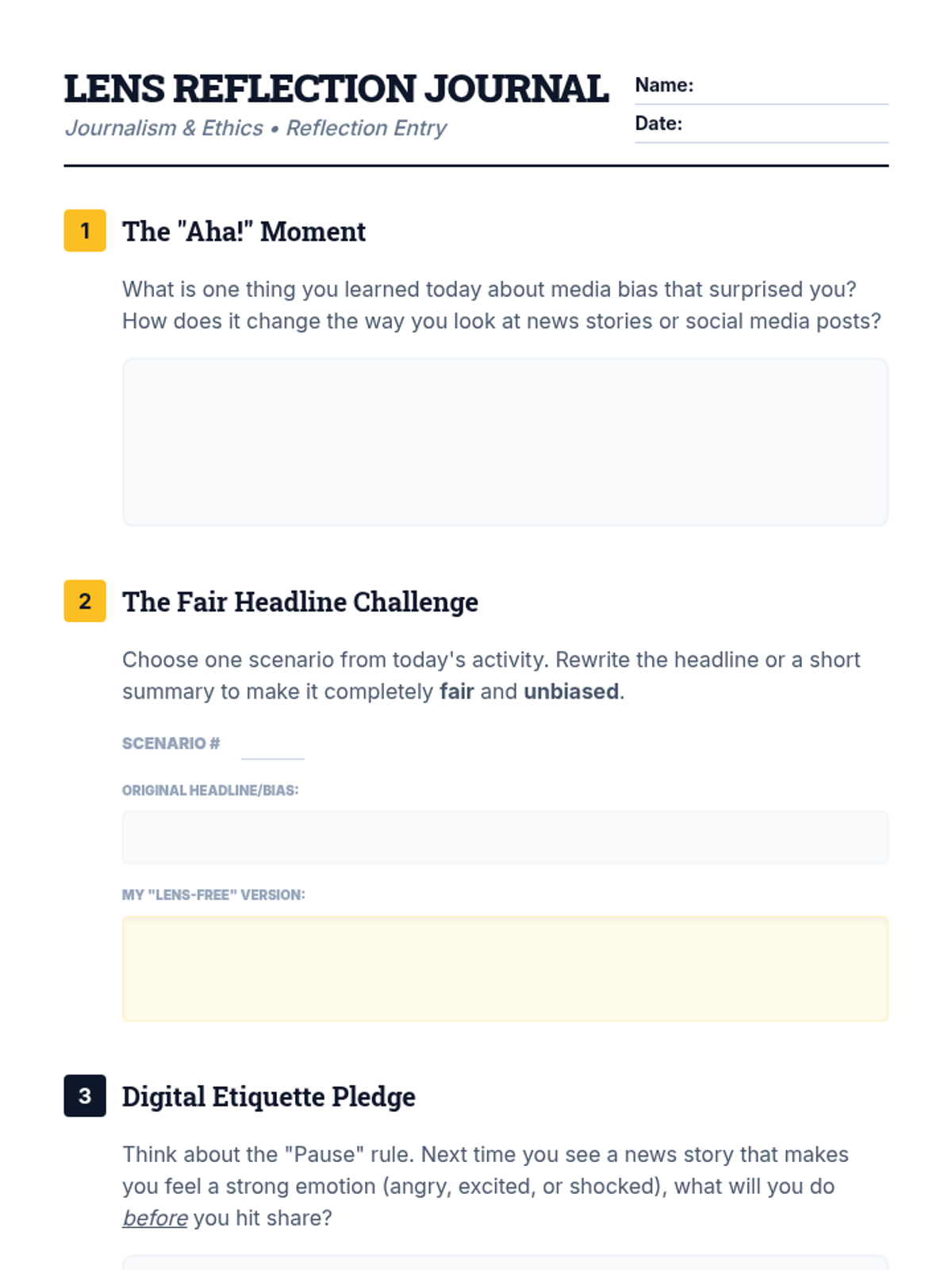
A 45-minute lesson for 6th graders to identify media bias, understand fairness, and practice digital etiquette in journalism. students analyze real-world scenarios and reflect on ethical communication.