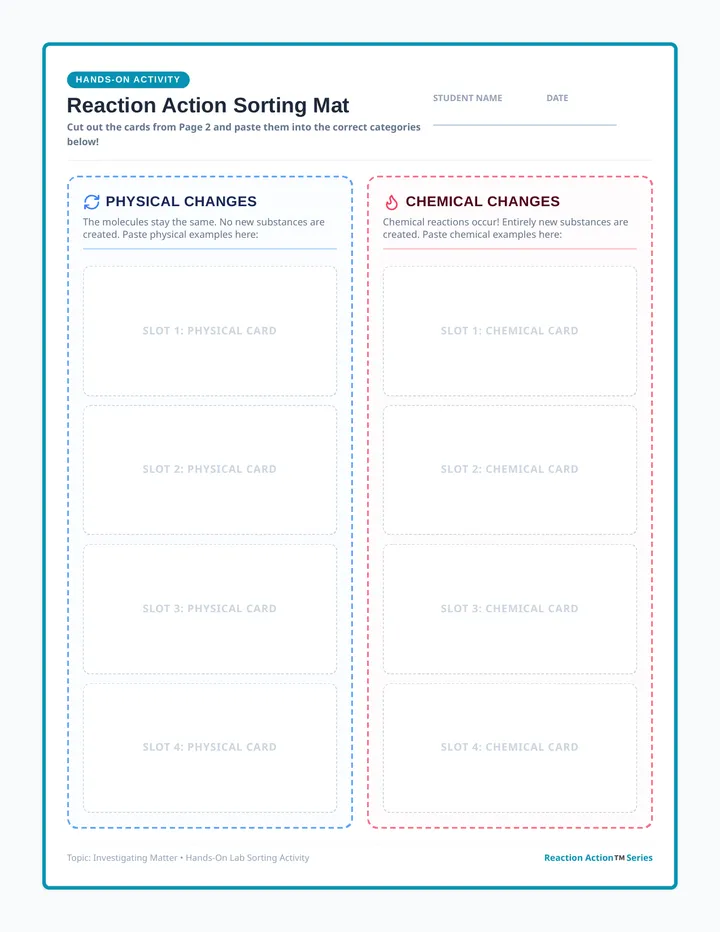
A foundational lesson on compound light microscopes, focusing on parts identification, proper handling, and the step-by-step process of focusing on a specimen. Students develop essential lab safety and precision skills.
A fundamental exploration of Kirchhoff's Circuit Laws through the lens of conservation principles. Students master the Junction and Loop Rules using clear conventions and visual mapping techniques based on the "Teach Me" physics series.
A lesson exploring the movement of carbon through Earth's systems, including photosynthesis, respiration, decomposition, and human impact.
In this lesson, students analyze the 'brain rot' phenomenon through a scientific lens, focusing on how short-form media impacts the brain's reward system. Students engage with new vocabulary, watch a targeted video, and participate in a mediated debate about their digital habits.
A hands-on exploration of thermal energy transfer through convection and freezing point depression experiments. Students observe how density and temperature interact in water and how salt affects the melting process of ice.
A comprehensive exploration of plant biology, covering anatomical structures, reproductive cycles, and the hierarchical classification system used by botanists. Students will investigate flower parts, photosynthesis, and how plants adapt to diverse environments.
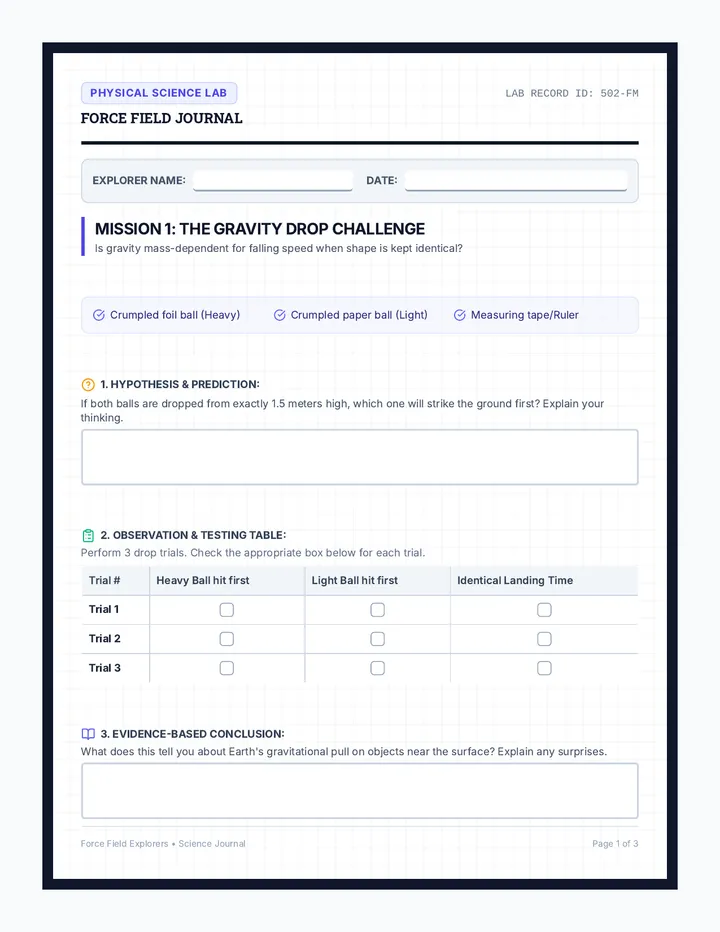
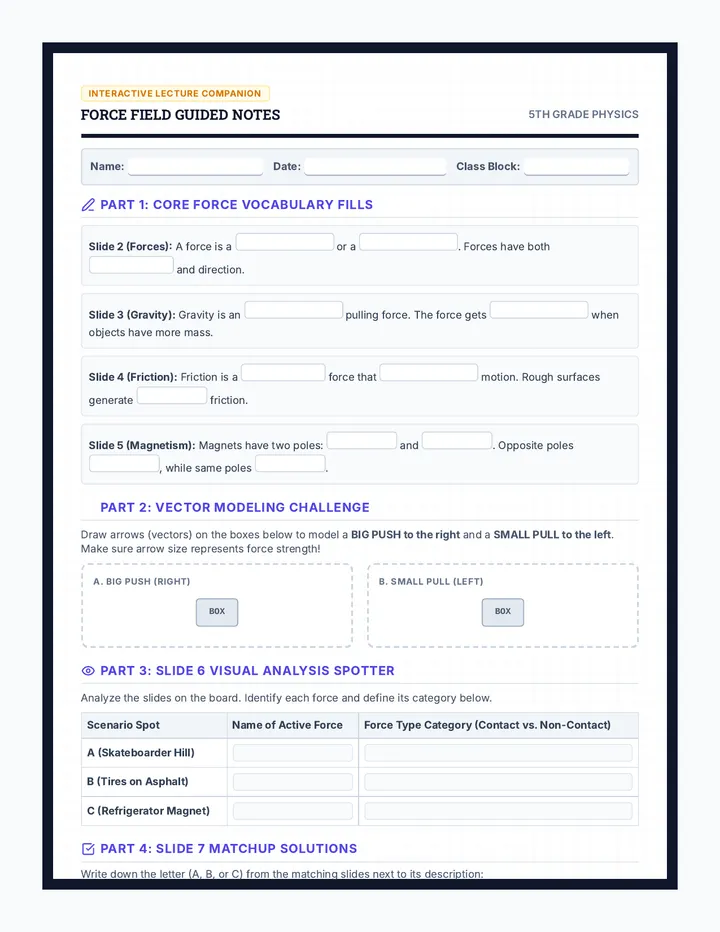
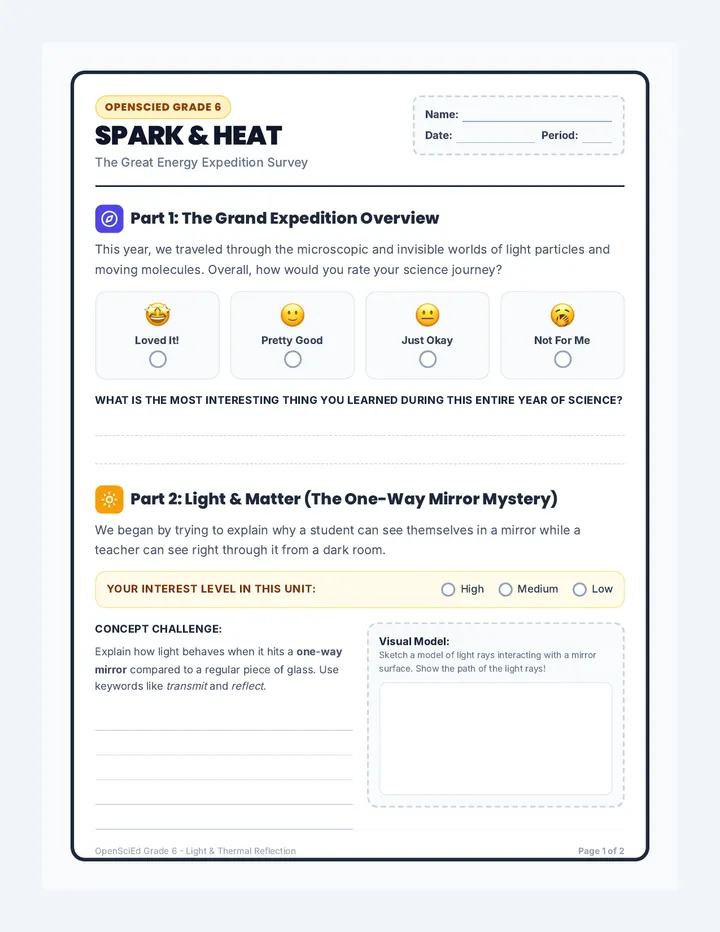
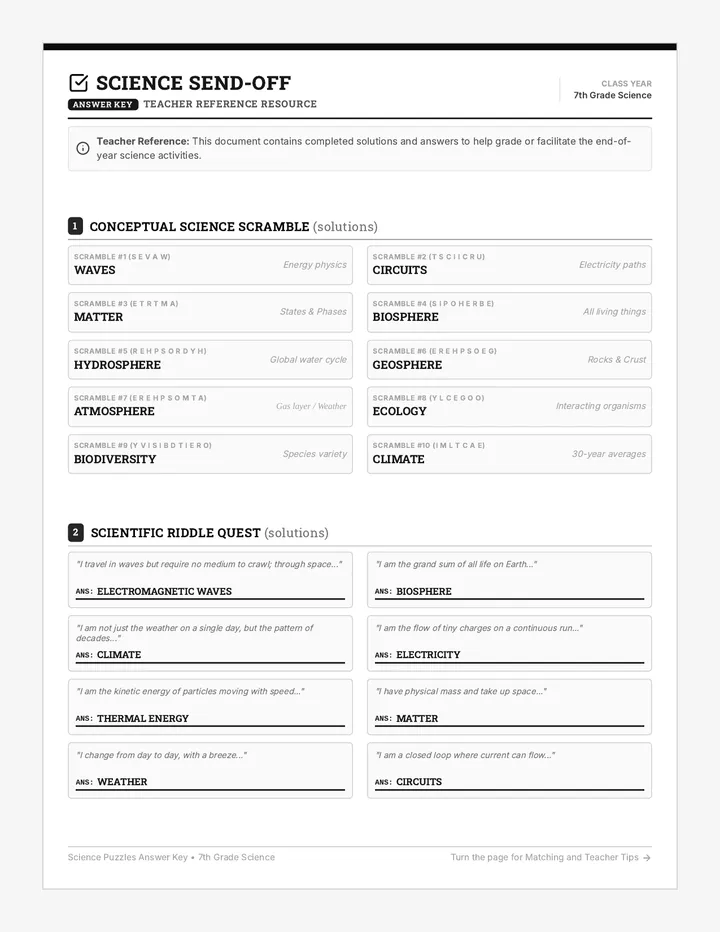
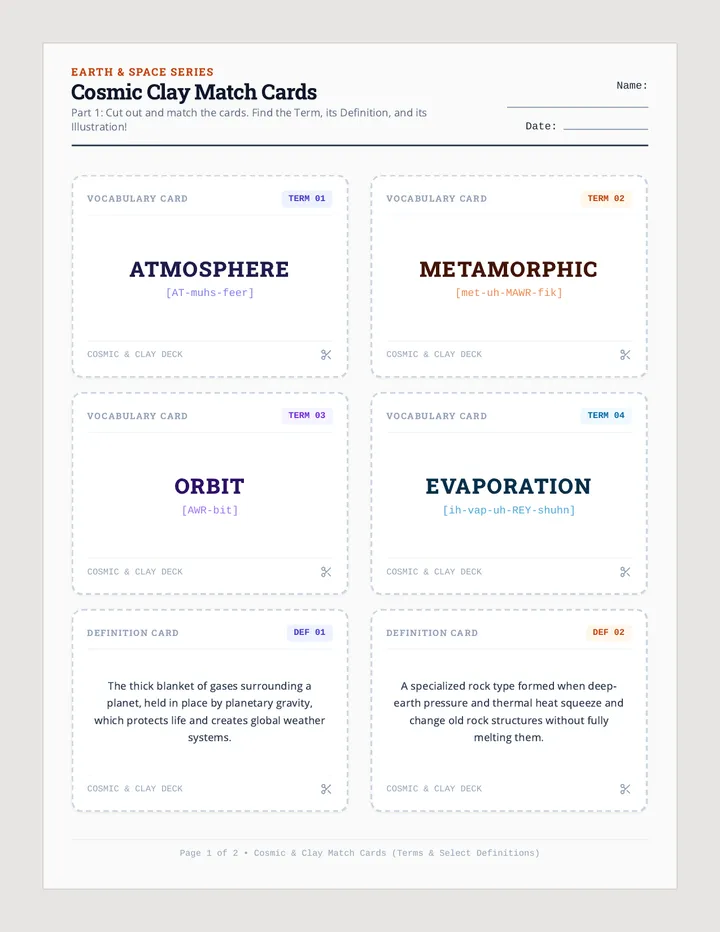
An introductory exploration of the physics of sound and light through vocabulary reinforcement and visual aids.
A lesson exploring how traits are passed down through different types of reproduction and how populations change over time through natural and artificial selection.
A hands-on exploration of physical properties where students investigate, create, and separate mixtures and solutions. Students will participate in whole-group demonstrations and small-group lab stations to master TEKS 4.5(B).
A student-led inquiry project exploring the intersection of music and neuroscience. Students choose their own research path to discover how musical training transforms cognitive development and present their unique findings.
A hands-on exploration of ocean acidification where students simulate carbon dioxide absorption and observe the effects of acid on calcium carbonate structures like shells and chalk.
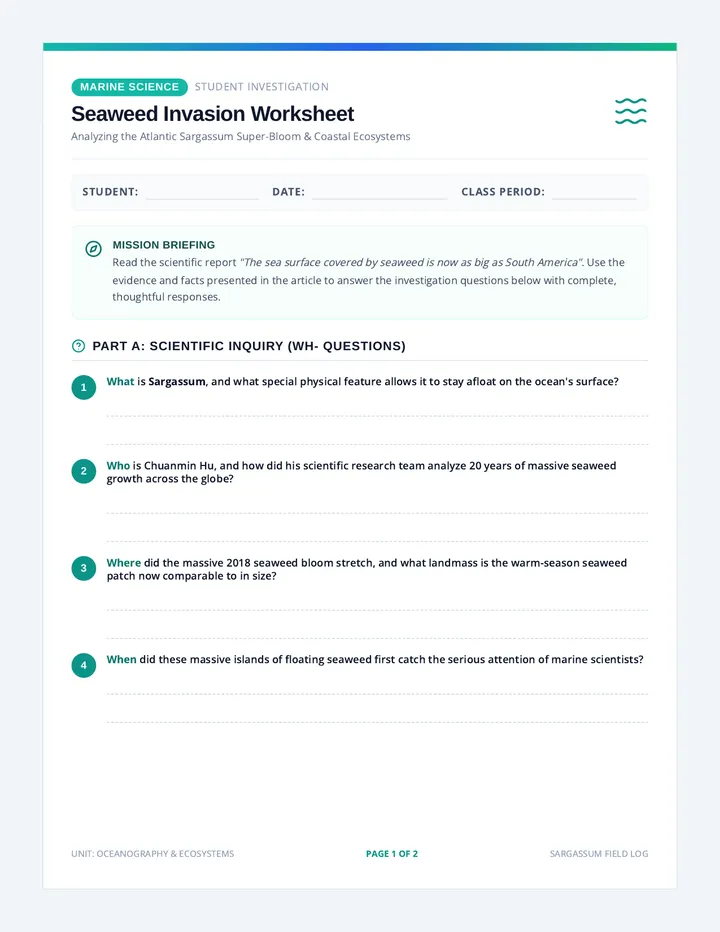
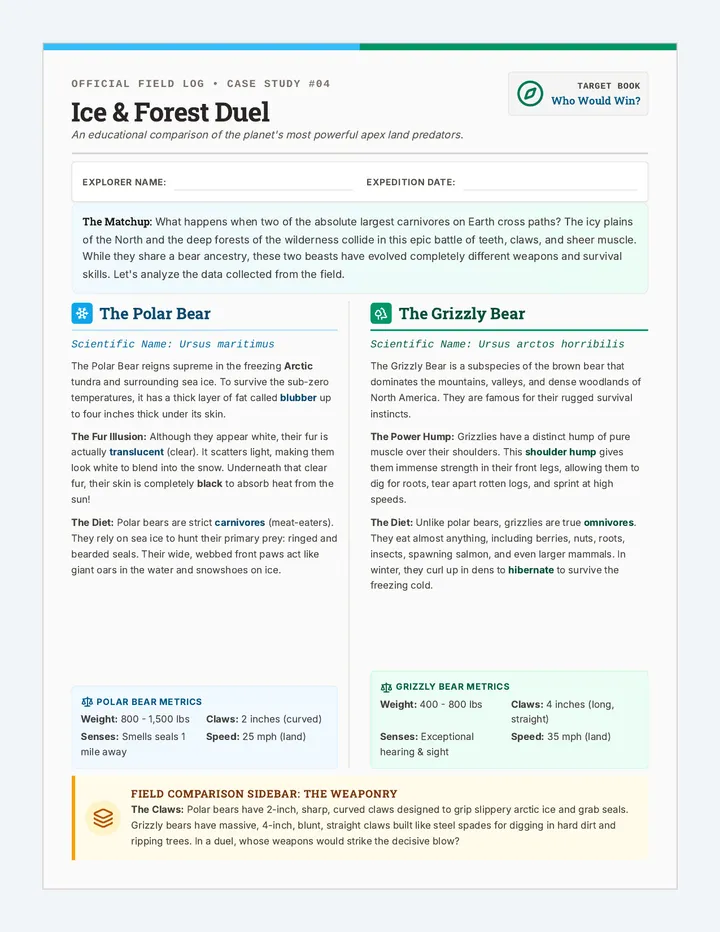
Focuses on MS-LS2-4. Students analyze ecosystem stability and construct arguments about how biological changes, specifically invasive species, disrupt the balance of native populations.

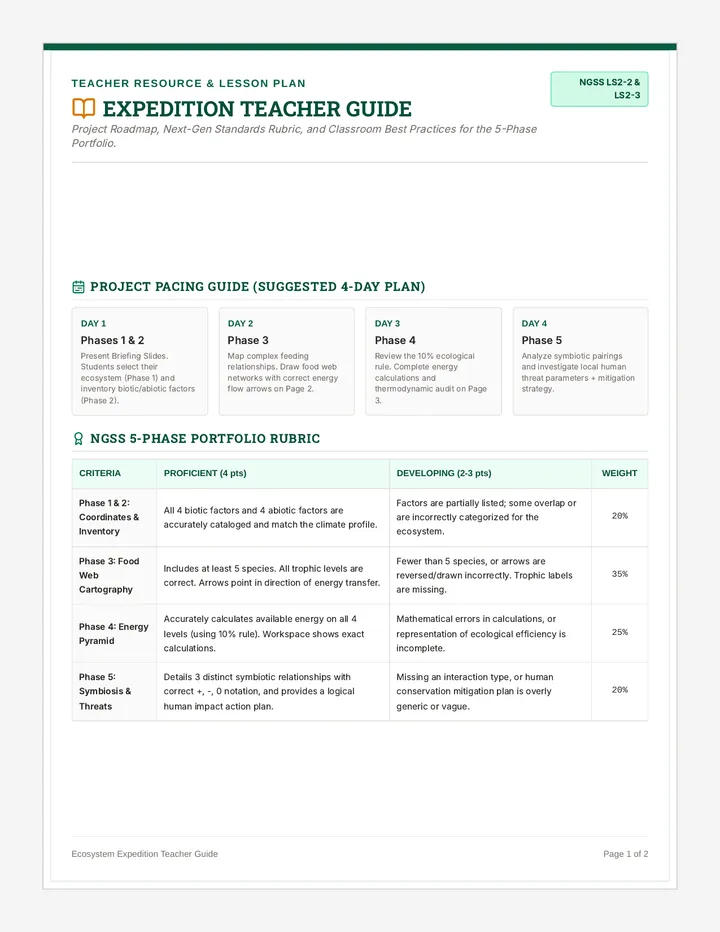
Focuses on MS-LS2-3. Students develop models to describe the cycling of matter and flow of energy through food webs, exploring how competition at one level impacts the entire system.
Focuses on MS-LS1-5 and MS-LS2-1. Students investigate how environmental factors (resource density) and genetic factors influence the growth and survival of individual organisms. Includes the Plant Density Lab.
An advanced look at cell structure and function for 8th-grade students, focusing on technical vocabulary, protein synthesis pathways, and cellular energy production.
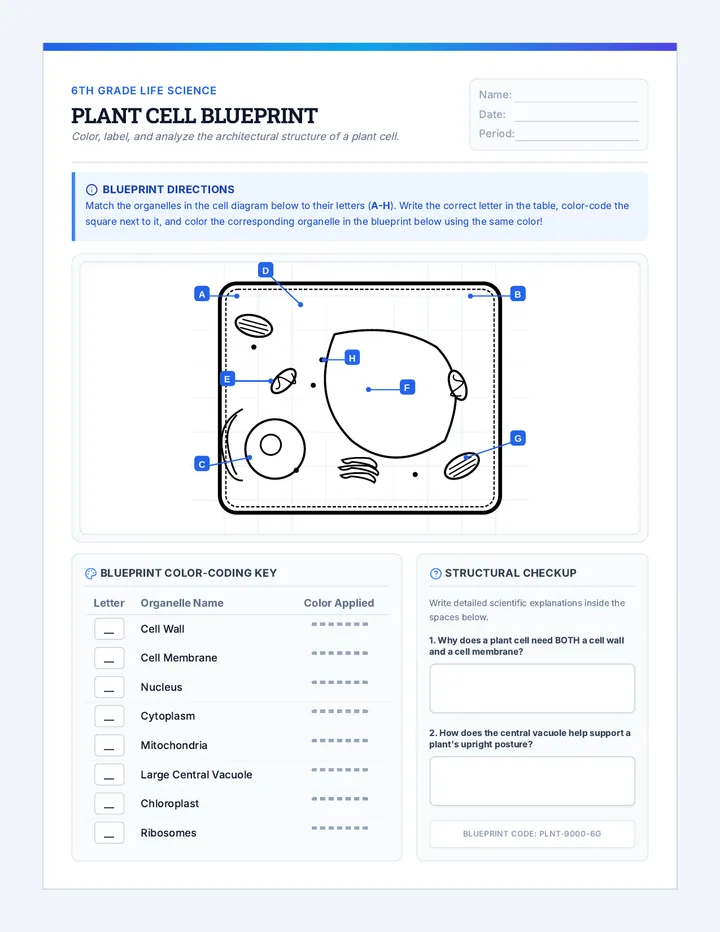
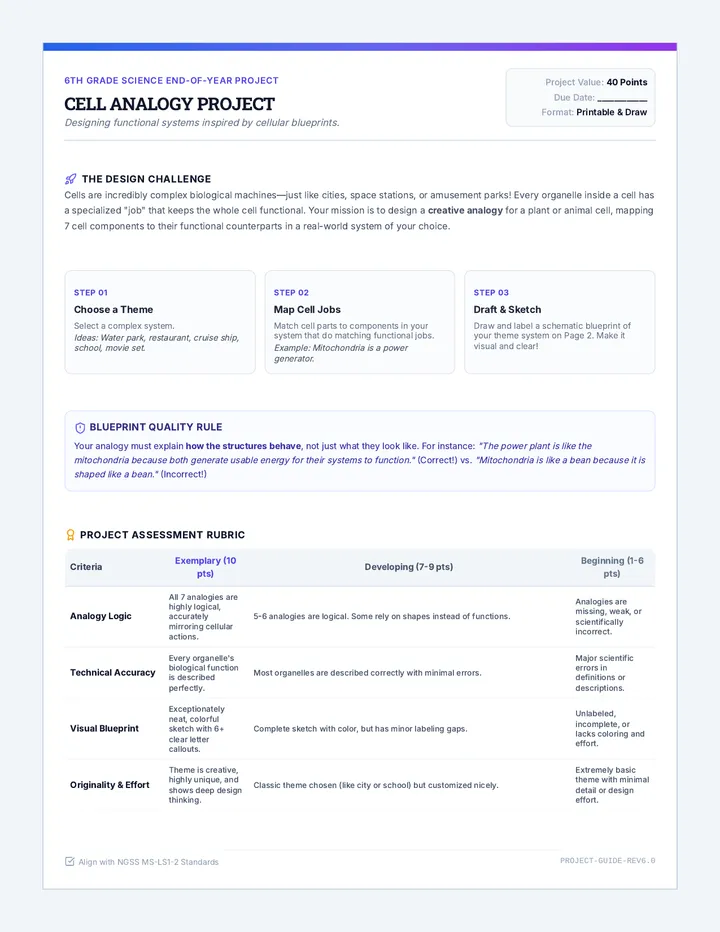
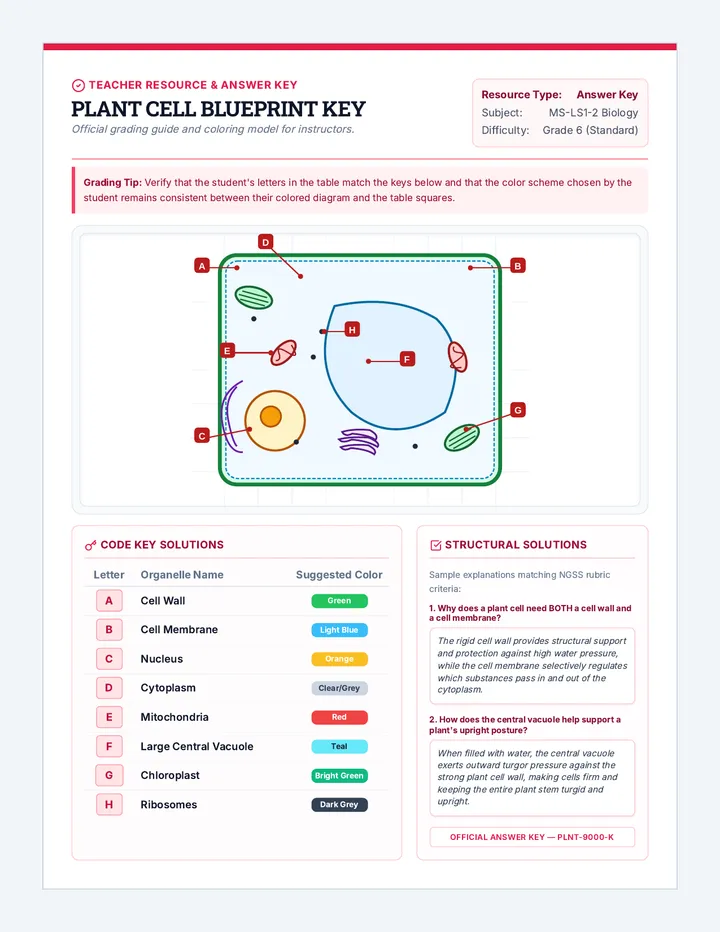
A comprehensive introduction to plant and animal cells, focusing on identifying organelles and understanding their specific functions within the cell.
This lesson covers Kirchhoff's Junction and Loop Rules, providing students with the conceptual framework and mathematical tools to analyze complex multi-loop circuits. Students will explore conservation of charge and energy through interactive examples and practice problems.
A quick 15-minute review session focusing on the essential inputs and outputs of photosynthesis, perfect for wrapping up a science unit or as a morning warm-up.
An exploration of natural and artificial selection, focusing on data analysis of trait shifts in populations and human-driven genetic changes. This lesson aligns with Massachusetts 8th-grade life science standards for evolution and heredity.