A comprehensive unit on cellular biology spanning from introductory middle school concepts to advanced organelle systems and specialized functions.
A high-interest lesson exploring the neurological effects of short-form 'brain rot' content, designed for Grade 8 ELL students in Brazil. The sequence covers vocabulary acquisition, scientific concepts like dopamine and attention spans, and culminates in a structured whole-class debate.
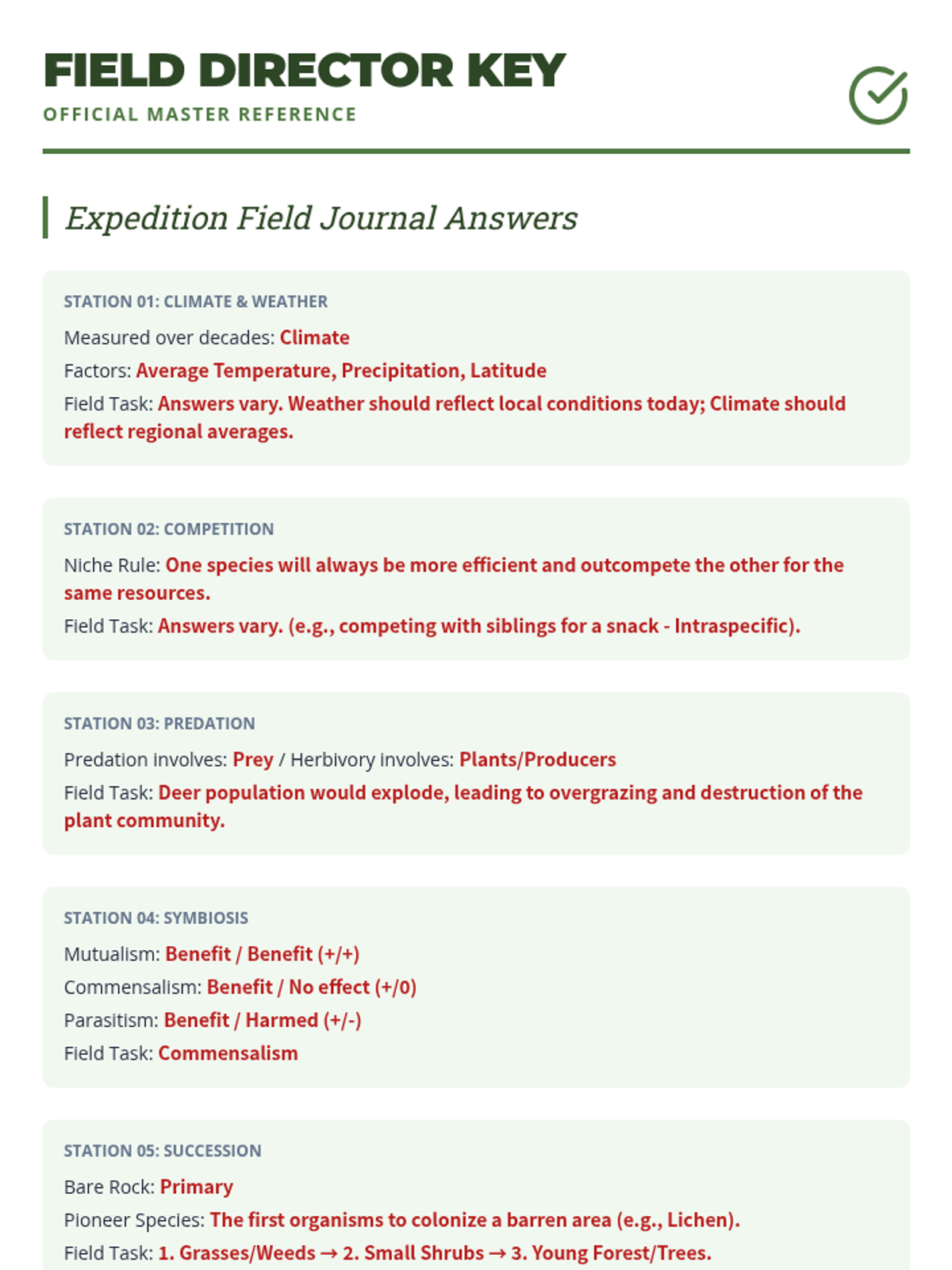
A comprehensive sequence covering introductory 6th-grade life science topics, from ecosystem dynamics to inheritance and evolutionary changes.
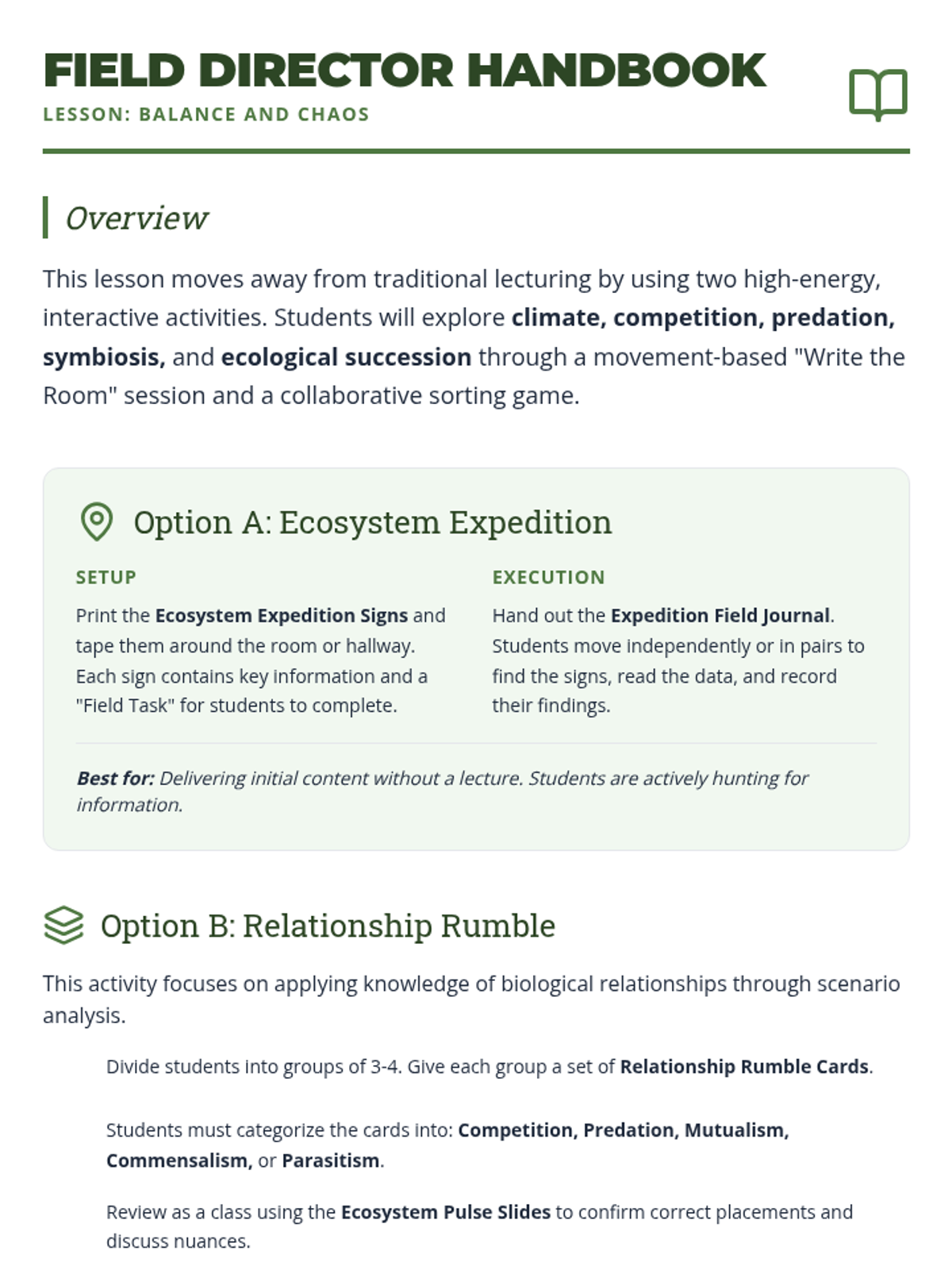
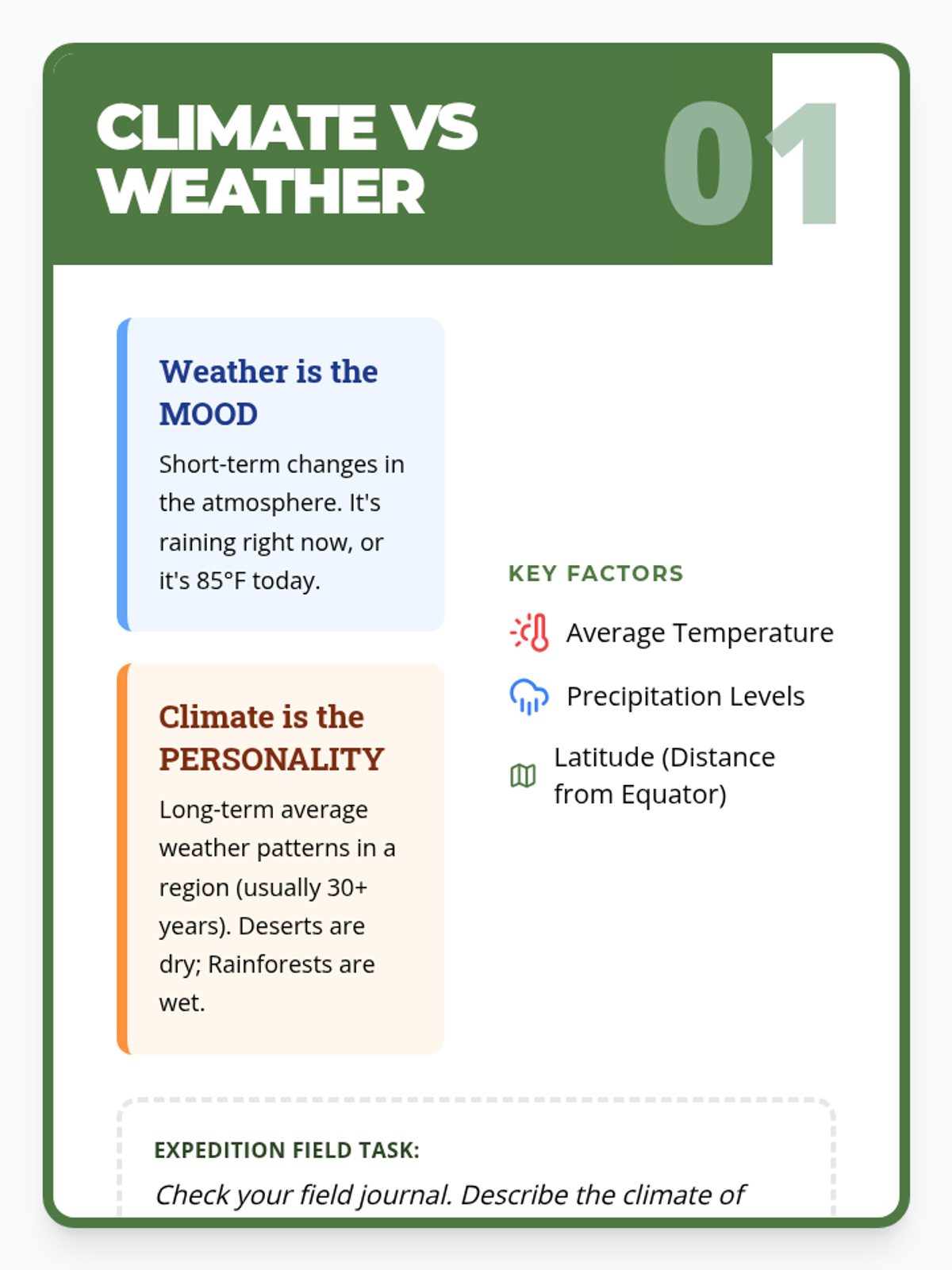
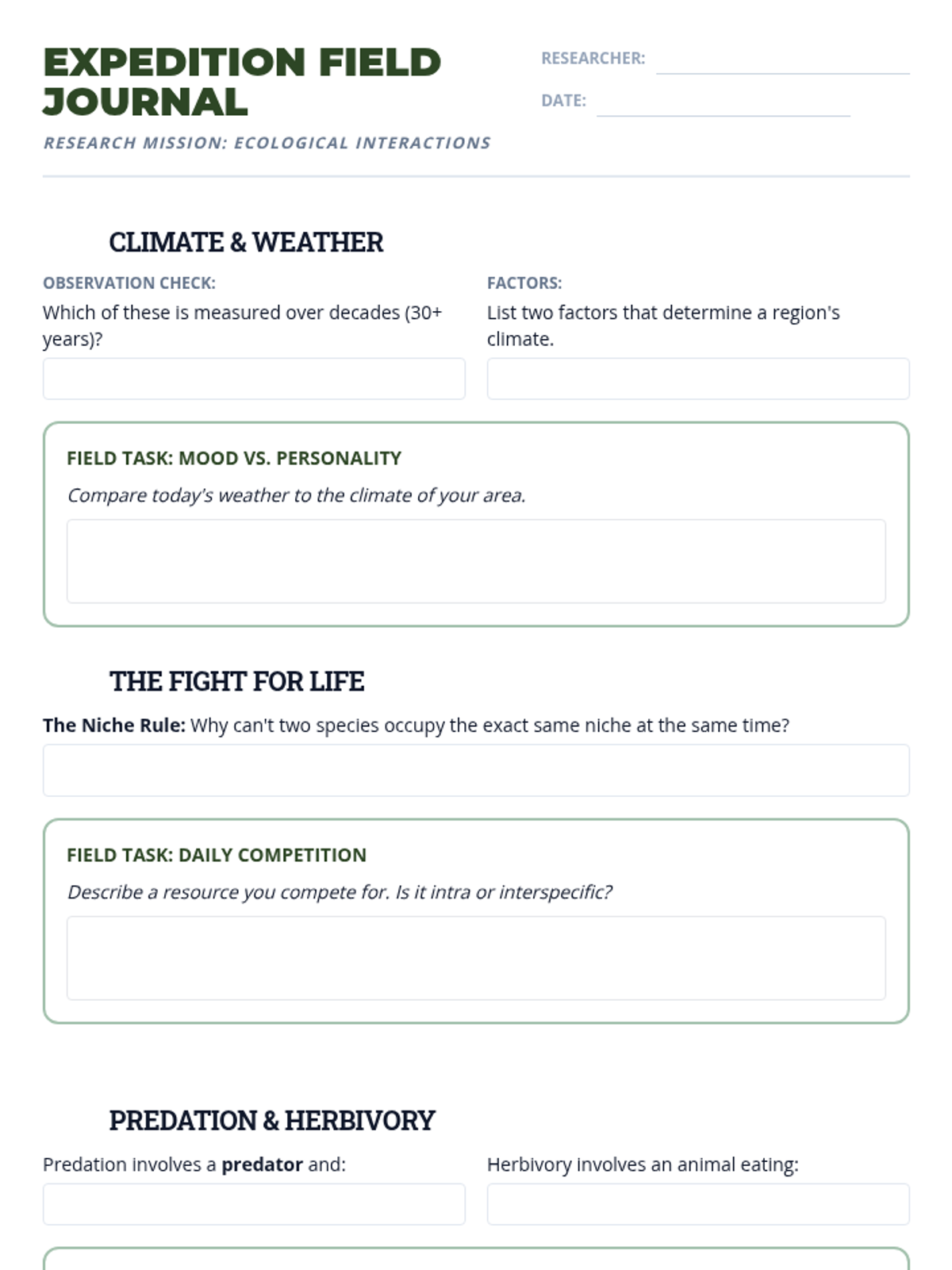
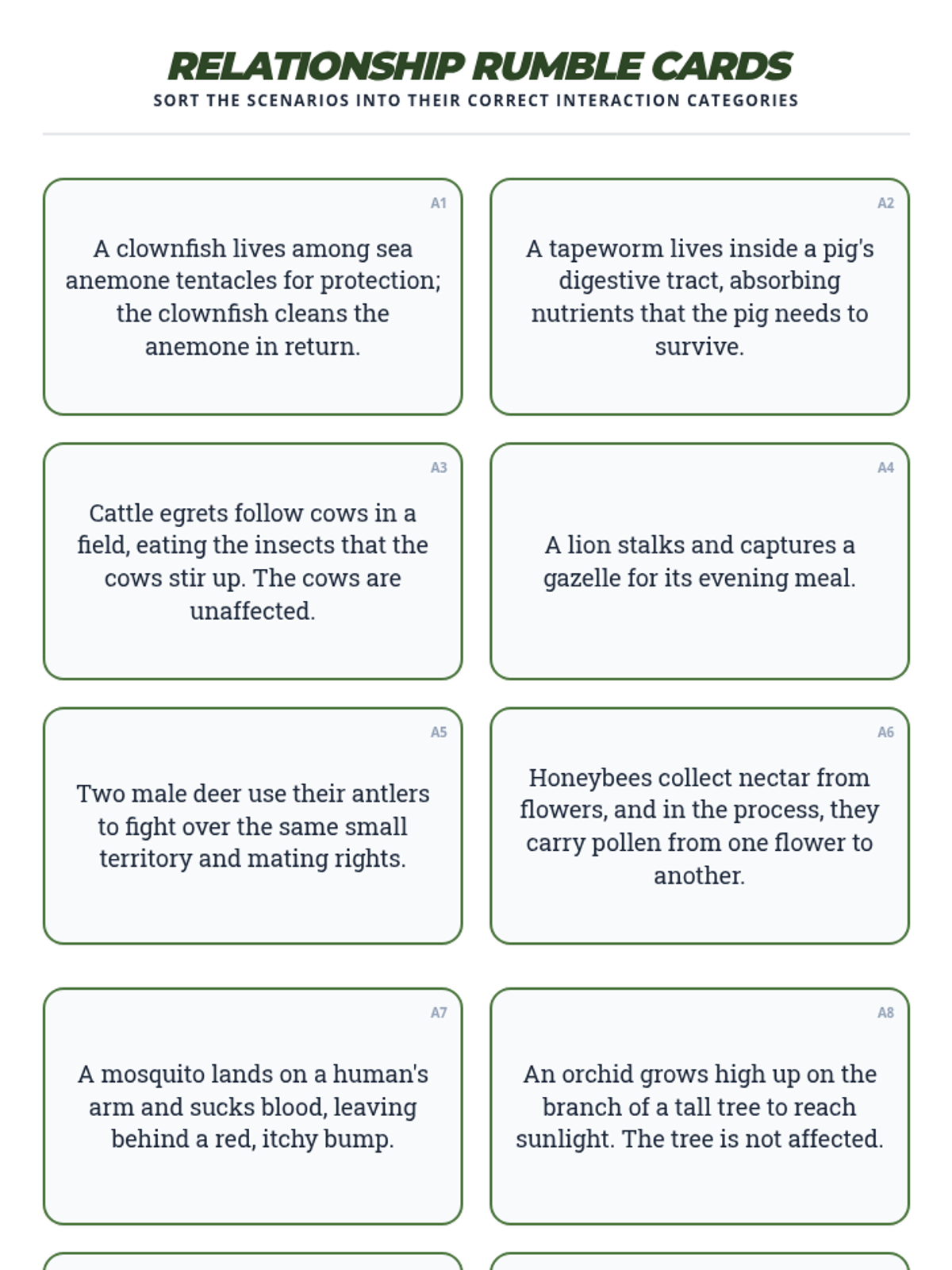
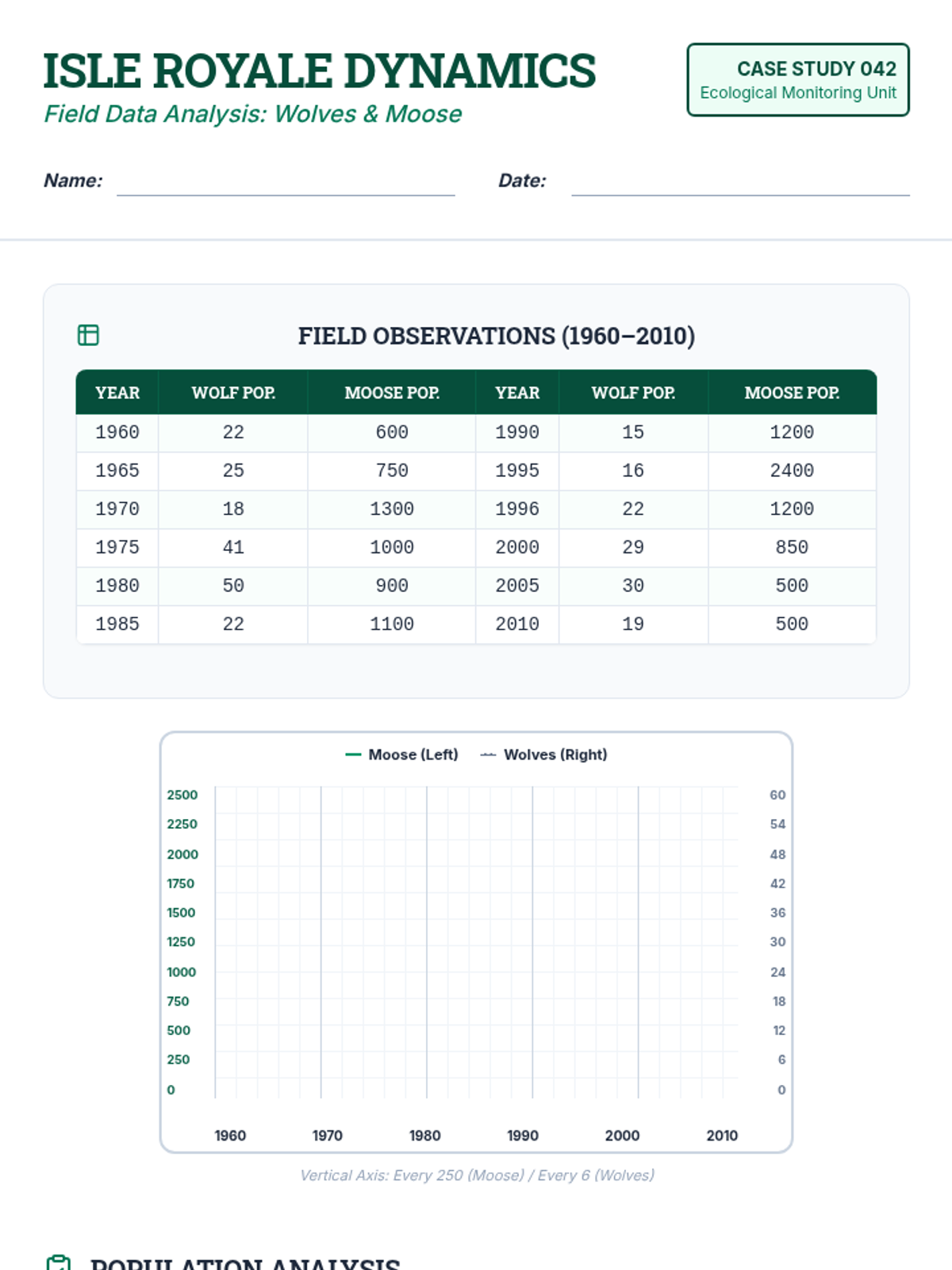
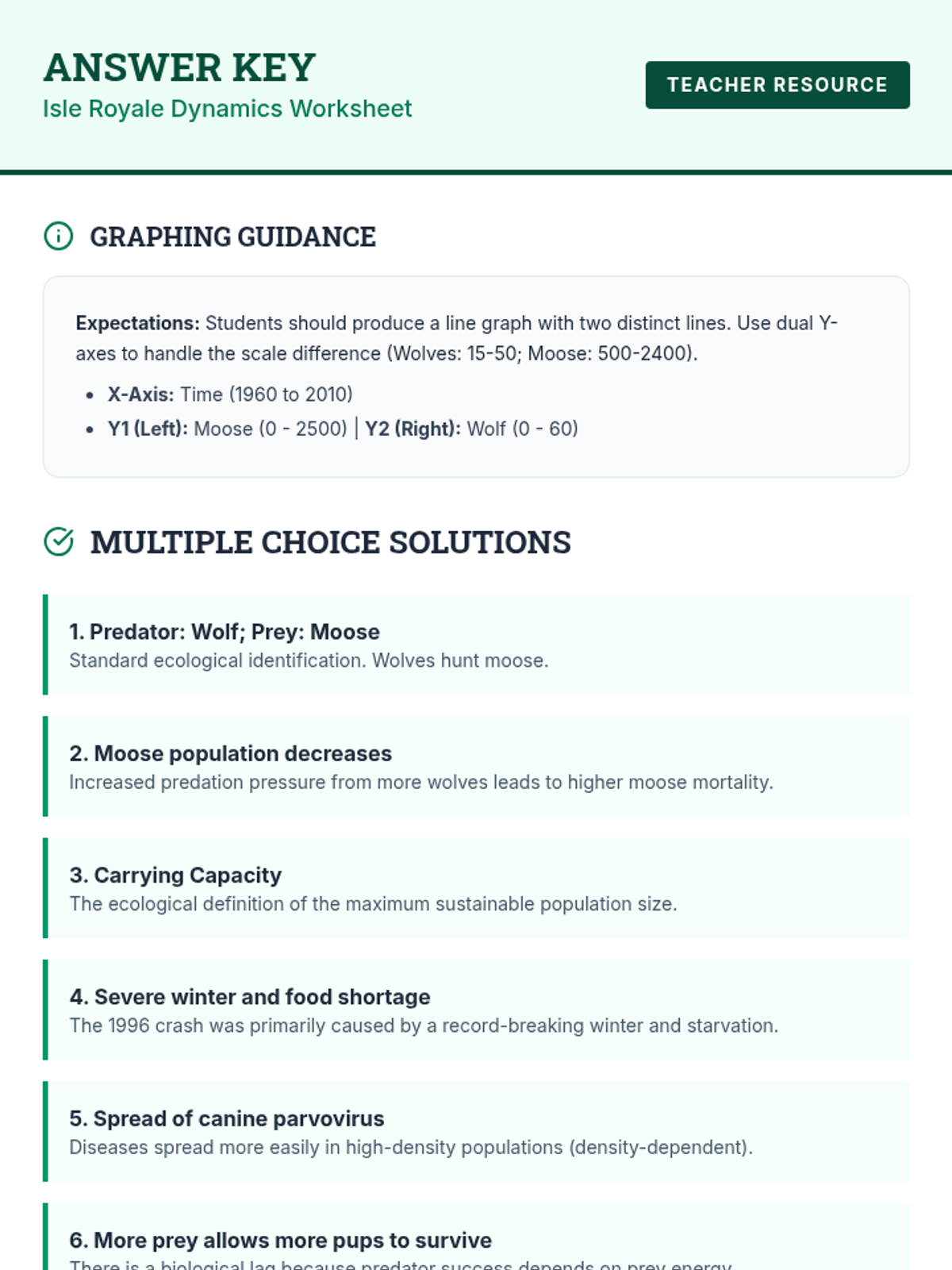
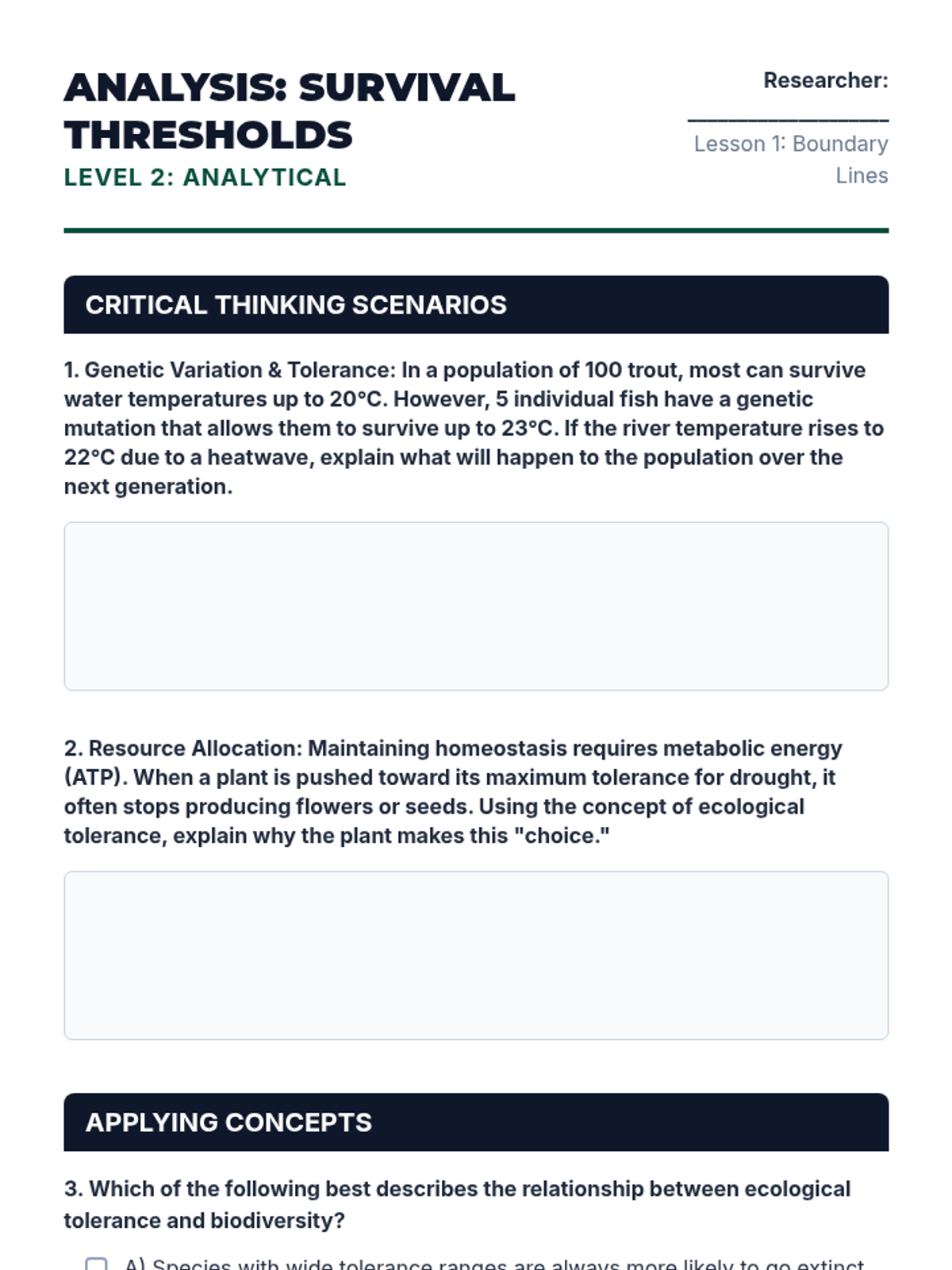
A scaffolded middle school unit exploring competition, energy flow, and ecosystem stability. Each lesson is tailored to specific NGSS performance expectations for grades 6, 7, and 8, building from individual organism growth to complex system dynamics.
A comprehensive Hi-Lo unit for 6th graders exploring the scale of the universe, our place in the Milky Way, the technology used to explore space, and the history of human spaceflight.
A two-day substitute-friendly introduction to the solar system, covering planetary order, key characteristics, and guided research.
A two-week chemistry unit for middle school exploring pH through color-changing indicators, featuring hands-on labs with red cabbage and butterfly pea flower tea. Students learn to identify acids and bases, understand the pH scale, and observe chemical reactions in everyday substances.
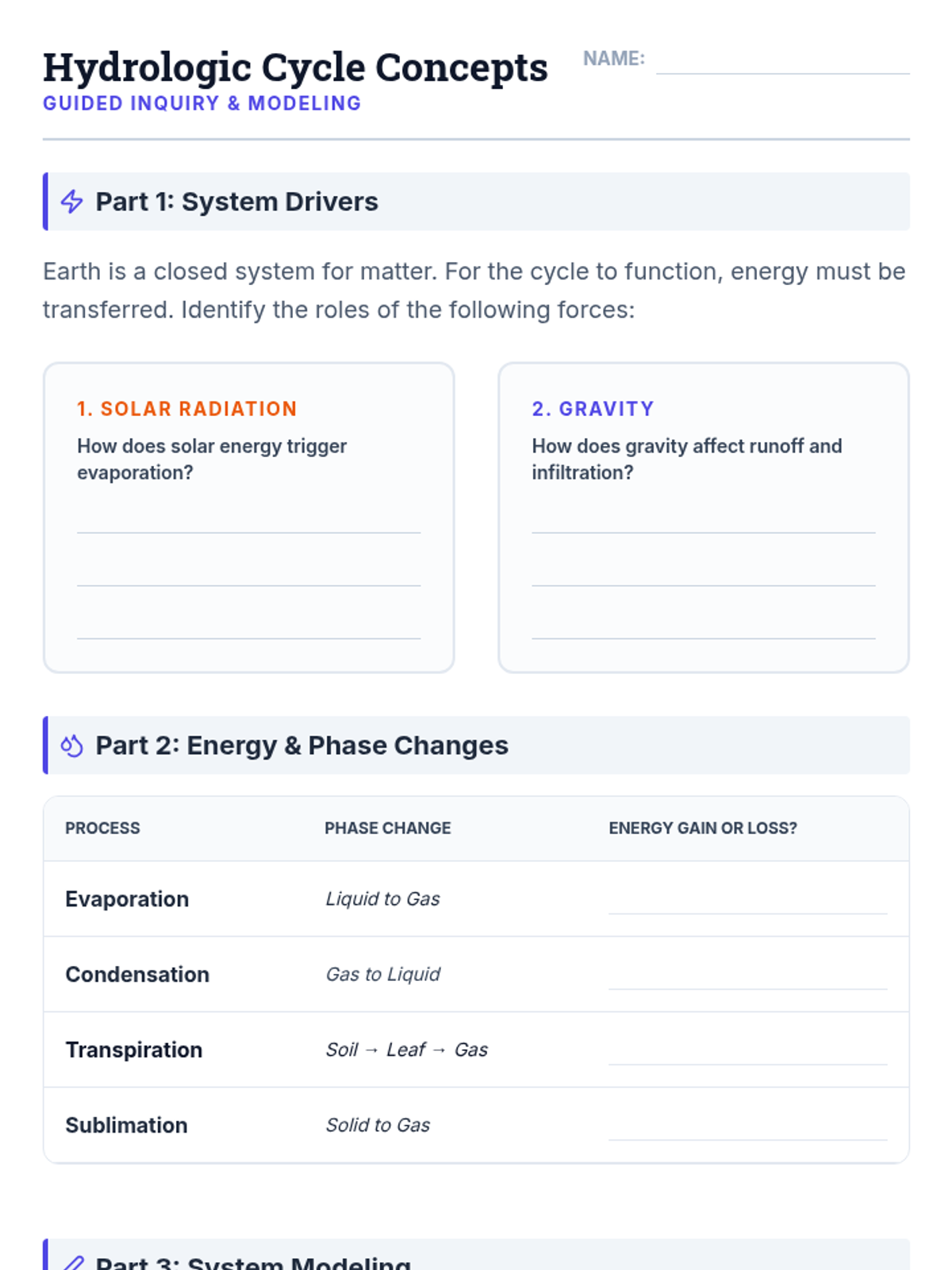
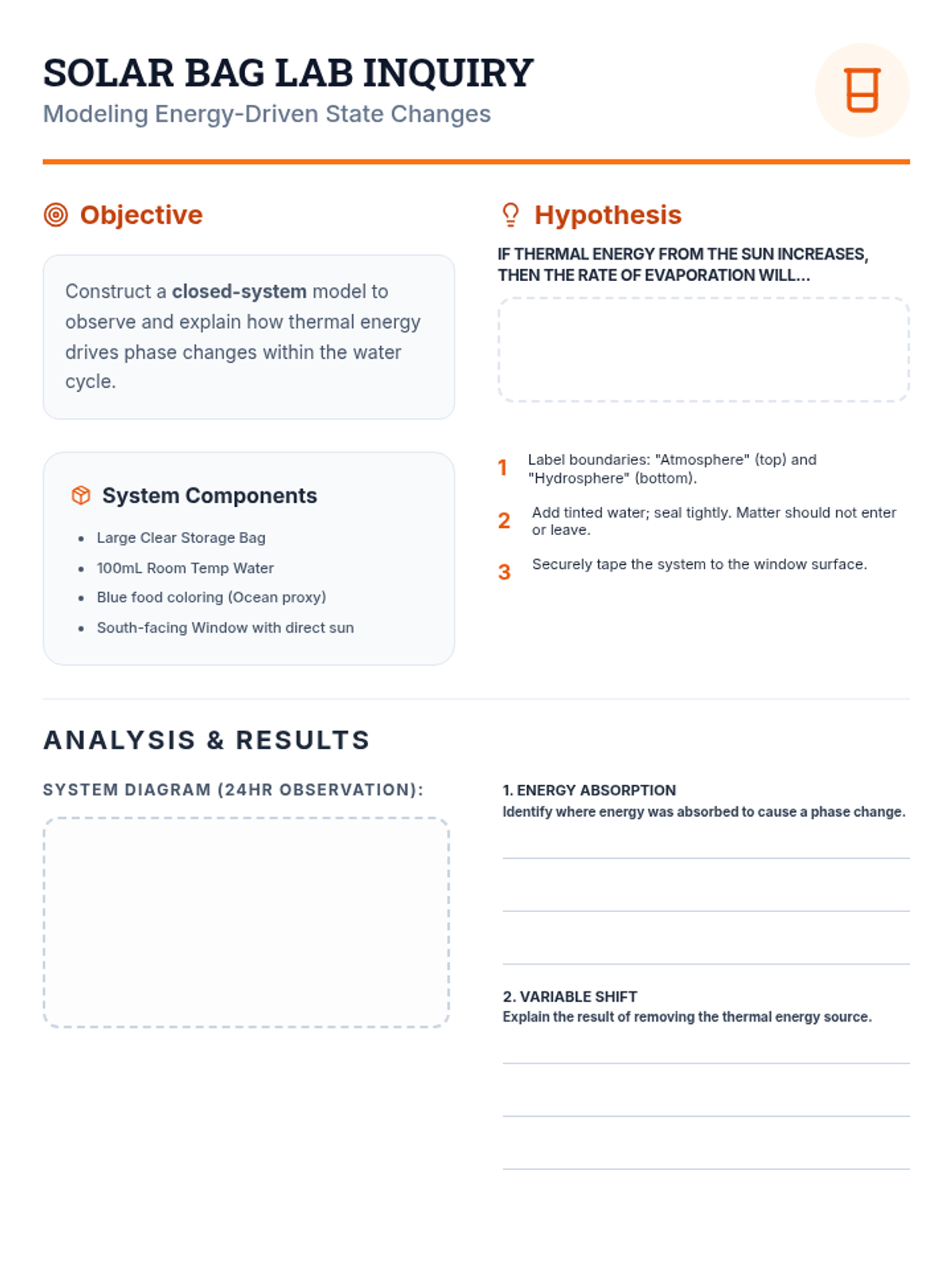
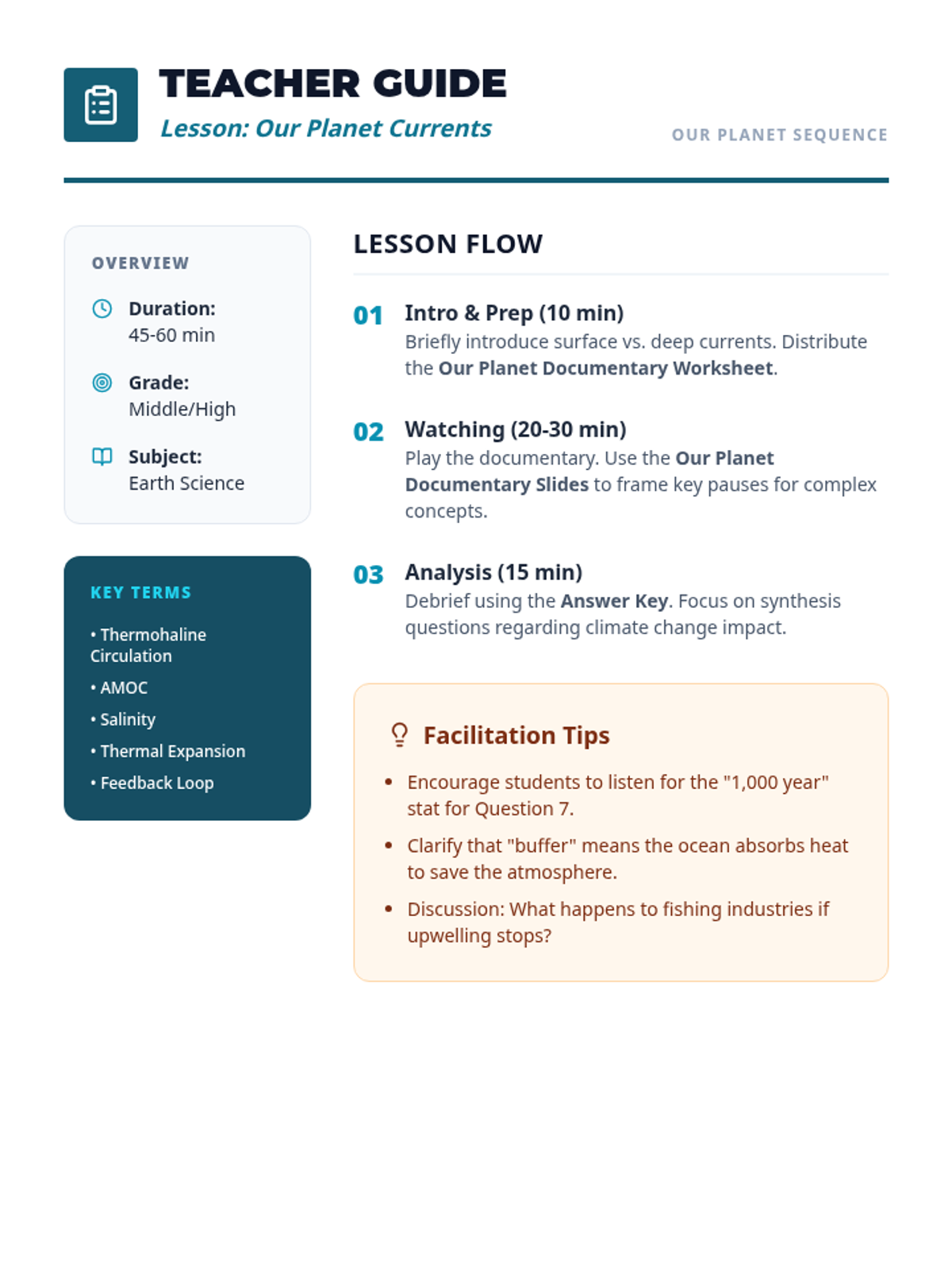
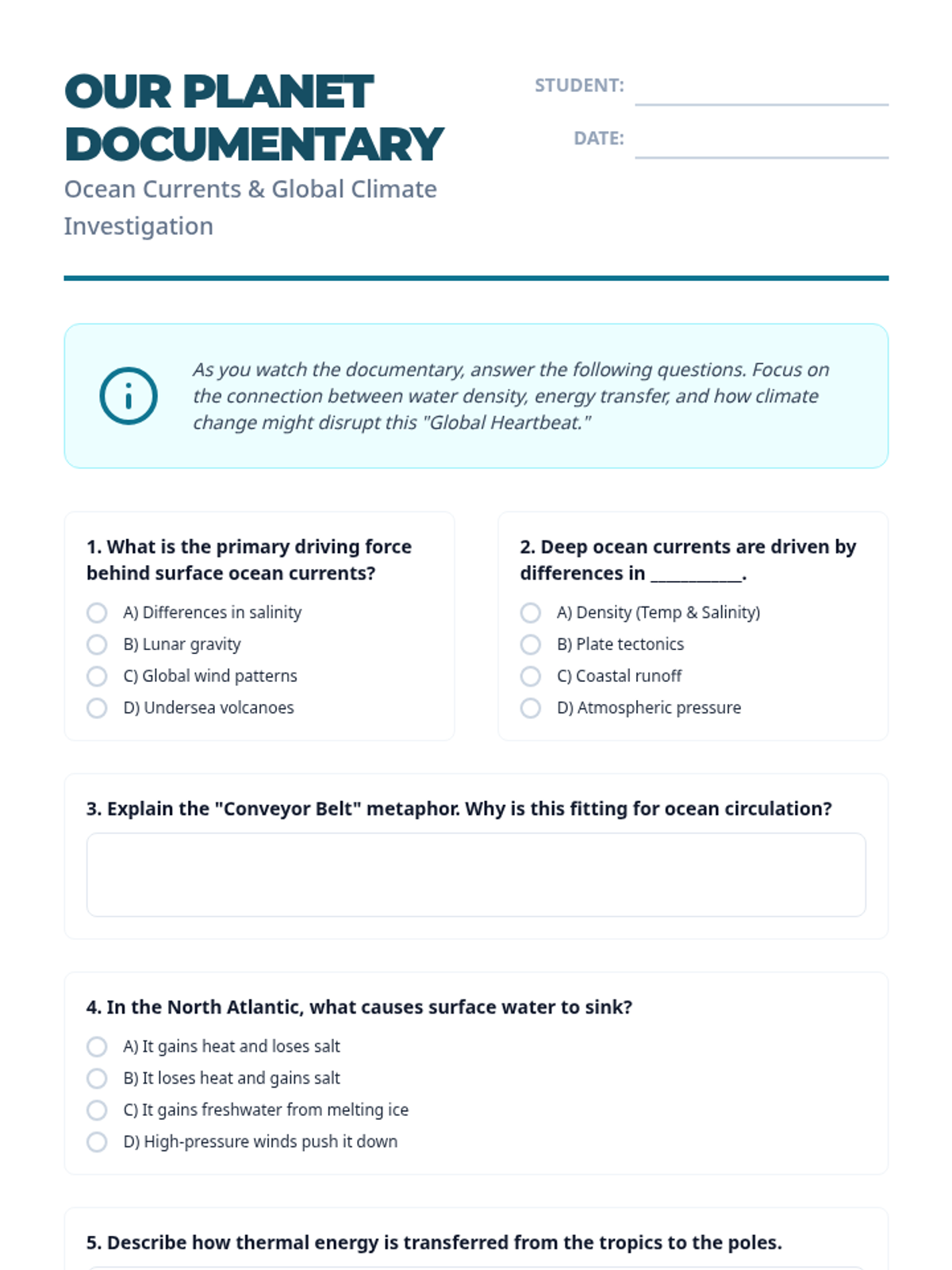
A series of lessons exploring Earth's major systems, starting with the hydrosphere and its impact on the planet's processes.
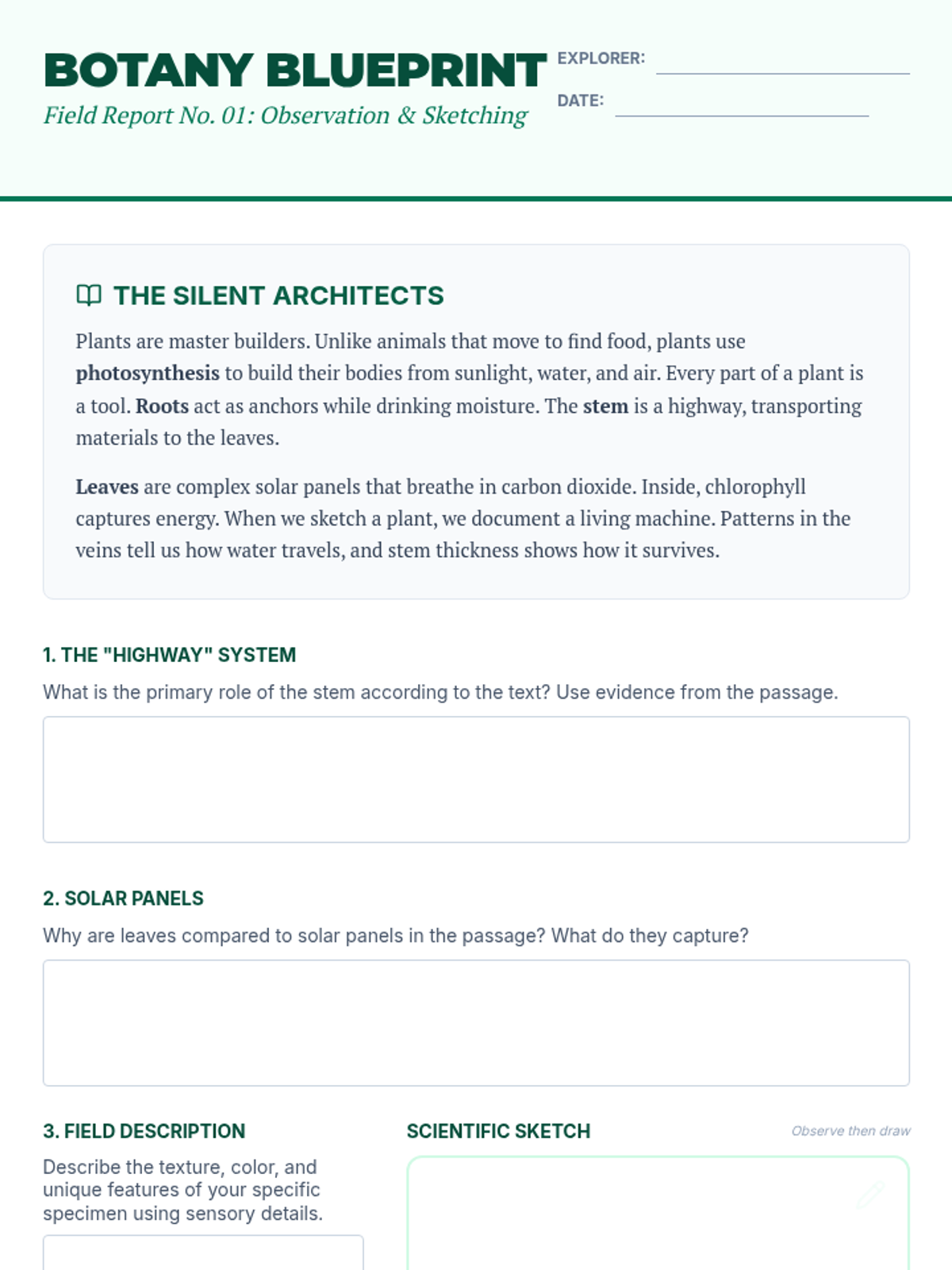
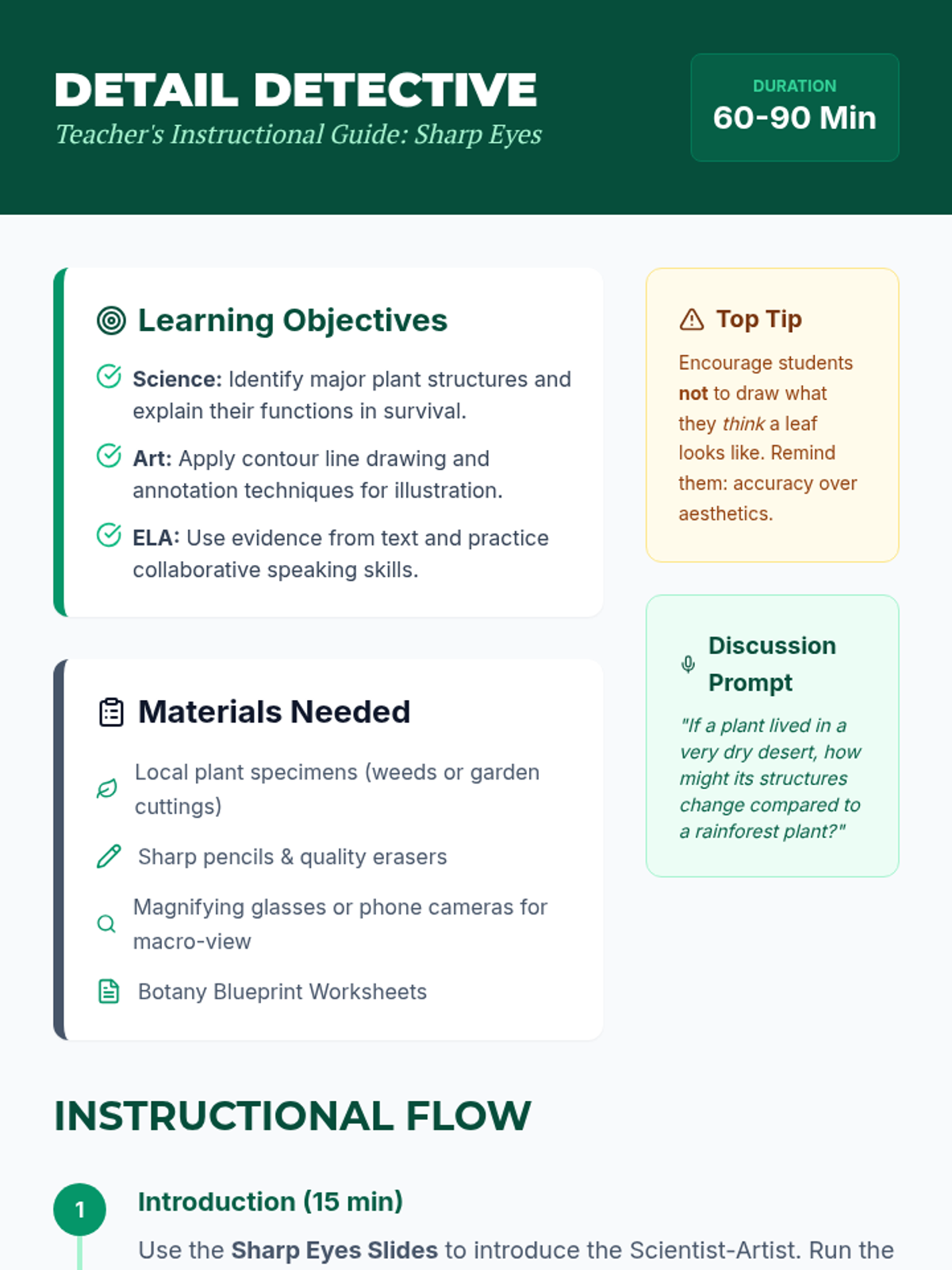
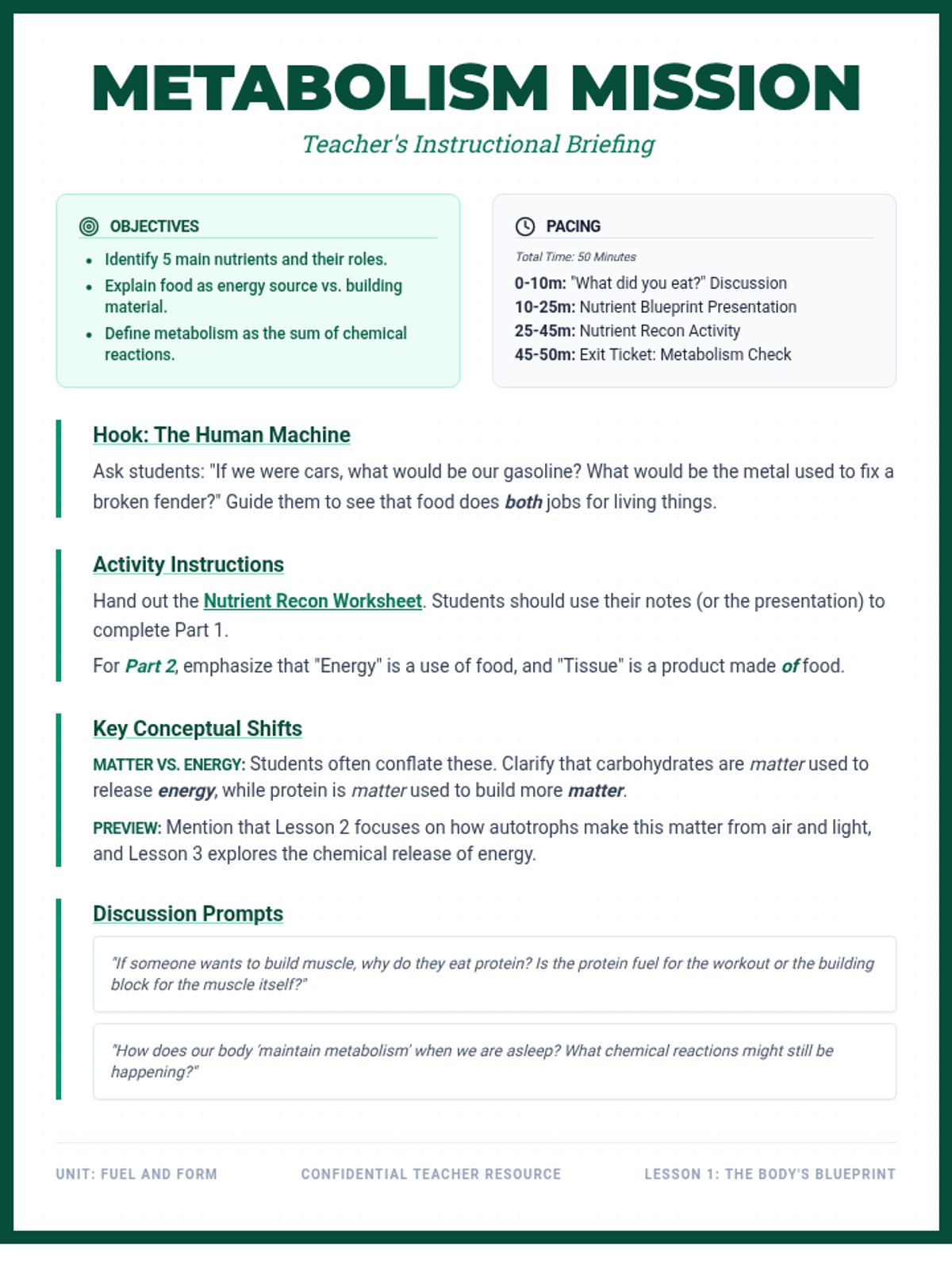
A comprehensive biology unit covering plant systems, animal systems, and ecosystem stability through STAAR-aligned practice, vocabulary mastery, and conceptual application.
A quick review sequence focusing on the fundamentals of Mendelian genetics and the mechanics of Punnett Squares.
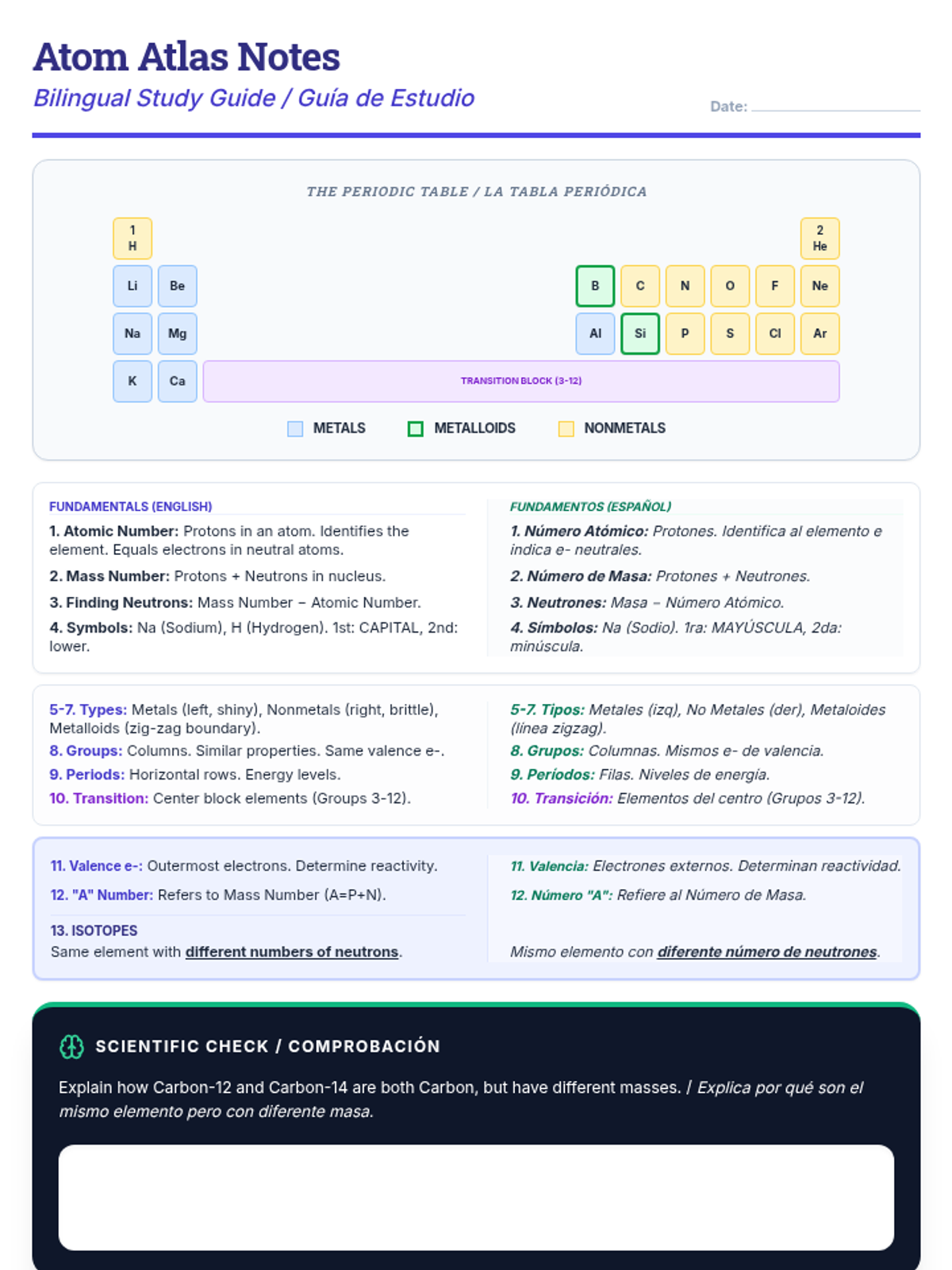
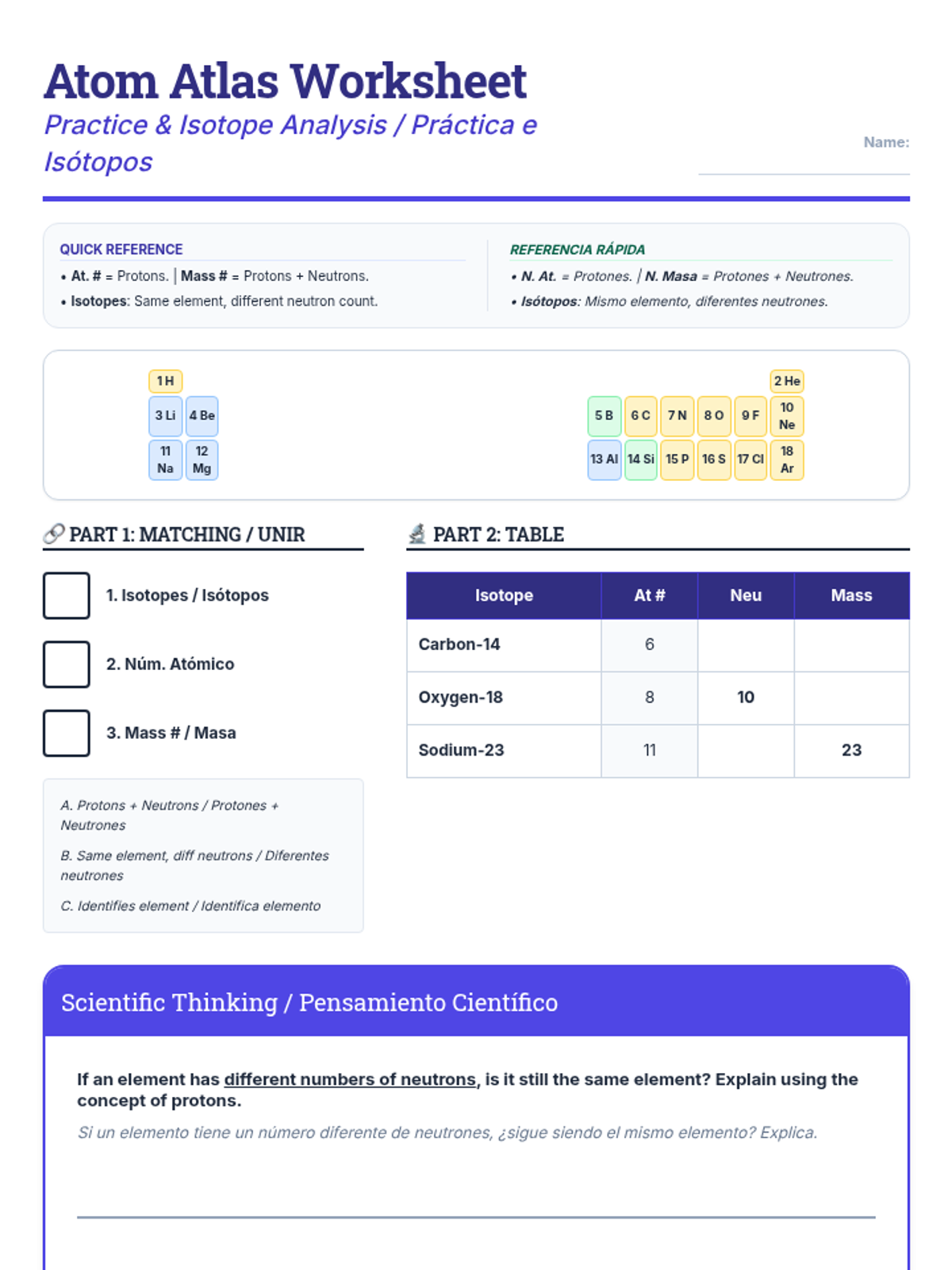
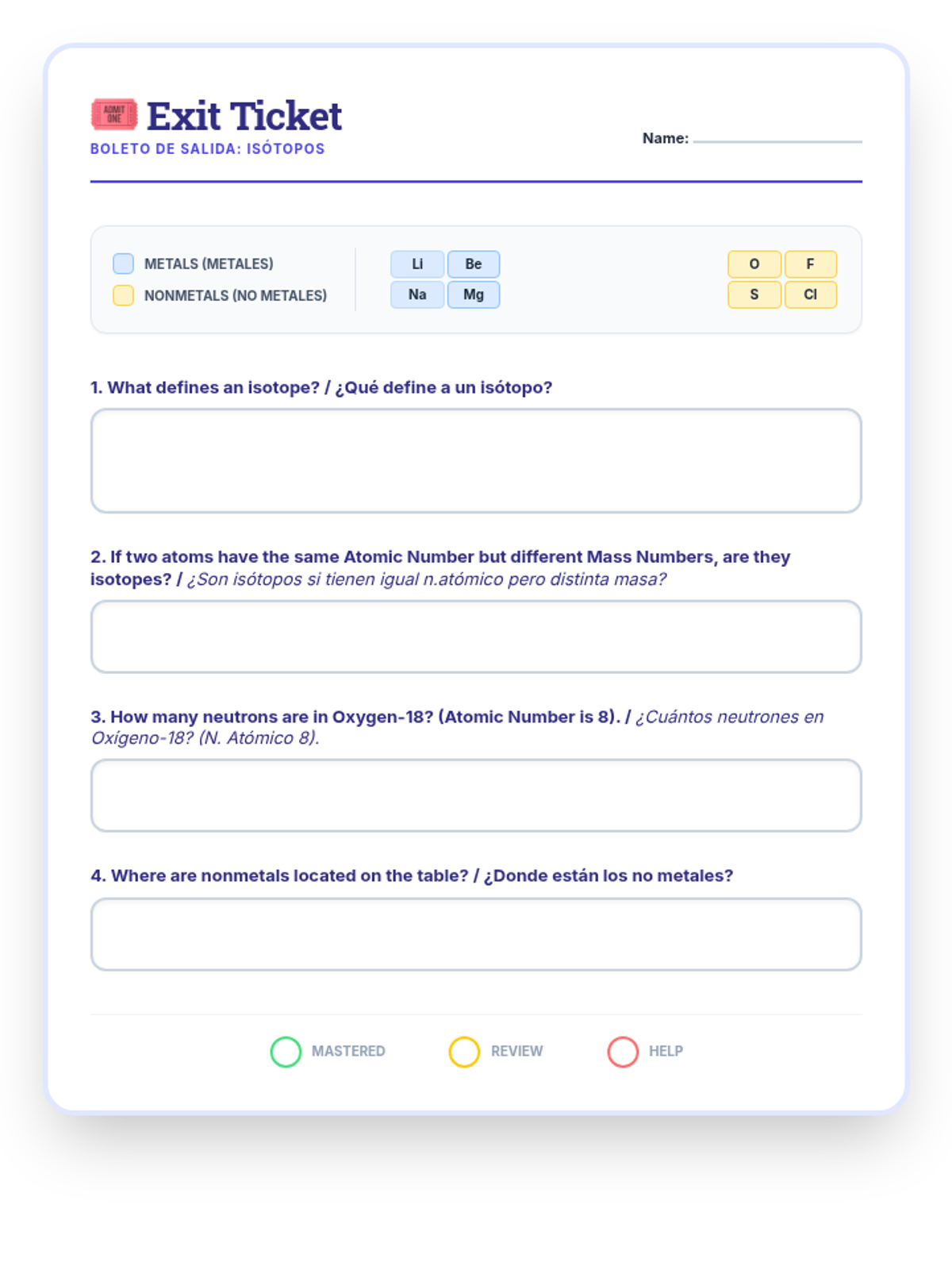
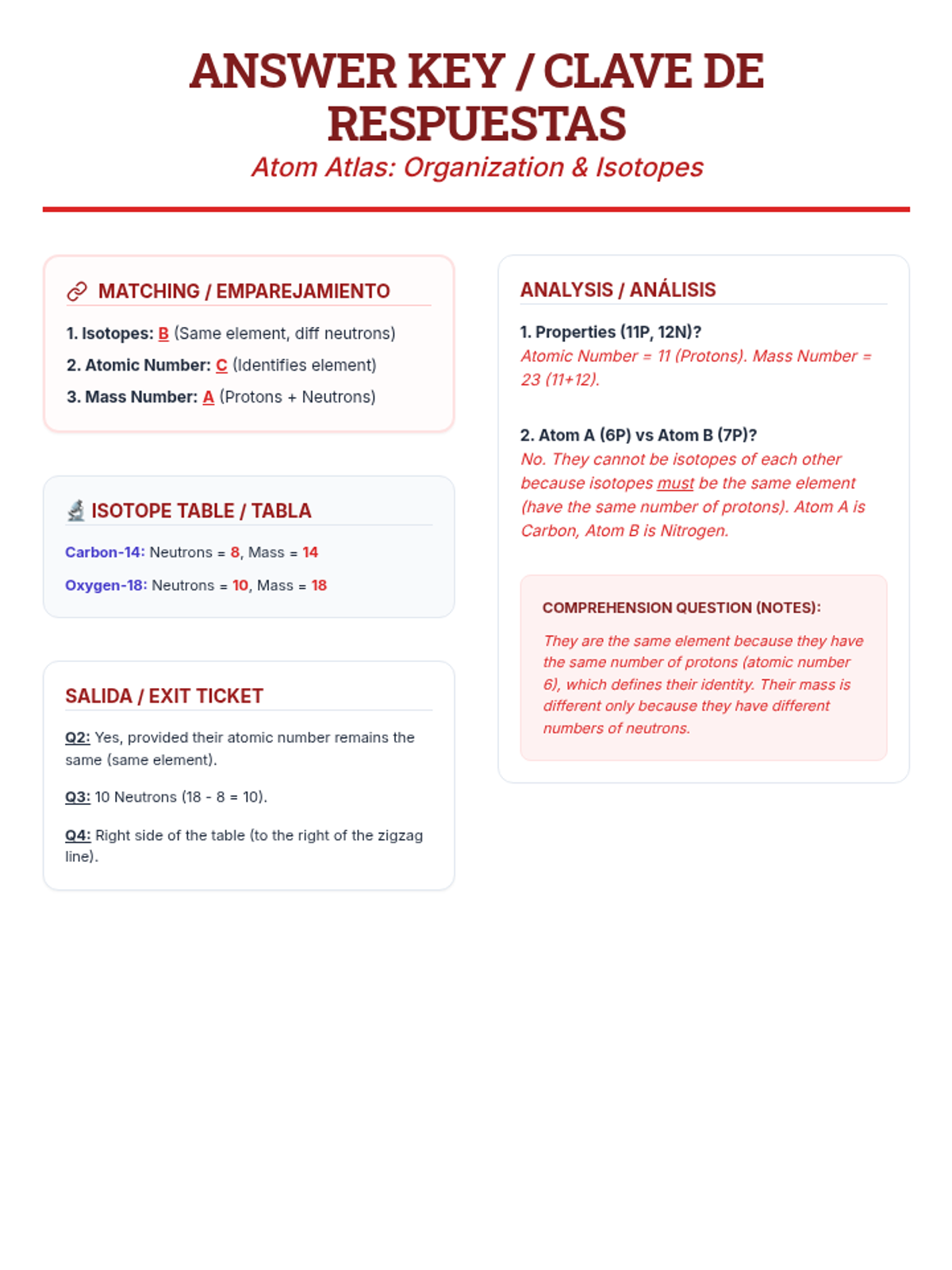
A comprehensive study sequence covering atomic structure, periodic trends, chemical bonding, and nomenclature to prepare students for chemistry assessments.
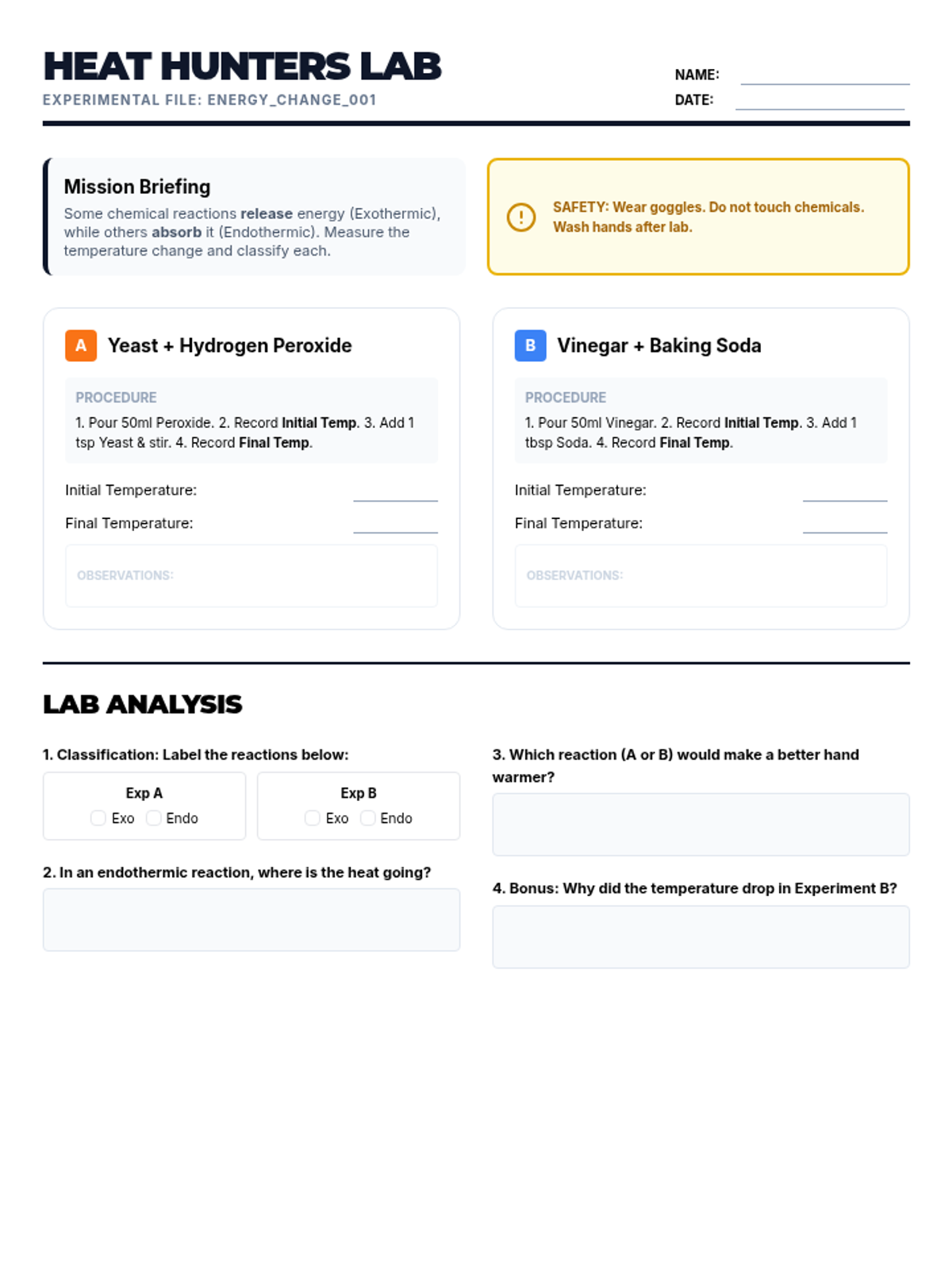
A comprehensive 4-day sequence focusing on the application of thermal energy concepts, including conduction, convection, radiation, and insulation through hands-on labs and real-world analysis.
An engineering and biology sequence that teaches students to look to nature for sustainable and efficient design solutions, fostering innovation and biological appreciation.
An immersive journey through space science, mapping out everything from planetary orbits to the fundamental forces like gravity and stellar evolution that shape our universe. Designed as a cohesive "Field Manual" series for middle school explorers.
A two-part exploration of astronomy, tracing the journey from Ancient Greek mythological interpretations and star-based navigation to modern space science, GPS technology, and lunar missions.
A week-long independent study unit based on 'The Boy Who Harnessed the Wind', guiding students through literary analysis, scientific research, and engineering design.
A two-day exploration of physical properties, distinguishing between those that depend on the amount of matter (mass, volume, weight) and those that are intrinsic to the substance (density, melting point, boiling point, solubility).
Une séquence complète de physique-chimie pour le niveau 4ème sur le concept de force et d'interaction, structurée en 4 séances incluant un TP en demi-groupe. Elle couvre la modélisation par des diagrammes objet-interaction, la mesure au dynamomètre et la distinction entre poids et masse.
Une séquence immersive pour découvrir les secrets du cerveau humain, sa structure, ses fonctions et son incroyable capacité à apprendre.
An exploration of how humanity harnessed the stars and the physics of time to build global networks, mapping the Earth through celestial symmetry and precision engineering.
A high-energy exploration of gravity's invisible pull, from dropping everyday objects to calculating weight on distant planets. Students will engage in hands-on observations and creative writing activities to understand how mass and distance govern the universe.