An exploration into the historical development of cell theory and the fundamental characteristics that define all living organisms, covering prokaryotic/eukaryotic, unicellular/multicellular, and autotrophic/heterotrophic traits.
A comprehensive unit exploring plant physiology and reproduction, centered around the Pando clonal colony as an anchoring phenomenon to demonstrate system interdependence.
A comprehensive investigation into the Earth's geological processes, focusing on the formation, transformation, and identification of igneous, sedimentary, and metamorphic rocks.
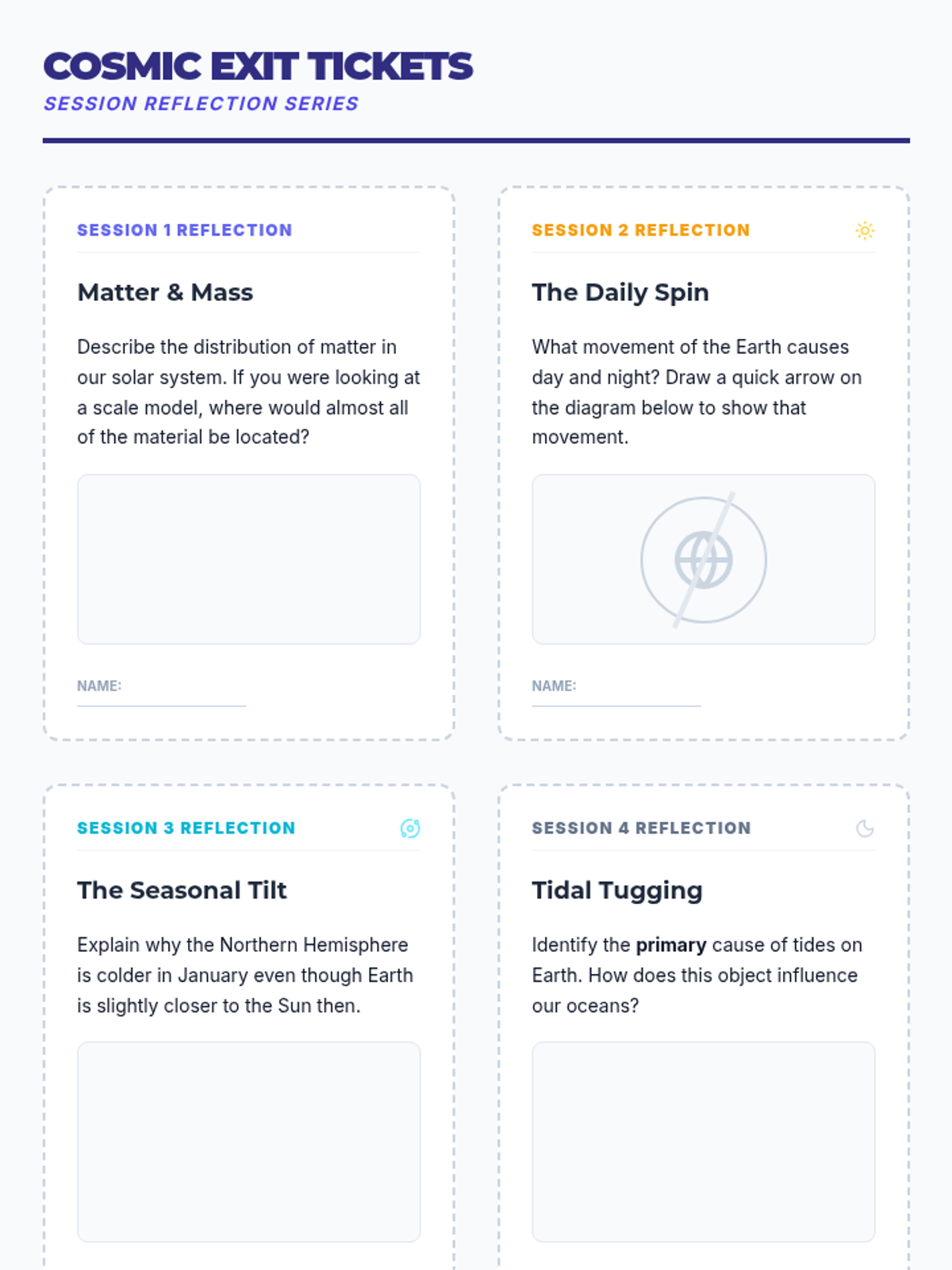
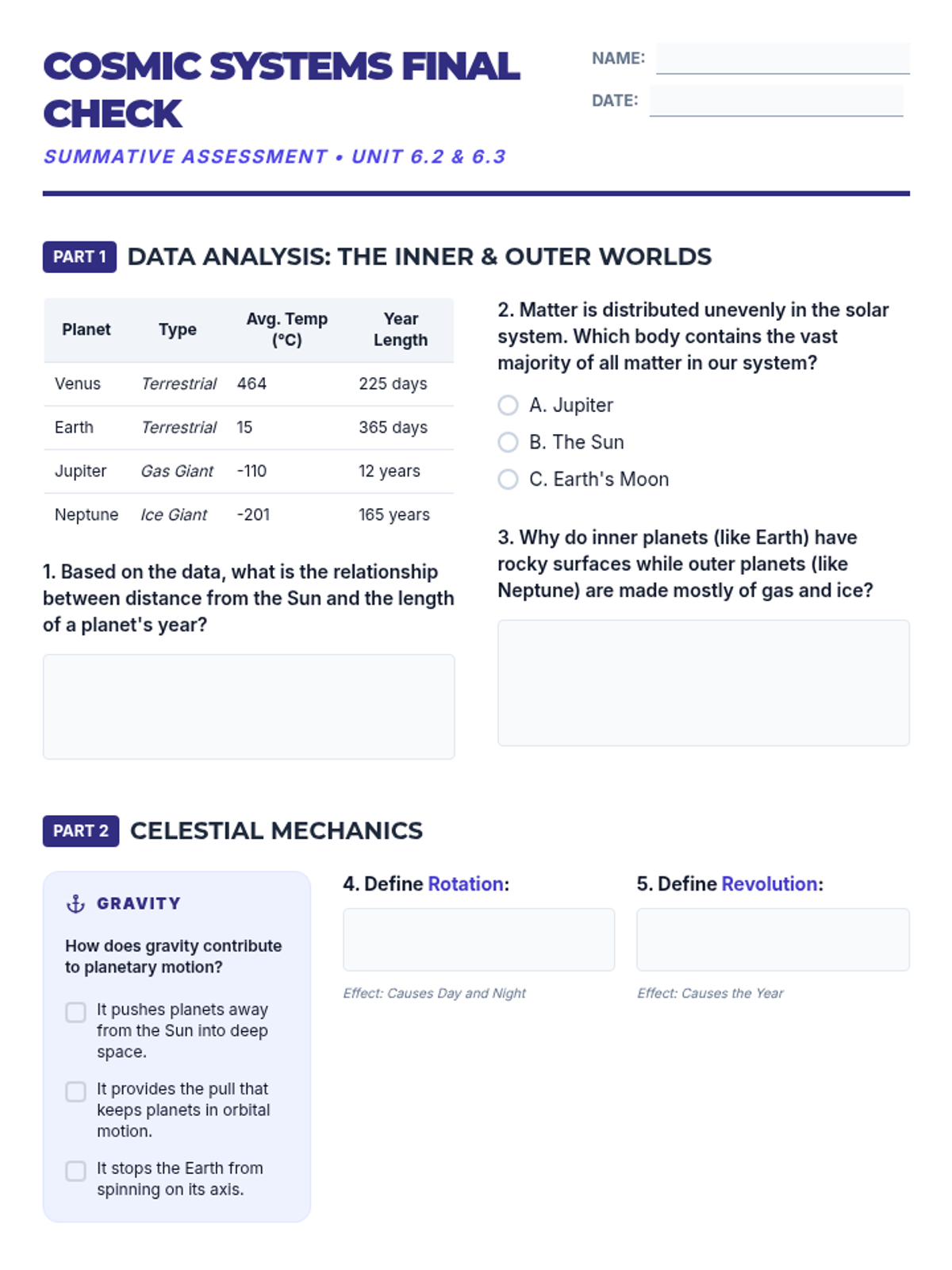
A collection of rigorous, movement-based review activities and readiness assessments for middle school science units.
A sequence focused on understanding the complex interactions within ecosystems, energy flow, and the balance of matter.
A series of lessons exploring genetics and protein synthesis through the lens of spider silk production for medical use. Adapted for 3rd-grade reading levels while maintaining 6th-grade science concepts.
A comprehensive 5-week sequence exploring the physical properties of water, the engineering of water filtration, and the complex systems of Virginia's watersheds. Students move from hands-on engineering to chemical properties and finally to large-scale environmental systems.
Une séquence de 6ème pour découvrir la cellule à travers des observations microscopiques, passant des végétaux aux animaux puis aux unicellulaires.
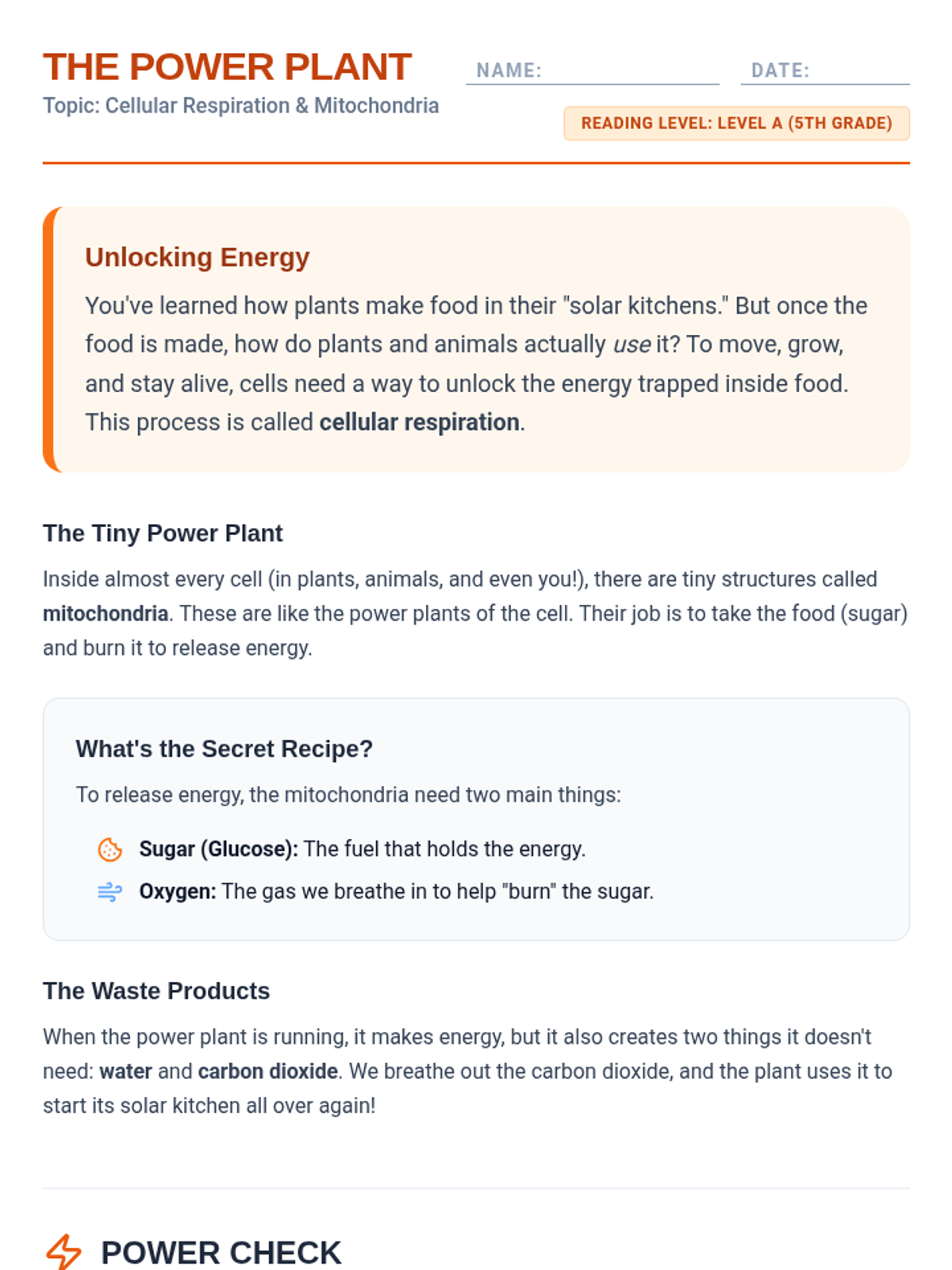
A unit exploring the microscopic machines that keep living things running, from building cells to breaking down food.
A comprehensive one-week unit covering the foundations of cell theory, the technical mastery of microscopes, and the fascinating structures of unicellular organisms (Amoeba, Paramecium, Euglena, and Volvox).
A comprehensive unit exploring the fundamentals of electricity, magnetism, and how they combine in circuits, focusing on energy transformations and hands-on visuals.
A comprehensive unit where students become environmental detectives to investigate biodiversity, interdependencies, and human impact within their local ecosystems through inquiry-based field studies.
A lesson sequence focused on the scientific method, using a mystery box activity to practice observation, hypothesis formation, and experimentation. Students explore the historical roots of the method and apply it to solve physical puzzles.
A unit exploring the fundamental concepts of business, economics, and entrepreneurship for middle school students.
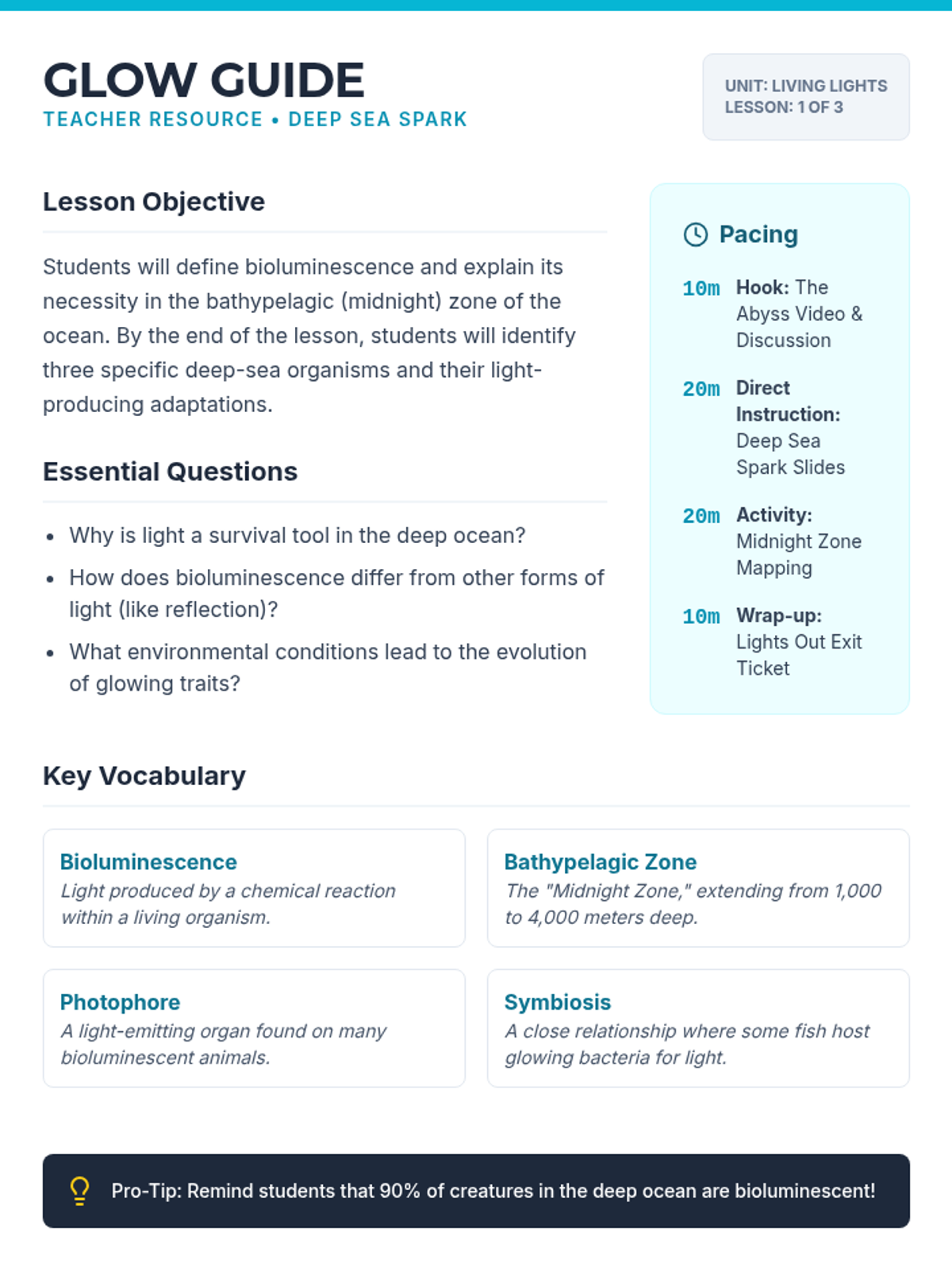
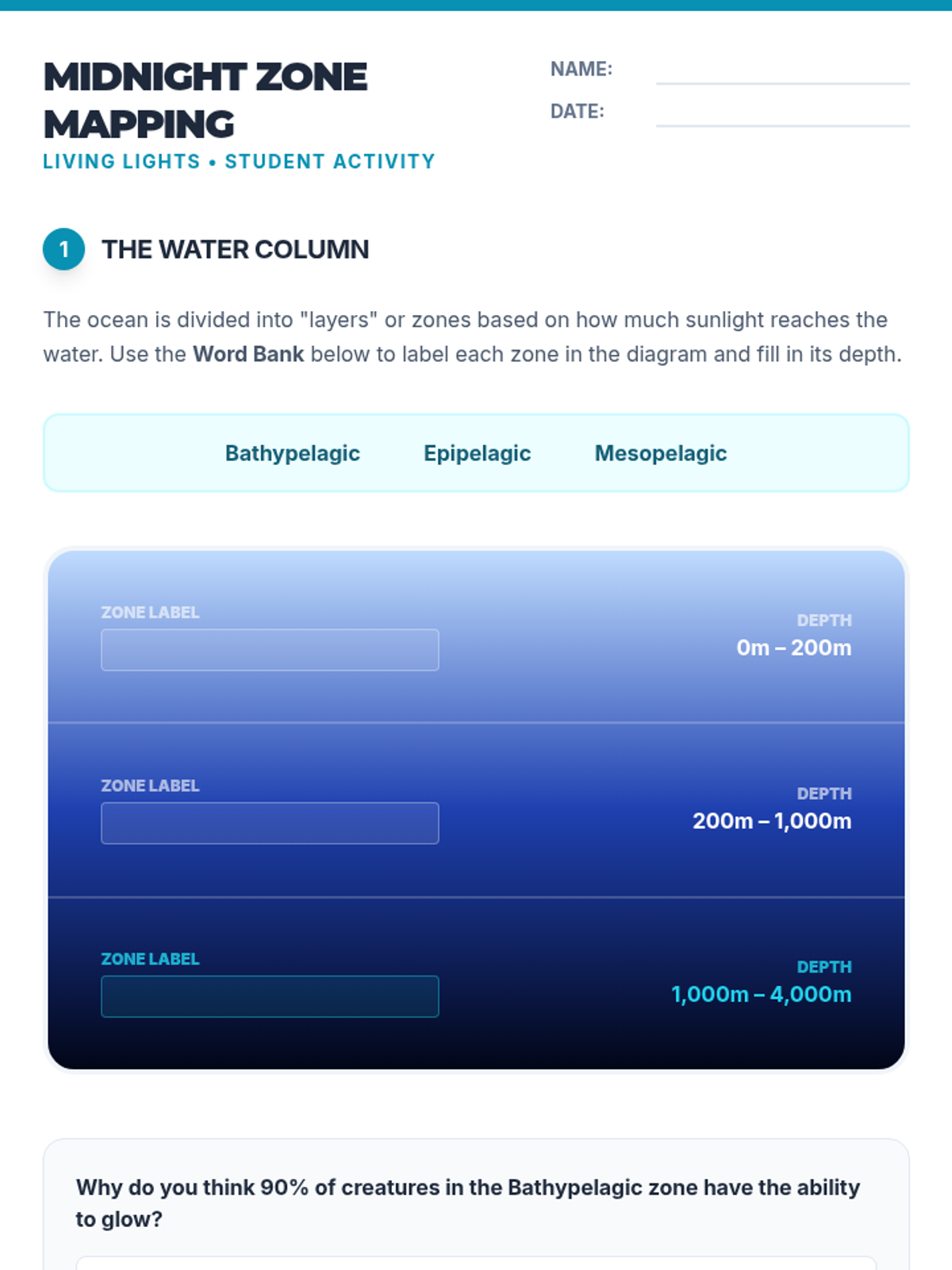
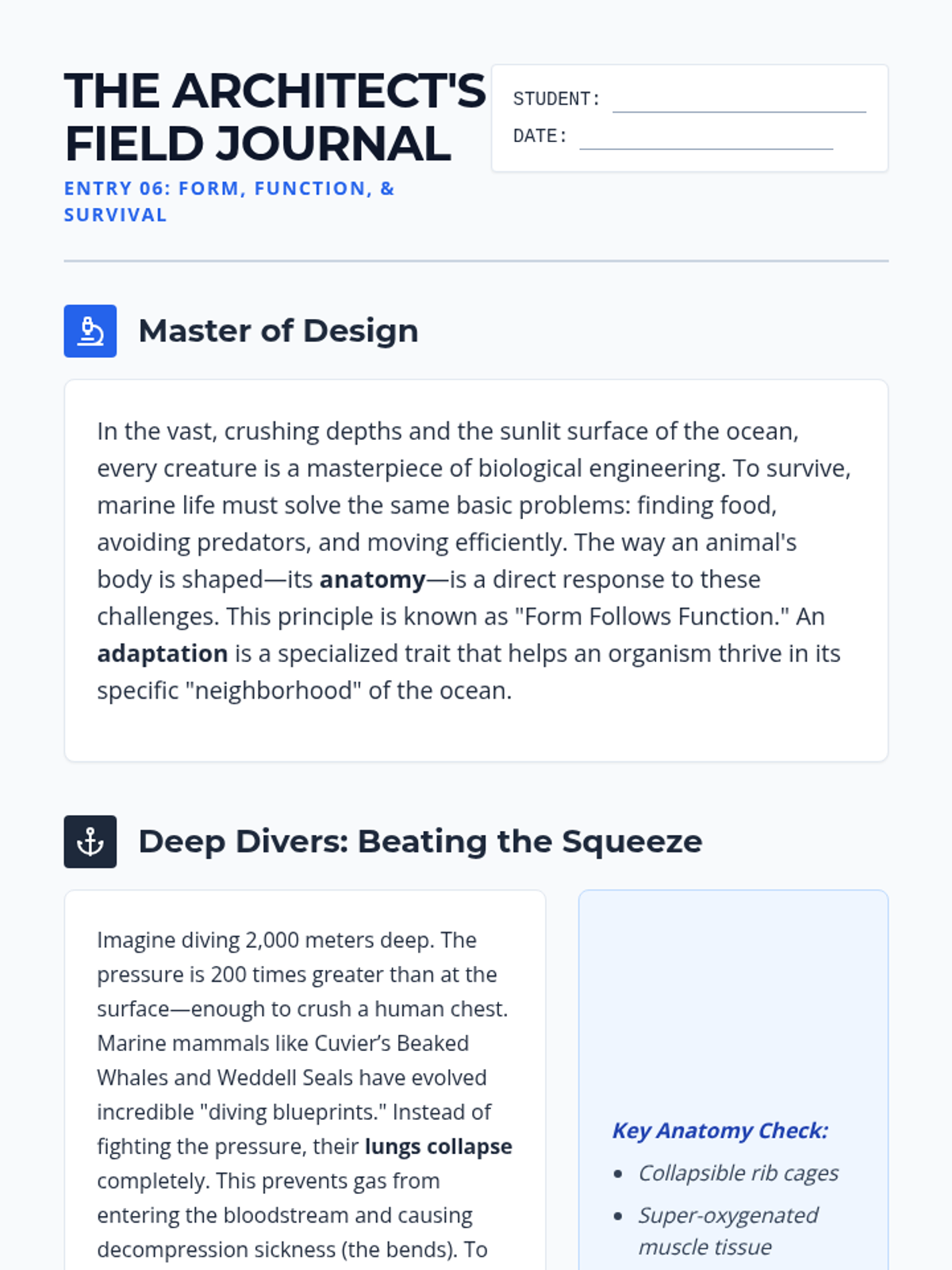
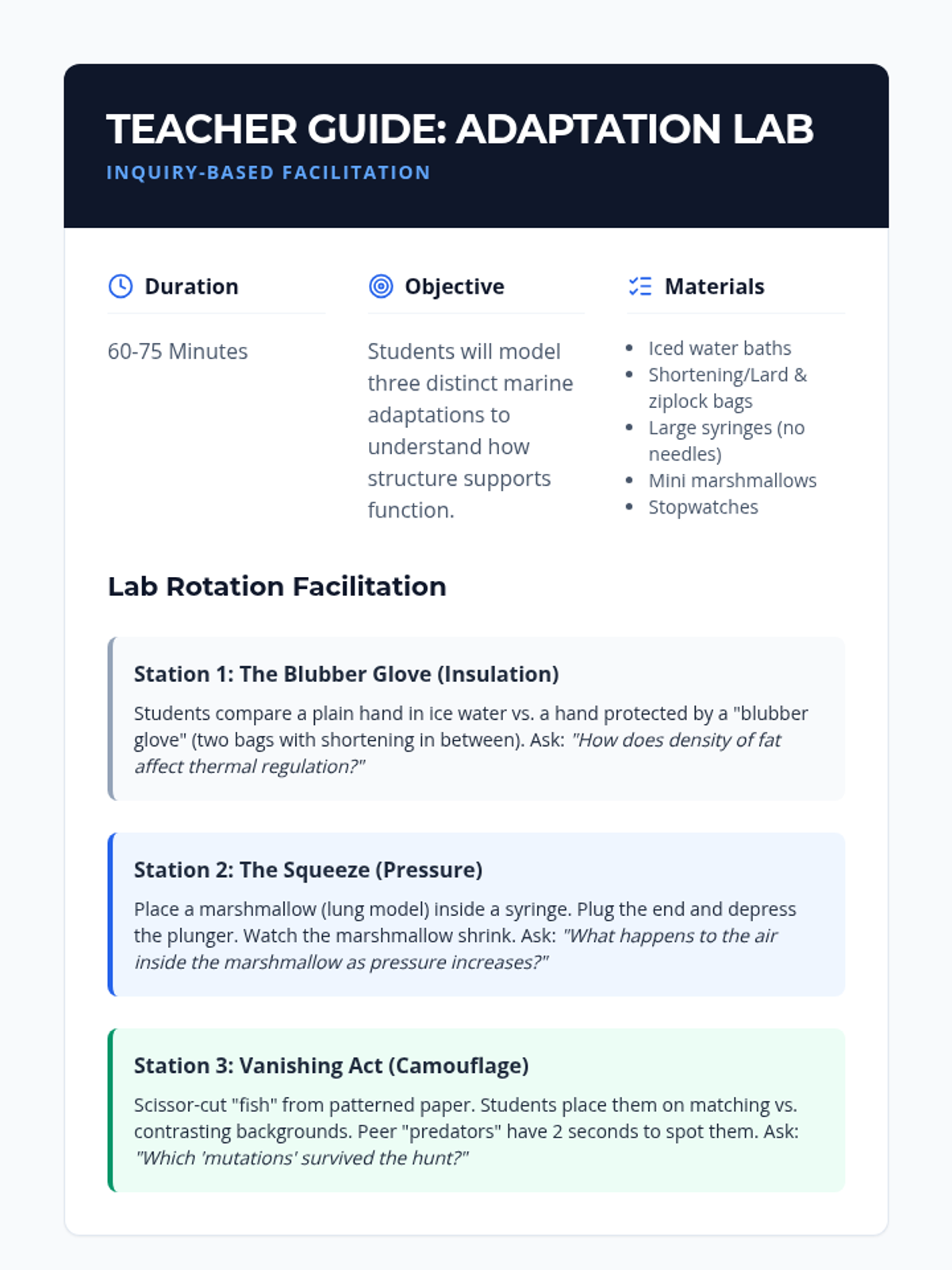
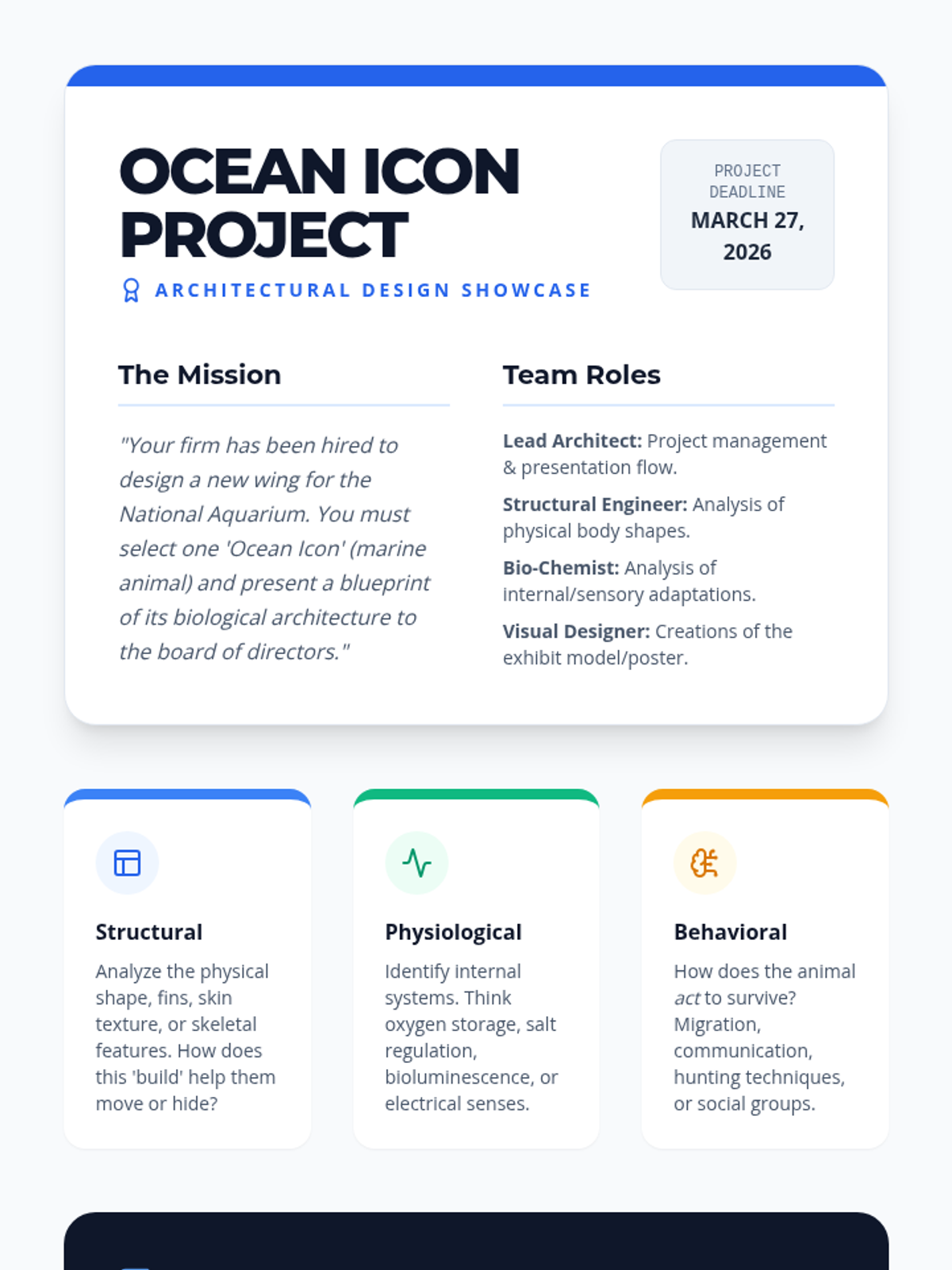
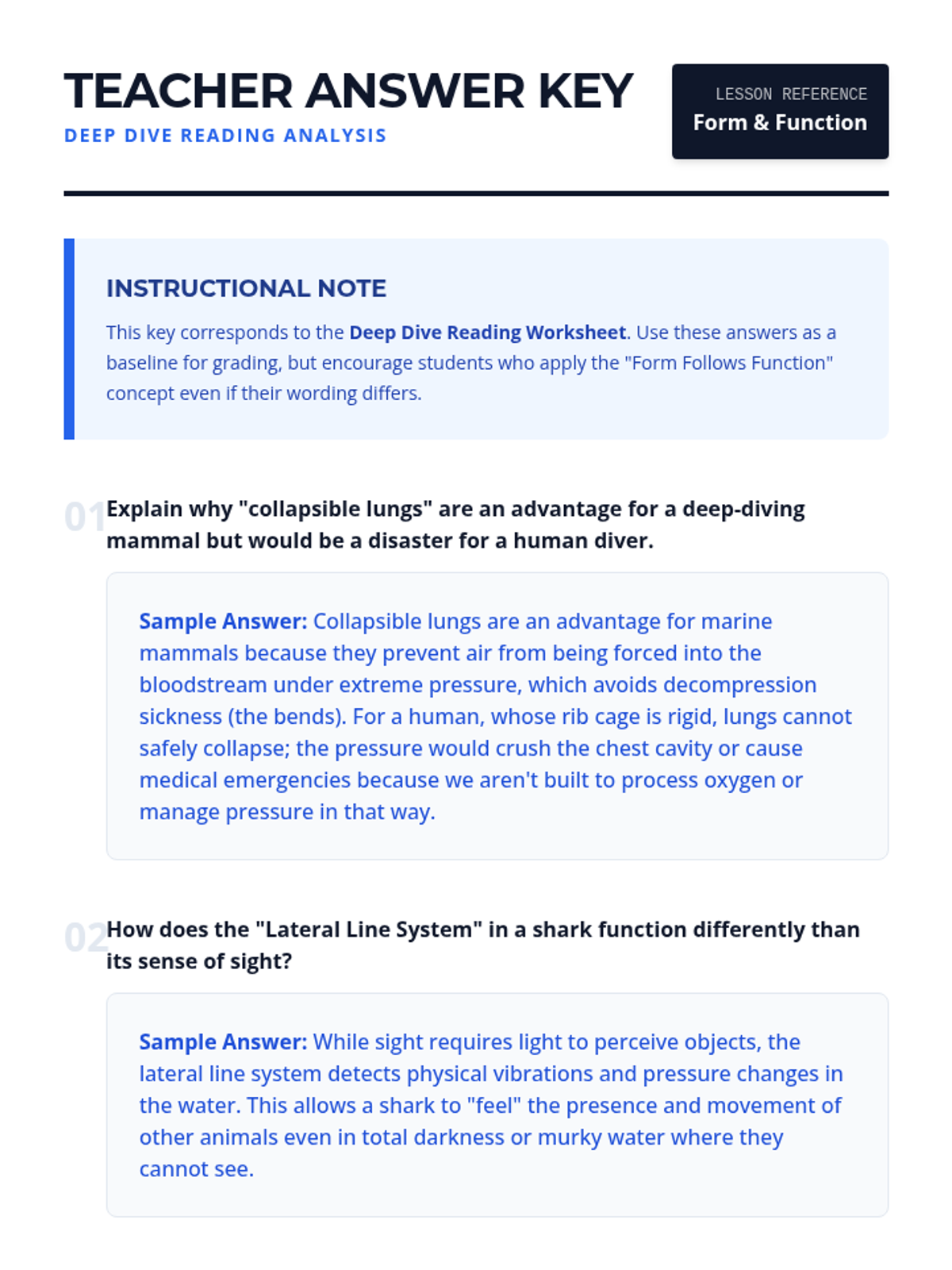
A deep dive into marine biology and animal physiology, focusing on the unique adaptations that allow aquatic life to thrive in diverse environments.