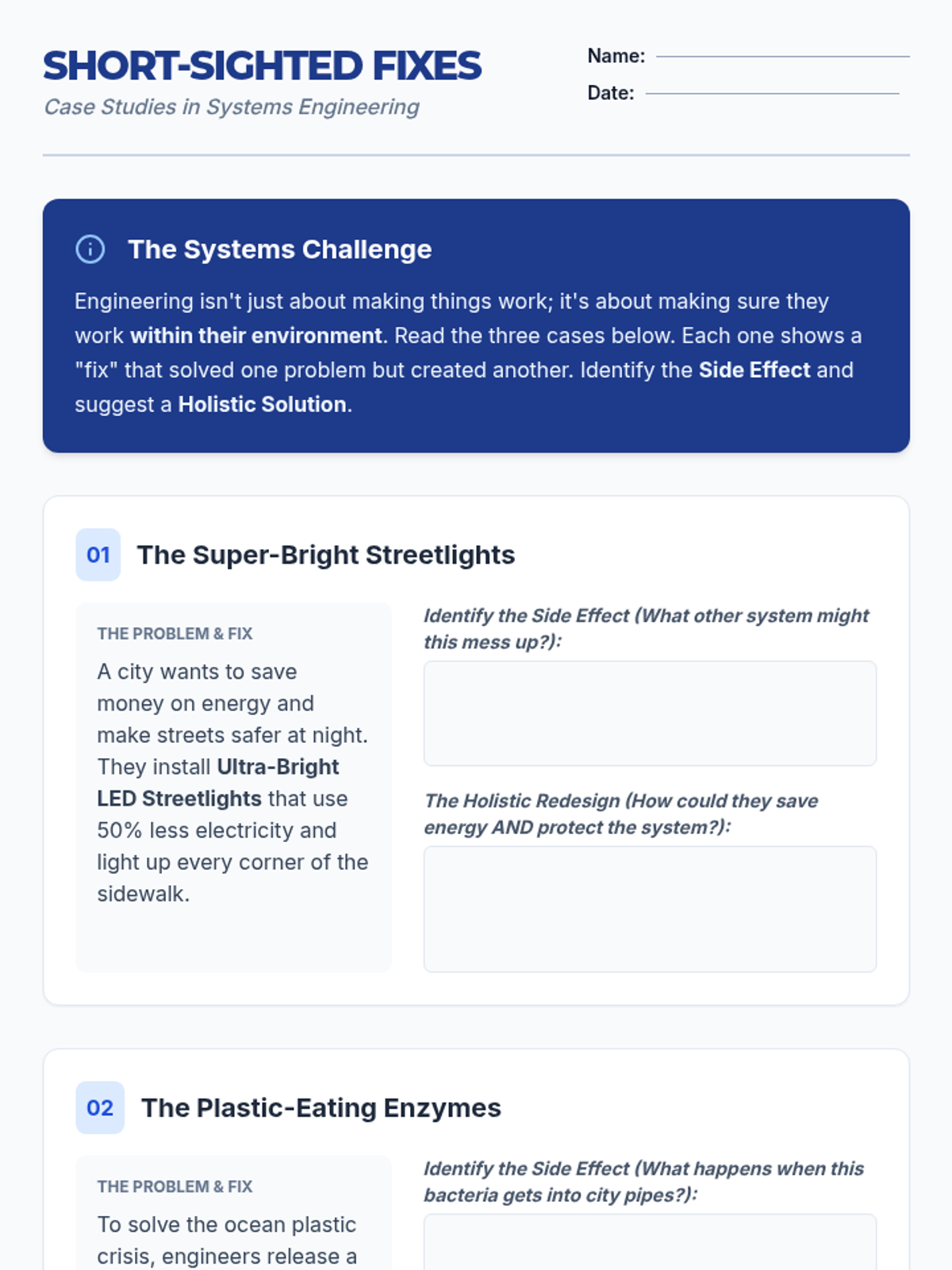
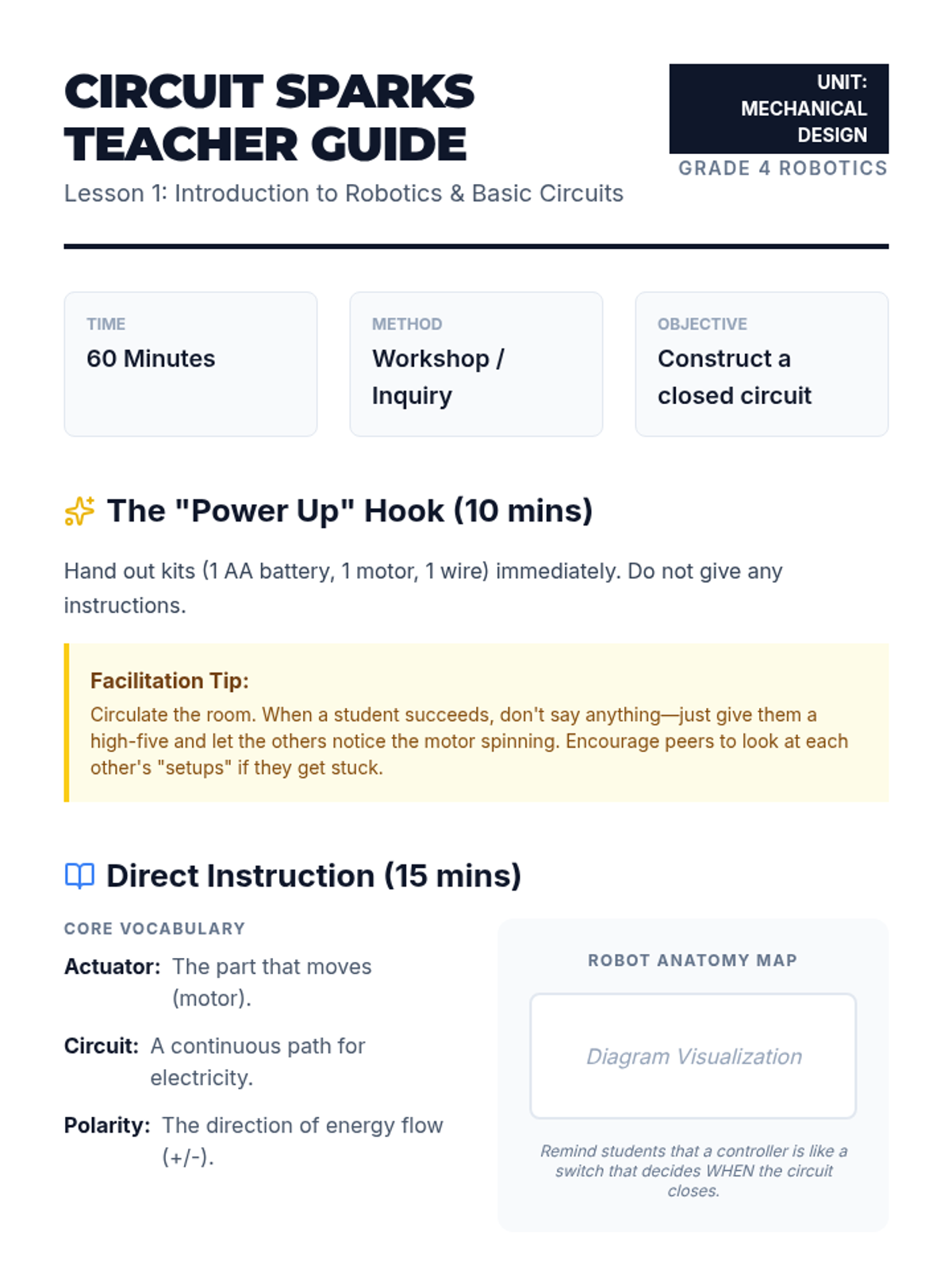
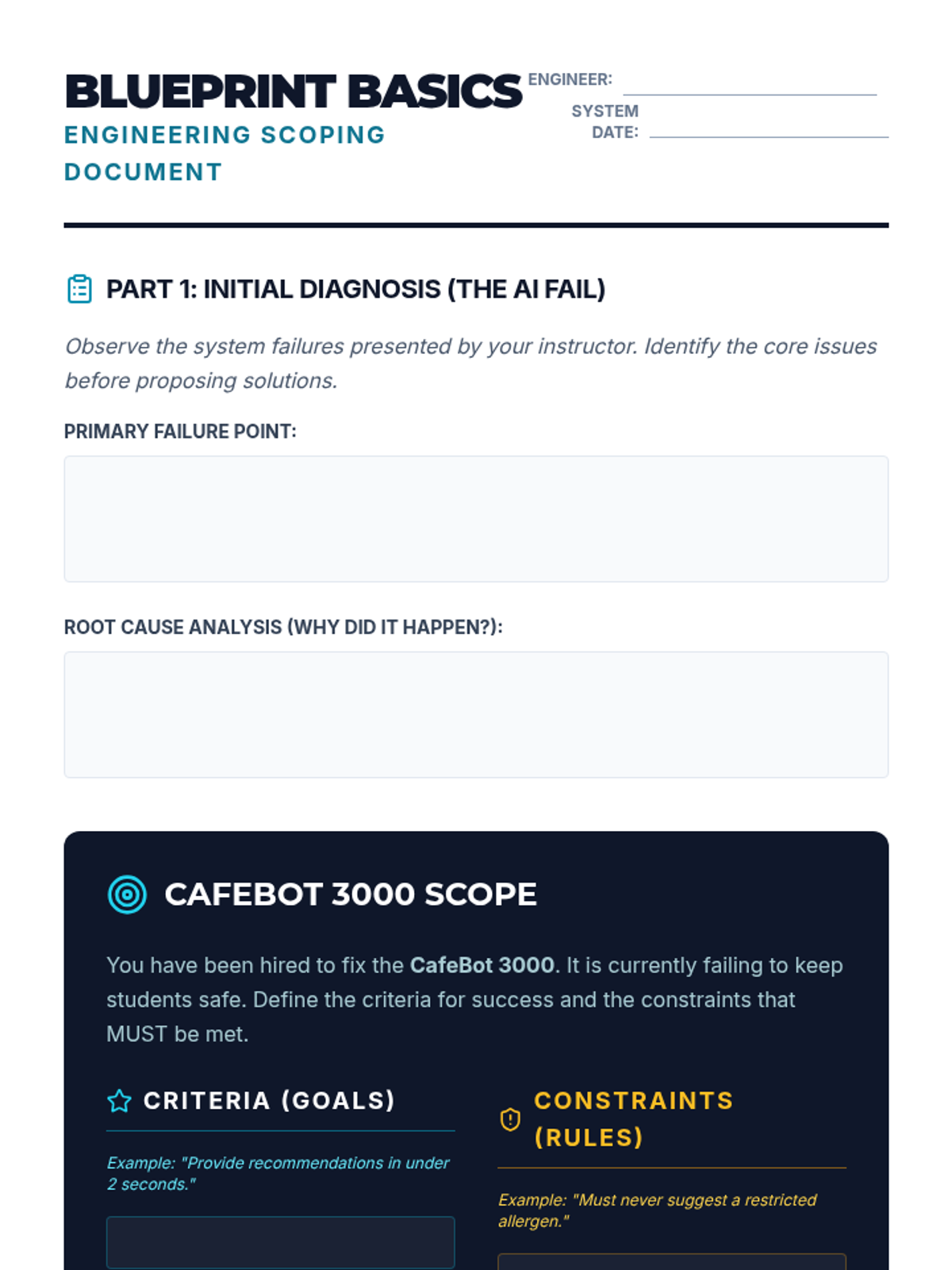
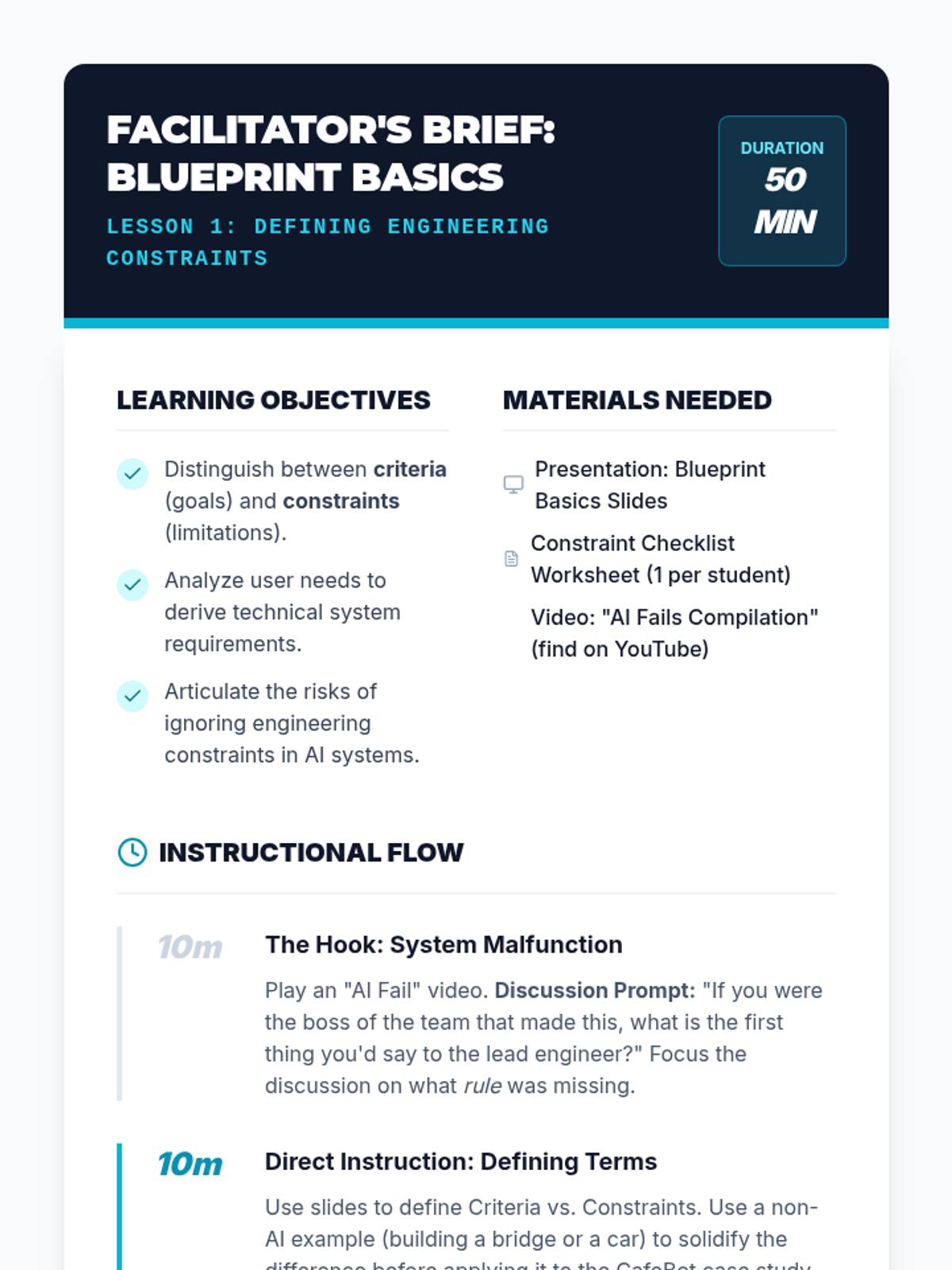
Mechanical and electrical engineering fundamentals combined with machine learning, robotics, and CAD design. Examines AI ethics and systems thinking within the context of modern technical problem-solving.
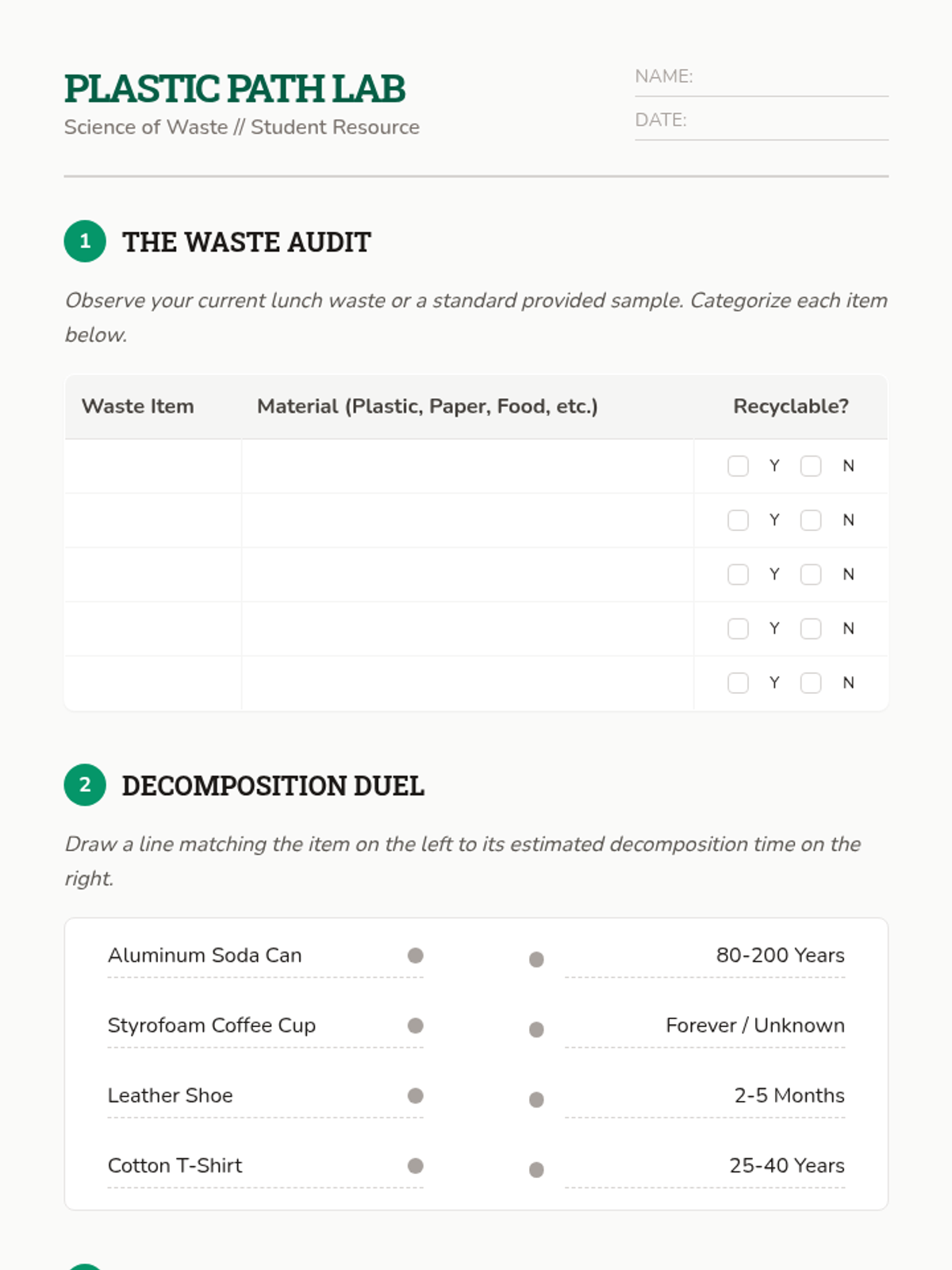
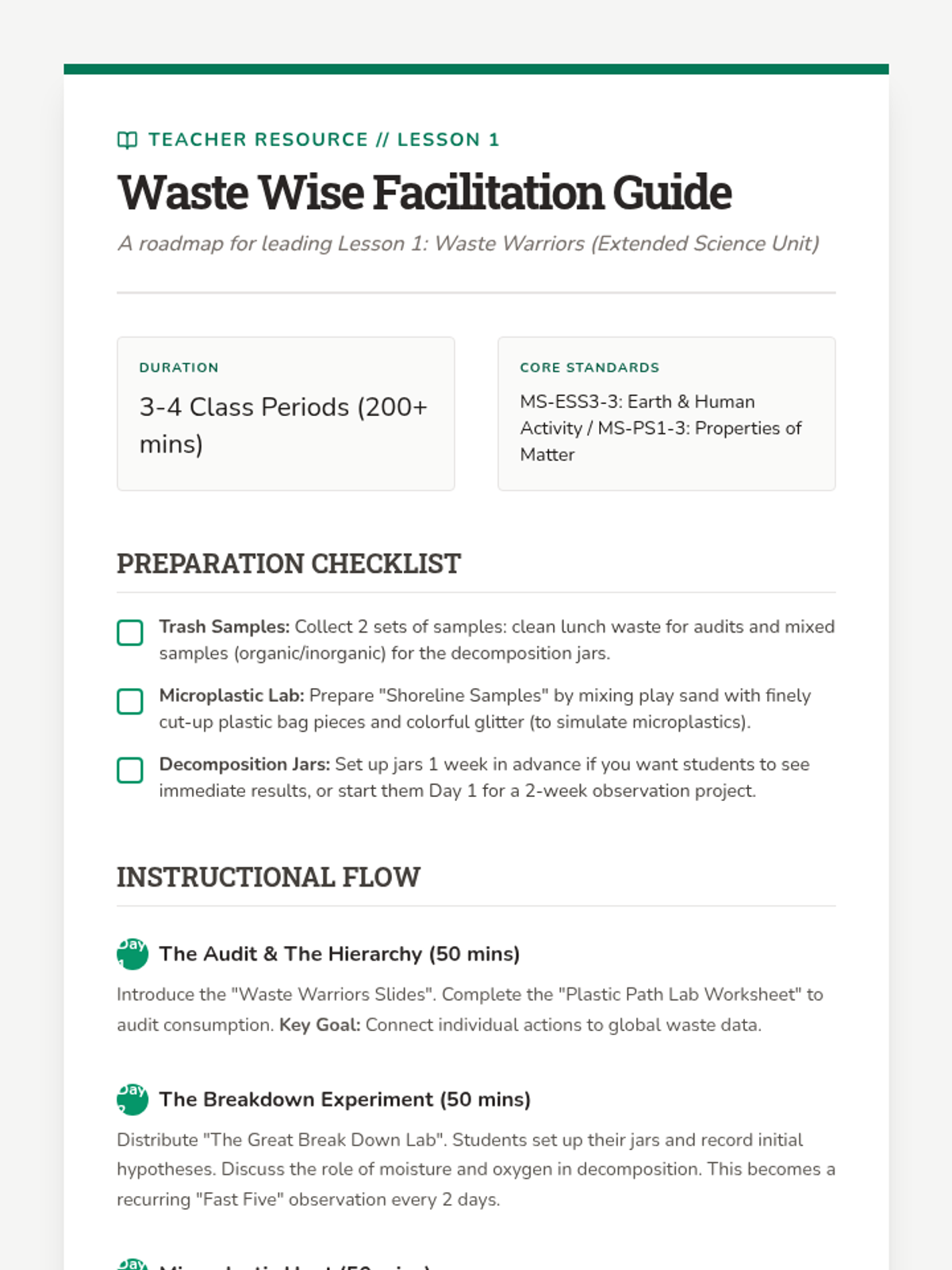
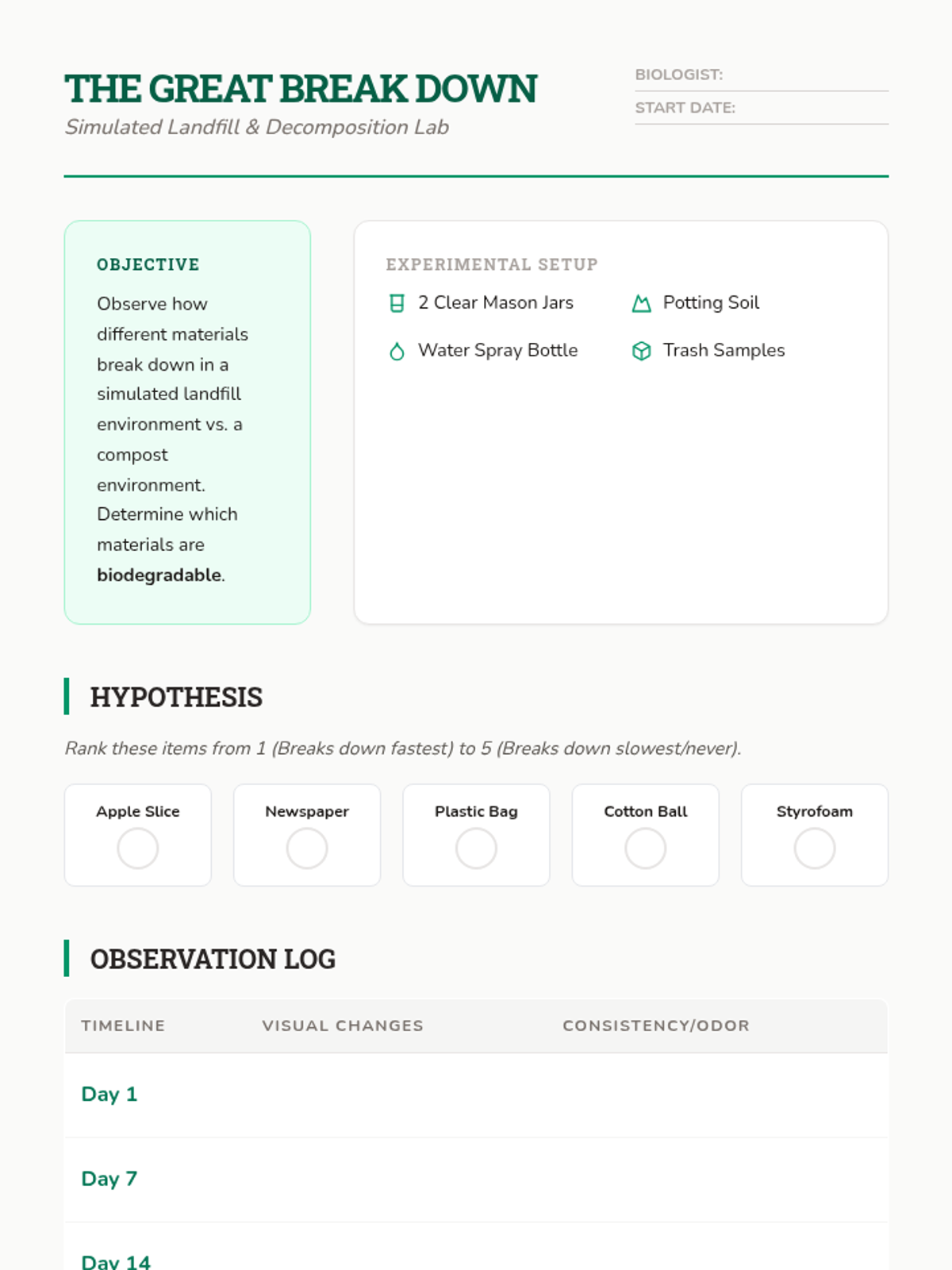
A two-part interdisciplinary unit for middle school students exploring the science and art of the Three Rs: Reduce, Reuse, and Recycle. Students analyze the environmental impact of waste through scientific data and then apply creative design thinking to upcycle materials into functional art.
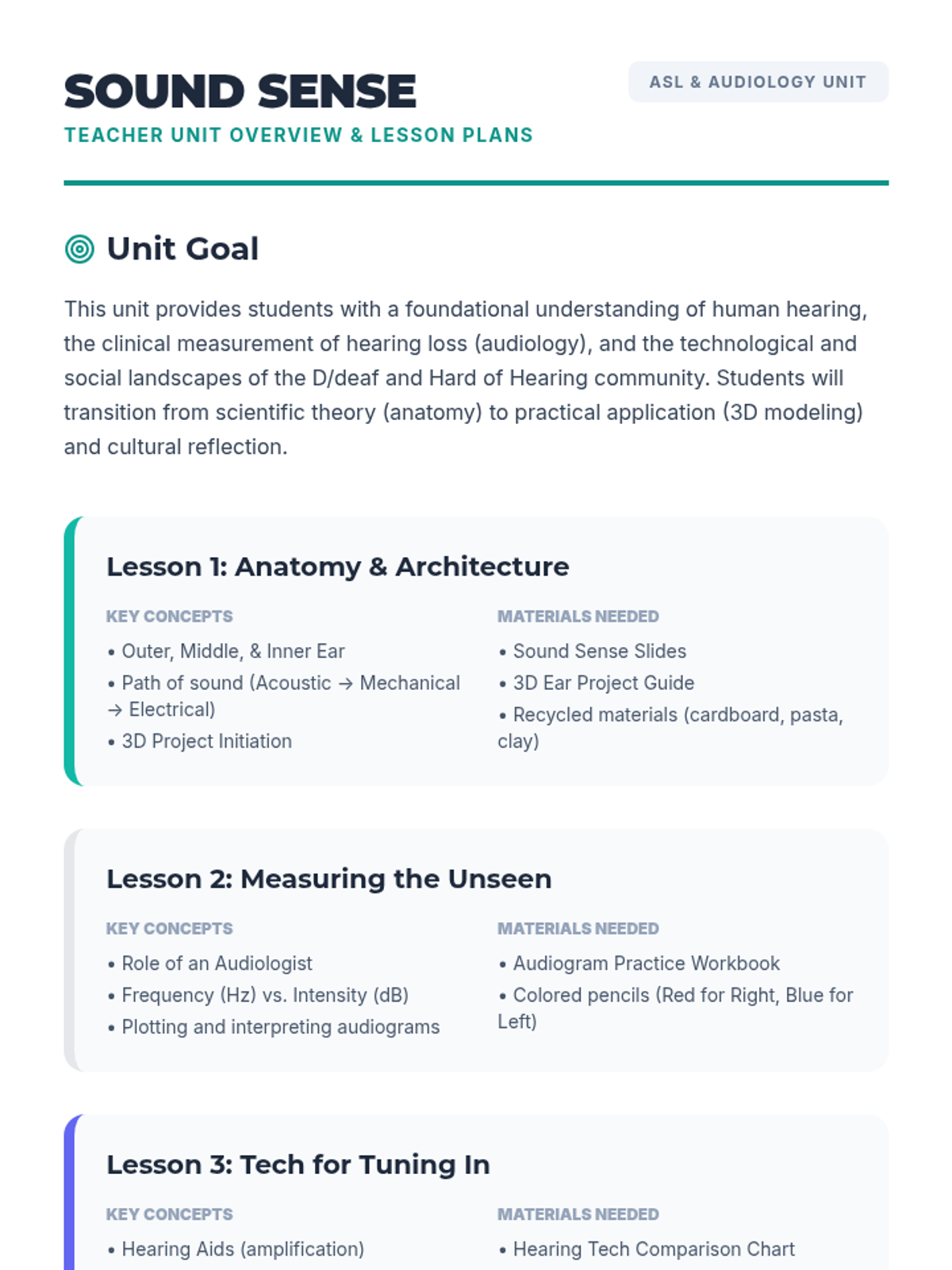
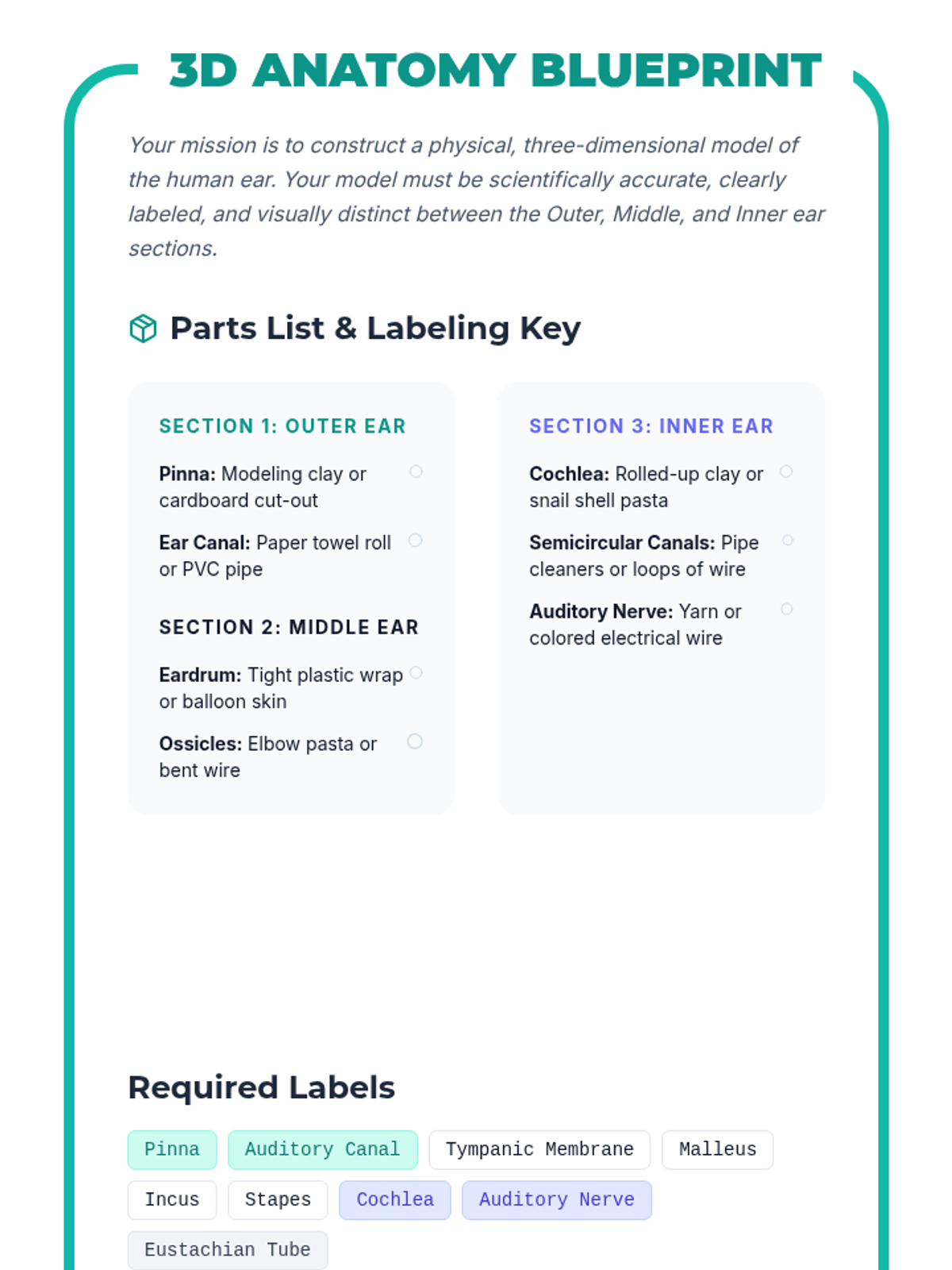
A comprehensive unit exploring the science of hearing, the technology used to assist hearing loss, and the personal impact of being D/deaf or hard of hearing. Students will build a 3D ear model, learn to read audiograms, and understand the difference between hearing aids and cochlear implants.
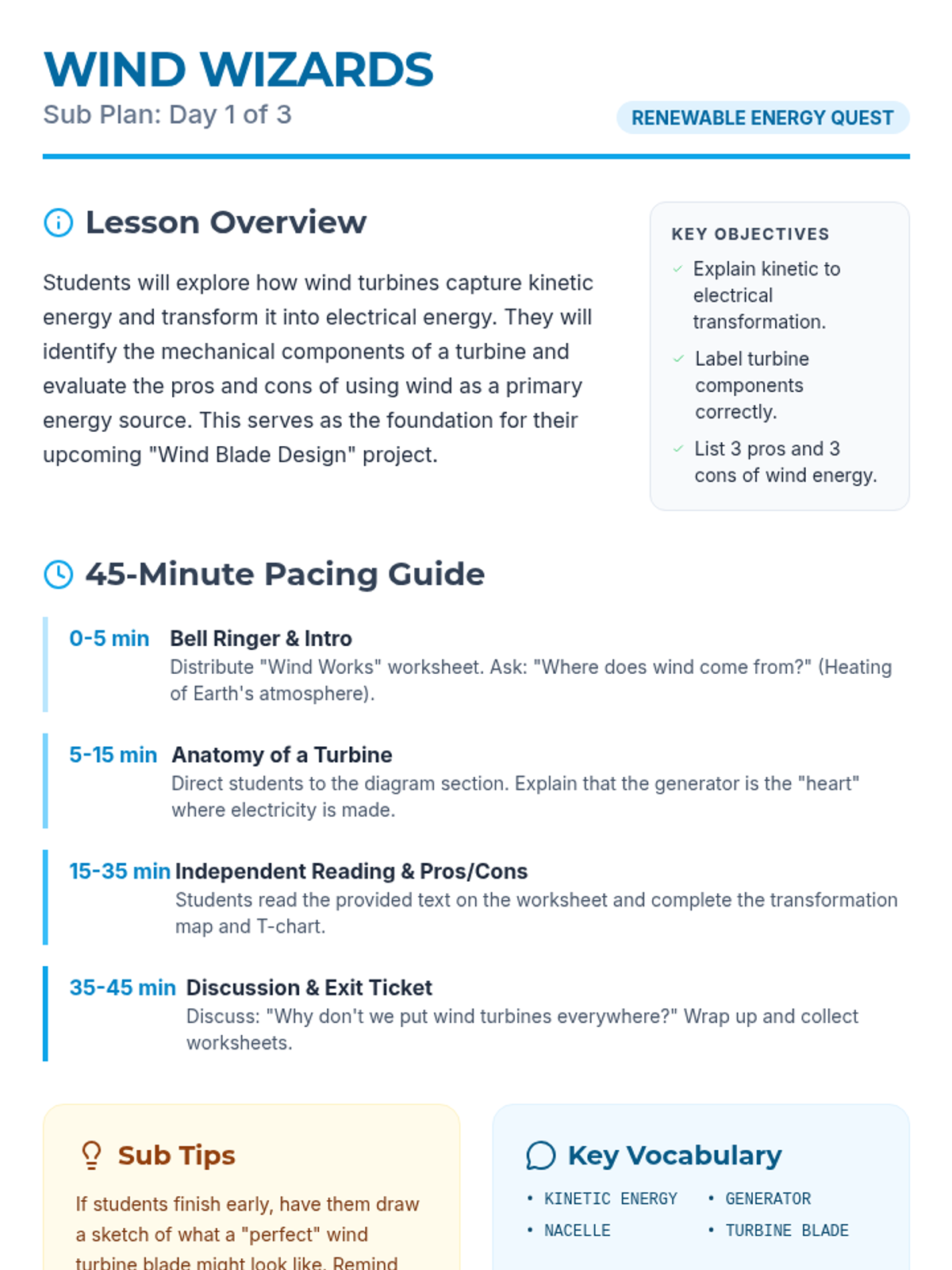
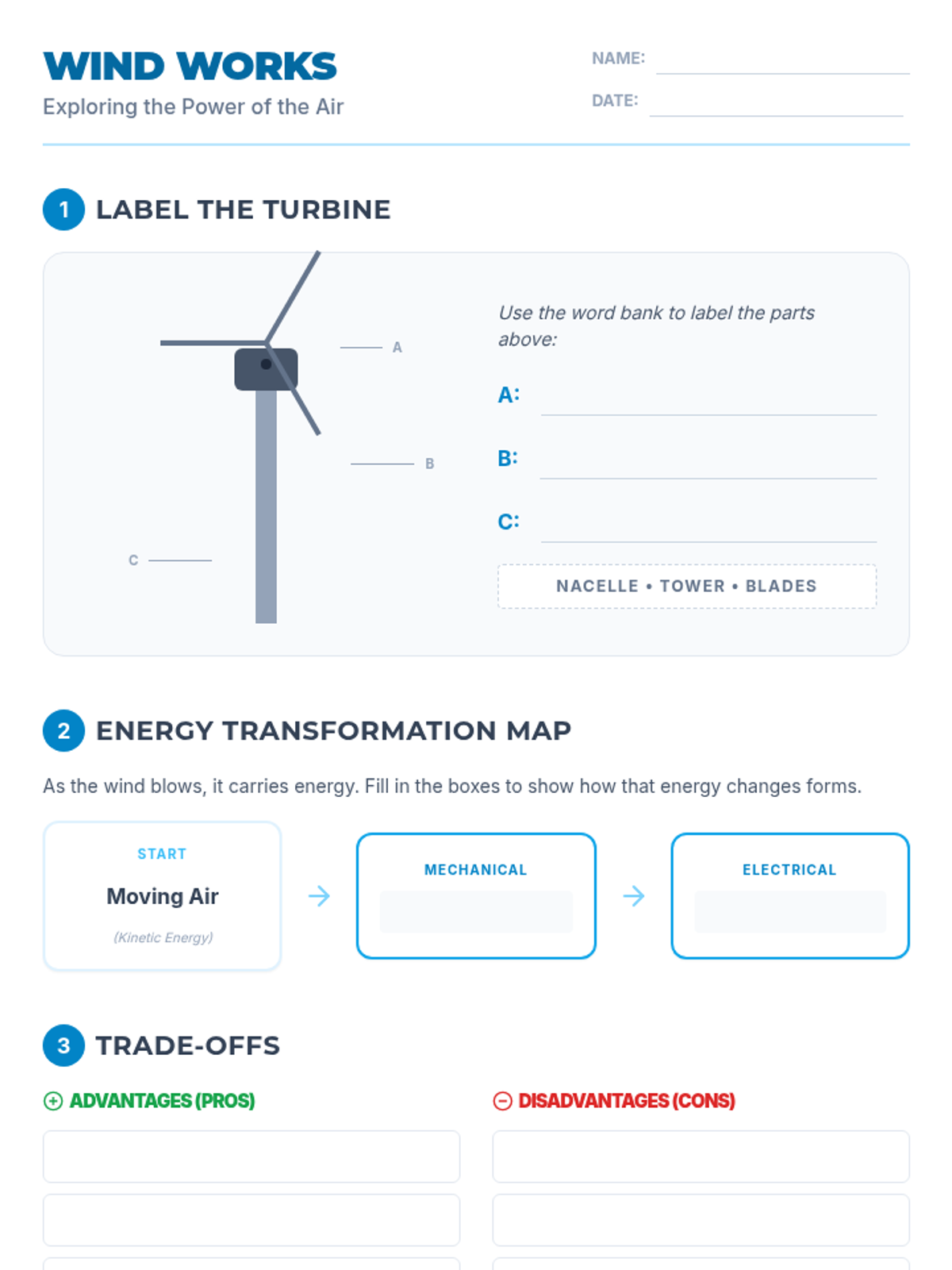
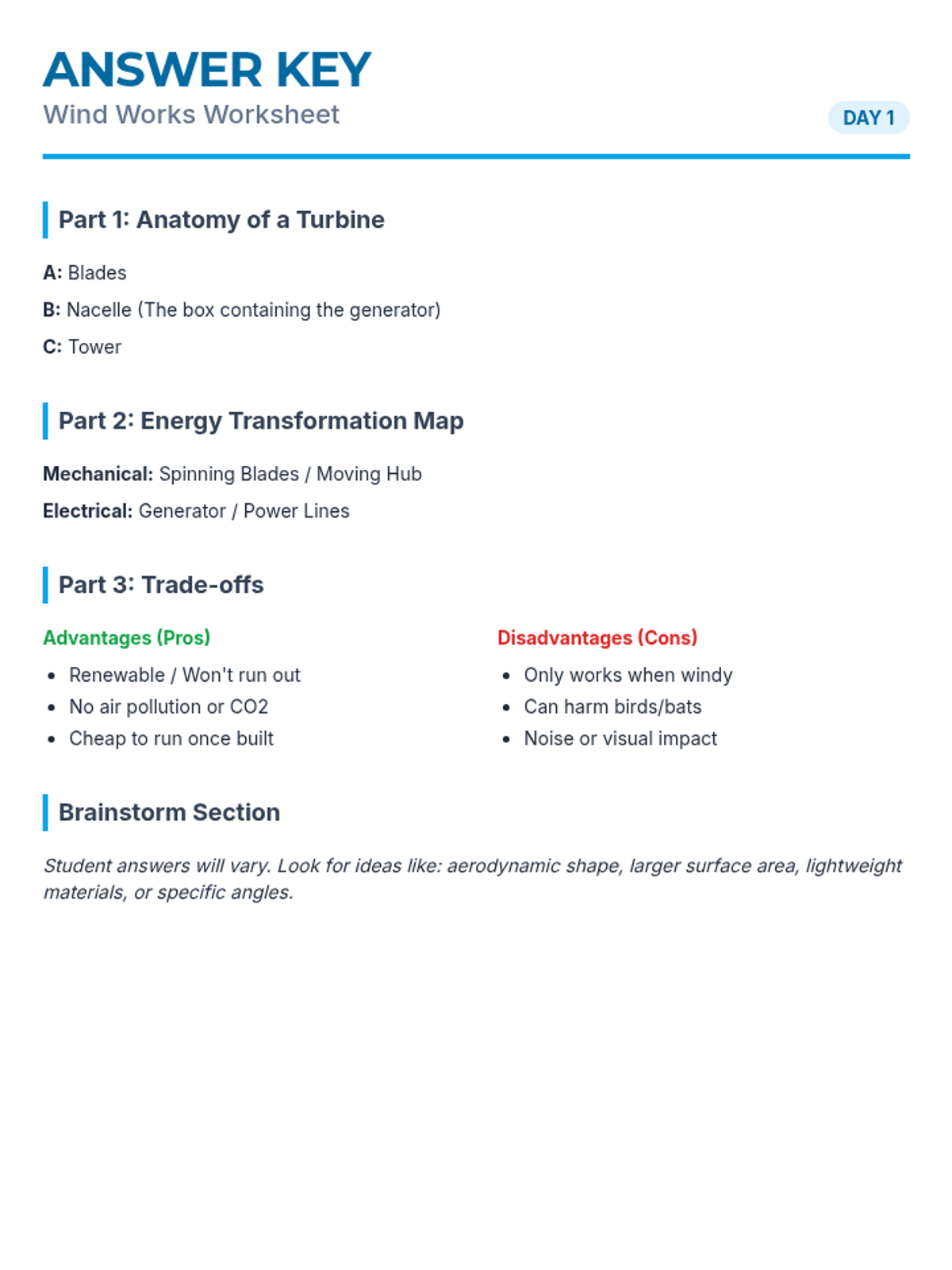
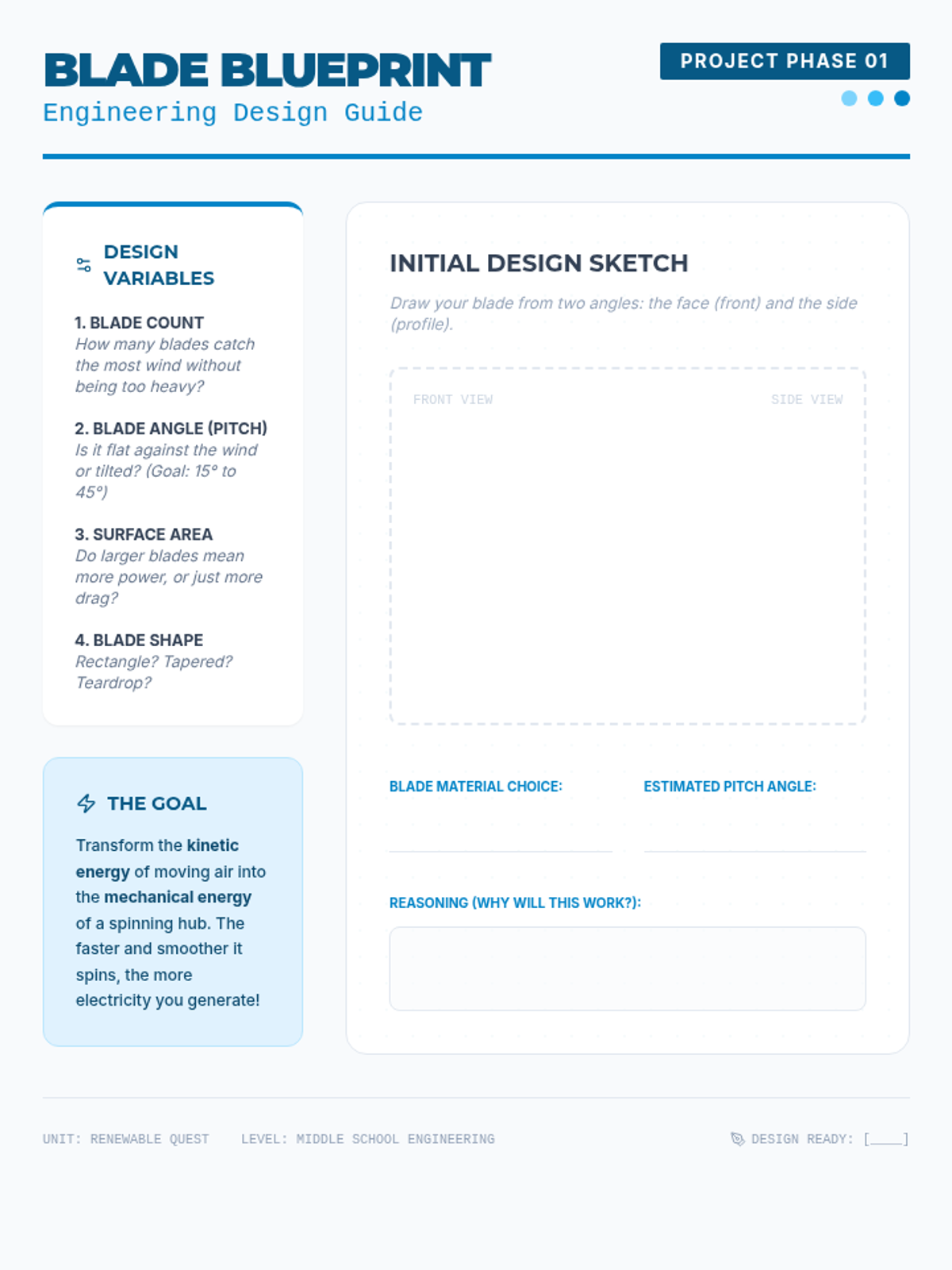
A three-day sub plan sequence for middle school students exploring wind and solar energy. Students learn about energy transformations, advantages and disadvantages, and analyze energy output data to prepare for upcoming engineering design challenges.
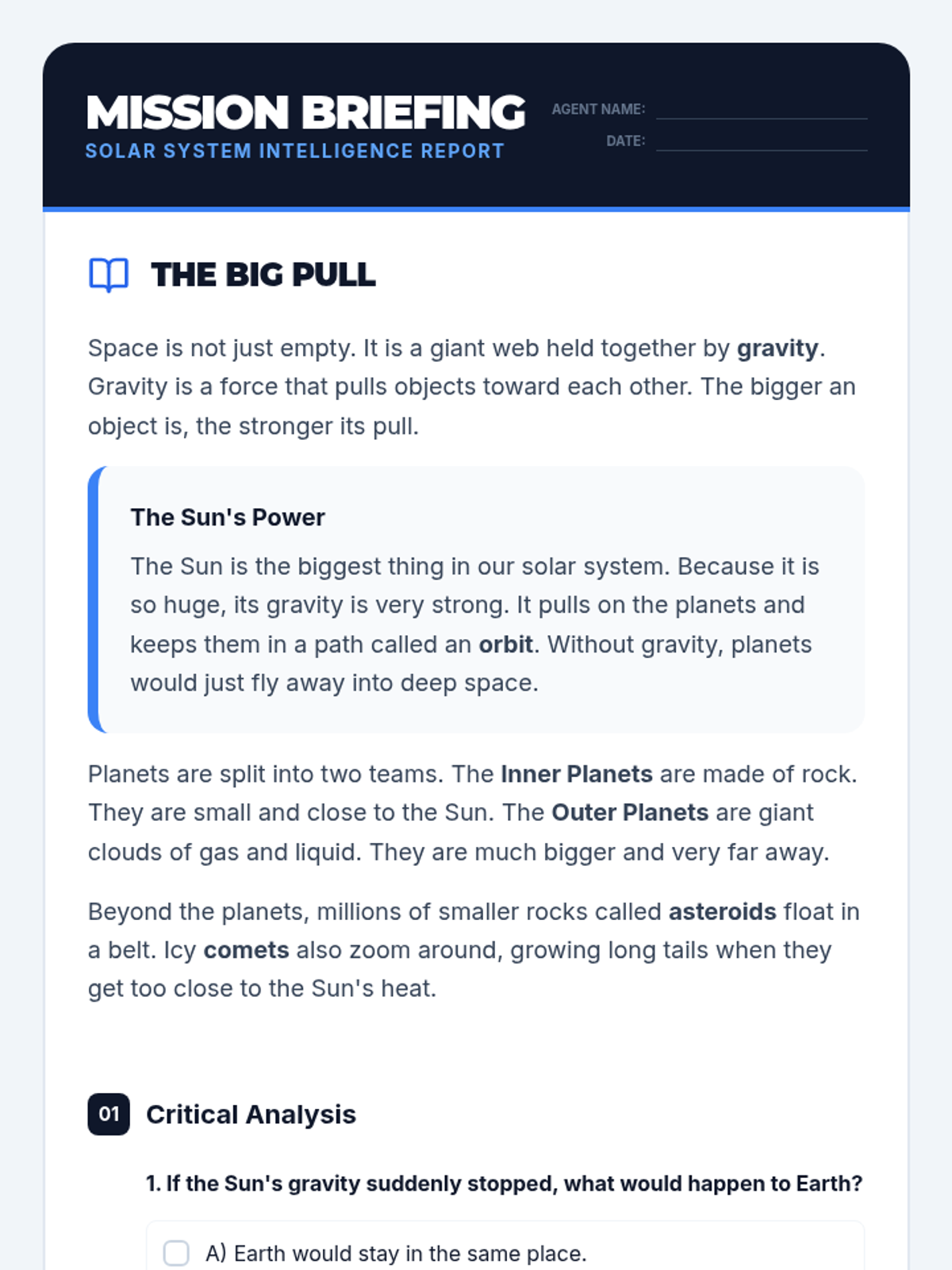
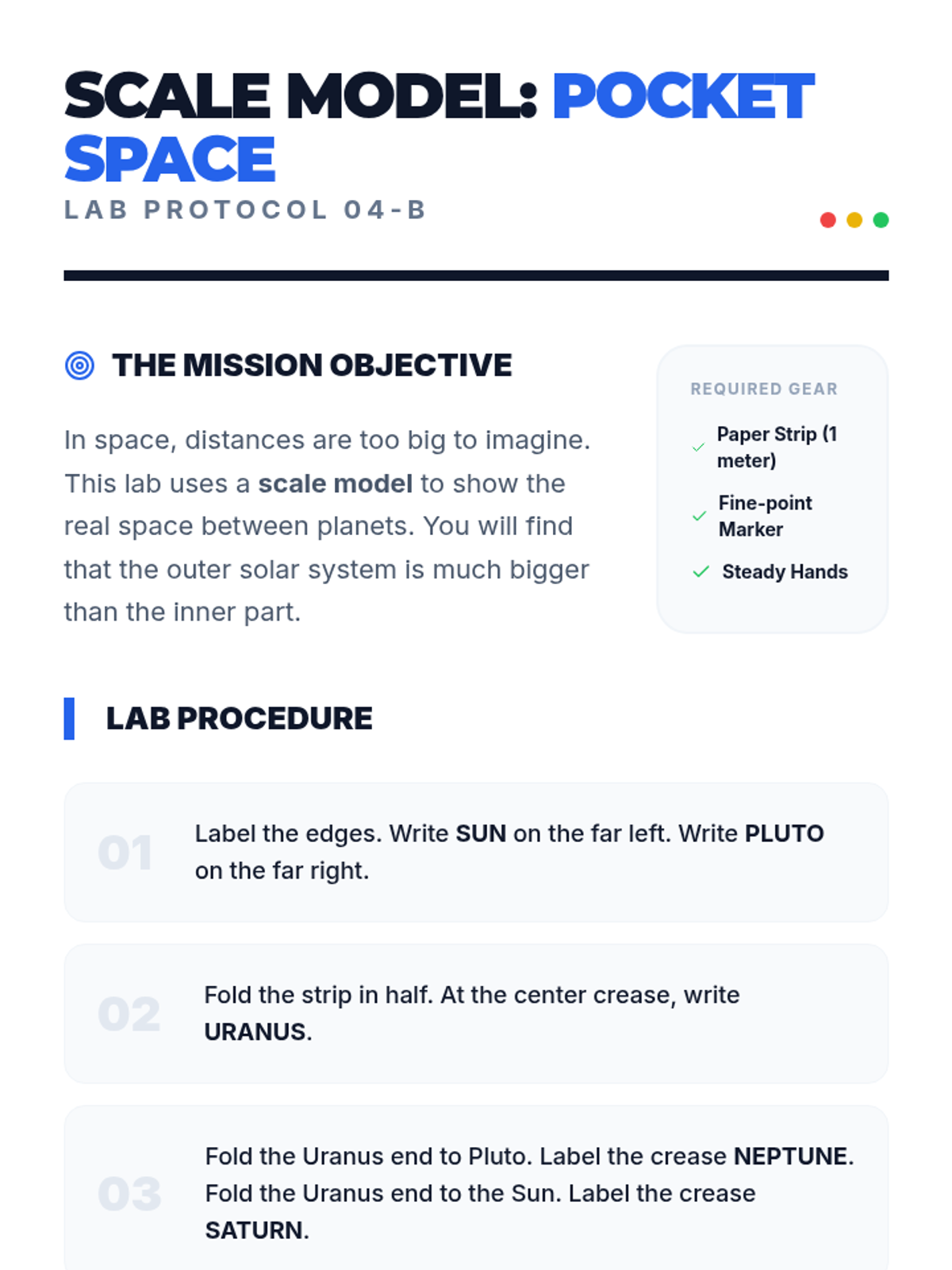
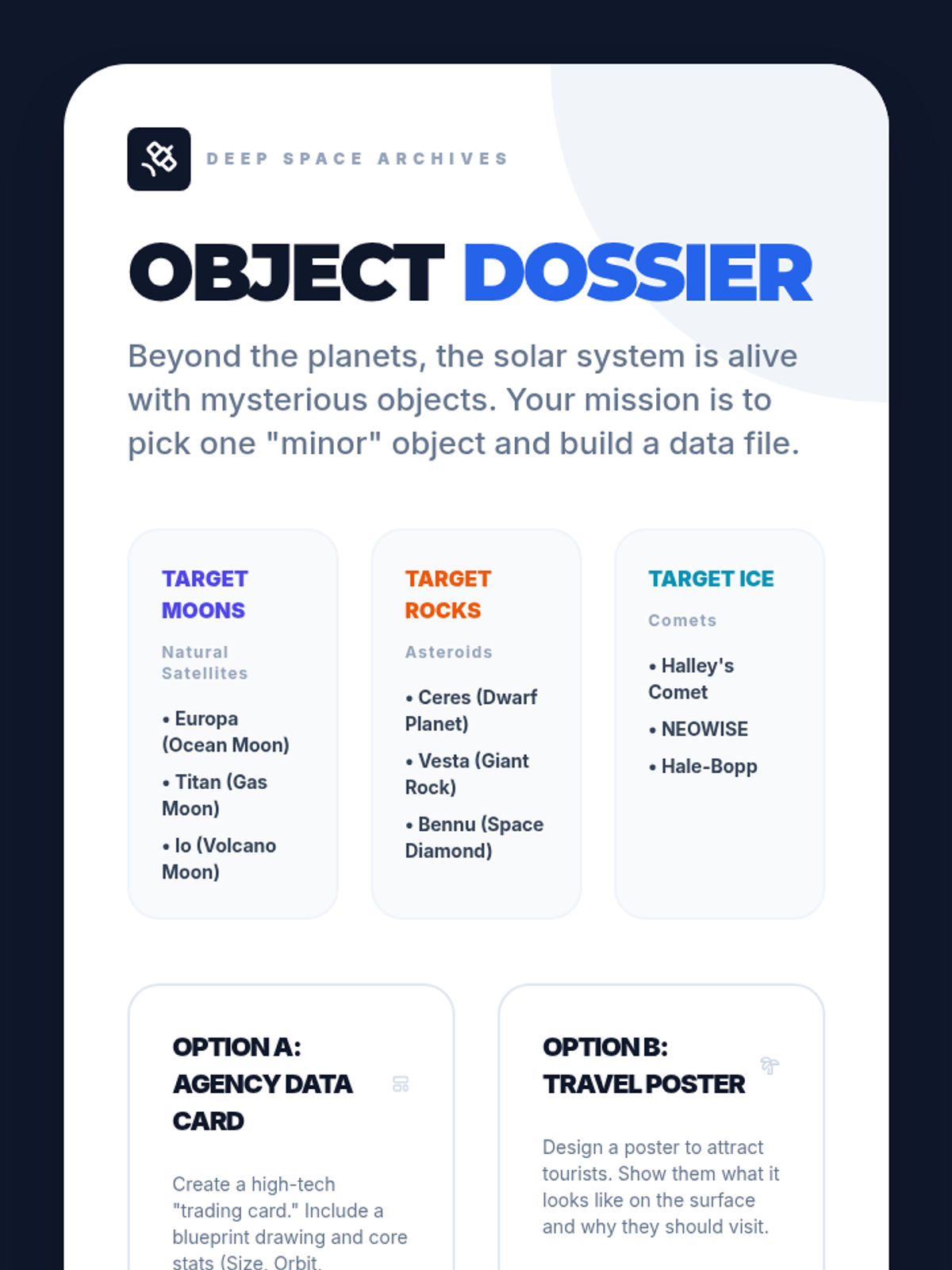
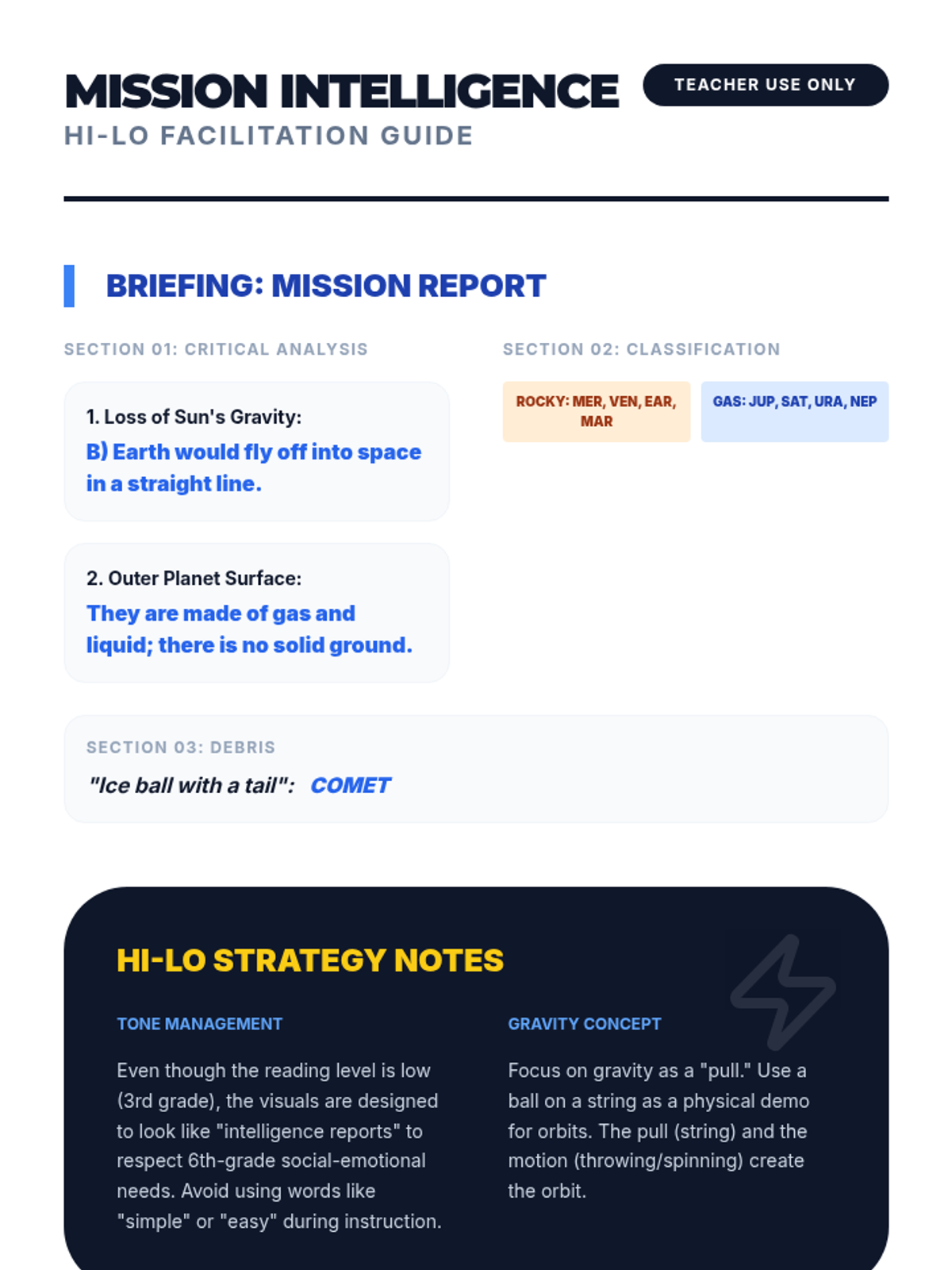
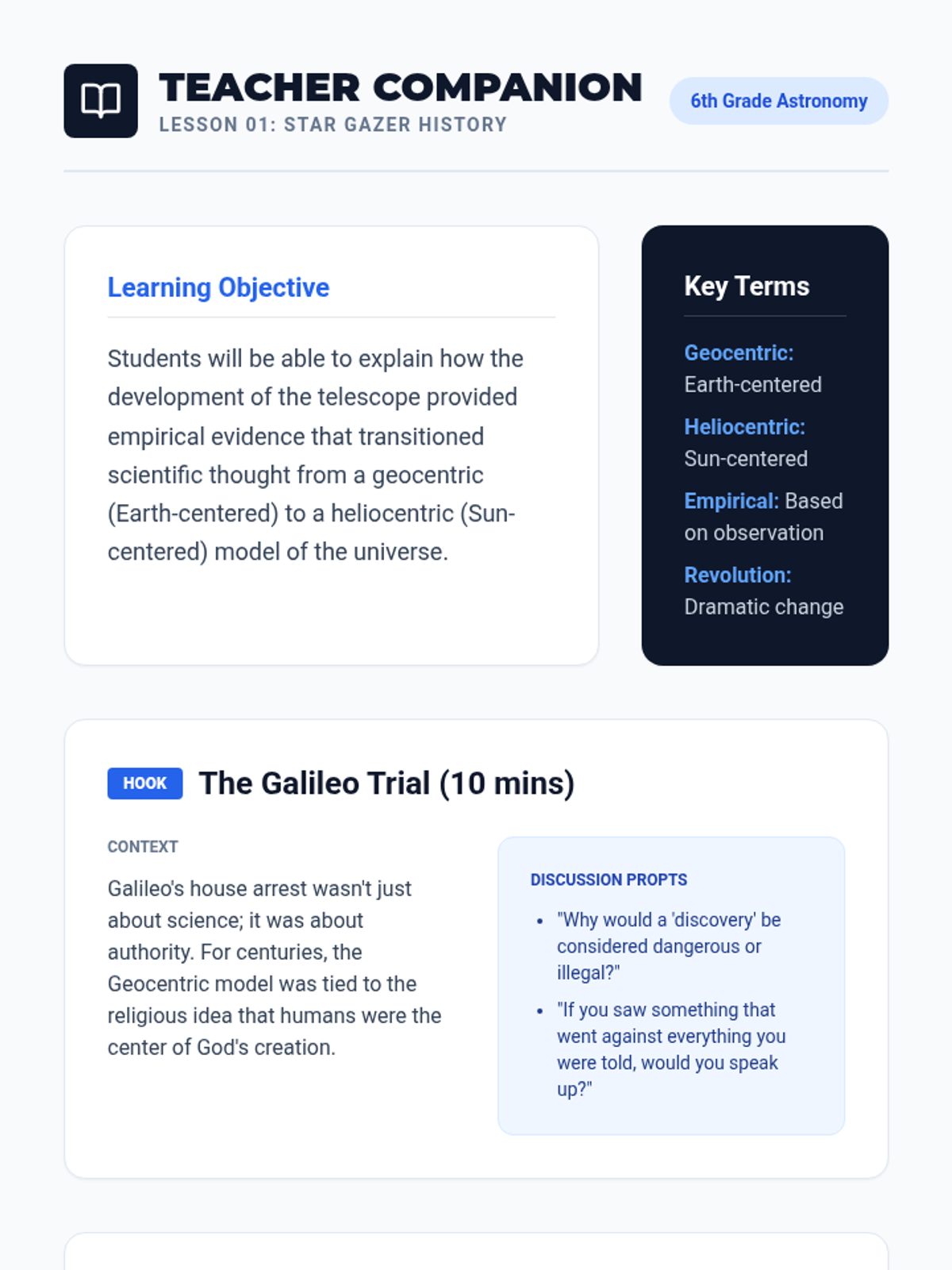
A comprehensive Hi-Lo unit for 6th graders exploring the scale of the universe, our place in the Milky Way, the technology used to explore space, and the history of human spaceflight.
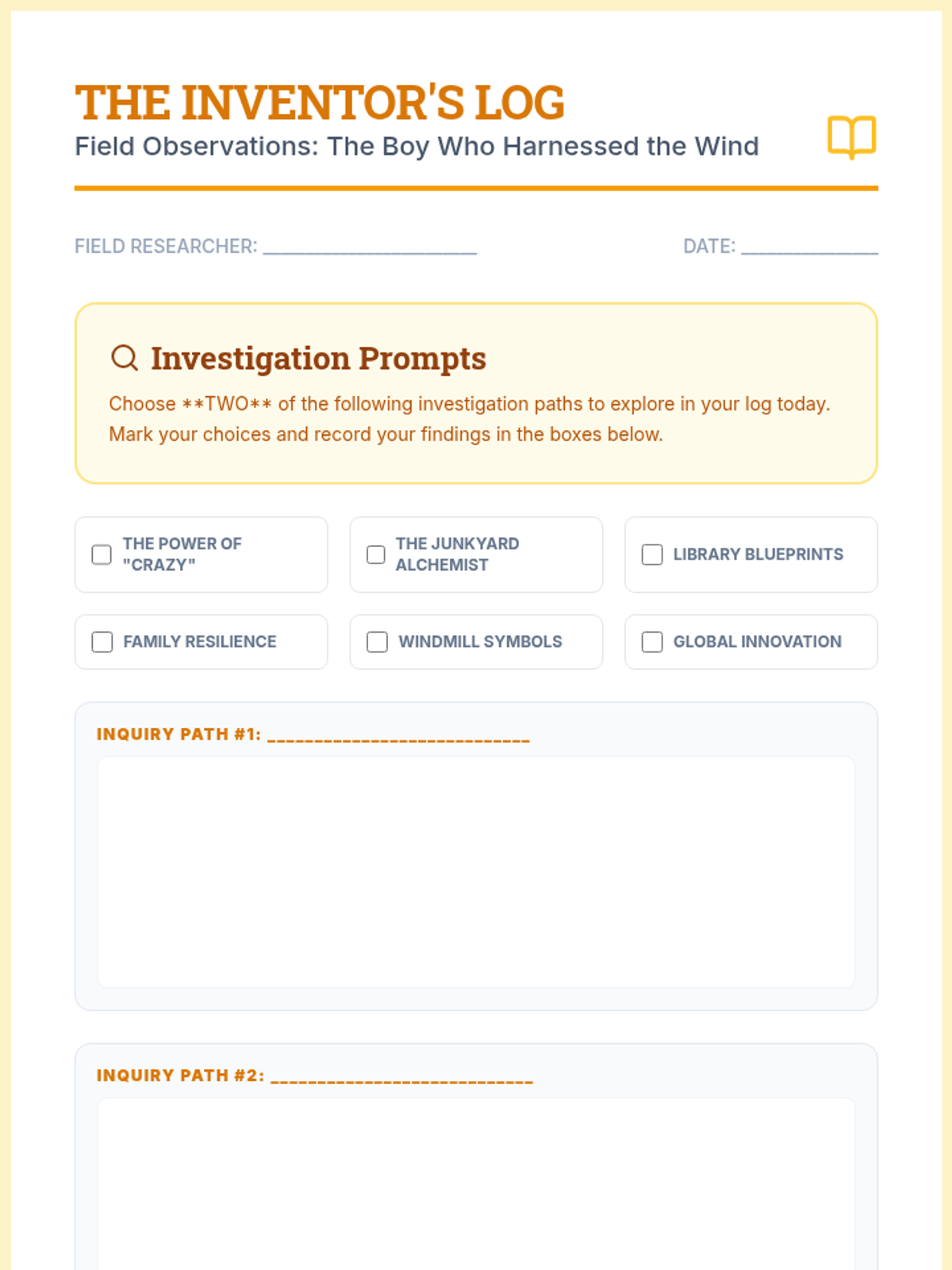
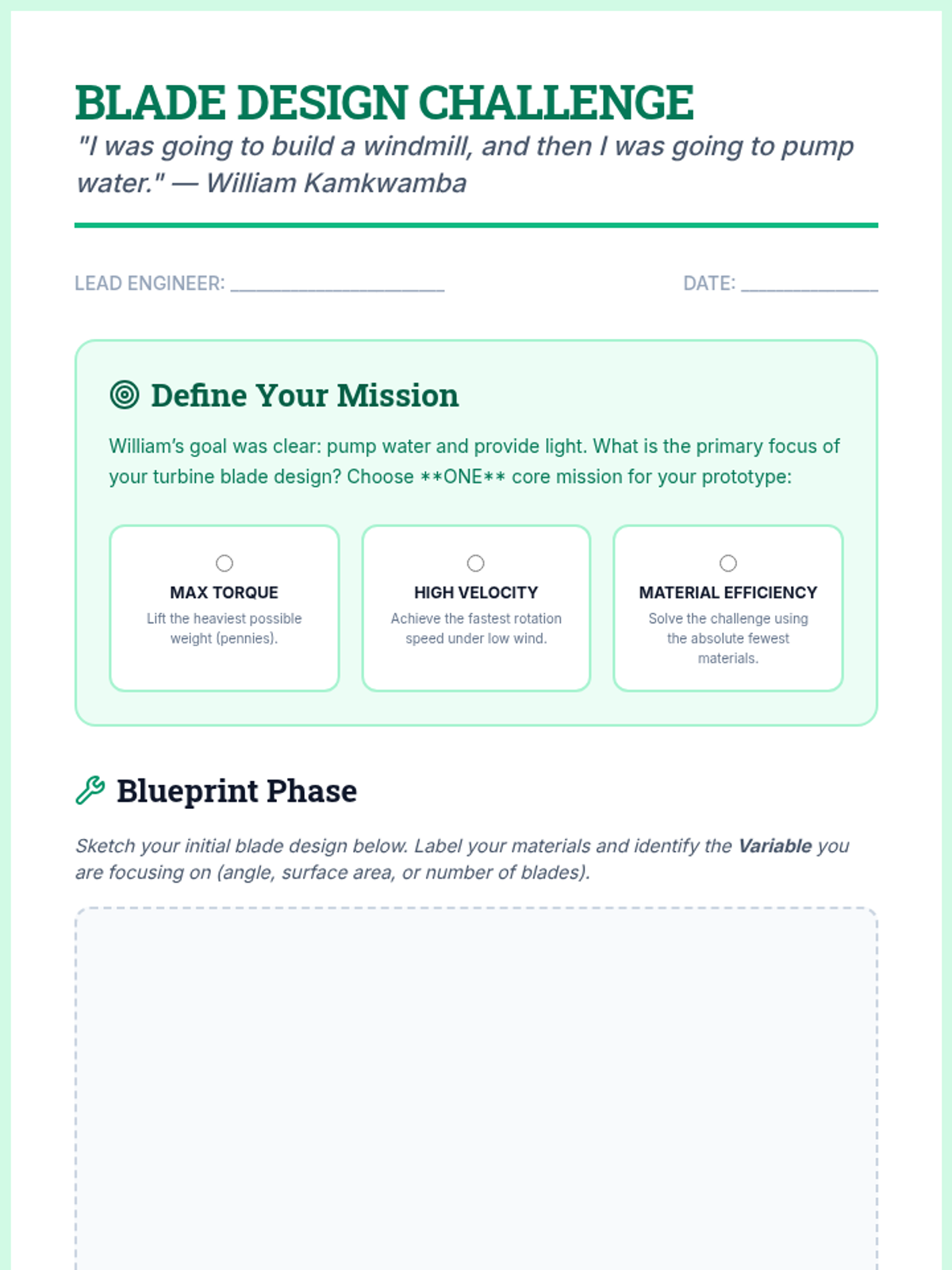
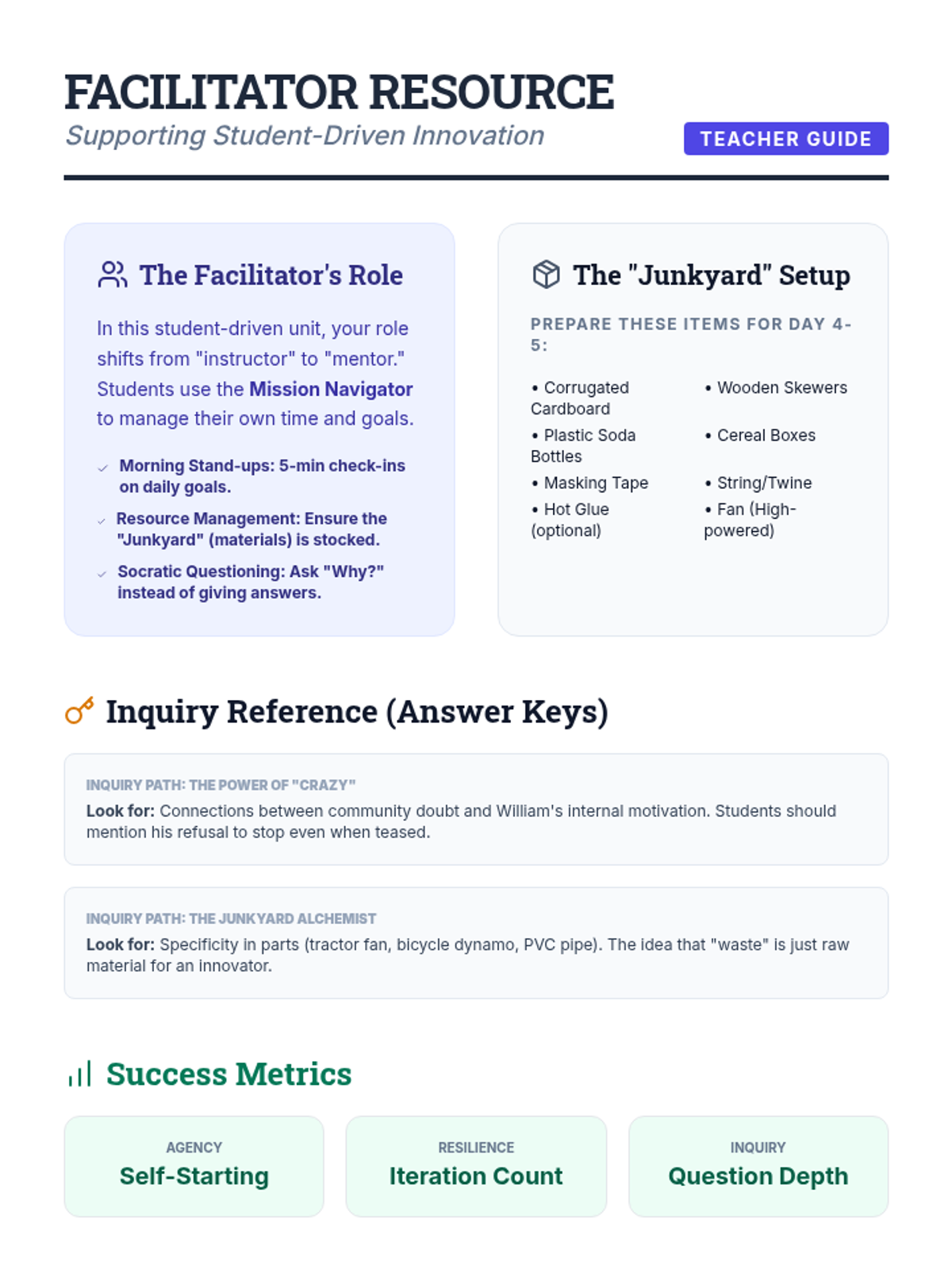
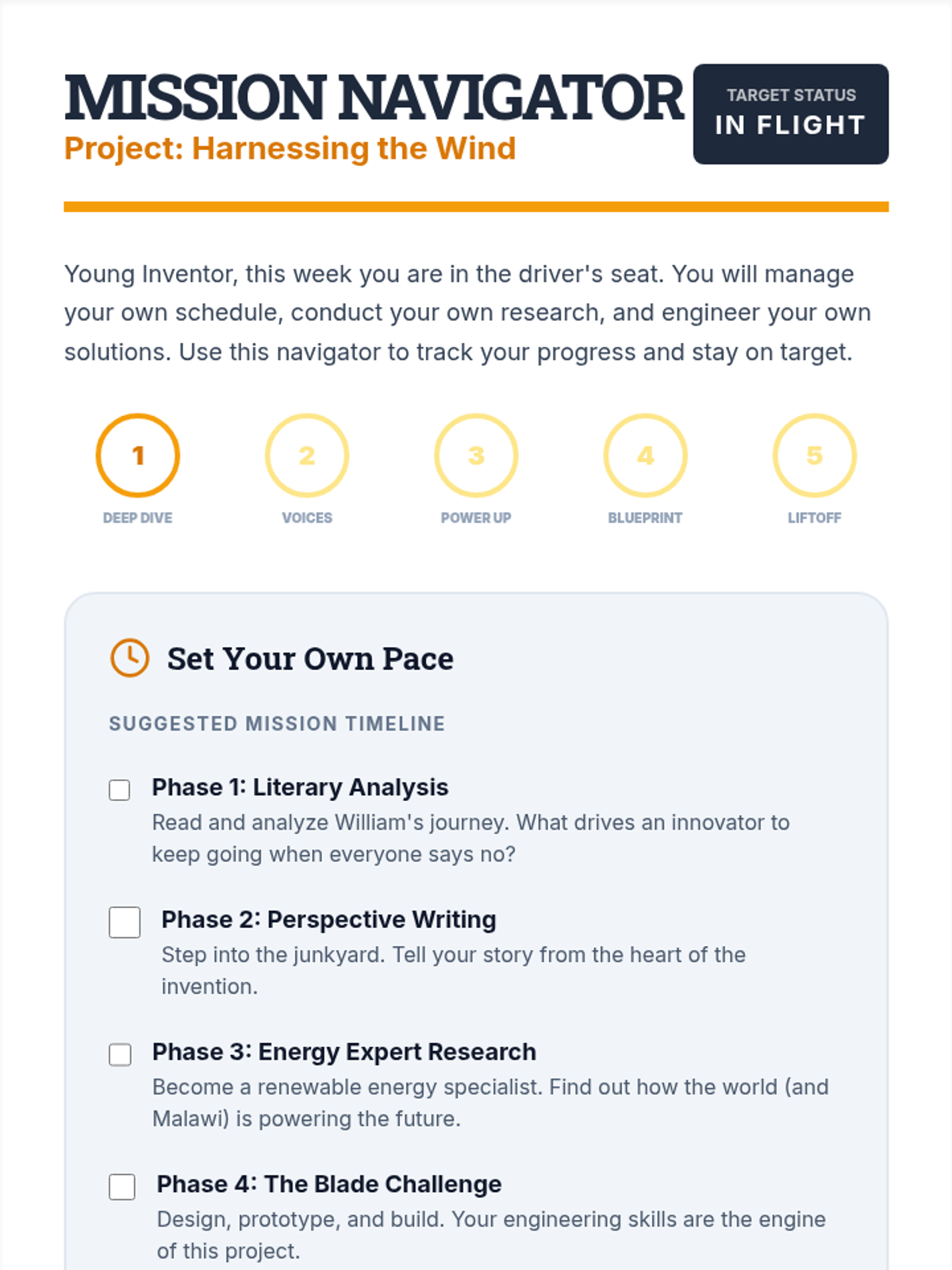
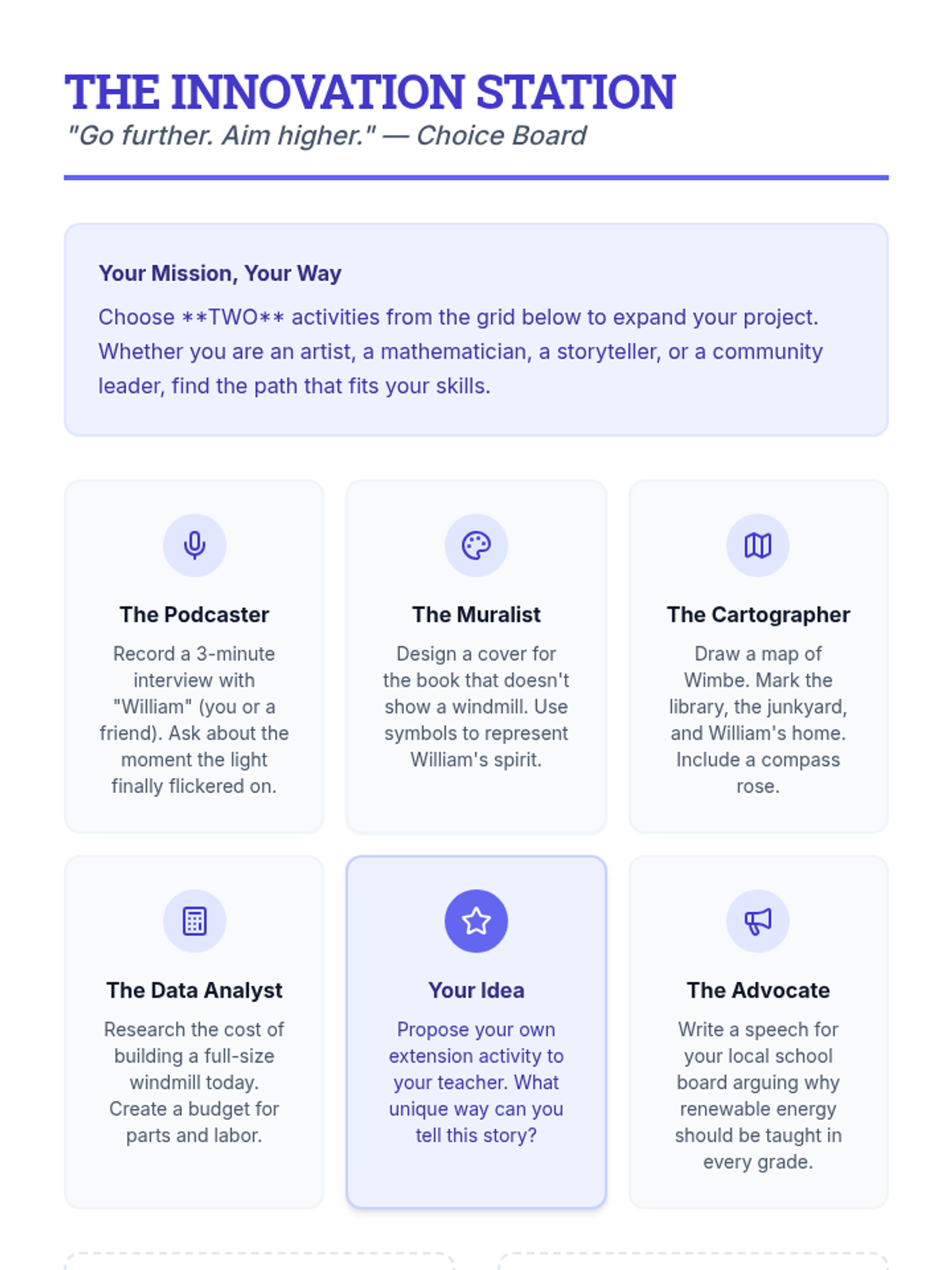
A week-long independent study unit based on 'The Boy Who Harnessed the Wind', guiding students through literary analysis, scientific research, and engineering design.
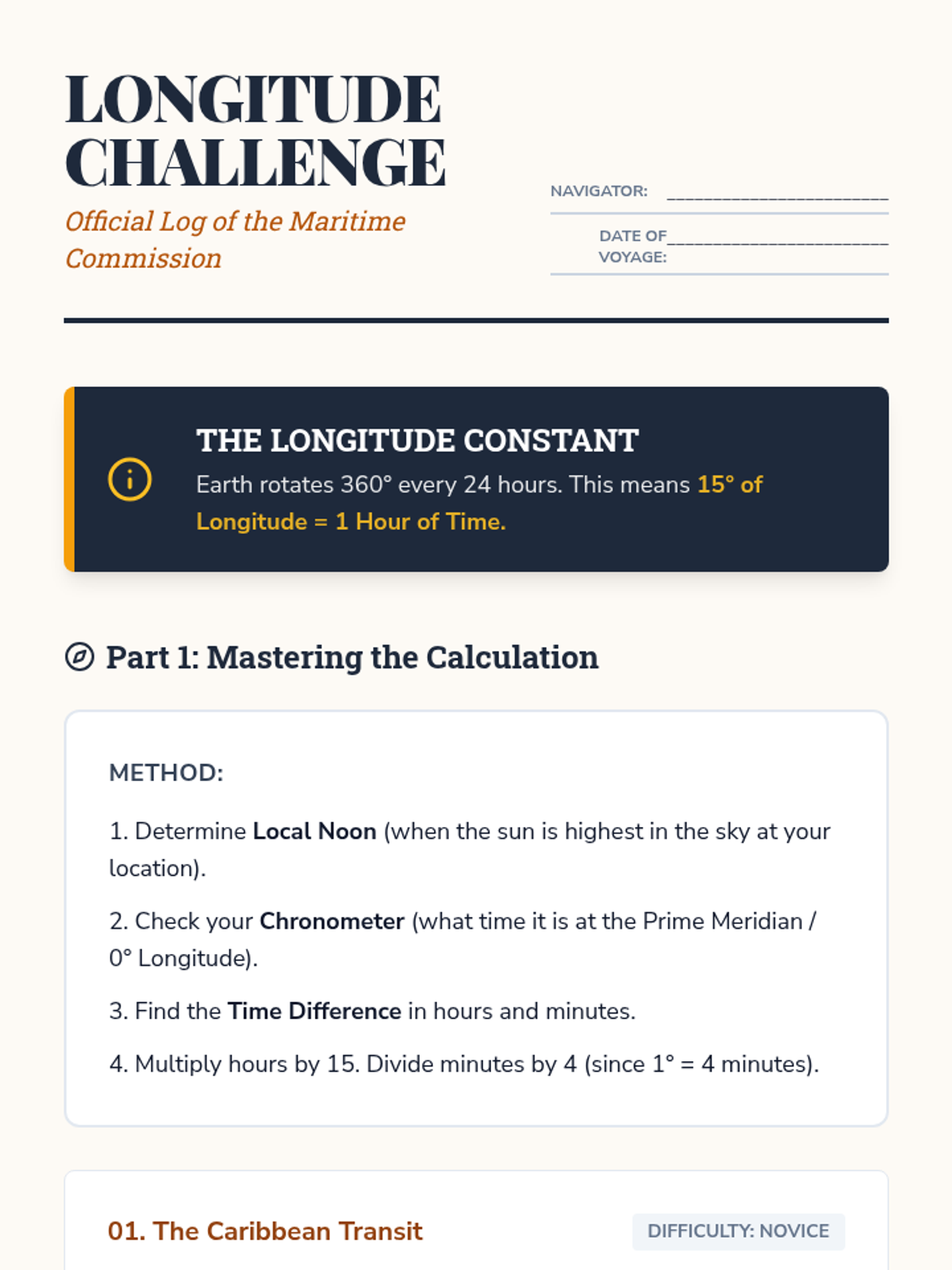
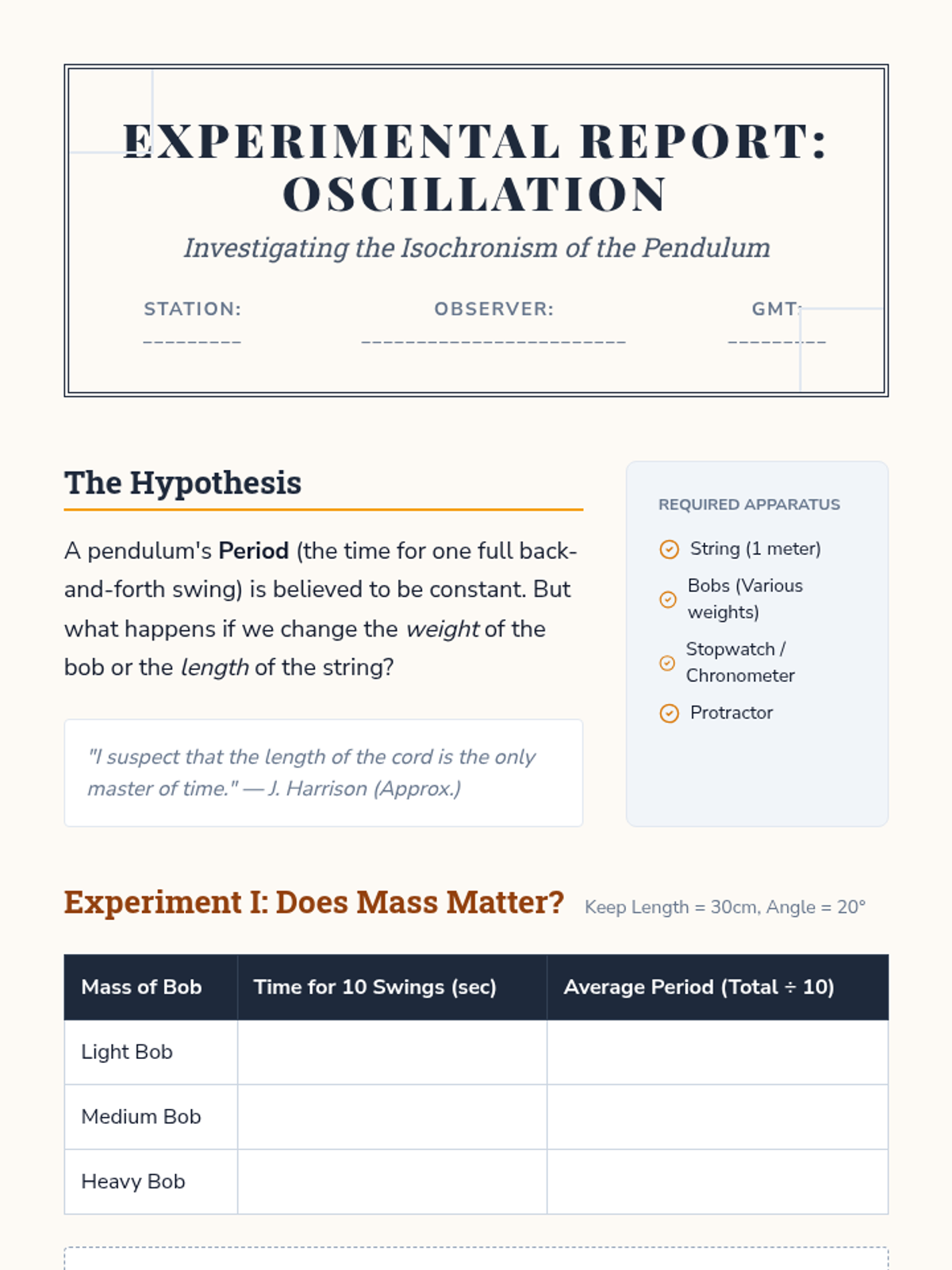
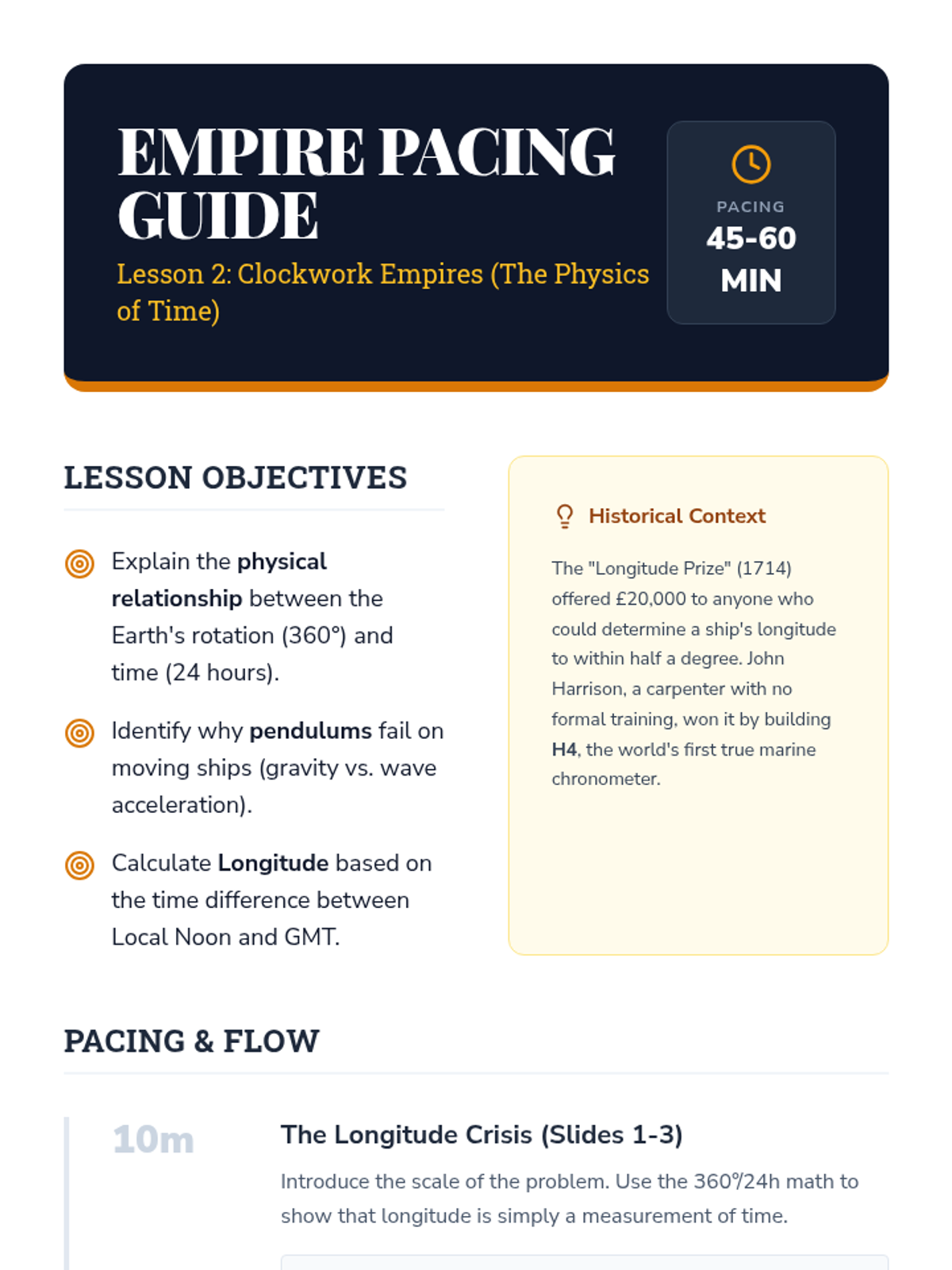
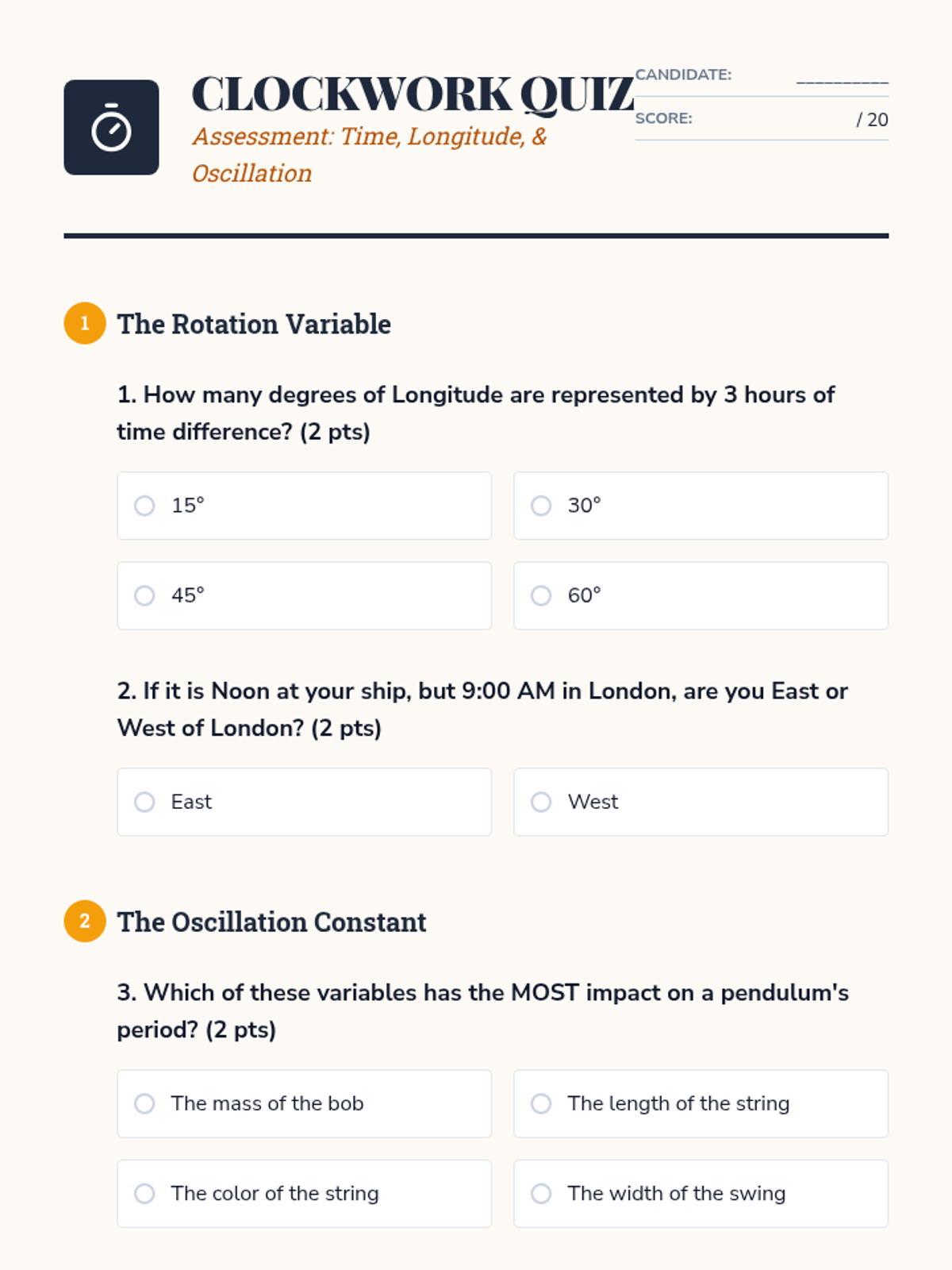
An exploration of how humanity harnessed the stars and the physics of time to build global networks, mapping the Earth through celestial symmetry and precision engineering.
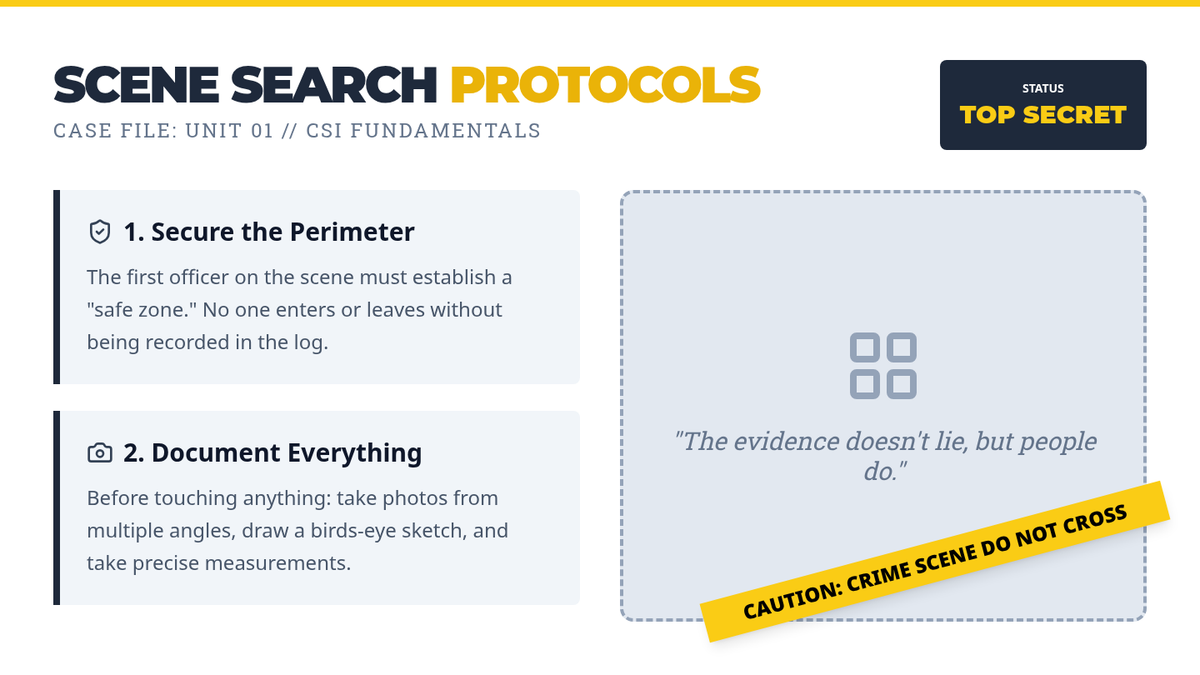
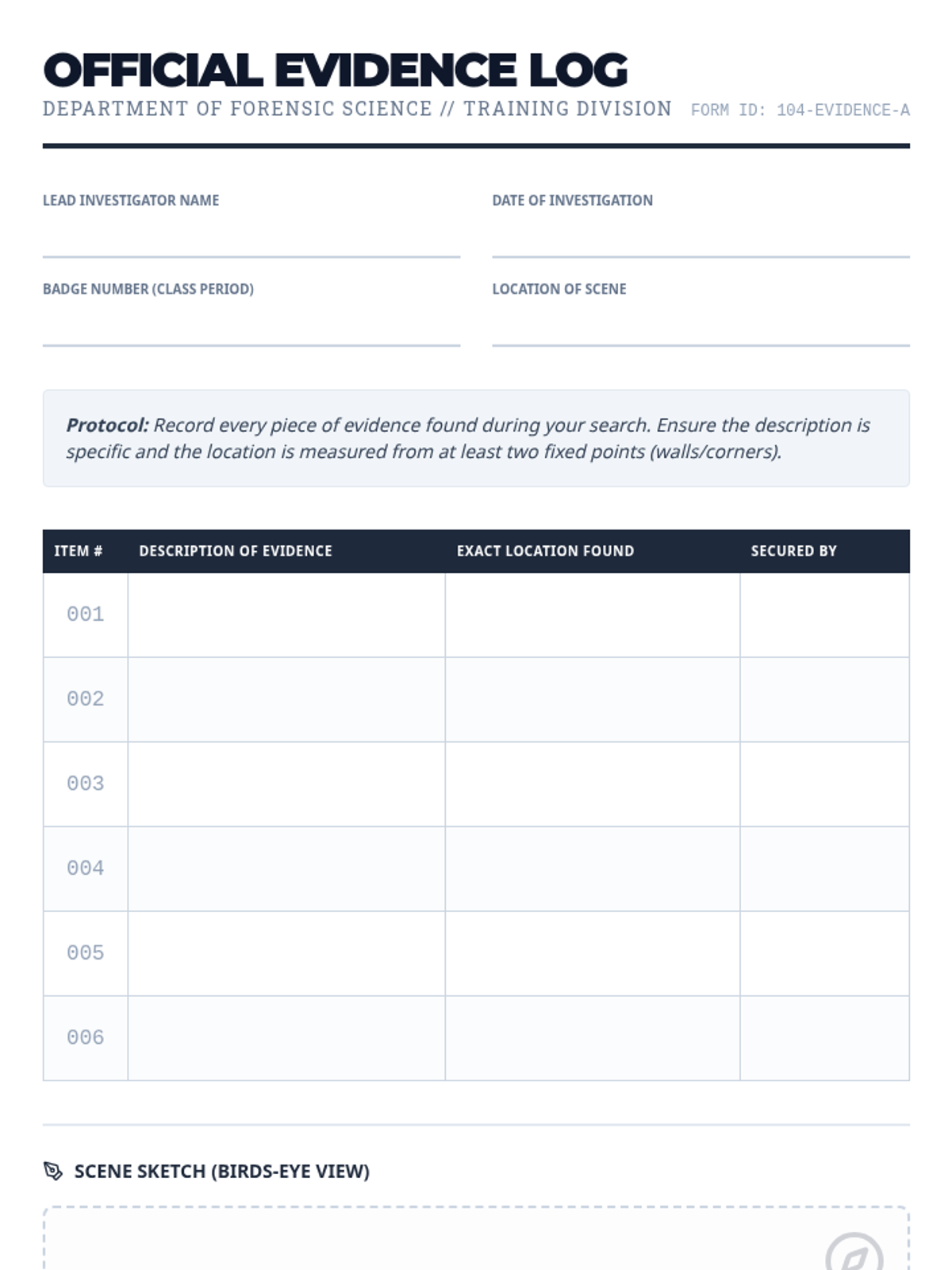
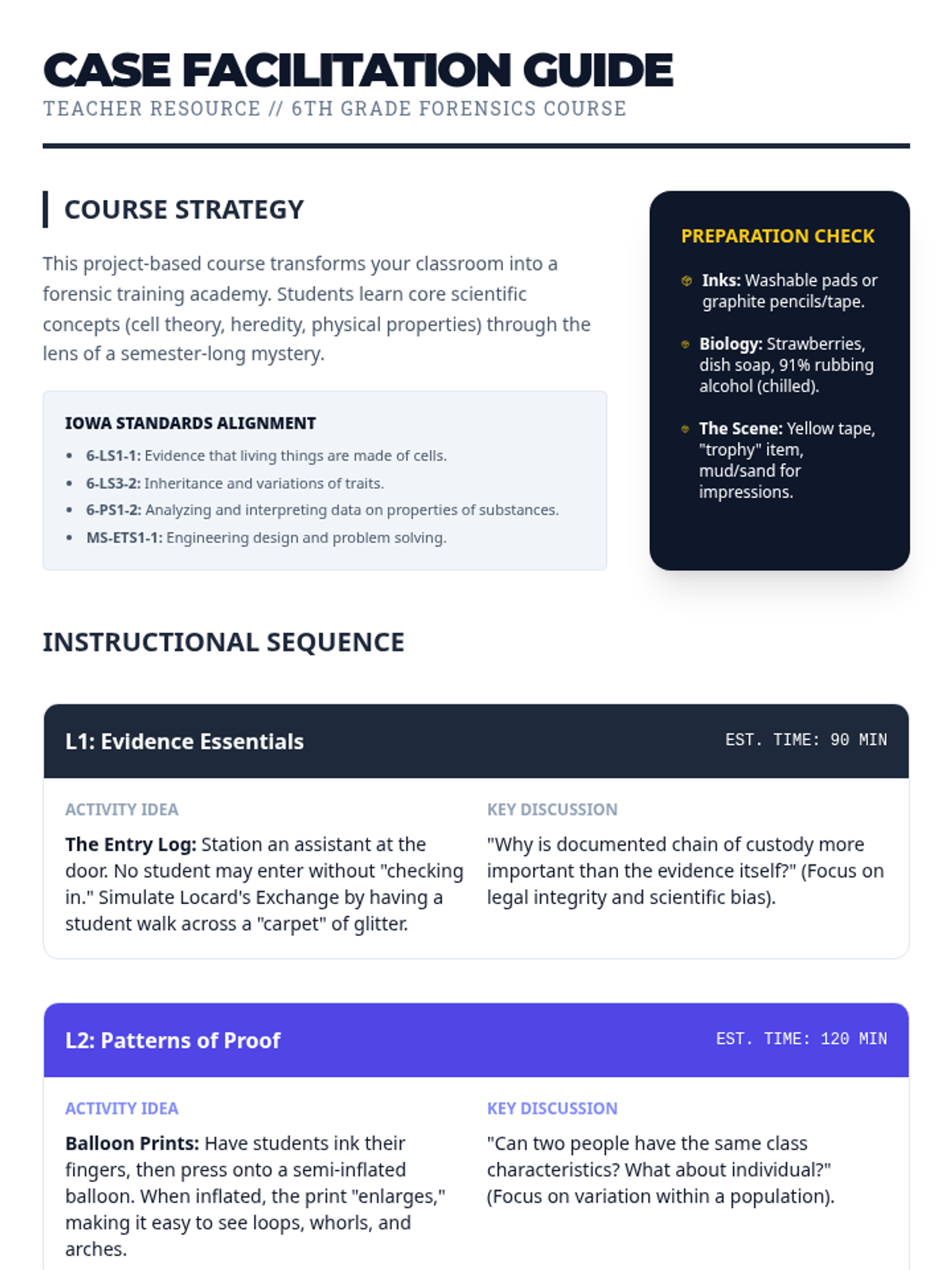
A project-based 6th-grade forensics course where students act as lead investigators to solve a campus mystery using scientific evidence, biology, and engineering principles. The course aligns with Iowa Science Standards covering cell theory, inheritance, and the engineering design process.
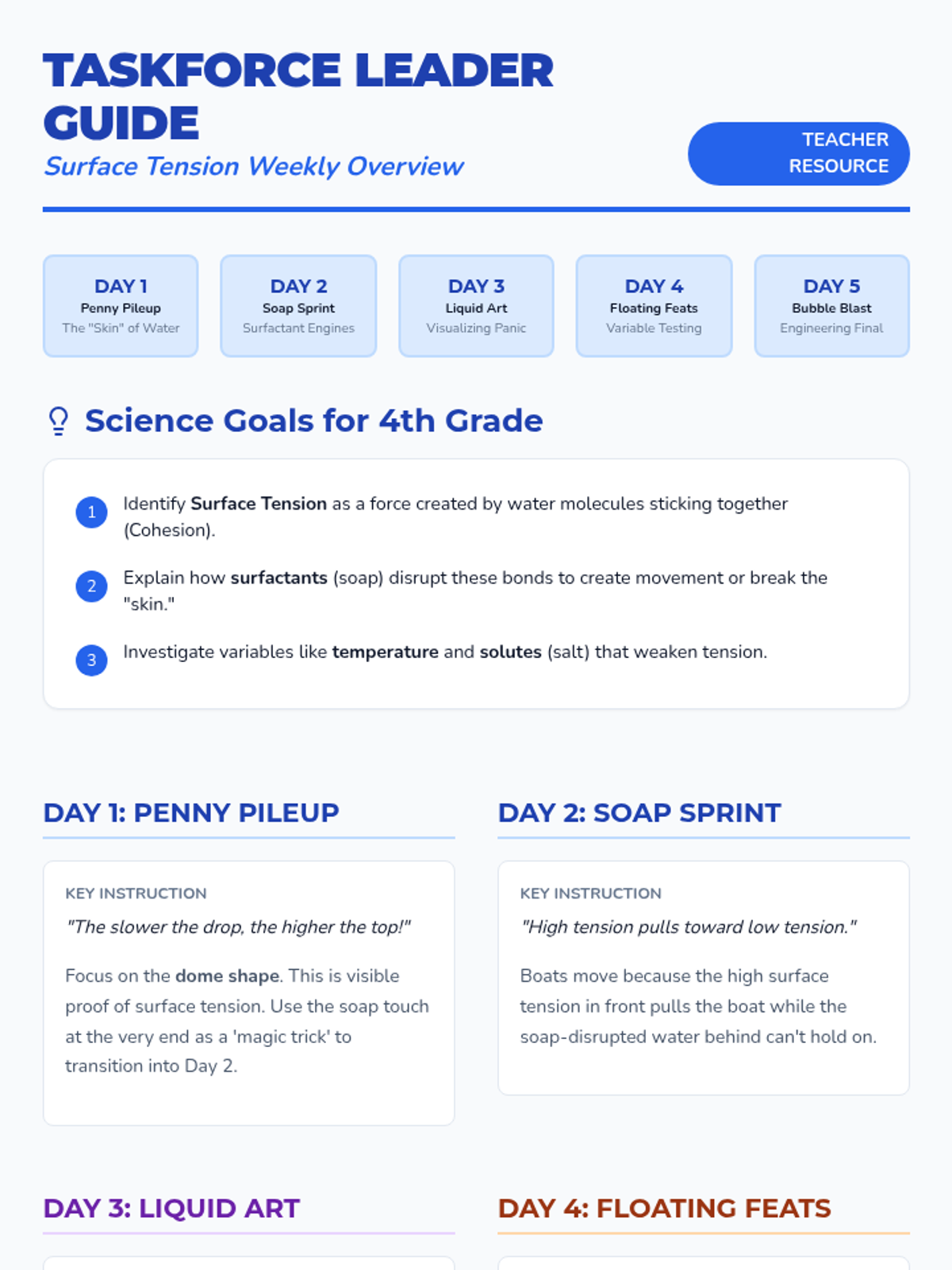
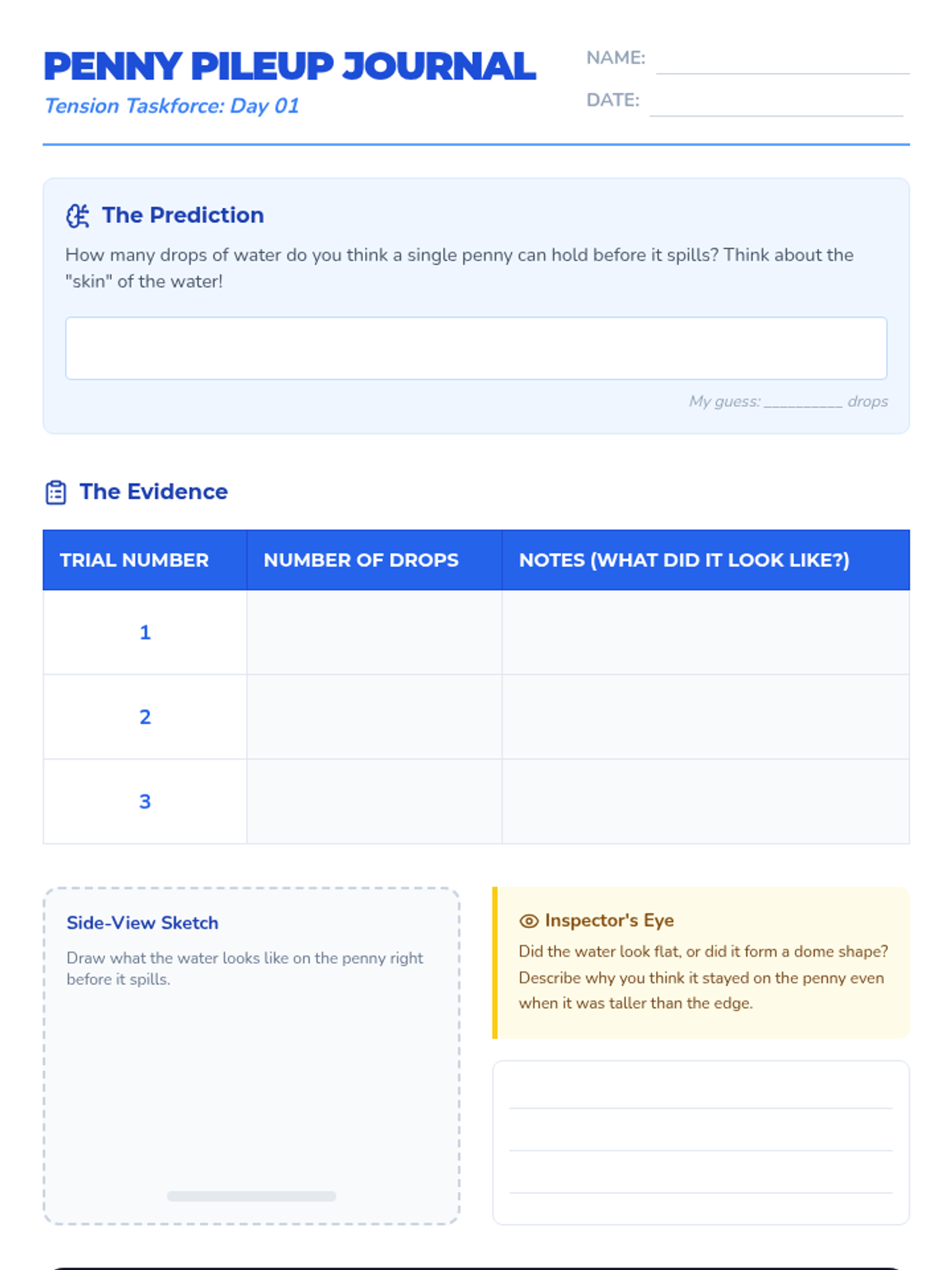
A 5-day after-school program exploring the science of surface tension through hands-on experiments, scientific observations, and engineering challenges. Students investigate how water molecules stick together and how substances like soap and salt can break those bonds.
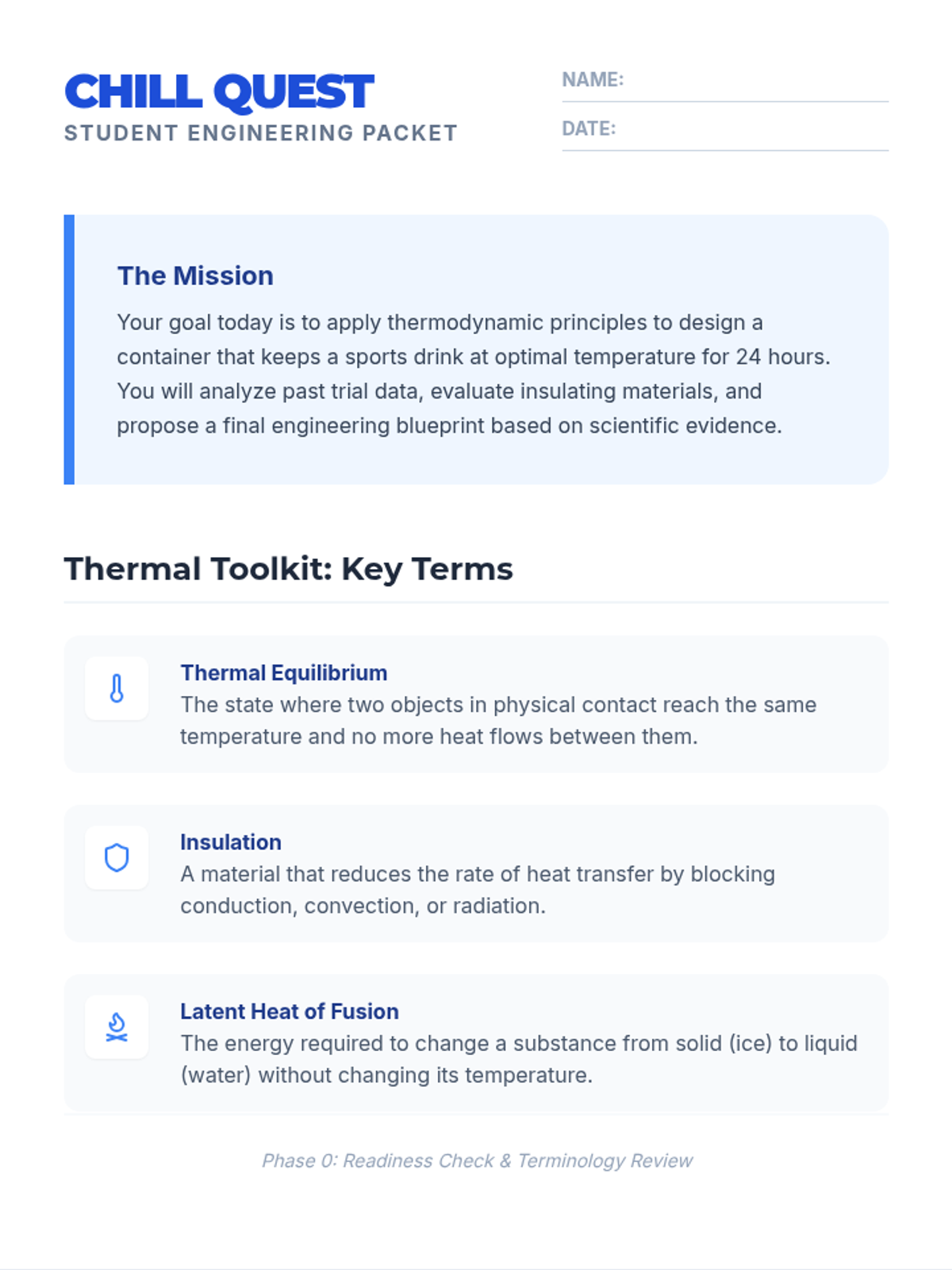
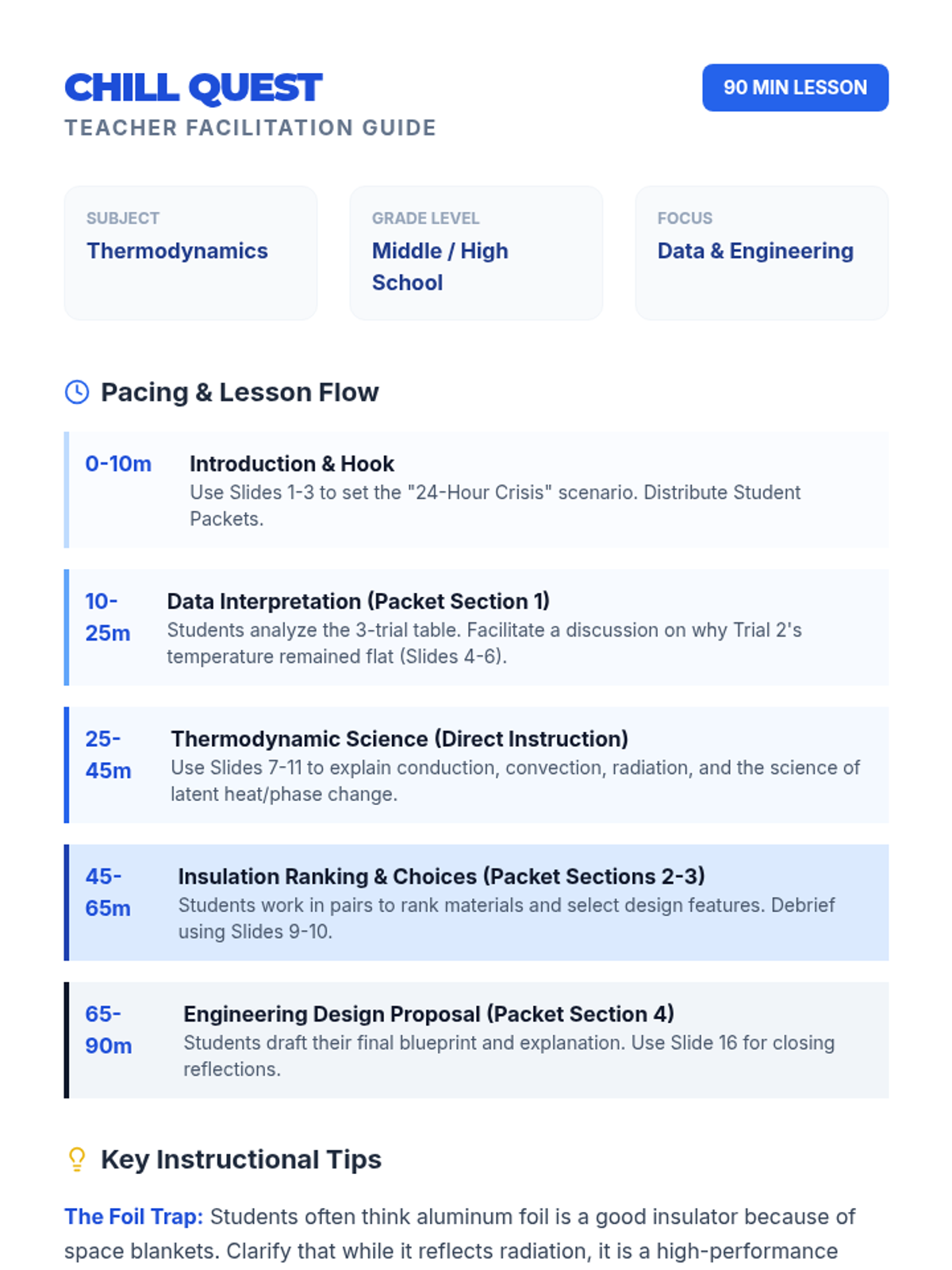
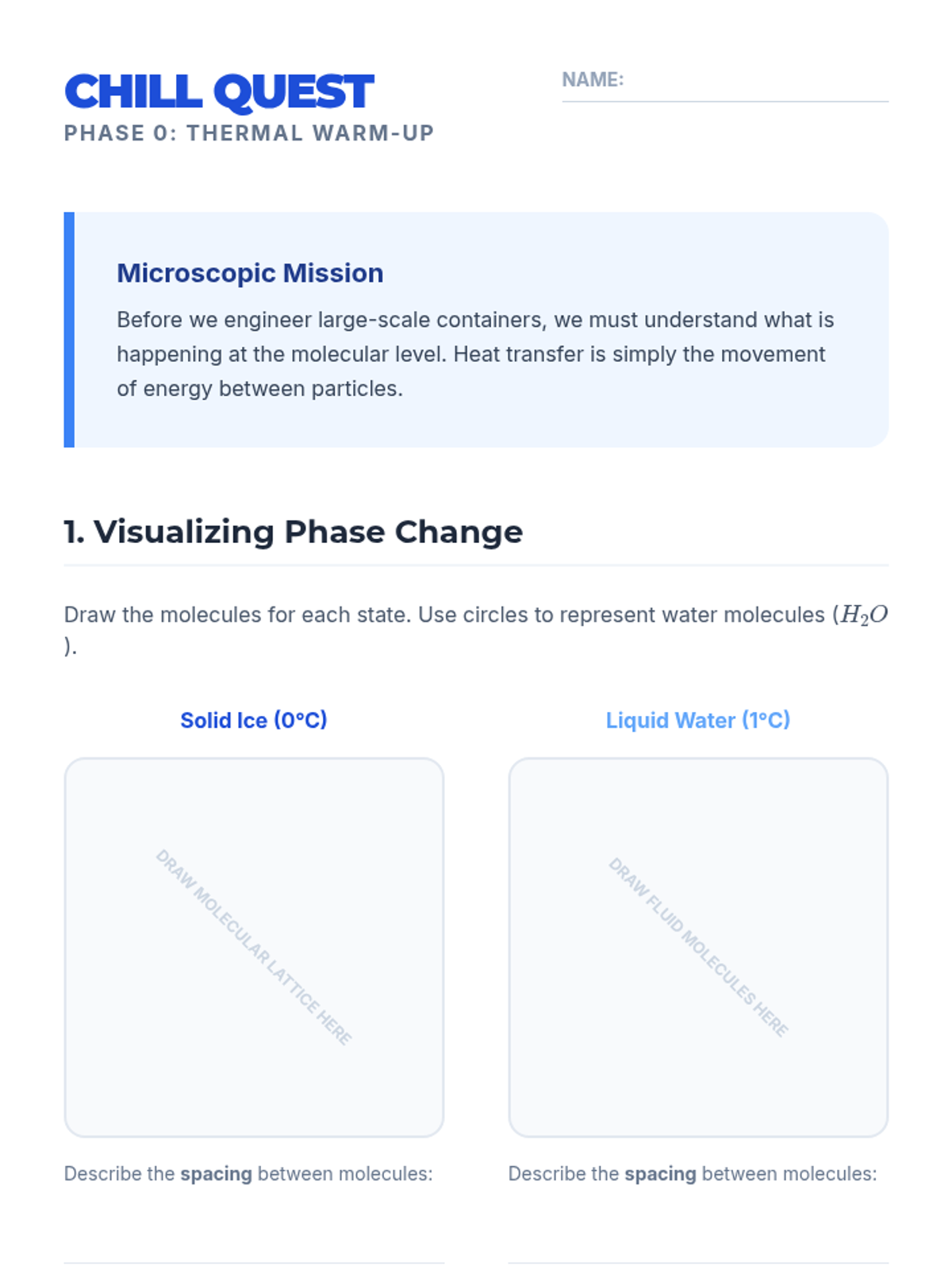
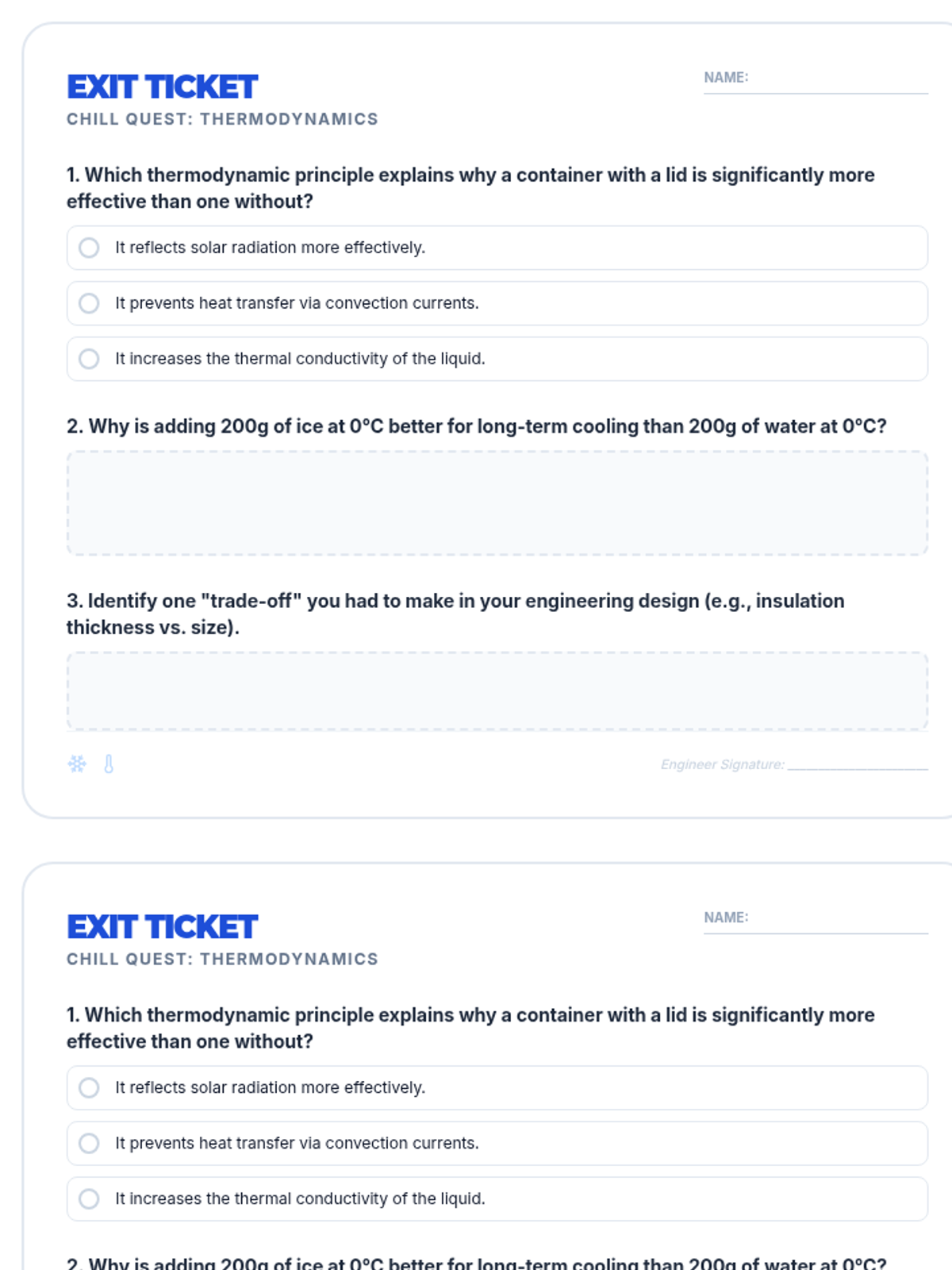
A series exploring thermodynamics through the lens of beverage insulation and container design. Students move from data analysis to material science and finally to engineering design.
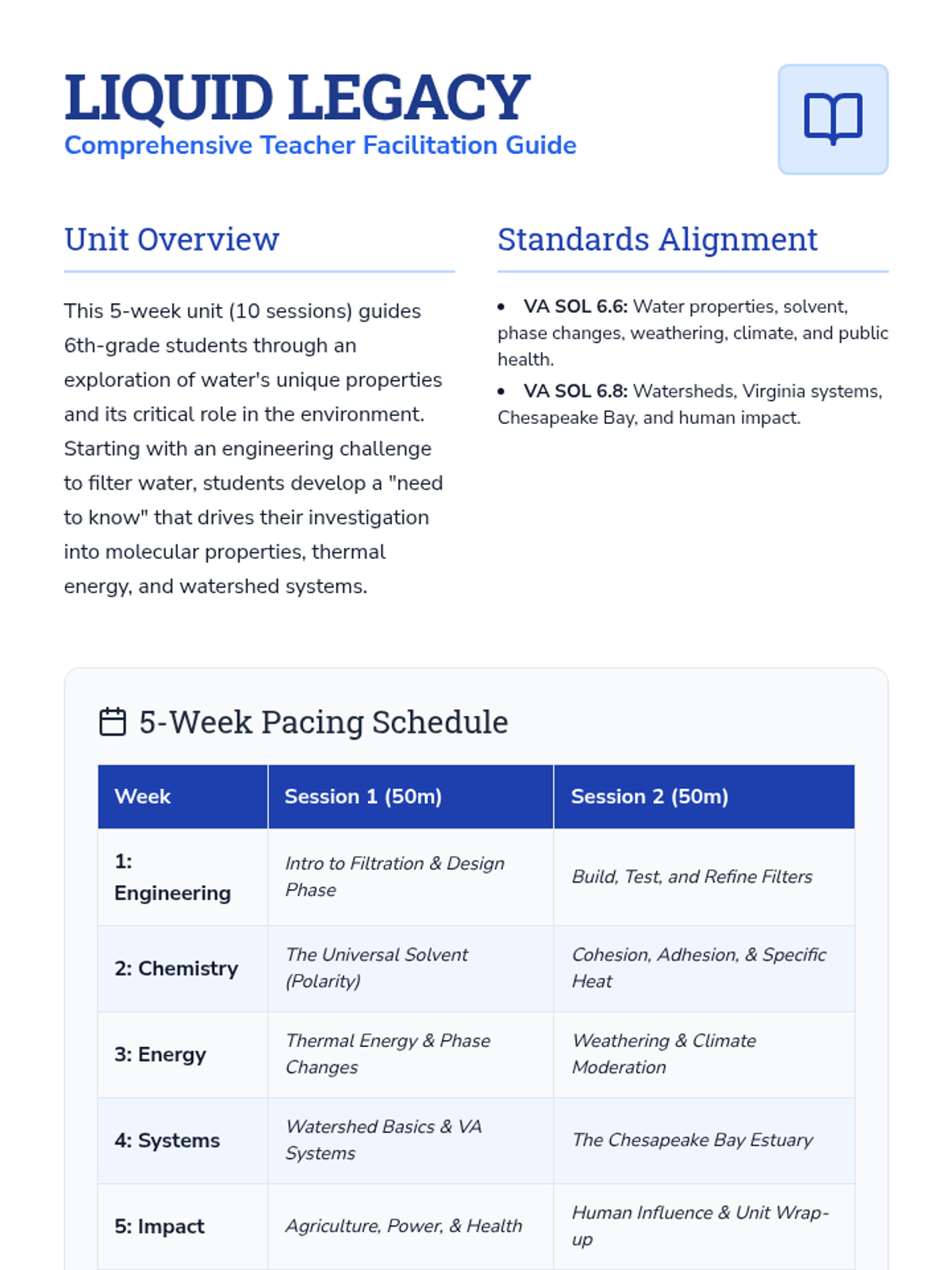
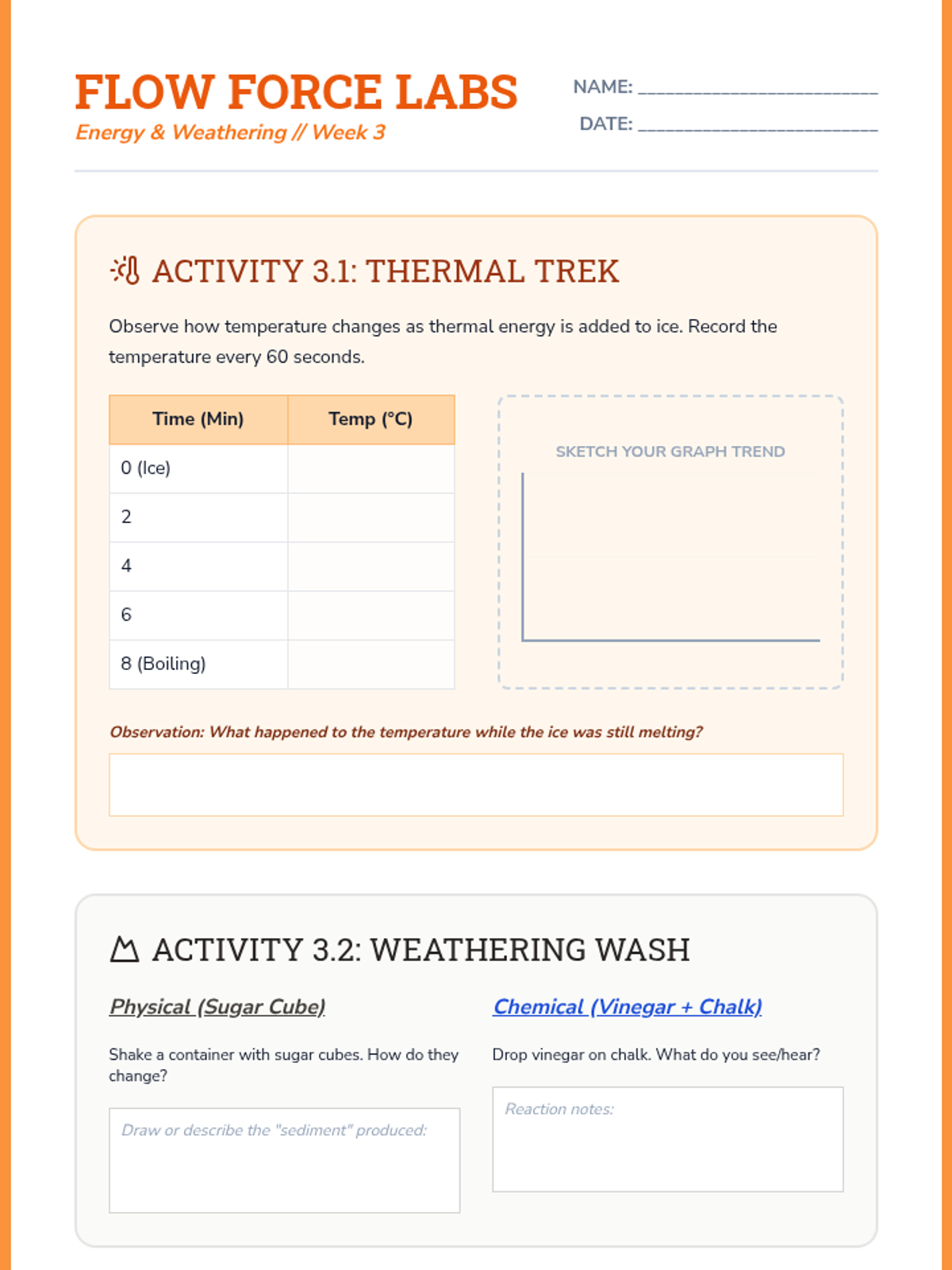
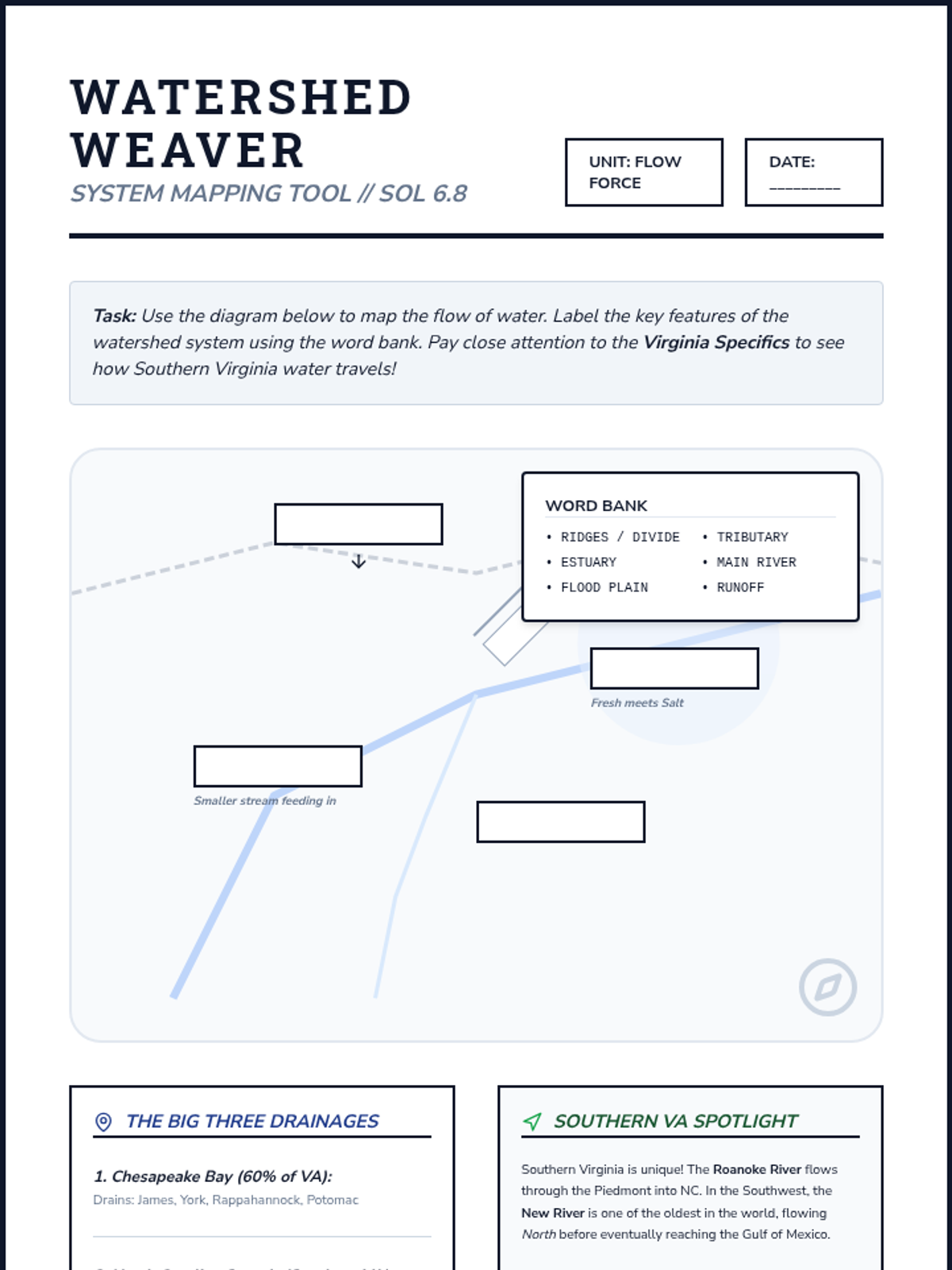
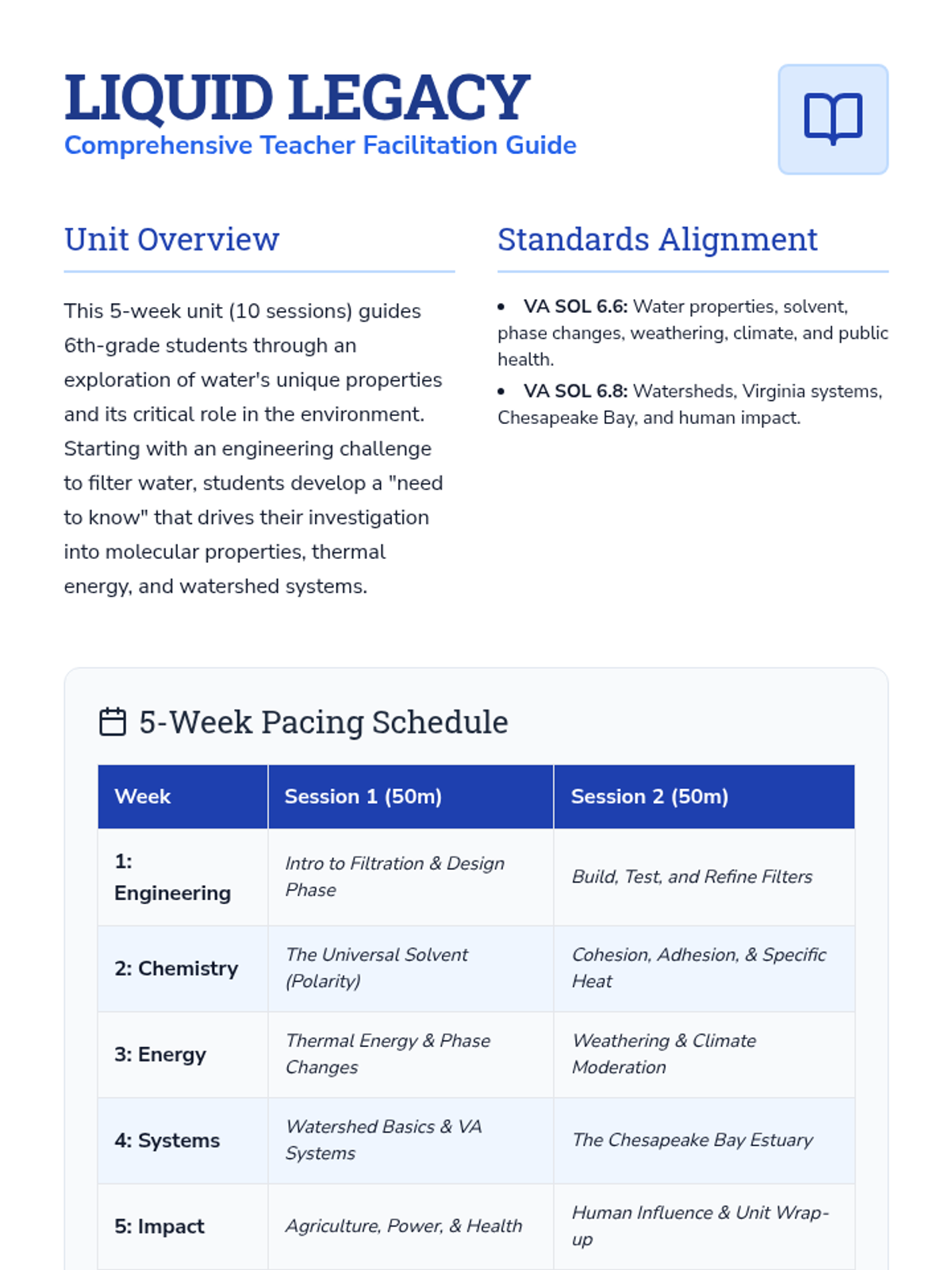
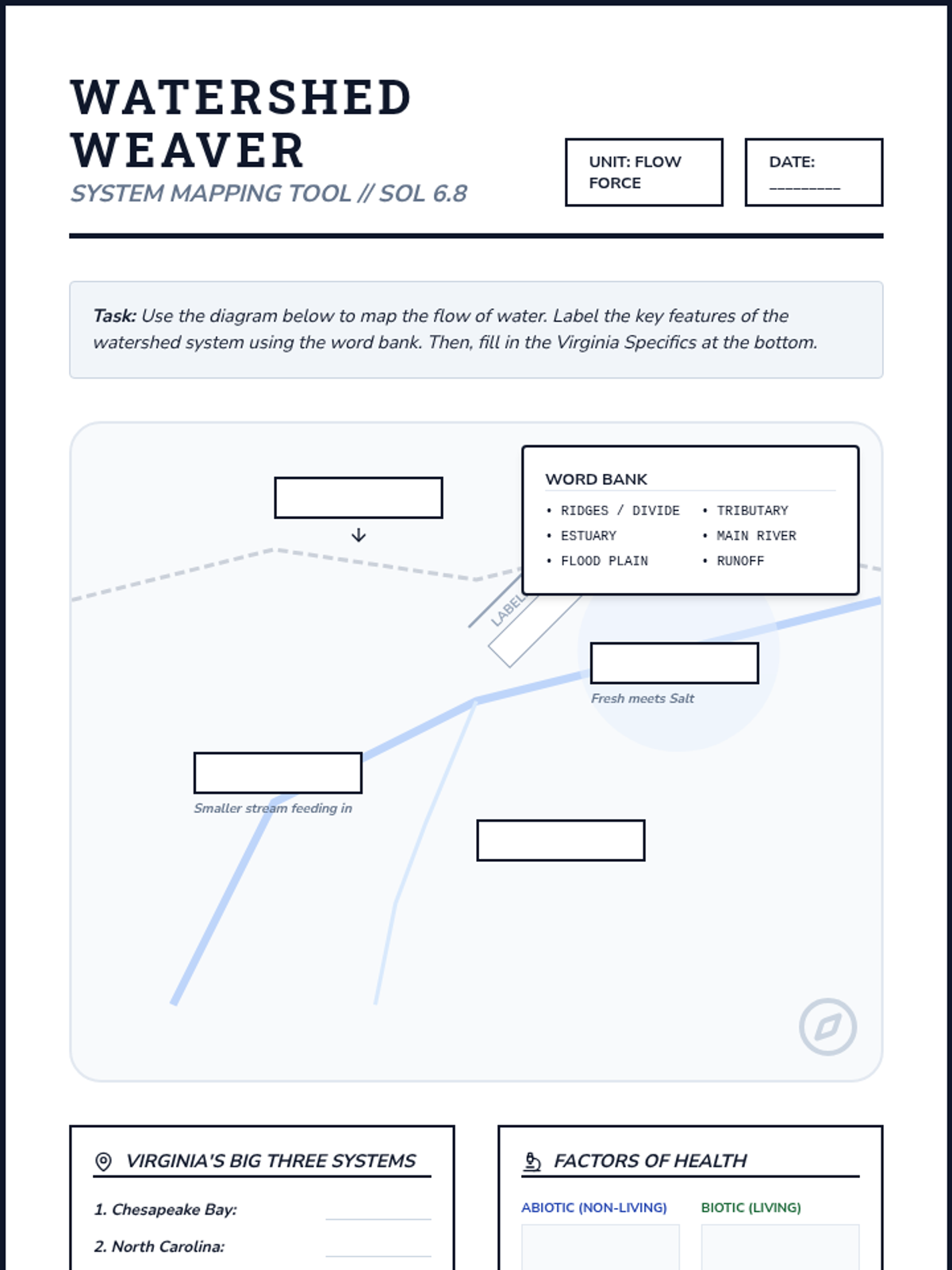
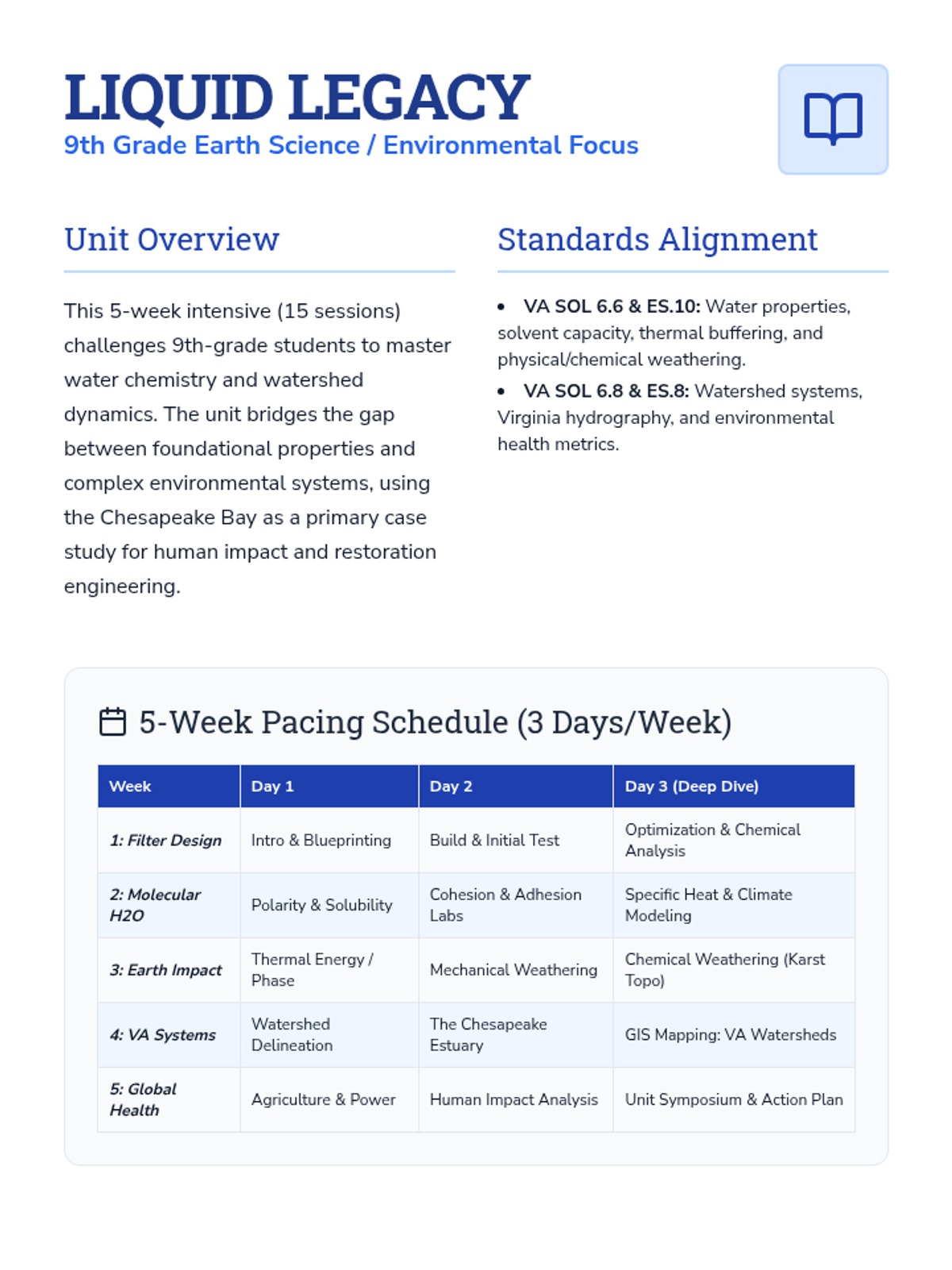
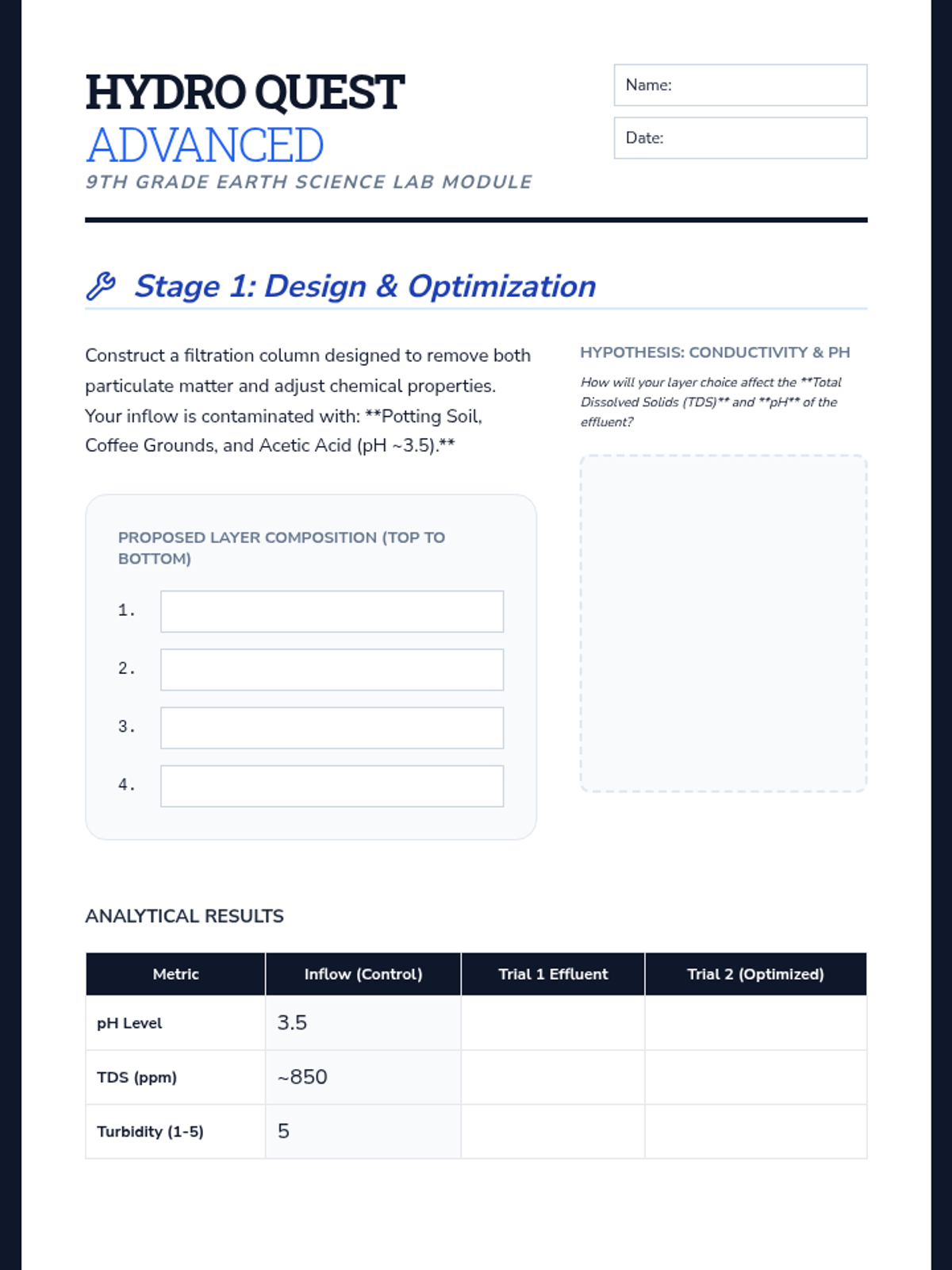
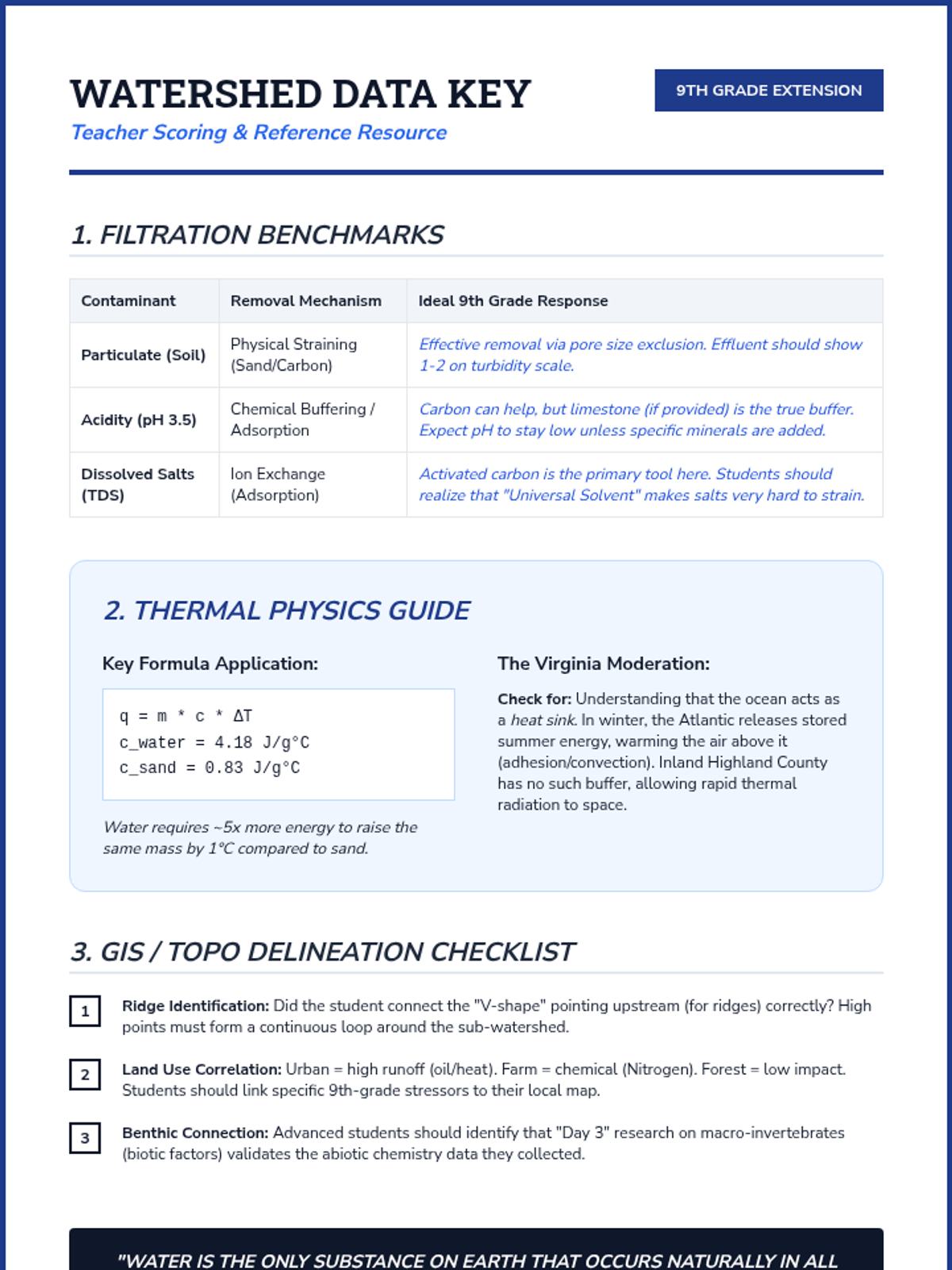
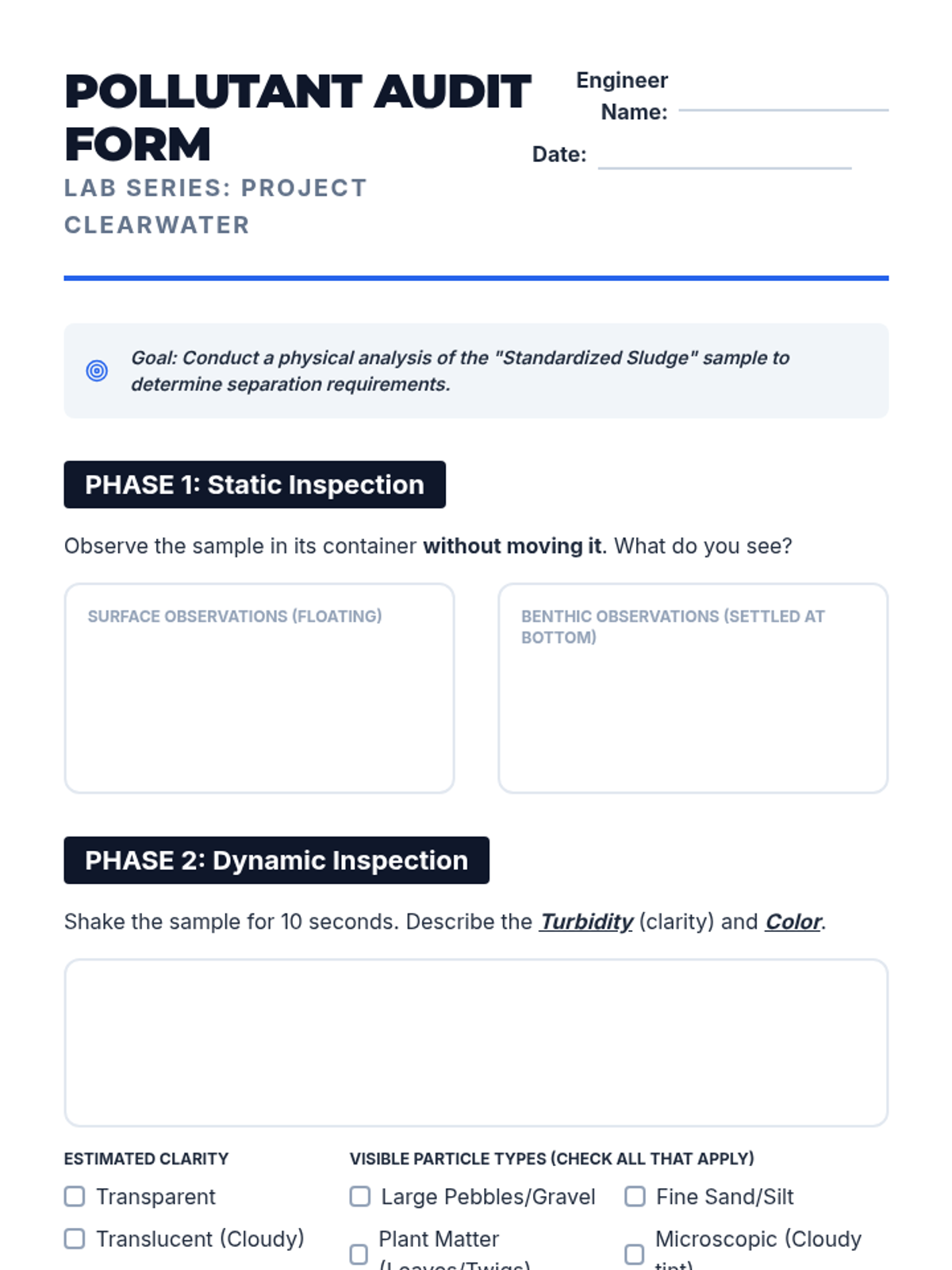
A comprehensive 5-week sequence exploring the physical properties of water, the engineering of water filtration, and the complex systems of Virginia's watersheds. Students move from hands-on engineering to chemical properties and finally to large-scale environmental systems.
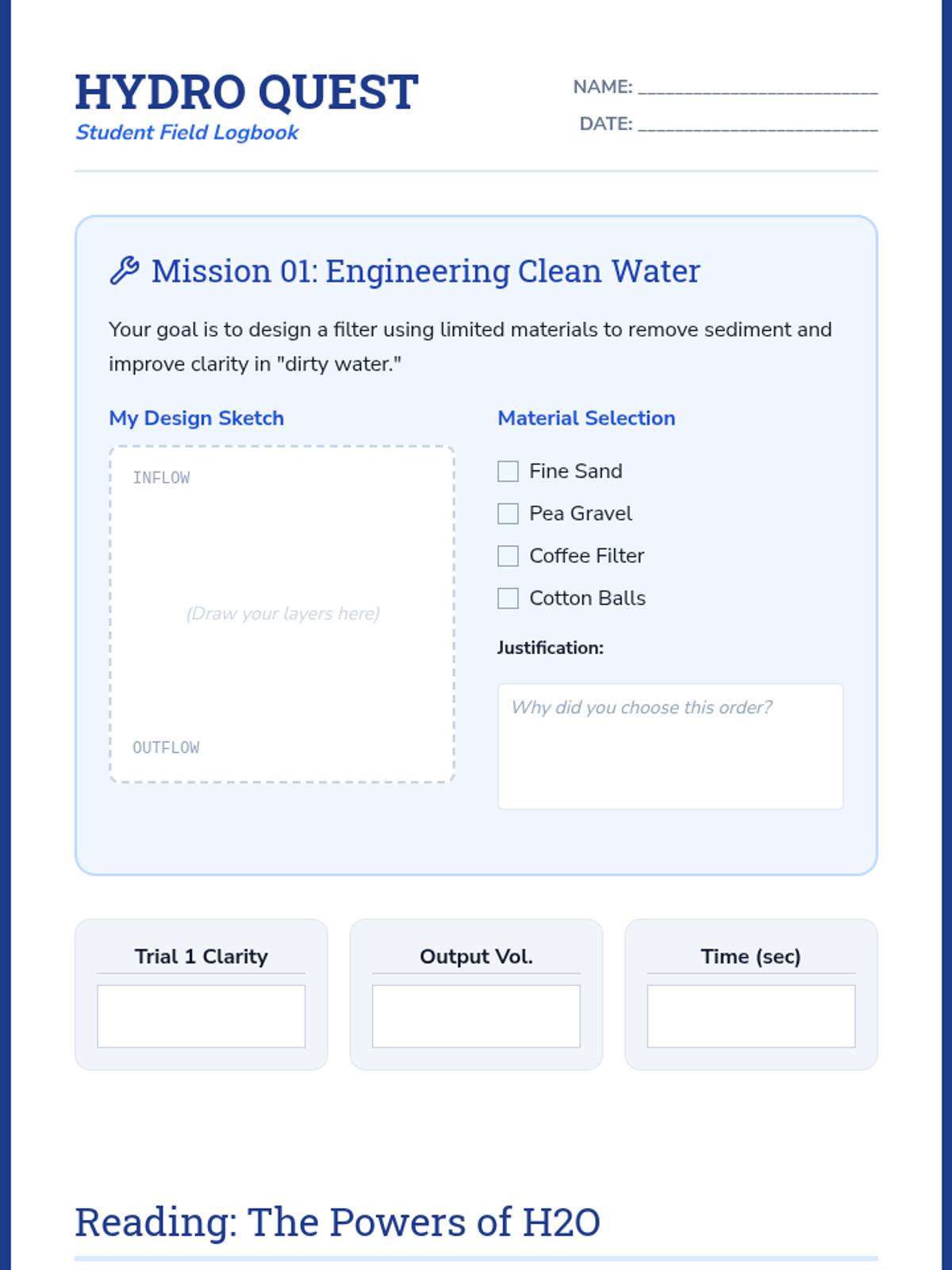
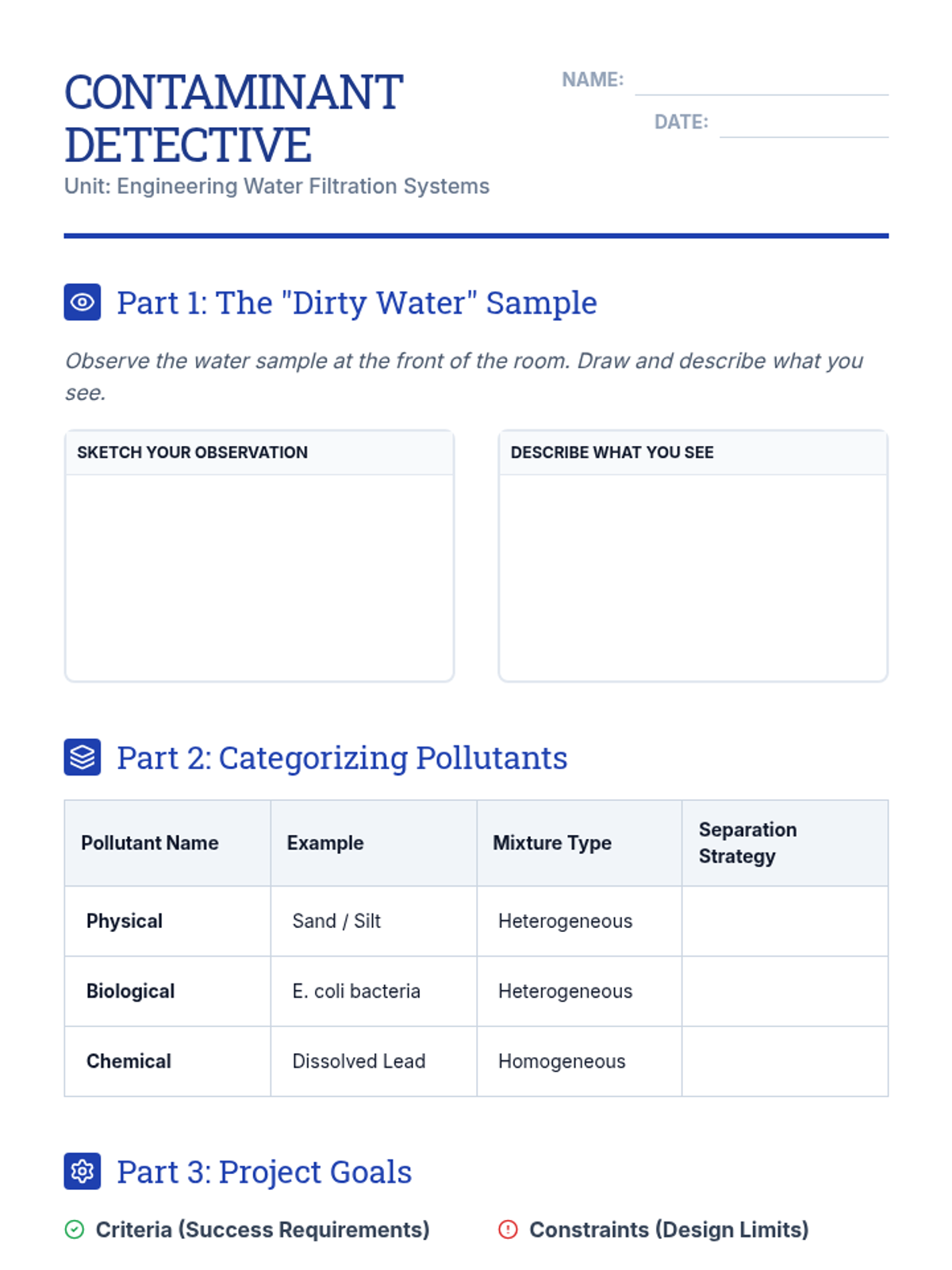
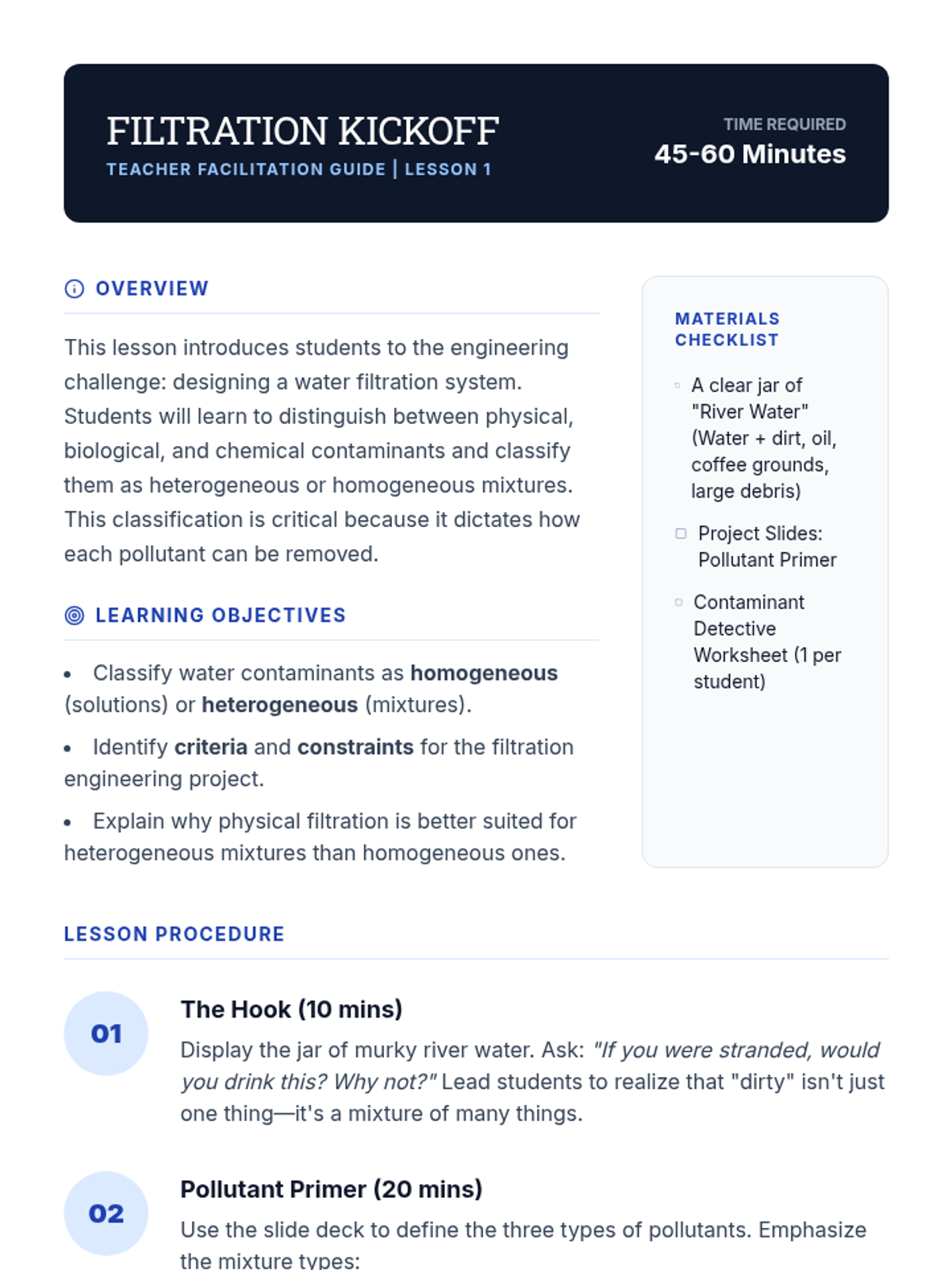
Students act as environmental engineers designing a multi-stage water filtration system. They explore sedimentation, decanting, and various filtration media to solve a real-world water contamination challenge.
A project-based unit where 6th-grade students design, test, and evaluate water filtration systems, applying concepts of mixtures and separation techniques.
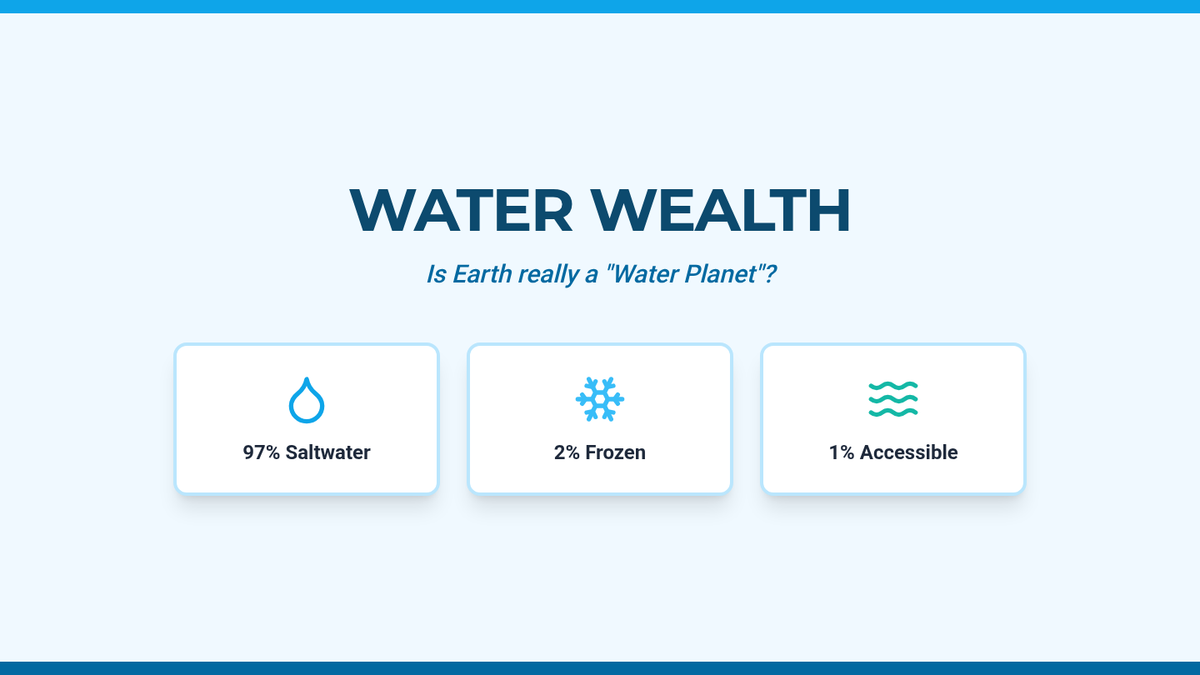
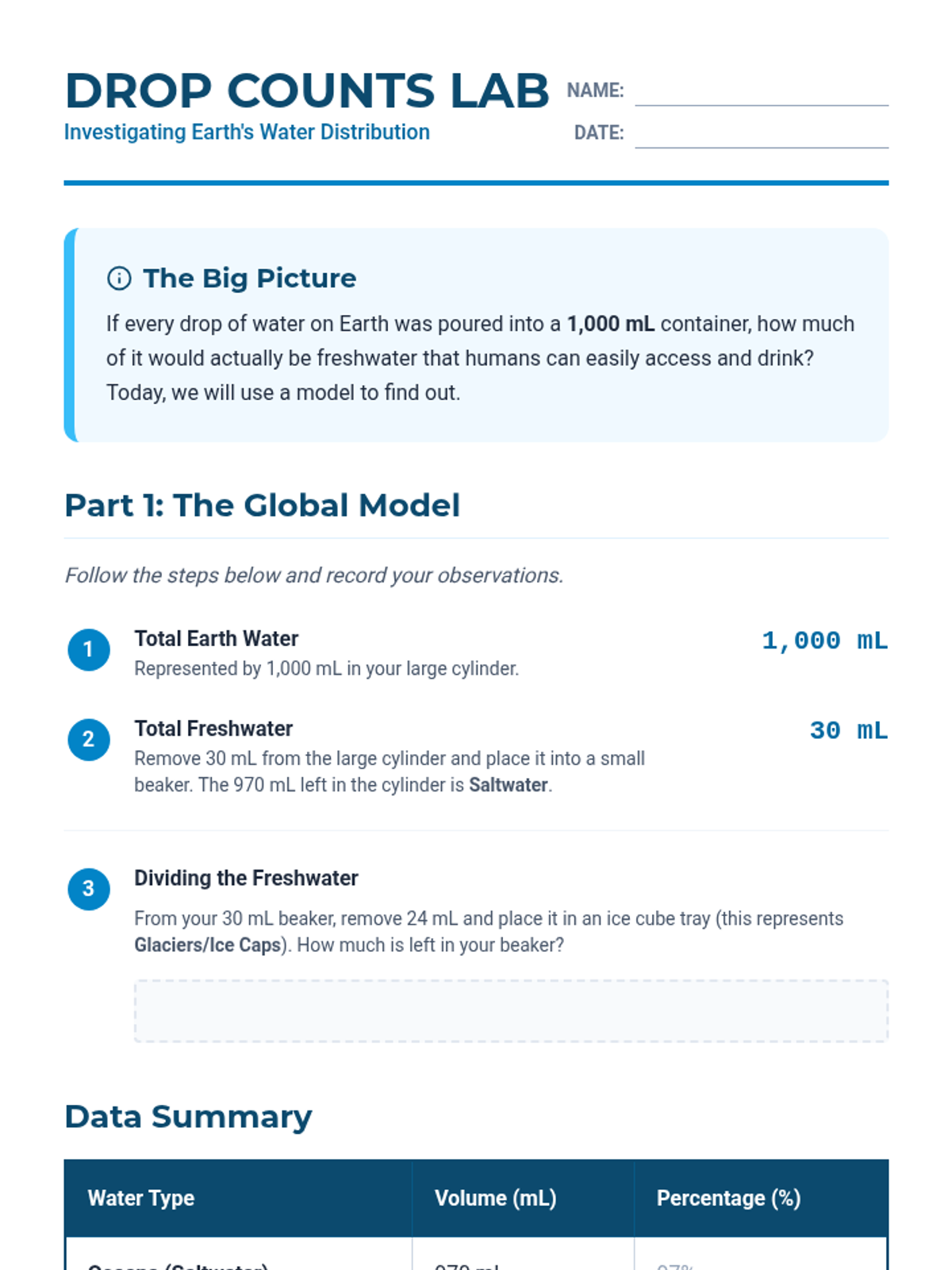
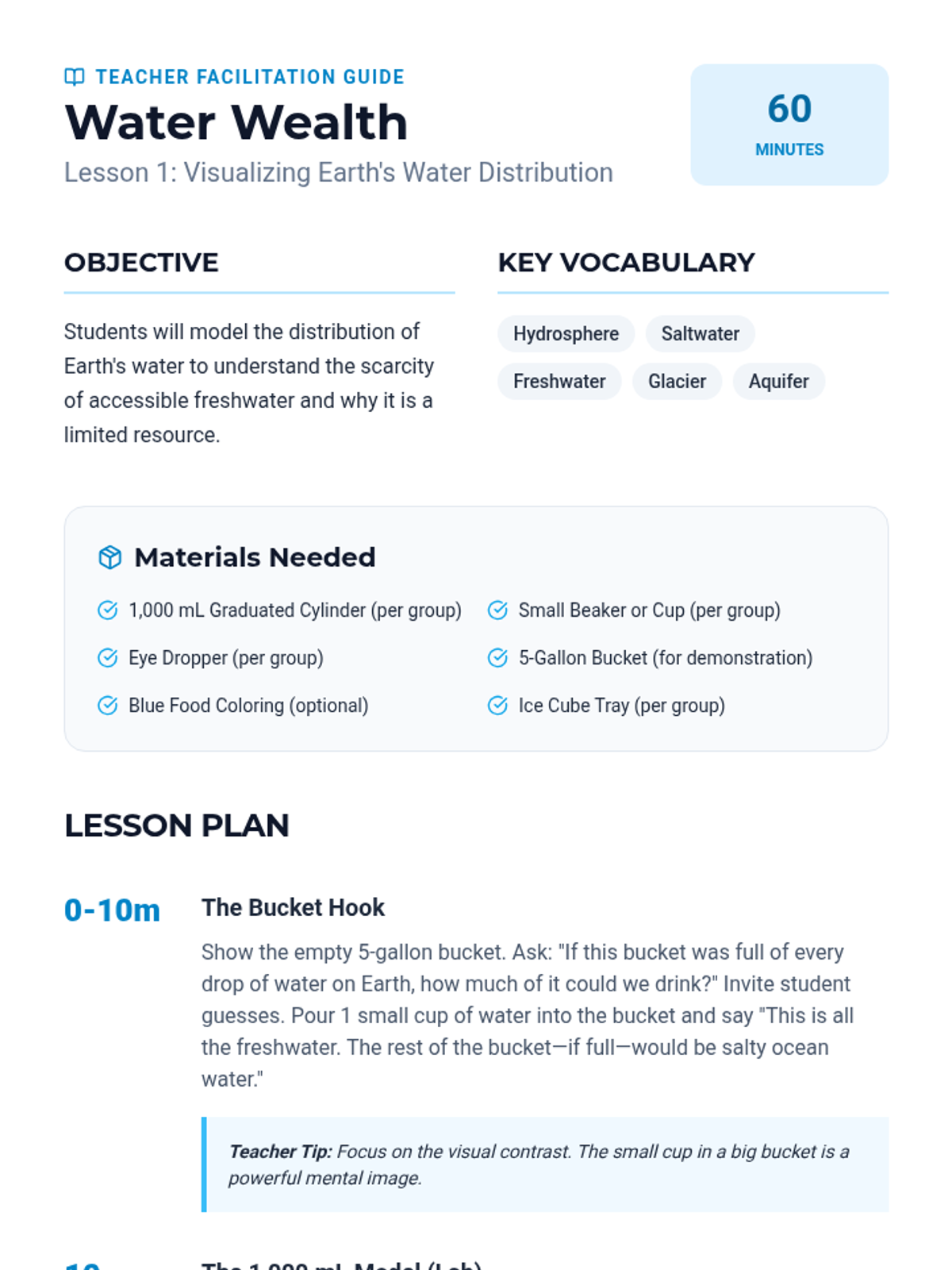
This inquiry-driven sequence focuses on the finite nature of Earth's freshwater and the systems required to manage it. Students explore water distribution, groundwater, engineering filtration, and conservation strategies.
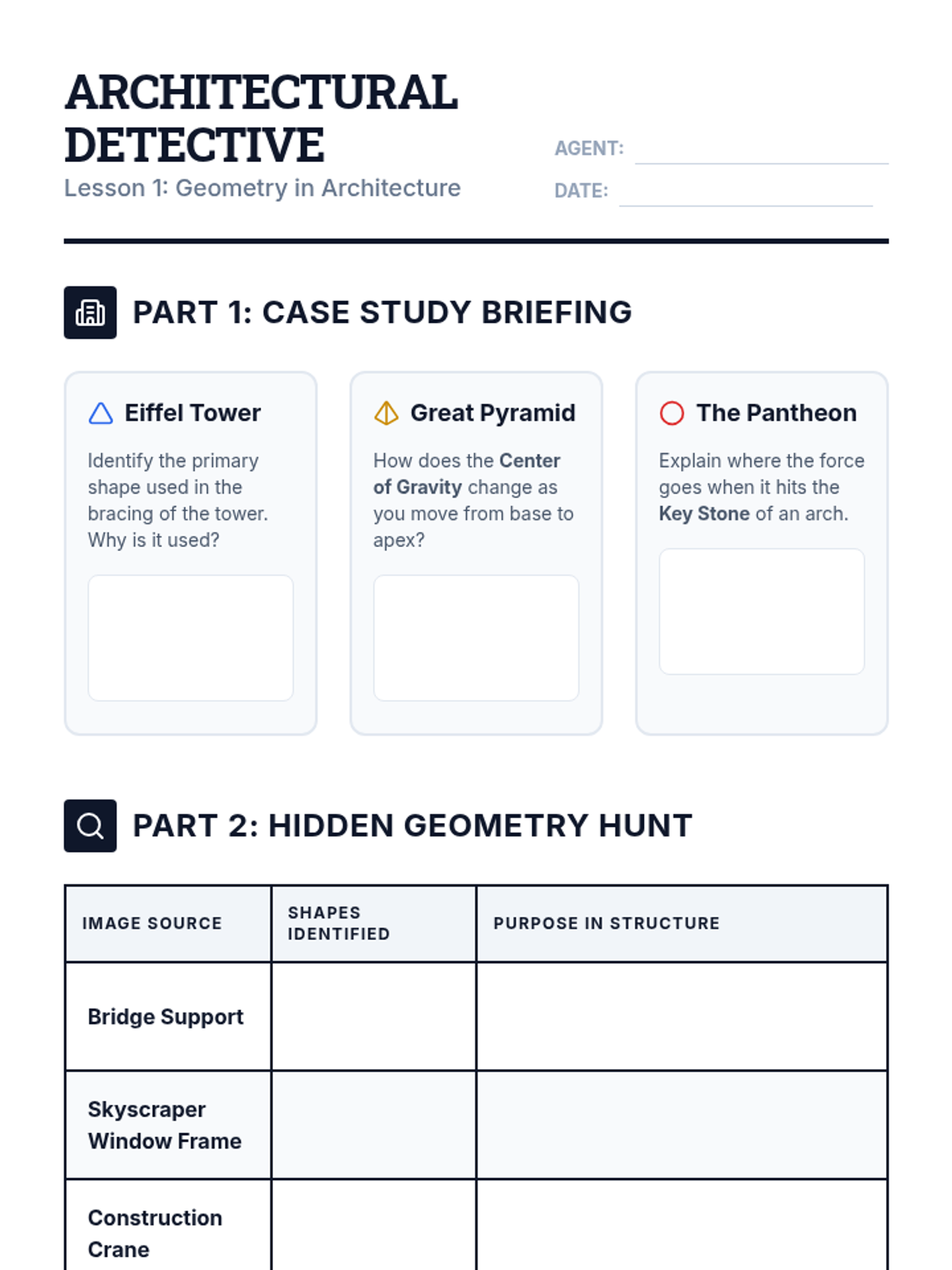
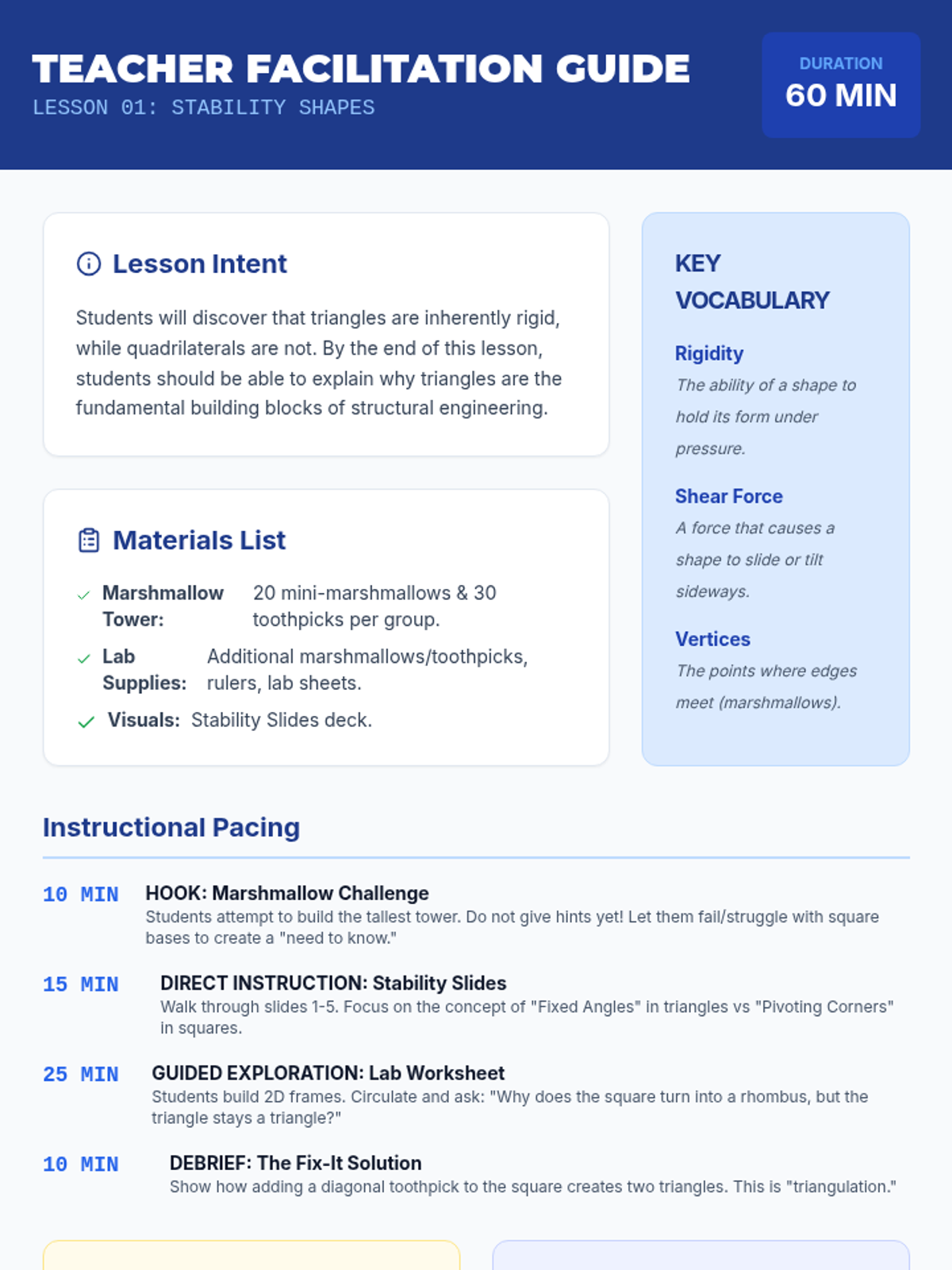
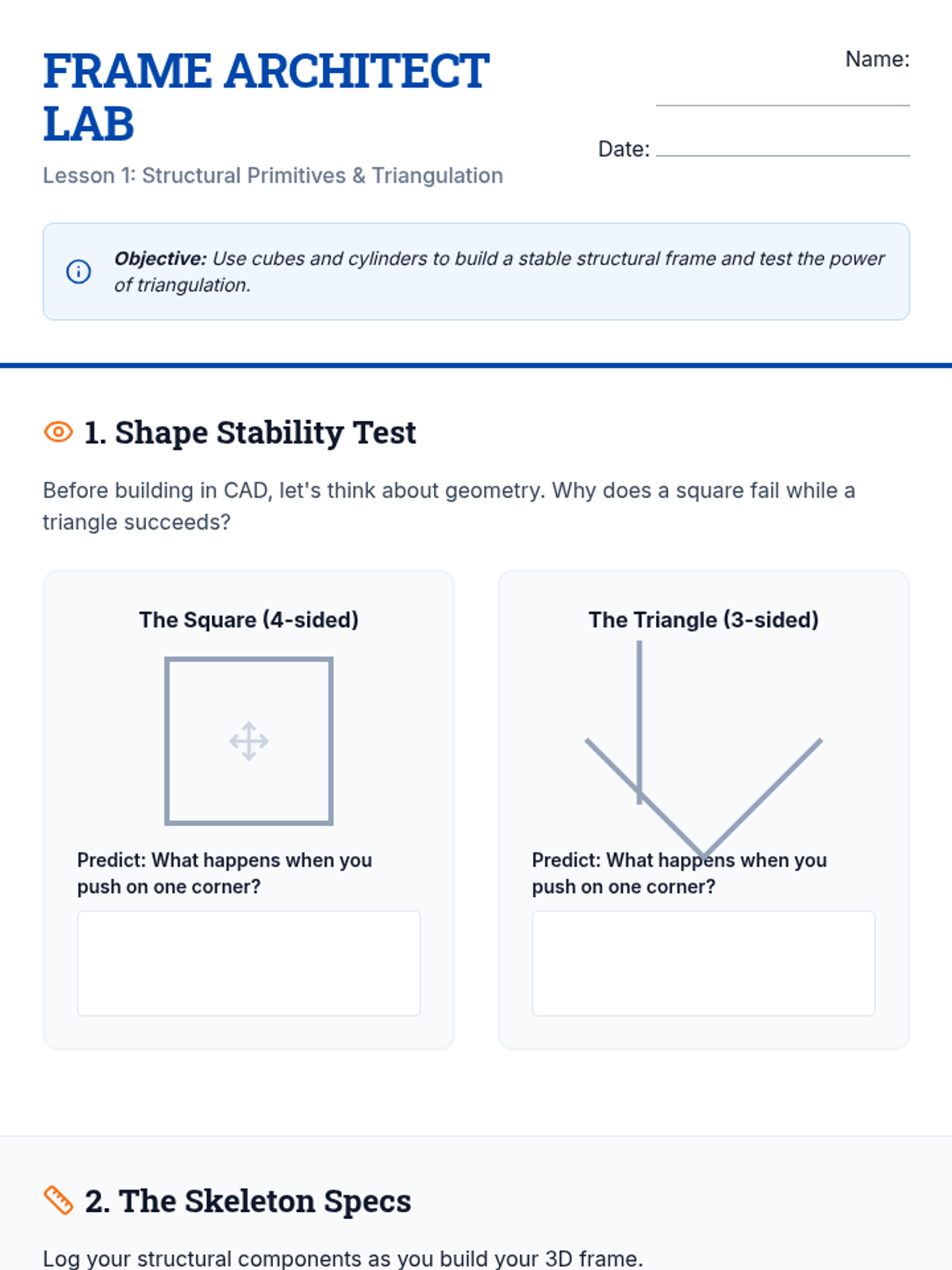
A comprehensive 6th-grade engineering sequence exploring how geometric properties like triangulation, tessellation, and symmetry contribute to structural stability and architectural strength.
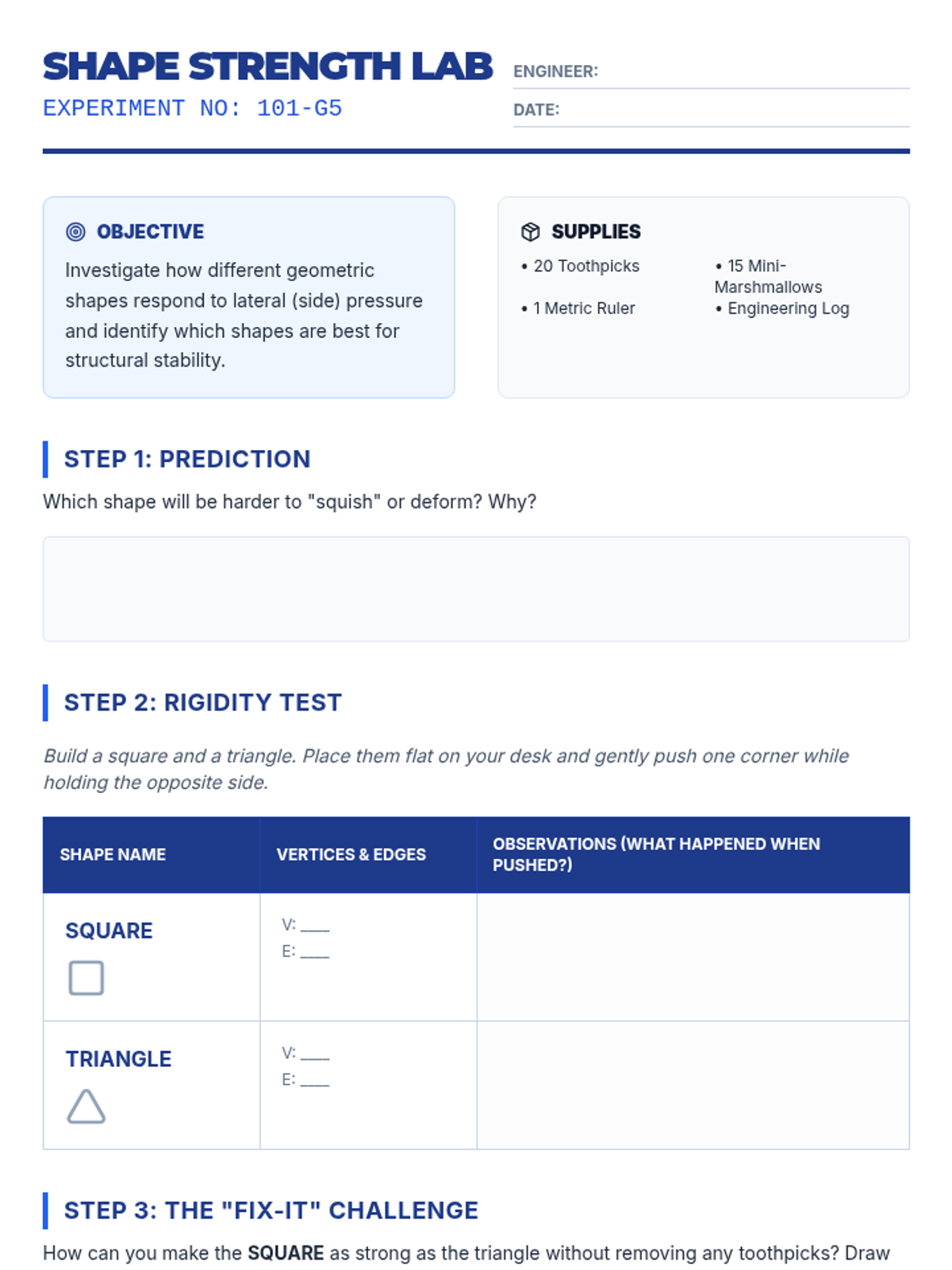
Students investigate how geometric properties influence the stability and function of structures. They analyze triangles versus squares, identify shapes in real-world bridges, and design structures under geometric constraints.
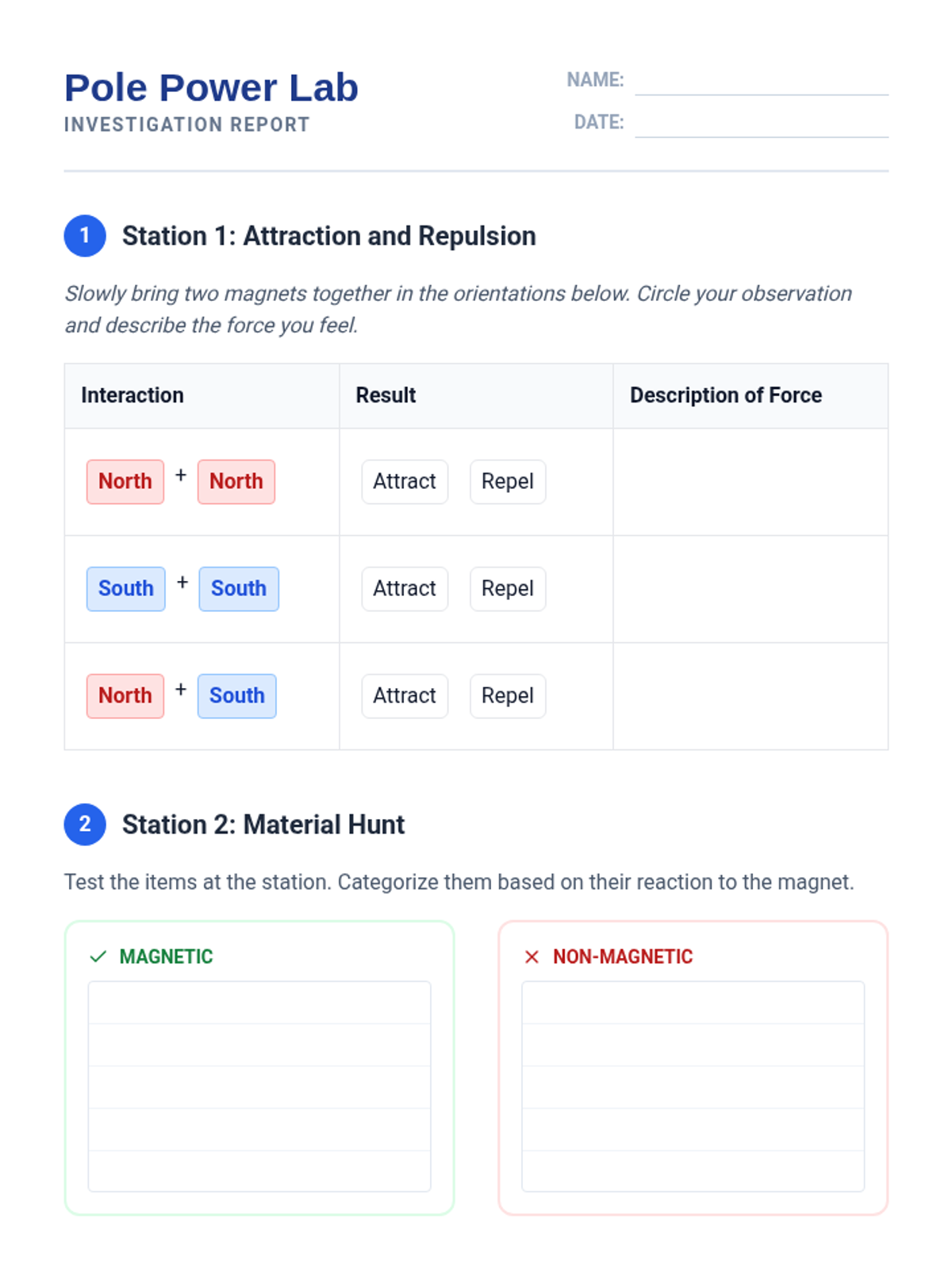
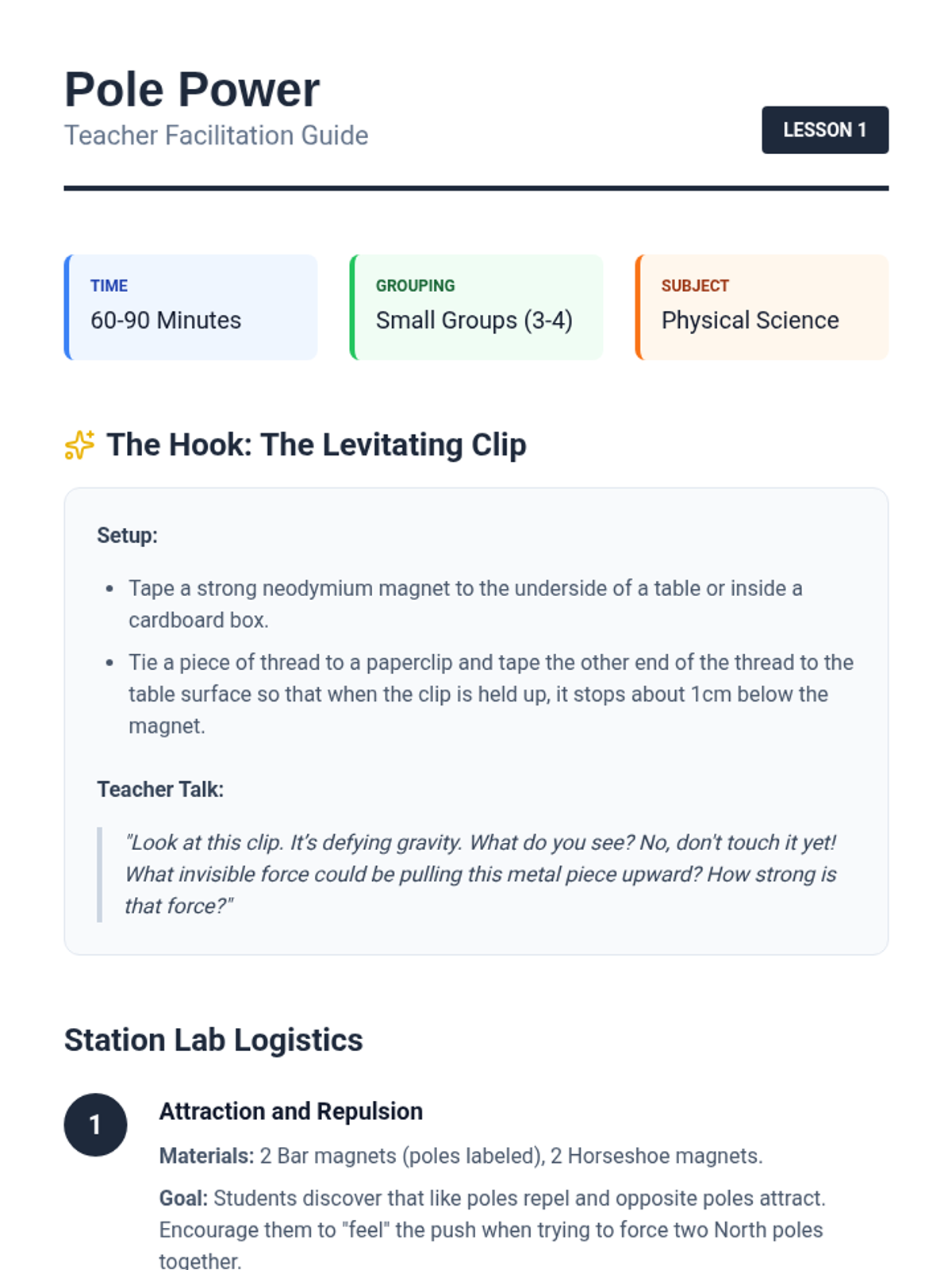
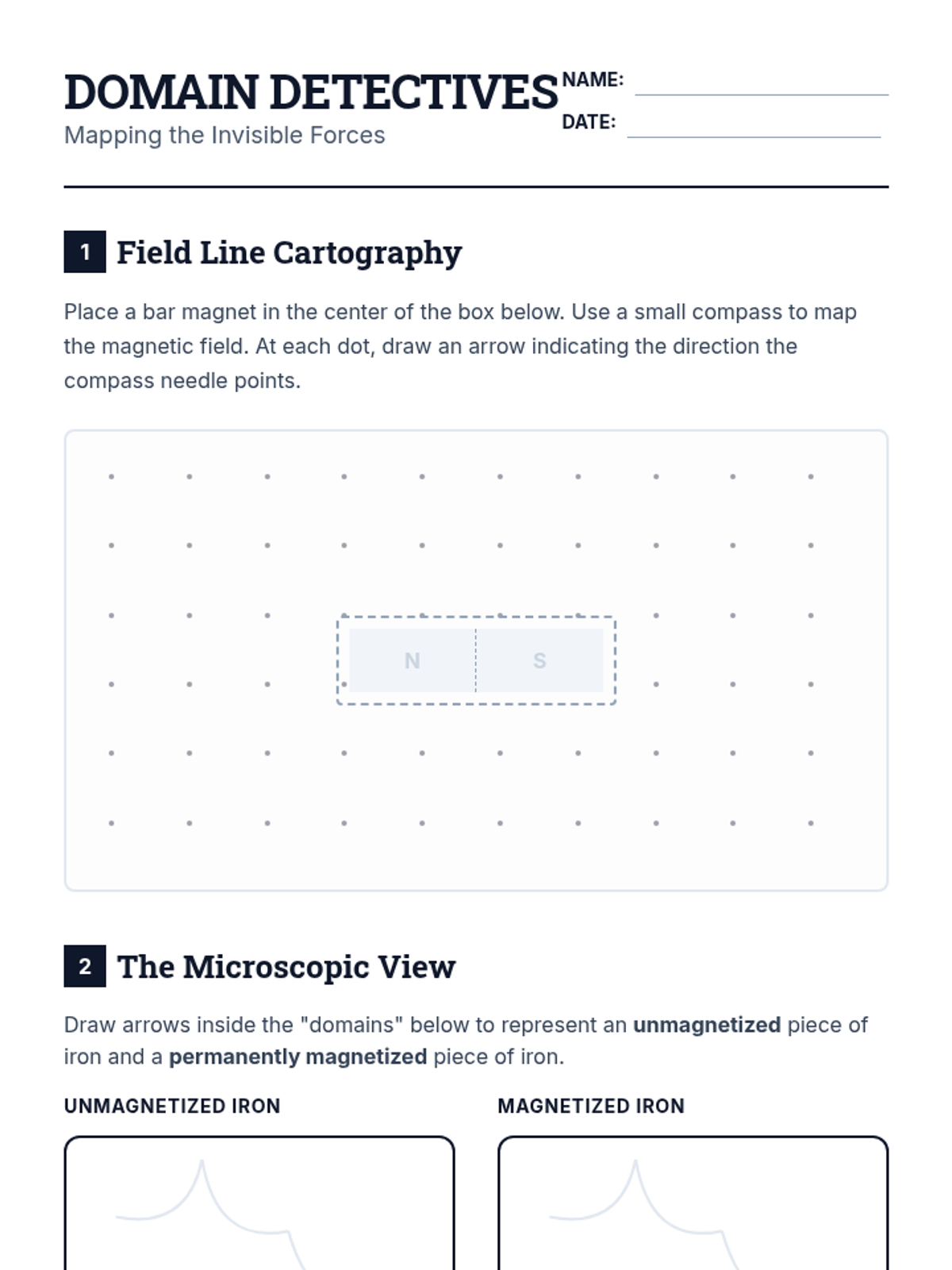
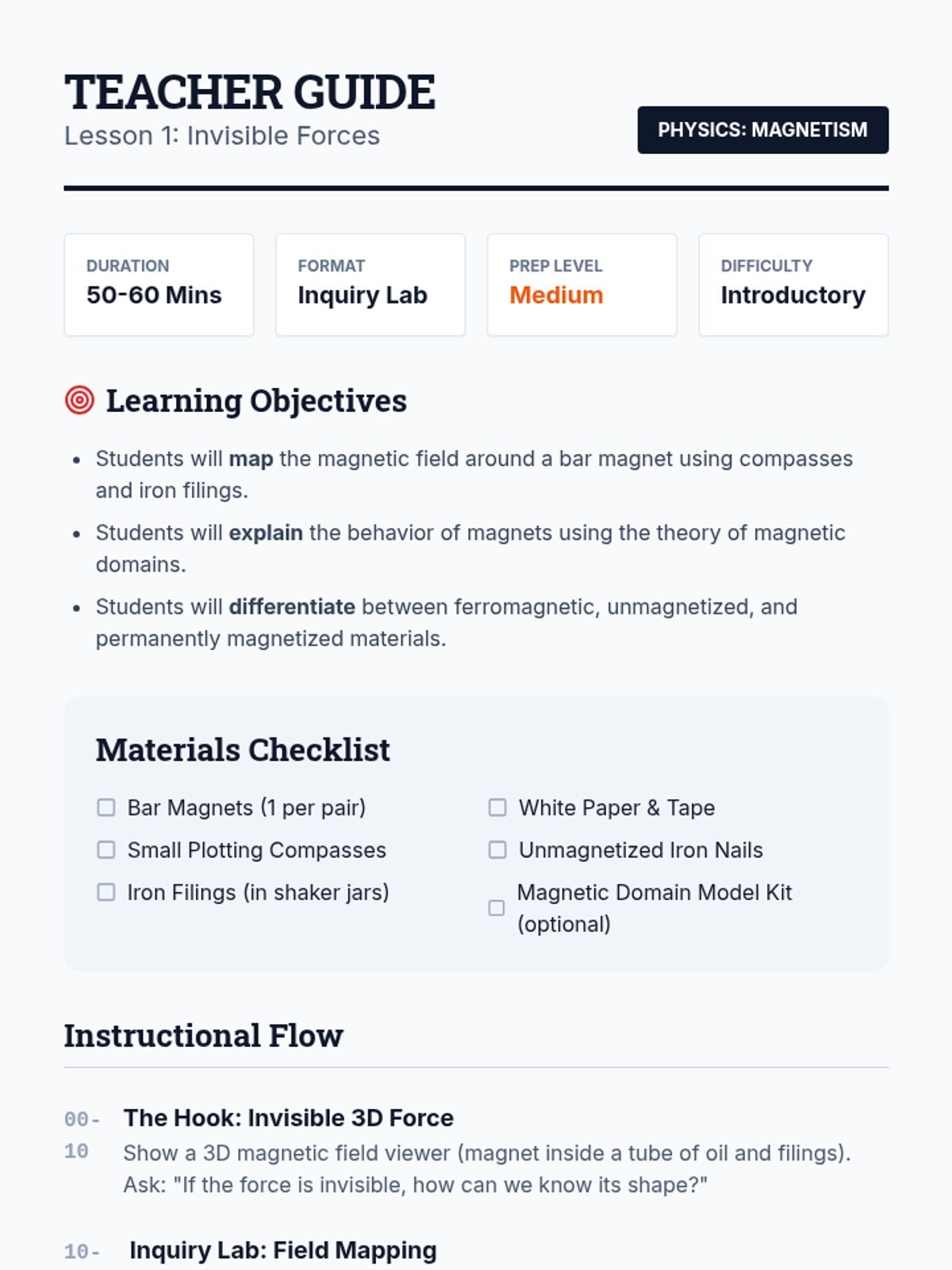
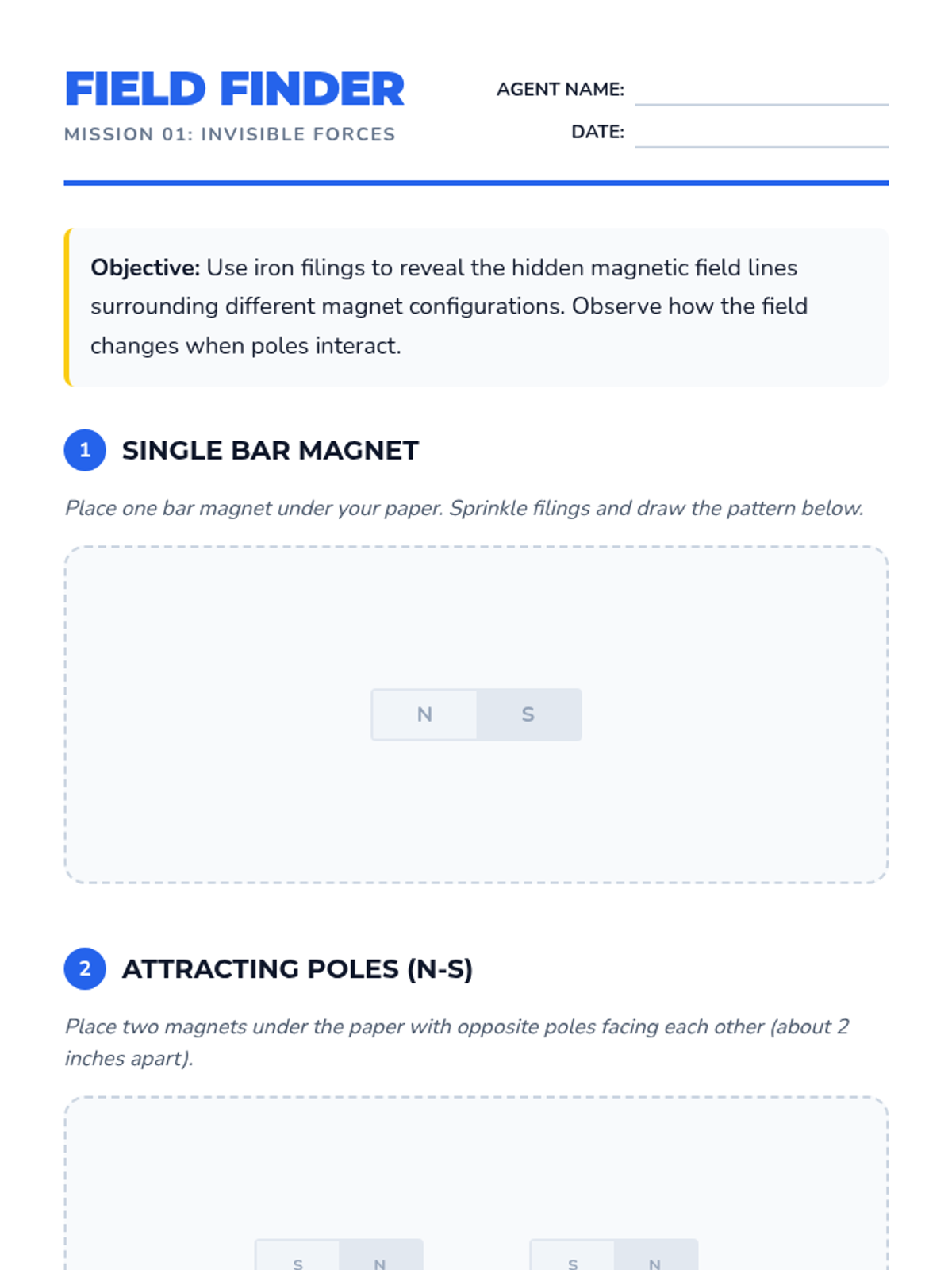
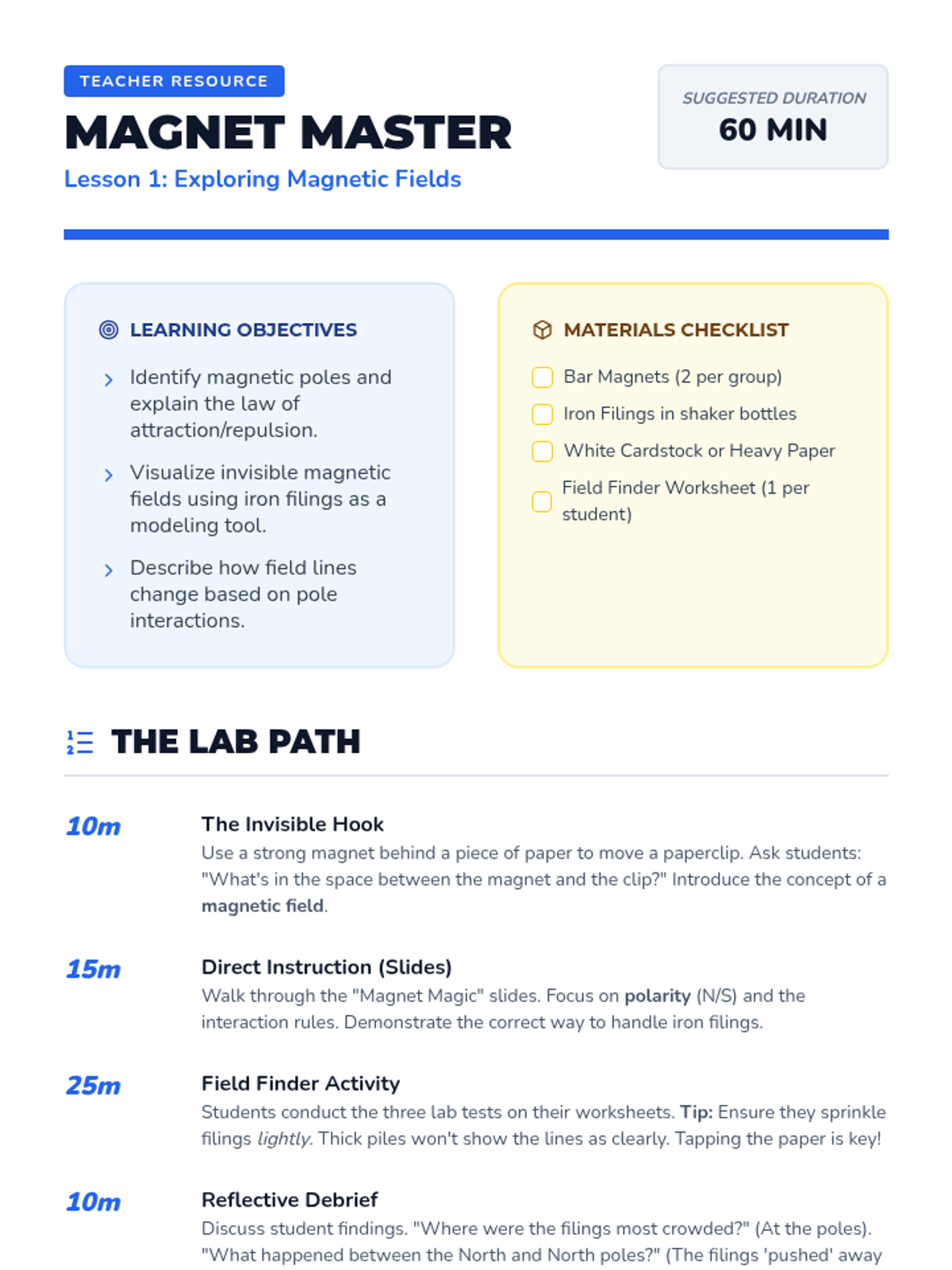
A hands-on exploration of magnetic forces and electromagnetism, from basic pole interactions to engineering solutions using temporary magnets. Students visualize invisible fields and manipulate variables to control magnetic strength.
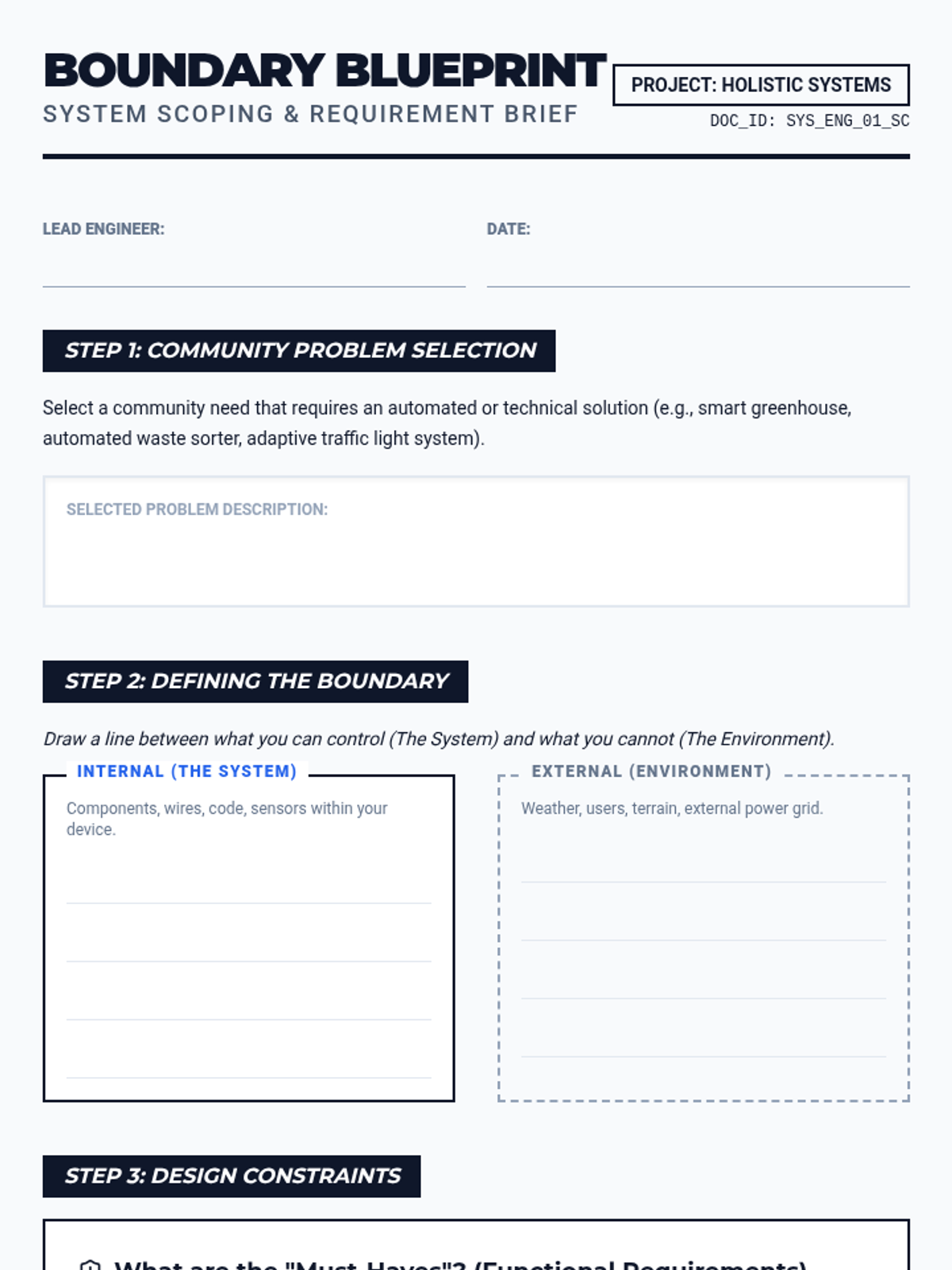
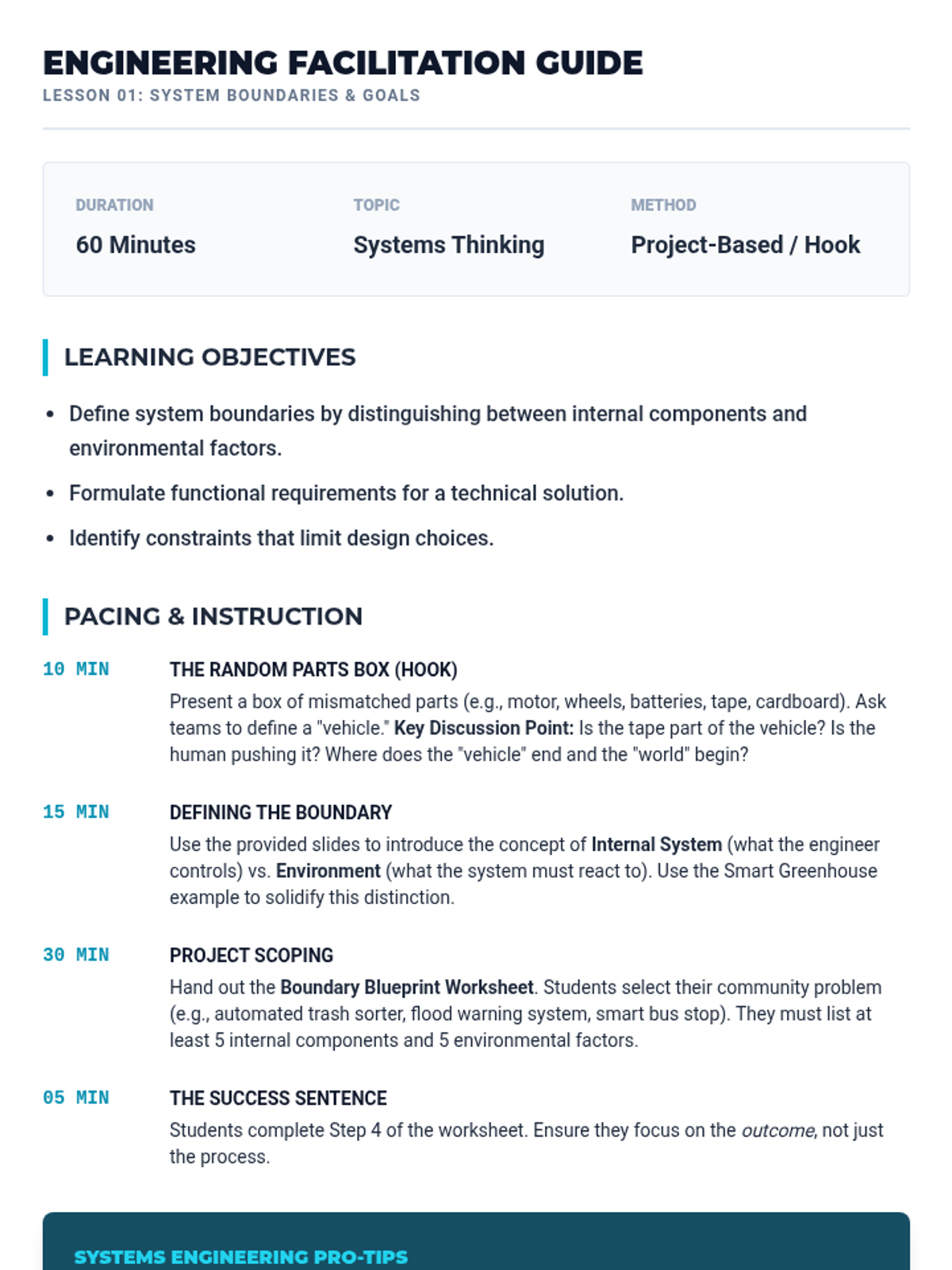
Students adopt the role of systems engineers to design sustainable solutions for community needs. They learn to define boundaries, map component interactions, and develop control logic, culminating in a resilient design review.
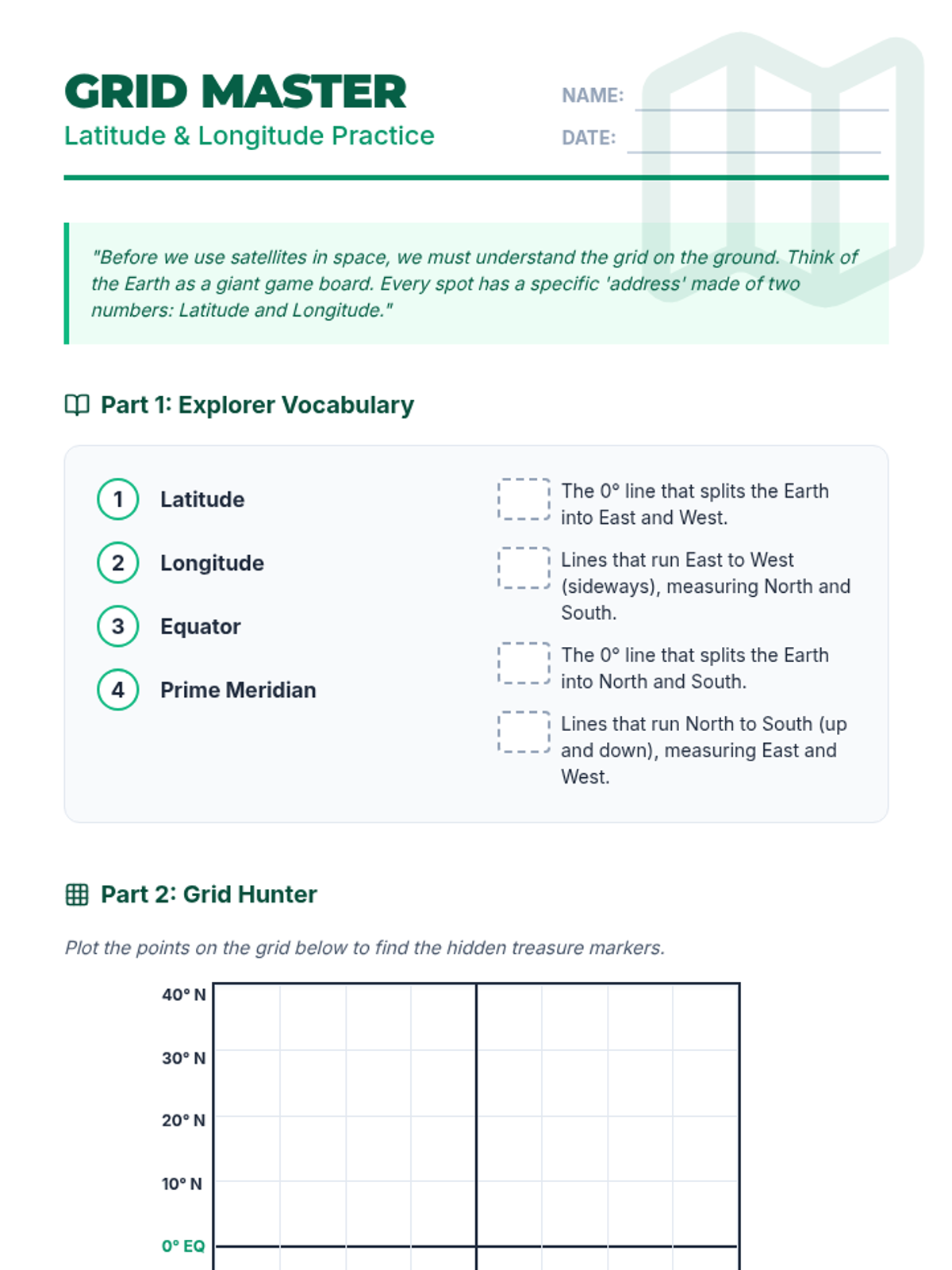
This sequence bridges traditional outdoor skills with modern technology by introducing Global Positioning Systems (GPS) and Geocaching. Students transition from analog maps to digital wayfinding, learning how coordinates work and how to use handheld devices or apps to locate hidden physical caches.
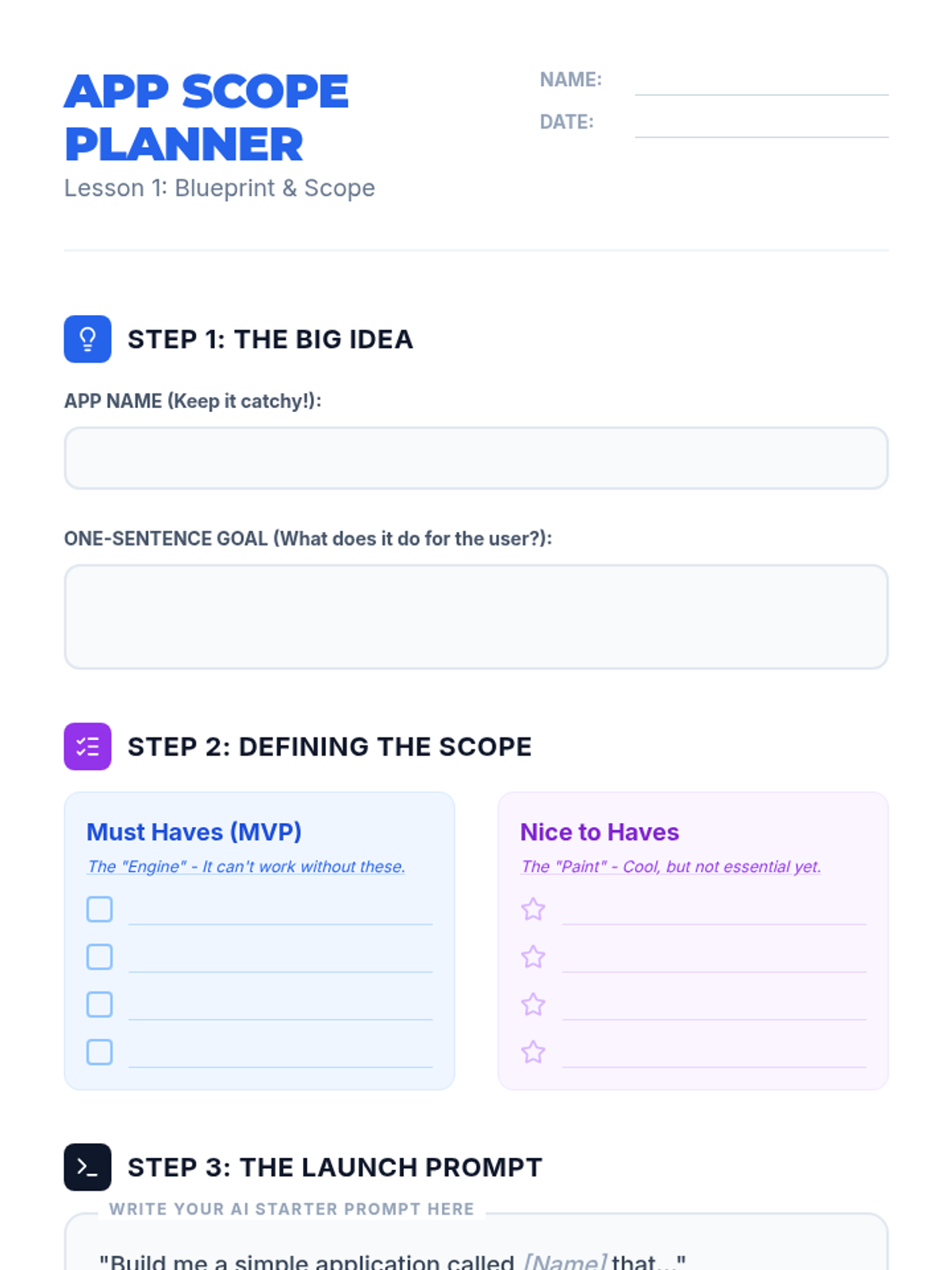
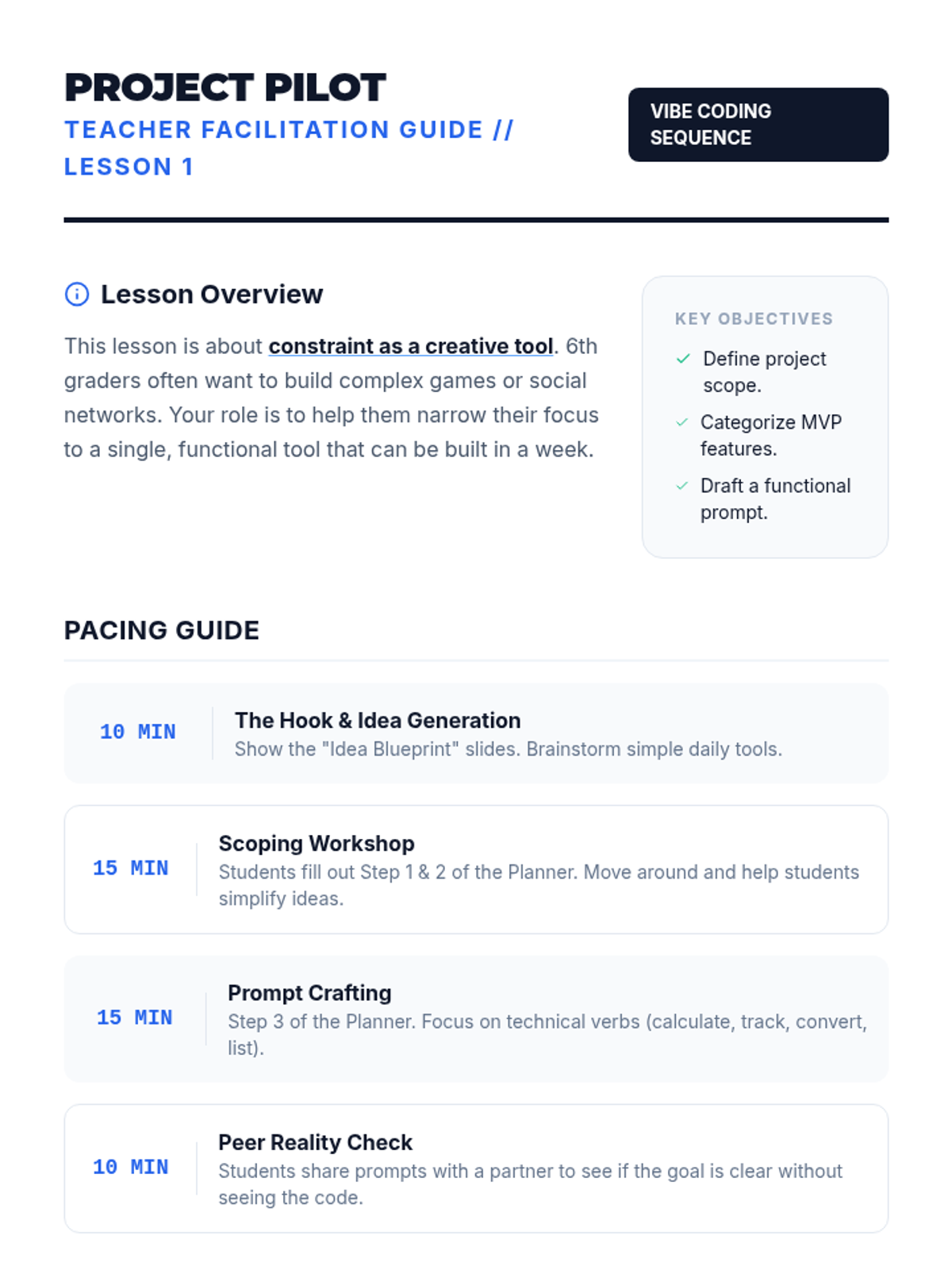
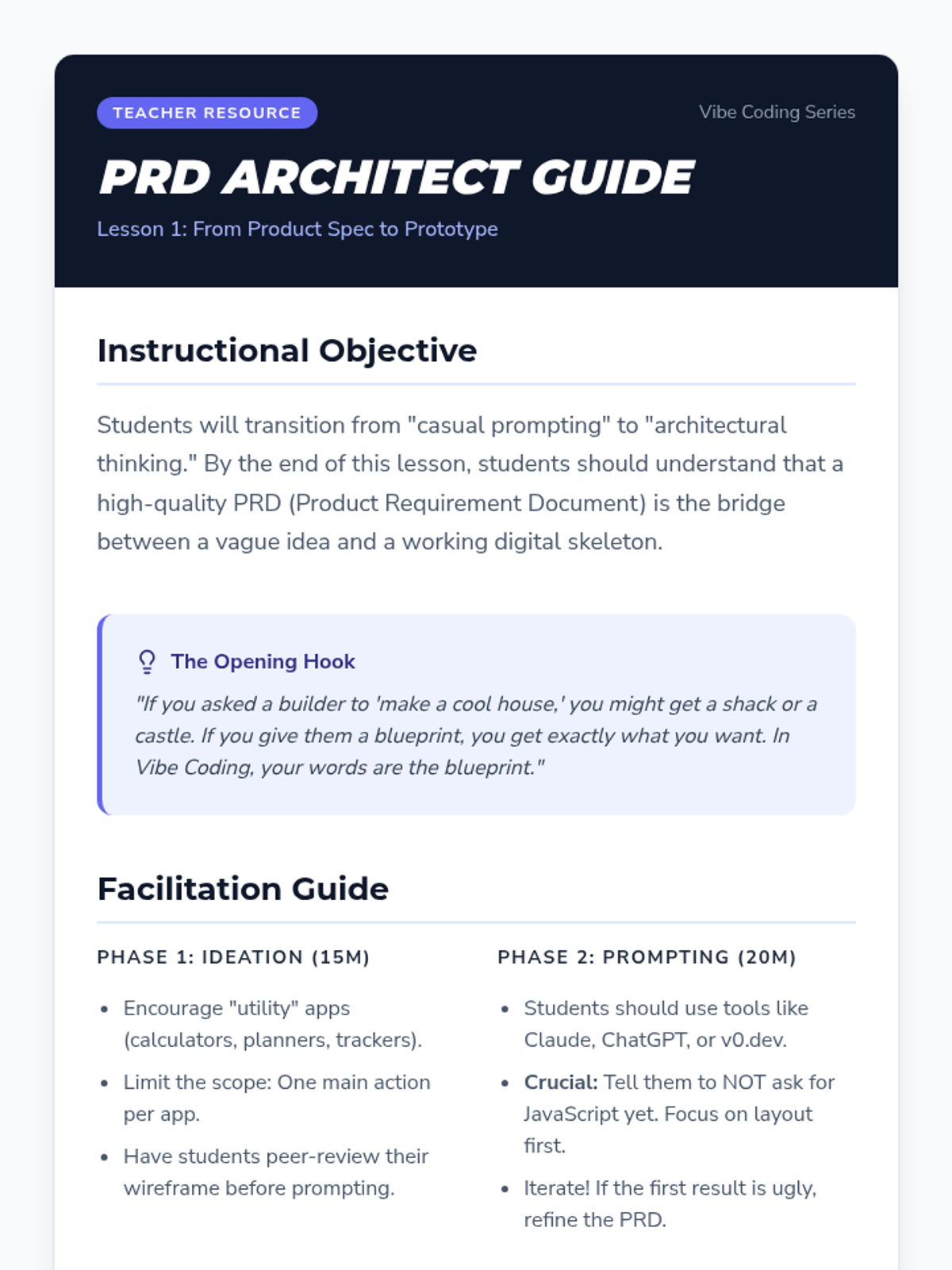
A comprehensive 6th-grade sequence on 'Vibe Coding'—using AI to rapidly prototype and build functional applications. Students move from initial scoping to functional MVP, UI styling, peer testing, and final reflection, emphasizing the partnership between human creativity and AI execution.
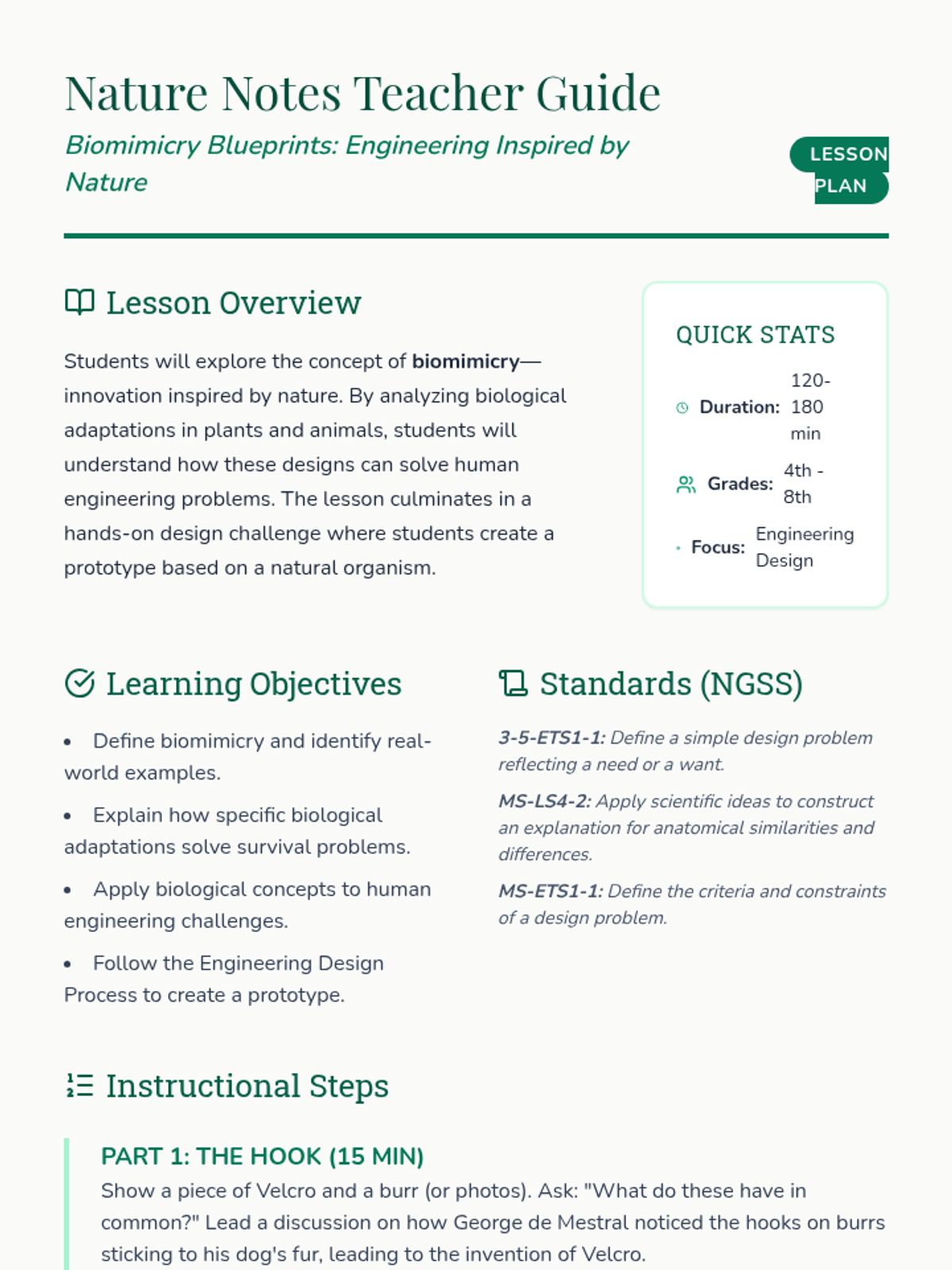
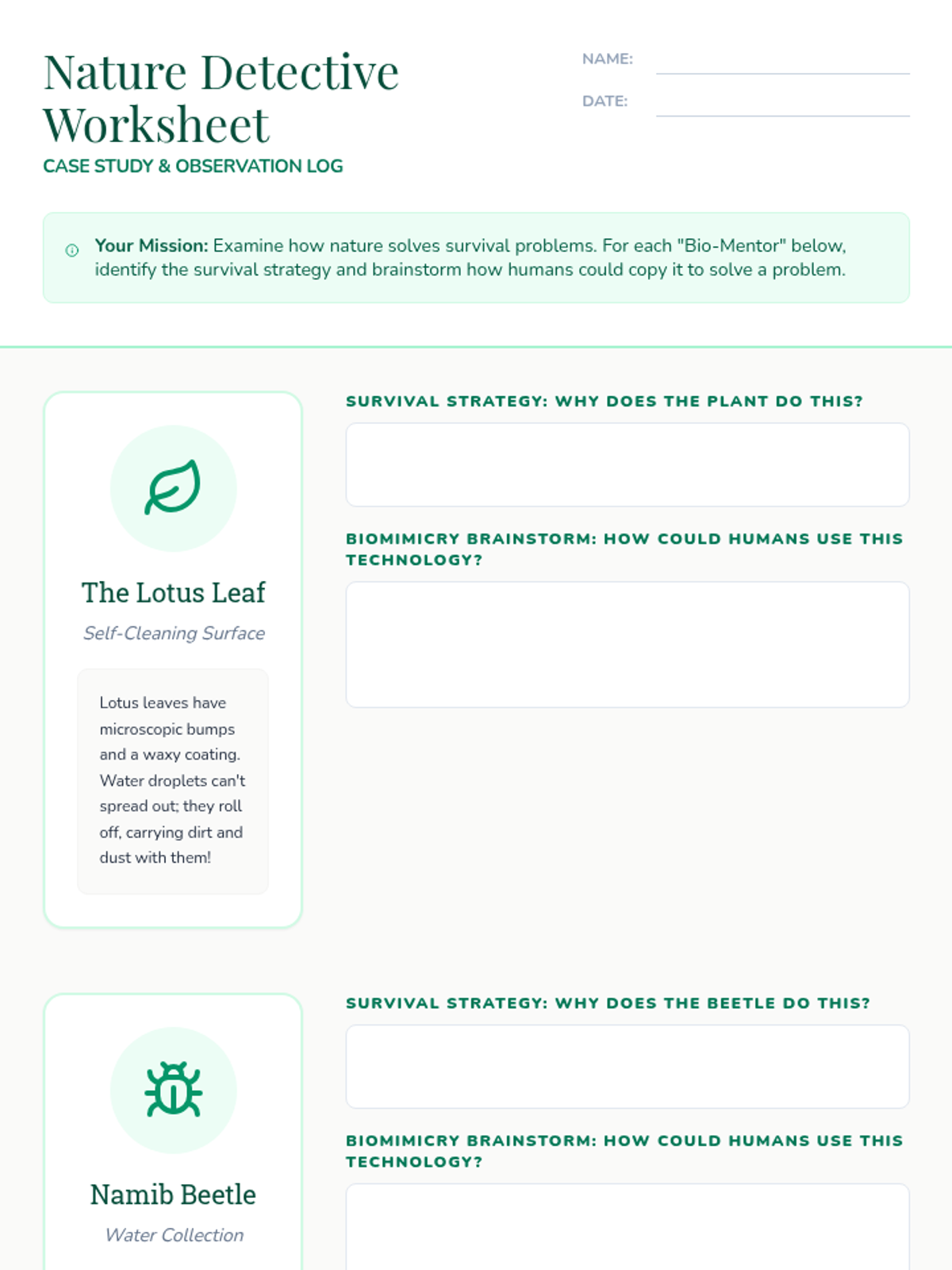
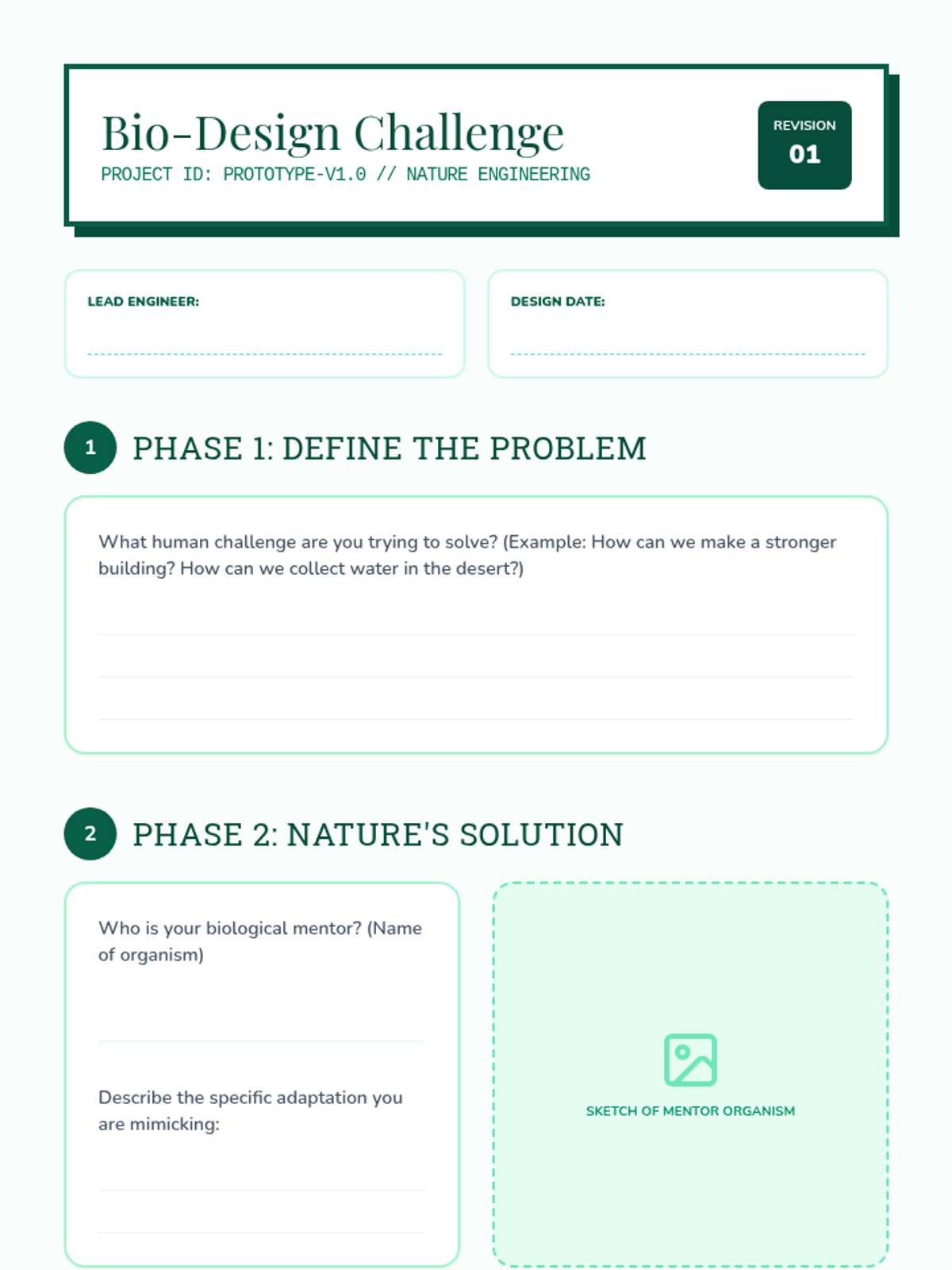
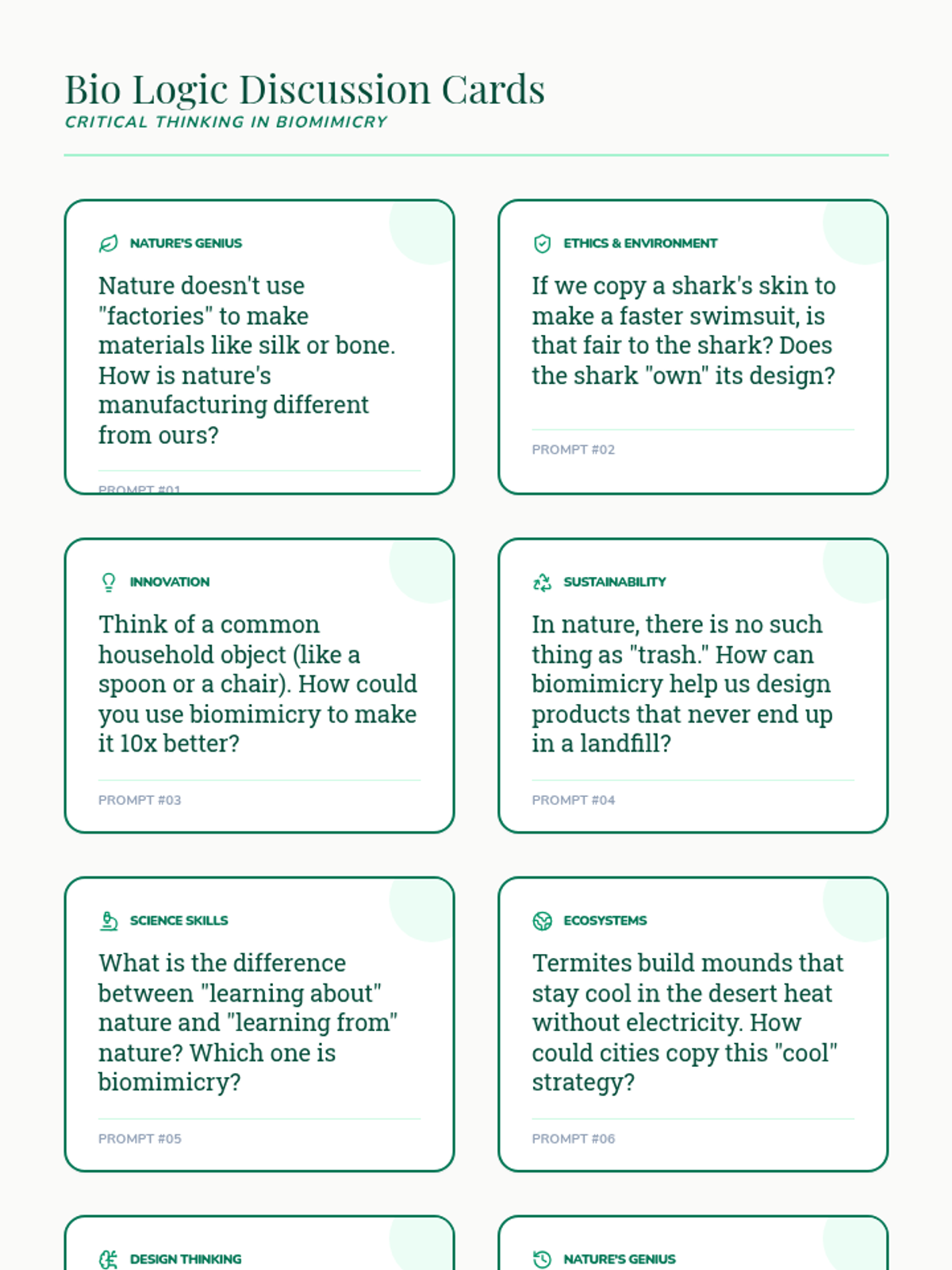
An engineering and biology sequence that teaches students to look to nature for sustainable and efficient design solutions, fostering innovation and biological appreciation.
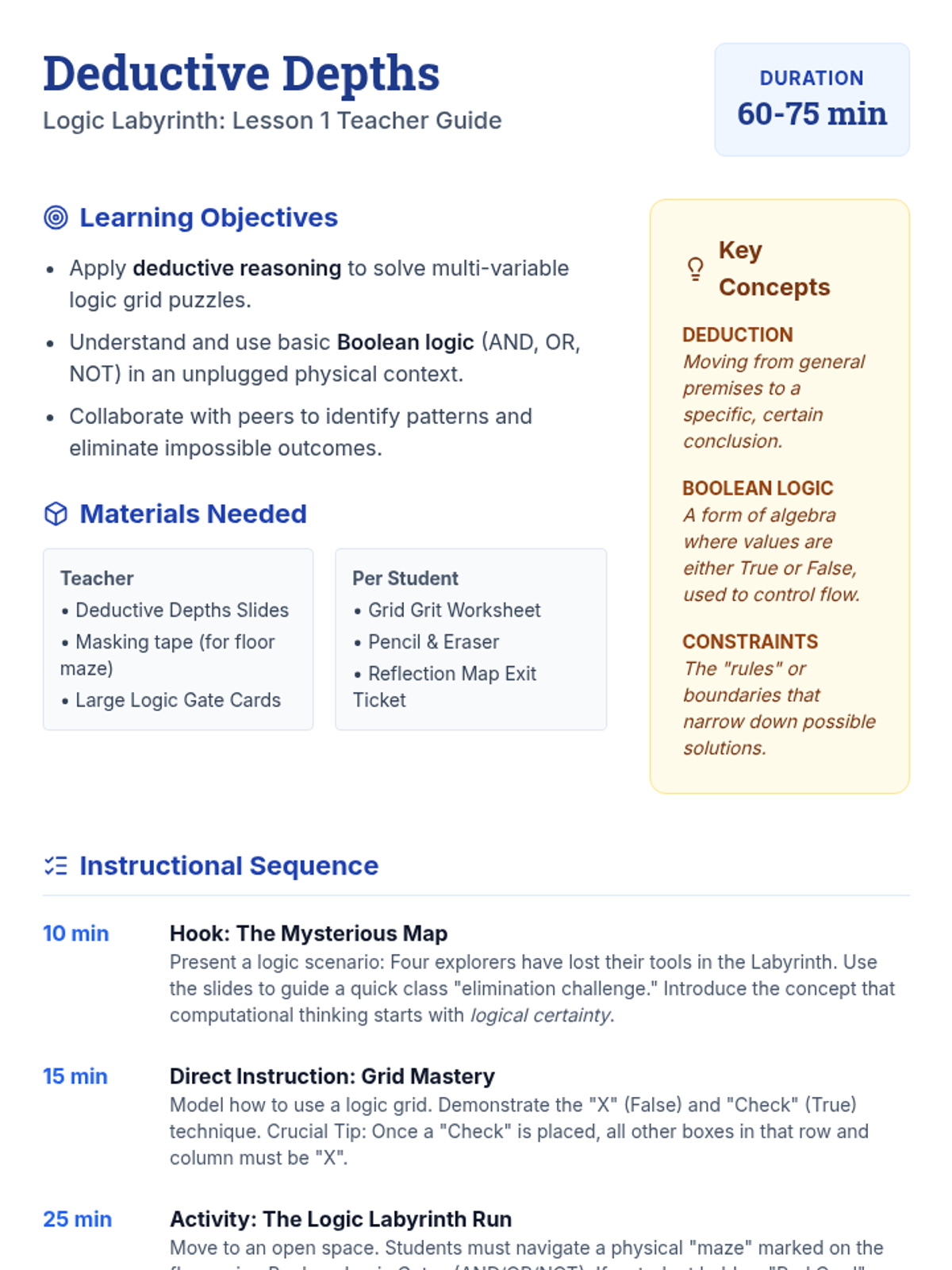
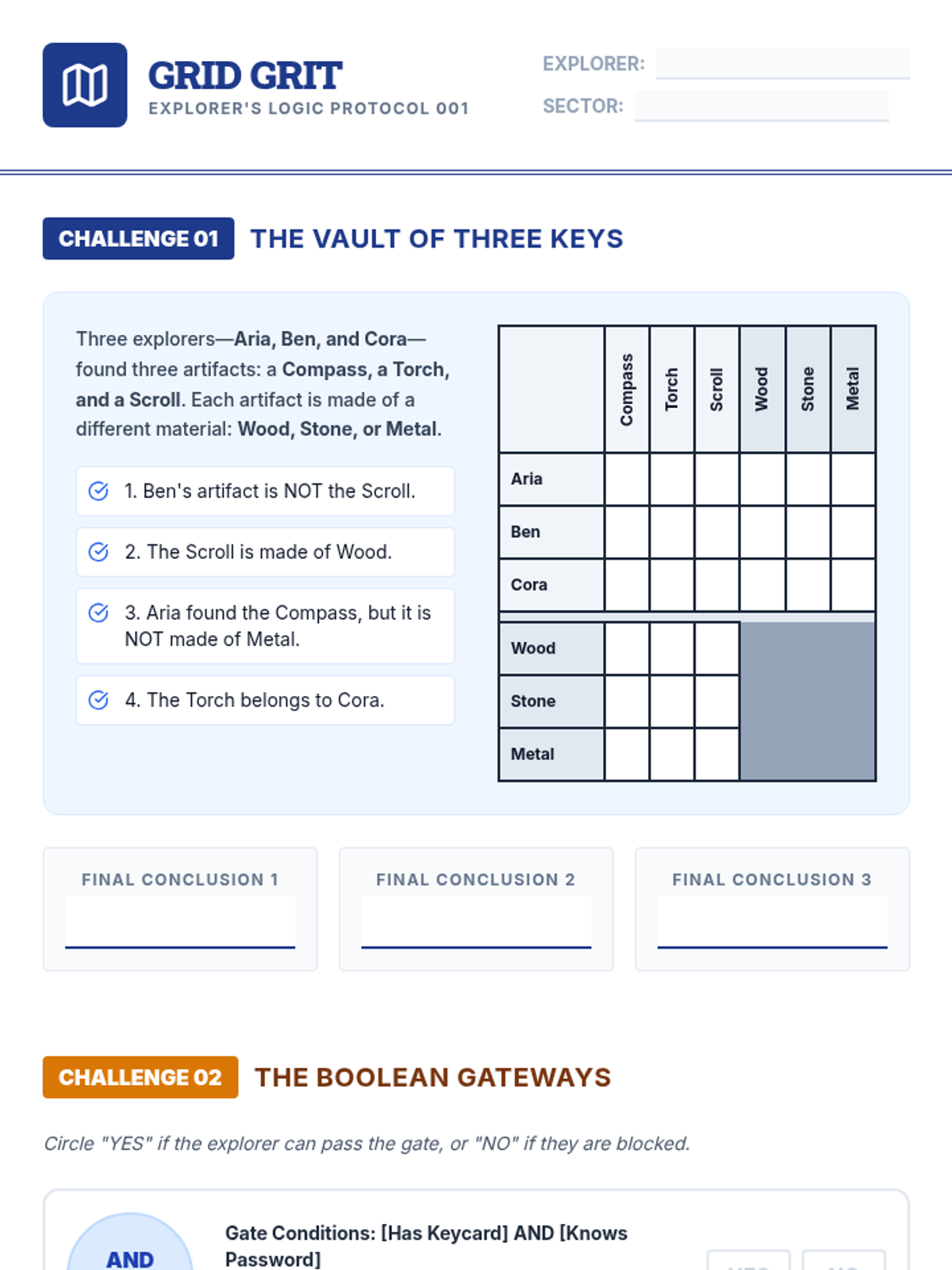
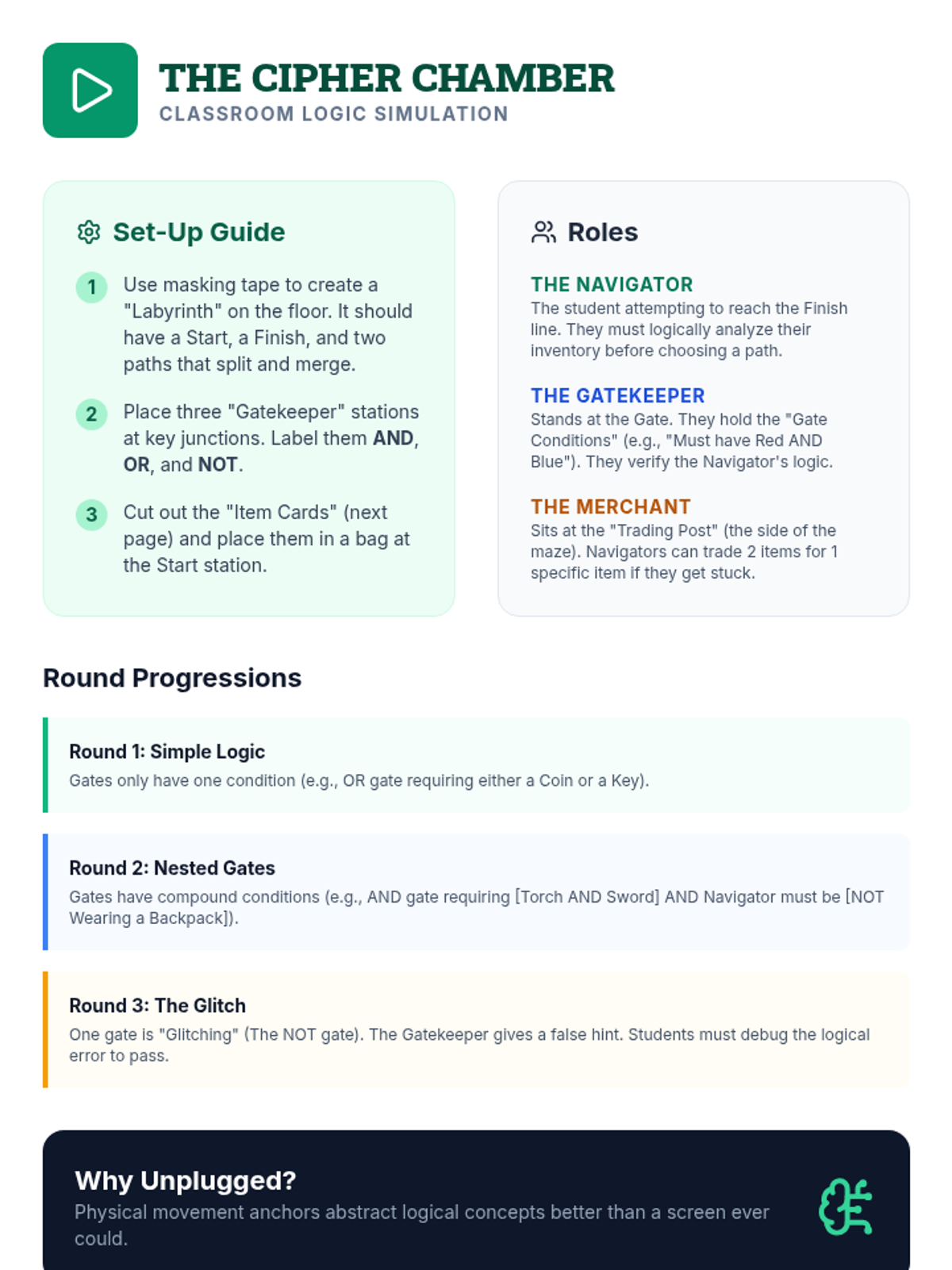
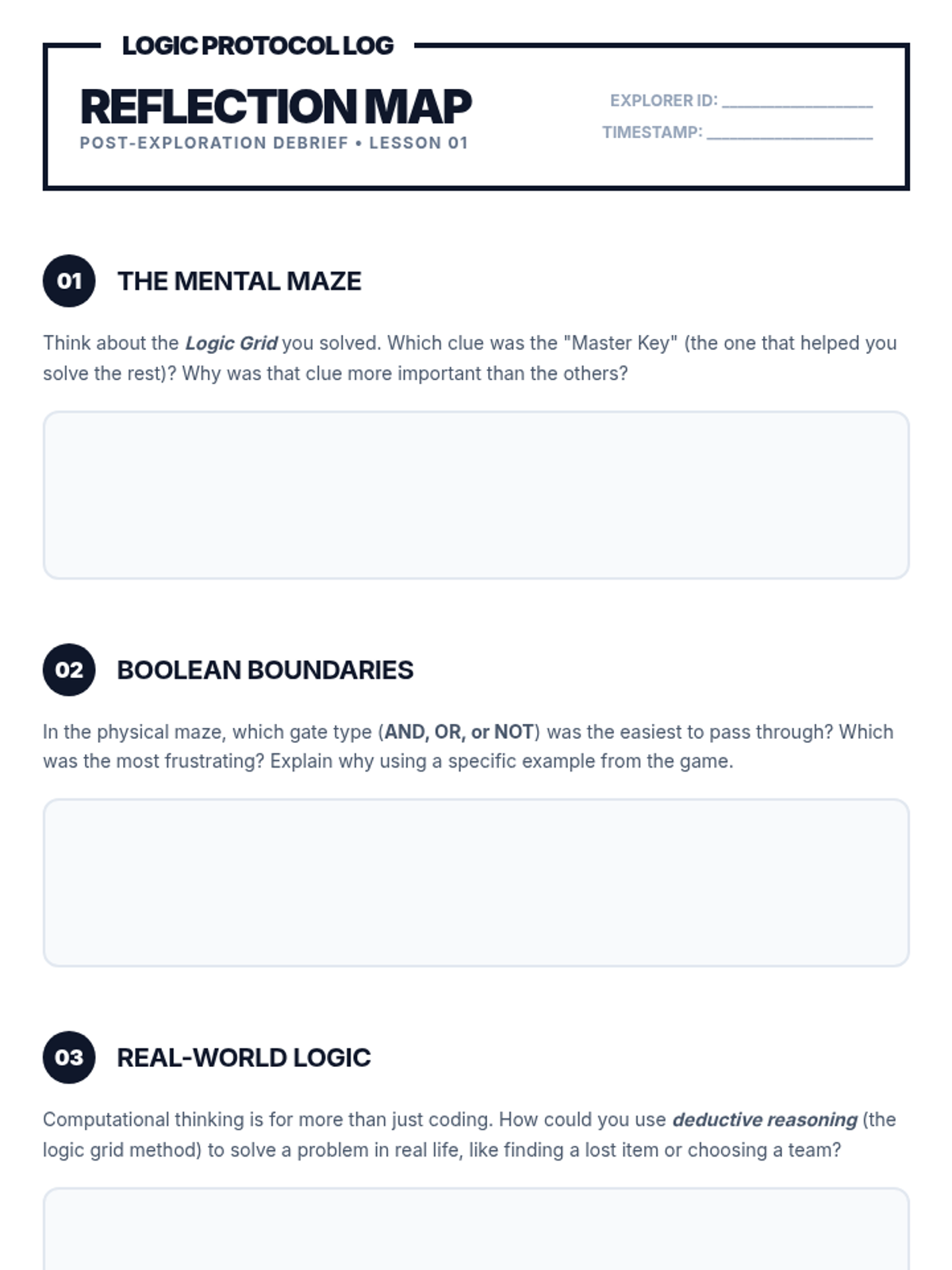
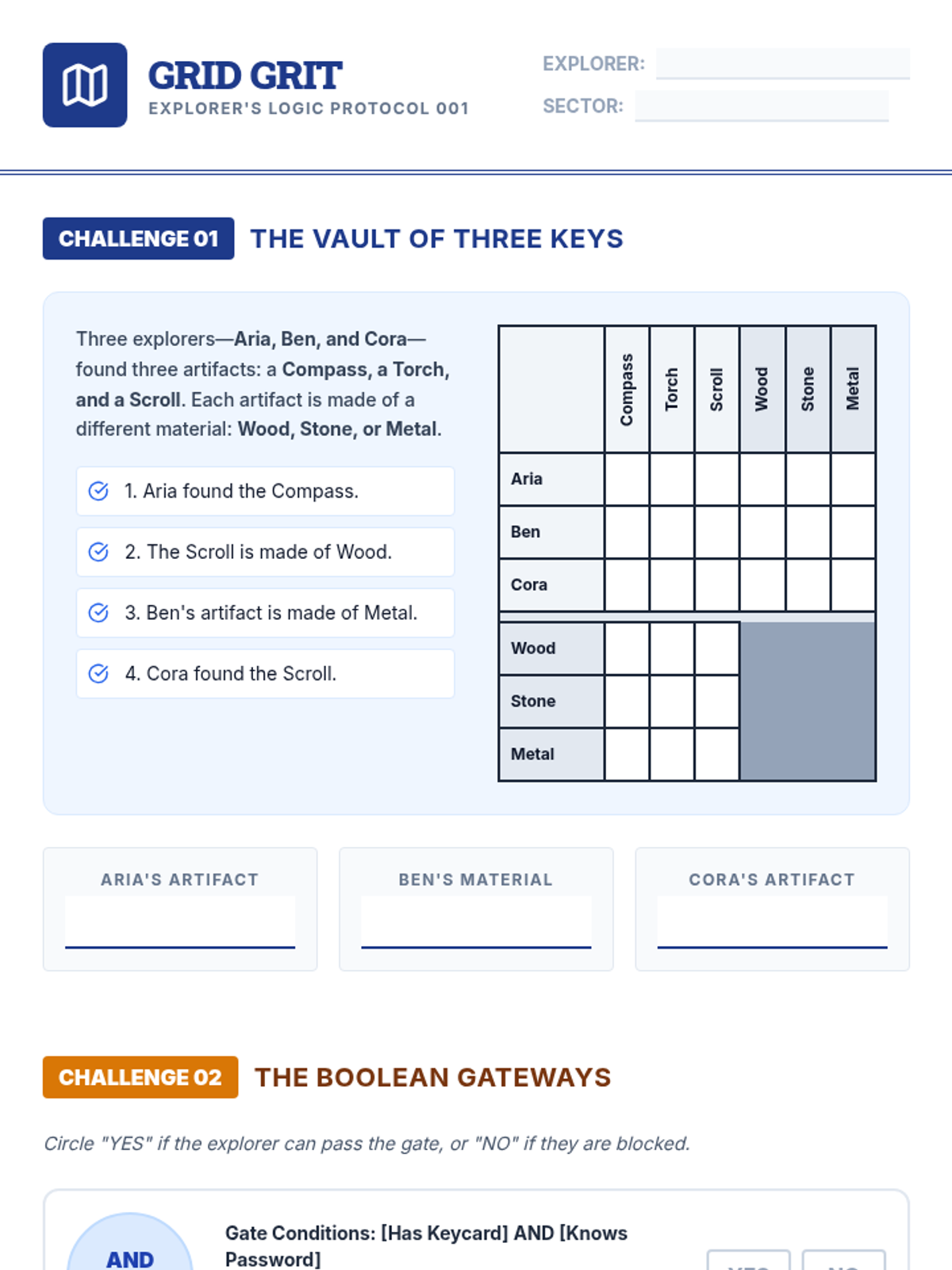
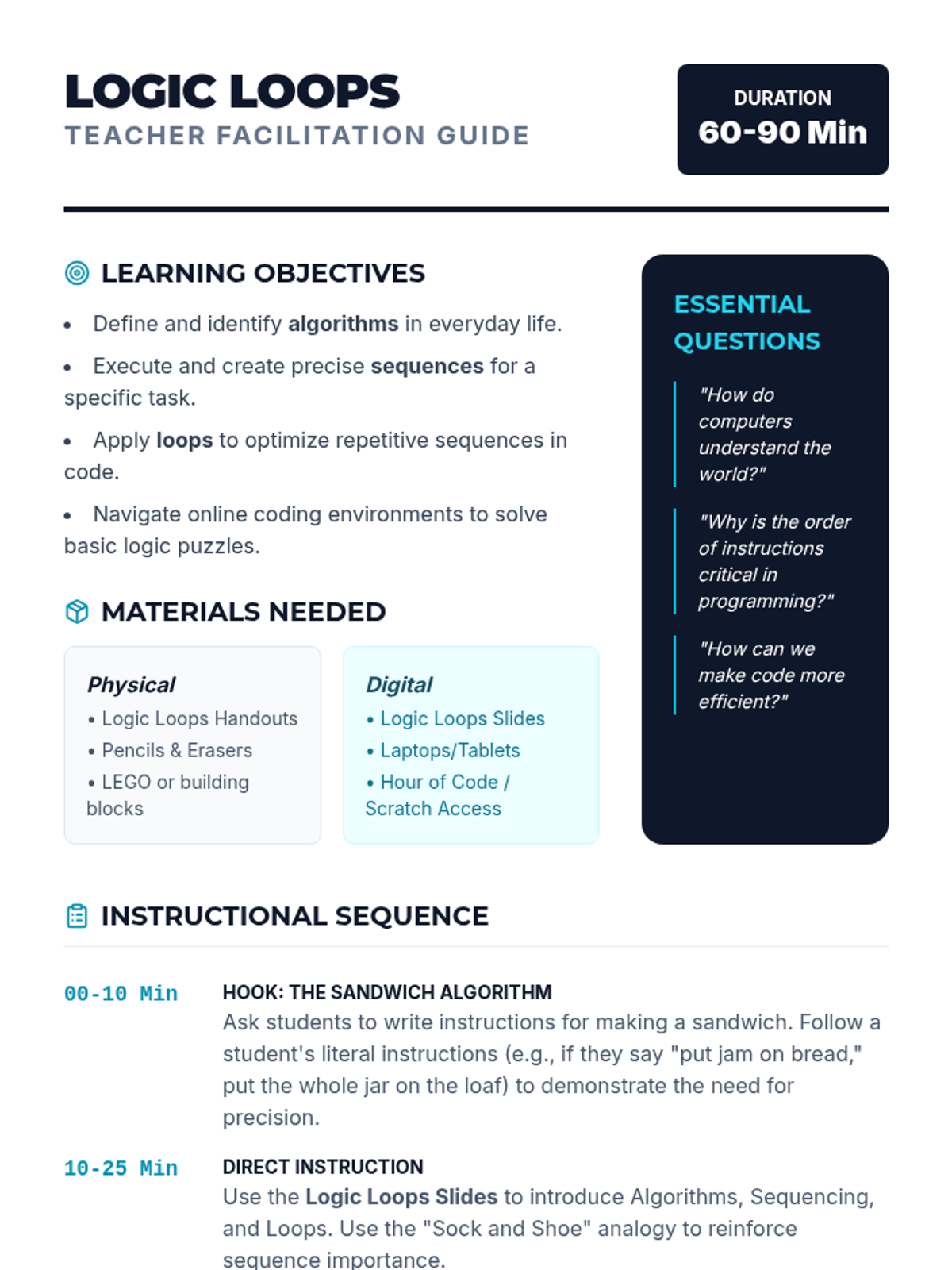
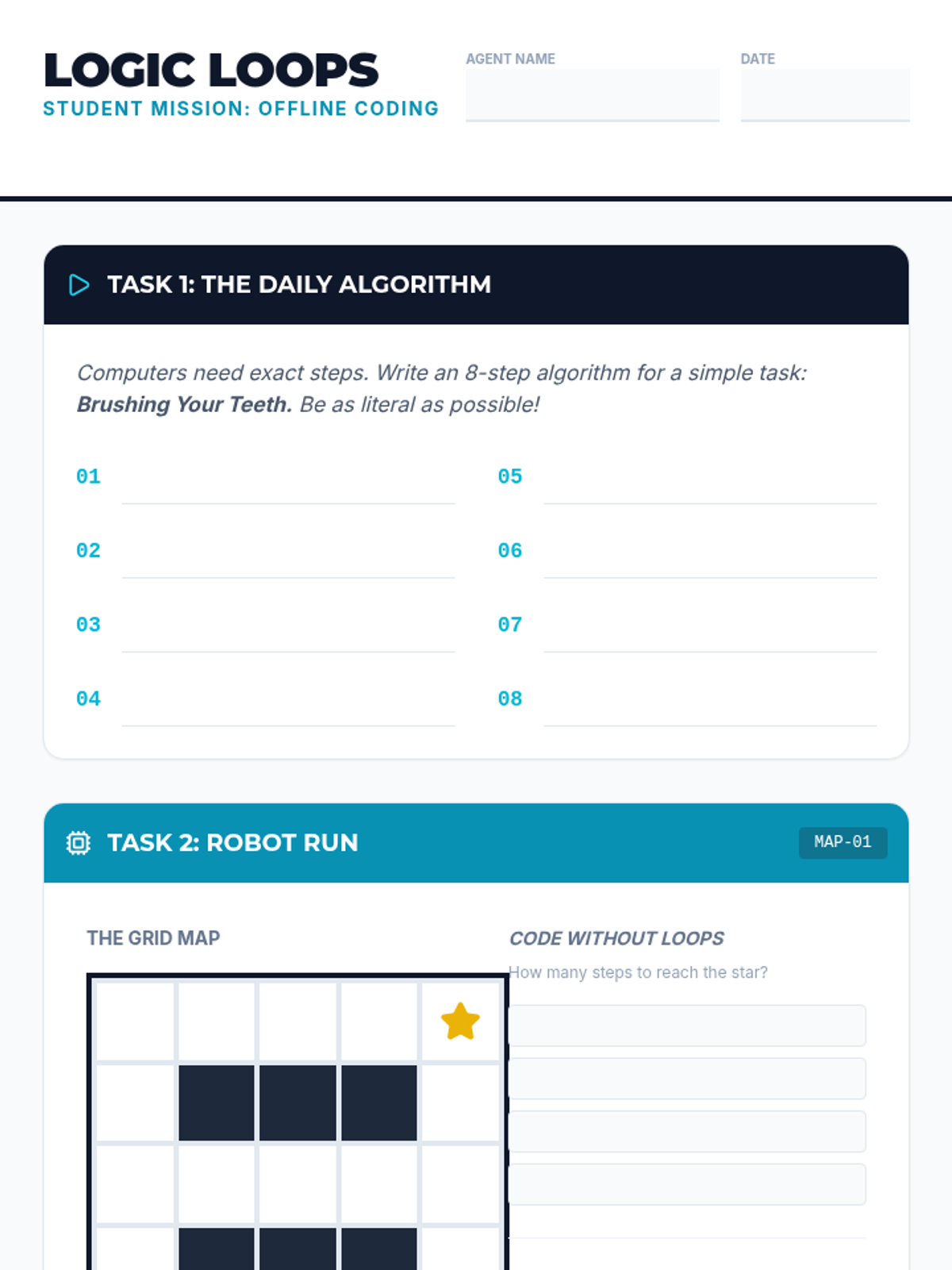
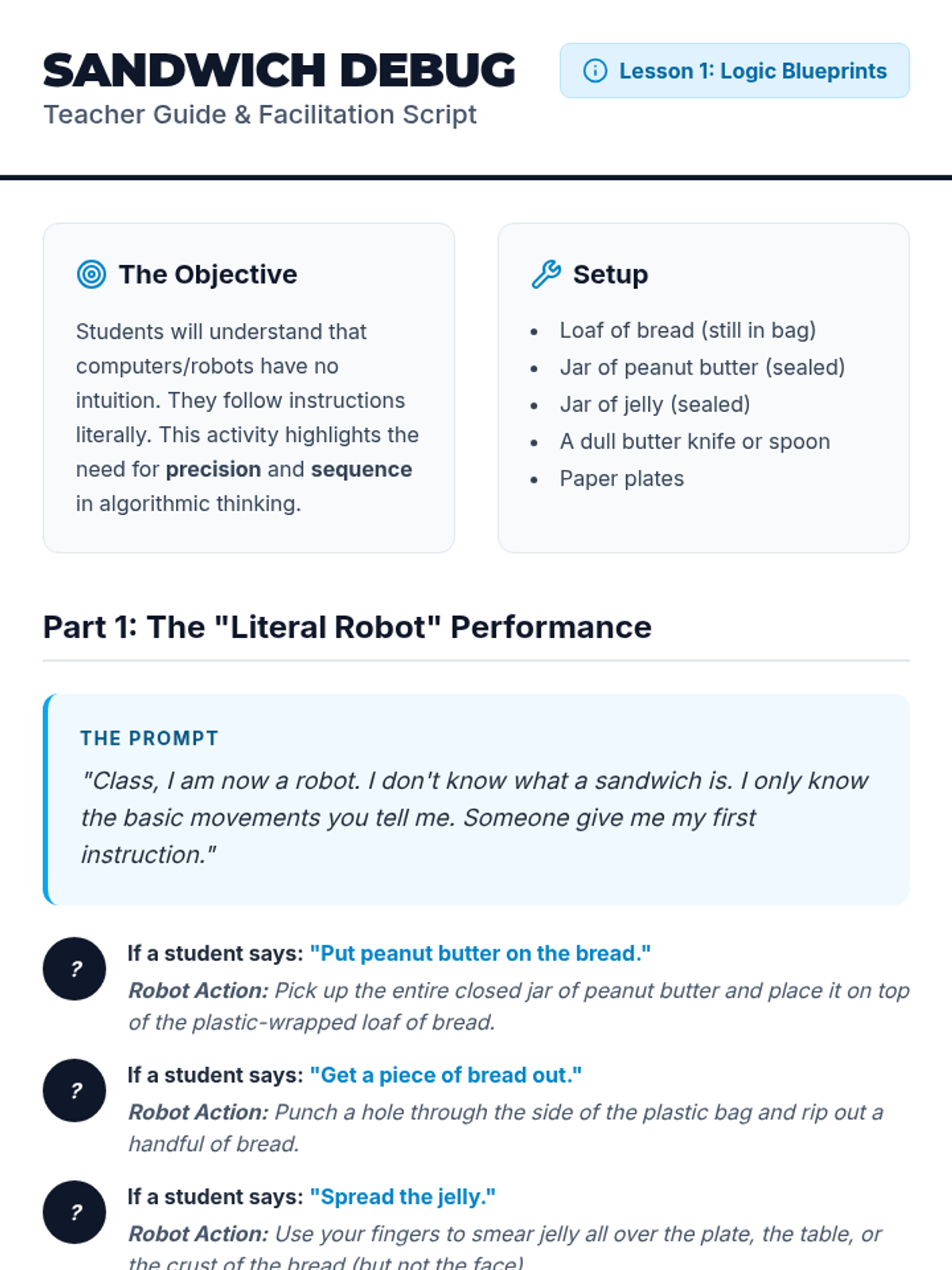
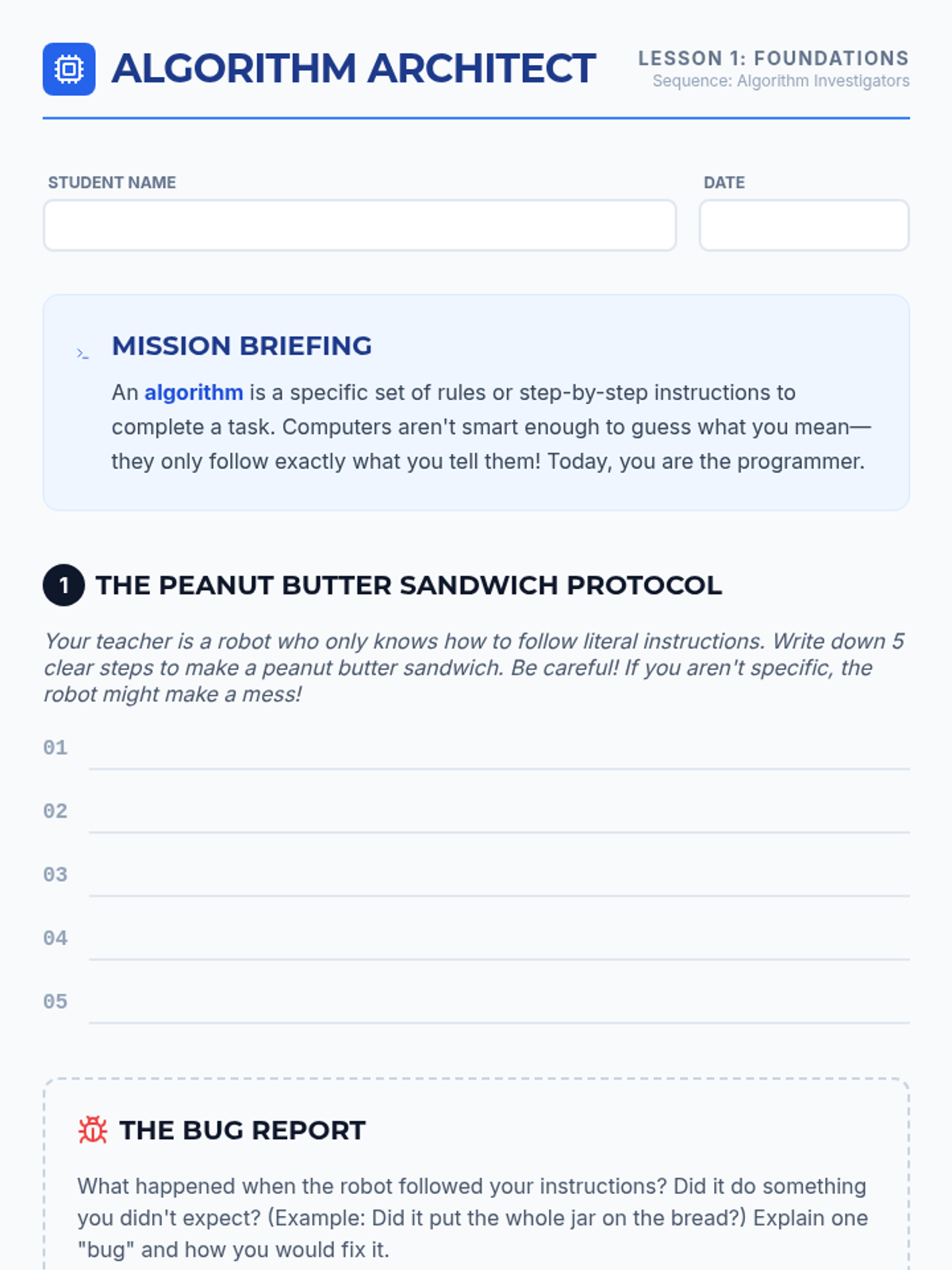
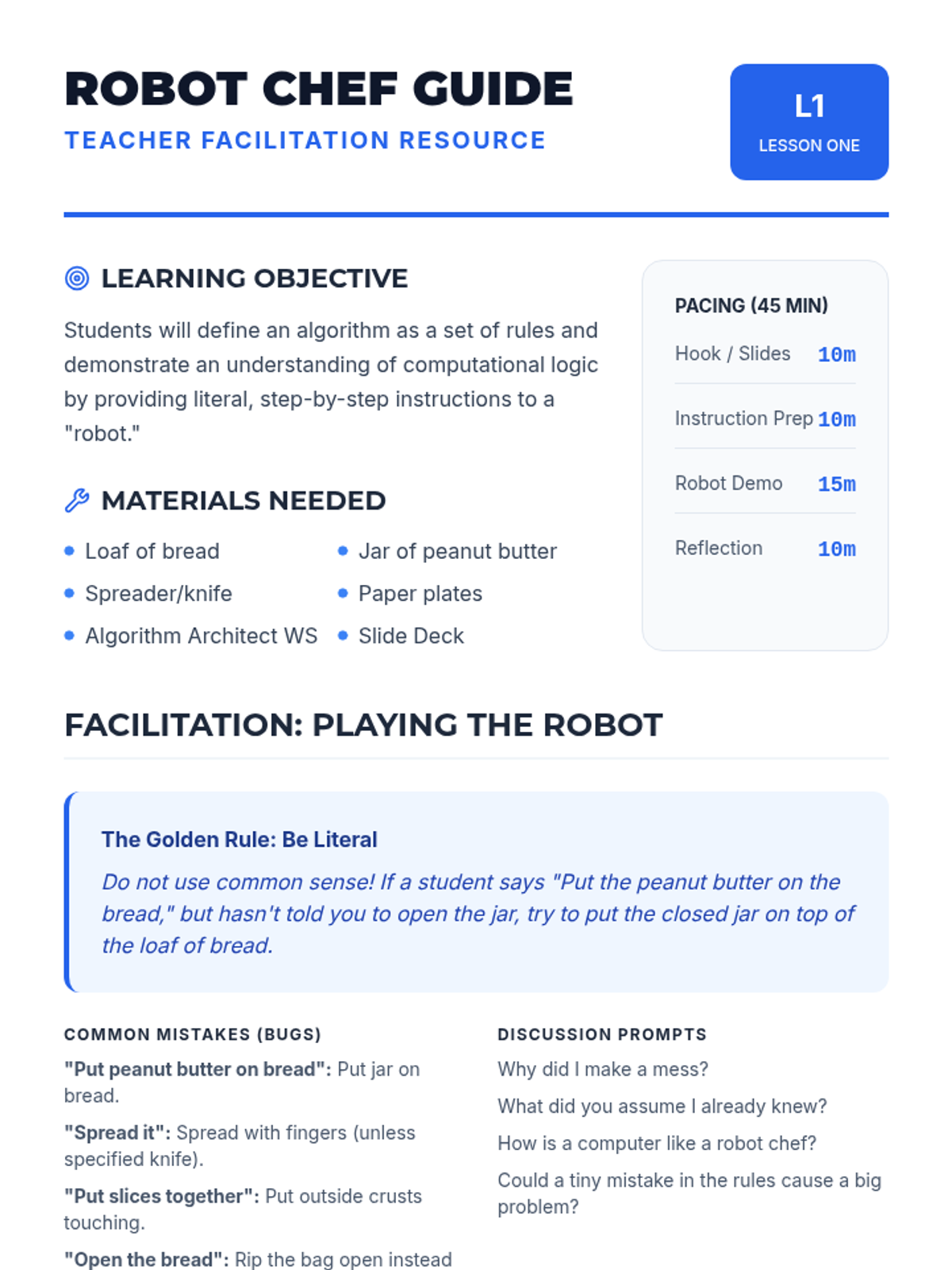
A high-energy unplugged series for middle schoolers to master computational thinking through logic puzzles, algorithmic sequencing, and hands-on debugging challenges. Students explore these concepts through the lens of ancient labyrinth exploration, using critical thinking to navigate complex problem-solving terrains.
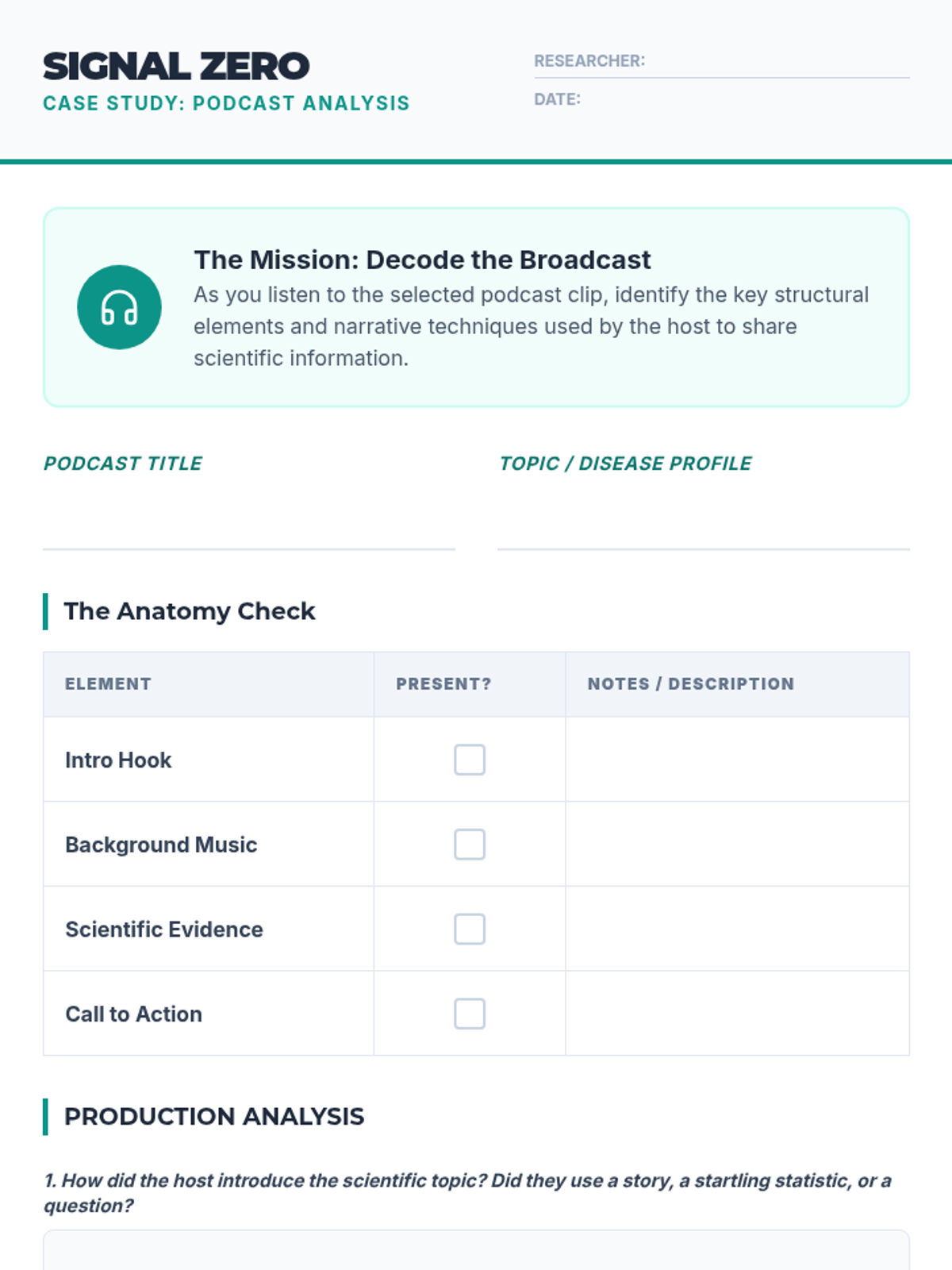
A comprehensive project-based sequence where students transform their medical research into professional-grade podcasts using BandLab. This unit covers the anatomy of audio storytelling, conversational scripting, and digital audio production.
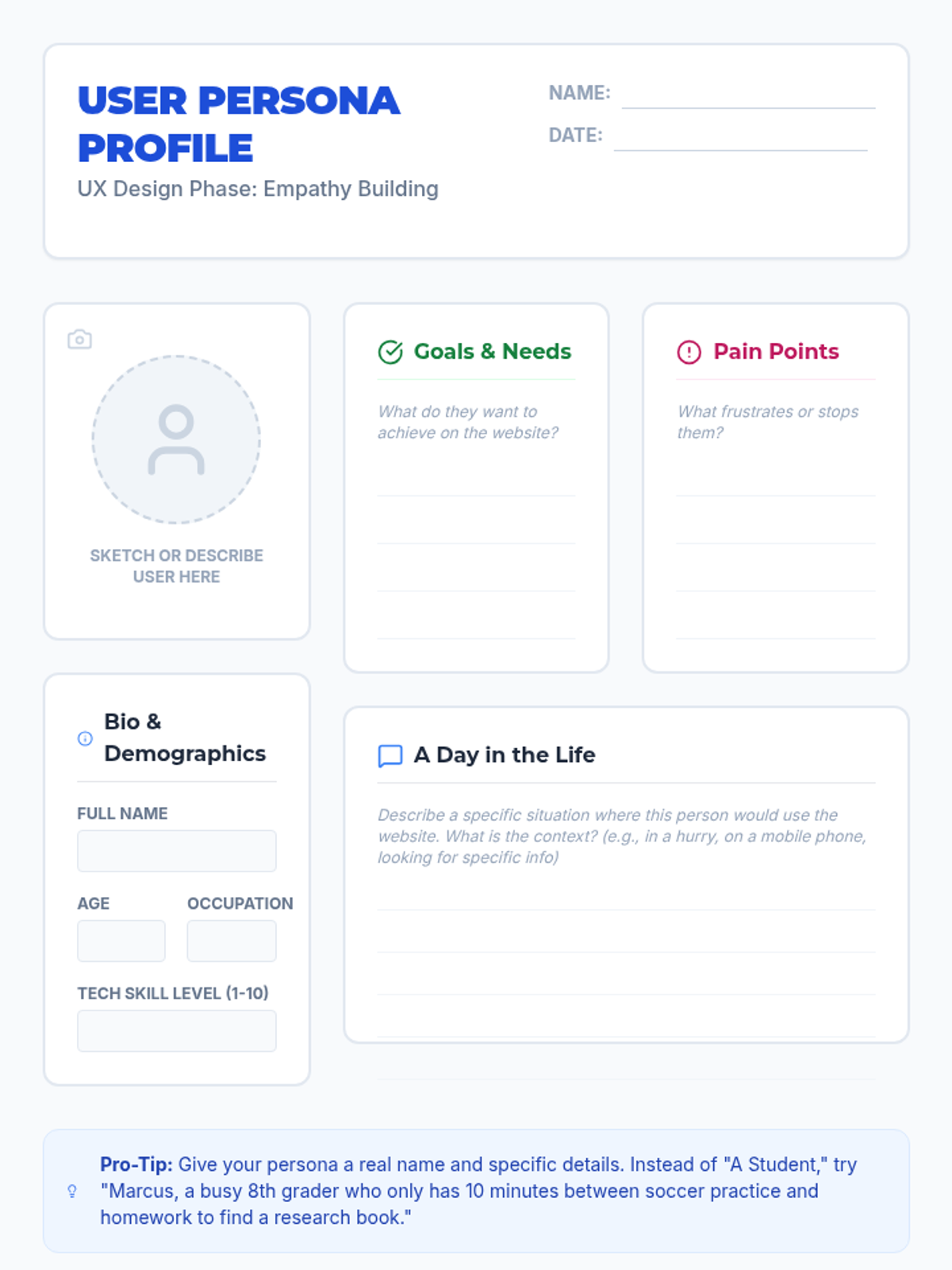
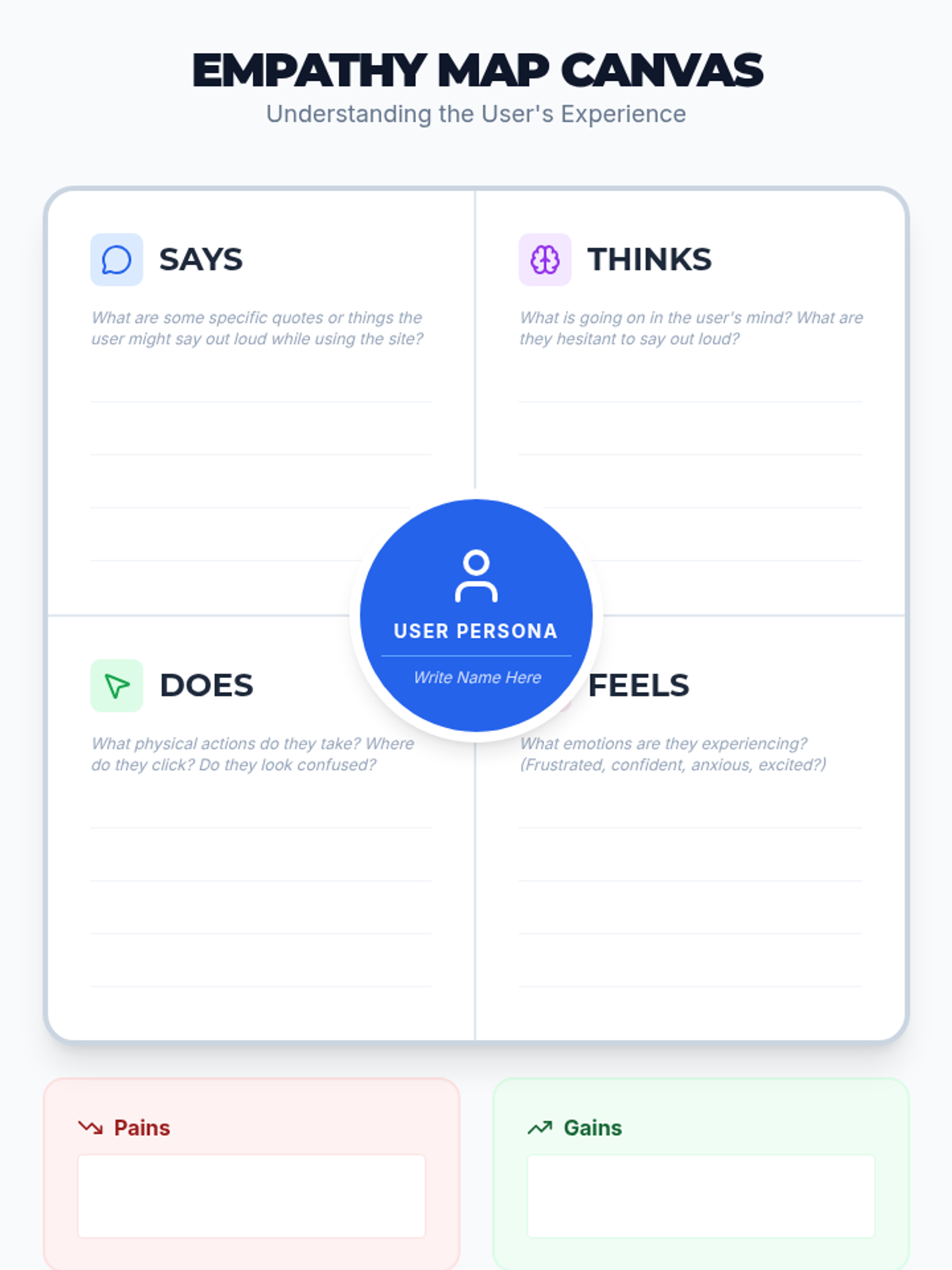
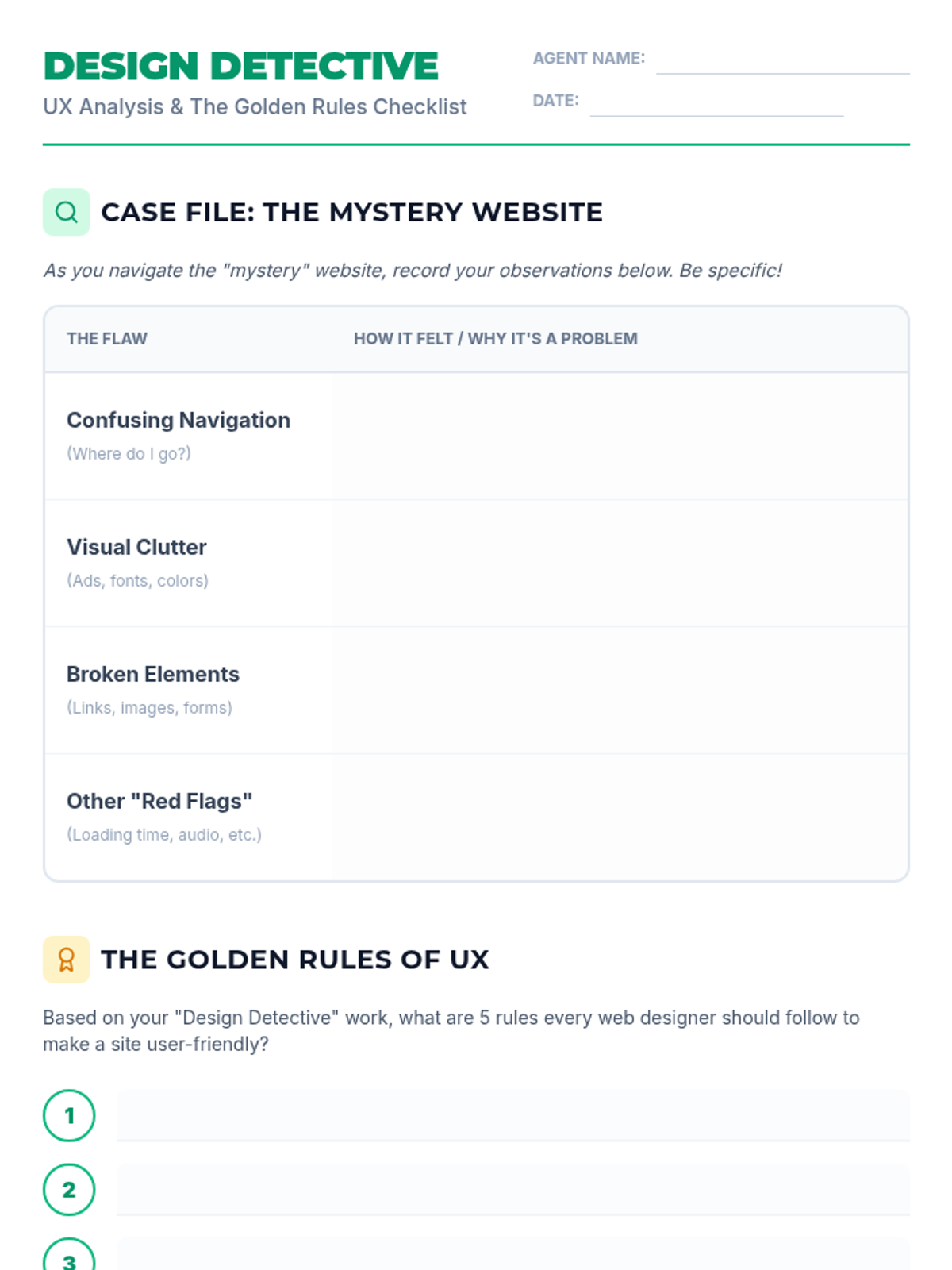
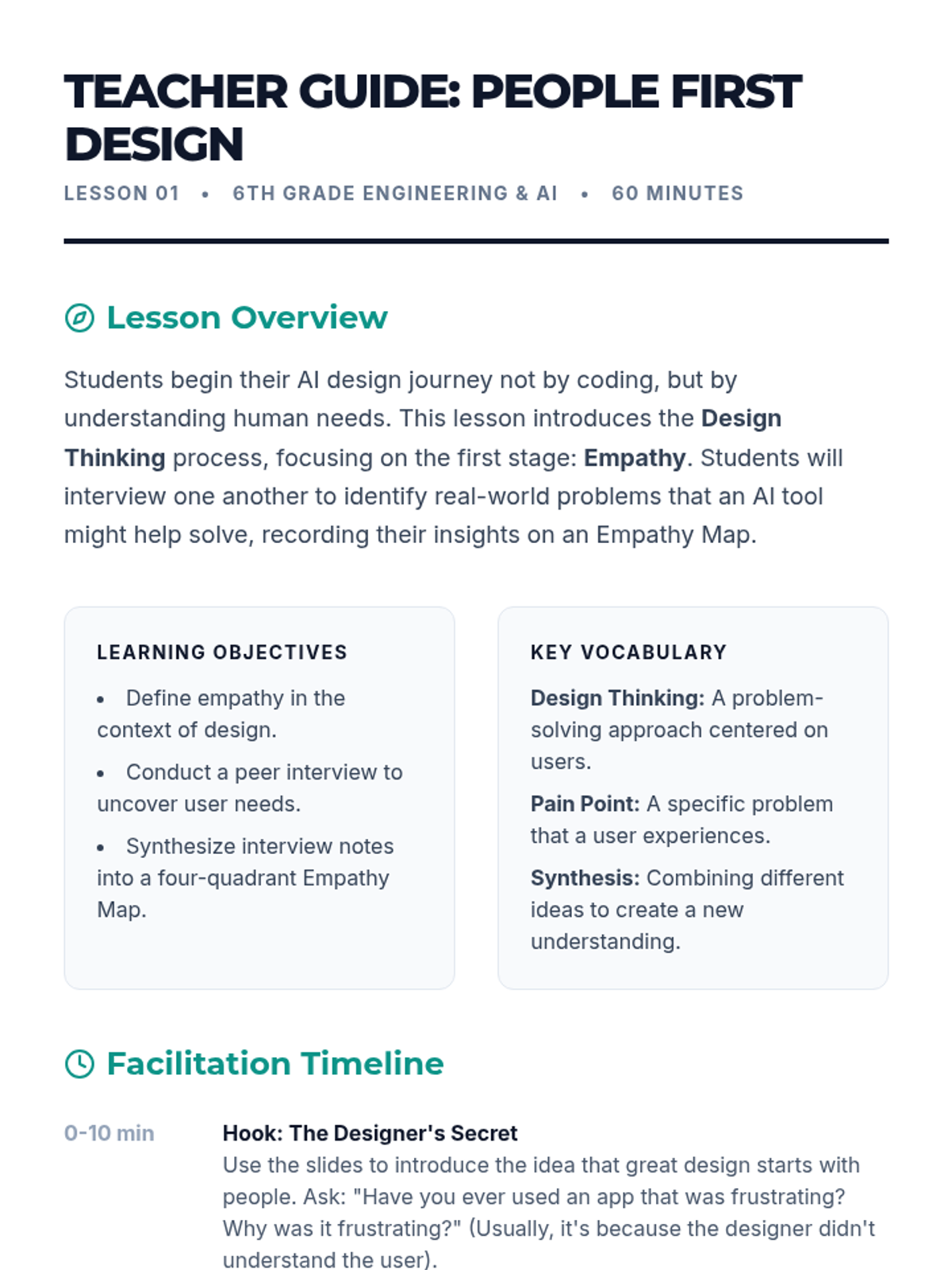
This sequence shifts focus from writing code to designing for human needs through User Experience (UX) and User Interface (UI) principles. Students adopt the role of UX researchers, analyzing existing sites for usability and accessibility failures before they write a single line of code.
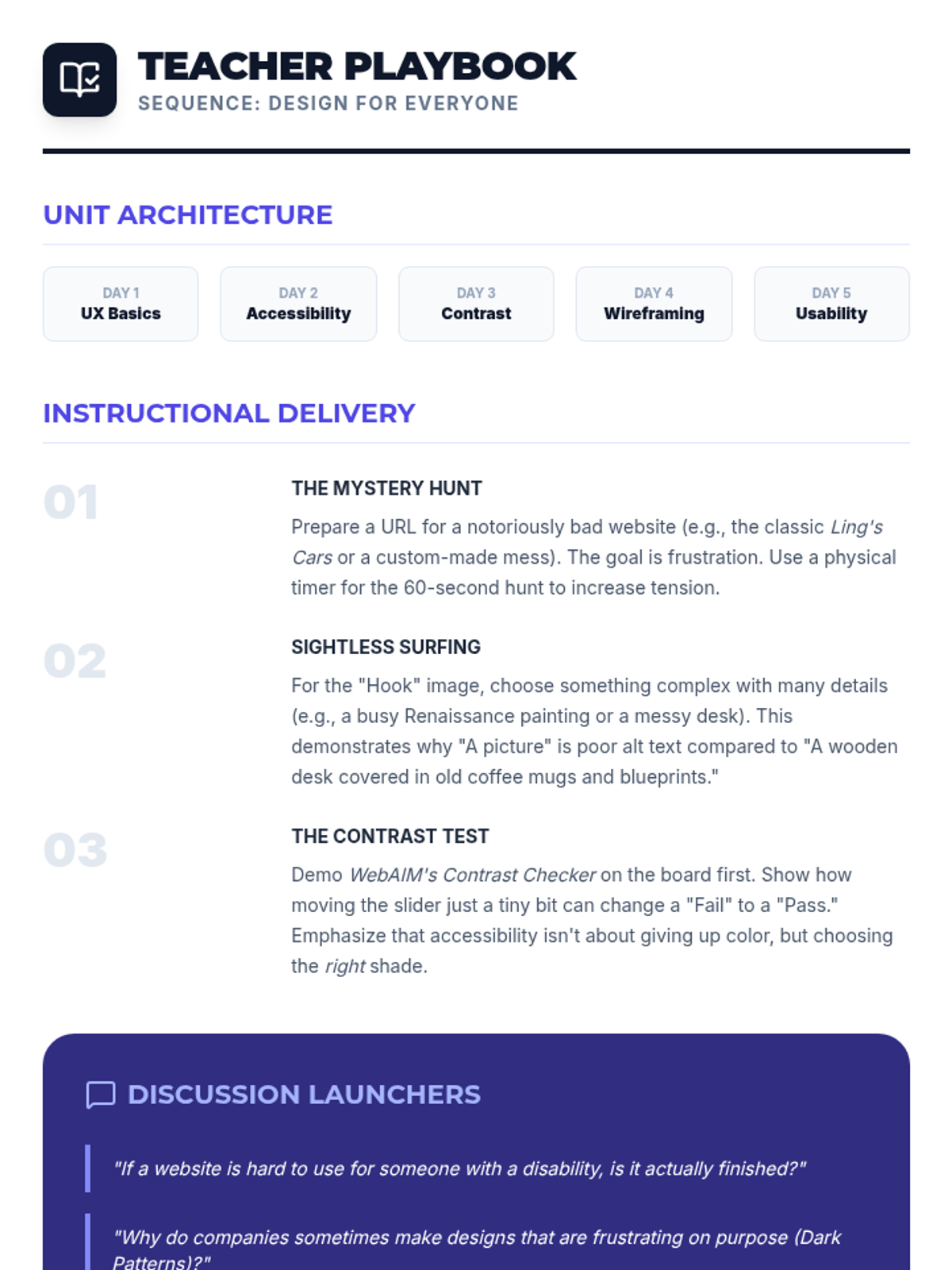
This sequence introduces 6th-grade students to human-centered design, focusing on User Experience (UX) and web accessibility. Students learn to design websites that are intuitive, navigable, and inclusive by analyzing design flaws, simulating screen reader experiences, and testing color contrast.
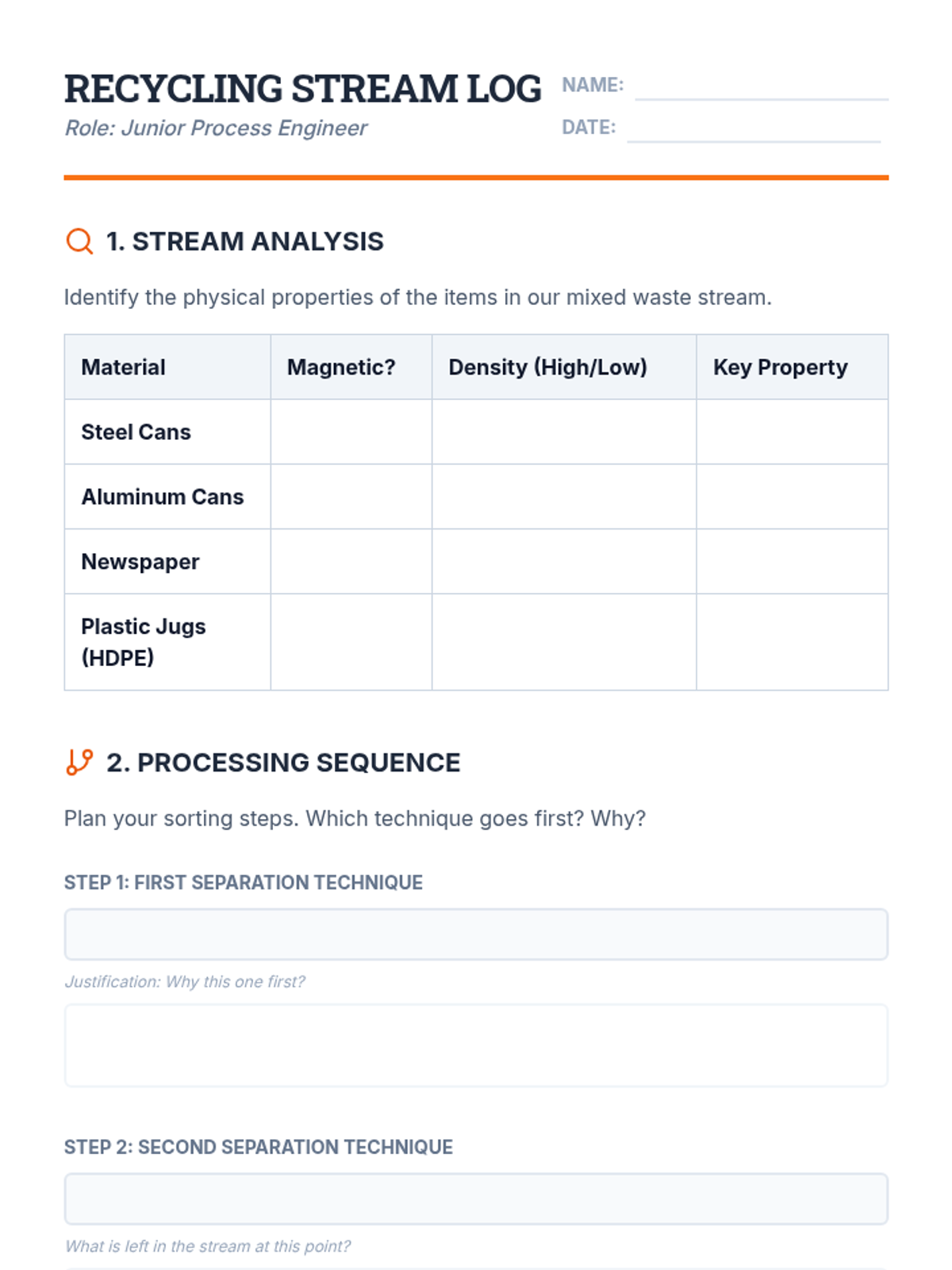
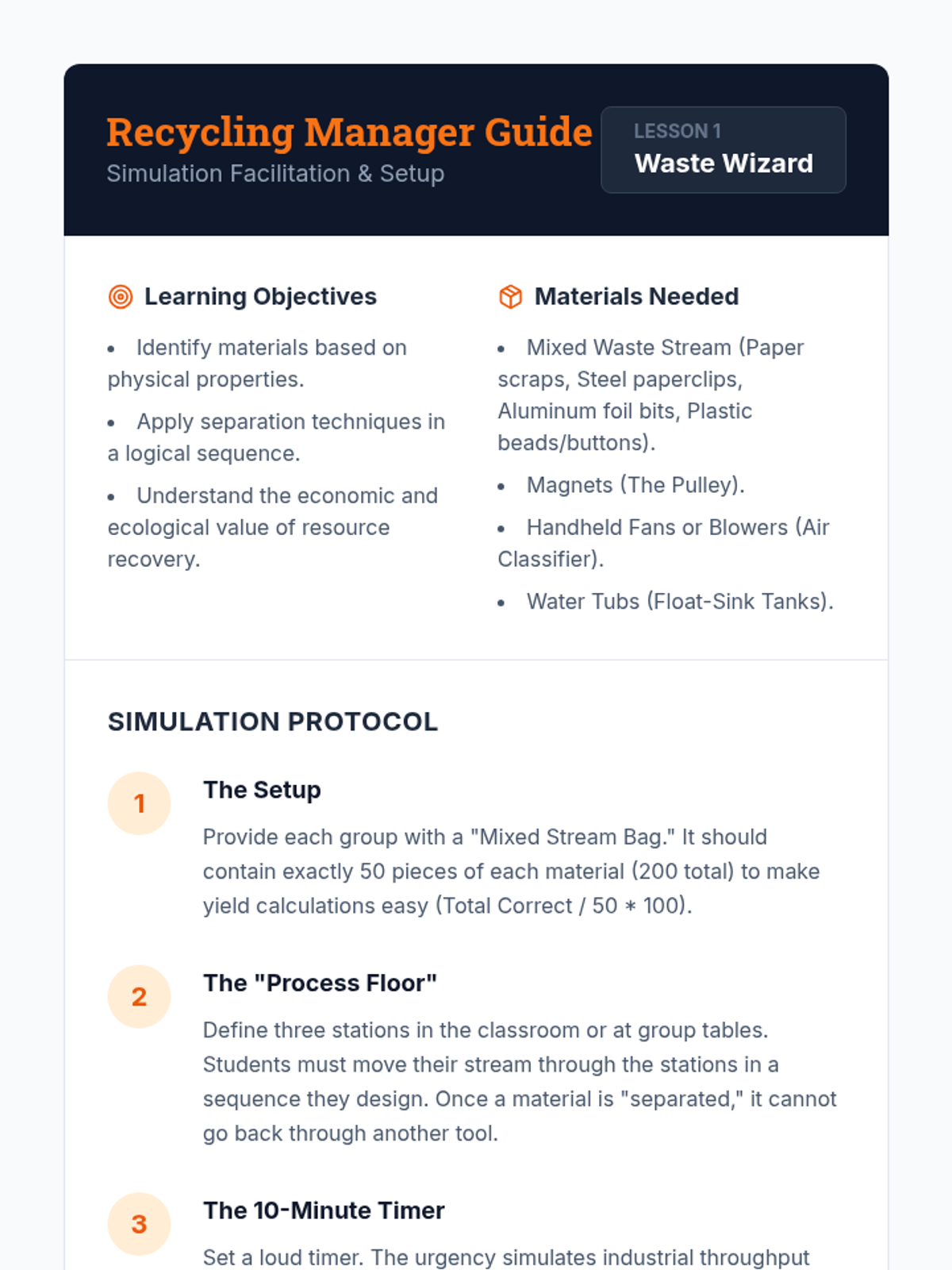
A 5-lesson unit for 7th-grade science exploring industrial separation techniques through simulations, engineering challenges, and systems thinking. Students act as process engineers to solve real-world problems like recycling, oil spills, mining, and water scarcity.
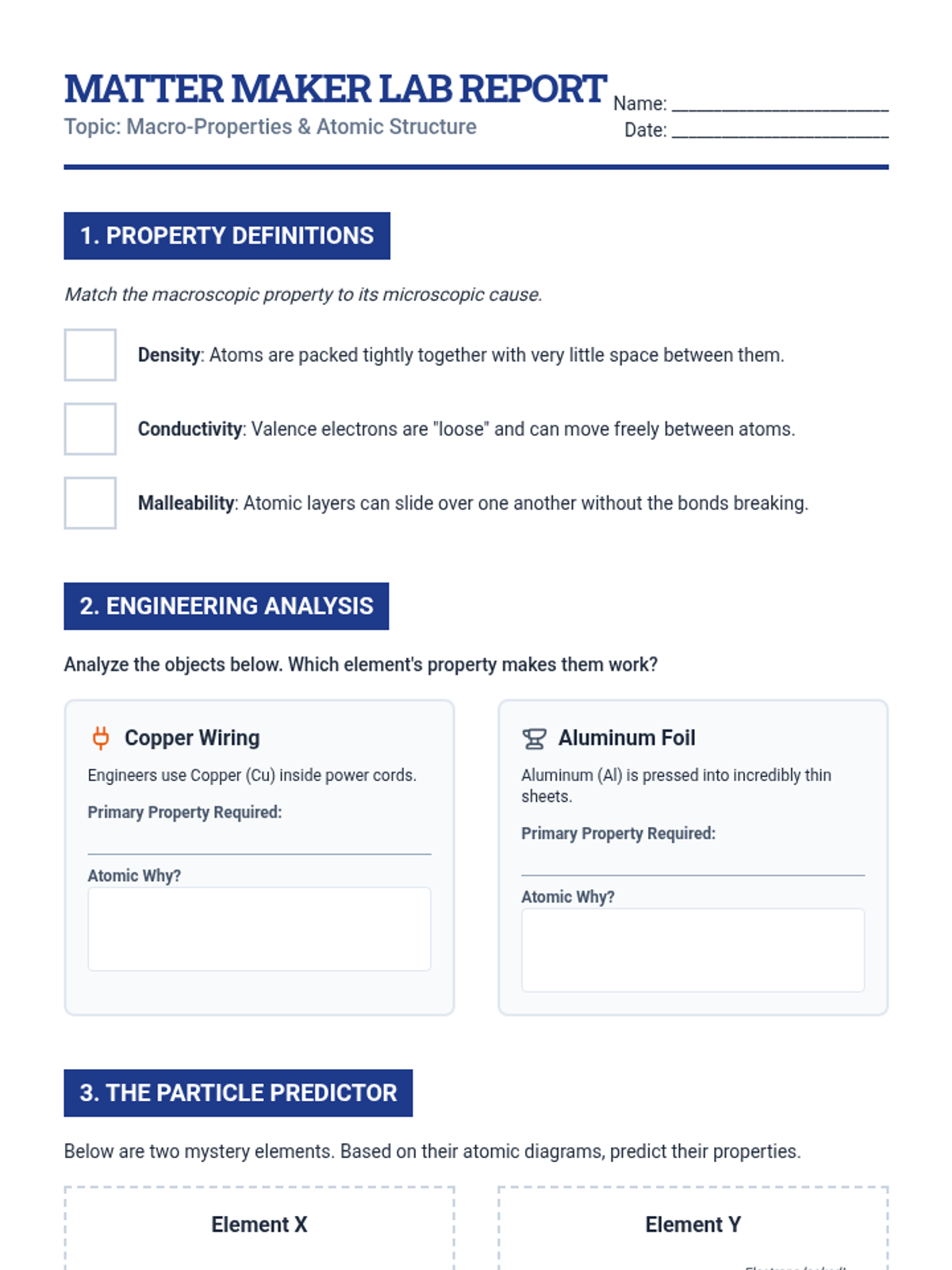
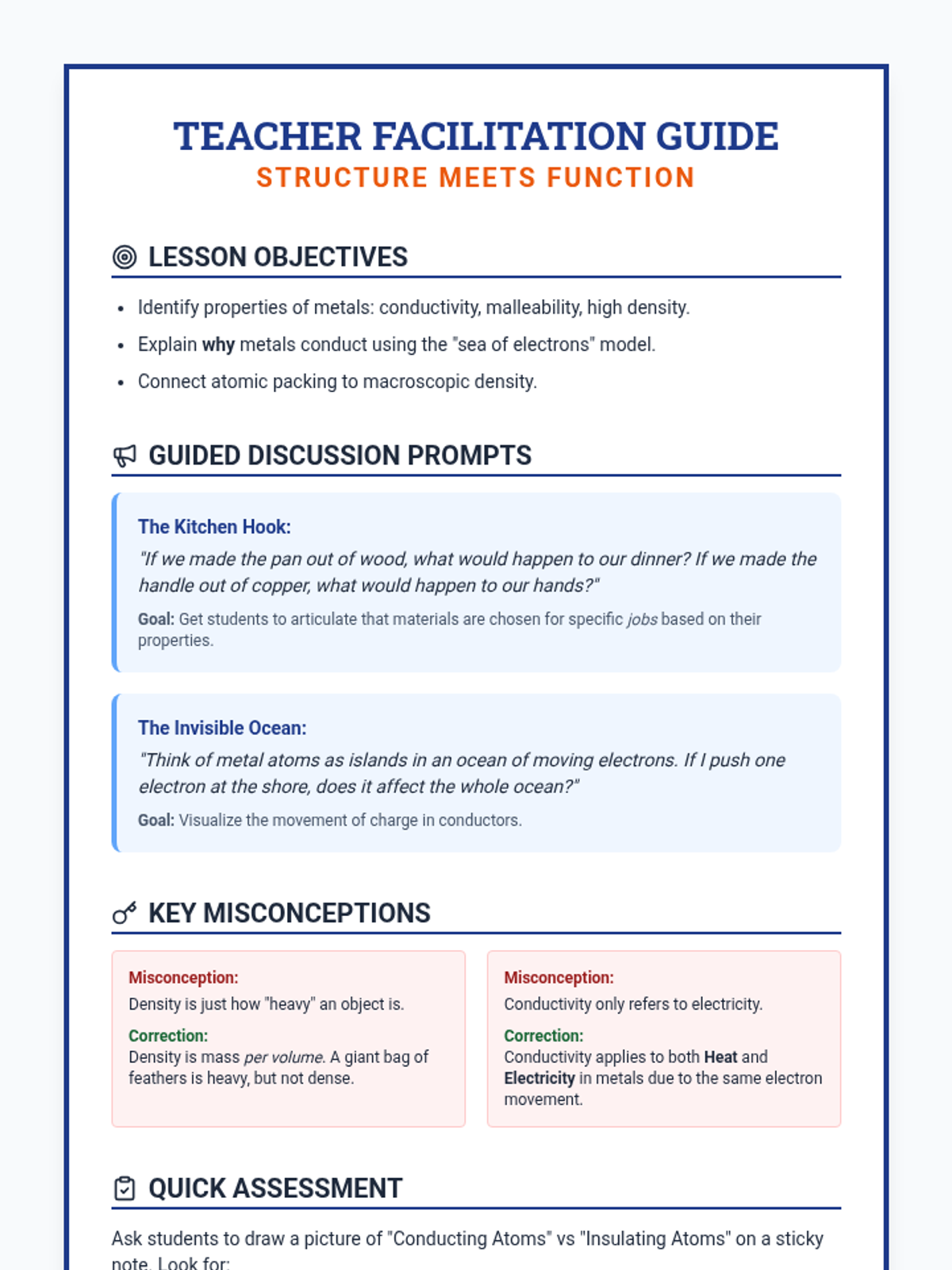
A 5-lesson sequence for 6th-grade students connecting the Periodic Table to engineering and material science. Students explore how atomic structure determines macroscopic properties, research elements in technology, investigate carbon's versatility, and apply their knowledge to solve engineering design challenges.
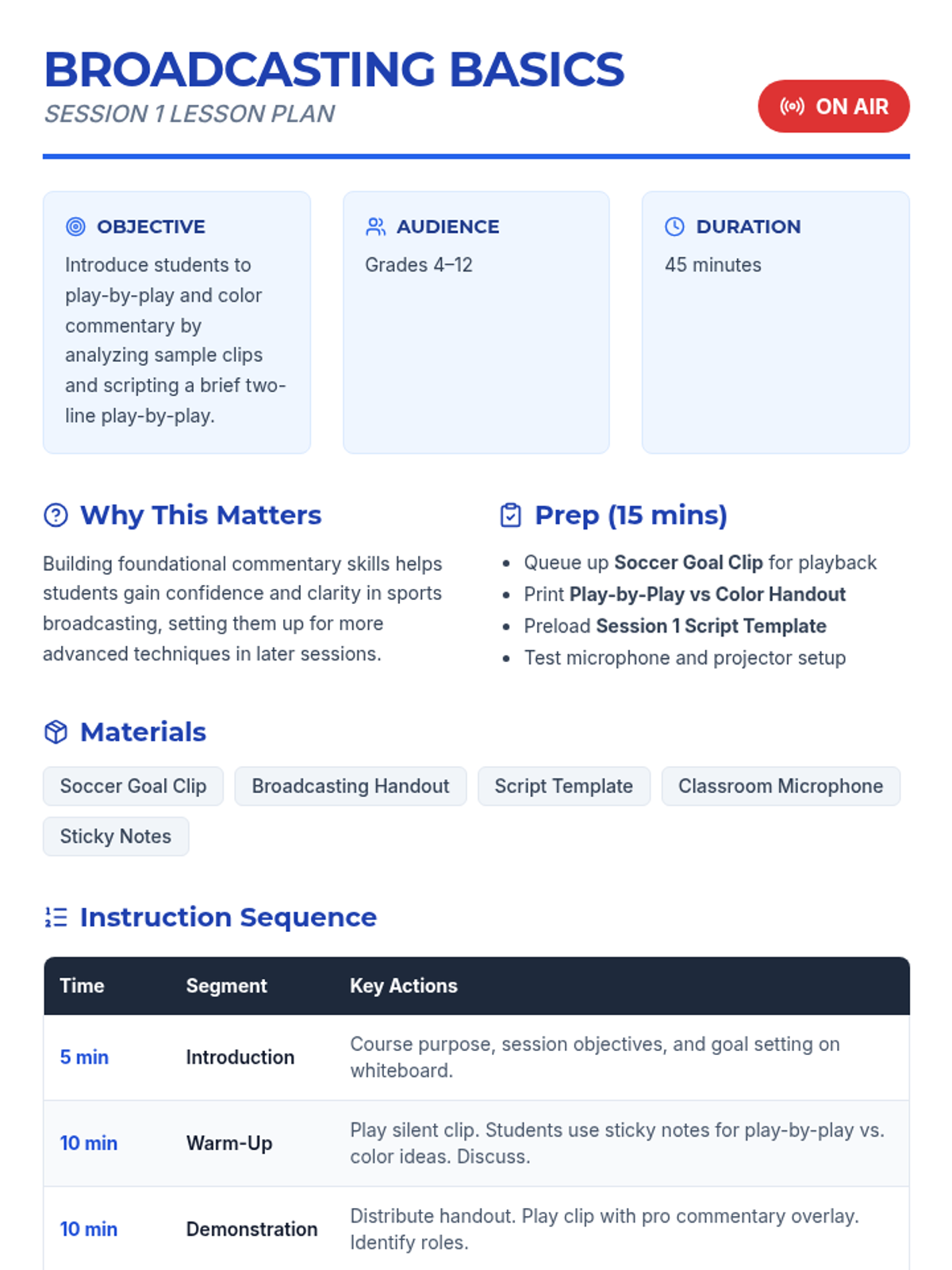
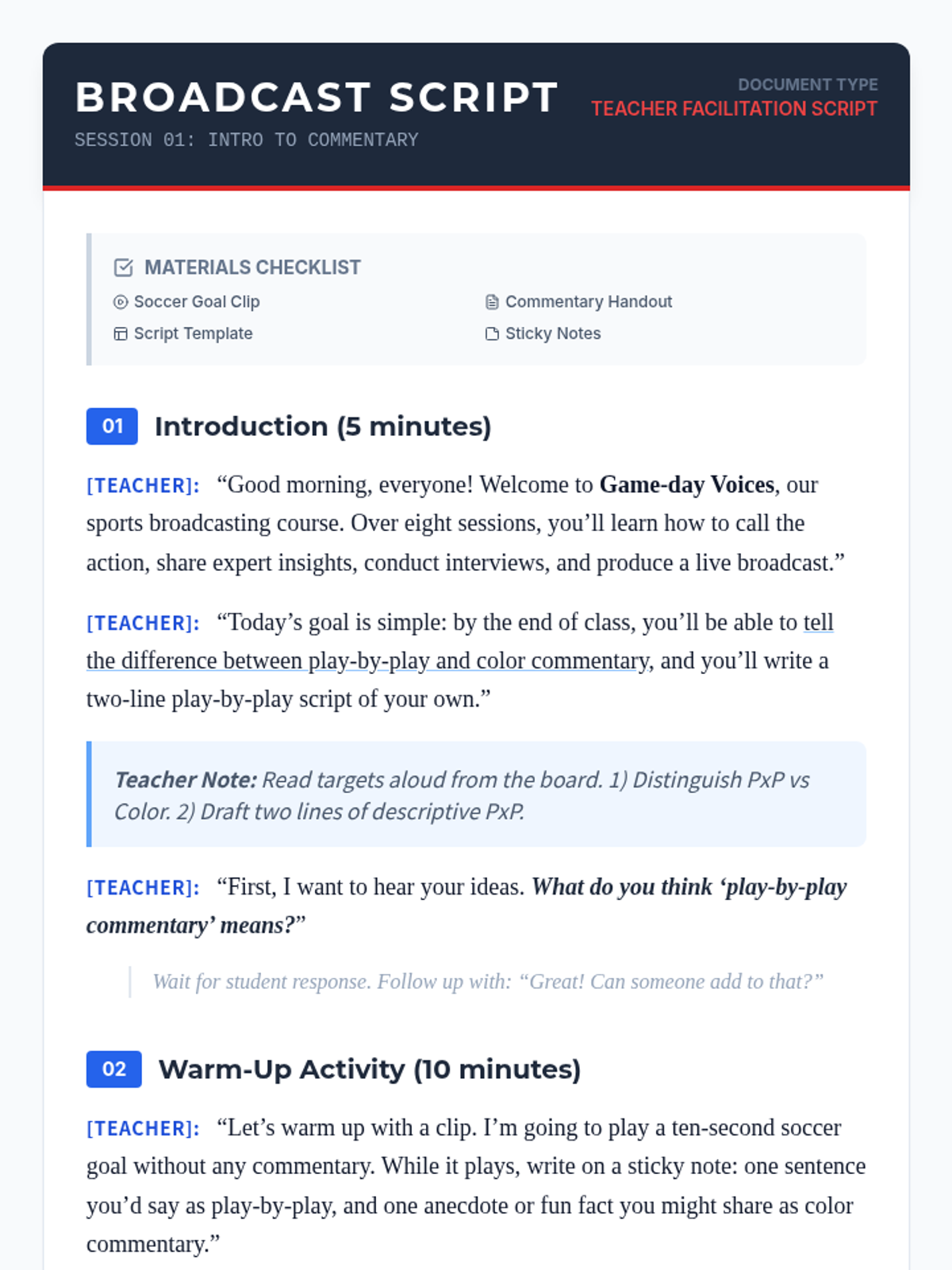
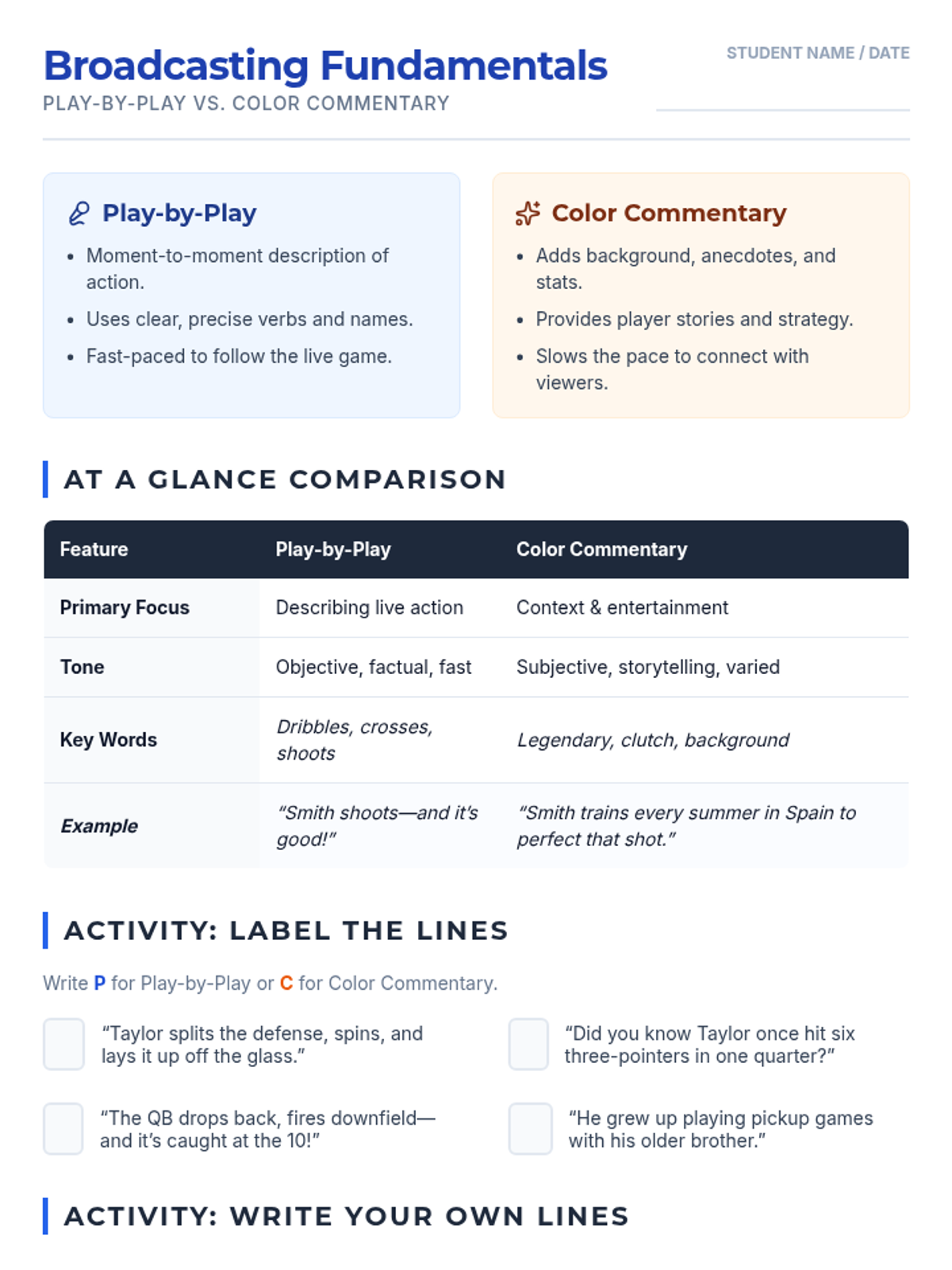
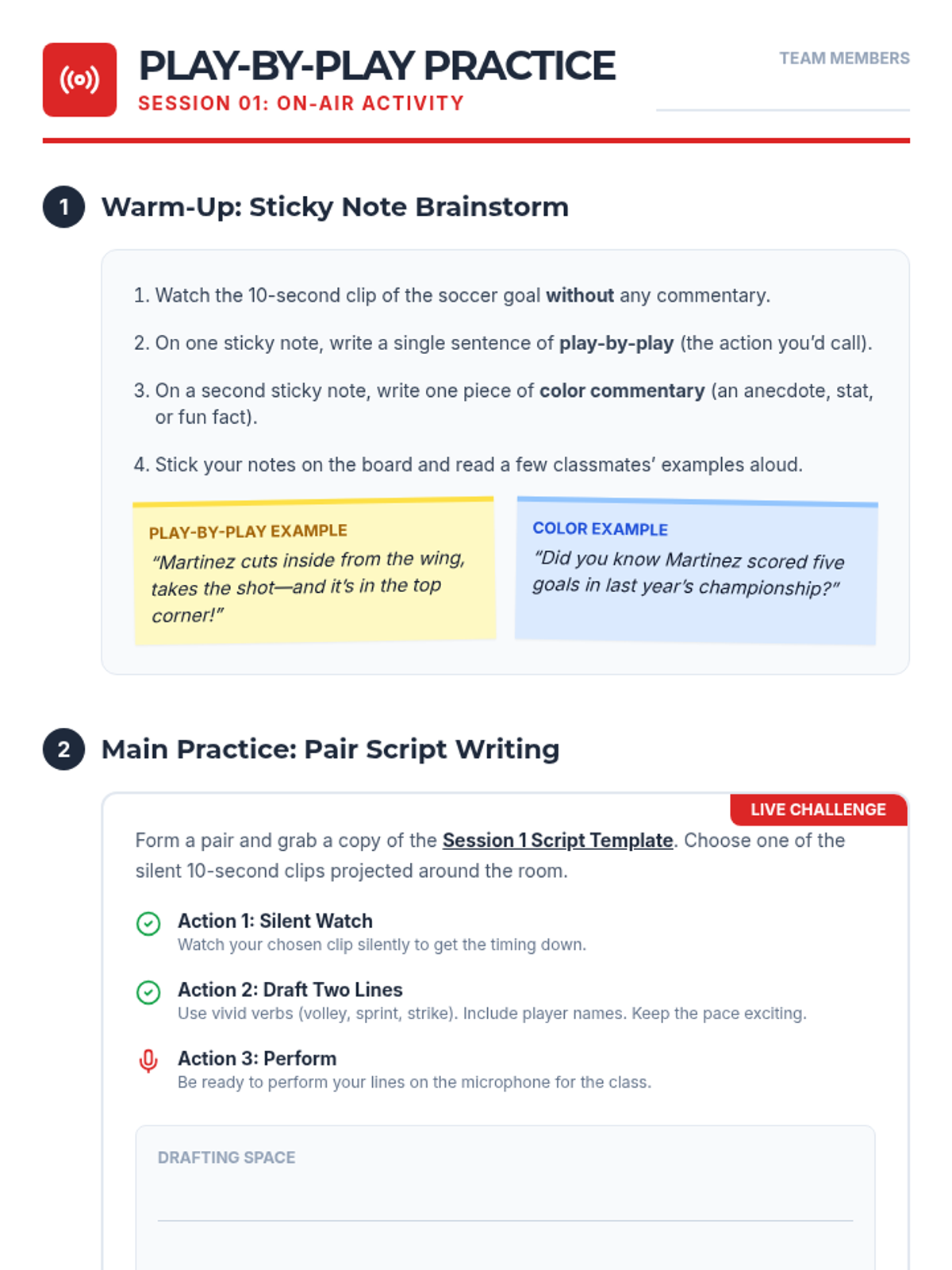
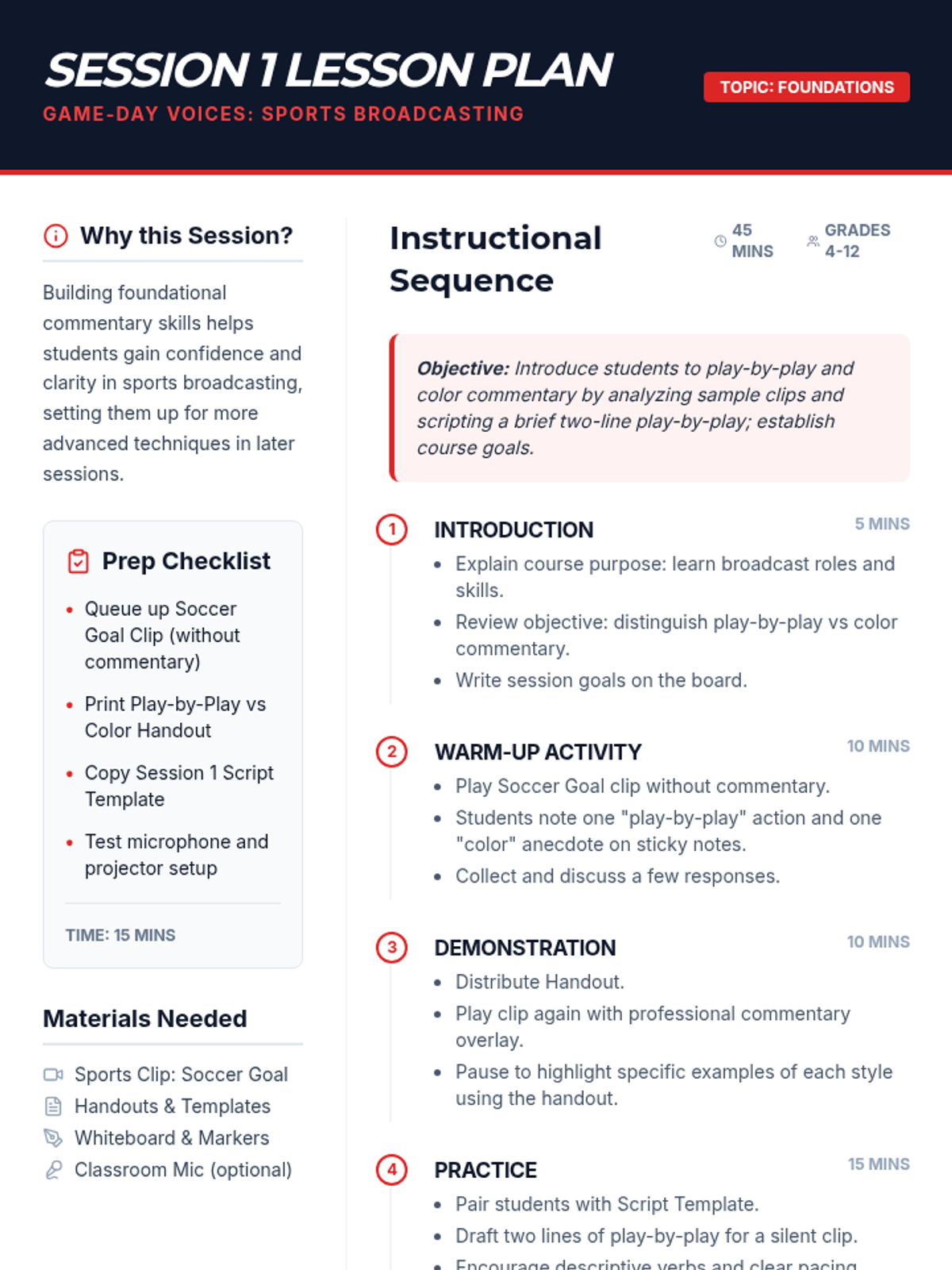
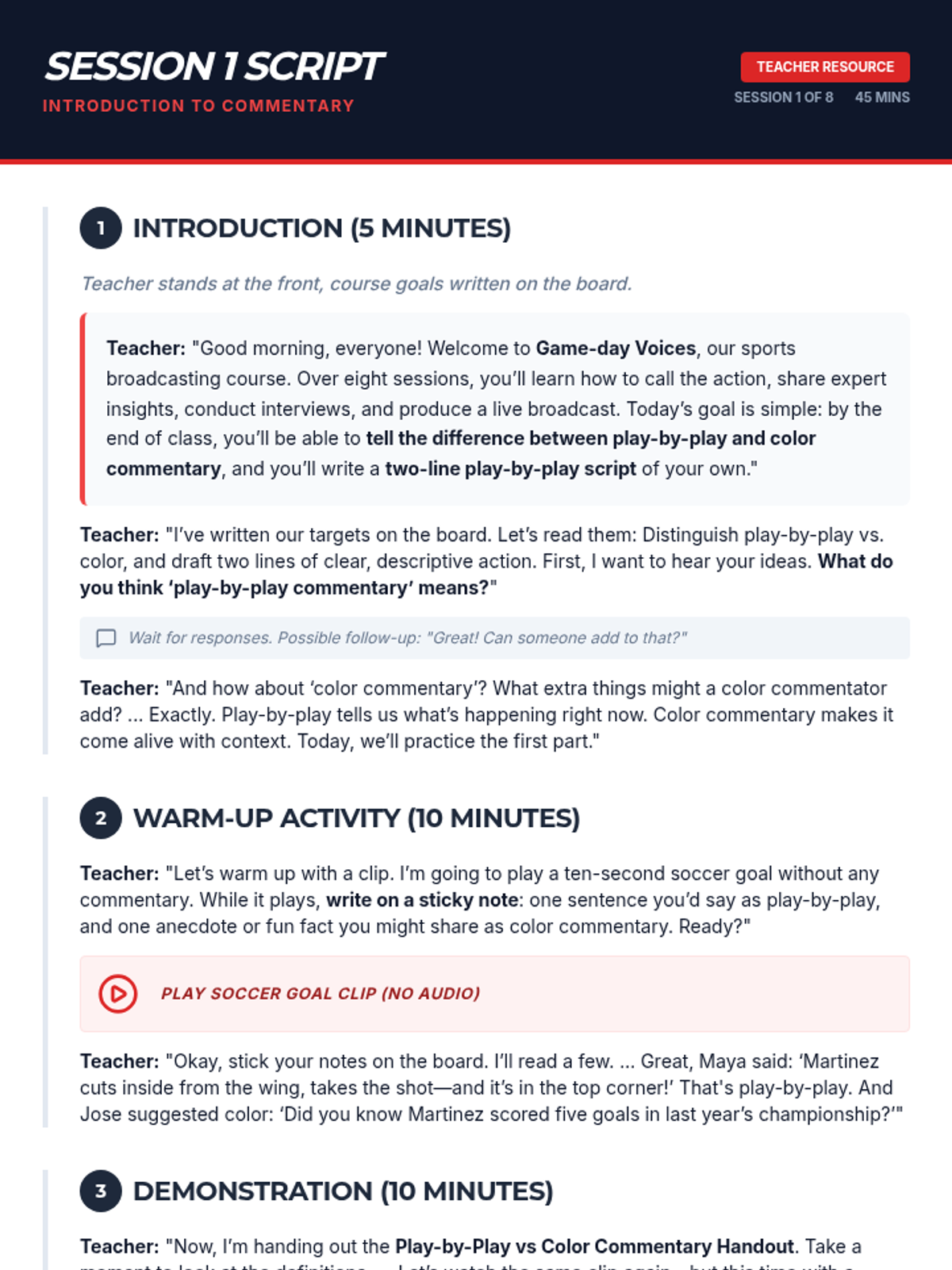
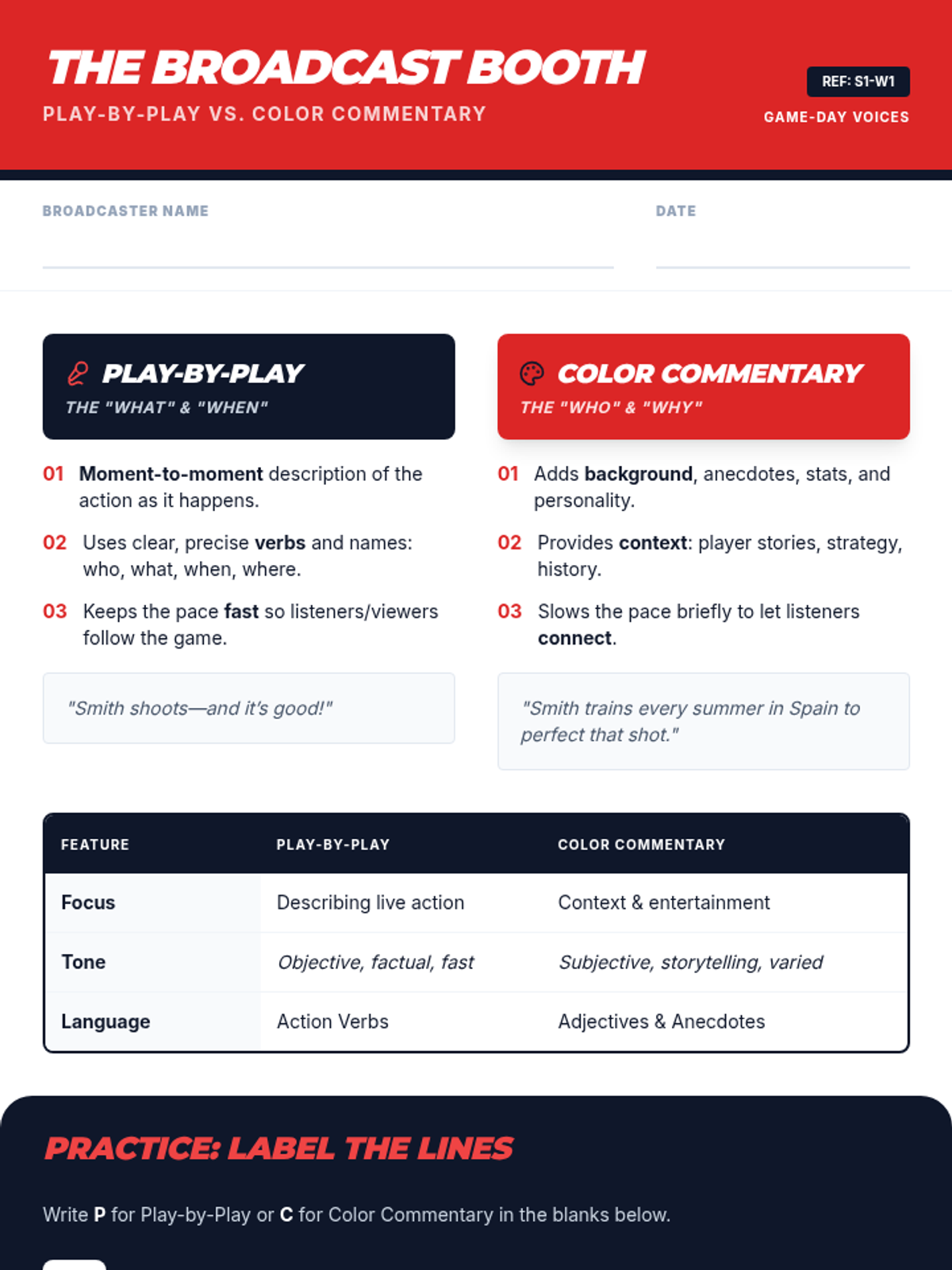
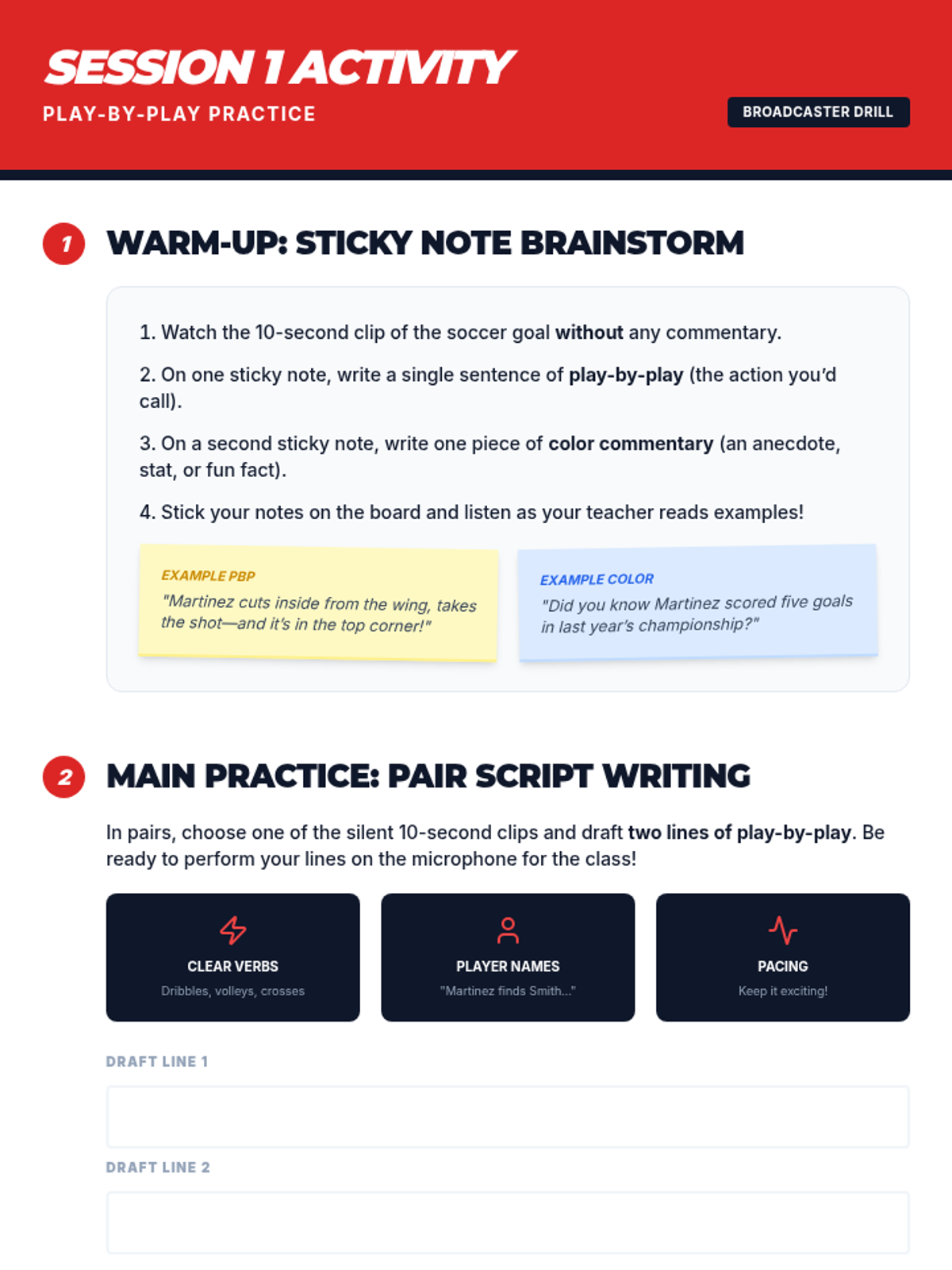
An 8-session course for grades 4-12 exploring the technical and creative facets of sports broadcasting, from play-by-play commentary to live production and graphics.
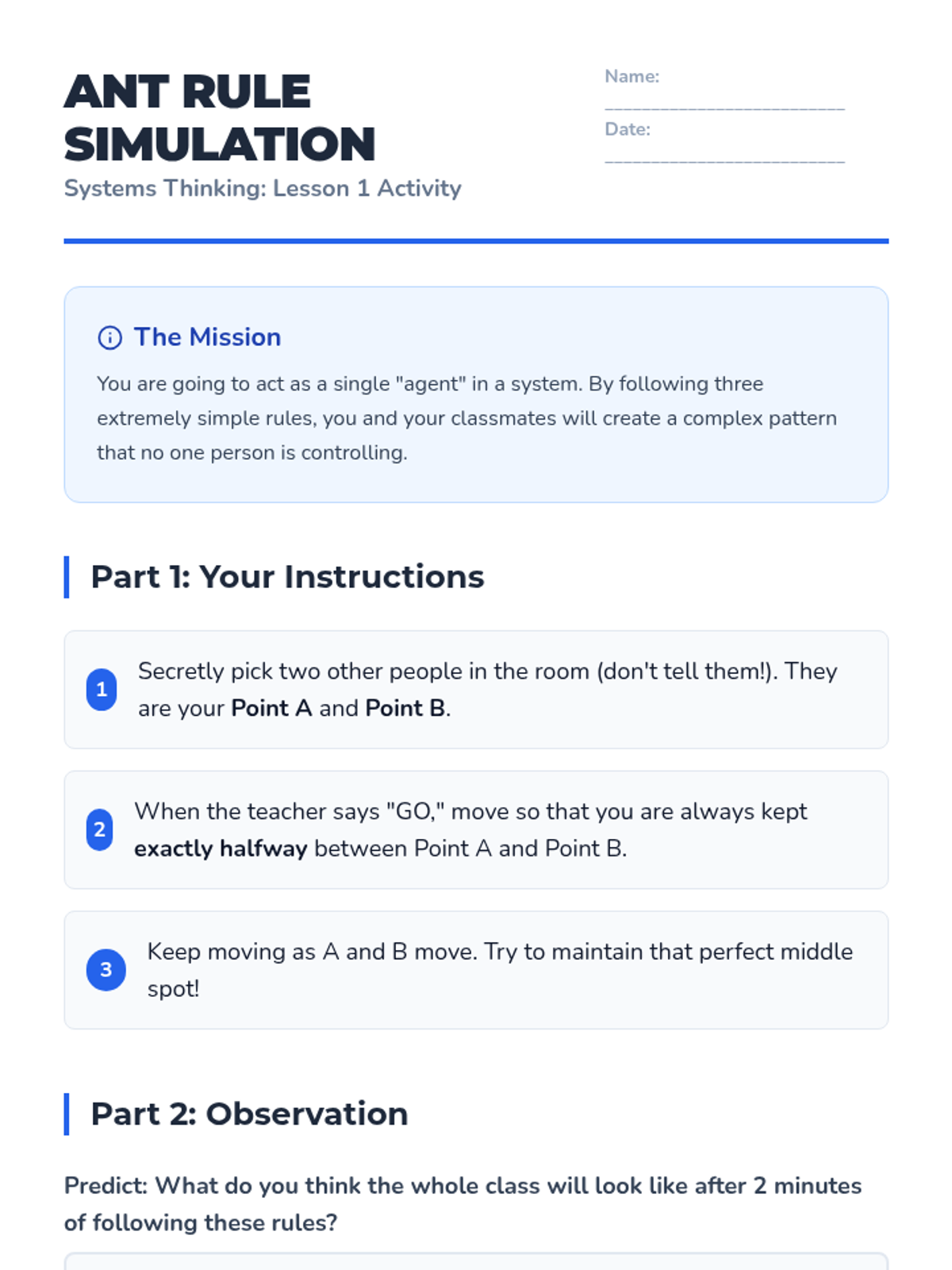
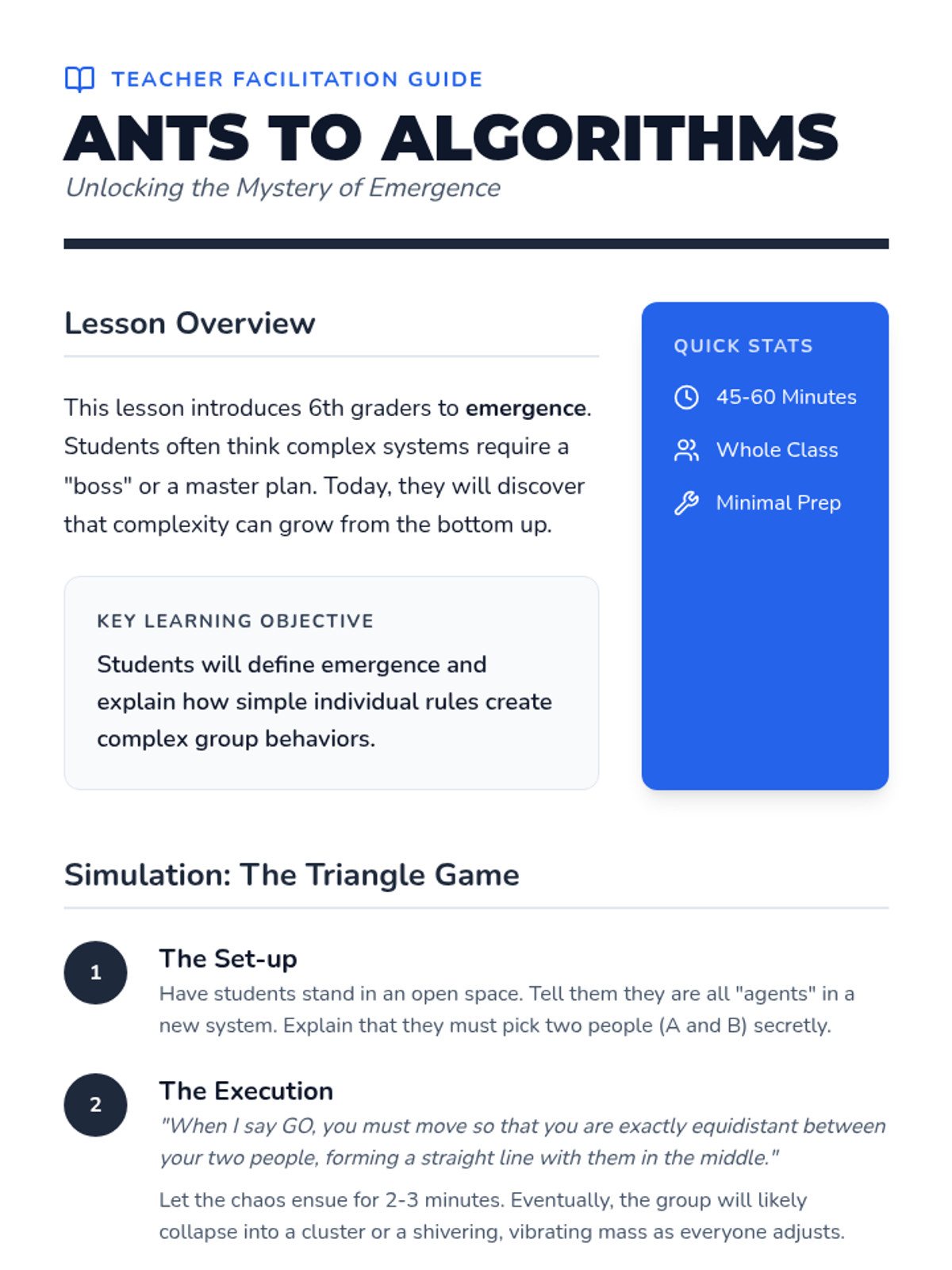
This sequence explores the fascinating concept of emergence—where complex patterns arise from simple rules—and the critical engineering challenge of unintended consequences. Students move from observing natural systems like ant colonies to analyzing digital networks and AI, learning to map out and predict the ripple effects of design choices.
A 6th-grade engineering sequence where students explore systems thinking by designing integrated 'Smart City' solutions. They learn to identify stakeholders, manage constraints, and understand how individual subsystems (energy, transport, waste) interact within a larger ecosystem.
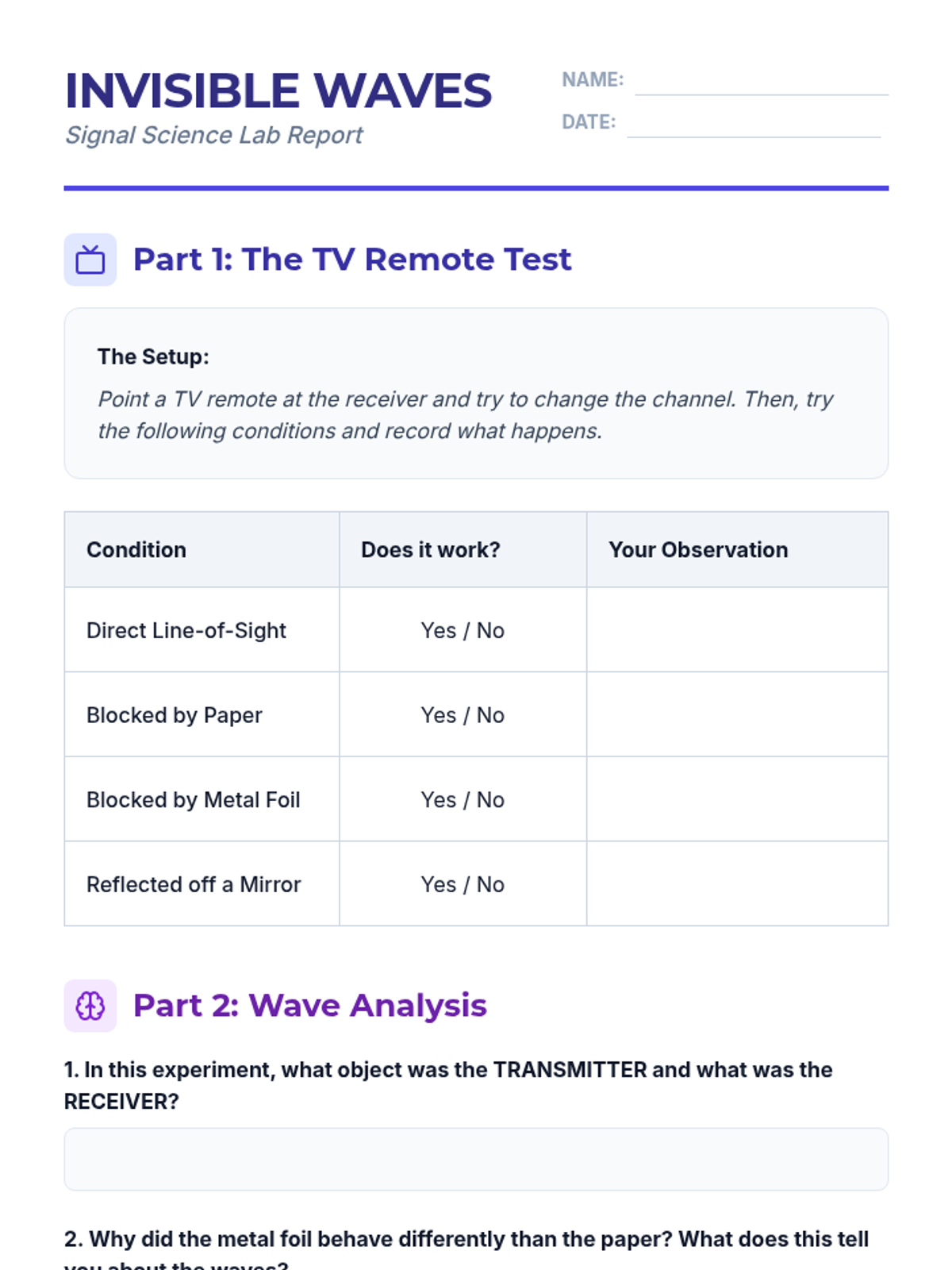
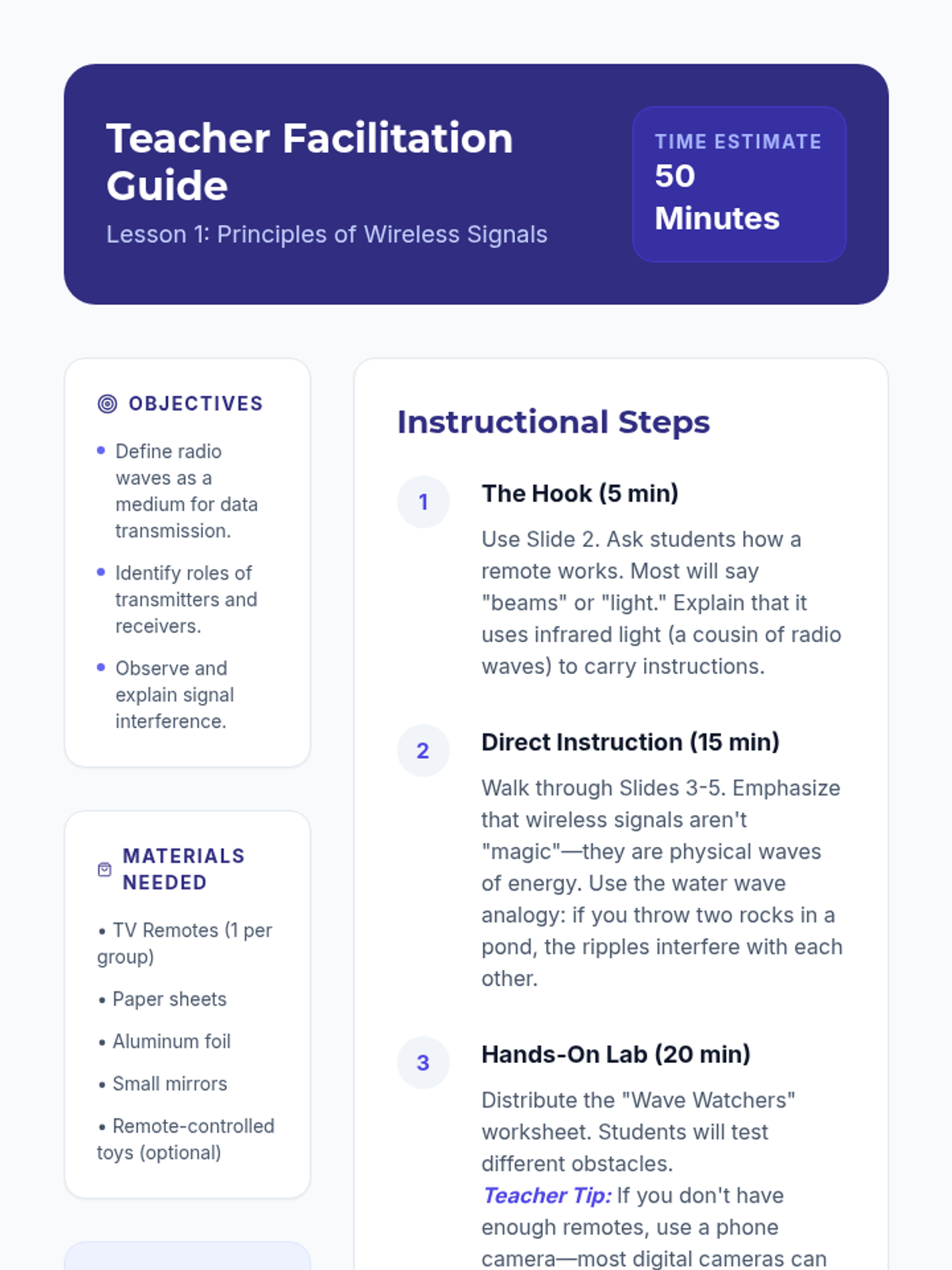
Students explore the invisible world of wireless communication, examining how data travels without physical cables. The sequence covers the electromagnetic spectrum basics, compares wireless standards, investigates IoT, and concludes with a future-focused design project.
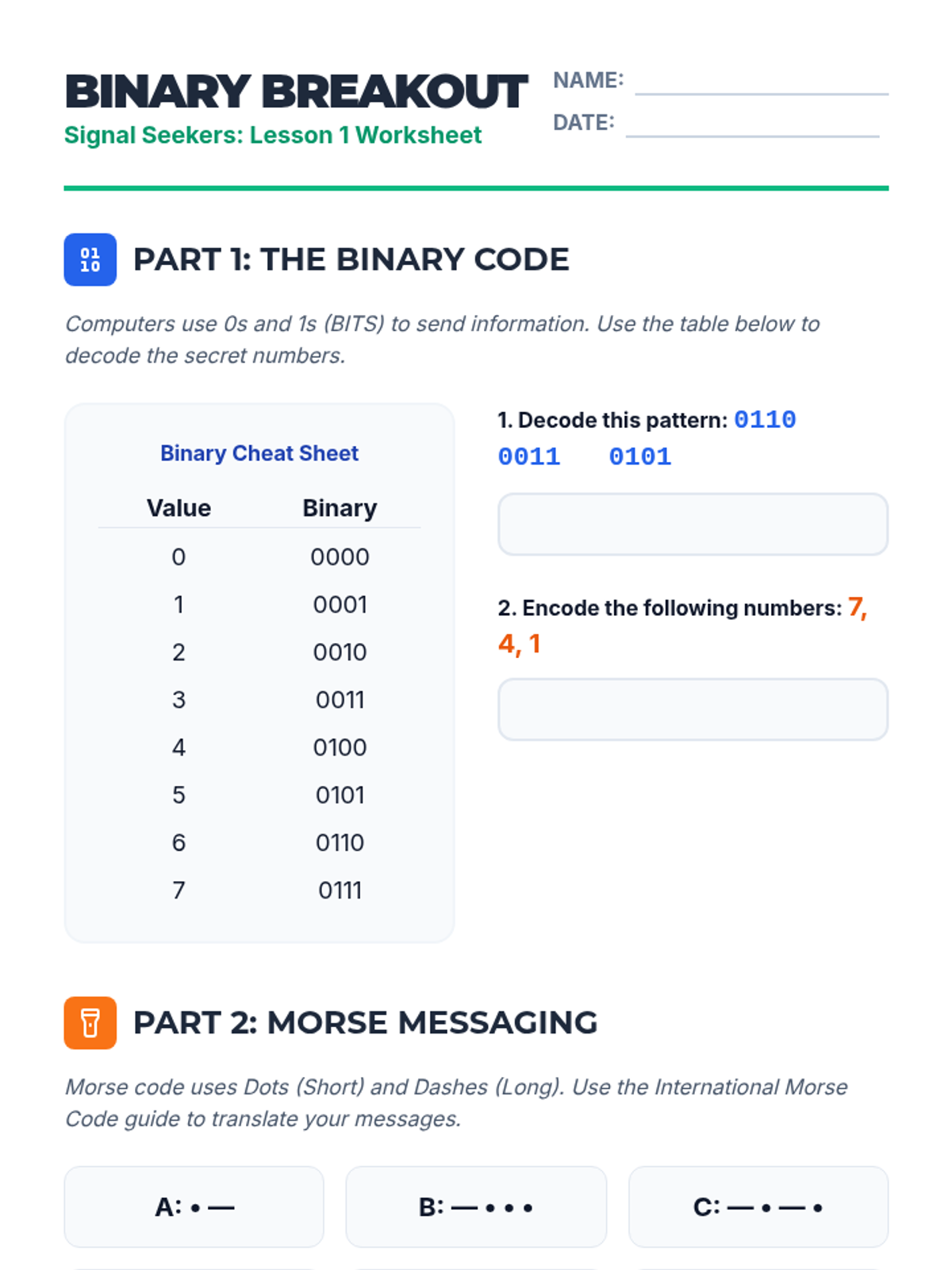
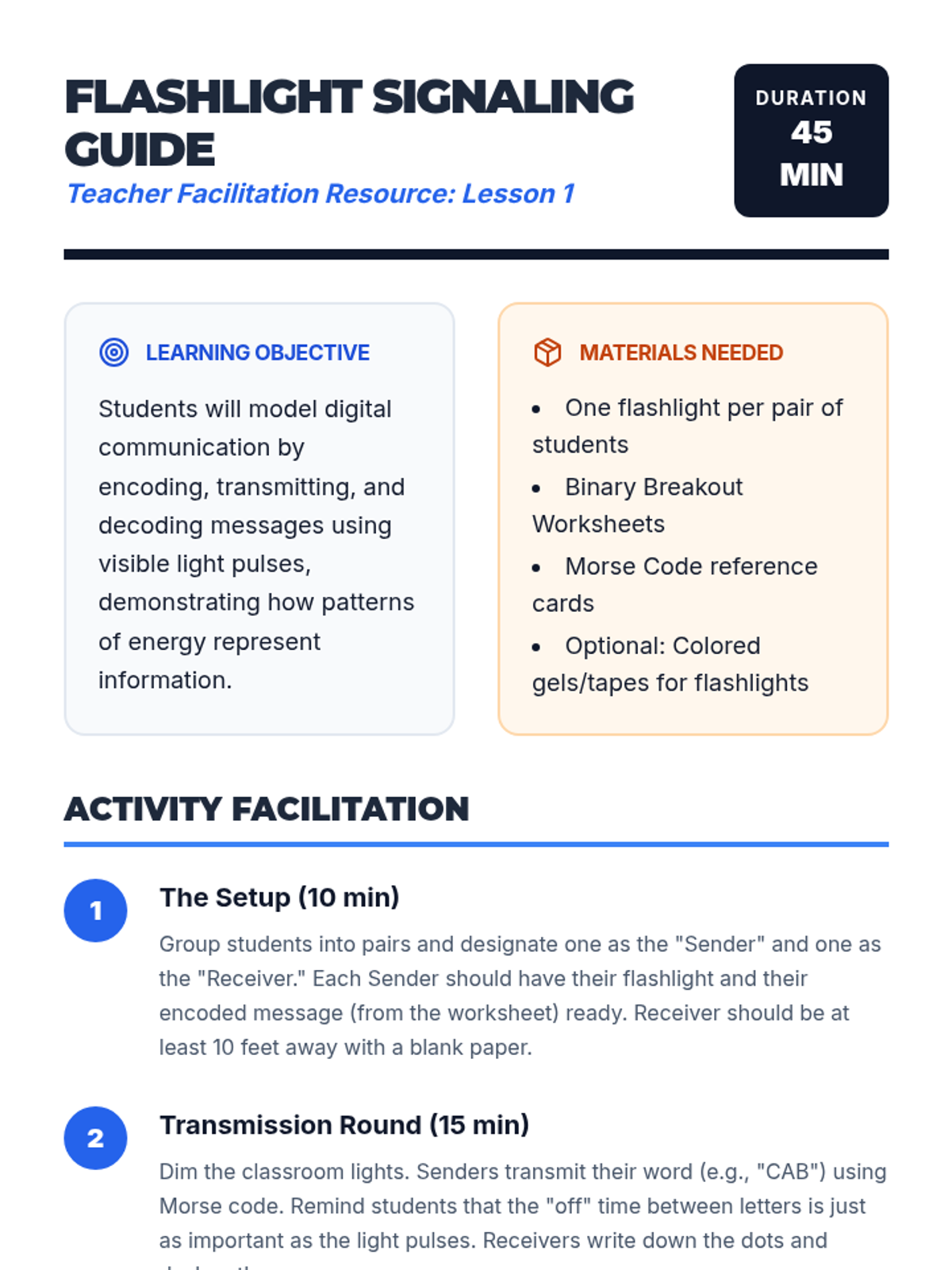
Focused on the engineering application of physics, this sequence explores how electromagnetic waves are used to transmit information. Students progress from simple binary encoding to understanding complex systems like modulation, Wi-Fi, and GPS triangulation.
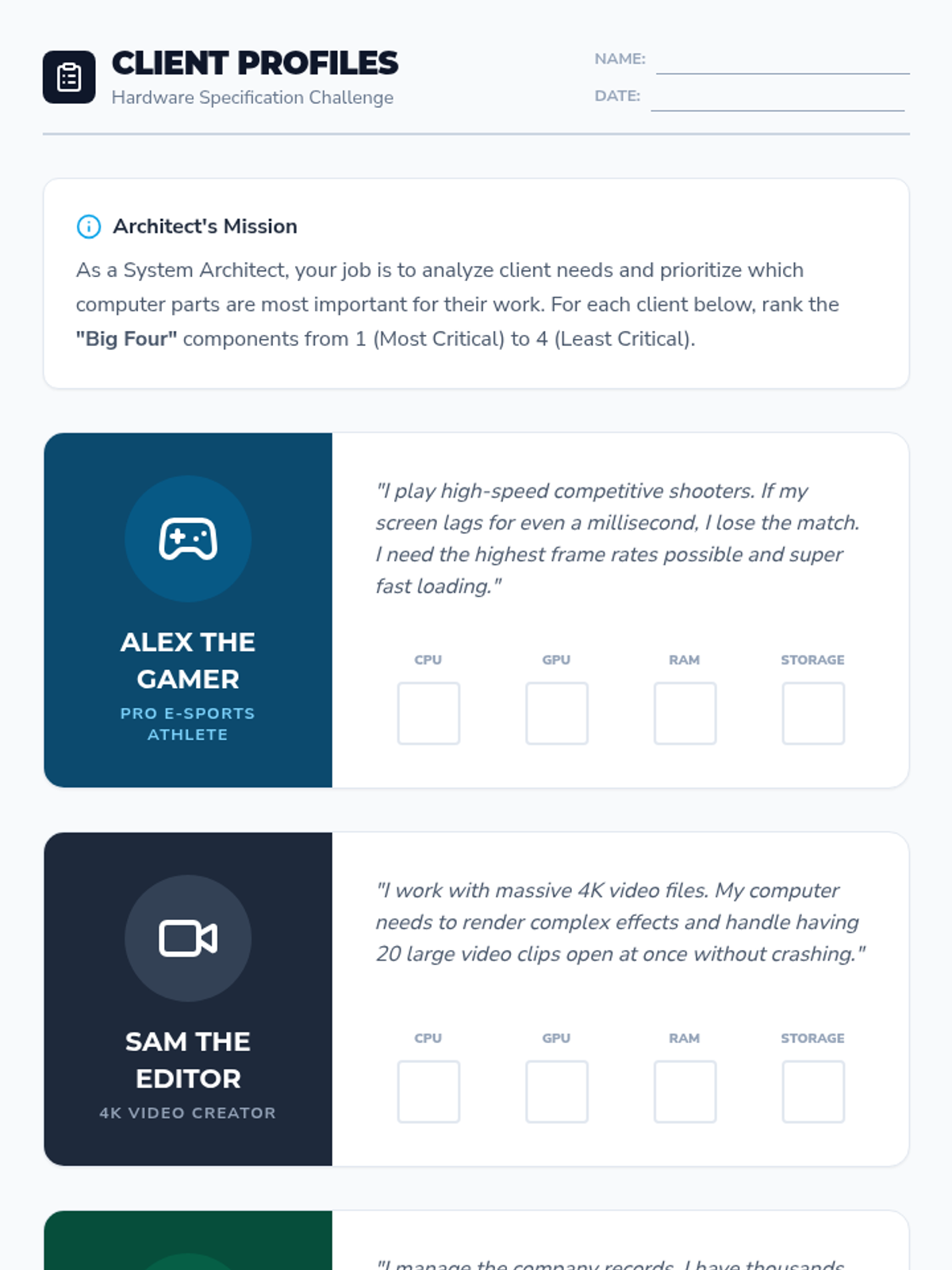
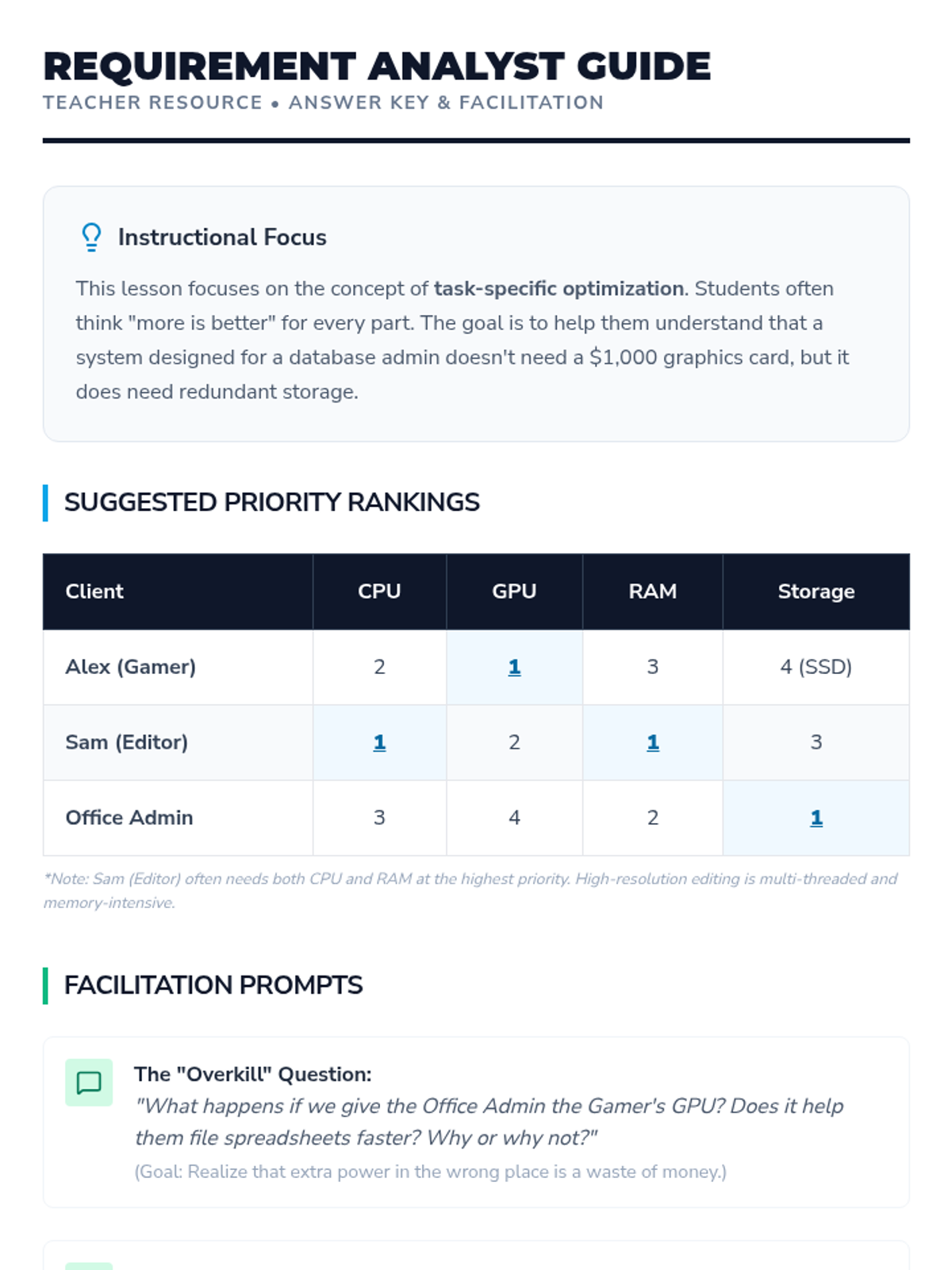
A project-based unit where 6th-grade students design custom computing systems. They analyze user needs, research hardware components, manage budgets, and justify their design choices through technical pitches.
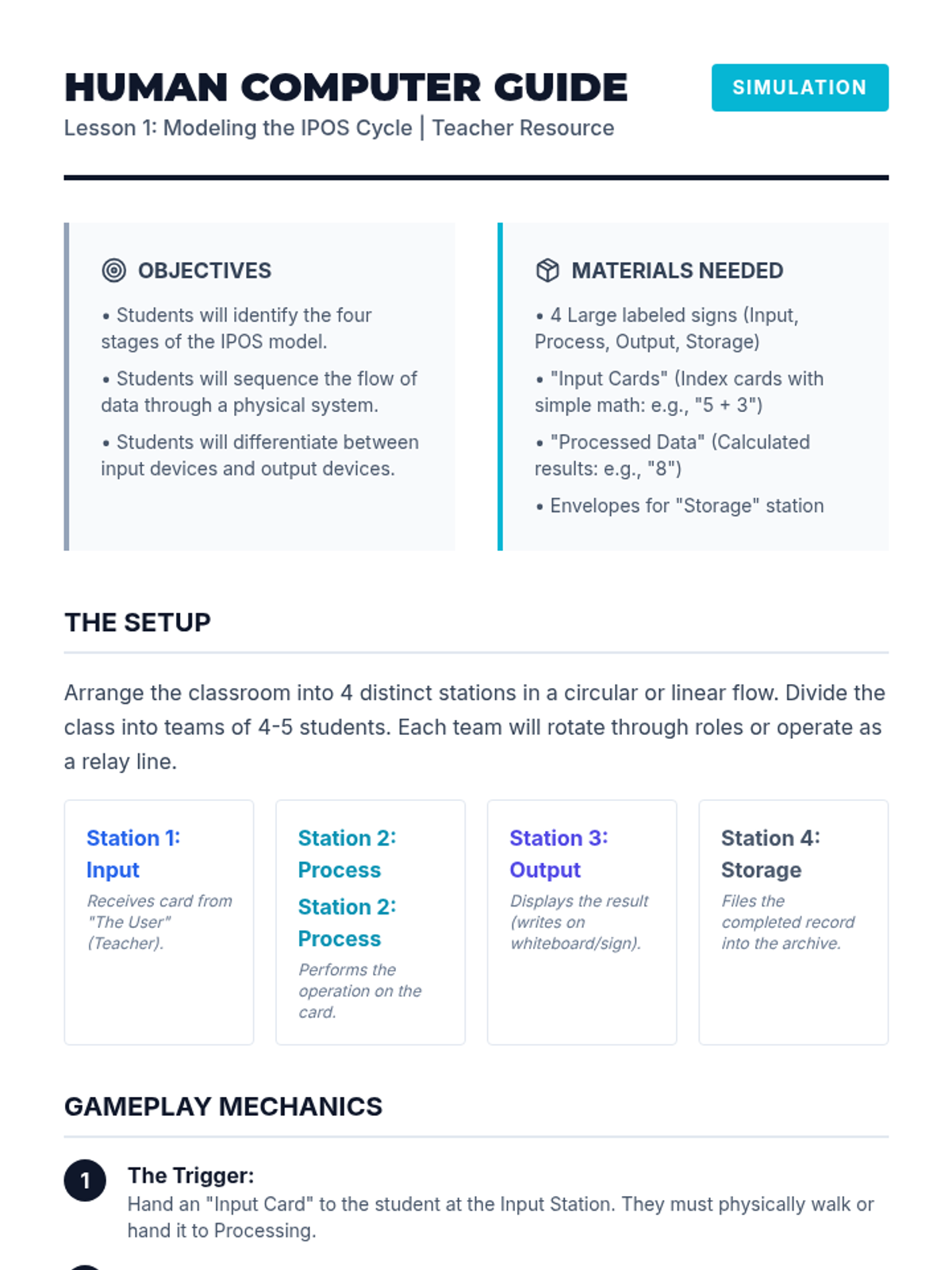
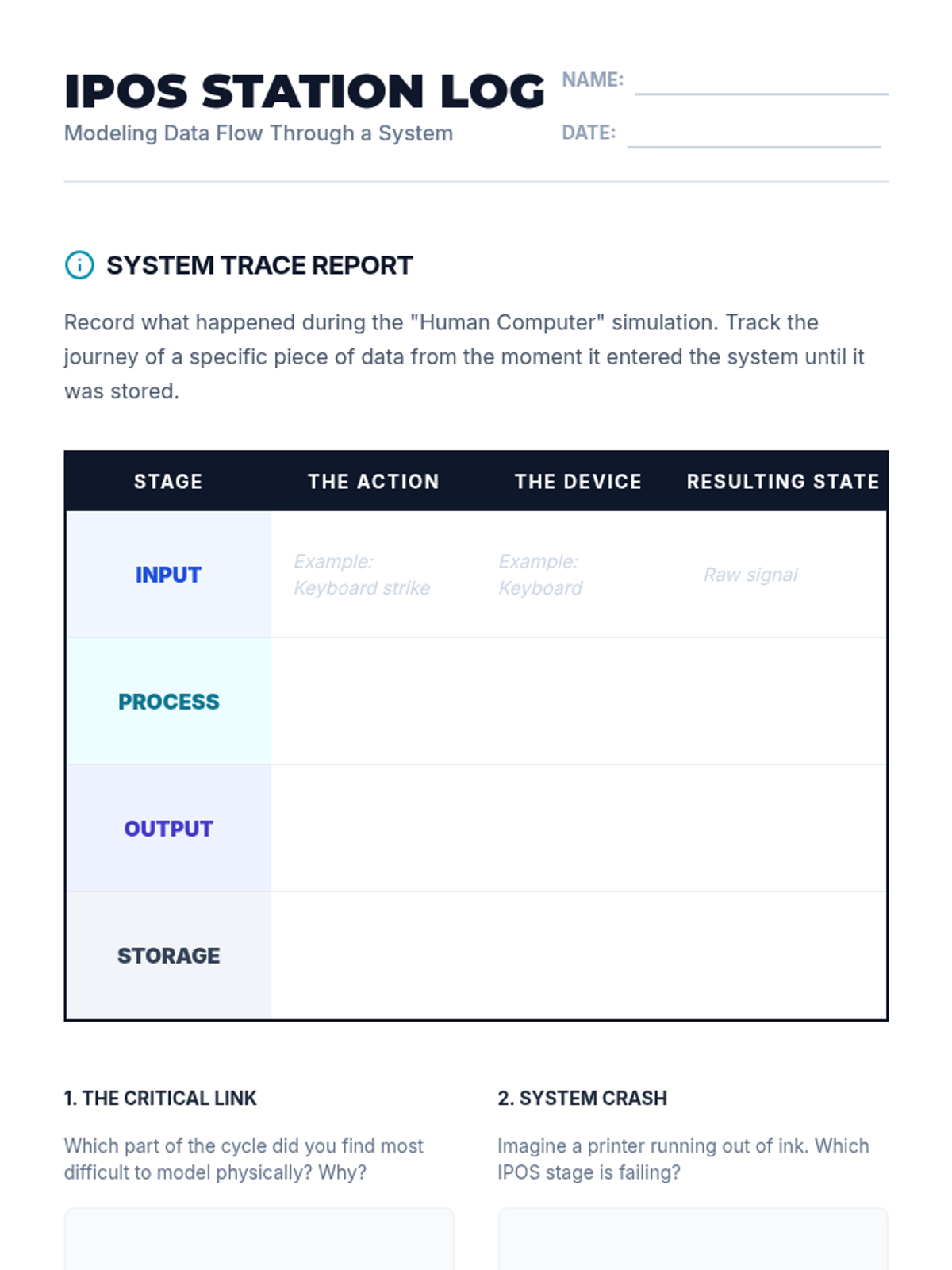
A comprehensive 6th-grade computer science unit exploring the IPOS (Input, Processing, Output, Storage) model, binary representation at a hardware level, processor performance, and system bottlenecks.
A 5-lesson sequence exploring the fundamental connection between electricity and magnetism, from permanent magnets and planetary physics to the construction and optimization of electromagnets.
This sequence bridges the gap between electricity and magnetism, allowing students to discover the electromagnetic effect. Through hands-on experimentation, students realize that electric current creates magnetic fields and use this principle to engineer their own electromagnets. The learning arc moves from observing basic magnetism to manipulating variables to increase magnetic strength. By the end, students will understand the direct relationship between electricity and magnetism.
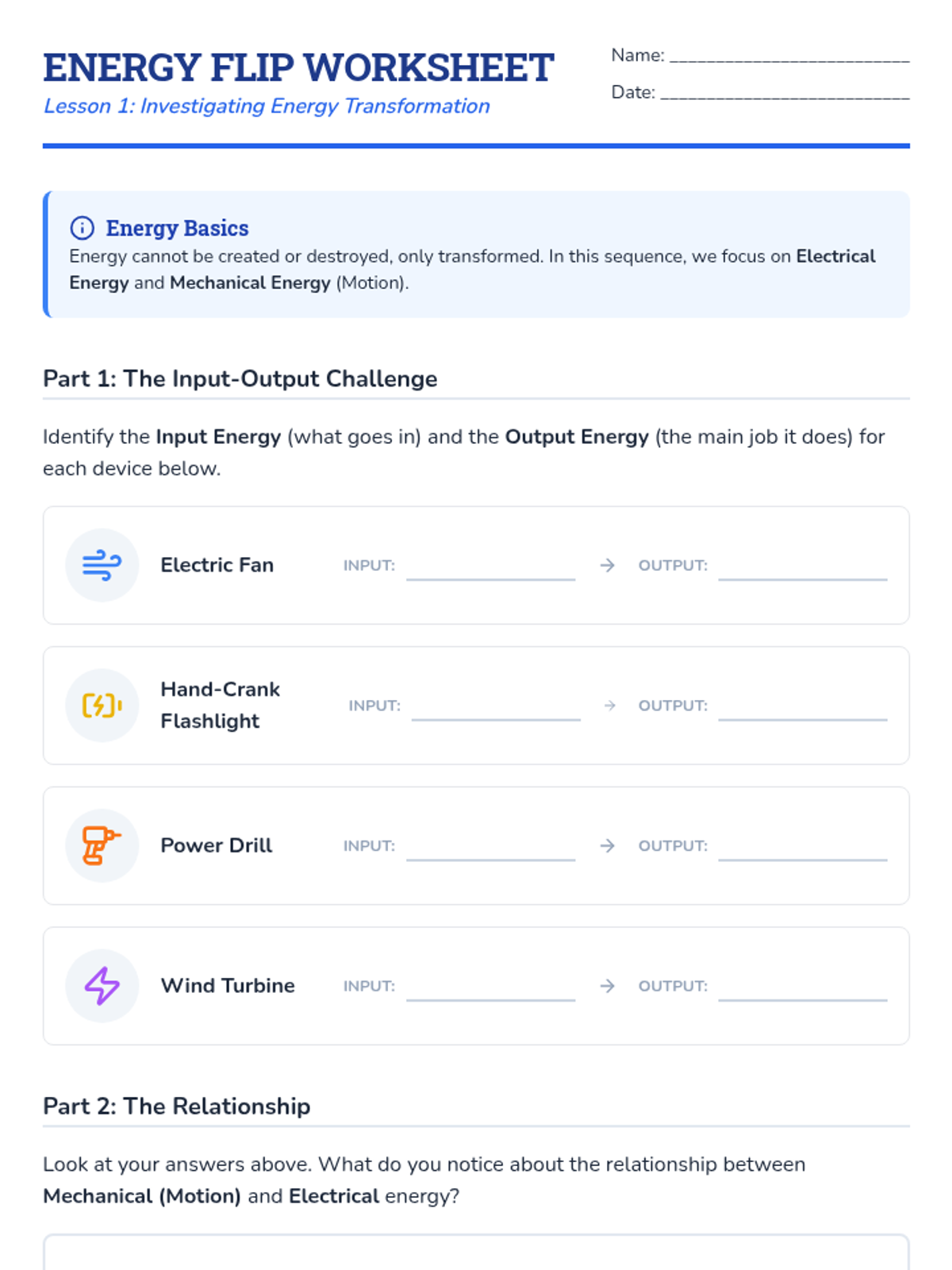
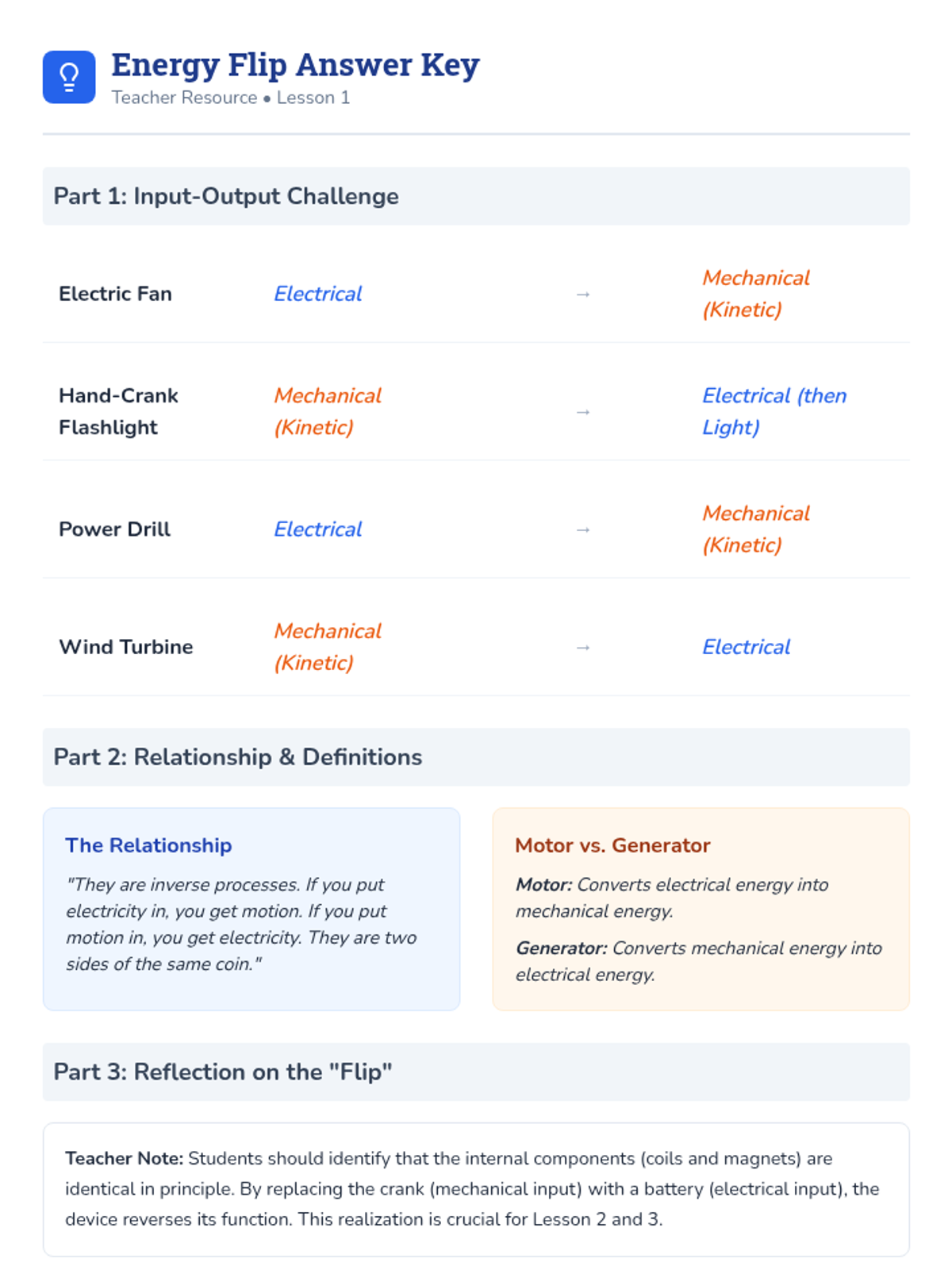
This sequence explores the relationship between electricity and motion, guiding students through the mechanics of electric motors and the principles of electromagnetic induction to design their own generators.
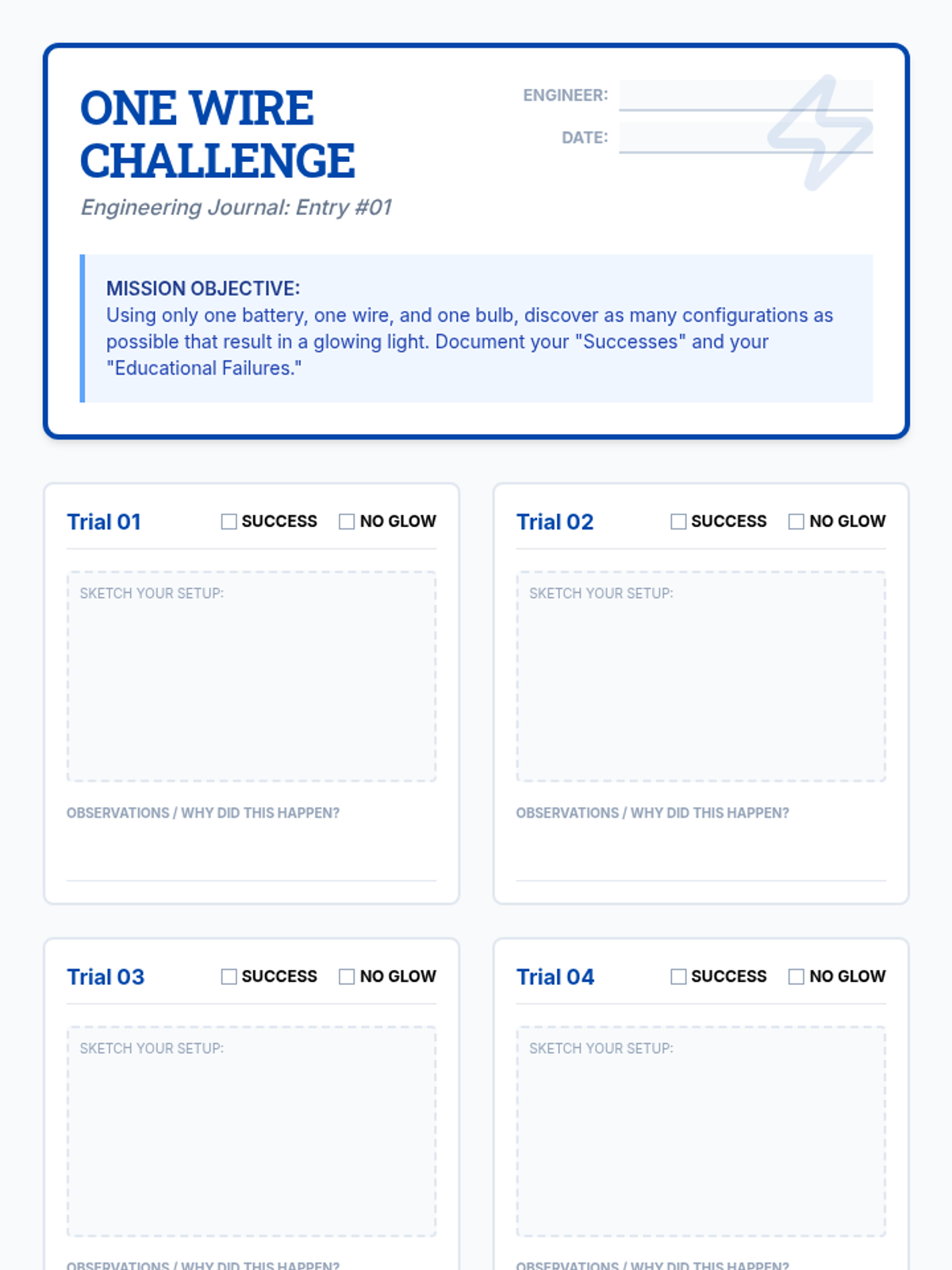
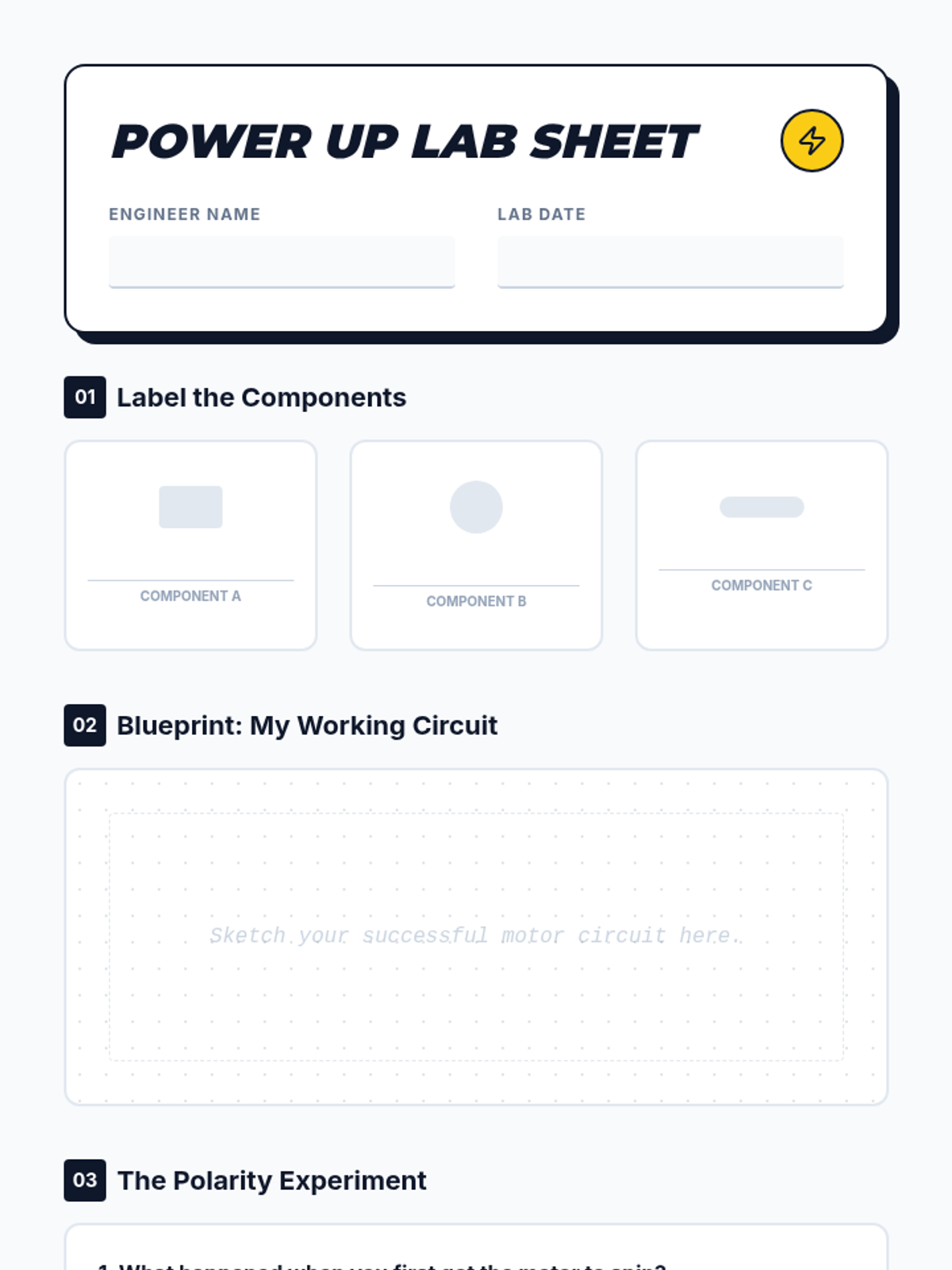
A hands-on engineering sequence where 6th-grade students explore the fundamentals of electricity by building, diagramming, and troubleshooting series and parallel circuits. Students progress from simple closed loops to complex branching systems, culminating in a troubleshooting challenge.
Students explore the mechanical systems that allow robots to move and interact with the physical world, progressing from basic circuits to full chassis assembly.
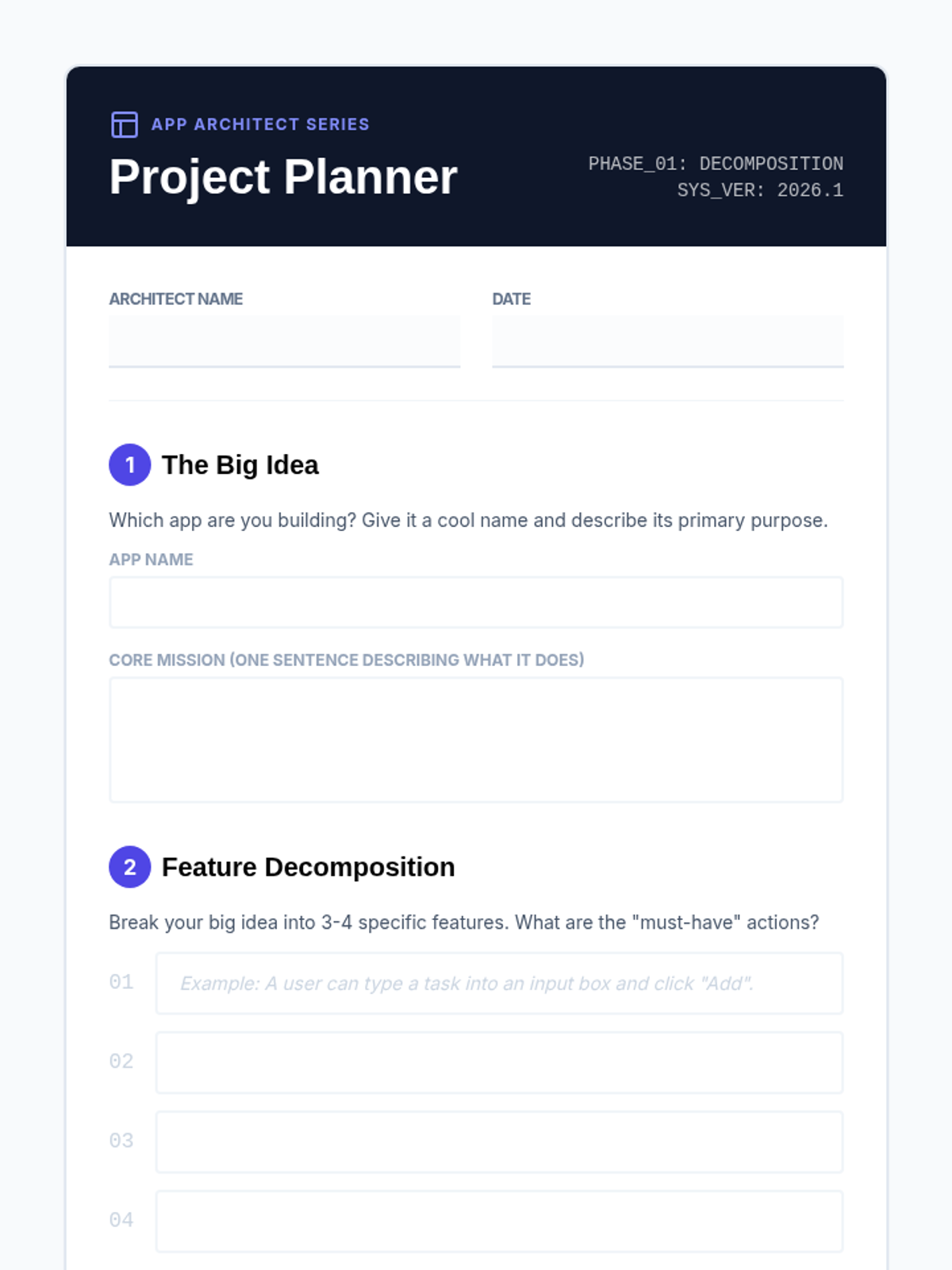
A project-based journey where students learn to build functional web applications using AI. They master decomposition, structural planning, logical implementation, and aesthetic styling to turn ideas into working digital products.
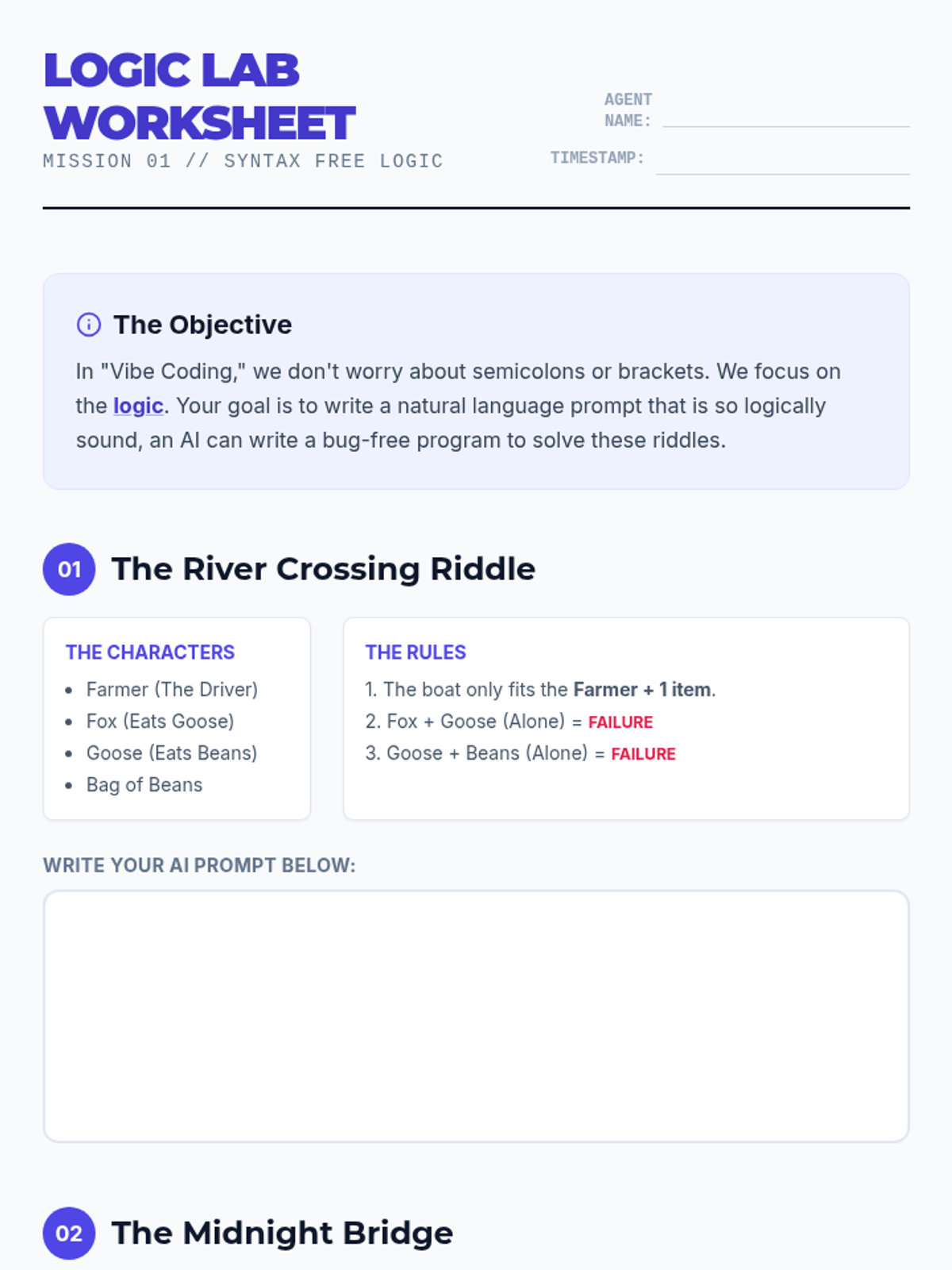
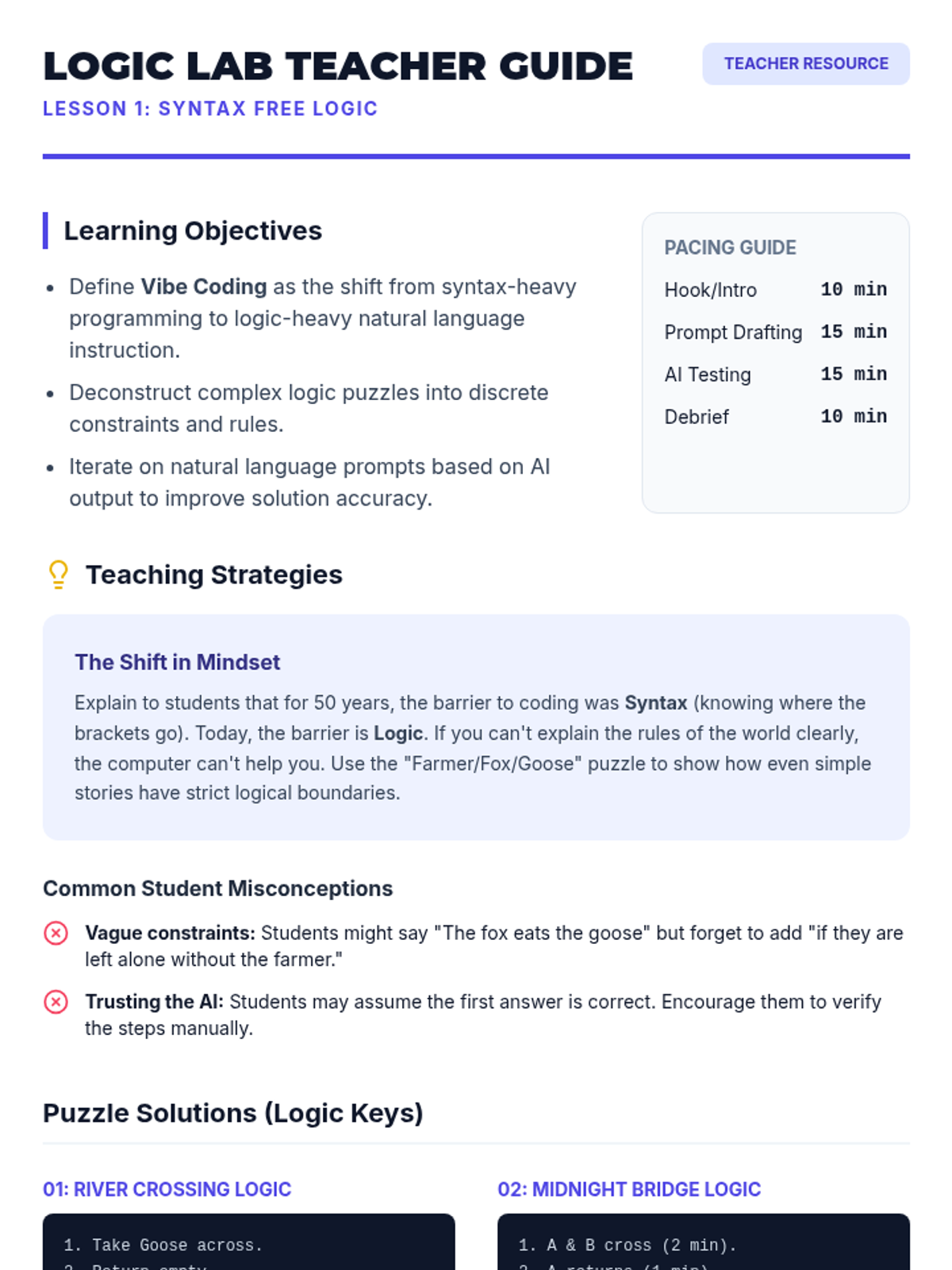
This sequence explores the intersection of AI and computational thinking, teaching students to use natural language to solve complex logic puzzles, structure data, and automate tasks. Students move beyond syntax to focus on the 'vibe' of programming—the logic and architecture of solutions.
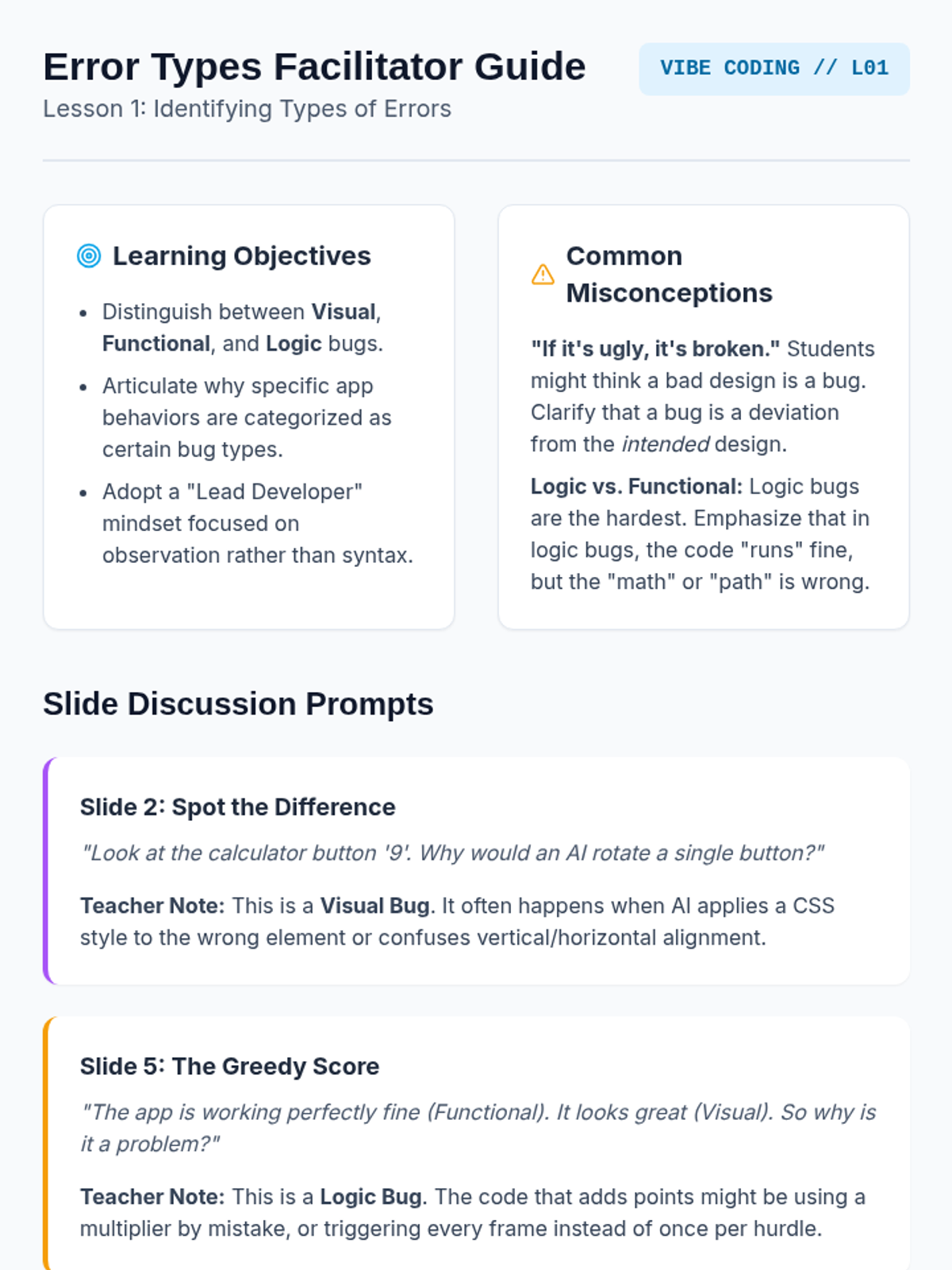
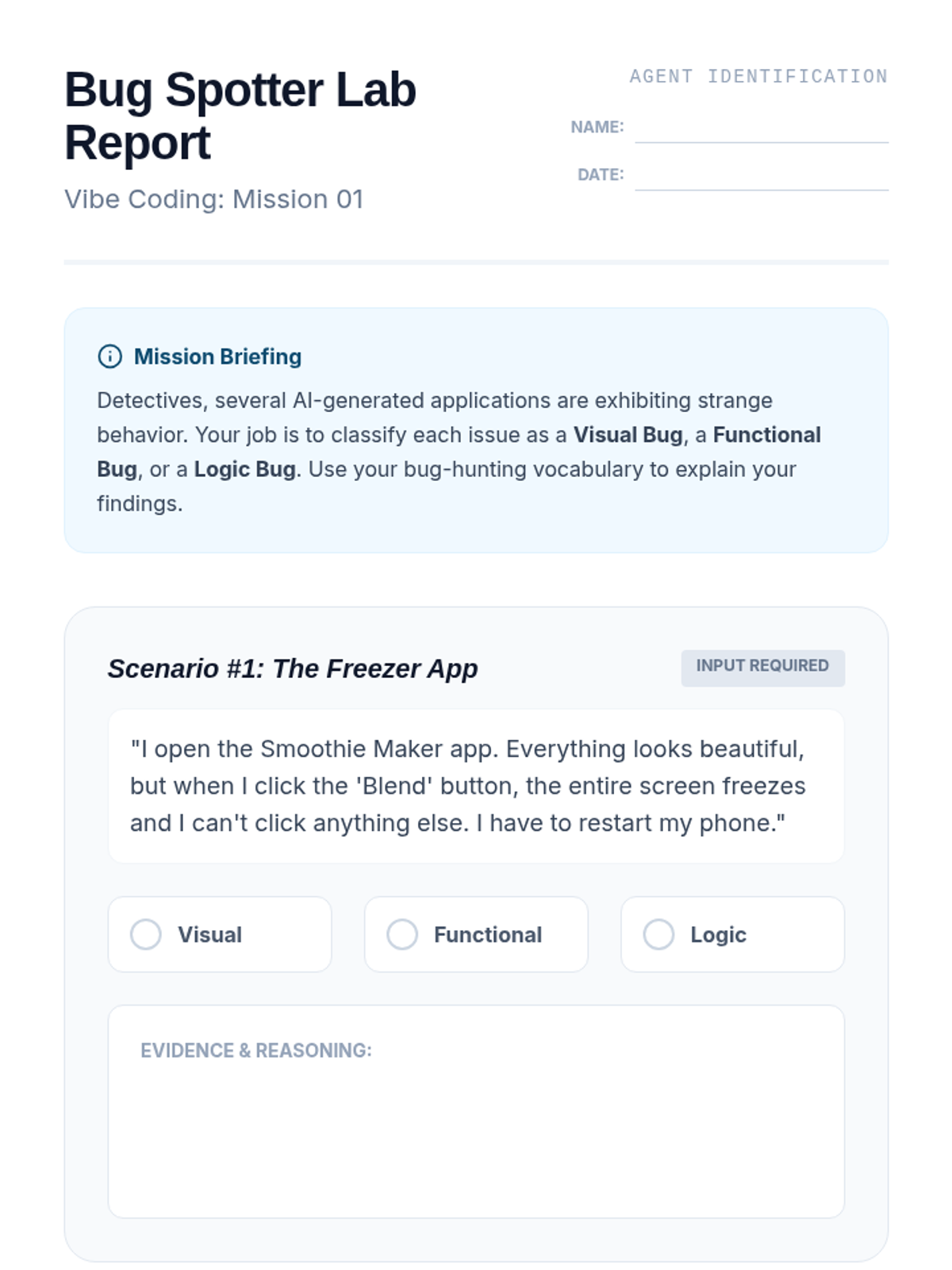
Students learn to collaborate with AI by identifying errors, writing natural language bug reports, and verifying fixes. This sequence shifts the focus from code syntax to logic and behavior troubleshooting through conversation.
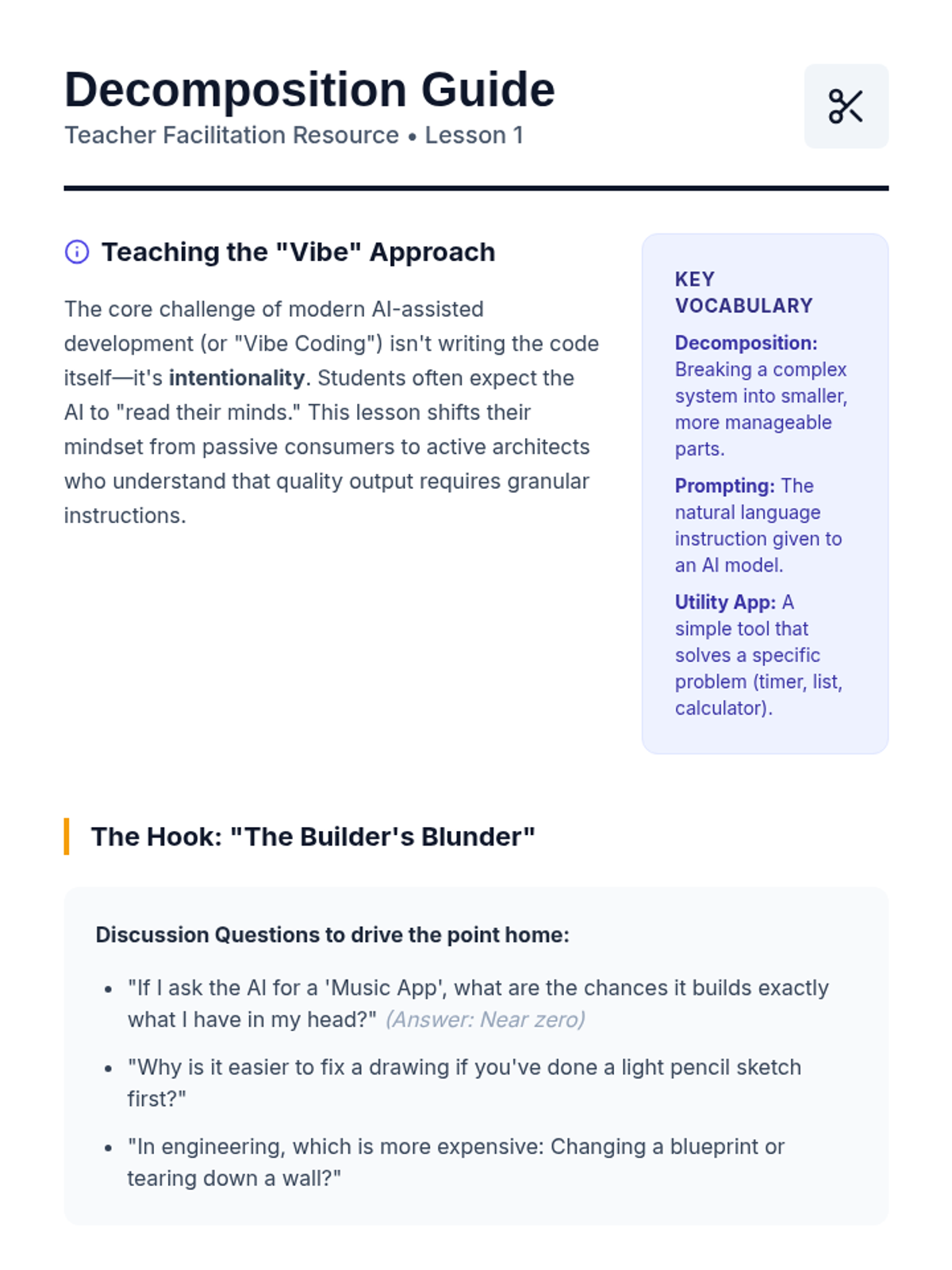
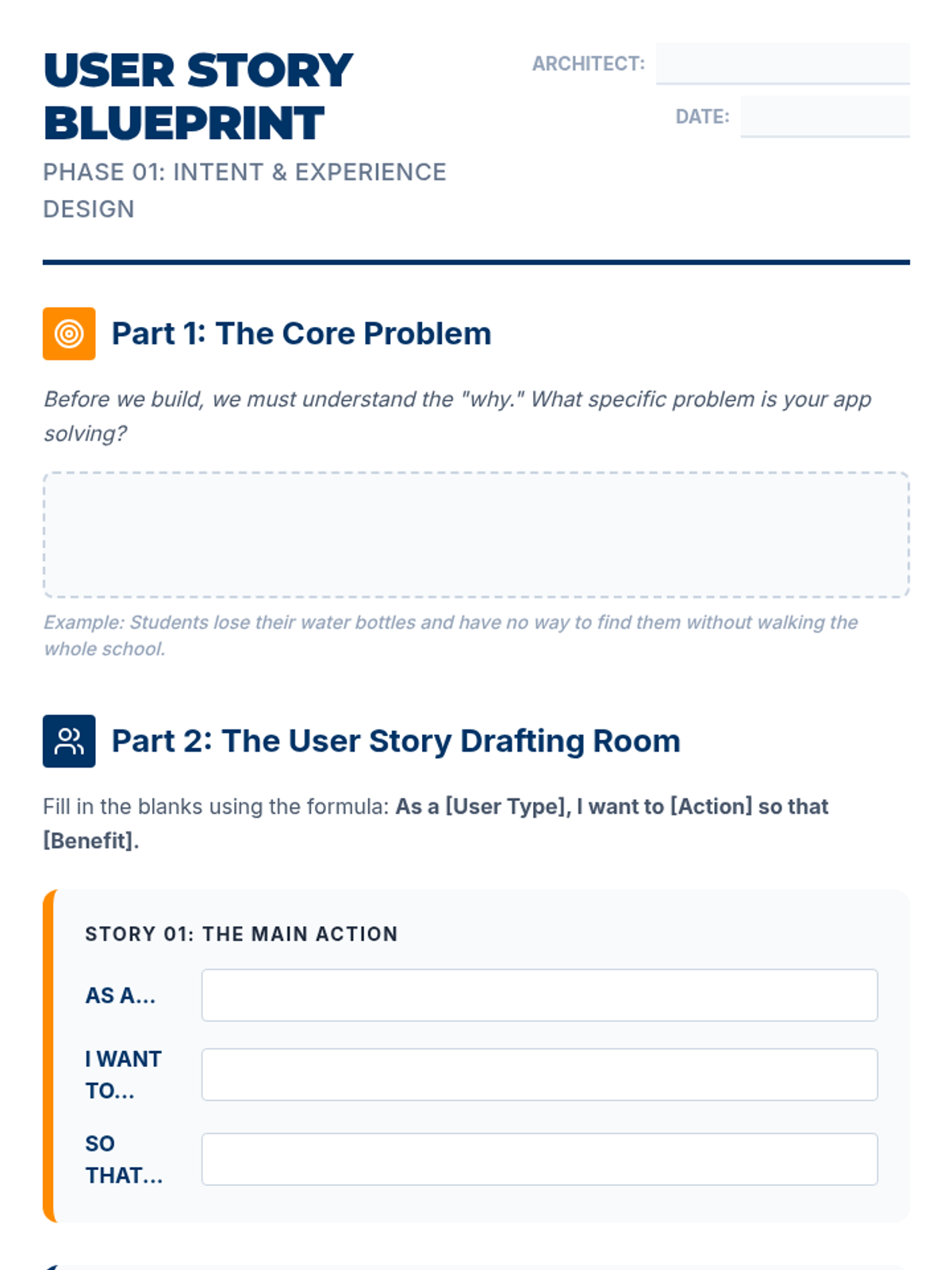
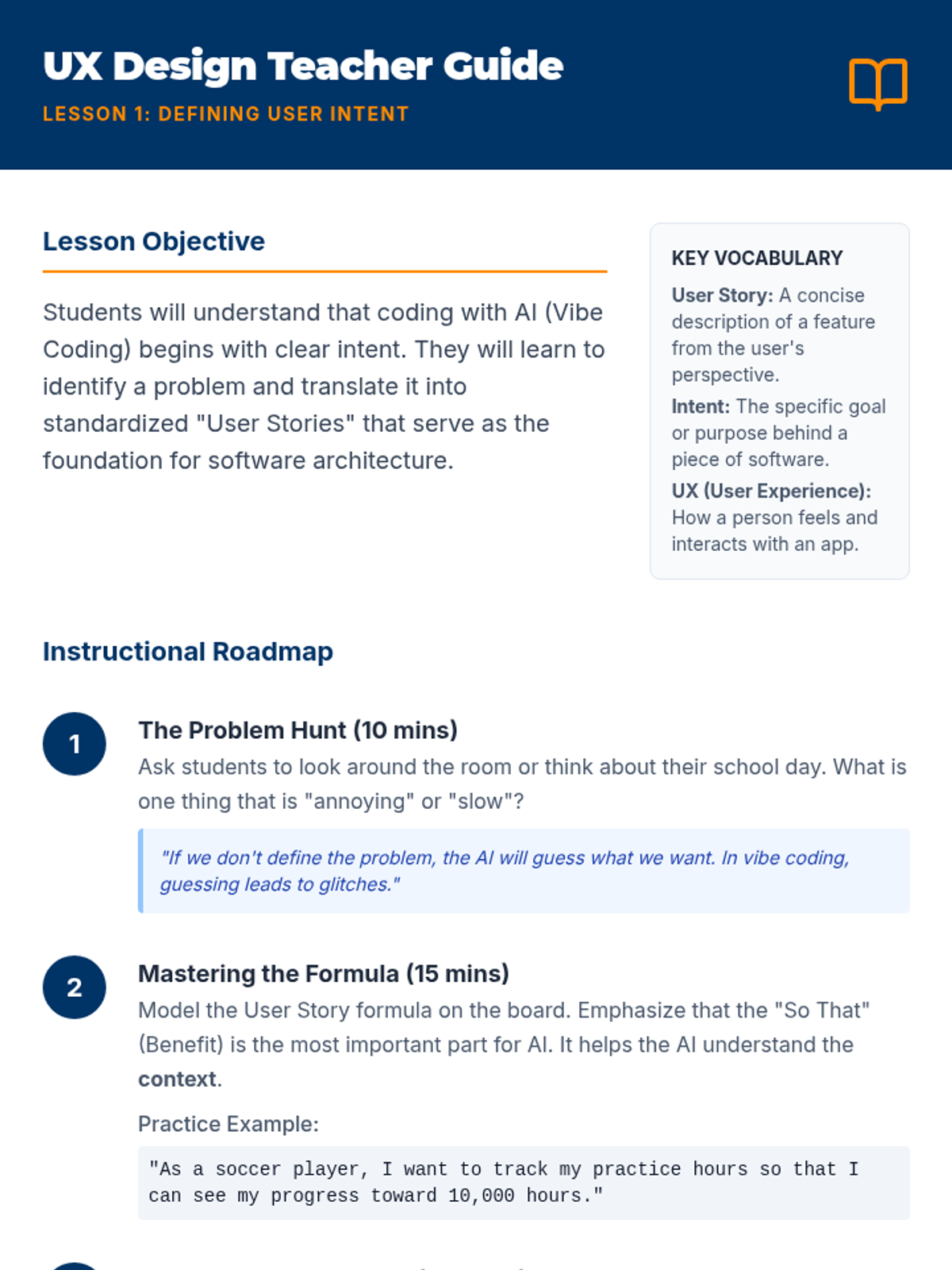
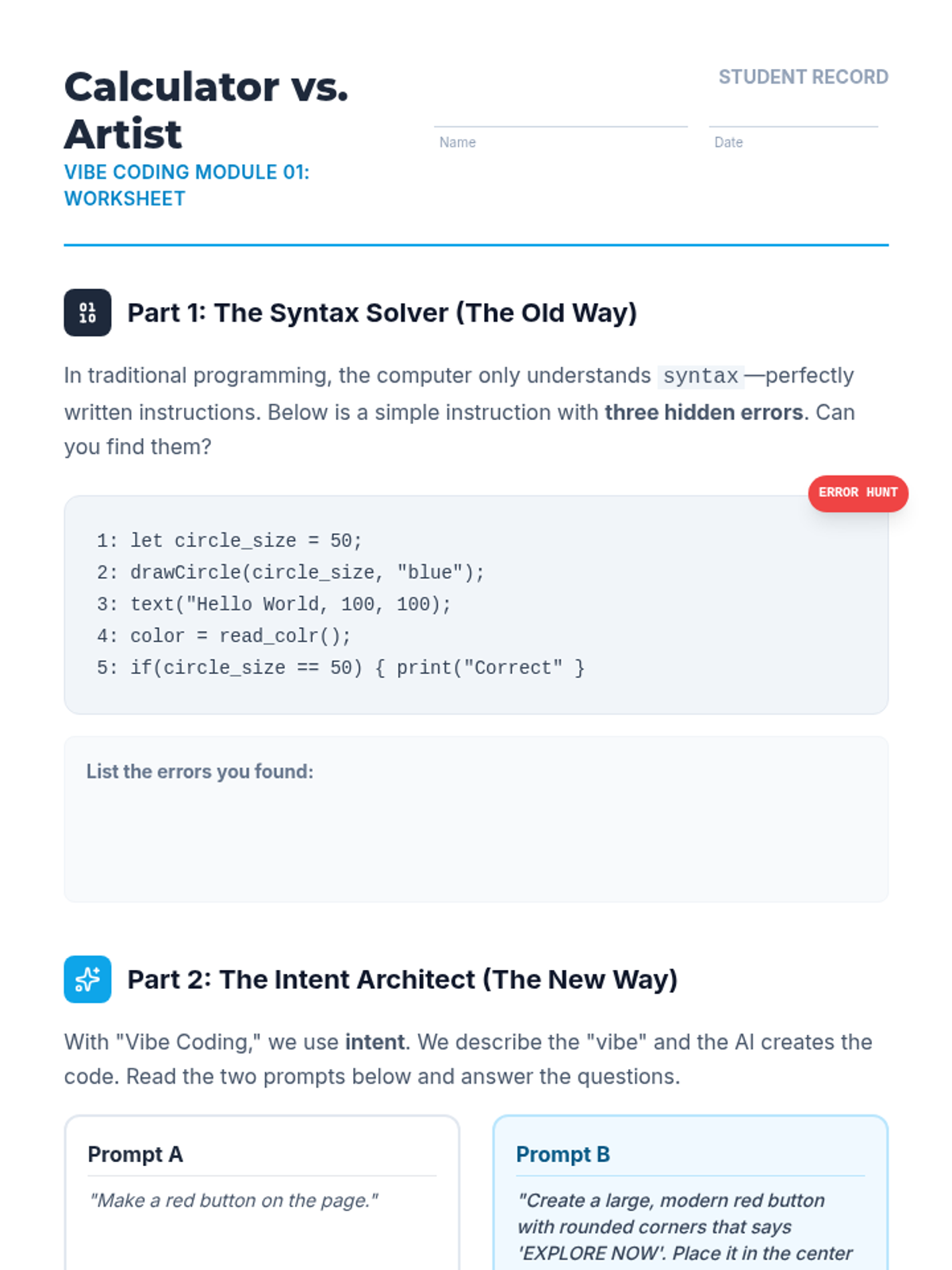
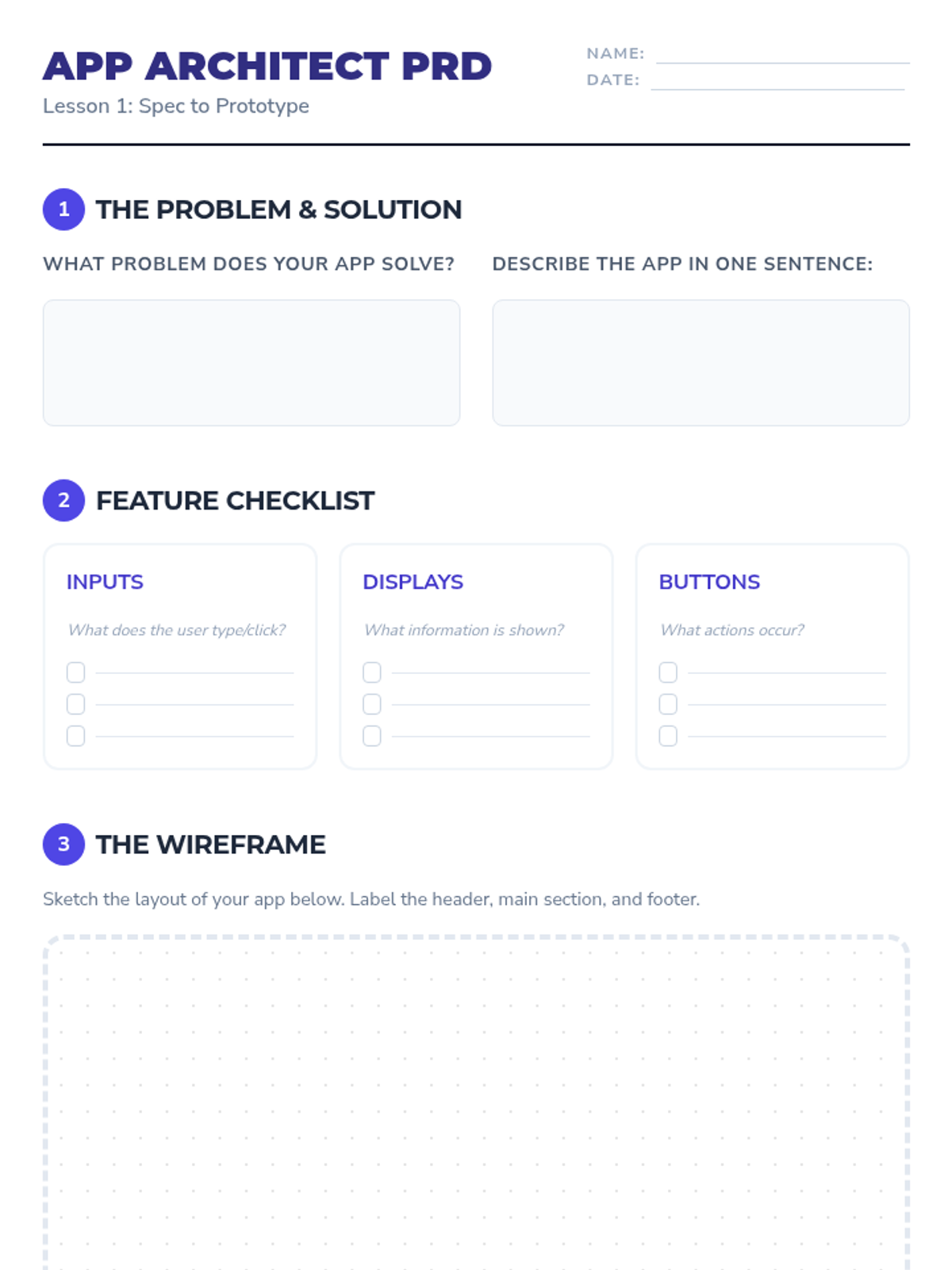
This sequence introduces 6th-grade students to the logic of app development through 'vibe coding'—using natural language to instruct AI. Instead of focusing on syntax, students master the architecture of logic, including user stories, flowcharts, decomposition, and prompt engineering, bridging the gap between an idea and a functional product.
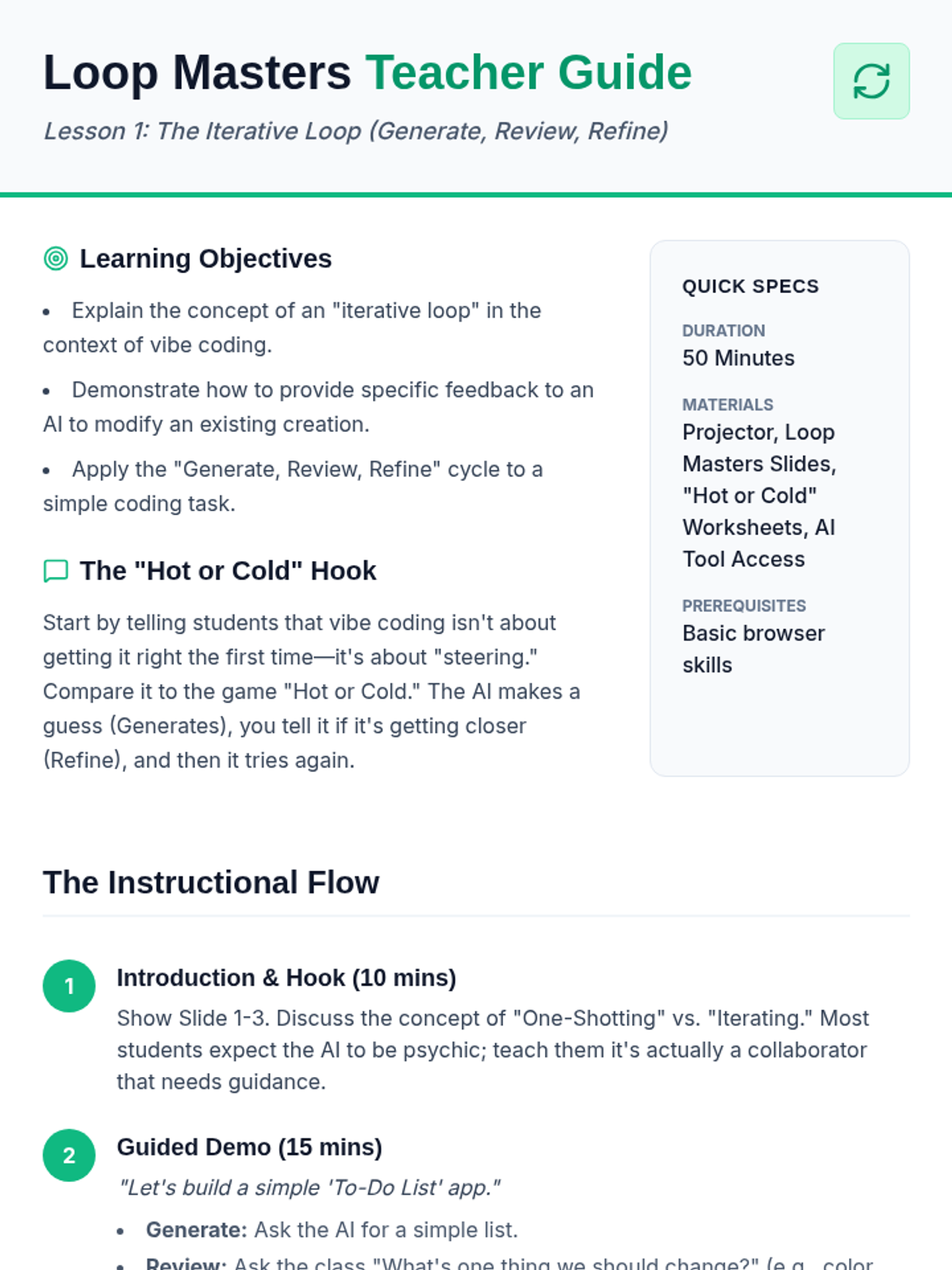
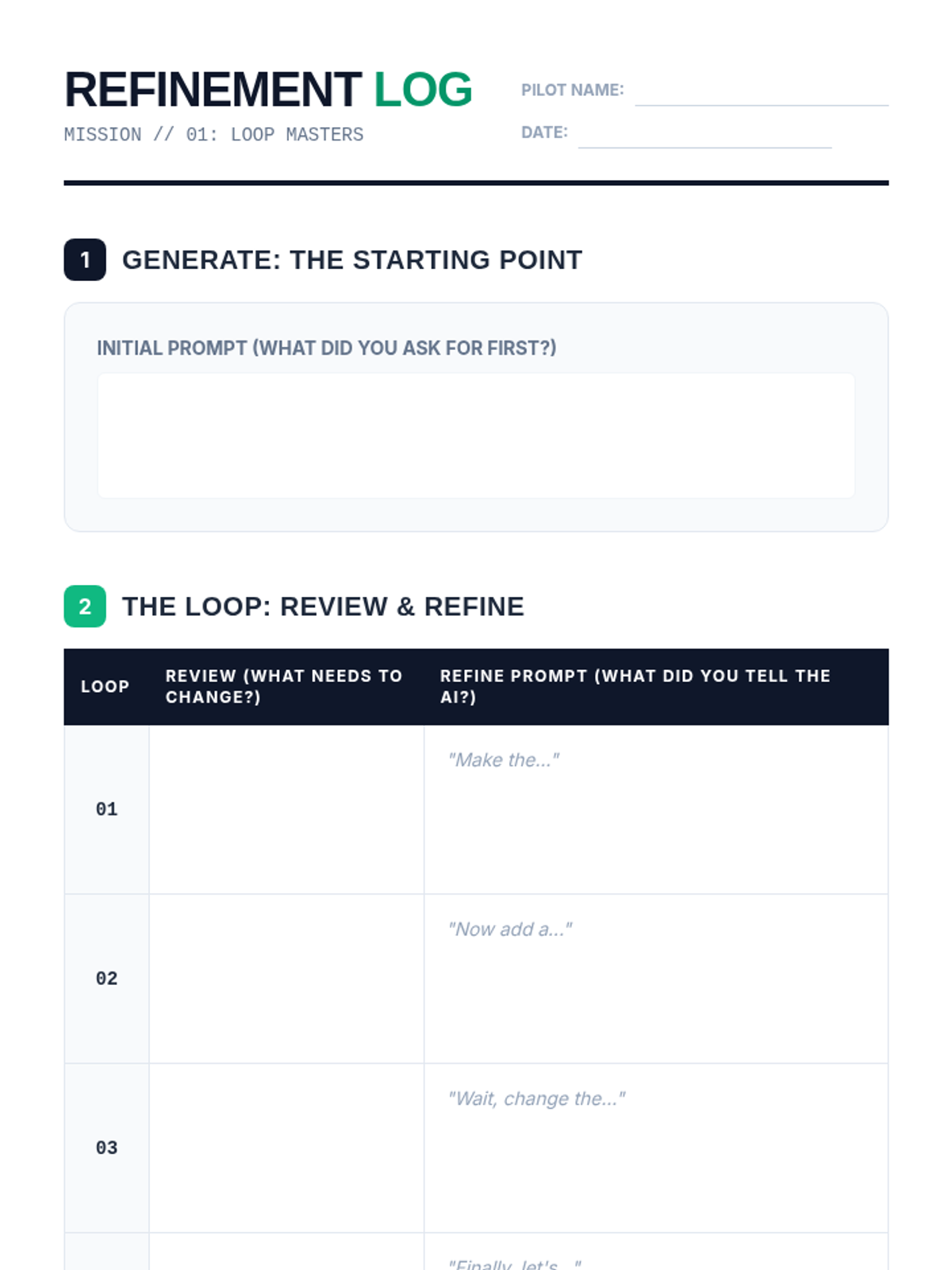
A sequence focused on the iterative nature of vibe coding, teaching students how to refine AI-generated software through dialogue and layered instructions rather than manual code editing.
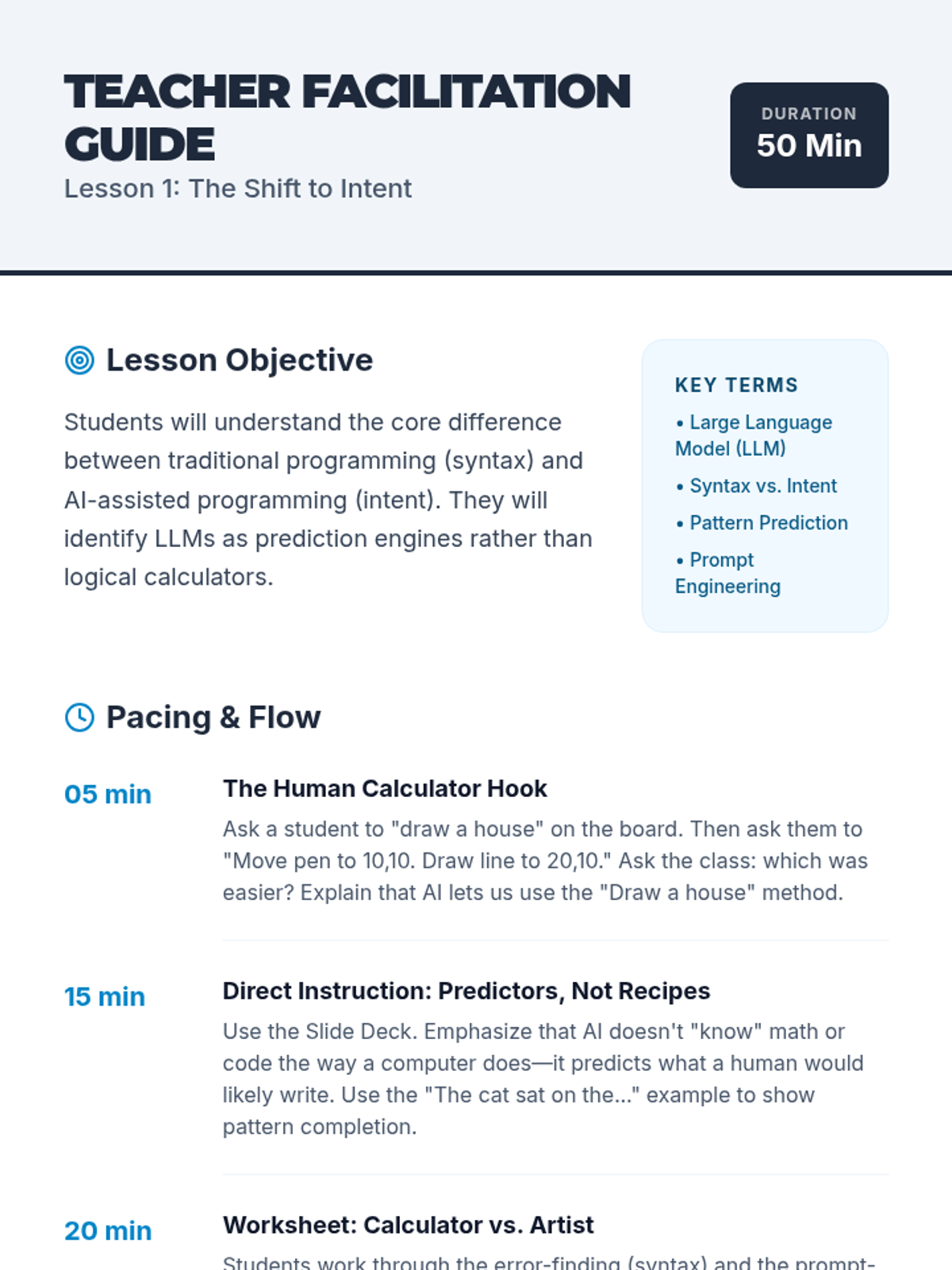
This sequence introduces 6th-grade students to the fundamental concepts of Large Language Models (LLMs) and how they interpret natural language to generate code. Students transition from rigid syntax programming to intent-based instructions, learning that clarity, context, and specificity are the new 'syntax' of the AI era.
This project-based sequence empowers students to build fully functional web applications by describing the interface and functionality to an AI. Students act as product managers and architects, using modular prompting to generate HTML, CSS, and JavaScript.
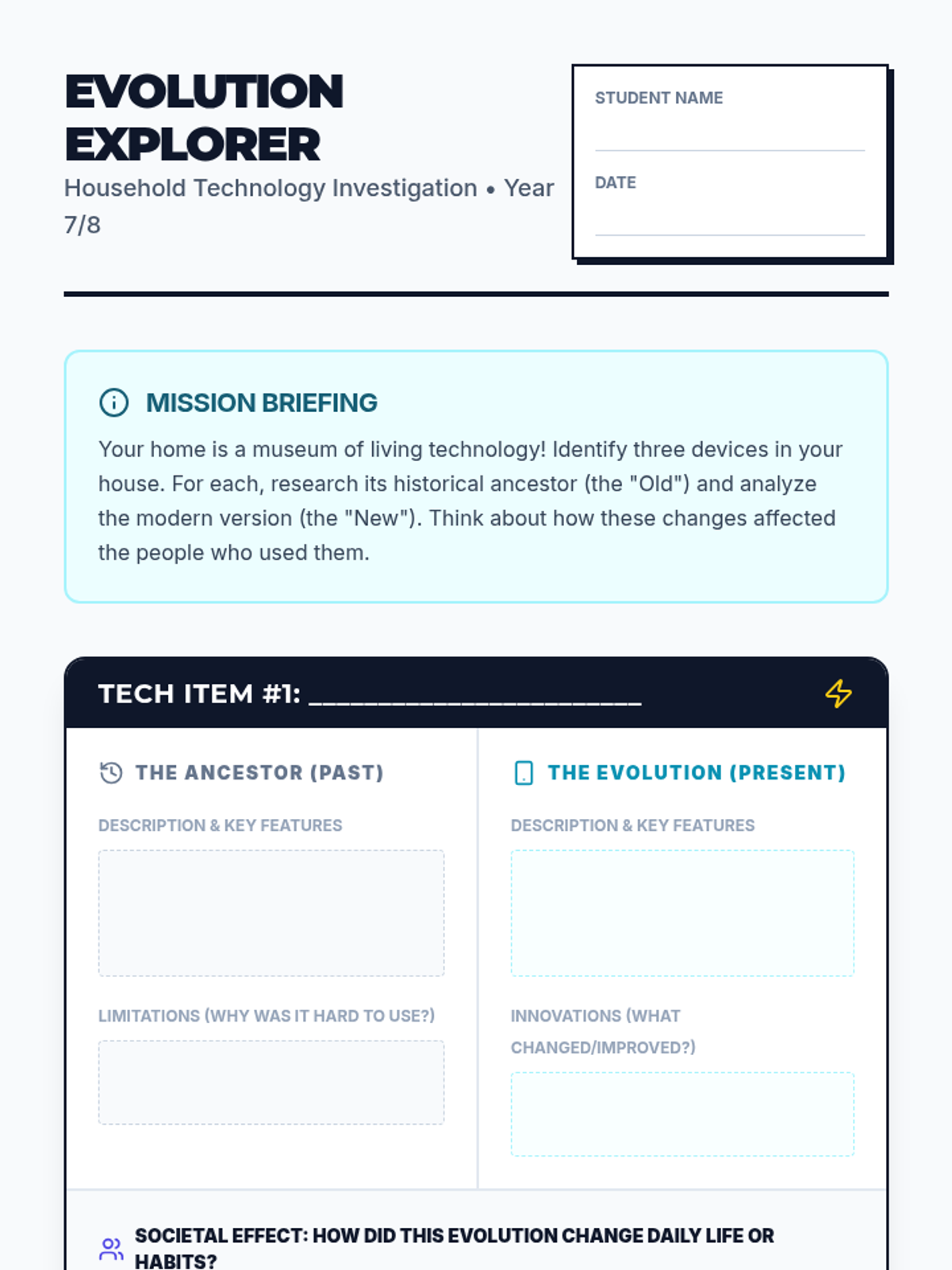
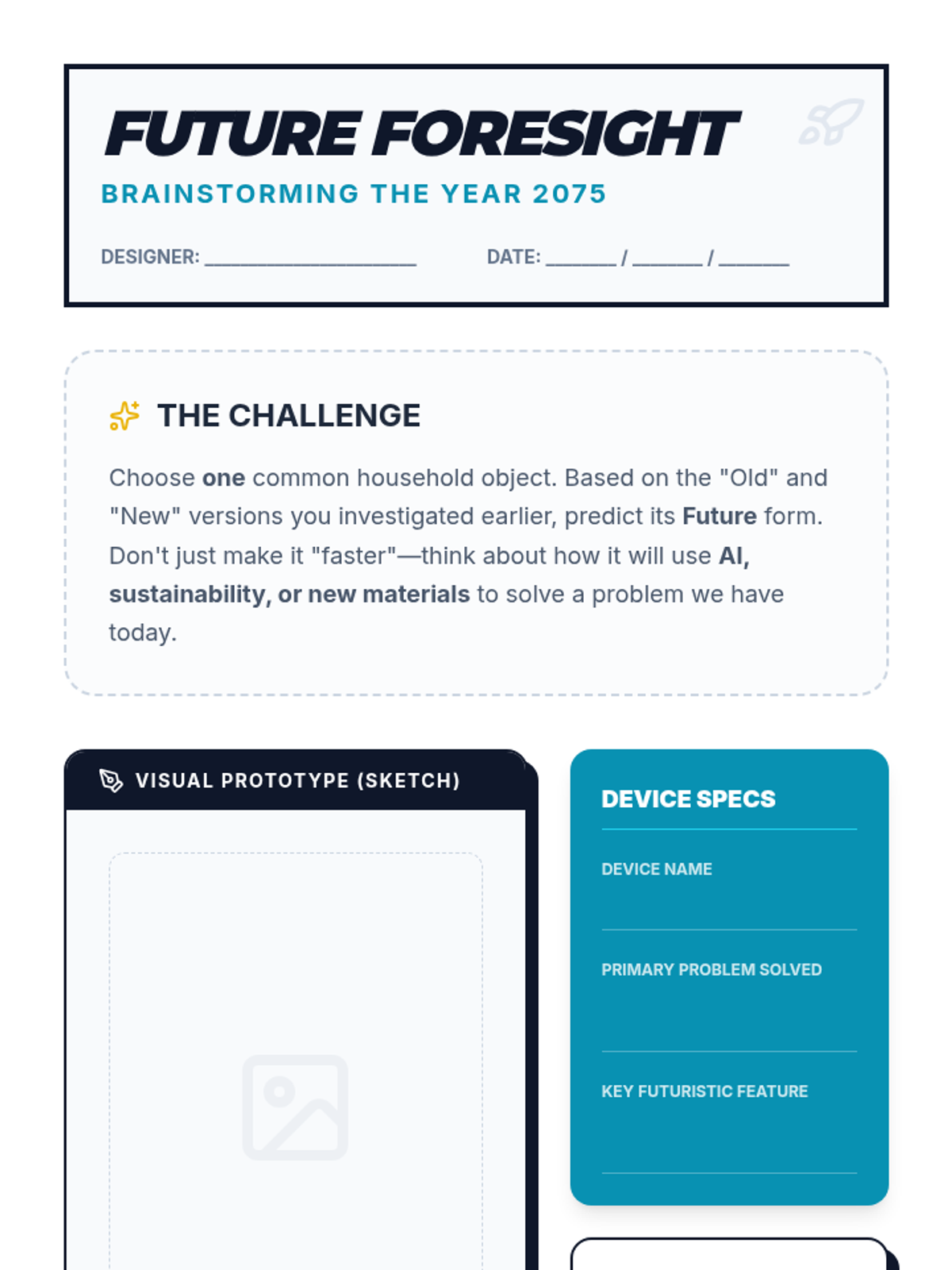
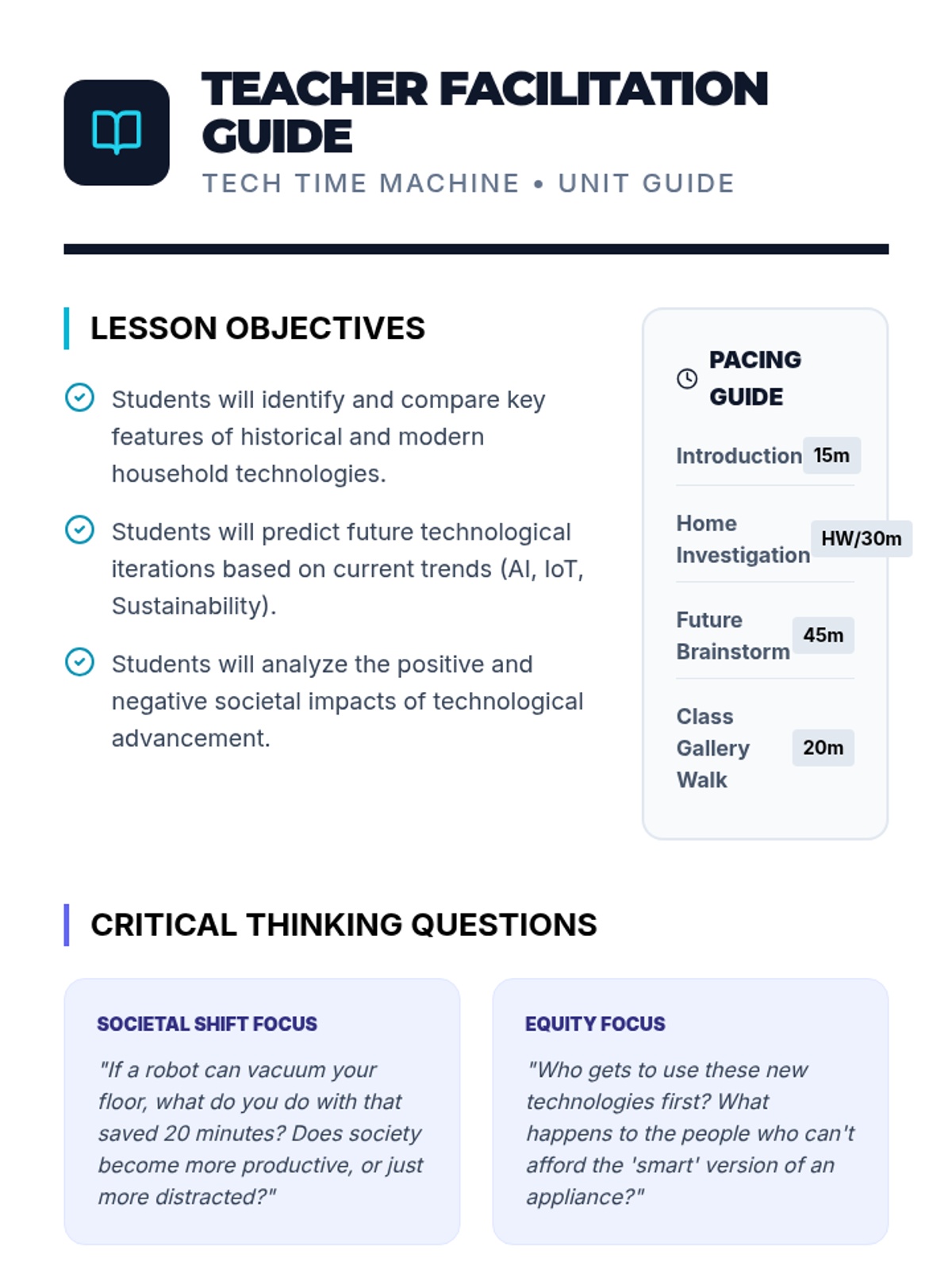
A multi-day project where students trace the lineage of household technology, culminating in a prototype design and a presentation on societal impact.
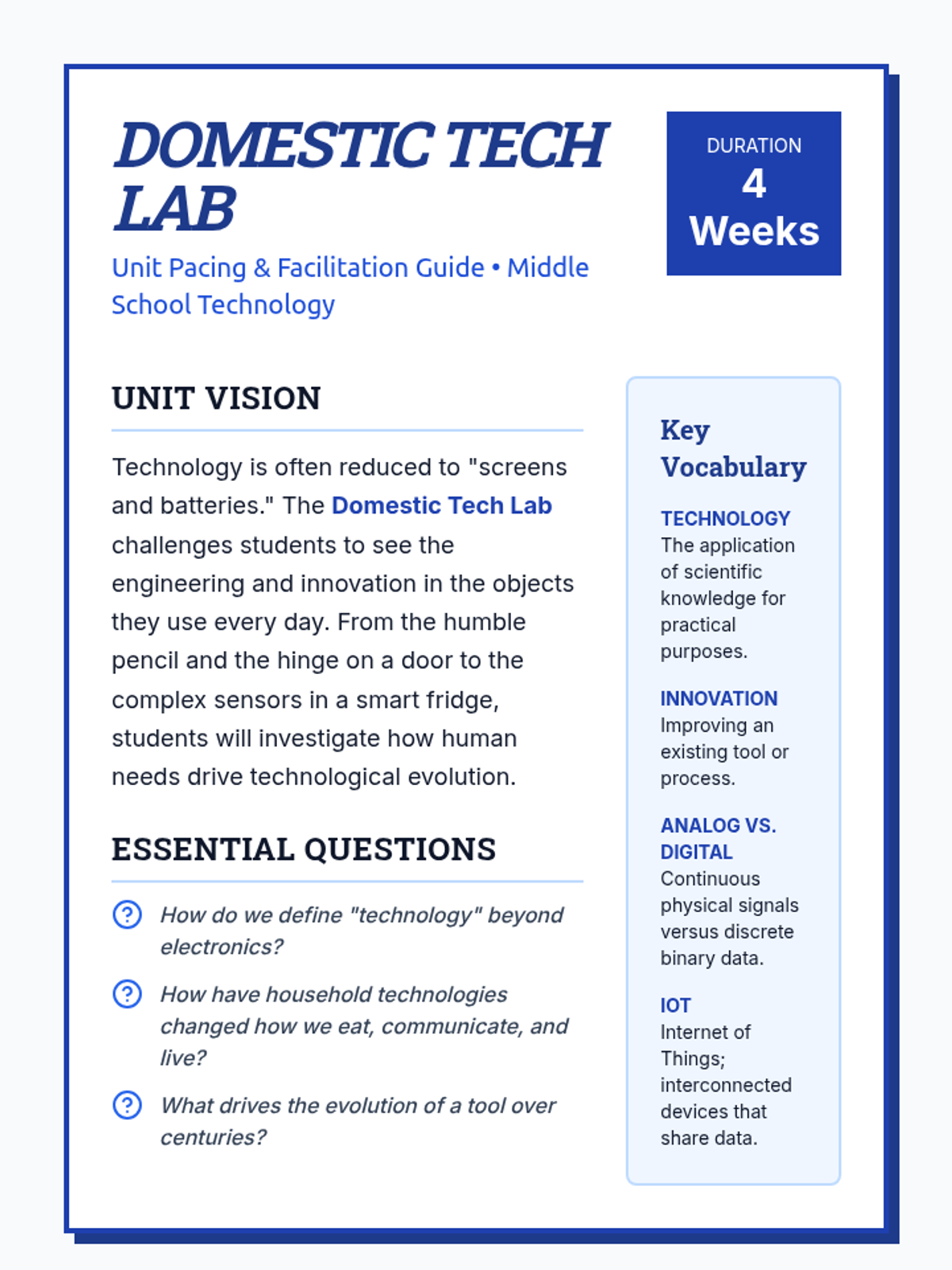
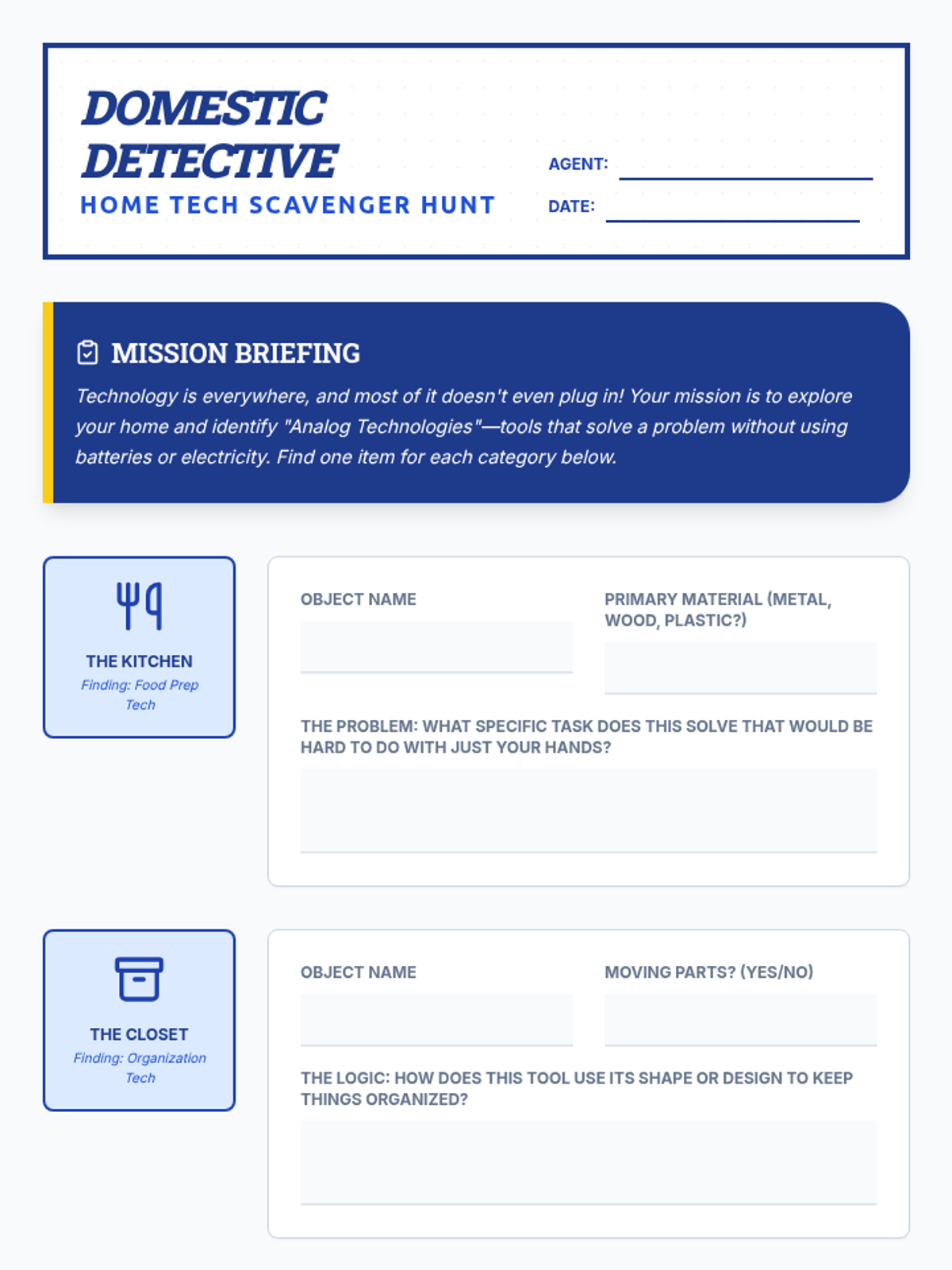
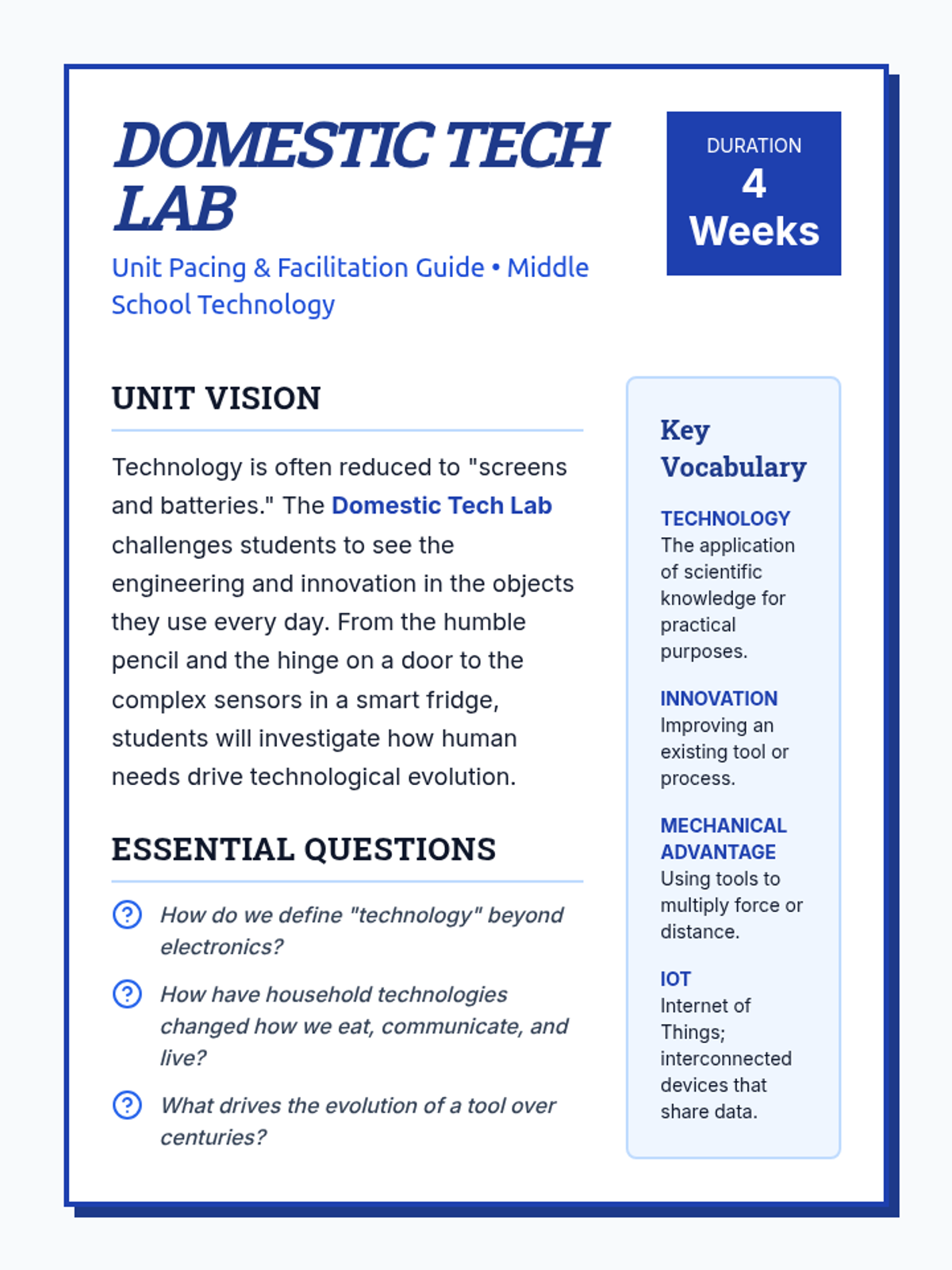
A 4-week exploration of technology through the lens of everyday household items, tracing their evolution from simple tools to complex smart systems. Students investigate what technology truly is beyond just electronics and how domestic innovations have changed human life.
A comprehensive STEM sequence focusing on the intersection of coding logic and physical engineering. Students explore algorithmic thinking, structural design, and the integration of software and hardware through hands-on build challenges and online activities.
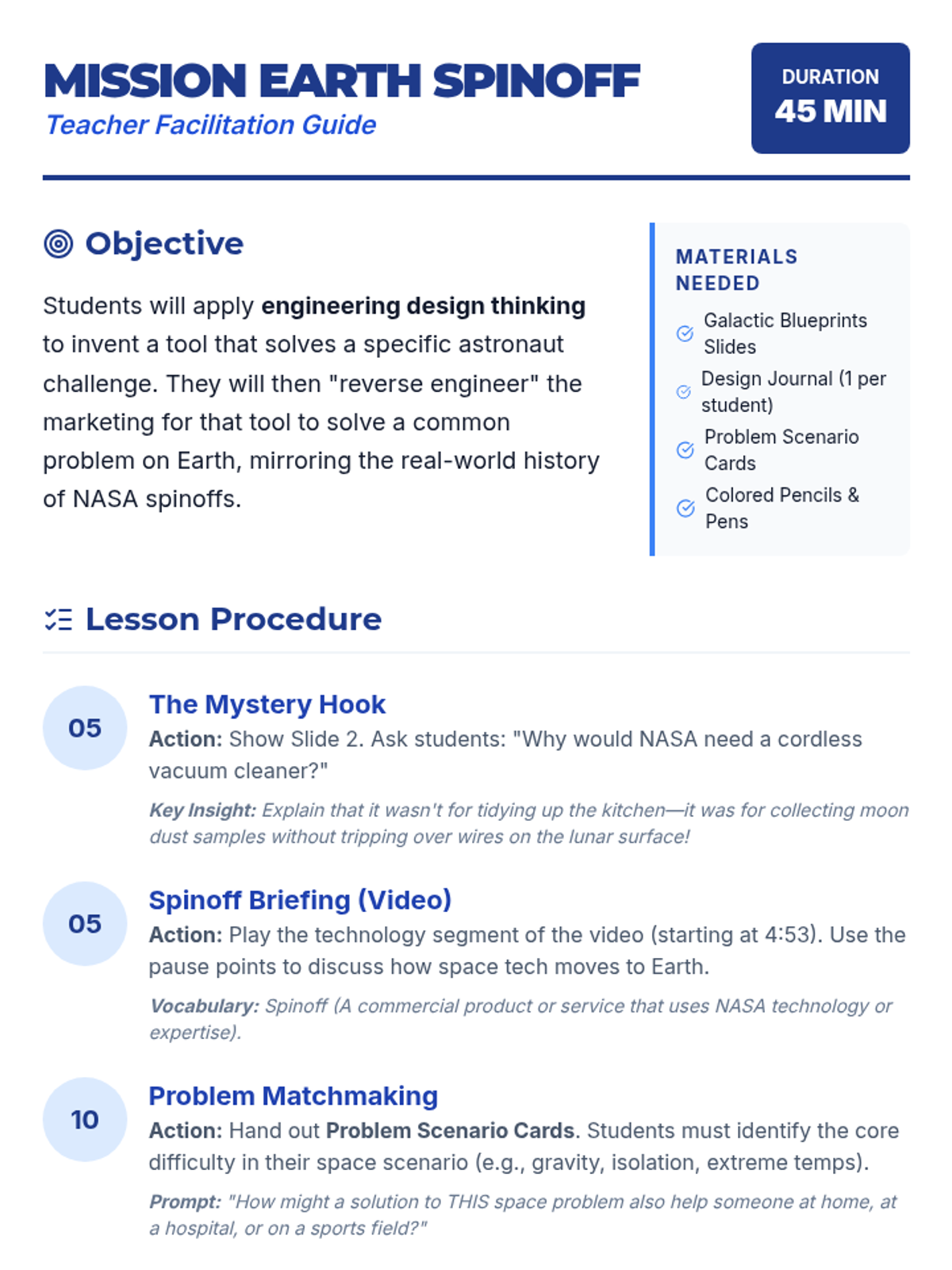
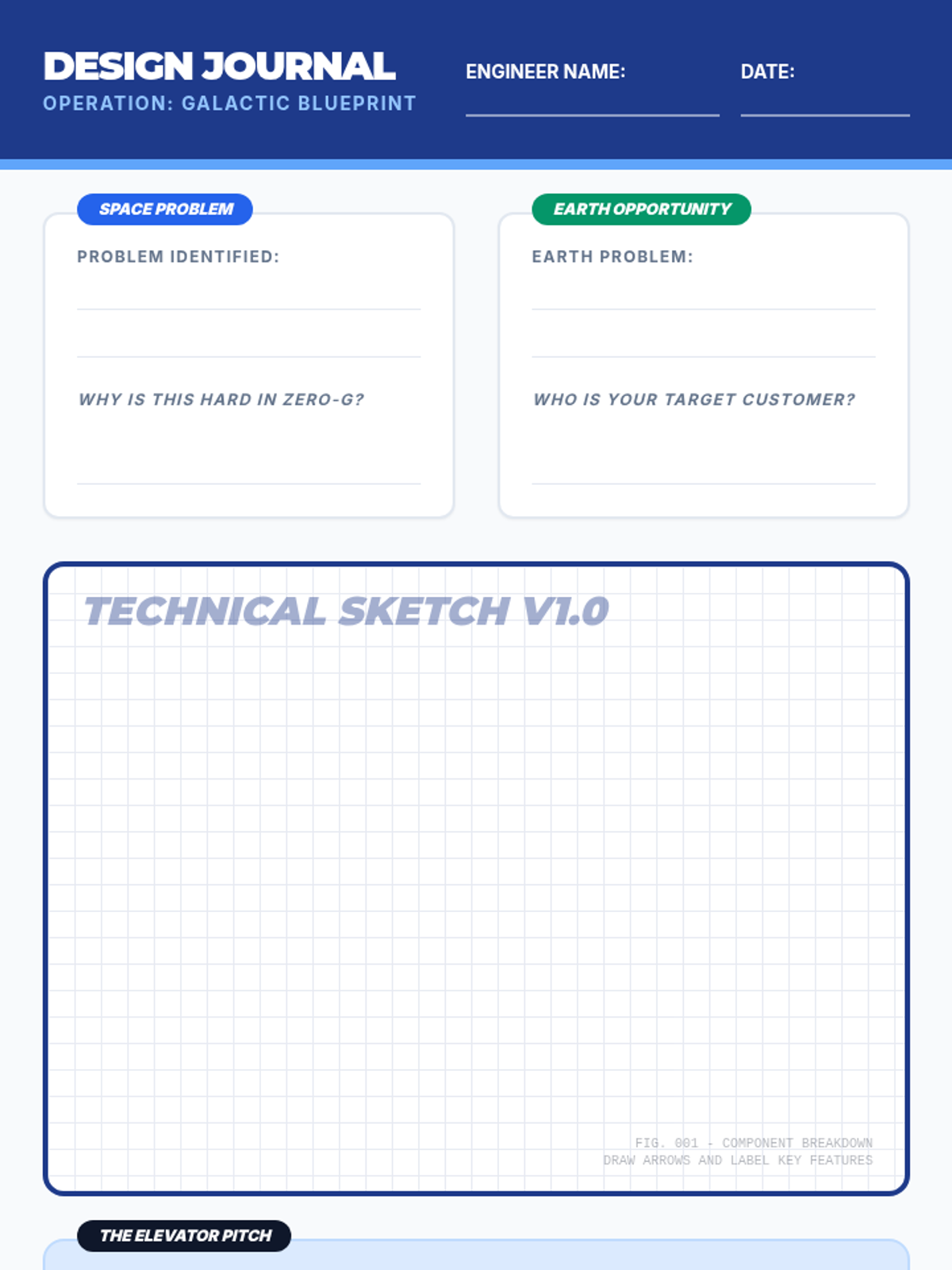
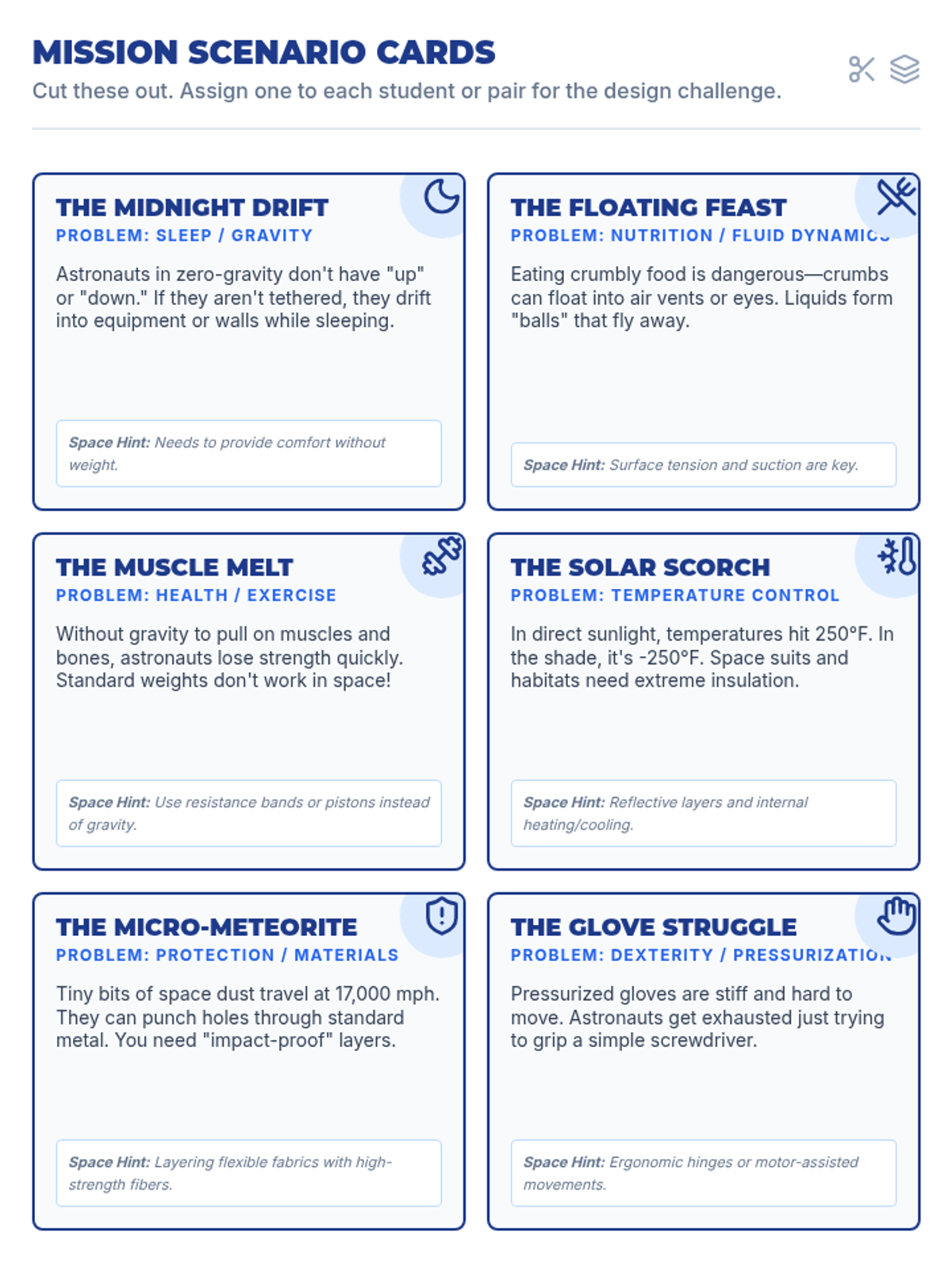
A creative engineering lesson where students explore NASA spinoffs and design their own inventions that solve problems in space and on Earth. Students practice design thinking and marketing by 'reverse engineering' space technology for commercial use.
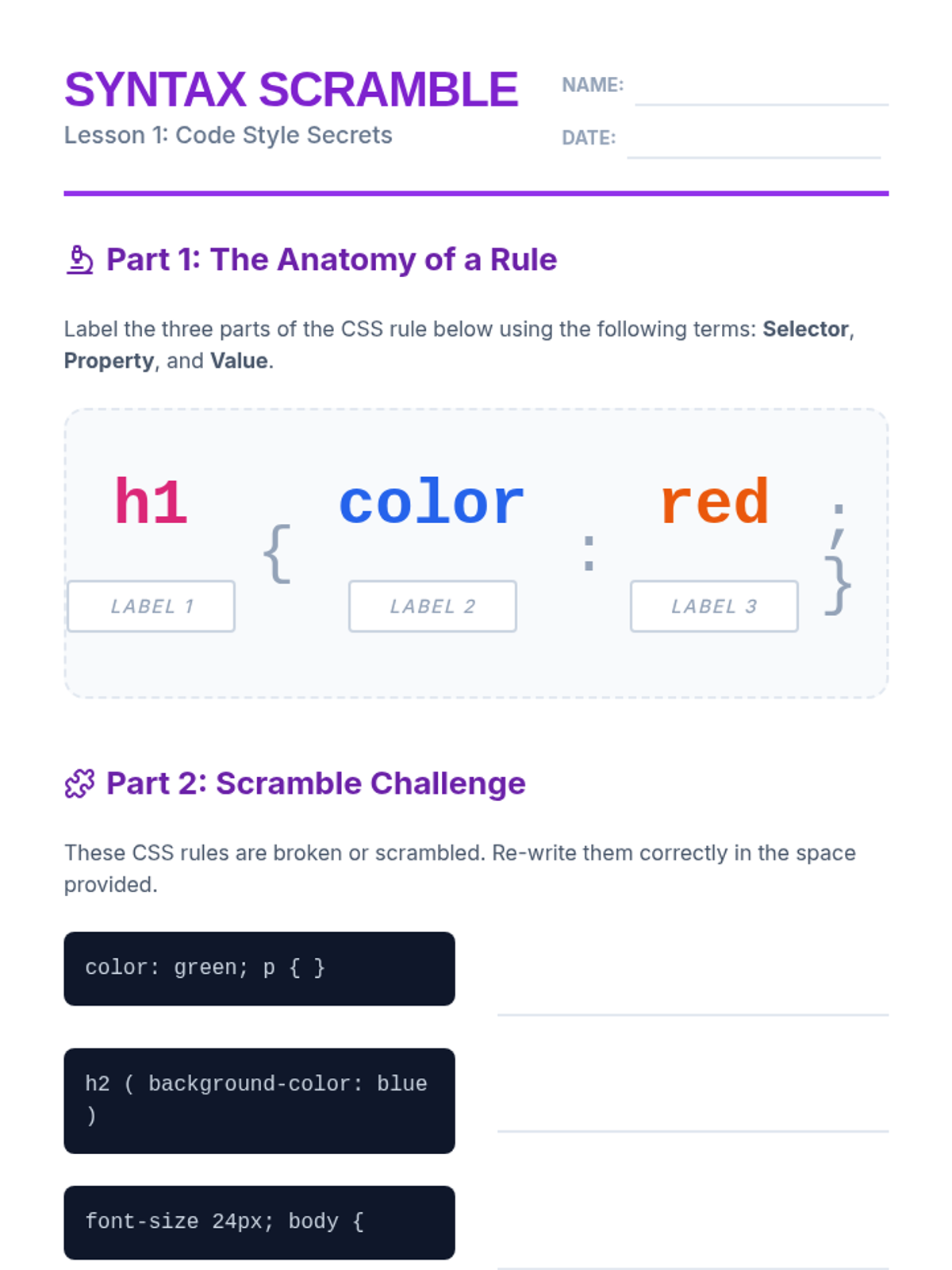
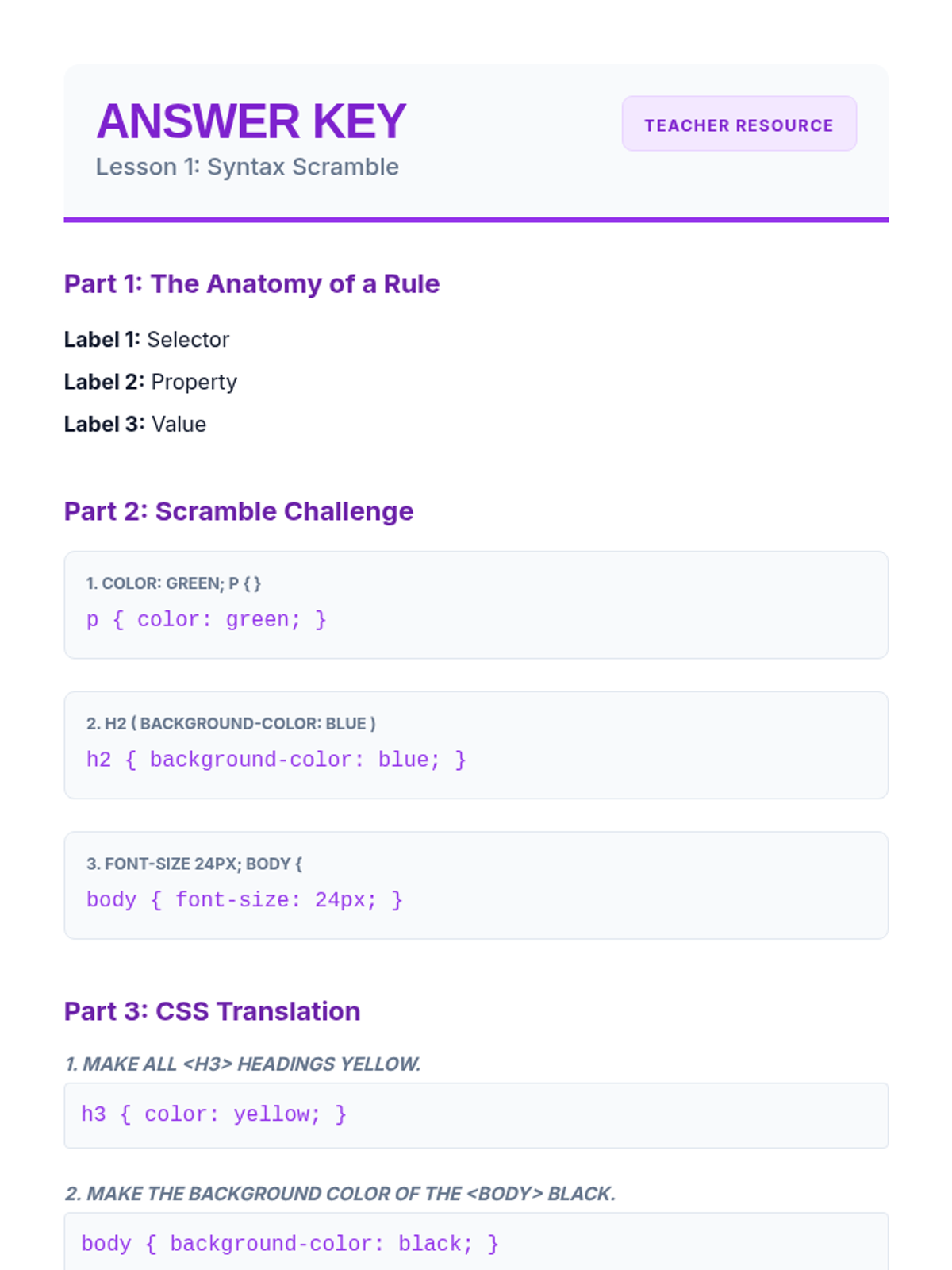
A comprehensive sequence for 6th graders to master CSS fundamentals, visual design principles, and the separation of content from style in web development.
A 6th-grade engineering sequence exploring architectural design through CAD. Students learn to build stable structures using geometric primitives, create functional floor plans, and simulate material loads in a 3D environment.
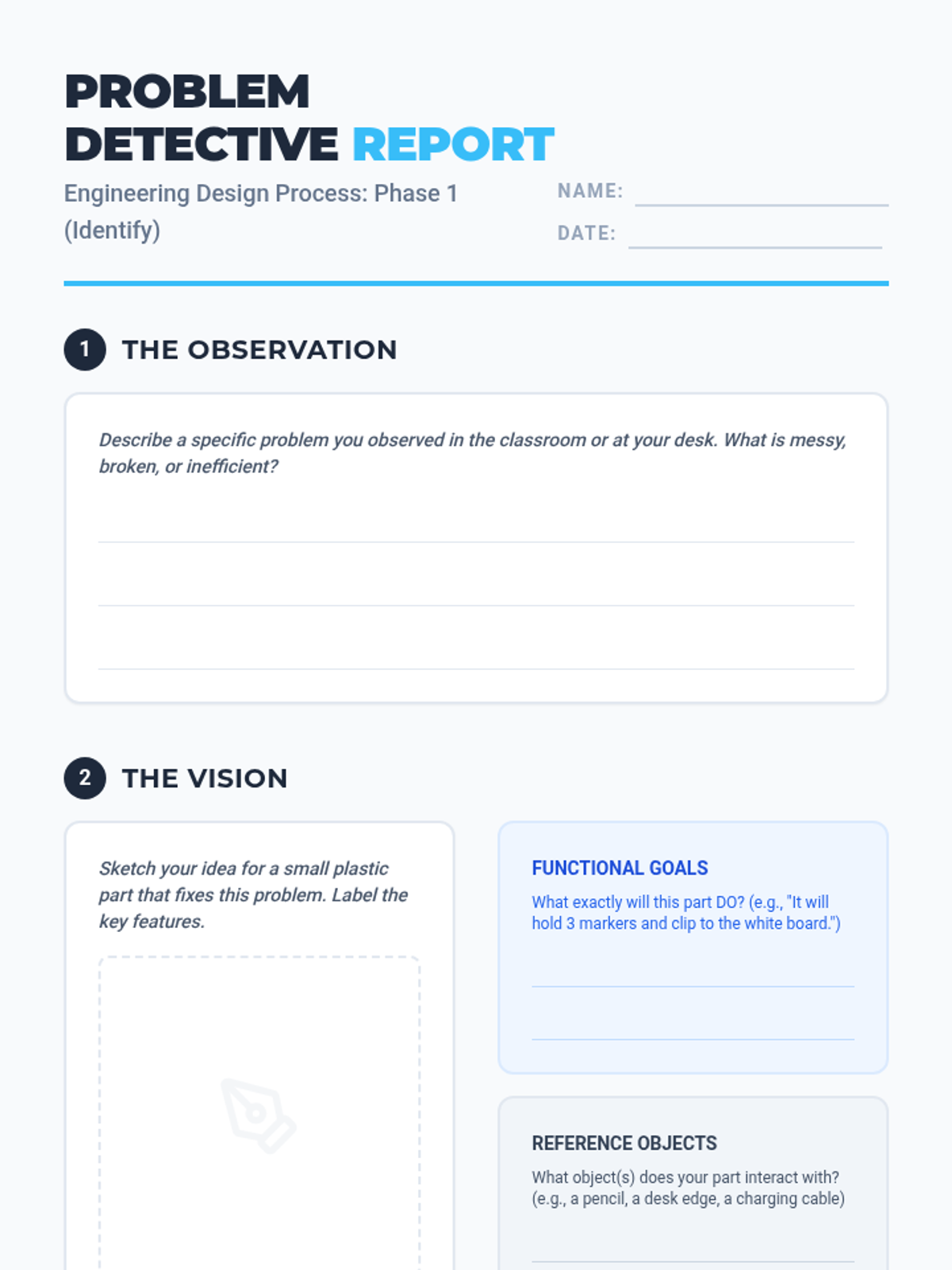
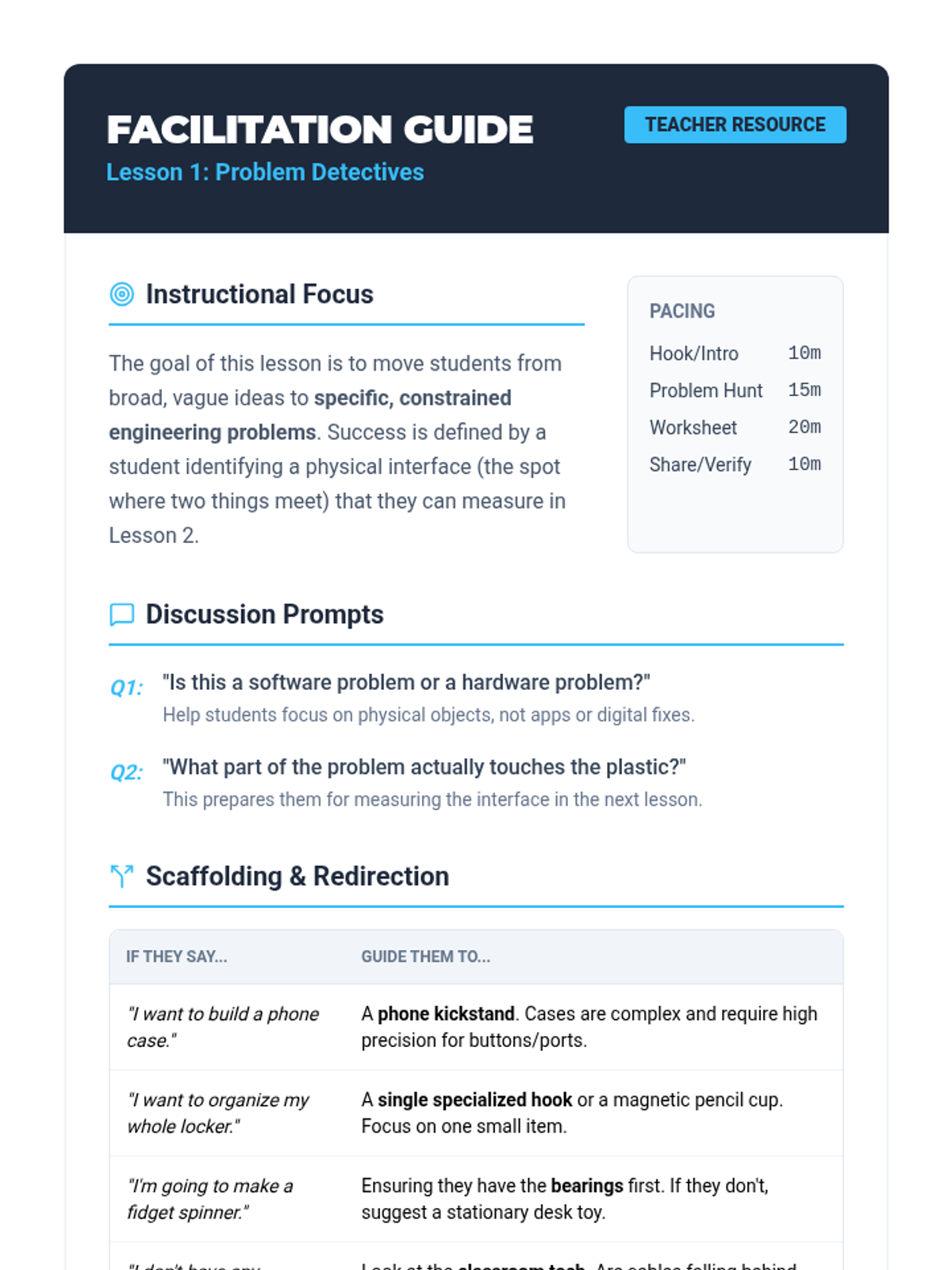
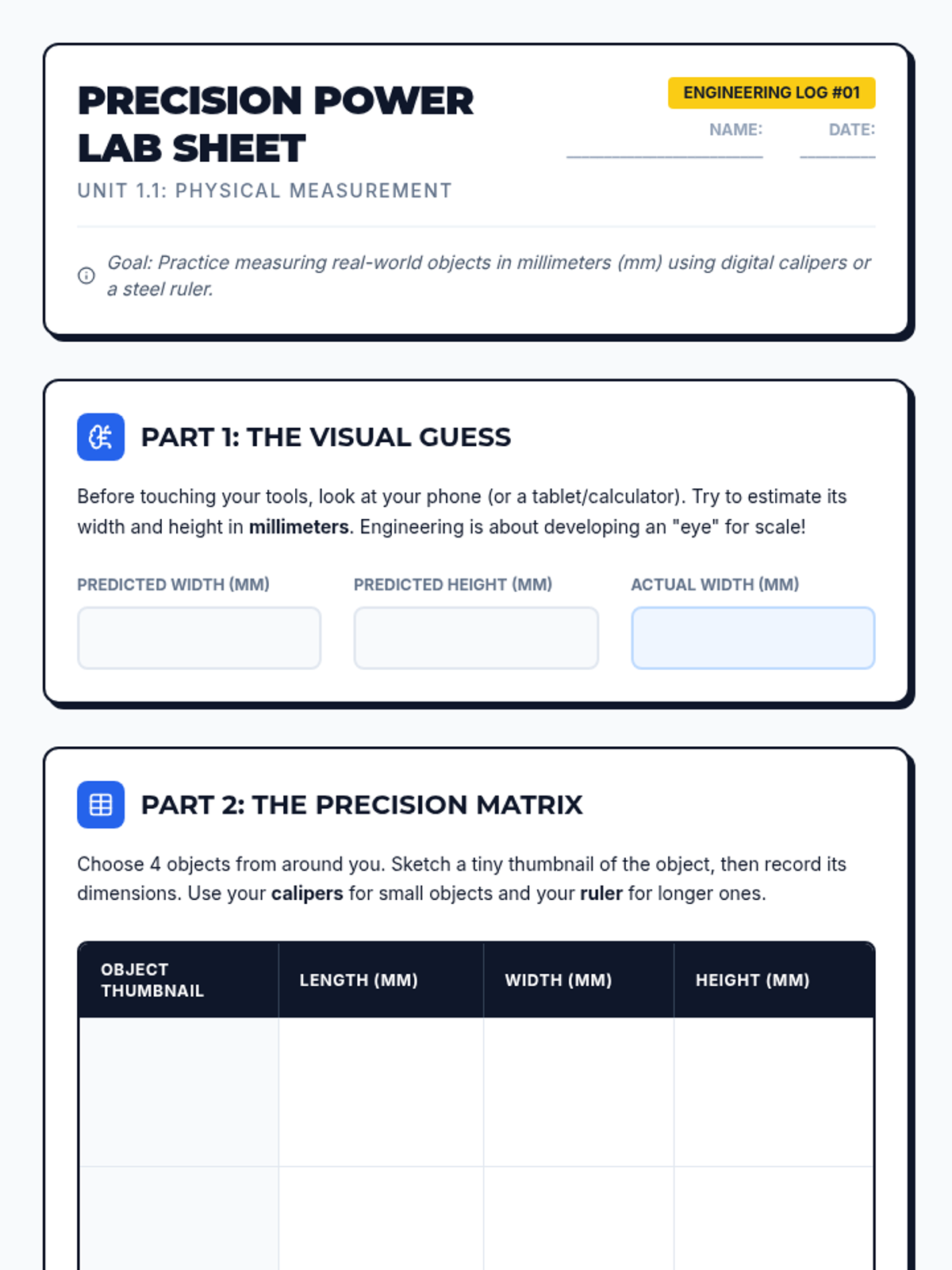
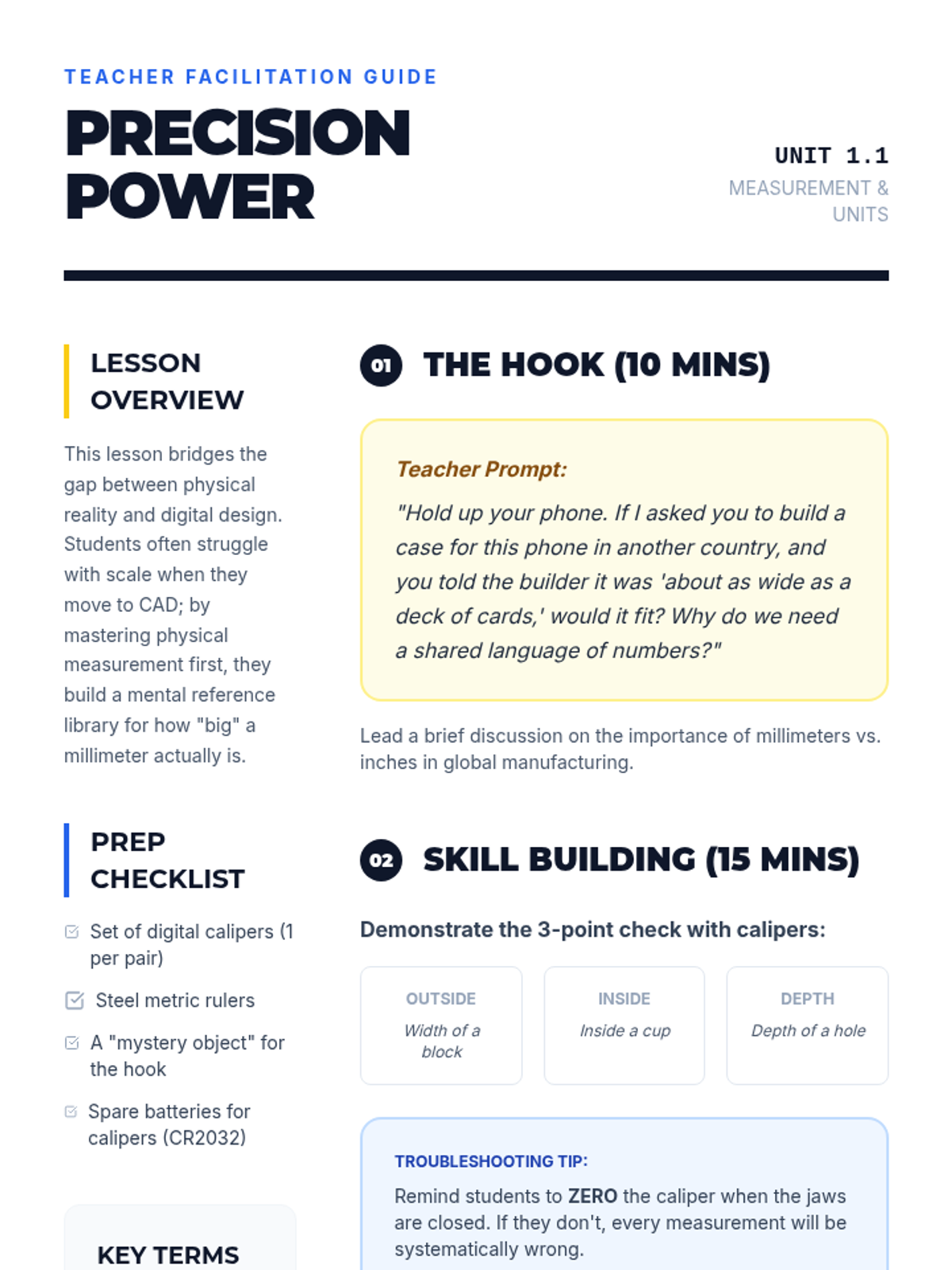
Students apply the engineering design process to solve real-world problems using CAD tools, focusing on accuracy, functional constraints, and iterative design. They move from identifying user needs to measuring objects with calipers and translating measurements into digital prototypes for manufacturing.
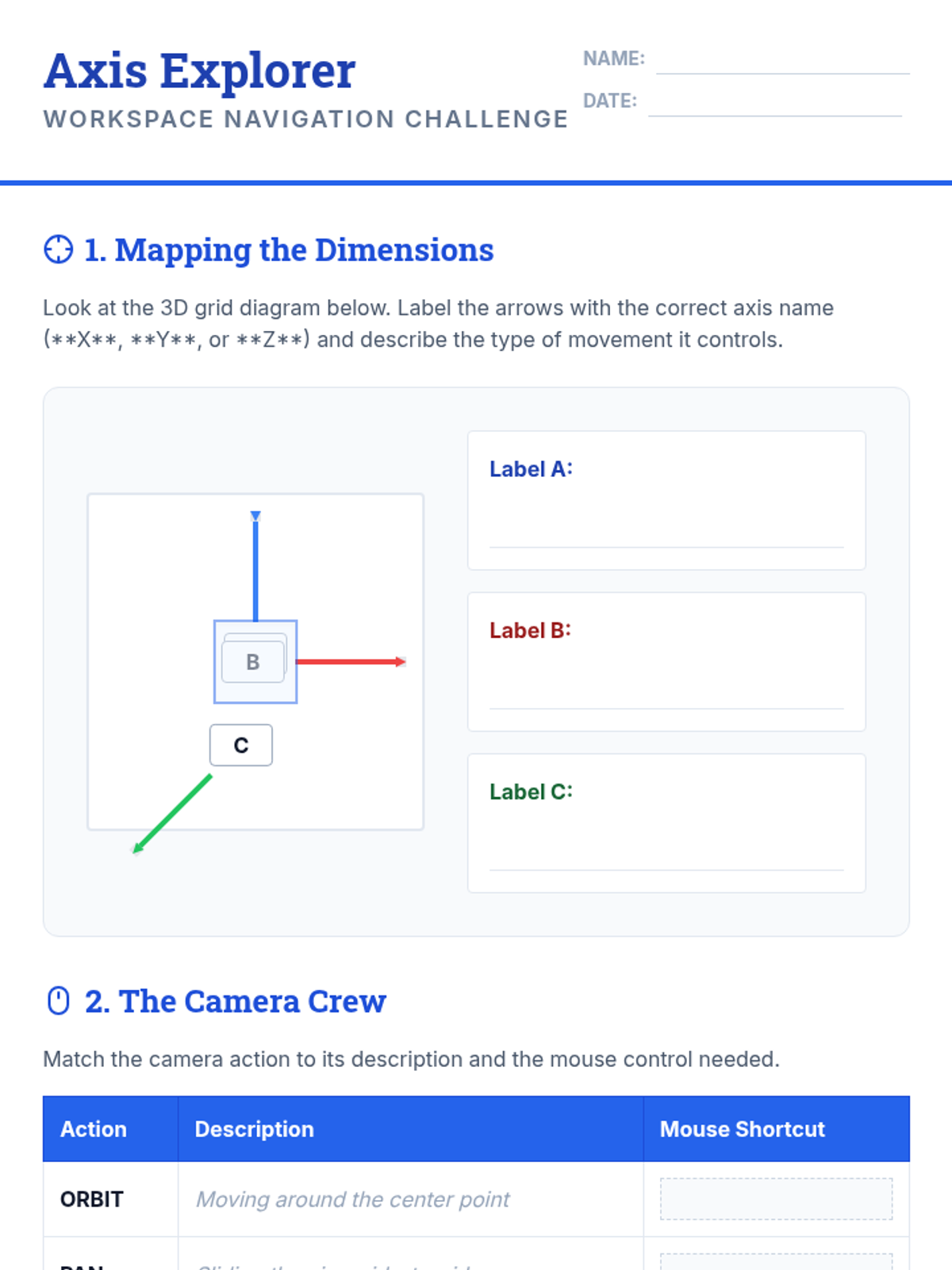
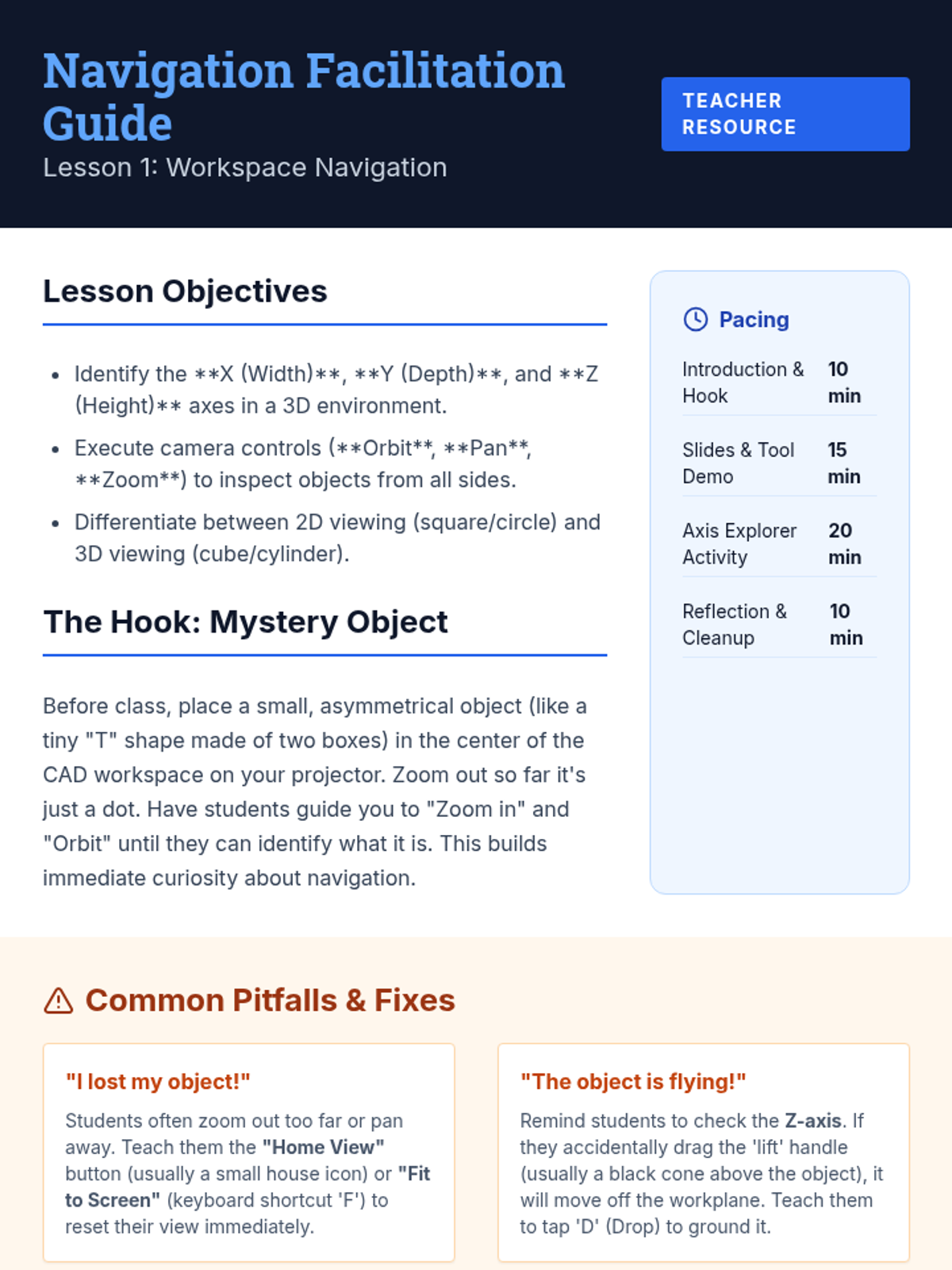
A comprehensive introduction to 3D modeling for 6th graders, covering spatial navigation, precision scaling, and boolean operations to build complex digital objects.
This sequence explores the intersection of physical measurement and digital design. Students progress from using precision tools like calipers to creating 'digital twins' and complex assemblies in CAD, focusing on the critical roles of dimensional accuracy and tolerance.
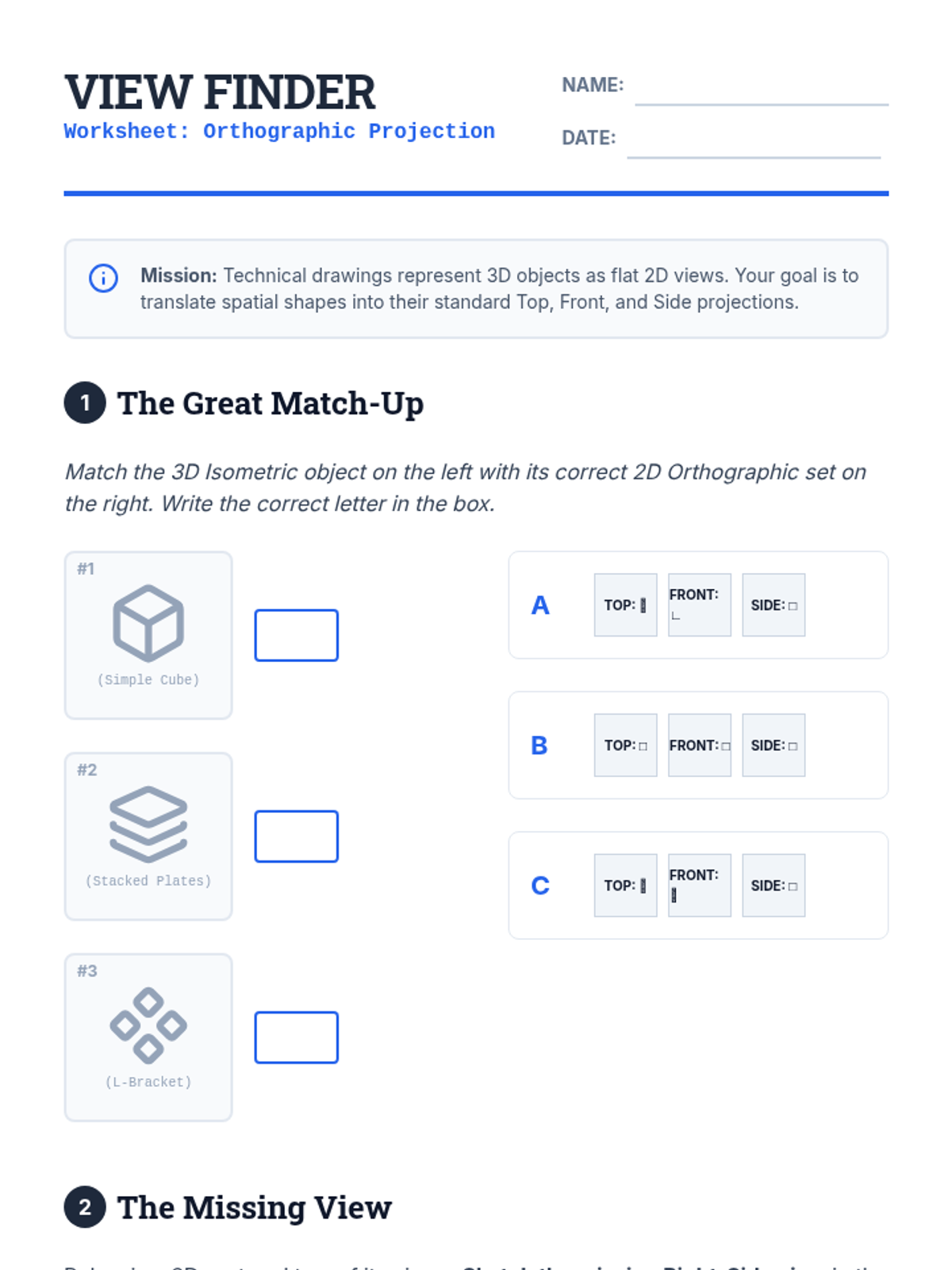
This sequence bridges the gap between 3D modeling and standardized technical communication. Students move from understanding orthographic projection to creating dimensioned blueprints that adhere to industry standards, concluding with a collaborative modeling challenge.
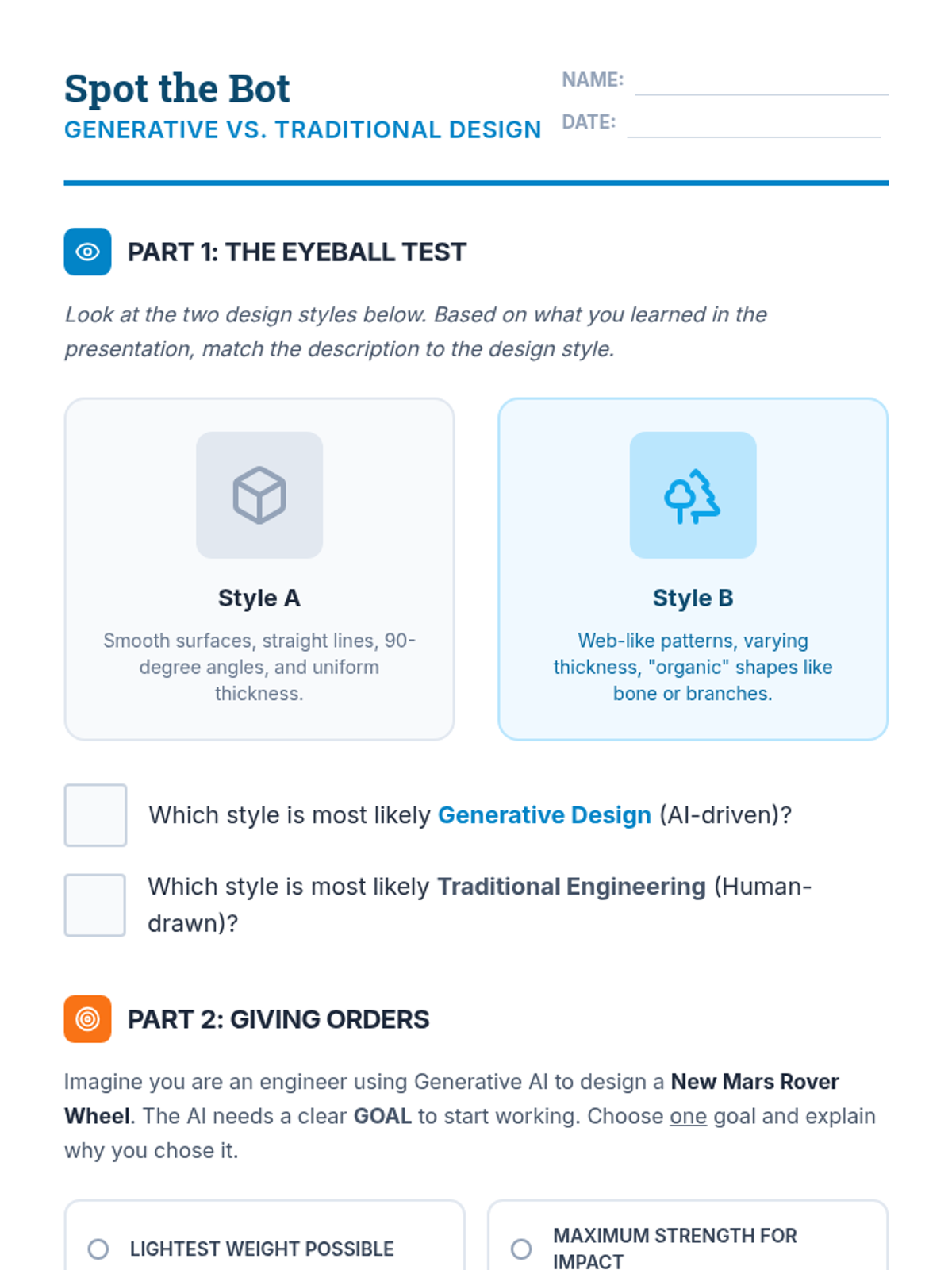
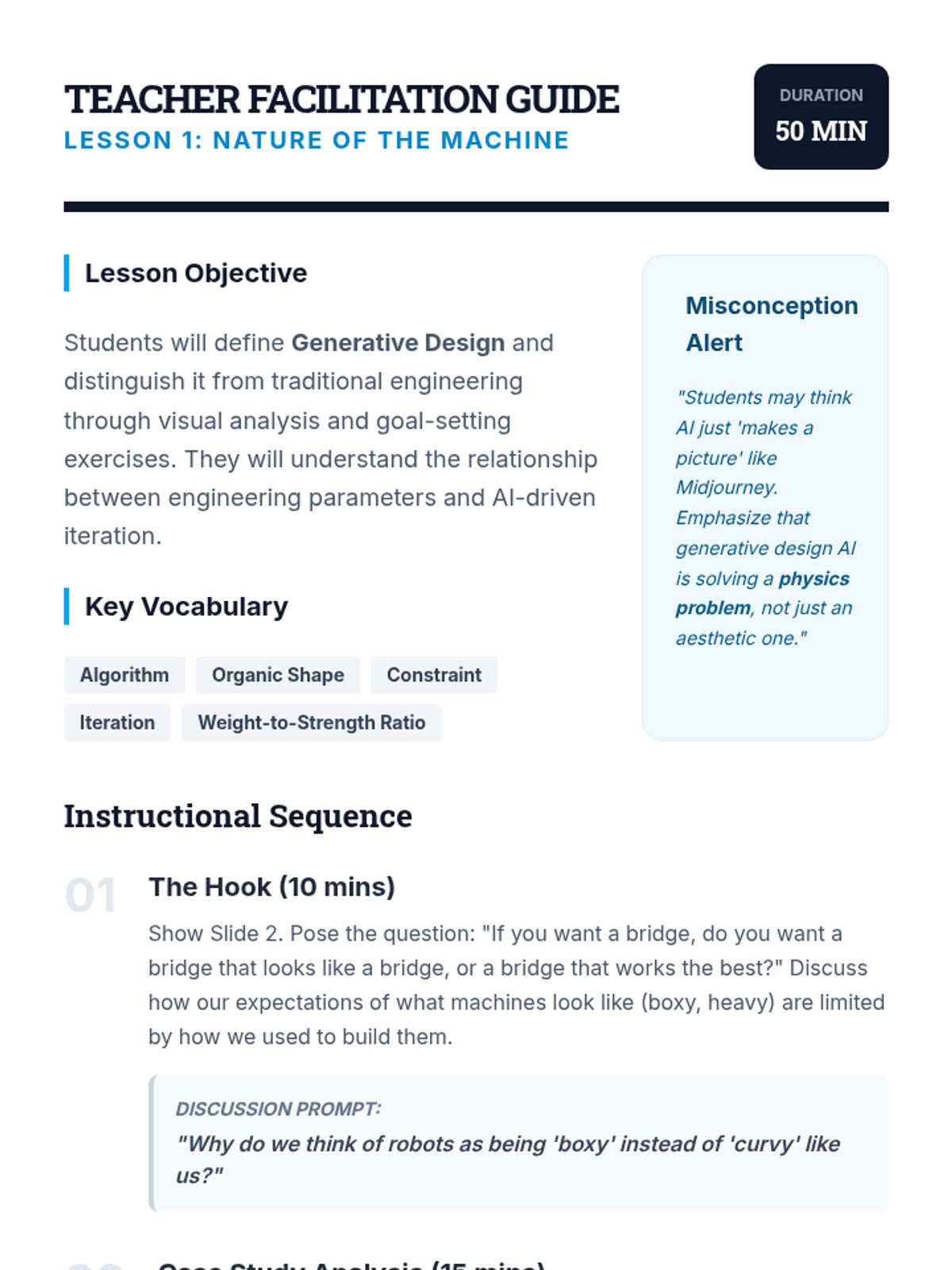
A 5-lesson sequence exploring how AI and simulation are revolutionizing engineering through generative design, topology optimization, and biomimicry. Students learn to use computers as co-designers to create lighter, stronger structures.
This sequence introduces the engineering design process with a focus on iterative prototyping. Students identify user needs, sketch solutions, and use CAD to create virtual prototypes, emphasizing that design is a cycle of testing and improving.
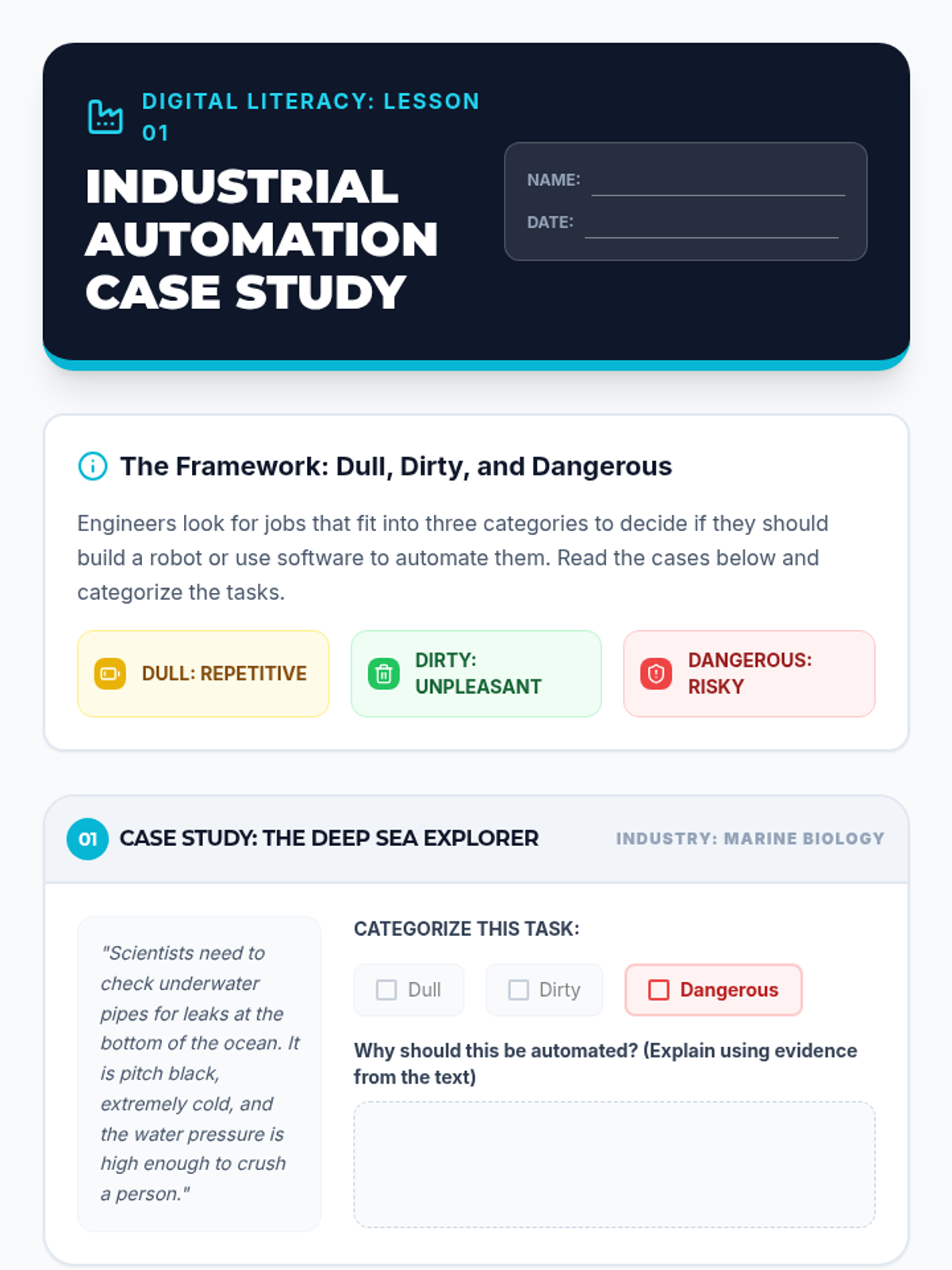
Students explore automation and the future of work by adopting the role of inventors and designers. They investigate how robots and software automate tasks, analyze shifting job markets, and apply design thinking to create beneficial future technology concepts.
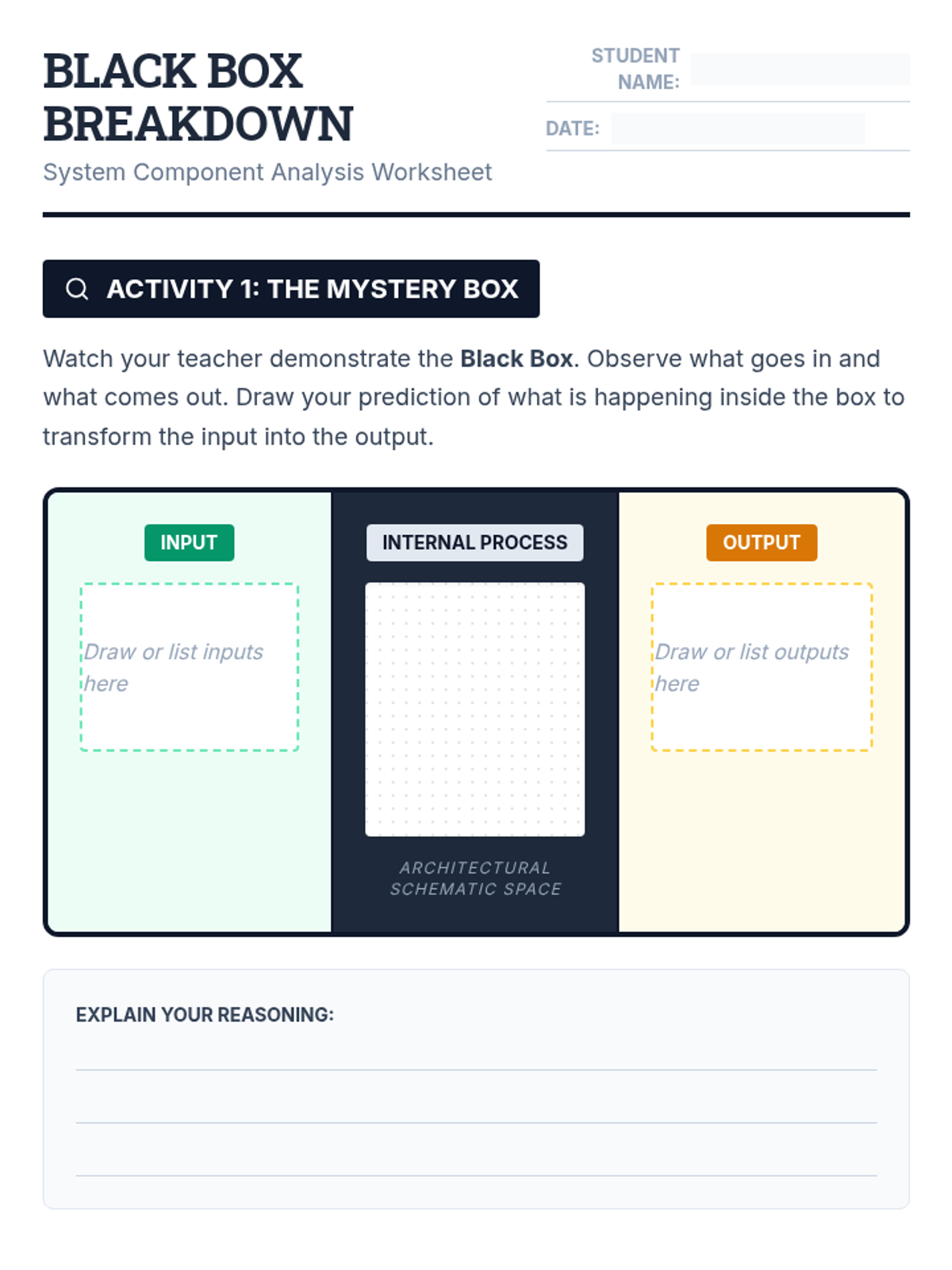
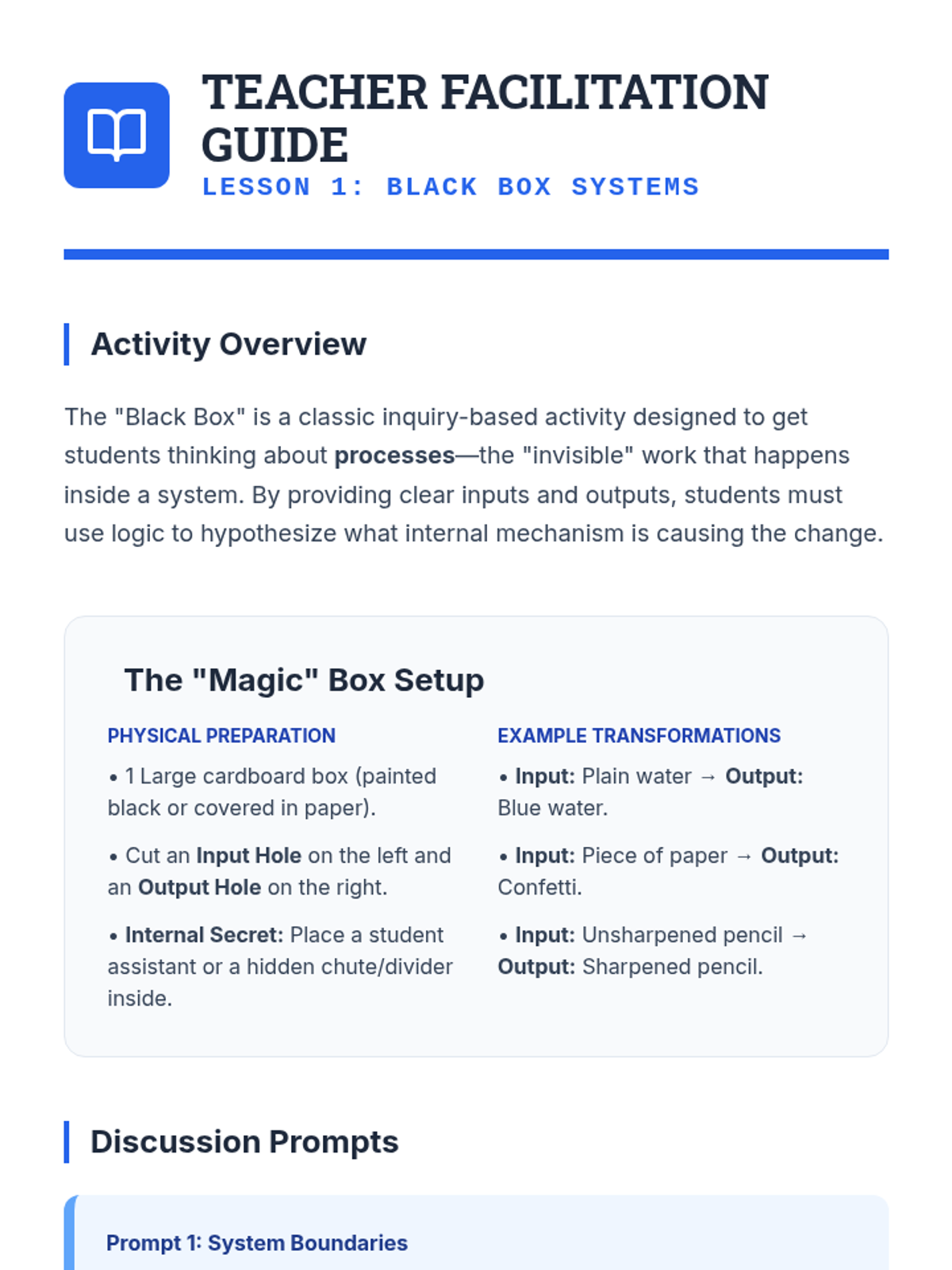
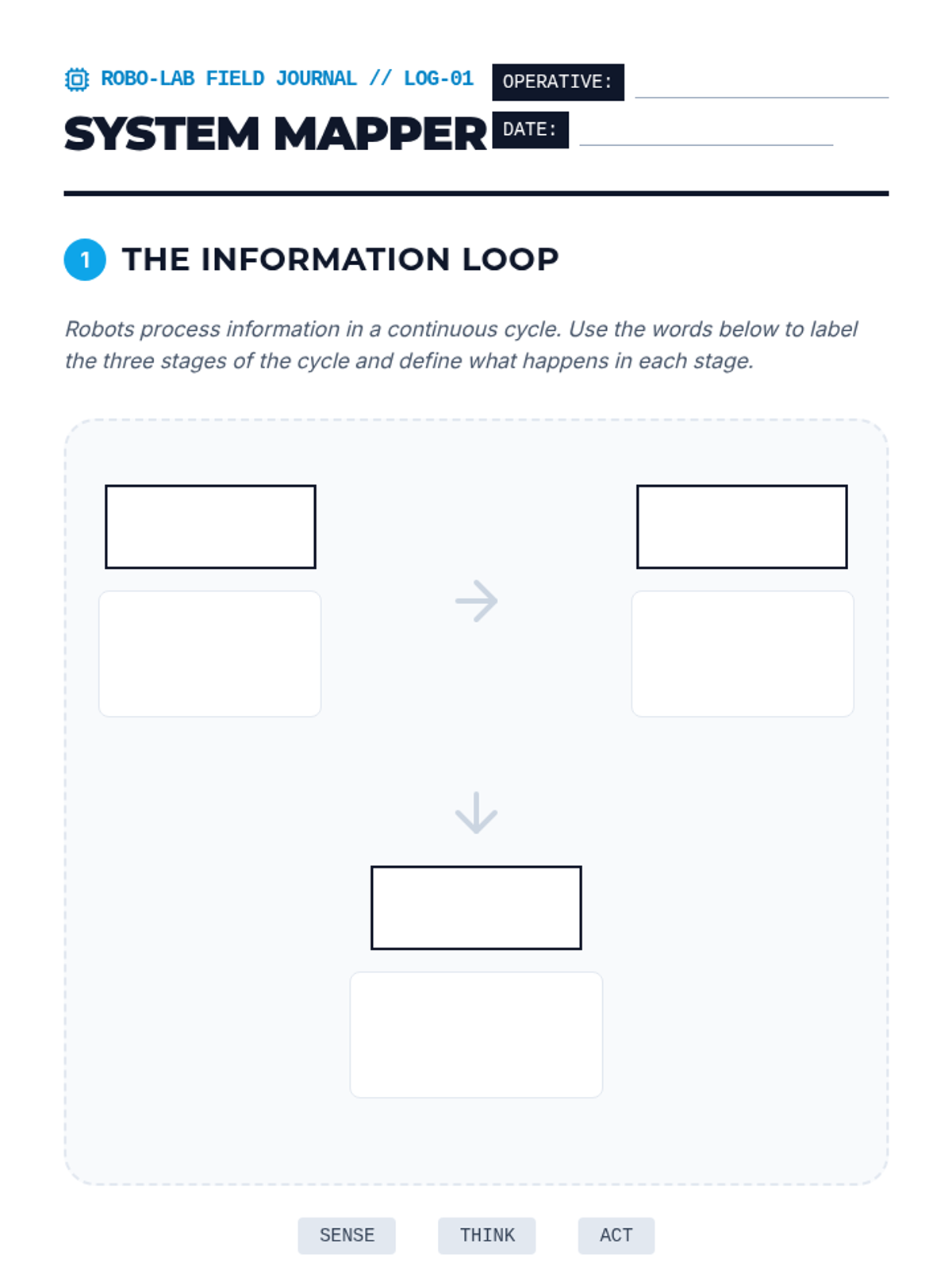
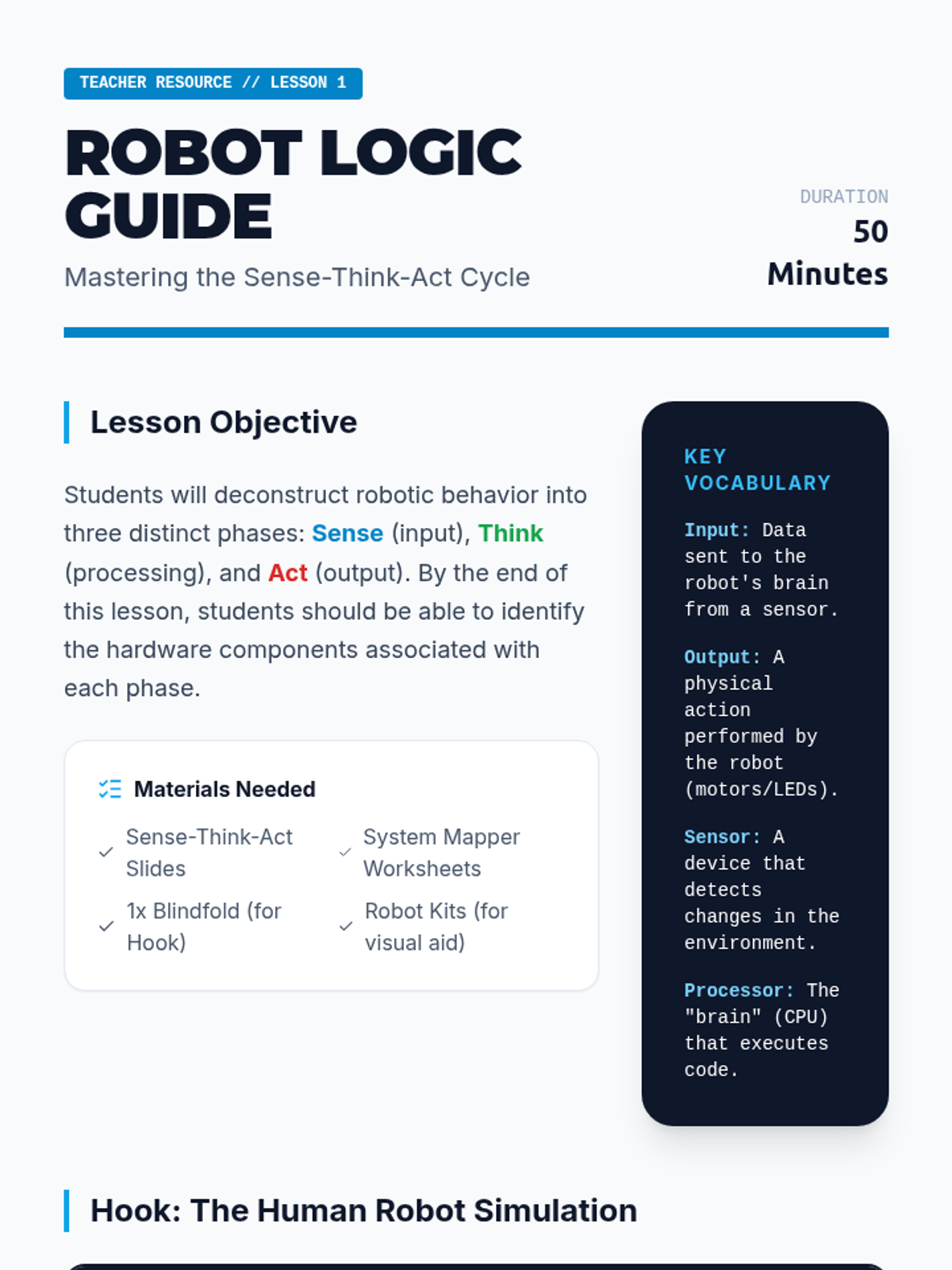
A 5-lesson unit for 6th graders exploring systems thinking through mechanical devices, digital programs, and AI models. Students learn to deconstruct systems into inputs, processes, and outputs while mapping complex interconnections.
A 5-lesson unit for 6th-grade students exploring the intersection of AI, CAD, and engineering. Students learn about generative design, constraints, structural simulation, and topology optimization to understand how humans and AI collaborate to build efficient structures.
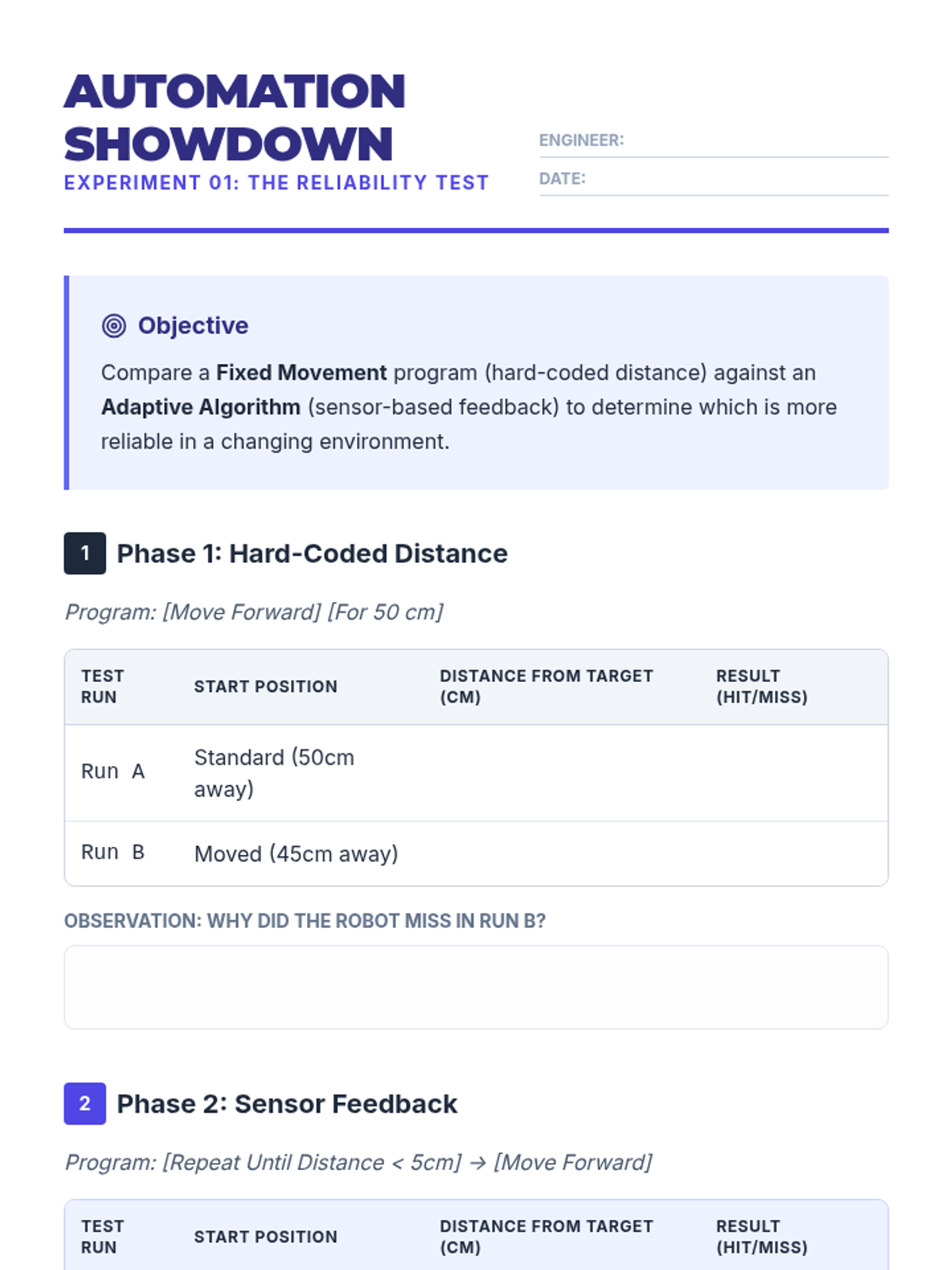
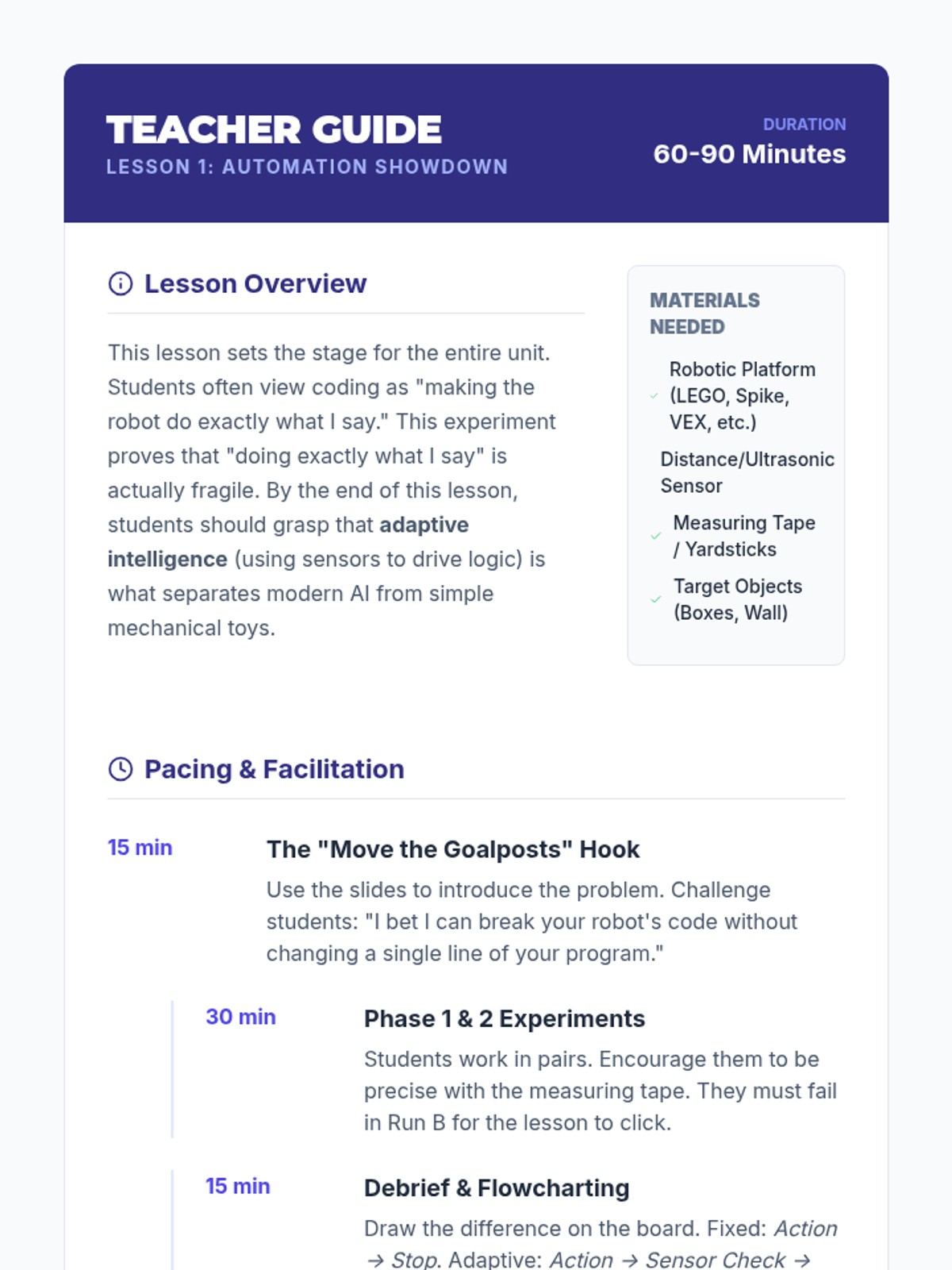
A 5-lesson sequence for 6th-grade students exploring the transition from fixed automation to adaptive AI navigation in robotics. Students learn feedback loops, line following, obstacle avoidance, and maze-solving logic.
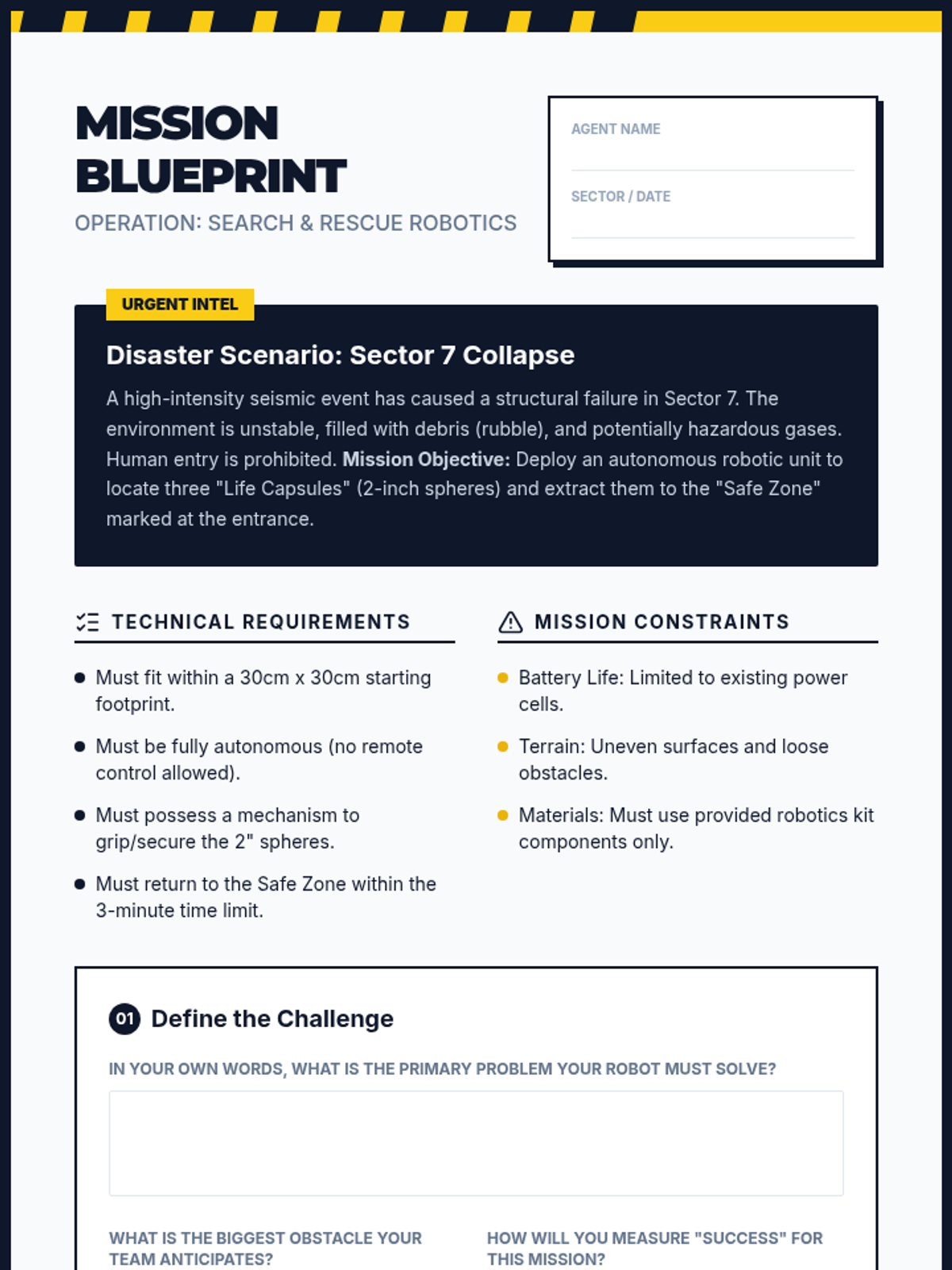
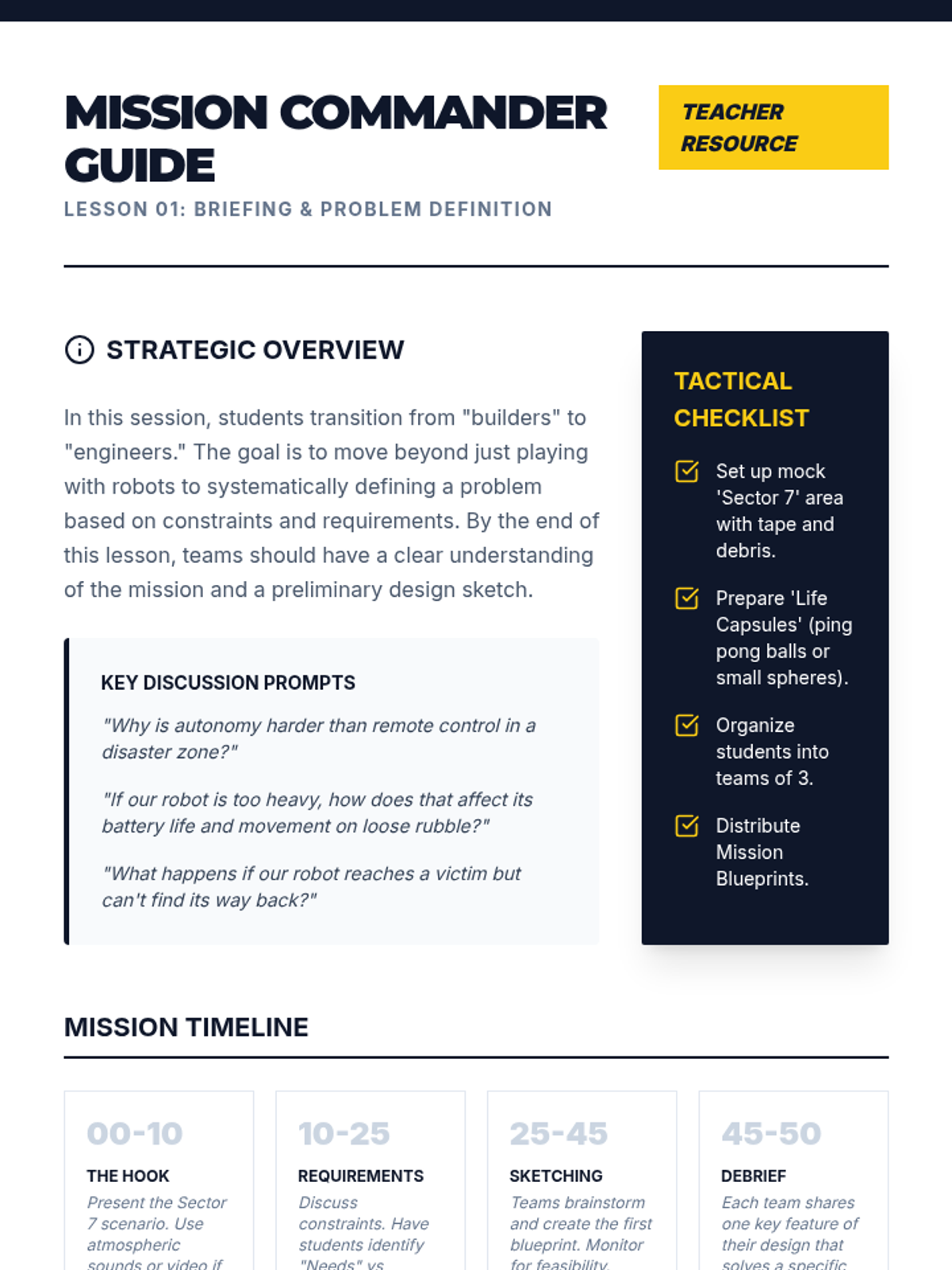
A project-based robotics sequence where 6th-grade students design, build, and program autonomous robots for a simulated search and rescue mission. Students navigate the engineering design process from initial problem definition to a final operational challenge.
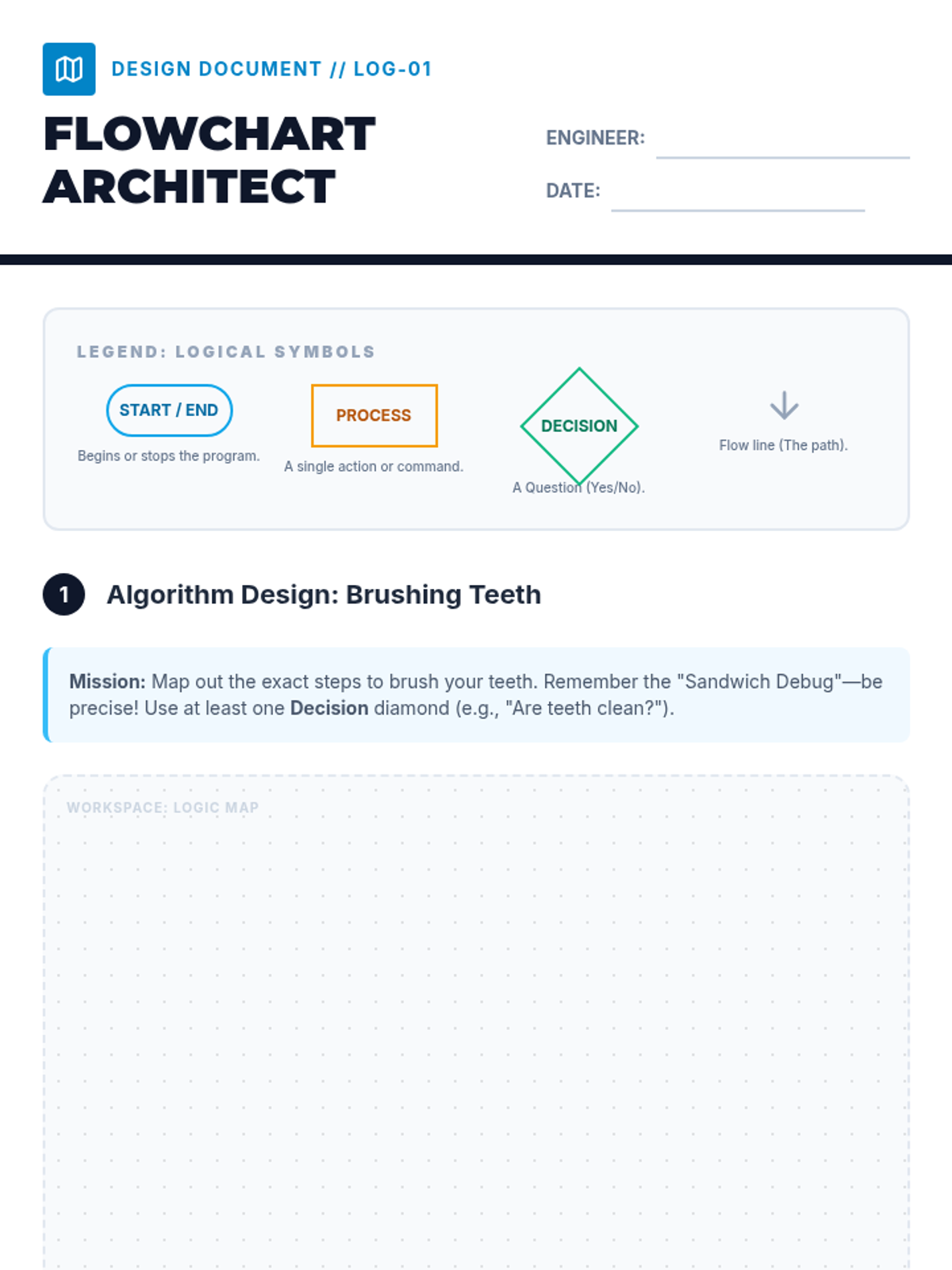
A 5-lesson sequence for 6th graders exploring the 'brain' of robotics through algorithms, loops, conditionals, variables, and debugging. Students transition from daily logic to autonomous robotic decision-making using flowcharts and code logic.
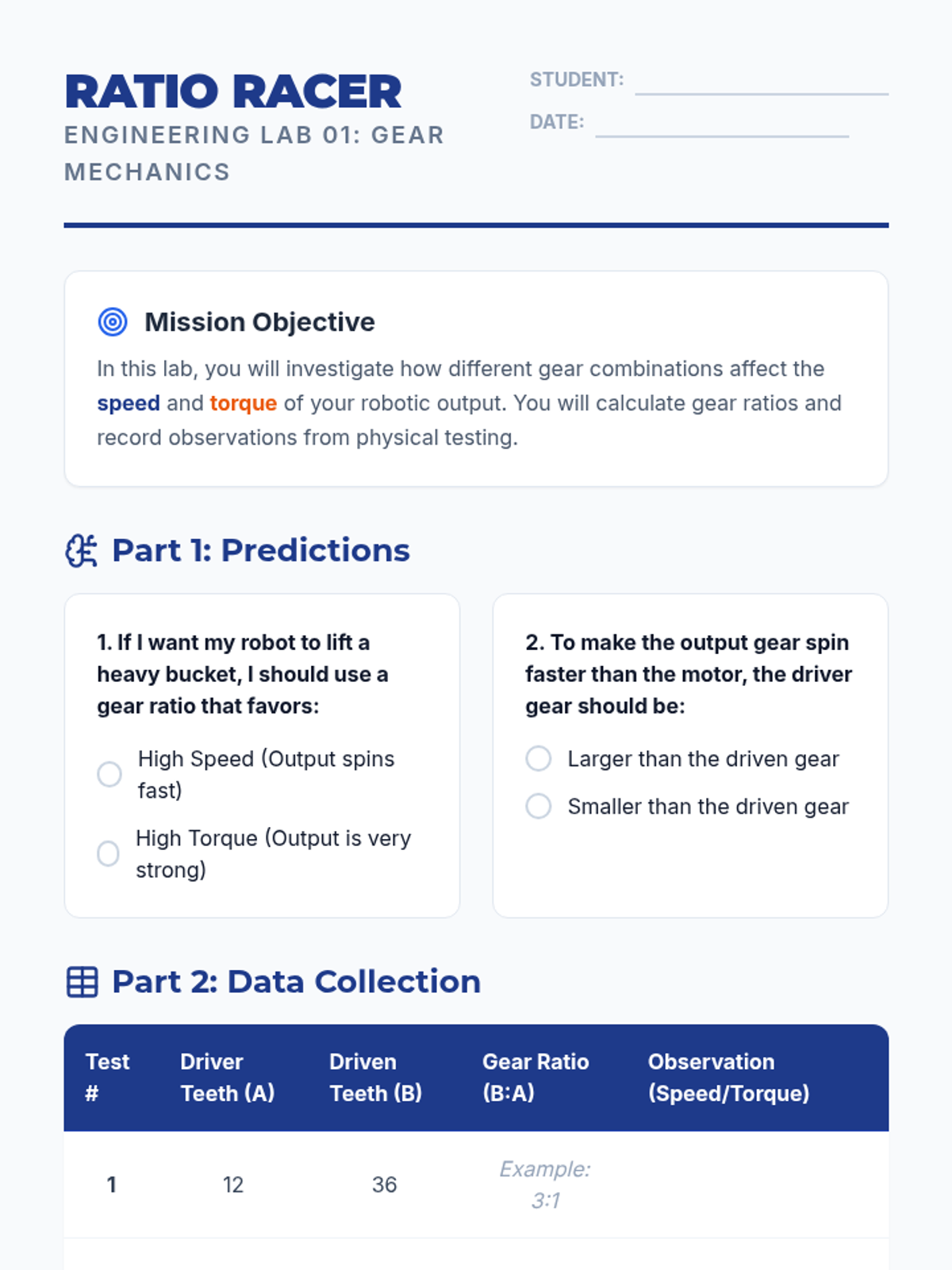
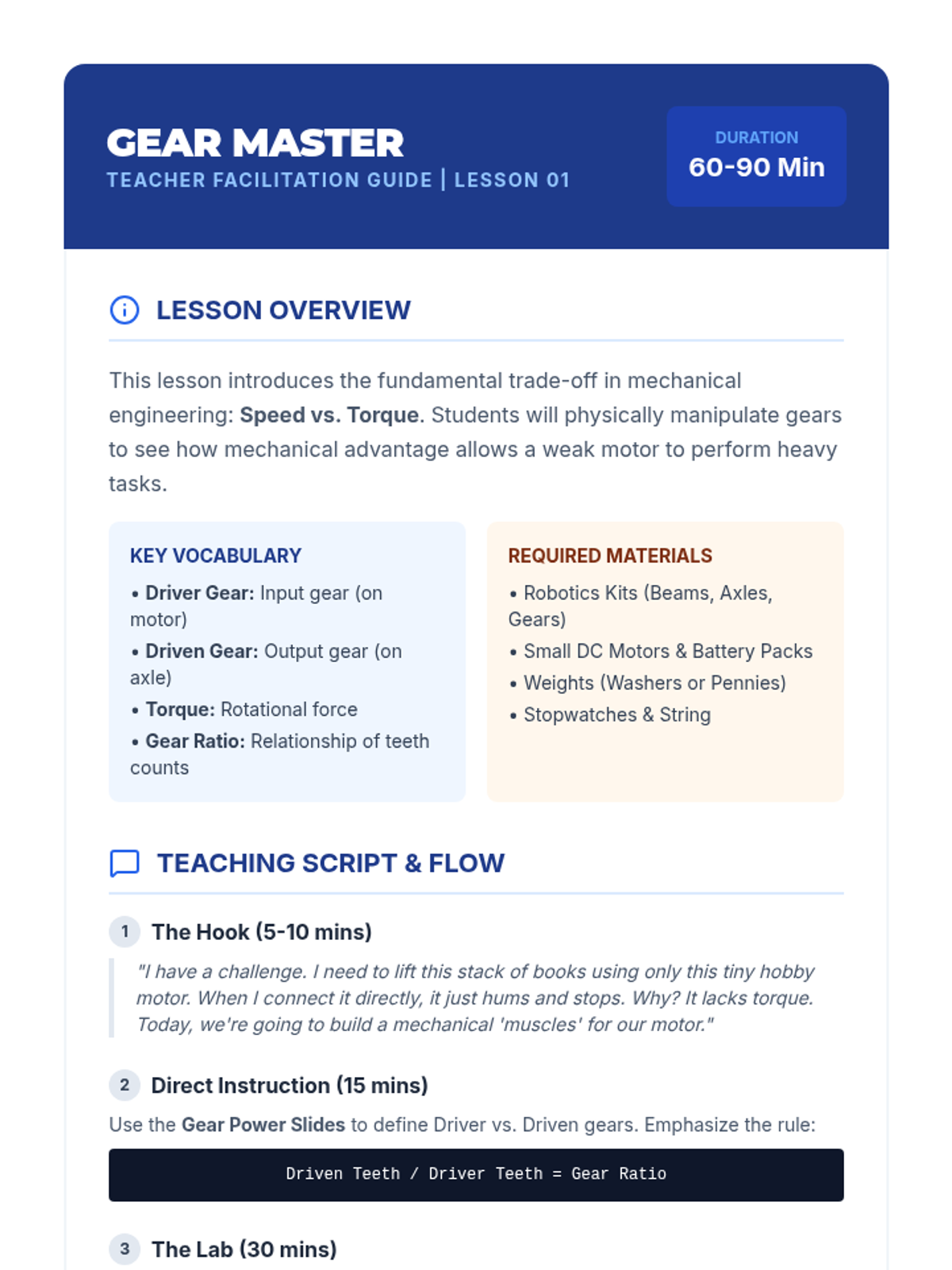
A comprehensive 5-lesson sequence on the mechanical engineering aspects of robotics. Students progress from basic gear physics to structural stability, drivetrain assembly, weight distribution, and mechanical troubleshooting.
This sequence bridges the gap between mechanical movement and intelligent behavior by introducing sensors. Students explore the concept of 'sensing' as gathering data from the environment to inform robotic decisions through targeted experiments with touch, distance, and light sensors.
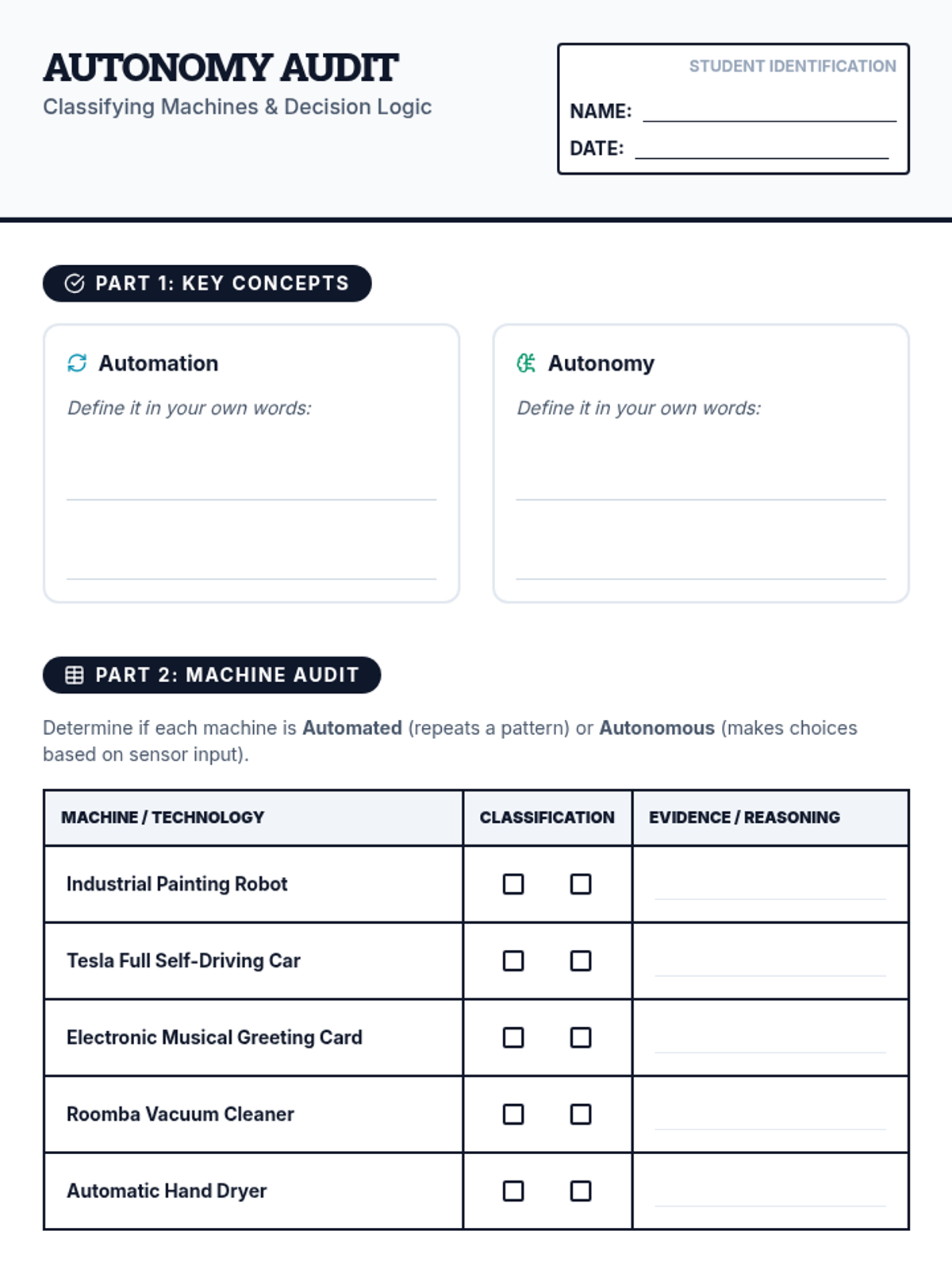
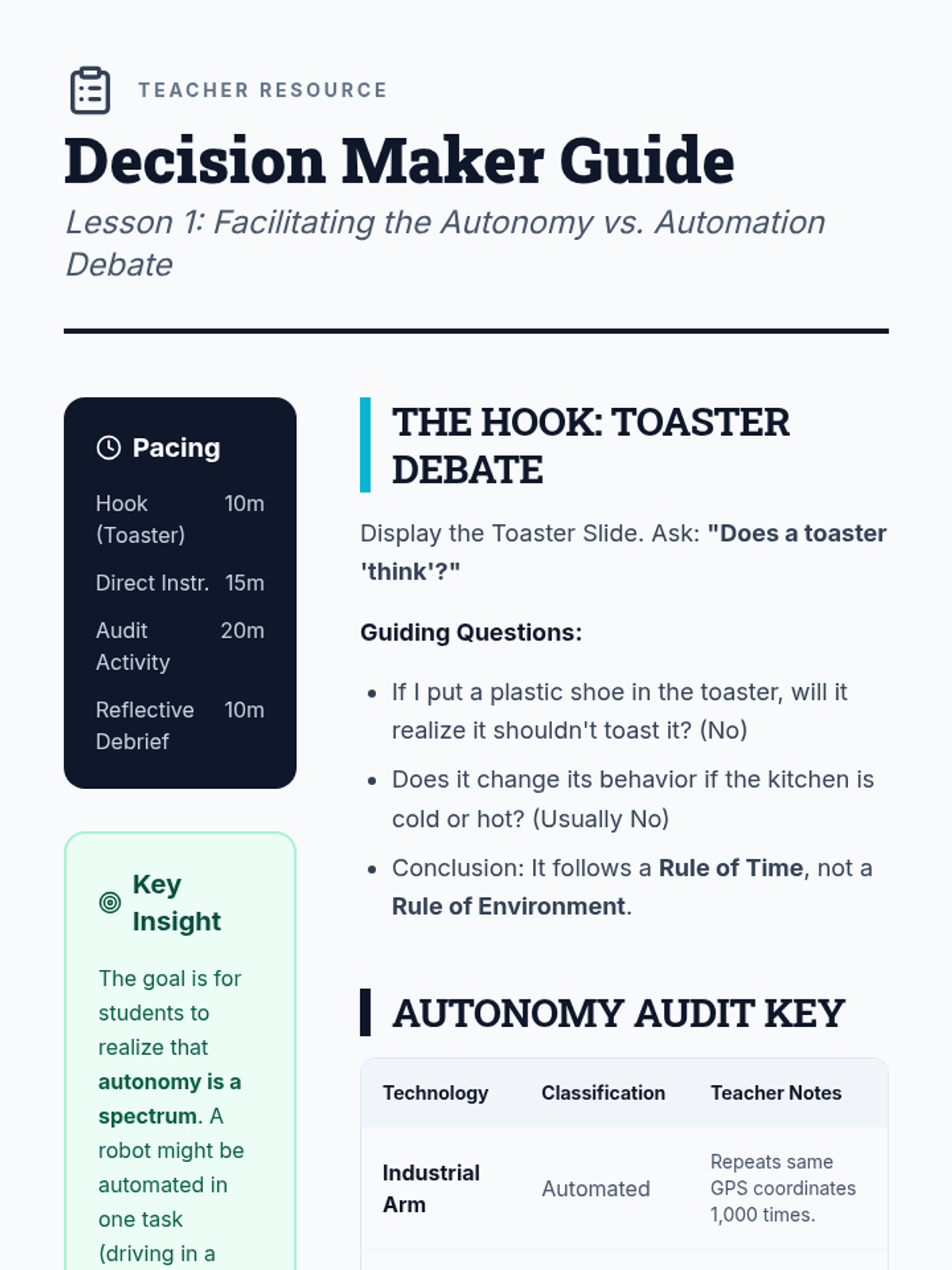
A 5-lesson sequence exploring the fundamentals of AI navigation in robotics, moving from simple automation to autonomous decision-making and ethical programming. Students build, program, and analyze robotic systems that navigate mazes and avoid obstacles using rule-based logic.
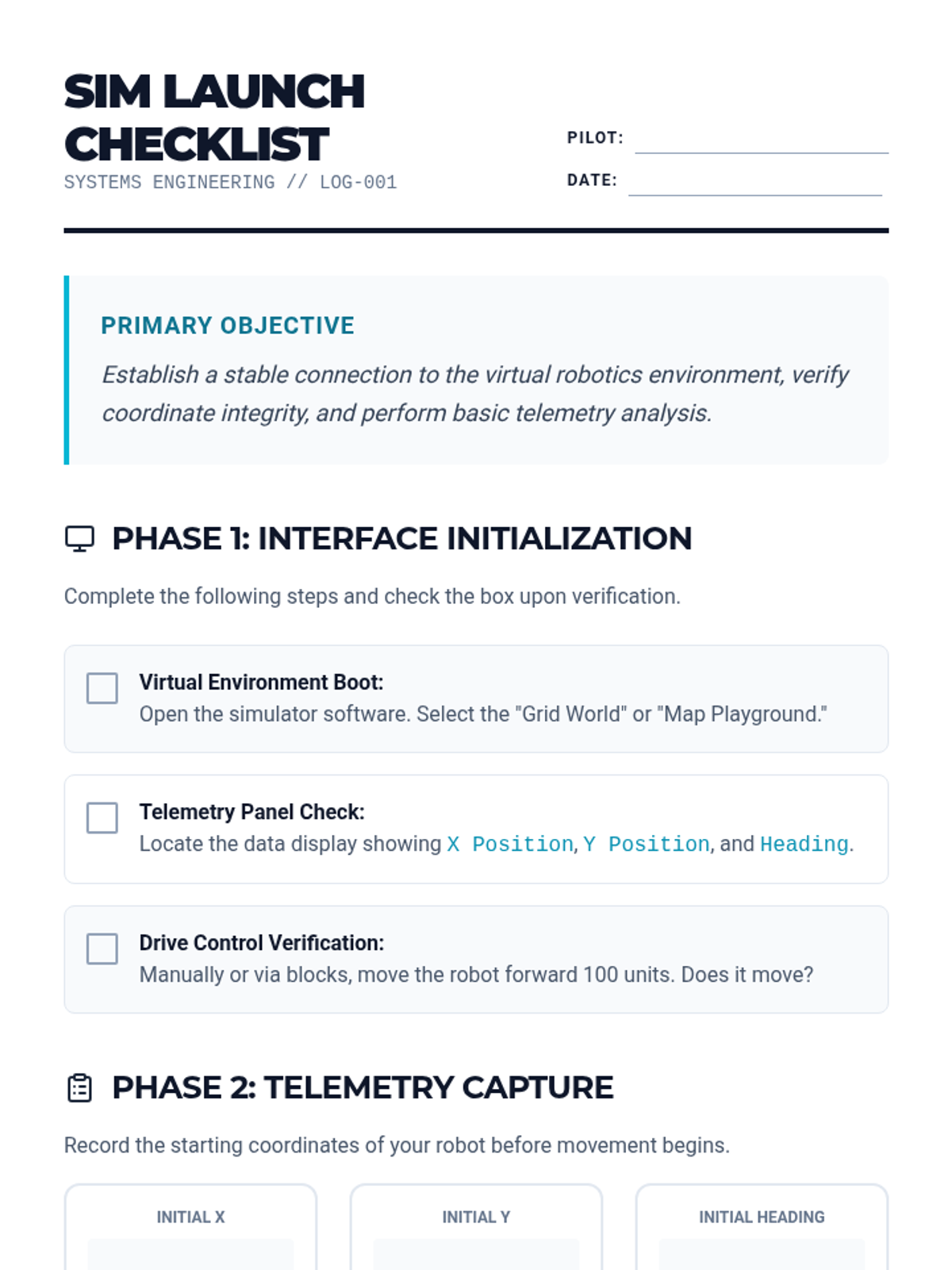
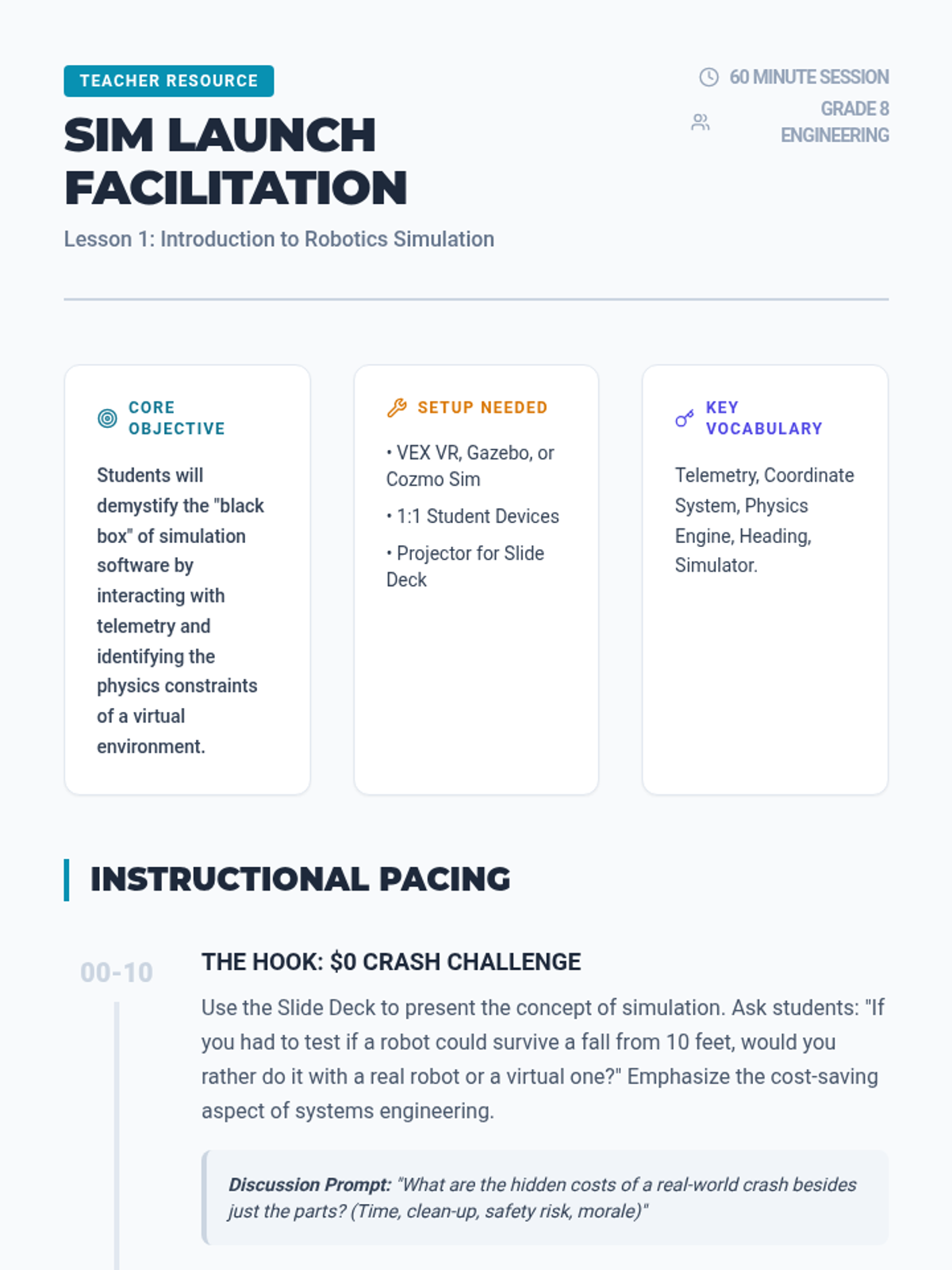
This sequence explores robotic systems engineering through the lens of virtual simulation. Students learn to navigate simulators, analyze high-fidelity sensor data, and understand the critical 'Sim-to-Real' gap in engineering design.
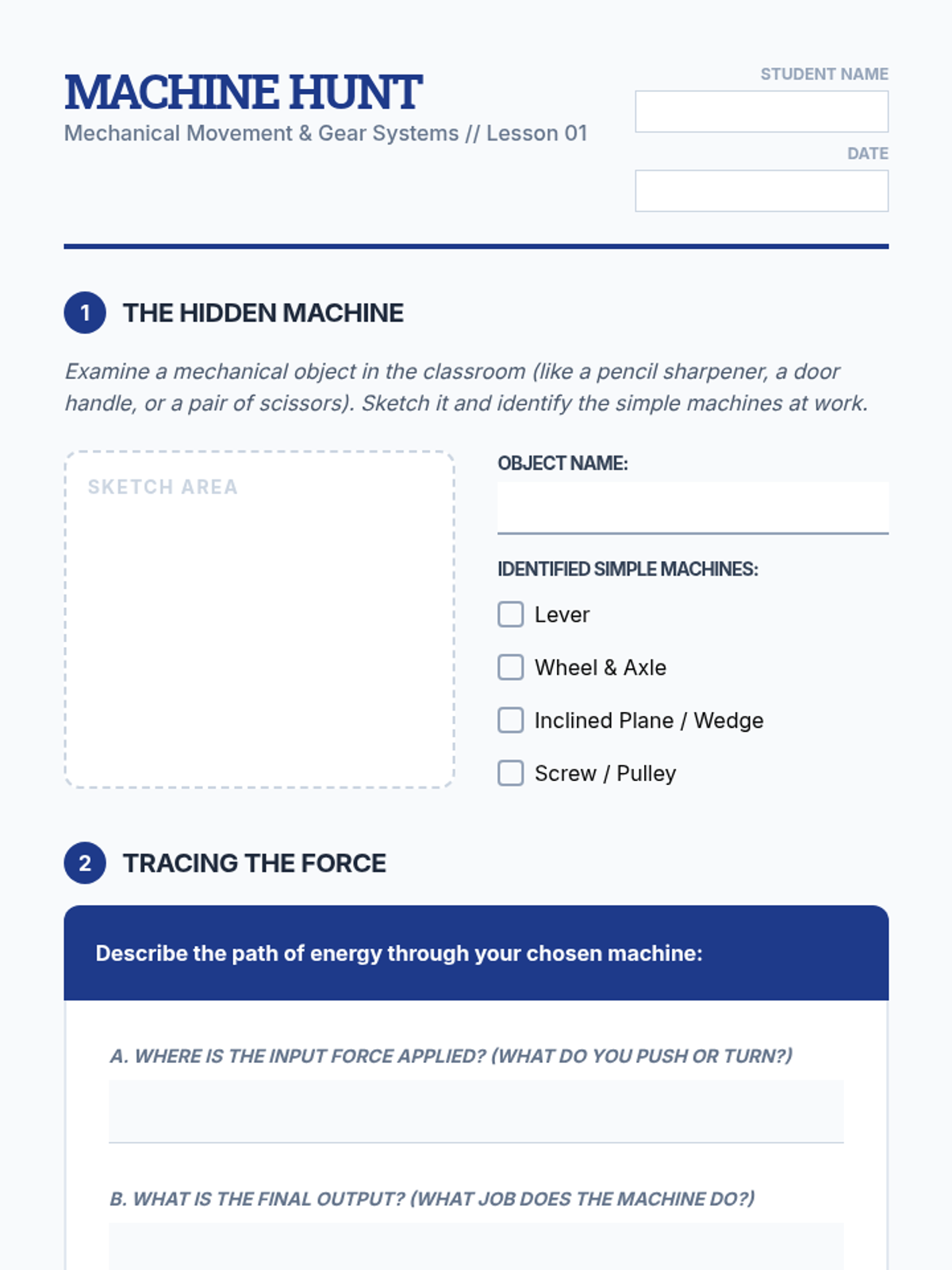
This sequence explores the physical principles of robotics, focusing on kinematics, gear systems, and mechanical advantage. Students will progress from simple machines to designing and testing a motorized chassis for varied terrain.
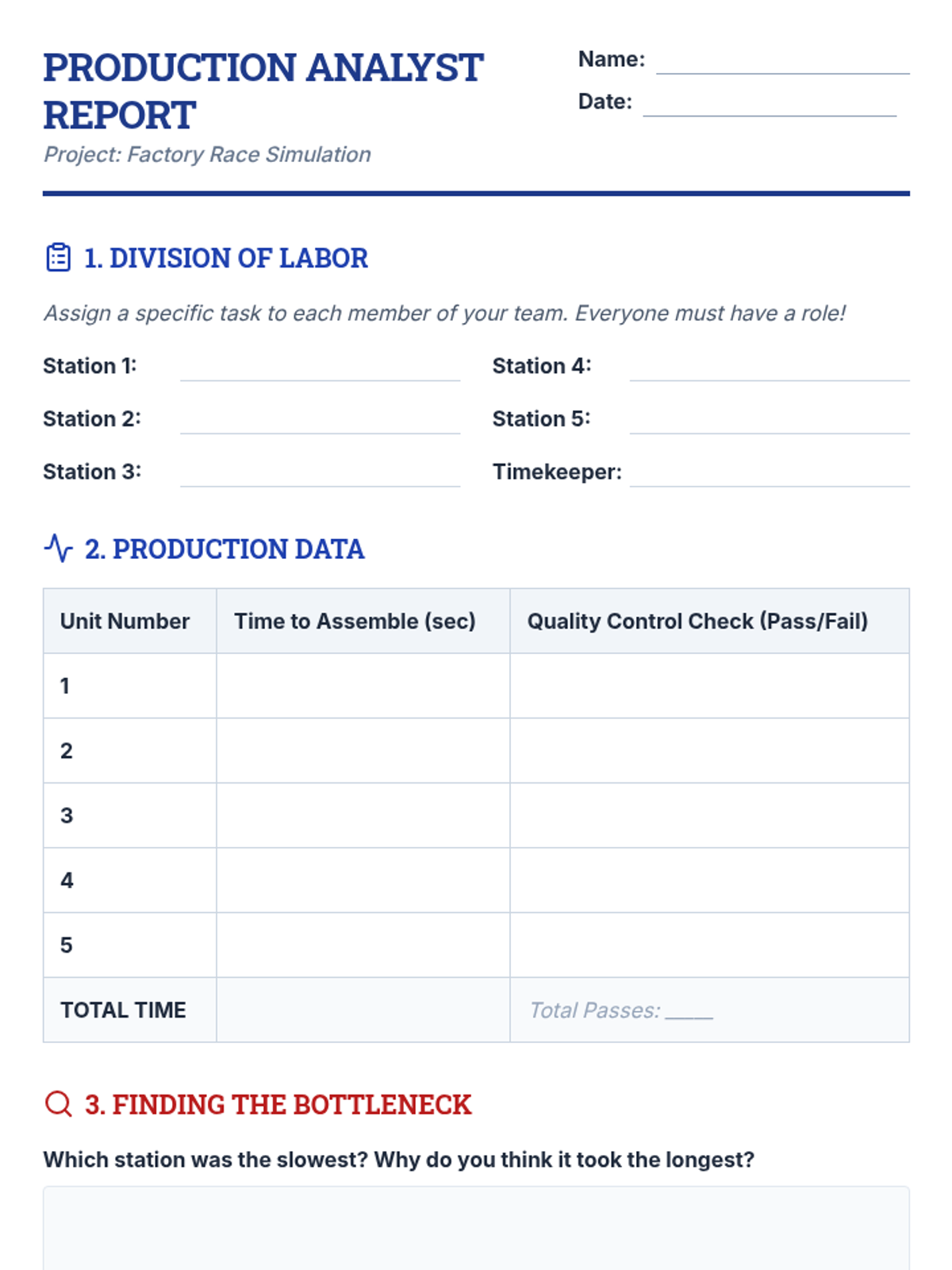
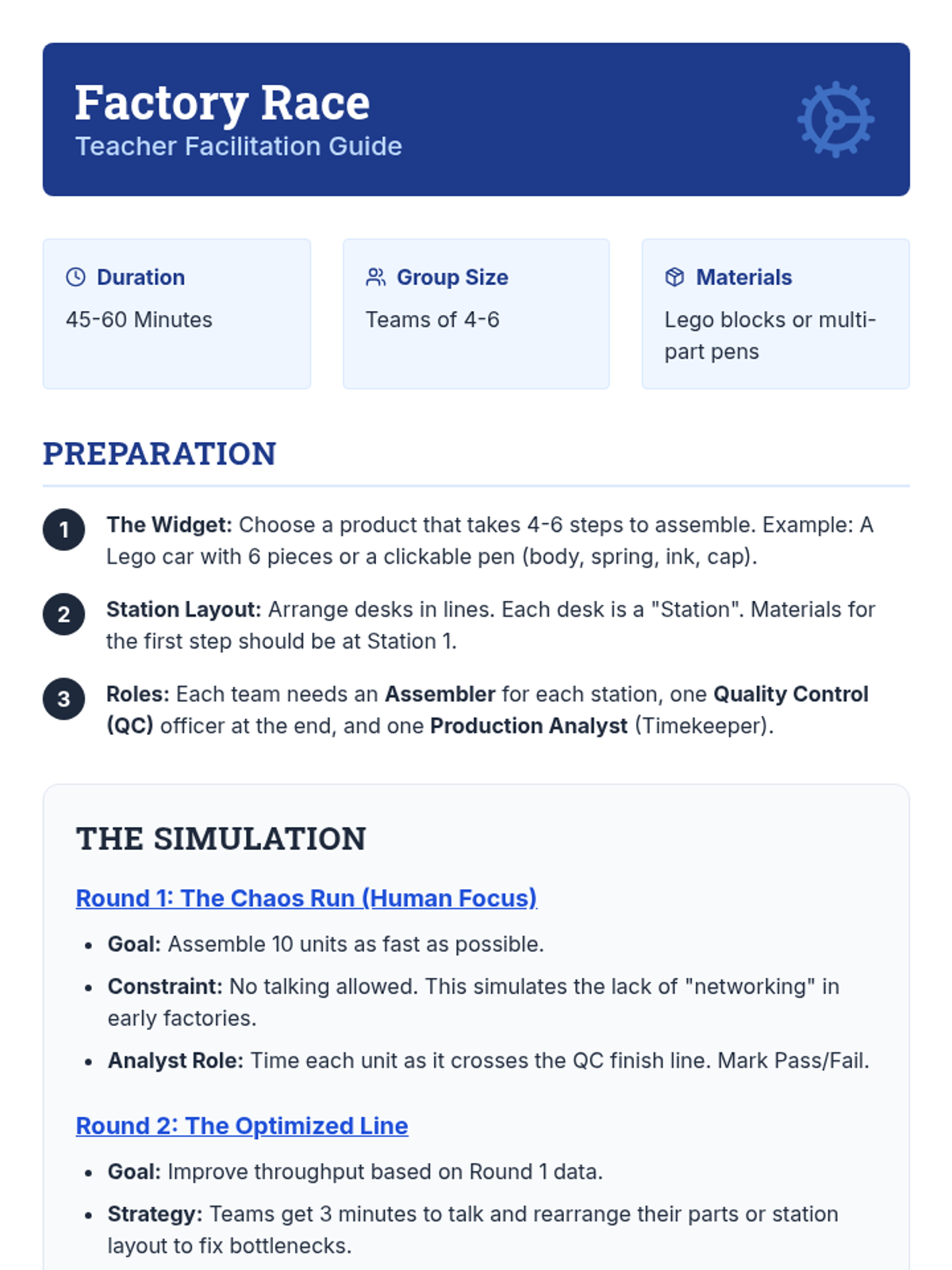
A game-based engineering sequence where students explore mechanical engineering and automated manufacturing. They transition from manual assembly to designing robotic logic and optimized factory layouts.
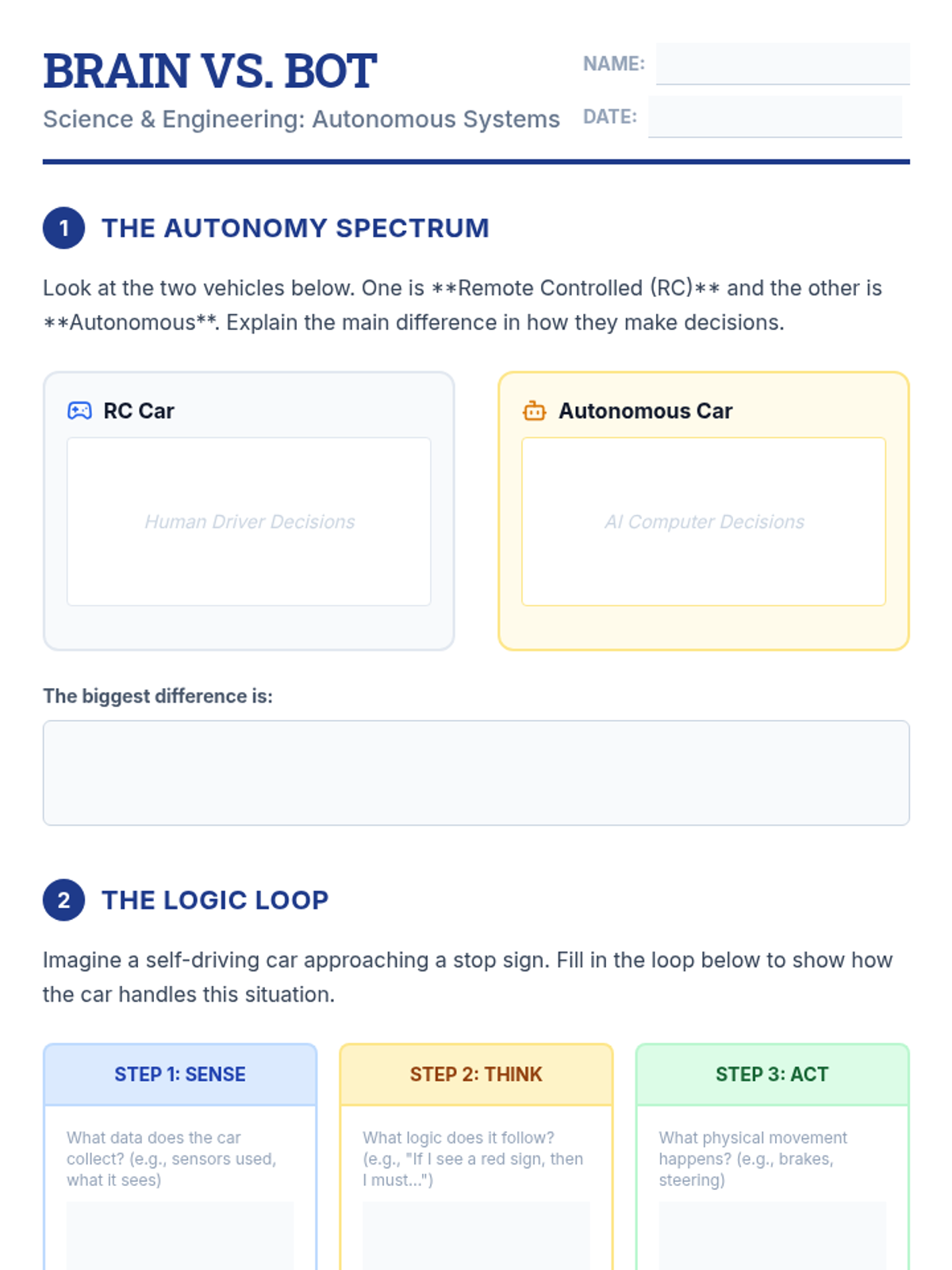
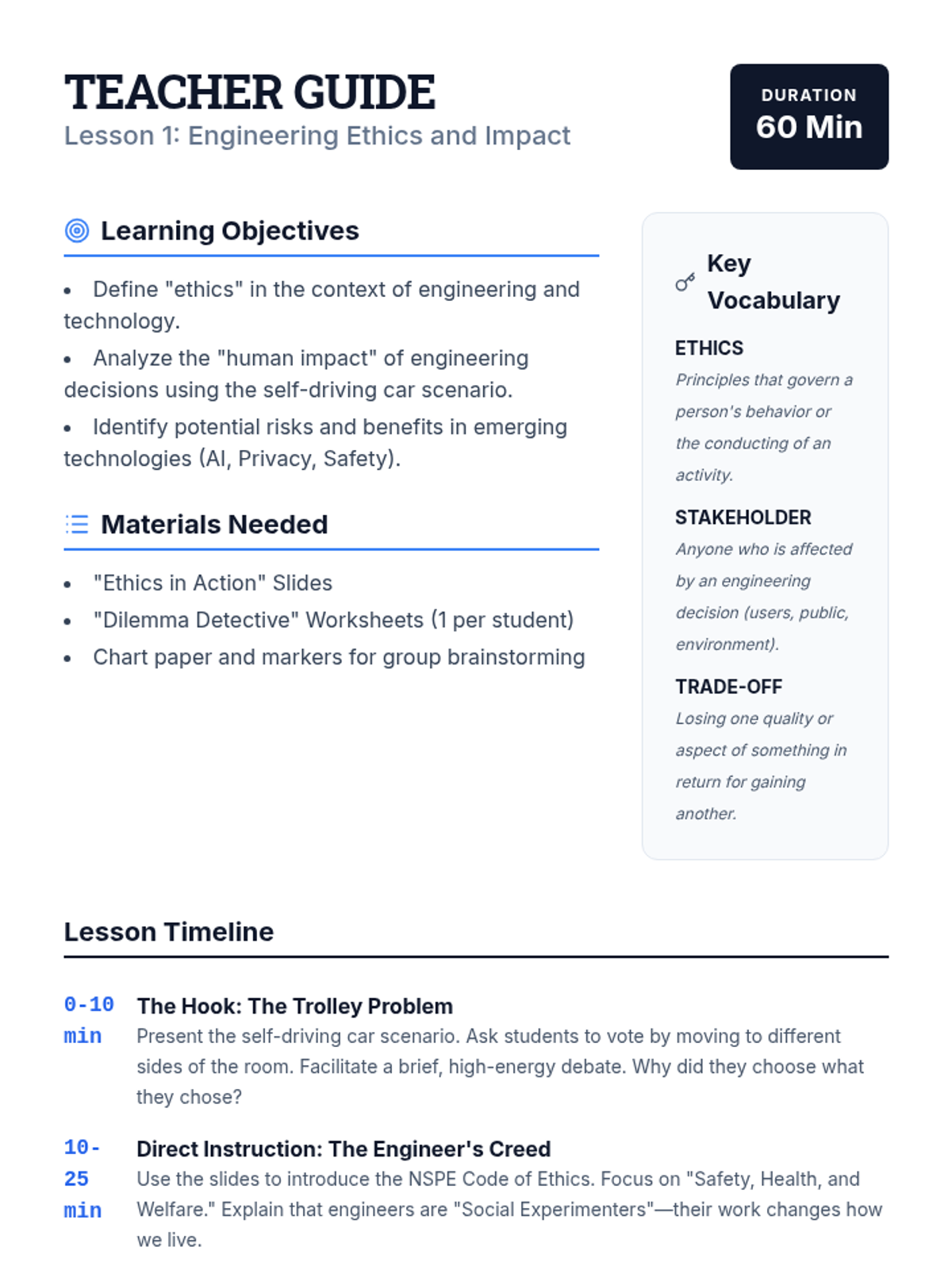
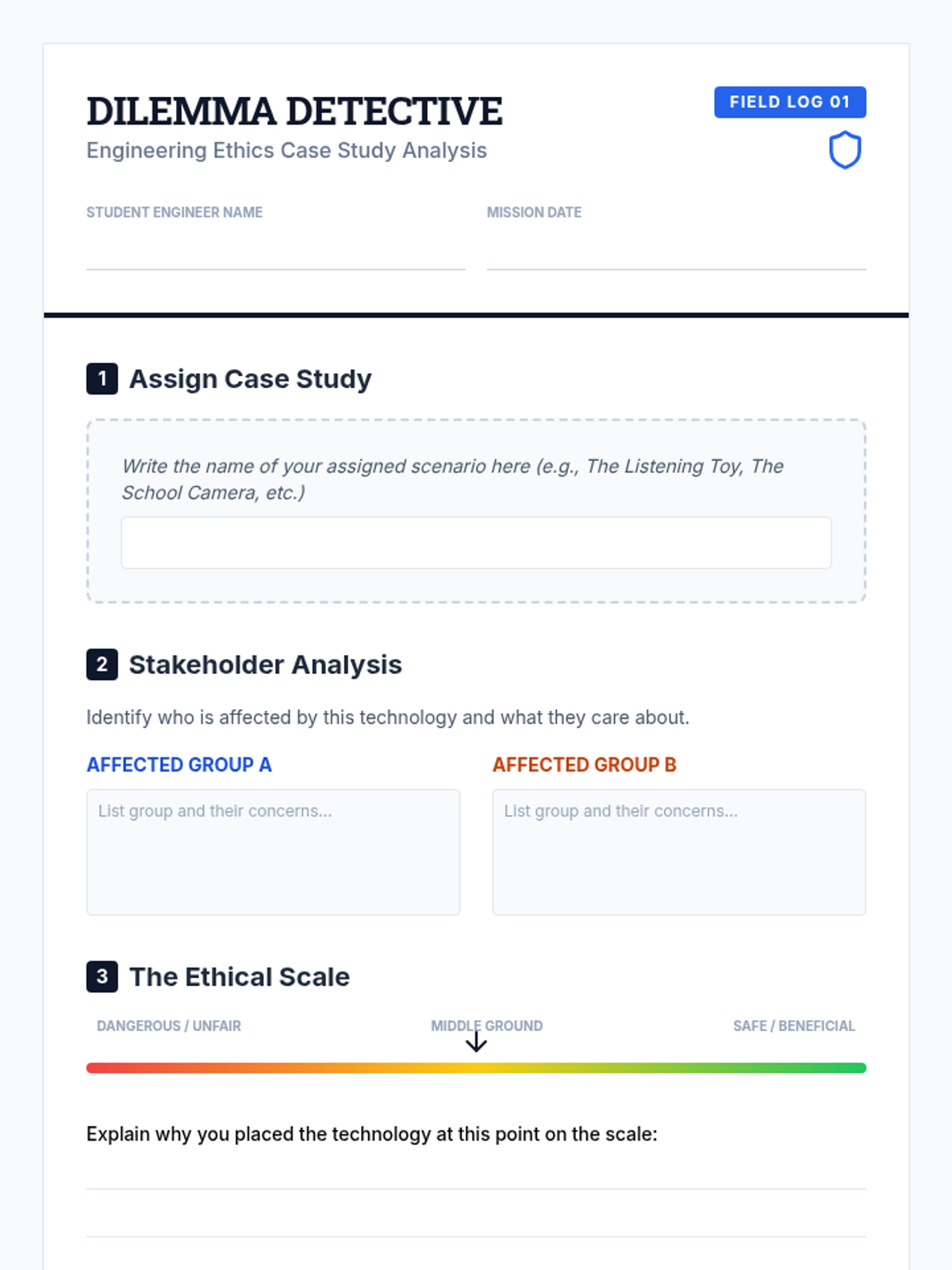
Students explore the ethical complexities of autonomous systems, from self-driving cars to algorithmic bias. They analyze accountability, simulate moral dilemmas, and debate the social impact of AI-driven decision-making.
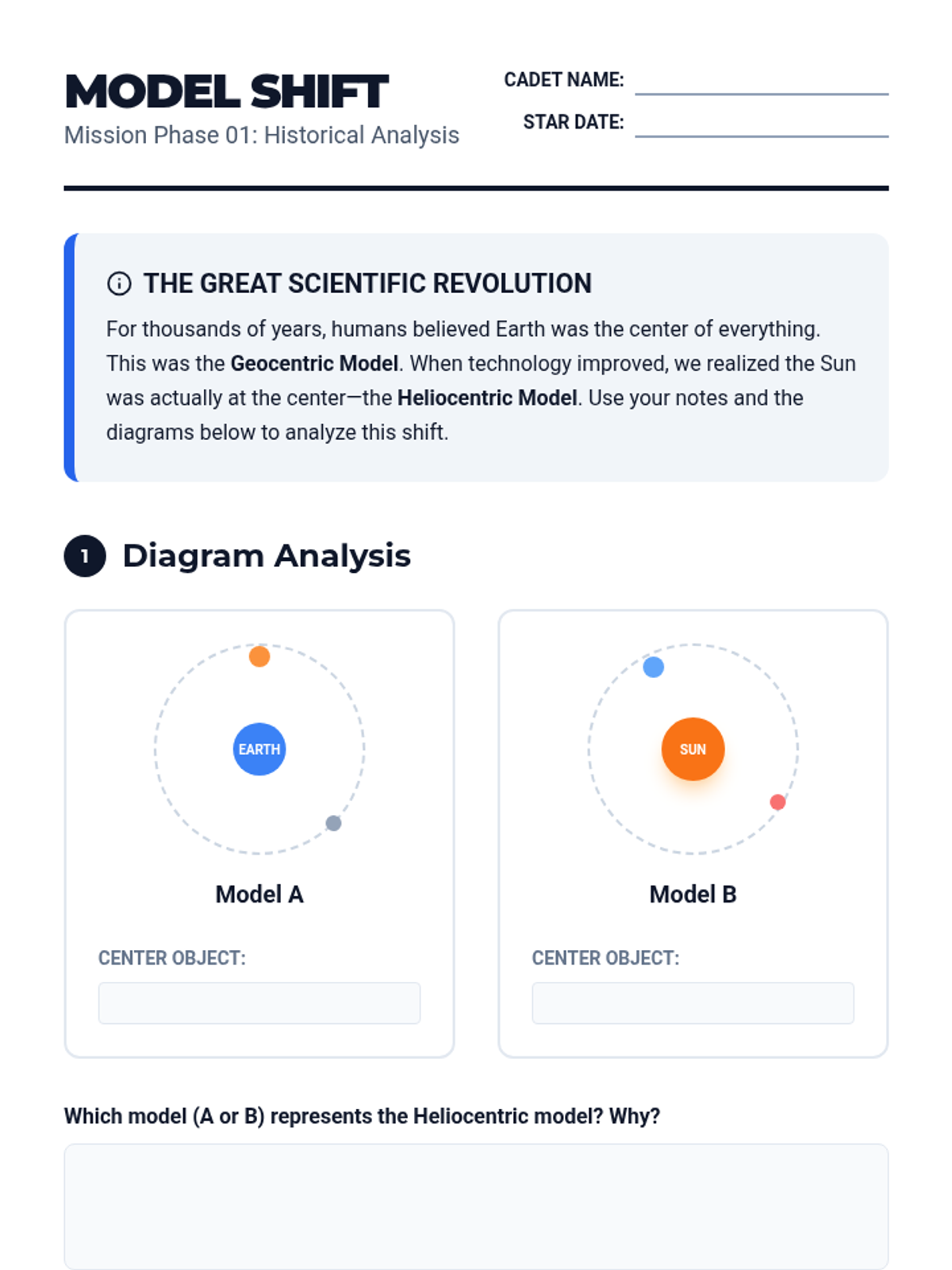
A 5-lesson unit for 6th grade exploring the evolution of astronomical technology, the electromagnetic spectrum, spacecraft engineering, and the future of human vs. robotic space exploration.
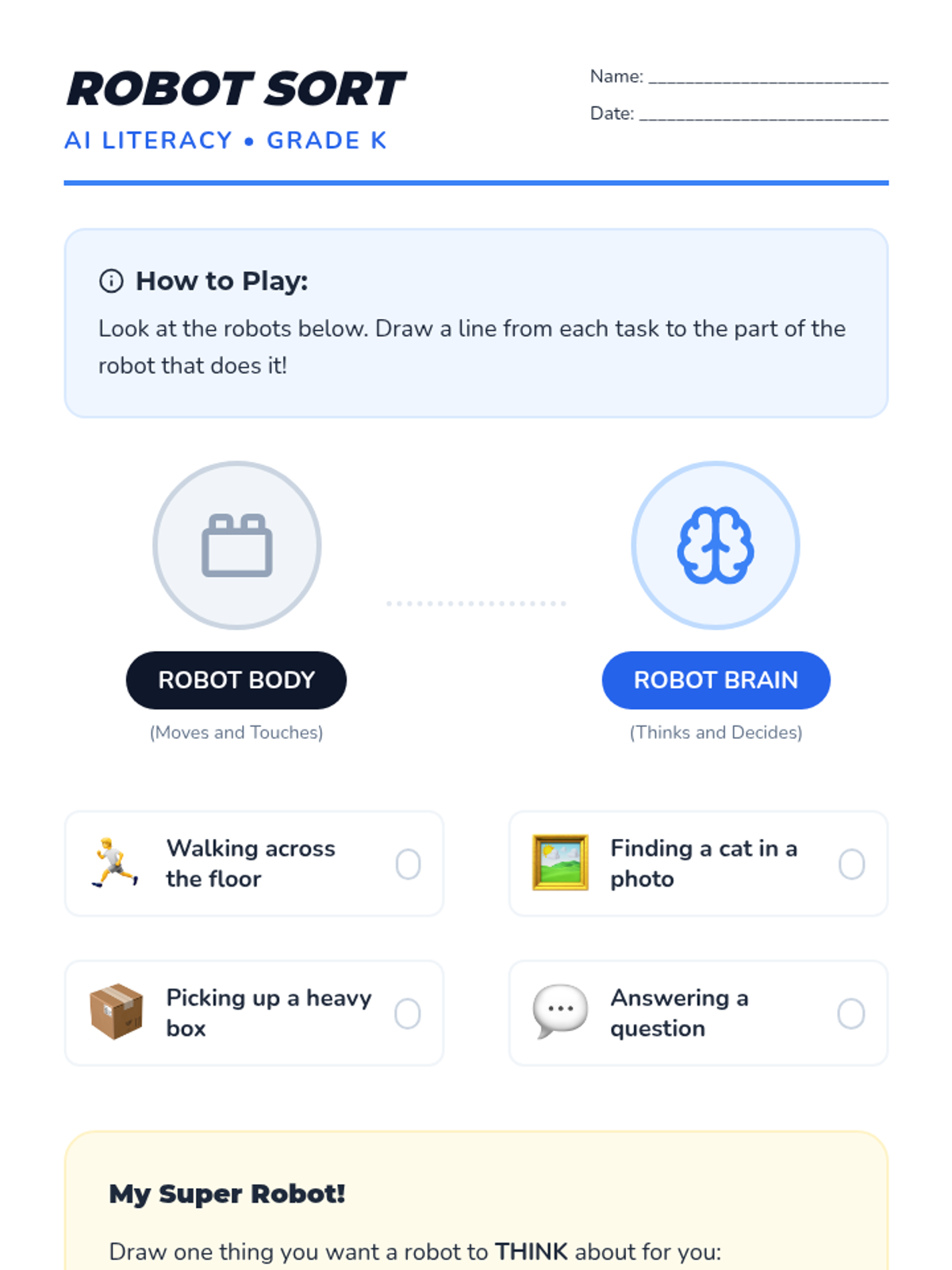
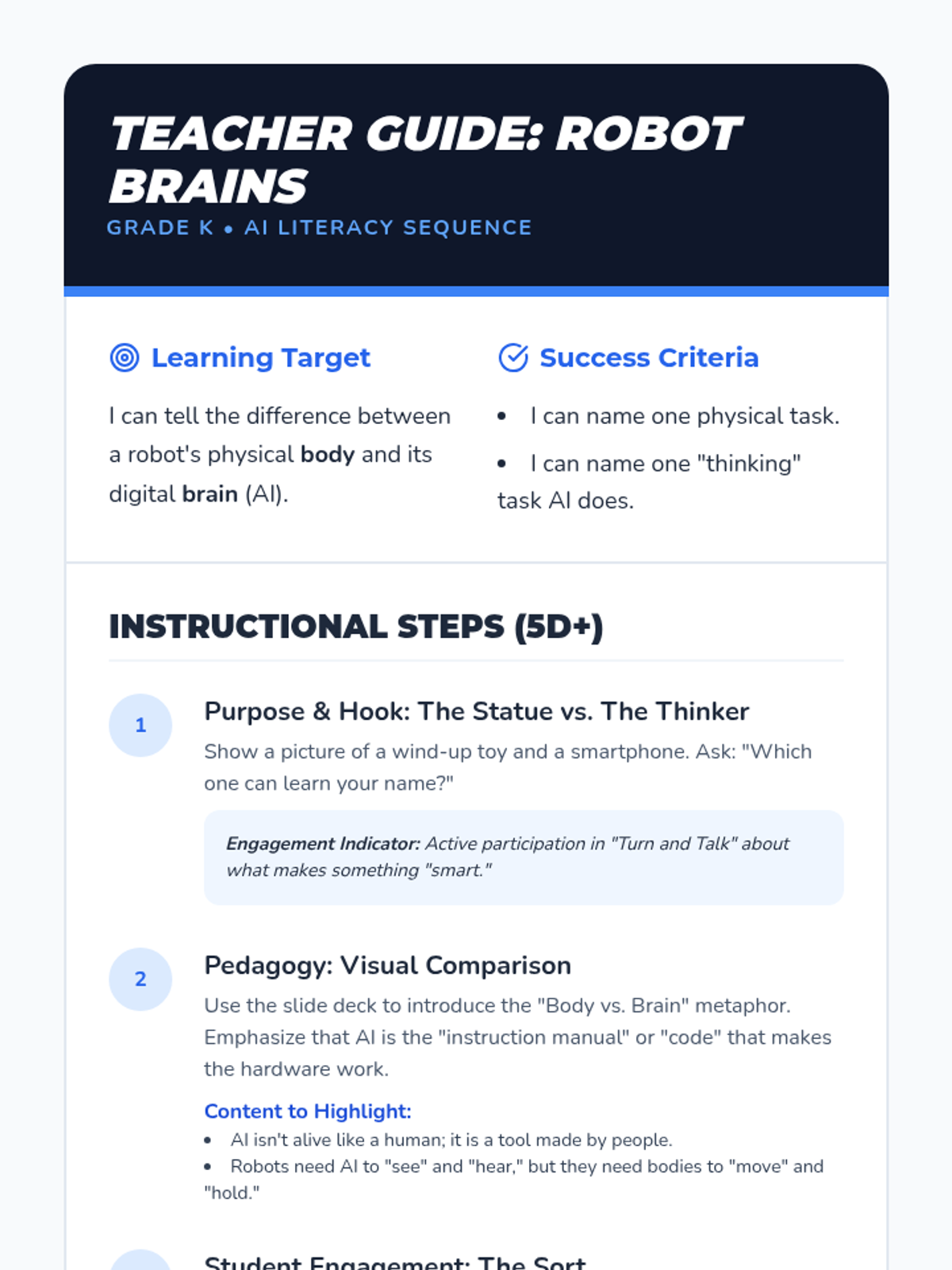
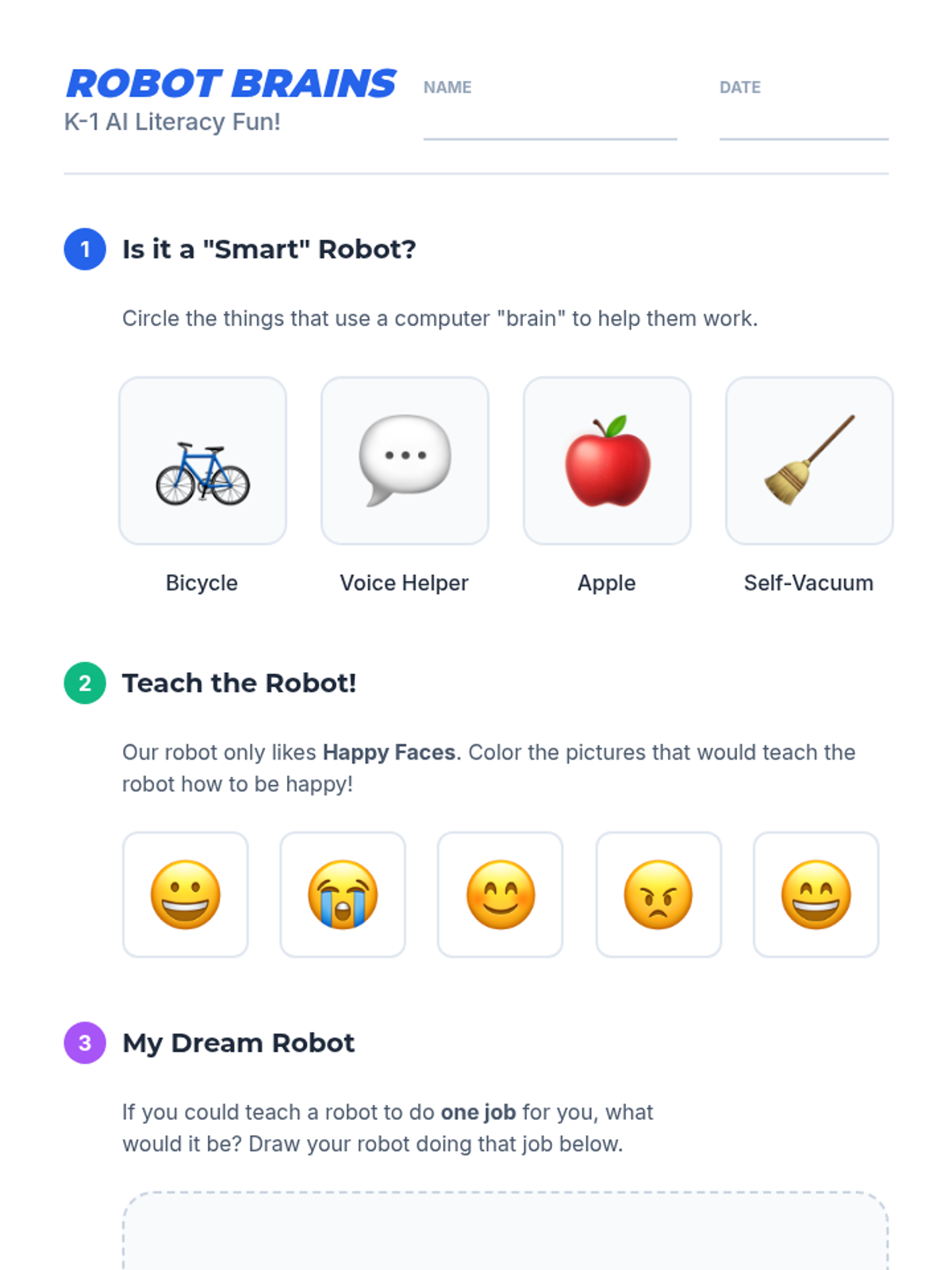
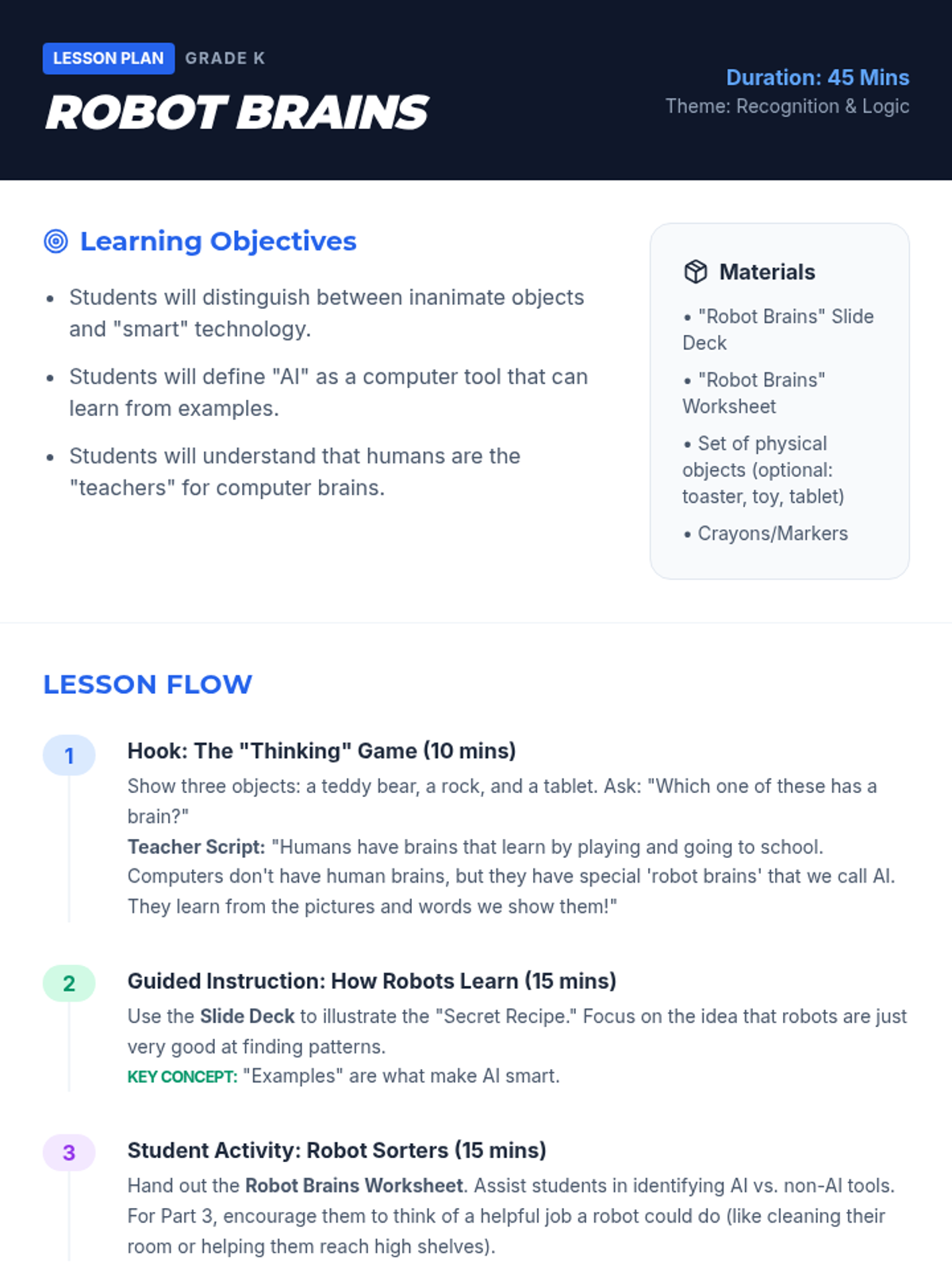
A comprehensive K-8 curriculum designed to build foundational AI literacy through understanding, evaluation, application, and ethics. Each grade level tackles a specific theme, progressing from basic robot concepts to complex algorithmic bias and societal impact.
A comprehensive K-12 AI literacy sequence covering the fundamentals of how AI works, machine learning, ethics, social impact, and creative application through age-appropriate lessons.
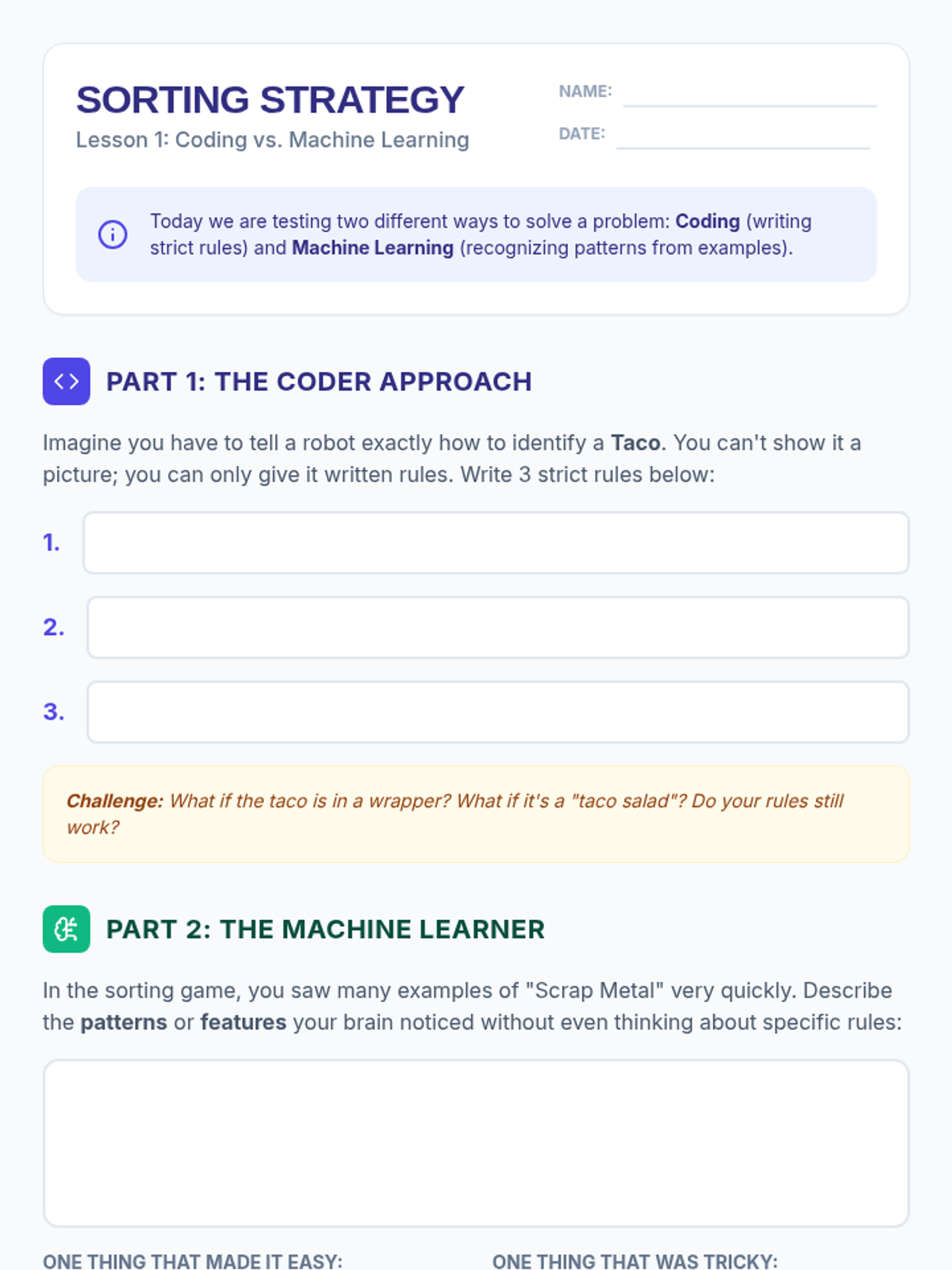
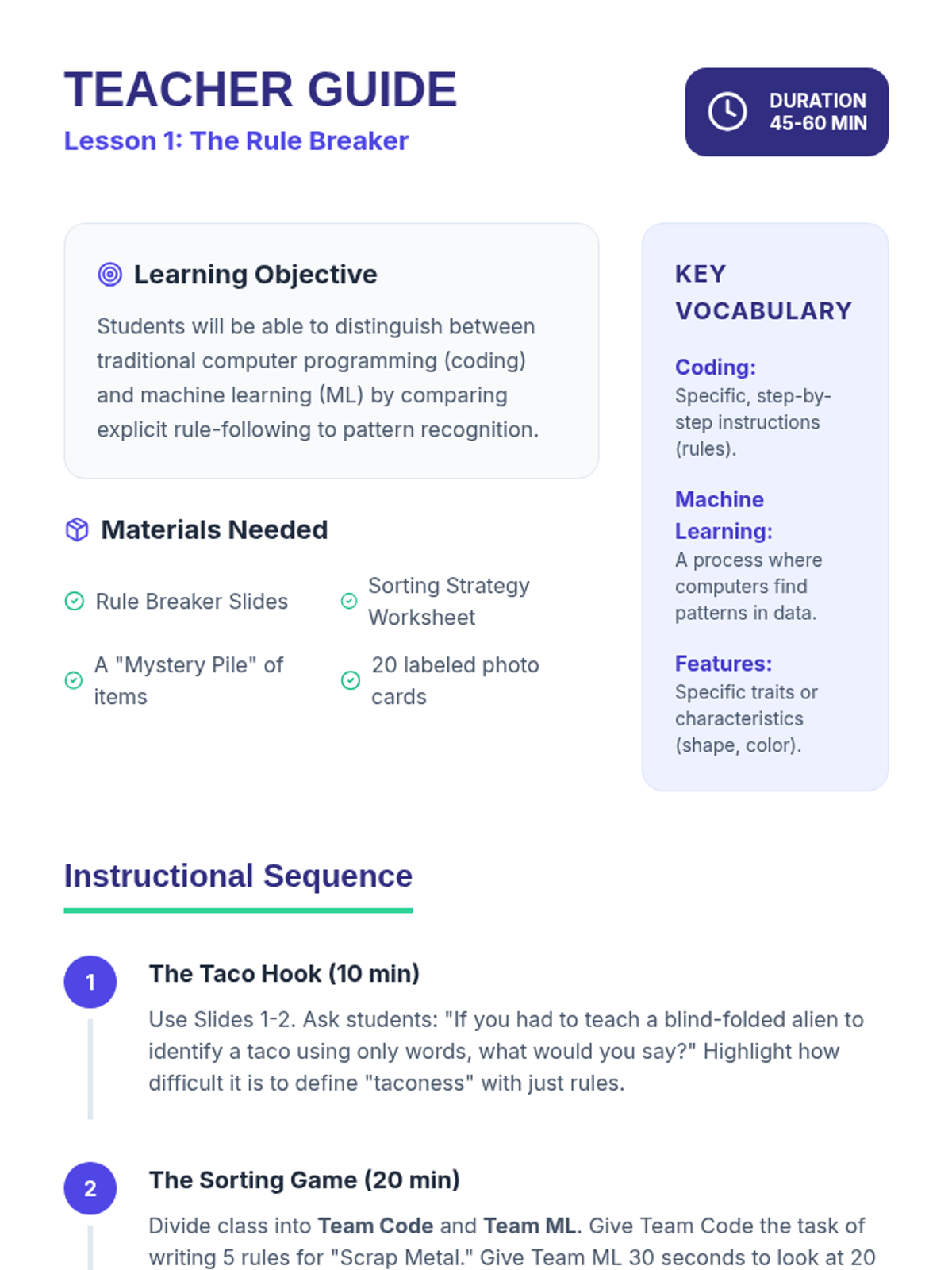
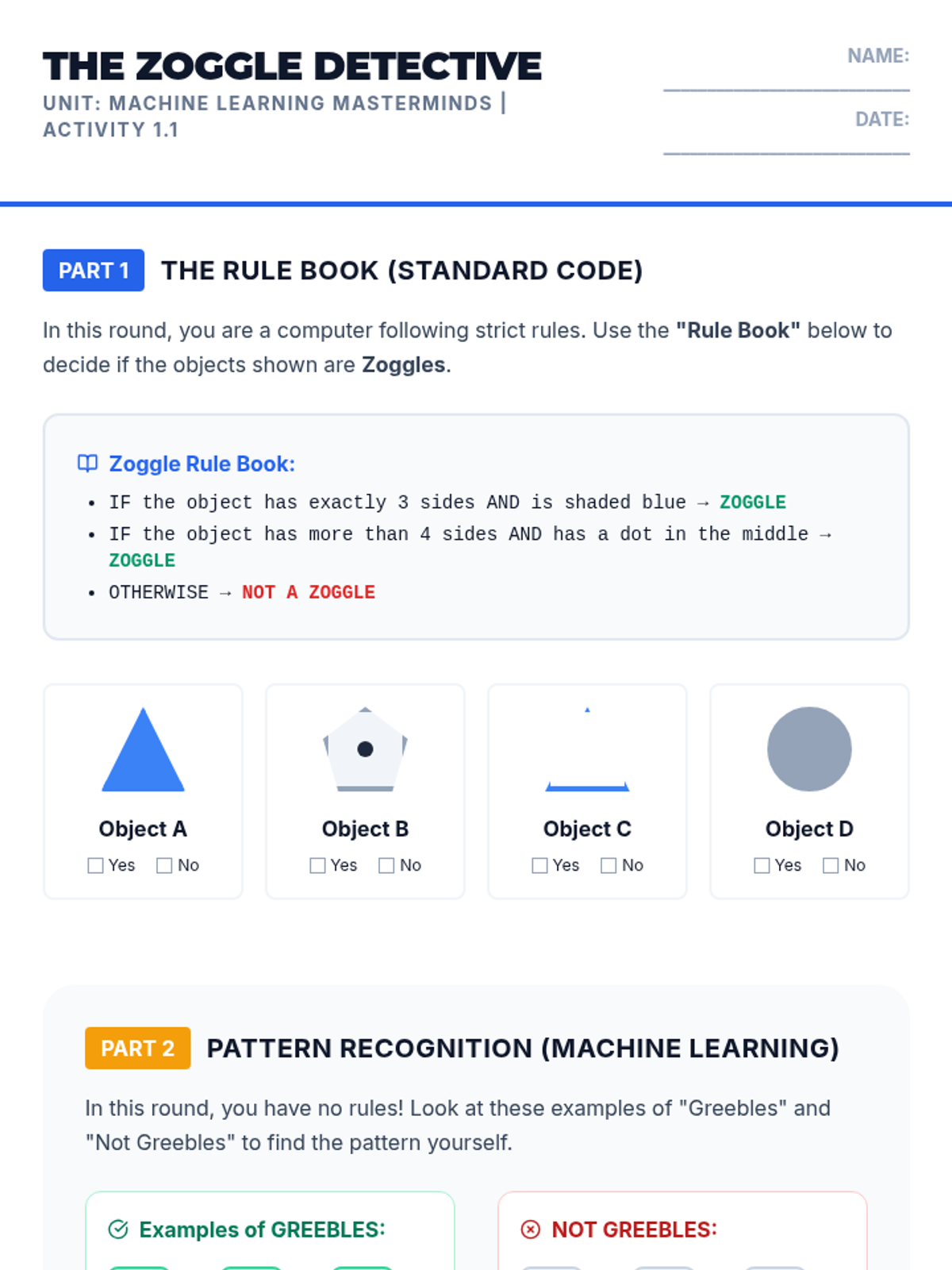
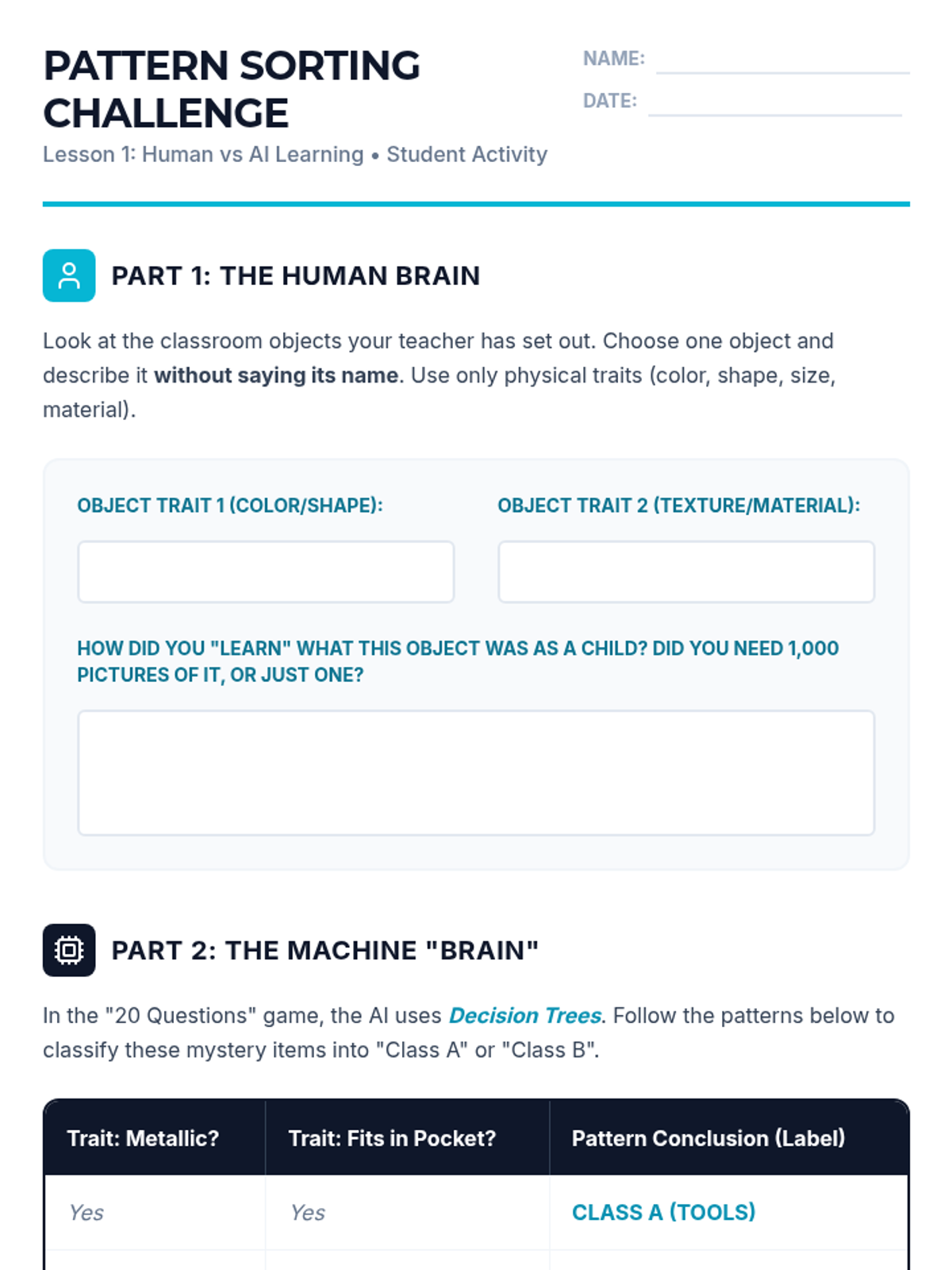
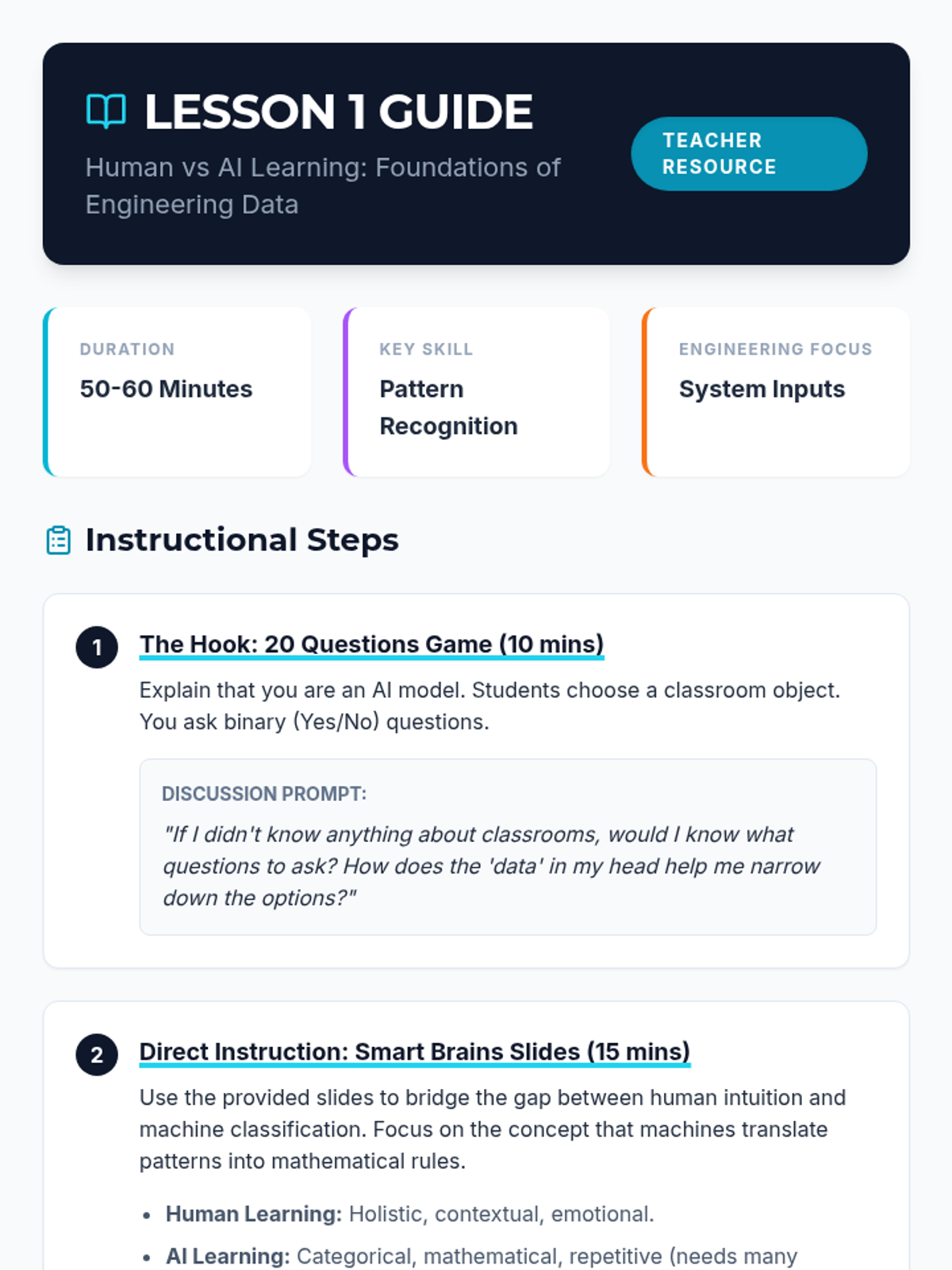
Students demystify Artificial Intelligence and Machine Learning through hands-on training, pattern recognition, and ethical analysis. They move from understanding basic coding differences to identifying real-world AI applications and recognizing the importance of unbiased data.
A comprehensive introduction to machine learning and algorithmic logic for 6th grade students, covering the difference between traditional coding and AI, the importance of training data, how recommendation systems work, generative AI tools, and the ethics of algorithmic bias.
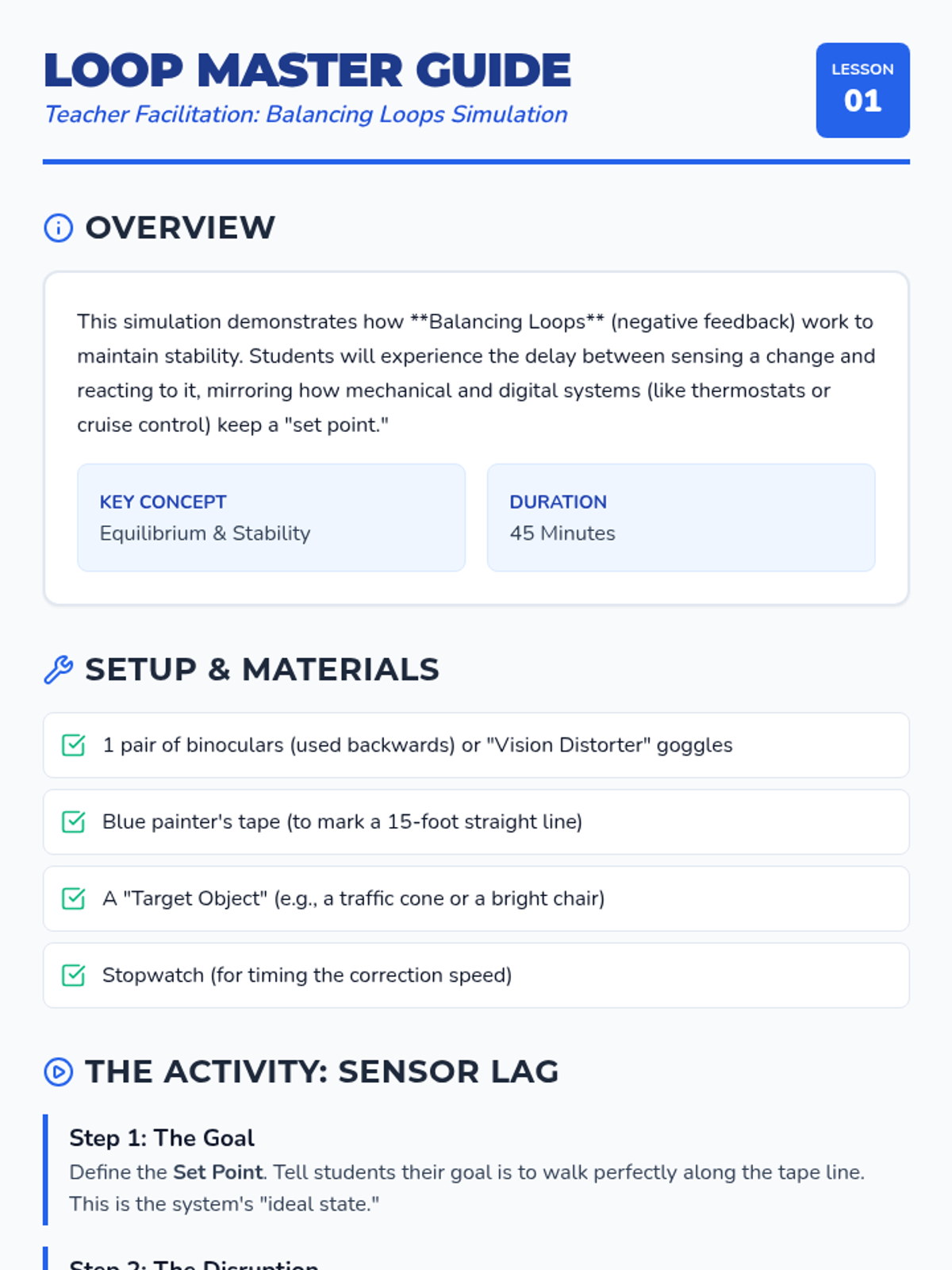
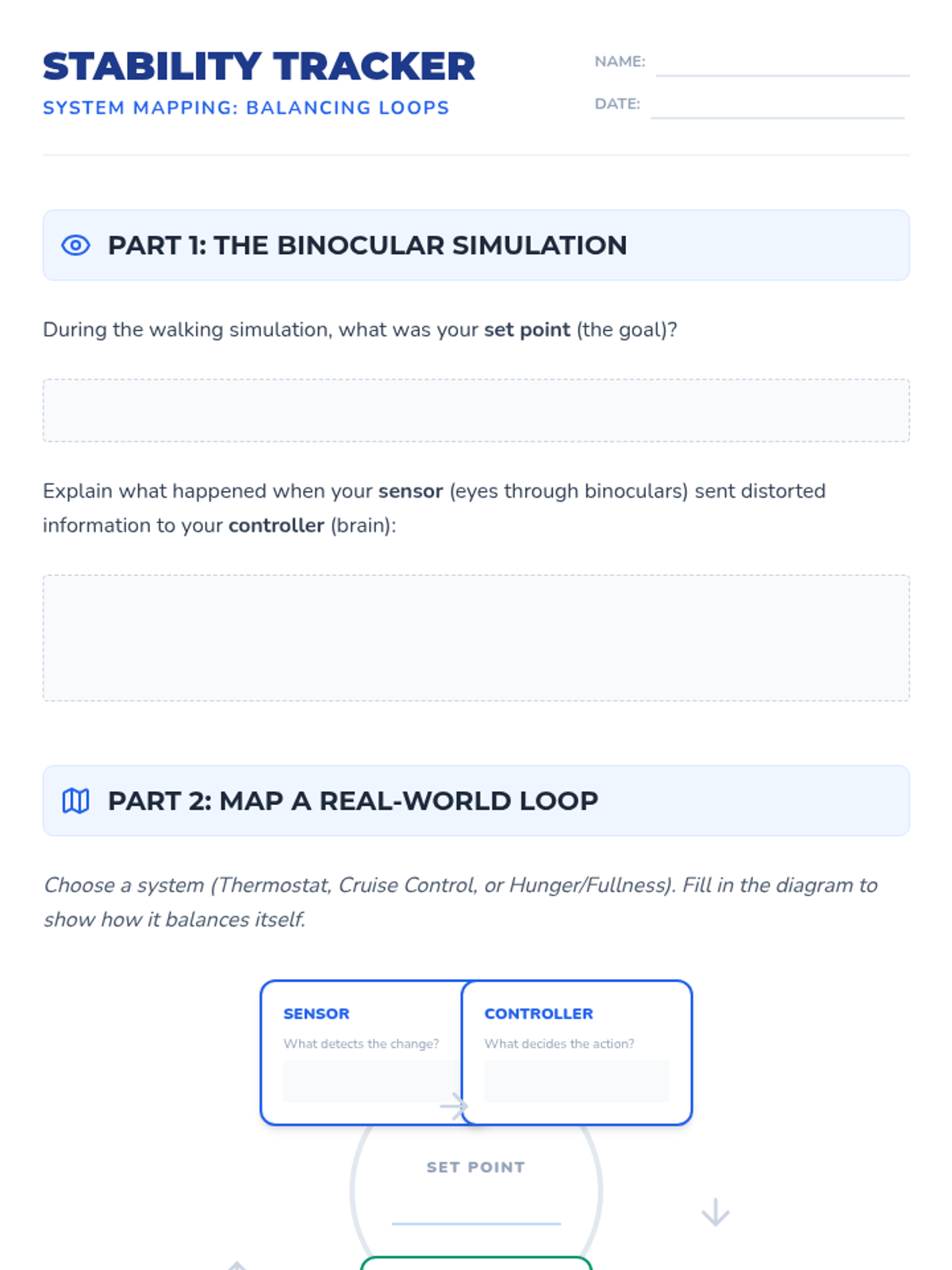
This sequence introduces 6th-grade students to systems thinking through the lens of feedback loops in engineering and AI. Students will explore how balancing and reinforcing loops govern stability and growth, simulate machine learning processes, analyze the ethics of AI bias, and design their own smart feedback systems.
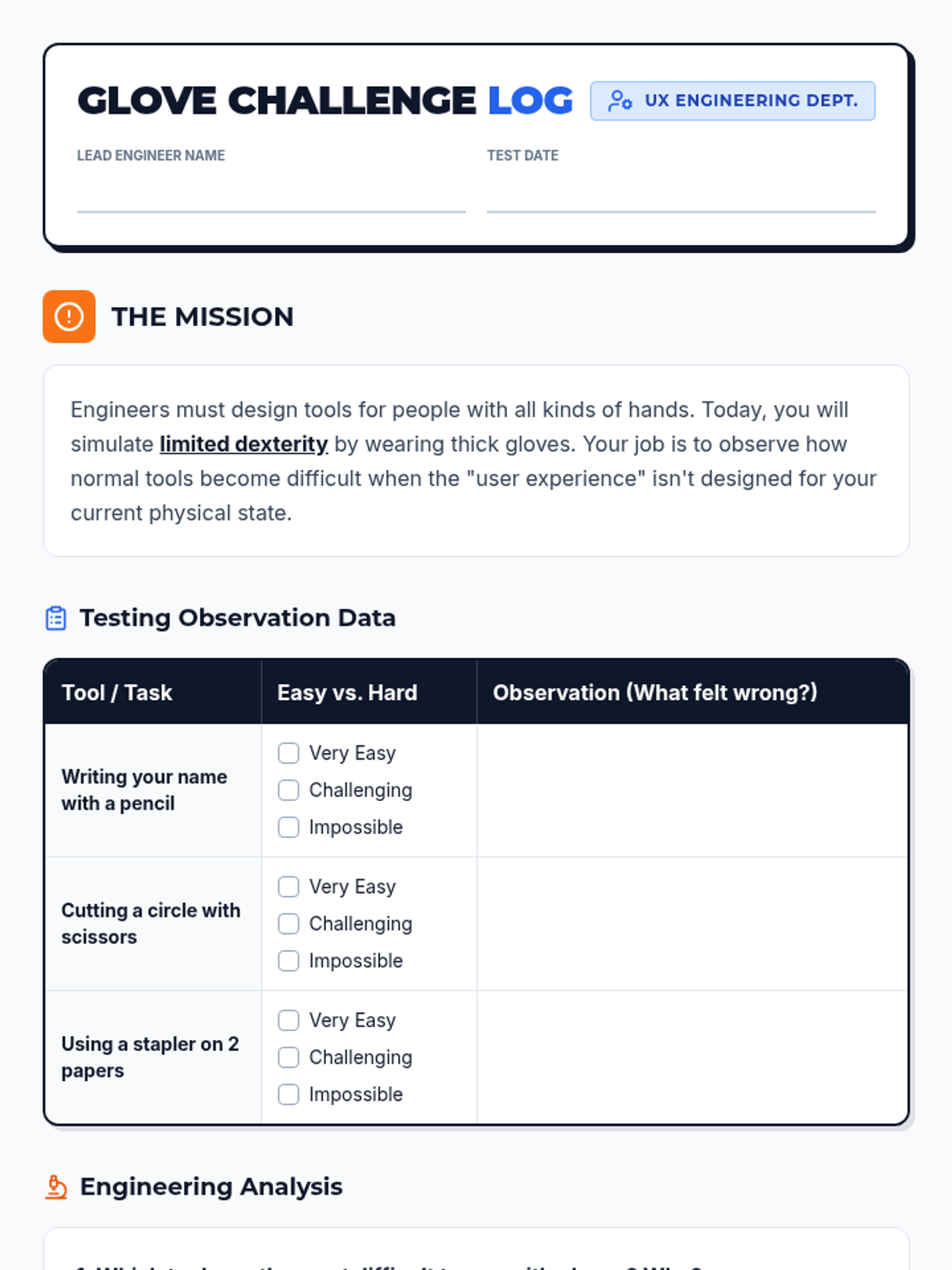
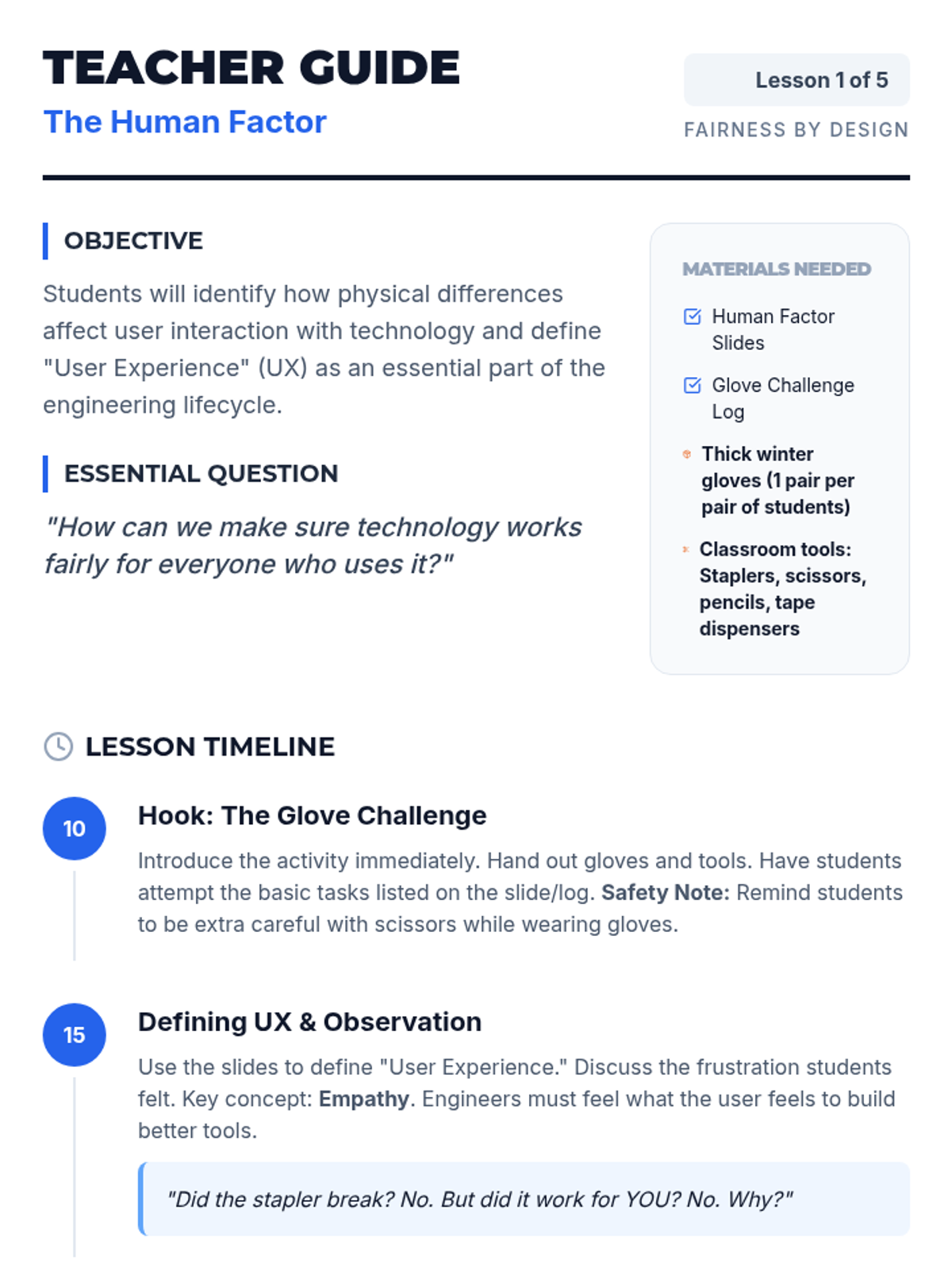
Students explore ethical compliance and bias testing in engineering, learning how technology can exclude people and how to design for fairness and accessibility. They act as usability engineers to analyze, test, and redesign products for diverse users.
This sequence explores the ethical responsibilities of engineers and the critical importance of clear technical communication. Students analyze real-world case studies, practice writing precise algorithms, design user manuals, and develop an ethical code for future innovation.
A comprehensive sequence for 6th-grade students exploring the engineering practices behind AI. Students learn how data quality, variety, and testing determine the reliability and fairness of artificial intelligence systems.
Students assume the role of Quality Assurance Engineers to audit and improve a flawed AI prototype through an iterative engineering lifecycle of testing, documentation, and refinement.
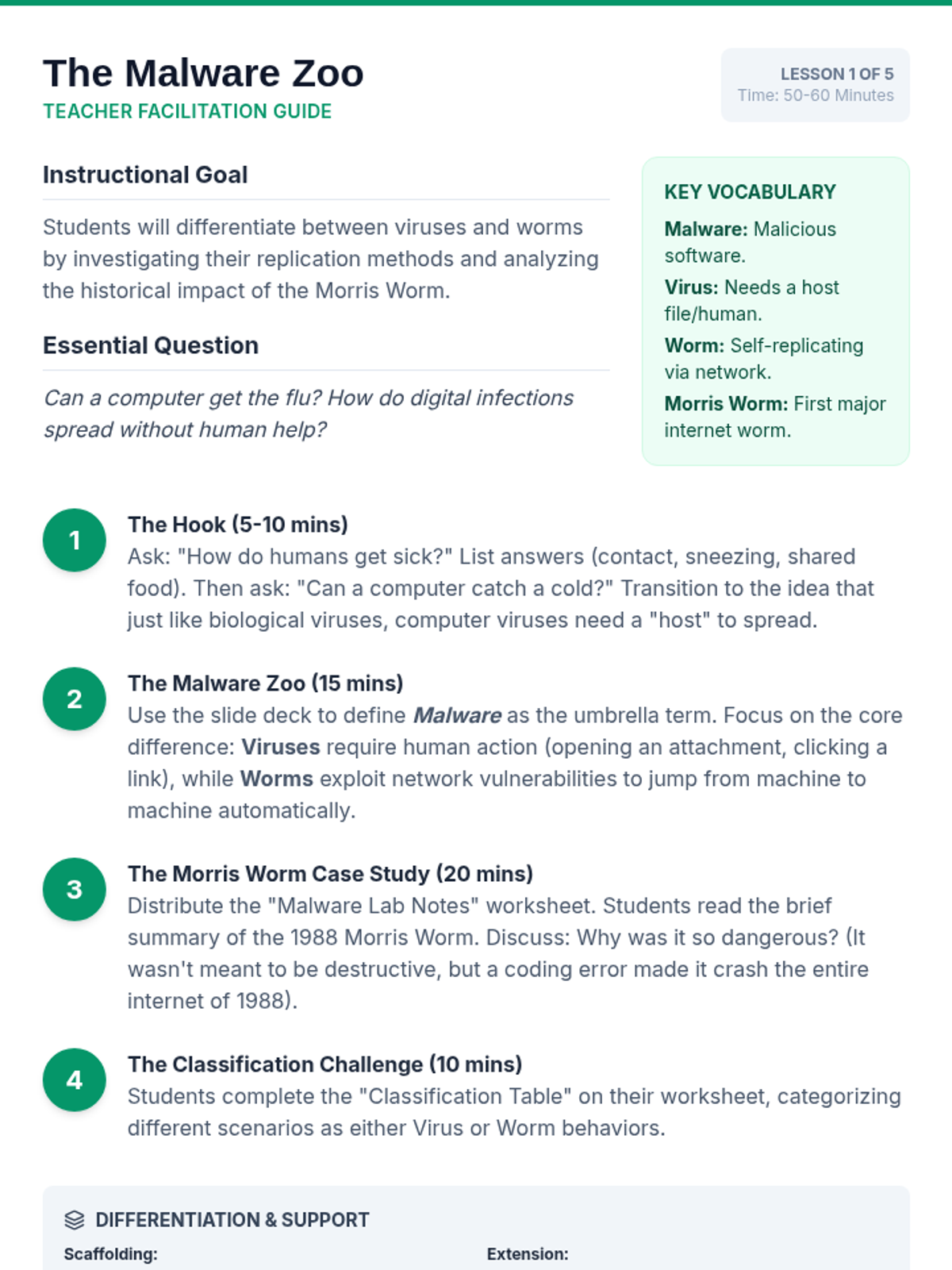
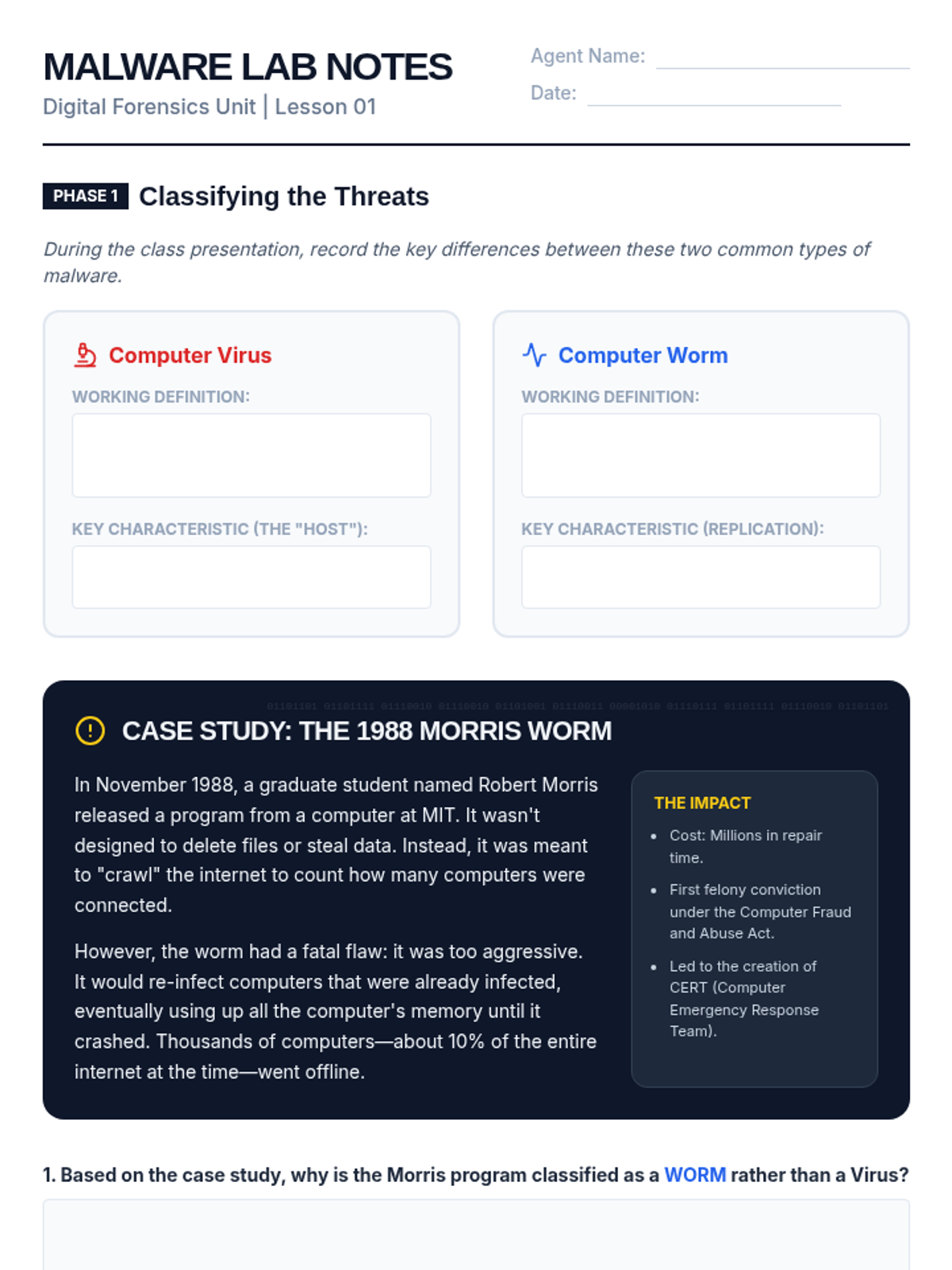
An inquiry-driven exploration of malware and social engineering, focusing on how attackers exploit software and human psychology. Students learn to identify threats and advocate for digital safety.
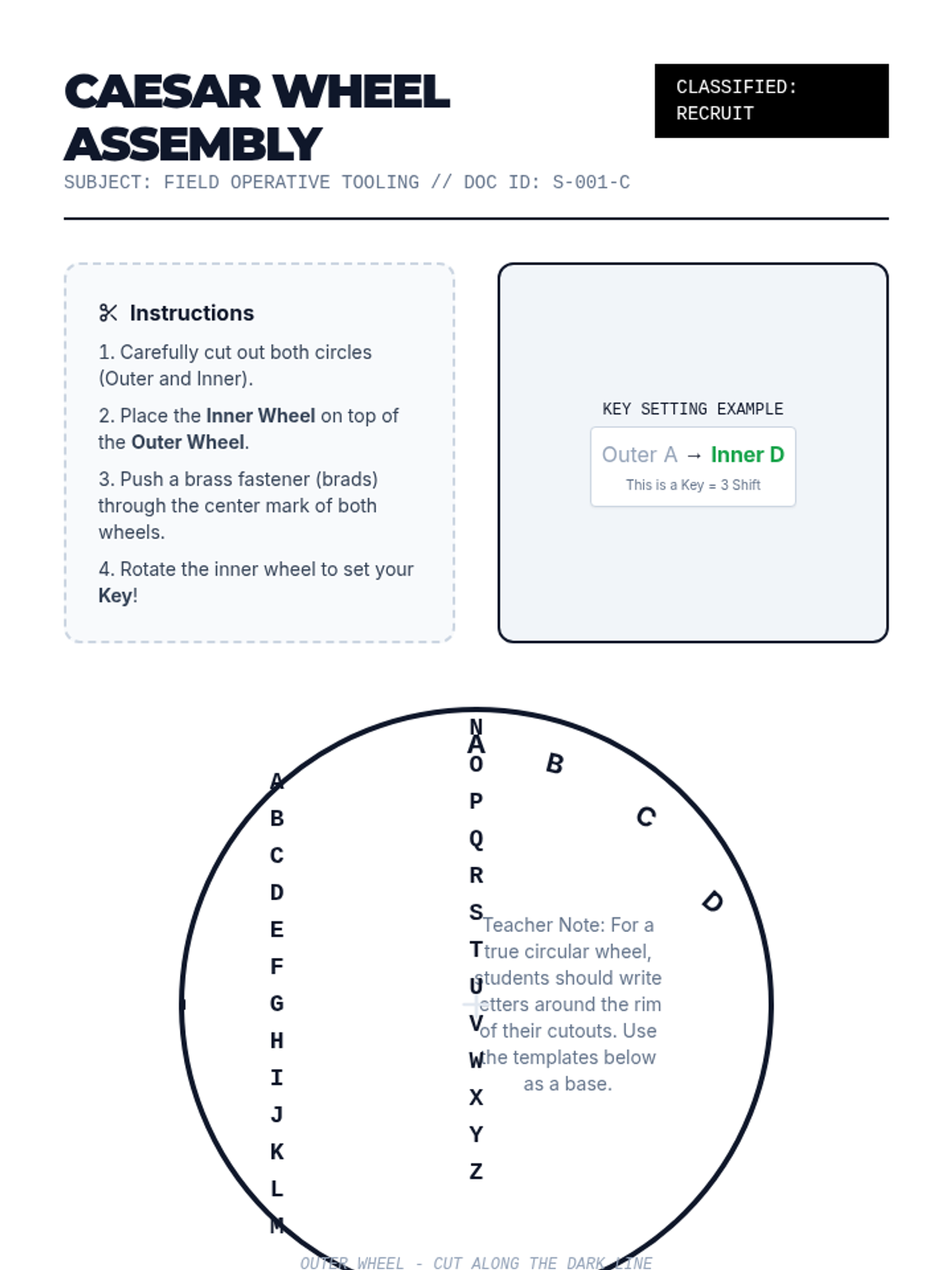
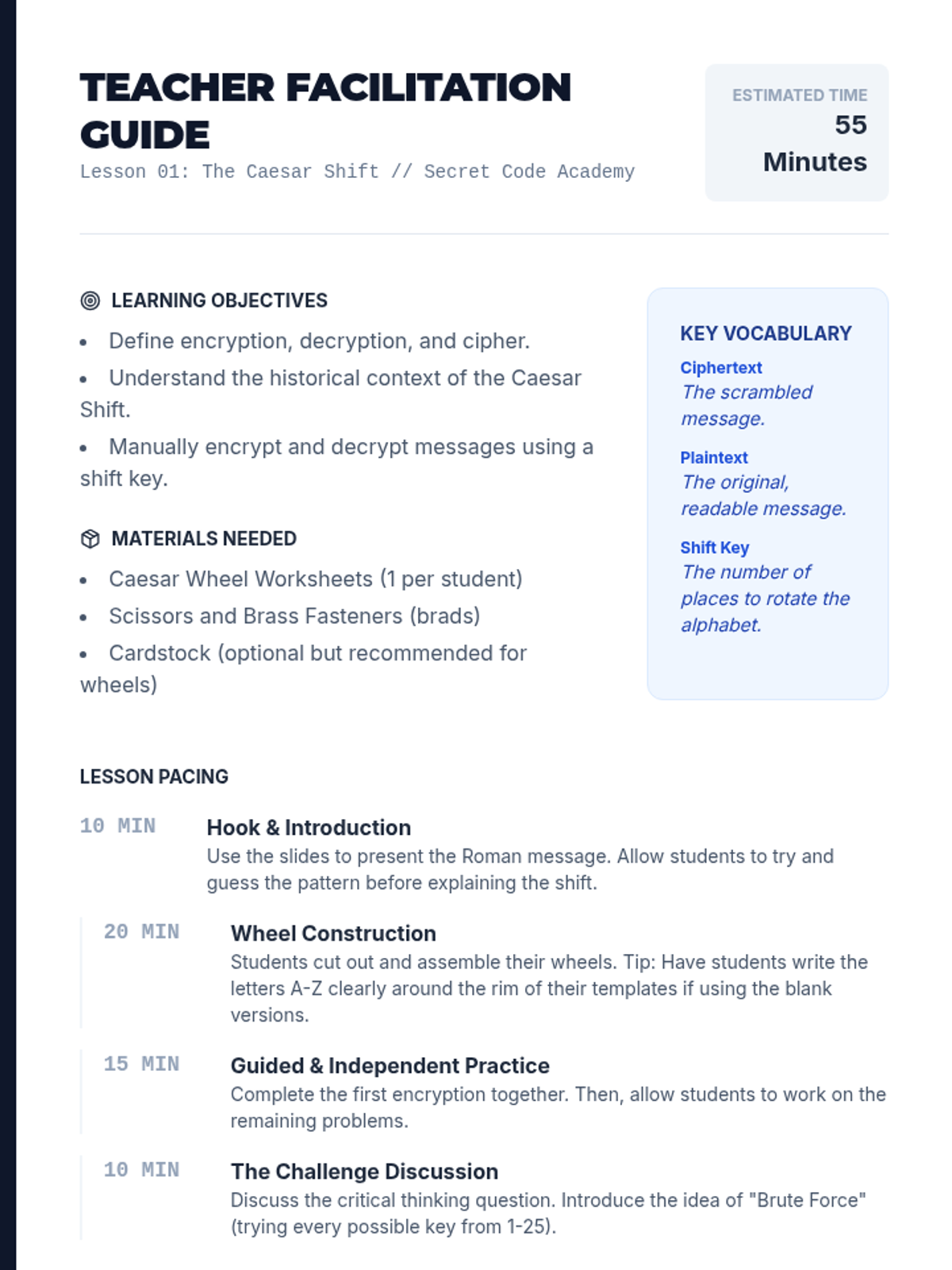
A comprehensive introduction to cryptography for 6th-grade students, covering historical methods like Caesar and Vigenère ciphers, frequency analysis, and conceptual modern encryption like public-key systems. Students will engage in hands-on code-breaking and simulations to understand data privacy.
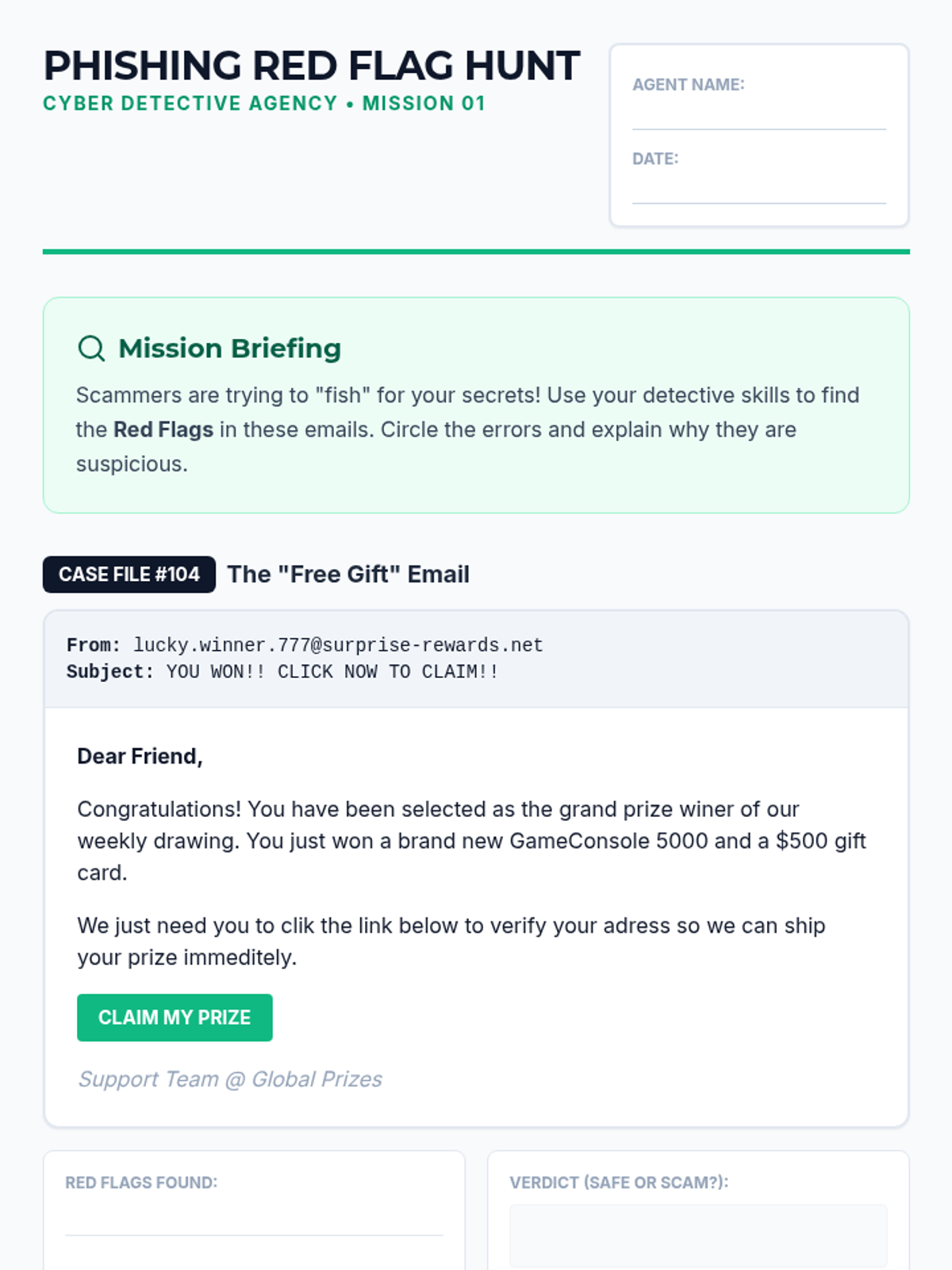
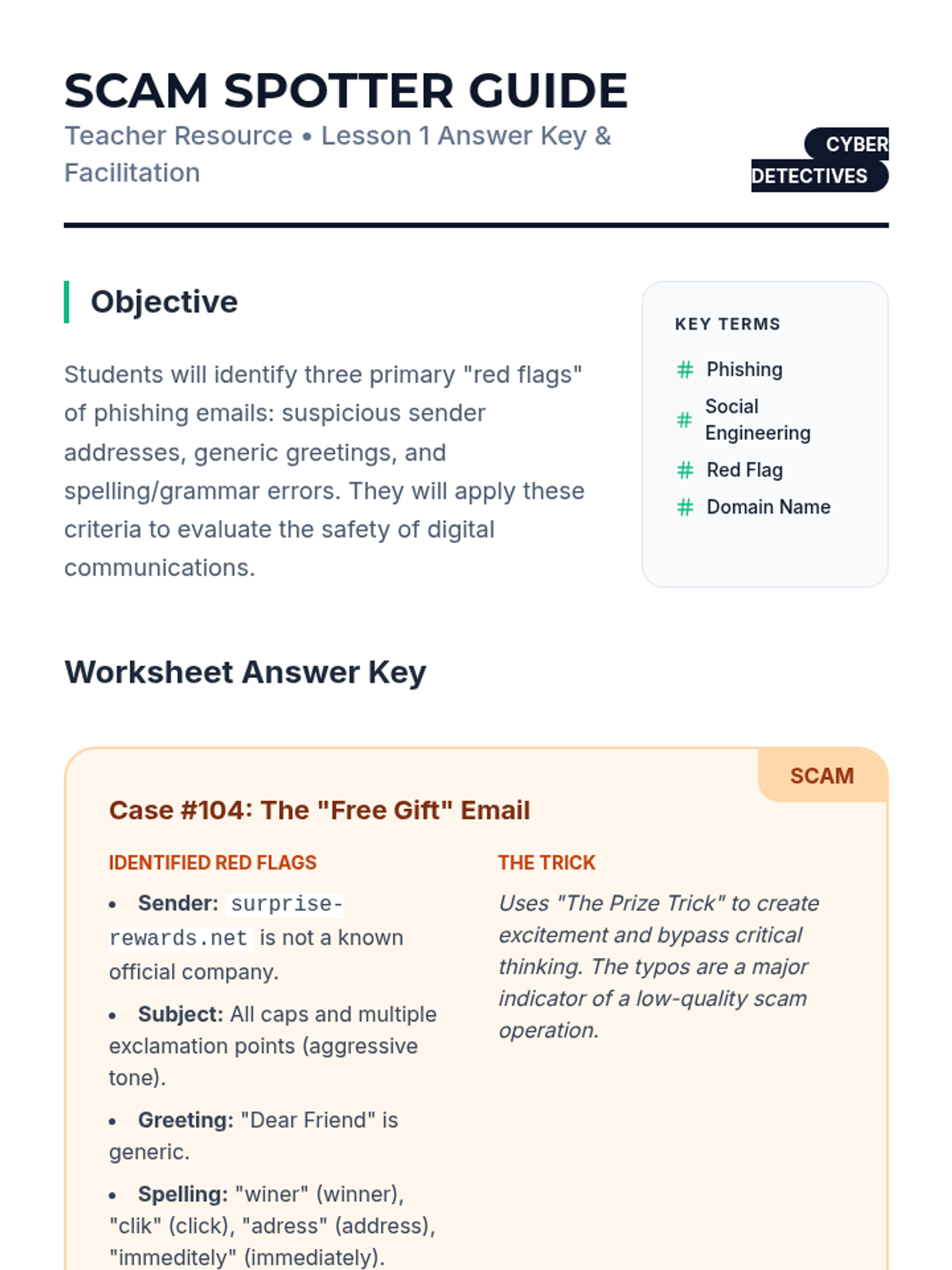
Students become 'Cyber Detectives' to uncover the tricks of social engineering. They learn to identify phishing emails, analyze suspicious links, recognize emotional manipulation, and develop clear response plans for digital threats.
Students explore the fundamentals of algorithms, training data, and algorithmic bias. Through simulations and hands-on activities, they learn to identify unfair patterns and retrain AI models to be more inclusive and equitable.
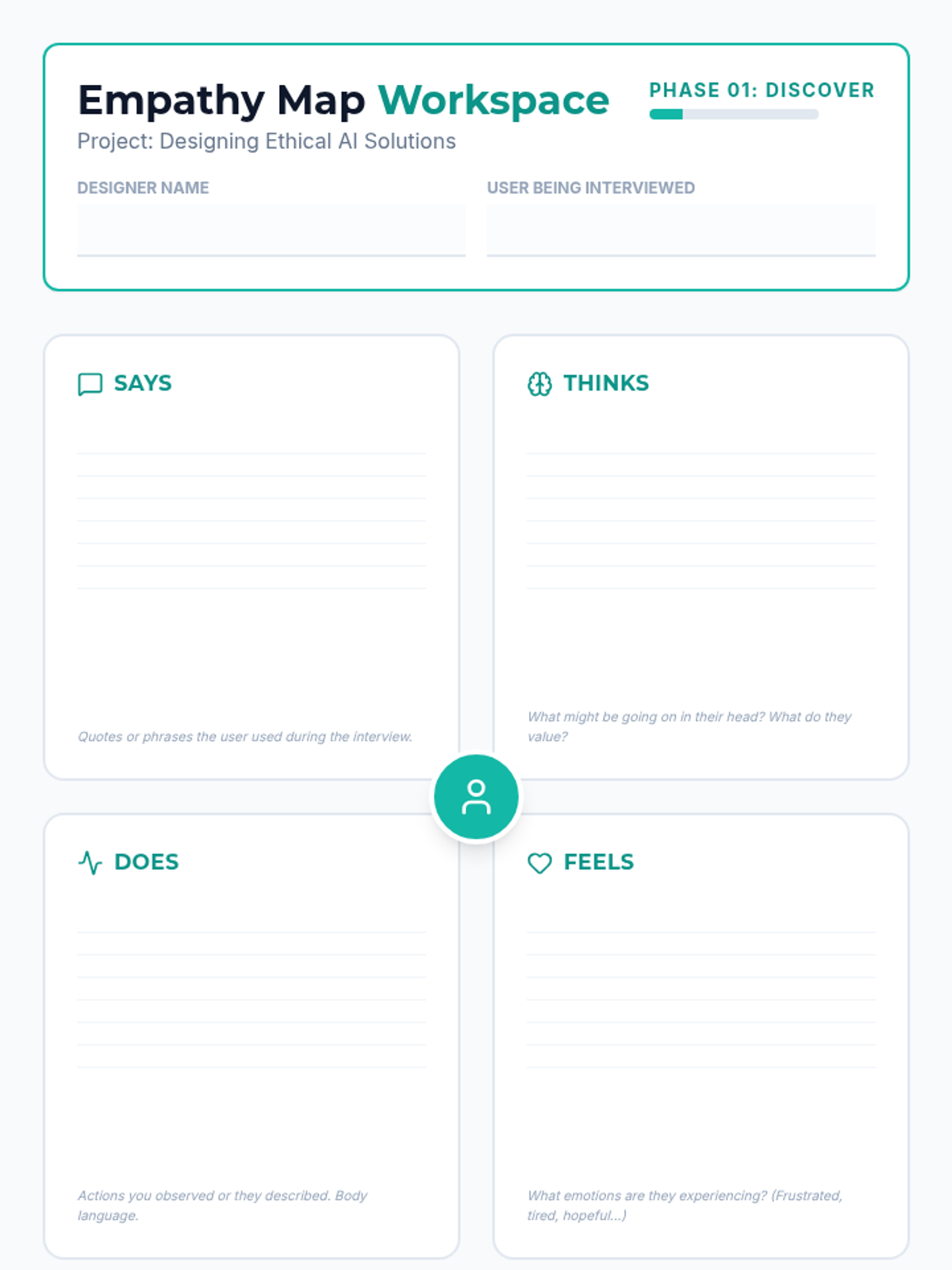
A project-based unit where 6th-grade students use Design Thinking to create ethical AI concept prototypes that solve community problems while prioritizing privacy, fairness, and safety.
An 8-session sports broadcasting course for grades 4–12, students will learn the fundamentals of play-by-play commentary, color analysis, interviewing, and production skills. Each 45-minute session builds real-world broadcasting abilities, teamwork, and confidence both in the studio and at live events.
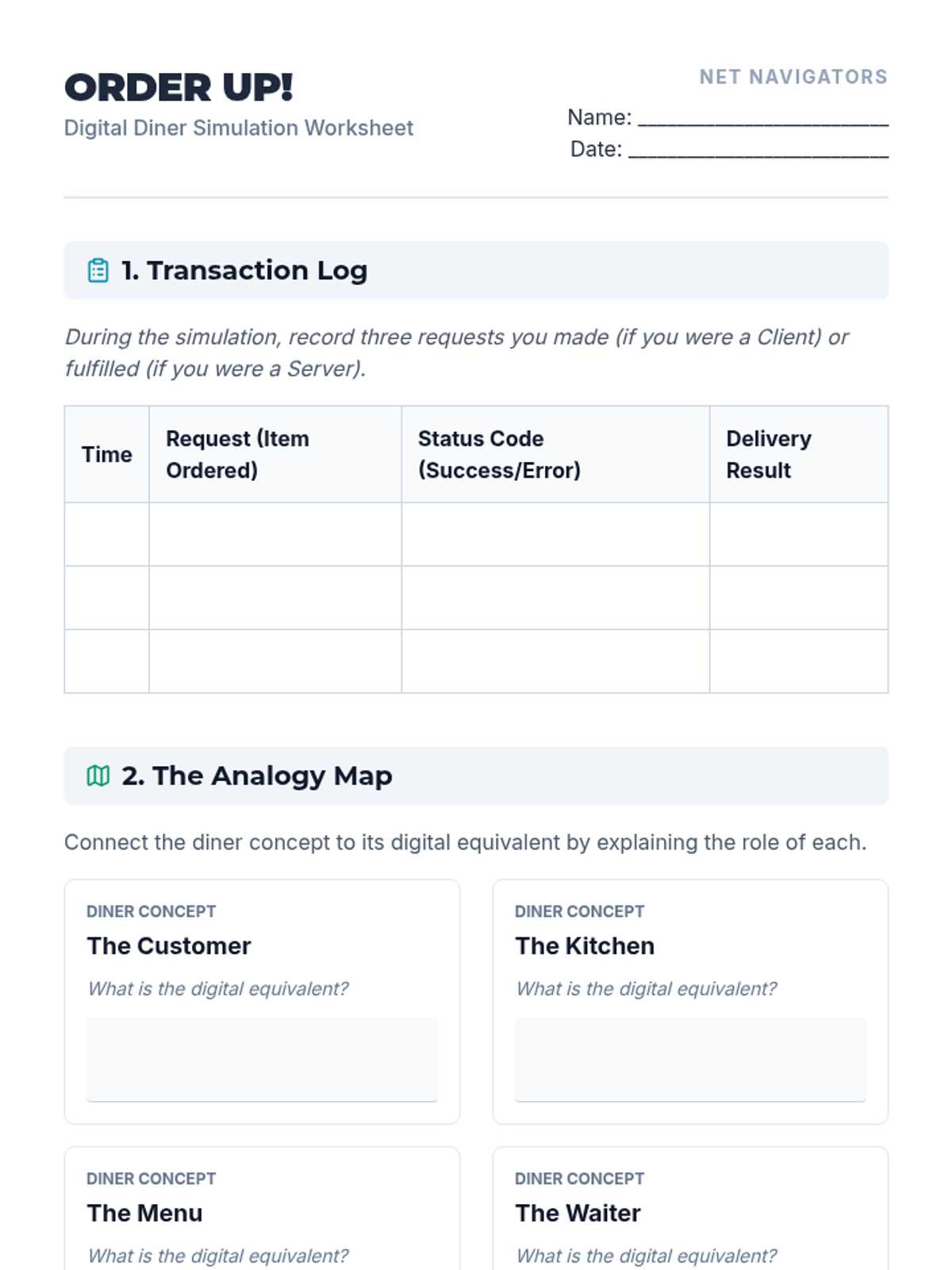
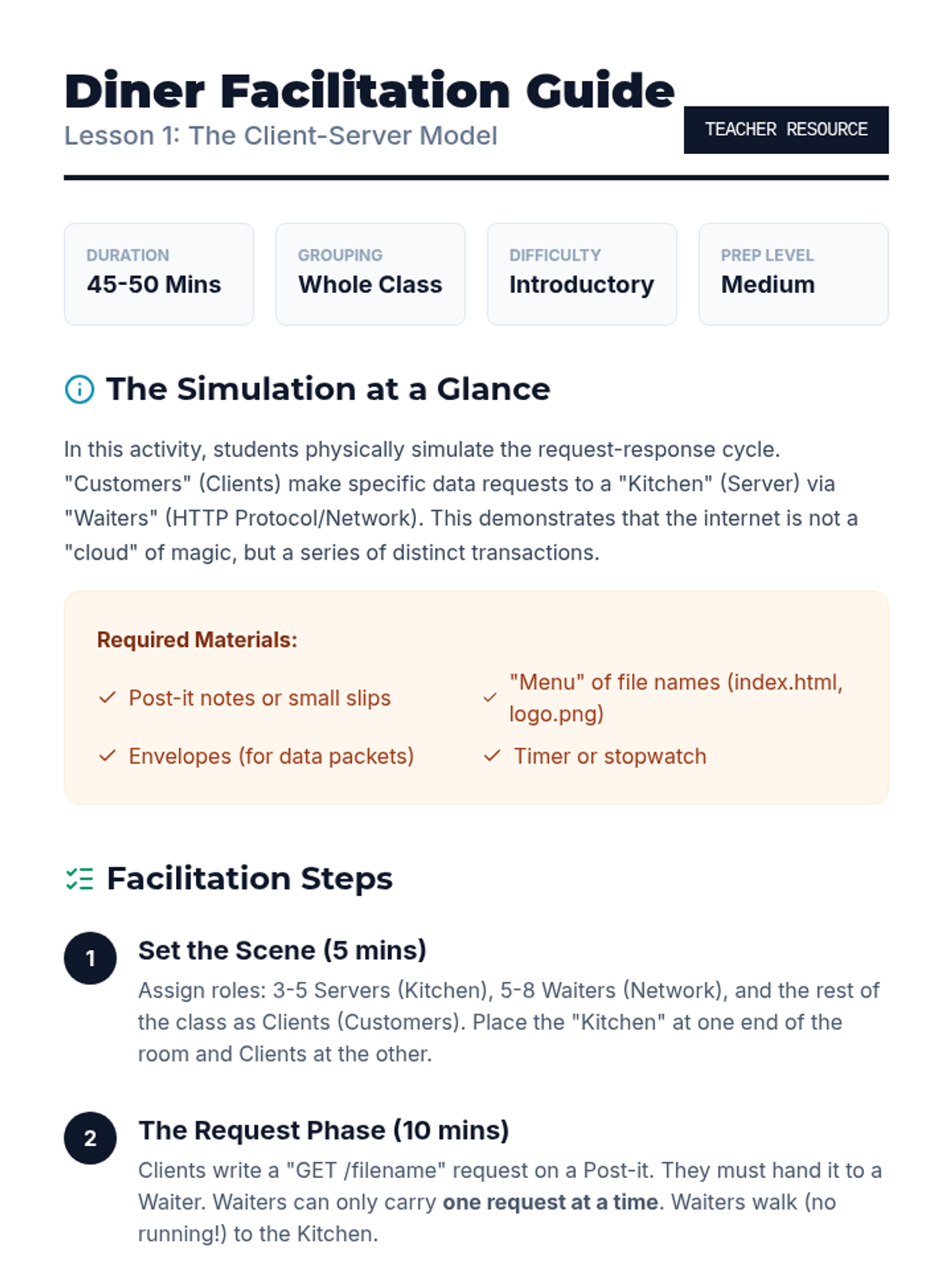
Students explore the global architecture of the internet, focusing on the client-server model, DNS, routing, and physical infrastructure. This sequence demystifies how data travels across the globe, emphasizing the engineering principles of redundancy and fault tolerance.