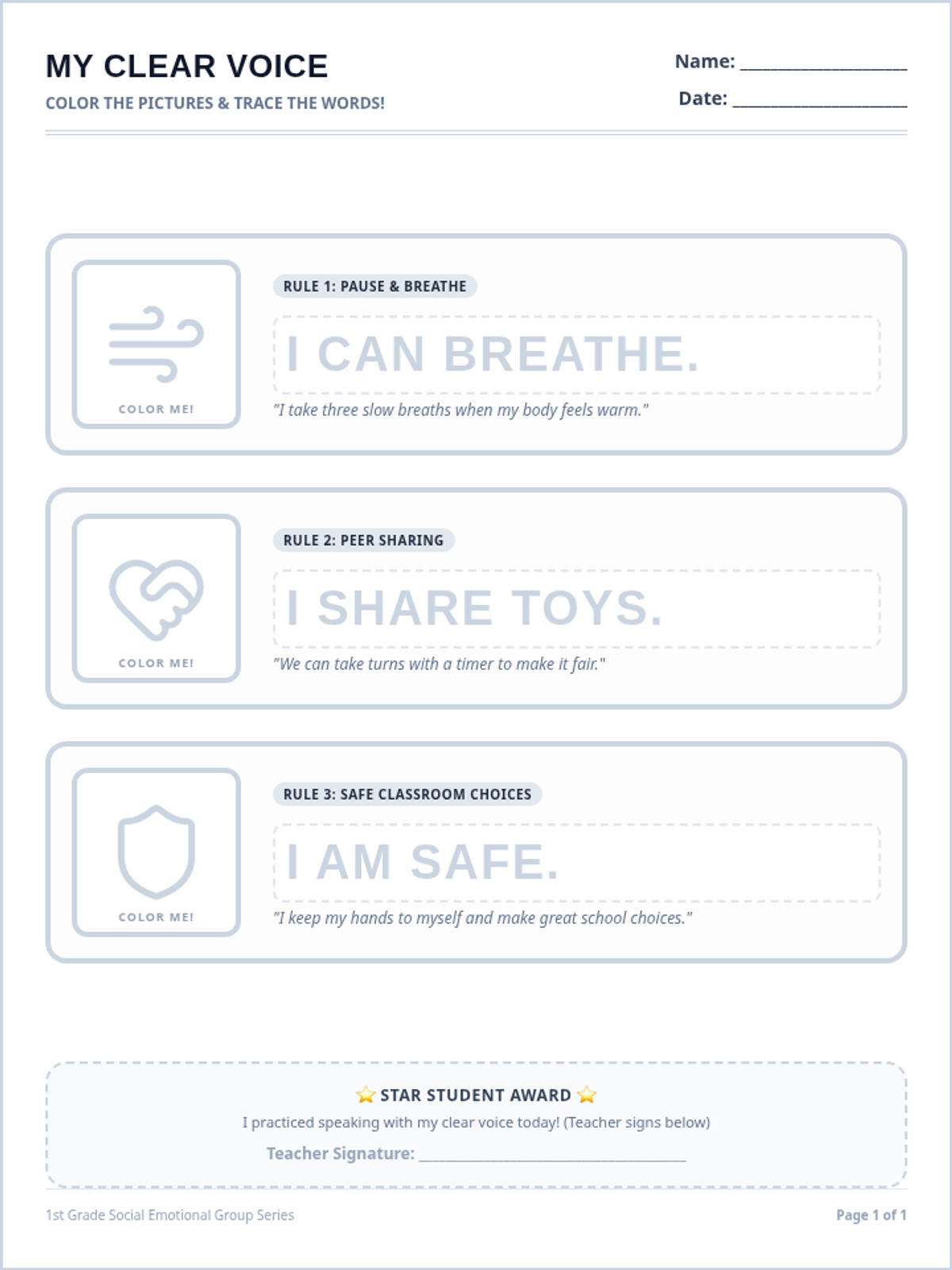
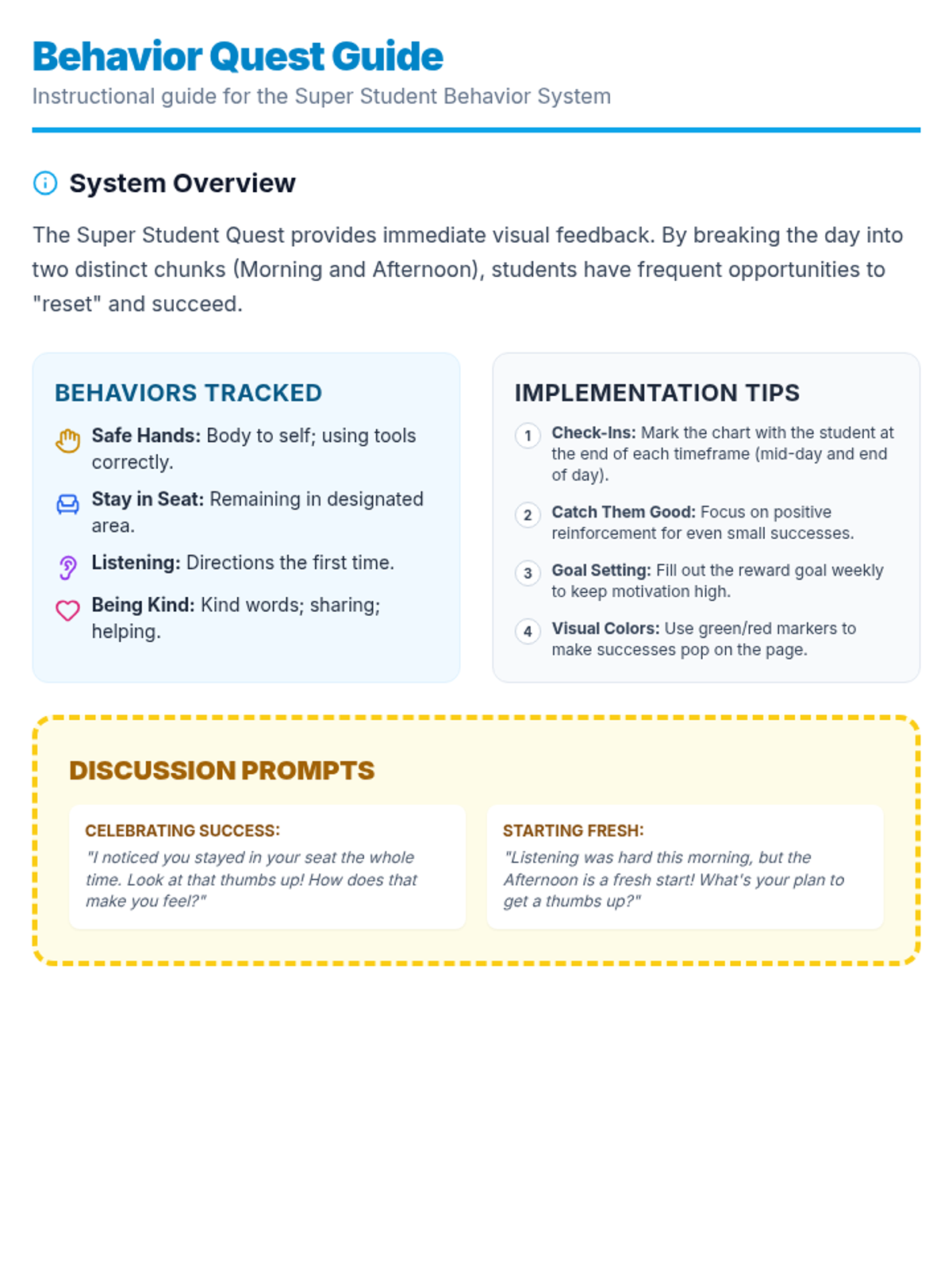
Functional behavior assessment, data tracking, and de-escalation strategies for managing classroom conduct. Addresses positive reinforcement, token economies, and individualized behavior contracts to support student self-regulation.
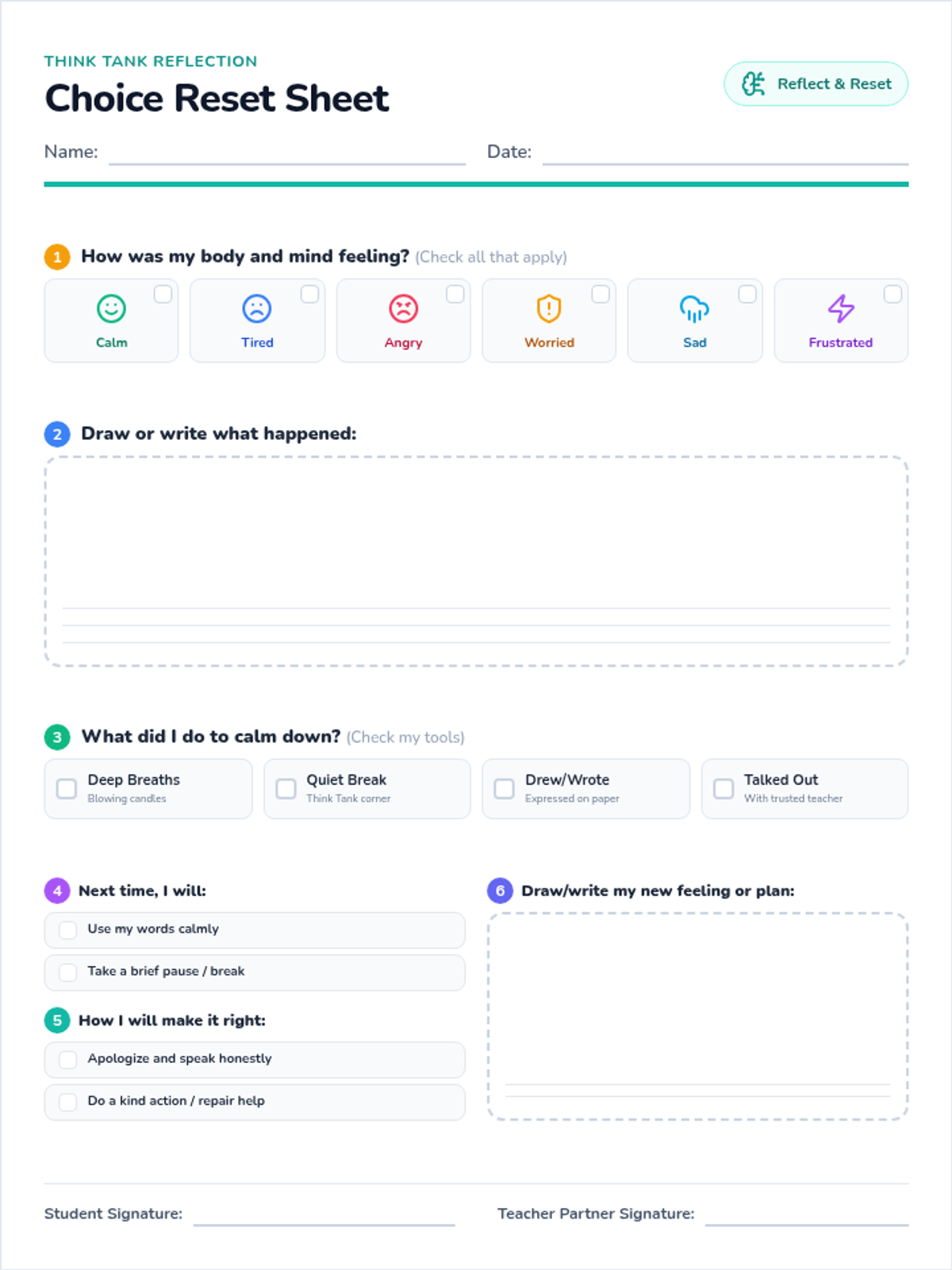
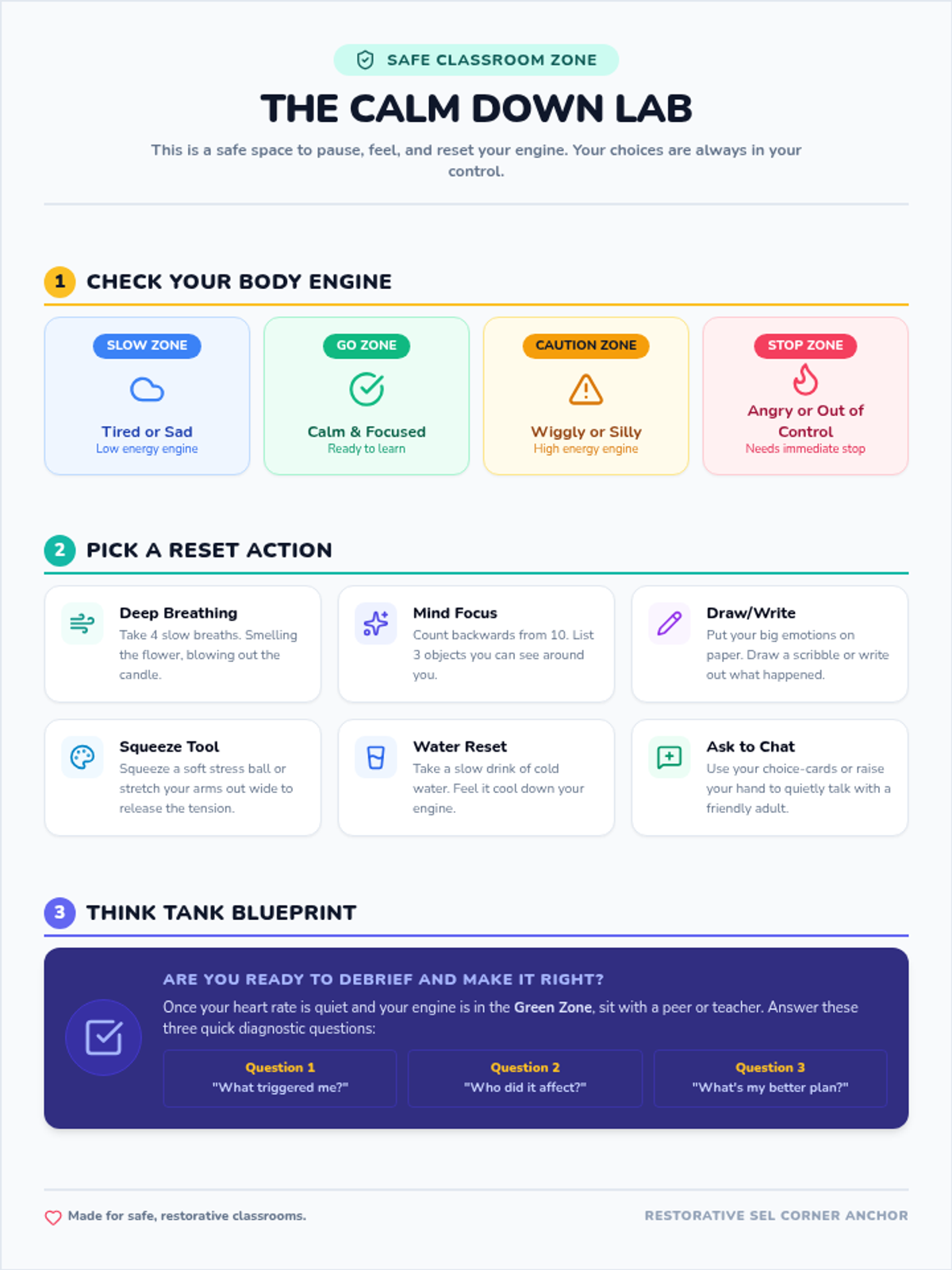
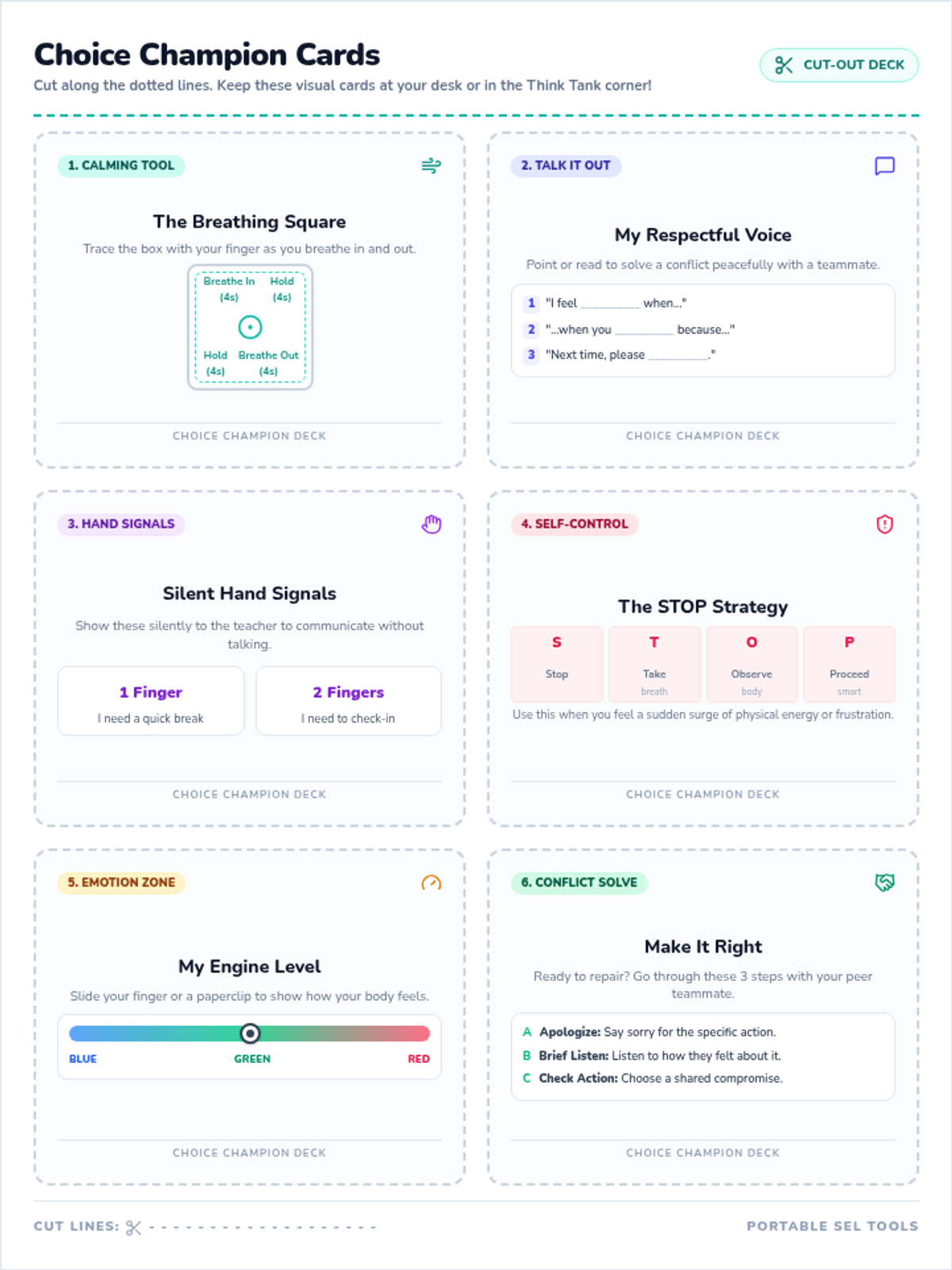
A comprehensive social-emotional toolkit for a classroom 'Think Tank' reflection corner. Includes a visual reflection sheet, a calming strategies poster, and portable visual choice cards to guide students in emotional self-regulation and positive conflict resolution.
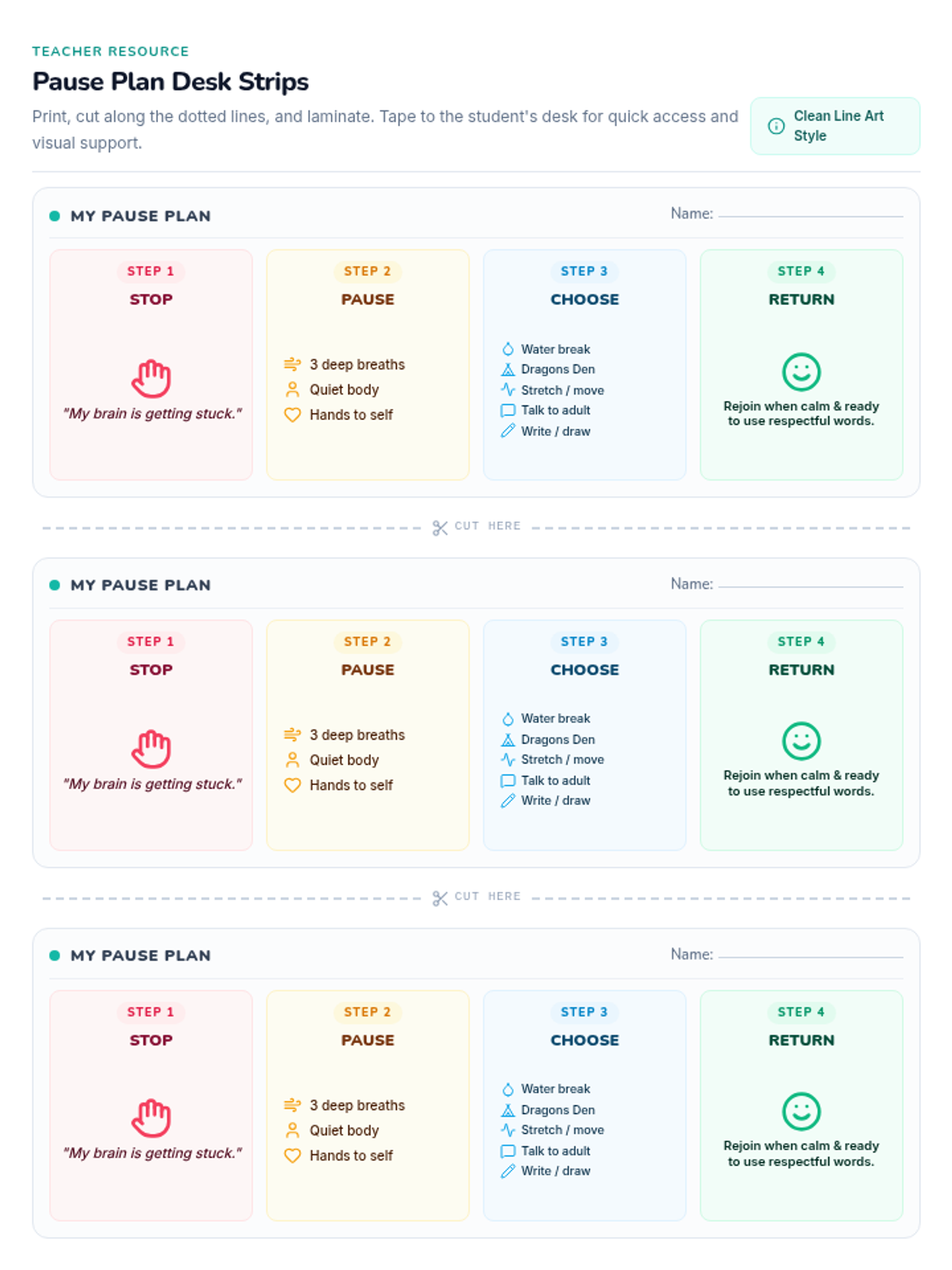
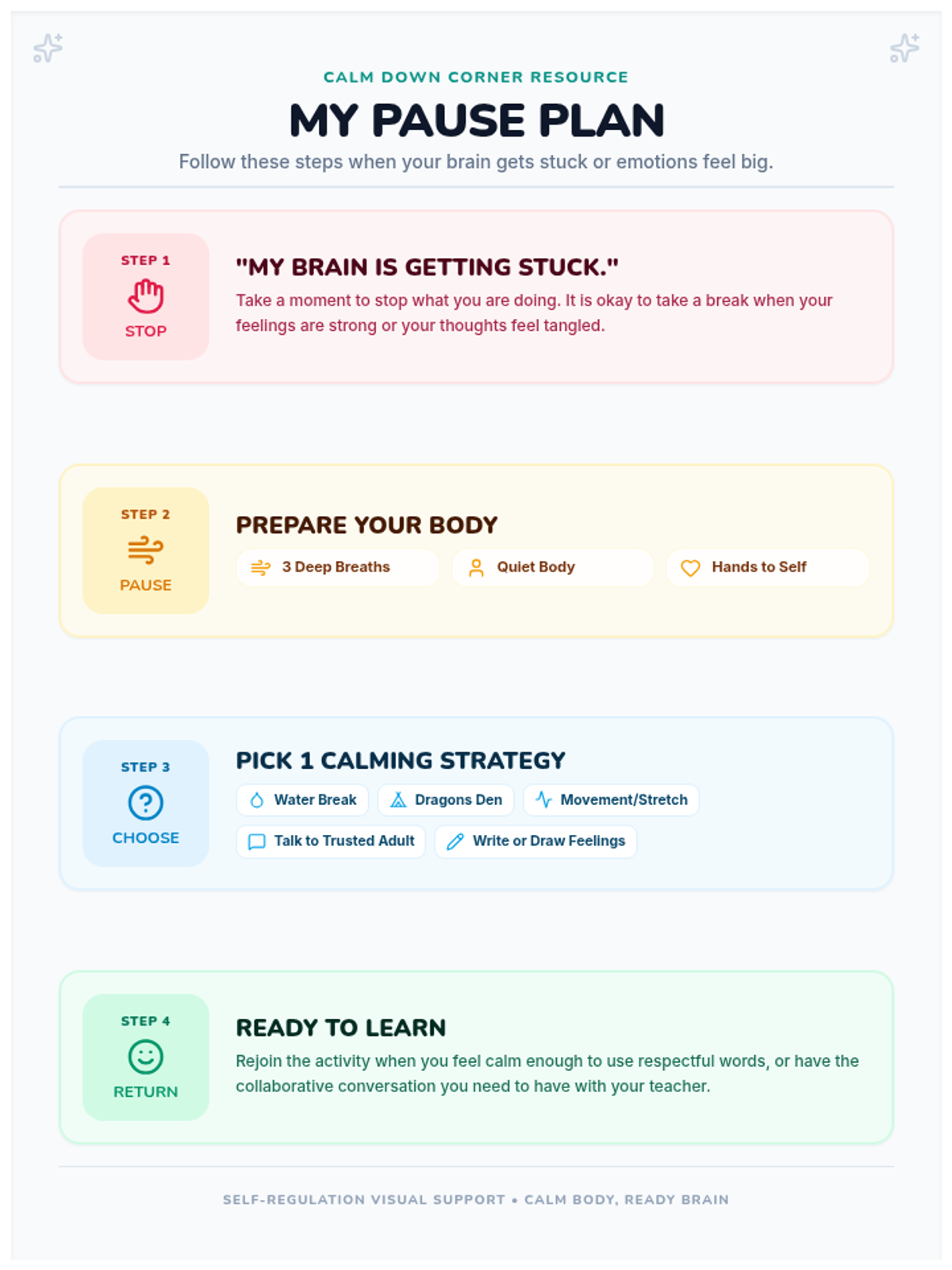
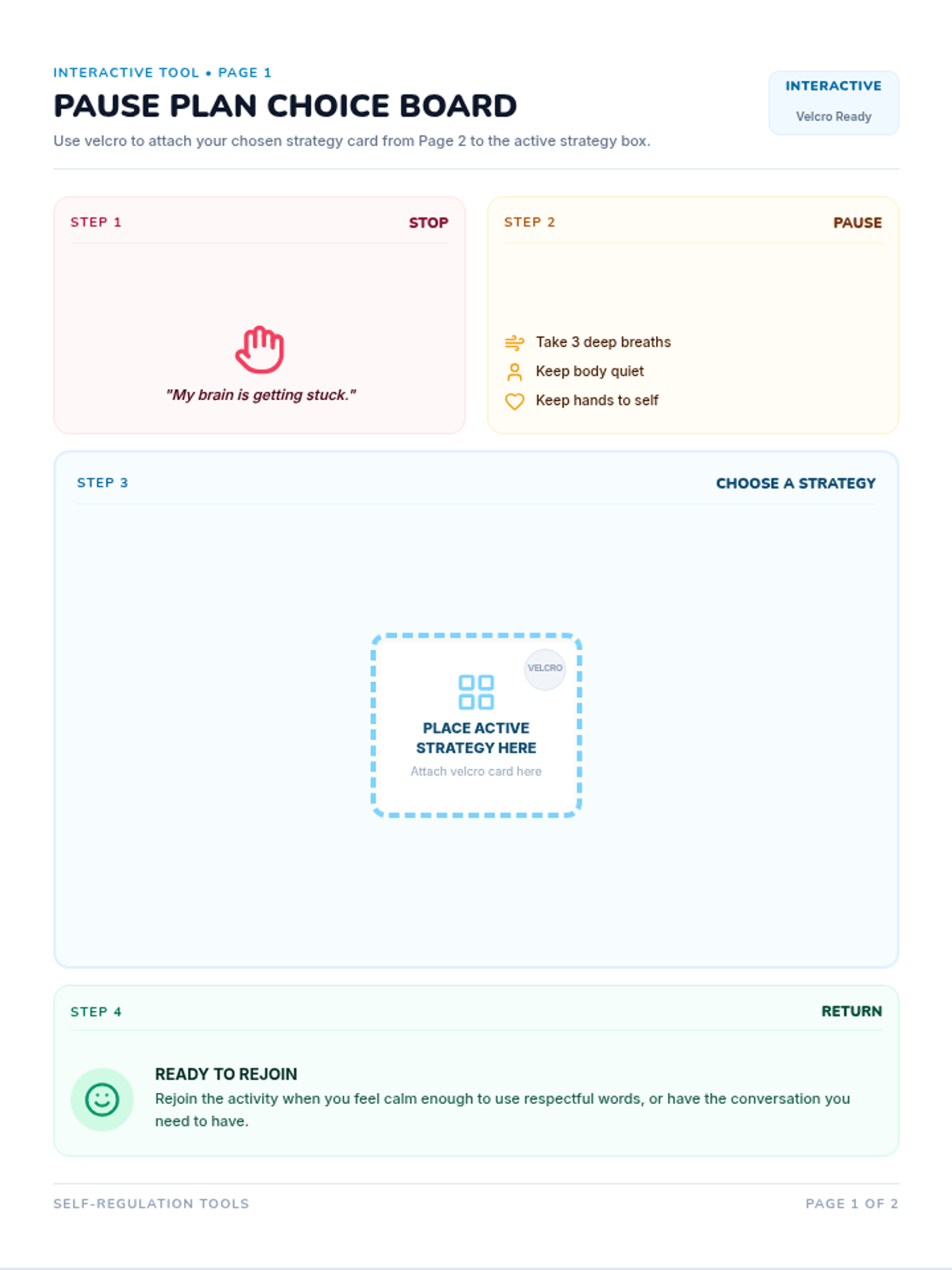
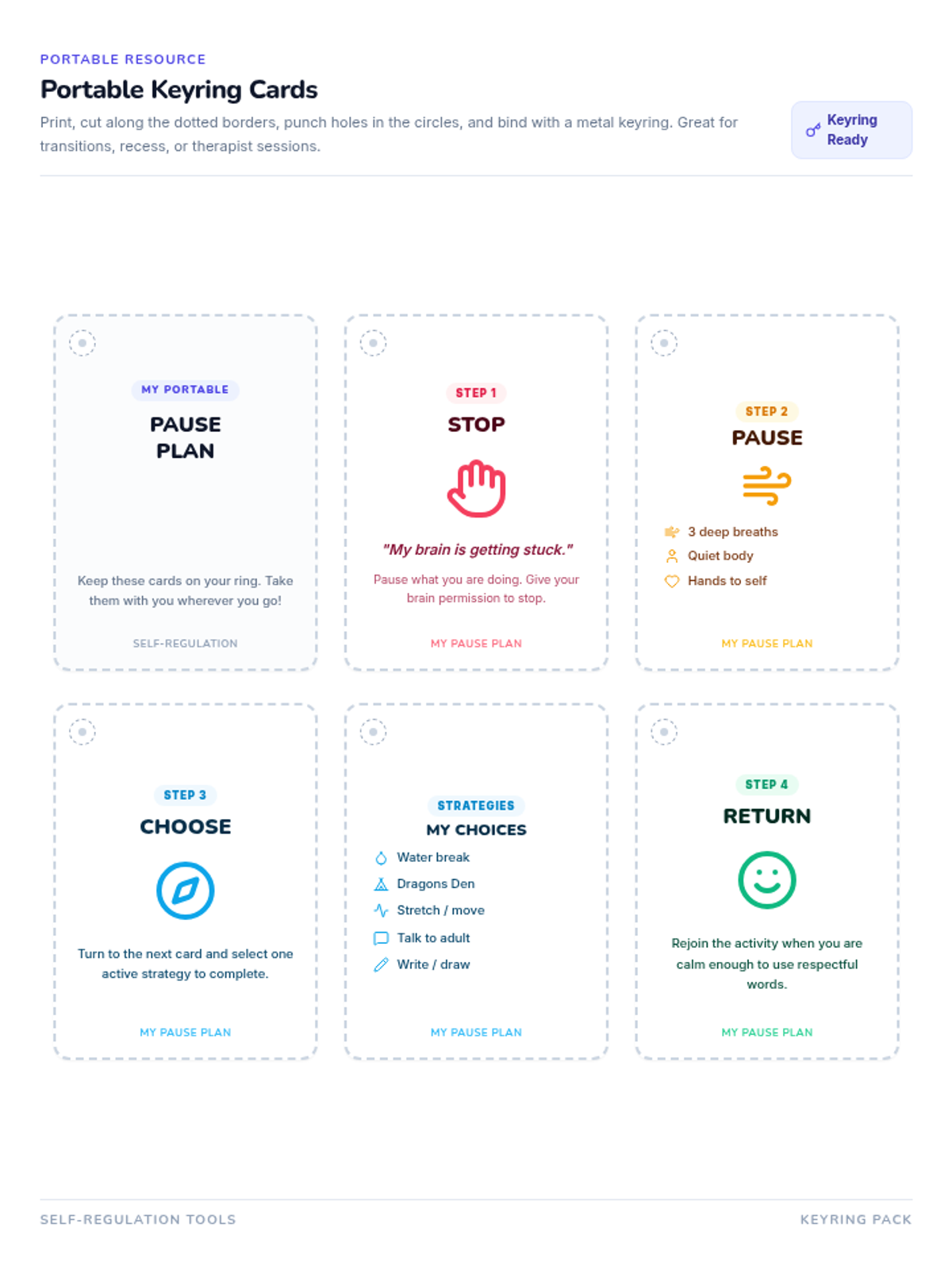
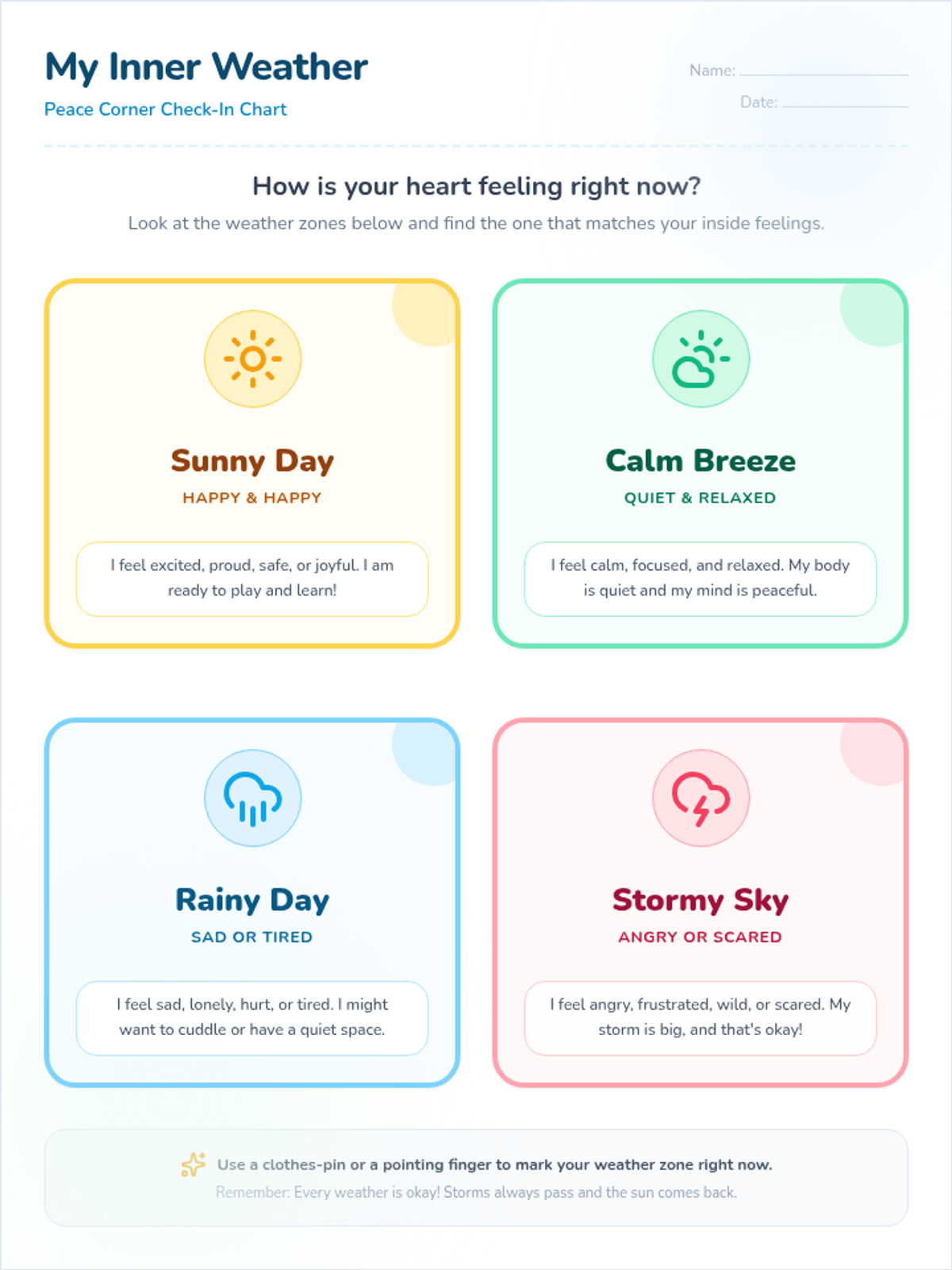
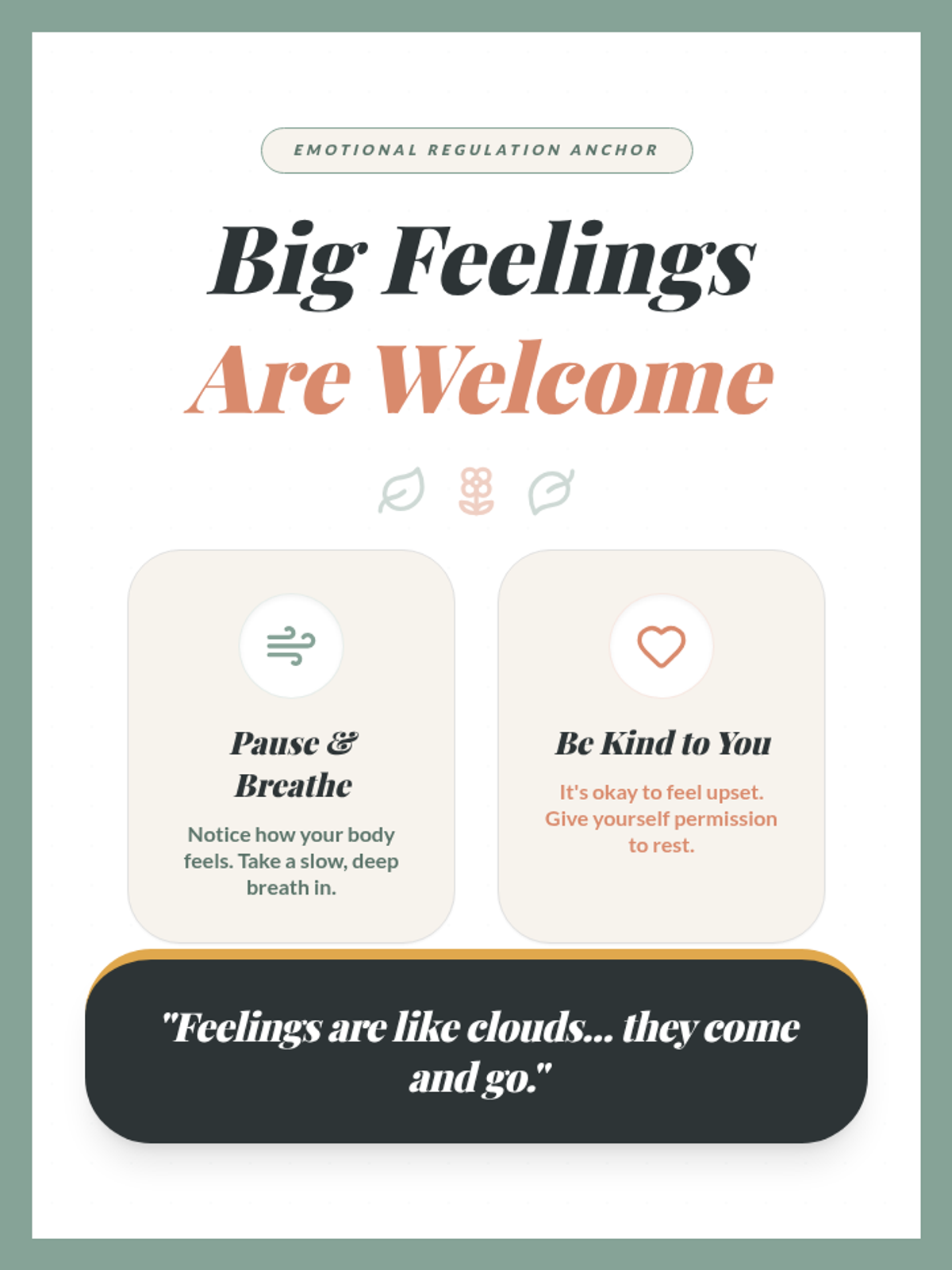
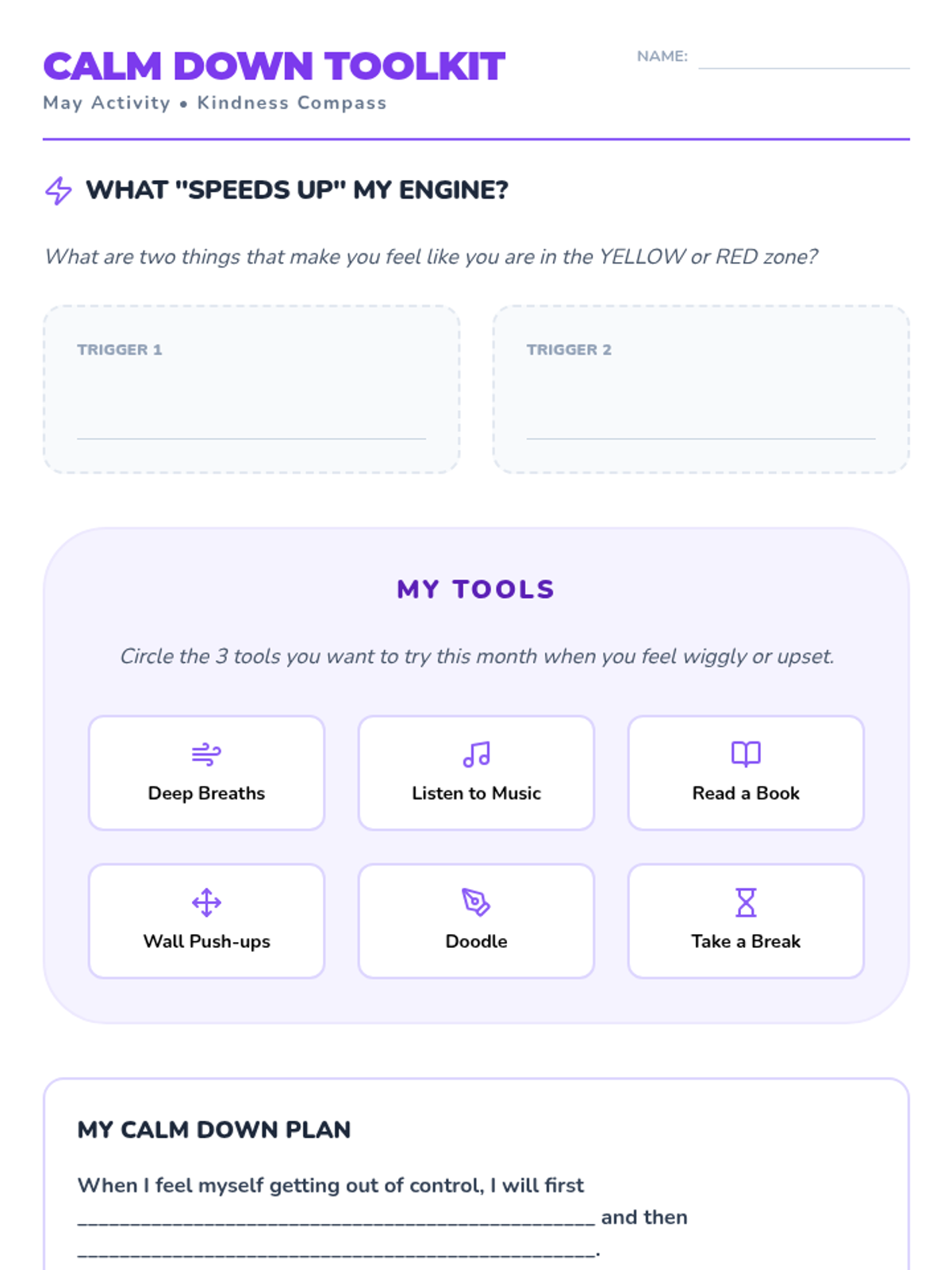
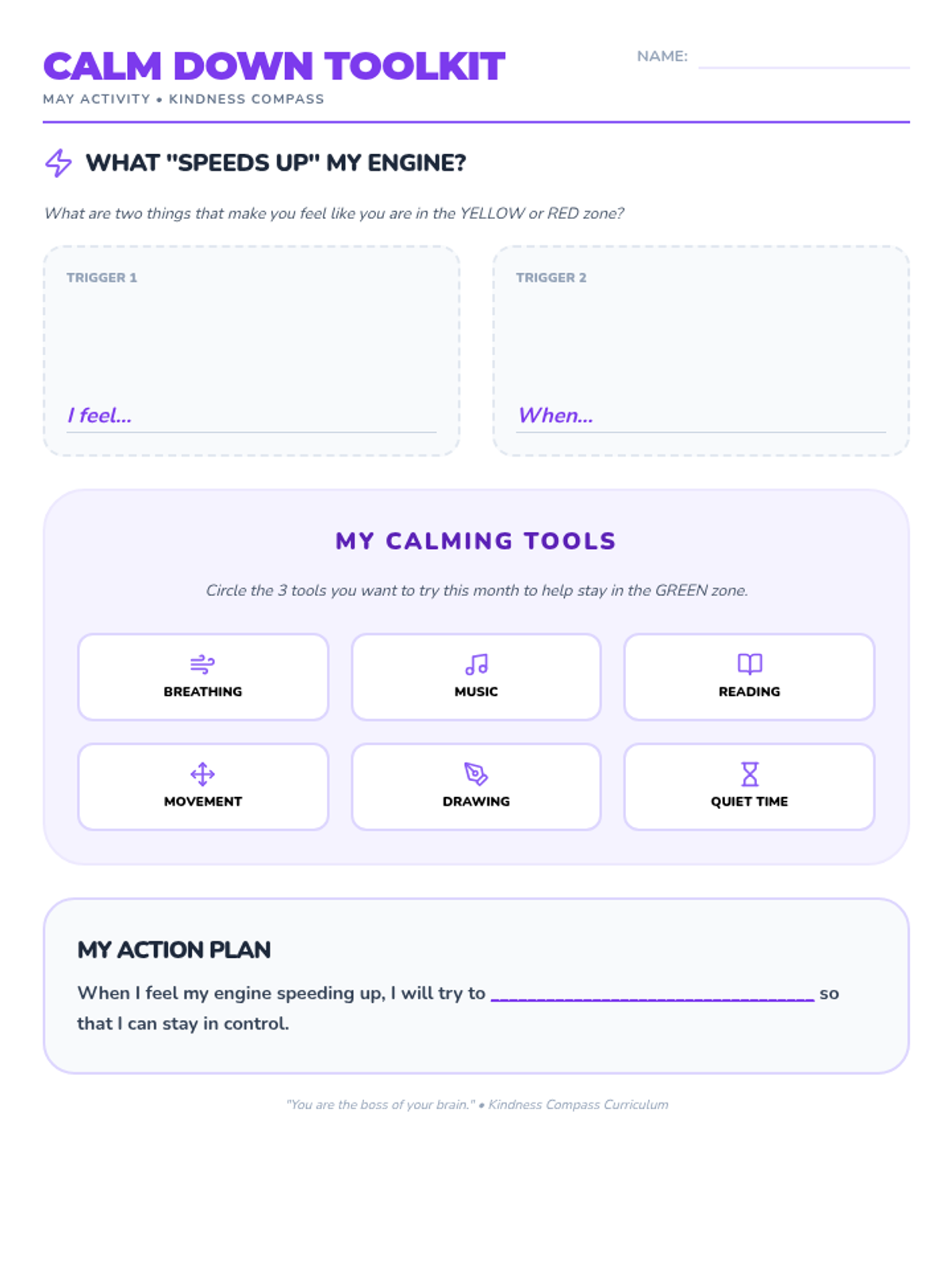
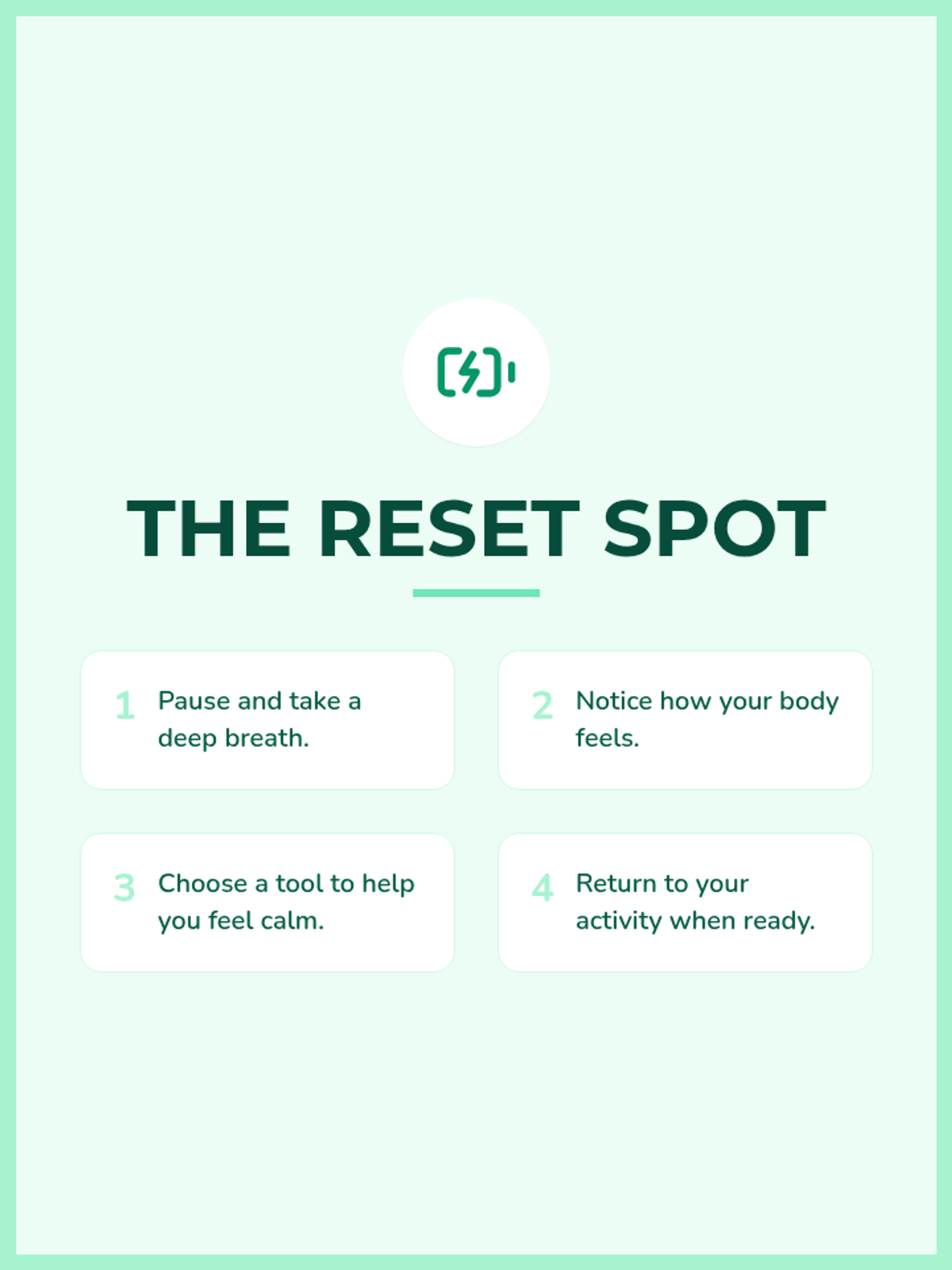
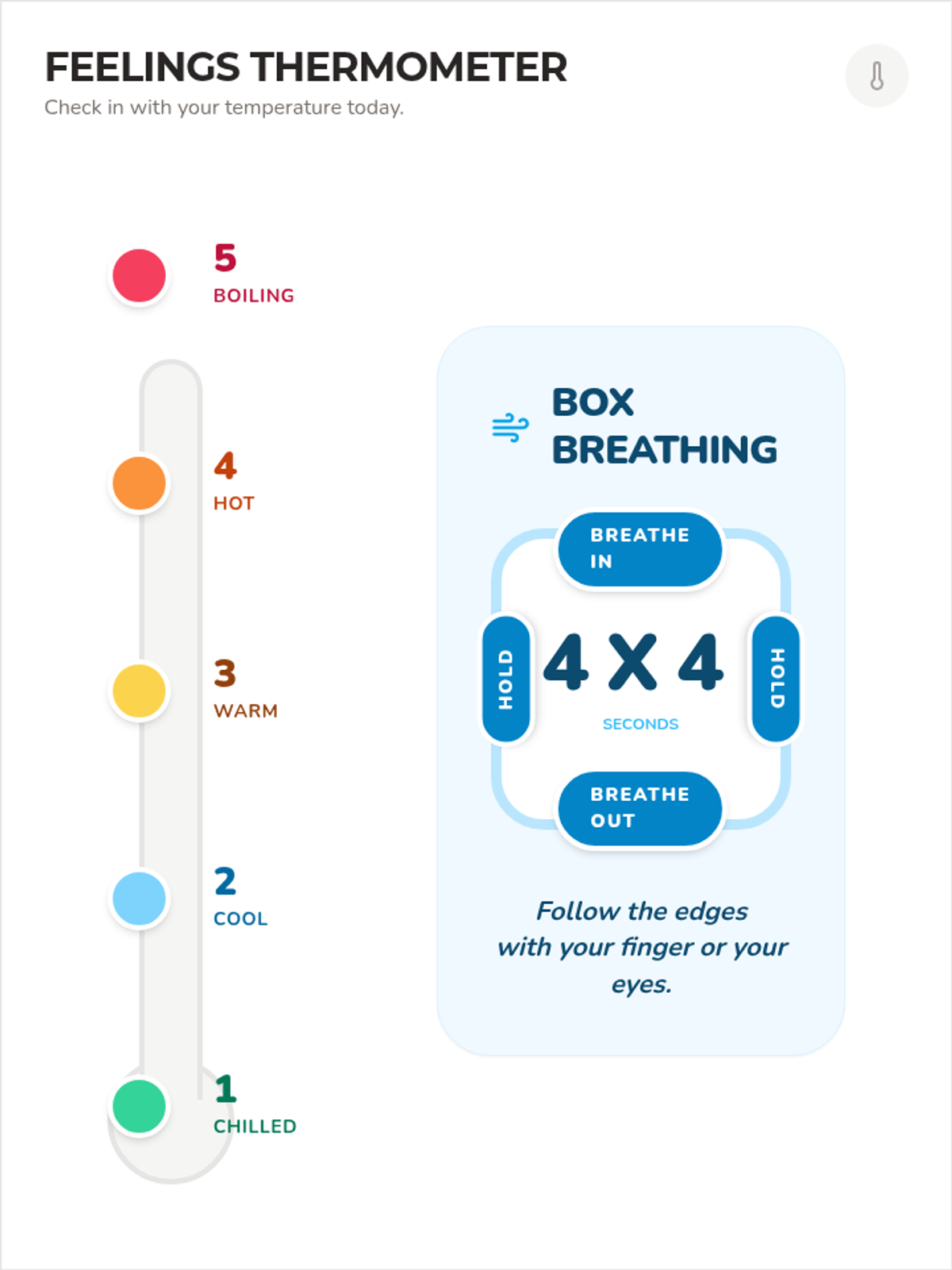
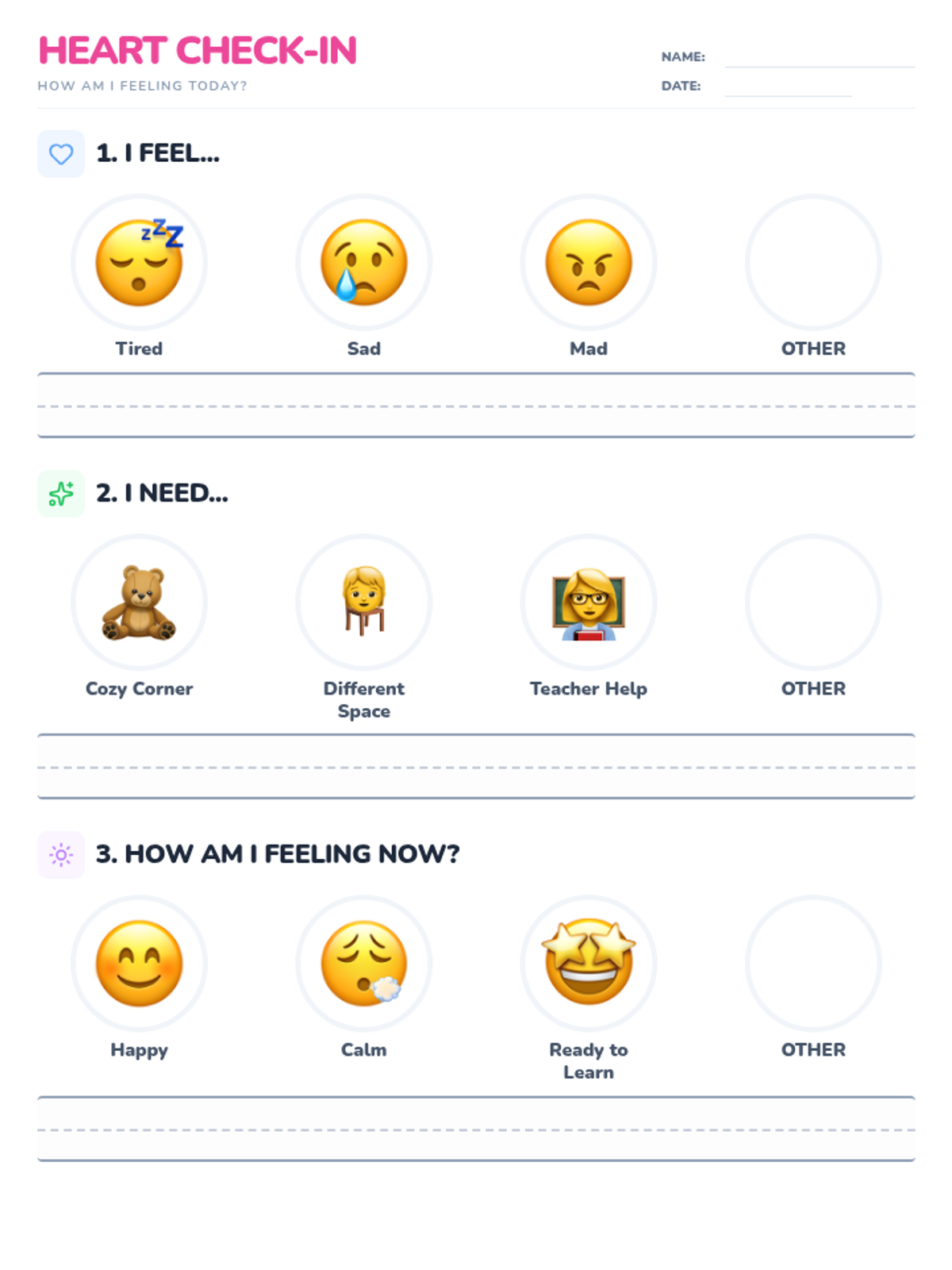
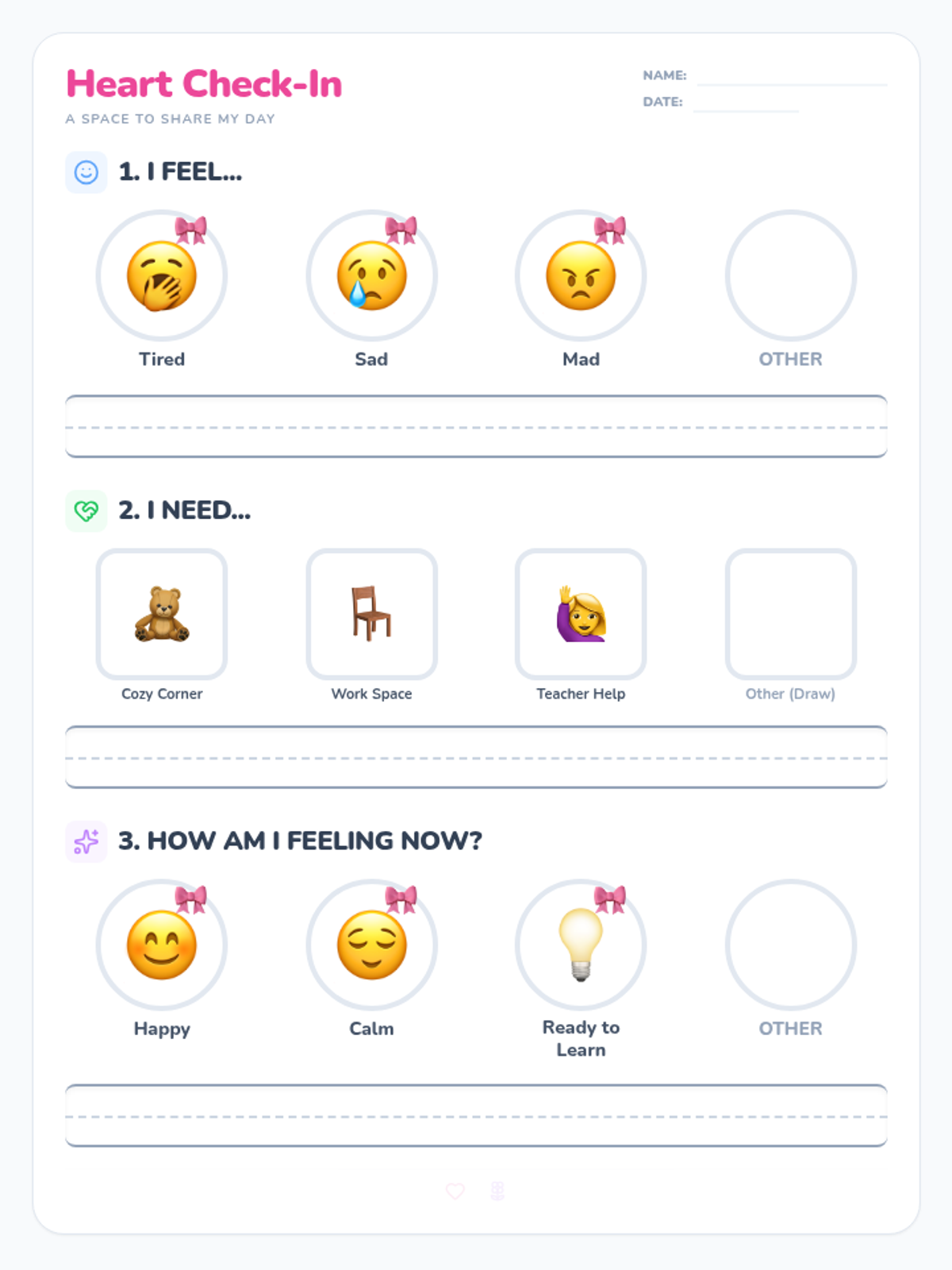
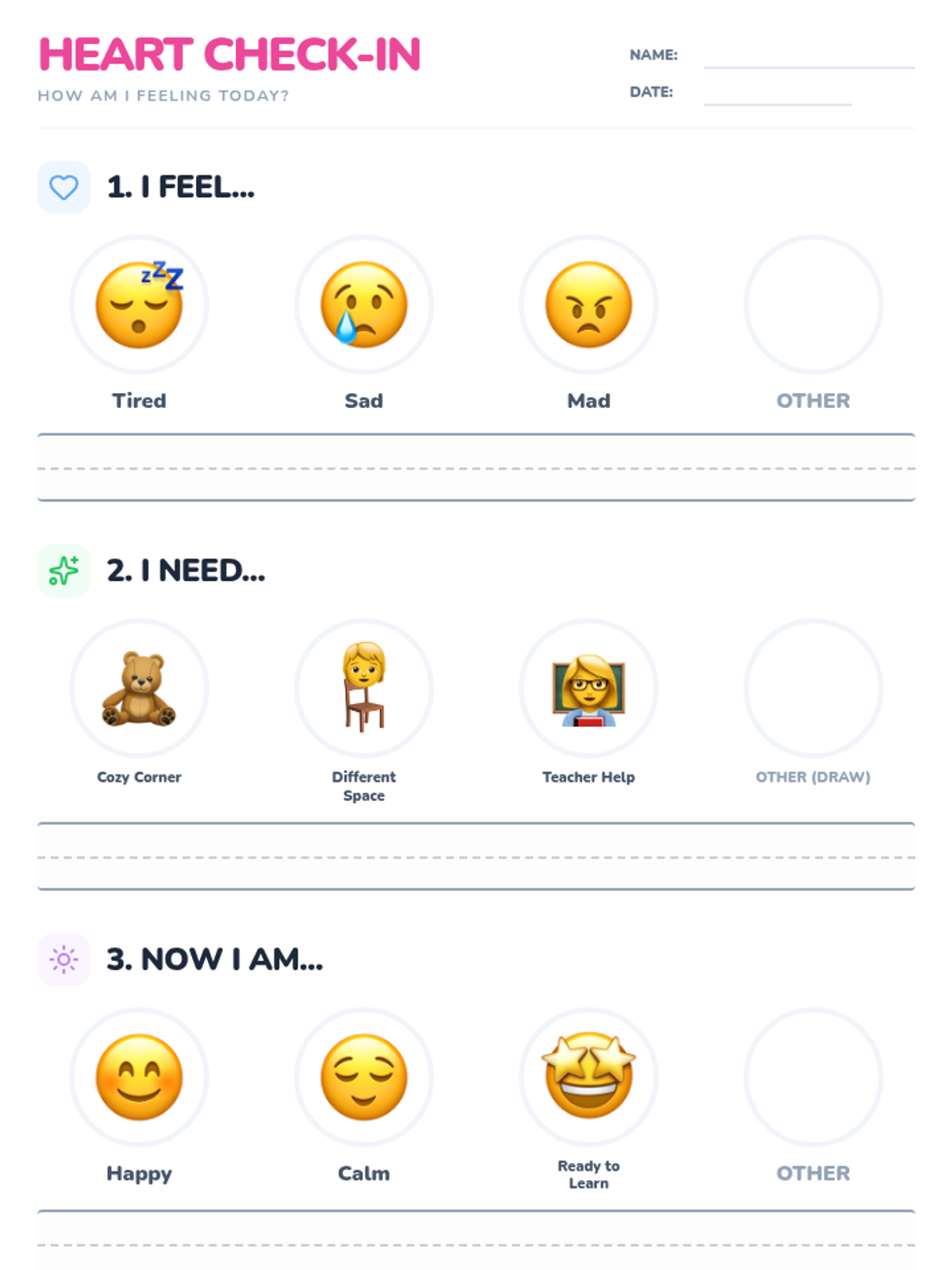
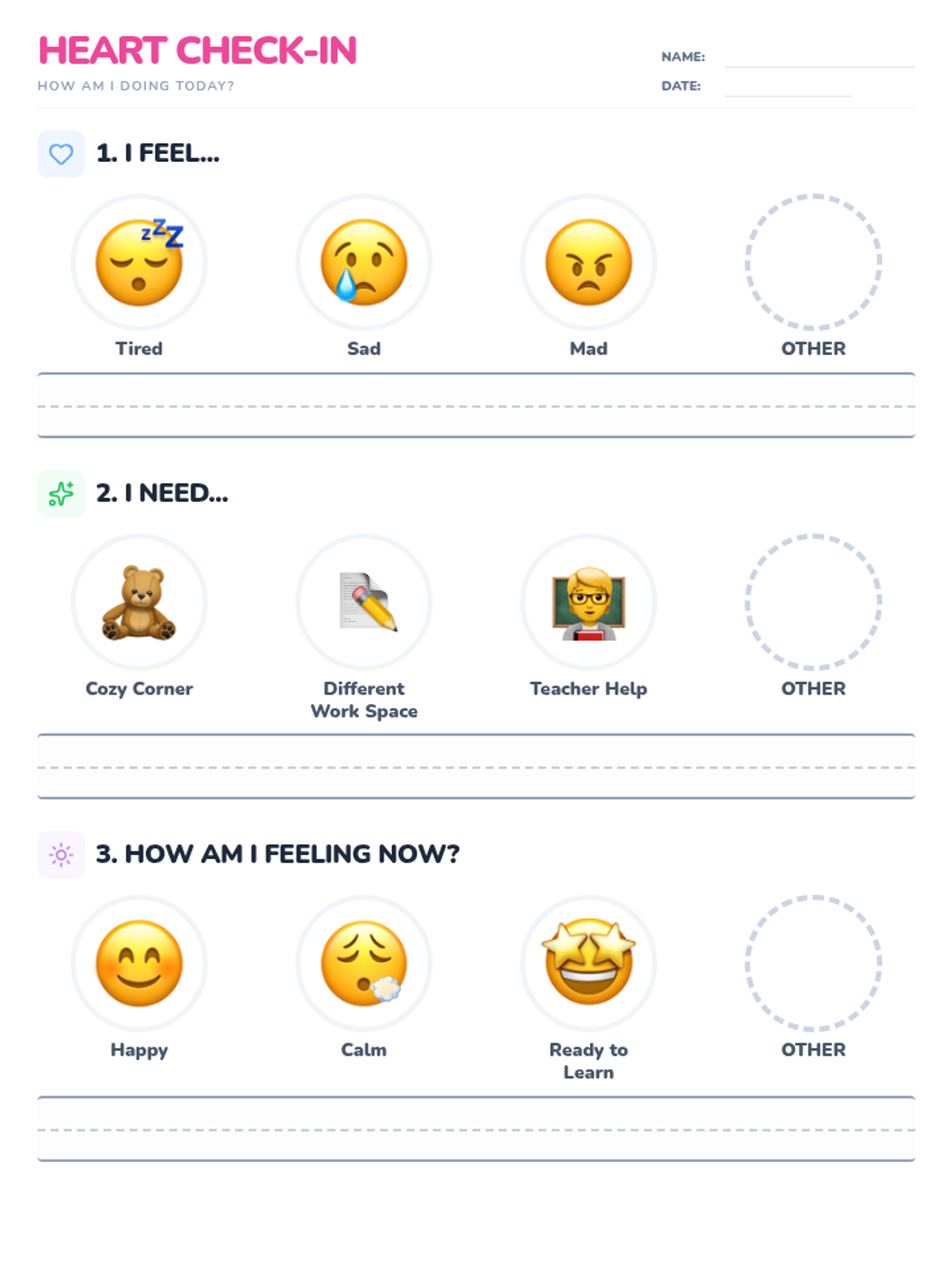
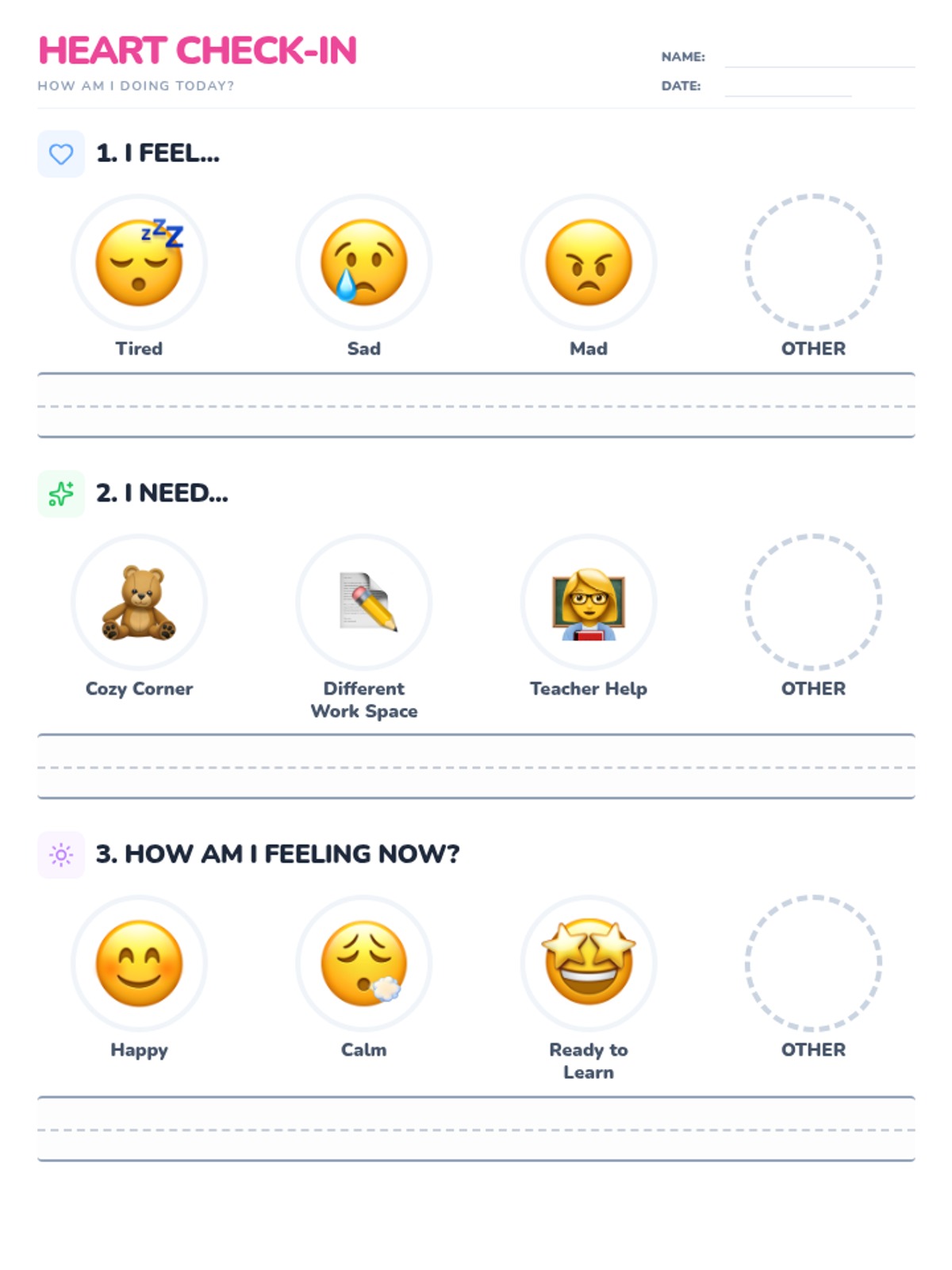
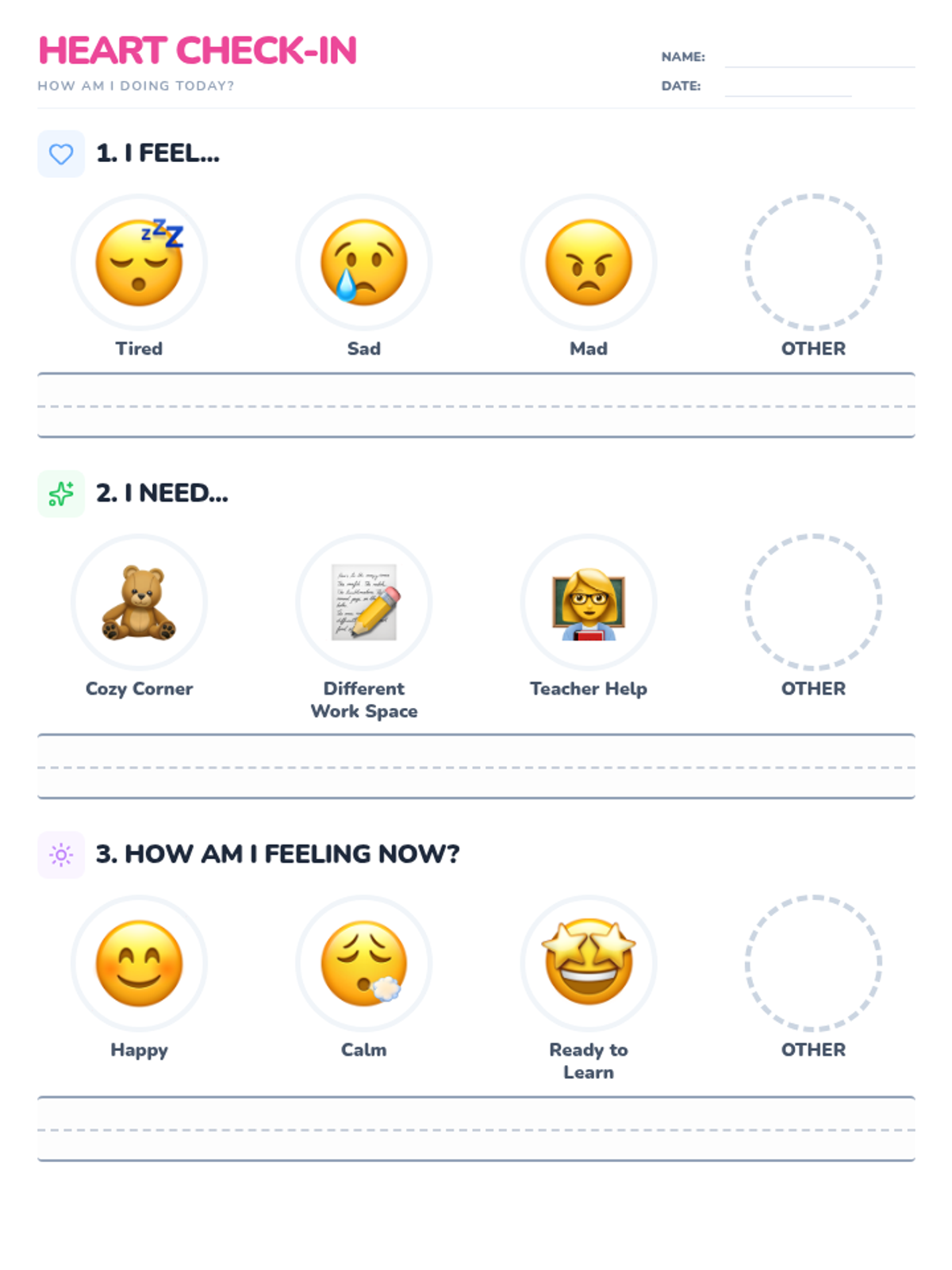
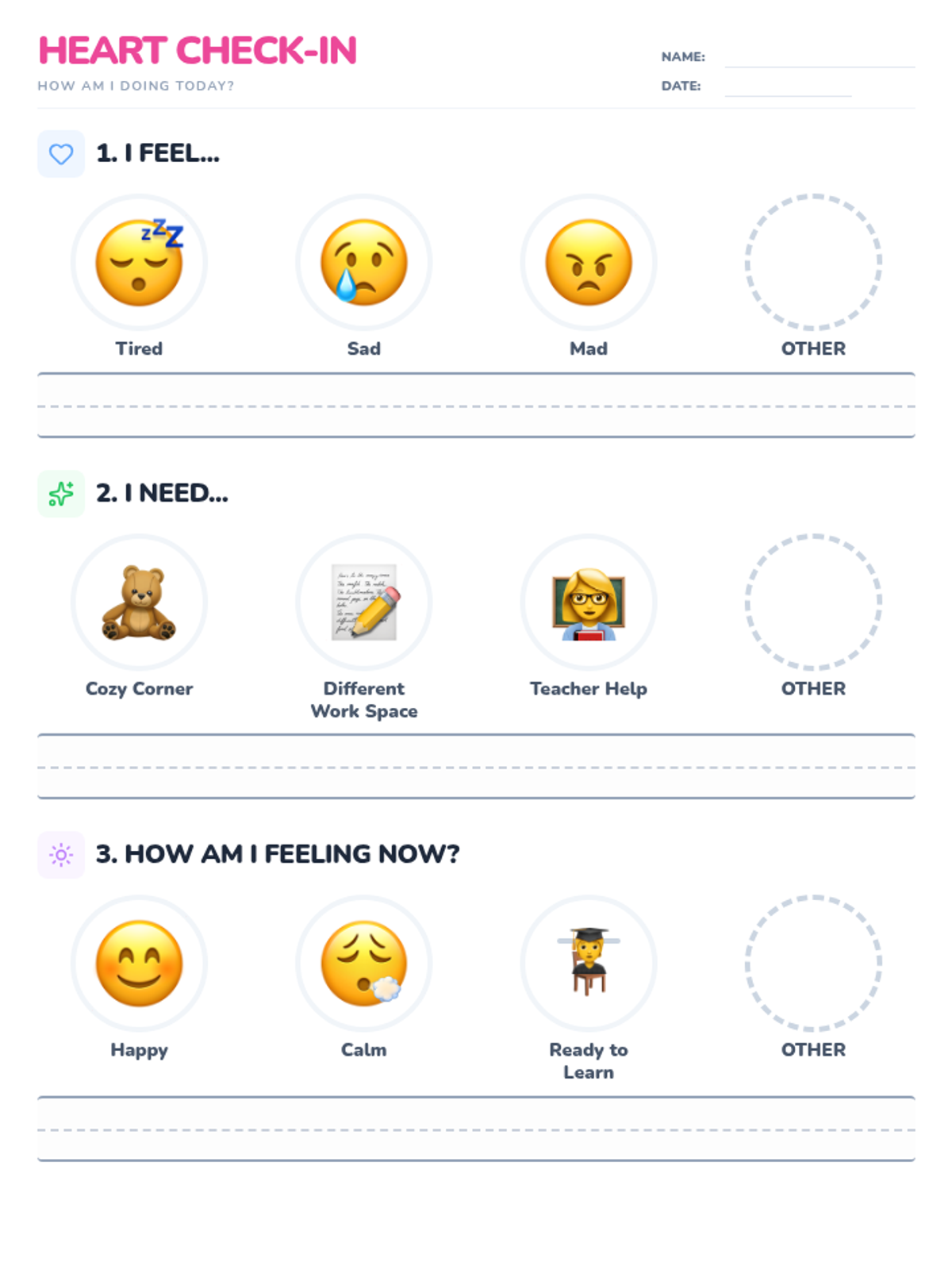
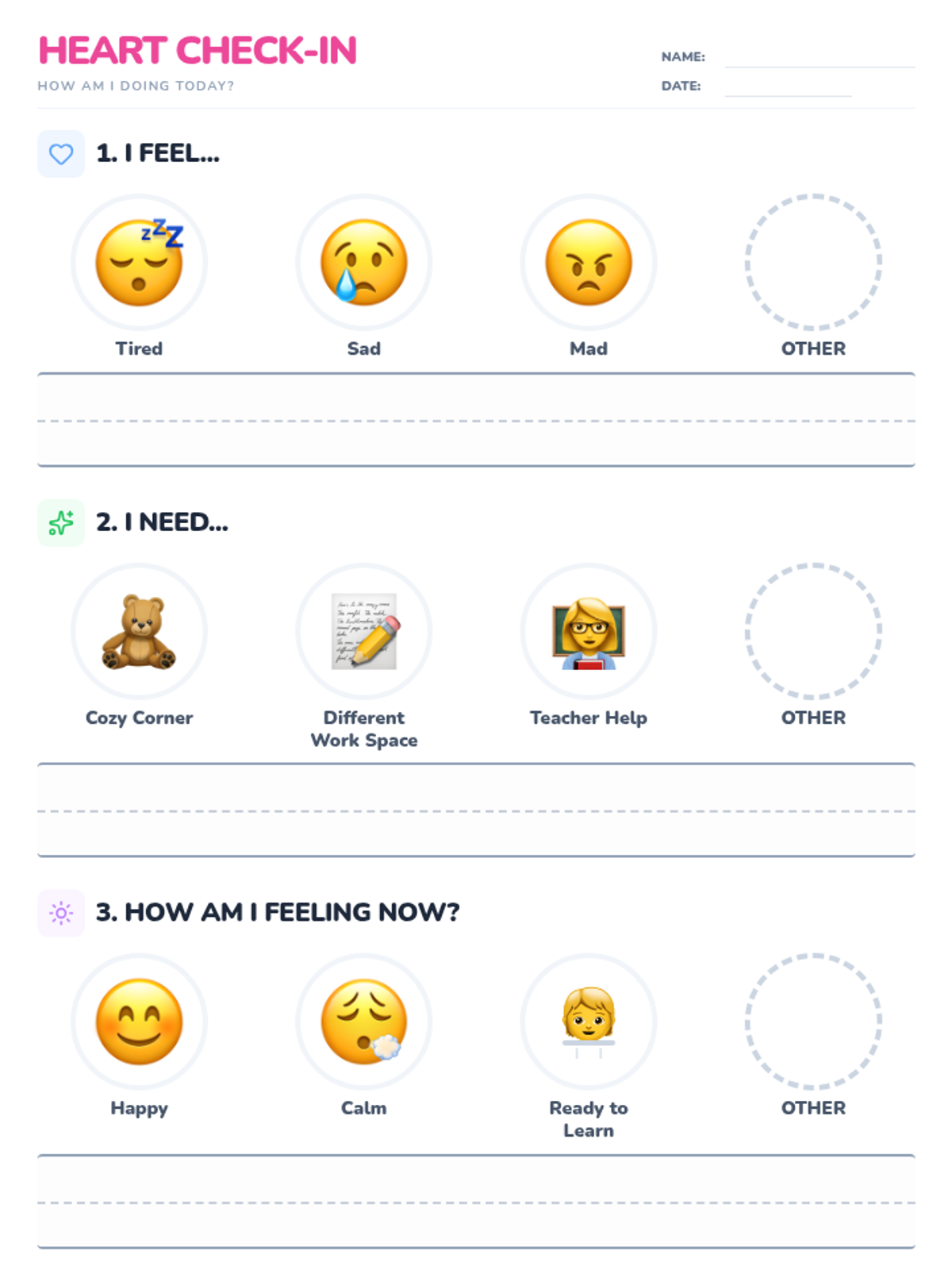
A collection of visual support tools and plans designed to help students self-regulate, manage big emotions, and transition back to learning.
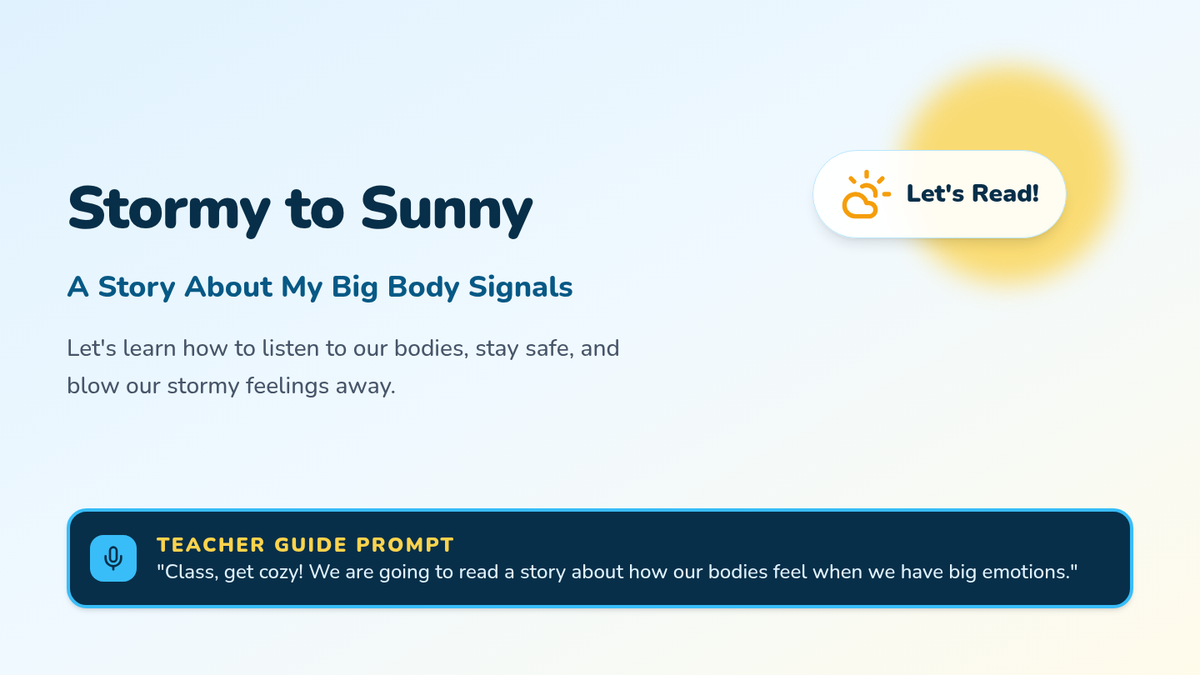
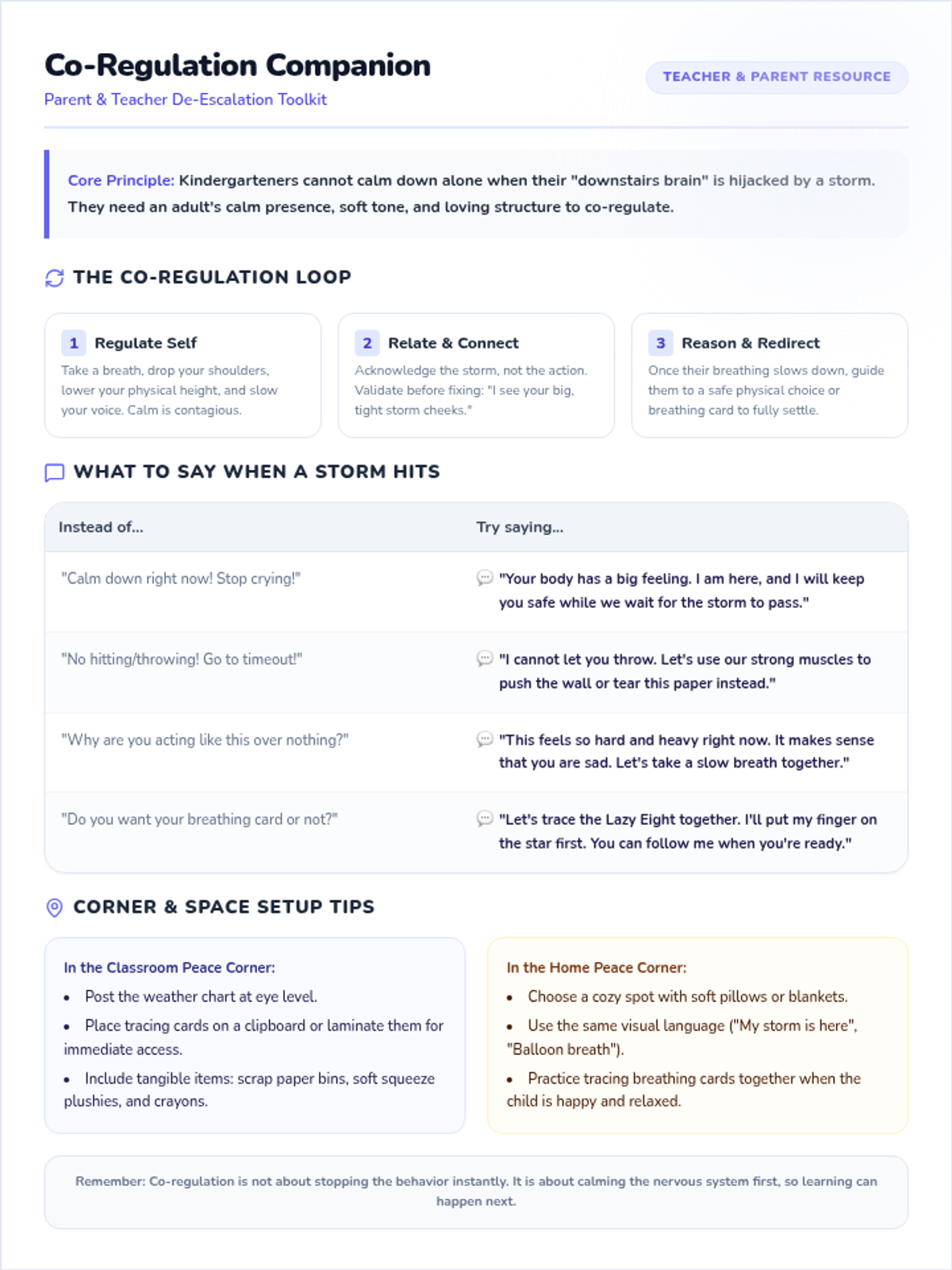
A comprehensive toolkit designed for kindergarteners experiencing big emotions. It includes a printable Calm Down Kit for a classroom peace corner, an interactive read-aloud social story about body signals, and a practical parent-teacher co-regulation guide with communication logs.
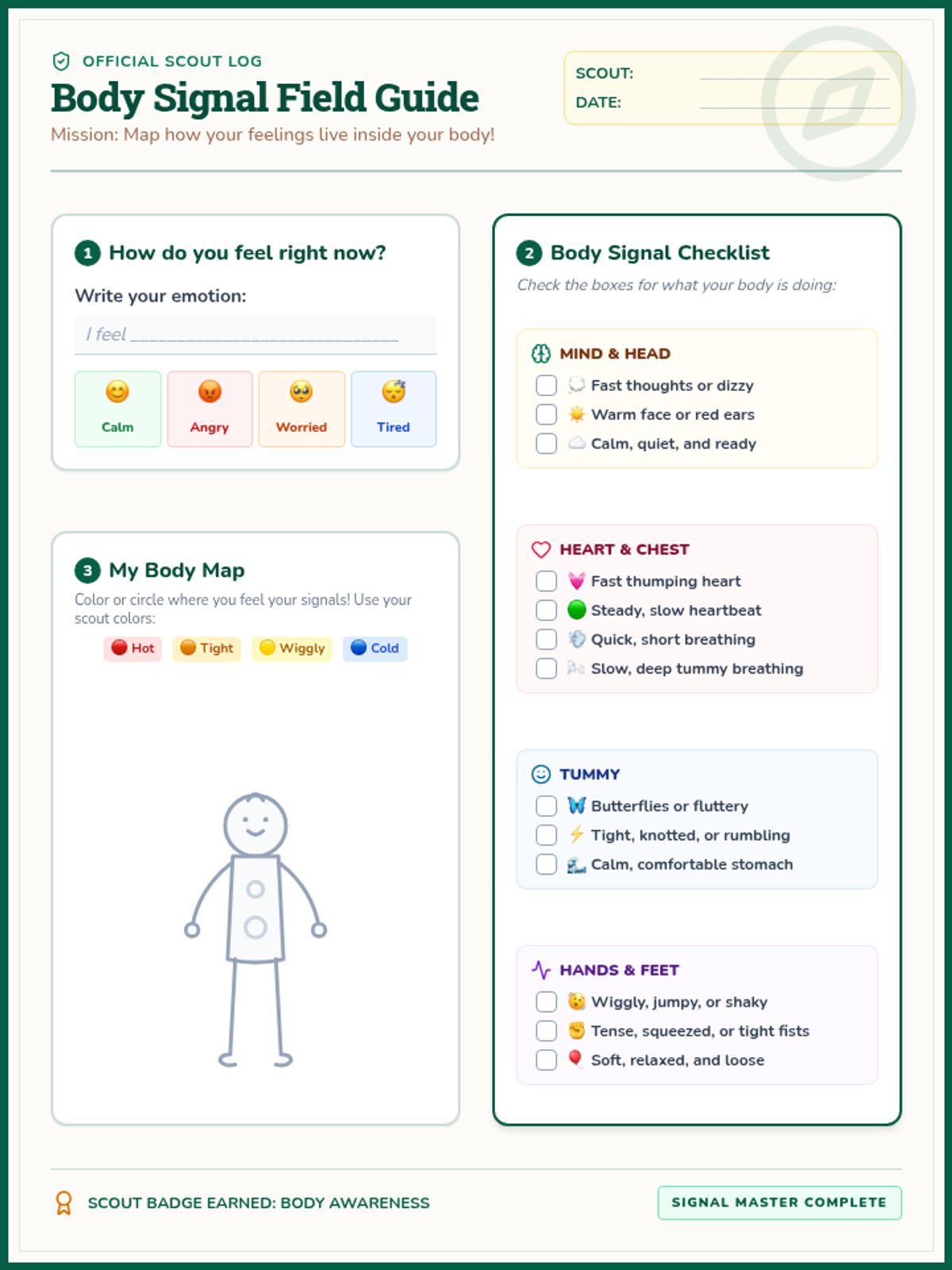
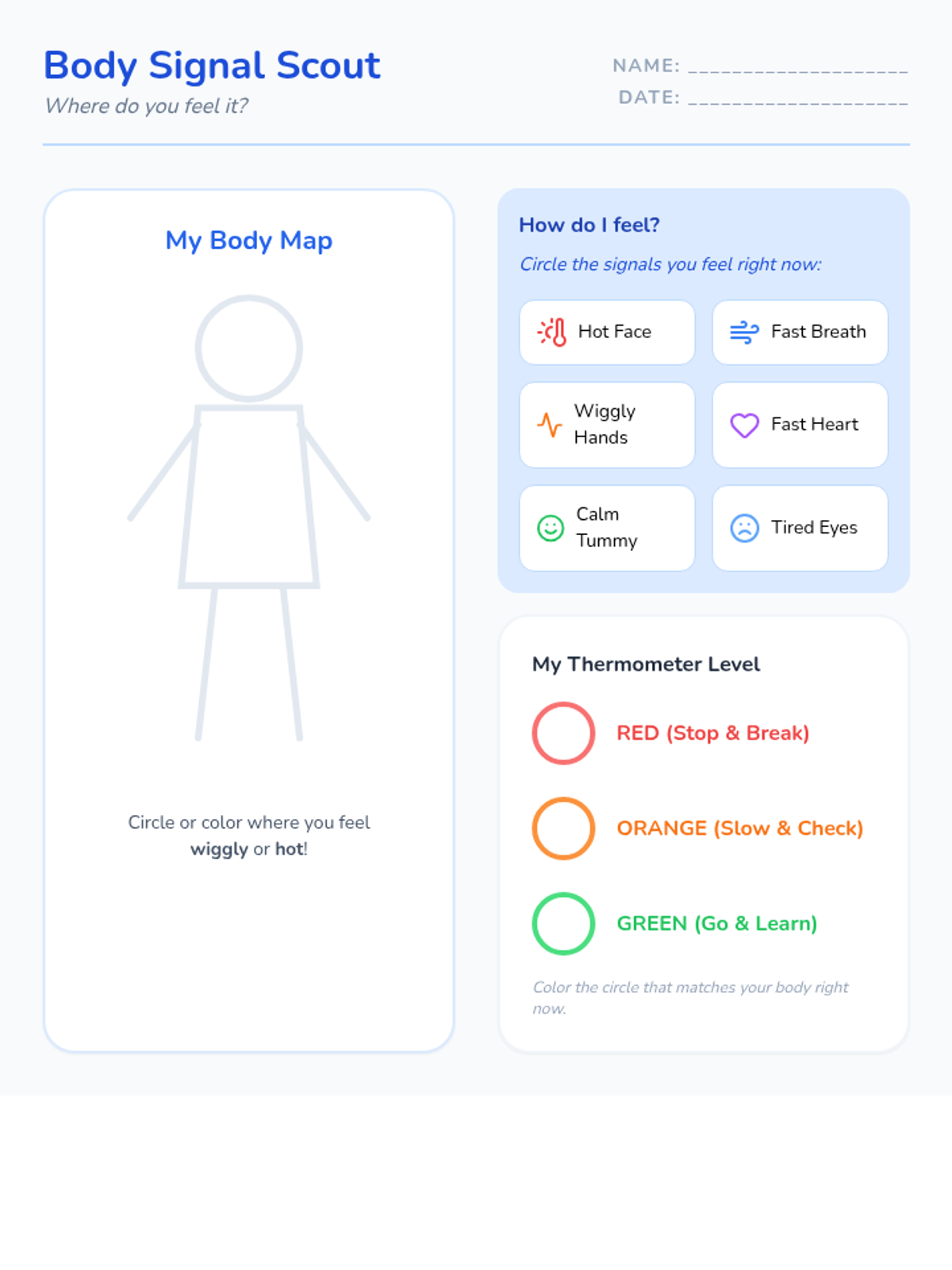
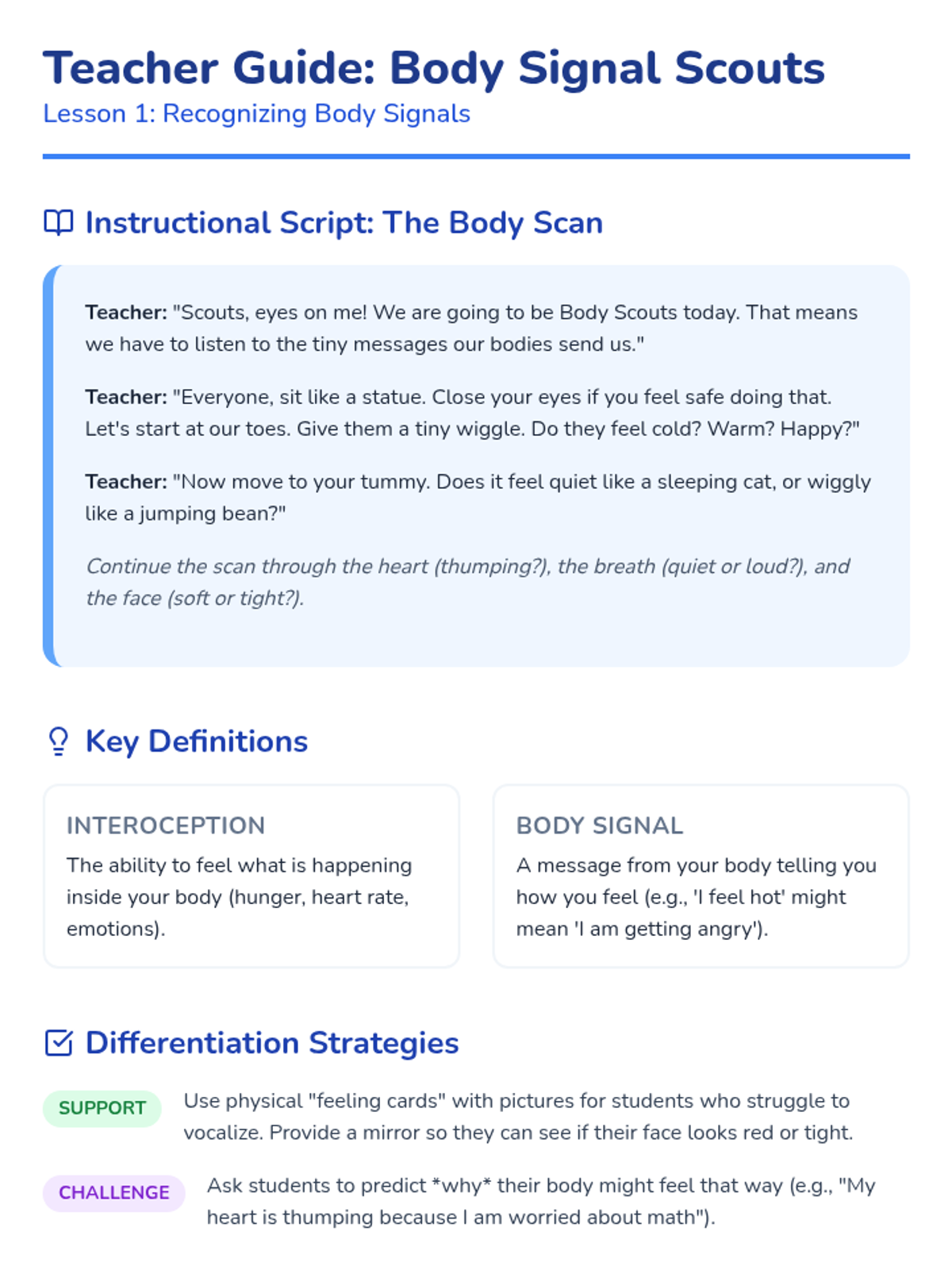
Students identify physical sensations associated with dysregulation using a body scan and create a Body Thermometer visual.
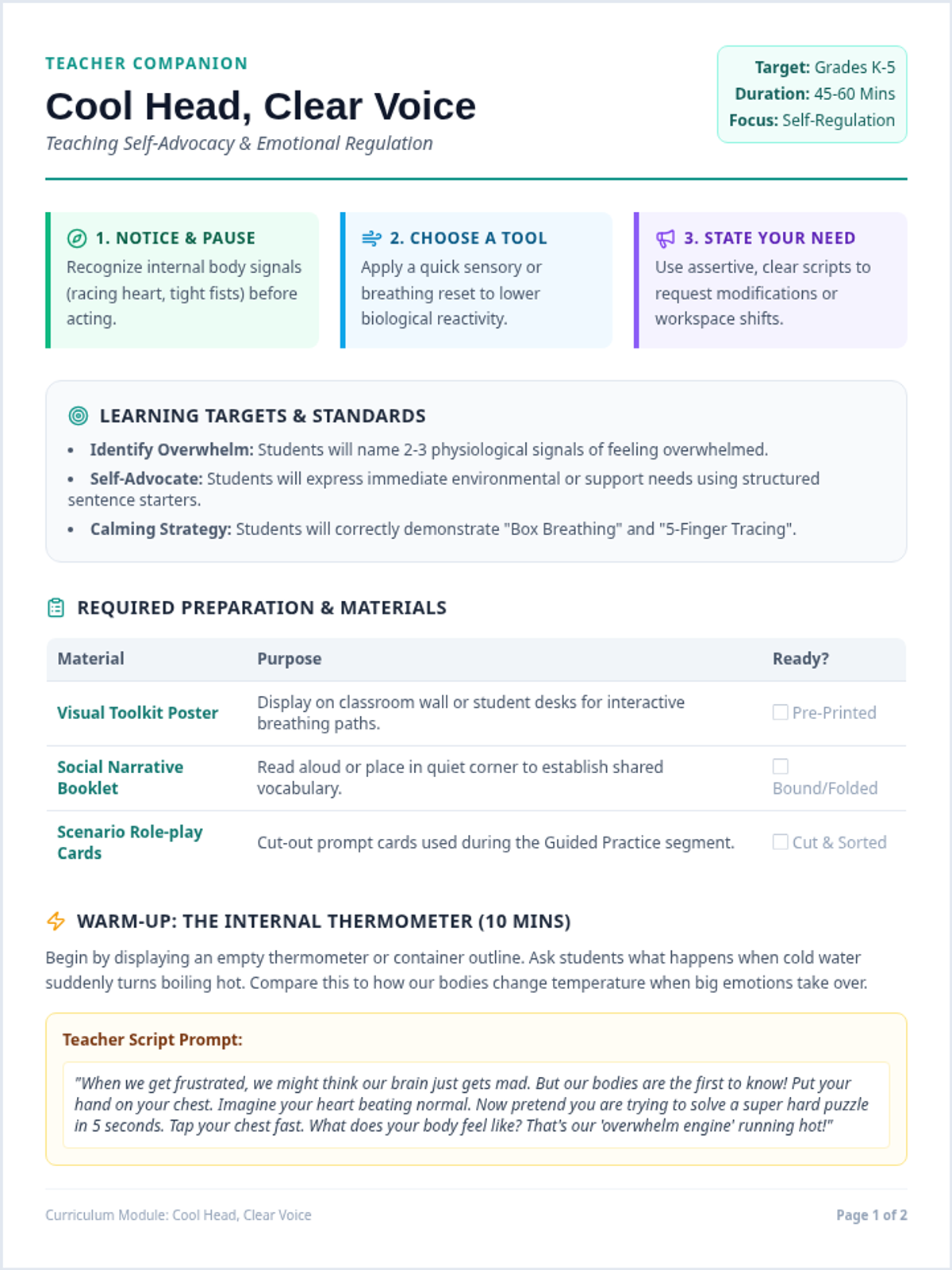
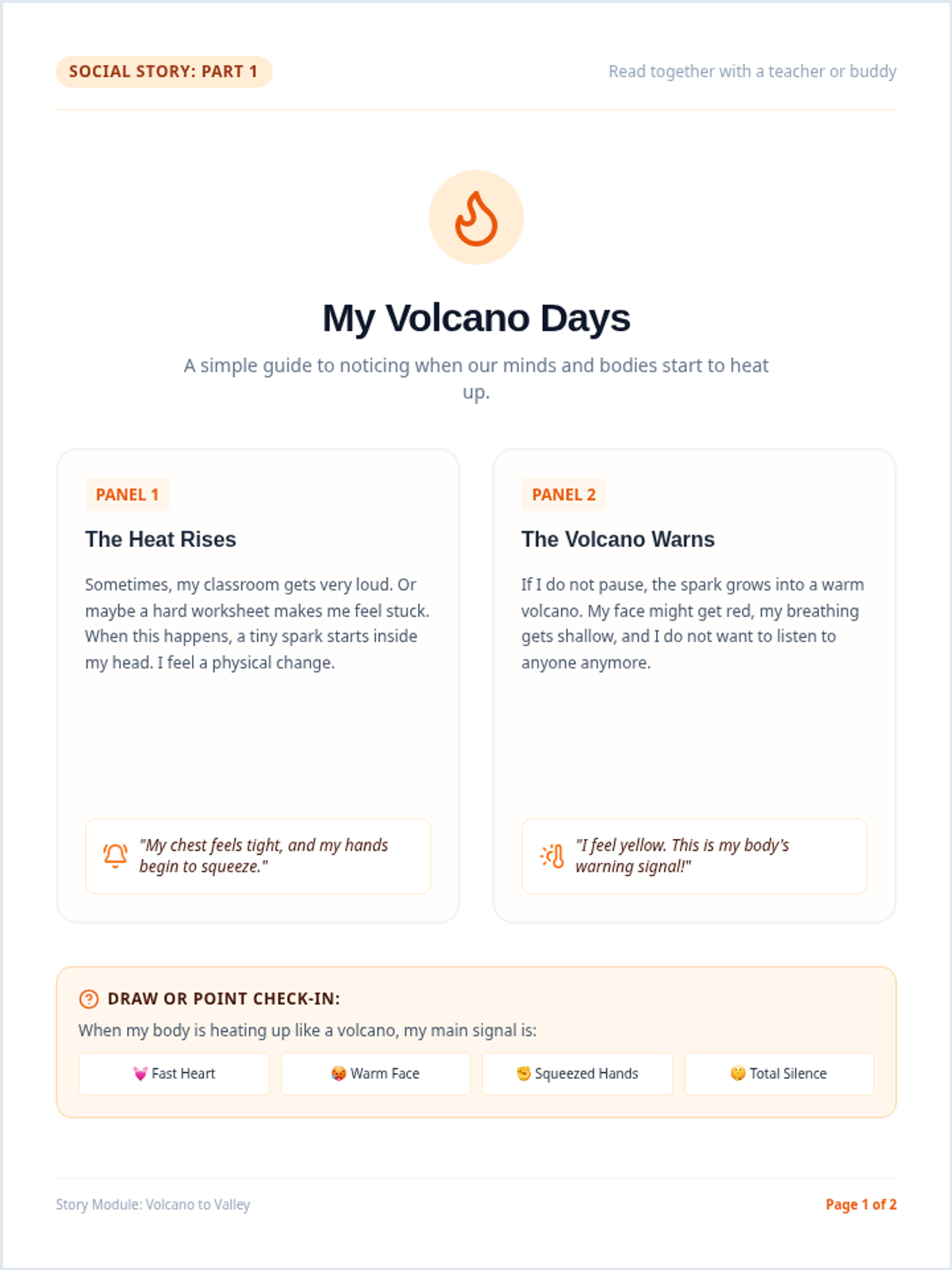
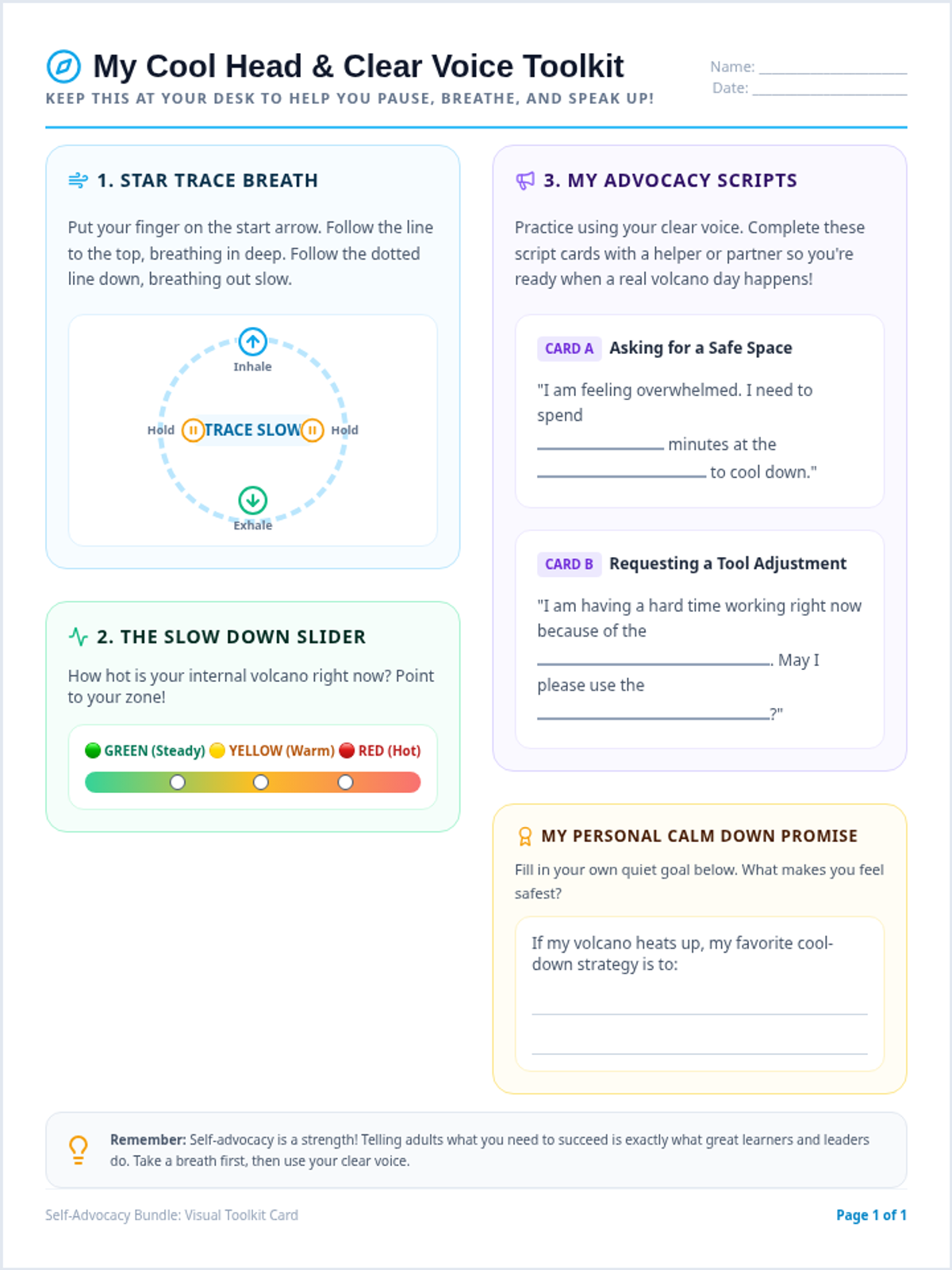
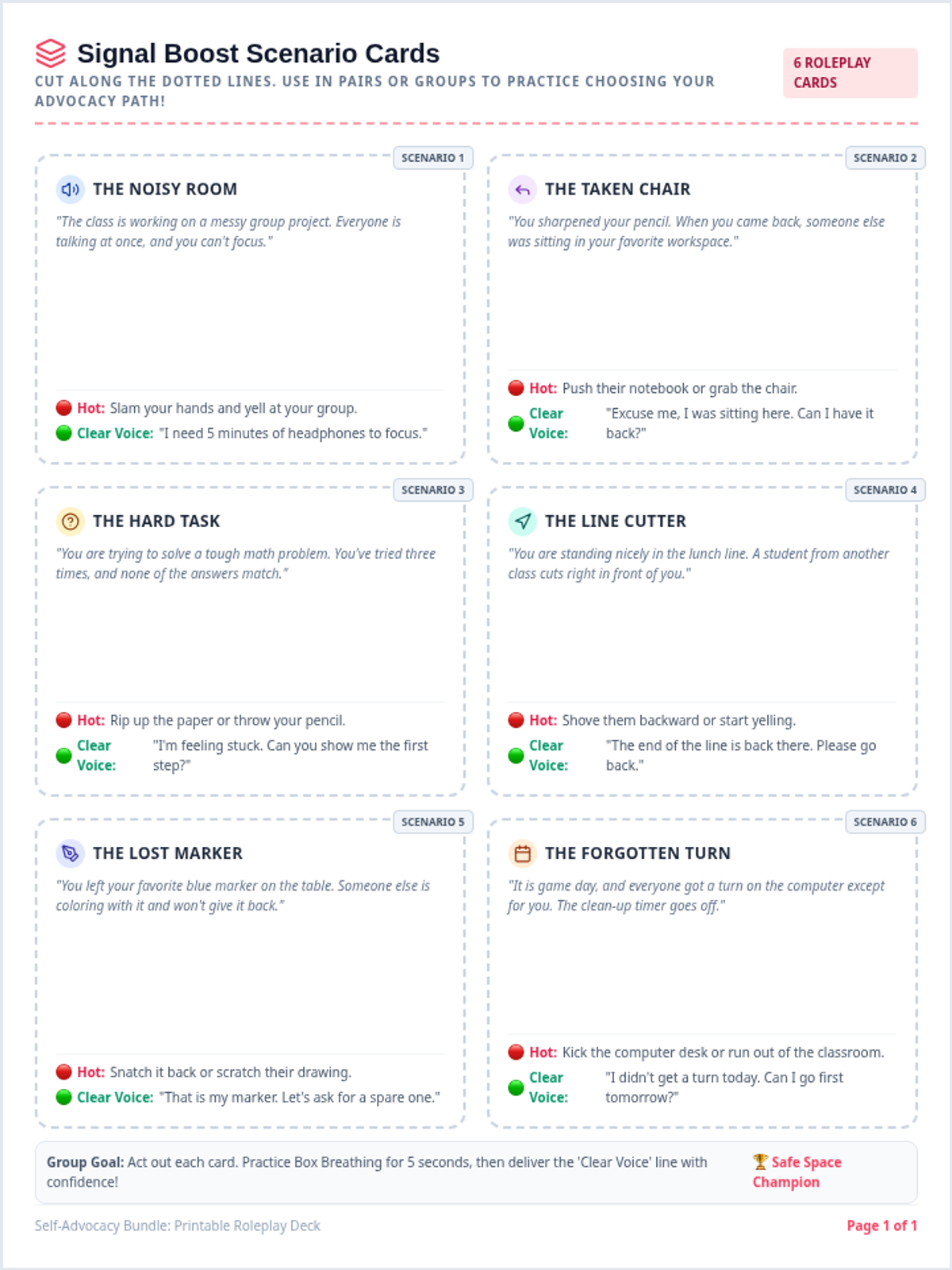
A complete lesson bundle on emotional regulation, self-advocacy, and calming strategies. Includes a comprehensive teacher's guide, a visual toolkit, a social narrative book, and interactive role-playing scenario cards.
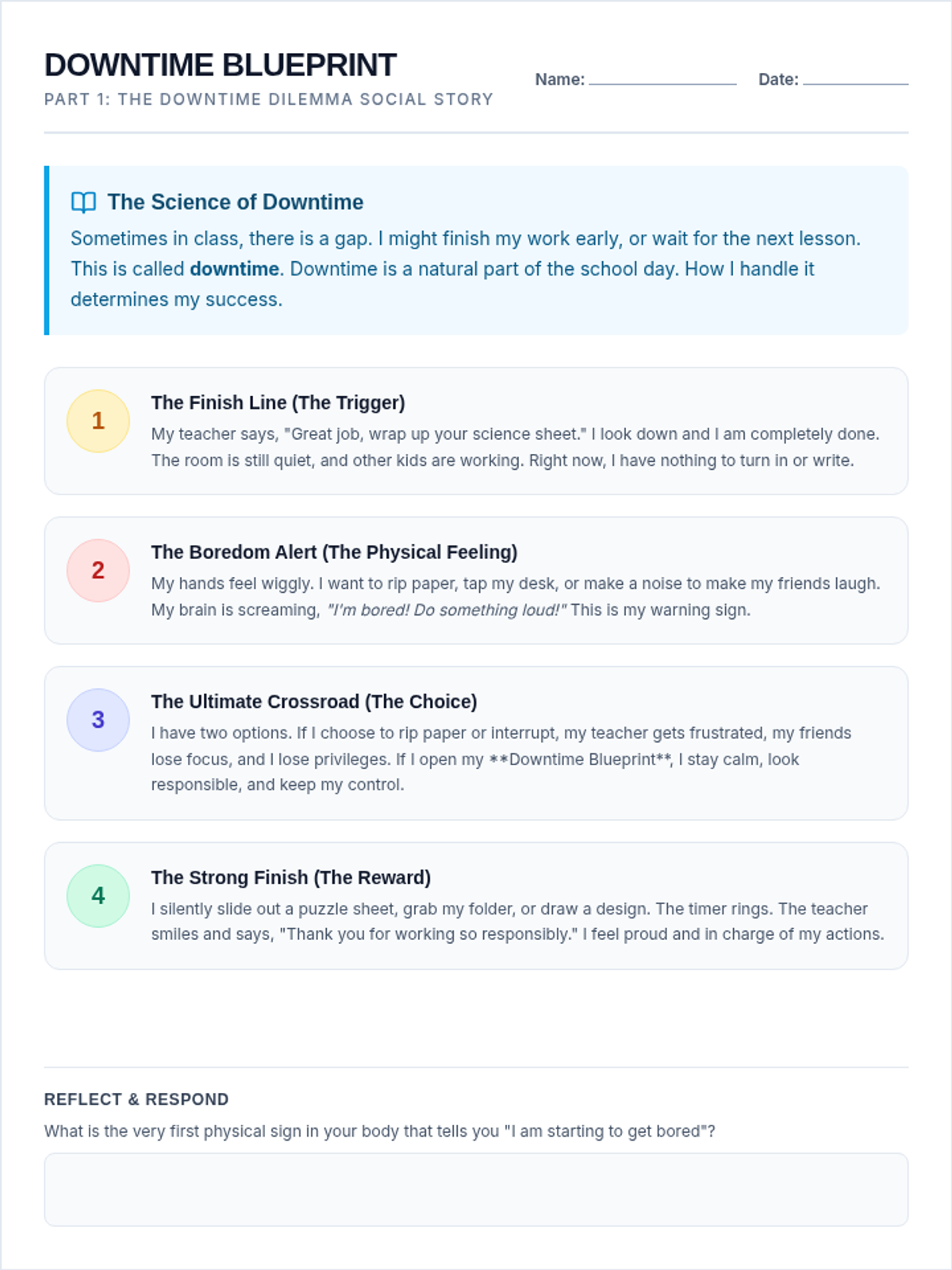
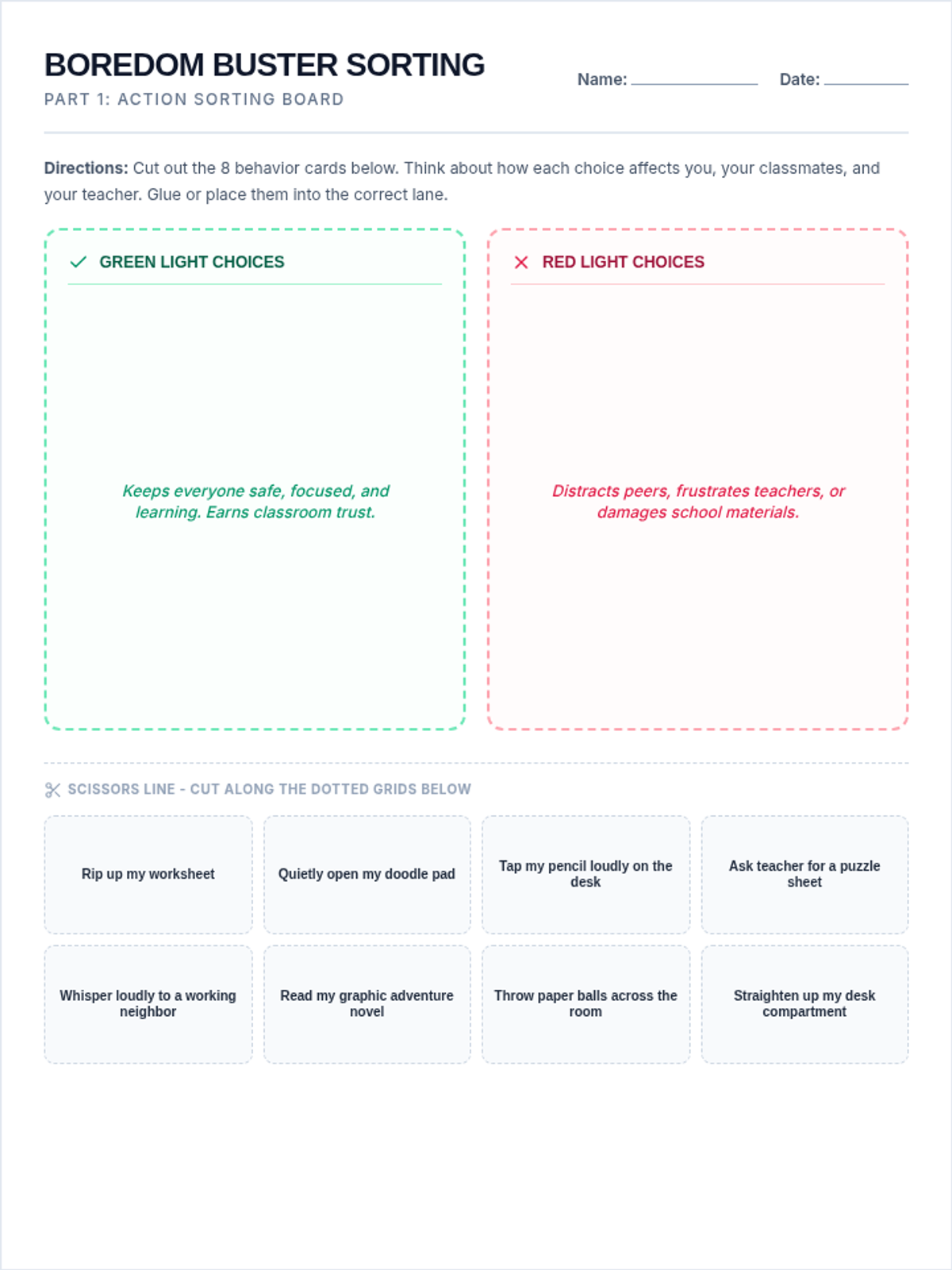
A targeted 30-minute counseling lesson that teaches a student to identify the physical signs of boredom, understand the impact of disruptive behaviors, and construct a highly visual, personalized downtime choice board to use in the classroom.
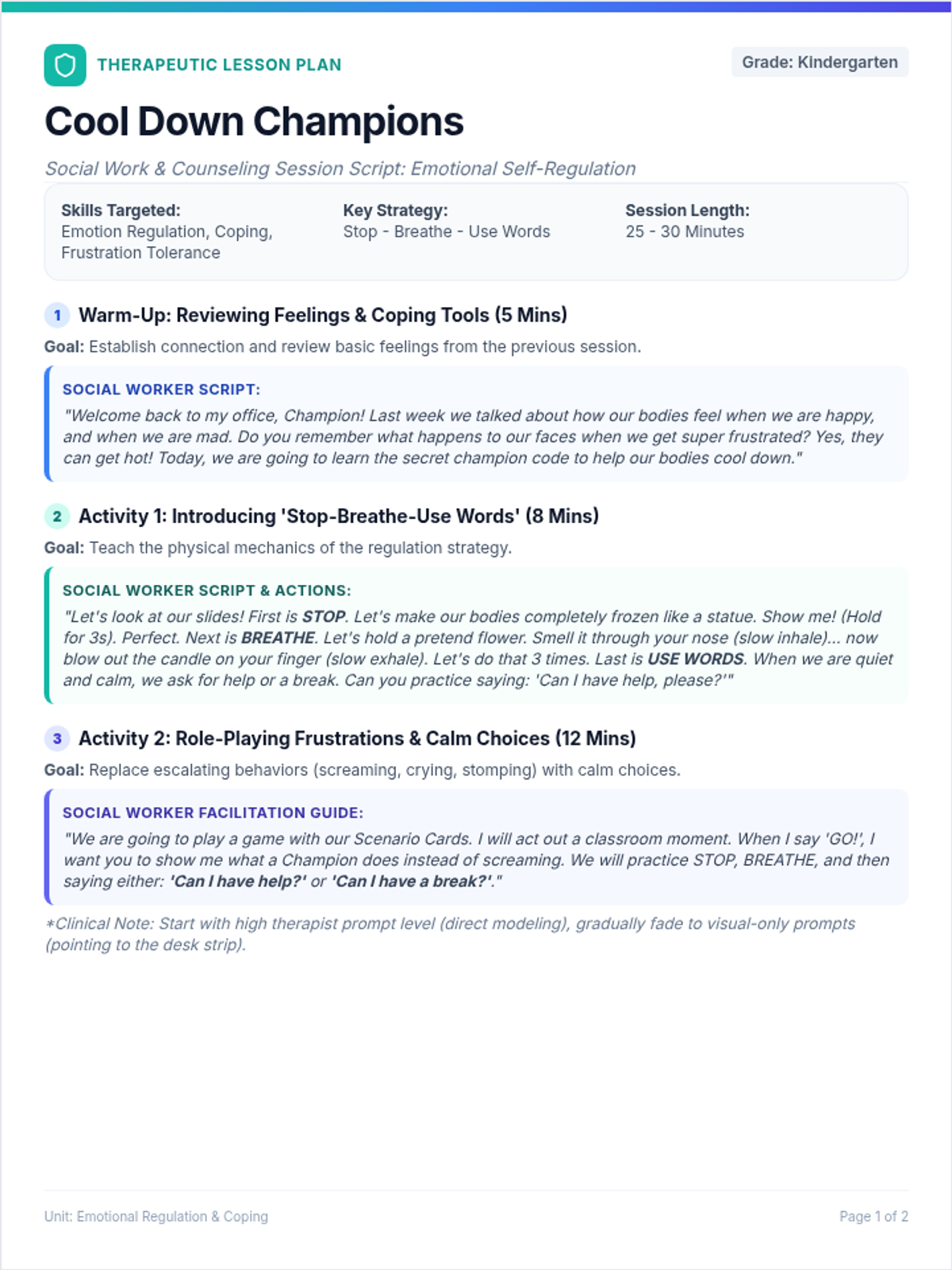
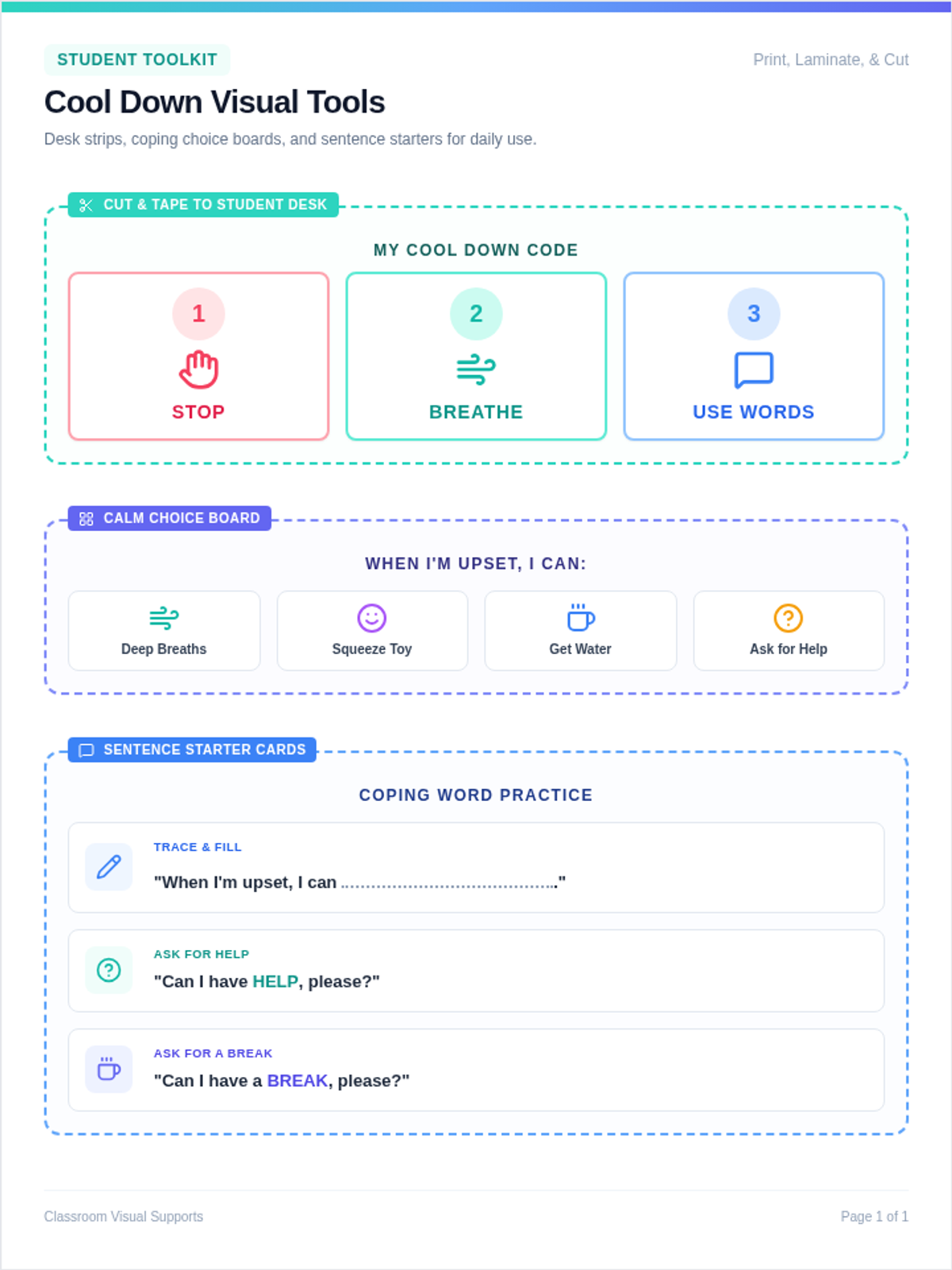
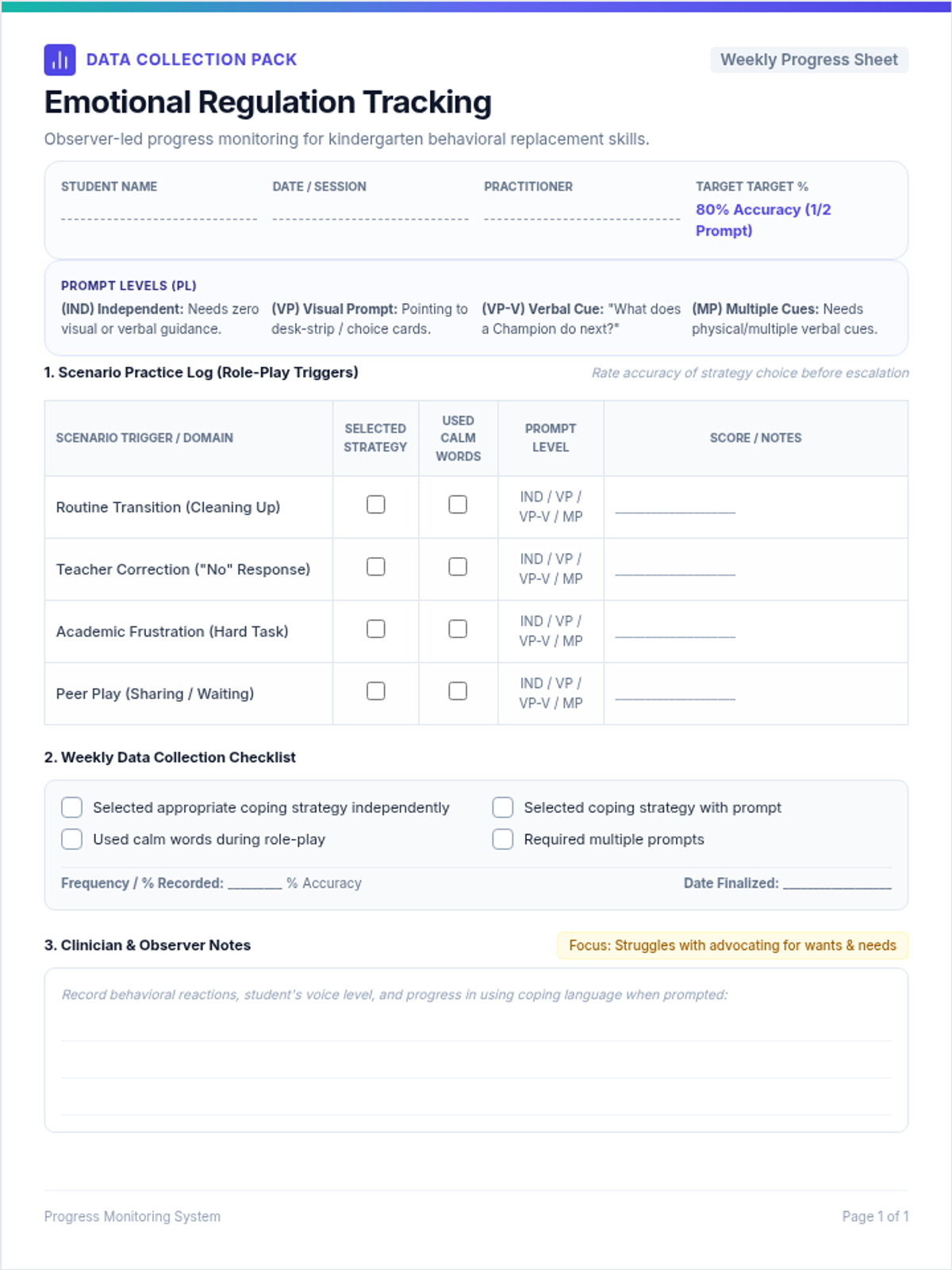
A therapeutic lesson designed to teach kindergarten students how to replace escalating behaviors with calm choices. This lesson focuses on the Stop-Breathe-Use Words strategy through structured role-play and social story instruction.
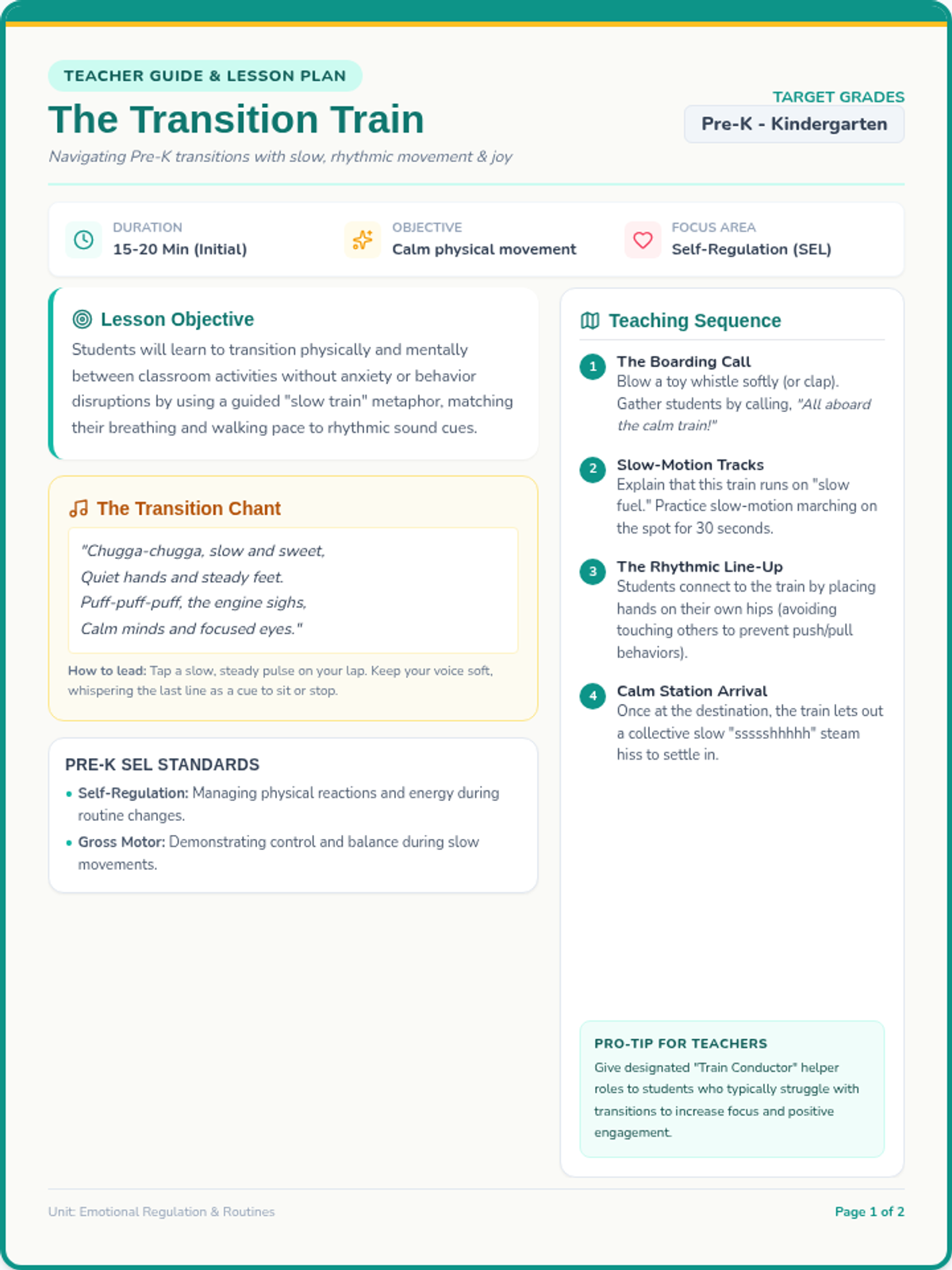
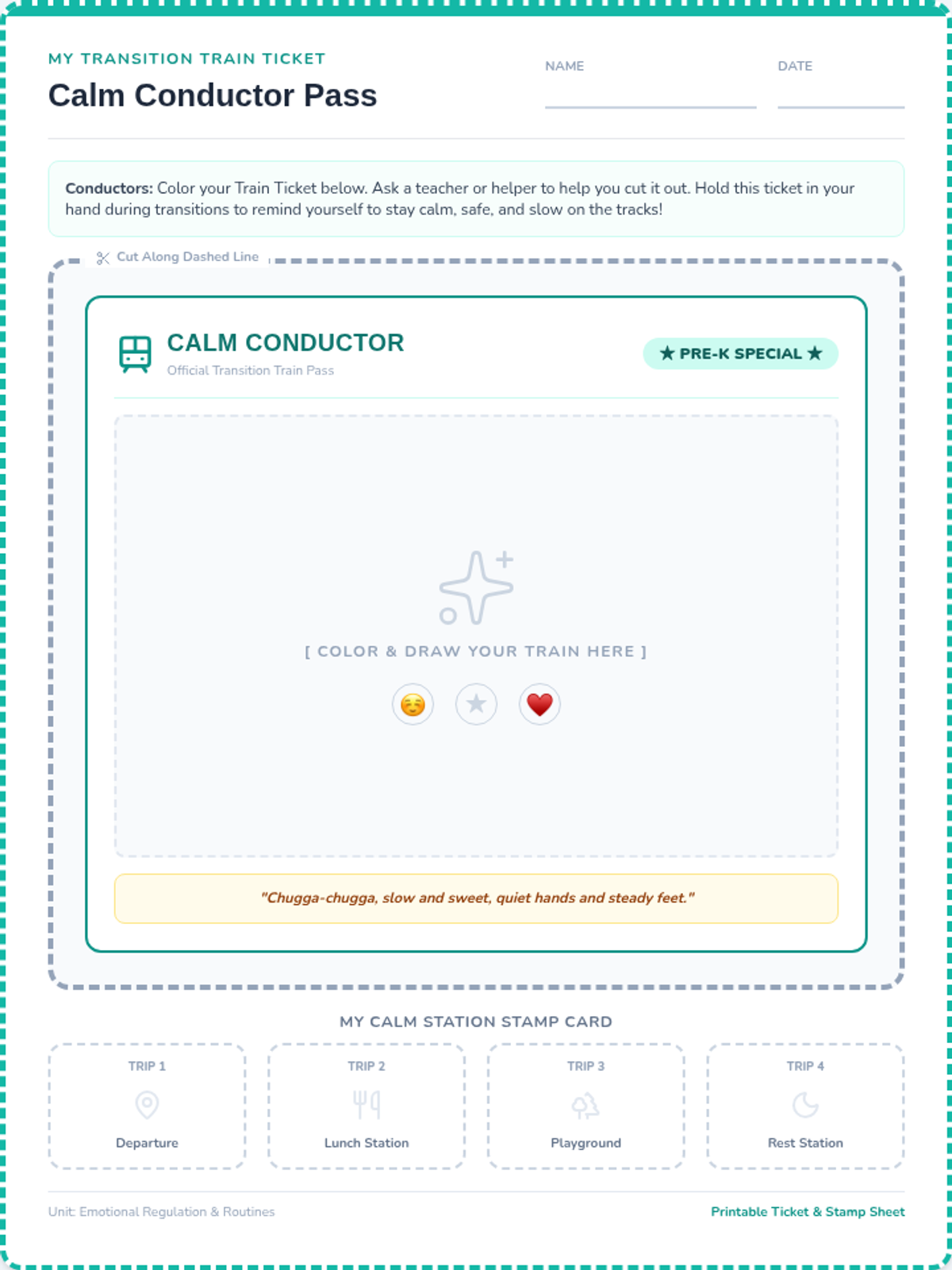
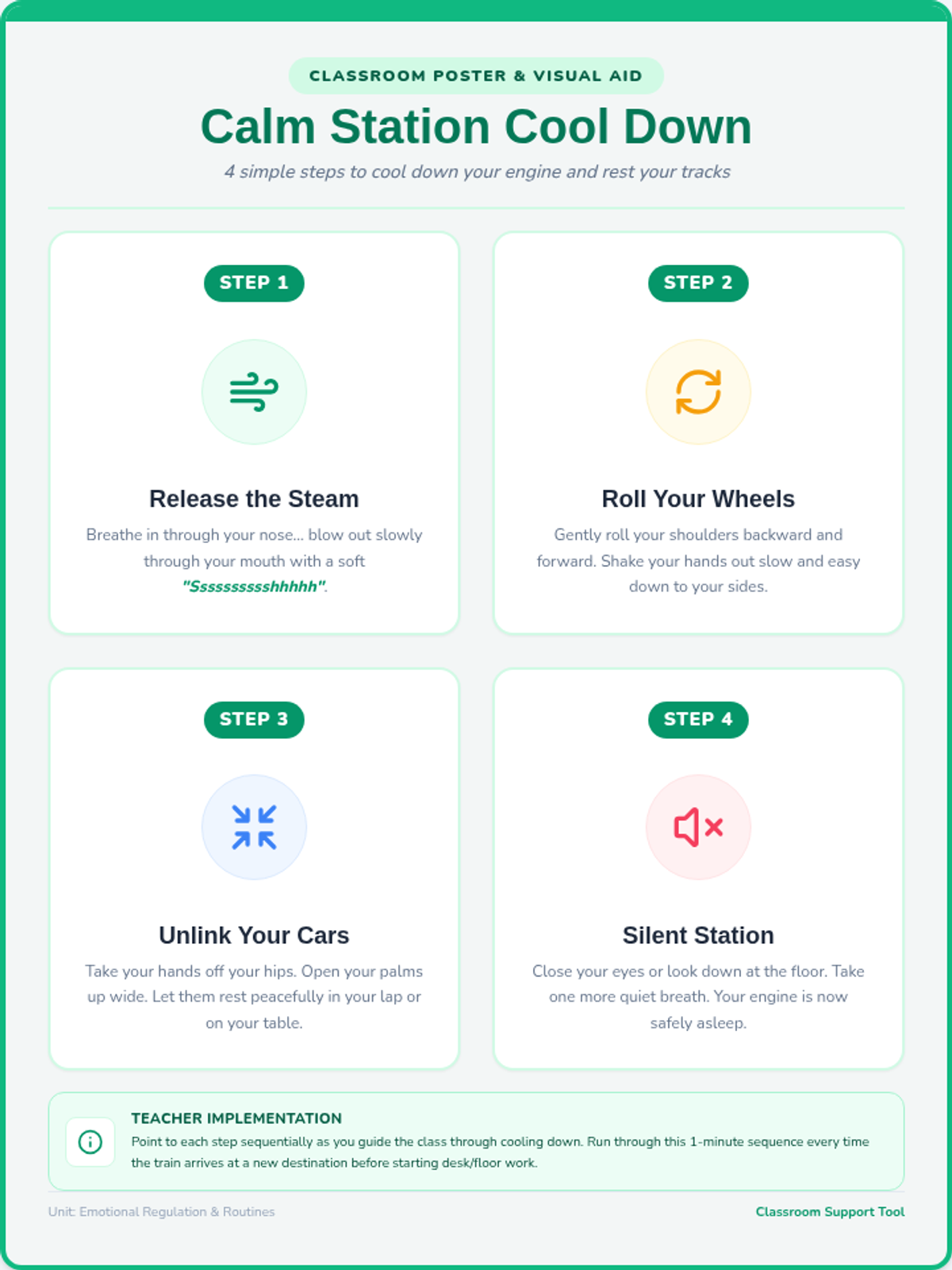
A calming Pre-K lesson that uses a playful train metaphor and rhythmic movement to transform chaotic transitions into structured, anxiety-free learning journeys.
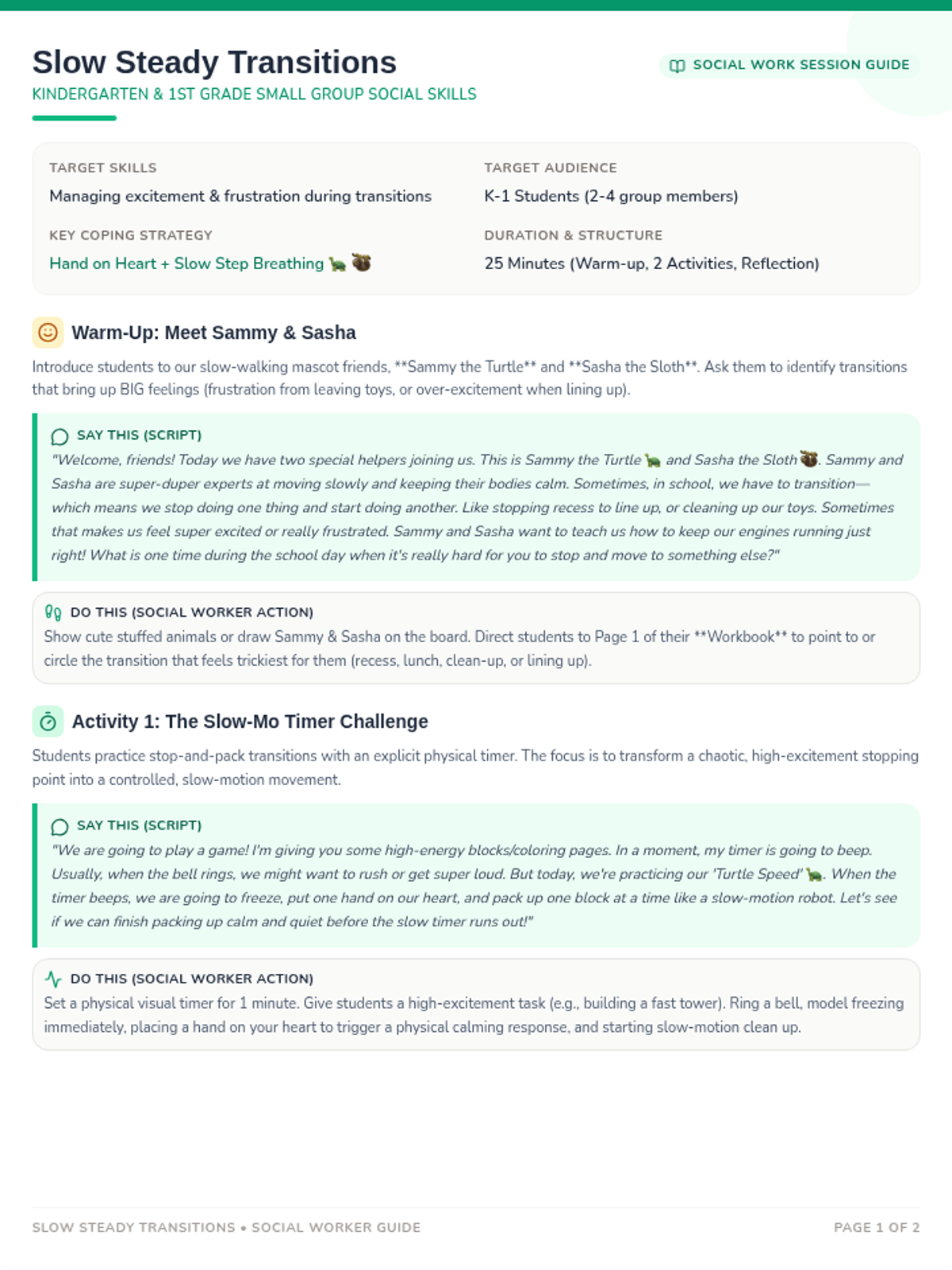
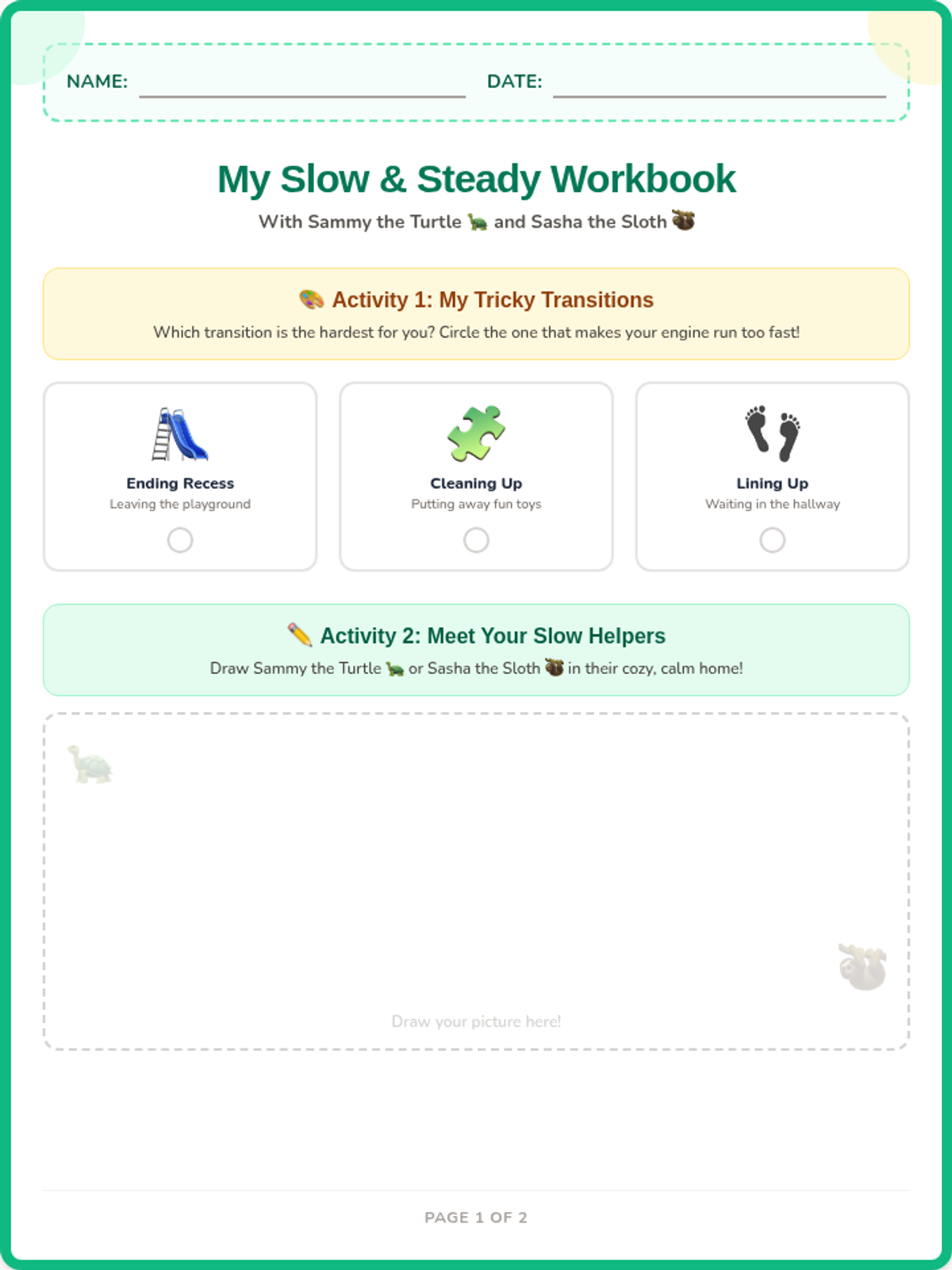
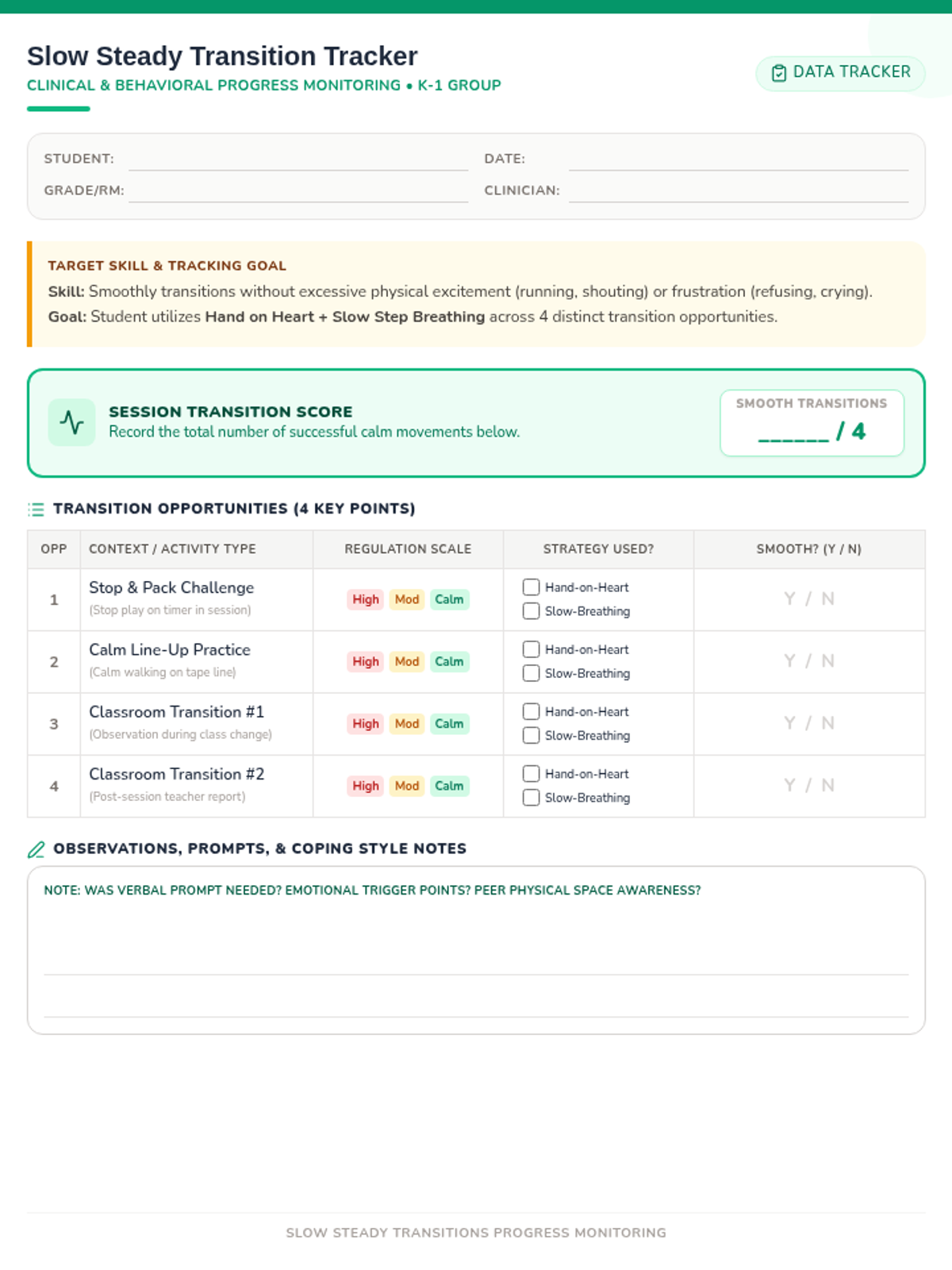
A social work group lesson designed for Kindergarten and 1st-grade students to master emotional regulation during transitions. Featuring cute slow-walking characters Sammy the Turtle and Sasha the Sloth, the lesson includes practical movement exercises, coping strategies, and structured reflection to transition with calm control.
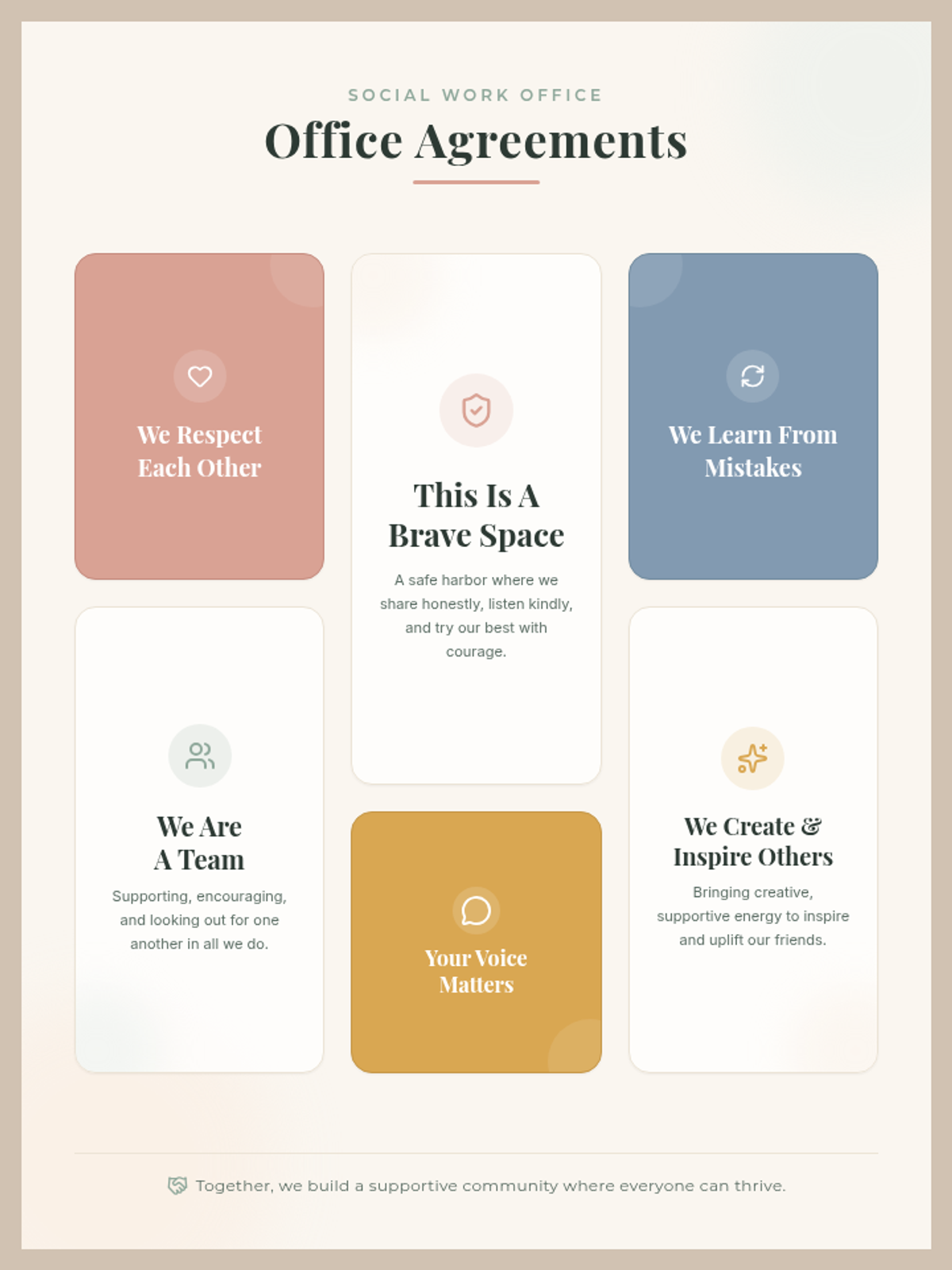
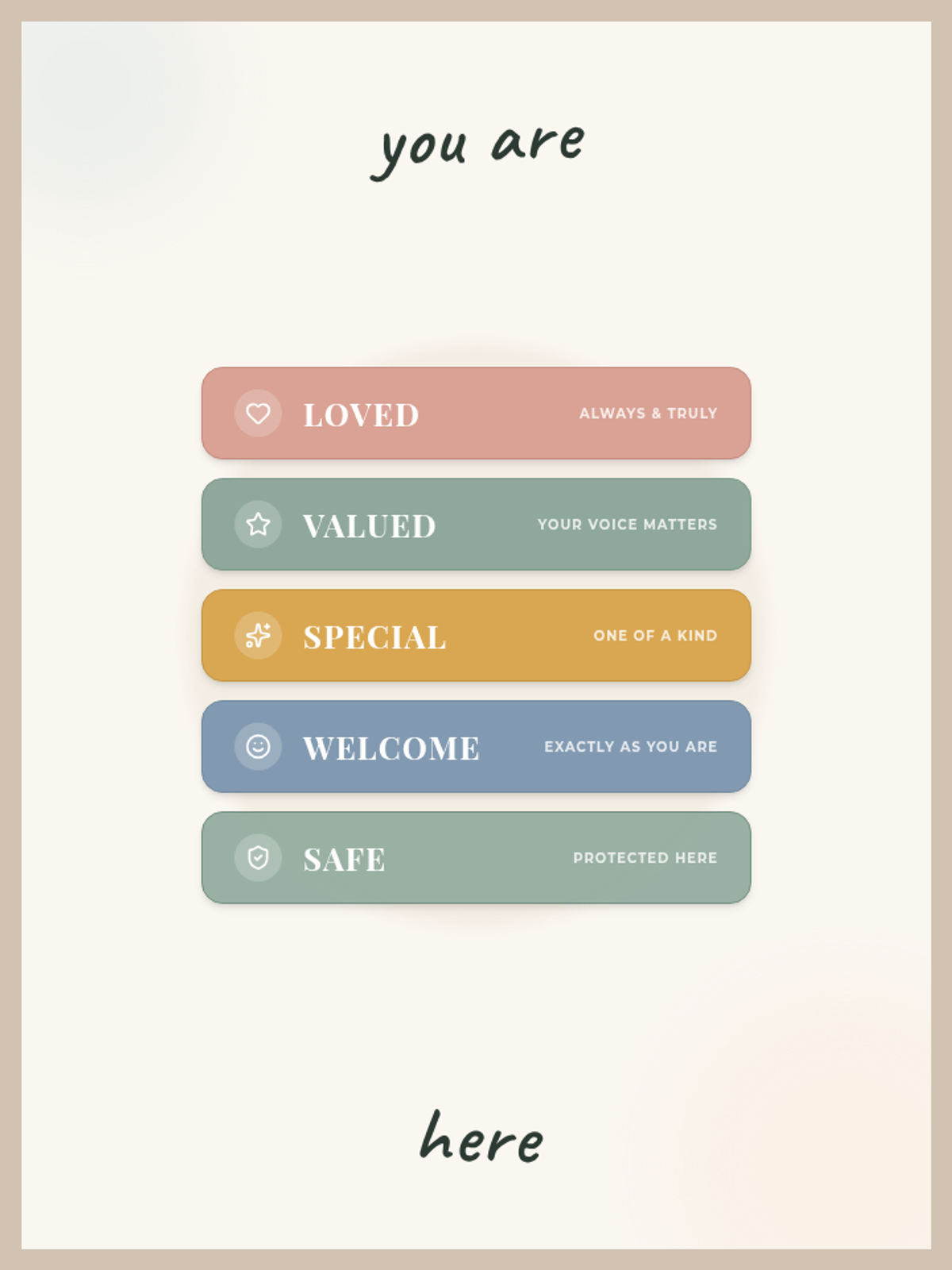
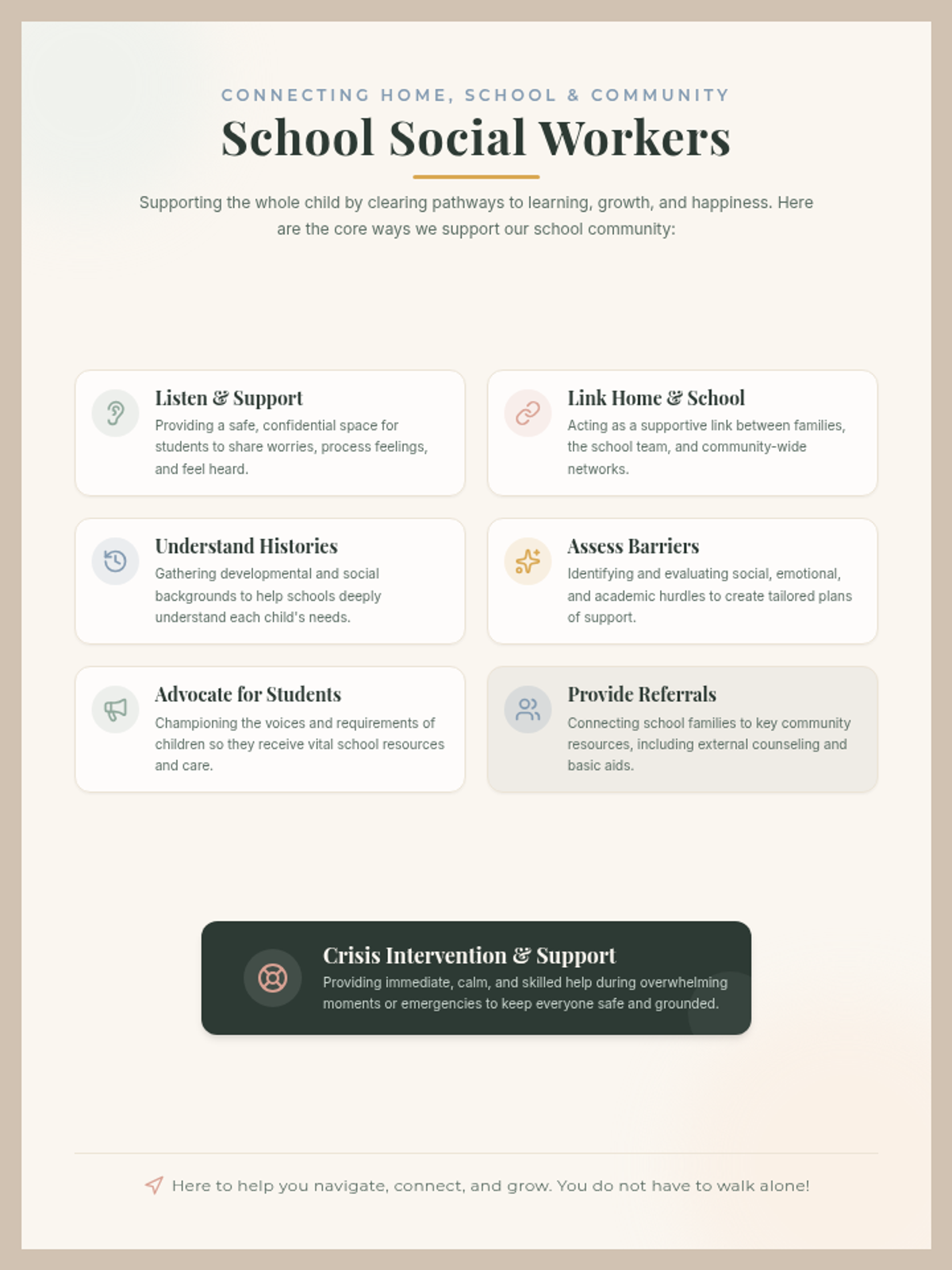
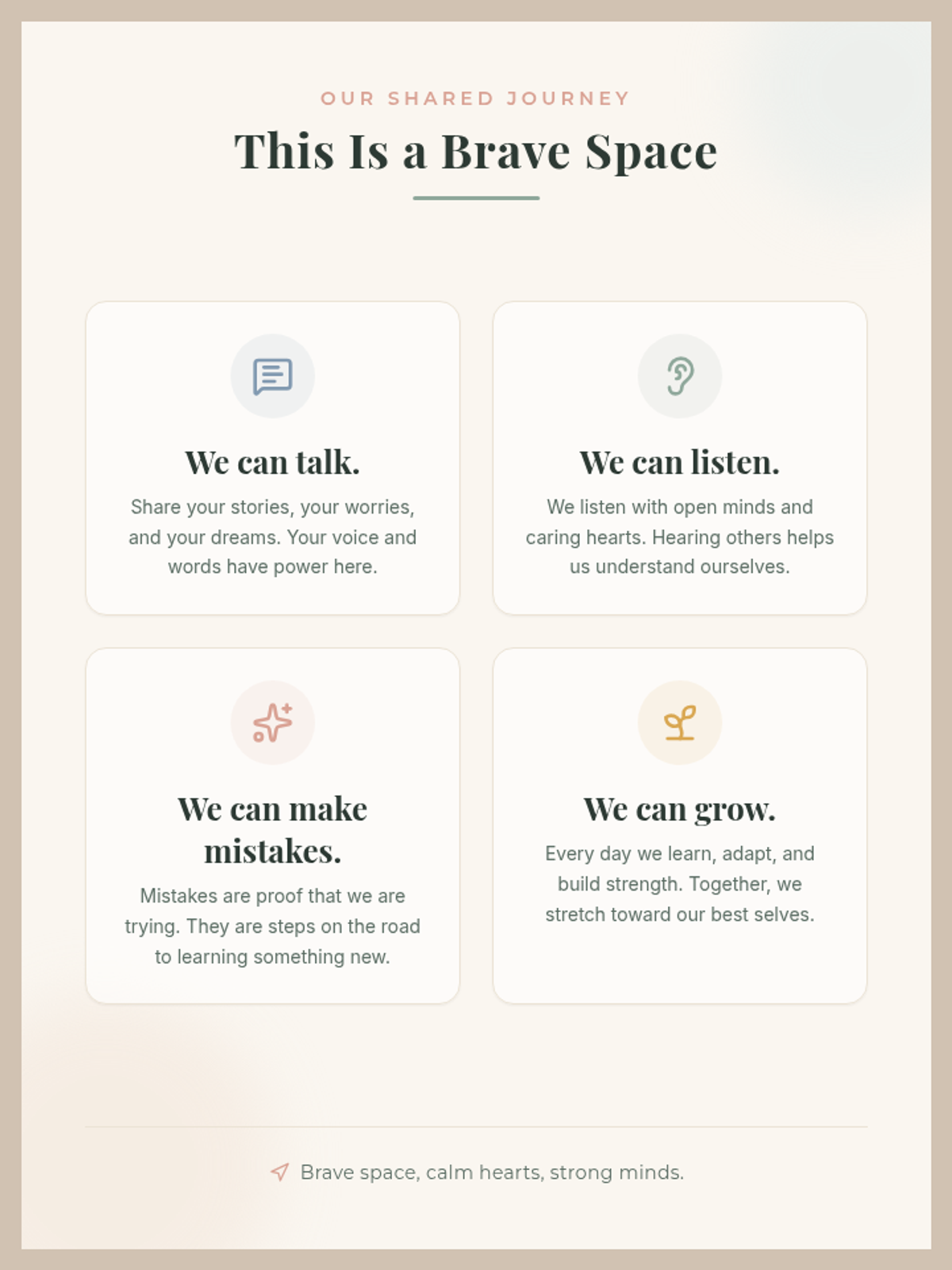
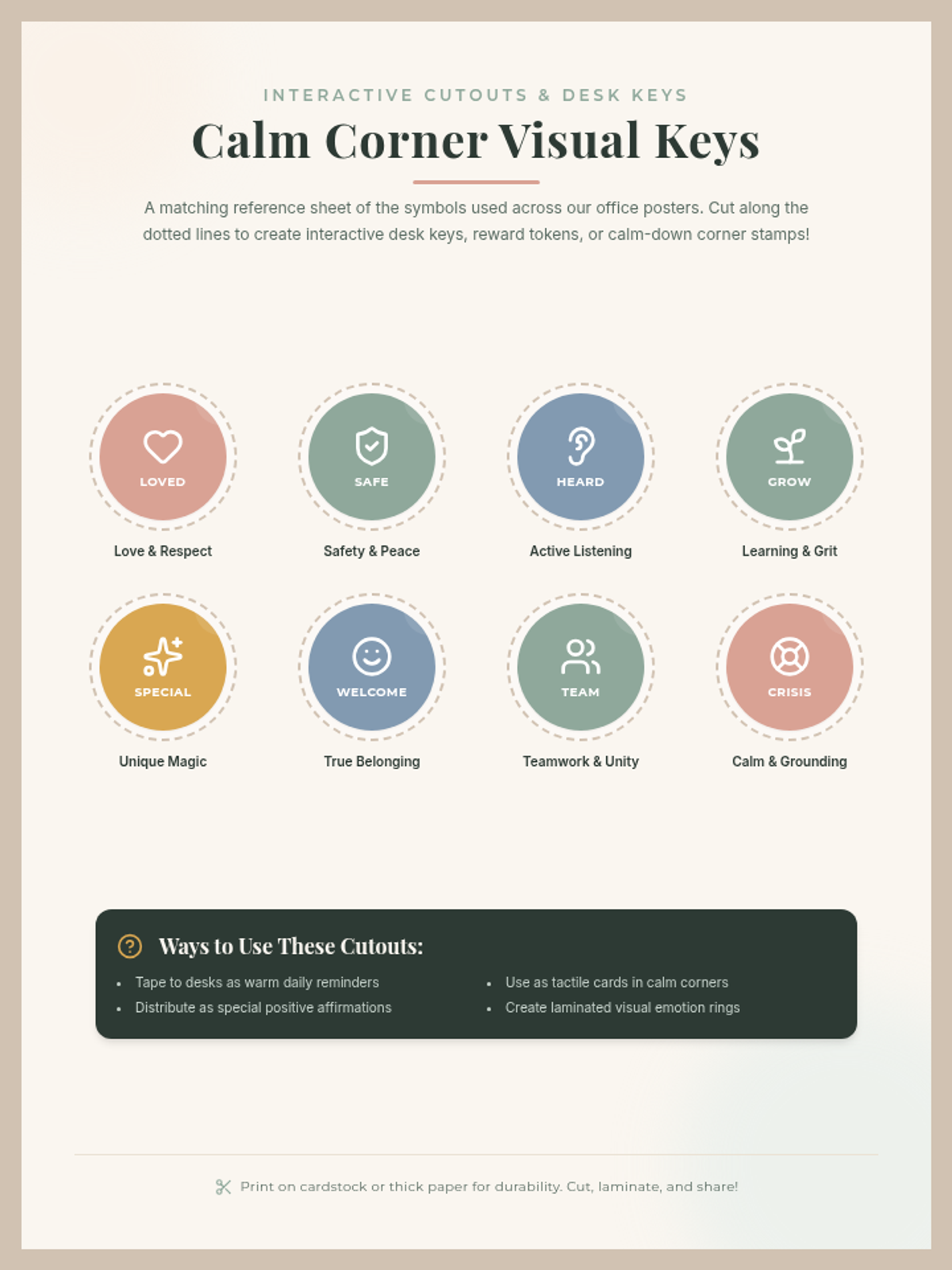
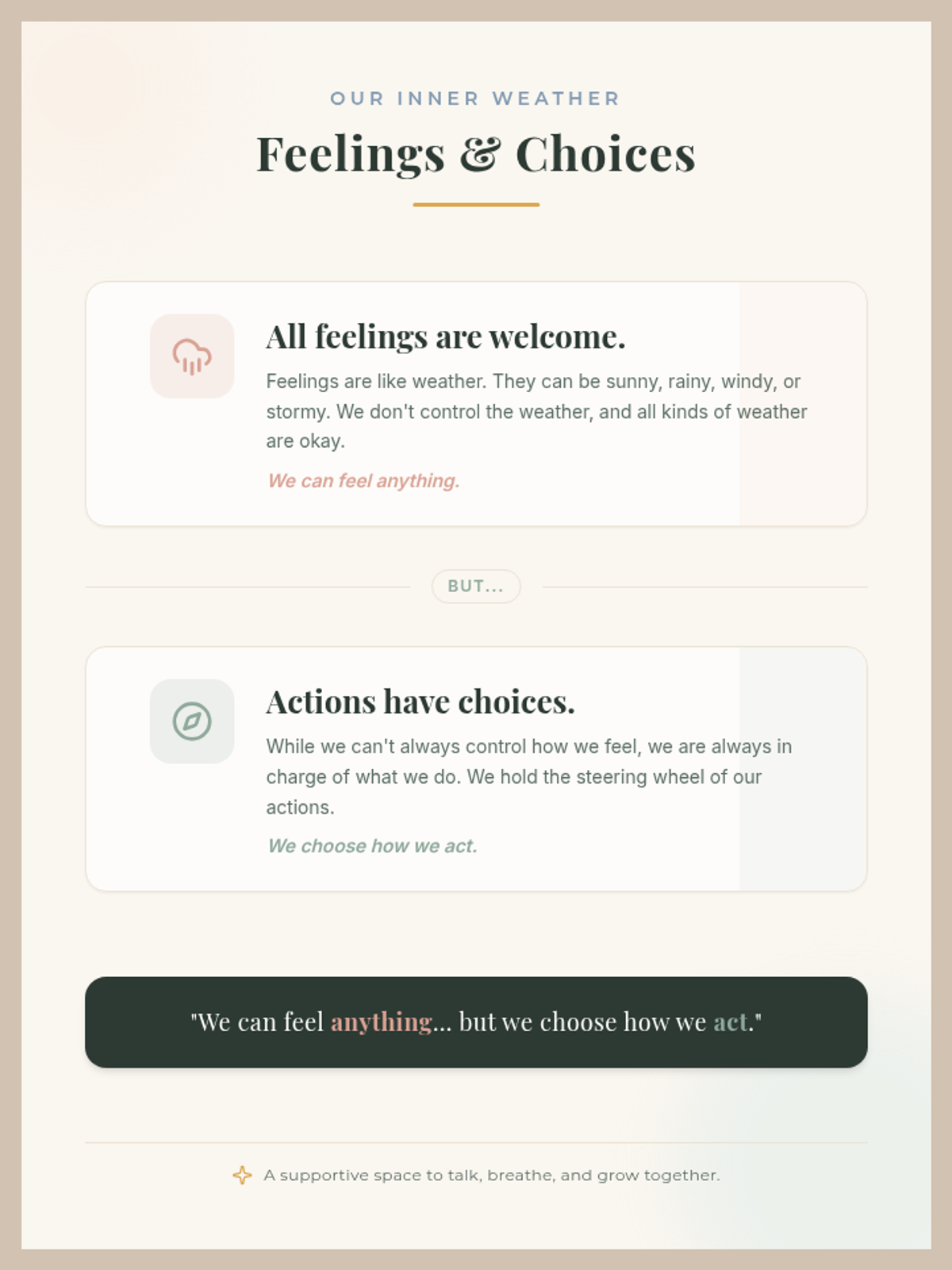
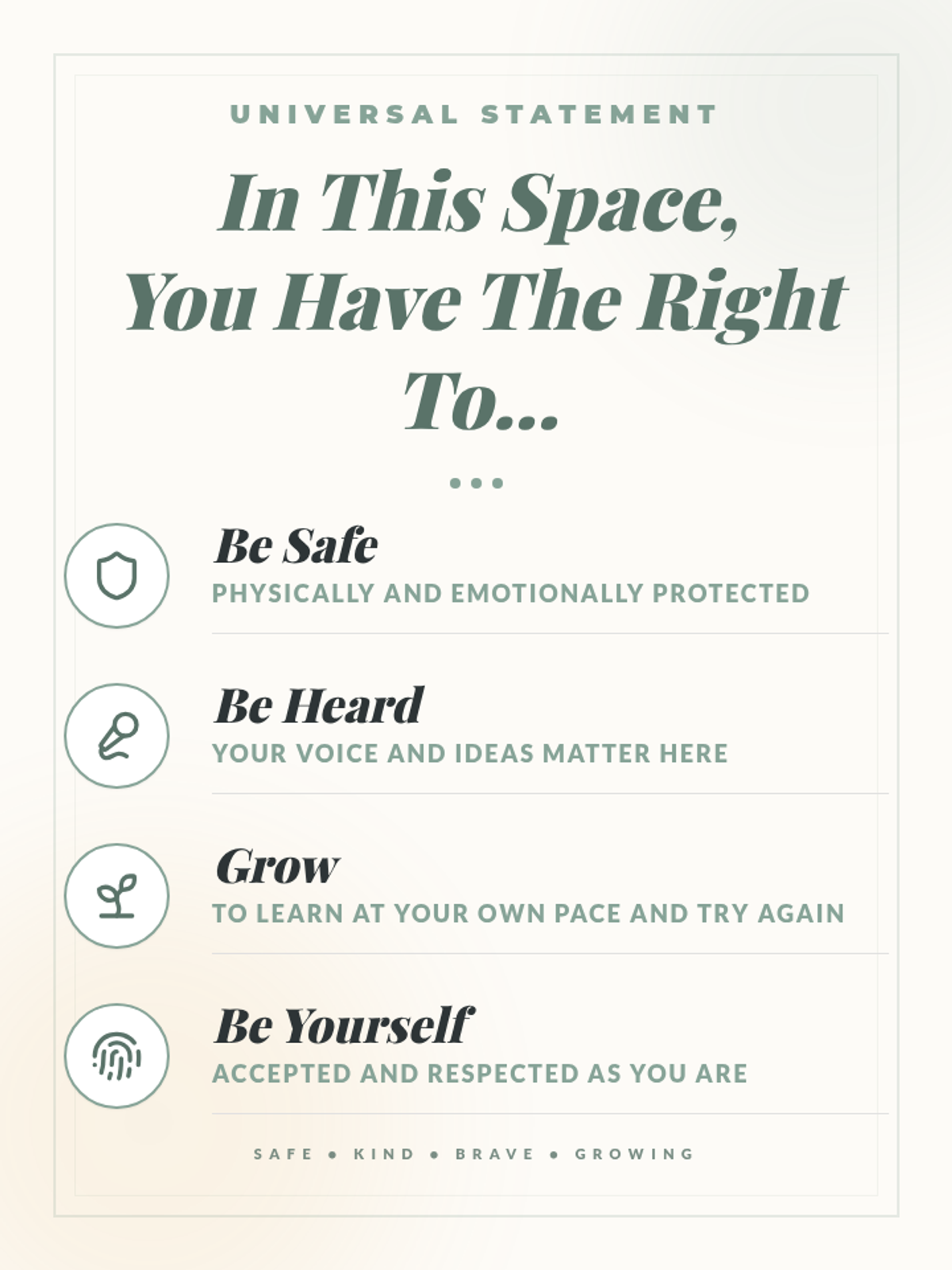
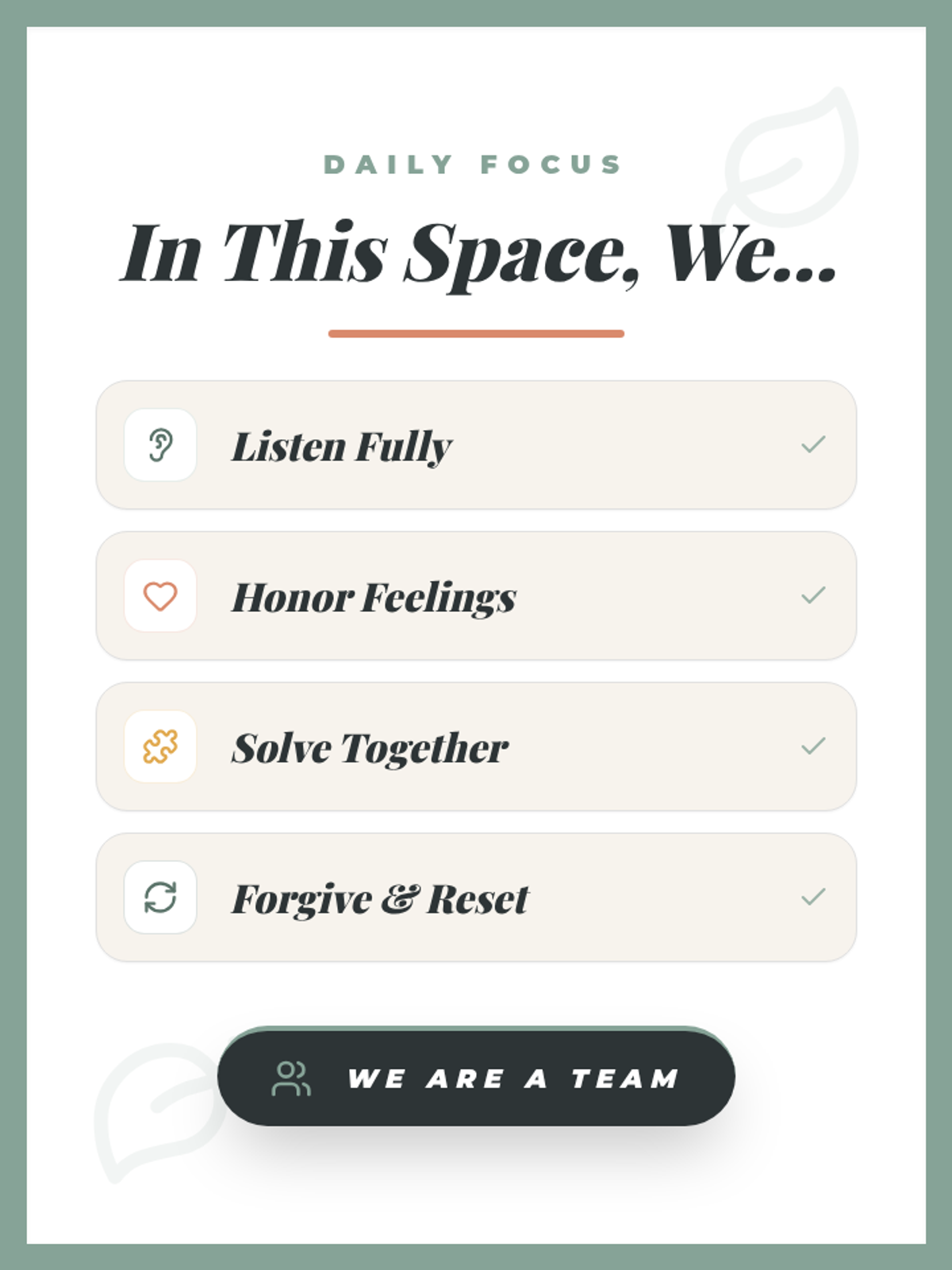
A cohesive suite of beautifully designed printable posters for an elementary school social work office or calm corner, utilizing soft earth tones, gentle affirmations, and clear supportive structures.
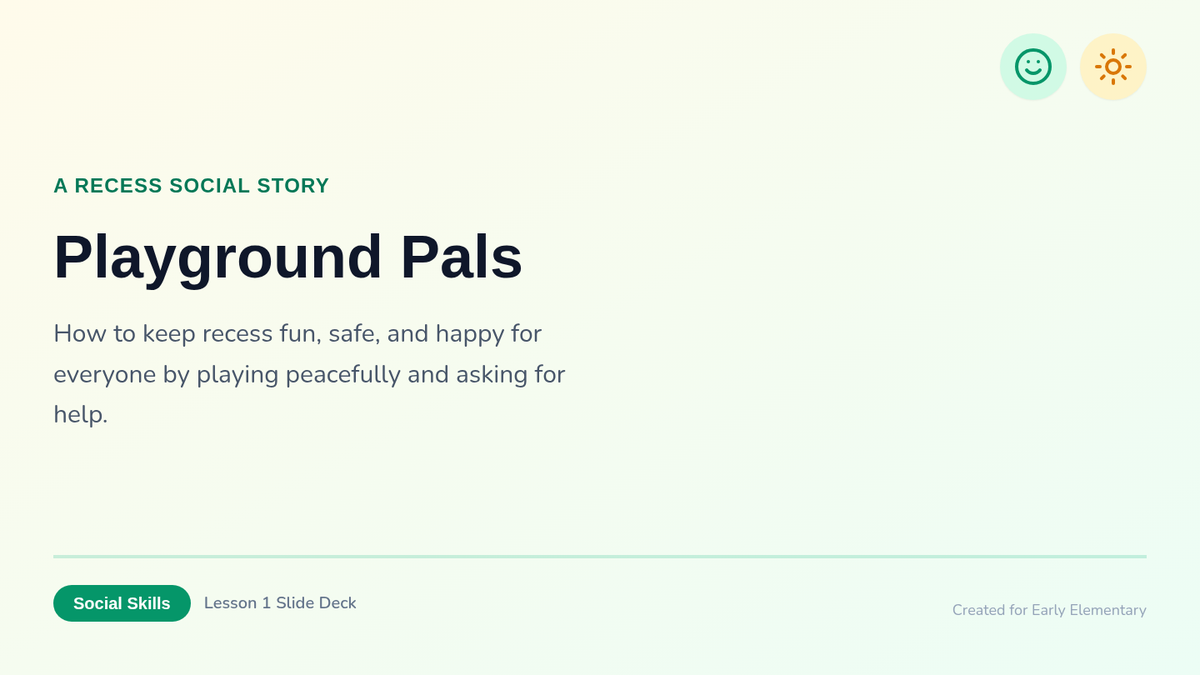
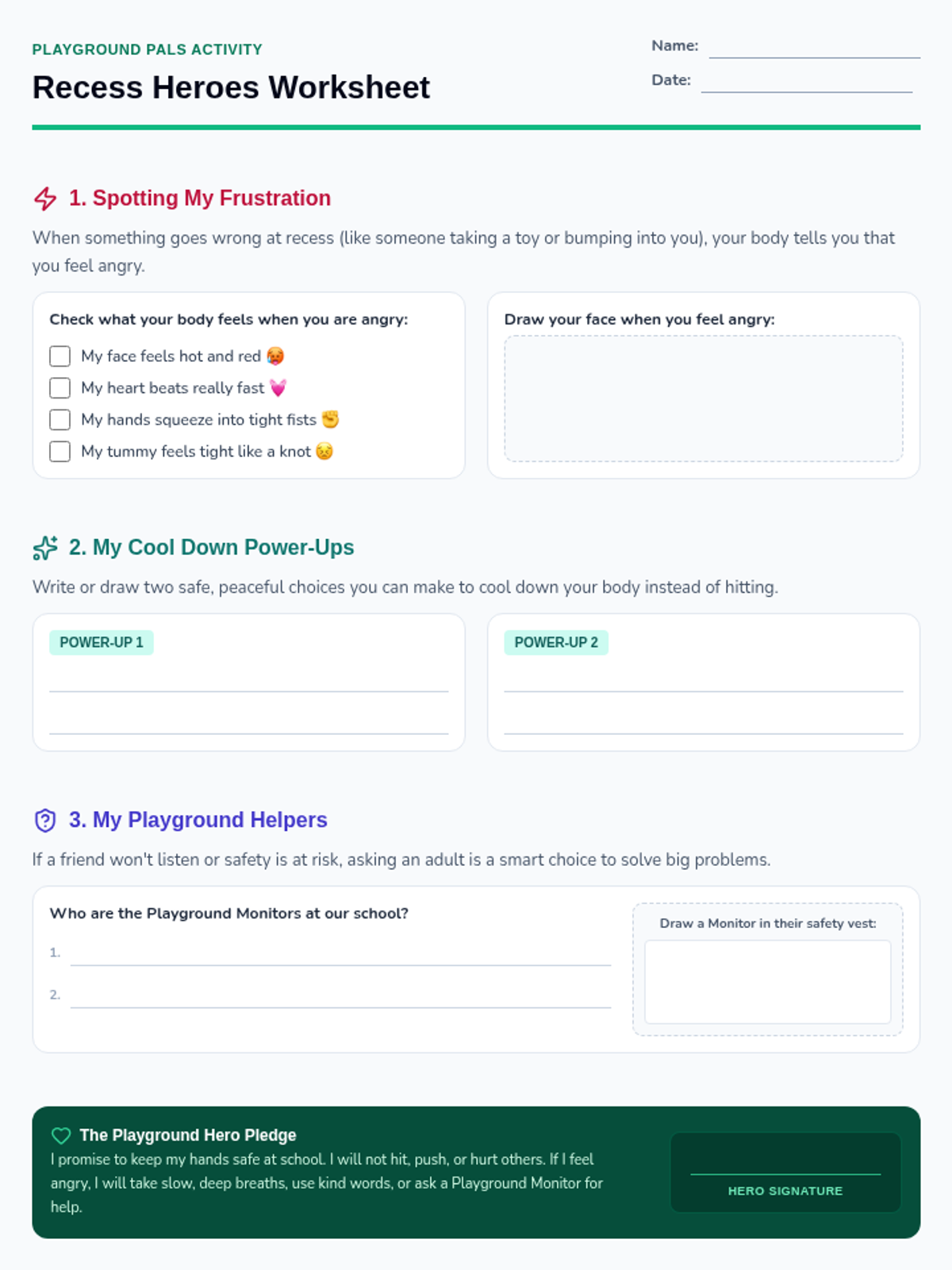
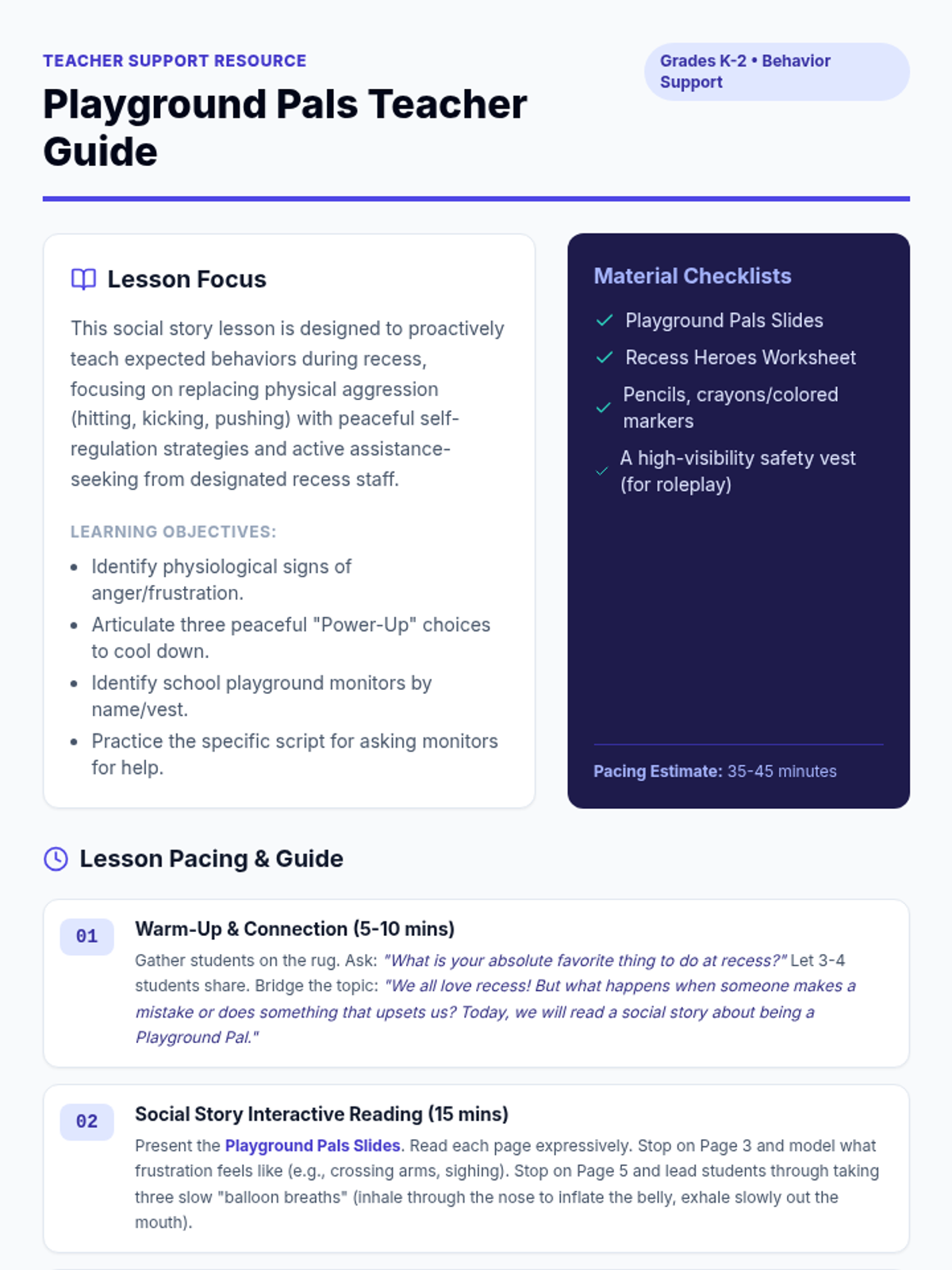
A social story lesson designed to teach students positive playground behaviors, focusing on replacing physical aggression with peaceful communication and seeking help from playground monitors.
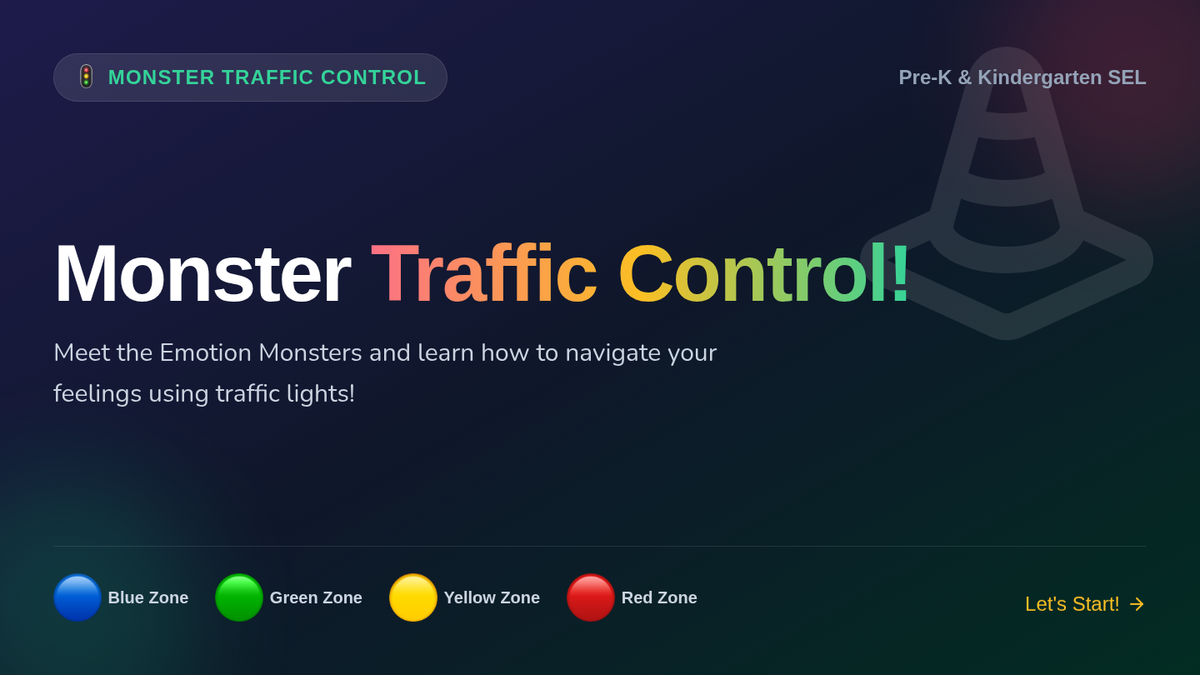
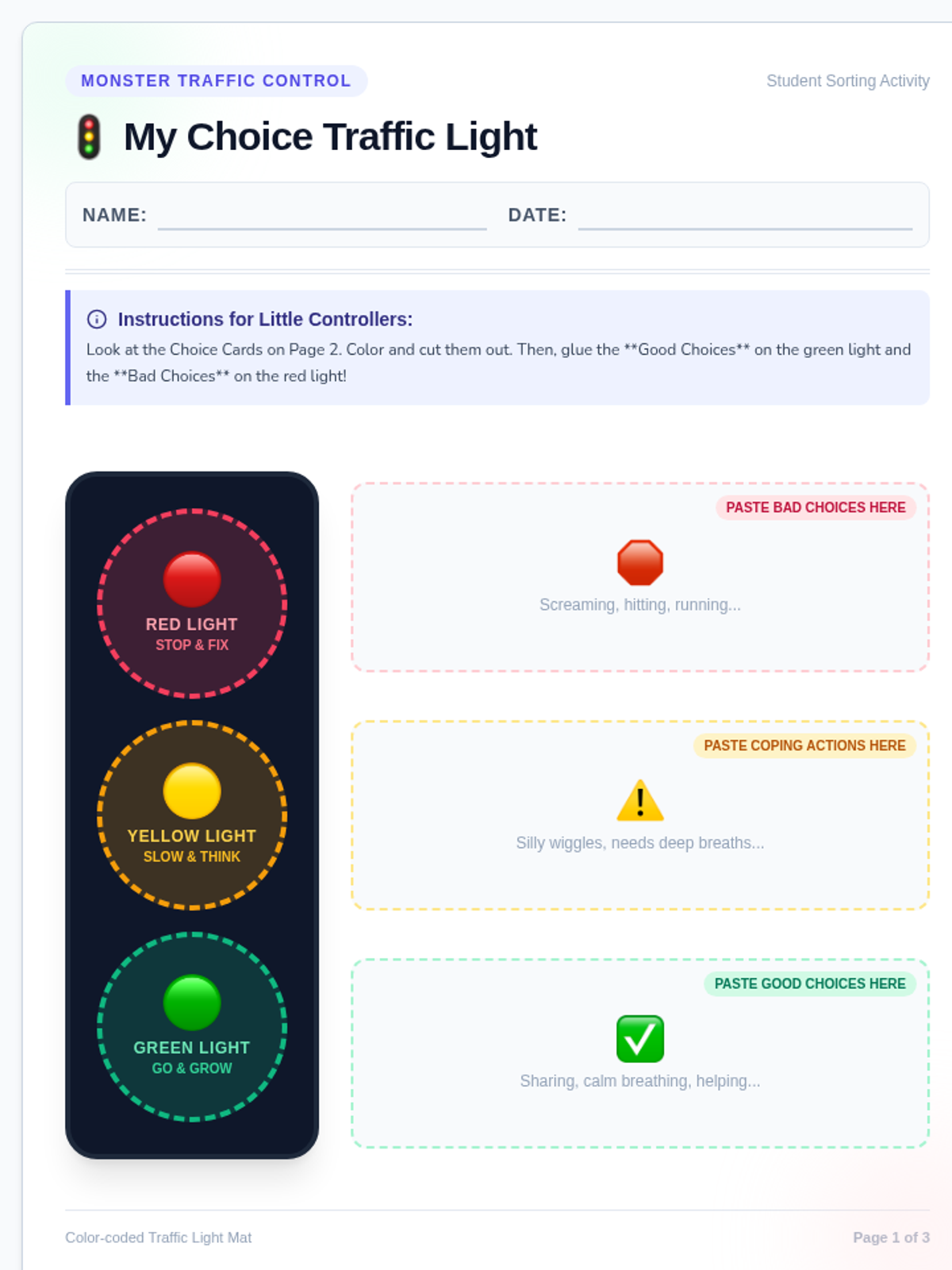
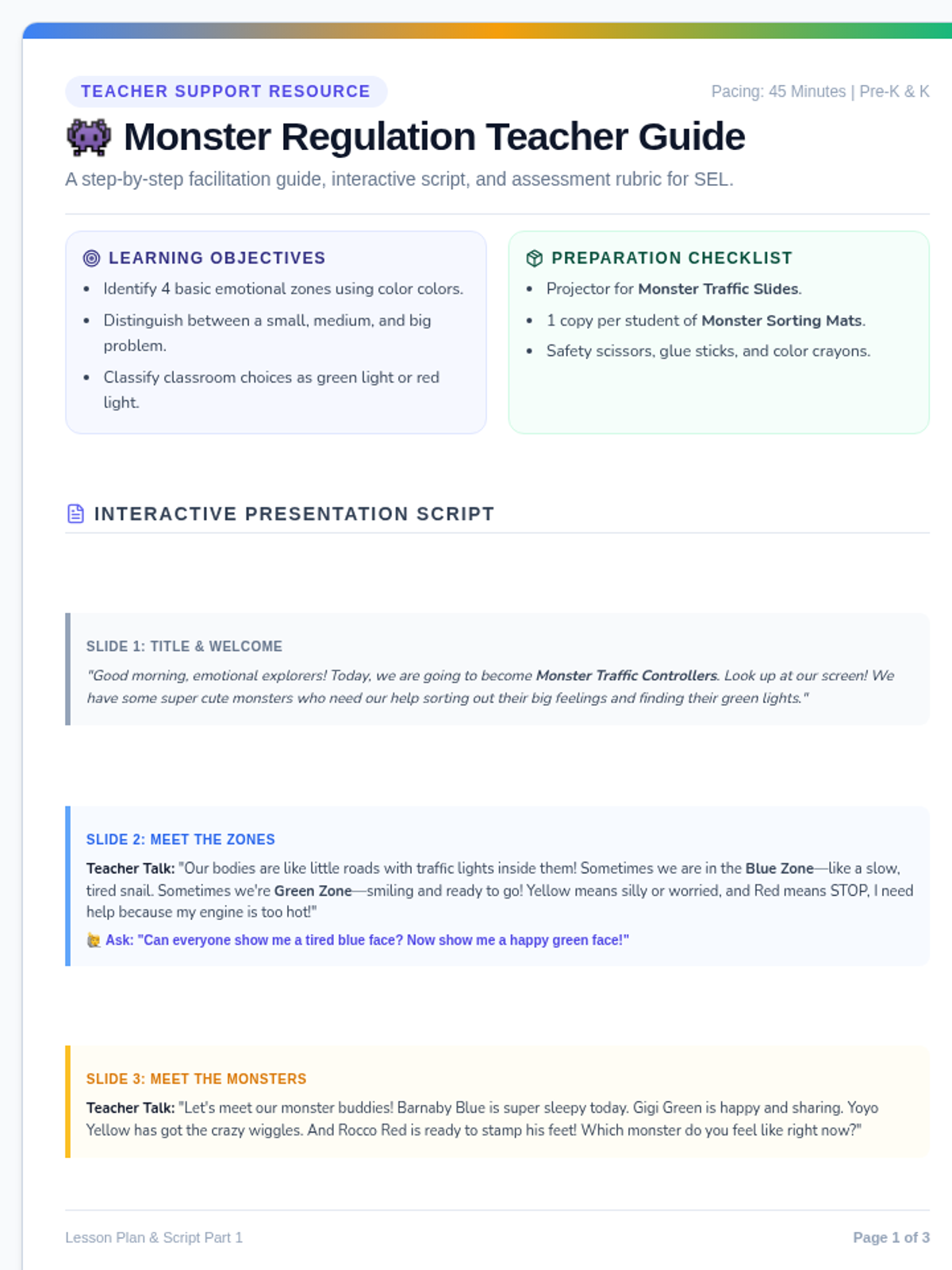
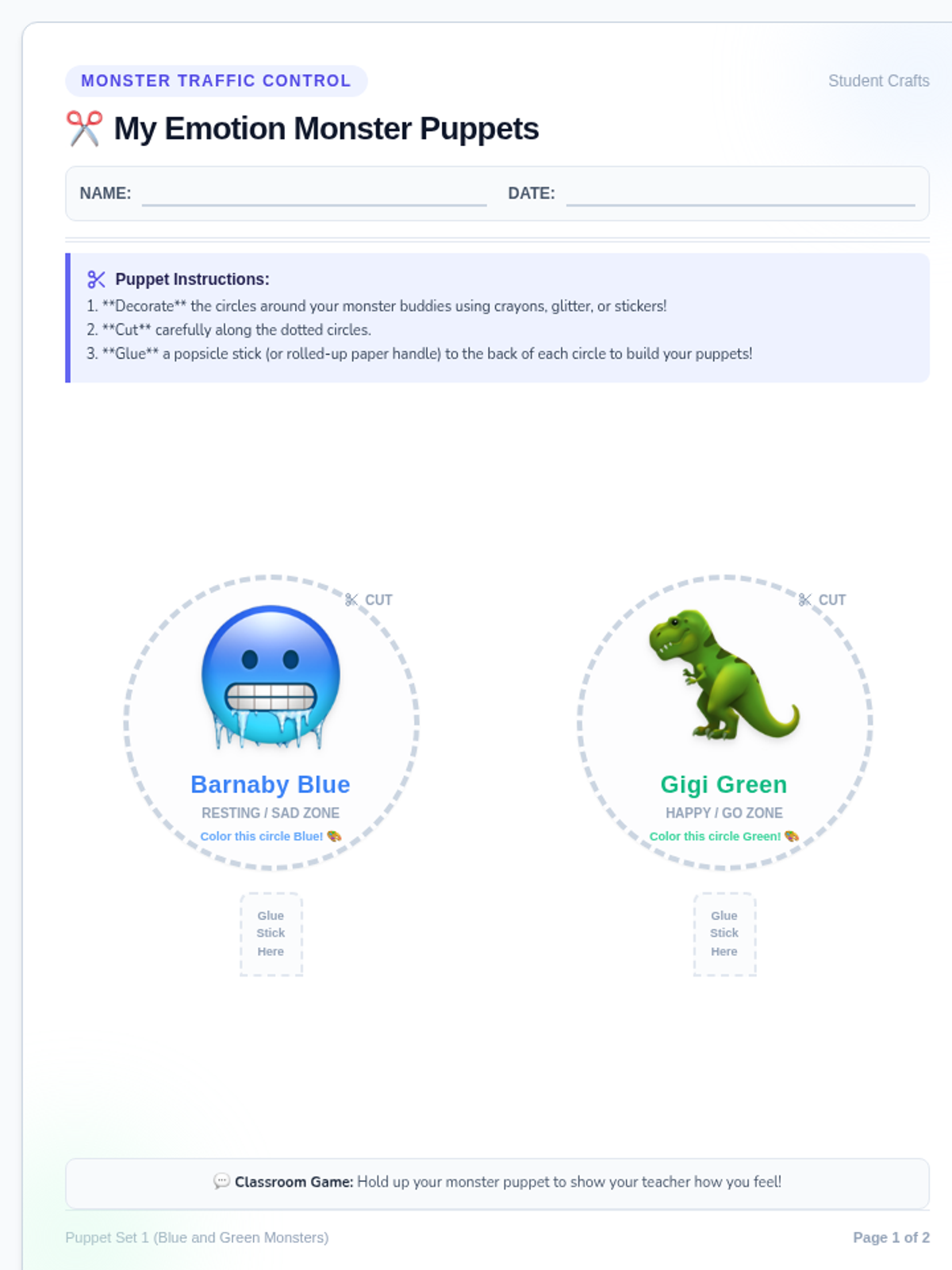
An interactive, hands-on social-emotional learning lesson for Pre-K and Kindergarten. Students explore their feelings through color-coded traffic lights and friendly emotion monsters, learning to identify the 'Size of the Problem' and sort good versus bad choices.
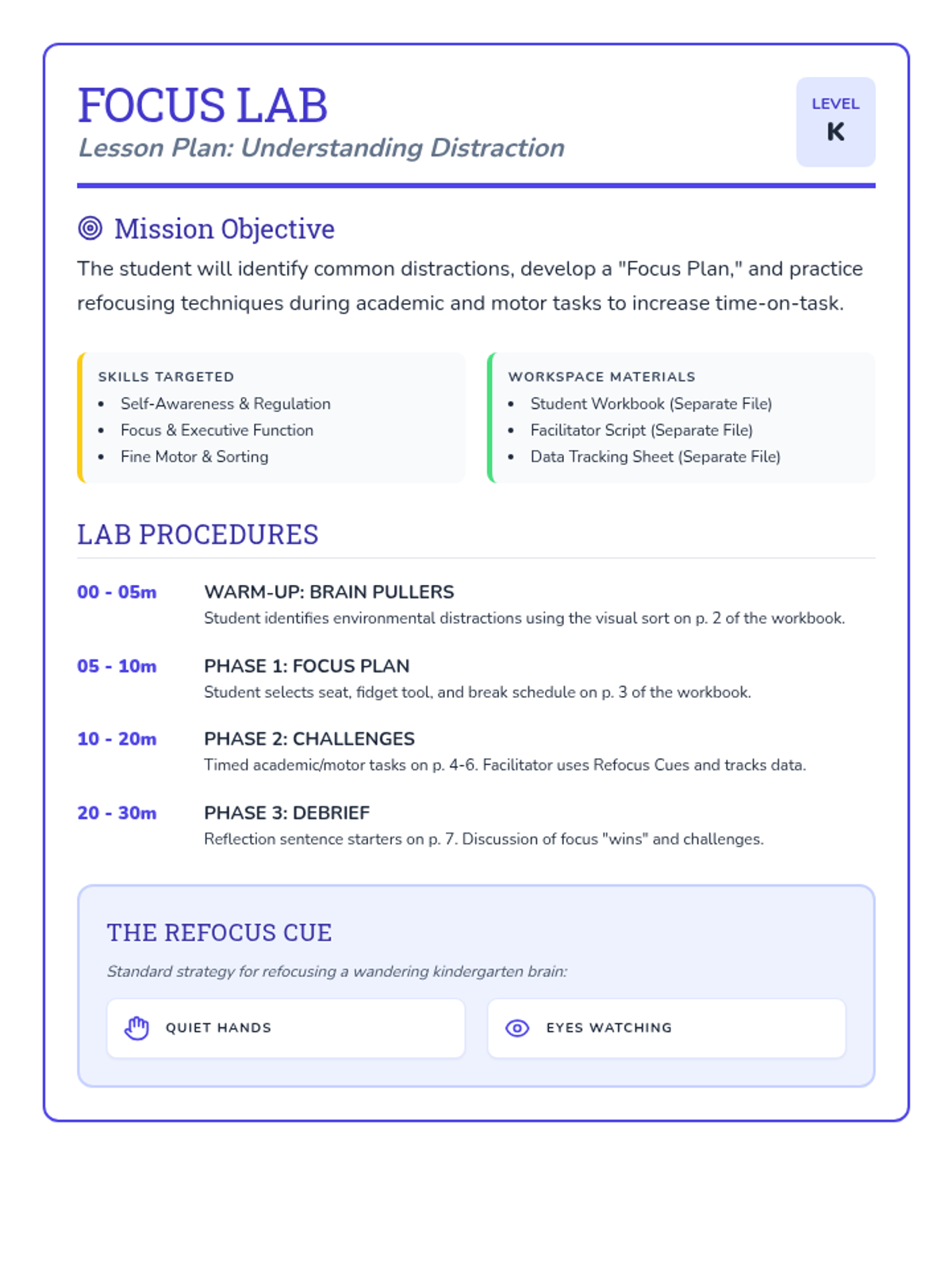
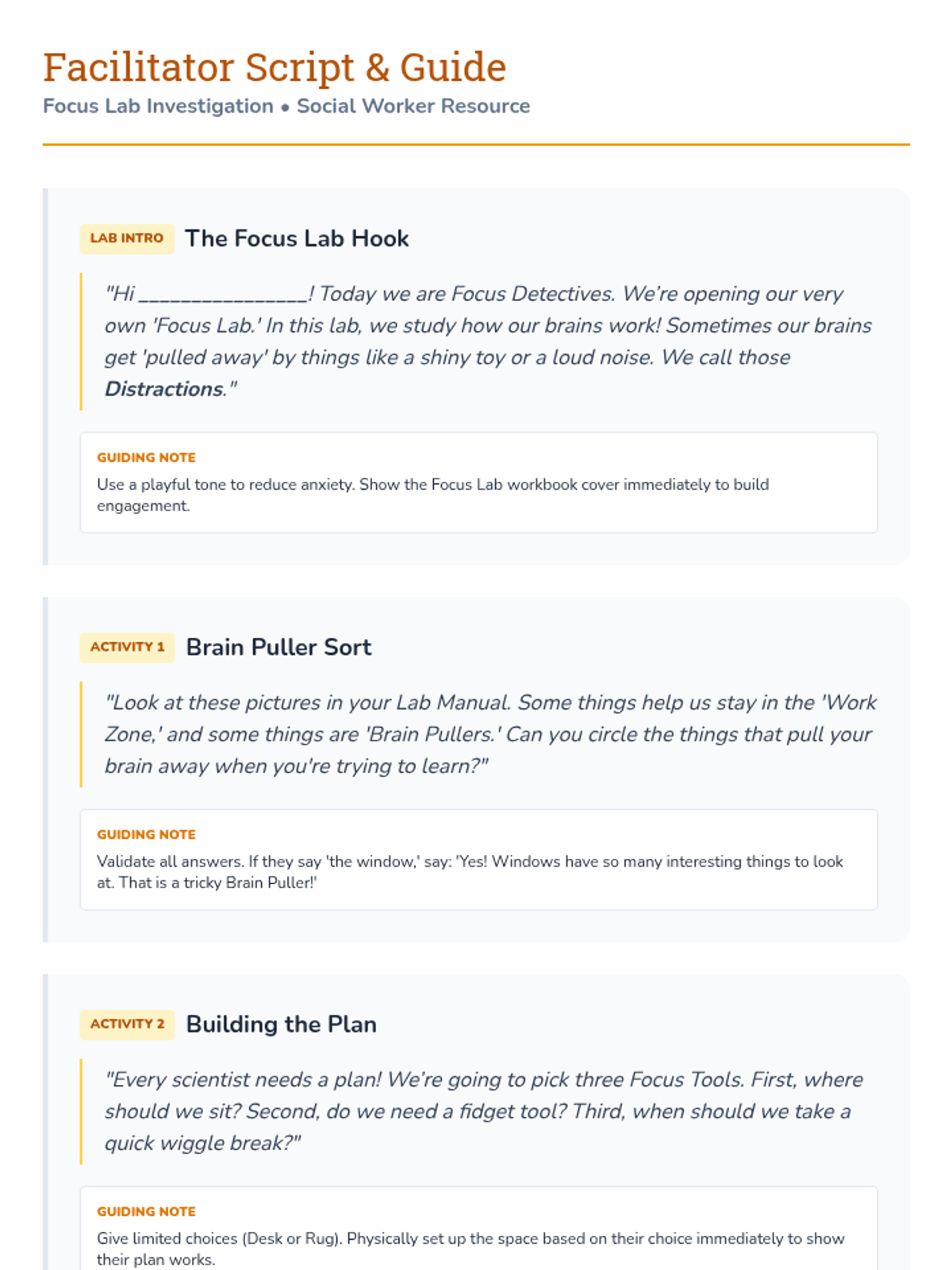
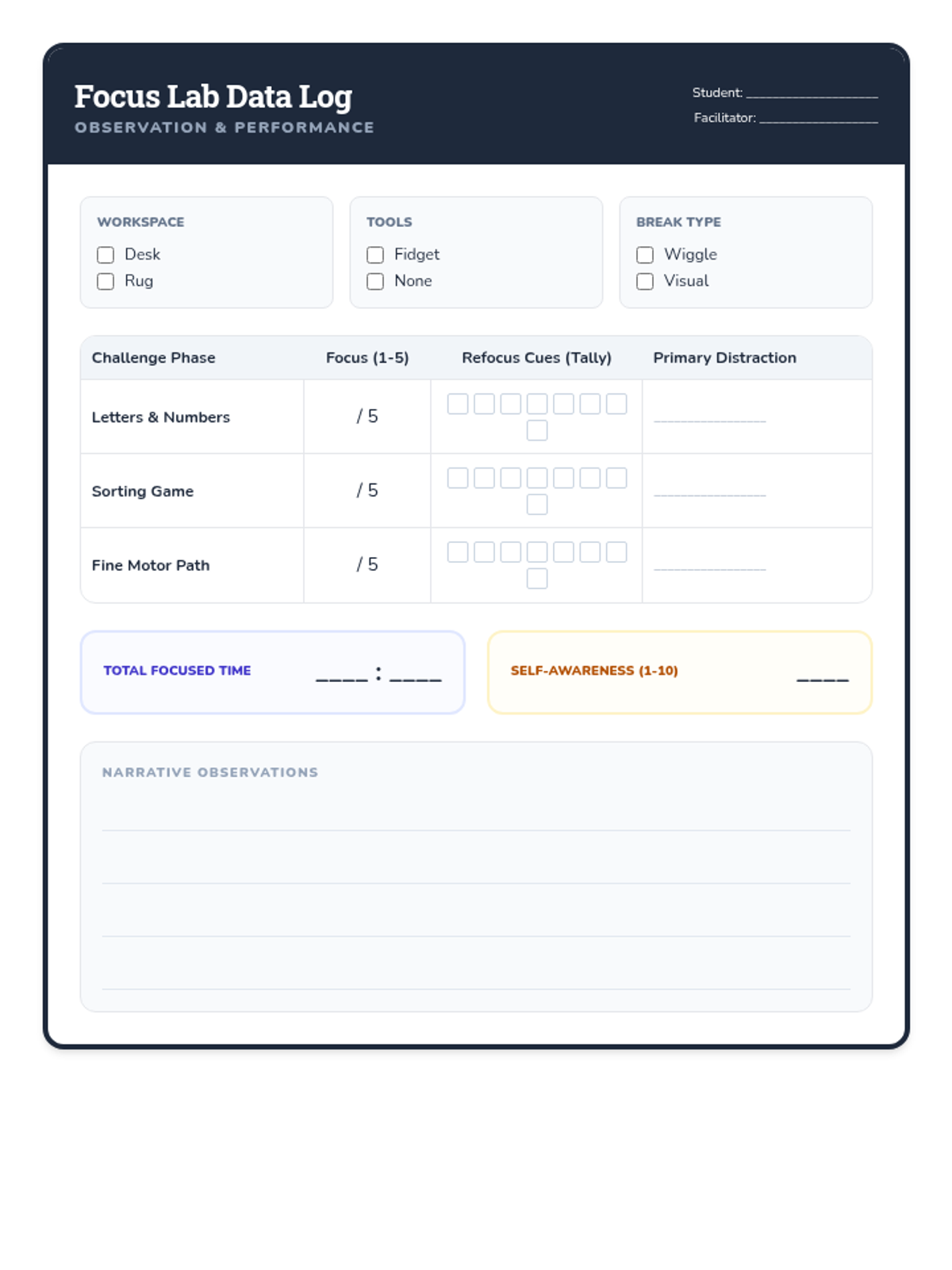
A comprehensive social-emotional learning lesson designed for kindergarten students to build self-awareness regarding distractions. The lesson includes a 'Focus Lab' theme where students investigate their own focus habits, create a personalized focus plan, and practice staying on task through academic and fine motor activities.
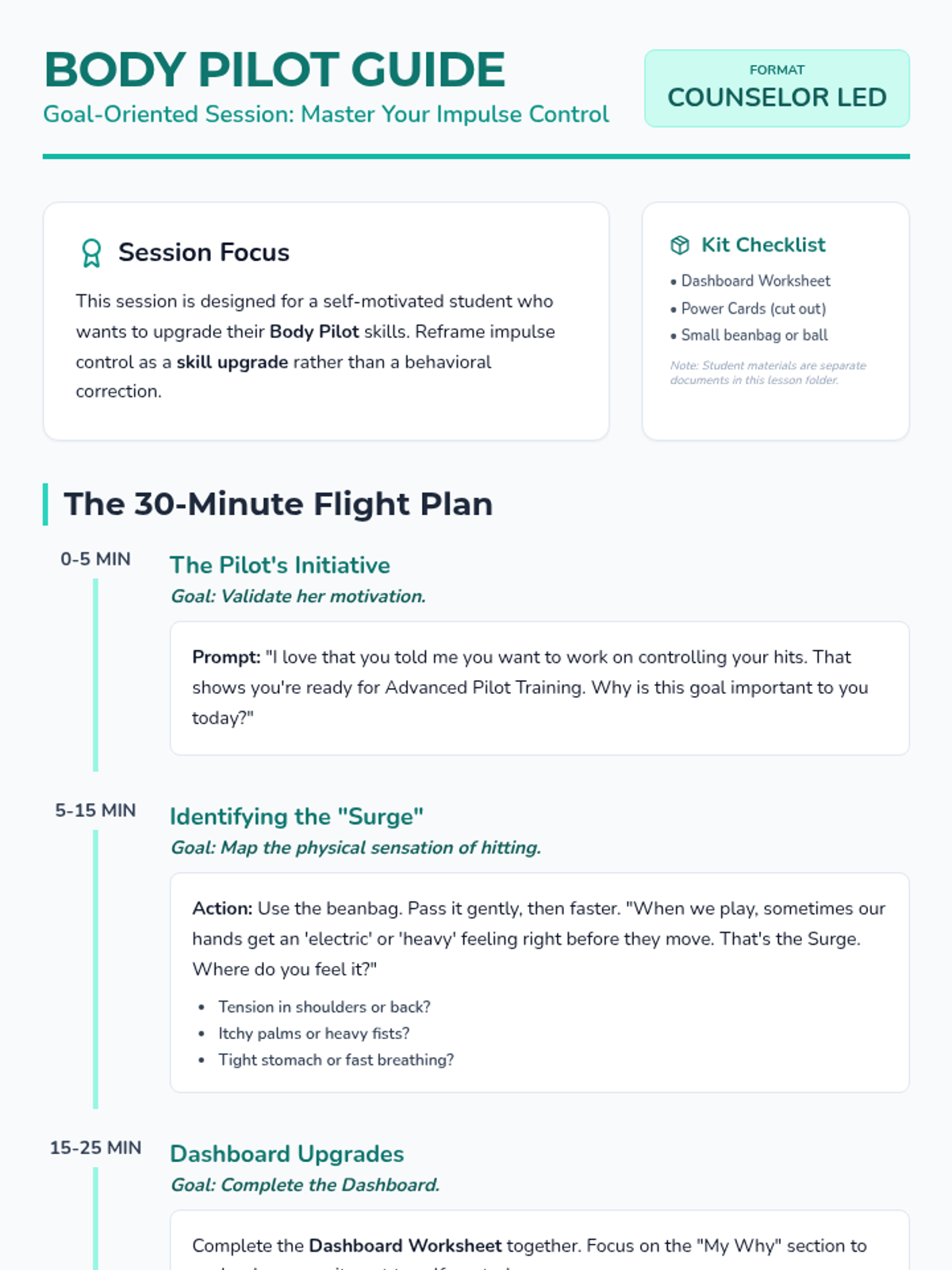
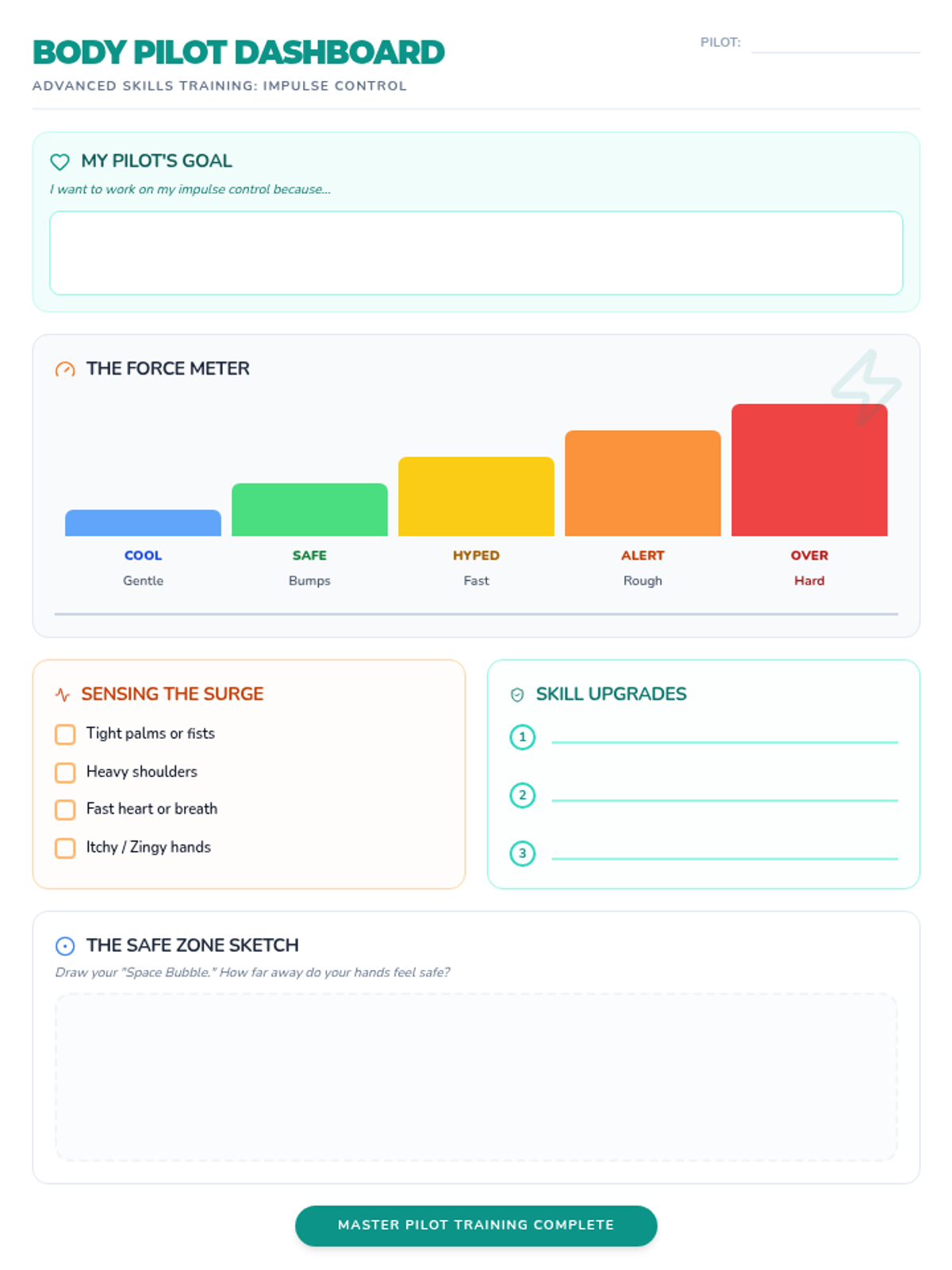
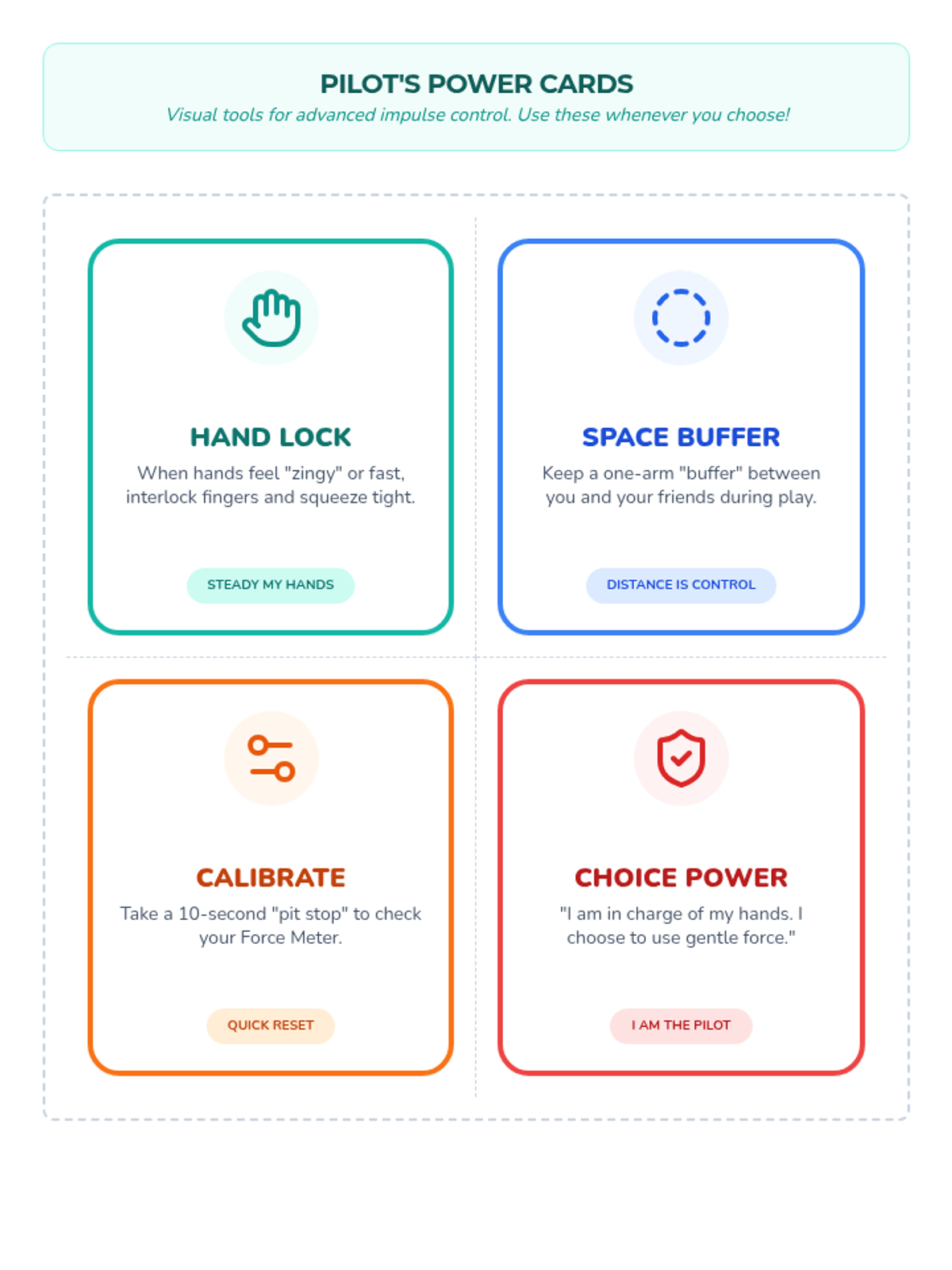
A 30-minute counseling session focused on helping students with autism understand and control physical impulses, specifically addressing 'play fighting' and personal space boundaries using the 'Body Pilot' metaphor.
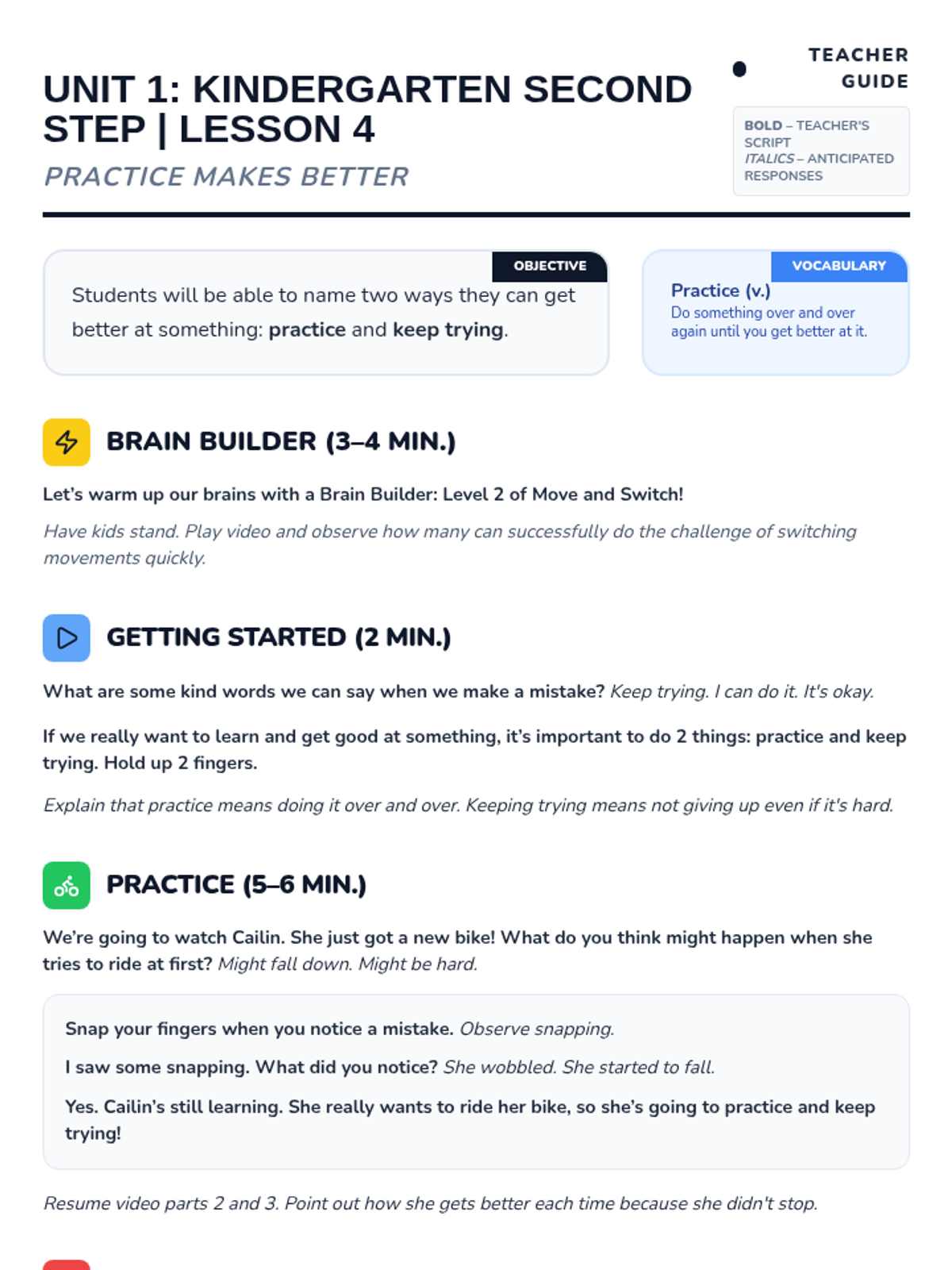
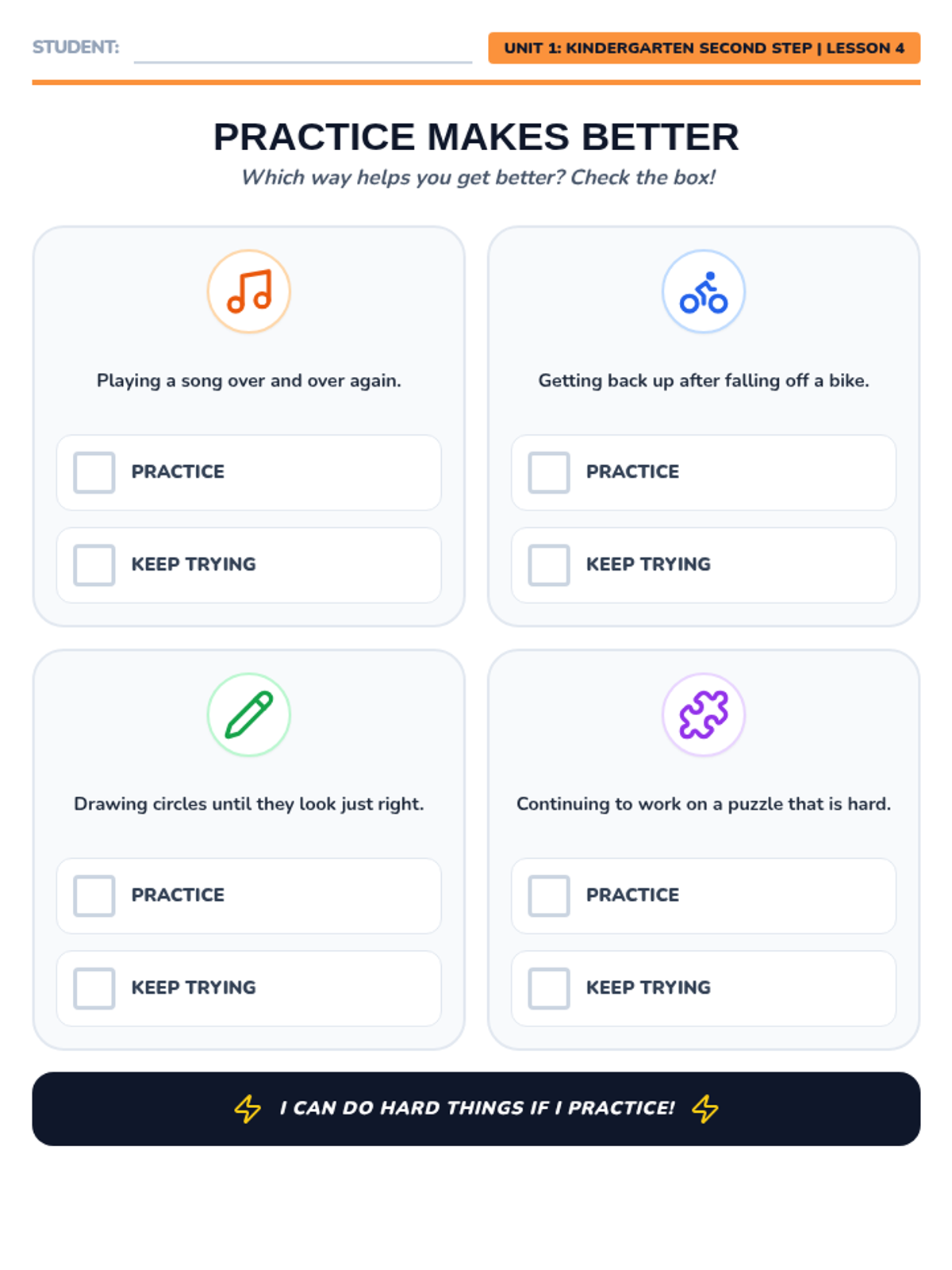
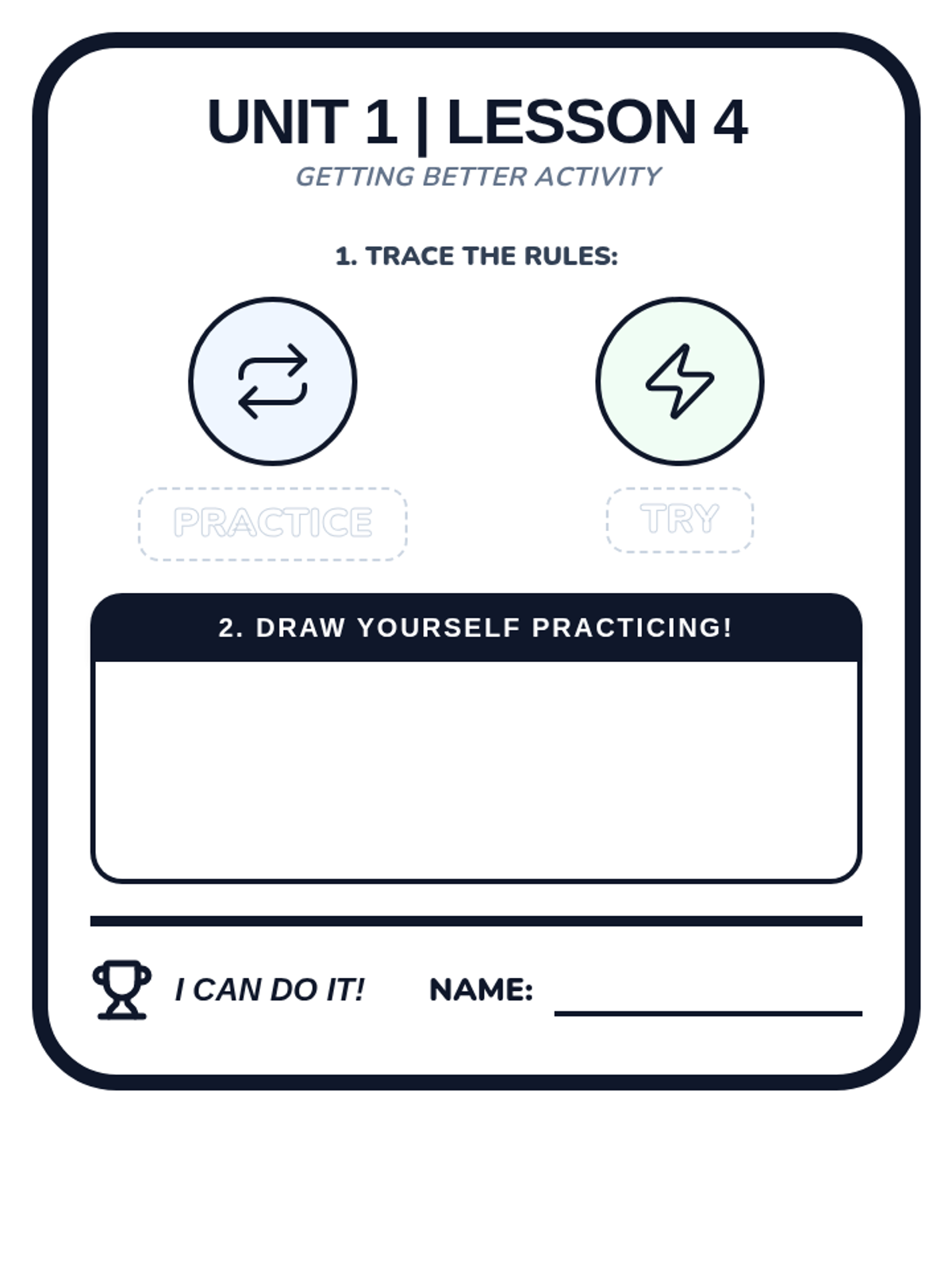
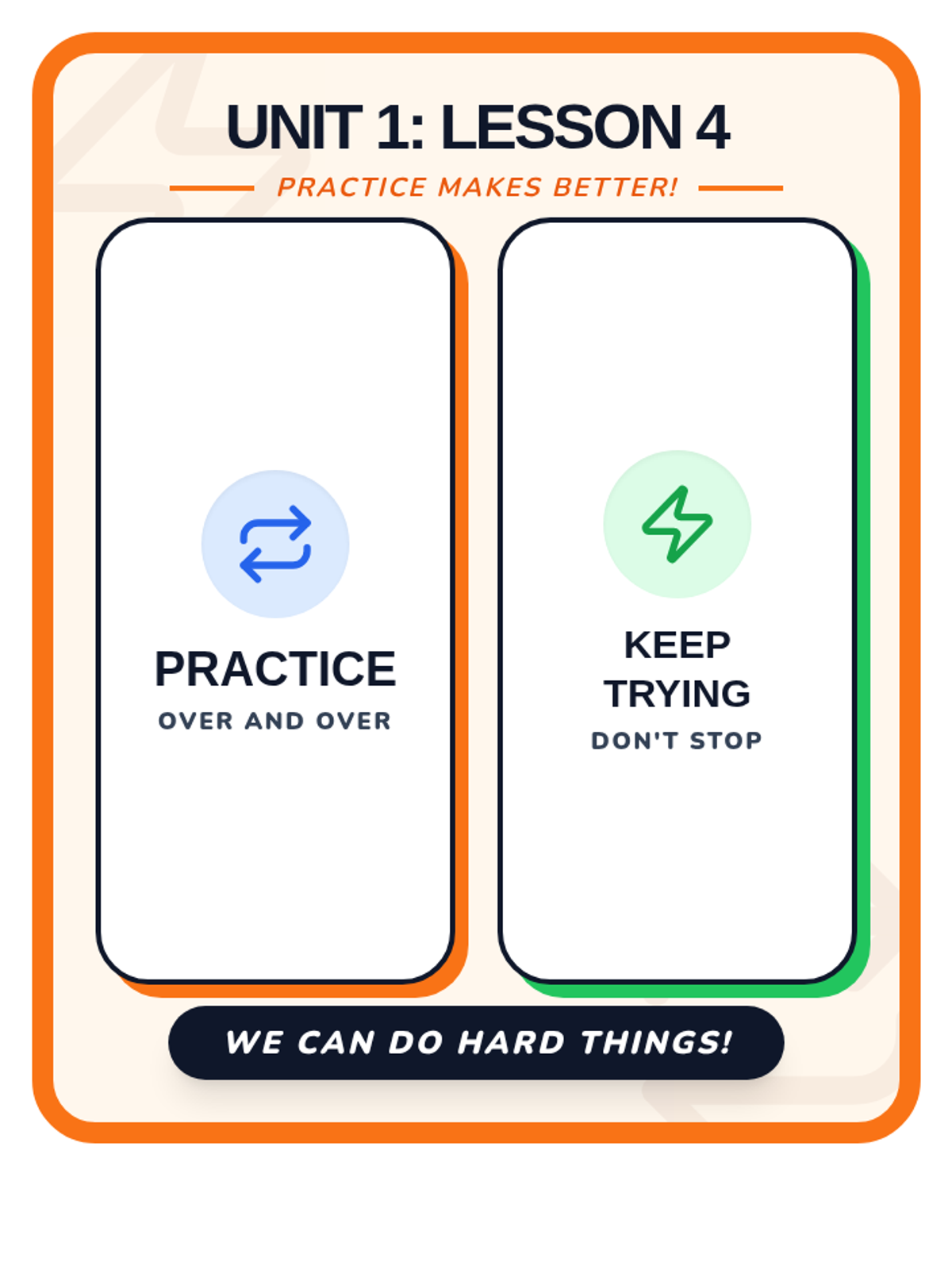
A kindergarten SEL lesson based on the Second Step curriculum (Unit 1 Lesson 4), focused on identifying practice and persistence as the two primary ways to improve skills.
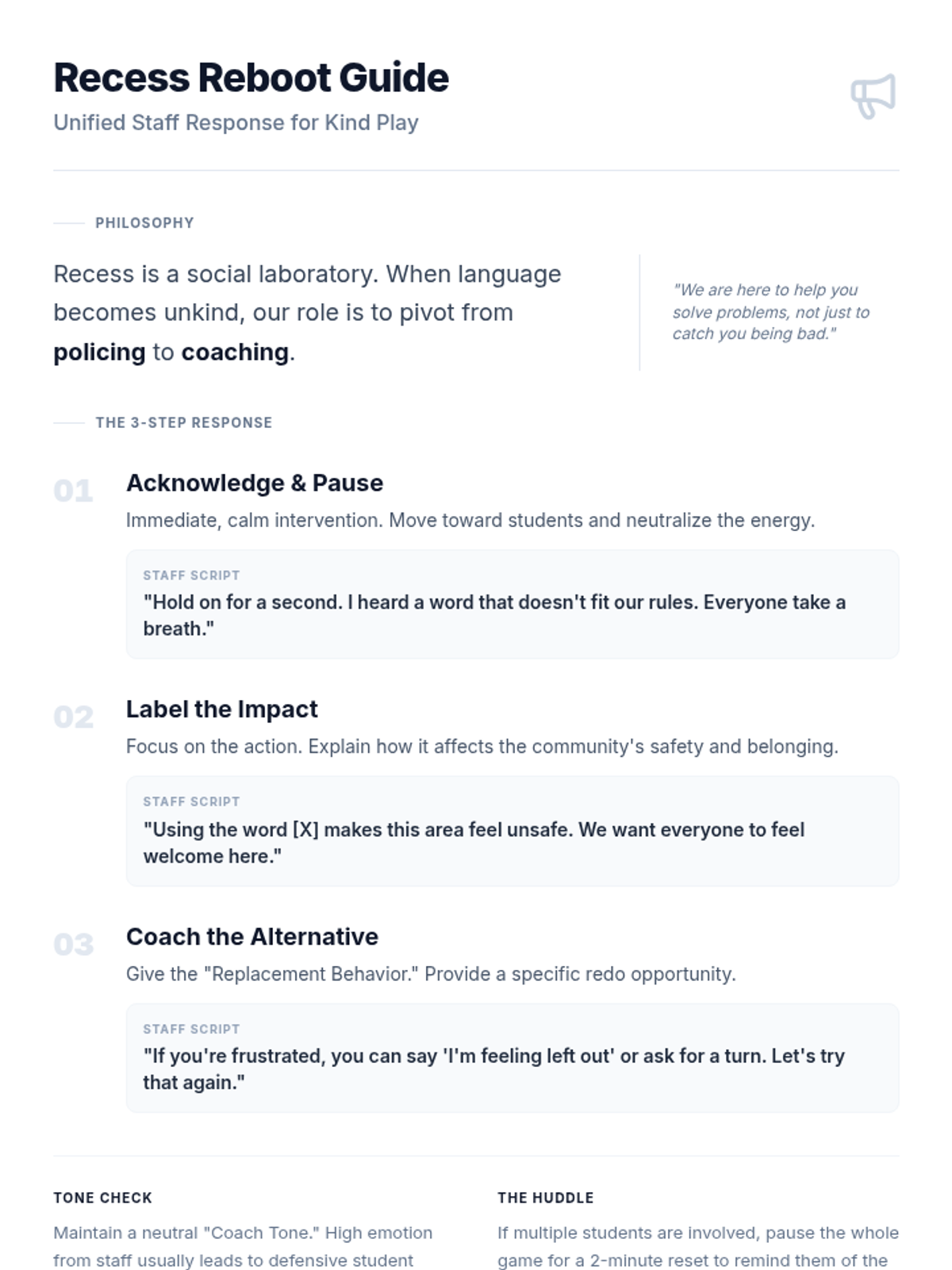
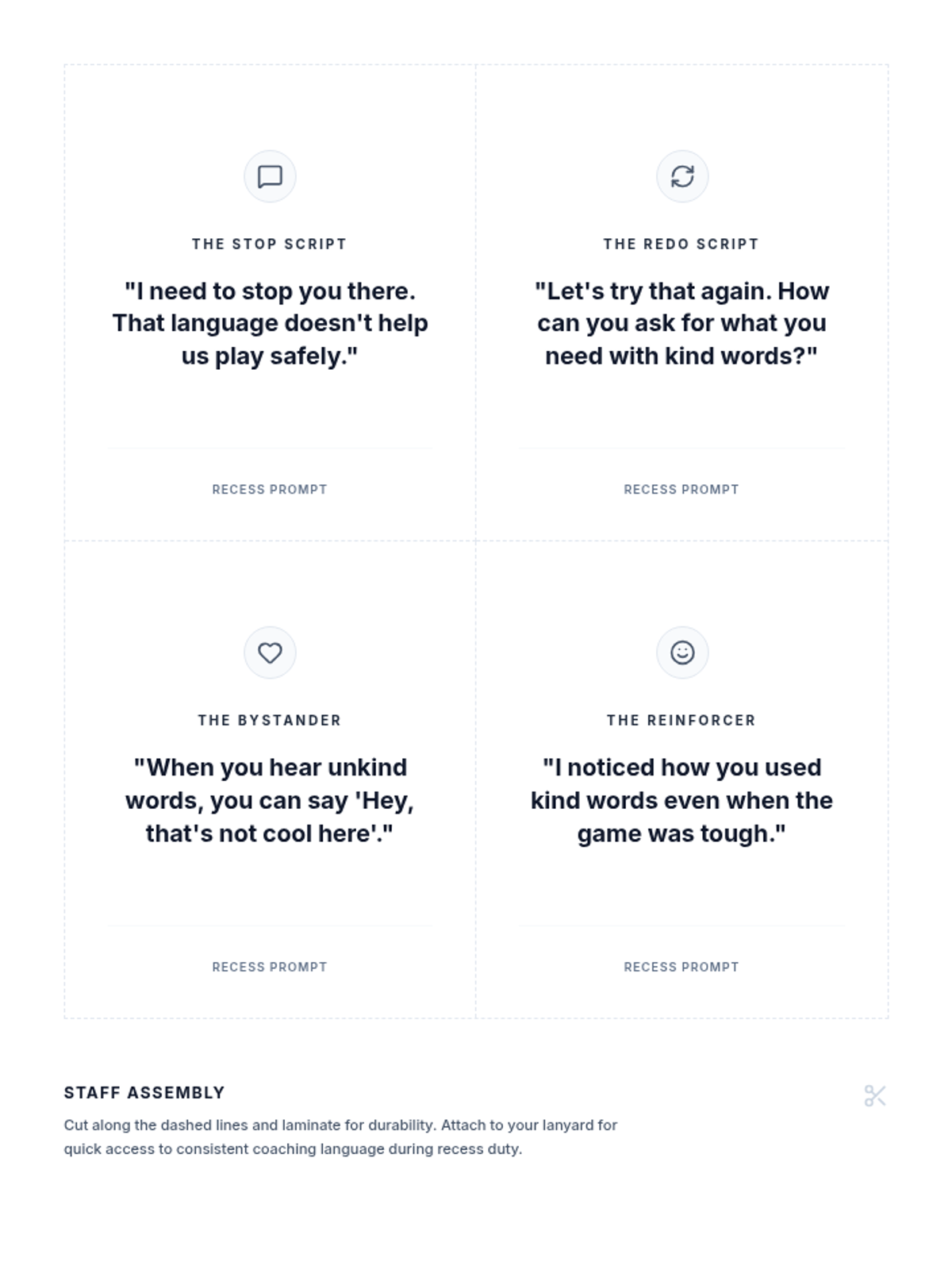
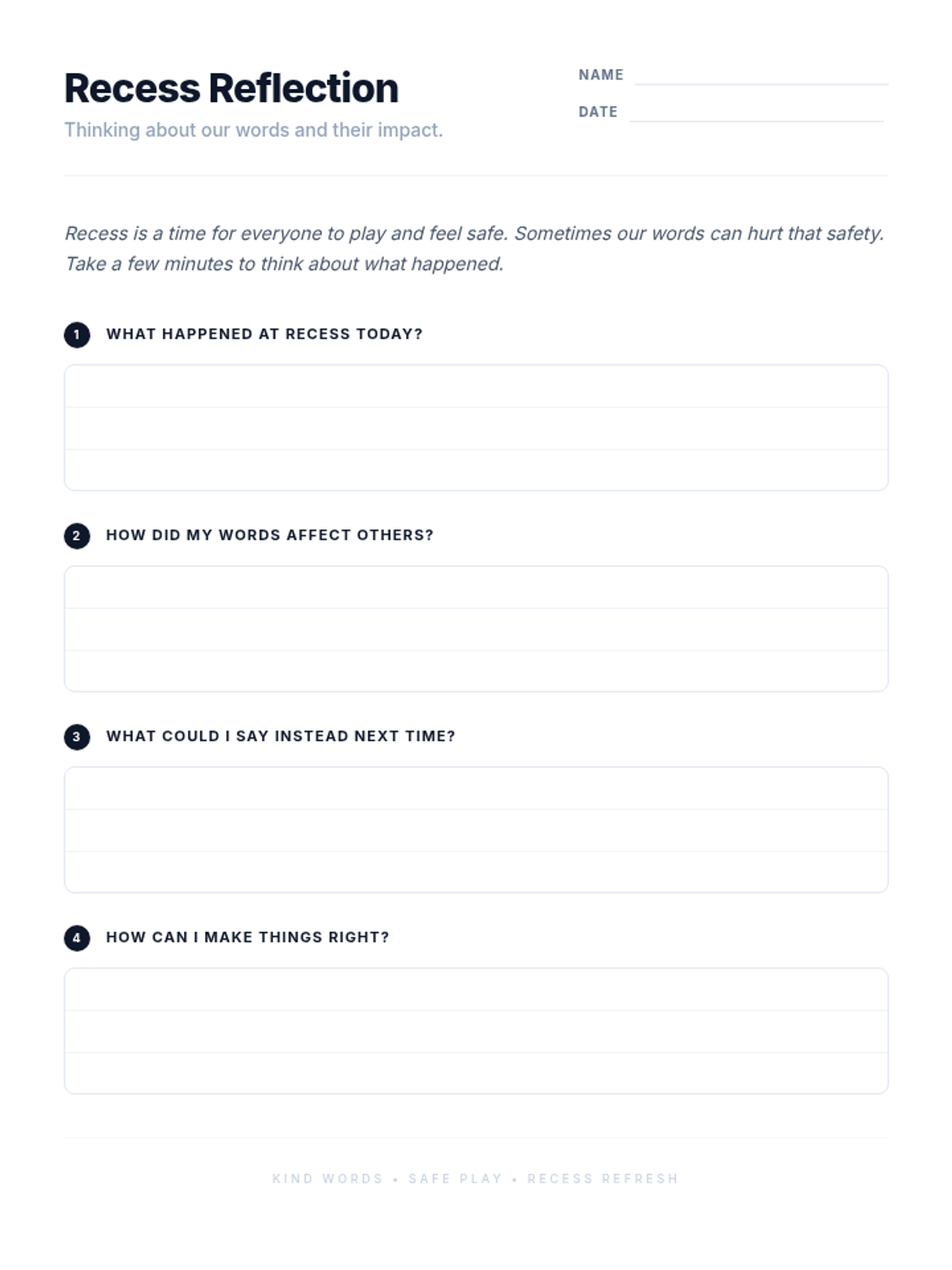
A comprehensive guide and toolkit for staff to address unkind language during recess, providing consistent response strategies and student reflection tools.
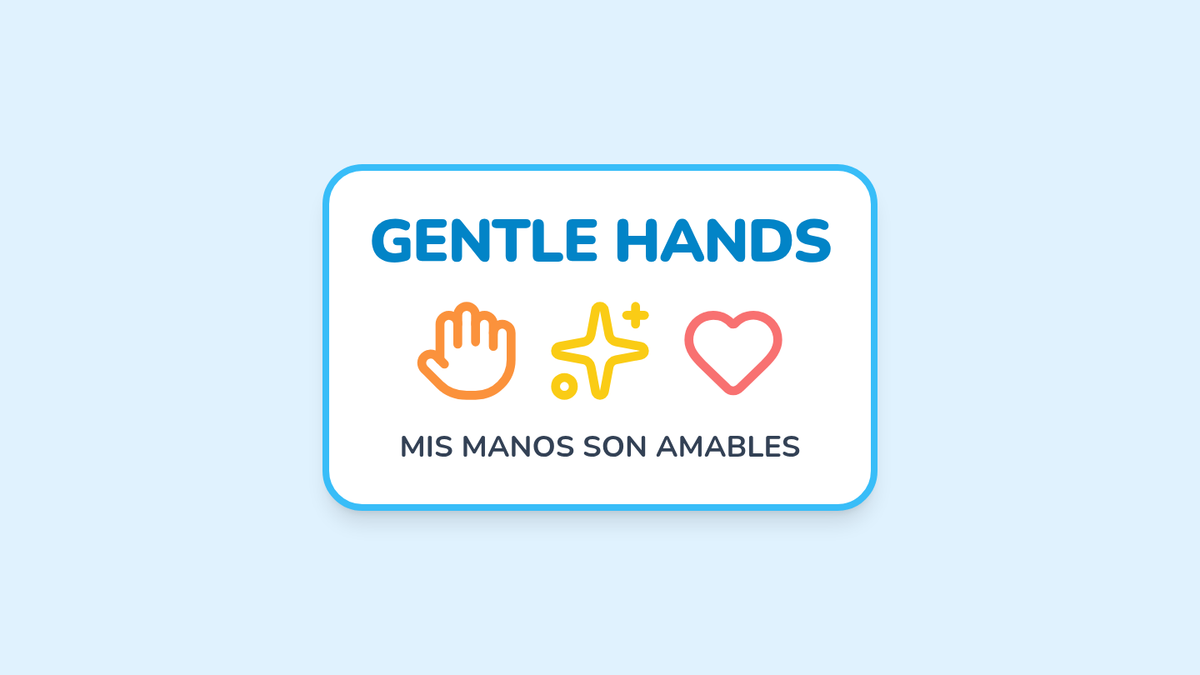
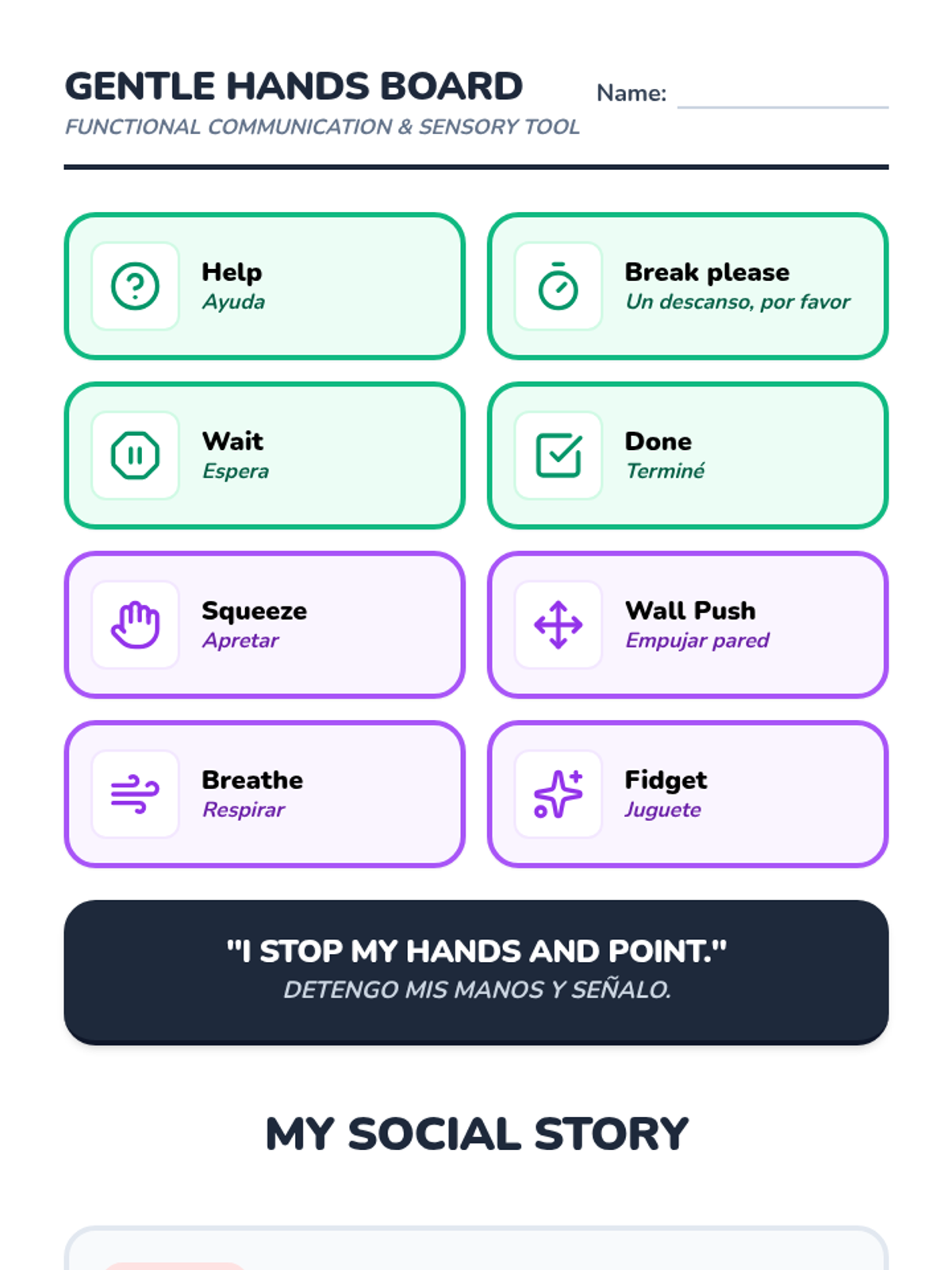
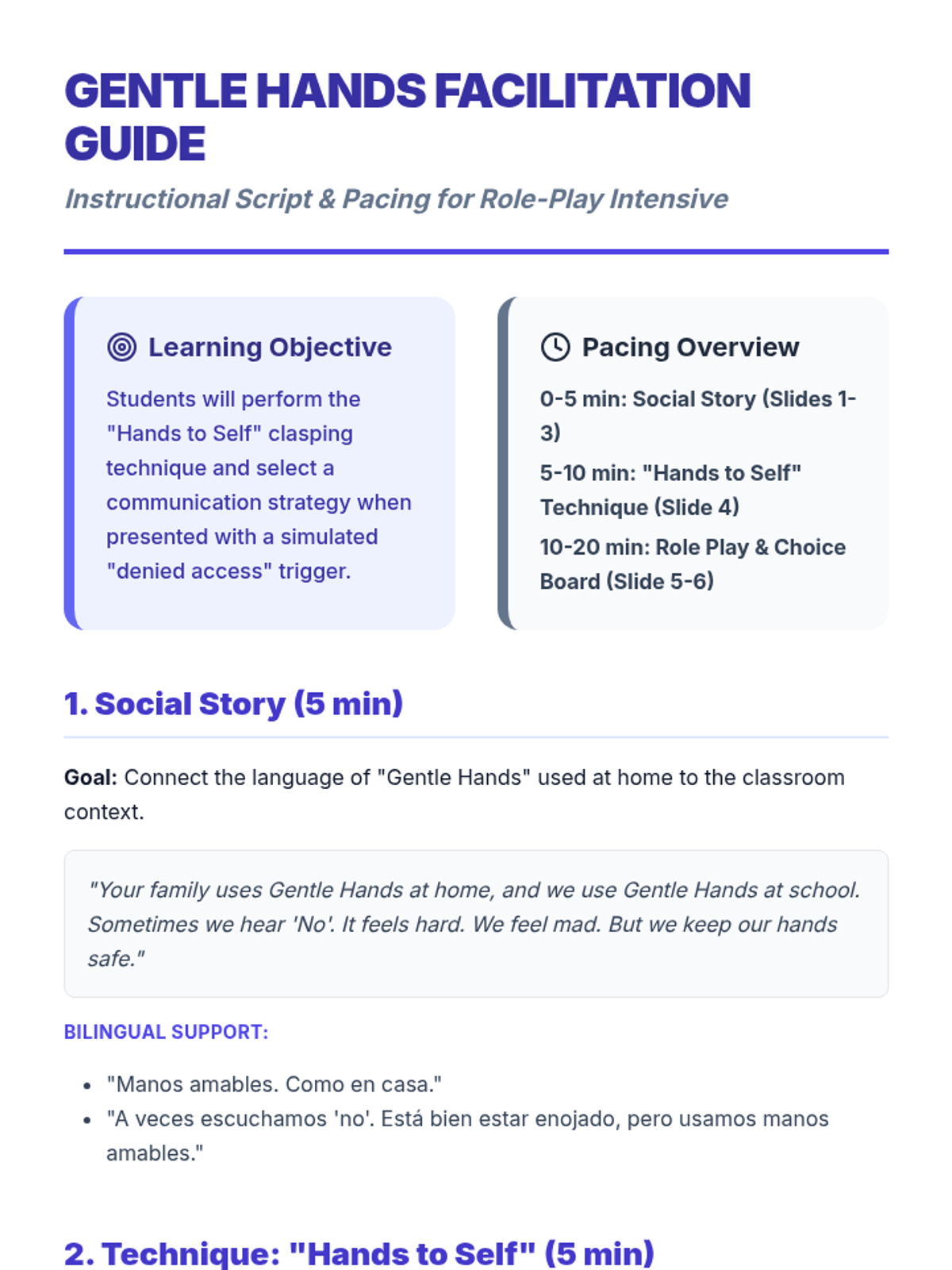
A 20-minute intensive counseling lesson focused on 'Gentle Hands' and 'Hands to Self' techniques. Includes a social story, role-play scenarios, and a visual choice board to replace hitting with functional communication.
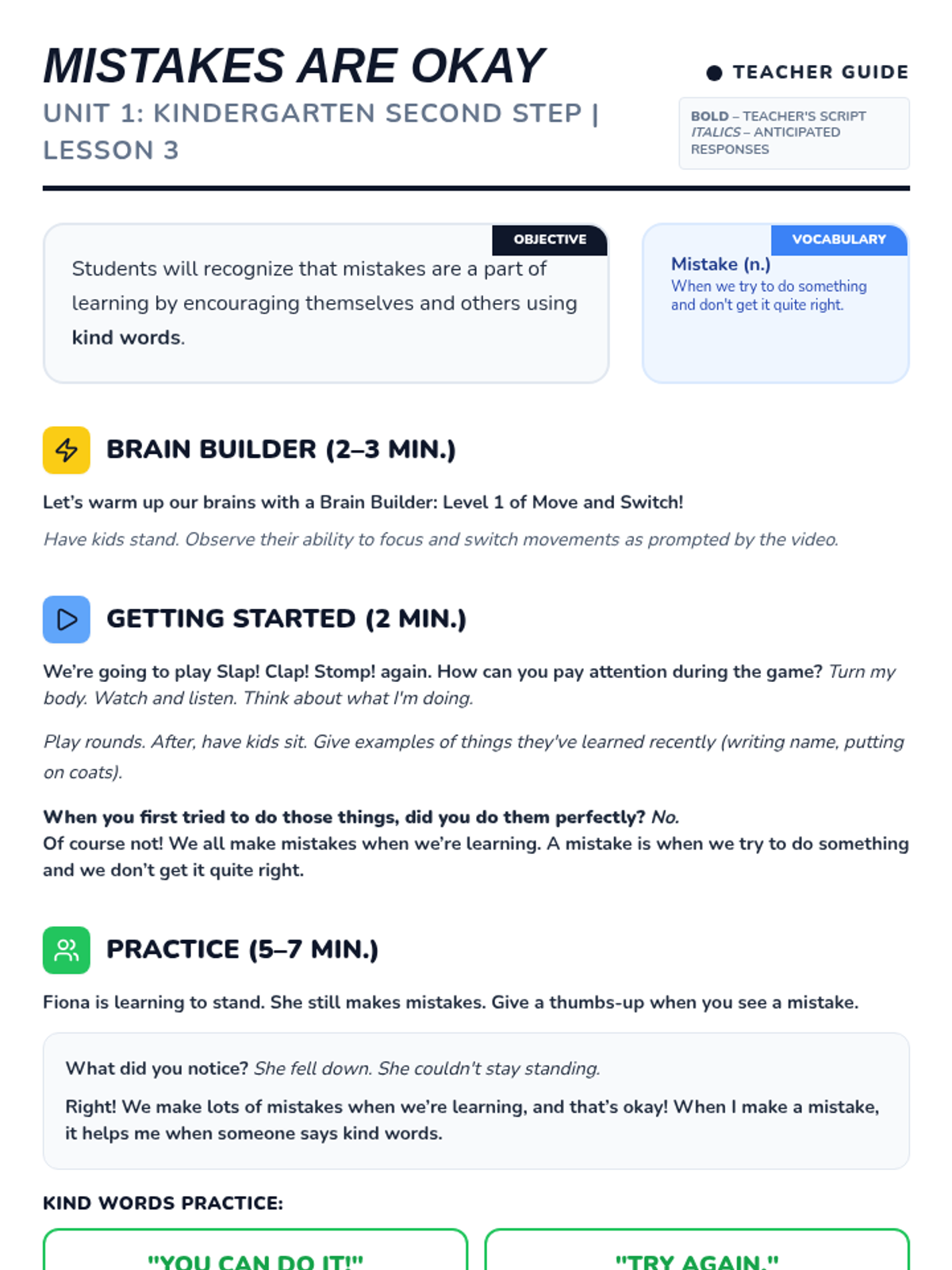
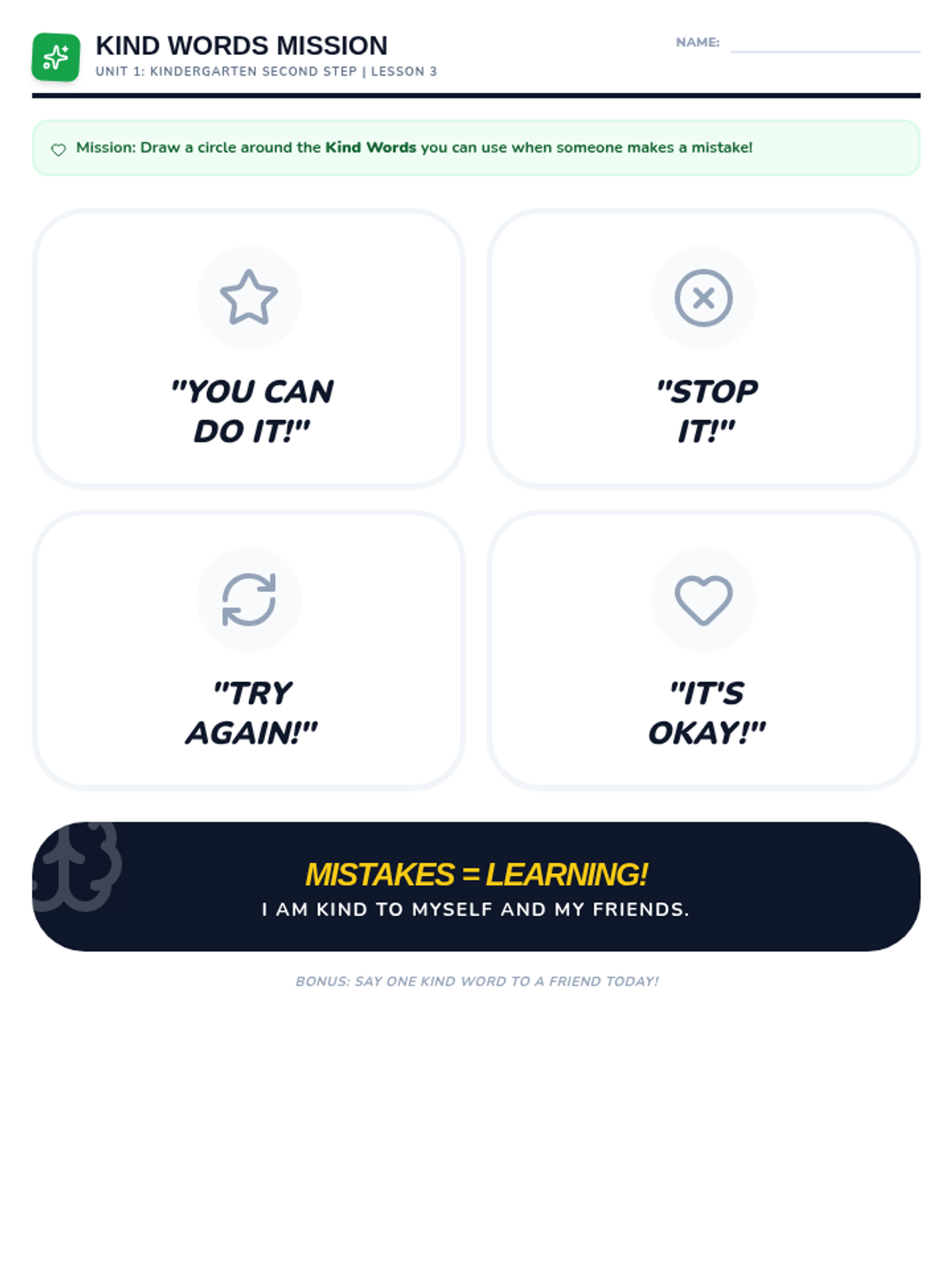
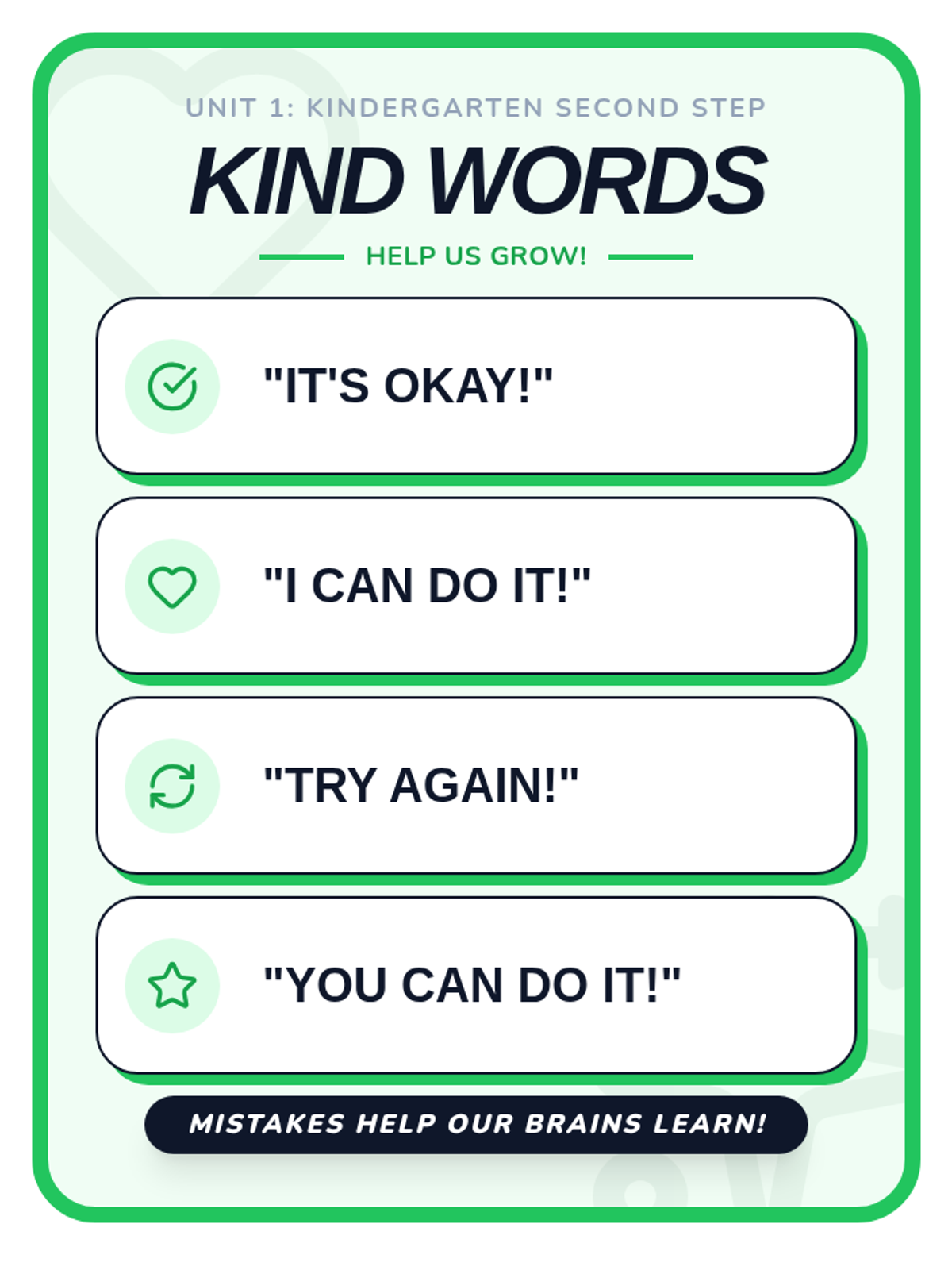
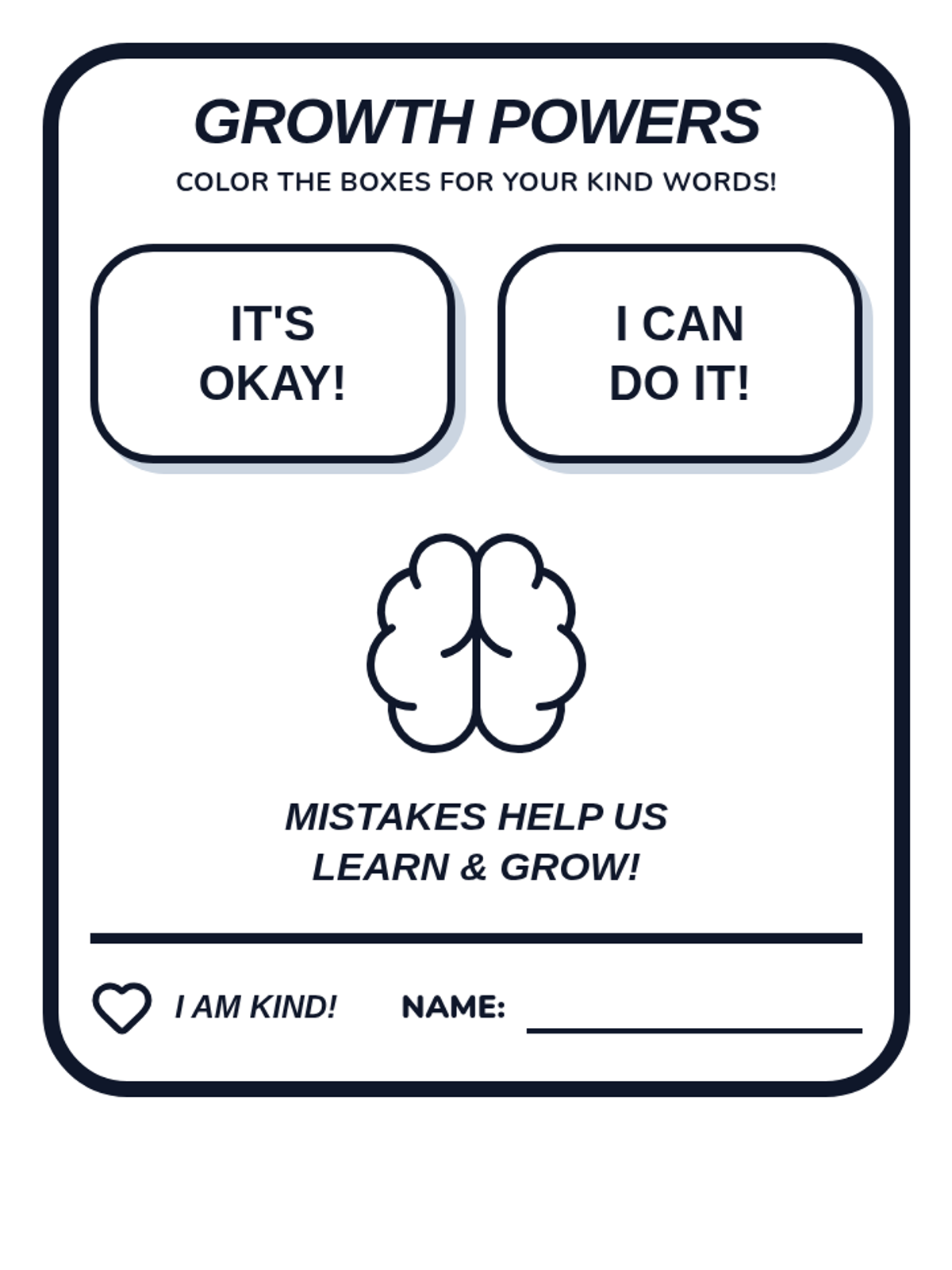
A kindergarten SEL lesson based on the Second Step curriculum (Unit 1 Lesson 3), focused on understanding that mistakes are a natural part of learning and how to use kind words for encouragement.
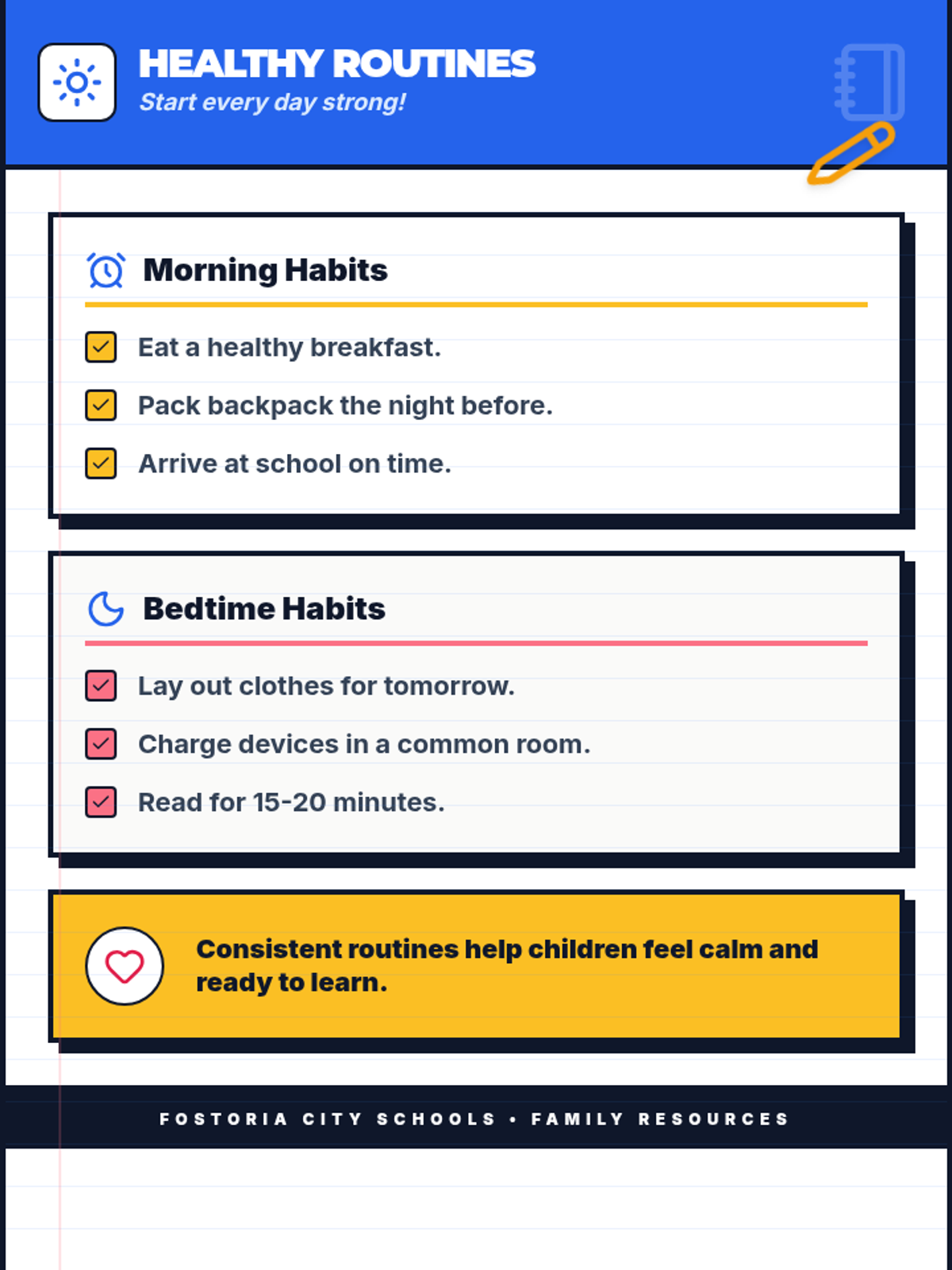
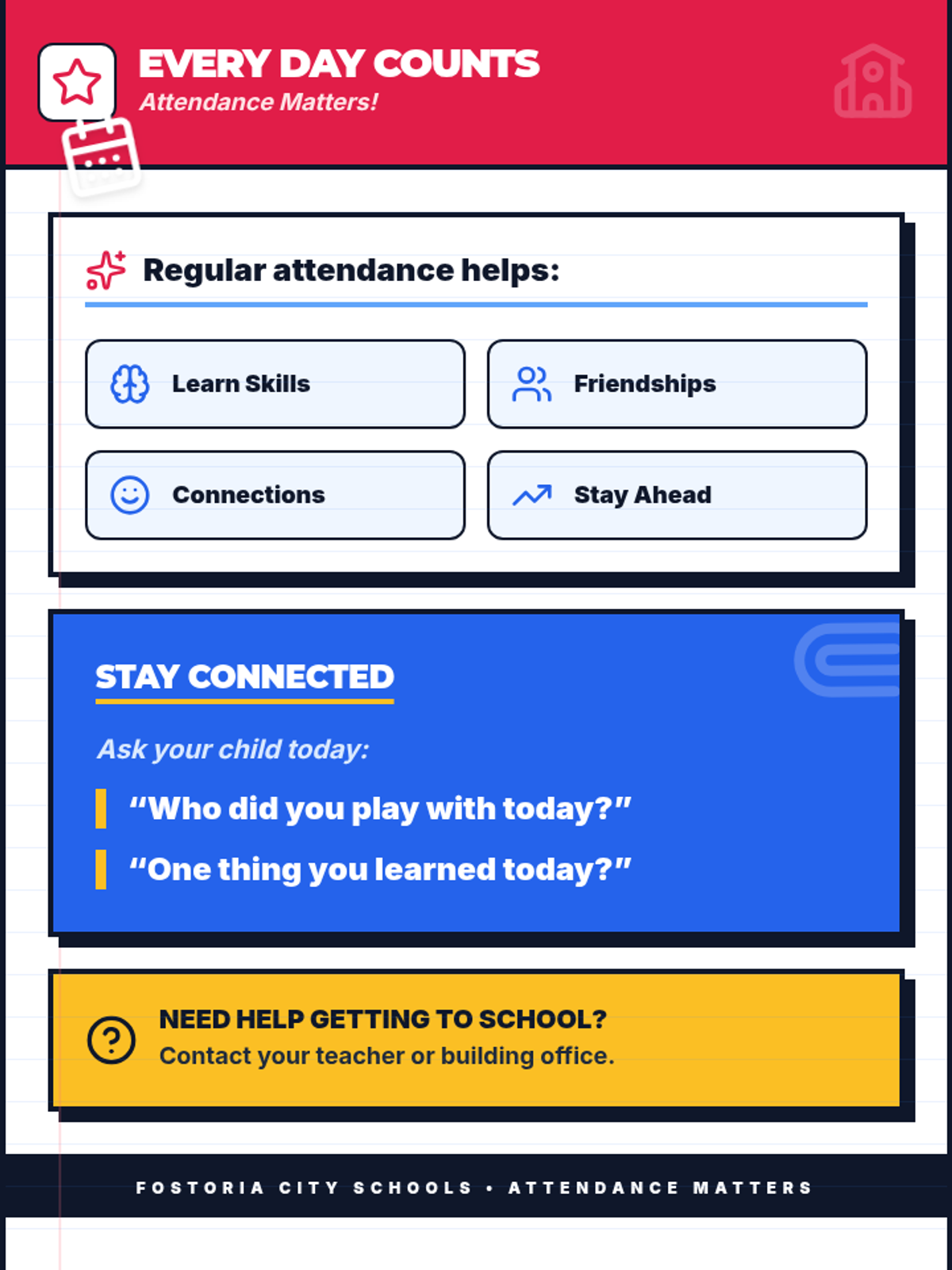
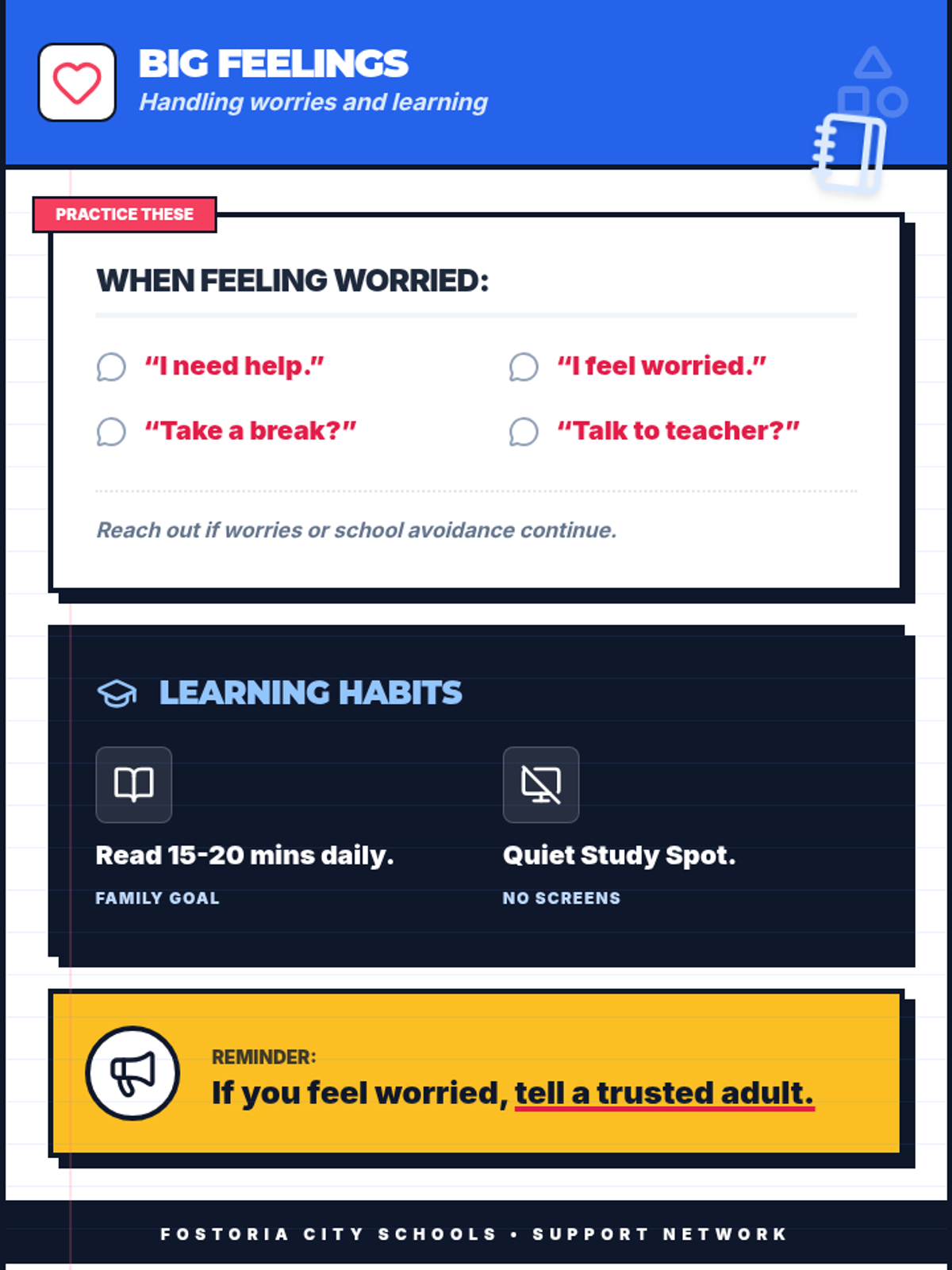
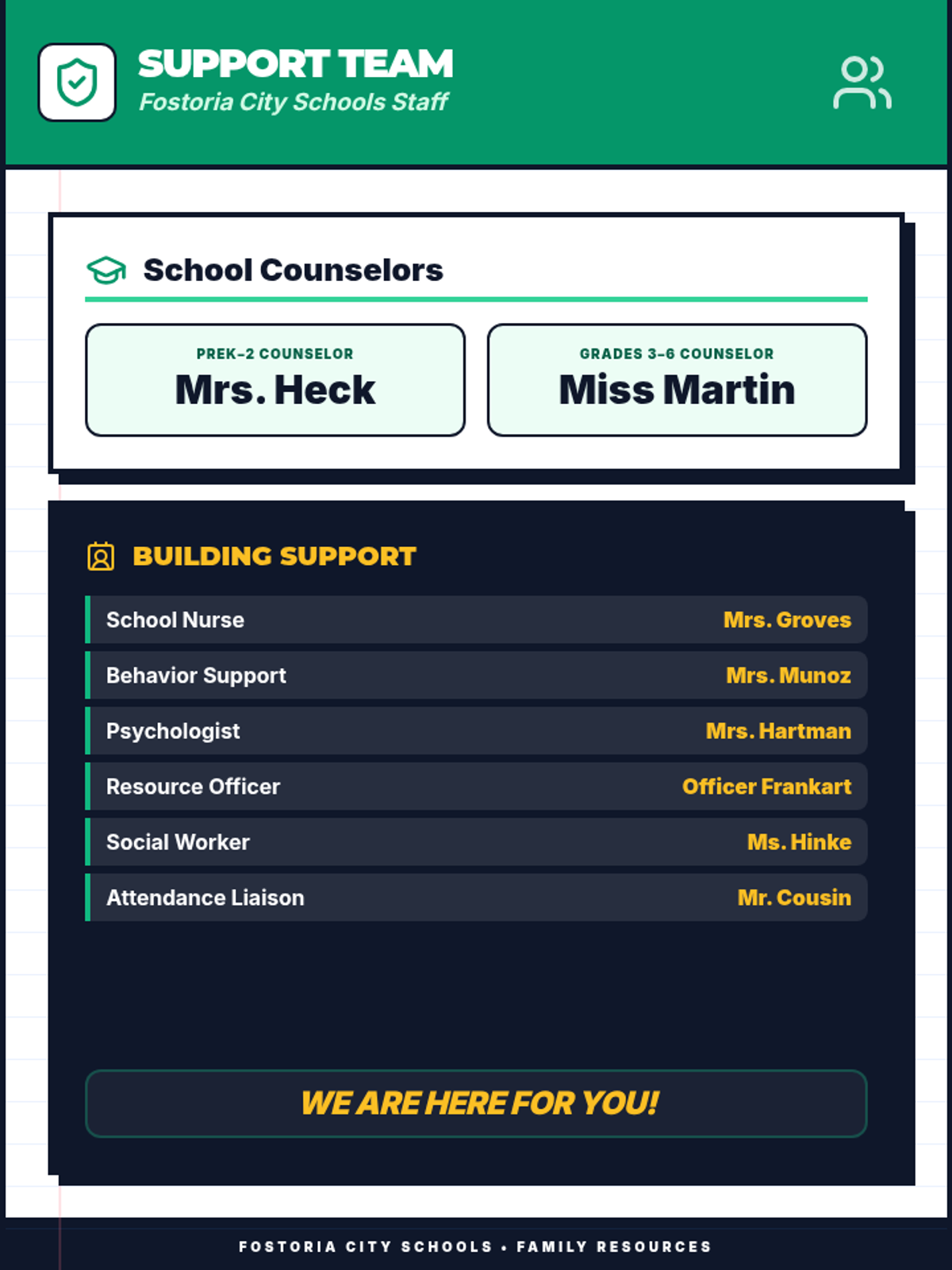
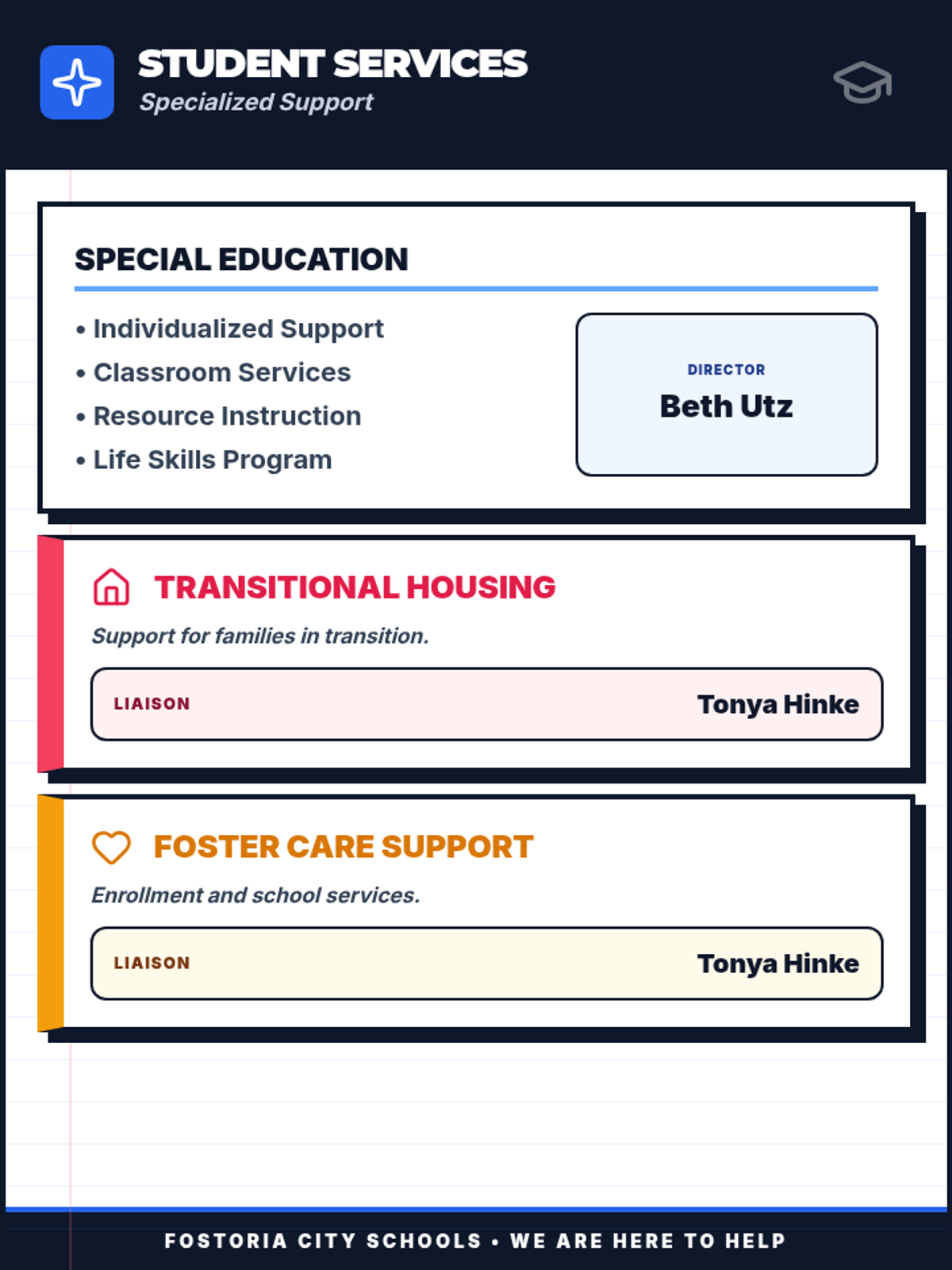
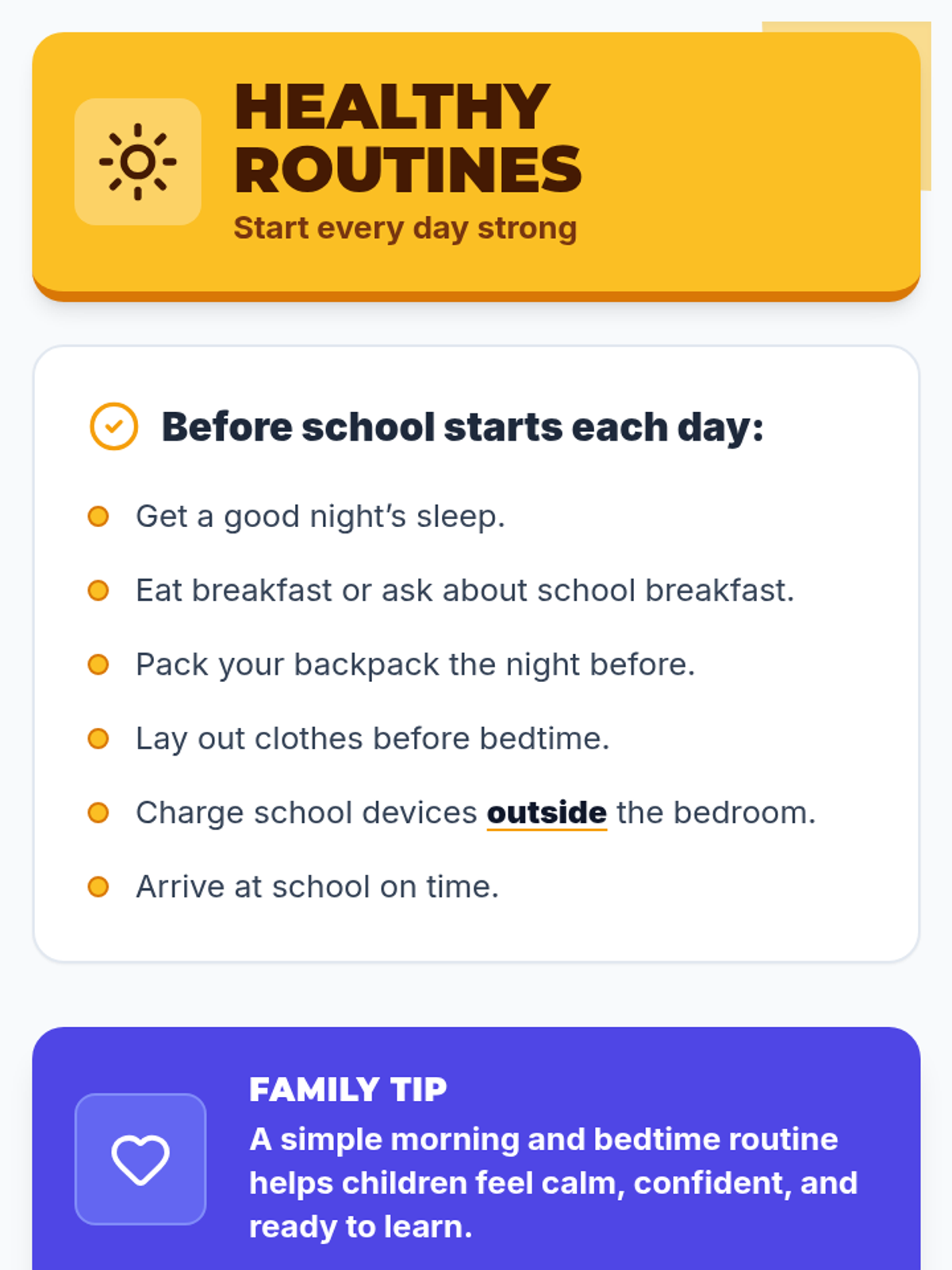
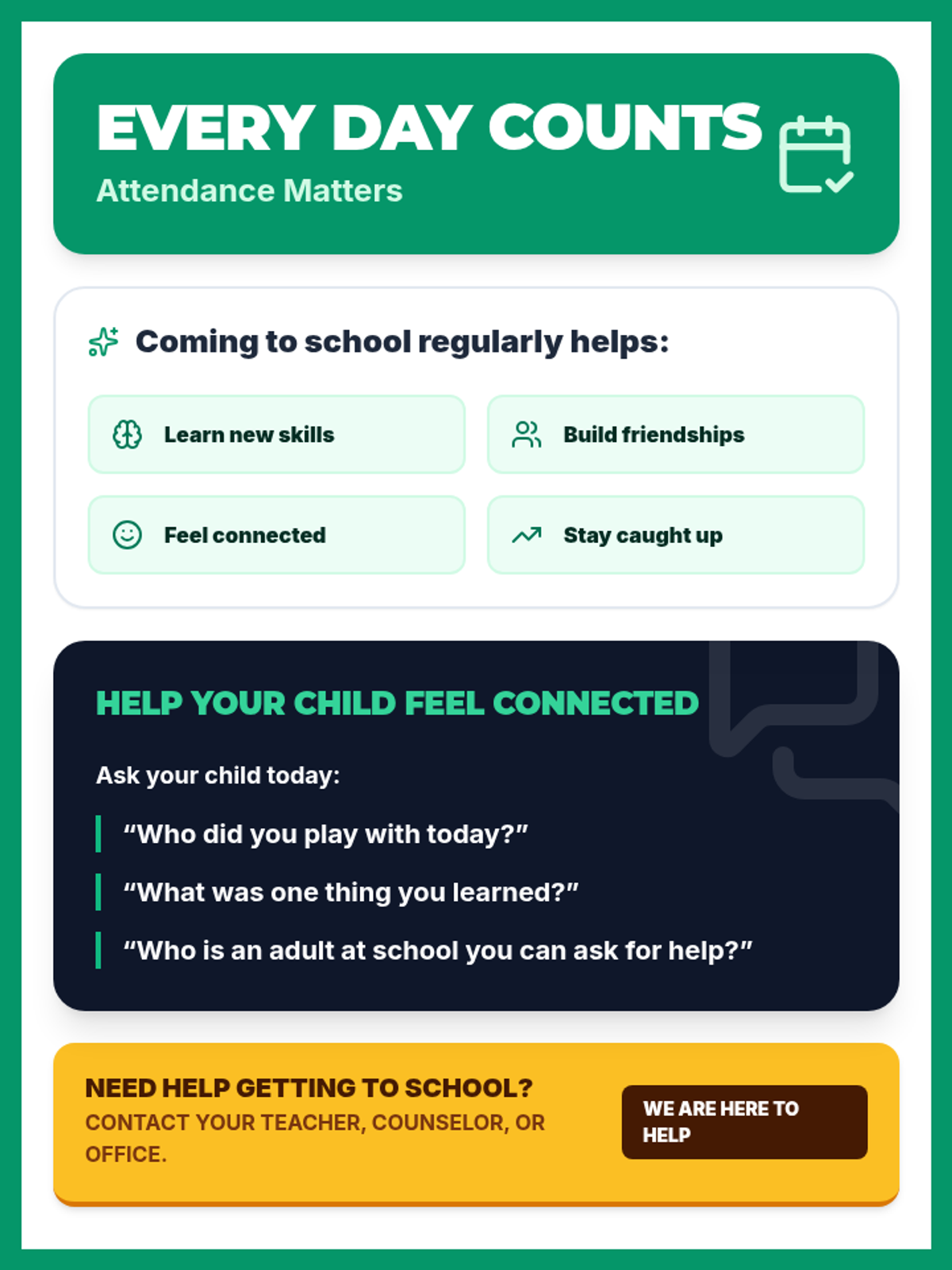
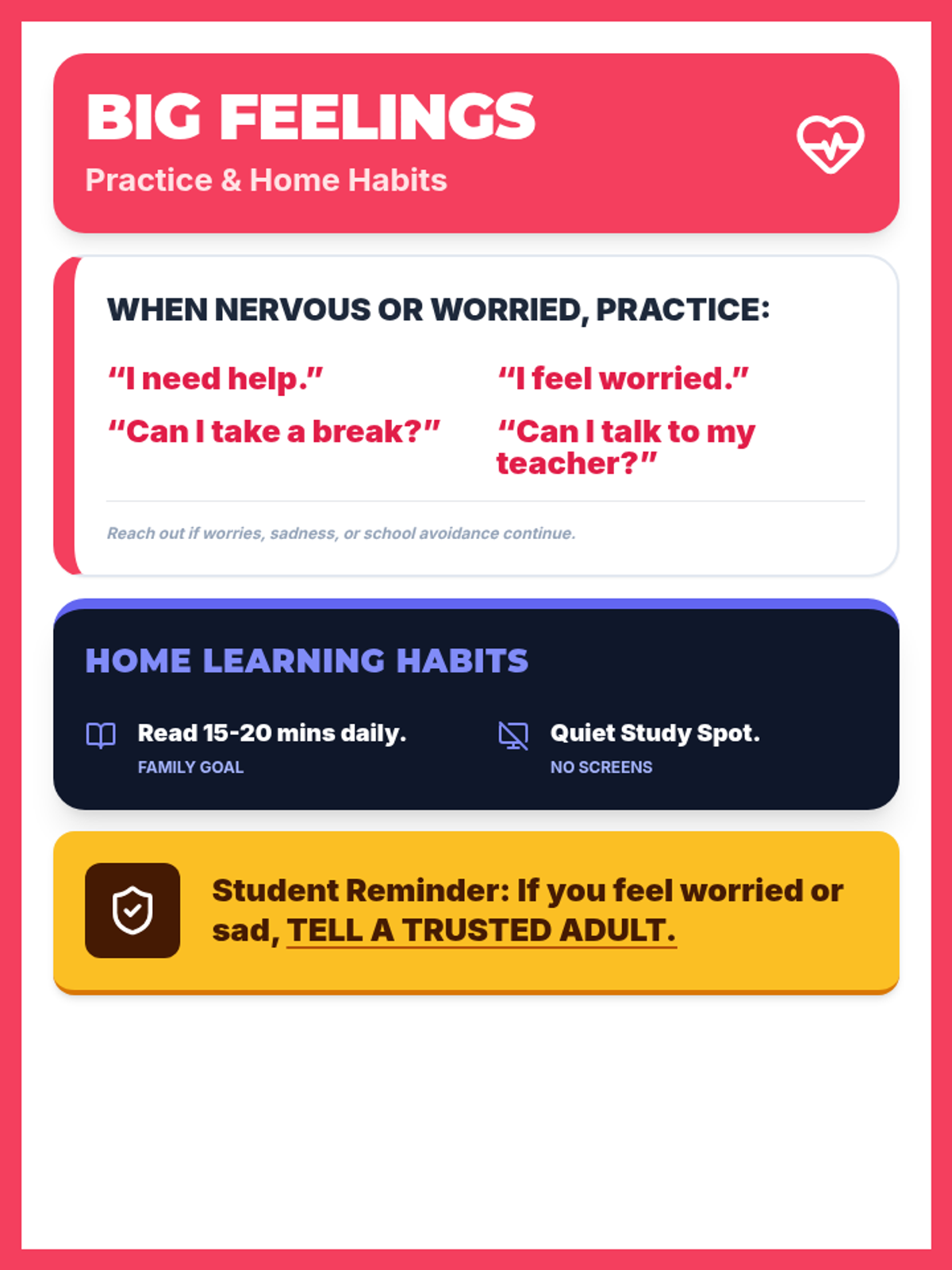
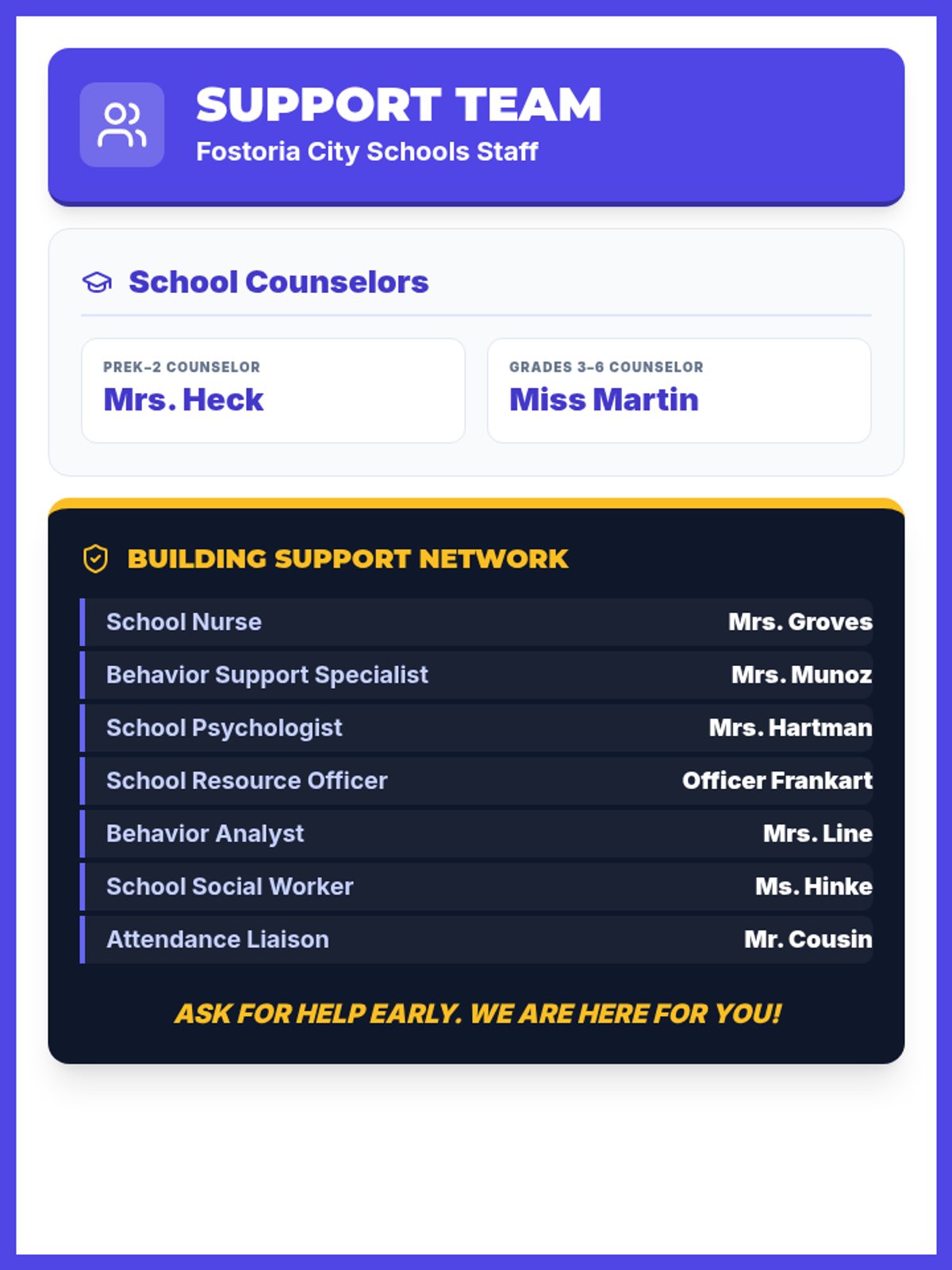
Informational posters for families during the back-to-school season, focusing on success routines and school/community supports.
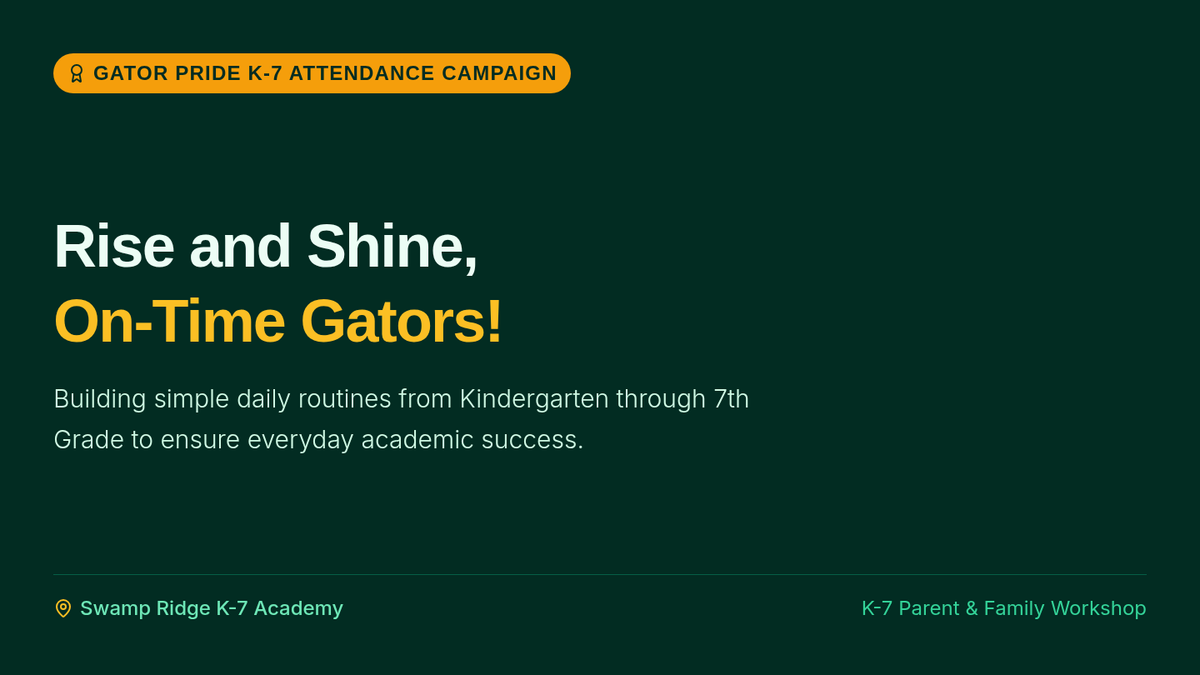
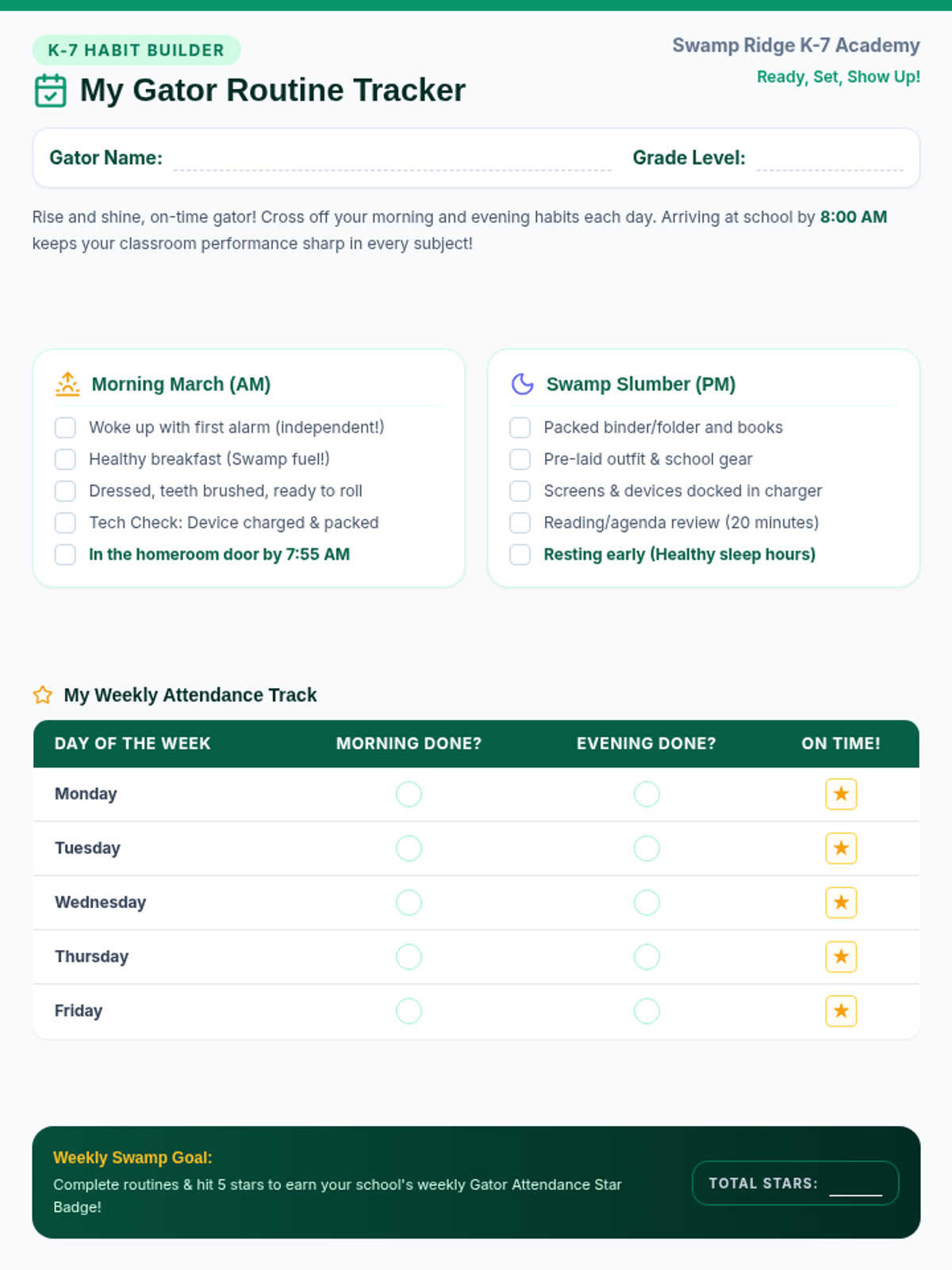
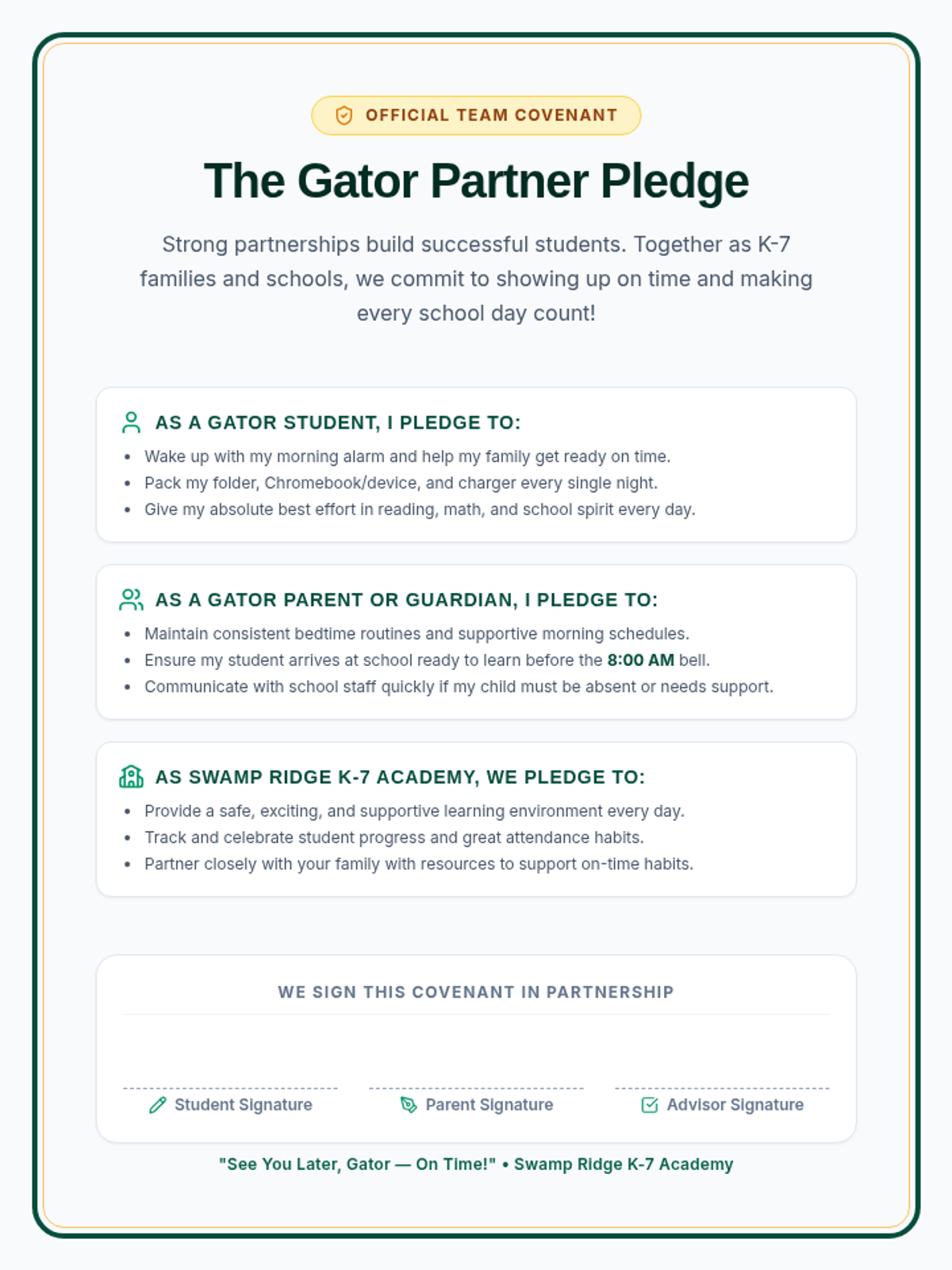
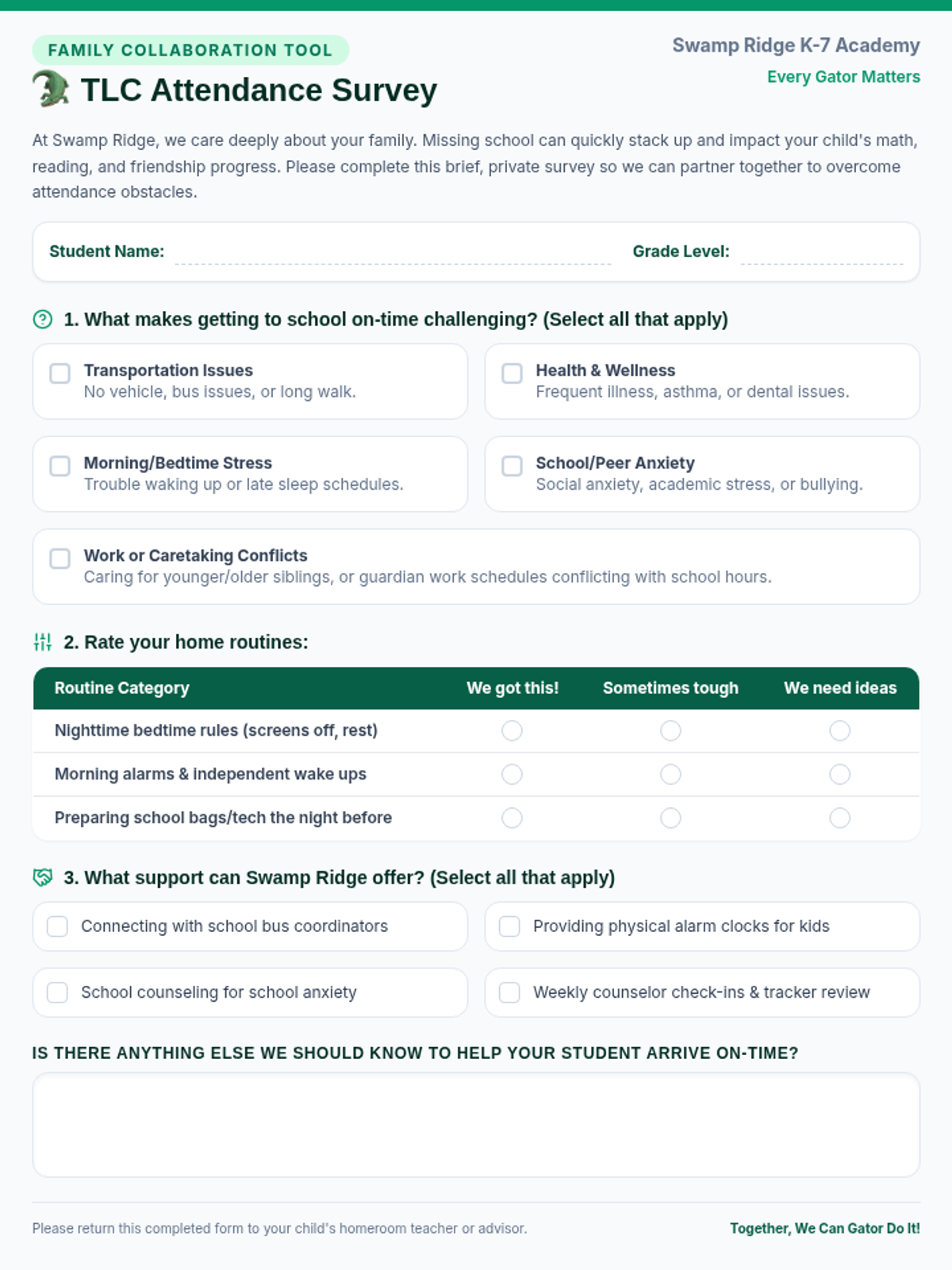
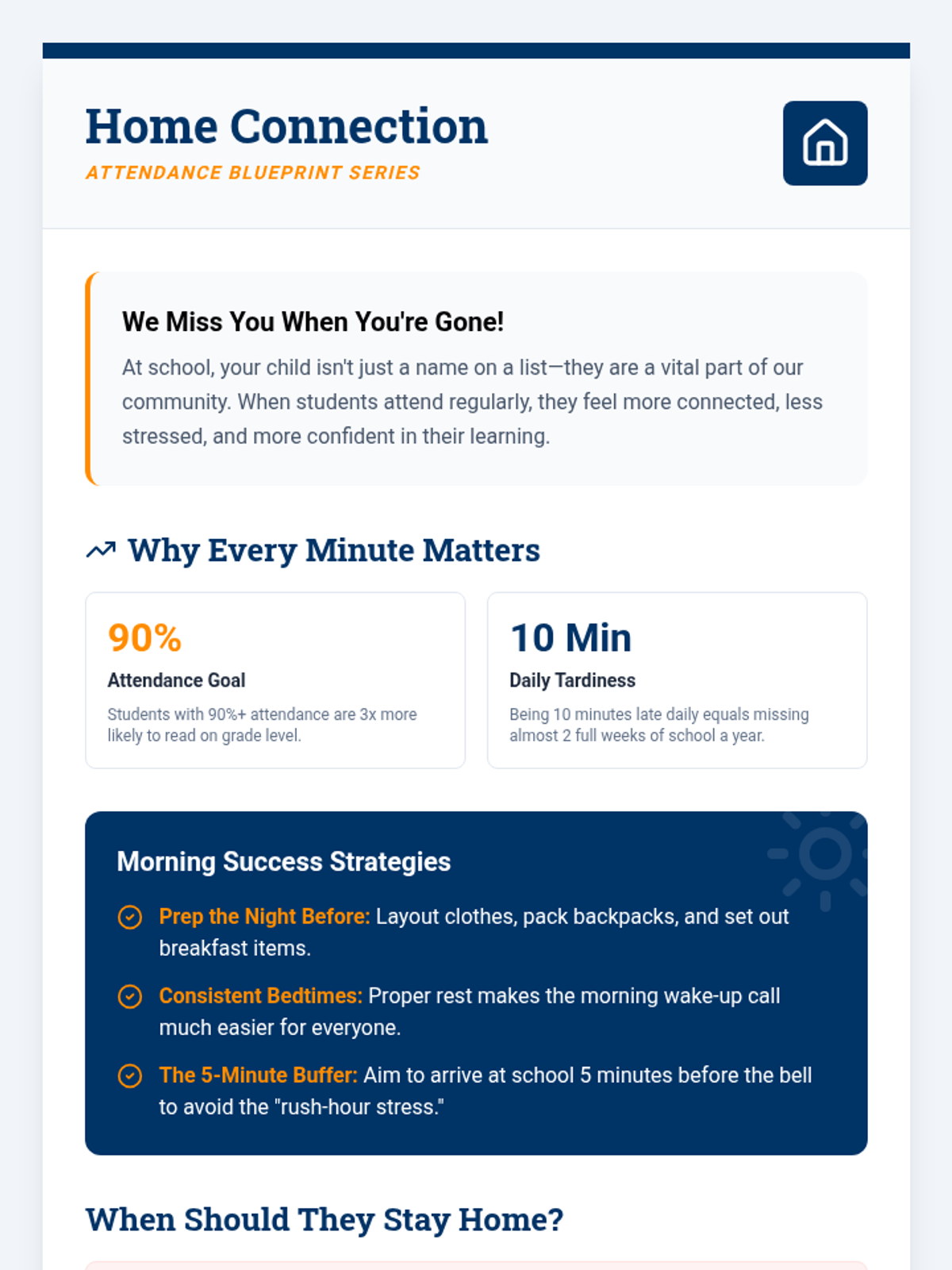
A family-focused guide to building daily routines and understanding the academic impact of school attendance. Includes a presentation for parent meetings, a student-friendly routine tracker, and a family partnership pledge.
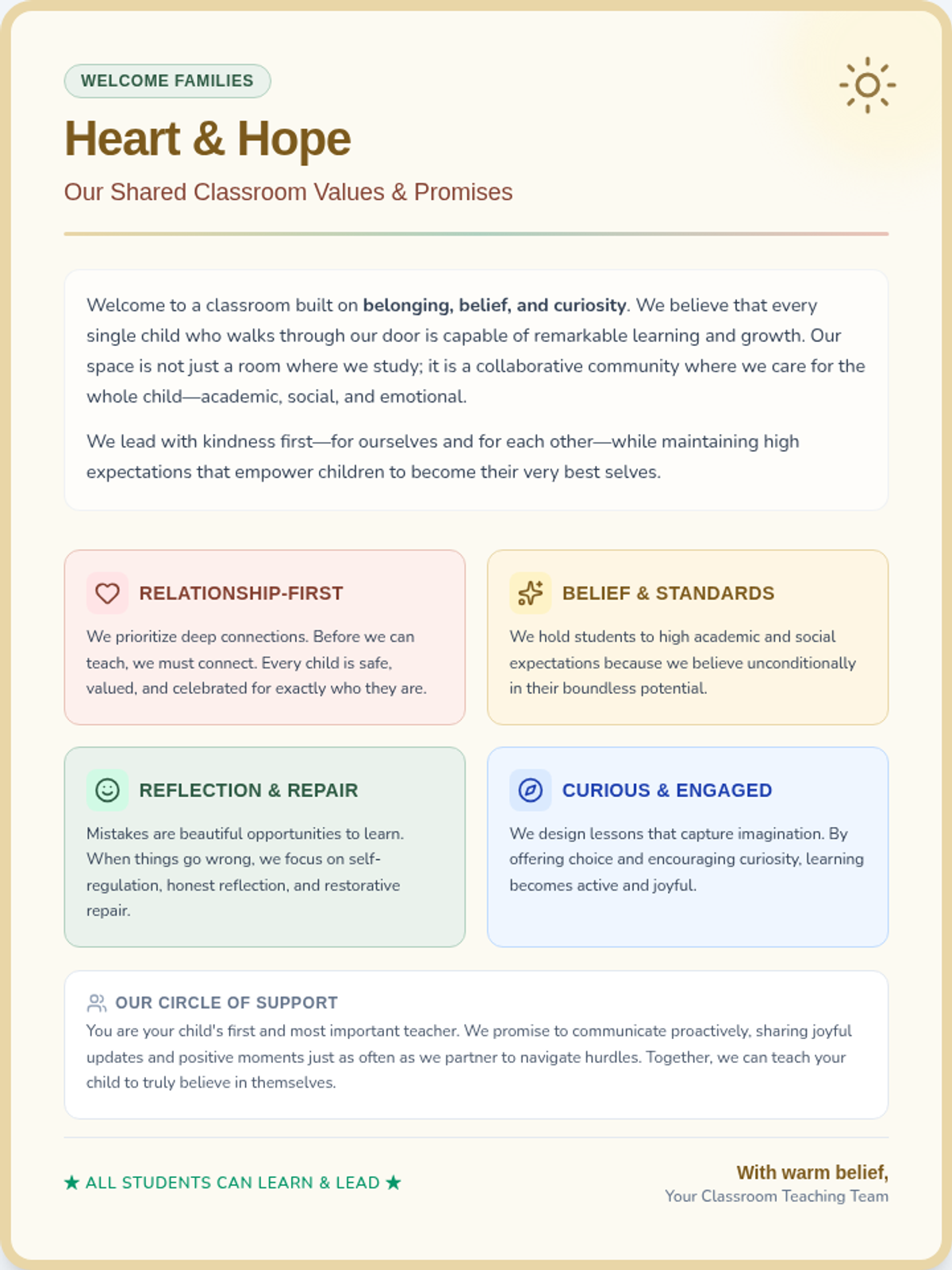
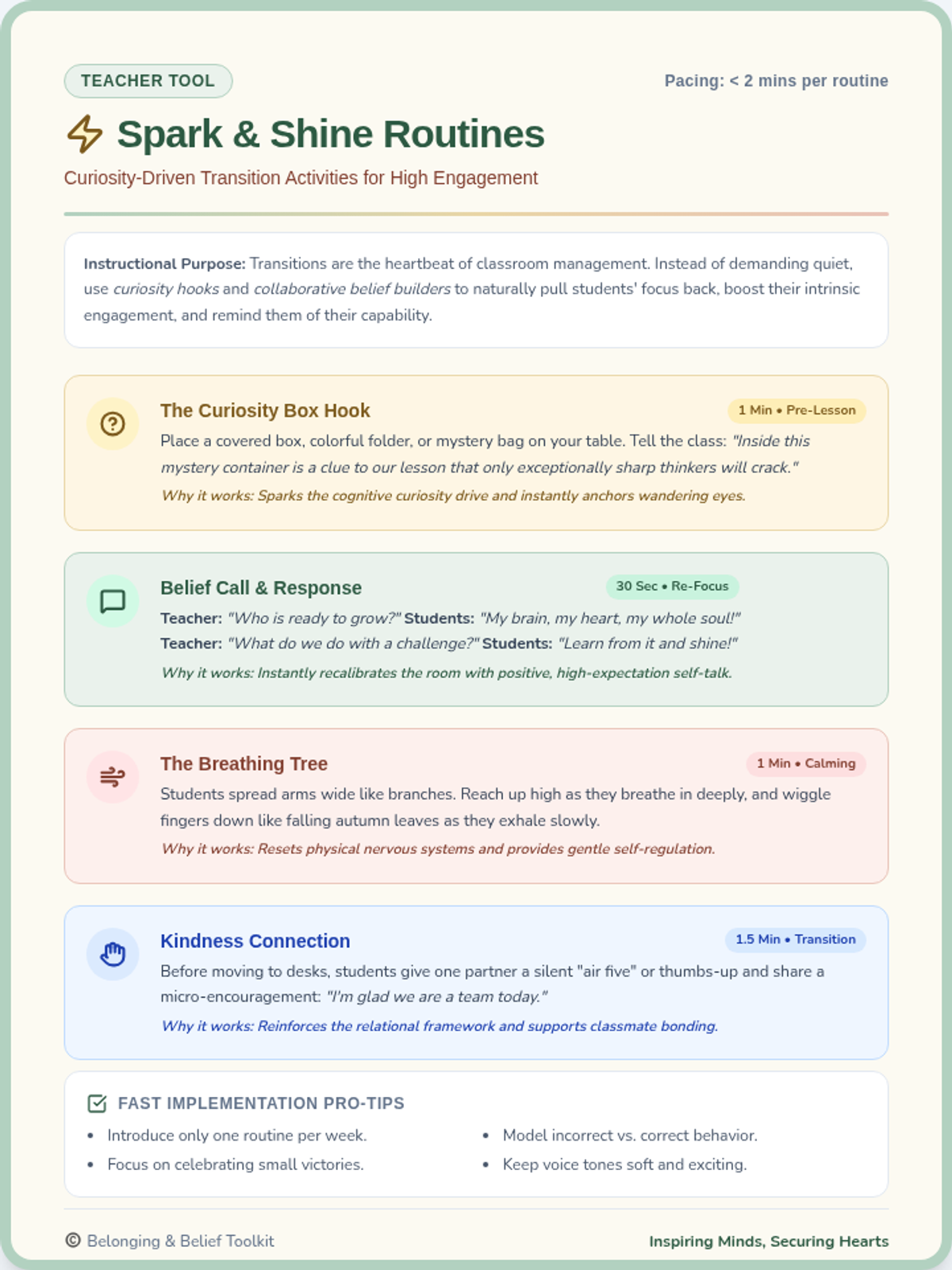
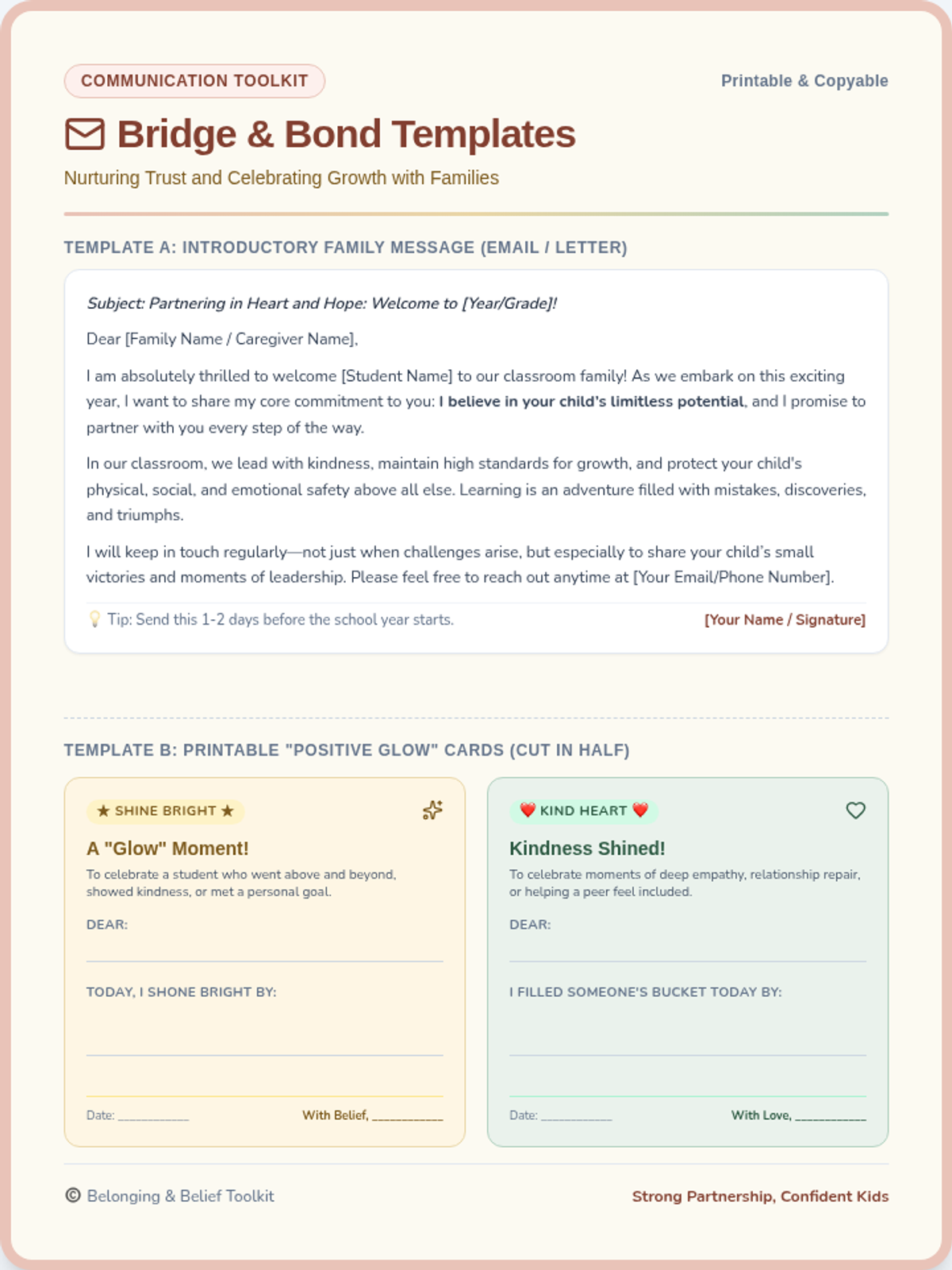
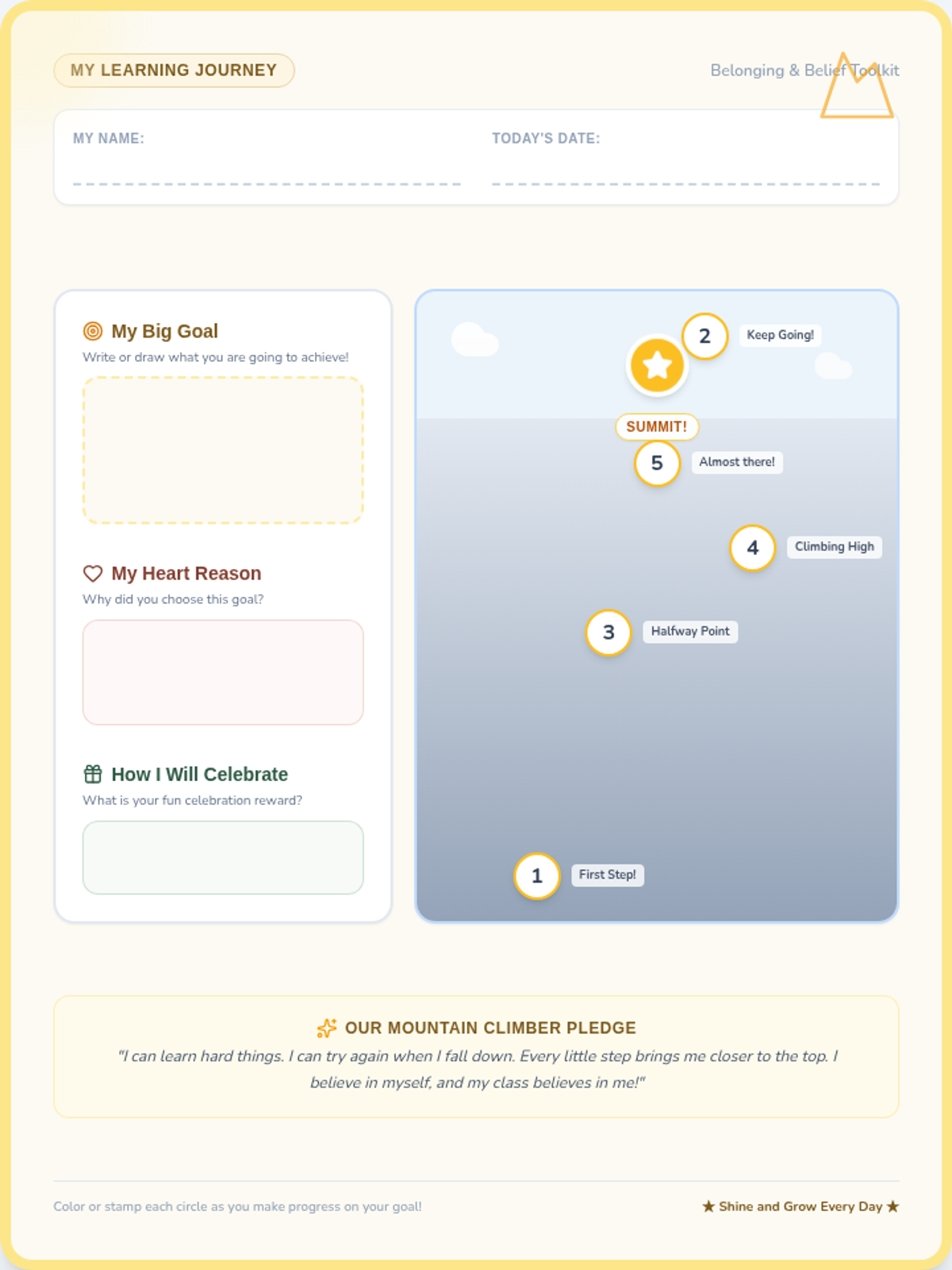
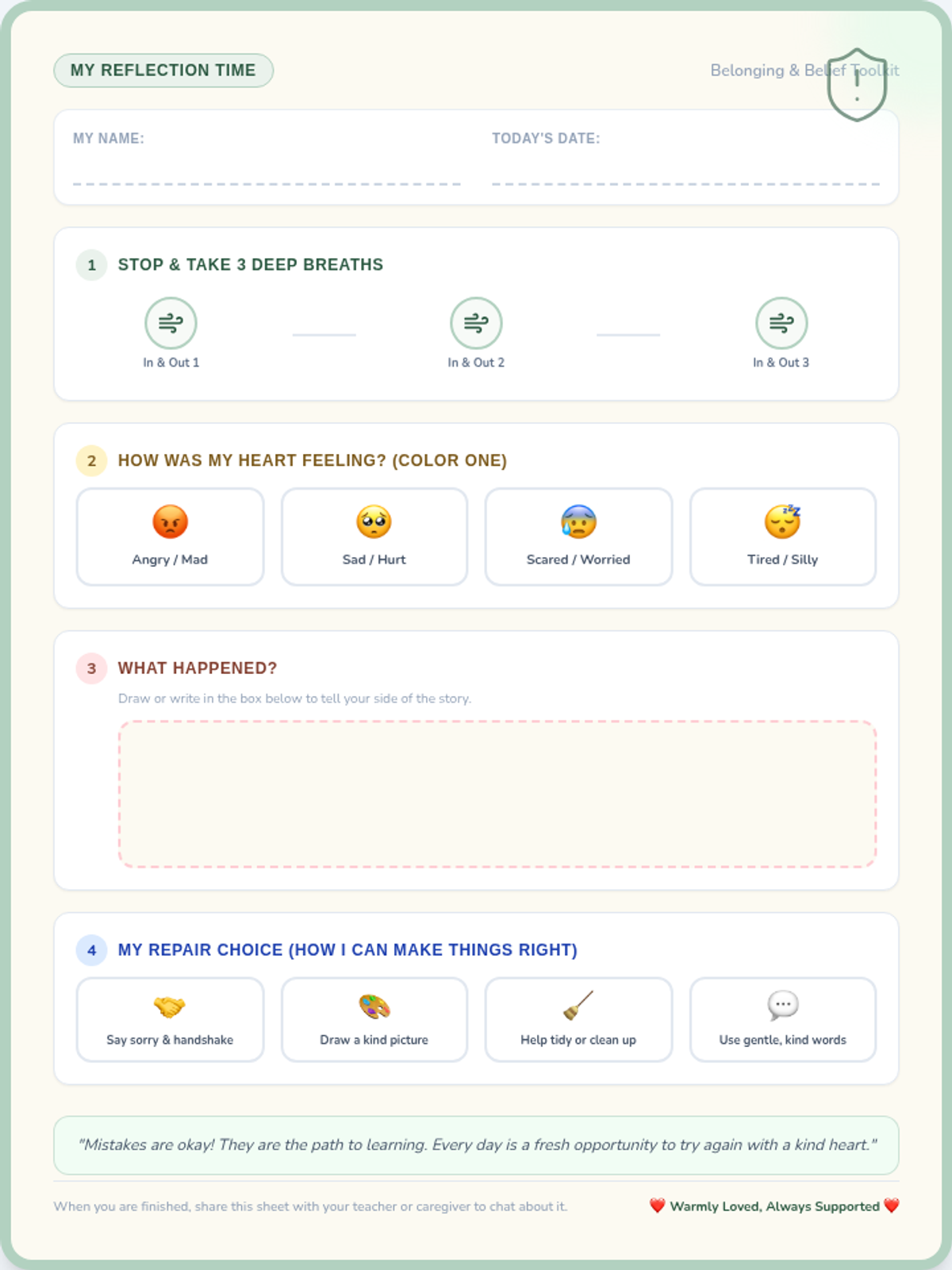
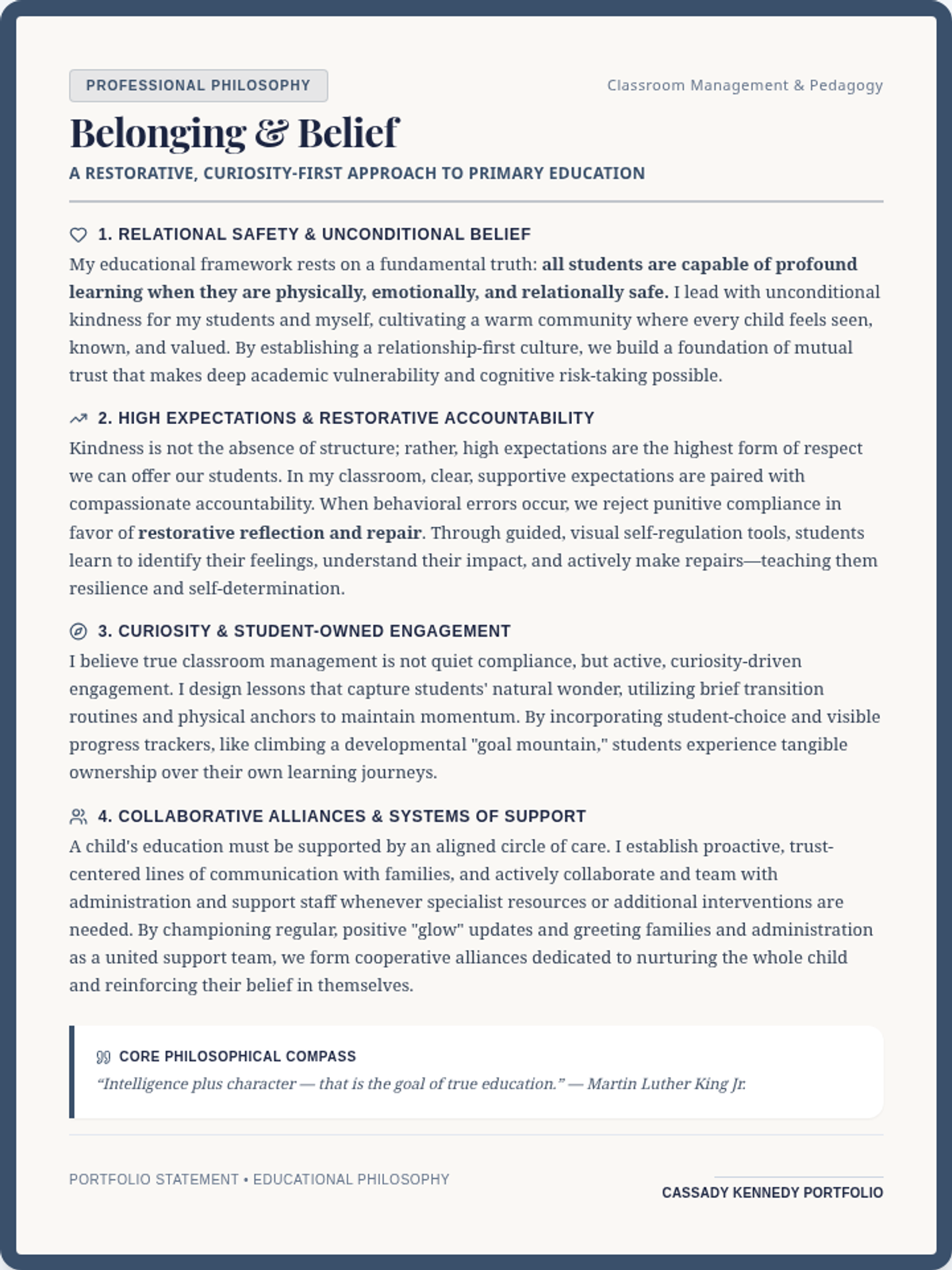
A comprehensive classroom management and family partnership kit designed to cultivate a warm, high-expectation, relationship-first classroom environment. It contains a warm family handbook introduction, positive outreach templates, student goal-tracking charts, curiosity-driven transition routines, and visual reflection/repair sheets for self-regulation.
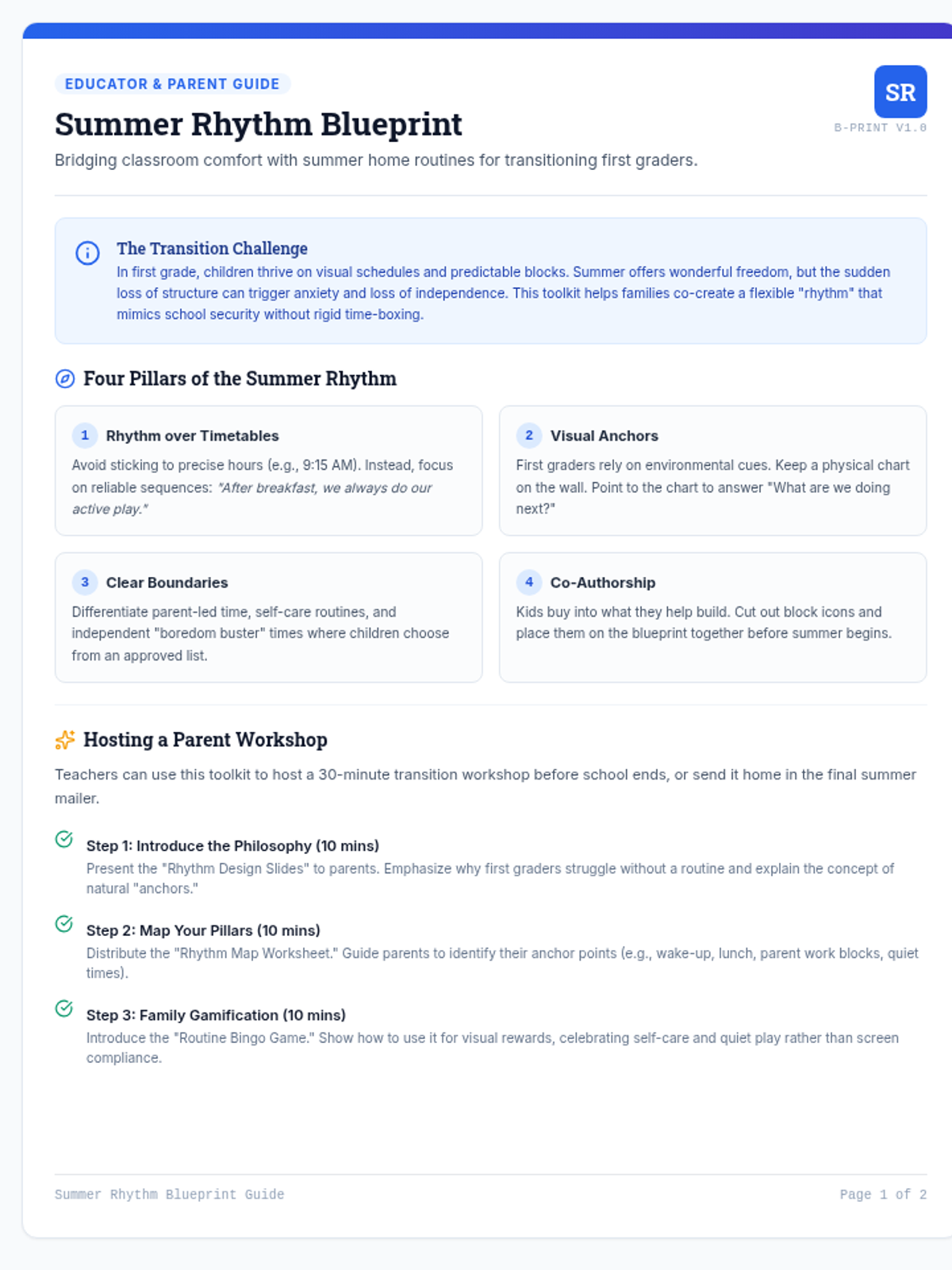
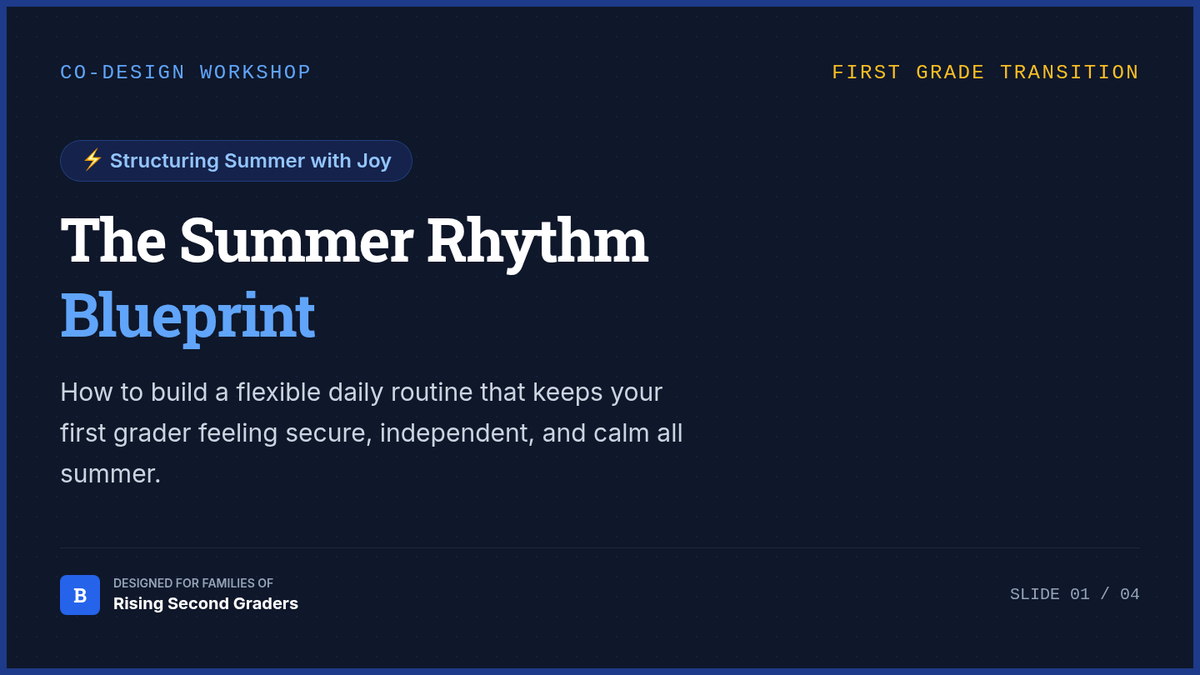
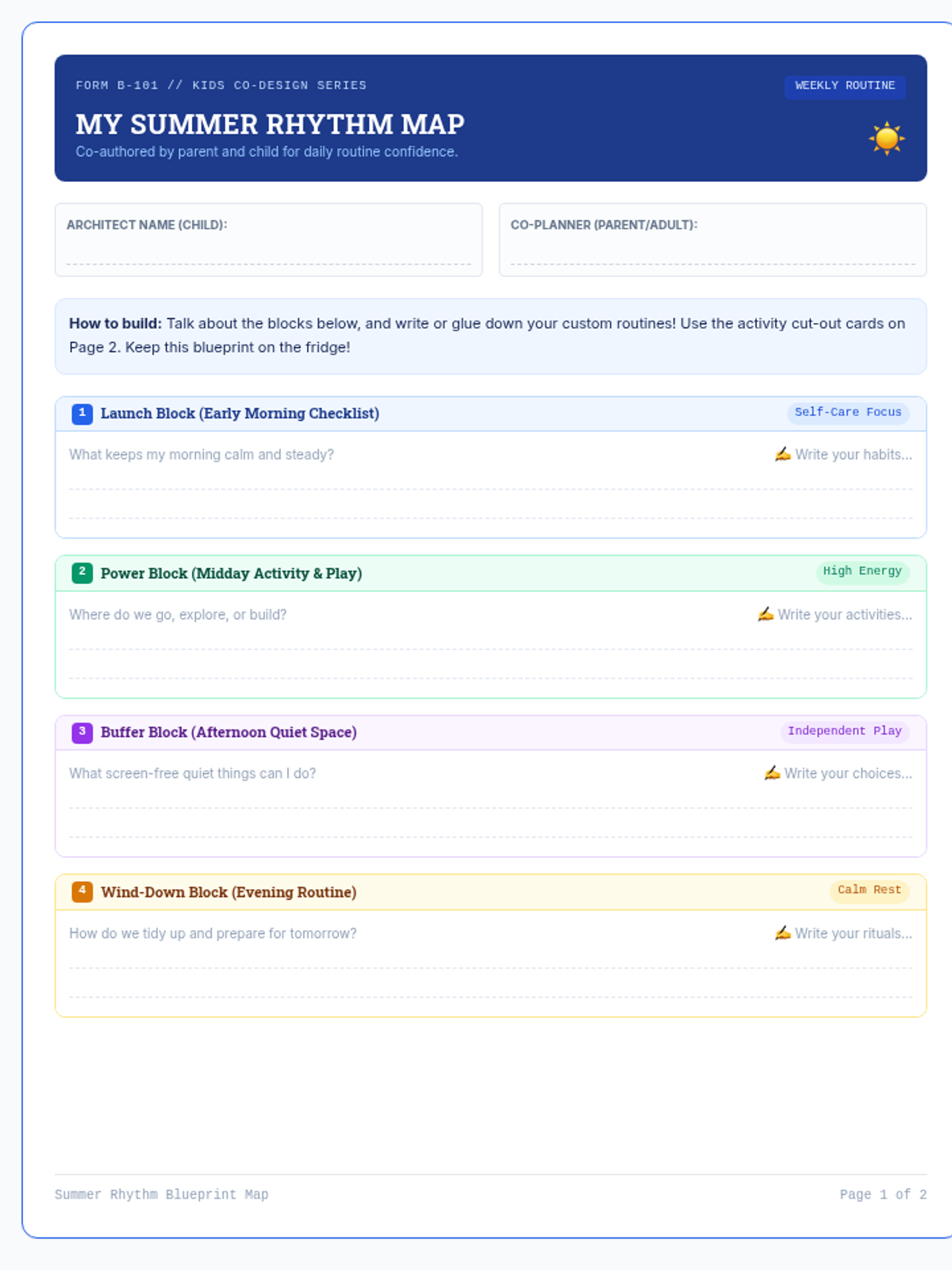
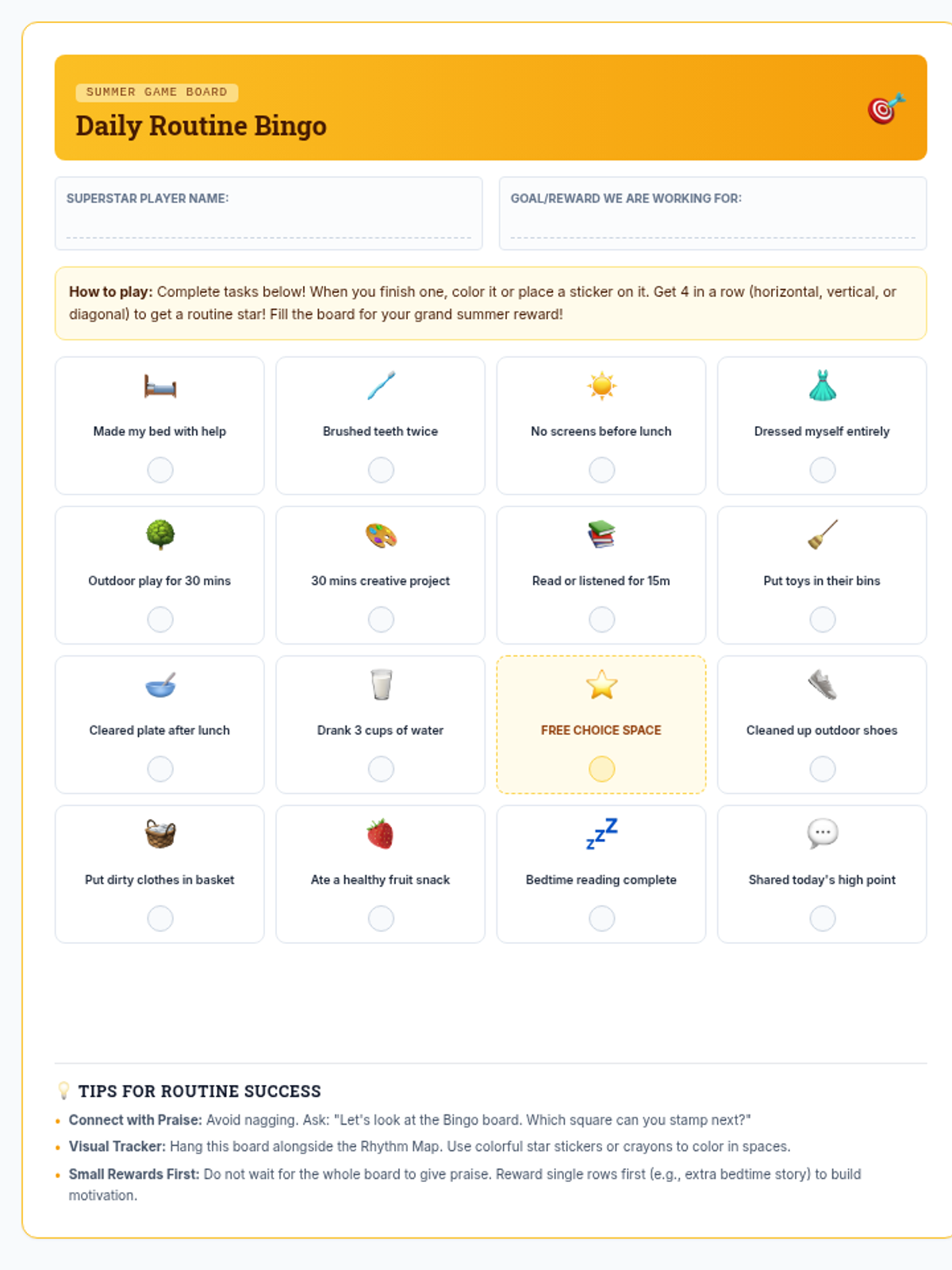
A collaborative toolkit for educators and parents to design a flexible, structured summer schedule for transitioning first graders. Helps children maintain a sense of security through predictable home routines.
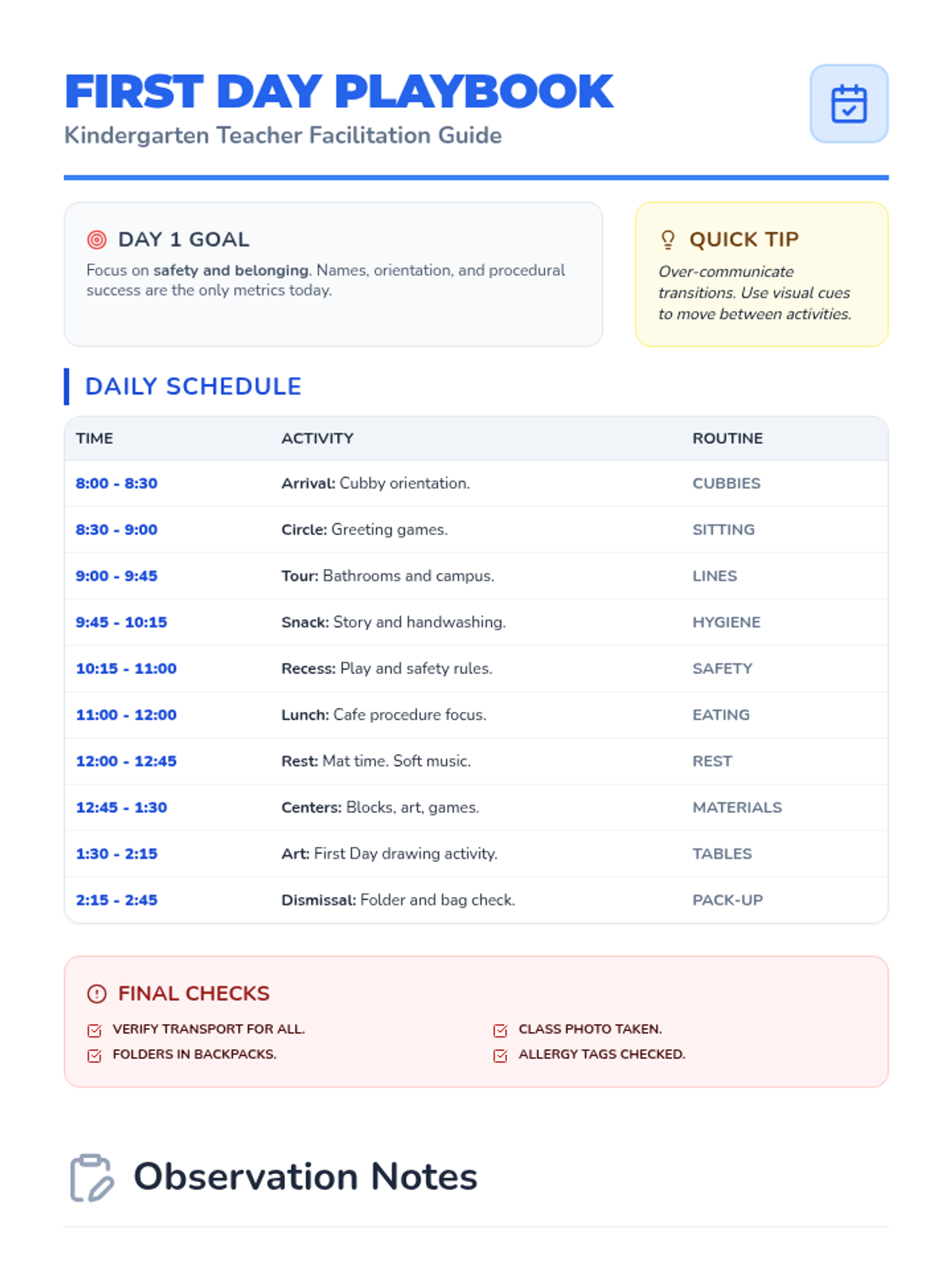
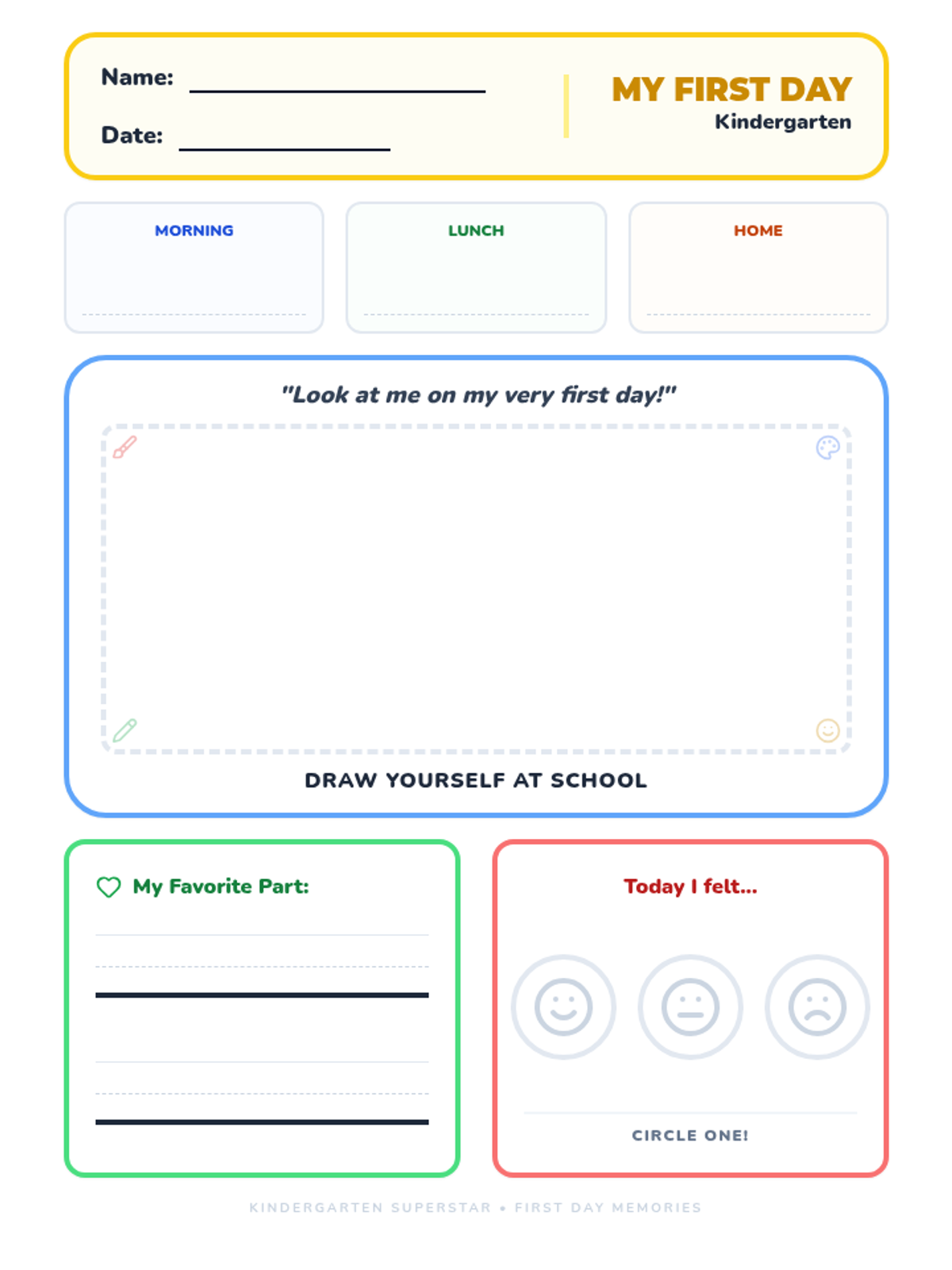
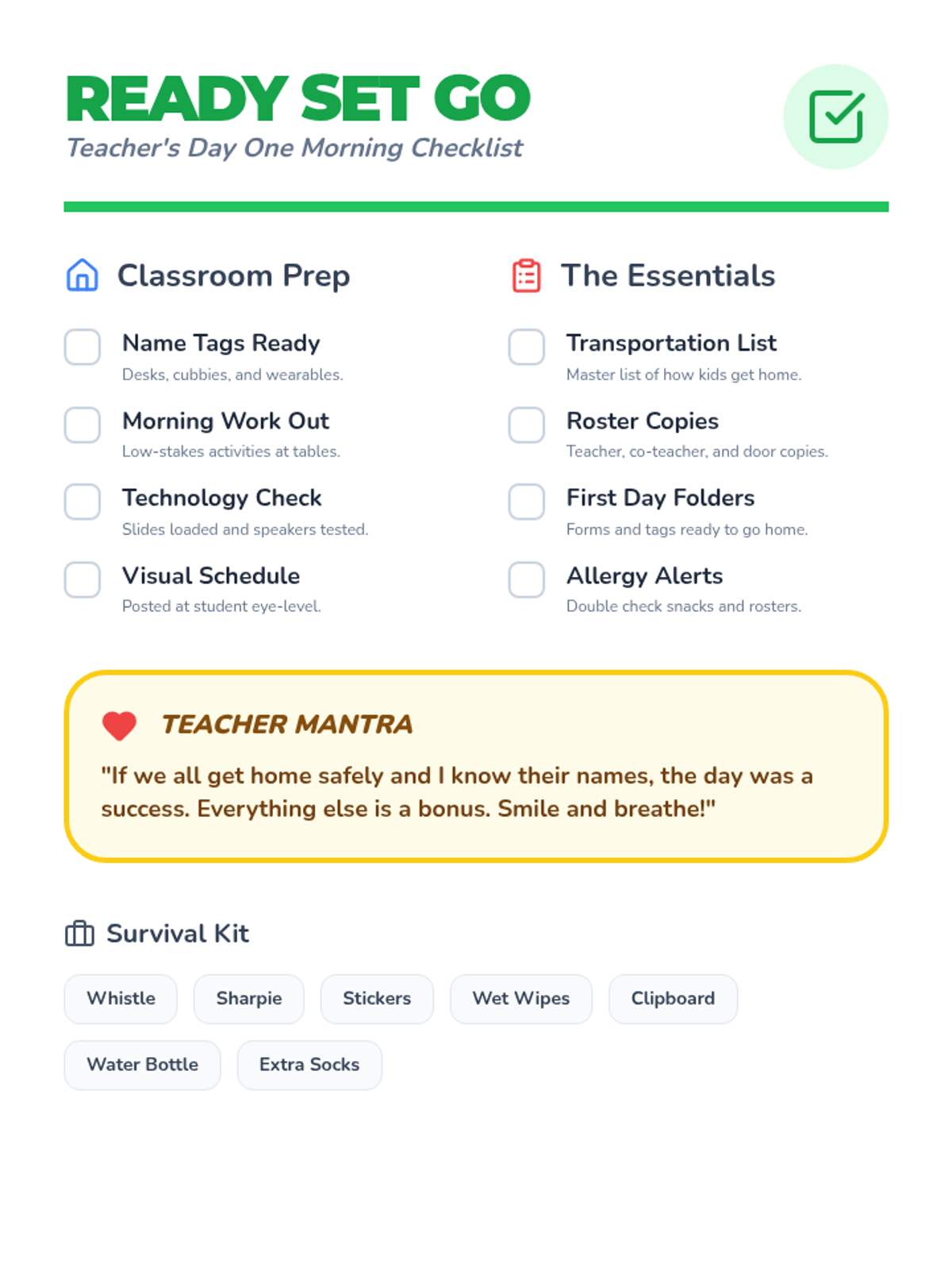
A comprehensive set of resources to navigate the first day of Kindergarten, focusing on routines, community building, and basic expectations.
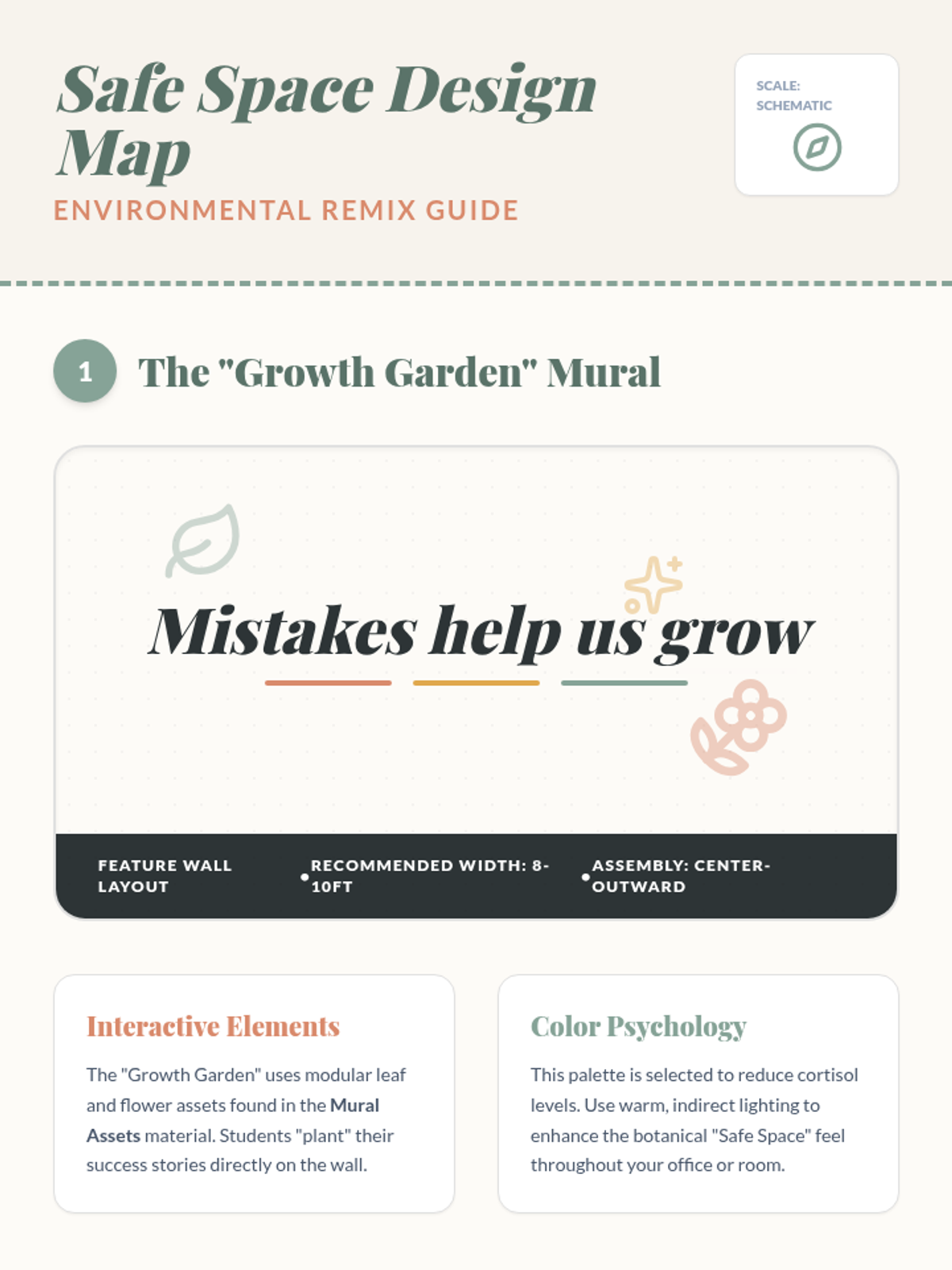
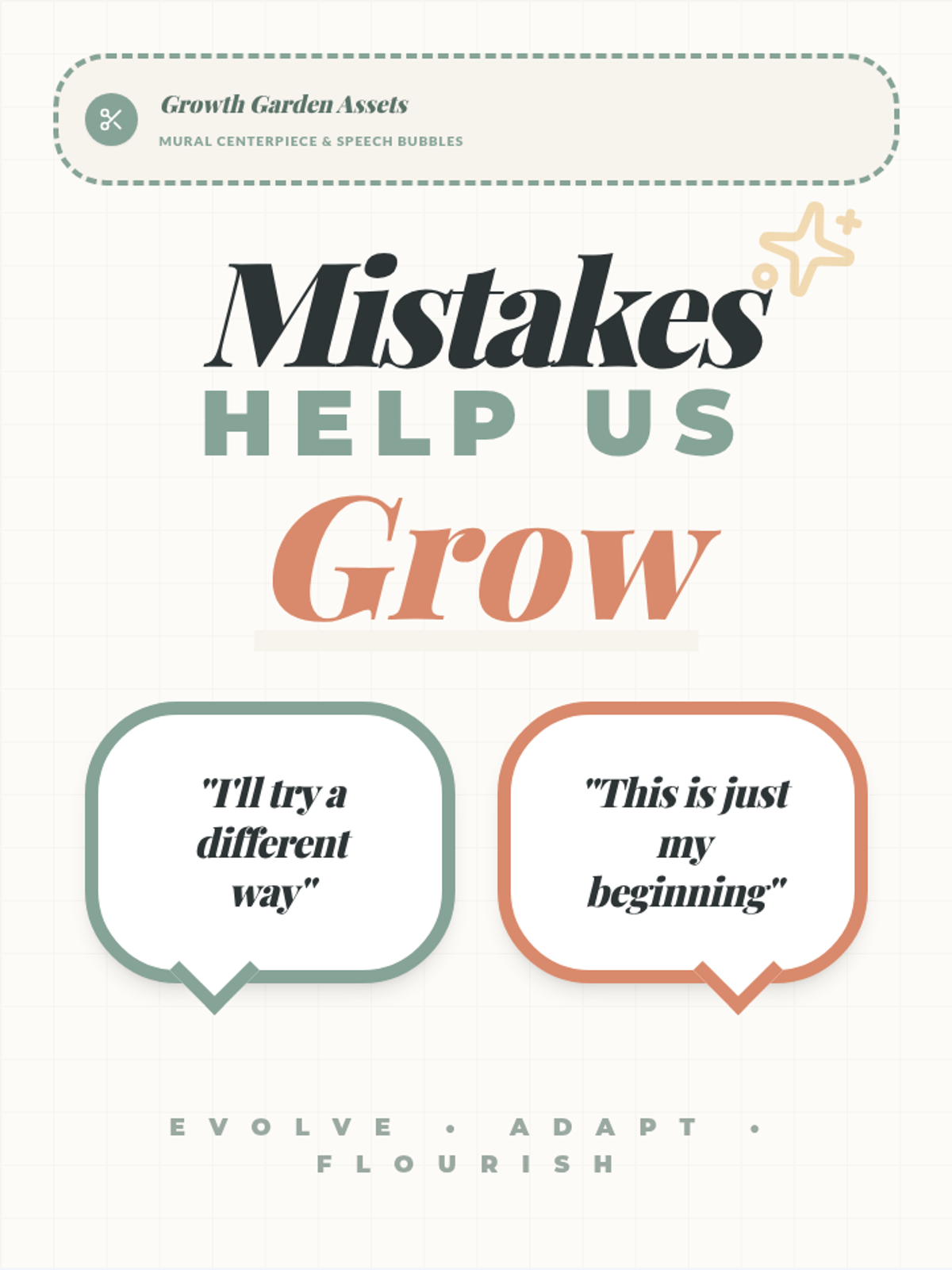
A comprehensive collection of environmental resources for a school office or classroom, featuring a growth-themed mural, a 3x4 bulletin board layout, and sensory corner posters designed with a calming, nature-inspired aesthetic.
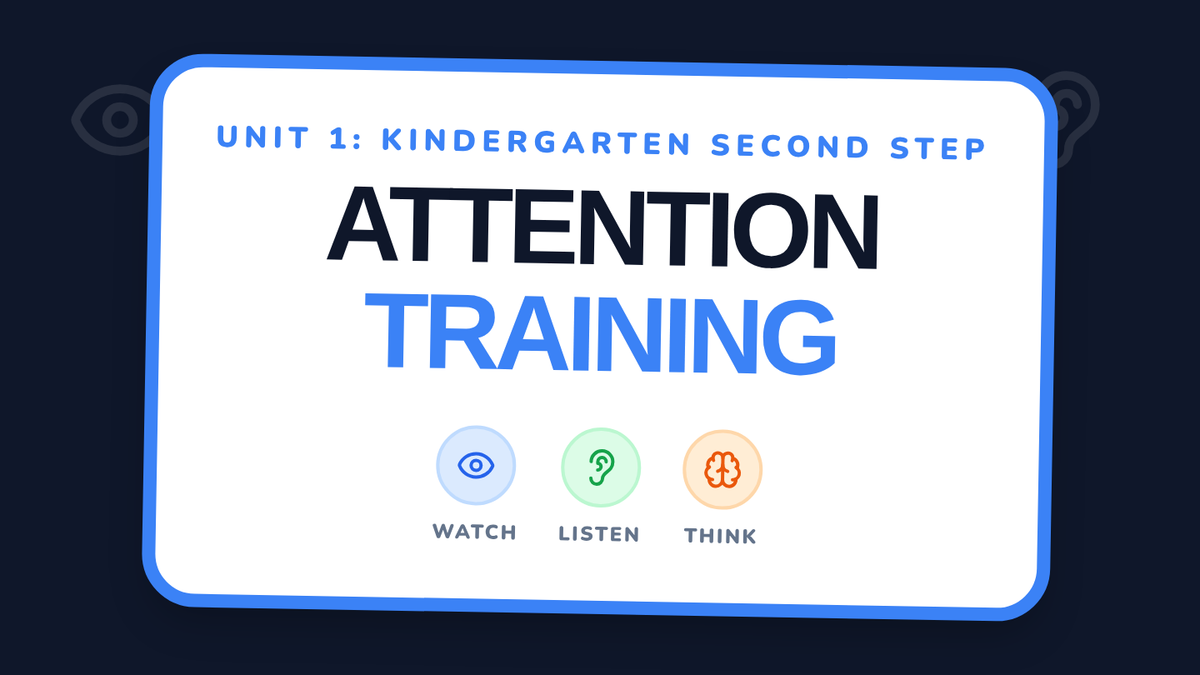
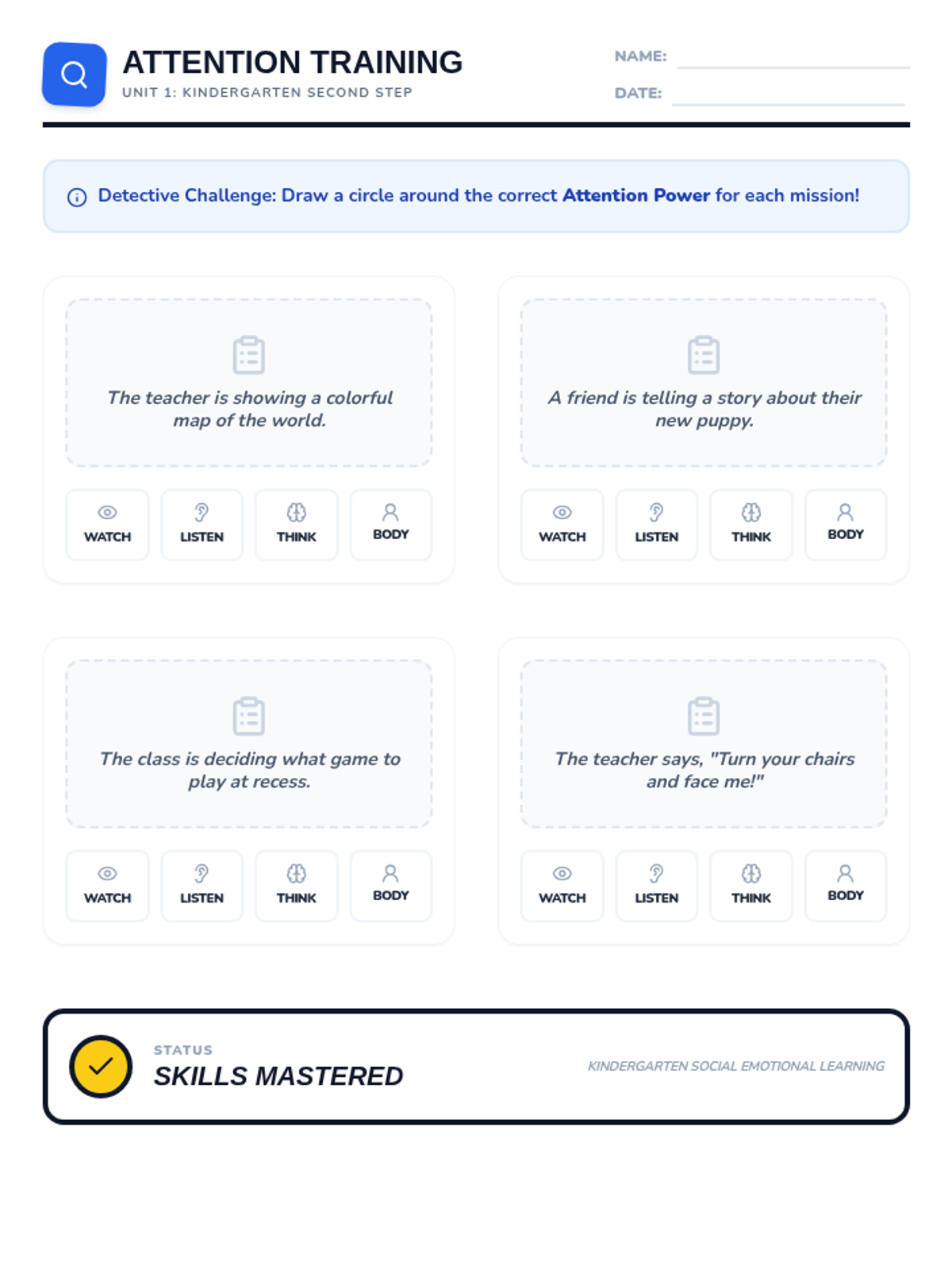
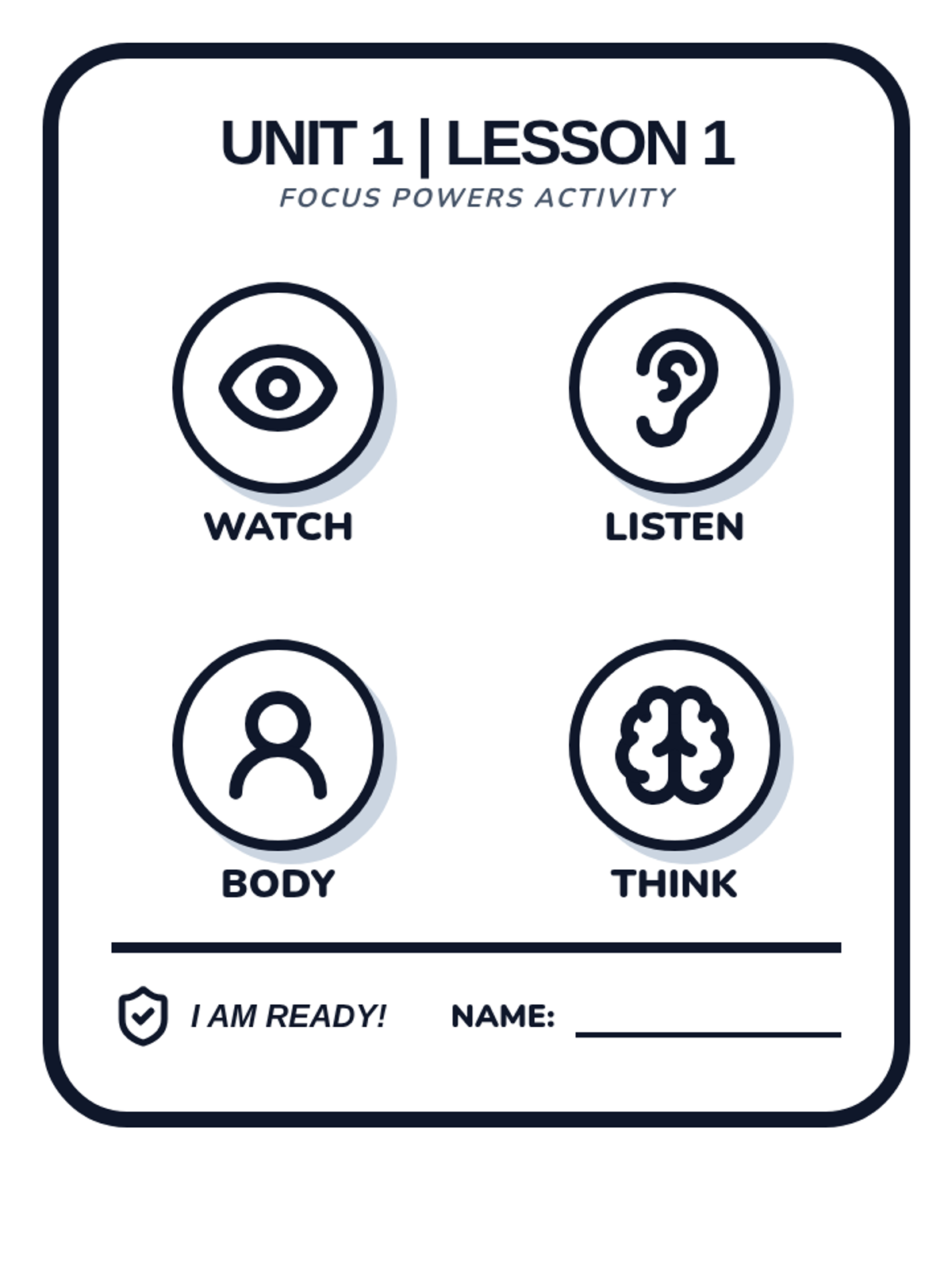
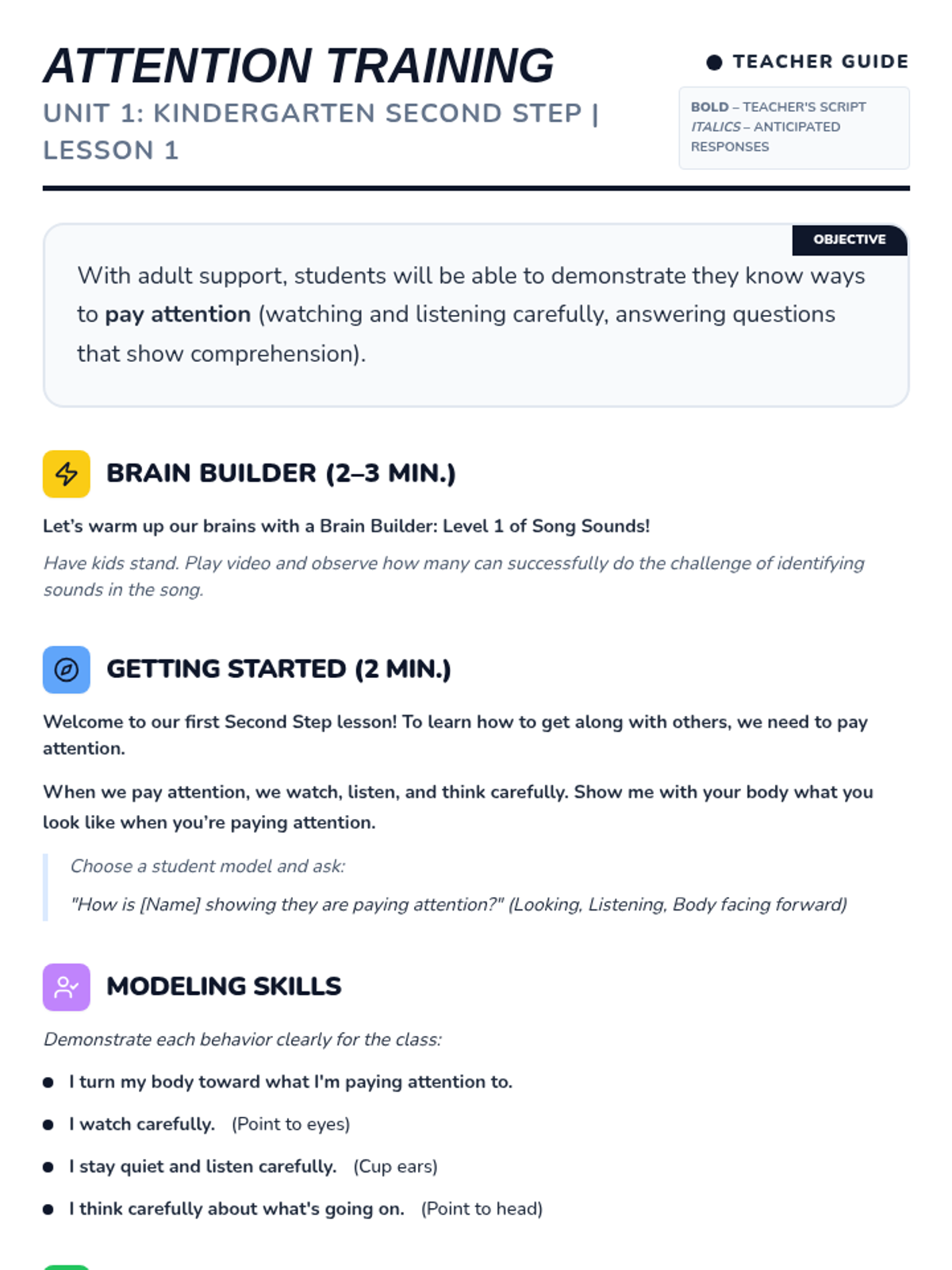
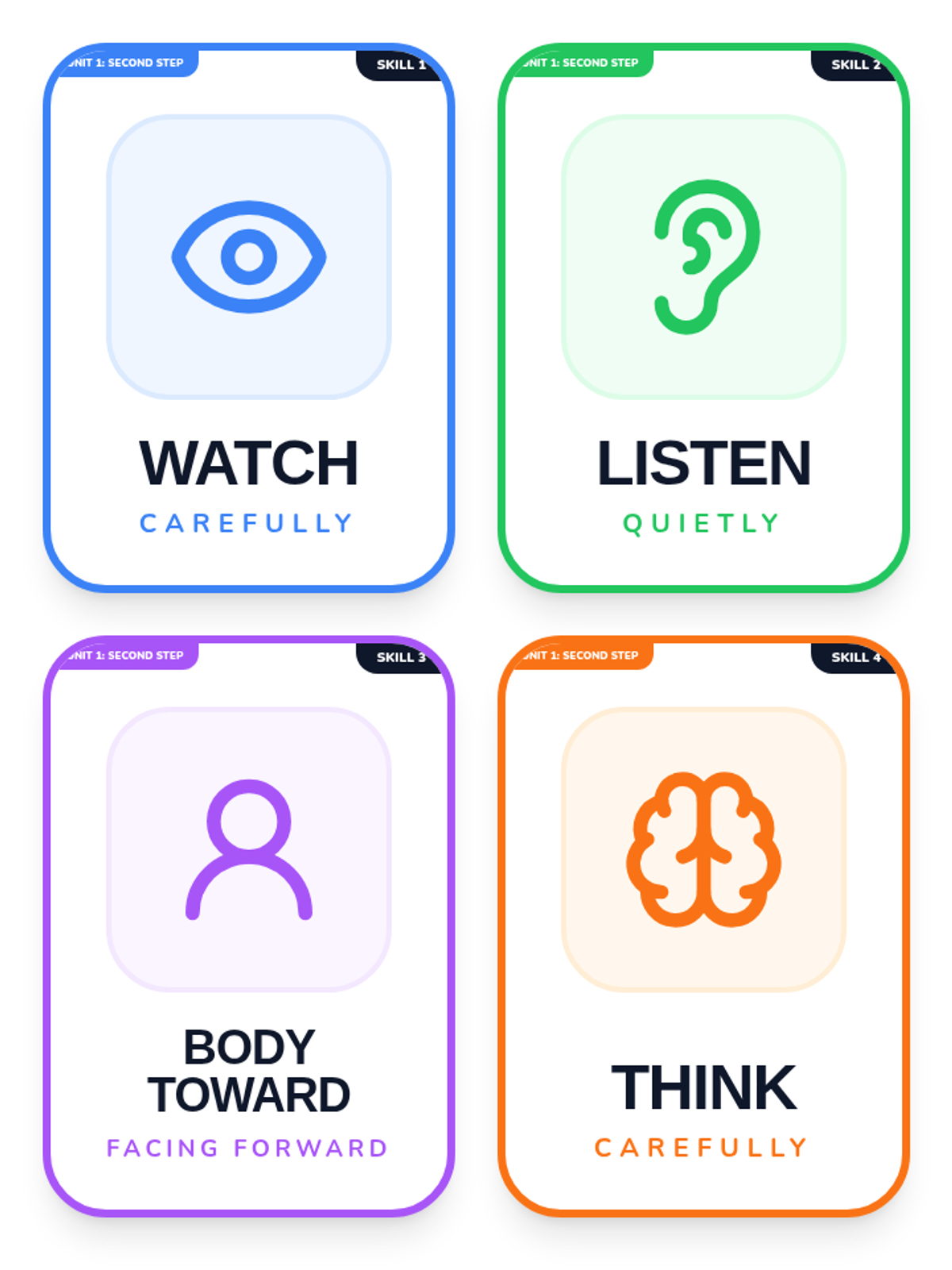
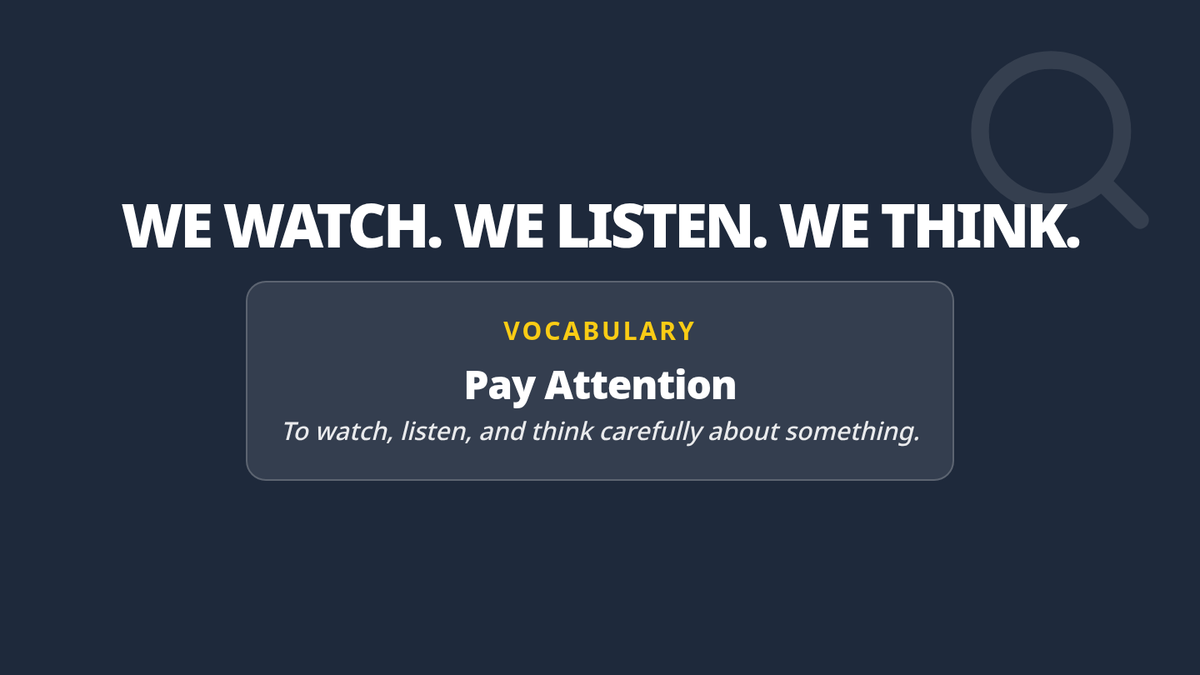
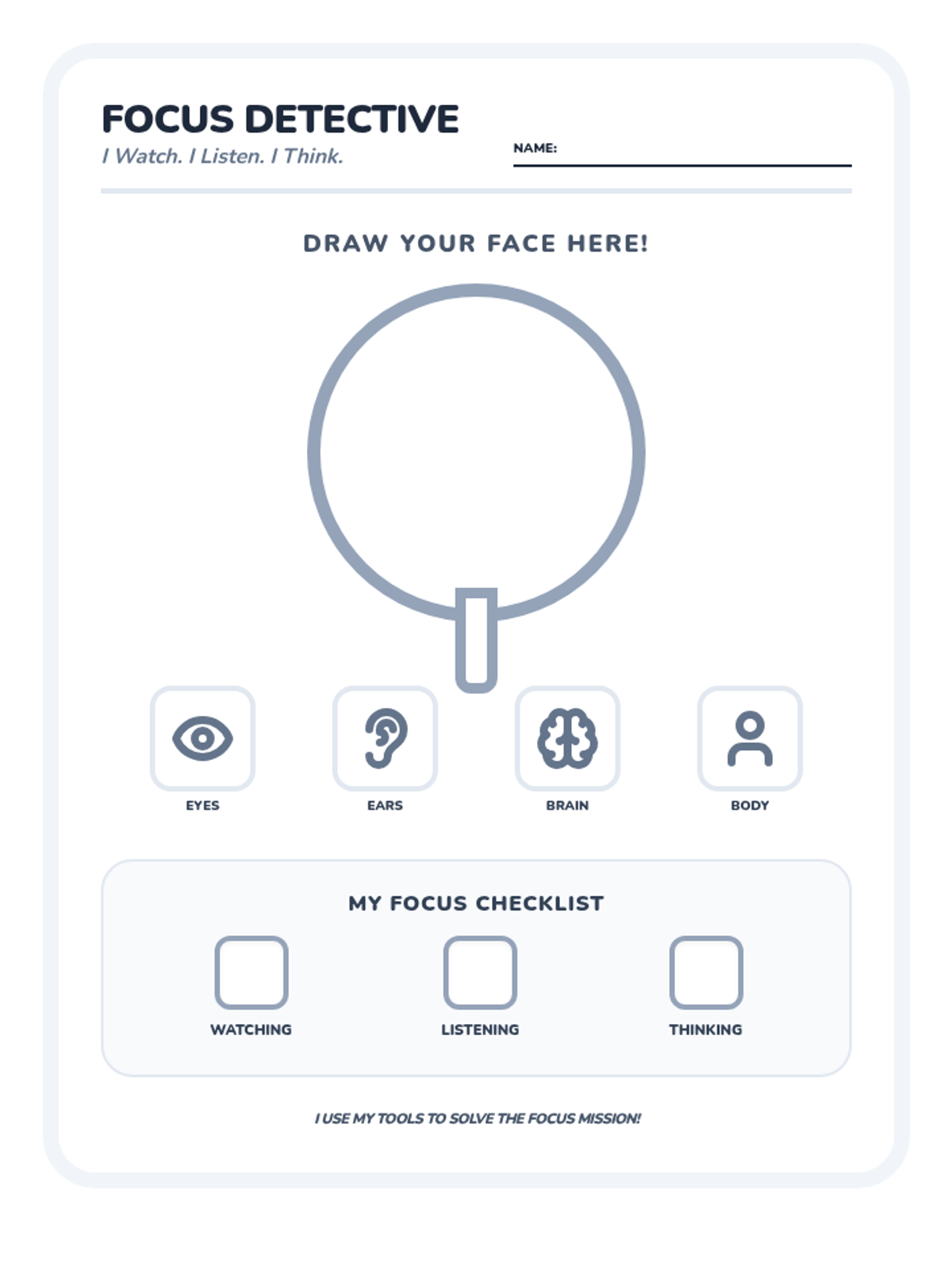
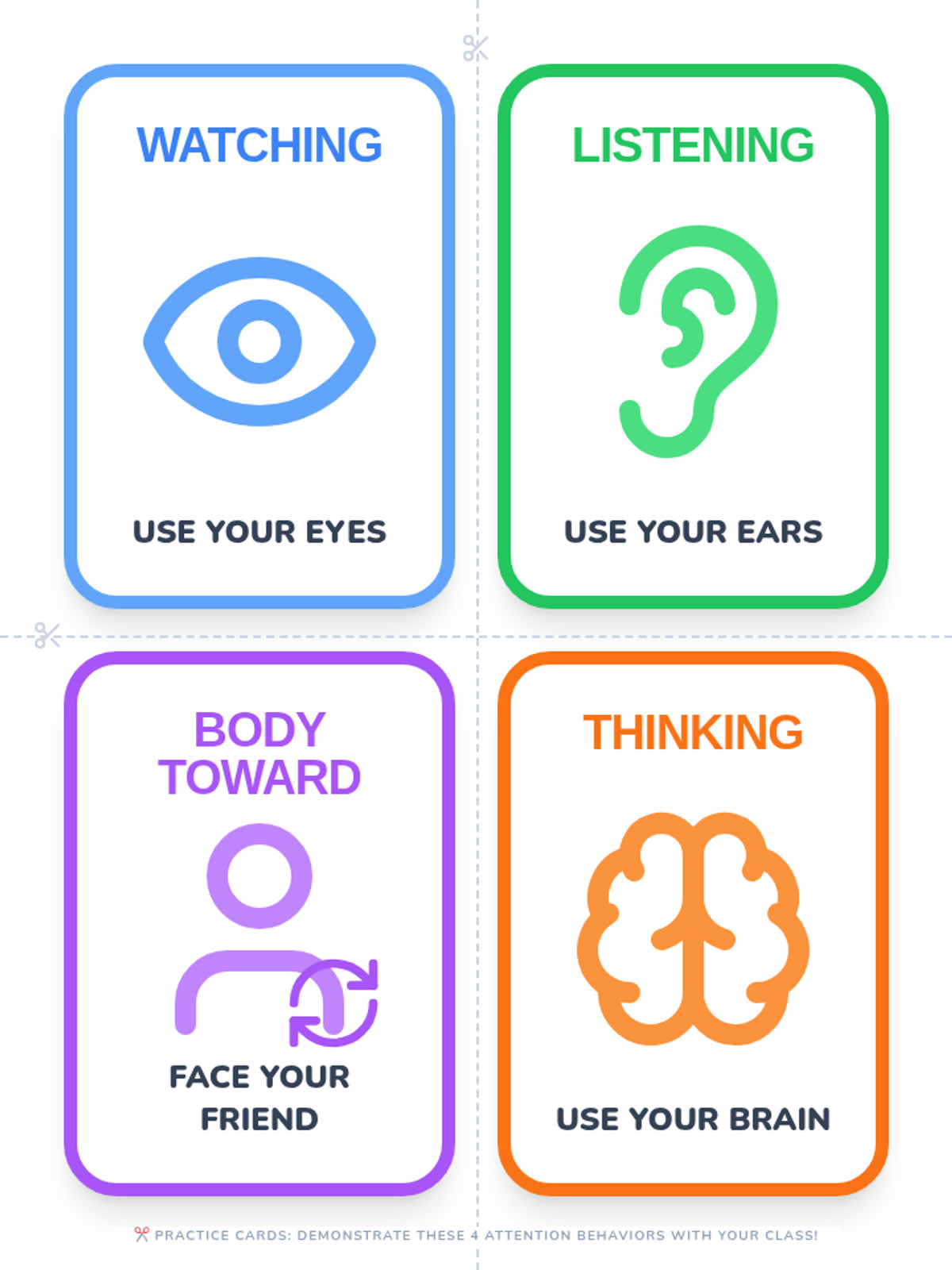
The first lesson in the Attention Detective series, focused on the fundamental behaviors of paying attention: watching, listening, and thinking. Based on Second Step Kindergarten Unit 1 Lesson 1.
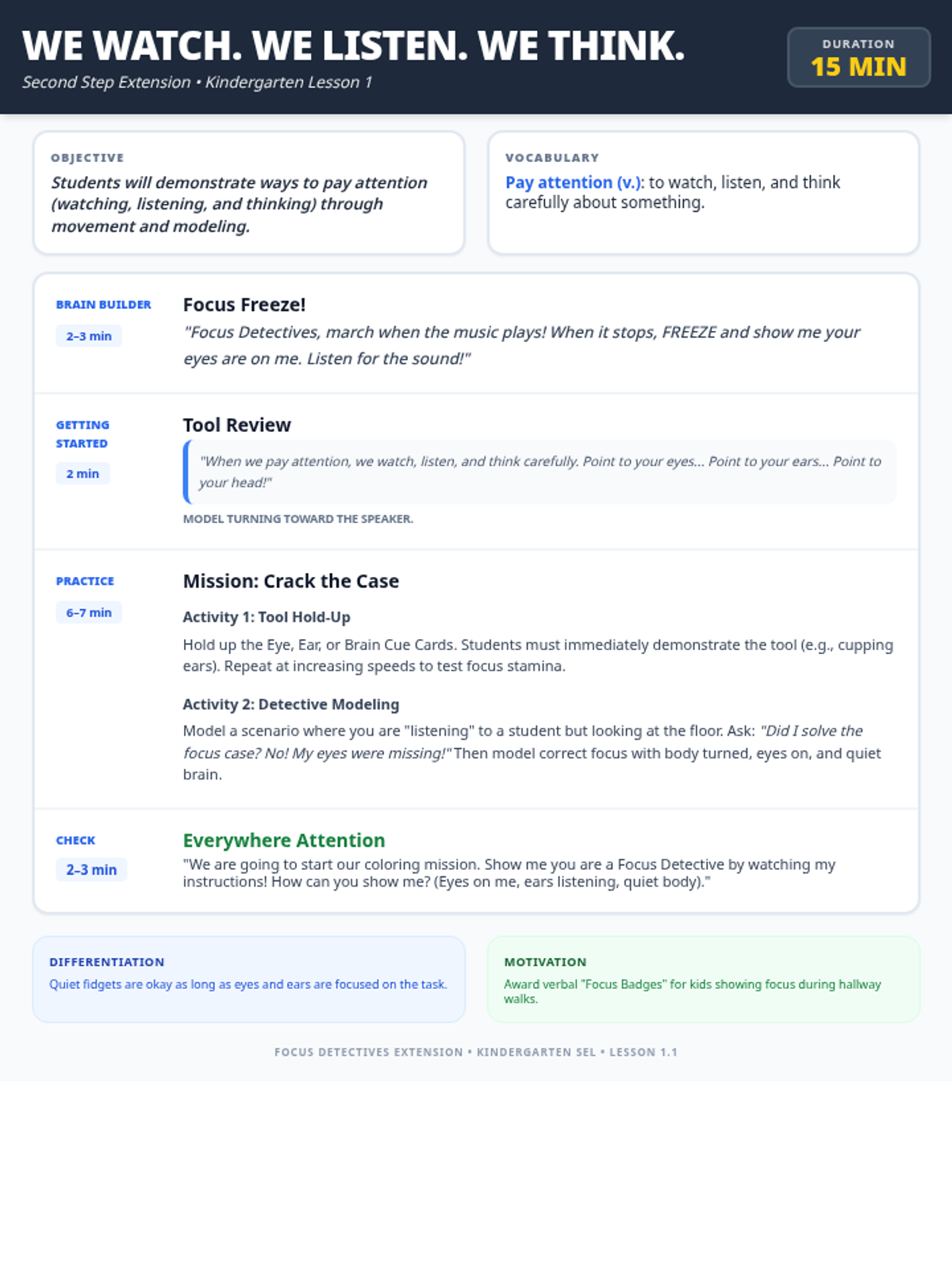
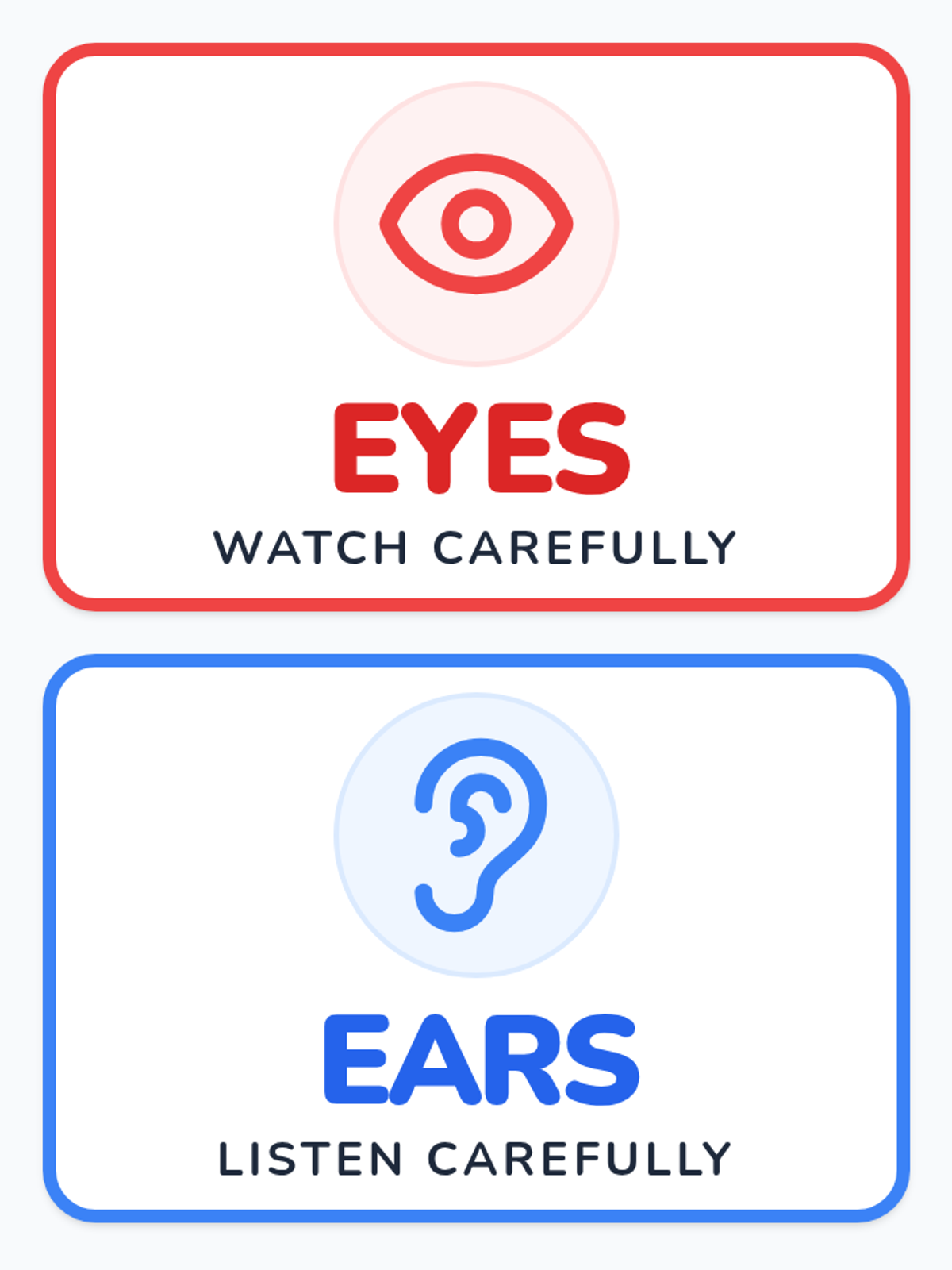
A 15-minute extension lesson for kindergarten students to deepen their understanding of paying attention using their whole body, eyes, ears, and brain through interactive modeling and movement.
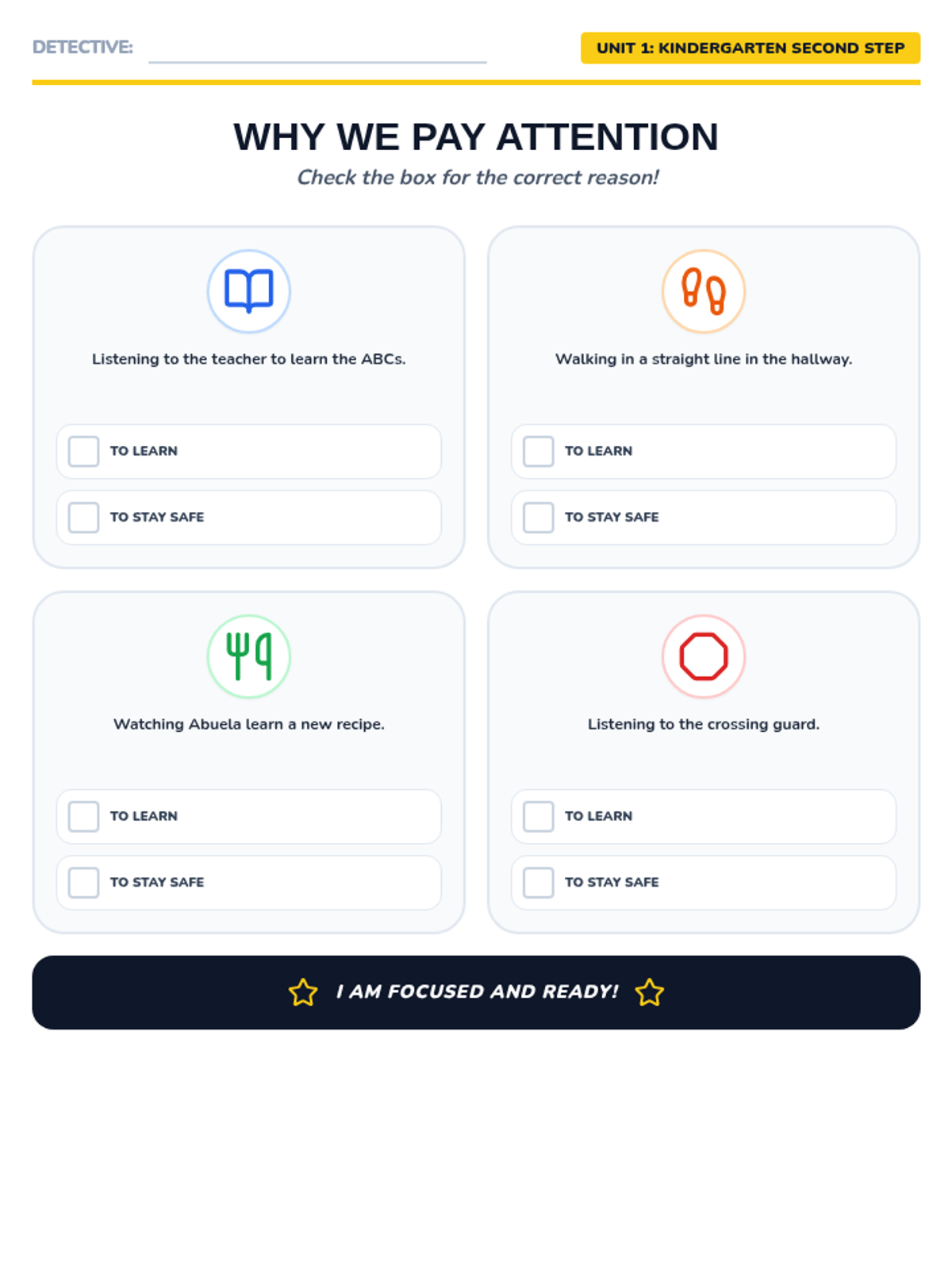
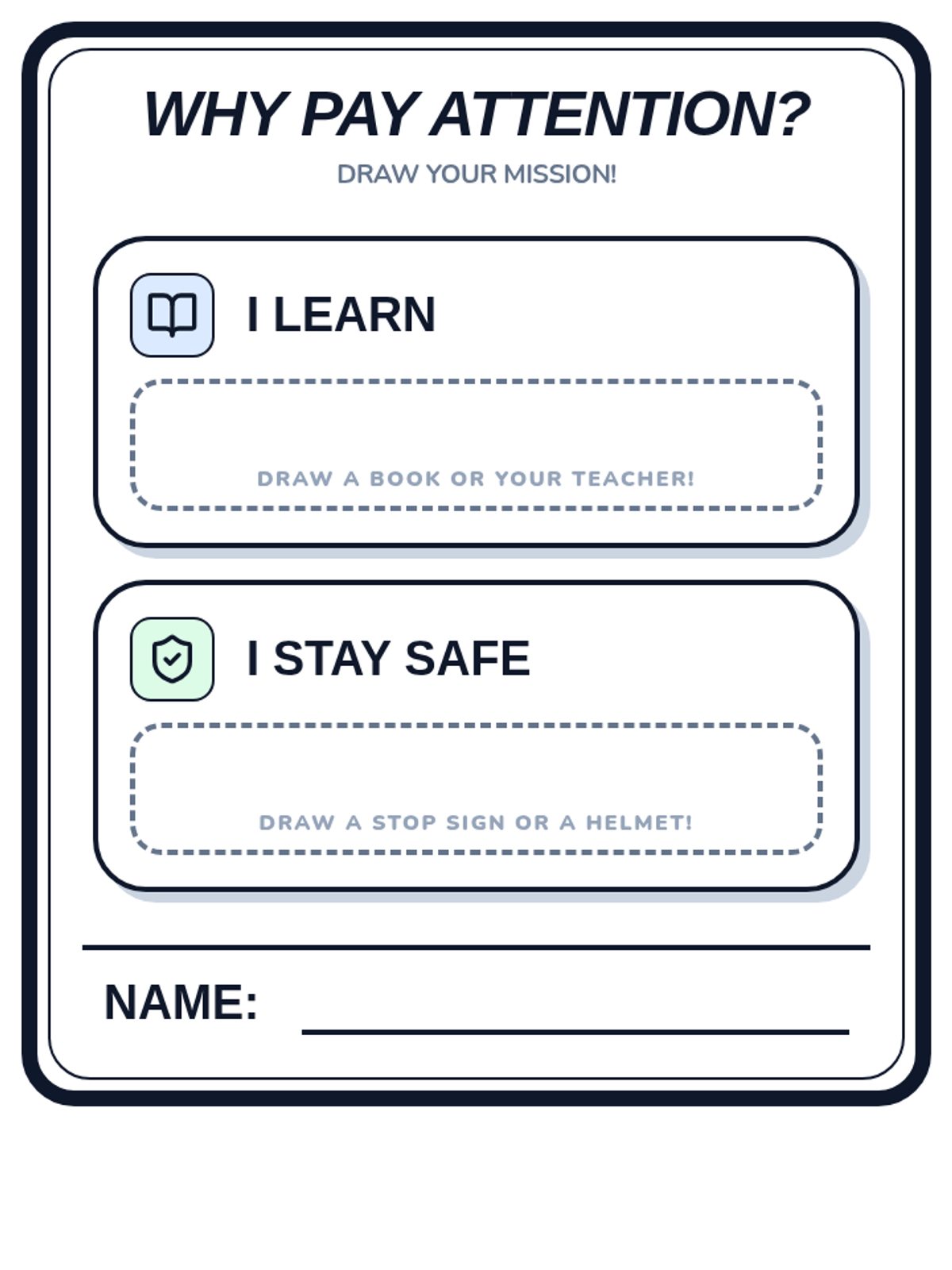
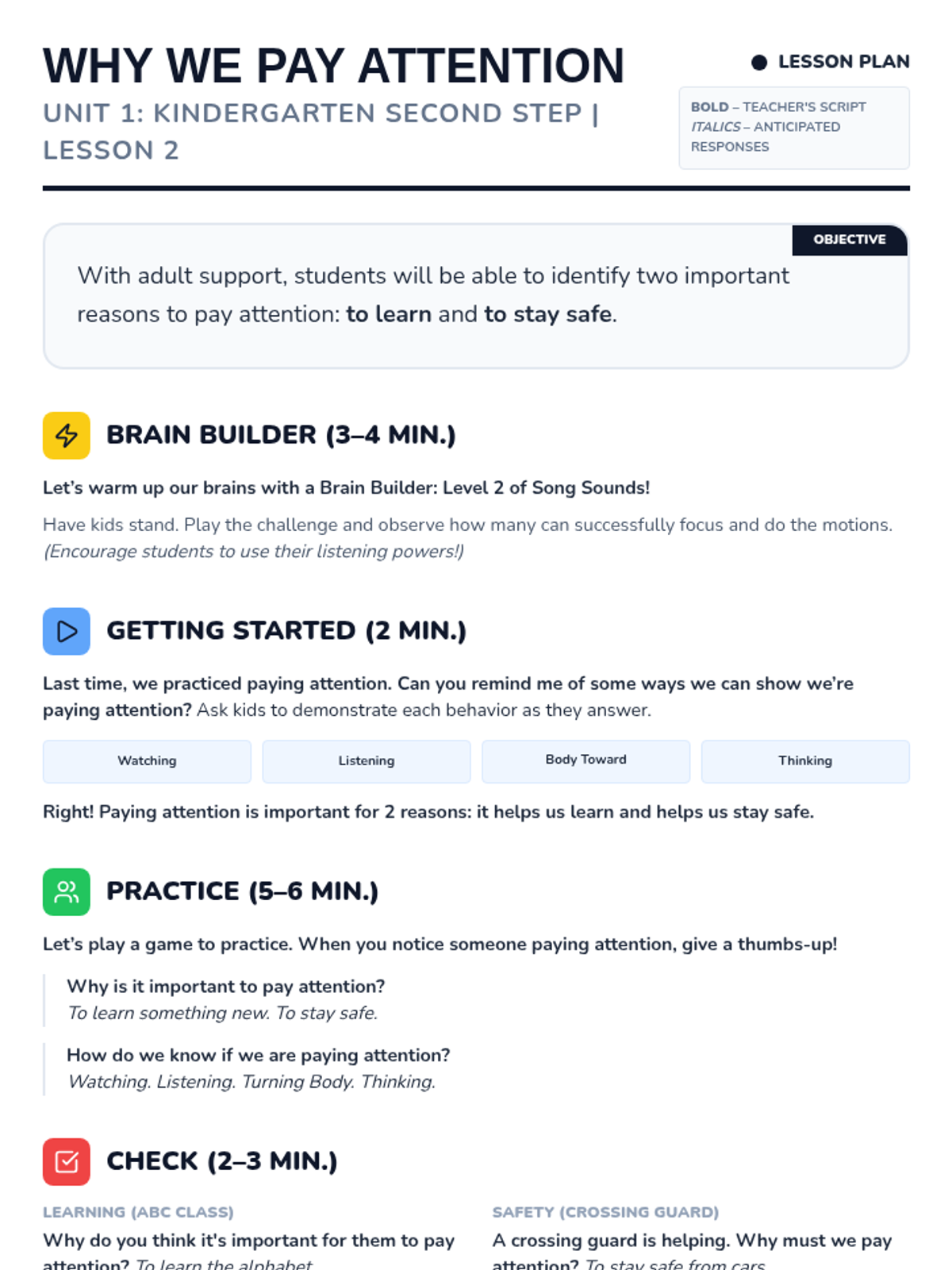
A kindergarten SEL lesson based on the Second Step curriculum (Unit 1 Lesson 2), focused on identifying that we pay attention to learn and stay safe. Includes the 'Attention Detective' theme for engagement.
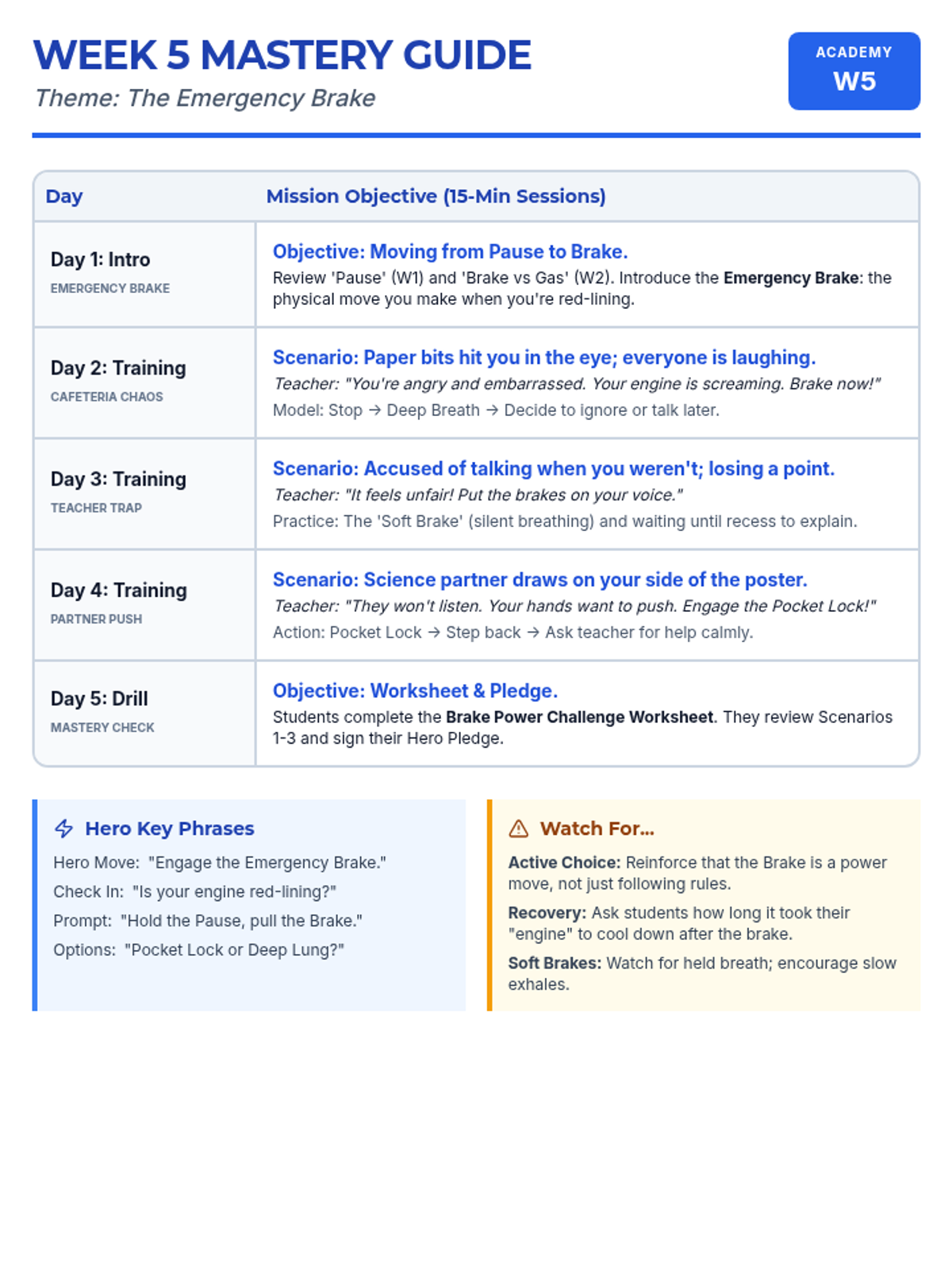
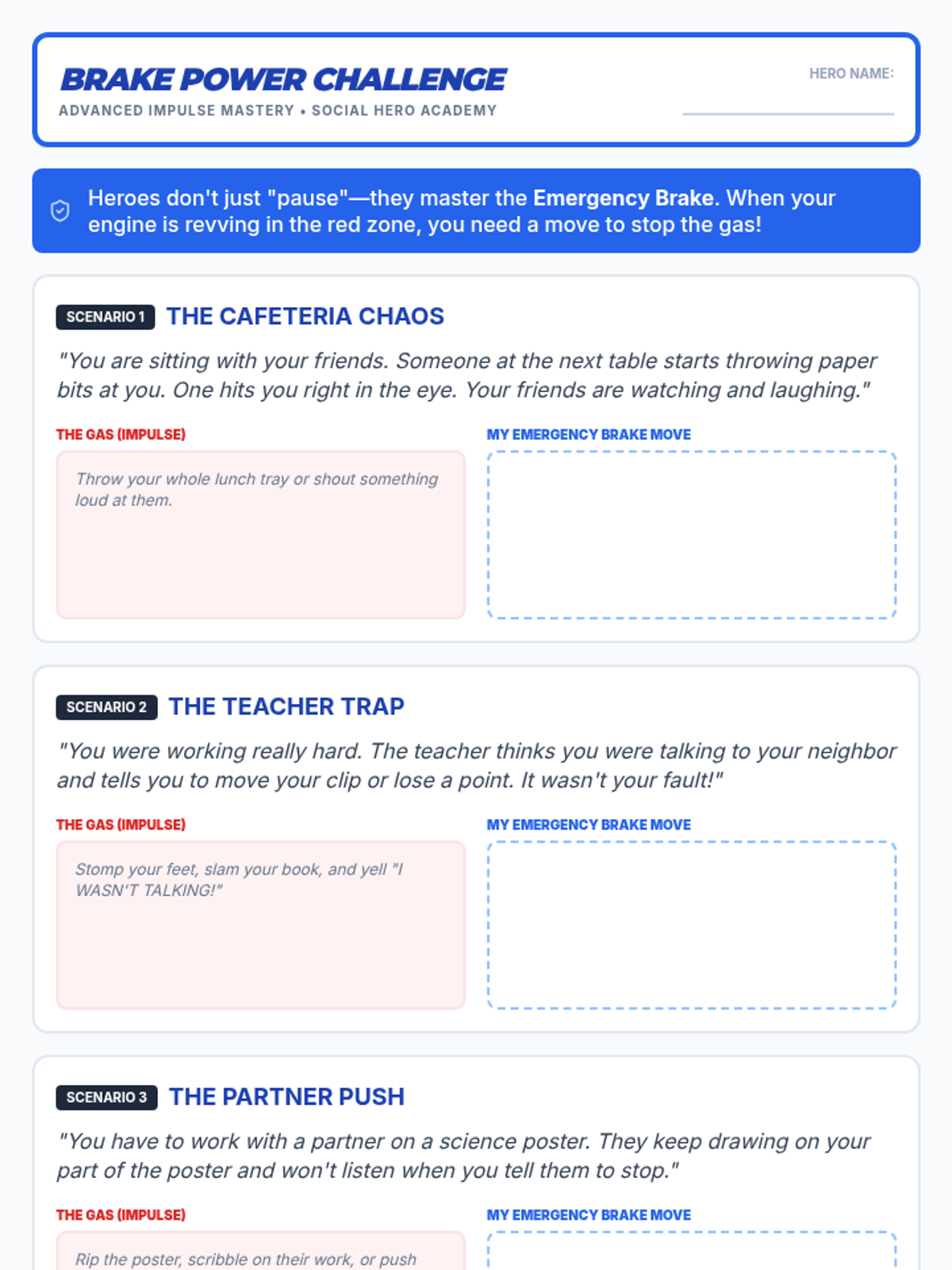
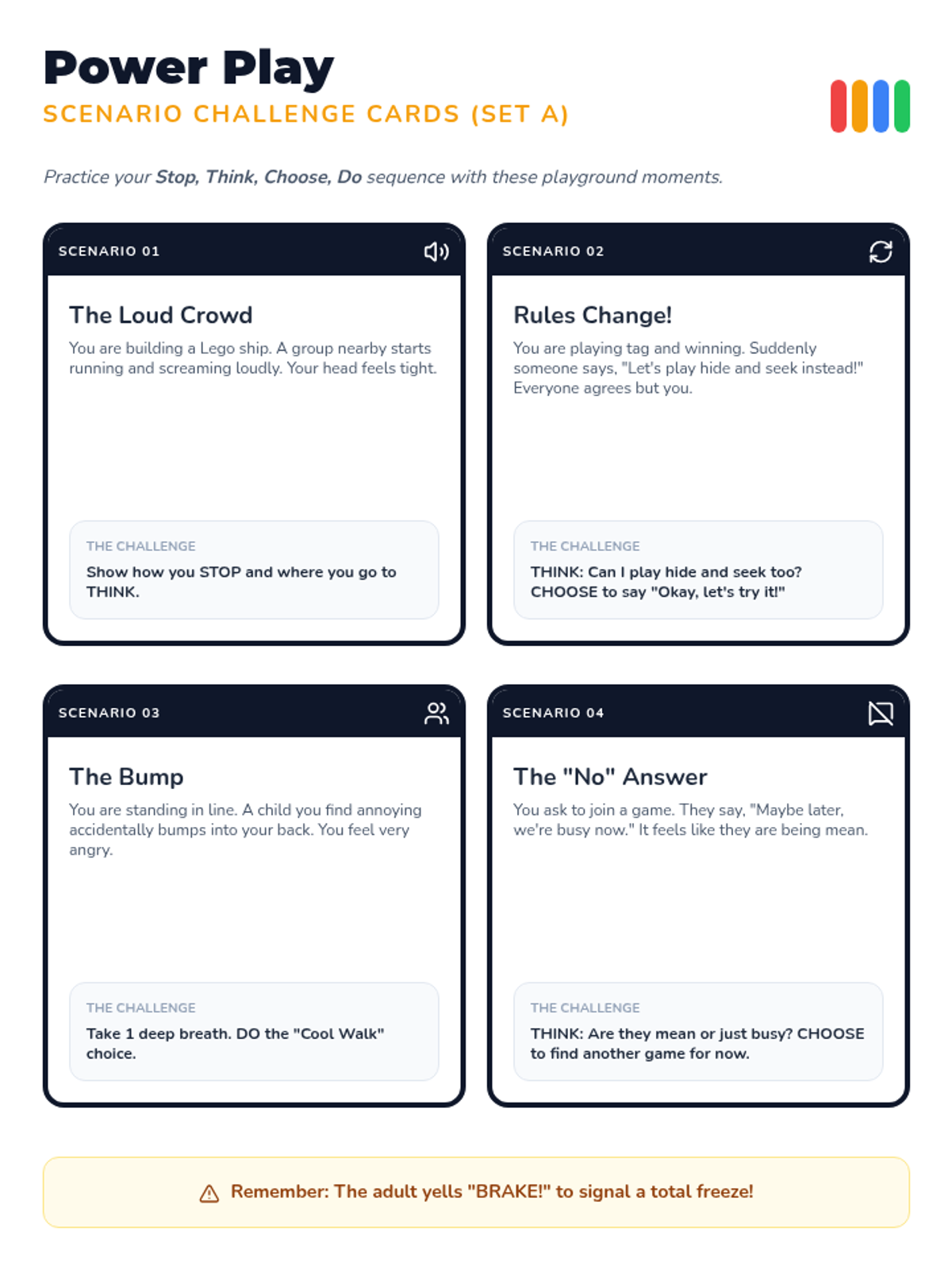
Advanced impulse control practice focusing on 'Emergency Brake' moves in high-pressure social scenarios. Students practice transitioning from 'Stop and Think' to intentional action.
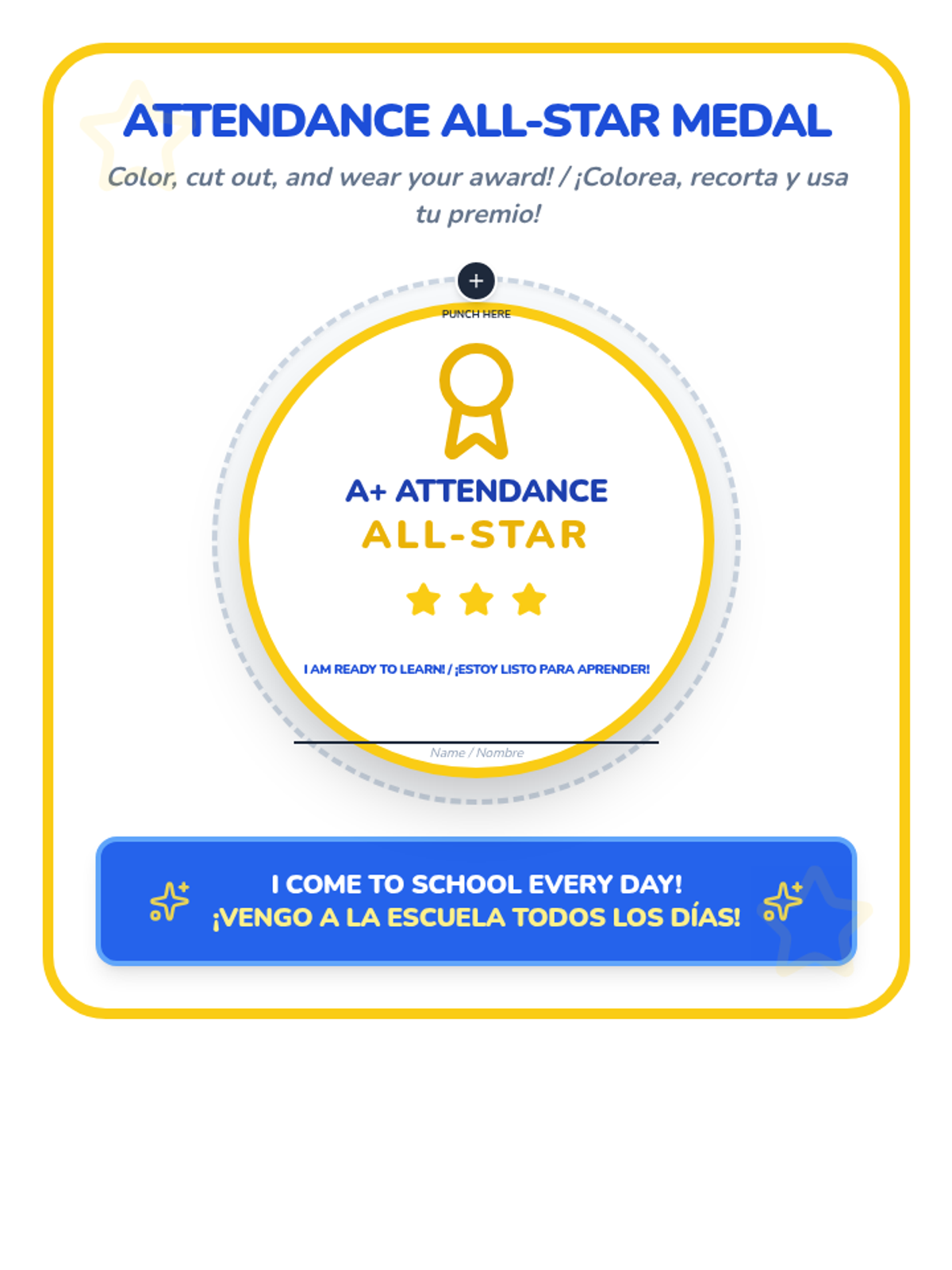
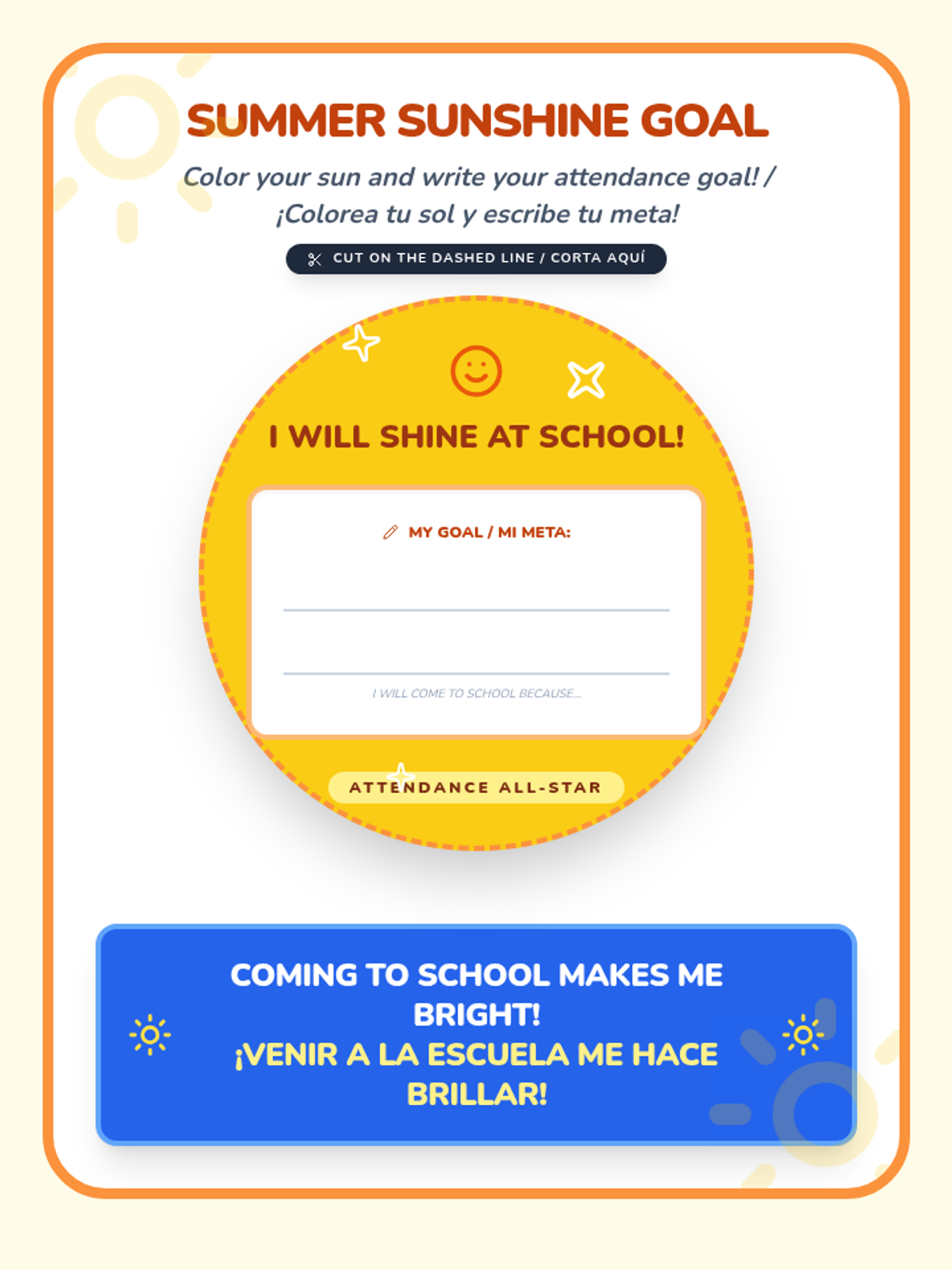
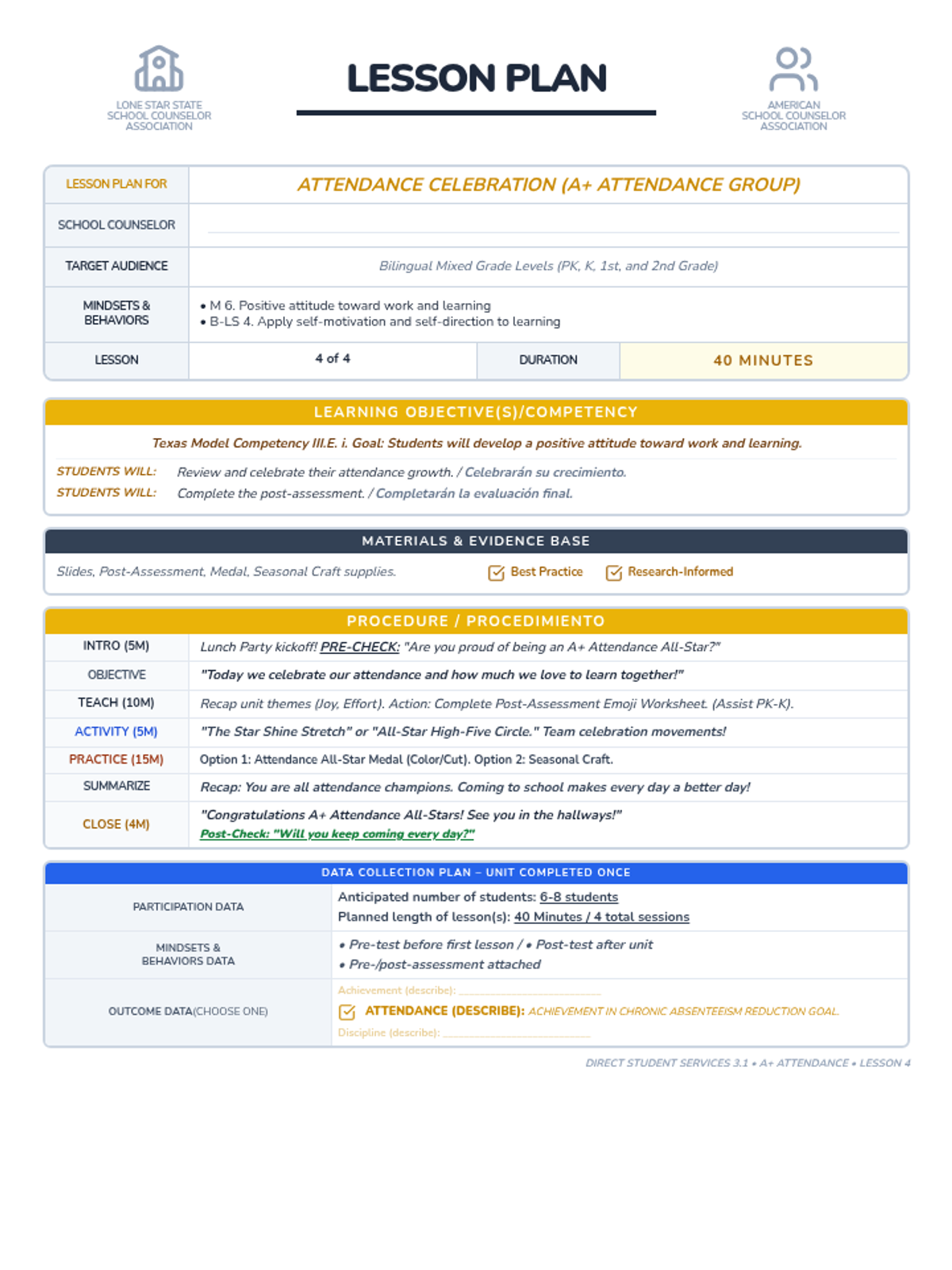
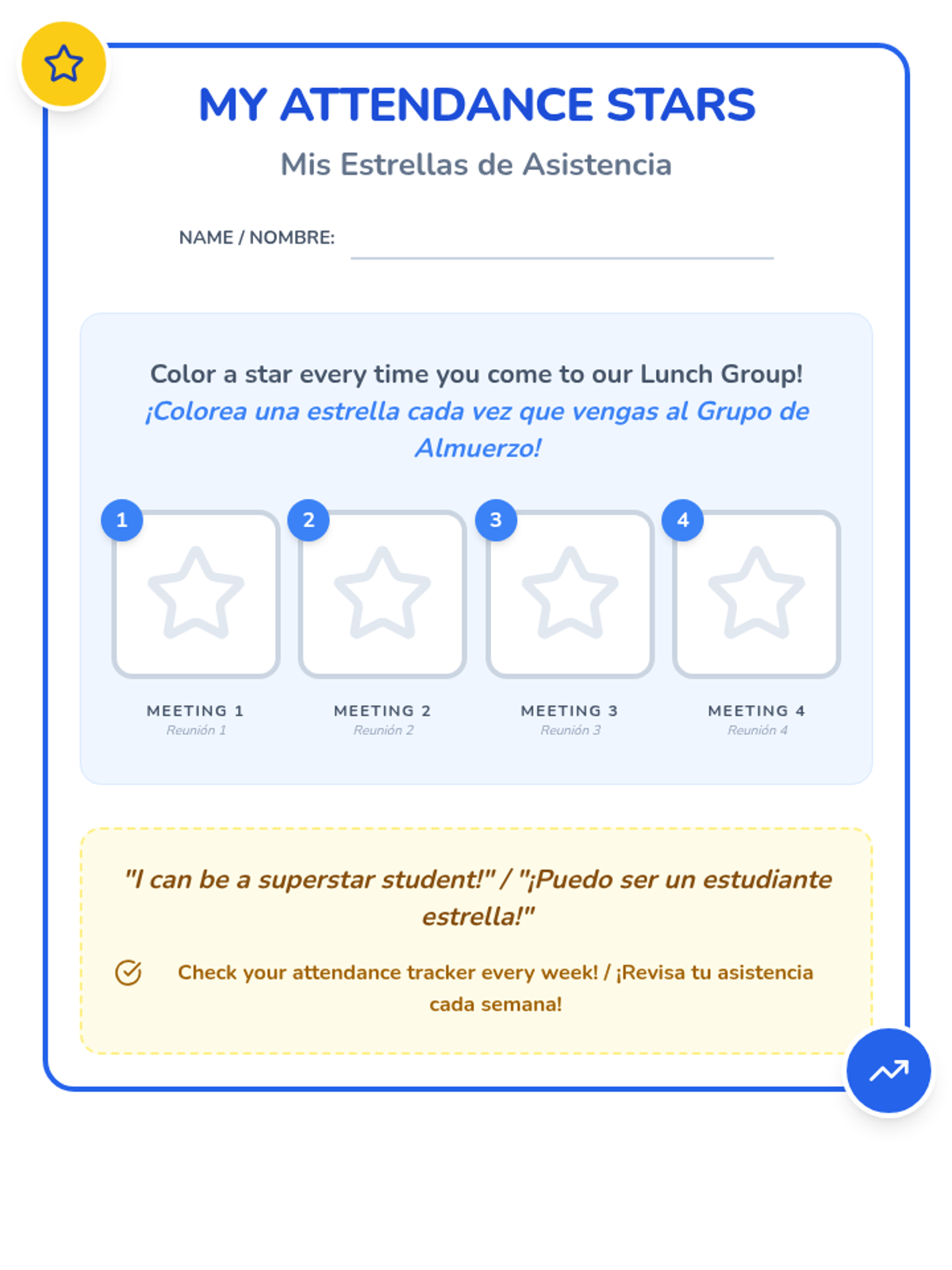
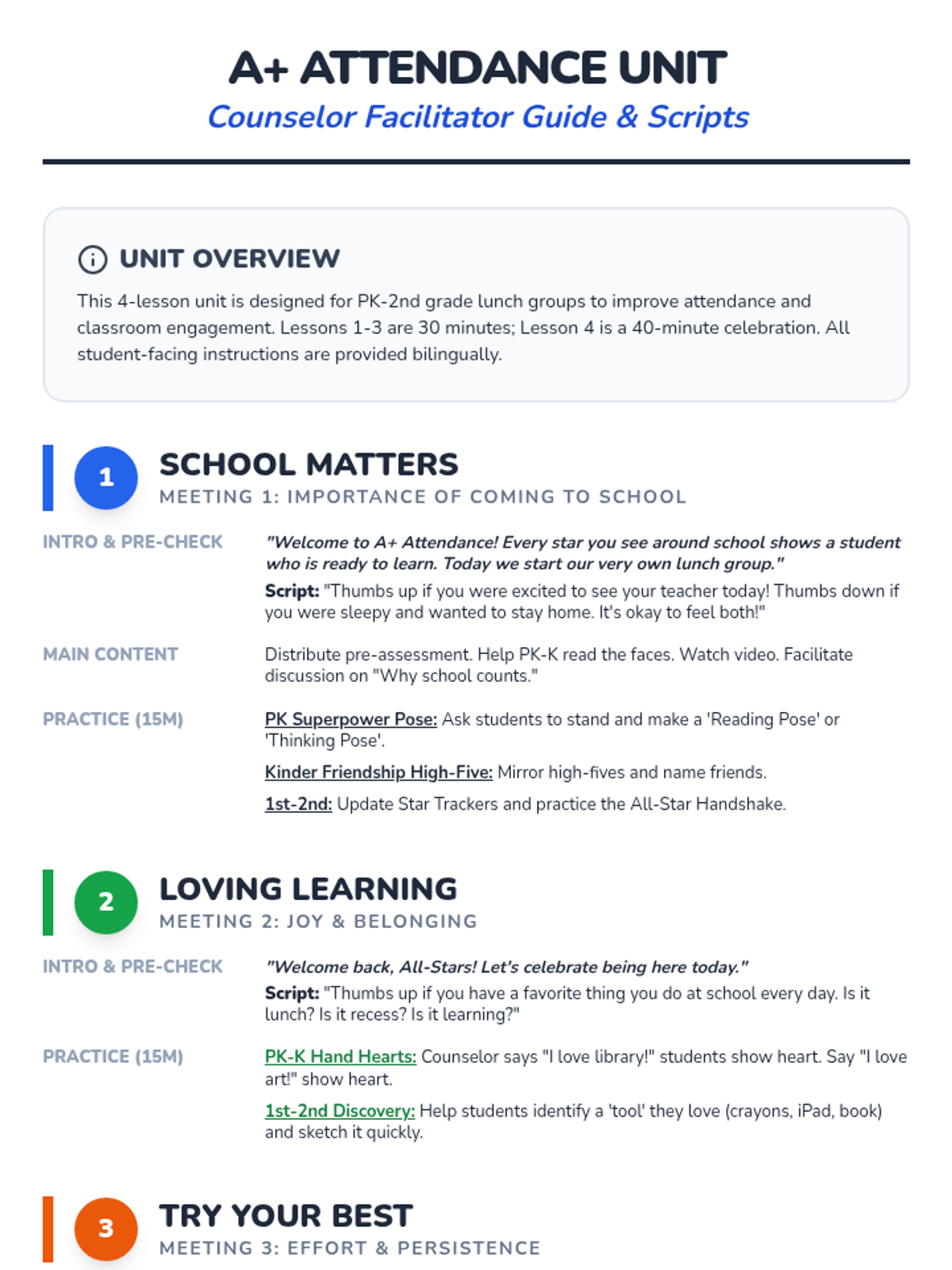
A final celebration of student growth and consistent attendance. Includes a review of core concepts, the post-assessment, and a creative attendance-themed craft.
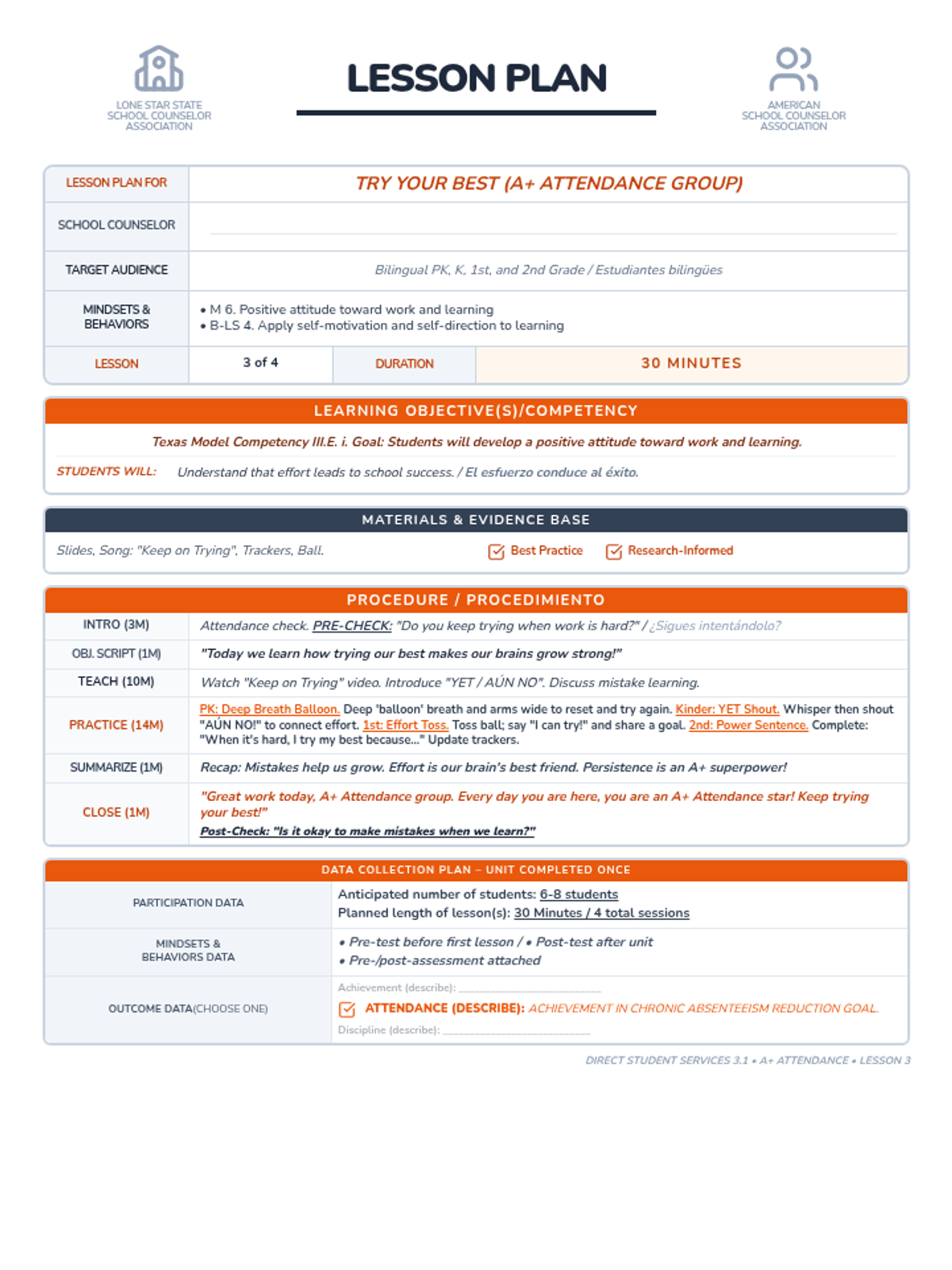
A focus on perseverance and trying one's best in class. Students discuss how hard work pays off and monitor their progress toward their attendance goals.
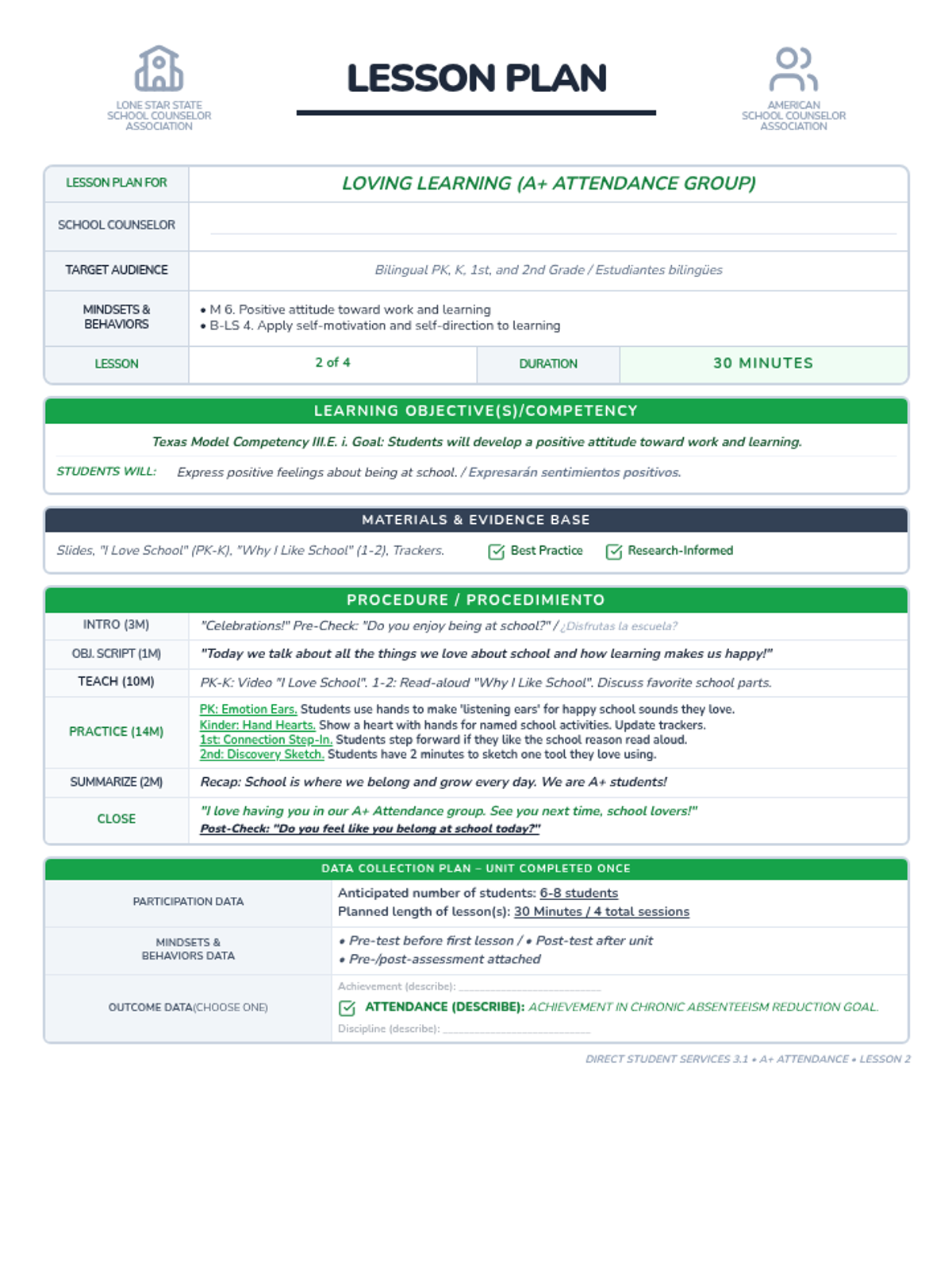
A session dedicated to finding joy in school and learning. Students explore things they like about their school environment through videos and a read-aloud.
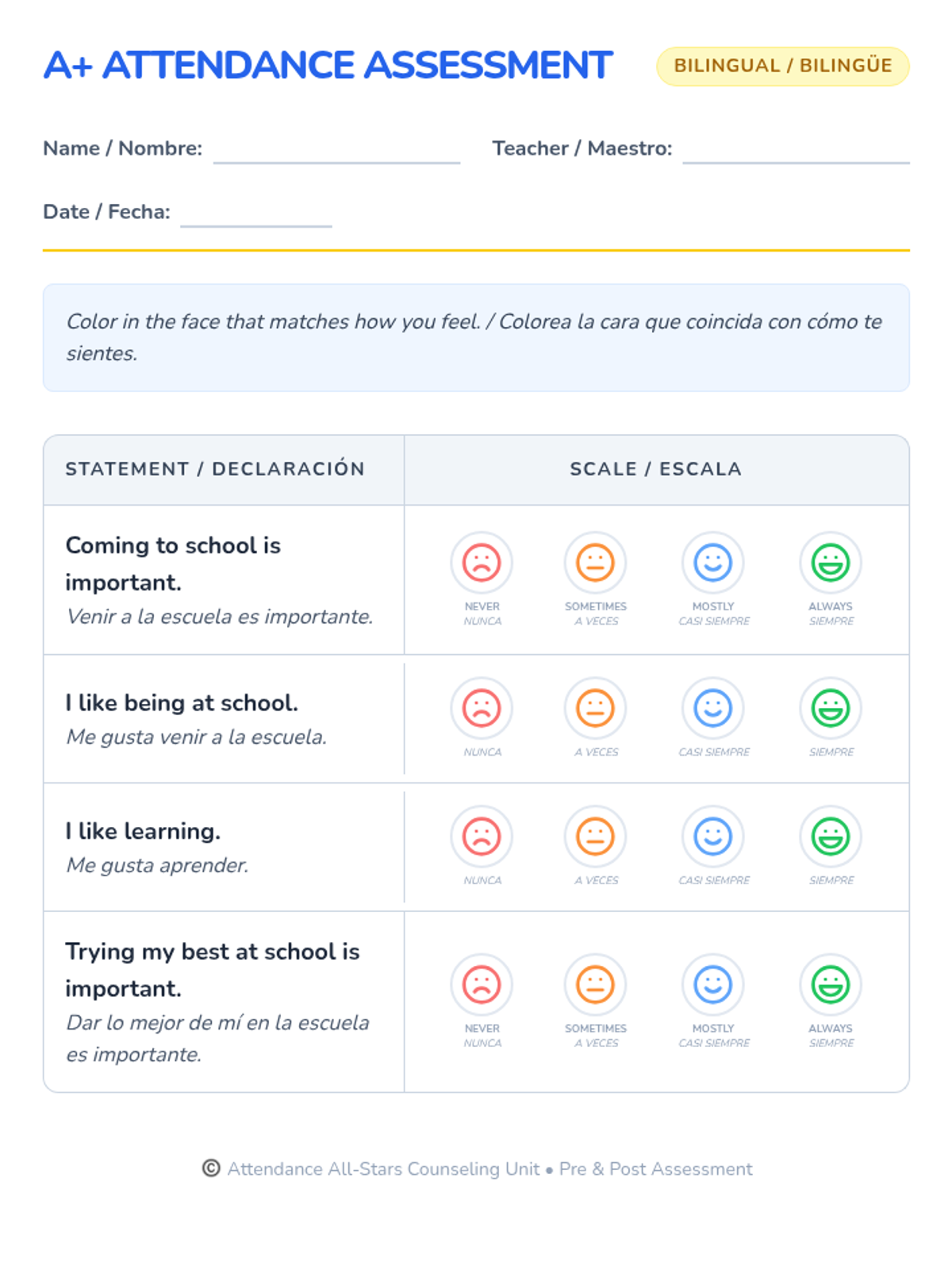
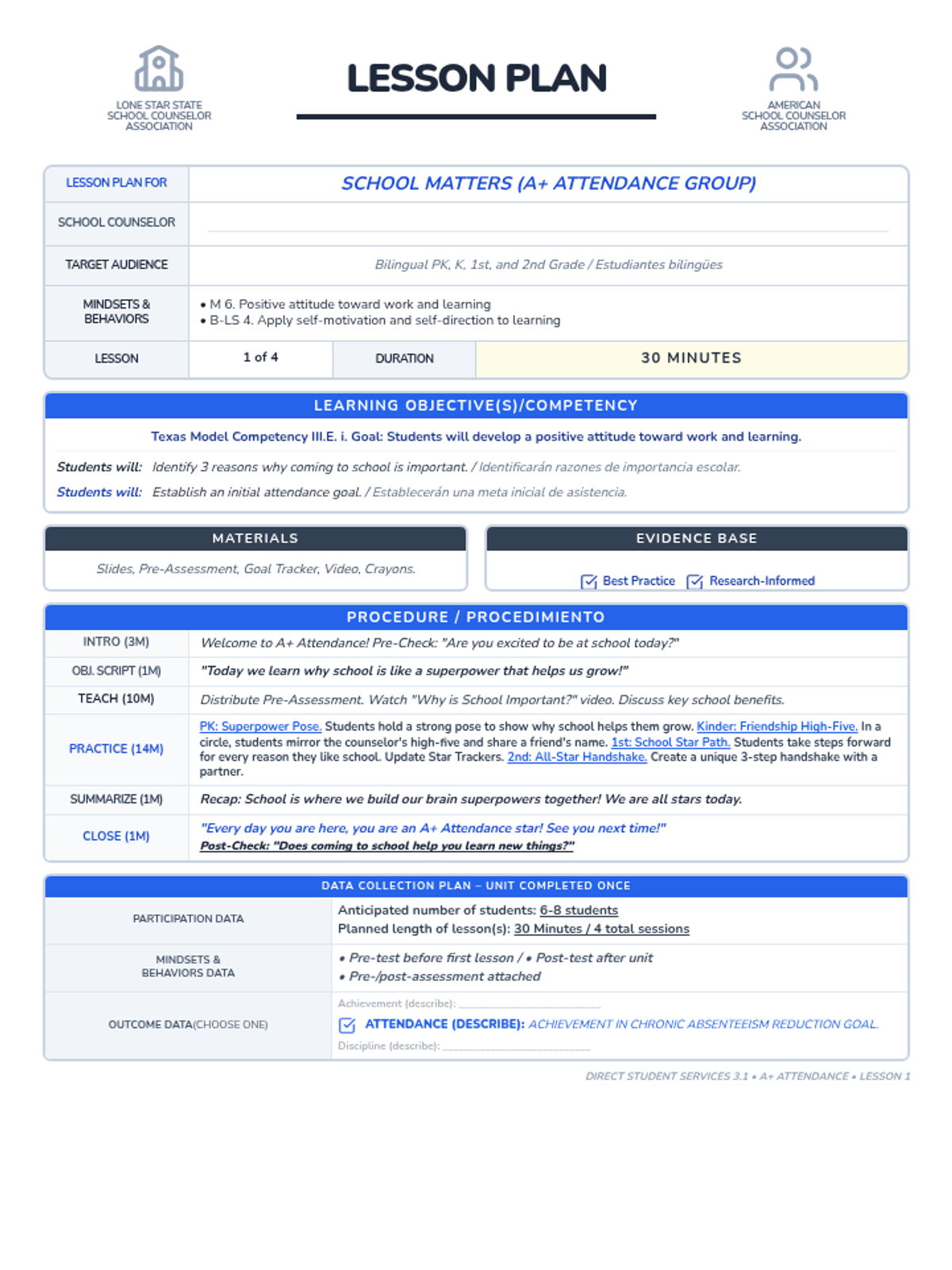
An introductory session focusing on the importance of coming to school and setting initial attendance goals. Students take the pre-assessment and watch an engaging video about why education matters.
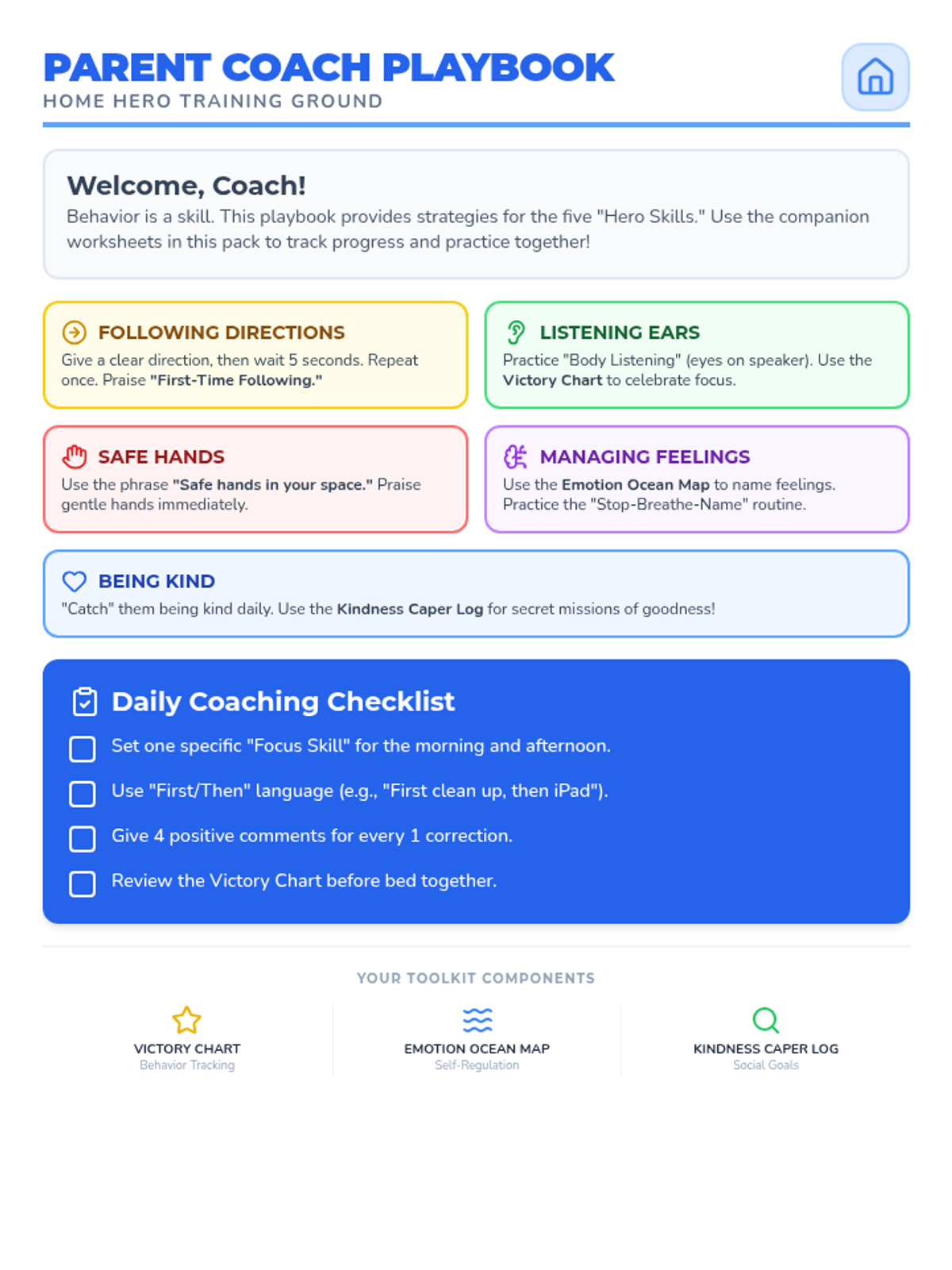
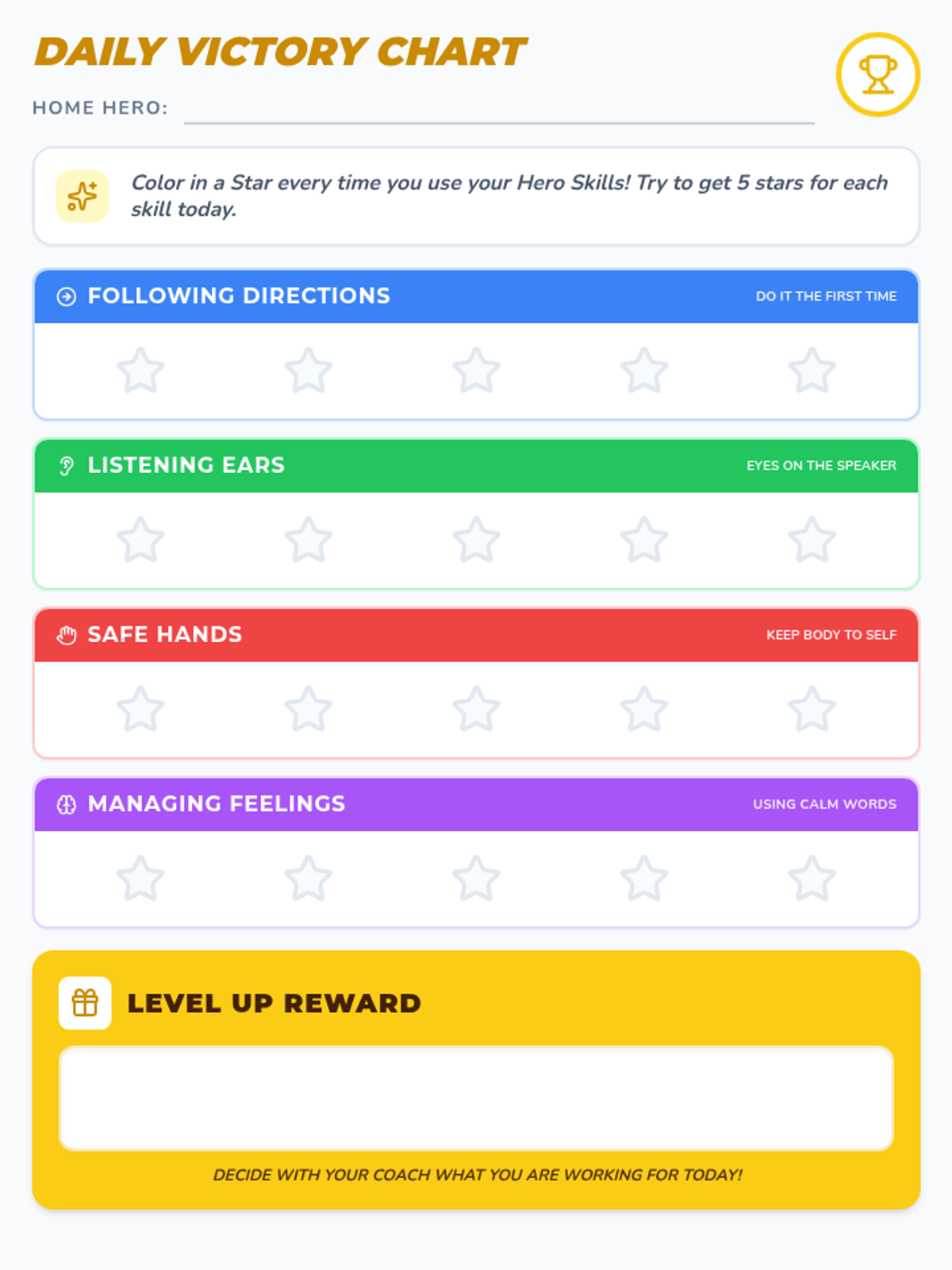
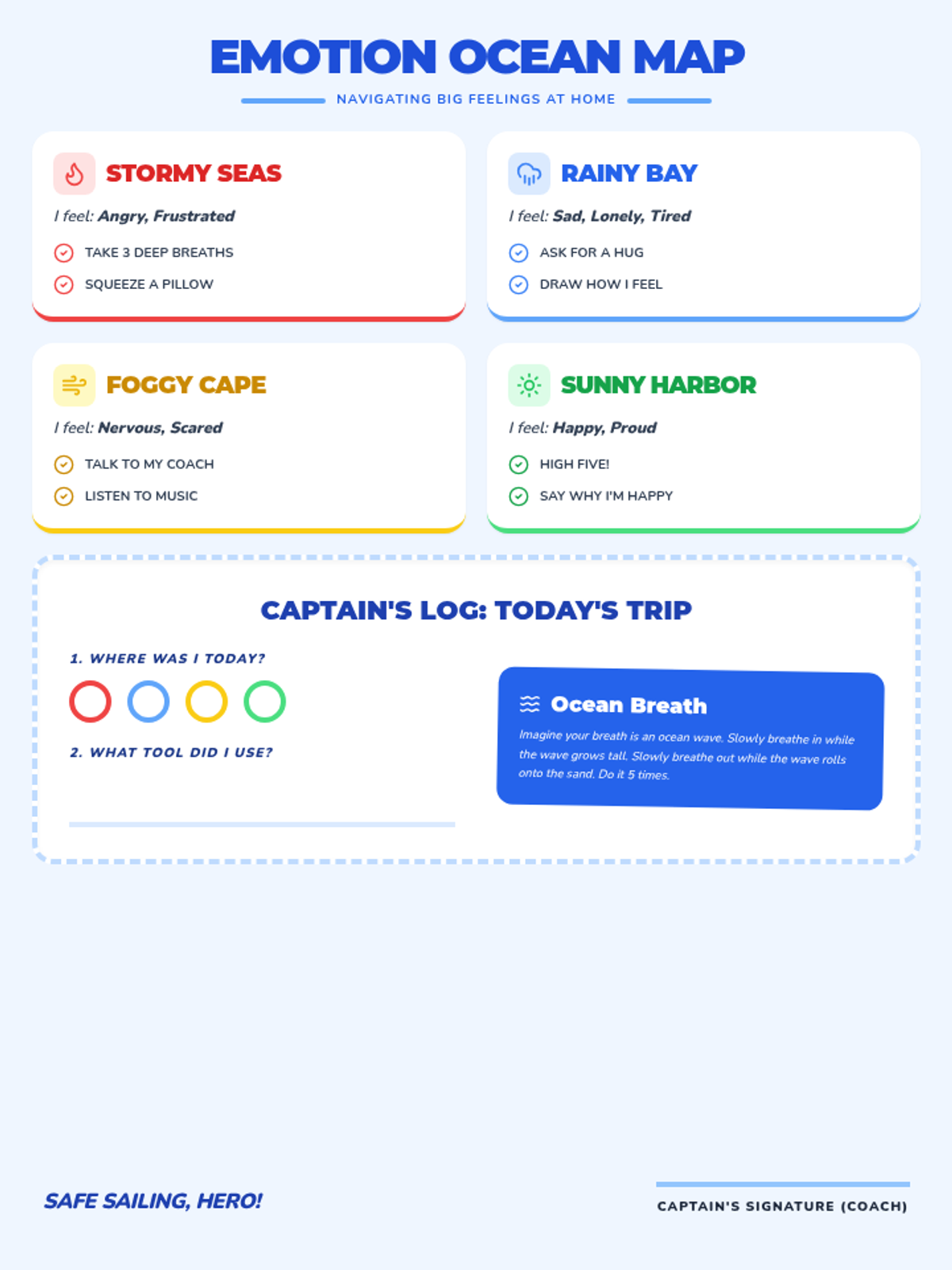
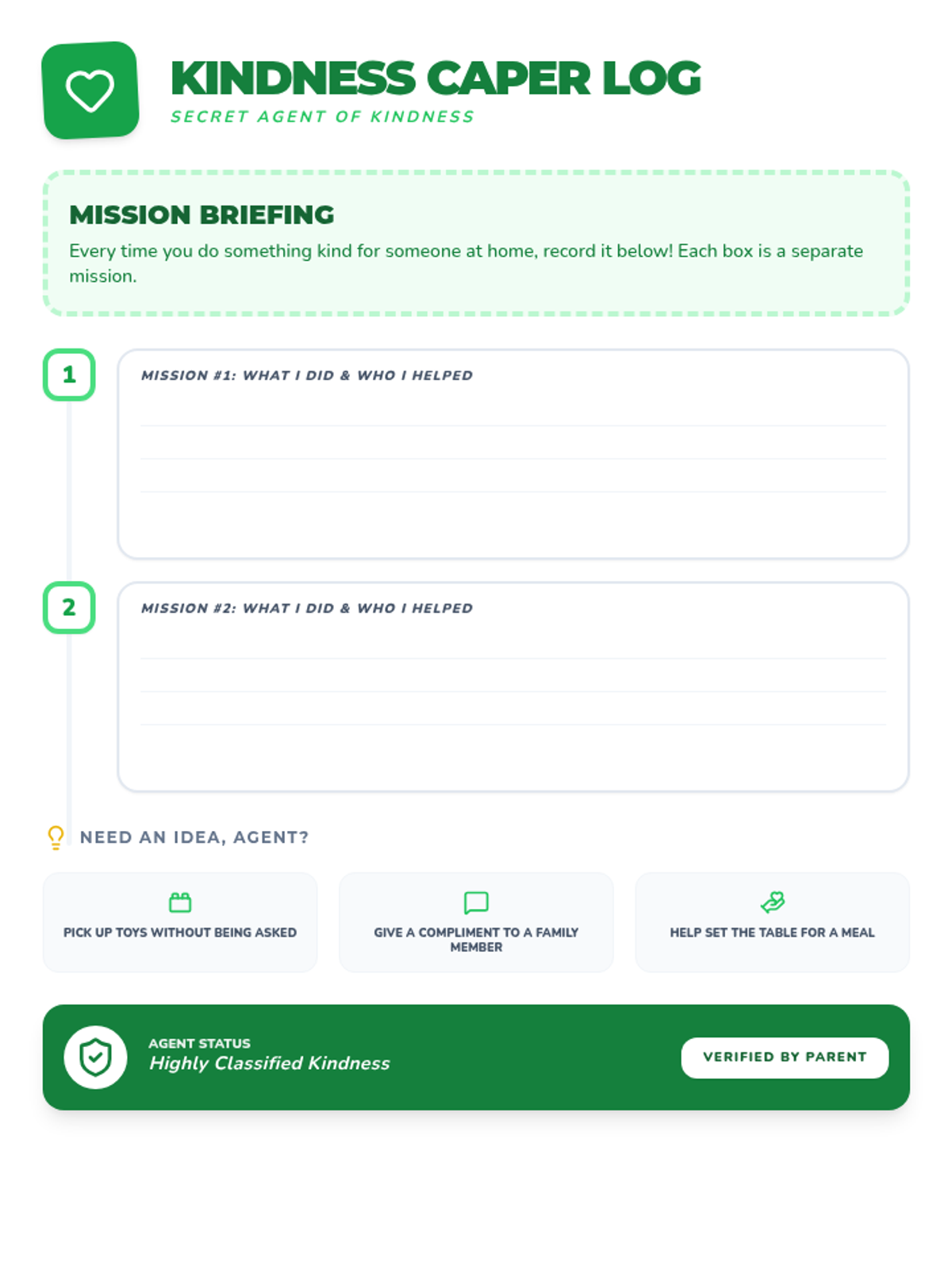
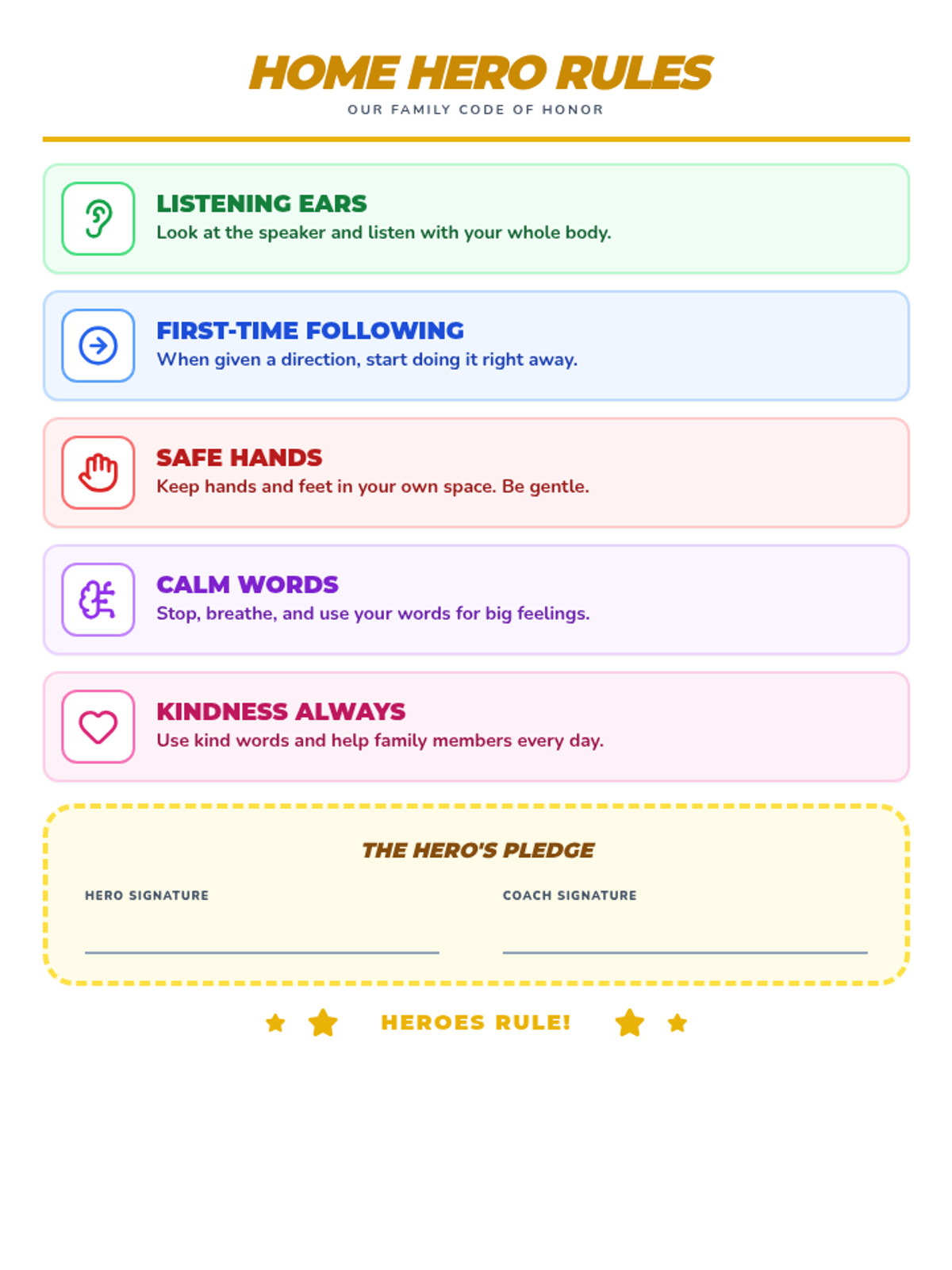
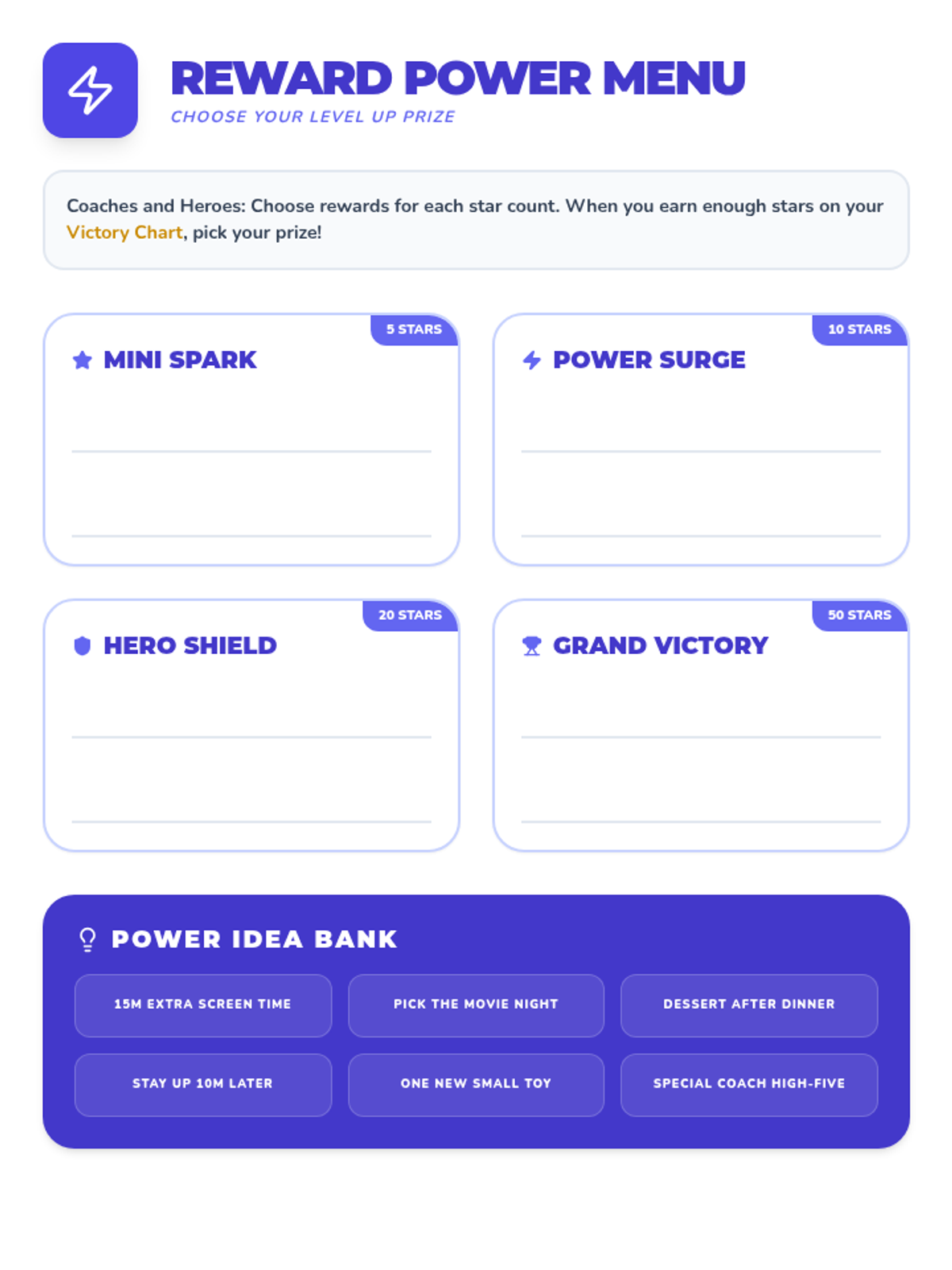
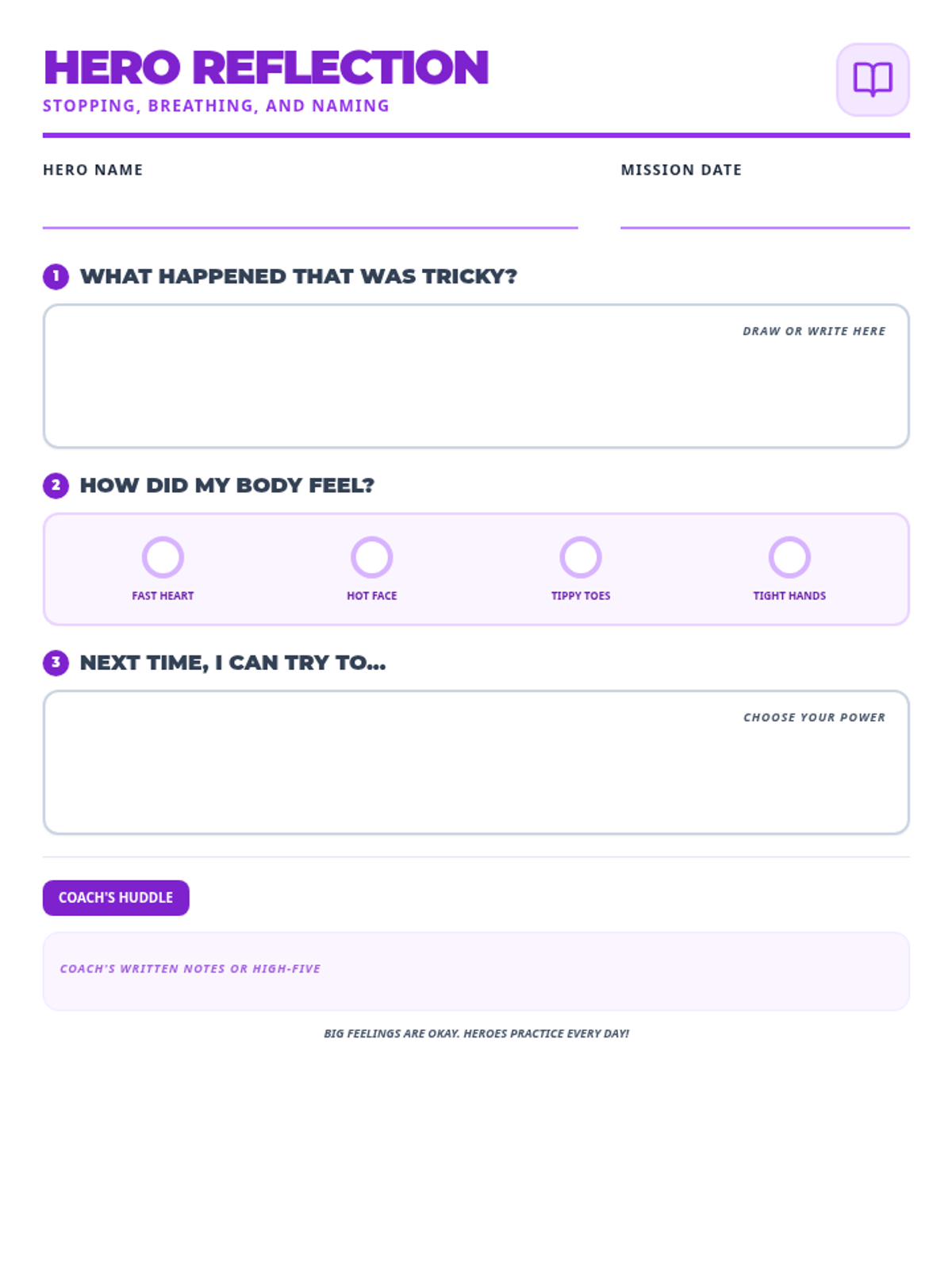
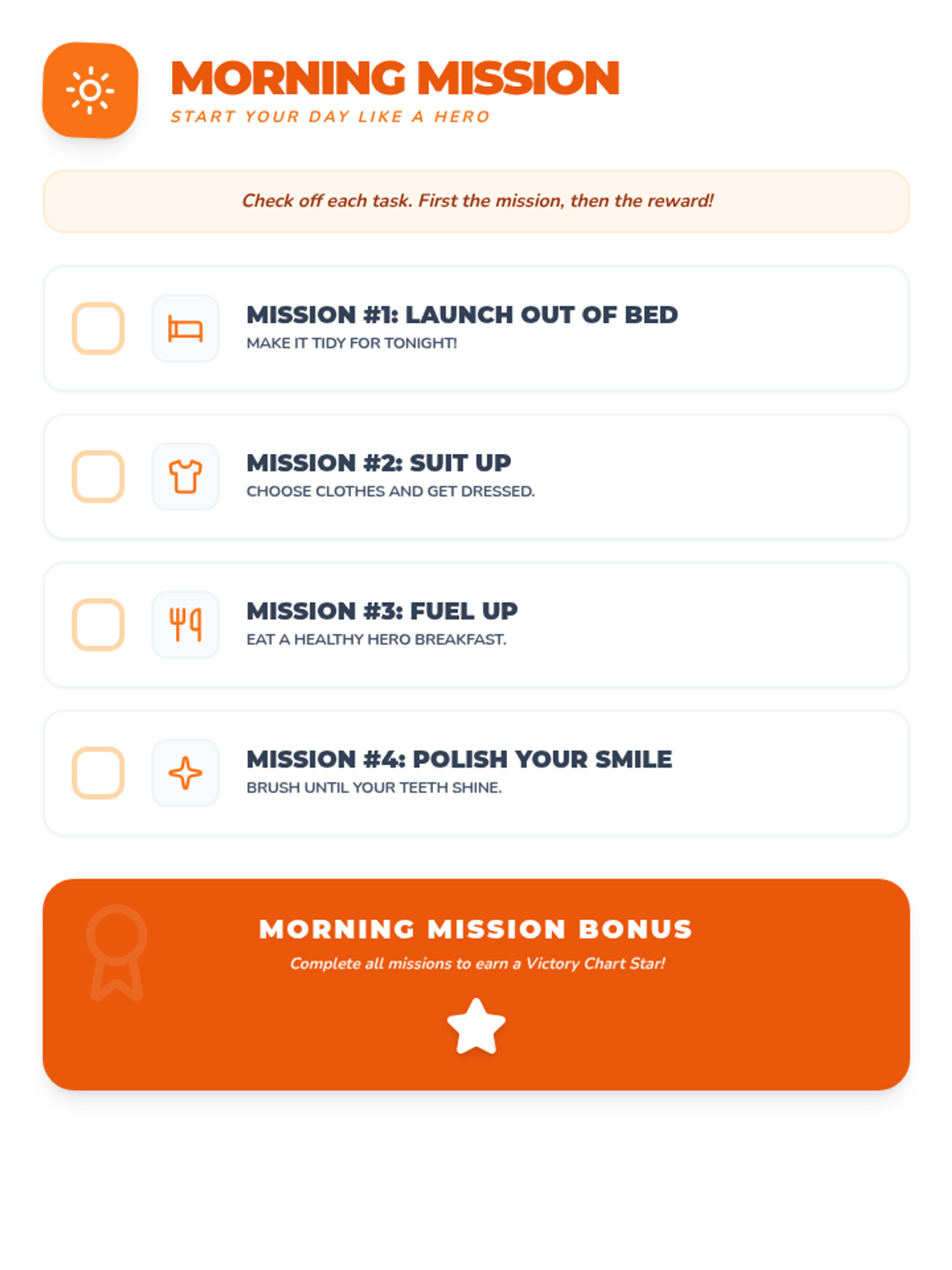
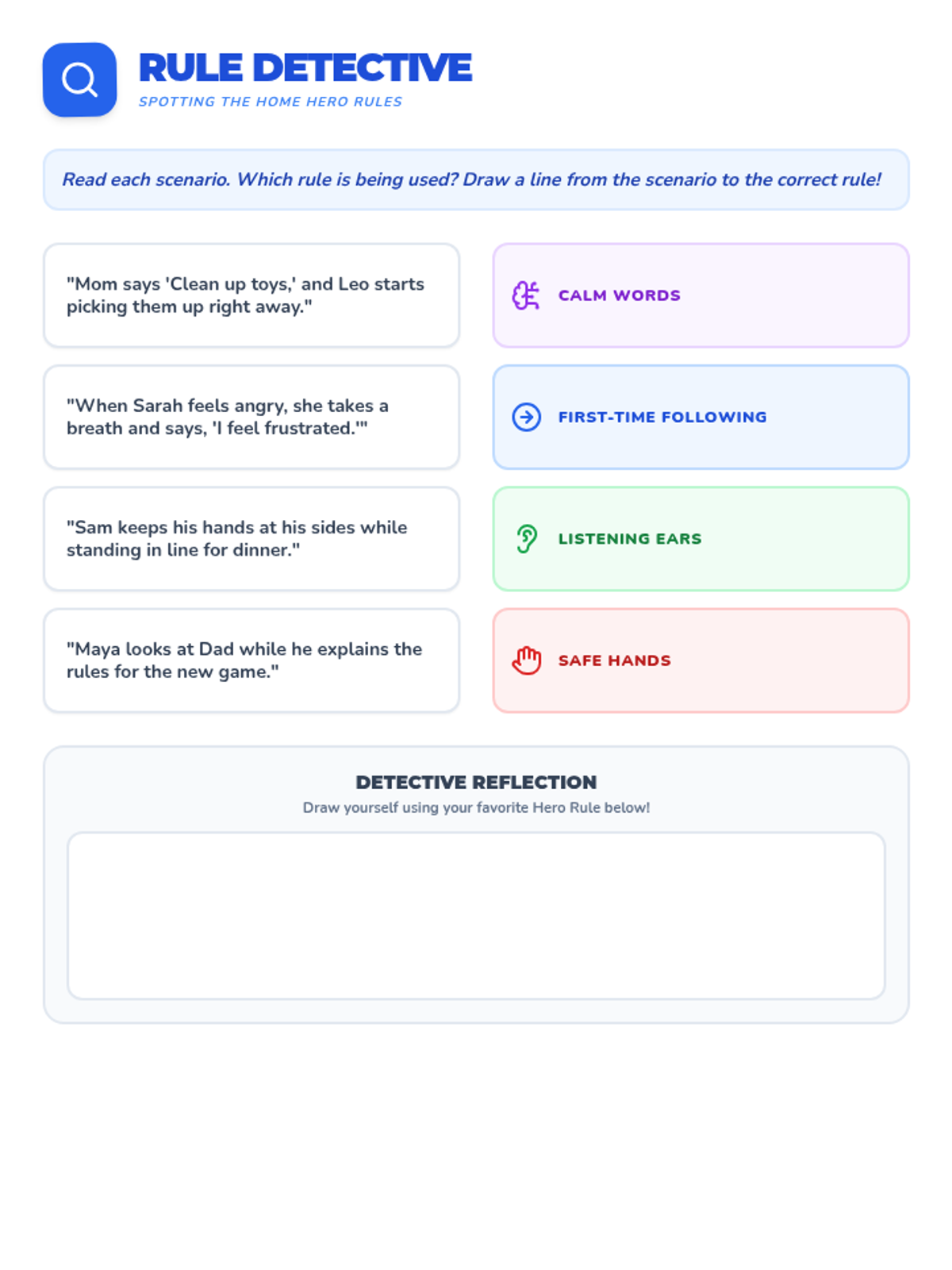
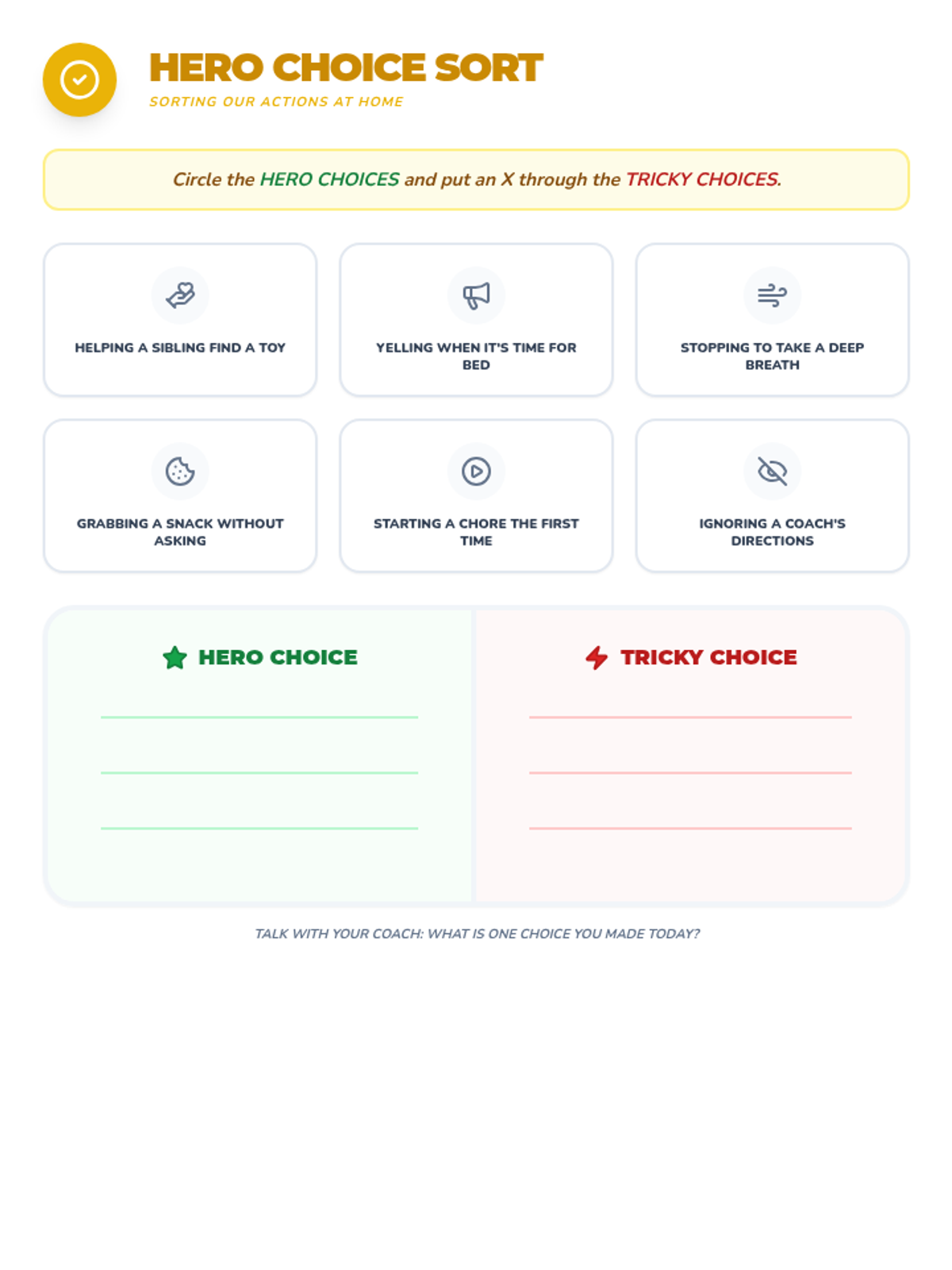
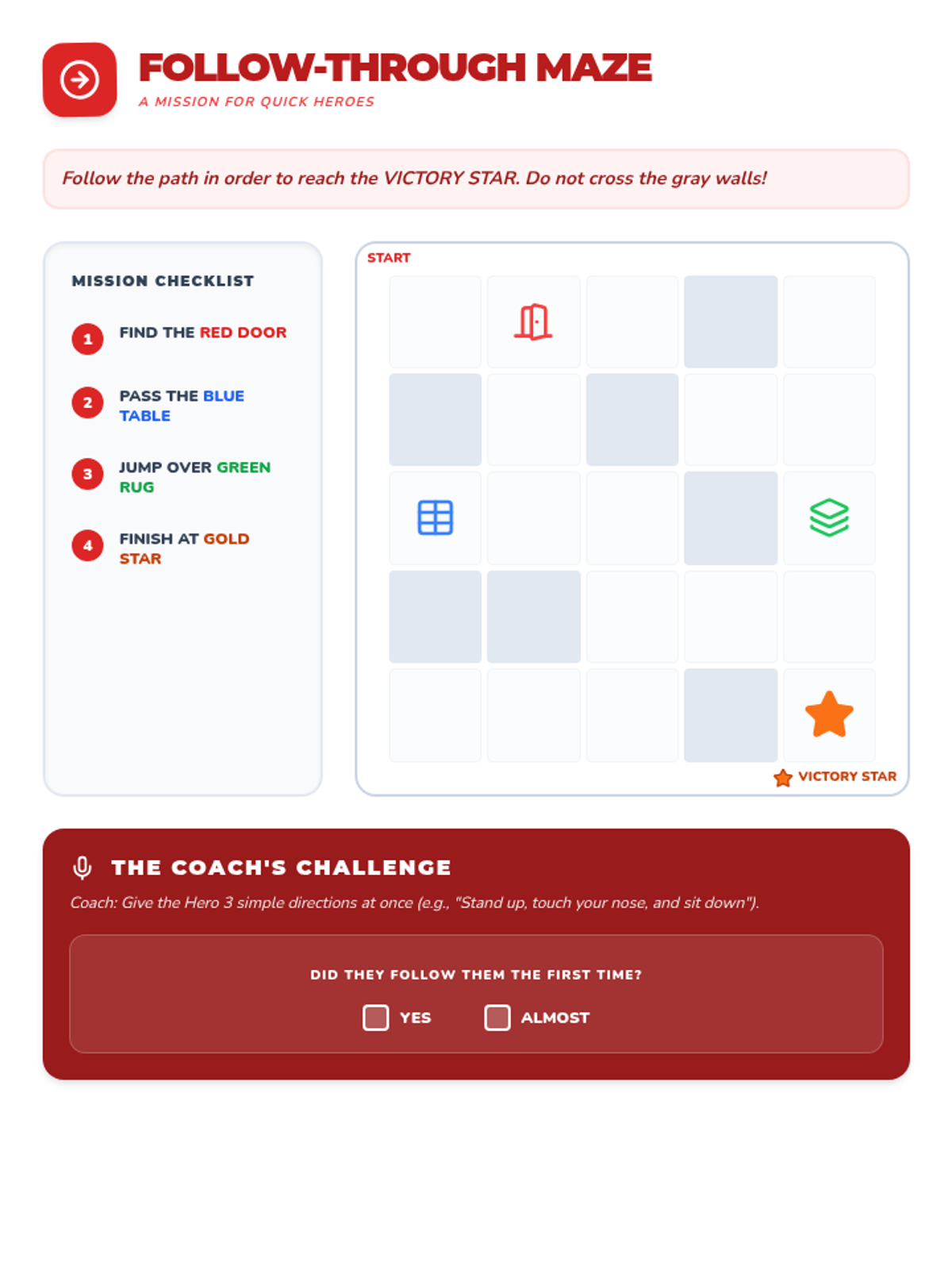
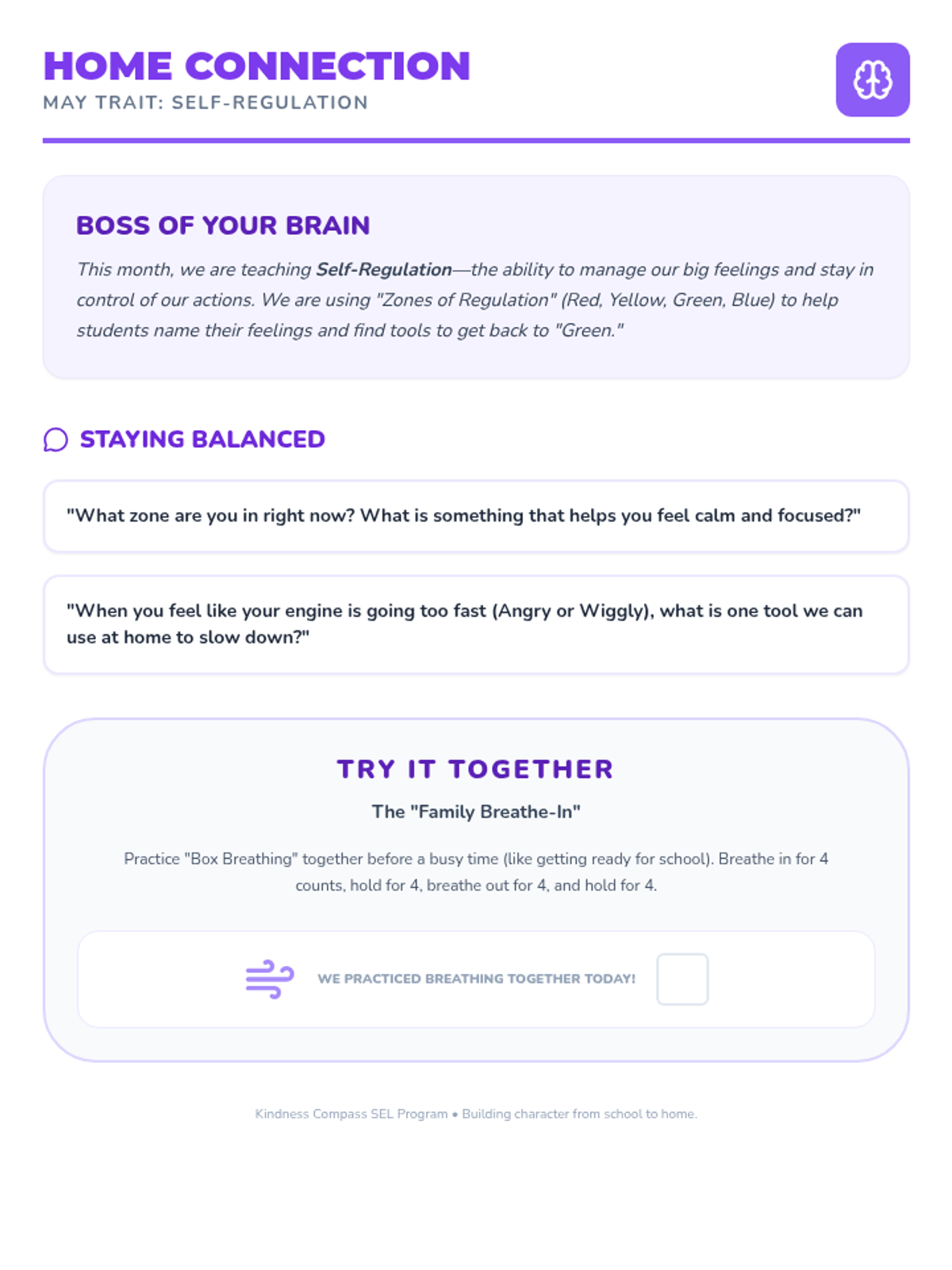
A comprehensive set of home-based tools designed to help parents support their child's behavioral growth in following directions, emotional regulation, and social kindness.
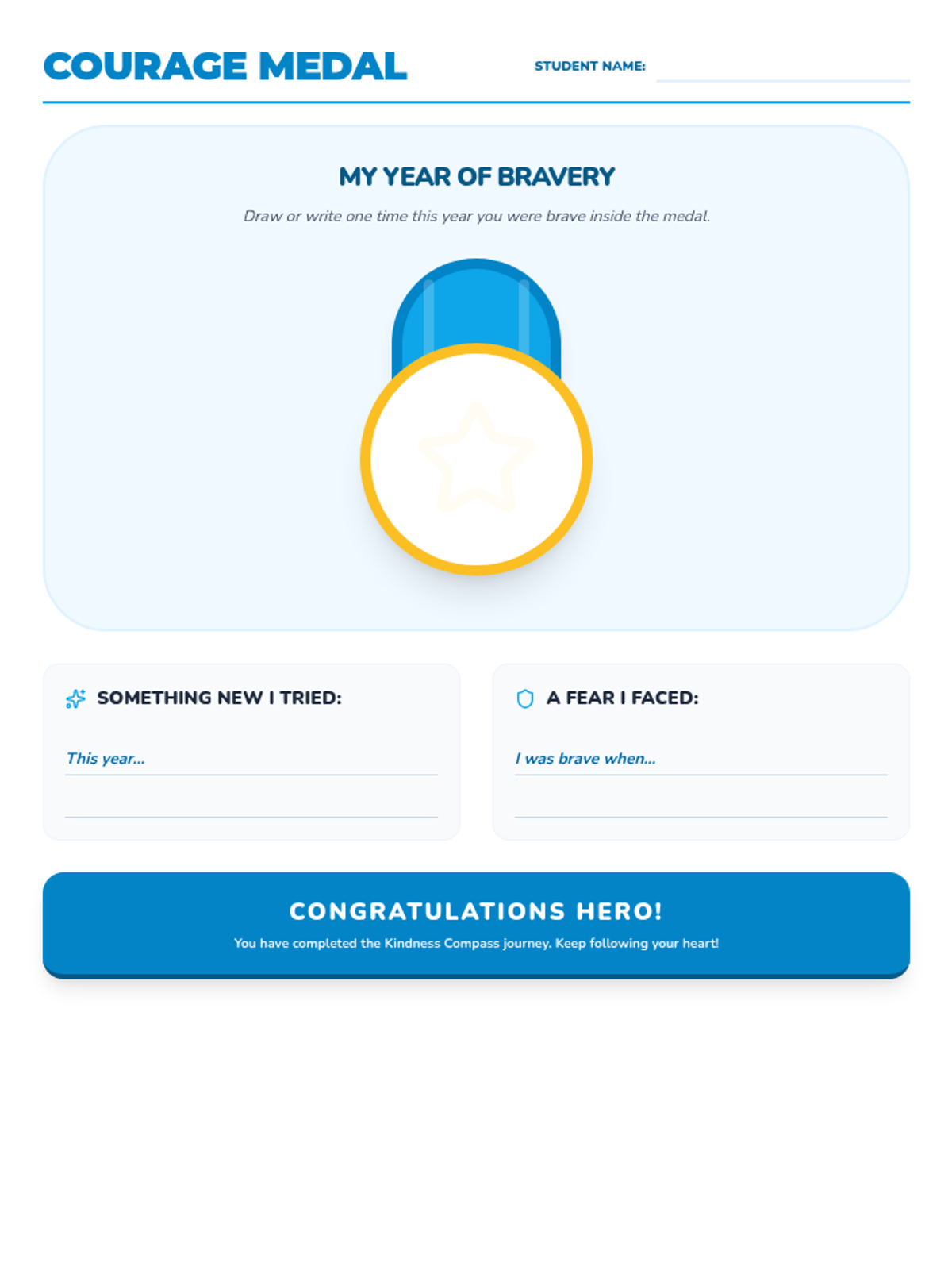
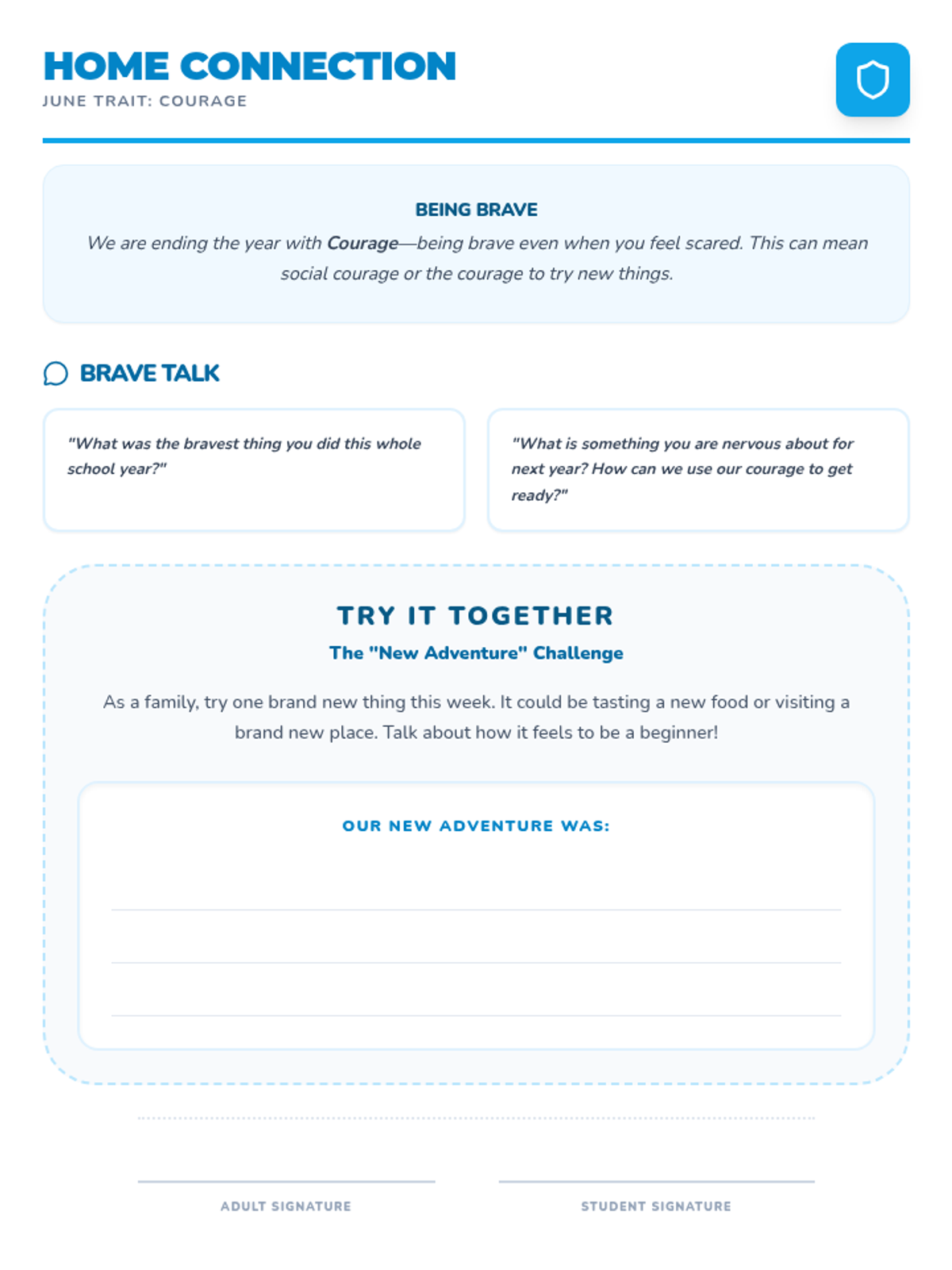
Facing fears and trying new things. A year-end reflection on being brave in both big and small ways.
Managing big emotions and staying in control. Students learn strategies for cooling down and focusing.
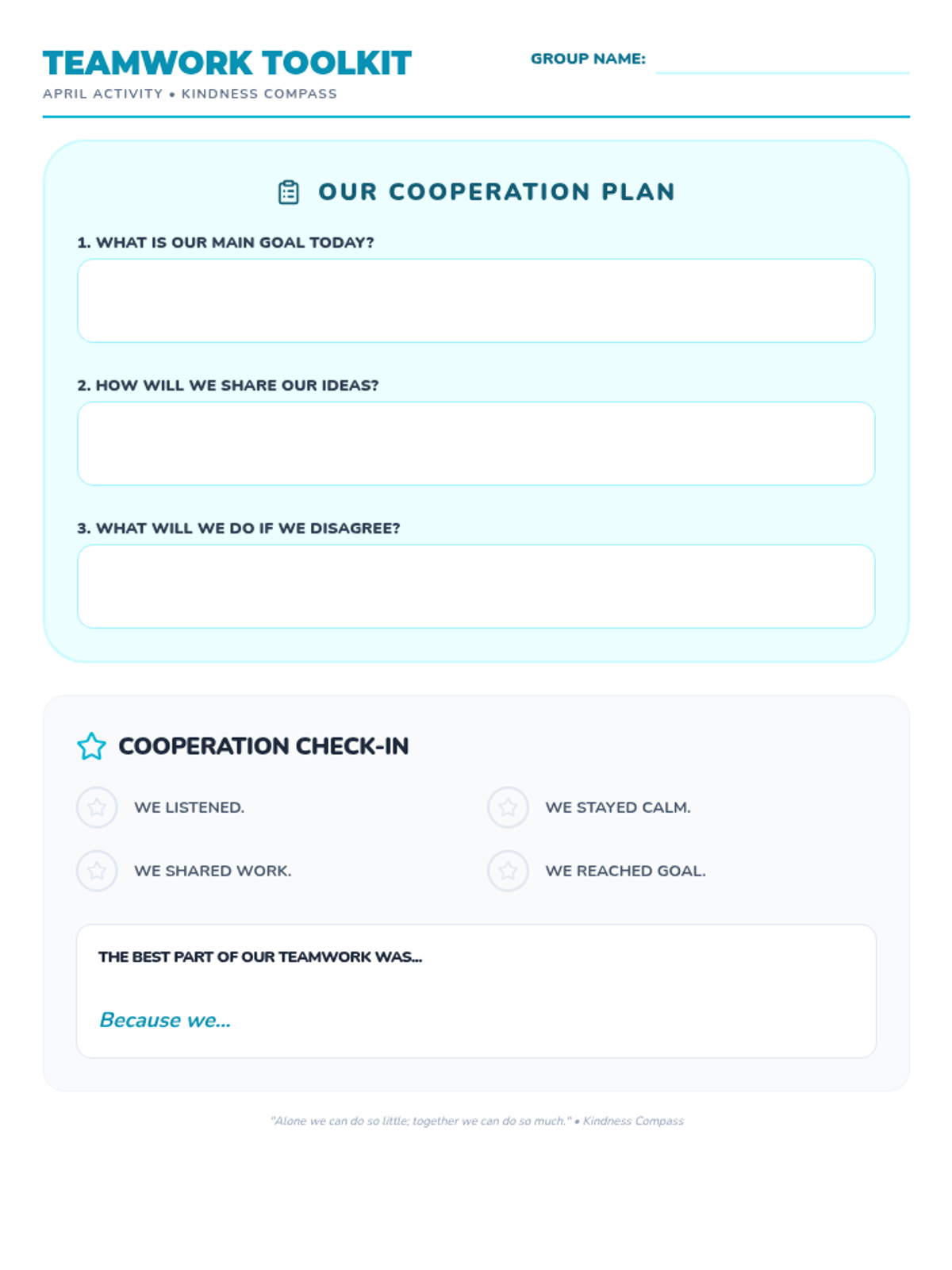
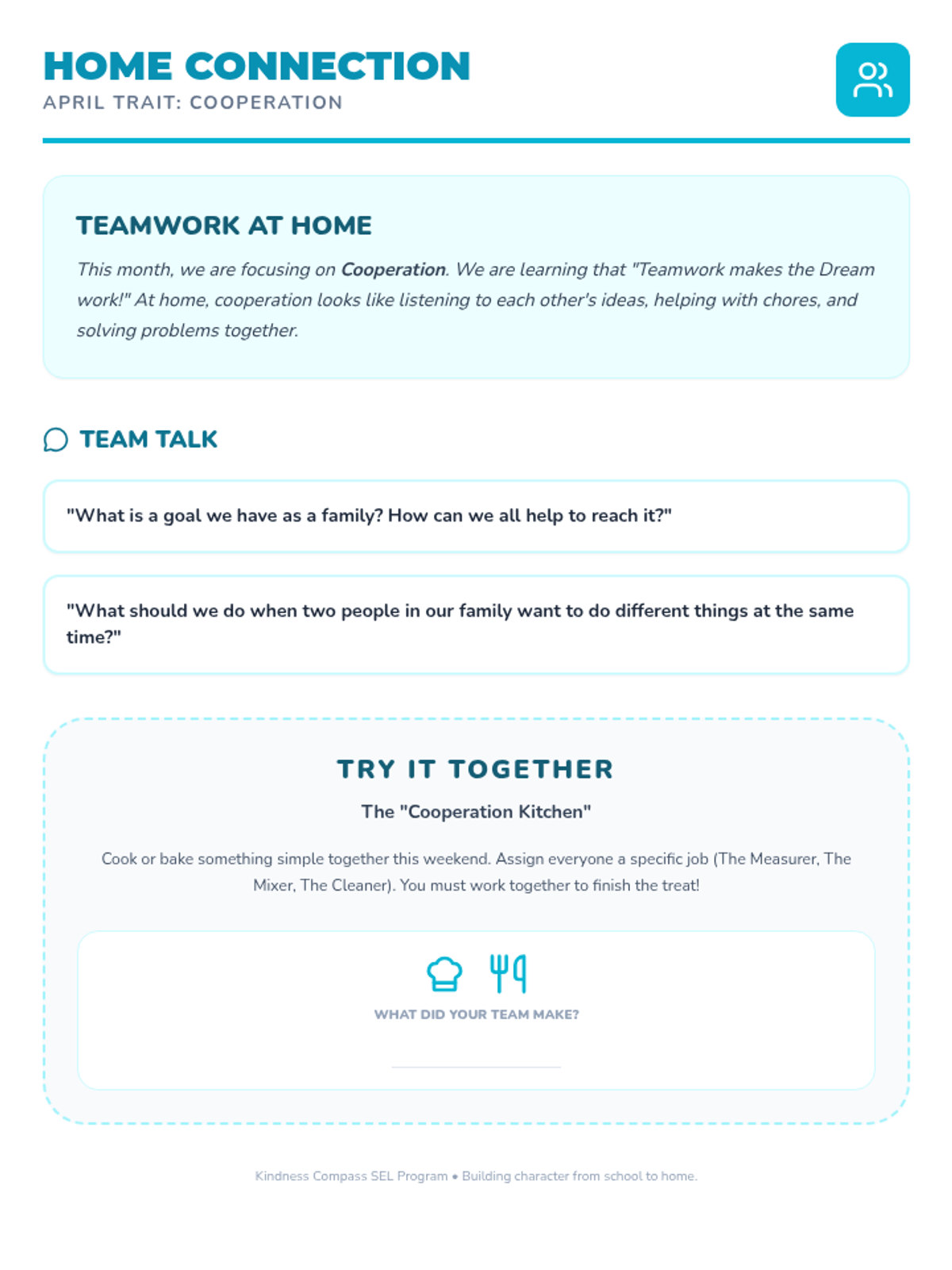
The art of working together. Students practice communication, compromise, and collective problem-solving.
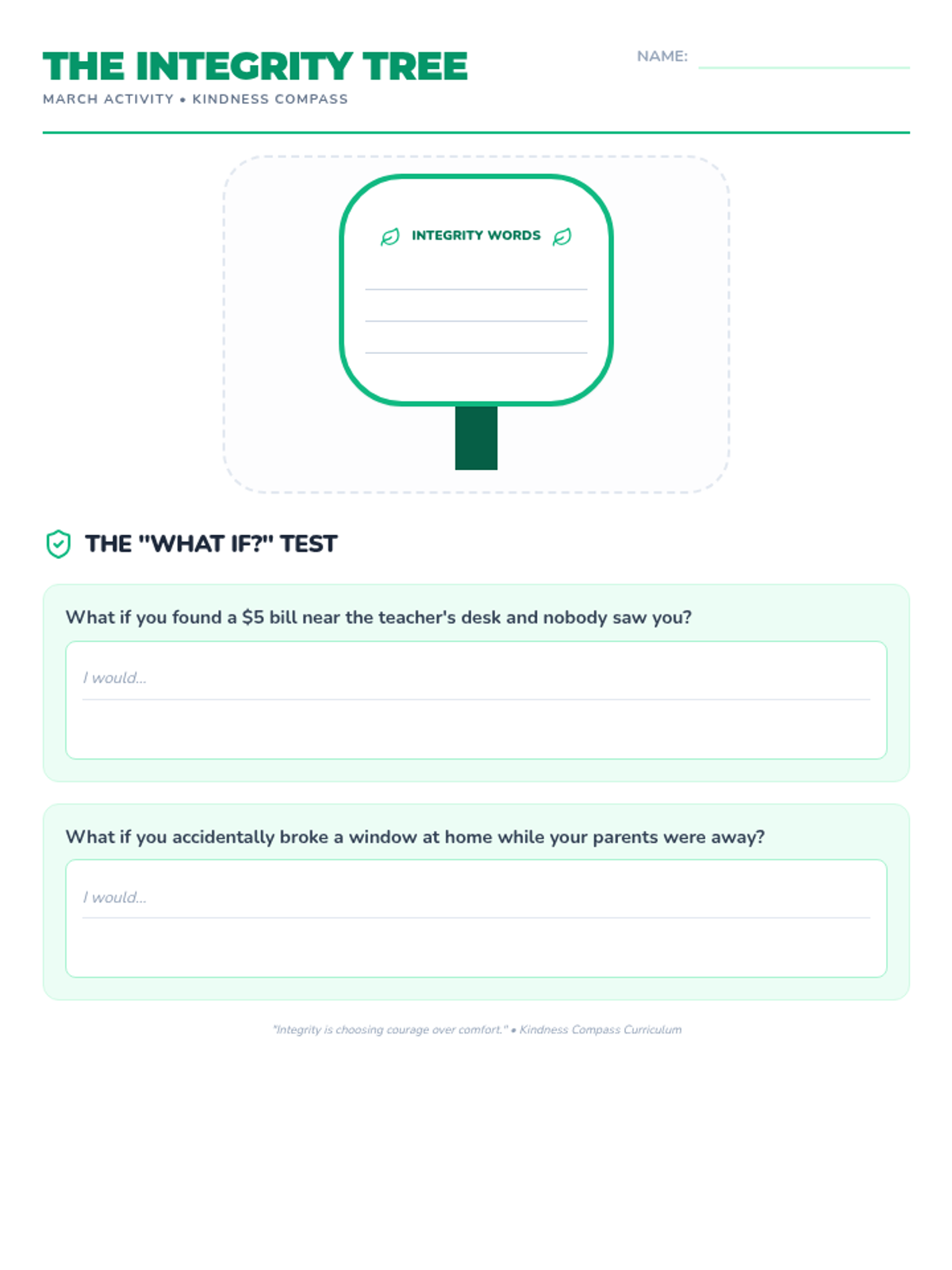
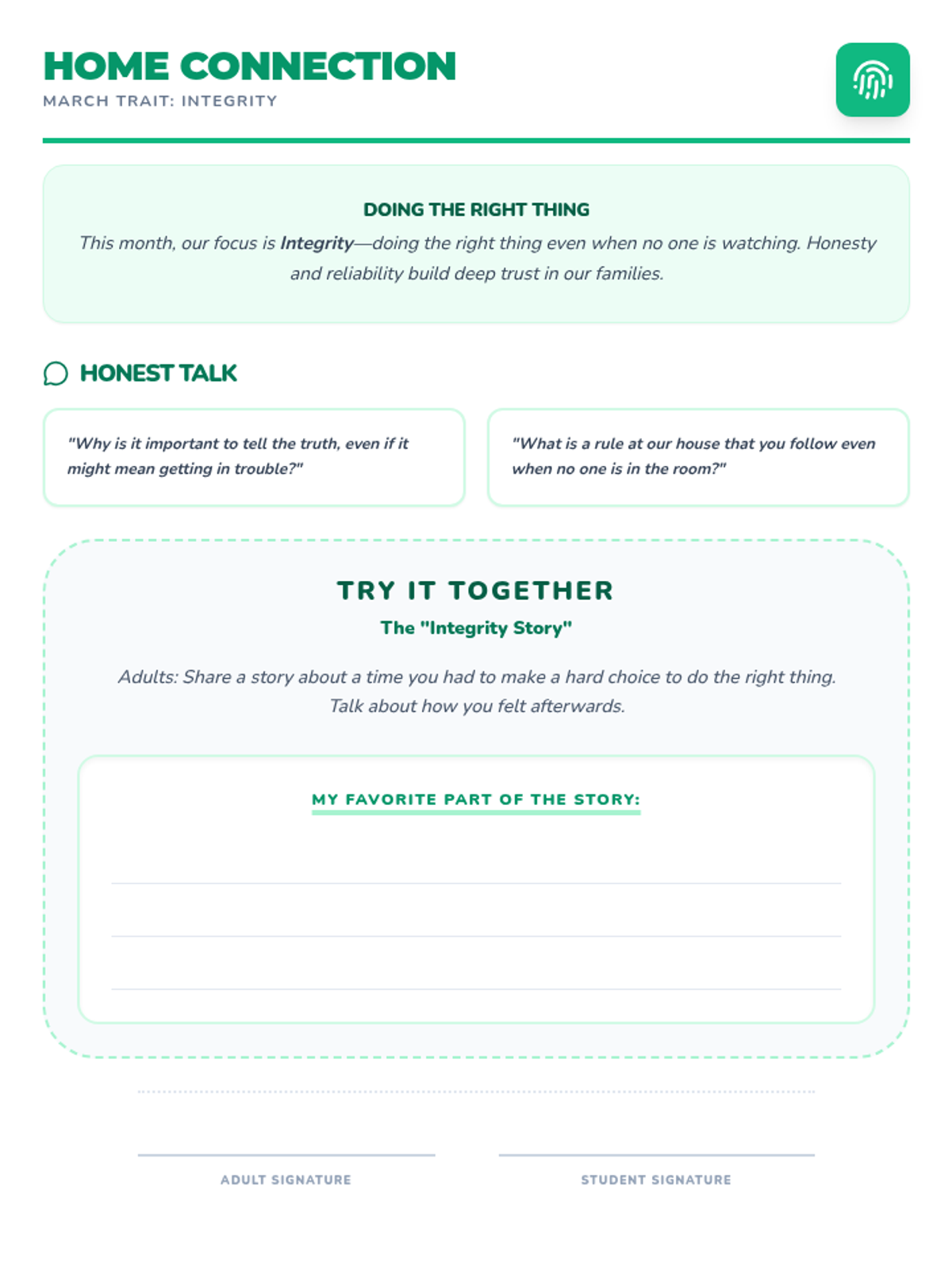
Defining honesty and the importance of doing the right thing even when no one is watching.
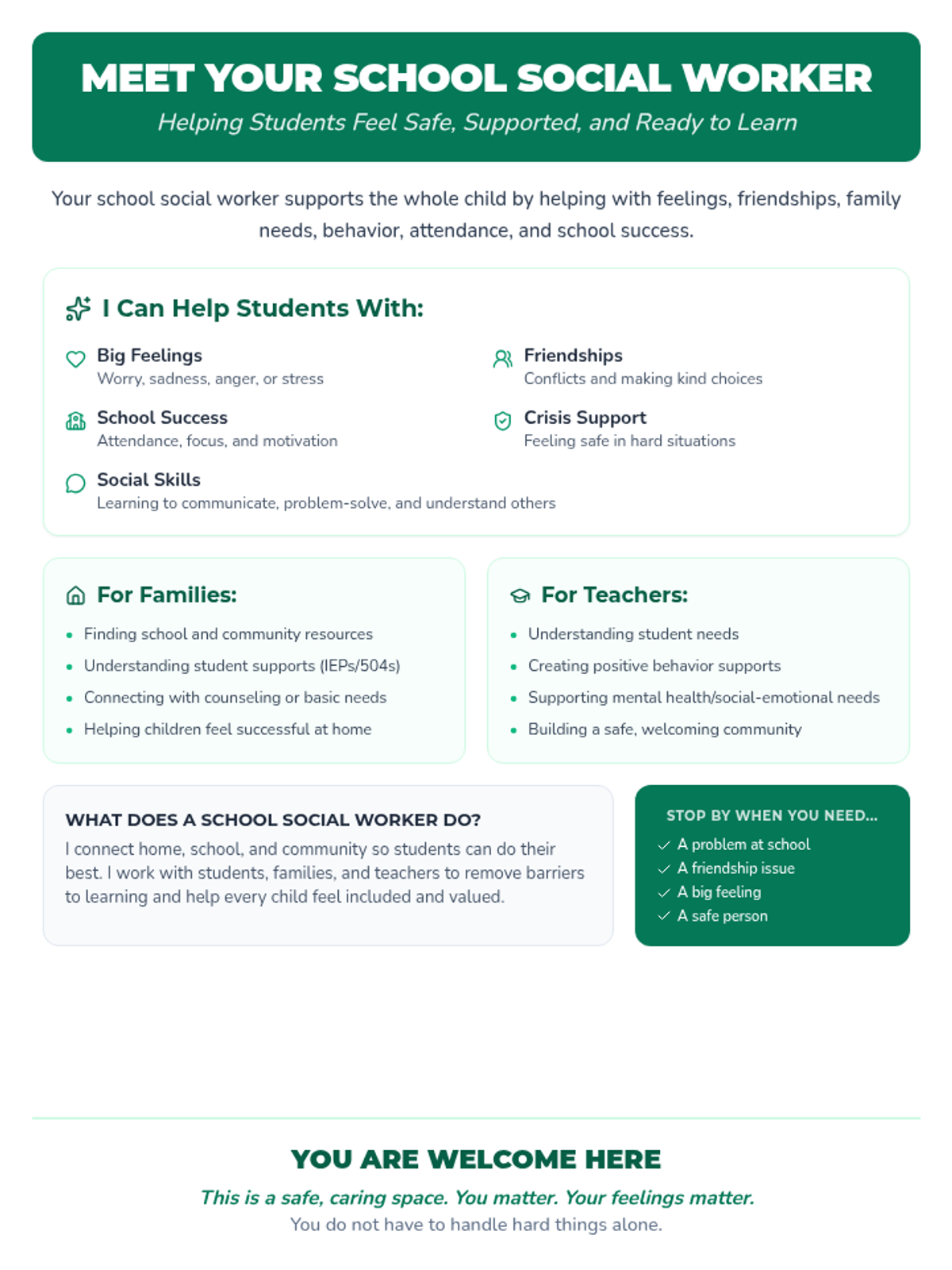
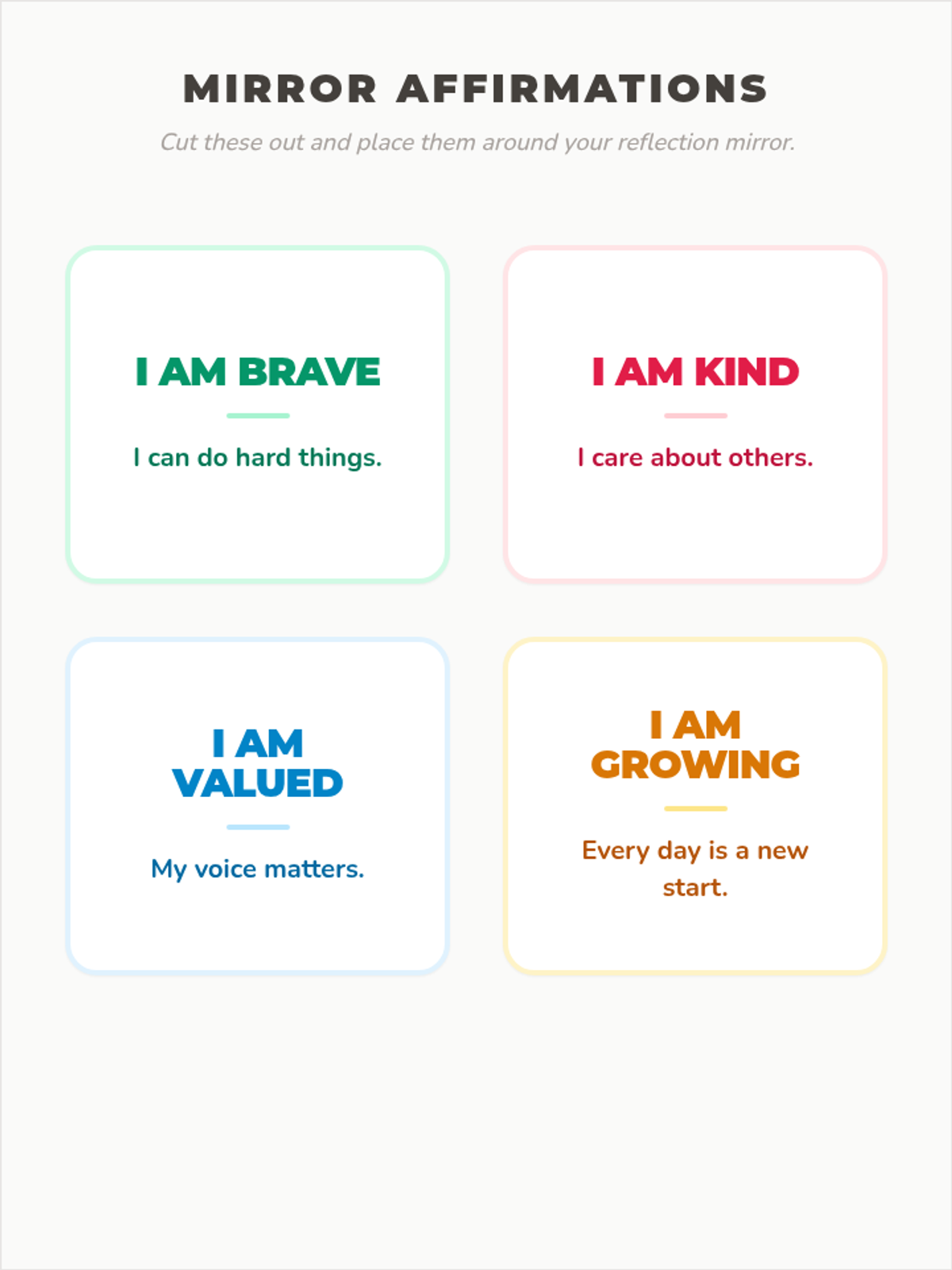
A comprehensive suite of calming, nature-inspired office decor for a school social worker, featuring posters, interactive tools, and affirmation cards.
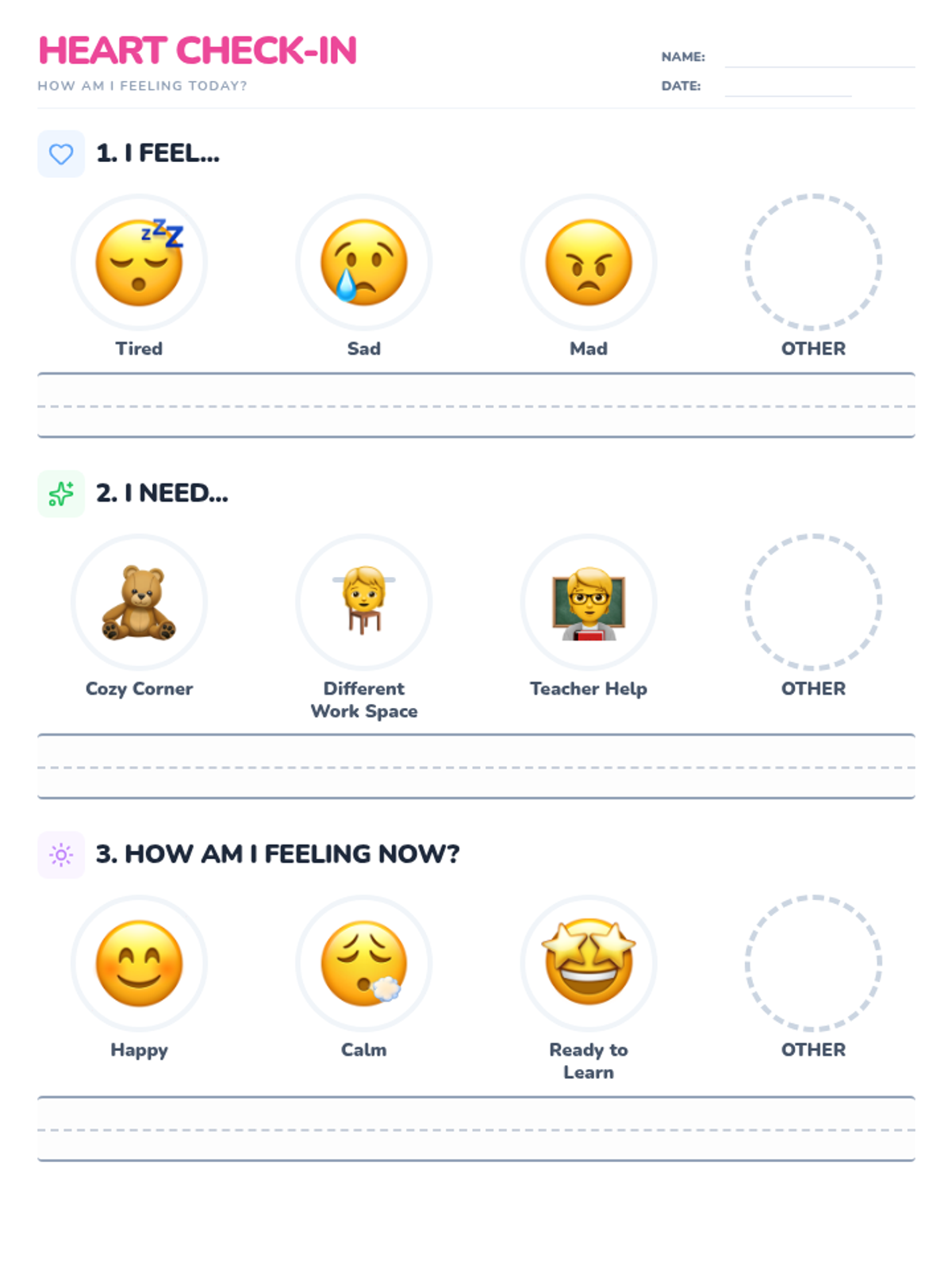
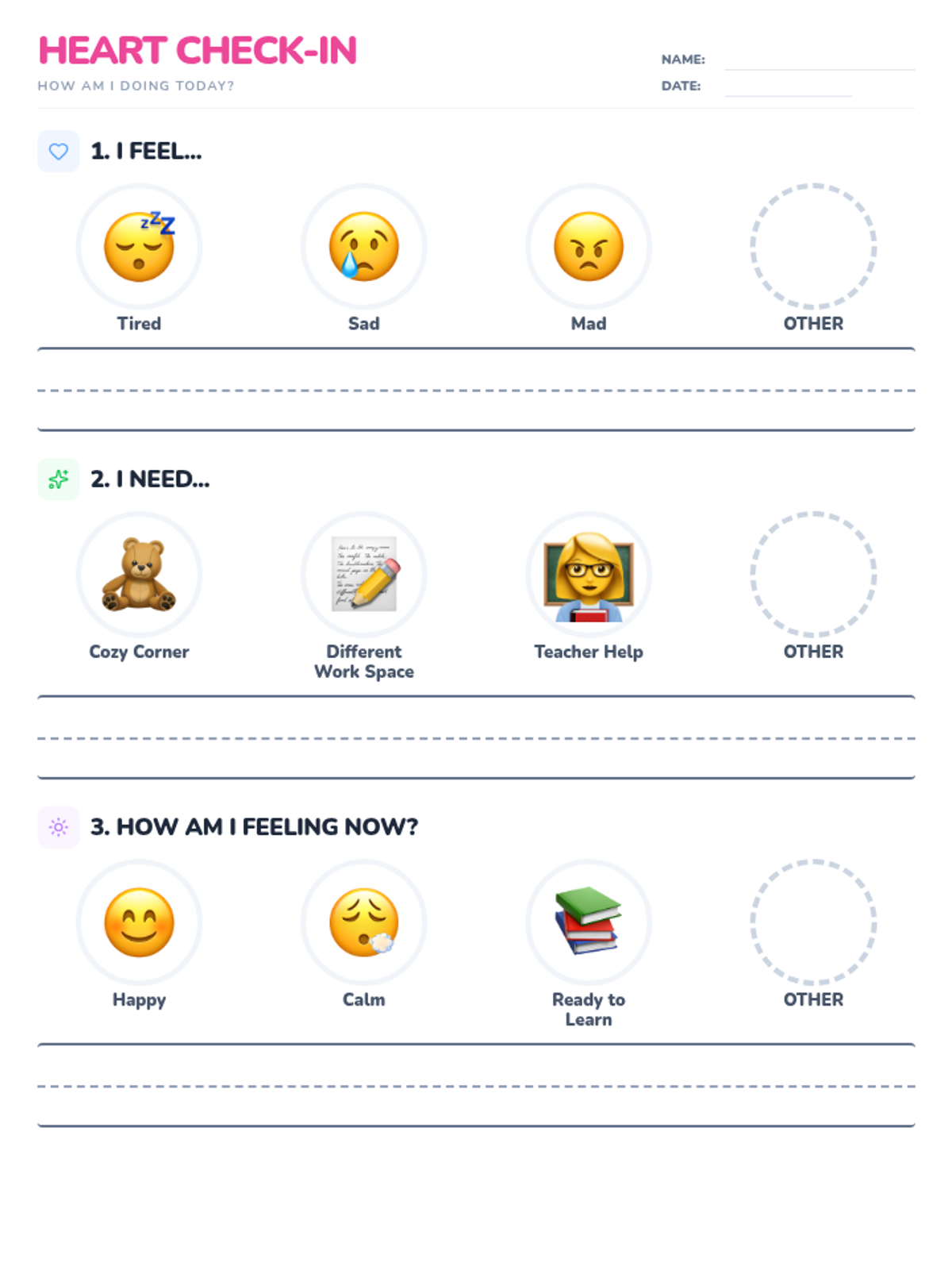
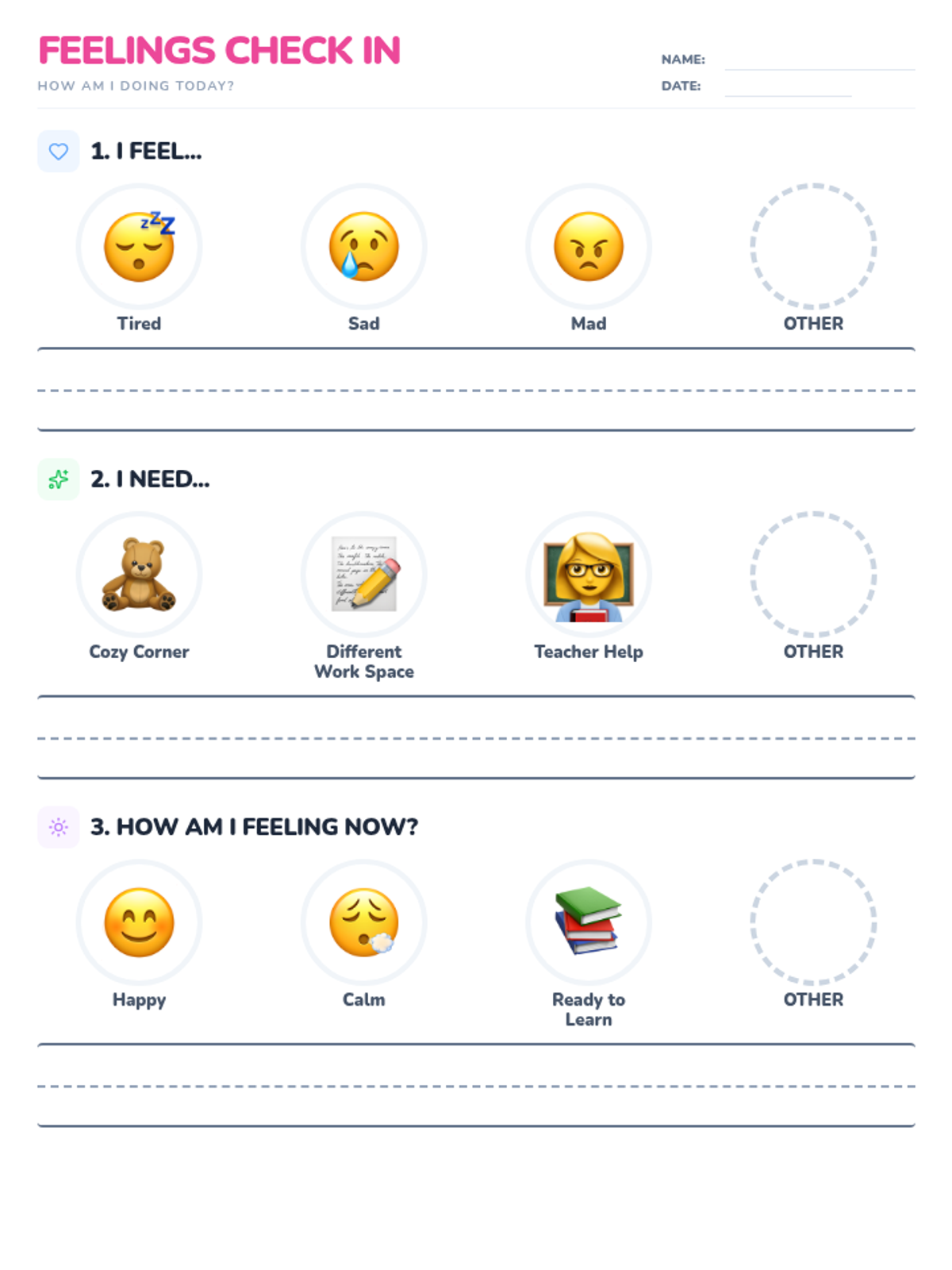
A gentle lesson focused on helping kindergarten students identify their emotions and communicate their needs for self-regulation.
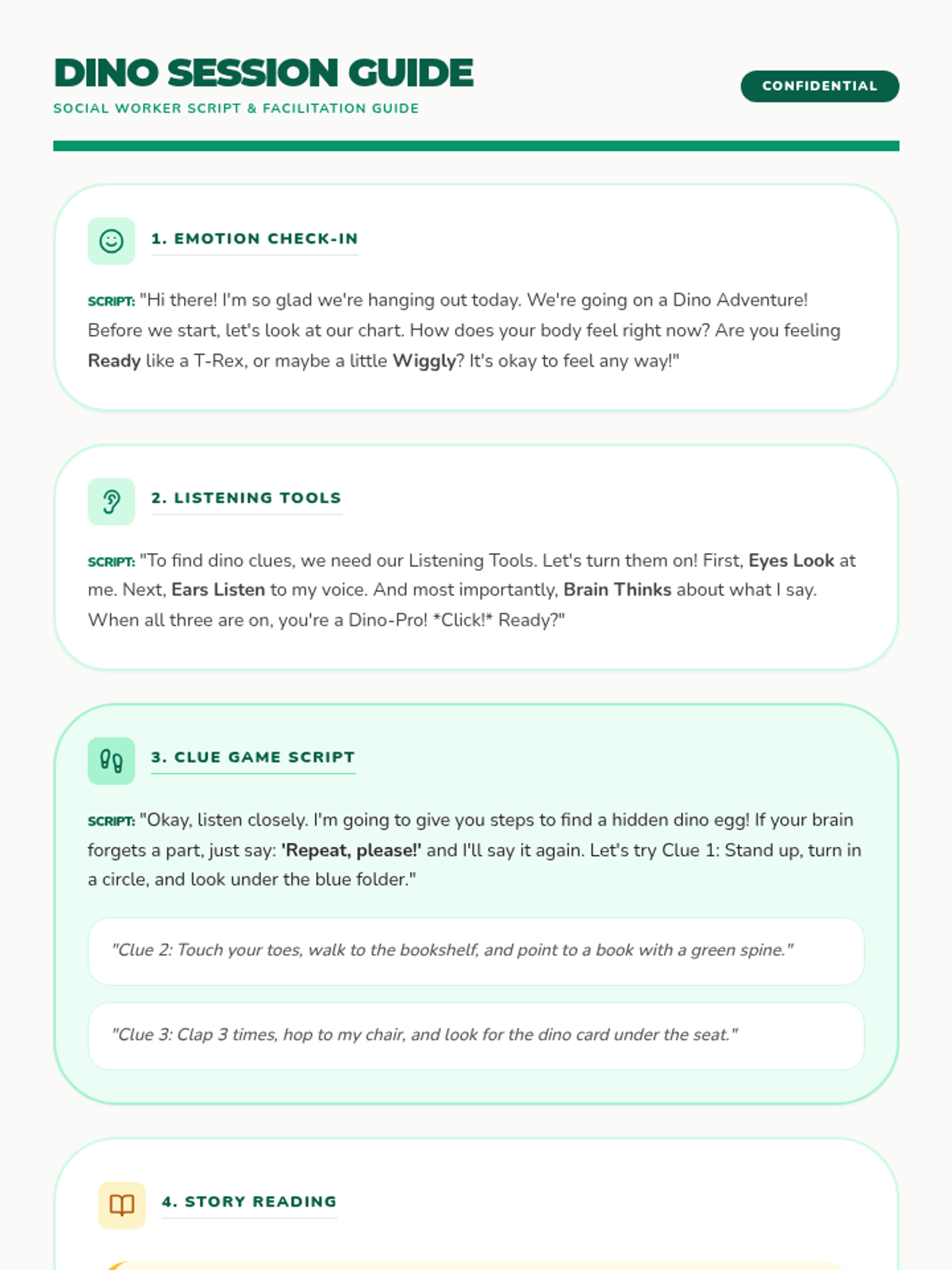
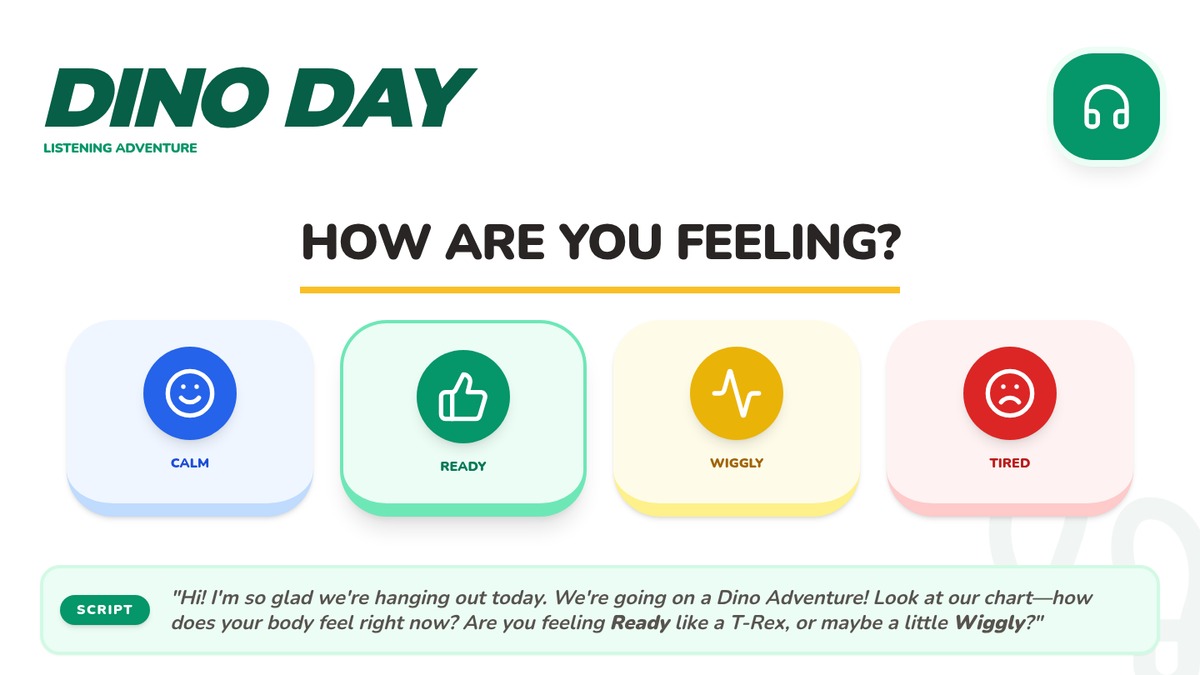
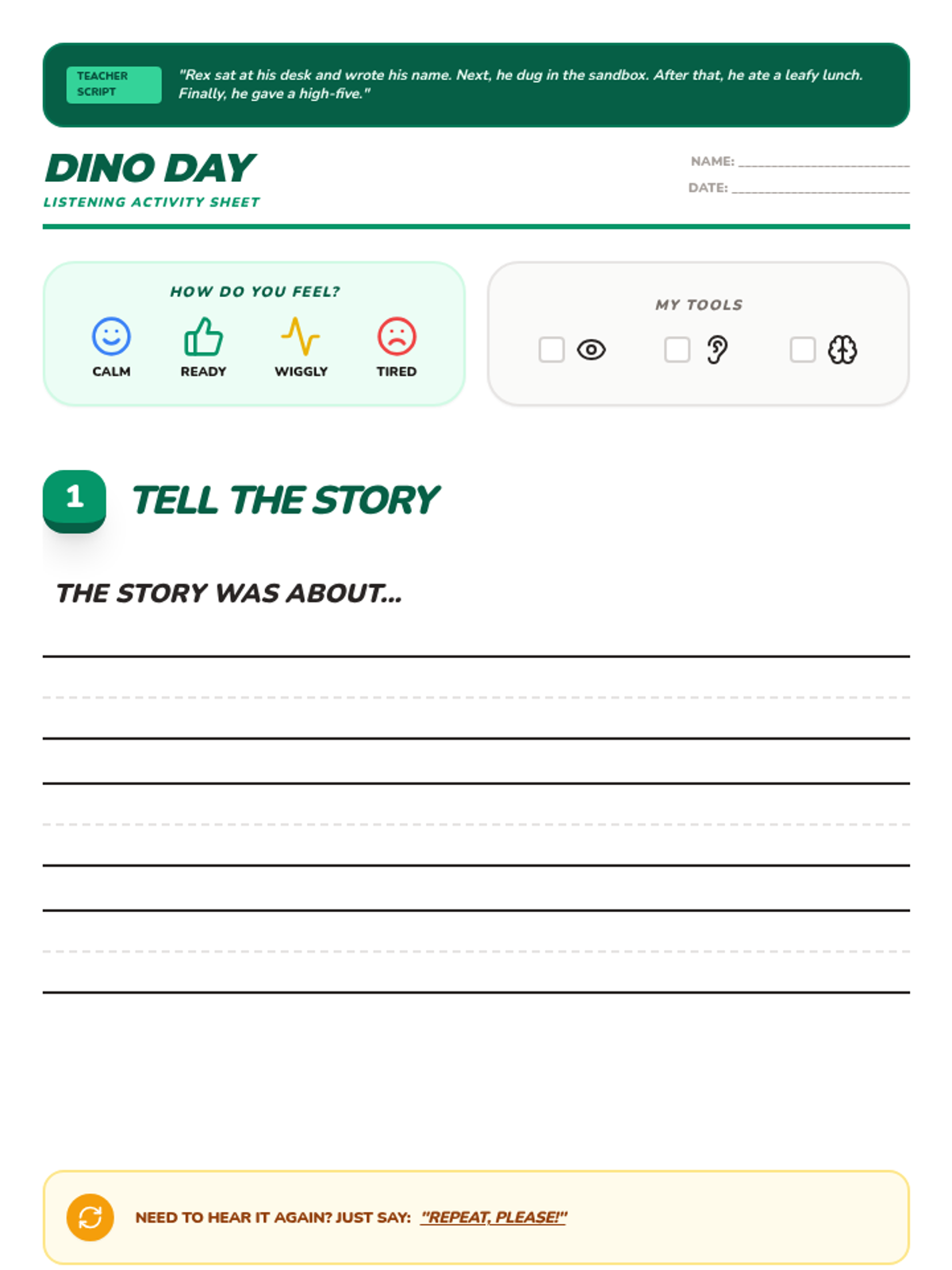
A listening comprehension lesson for kindergarten students focusing on attention and following directions through a fun dinosaur-themed school story. Includes a warm-up game, sequence cards, and a data-driven comprehension activity.
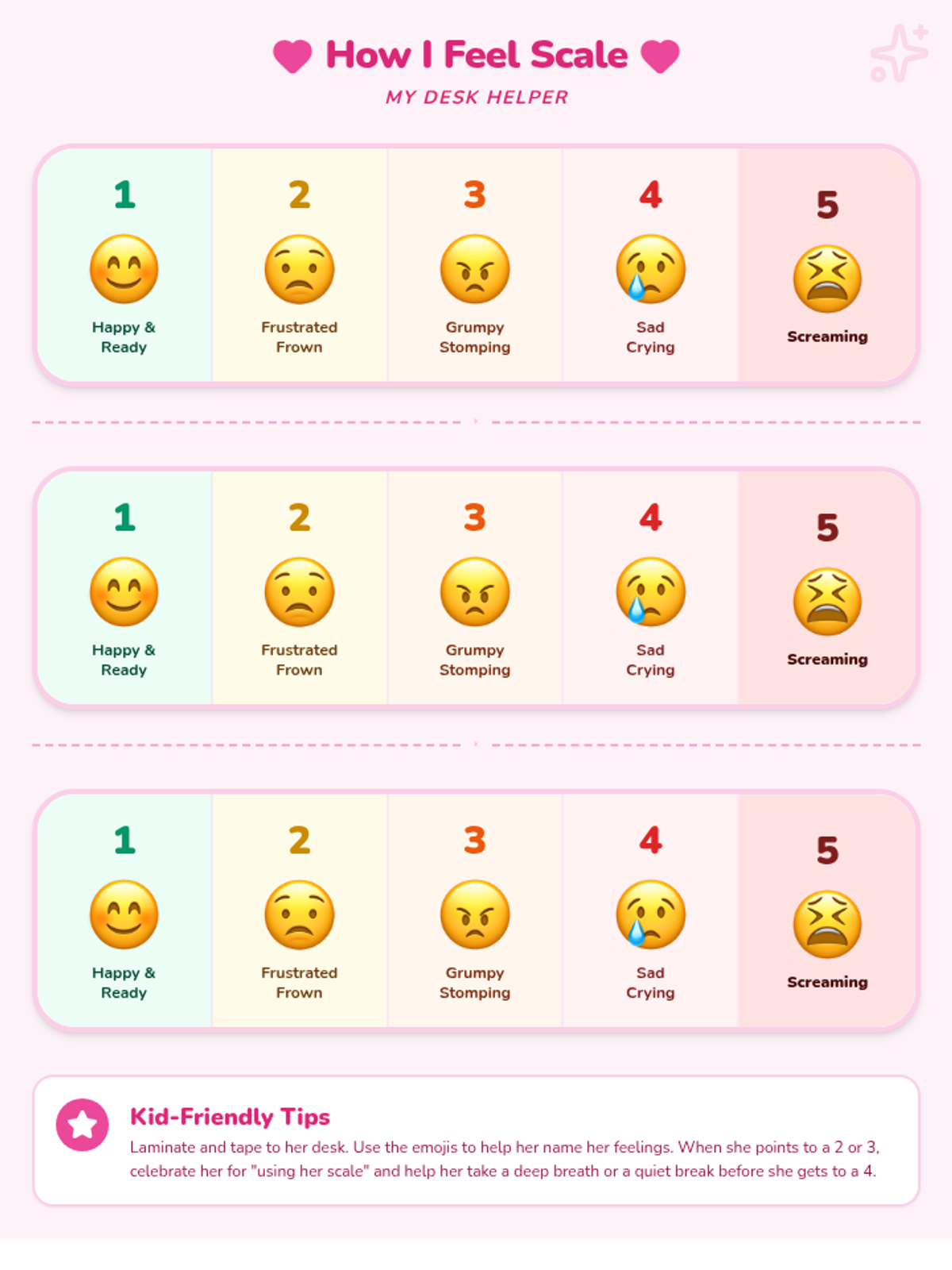
This lesson focuses on identifying physical signs of frustration and providing students with a visual tool to communicate their emotional state to teachers and peers.
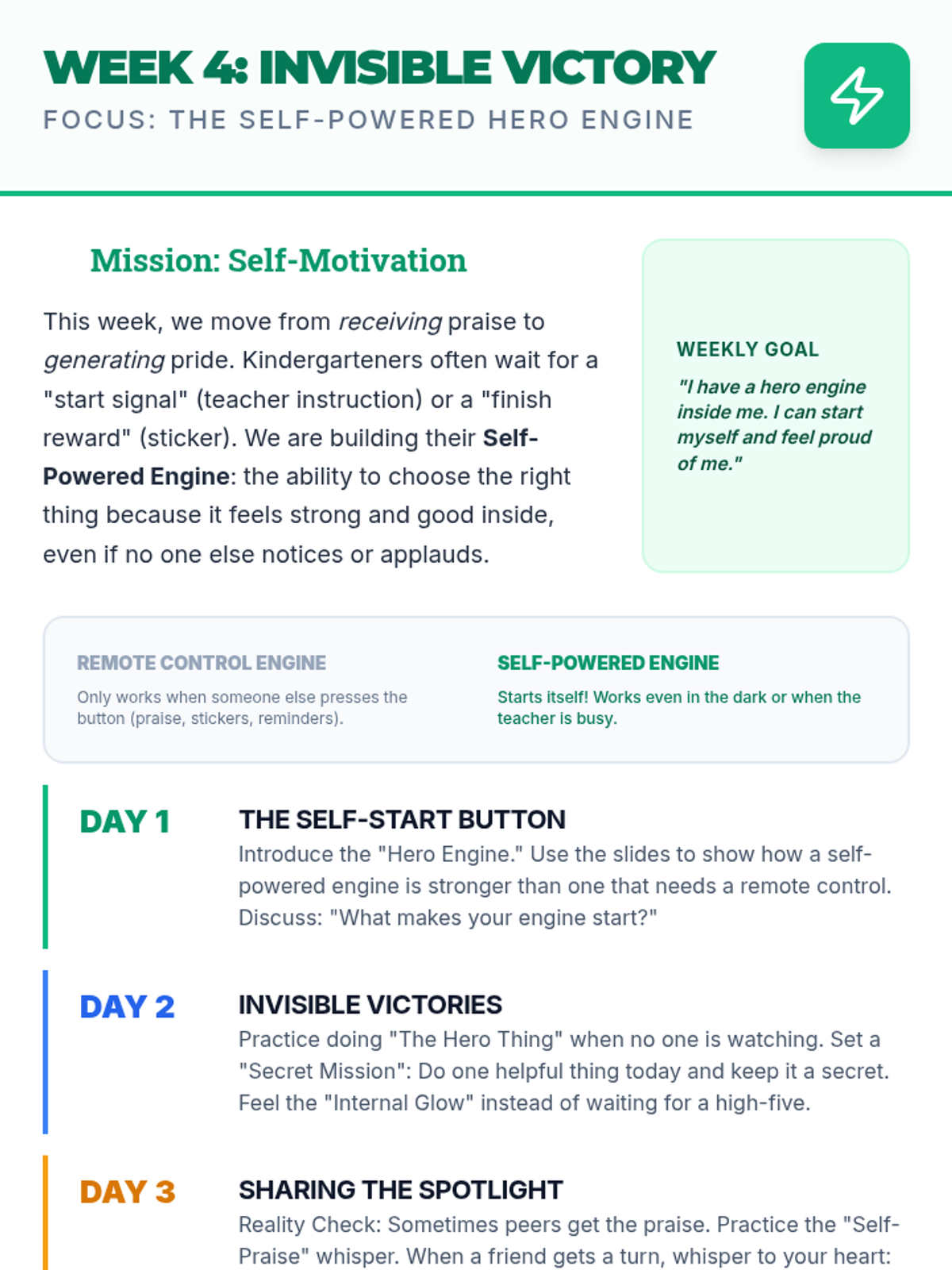
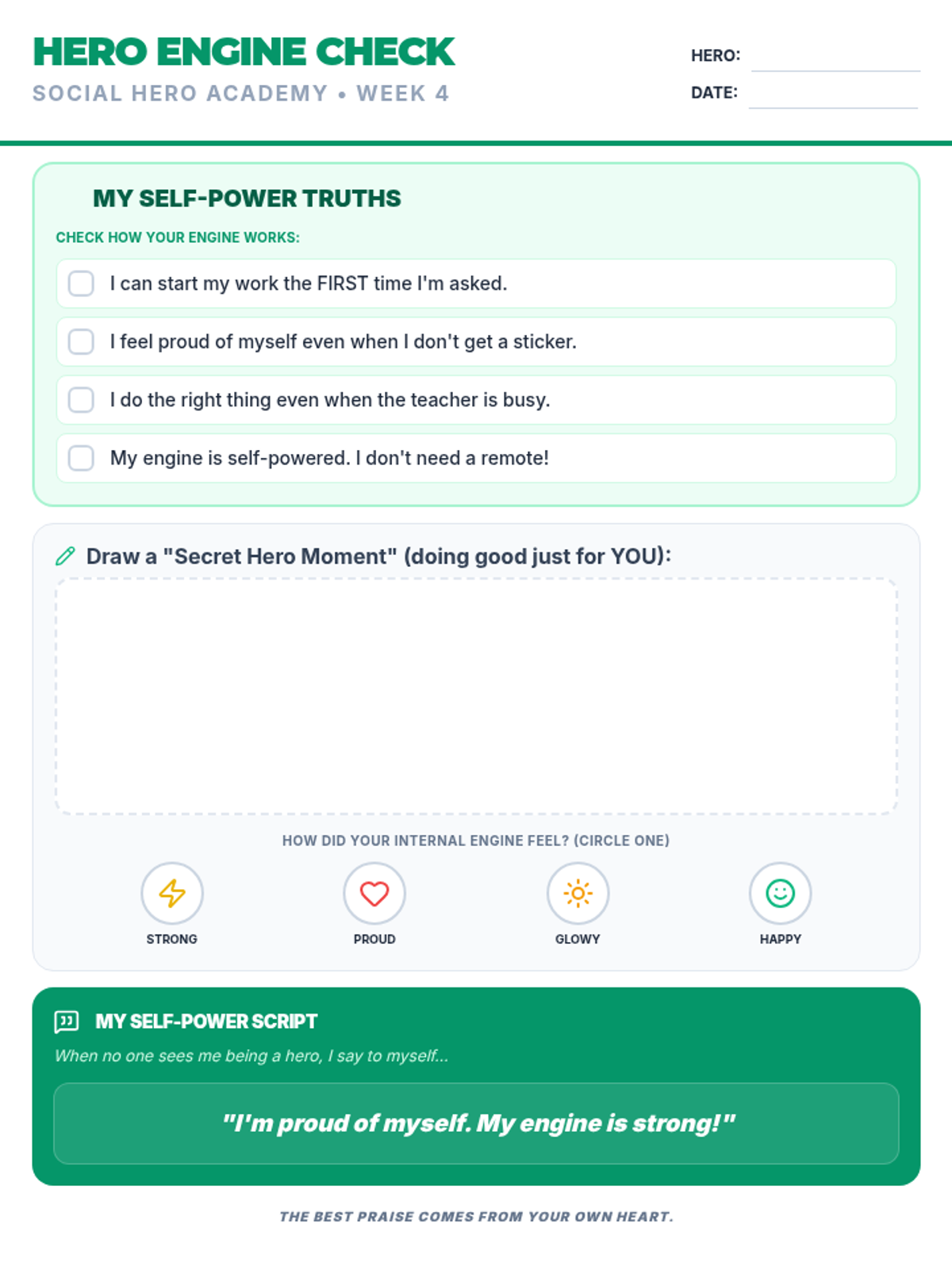
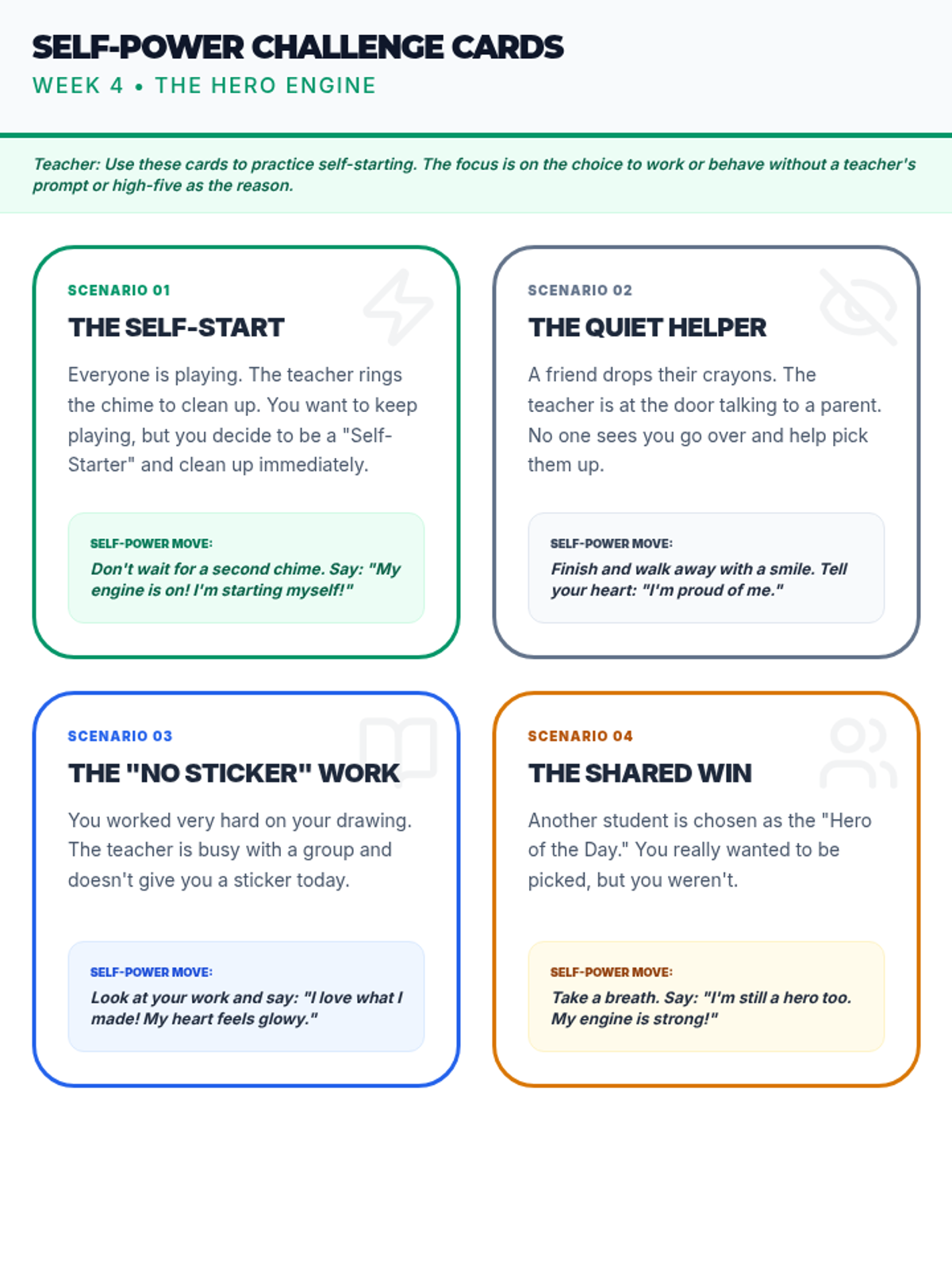
Teaches students to handle "not being chosen" and finding internal satisfaction ("Invisible Praise") when external reinforcement fades. Focuses on staying a hero even when no one is watching.
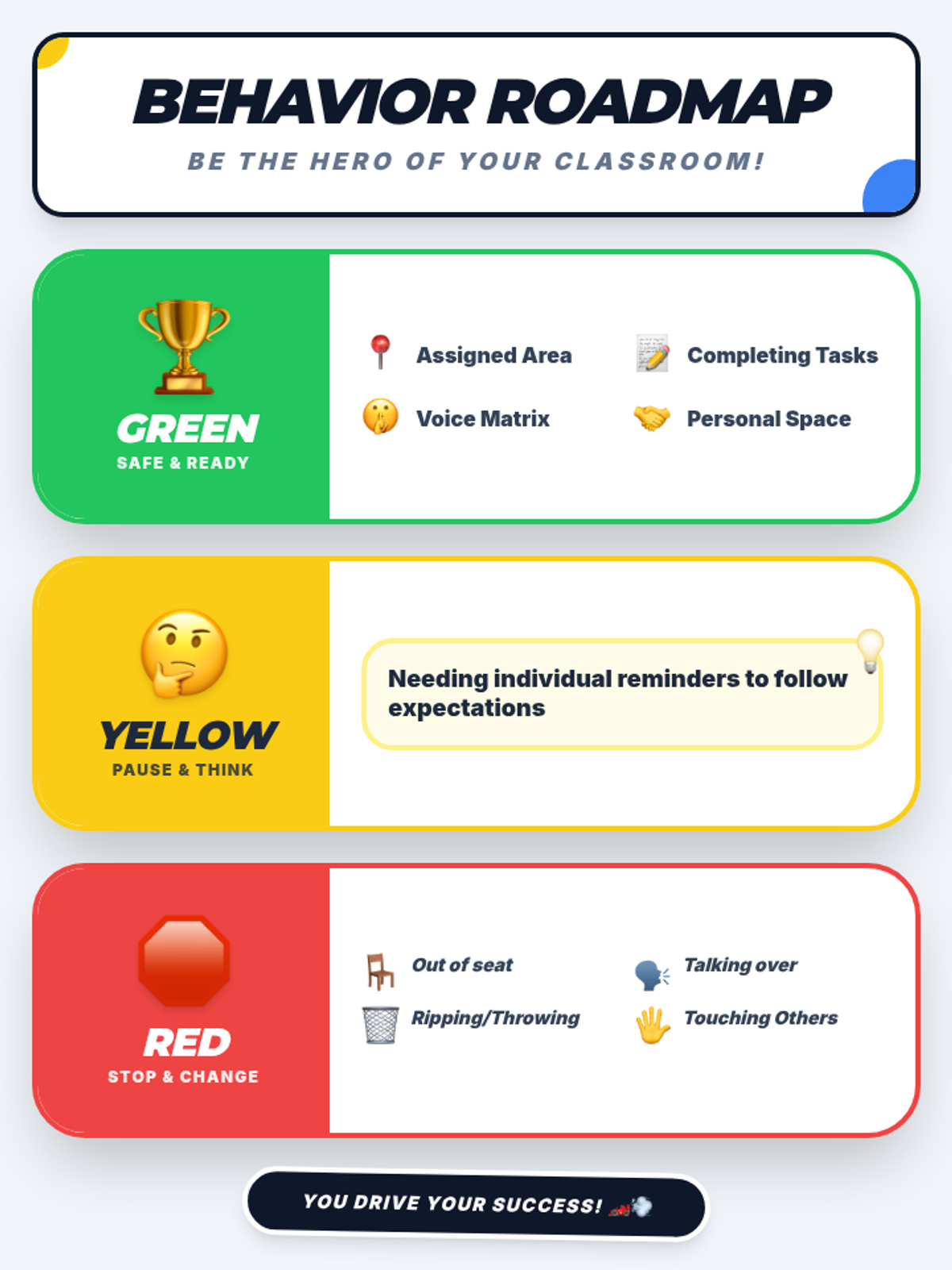
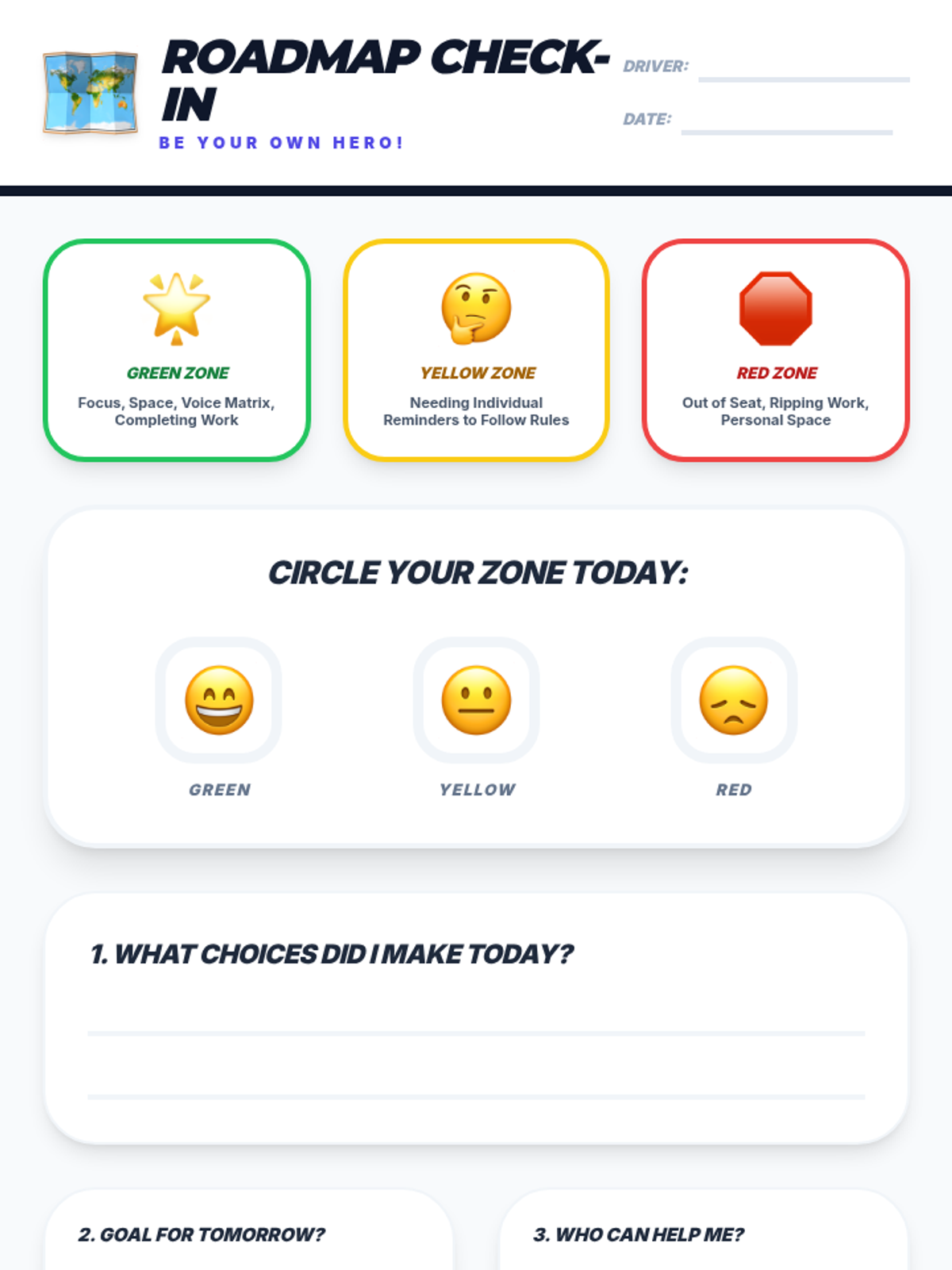
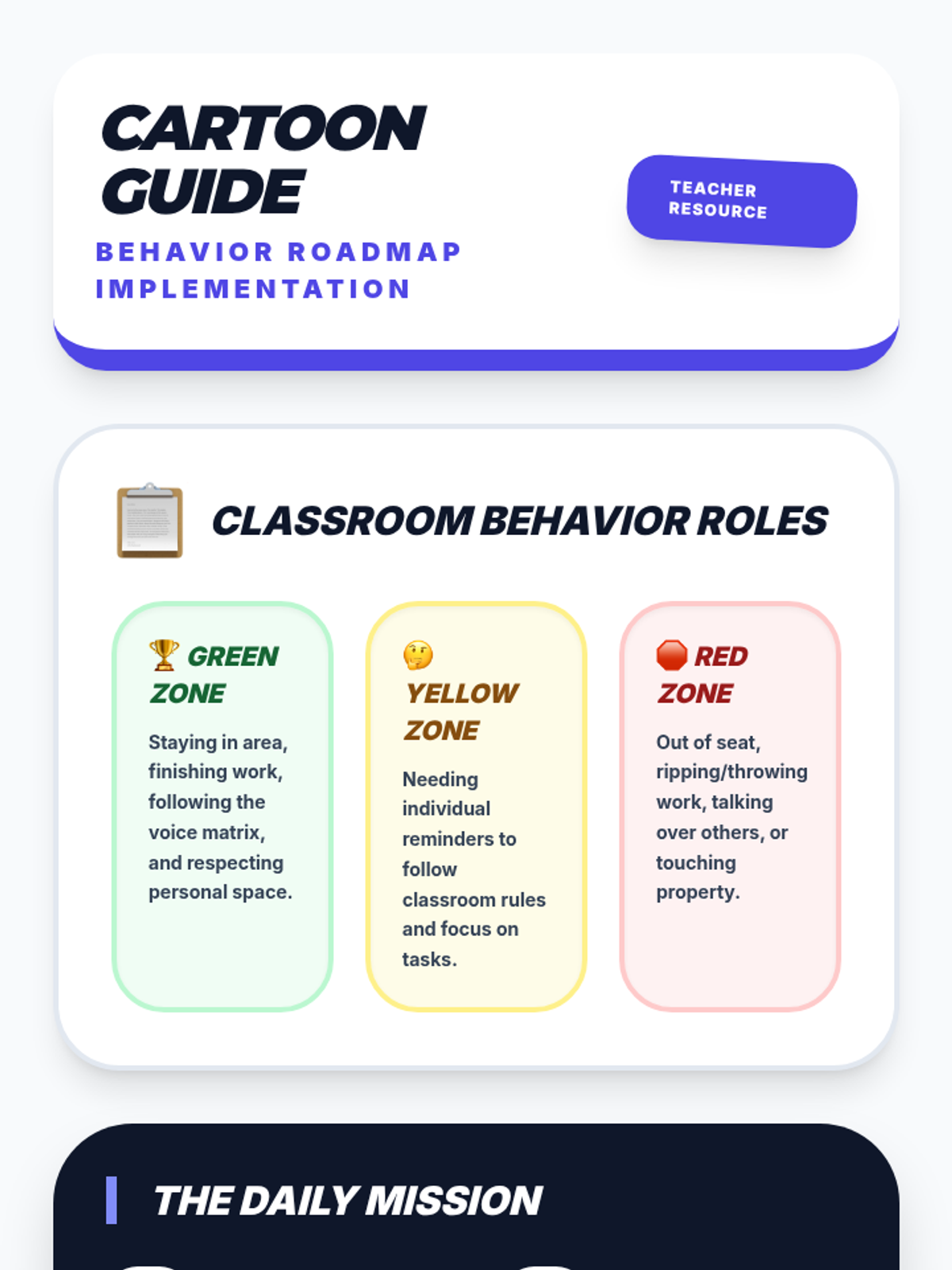
A comprehensive system for defining and maintaining a positive learning environment through a color-coded behavior framework. This lesson introduces students to green, yellow, and red behaviors with clear expectations and reflection tools.
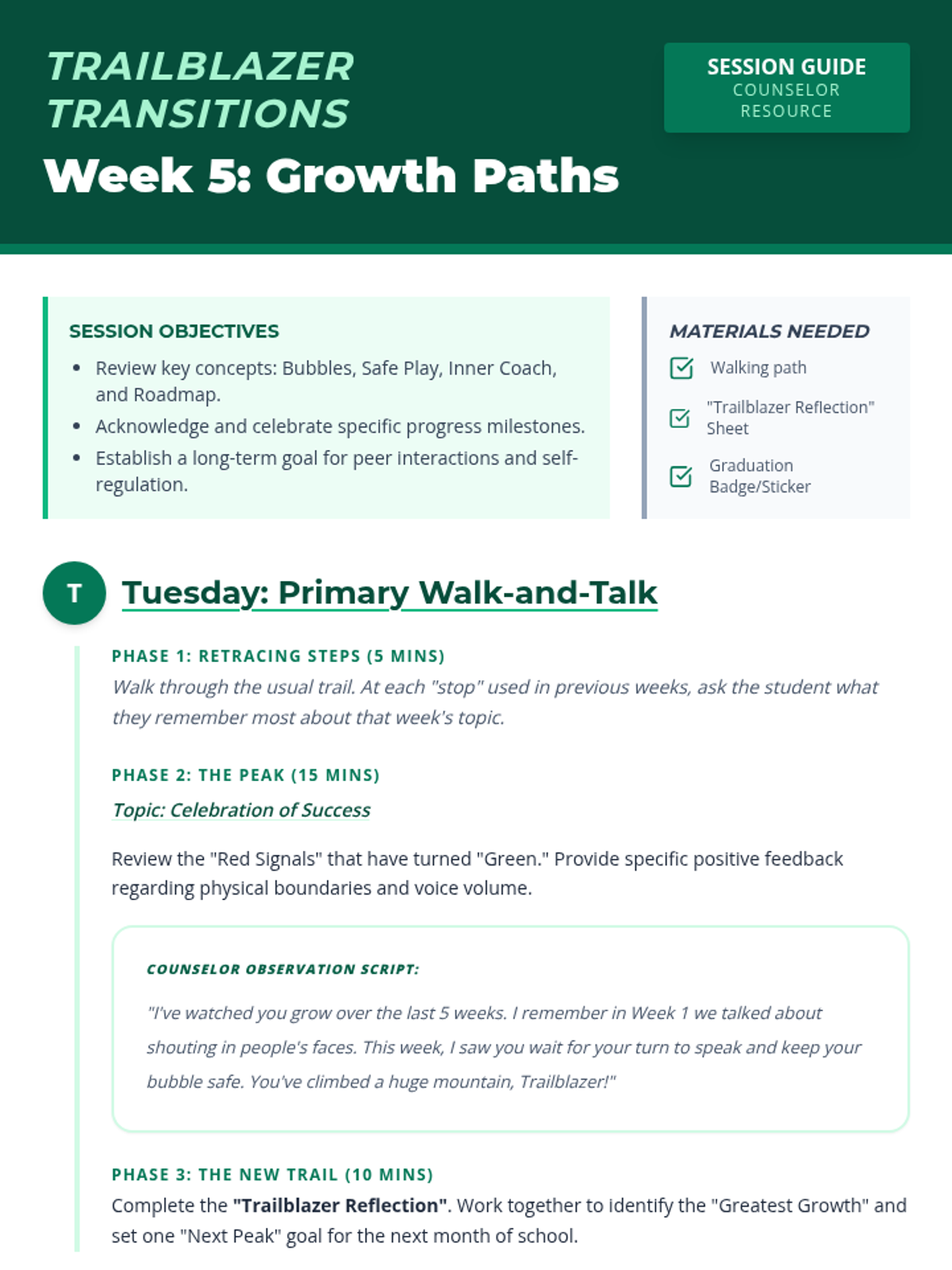
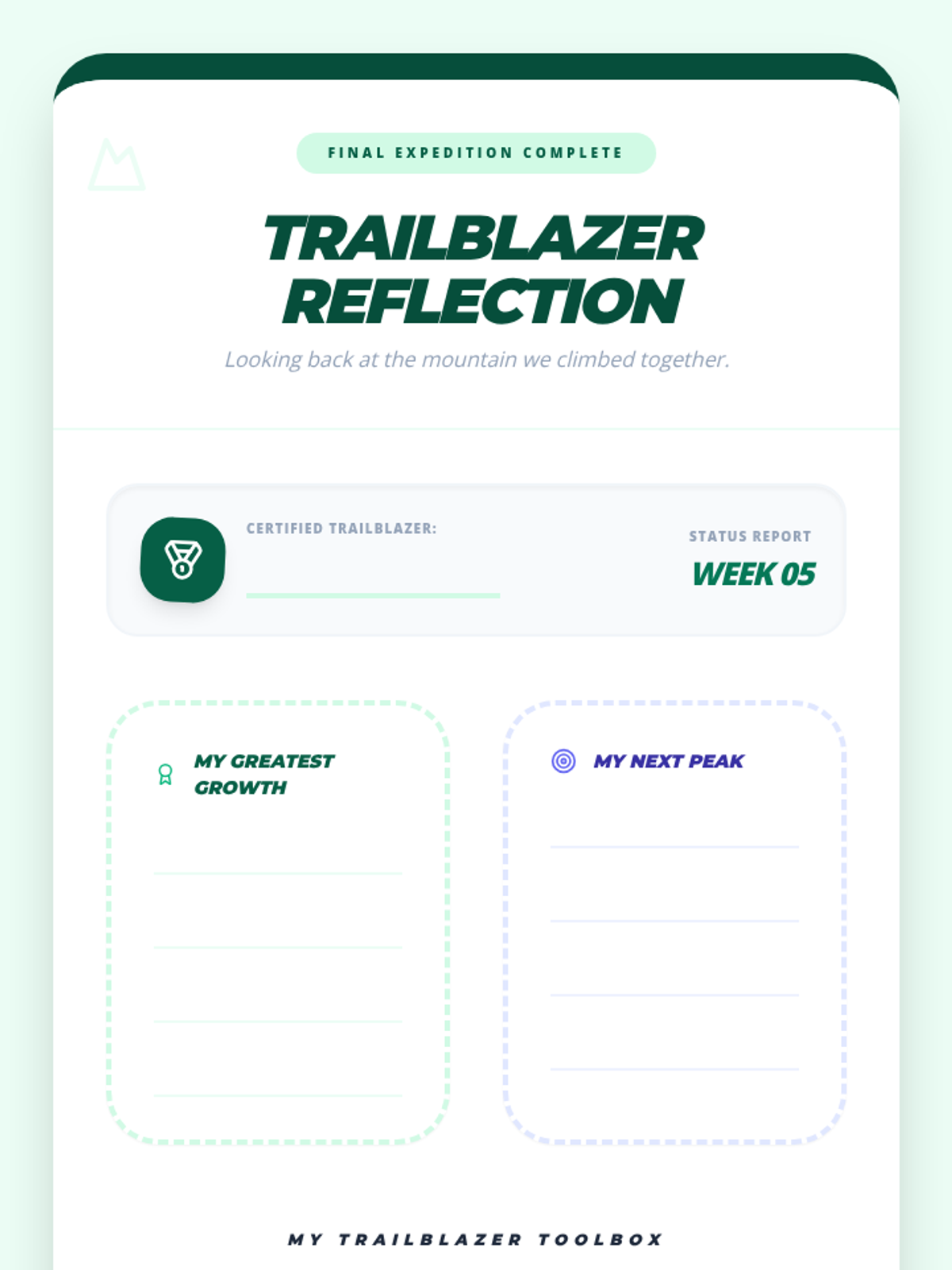
Consolidates learning from the previous weeks and sets goals for continued social-emotional success.
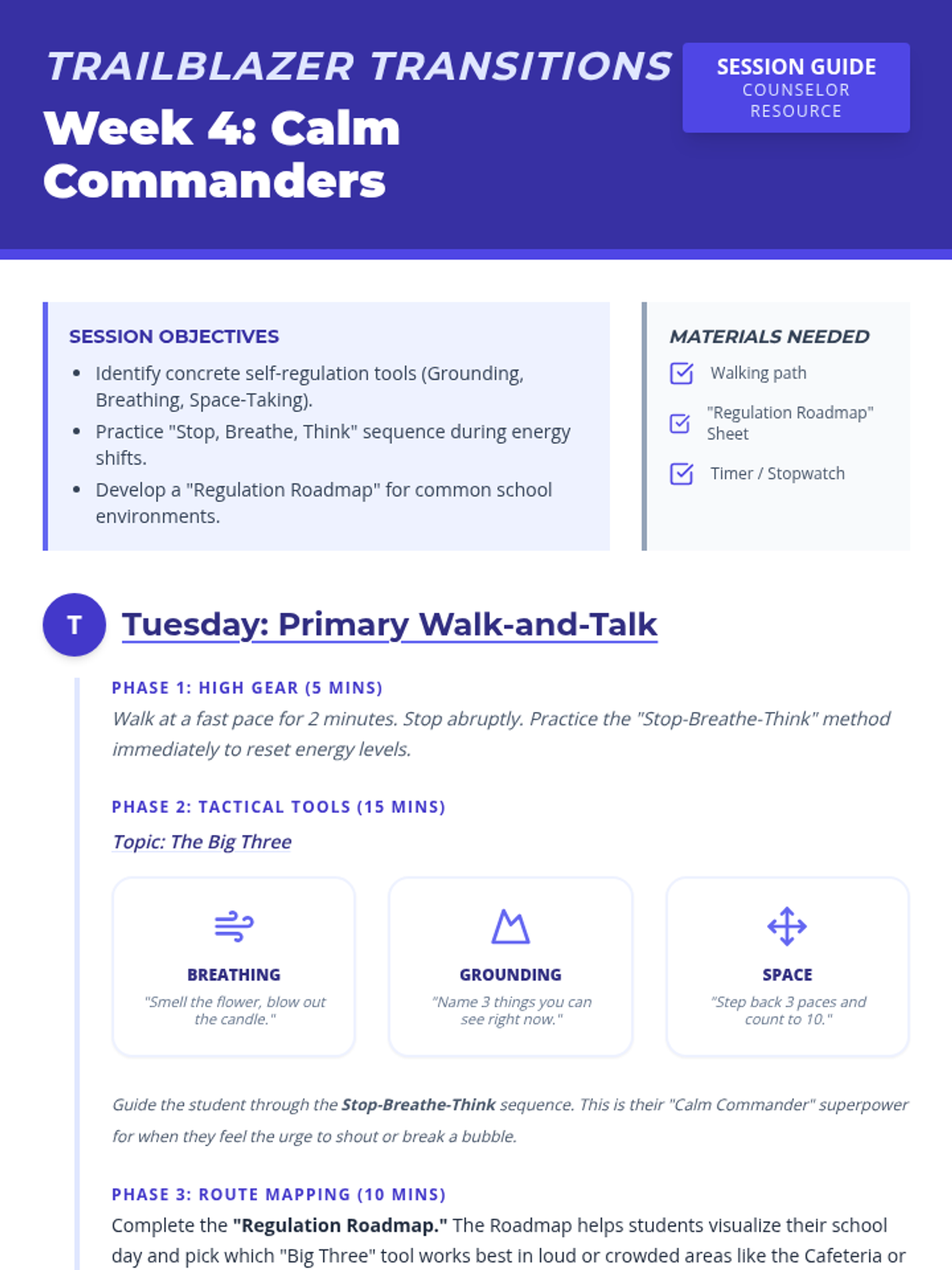
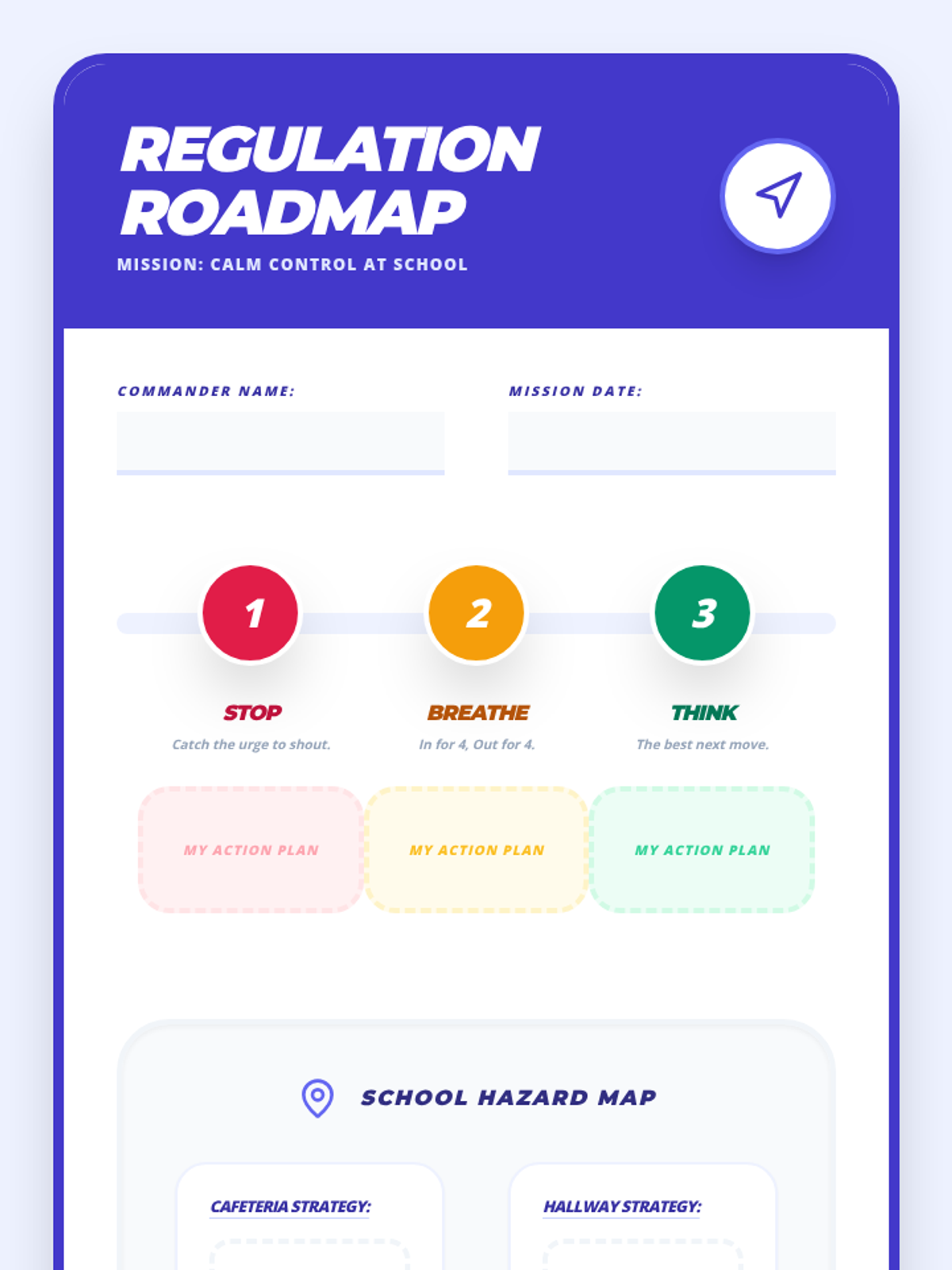
Teaches concrete self-regulation strategies and provides tools for emotional regulation.
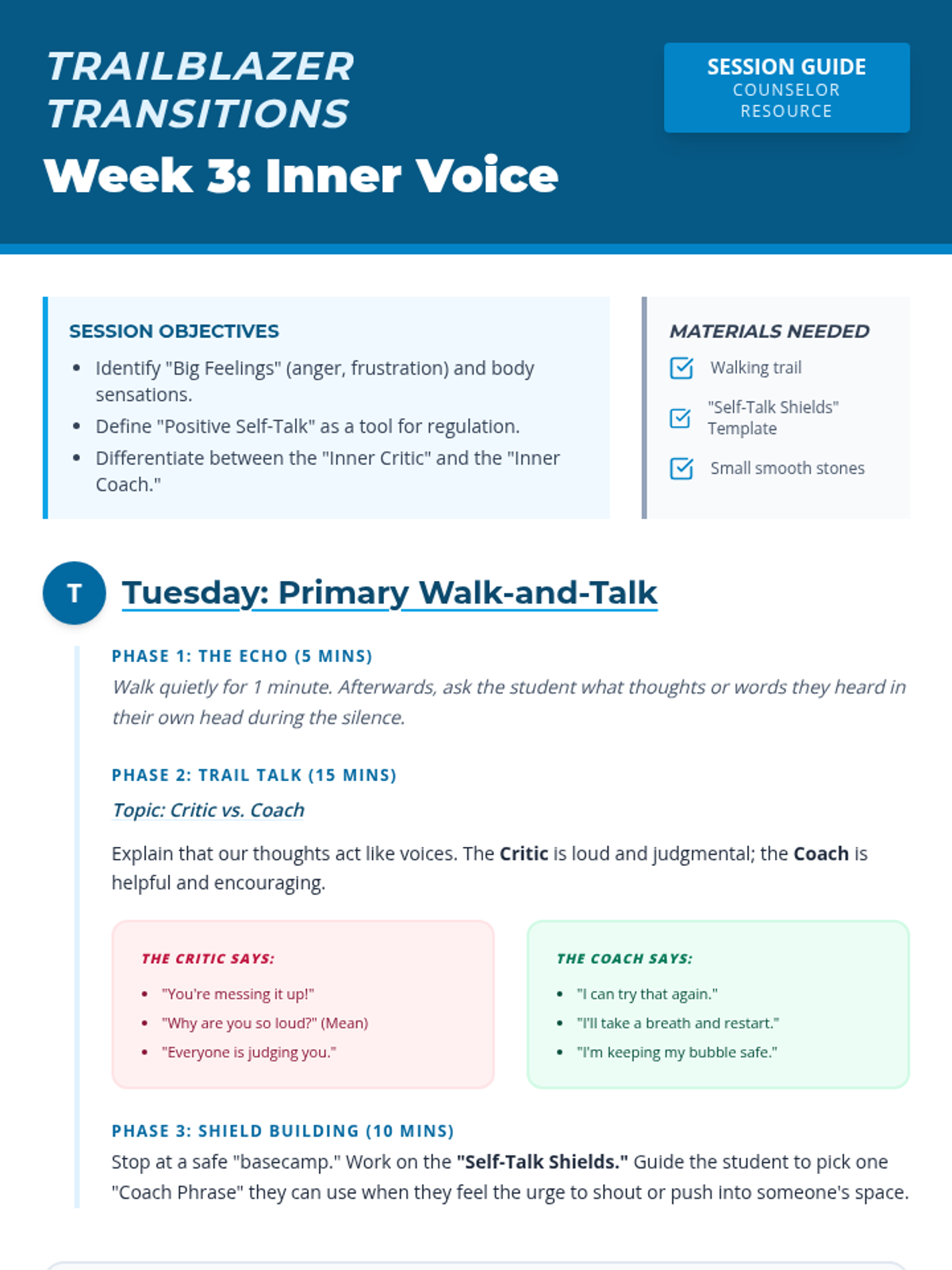
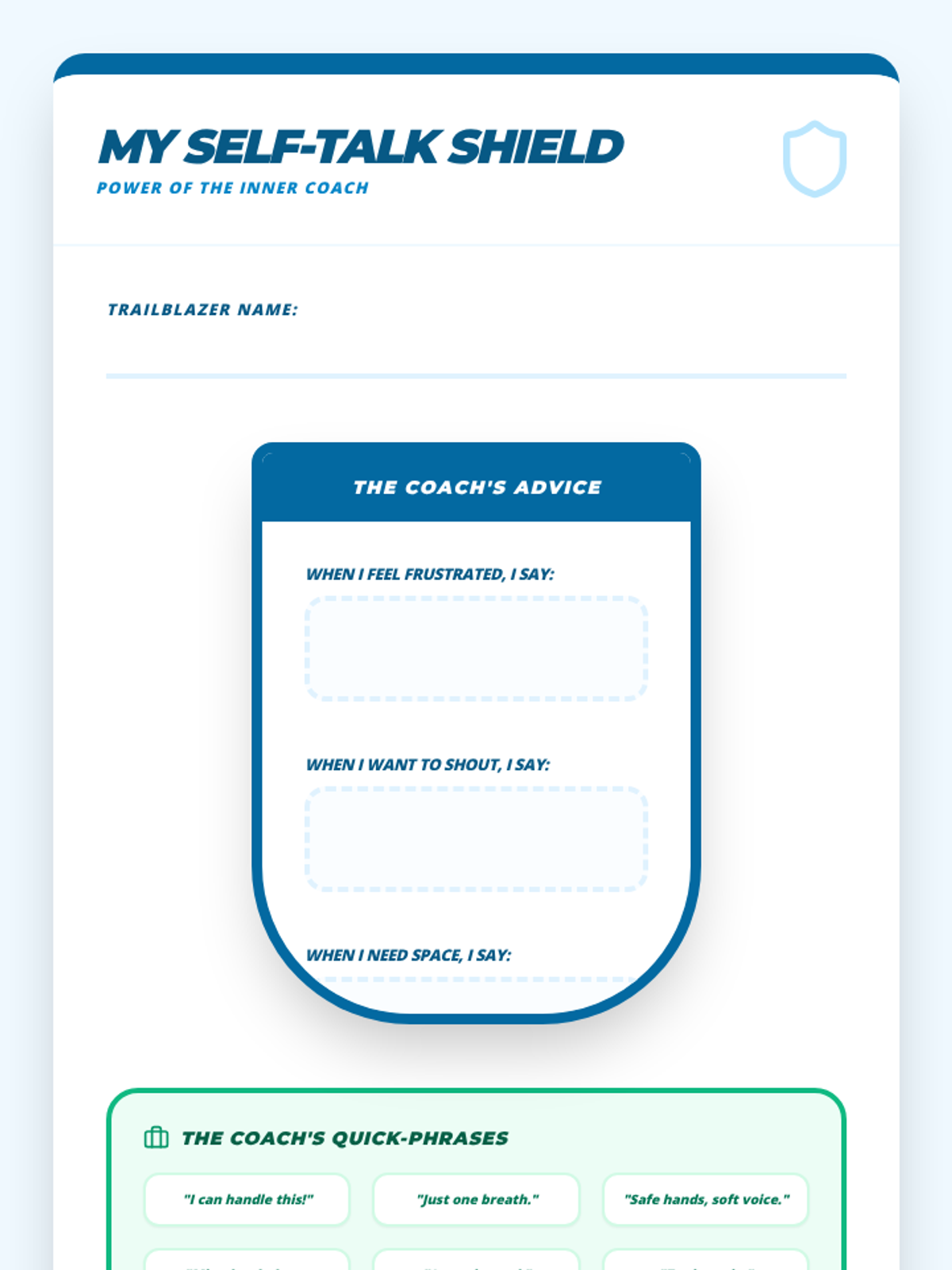
Explores emotional awareness and the power of positive self-talk to manage frustration.
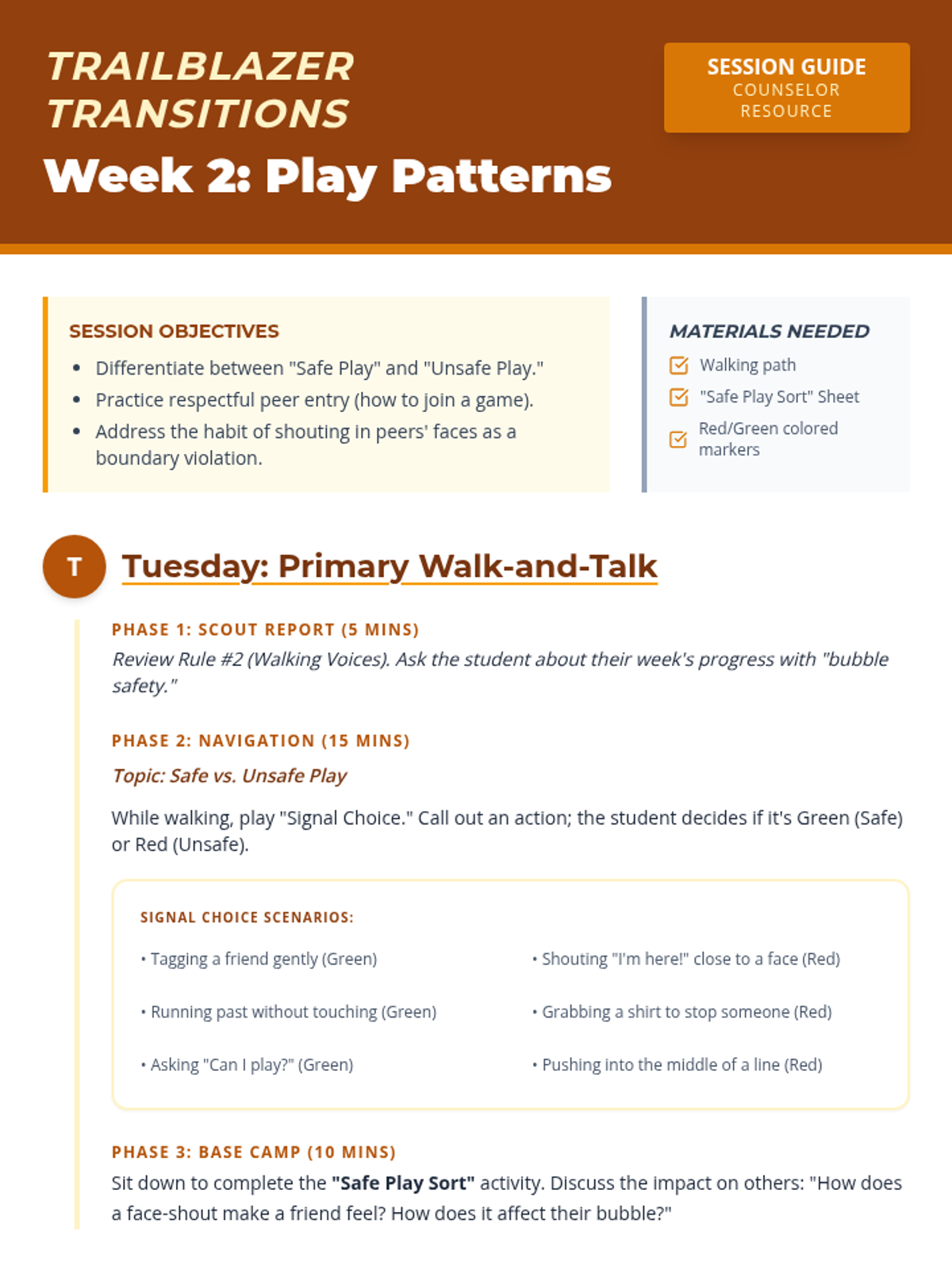
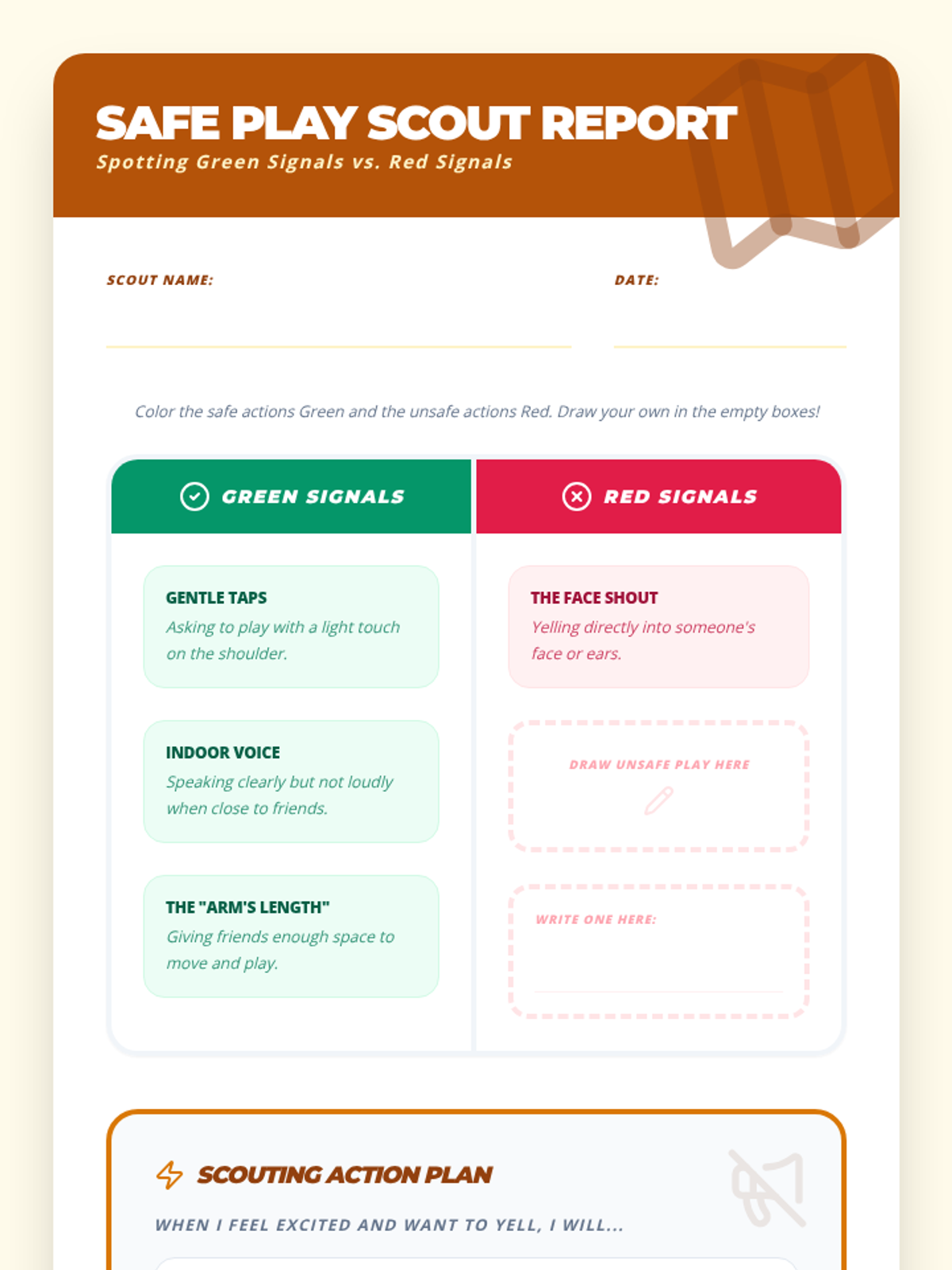
Focuses on distinguishing between safe and unsafe play, specifically addressing peer interactions like shouting and physical contact.
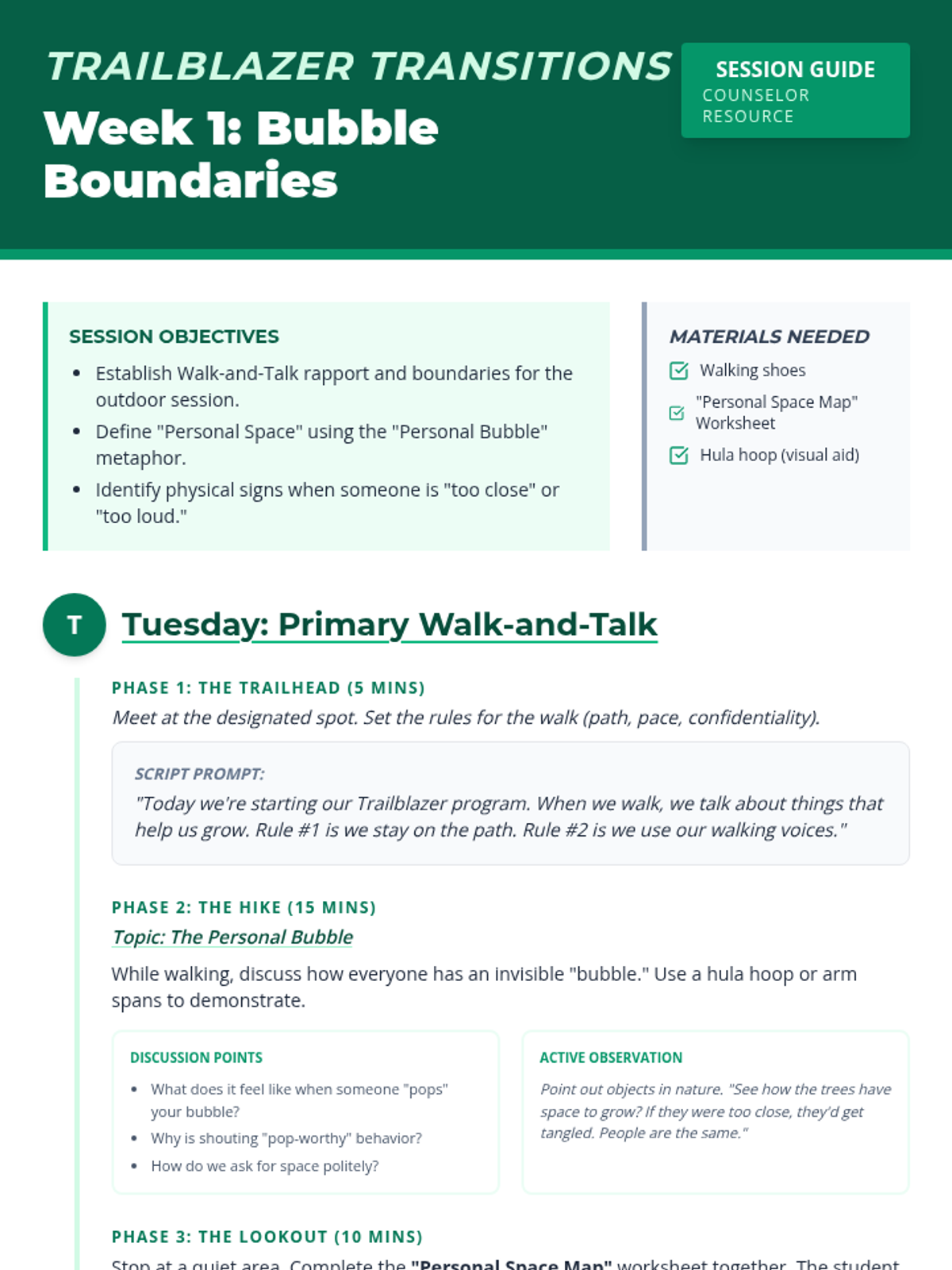
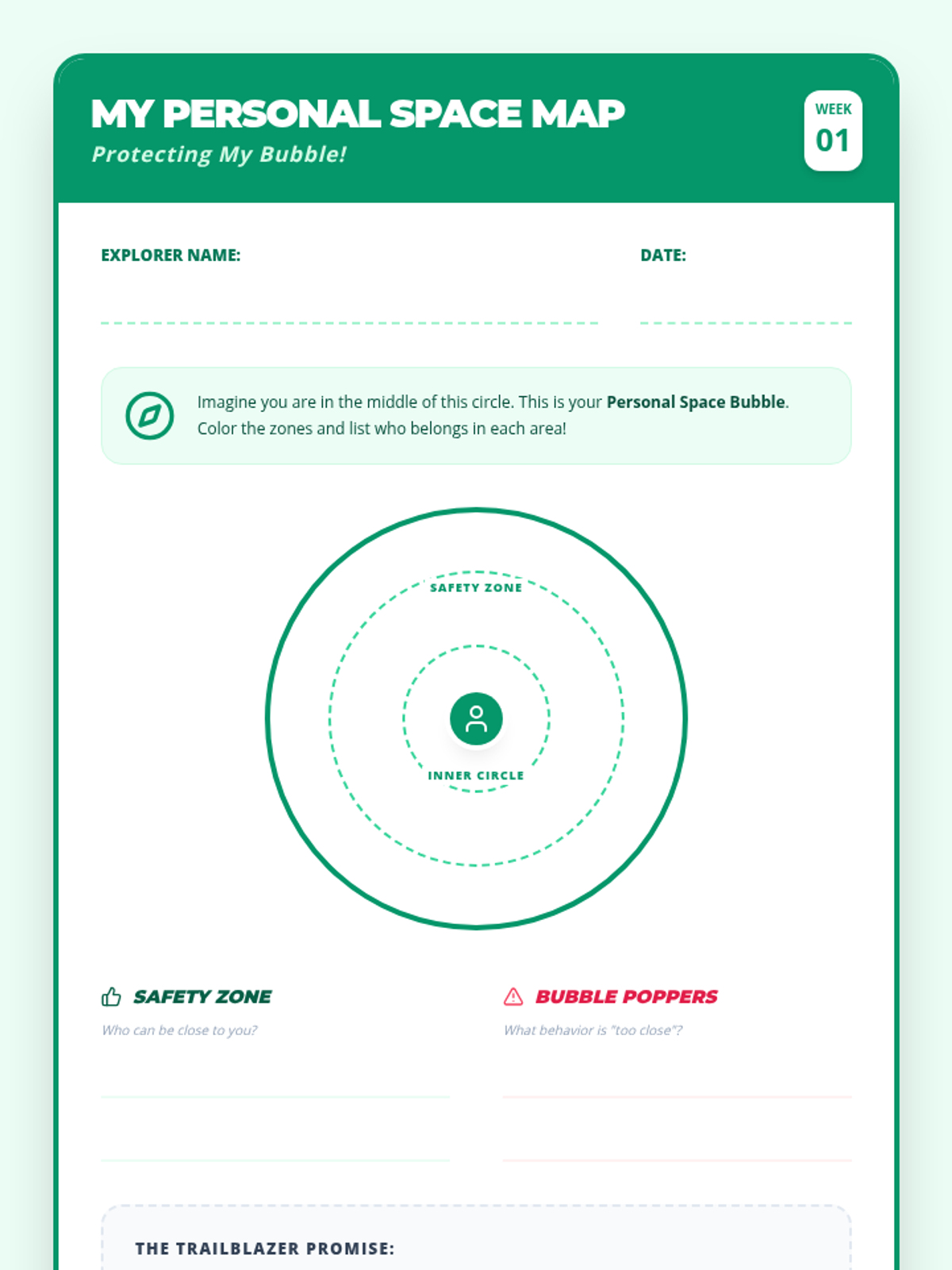
Introduces the concept of personal space and 'bubbles' while establishing the walk-and-talk routine.
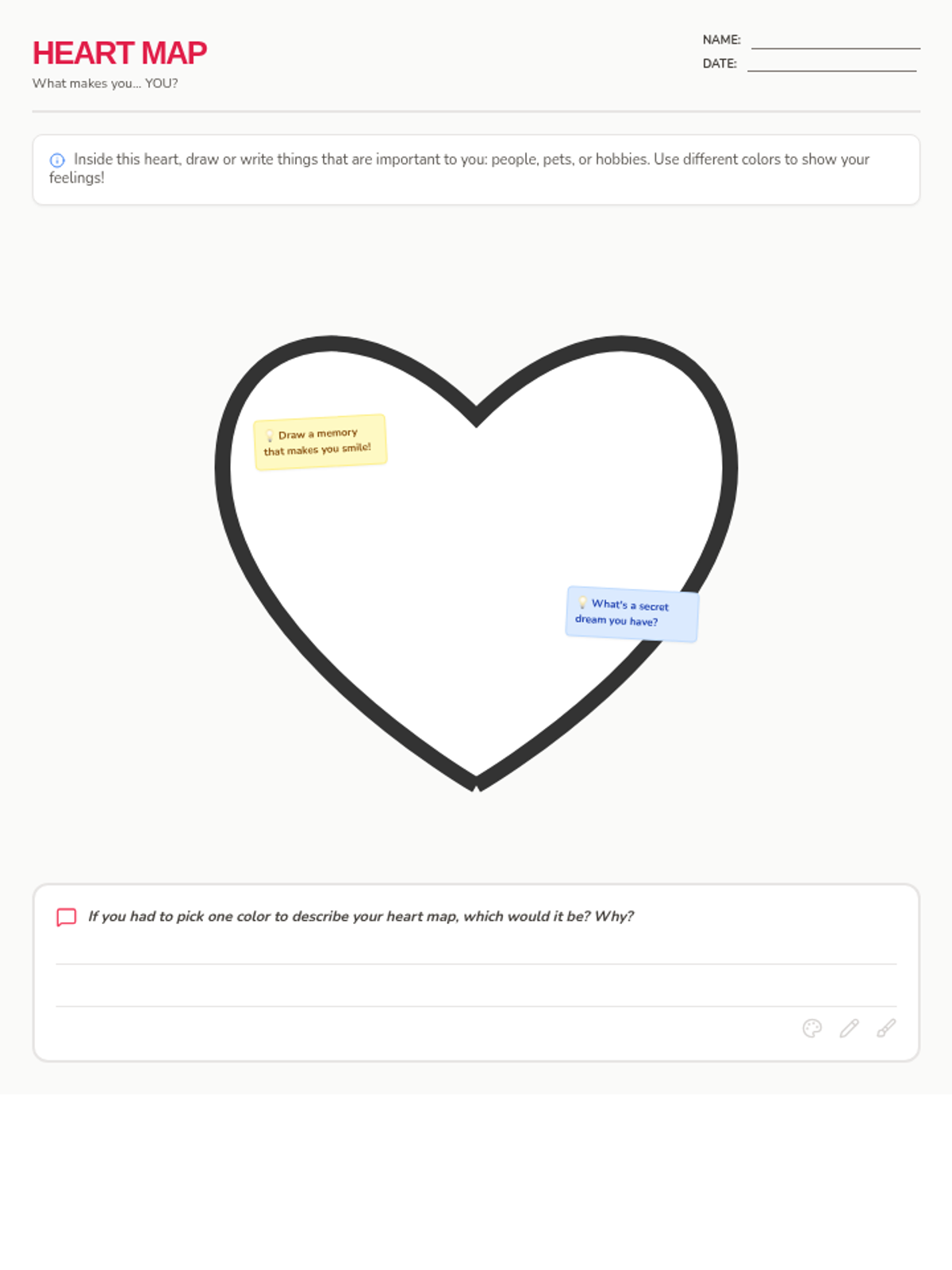
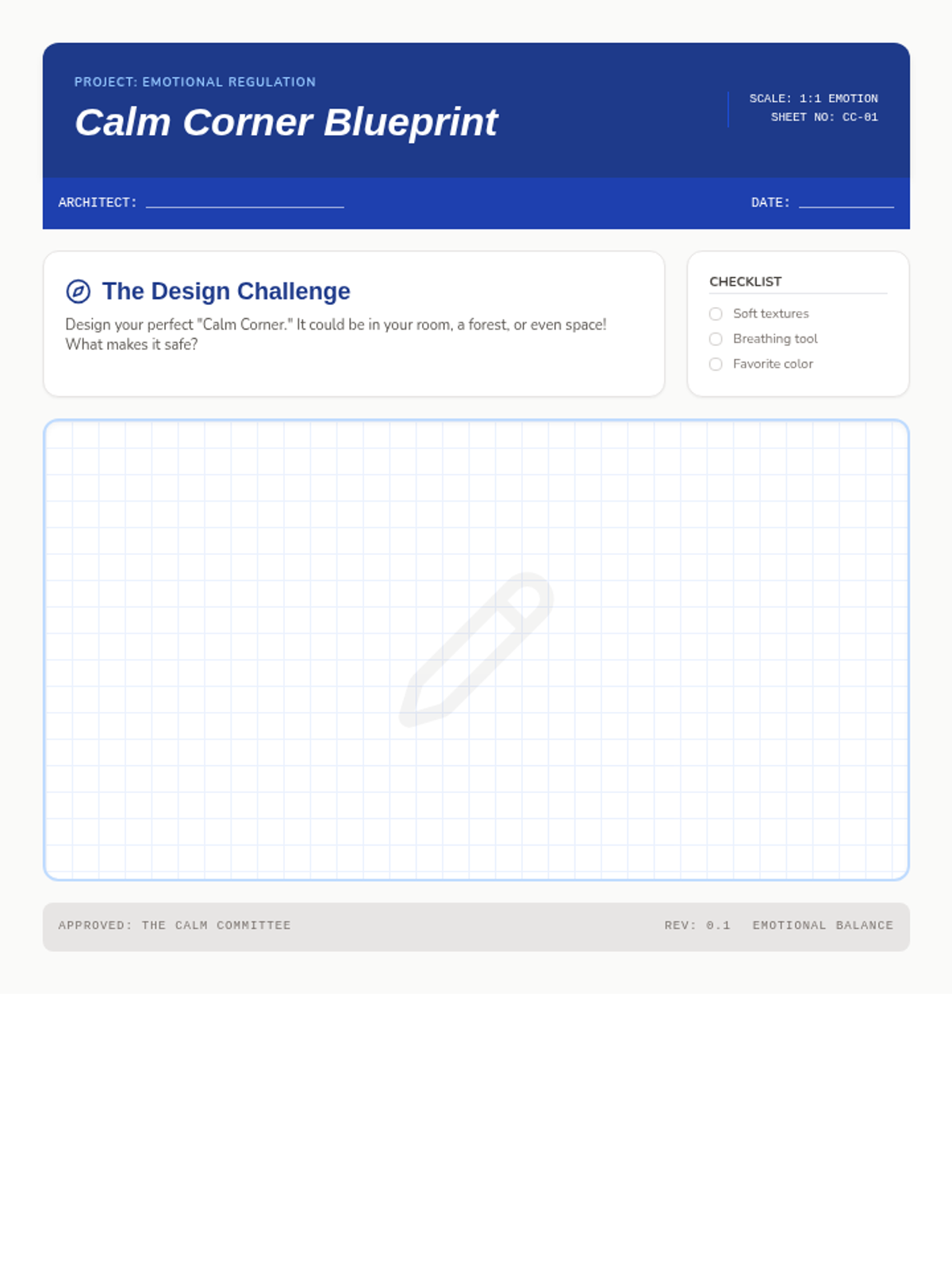
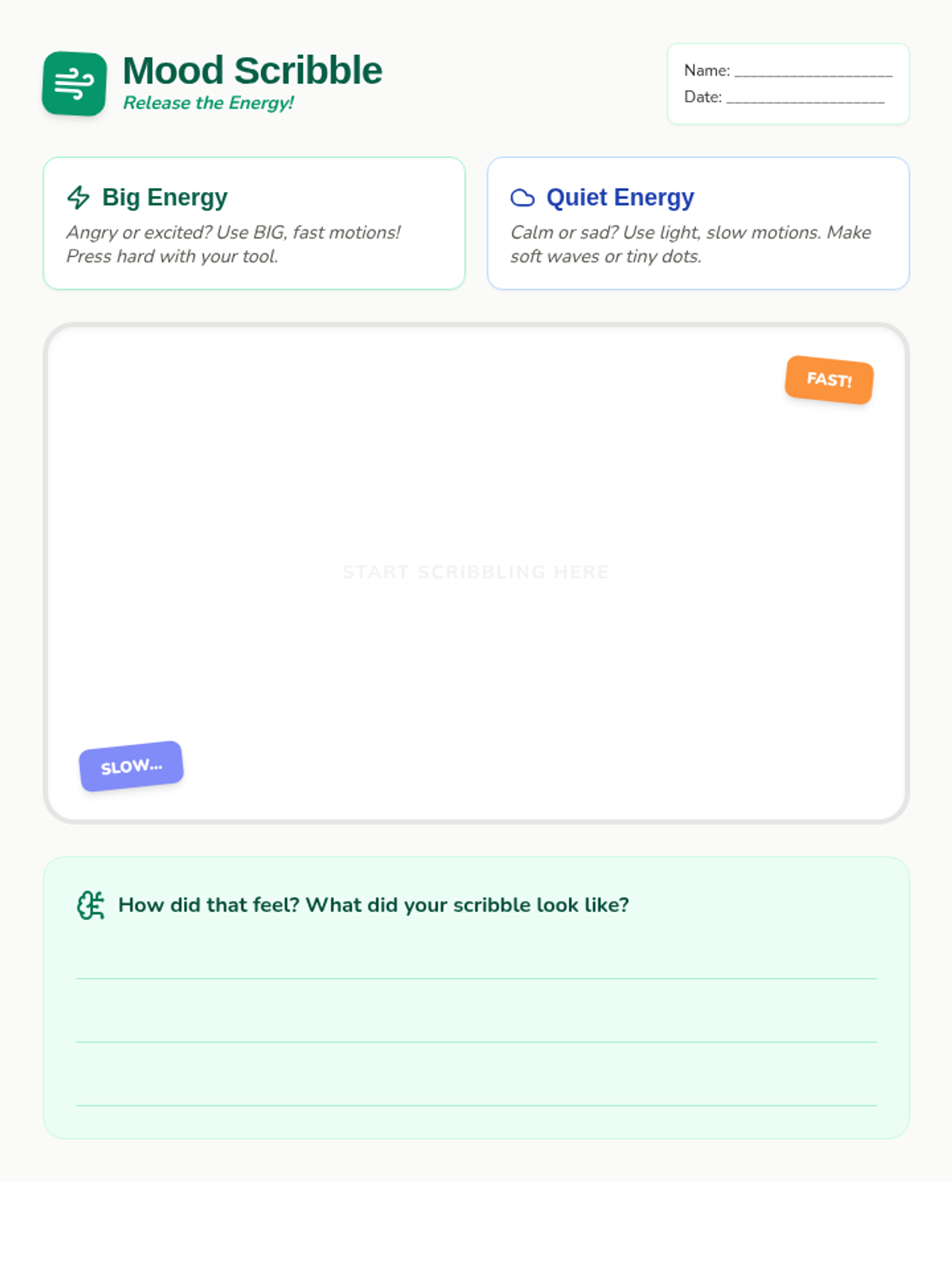
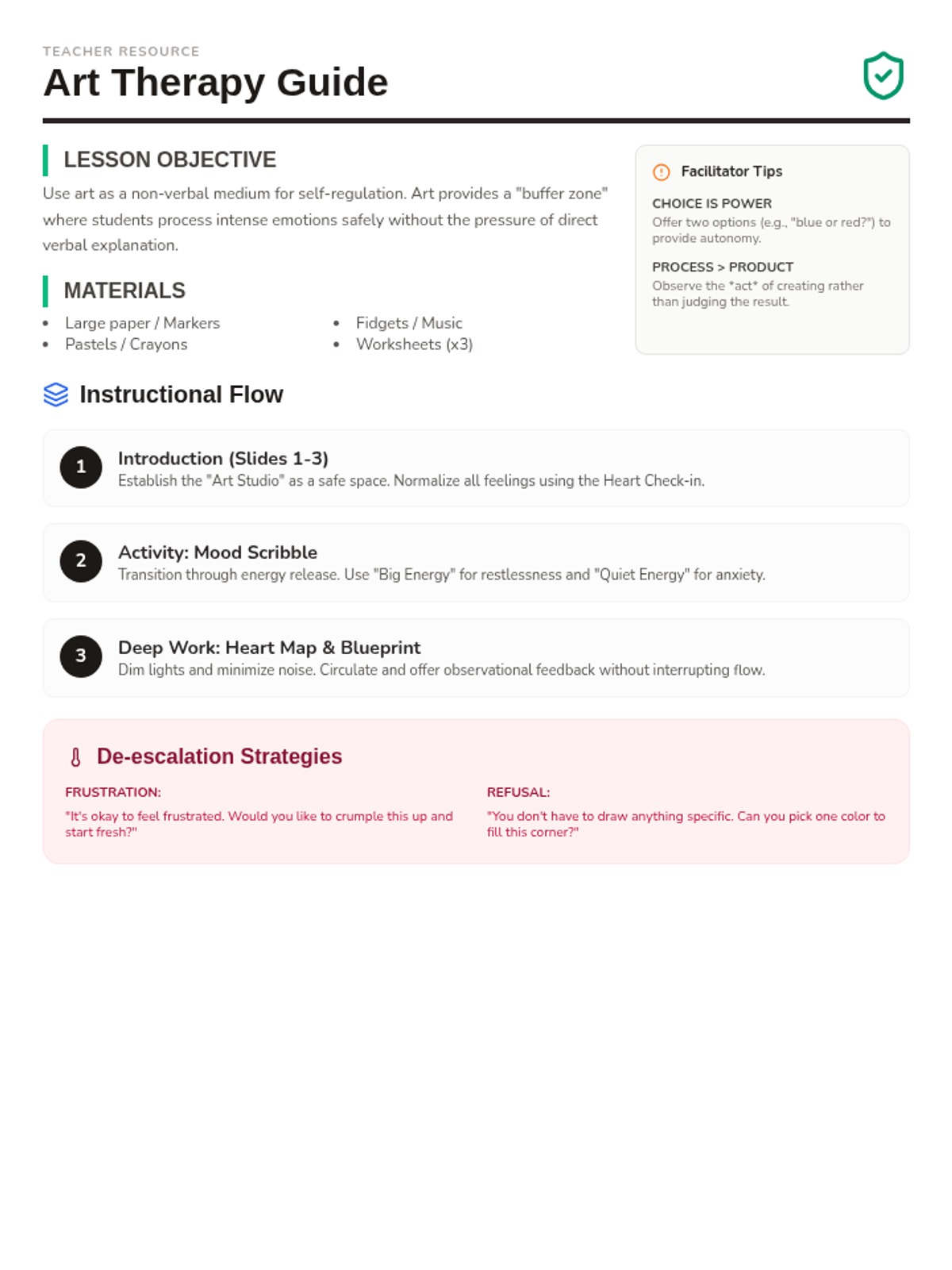
A creative exploration of emotions through art therapy, helping children with behavioral health concerns identify feelings and build self-regulation skills.
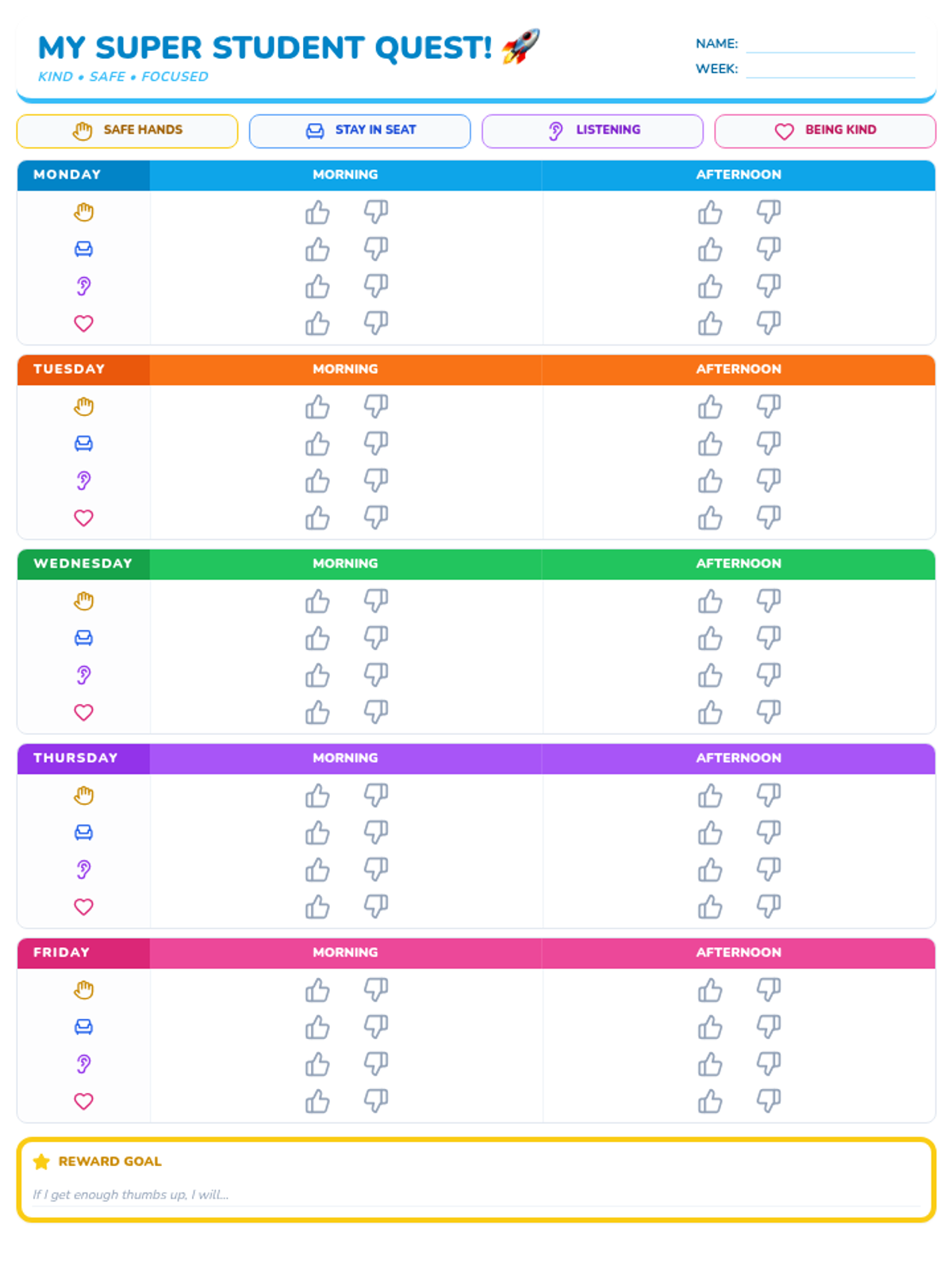
A comprehensive daily behavior tracking system designed for Kindergarteners, focusing on positive reinforcement and clear visual feedback across key school timeframes.
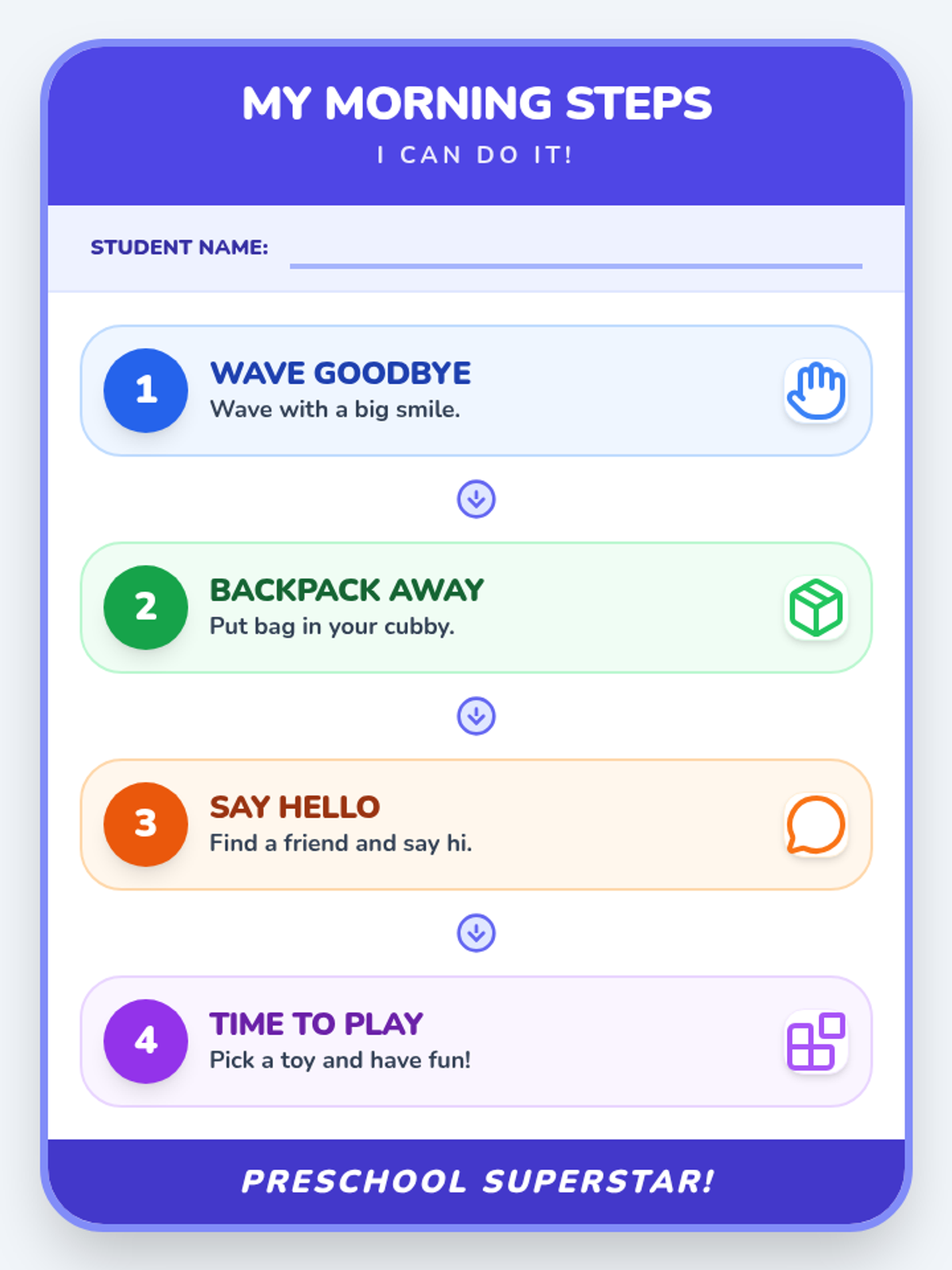
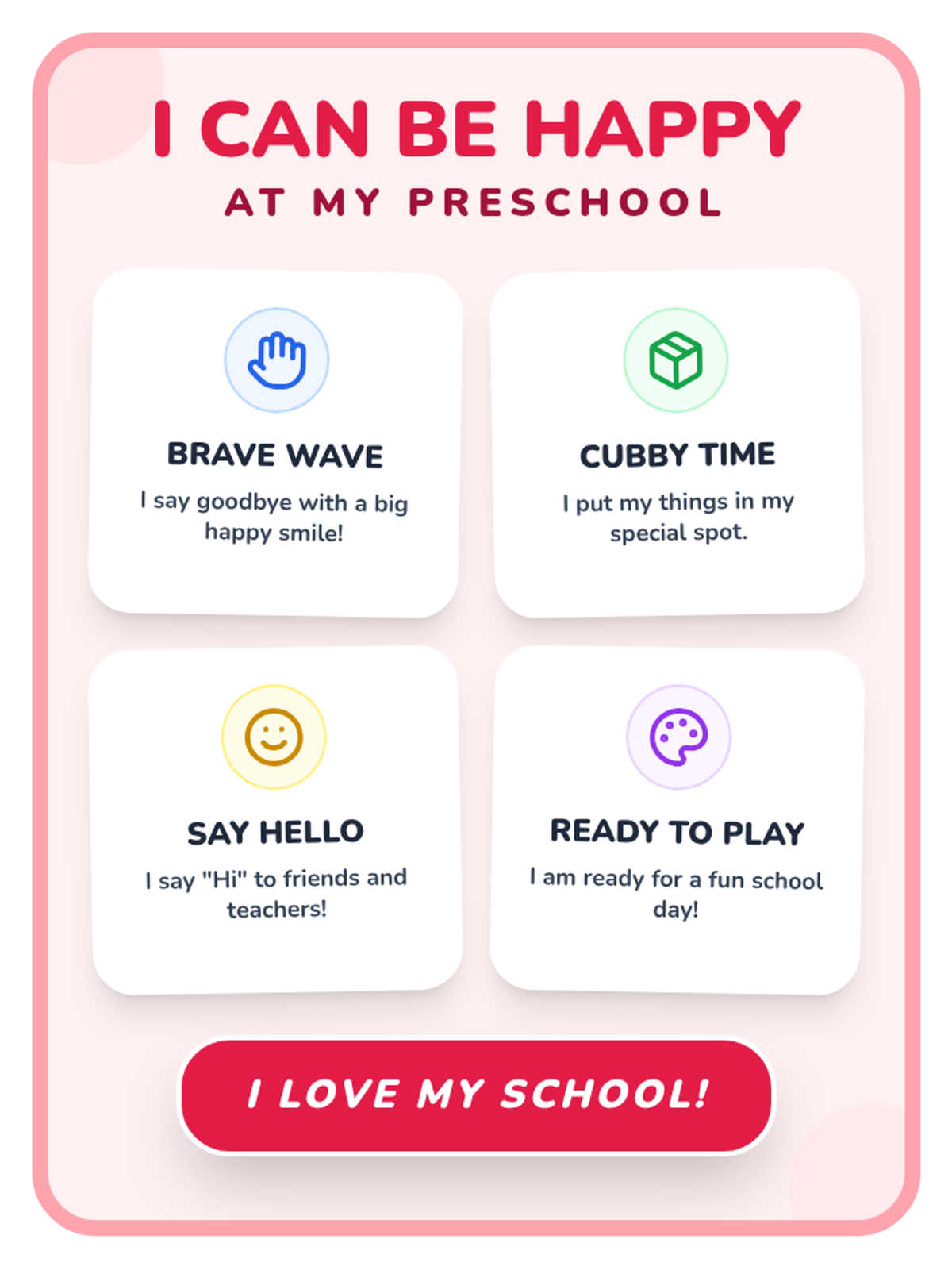
A set of resources to help preschoolers transition happily into their school day, focusing on arrival routines and social interactions.
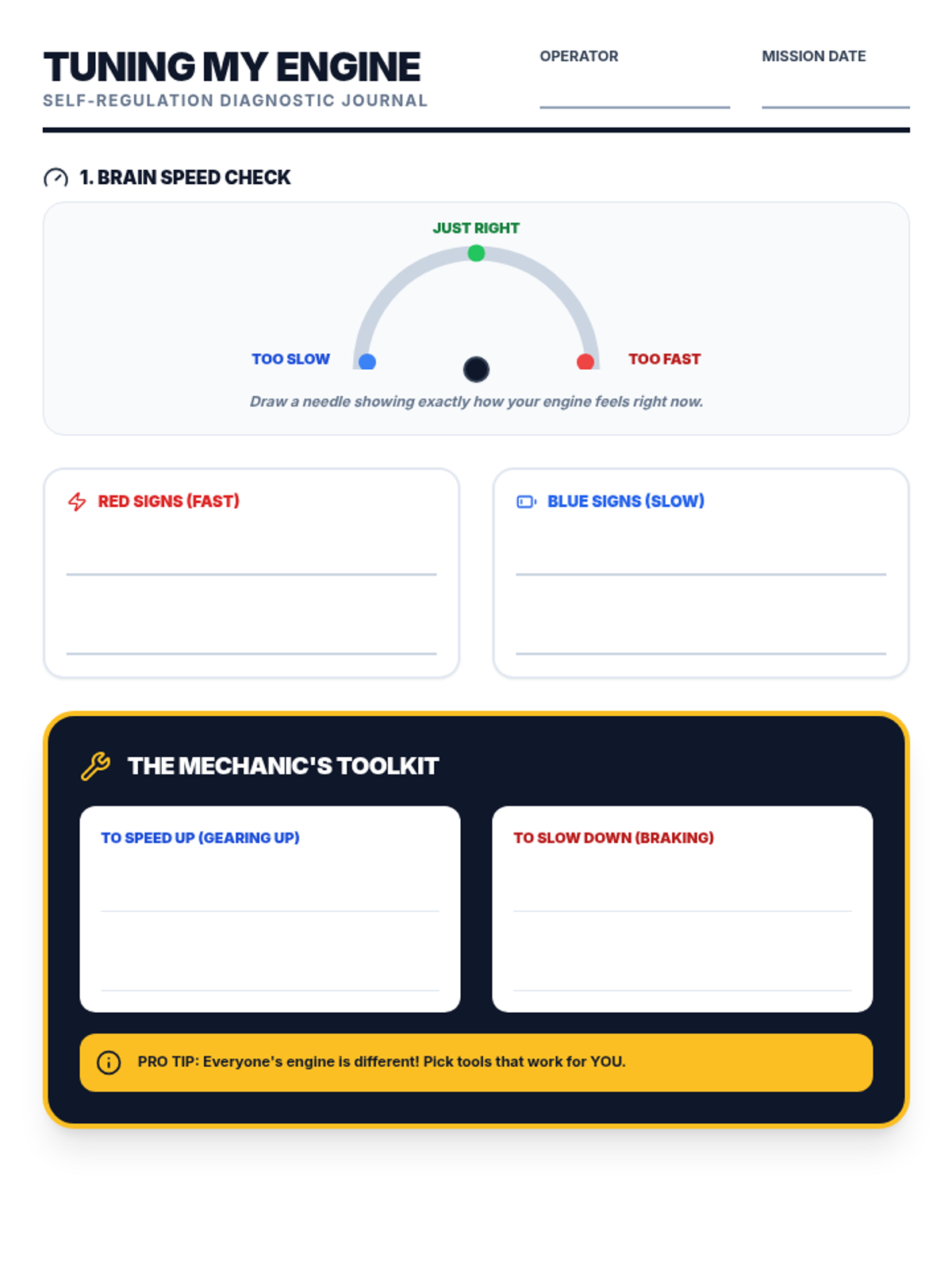
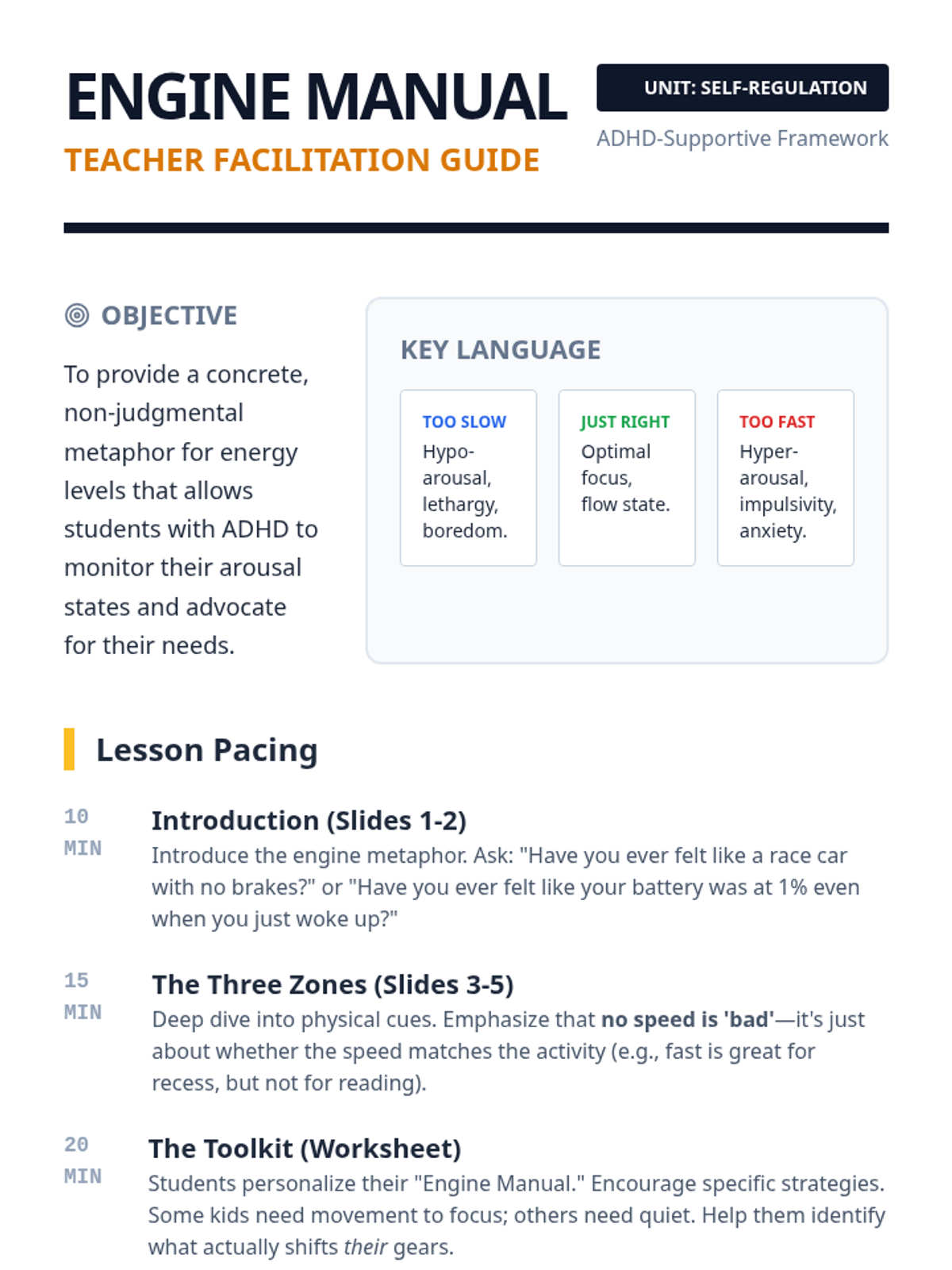
An introduction to self-regulation using the 'Brain Engine' metaphor, helping students with ADHD identify their energy levels and use strategies to get back to 'just right' for learning.
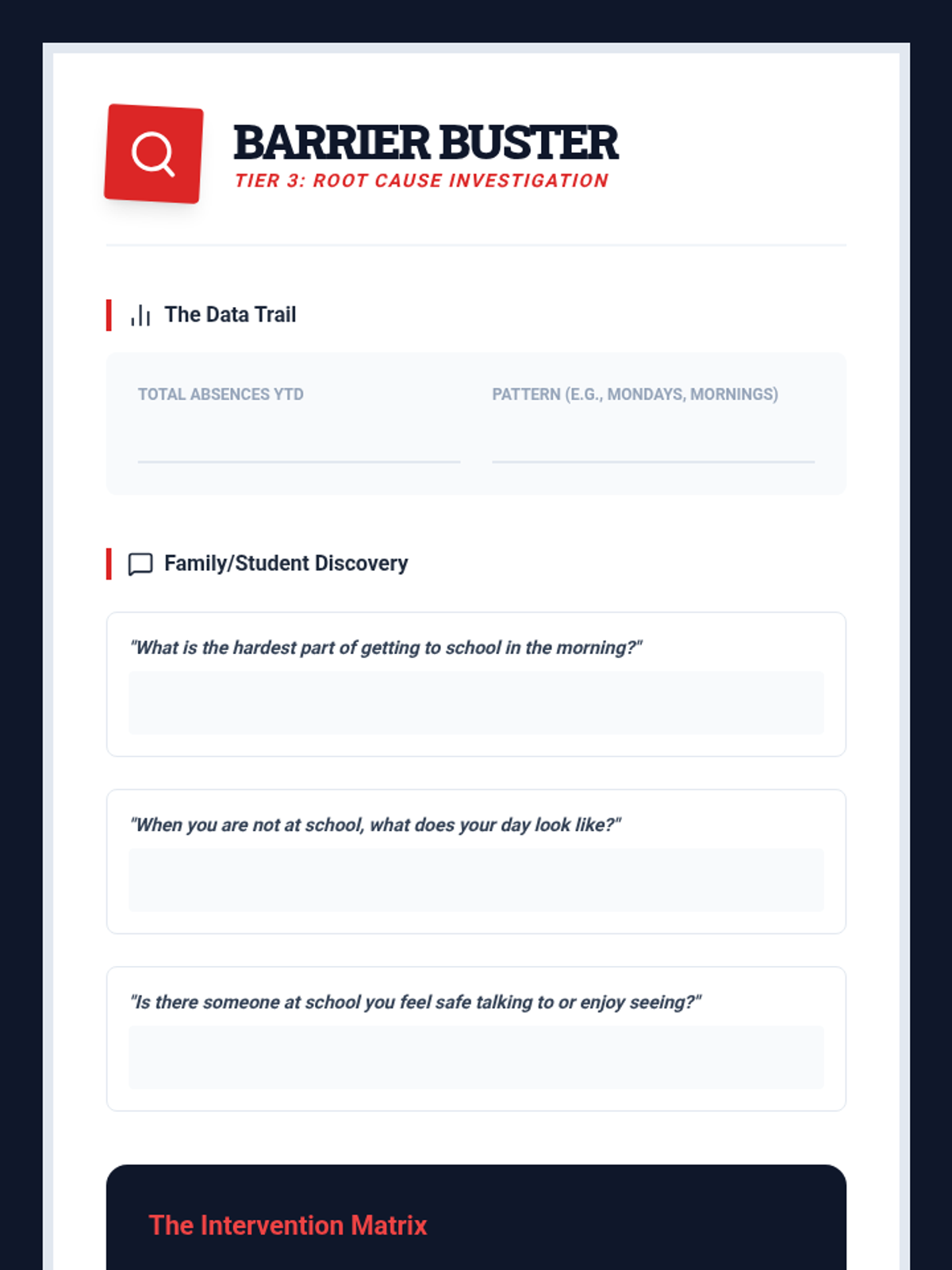
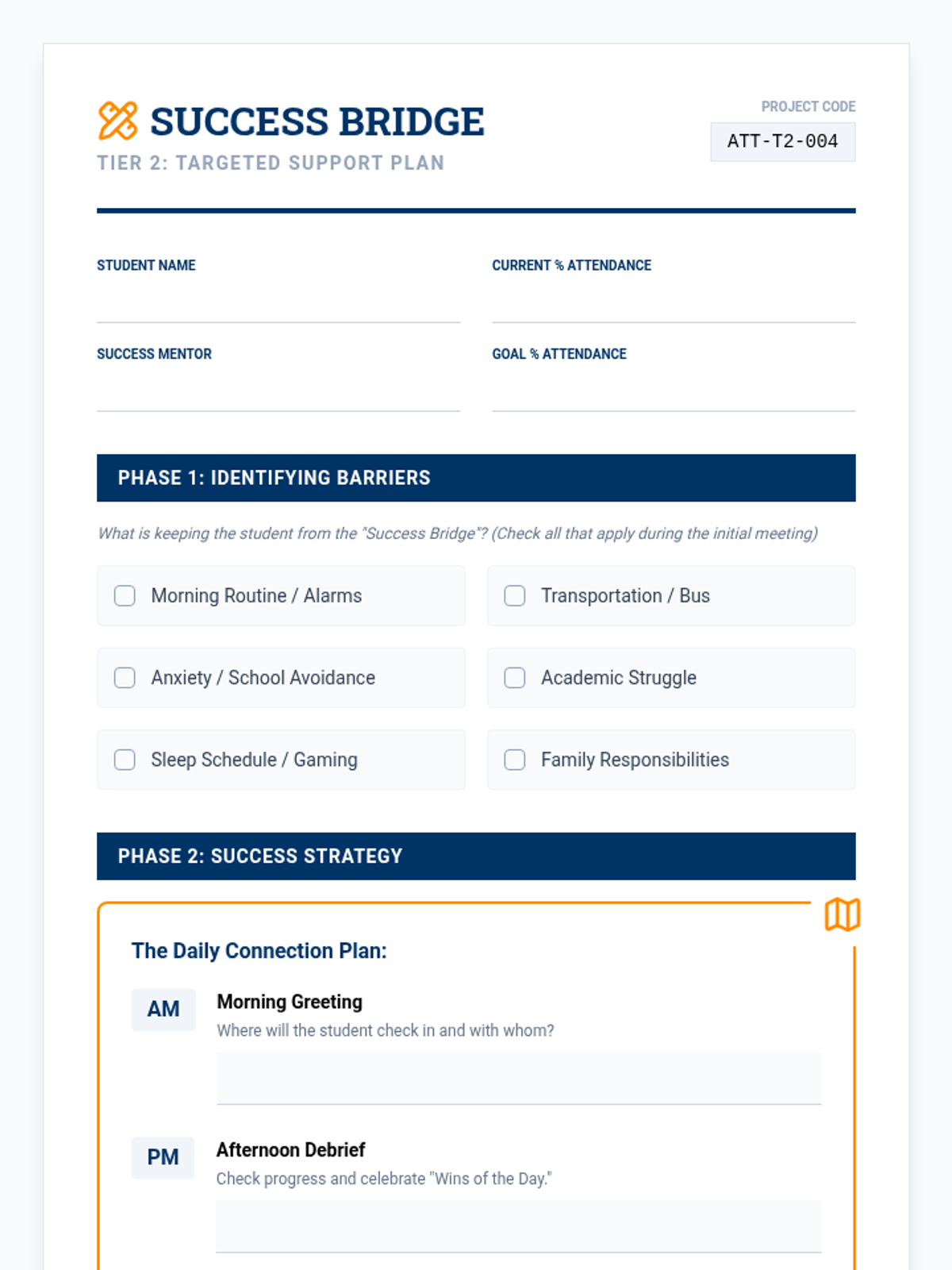
High-intensity support for chronically absent students (missing 10%+). Focuses on root-cause analysis, family casework, and removing systemic barriers through community collaboration.
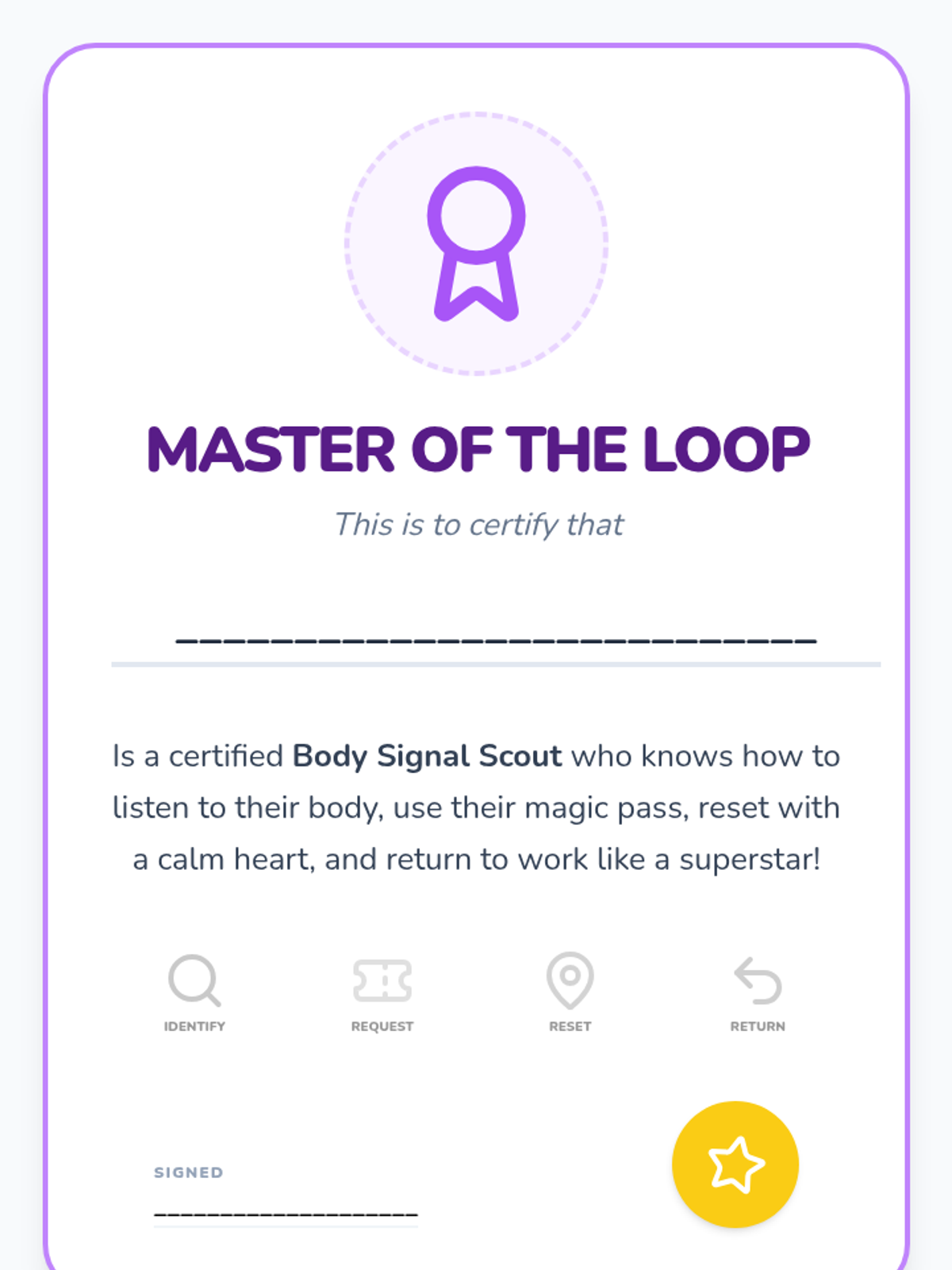
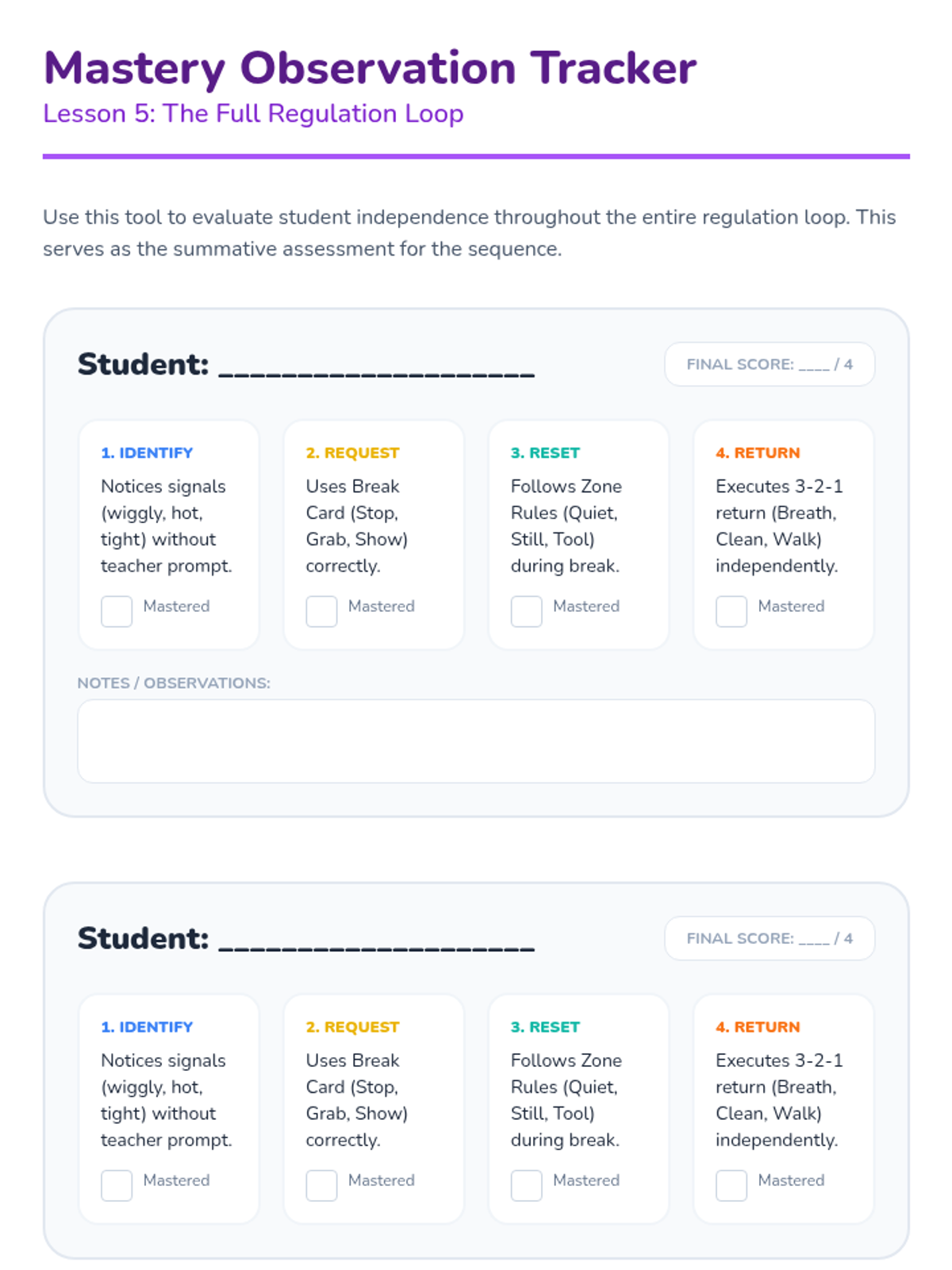
Students demonstrate the complete cycle from identifying a need to returning to work independently.
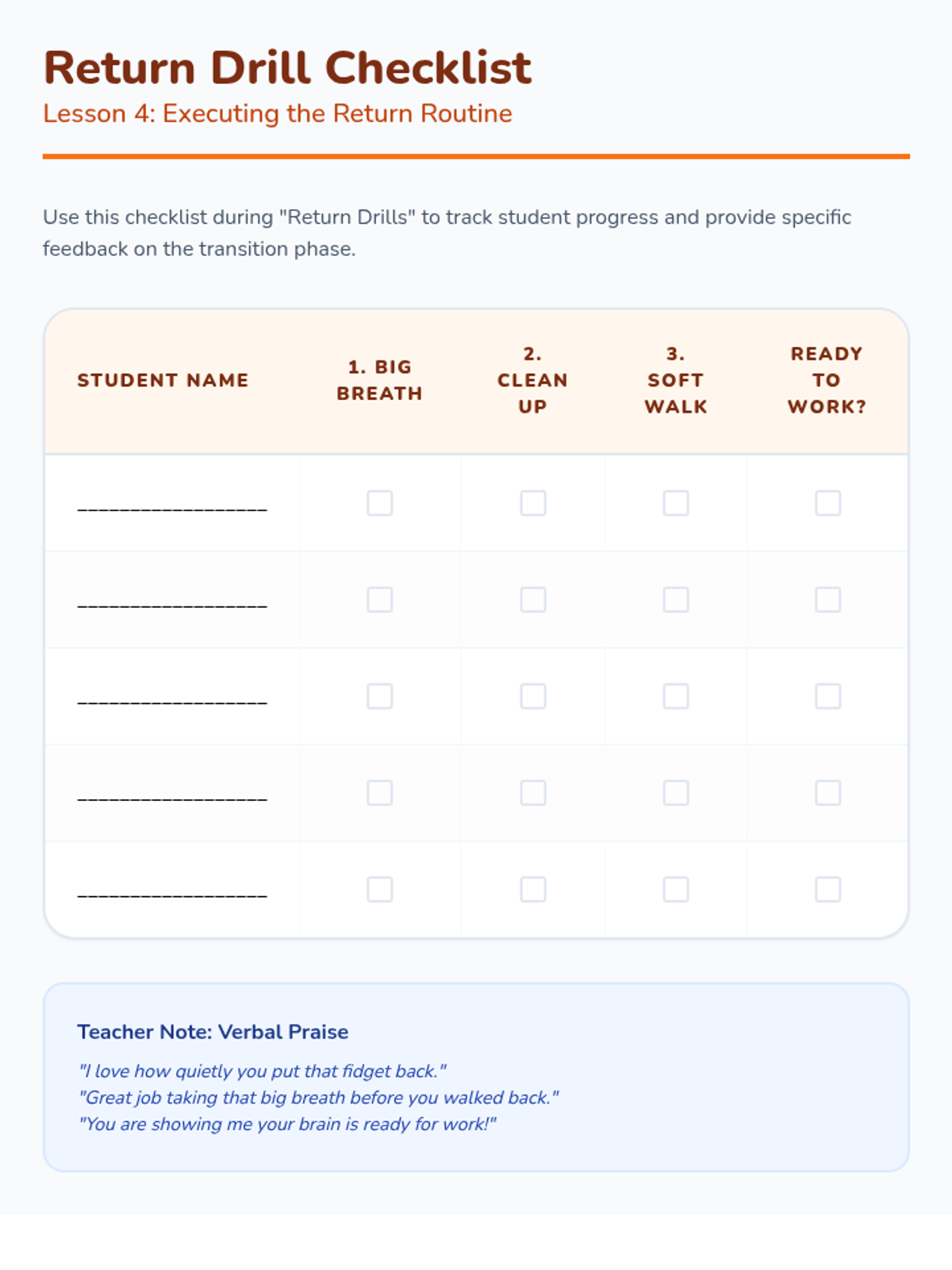
Students practice the routine for ending a break and transitioning back to work smoothly.
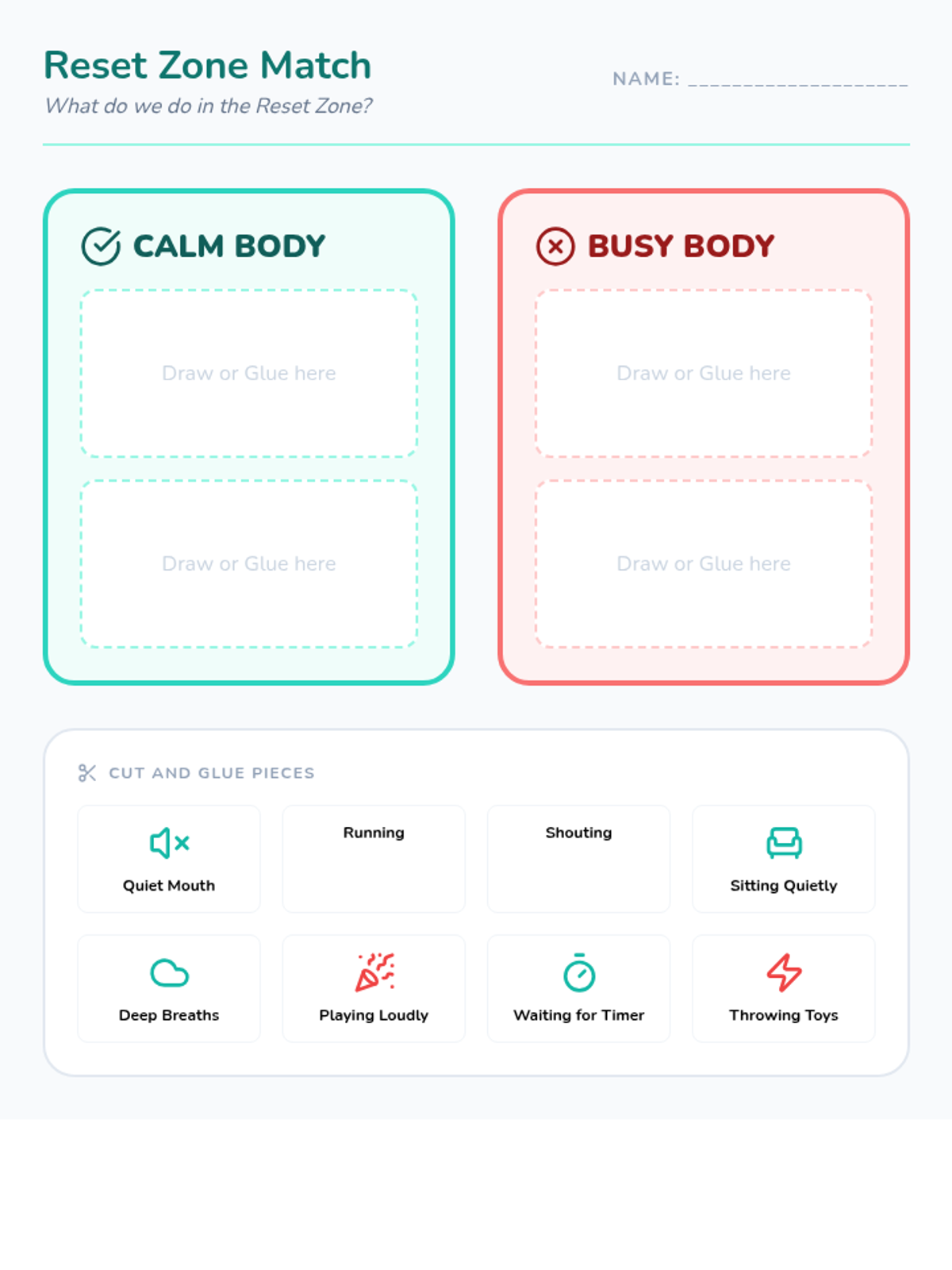
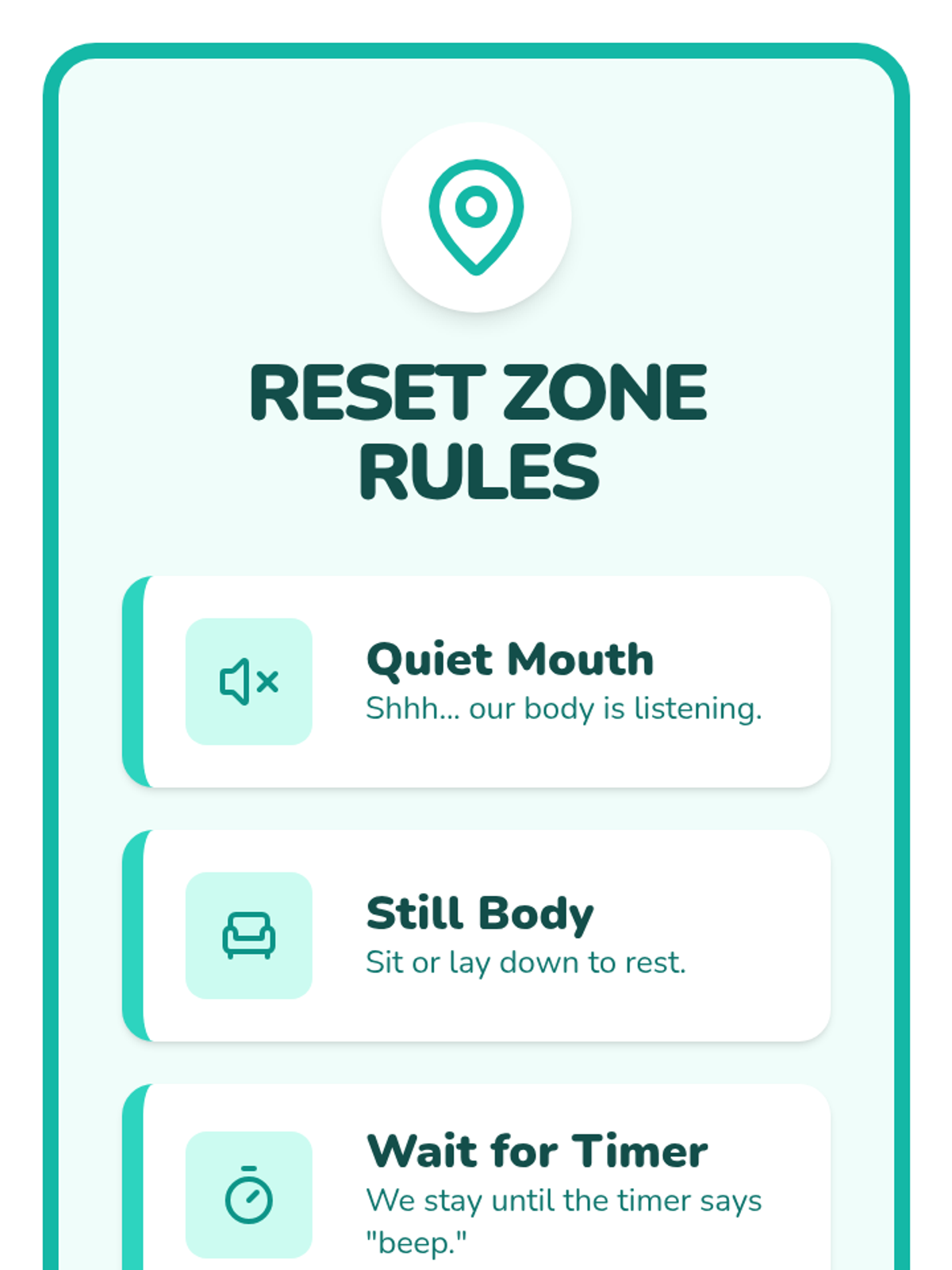
Students learn the expectations for the classroom Break Zone, differentiating between 'reset time' and 'play time'.
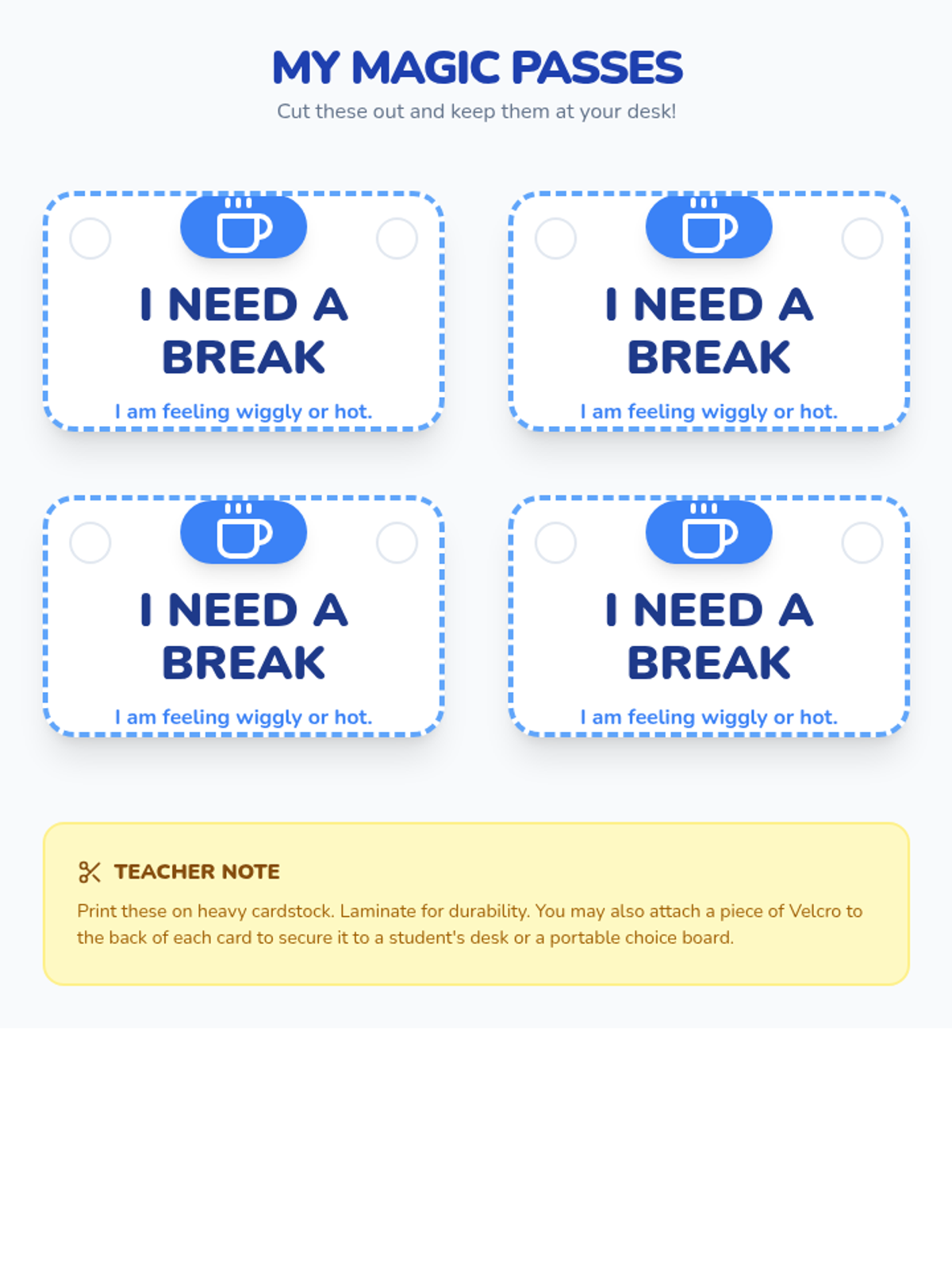
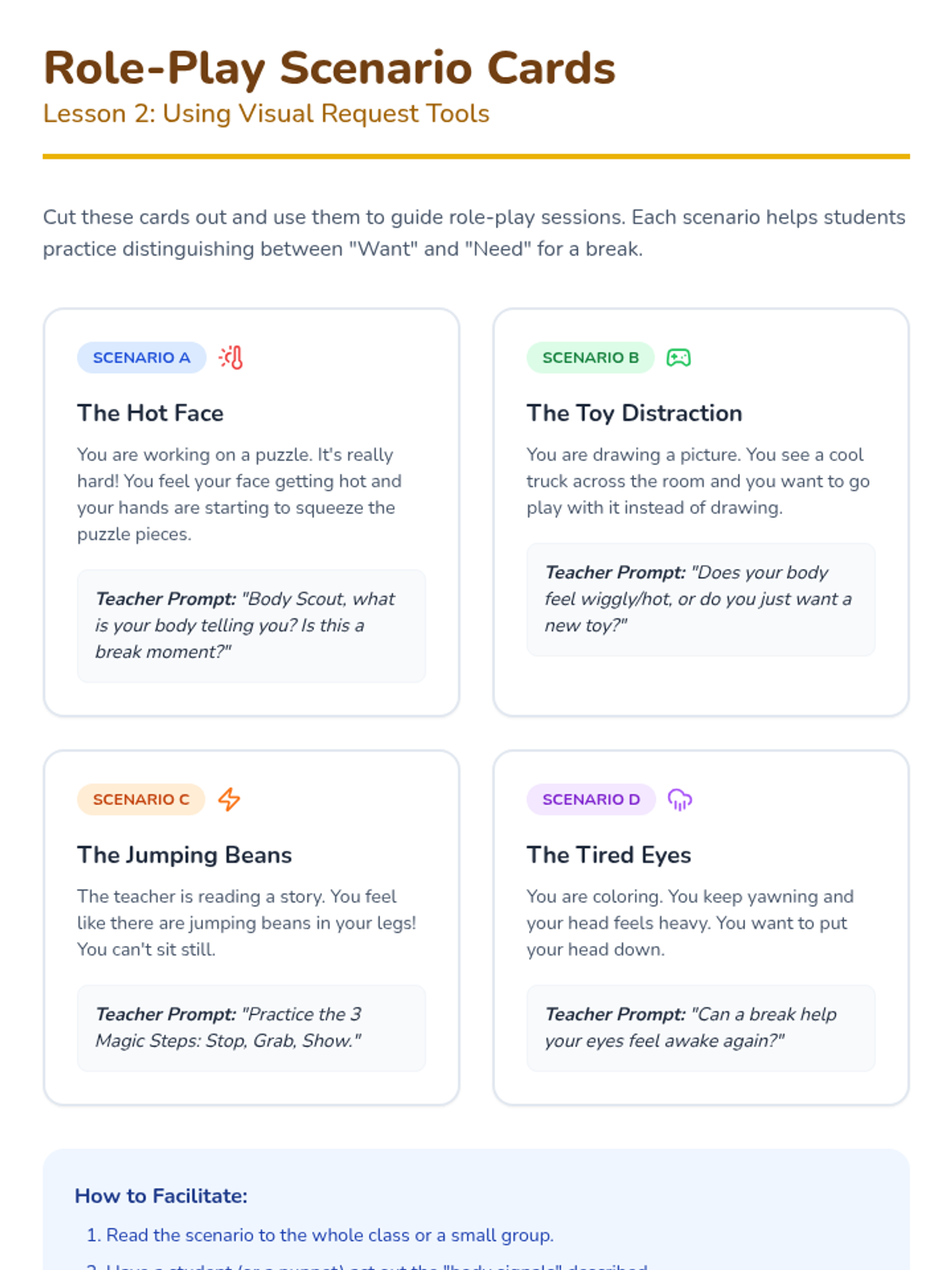
Students learn and practice the 'Stop, Grab, Show' method for non-verbally requesting a break using visual cards.
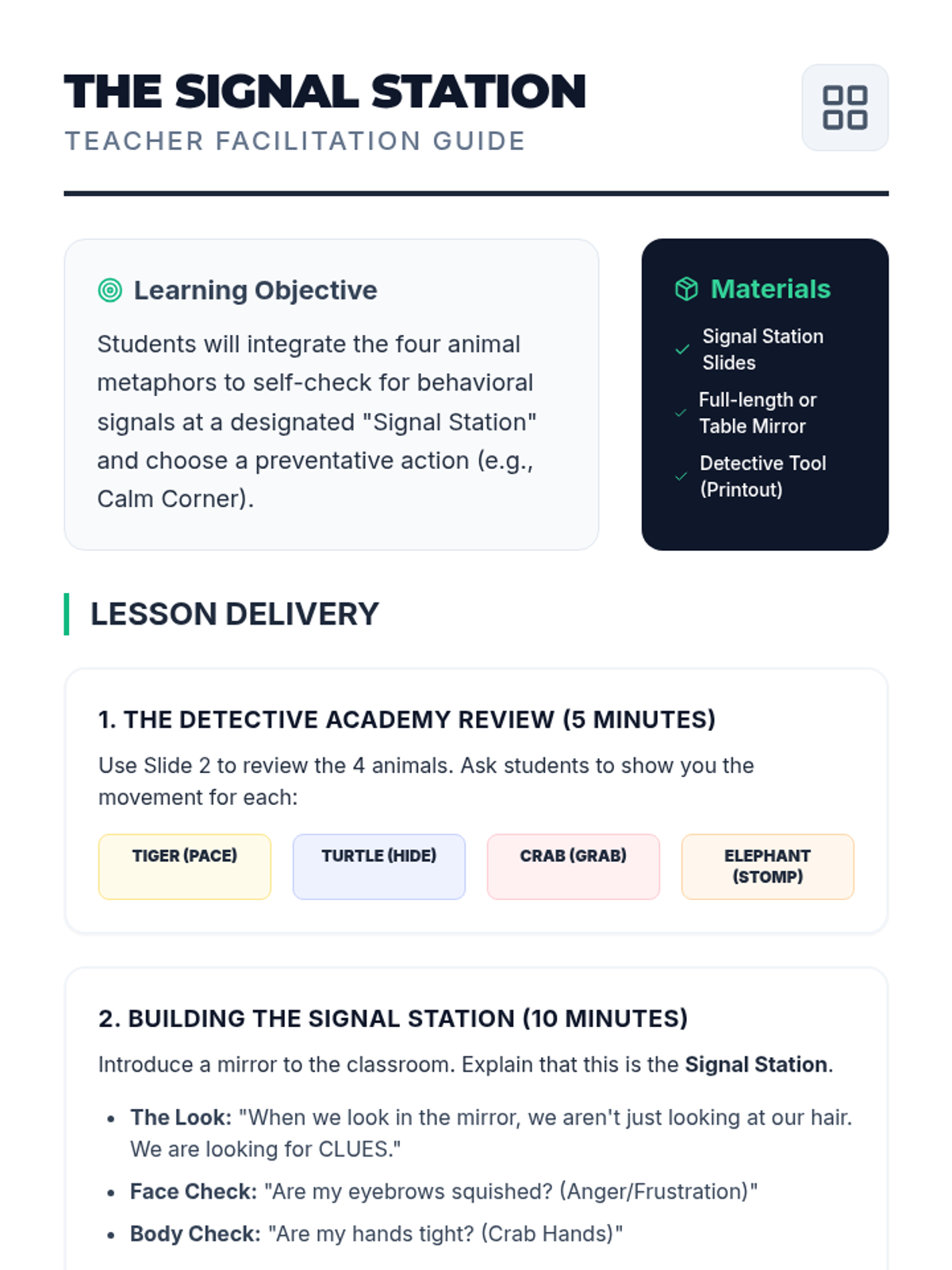
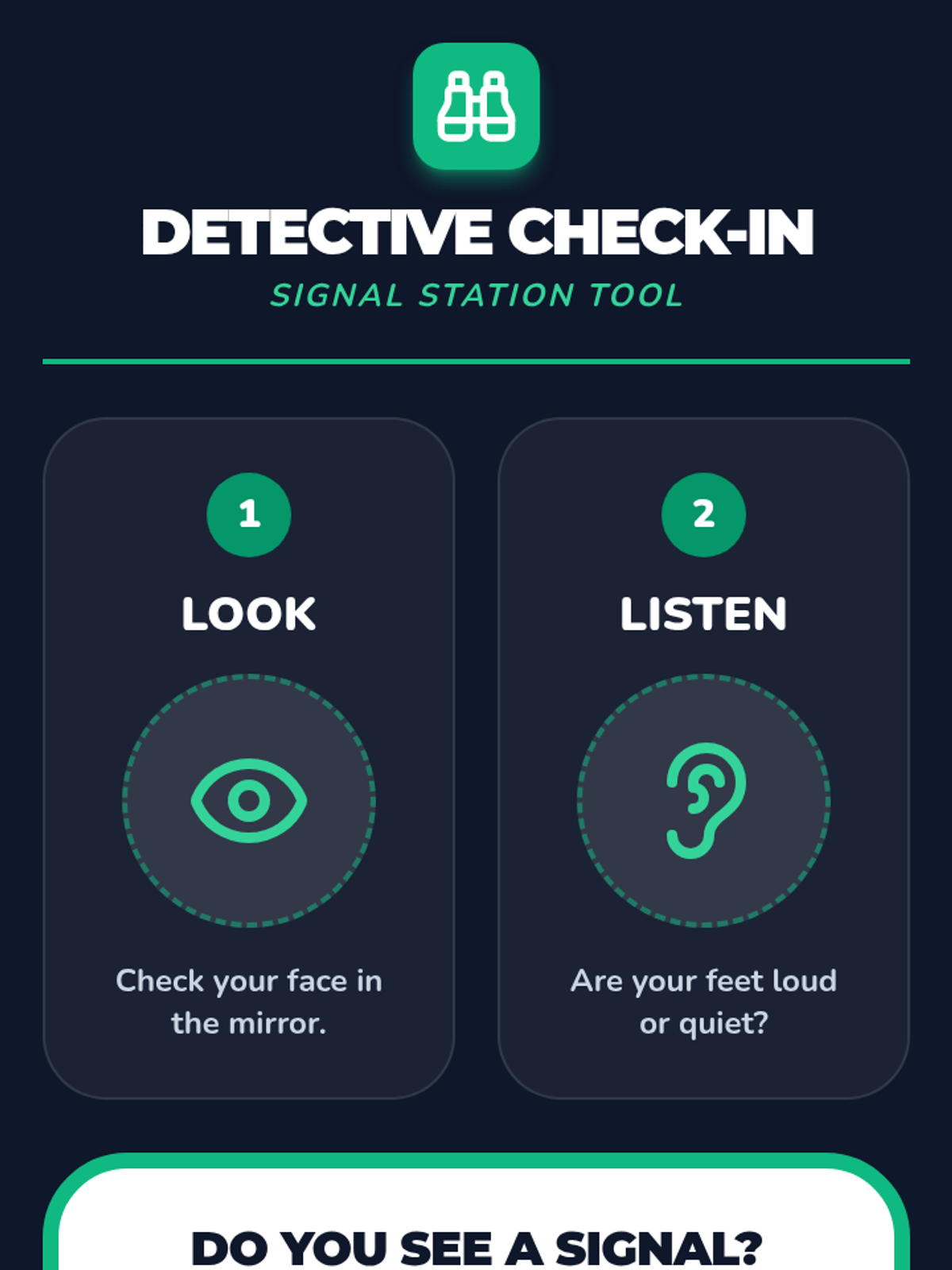
Students set up a classroom mirror station where they can check their own faces and bodies. They role-play noticing a warning sign (like pacing) and choosing to go to the 'calm corner' before a meltdown occurs.
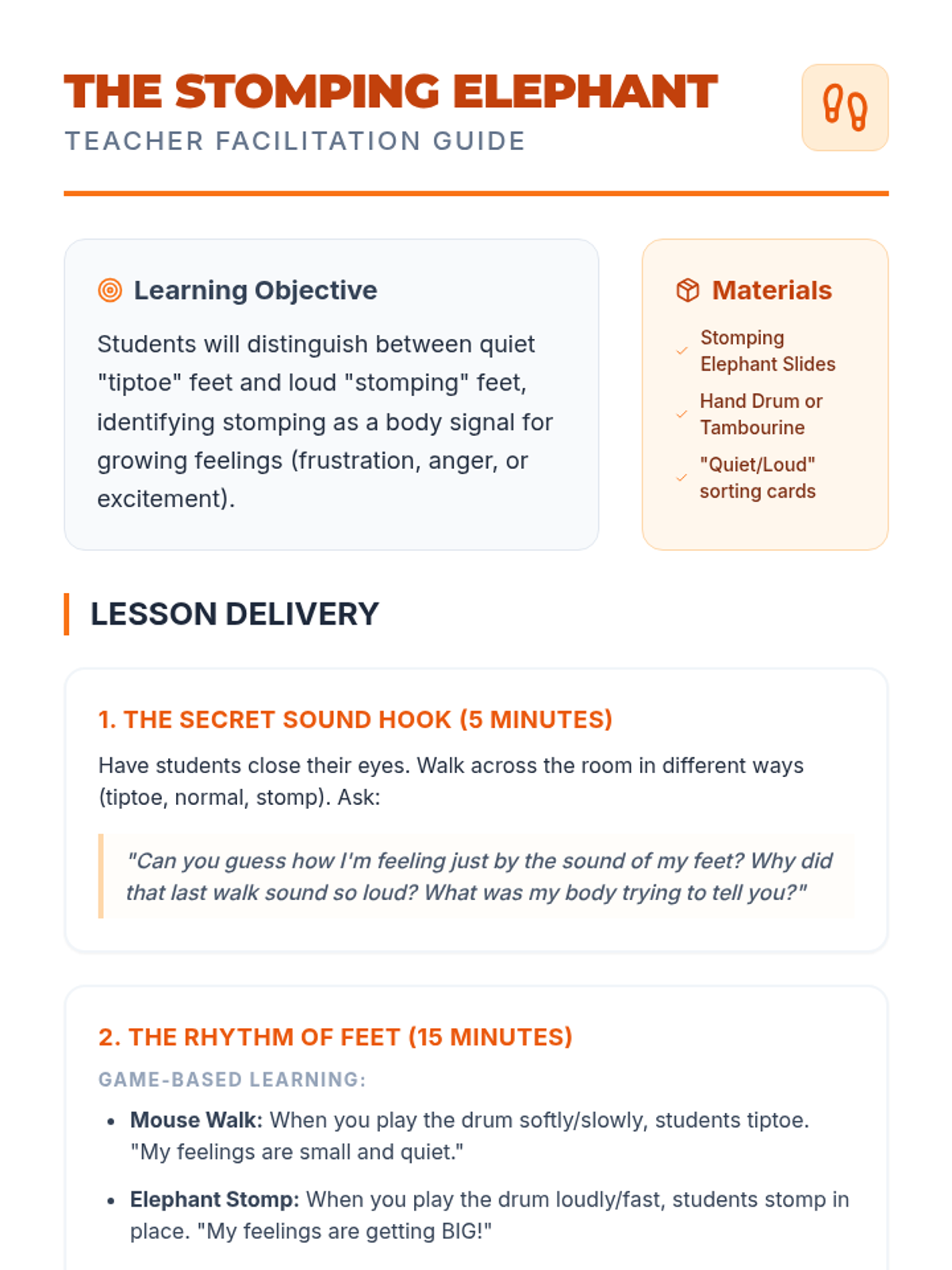
Children contrast 'tiptoe' and 'walking feet' with 'stomping feet.' They identify that heavy, loud footsteps often happen when feelings are growing from small to medium.
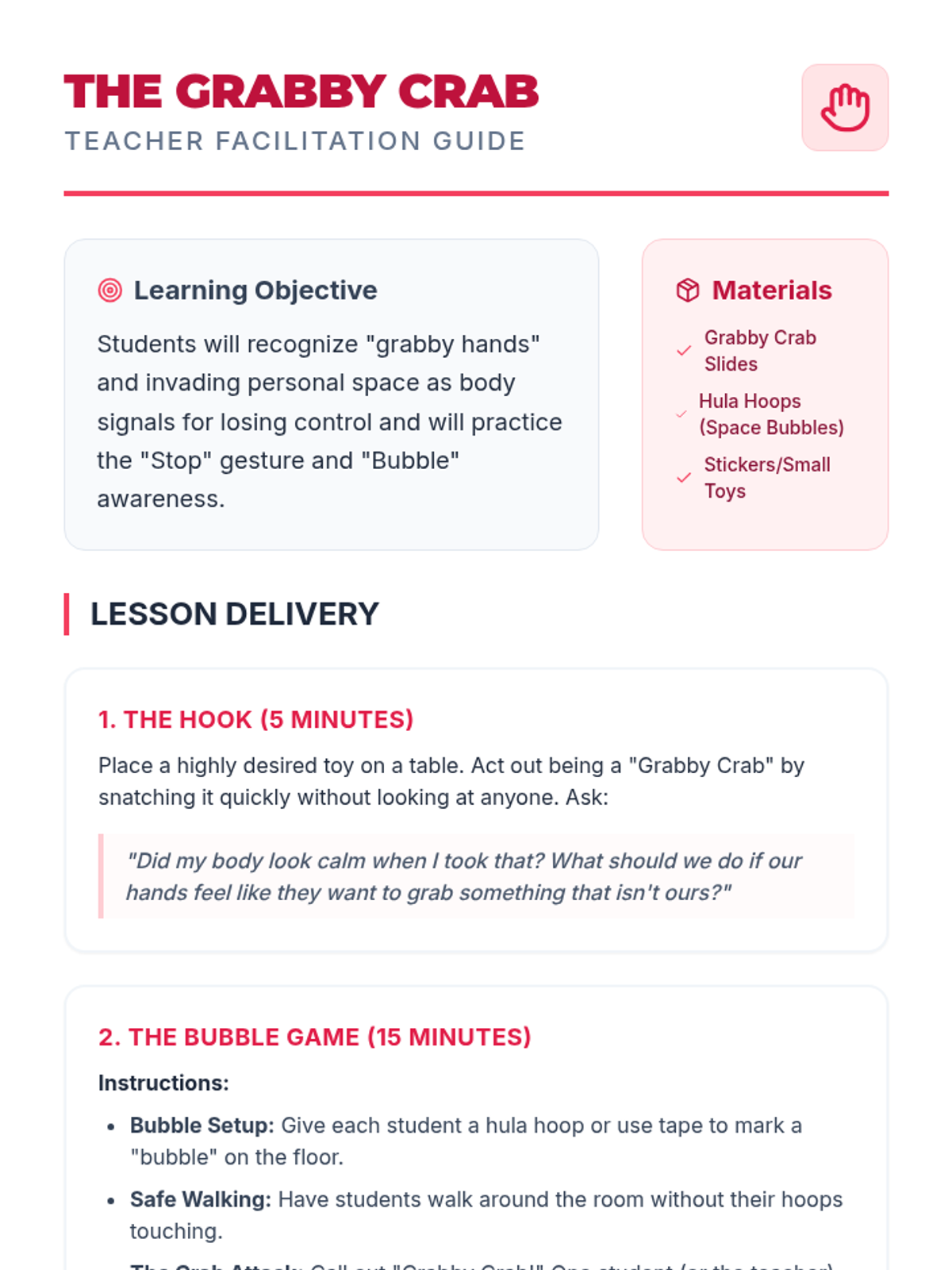
Students explore how 'grabby hands' or invading personal space can be a warning sign of losing control. They practice recognizing when their hands feel like they want to push or grab and using a 'stop' gesture instead.
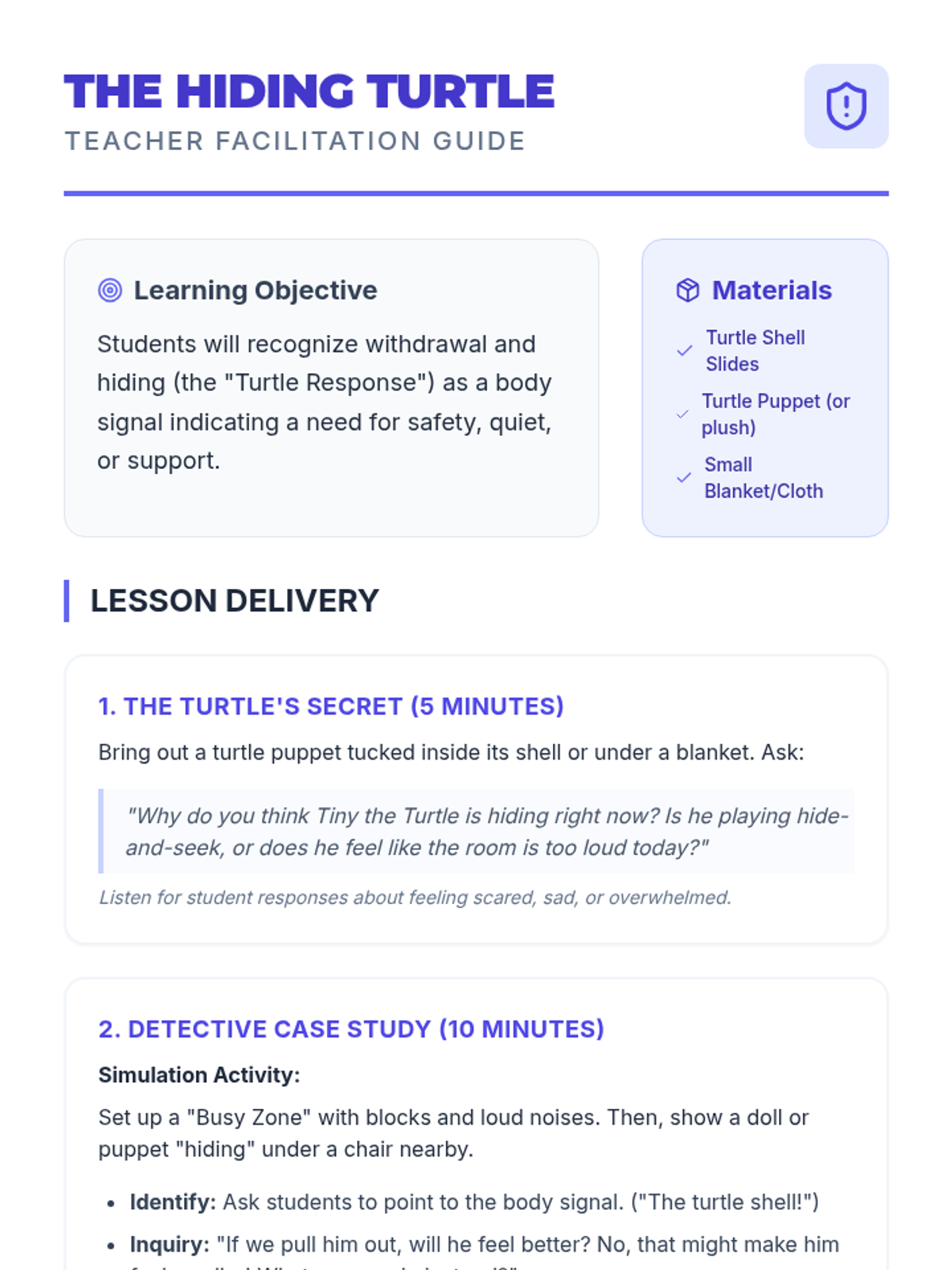
Focusing on the 'flight' response, this lesson uses the 'Turtle' metaphor to demonstrate how hiding or withdrawal can be a warning sign that someone feels unsafe or overwhelmed.
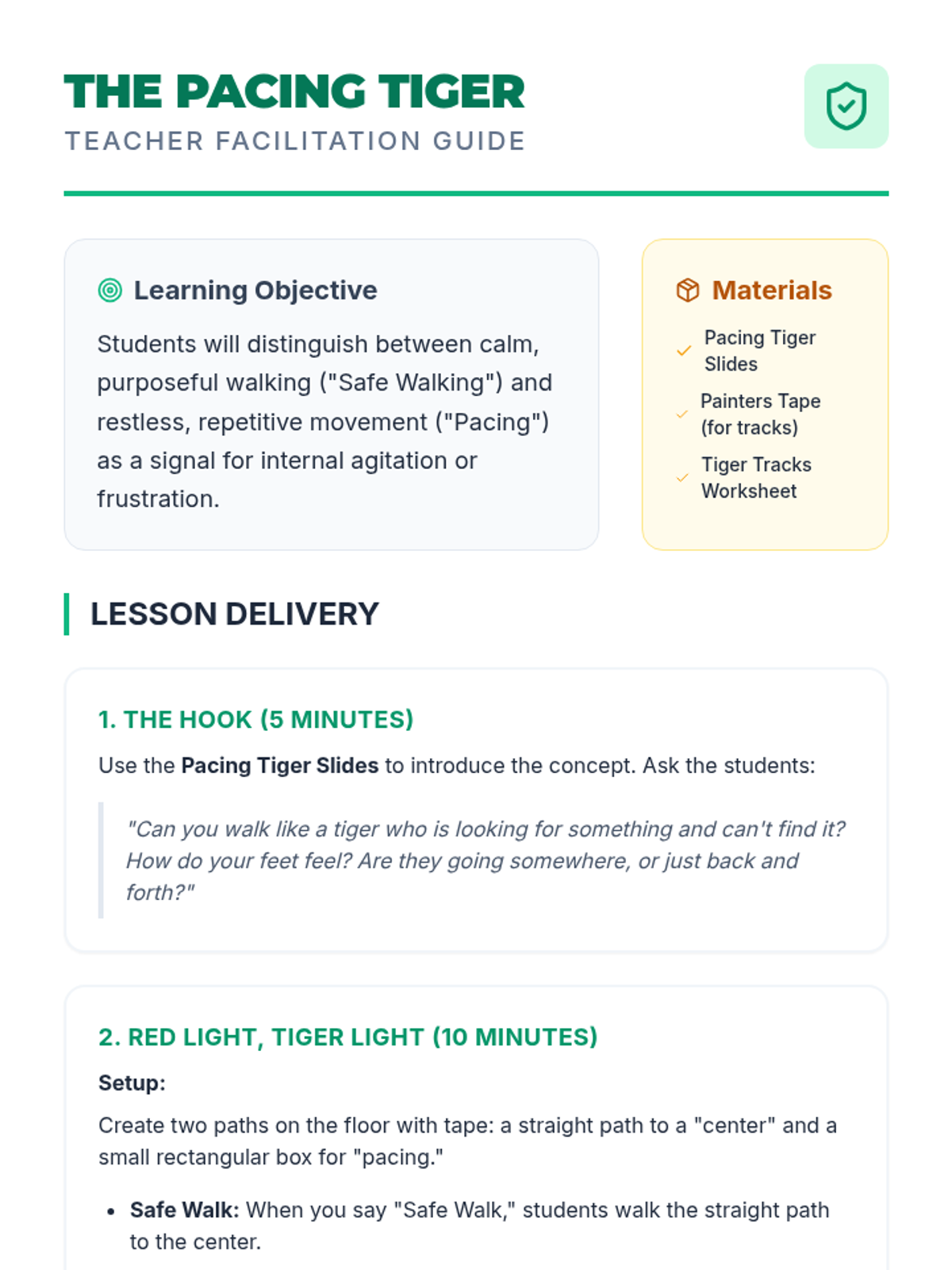
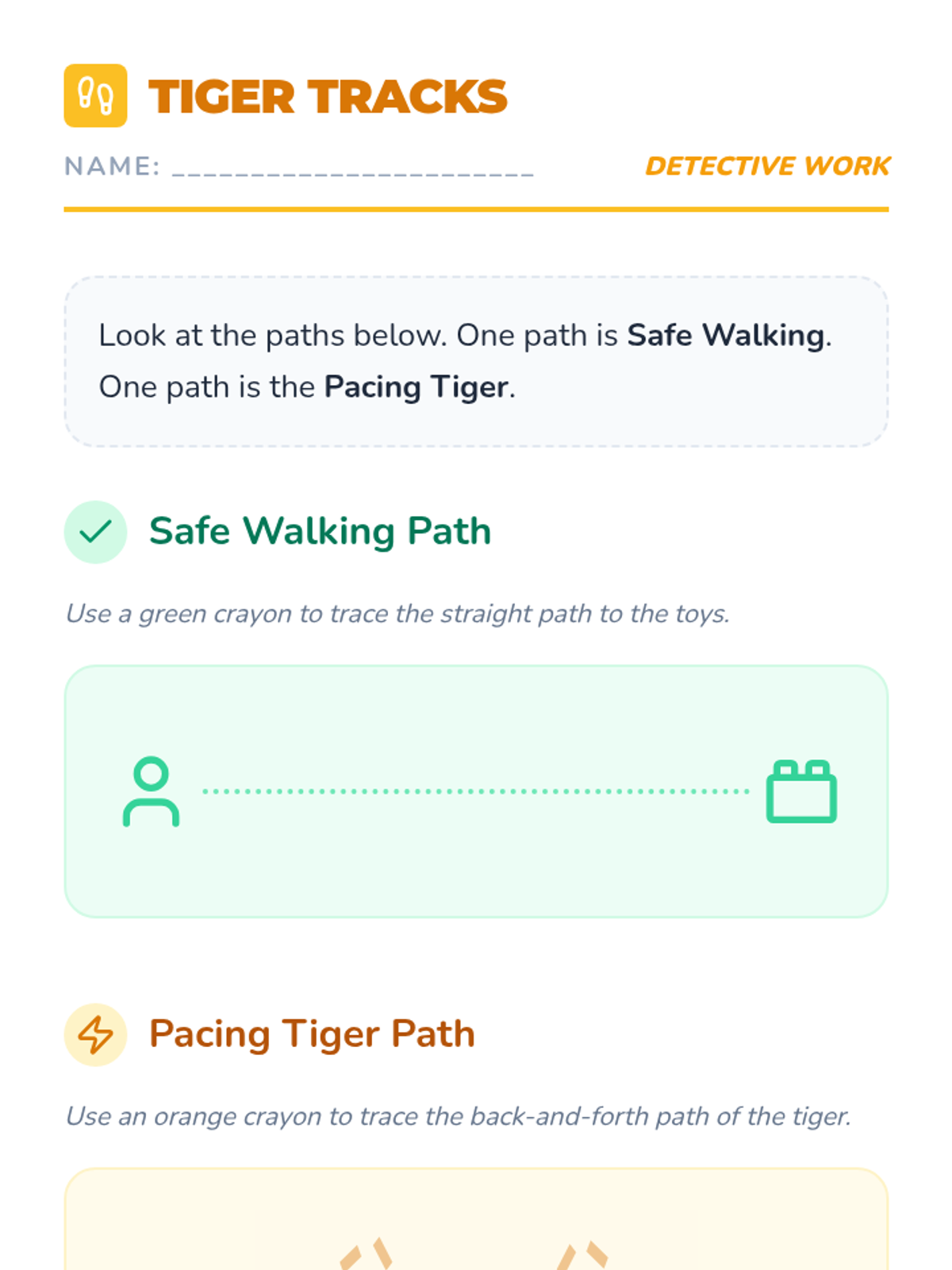
Students distinguish between calm, safe walking and restless, agitated pacing using the metaphor of a pacing tiger to identify when they or a peer might need help.
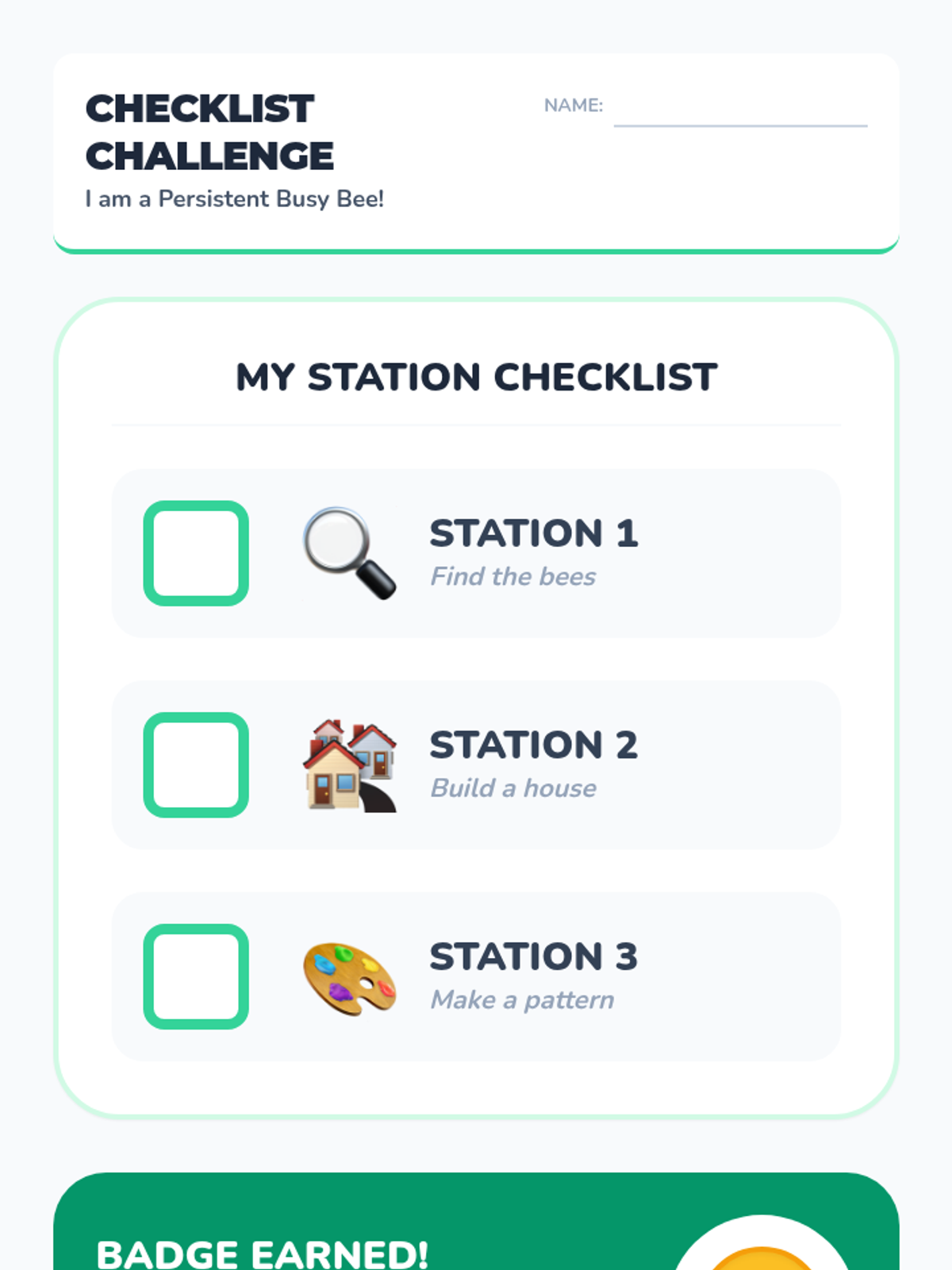
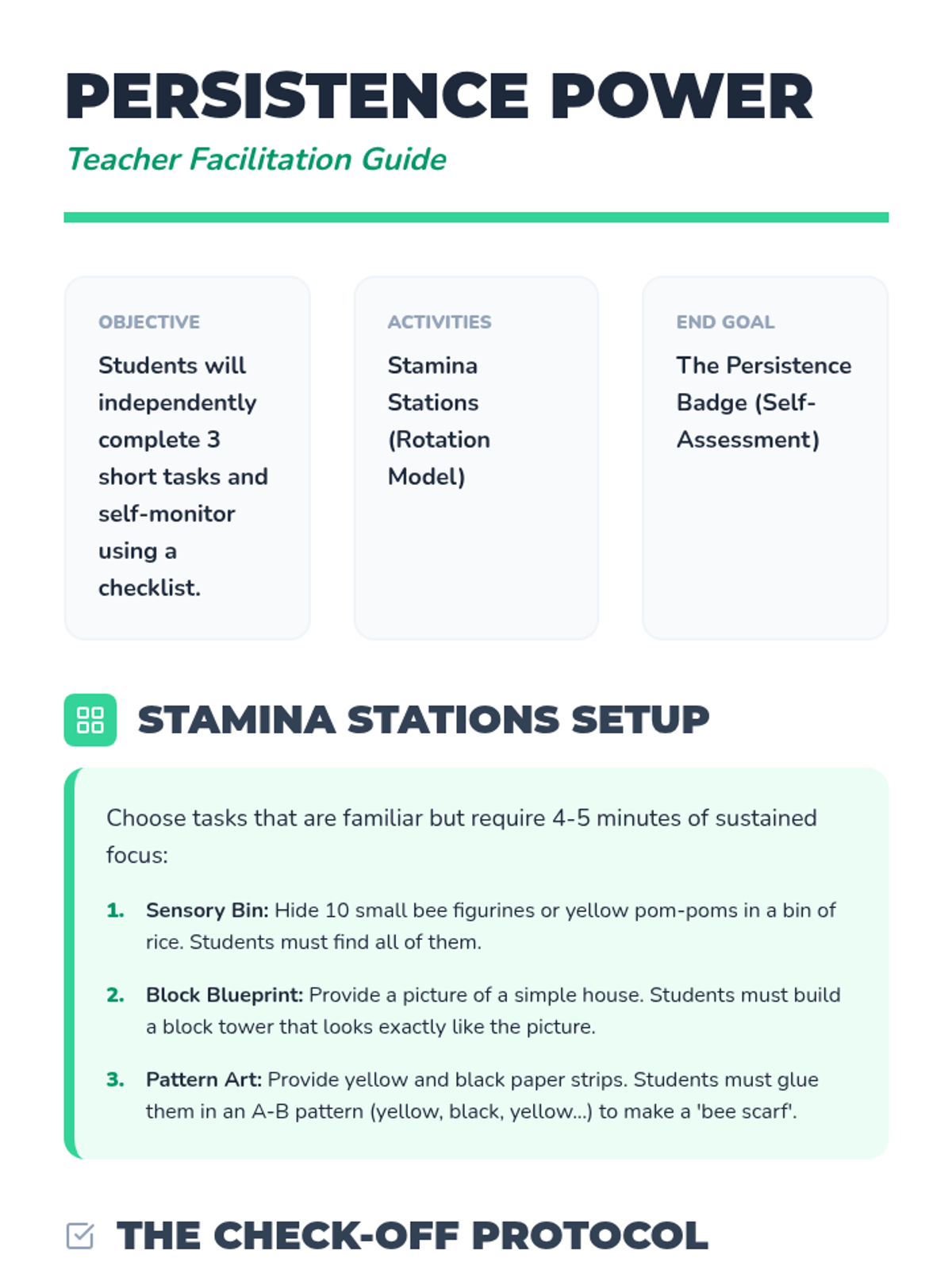
In this culminating lesson, students rotate through stations where they must complete tasks independently and check them off on a visual schedule. The focus is on self-assessing completion and building stamina.
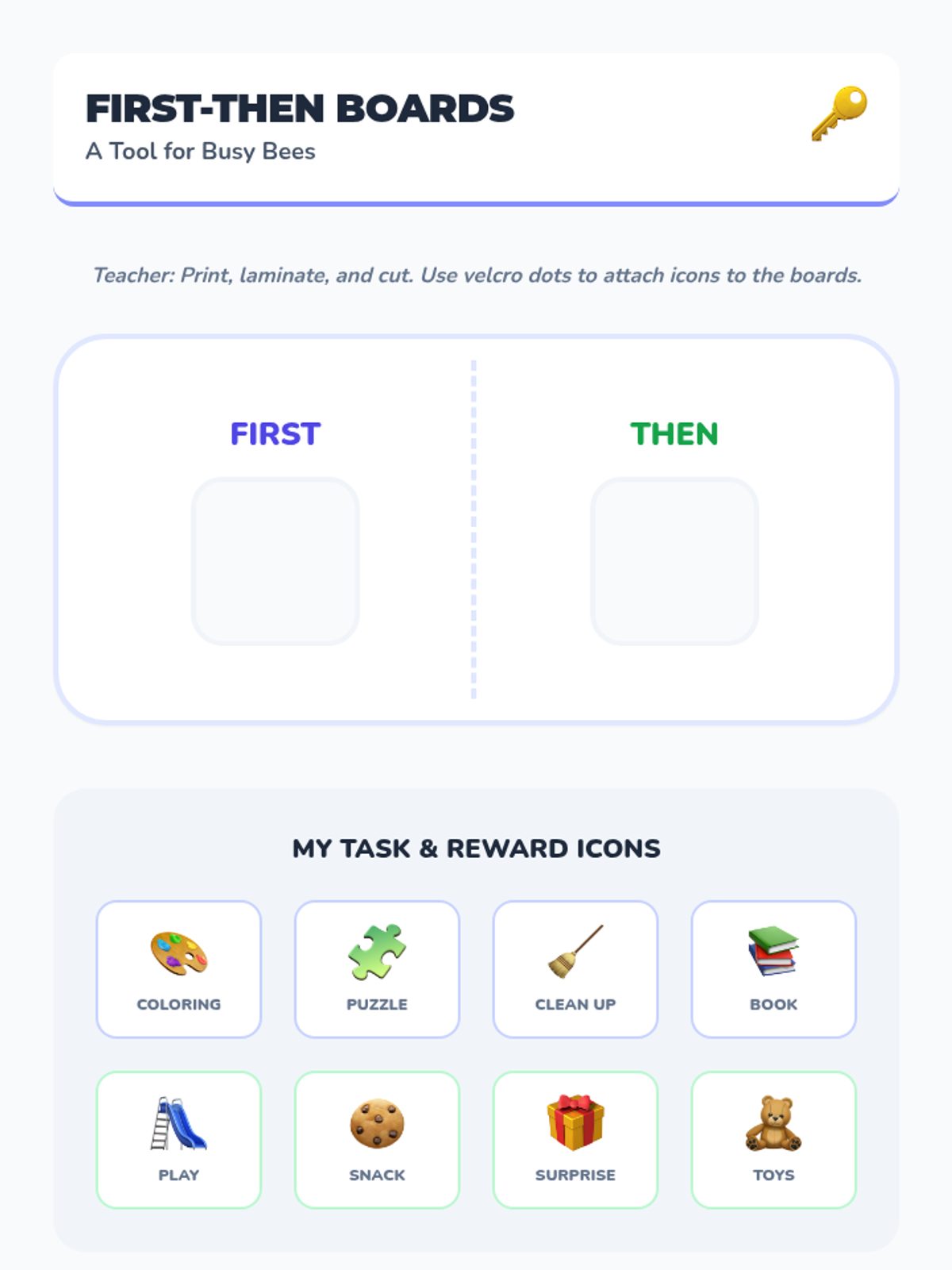
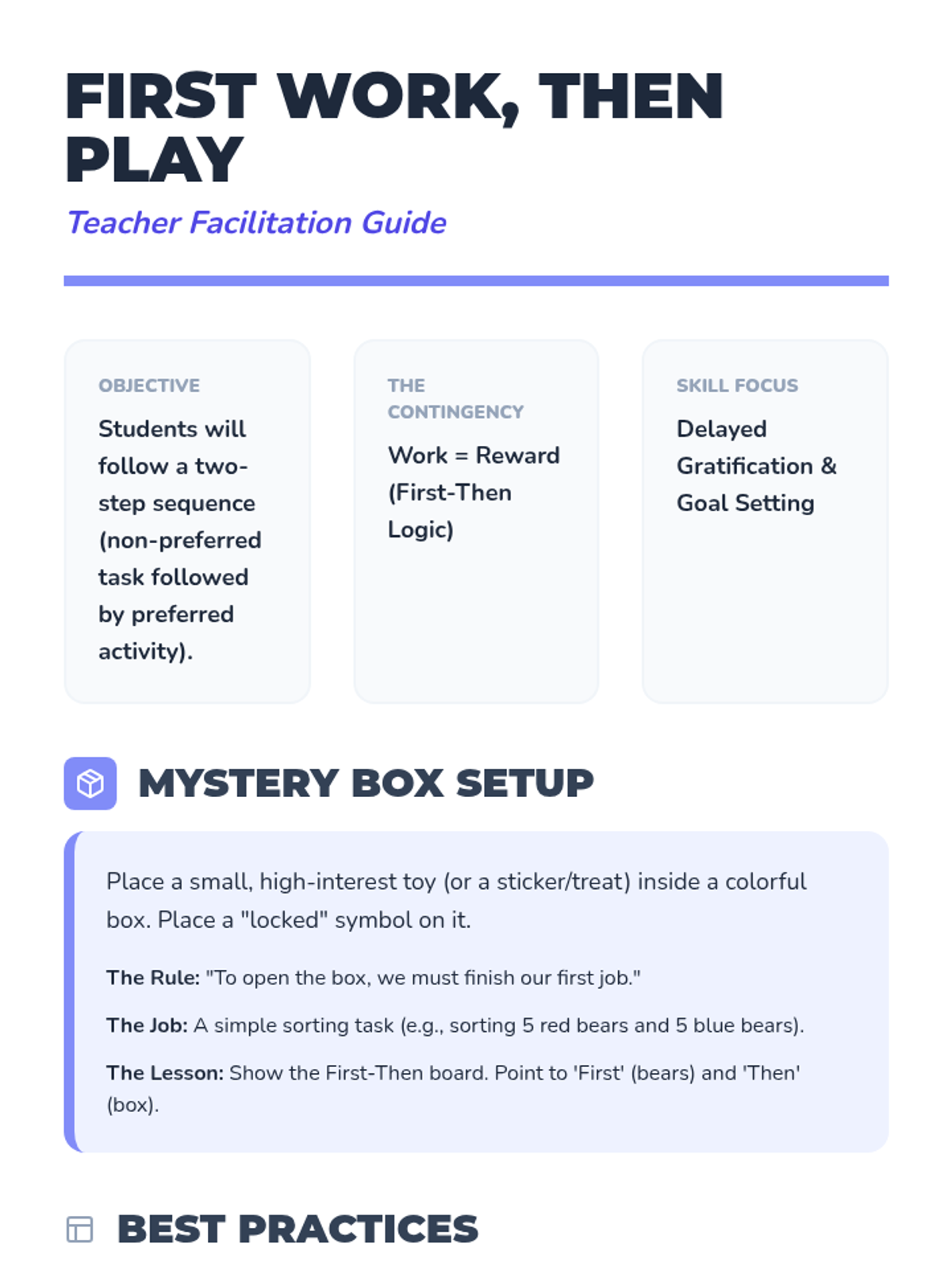
The lesson structures activities using 'First-Then' boards to teach the sequence of completing a requirement before accessing a reward. Students complete a short task to 'unlock' a preferred activity, reinforcing internal motivation.
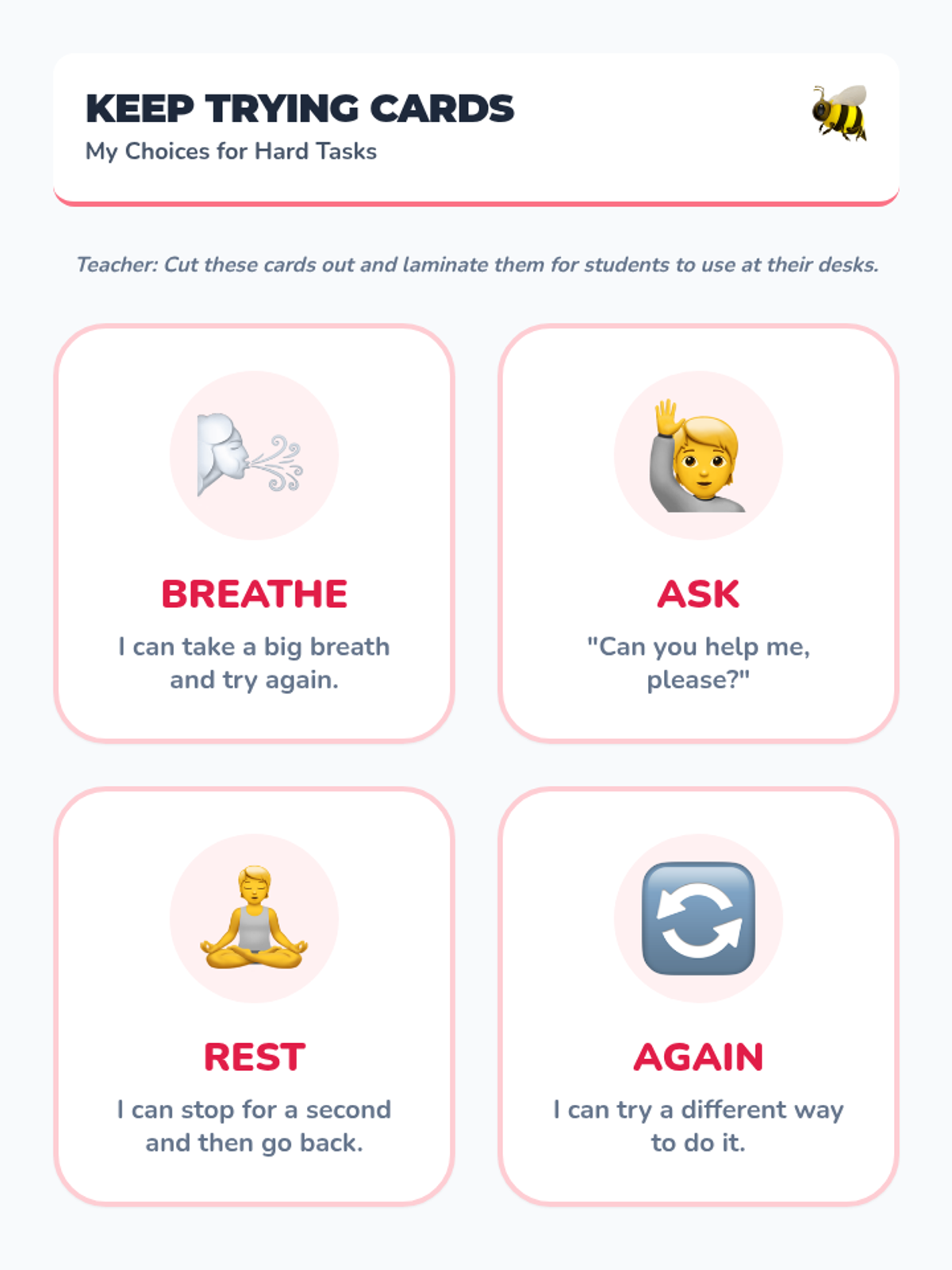
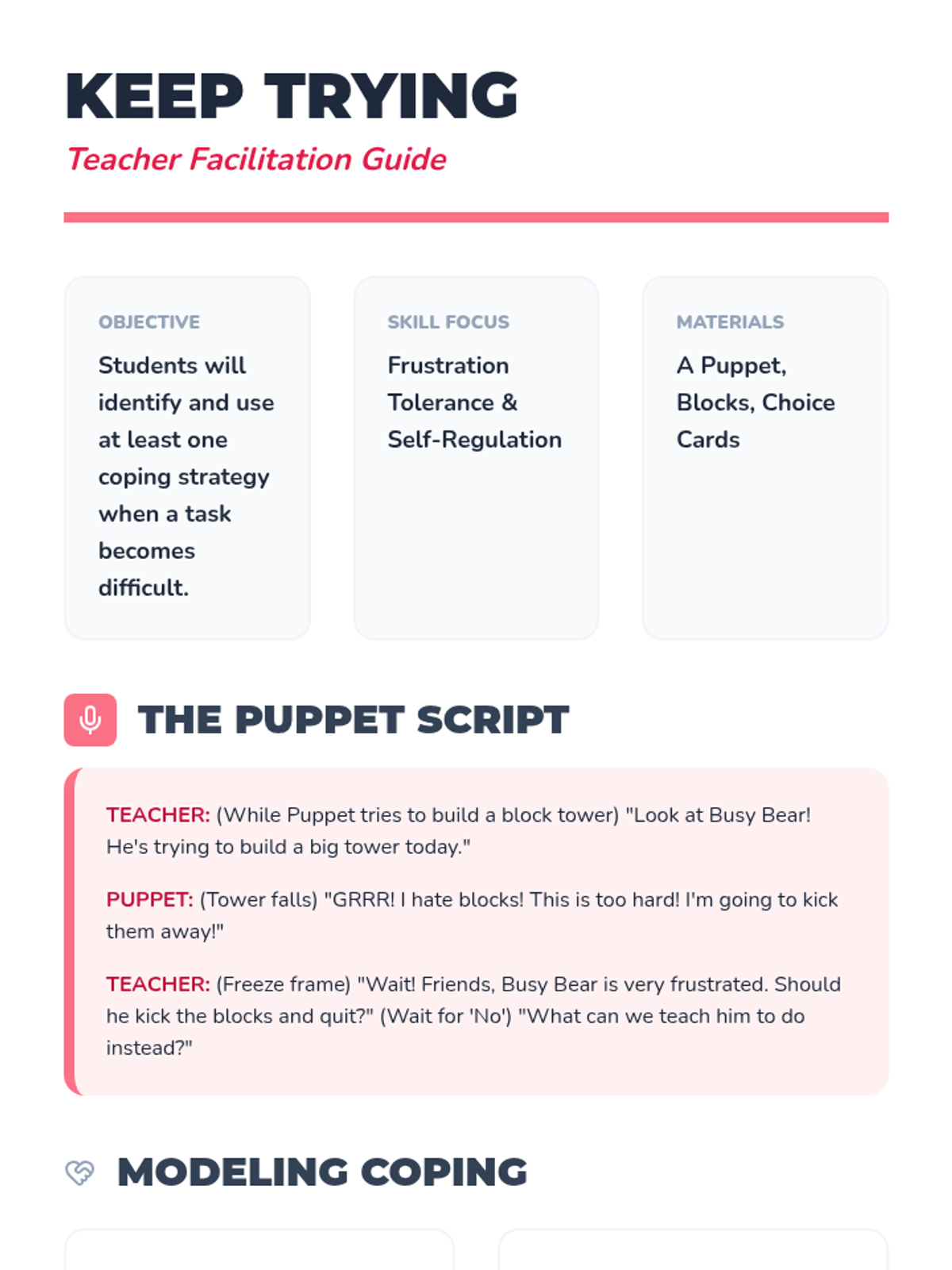
Students learn specific communication scripts and physical regulation techniques to use when a task gets hard. Through role-playing with puppets, the class practices asking for help or taking a break instead of quitting.
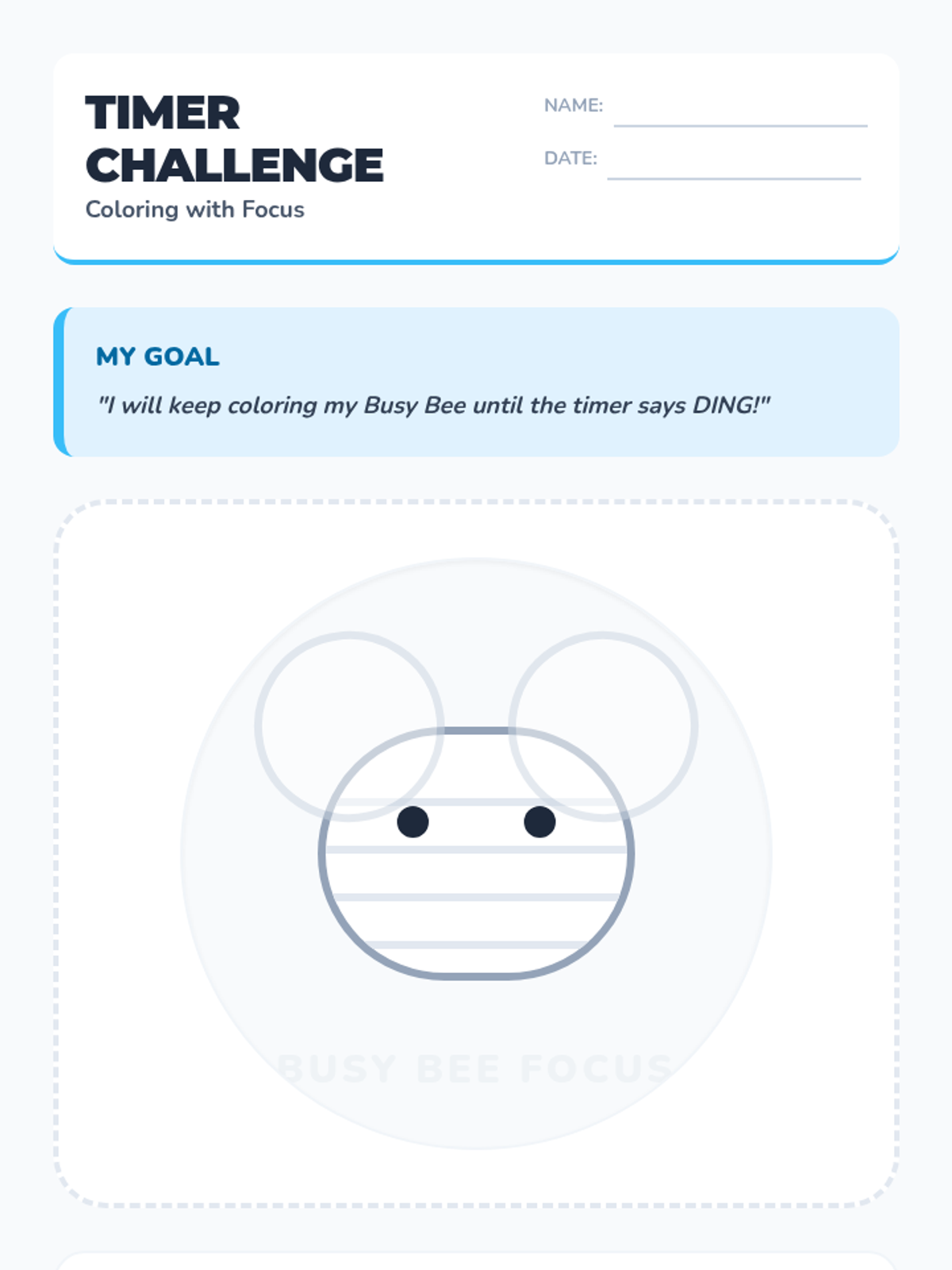
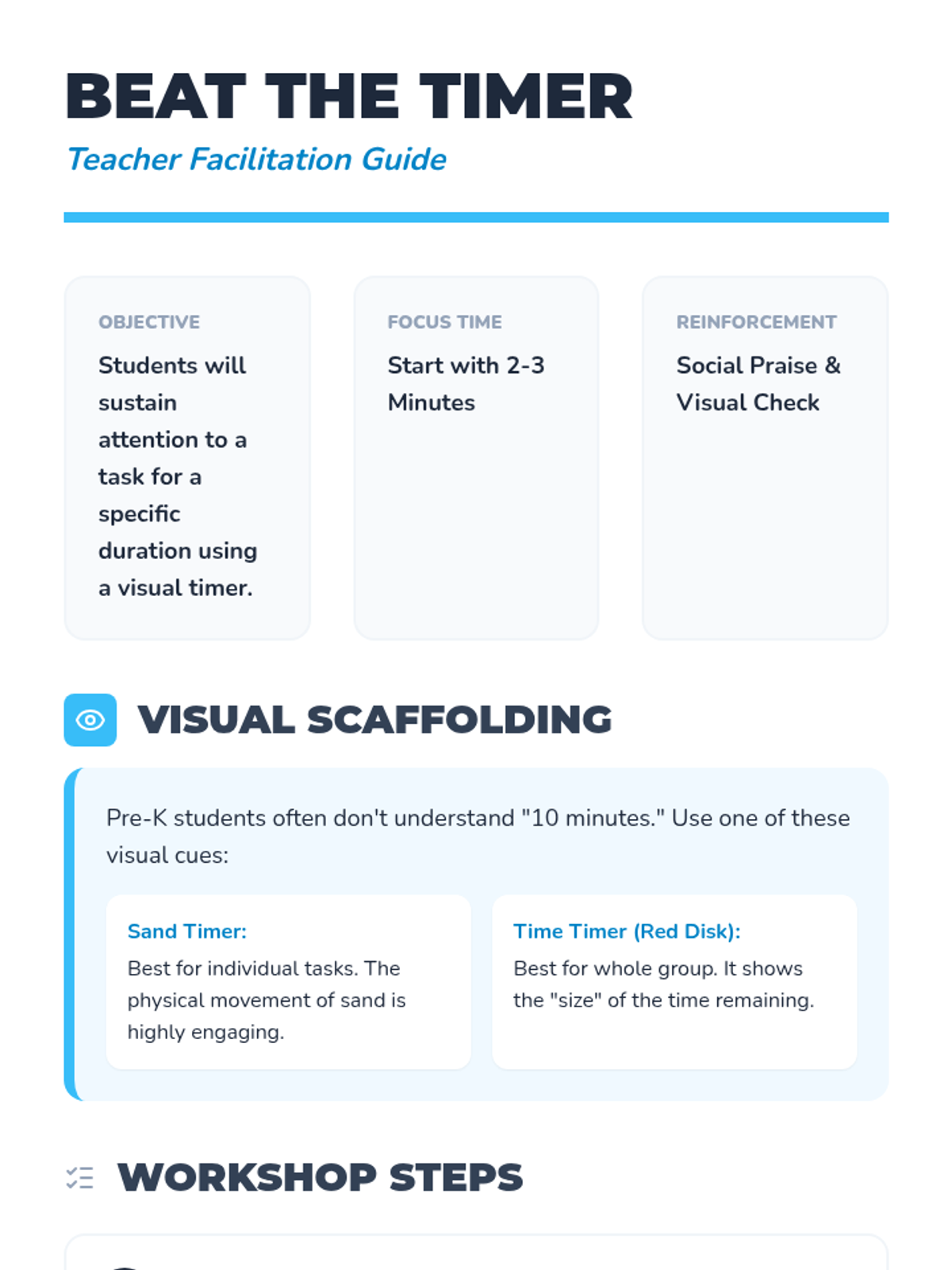
This lesson introduces visual timers as tools to help students visualize the passage of time during work periods. Students engage in a high-interest task that must continue until the timer ends, teaching them to pace their effort.
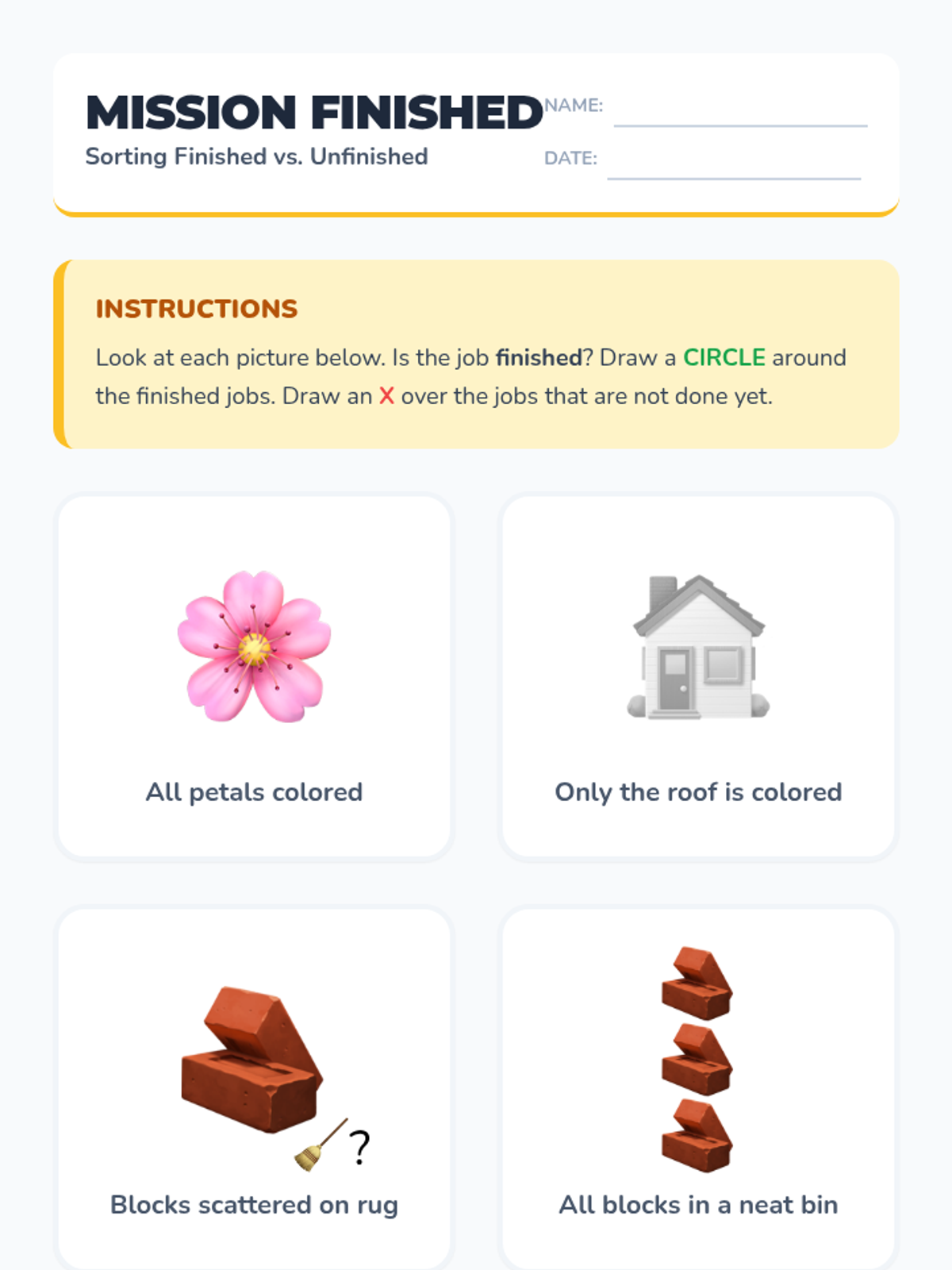
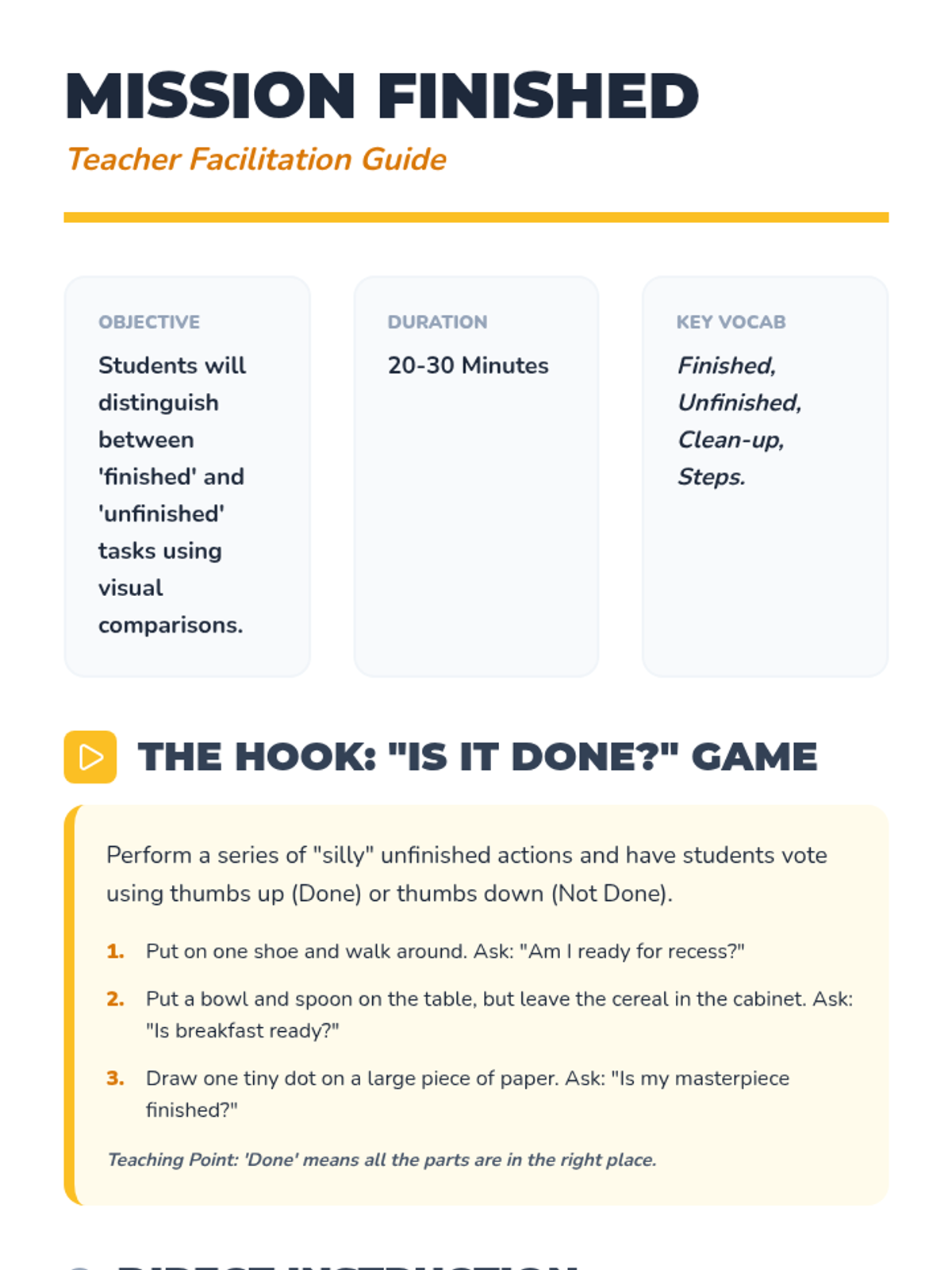
Students participate in a sorting activity to distinguish between 'finished' and 'unfinished' work using concrete visual examples. This lesson establishes the baseline expectation for quality and completion through the 'Is It Done?' game.
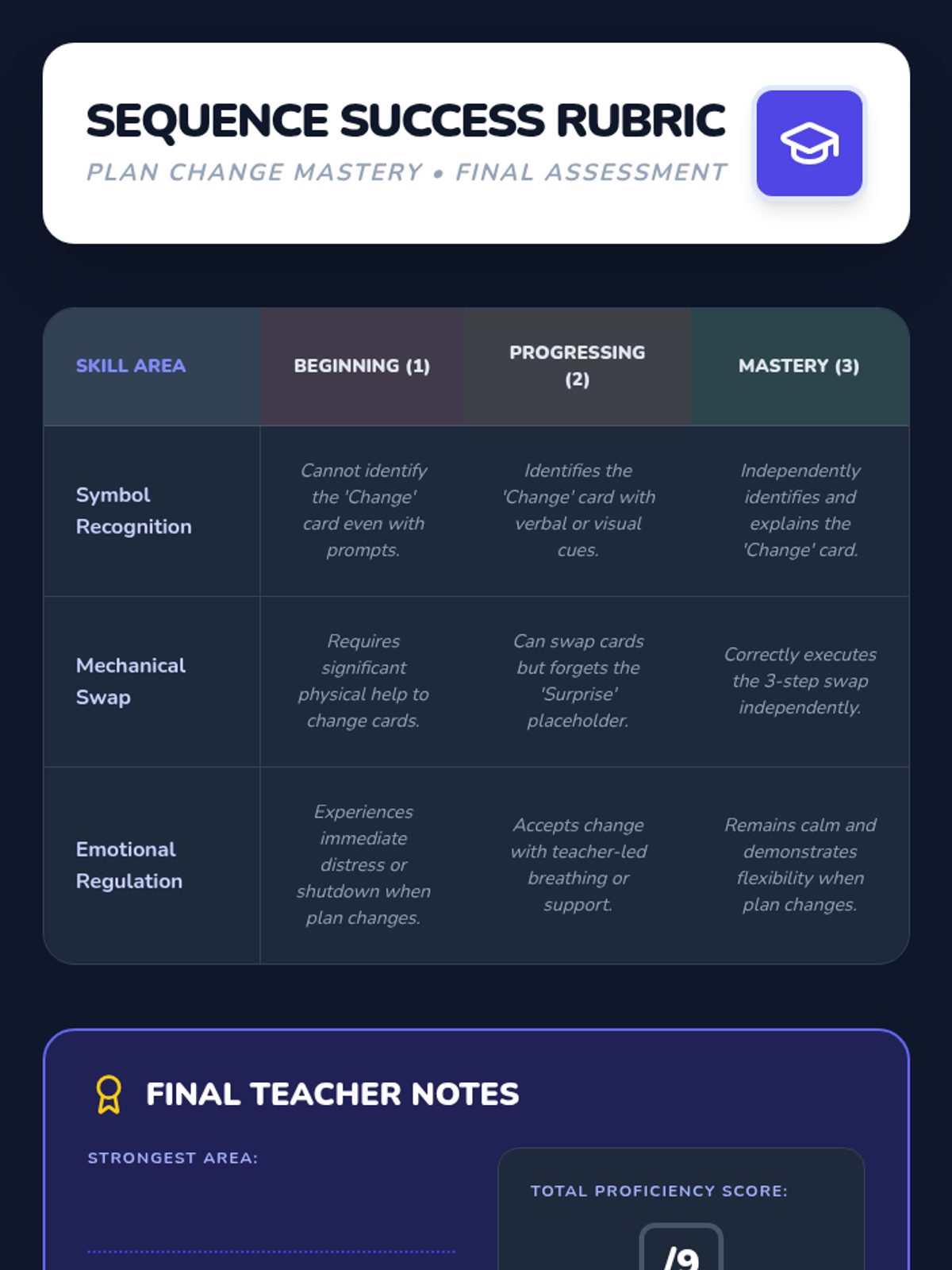
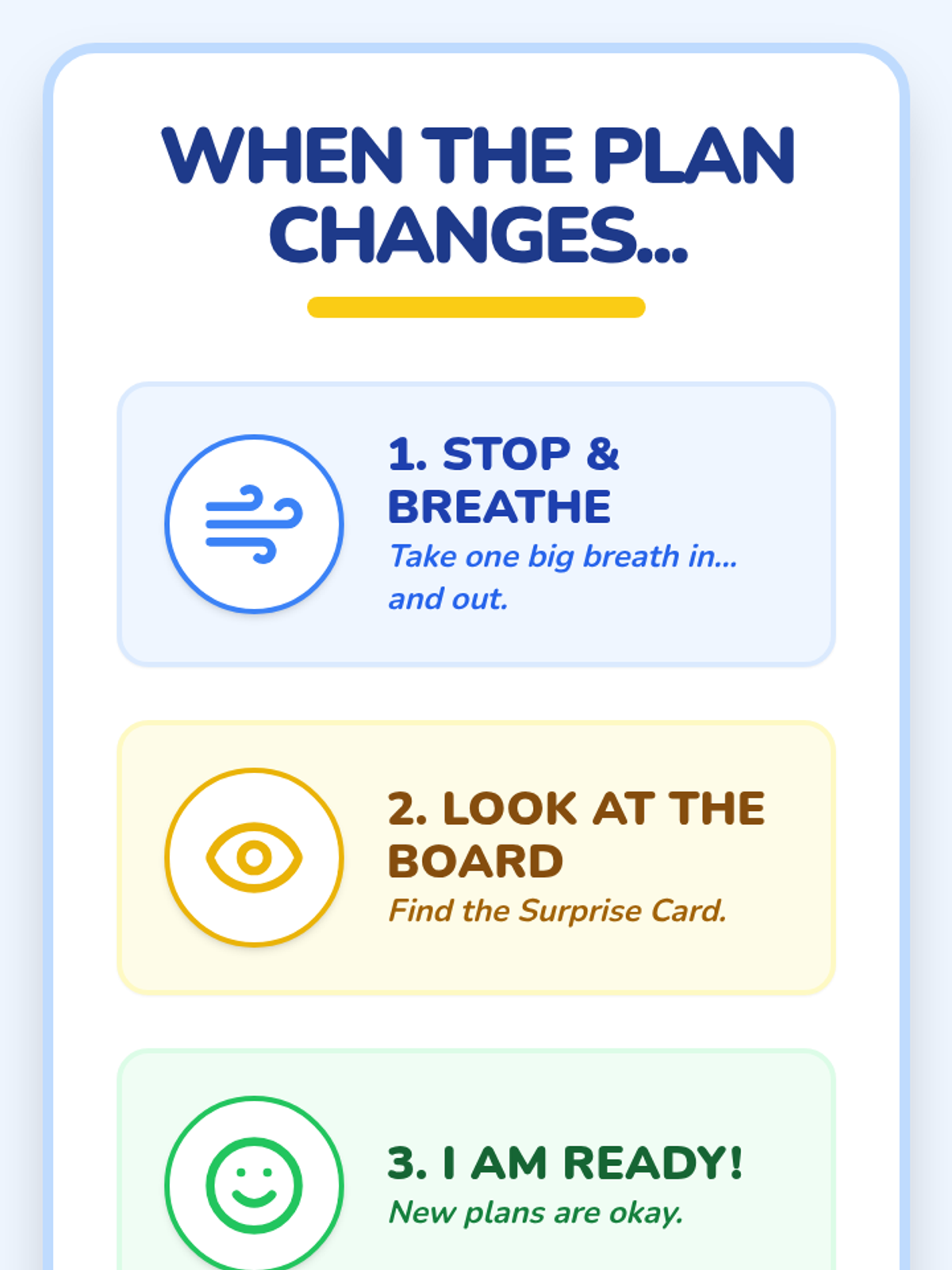
The class practices 're-reading' the schedule after a change and chorally verifies the new sequence to ensure everyone understands the new expectation.
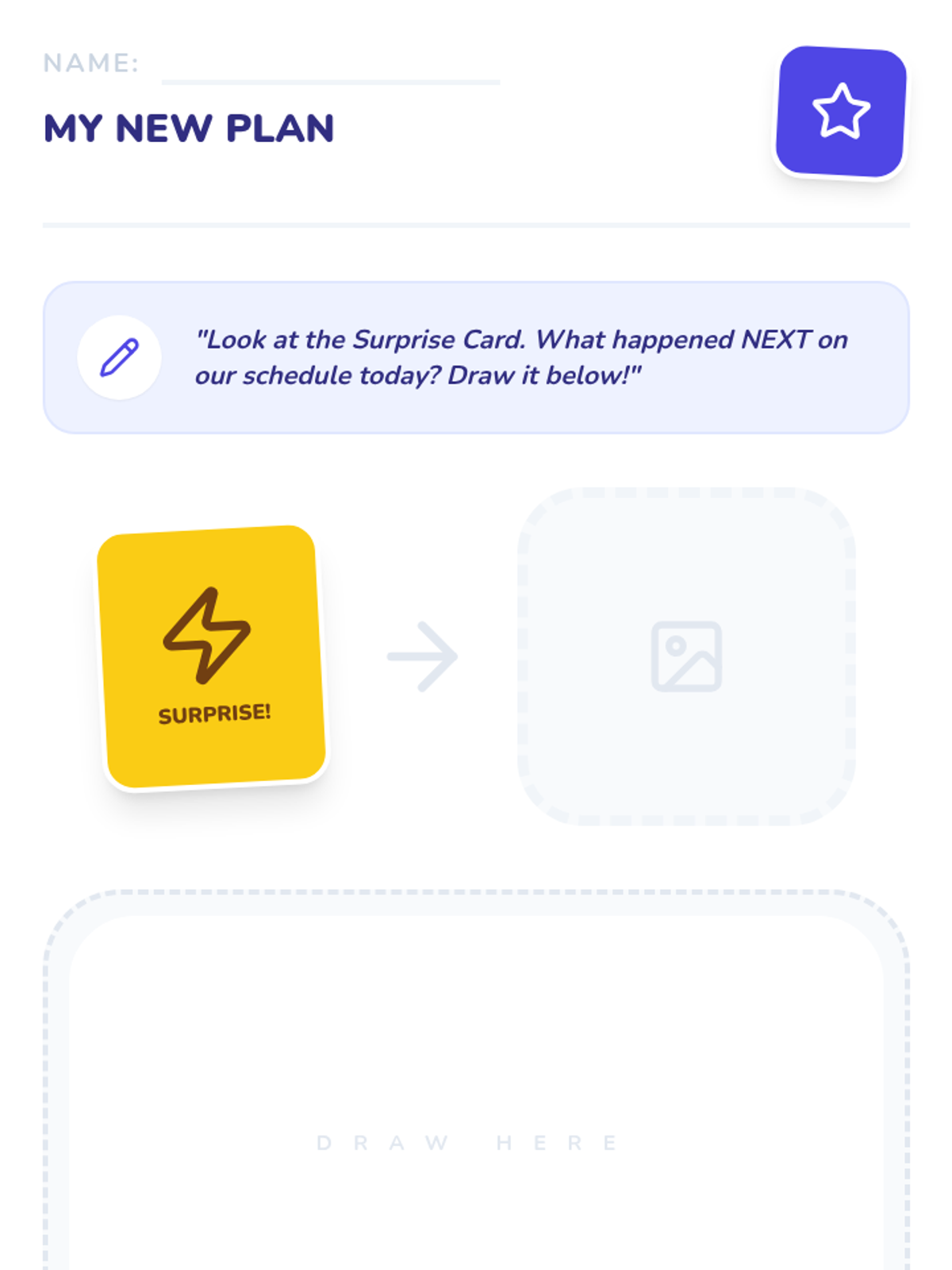
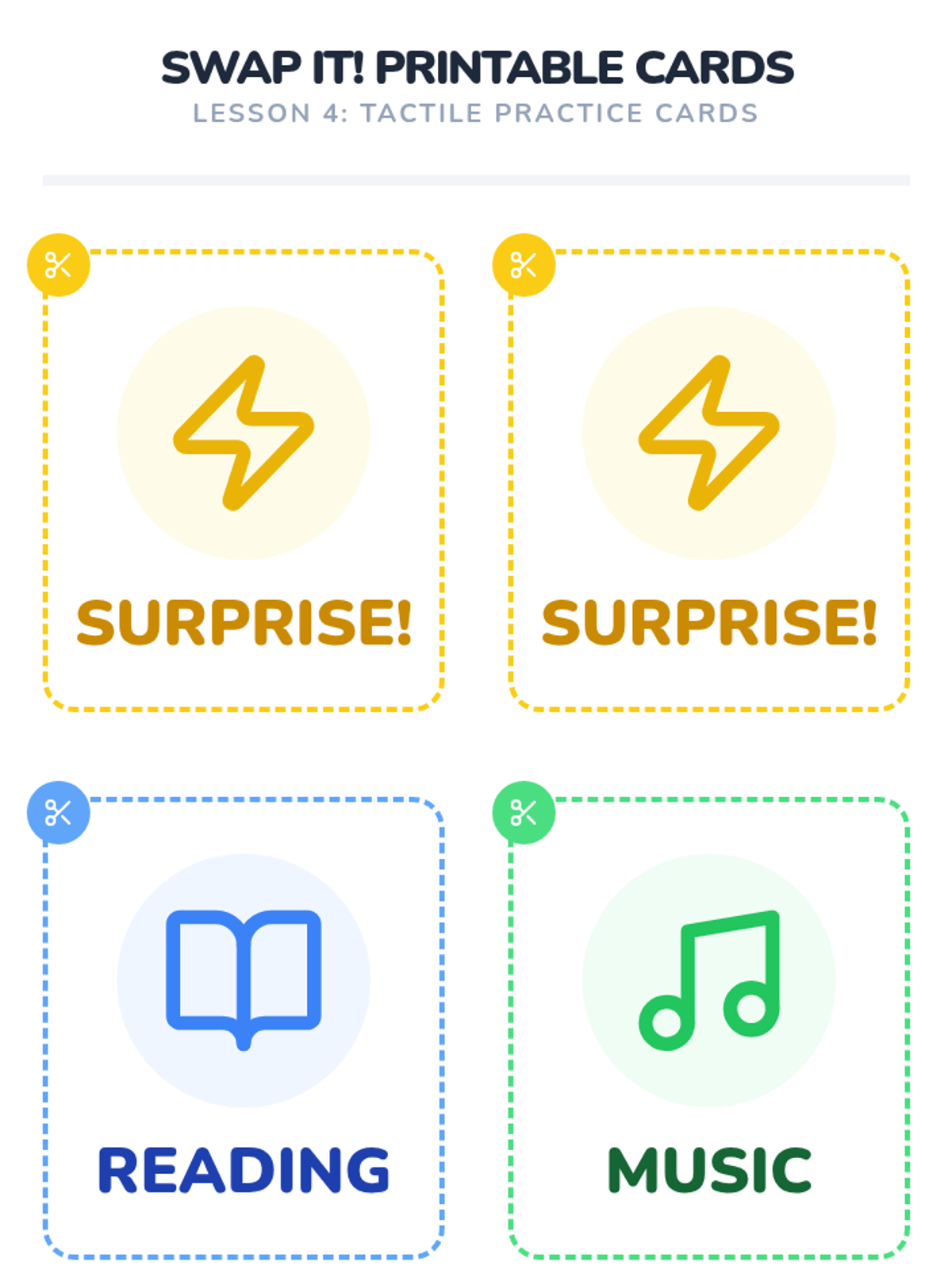
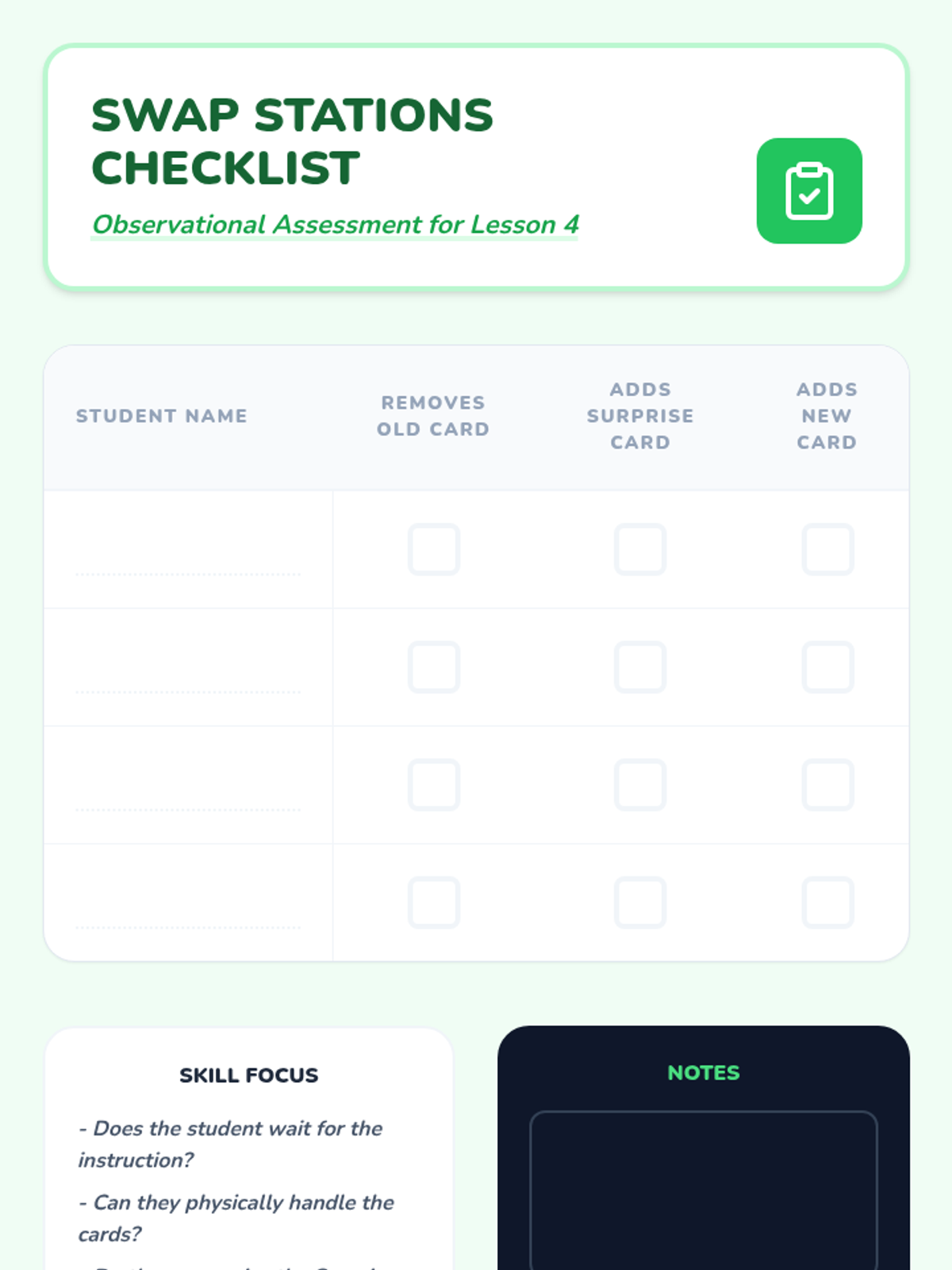
Students take turns physically removing planned activity cards and replacing them with change cards or new activities to reinforce the mechanic of flexibility.
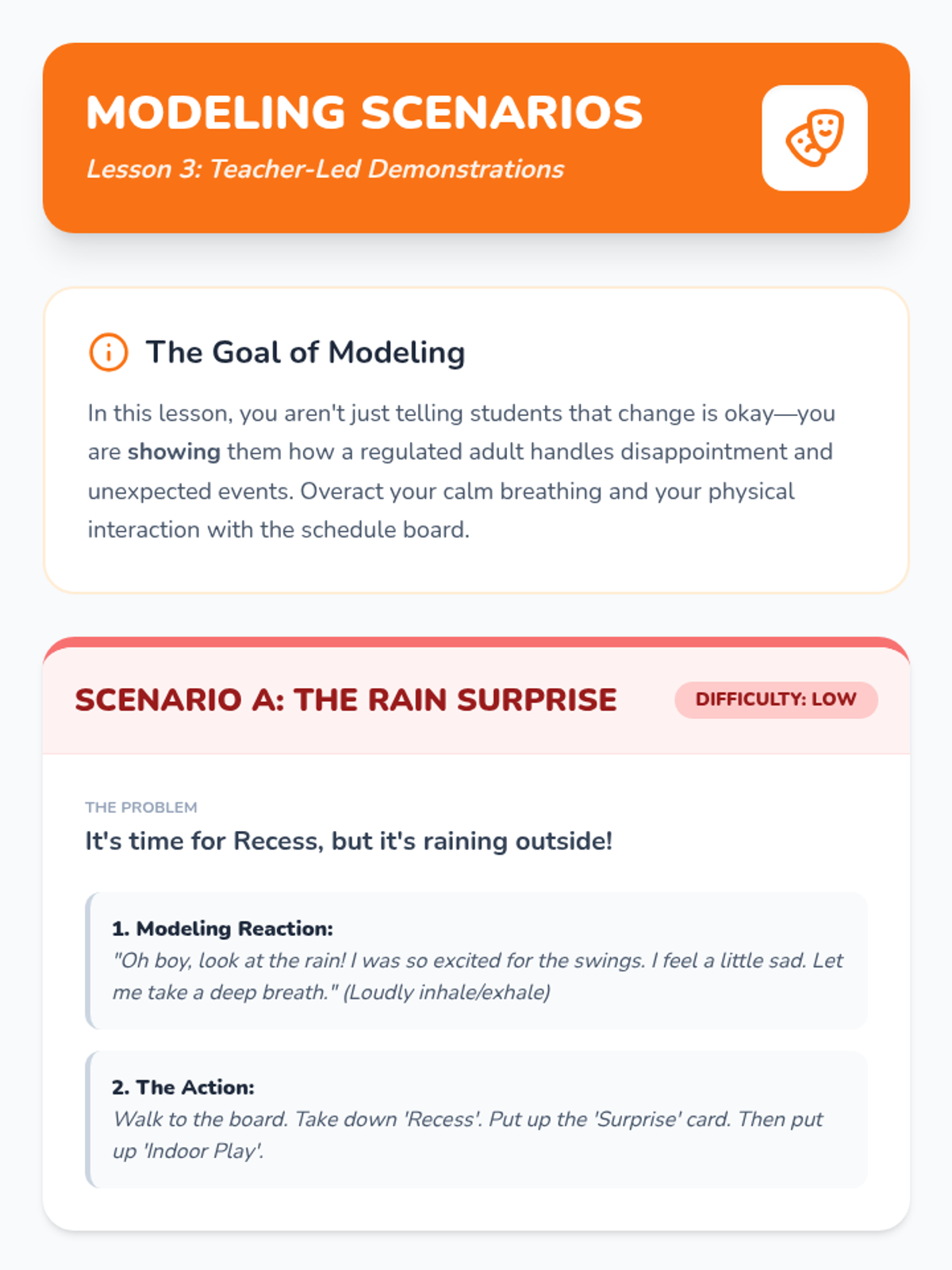
Students observe the teacher modeling a calm reaction to a schedule change and see the physical act of updating the schedule board.
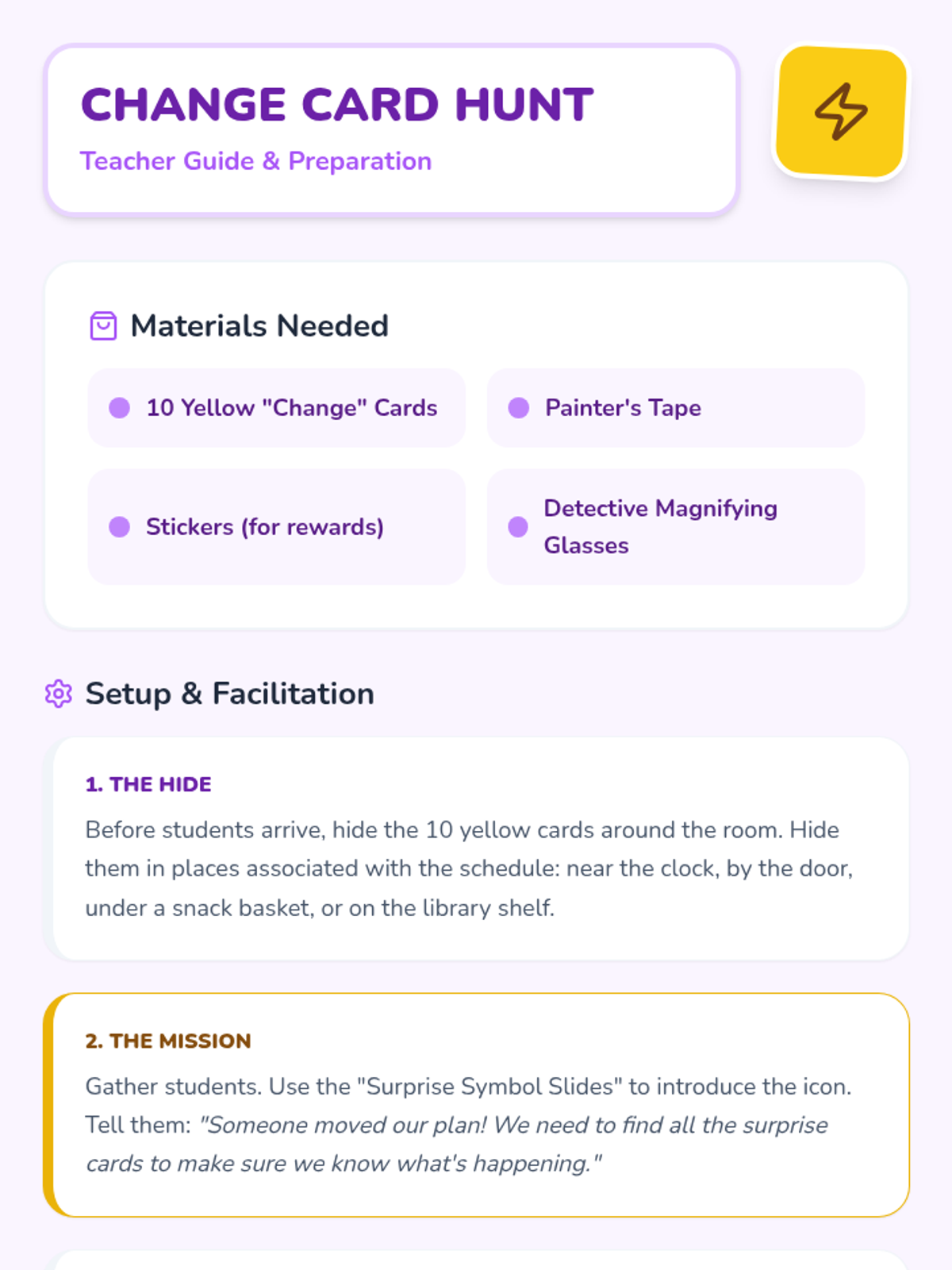
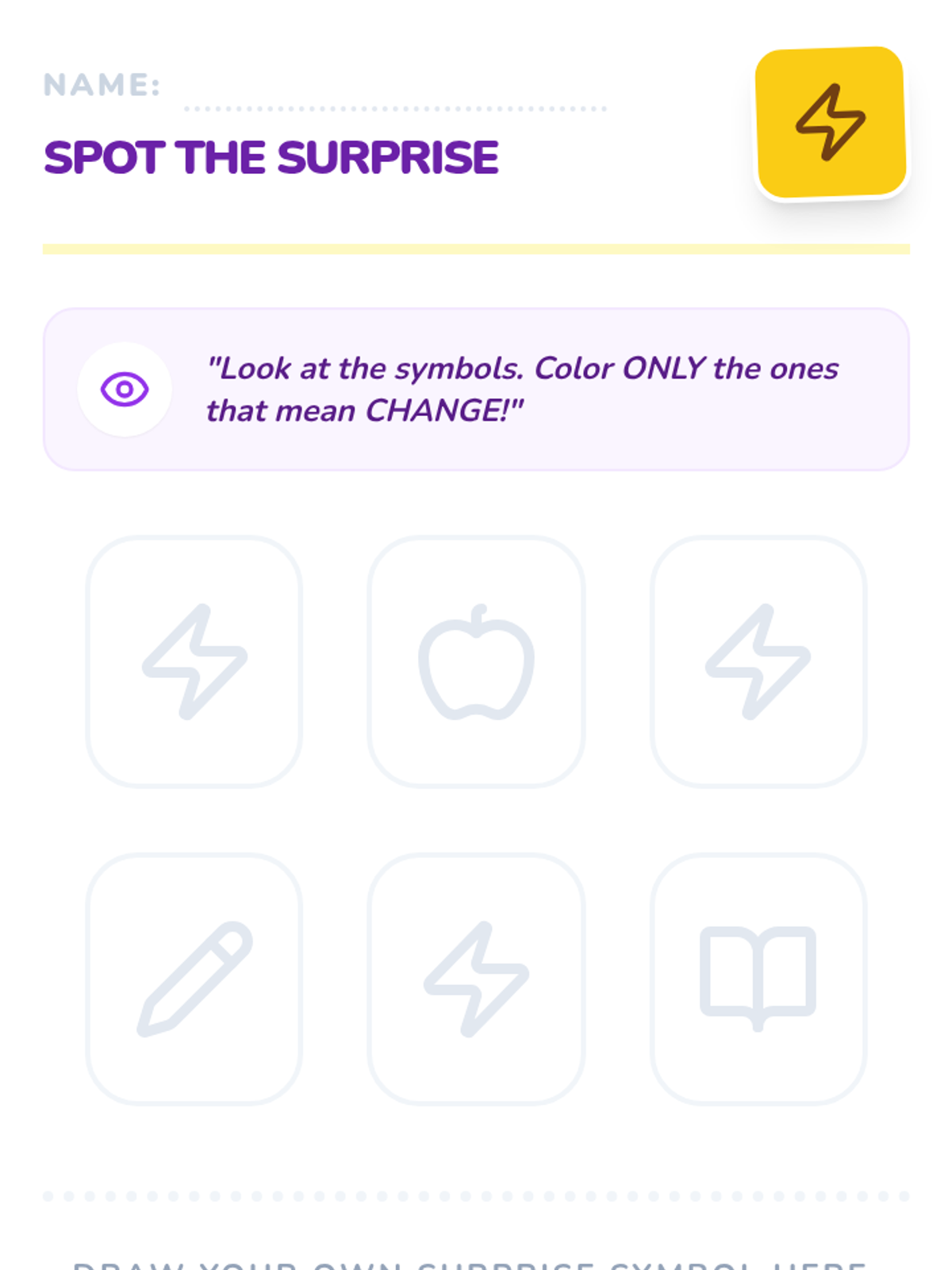
The teacher introduces a specific visual cue for change, and students practice spotting this symbol to learn that it means something different is happening.
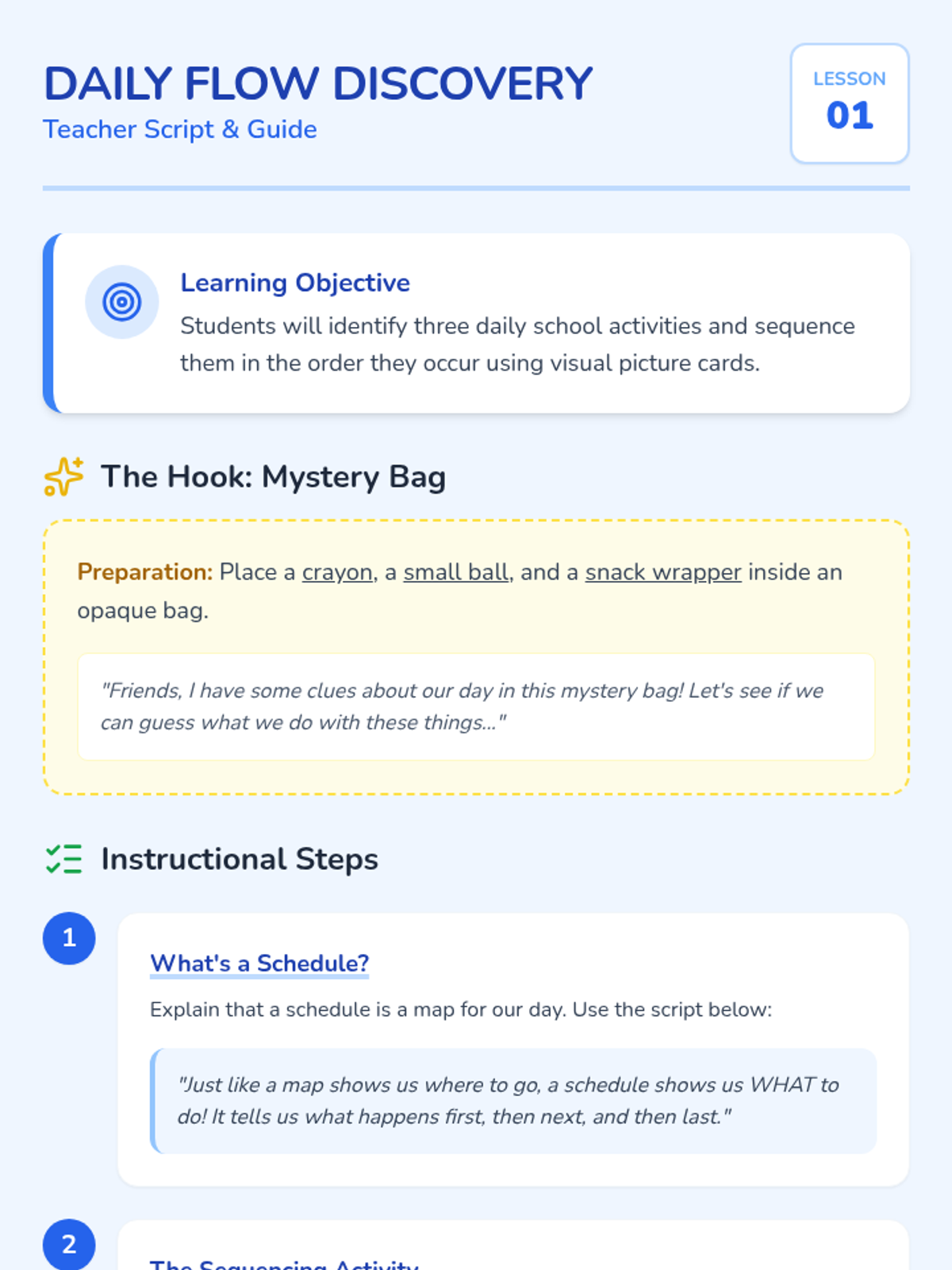
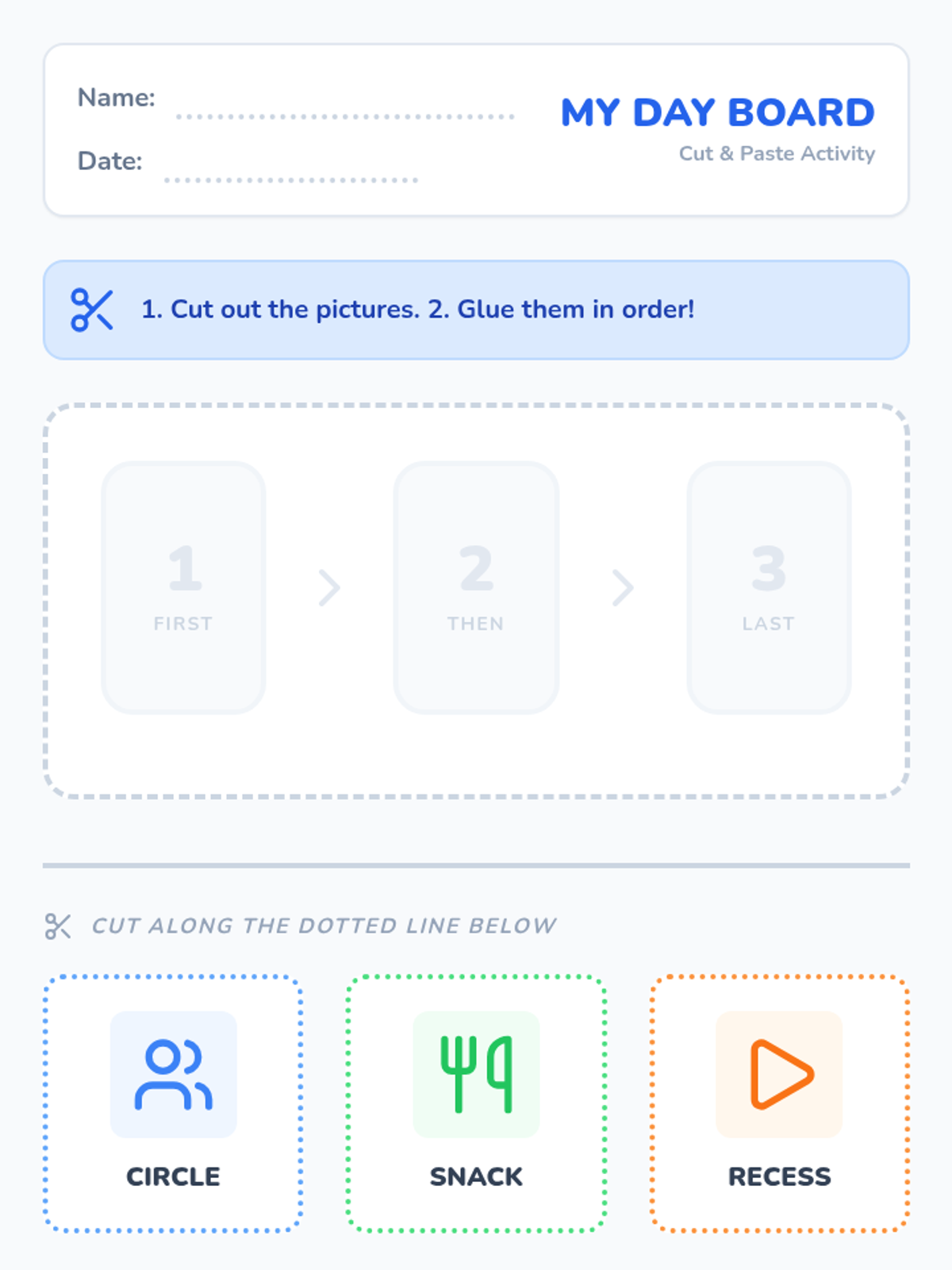
Students explore the concept of a daily timeline using picture cards and practice sequencing three simple activities to understand linear progression.
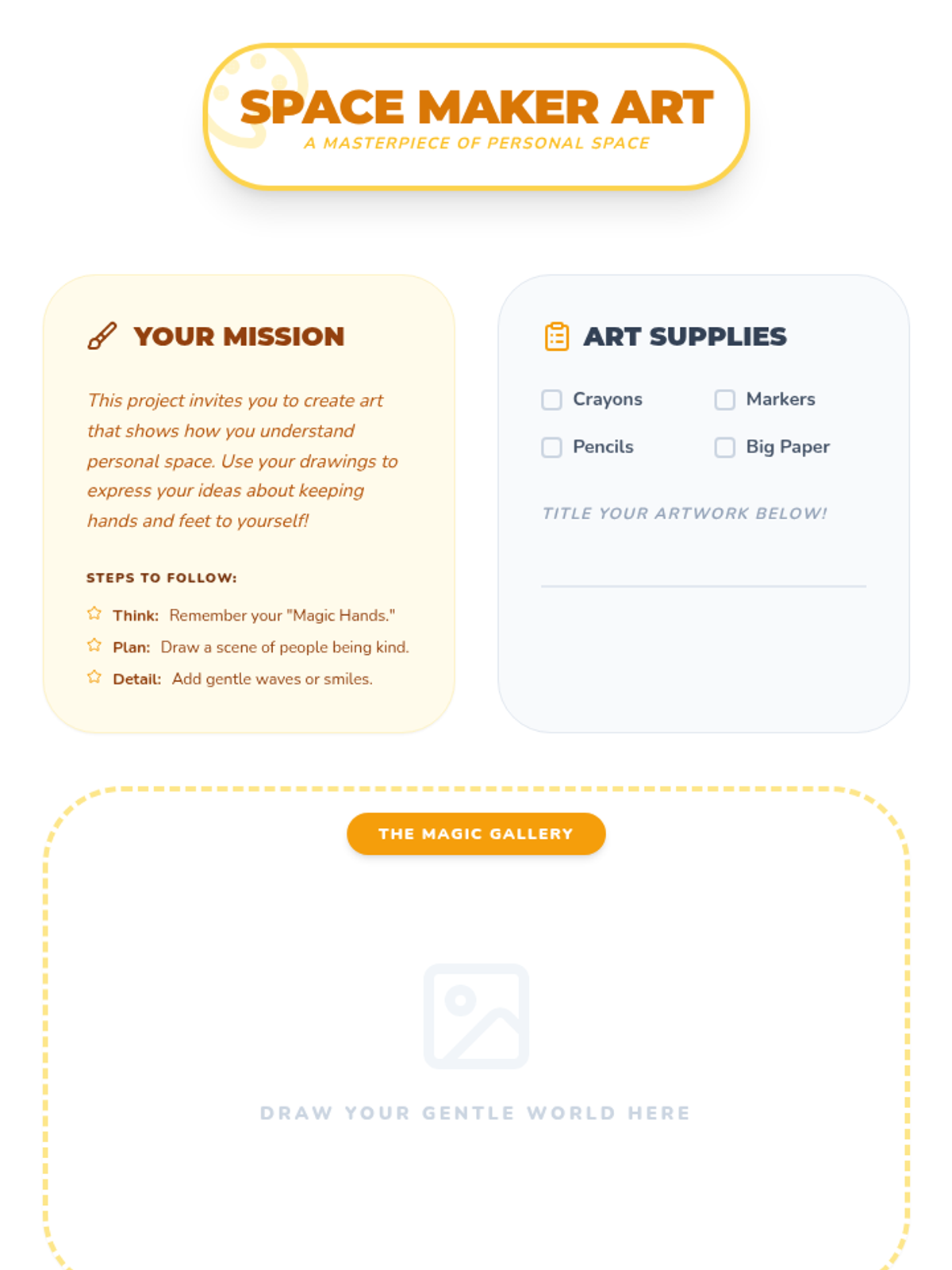
Expressing the concept of personal space through a creative art project.
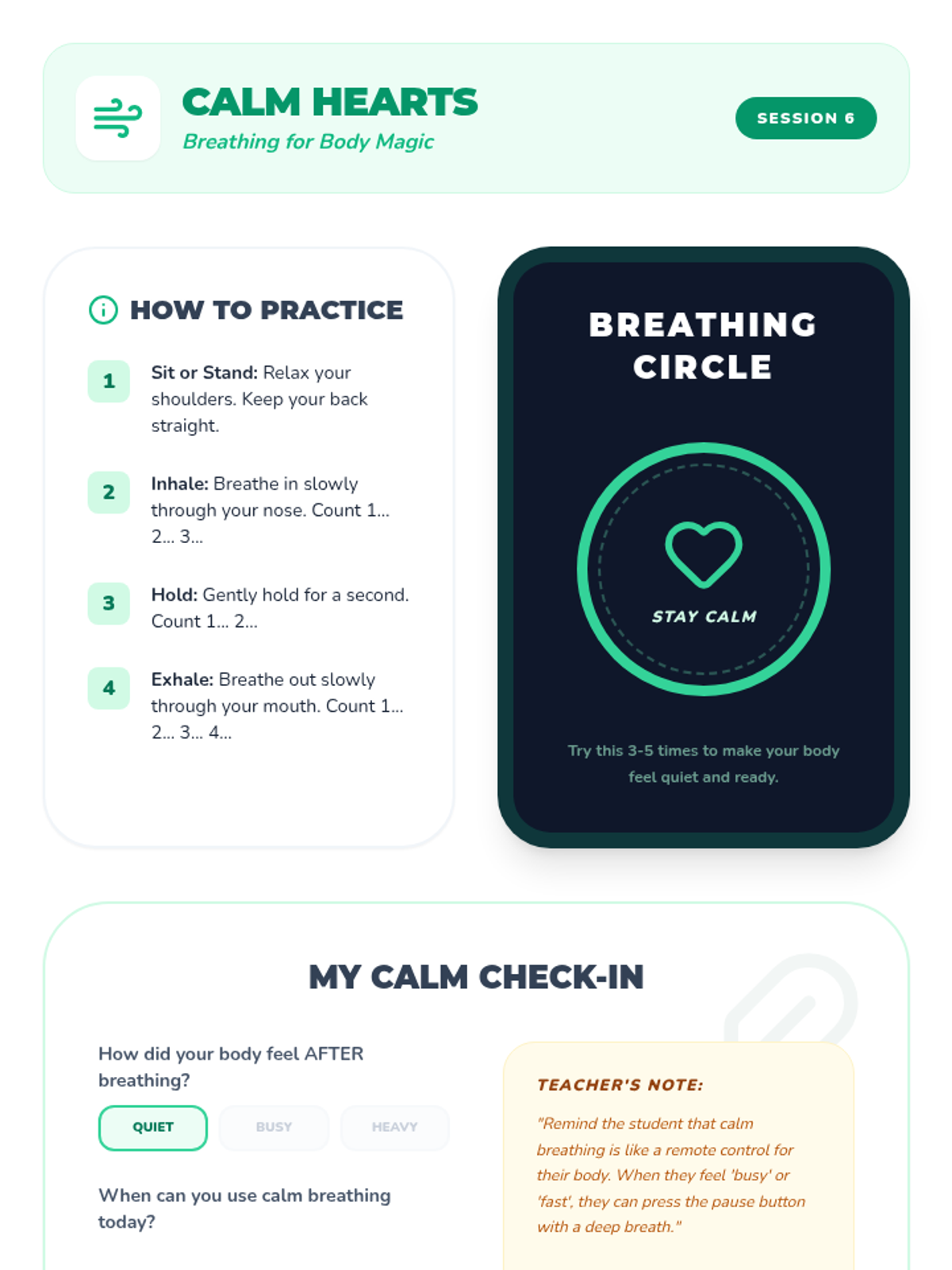
Linking feelings to physical actions and practicing calm breathing.
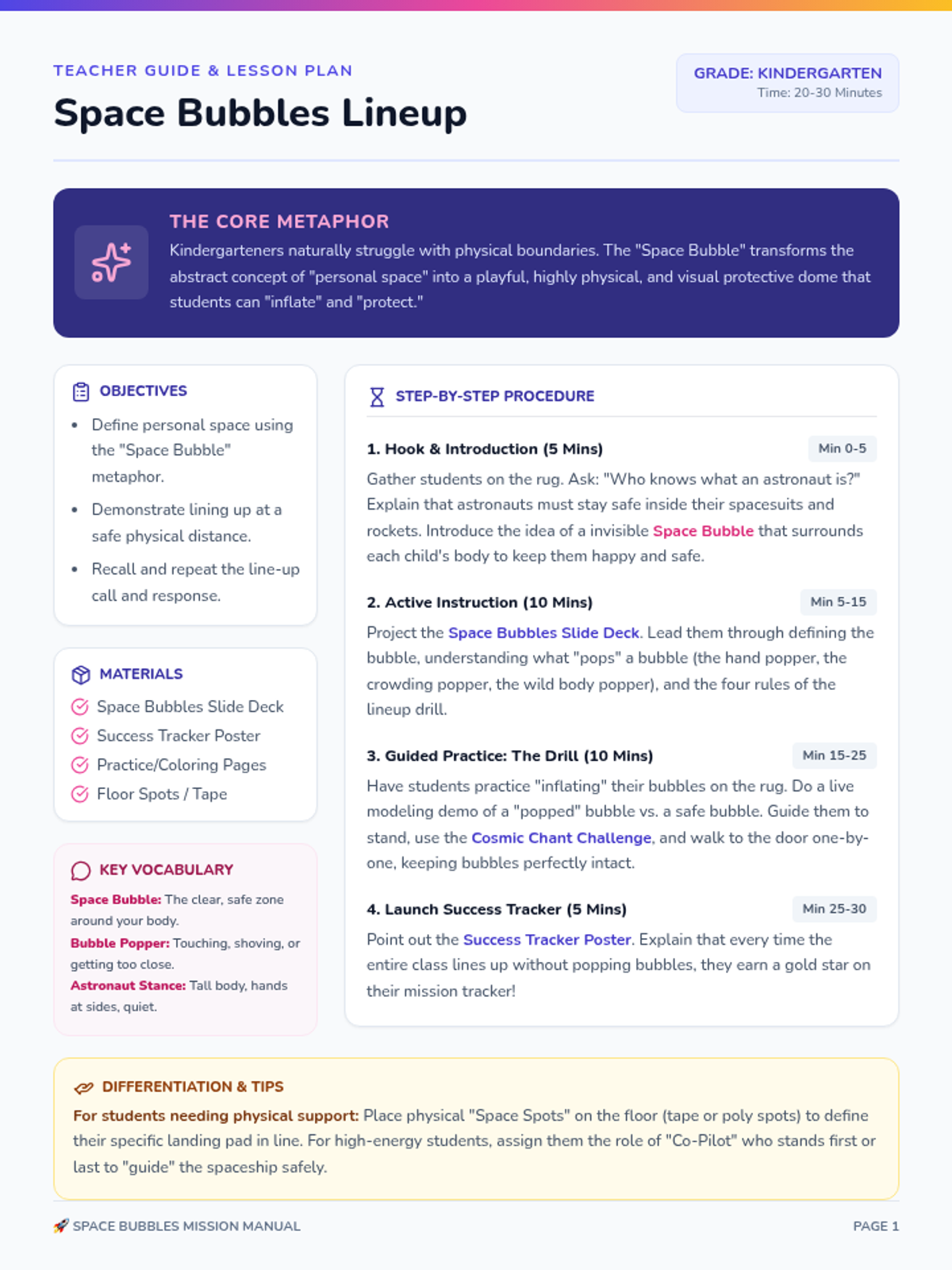
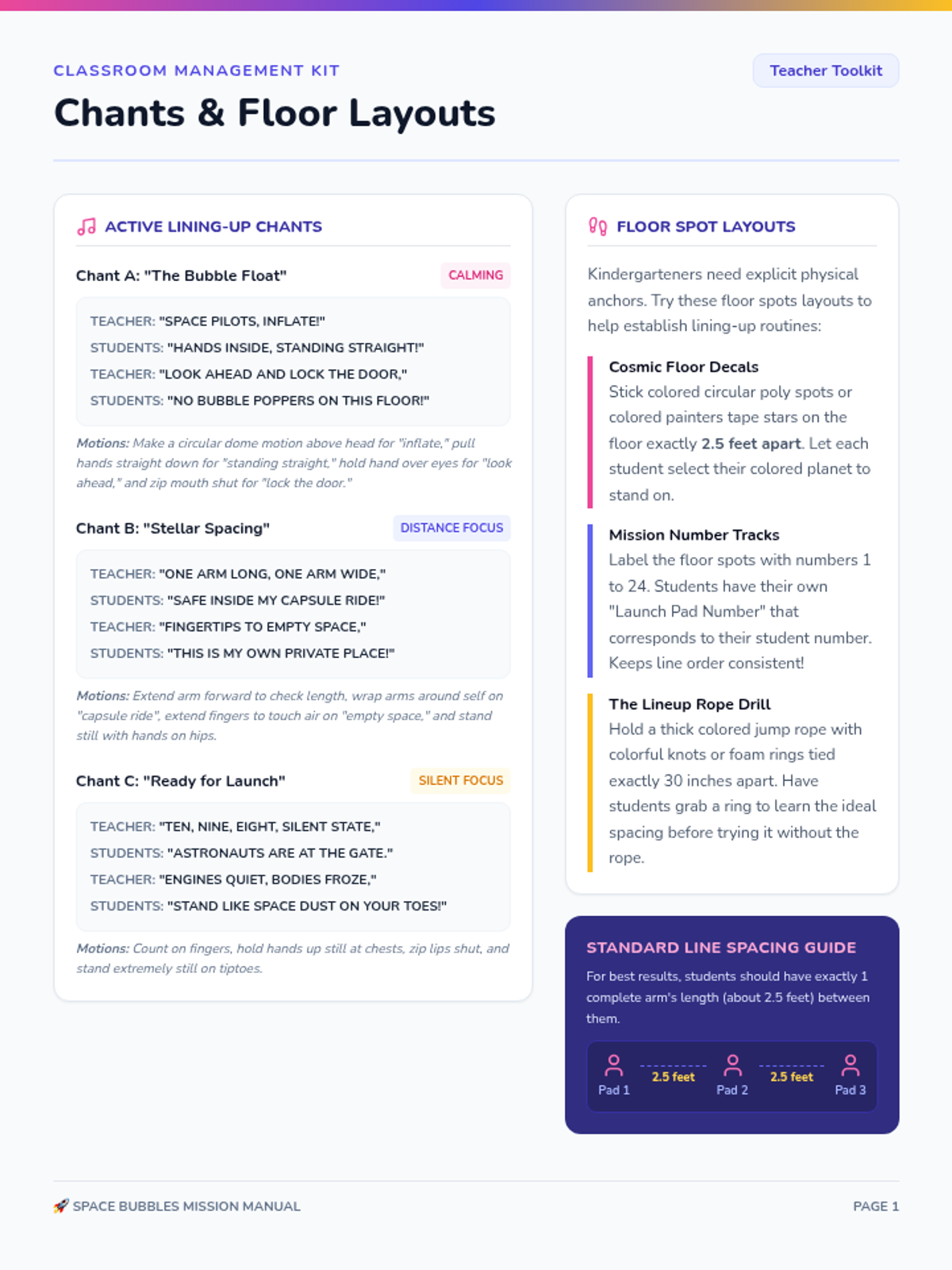
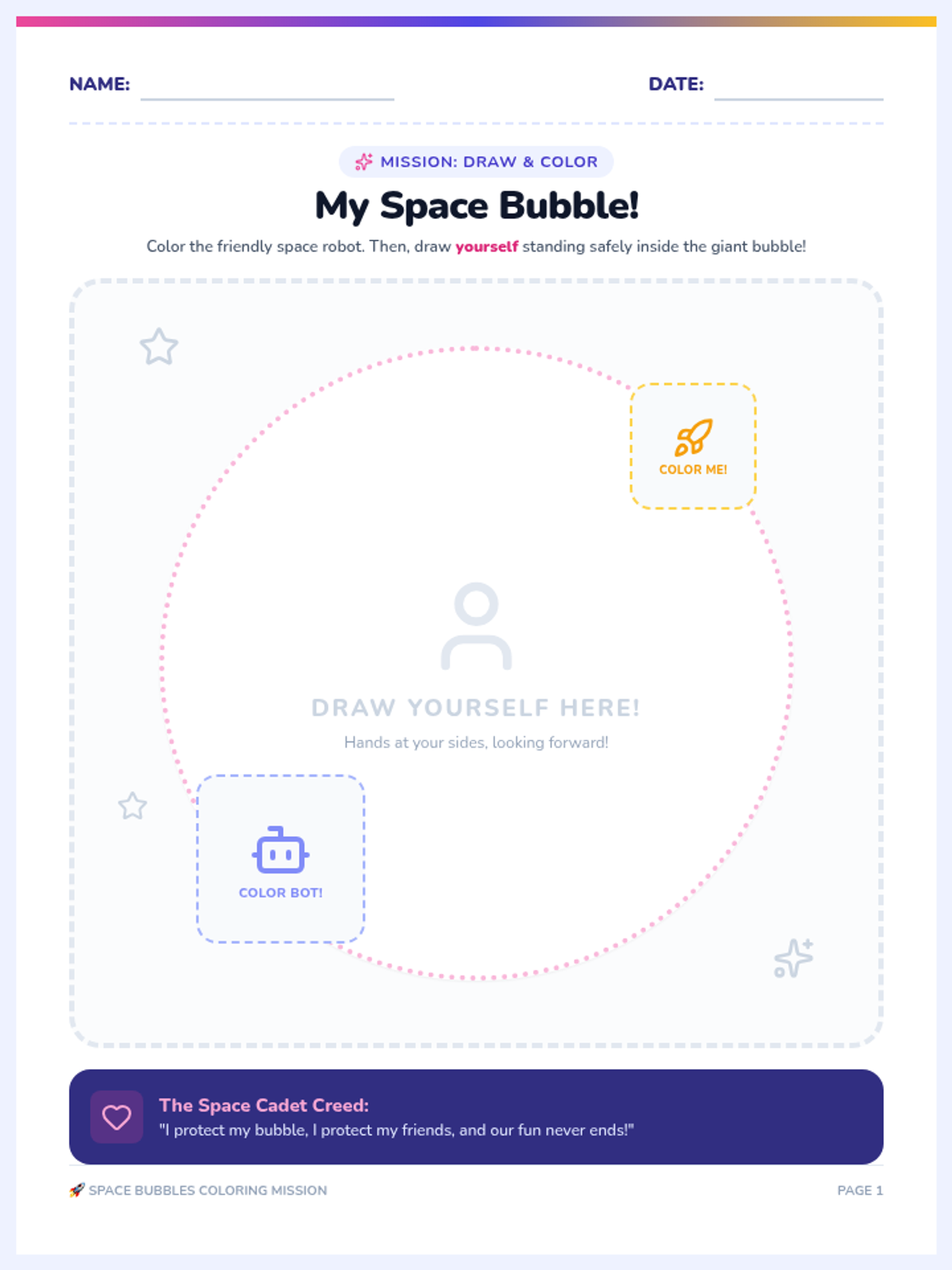
A comprehensive kindergarten classroom management lesson that uses the fun metaphor of space bubbles to teach students how to line up, respect personal space, keep hands to themselves, and maintain physical distance.
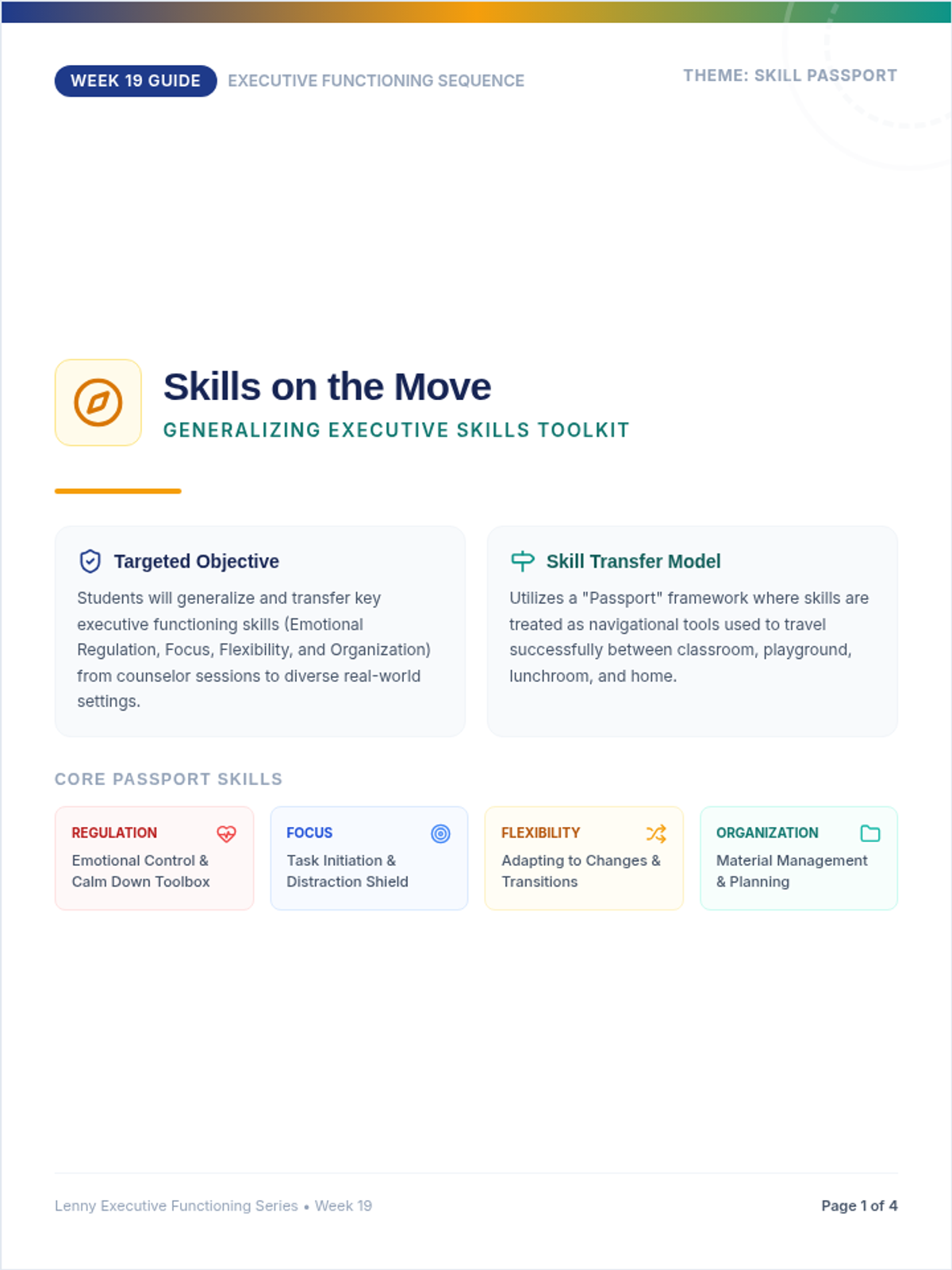
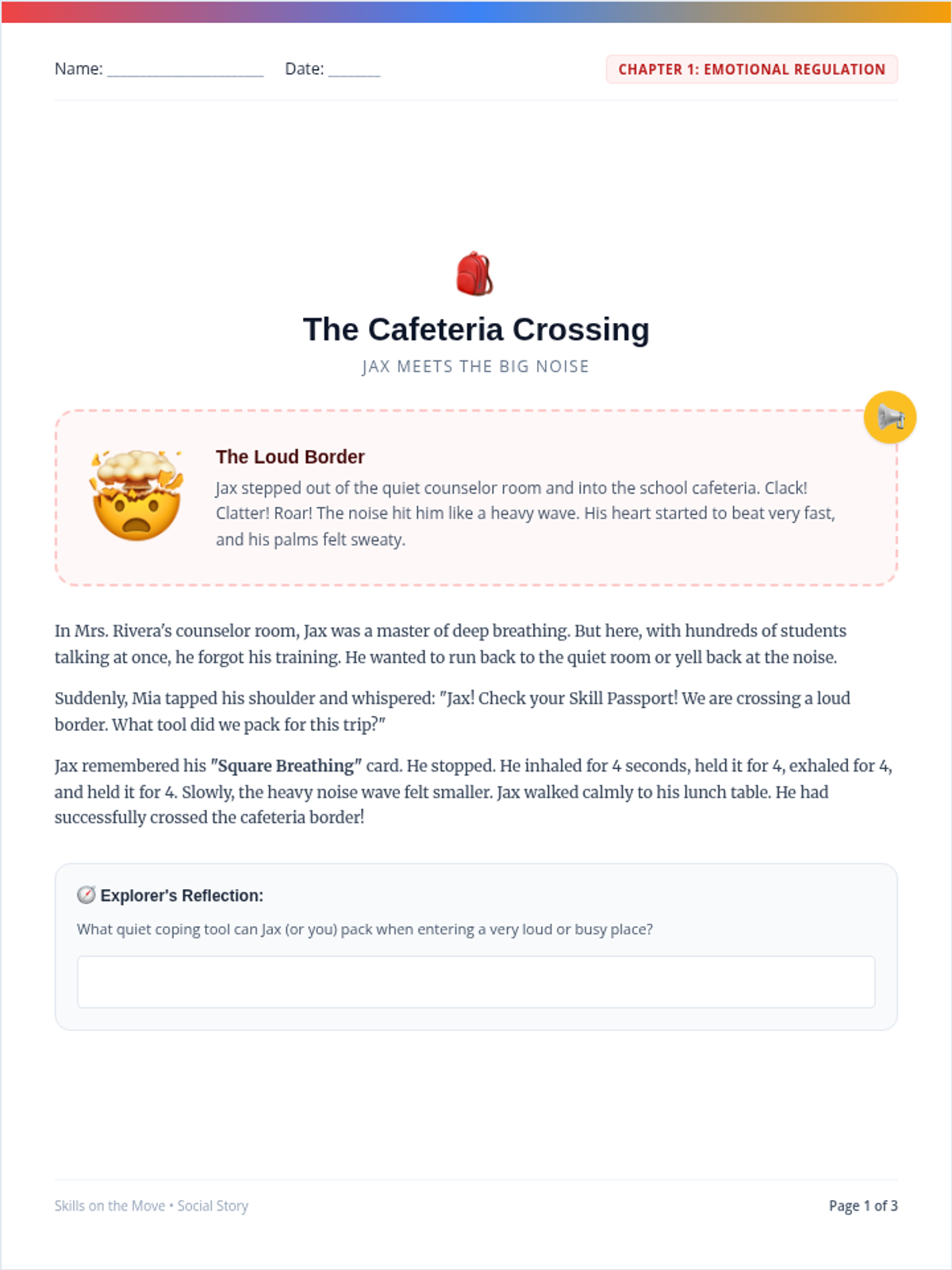
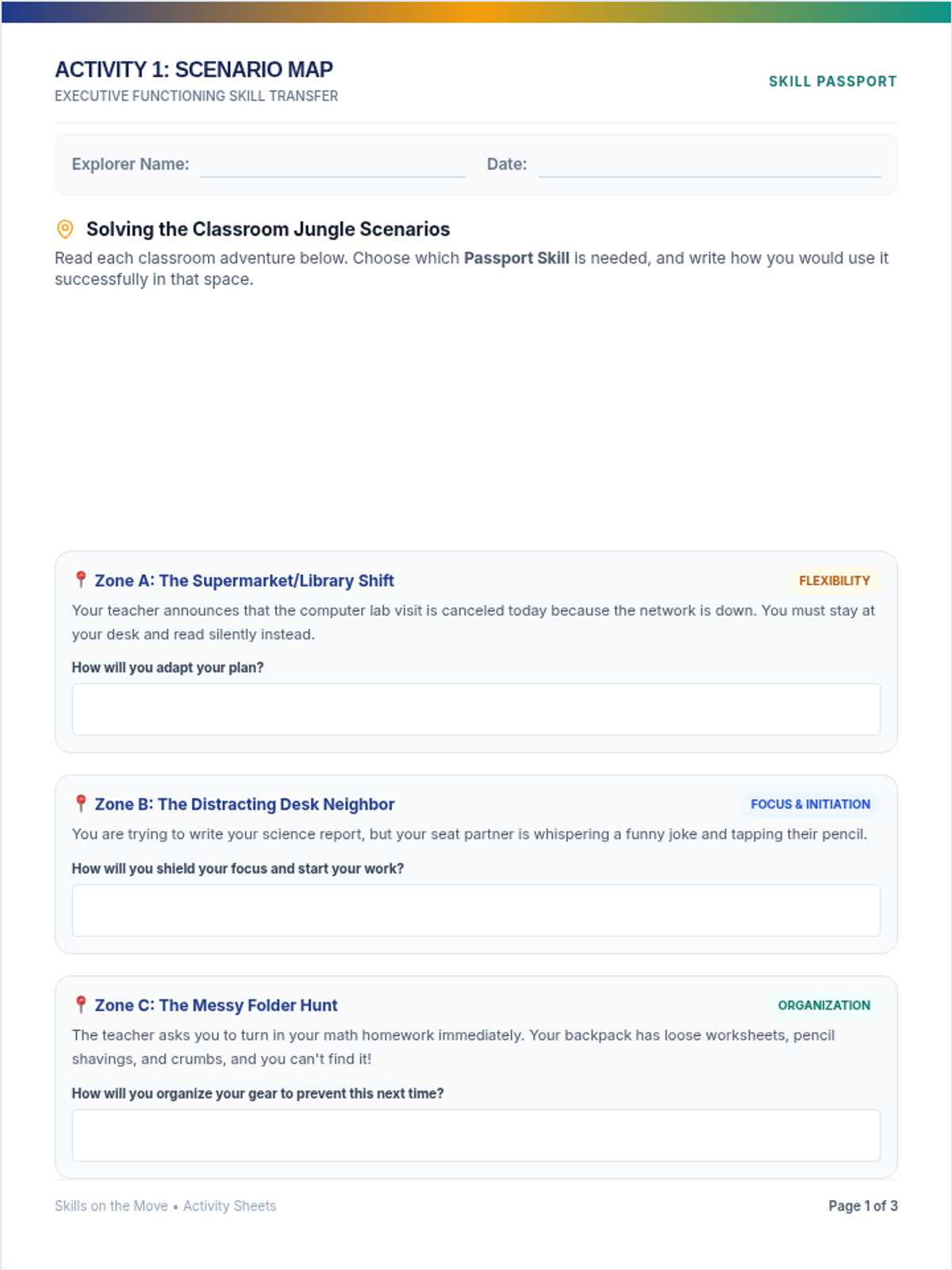
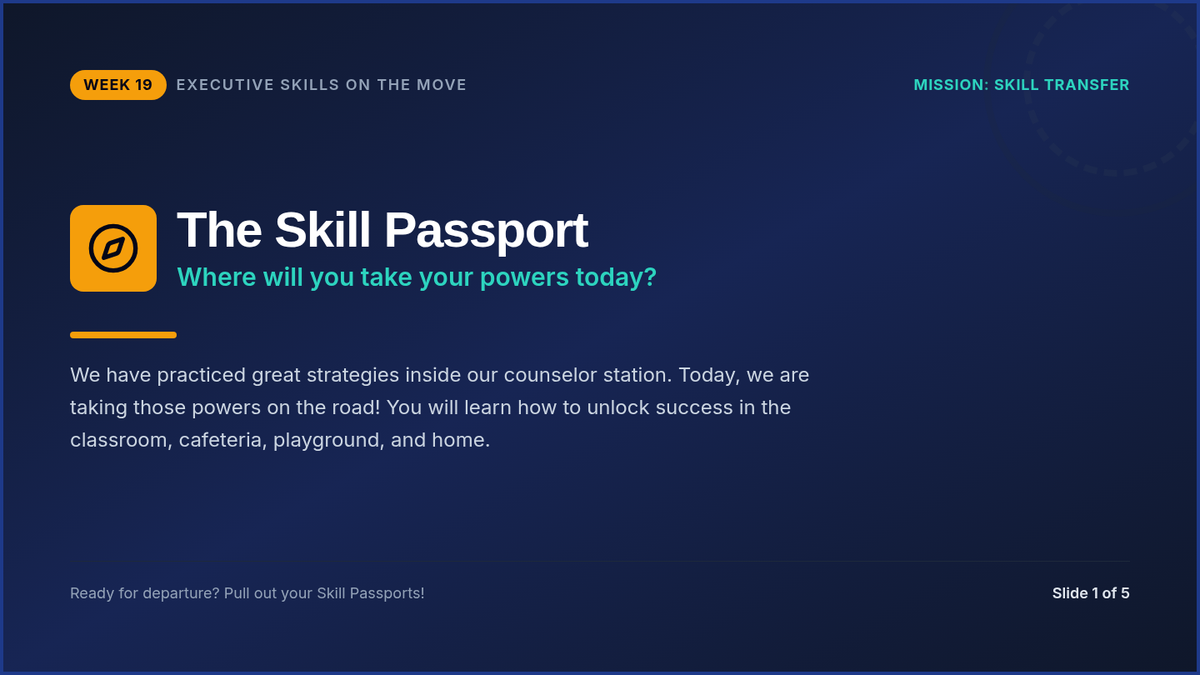
A comprehensive lesson designed to help students generalize and transfer their executive functioning skills—including emotional regulation, focus, flexibility, and organization—across various settings.
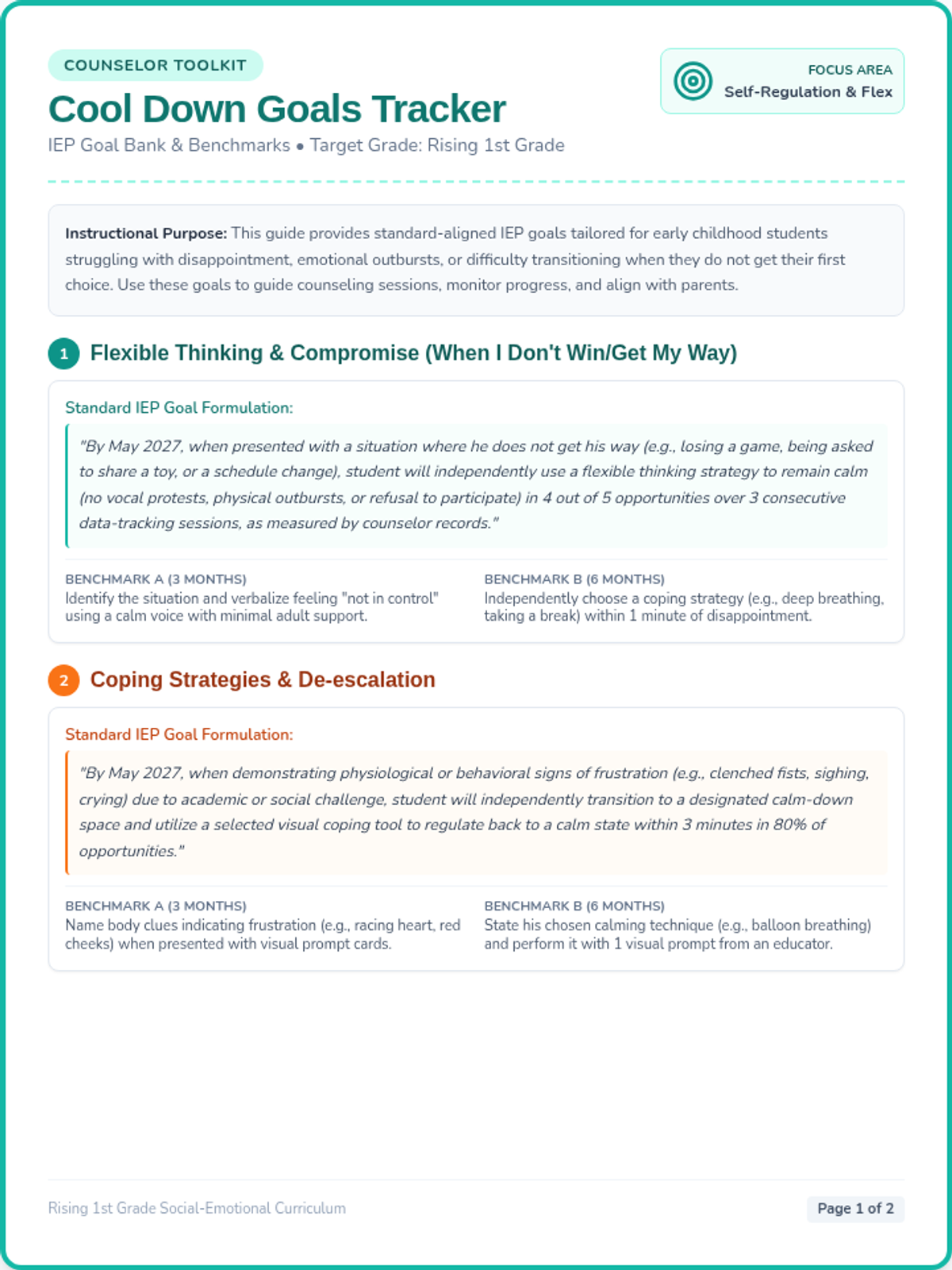
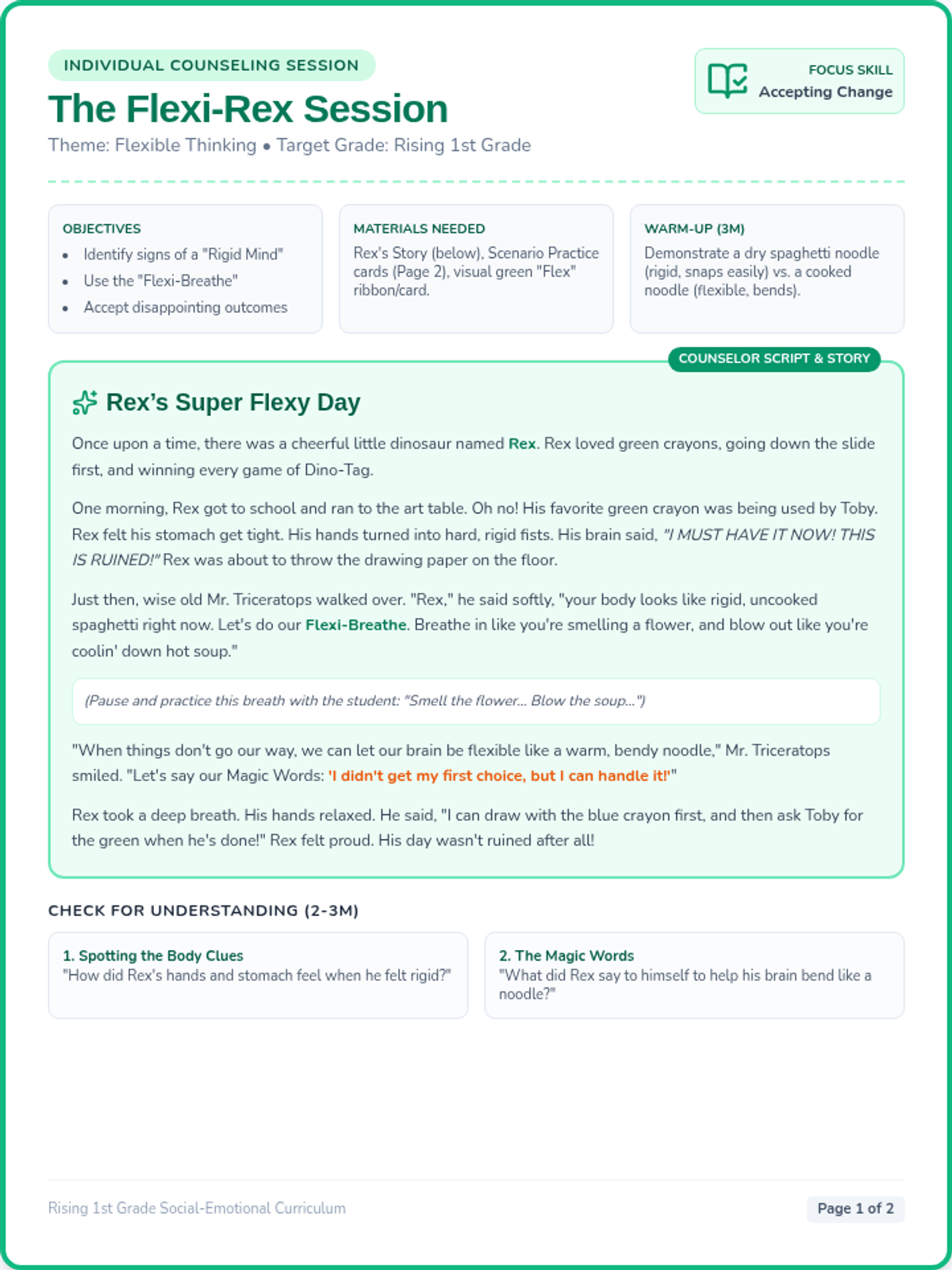
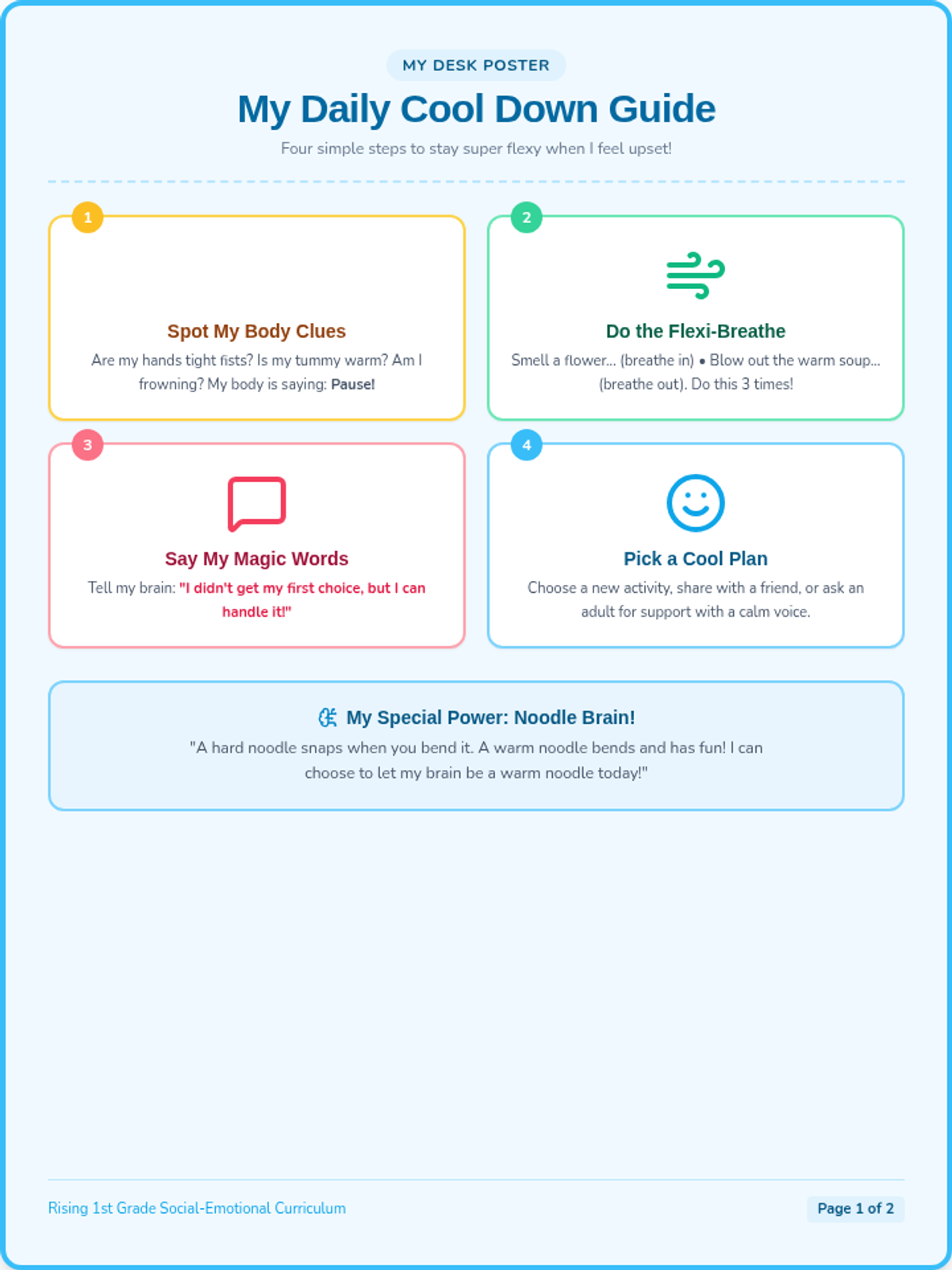
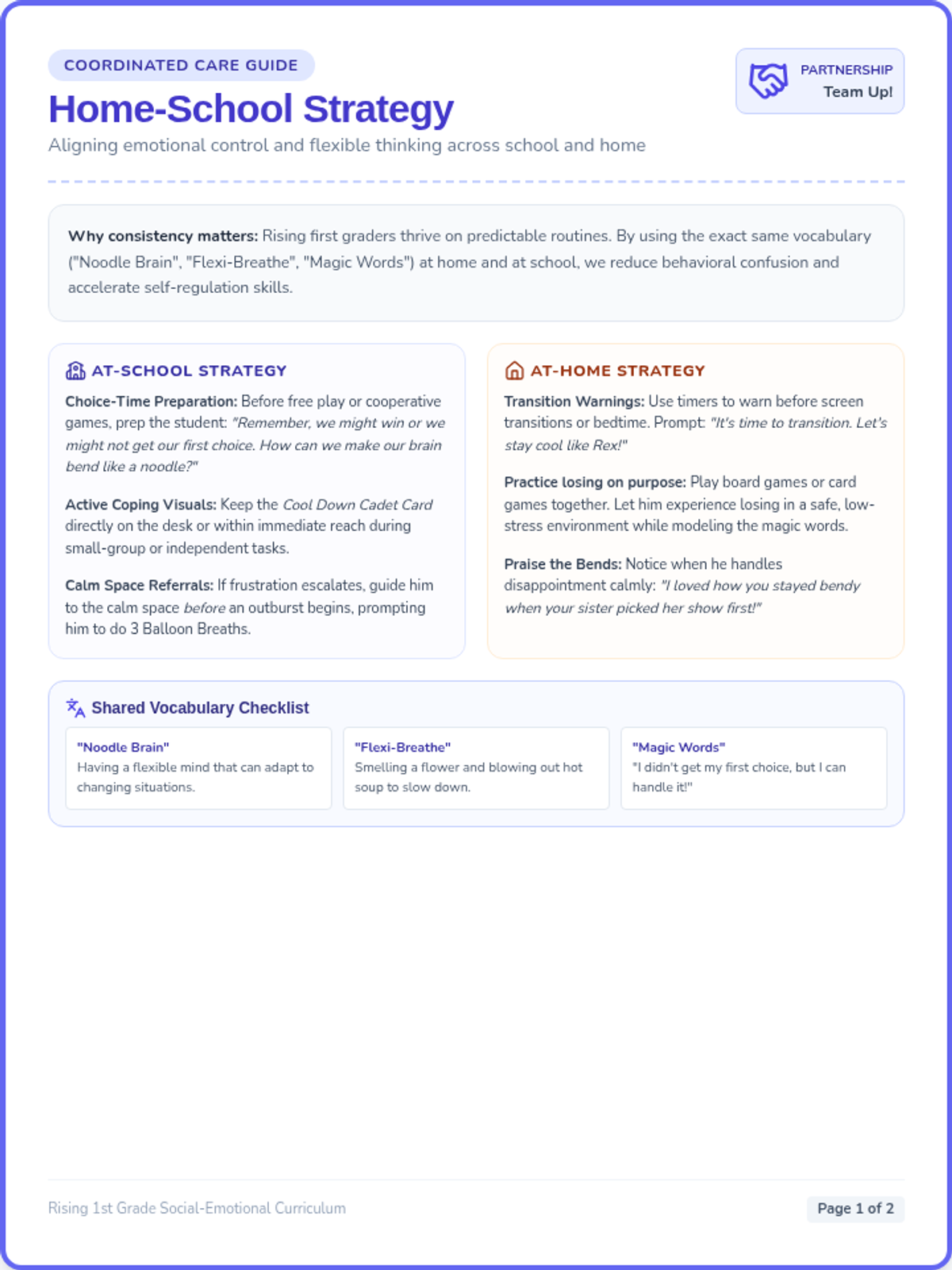
A comprehensive counseling bundle designed for a rising first grader struggling with social interactions and emotional regulation when things do not go their way. Includes targeted IEP goals, data trackers, a story-based counseling lesson, visual coping tools, and a home-school strategy guide.
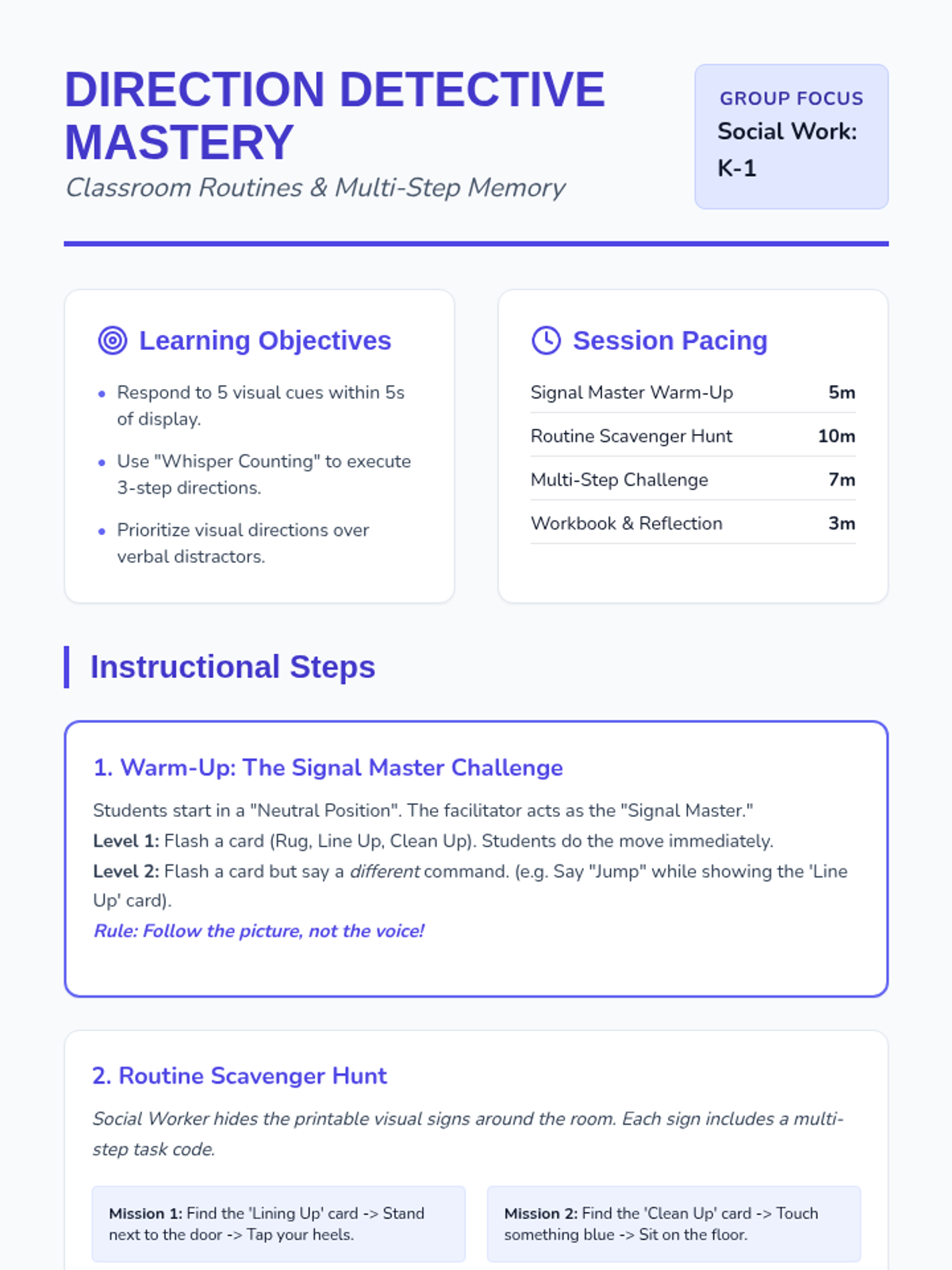
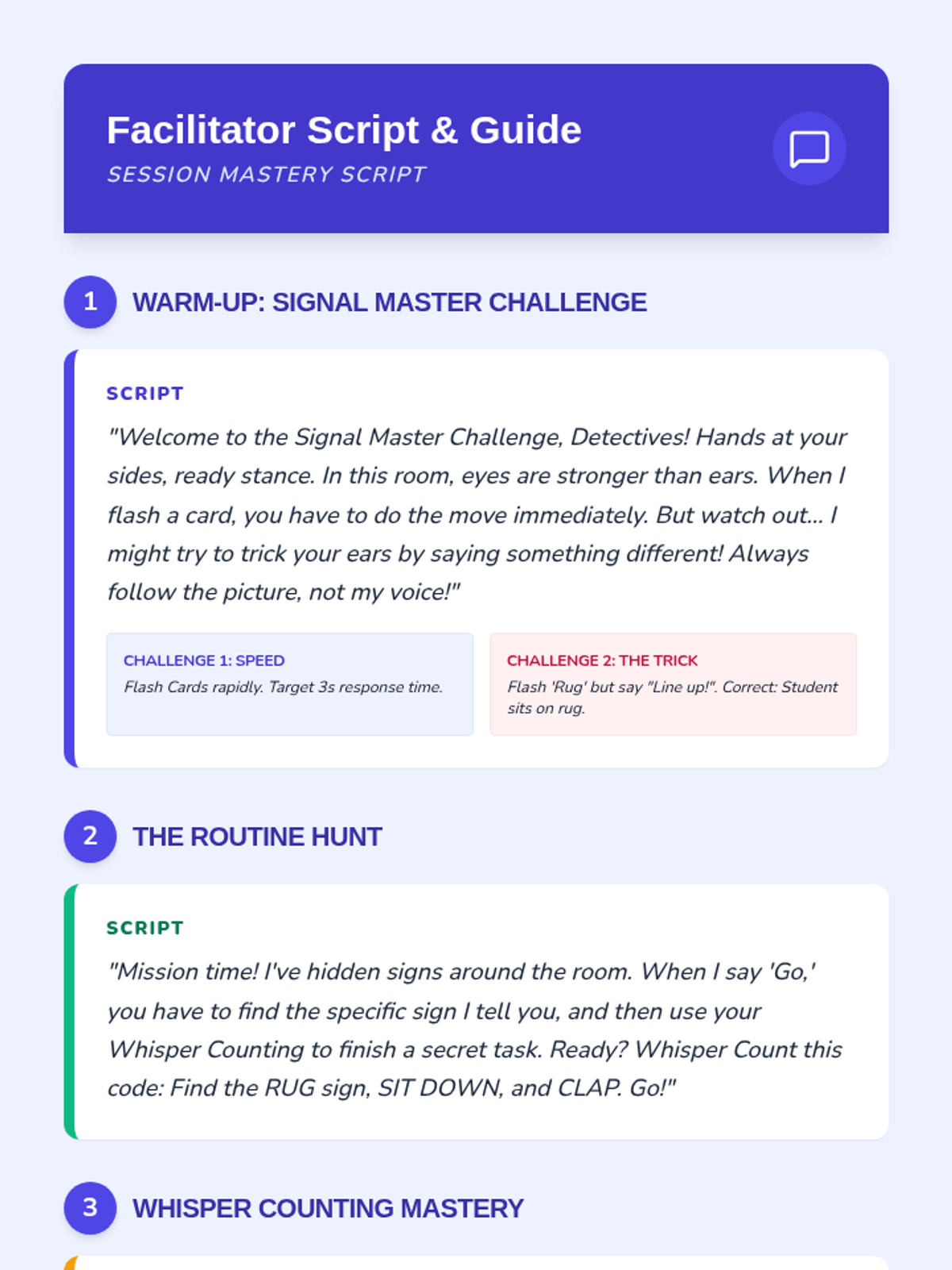
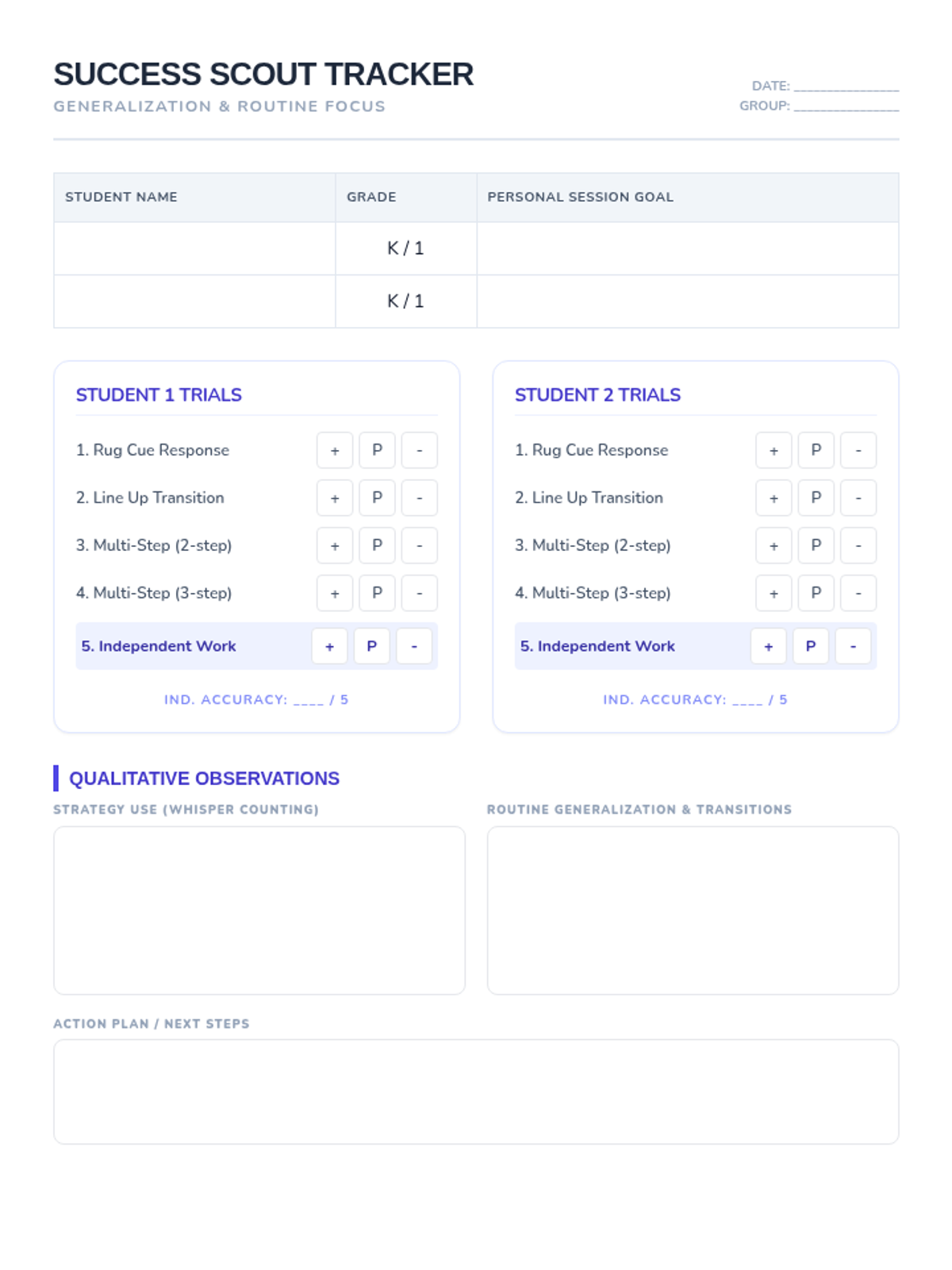
A comprehensive session focused on generalizing direction-following skills to common classroom routines for Kindergarten and 1st-grade students. Includes a scavenger hunt, a multi-step game, and coping strategies like whisper counting.
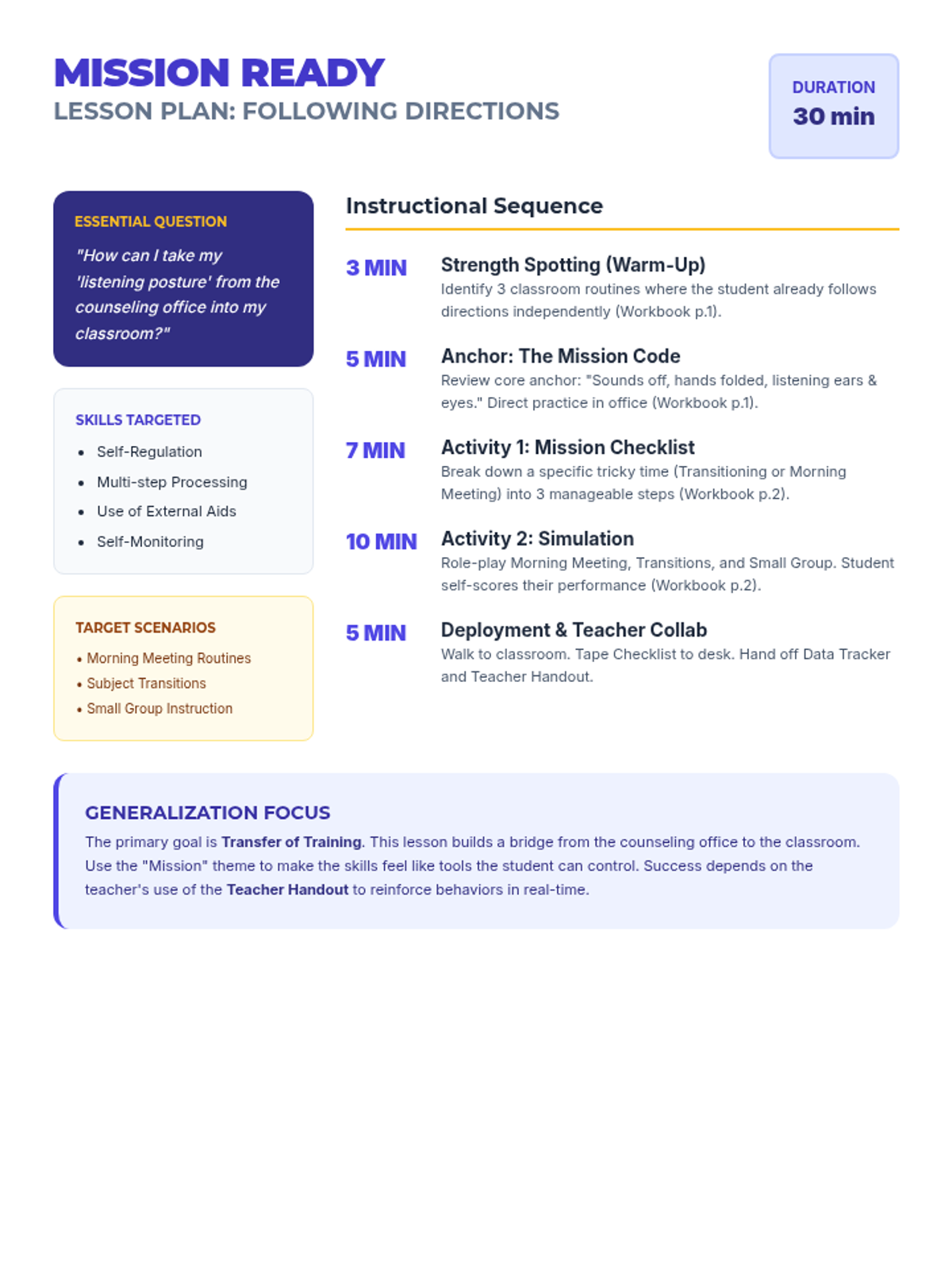
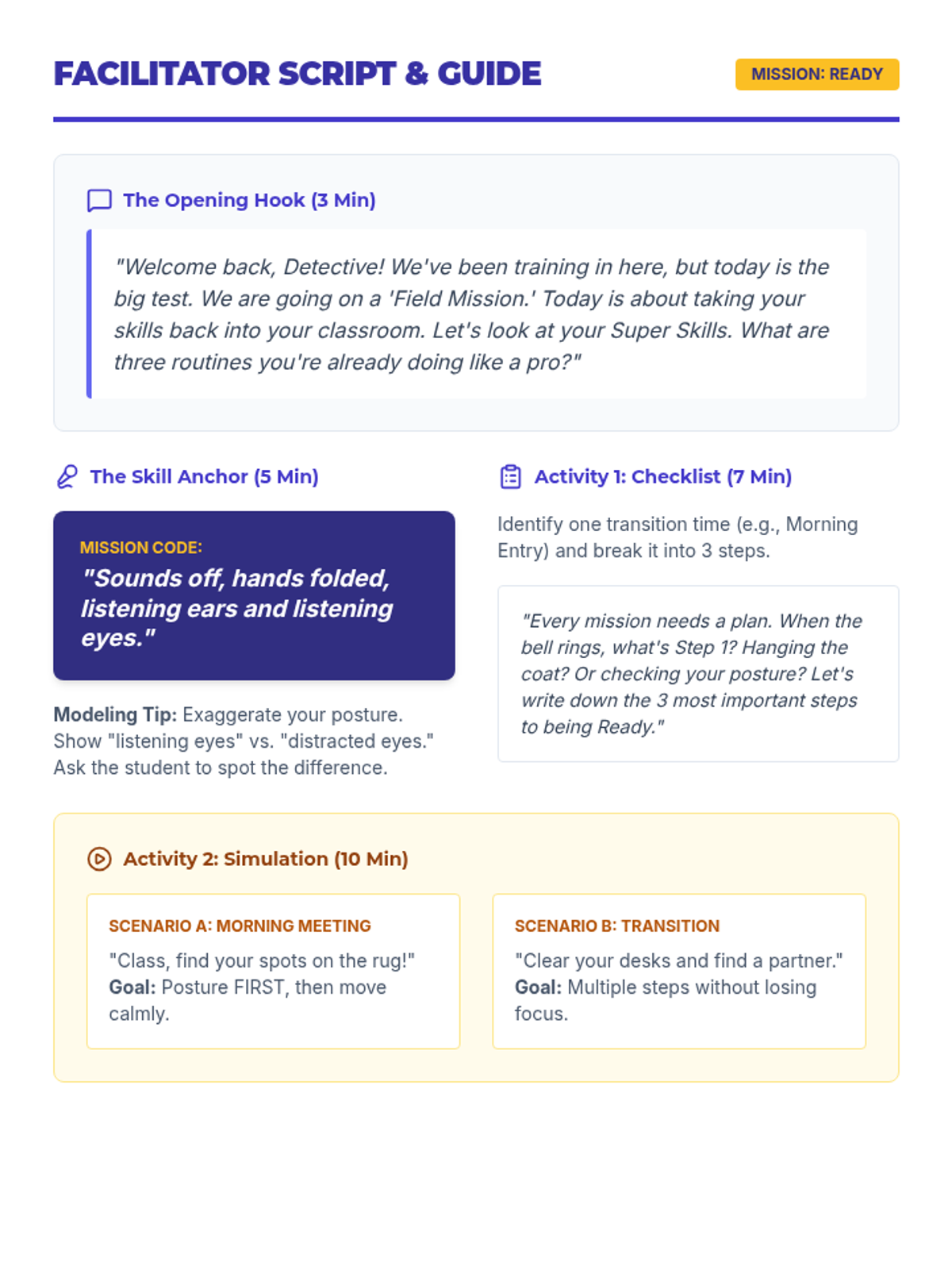
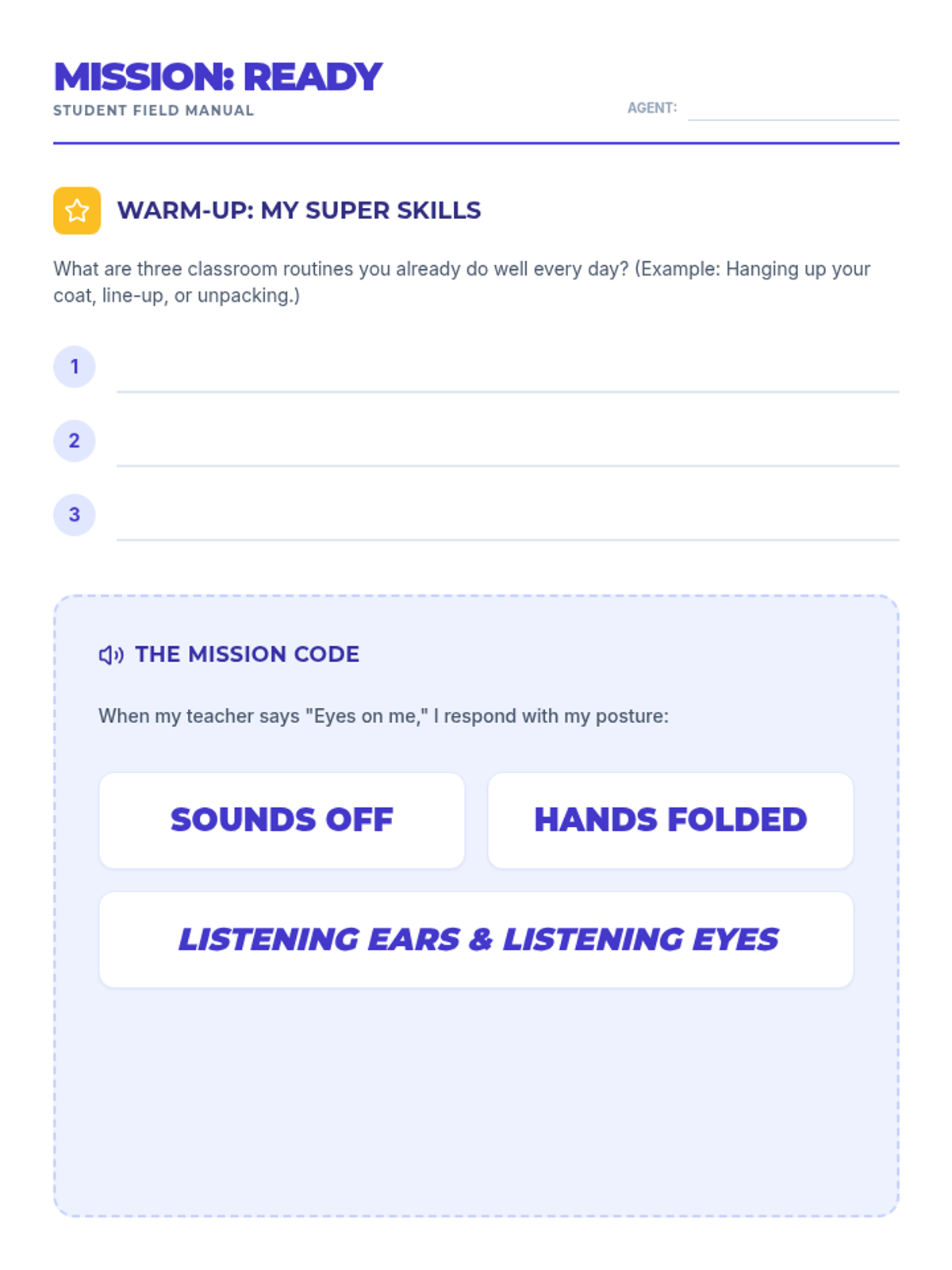
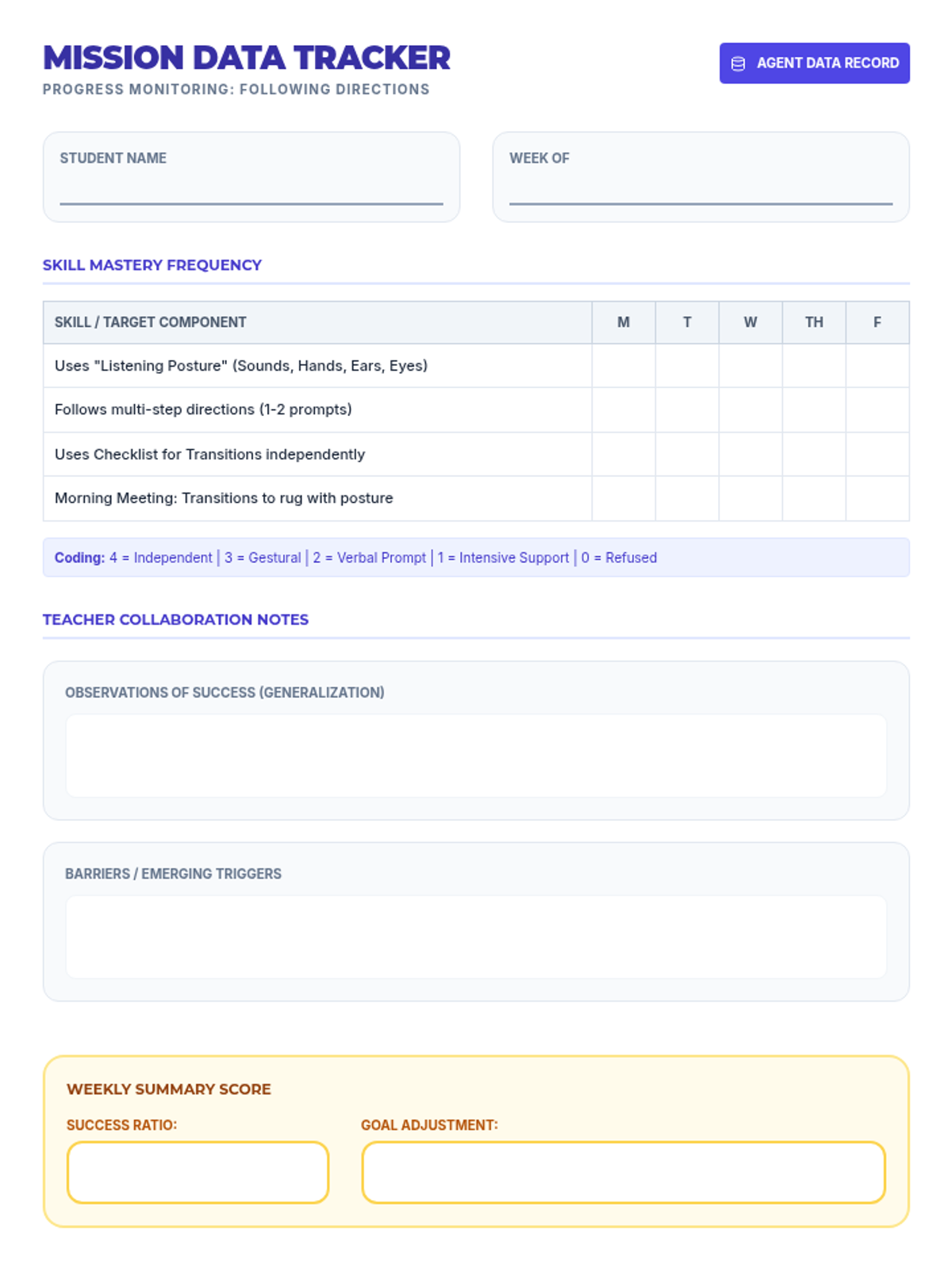
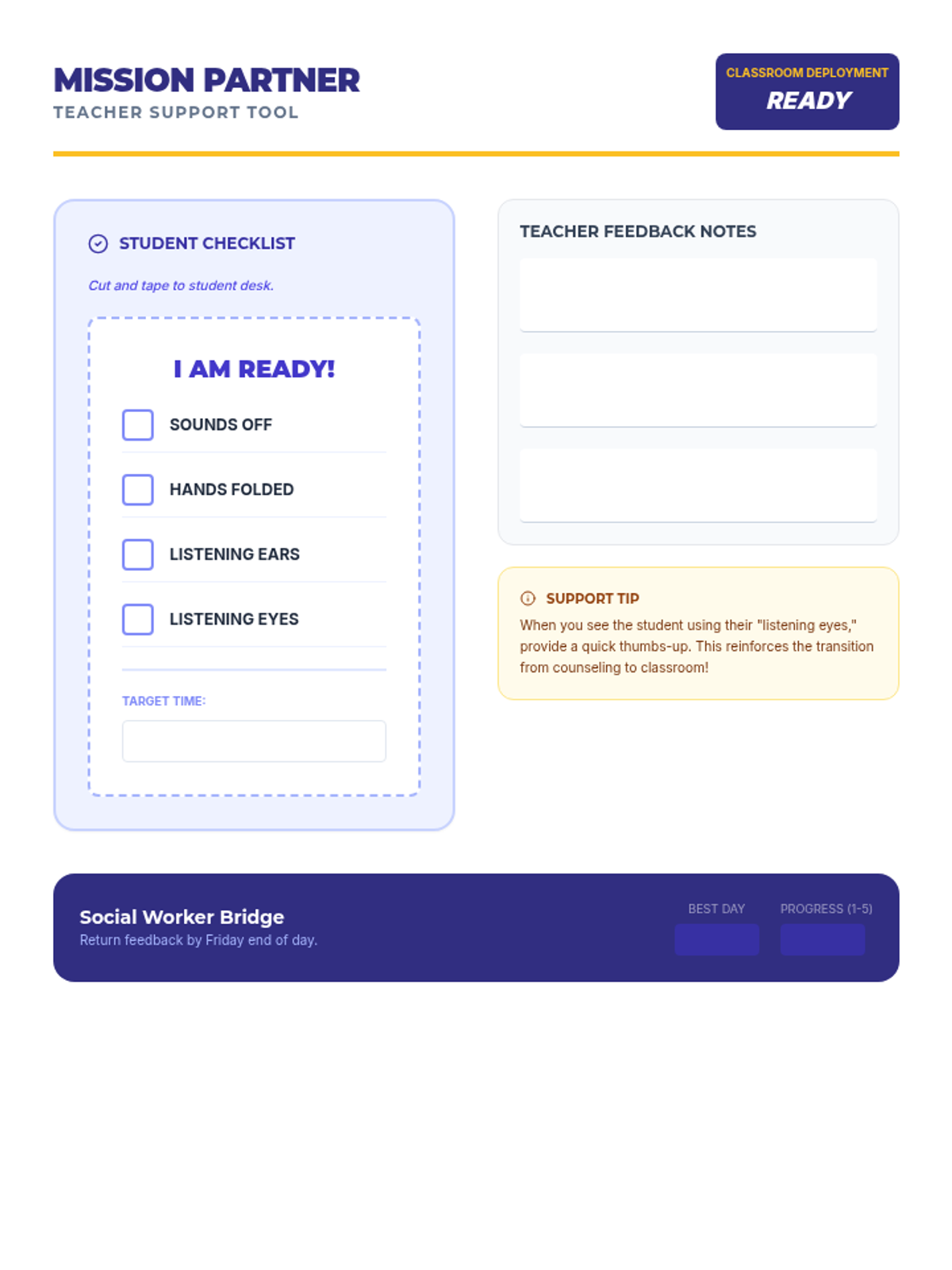
A comprehensive counseling lesson focused on generalizing following-direction skills from the counseling room to the classroom, featuring a 'Mission Ready' theme.
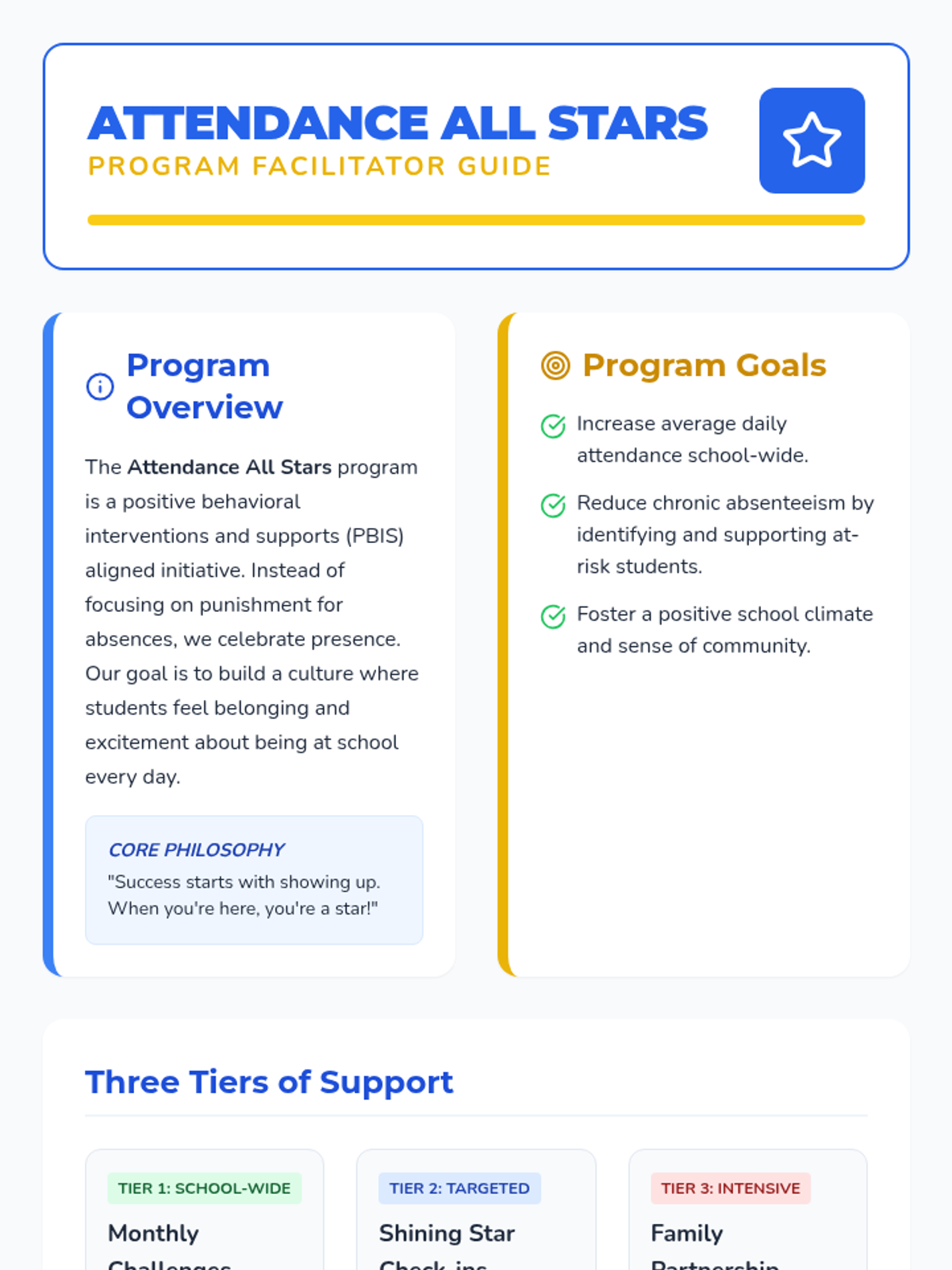
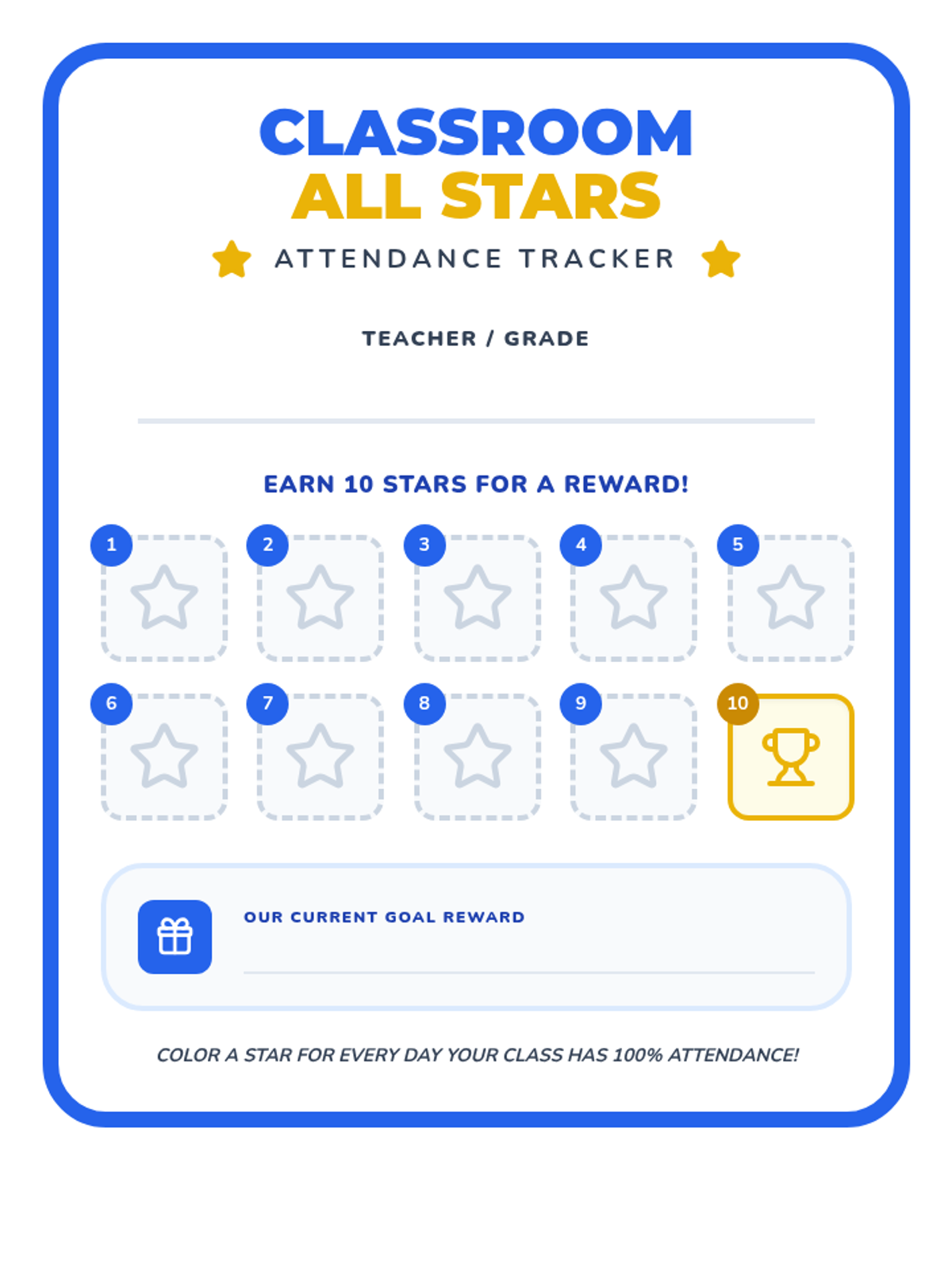
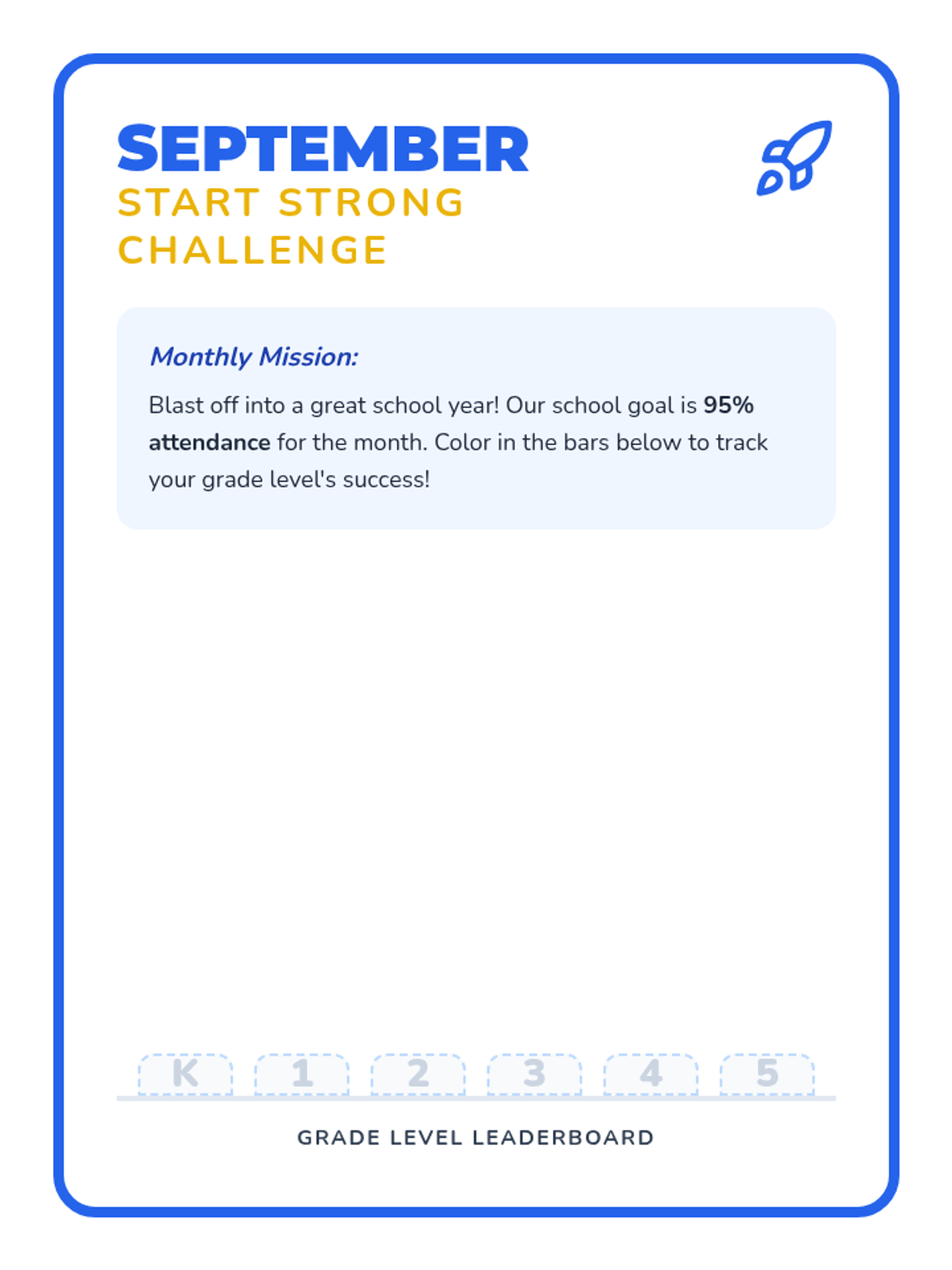
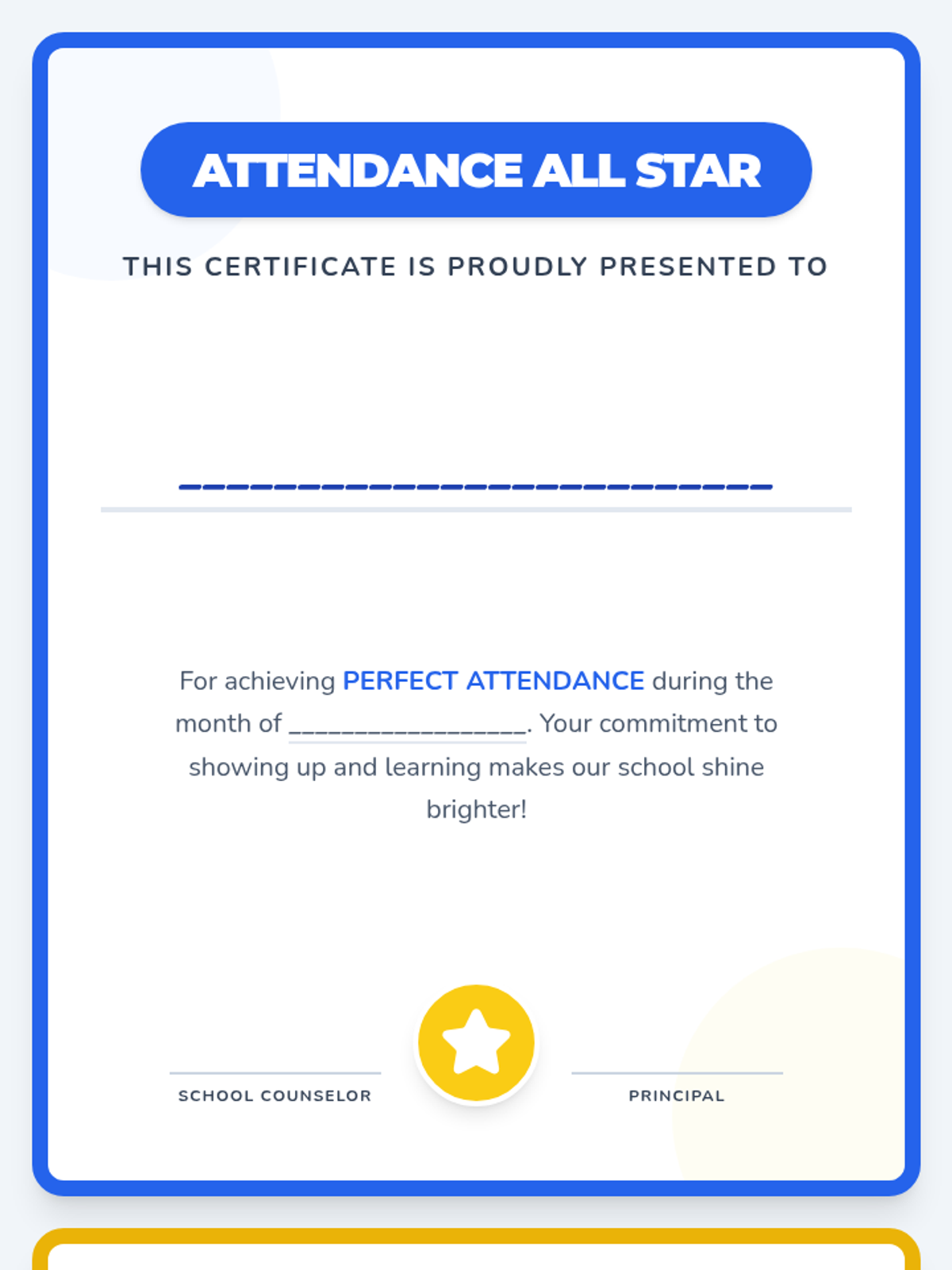
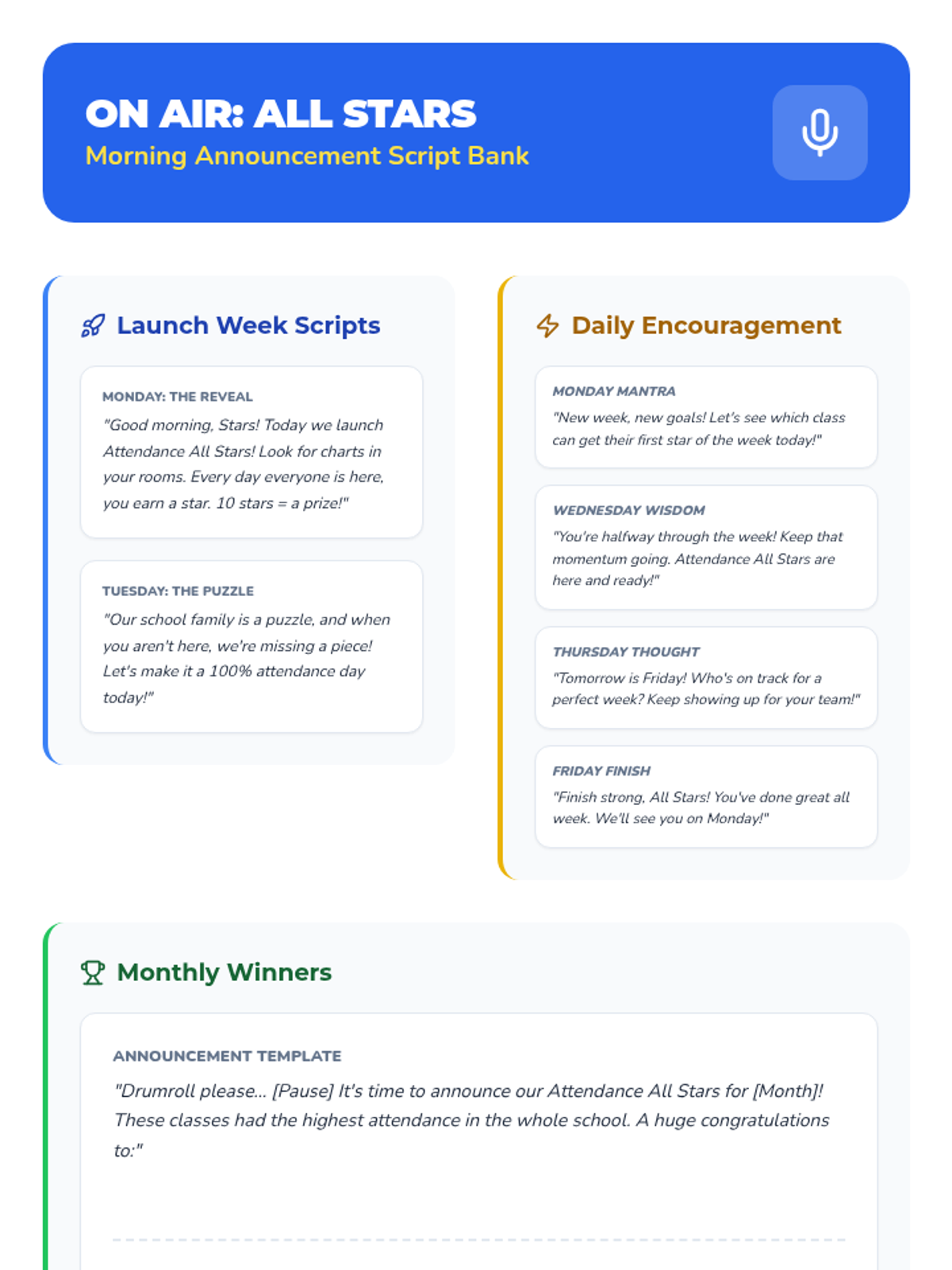
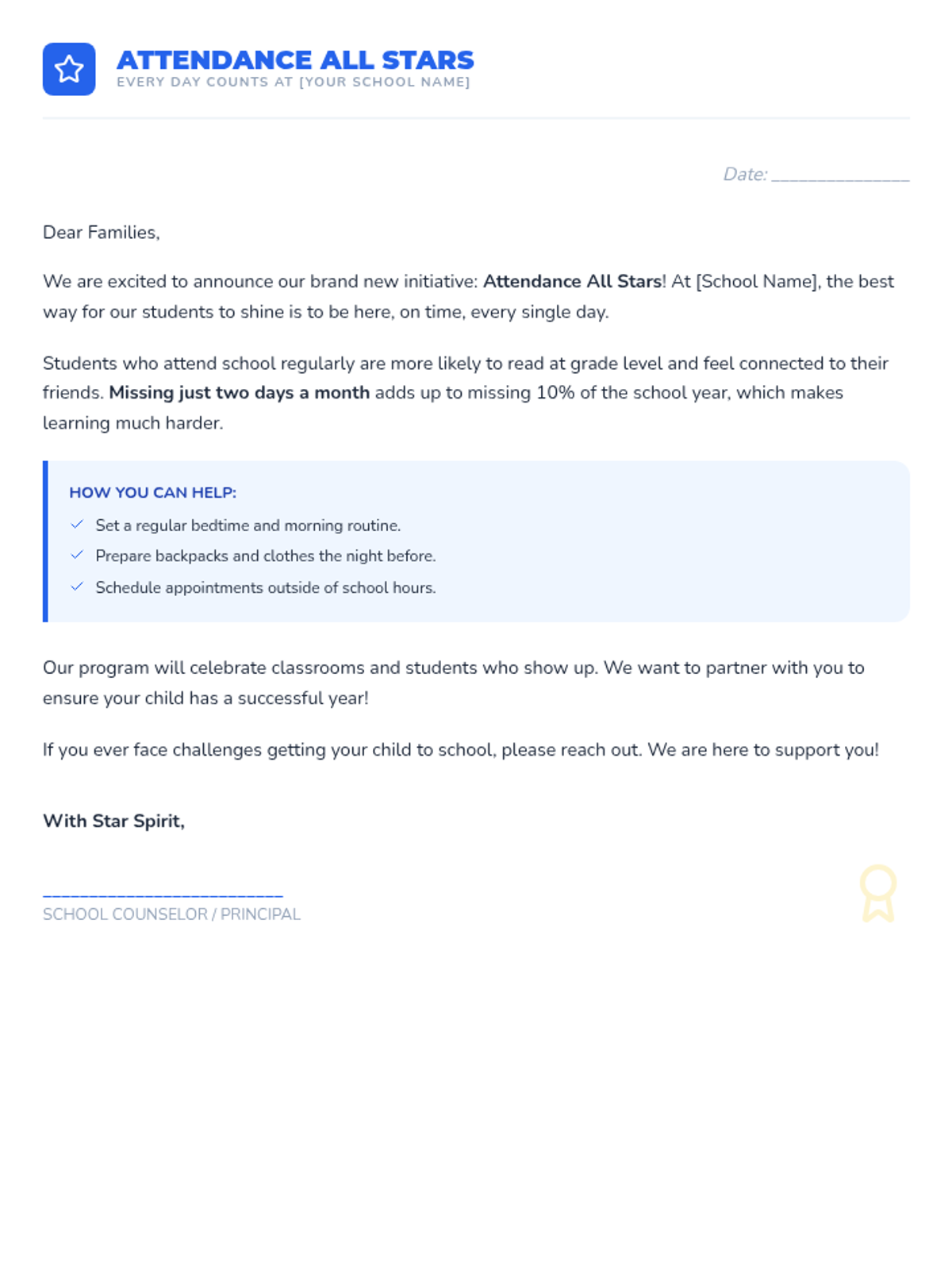
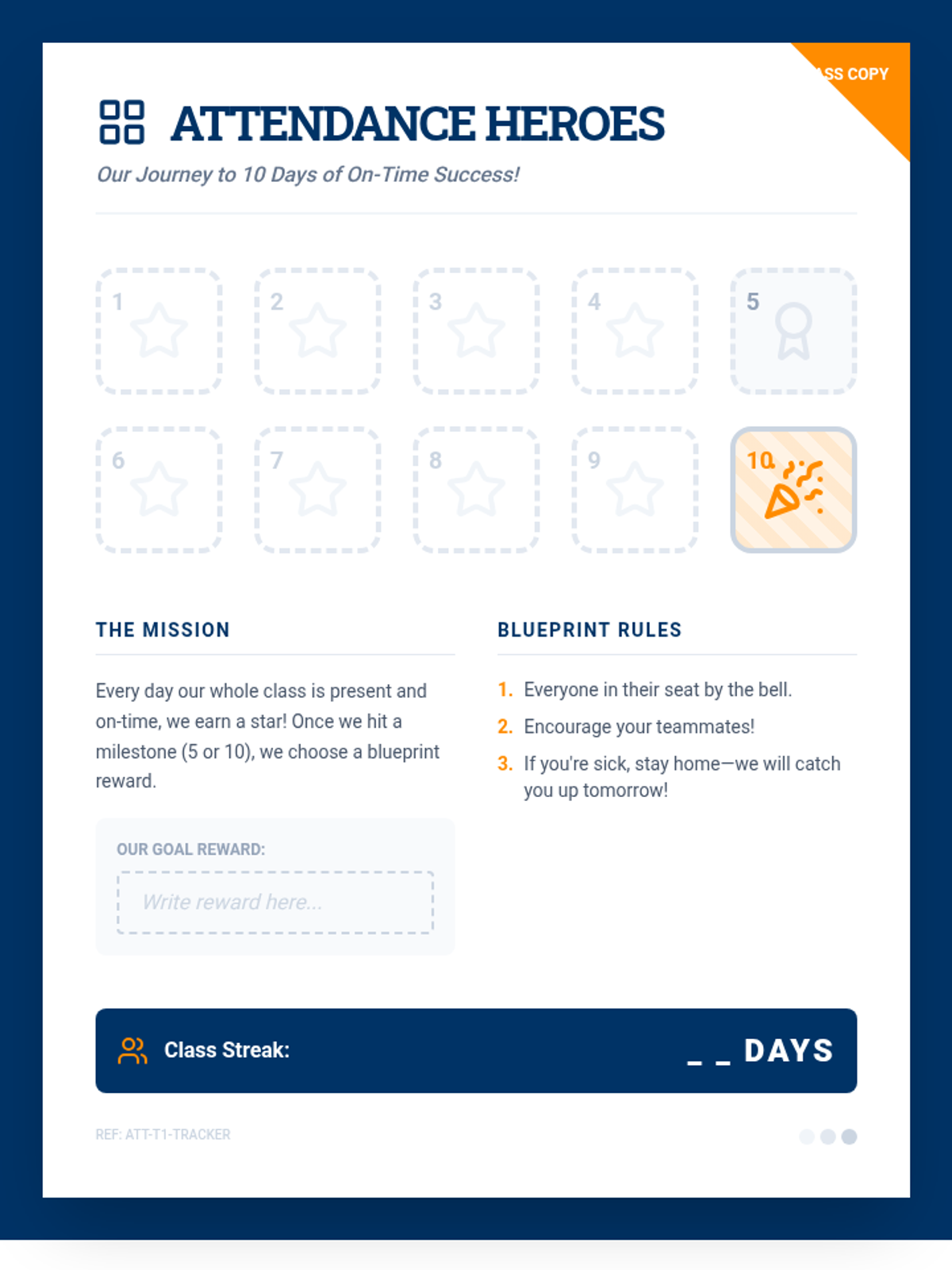
A comprehensive toolkit for elementary school counselors to implement a PBIS-aligned attendance incentive program. Includes everything needed to launch, track, and celebrate consistent school attendance throughout the year.
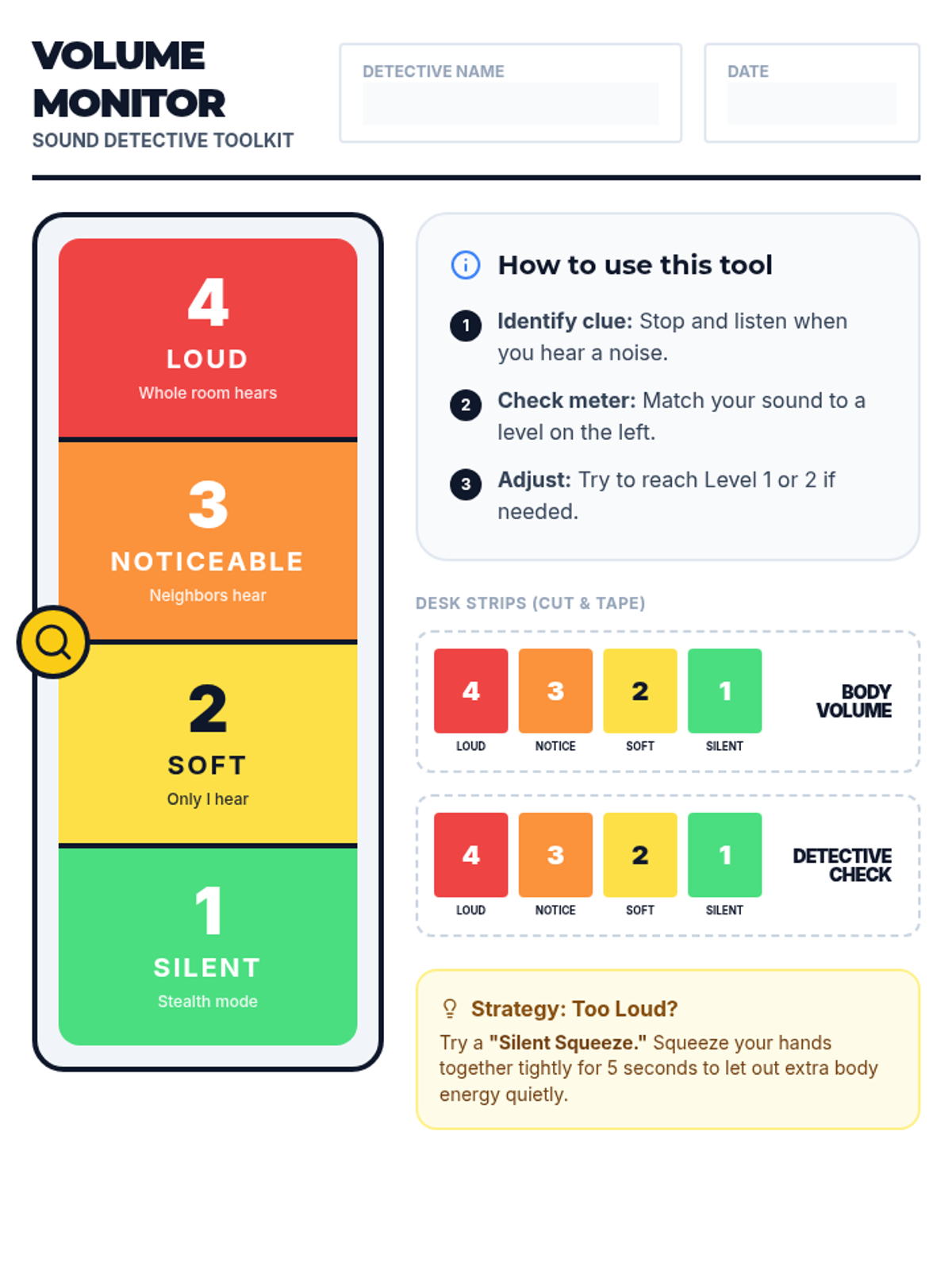
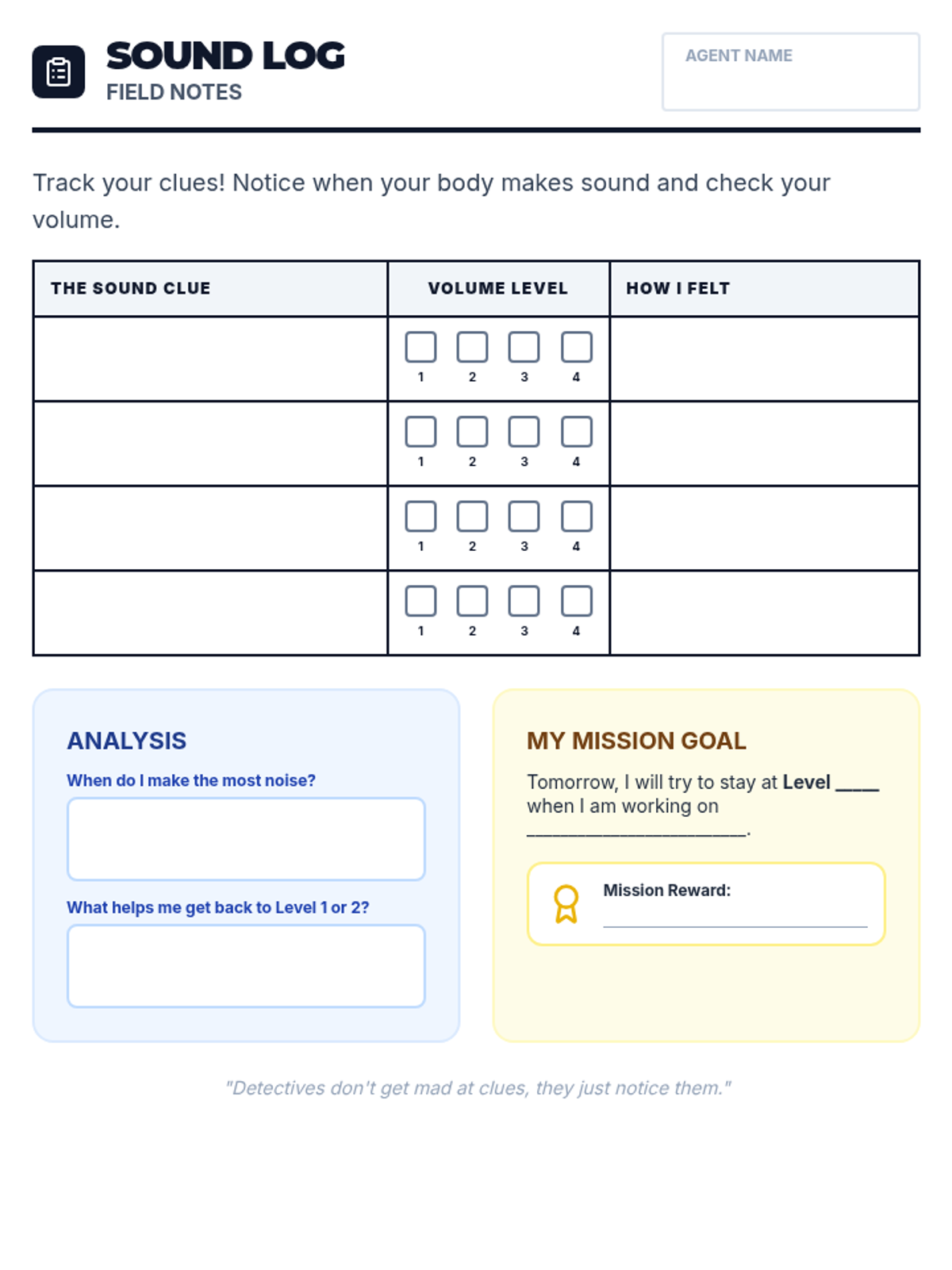
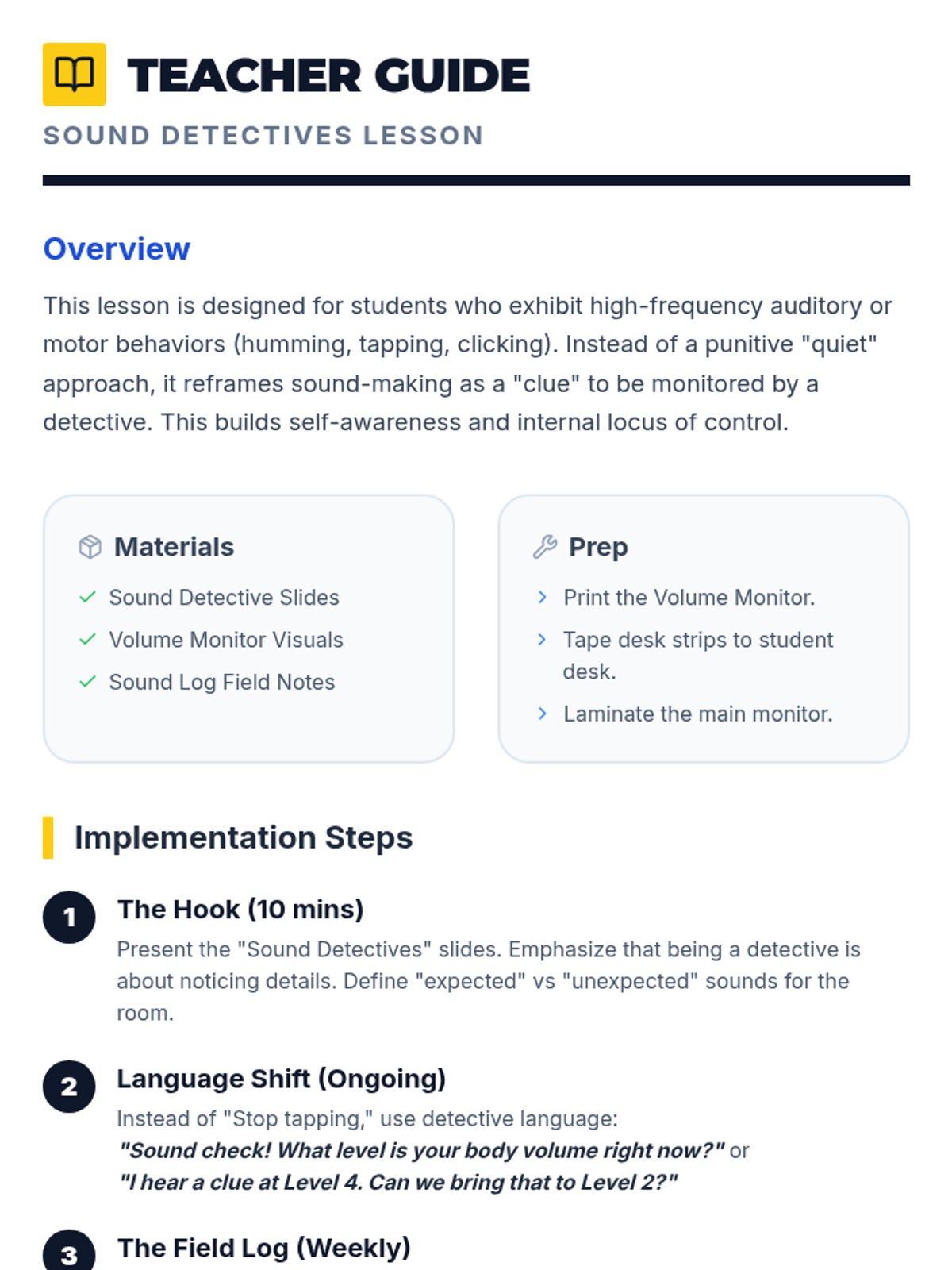
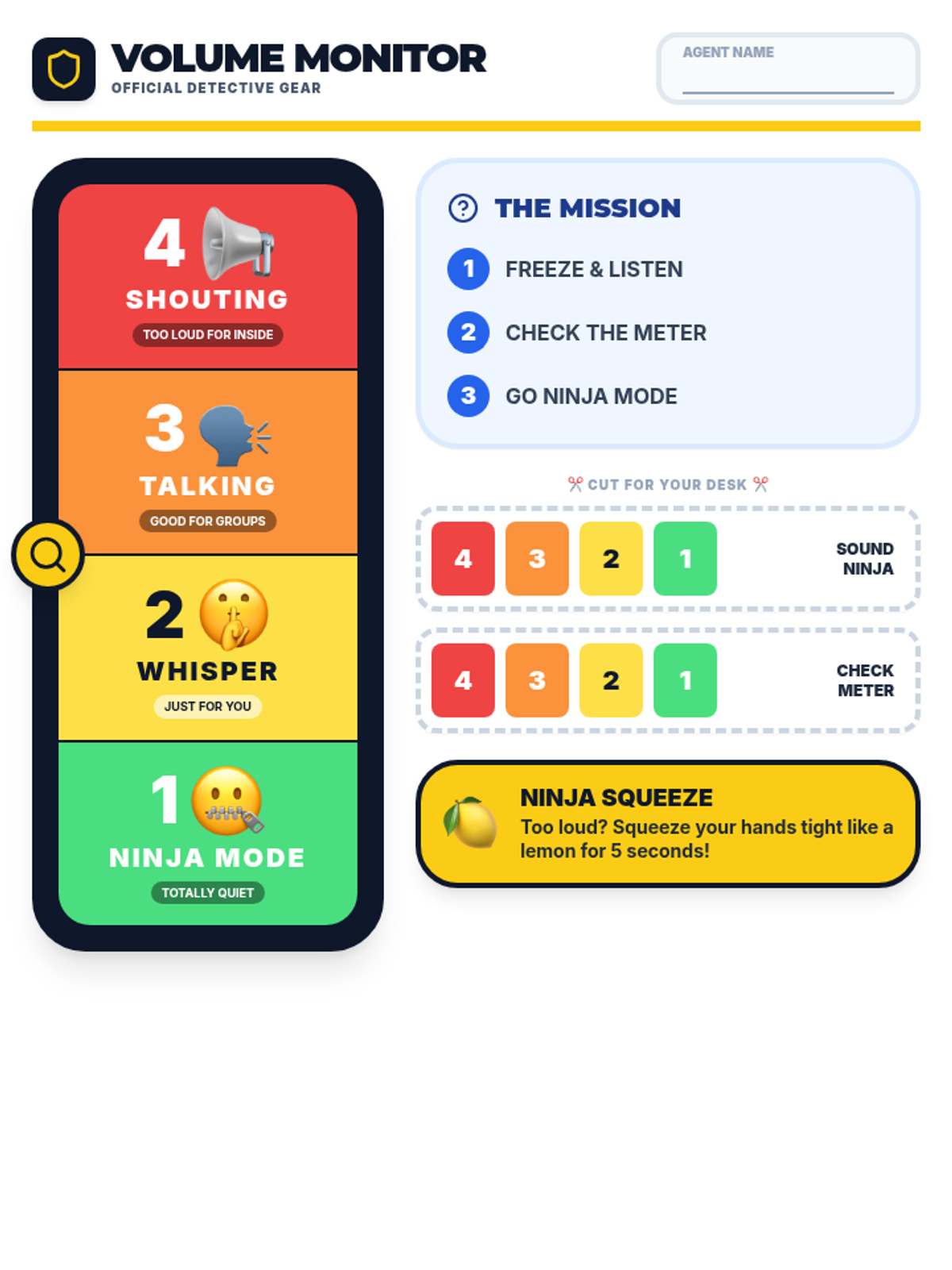
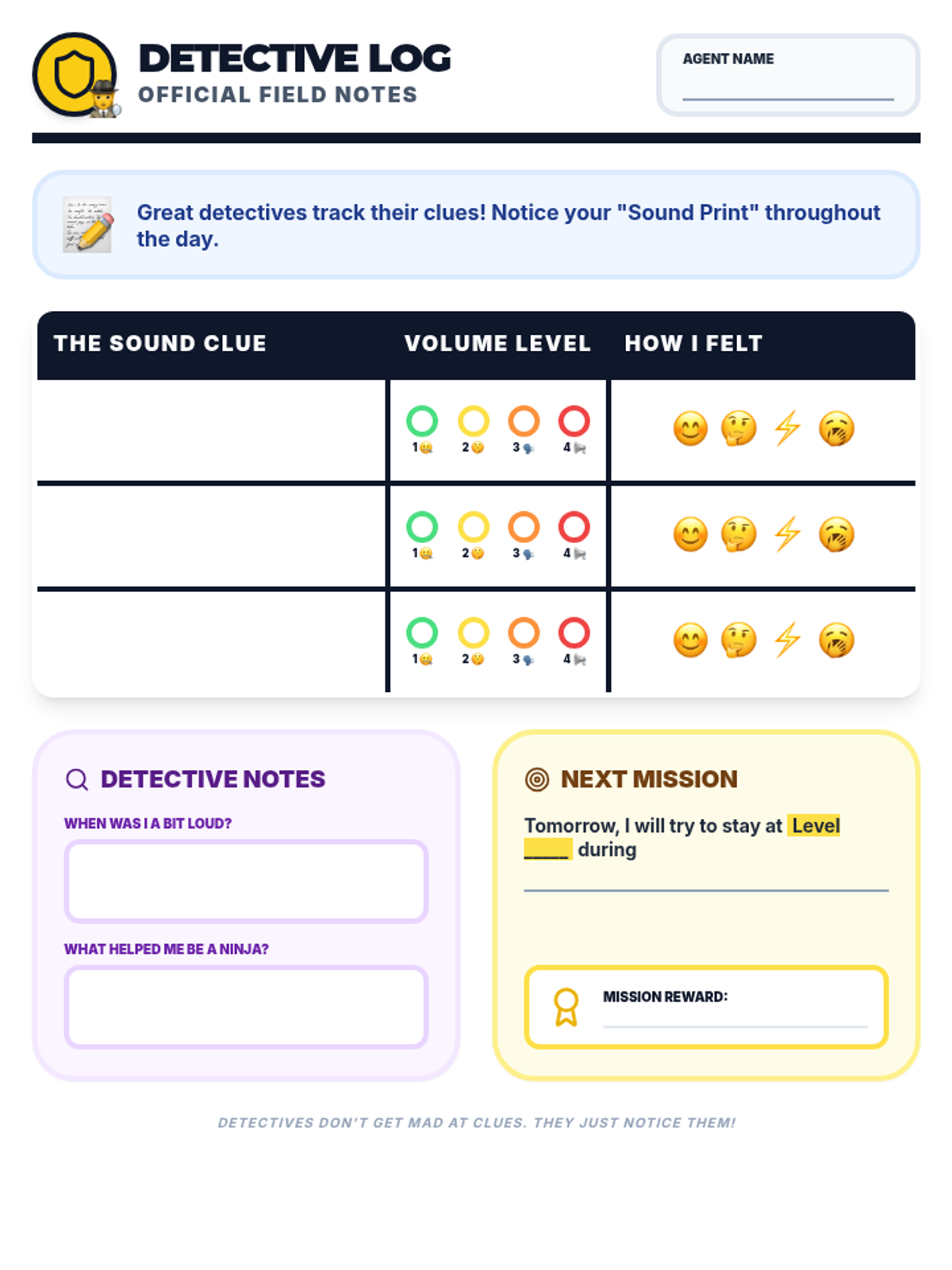
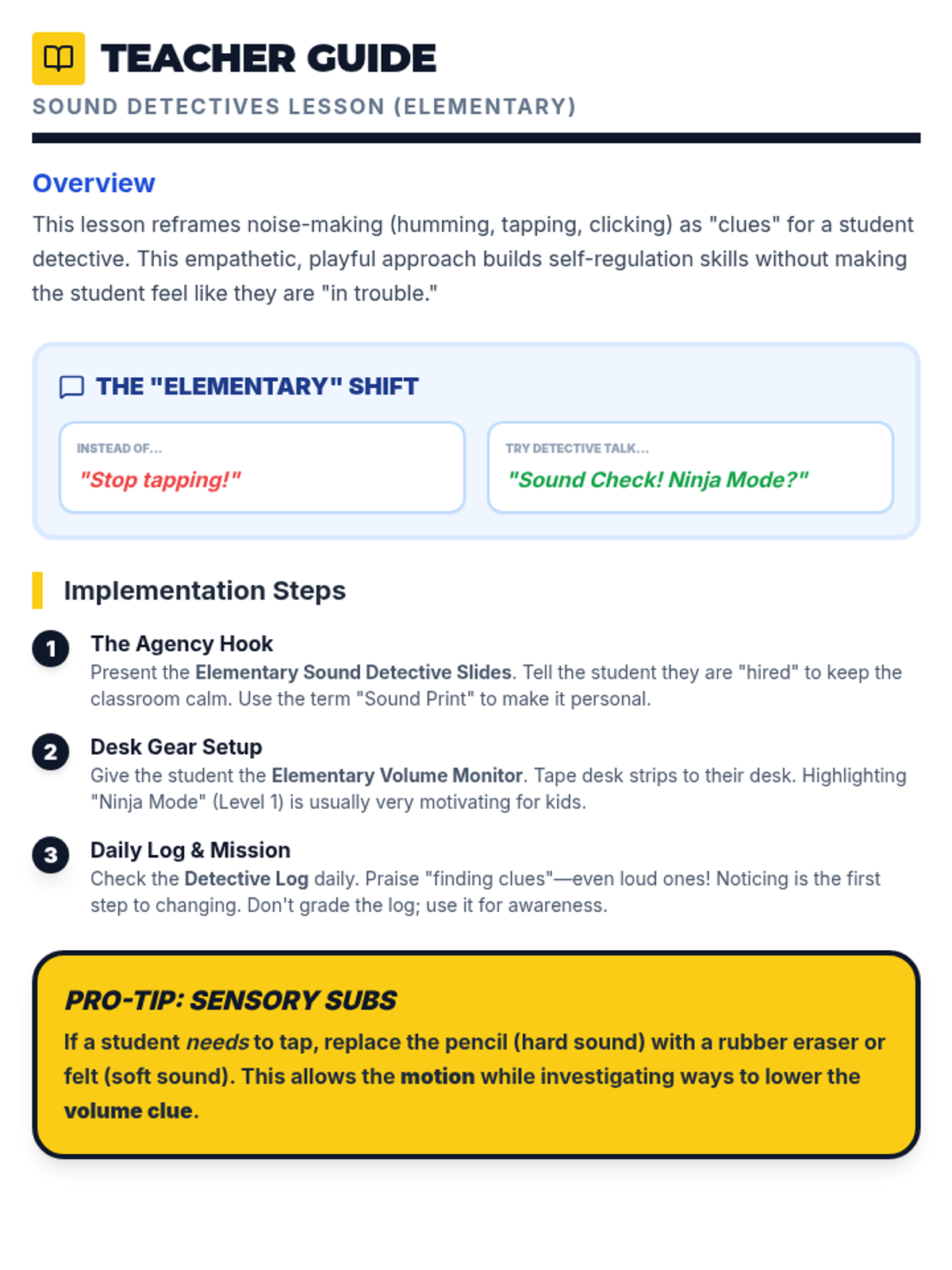
A lesson designed to help students build self-awareness regarding the sounds their bodies and objects make, using a detective-themed approach to monitor and regulate 'body volume'.
Identifying students at risk (missing 5-9% of school) and implementing early-warning interventions like Check-In/Check-Out and personalized success mapping.
Establishing universal attendance expectations, building a culture of belonging, and communicating the "Every Minute Matters" philosophy to students and families.
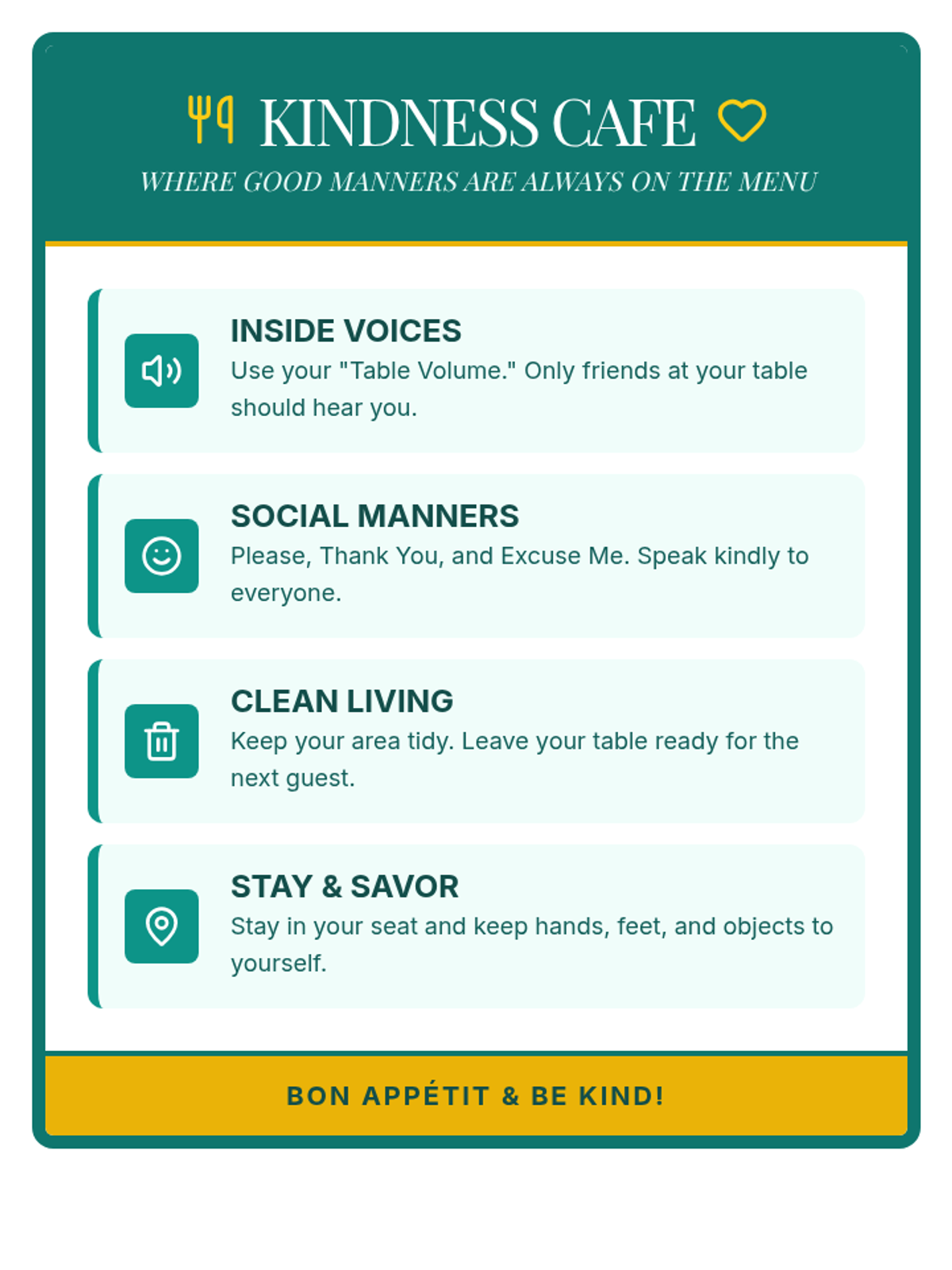
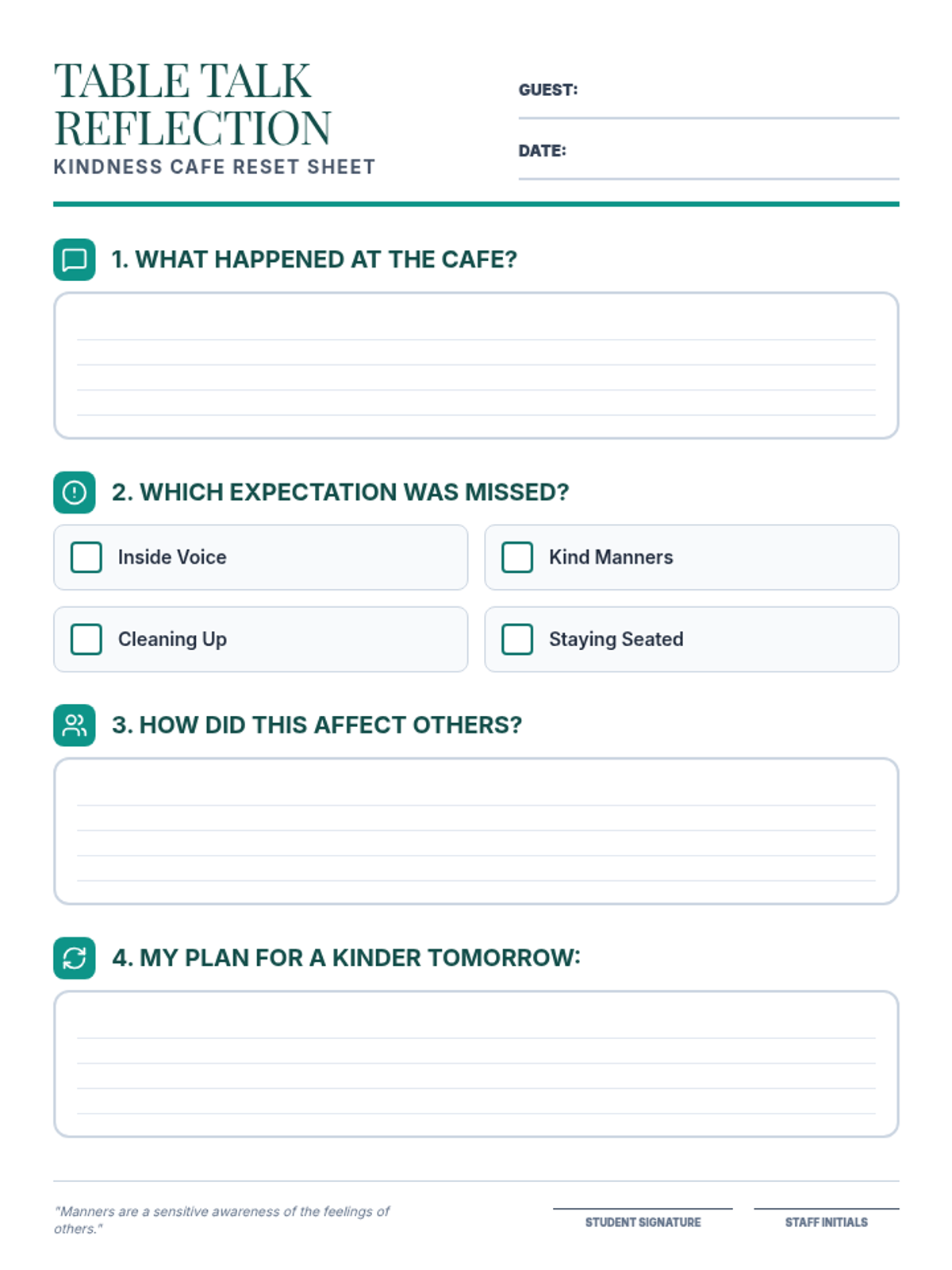
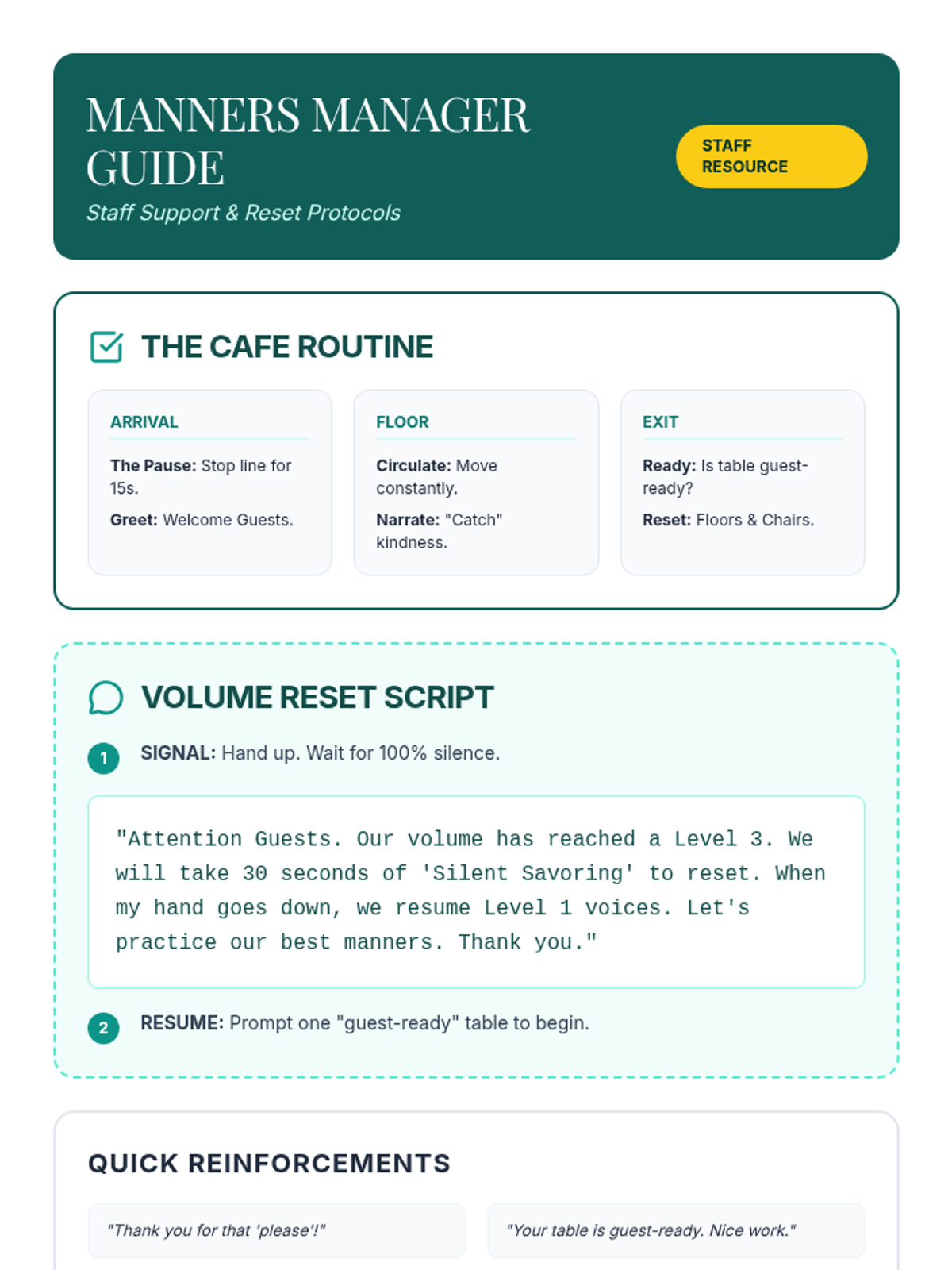
A behavior support package designed to transform the lunchroom into a calm, polite dining environment focused on kindness and social manners.
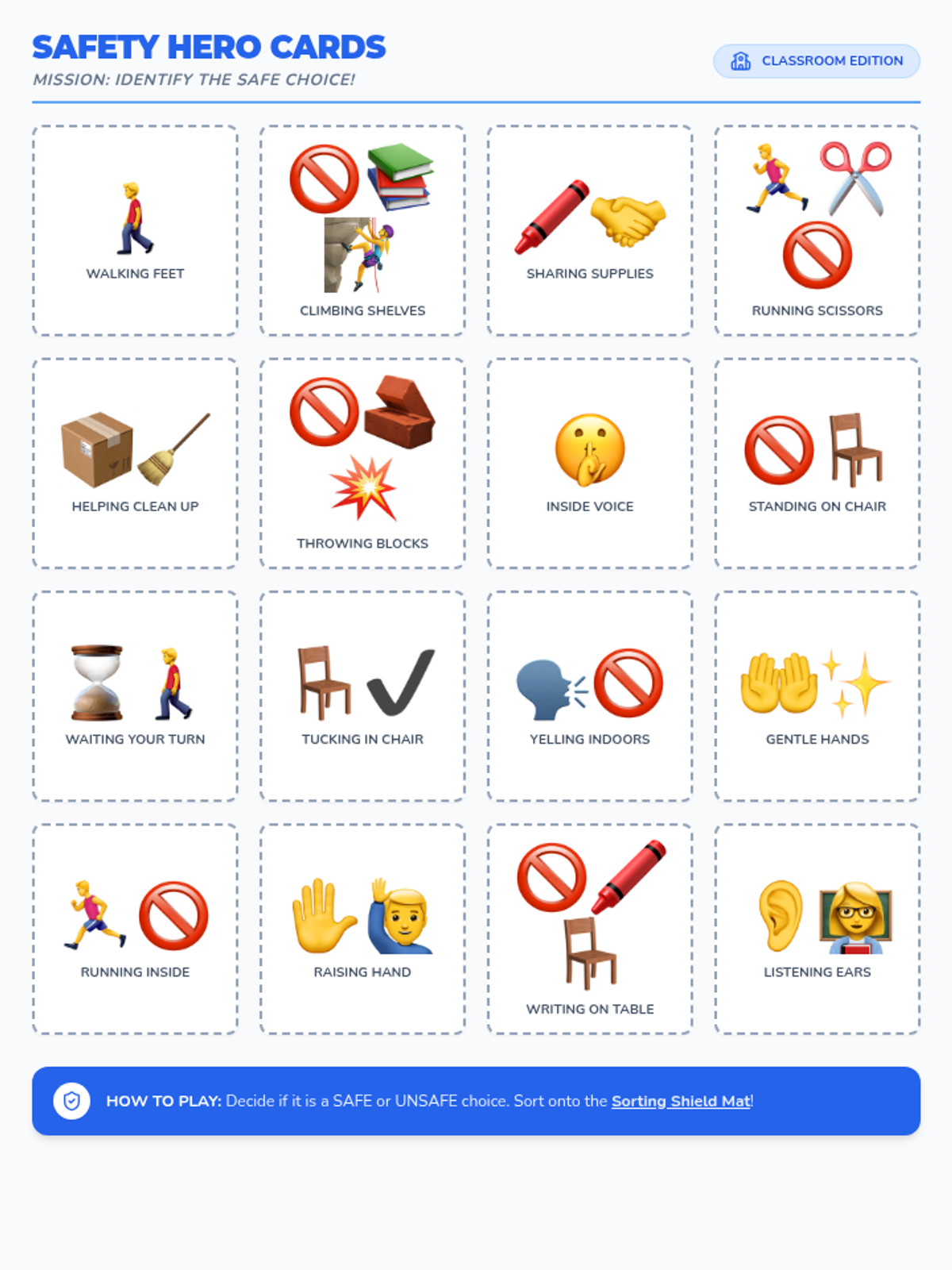
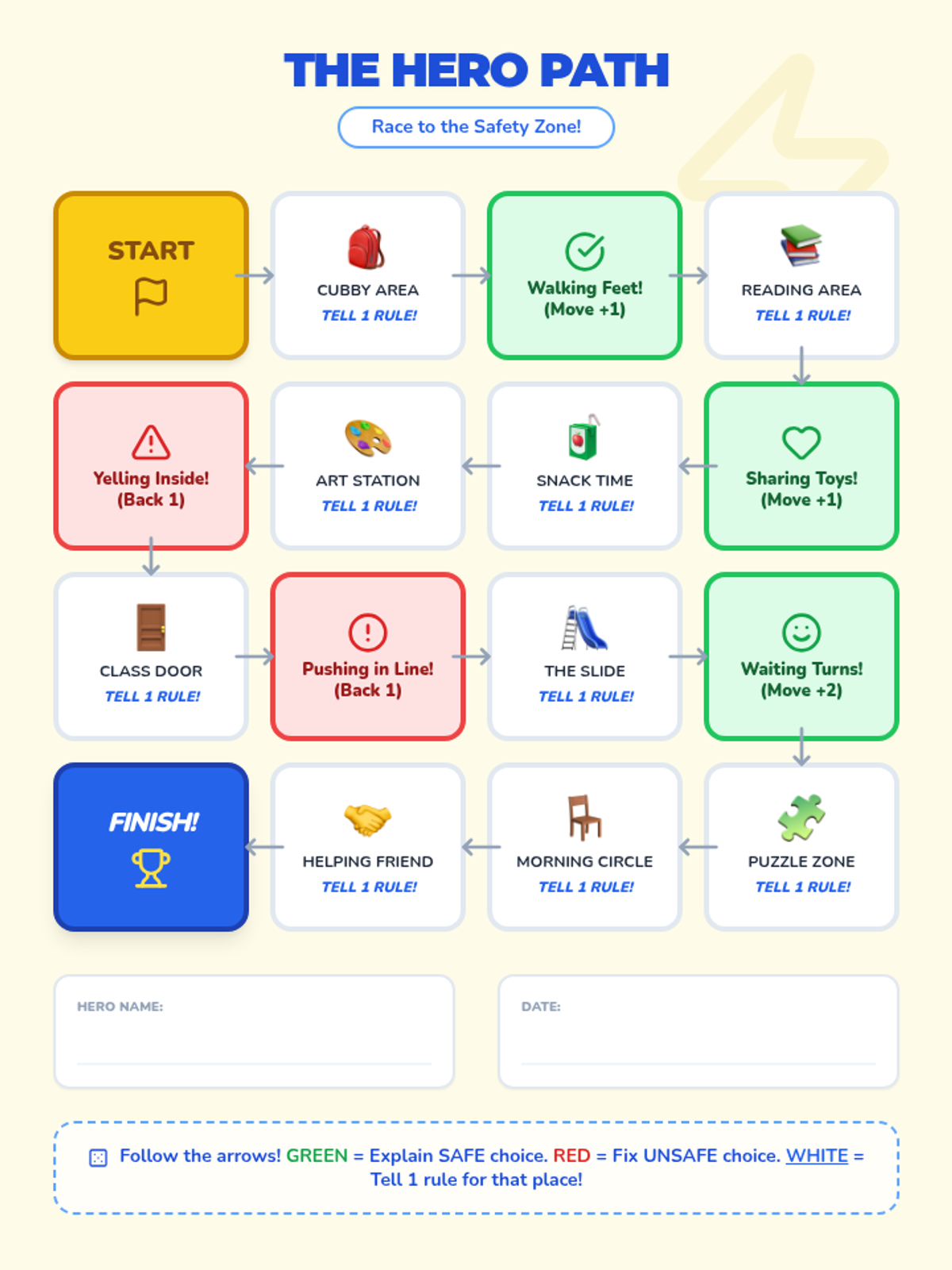
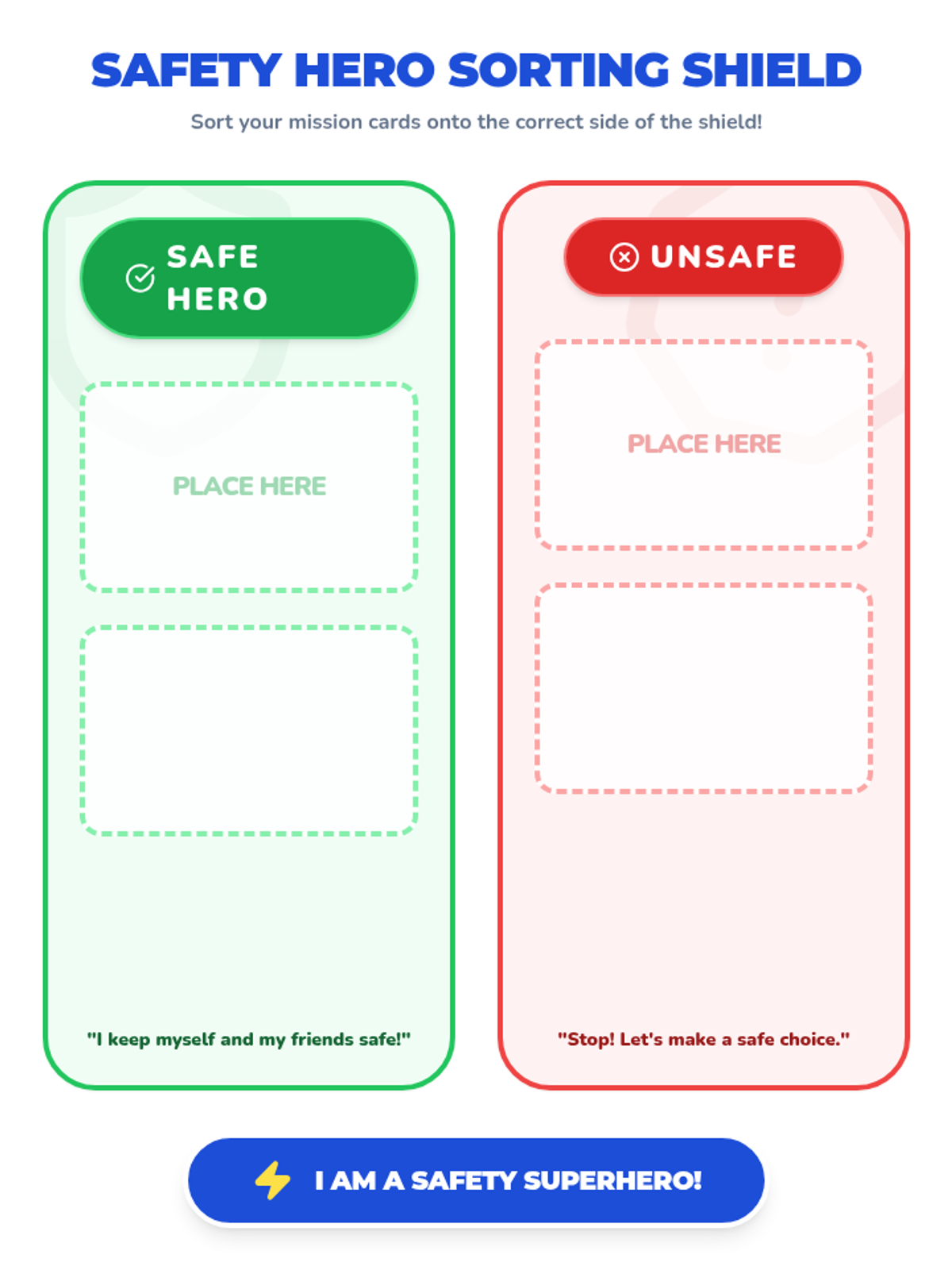
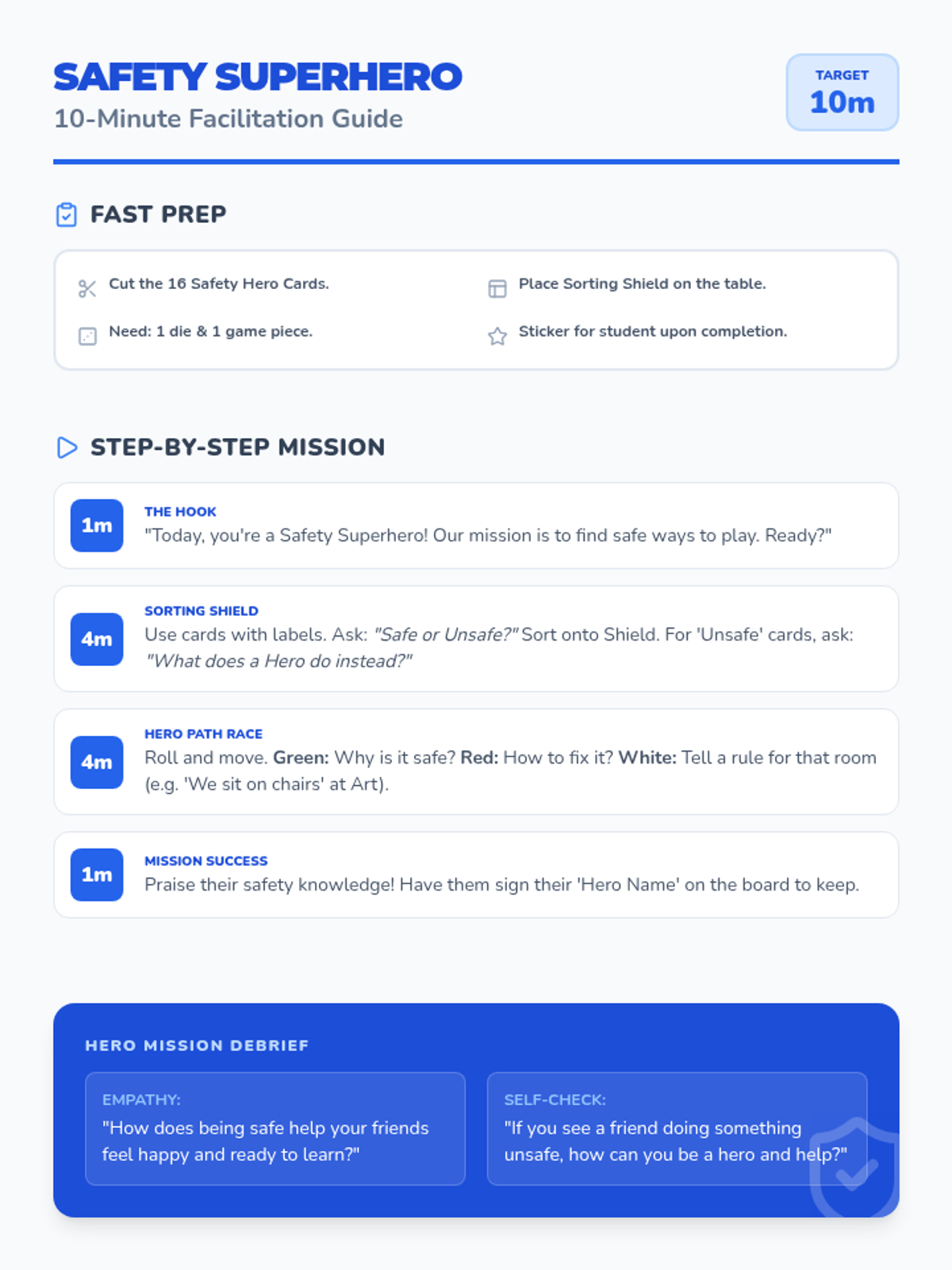
A quick, interactive session for kindergarteners to distinguish between safe and unsafe behaviors in the classroom and on the playground using a superhero theme.
This lesson provides school social workers with a clinical and practical framework for identifying and supporting students struggling with anxiety, depression, and self-harm. It includes evidence-based interventions and safety planning tools specifically for the school environment.
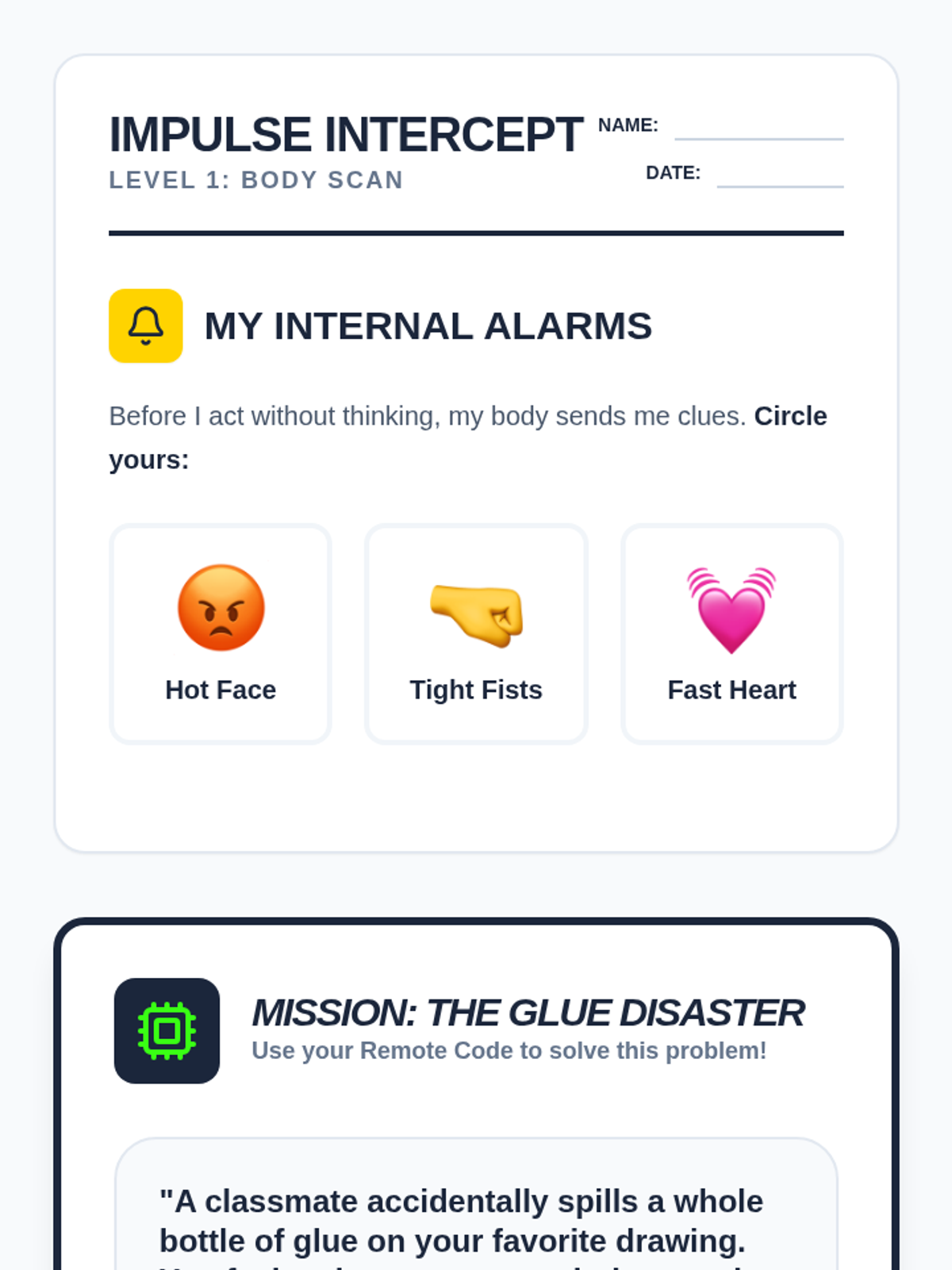
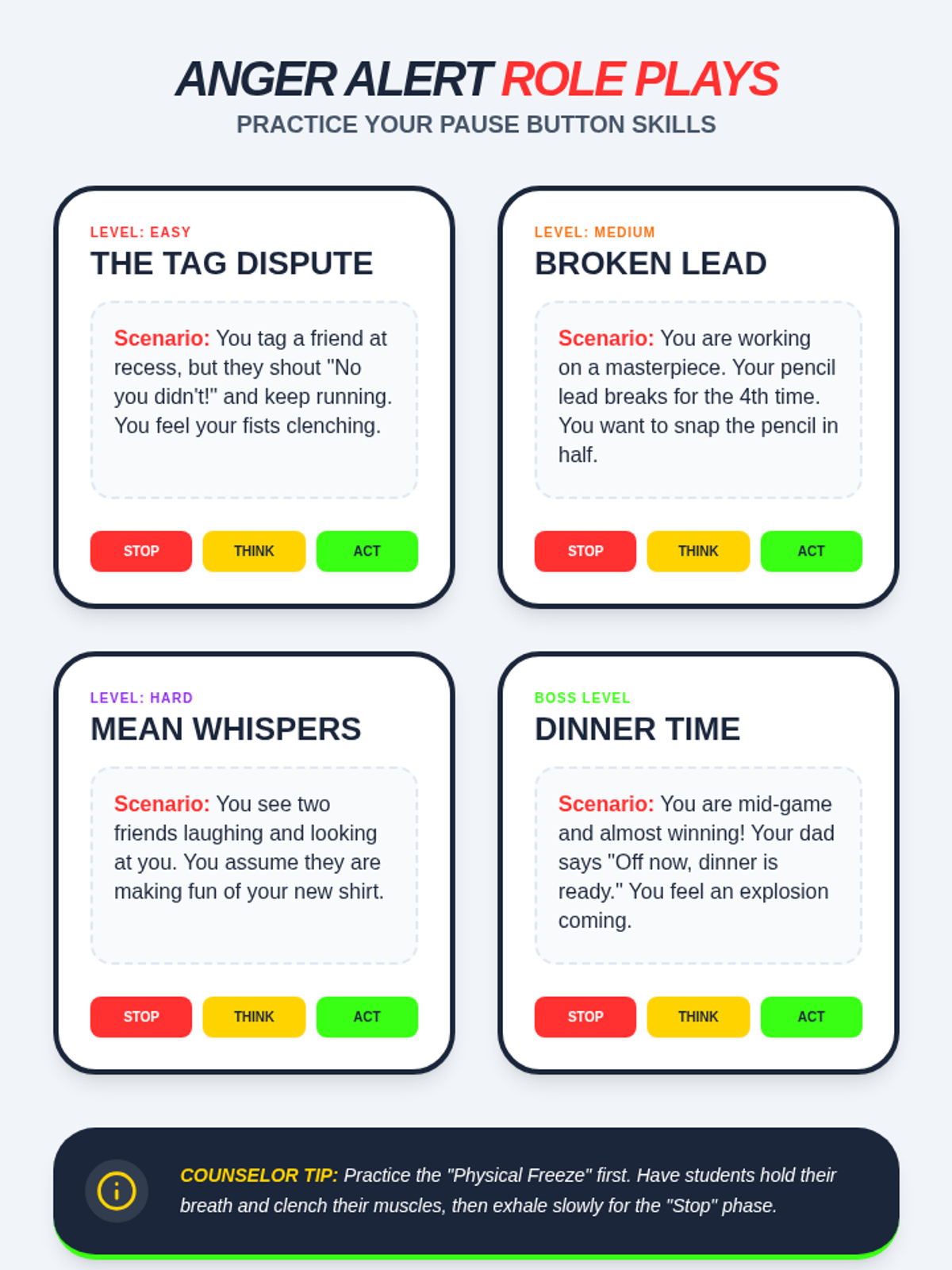
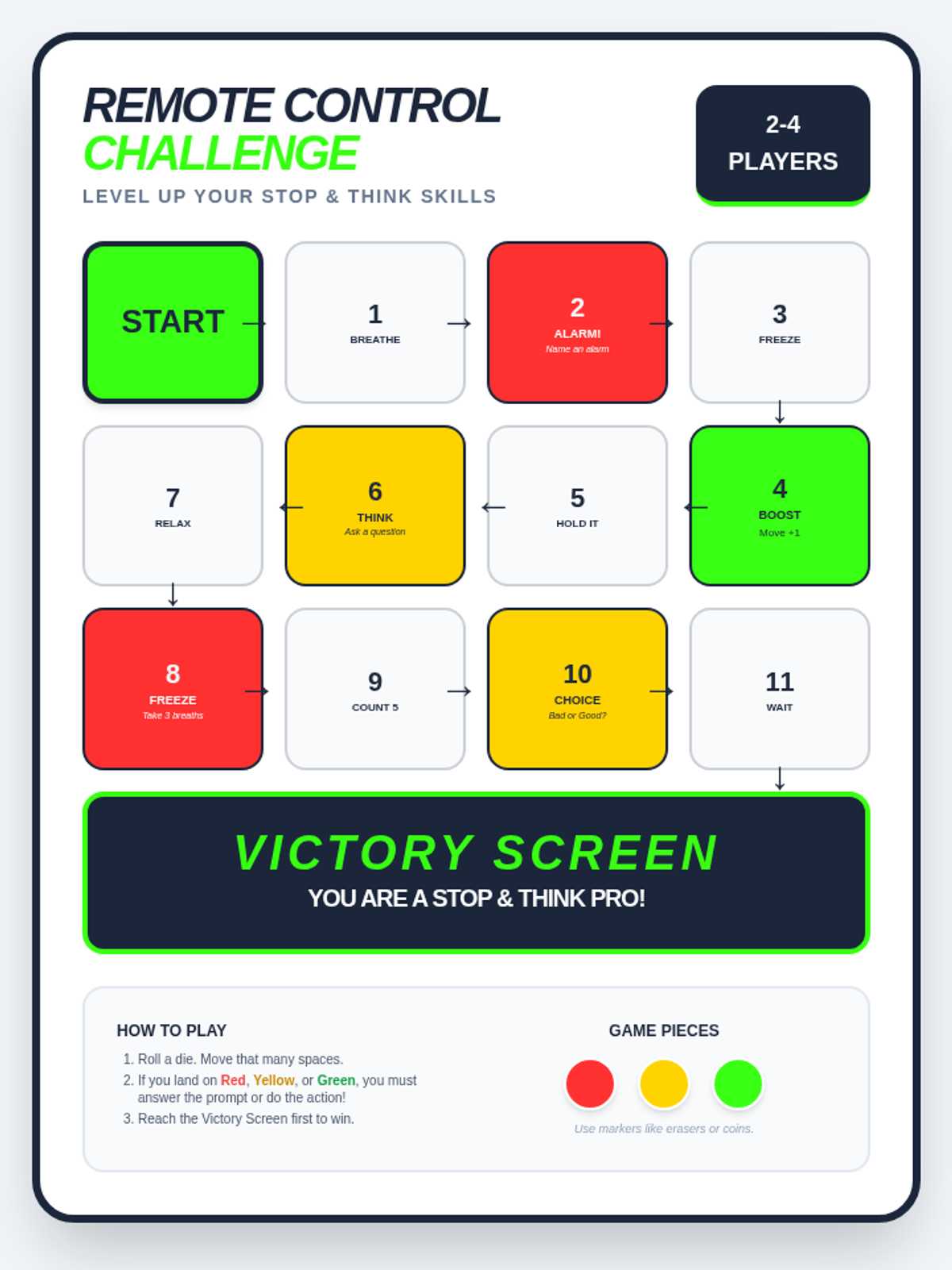
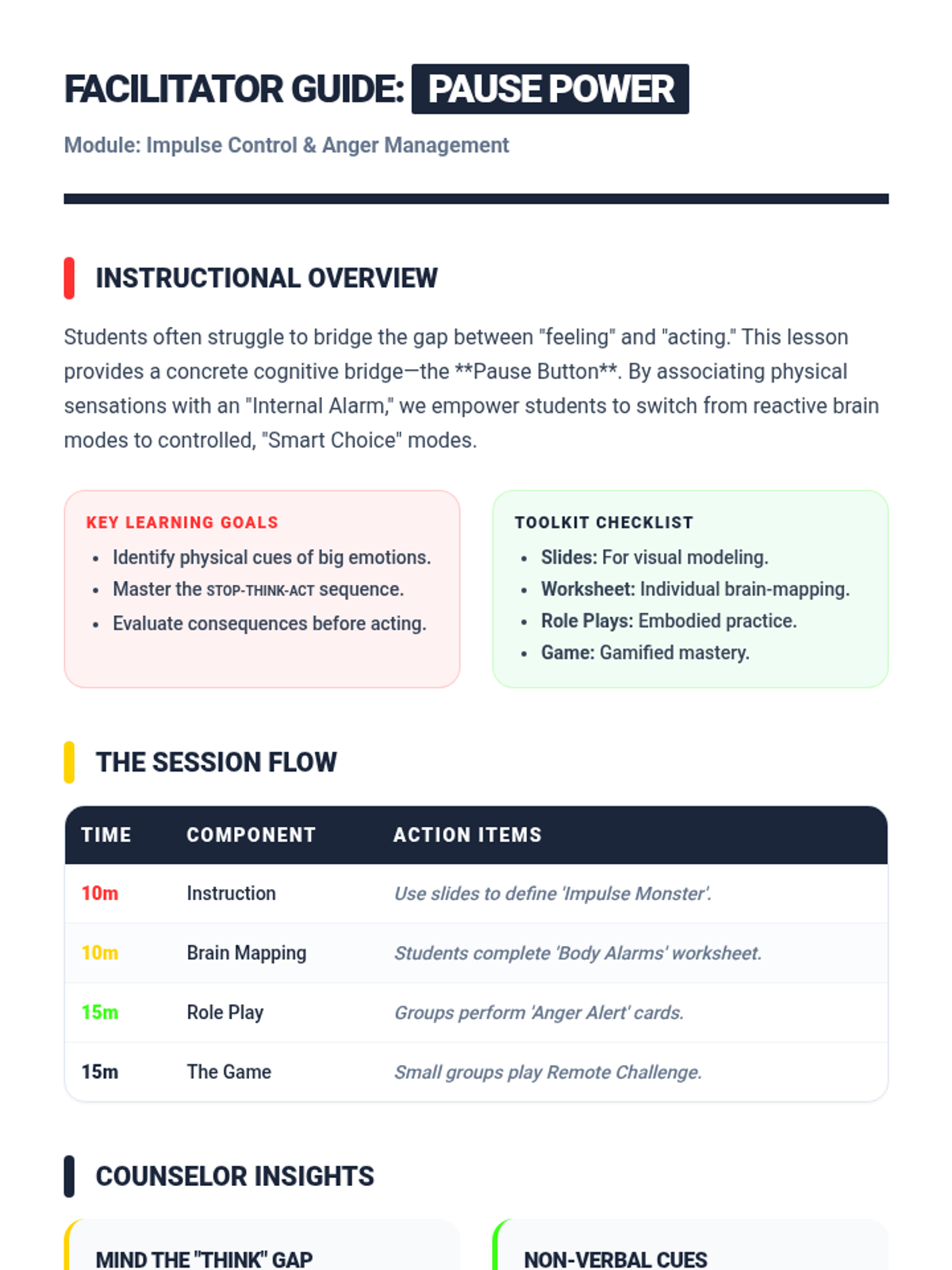
A comprehensive lesson teaching elementary students how to use the 'Stop and Think' strategy to manage anger and impulsive behaviors using a 'Remote Control' theme.
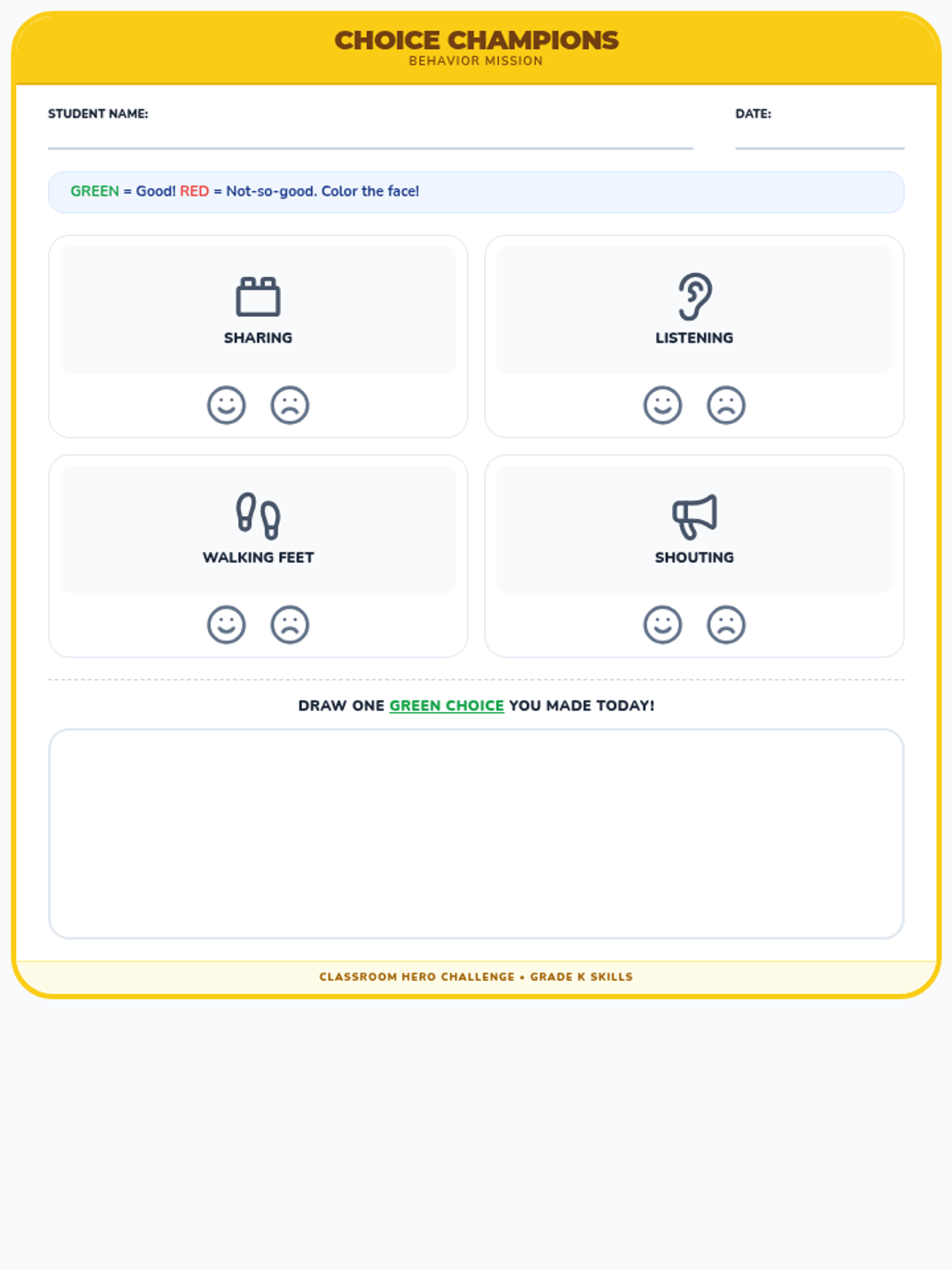
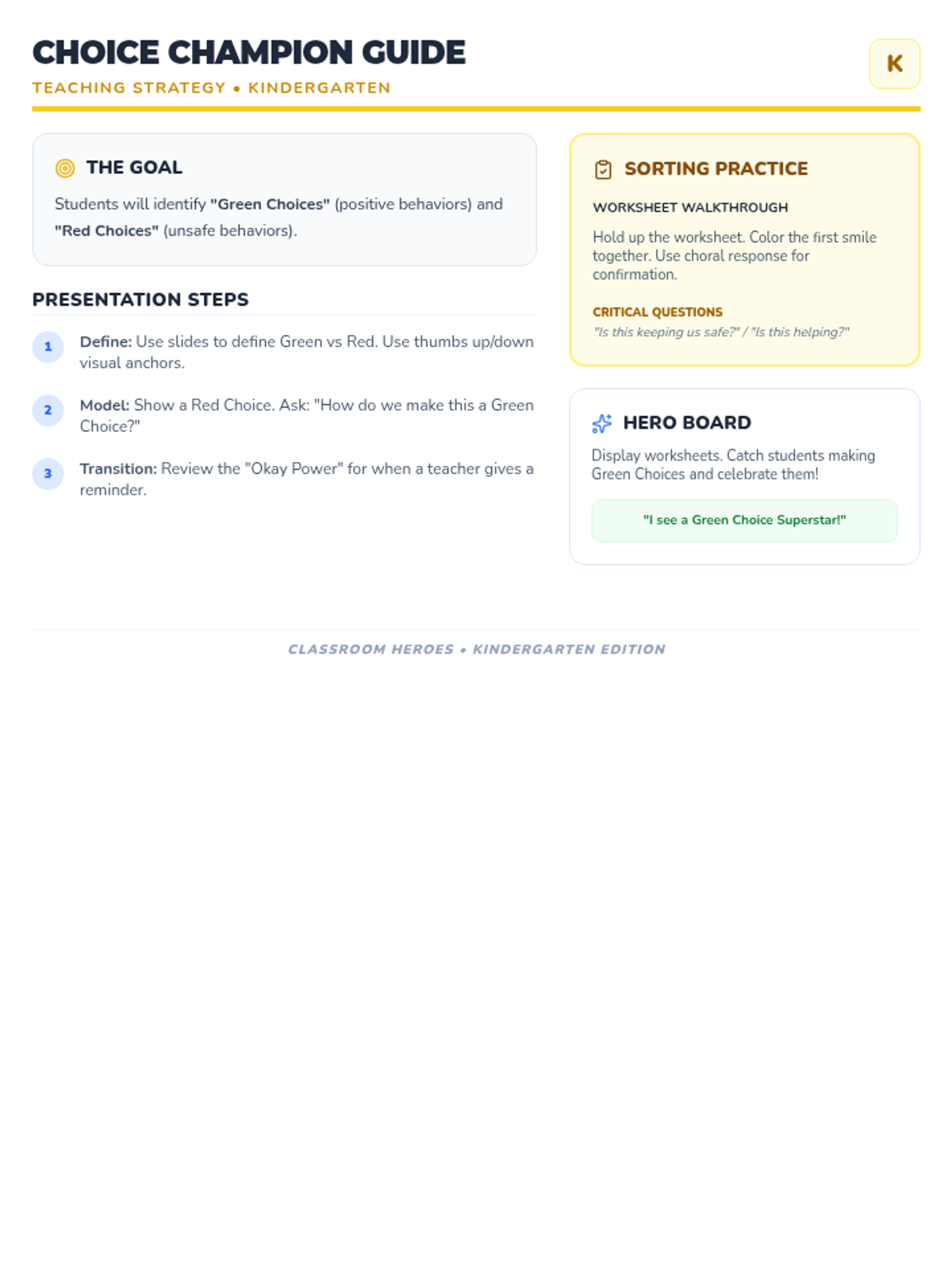
A foundational social-emotional learning lesson for kindergarteners to identify and practice appropriate vs. inappropriate school behaviors through visual sorting and modeling.
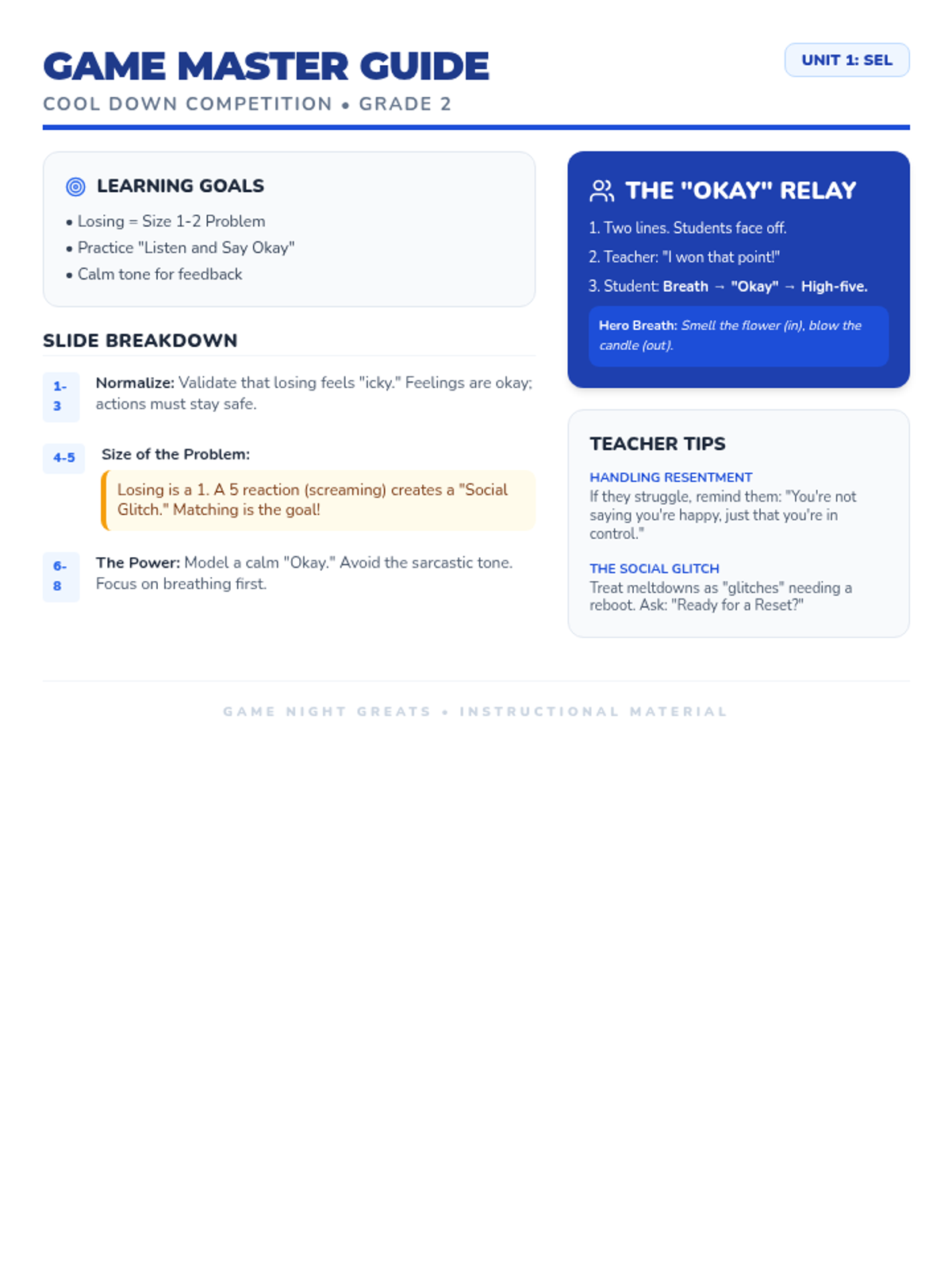
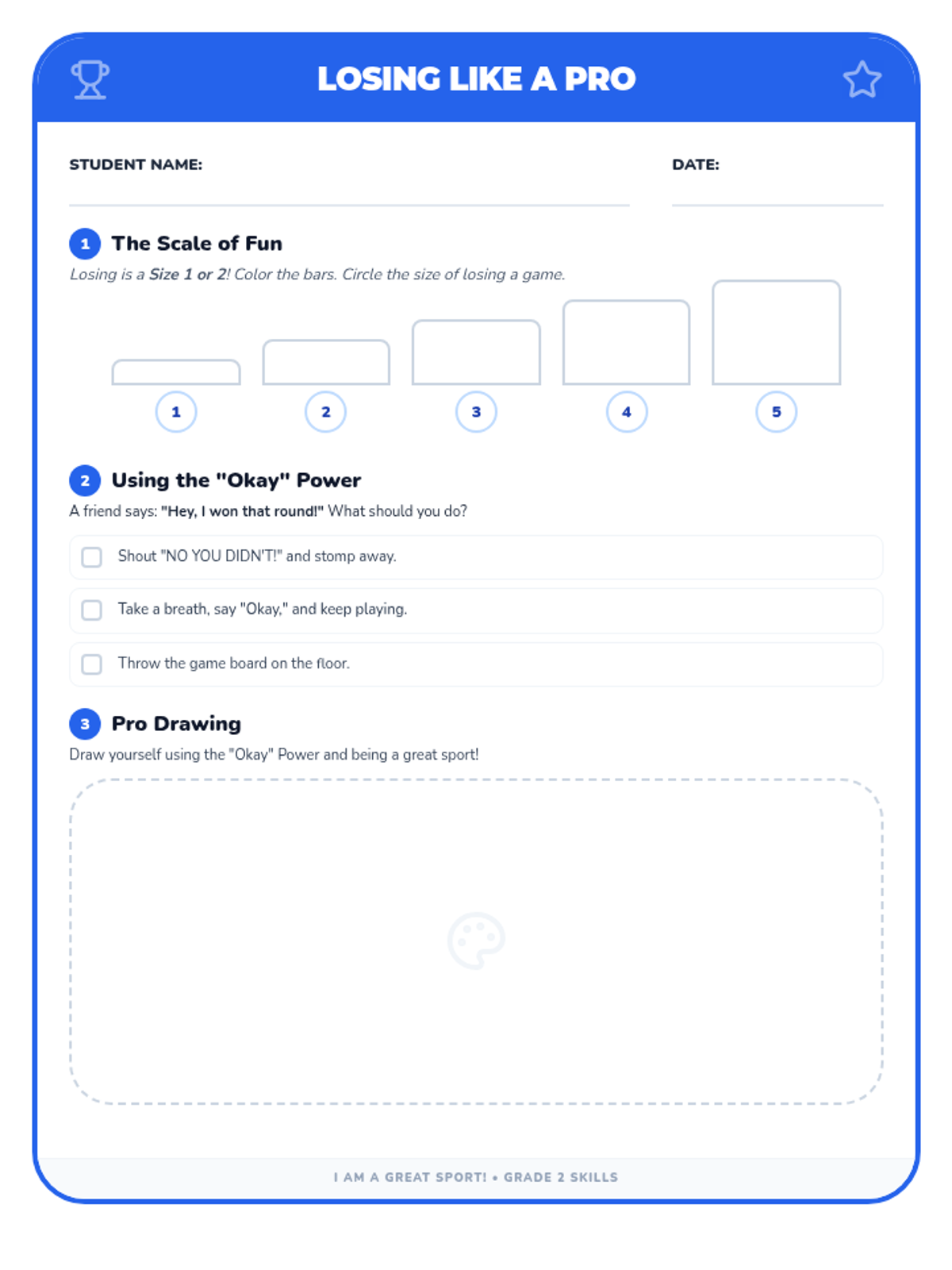
A social-emotional learning lesson for 2nd graders on handling competition, using the Size of the Problem scale to manage reactions to losing and accepting feedback gracefully.
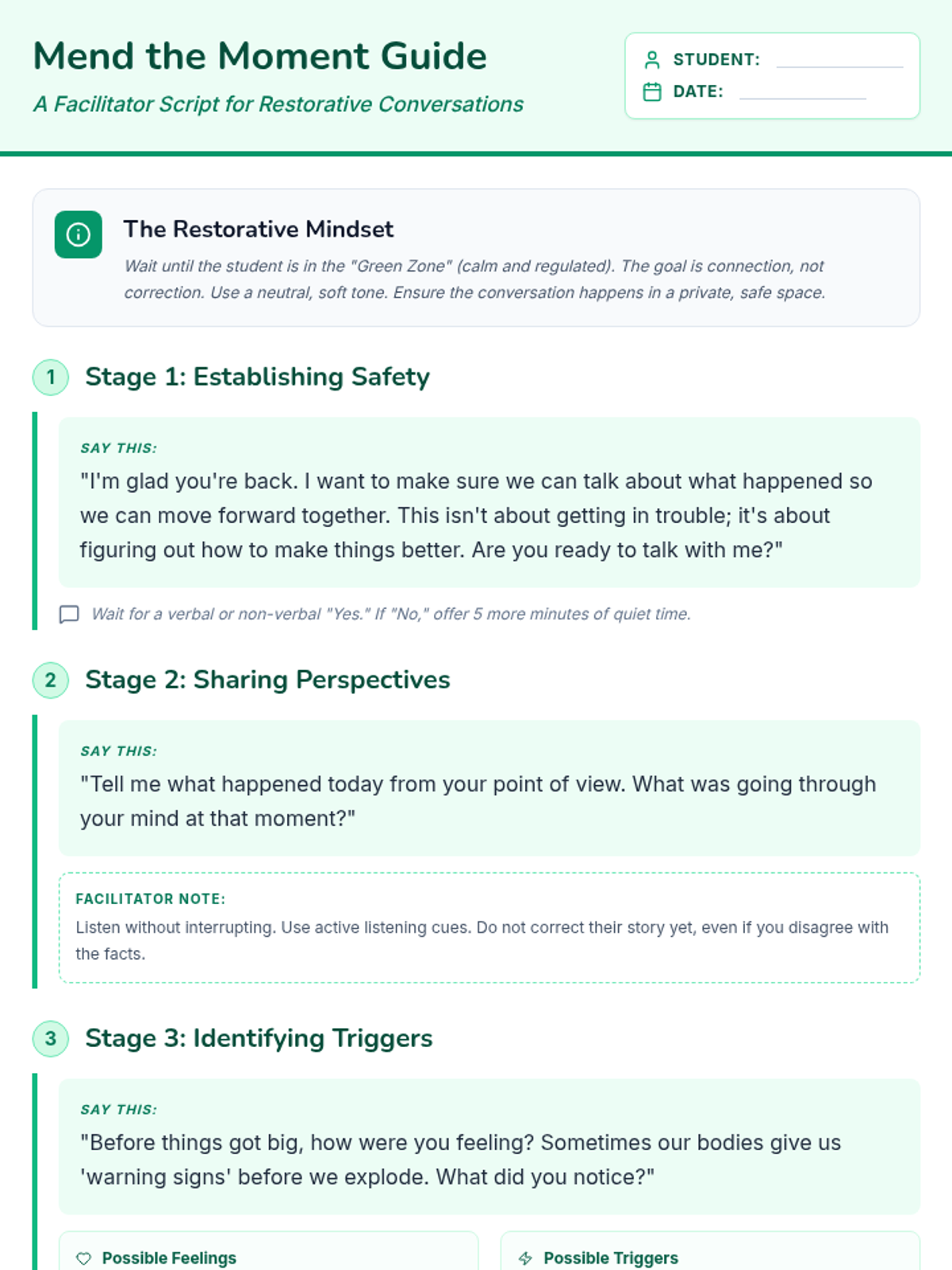
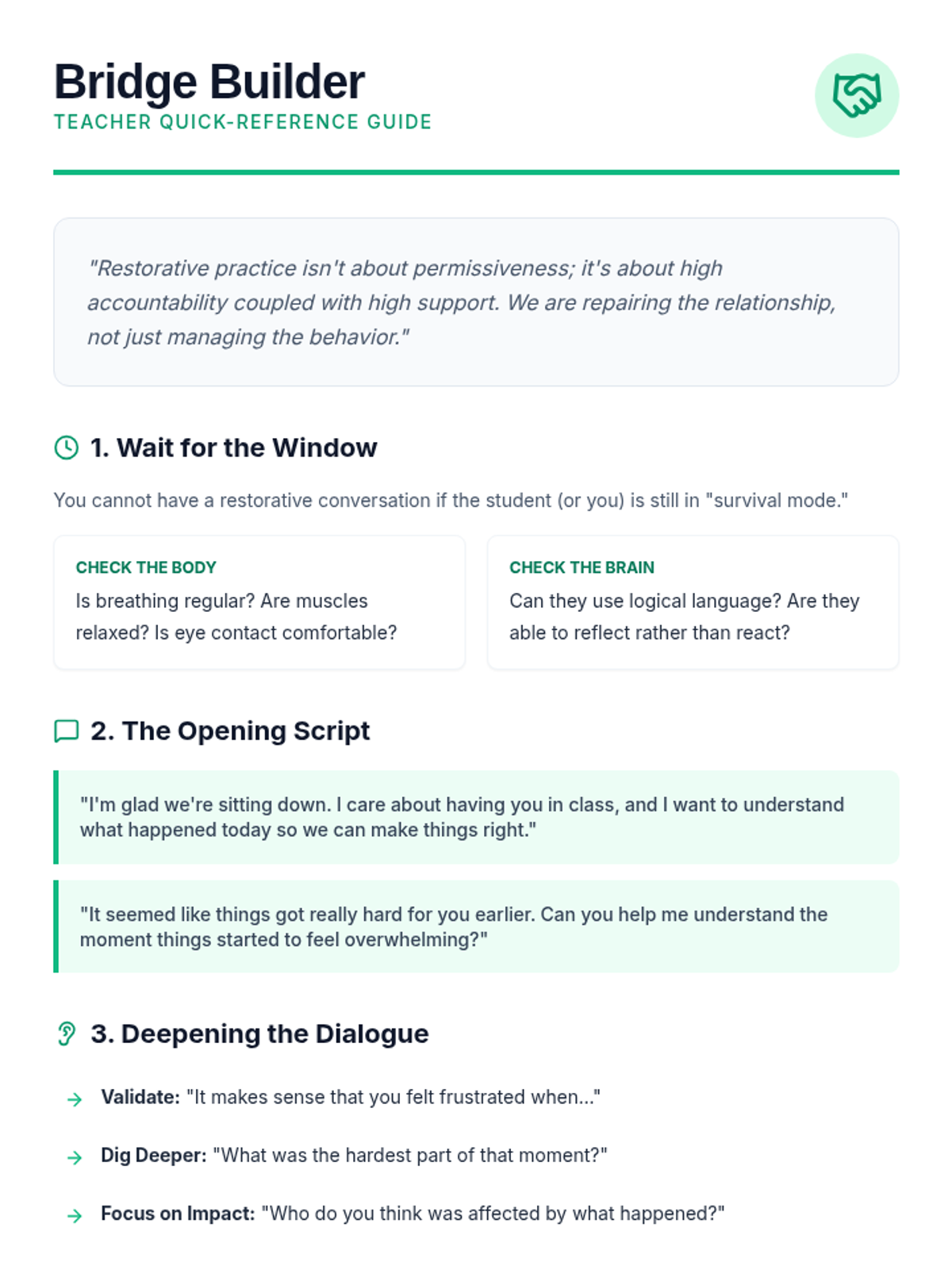
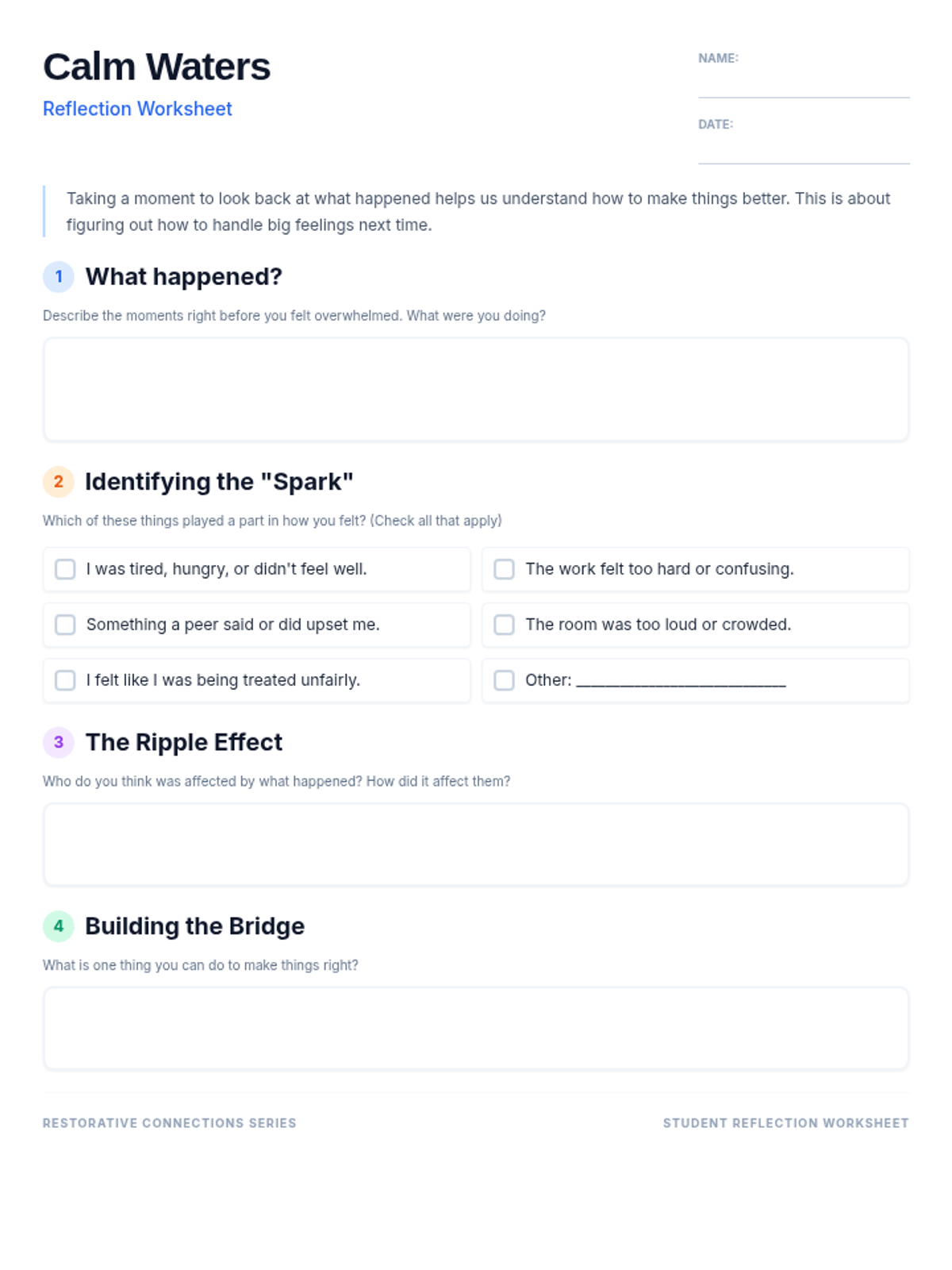
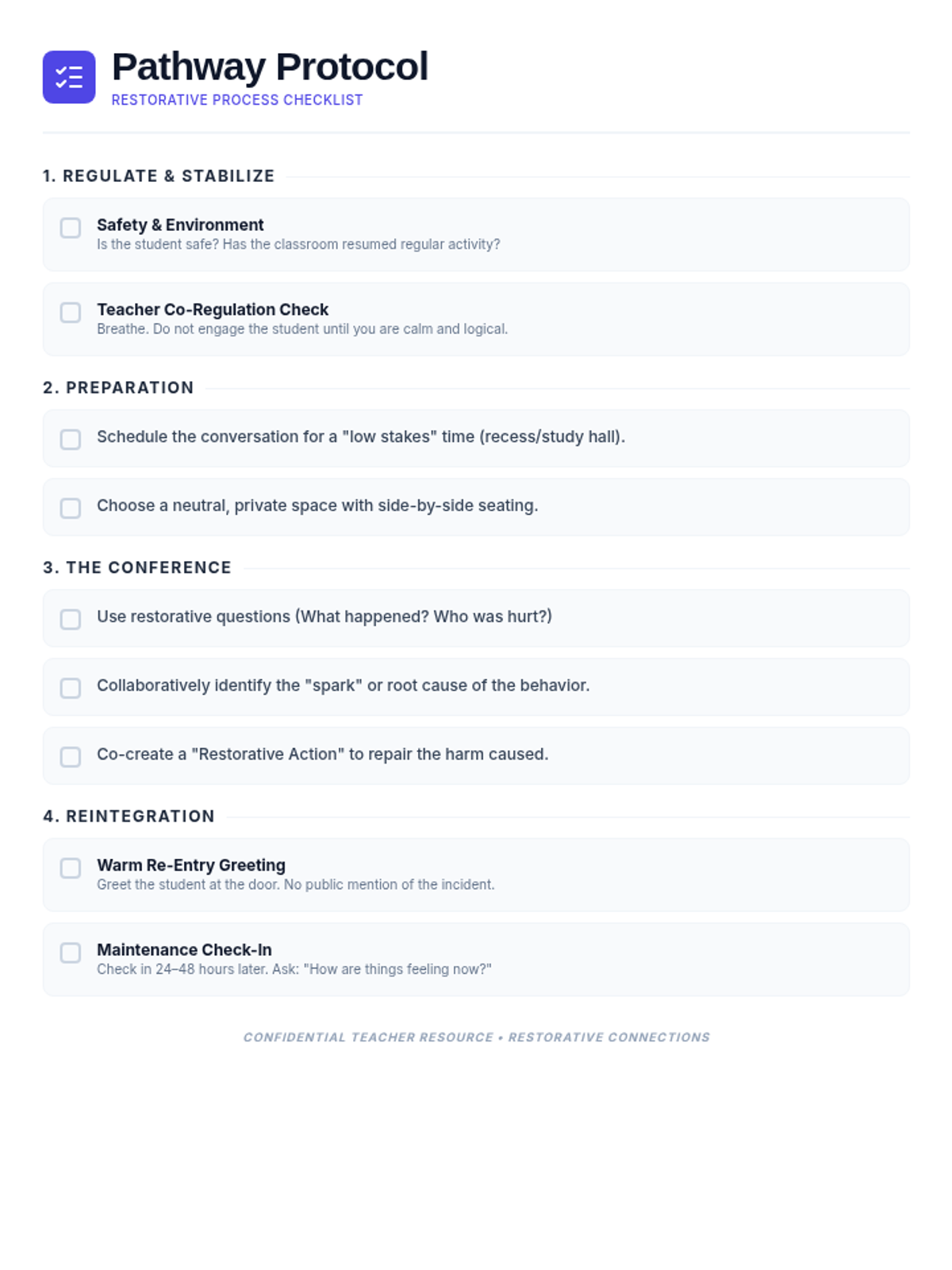
A restorative approach to helping students identify emotional triggers and navigate high-intensity moments through structured conversation and empathy.
A set of restorative tools designed to help teachers navigate the aftermath of student emotional outbursts, focusing on identifying triggers and rebuilding the student-teacher relationship.
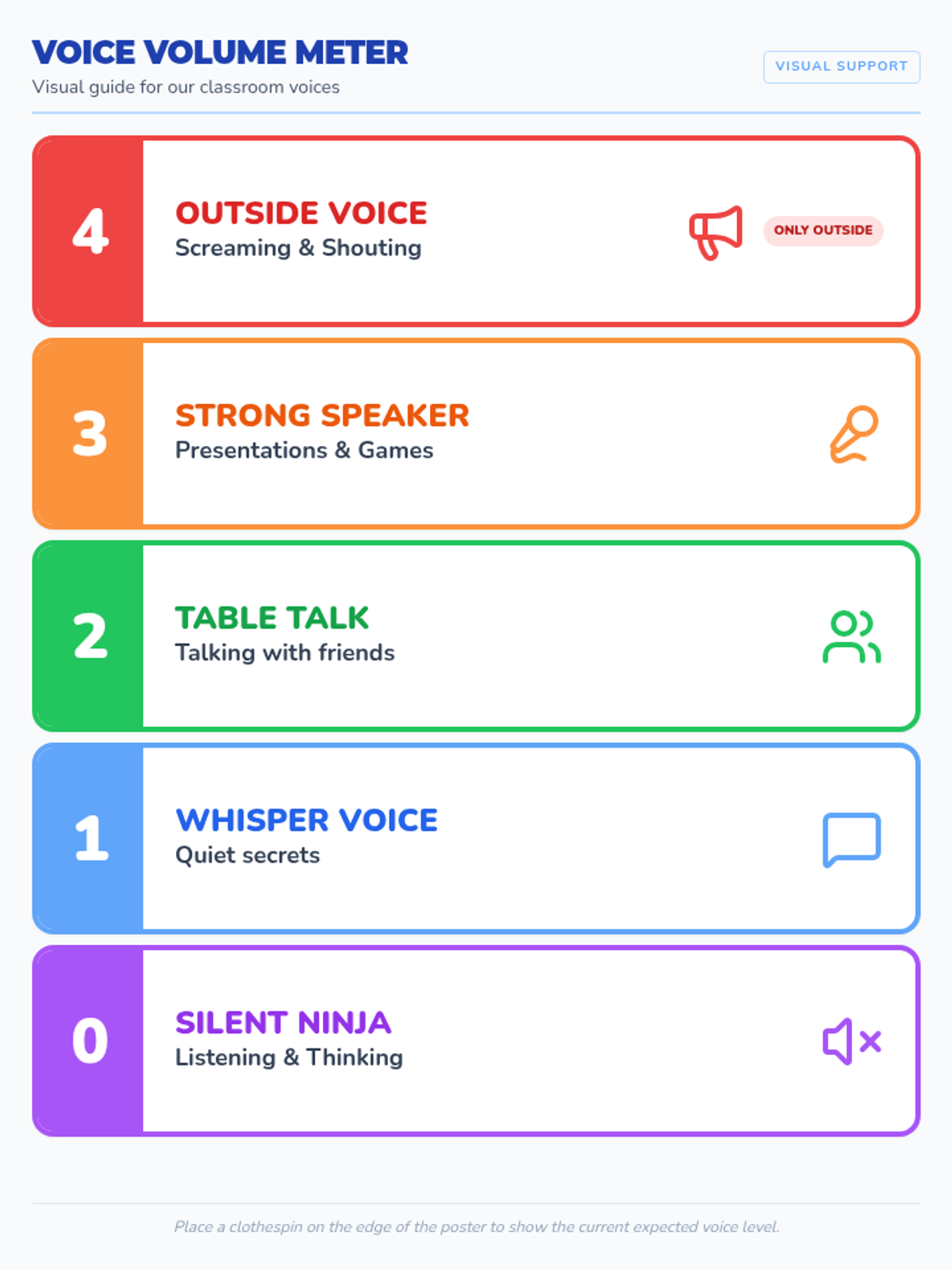
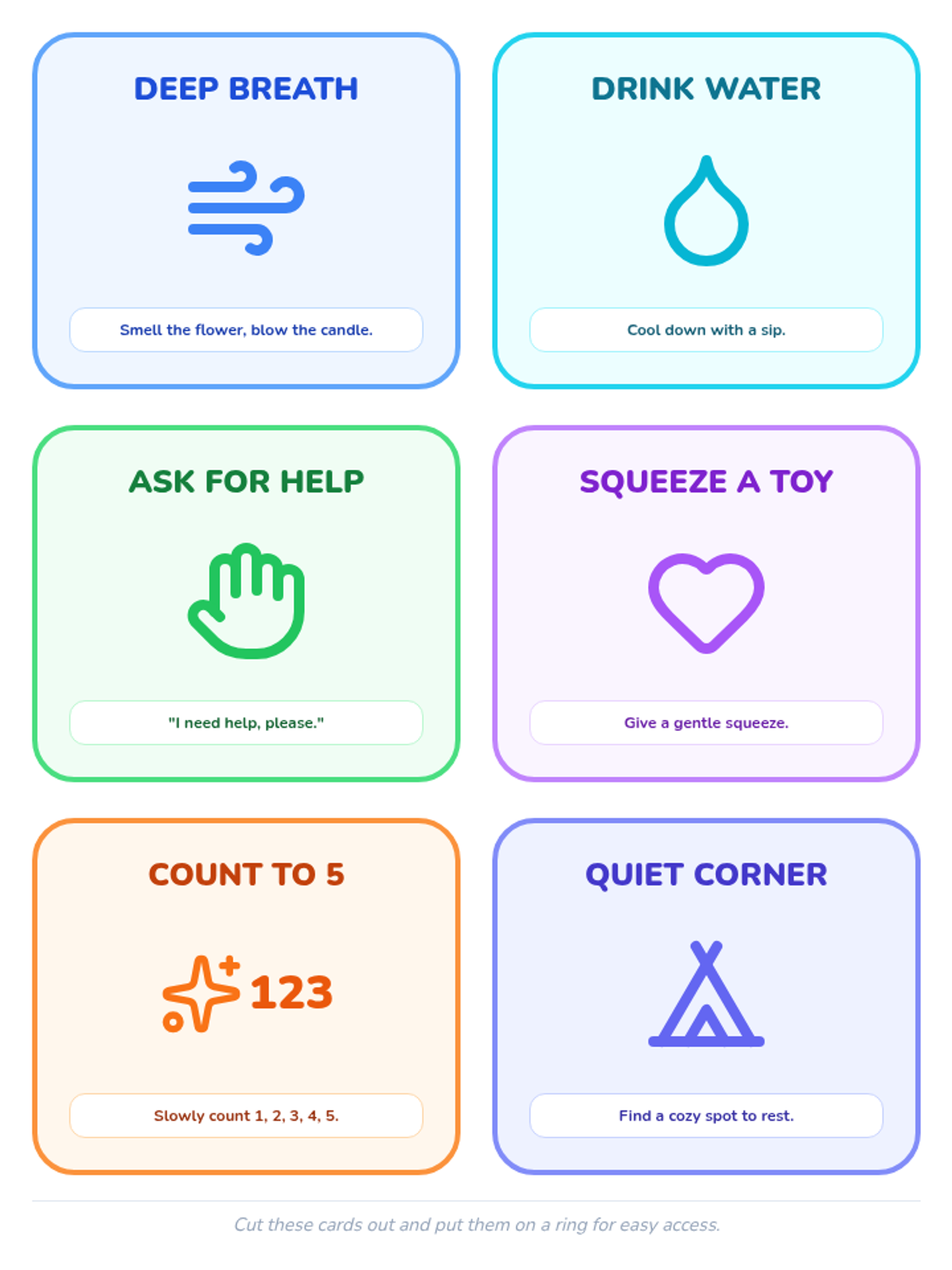
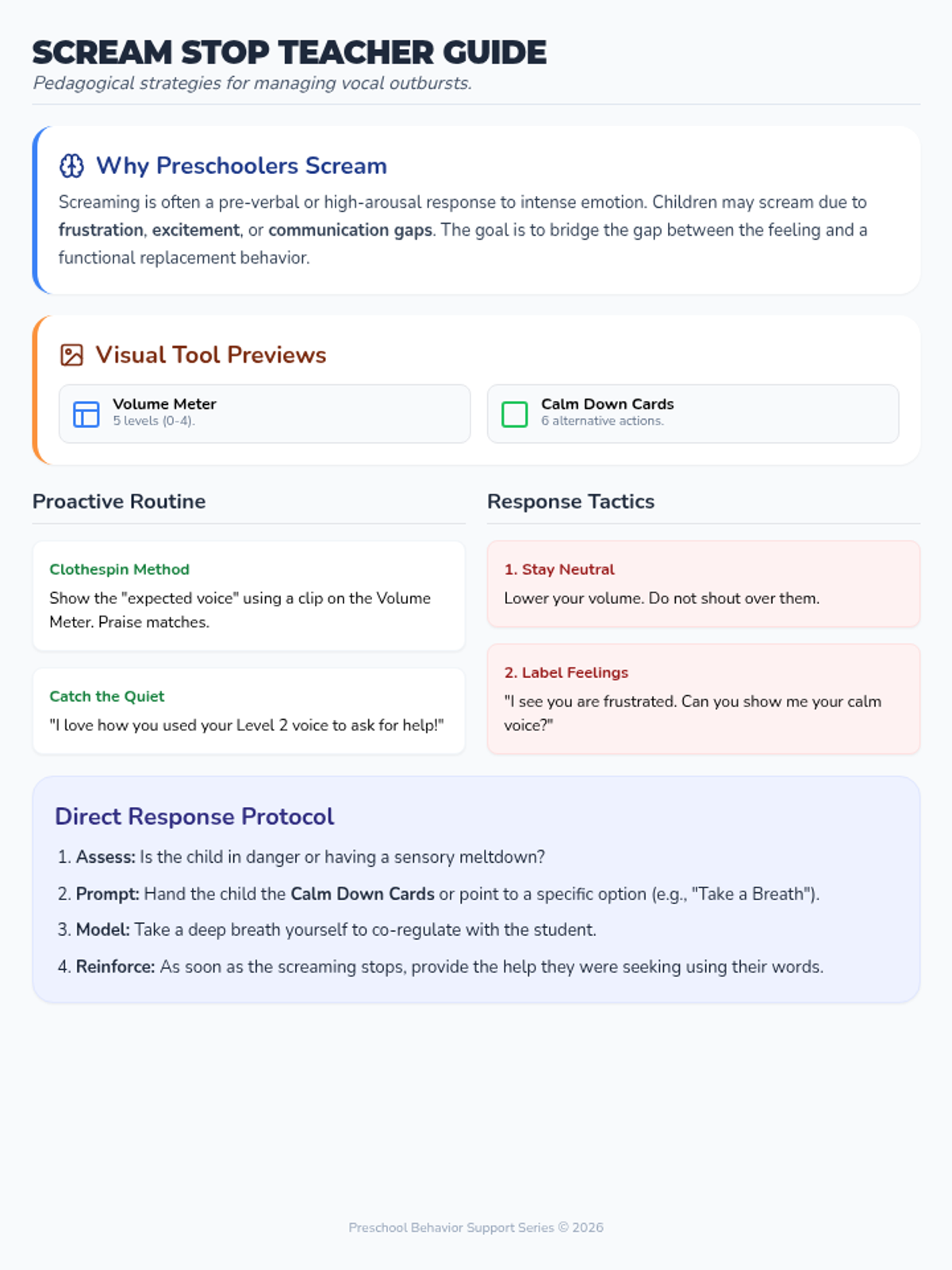
A set of visual supports and instructional materials designed to help preschool students understand voice volume and find alternatives to screaming. This lesson provides clear, picture-based tools for both group instruction and individual behavior support.
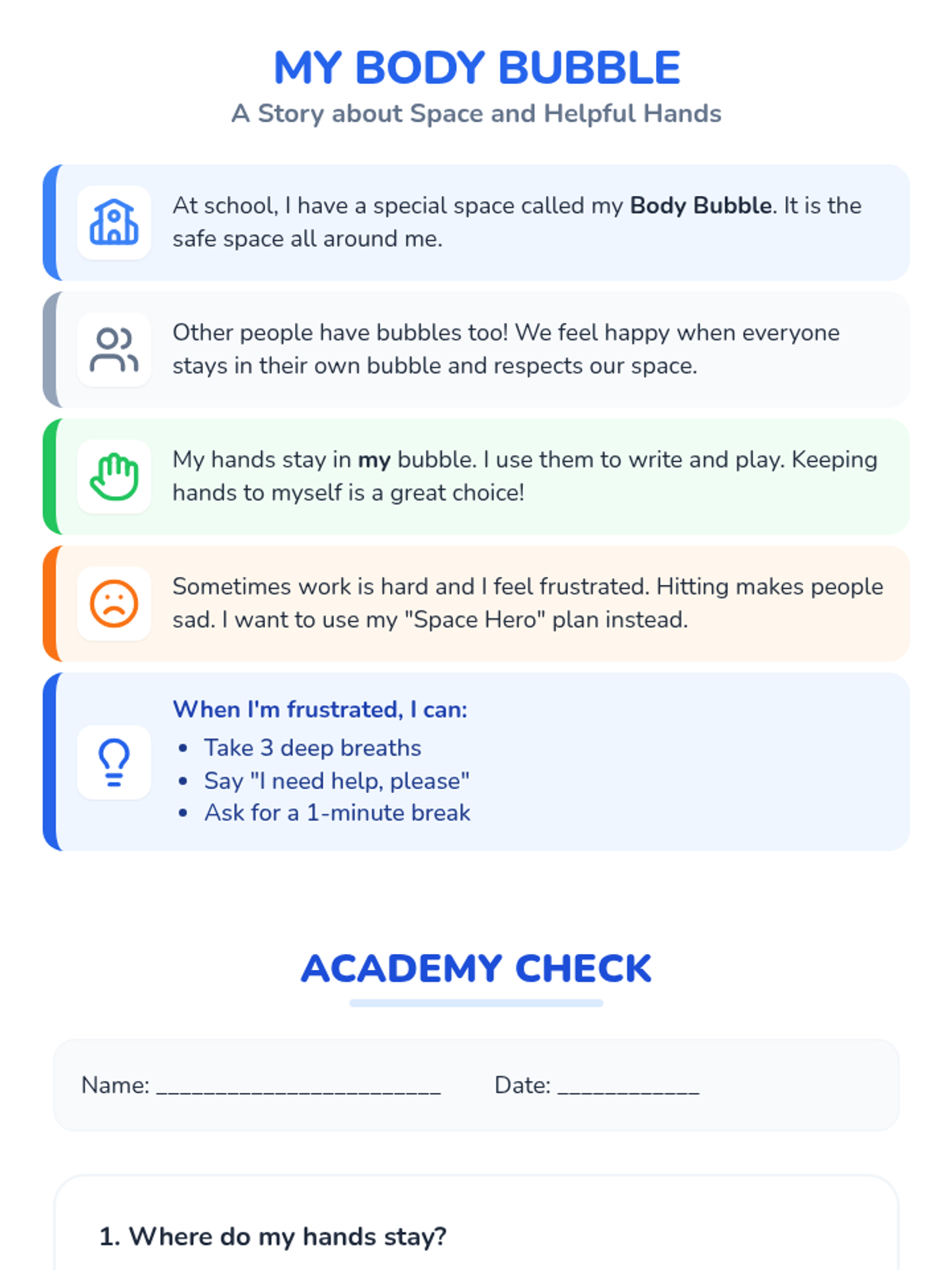
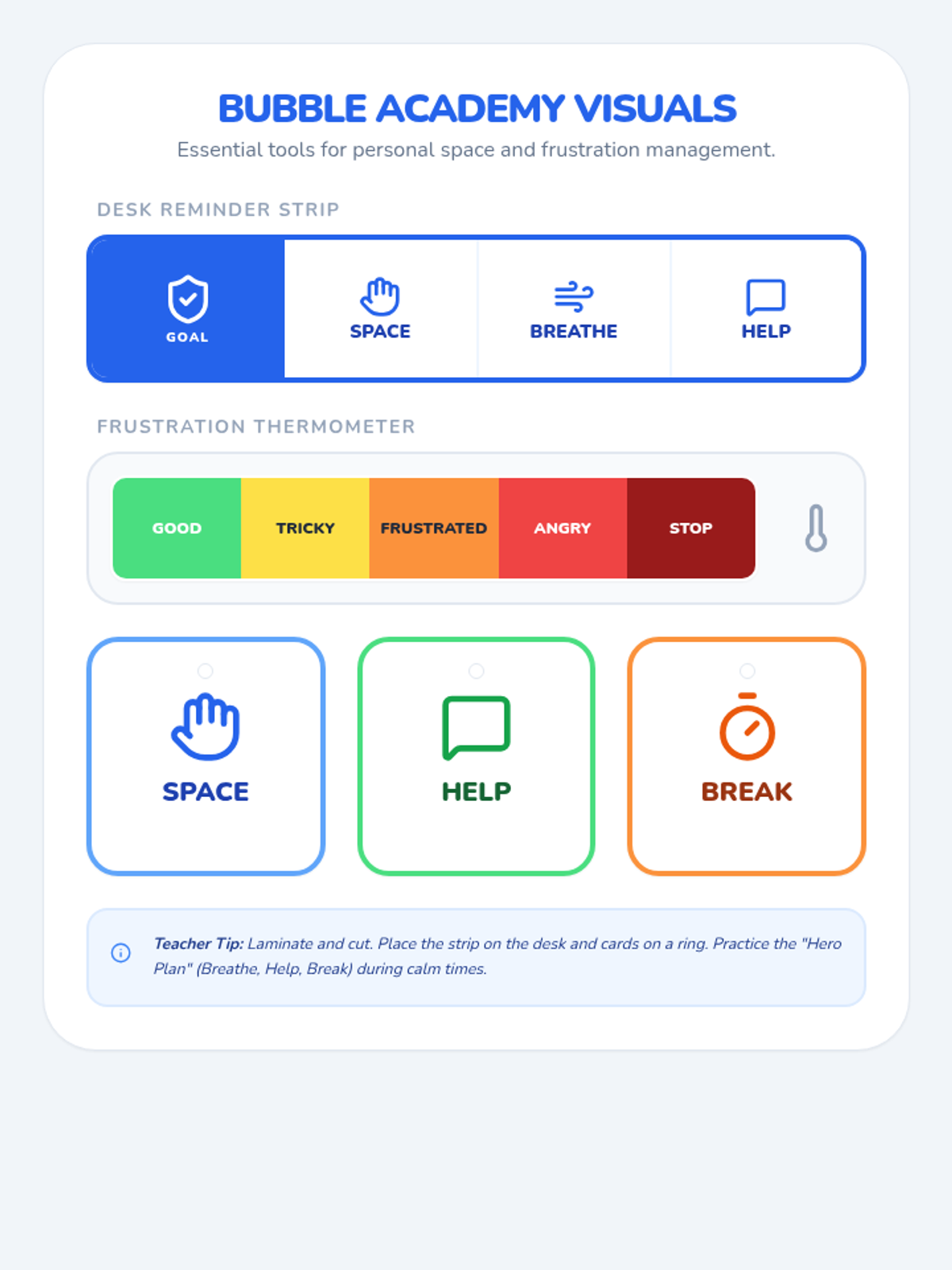
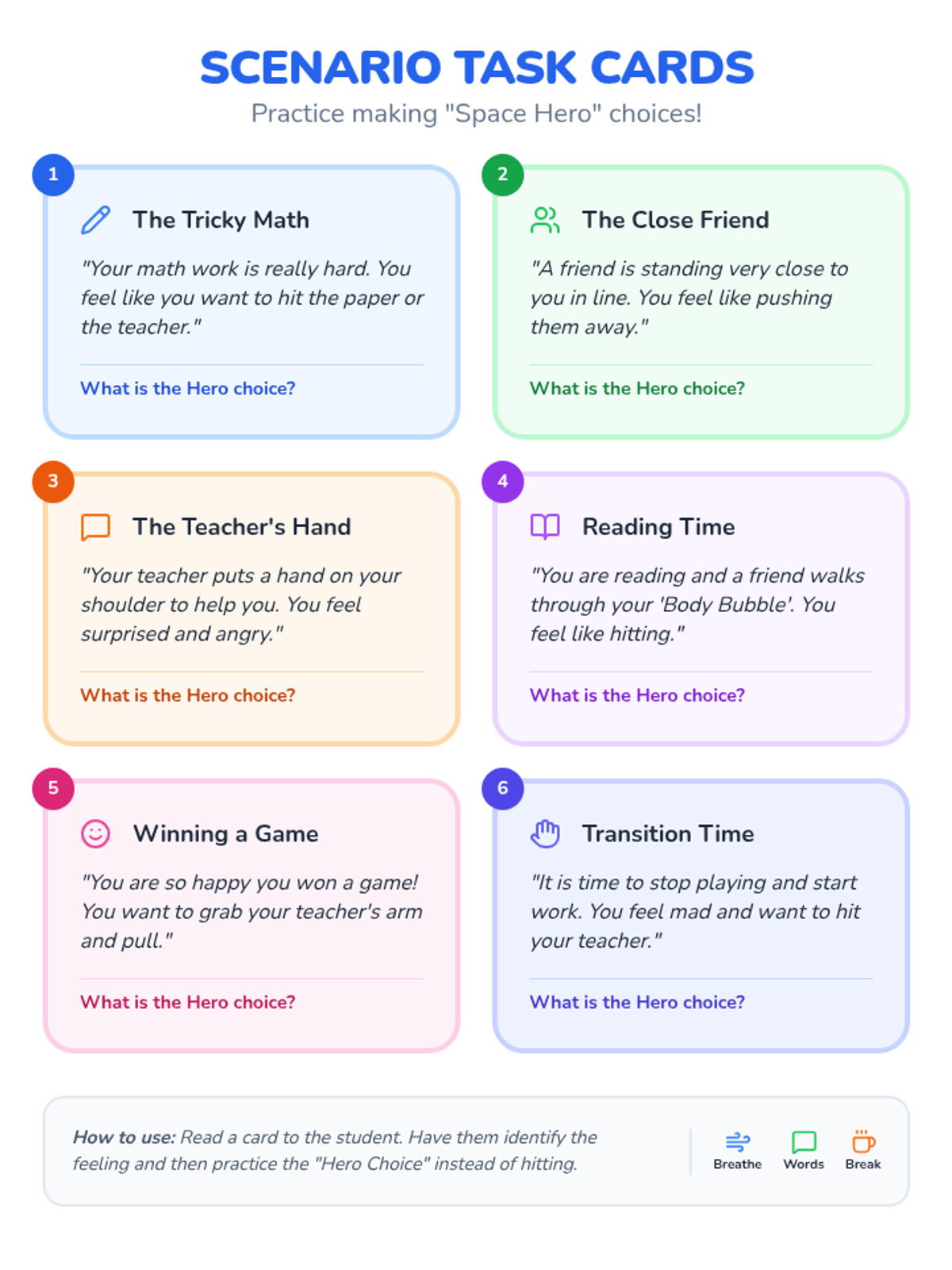
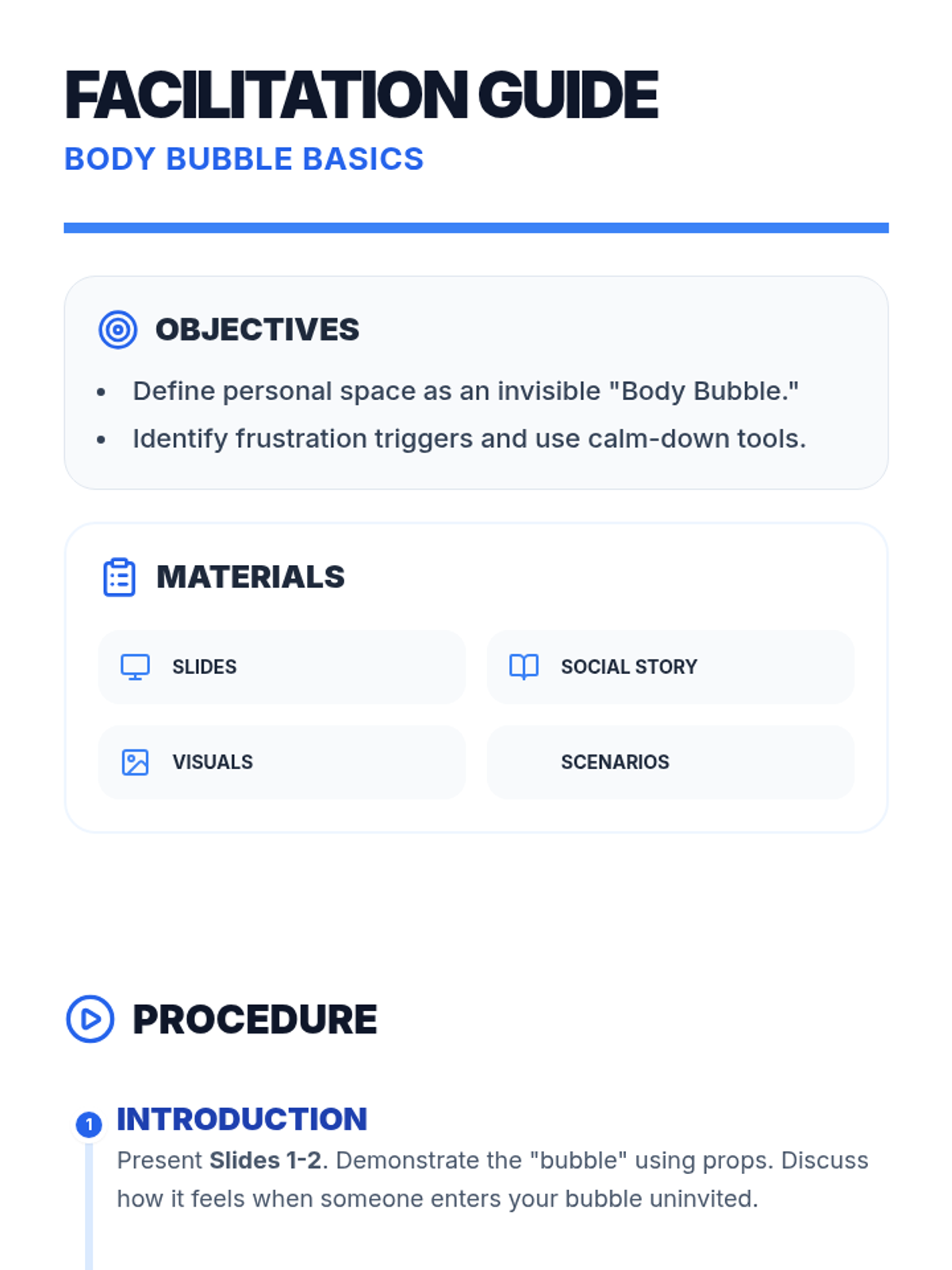
This lesson introduces the concept of a 'Body Bubble' for personal space and provides strategies for managing frustration without physical aggression.
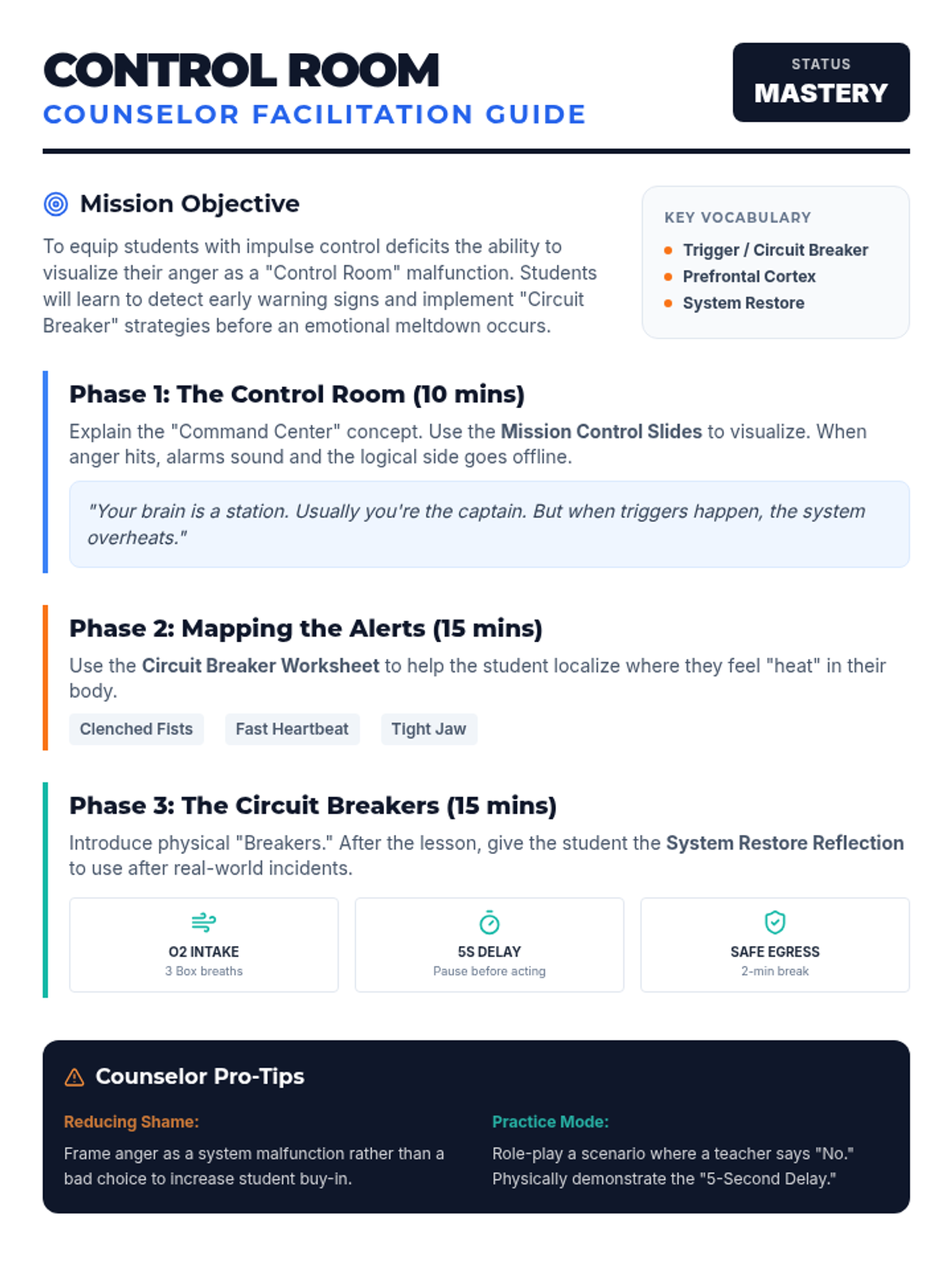
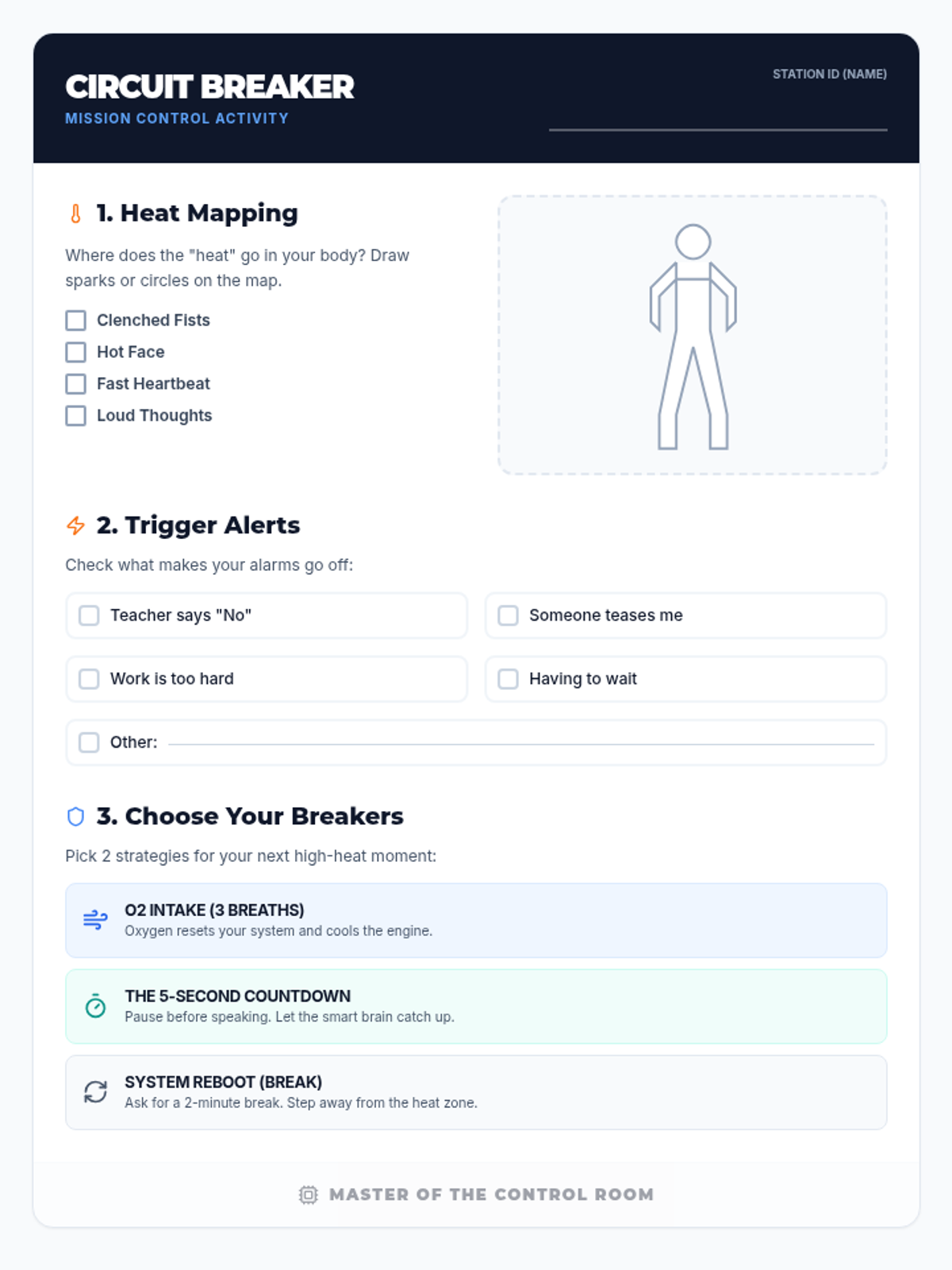
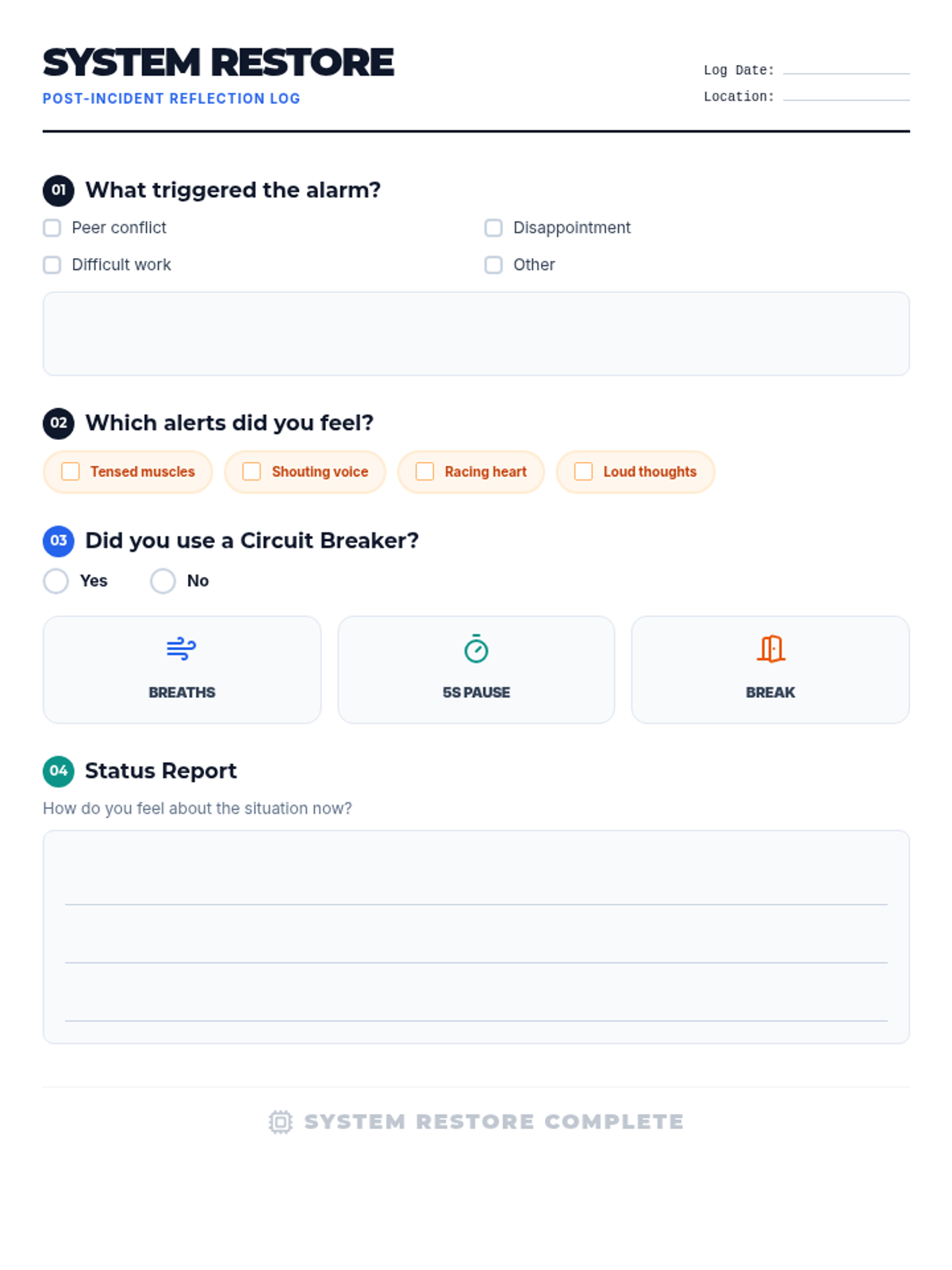
A comprehensive counseling module designed to help students identify anger triggers, recognize physical warning signs, and implement 'pause' strategies during peer conflicts or when faced with disappointment. Students learn to view their emotional responses as a 'Control Room' they can master.
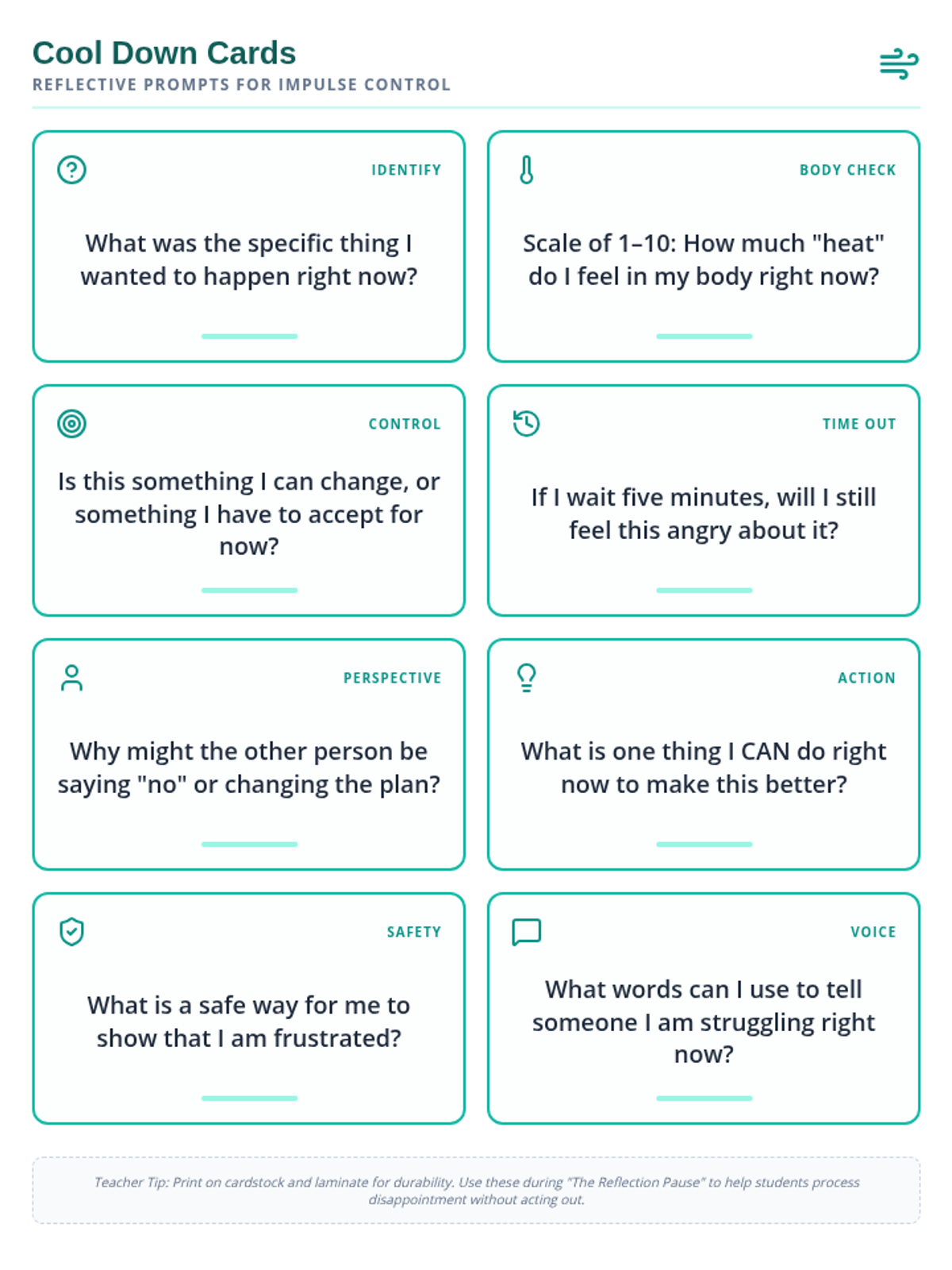
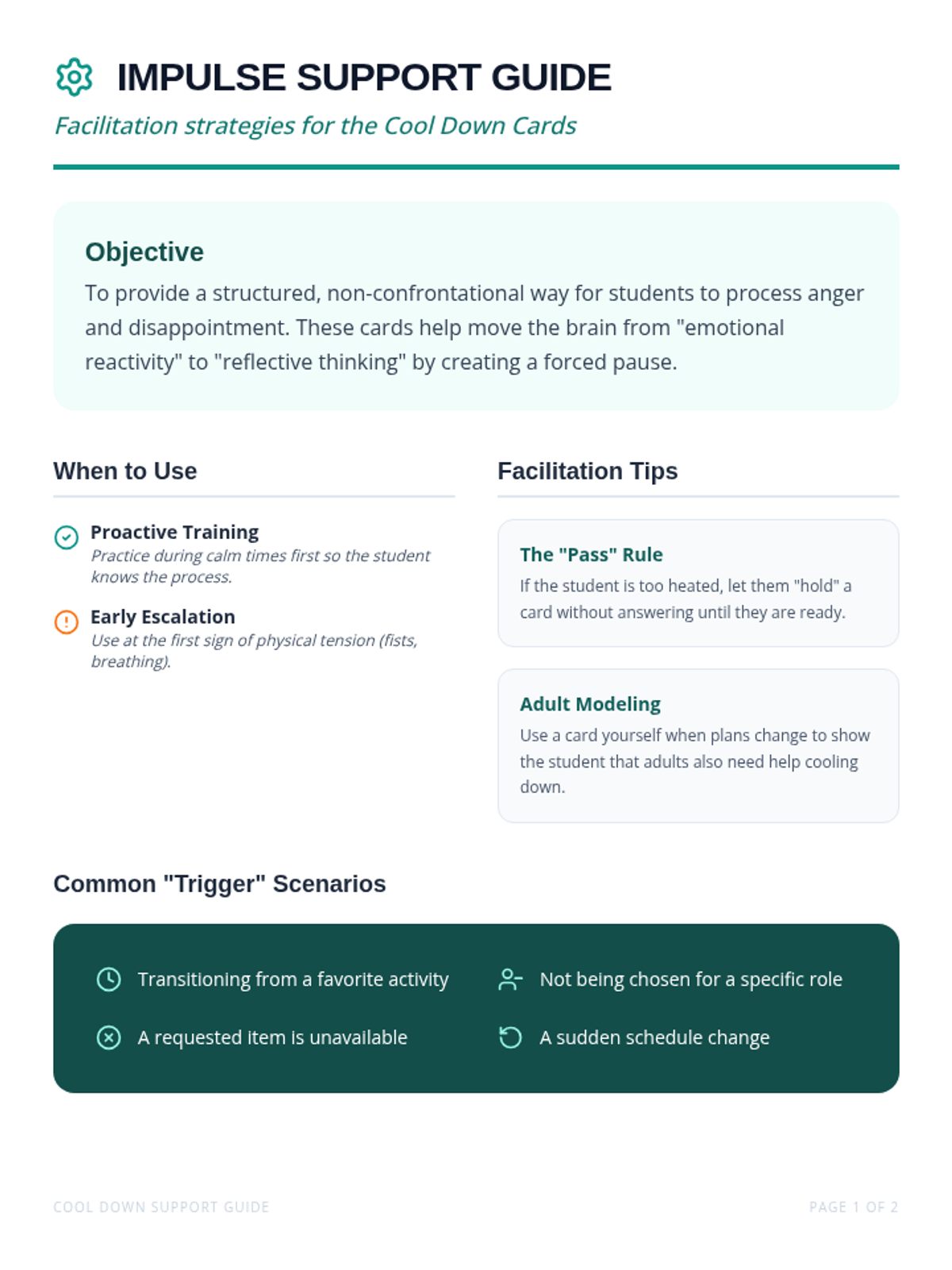
A targeted set of resources designed to help students navigate the frustration of not getting their way using reflective conversation prompts and self-regulation strategies.
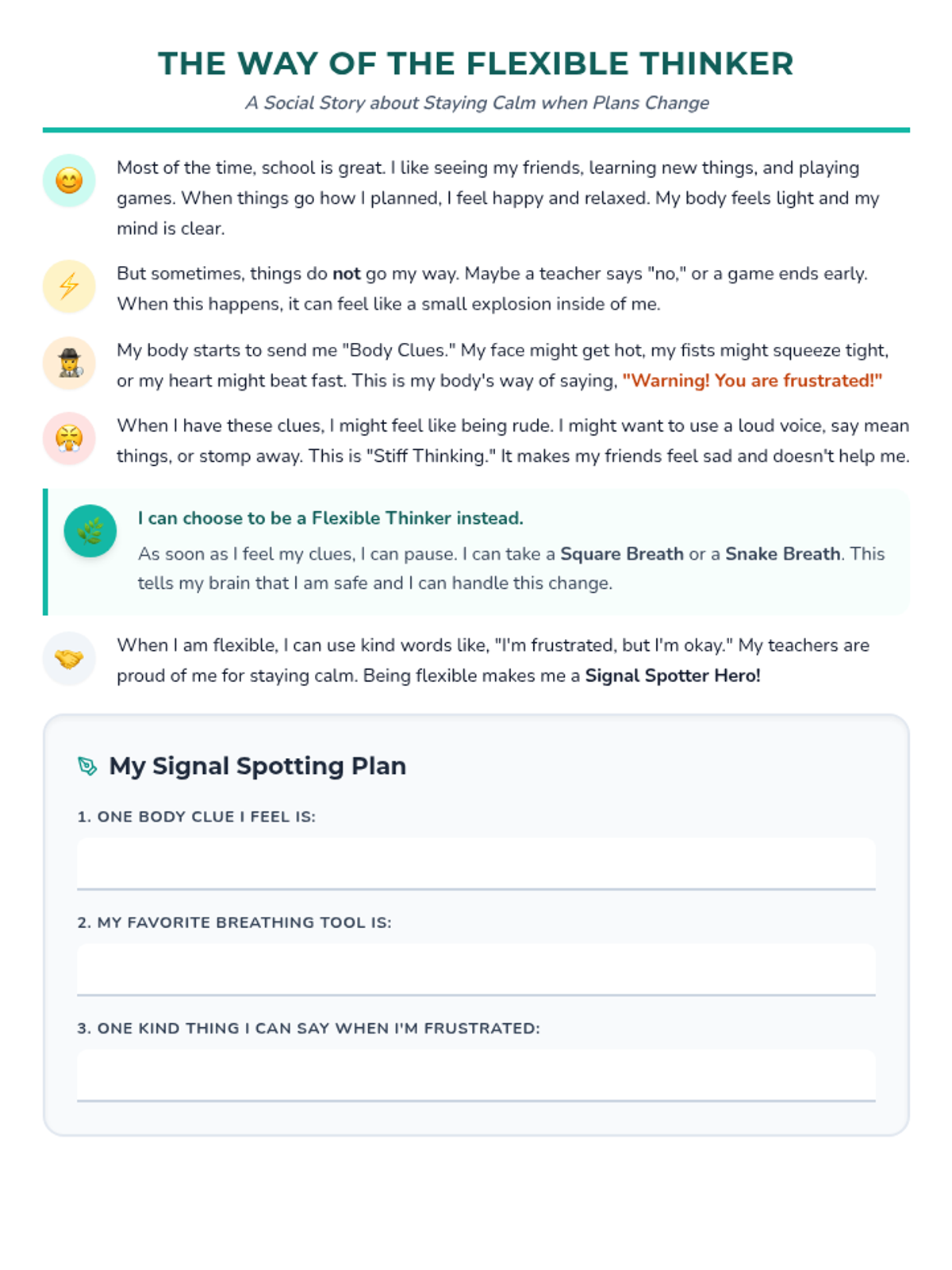
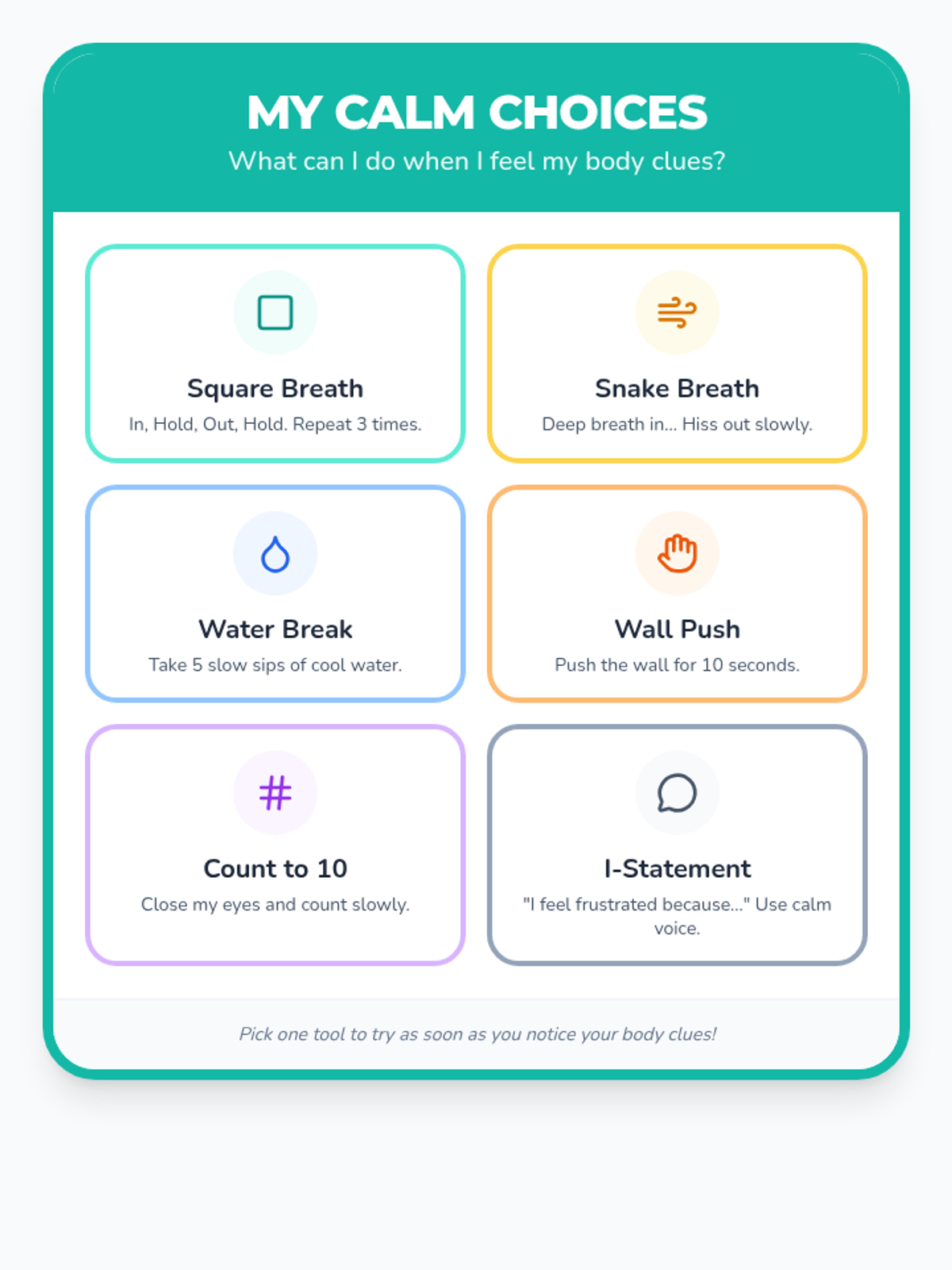
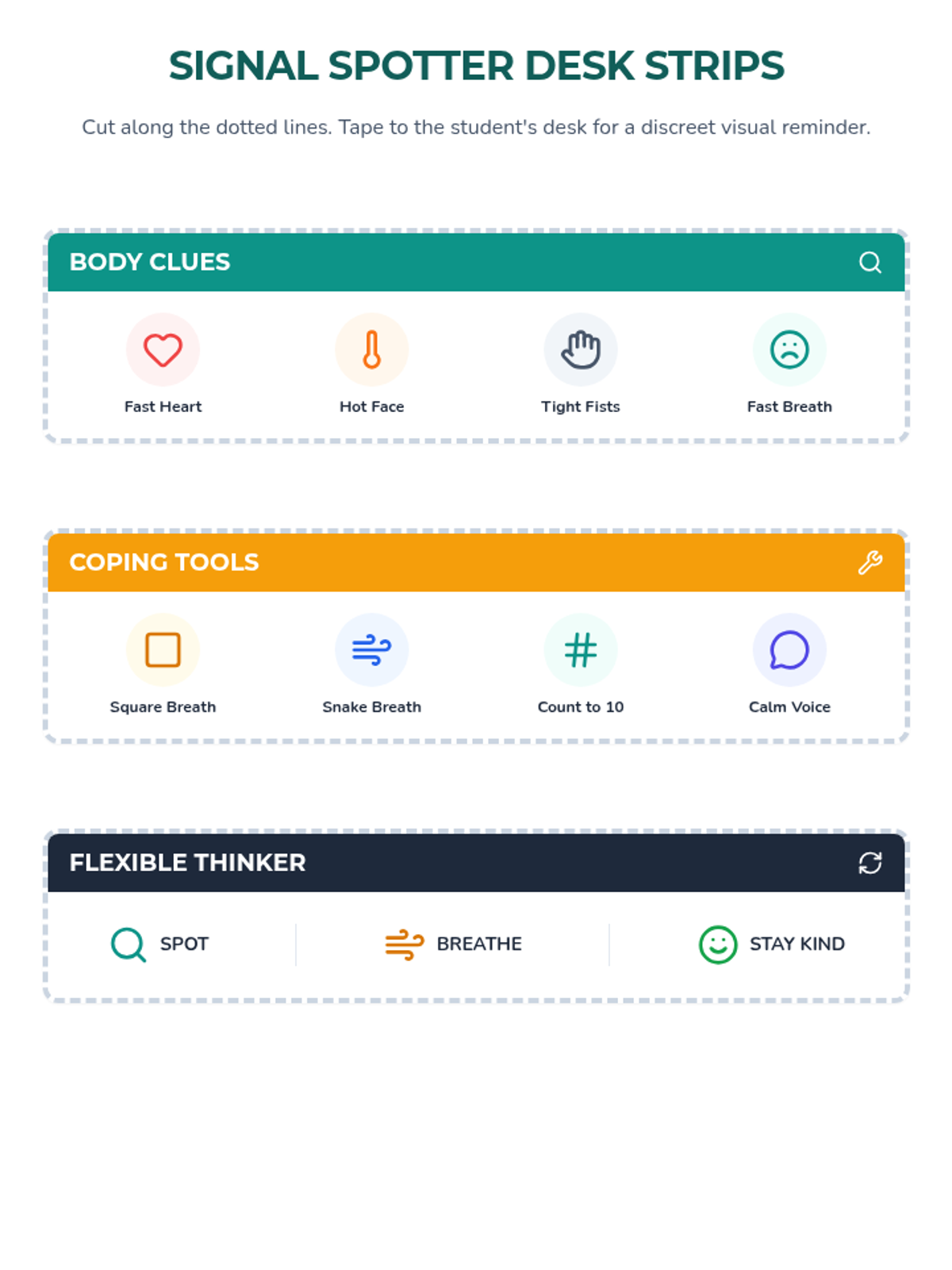
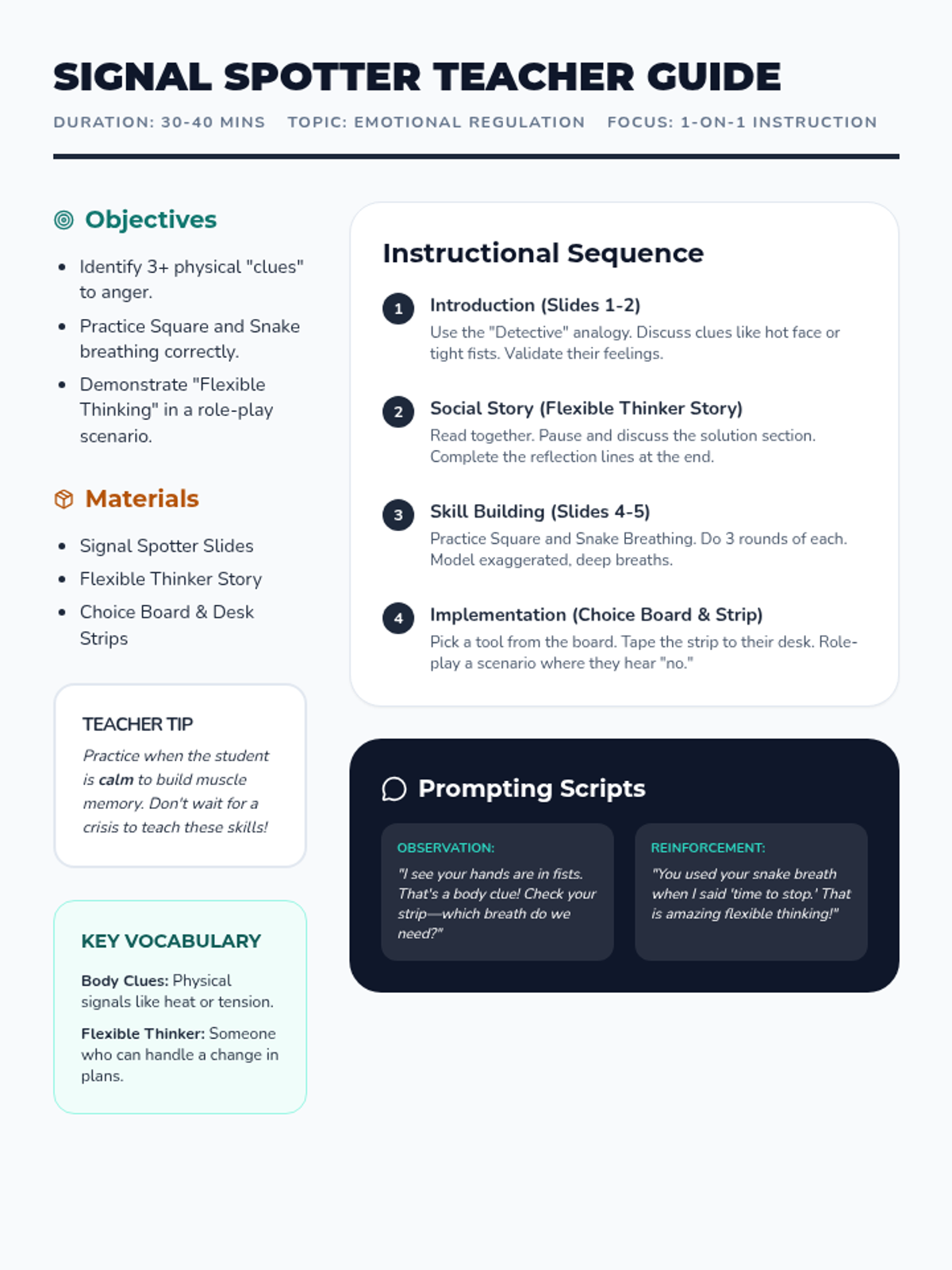
A 1-on-1 lesson designed to help students recognize physical body signals of frustration and implement deep breathing techniques to maintain flexibility and respect.
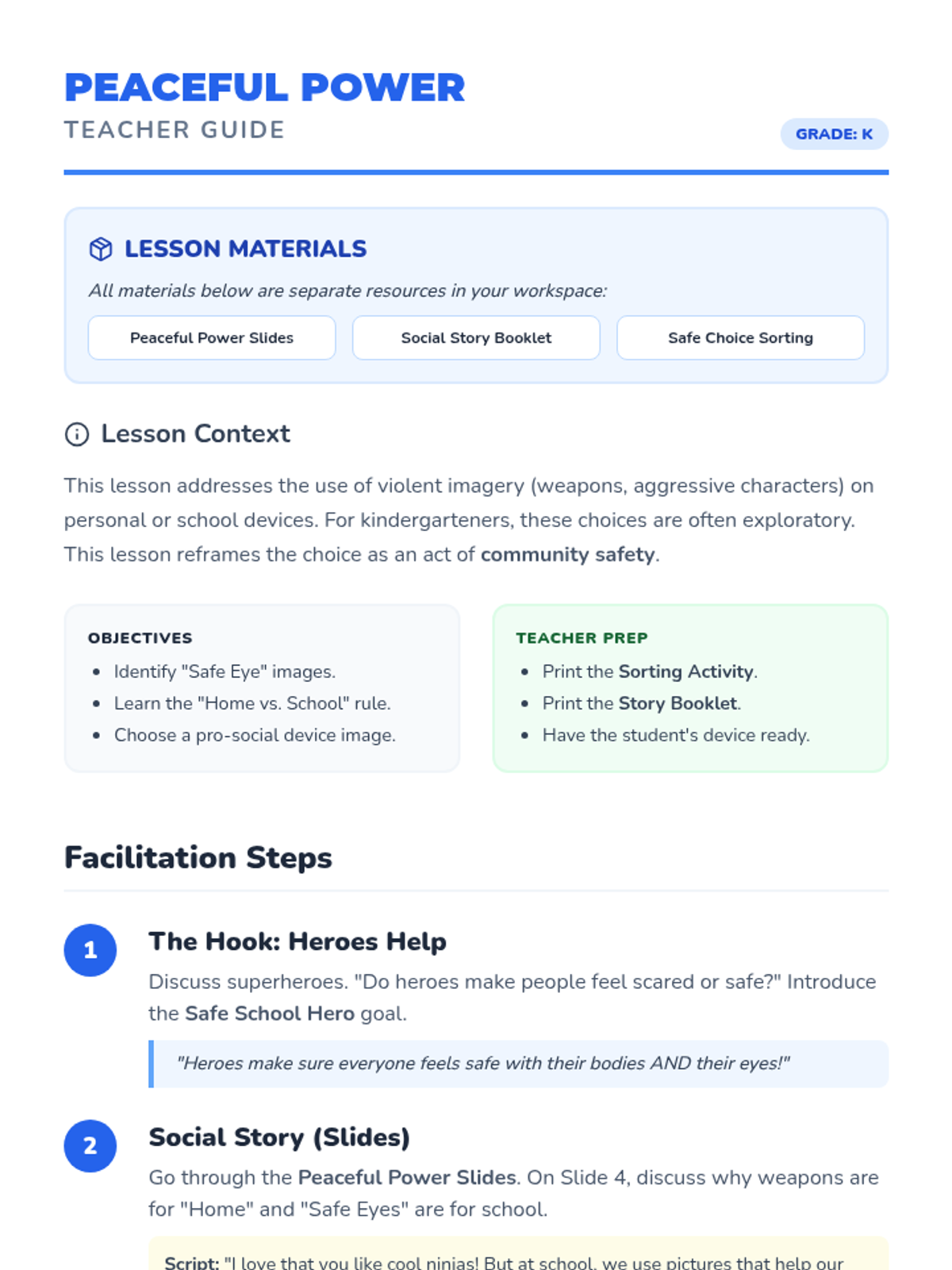
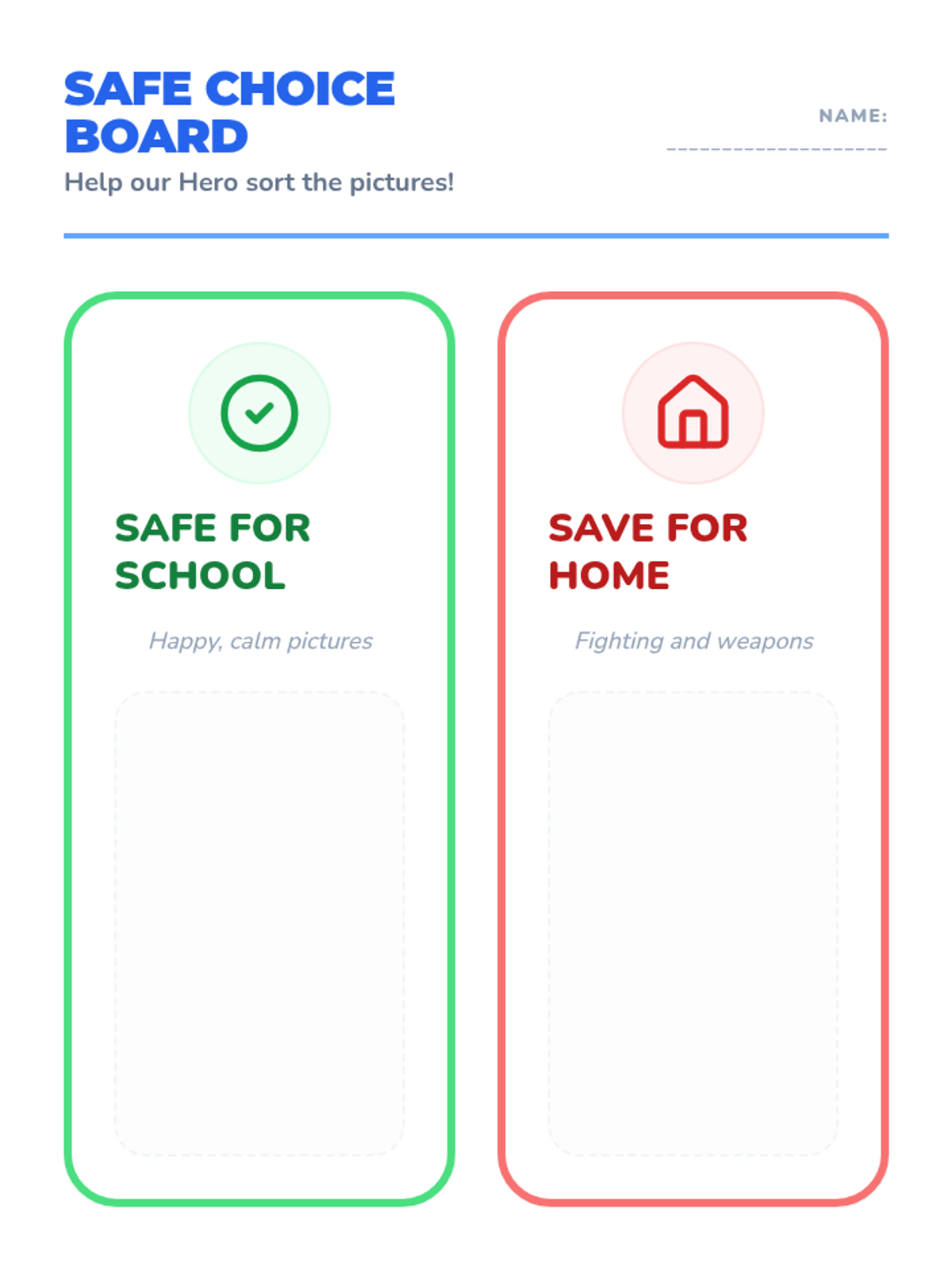
A gentle mini-lesson designed for kindergarten students to understand the importance of choosing non-violent imagery at school. Through a social story and interactive sorting, students learn how to keep school a safe and happy place for everyone's eyes and hearts.
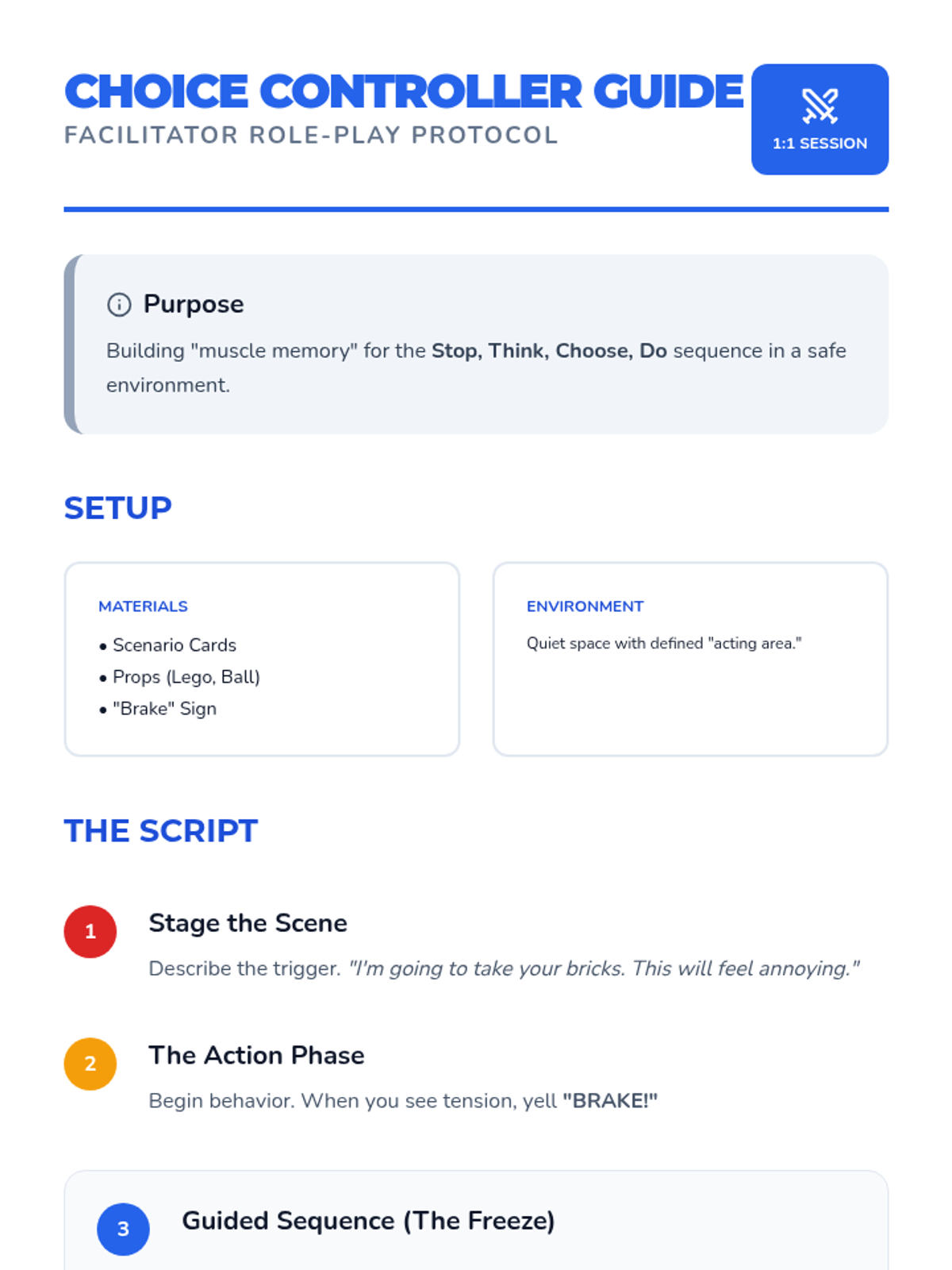
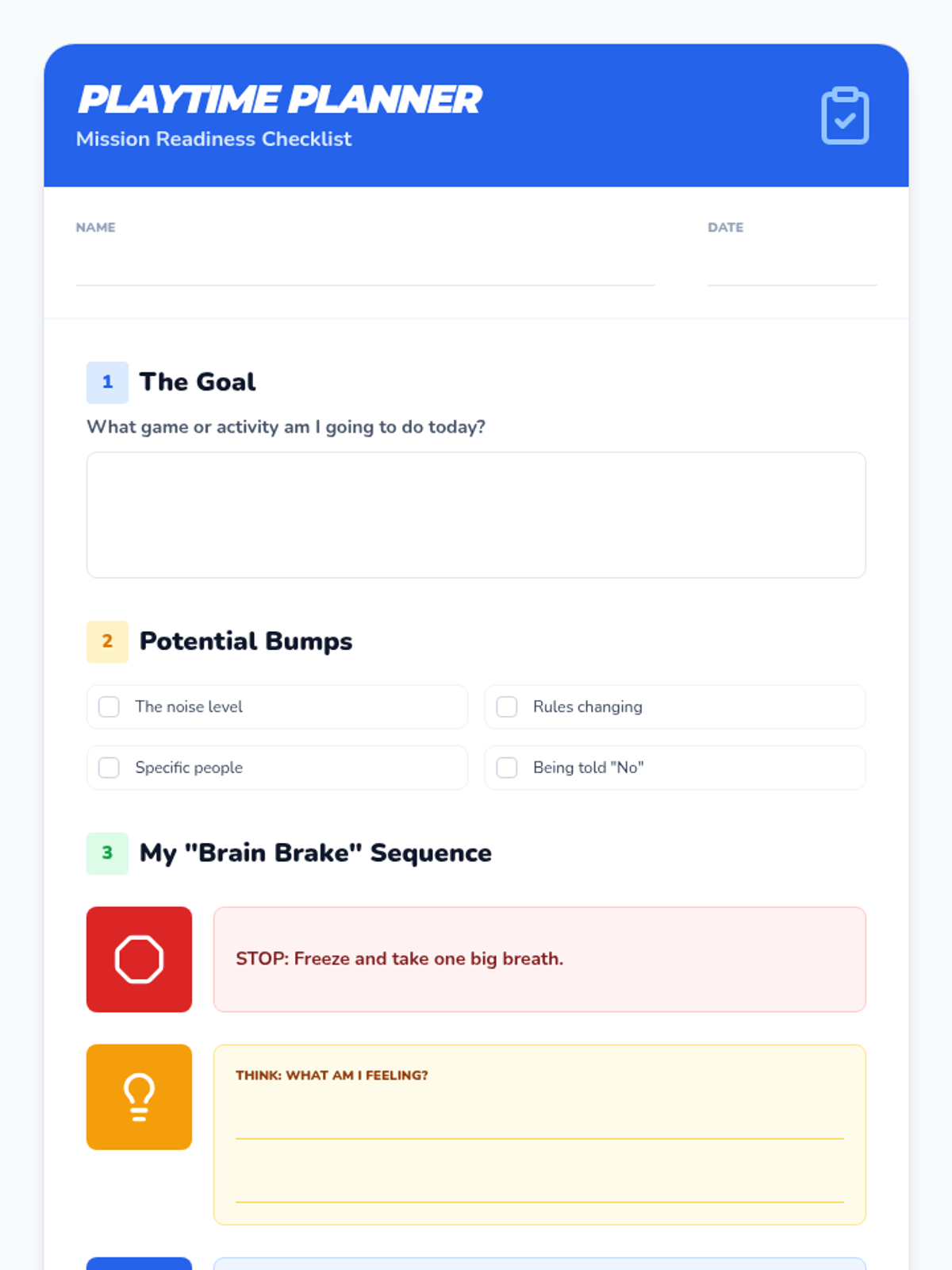
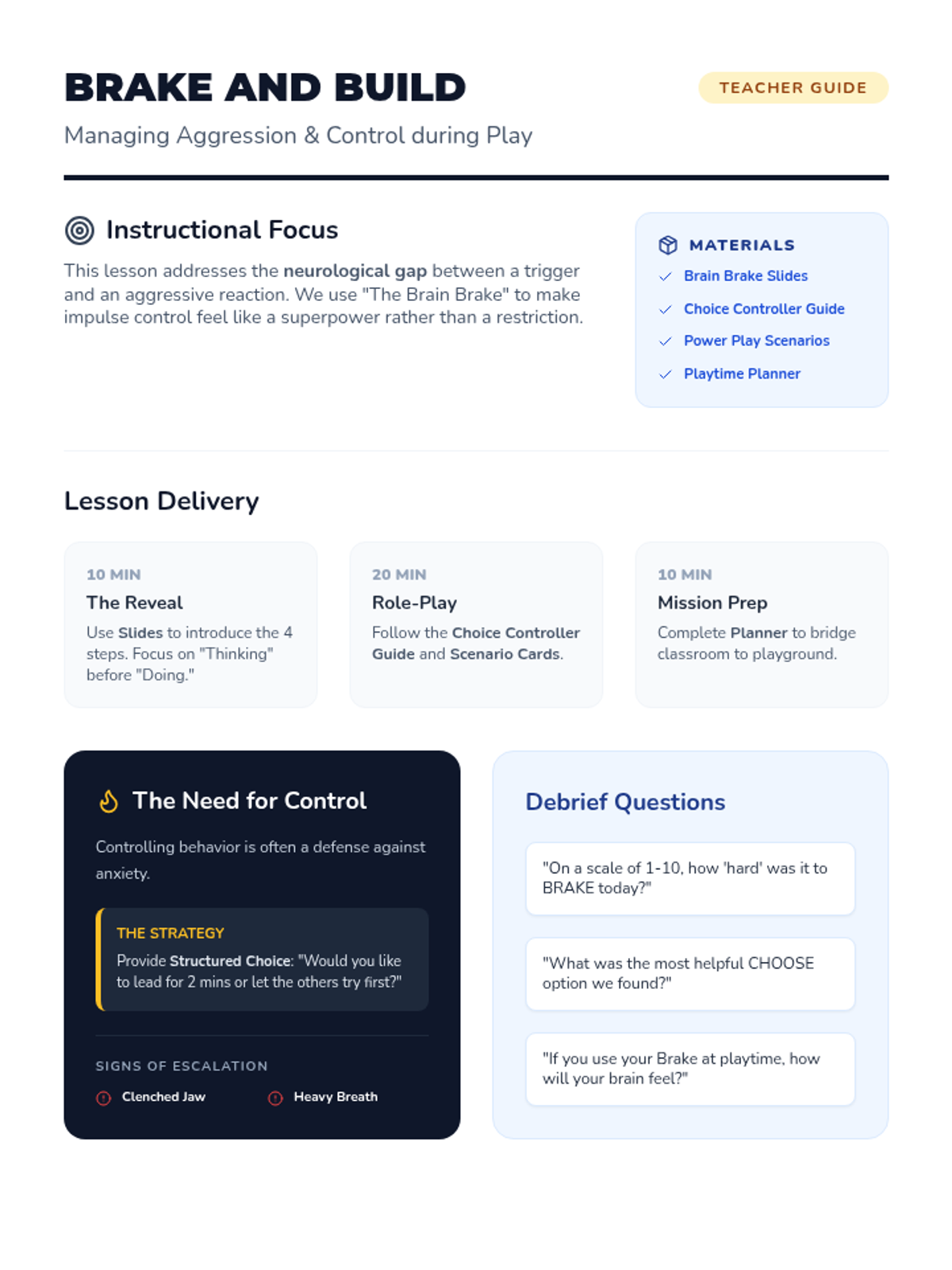
A therapeutic lesson focused on teaching a 4-step impulse control strategy (Stop, Think, Choose, Do) for an 8-year-old student struggling with social frustration and aggression. The lesson uses role-play and visual aids to help the student navigate peer conflict and controlling tendencies.