Identifies mental health crises and suicide warning signs while developing personal safety plans and grounding techniques. Equips users with peer gatekeeper skills and direct pathways to professional crisis resources and hotlines.
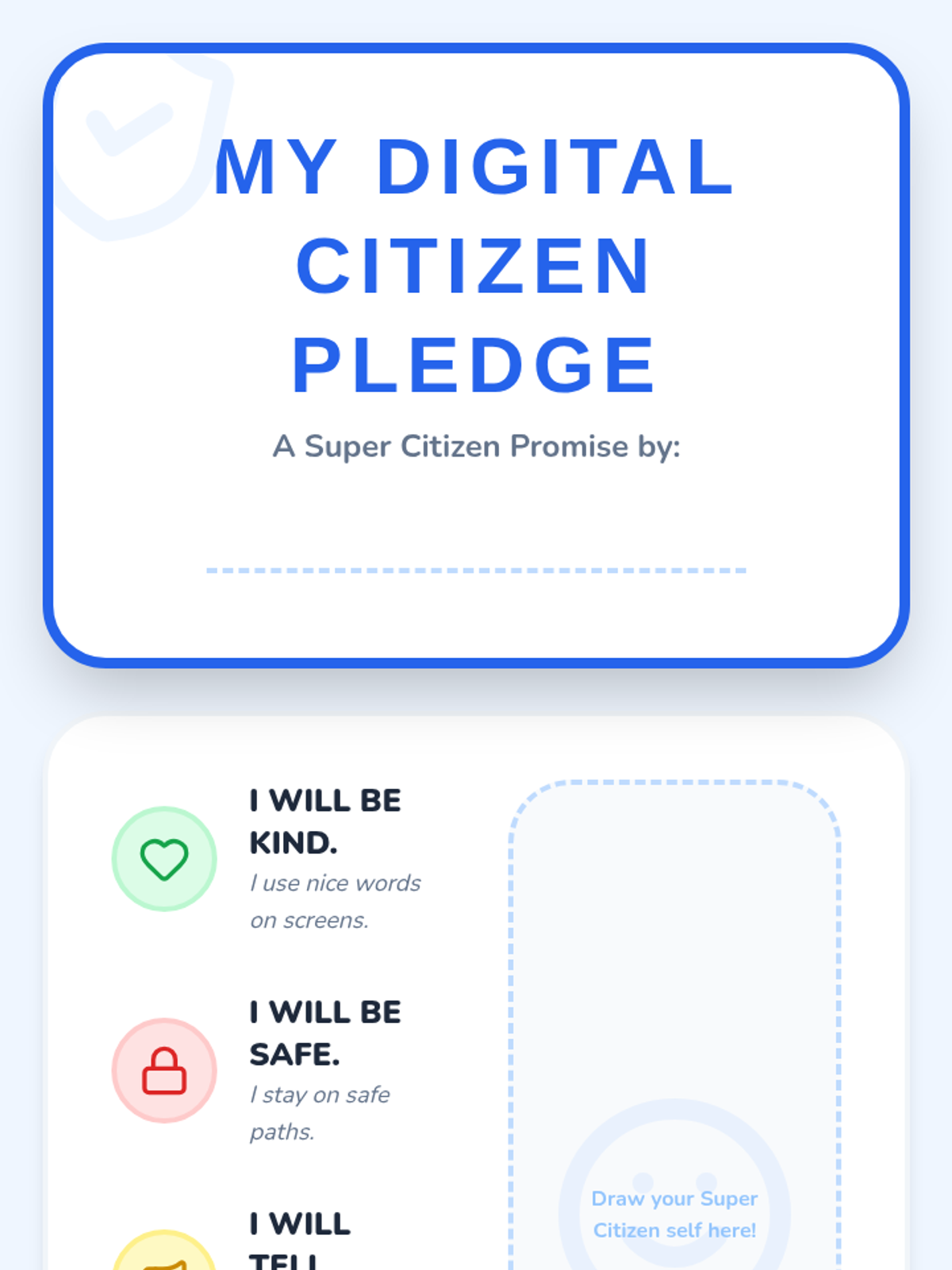
Students synthesize their learning by creating a personal Digital Citizen Pledge and earning their Super Citizen badges.
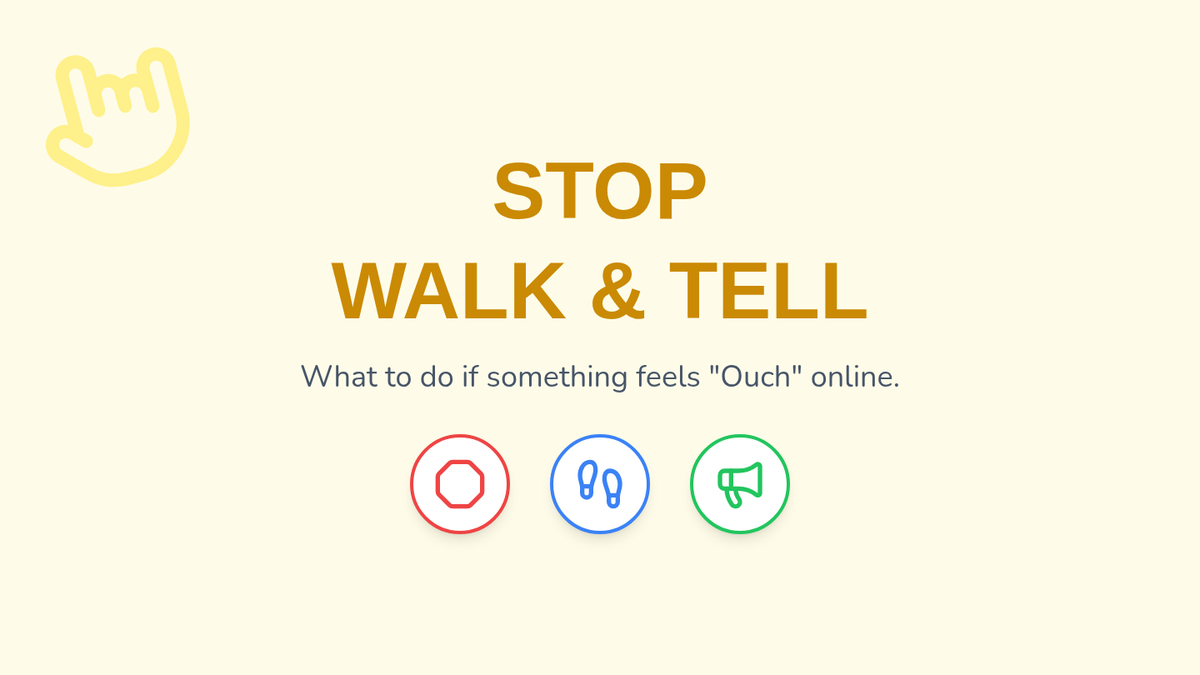
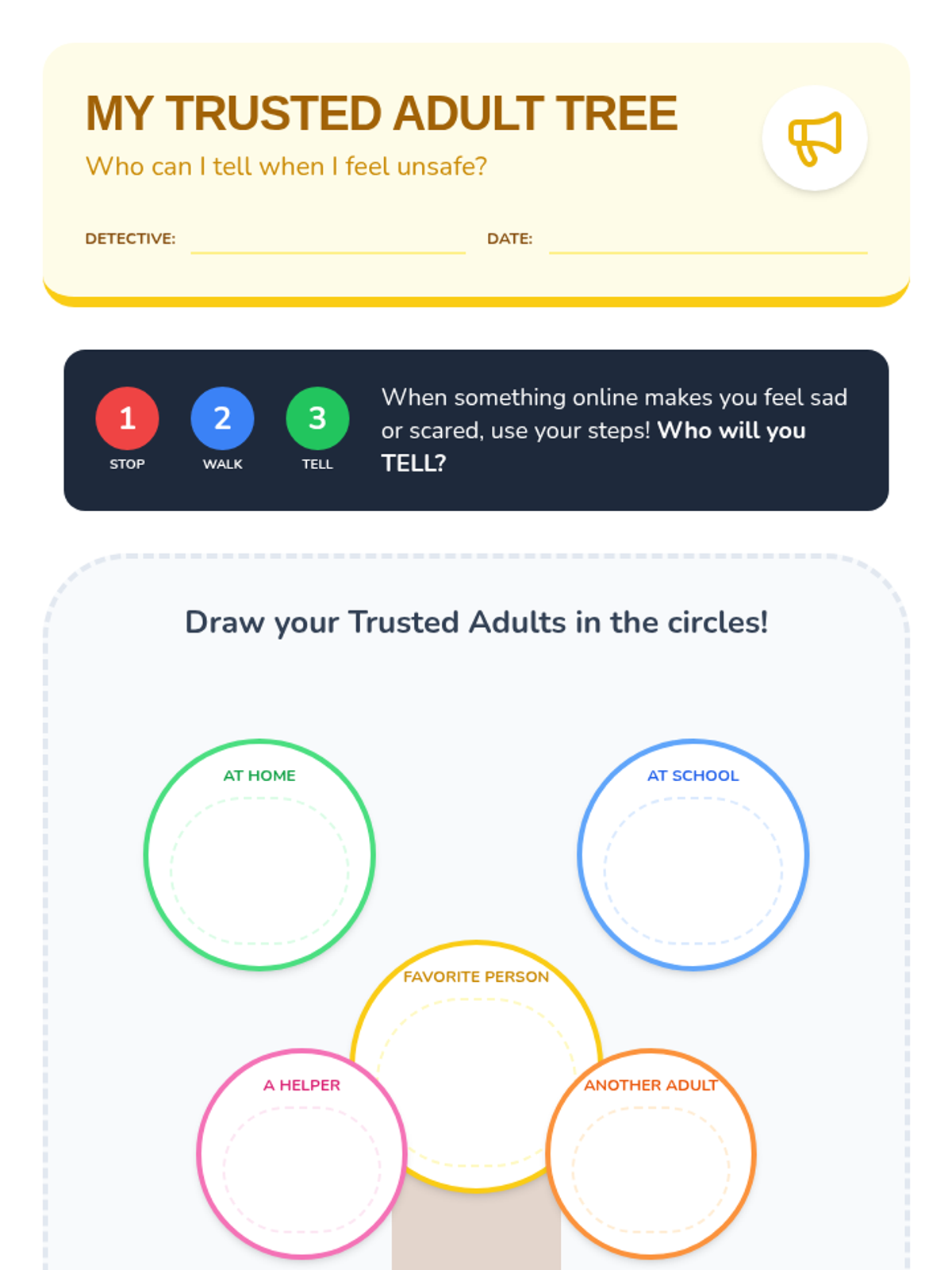
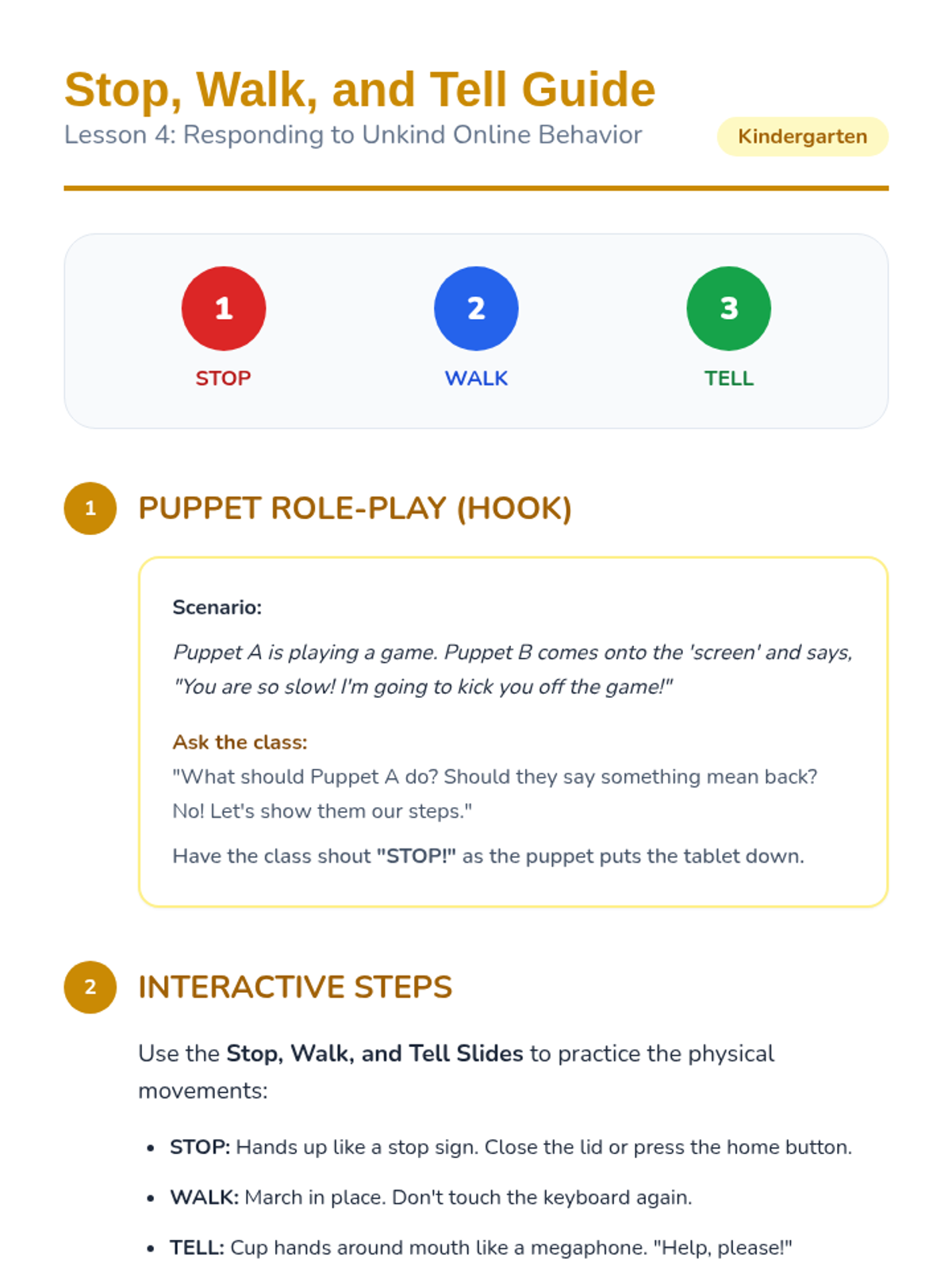
Students practice the "Stop, Walk, and Tell" strategy to respond to unkind behavior or scary content online, focusing on seeking help from trusted adults.
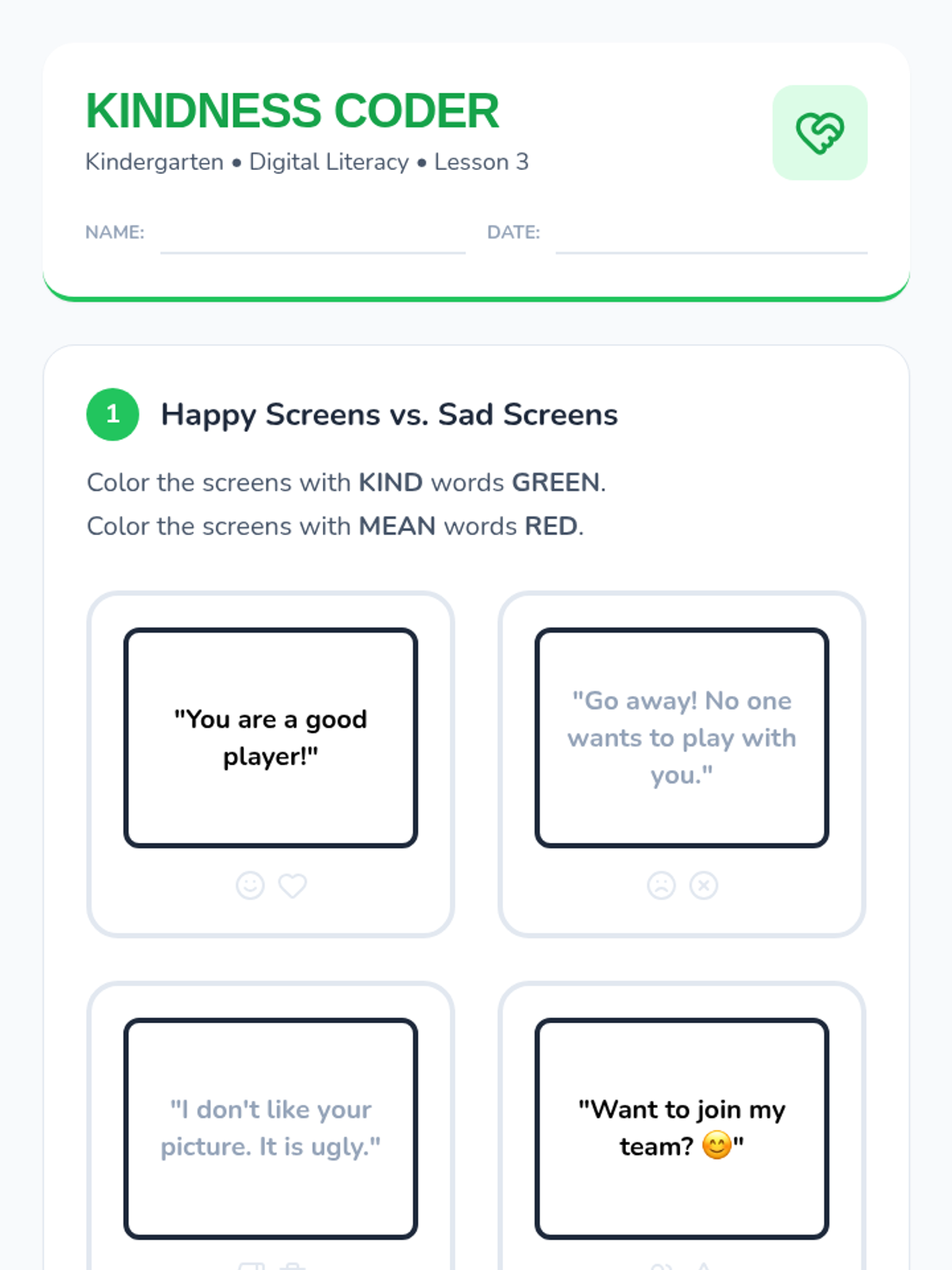
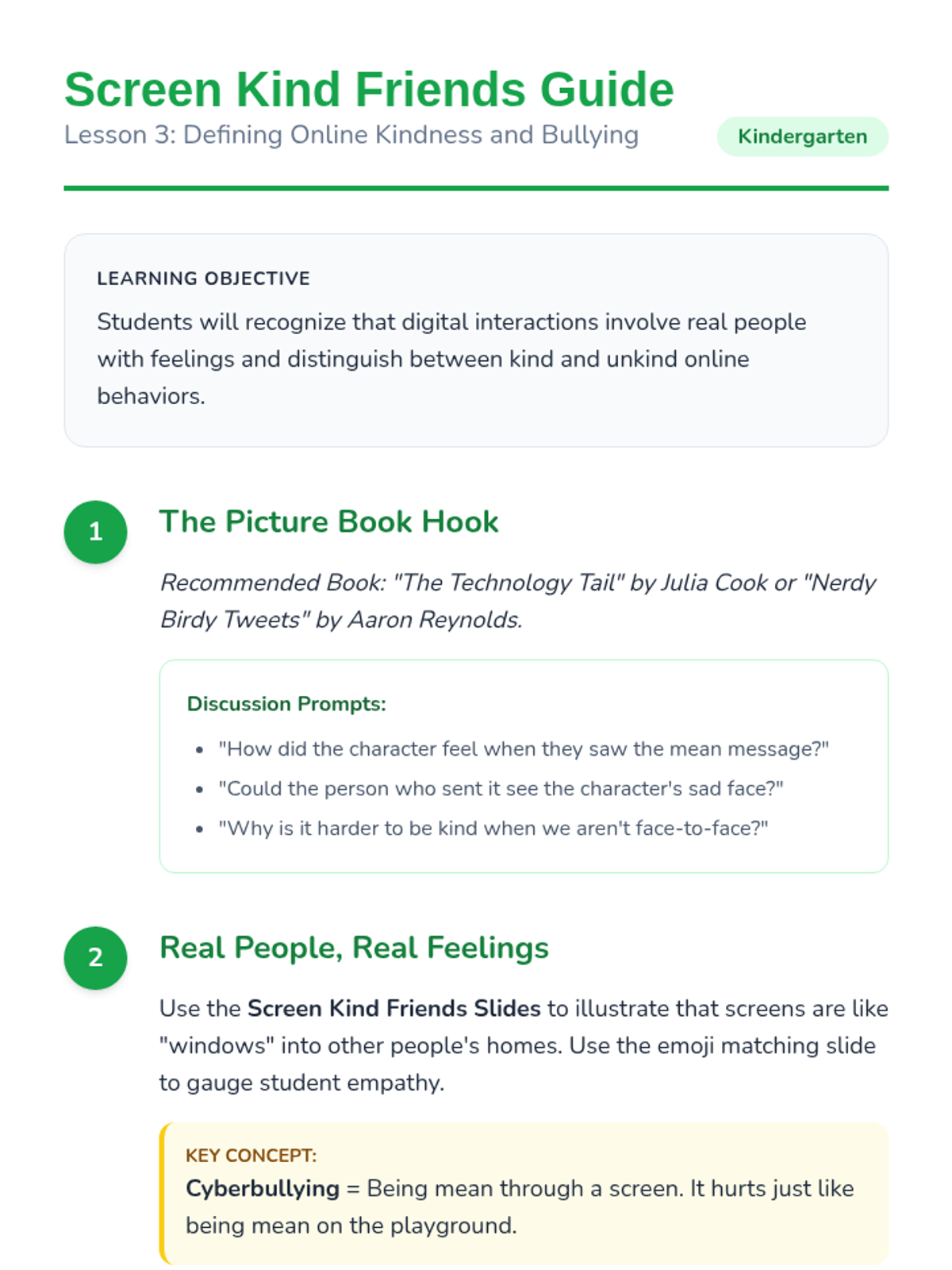
Students learn to identify kind and unkind digital behaviors, focusing on the feelings of others behind the screen and the basics of cyberbullying prevention.
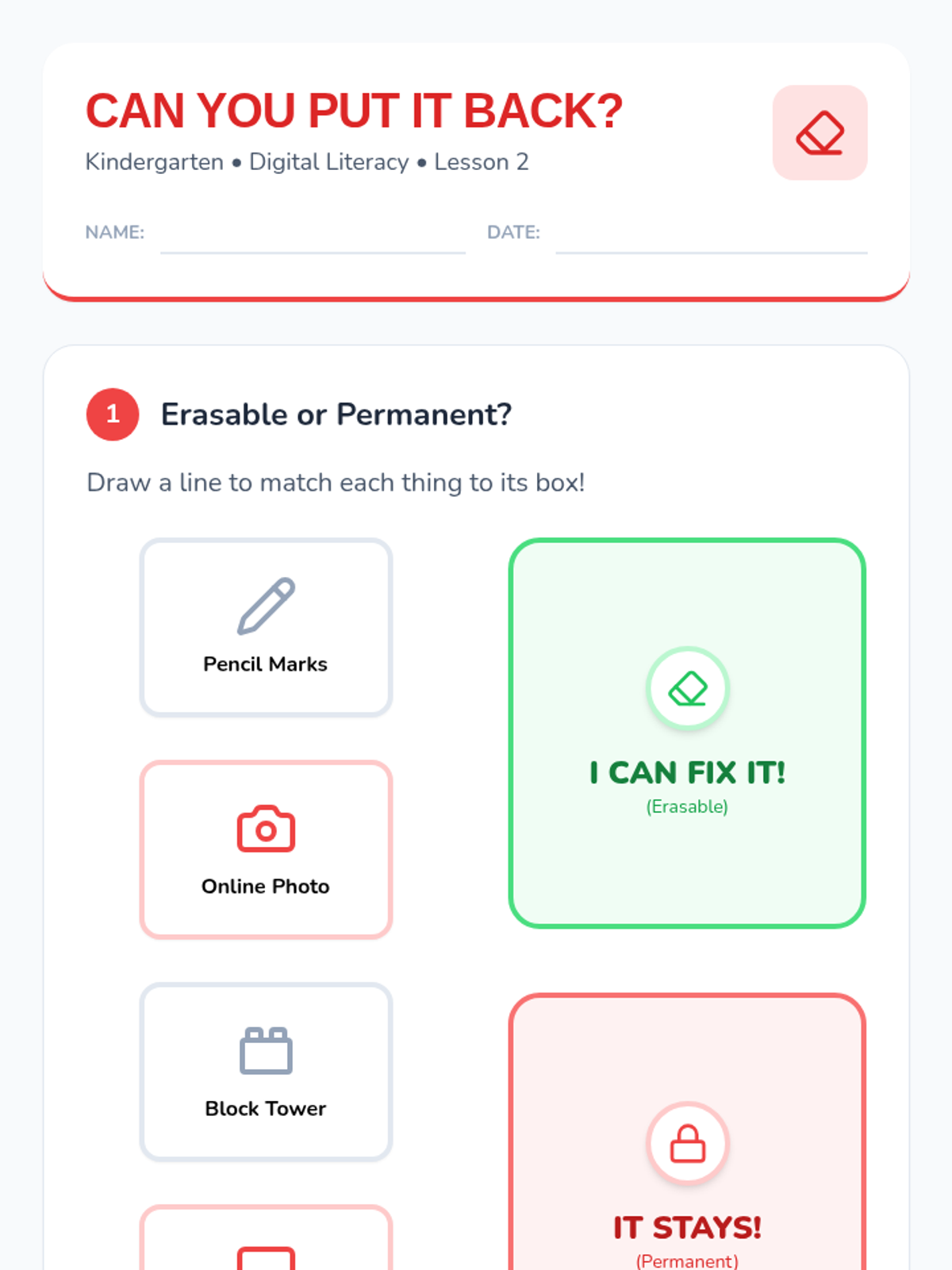
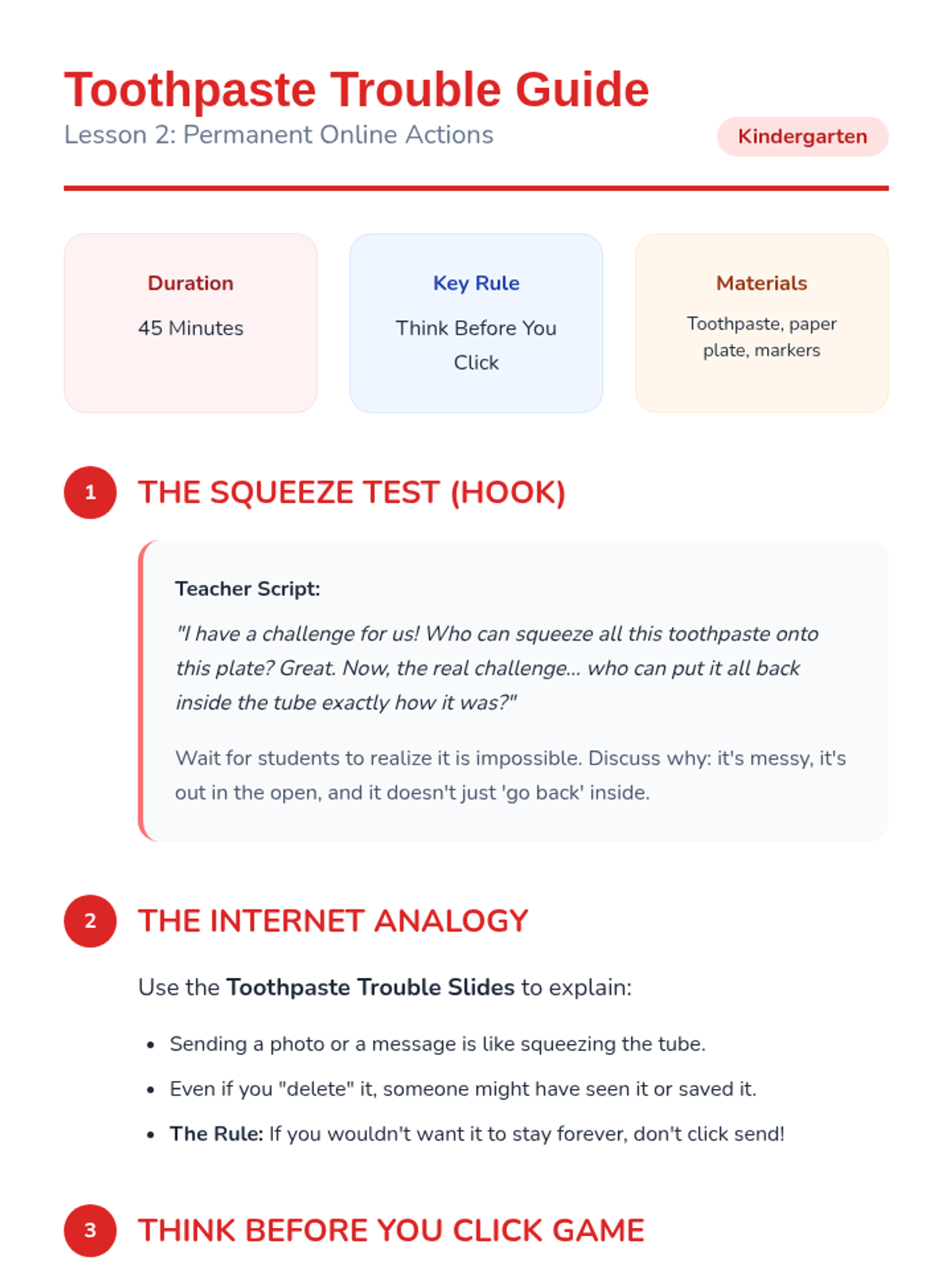
Using the toothpaste analogy, students learn that online actions are permanent and practice the "Think Before You Click" strategy to manage their digital presence.
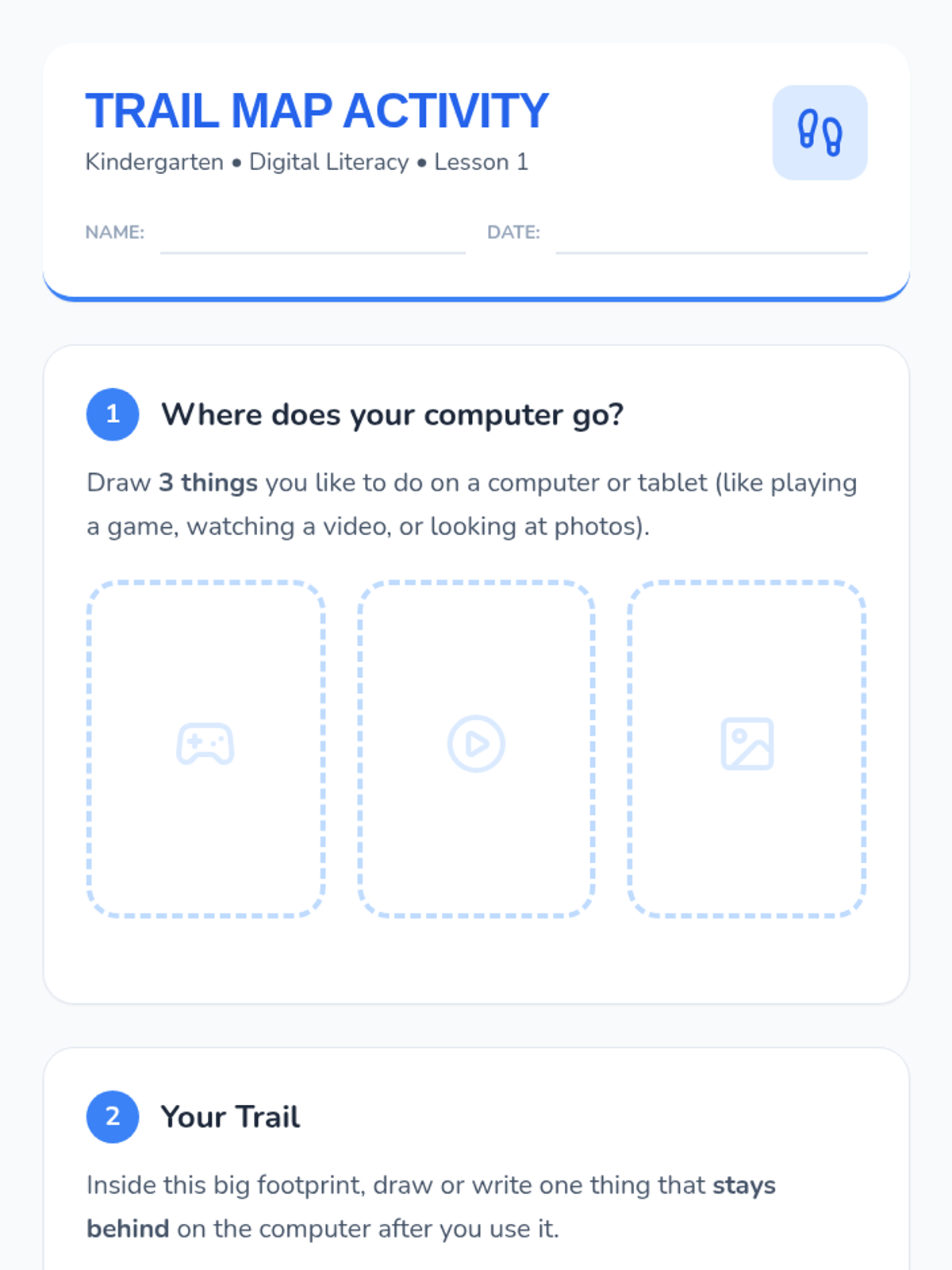
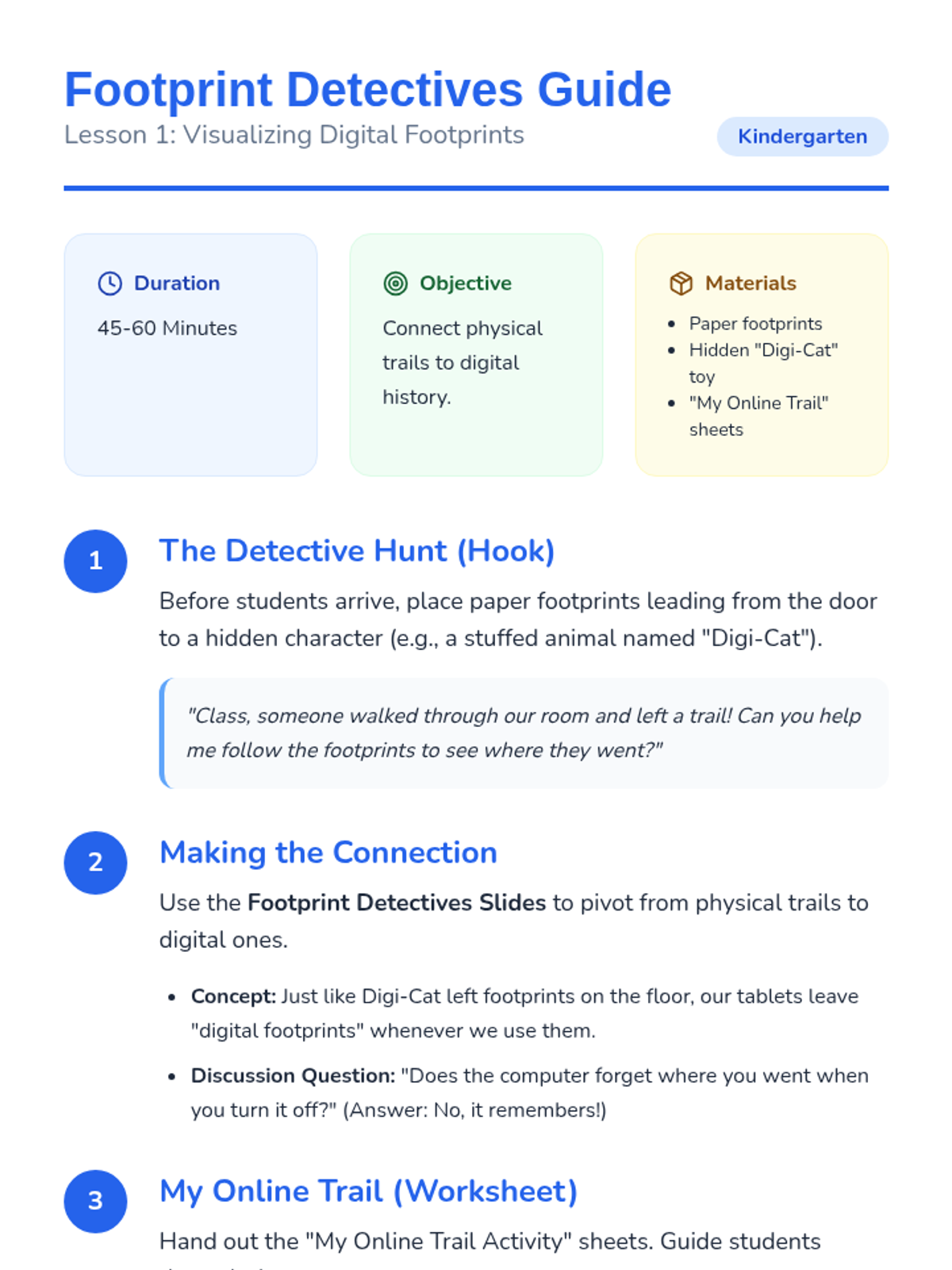
Students explore how digital actions leave trails by connecting physical footprints to their digital history, emphasizing that computers remember our paths.
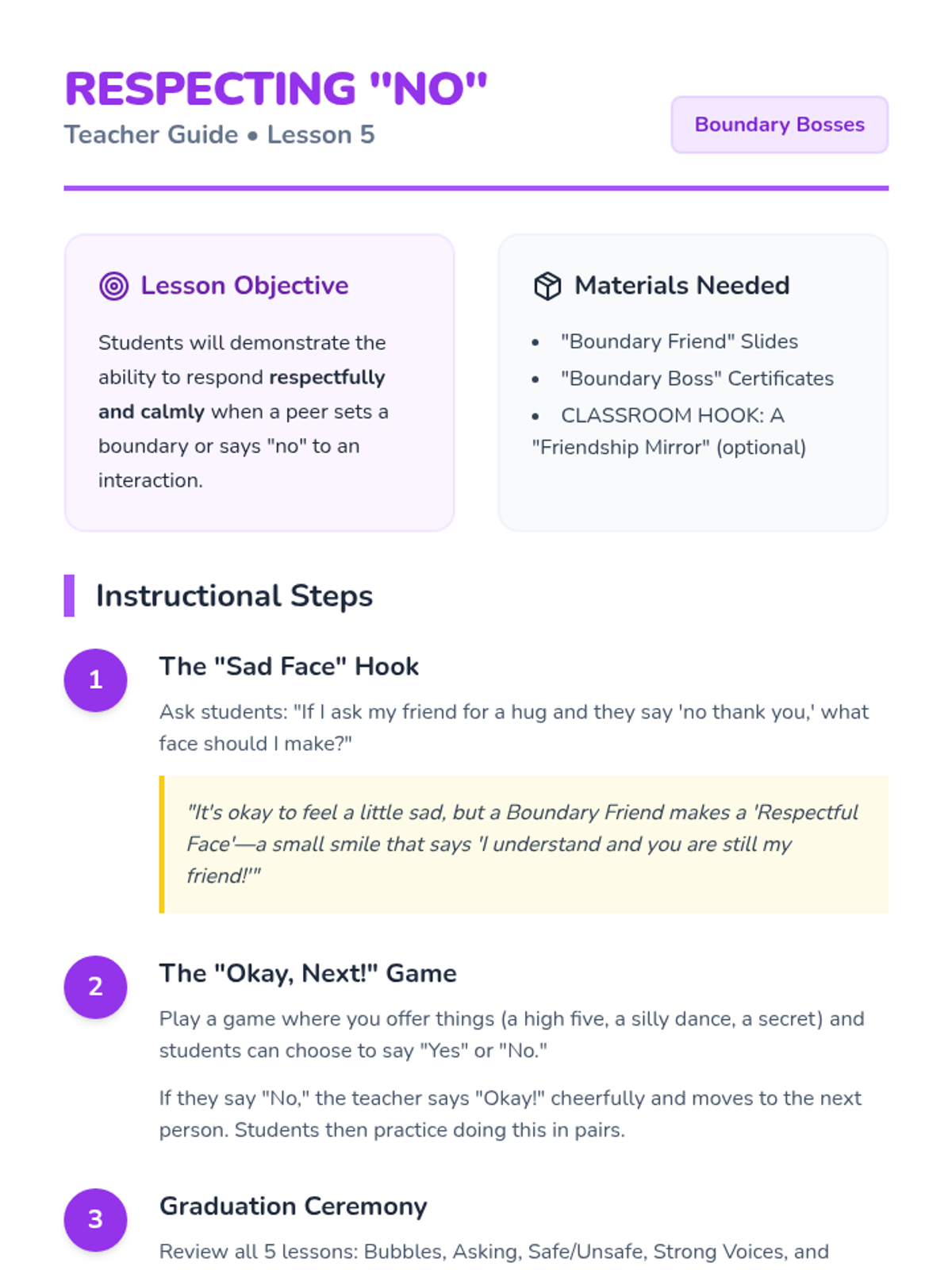
Teaches students how to respond respectfully when someone else says 'no.' The focus is on emotional regulation and understanding that boundaries go both ways.
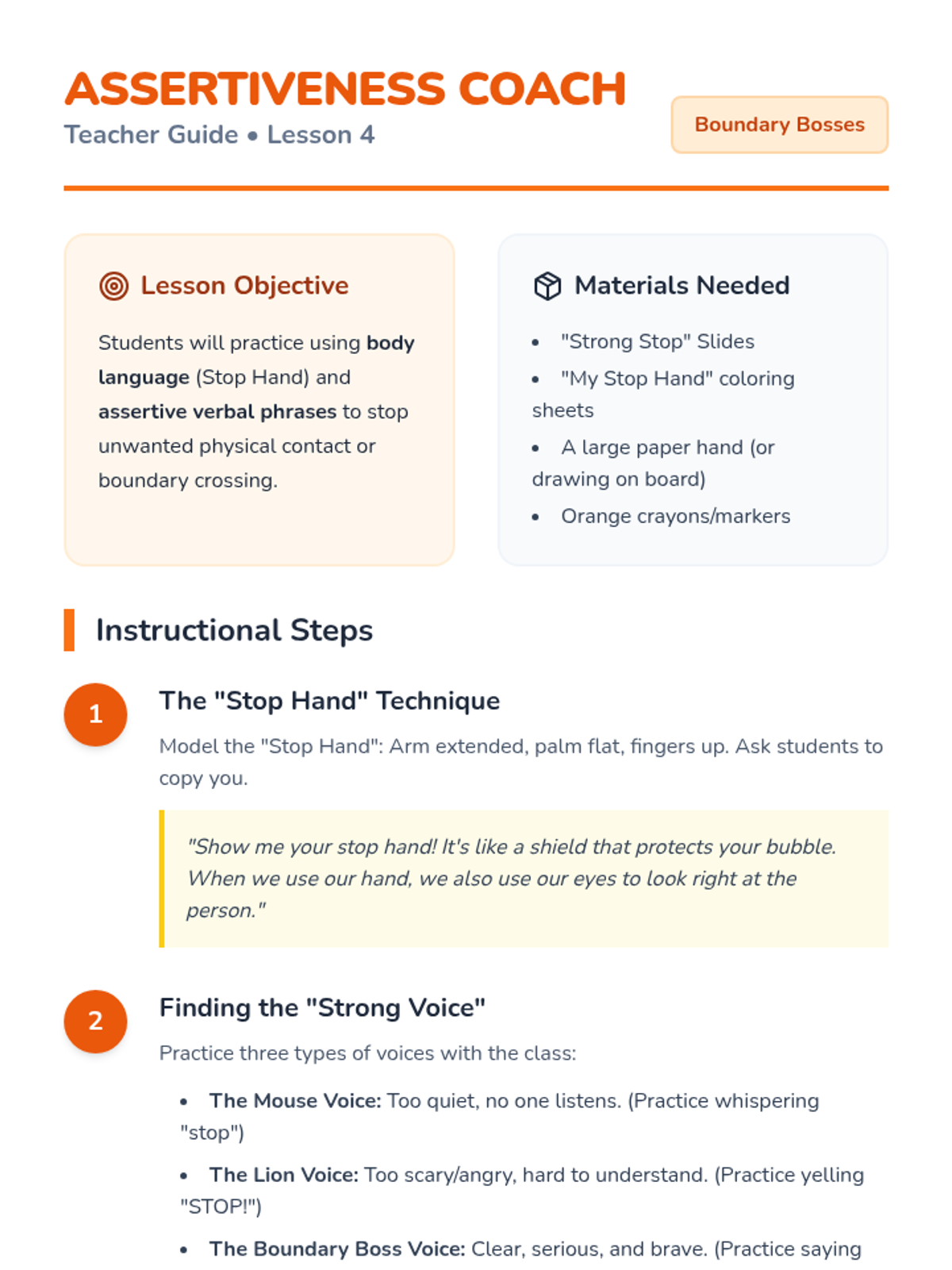
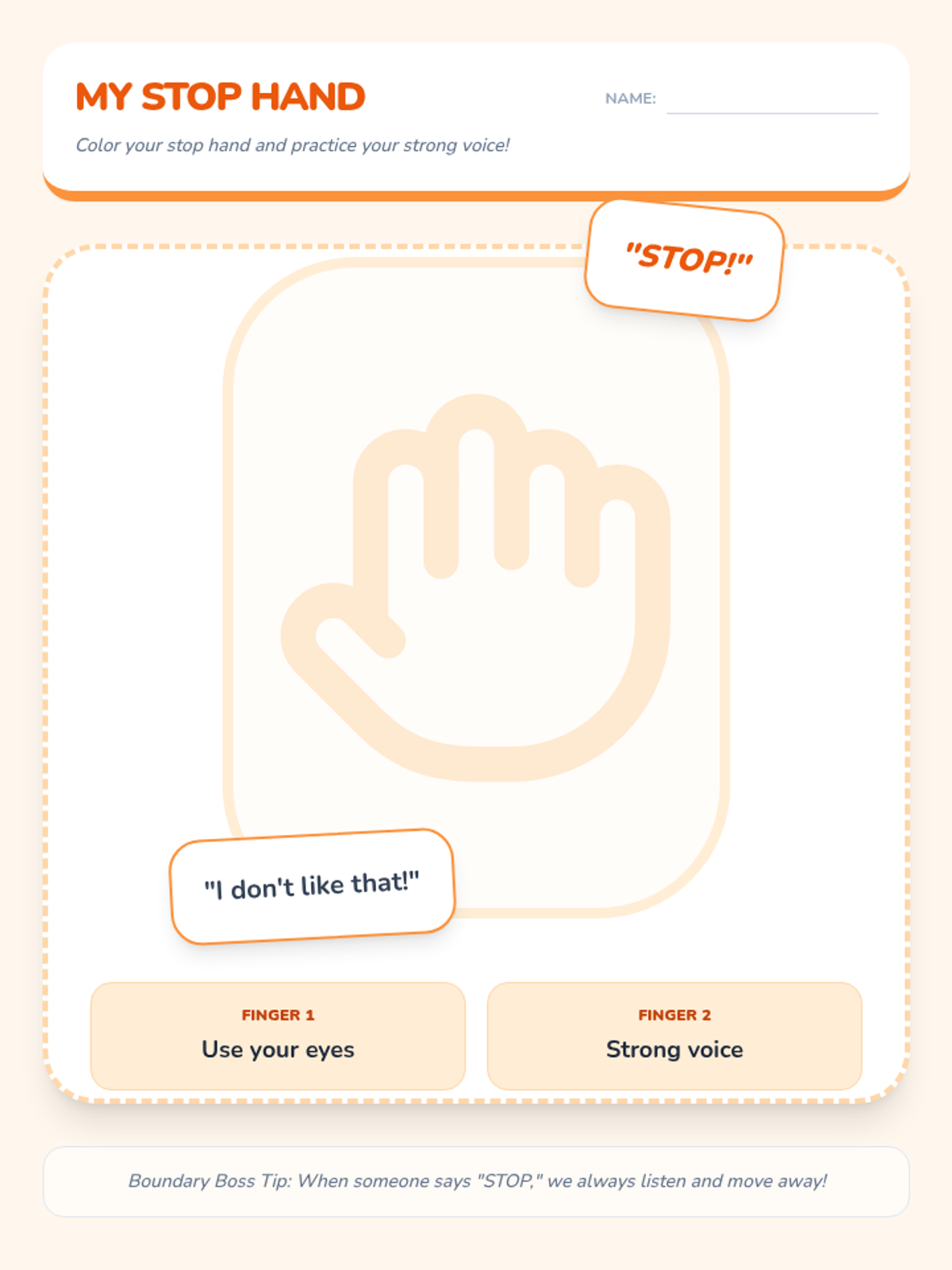
Focuses on assertiveness skills, teaching students to use 'Stop Hands' and a strong voice to set boundaries. Students practice saying 'no' to unwanted physical contact.
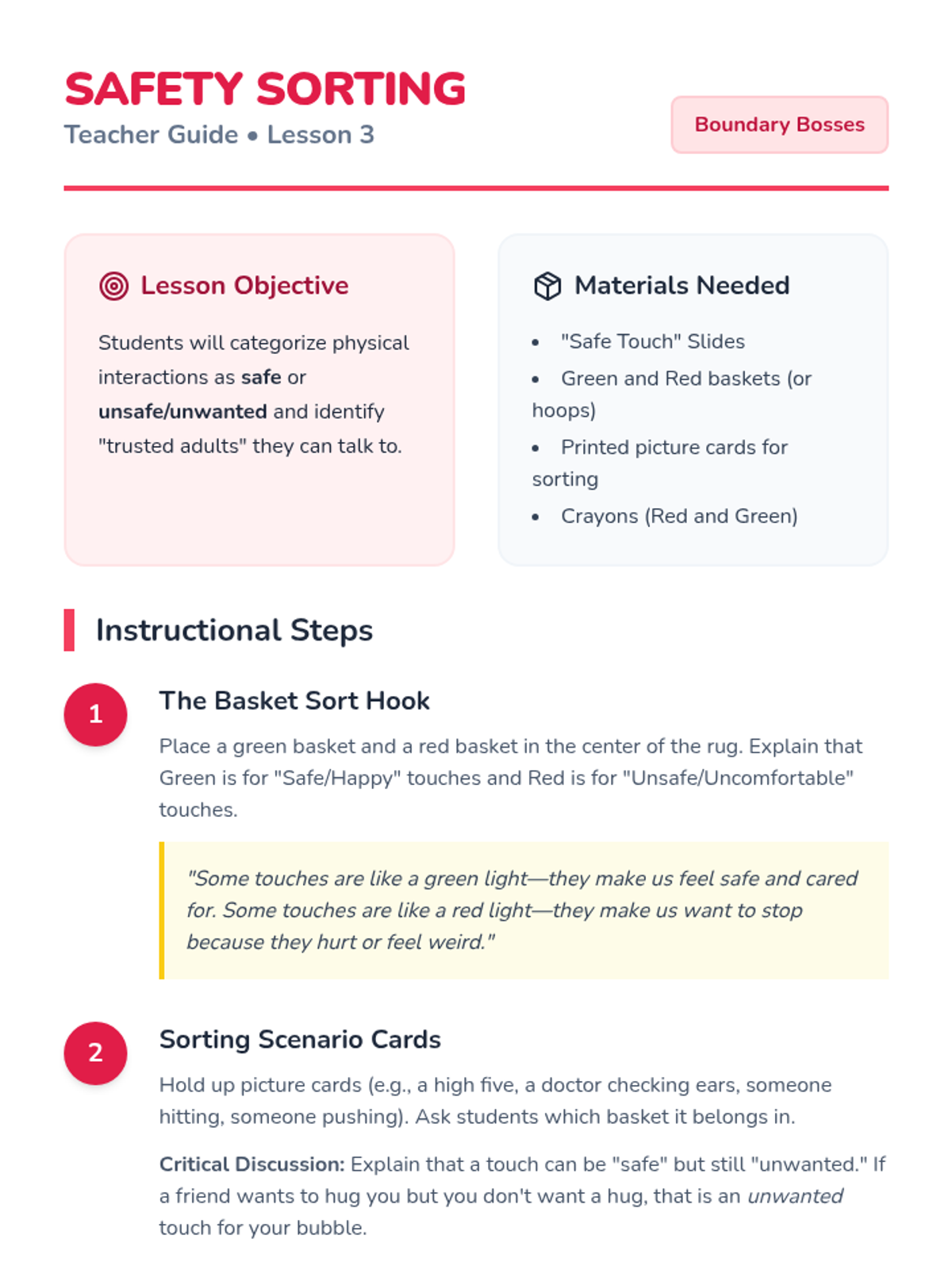
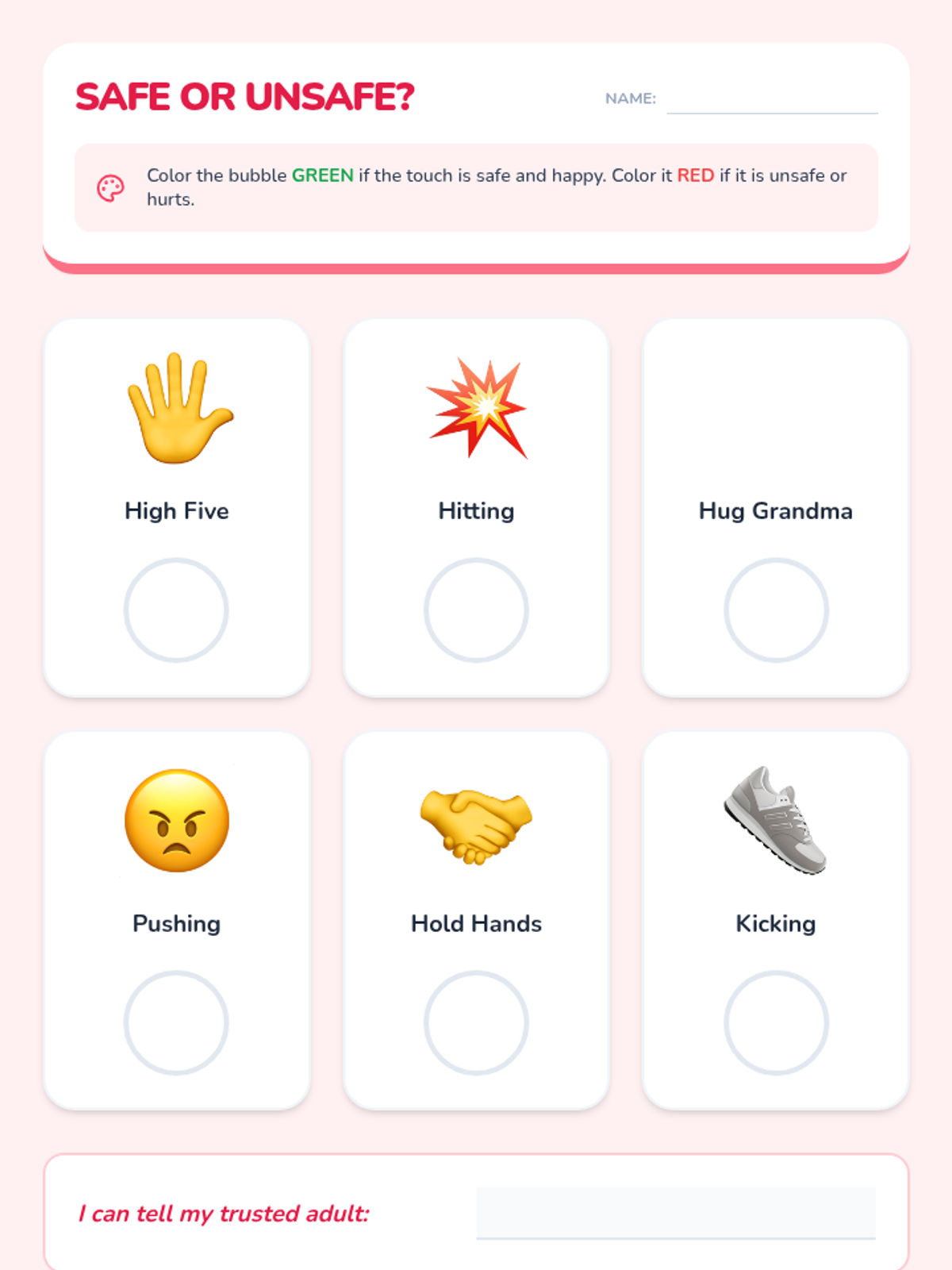
Students learn to categorize physical interactions into safe and unsafe/unwanted touches. They discuss how different types of contact make them feel physically and emotionally.
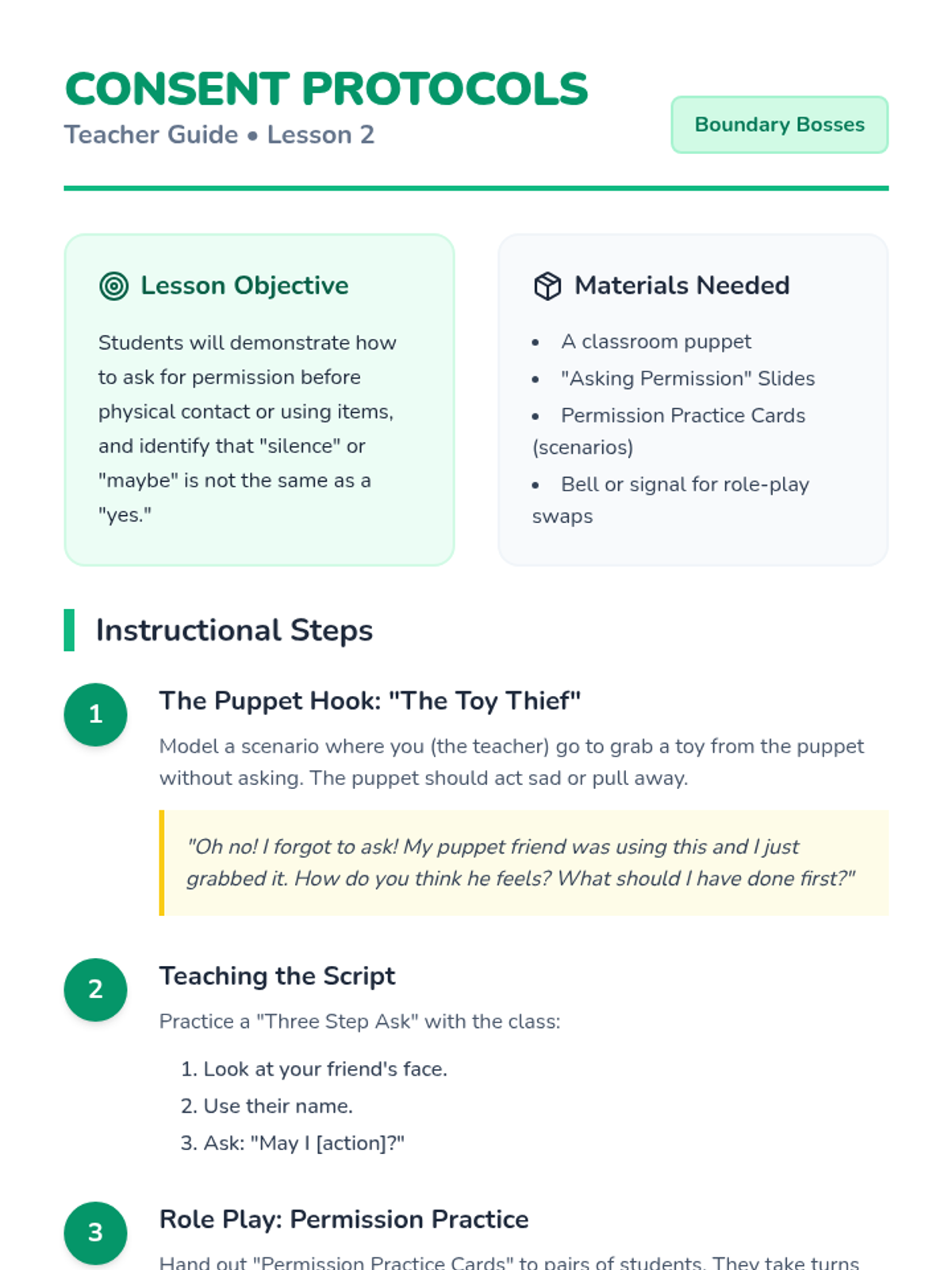
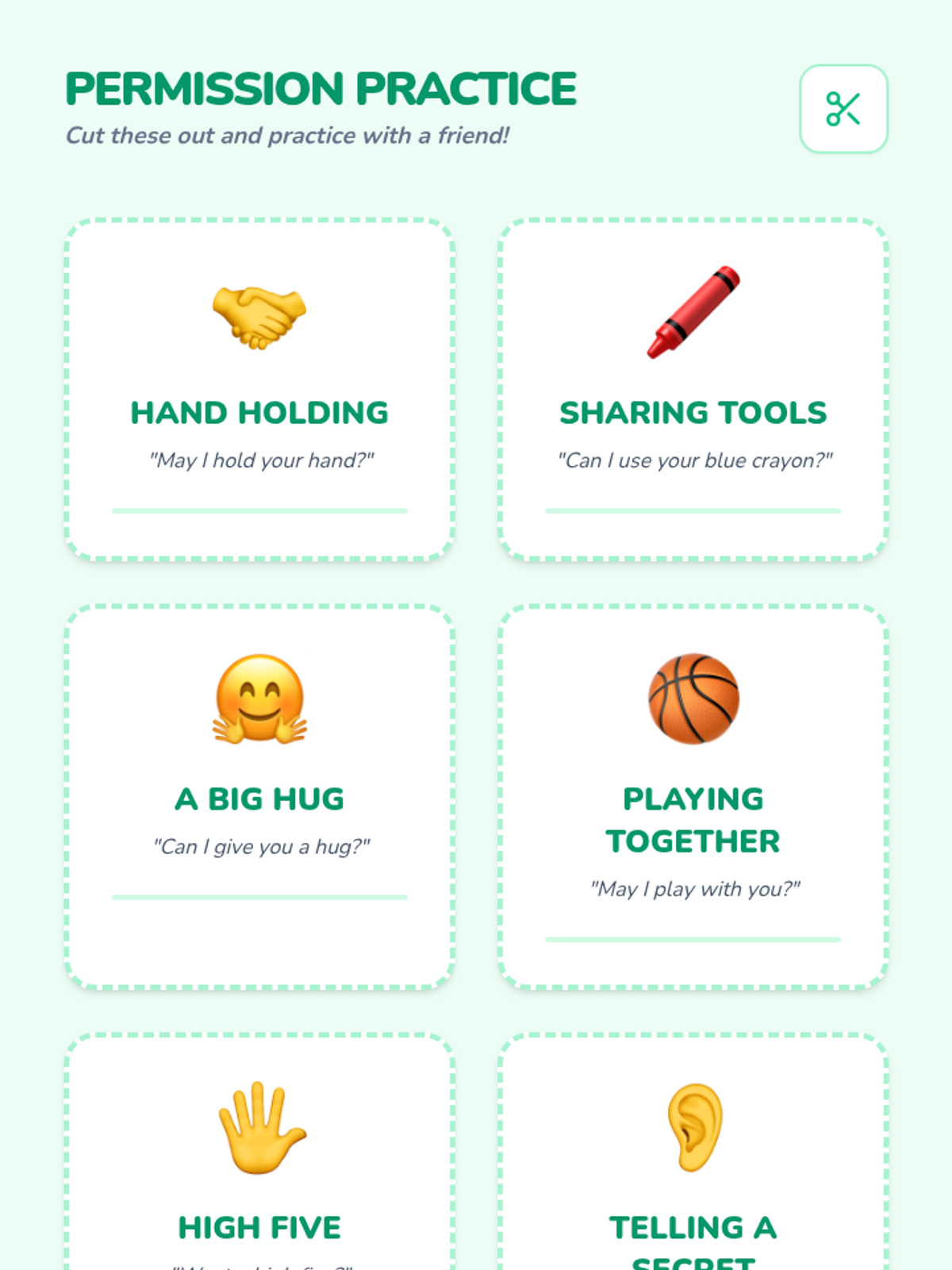
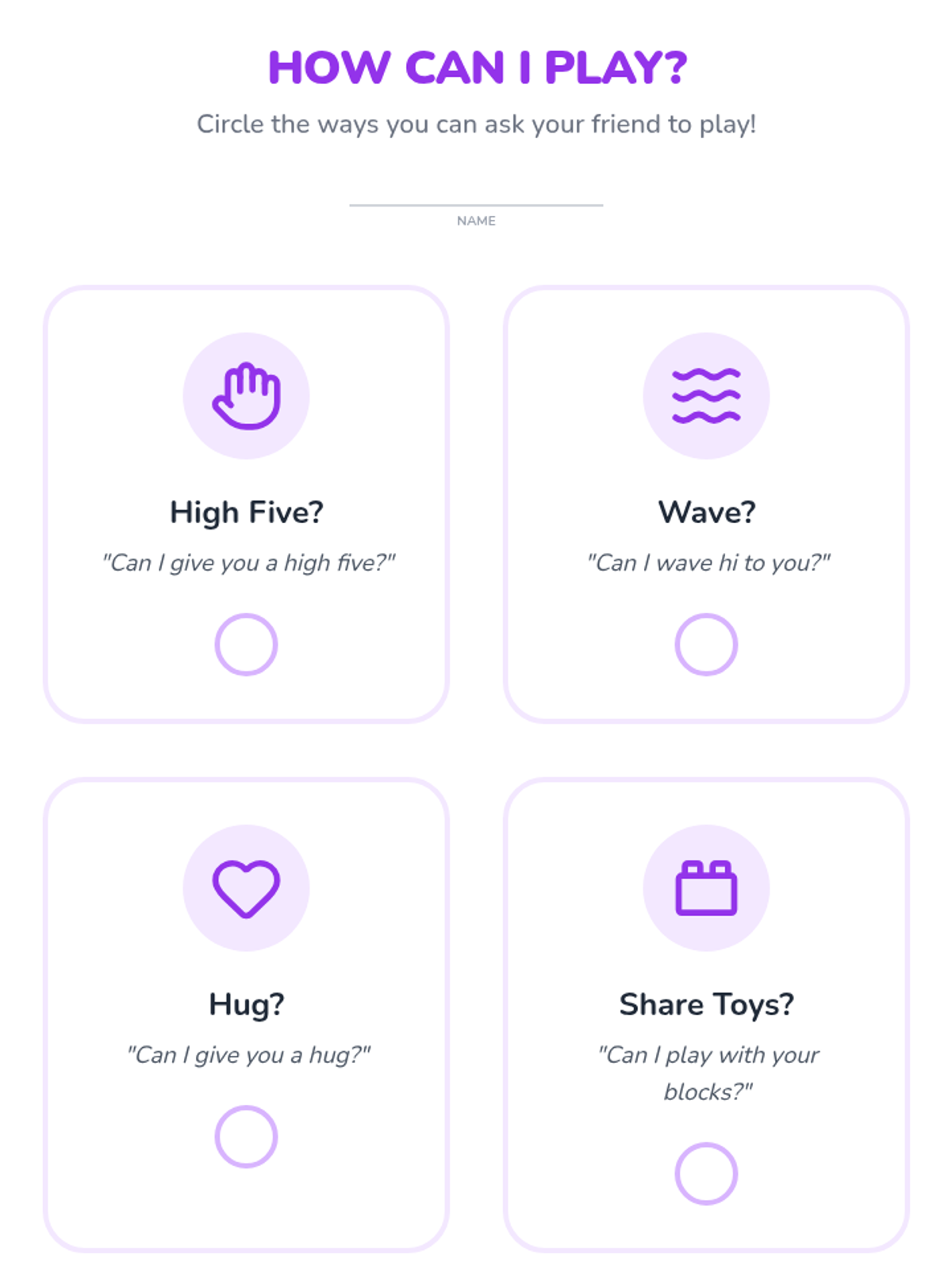
Introduces the concept of asking for permission before touching others or their belongings. Students practice simple scripts and learn that a 'yes' must be clear and enthusiastic.
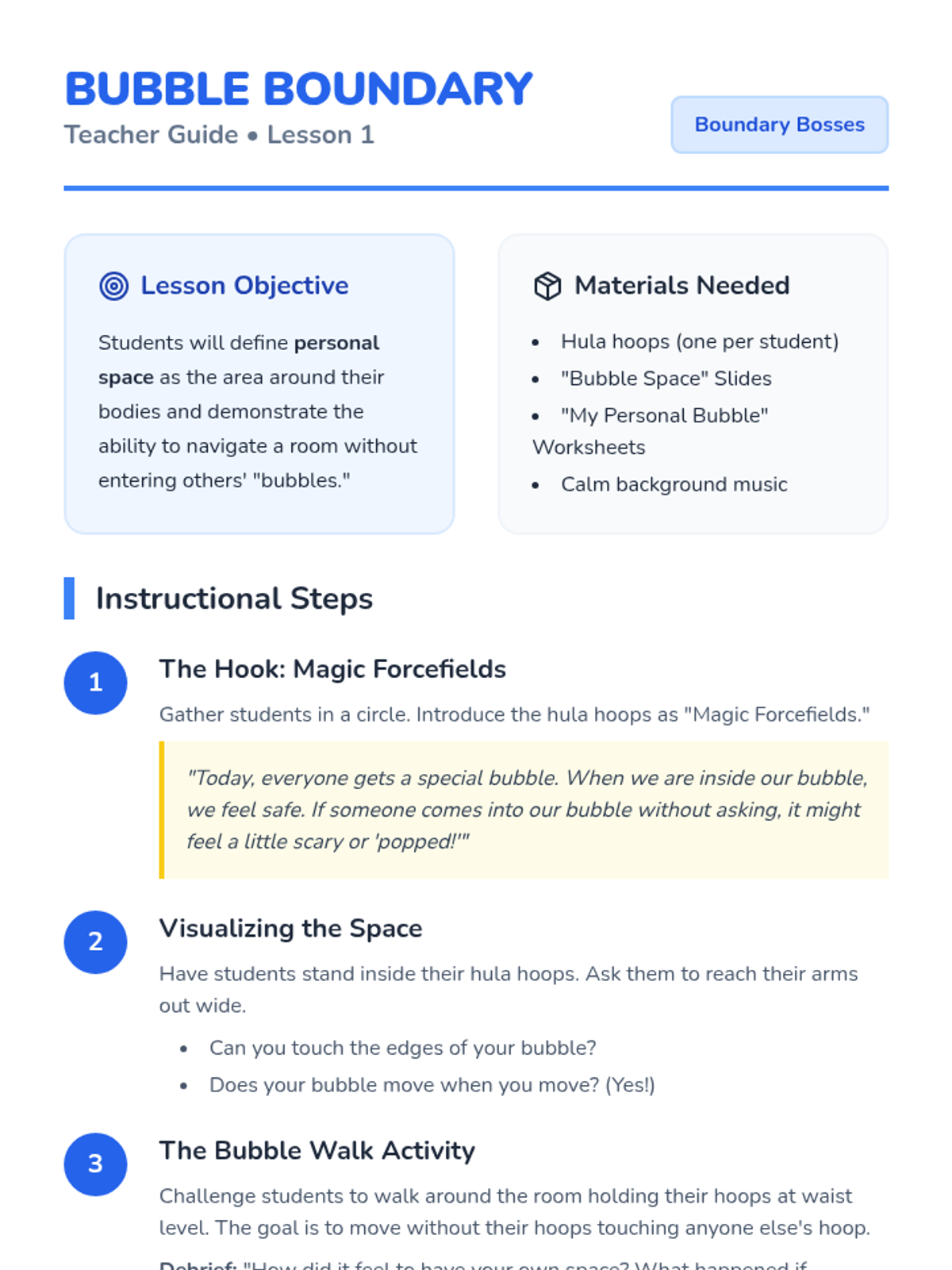
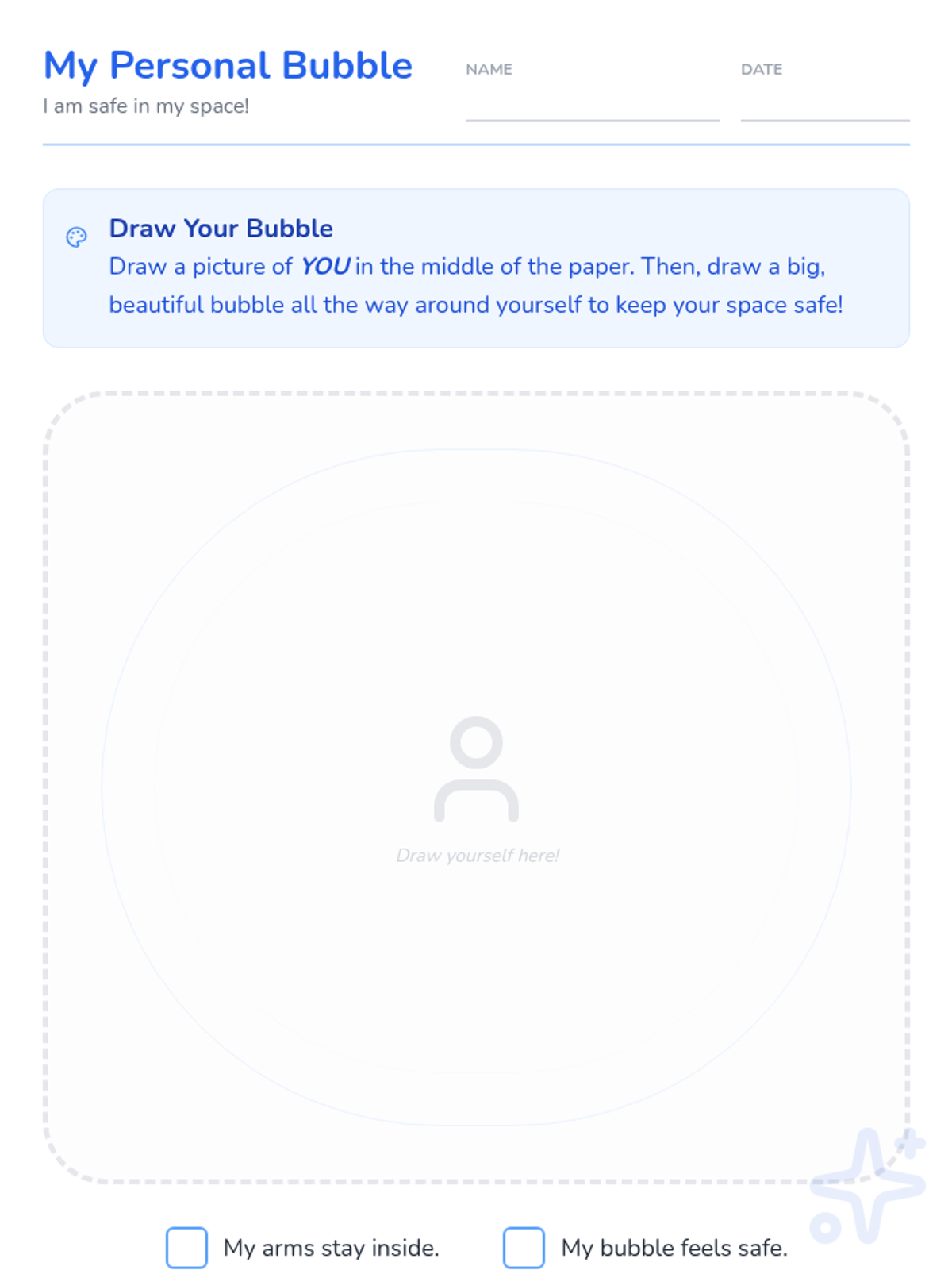
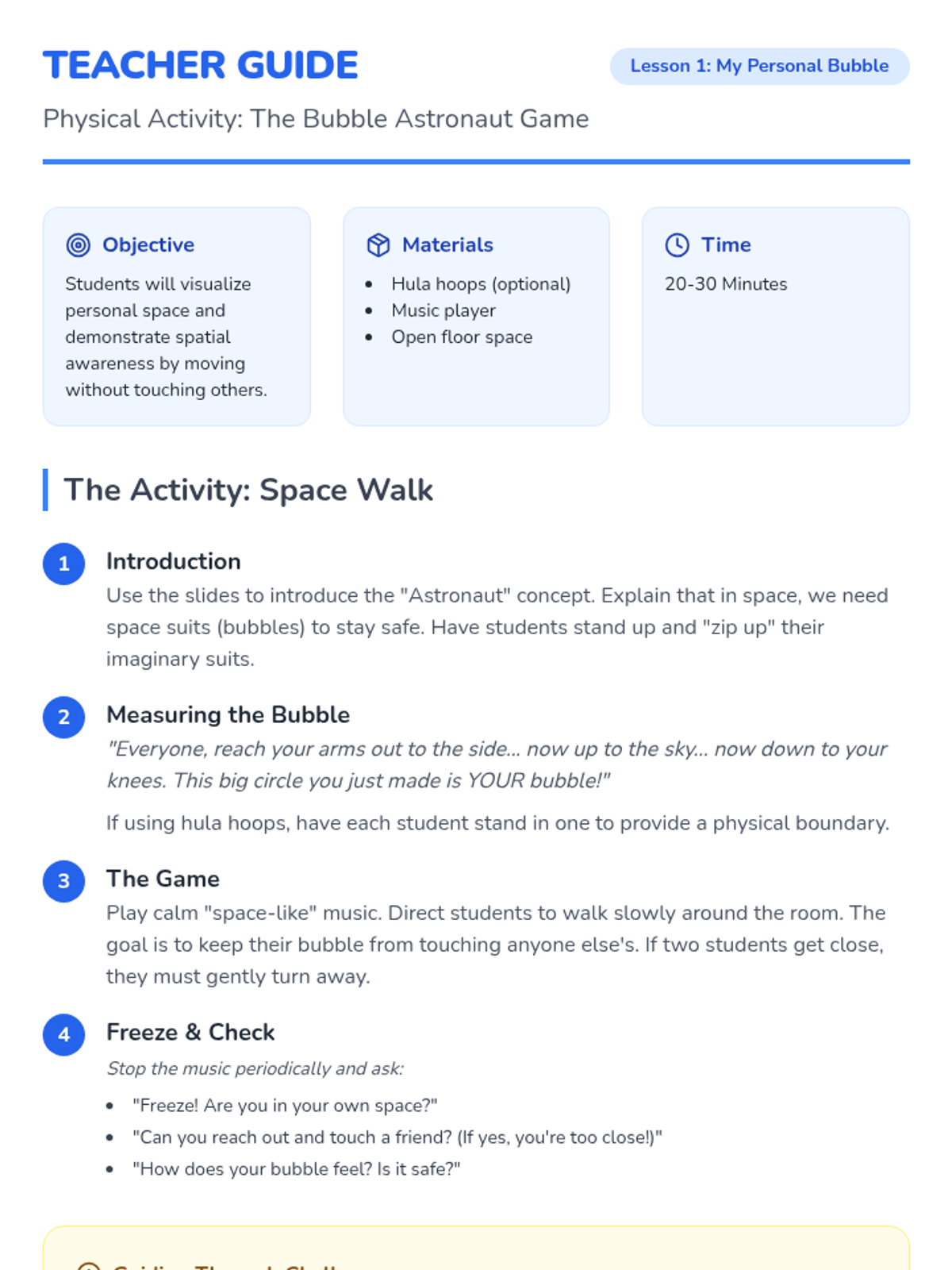
Students use hula hoops to visualize their 'personal bubble' and explore physical boundaries. They practice moving through space without touching others to understand the concept of a boundary.
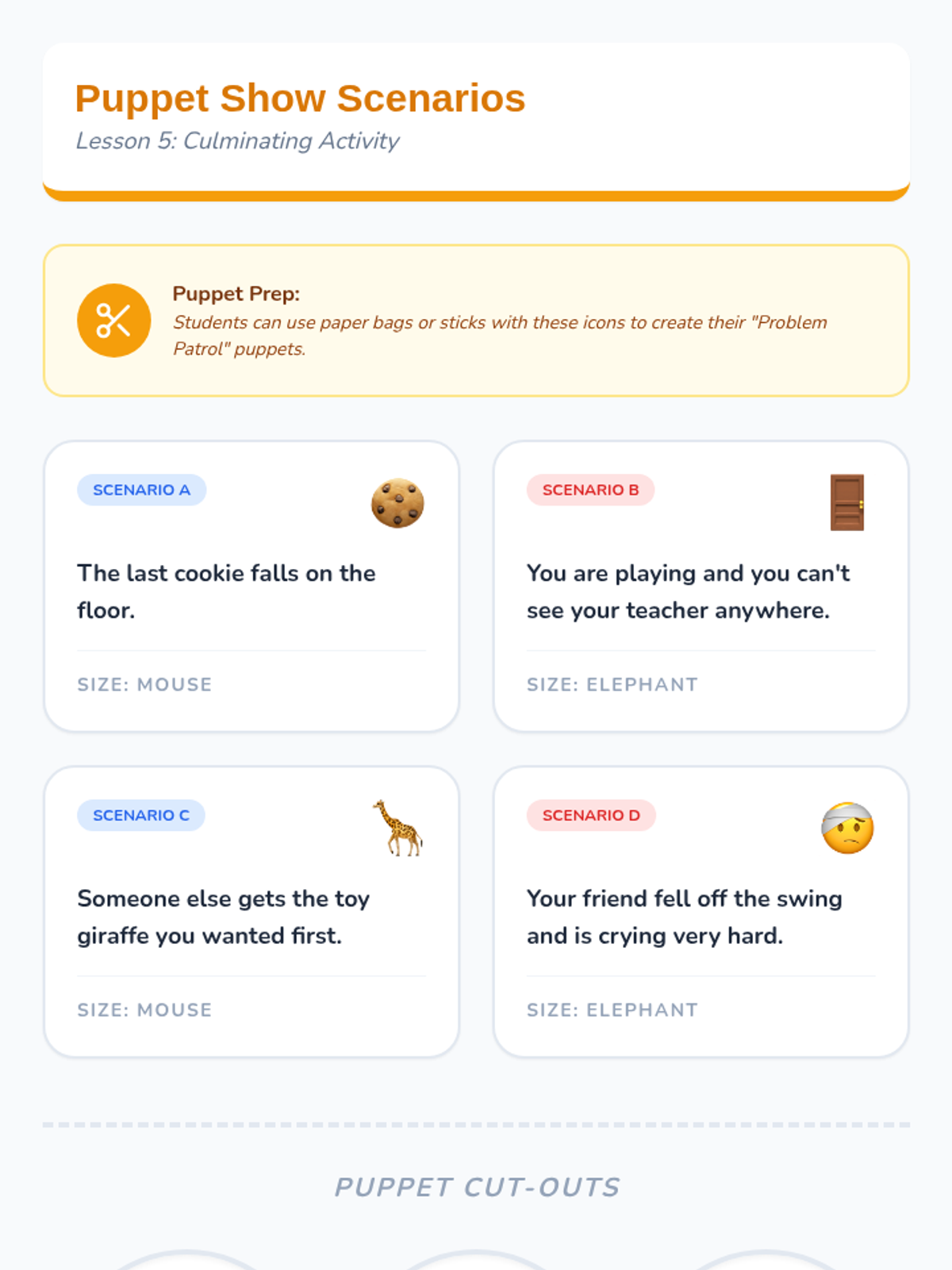
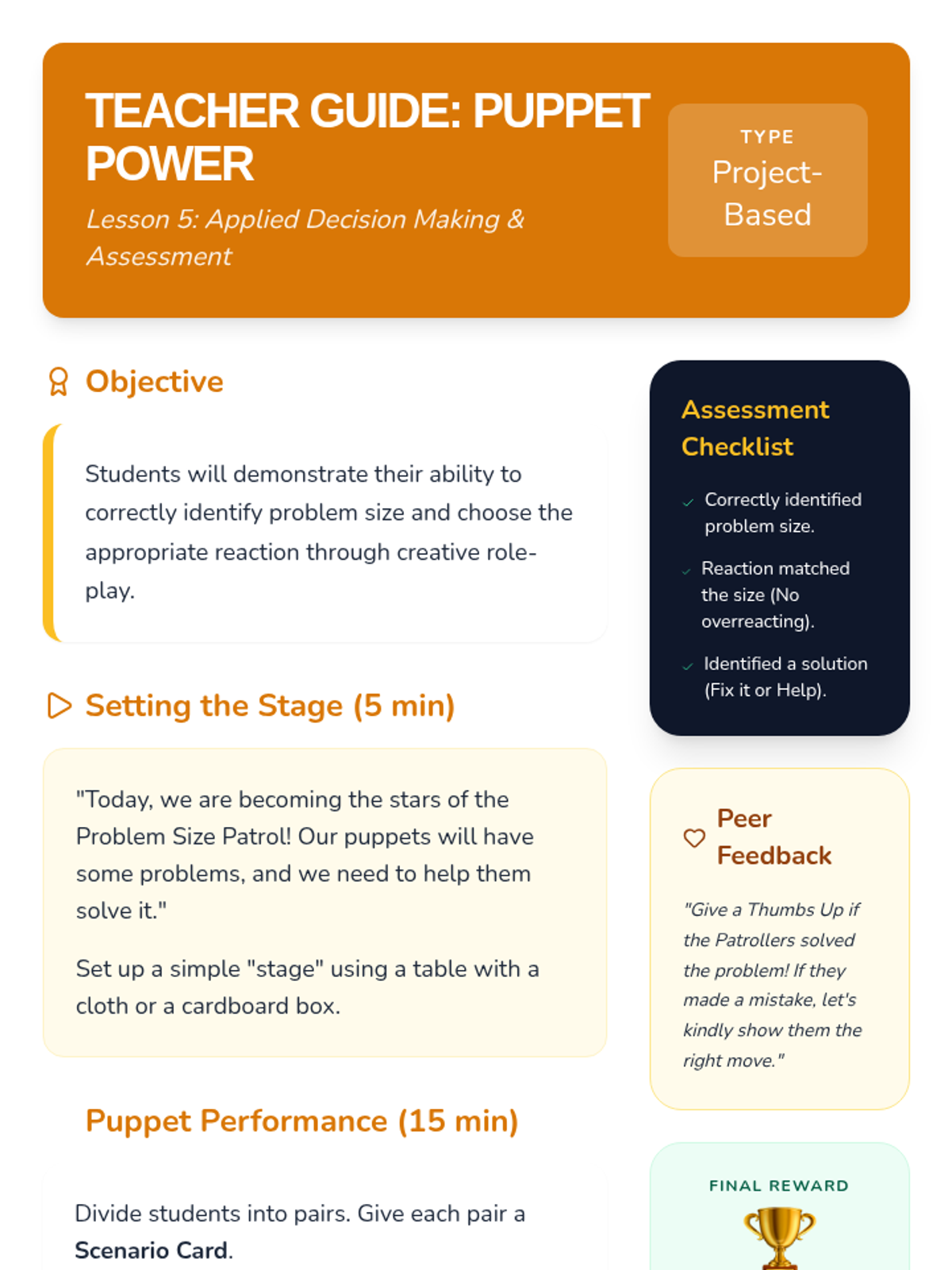
As a culminating activity, students use puppets to act out assigned scenarios, correctly identifying if the problem is big or small and choosing the right next step.
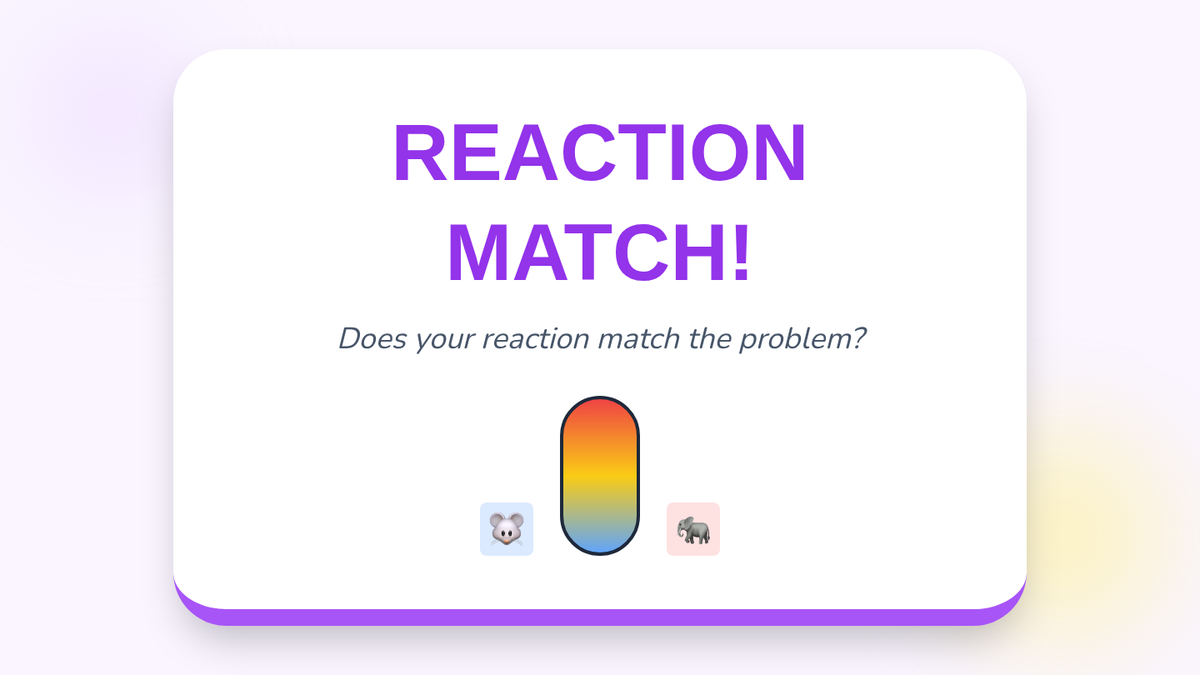
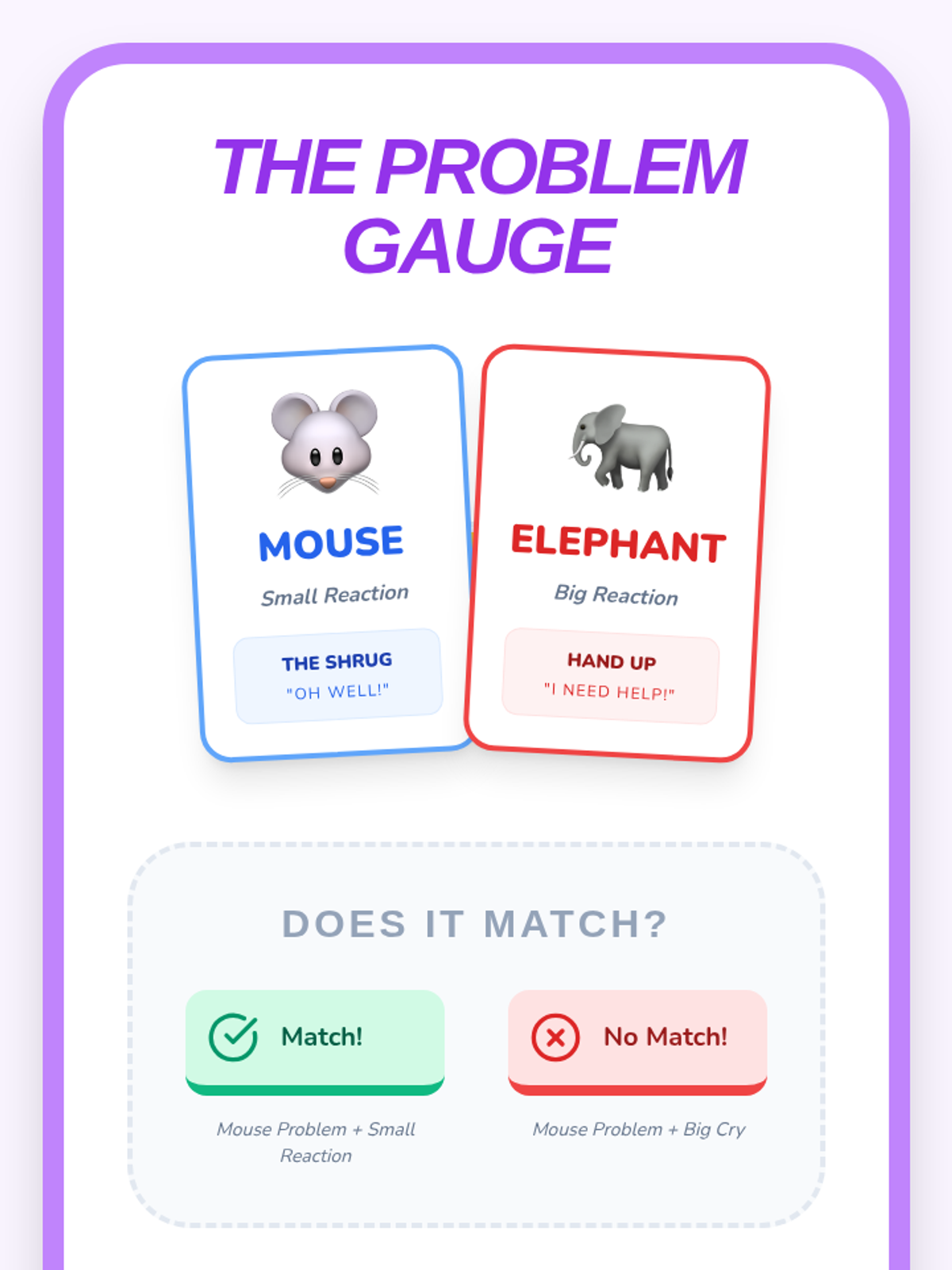
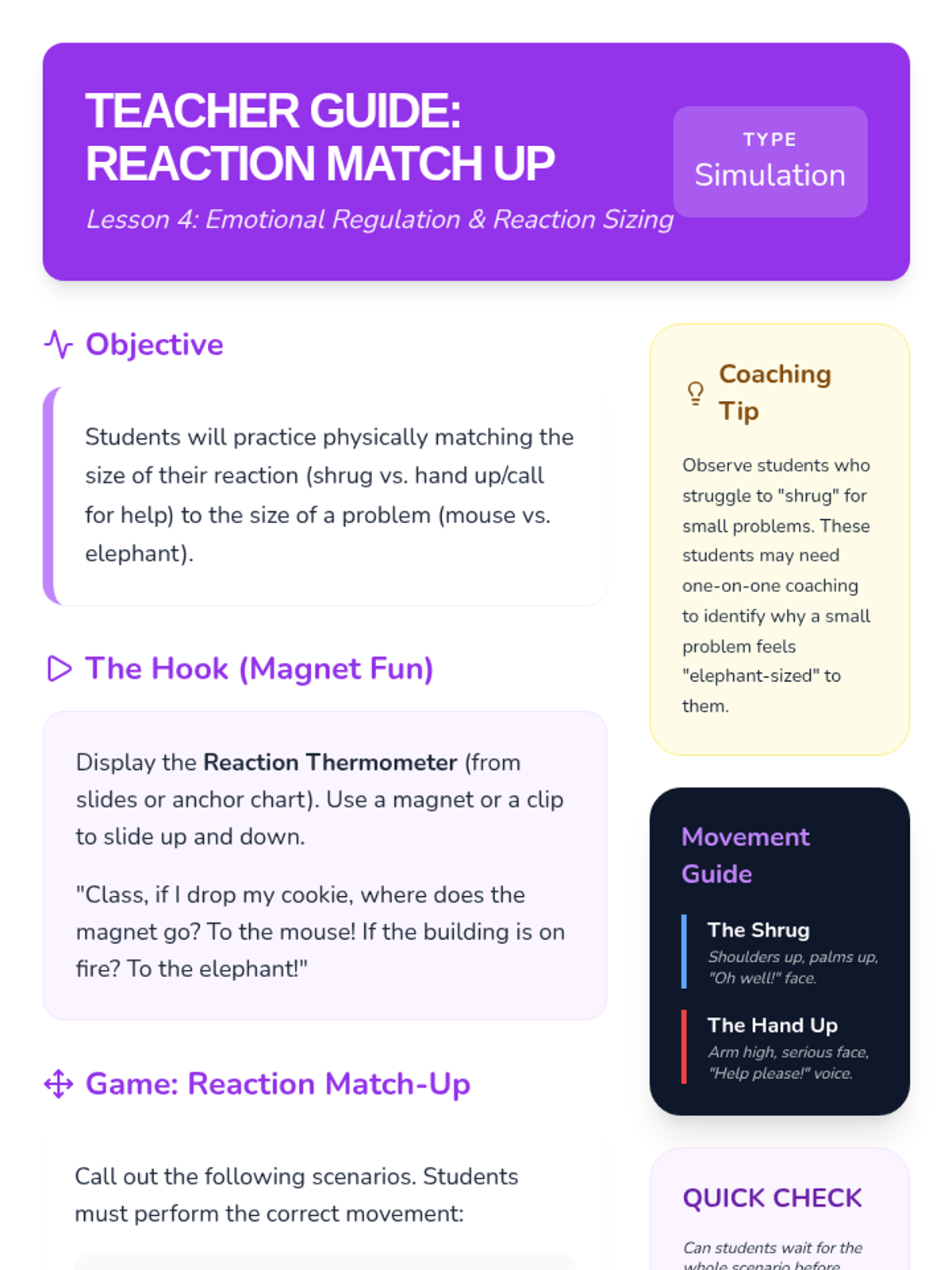
Students participate in a movement activity where they match the size of their reaction to the size of the problem using a 'Reaction Thermometer'.
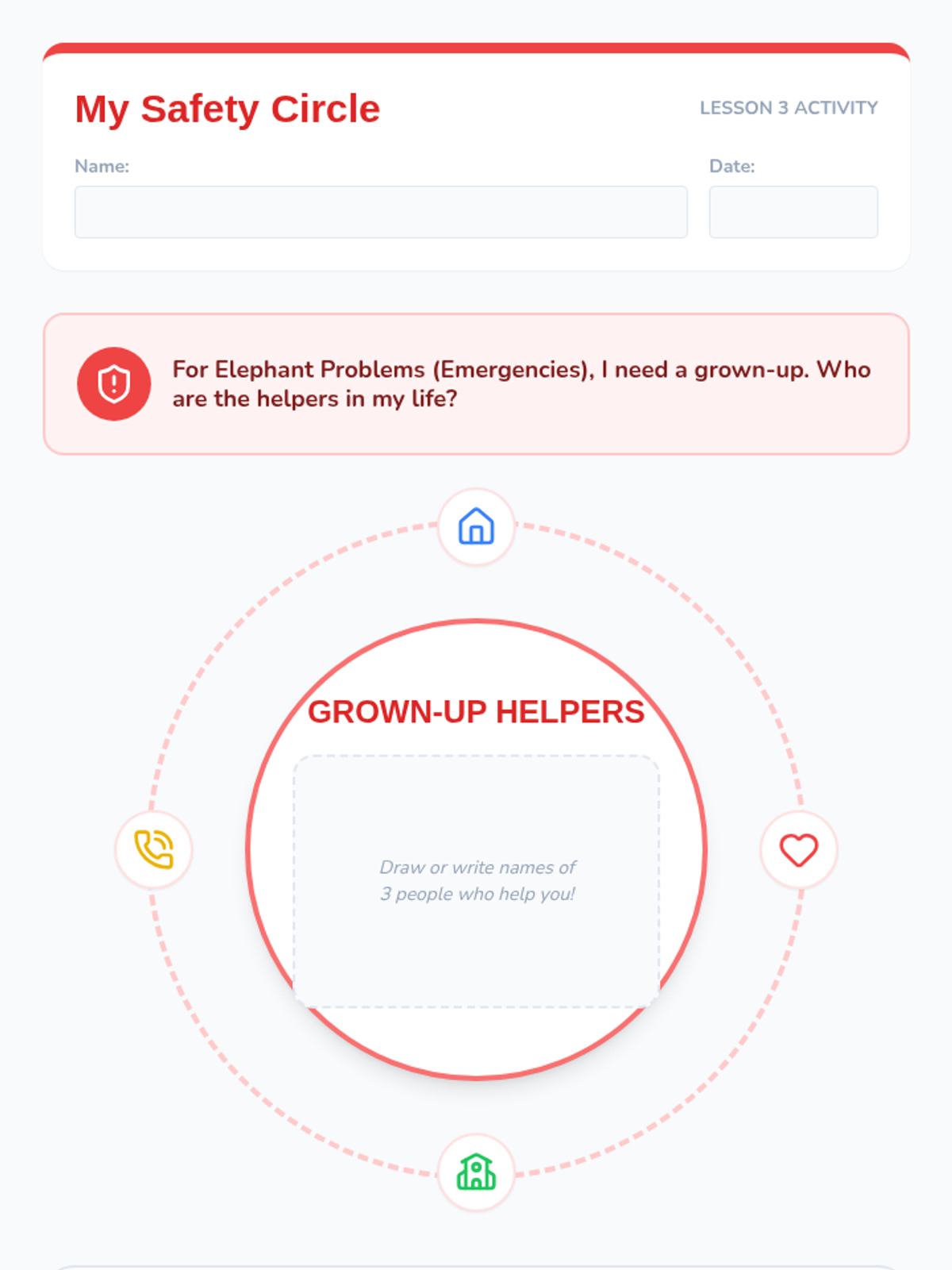
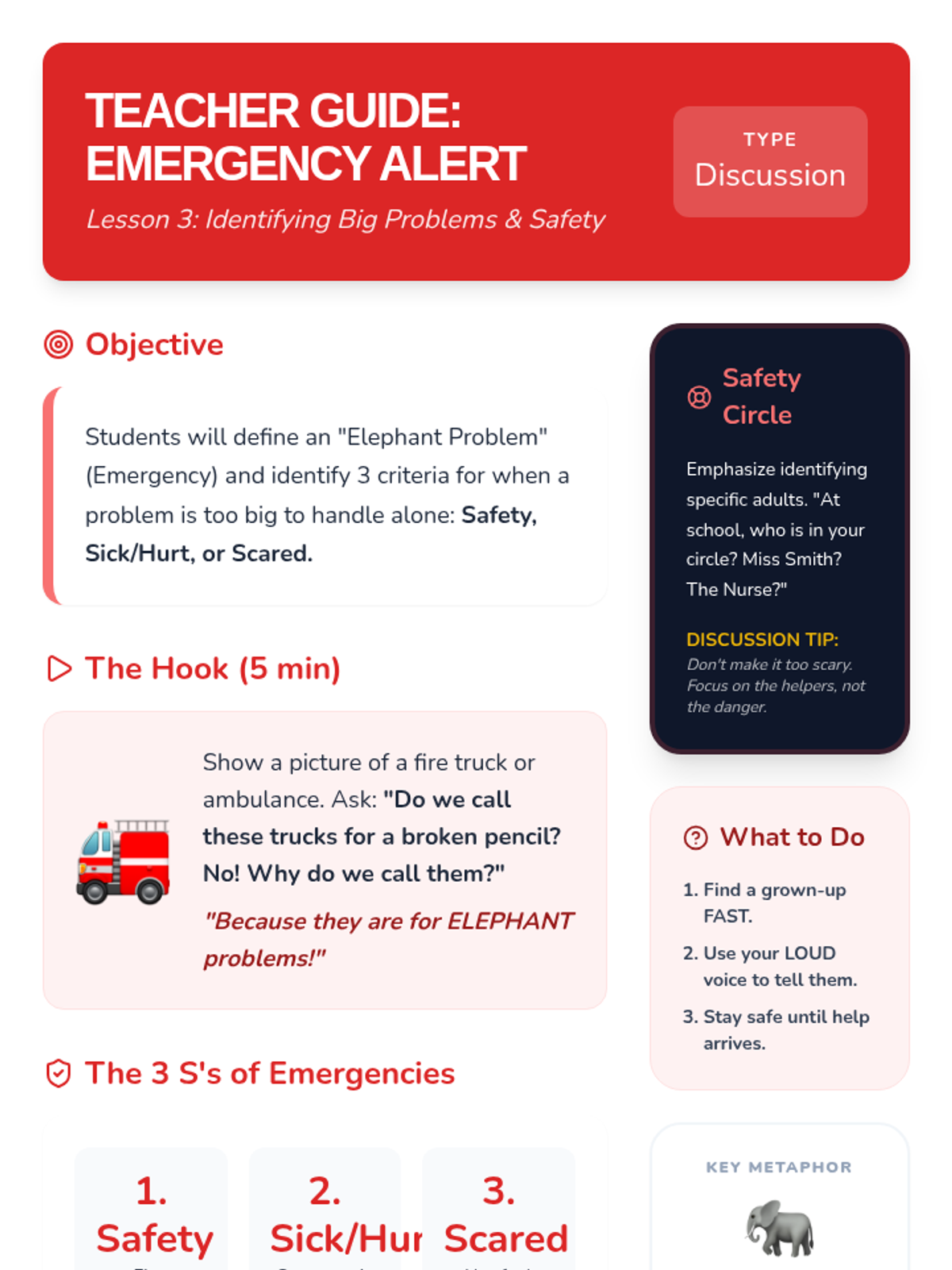
Students learn to identify 'Big Problems' involving safety or danger where an adult is always needed. The focus is on recognizing when safety is compromised.
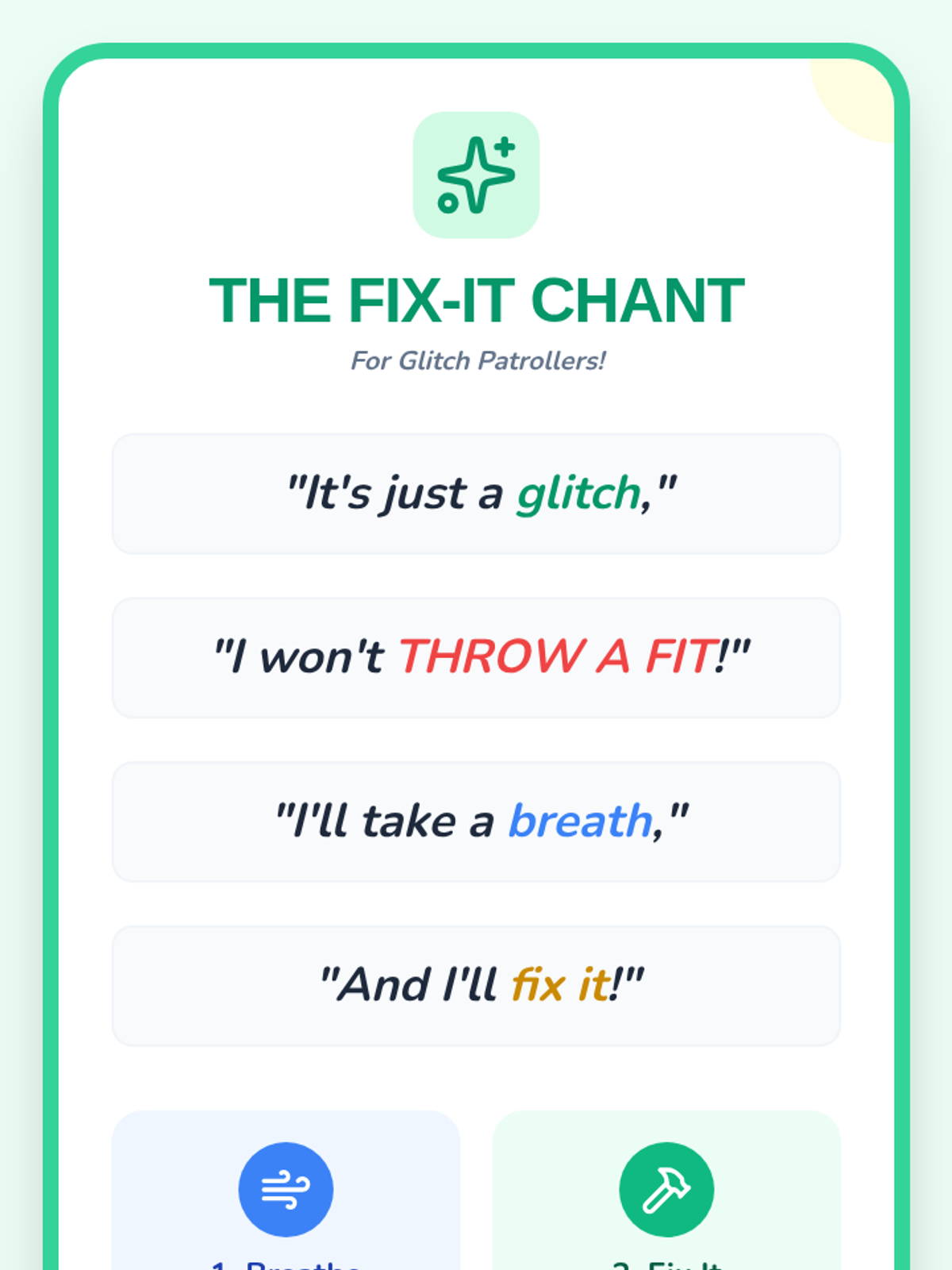
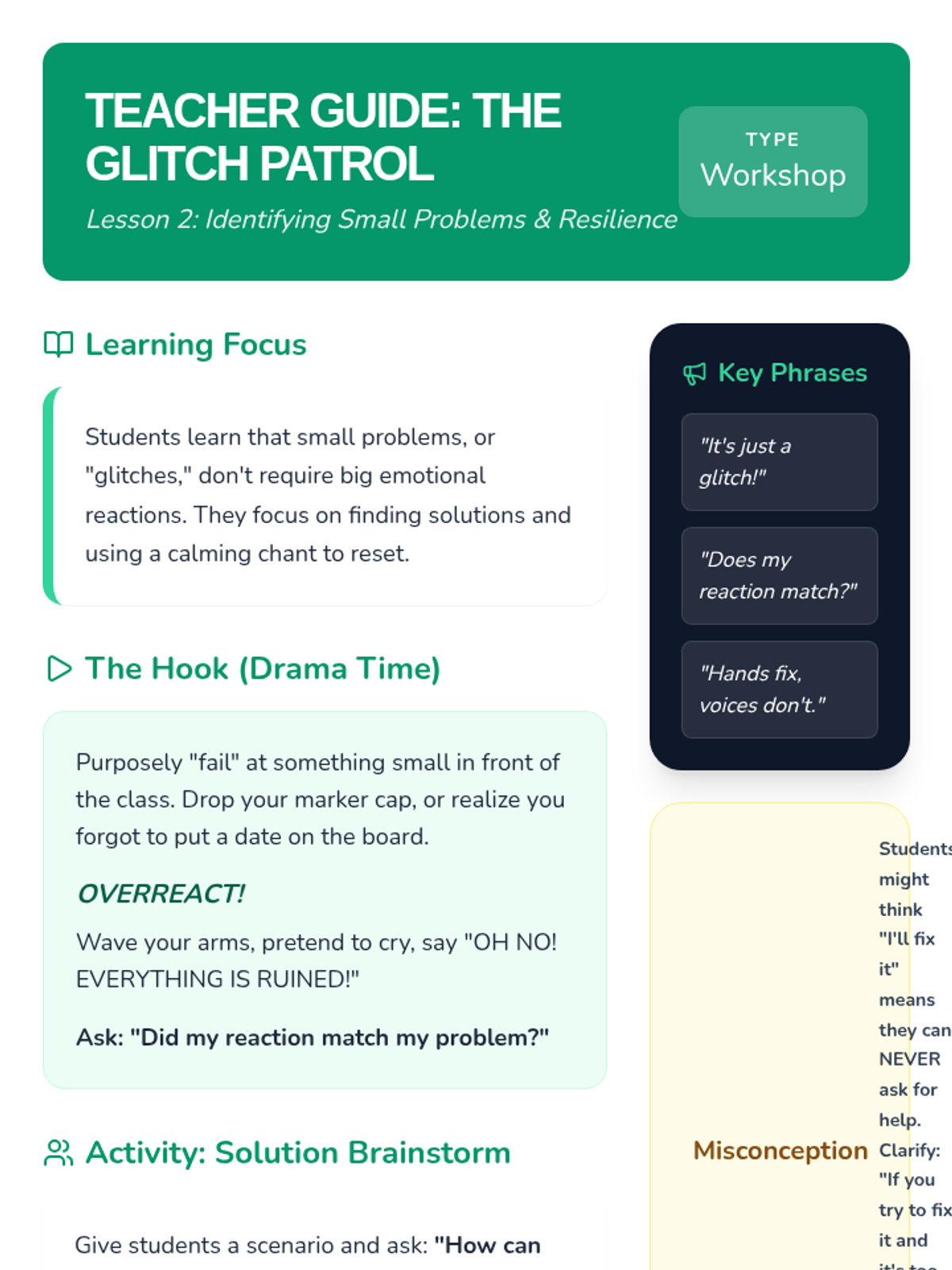
Focusing specifically on small problems, students learn the term 'glitch' for things like broken pencils or spilled water. They practice a 'fix-it' chant and brainstorm simple solutions.
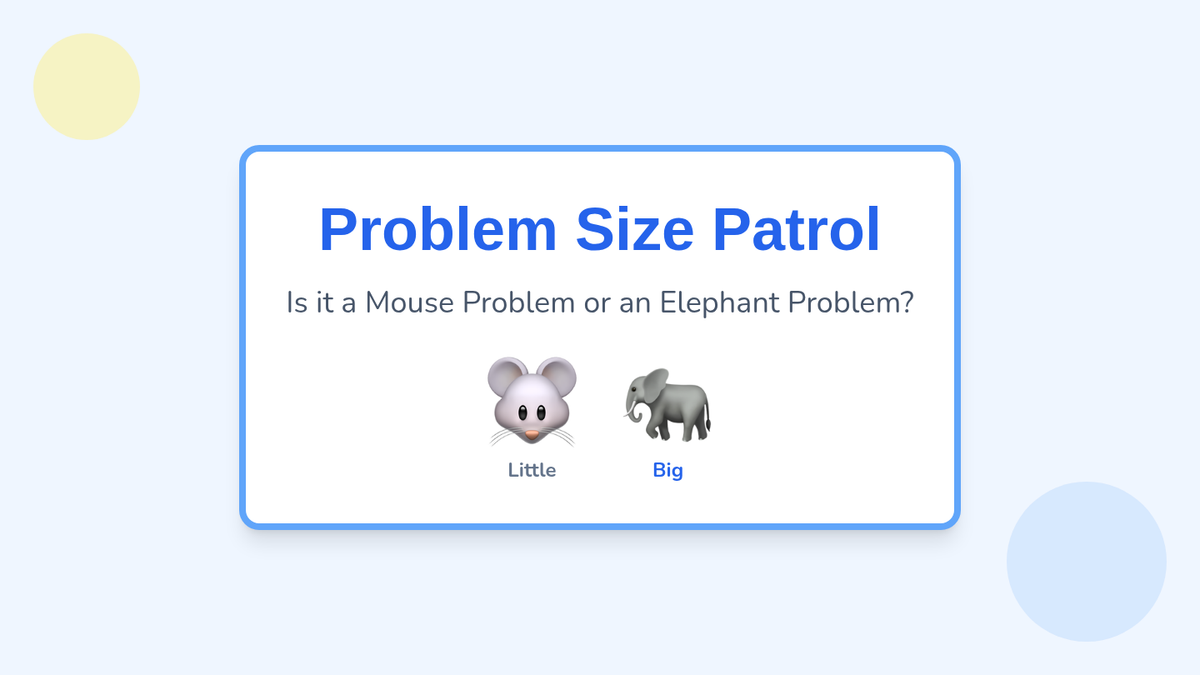
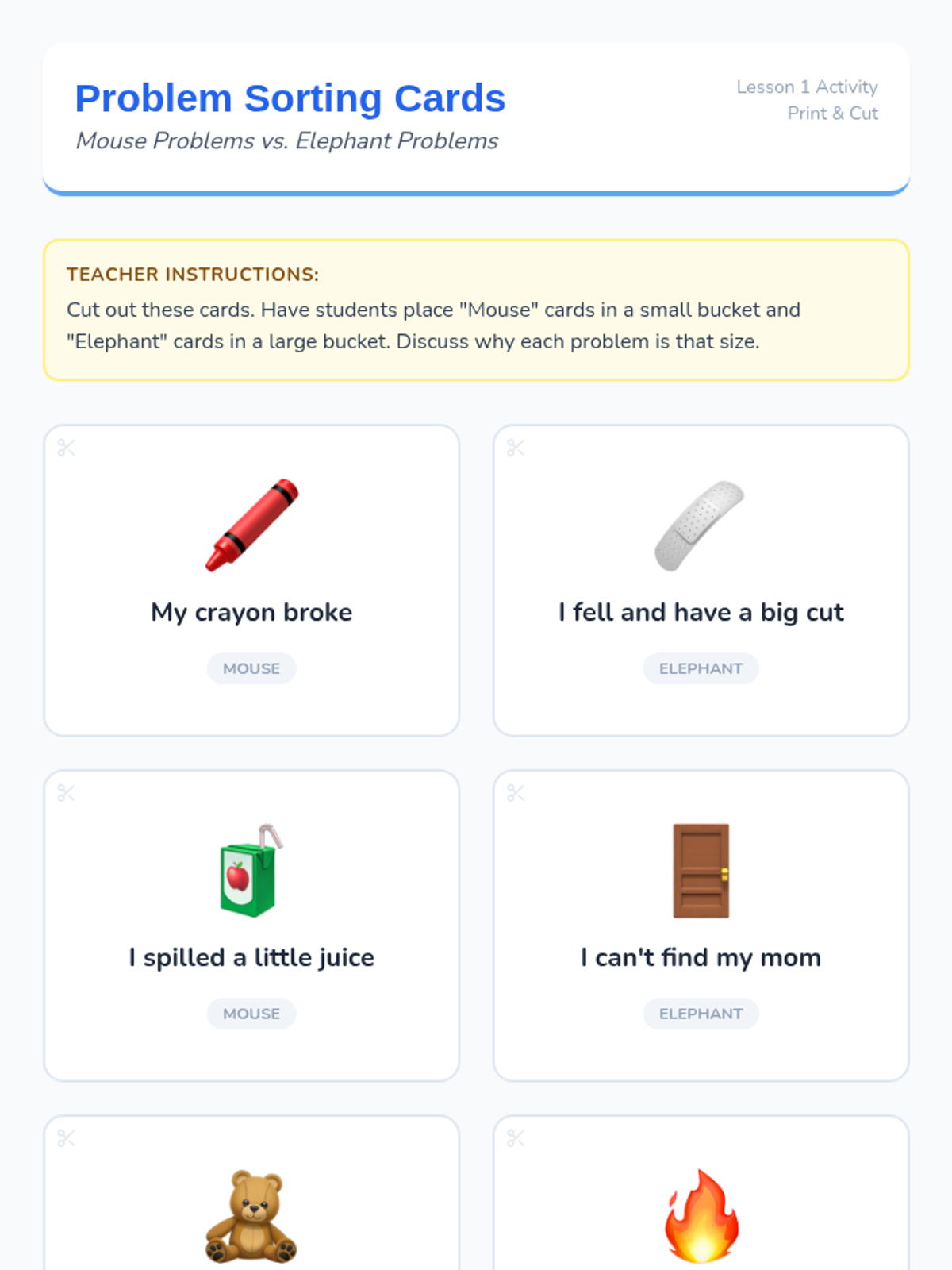
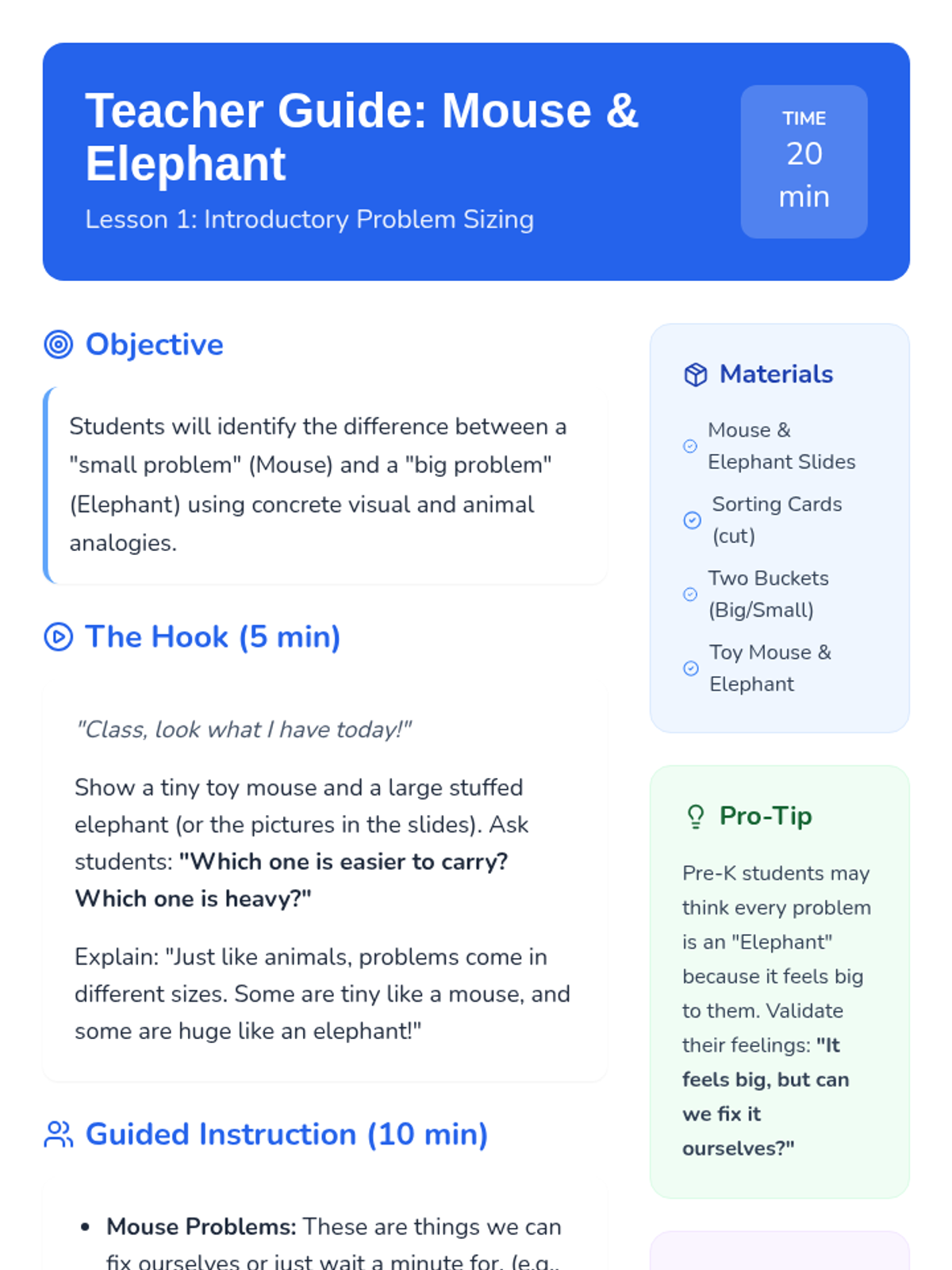
Students are introduced to the concept of problem size using animal sizes as a concrete analogy. They learn that 'Mouse Problems' are small and 'Elephant Problems' are big.
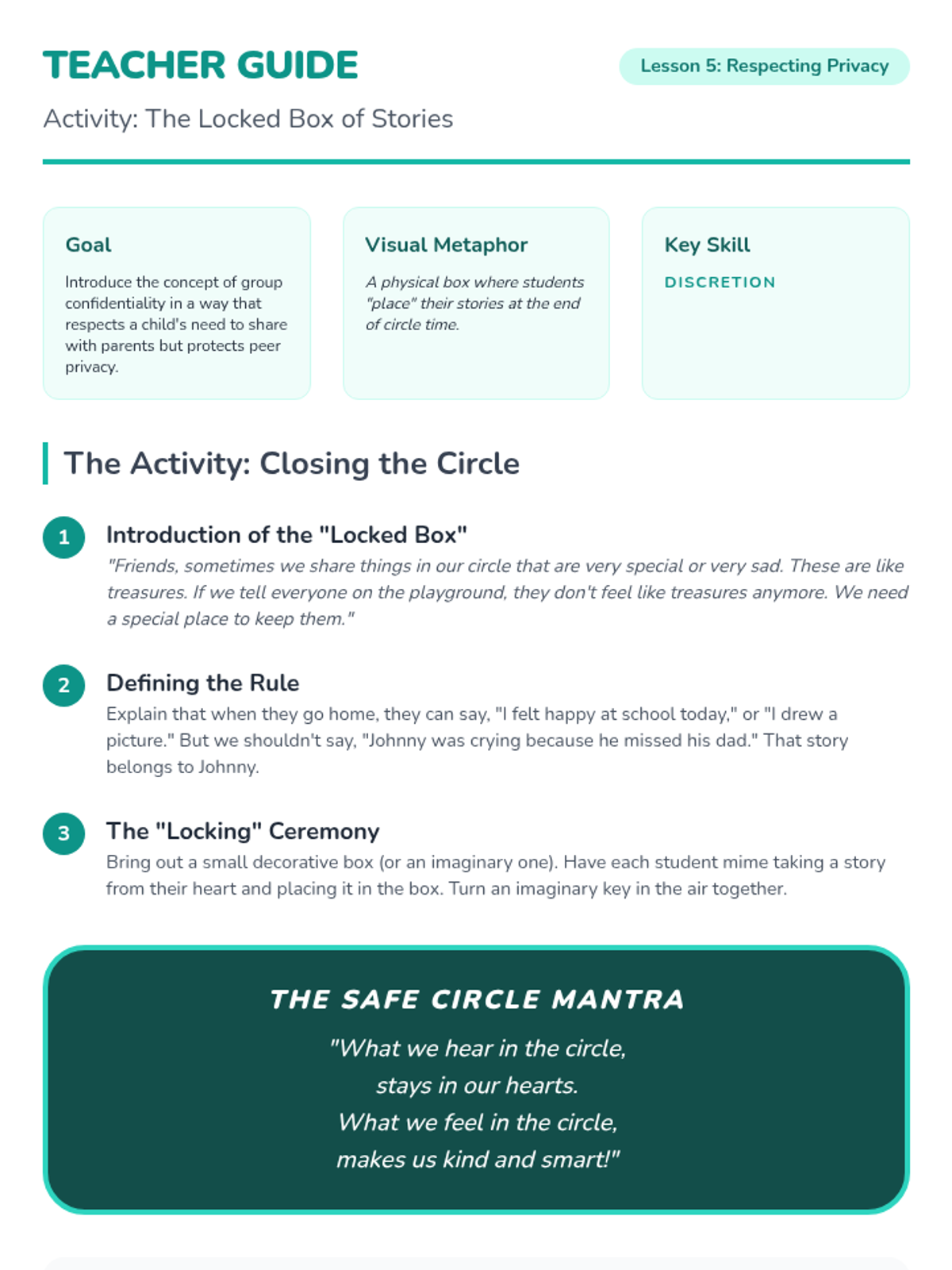
Students learn the value of keeping friends' stories private within their supportive circle, building trust and empathy.
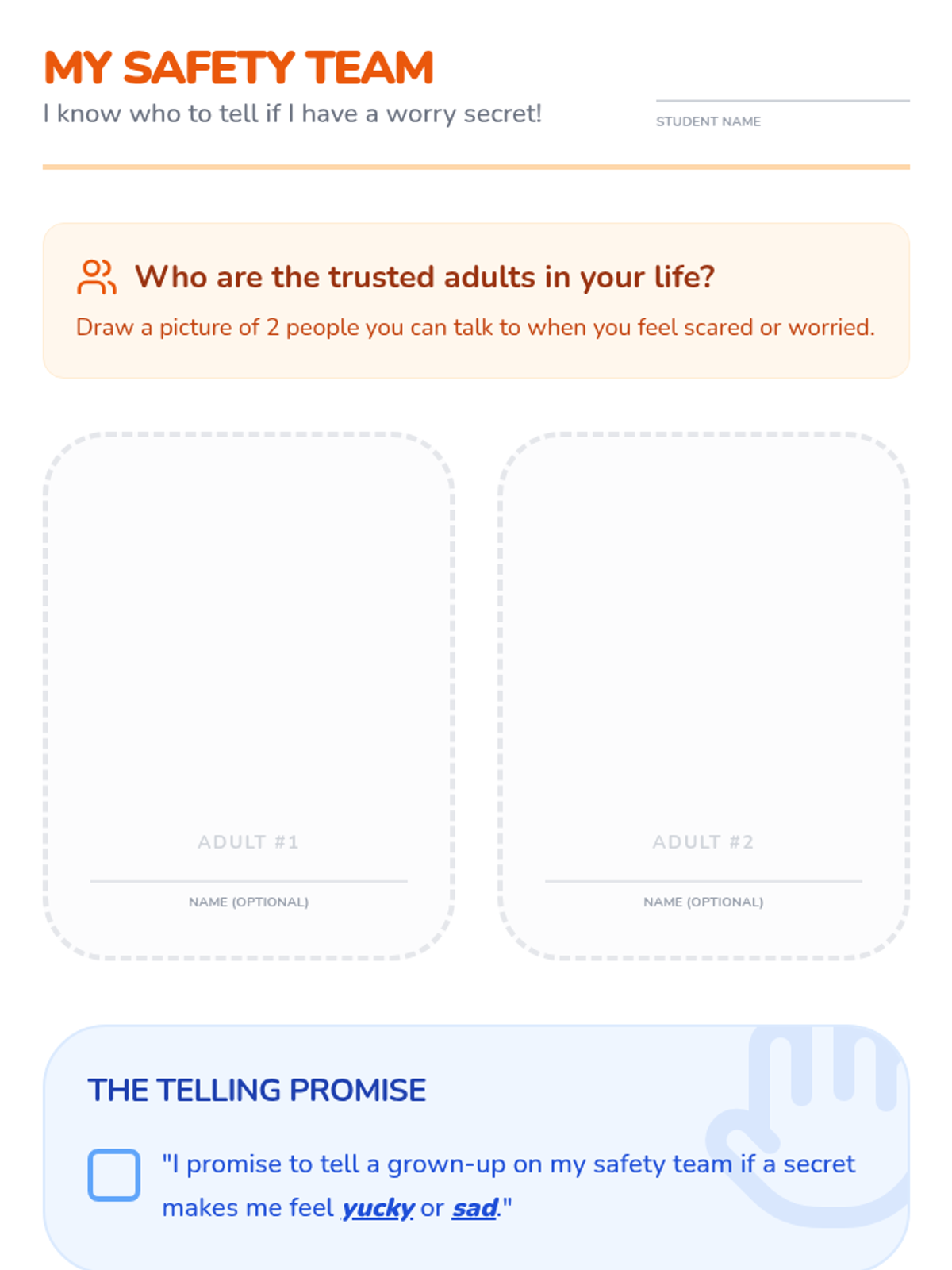
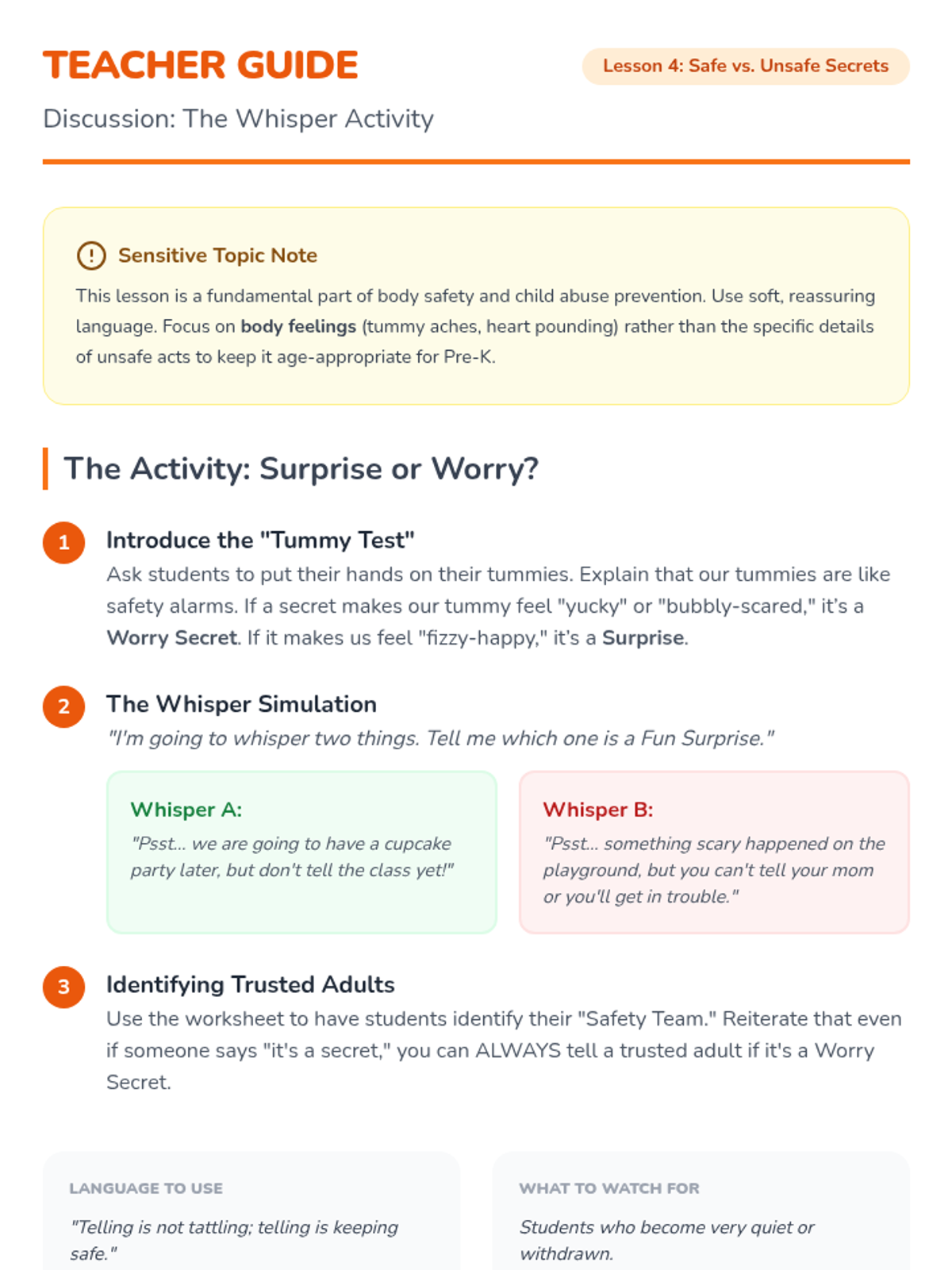
A gentle introduction to distinguishing between 'fun surprises' and 'worry secrets,' identifying trusted adults to talk to when something feels wrong.
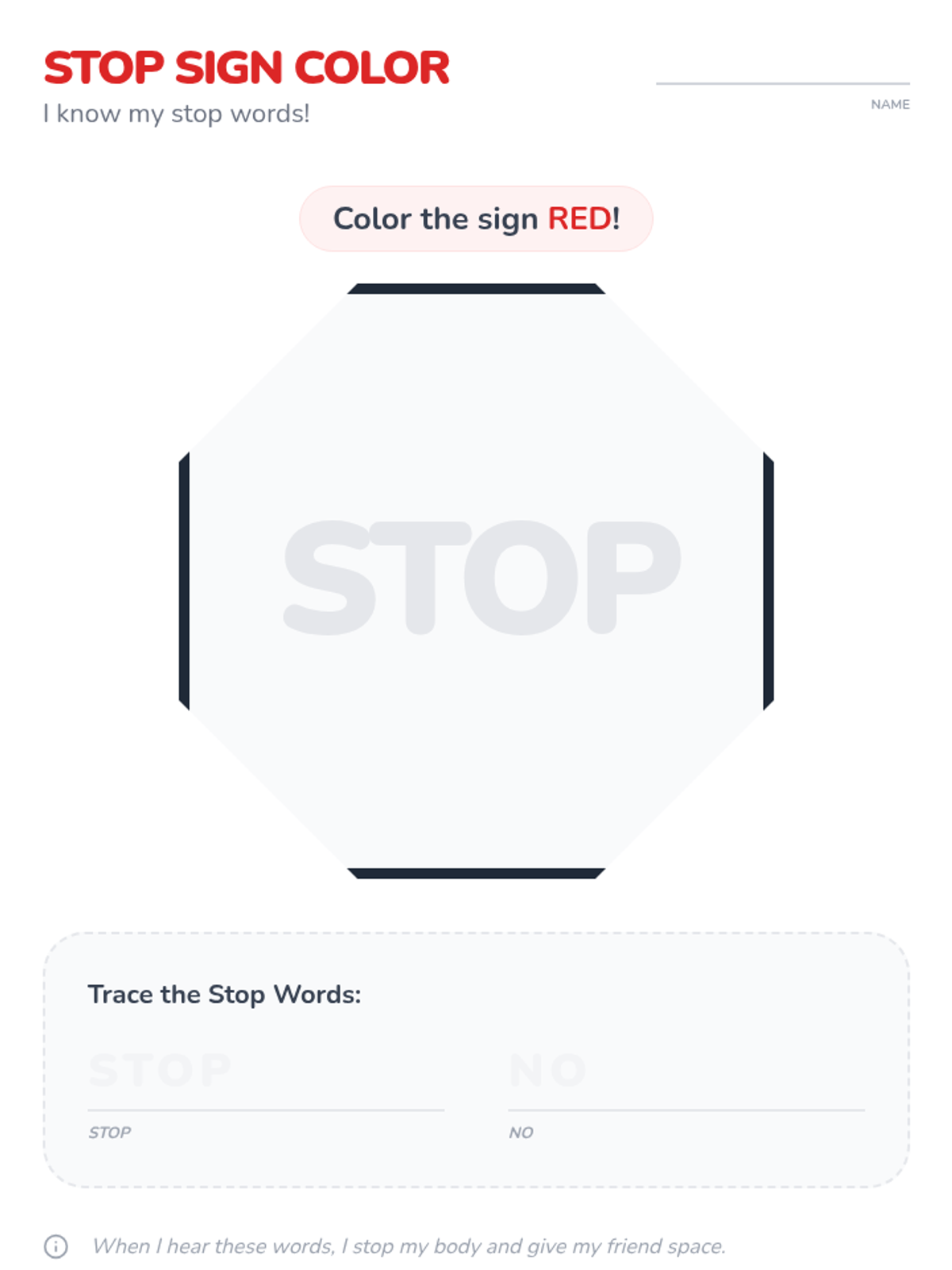
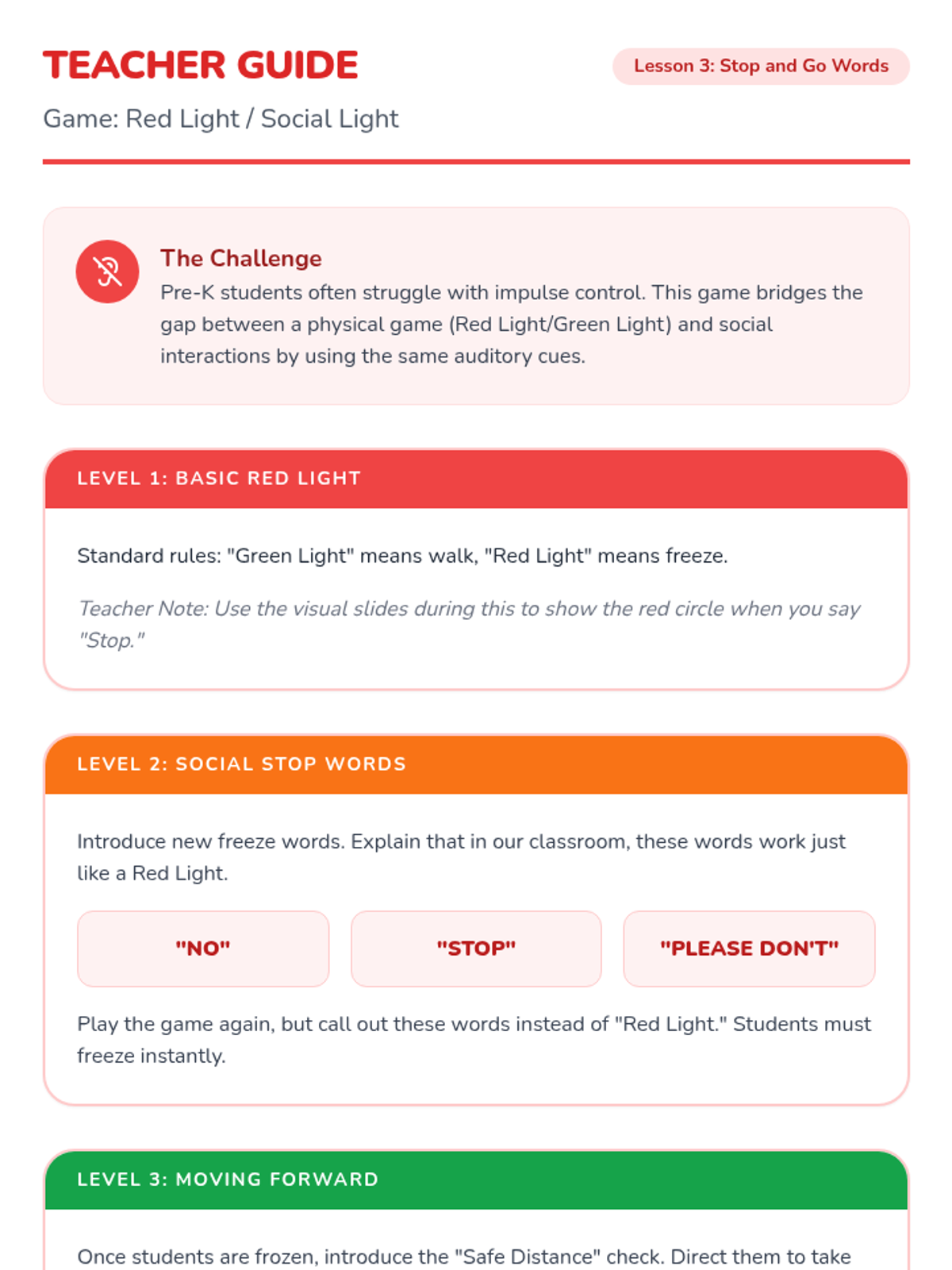
Students identify and practice 'stop' words, reinforcing the rule that when a friend says 'no' or 'stop,' we listen and give them space immediately.
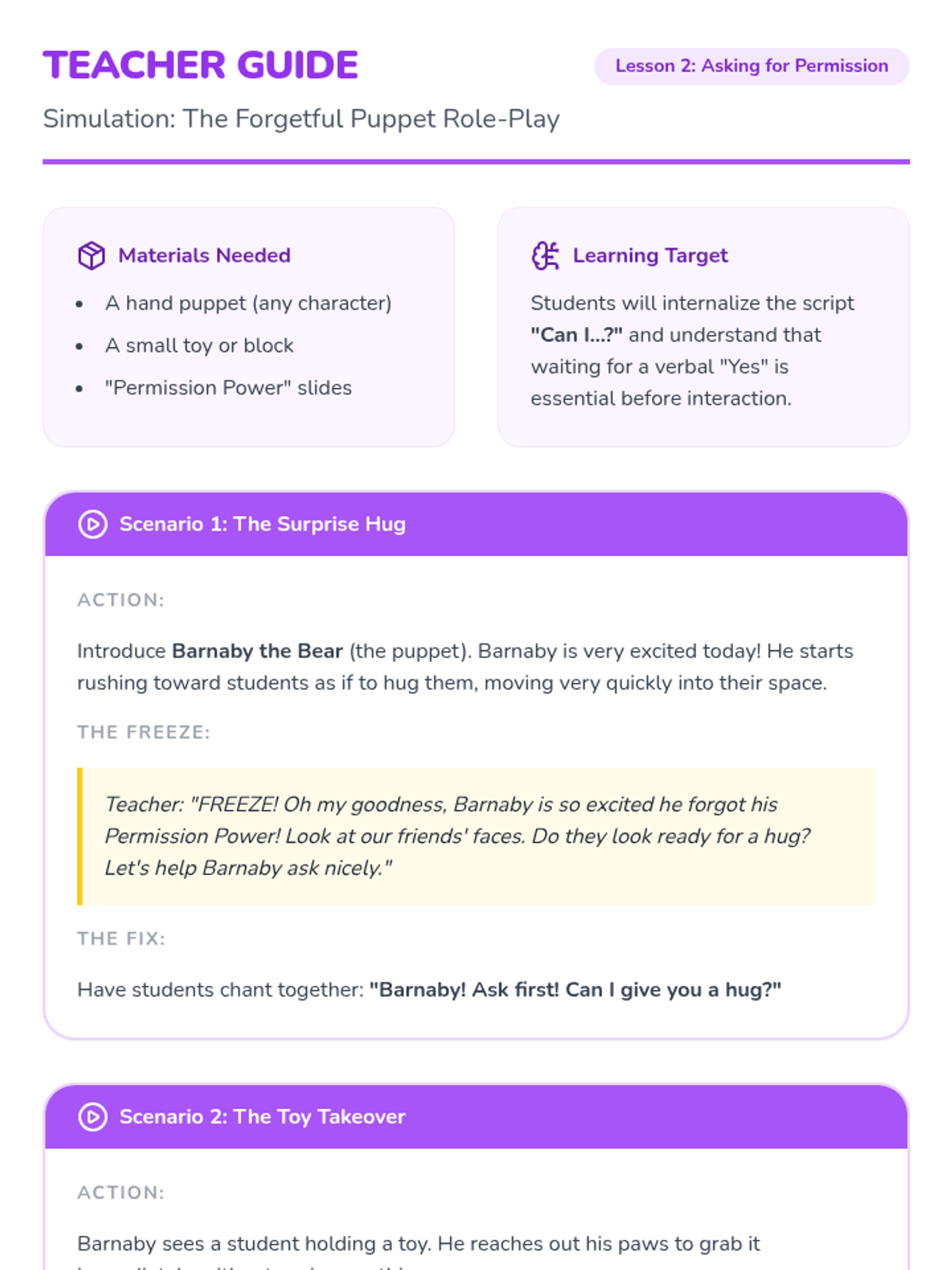
Students learn to ask for permission before entering someone's space or touching them, practicing simple verbal scripts and waiting for responses.
Students use hula hoops or outstretched arms to visualize their personal space bubble and practice moving without popping others' bubbles.
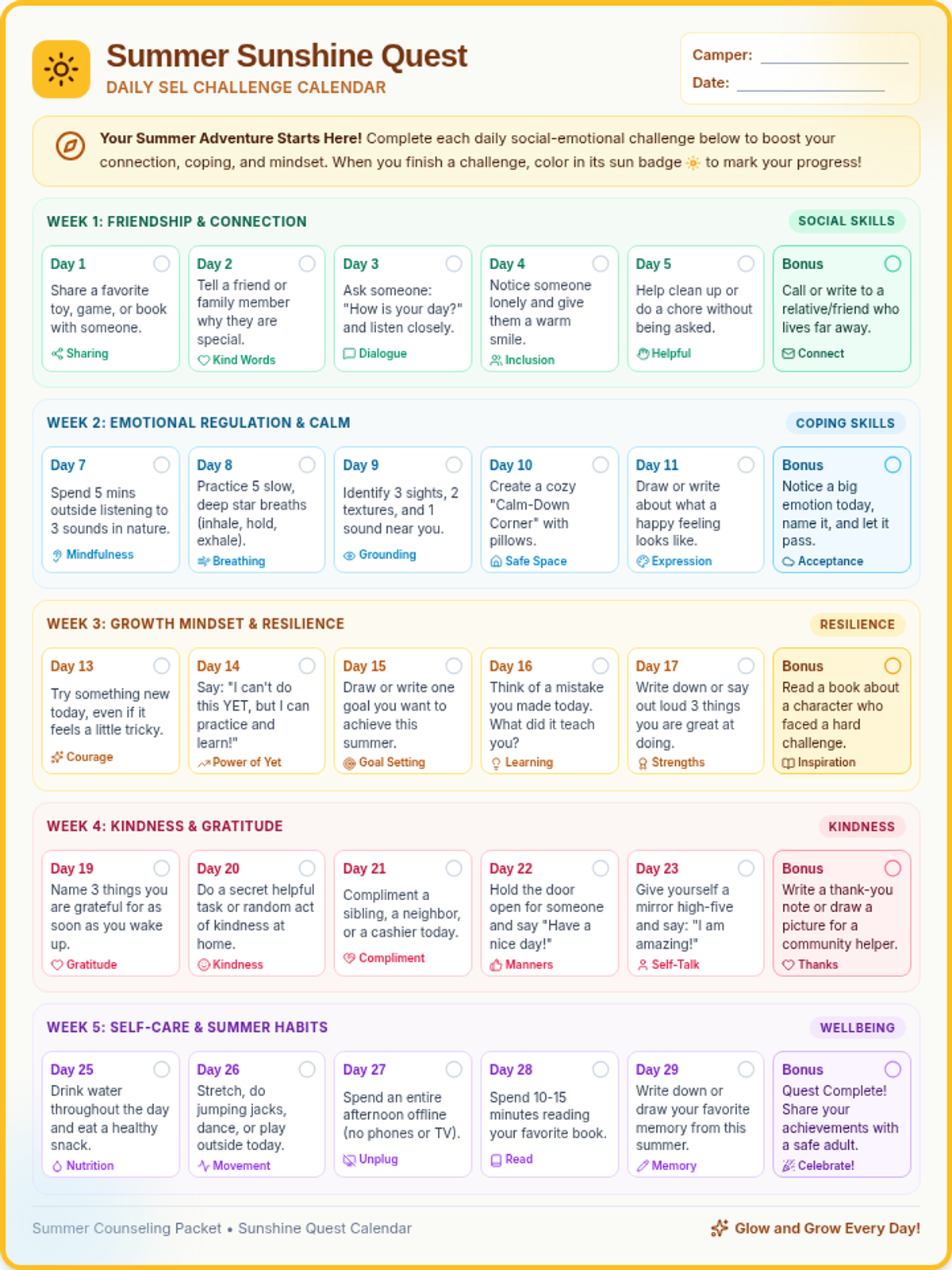
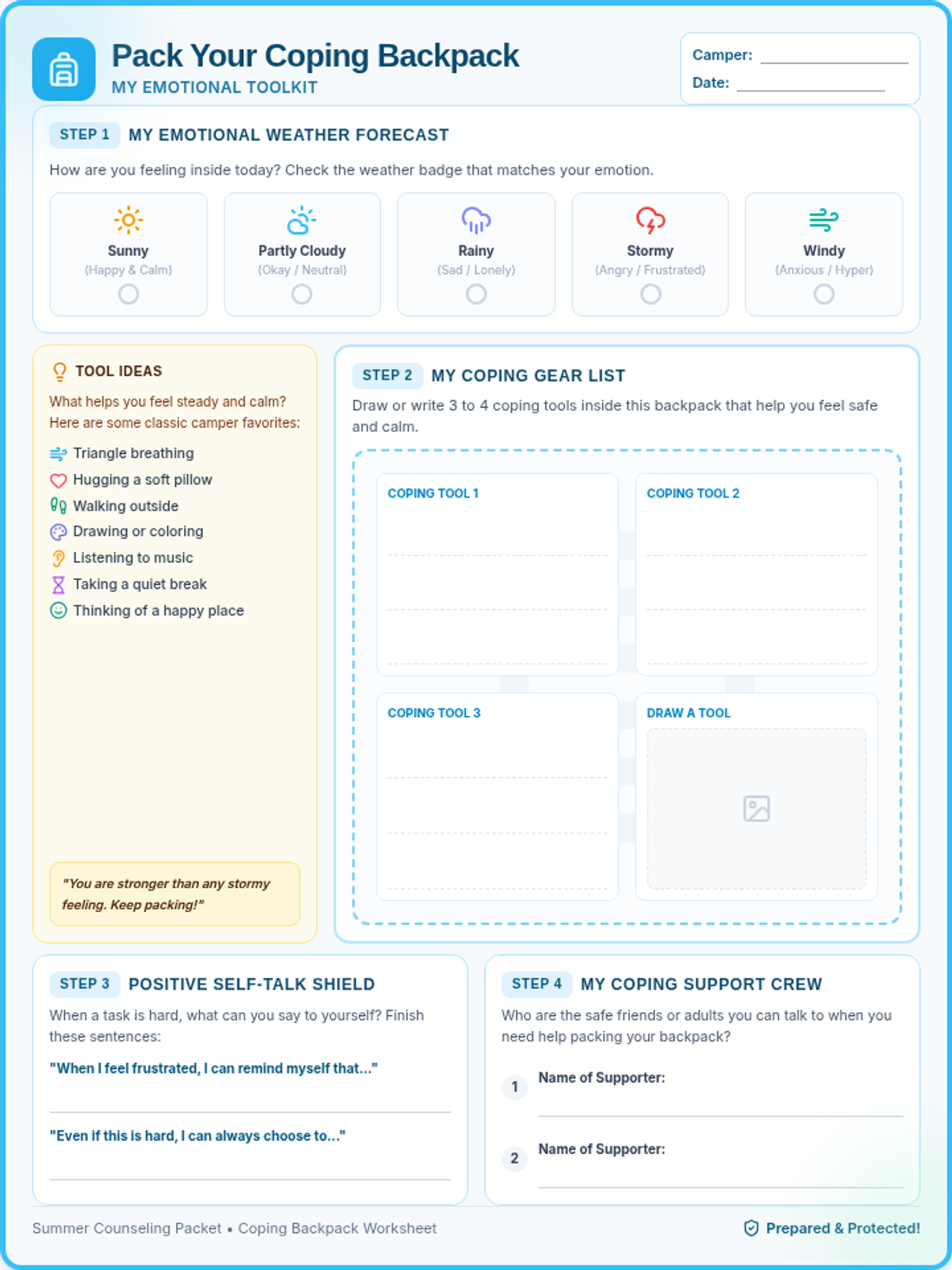
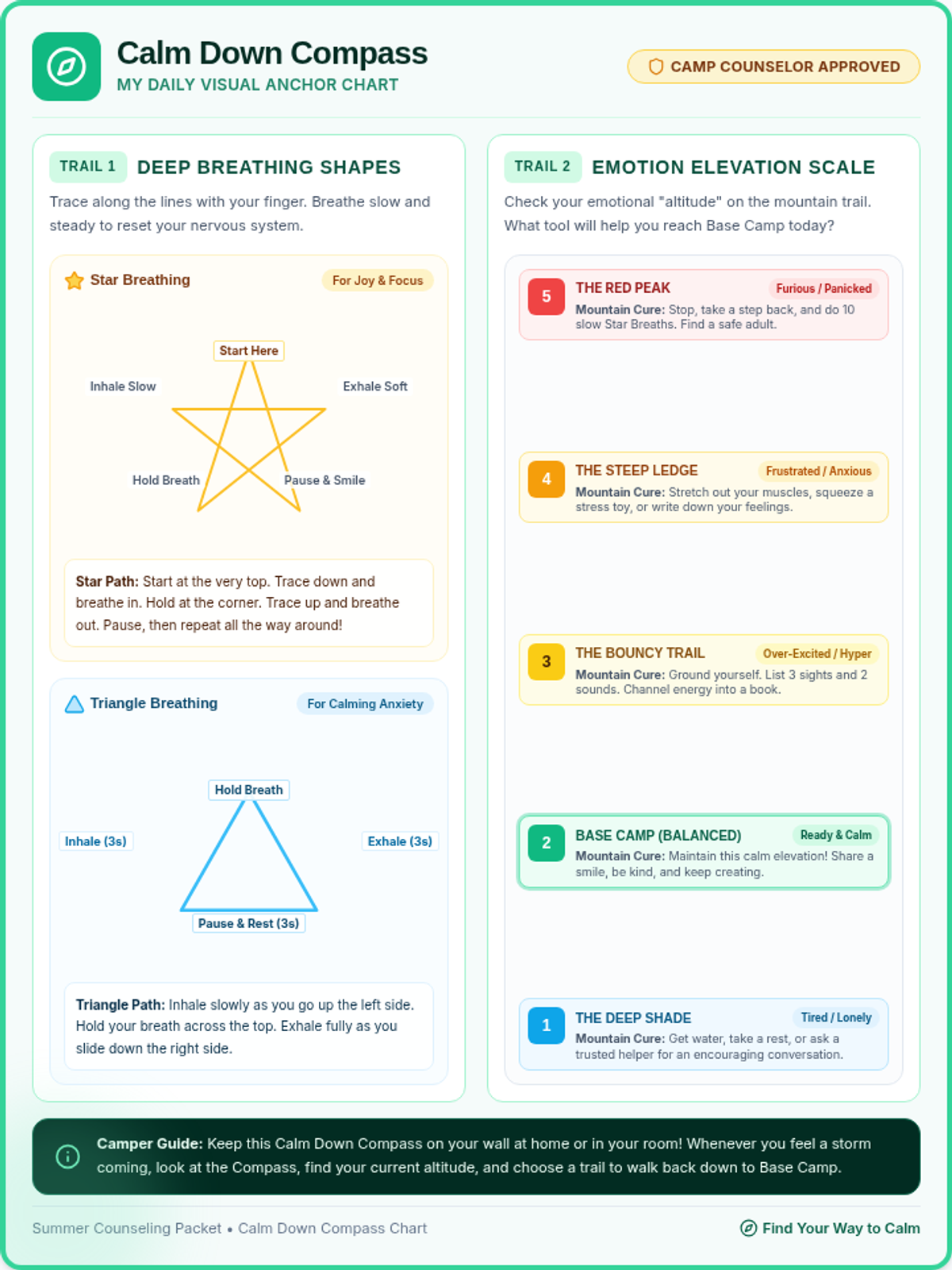
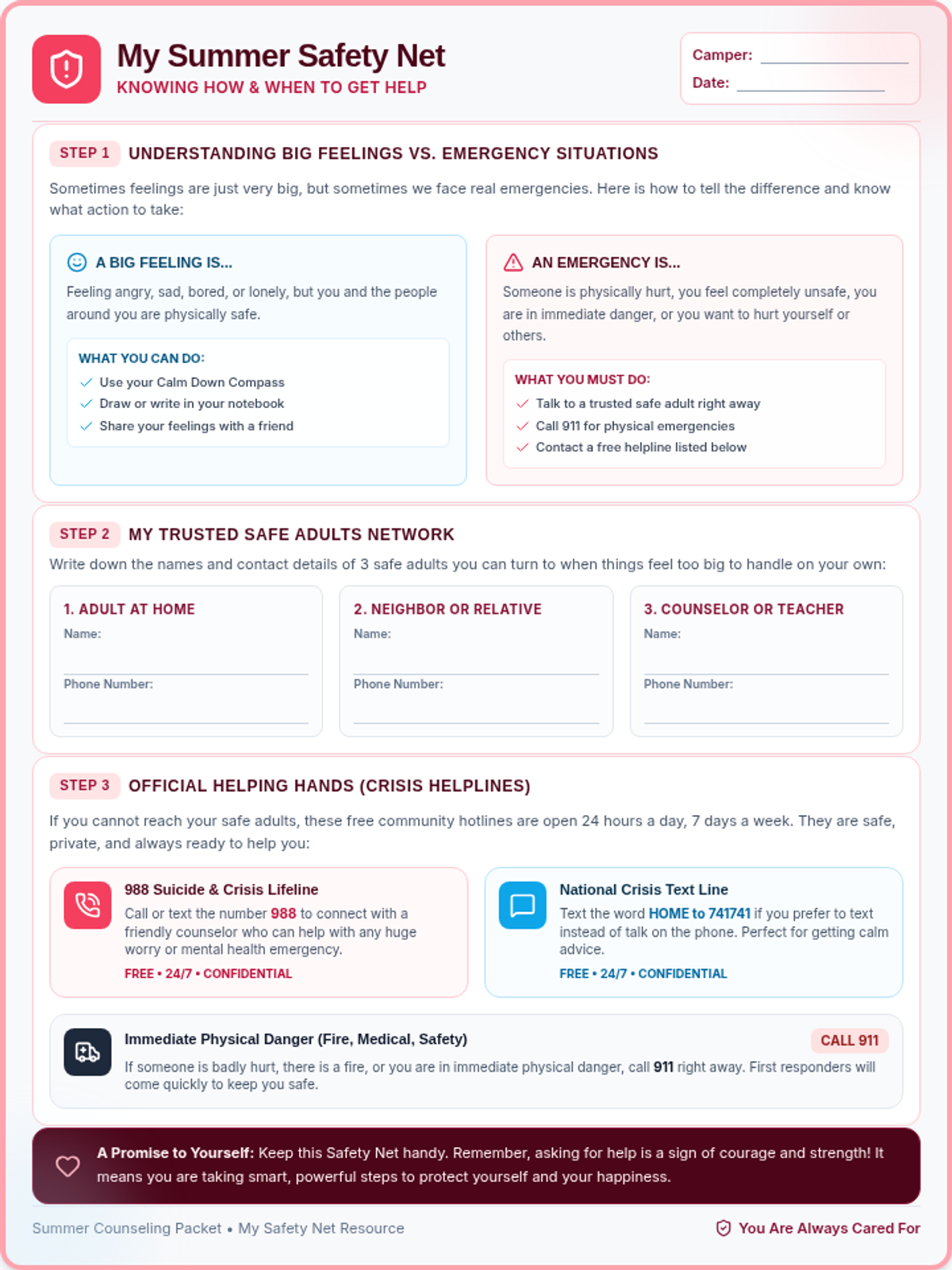
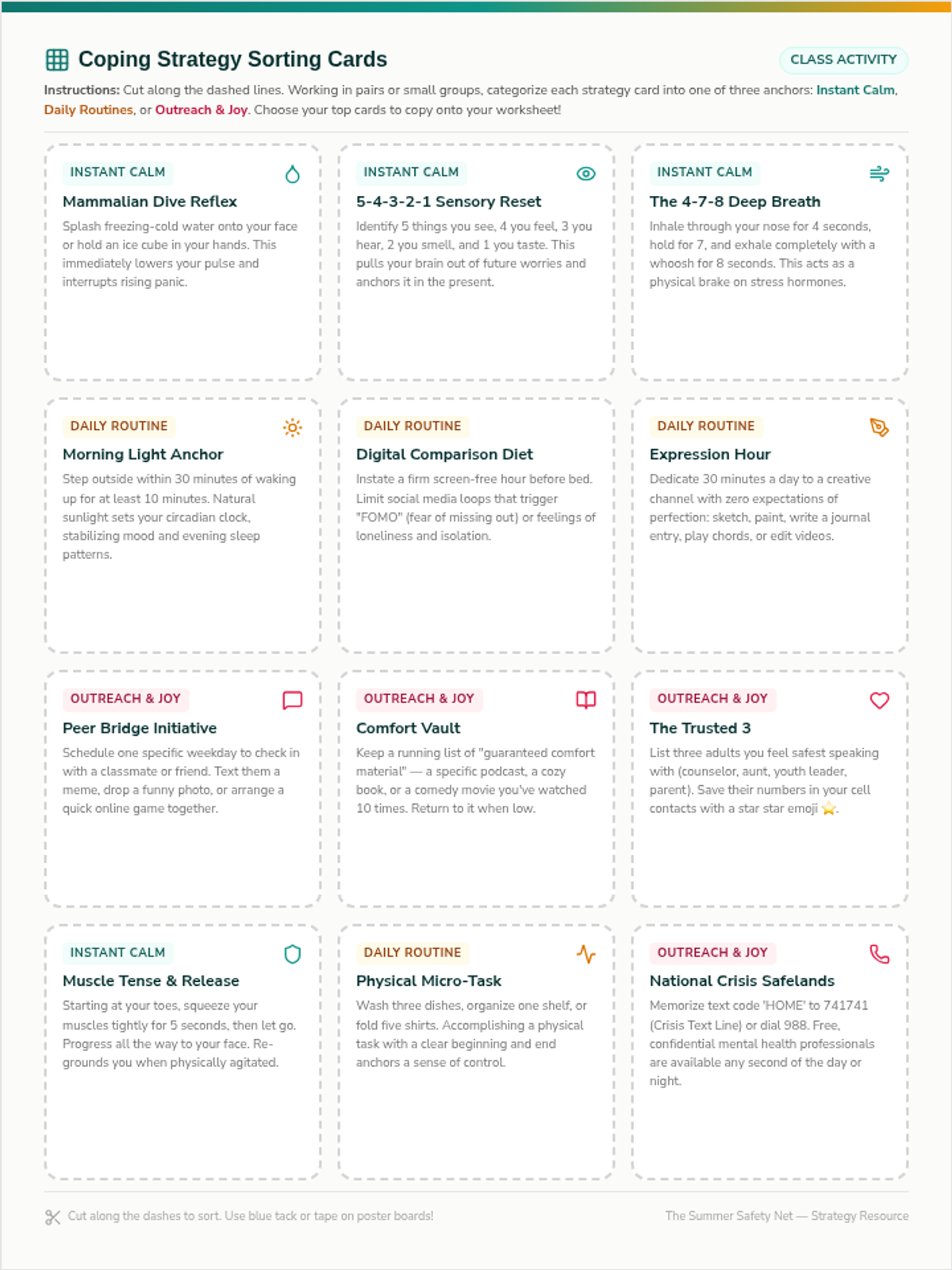
A comprehensive summer counseling packet containing daily SEL challenge calendars, coping skill worksheets, deep breathing visual anchor charts, and a safety net resource for getting help in emergencies.
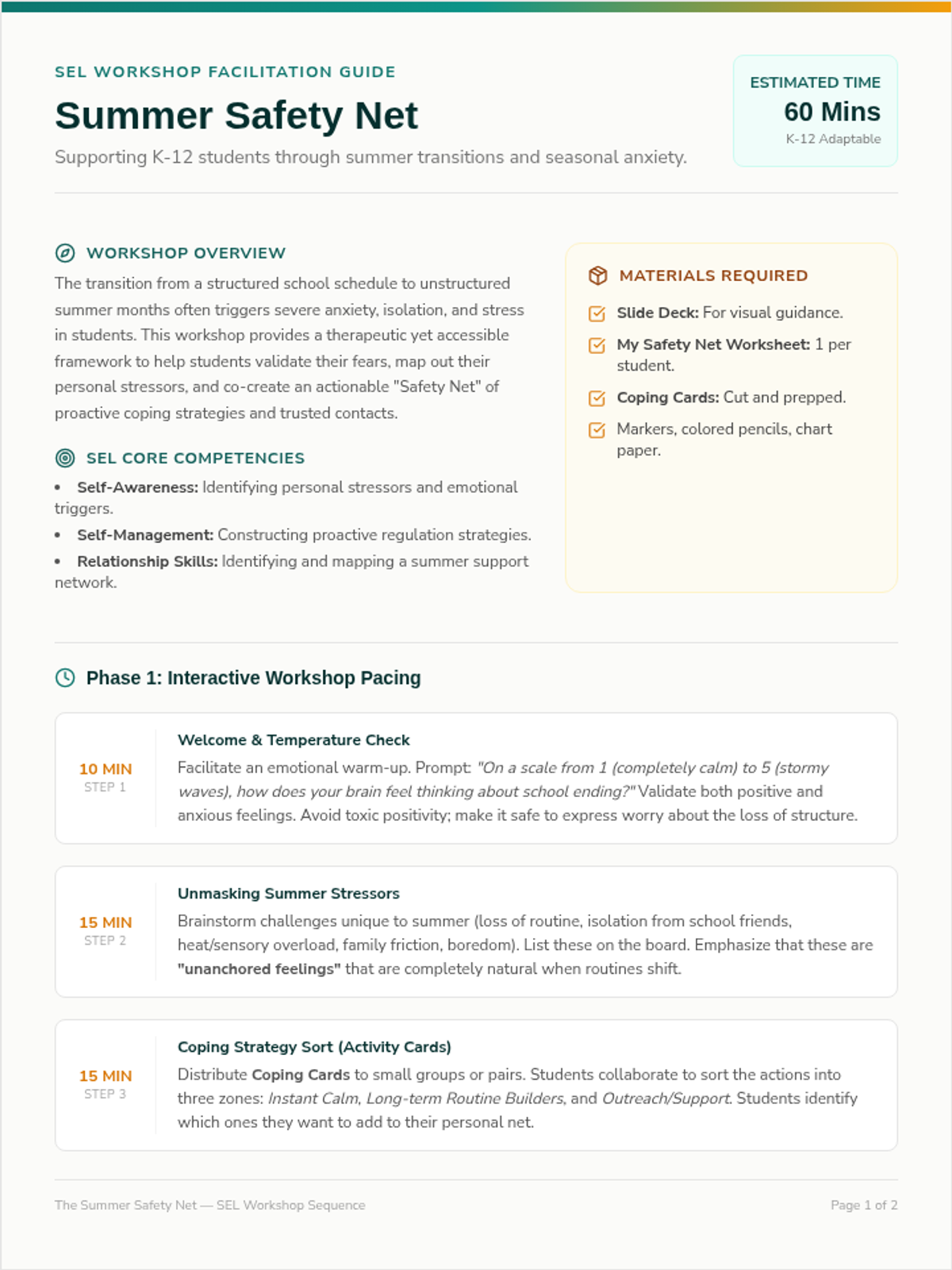
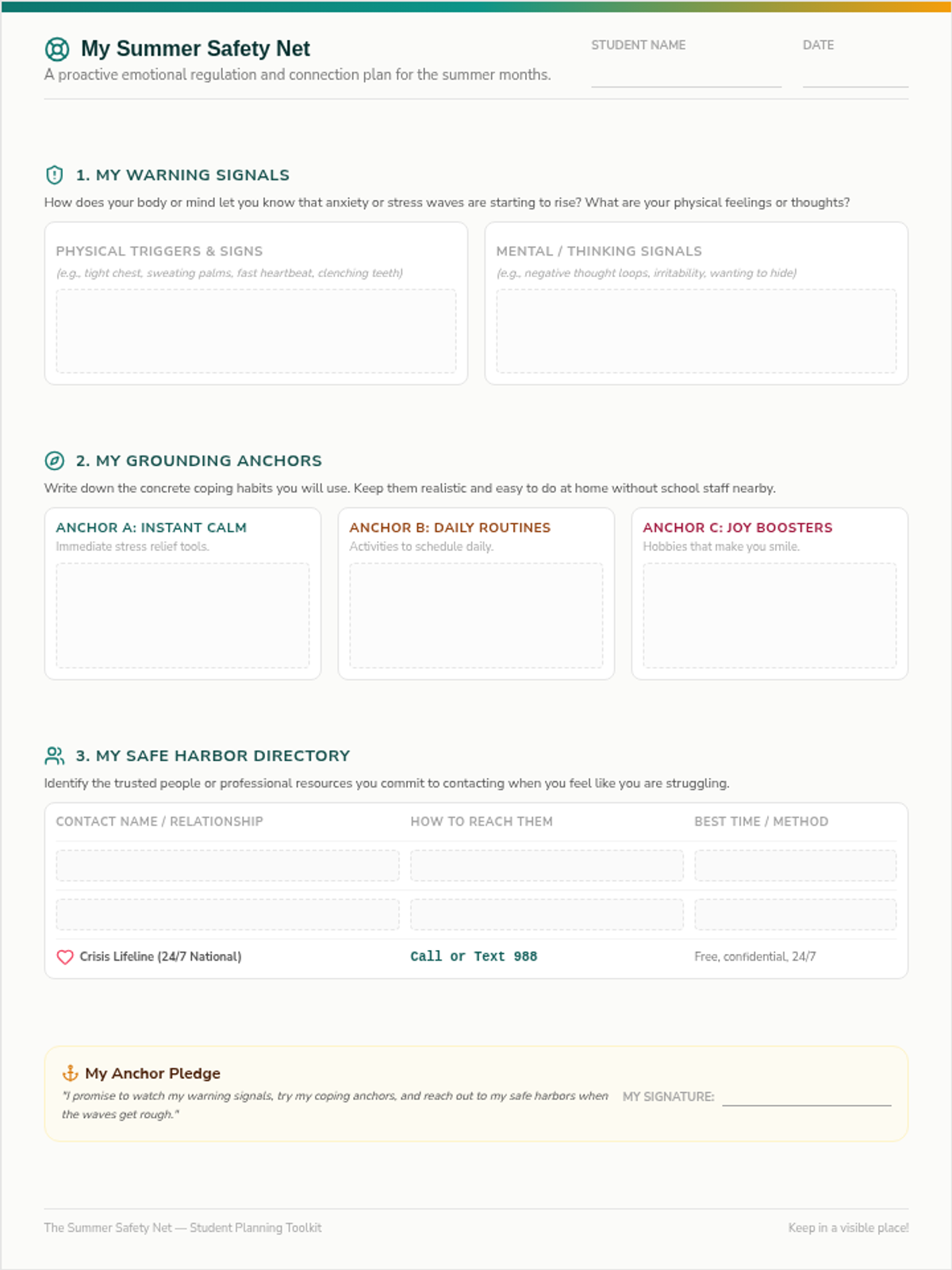
A collaborative mental health workshop designed to help students navigate summer transition anxiety by identifying stressors, mapping coping strategies, and co-creating a personalized proactive emotional regulation plan.
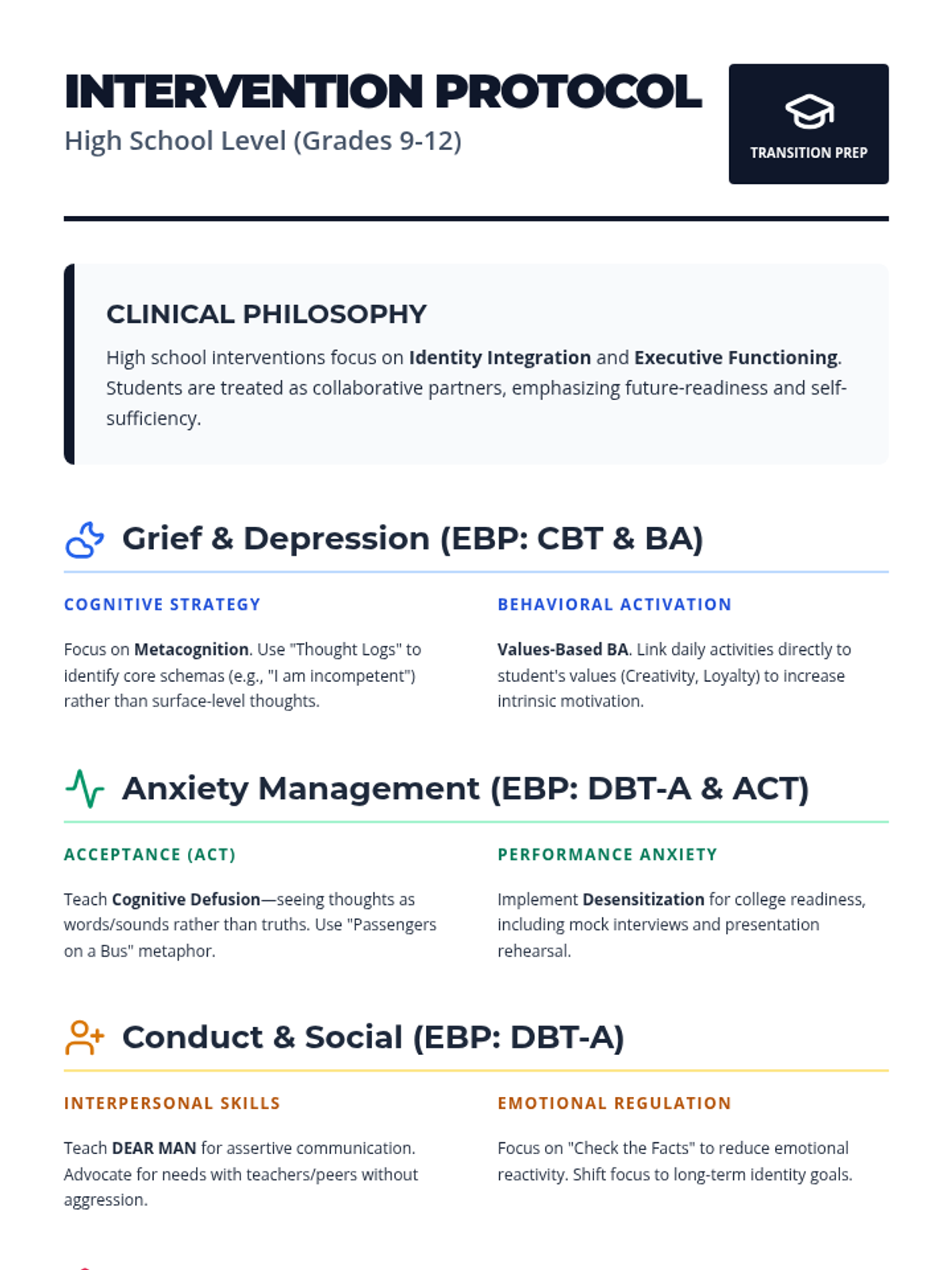
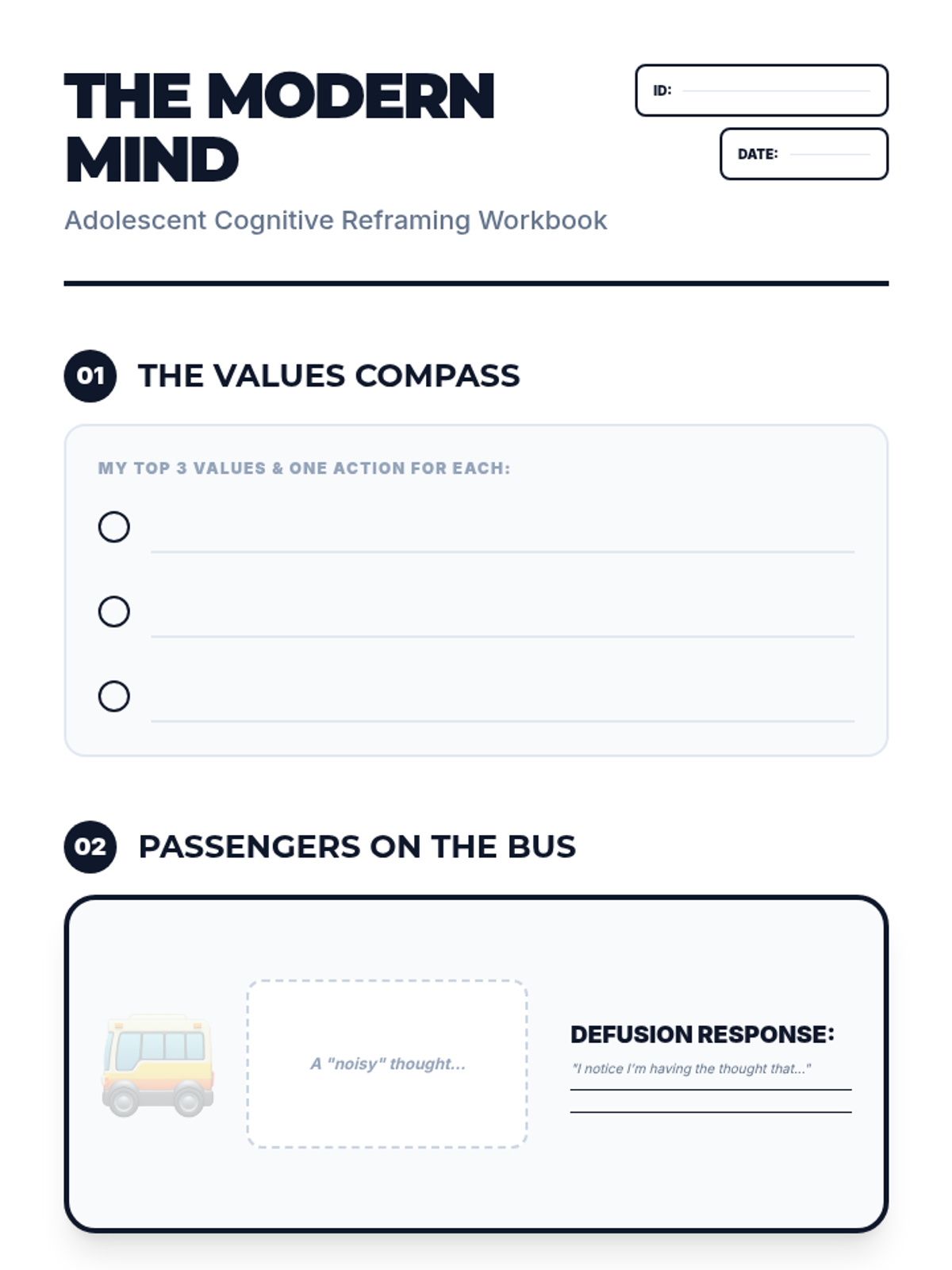
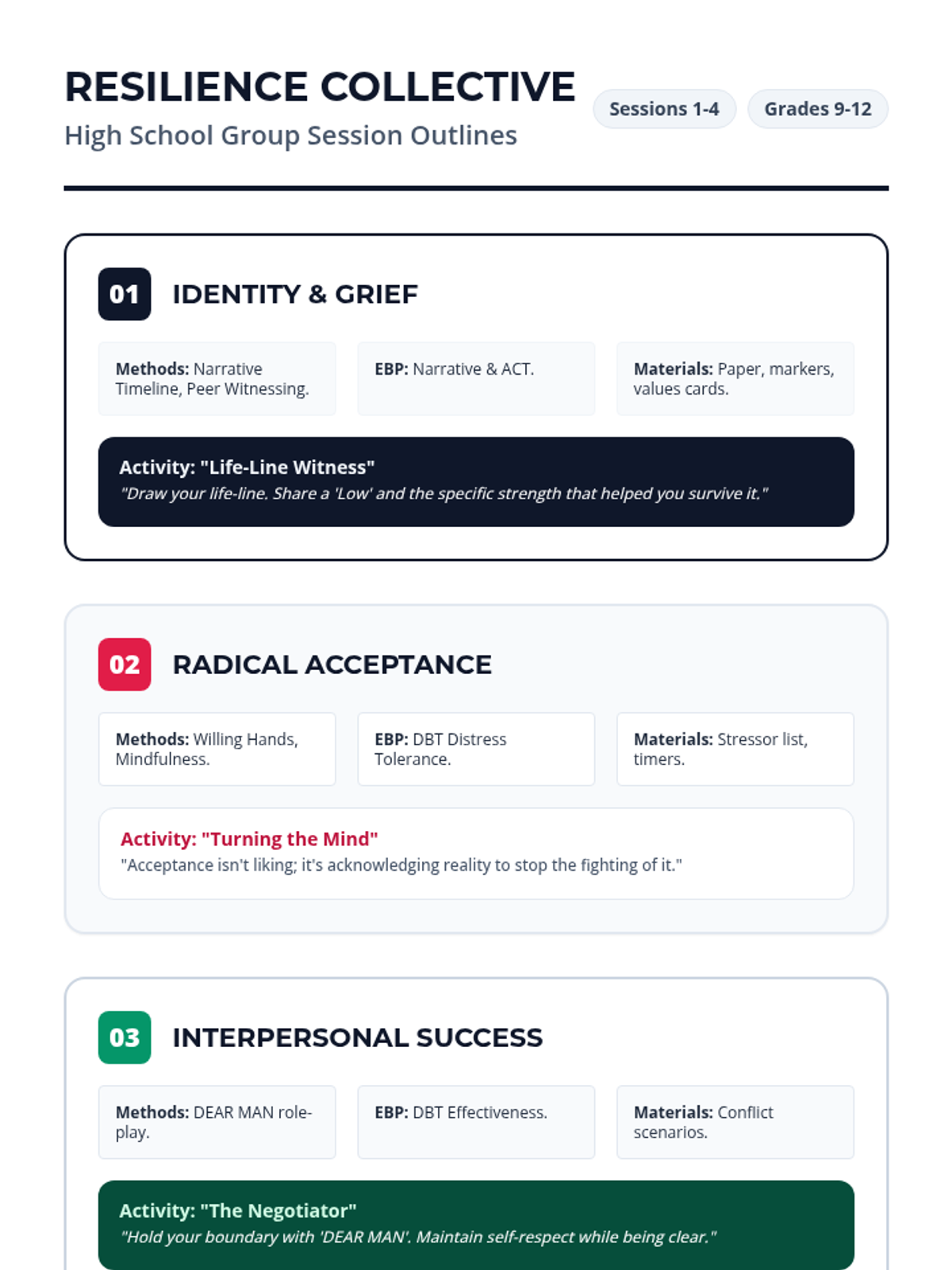
Advanced therapeutic interventions for high schoolers, emphasizing autonomy, complex cognitive reframing, interpersonal effectiveness, and comprehensive crisis protocols.
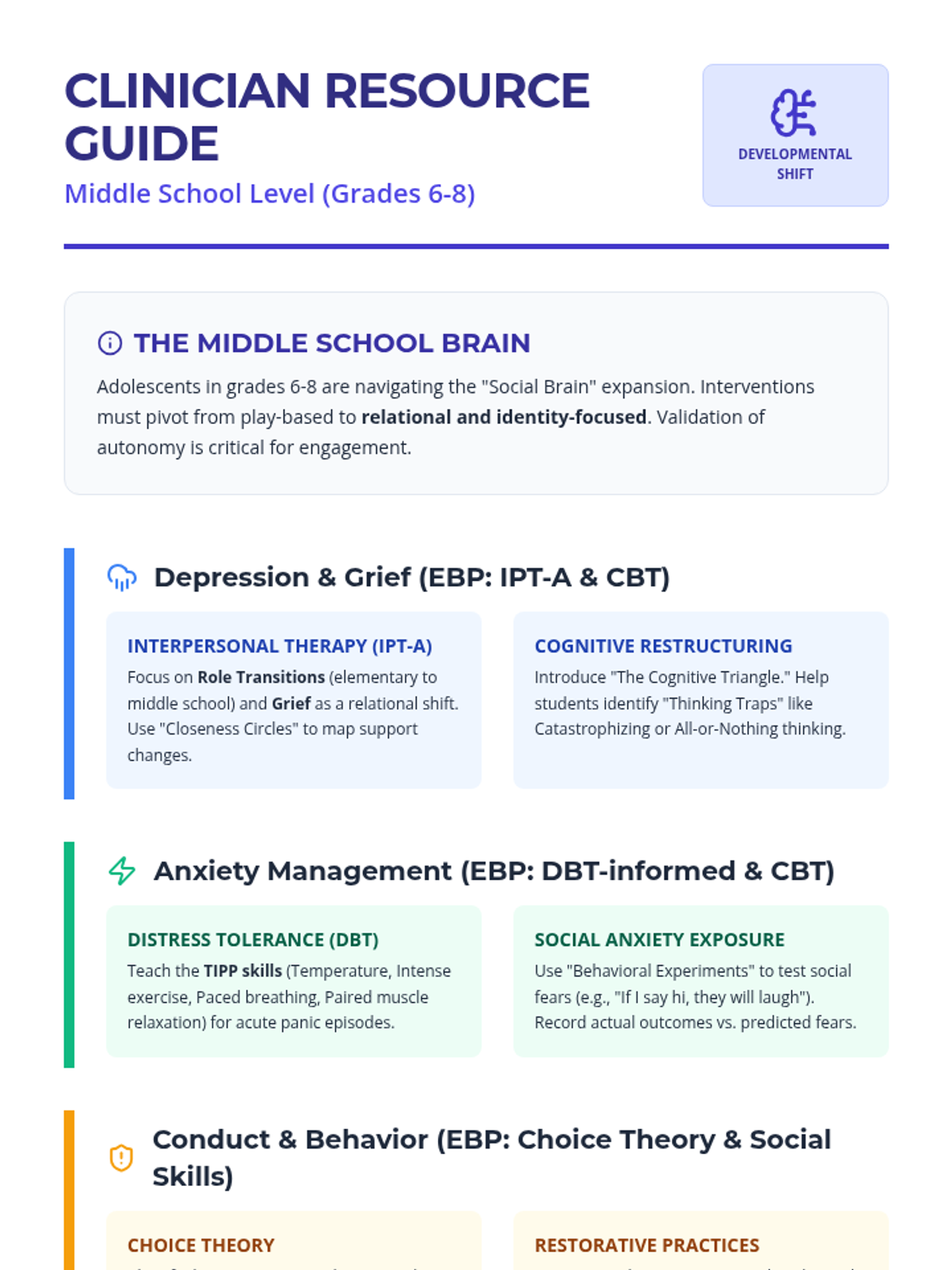
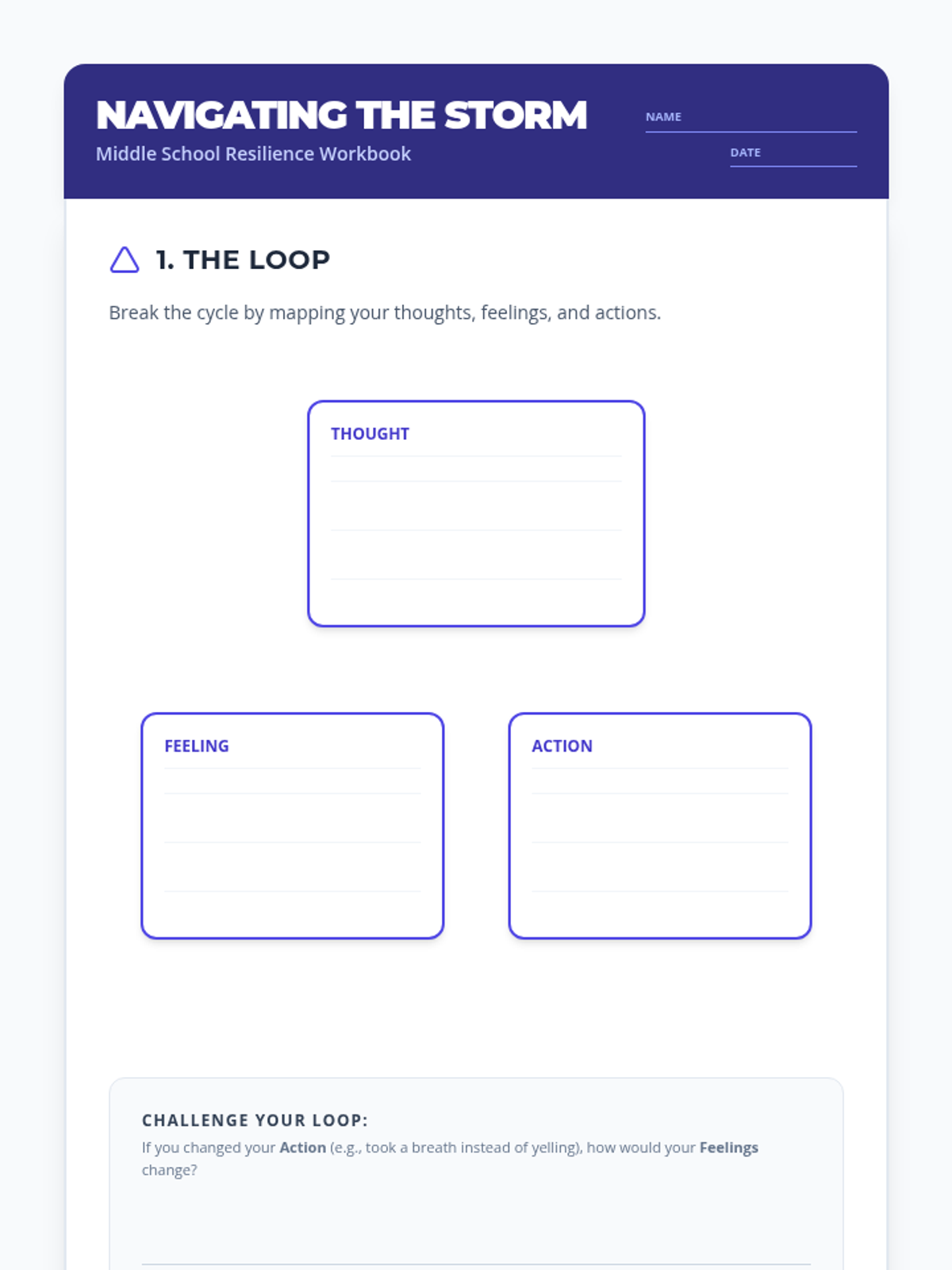
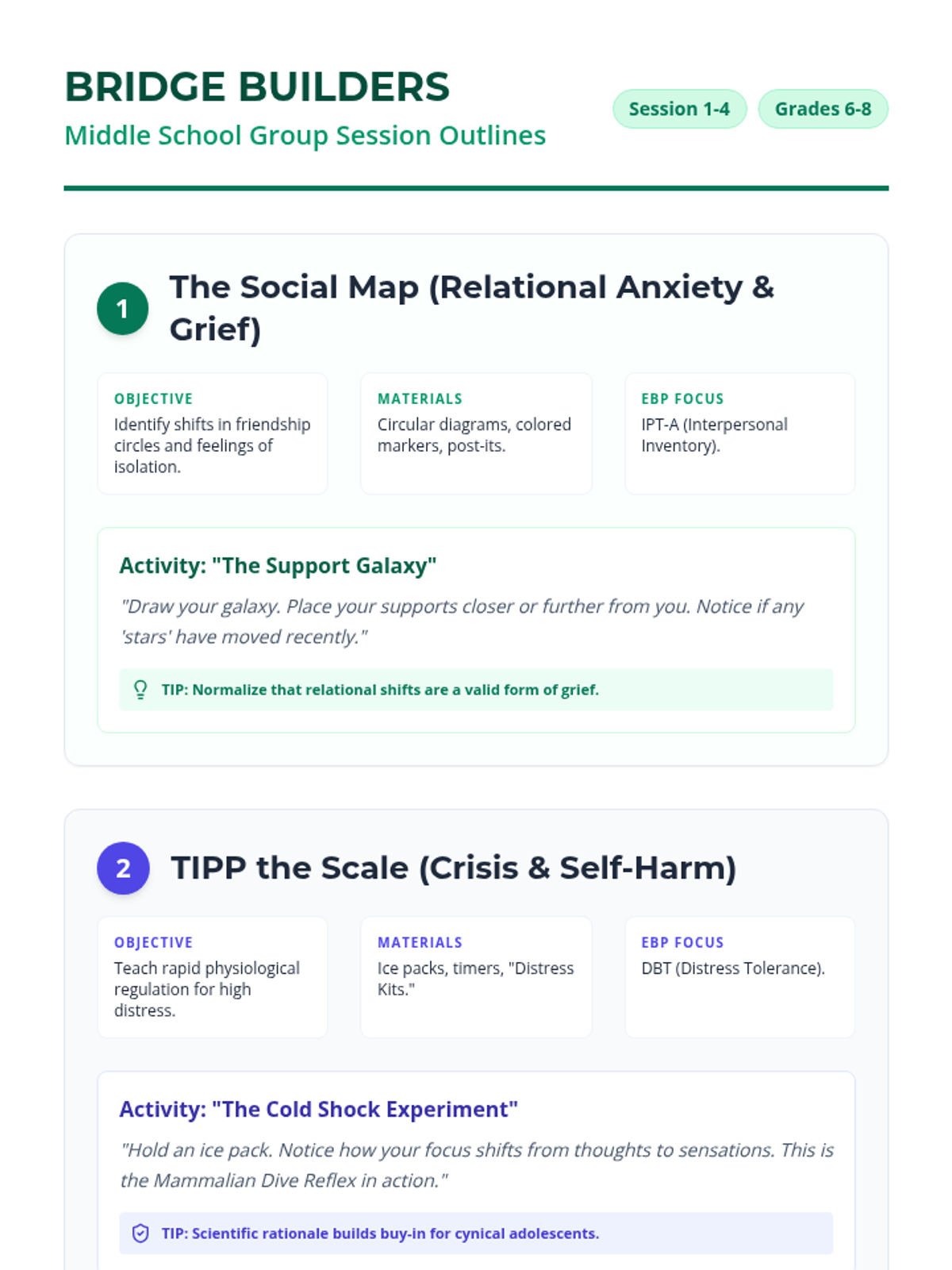
CBT and DBT-informed strategies tailored for the middle school transition, focusing on peer relationships, emotional regulation, and structured safety plans.
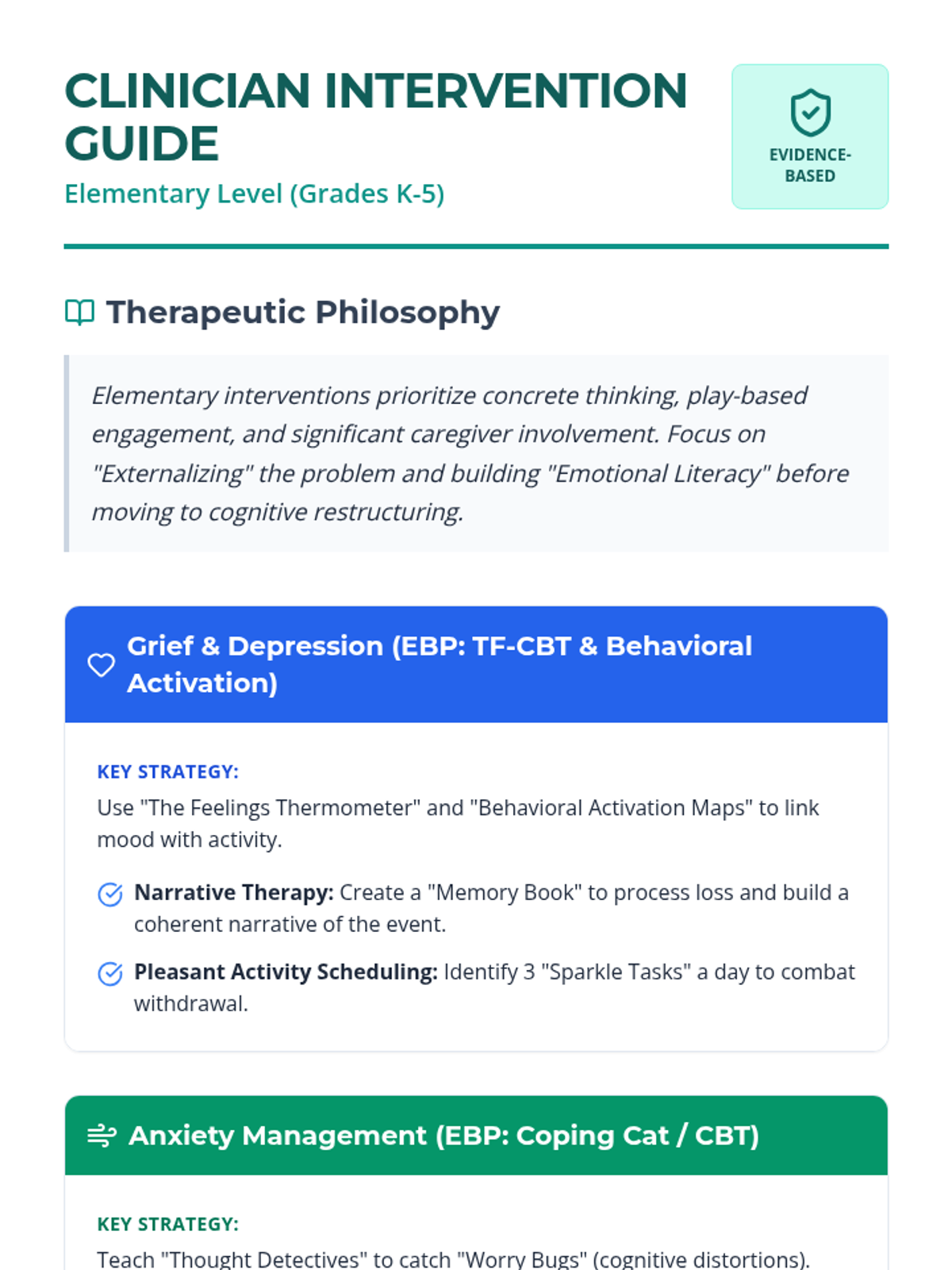
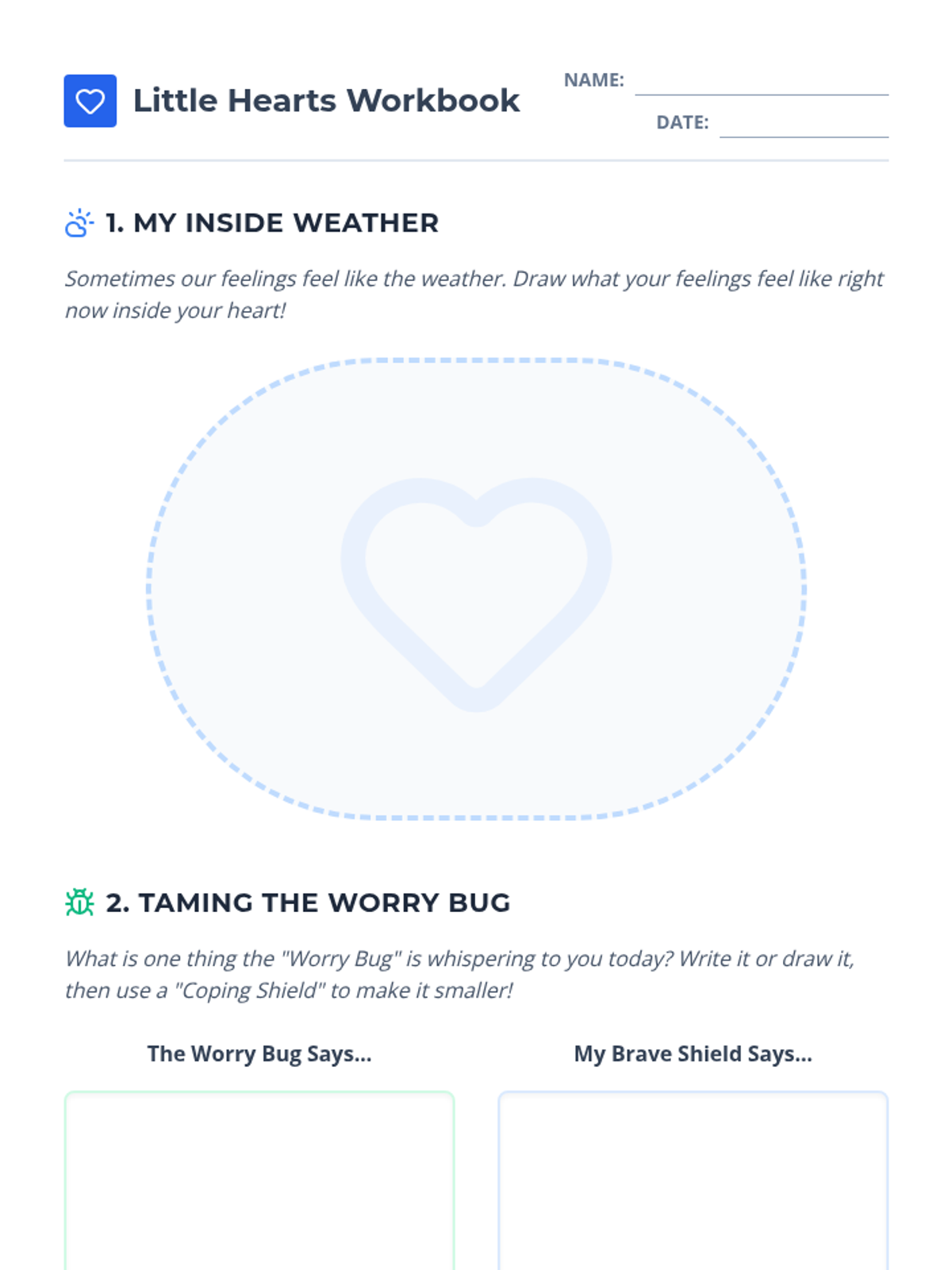
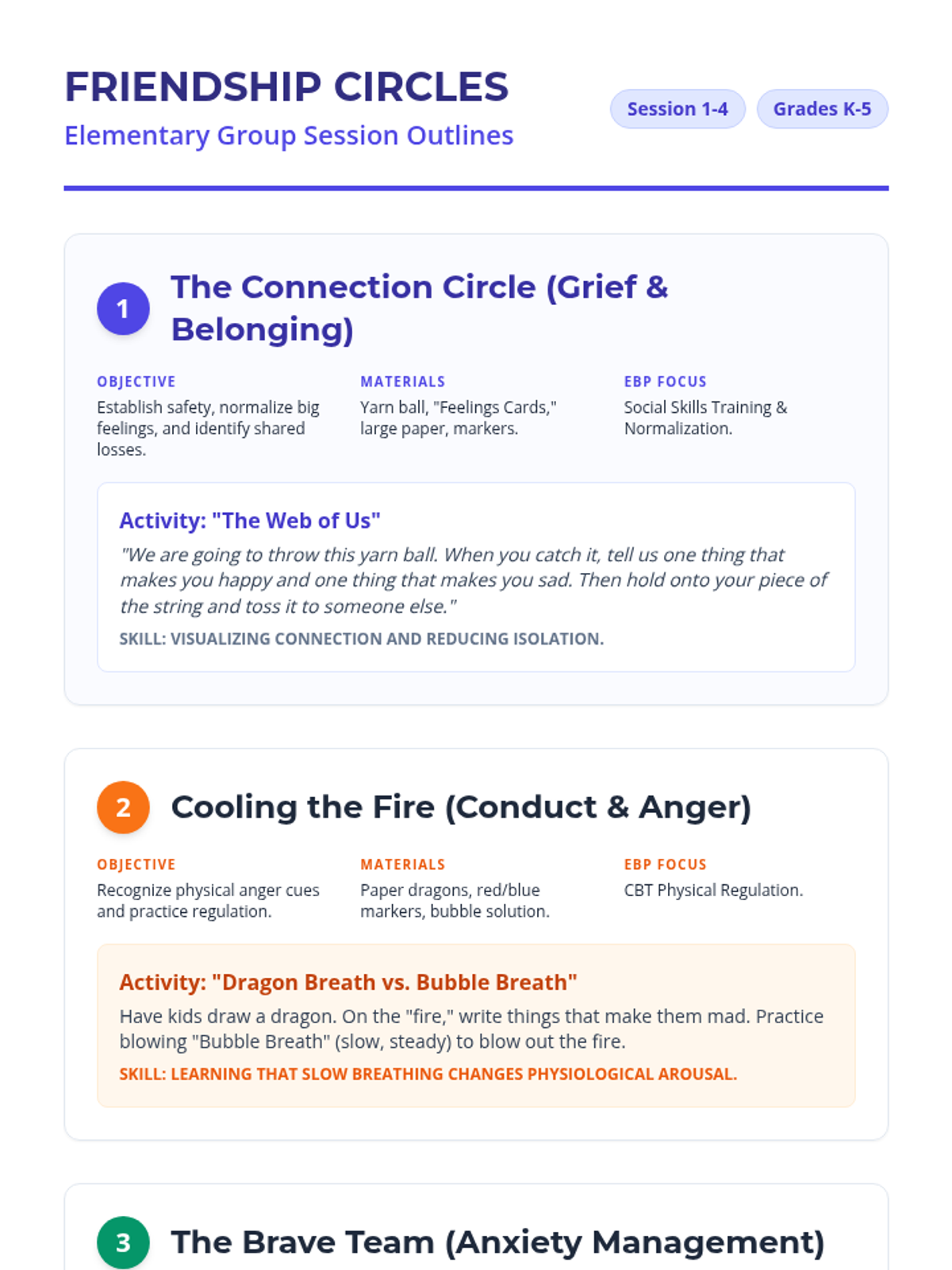
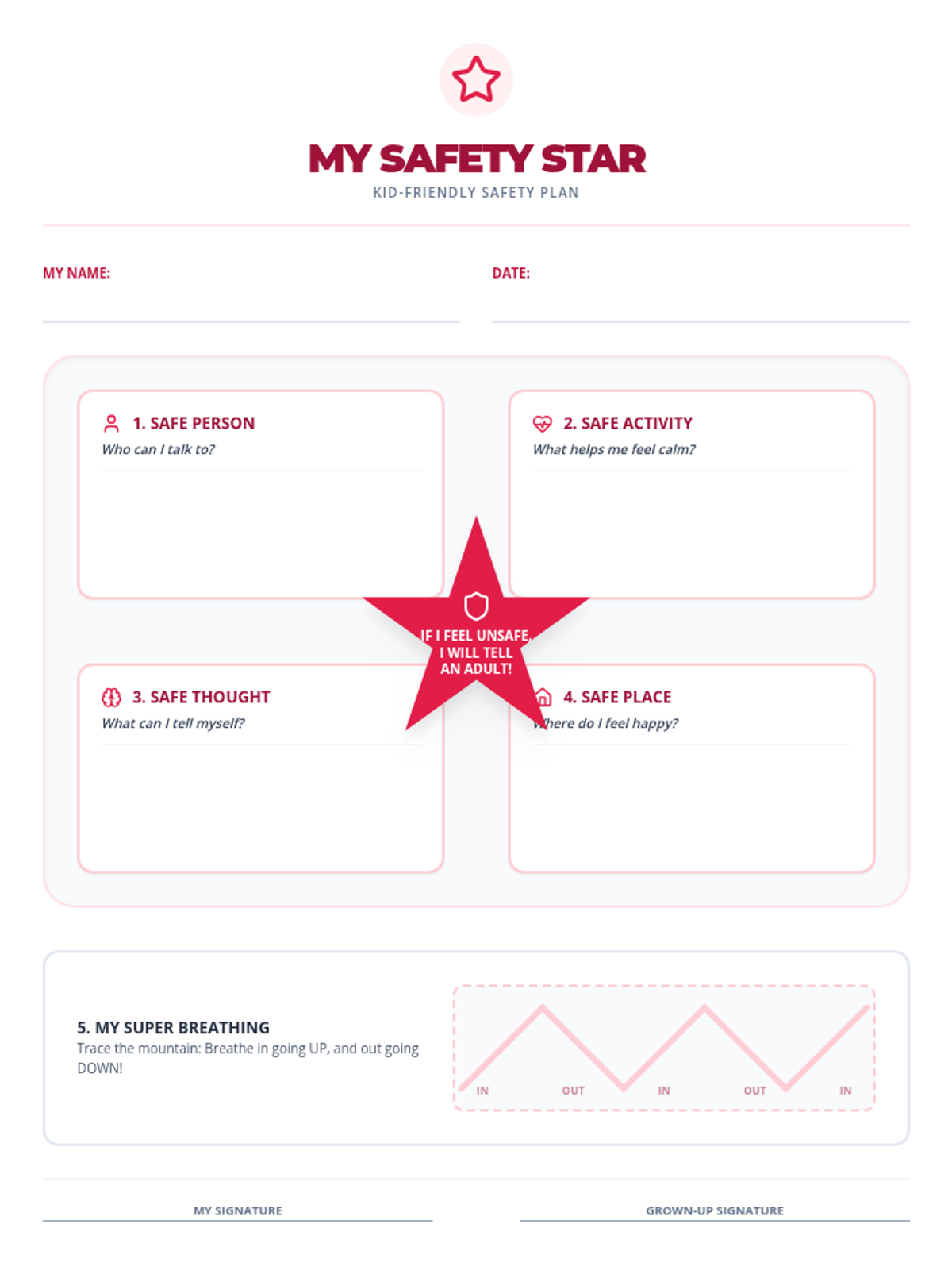
Developmentally appropriate interventions for elementary students focusing on play-based CBT, social-emotional learning, and kid-friendly safety planning.
A comprehensive suite of calming, nature-inspired office decor for a school social worker, featuring posters, interactive tools, and affirmation cards.
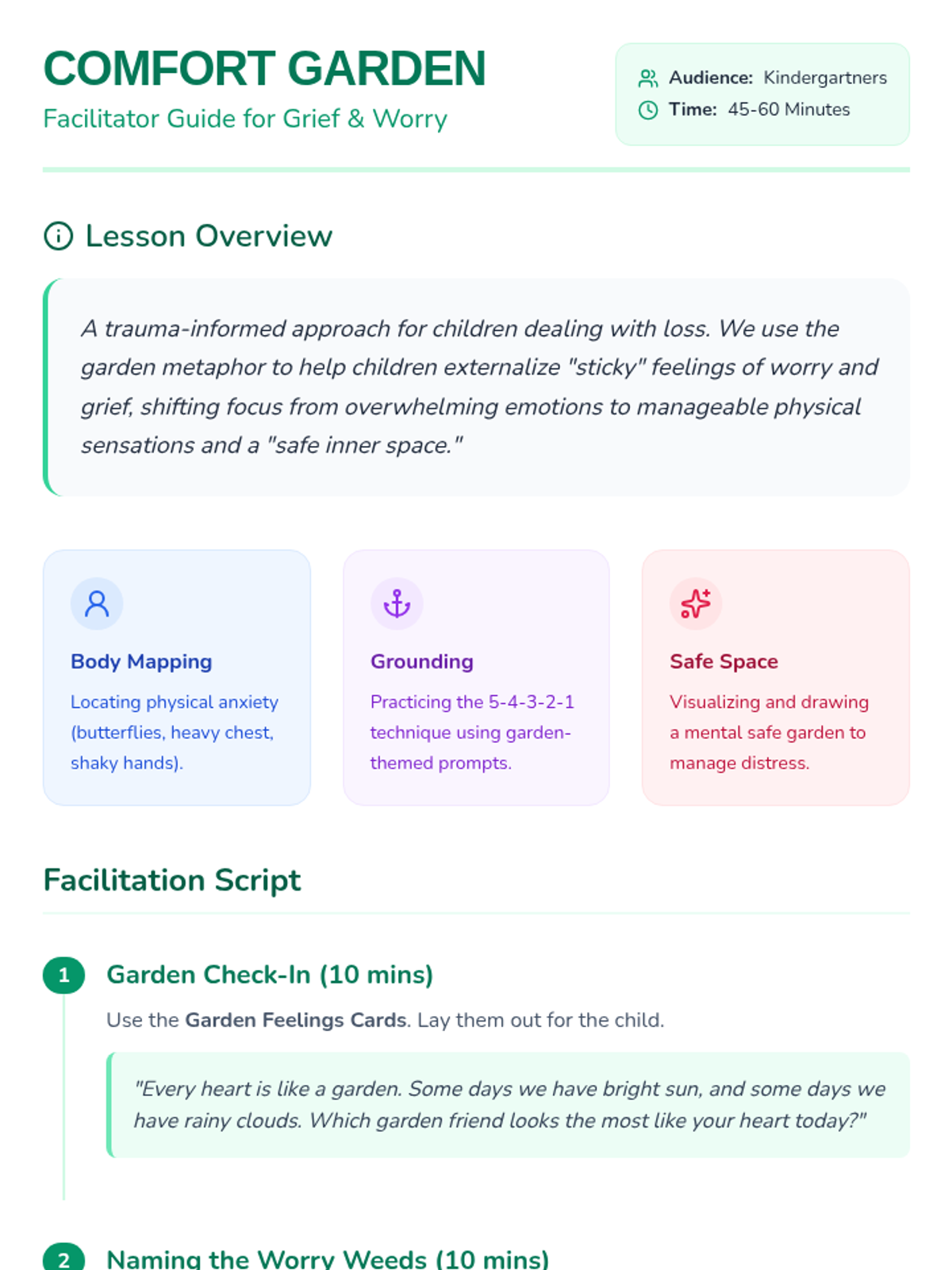
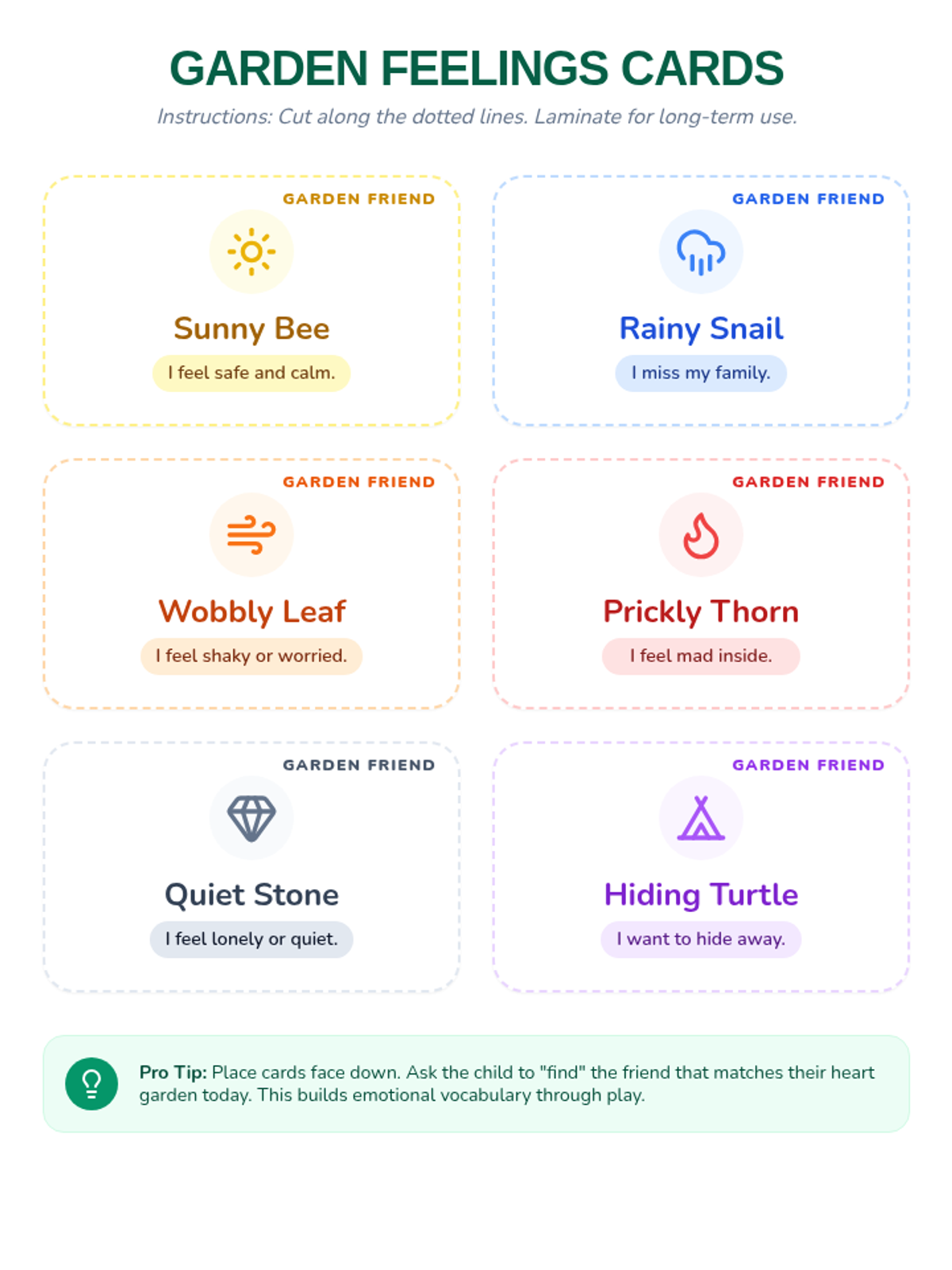
A gentle, trauma-informed lesson for kindergartners dealing with grief and worry. Focuses on identifying physical sensations of anxiety, practicing grounding techniques, and creating a mental safe space through the metaphor of a 'Comfort Garden'.
A comprehensive update to the summer coping skills packet, featuring interactive movement activities, new grounding techniques, and a video vault for digital support.
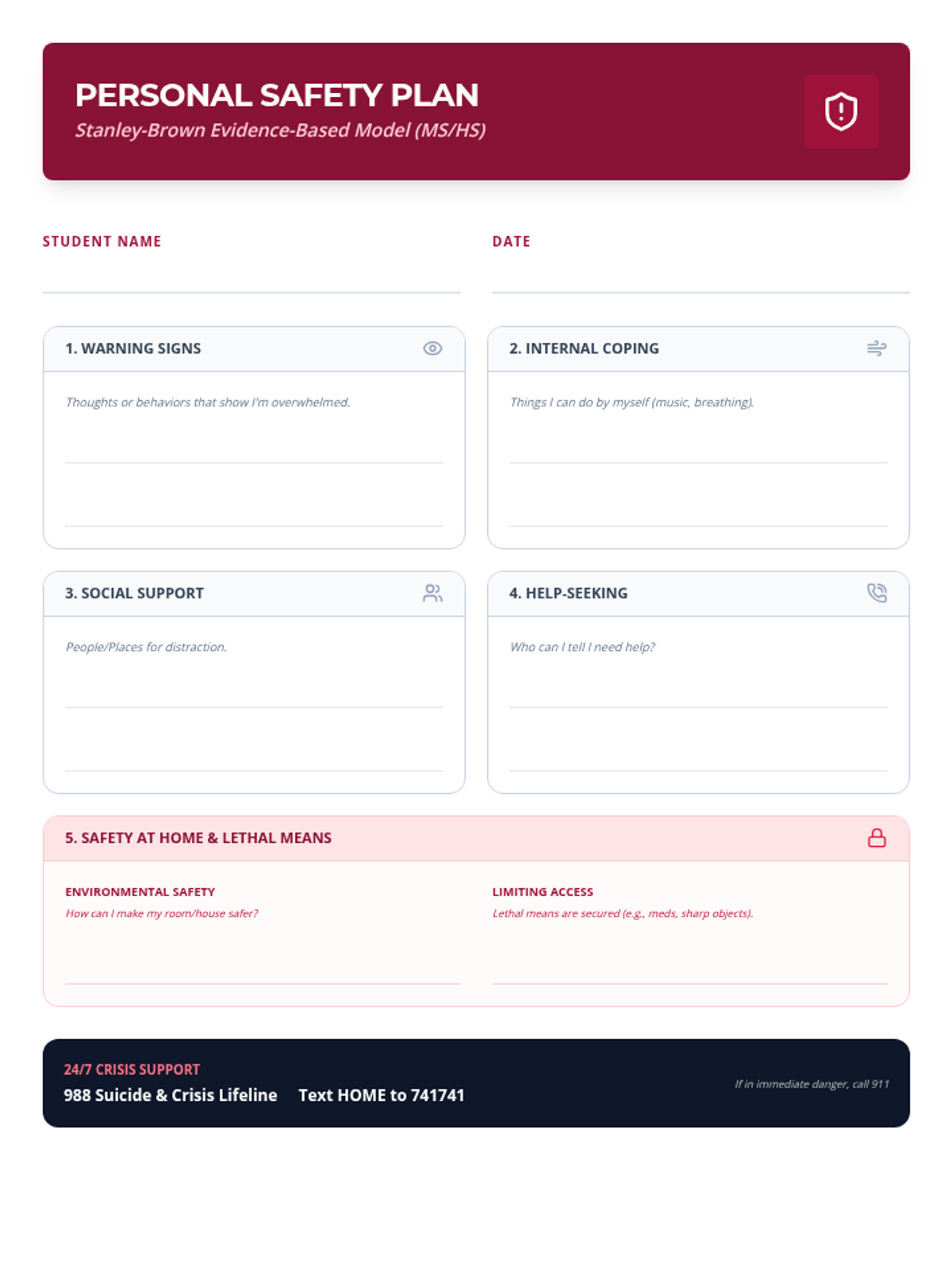
This lesson provides school social workers with a clinical and practical framework for identifying and supporting students struggling with anxiety, depression, and self-harm. It includes evidence-based interventions and safety planning tools specifically for the school environment.
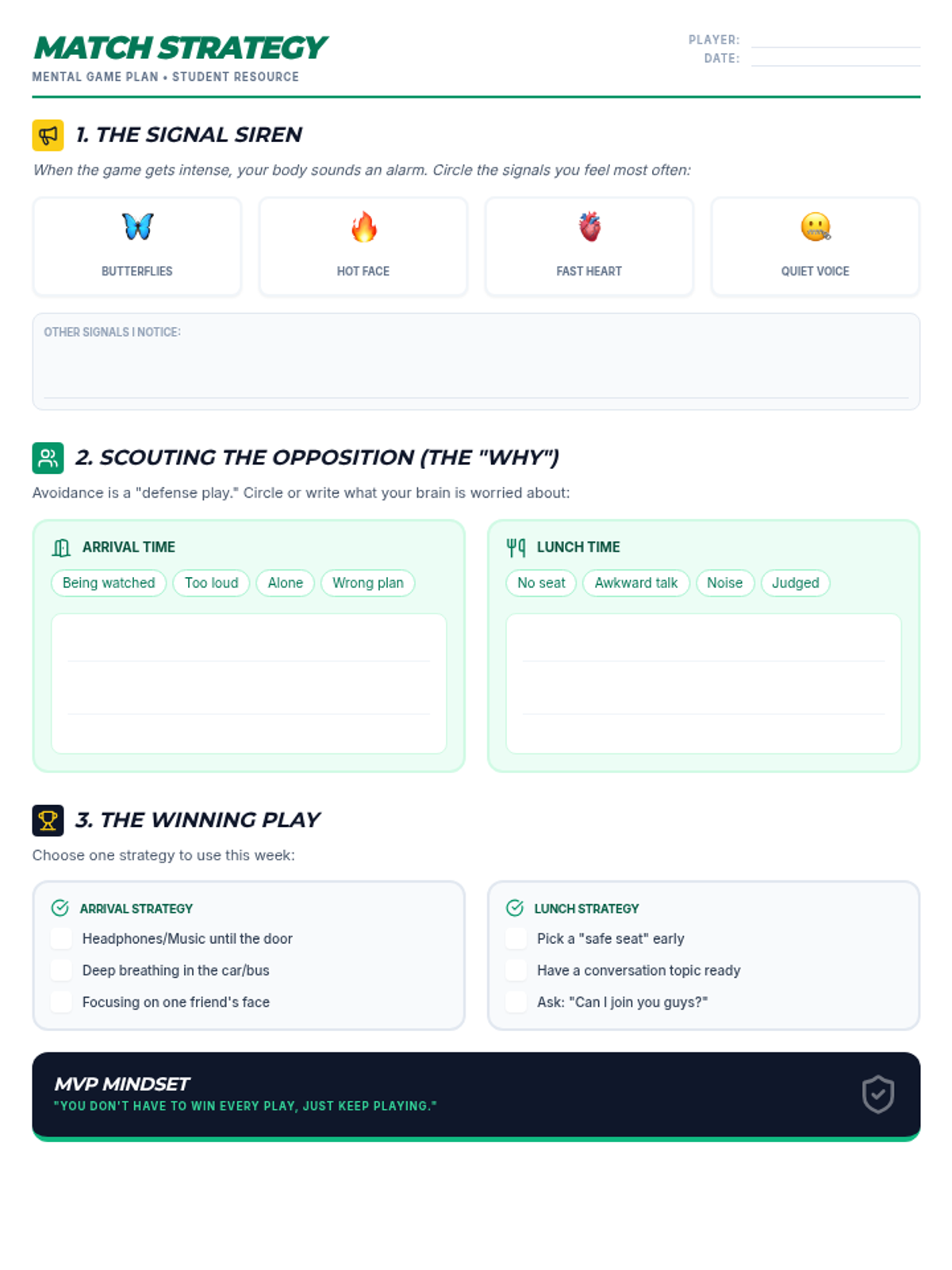
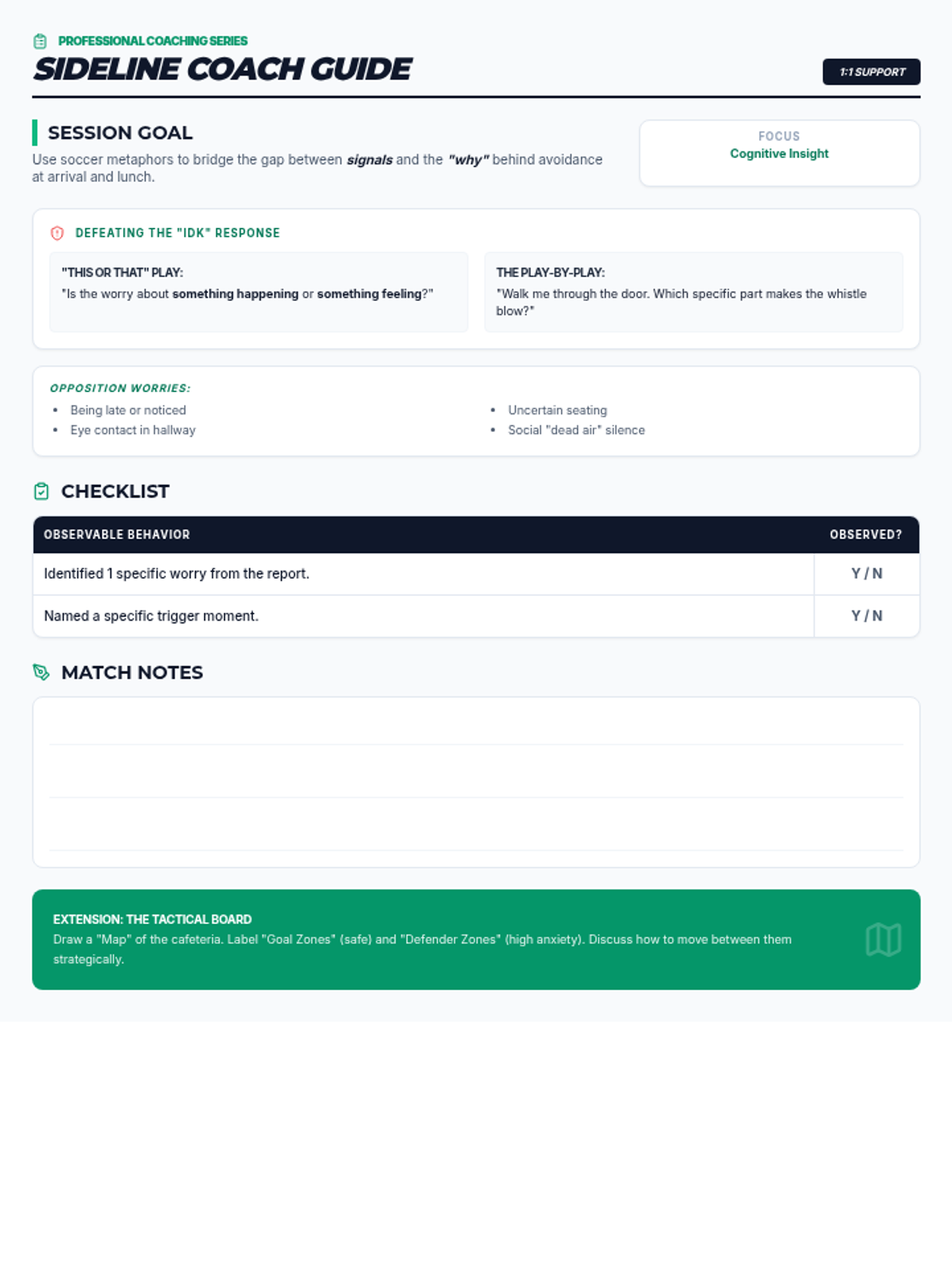
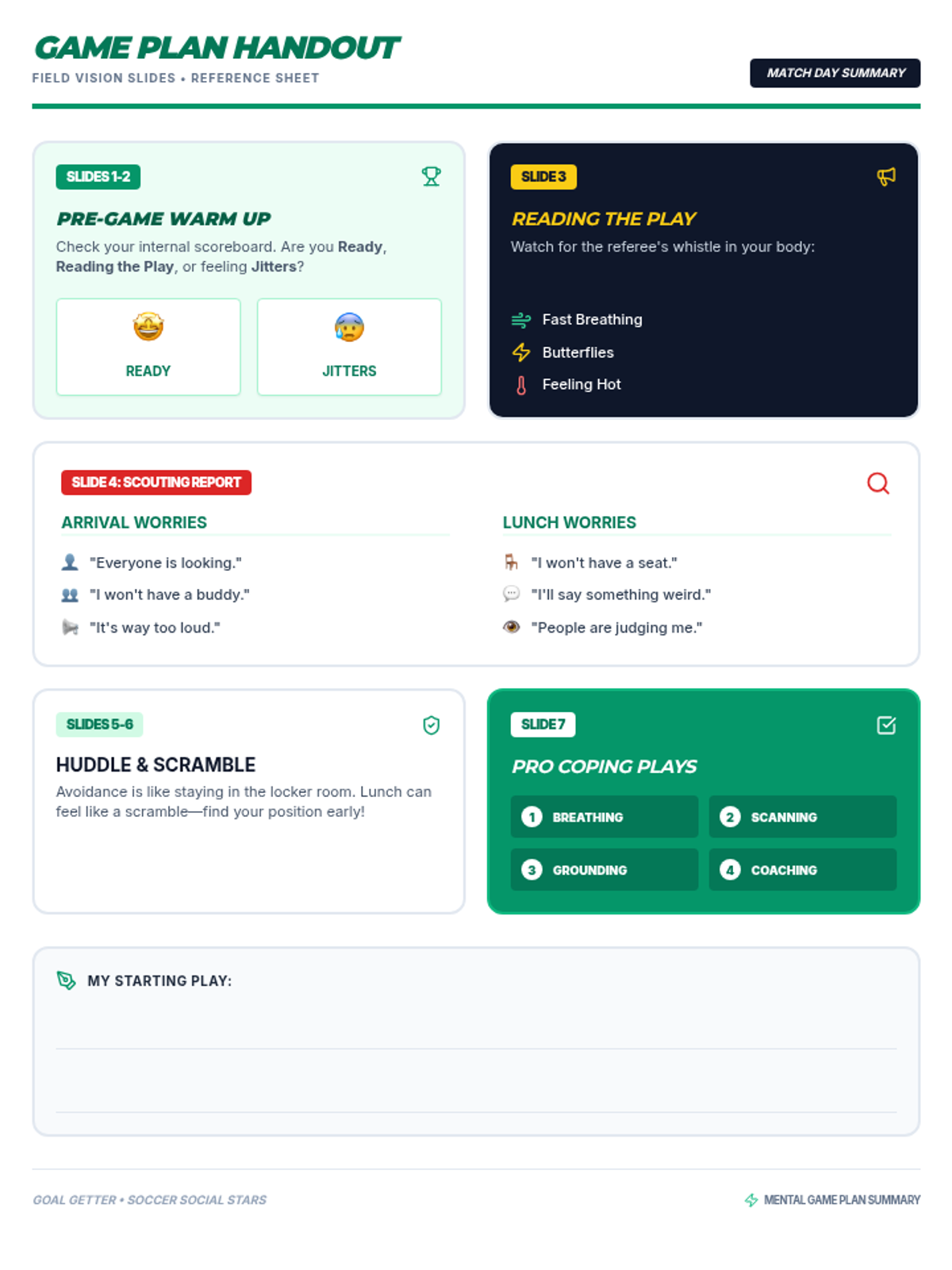
Focuses on identifying the 'why' behind avoidance of arrival and lunch through soccer analogies, identifying physical signals, and selecting coping strategies.
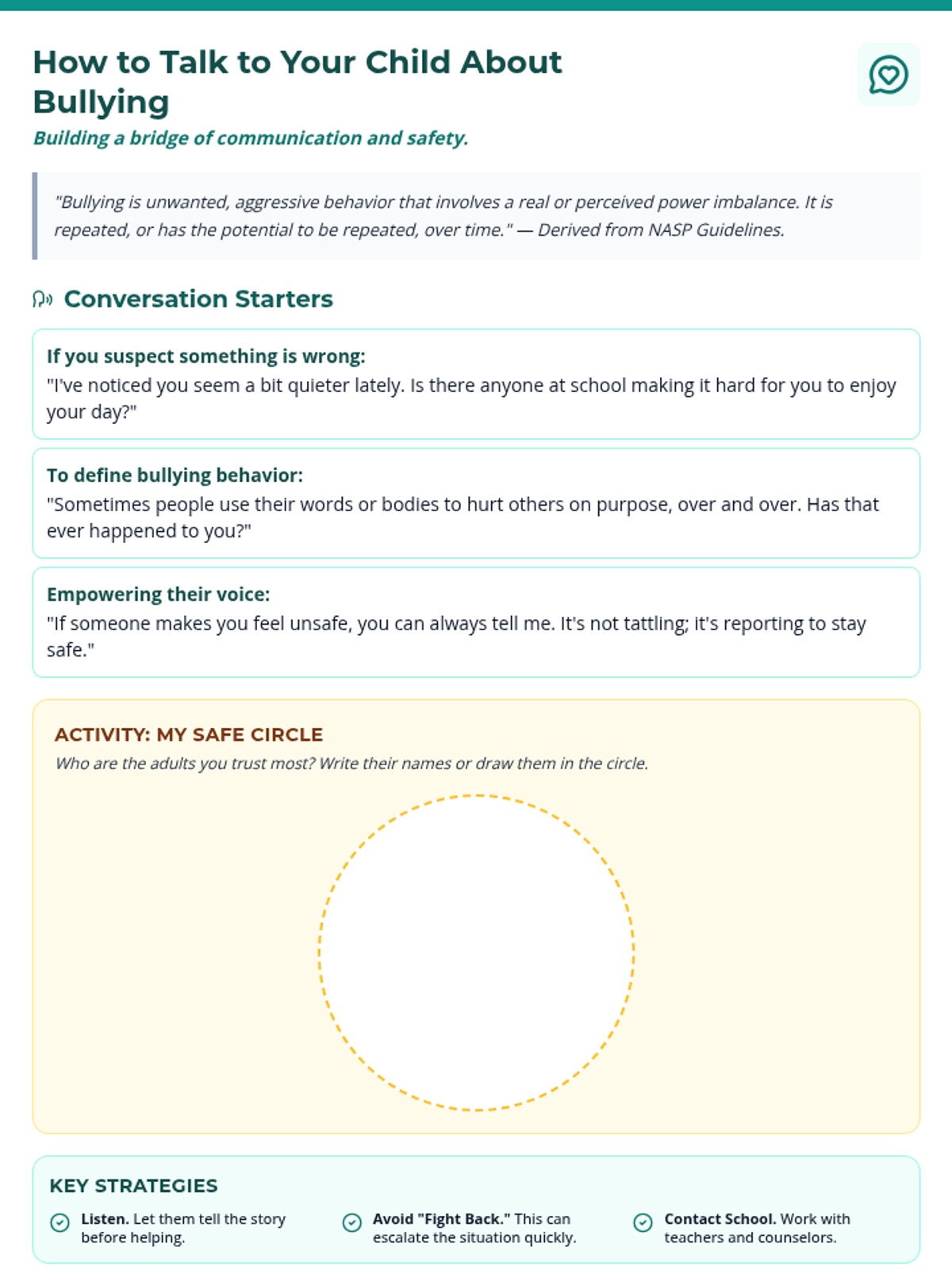
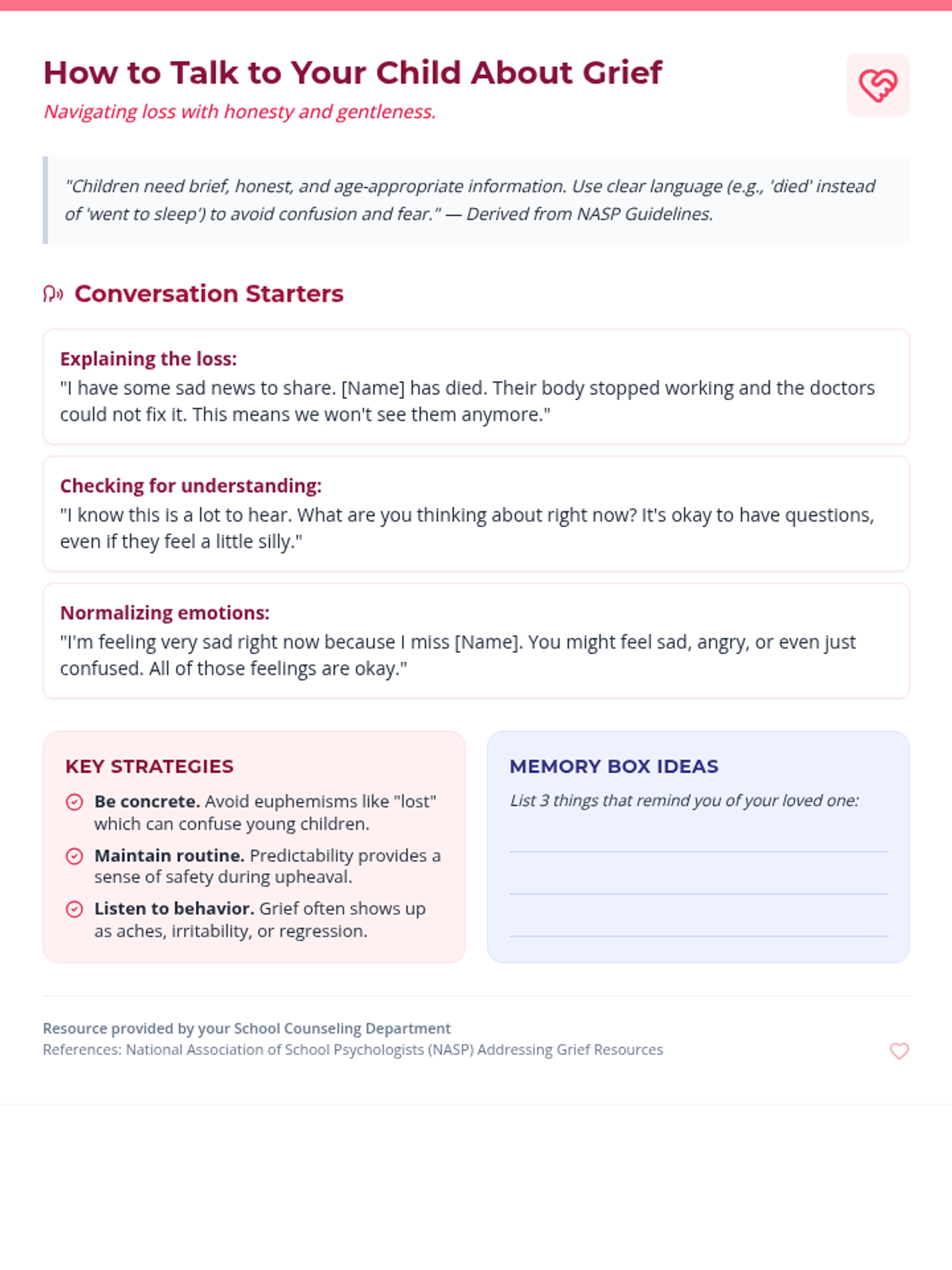
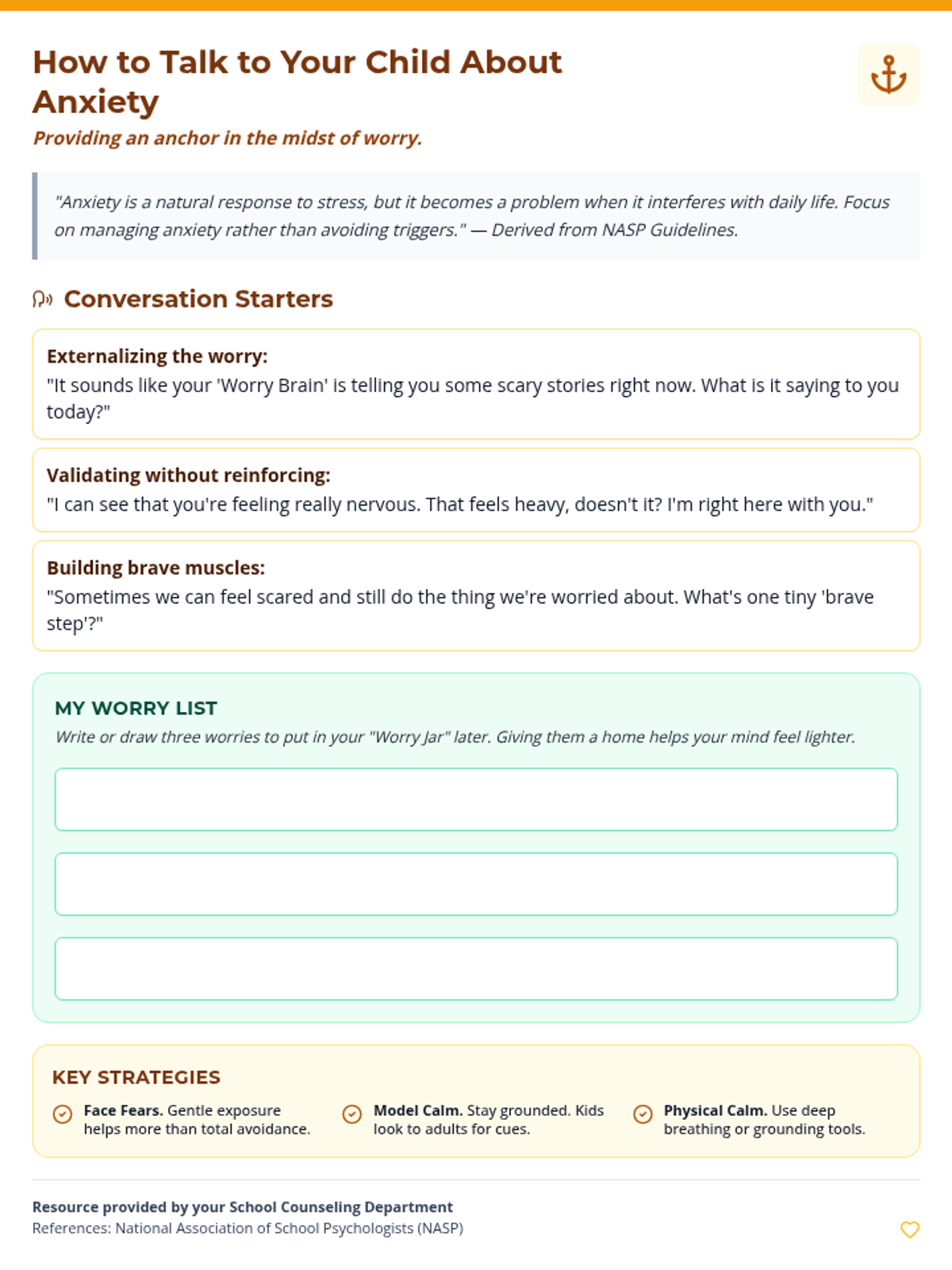
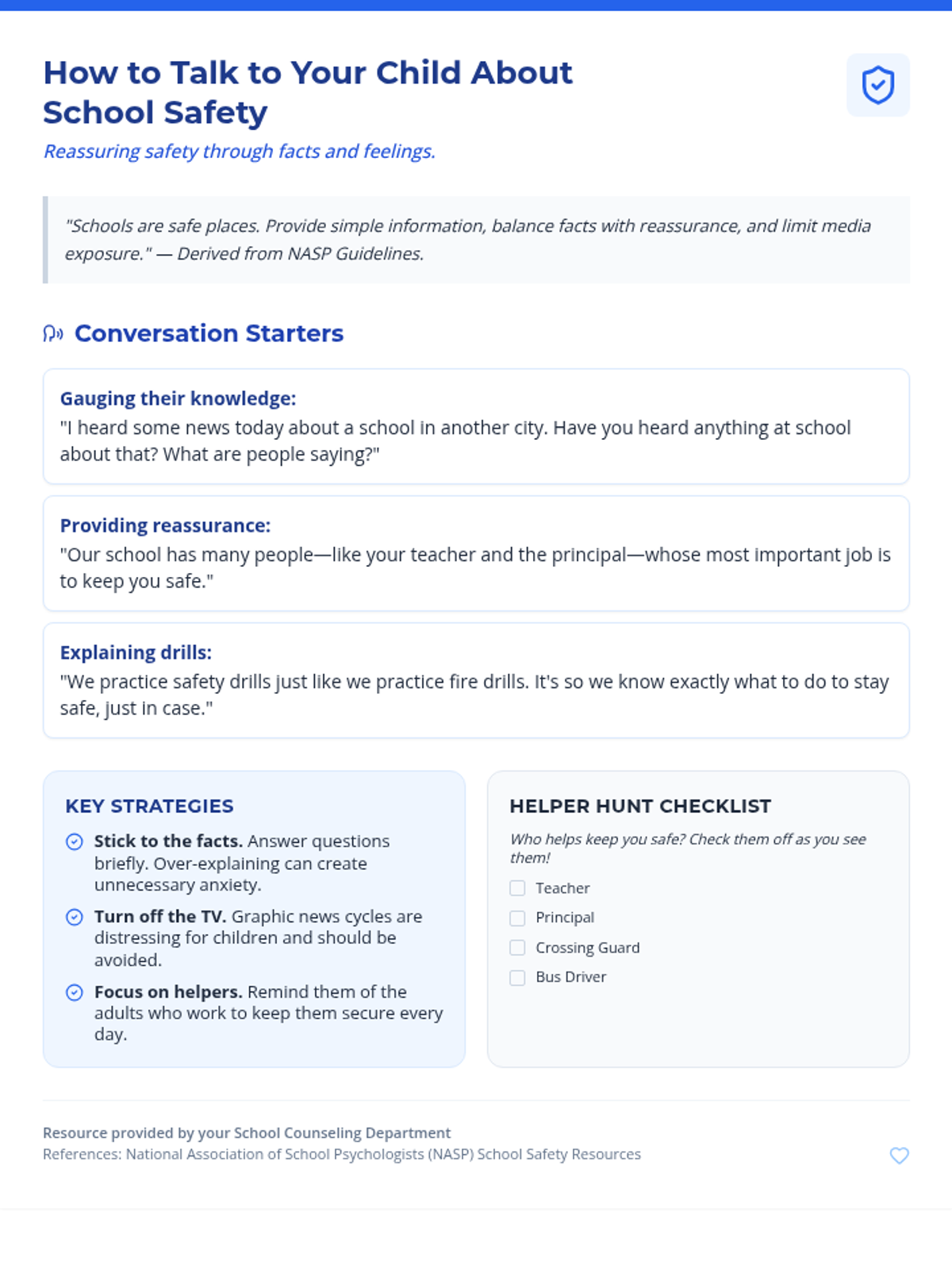
A collection of one-page guides for parents on navigating sensitive topics with elementary-aged children, featuring conversation starters and supportive activities.
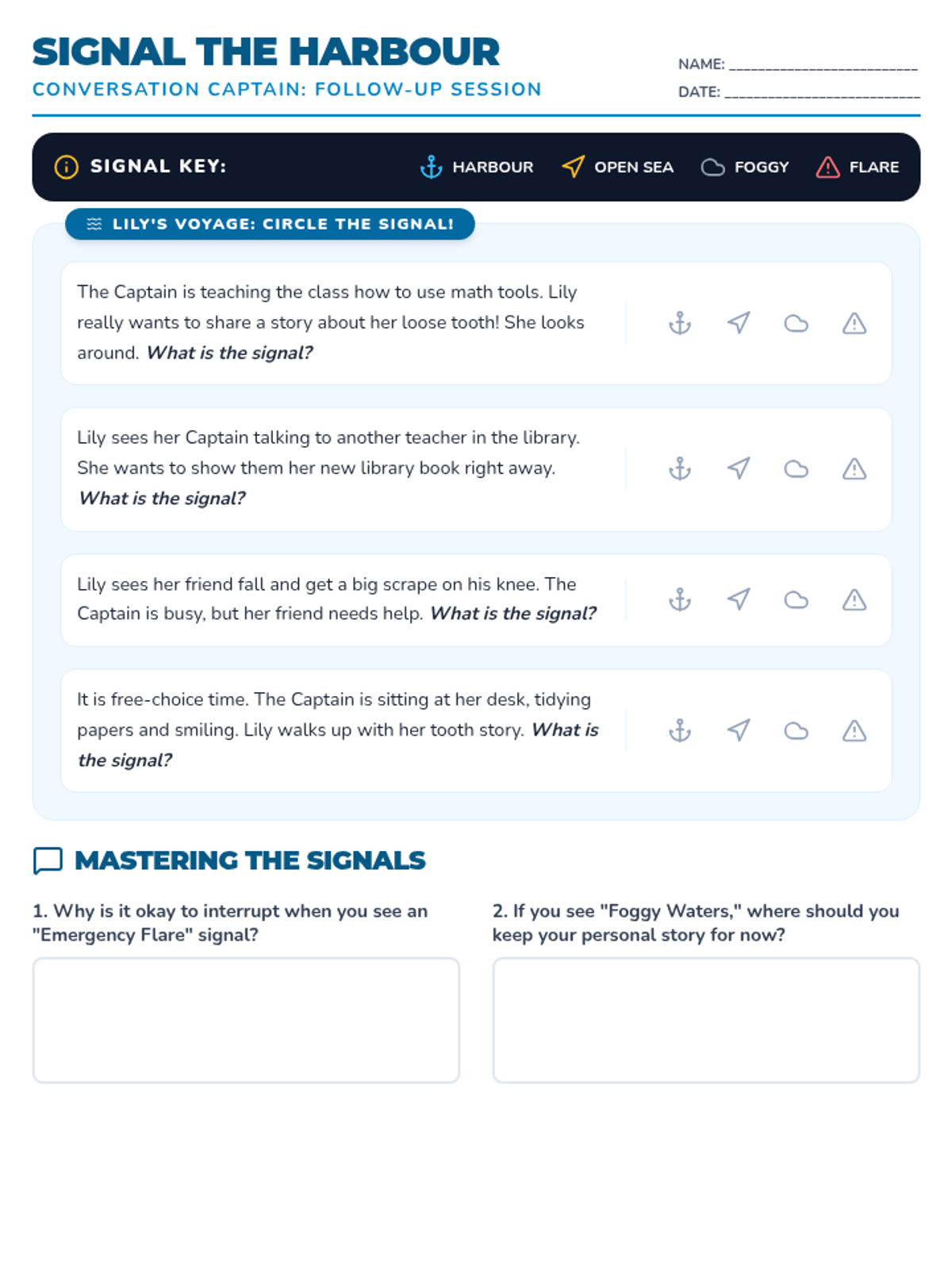
A follow-up session on conversation timing, focusing on identifying 'Good Waters' for talking and 'Emergency Flares' versus interruptions during instructions.
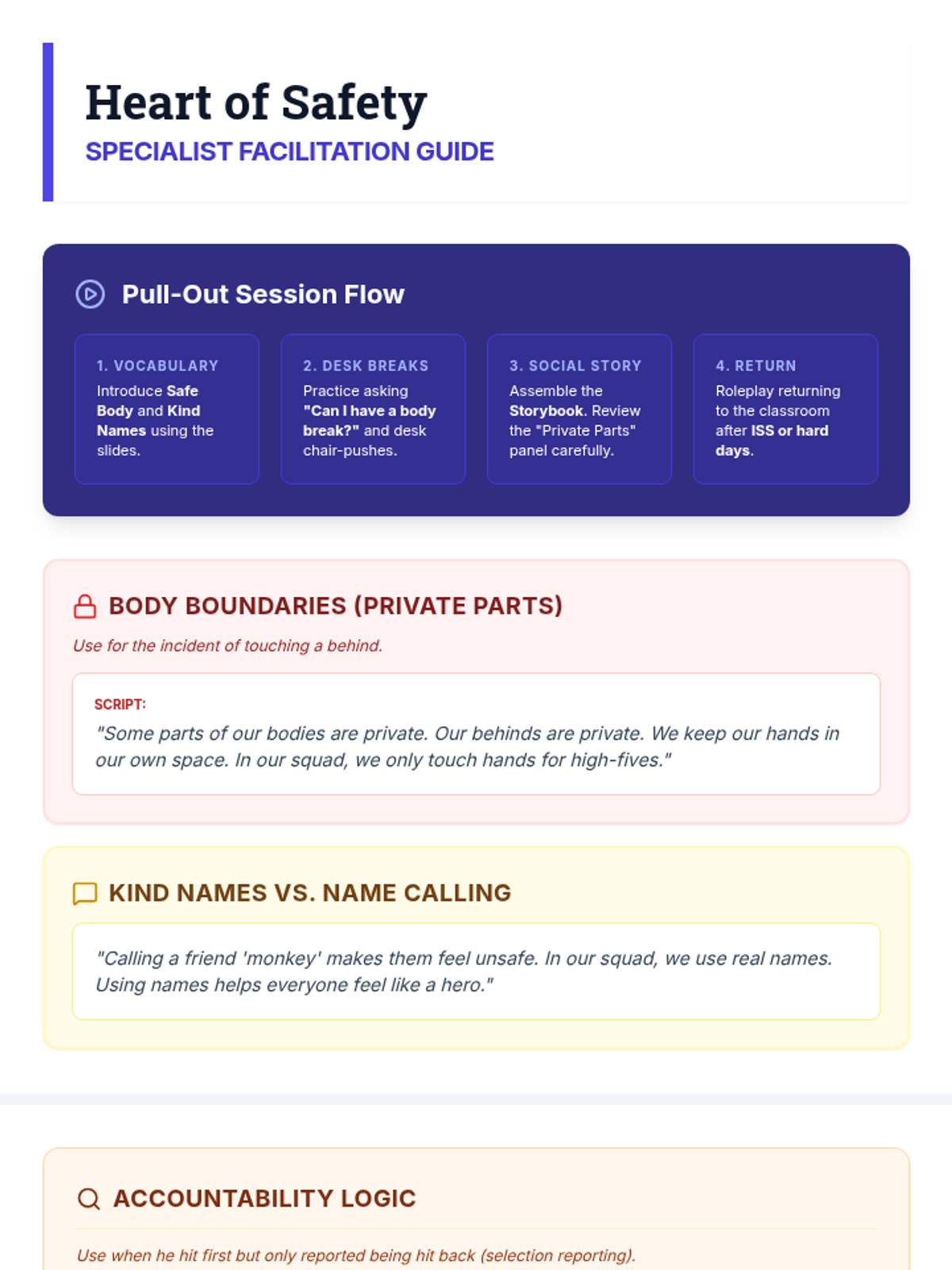
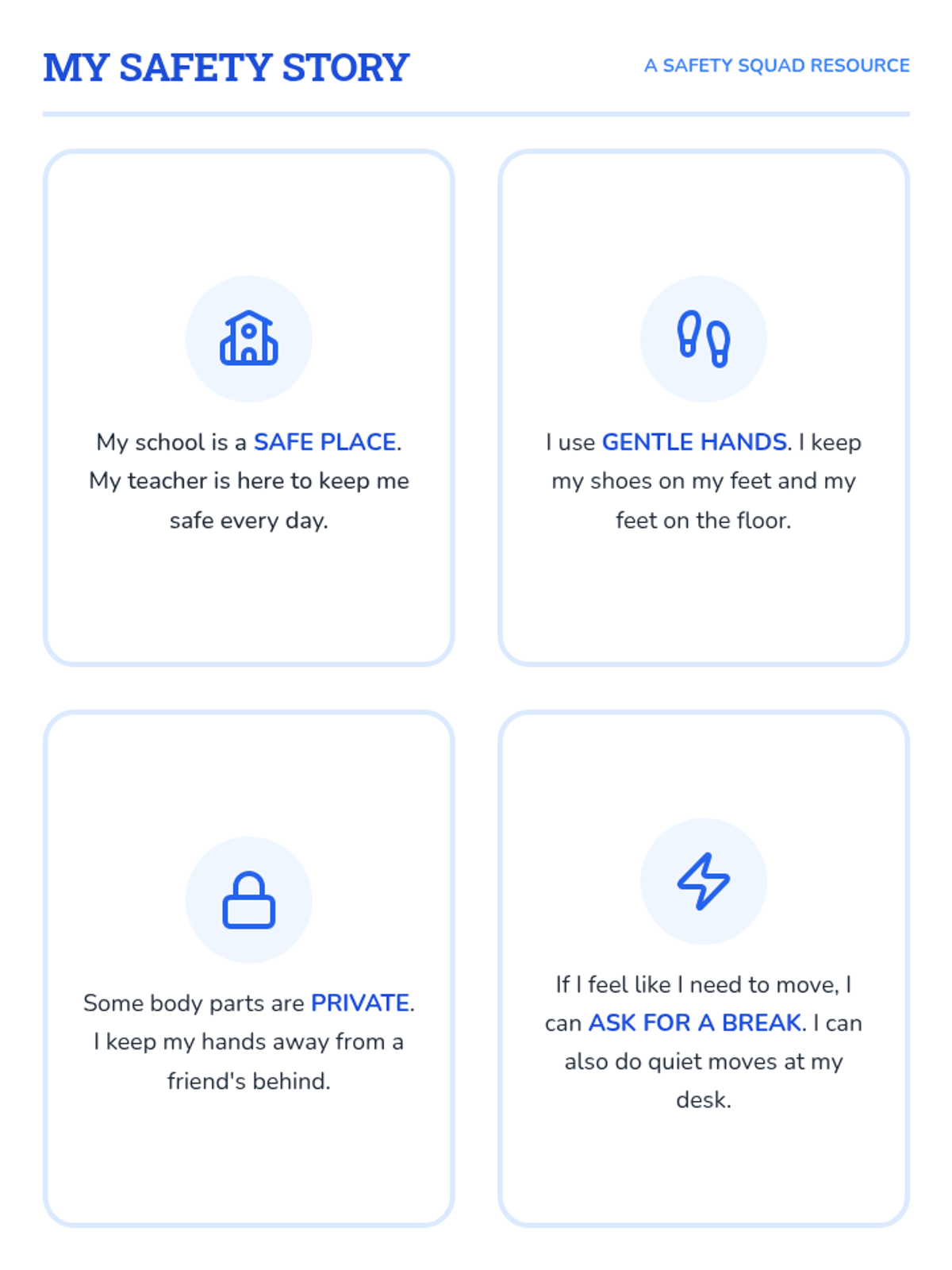
A trauma-informed lesson for kindergarten students focusing on personal boundaries, physical safety, and safety-based listening. This lesson uses a 'Safety Squad' theme to teach students how to keep their bodies safe and follow classroom rules to maintain a secure environment.
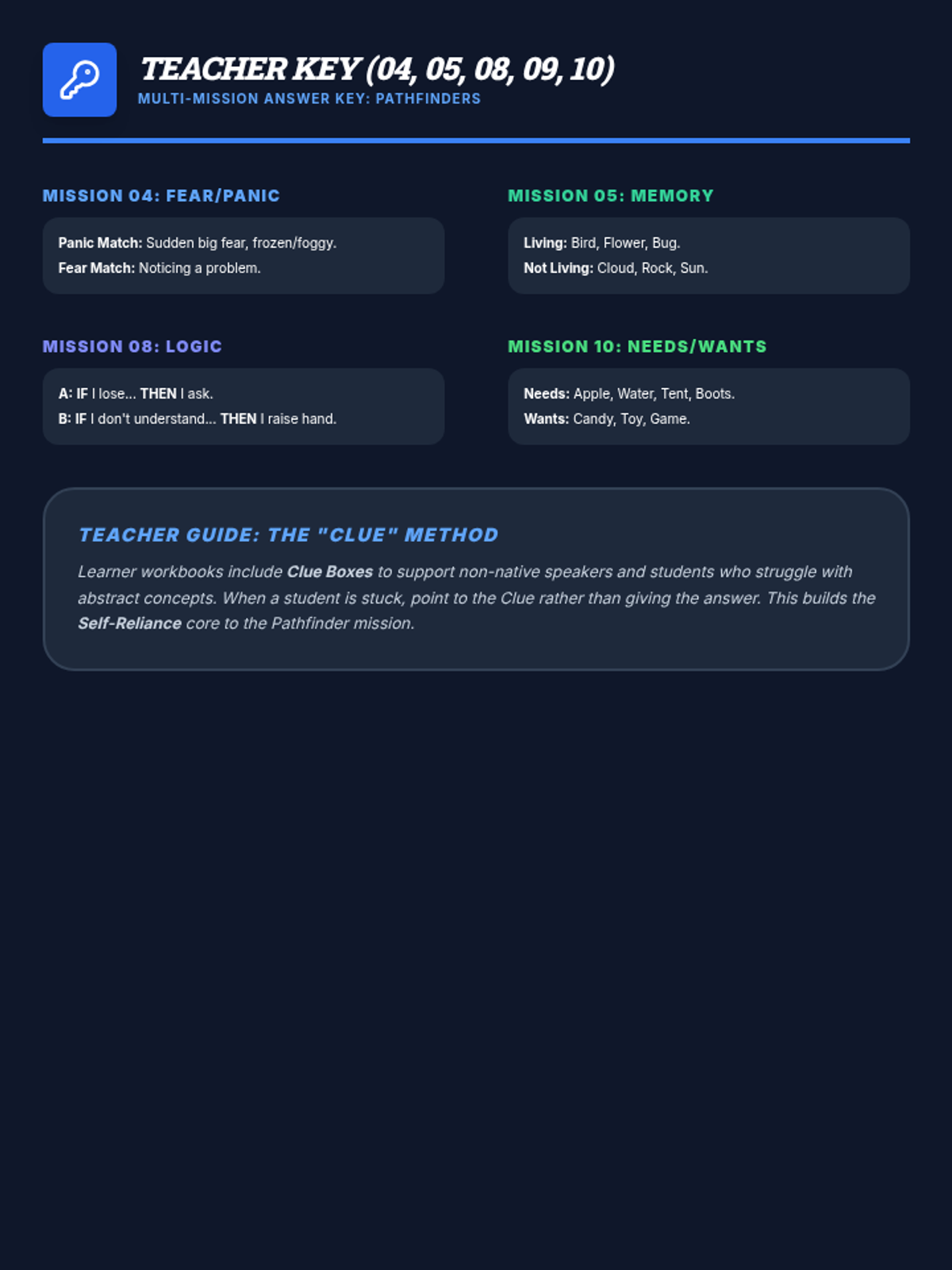
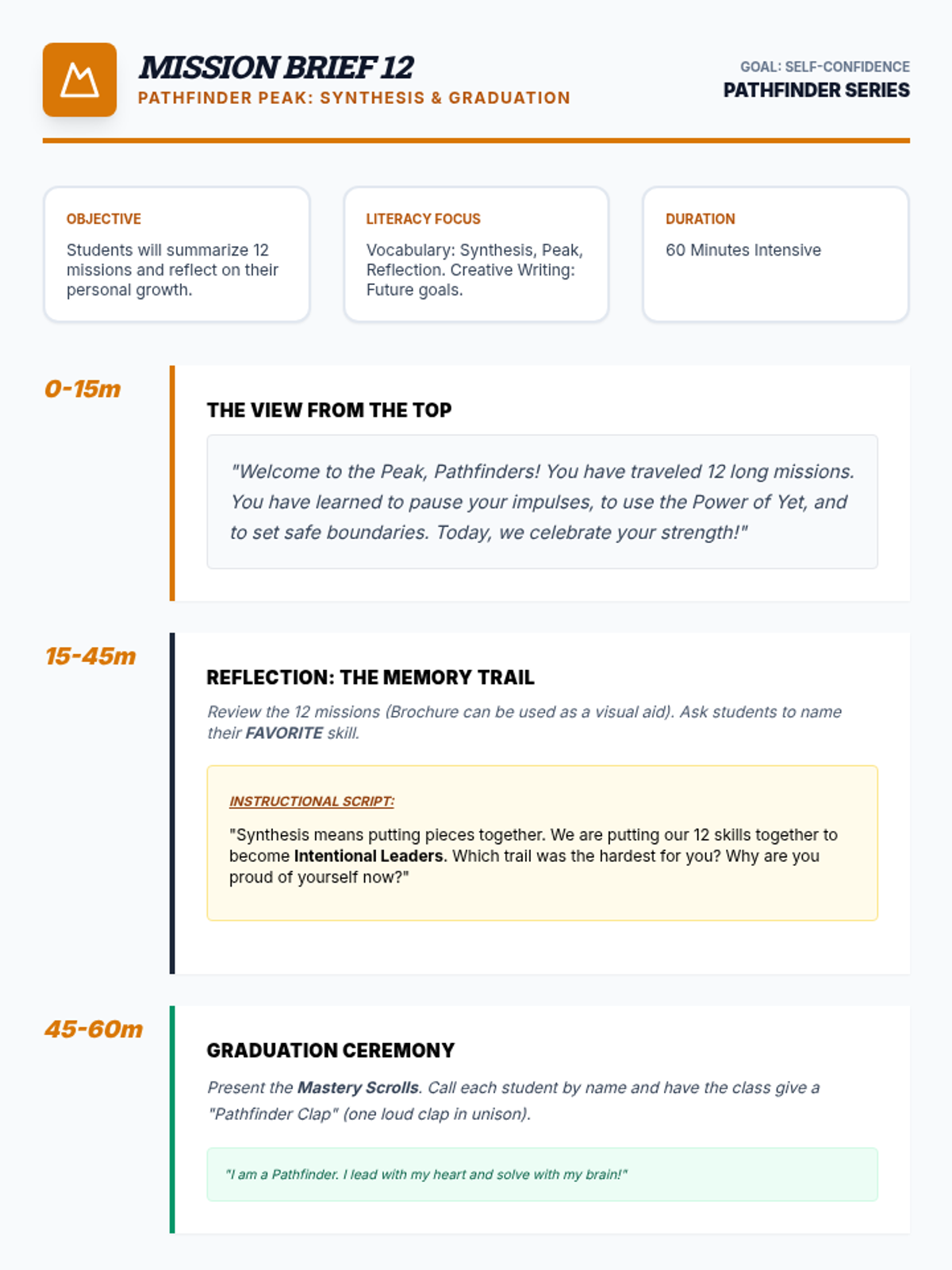
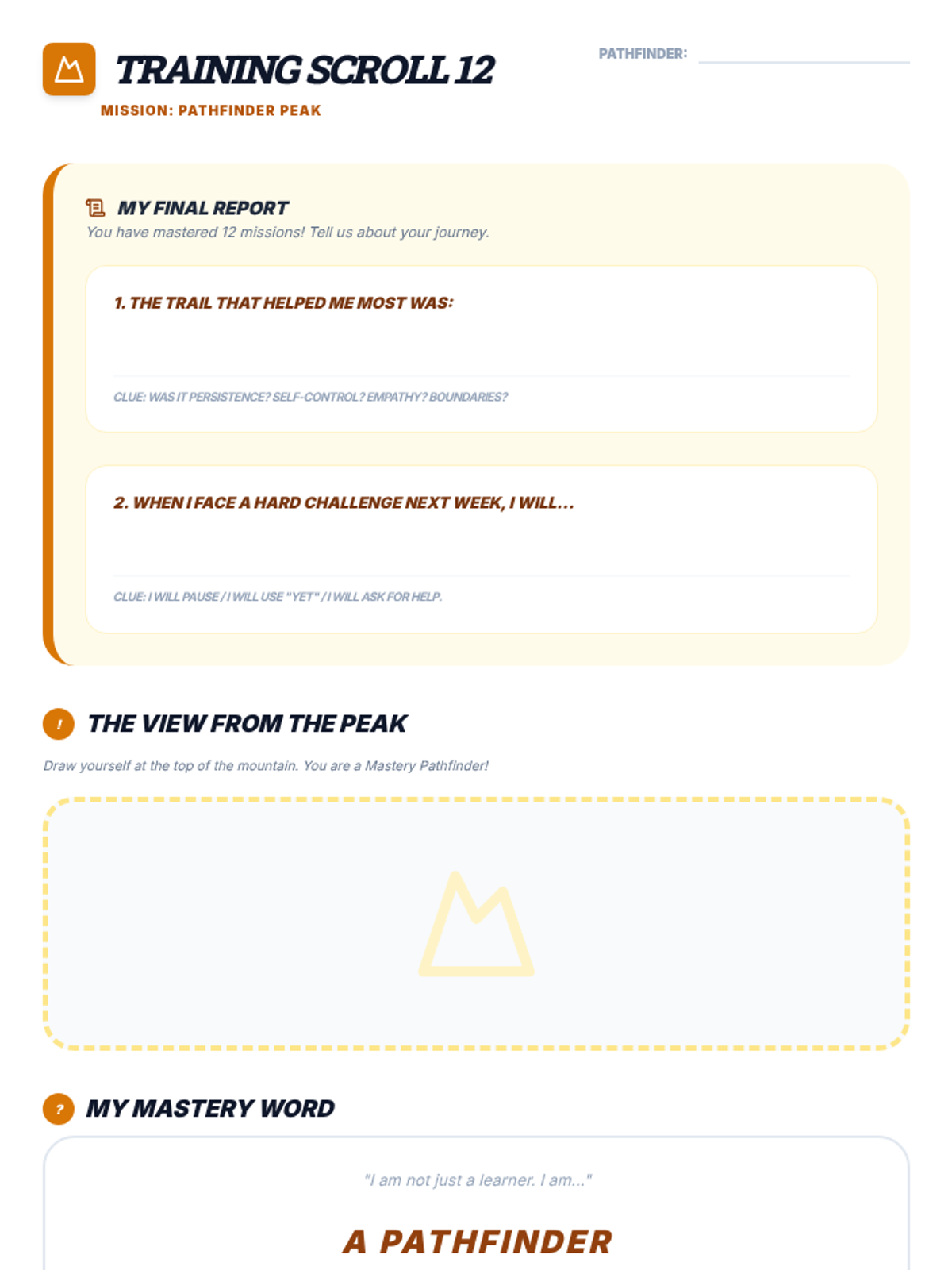
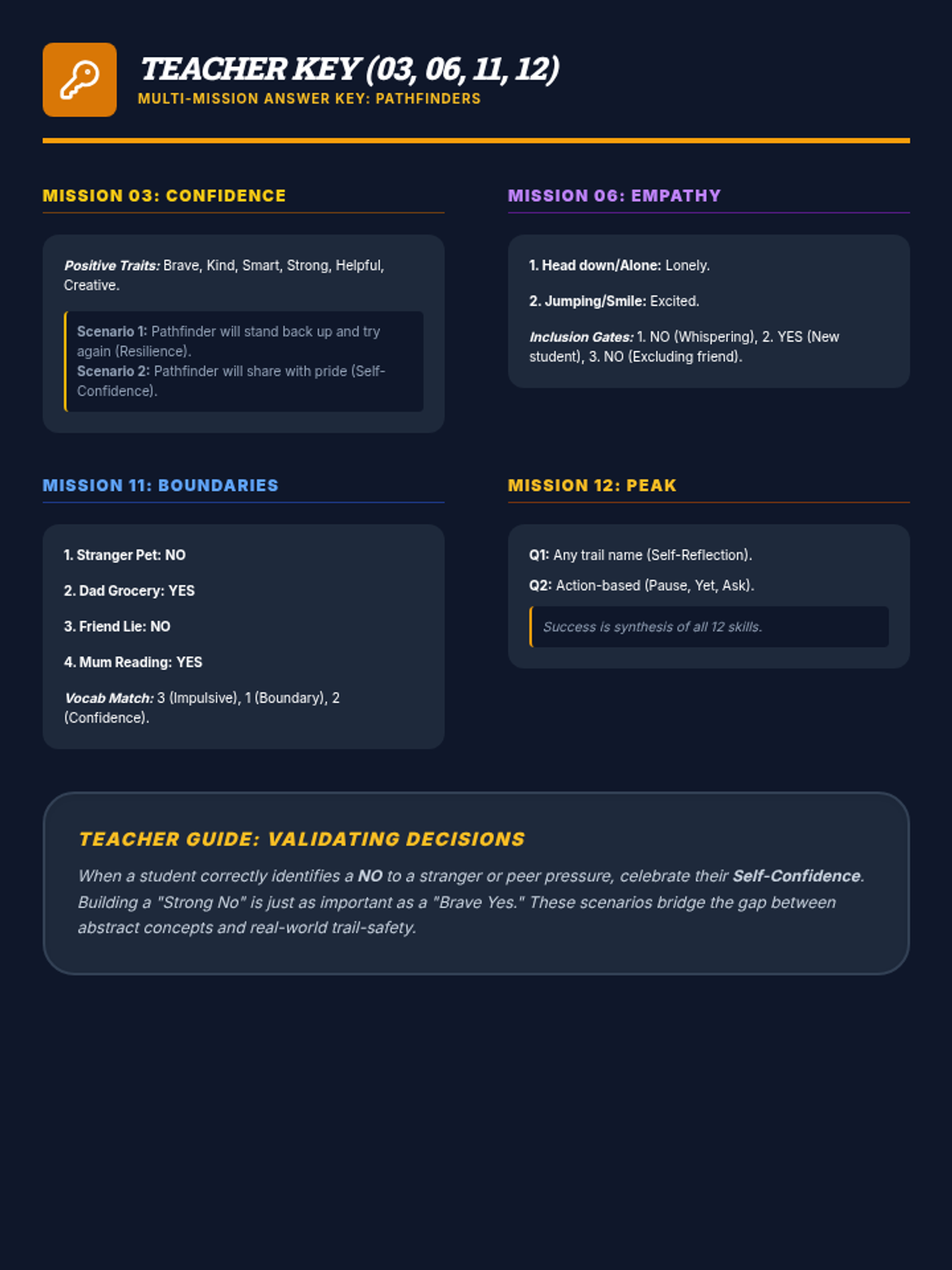
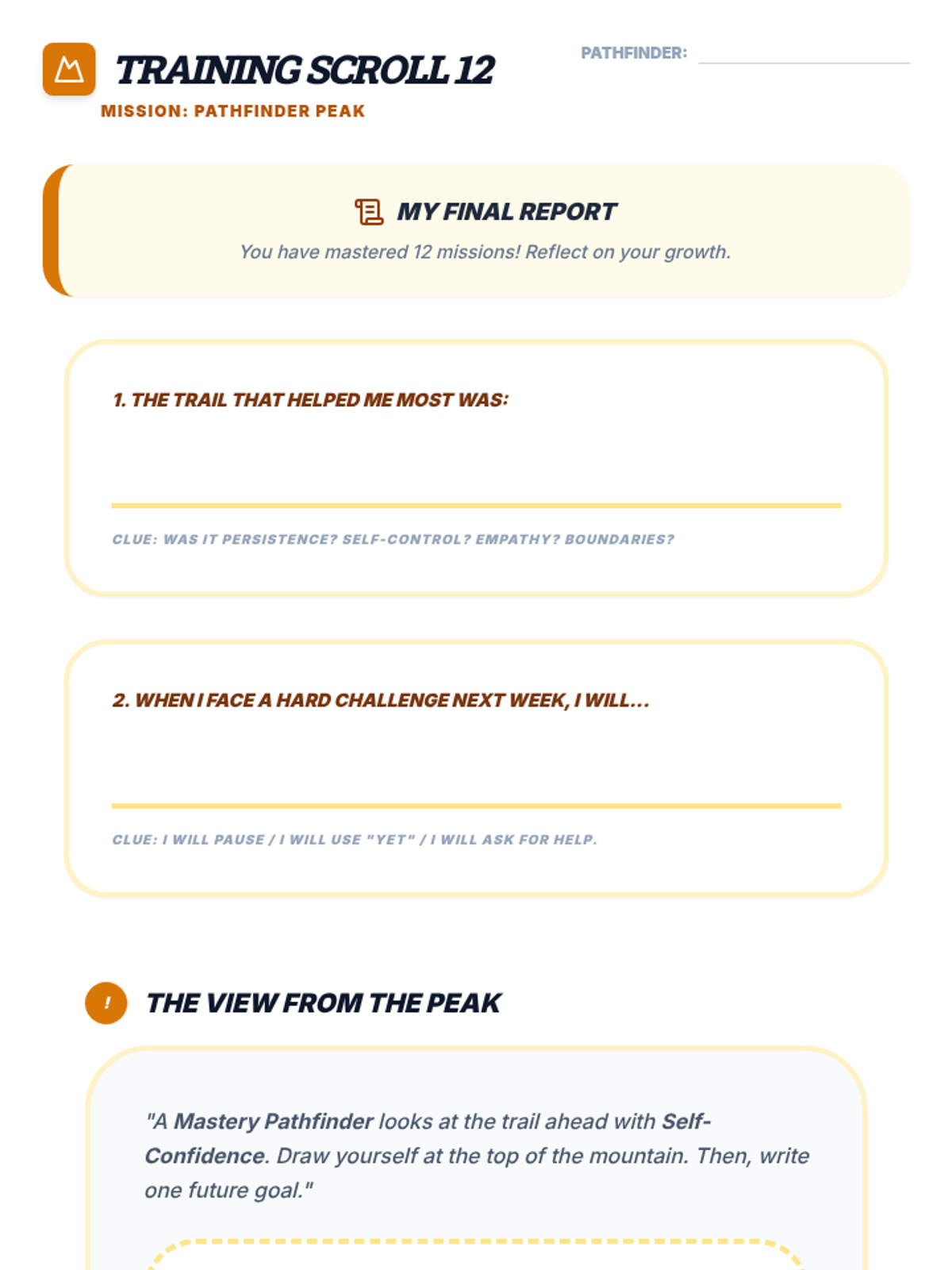
Course synthesis and graduation. Reflecting on the journey from impulsive to intentional Pathfinder.
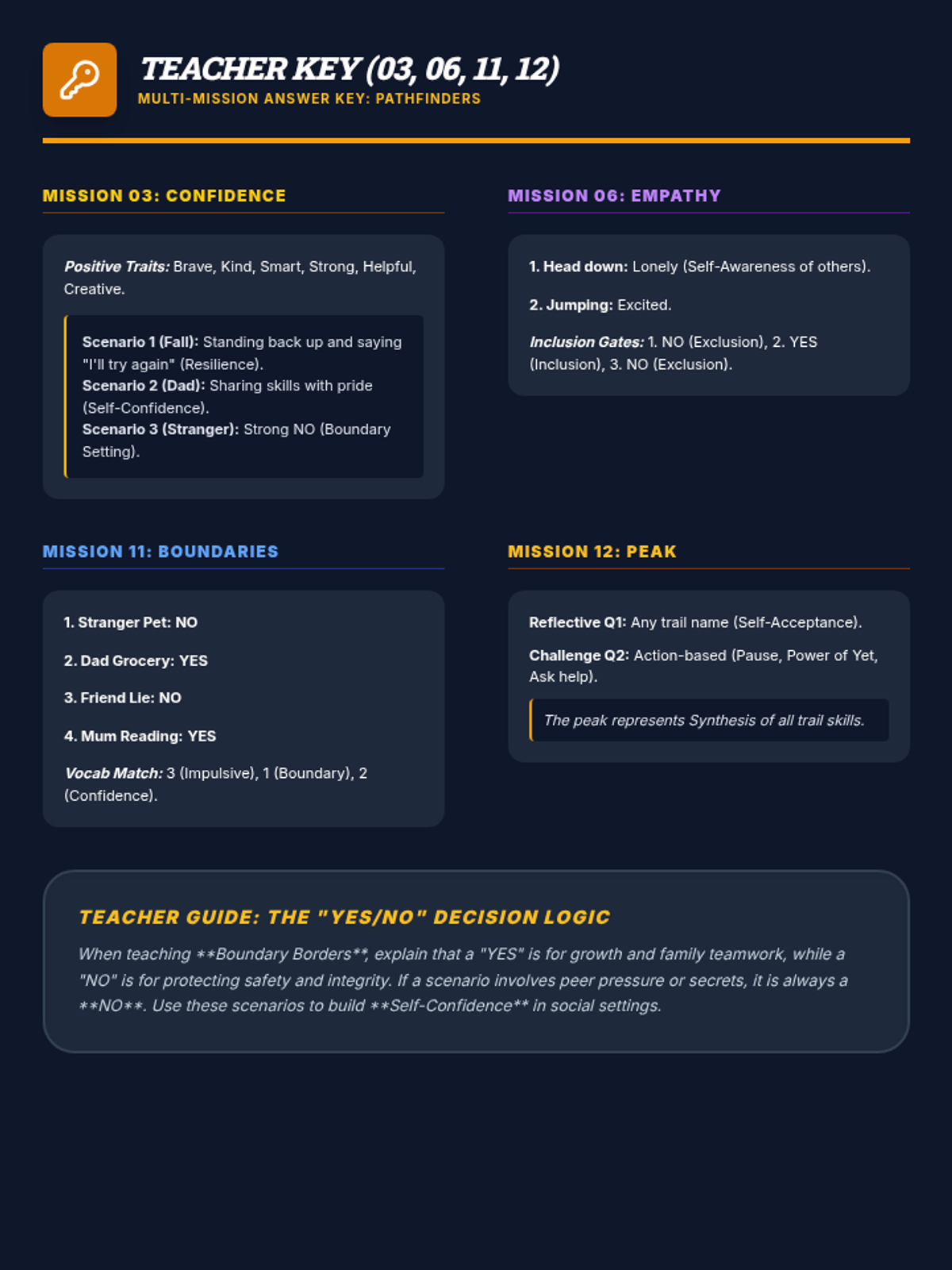
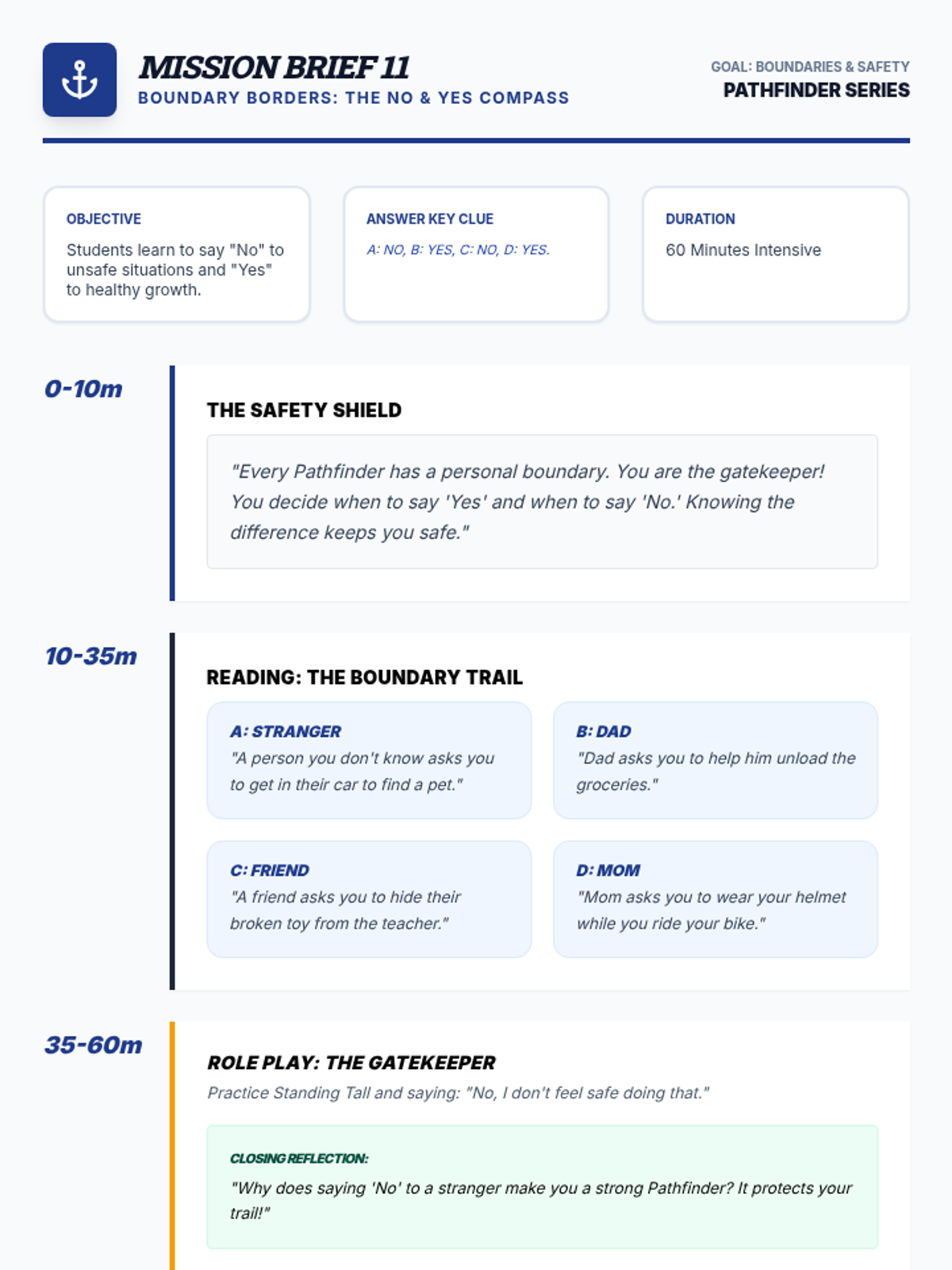
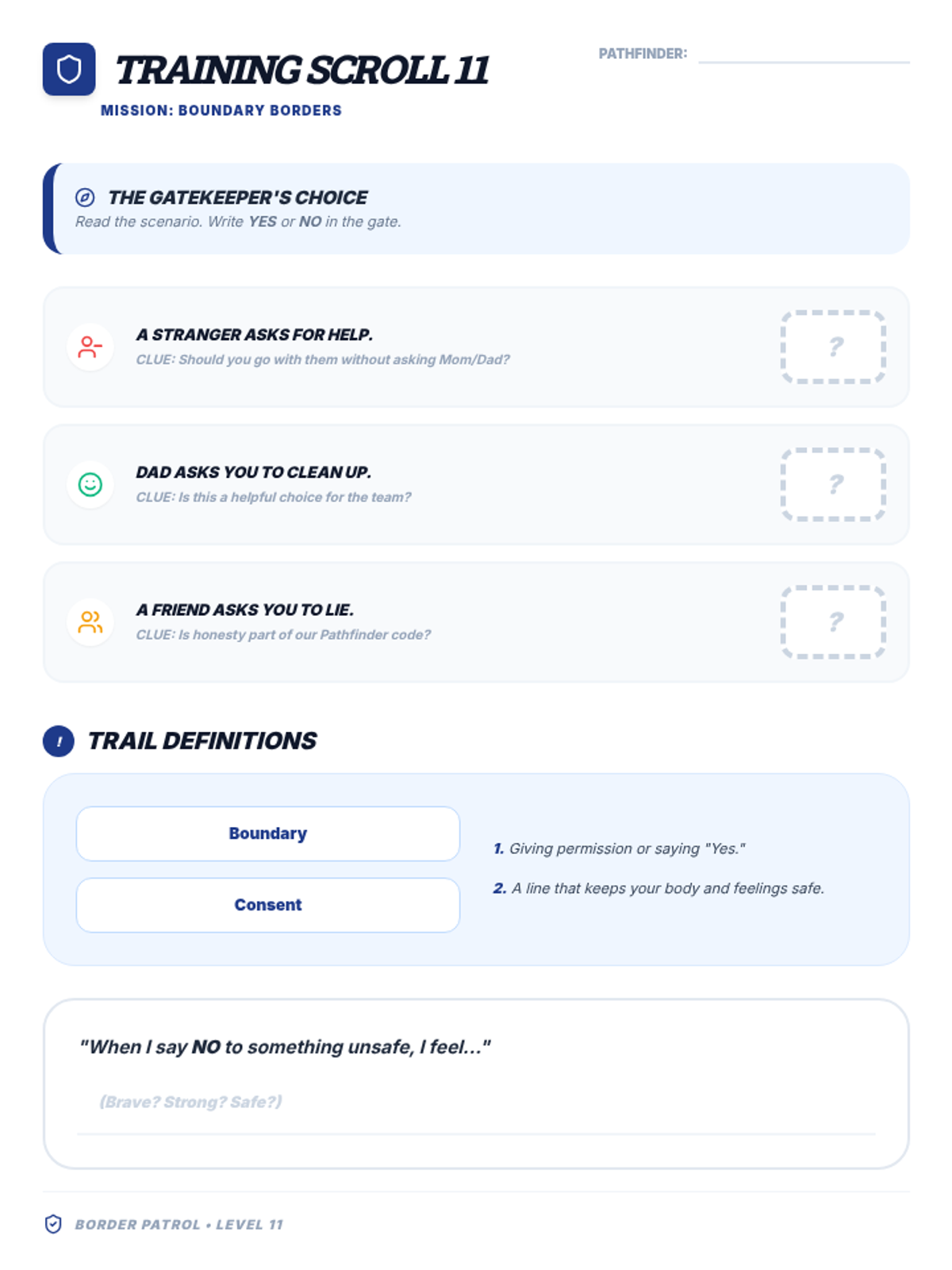
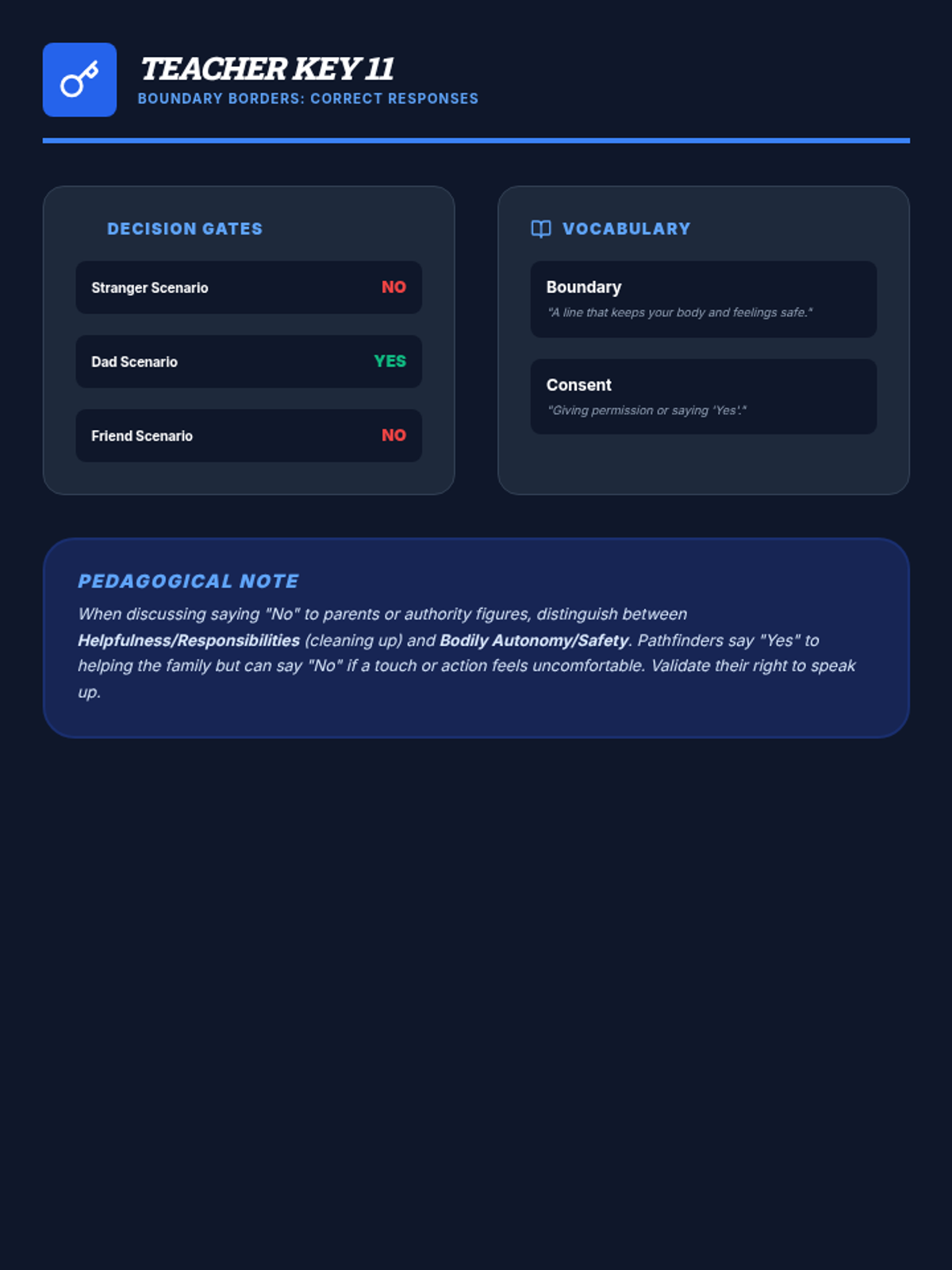
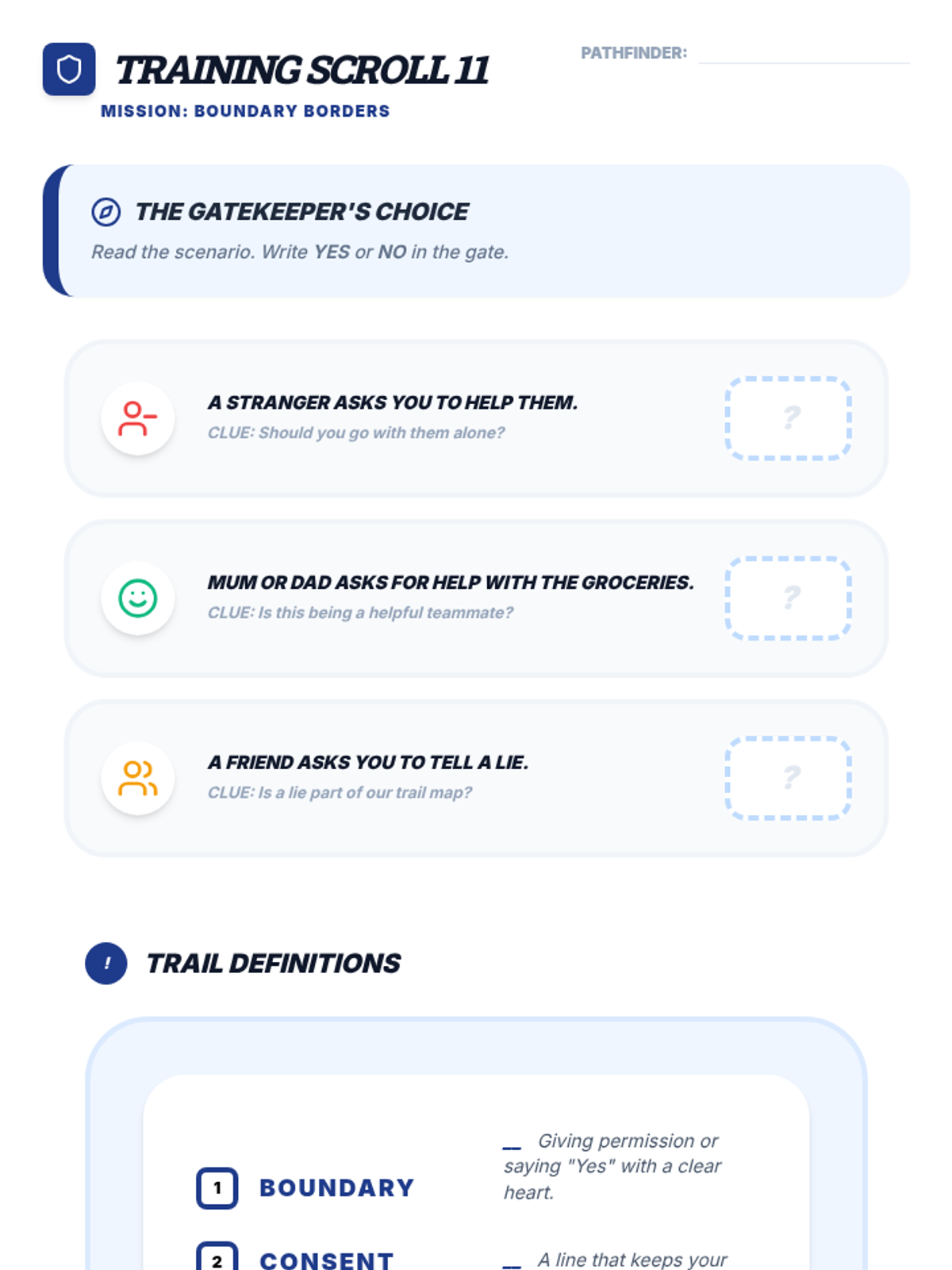
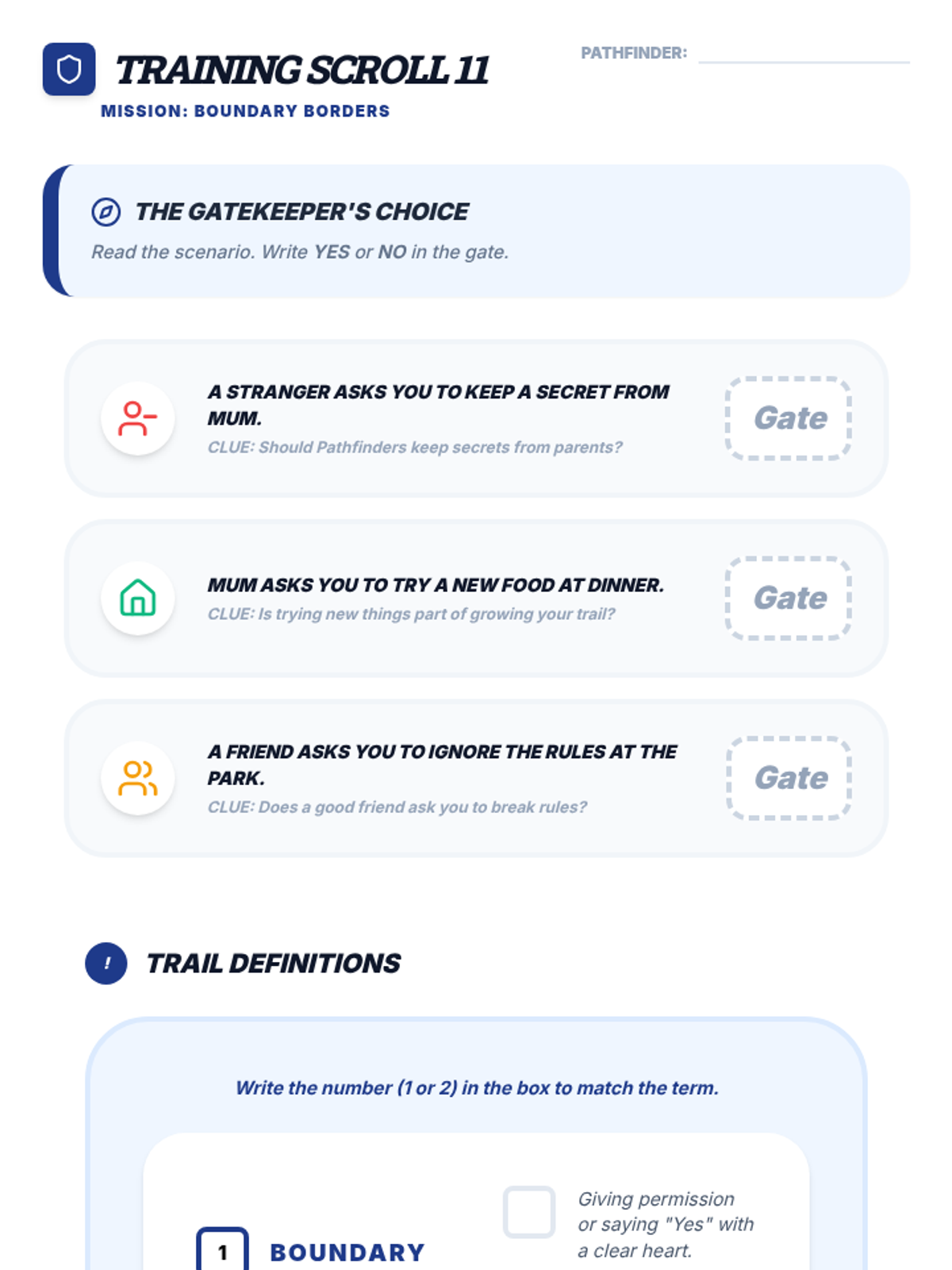
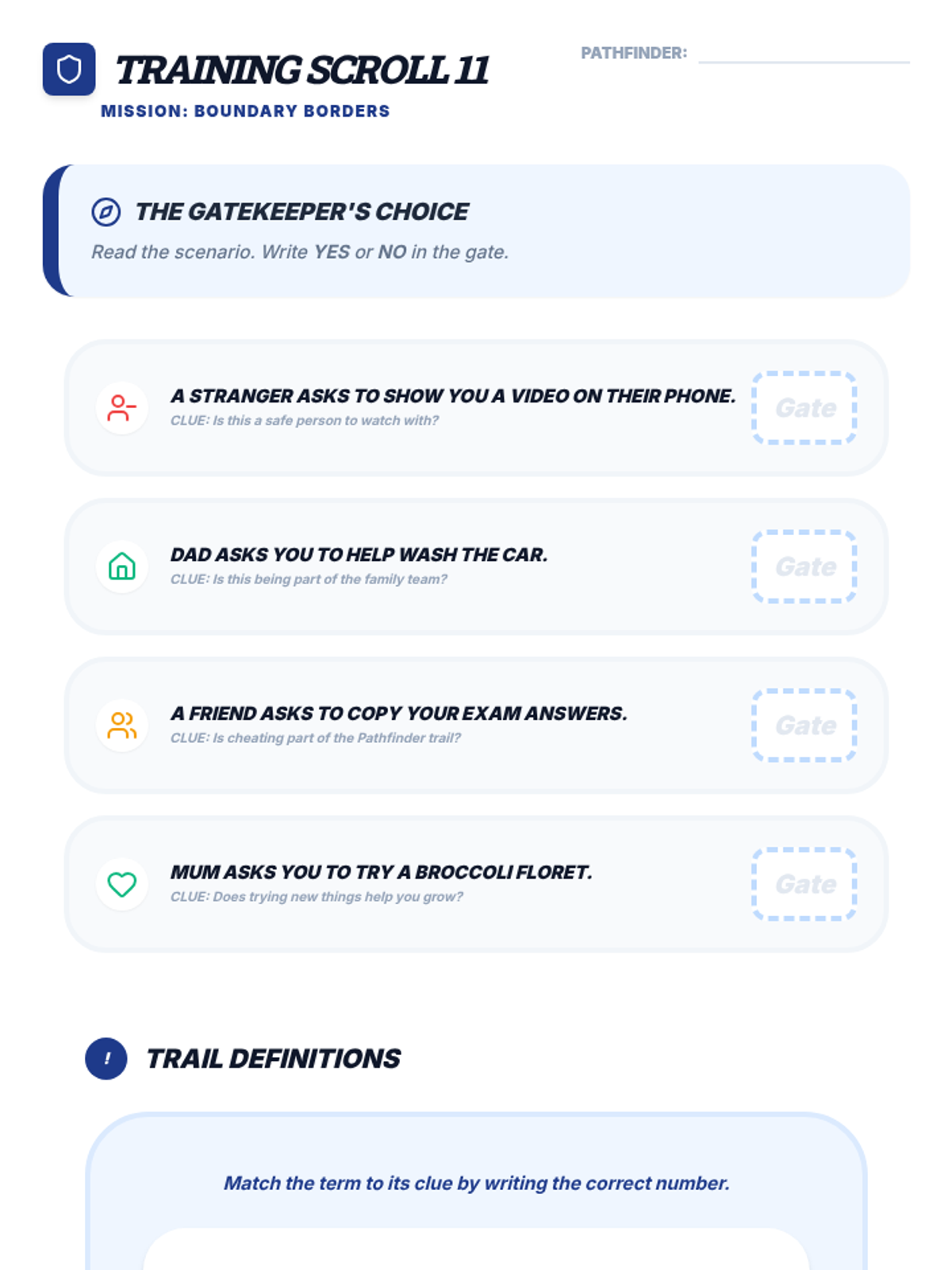
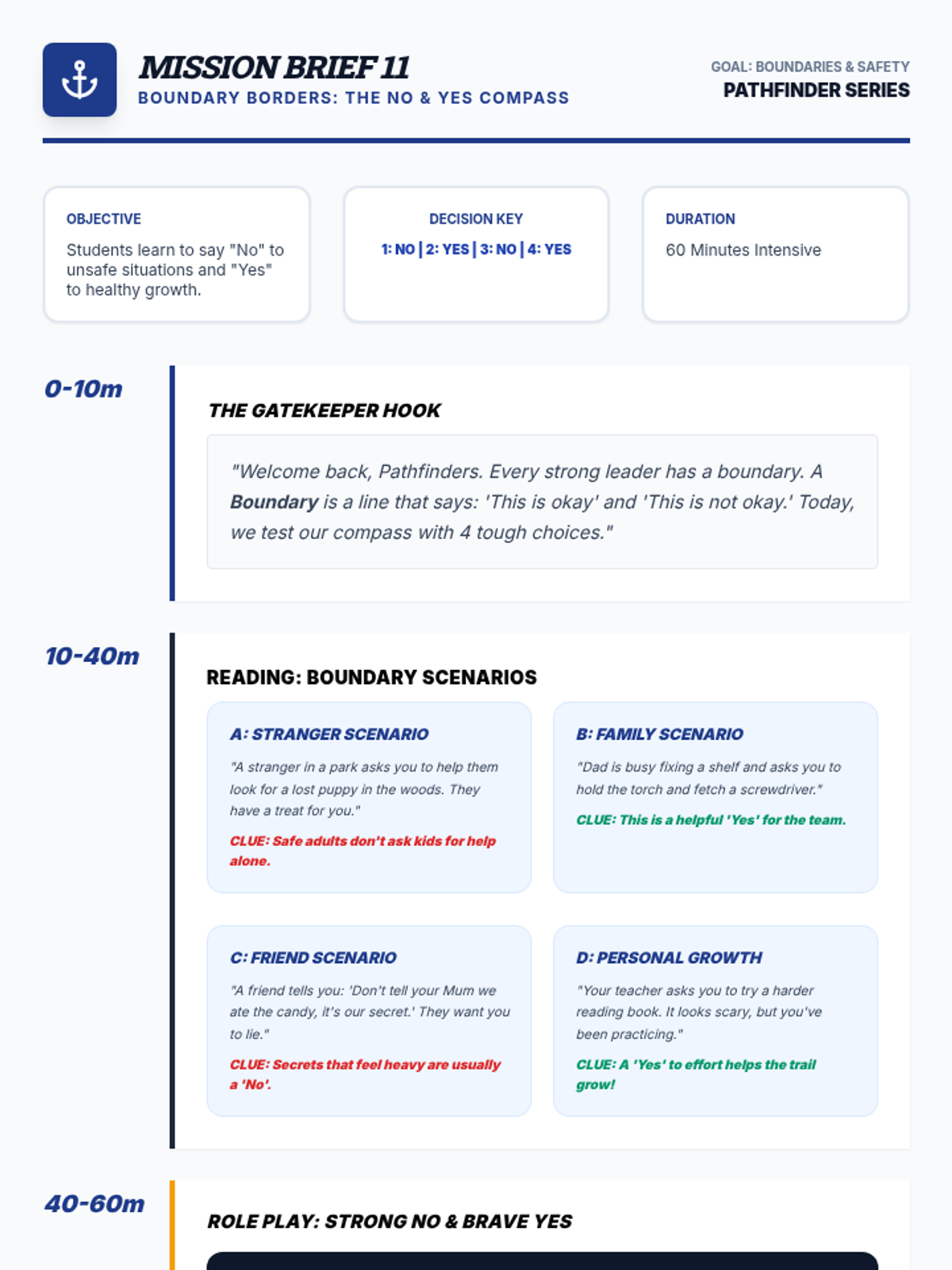
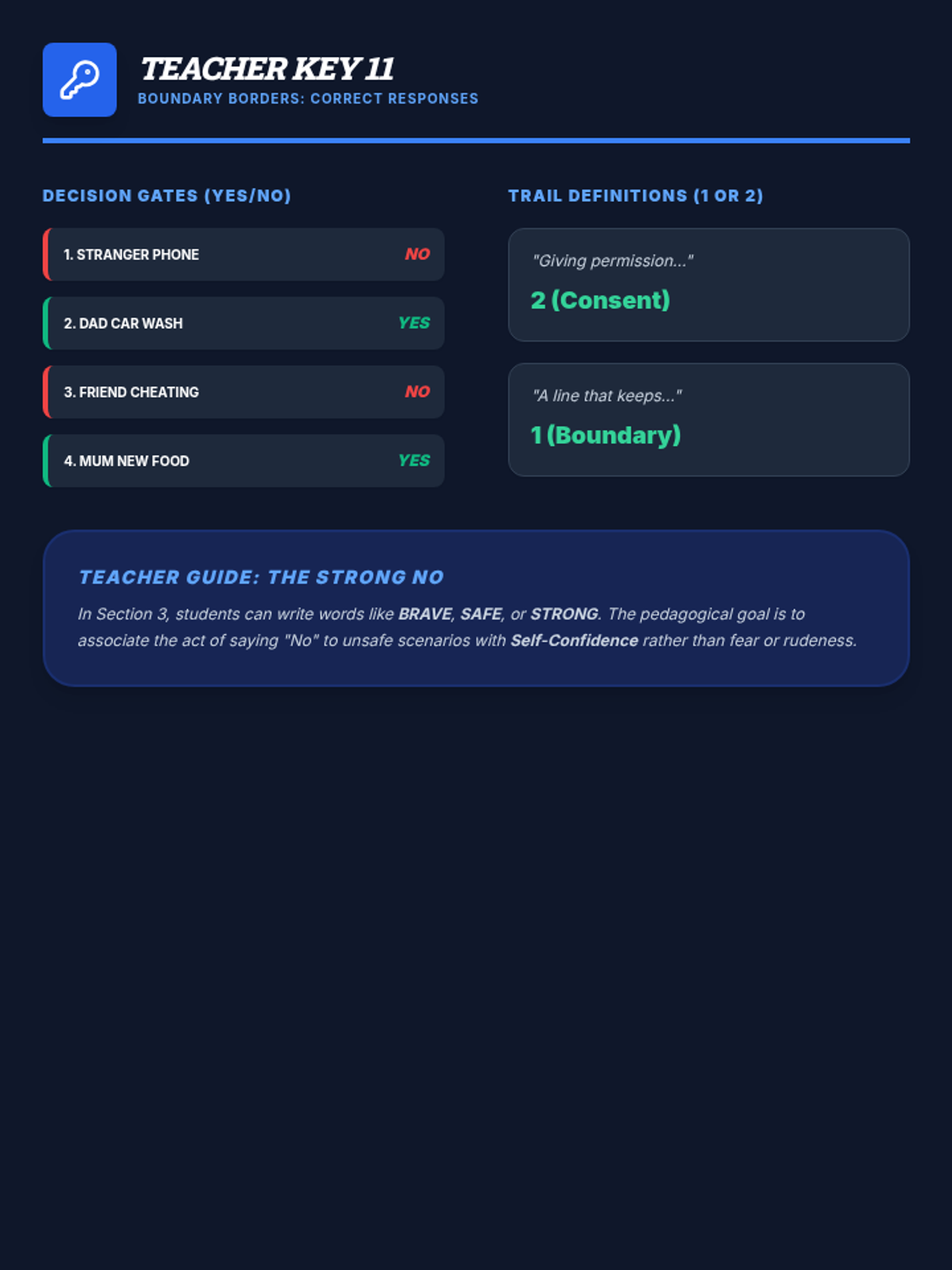
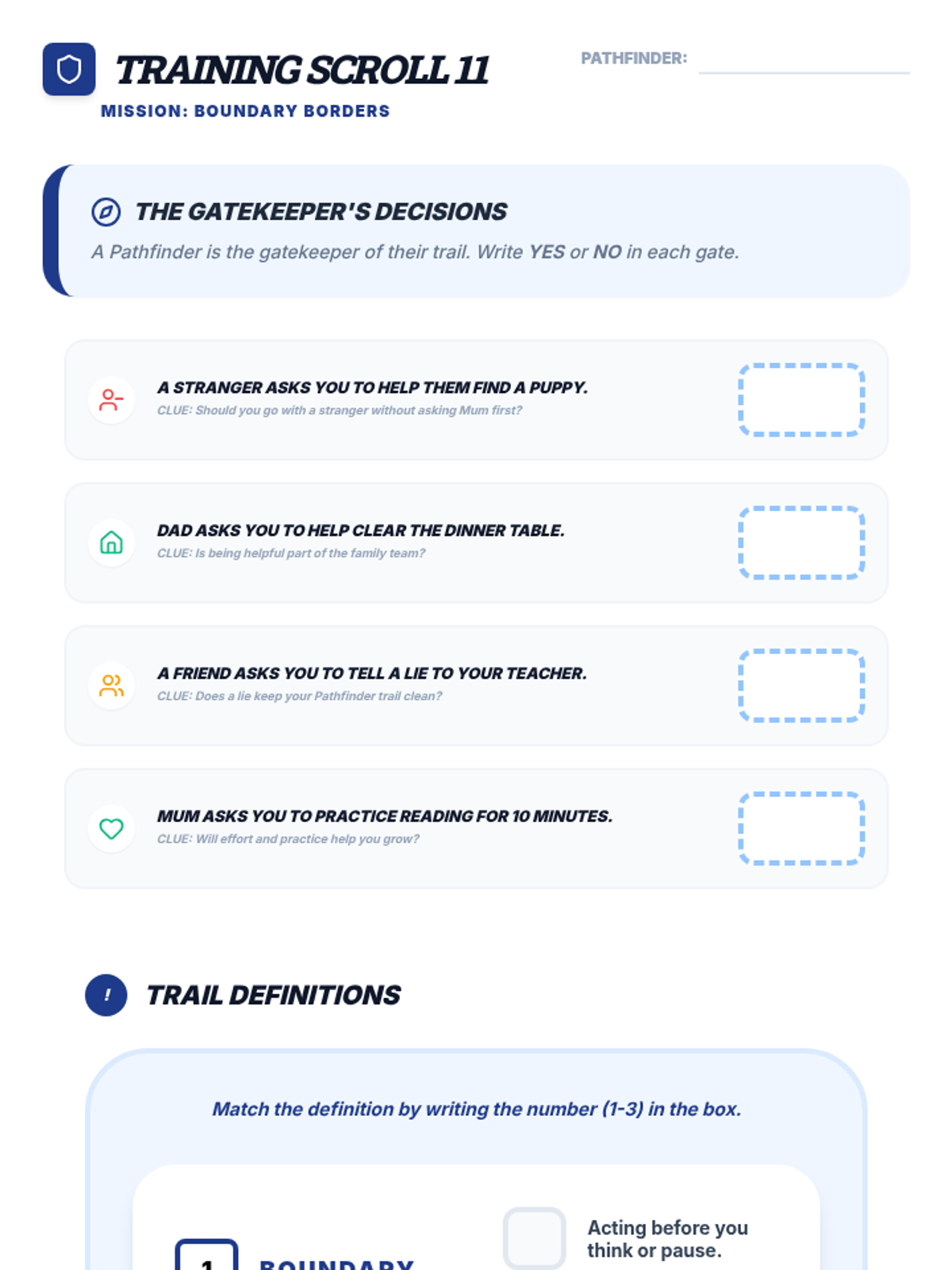
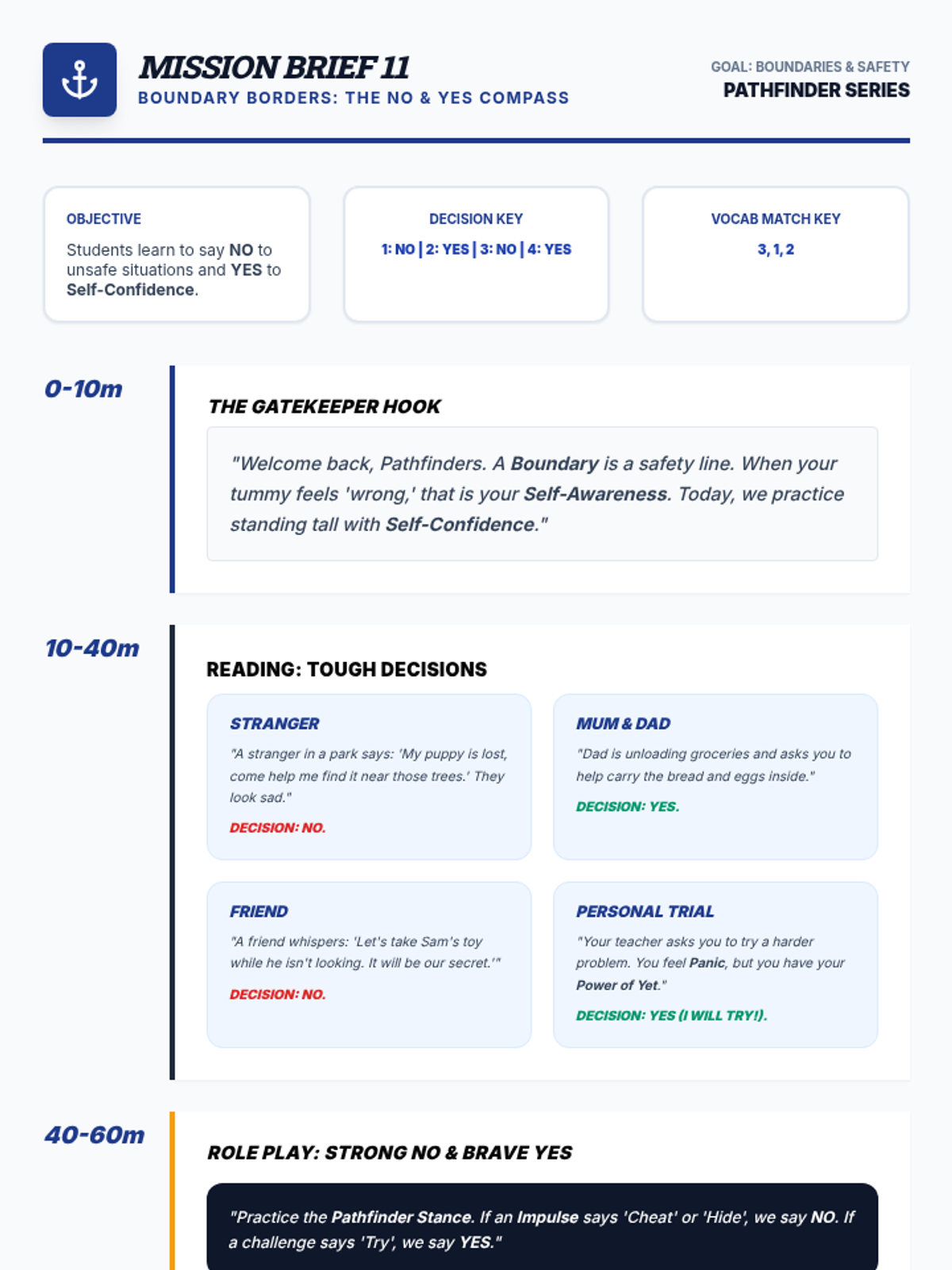
Mastering boundaries. Learning when and how to say 'No' or 'Yes' to family, friends, and strangers.
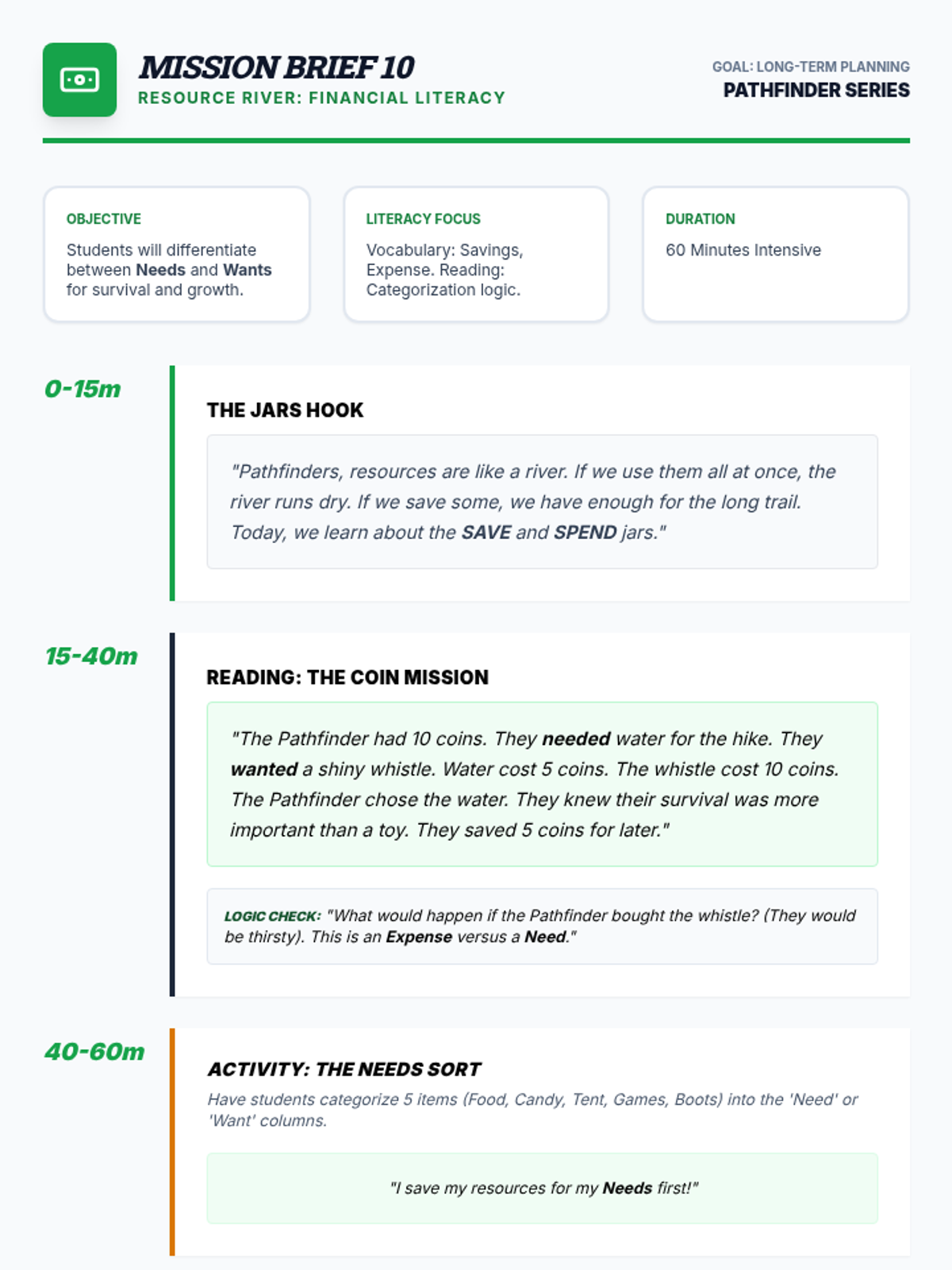
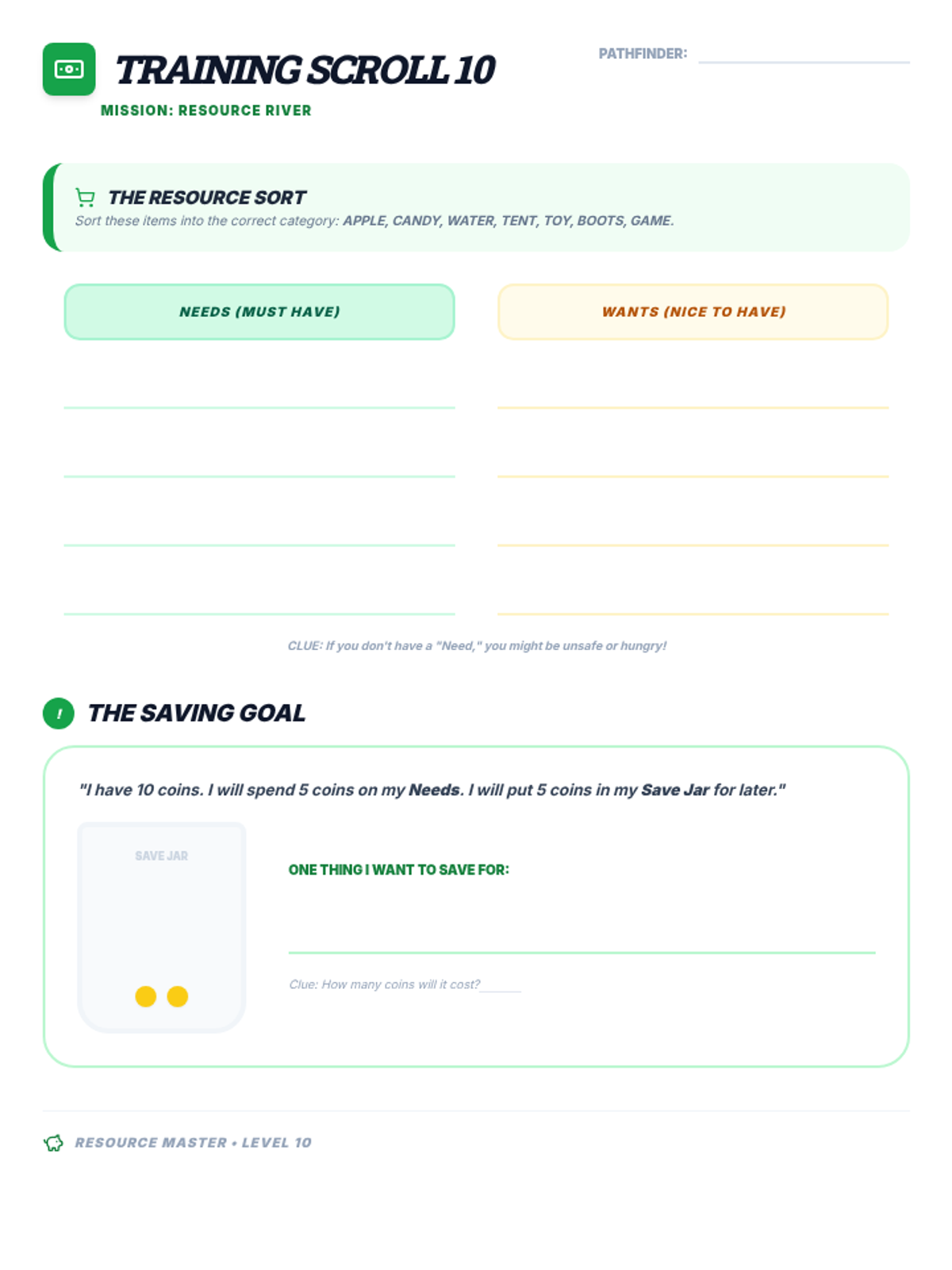
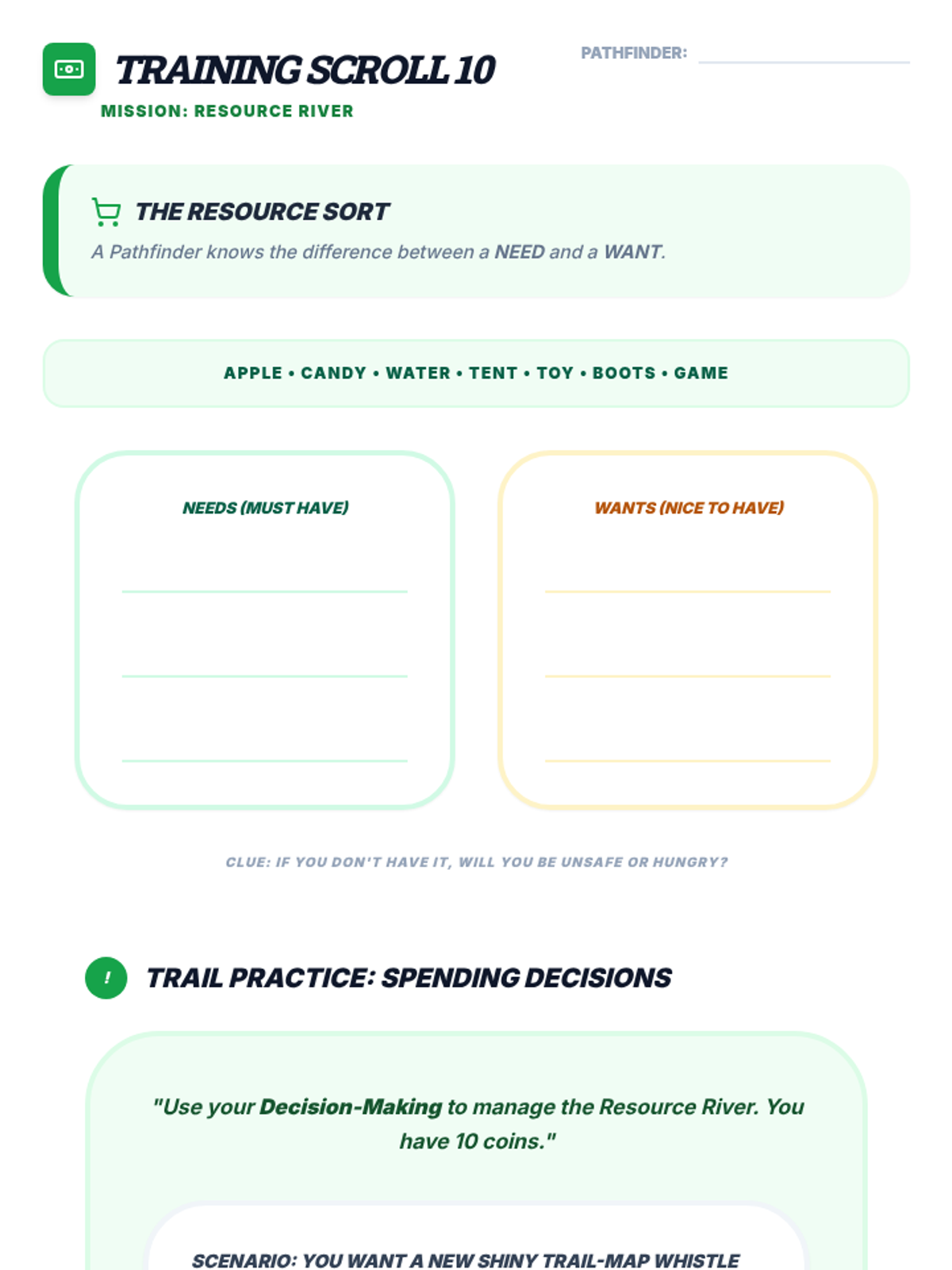
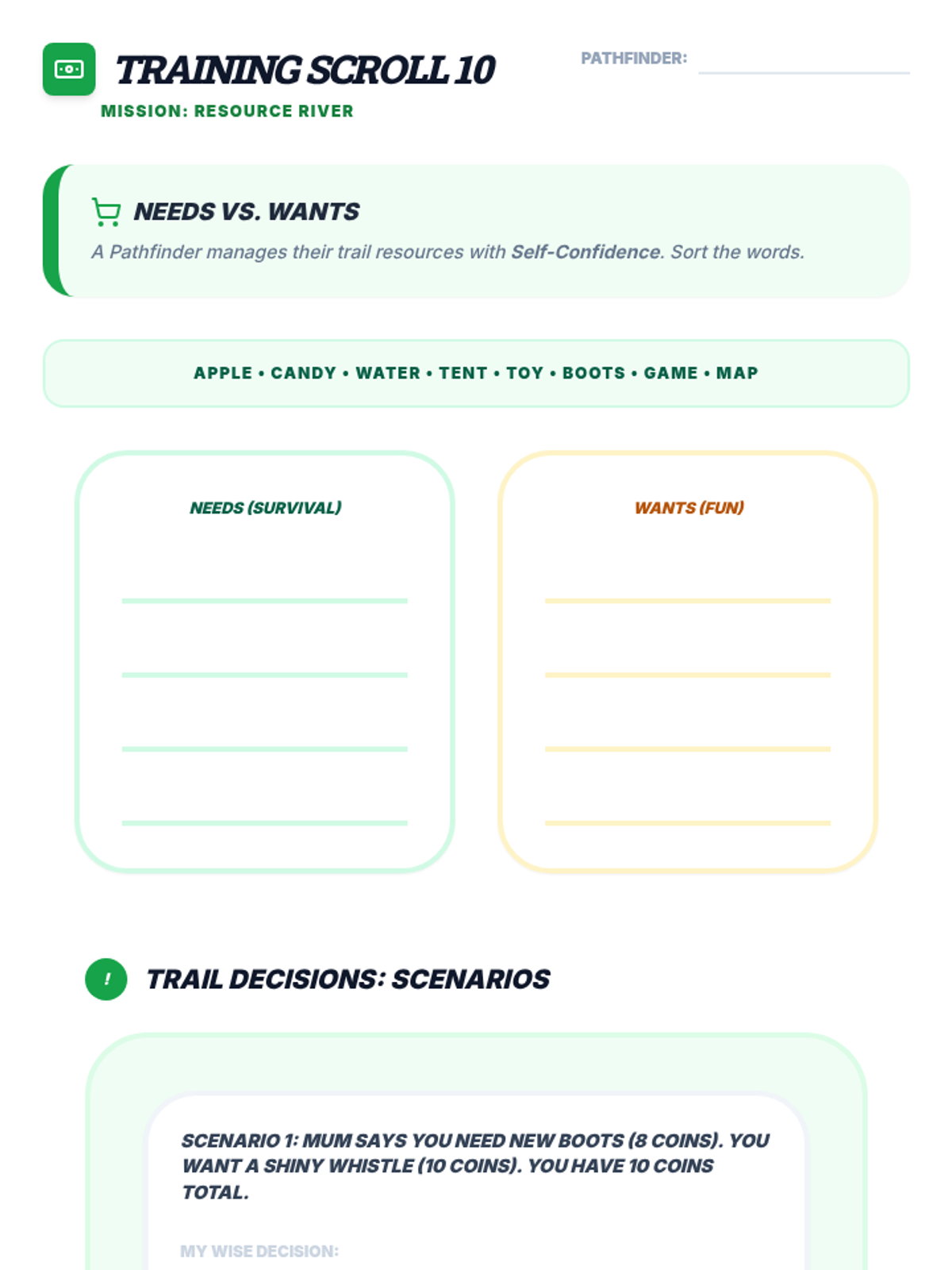
Financial literacy basics. Categorizing needs vs. wants to build long-term planning skills.
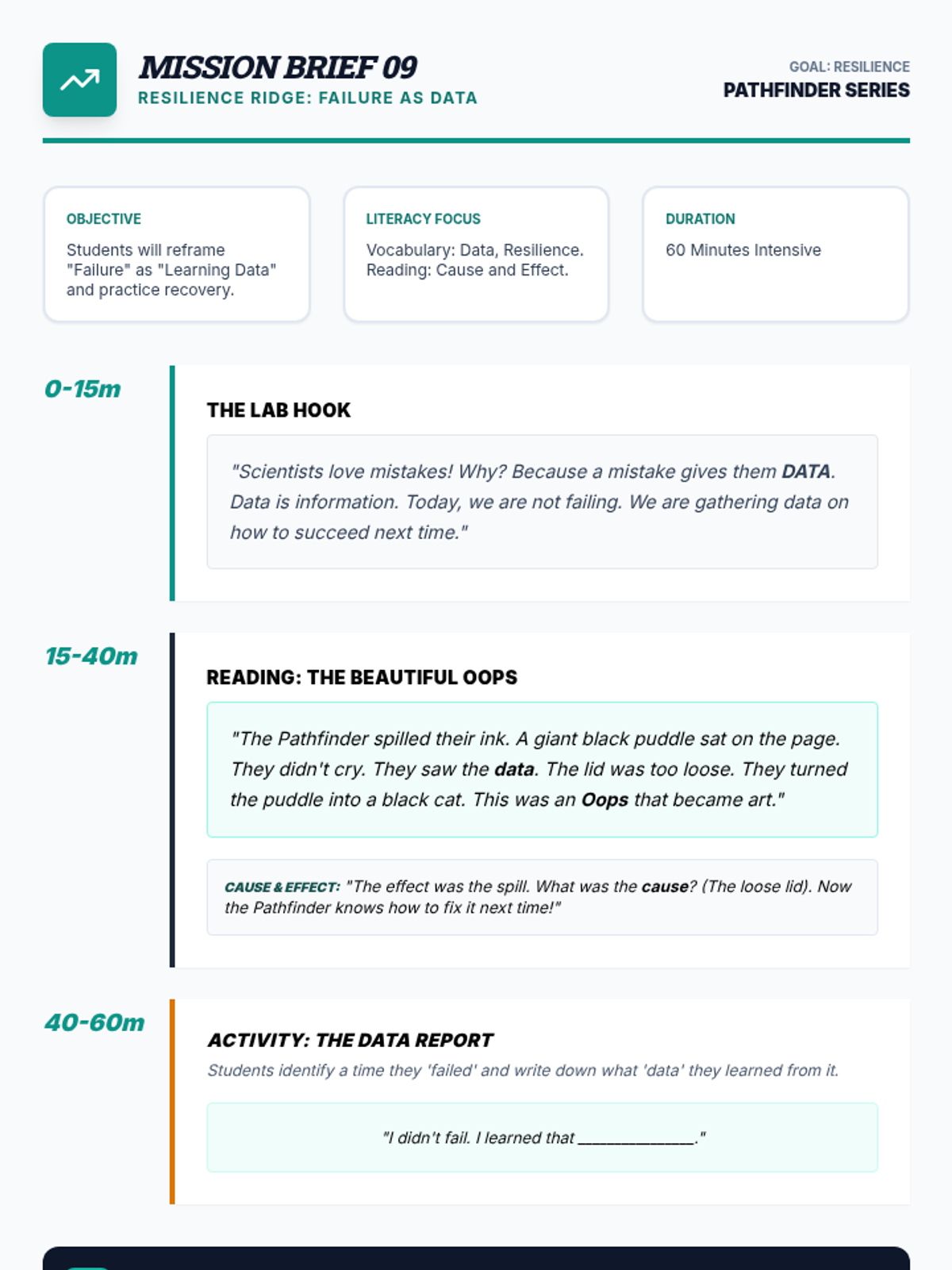
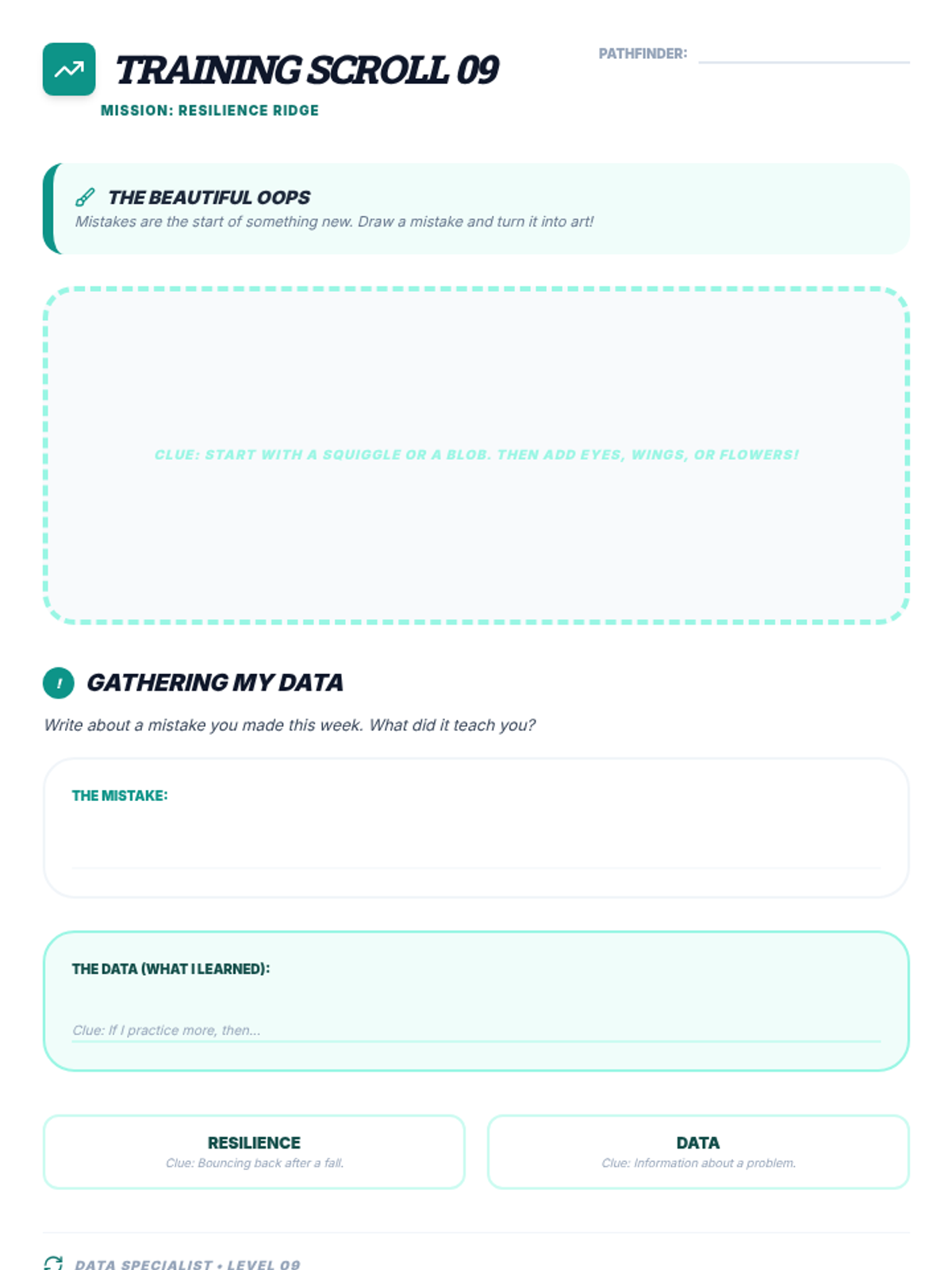
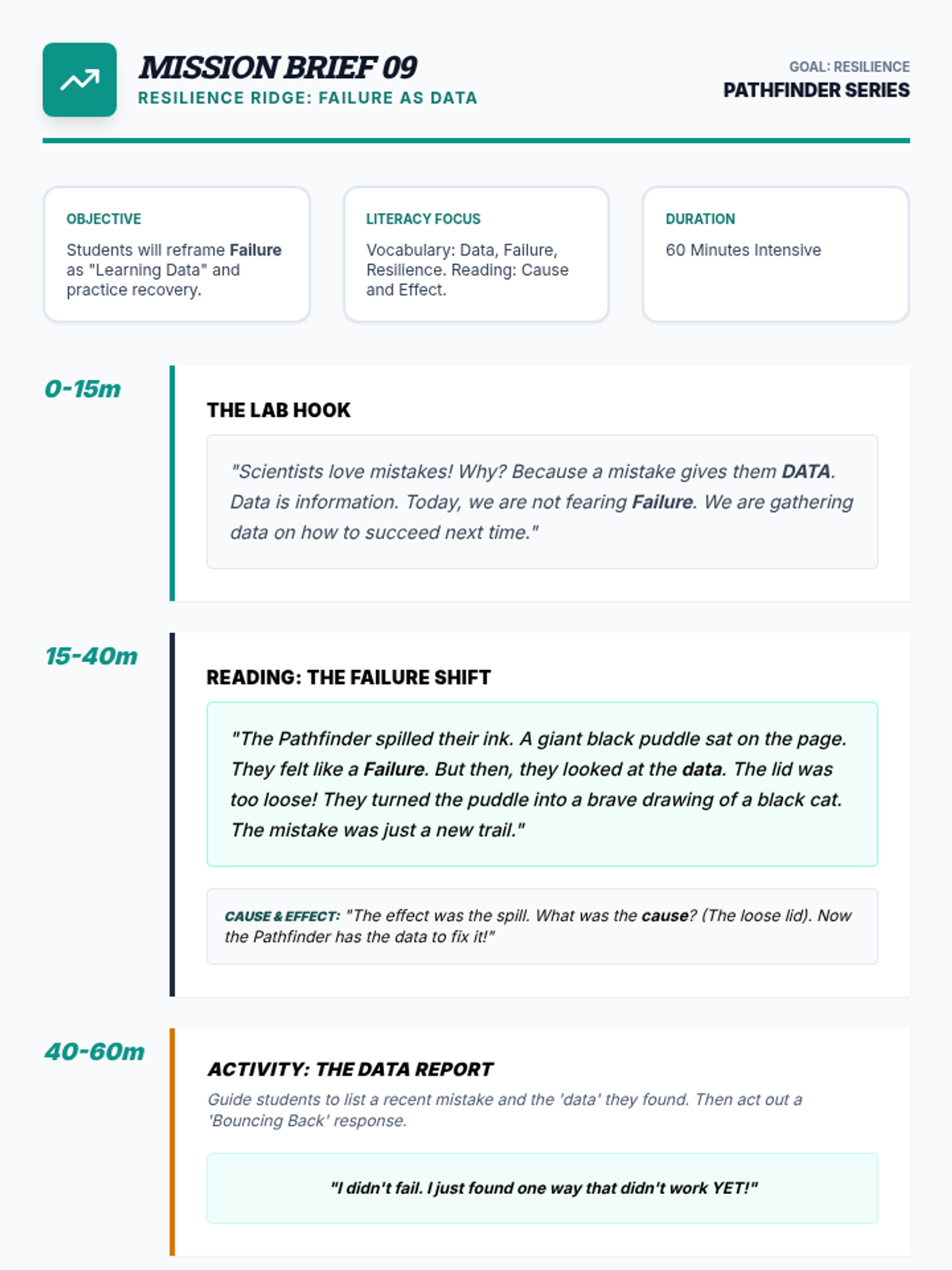
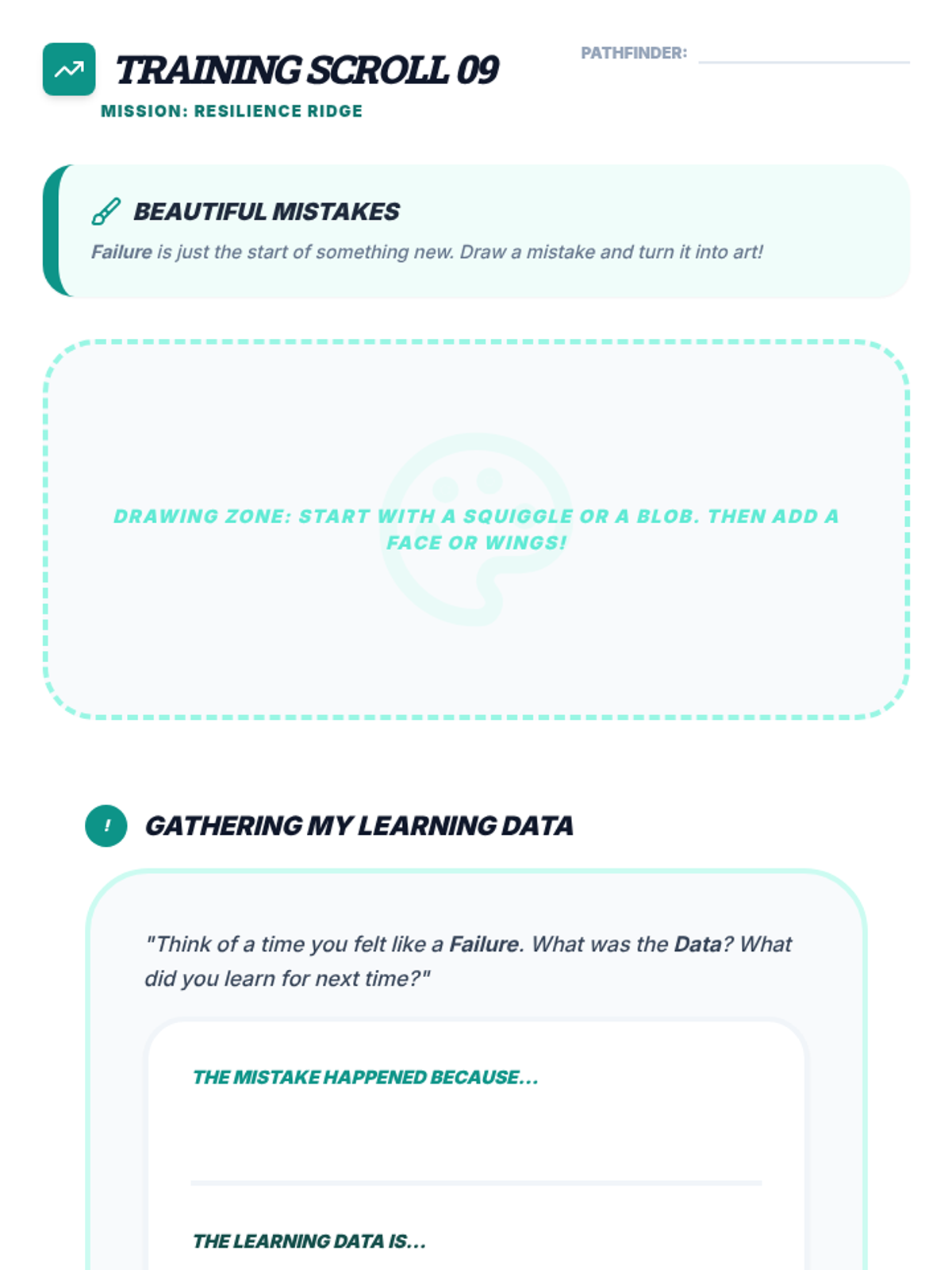
Learning to see failure as data. Celebrating 'Beautiful Oops' moments and messy progress.
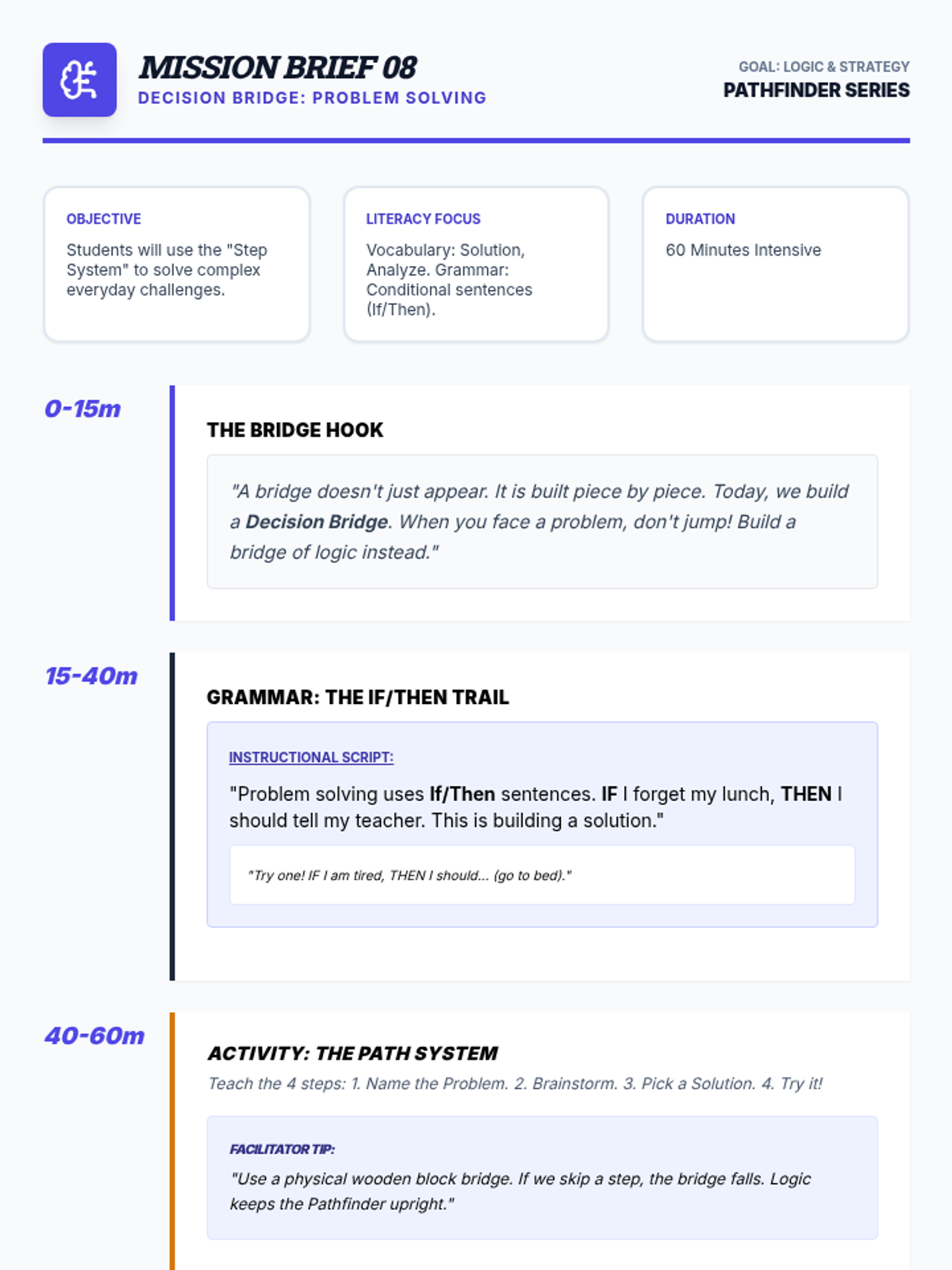
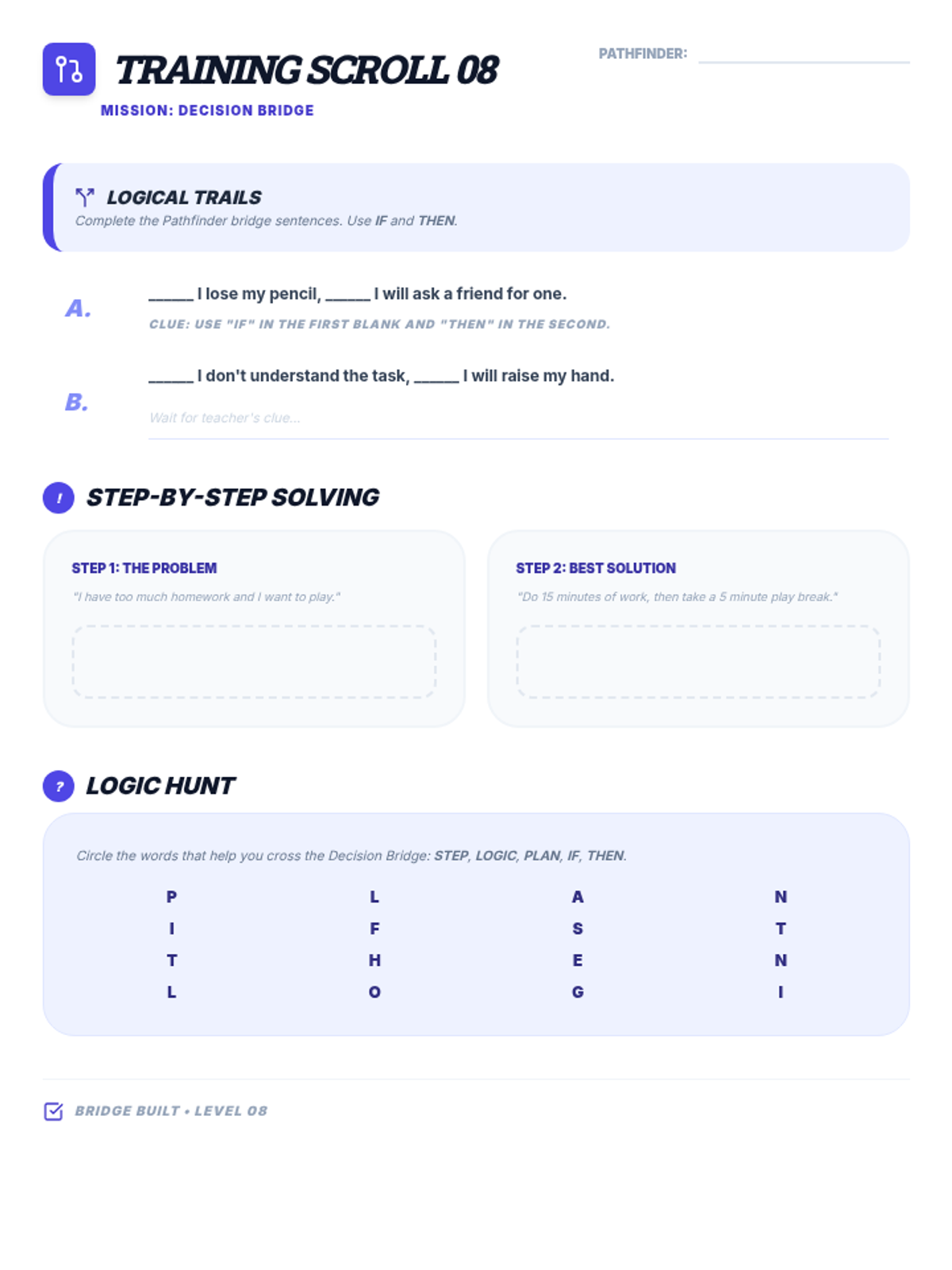
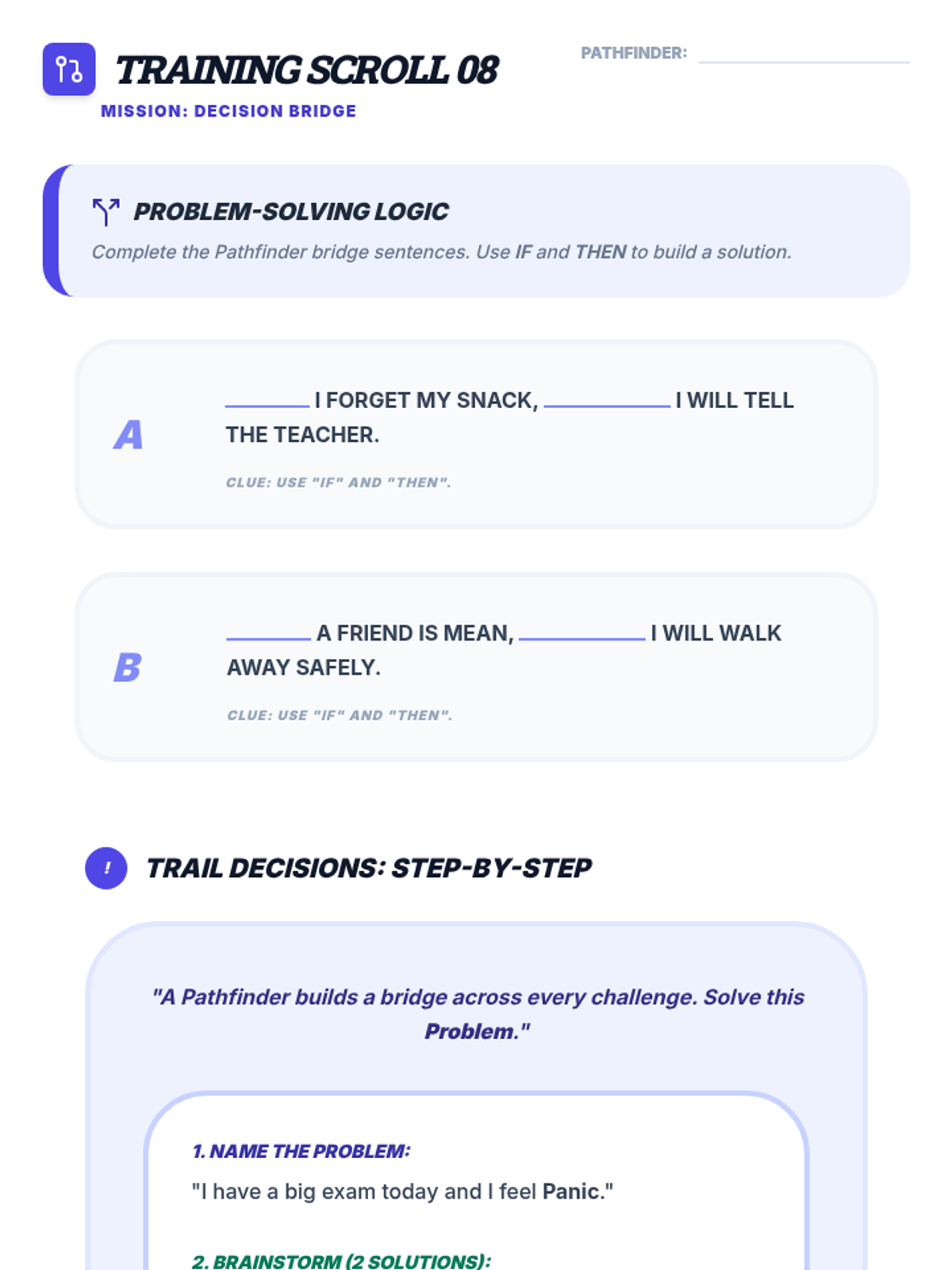
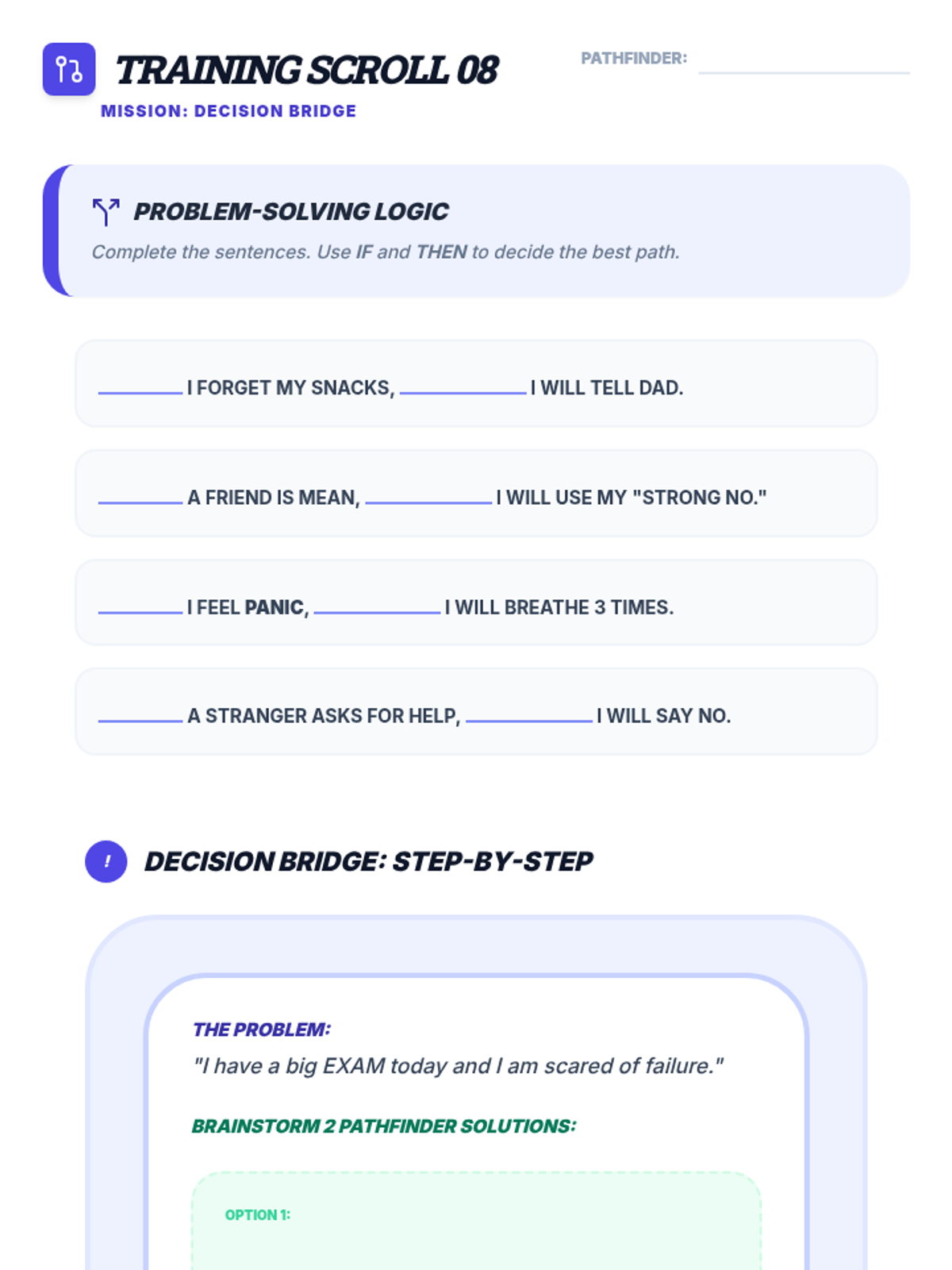
Applying logic to everyday challenges. The 'Pathfinder Step System' for making thoughtful choices.
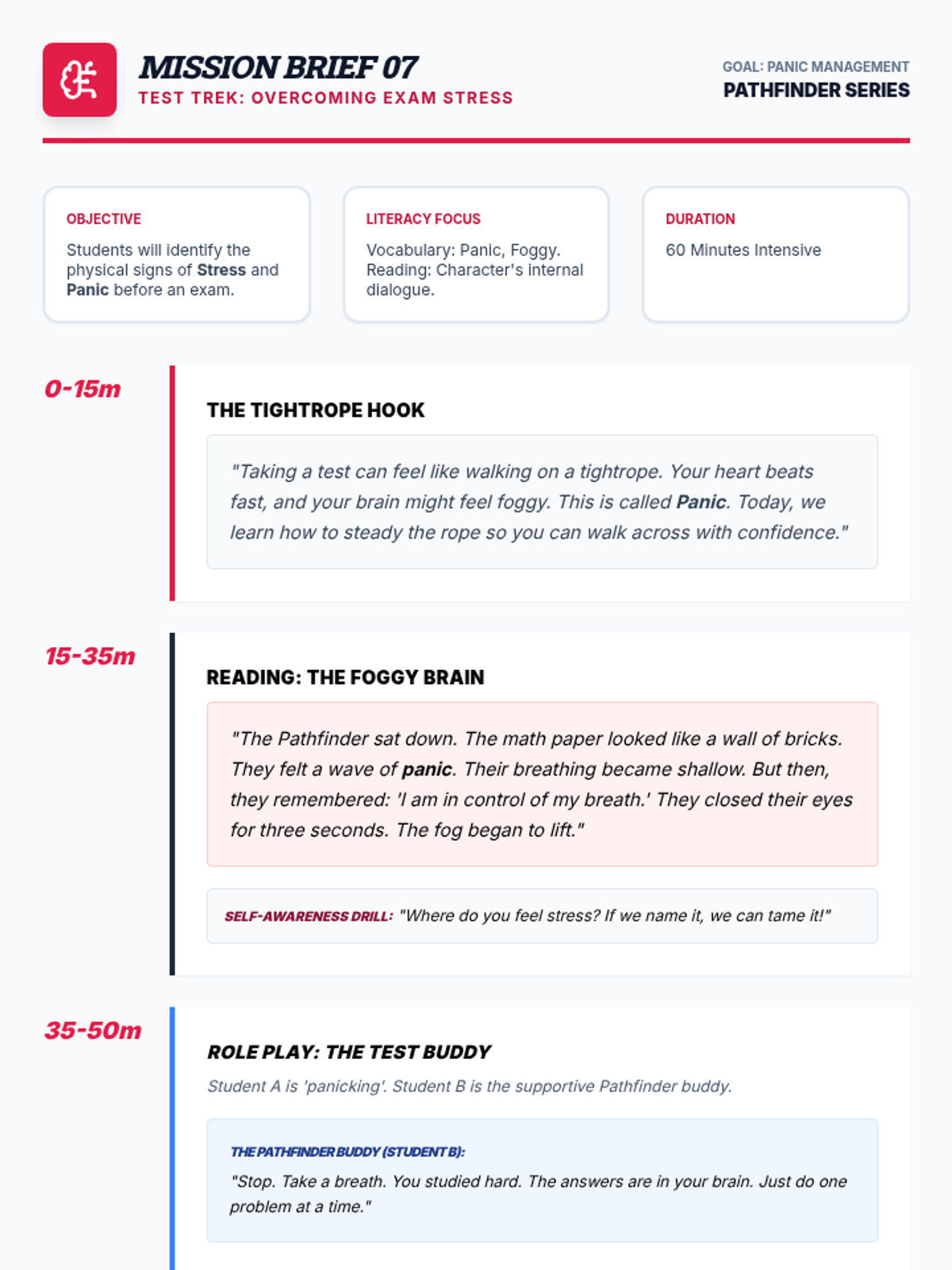
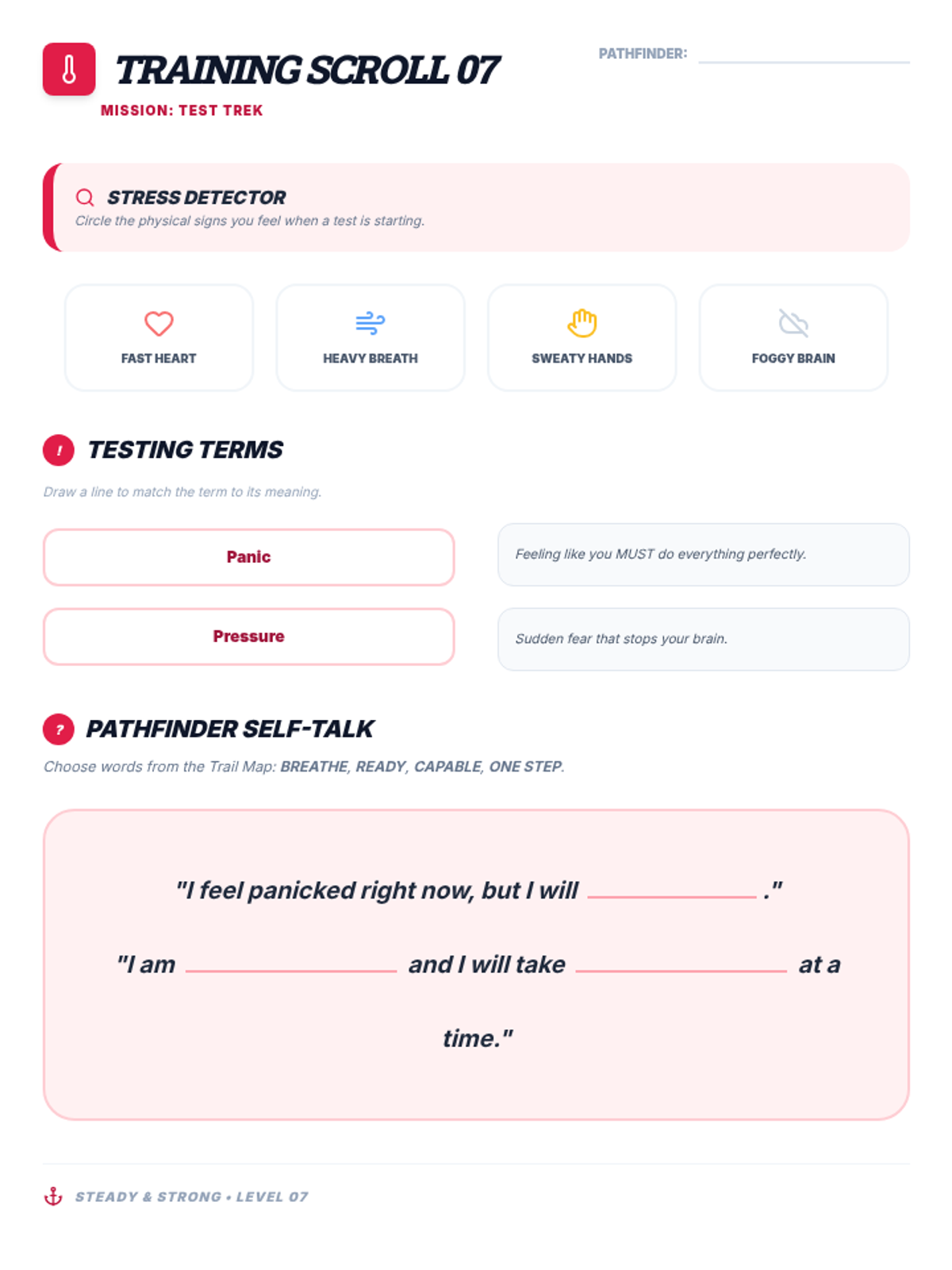
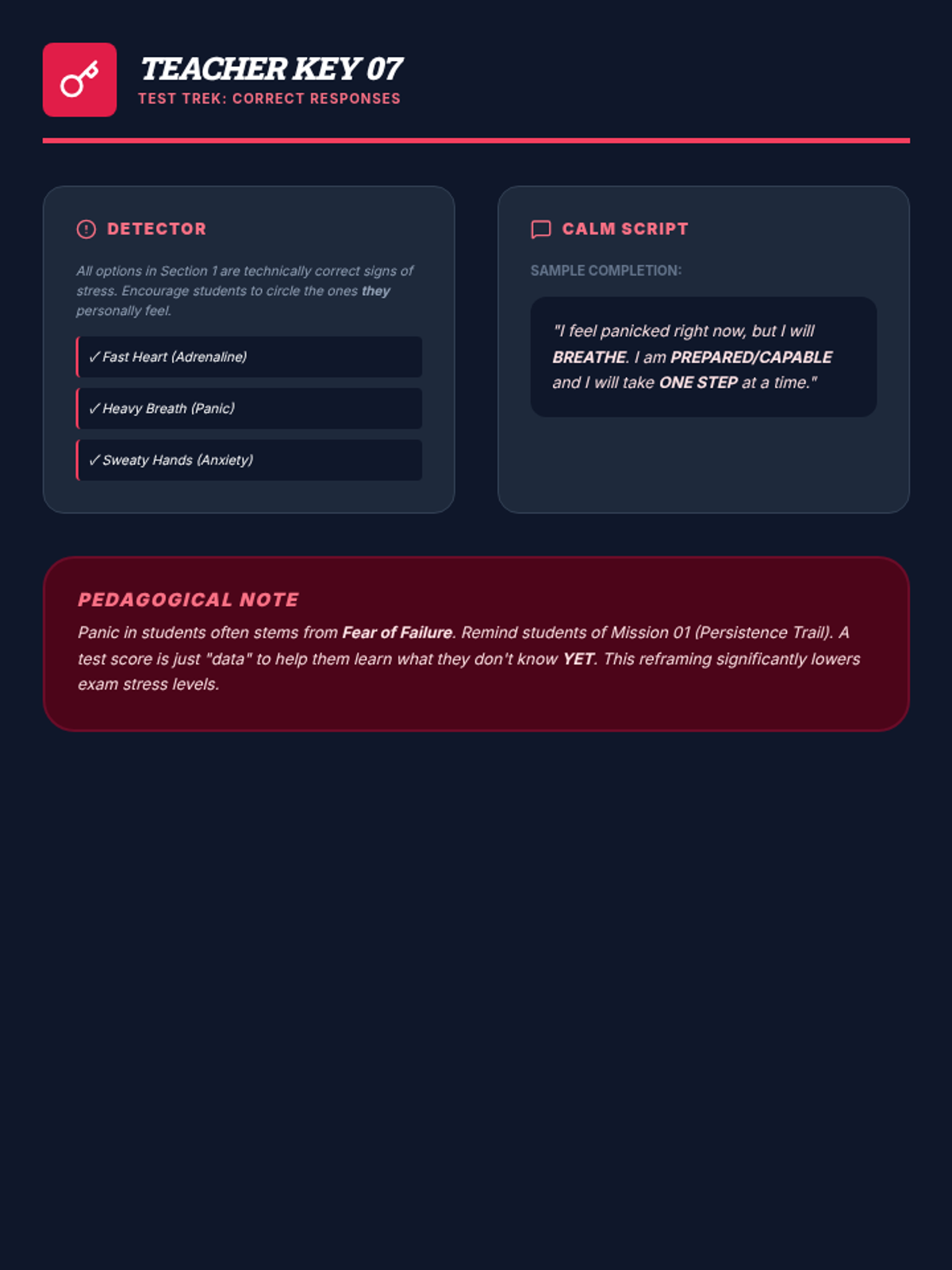
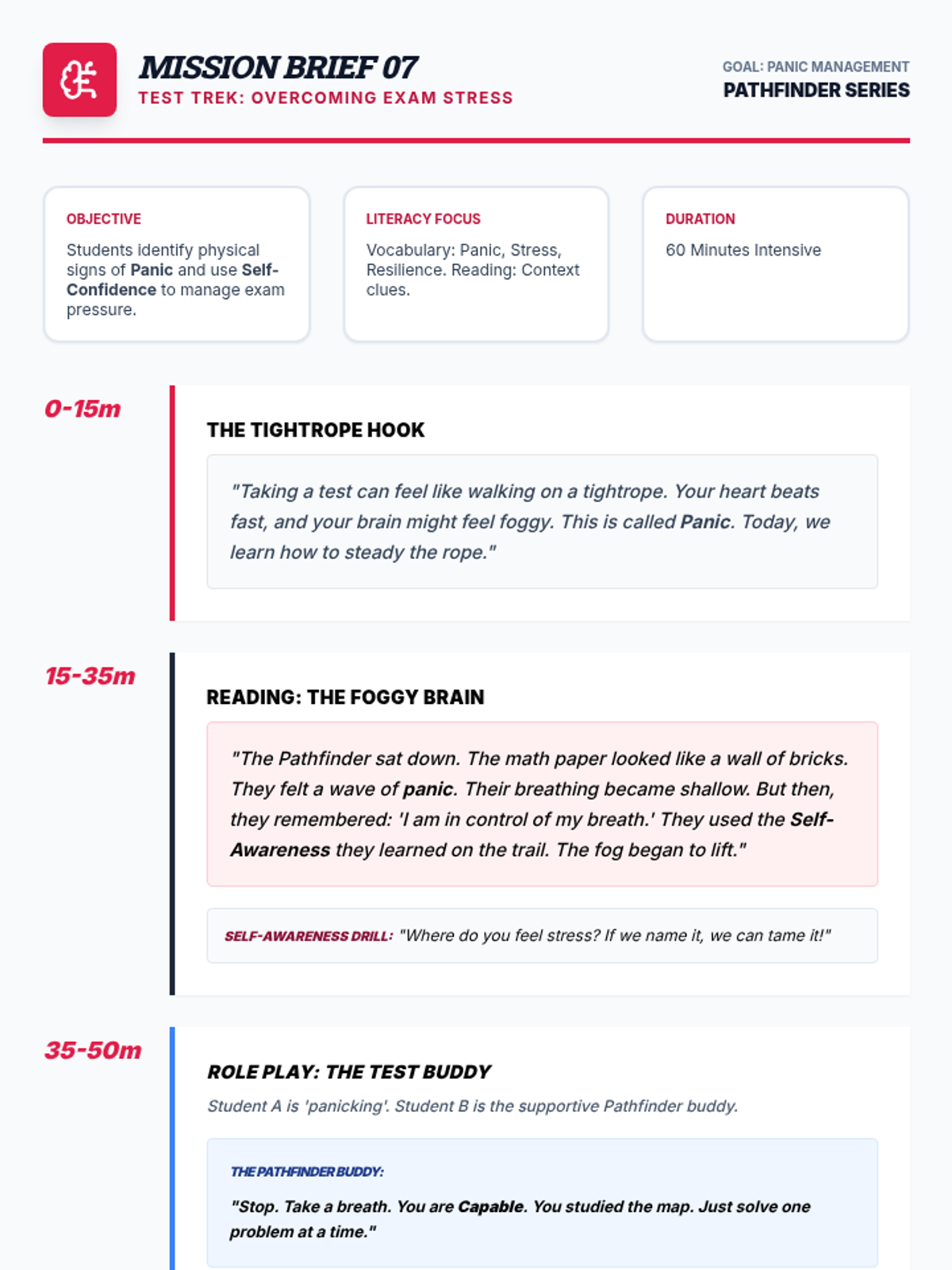
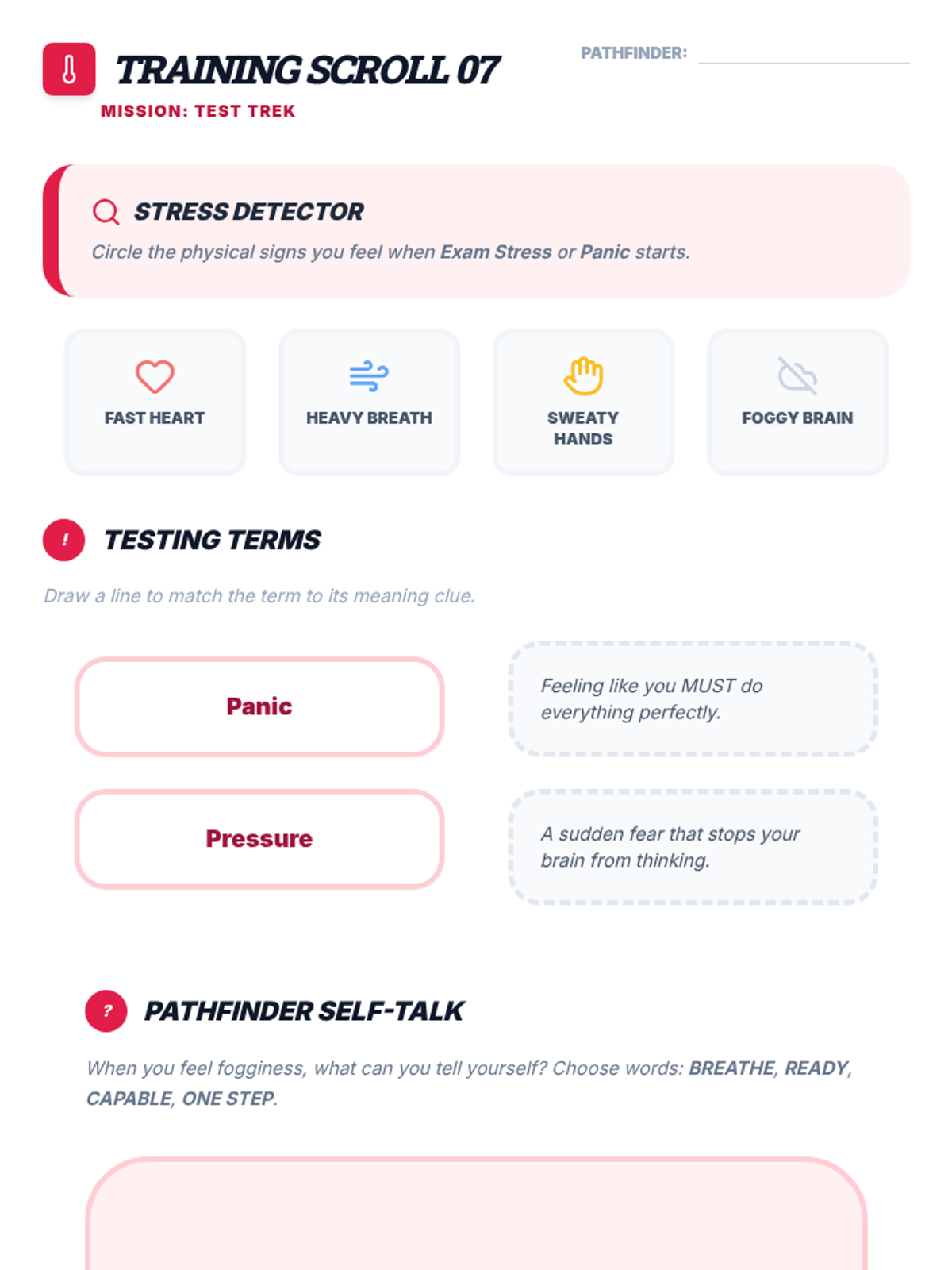
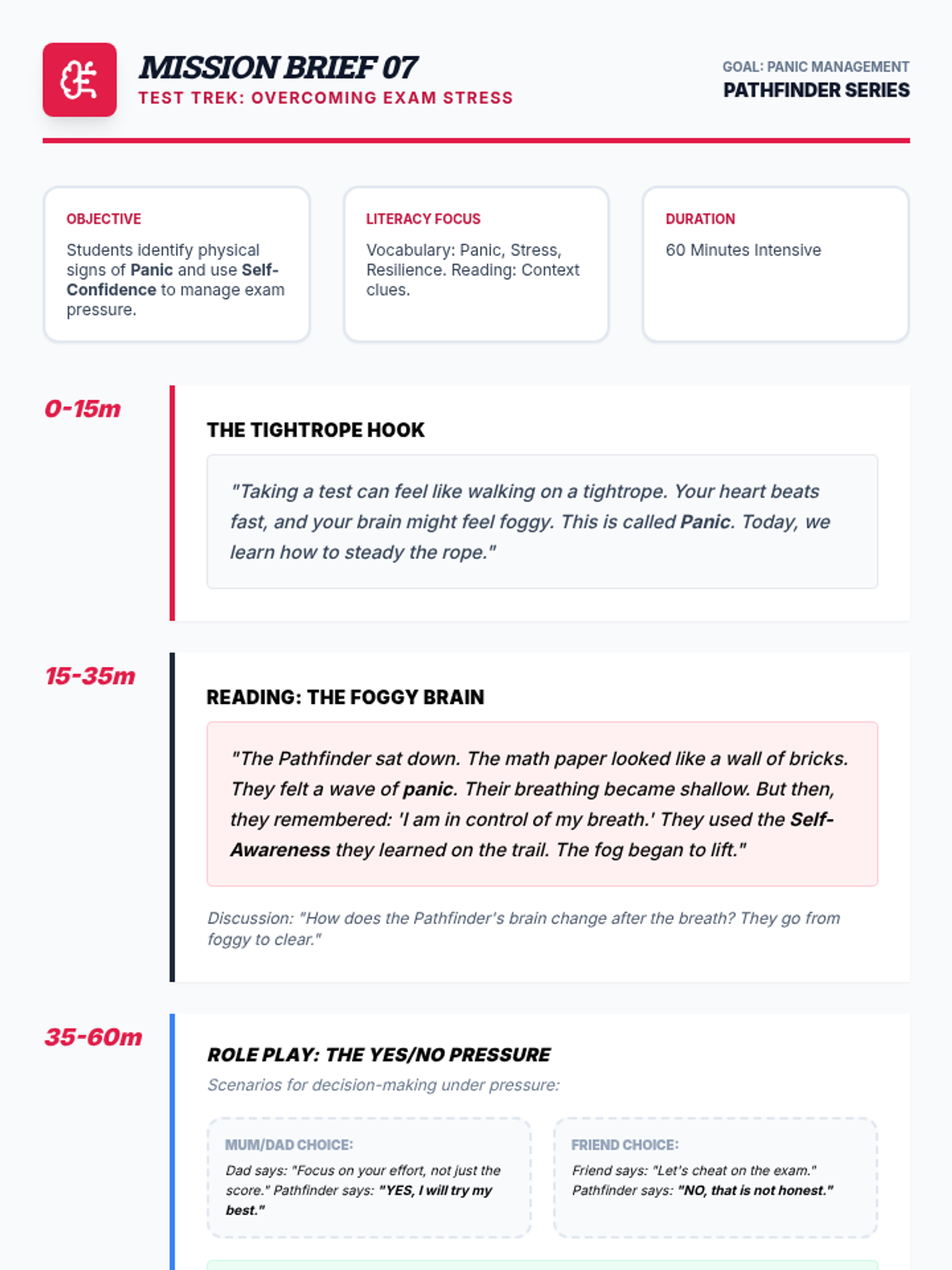
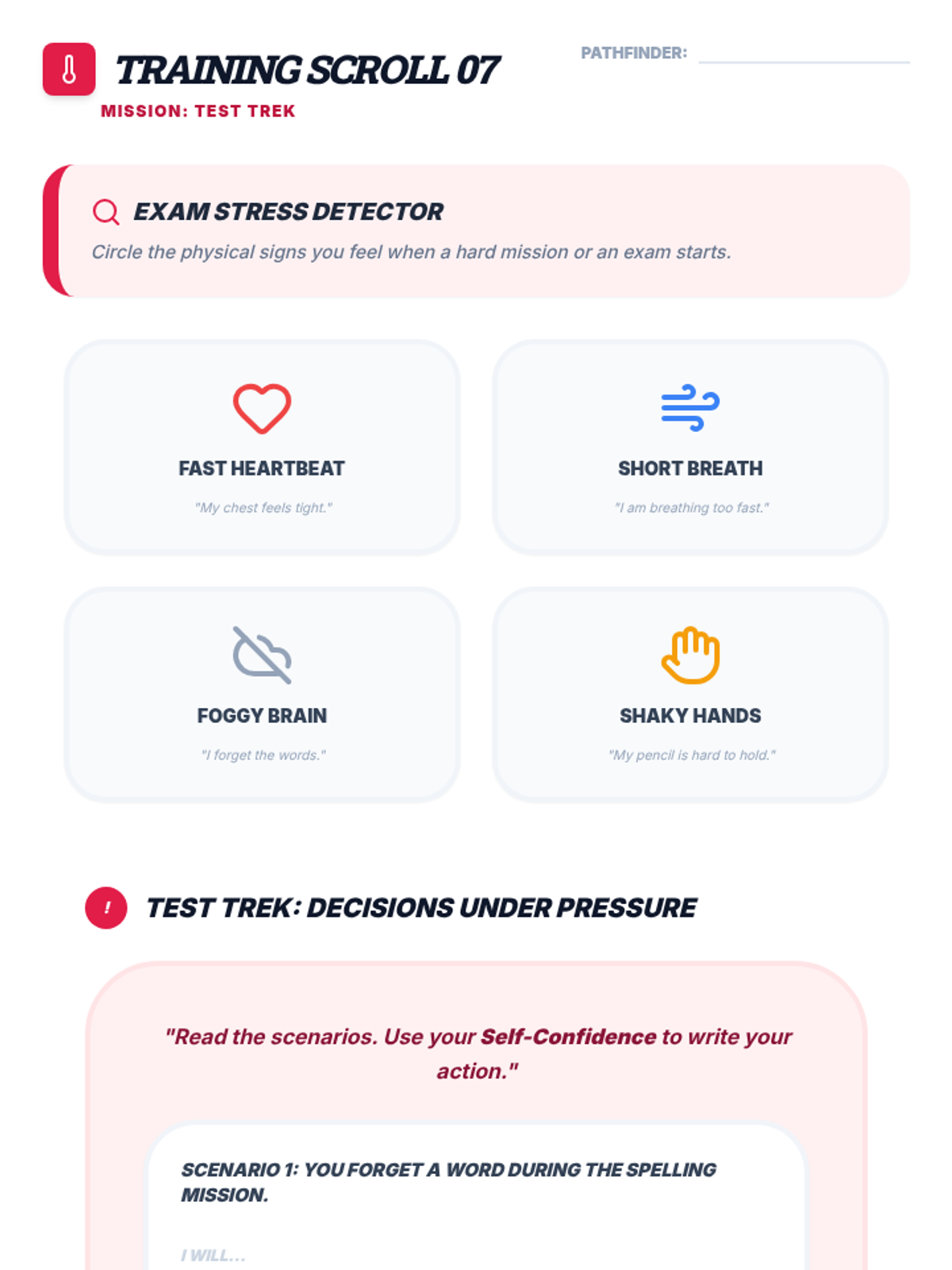
Practical tools for managing exam stress and academic pressure. Transitioning from panic to self-awareness.
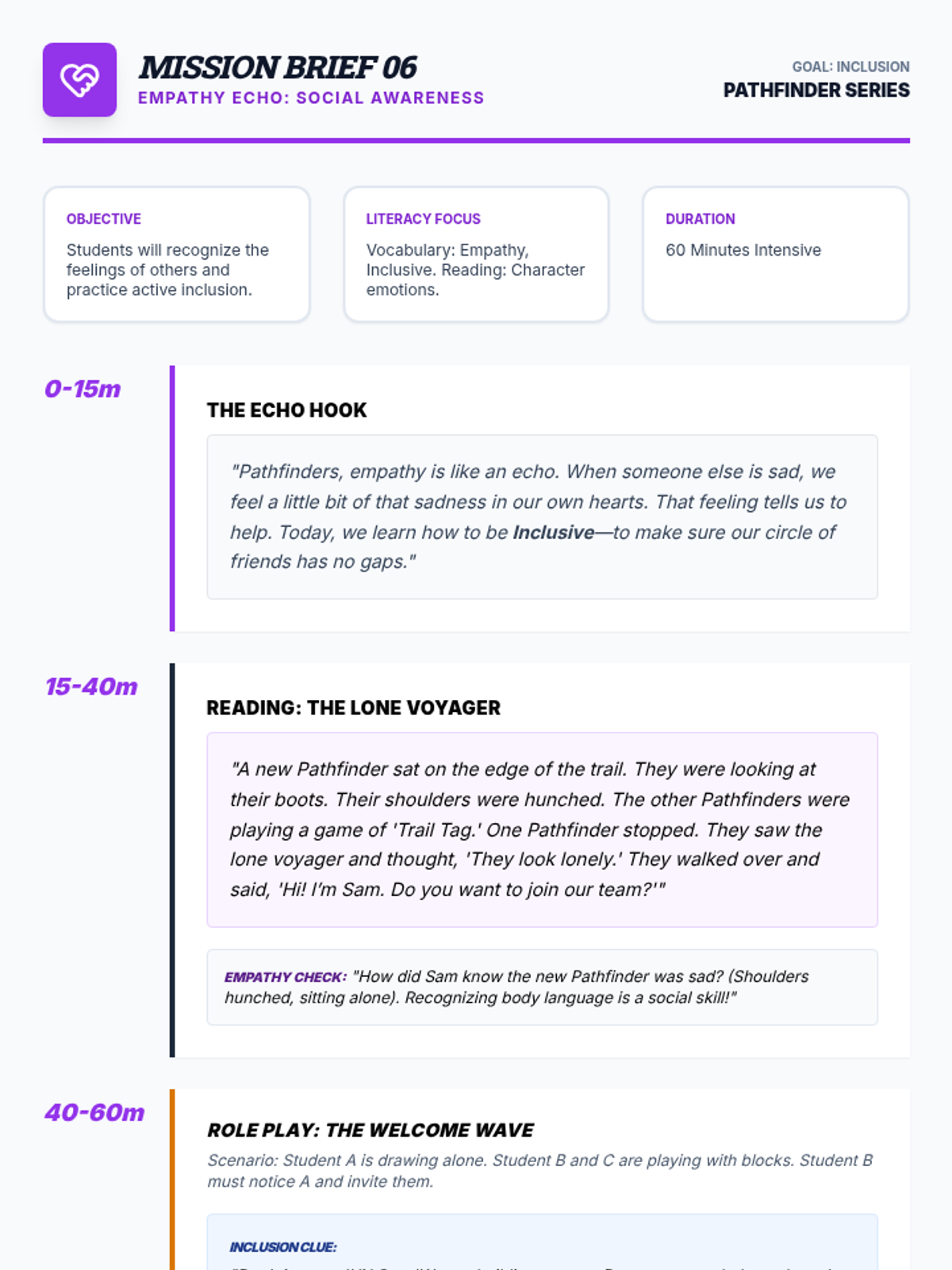
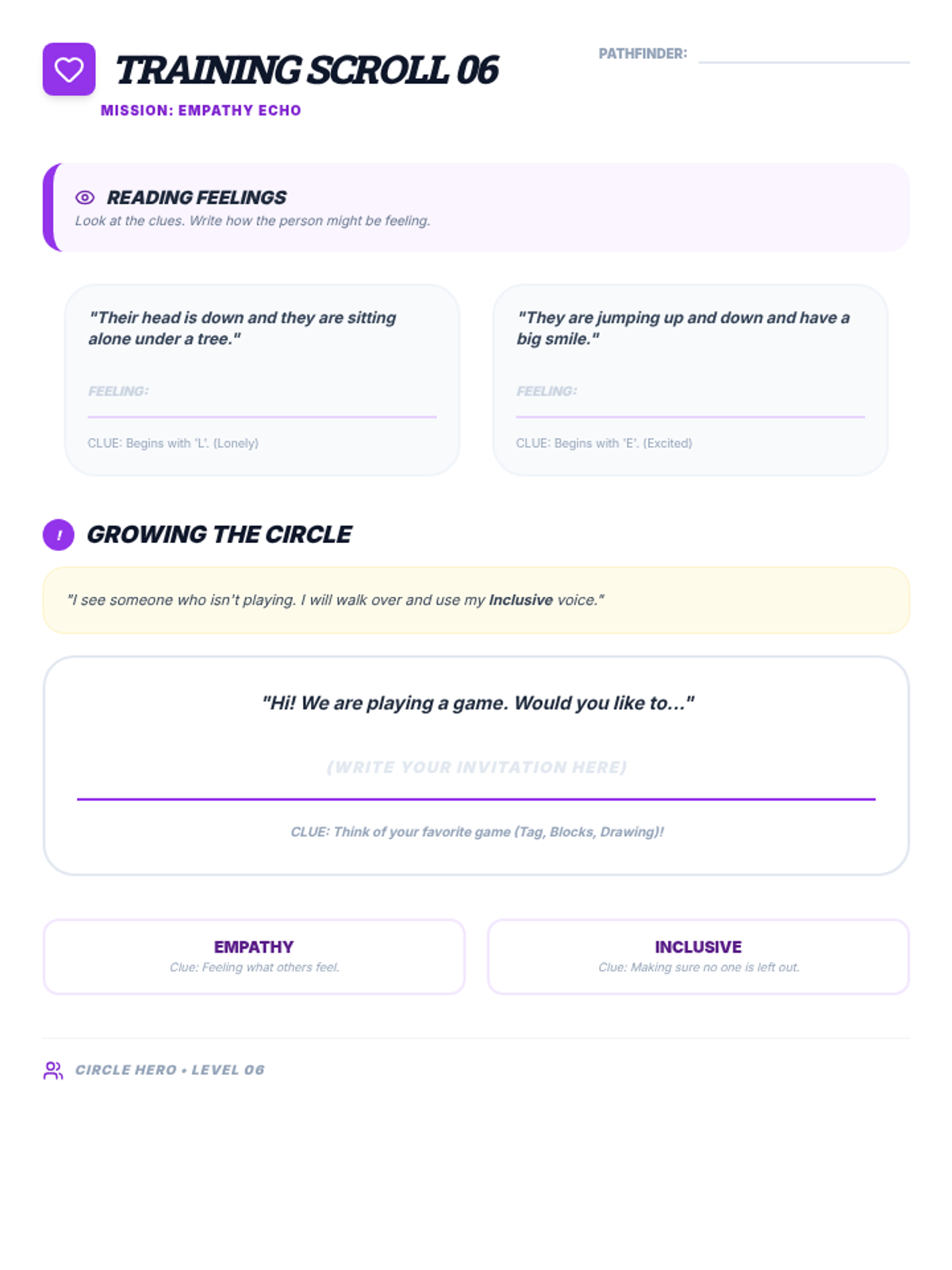
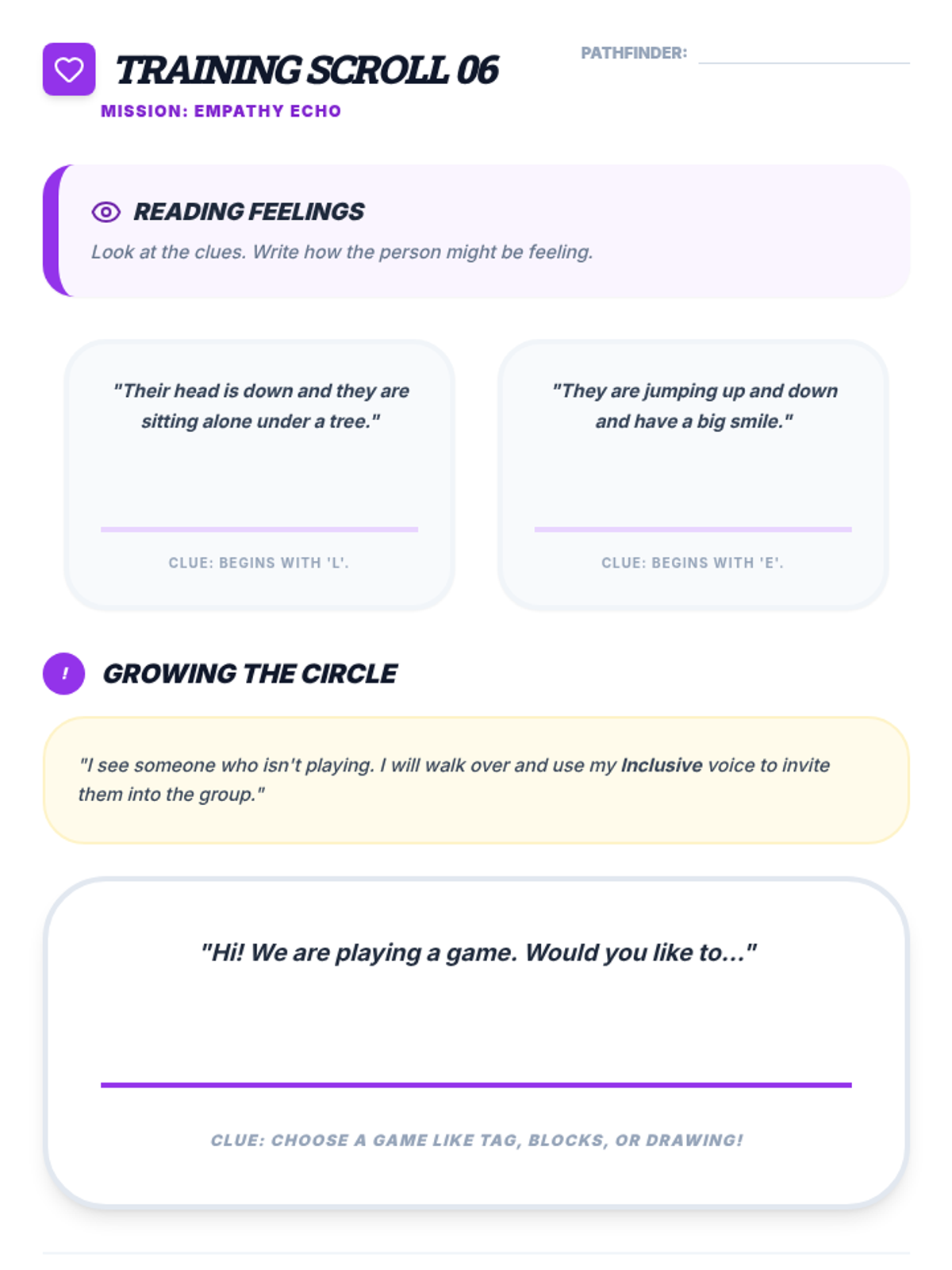
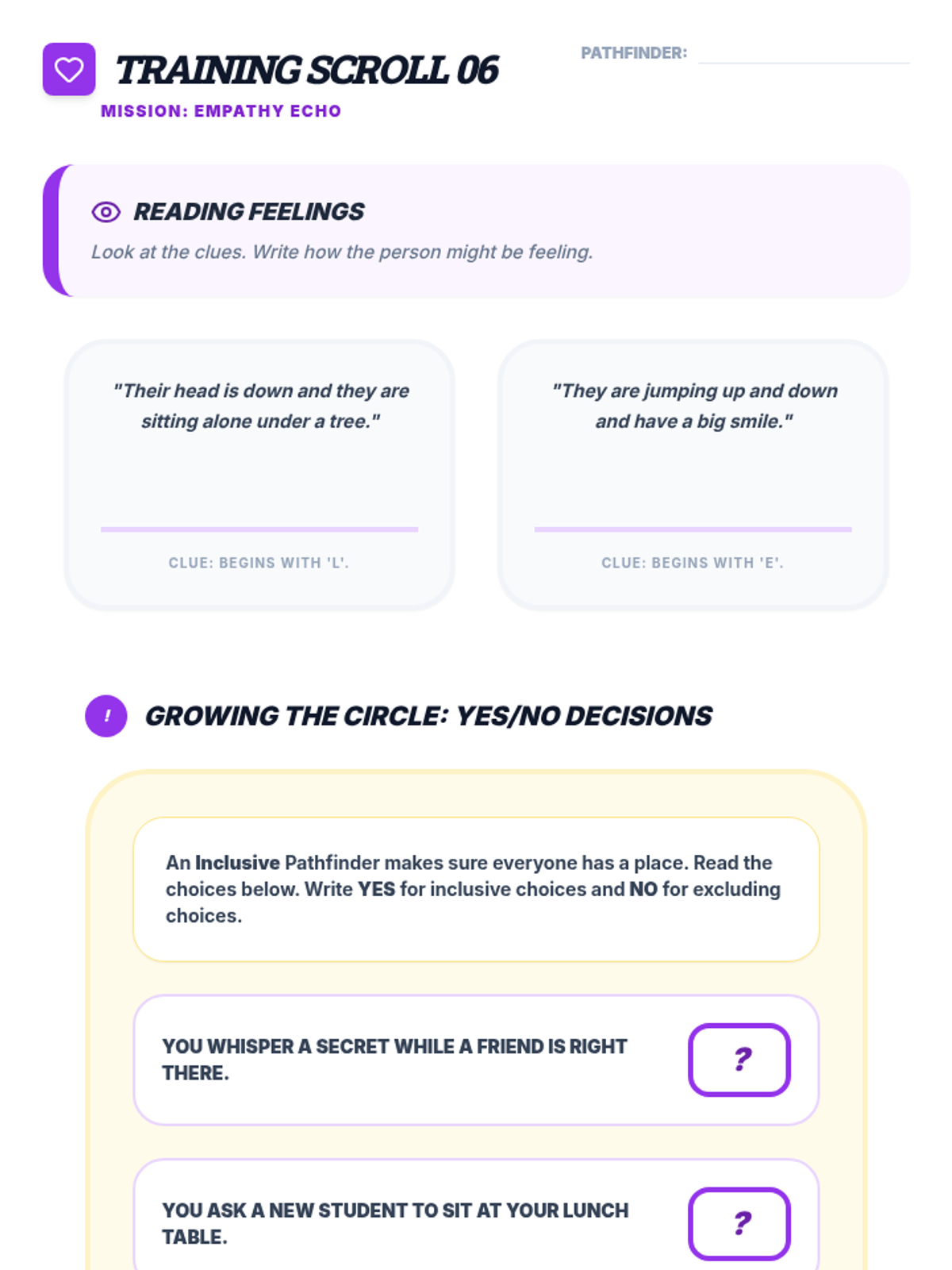
Developing empathy and social awareness to build an inclusive community.