Budgeting, saving, and investment strategies alongside practical skills for managing credit, taxes, and banking. Addresses insurance needs, employment income, and major purchase decisions to support comprehensive long-term financial planning.
Students learn to use a calculator to add up the prices of grocery items, following a visual step-by-step guide to ensure accuracy in a real-world shopping scenario.
A hands-on introduction to basic budgeting and grocery shopping. Students practice identifying prices, comparing costs, and making simple purchasing decisions using dollars and cents with high visual support.
A series of foundational worksheets designed to help early learners distinguish between currency (money) and non-monetary items like toys and stickers. Through sorting, coloring, and identifying, students build an understanding of what constitutes a medium of exchange.
A practical lesson focused on the real-world social skills of ordering food, communicating with workers, and navigating a public restaurant space with confidence.
An interactive role-playing lesson where students practice food vocabulary and social skills by simulating a grocery shopping experience. Students take on roles as shopkeepers and customers to use target language in a functional context.
A hands-on activity where kindergarteners practice social skills and basic math by 'shopping' for food items. students will cut out colorful food cards to use in a classroom grocery store simulation.
A functional life skills lesson focused on identifying currency, making simple change, and basic budgeting for independent living.
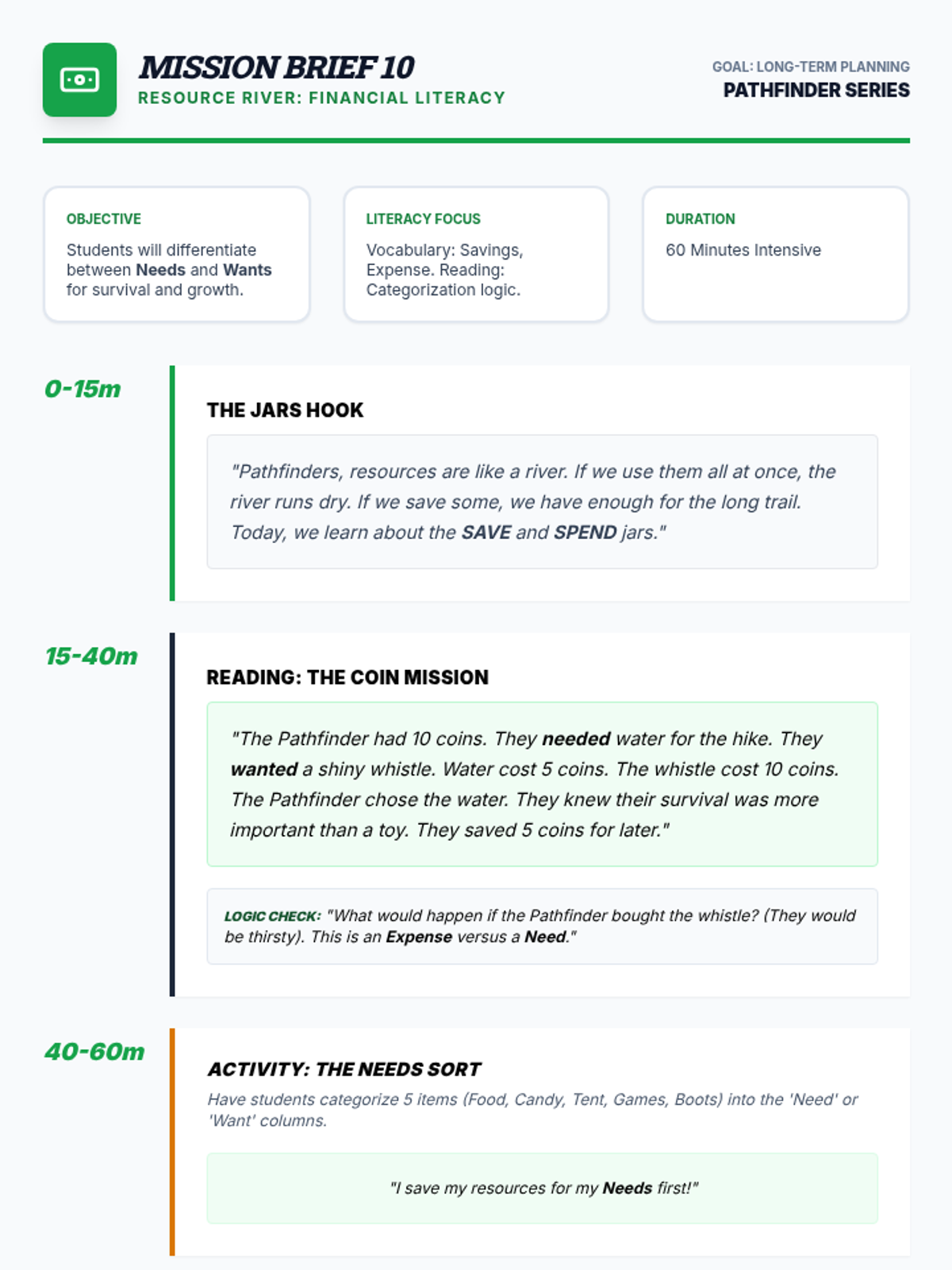
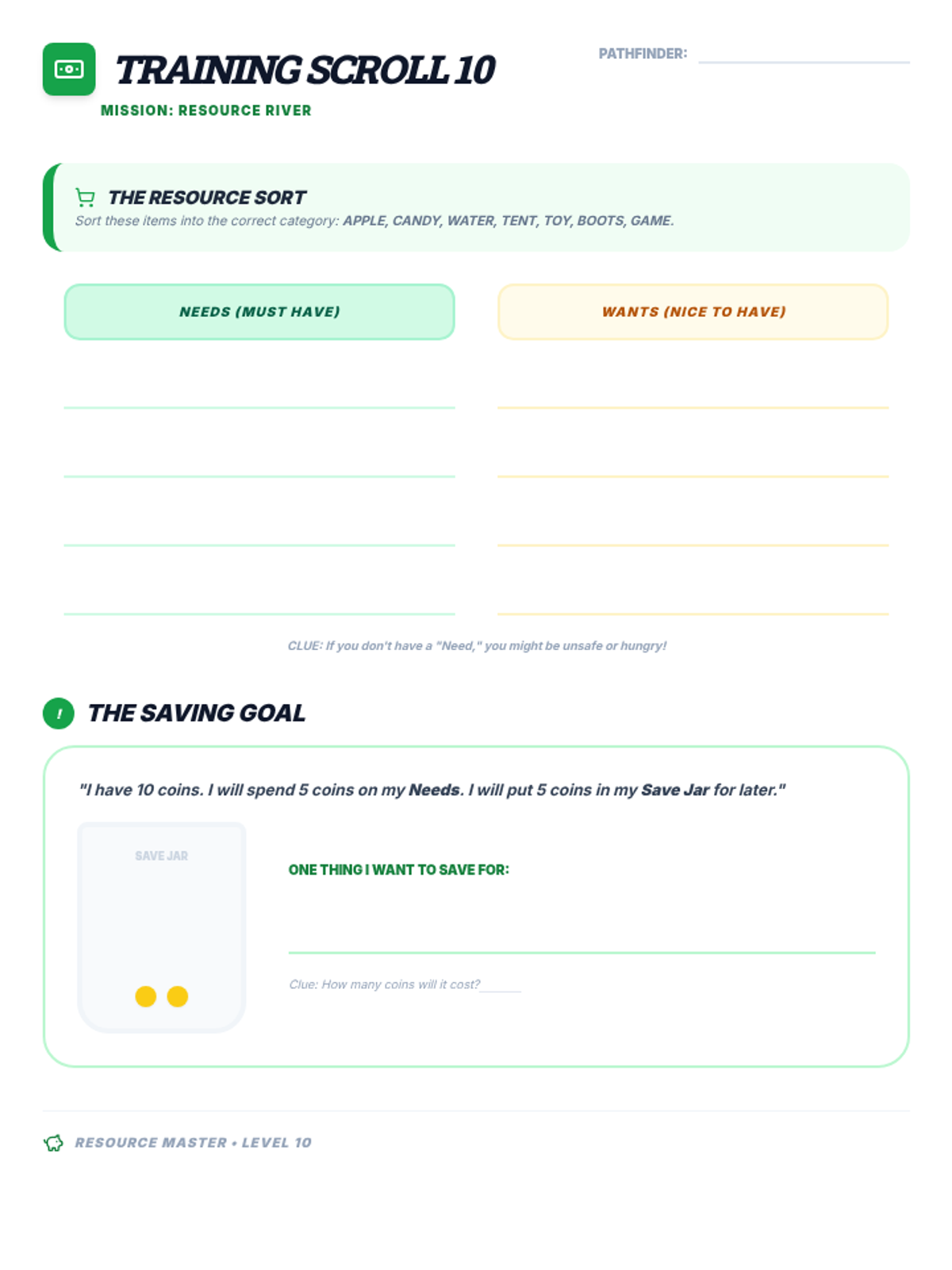
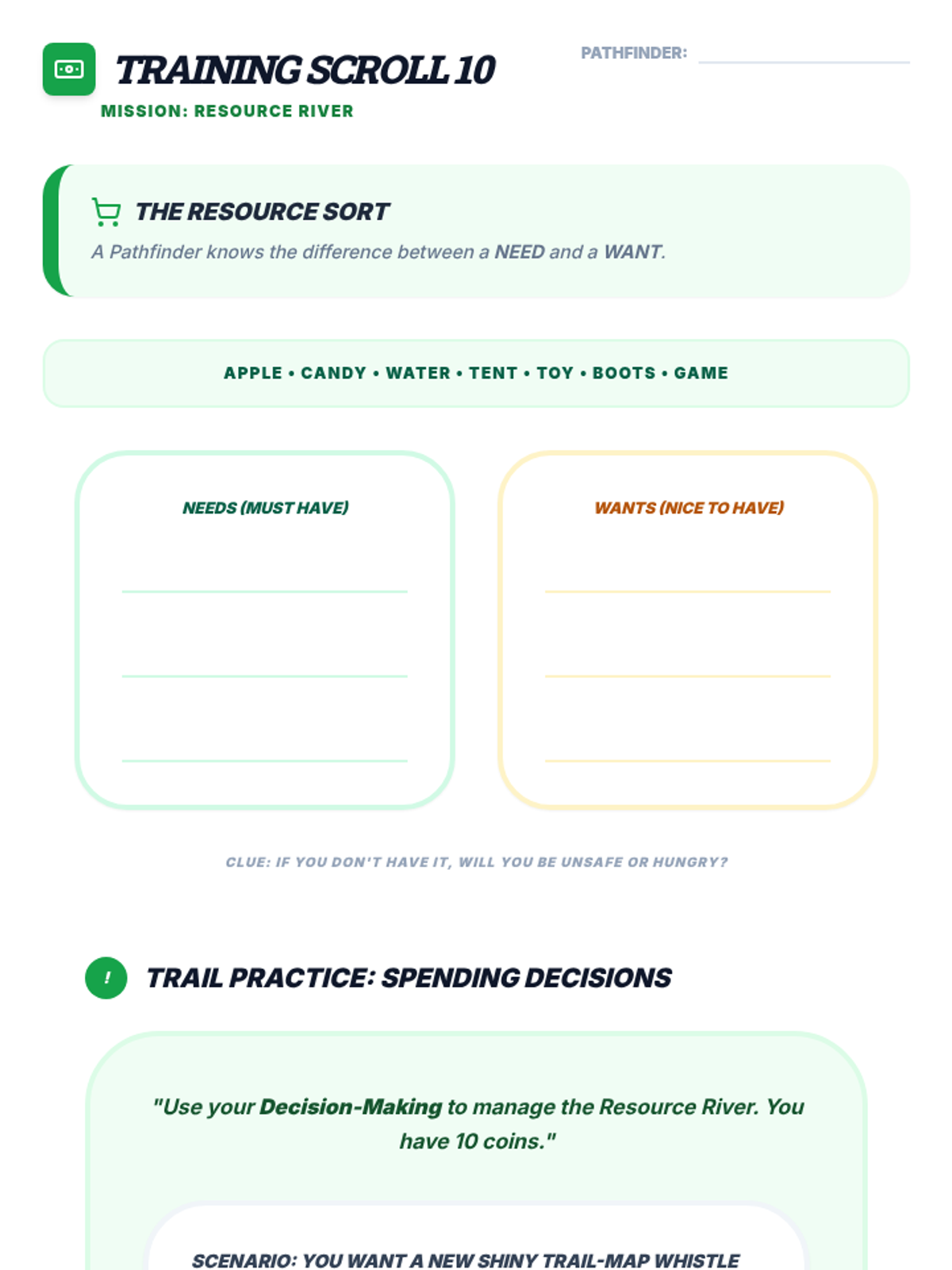
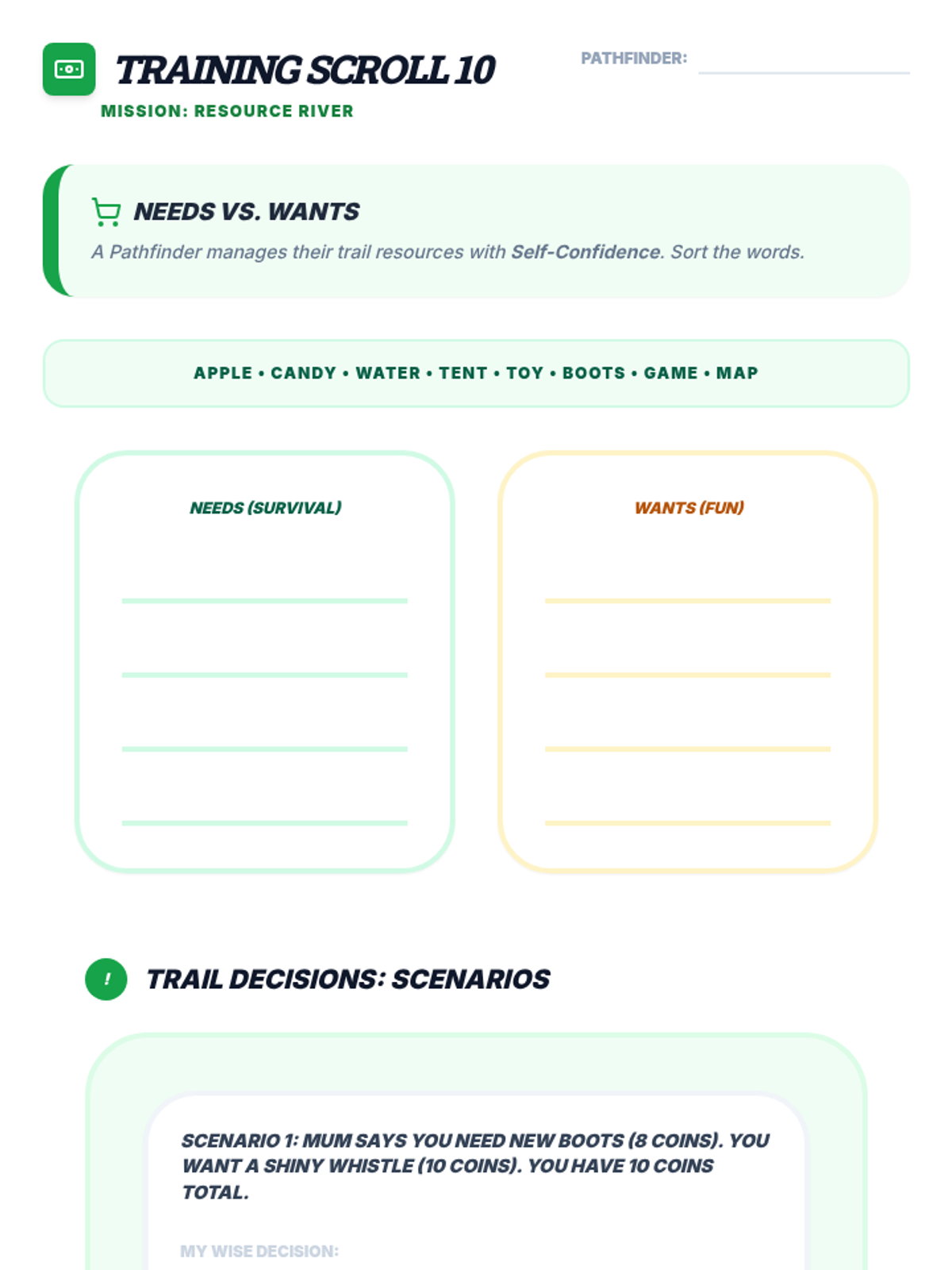
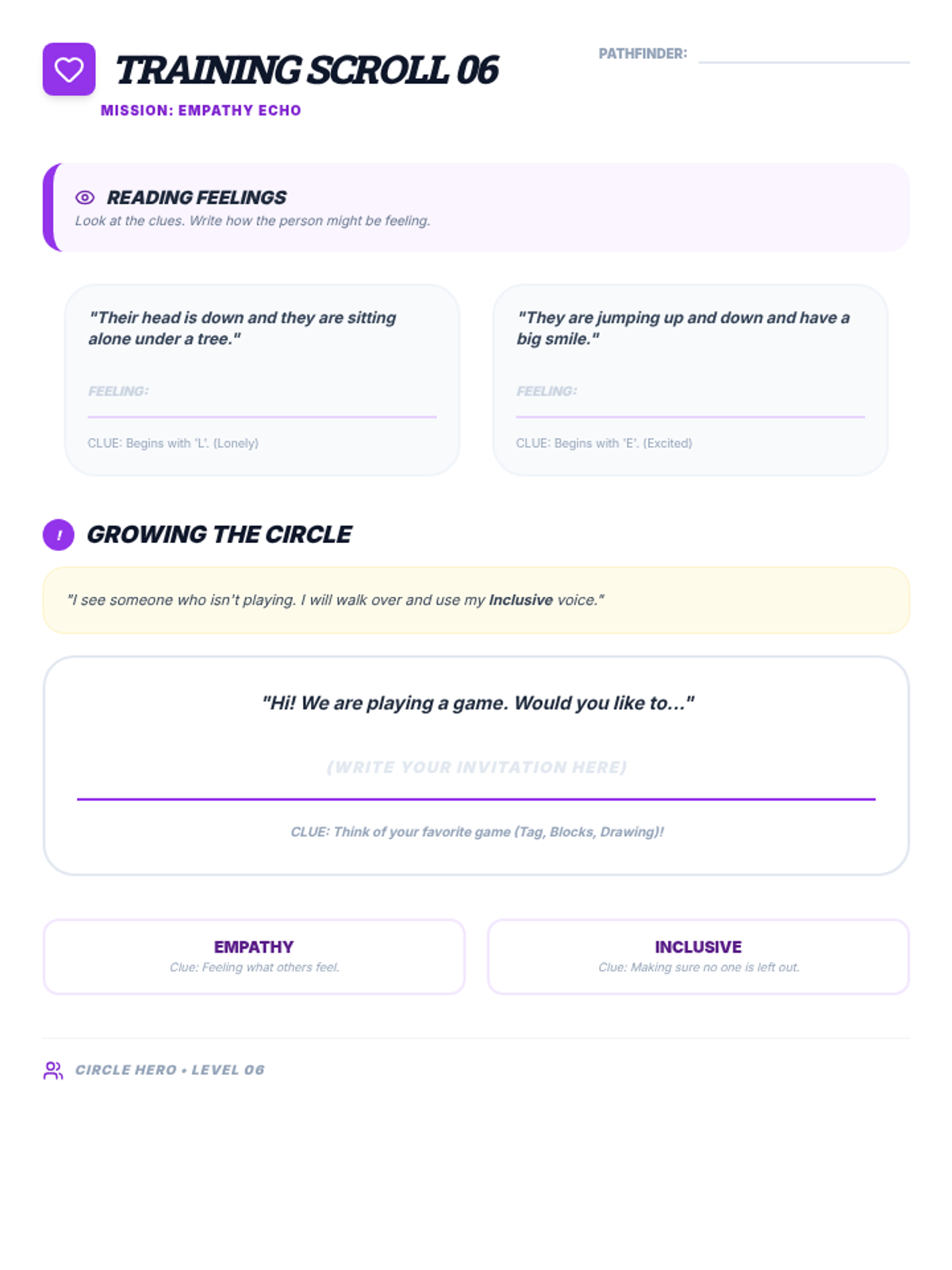
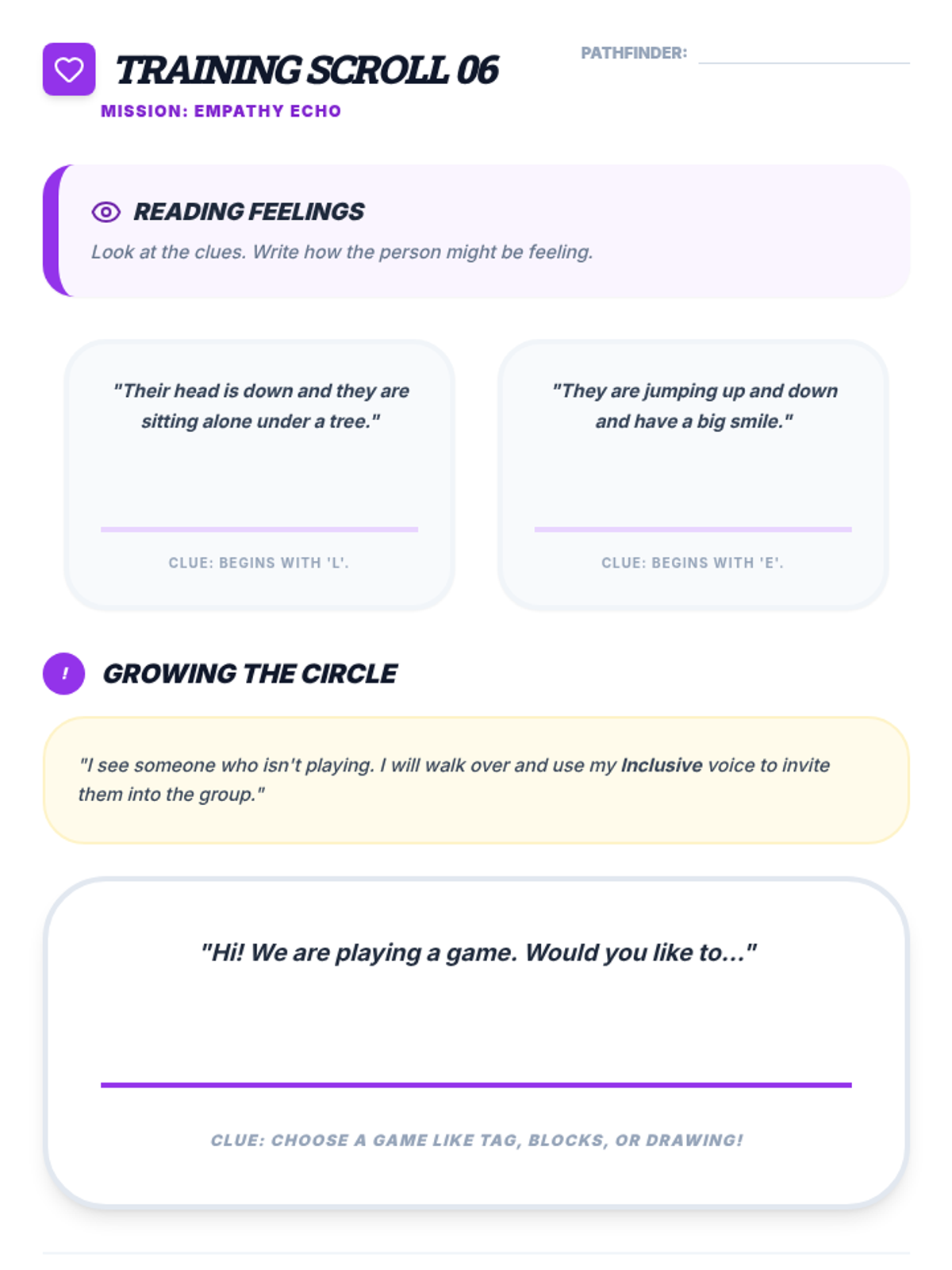
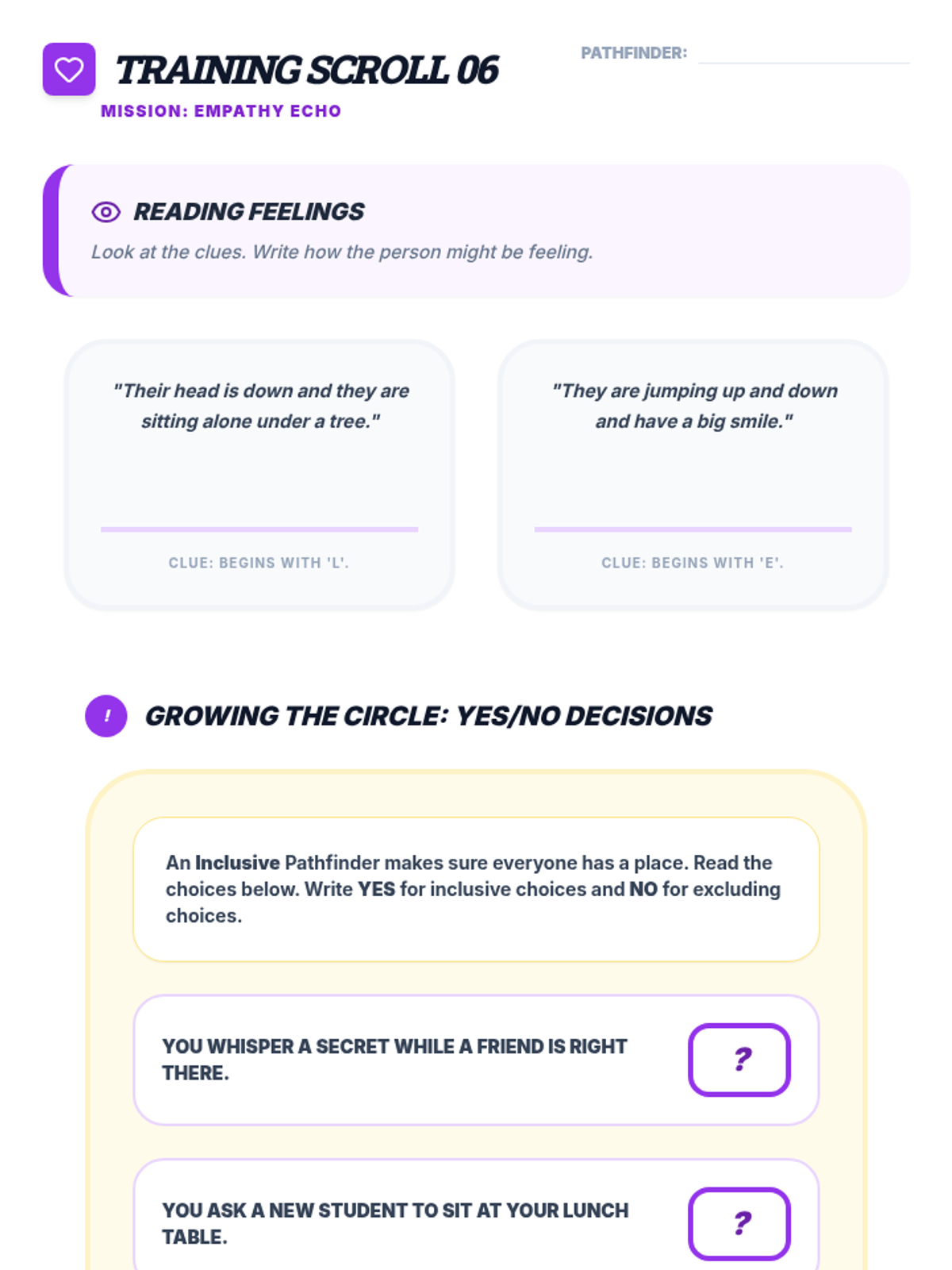
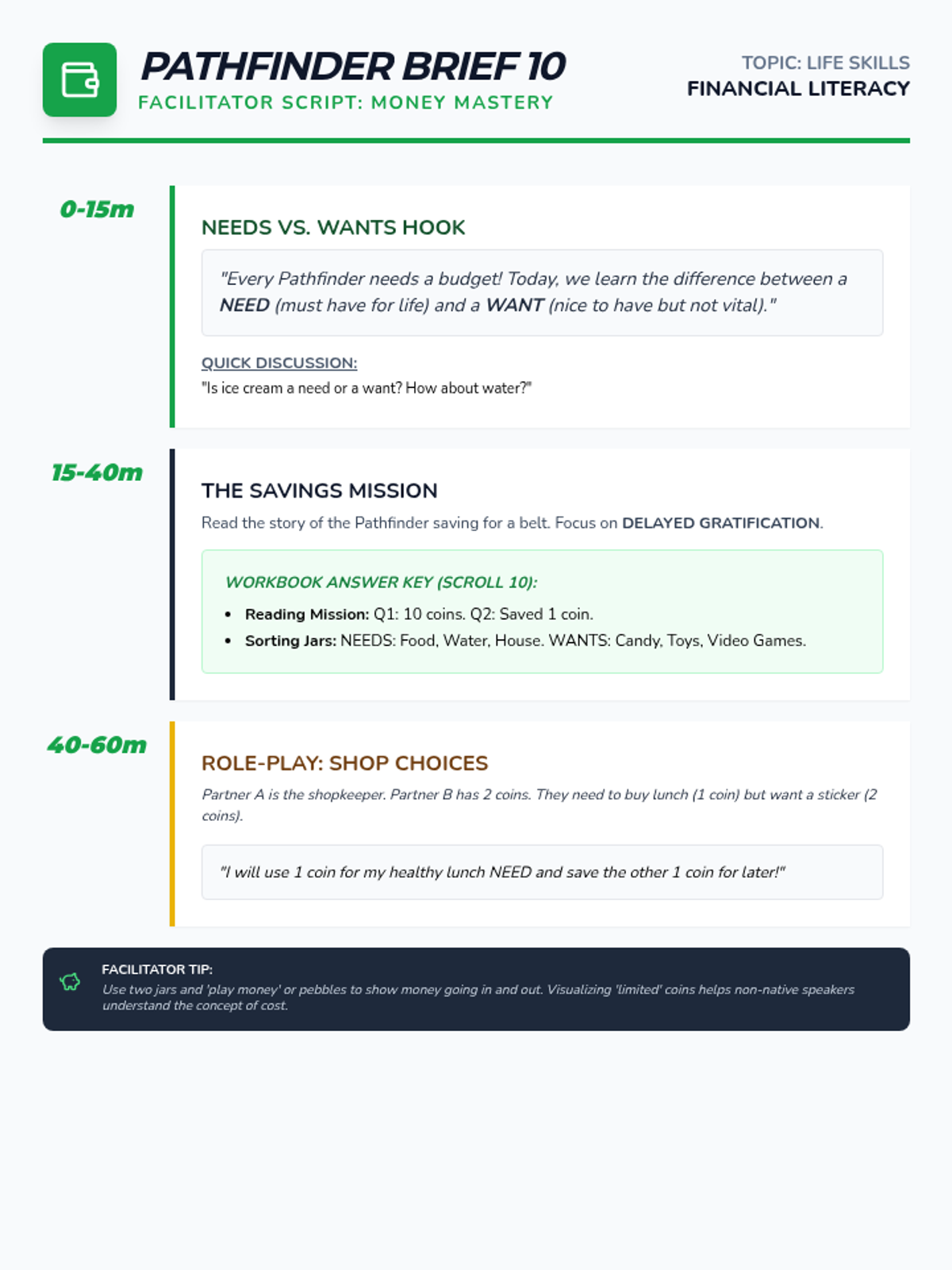
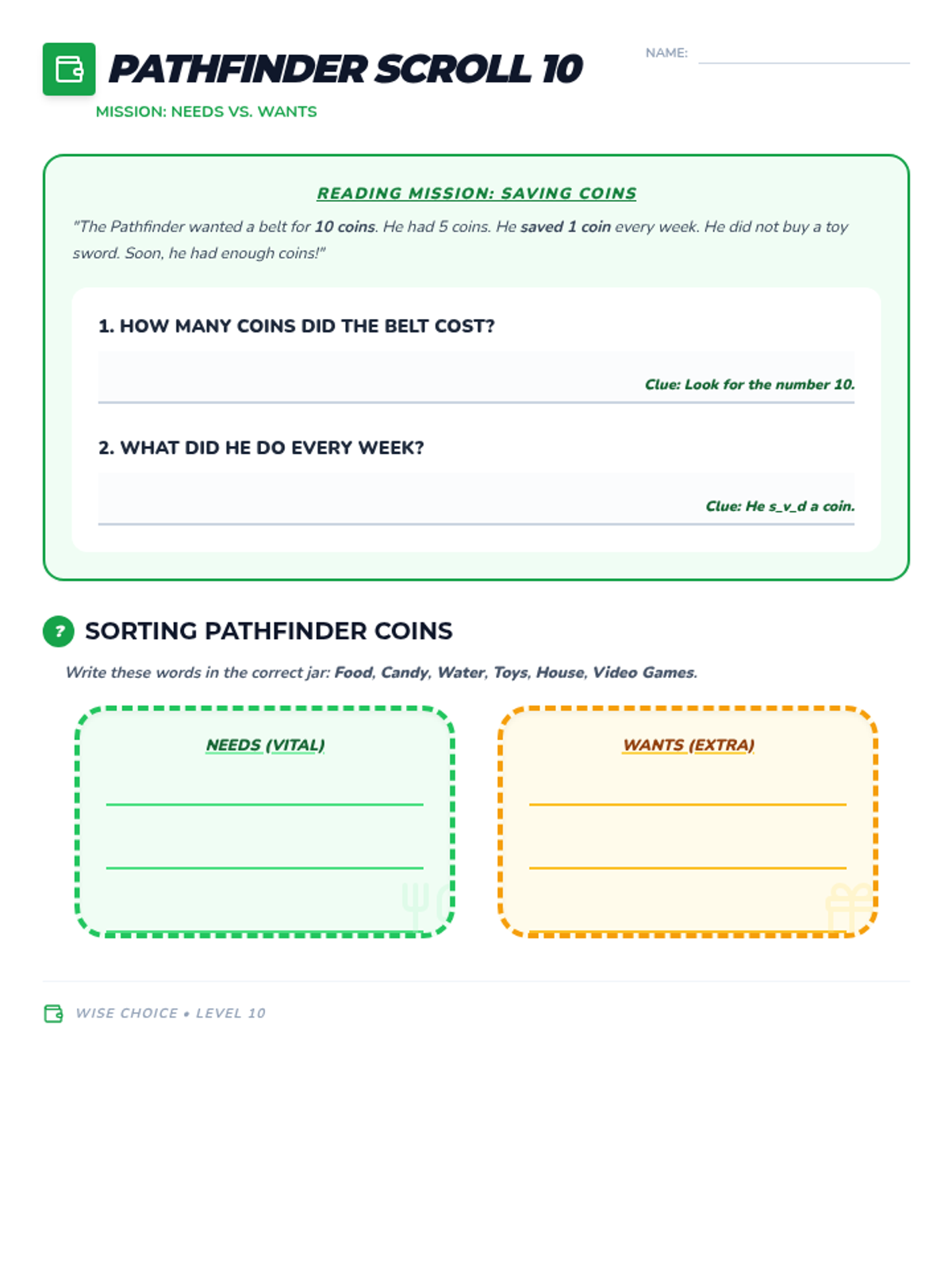
A primary-level lesson exploring the differences between essential needs, personal wants, and future hopes, including how we feel when needs aren't met.
The class achieves their savings goal and 'spends' it on the agreed reward. A reflection circle helps students connect the effort of waiting with the joy of the final reward.
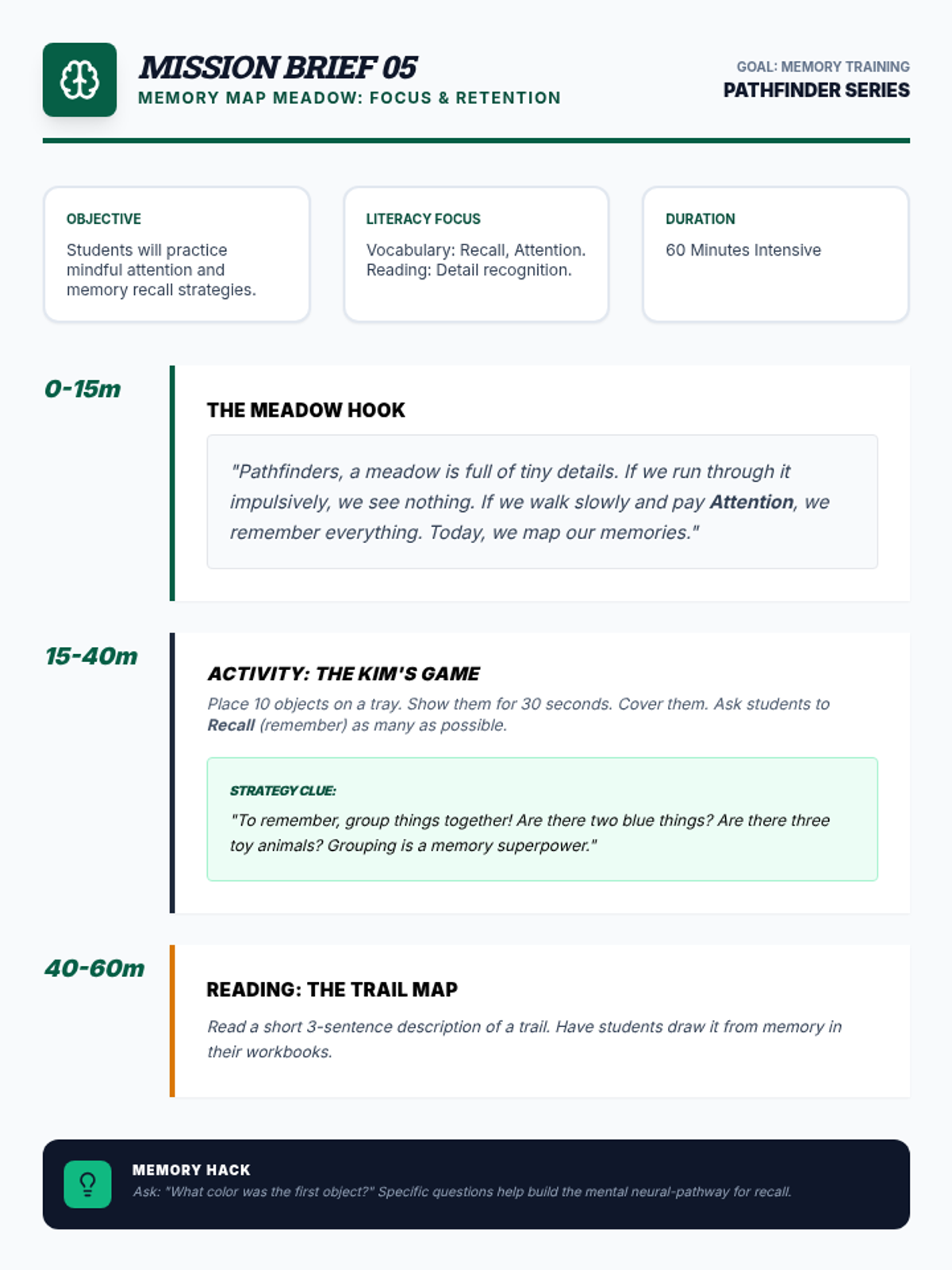
Students use a sticker chart or token system to 'save' toward a class party or reward. They practice adding to the total each day, visualizing accumulation.
Students draw a simple shopping list that includes three needs and one want. They role-play a shopping trip where they must find the needs first before picking the want.
Students cut pictures from magazines to create a 'Needs vs. Wants' T-chart collage. They present one item from each side to a partner, explaining their classification.
The class reads a story where a character spends all their money on wants and lacks a need. Students discuss the character's feelings and suggest better choices the character could have made.
Learners are given a limited number of 'votes' to select items from a mixed group of needs and wants. They must work together to ensure the needs are selected first before using votes on wants.
Students present their 'best buy' to the class, practicing the skill of justifying a financial decision.
Pairs of students apply their comparison skills to solve real-world snack-buying scenarios within a budget.
Students test the durability of different materials to understand that 'value' often comes from how long an item lasts.
Introduction to price tags and the concept of cost, helping students understand that similar items can have different price points.
Students examine pairs of similar items to identify differences in size, color, and function, building the vocabulary needed for comparison.
A culminating market simulation where students make final purchasing decisions and verbalize their trade-offs.
Students use beans as currency to practice staying within a fixed budget for a pretend room.
In small centers, students experience the 'cost' of their time by choosing one activity over another.
Students play a physical game to understand that choosing one thing means giving up another.
Students explore the idea that money runs out and we cannot buy everything available using a sticker simulation.
Students participate in a sorting game to categorize familiar items as 'needs' (things to live) or 'wants' (things for fun).
A culminating activity where the classroom becomes a store, allowing students to practice transactions as shoppers and cashiers.
Students practice reading price tags and identifying if they have enough play money to purchase simple items.
Introduction of a token economy where students earn 'class cash' and learn about the choice between spending and saving.
Students learn the difference between paying for a tangible item (good) and paying someone to do something (service) through role-play.