Mindful breathing and body scan meditation techniques integrated with daily self-care routines. Develops strategies for balancing life demands and advocating for personal wellness needs.
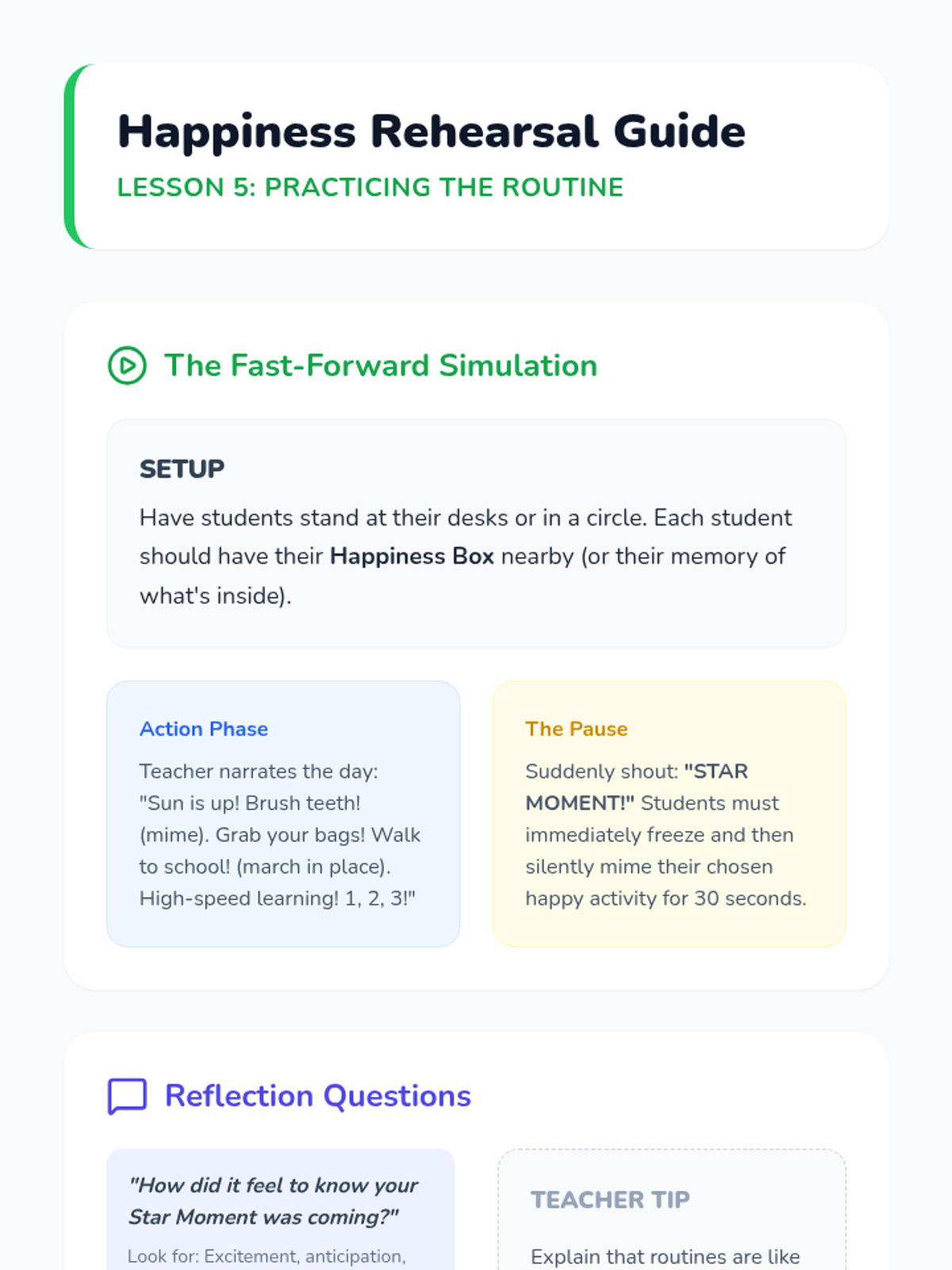
The class participates in a 'fast-forward' simulation of their daily routine, practicing their planned positive moments and reflecting on the benefits of anticipation.
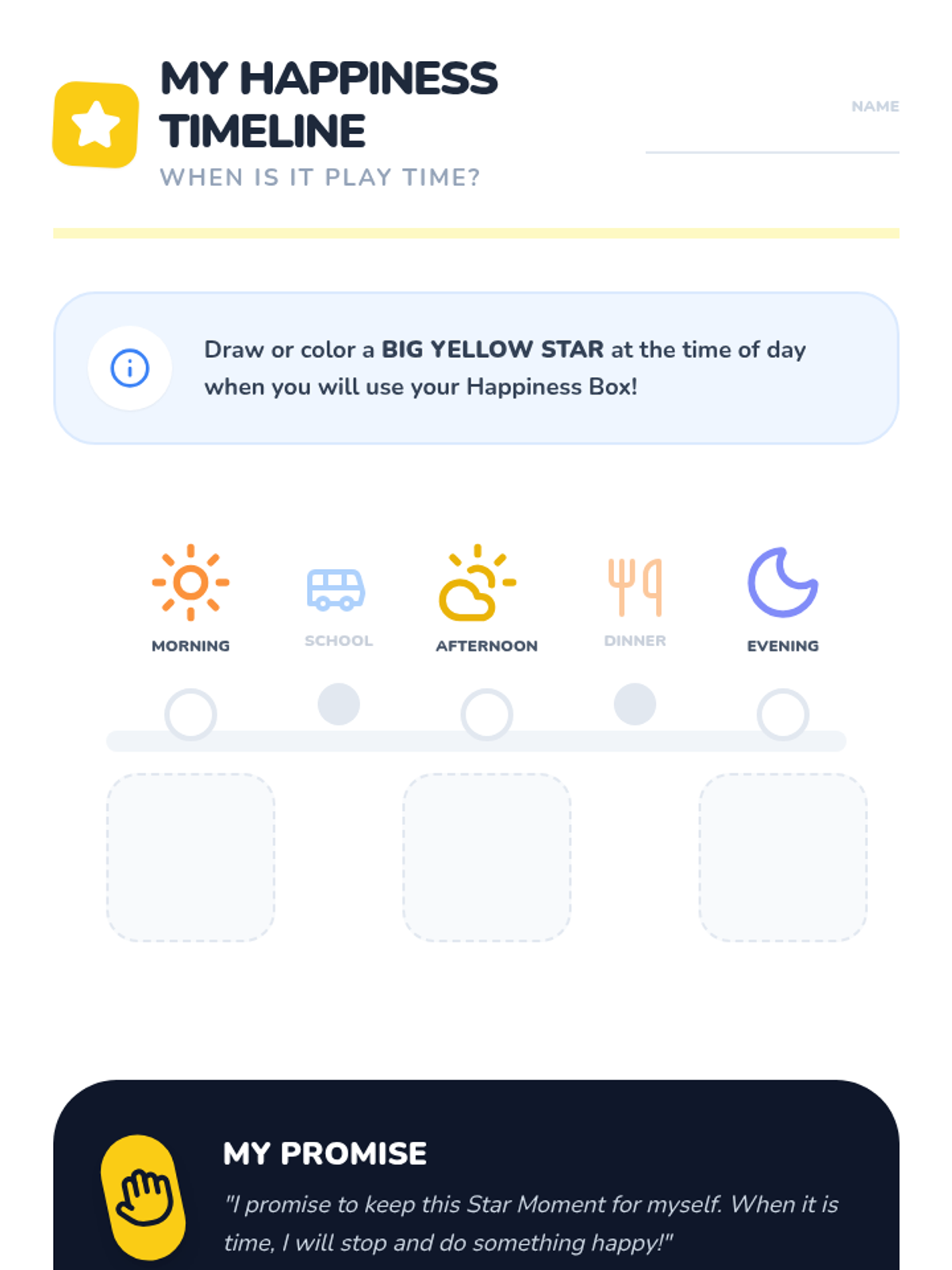
Students use a visual timeline to schedule a 'Positive Pause' and learn the importance of keeping promises to themselves for daily happiness.
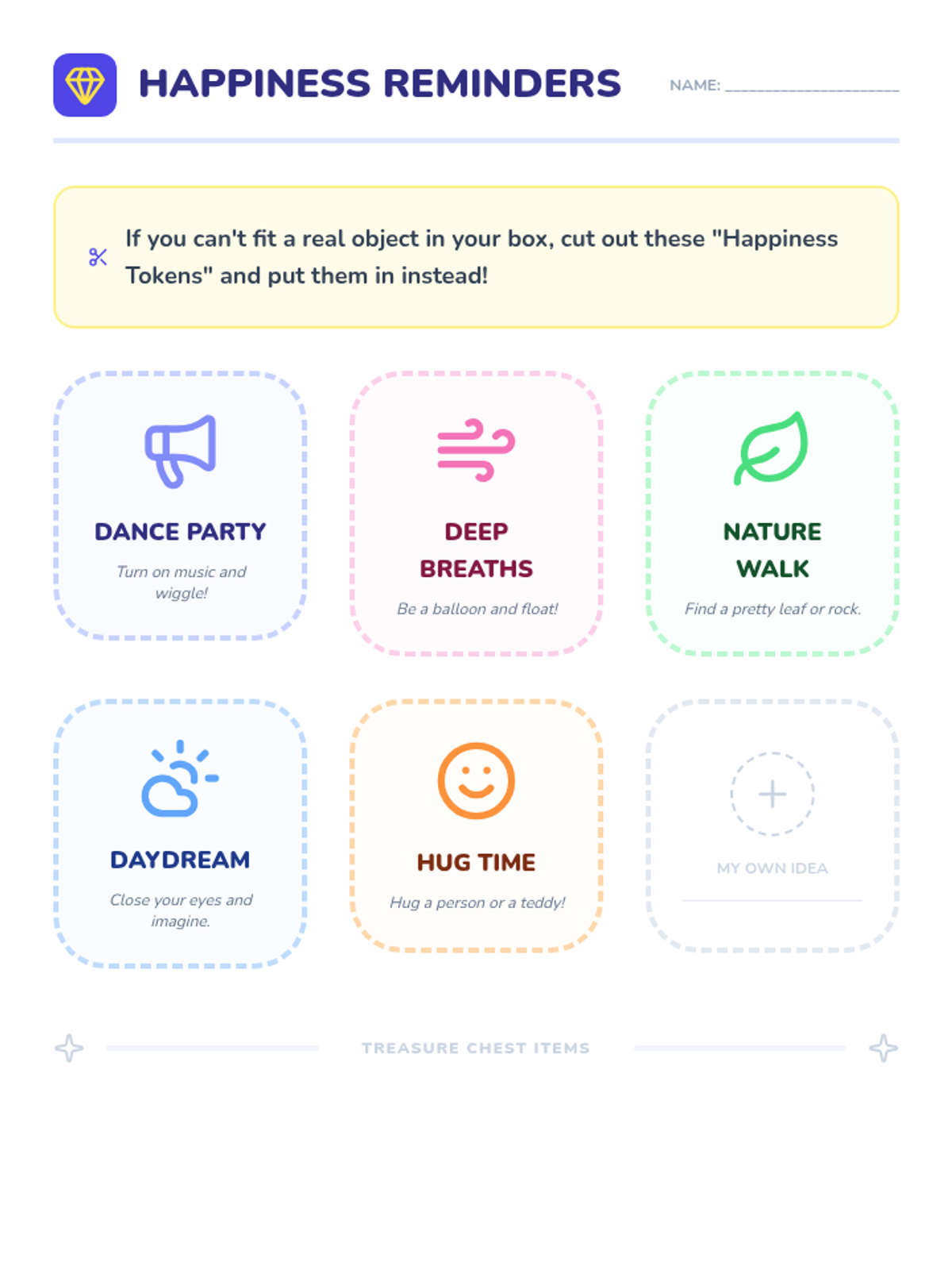
Students construct and decorate a 'Happiness Box' to hold physical reminders of positive activities, creating a tangible commitment to emotional well-being.
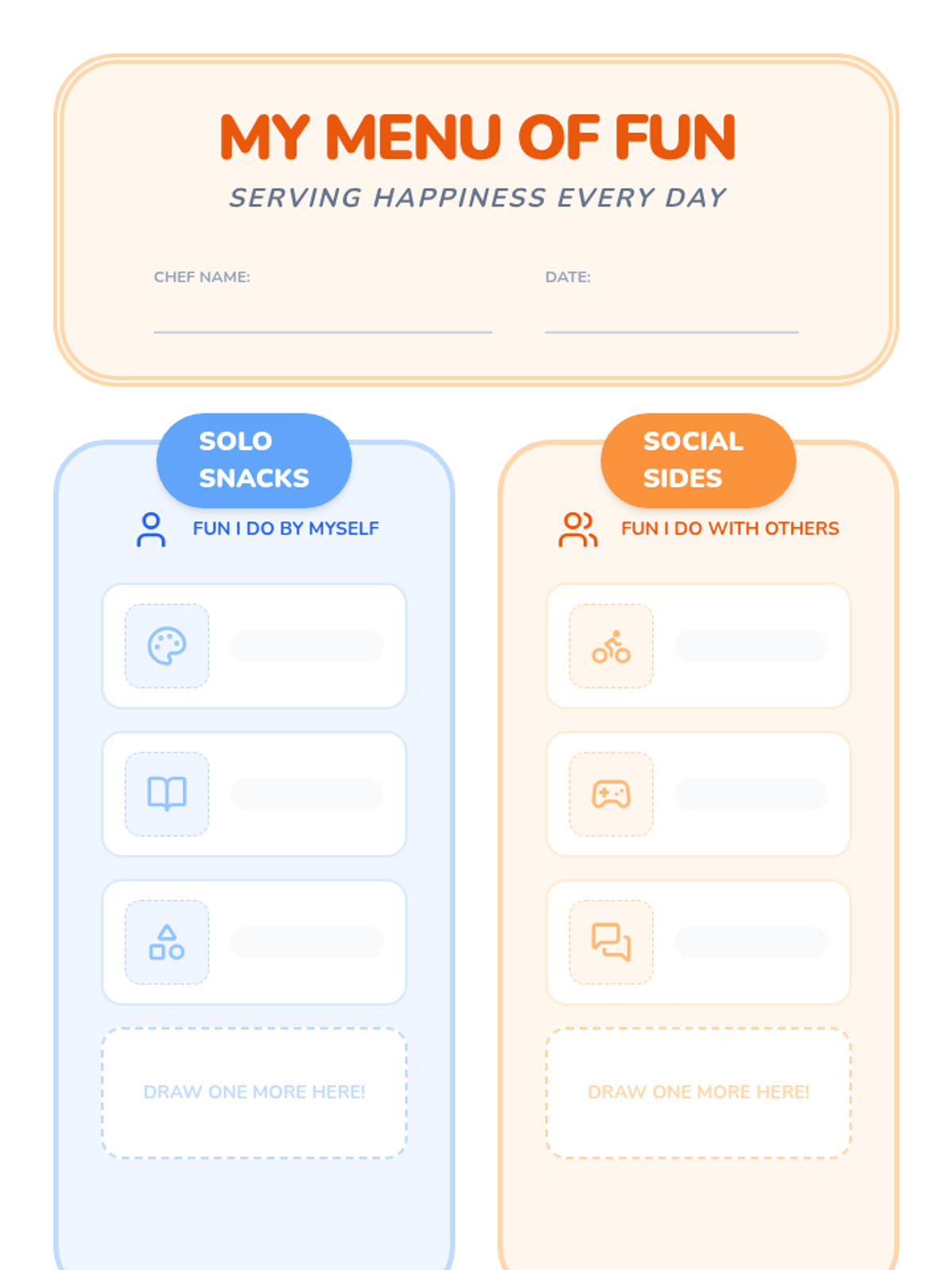
Students collaborate to brainstorm a variety of rewarding activities, categorizing them into things they can do alone or with others to create a personal 'Menu of Fun'.
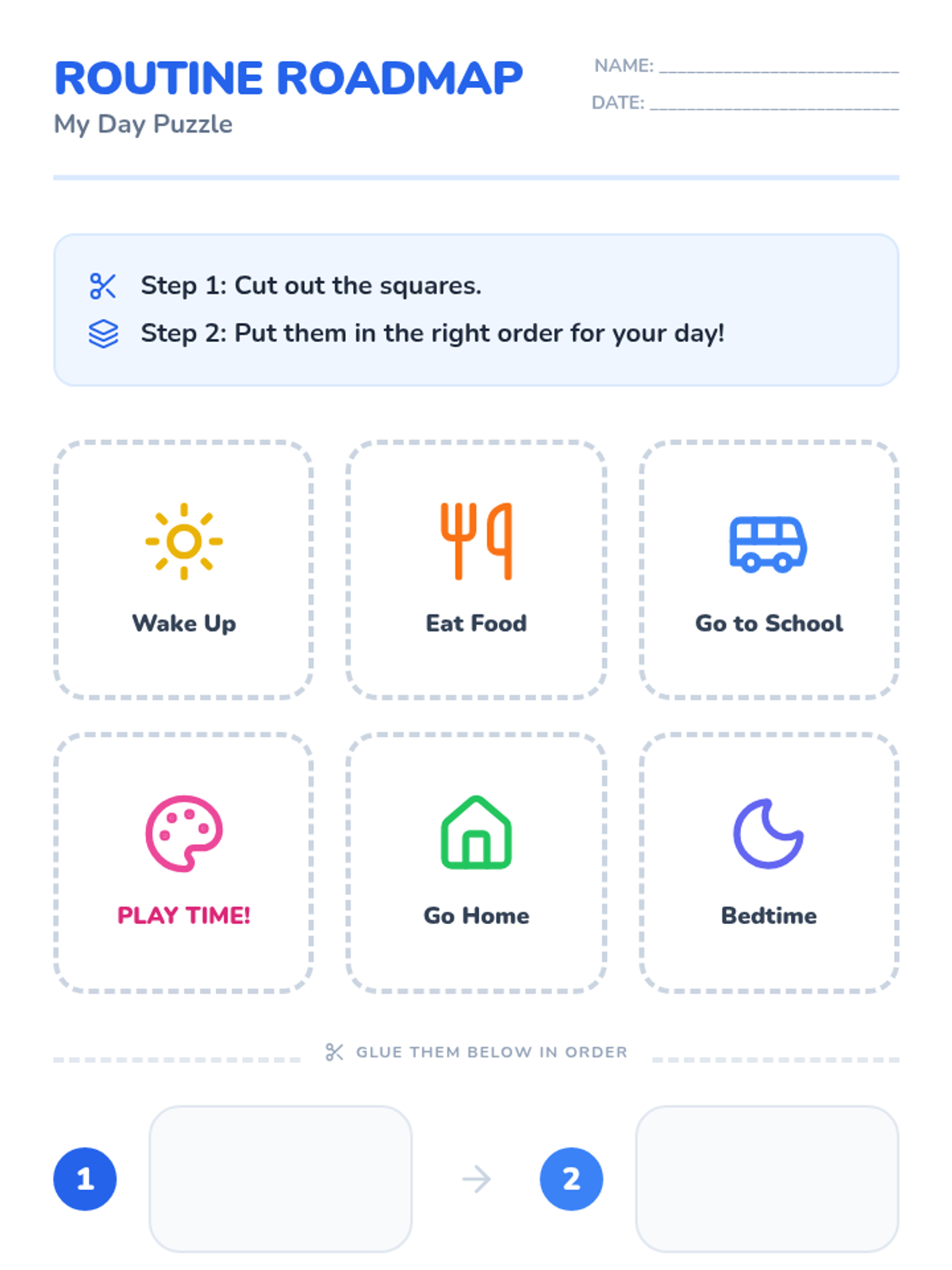
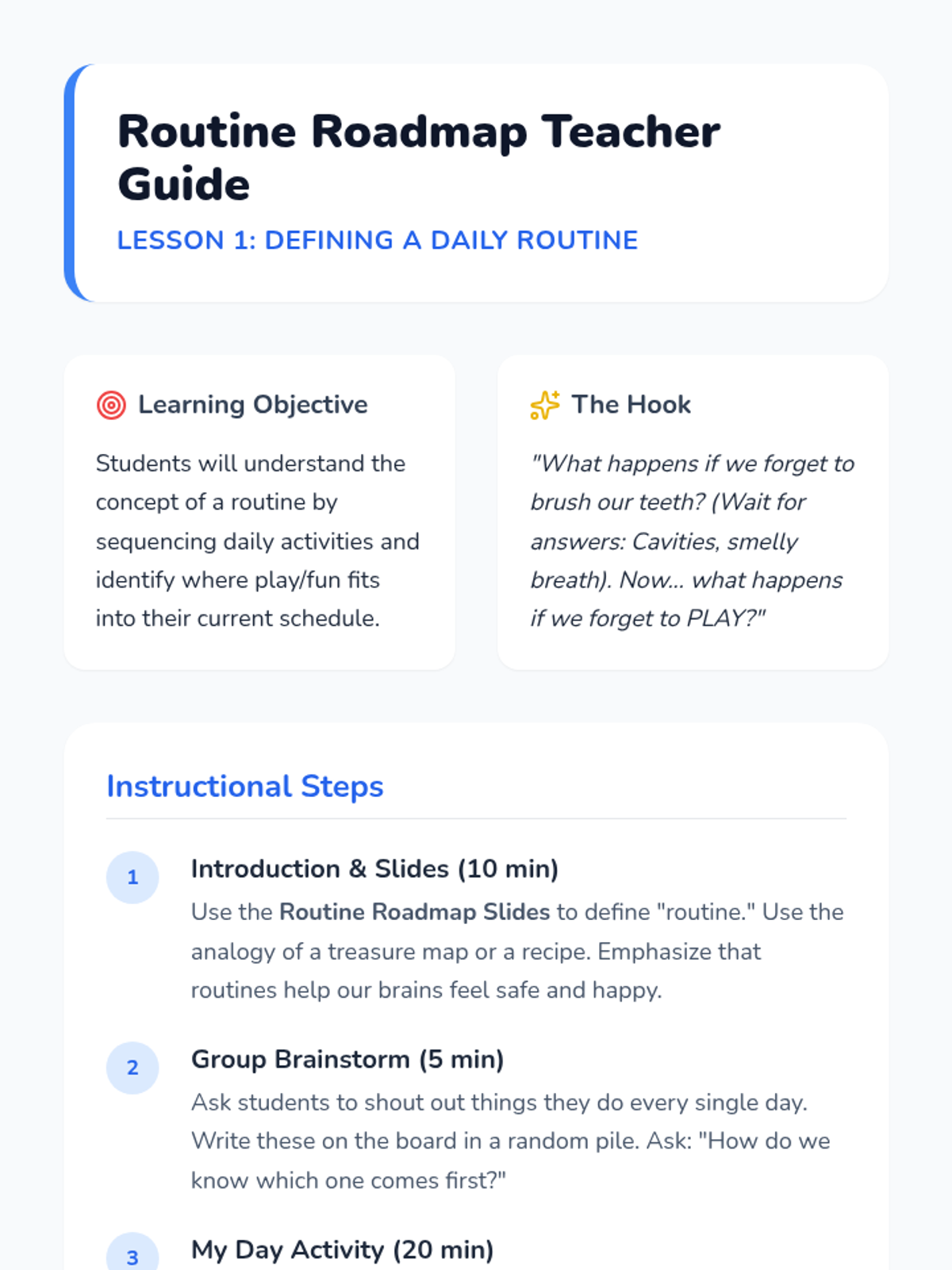
Students explore the concept of a daily routine, sequence typical daily events, and identify where play and fun currently fit into their schedule.
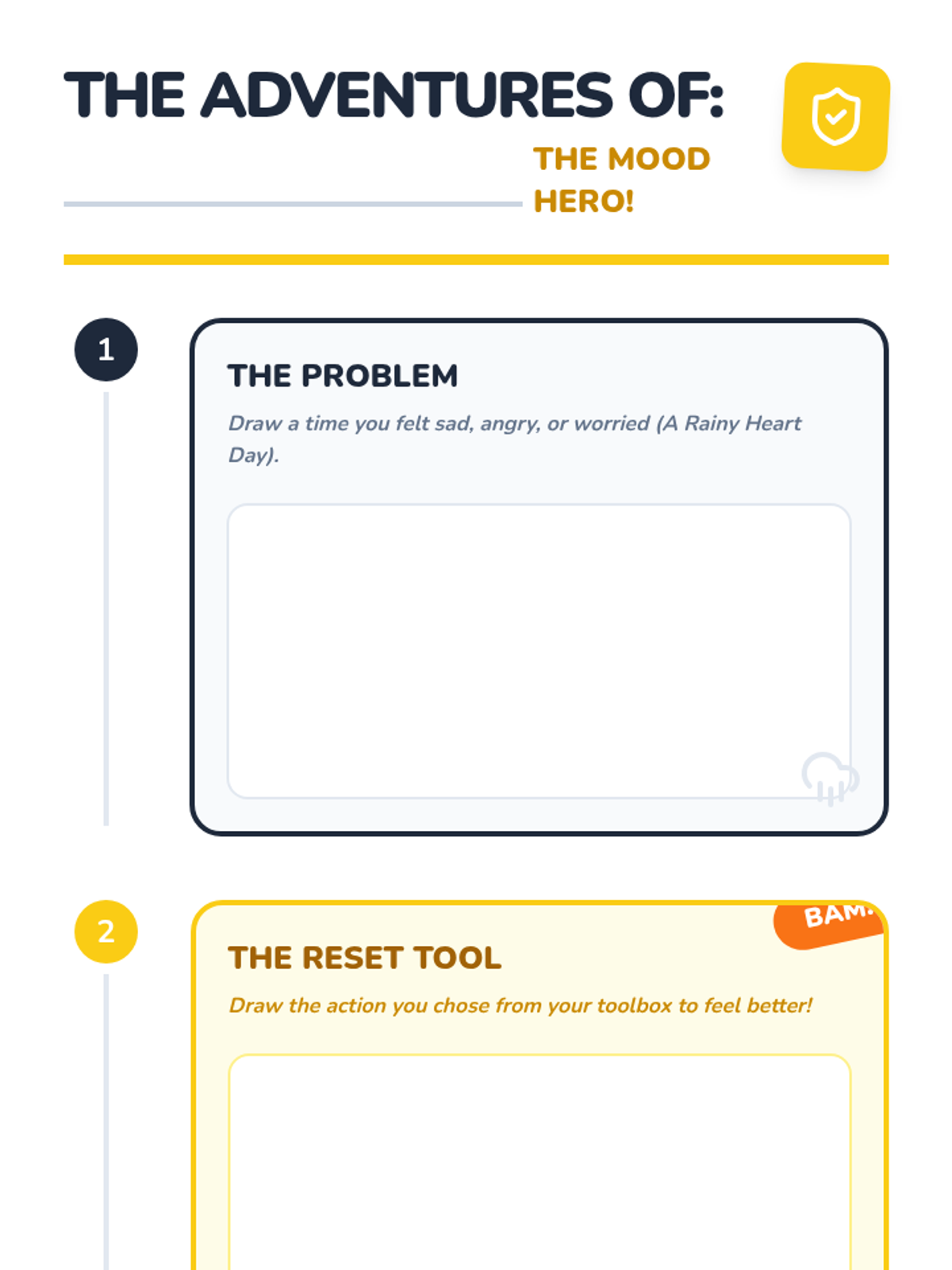
Students reflect on their learning by creating a visual narrative of emotional change. They celebrate their new skills as 'Mood Heroes' who can help themselves feel better.
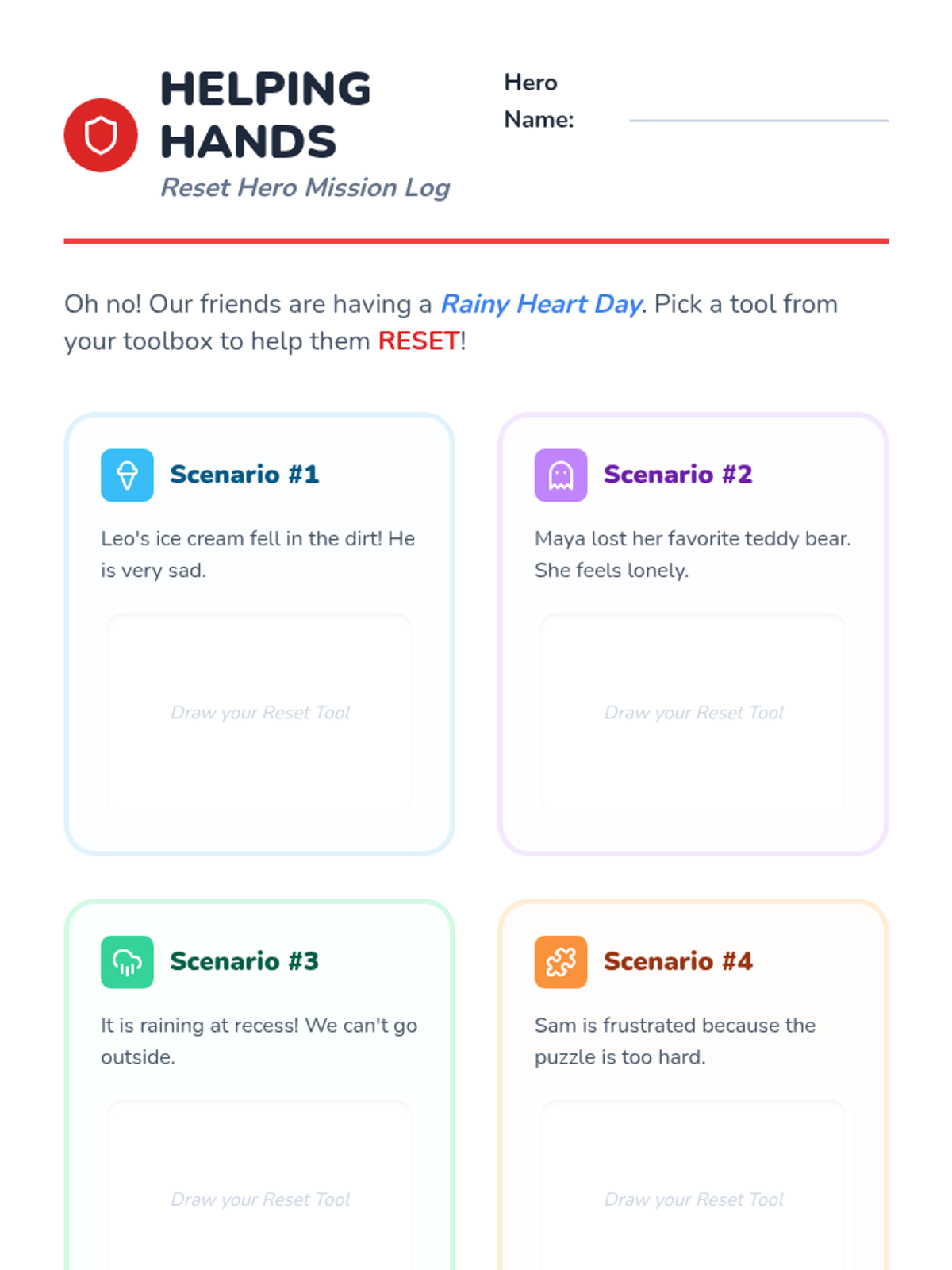
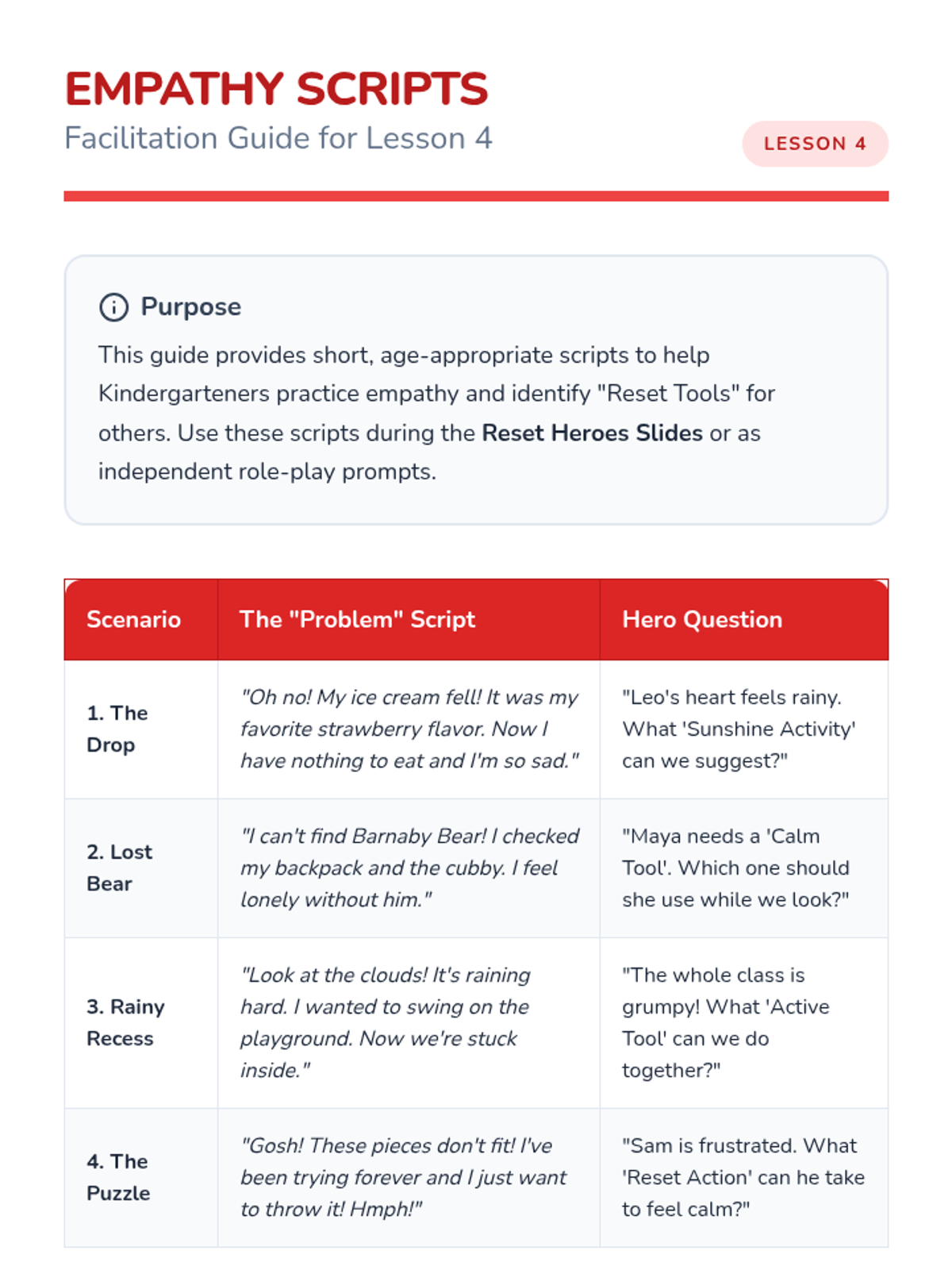
Using role-play and scenarios, students practice empathy and behavioral activation by helping characters navigate disappointments through positive activity choices.
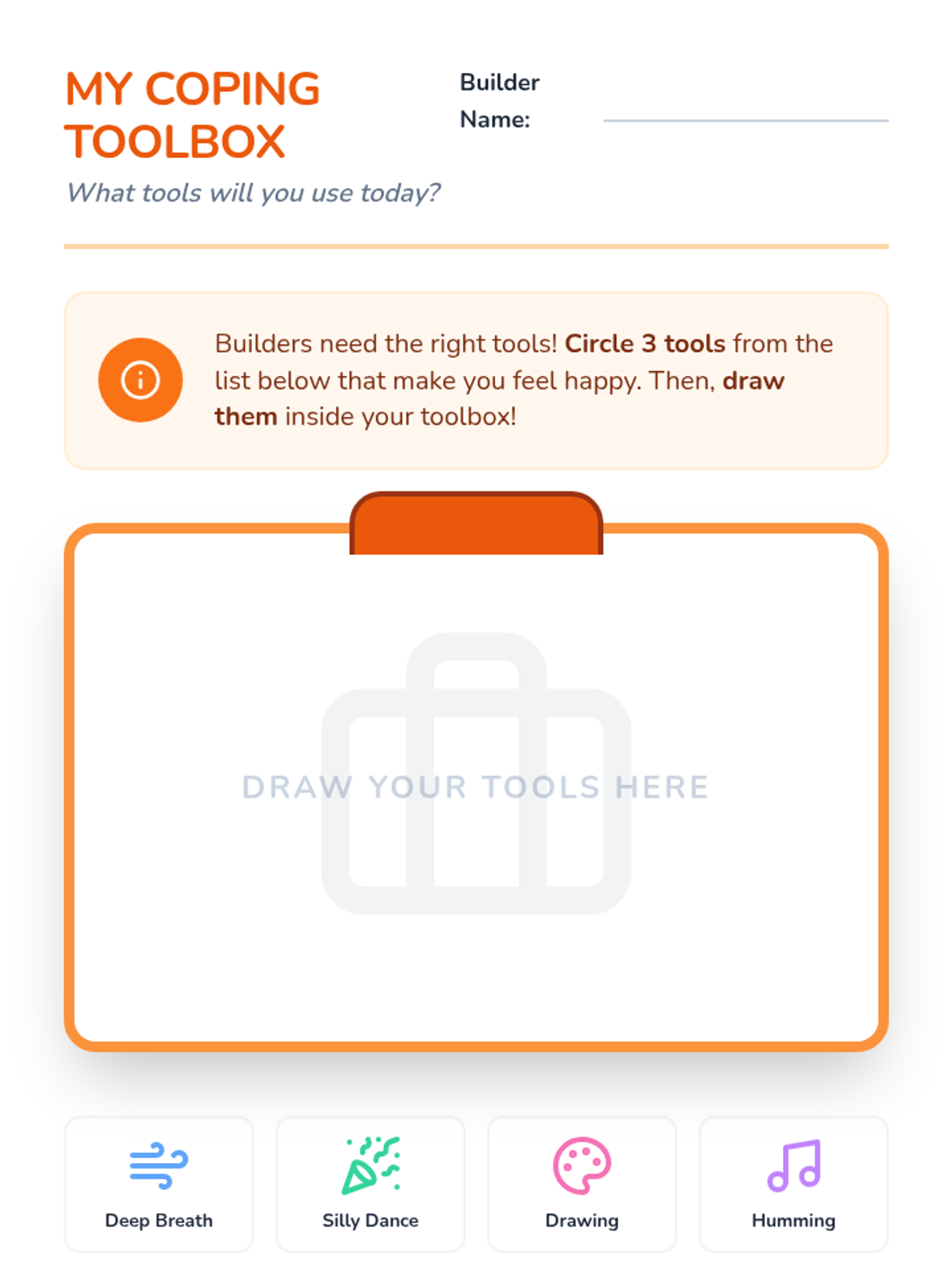
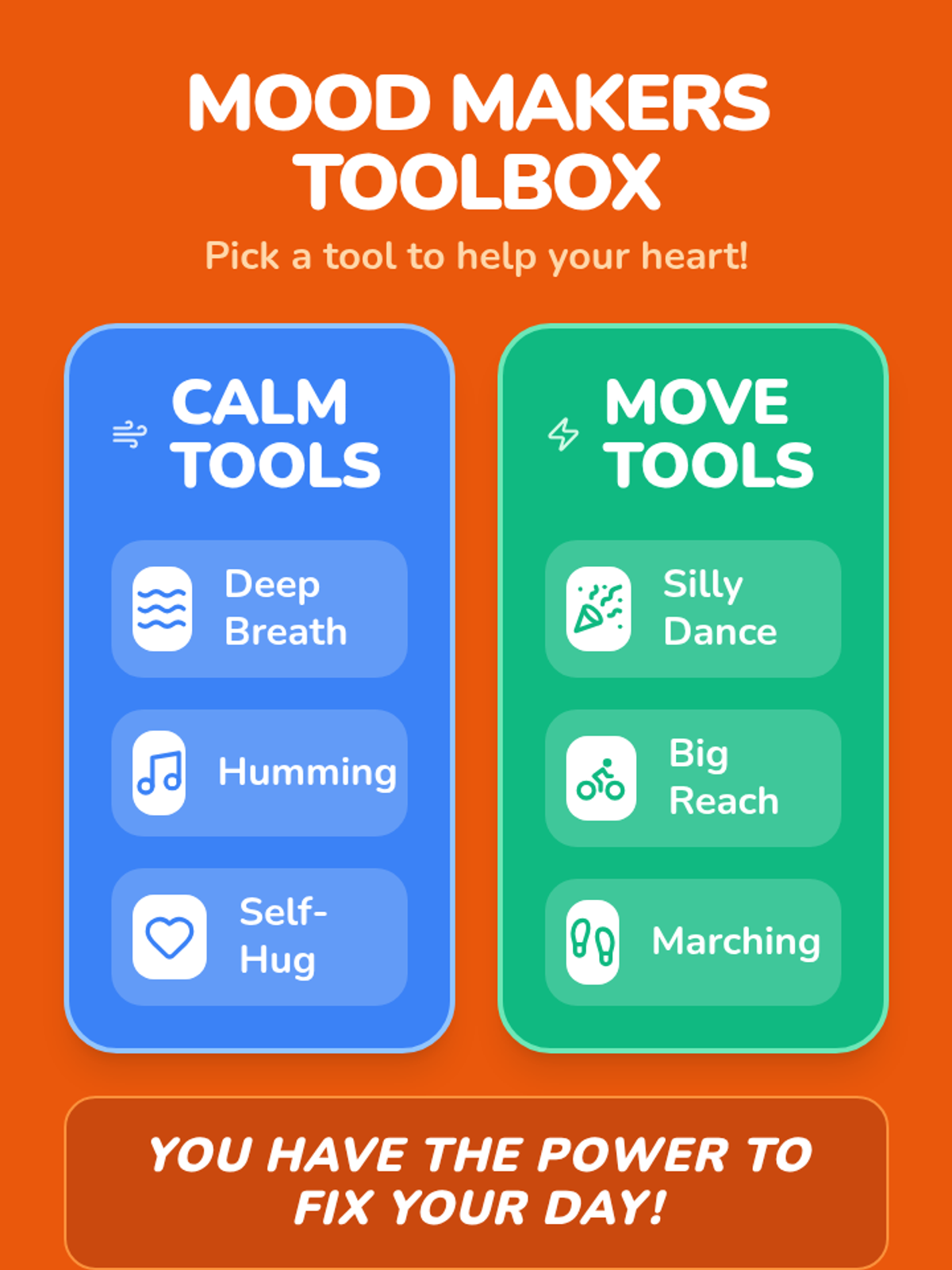
Students identify and select specific actions to include in a personal 'coping toolkit.' They practice retrieving these 'tools' to handle common stressors or worries.
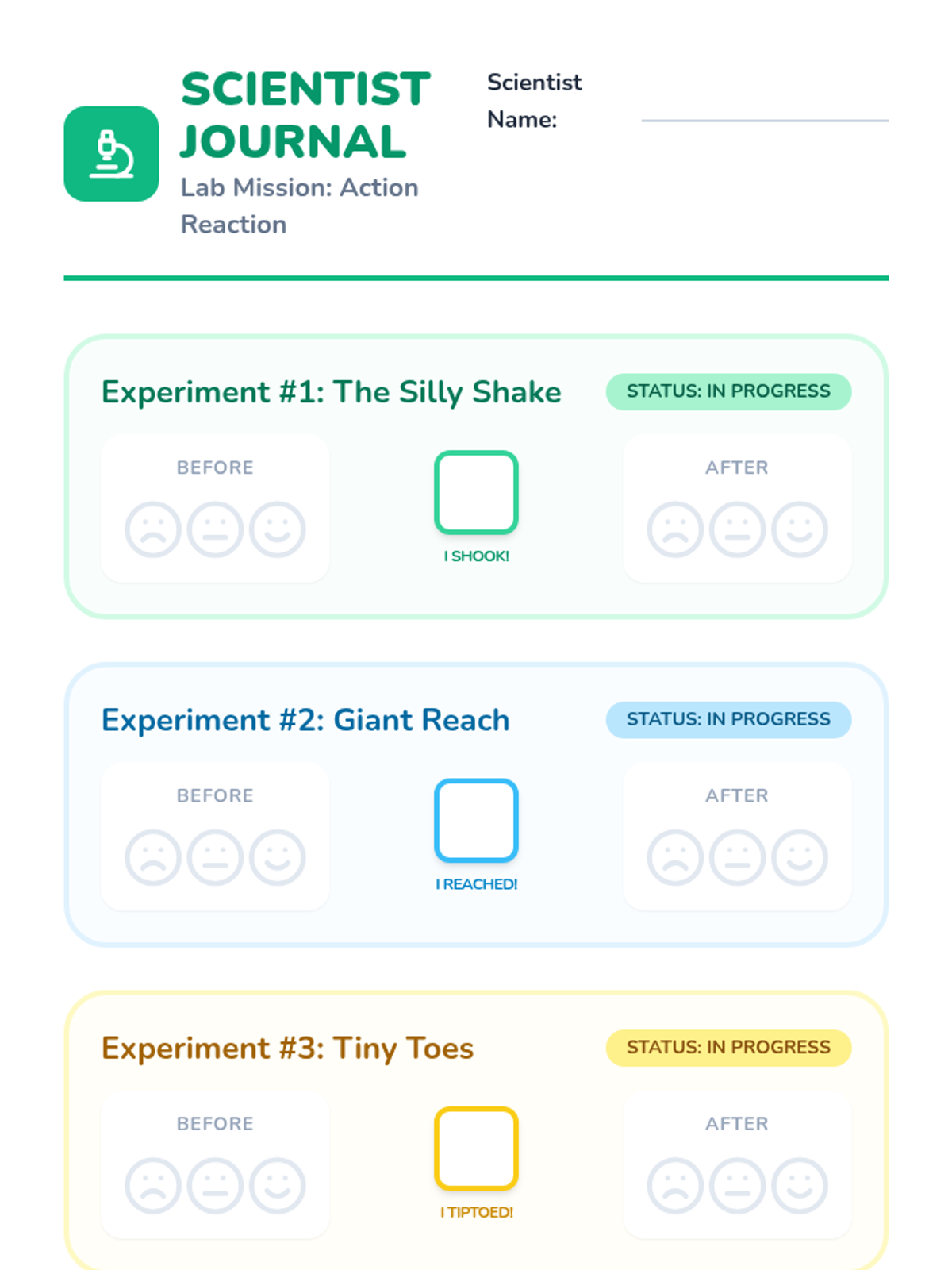
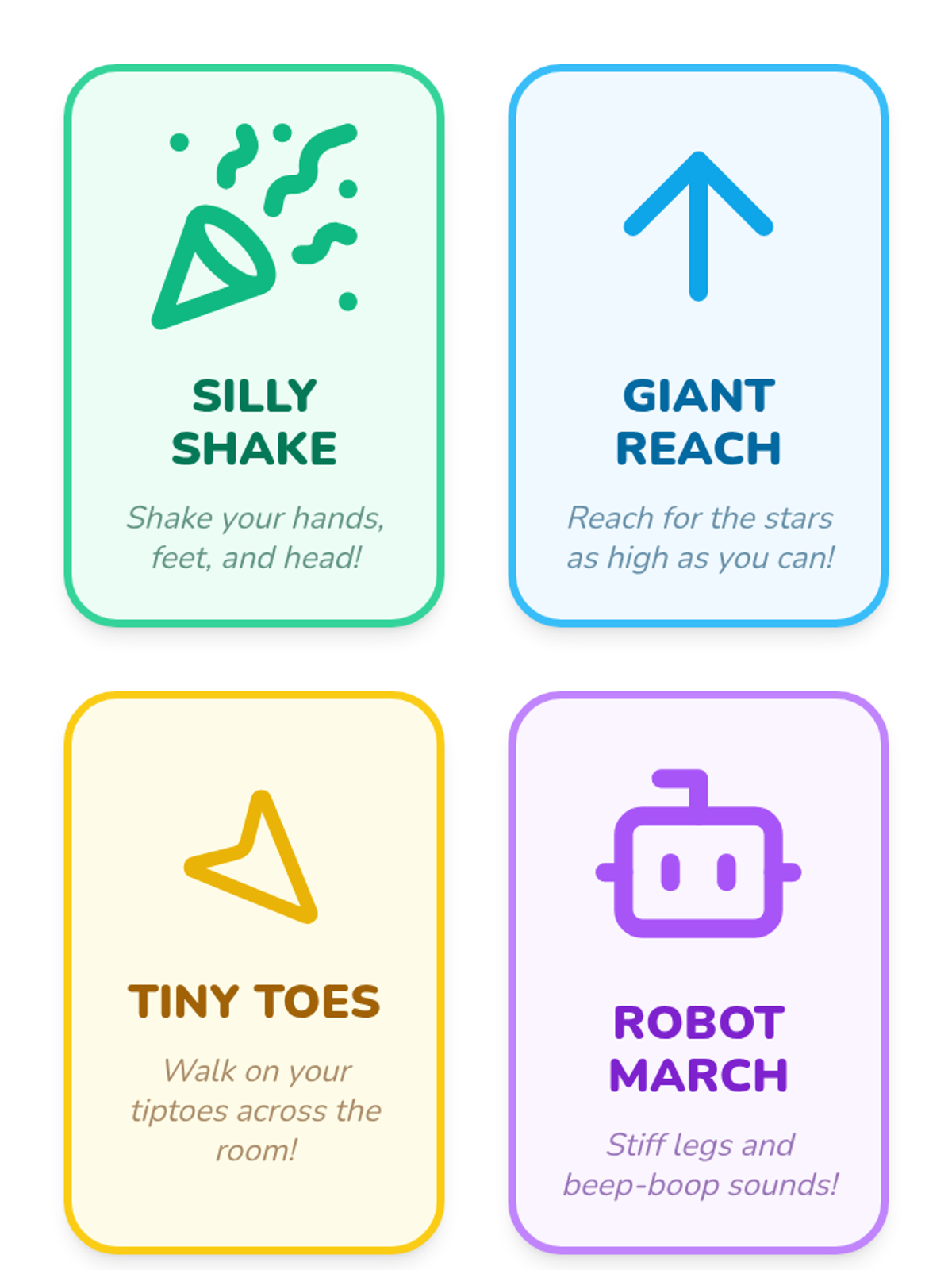
Students act as scientists to test how physical movement and silly actions change their internal energy and mood. They observe the immediate cause-and-effect relationship between action and emotion.
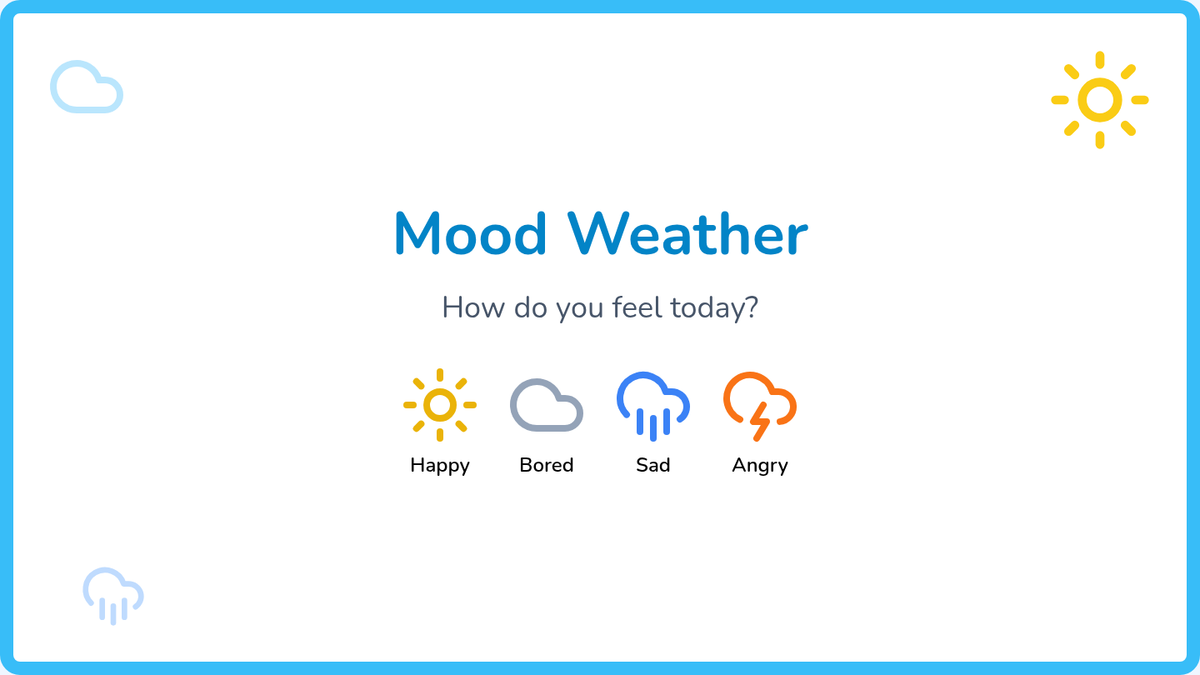
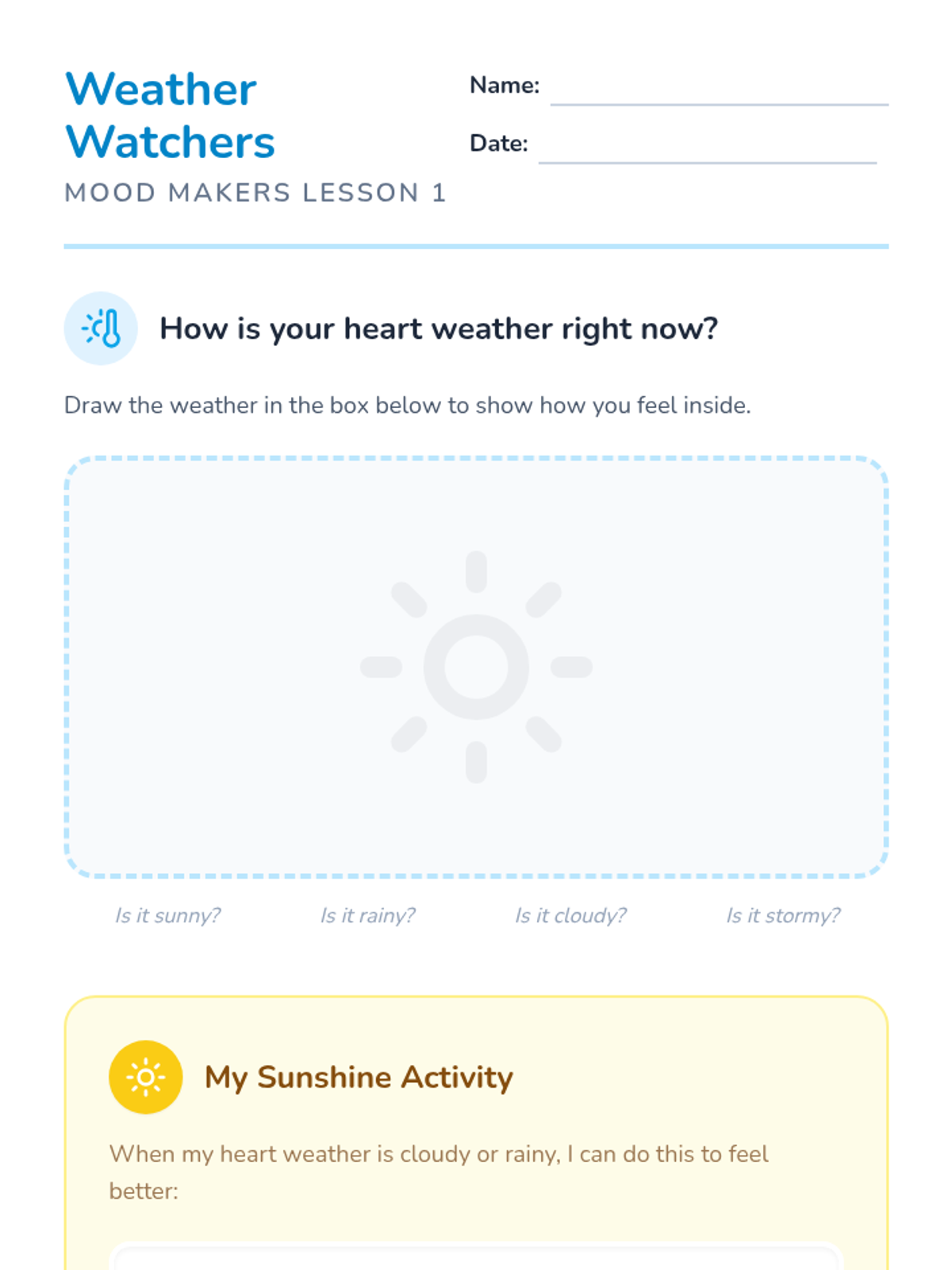
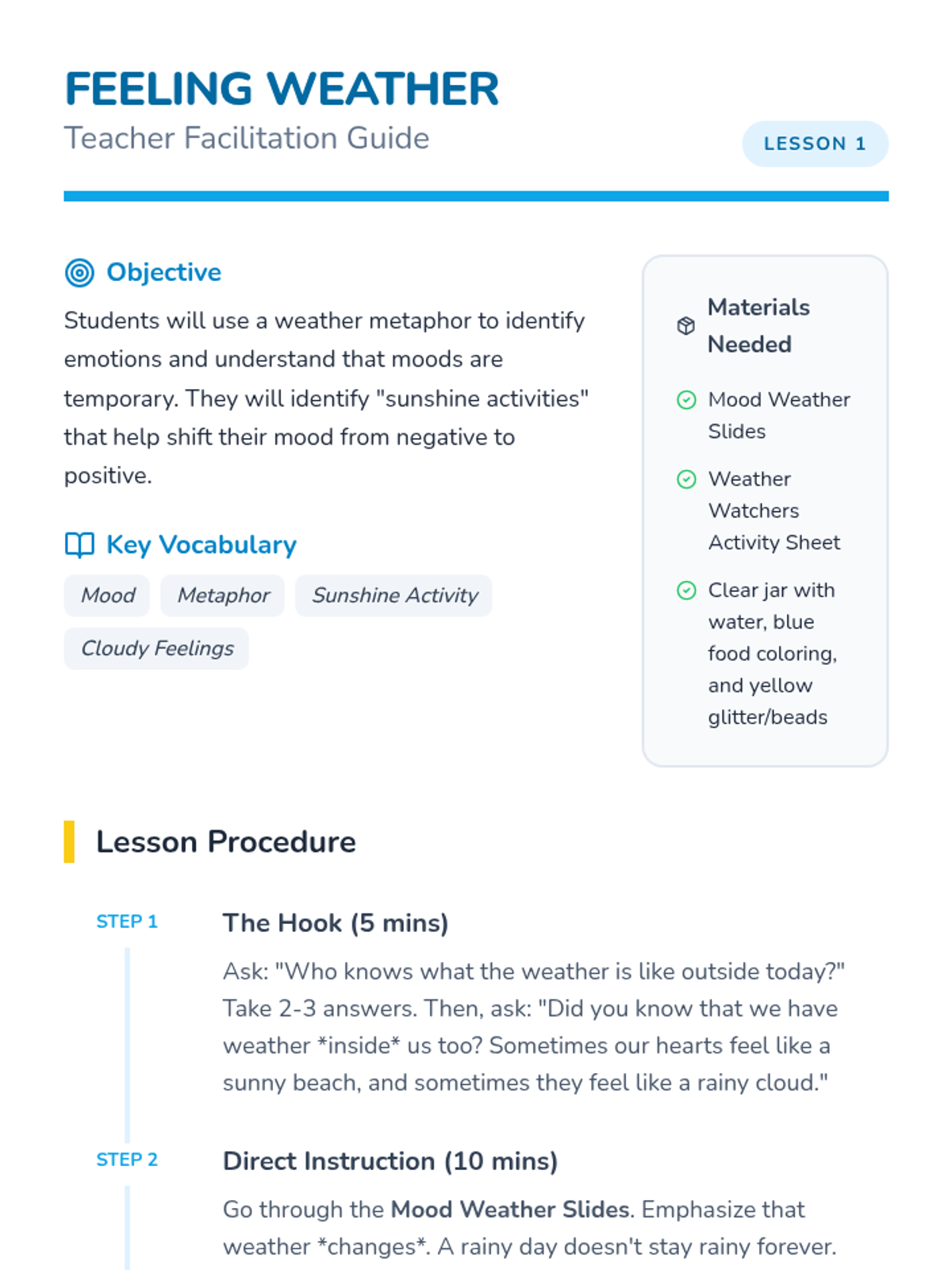
Students explore the metaphor of feelings as weather and learn that just as weather changes, so can their moods. They observe how 'sunshine' activities can help clear away 'cloudy' feelings.
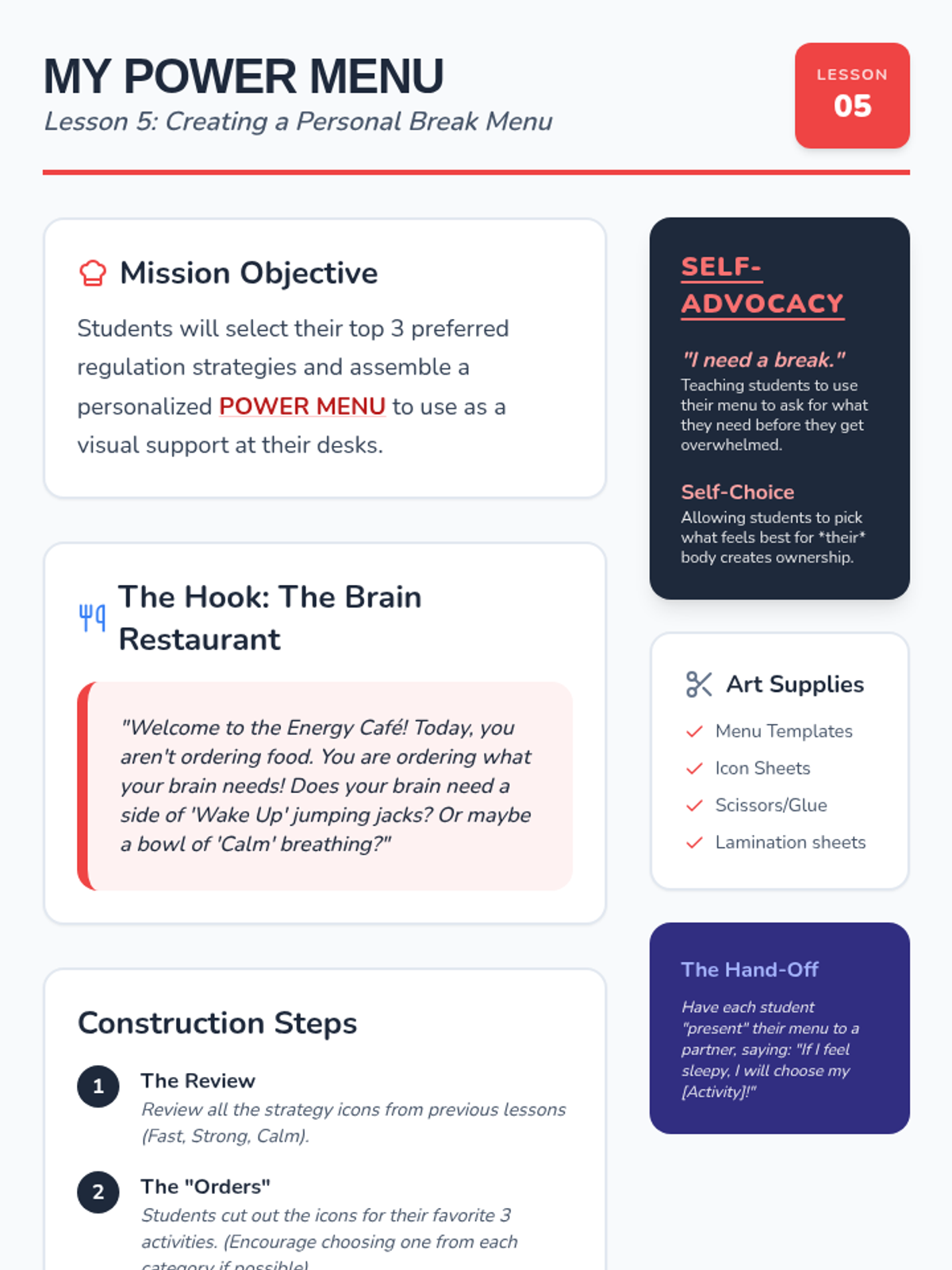
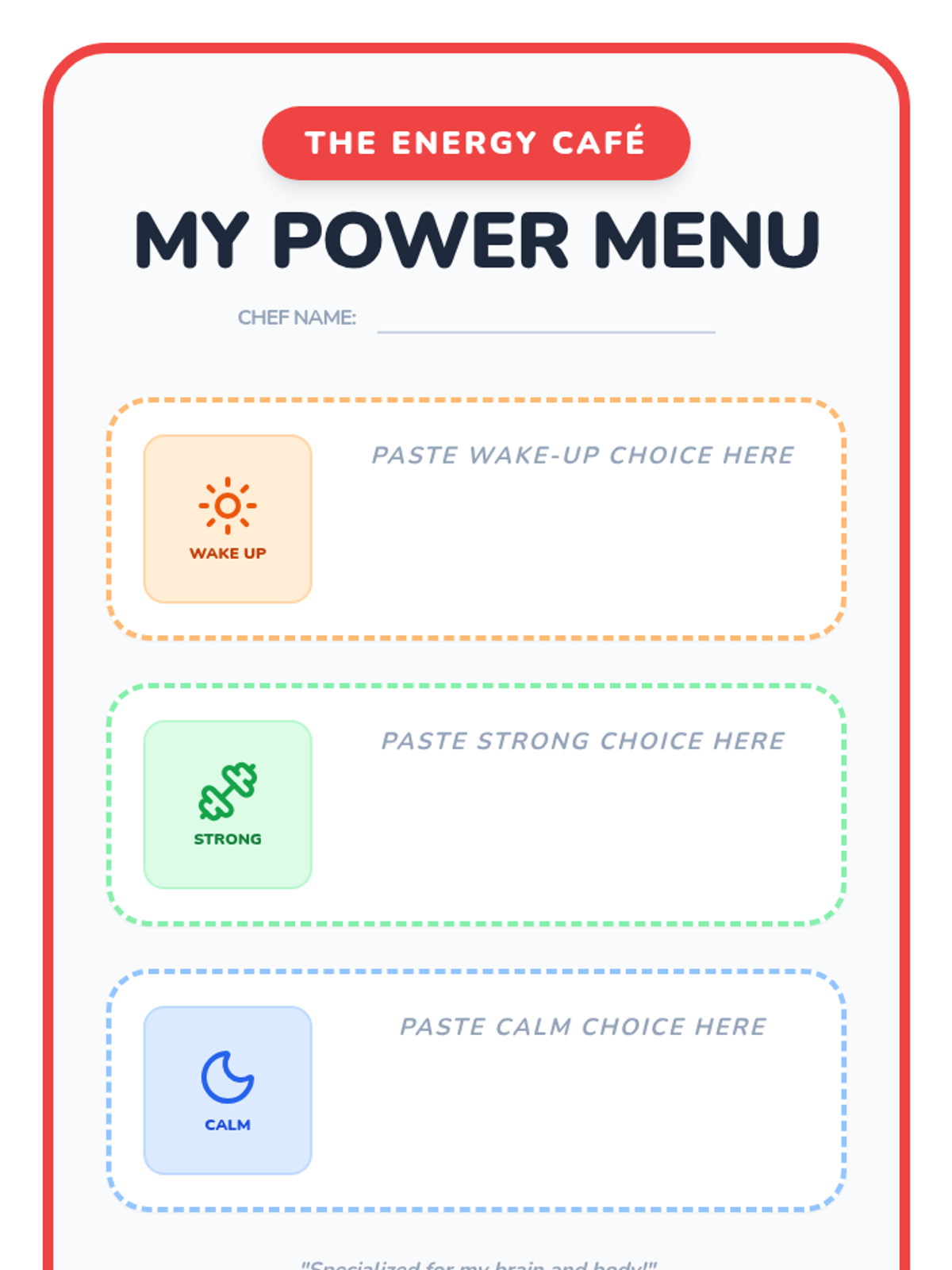
Students create a personalized, visual break menu of their favorite strategies to keep at their desks.
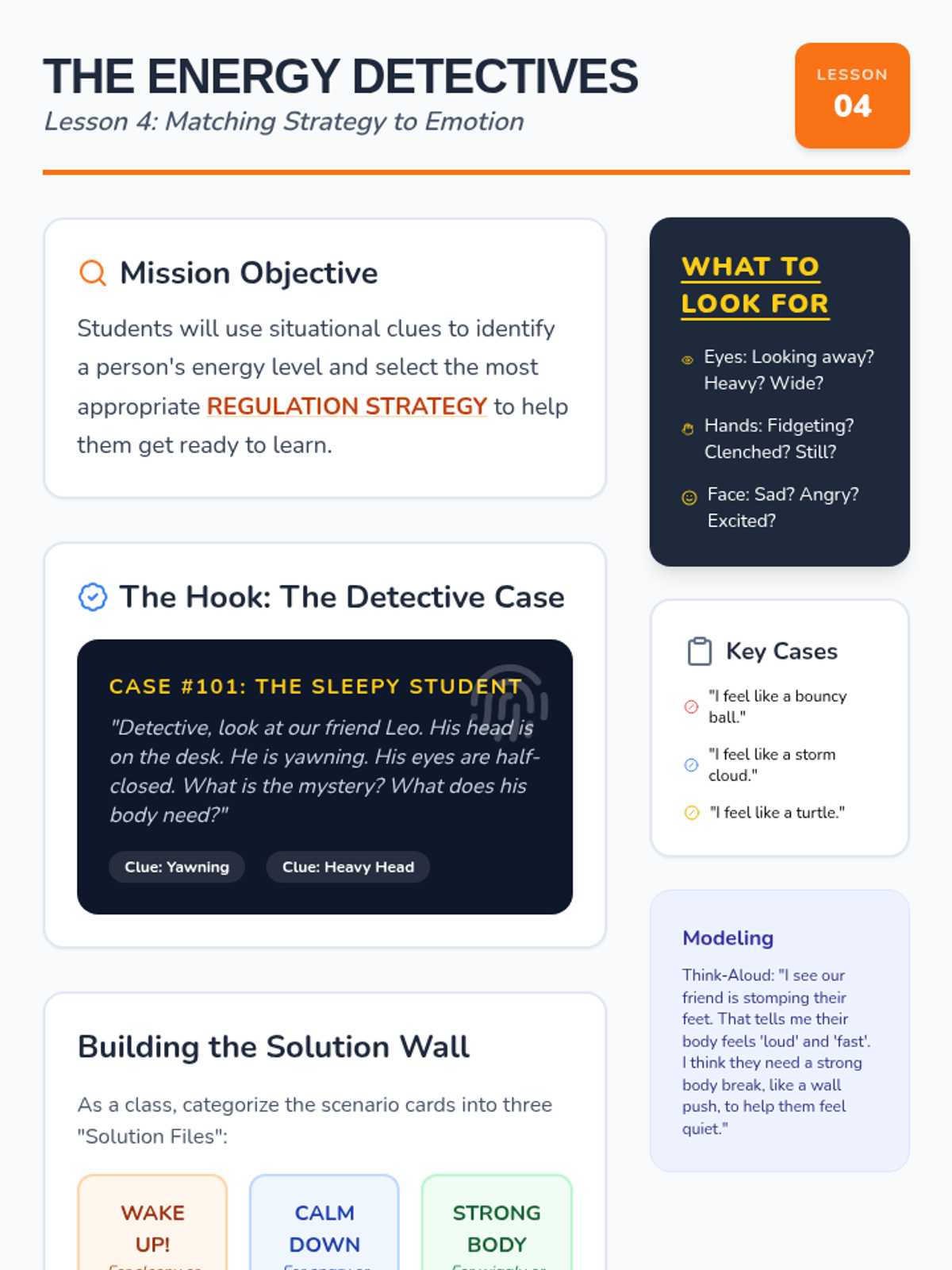
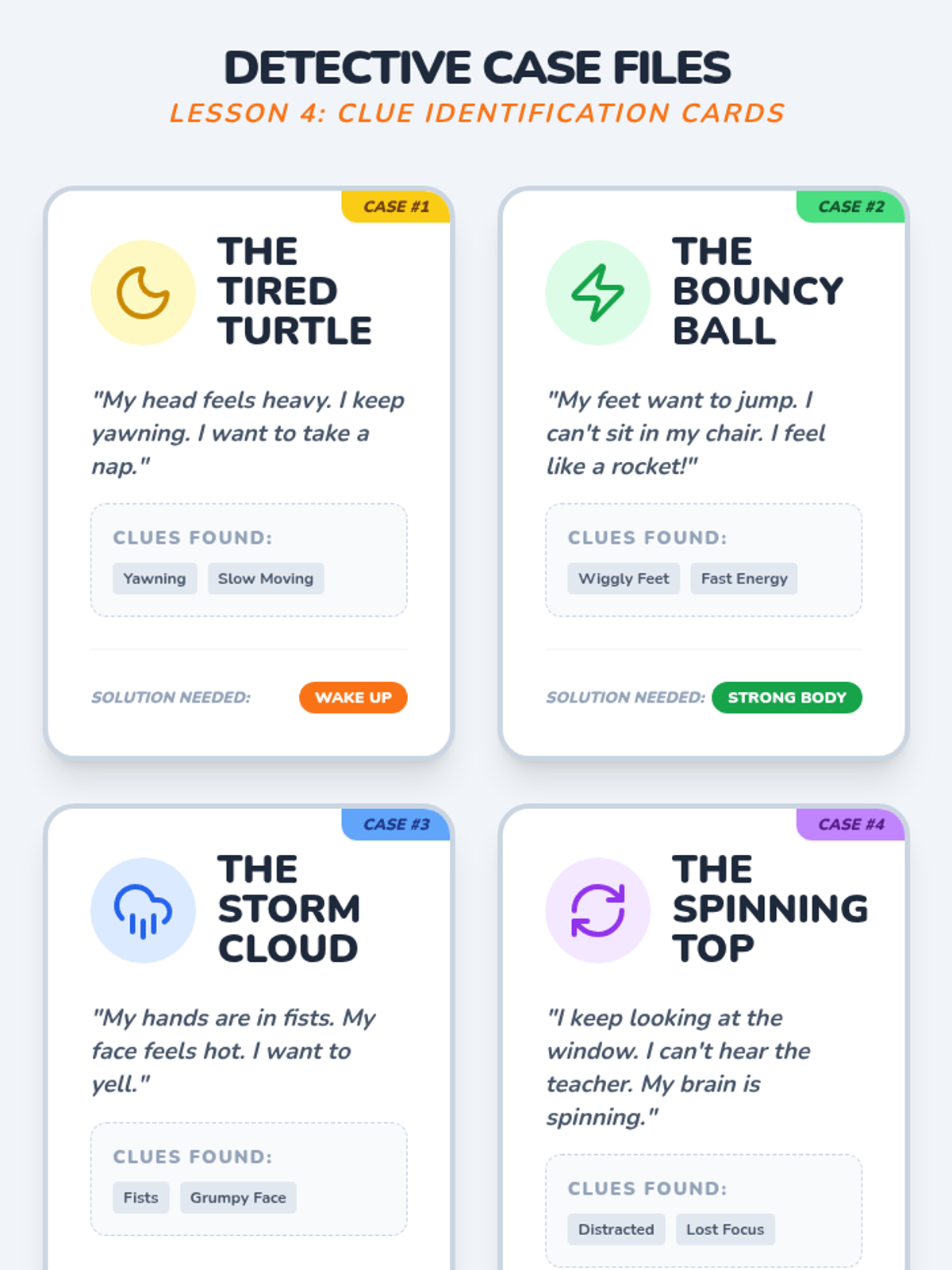
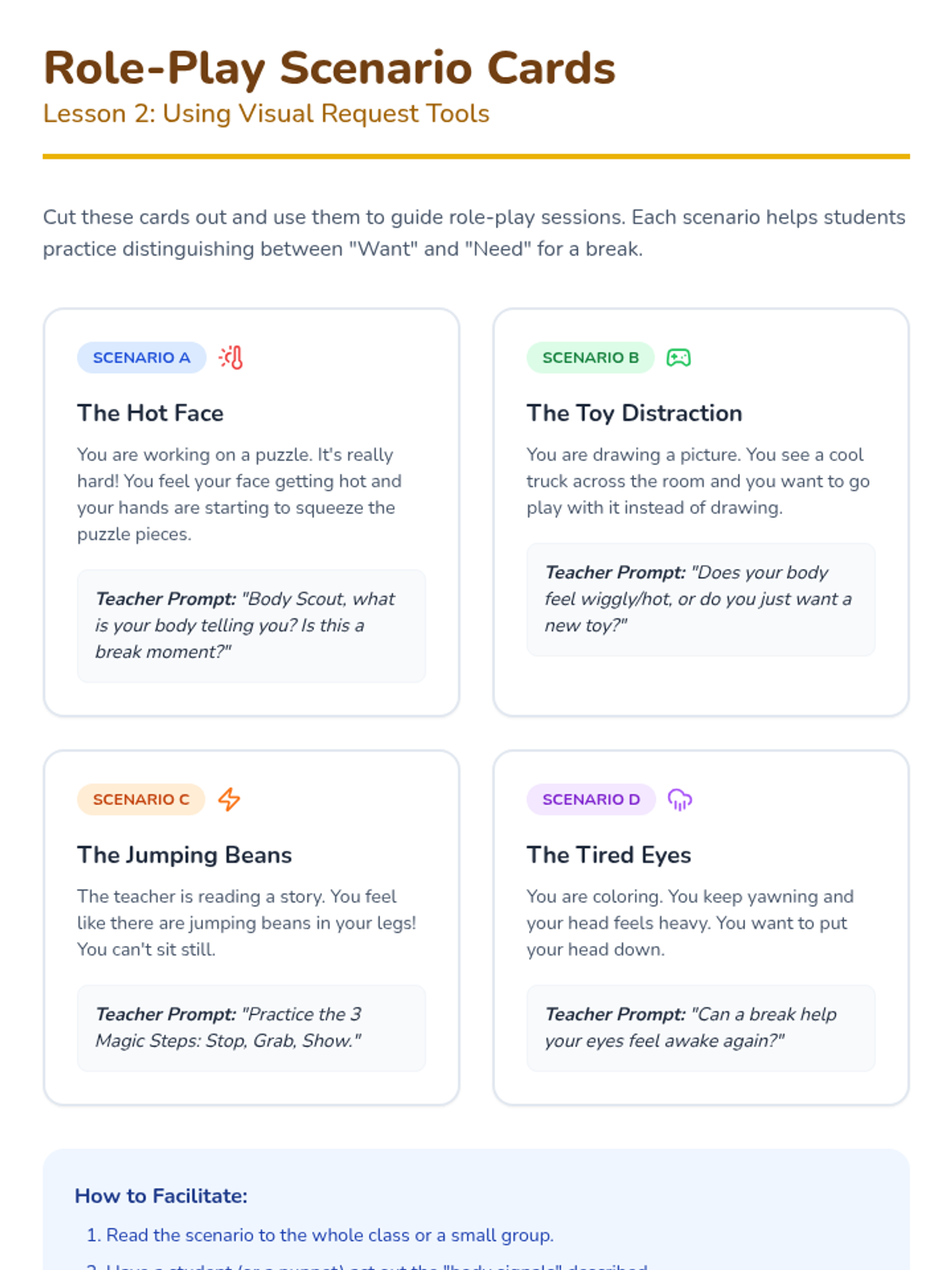
Students act as 'energy detectives' to match specific body feelings with the most helpful type of break.
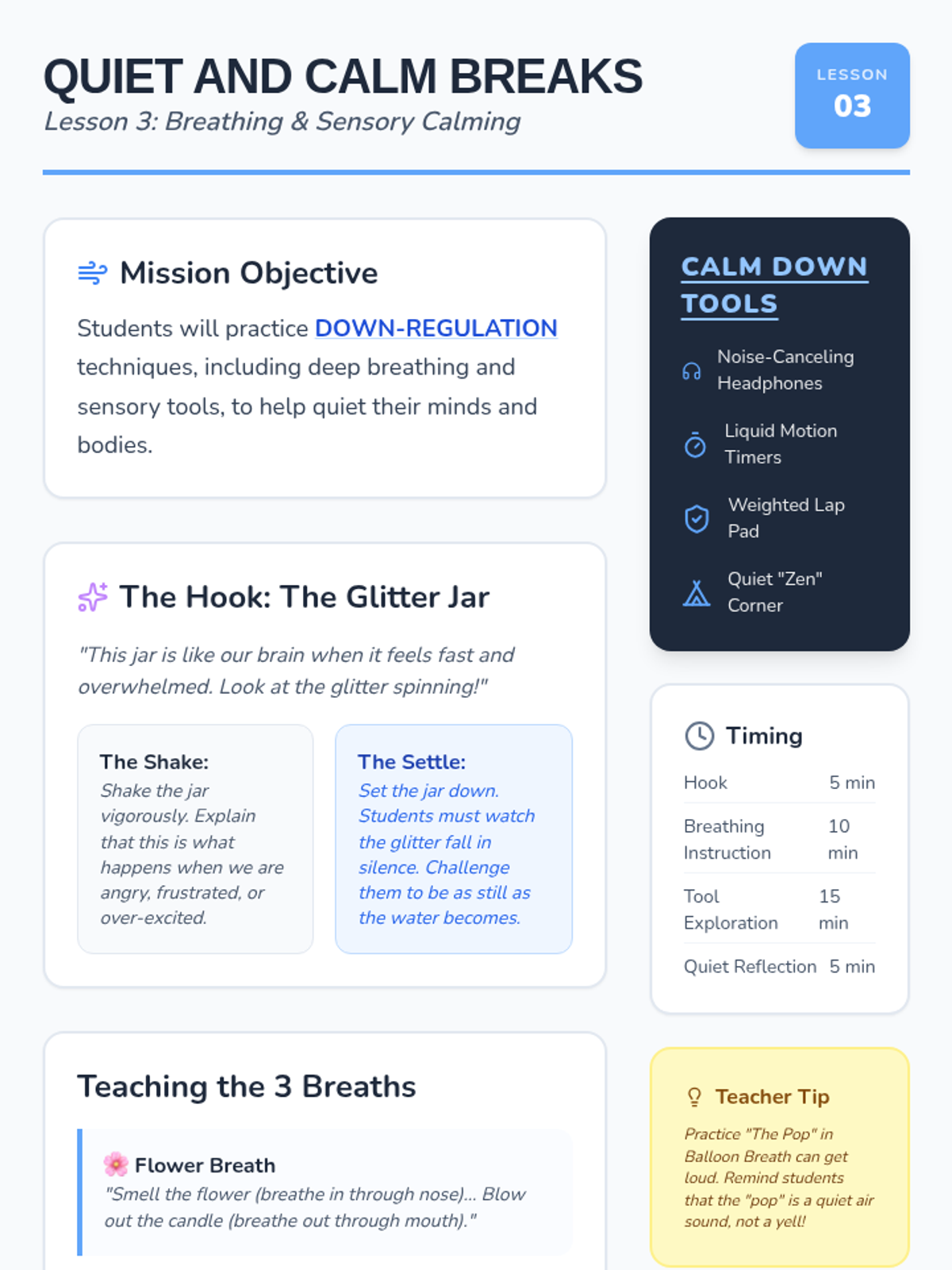
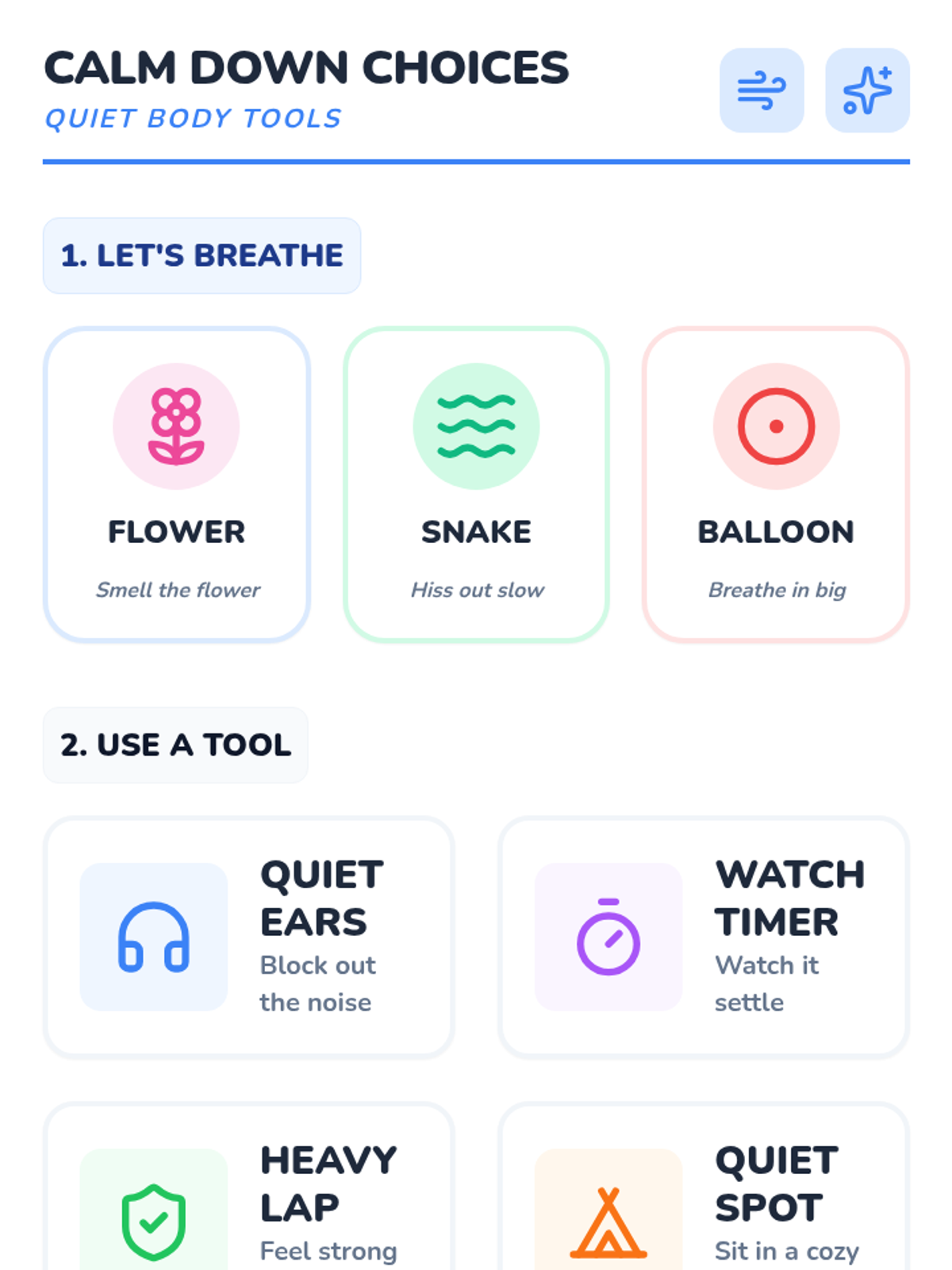
Students practice breathing techniques and explore calming tools to help quiet their bodies and minds.
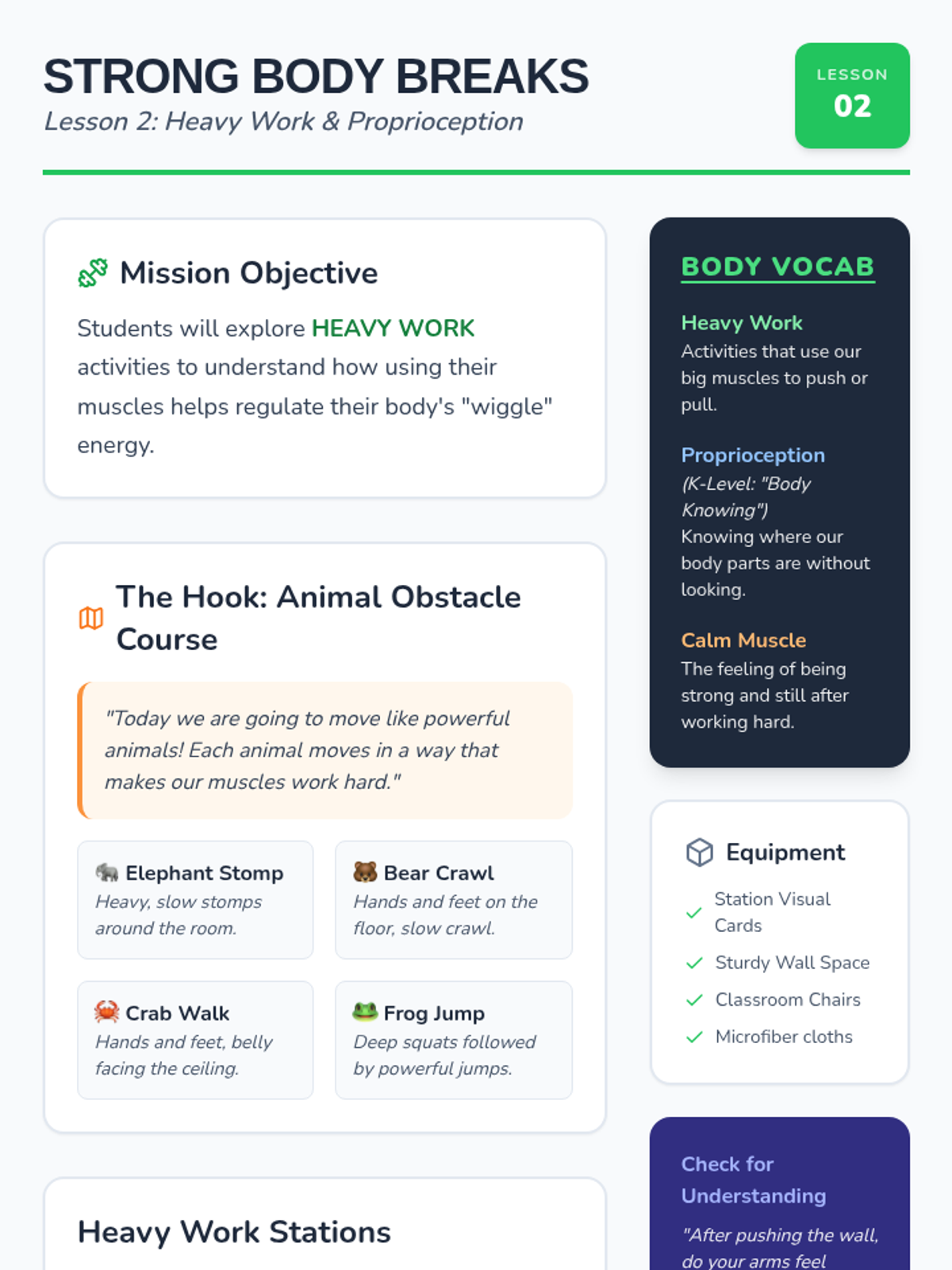
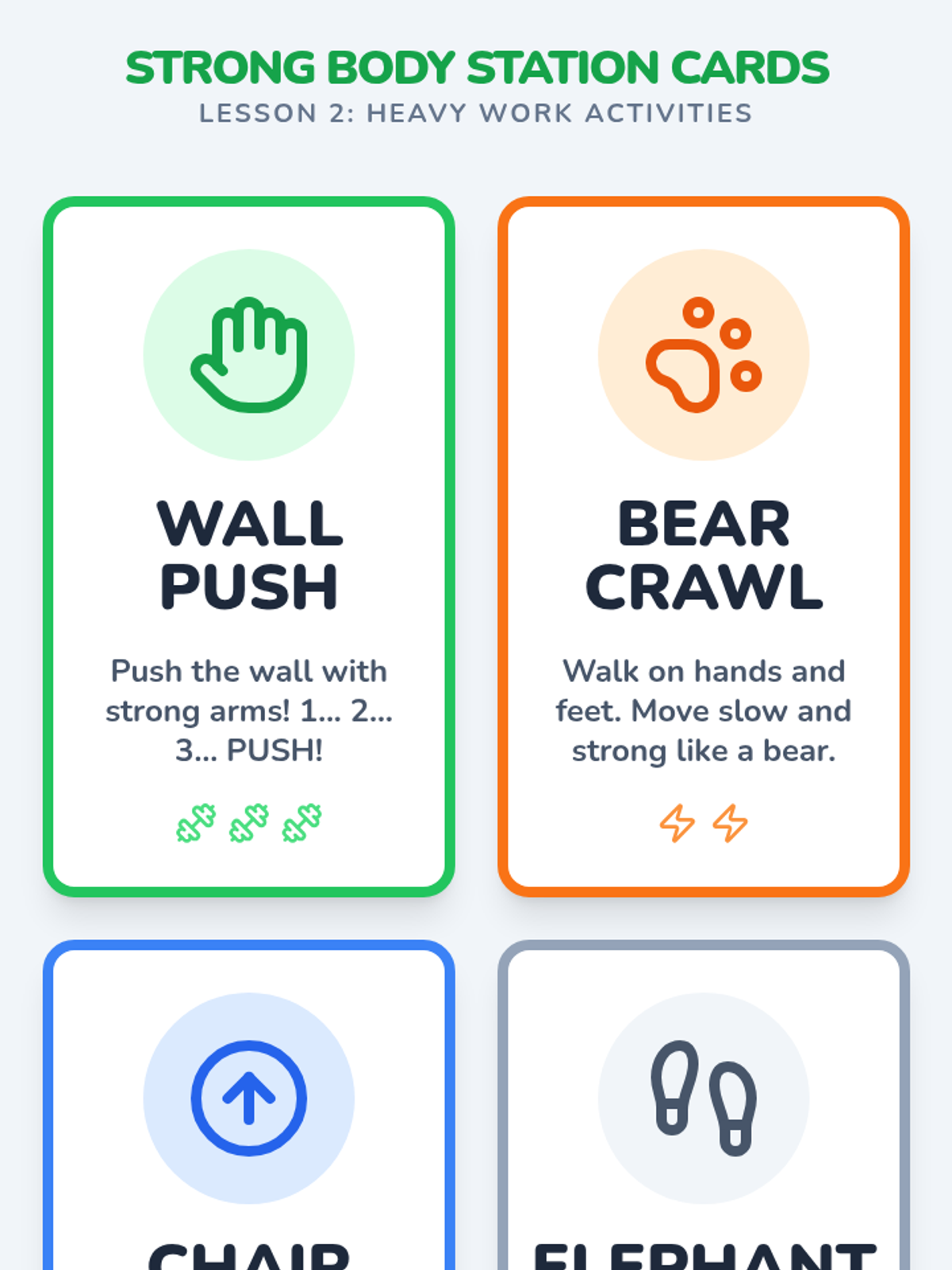
Students explore 'heavy work' activities like wall pushes and animal walks to help regulate a wiggly or unfocused body.
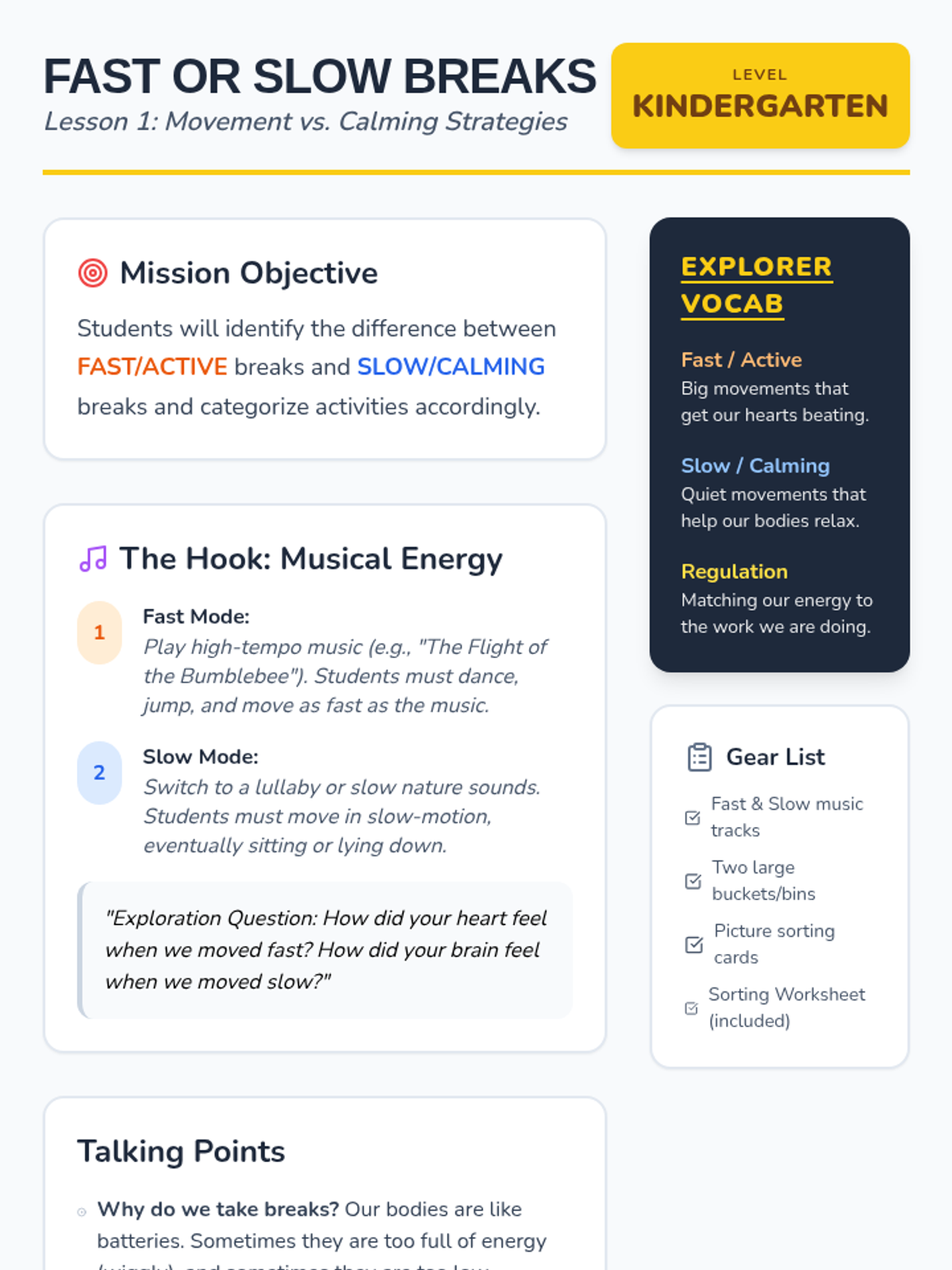
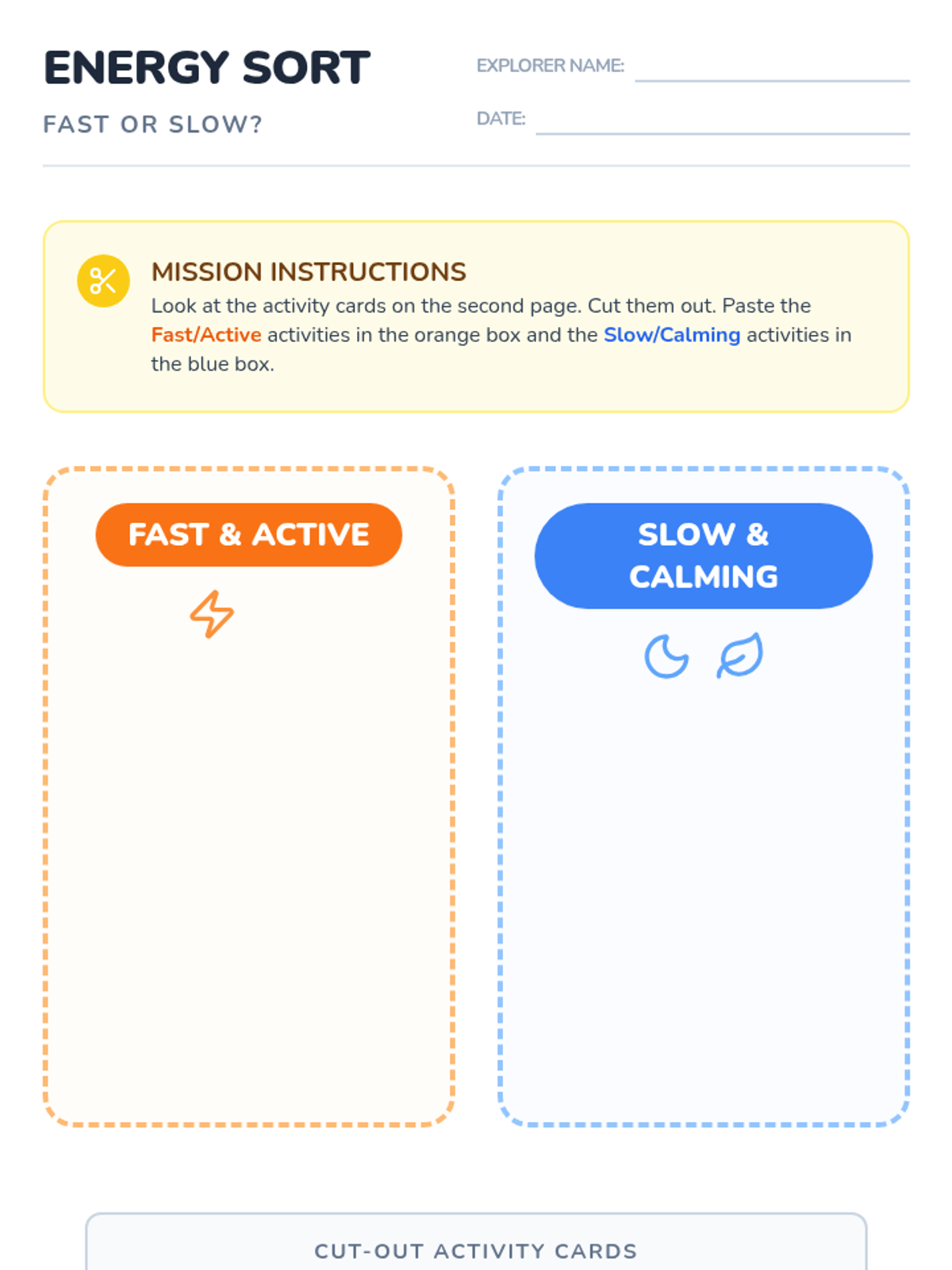
Students learn to distinguish between high-energy 'fast' breaks and low-energy 'slow' breaks through music and sorting activities.
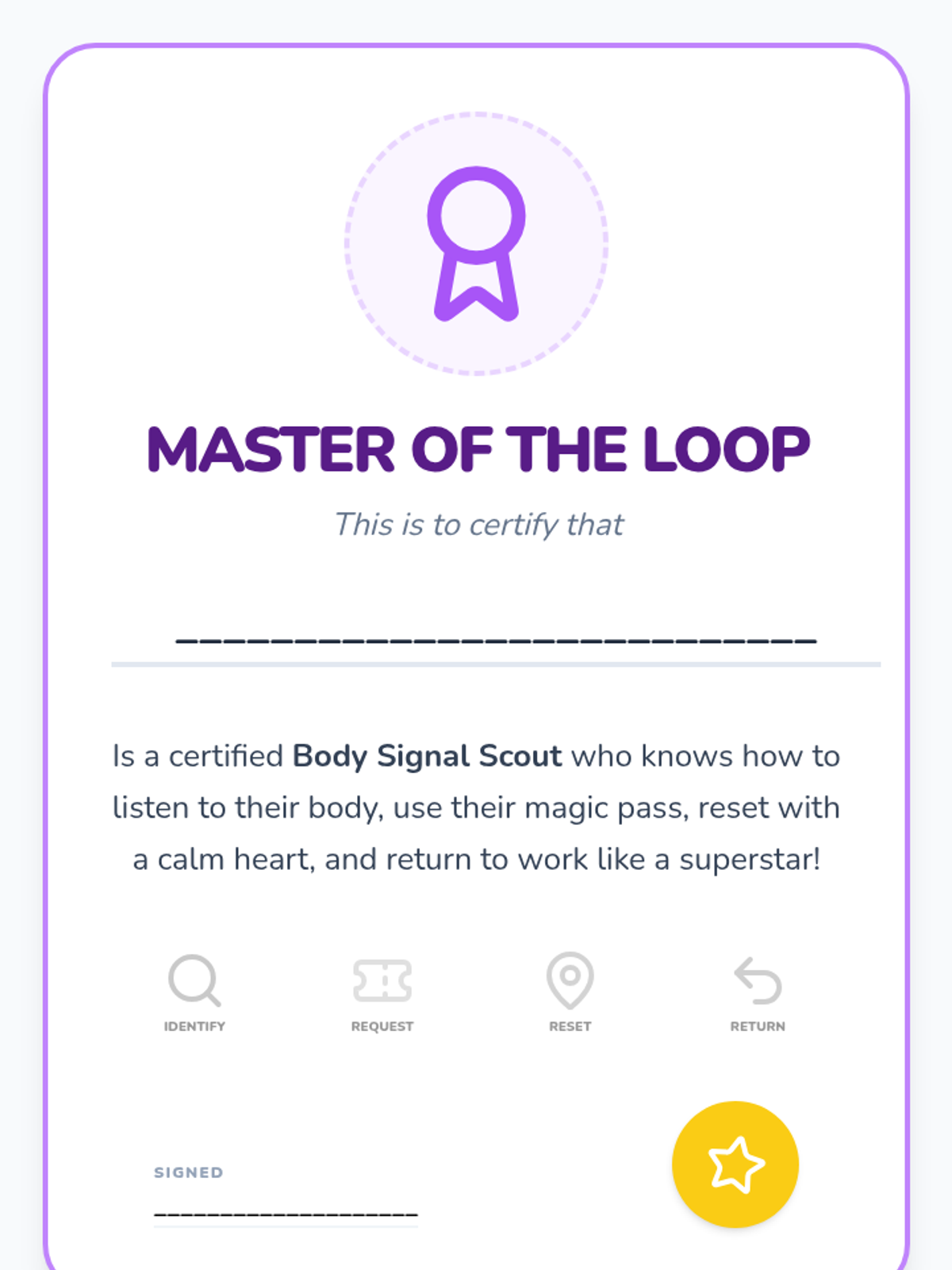
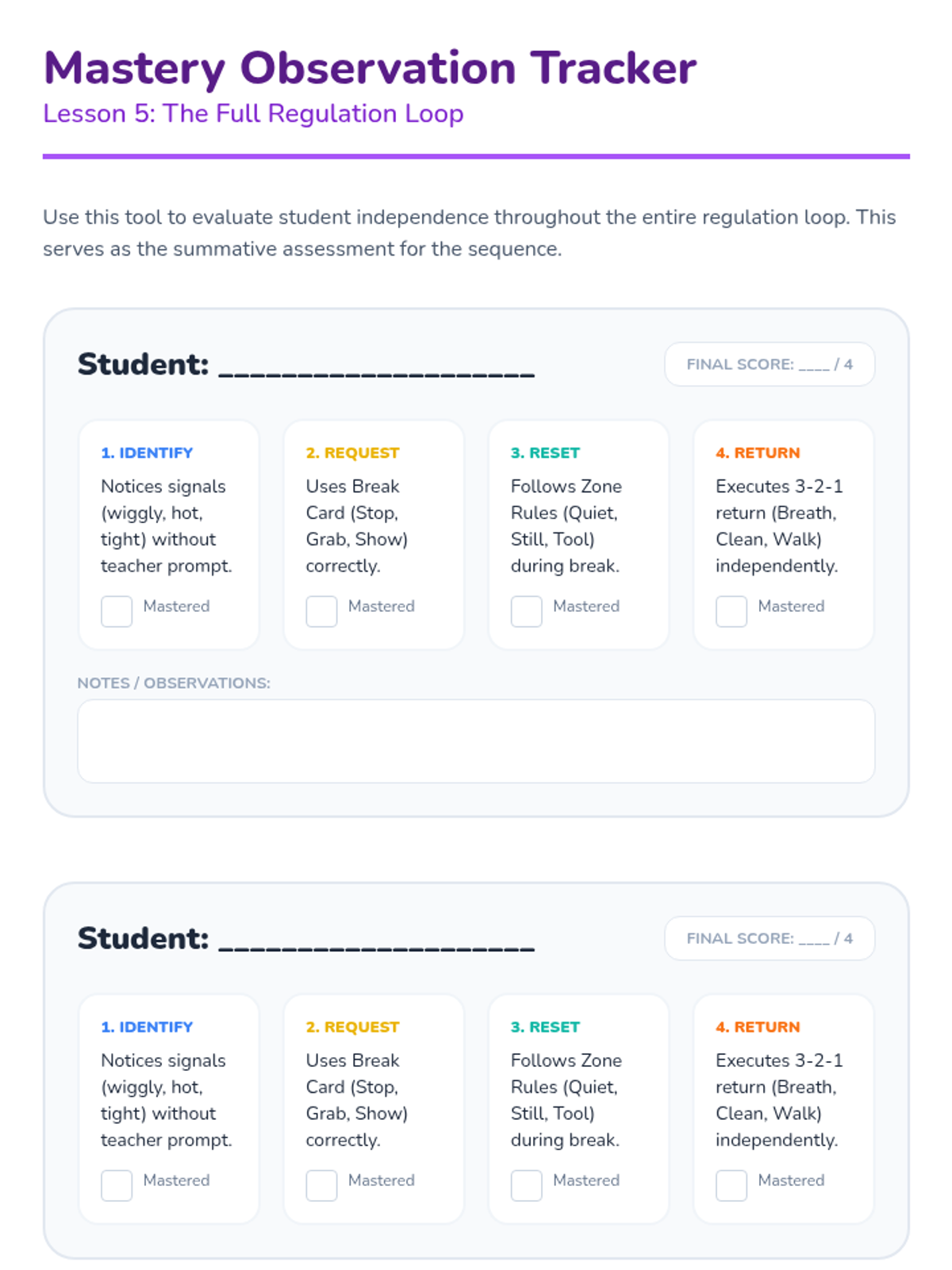
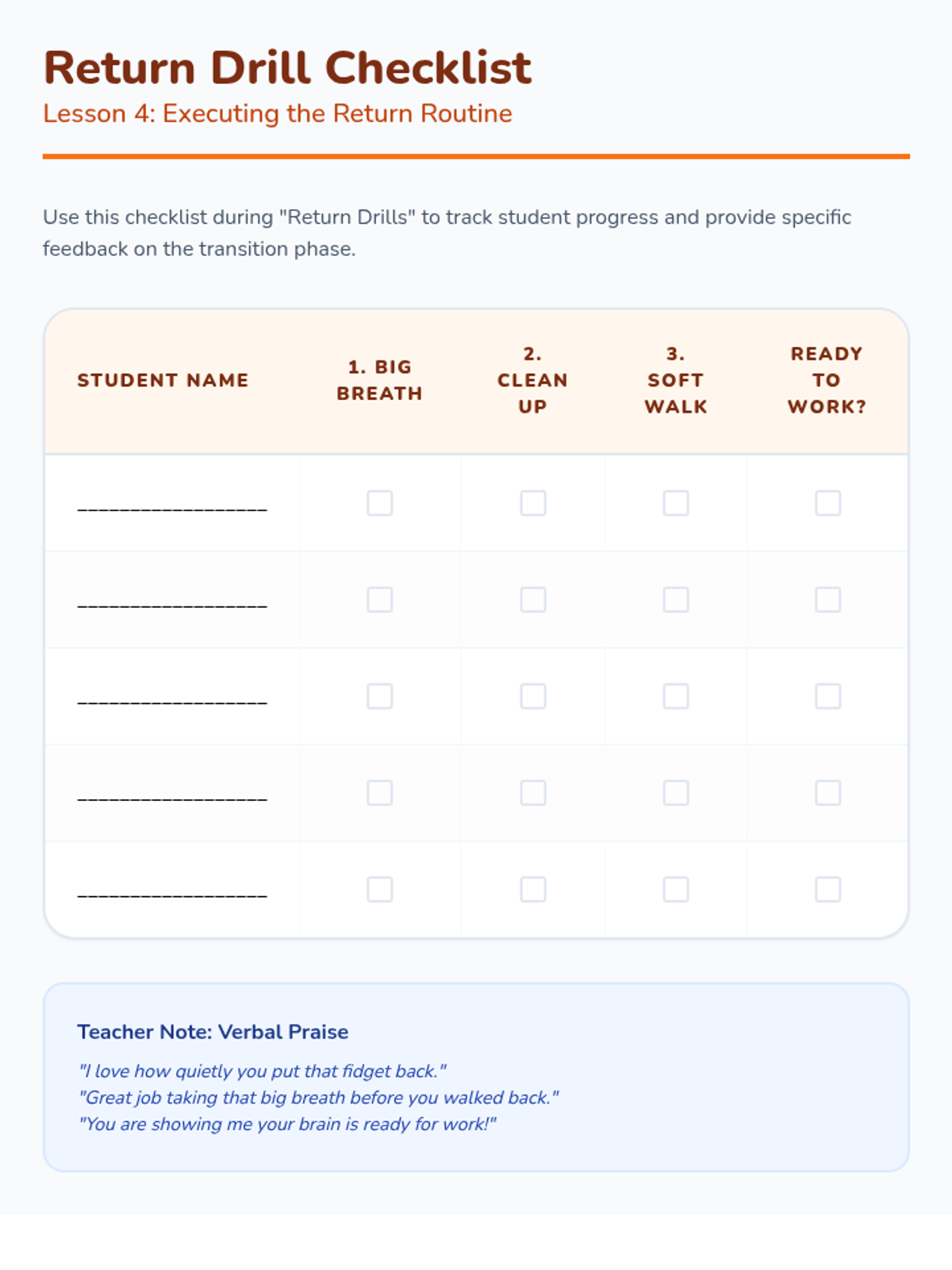
Students demonstrate the complete cycle from identifying a need to returning to work independently.
Students practice the routine for ending a break and transitioning back to work smoothly.
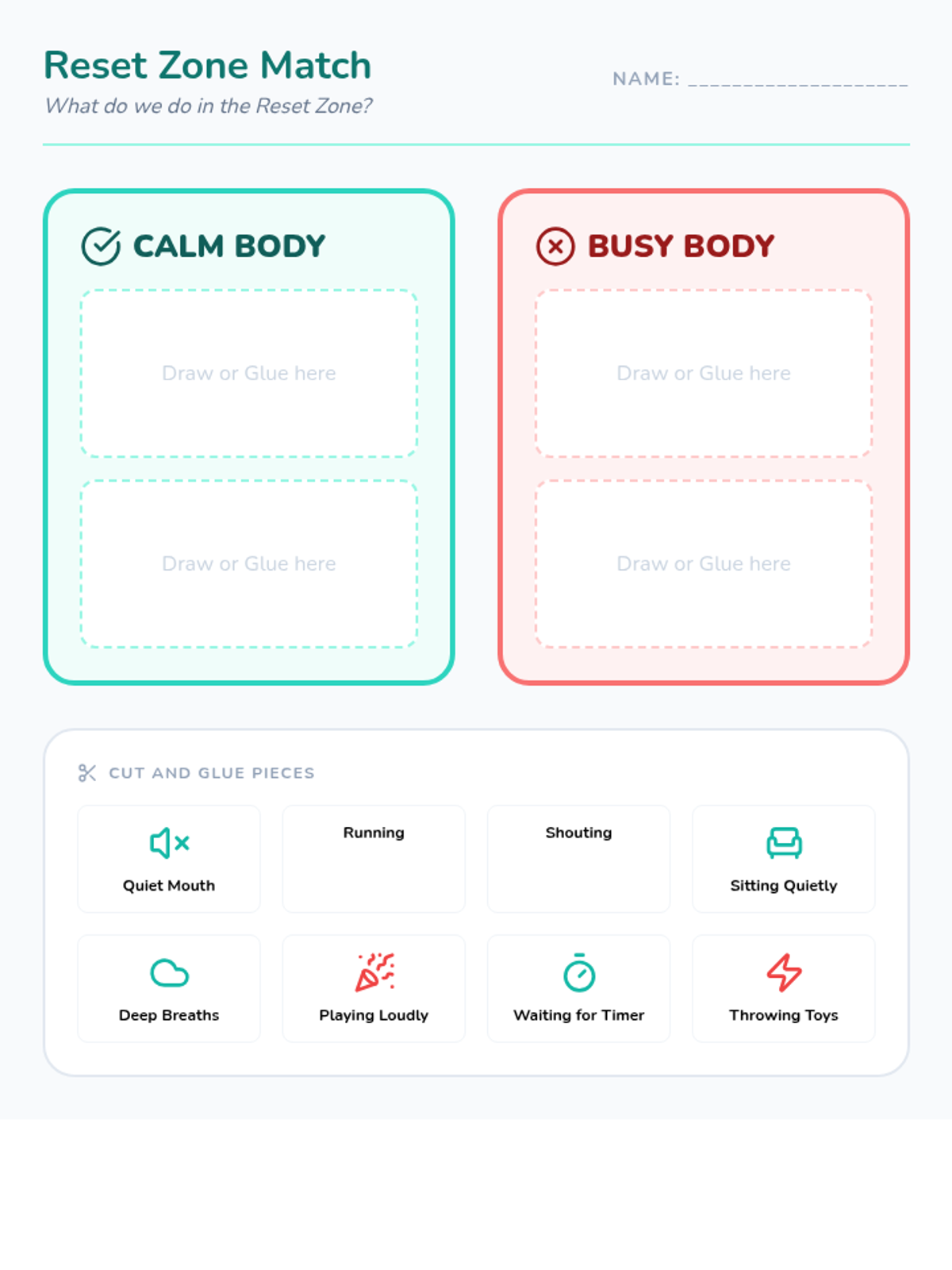
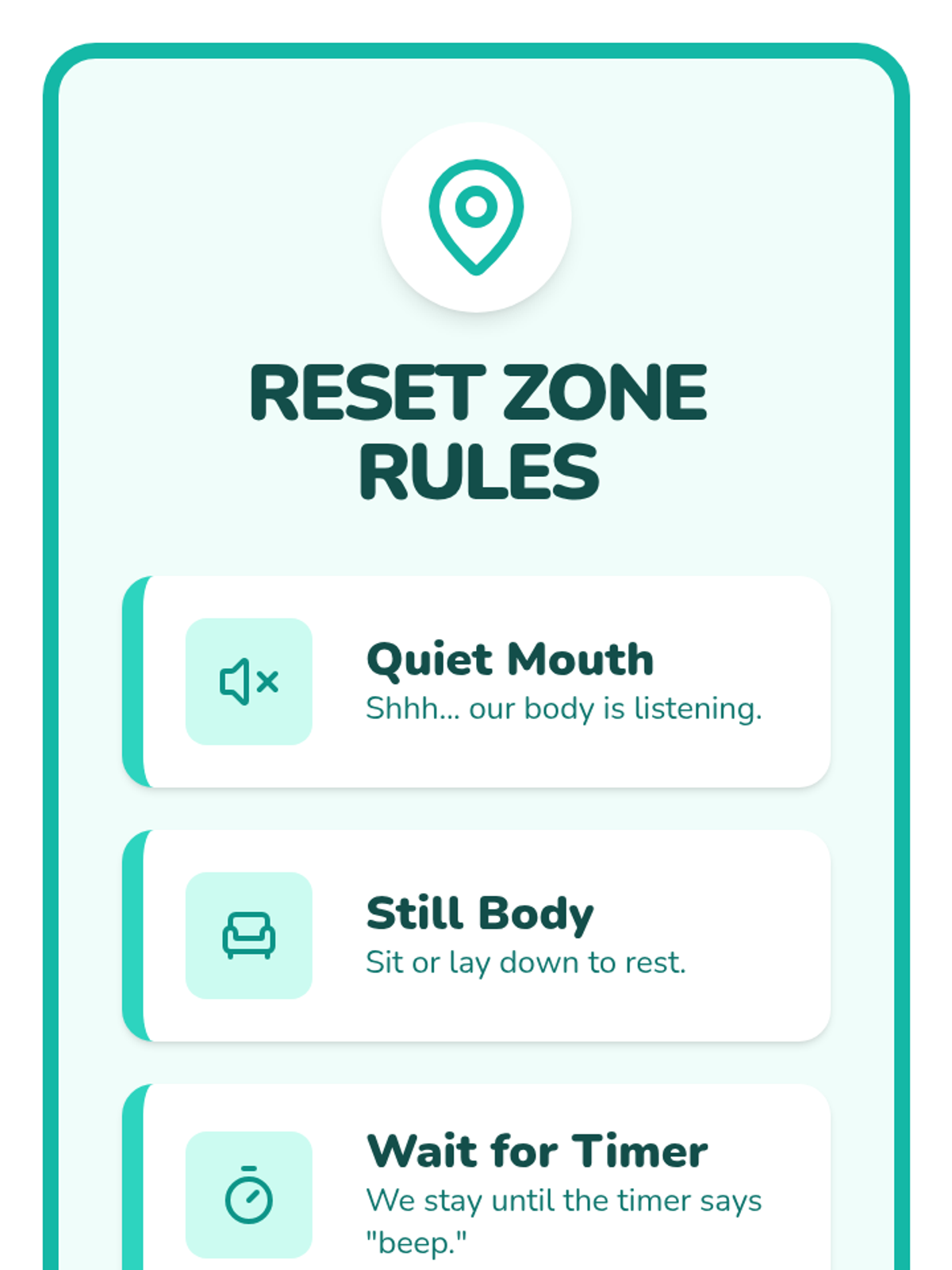
Students learn the expectations for the classroom Break Zone, differentiating between 'reset time' and 'play time'.
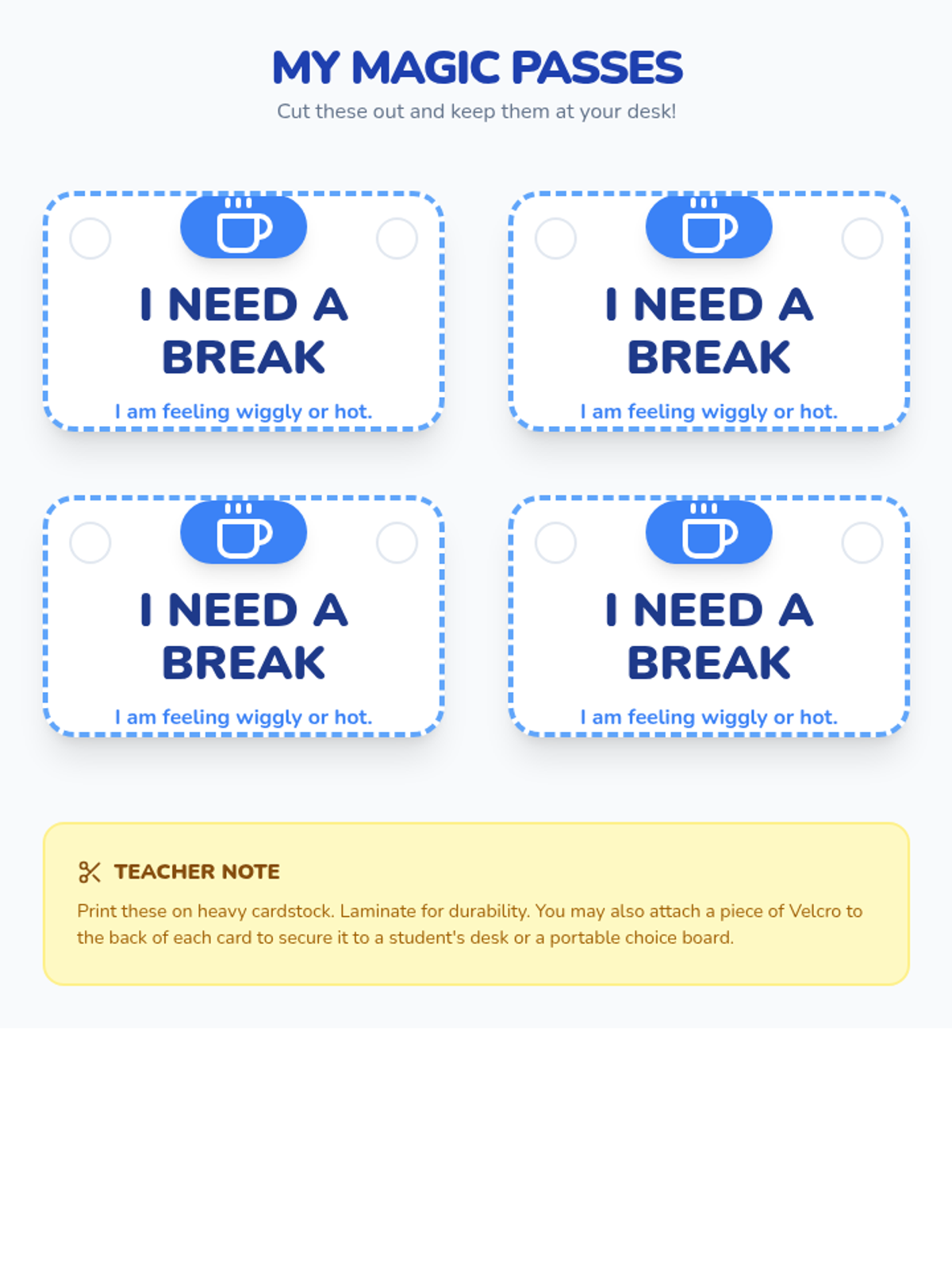
Students learn and practice the 'Stop, Grab, Show' method for non-verbally requesting a break using visual cards.
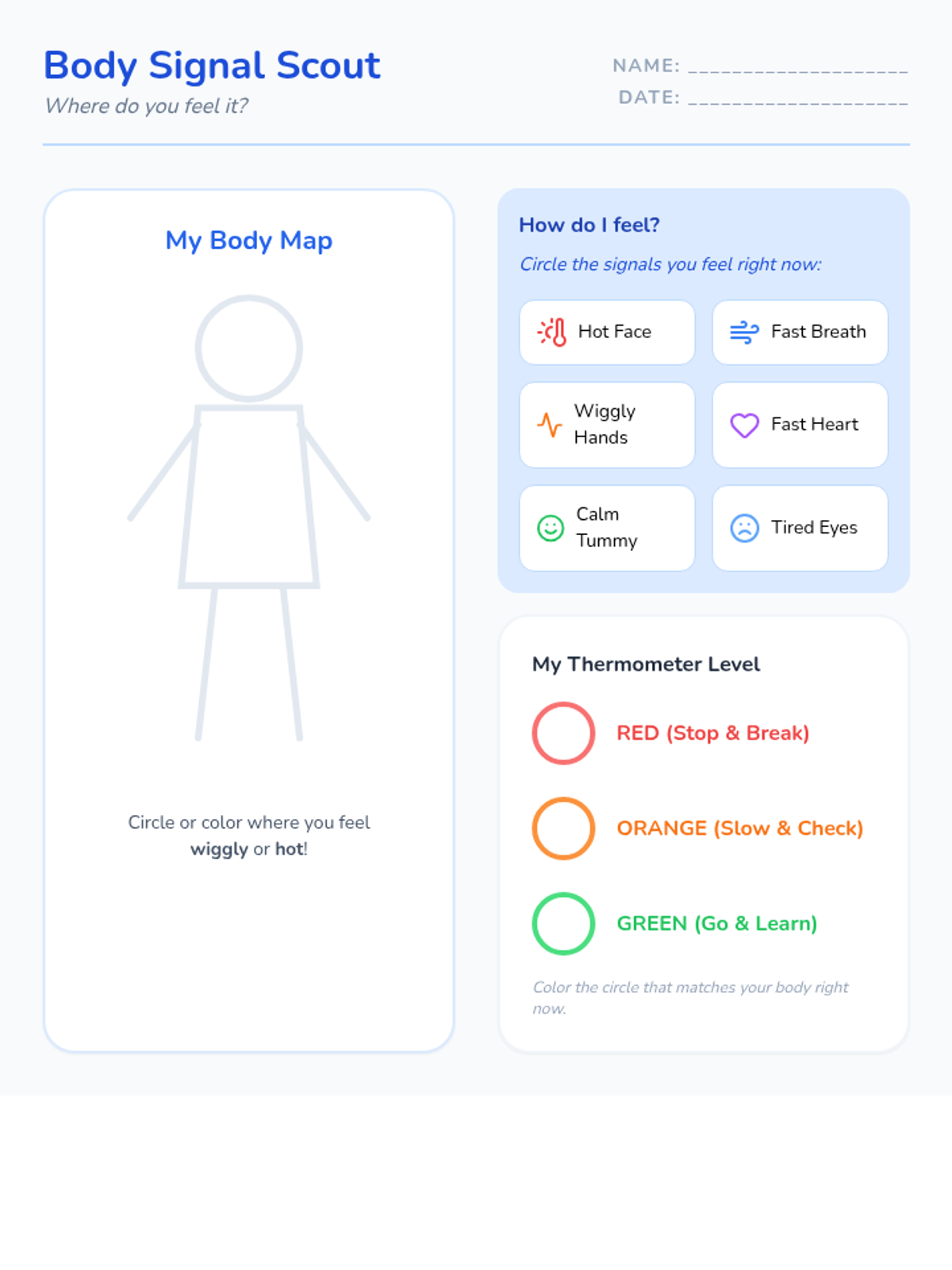
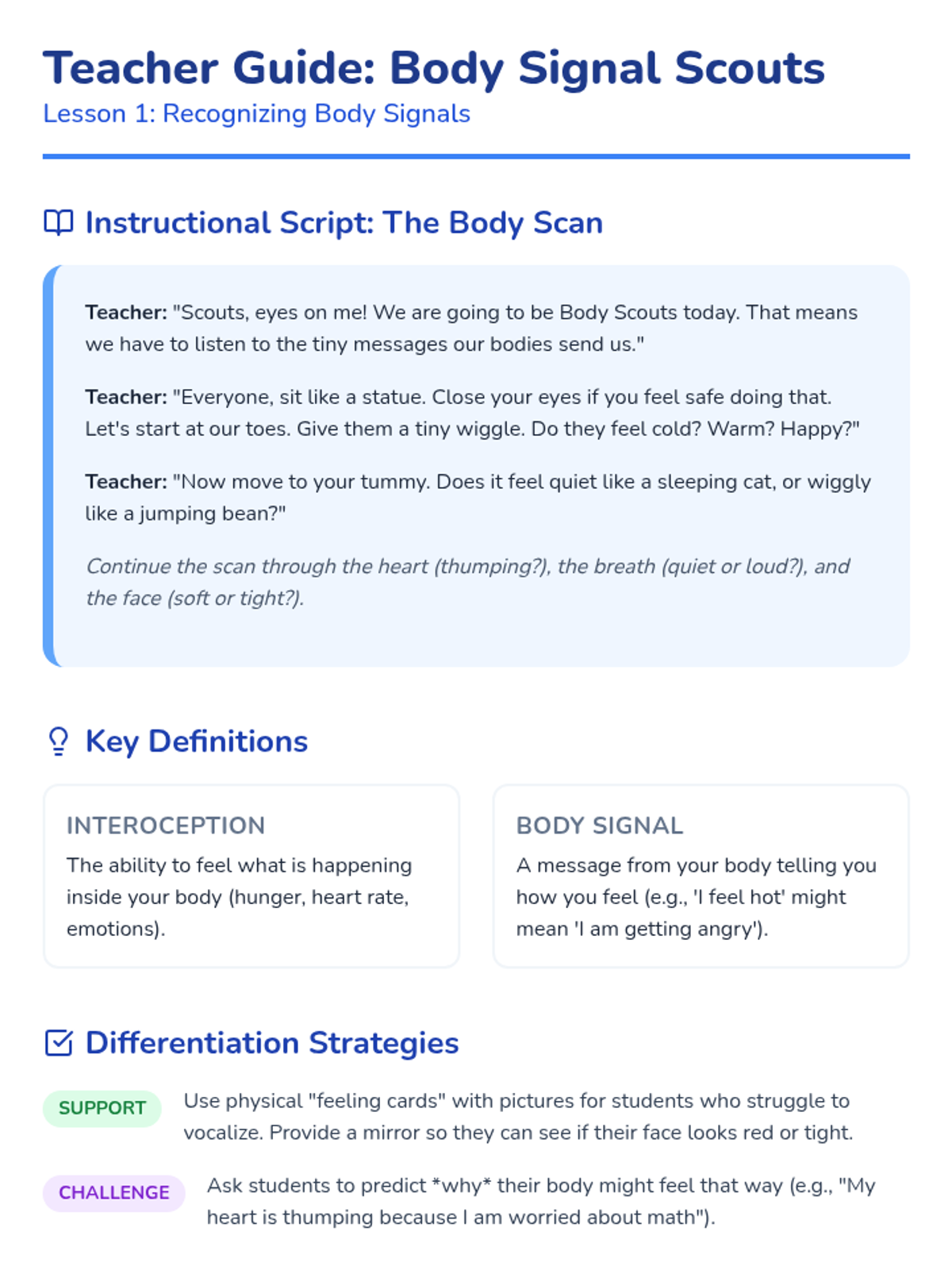
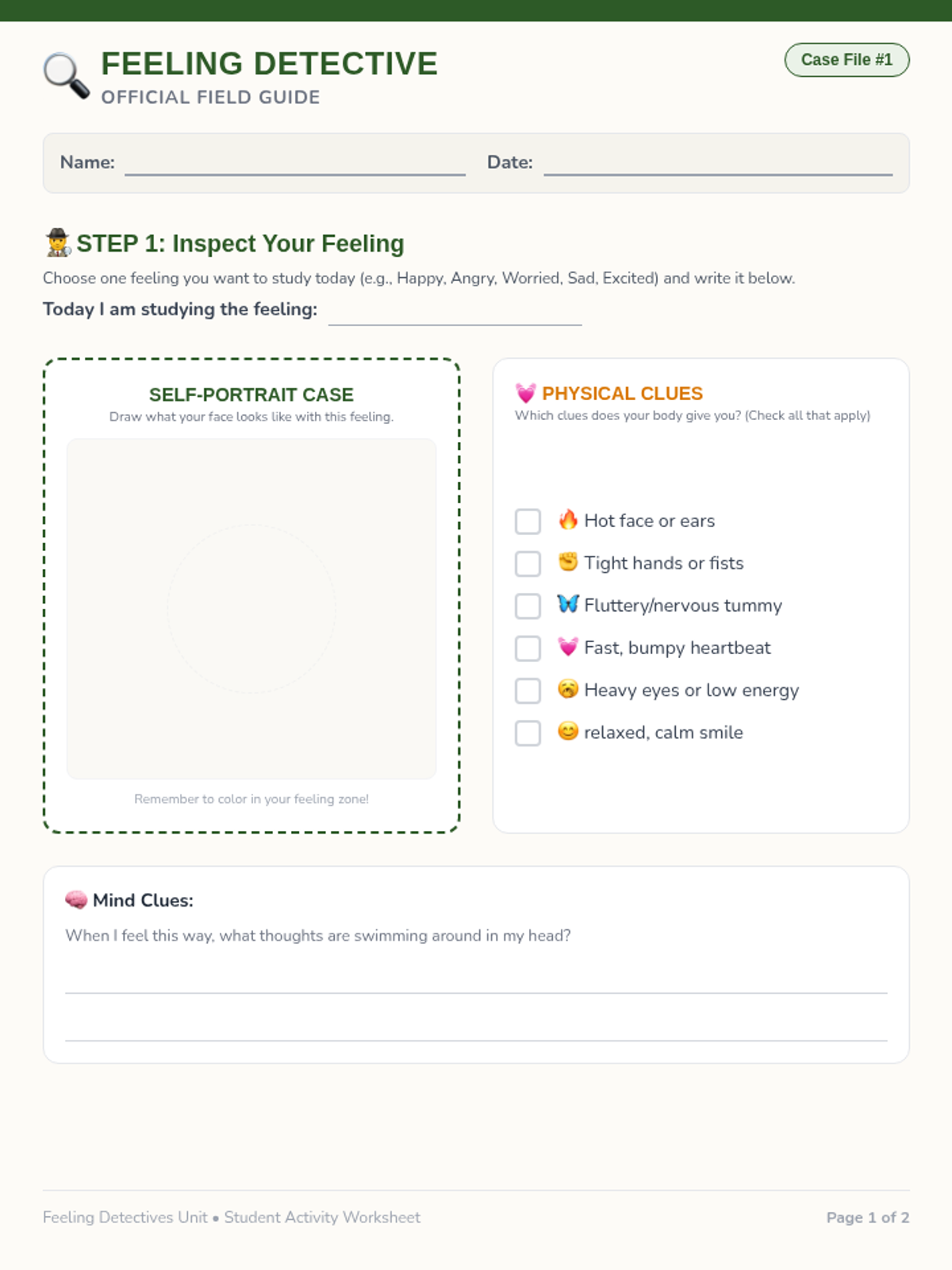
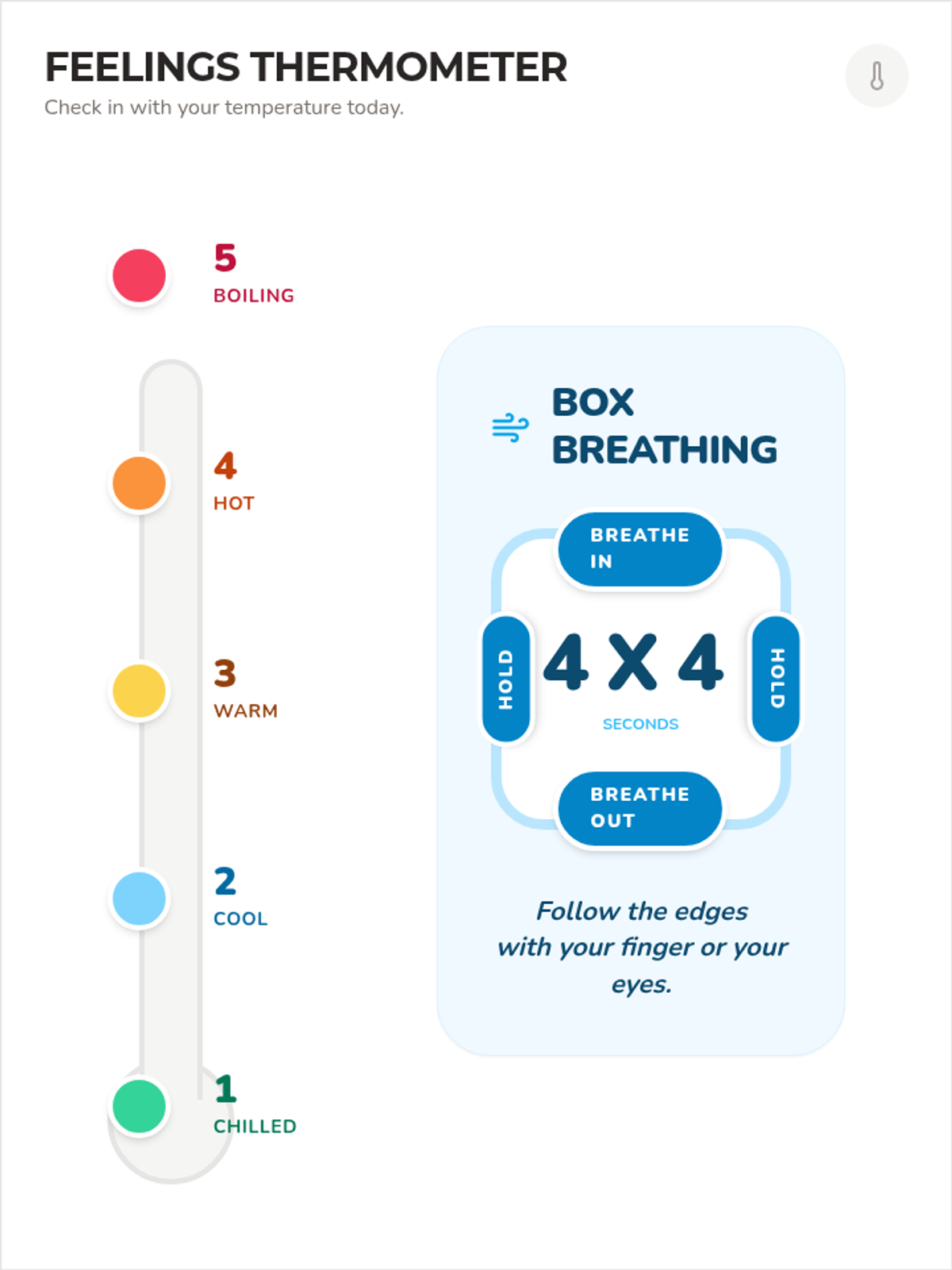
Students identify physical sensations associated with dysregulation using a body scan and create a Body Thermometer visual.
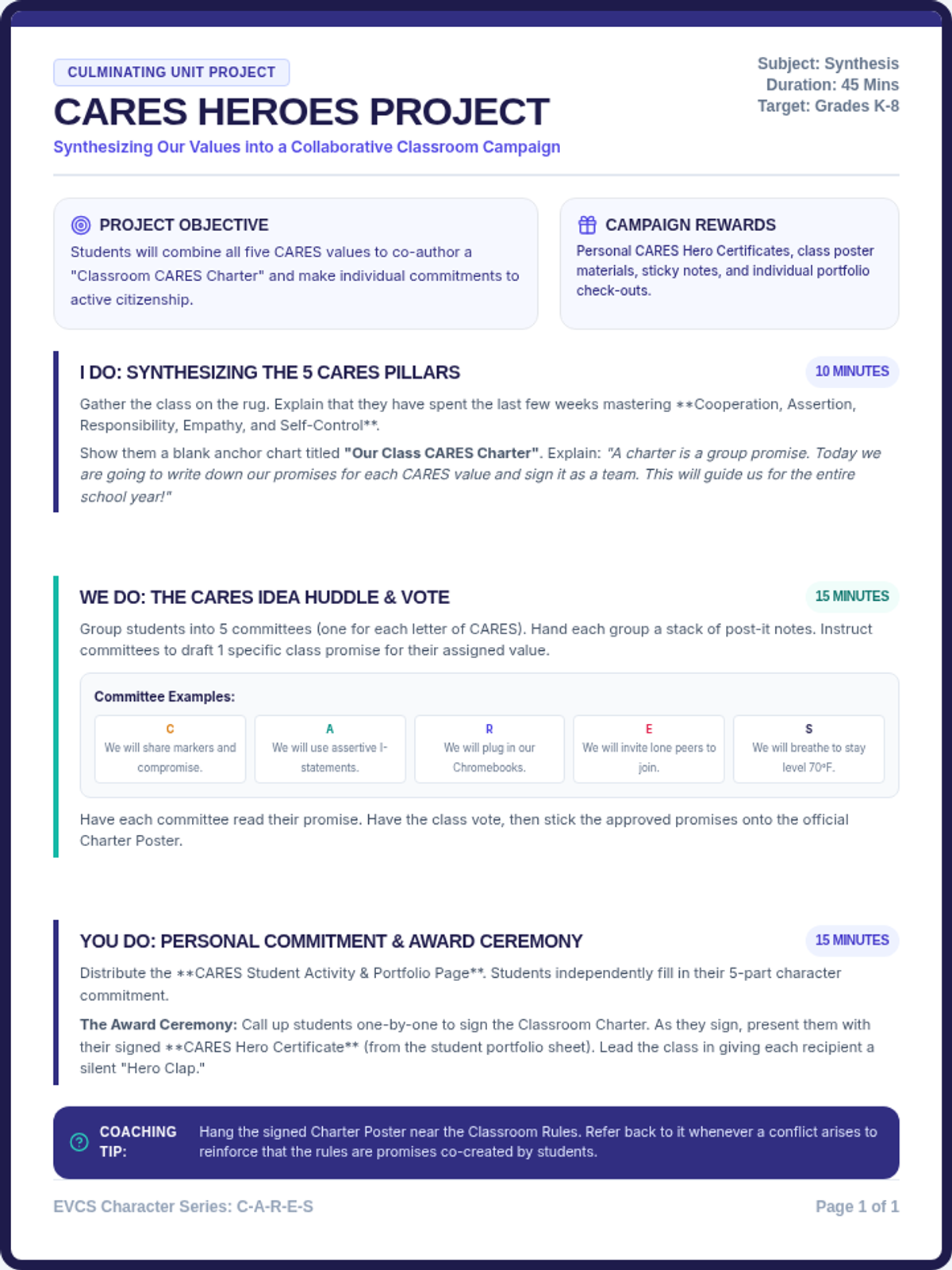
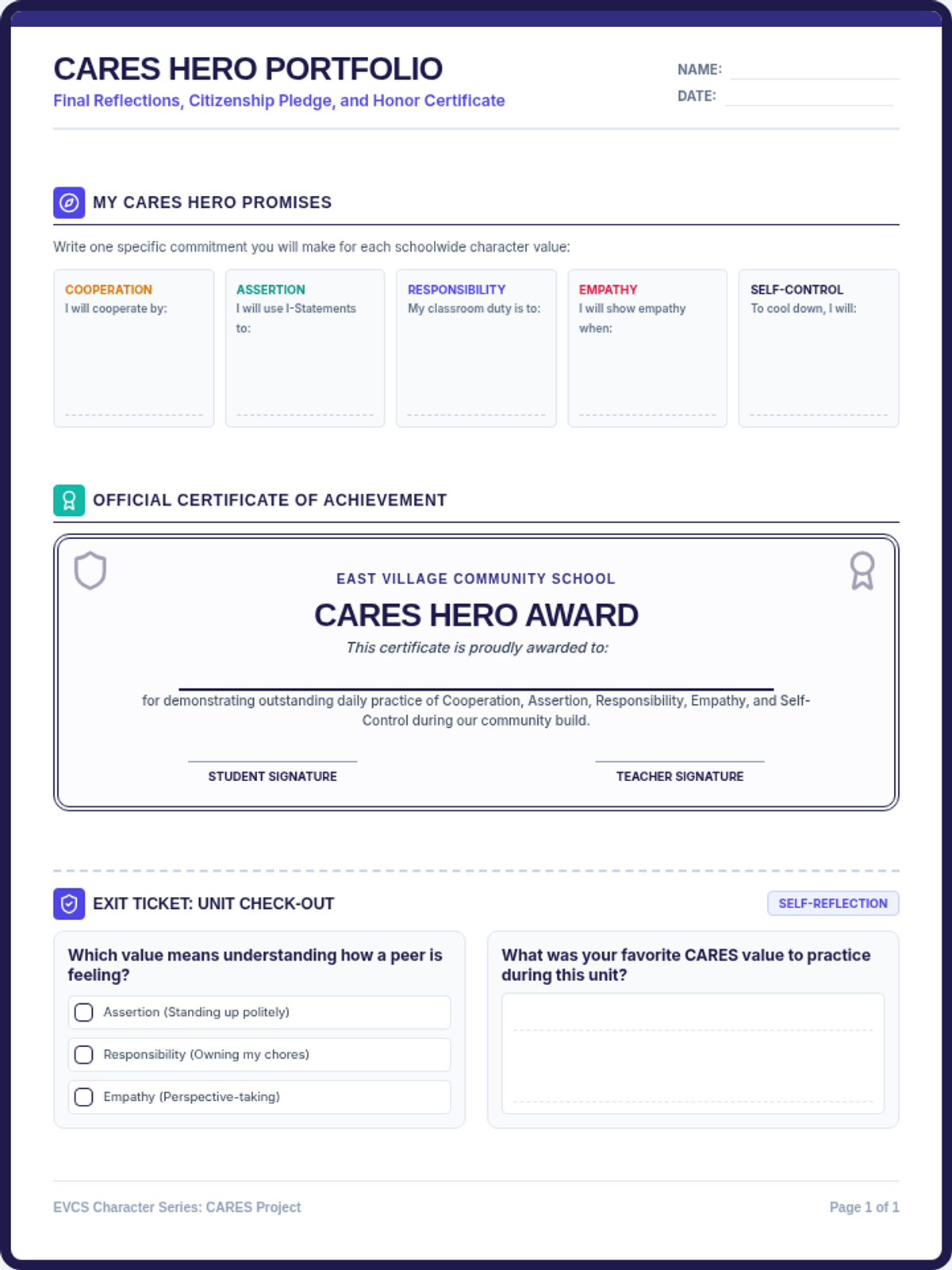
A culminating reflection and community project lesson where students synthesize all five CARES values. Students create a class pledge, award certificates, and design a community action project to show their learning.
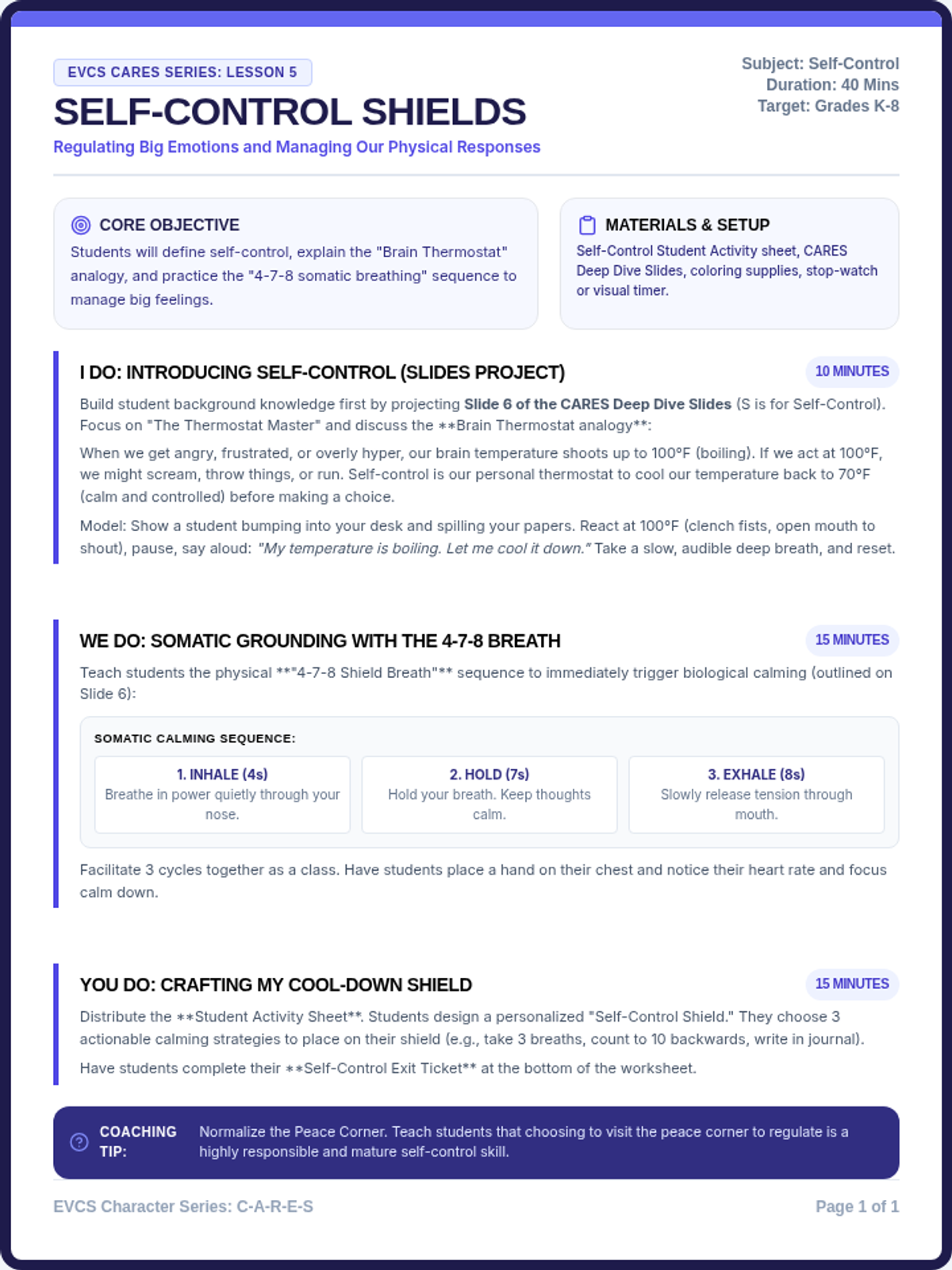
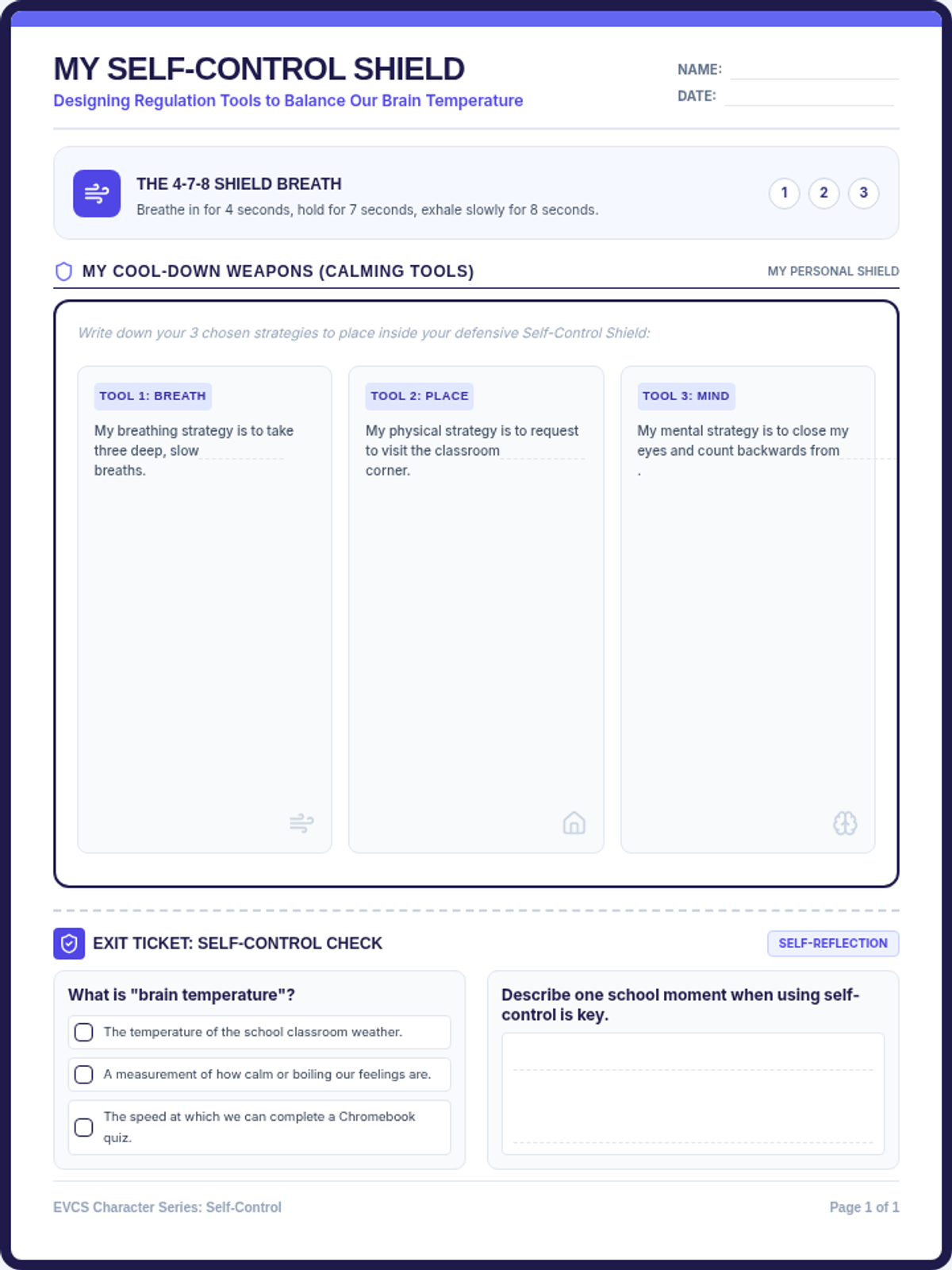
A social-emotional learning lesson centered on self-control, emotional regulation, and mindfulness. Students practice somatic grounding and cool-down techniques to manage big emotions in real-time.
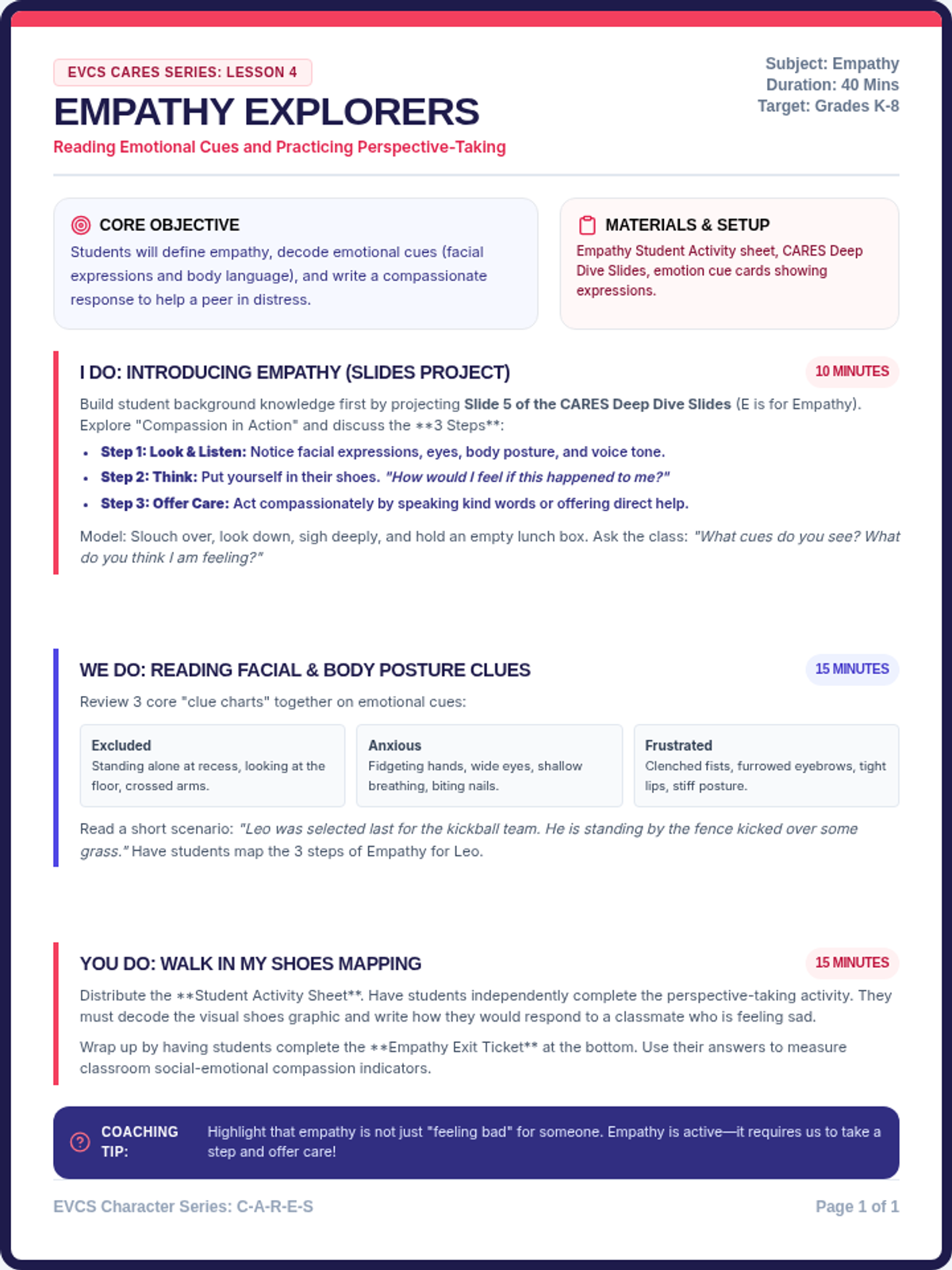
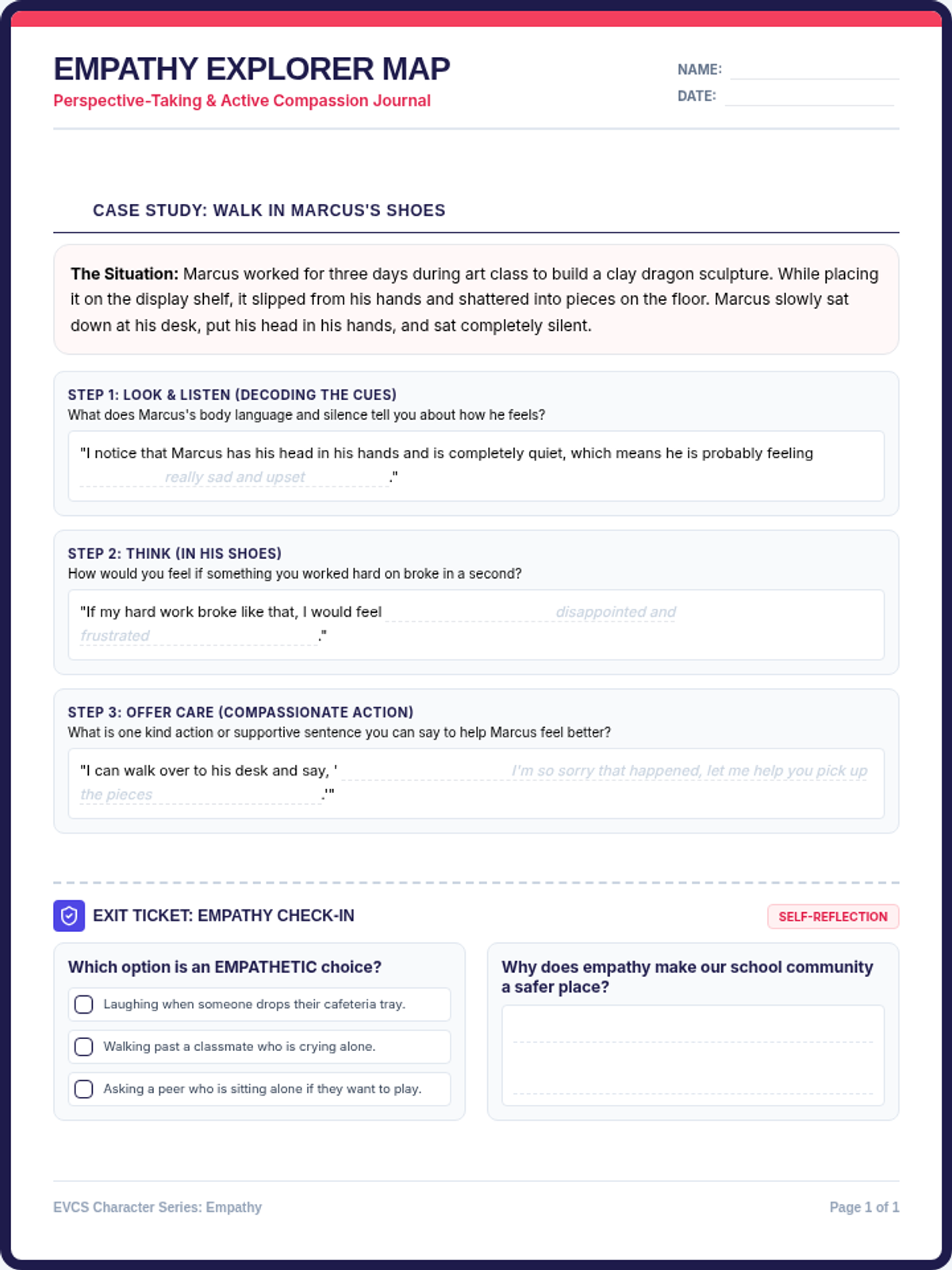
A social-emotional learning lesson on empathy, active compassion, and perspective-taking. Students learn to recognize emotional cues in others and practice walking in someone else's shoes to solve social dilemmas.
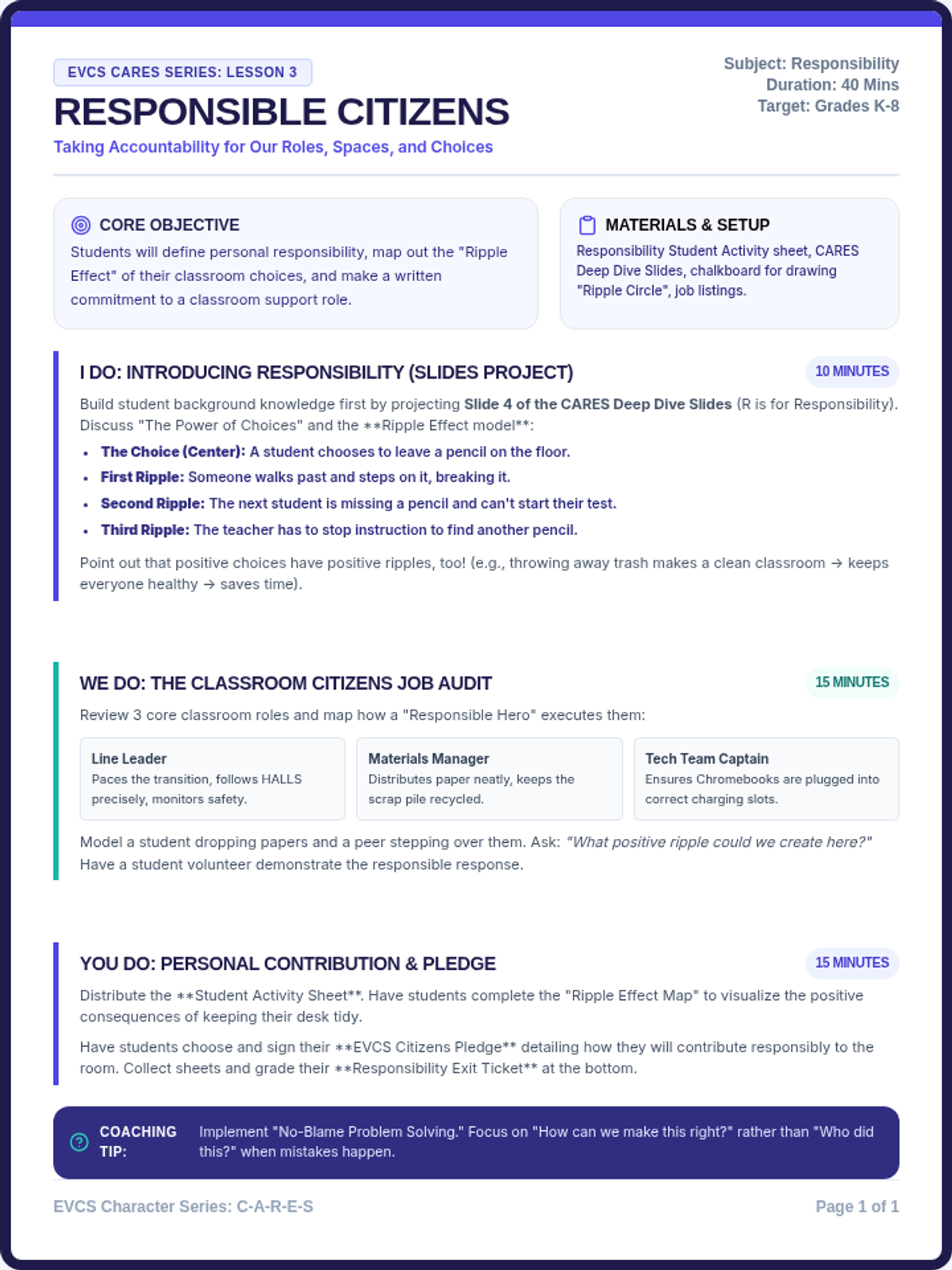
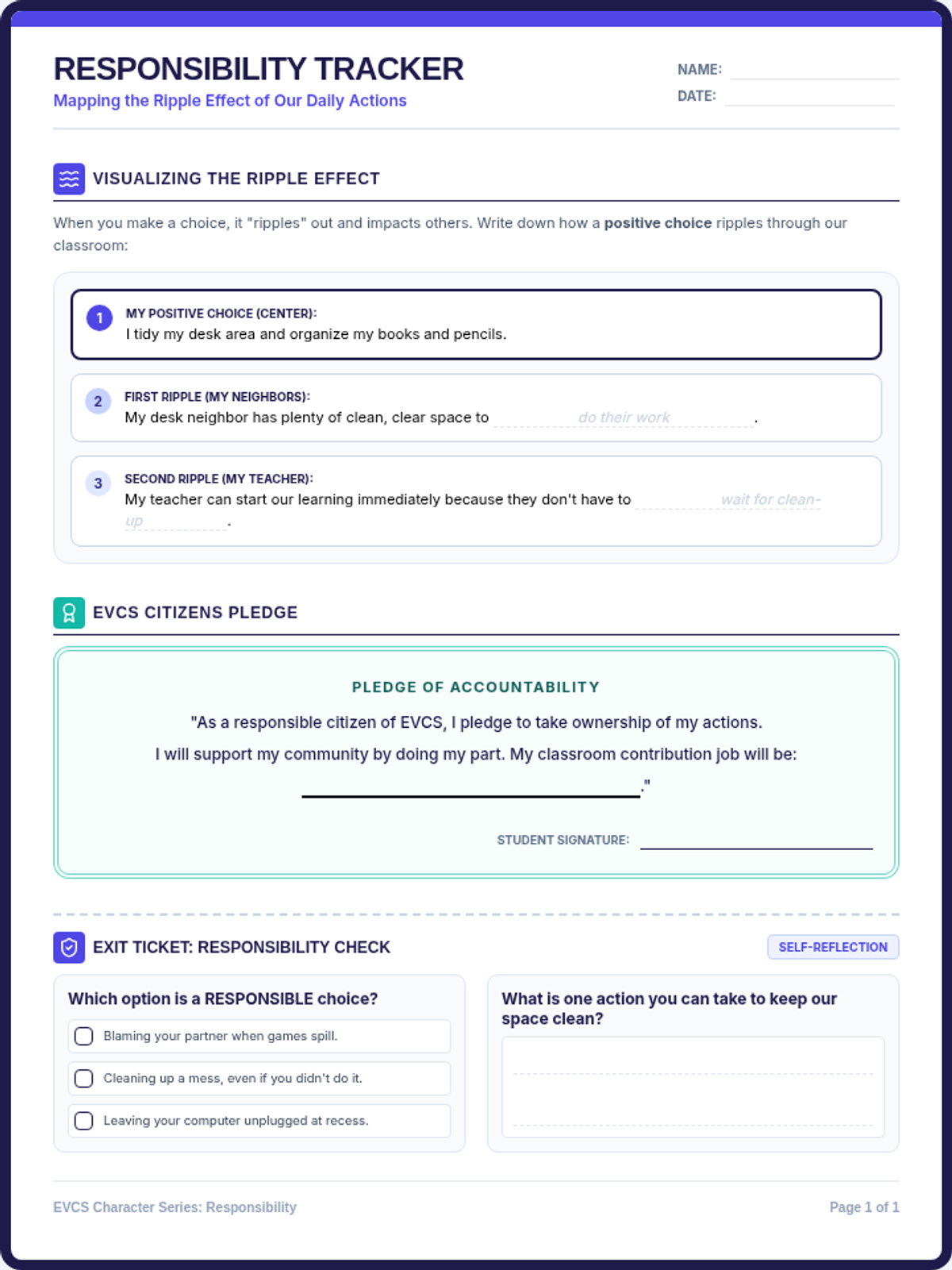
A social-emotional learning lesson teaching personal accountability, civic responsibility, and classroom roles. Students identify how their individual choices affect the safety and success of the whole community.
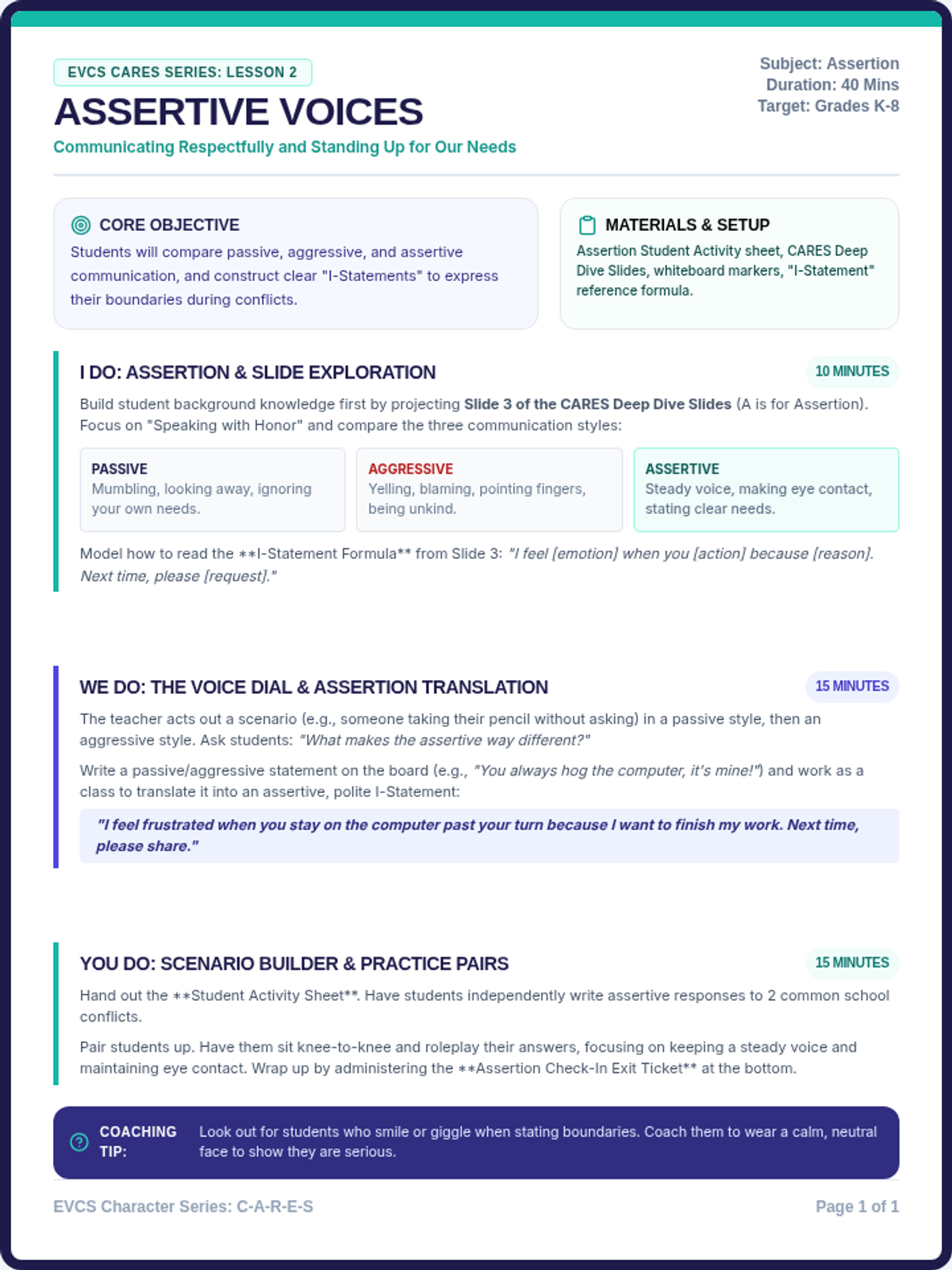
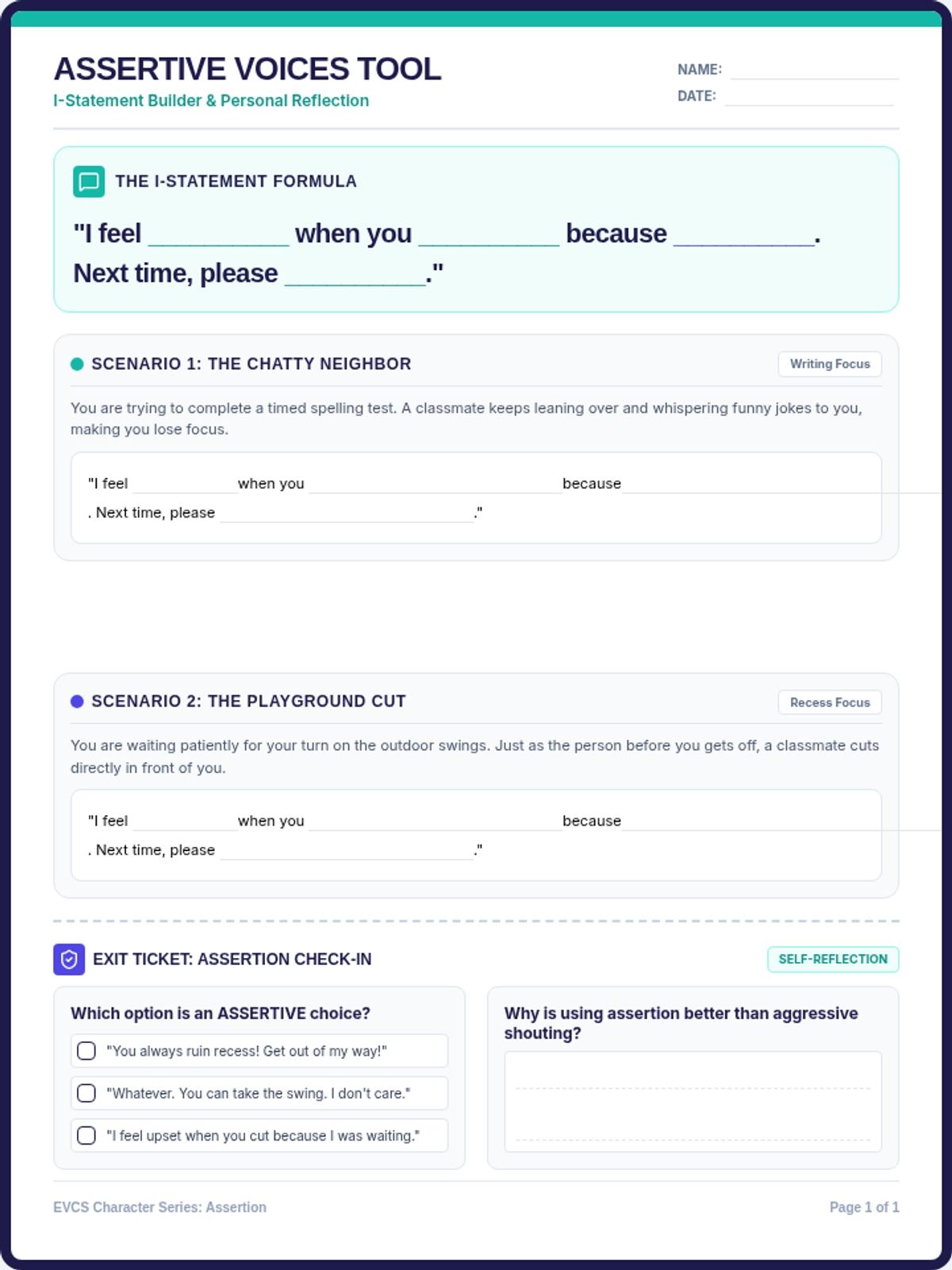
A social-emotional learning lesson focused on assertive communication, active listening, and setting respectful boundaries. Students practice using "I-Statements" to express their needs and opinions respectfully.
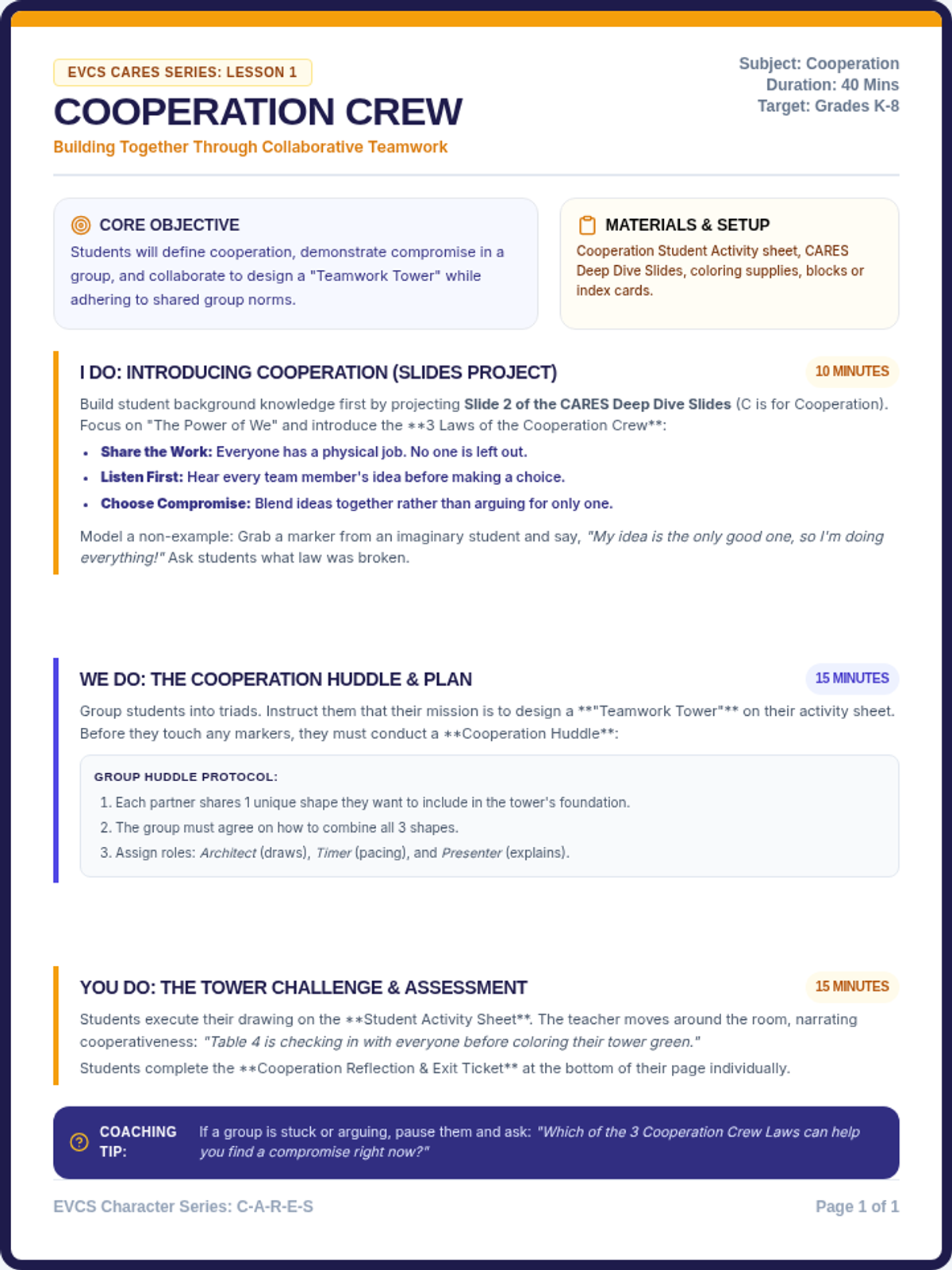
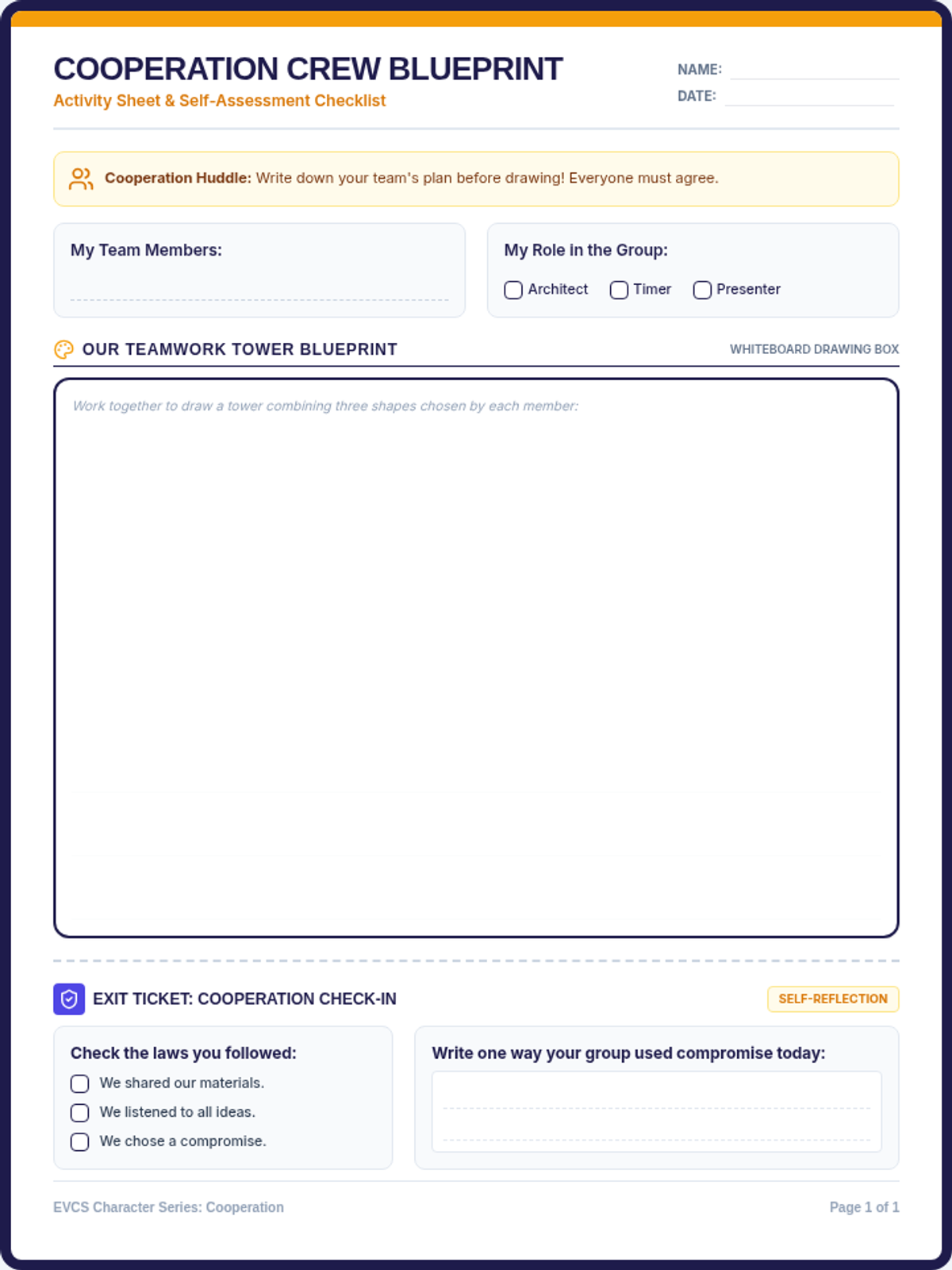
A social-emotional learning lesson focusing on cooperation, collaborative problem solving, and group agreement. Students explore how to share ideas, compromise, and build together as a team.
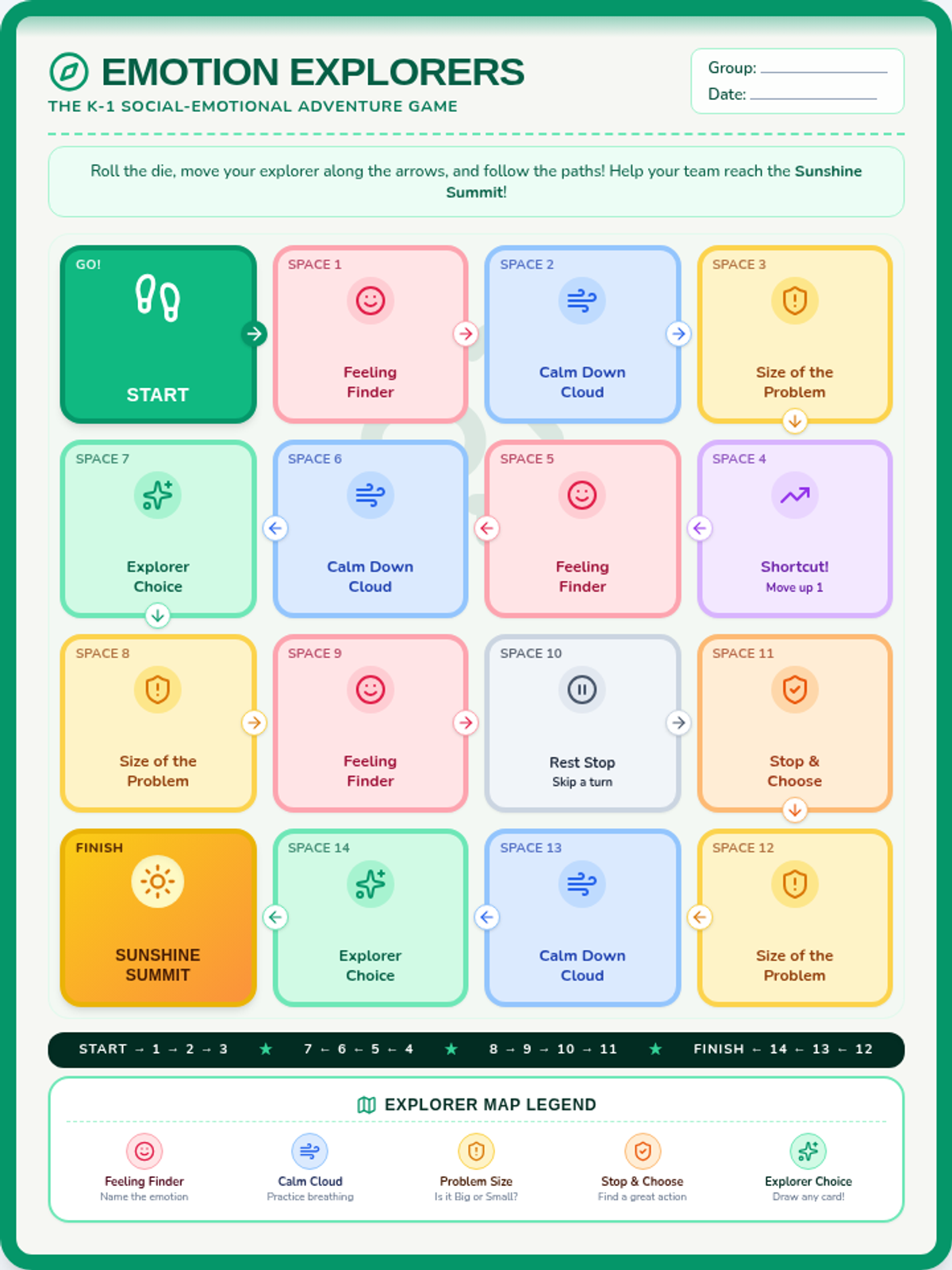
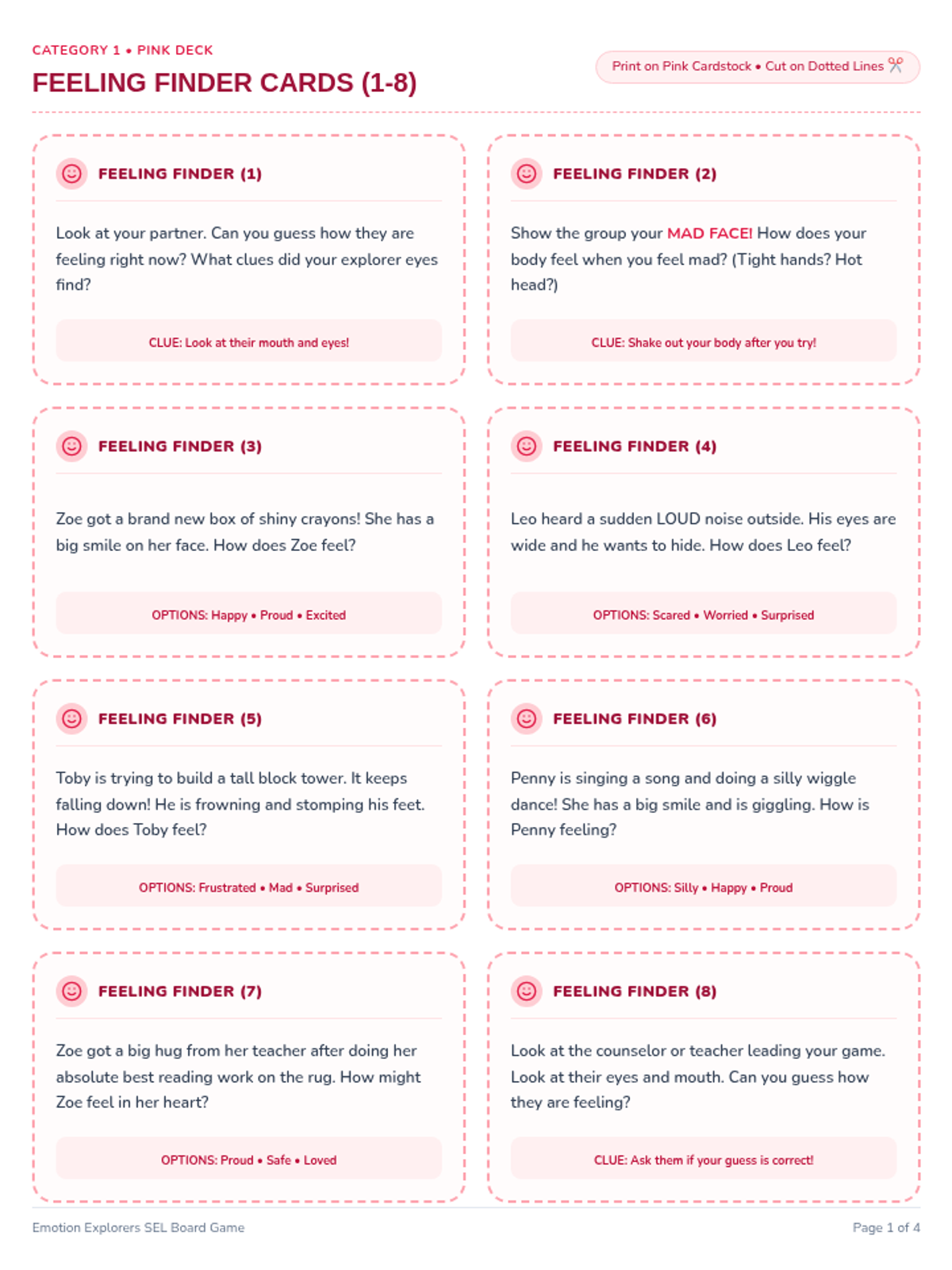
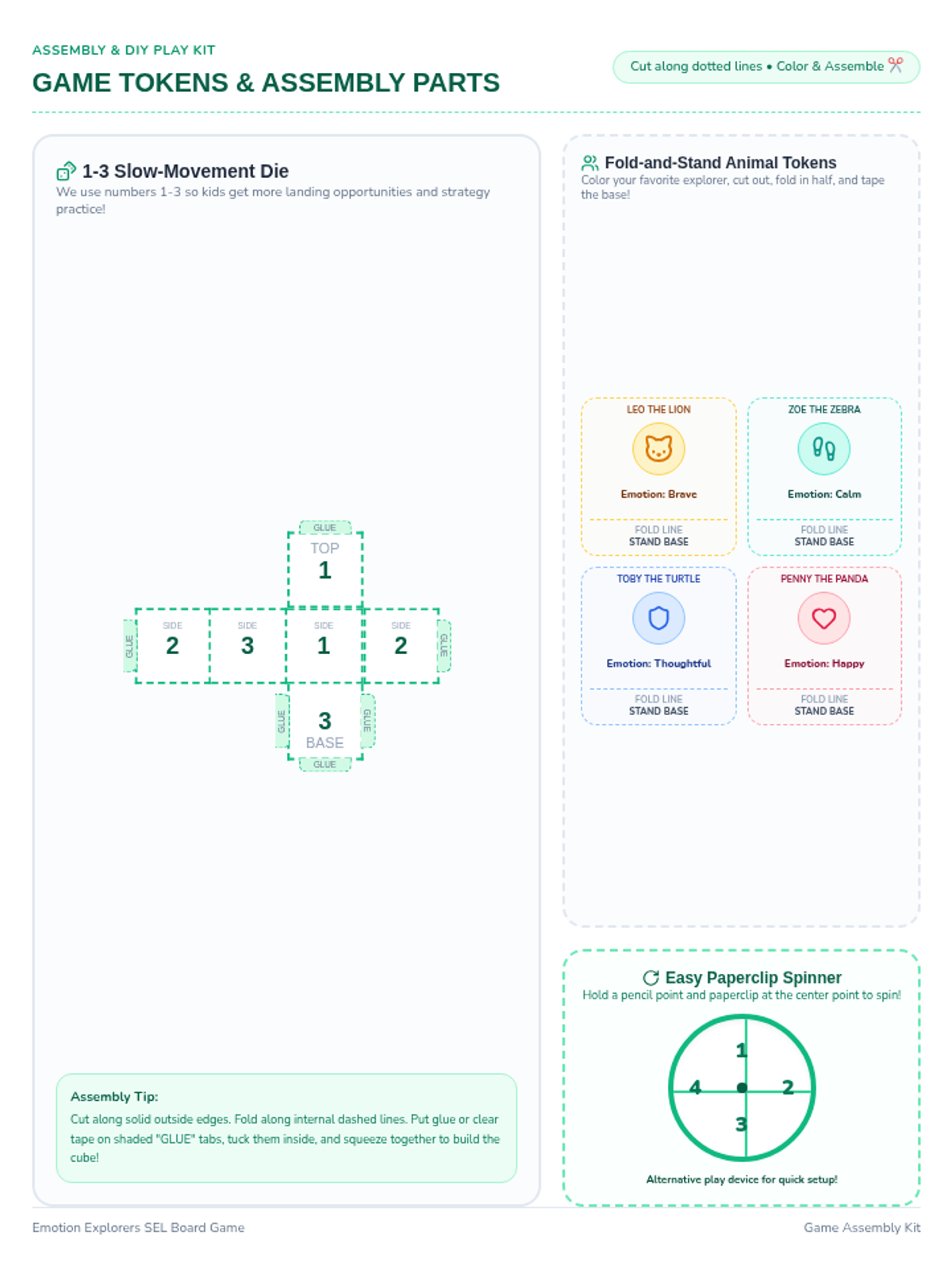
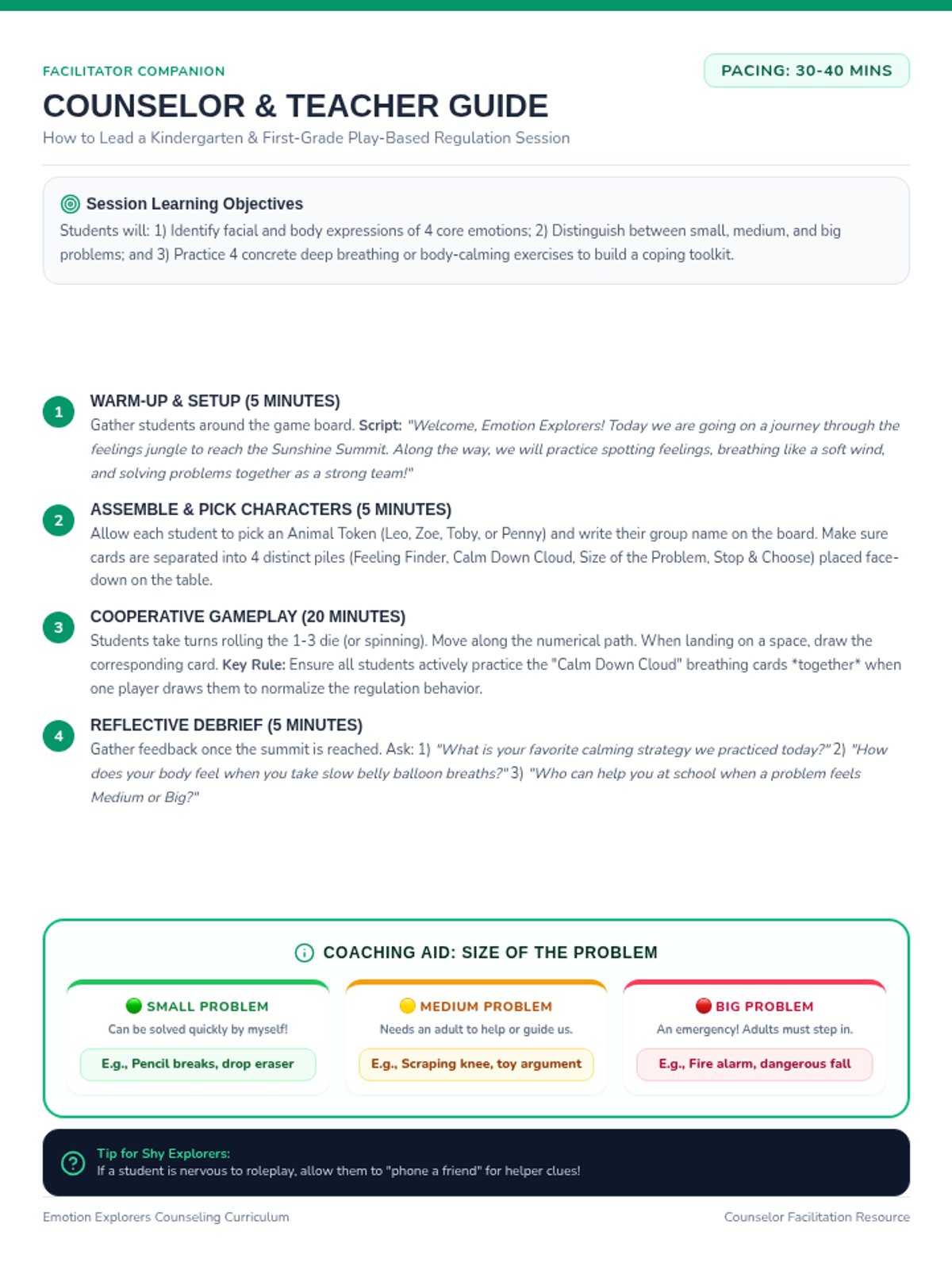
An interactive SEL board game session for Kindergarten and First-Grade students, focusing on identifying emotions, understanding the size of problems, and practicing calming breathing strategies. Includes a printable game board, situation cards, assembly parts, and a comprehensive counselor guide.
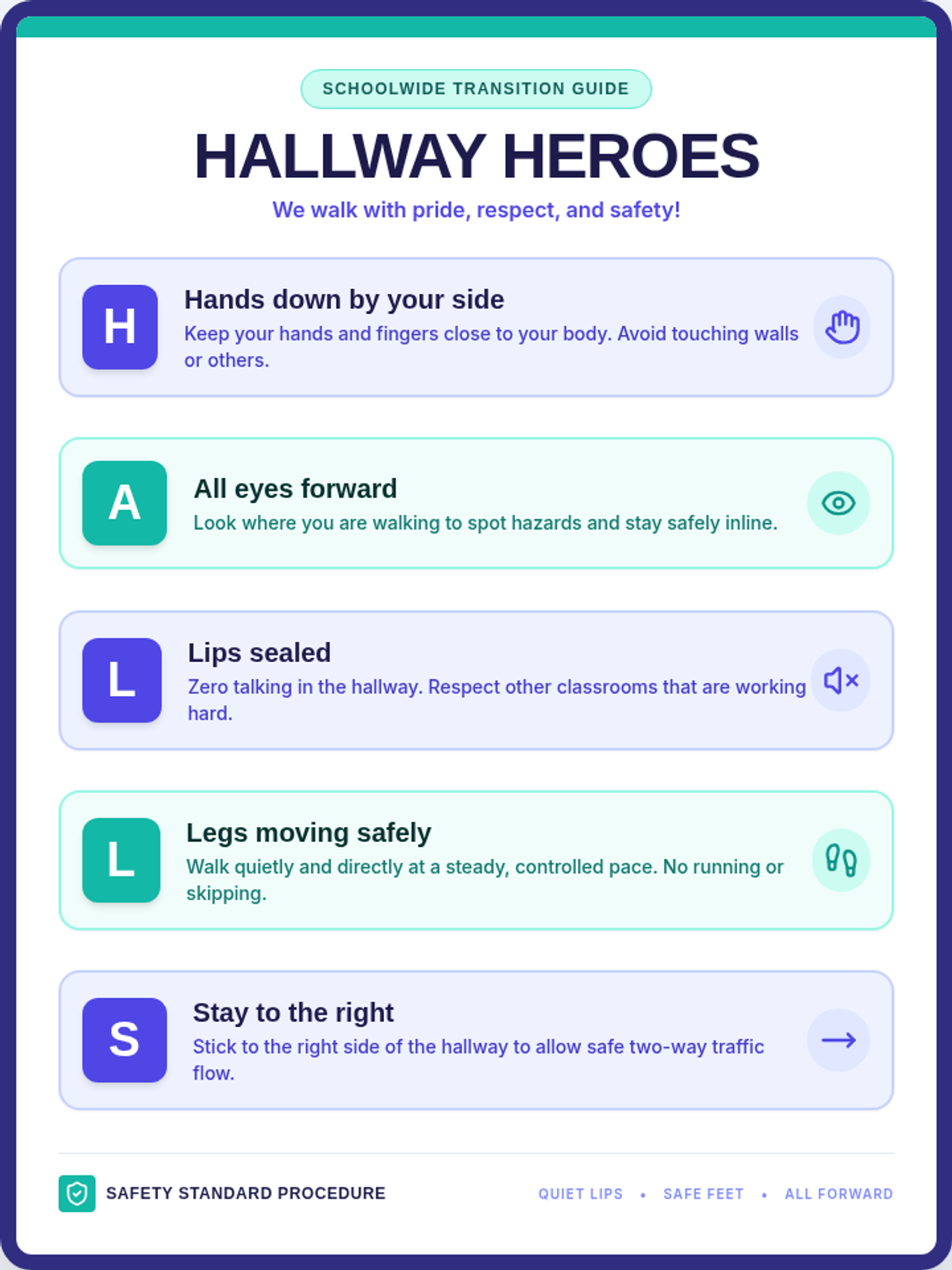
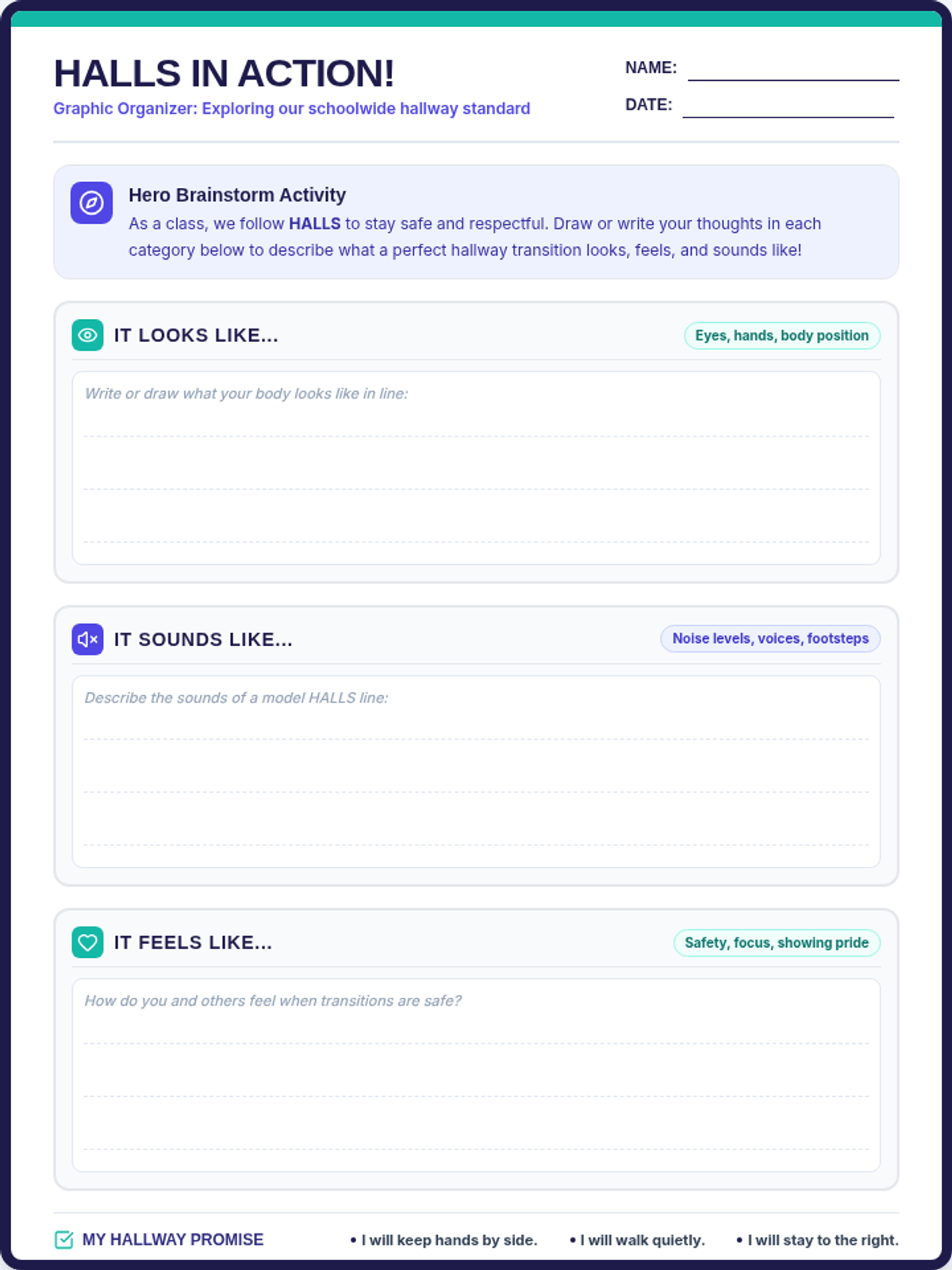
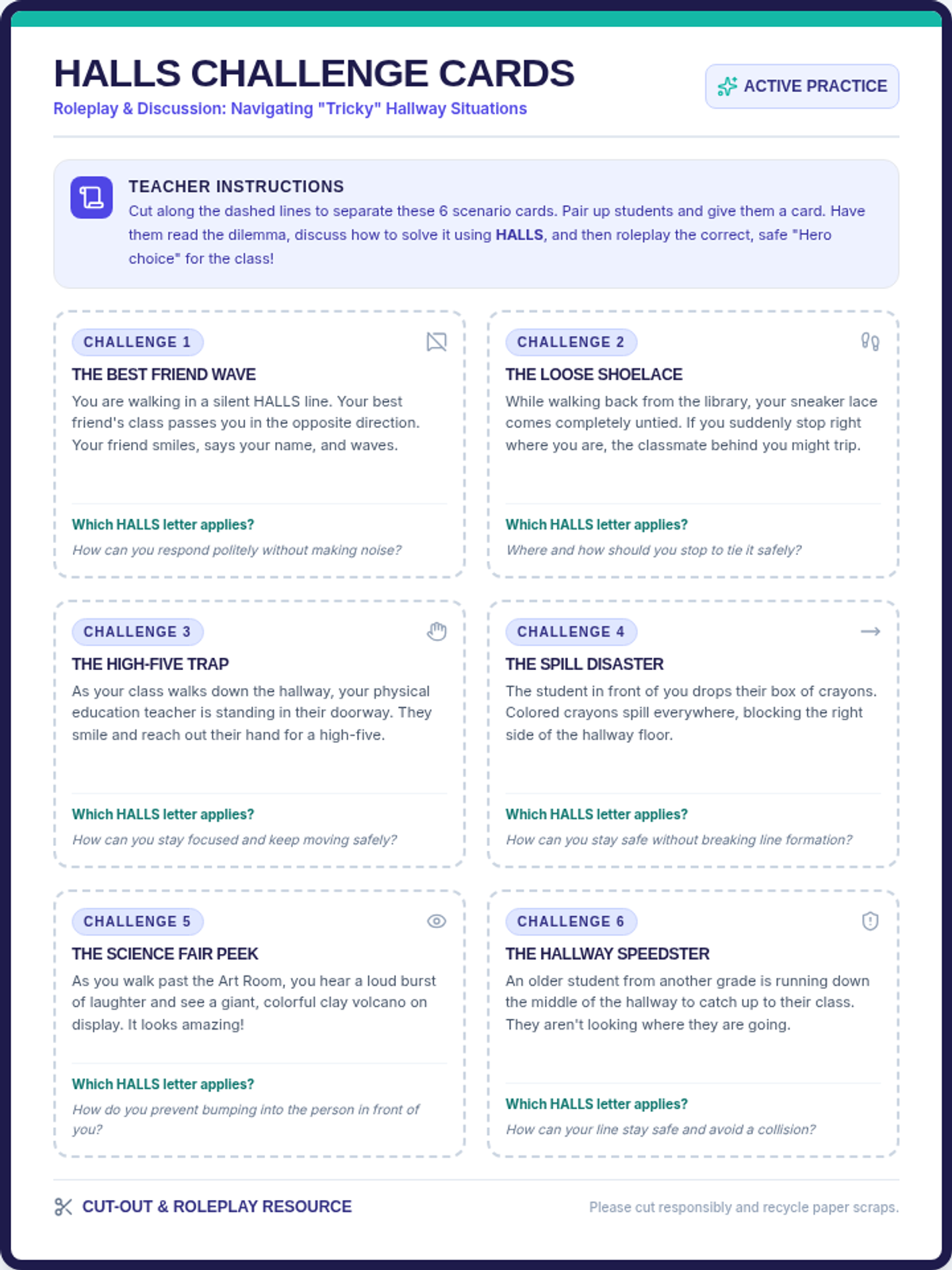
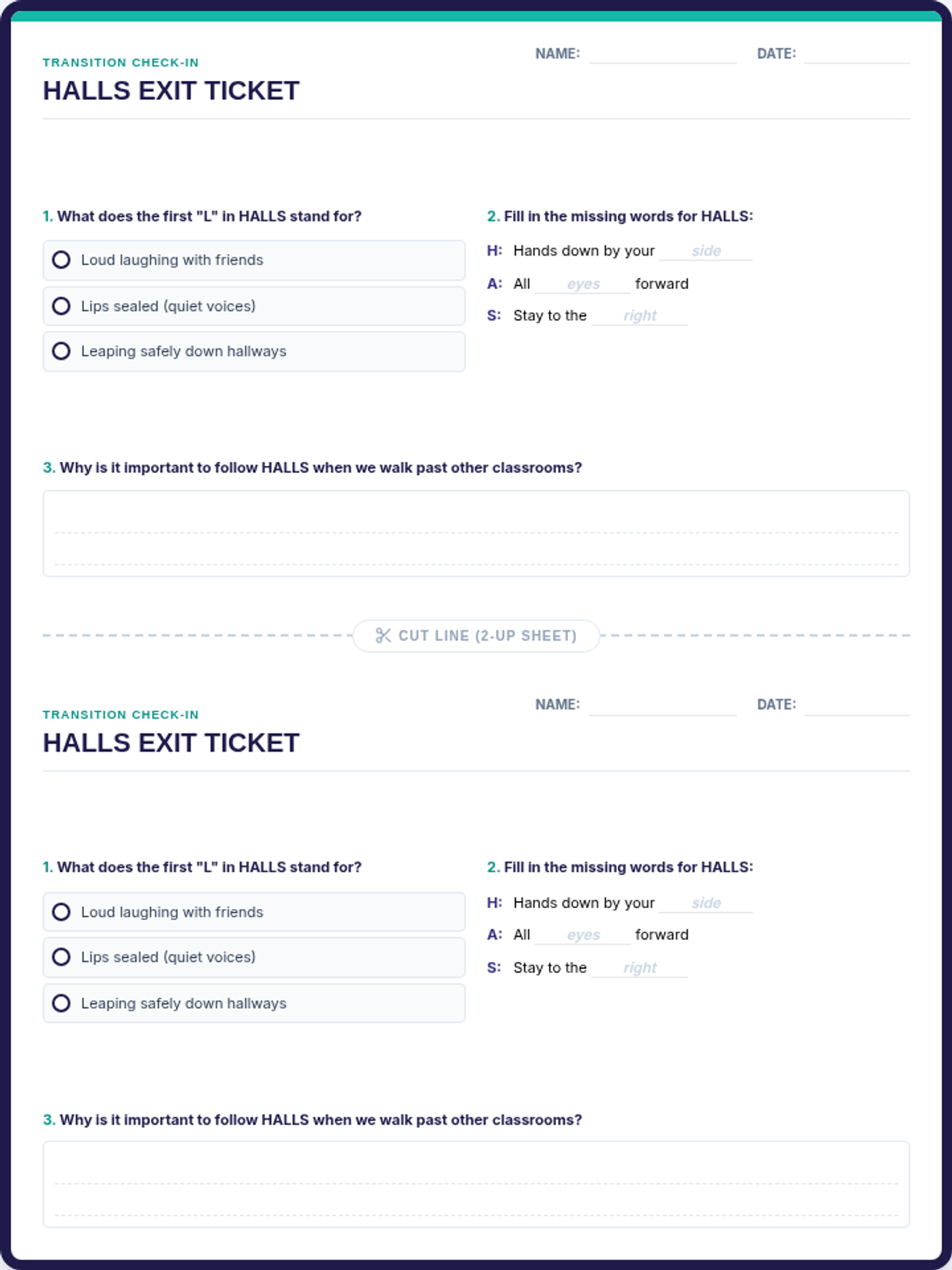
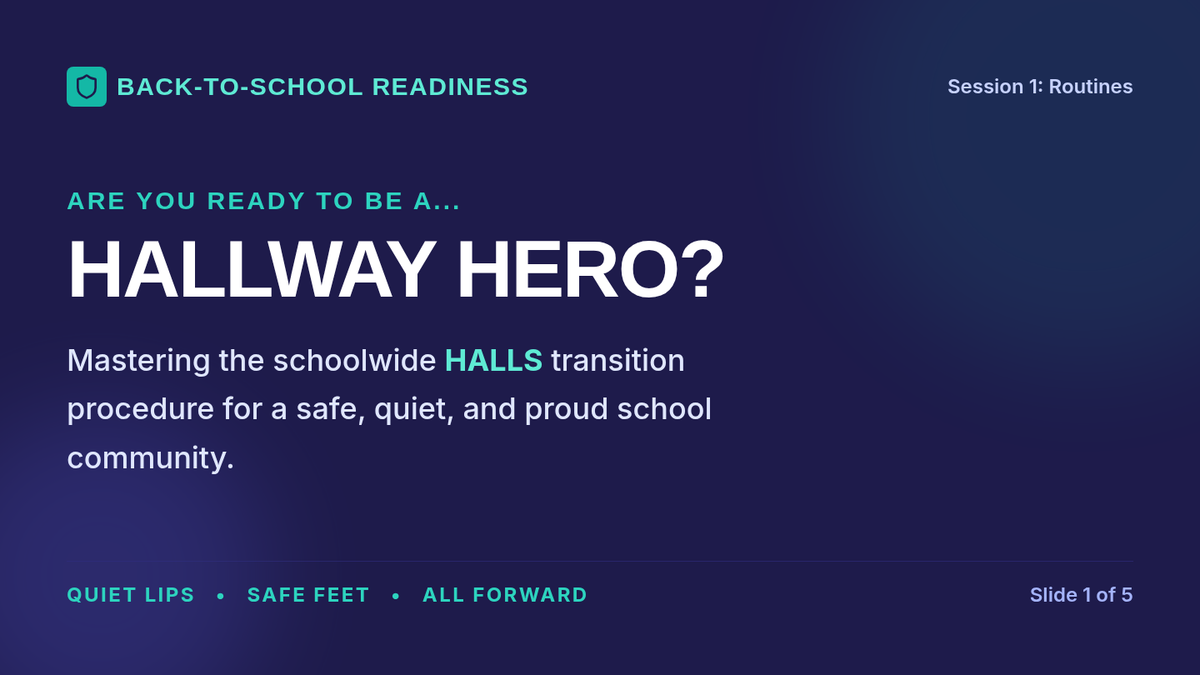
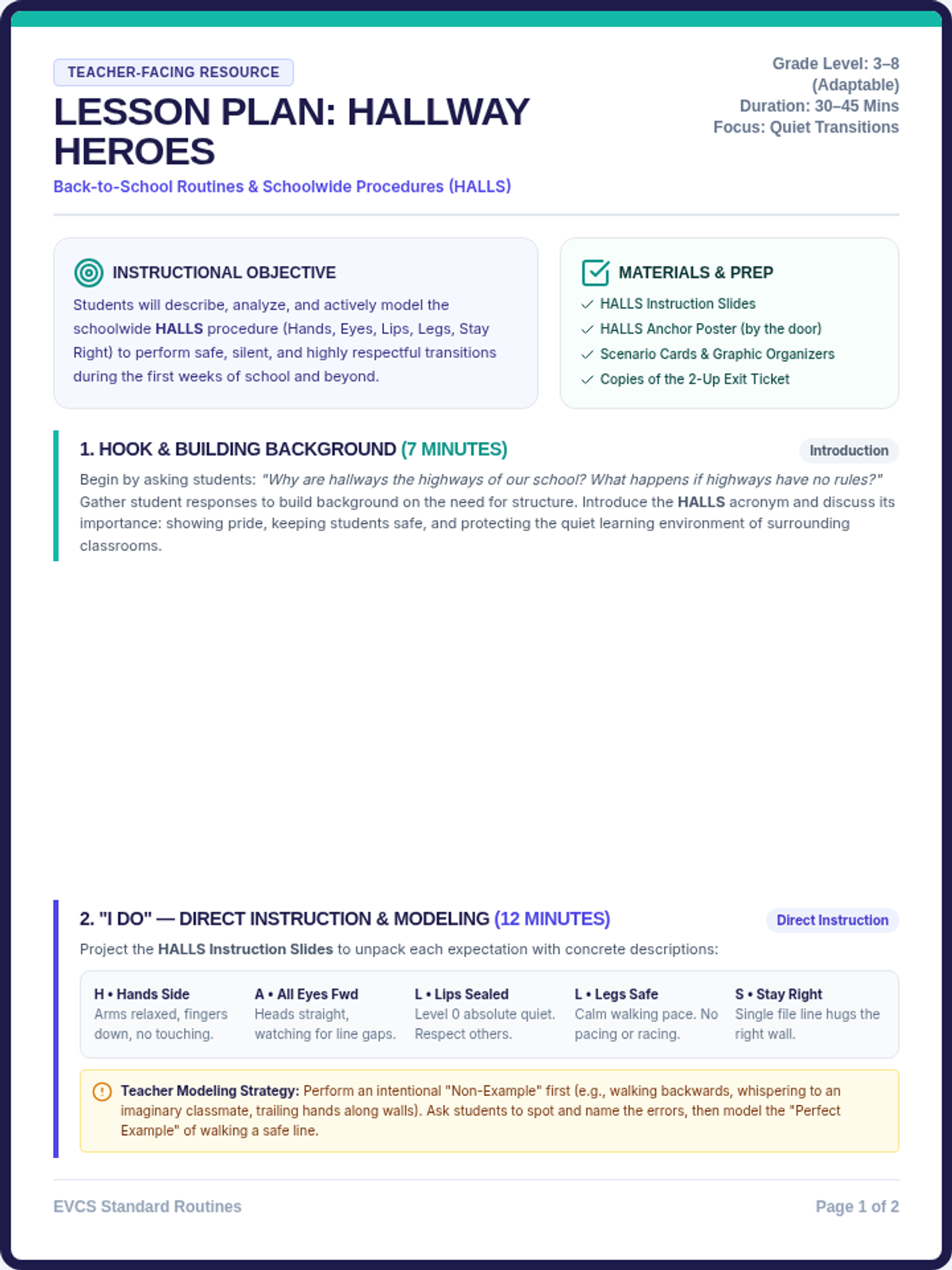
A beginning-of-the-year lesson teaching students the schoolwide HALLS procedure for safe and respectful hallway transitions. This lesson covers explicit teacher modeling, interactive student roleplay, and self-assessment of the HALLS expectations.
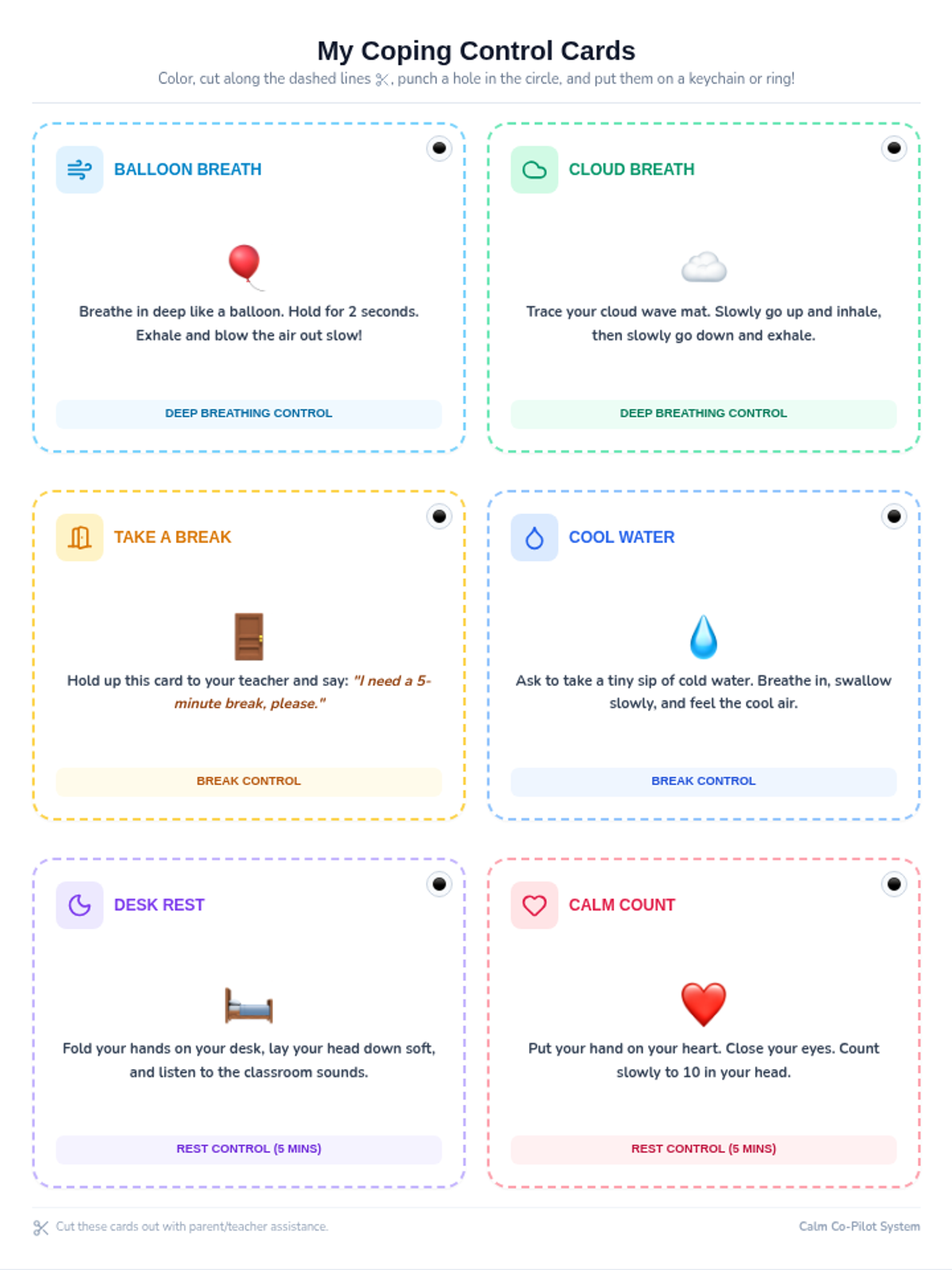
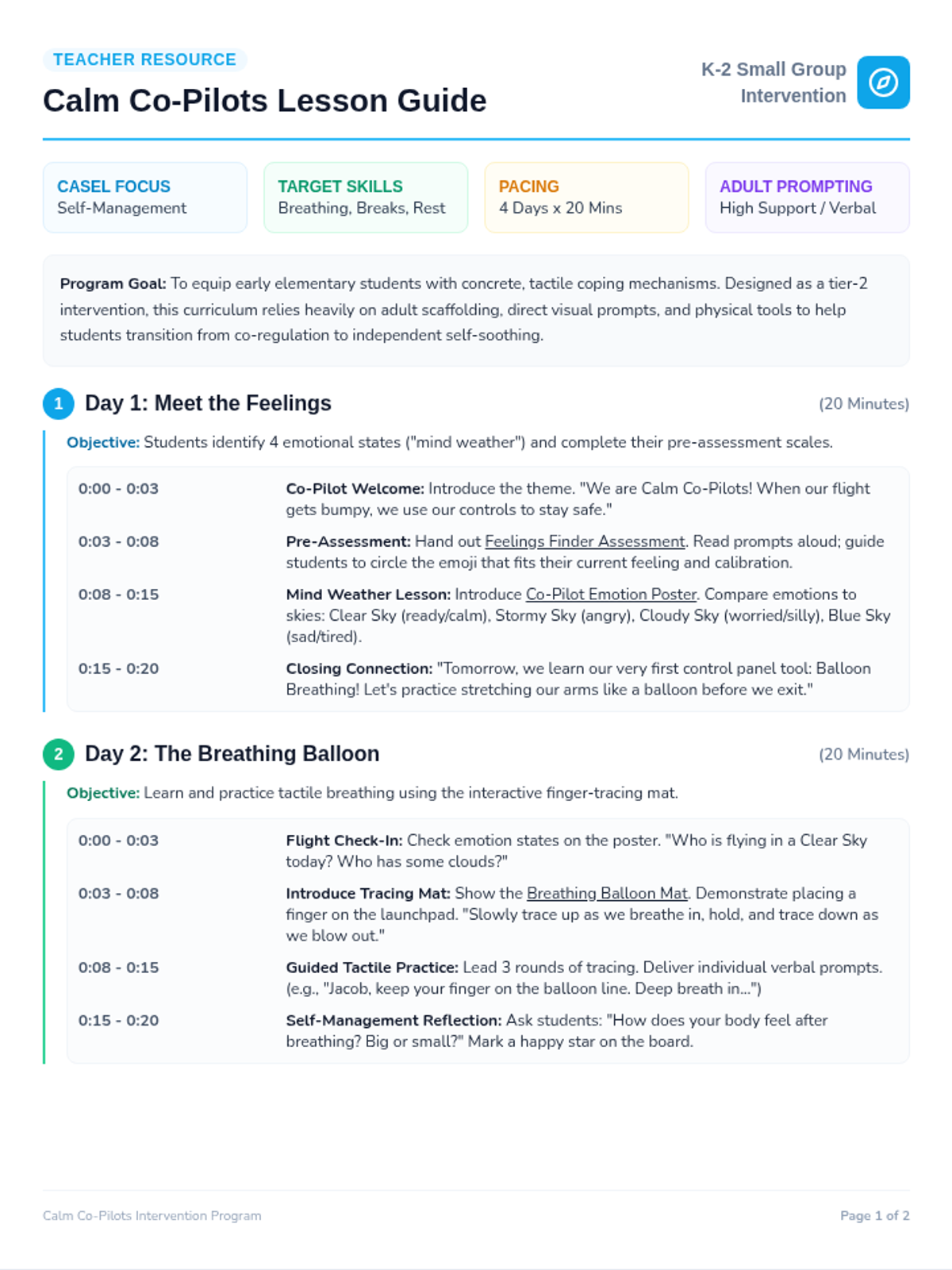
Day 3 of the Calm Co-Pilots intervention. Focuses on requesting a 5-minute break and practicing structured rest using sensory supports, cards, and timers with adult prompts.
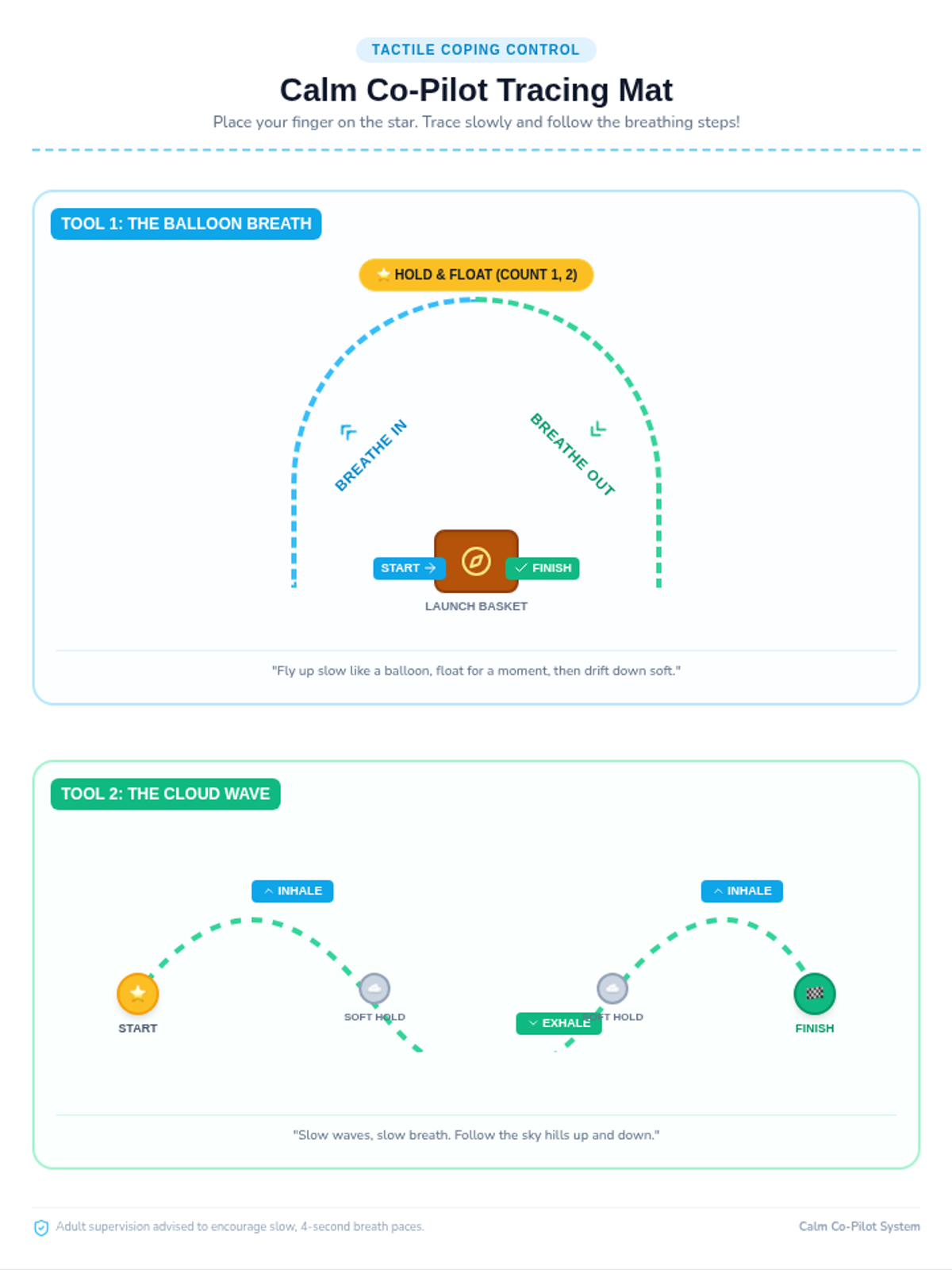
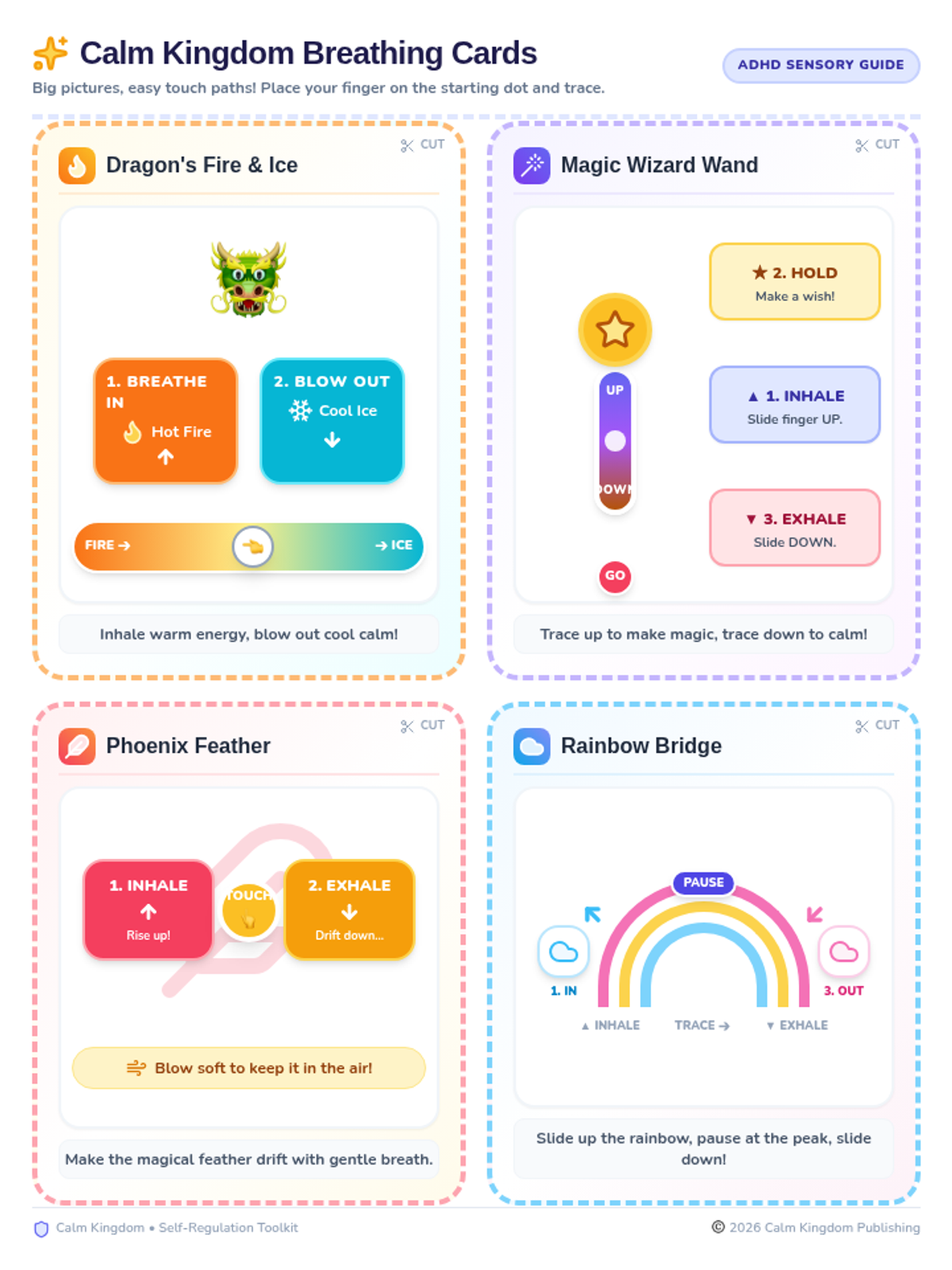
Day 2 of the Calm Co-Pilots intervention. Focuses on deep breathing using physical, tactile tracing mats to anchor their focus and regulate their physical response to big emotions.
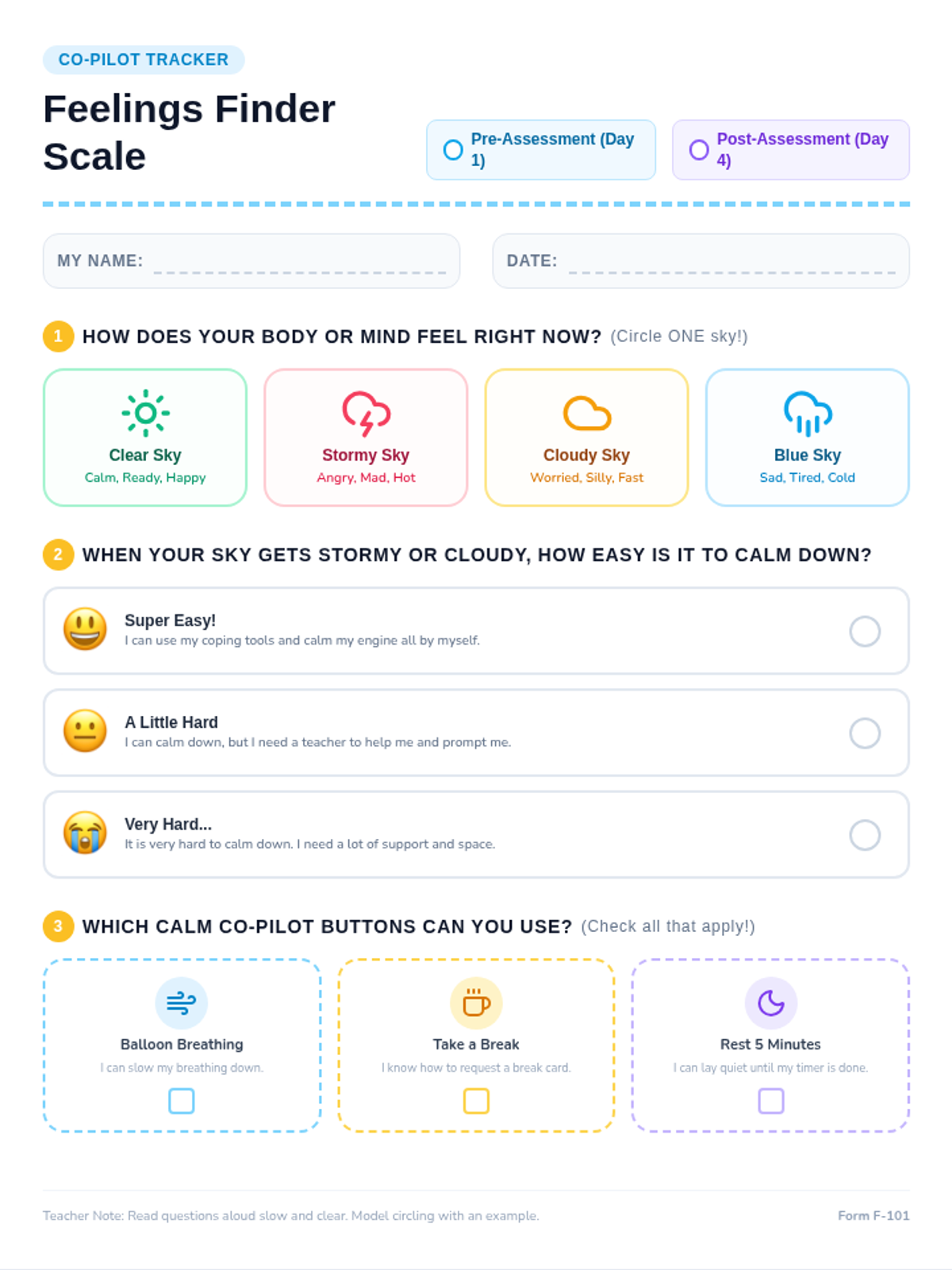
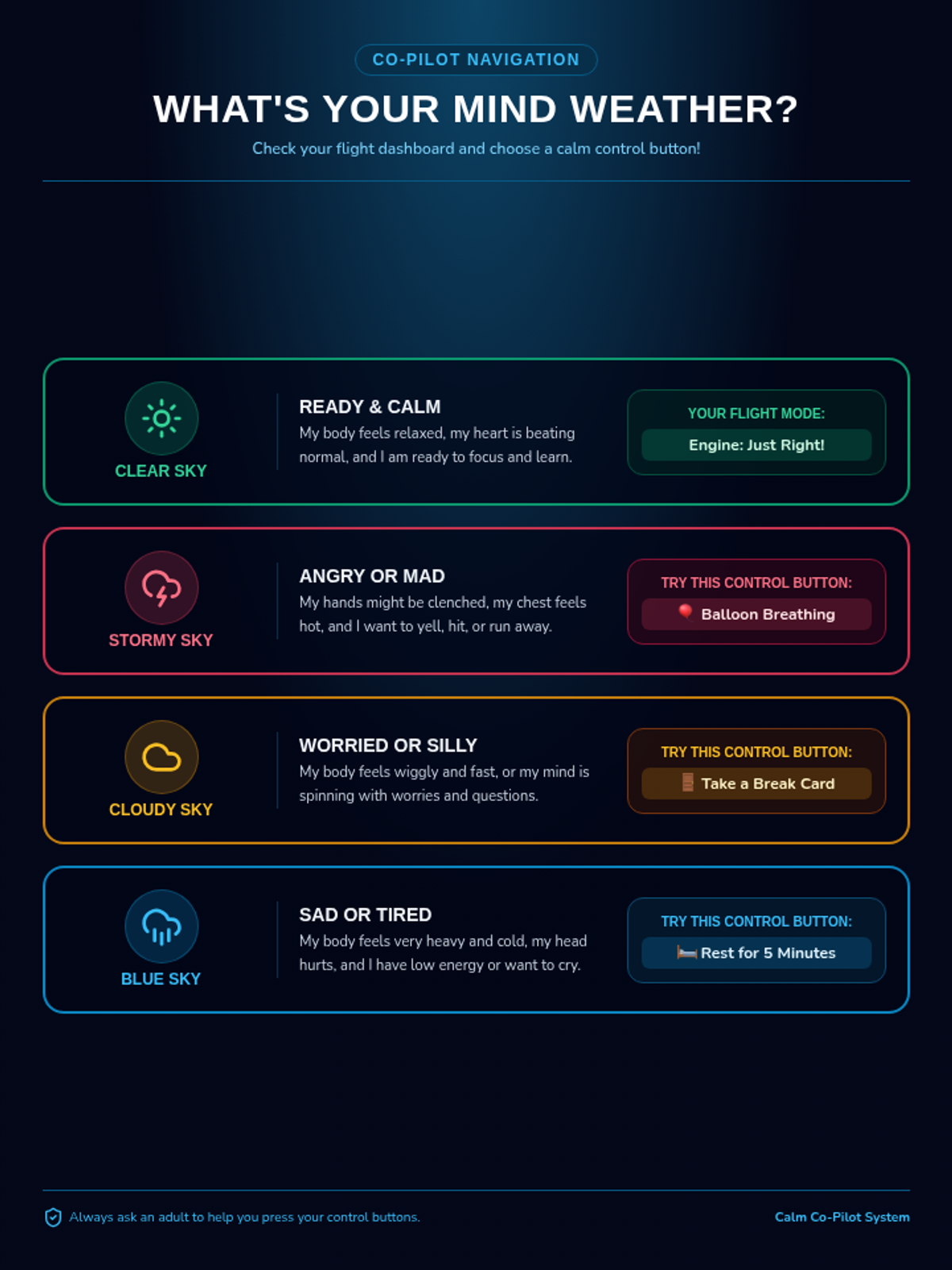
Day 1 of the Calm Co-Pilots intervention. Students explore different emotional states, complete their pre-assessment, and learn to identify when their engines are running too hot, too cold, or just right.
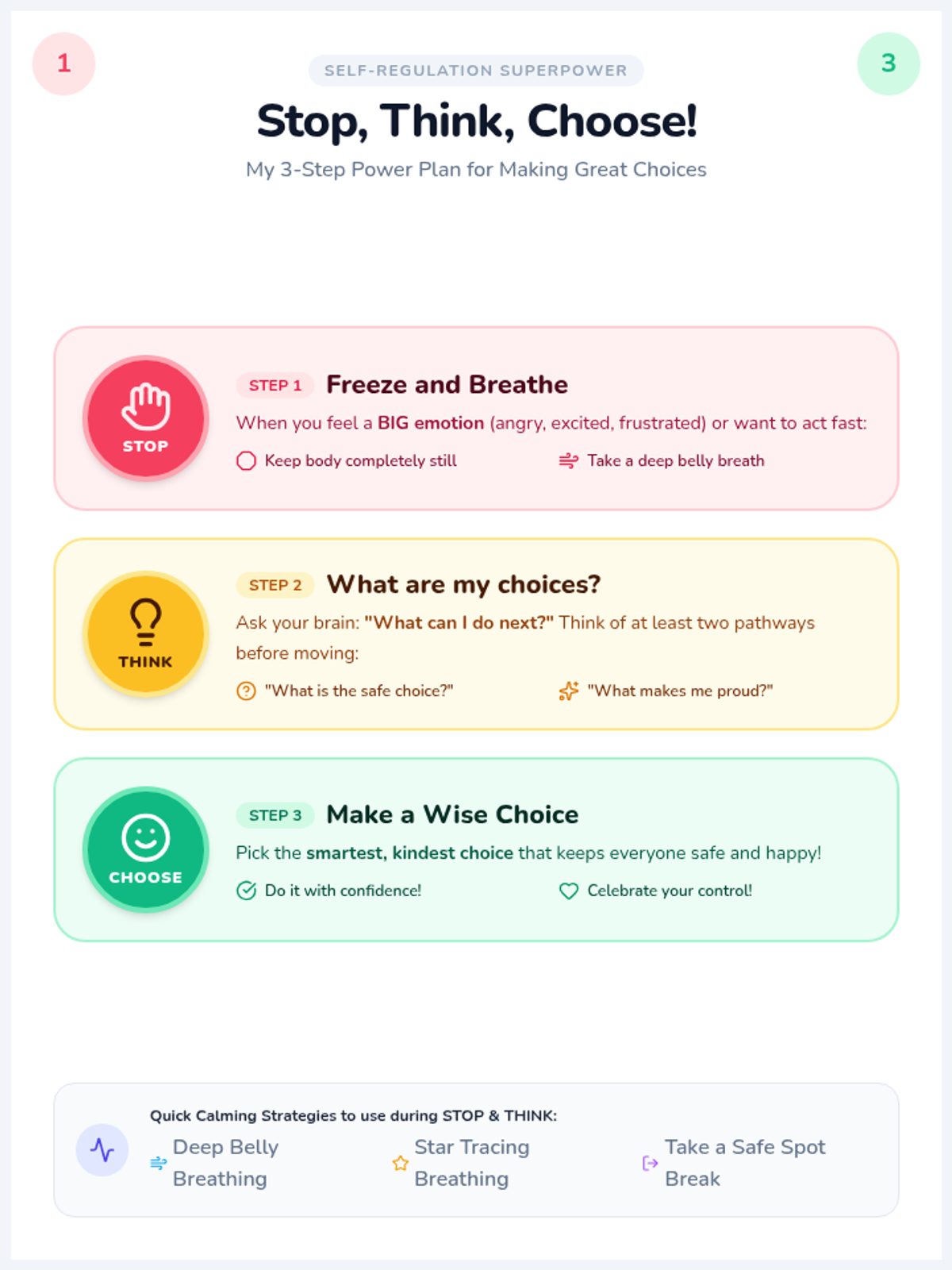
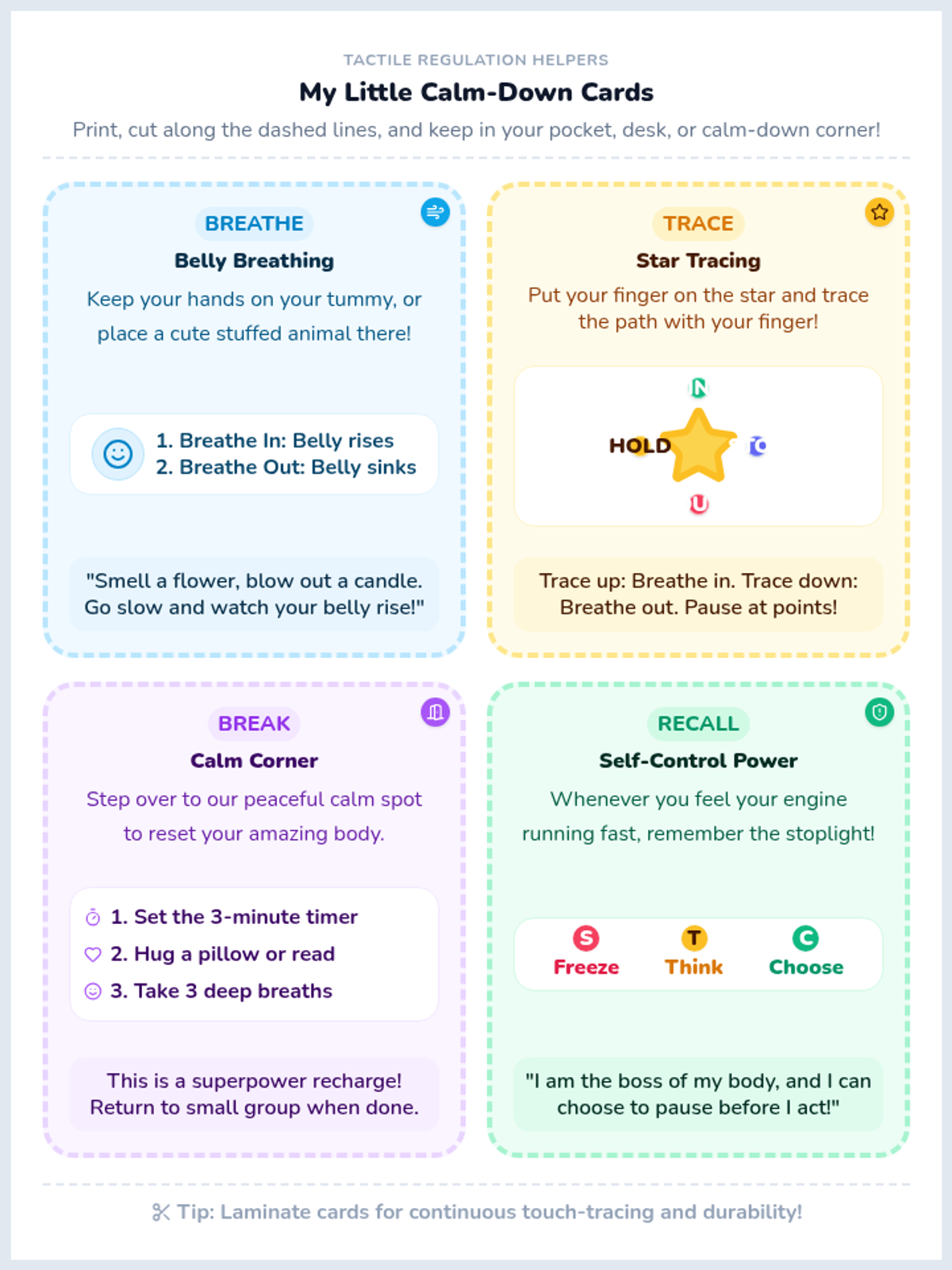
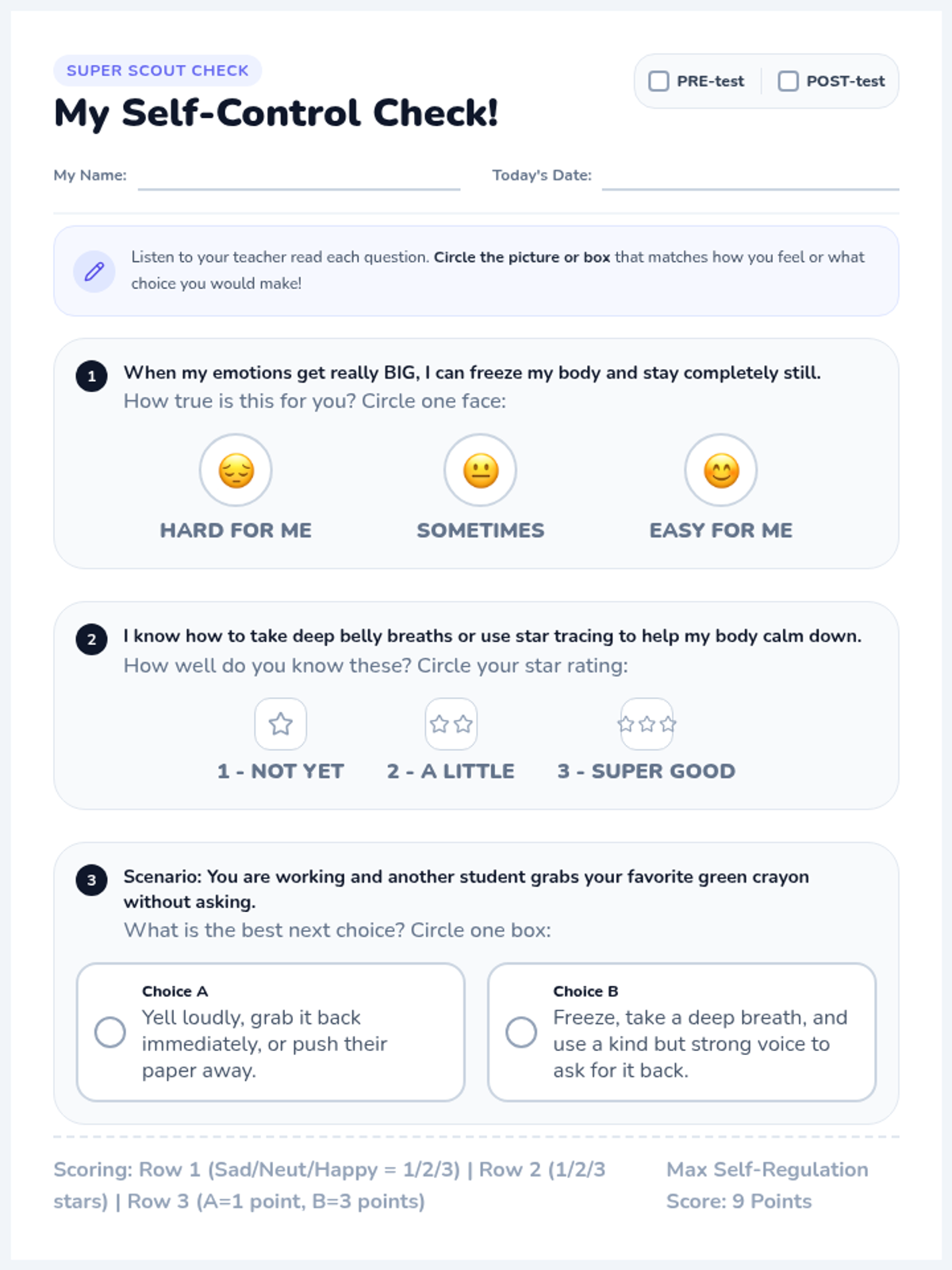
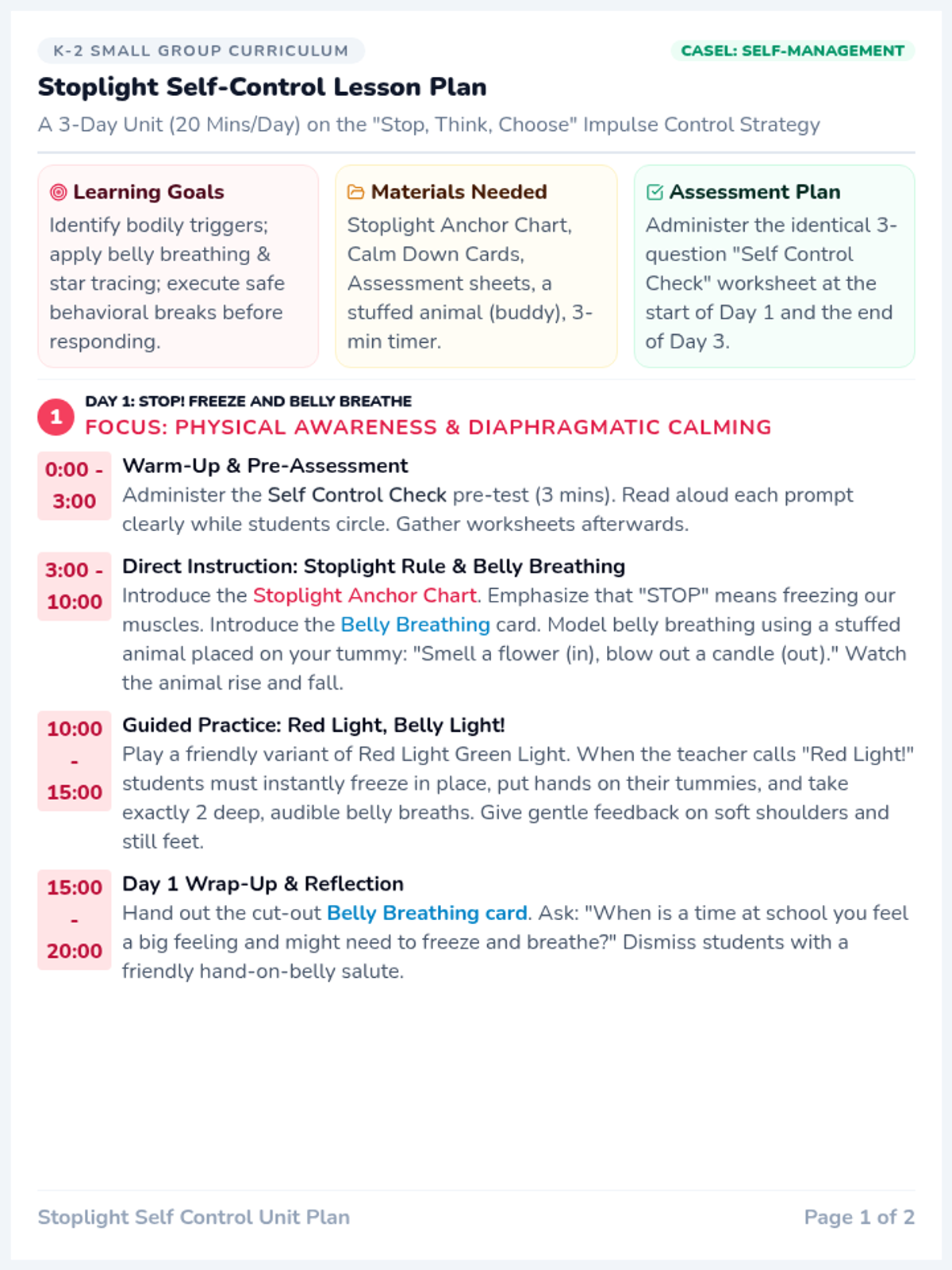
A comprehensive 3-day small group unit for grades K-2 focusing on the 'Stop, Think, Choose' strategy. Students learn self-management skills including deep belly breathing, star tracing, and taking physical calm-down breaks.
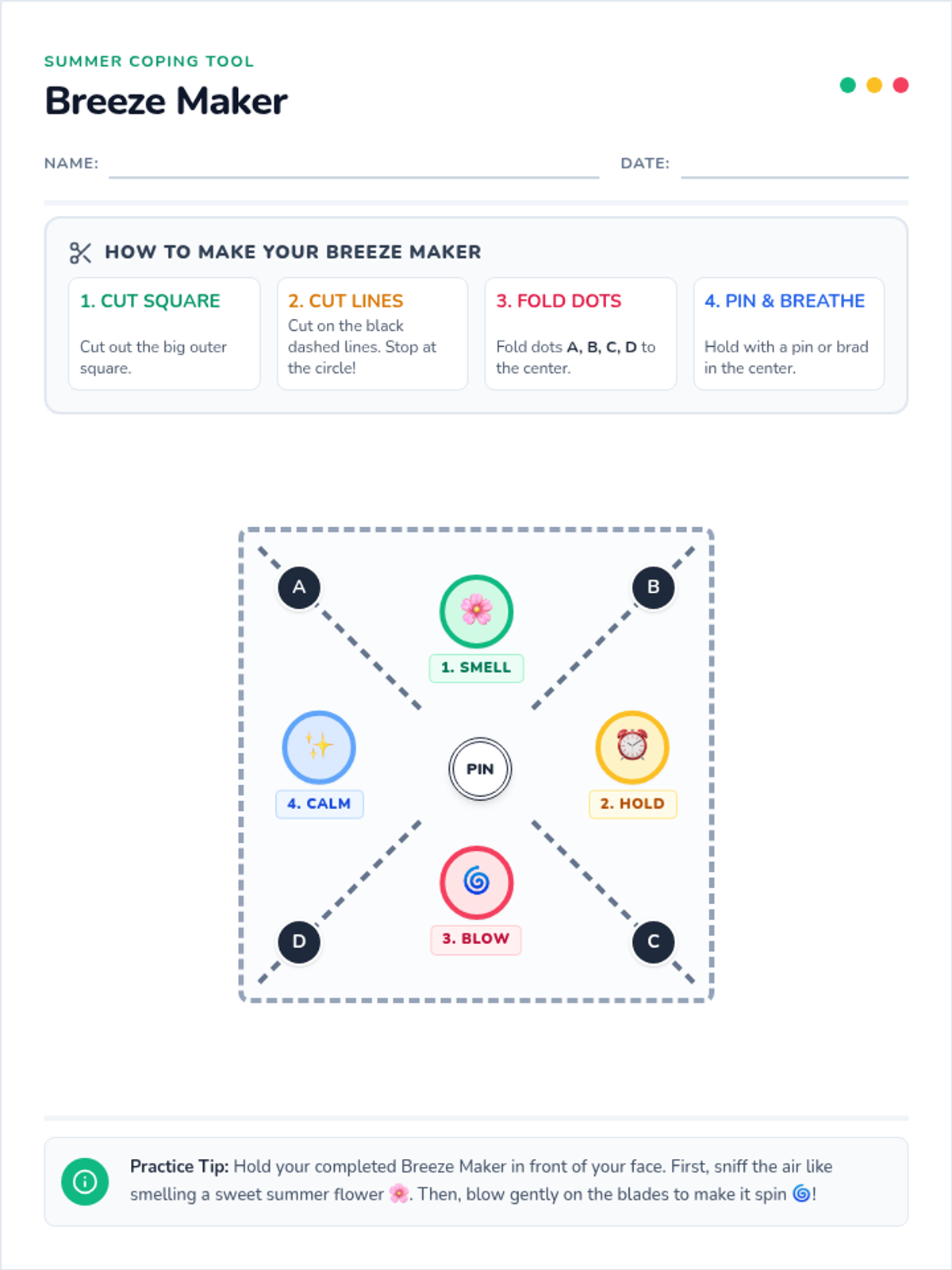
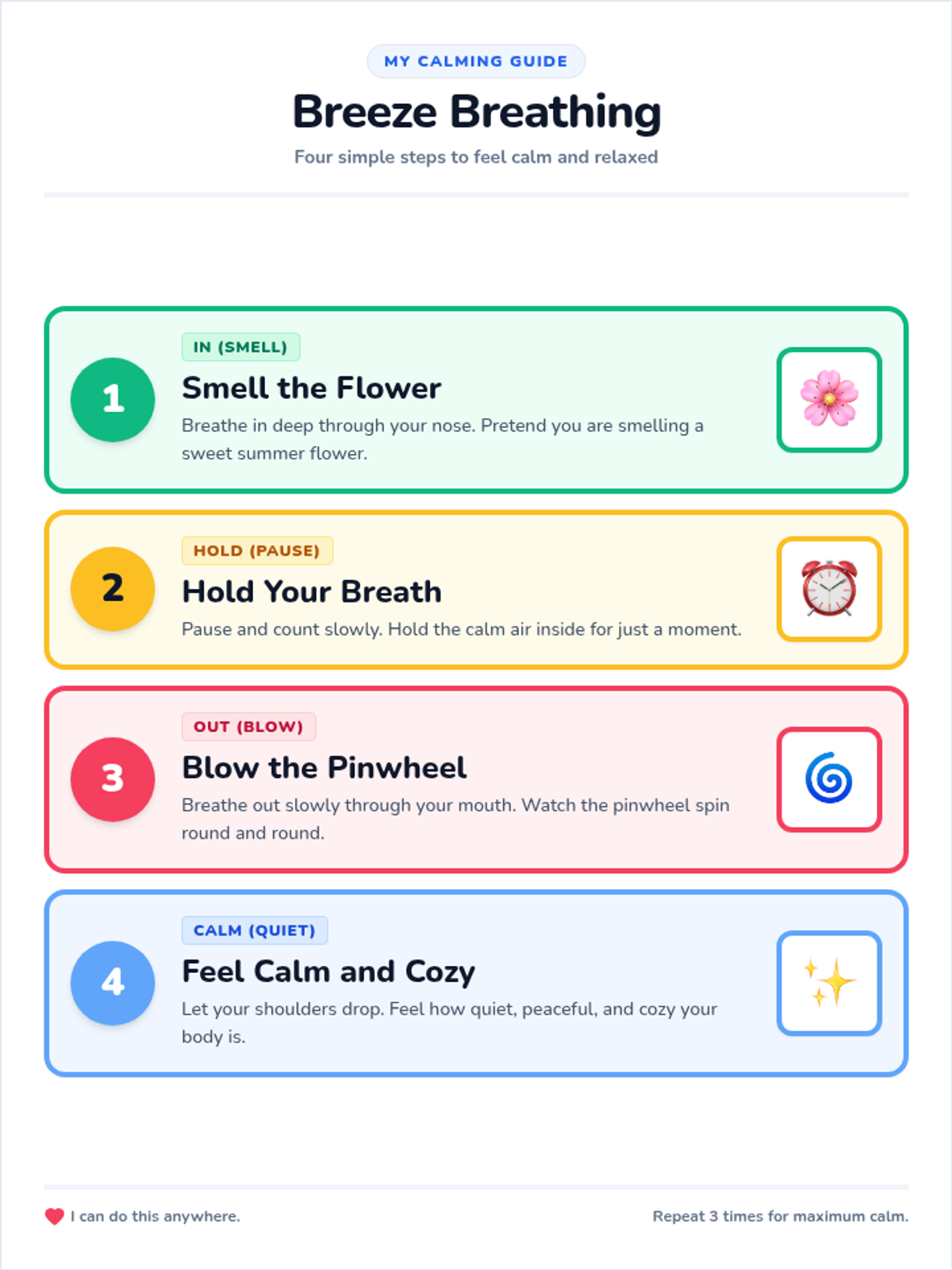
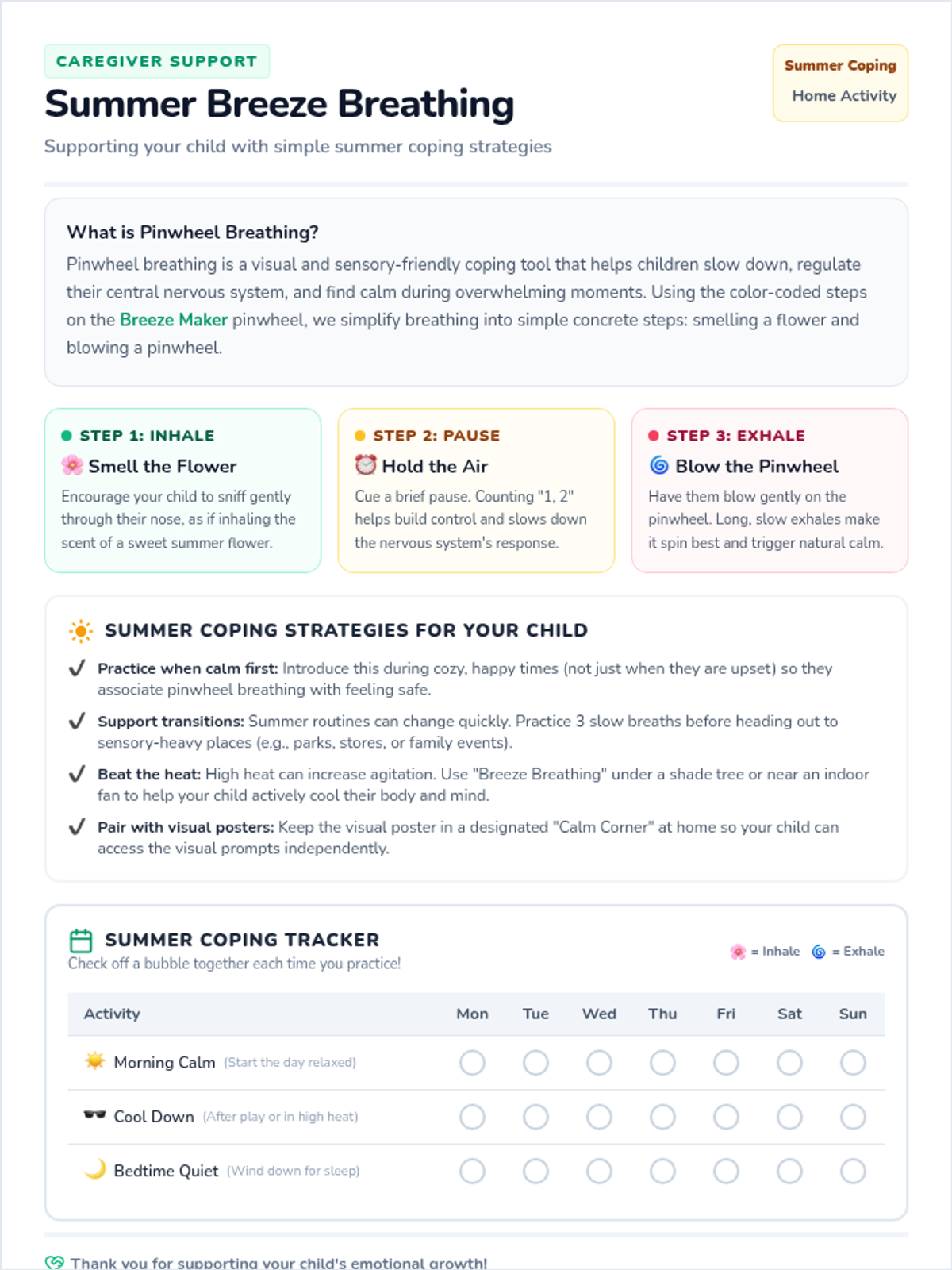
A specialized coping skills bundle featuring simplified pinwheel craft templates, visual step-by-step posters, and a practical parent guide to support low-cognitive students in practicing pinwheel breathing for summer stress management.
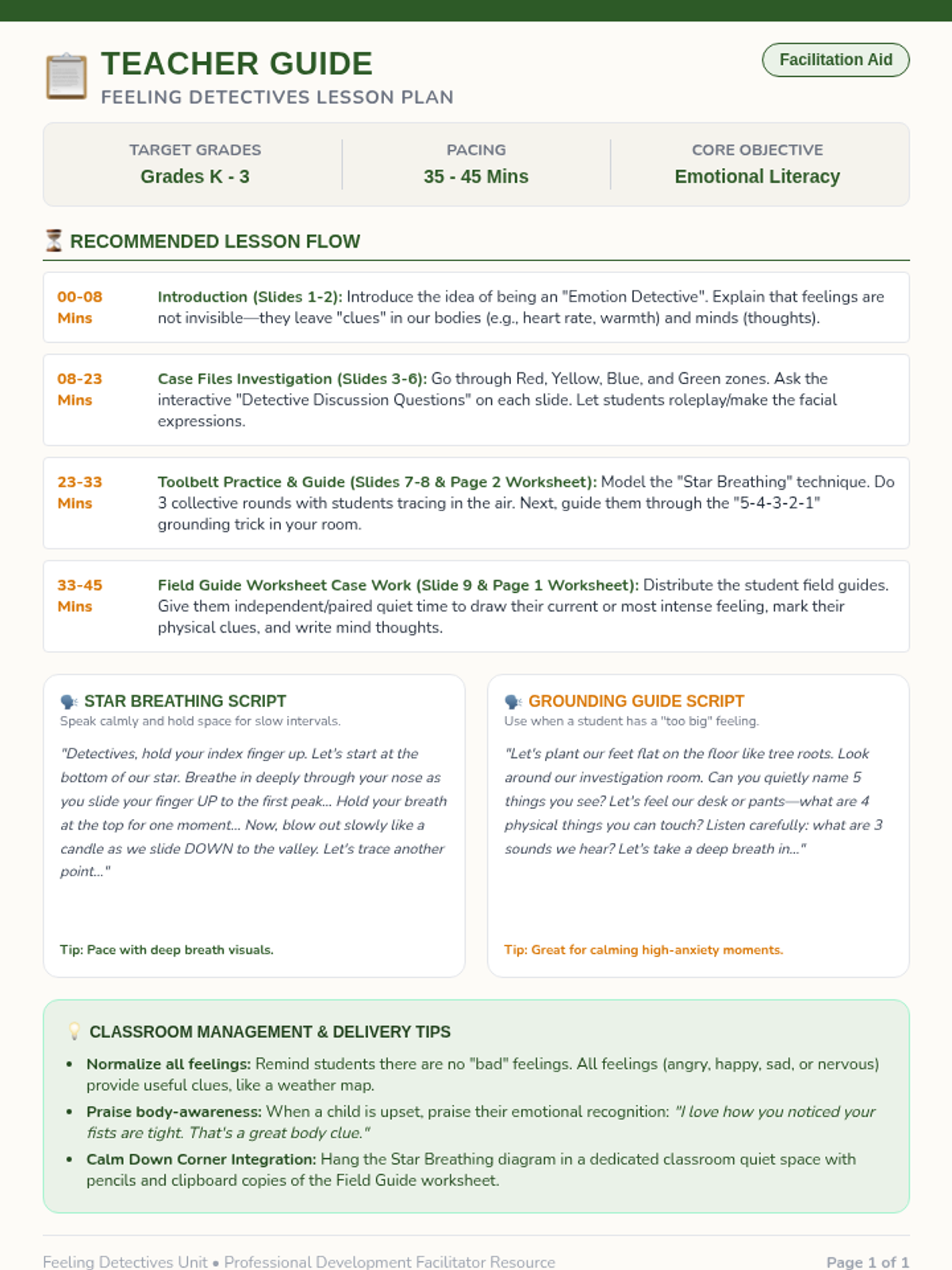
An introductory social-emotional learning lesson designed for elementary students to help them identify, label, and regulate their emotions through interactive exploration, guided breathing, and grounding techniques.
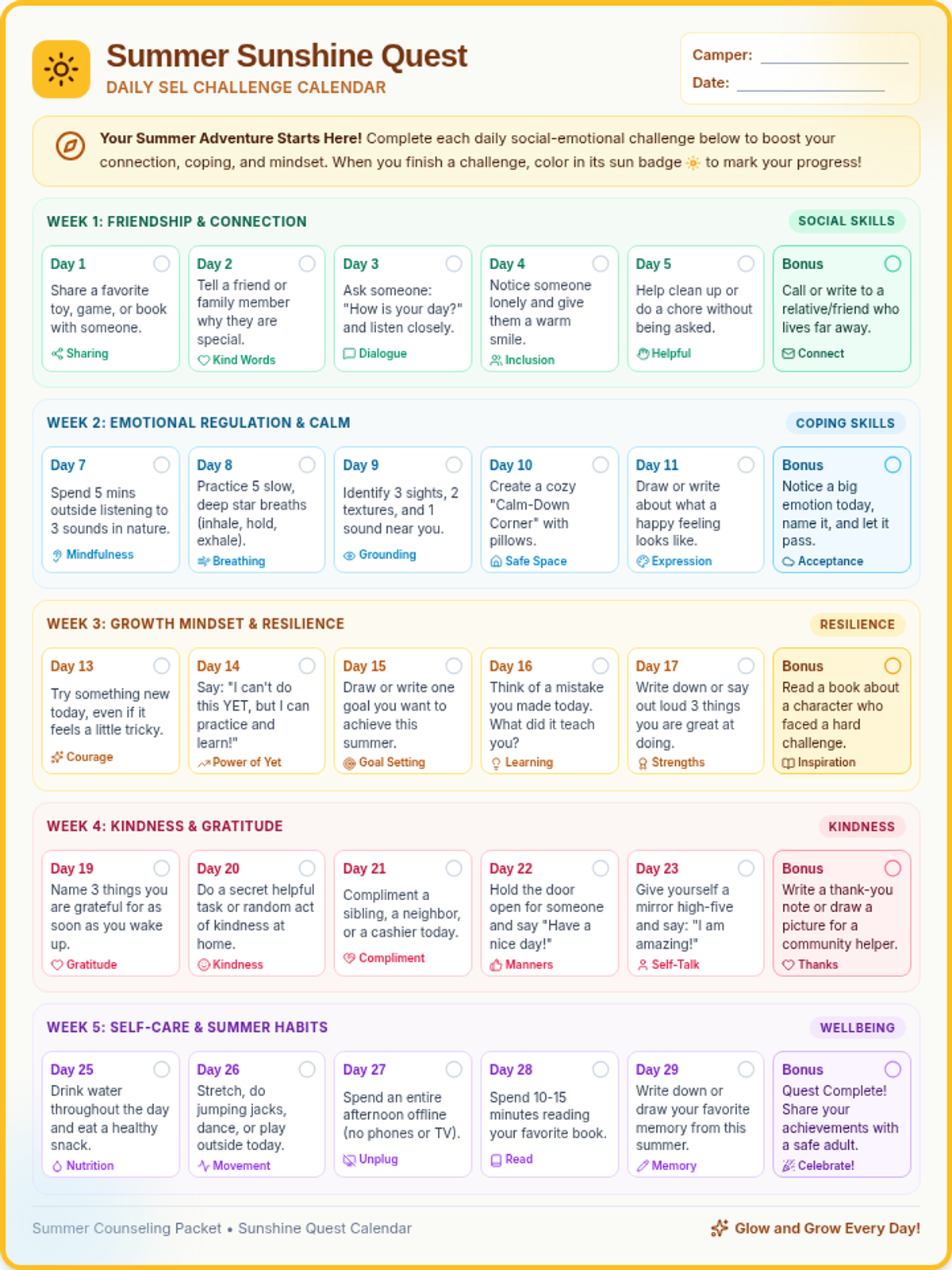
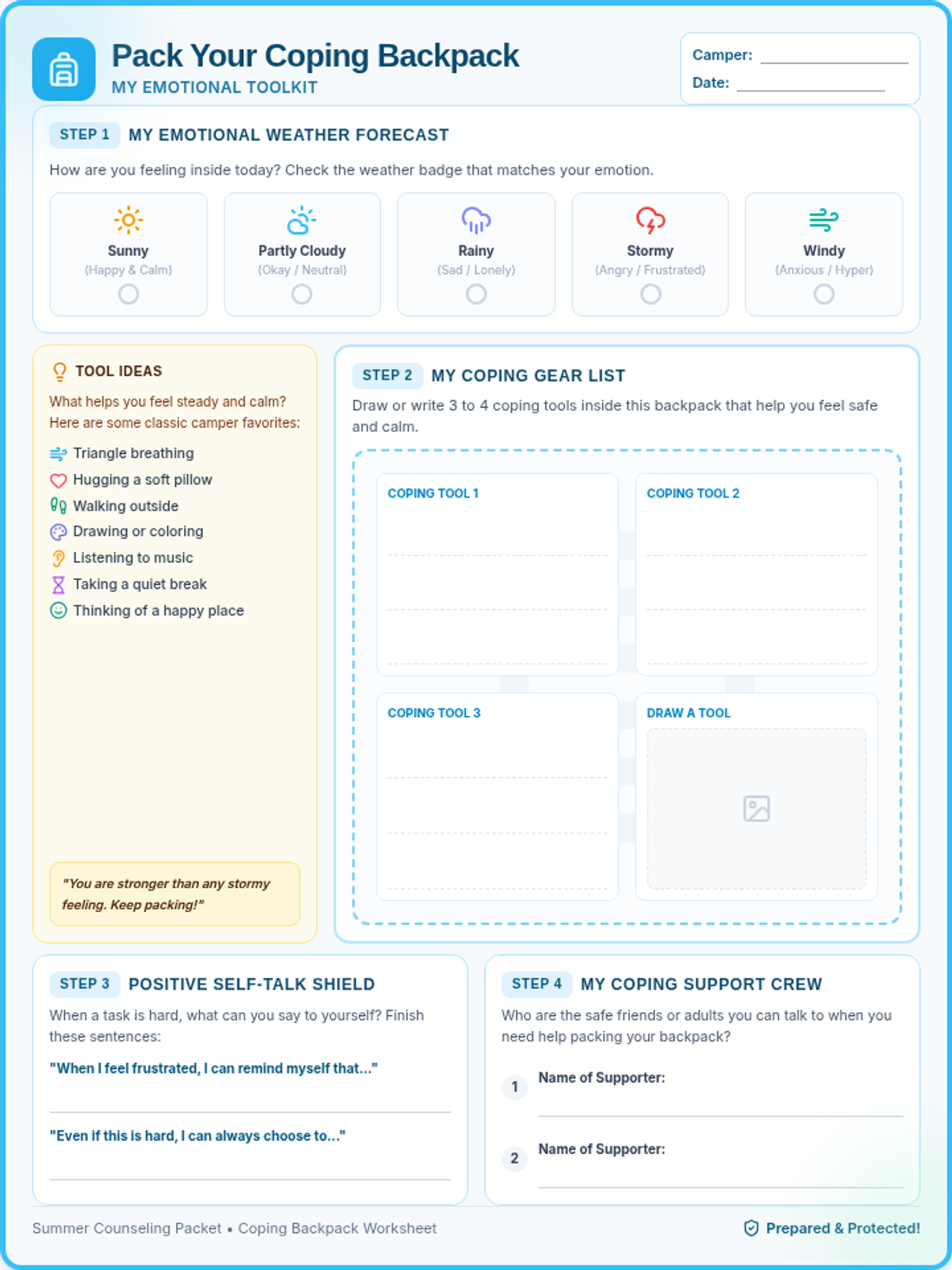
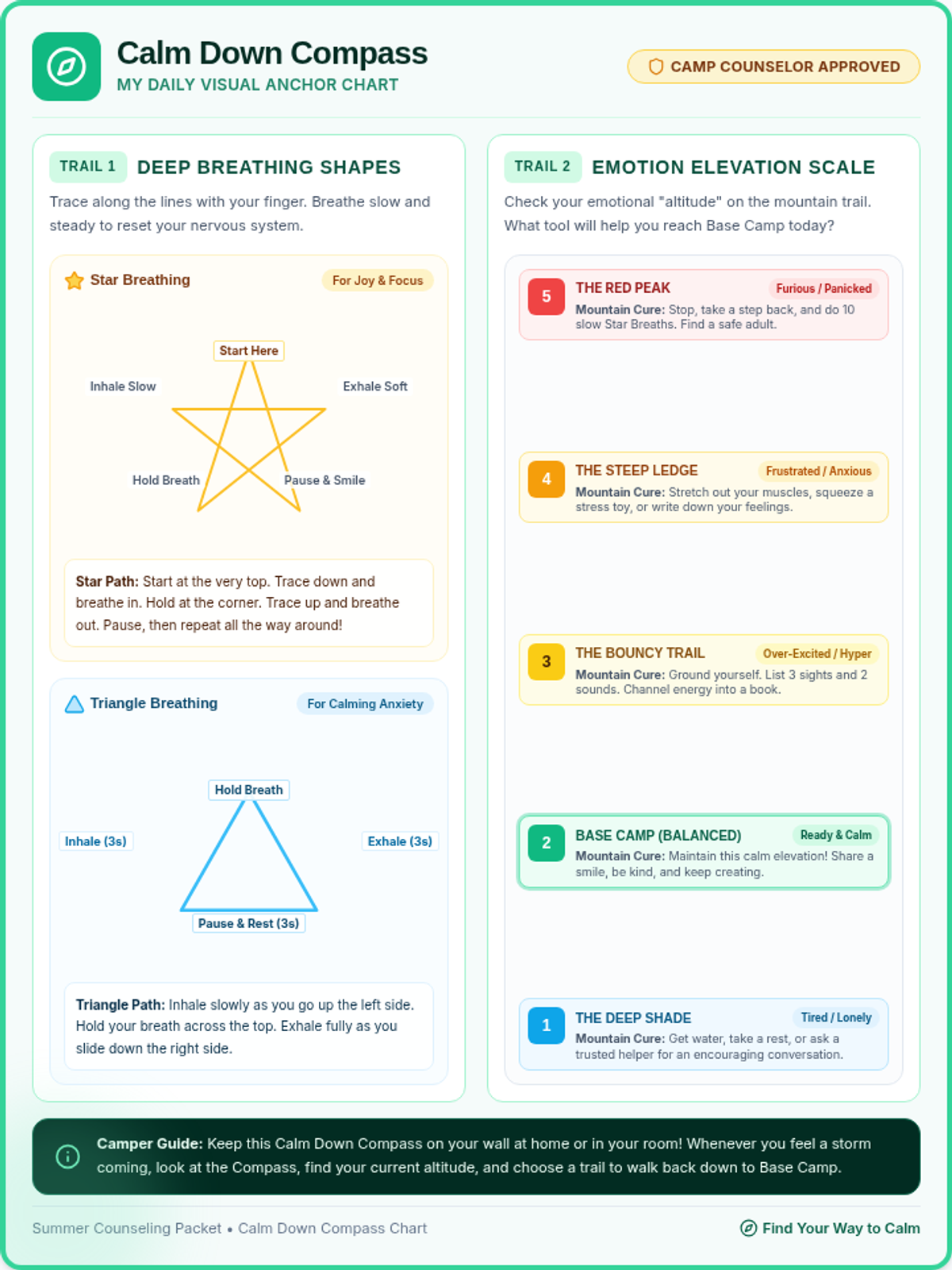
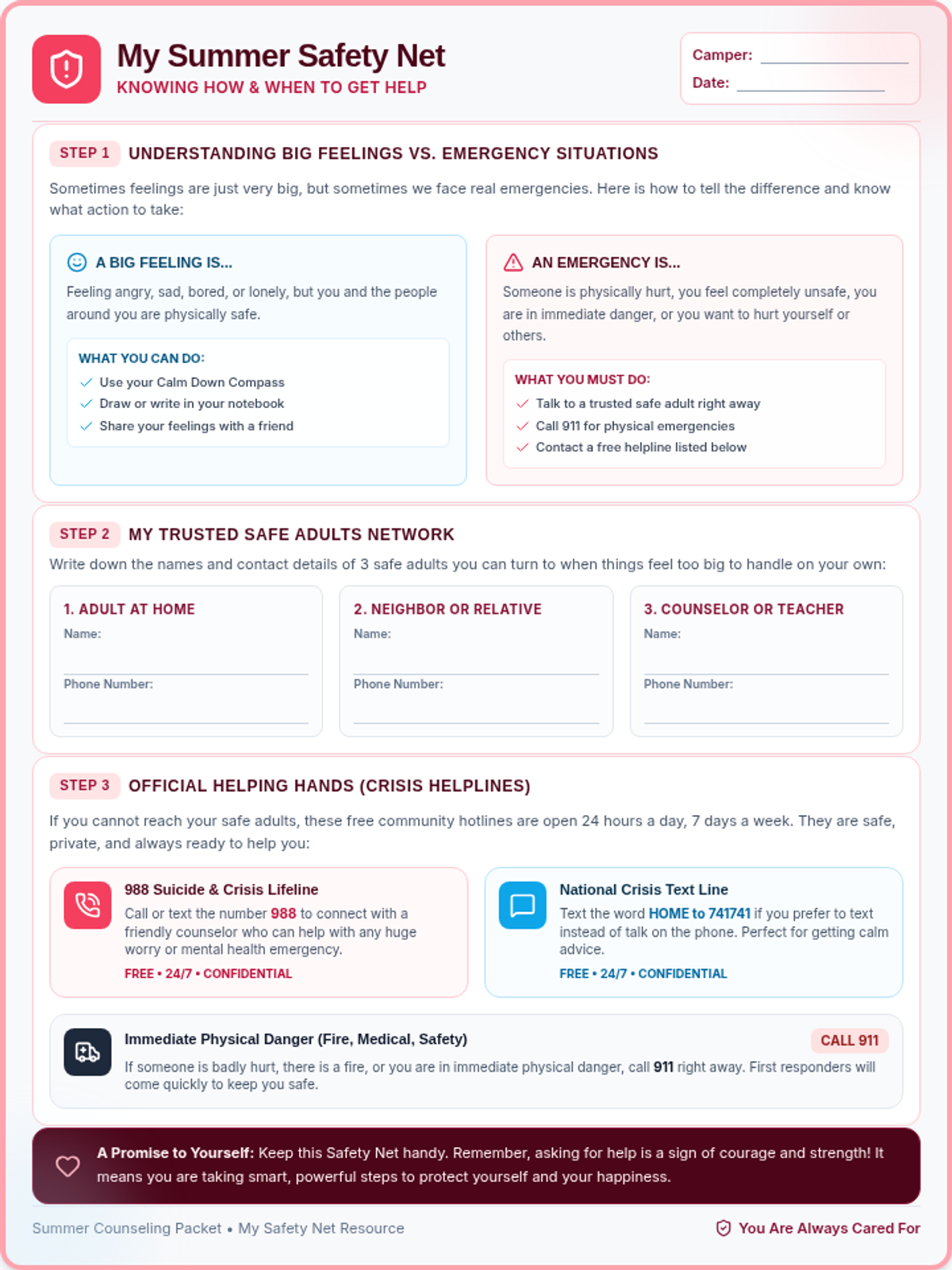
A comprehensive summer counseling packet containing daily SEL challenge calendars, coping skill worksheets, deep breathing visual anchor charts, and a safety net resource for getting help in emergencies.
A fantasy-themed self-regulation and mindfulness resource designed for early elementary students to practice calming strategies and sensory breathing exercises.
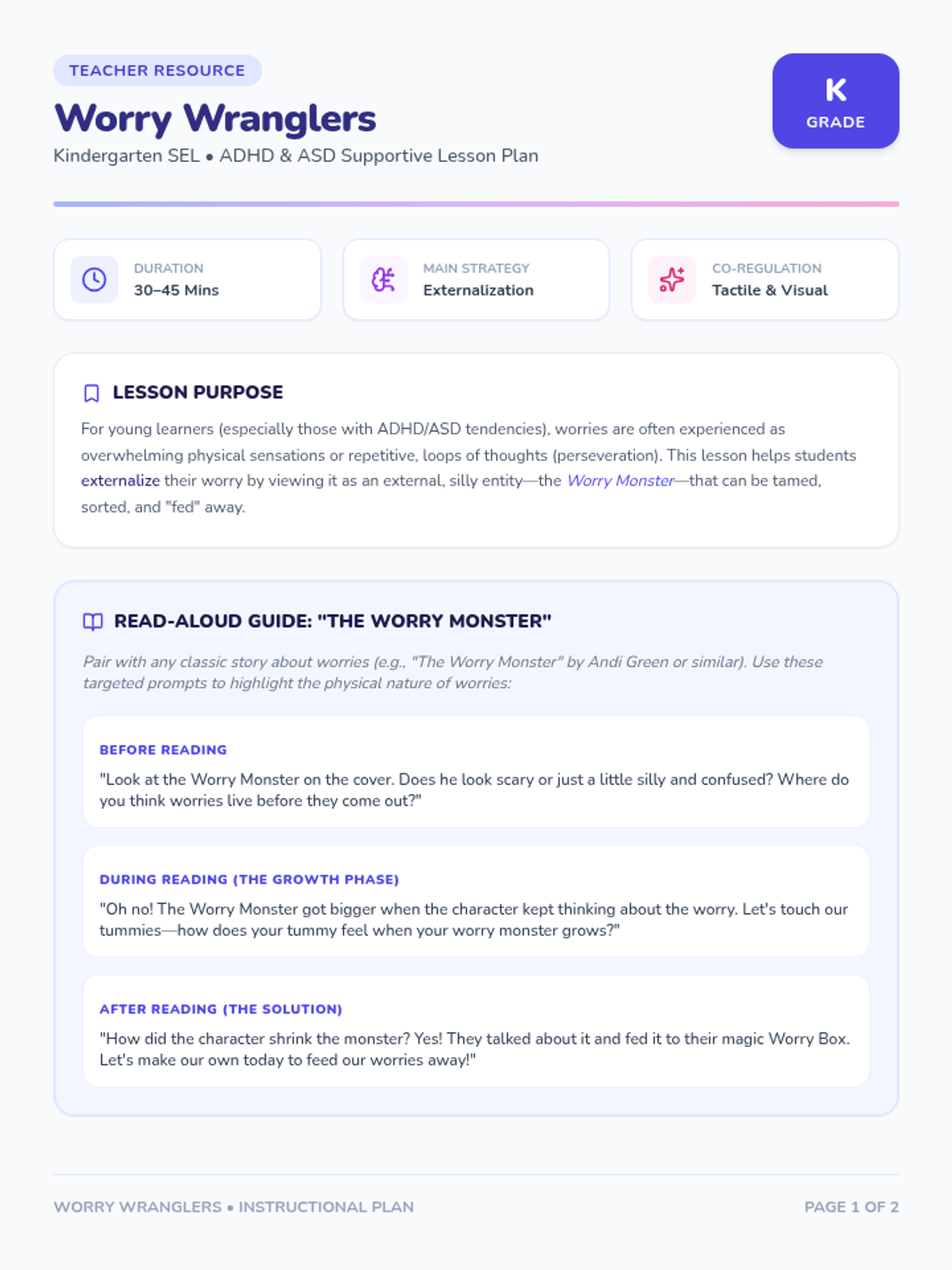
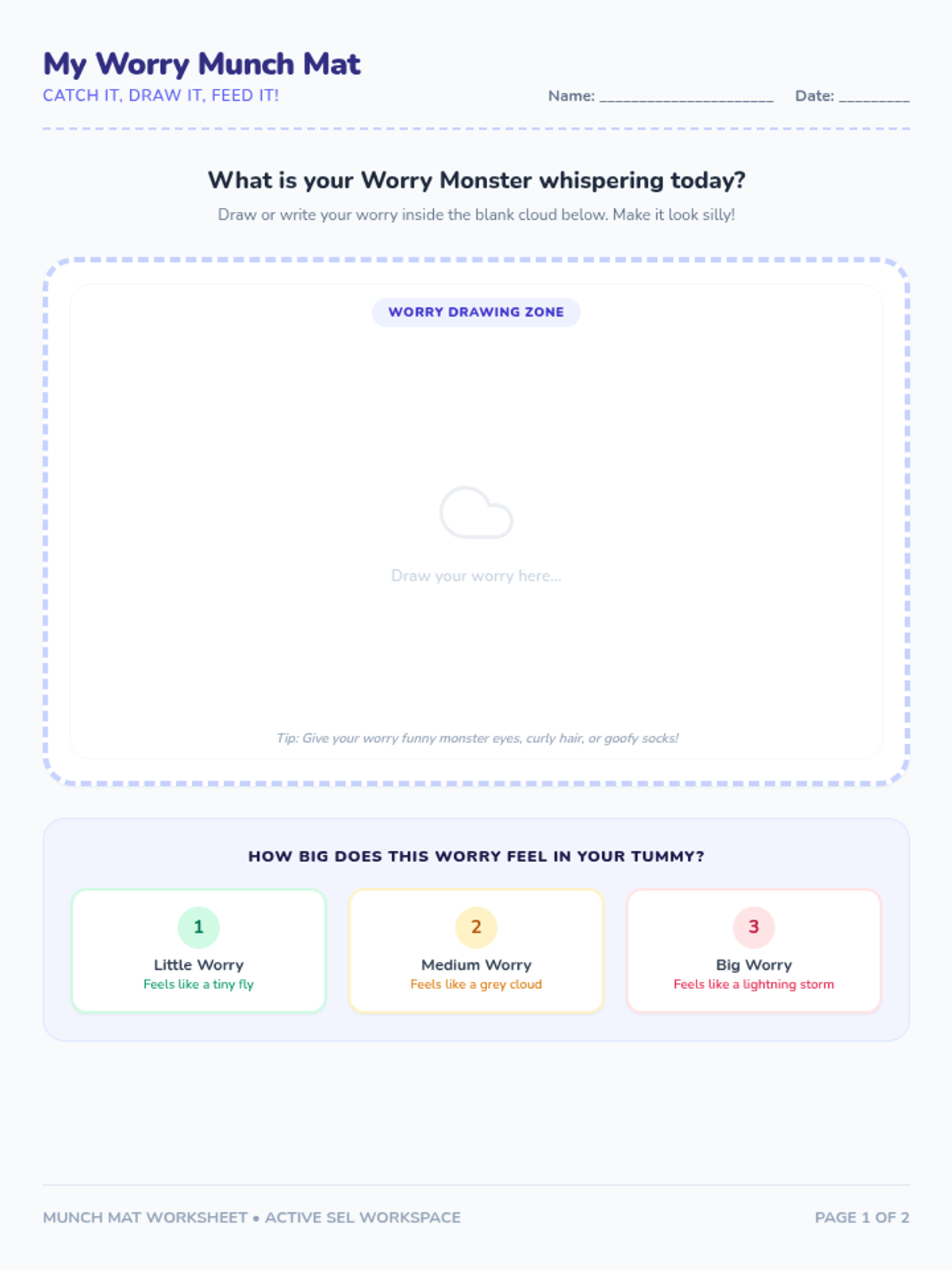
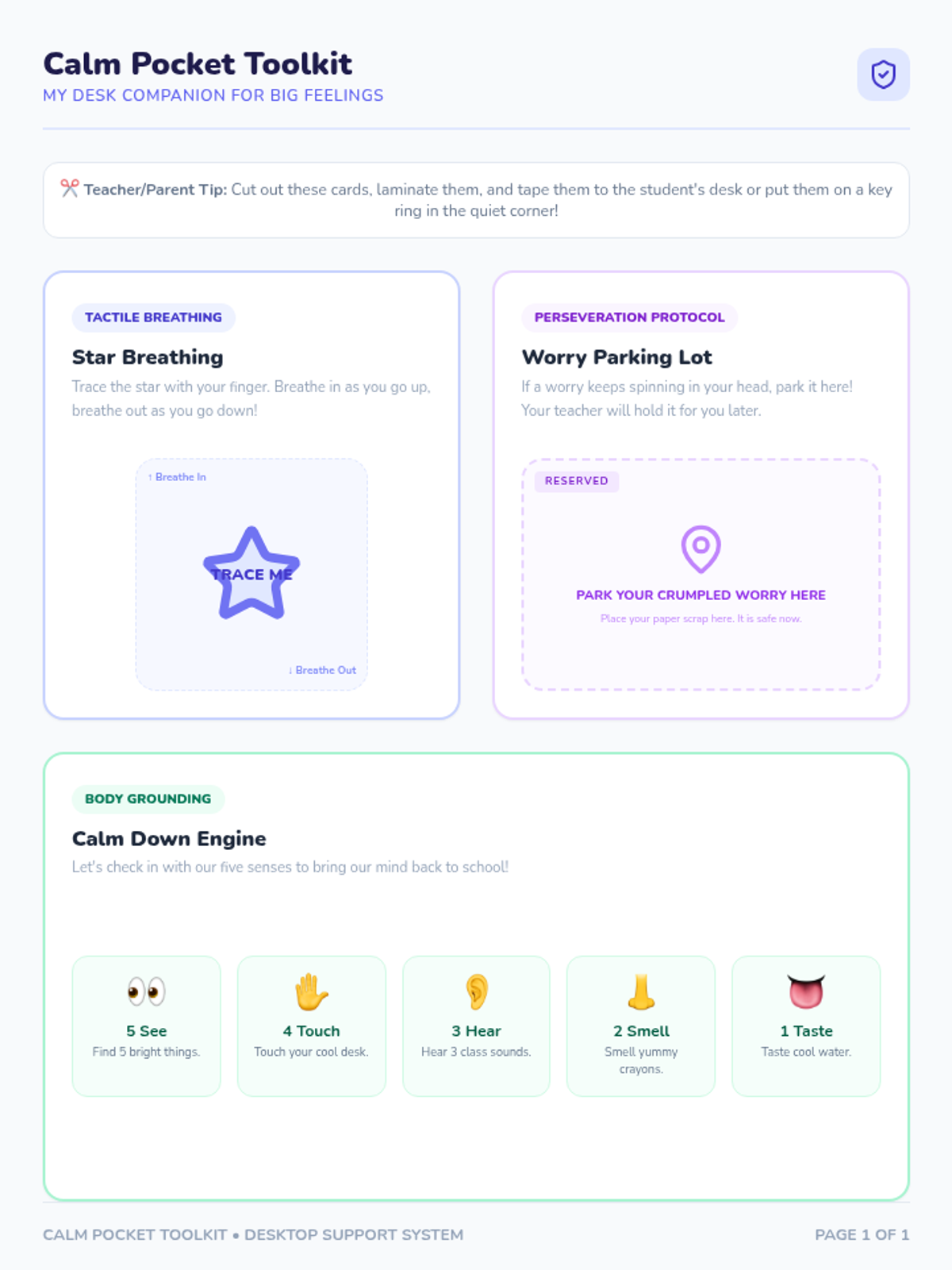
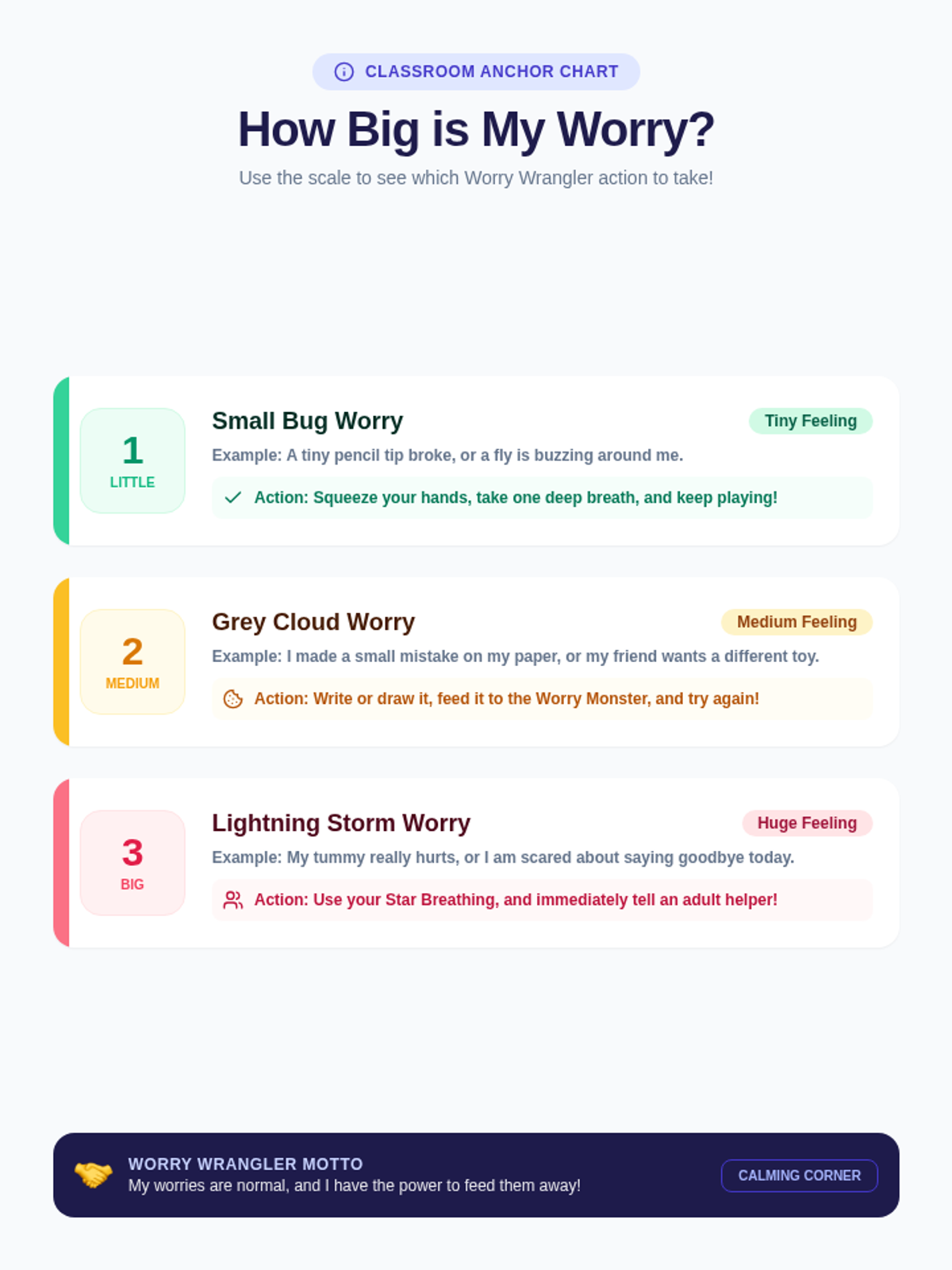
A comprehensive socio-emotional lesson designed for kindergarteners, particularly those with ADHD and autism-spectrum tendencies. The lesson focuses on externalizing anxiety through the 'Worry Monster' concept, featuring a read-aloud guide, a tactile 'feeding' coping strategy, and cognitive-behavioral tools to stop perseveration.
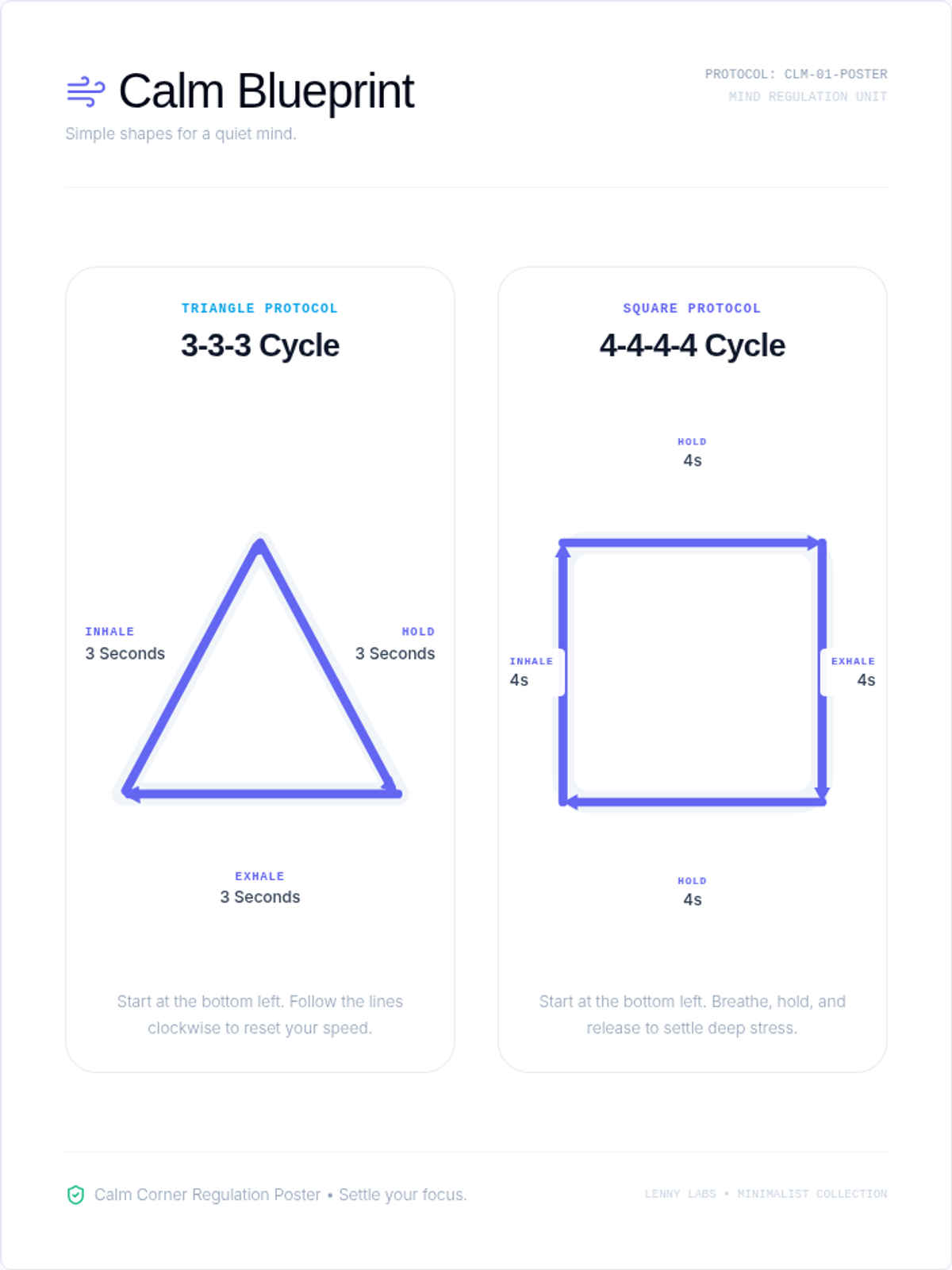
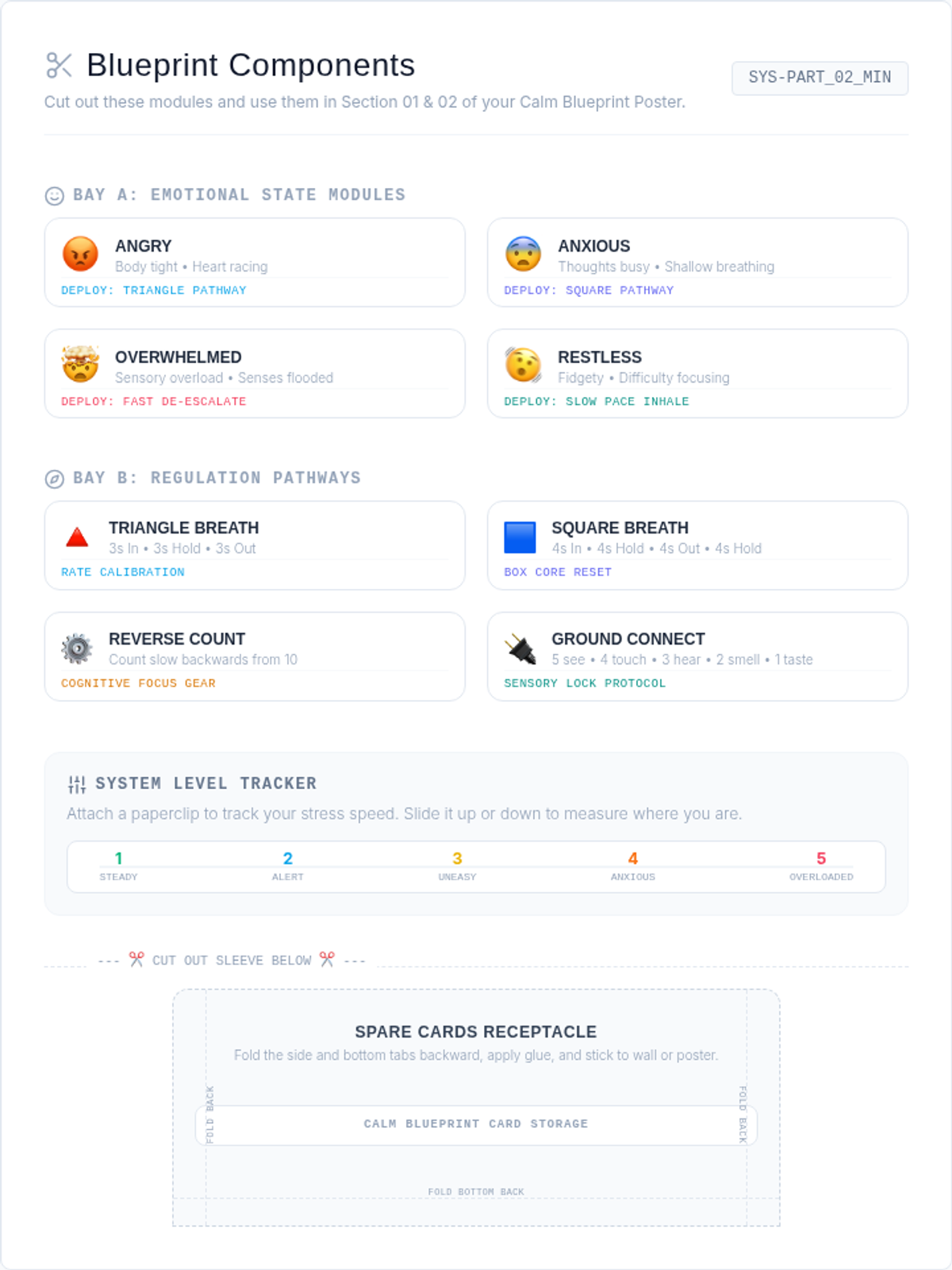
An interactive mental engineering toolkit that teaches children deep breathing exercises using concrete shapes. Students use the visual anchor chart and movable feeling/strategy blueprints to regulate their emotions.
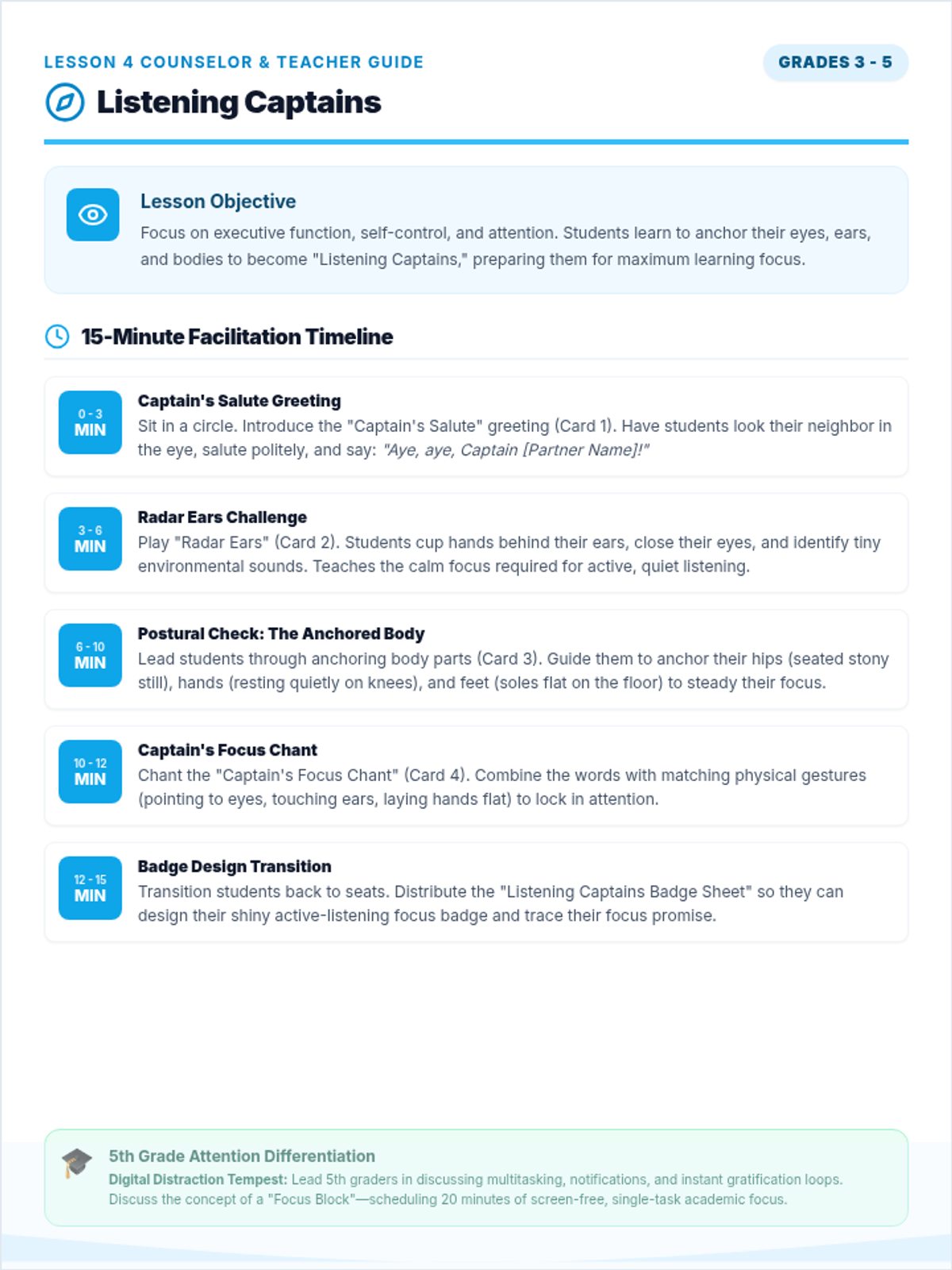
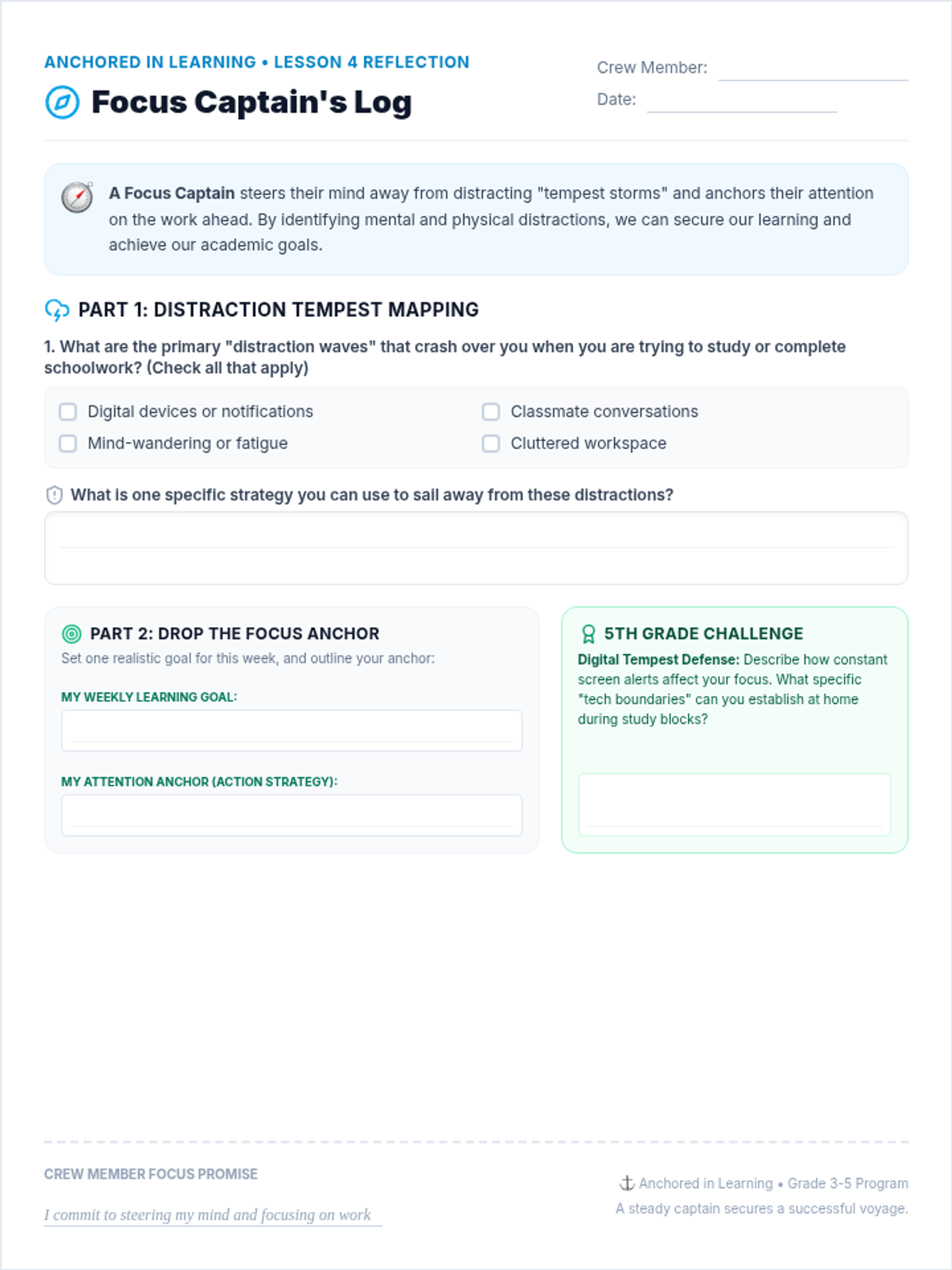
Lesson 4 of the SEL sequence. A complete, ready-to-go 15-minute lesson for 3rd-5th Grade students on focusing attention, managing digital/mental distractions, and anchoring executive attention.
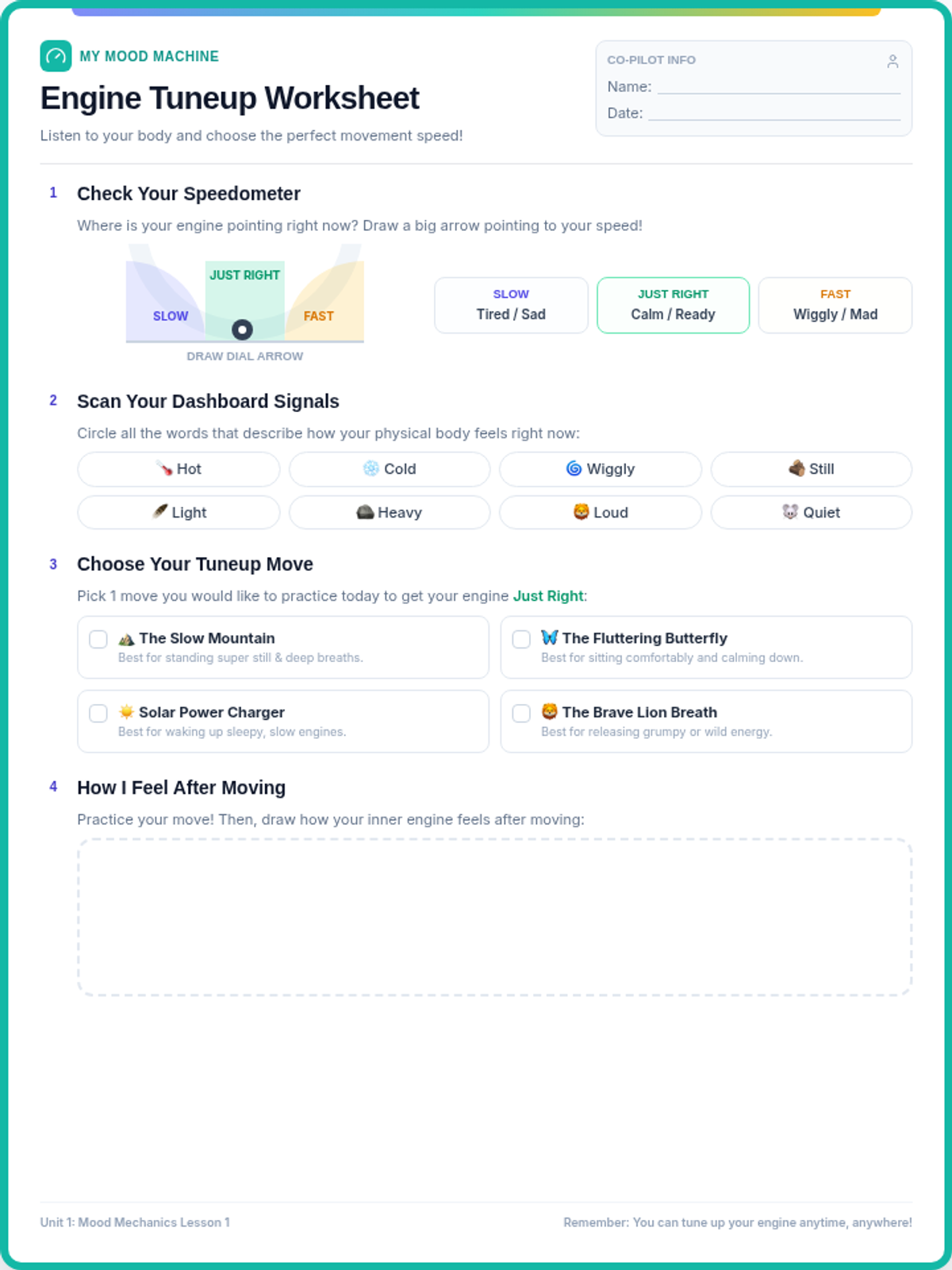
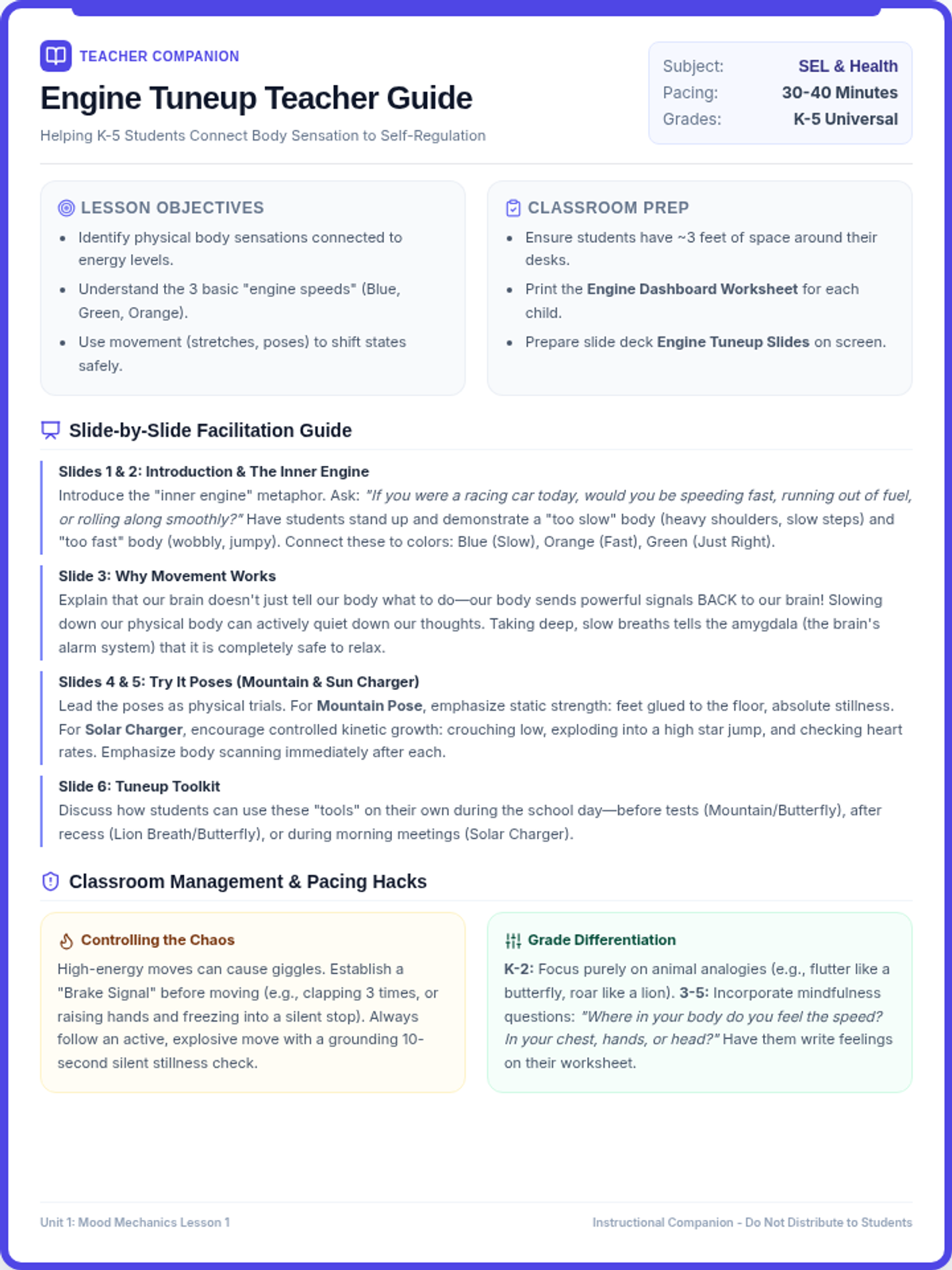
An introductory lesson for K-5 students on how slow stretches, yoga poses, and intentional movement help regulate emotions and tune up their inner engine.
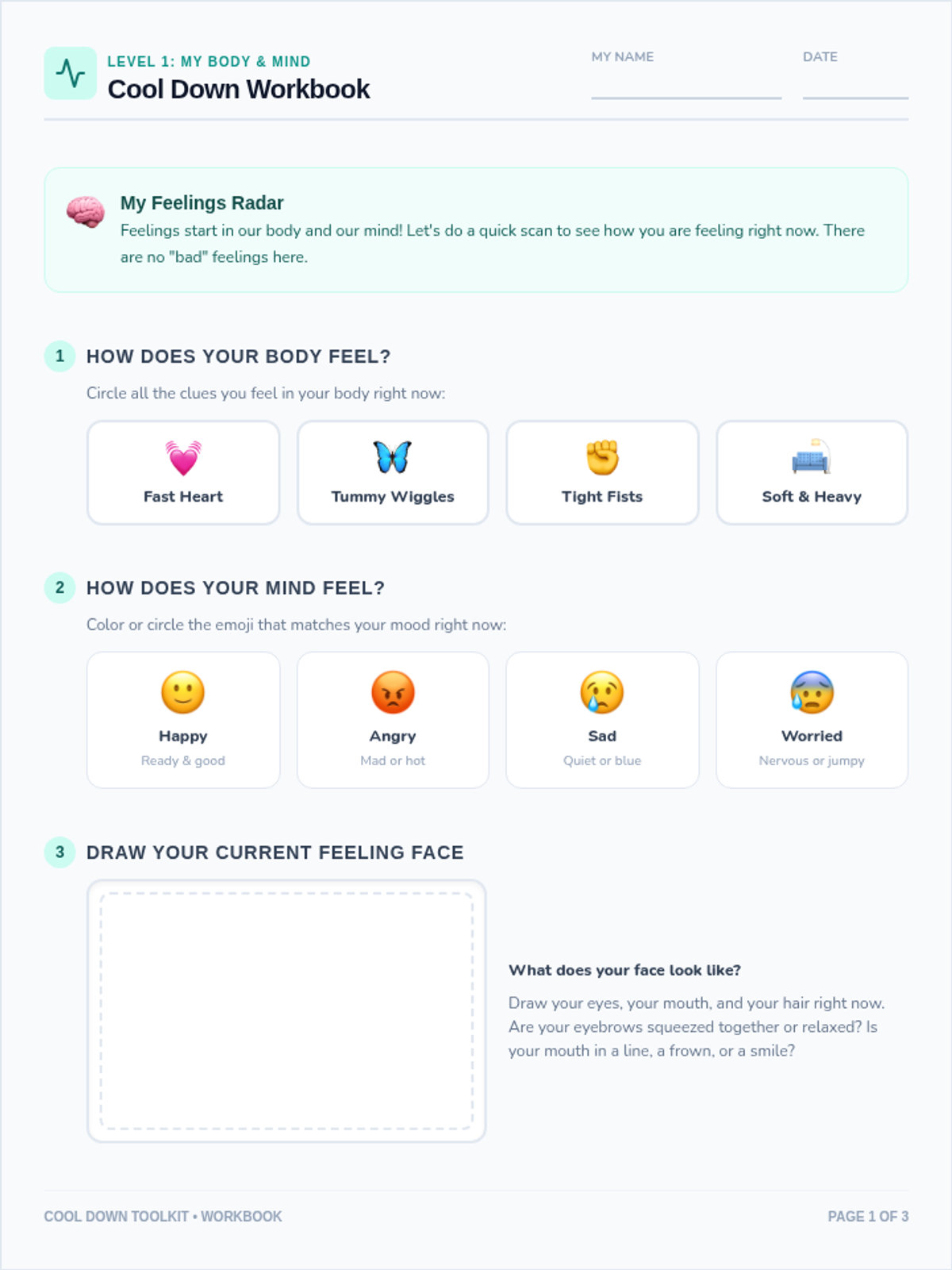
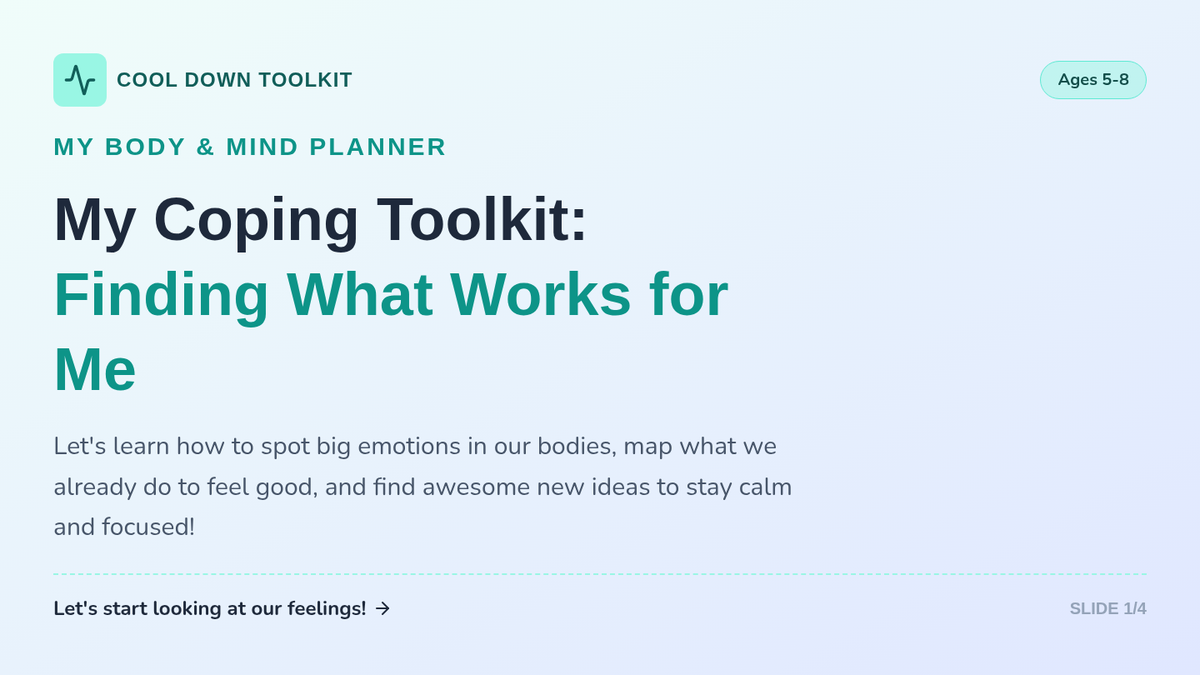
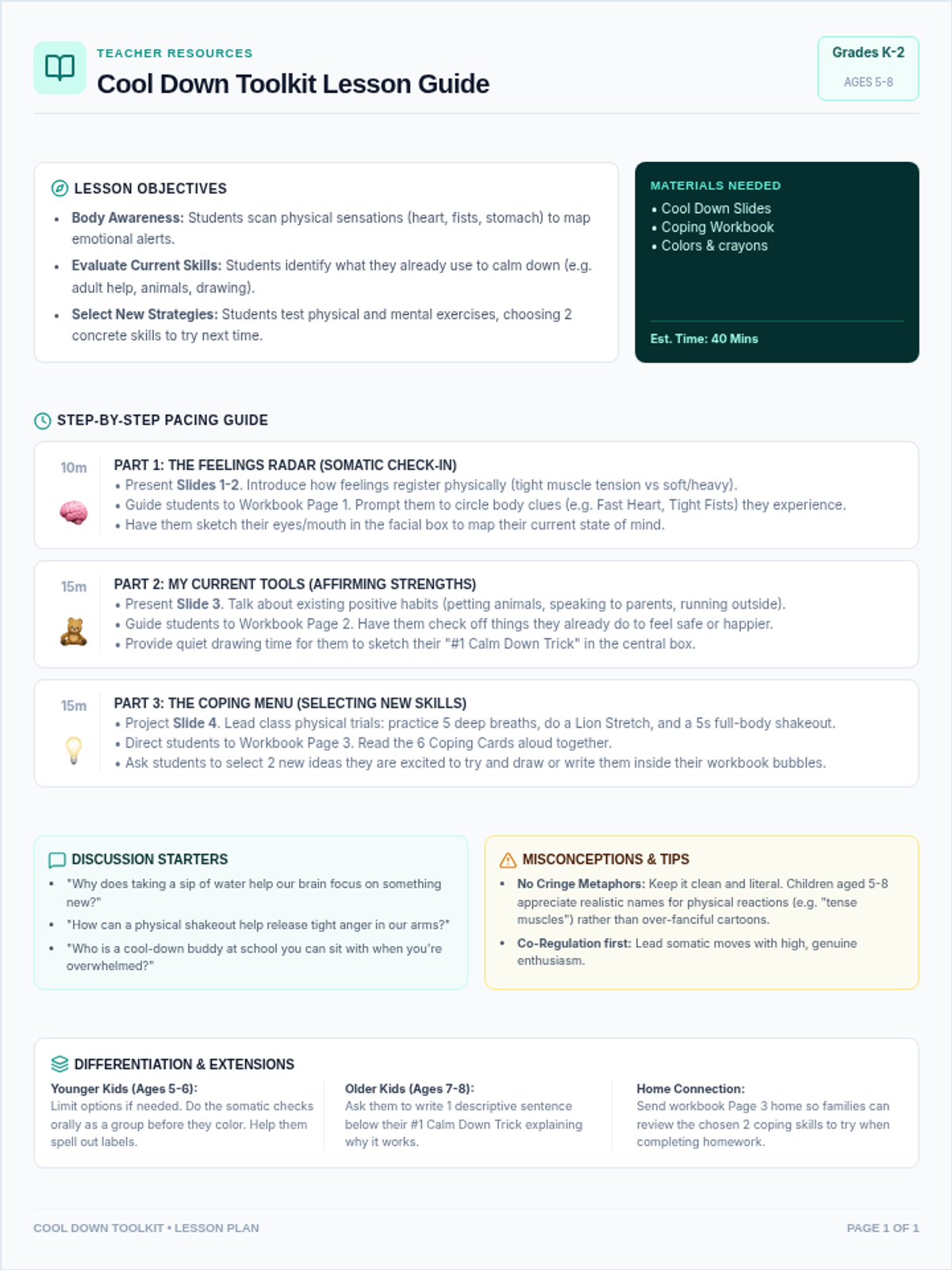
A clean, modern therapeutic lesson designed to teach students aged 5-8 how to identify physical and emotional cues, map their current coping strategies, and choose practical new skills to try.
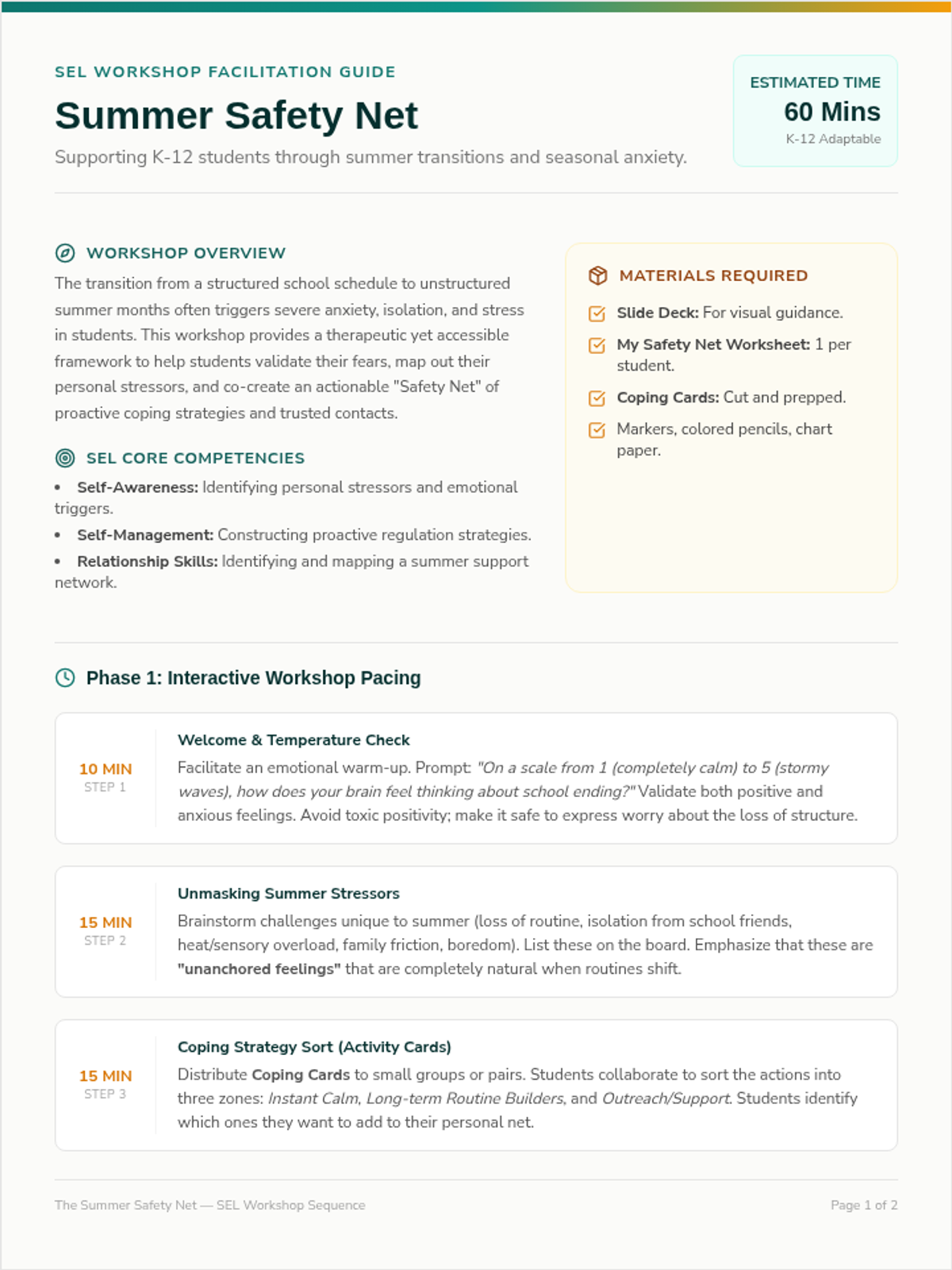
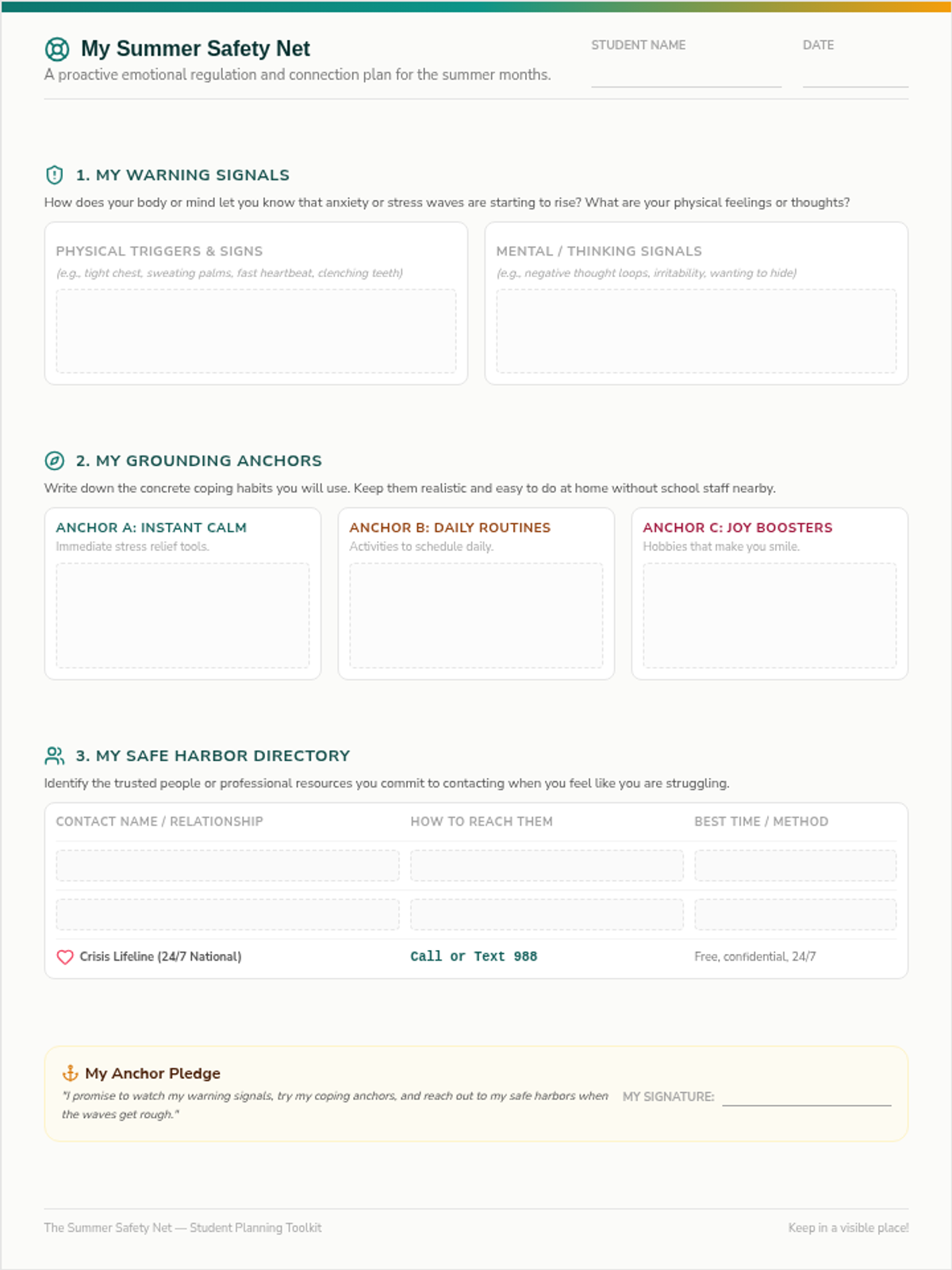
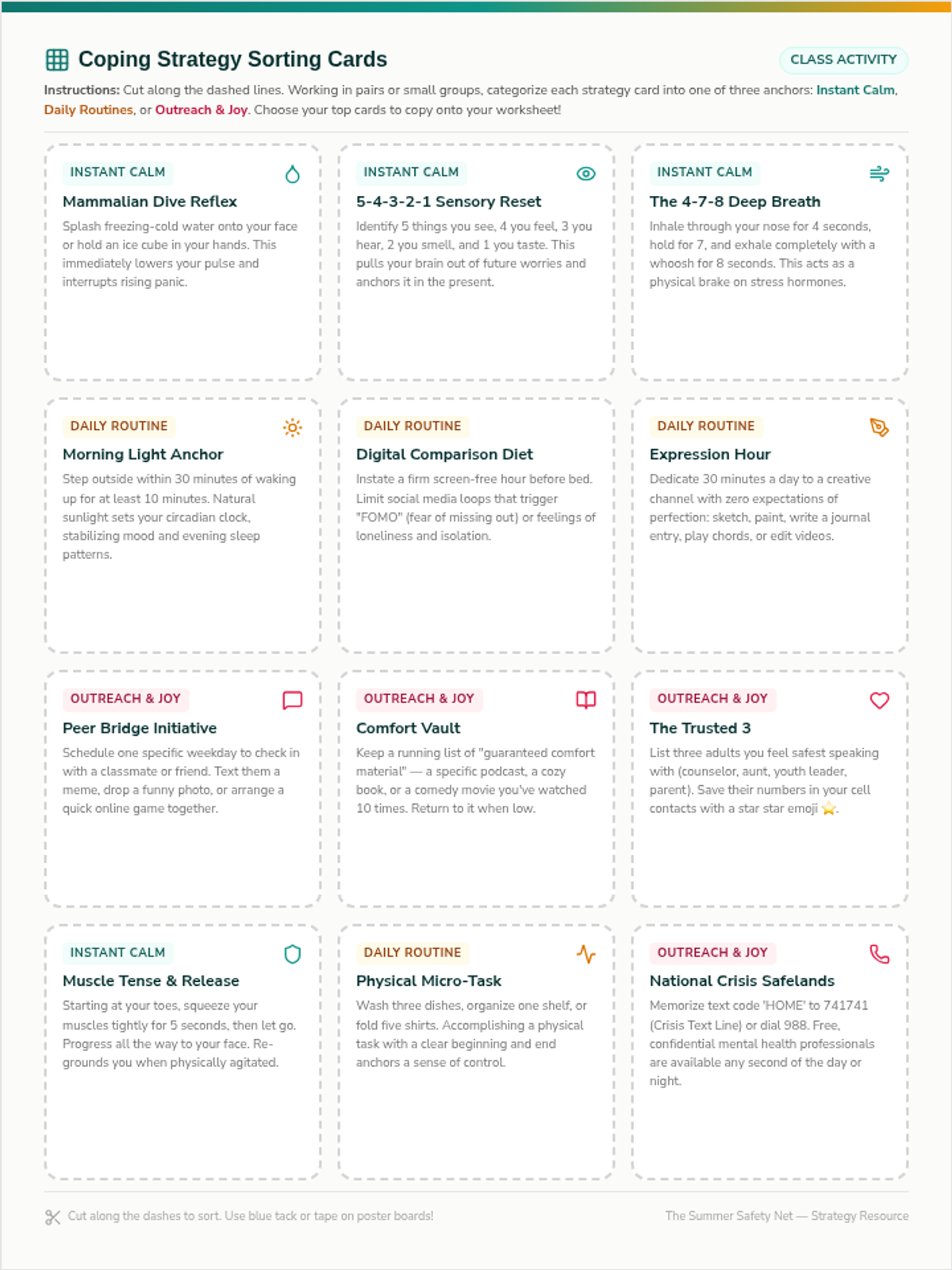
A collaborative mental health workshop designed to help students navigate summer transition anxiety by identifying stressors, mapping coping strategies, and co-creating a personalized proactive emotional regulation plan.
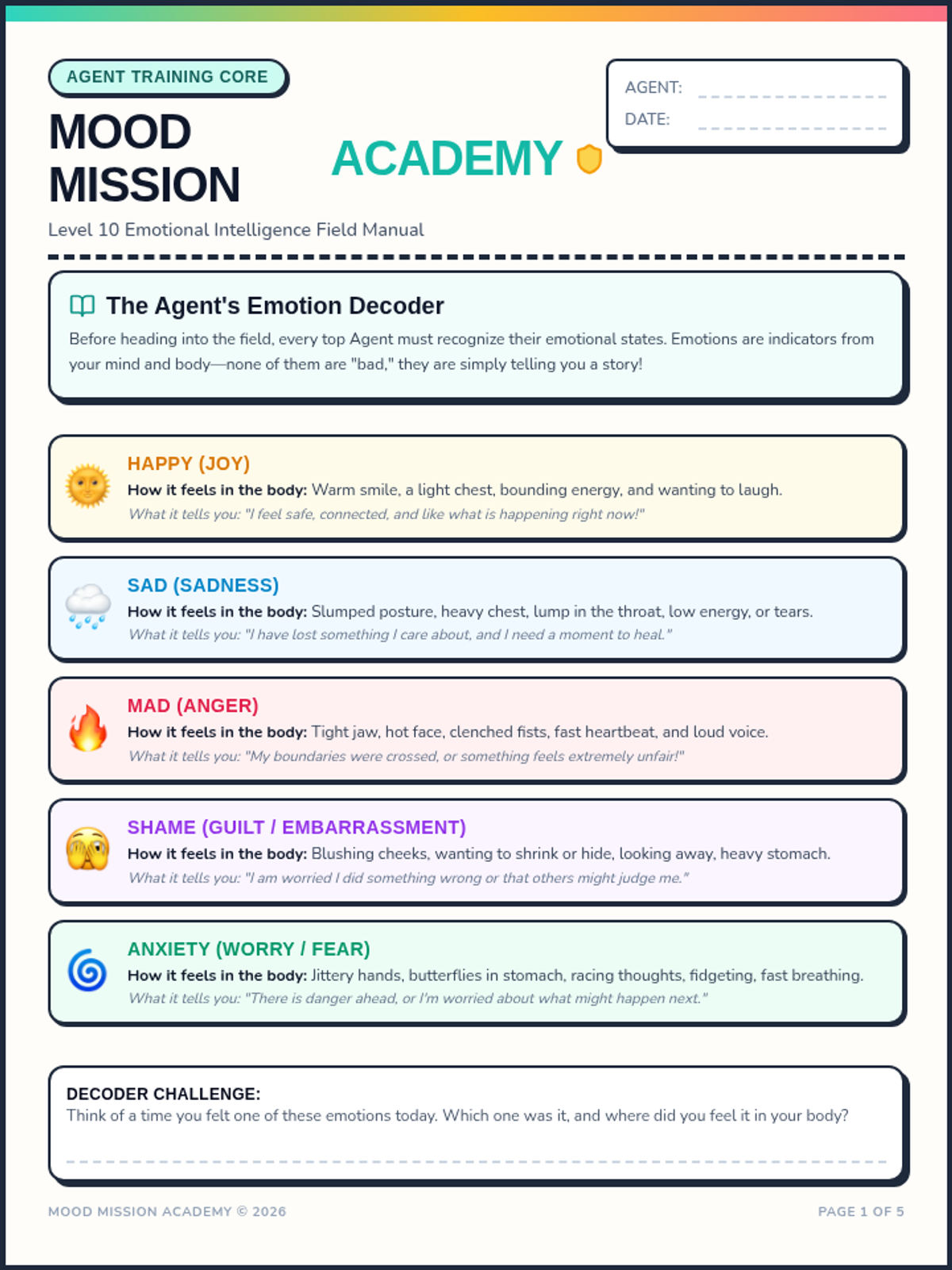
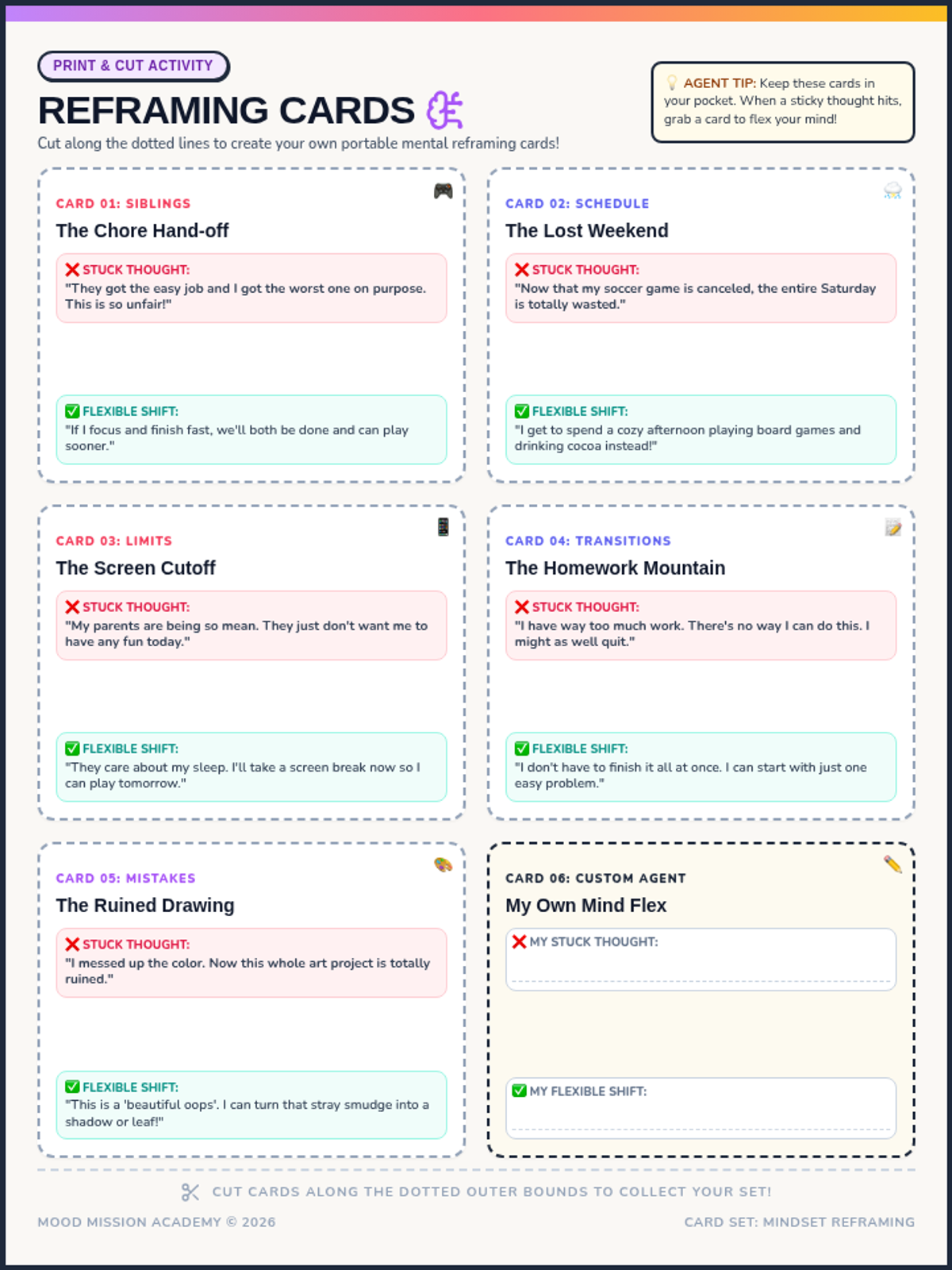
A playful social-emotional learning lesson focusing on identifying emotions, somatic regulation, cognitive reframing, and assertive communication through engaging social stories.
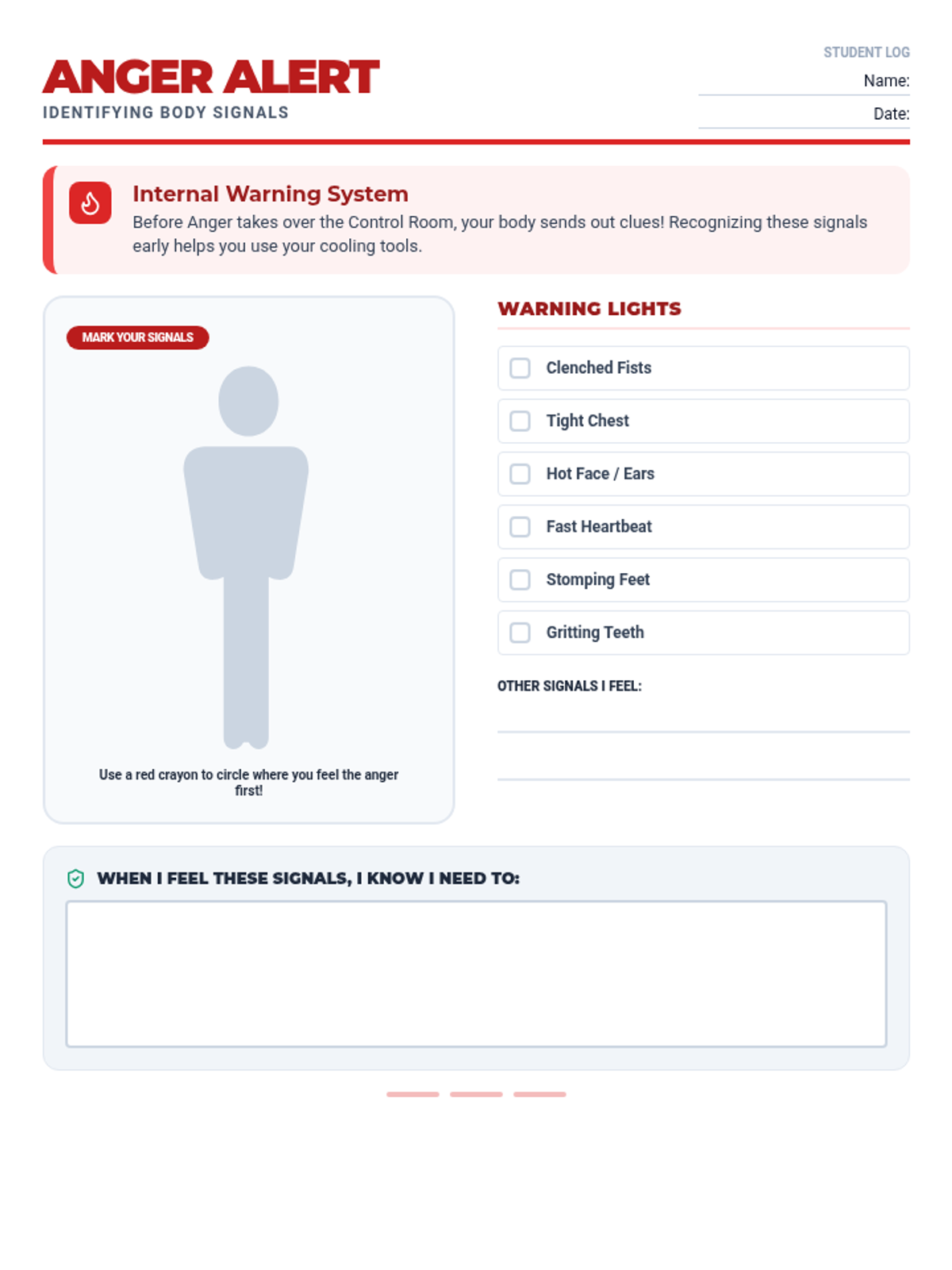
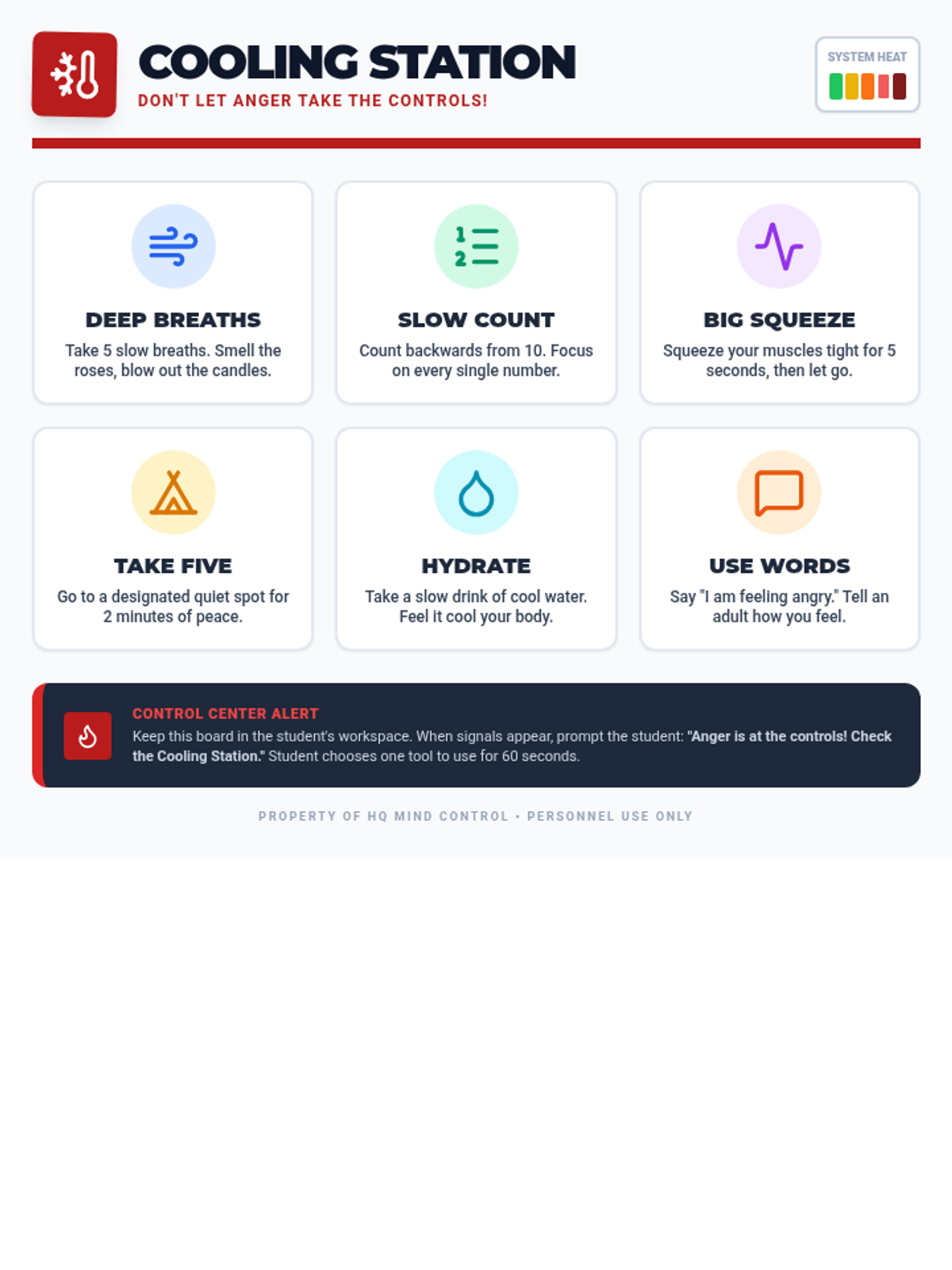
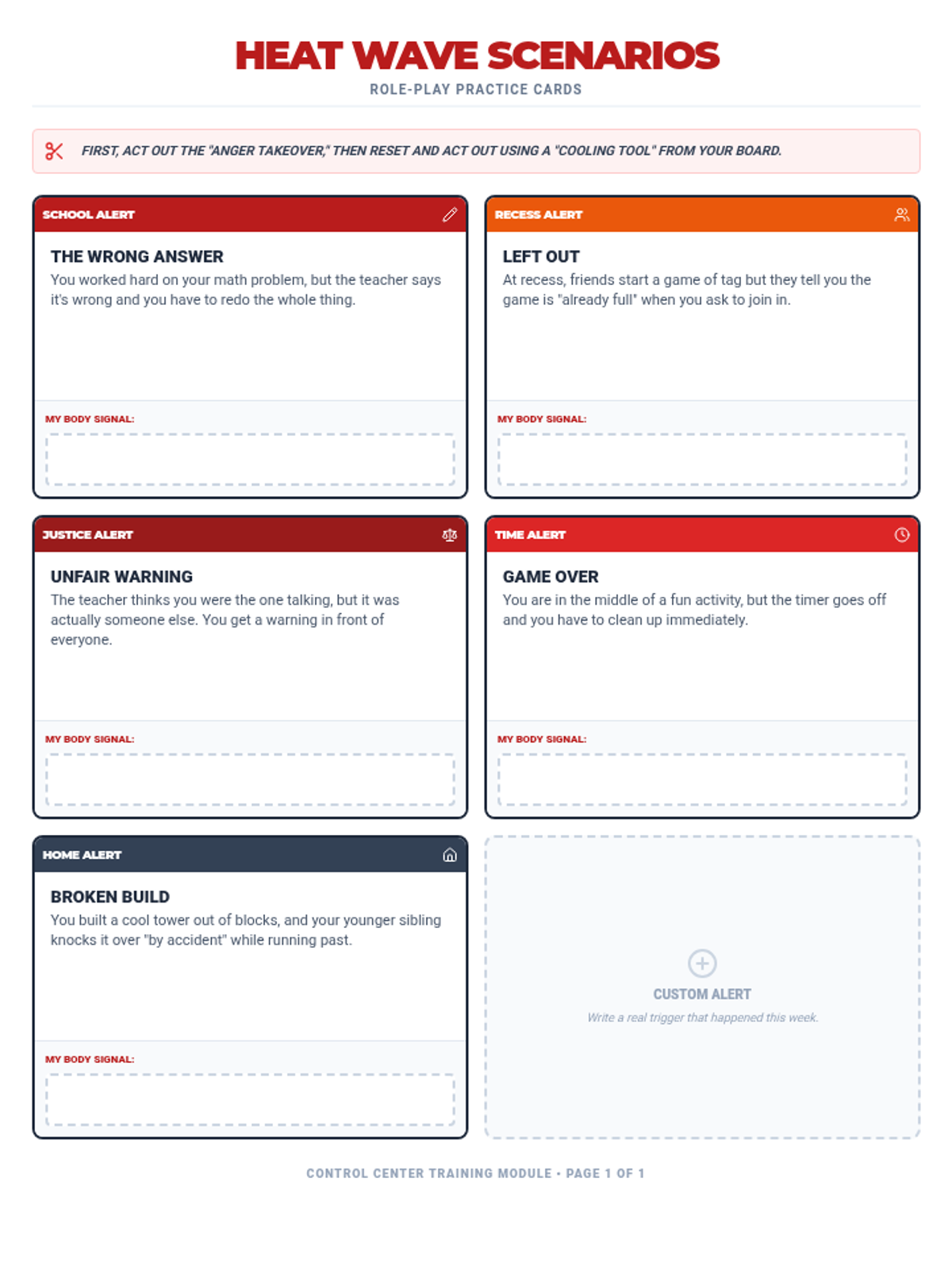
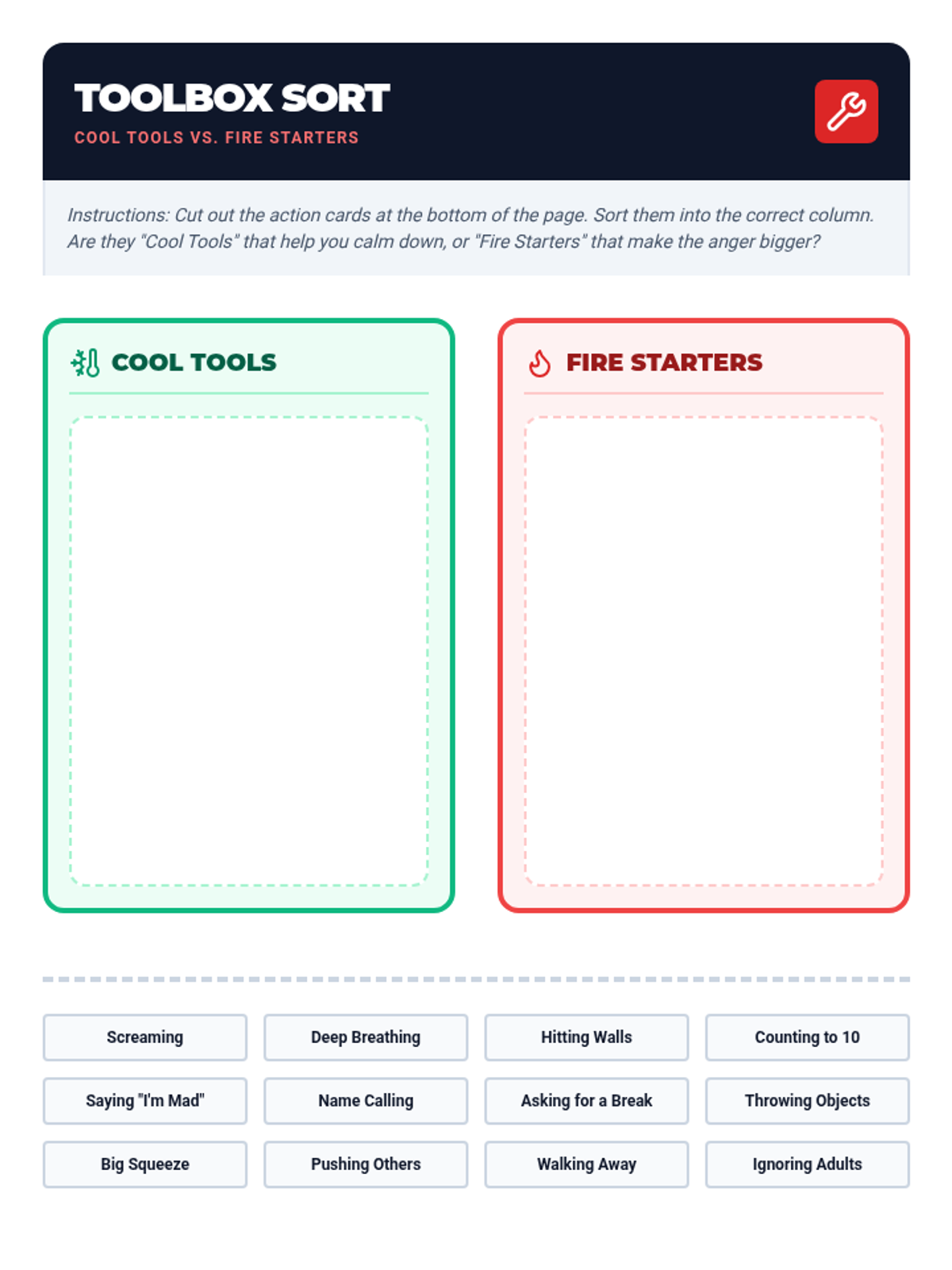
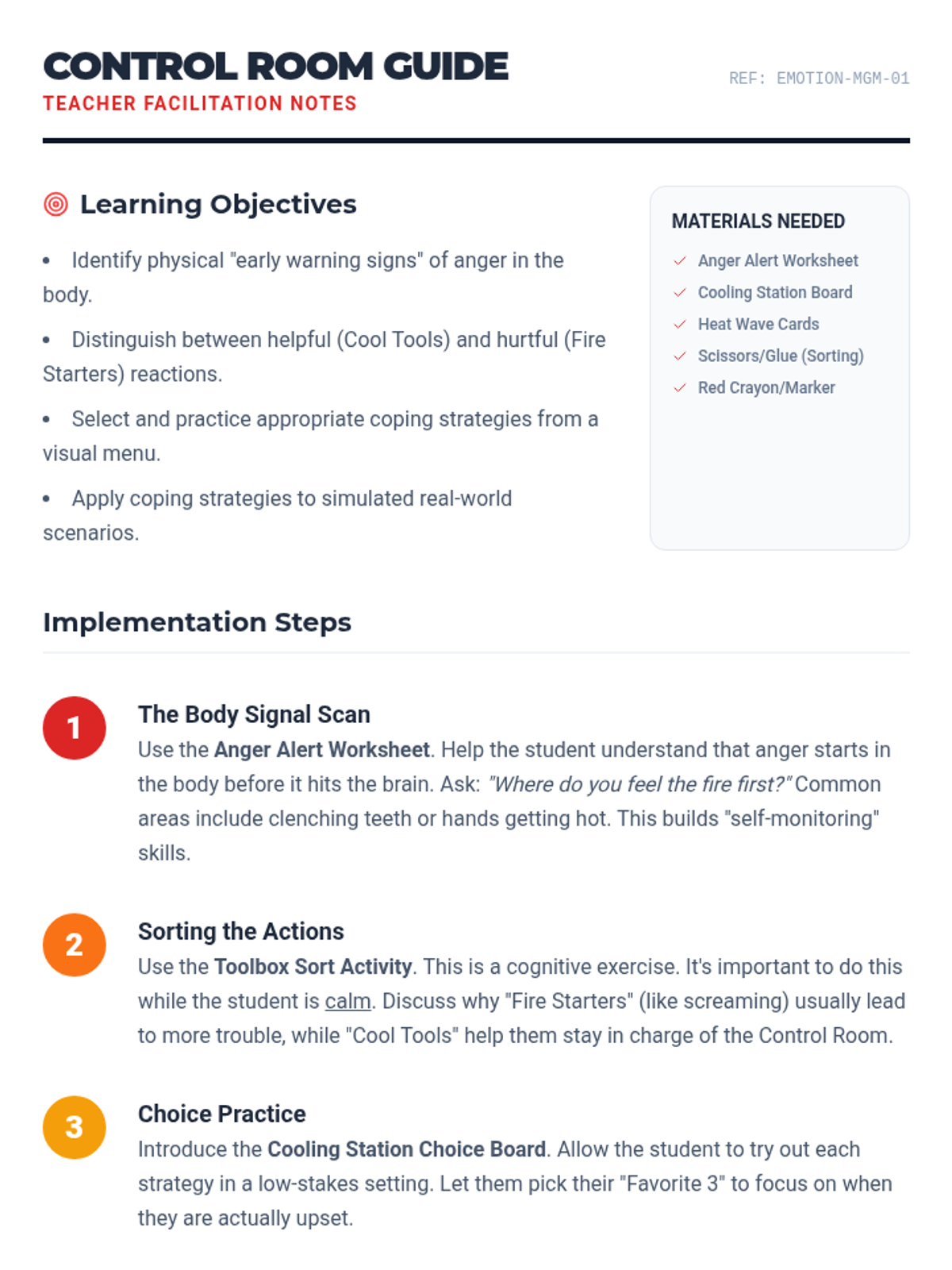
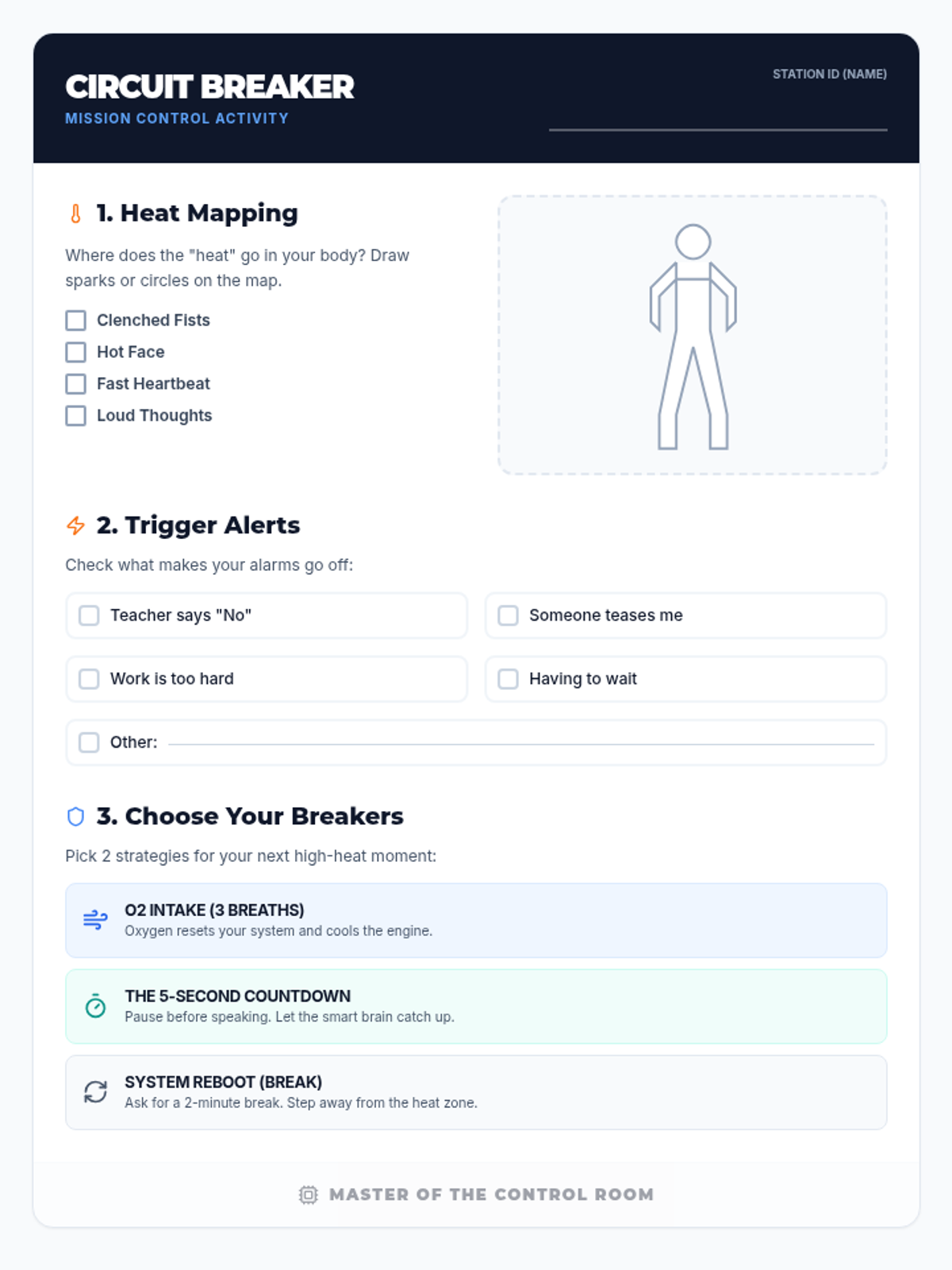
A set of resources designed to help students identify anger triggers, recognize physical body signals, and practice using coping strategies through a theme inspired by the 'Inside Out' Control Room.
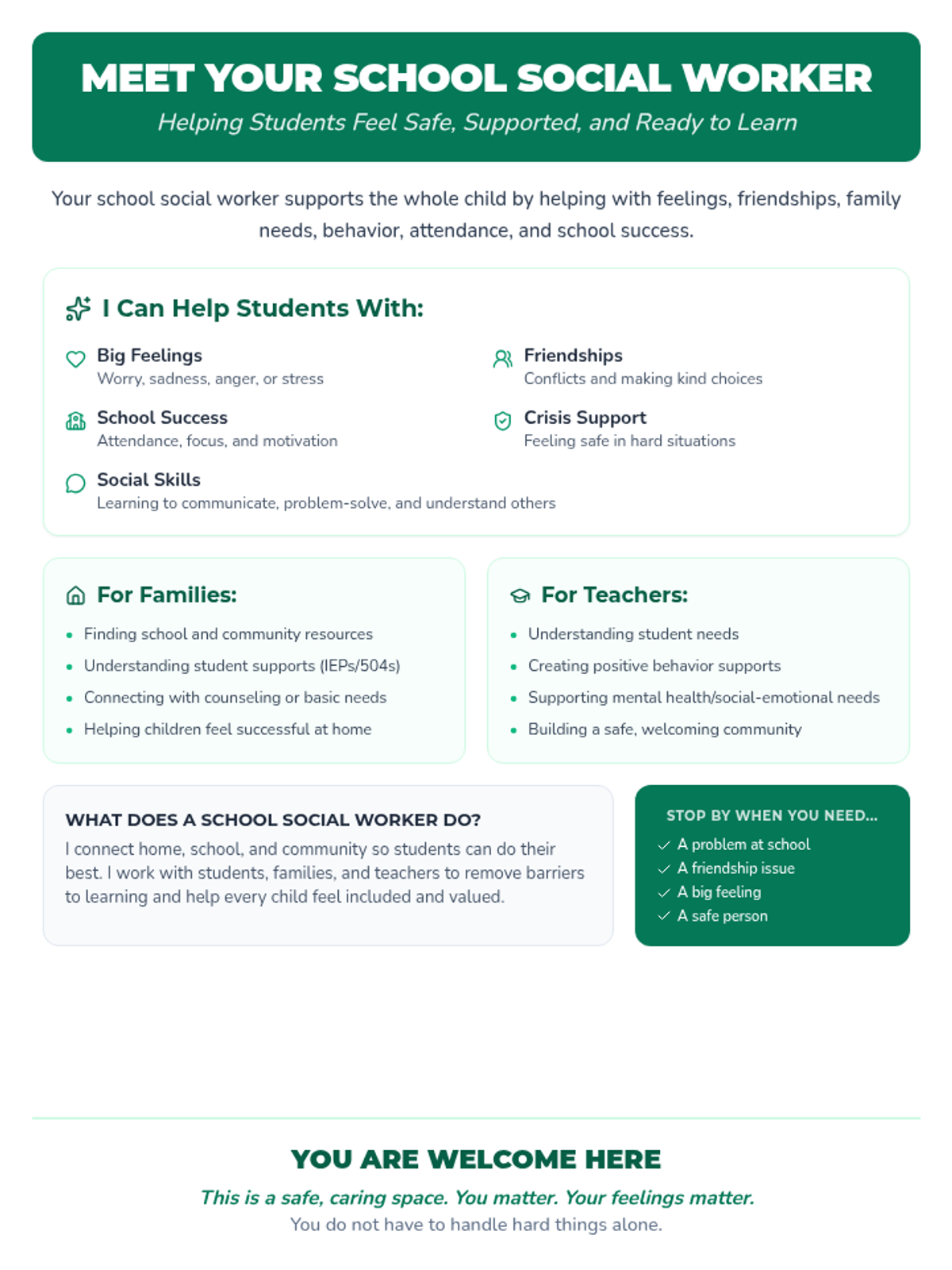
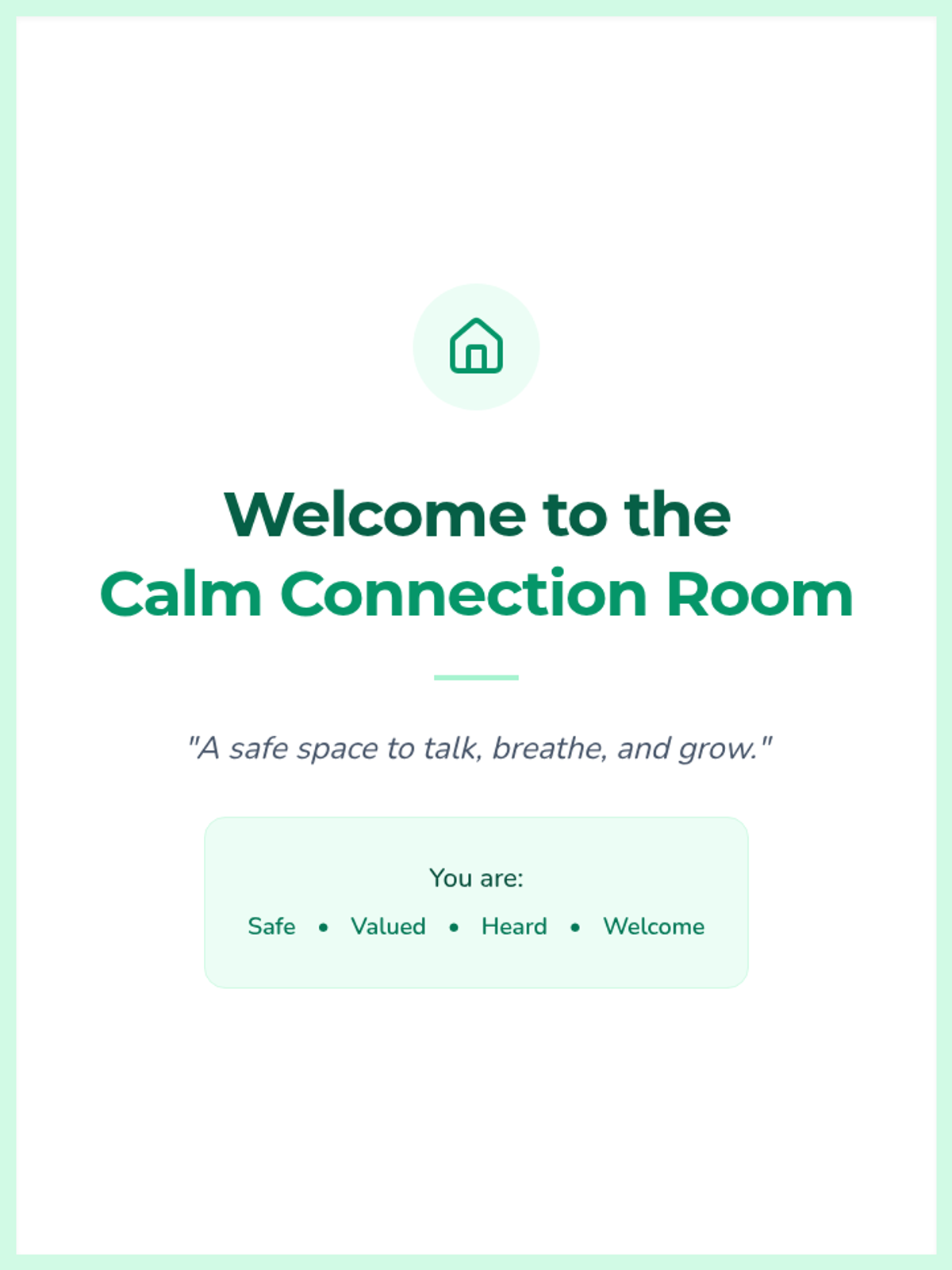
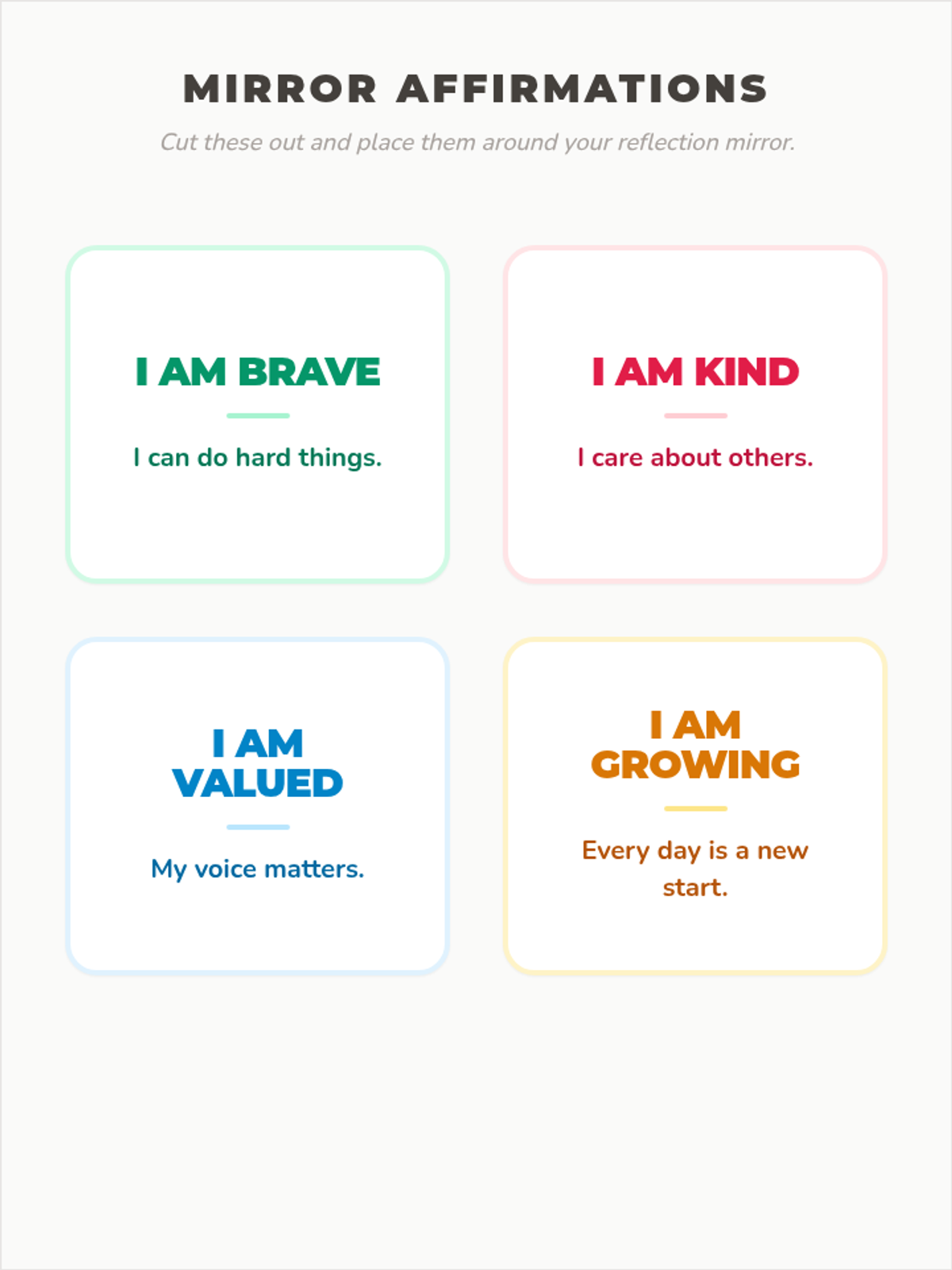
A comprehensive suite of calming, nature-inspired office decor for a school social worker, featuring posters, interactive tools, and affirmation cards.
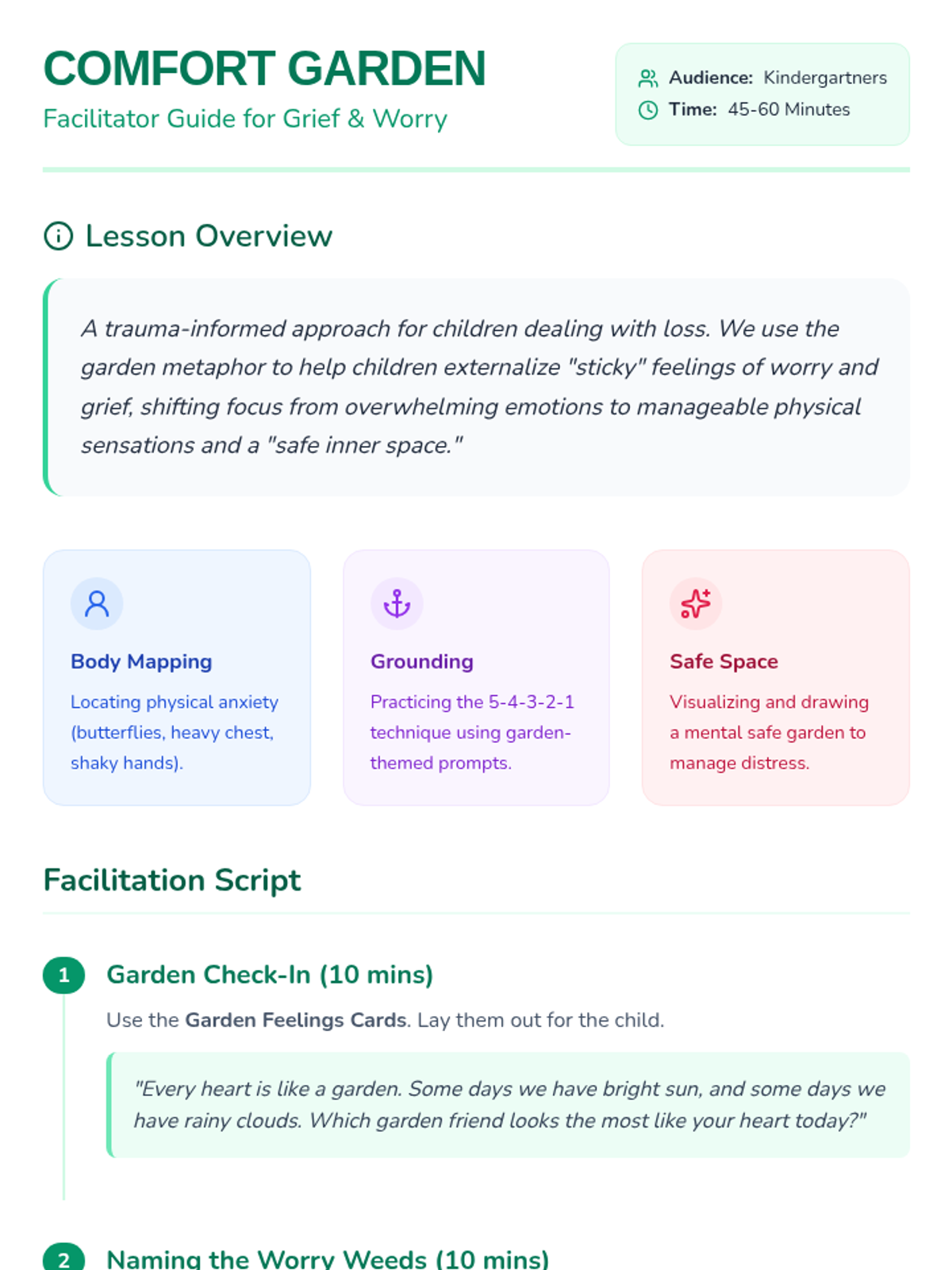
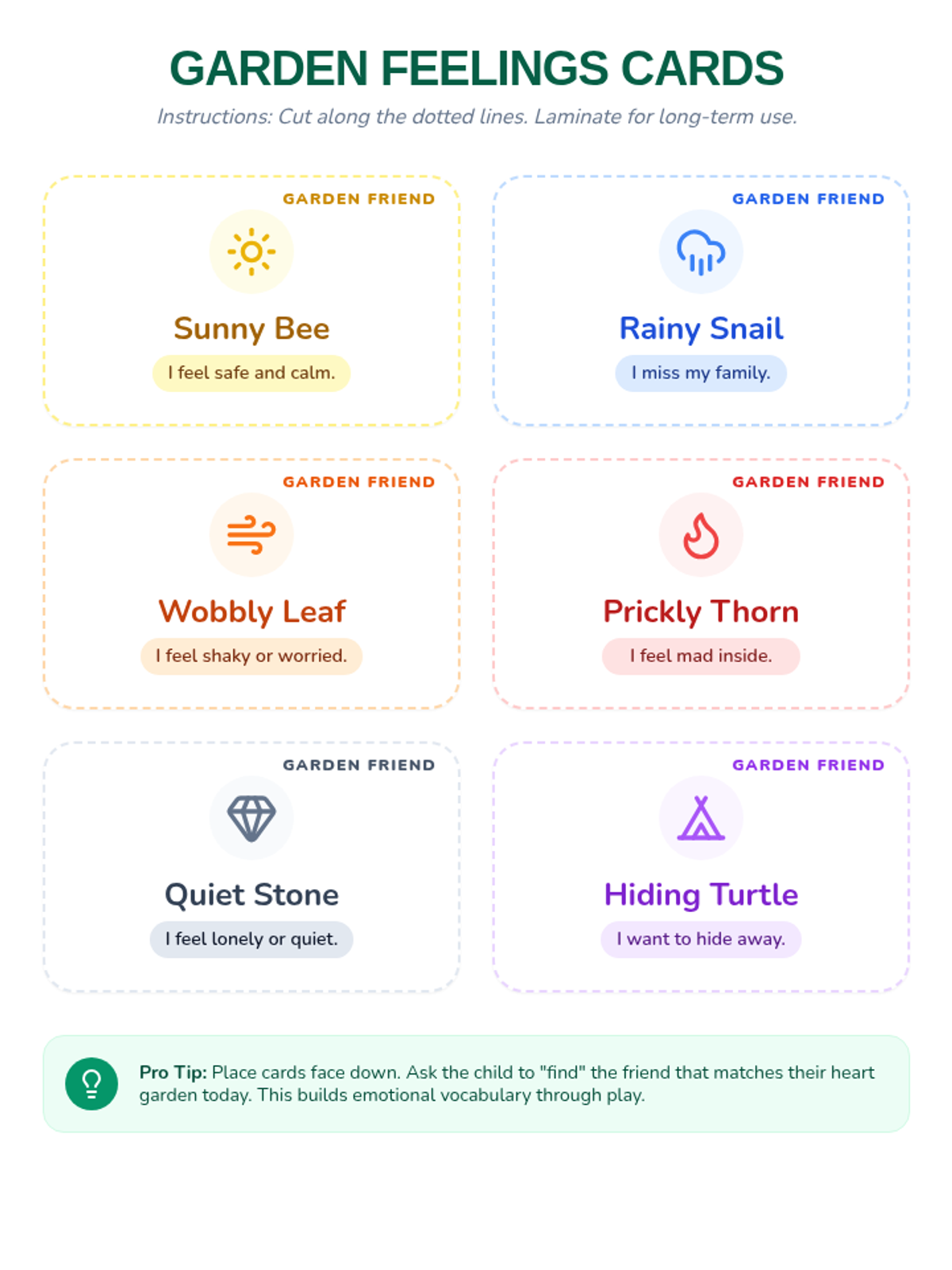
A gentle, trauma-informed lesson for kindergartners dealing with grief and worry. Focuses on identifying physical sensations of anxiety, practicing grounding techniques, and creating a mental safe space through the metaphor of a 'Comfort Garden'.
A comprehensive update to the summer coping skills packet, featuring interactive movement activities, new grounding techniques, and a video vault for digital support.
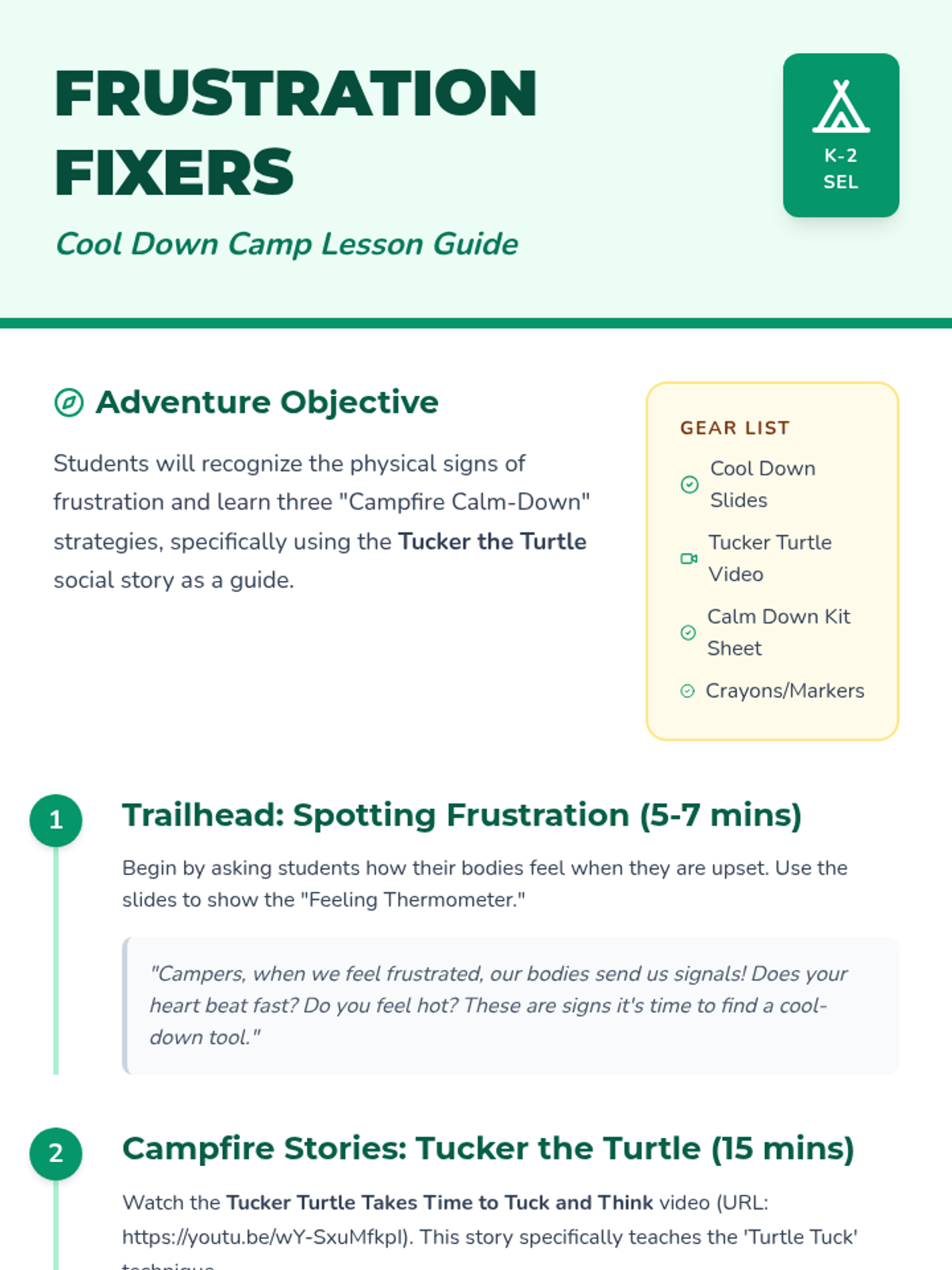
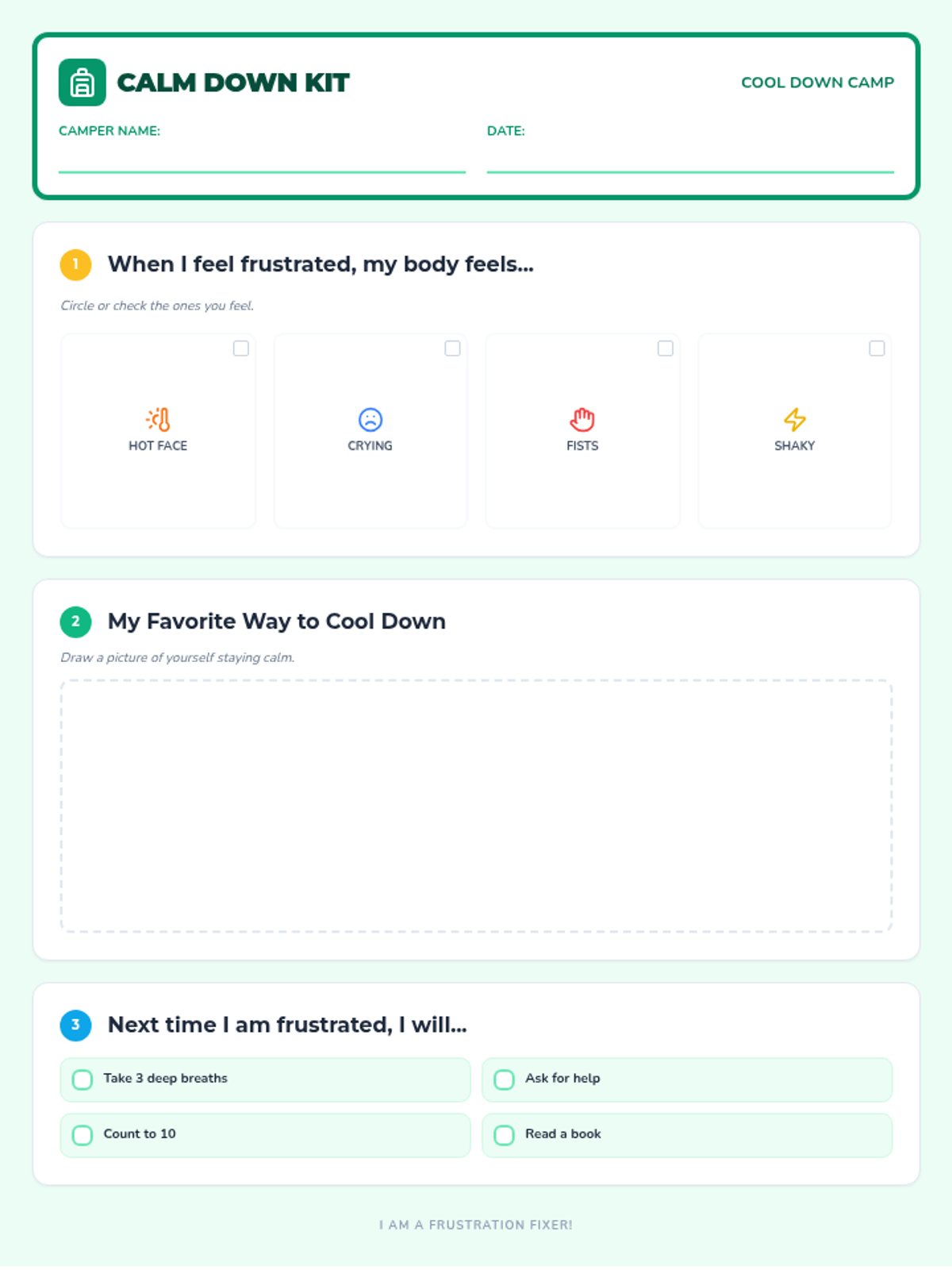
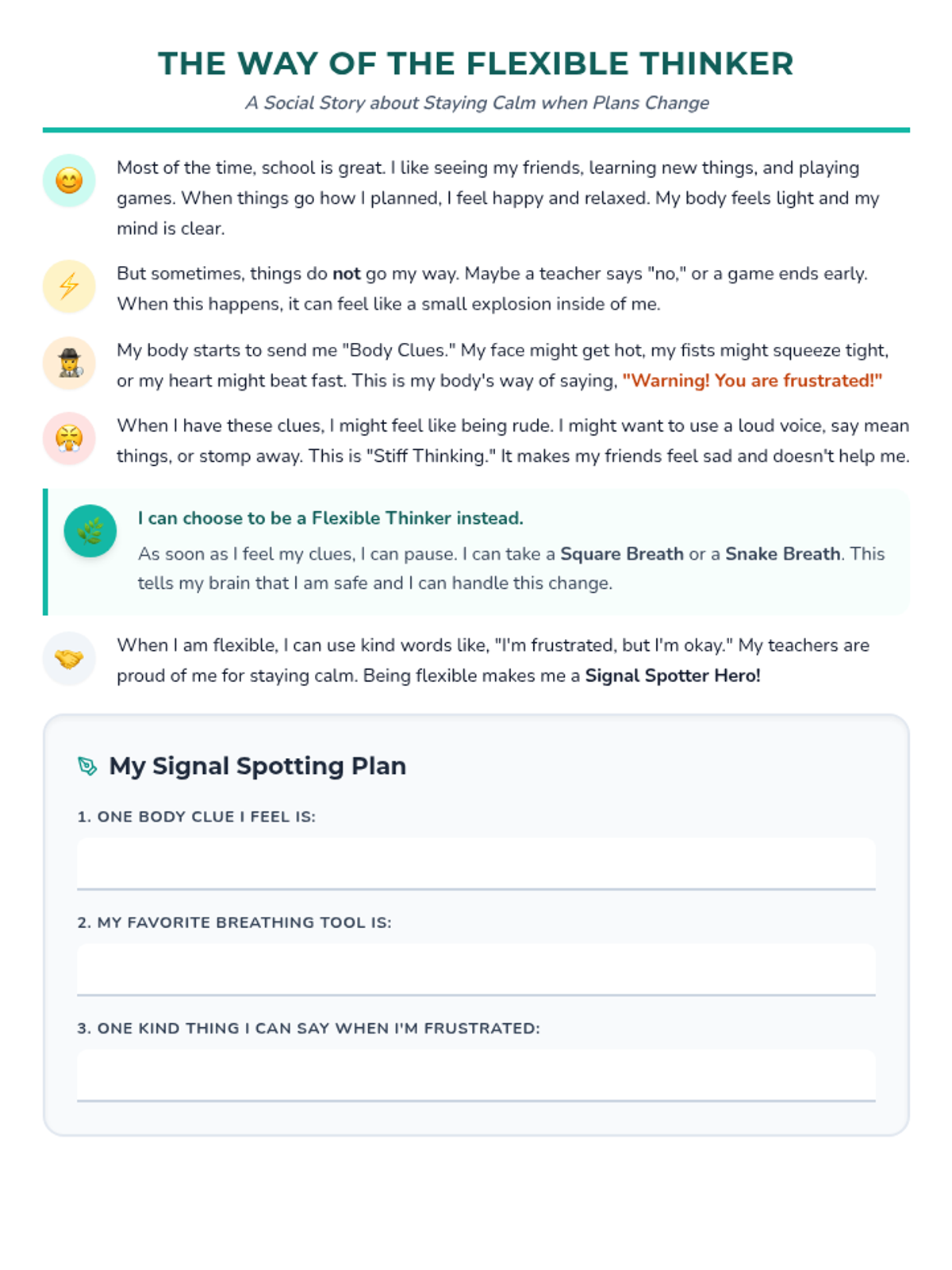
A lesson for K-2 students on identifying and managing frustration using calming strategies and social story analysis.
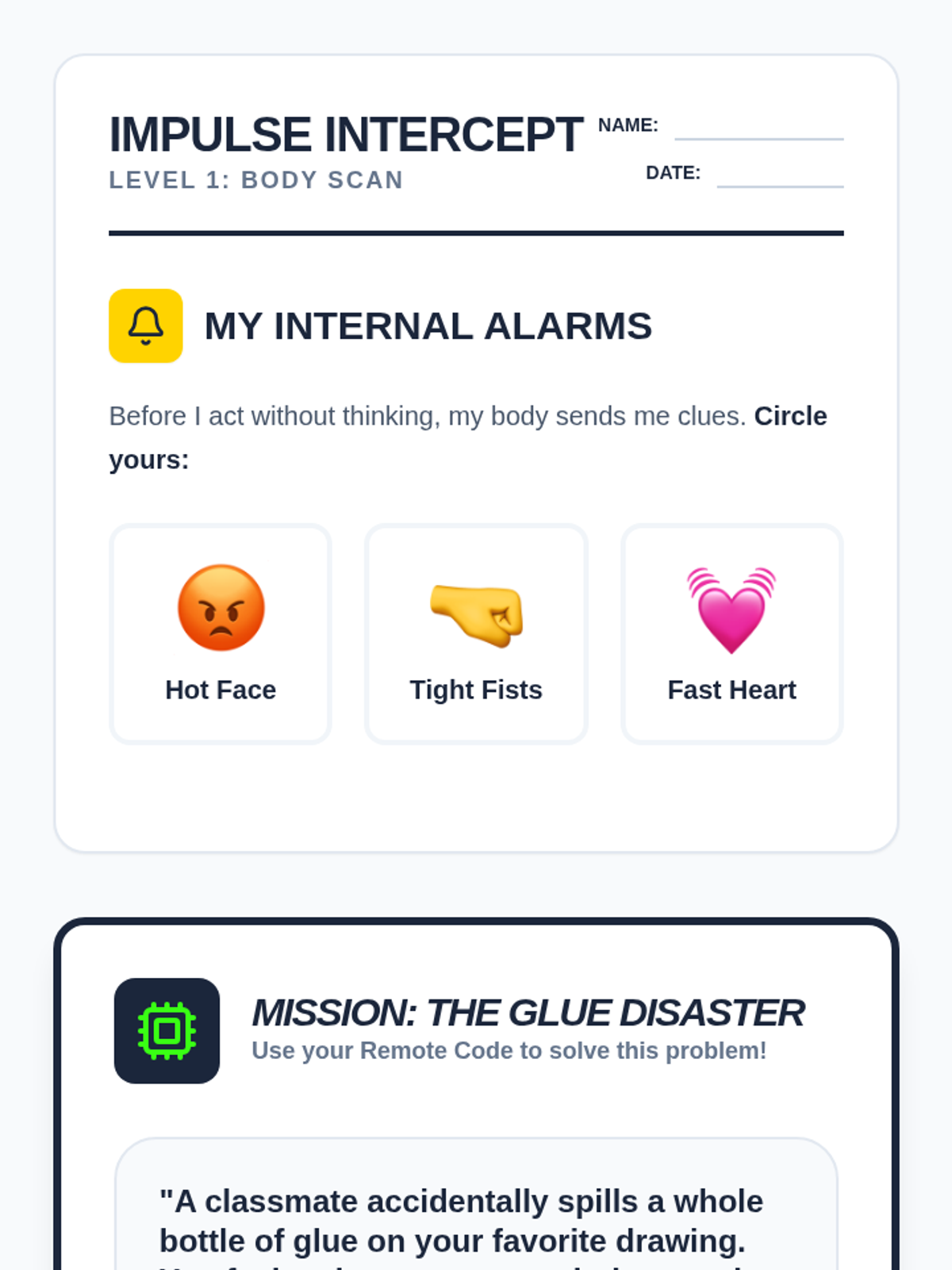
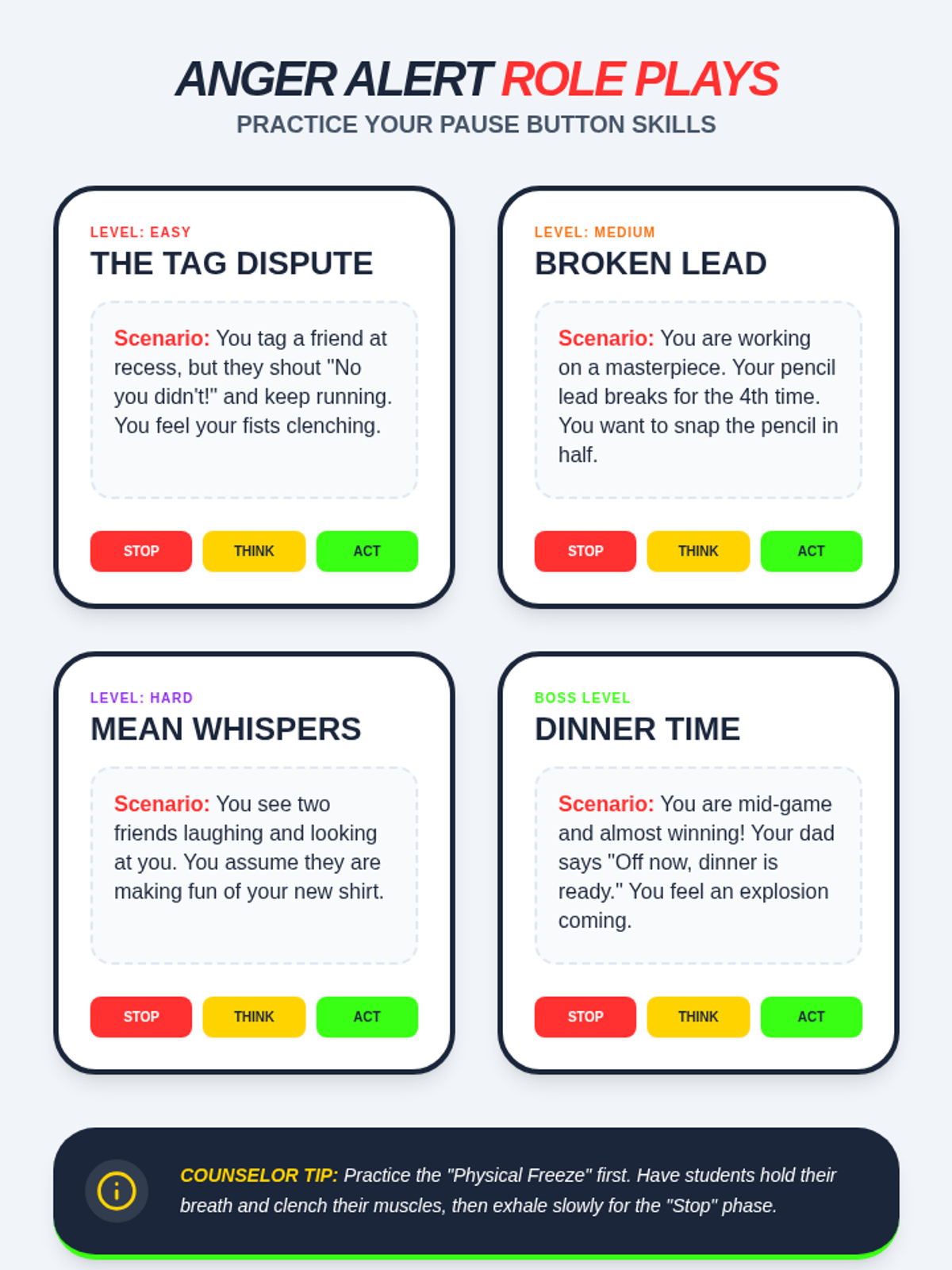
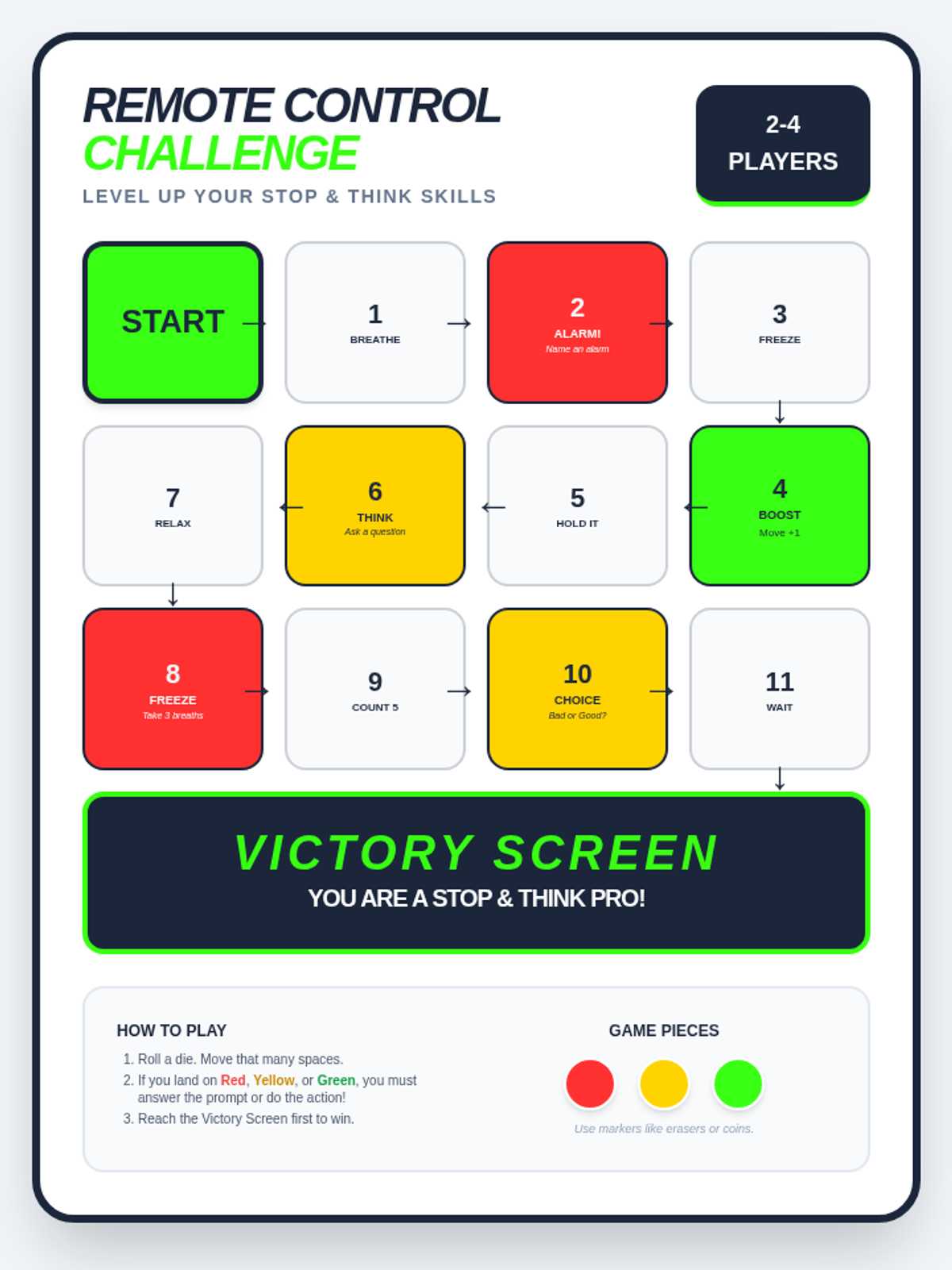
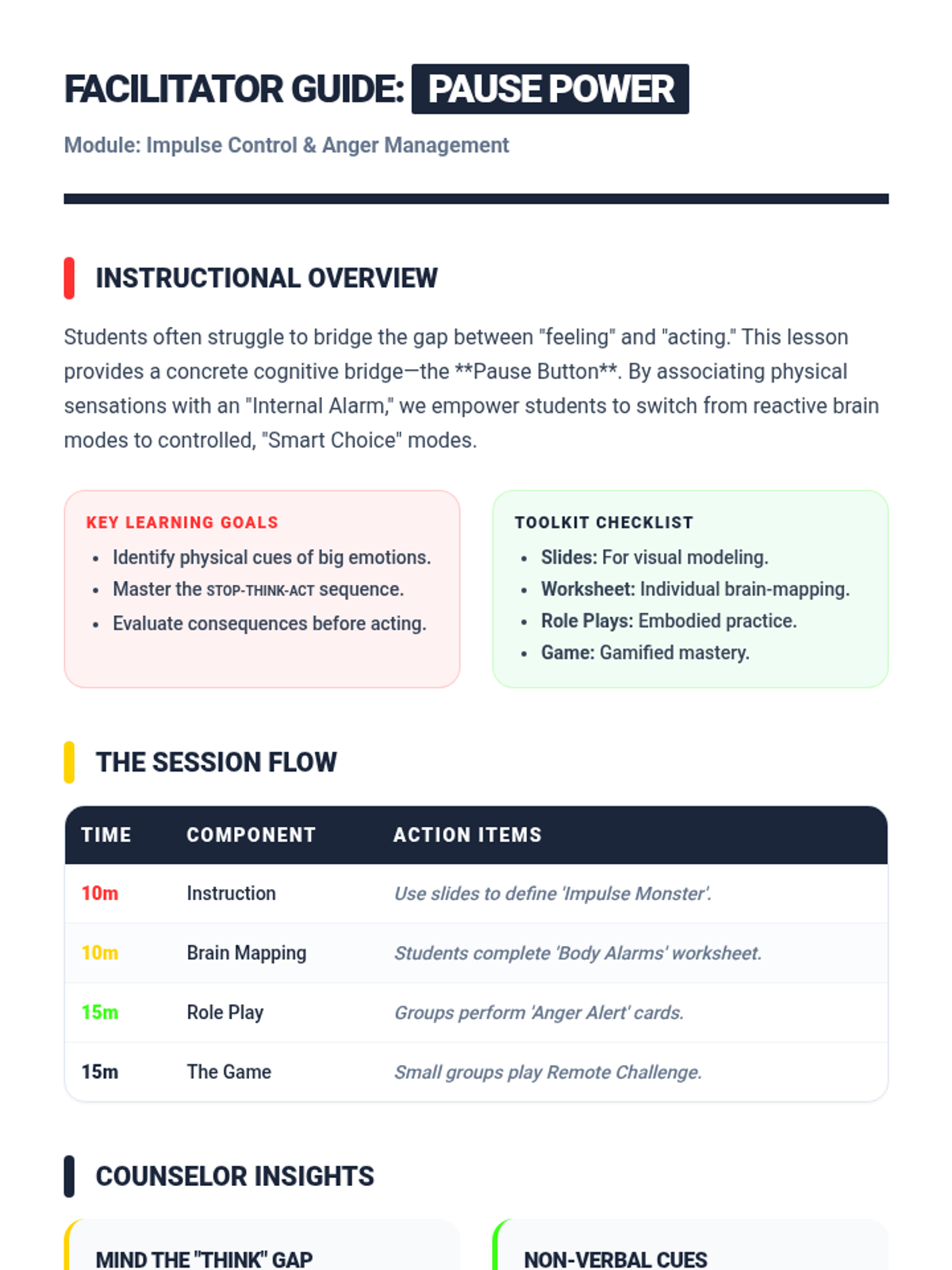
A comprehensive lesson teaching elementary students how to use the 'Stop and Think' strategy to manage anger and impulsive behaviors using a 'Remote Control' theme.
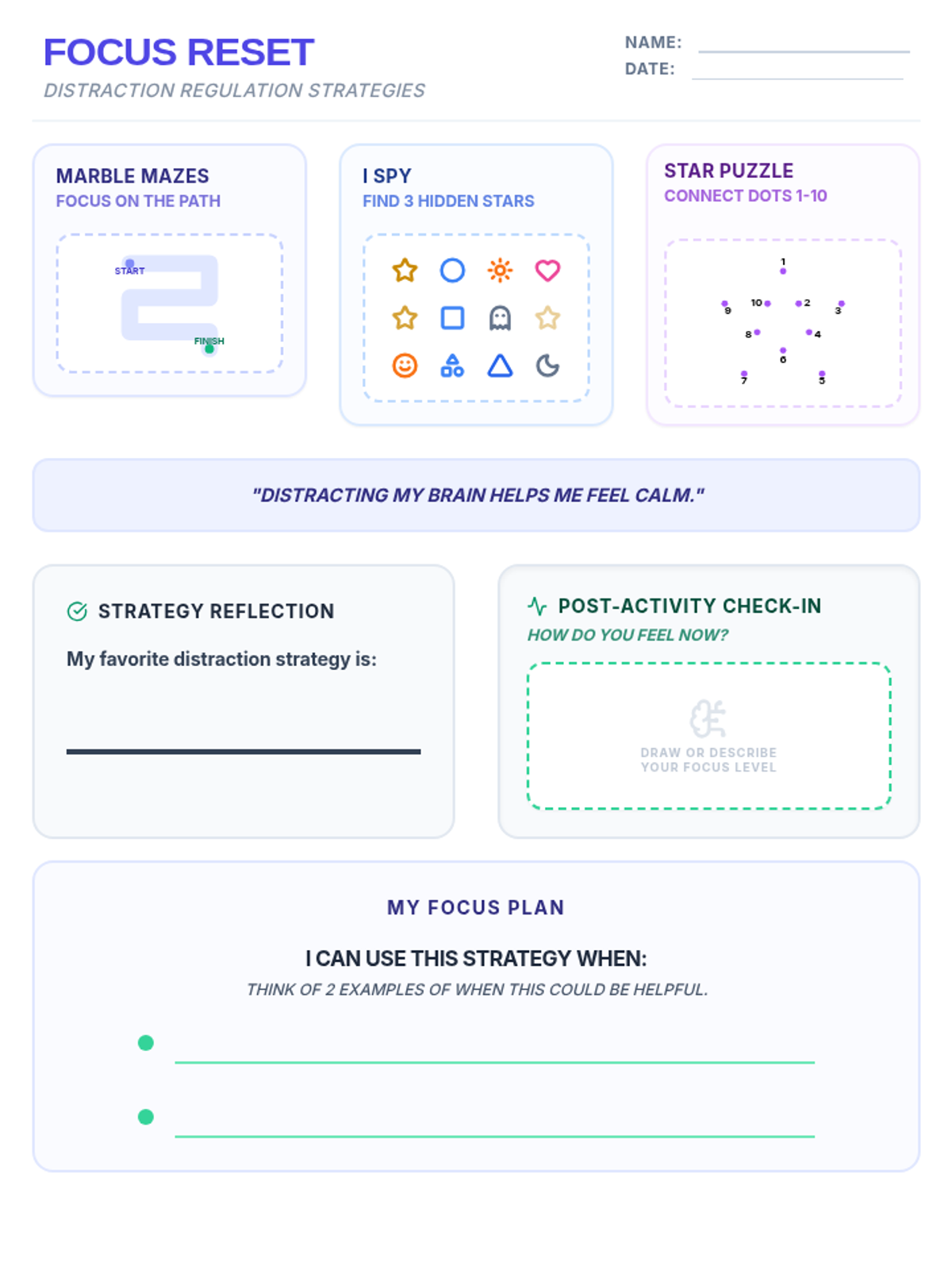
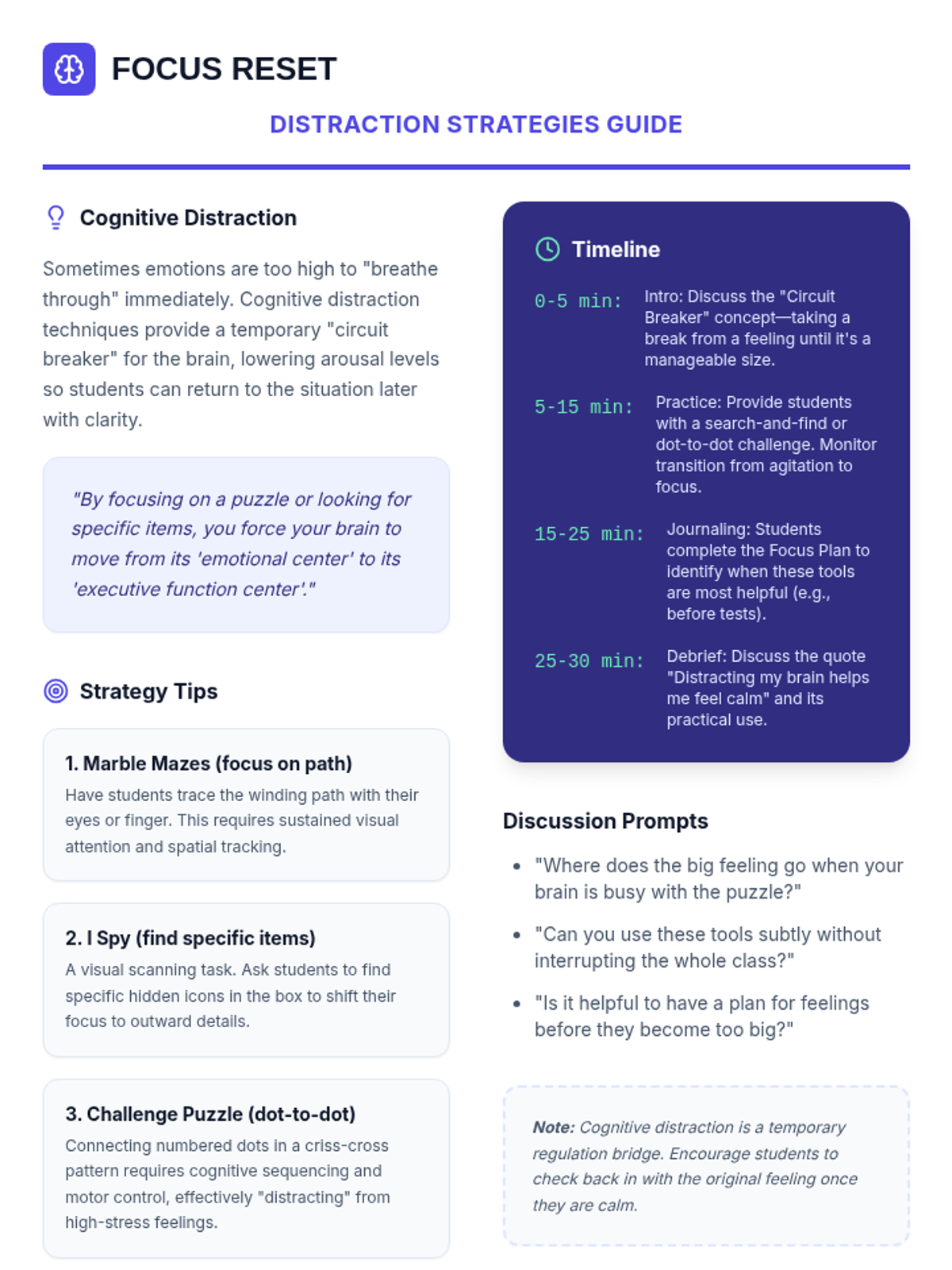
A regulation lesson for older students focused on using cognitive distraction techniques to manage high-intensity emotions.
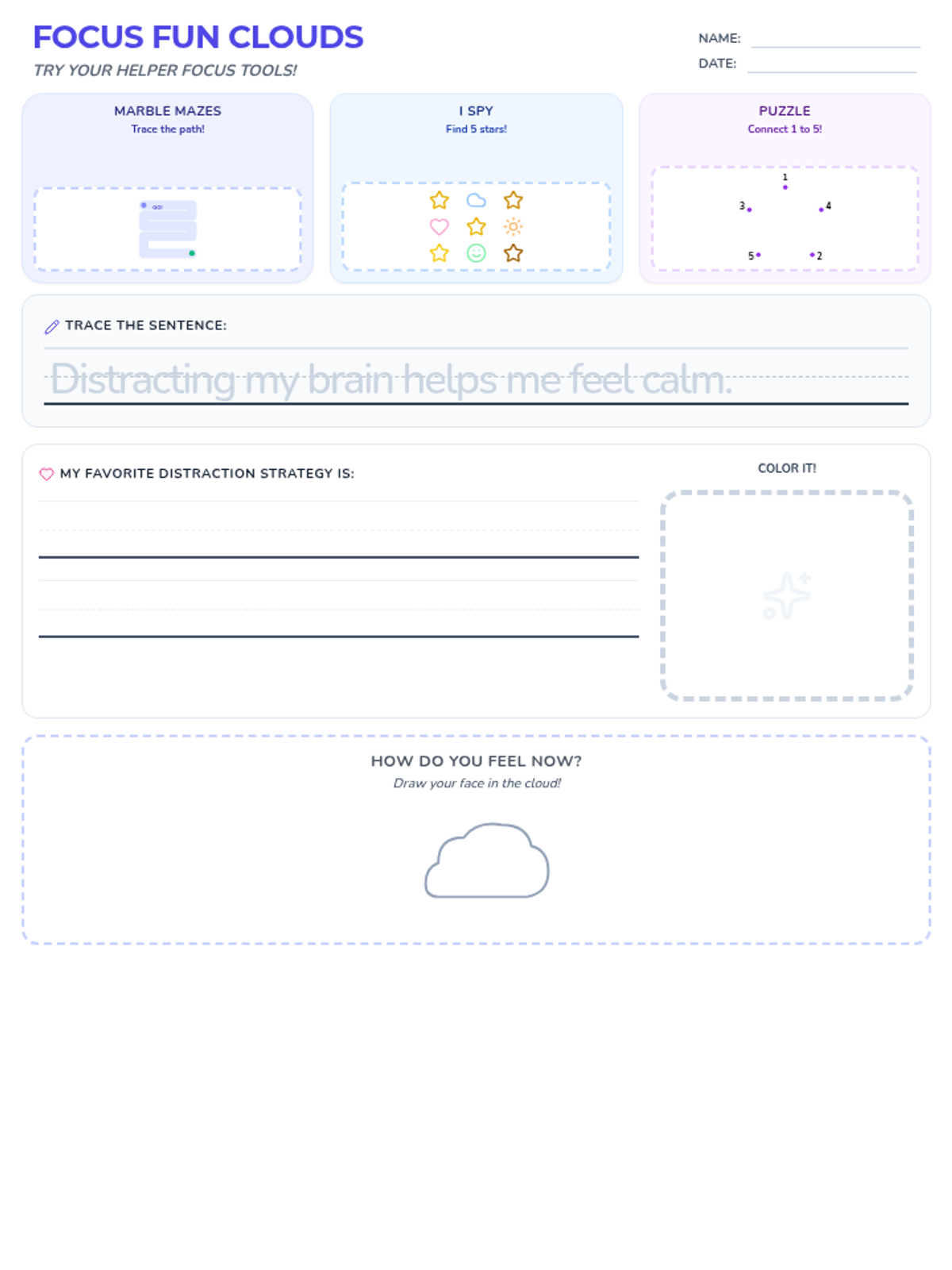
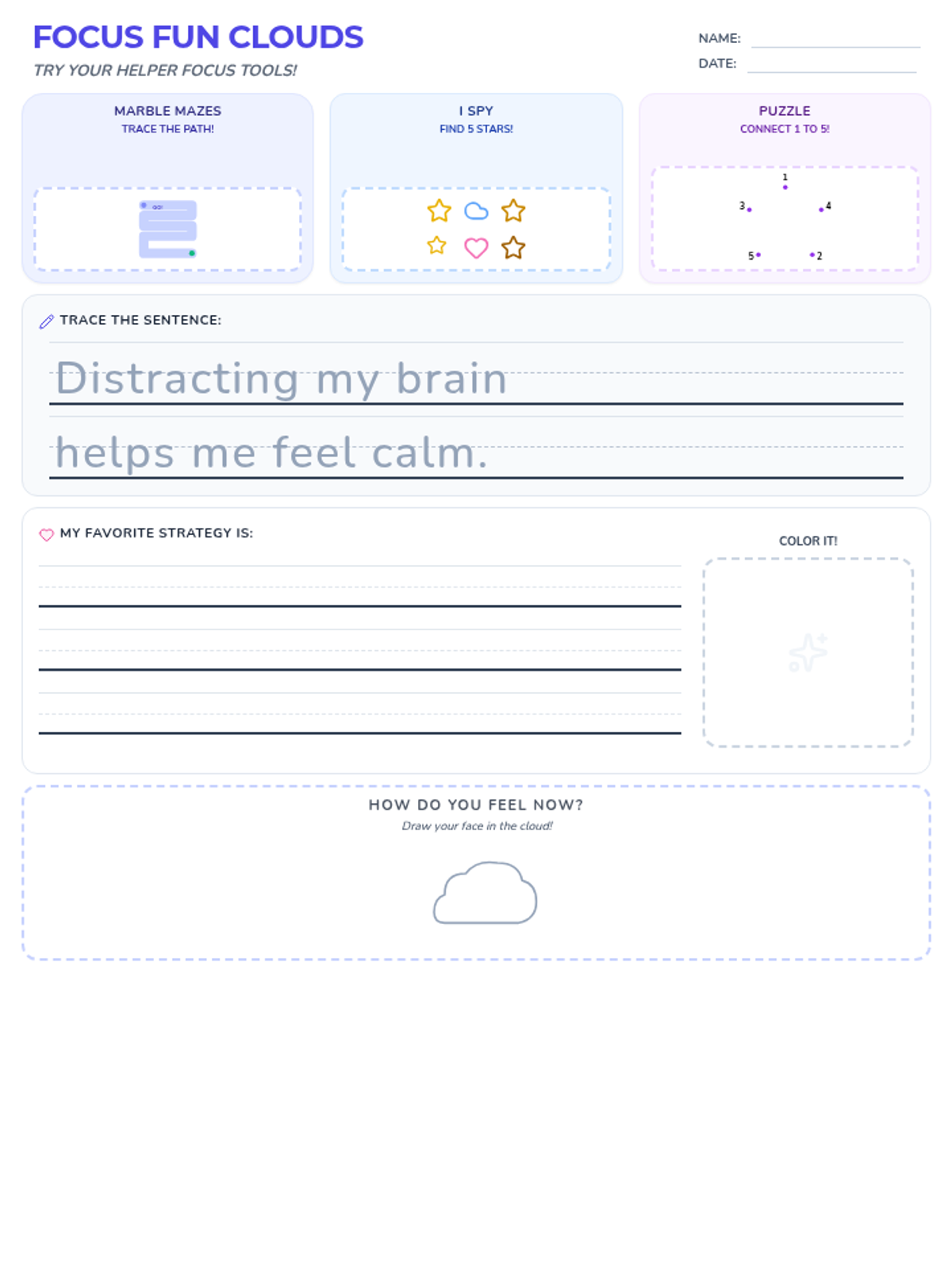
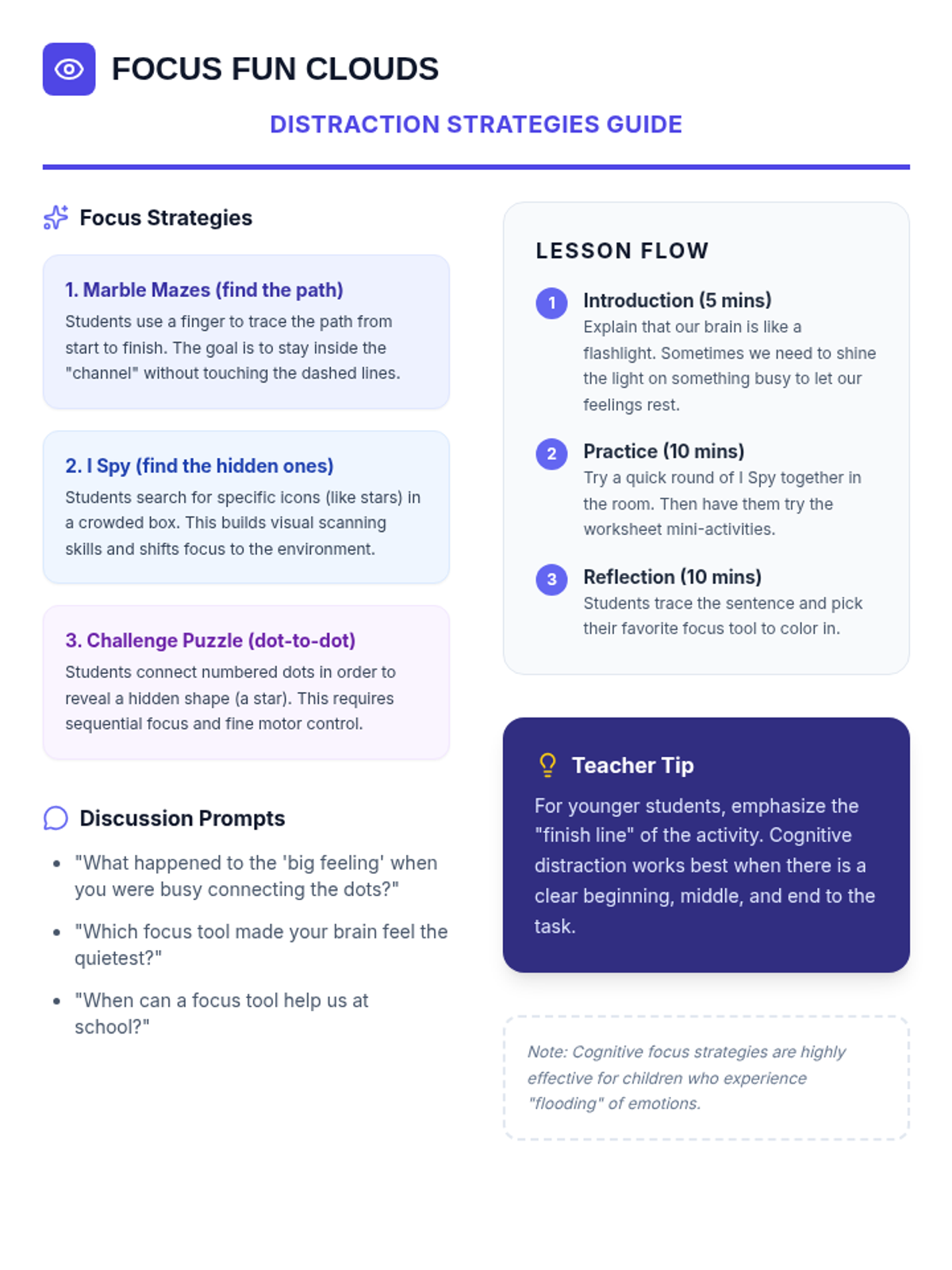
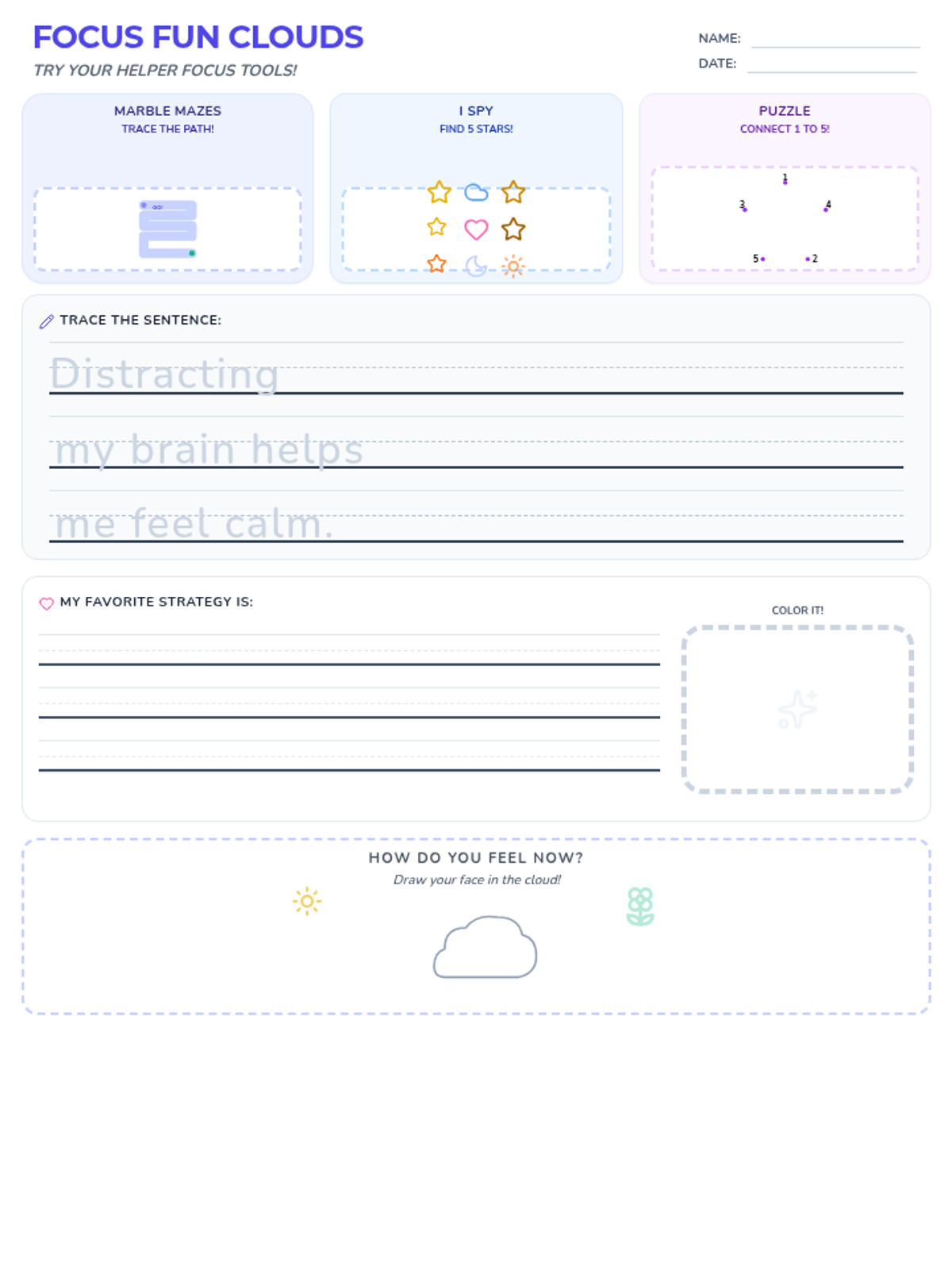
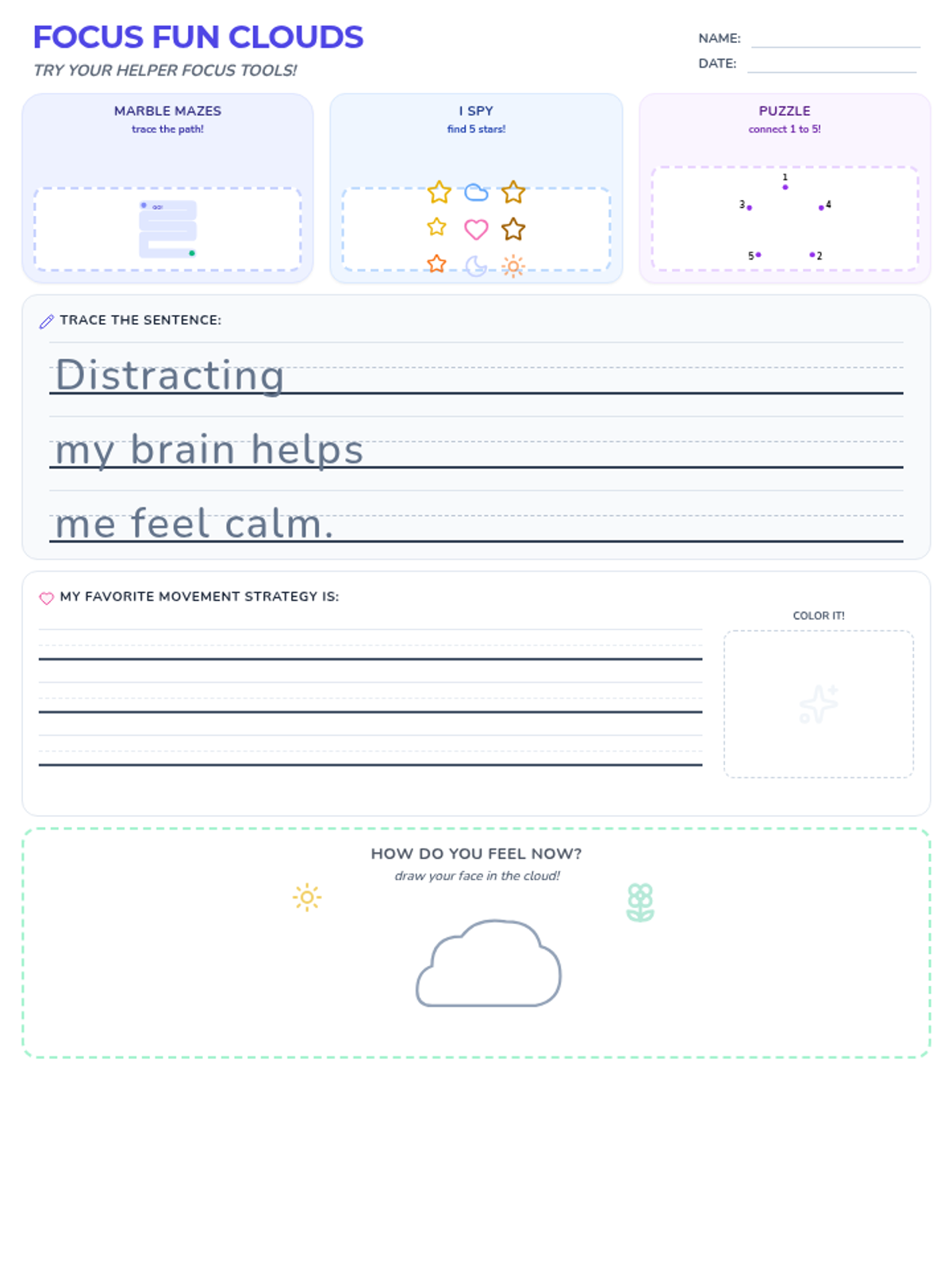
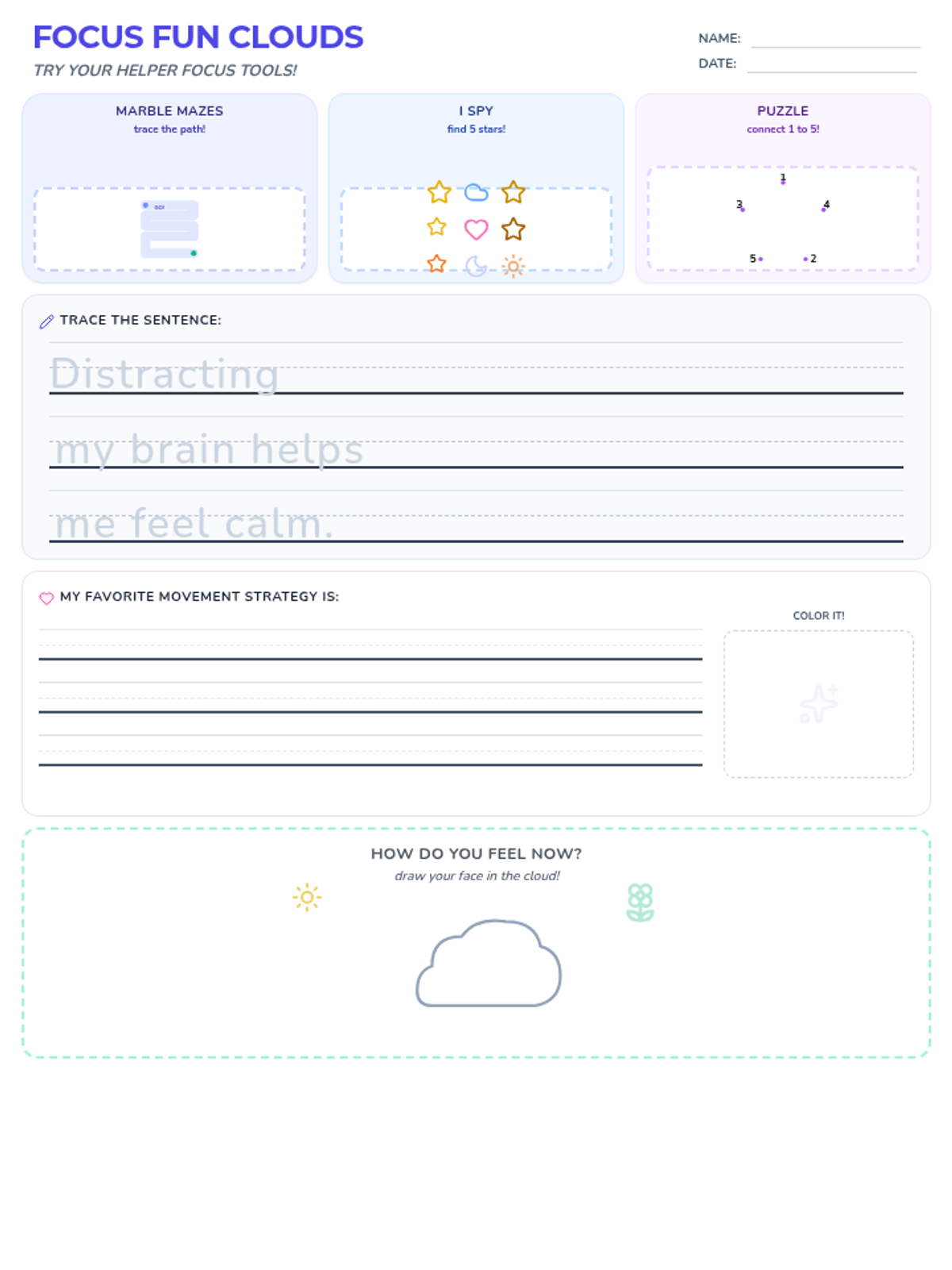
A social-emotional learning lesson for younger students focused on using distraction strategies like mazes and puzzles to regulate emotions.
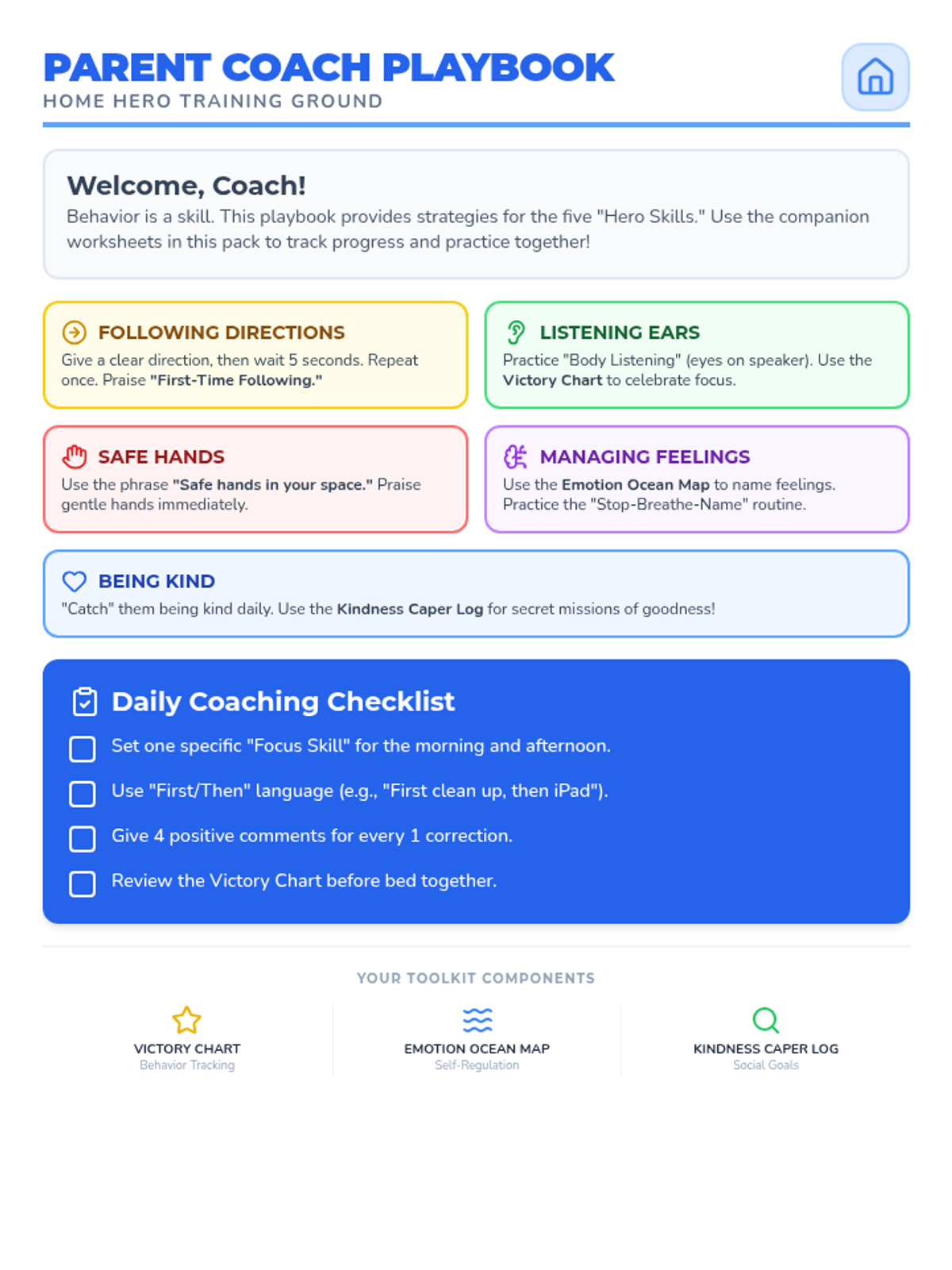
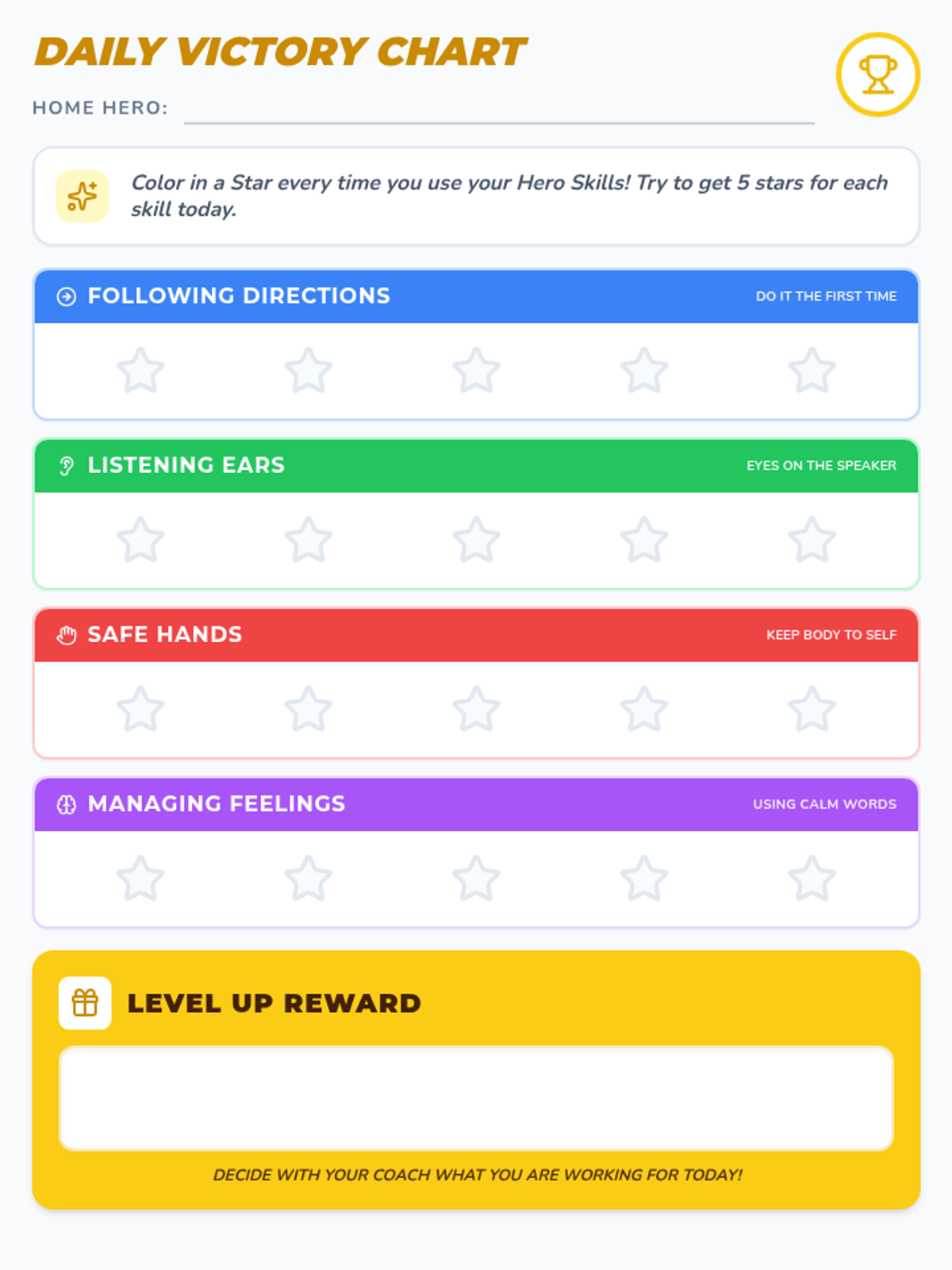
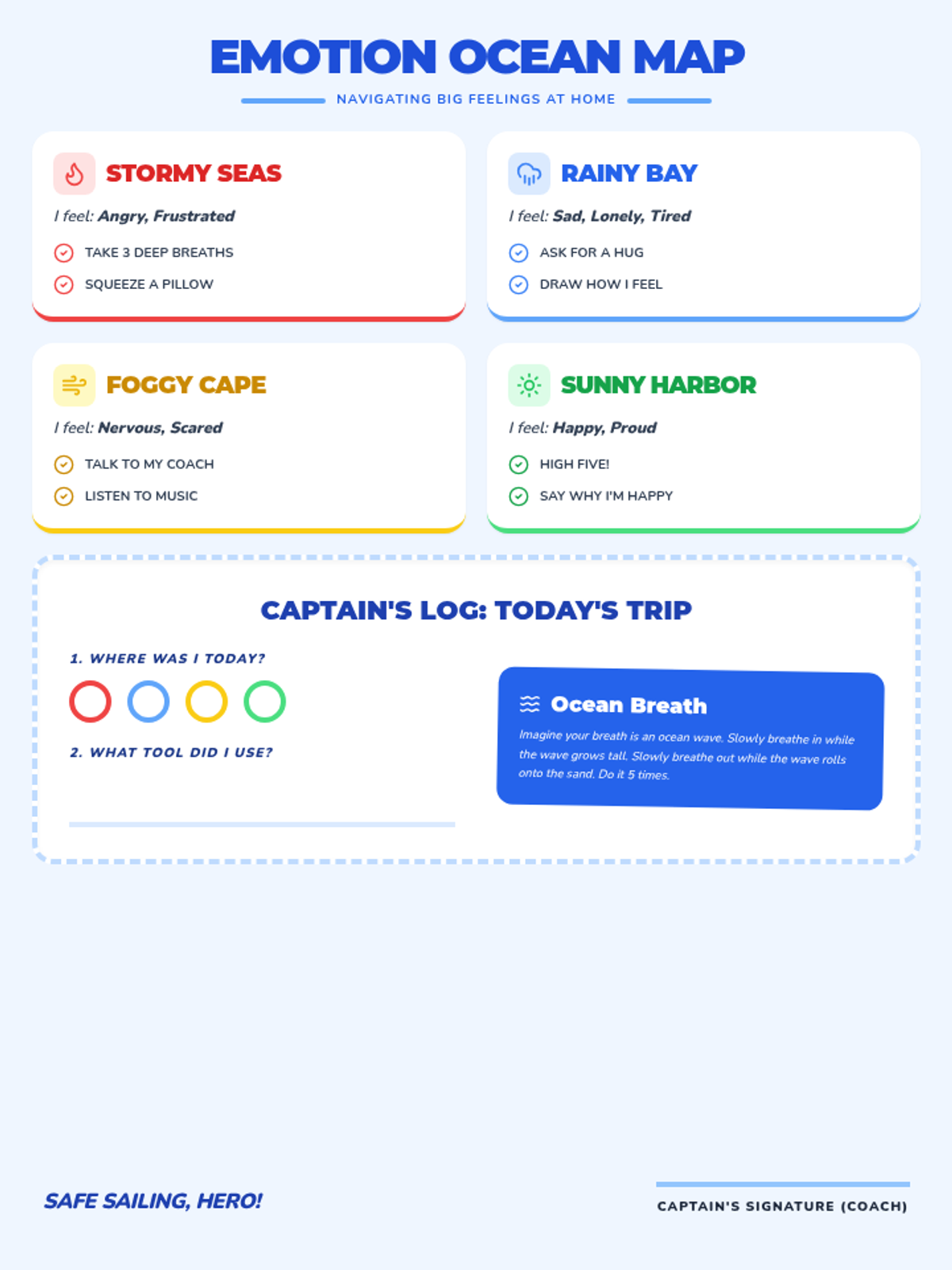
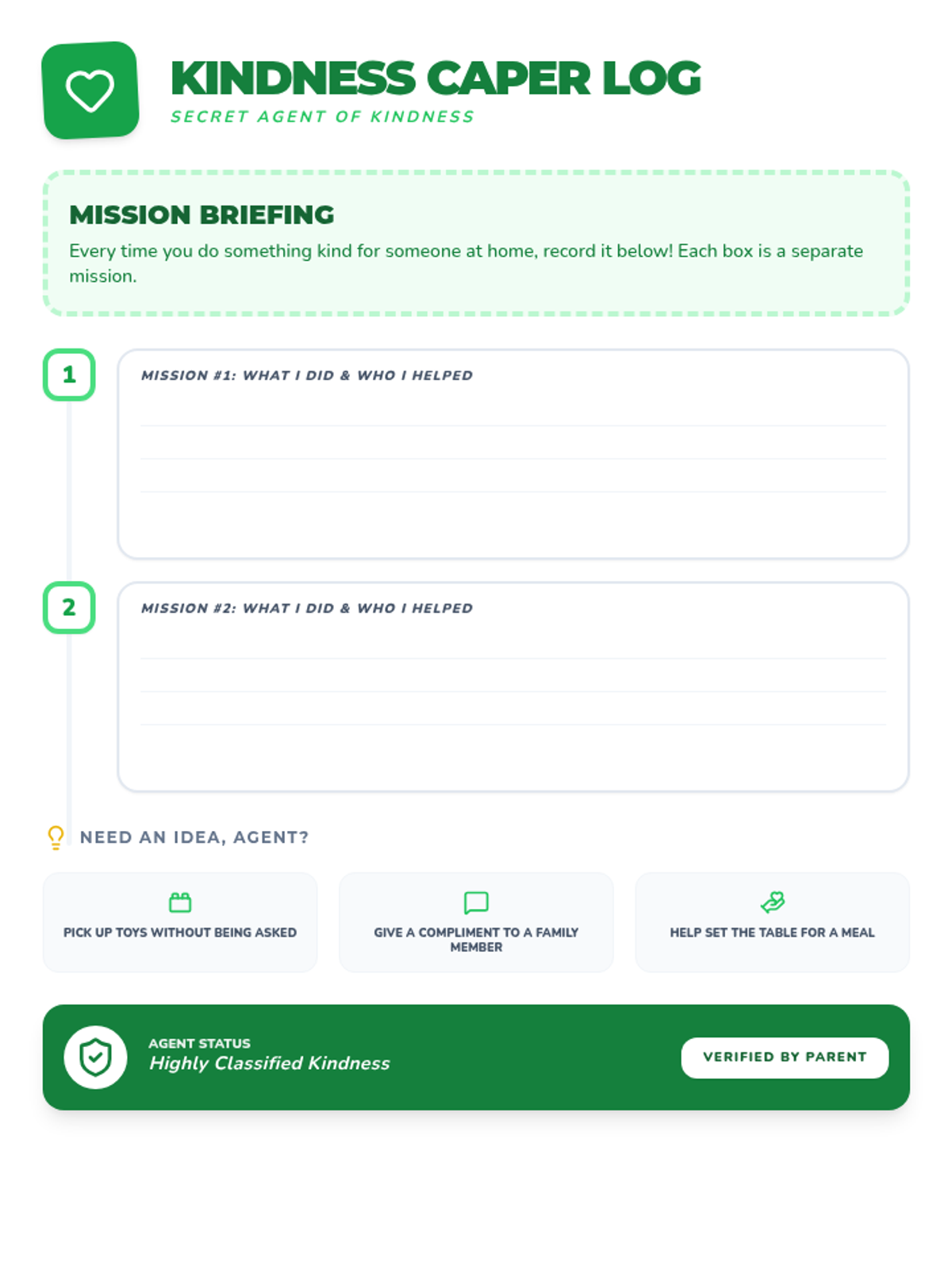
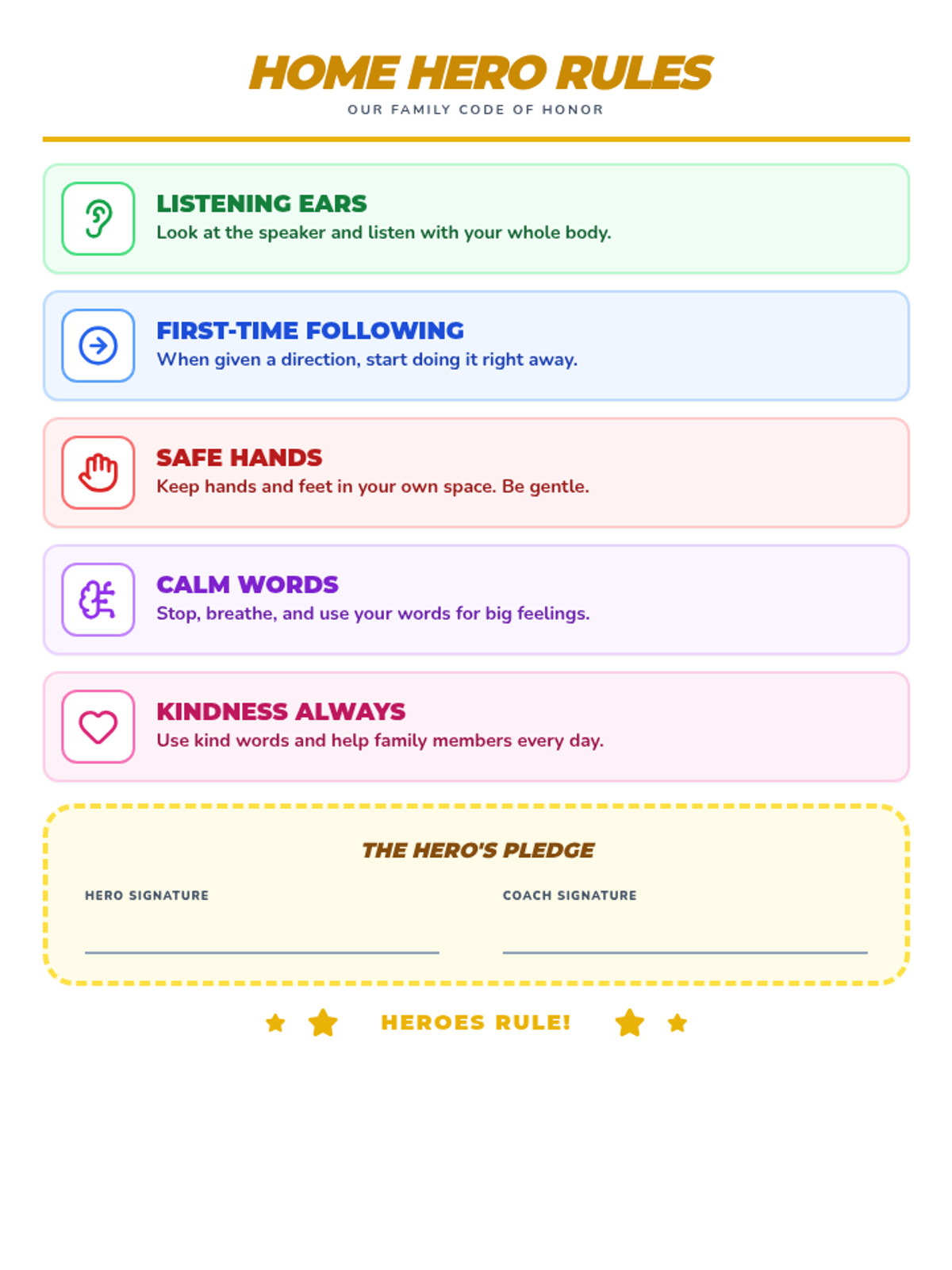
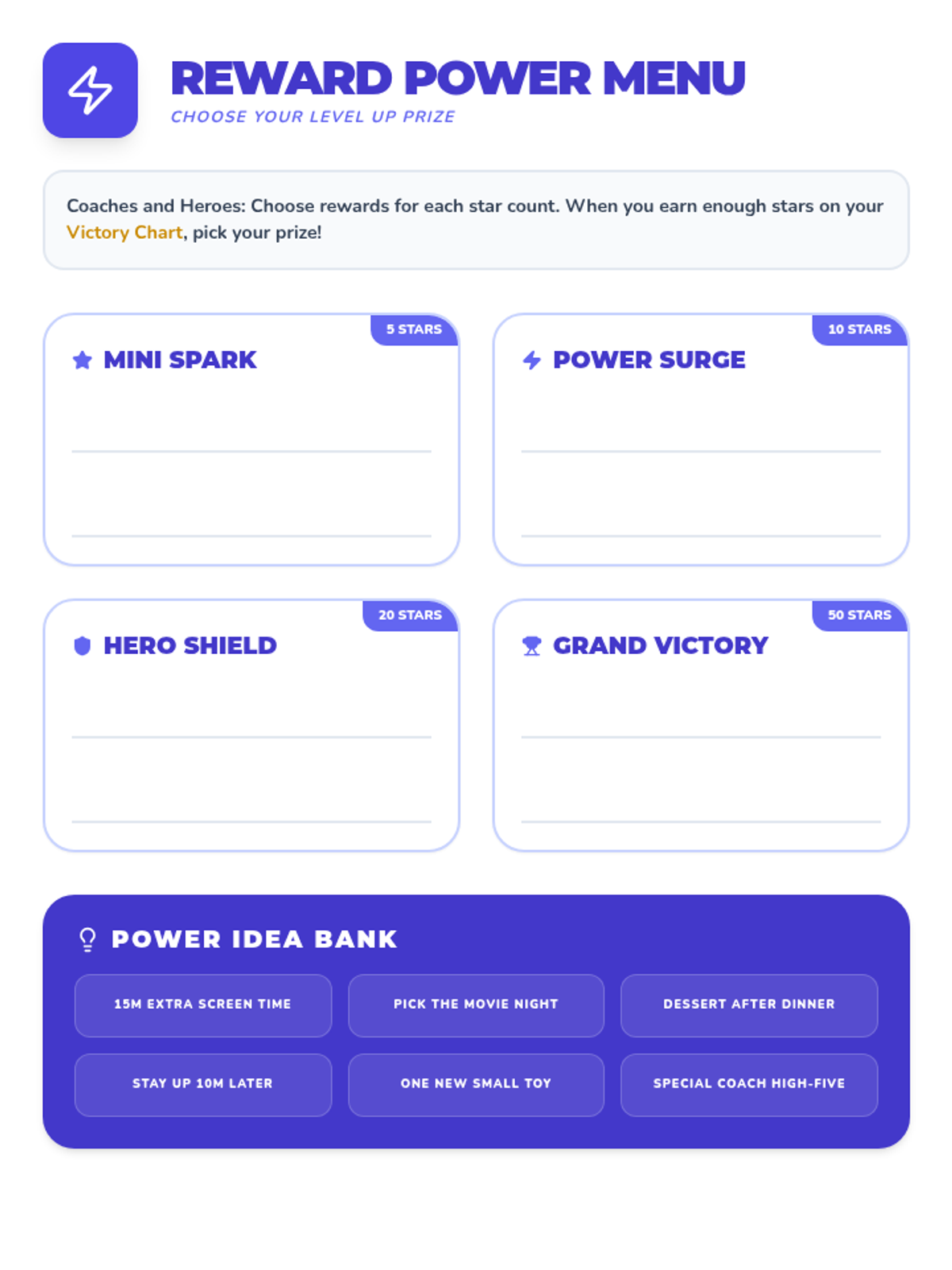
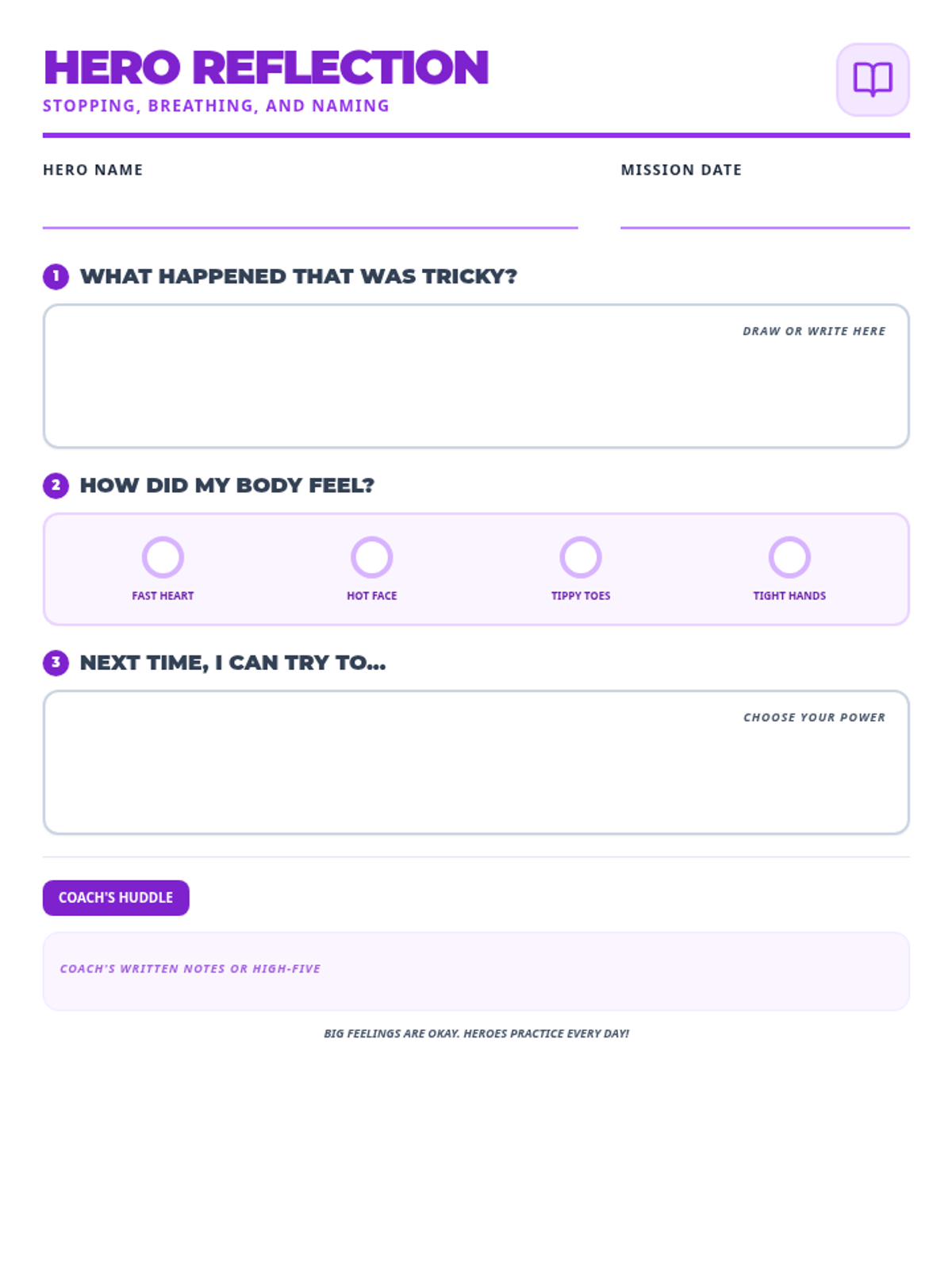
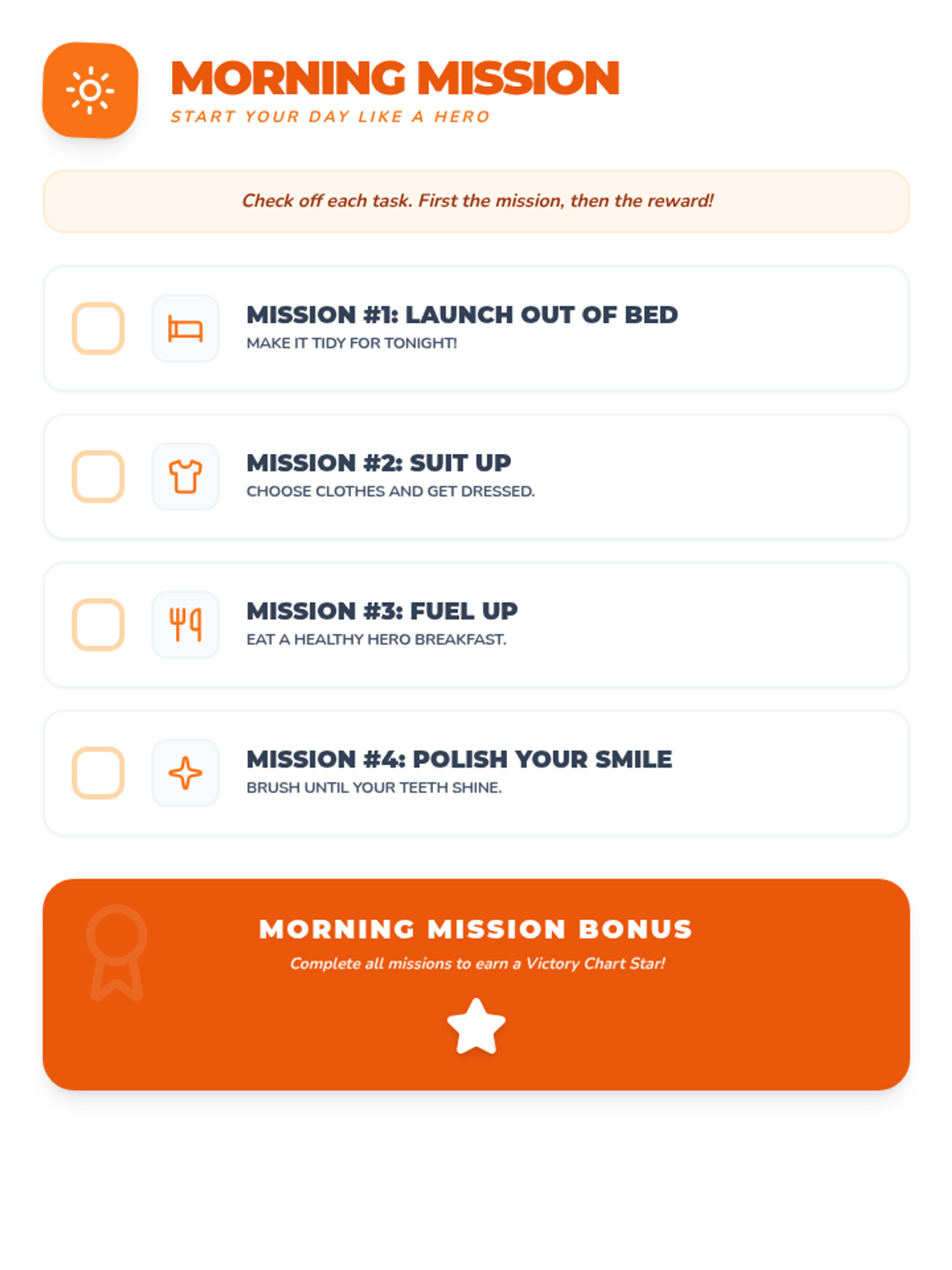
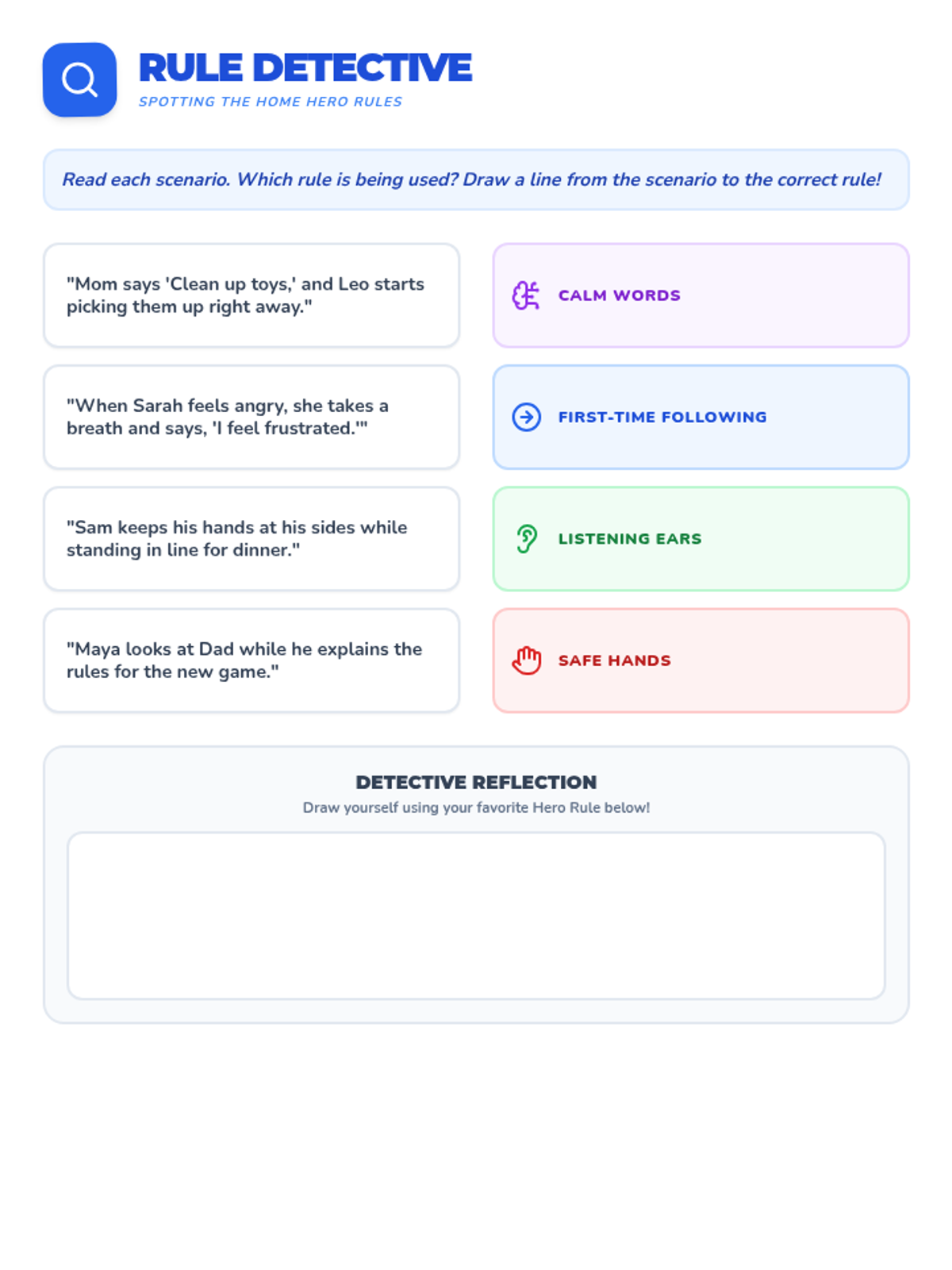
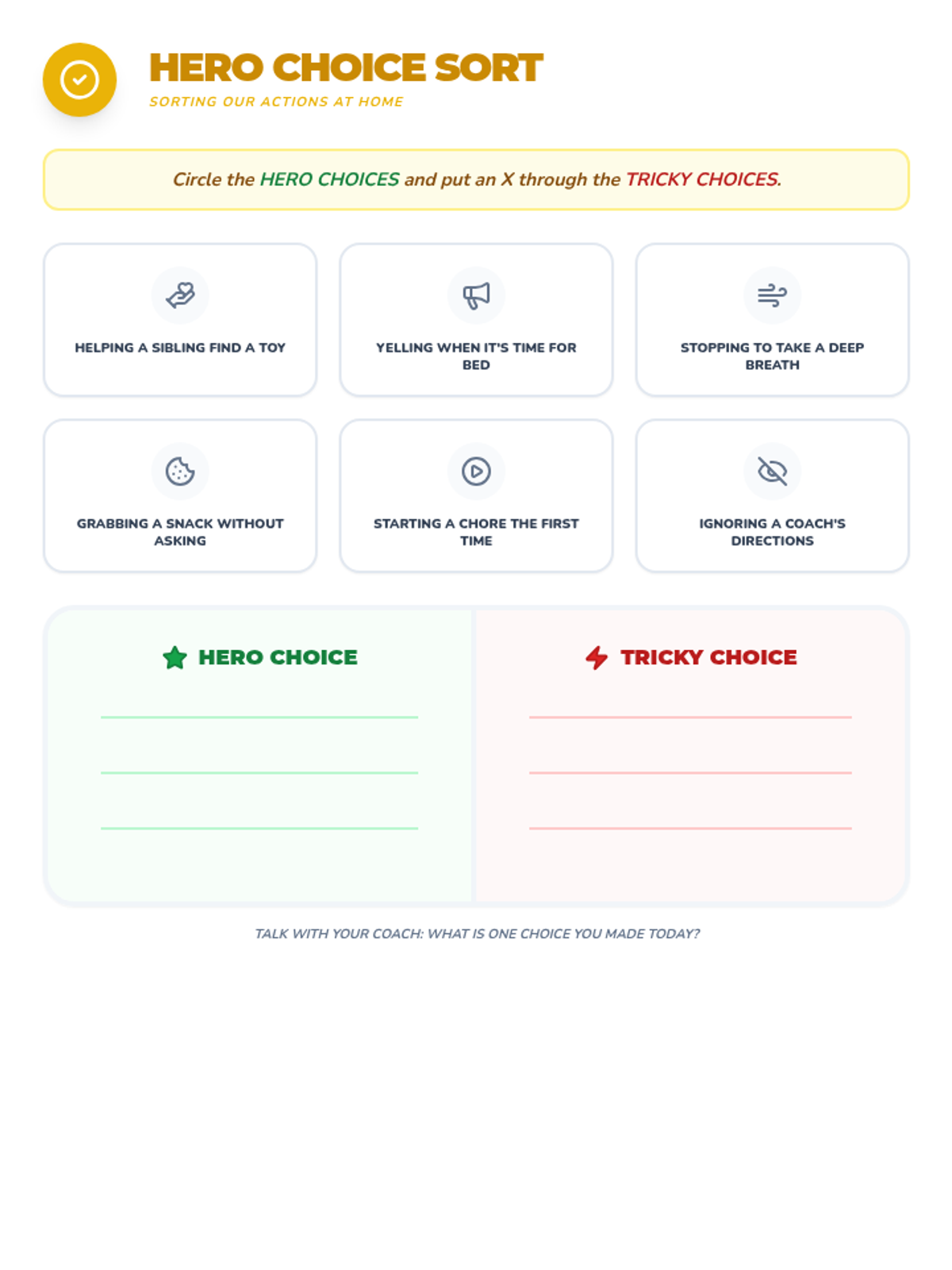
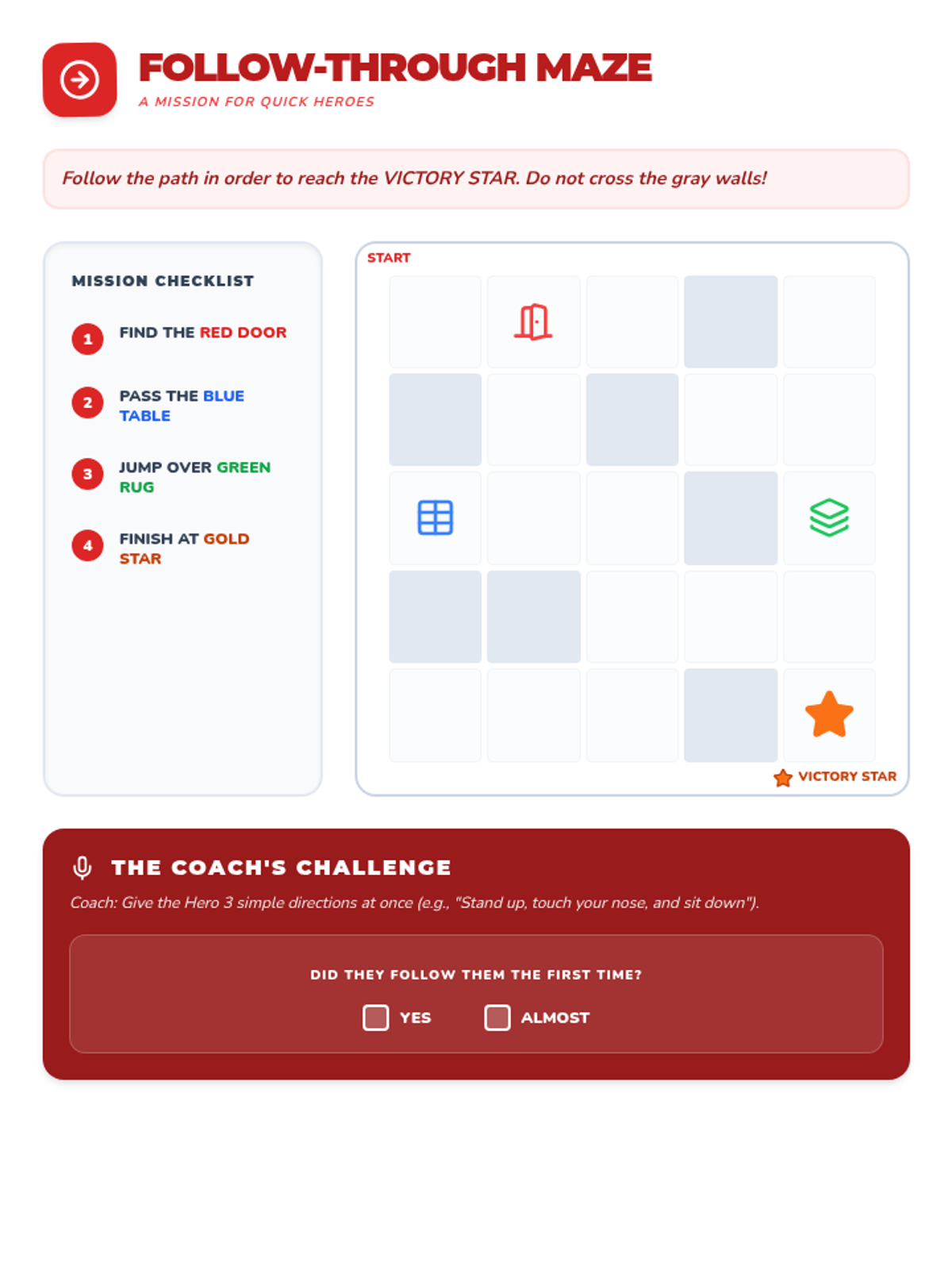
A comprehensive set of home-based tools designed to help parents support their child's behavioral growth in following directions, emotional regulation, and social kindness.
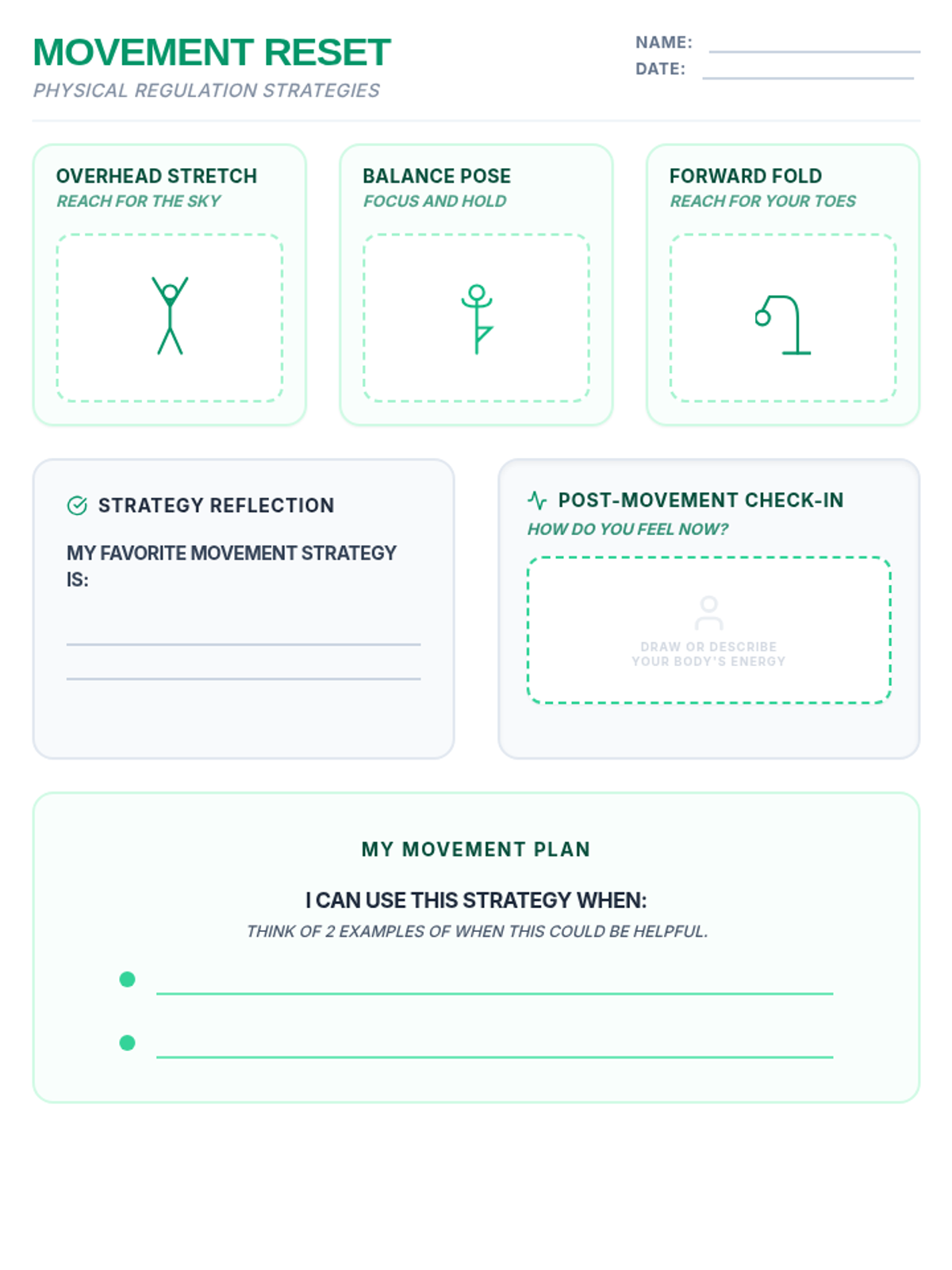
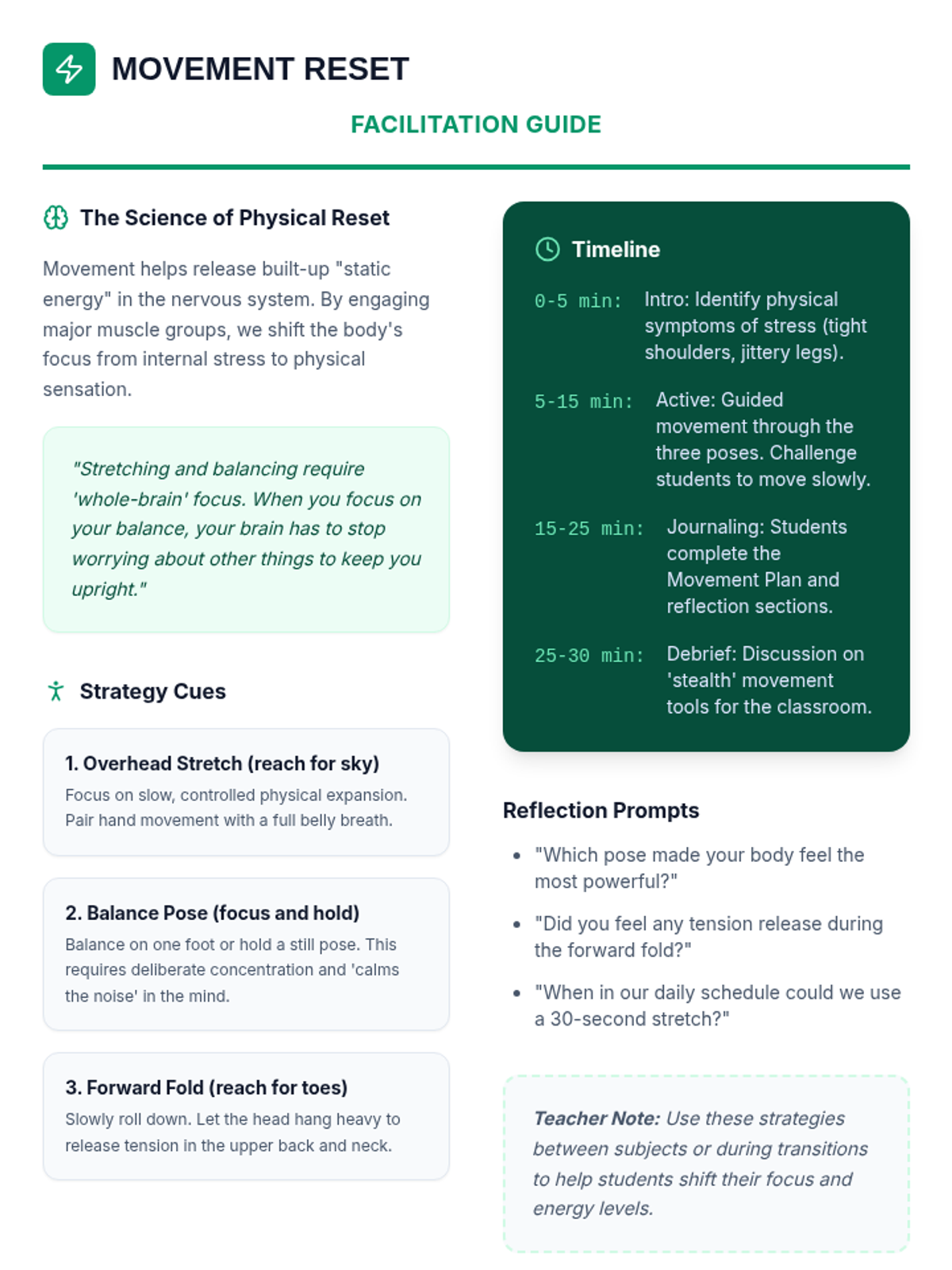
An advanced movement regulation lesson for older students, focusing on the physical and mental benefits of stretching and balance poses.
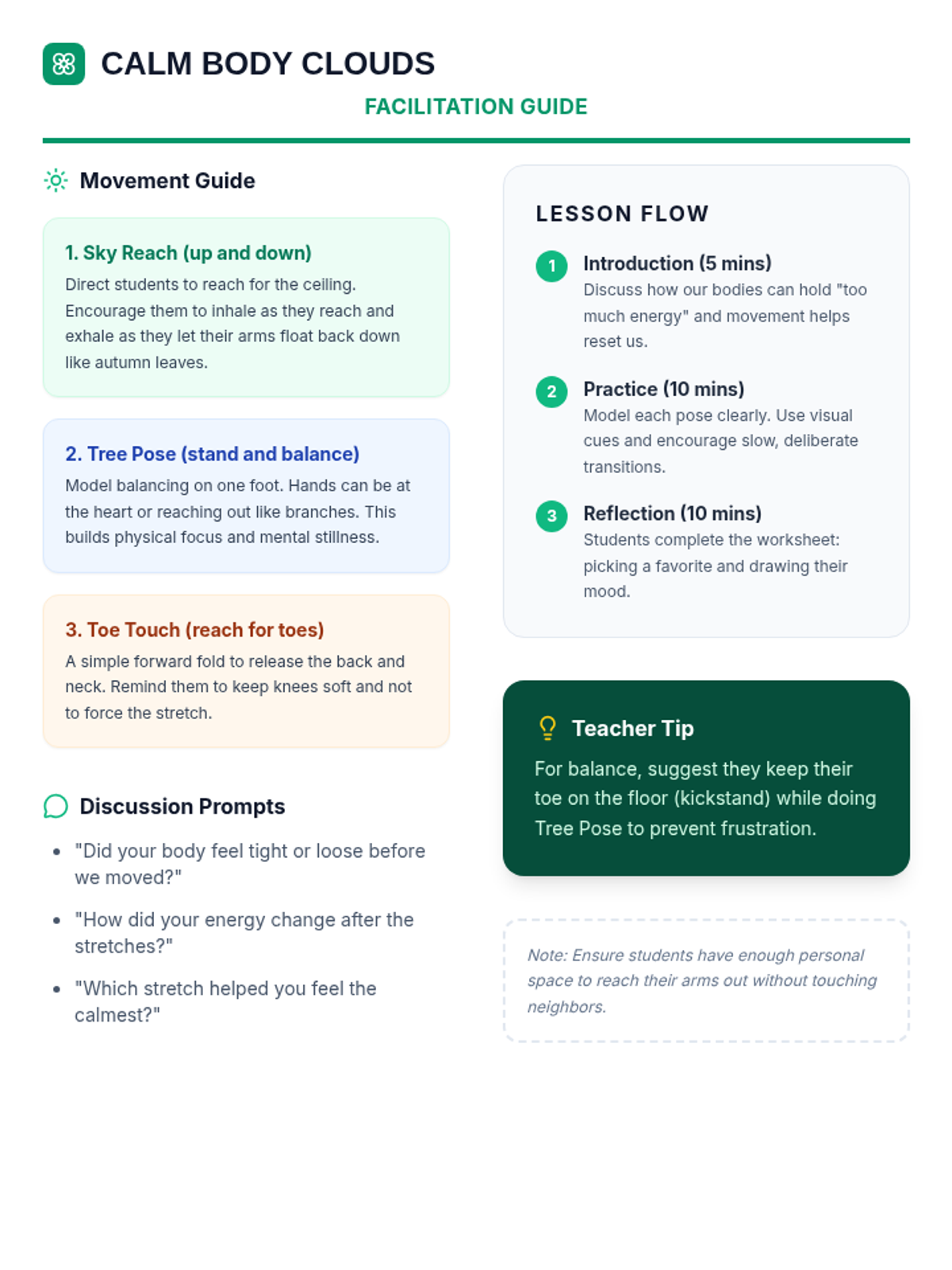
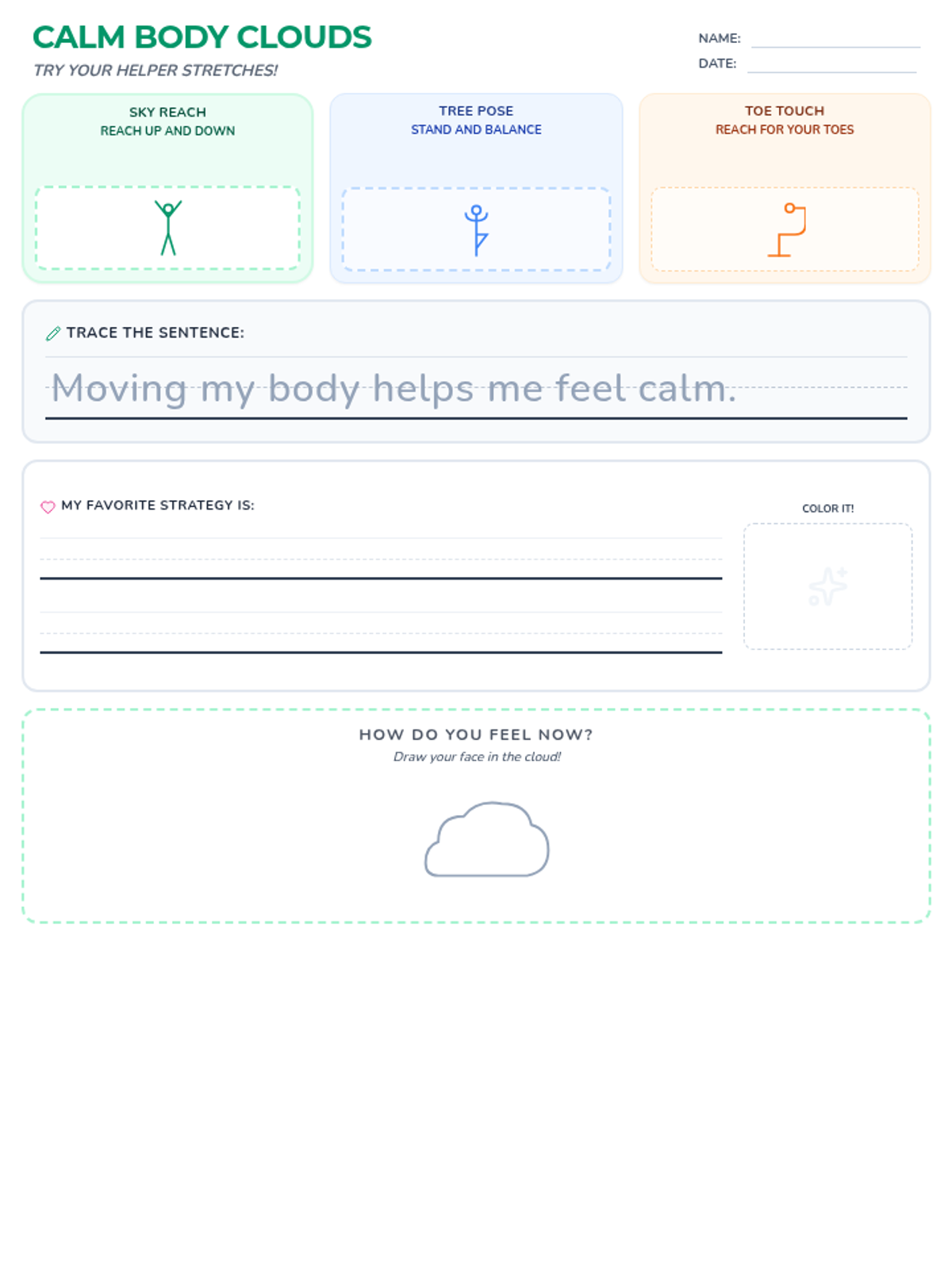
A movement-based regulation lesson for K-2 students focused on using stretches and simple yoga poses to calm their bodies and minds.
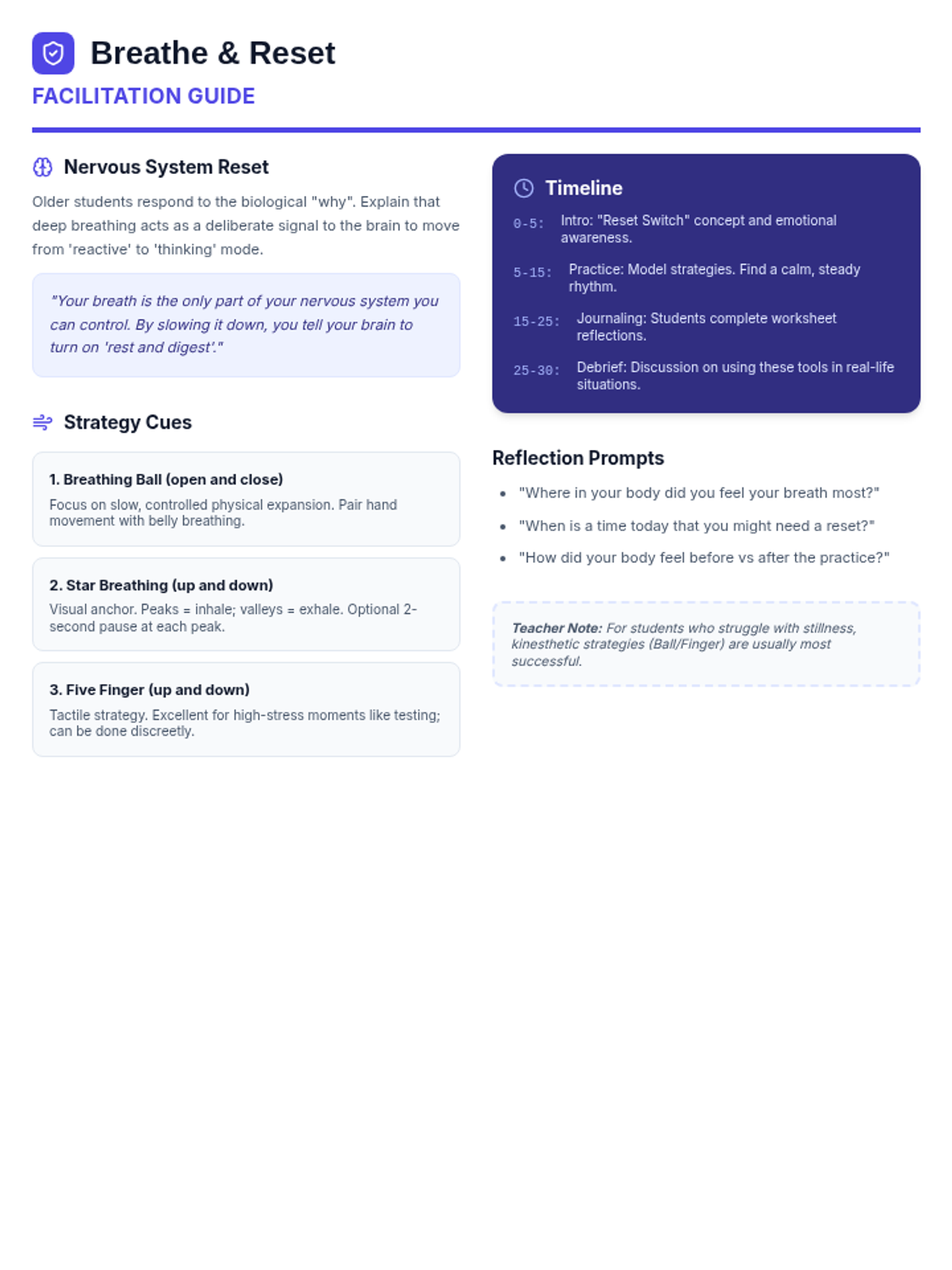
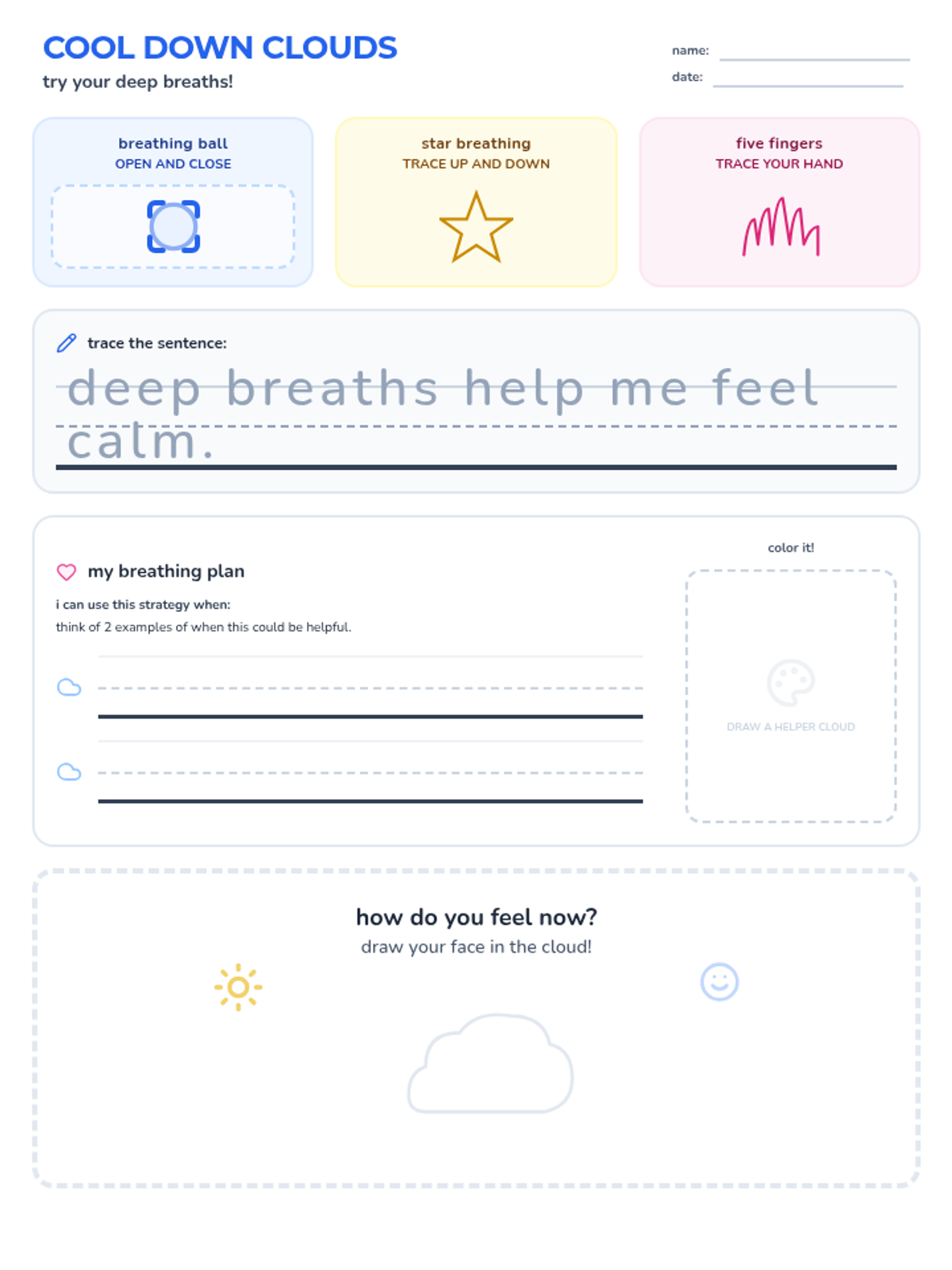
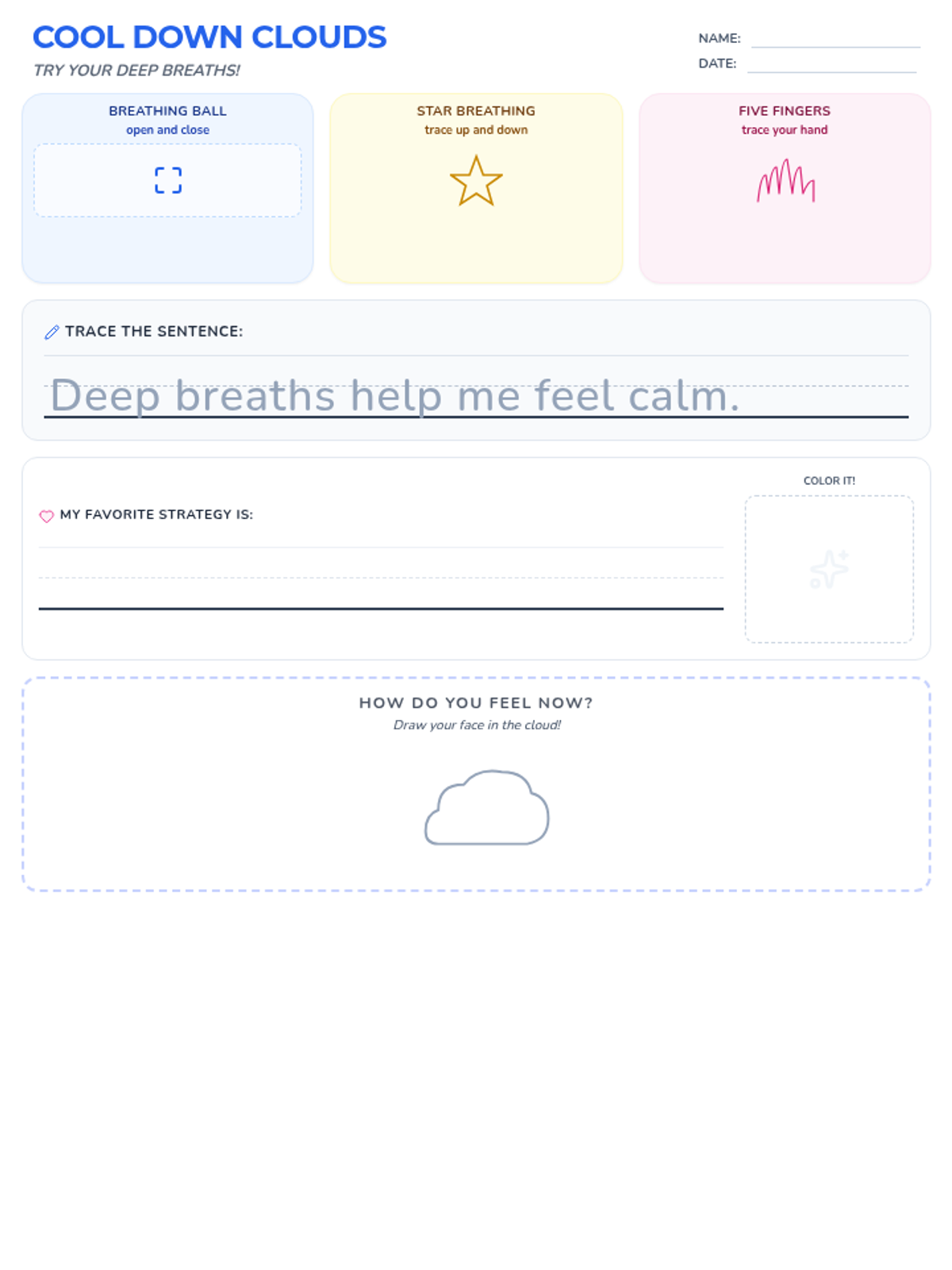
A mindful breathing lesson designed for older students, focusing on the same three techniques but with more advanced reflection on self-regulation and emotional awareness.
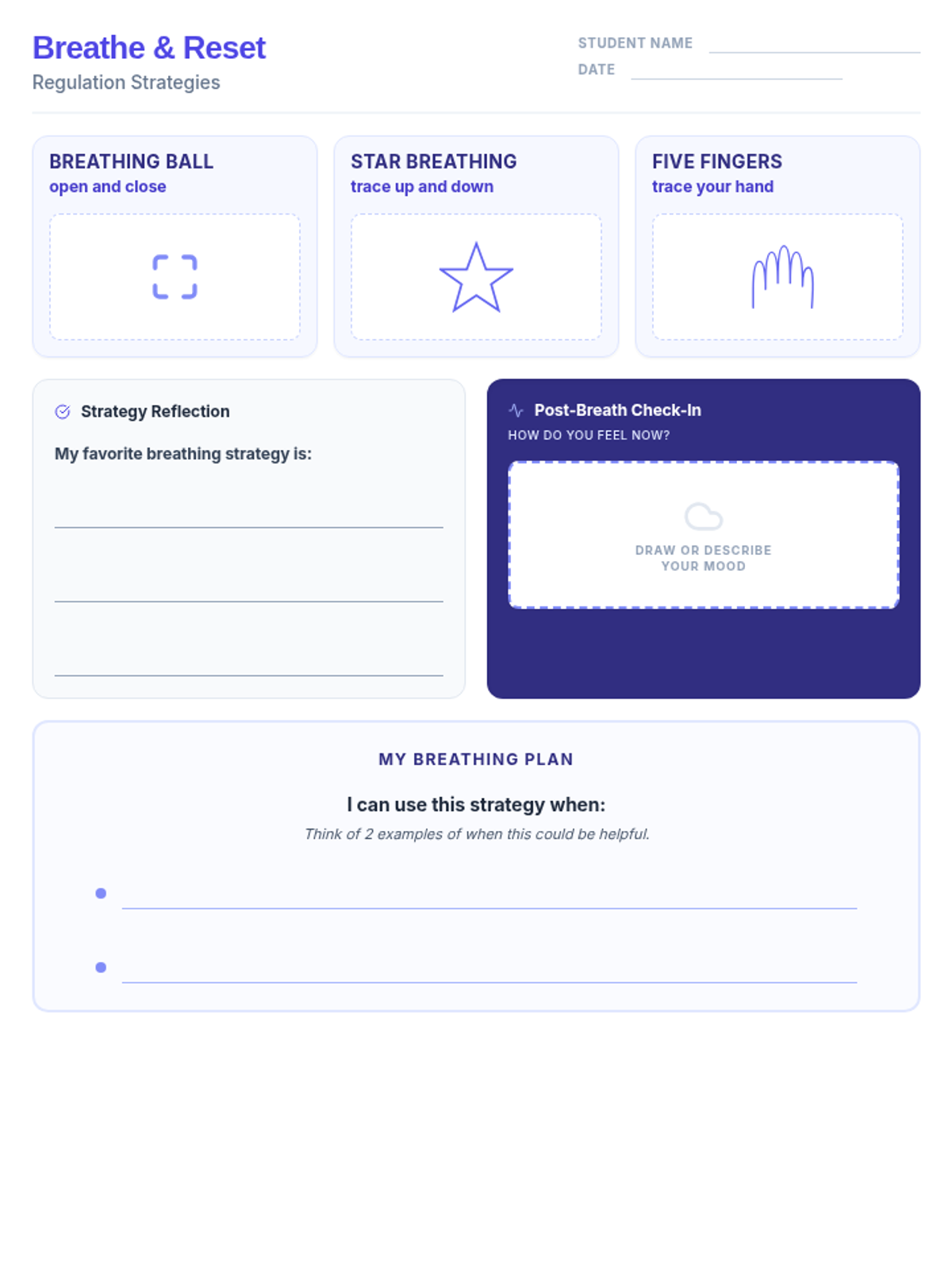
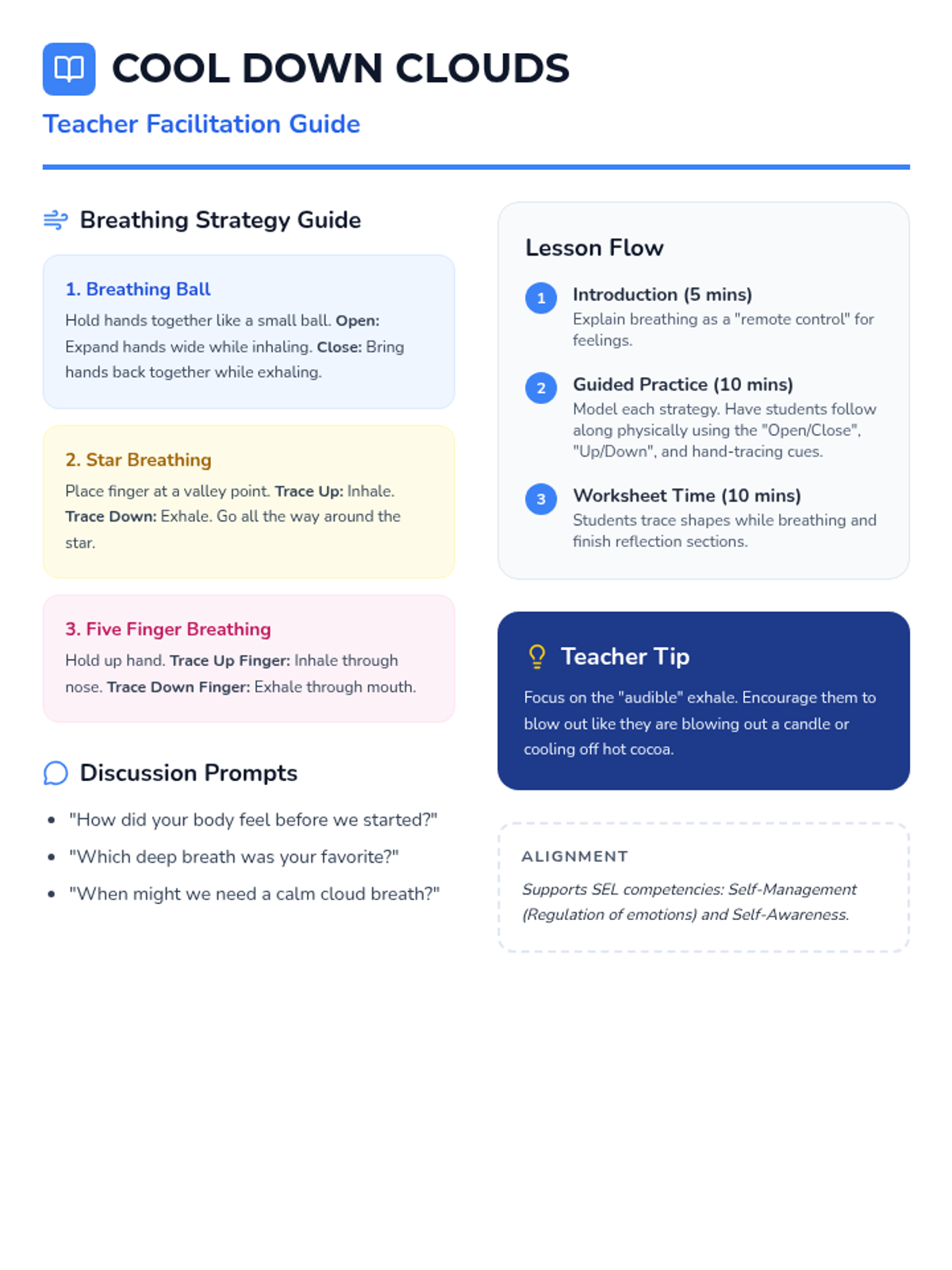
A foundational social-emotional learning lesson for K-2 students focused on practicing and reflecting on three specific breathing techniques to manage emotions.
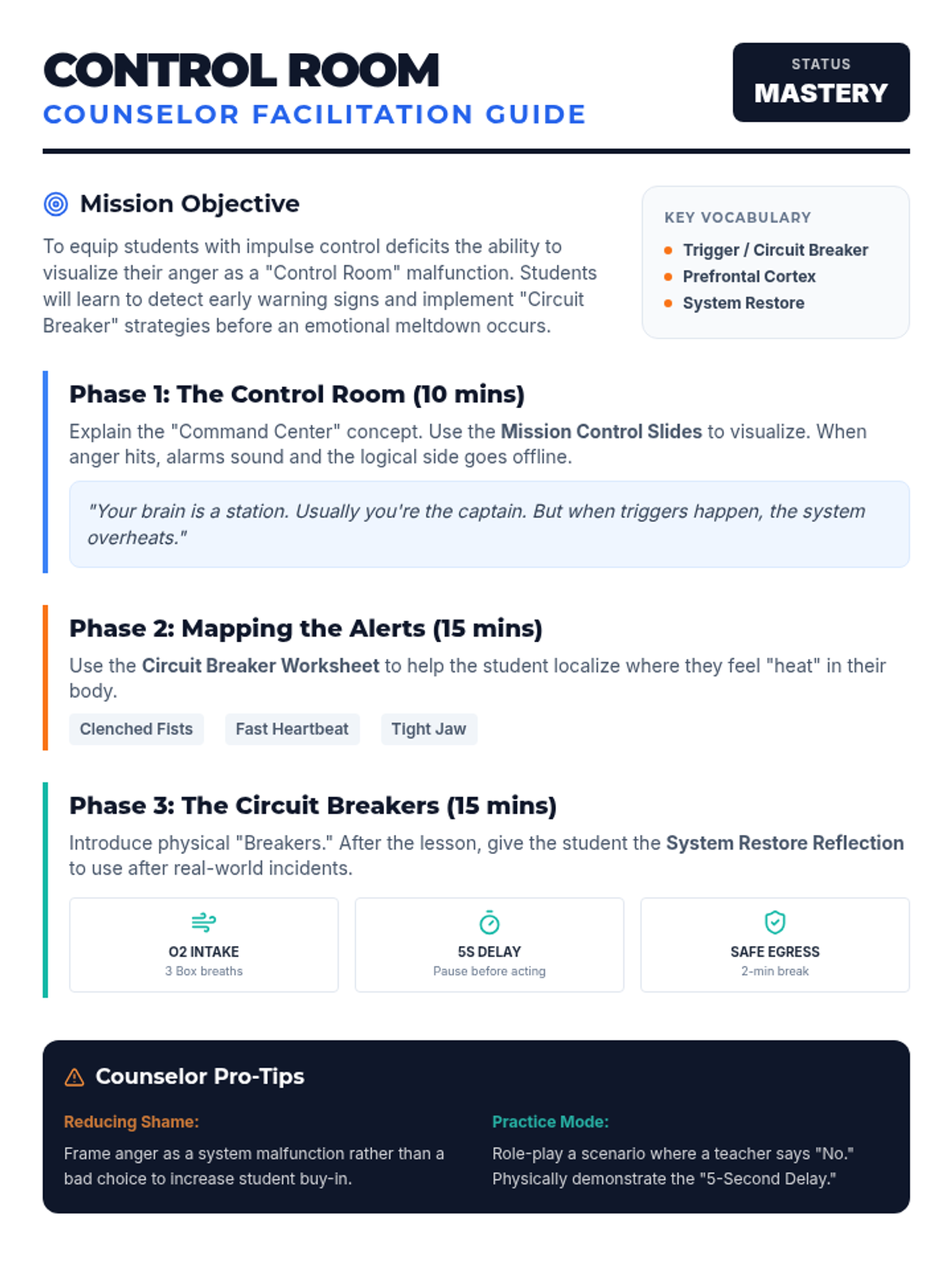
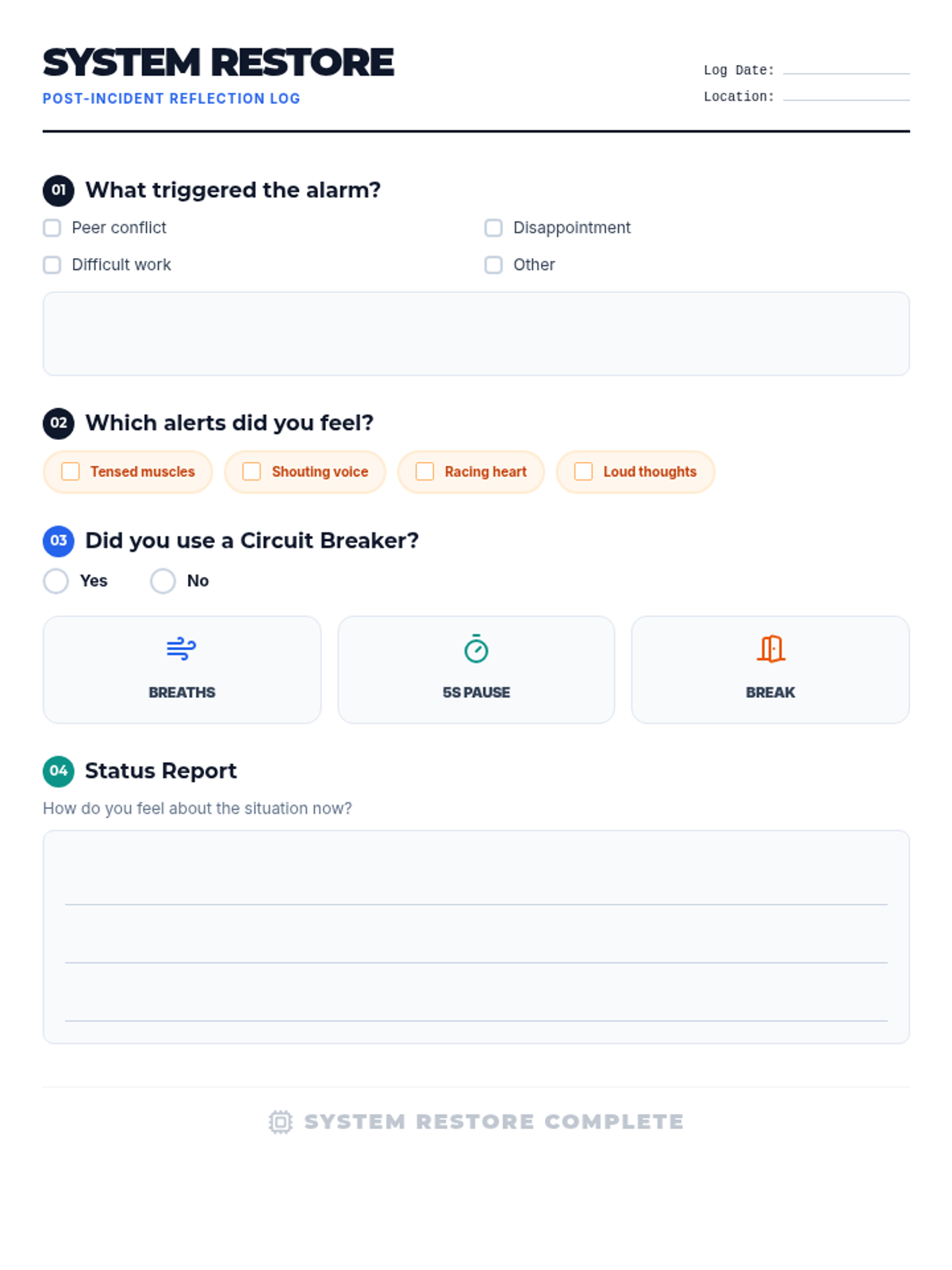
A comprehensive counseling module designed to help students identify anger triggers, recognize physical warning signs, and implement 'pause' strategies during peer conflicts or when faced with disappointment. Students learn to view their emotional responses as a 'Control Room' they can master.
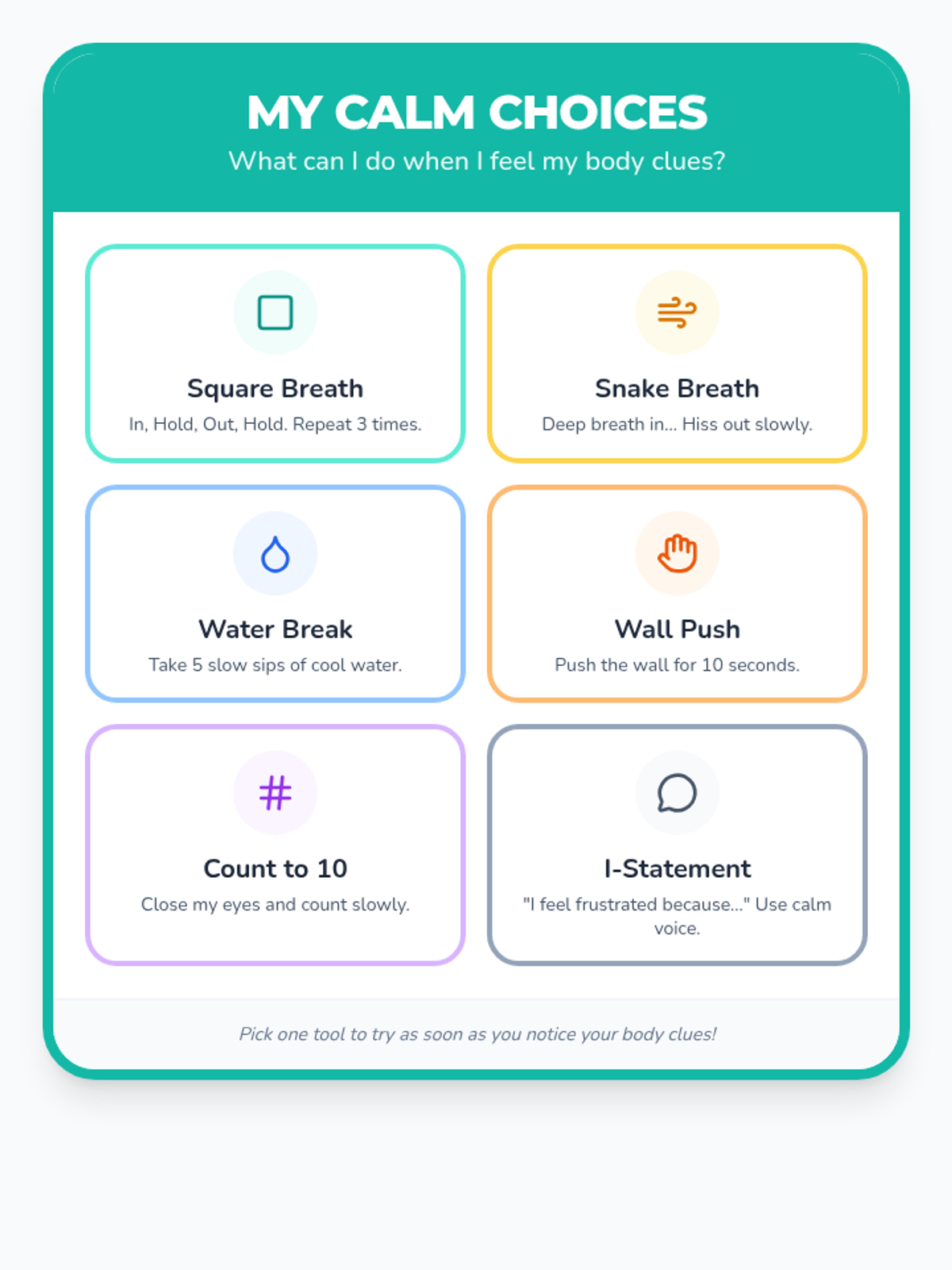
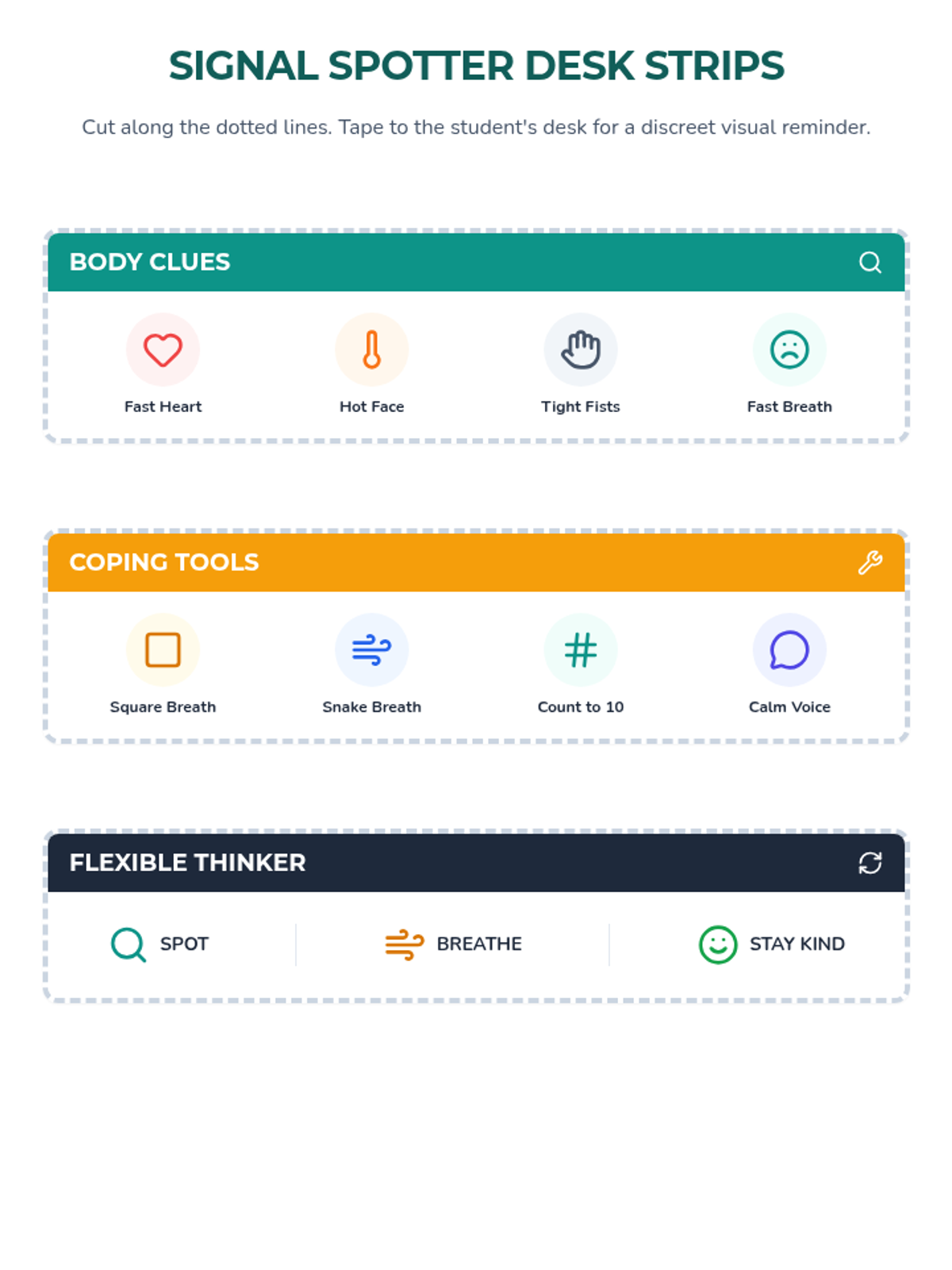
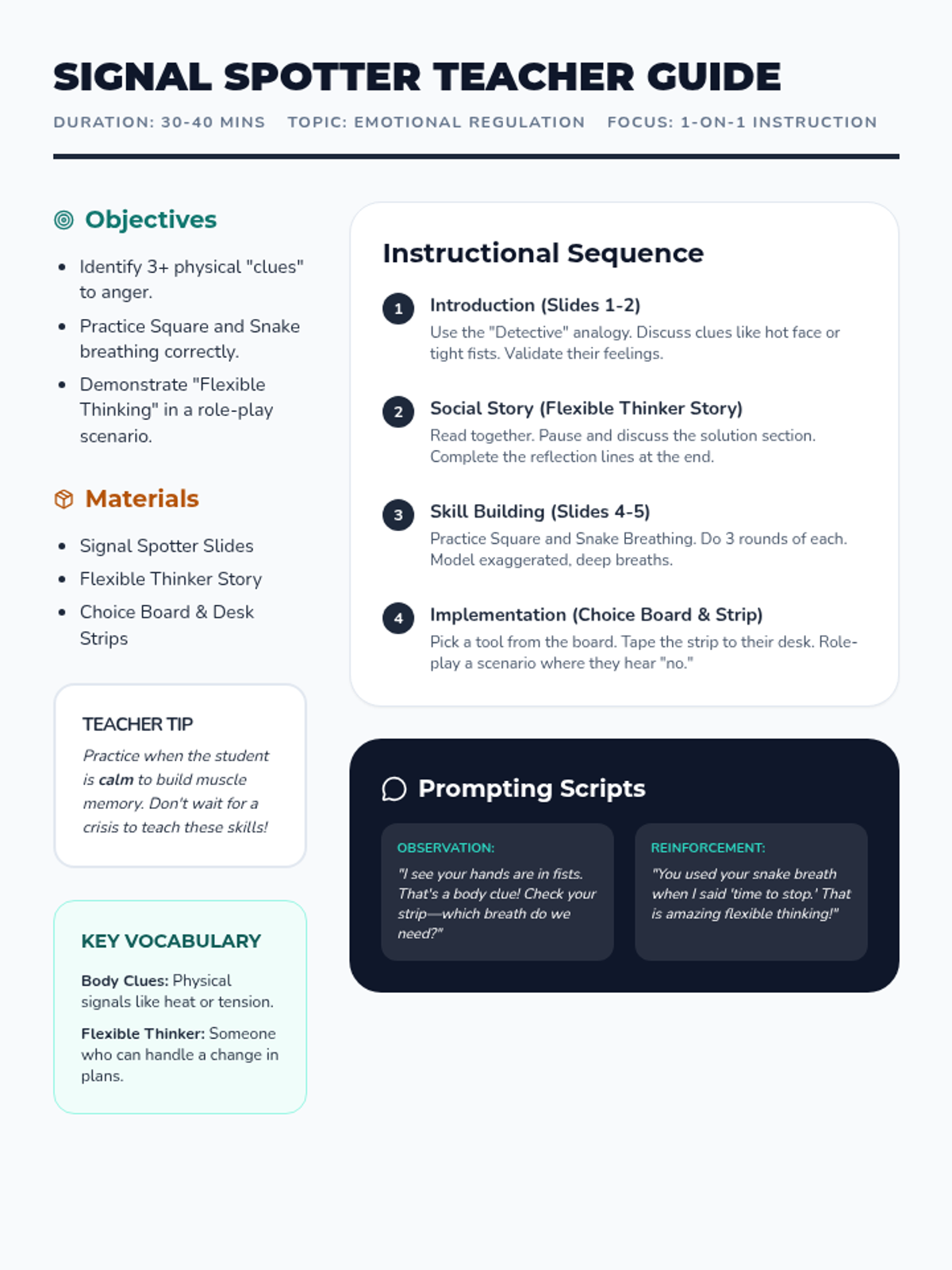
A 1-on-1 lesson designed to help students recognize physical body signals of frustration and implement deep breathing techniques to maintain flexibility and respect.
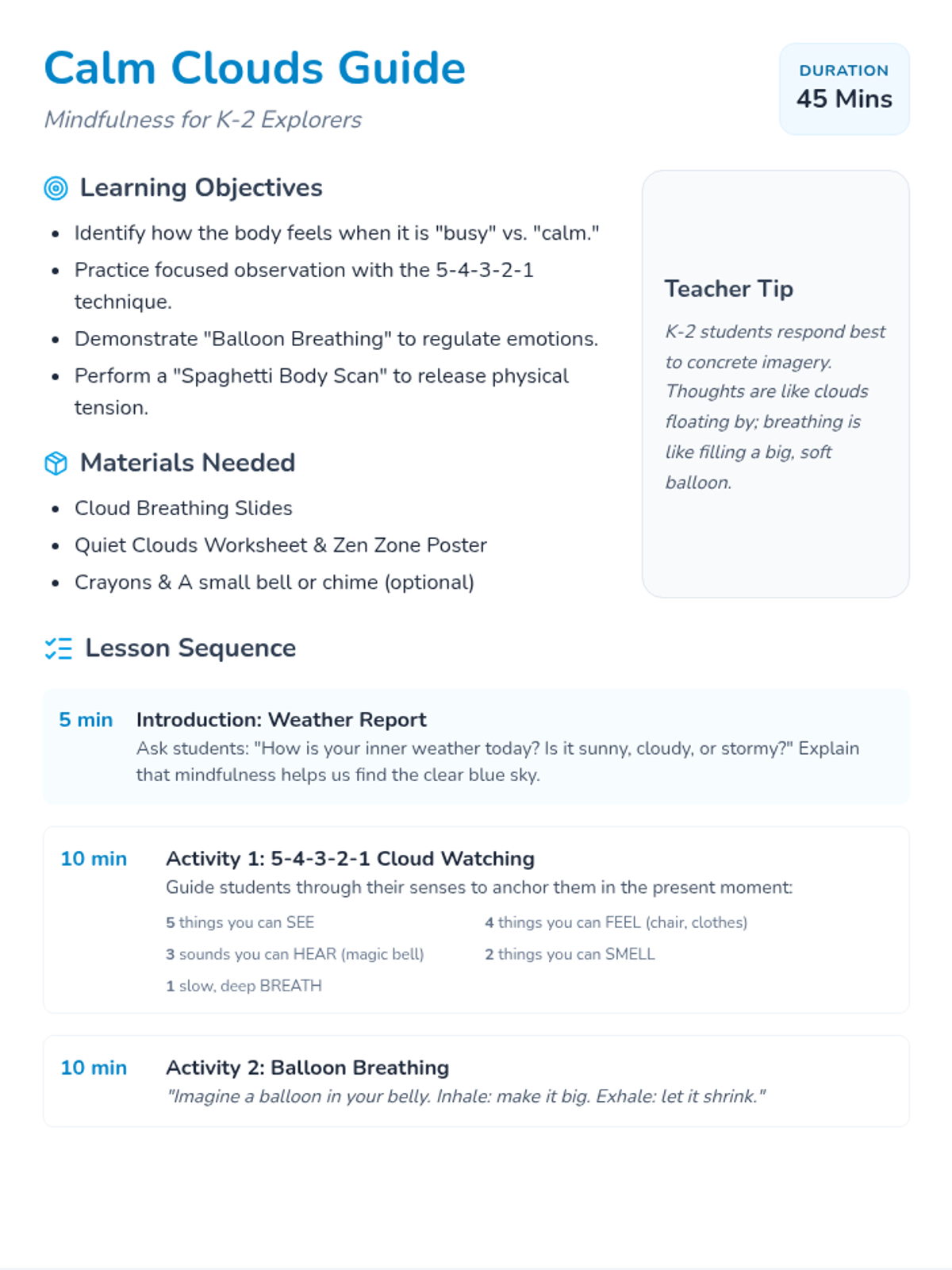
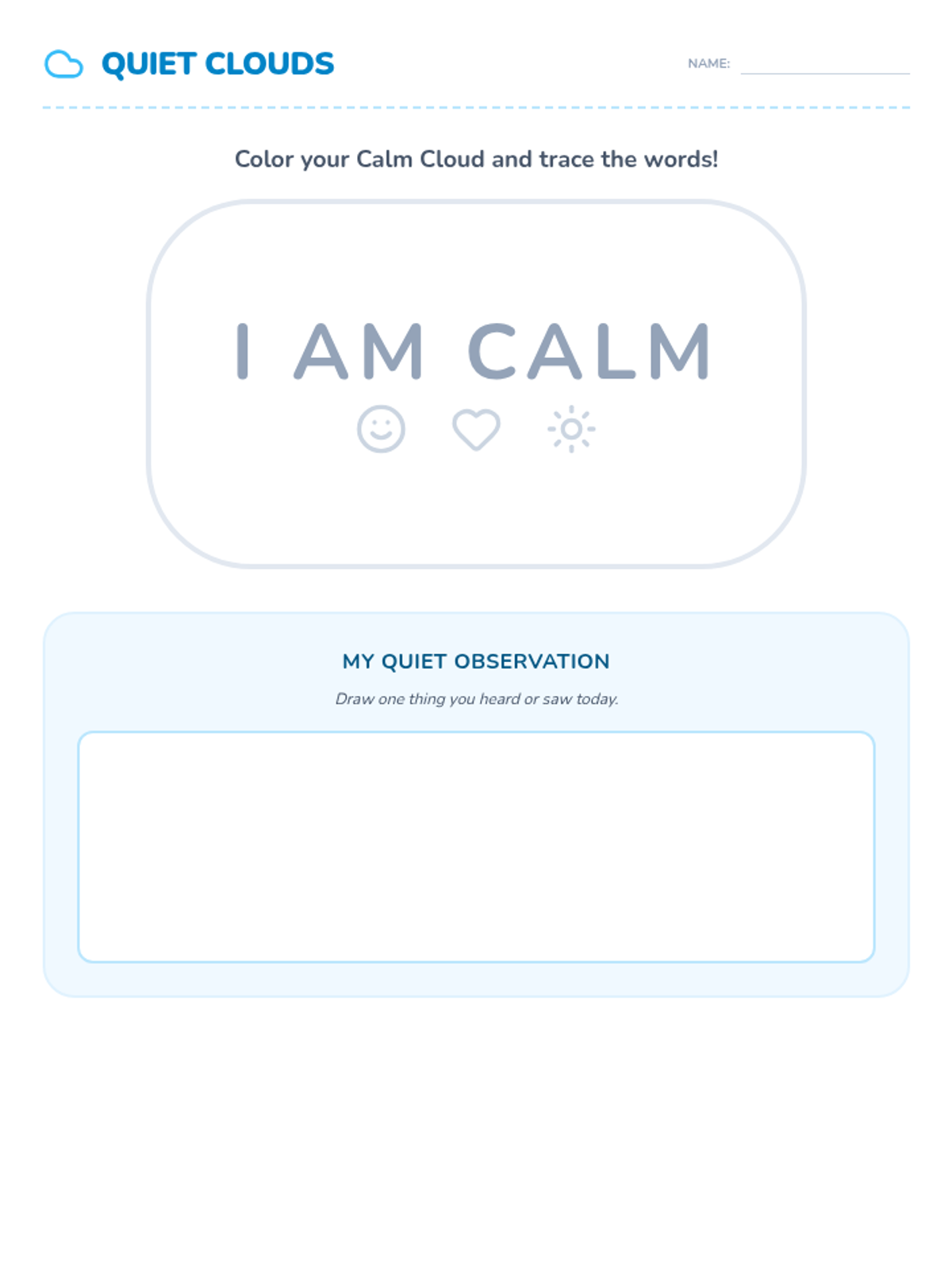
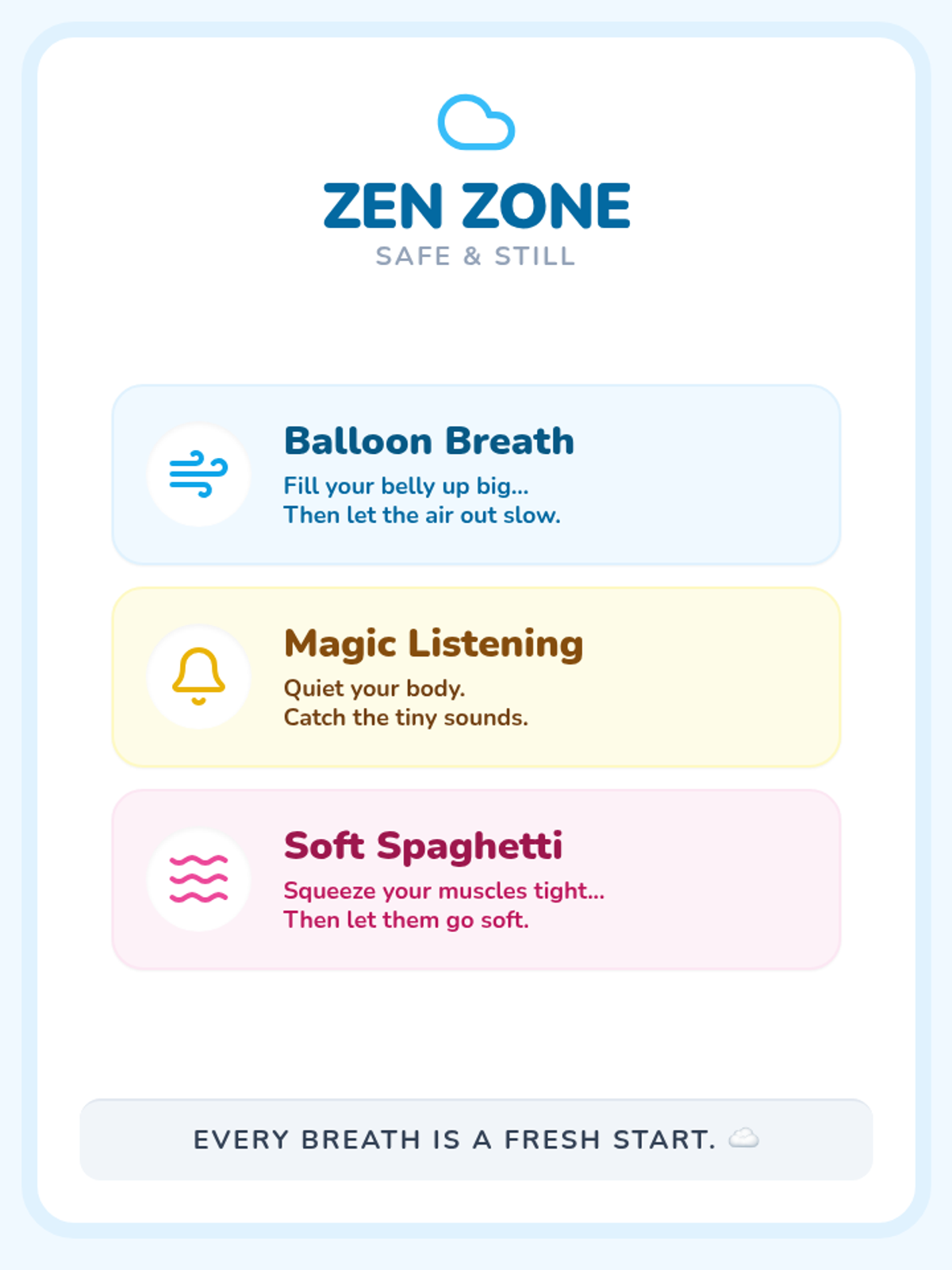
An introductory mindfulness lesson for K-2 students focusing on mindful listening, deep breathing, and body relaxation through a 'Calm Clouds' theme.