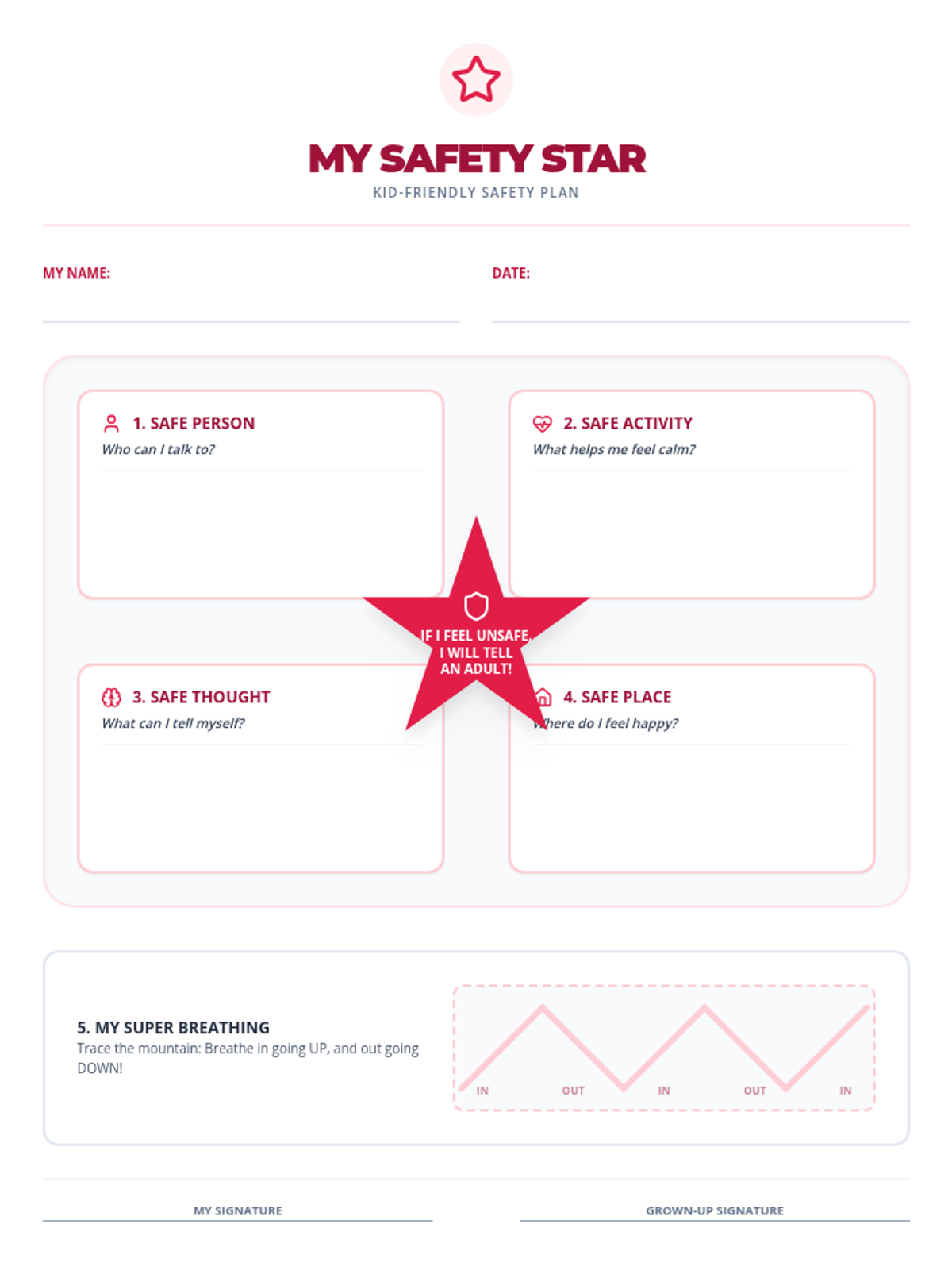
Identifies mental health crises and suicide warning signs while developing personal safety plans and grounding techniques. Equips users with peer gatekeeper skills and direct pathways to professional crisis resources and hotlines.
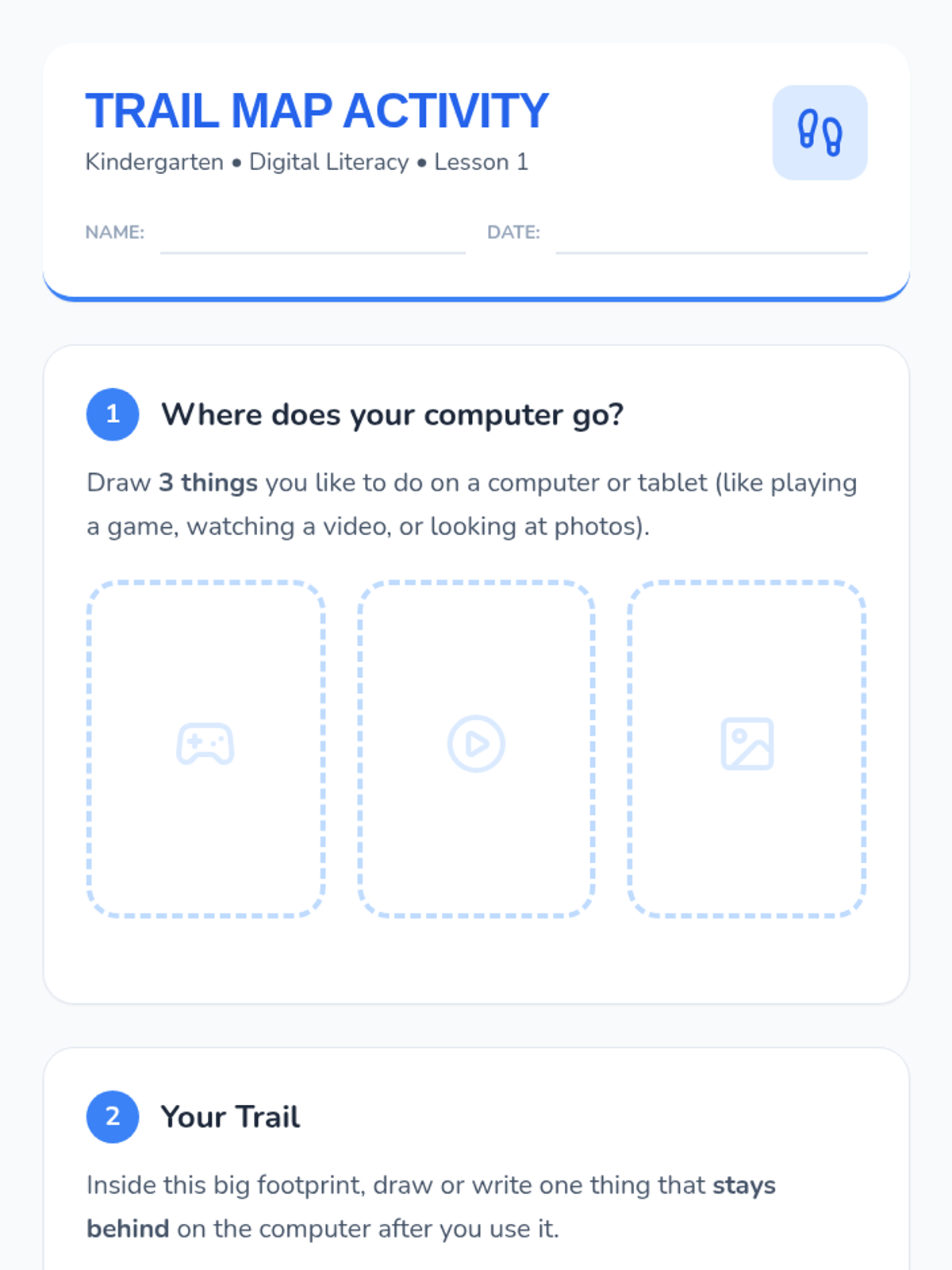
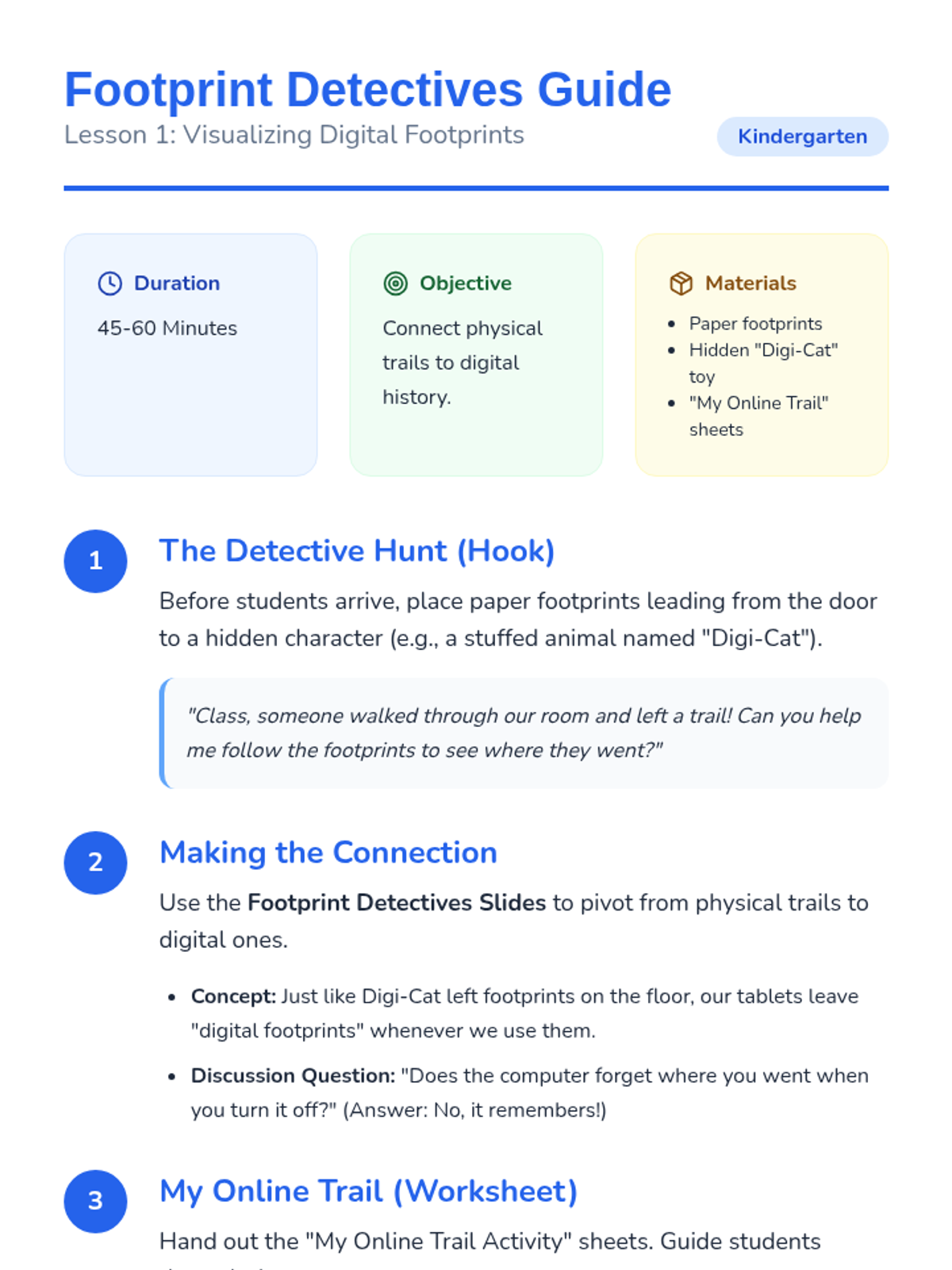
A Kindergarten sequence focused on making digital footprints concrete through physical analogies, promoting online kindness, and establishing safety protocols for young internet users.
A Kindergarten sequence focused on bodily autonomy, personal space, and the importance of consent. Students learn to visualize their personal boundaries, practice asking for permission, and develop assertive communication skills to stay safe and respect others.
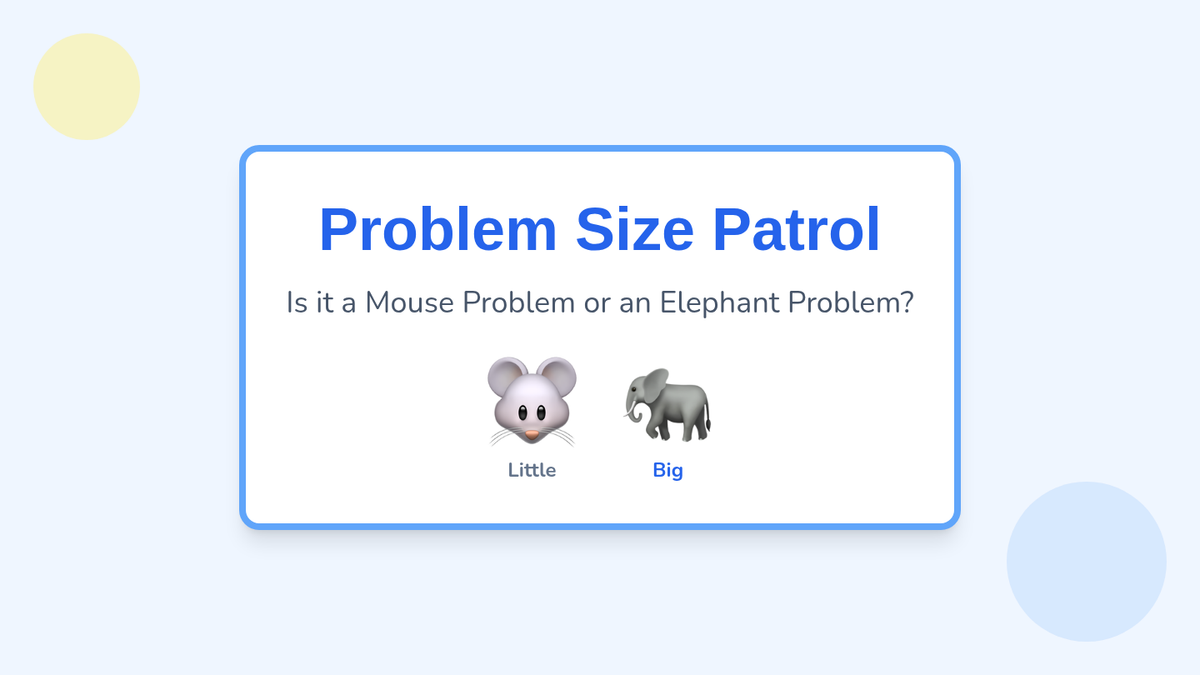
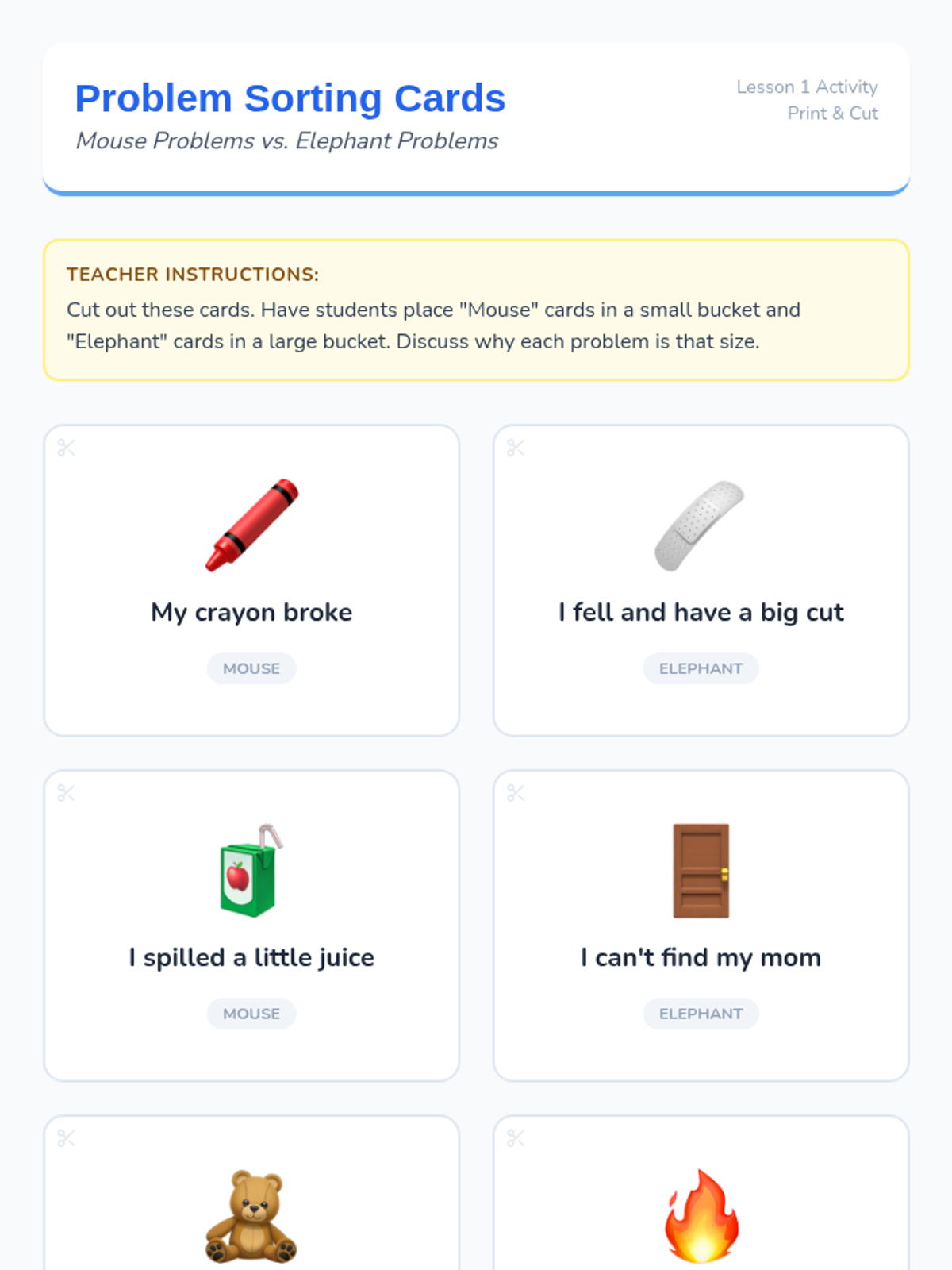
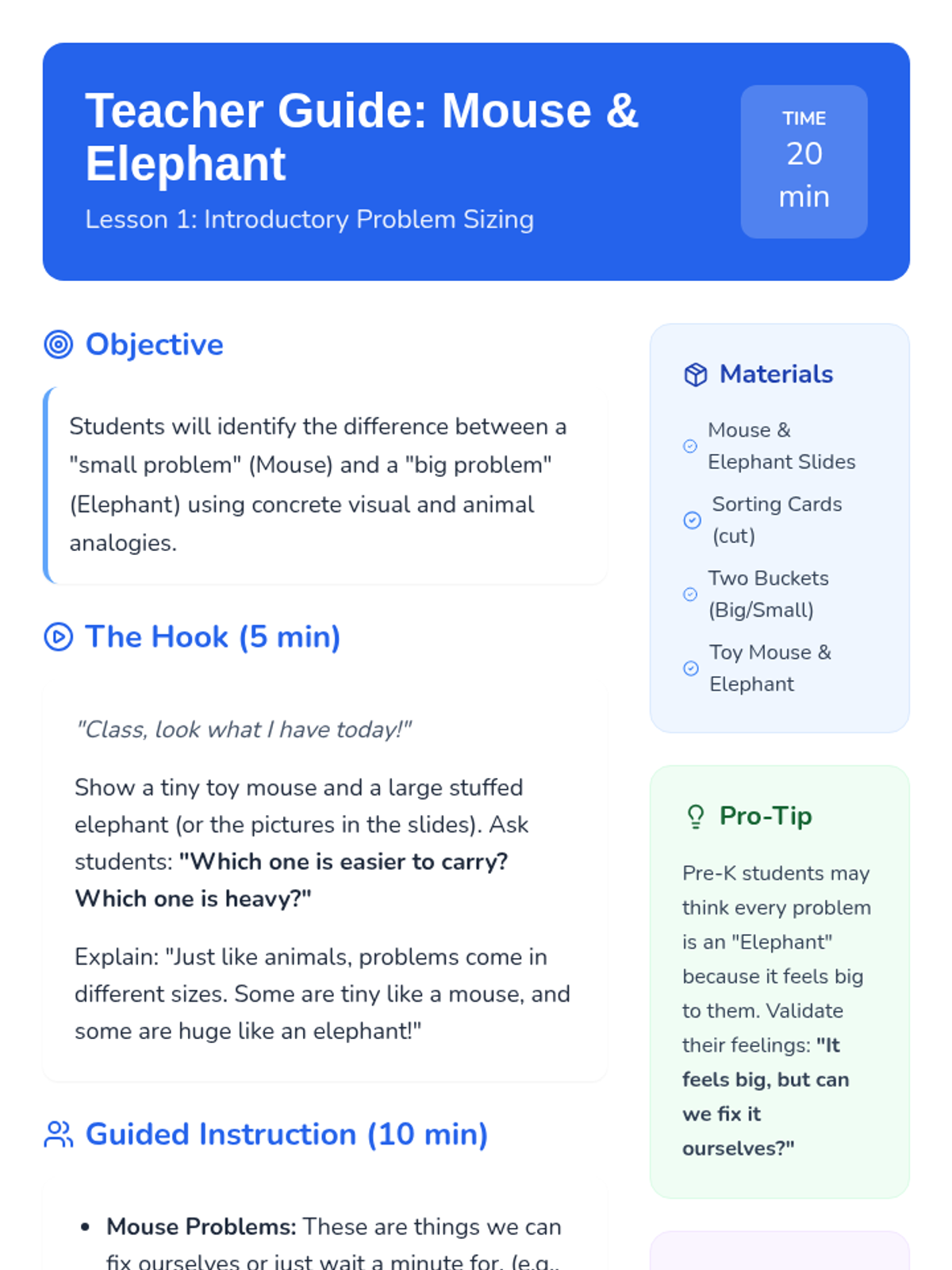
This sequence teaches Pre-K students to distinguish between small 'glitch' problems and big 'emergency' problems using animal analogies. Students learn to match their reaction size to the problem size and identify when to ask for help.
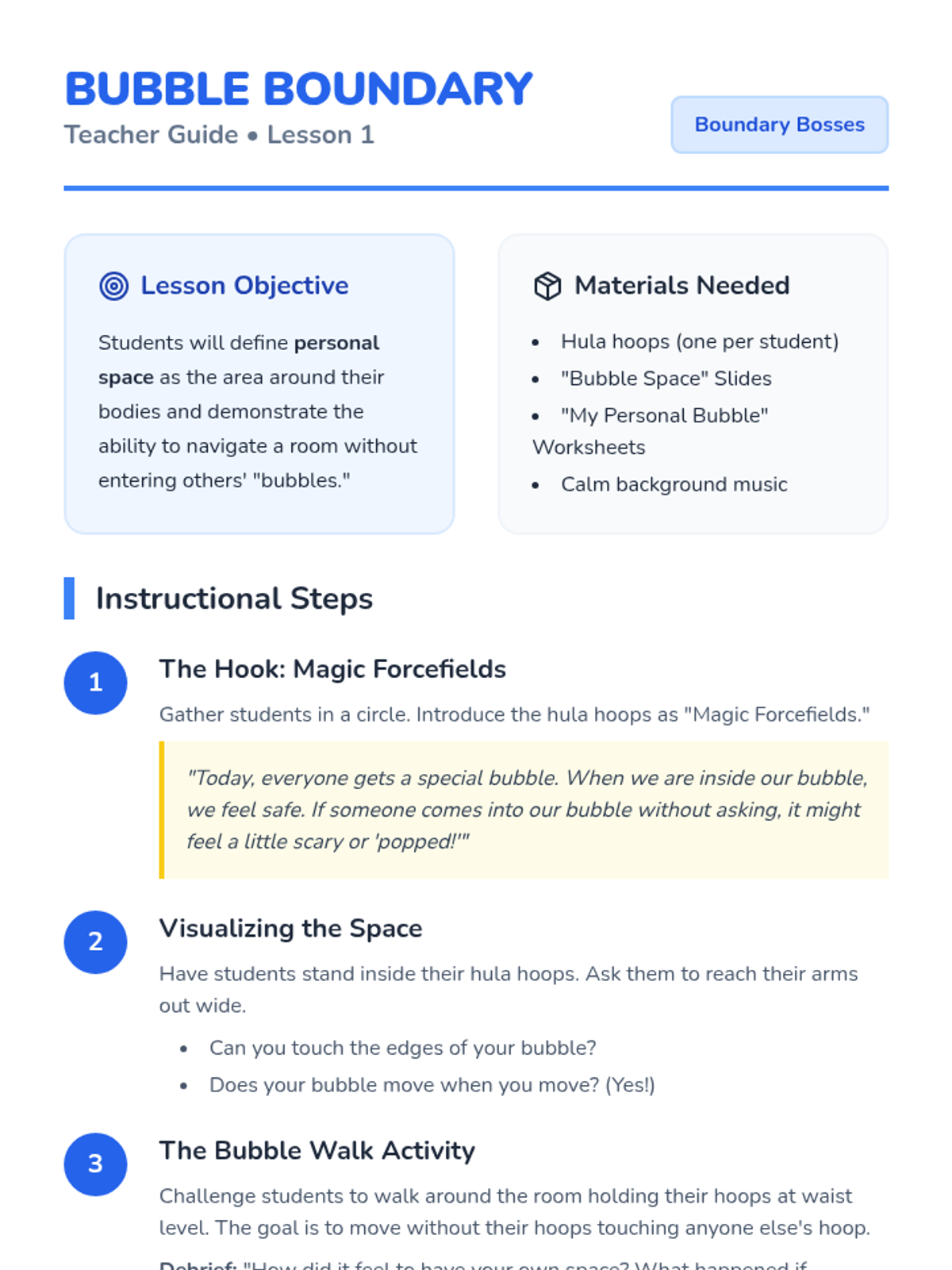
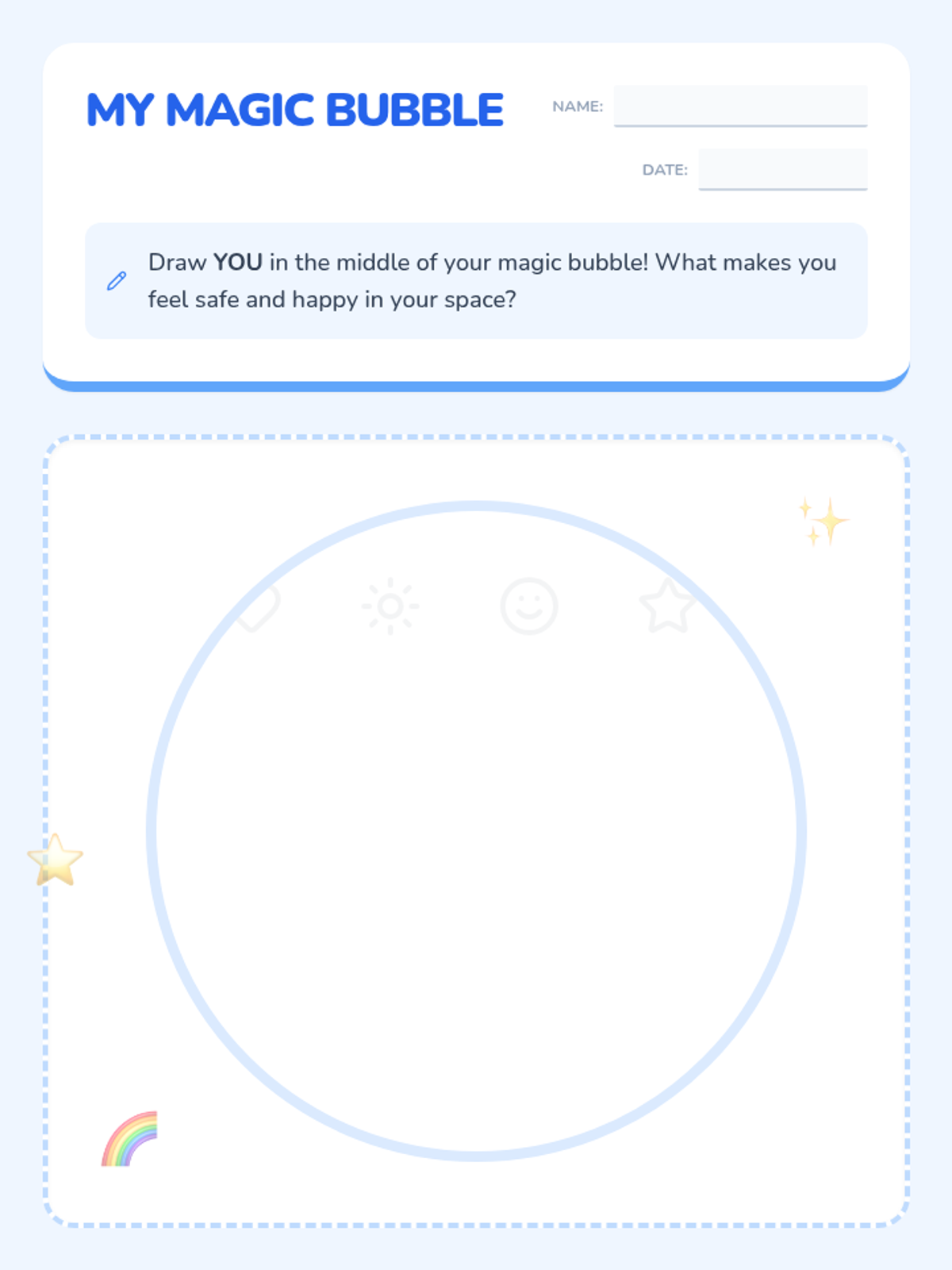
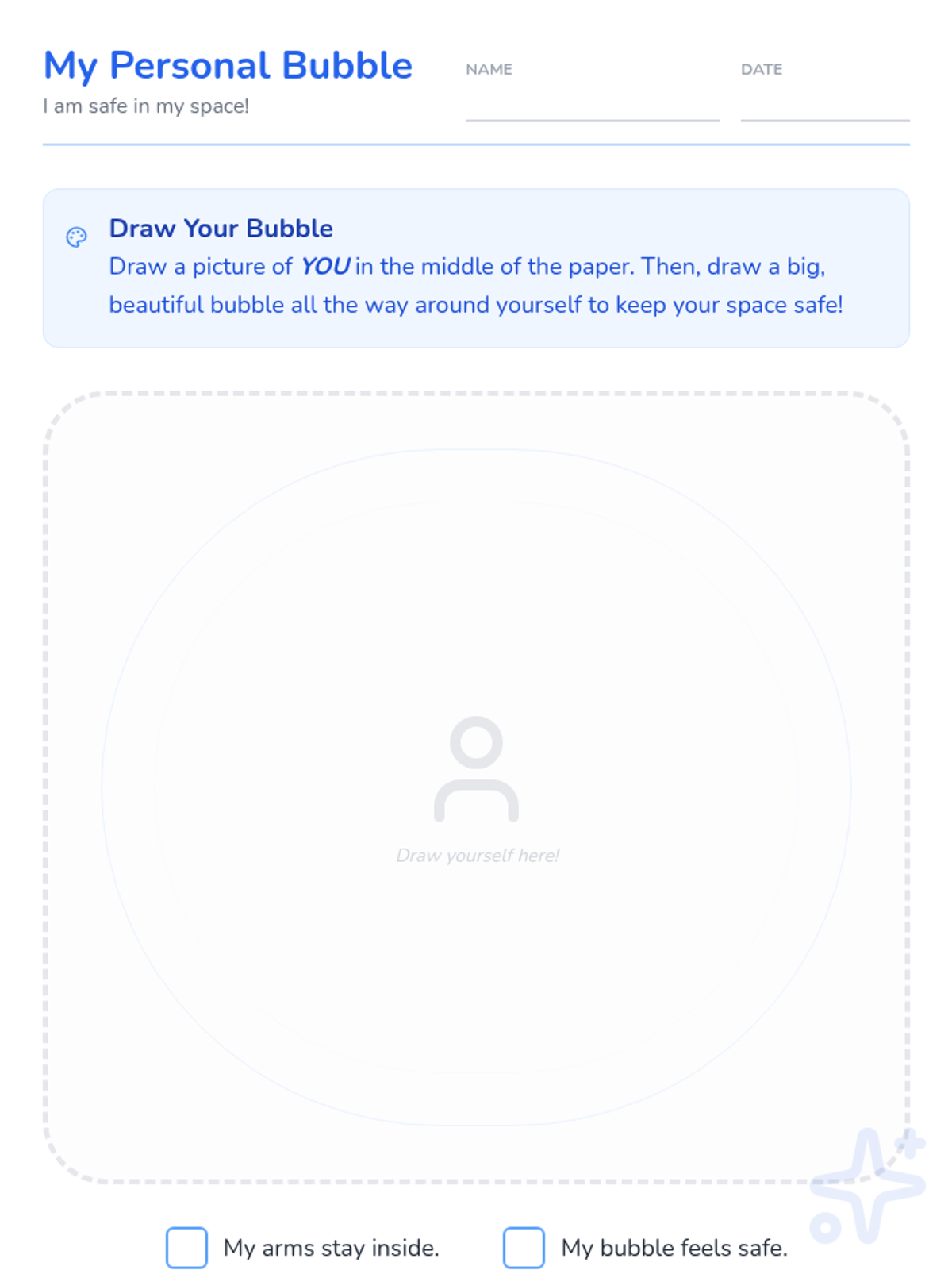
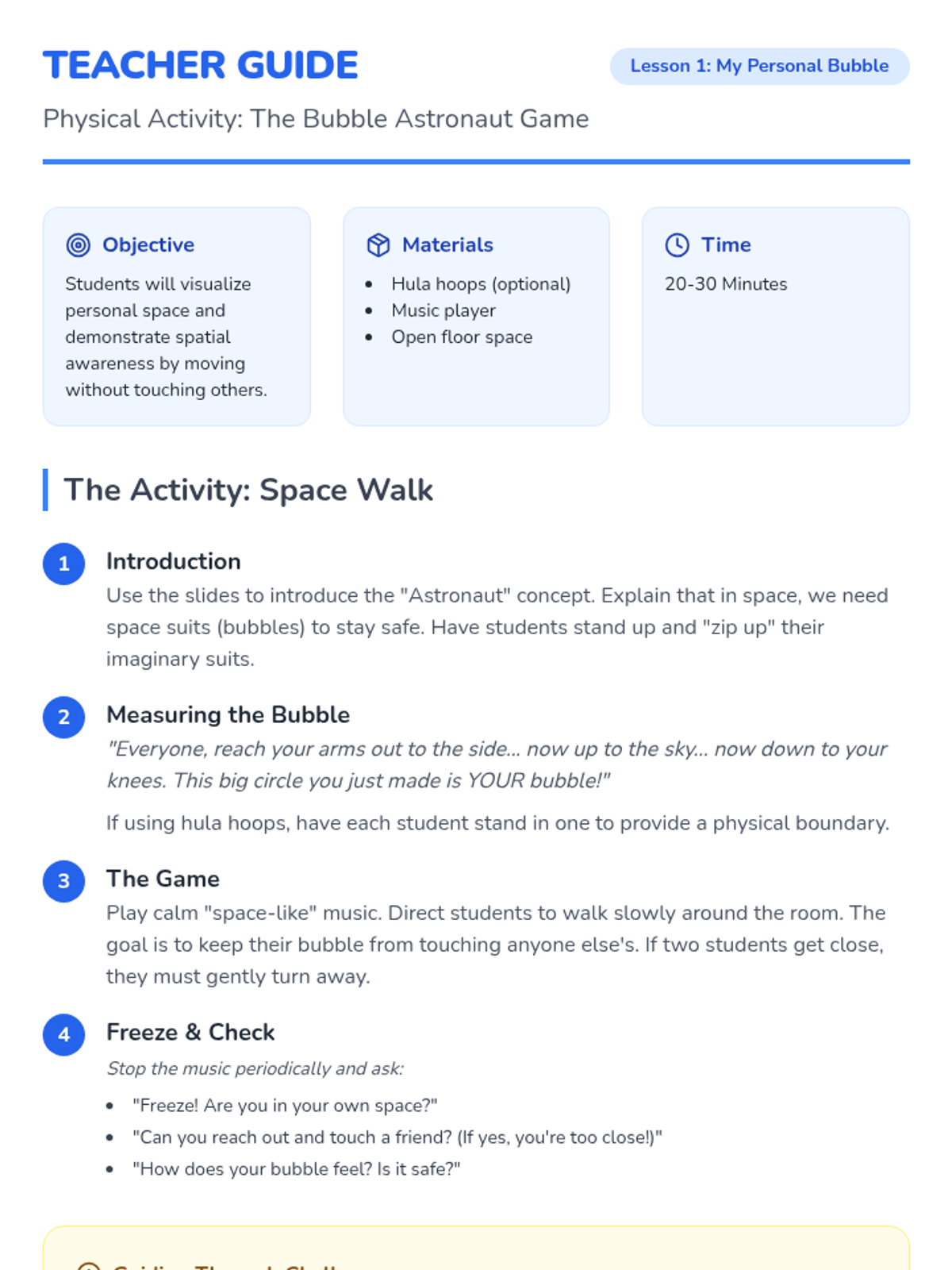
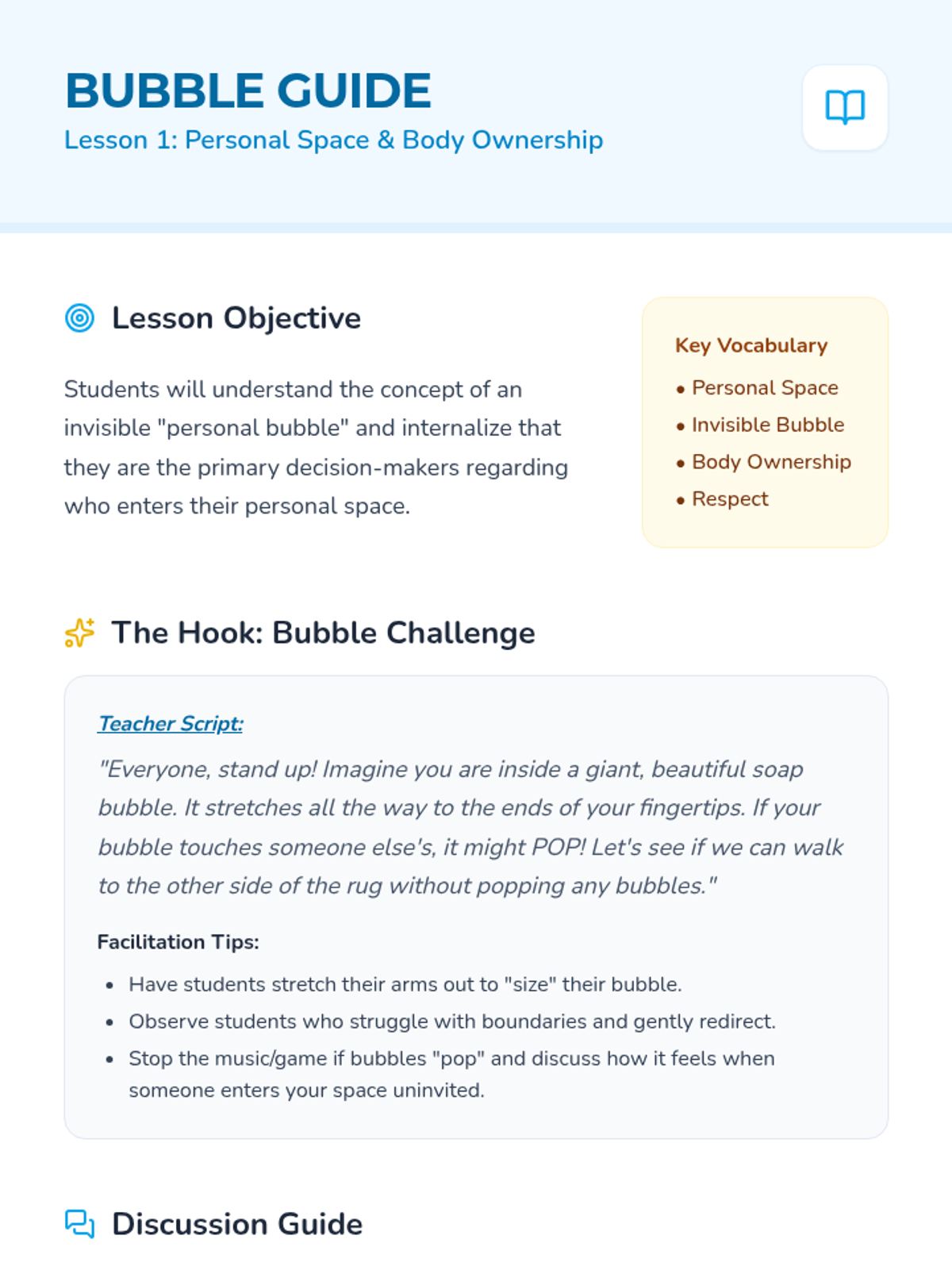
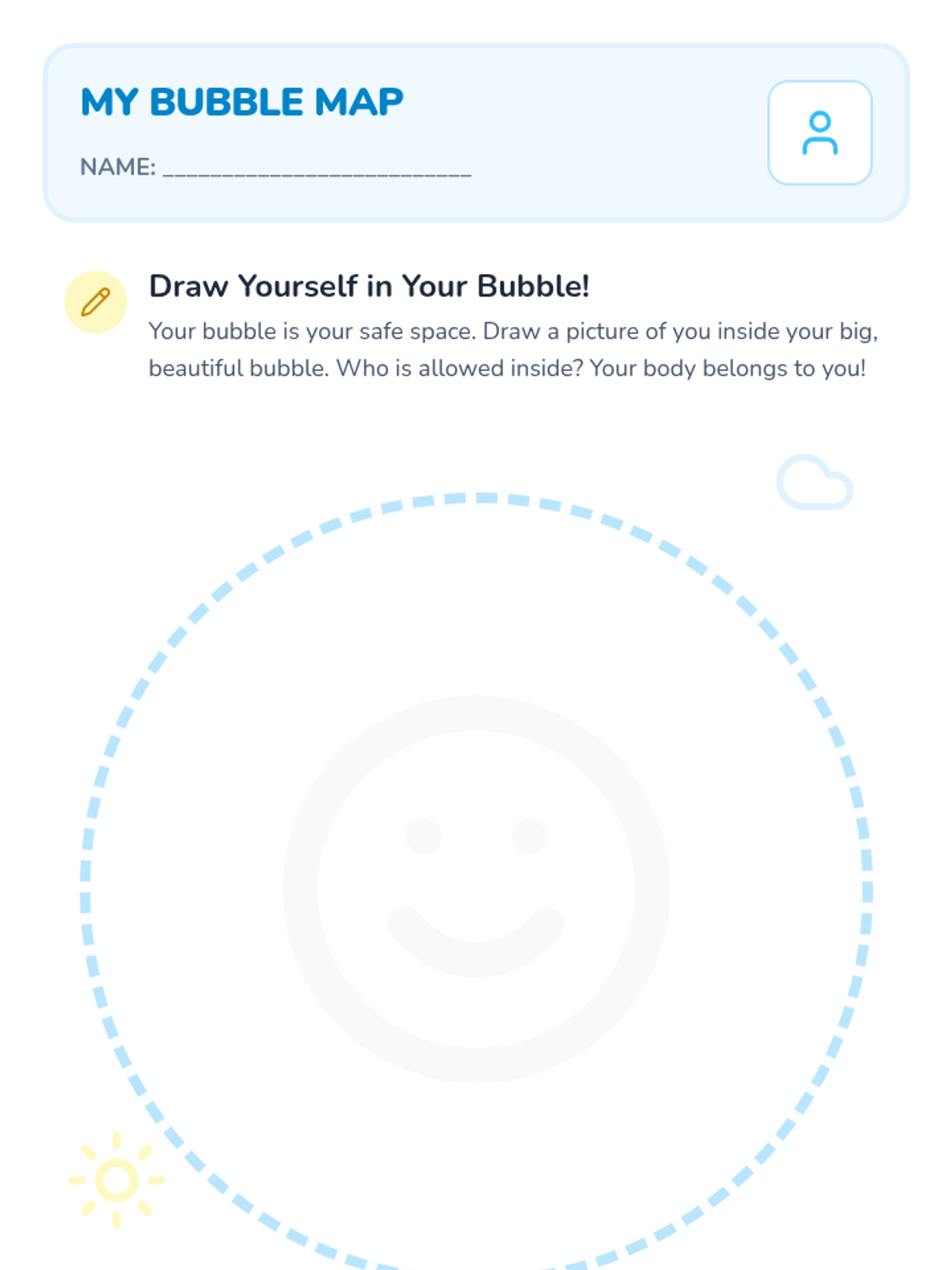
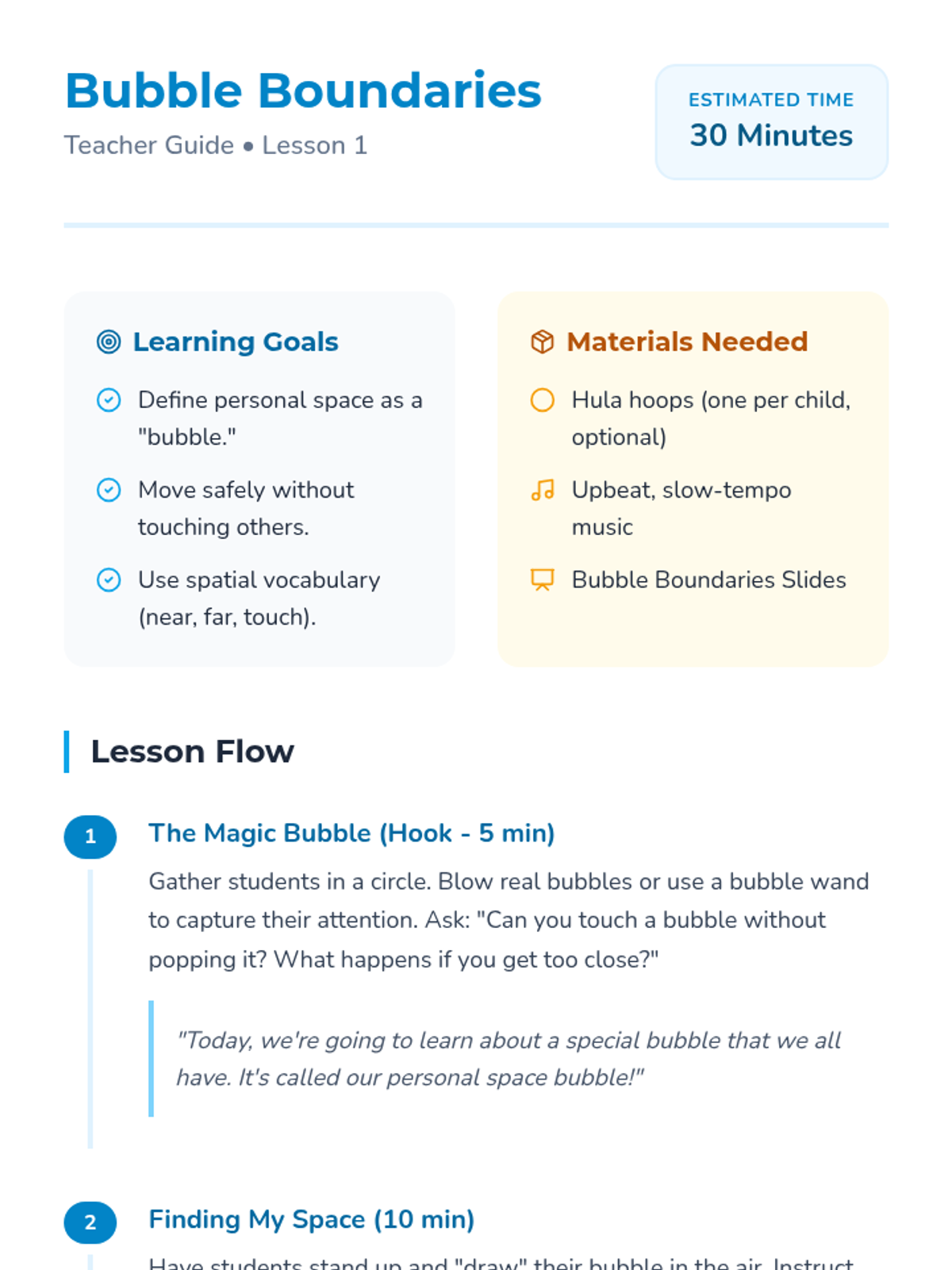
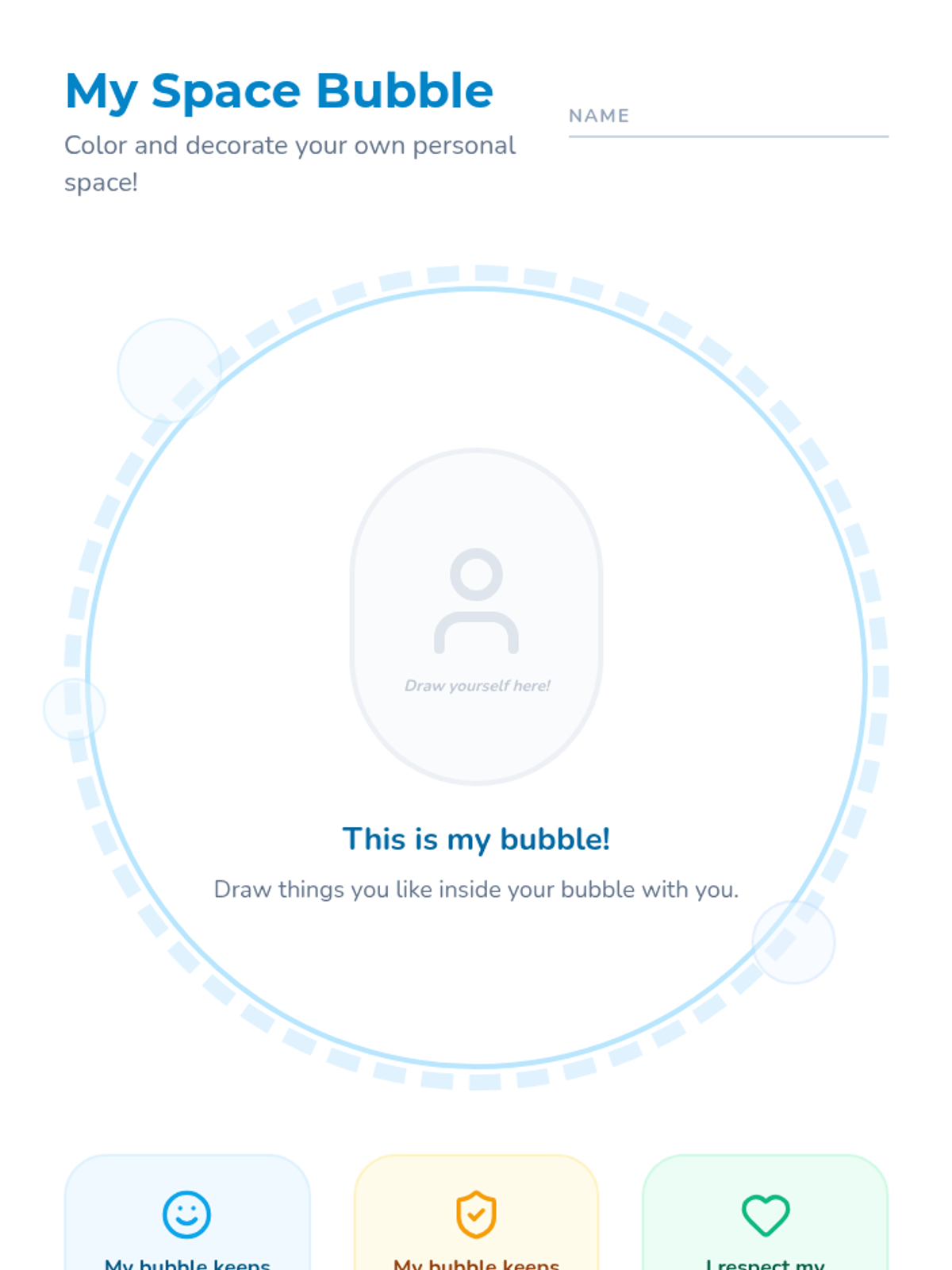
A Pre-K sequence introducing physical and emotional boundaries using the 'Personal Bubble' metaphor. Students learn about spatial awareness, asking for permission, respecting 'stop' words, differentiating between surprises and unsafe secrets, and the importance of privacy in a group setting.
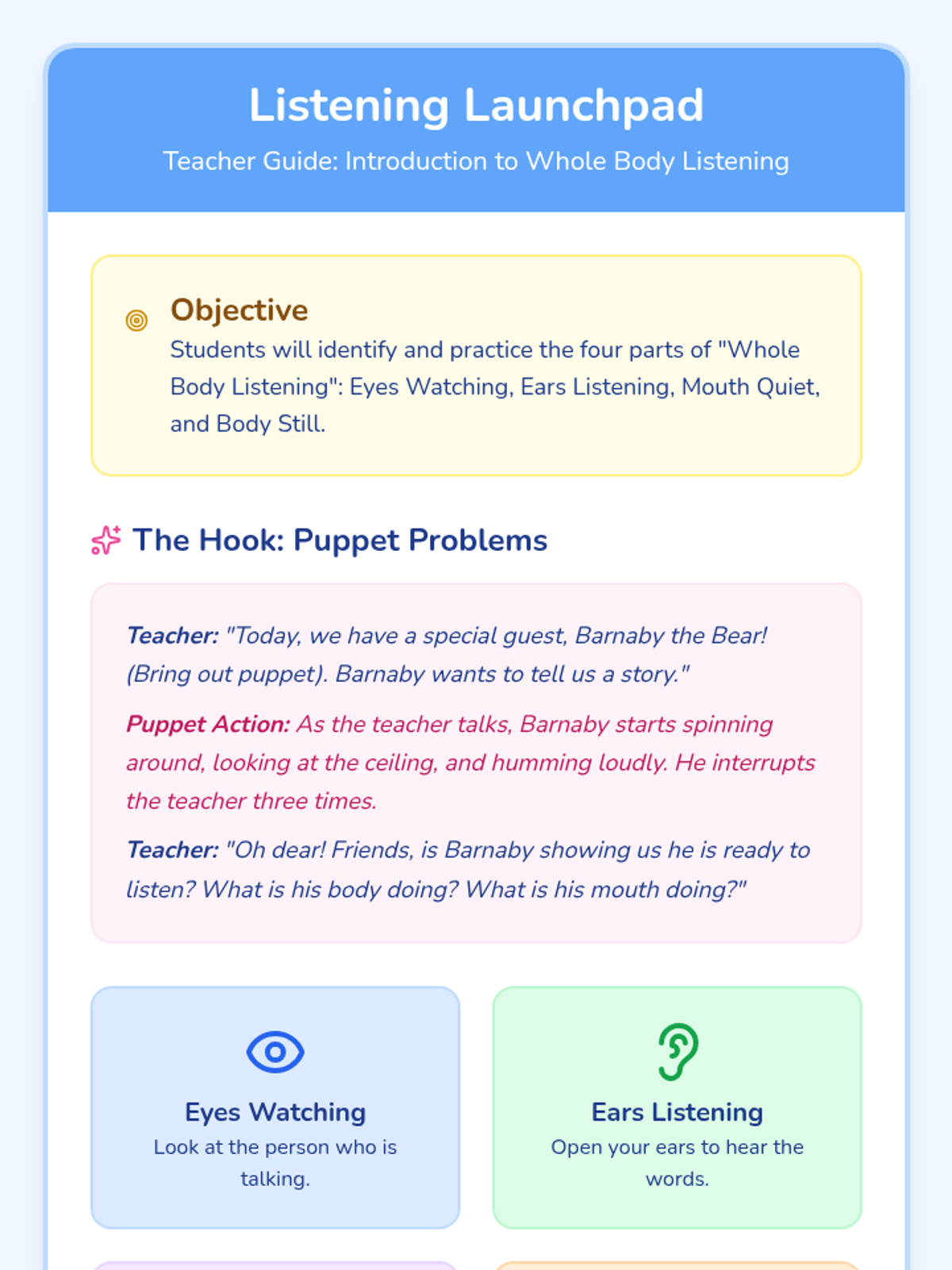
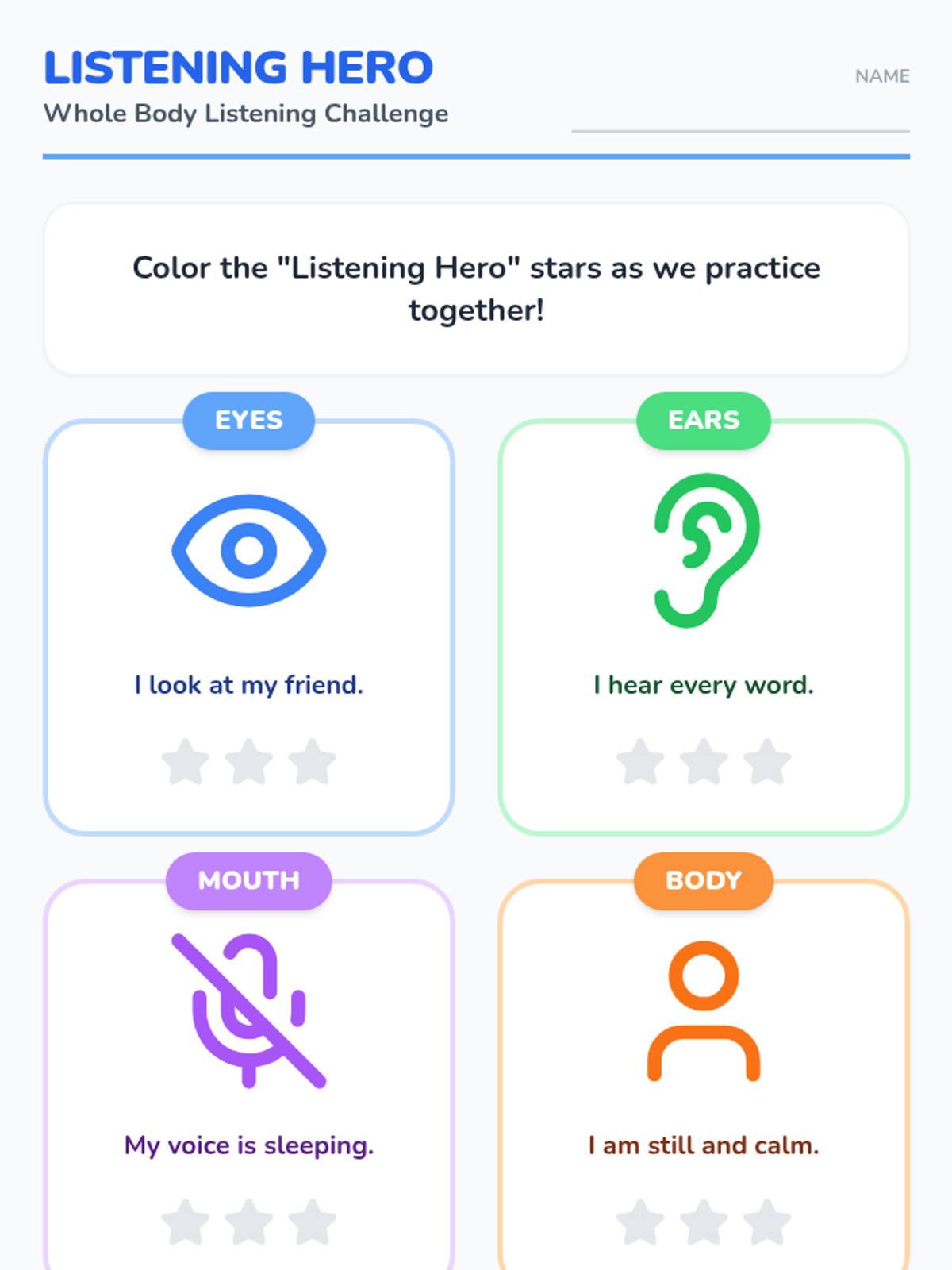
A Kindergarten sequence focused on building the social and emotional foundations for participating in a supportive group environment. Students learn whole-body listening, turn-taking, empathy, kind responses, and personal boundaries.
A comprehensive 5-lesson sequence for Kindergarten students focused on personal space, bodily autonomy, safe vs. unsafe touch, consent, and identifying trusted adults through the 'No, Go, Tell' strategy.
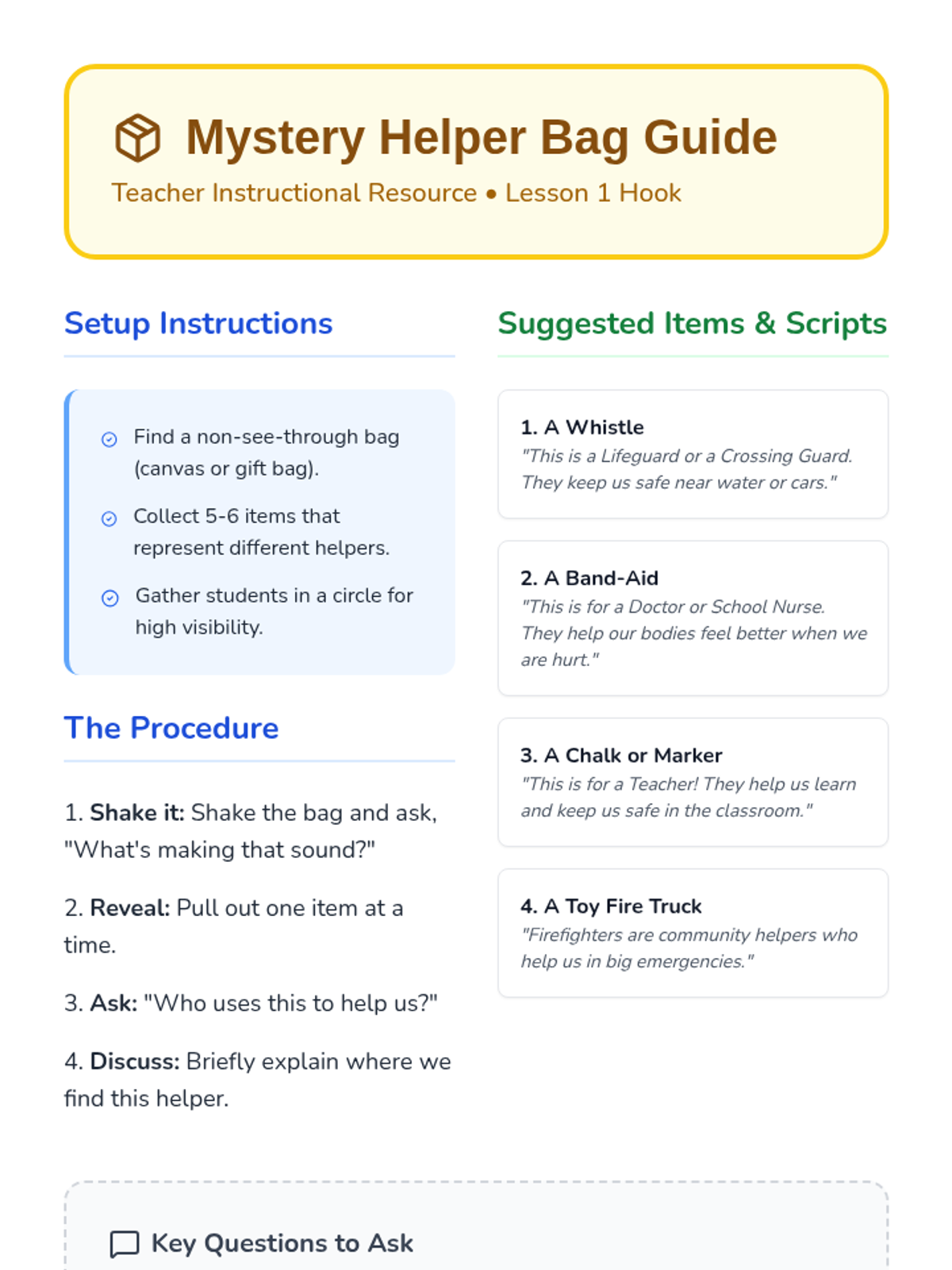
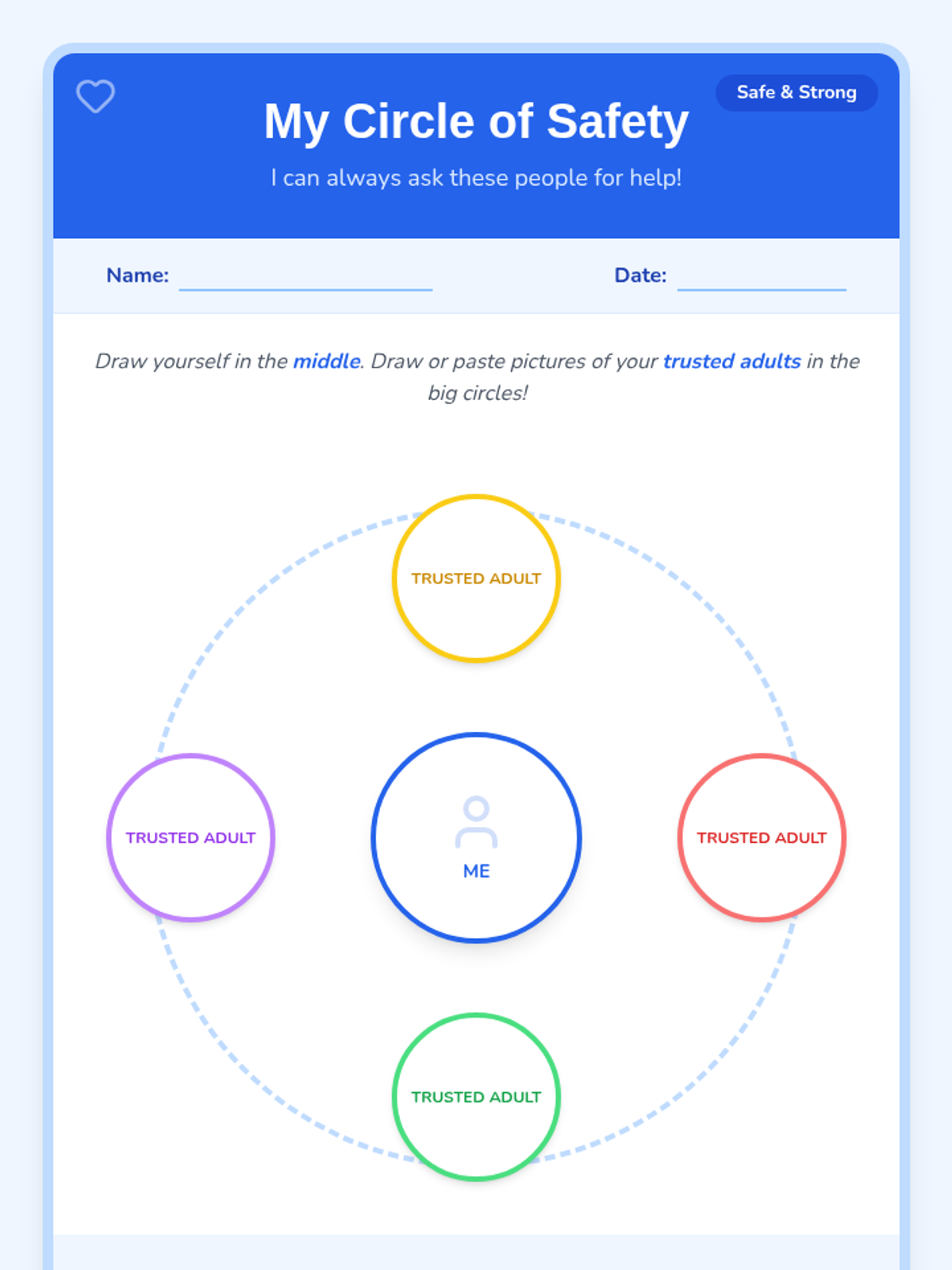
A Pre-K sequence focused on identifying trusted adults, recognizing personal needs, and practicing verbal scripts for help-seeking and boundary-setting. Through games, role-play, and visual aids, students build foundational self-advocacy skills.
This sequence introduces Pre-K students to the concepts of personal space, body autonomy, and consent. Students learn to define their 'personal bubble,' identify body parts, practice asking for permission, use firm words for boundaries, and identify trusted adults.
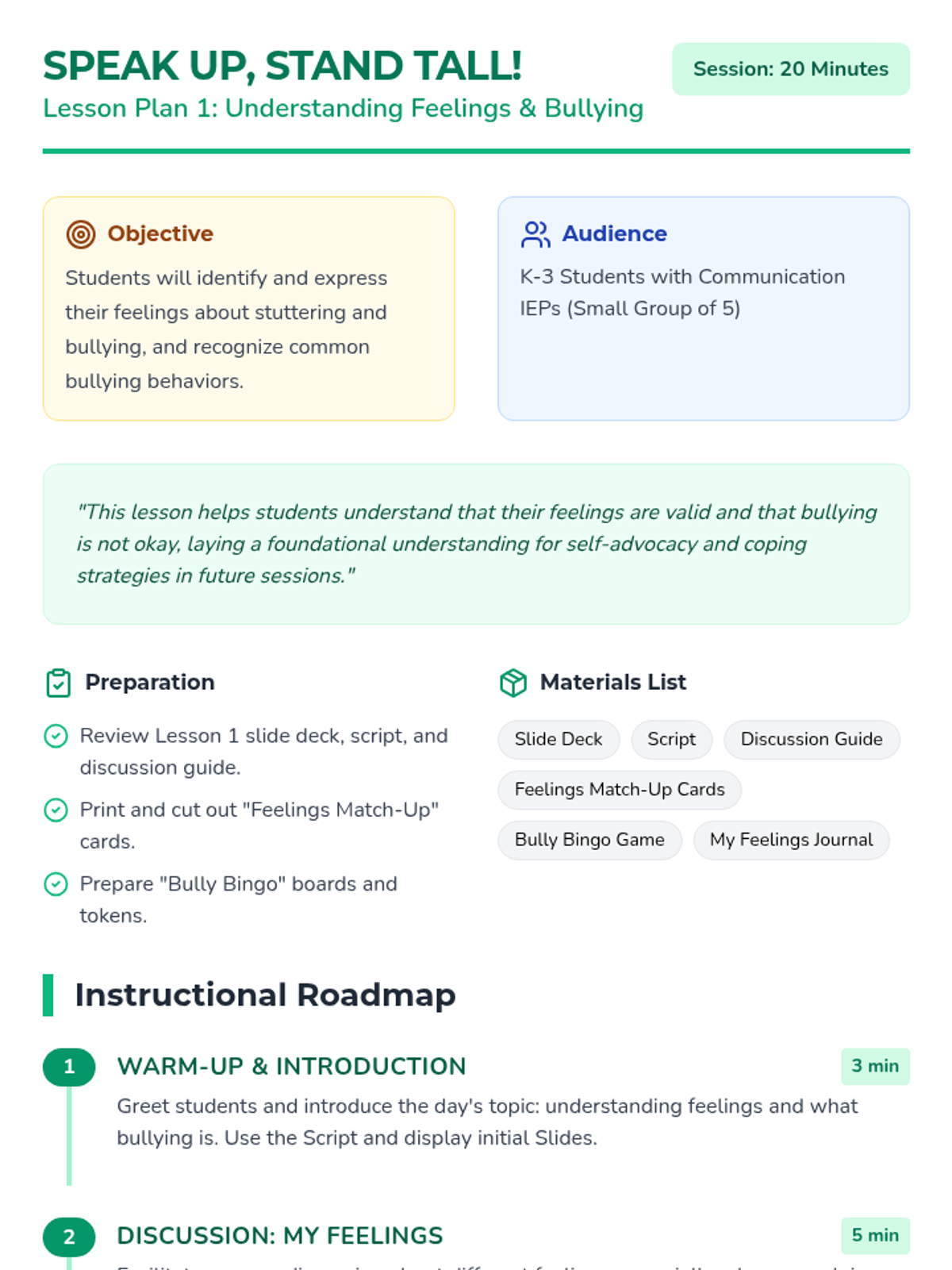
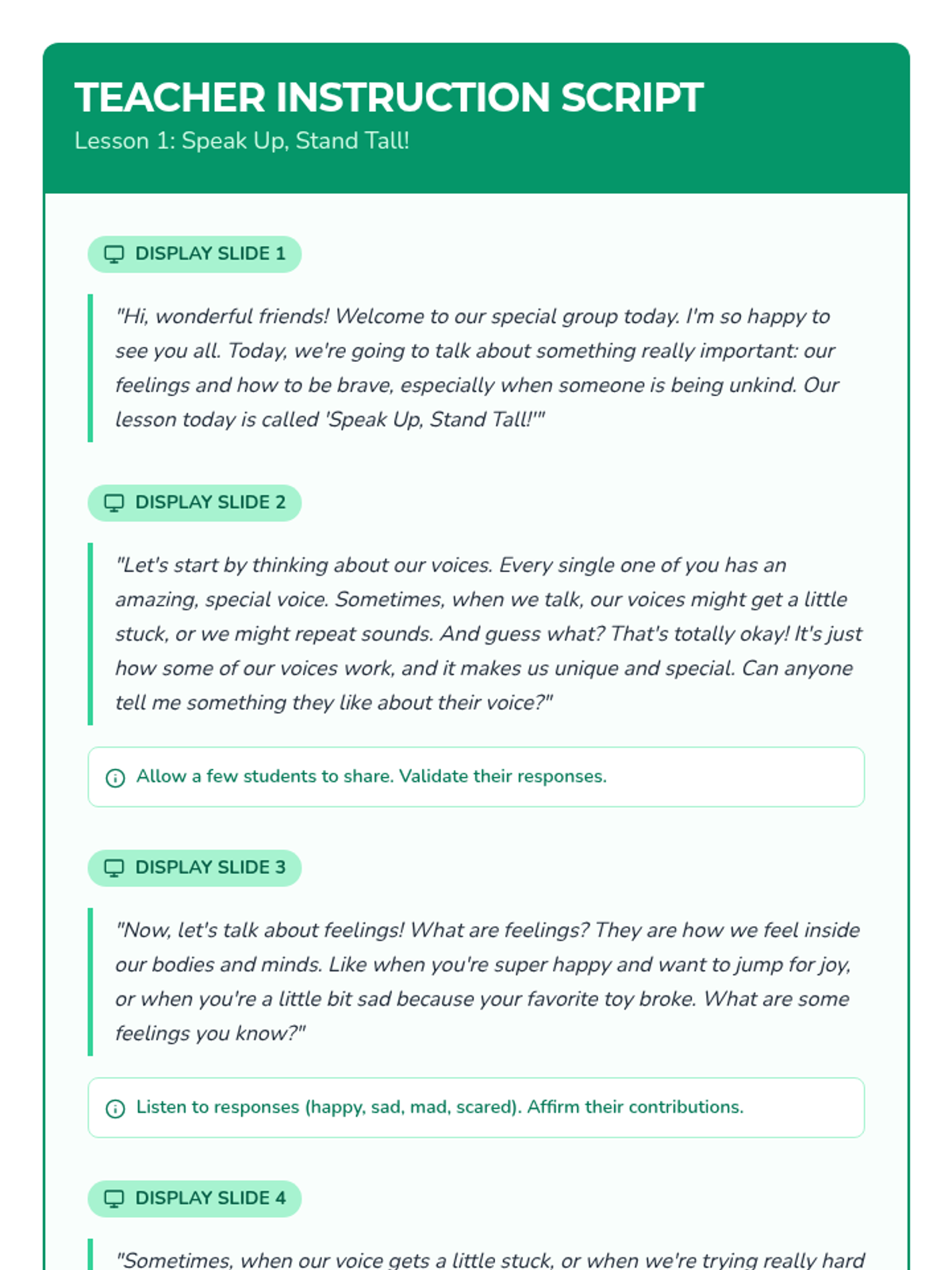
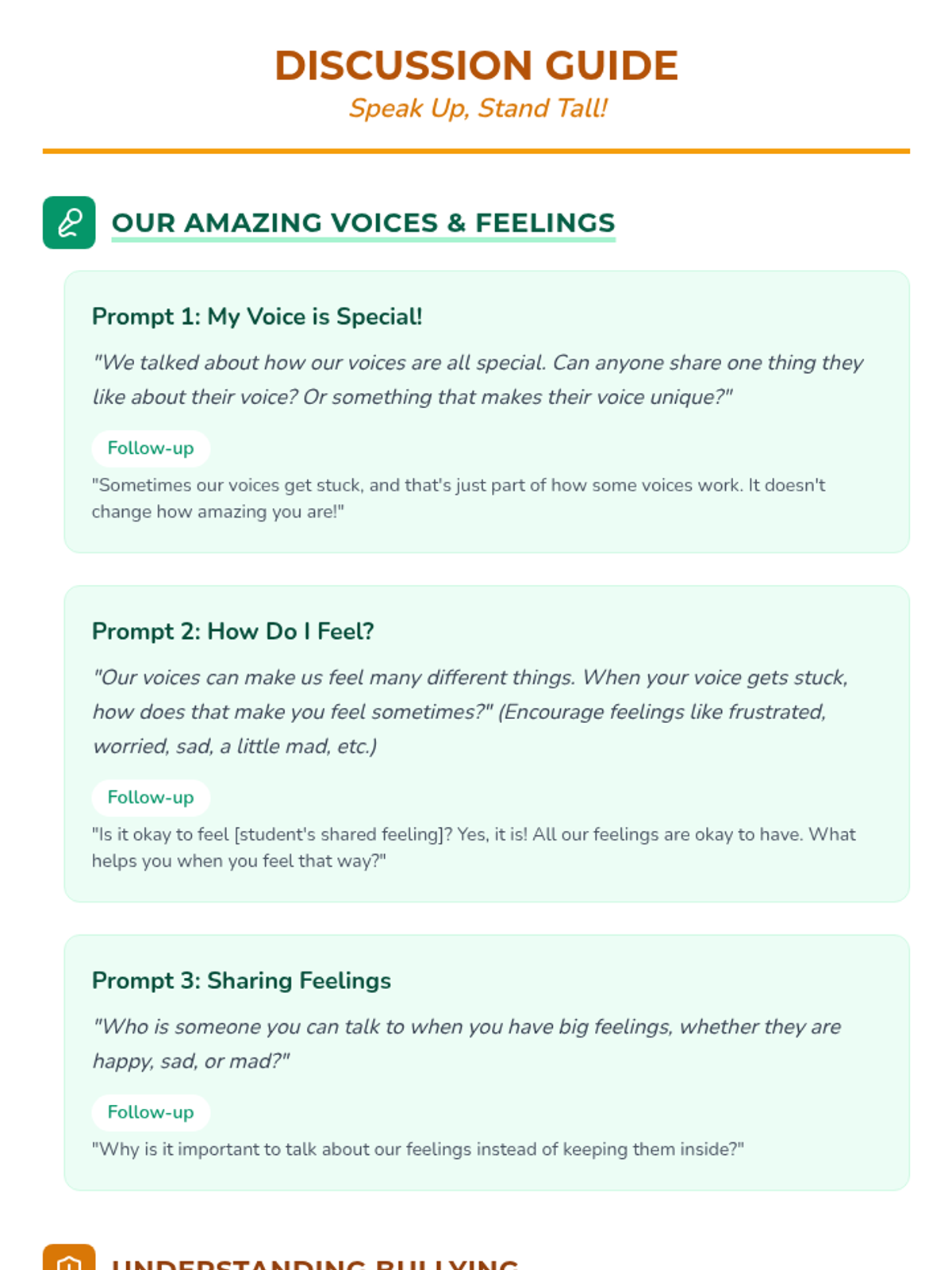
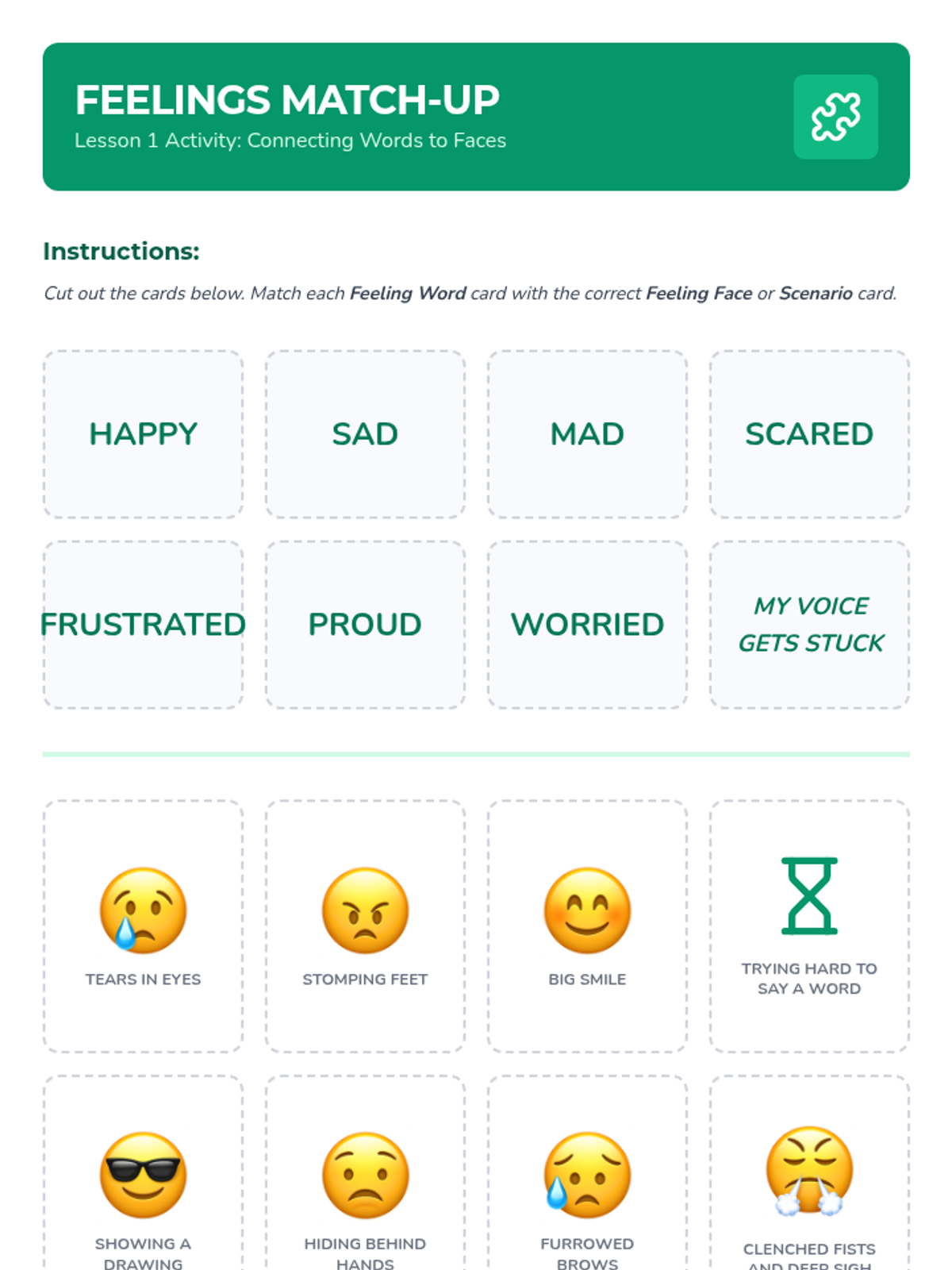
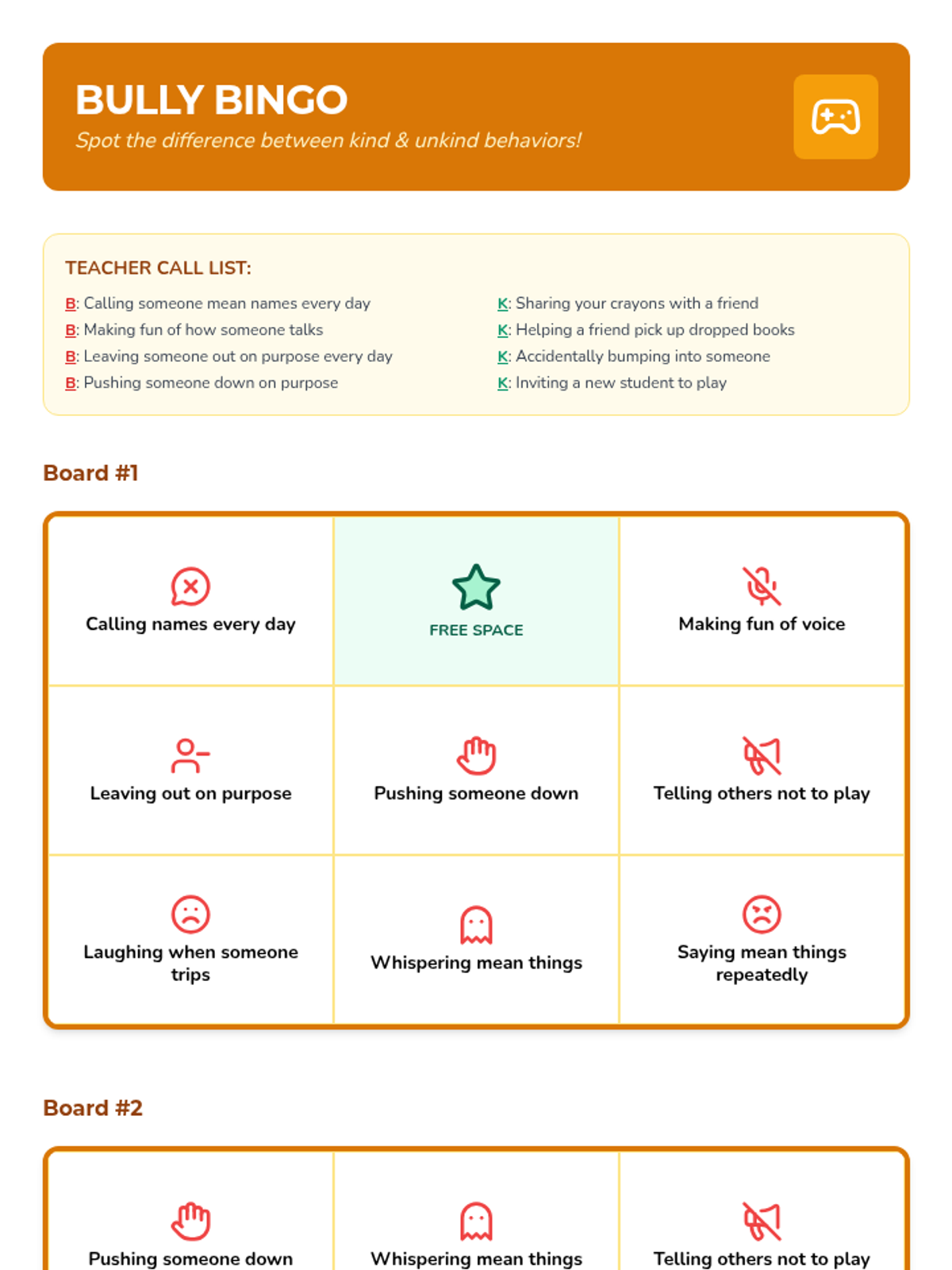
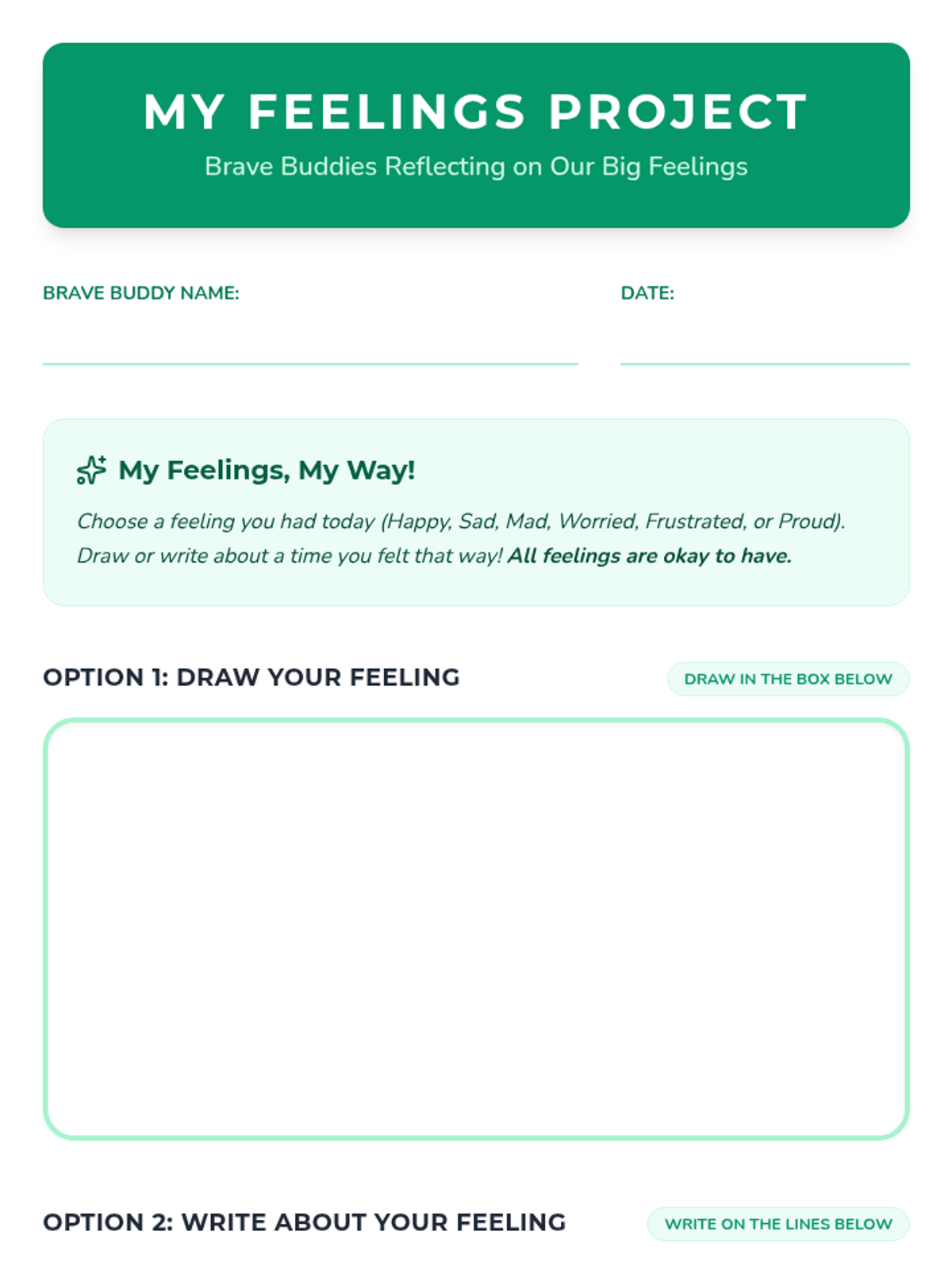
A six-lesson series for K-3 students with communication IEPs, specifically those who stutter. The sequence focuses on defining bullying, identifying feelings, building self-advocacy through brave words and I-statements, and fostering empathy to become upstanders.
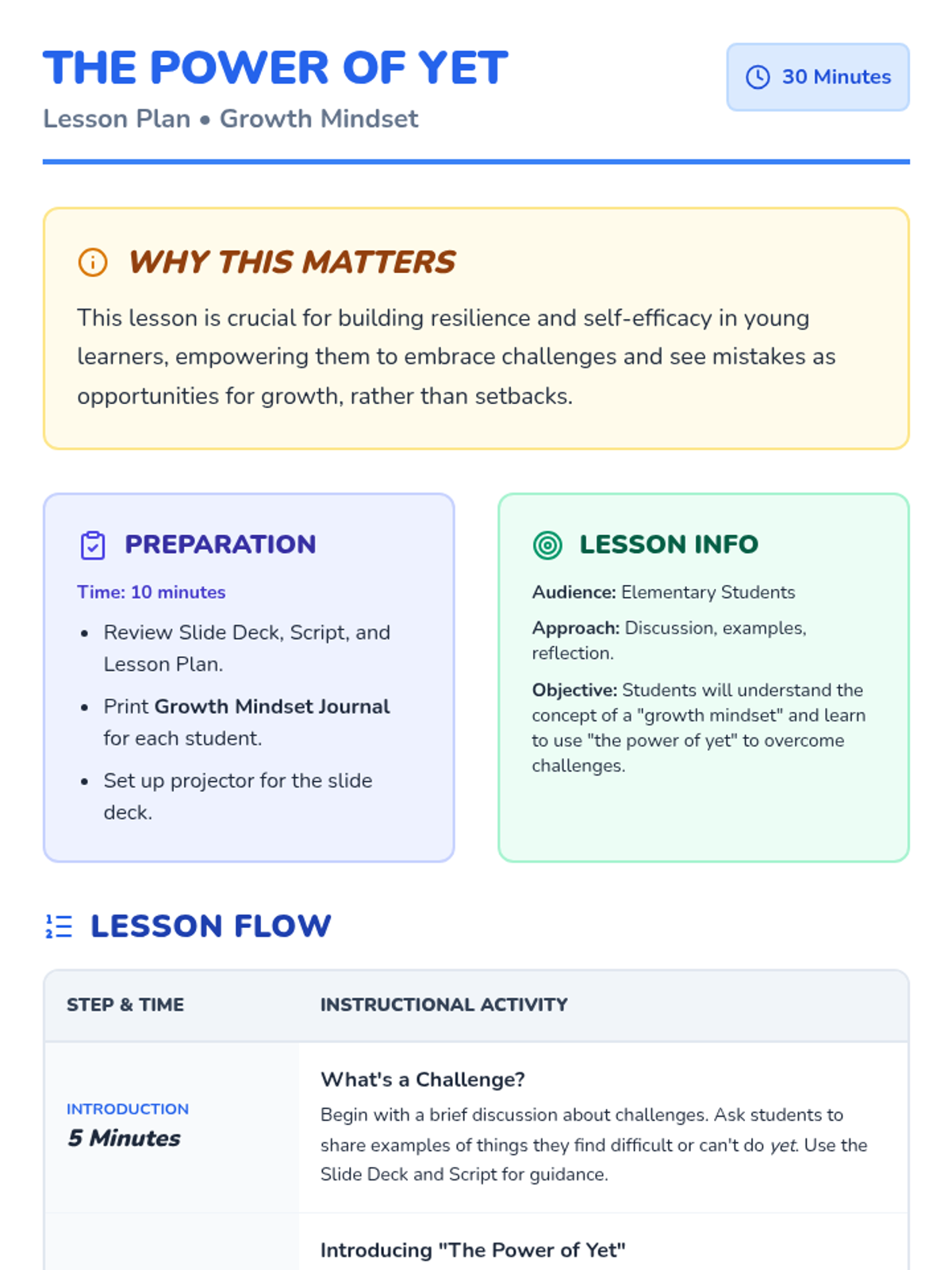
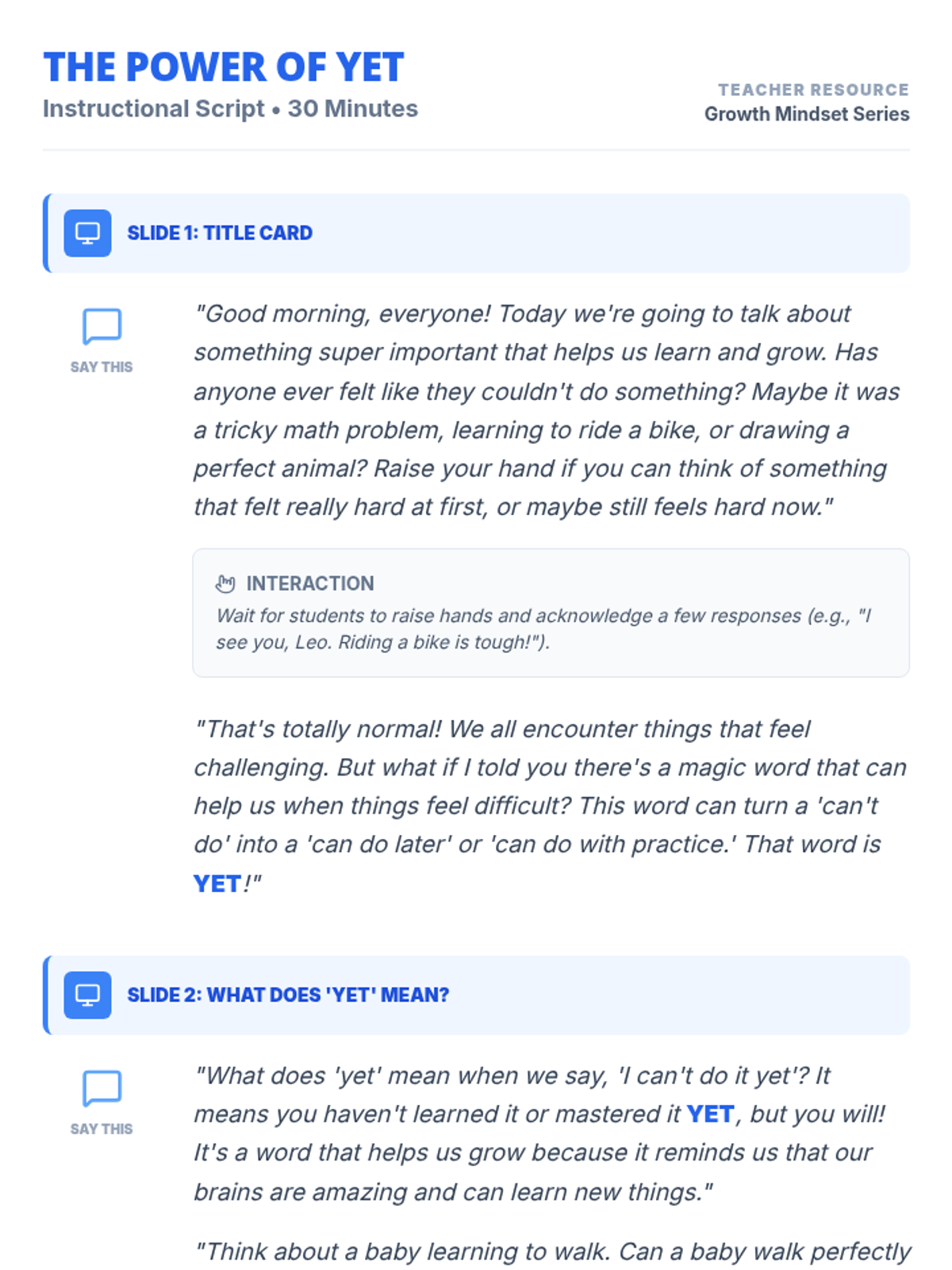
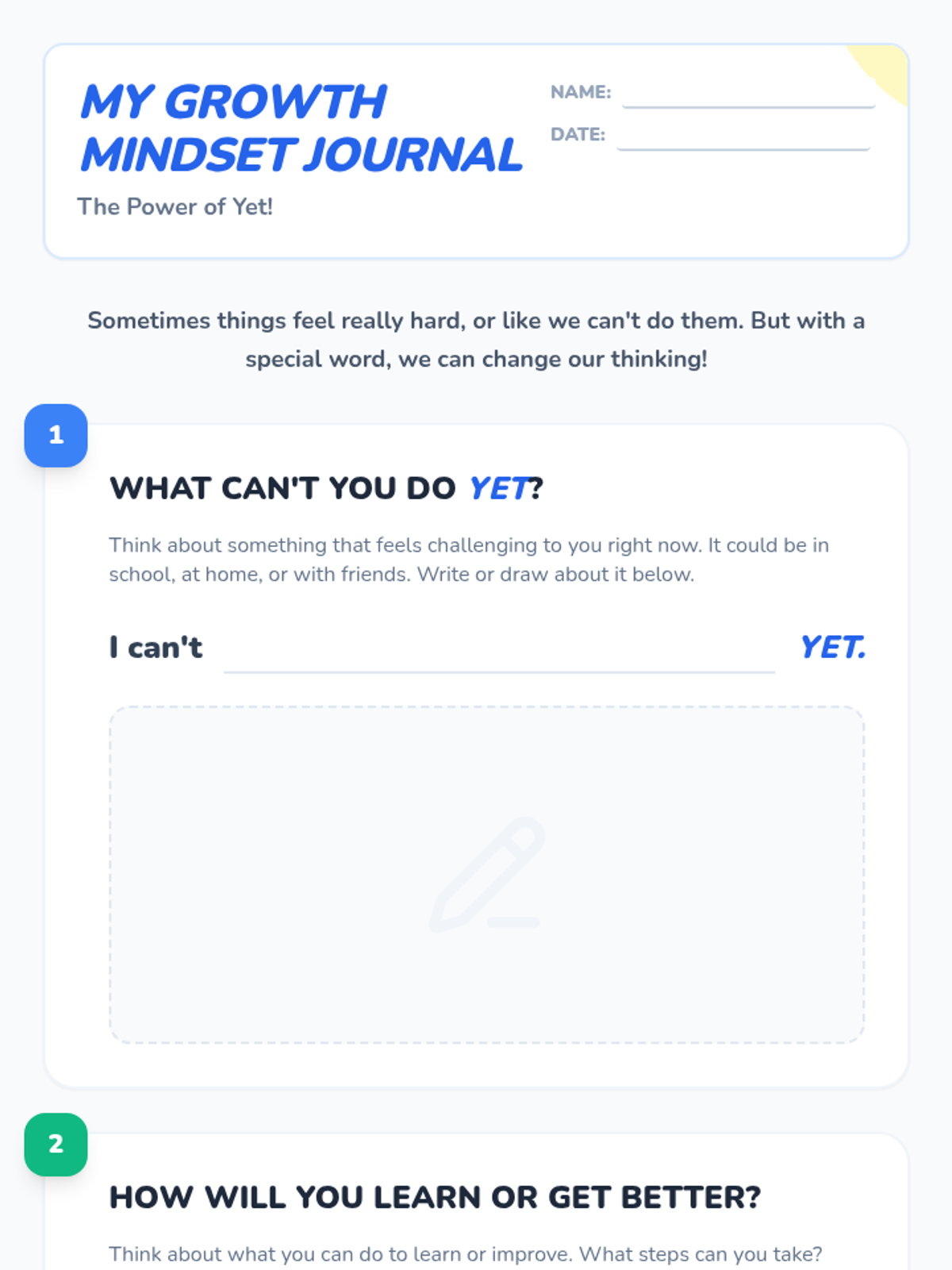
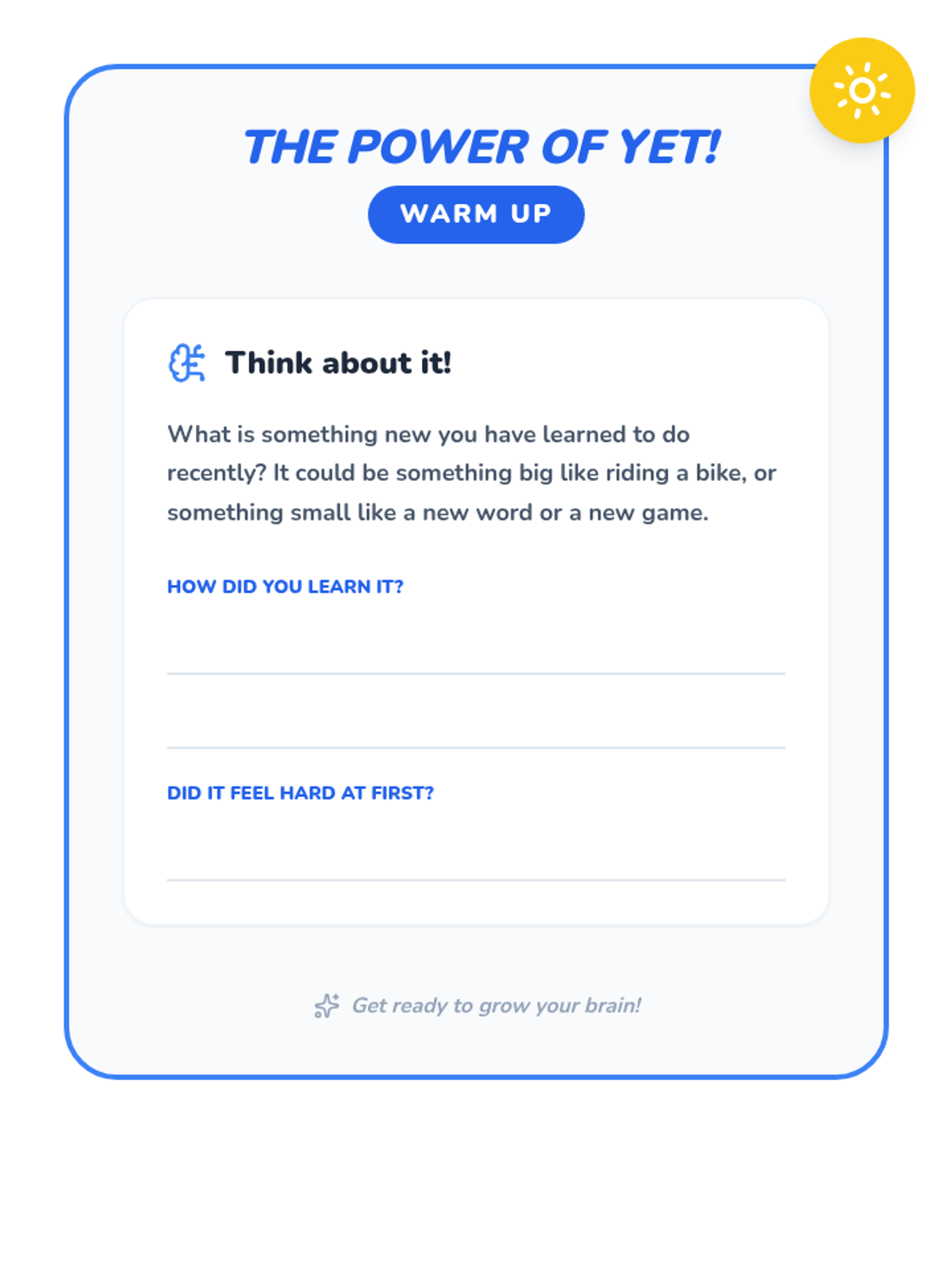
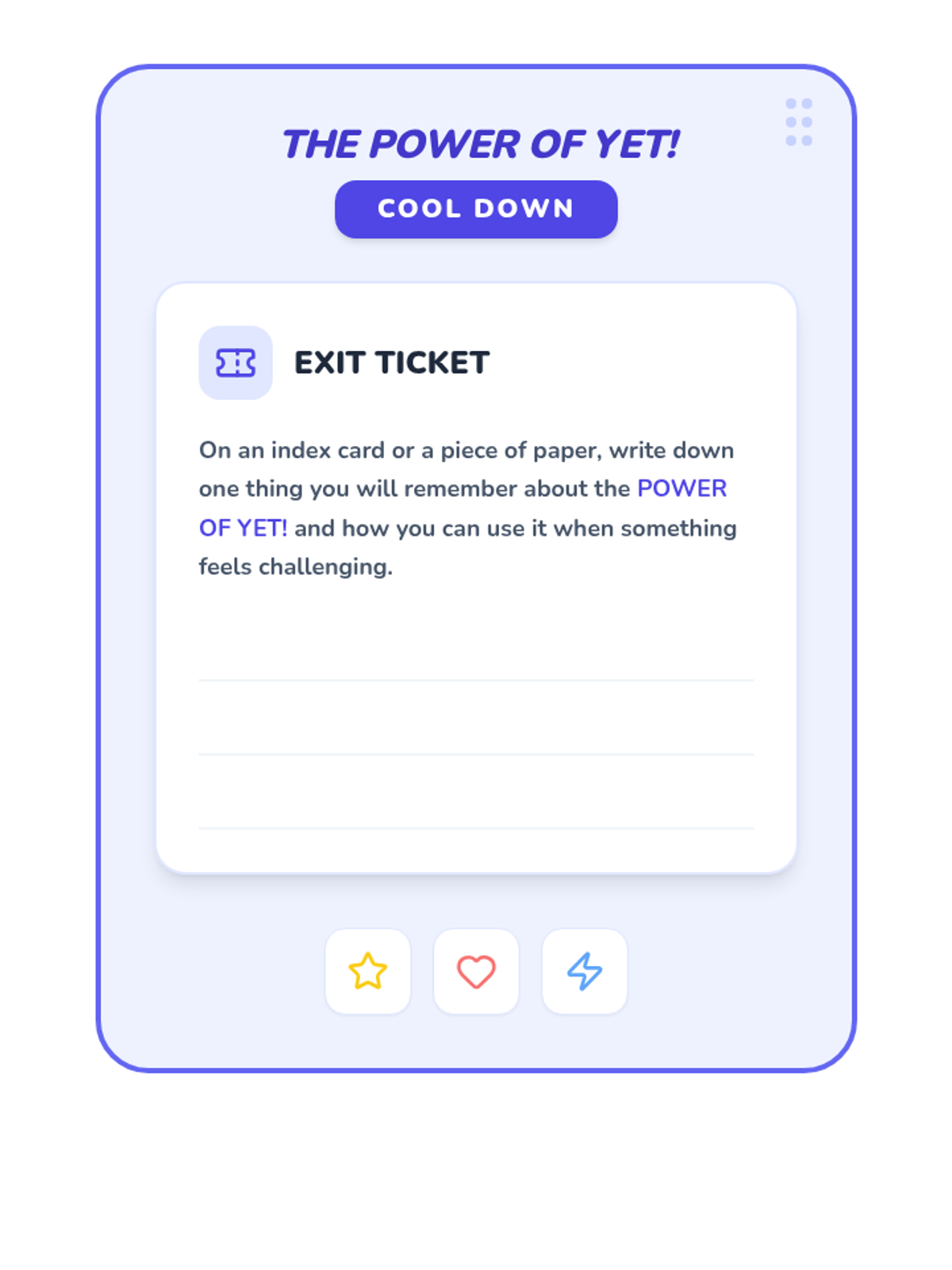
This sequence empowers elementary students with two essential life skills: developing a growth mindset through the "Power of Yet" and understanding personal boundaries and safety in "My Voice is Powerful."
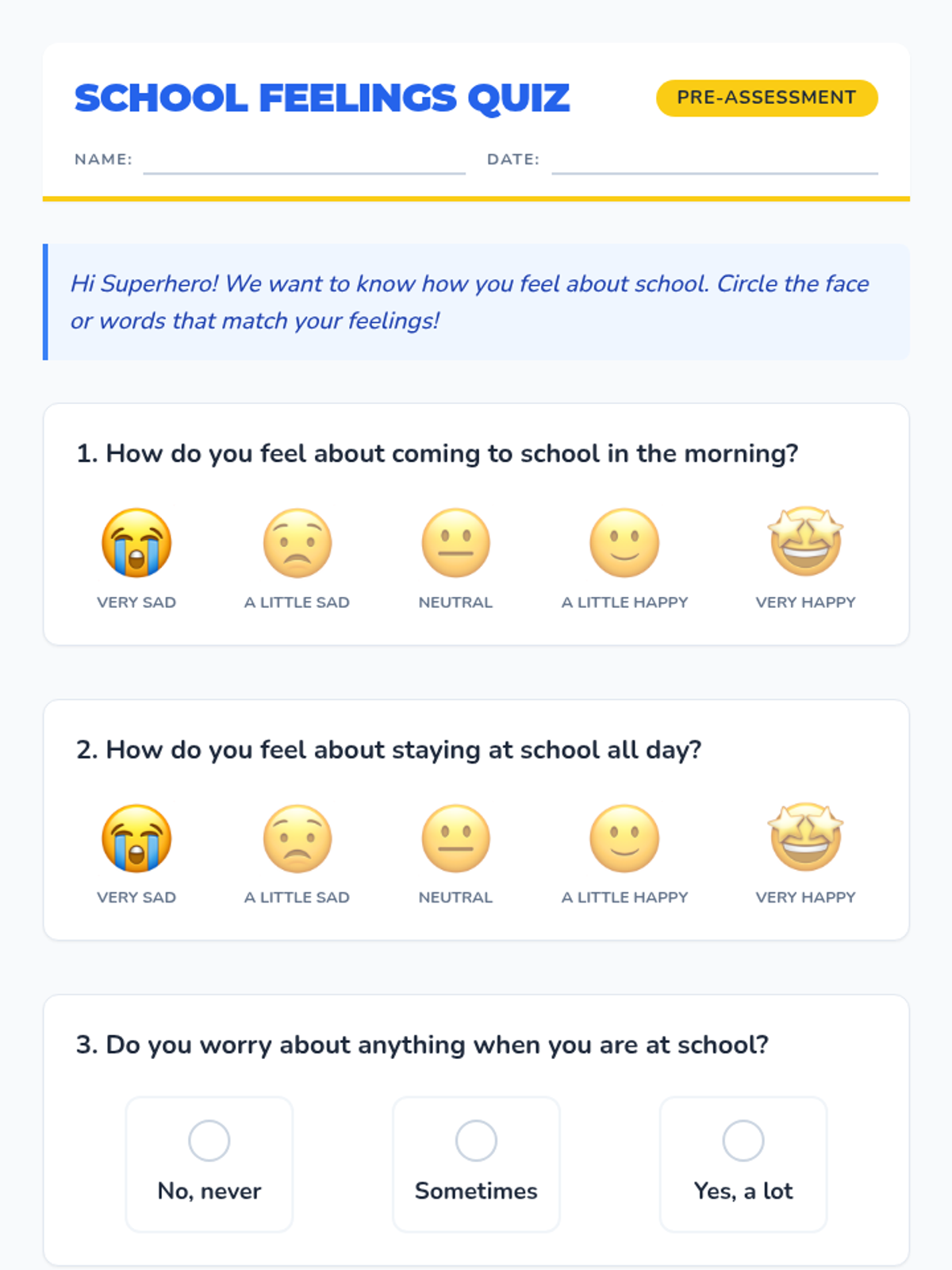
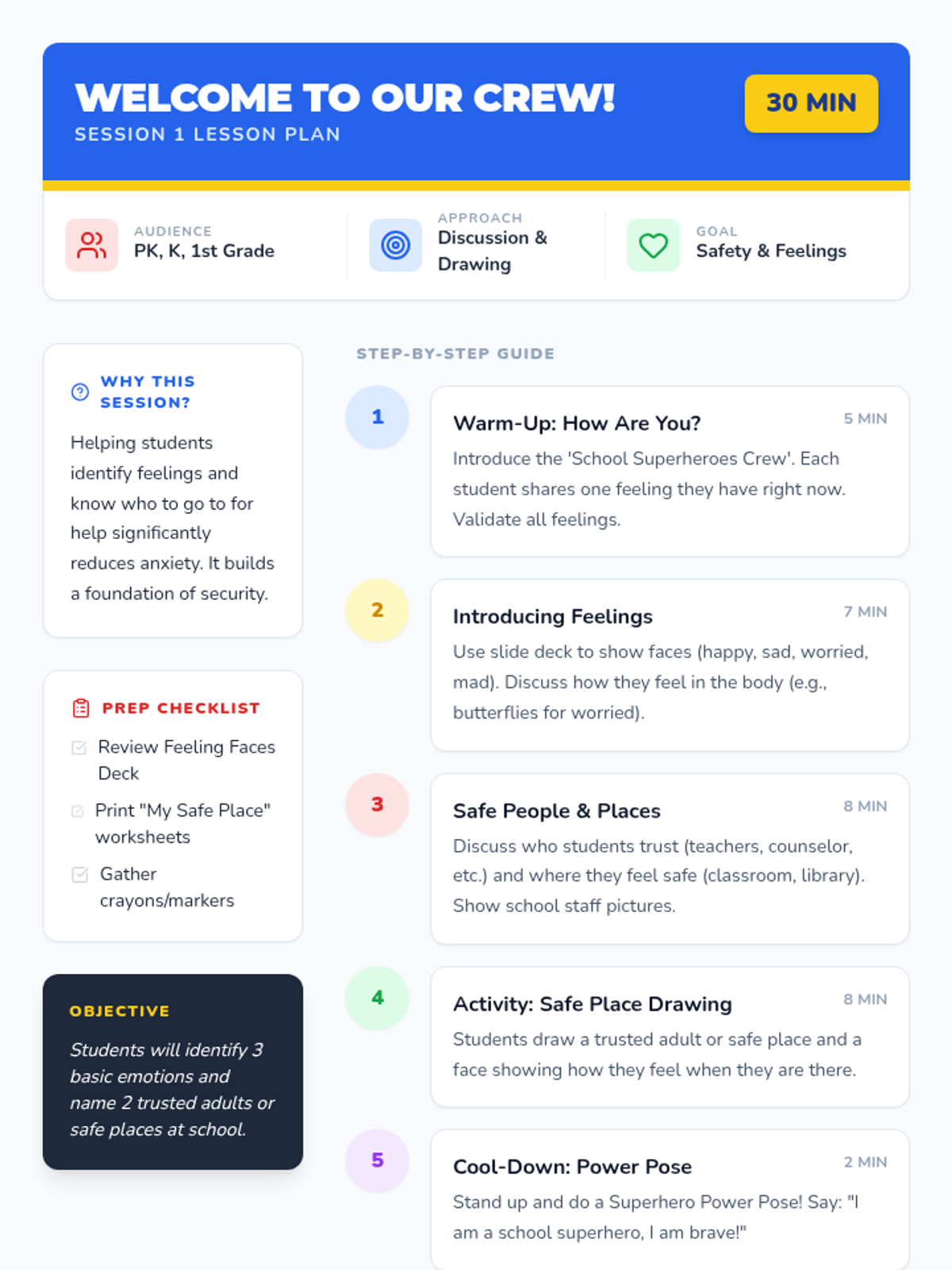
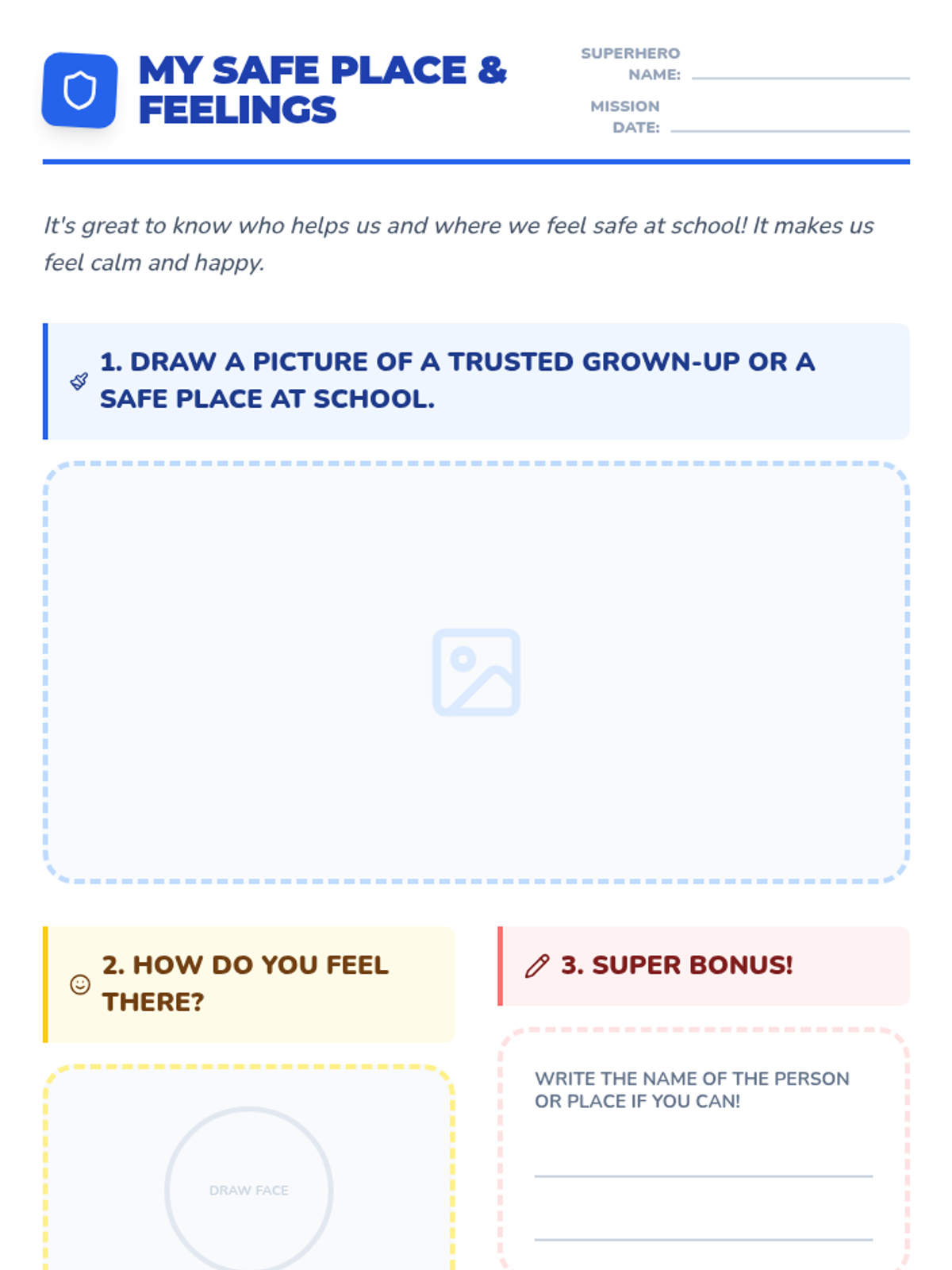
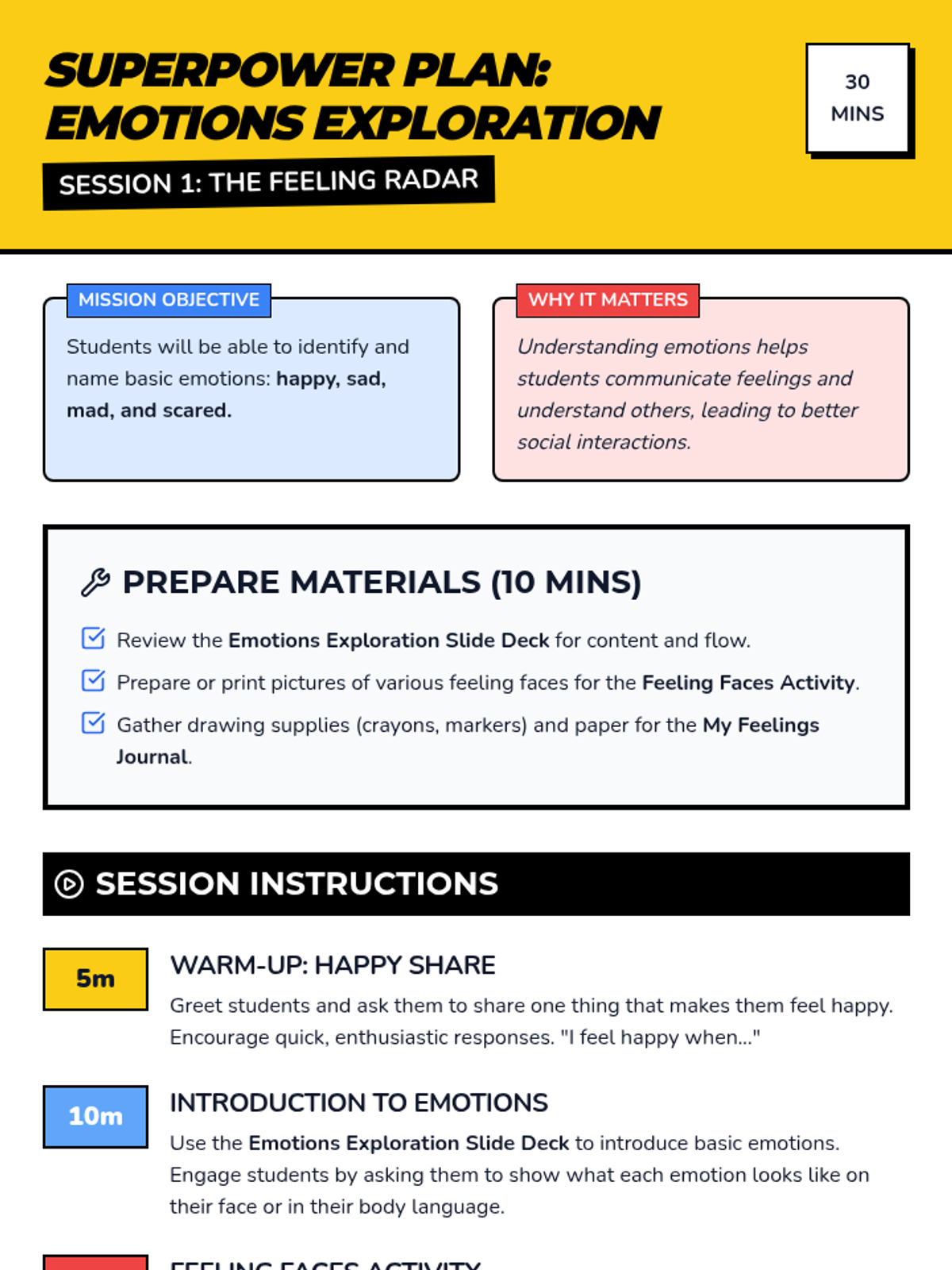
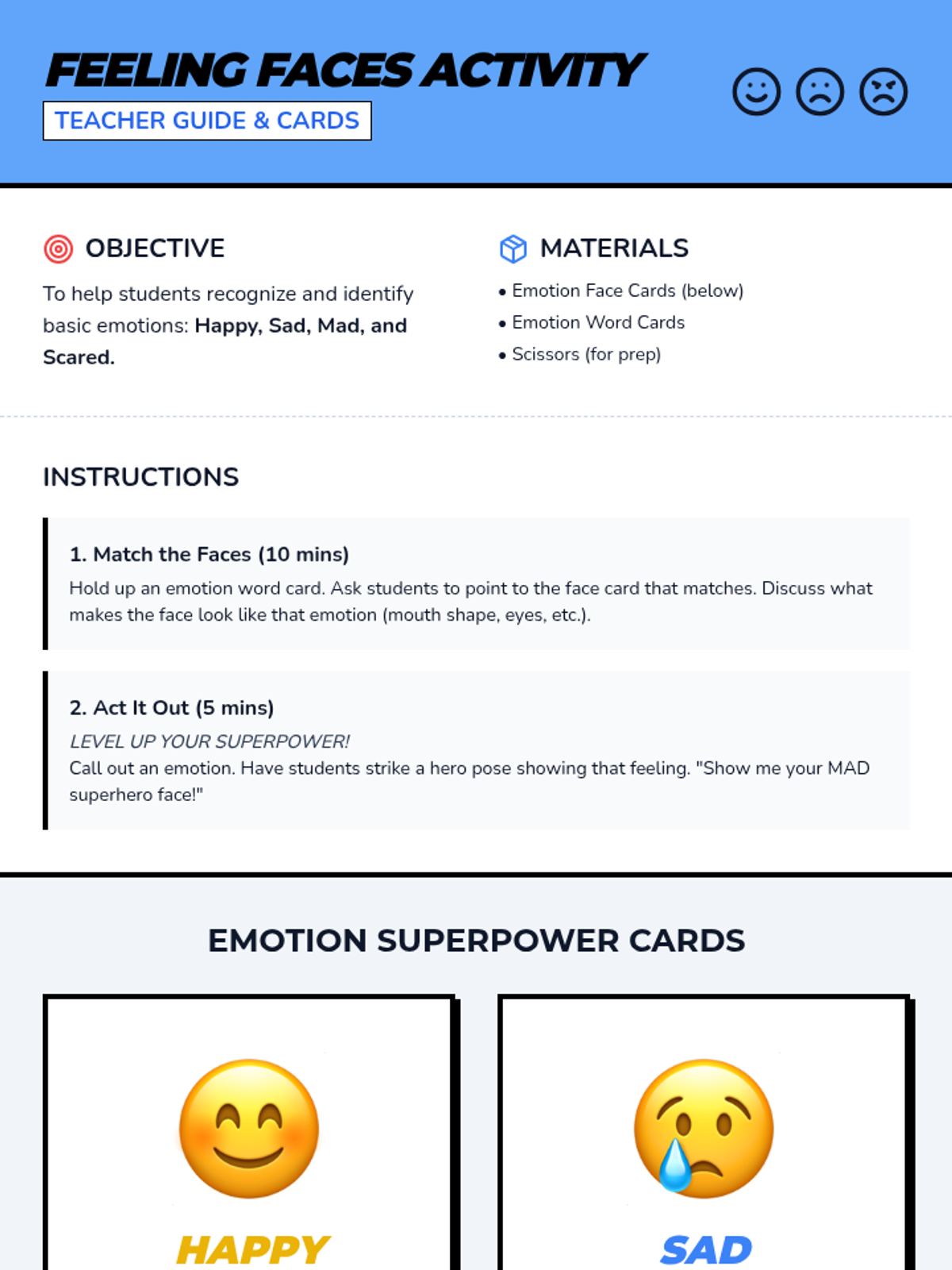
A 6-week small group guidance program for Pre-K, Kindergarten, and 1st-grade students to manage school-related anxiety, build confidence, and develop emotional regulation skills through a superhero-themed curriculum.
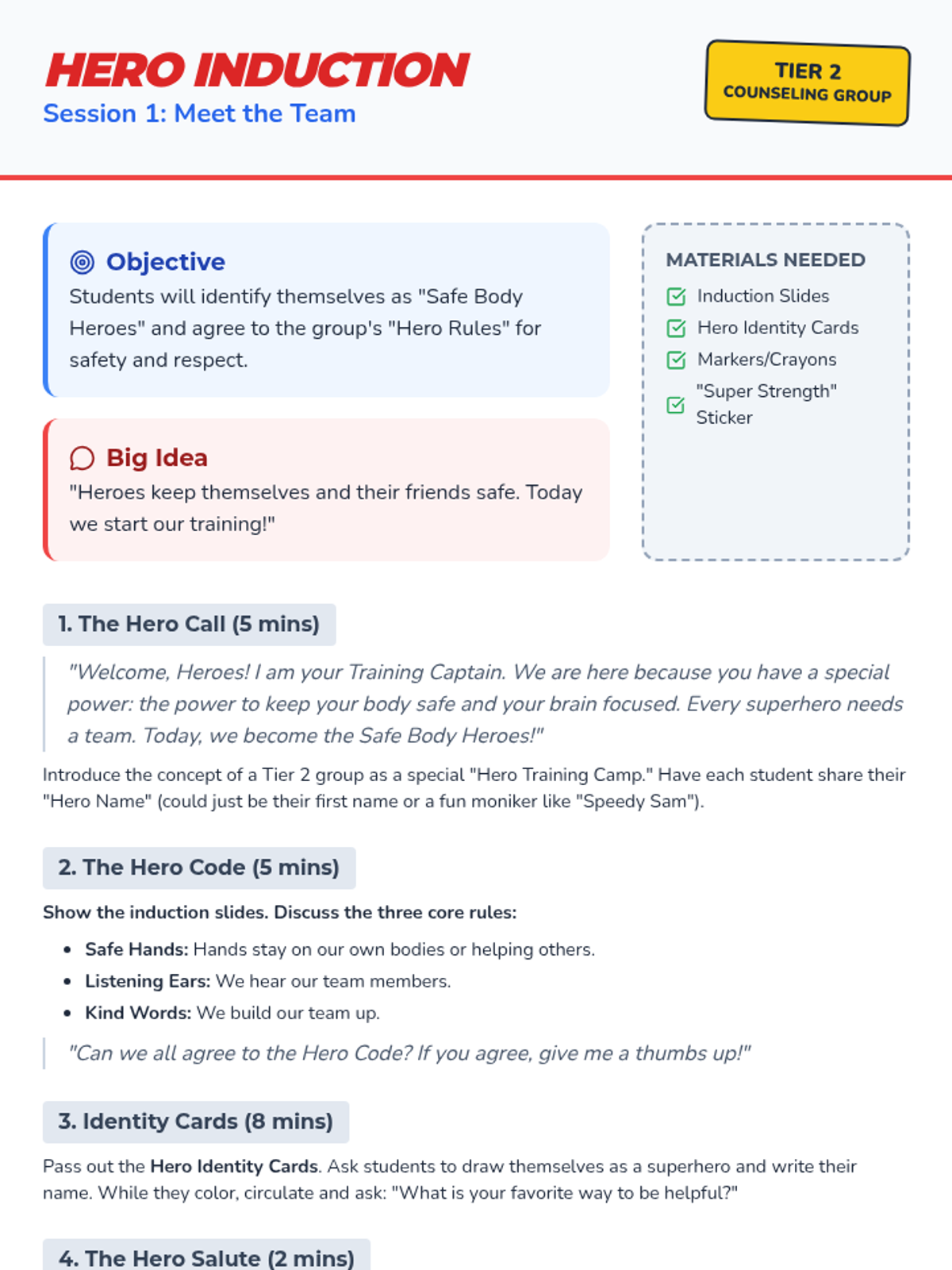
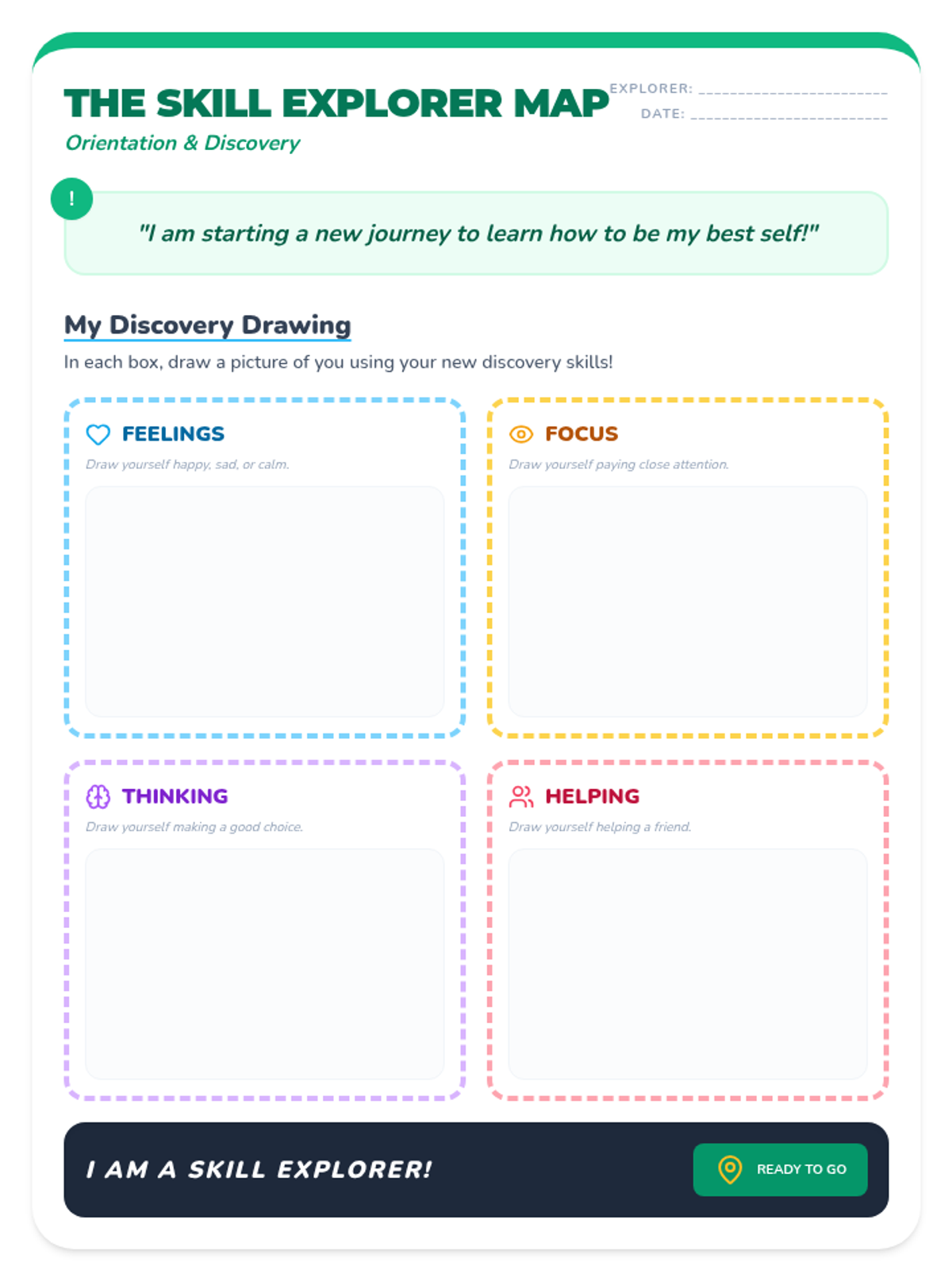
A 6-session Tier 2 intervention for Kindergarteners to develop emotional regulation, social skills, and safety awareness through a superhero-themed 'superpower' lens.
A 12-session Tier 2 social-emotional group for kindergarteners focusing on self-regulation, body safety, and prosocial skills using a superhero theme.
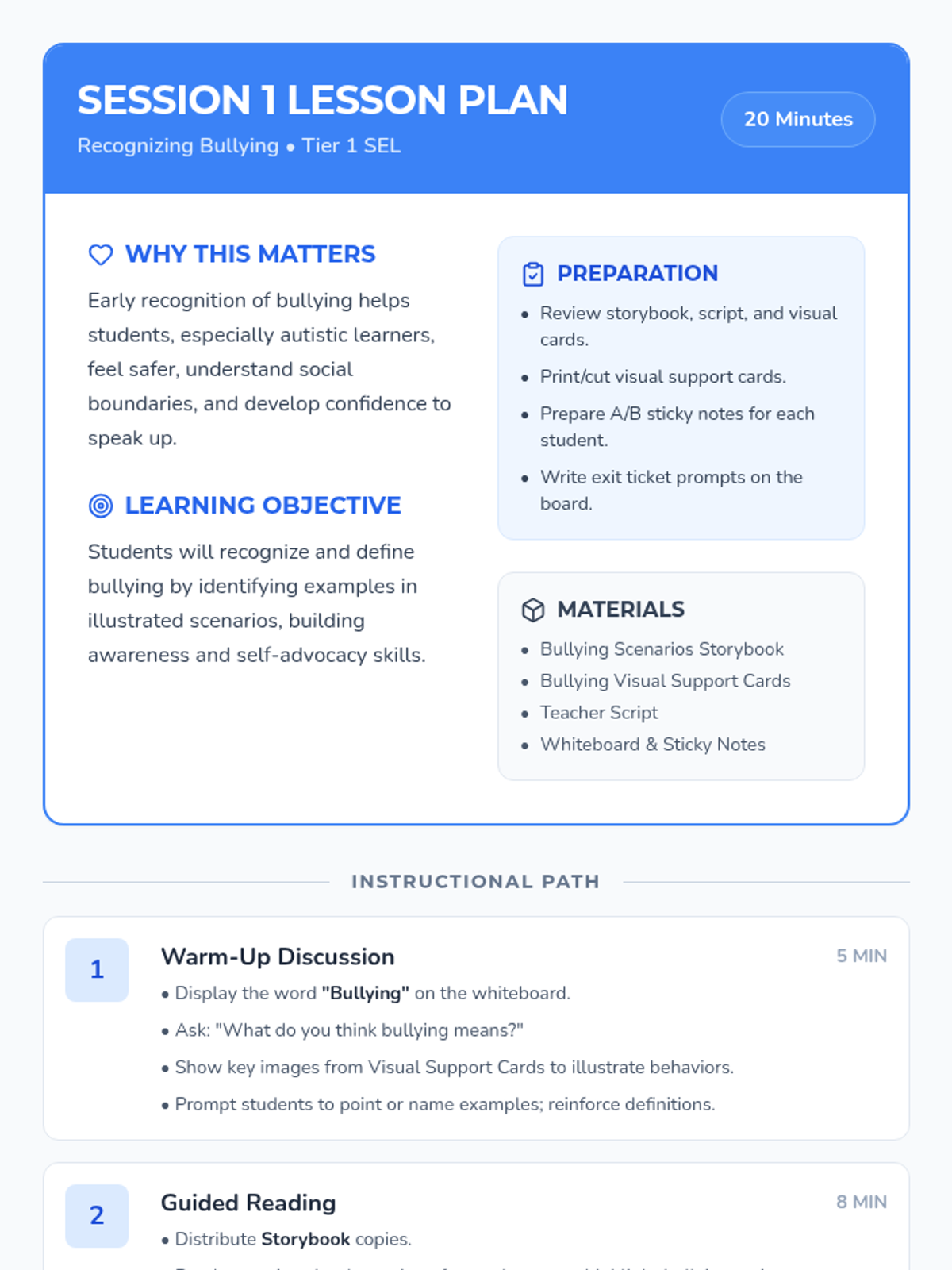
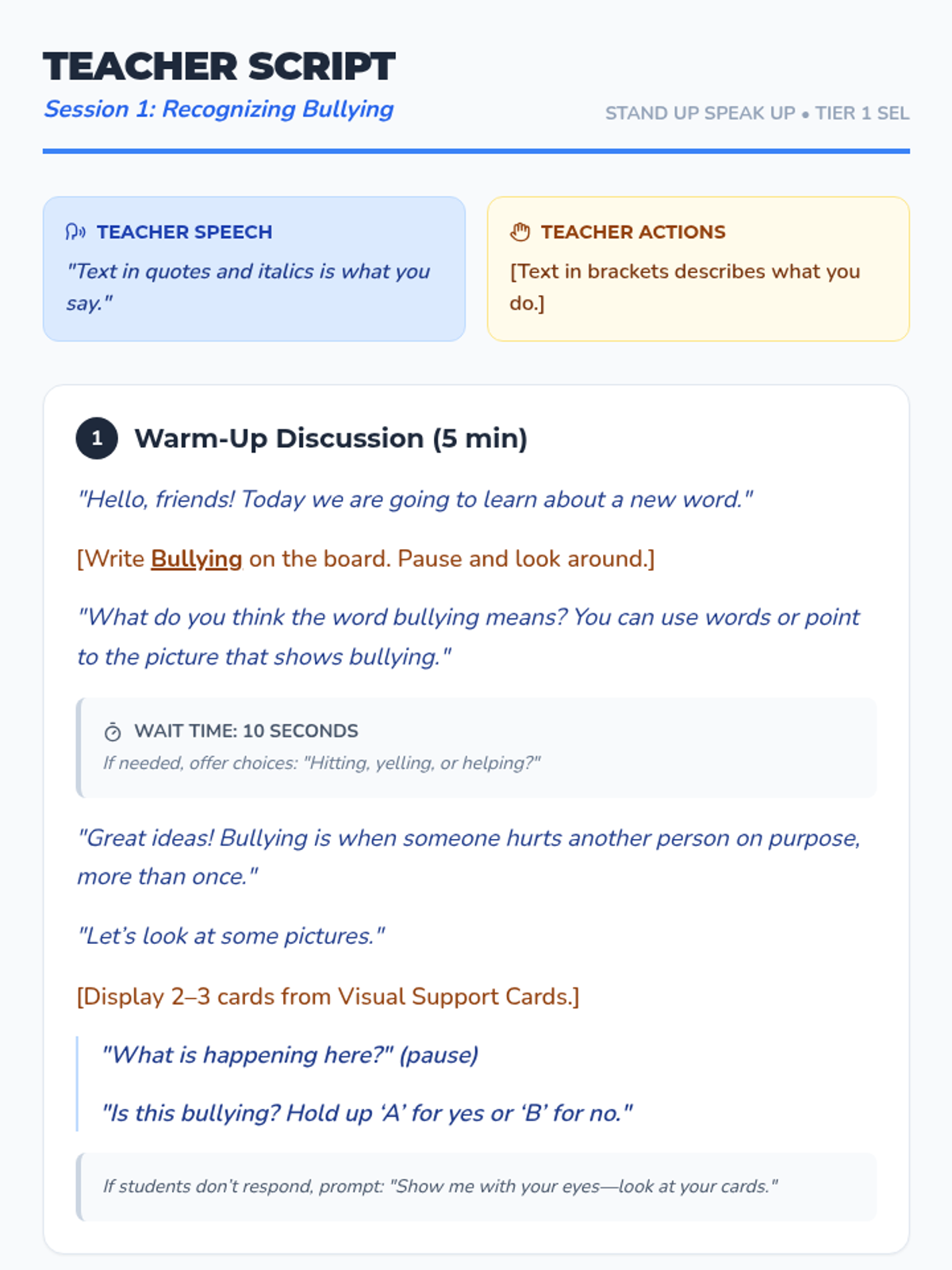
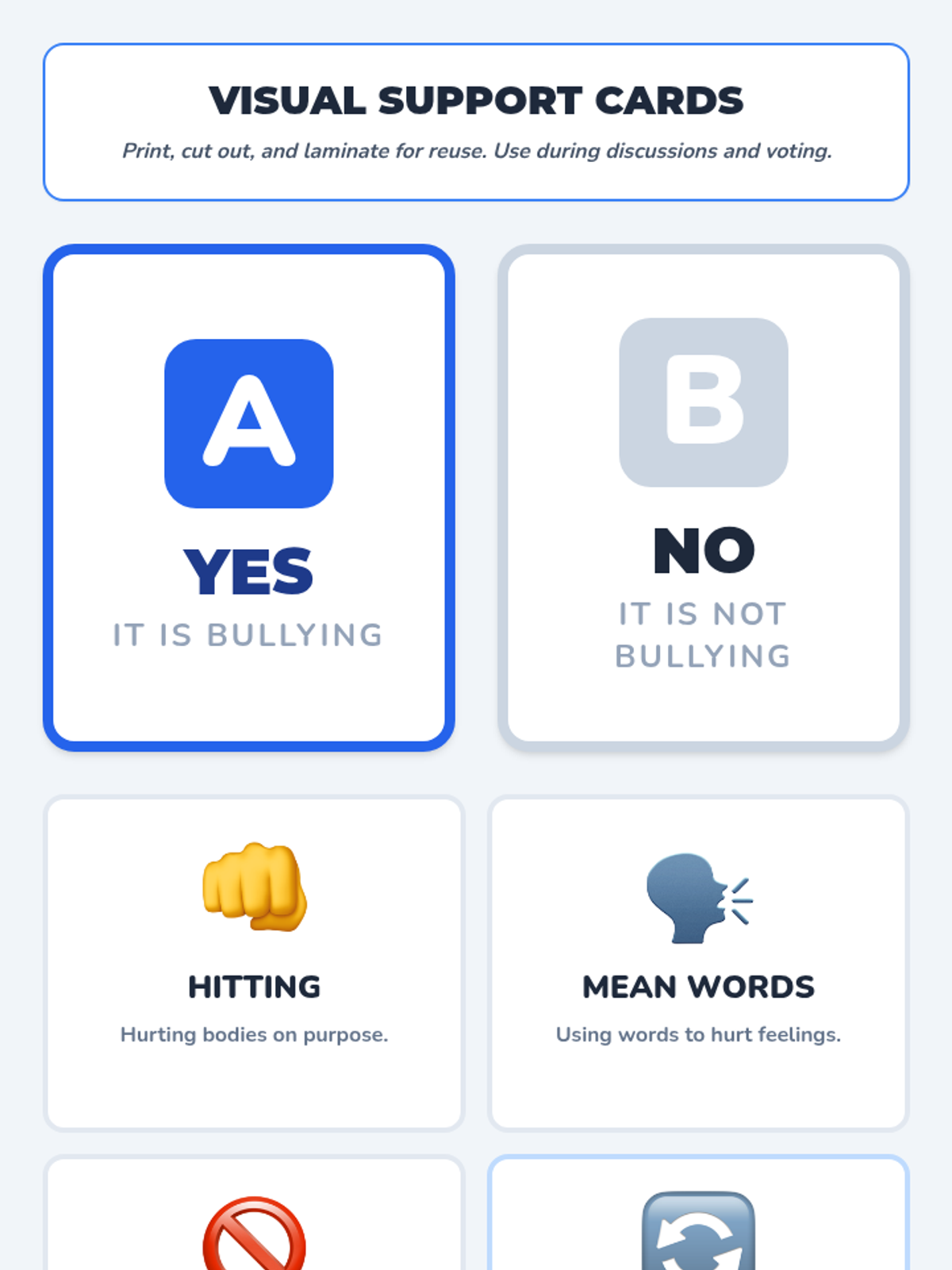
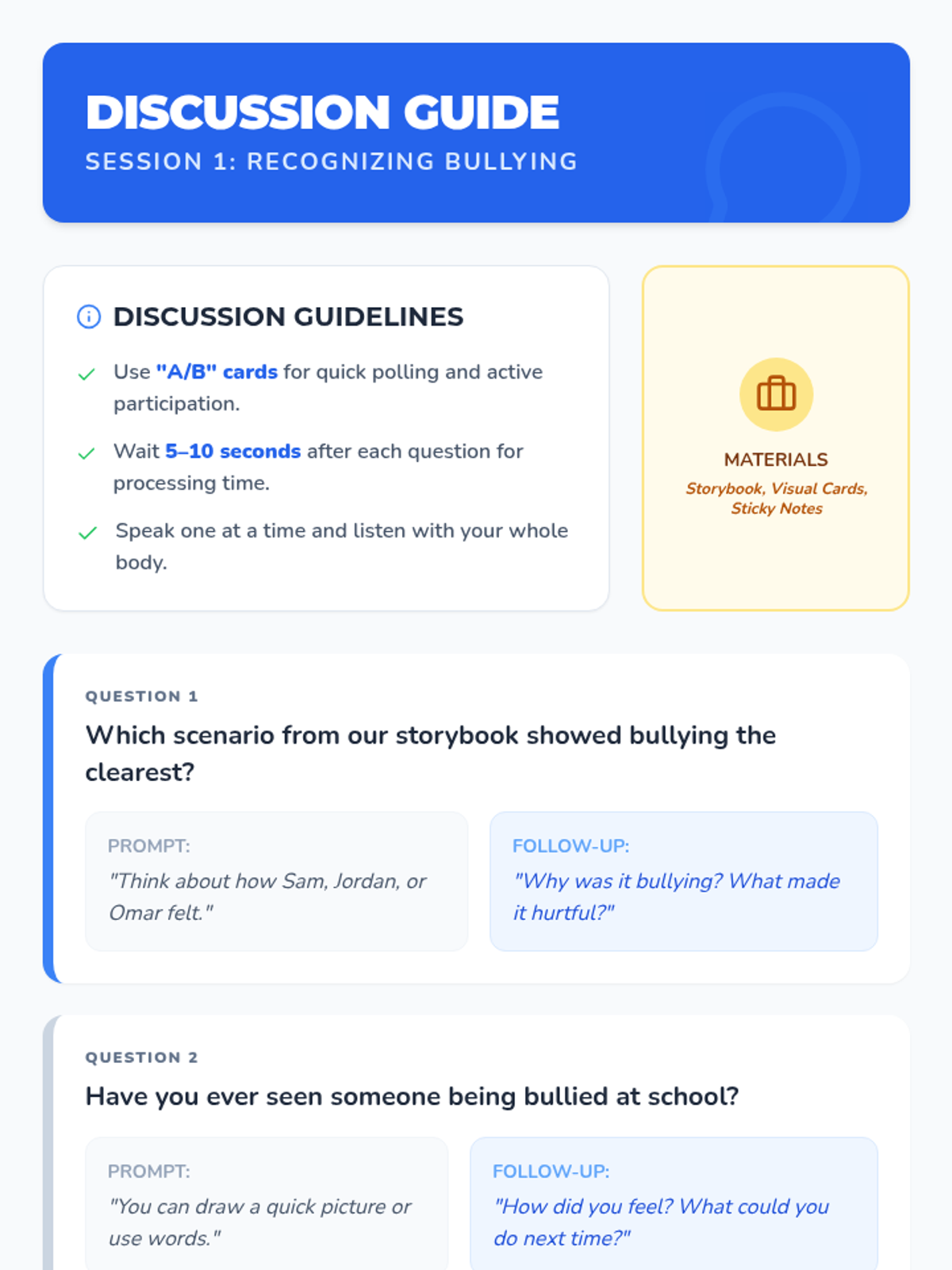
A three-session Tier 1 SEL sequence designed for autistic students to recognize, prevent, and respond to bullying through visual supports, clear scripts, and interactive scenarios.
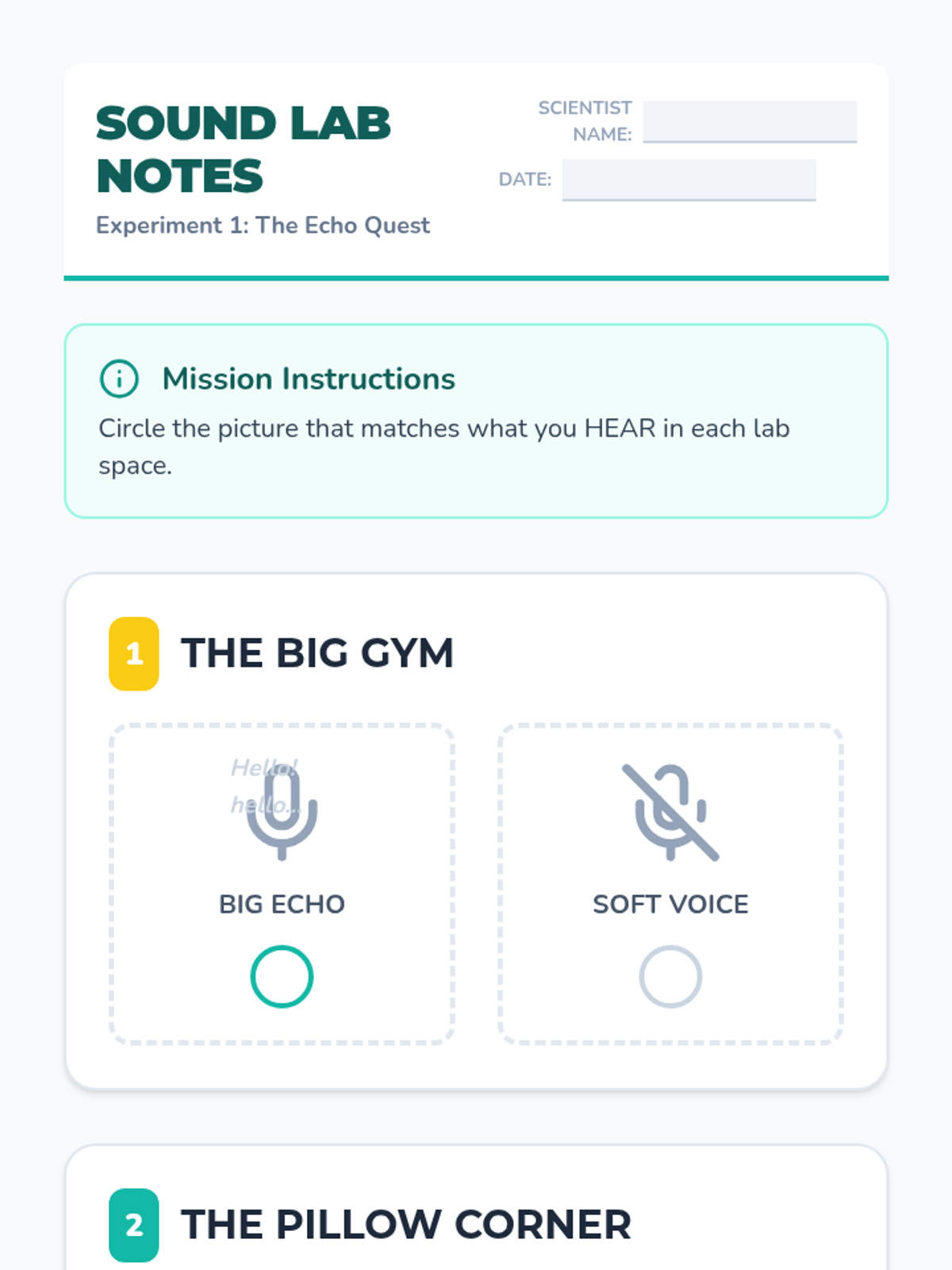
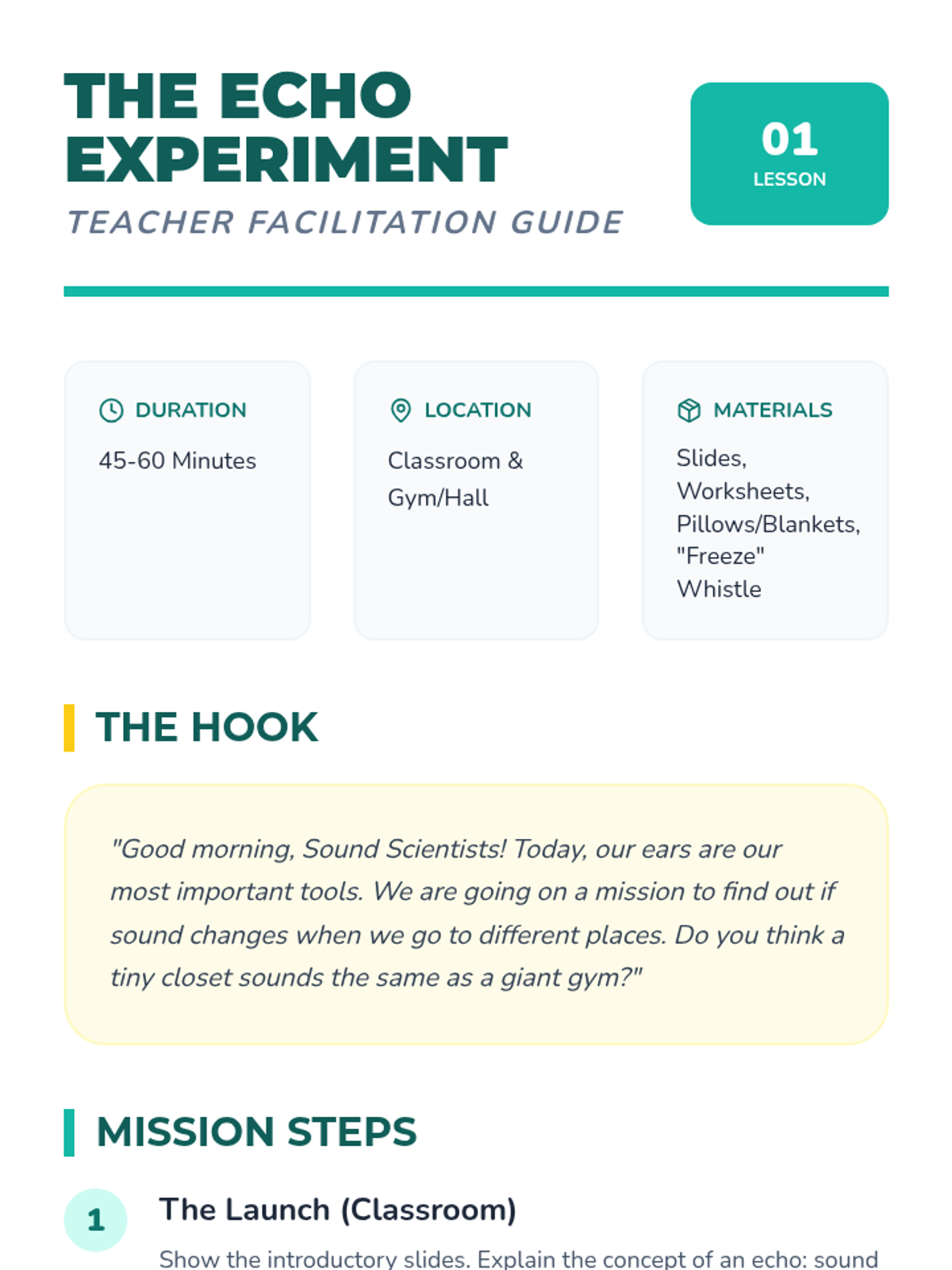
A Pre-K social communication sequence where students act as 'Sound Scientists' to investigate how environment, distance, and context dictate appropriate voice volume. Through hands-on experiments and school-wide observations, students learn to read environmental cues to regulate their volume.
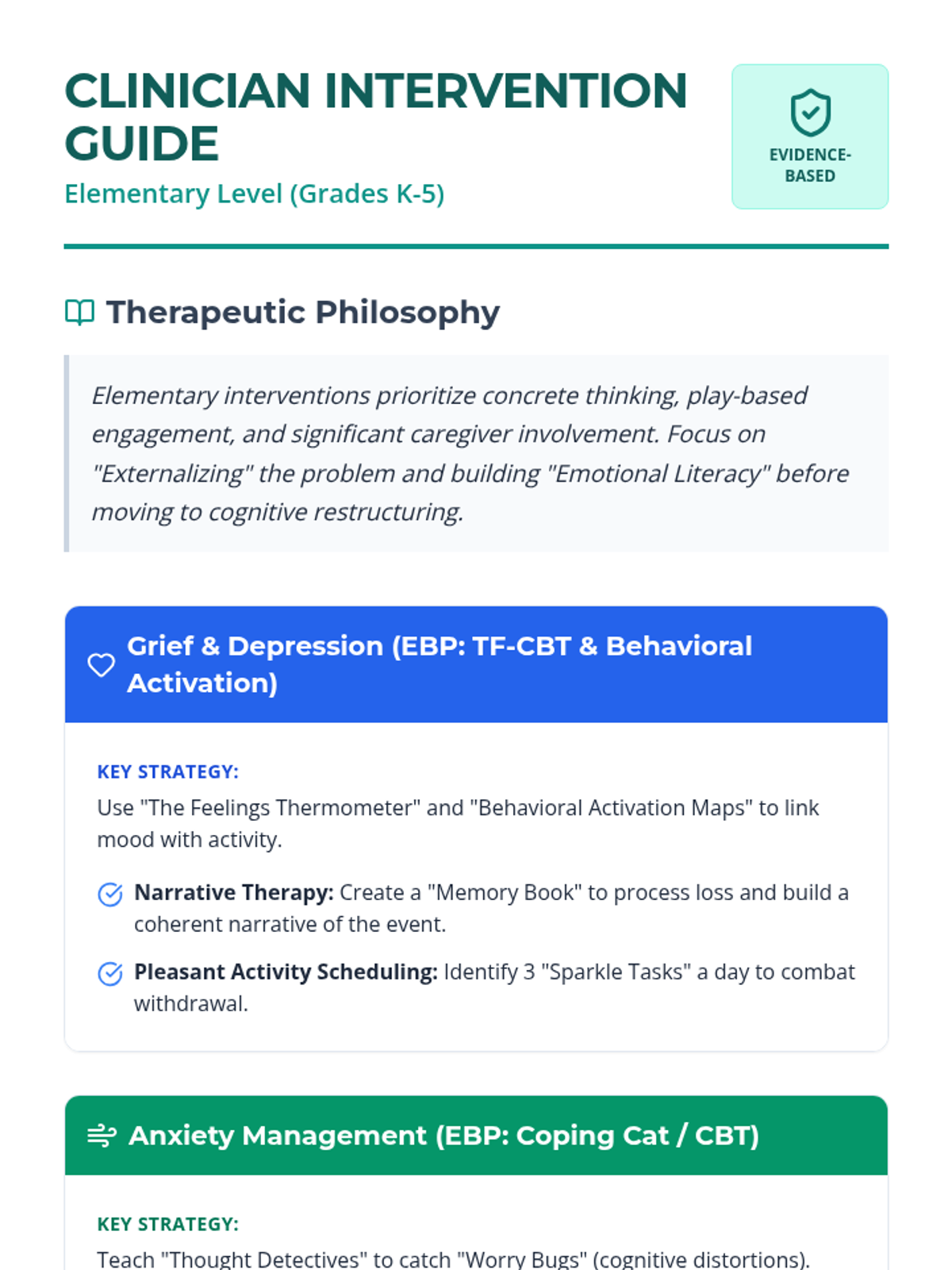
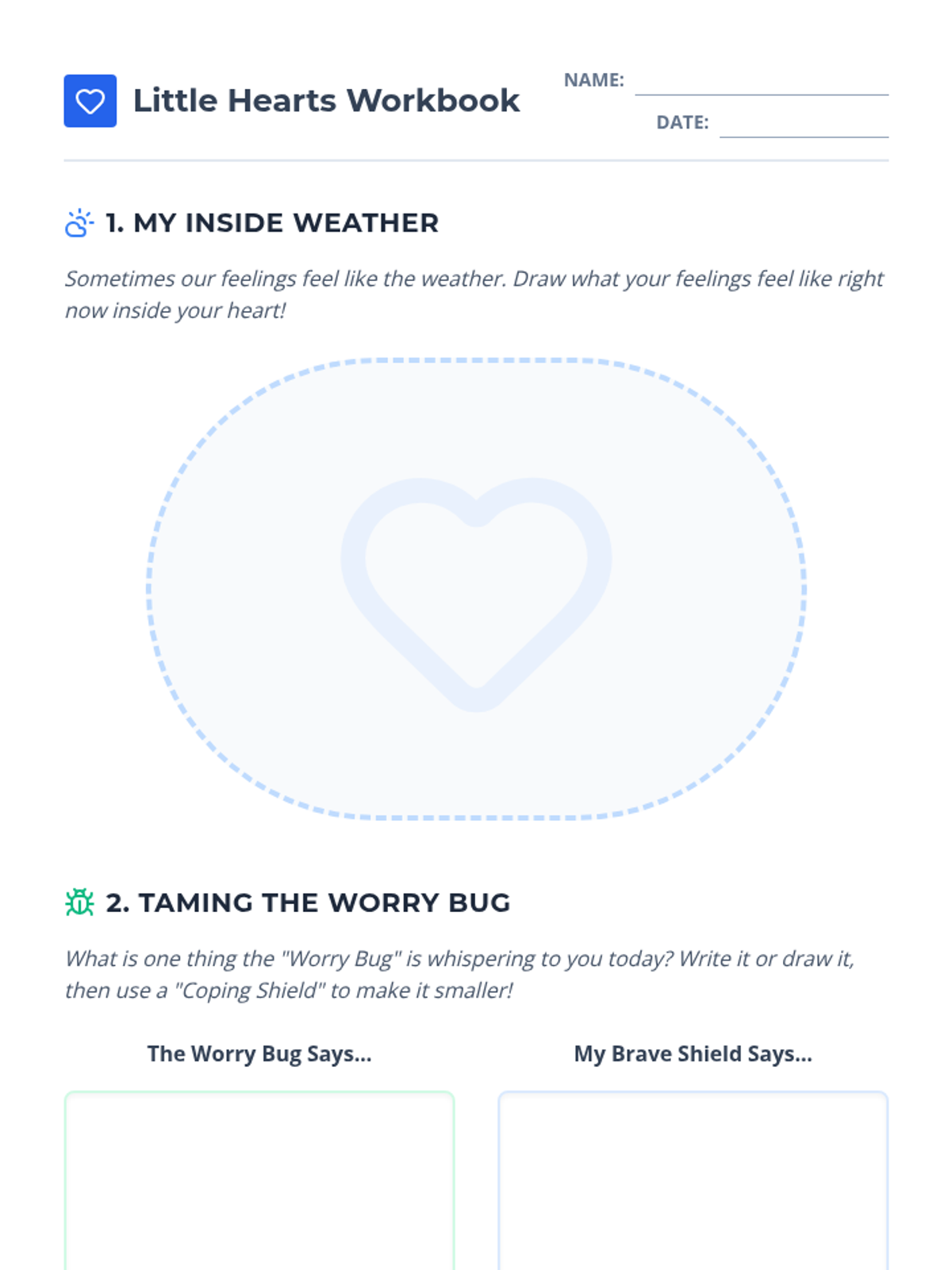
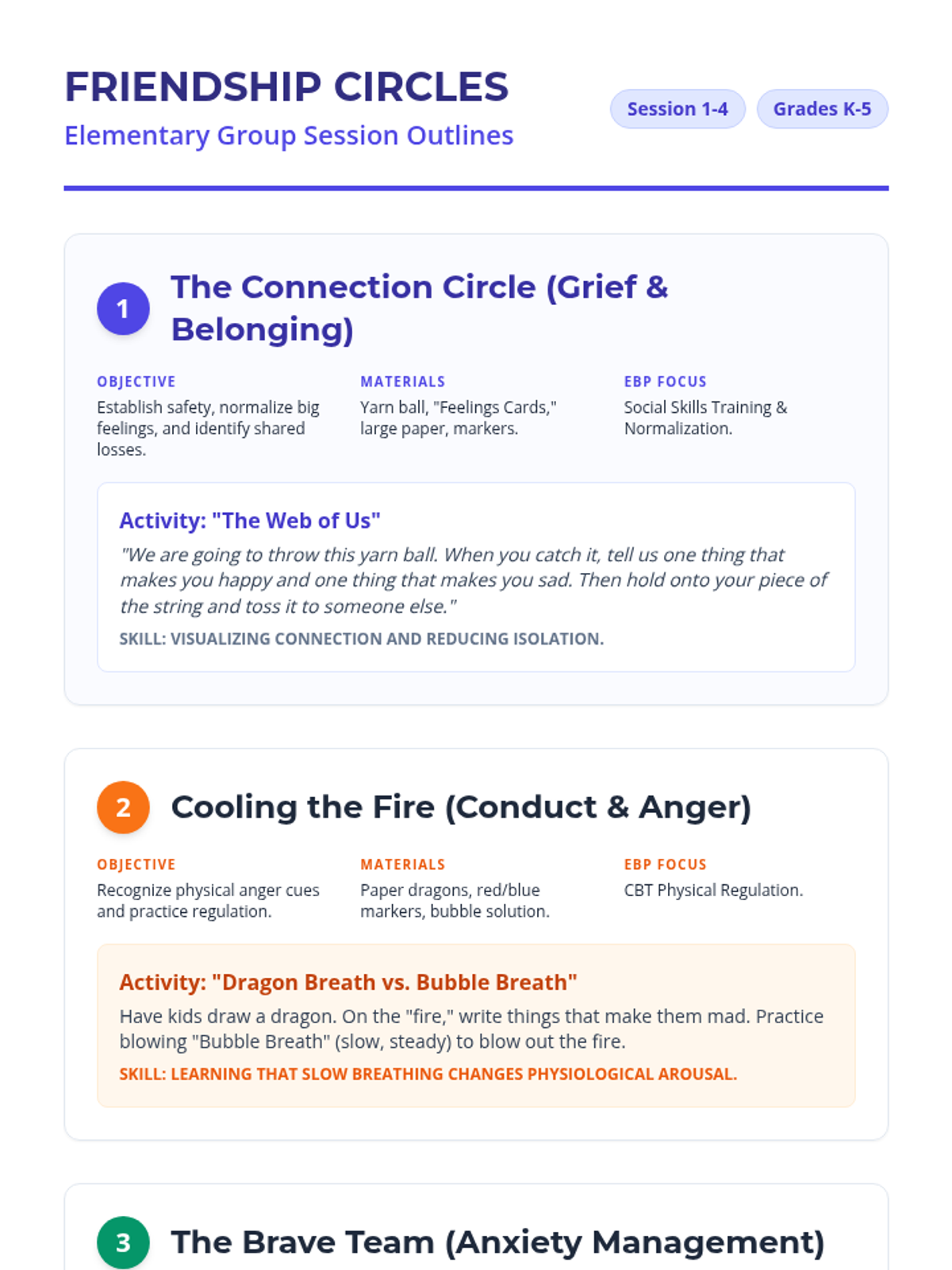
A comprehensive suite of evidence-based mental health interventions and resources for school clinicians, covering grief, depression, anxiety, conduct disorders, and crisis prevention for K-12 students.
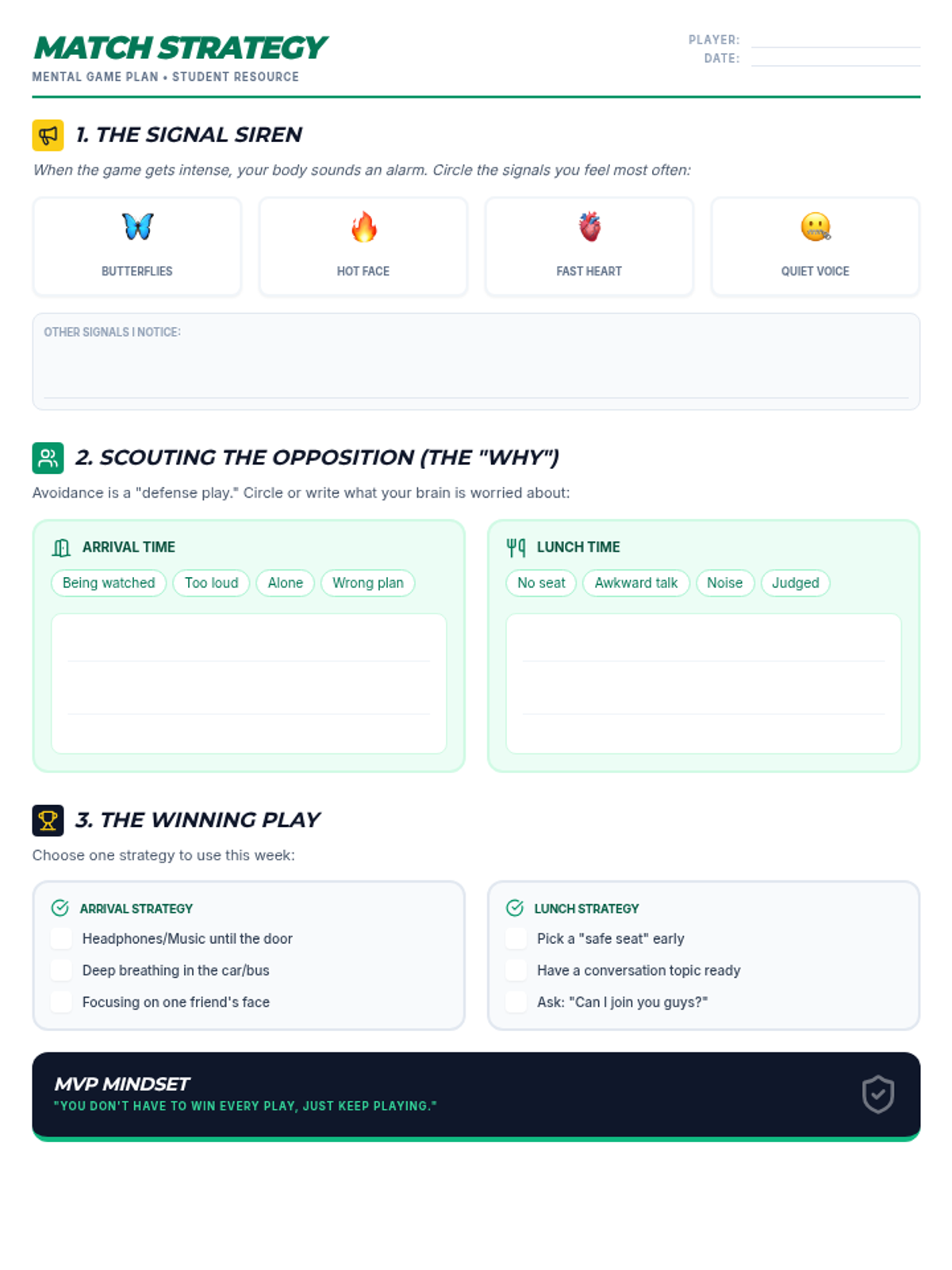
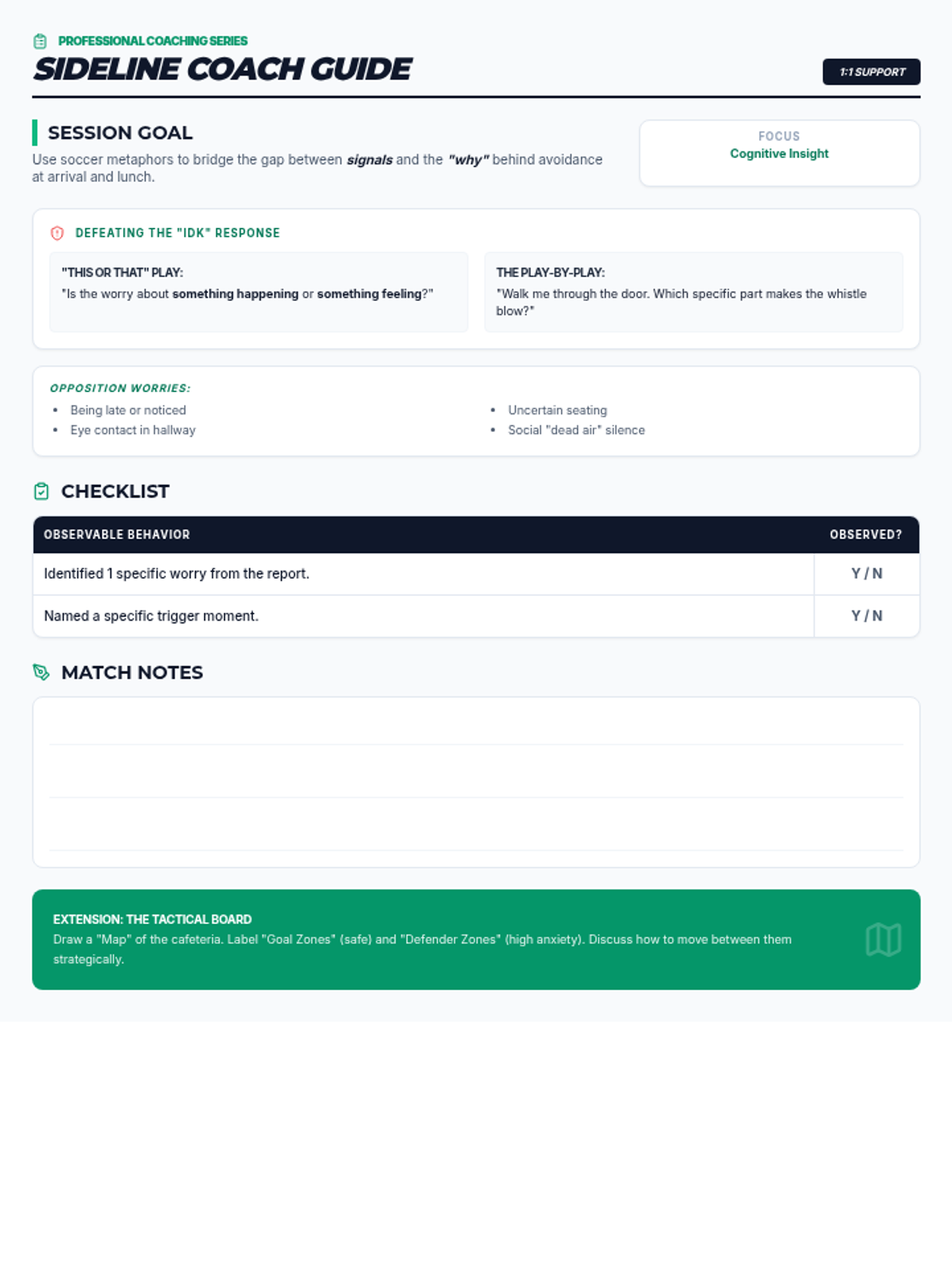
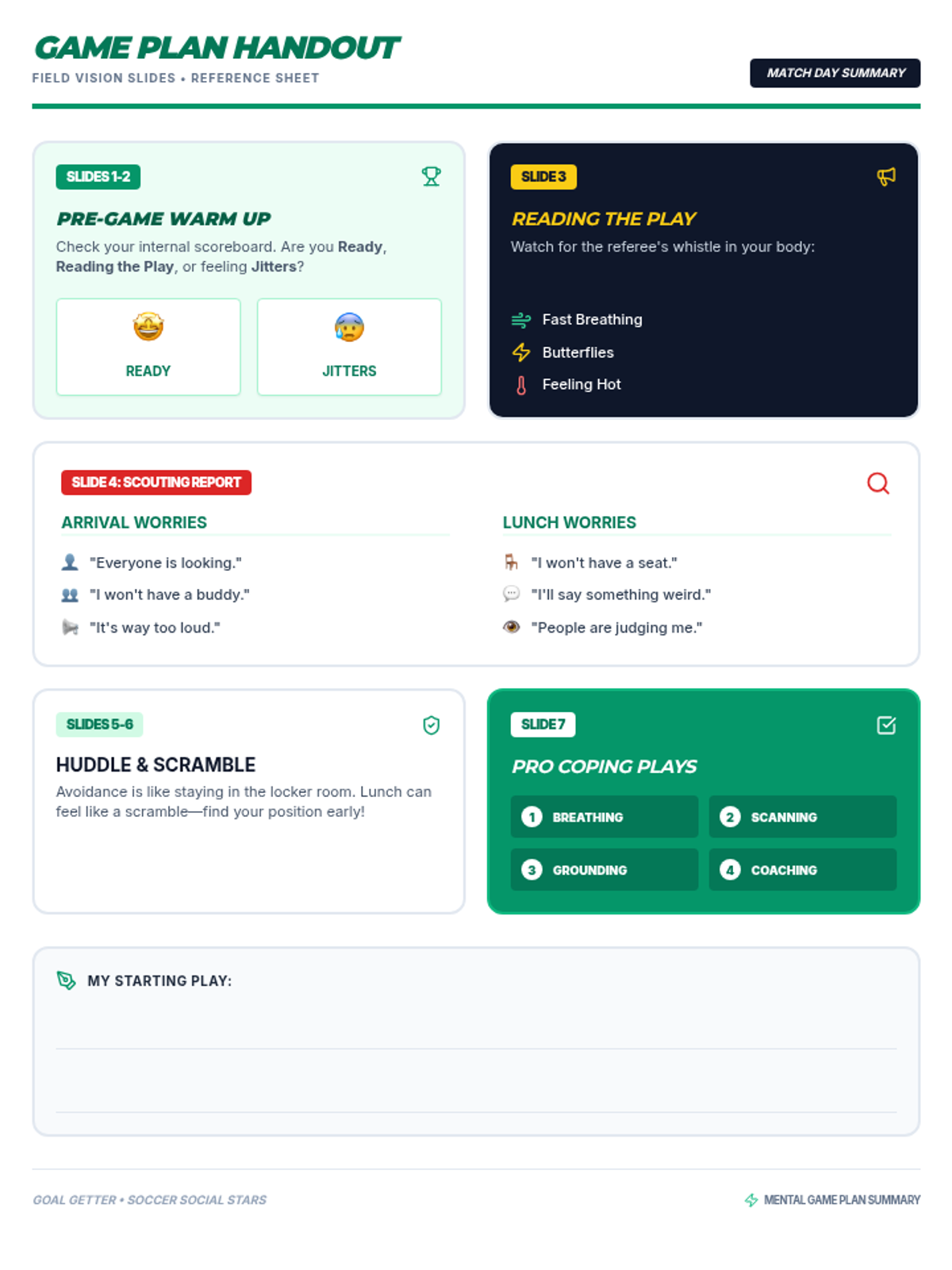
A soccer-themed social-emotional learning series focused on identifying social anxiety signals and developing coping strategies for school-based avoidance.
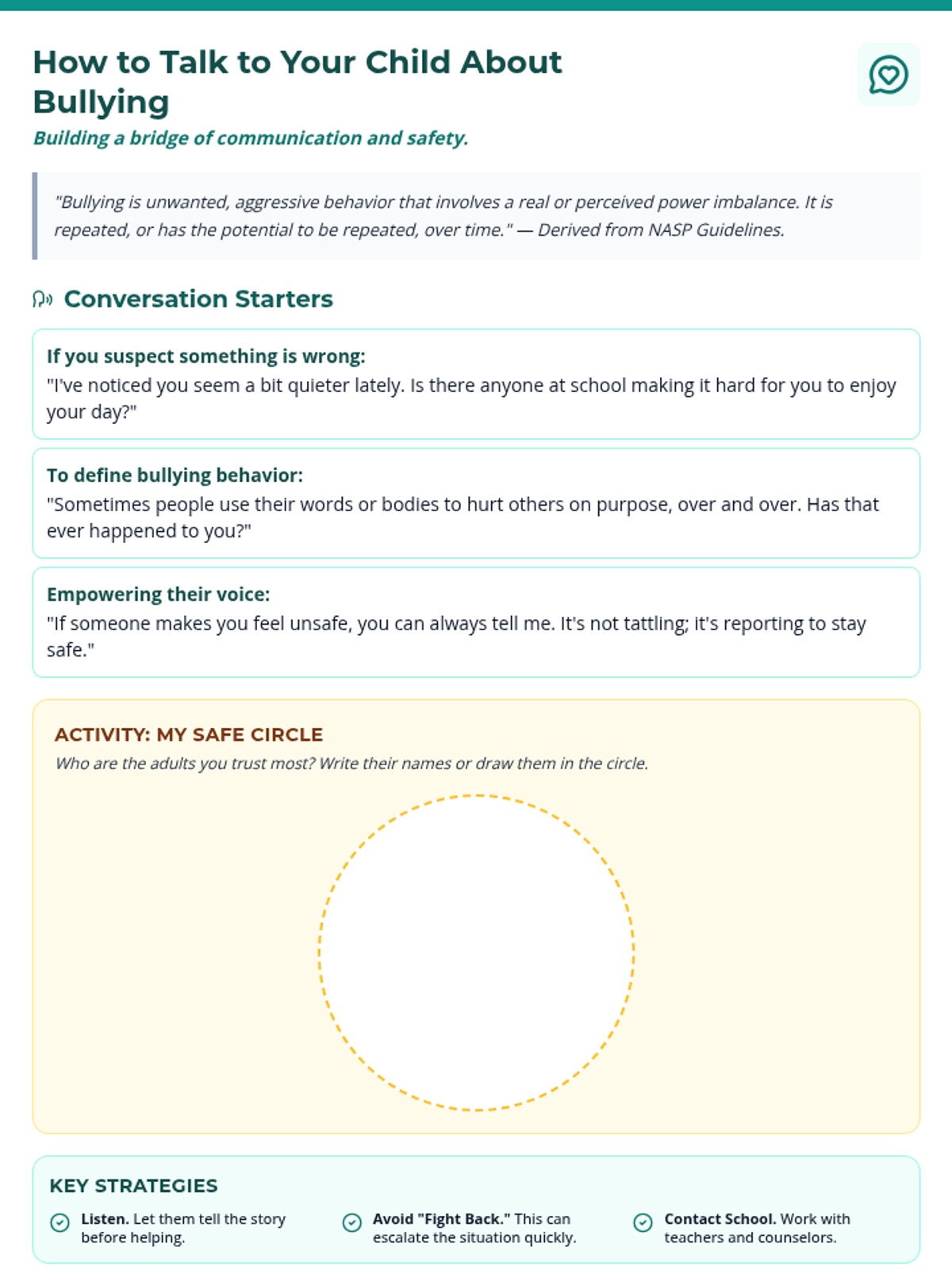
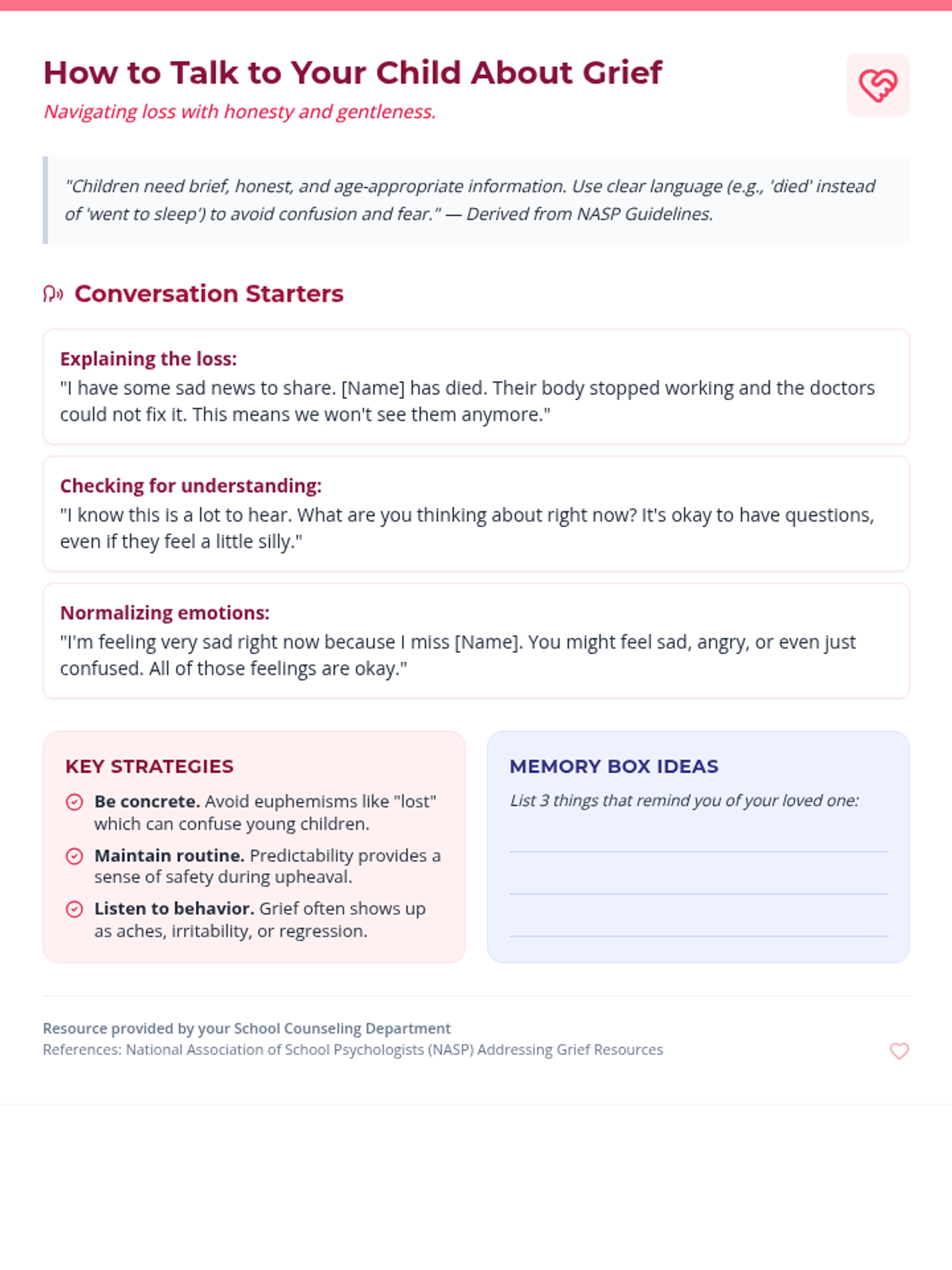
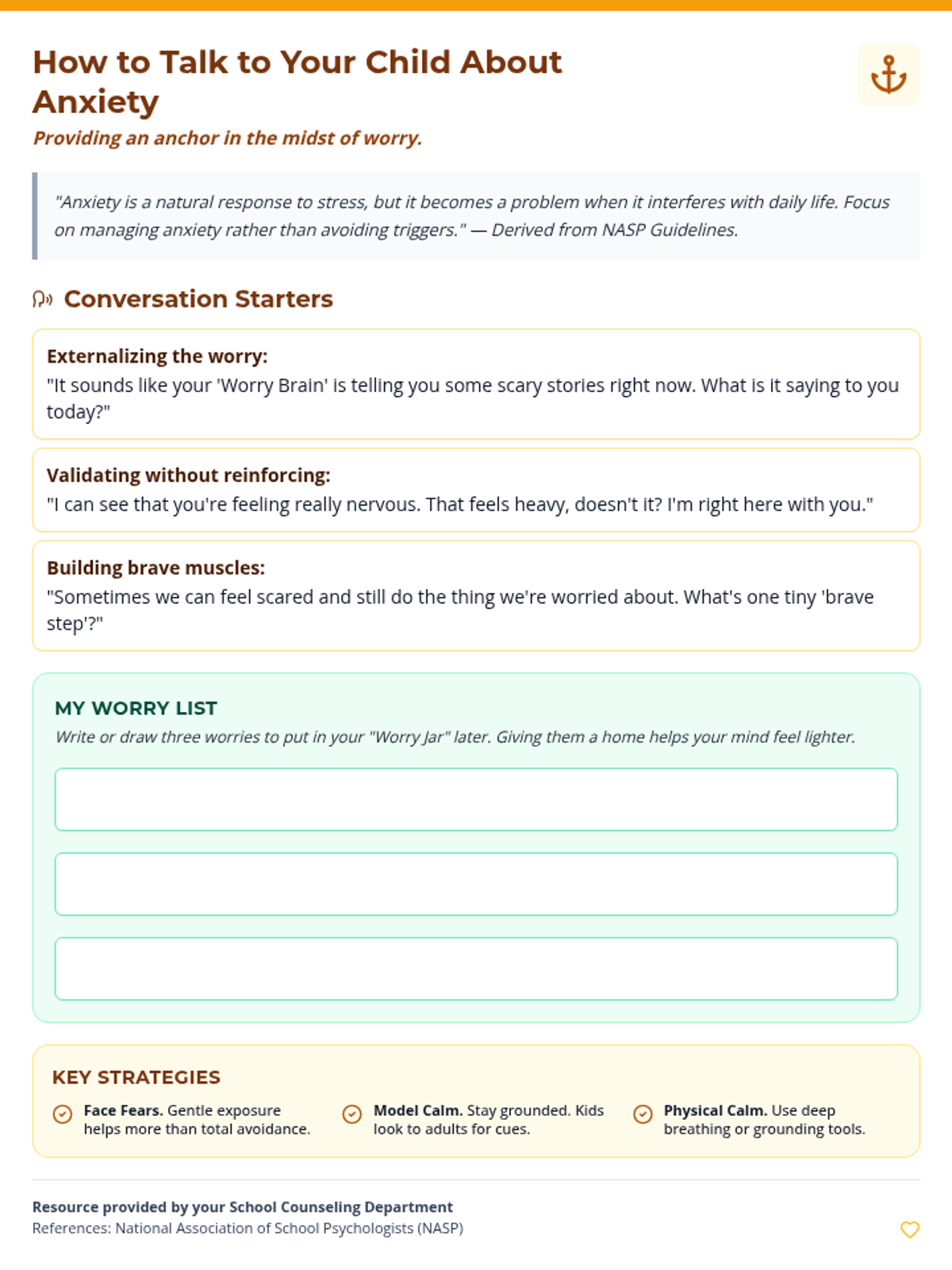
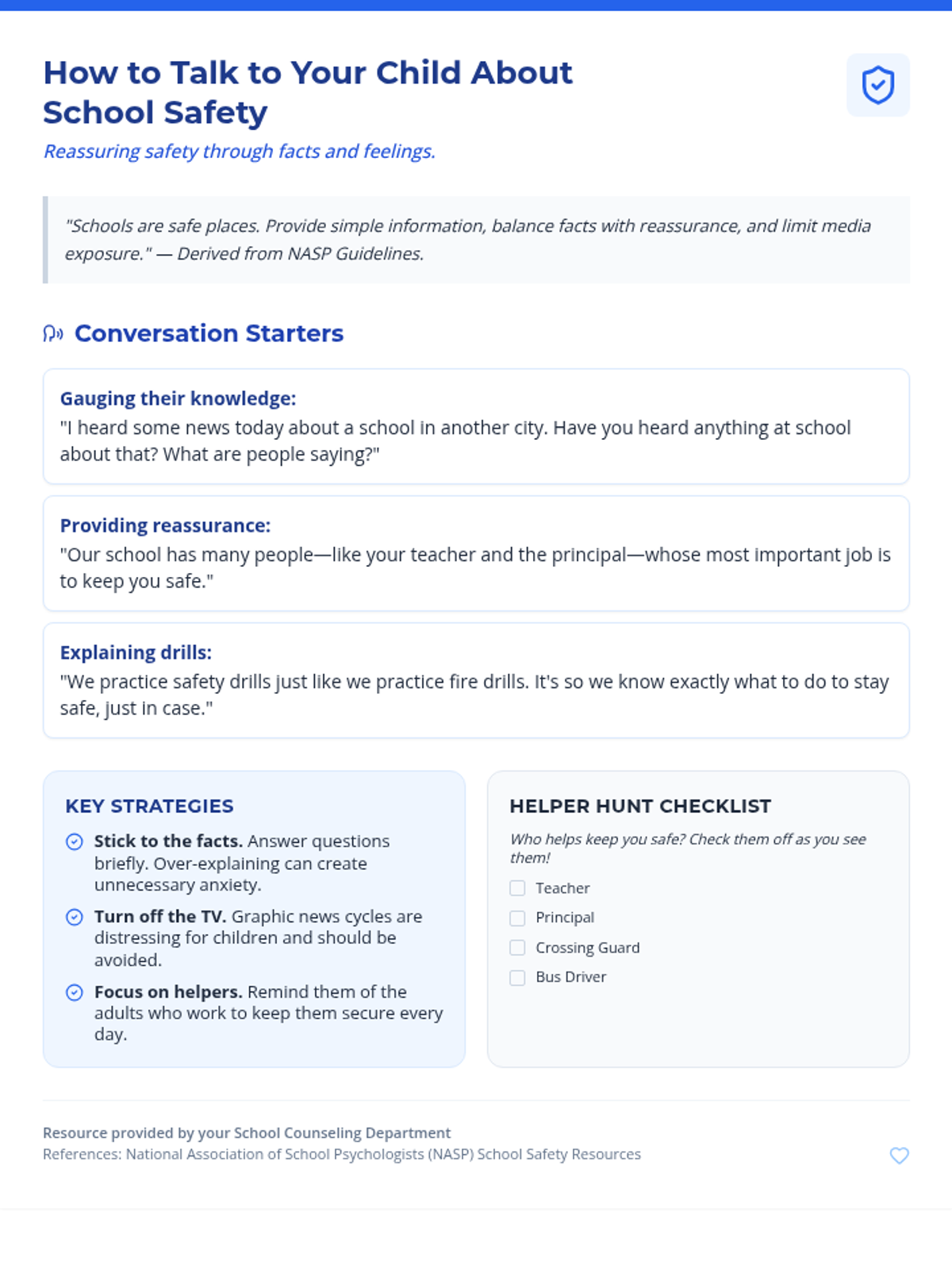
A comprehensive series of parent handouts designed for elementary school counselors to facilitate difficult conversations between parents and children. Grounded in NASP guidelines, these resources provide evidence-based strategies for addressing bullying, grief, anxiety, and school safety.
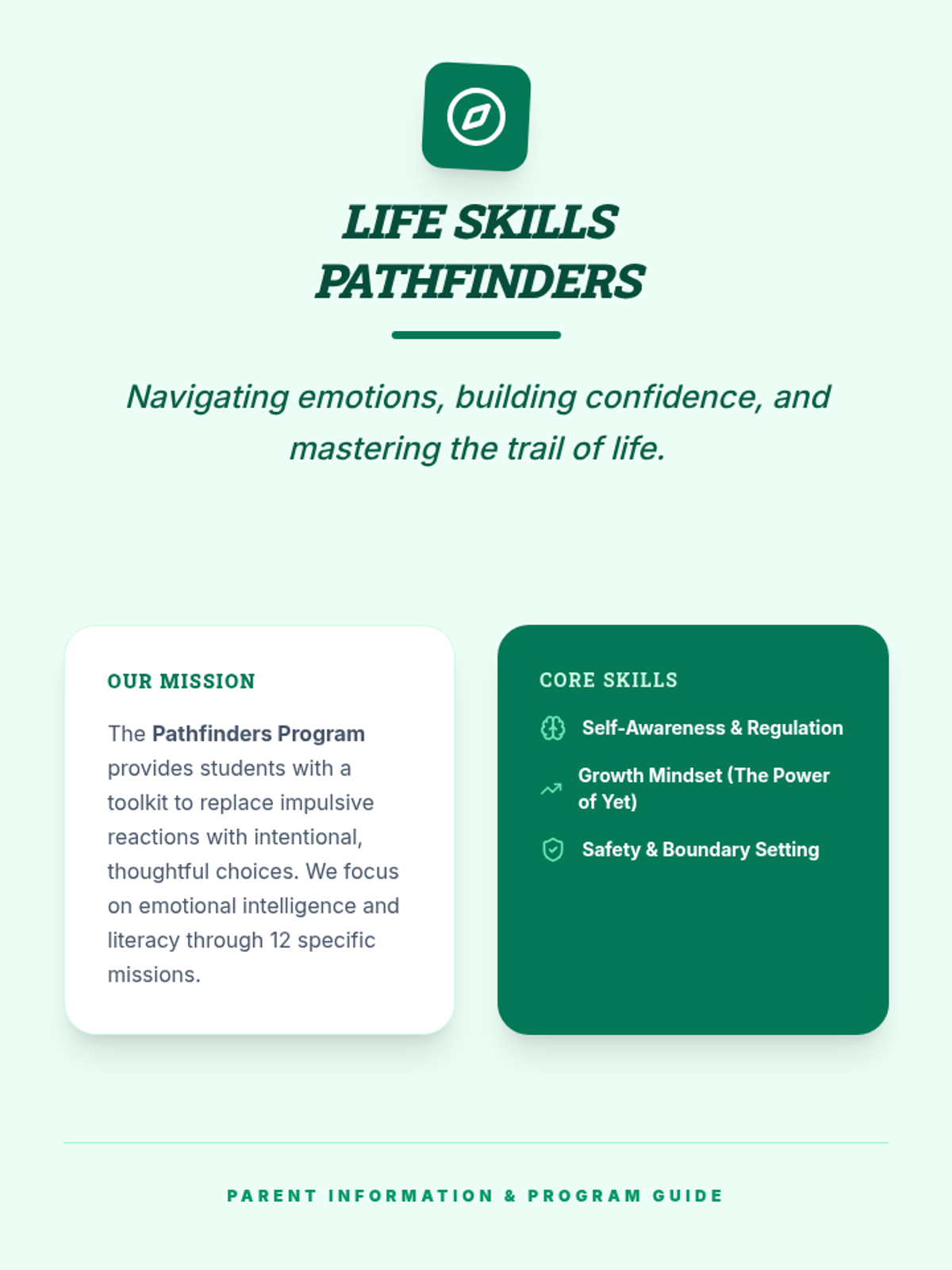
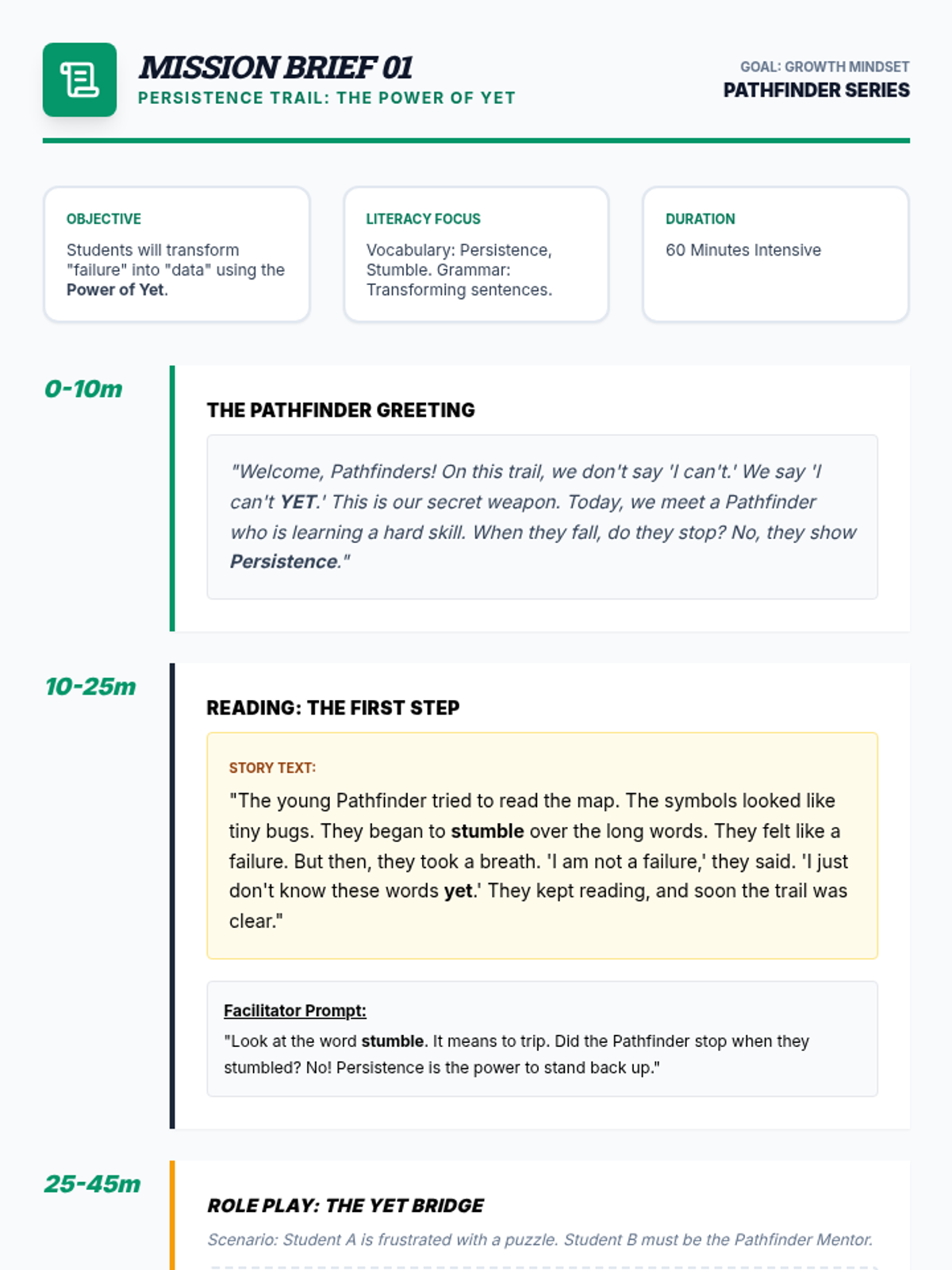
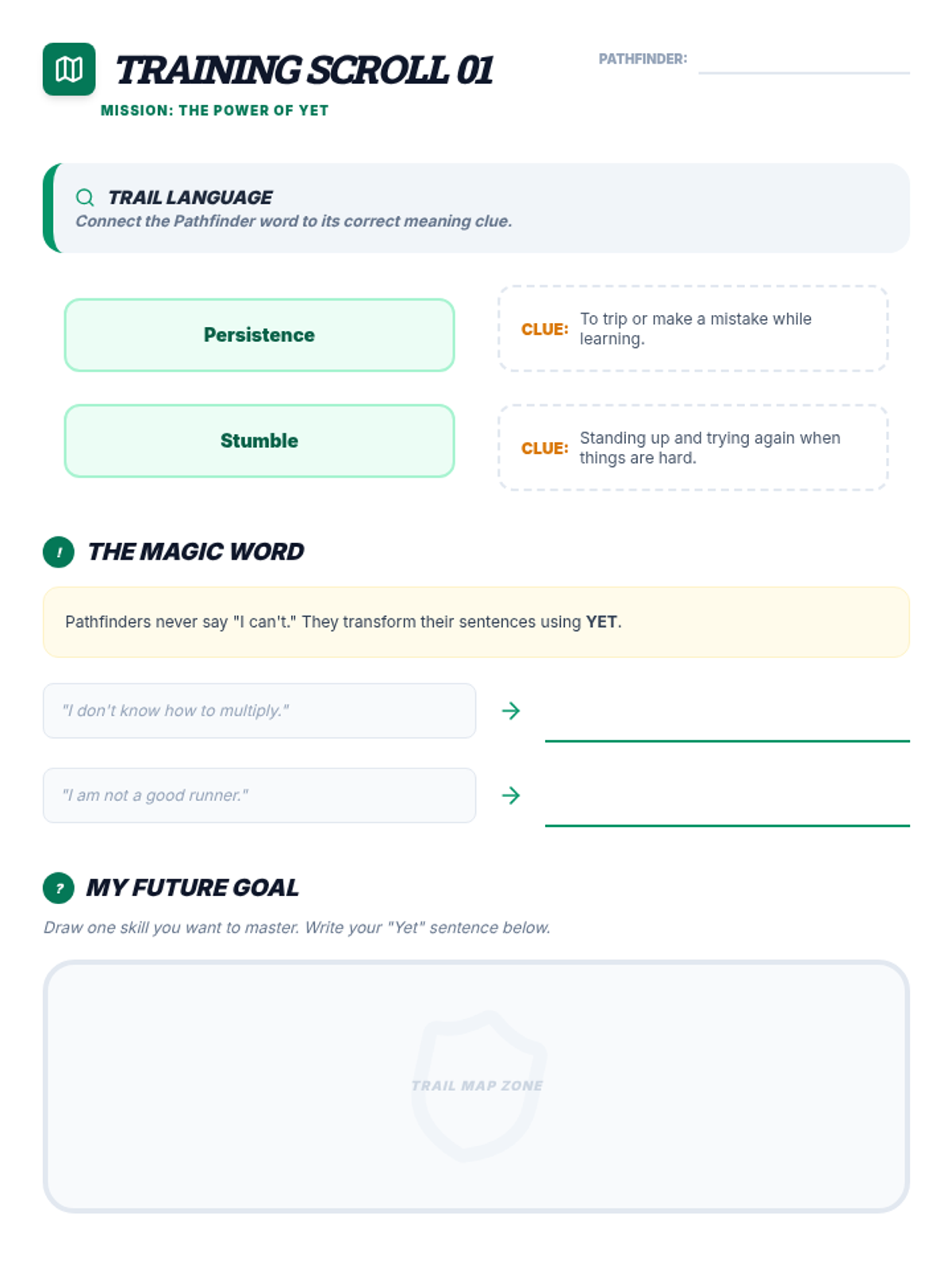
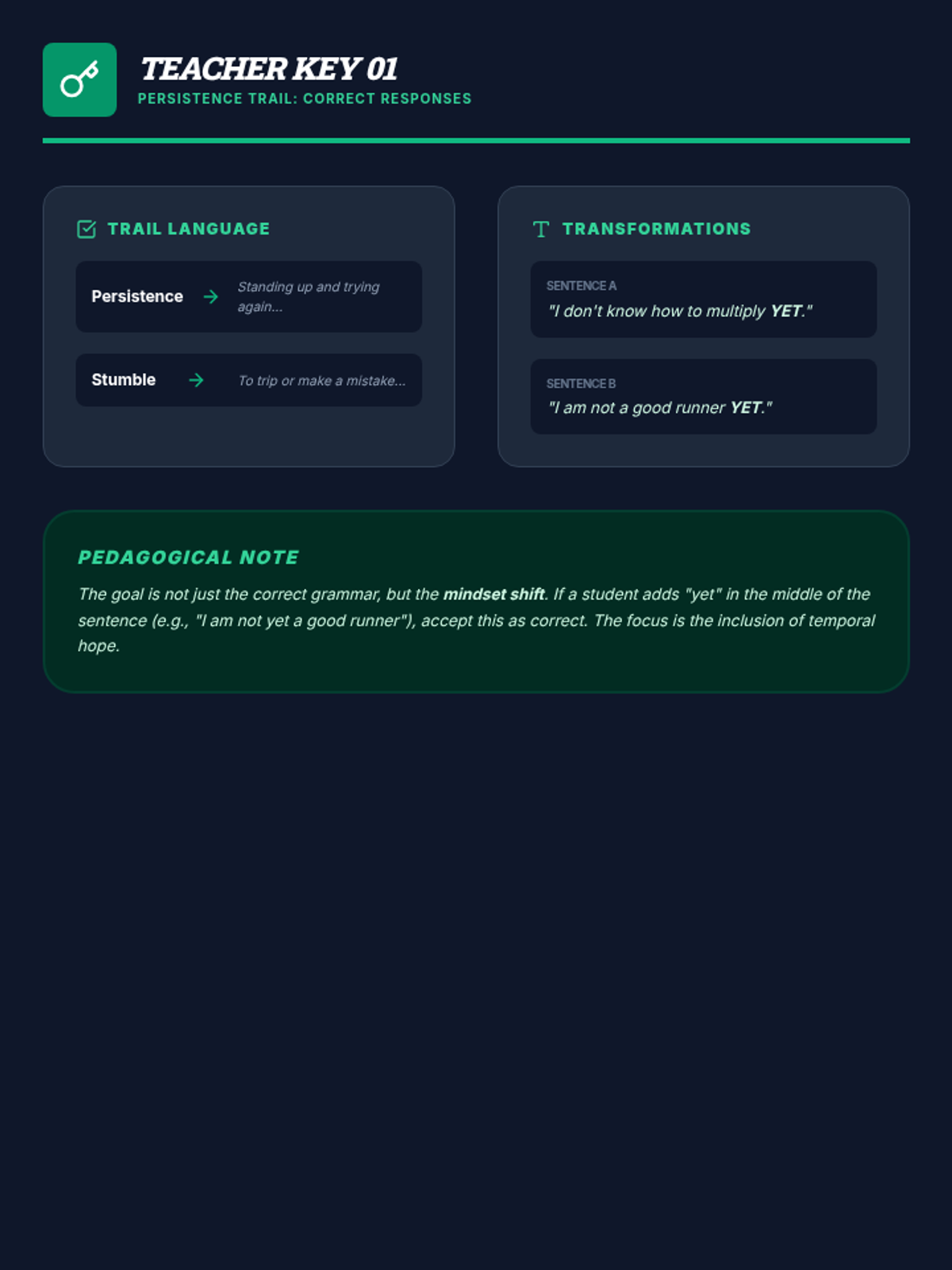
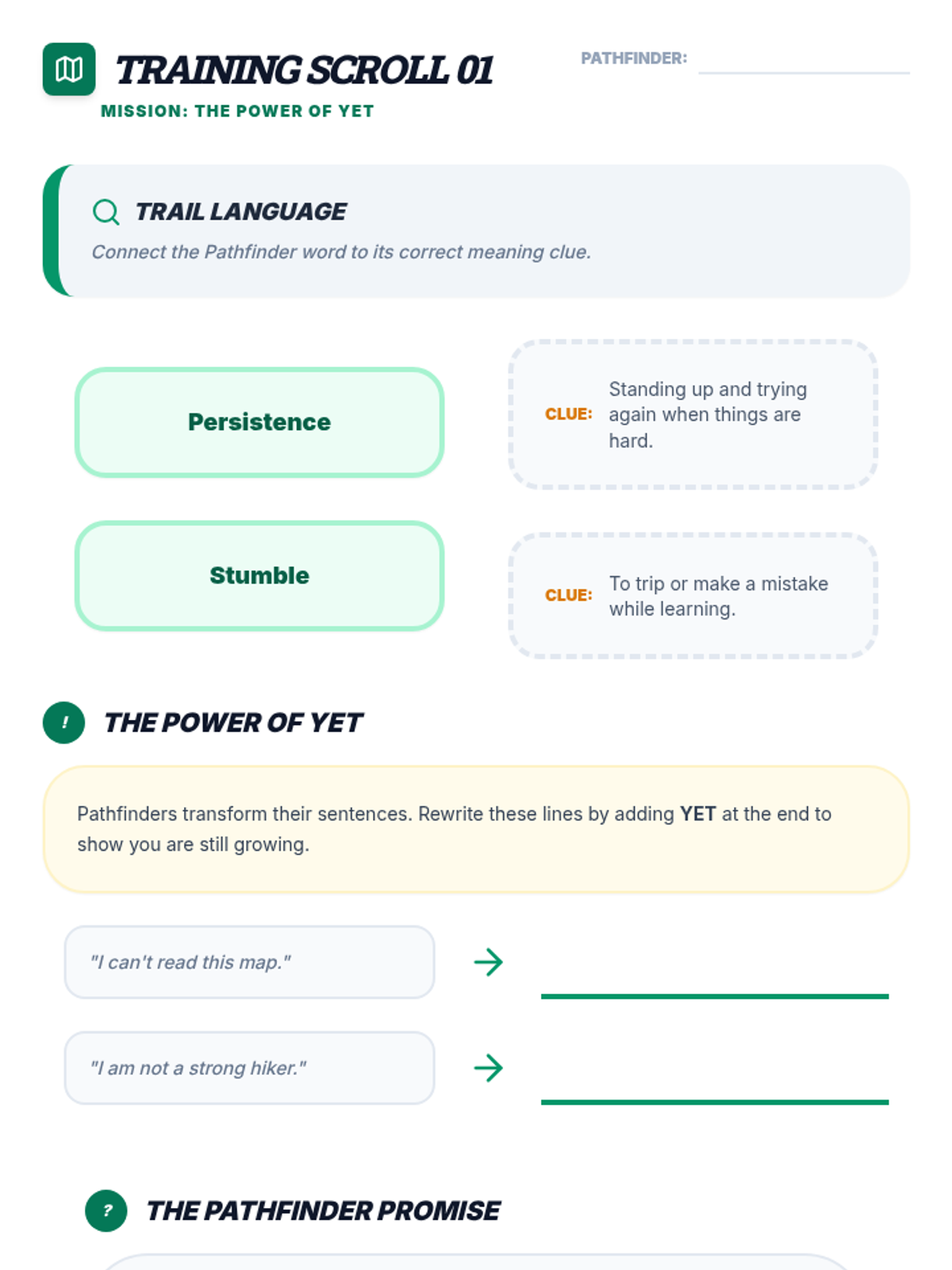
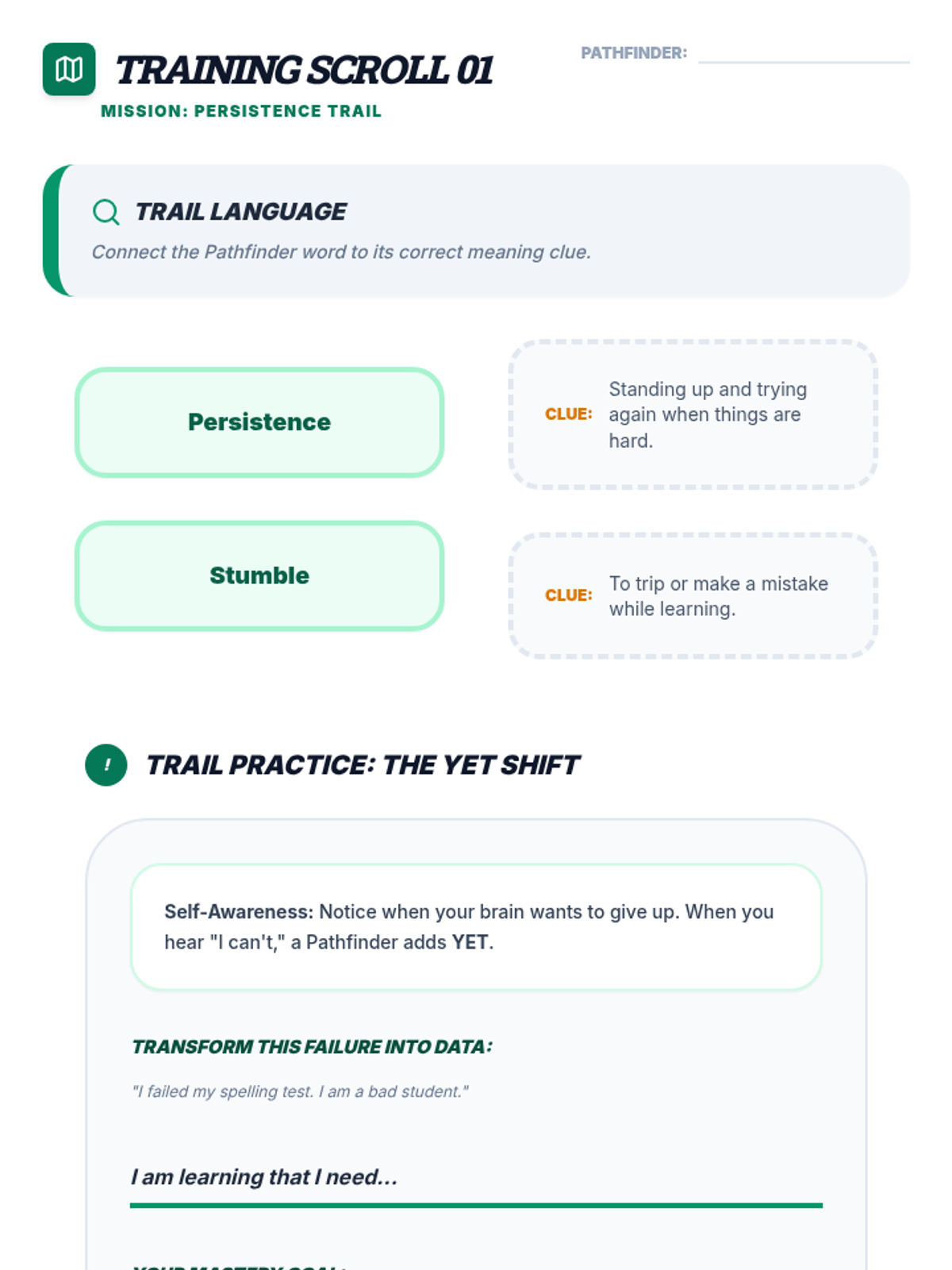
A 12-session emotional intelligence and literacy program designed for K-6 students. Using a 'Trailblazer' theme, Pathfinders develop self-awareness, confidence, and critical decision-making skills to replace impulsive reactions with thoughtful choices. Includes safety scenarios and practical tools for managing exam stress.
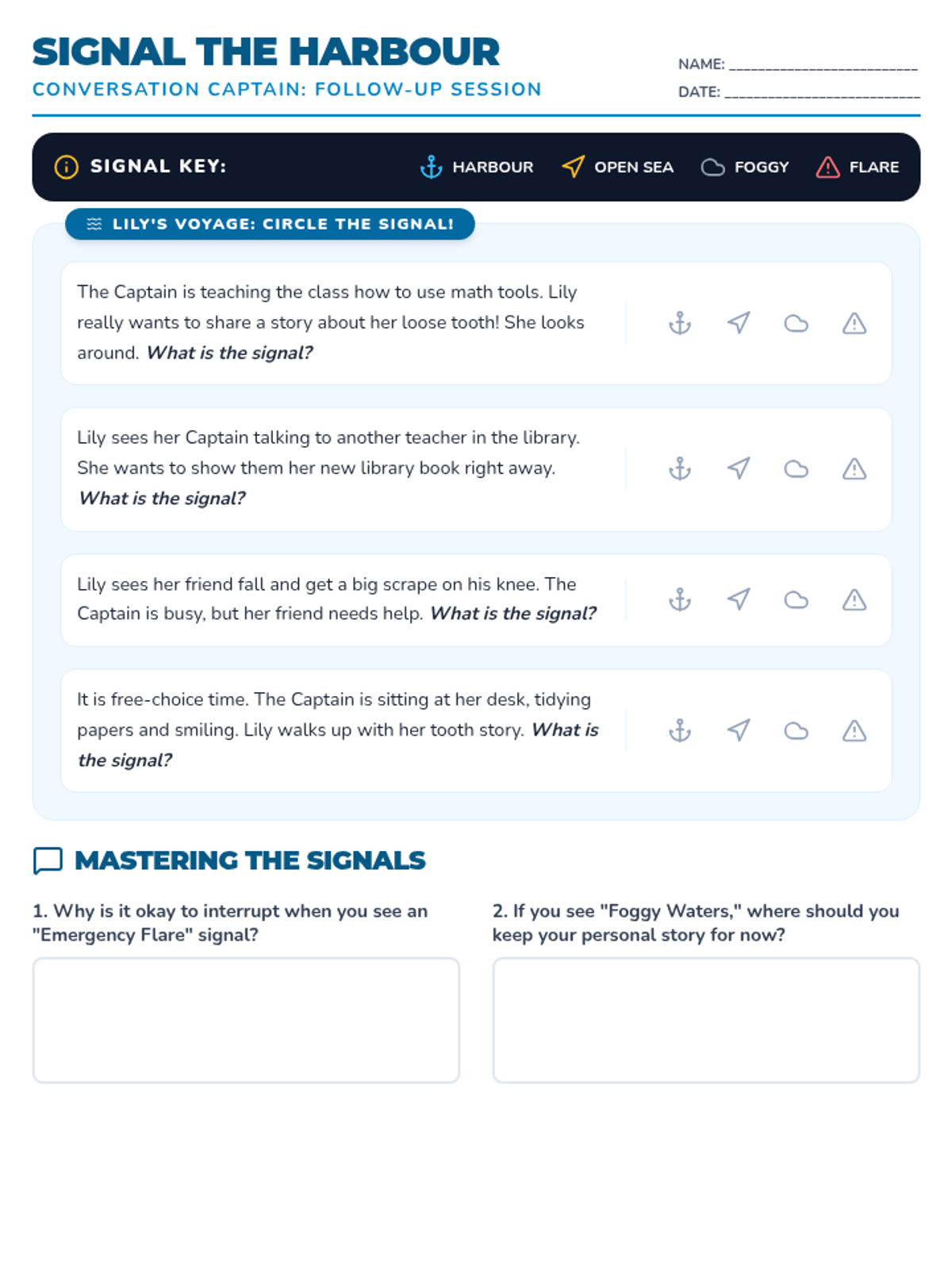
A series of three 10-minute 1-to-1 social skills sessions designed to help a student navigate classroom communication, specifically focusing on story-timing, being called on, and asking questions during work time.
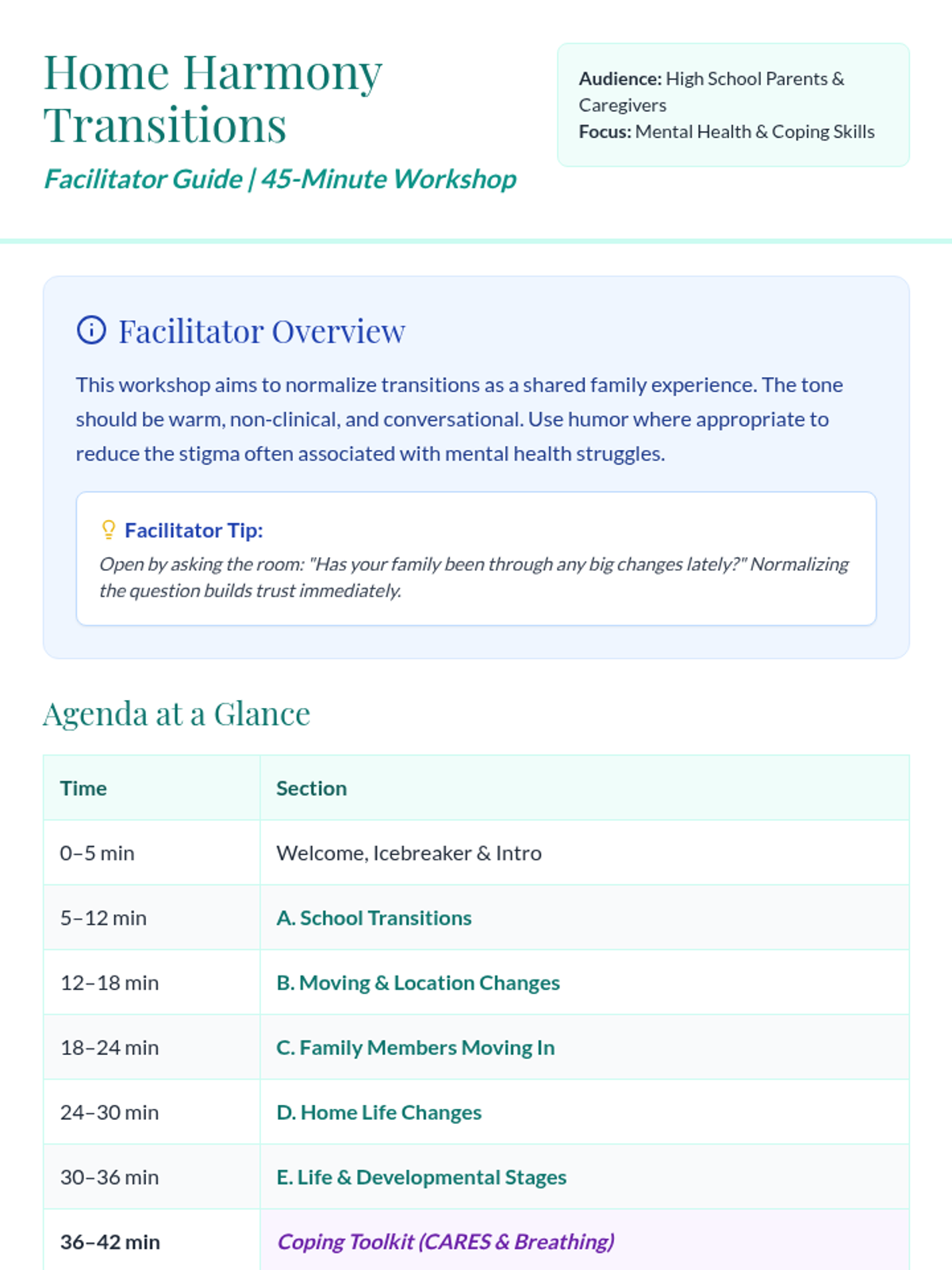
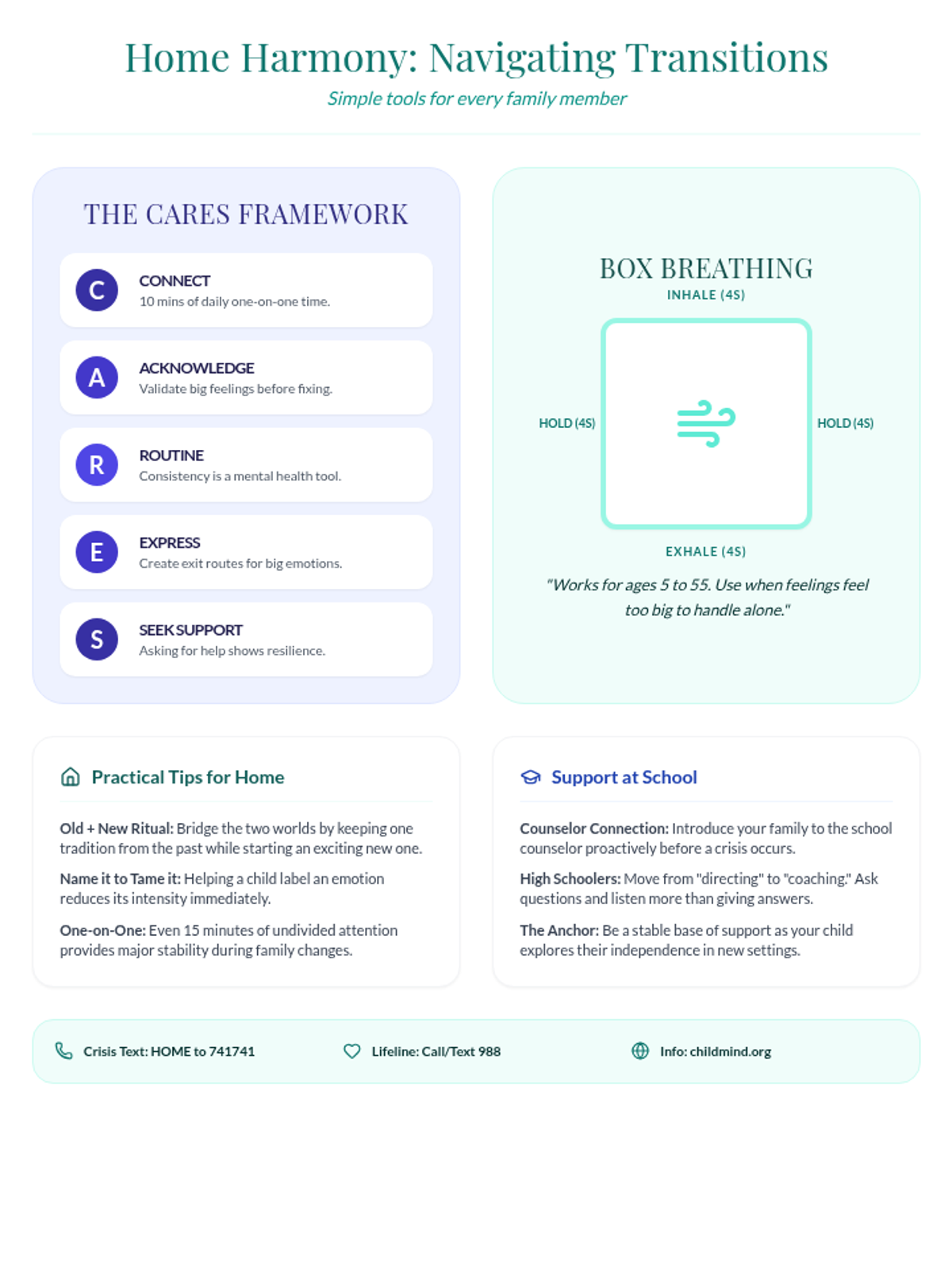
A comprehensive resource kit for parents and caregivers to support their families through major life transitions, focusing on mental health, coping skills, and school-based support.
A comprehensive school counseling resource collection, featuring a specialized stress management series for TK-6th grade and a 6-week targeted attendance intervention group.
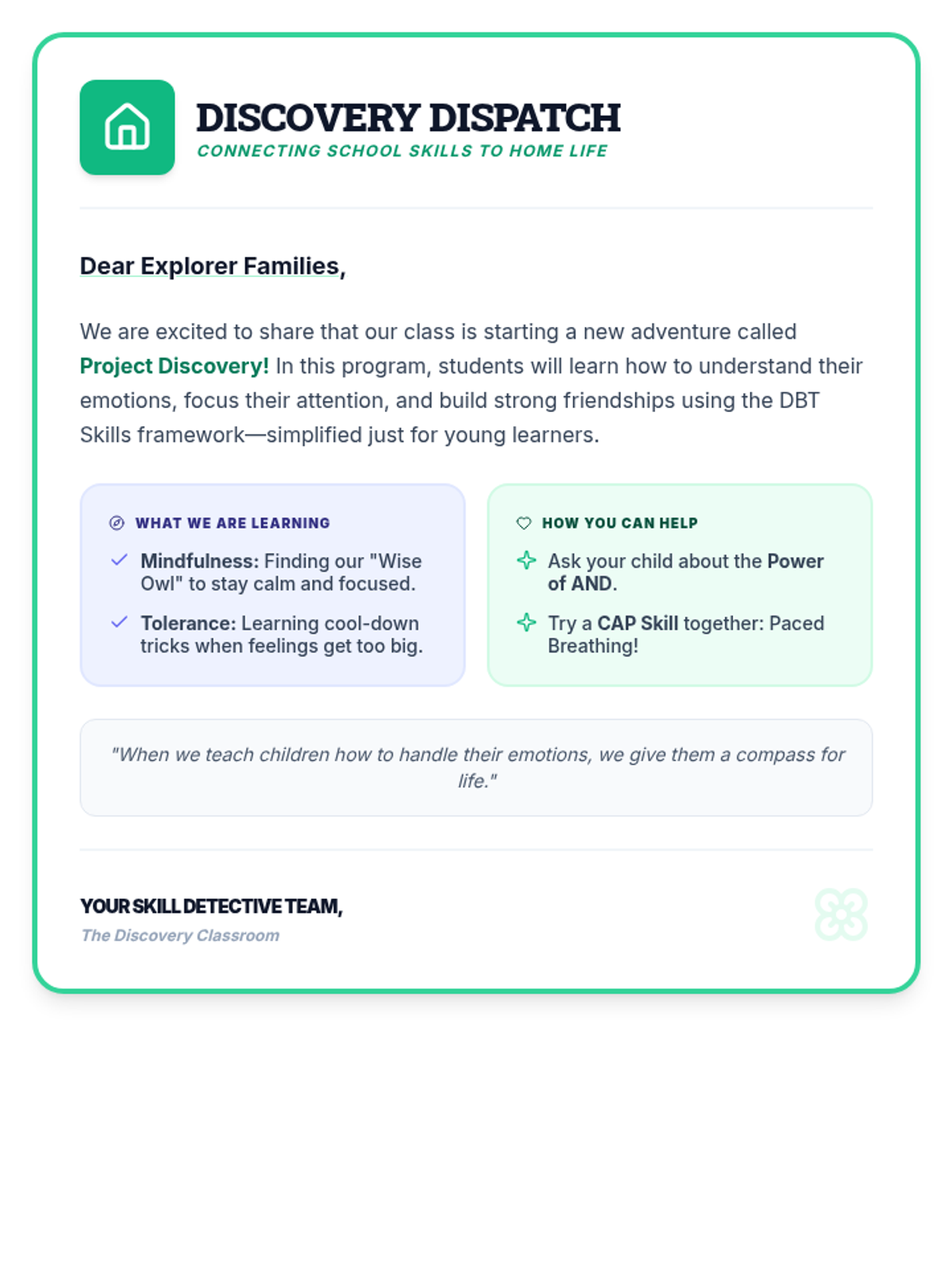
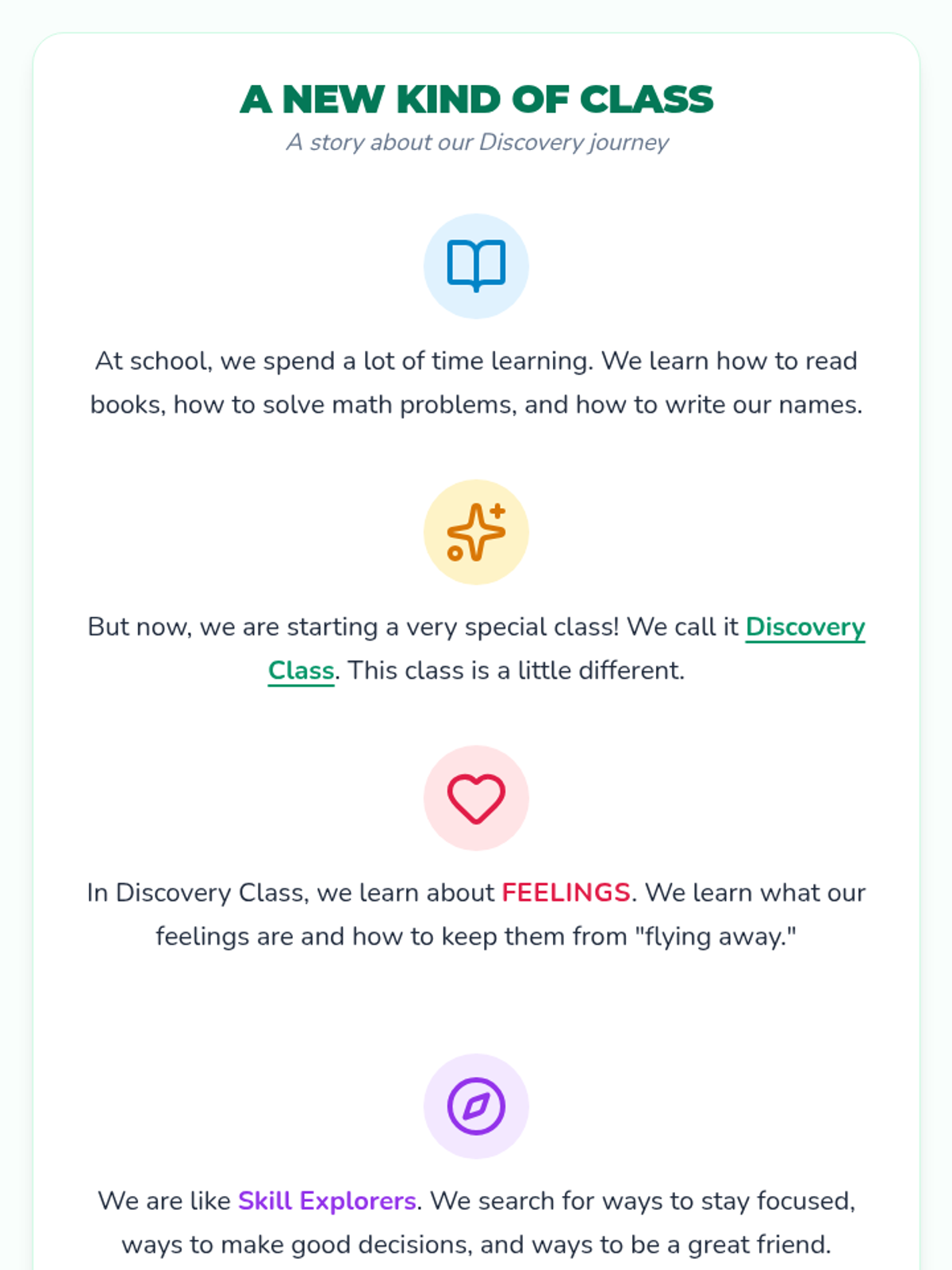
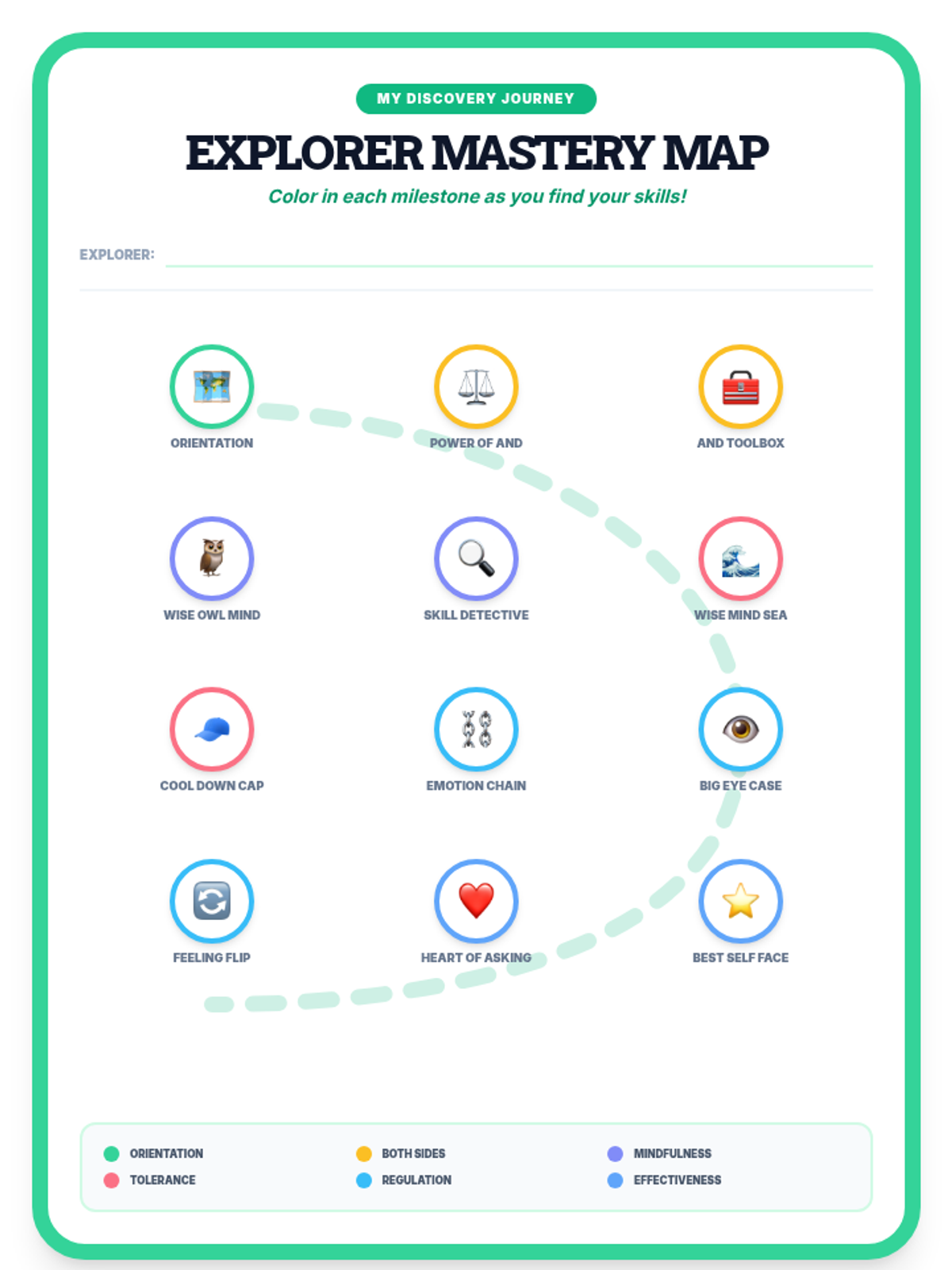
A comprehensive DBT skills training sequence for elementary schools, split into K-2 and 3-5 curricula. This program covers Mindfulness, Distress Tolerance, Emotion Regulation, and Interpersonal Effectiveness using age-appropriate activities and narratives.
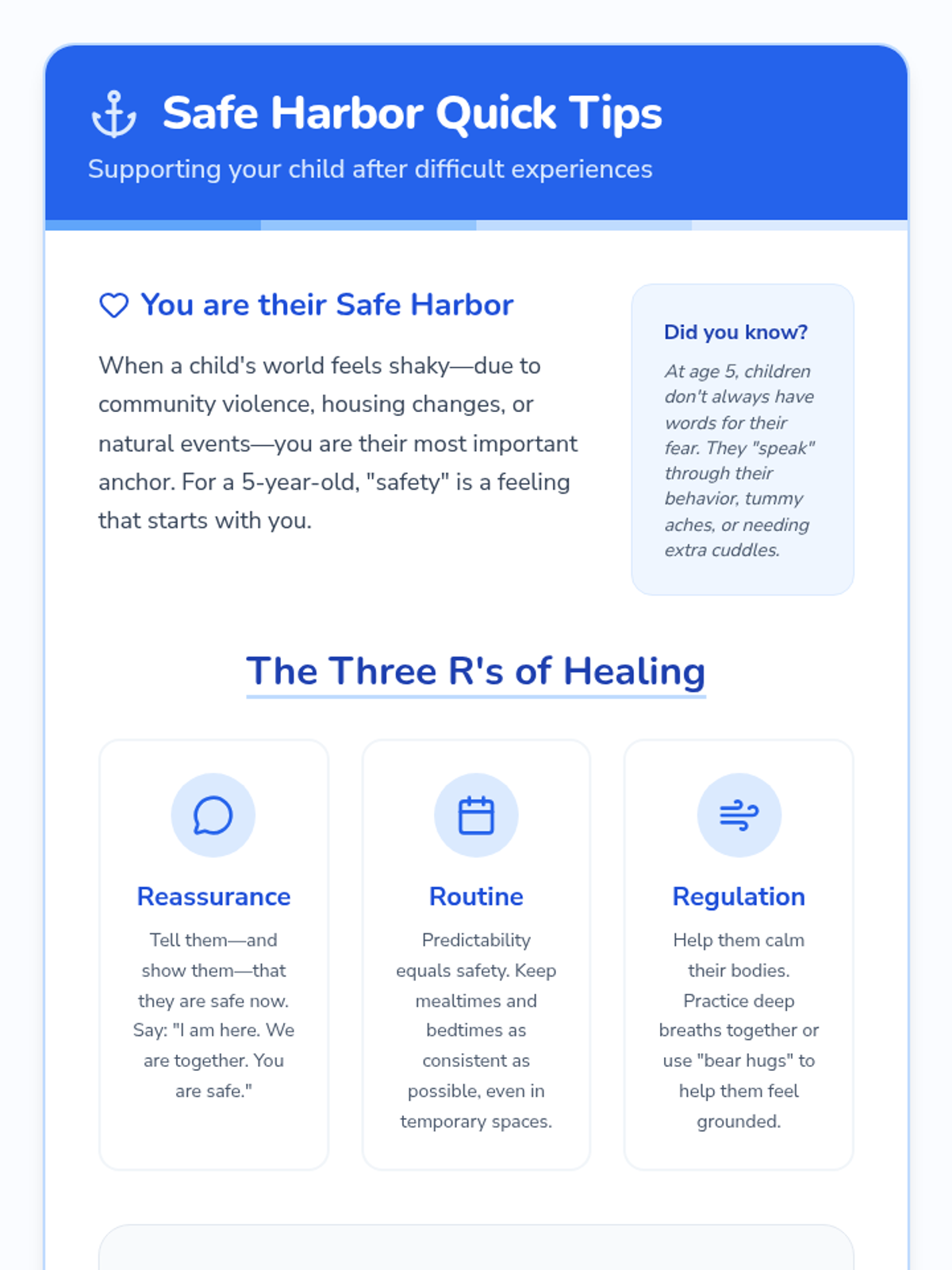
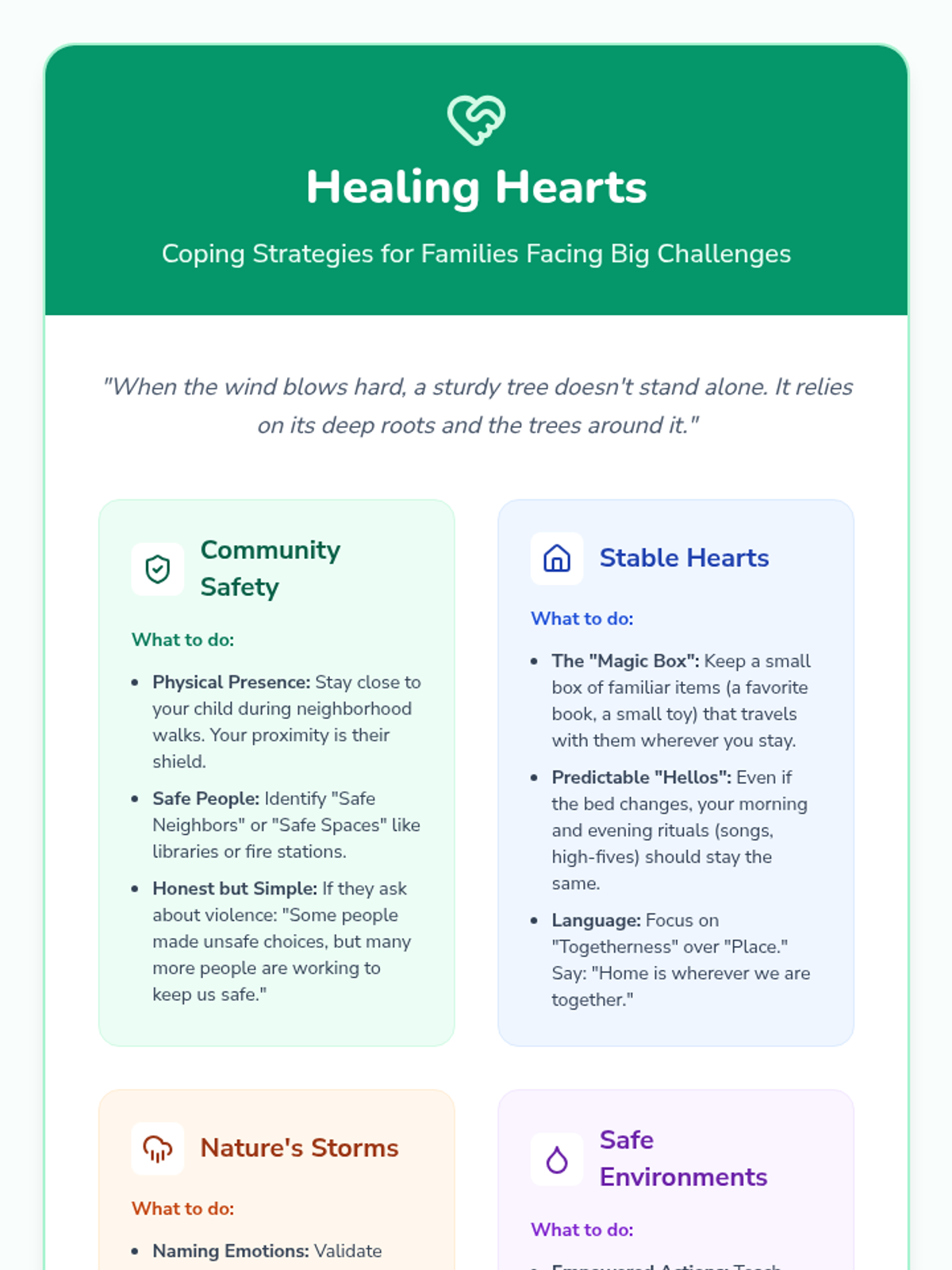
A sequence of resources and guides designed to help families build resilience and emotional safety after experiencing environmental adversity or community instability.
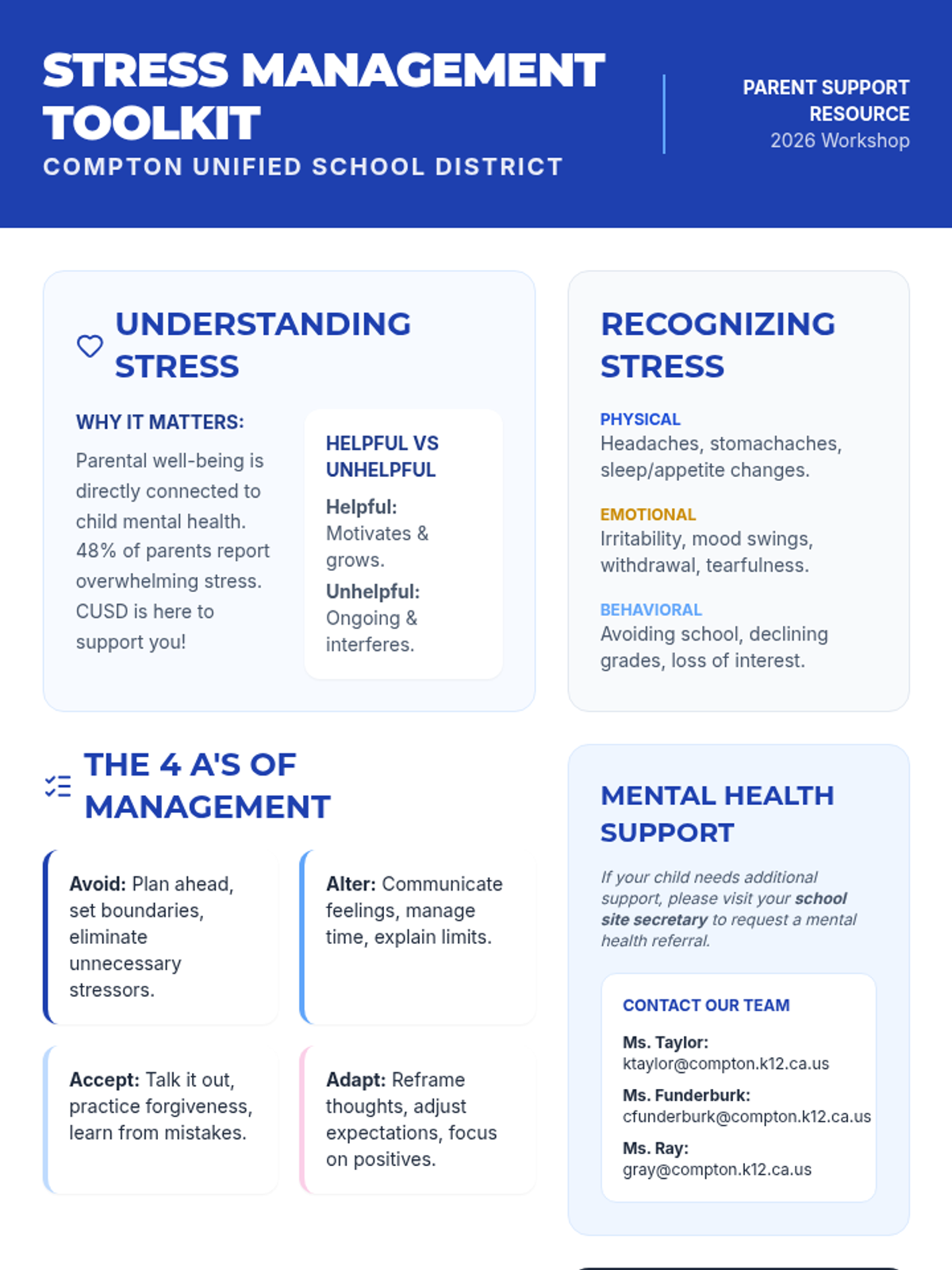
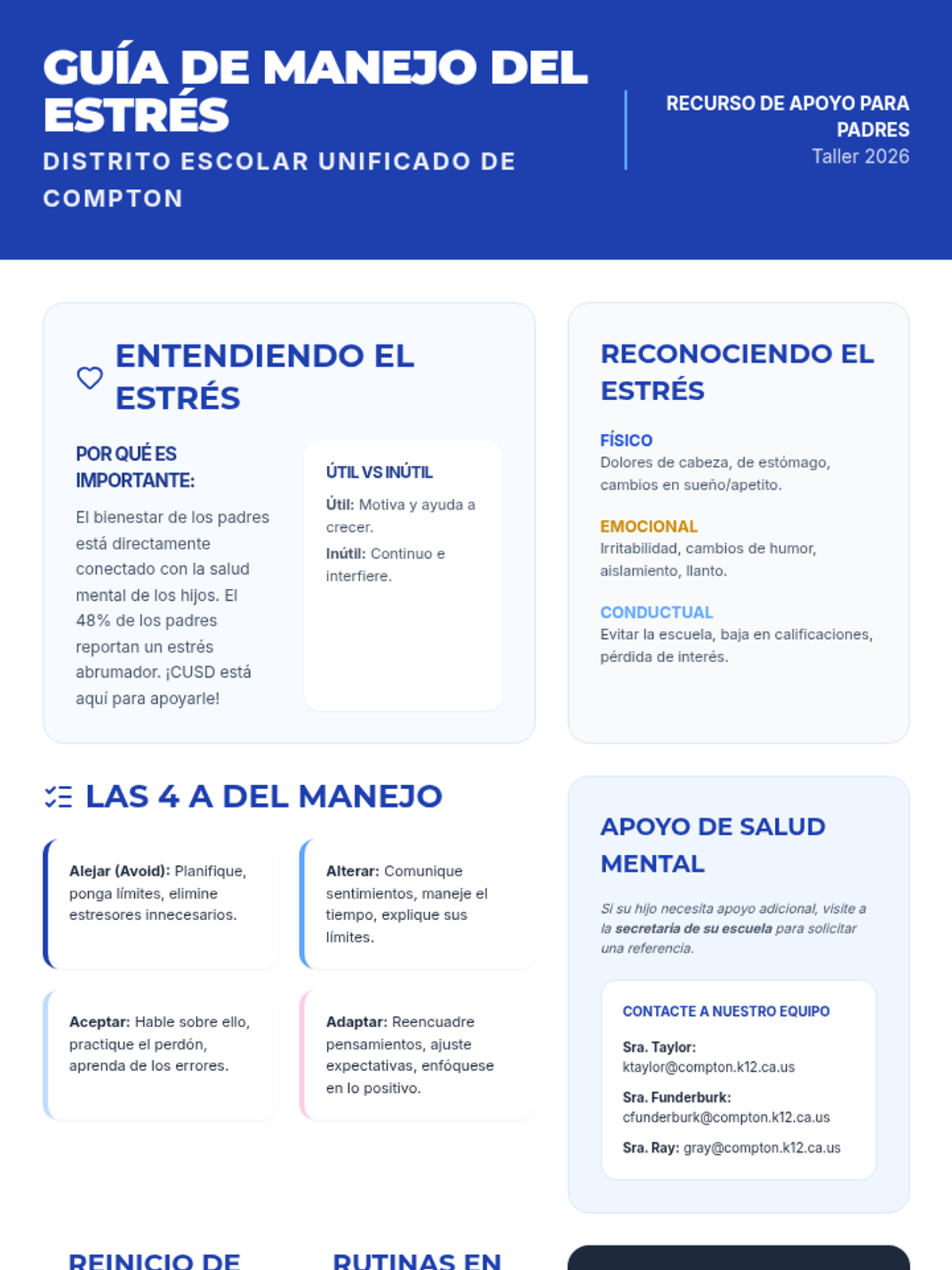
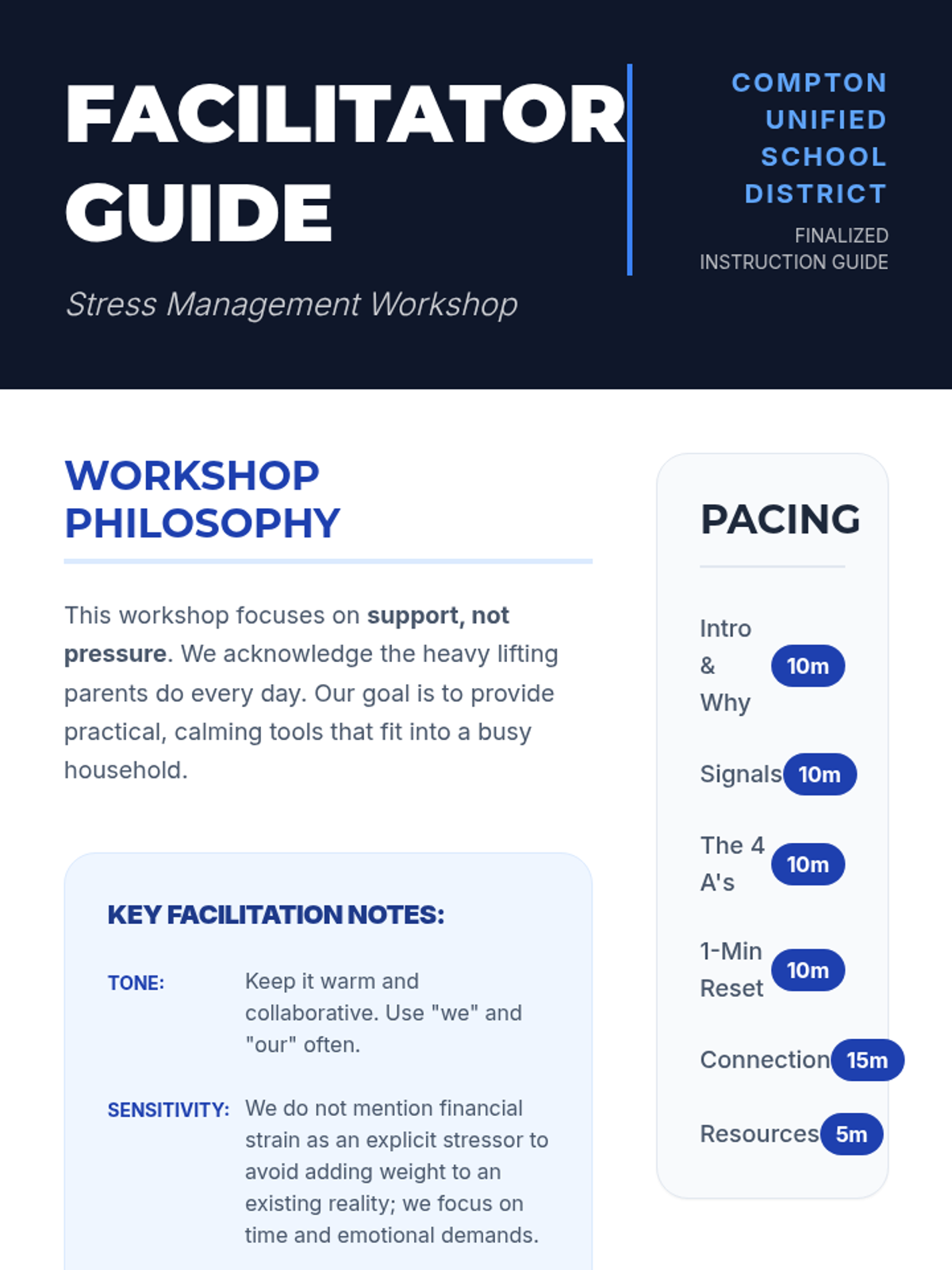
A comprehensive workshop sequence designed for parents and caregivers to understand and manage stress, identify stress signals in children, and implement practical coping strategies at home.
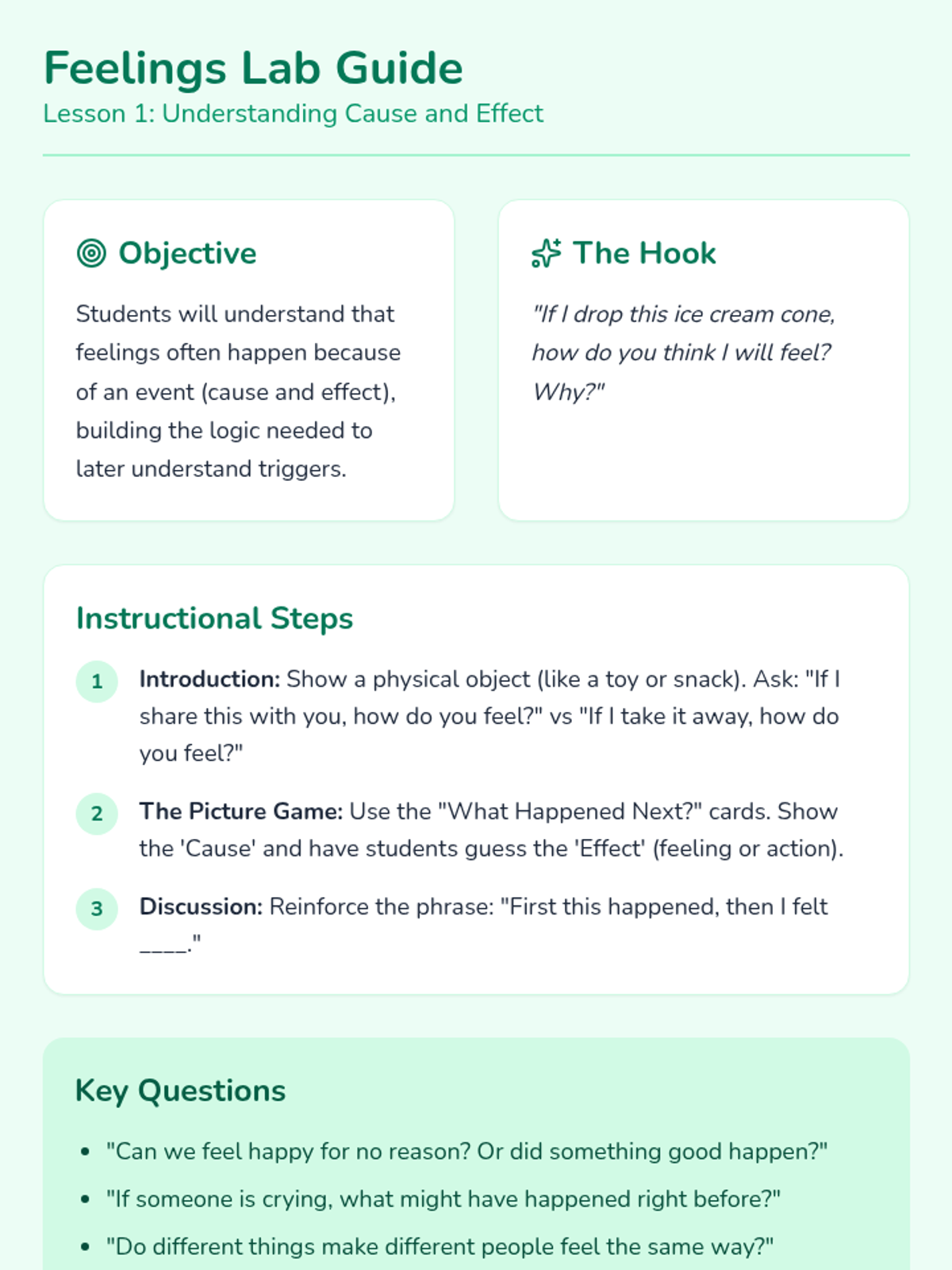
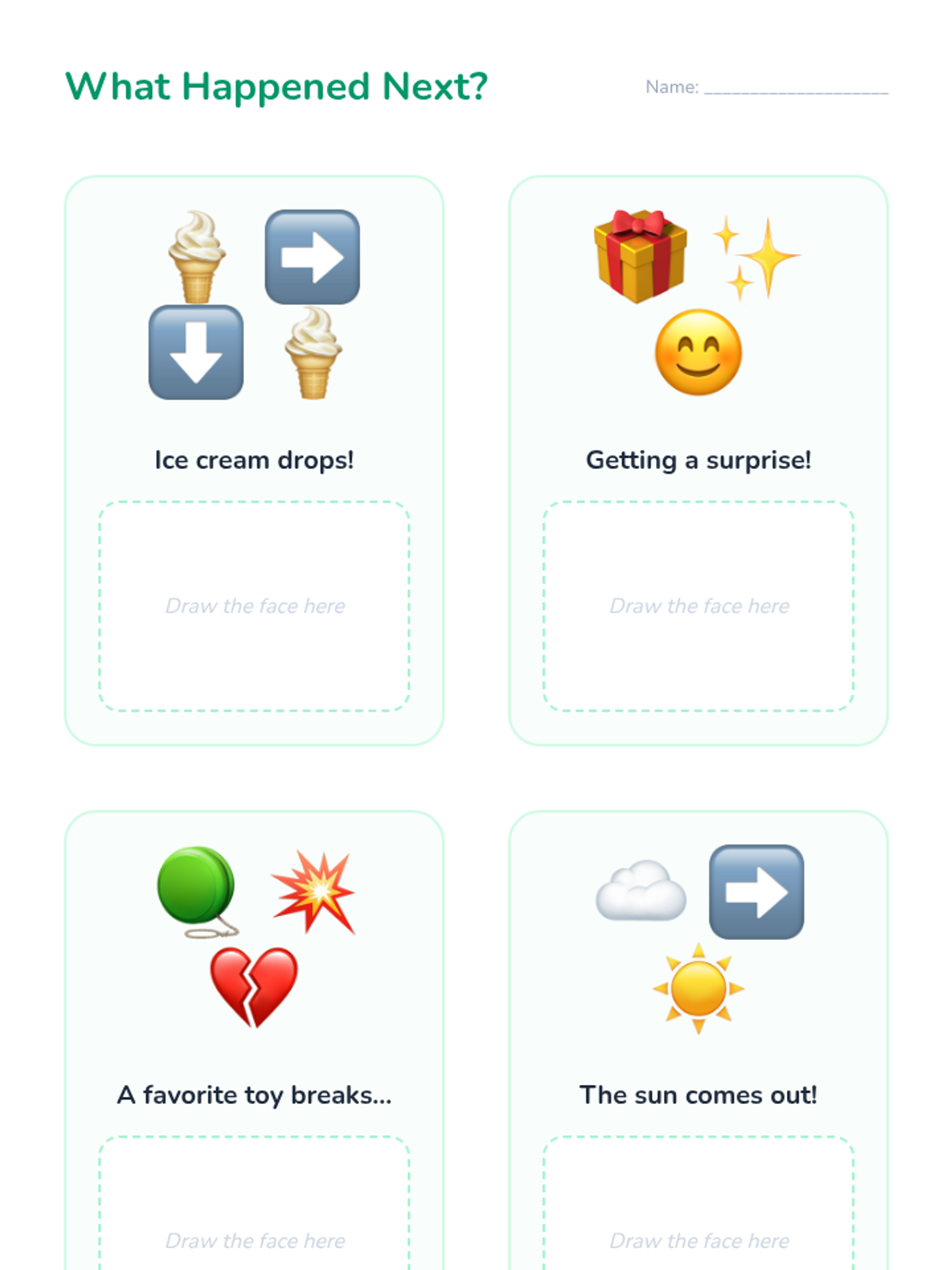
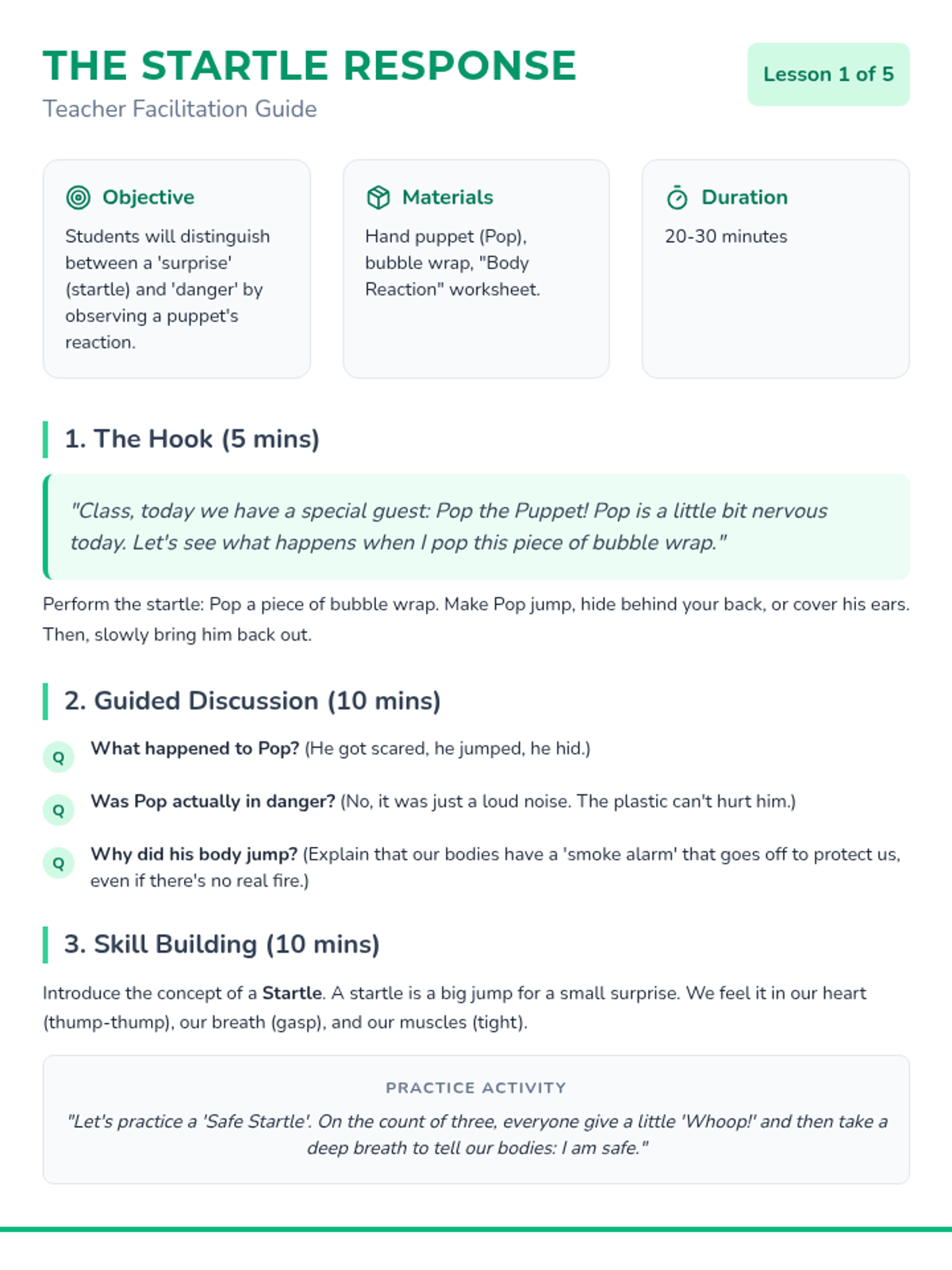
A 5-lesson sequence for Pre-K students to help them understand triggers and distinguish past memories from present safety through play and sensory exploration.
A gentle, sensory-based sequence for Kindergarteners to distinguish between past trauma triggers and present safety. Students learn to observe their environment, categorize memories versus reality, and use grounding techniques to feel safe 'right now'.
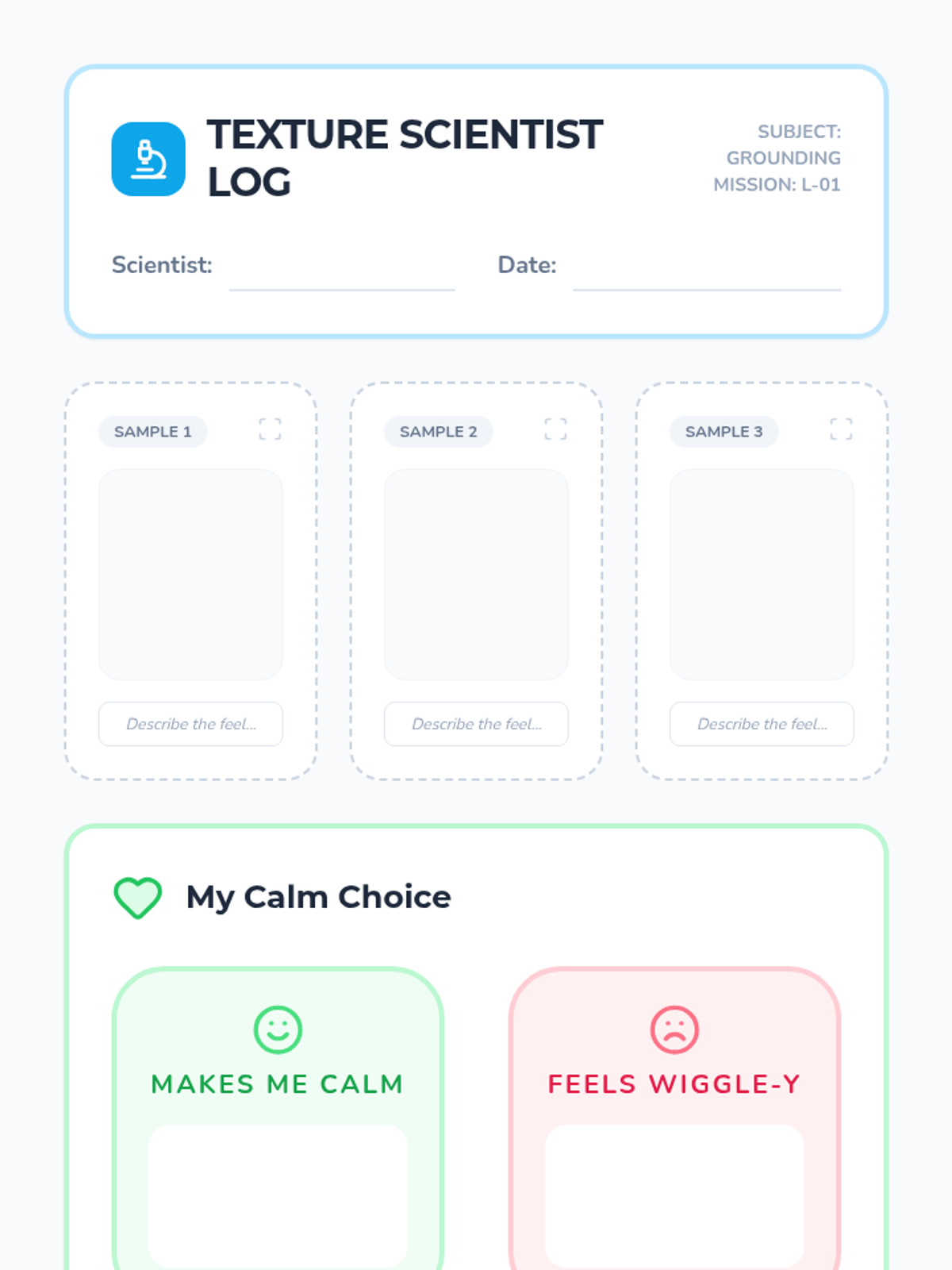
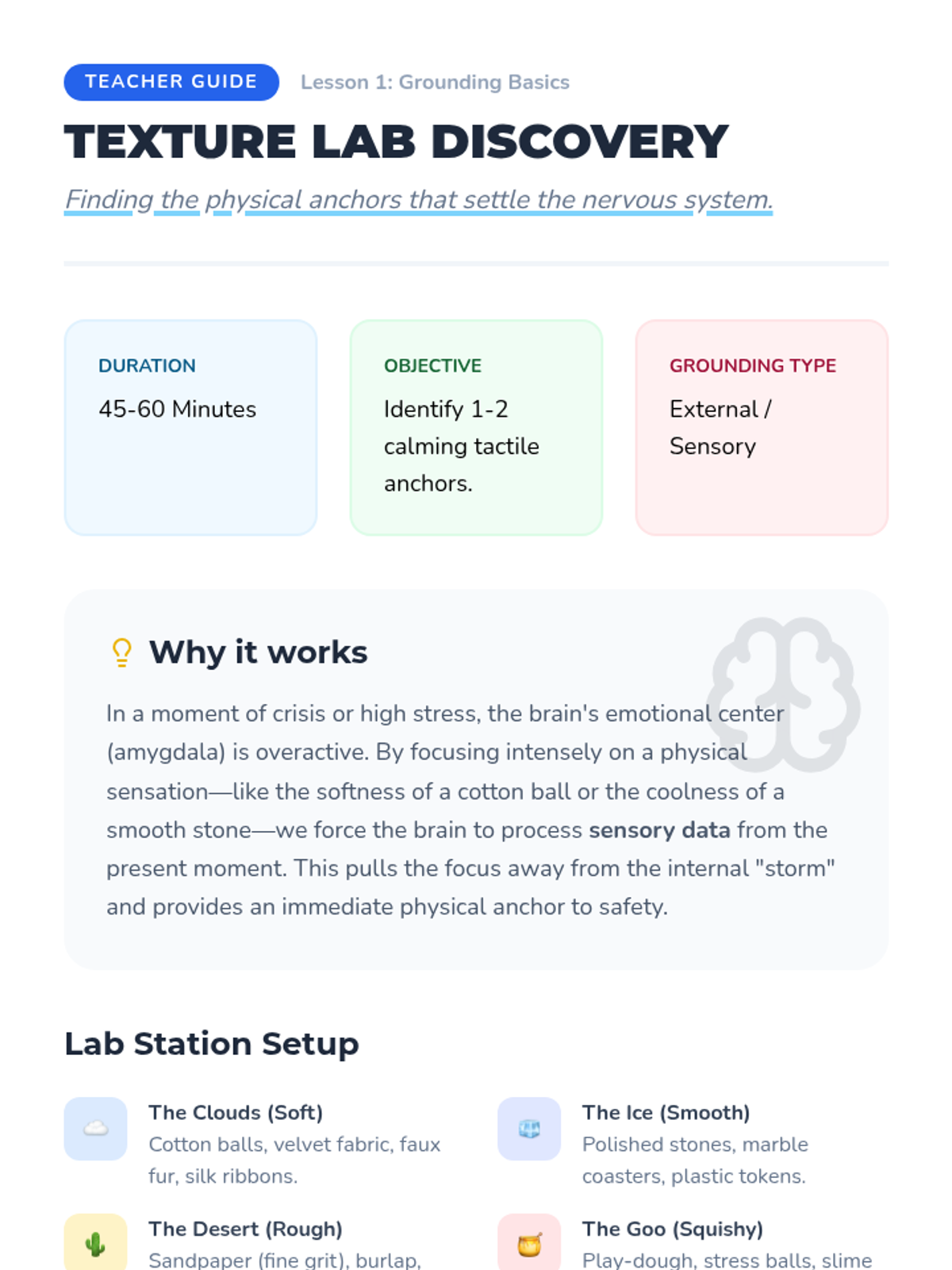
A Kindergarten sequence focused on building a toolkit of sensory and mental grounding strategies to help students navigate moments of distress or crisis. Students move from external sensory exploration to internal visualization and positive self-talk, culminating in a personalized 'Calm Kit.'
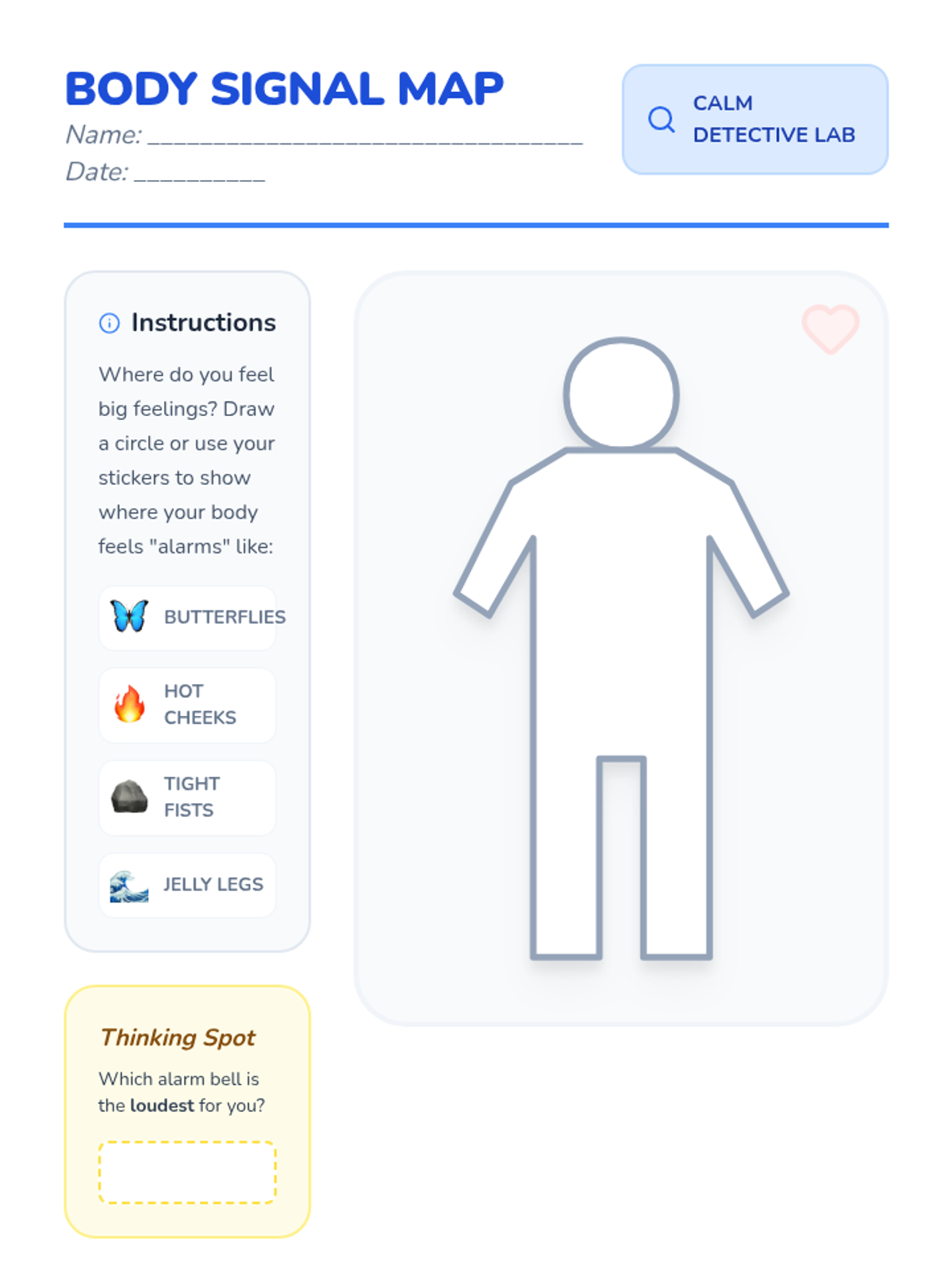
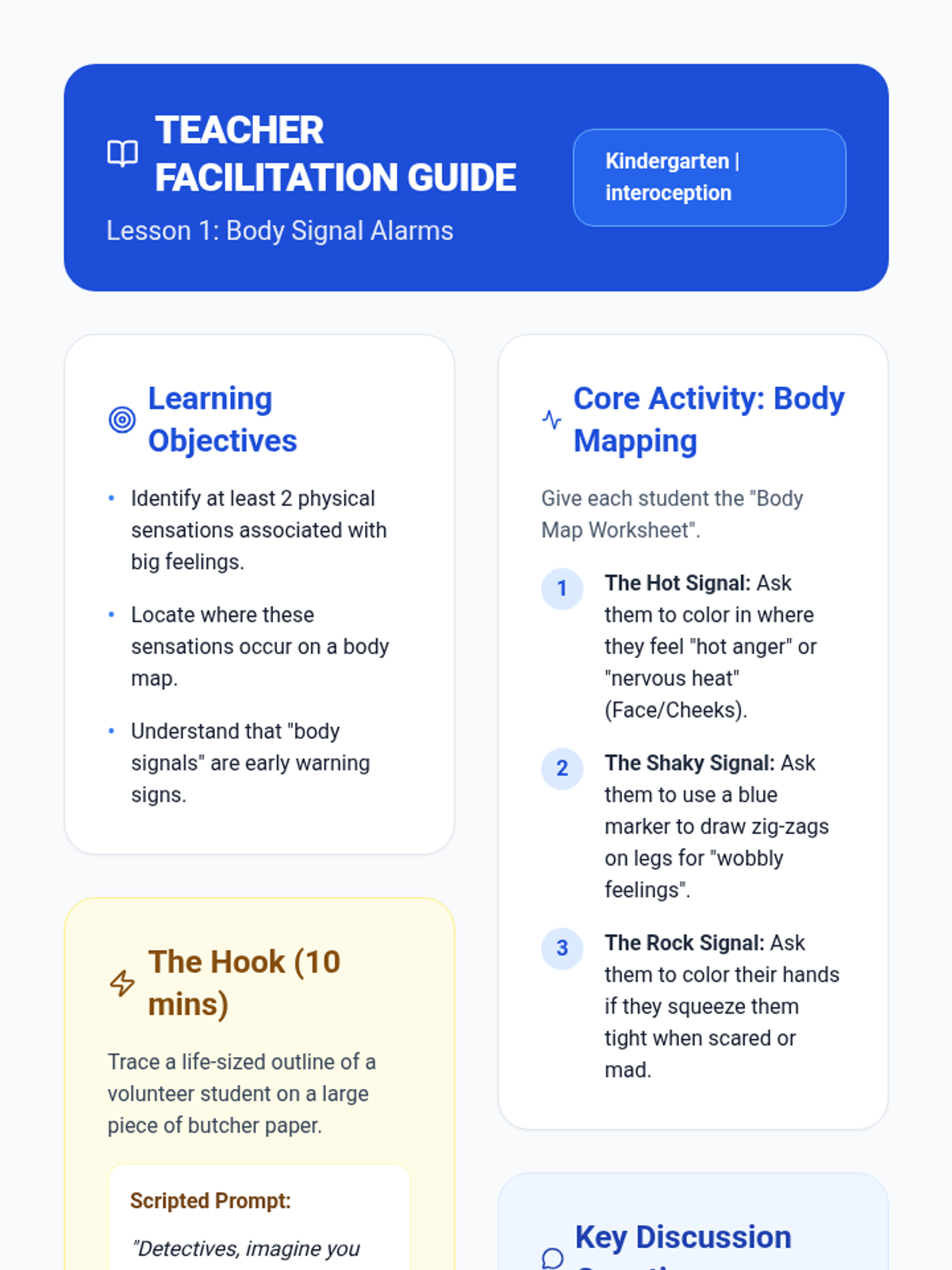
A Kindergarten sequence focused on interoception and grounding. Students learn to recognize physical 'alarm bells' of distress, practice interrupting emotional spirals with a 'Pause Button', and create personalized emergency plans using visual grounding tools.
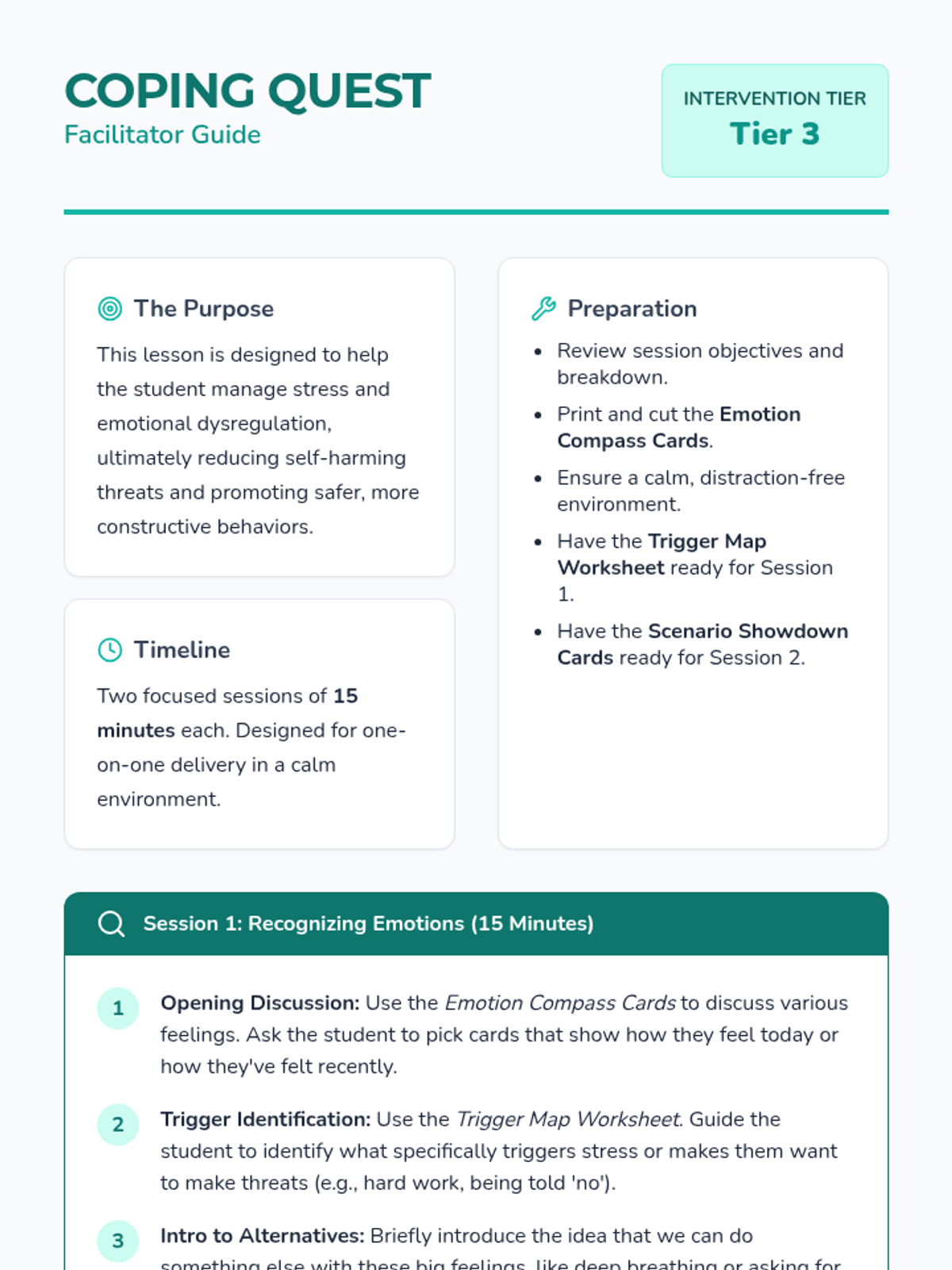
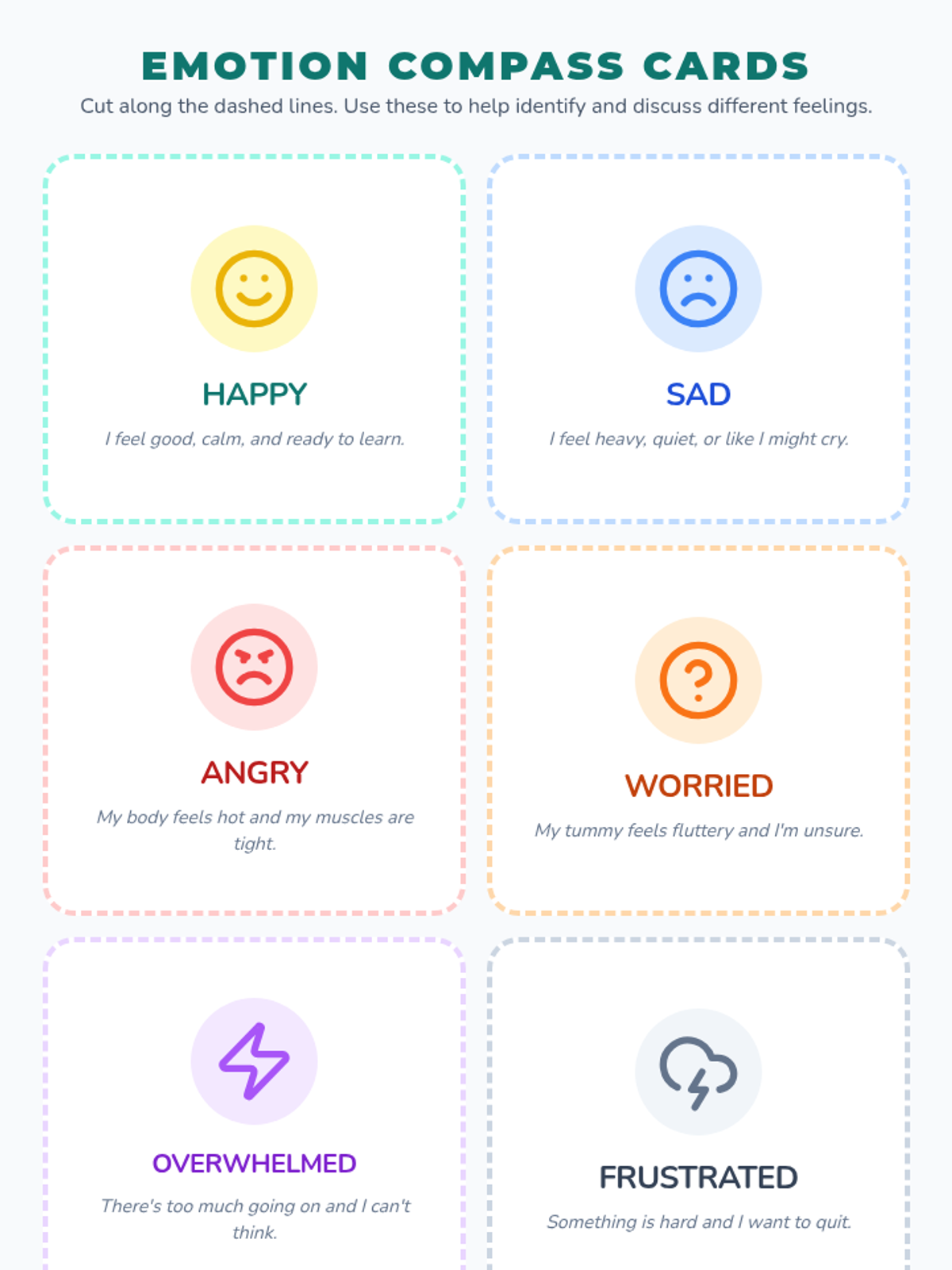
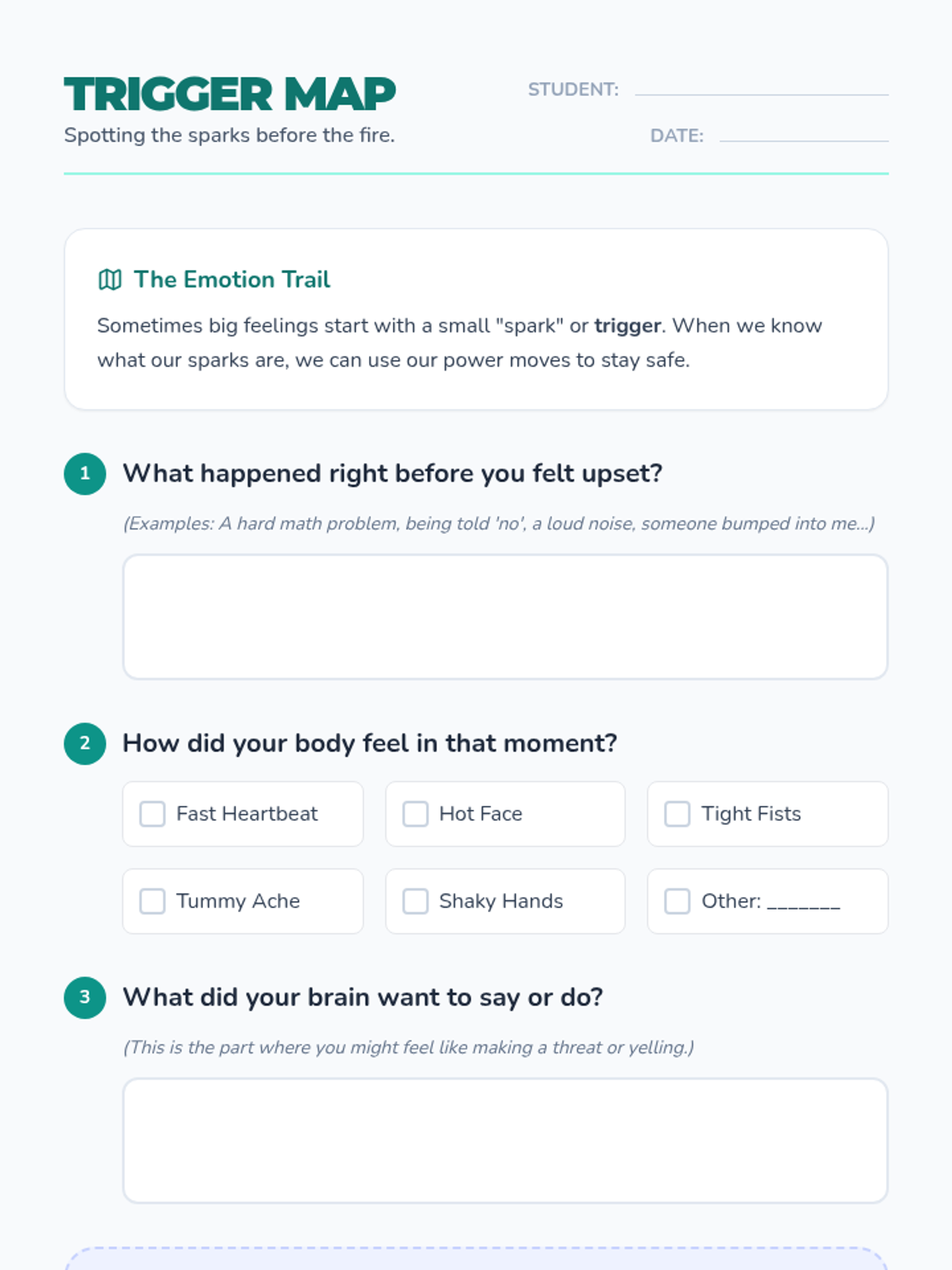
A Tier 3 intervention sequence designed to help students recognize emotions, identify triggers, and practice positive coping strategies to replace self-harming threats or task-avoidant behaviors.