Functional behavior assessment, data tracking, and de-escalation strategies for managing classroom conduct. Addresses positive reinforcement, token economies, and individualized behavior contracts to support student self-regulation.
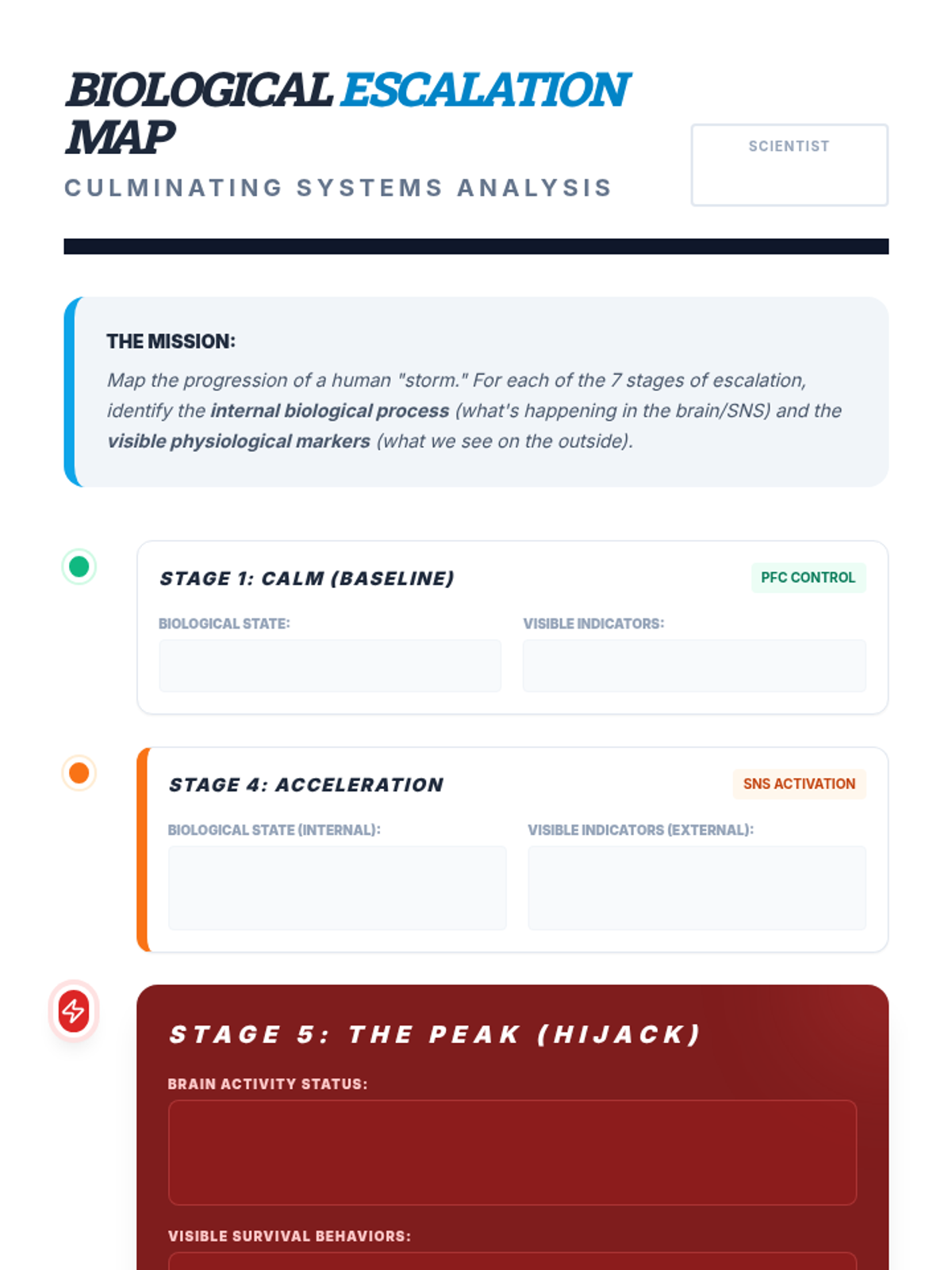
Students create a timeline or flowchart that correlates the seven stages of behavior escalation (Calm, Trigger, Agitation, Acceleration, Peak, De-escalation, Recovery) with specific physiological markers.
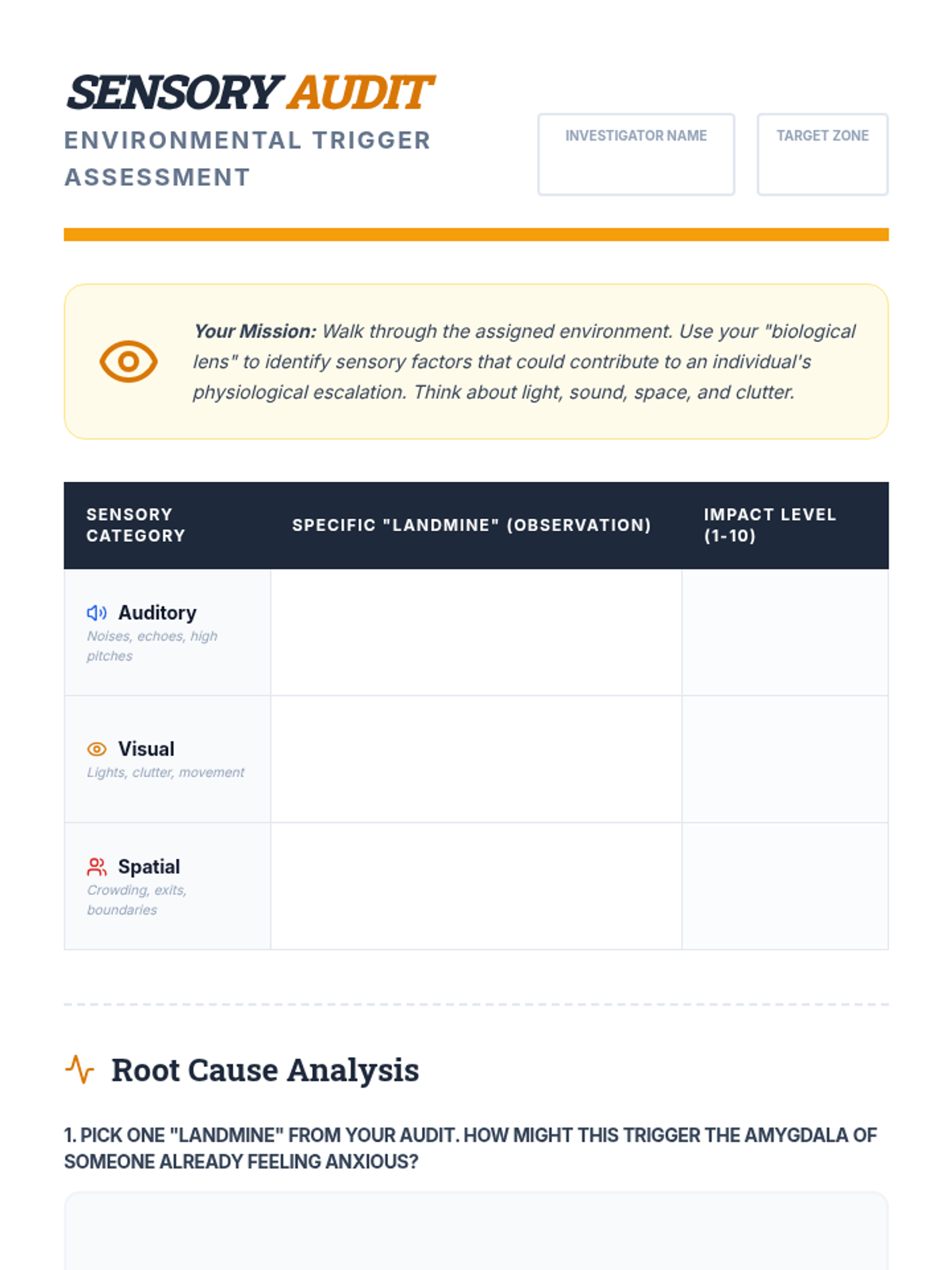
Students investigate how environmental factors (noise, light, crowding) can trigger physiological escalation. They conduct an audit of a classroom or common area to identify potential sensory triggers.
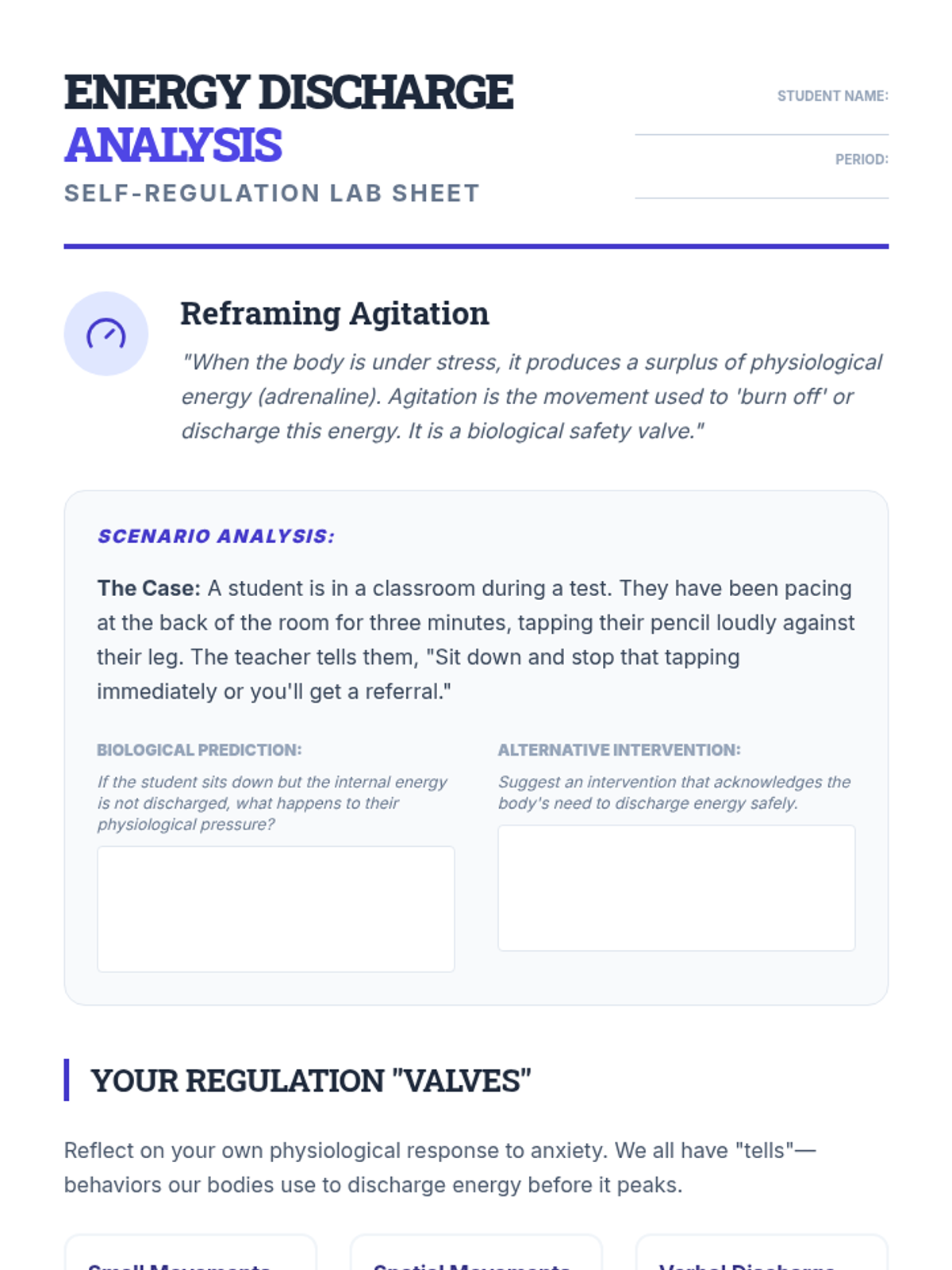
Students explore how anxiety manifests physically before turning into aggression, looking at behaviors like pacing or wringing hands as attempts to self-regulate excess energy. This reframes 'acting out' as a coping mechanism.
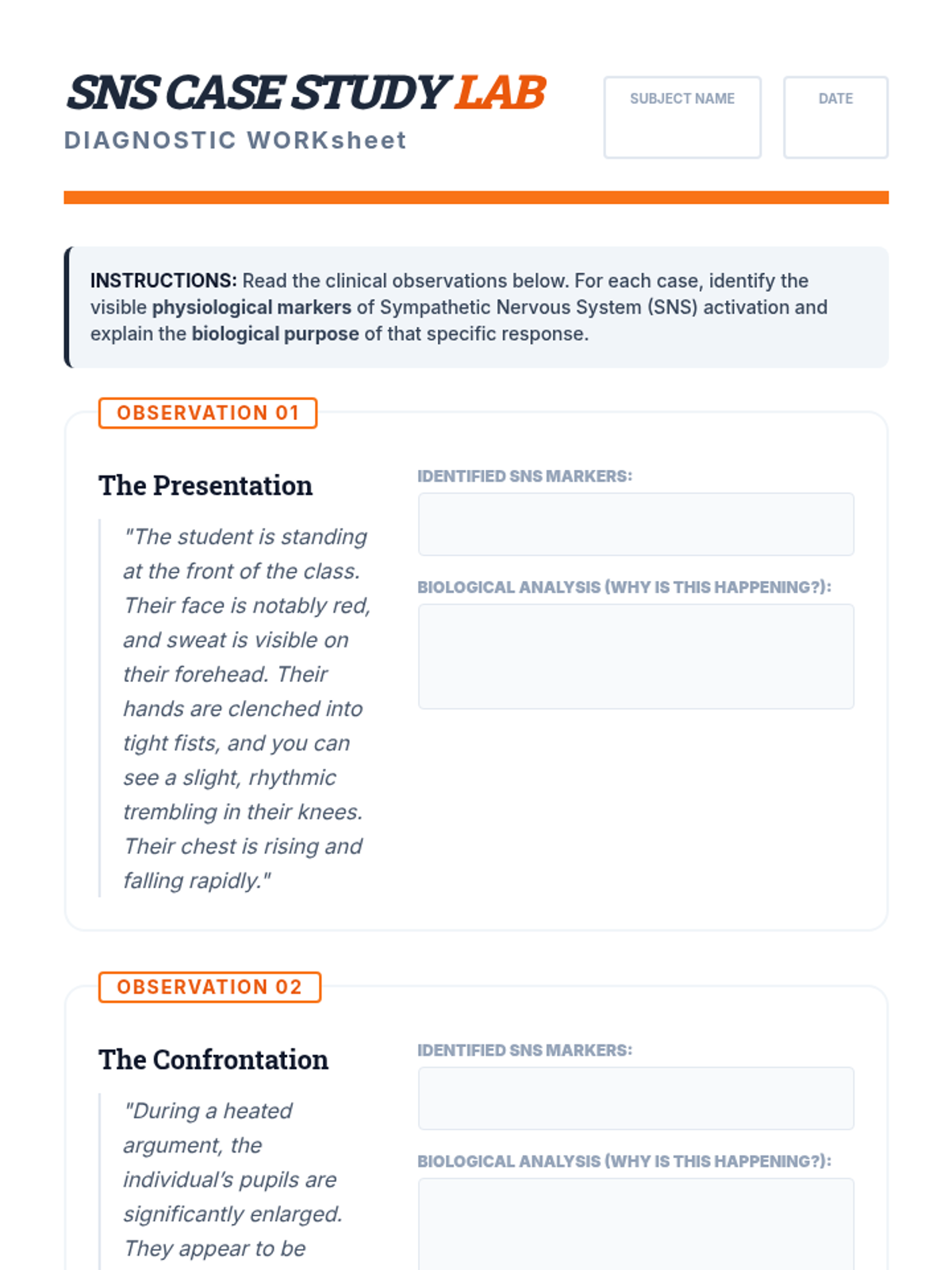
This lesson focuses on high-arousal symptoms such as heavy breathing, sweating, and trembling. Students review medical case studies to understand these as automatic responses to perceived threats.
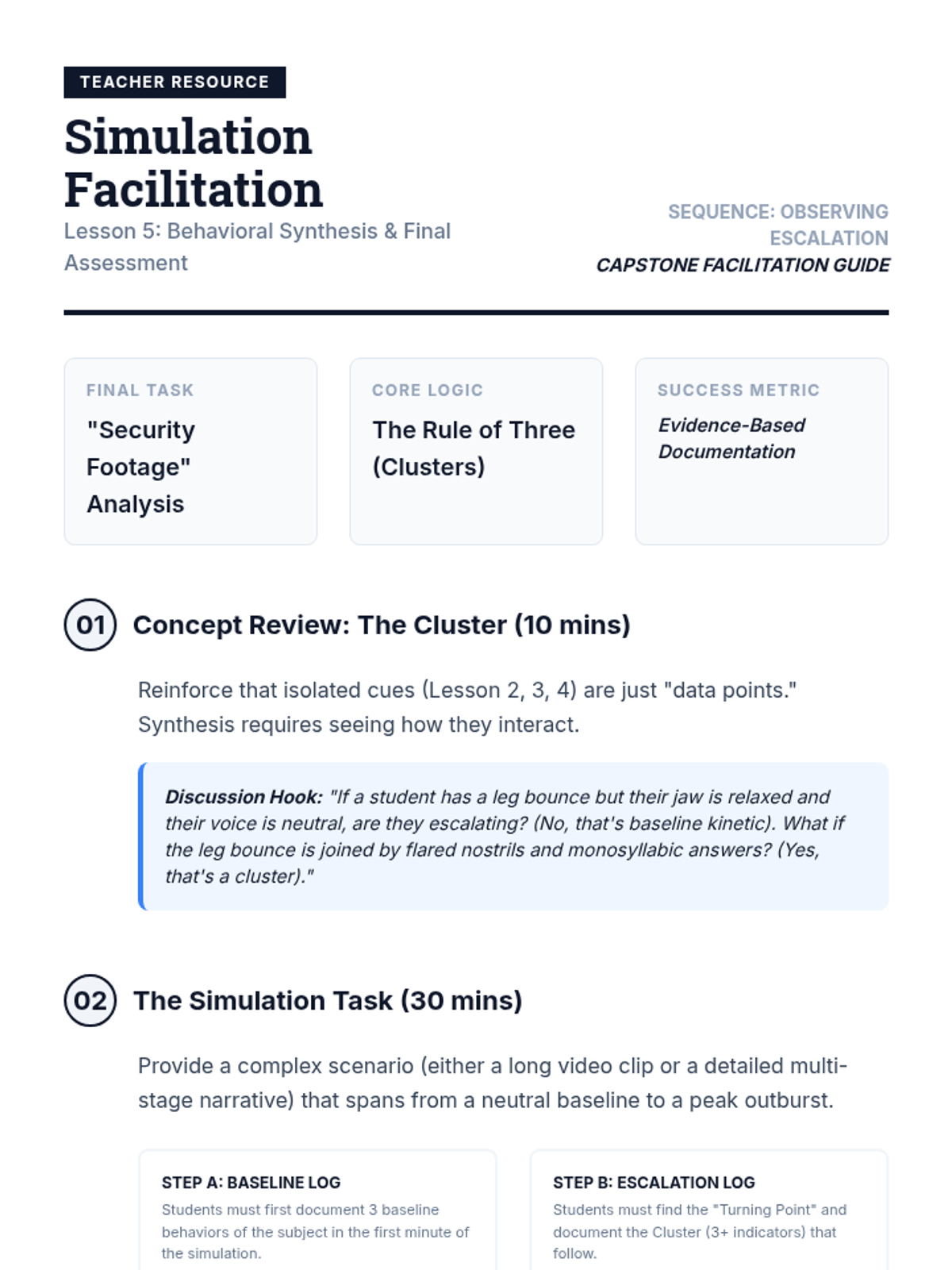
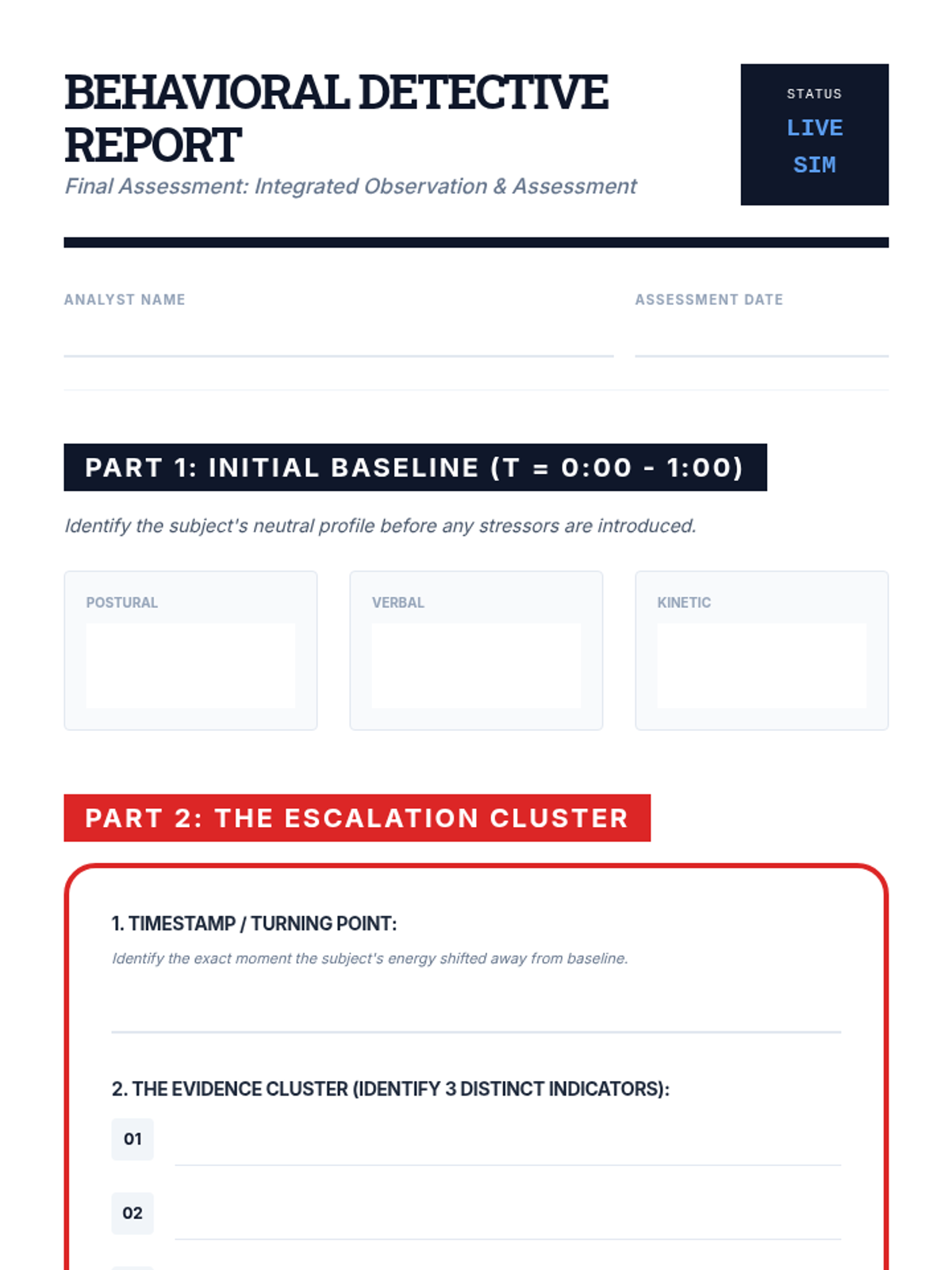
Students synthesize their knowledge to analyze complex scenarios and document findings objectively. This lesson serves as a final assessment of their ability to predict escalation through observation.
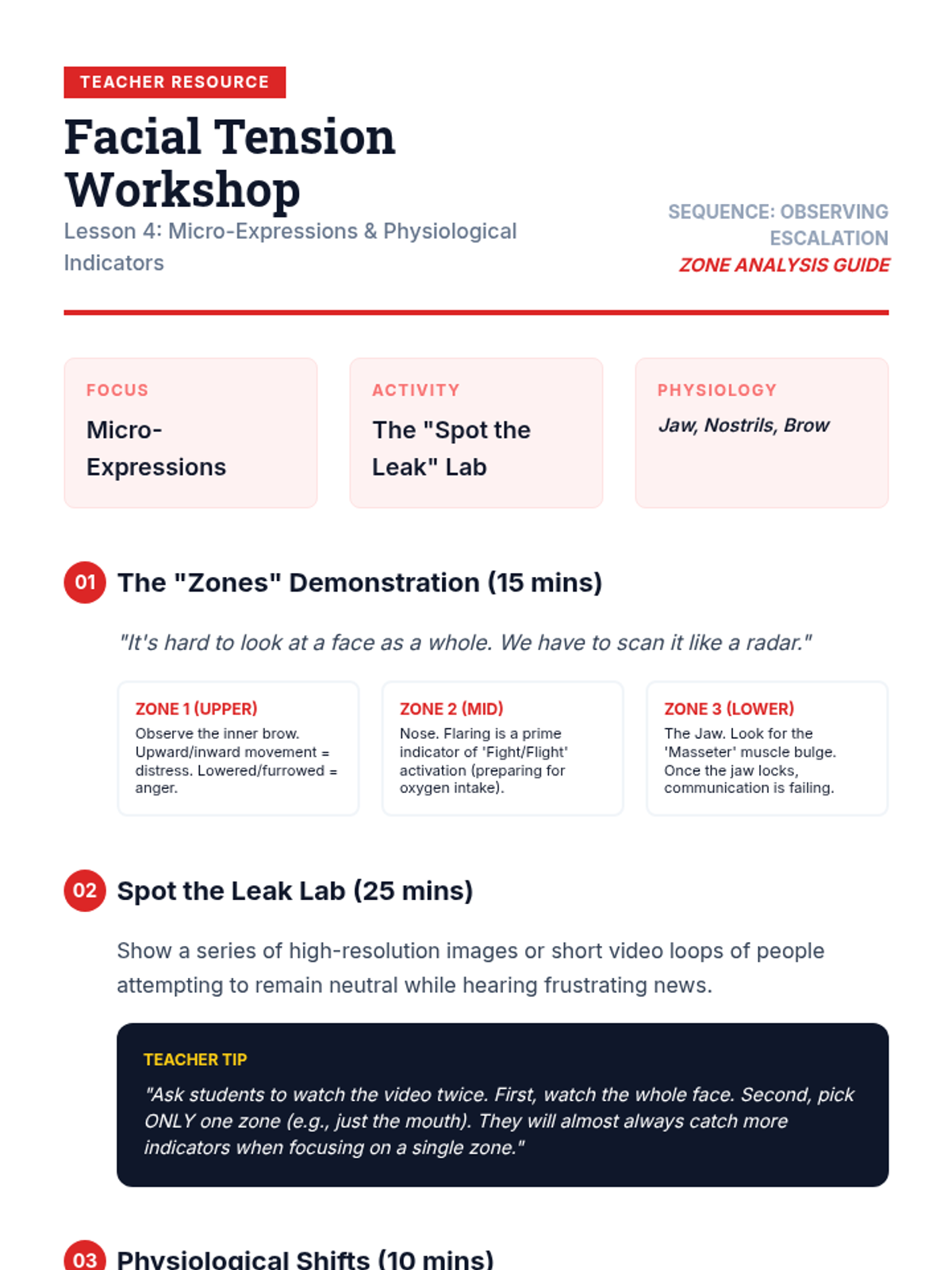
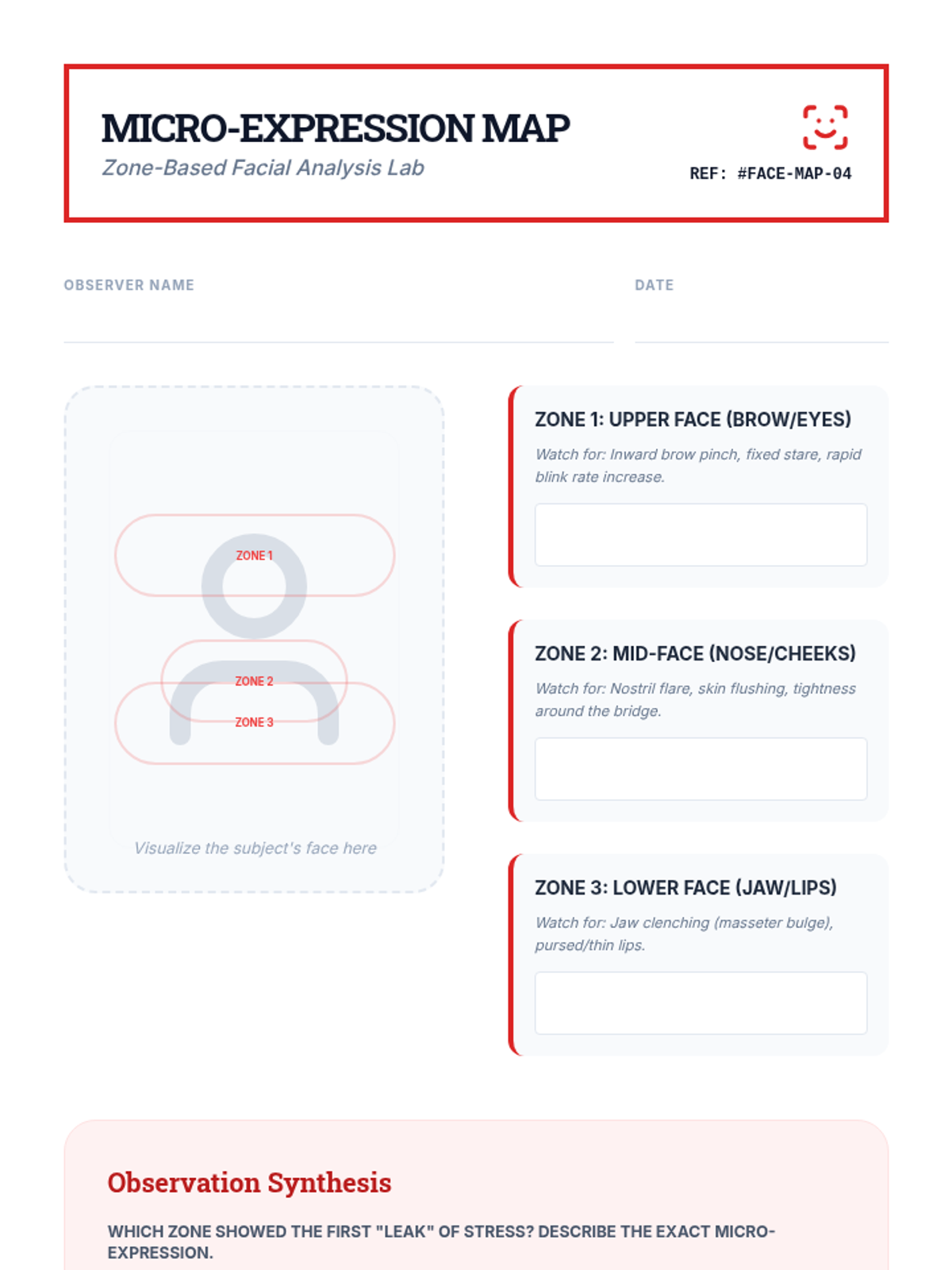
A detailed look at micro-expressions and facial tension, including jaw clenching and physiological changes like skin flushing. Students learn to spot subtle cues that precede major outbursts.
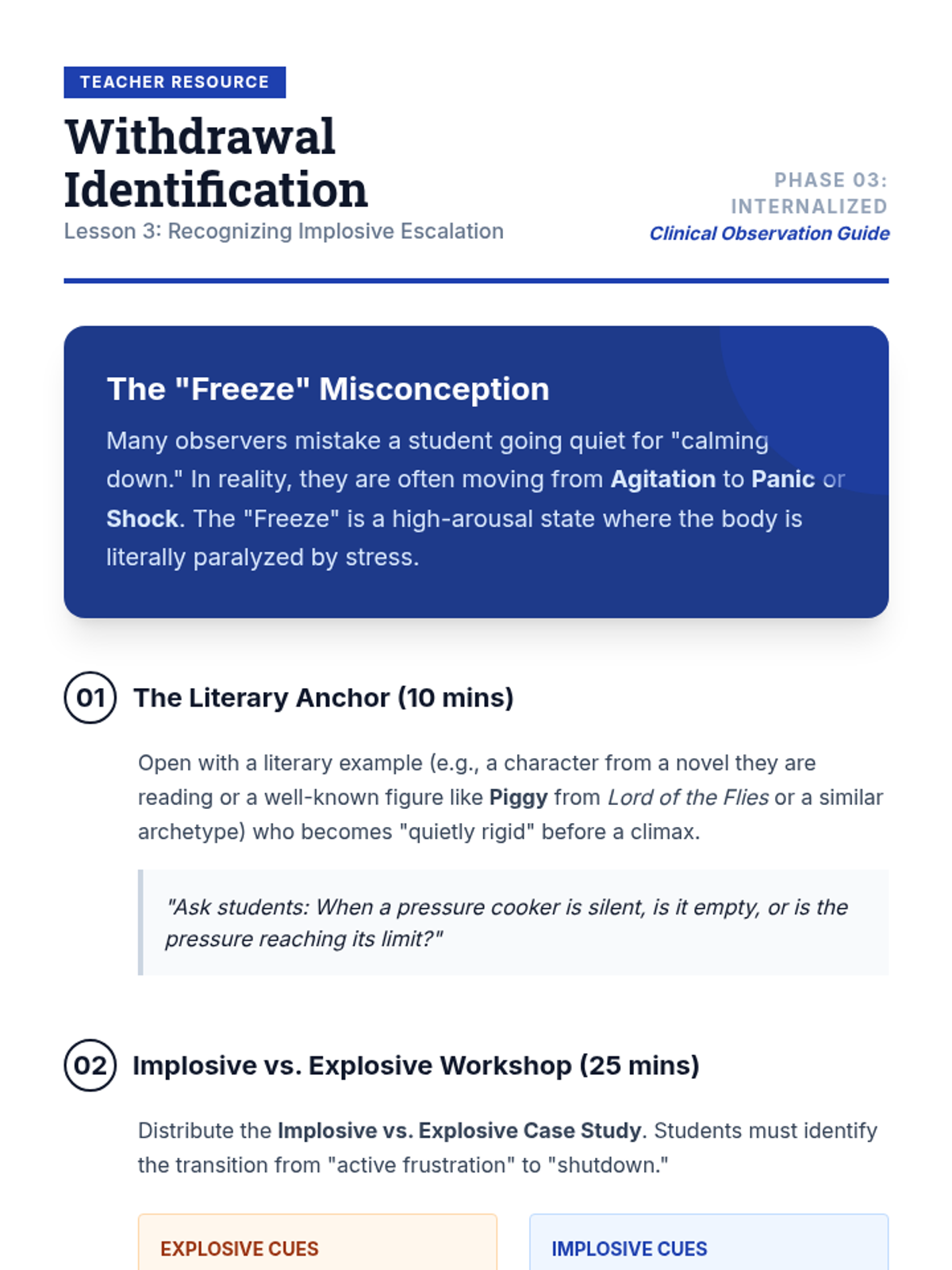
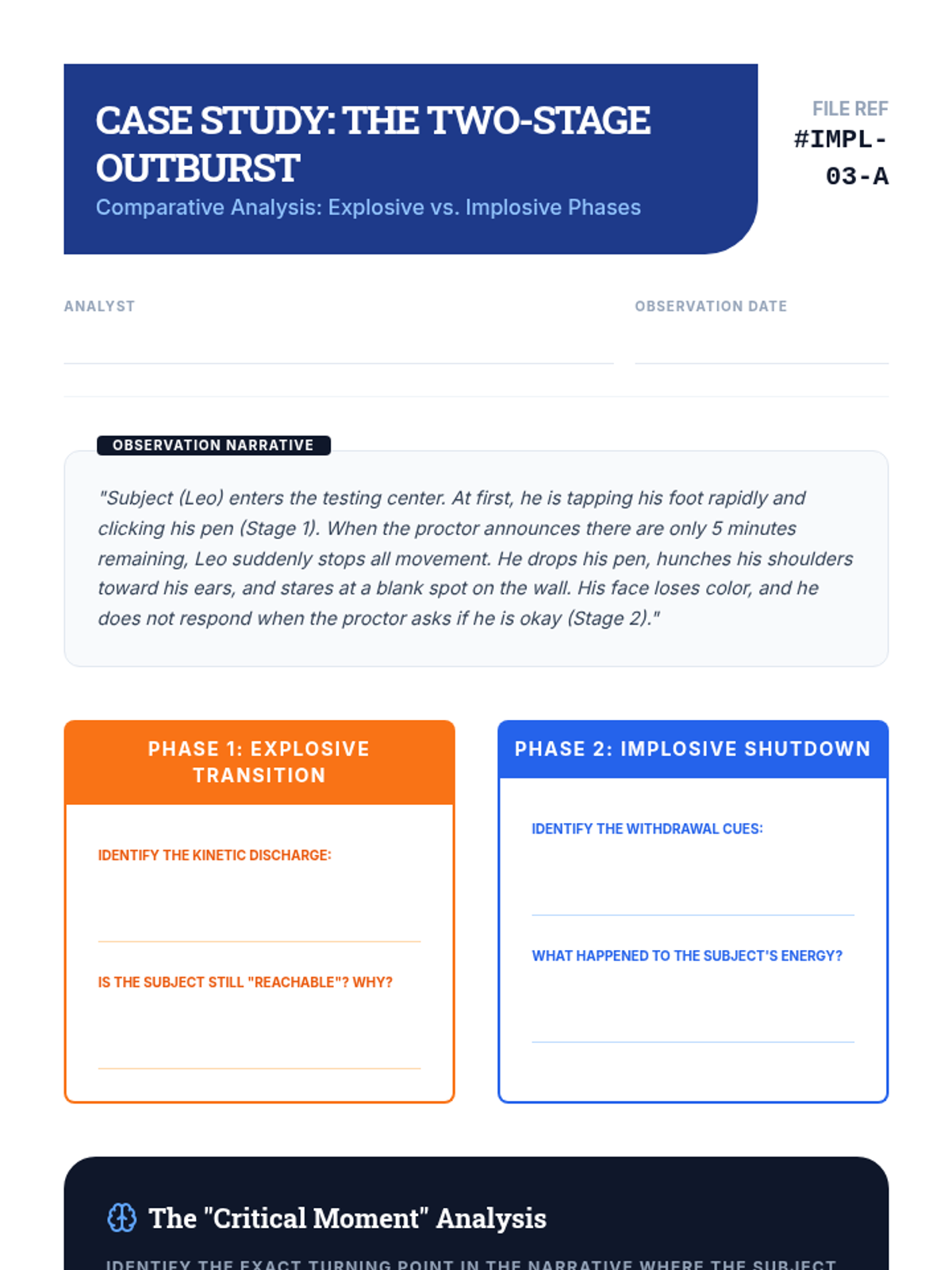
Explores 'implosive' escalation behaviors such as withdrawal, silence, and freezing. Students learn to recognize that decreased activity can be as significant as increased activity.
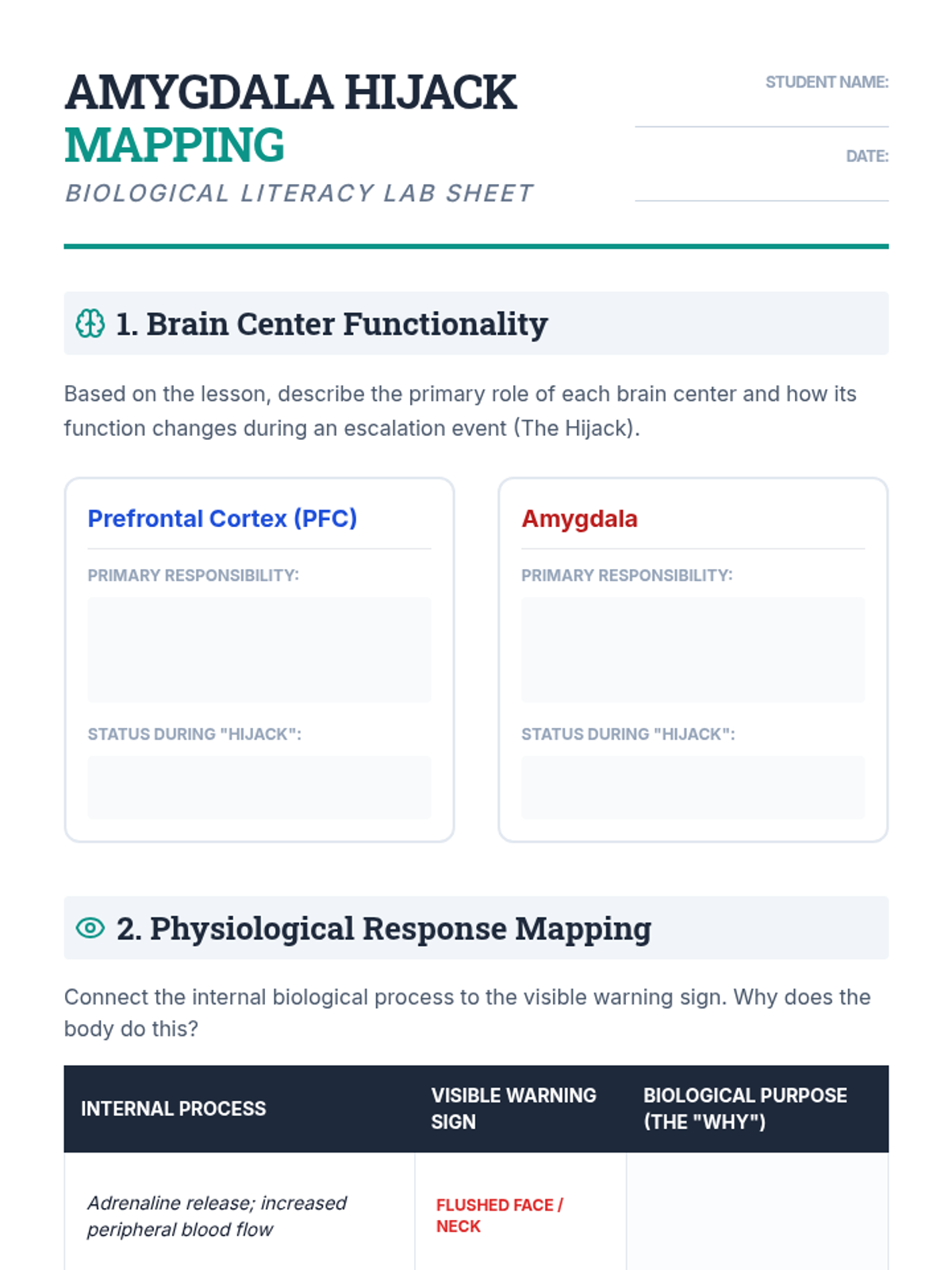
Students learn the brain science behind escalation, specifically how the amygdala overrides the prefrontal cortex. They map this internal process to external signs like flushed skin or dilated pupils.
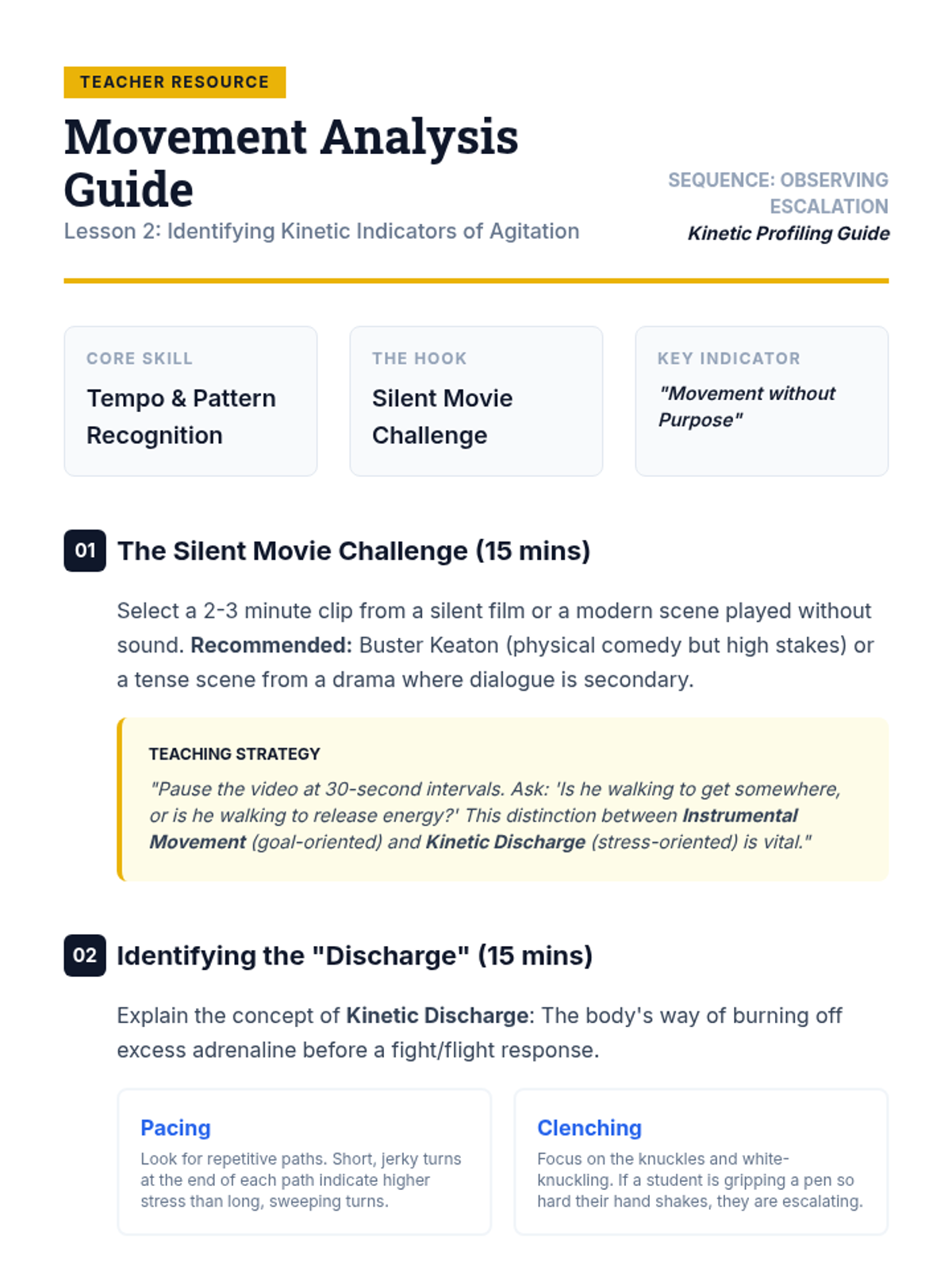
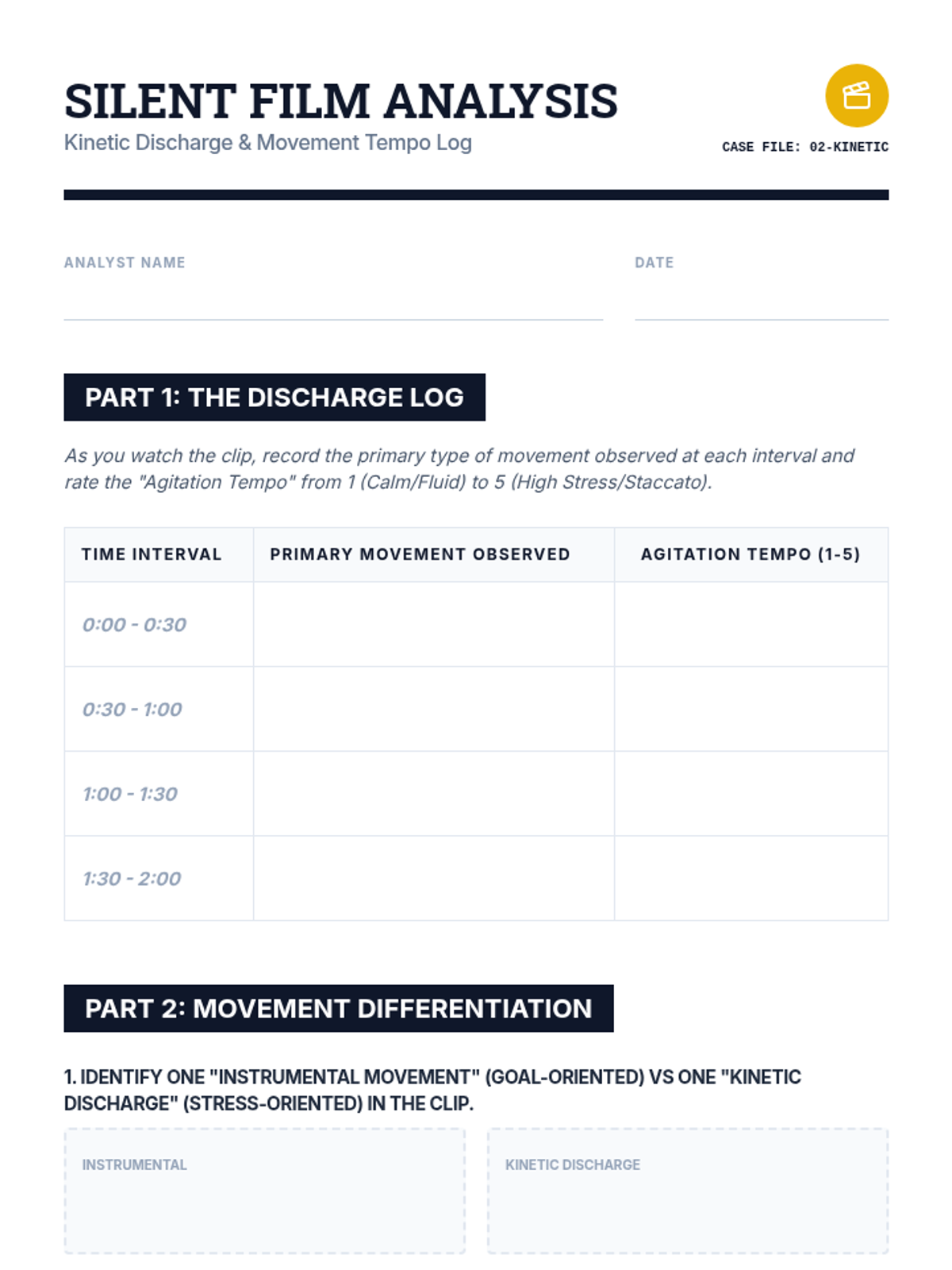
Focuses on identifying kinetic movements like pacing, fidgeting, and clenched fists as signs of agitation. Students analyze physical manifestations of stress without auditory context.
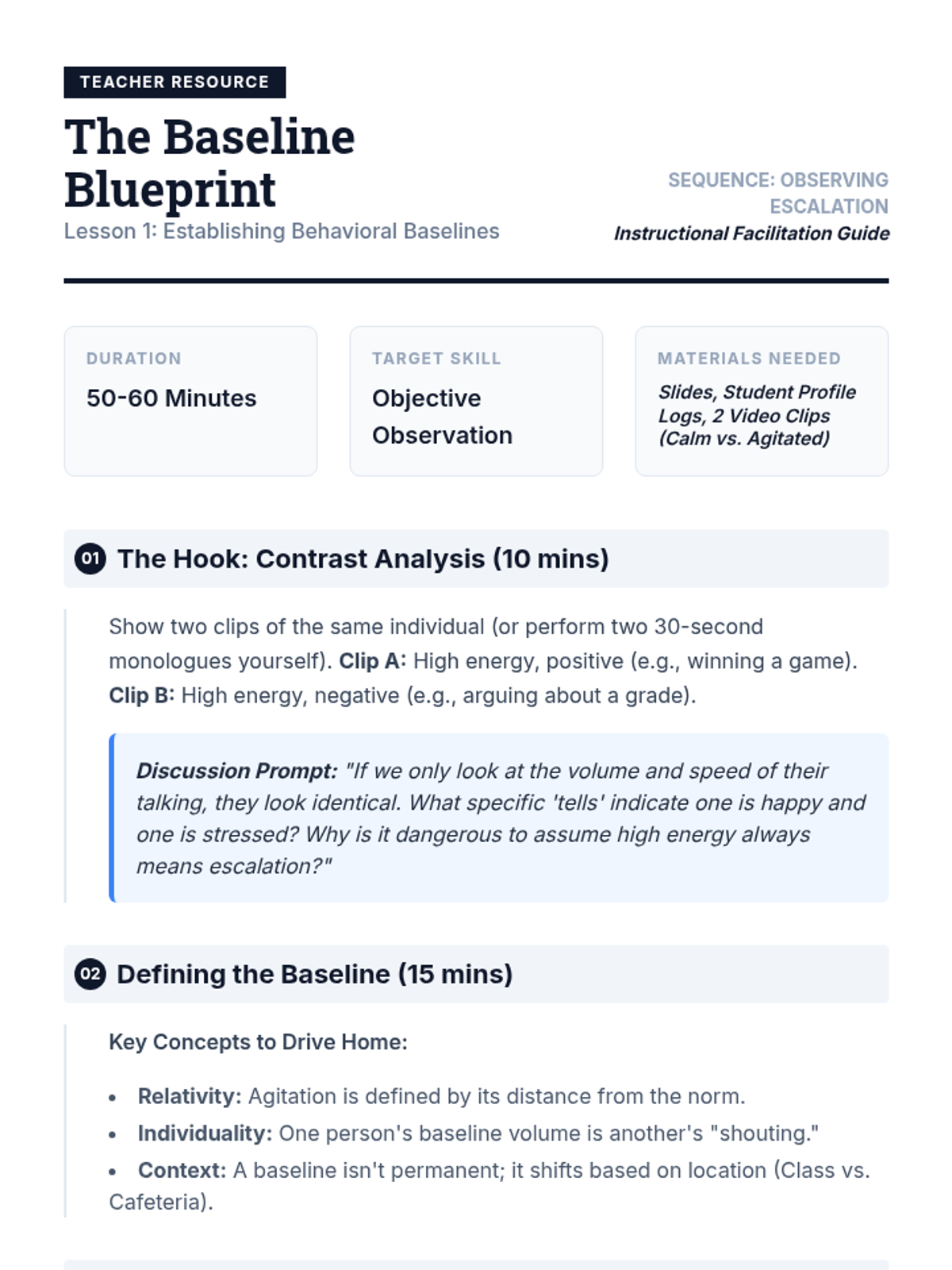
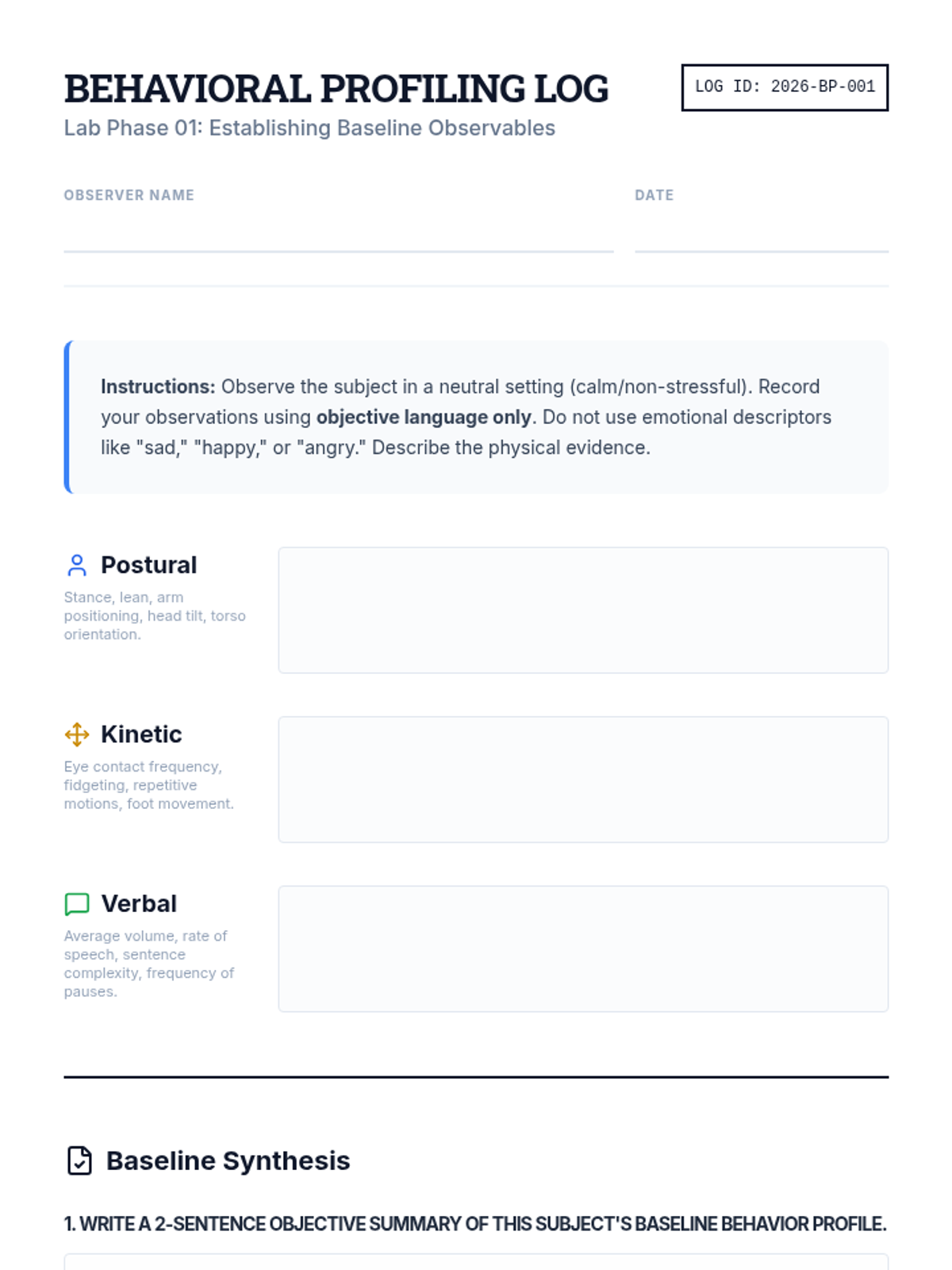
Students learn to define and document a 'behavioral baseline' as a necessary point of comparison for identifying escalation. They practice objective observation techniques to describe neutral behavior.
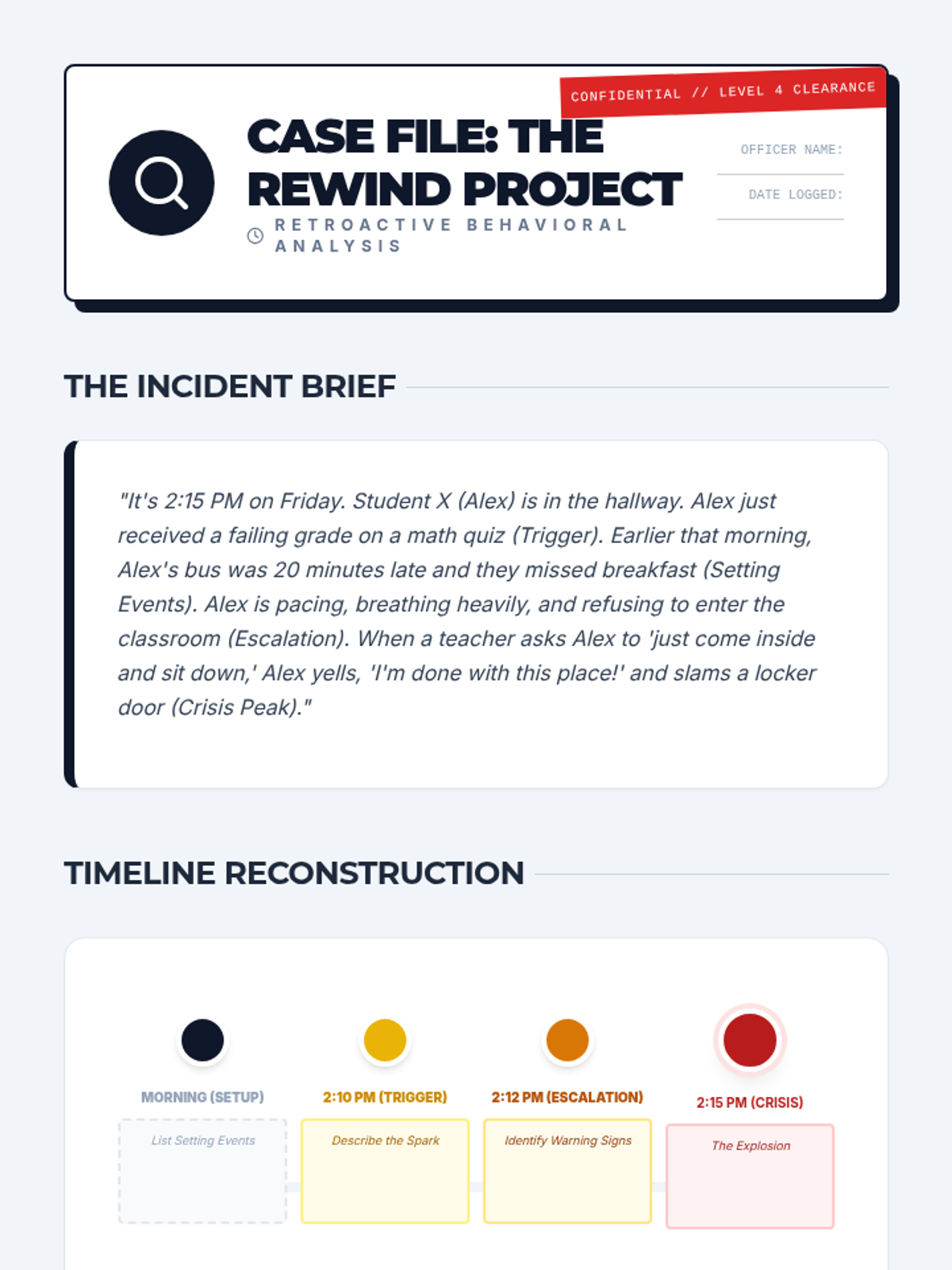
A summative project where students reconstruct a crisis event timeline to identify missed intervention 'off-ramps' and missed warning signs.
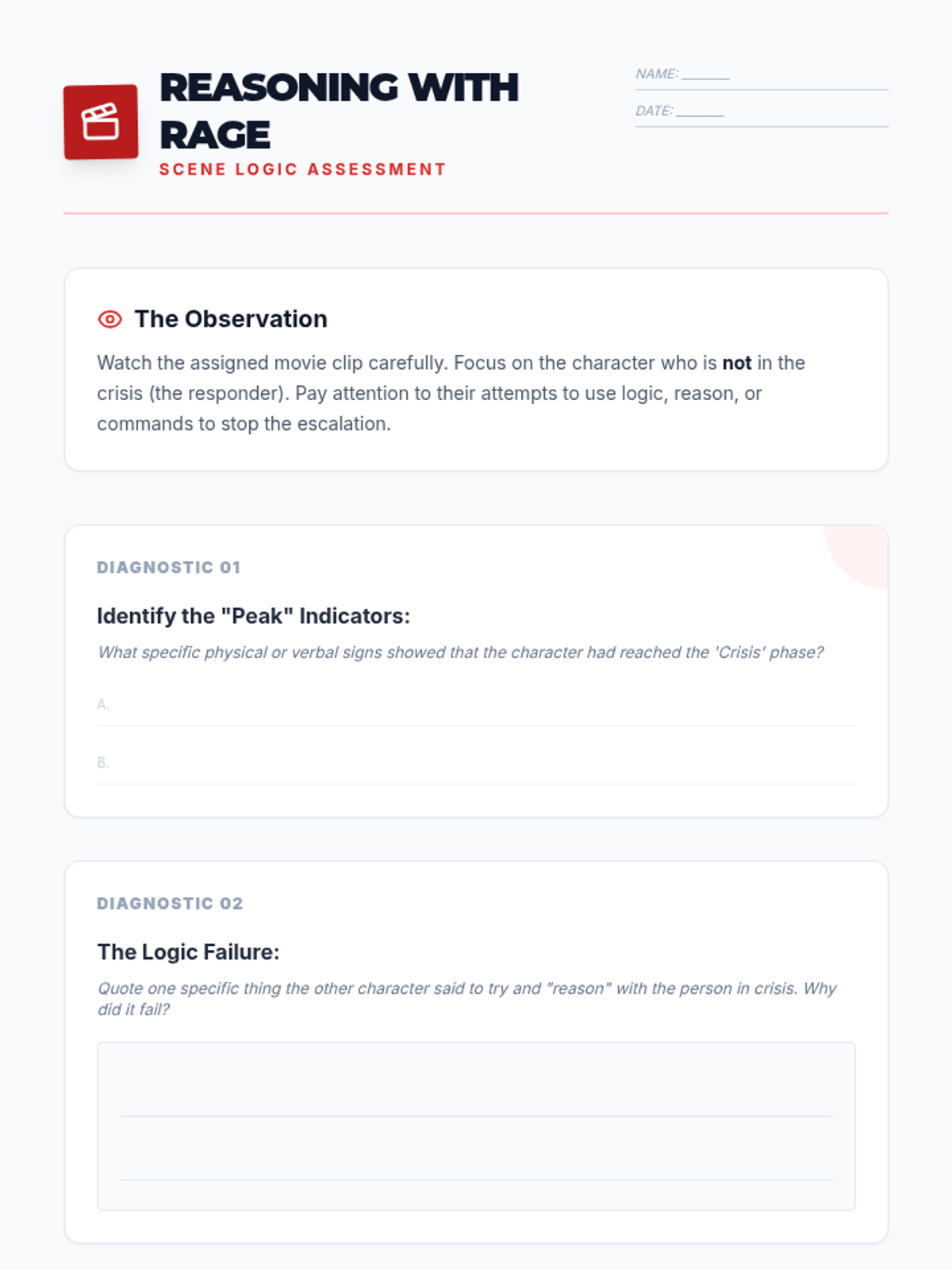
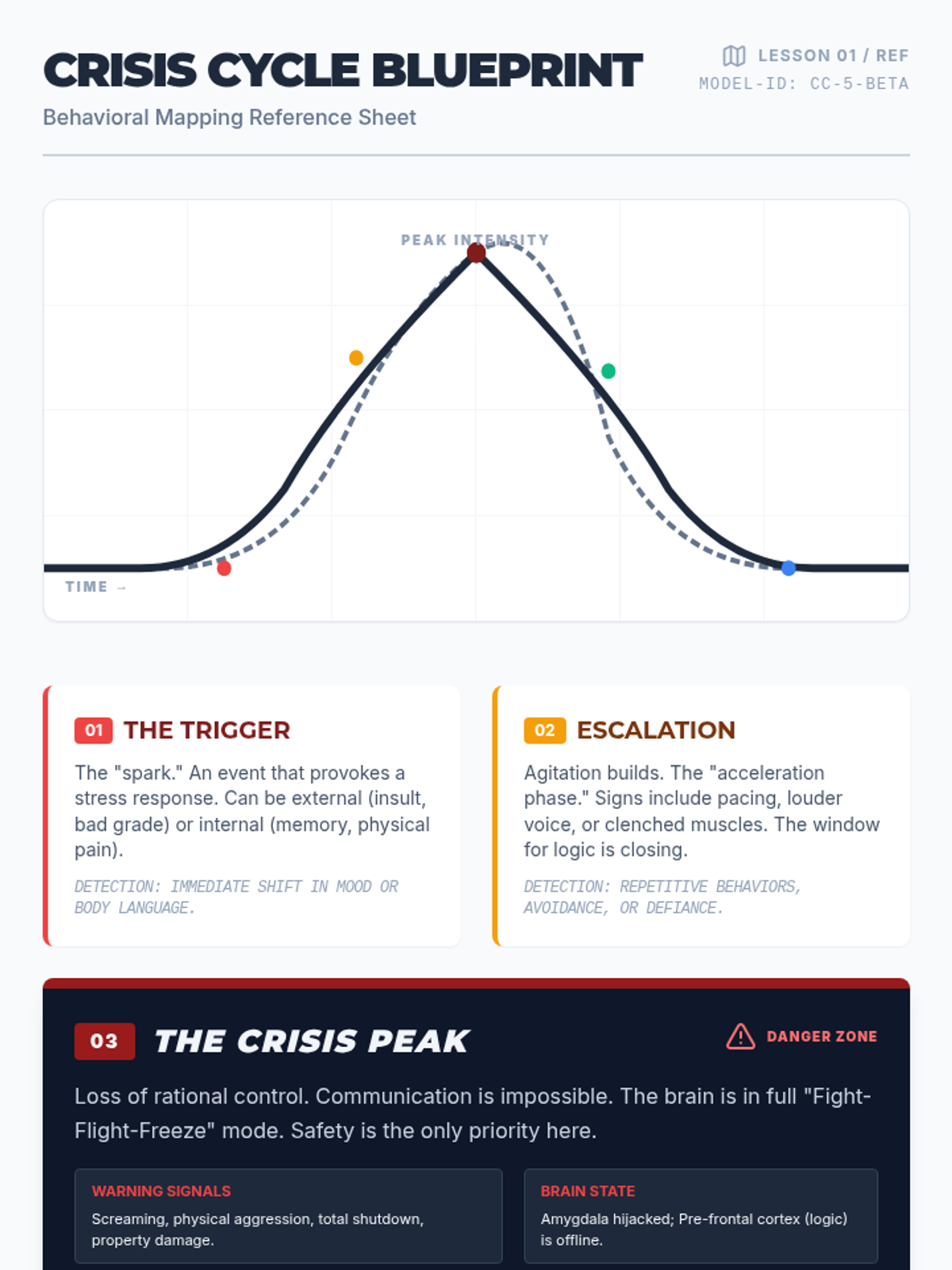
Analyzing the peak of the crisis cycle where rational communication fails and identifying physical and behavioral warning signs of an imminent outburst.
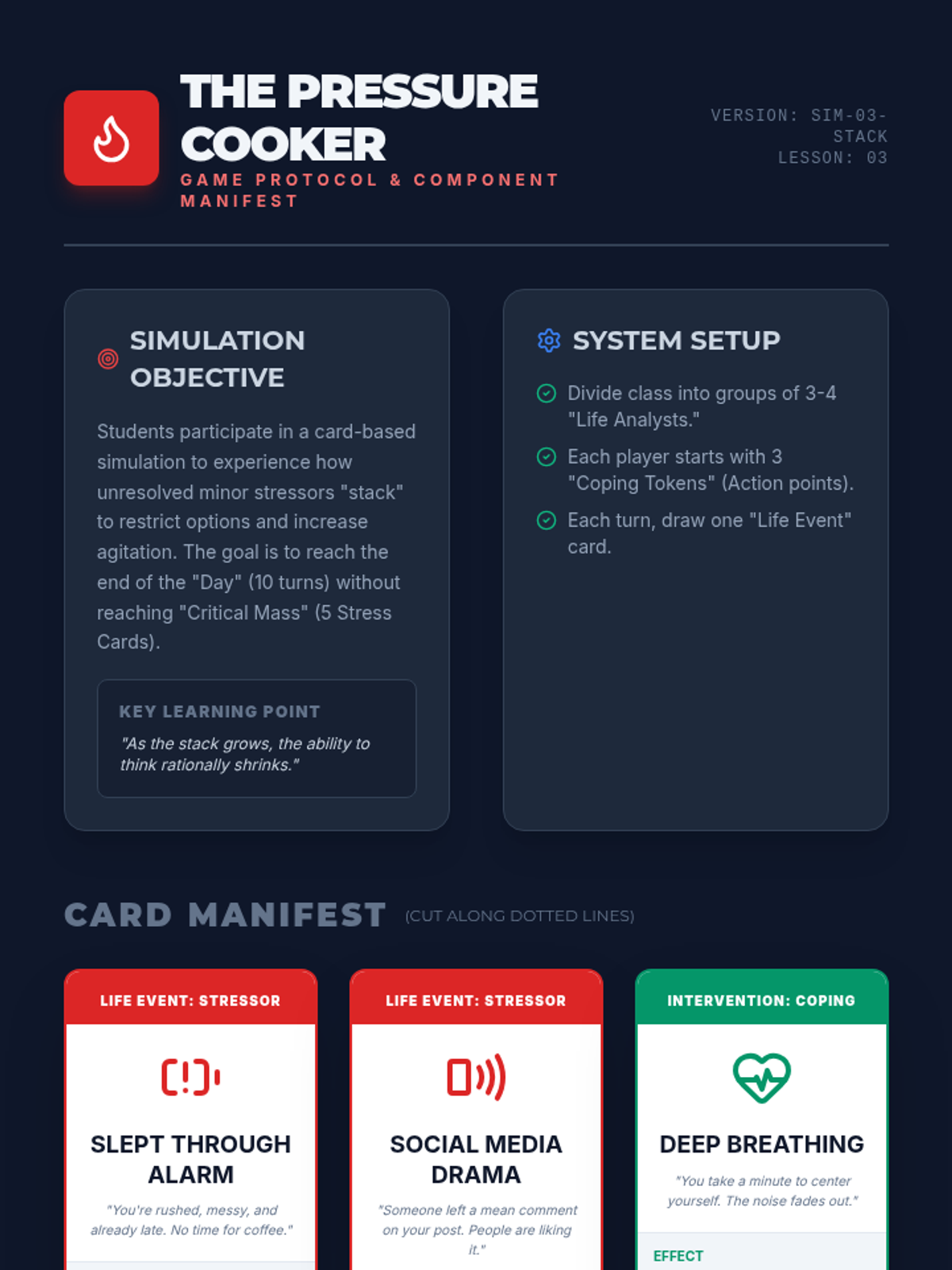
An exploration of the cumulative nature of stress and how unresolved frustrations lead to the acceleration phase of escalation.
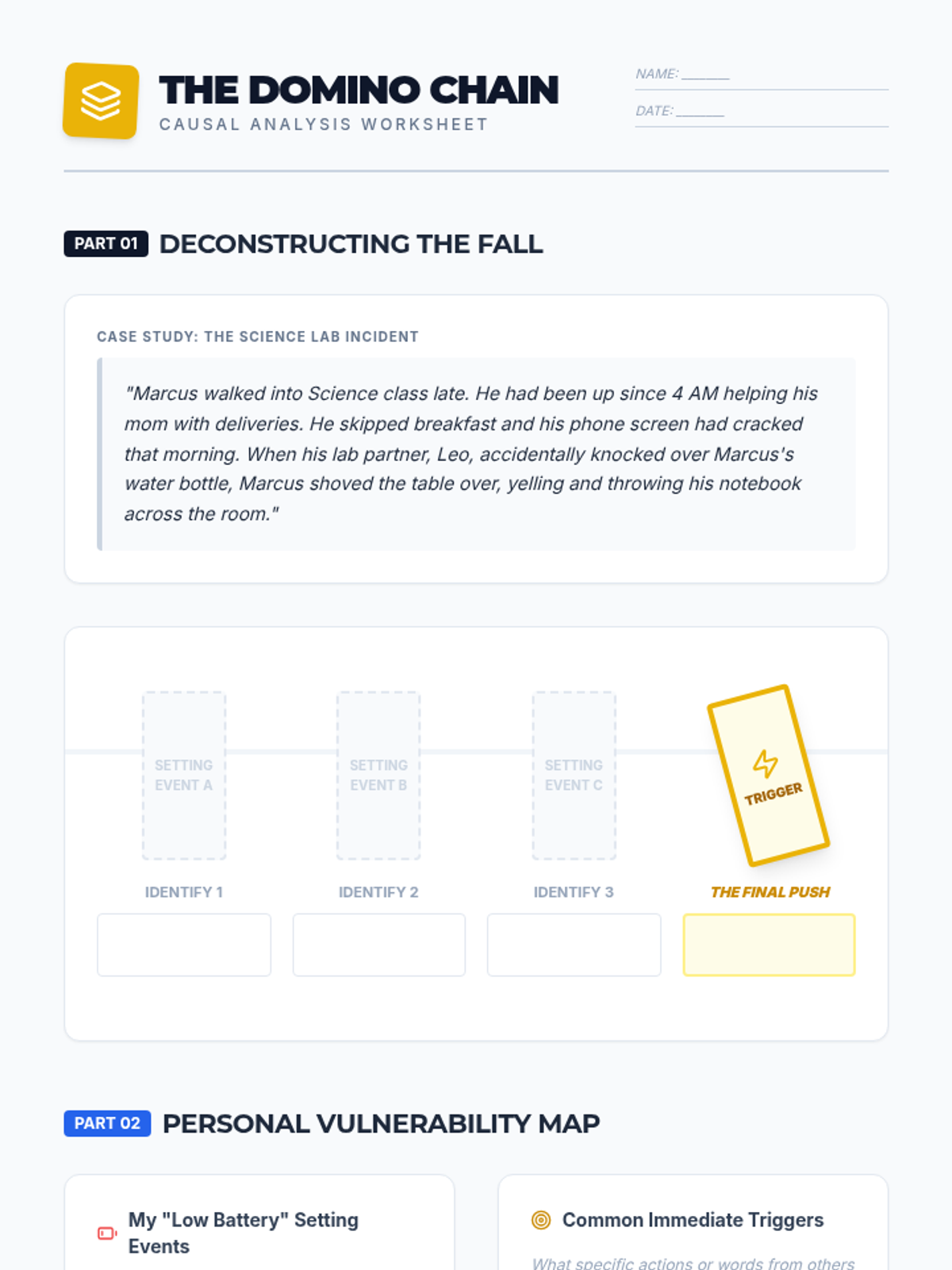
Differentiating between immediate triggers and setting events that prime an individual for agitation using a causal 'Domino Effect' model.
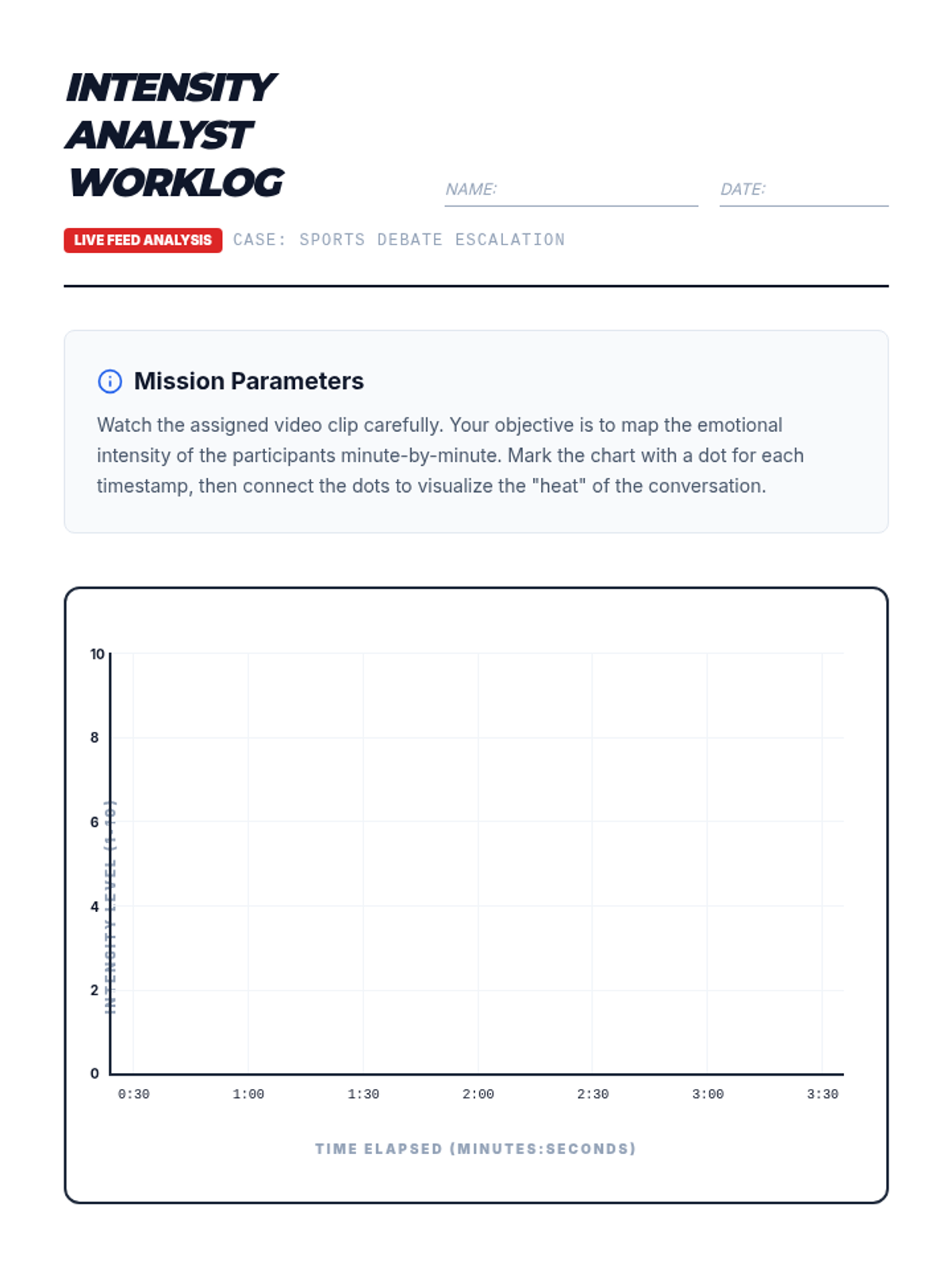
Introduction to the bell-curve model of behavioral escalation, identifying the five key stages: Trigger, Escalation, Crisis, De-escalation, and Recovery.
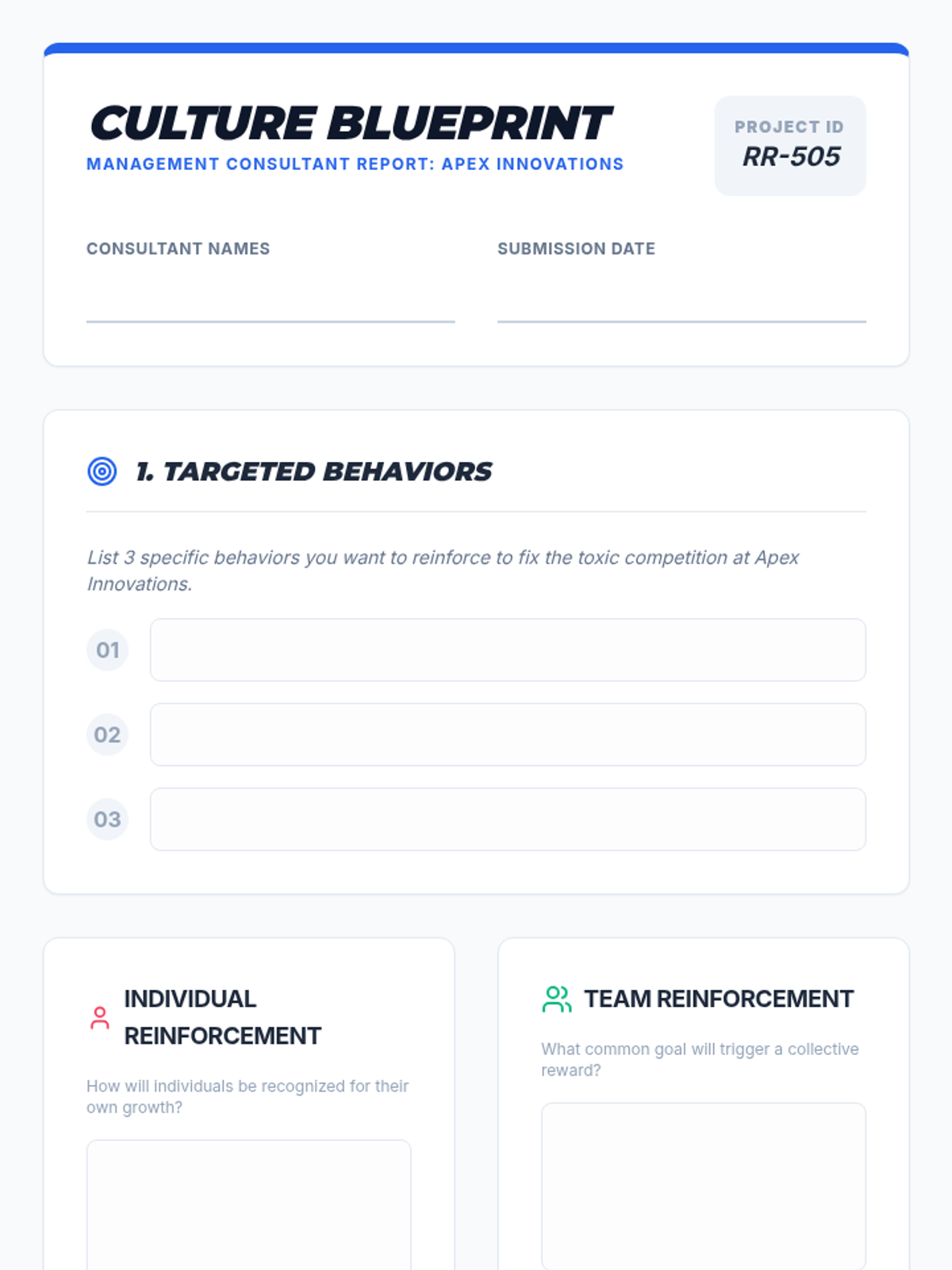
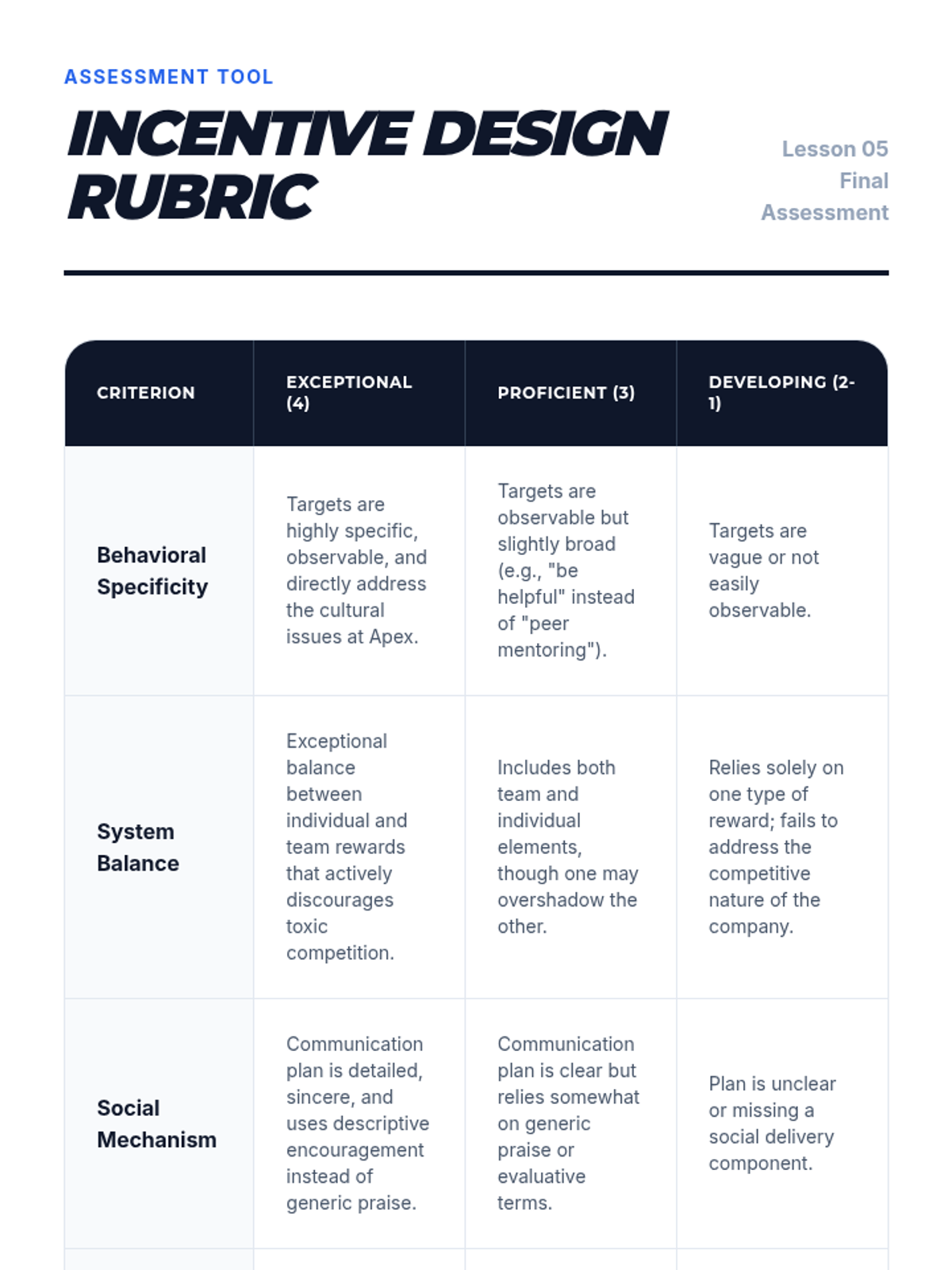
In this culminating activity, students act as management consultants designing a reinforcement system for a struggling organization, balancing individual rewards with team goals.
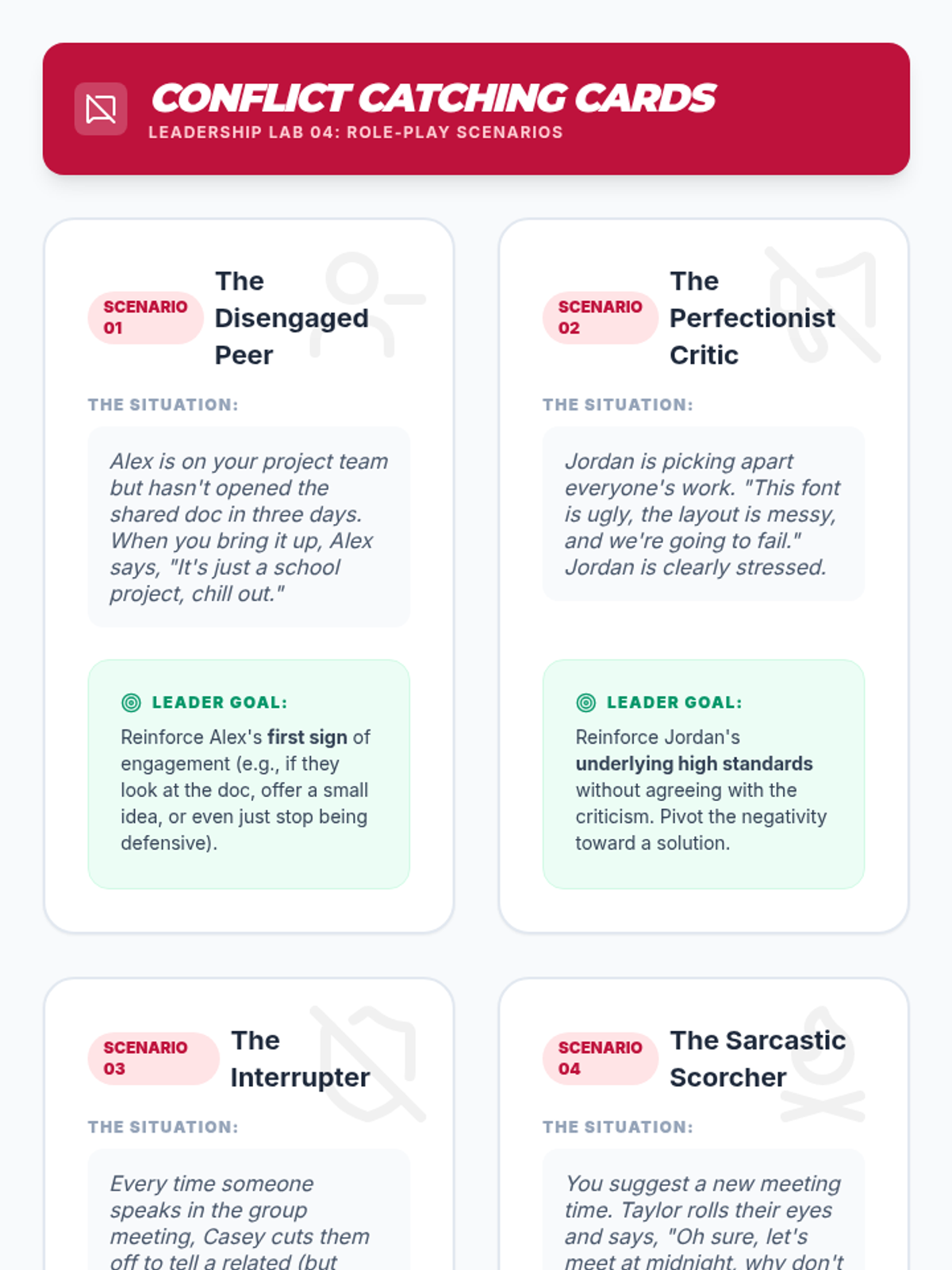
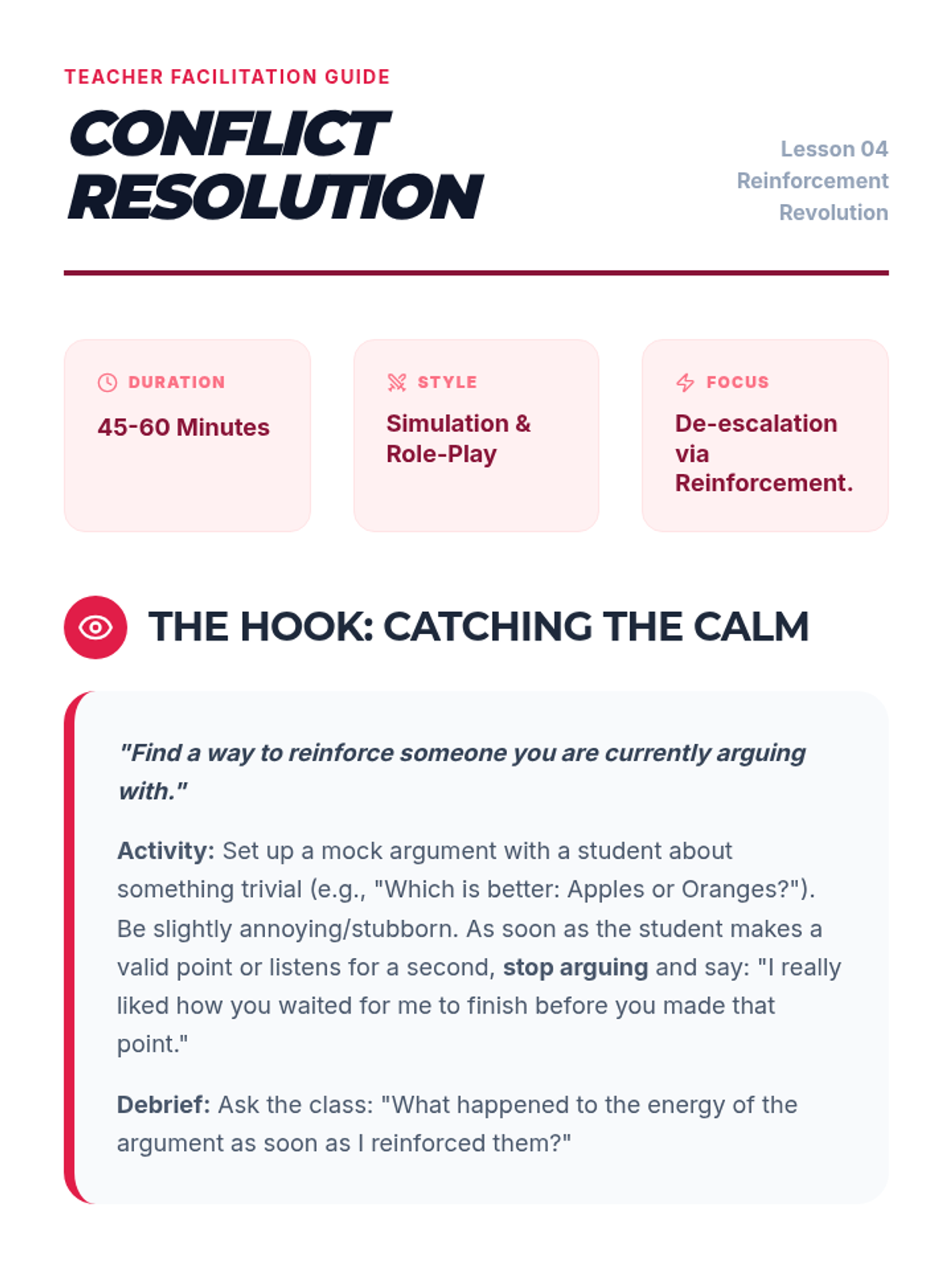
Students investigate how to use positive reinforcement to de-escalate conflict and reinforce cooperative behavior in stressful leadership situations.
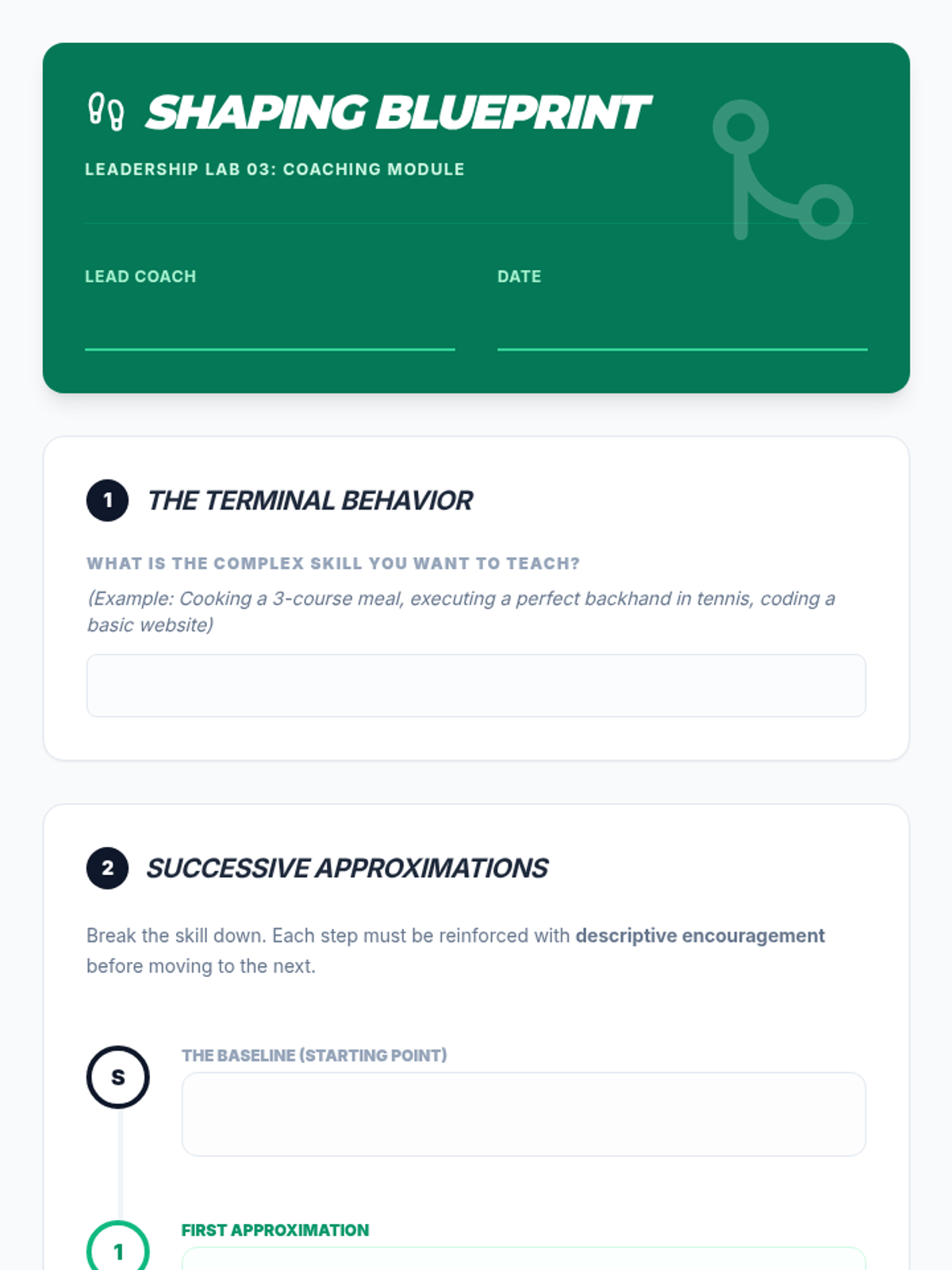
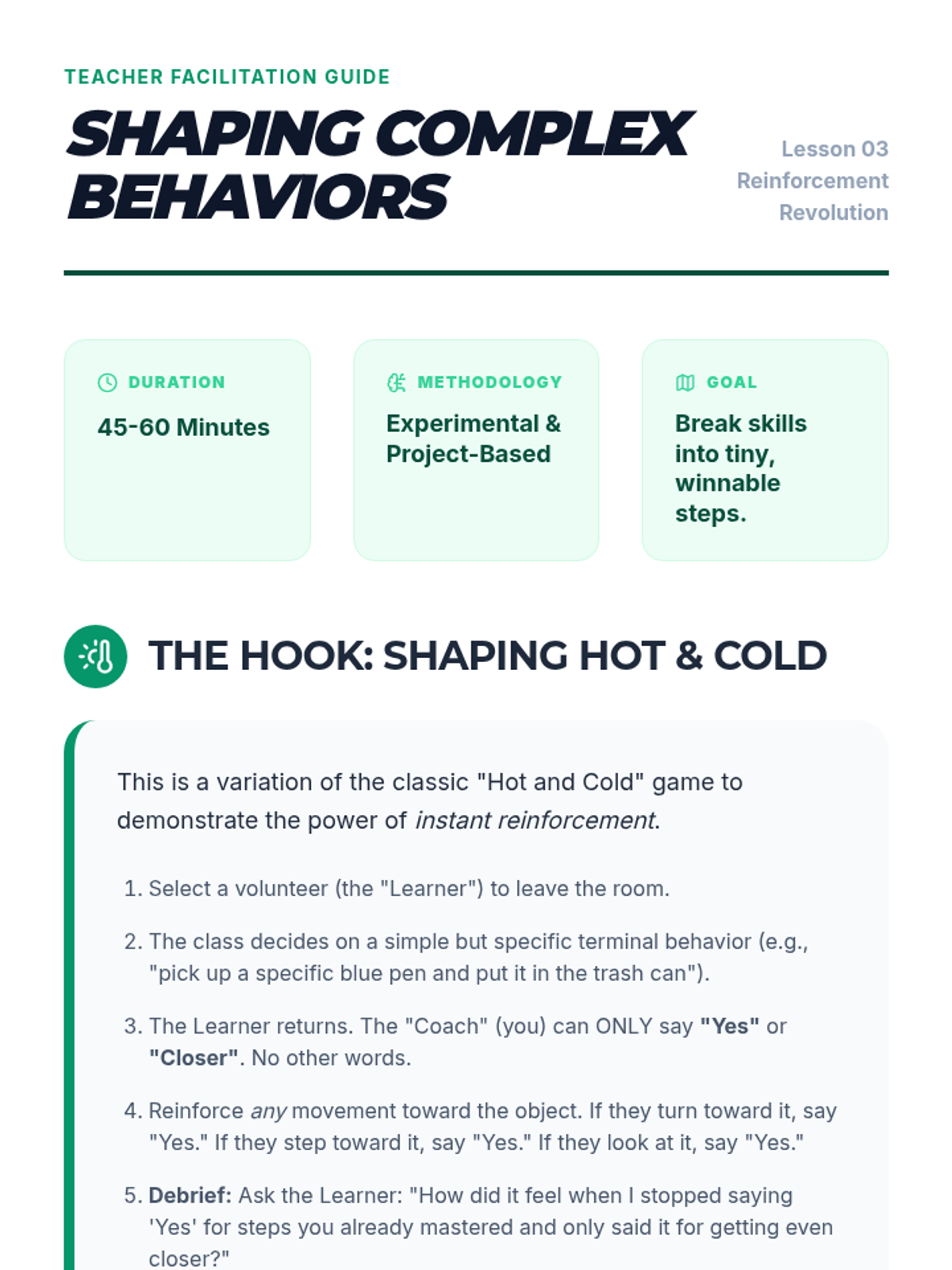
Students learn the technique of 'shaping'—reinforcing successive approximations of a desired complex behavior. They plan how they would teach a peer a new skill by rewarding small steps rather than waiting for perfection.
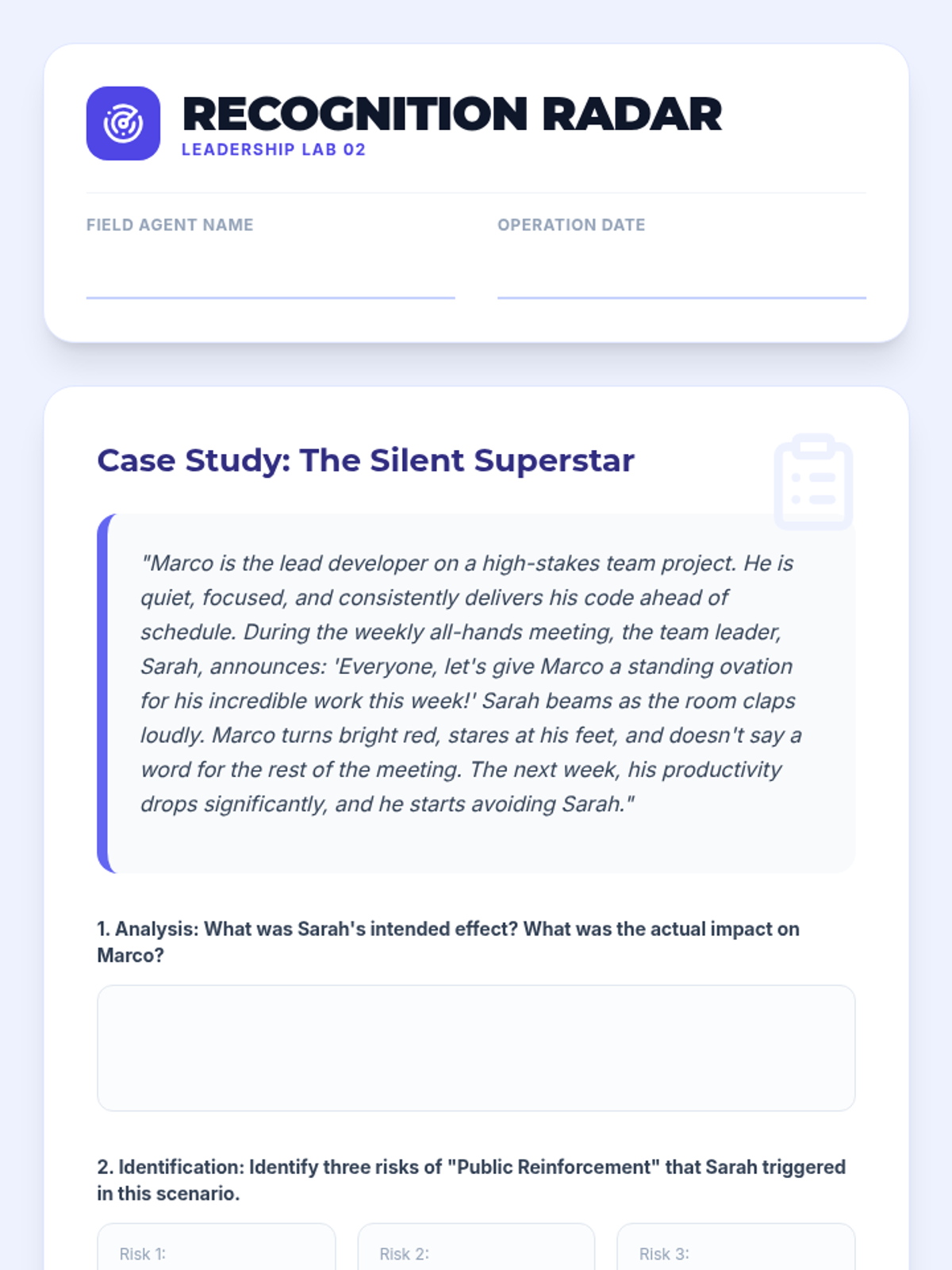
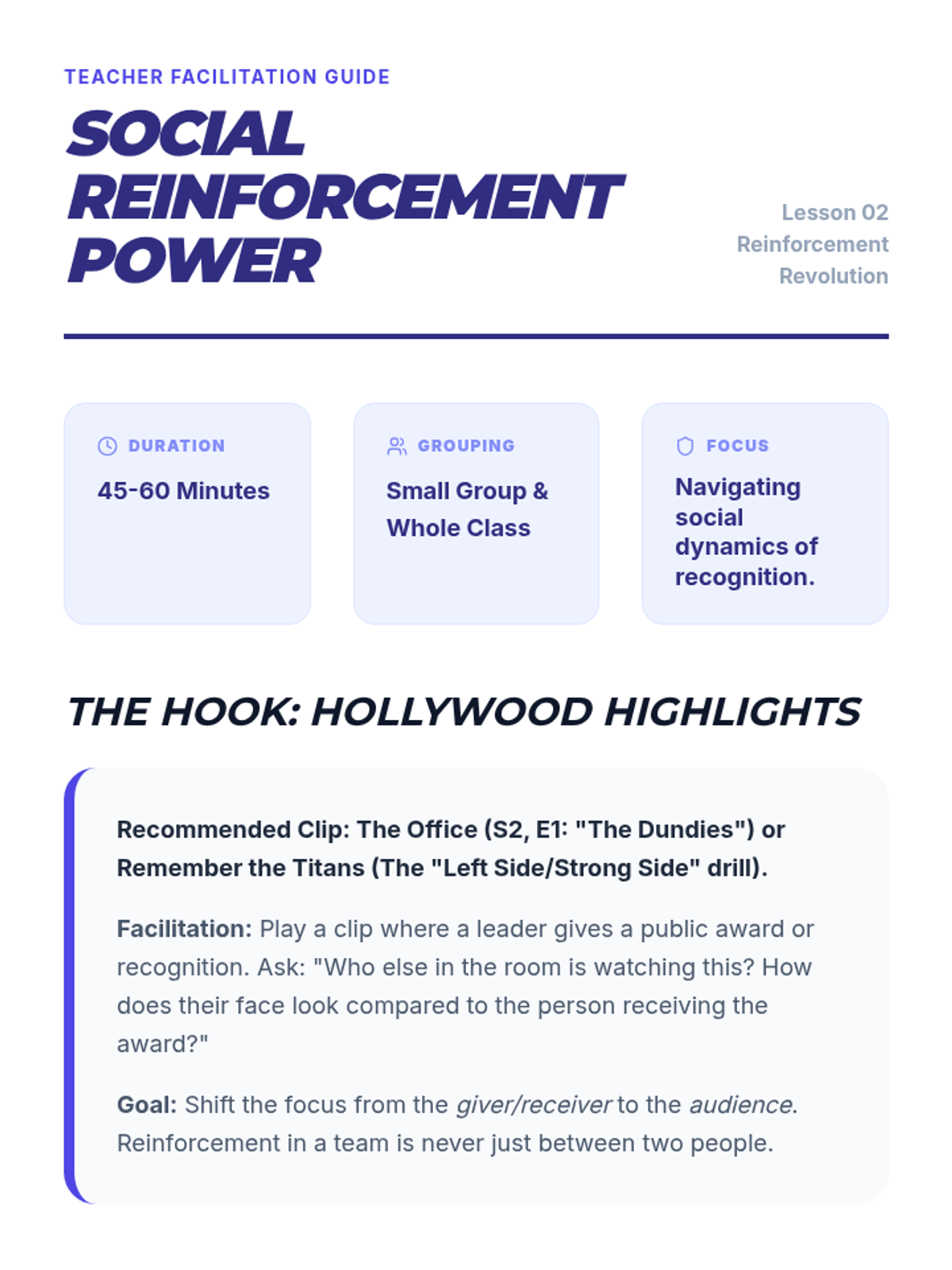
This lesson looks at social recognition as a powerful motivator in teams and groups. Students analyze case studies of workplace or sports team cultures and explore how public vs. private recognition affects individuals differently.
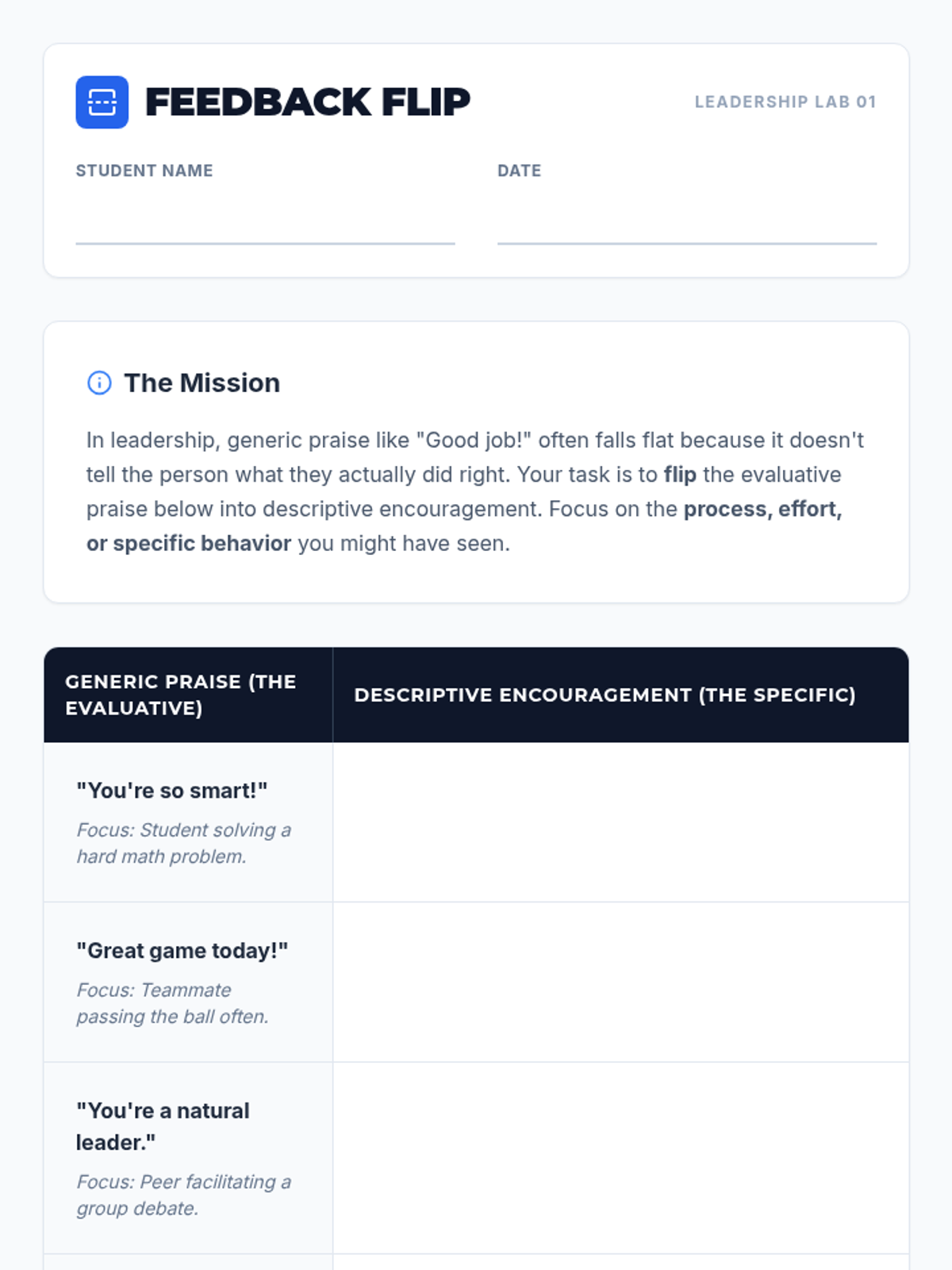
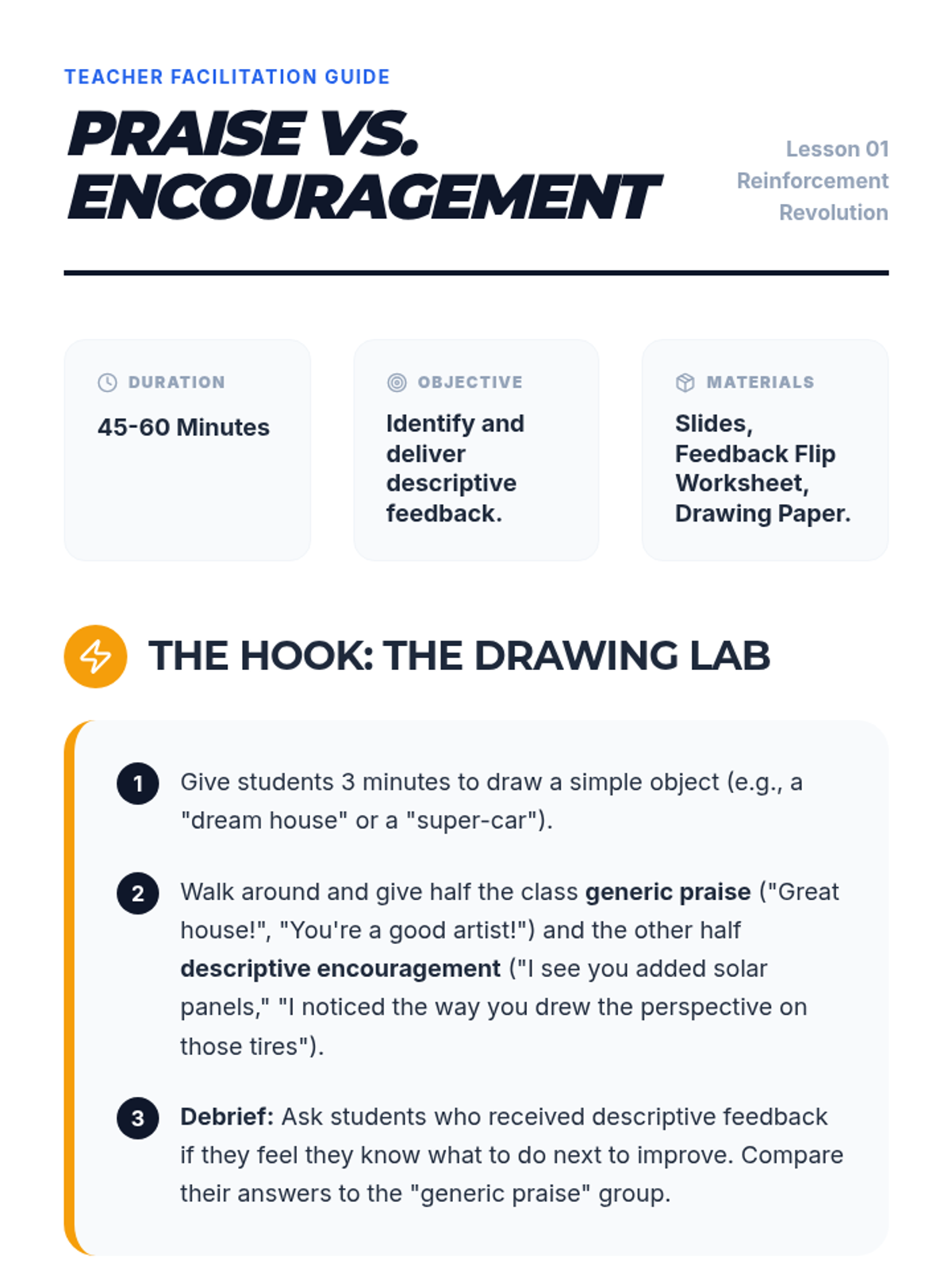
Students distinguish between evaluative praise ('Good job') and descriptive encouragement ('I noticed you organized the files by date'). They practice converting generic compliments into specific, behavior-focused reinforcement that provides actionable feedback.
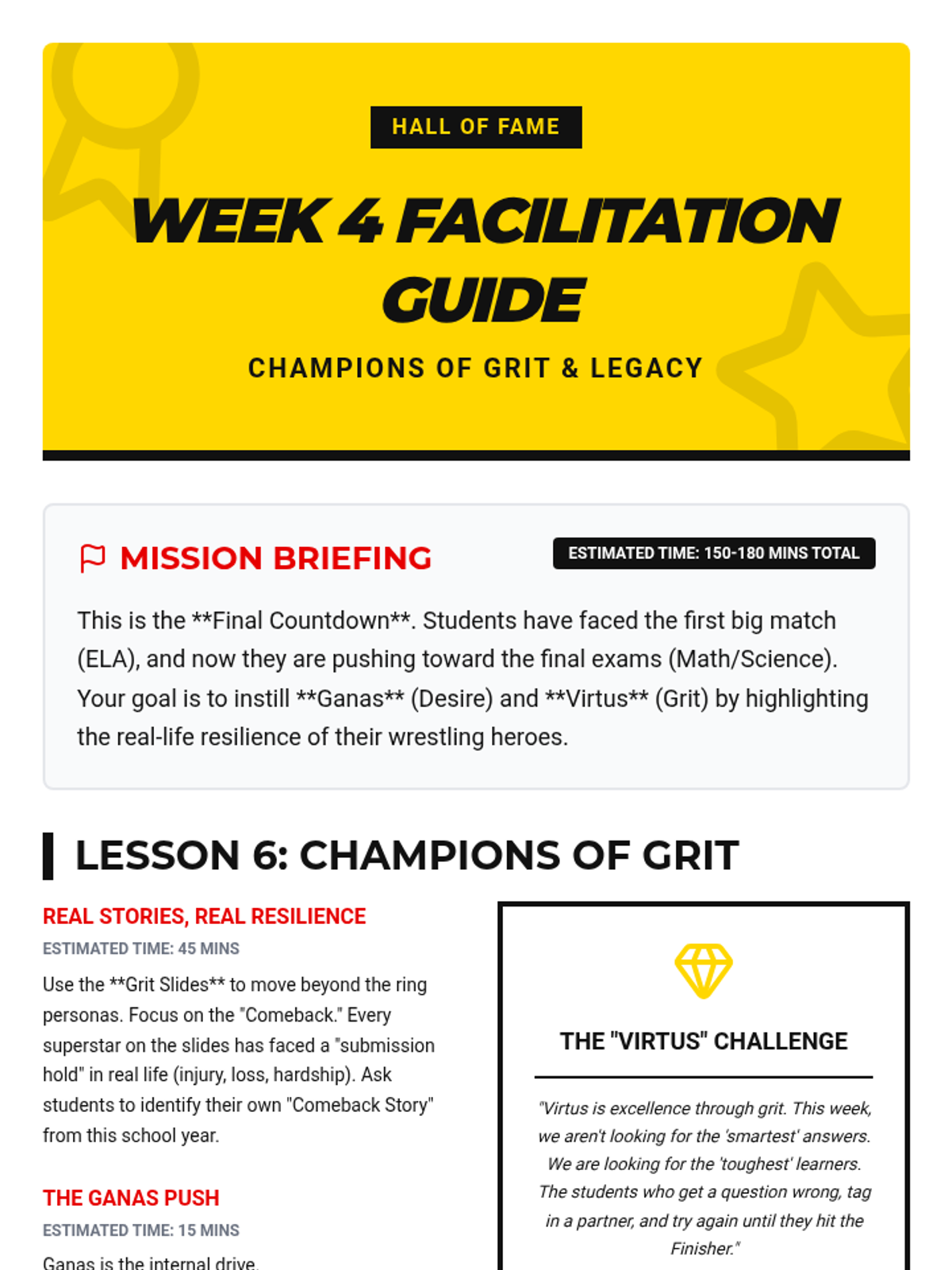
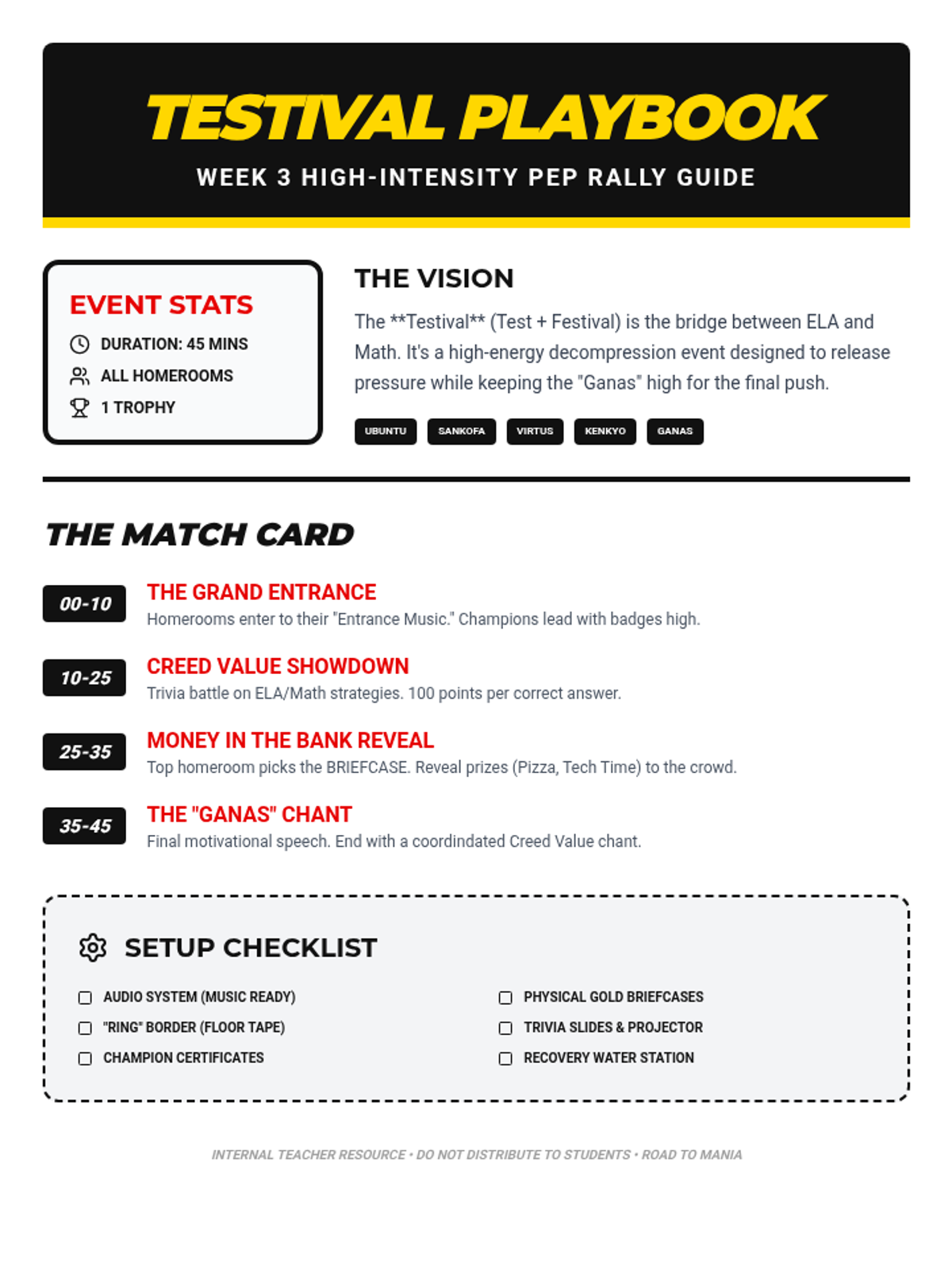
Examining real-life challenges faced by WWE stars to inspire resilience, grit, and the 'Ganas' required for the final push.
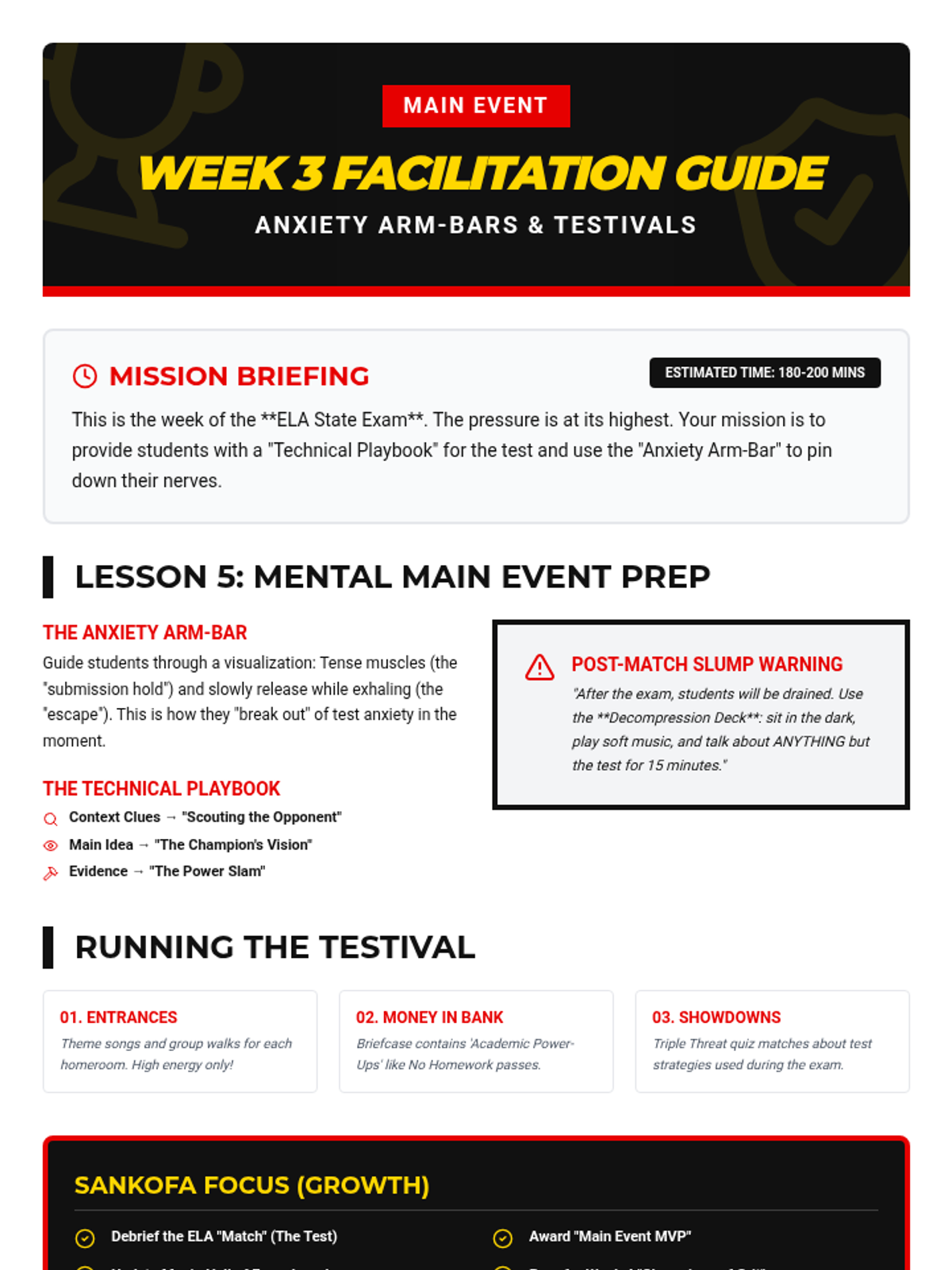
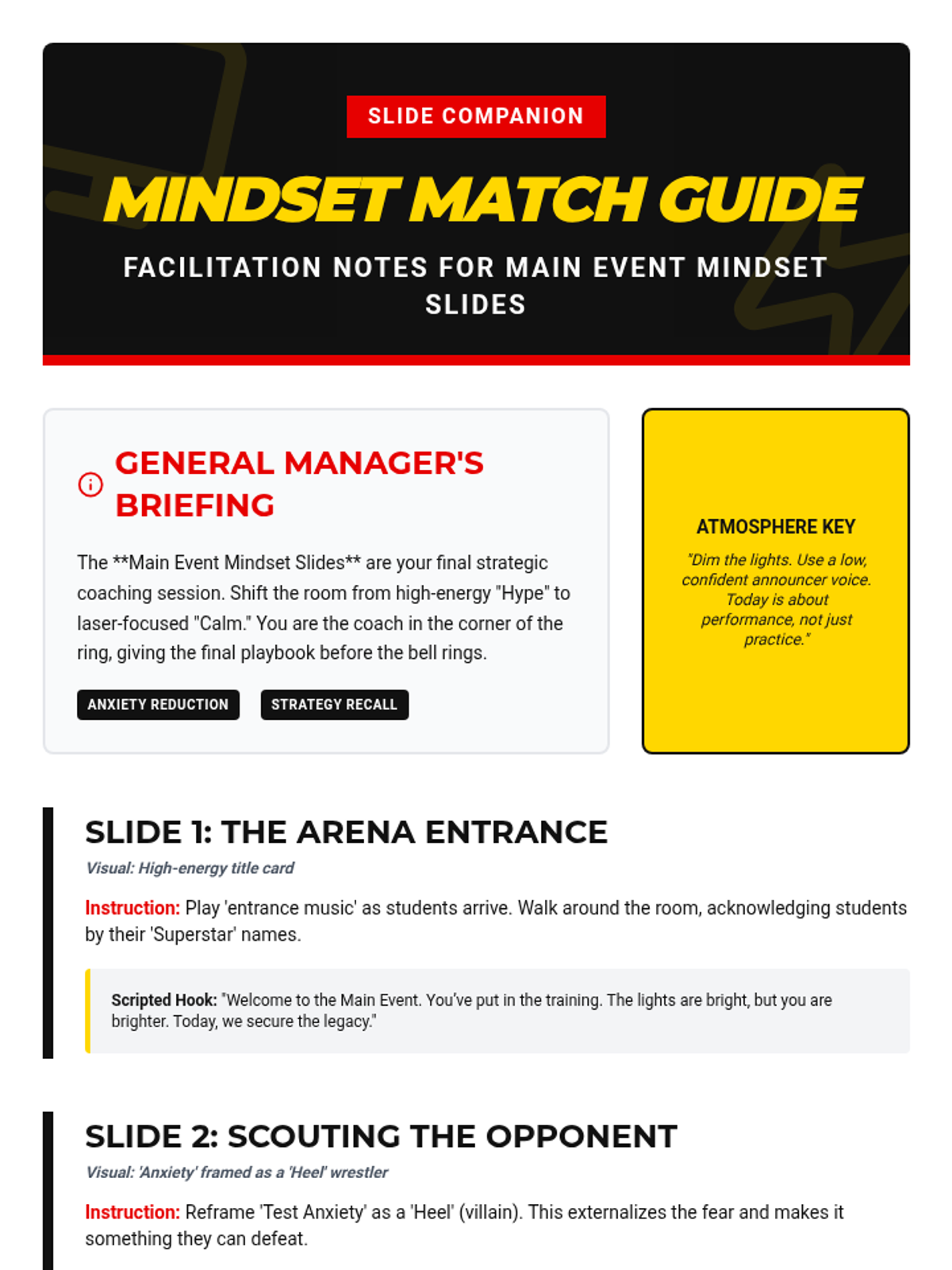
Addressing test anxiety and ELA state exam preparation, including decompression strategies to stay 'main event' ready.
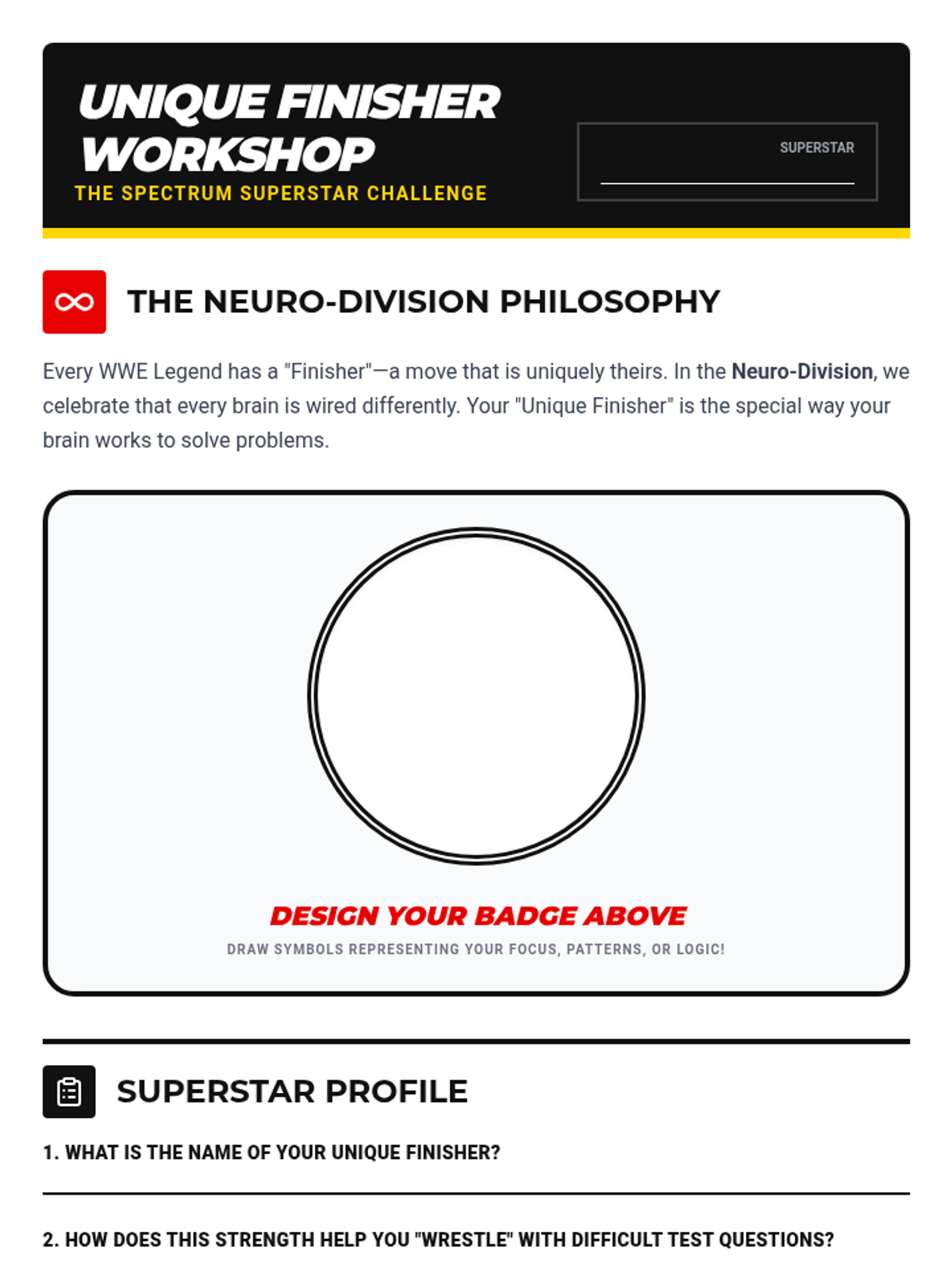
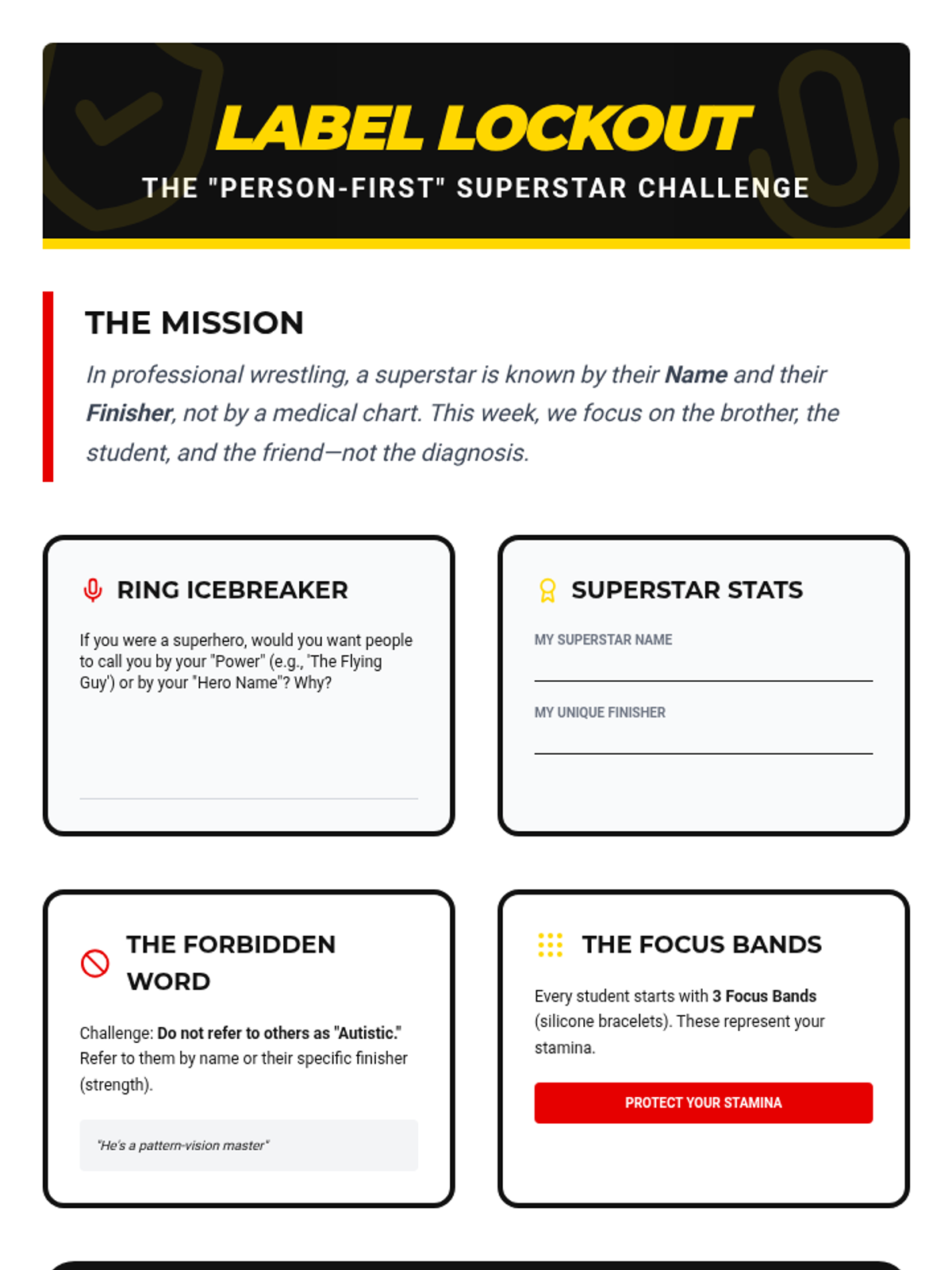
A high-energy activity focusing on inclusivity and celebrating different ways of thinking and 'wrestling' with challenges.
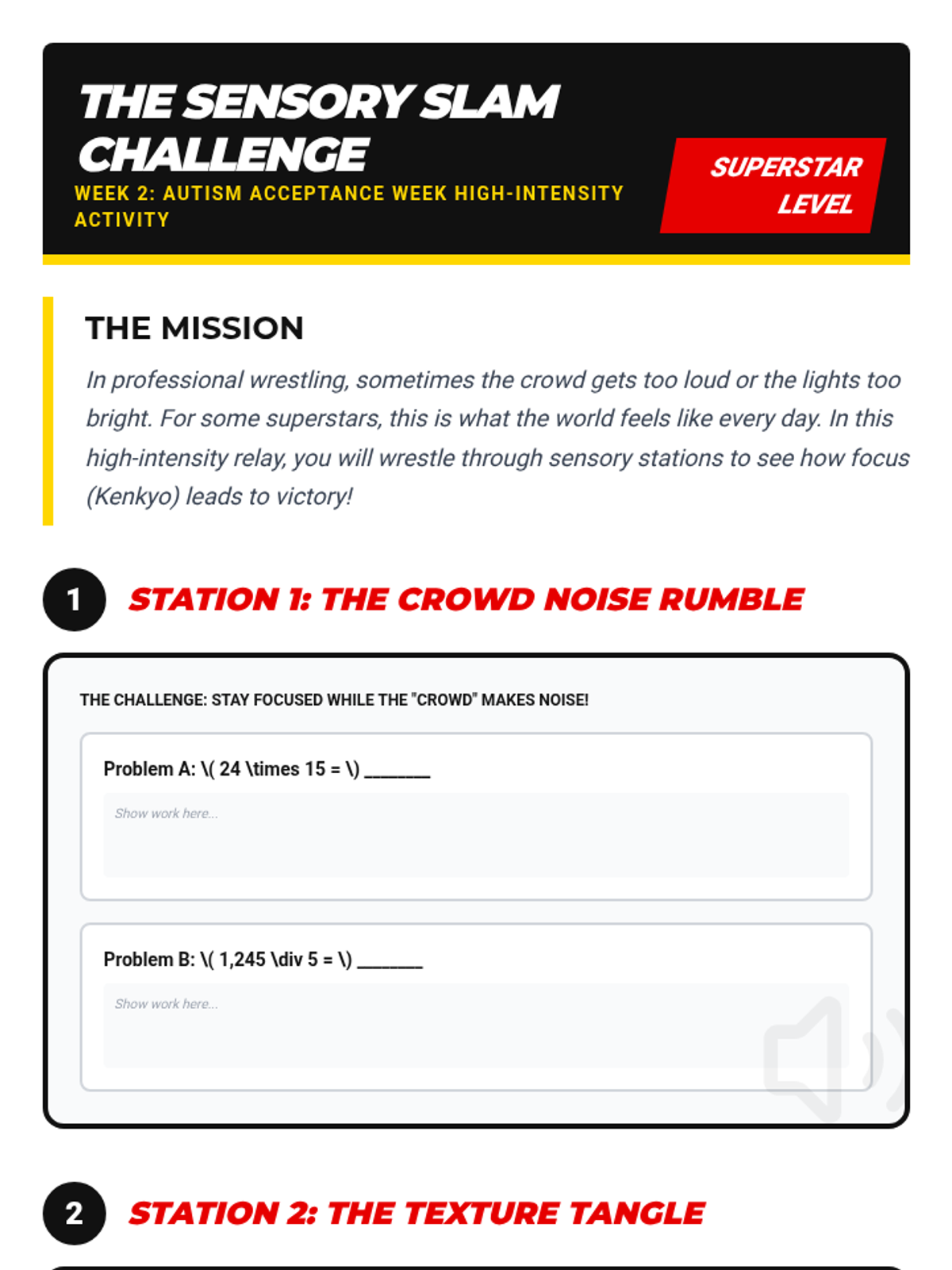
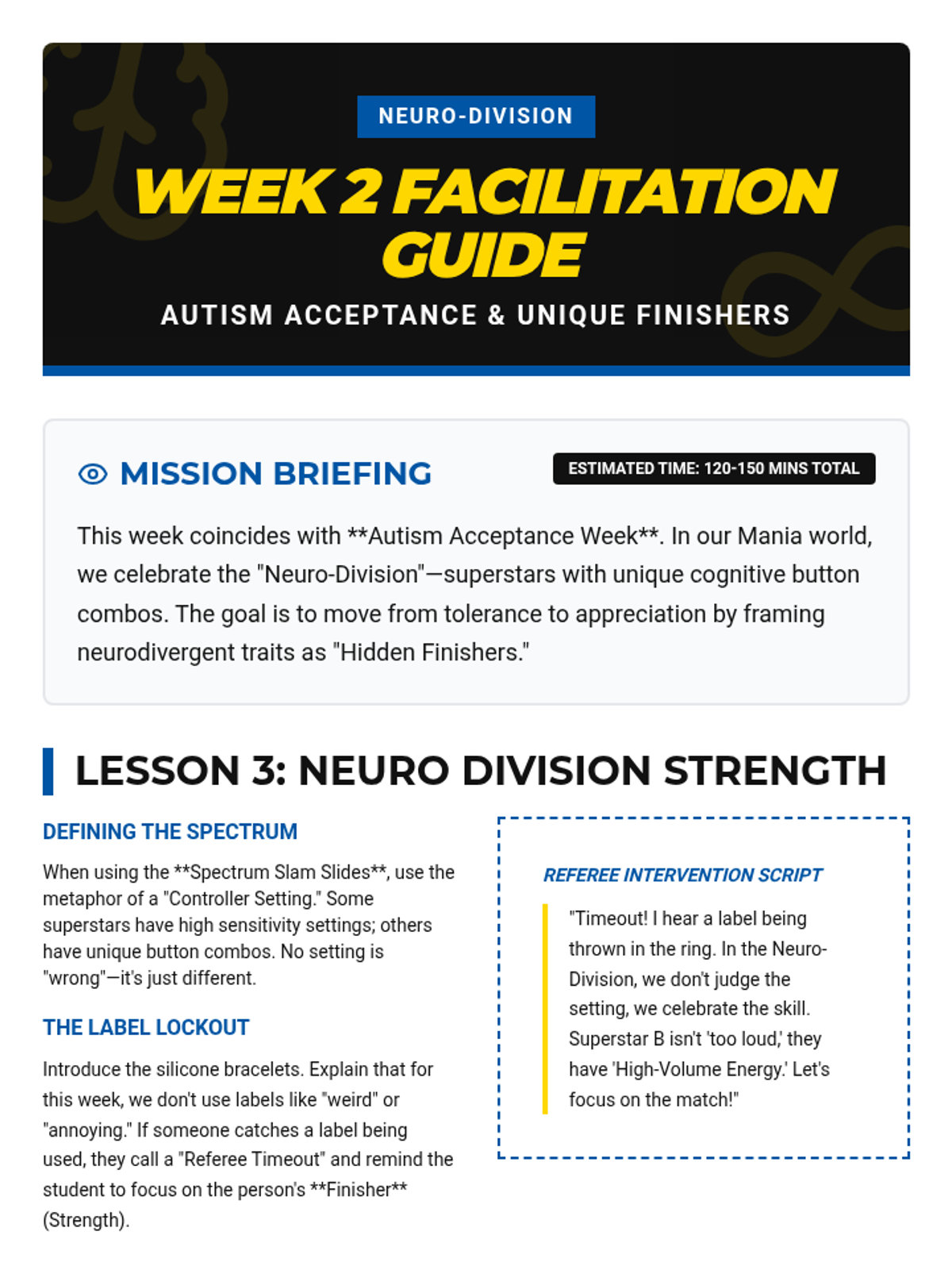
The first of two activities celebrating Autism Acceptance Week, highlighting the unique 'finishers' and strengths of neurodivergent individuals.
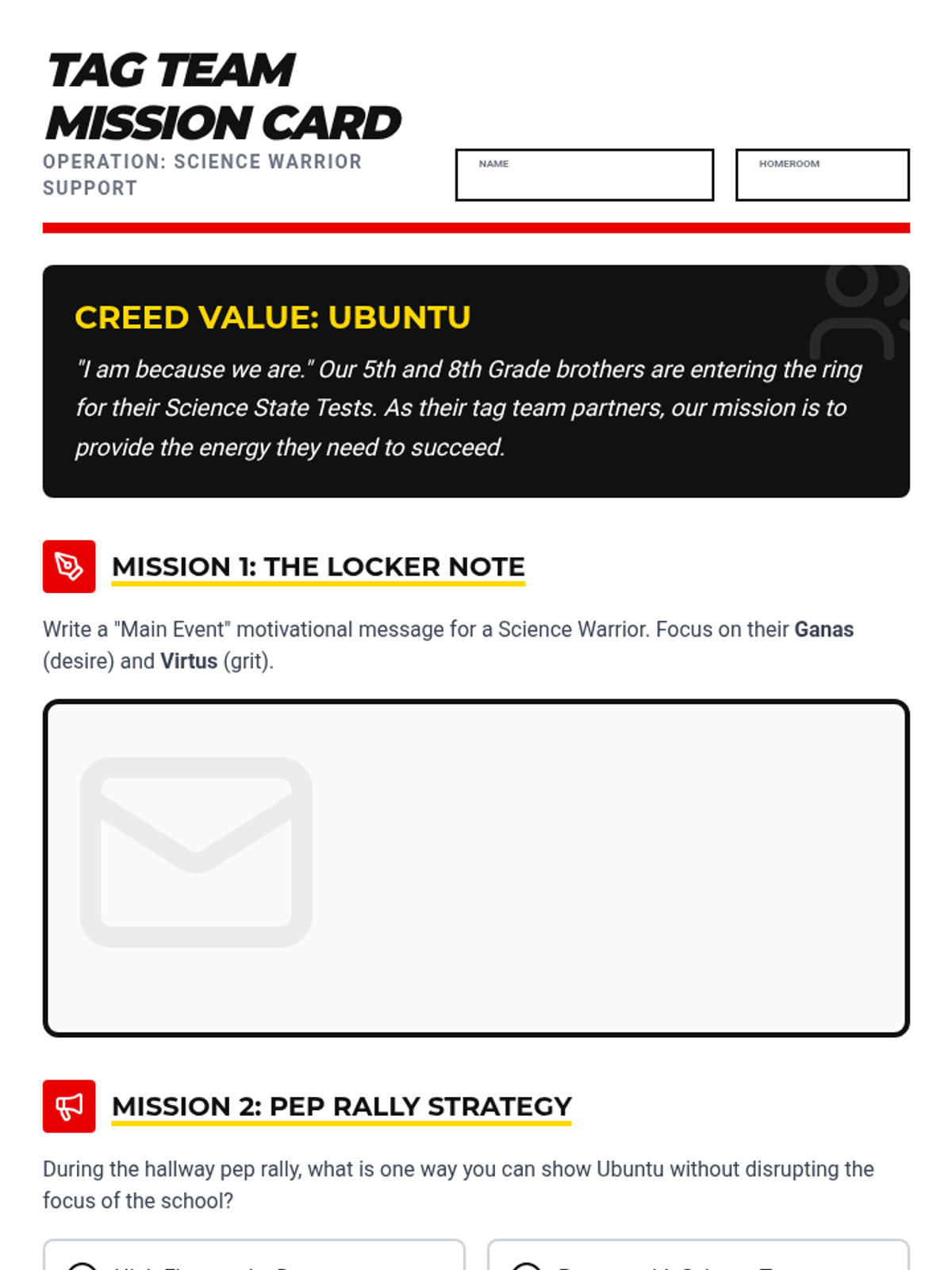
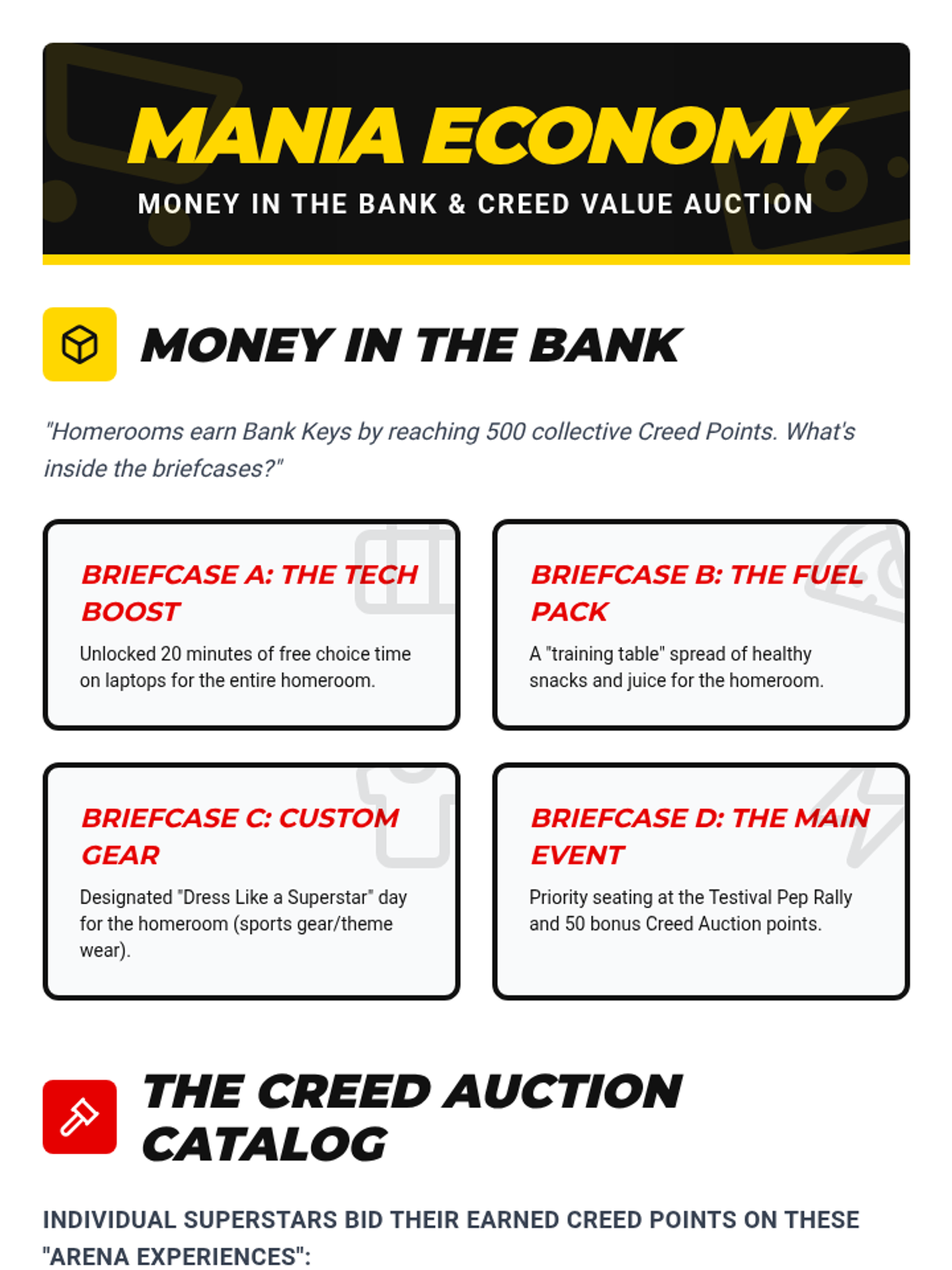
Focus on the Creed Value of Ubuntu and brotherhood, preparing students to support their peers during science test pep rallies.
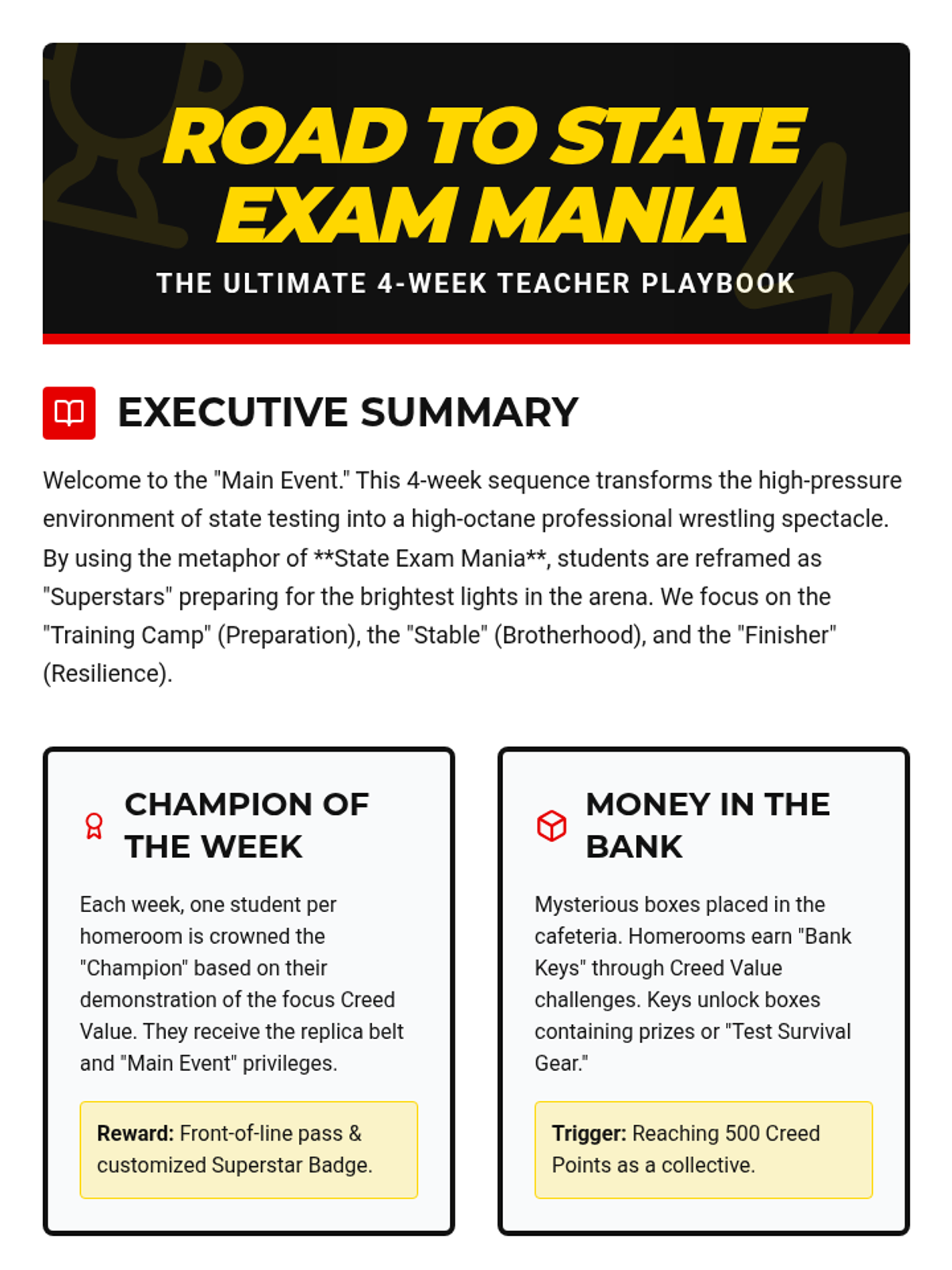
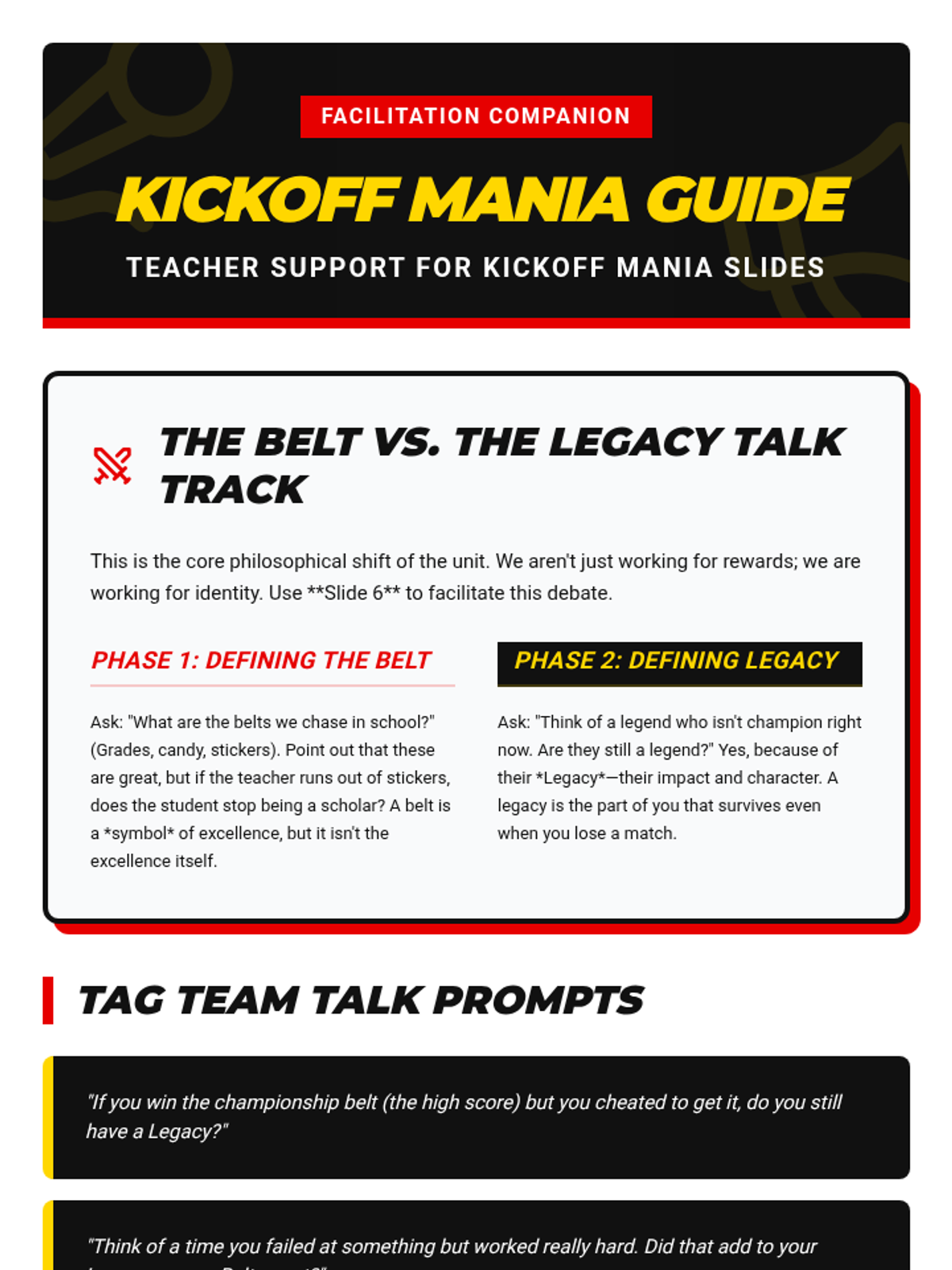
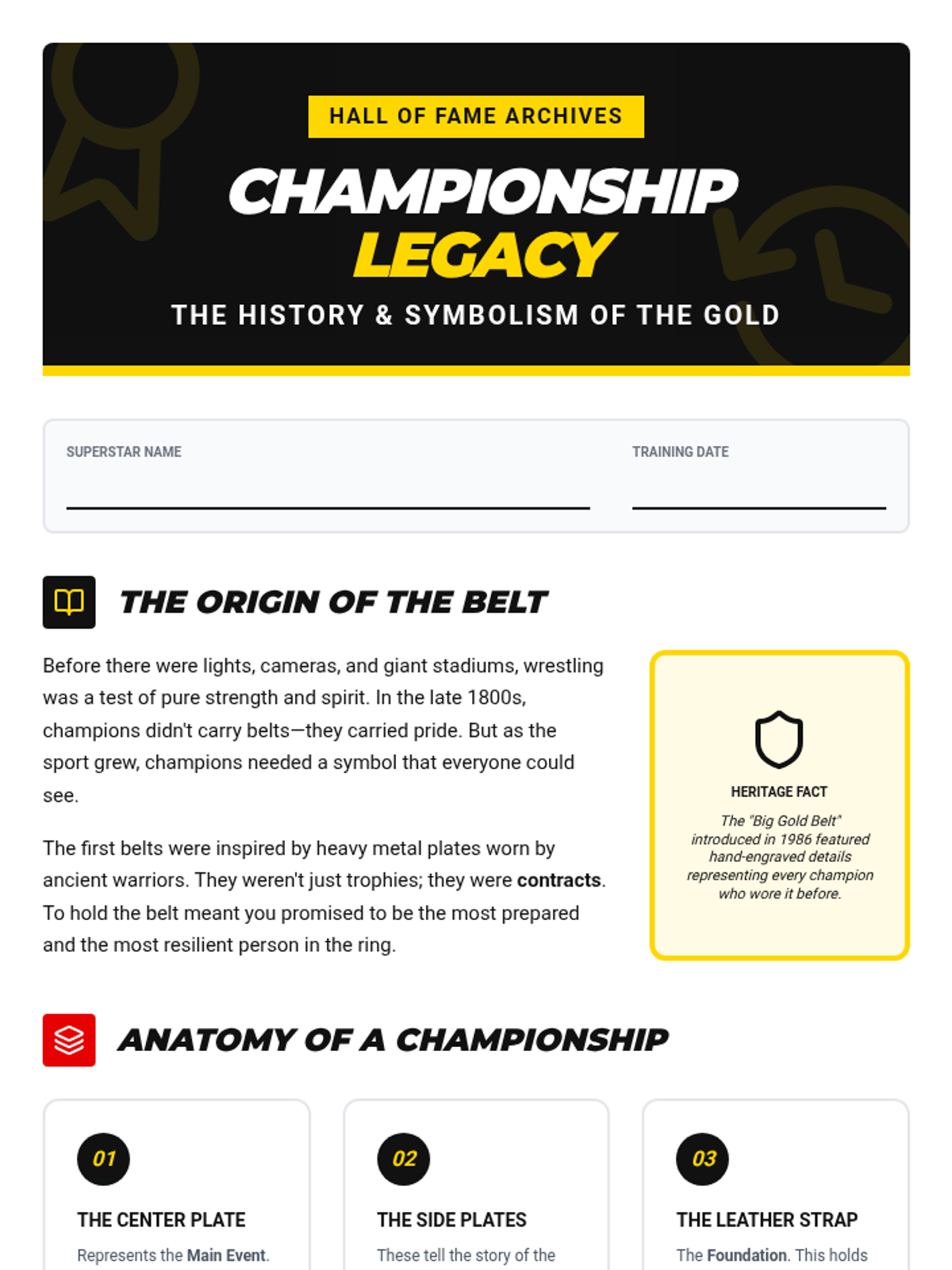
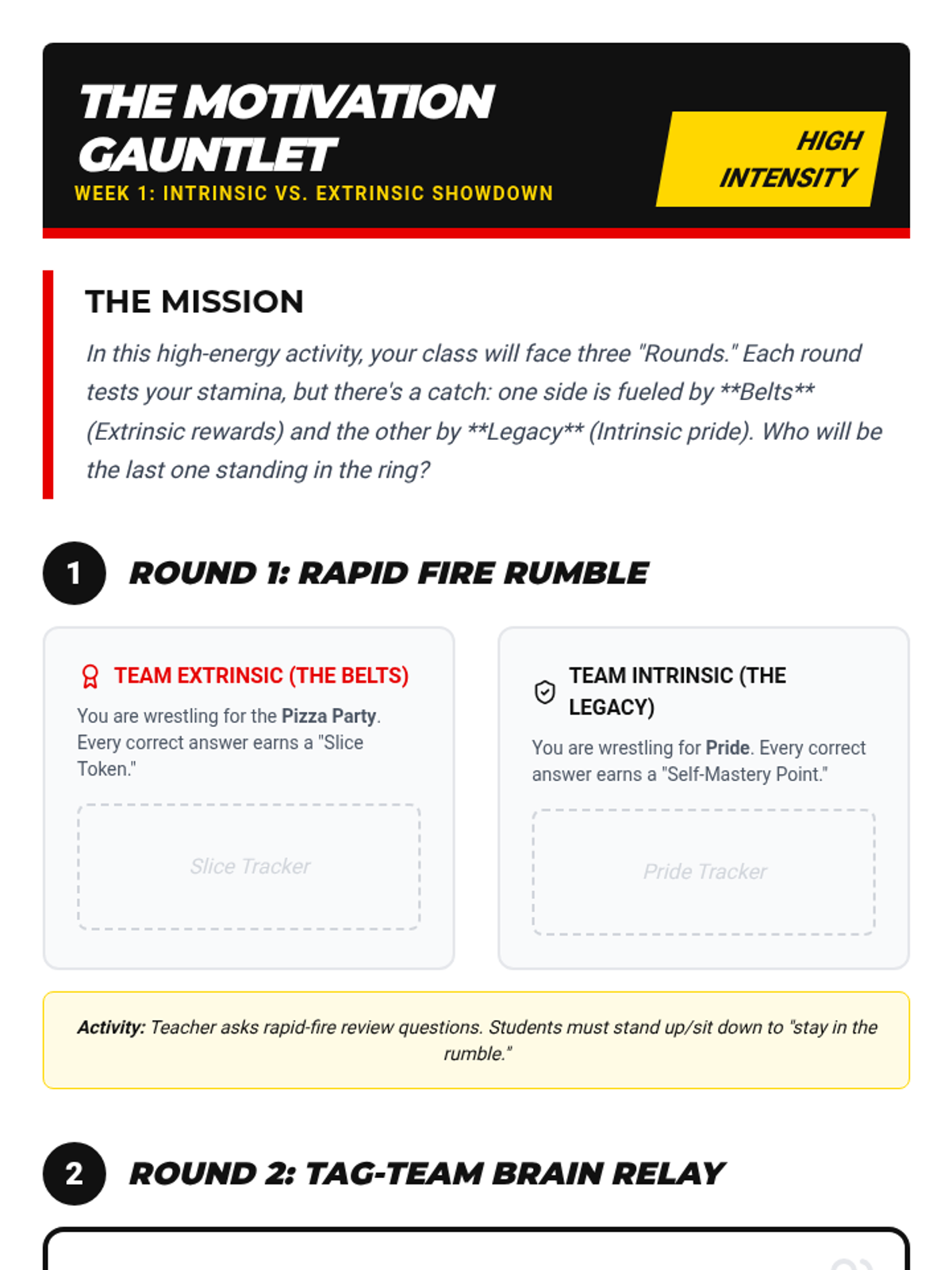
Introduce the 'State Exam Mania' theme, focusing on the difference between intrinsic and extrinsic motivation using the metaphor of championship belts vs. personal legacy.
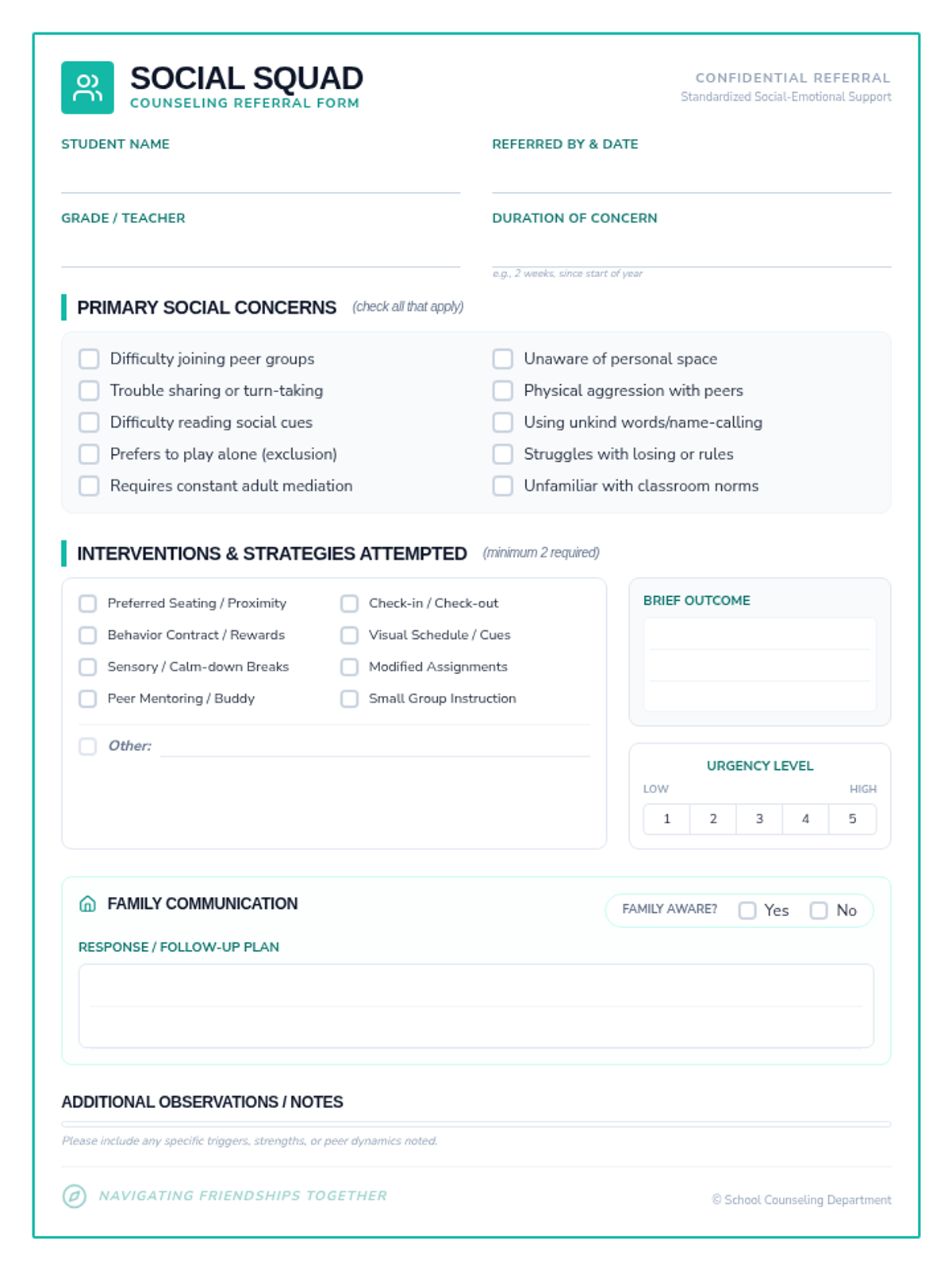
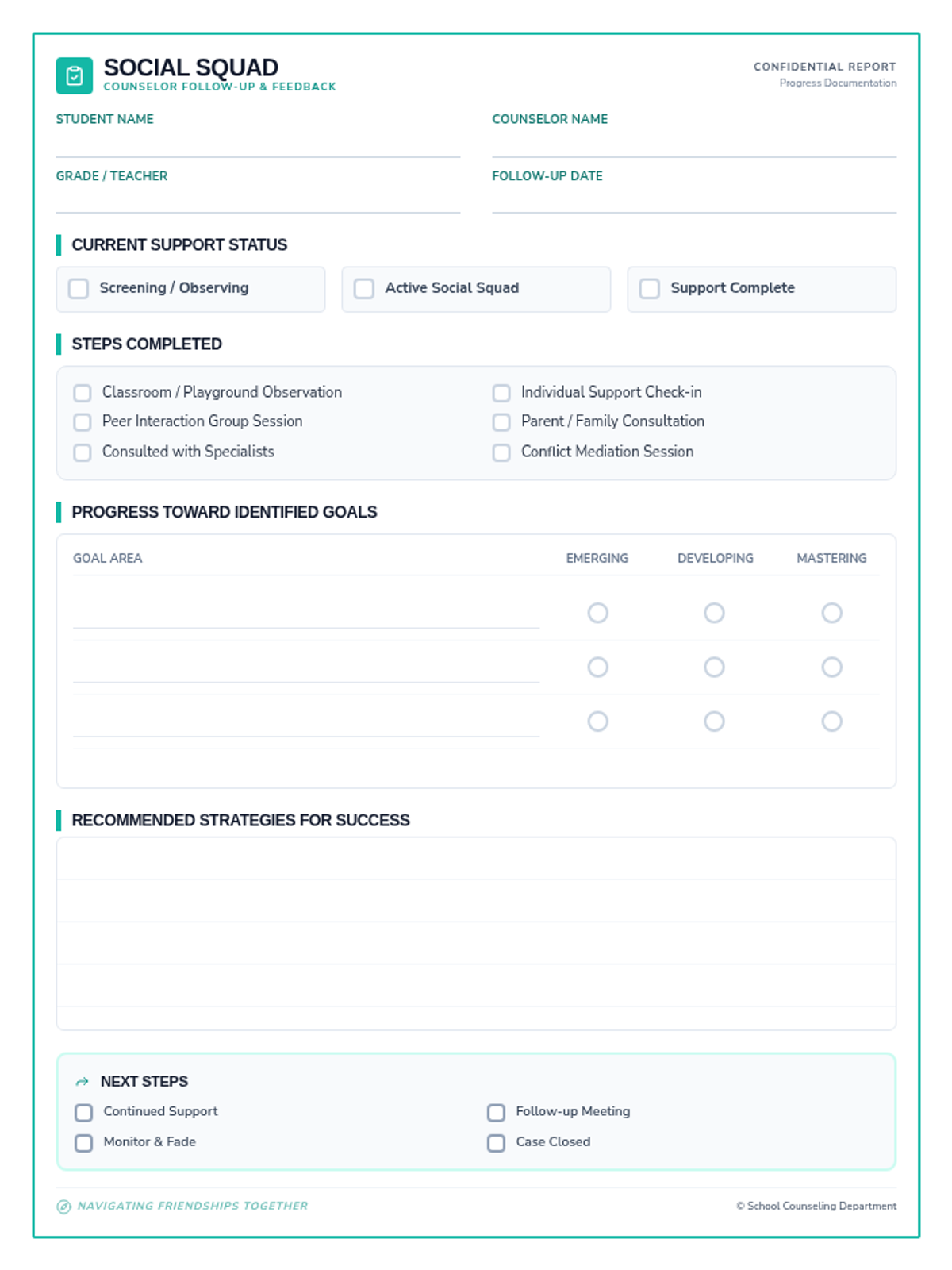
A suite of professional school counseling forms for managing student referrals, tracking progress, and providing feedback to teachers and families.
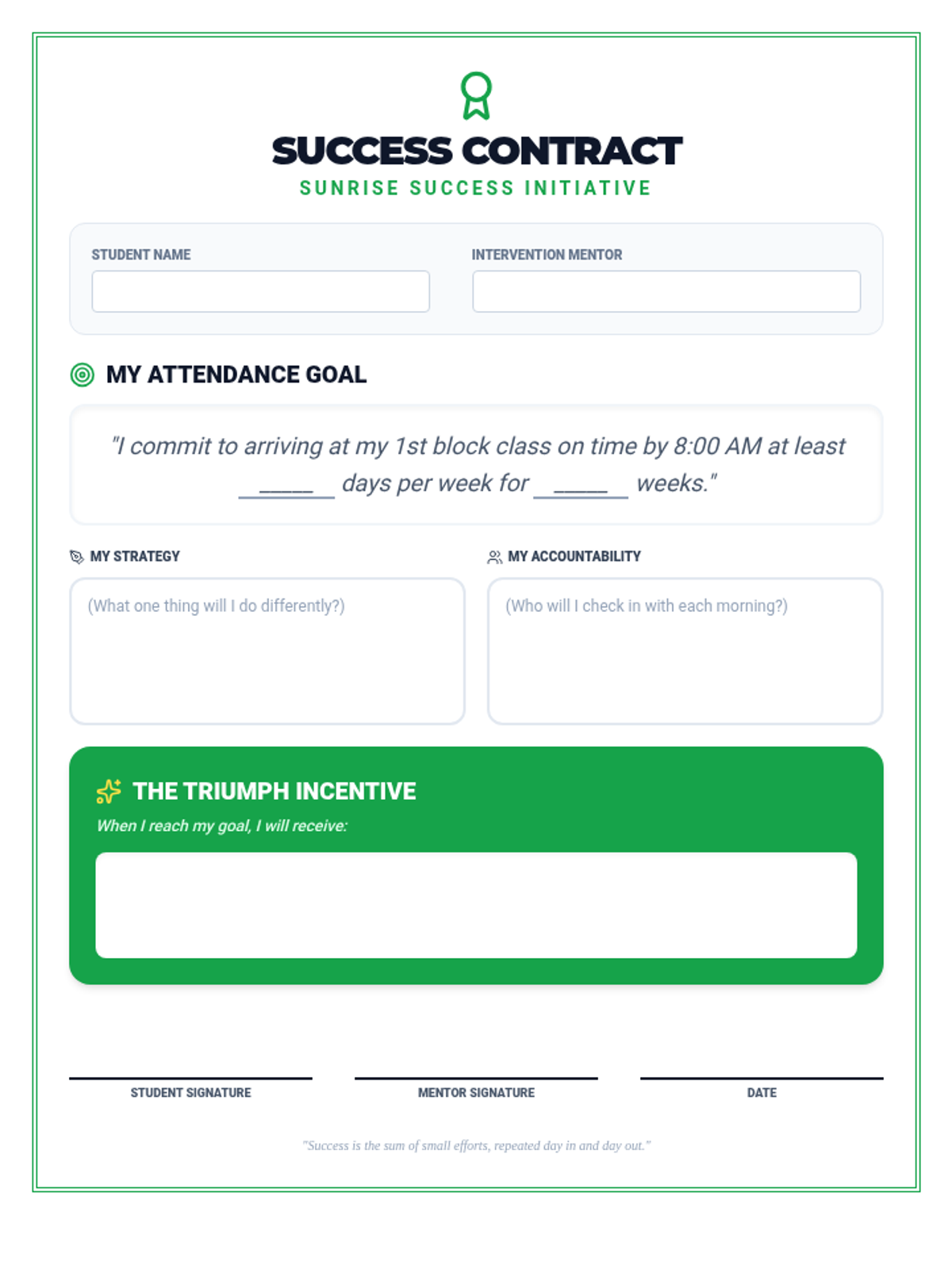
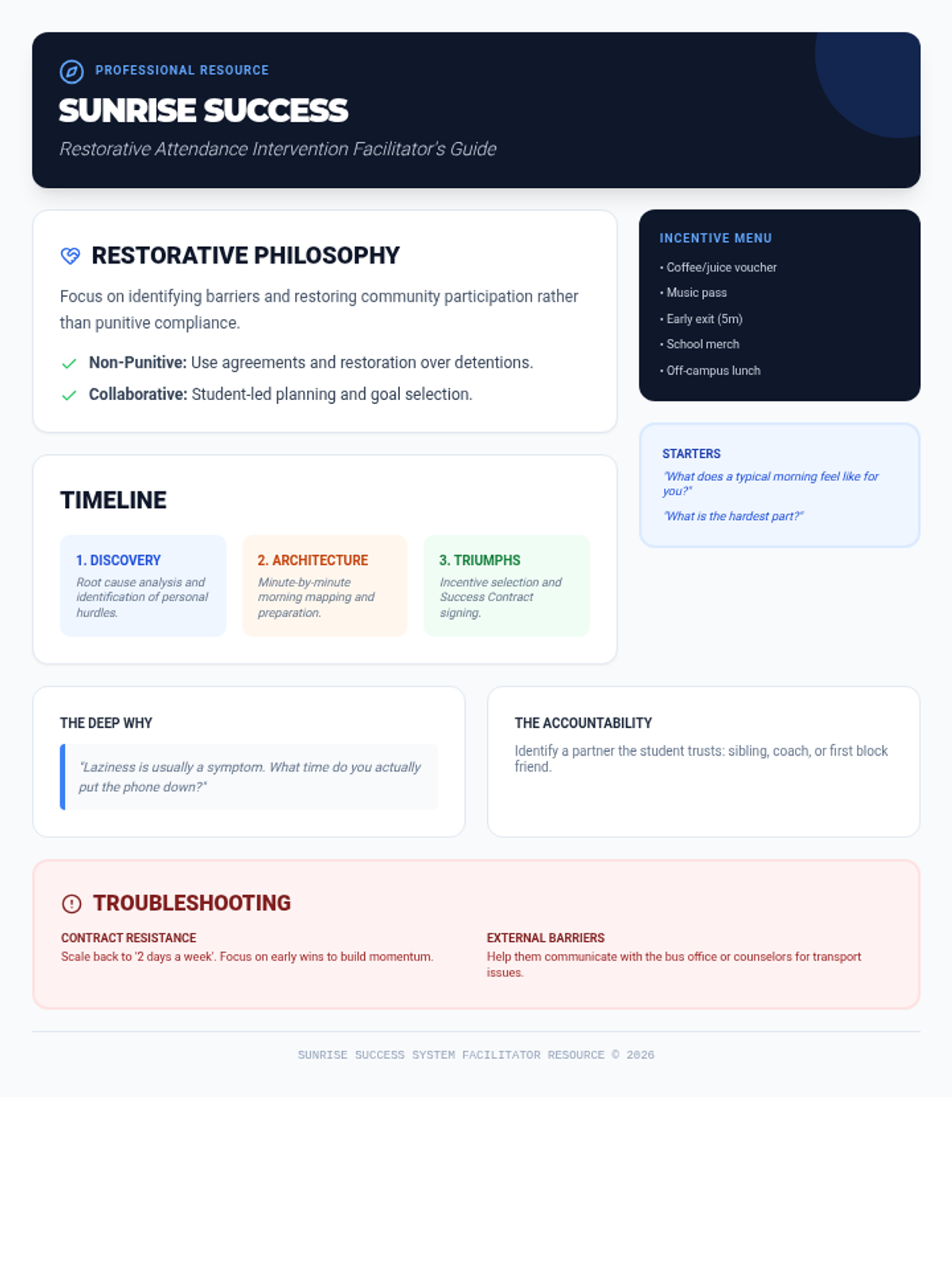
A goal-setting session where the student identifies meaningful incentives and signs a restorative contract for attendance.
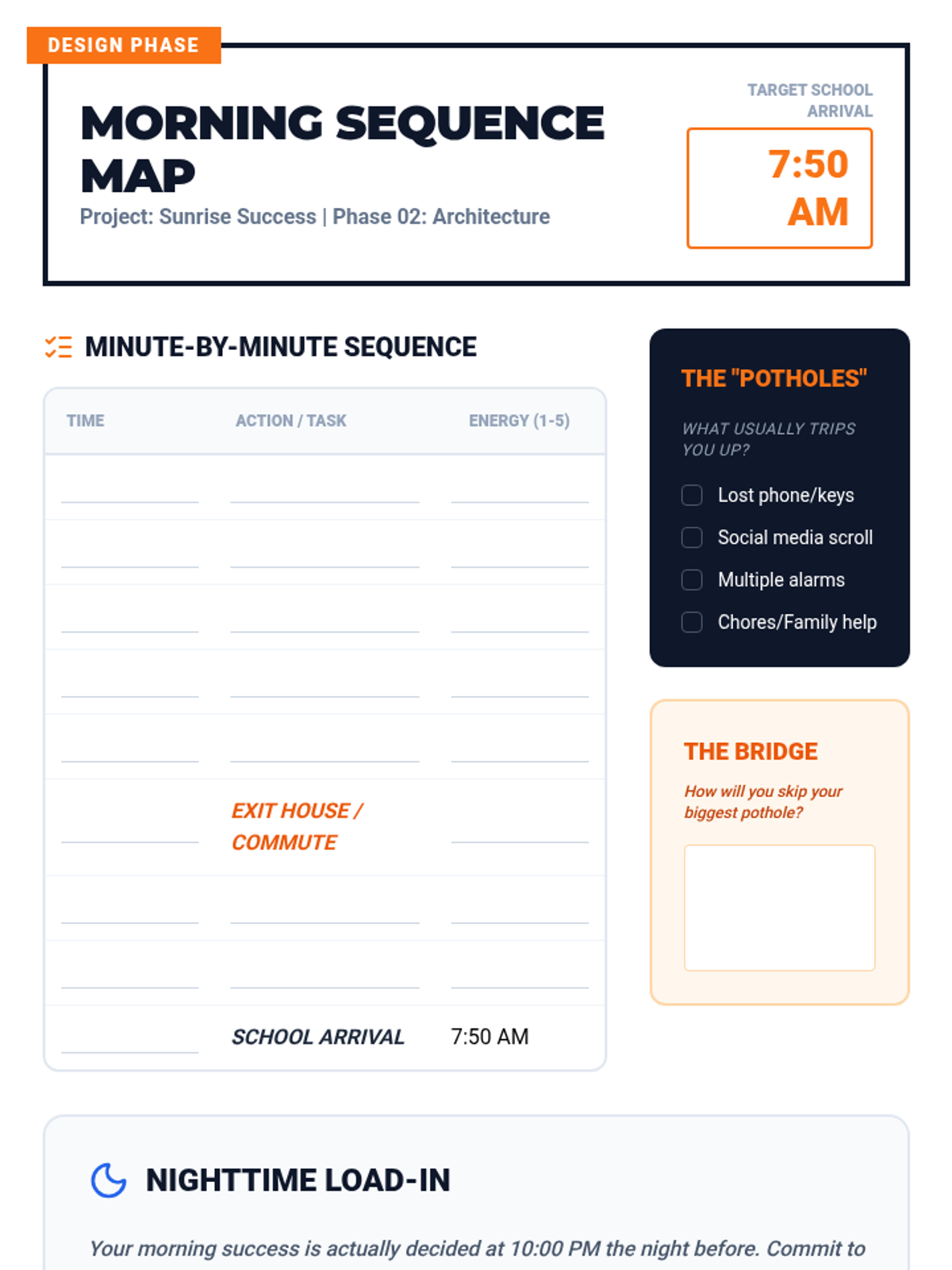
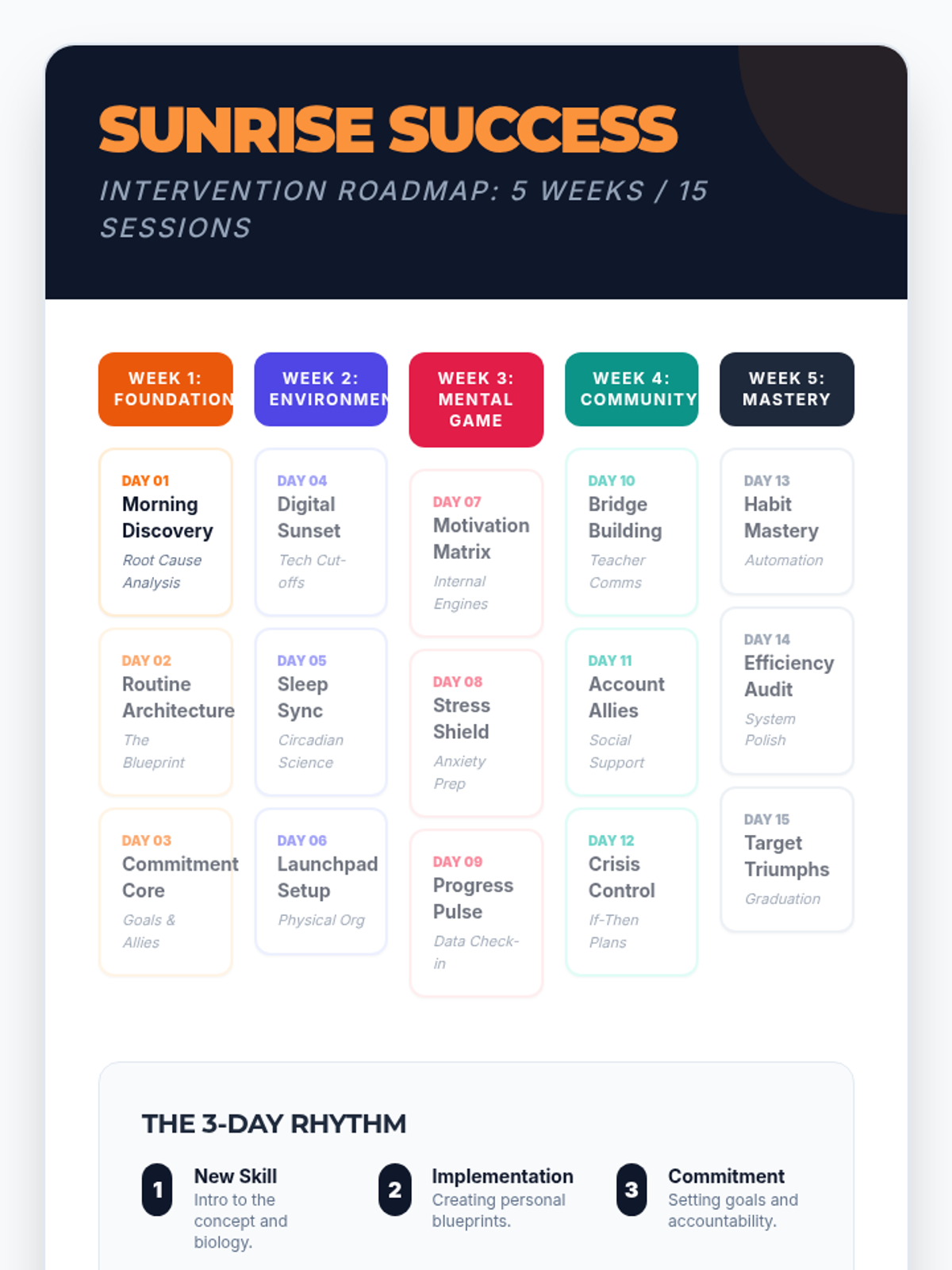
A practical planning session where the student maps out their current morning routine and designs a more efficient 'blueprint' for success.
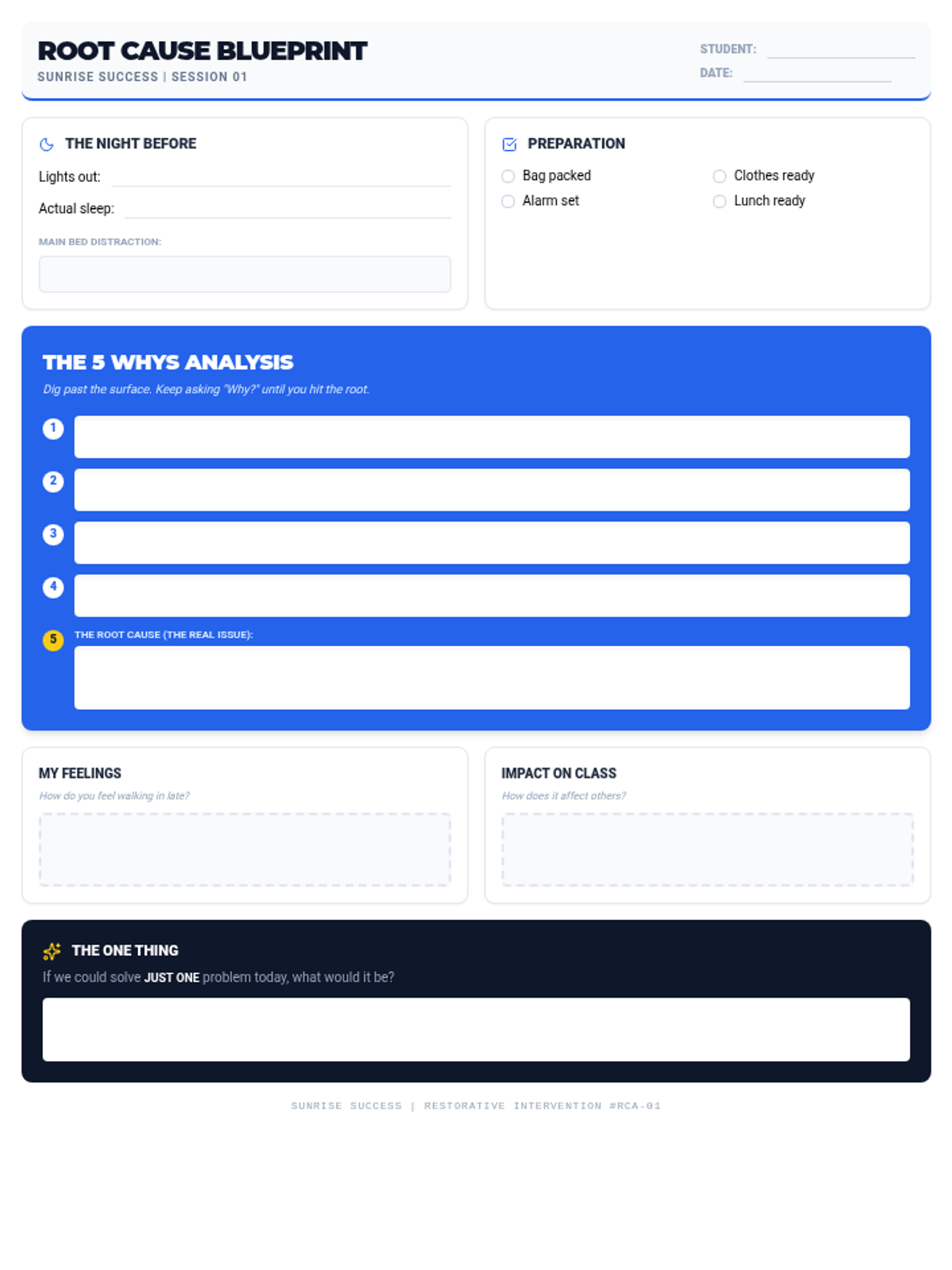
A lesson focused on a non-judgmental exploration of why the student is struggling to arrive on time. It uses root cause analysis to separate symptoms from sources.
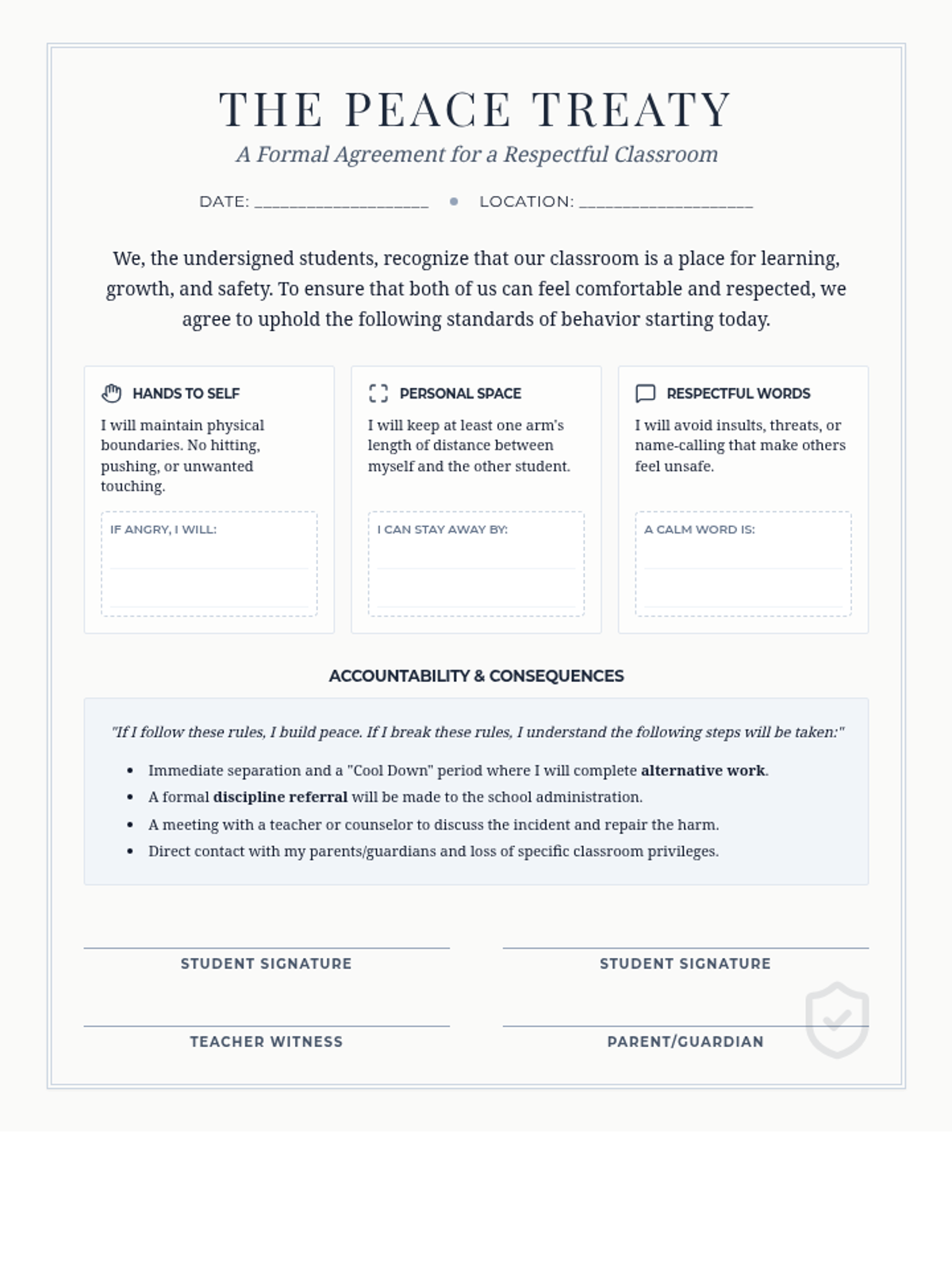
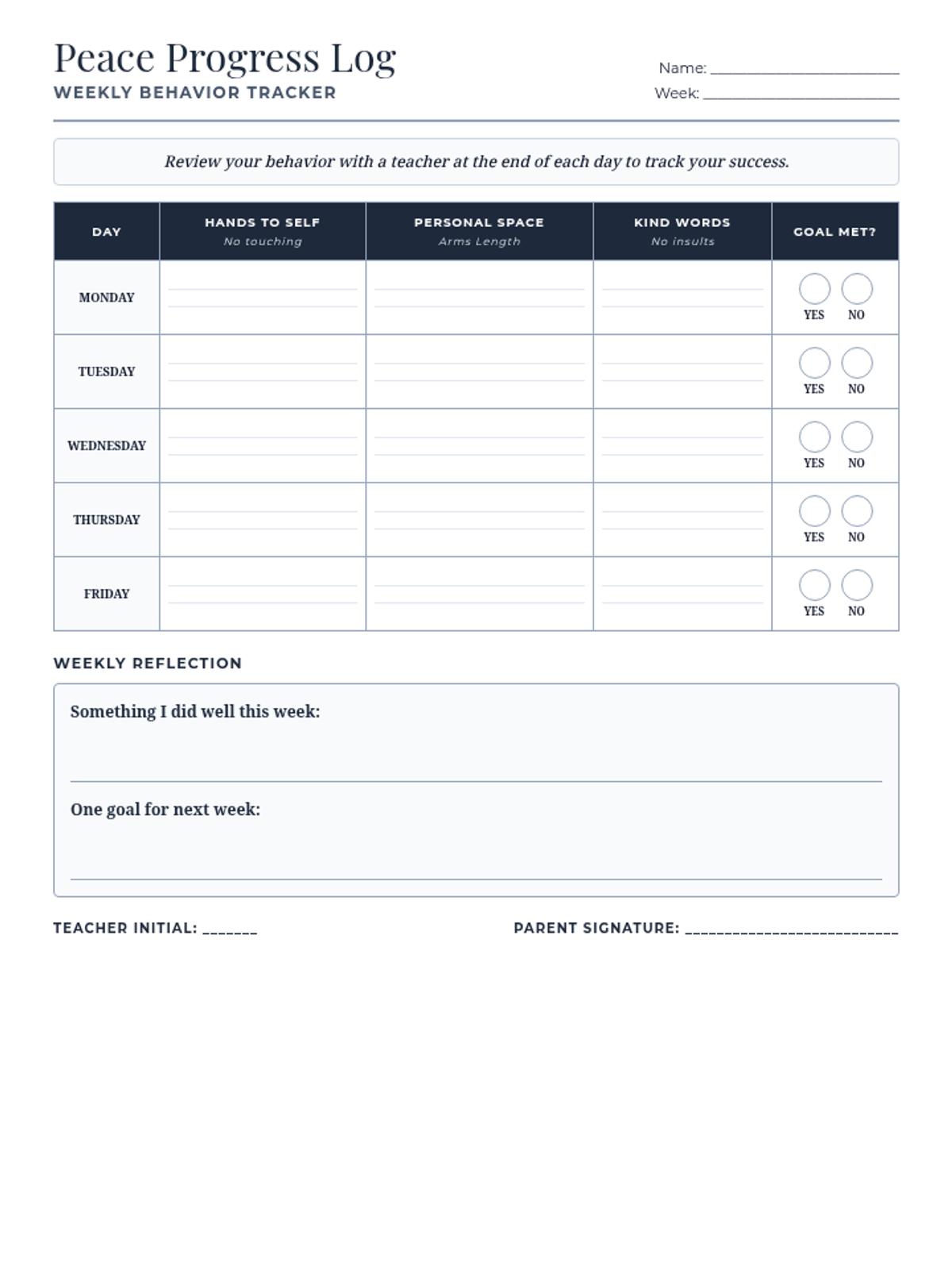
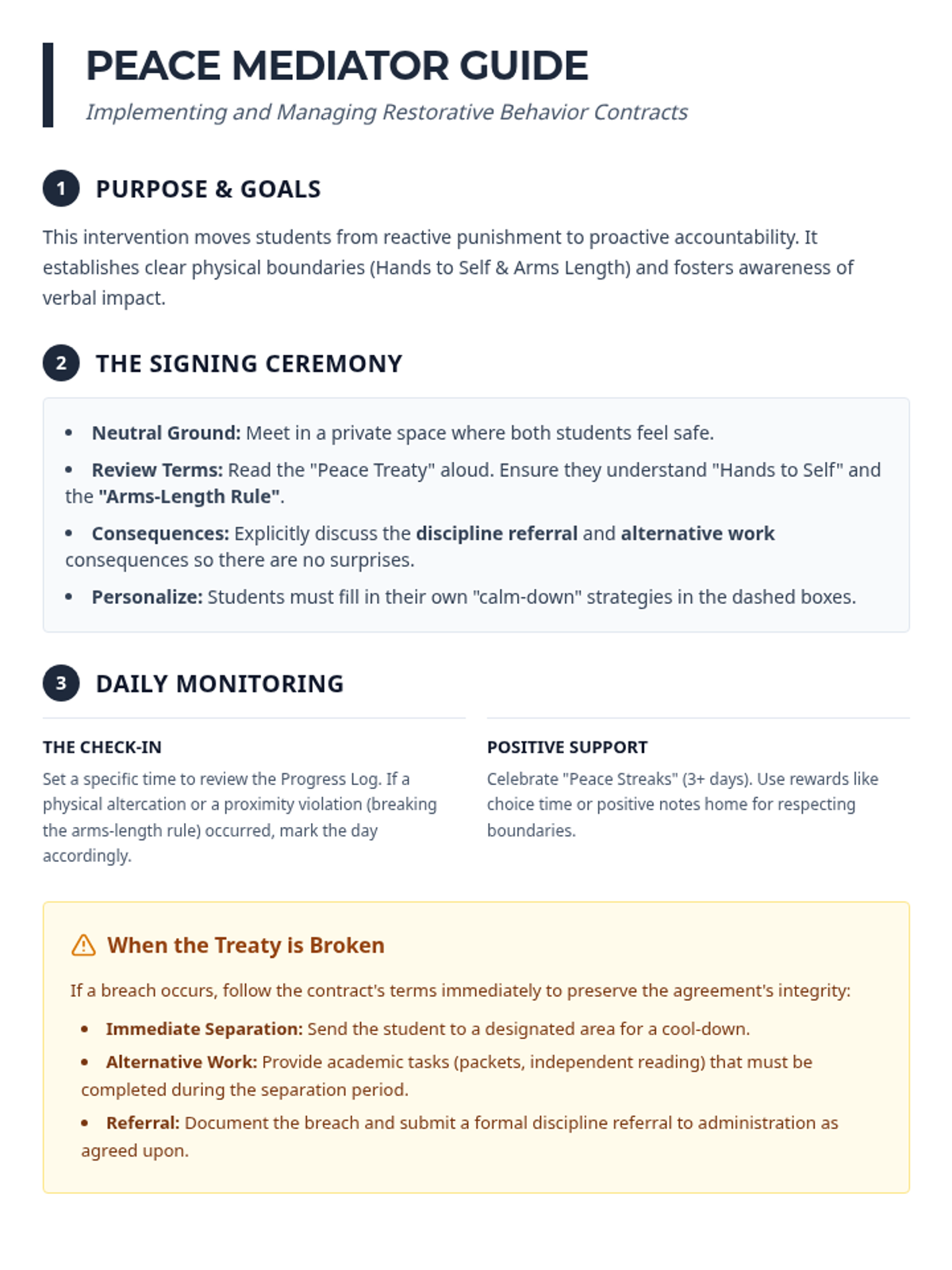
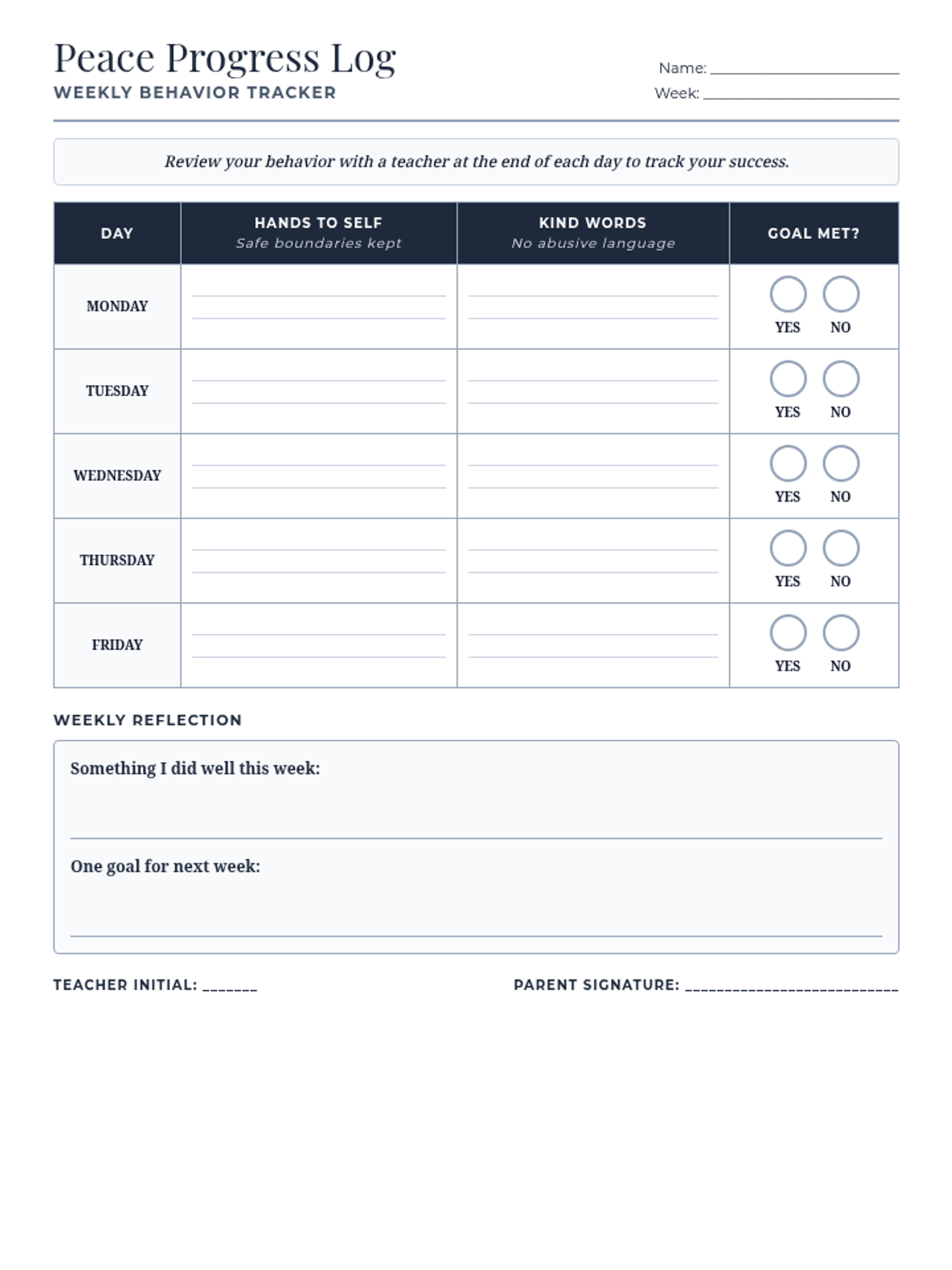
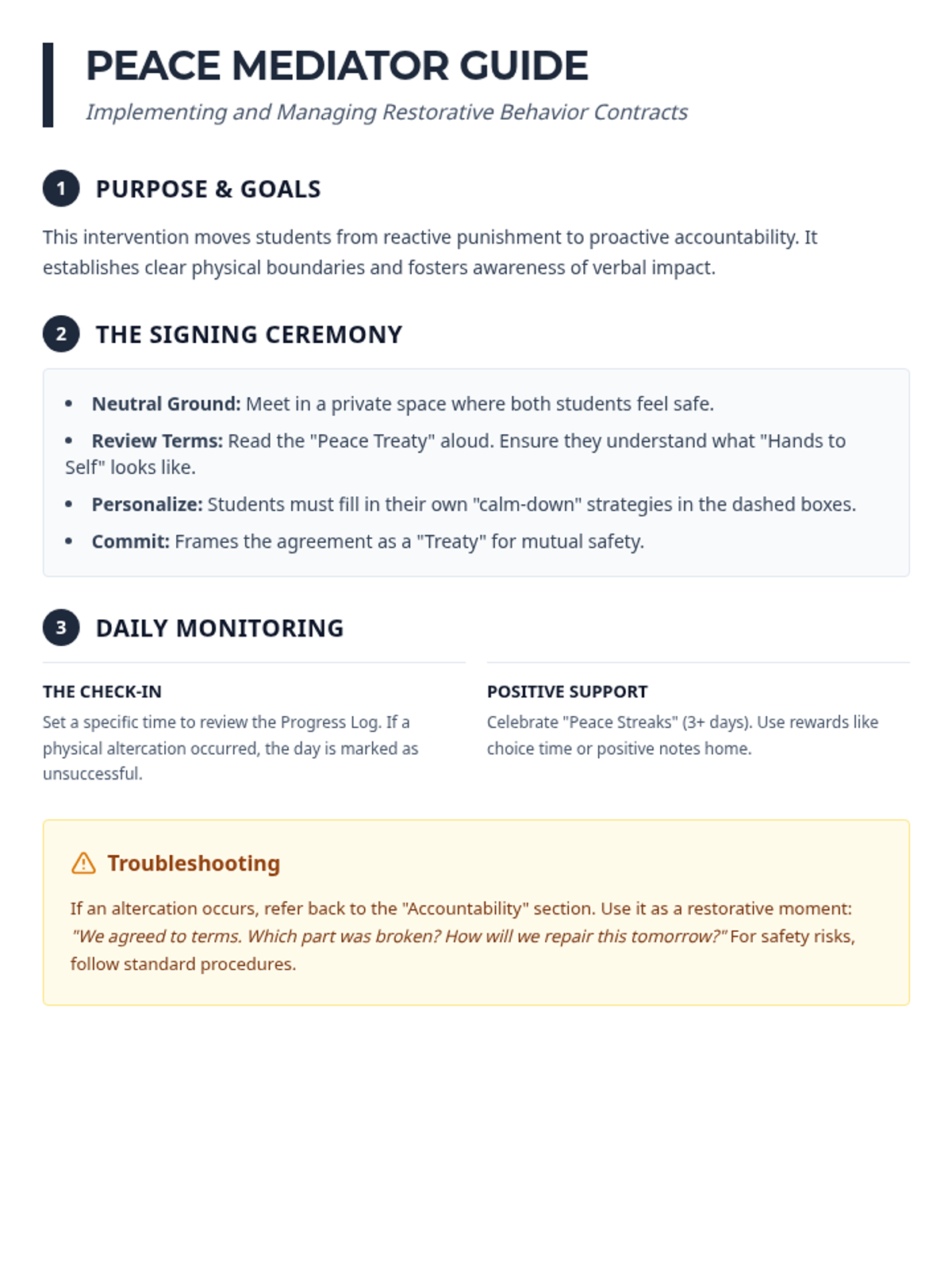
A restorative behavioral intervention focused on resolving physical conflict and verbal aggression through a formal behavior contract and daily progress tracking.
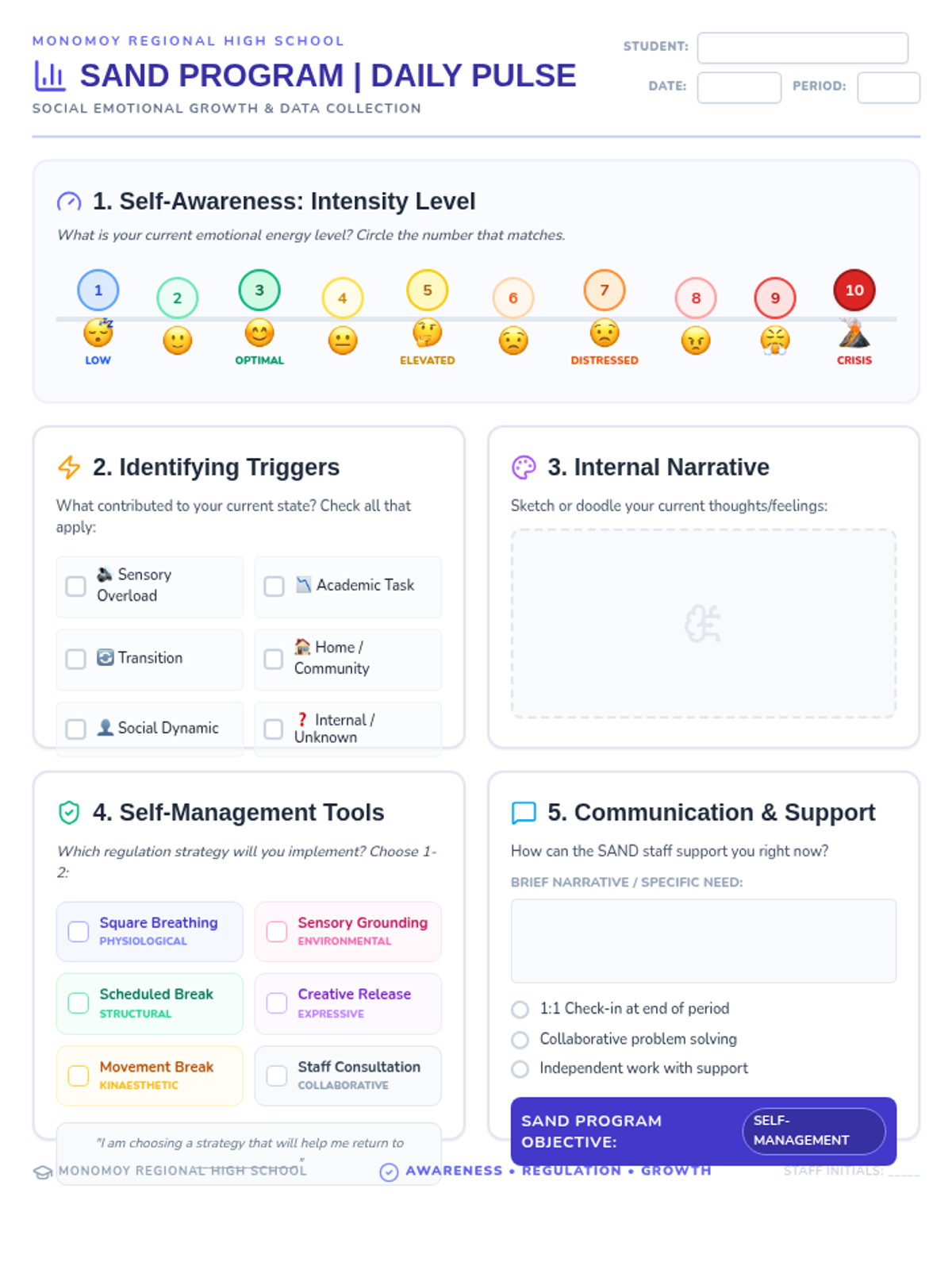
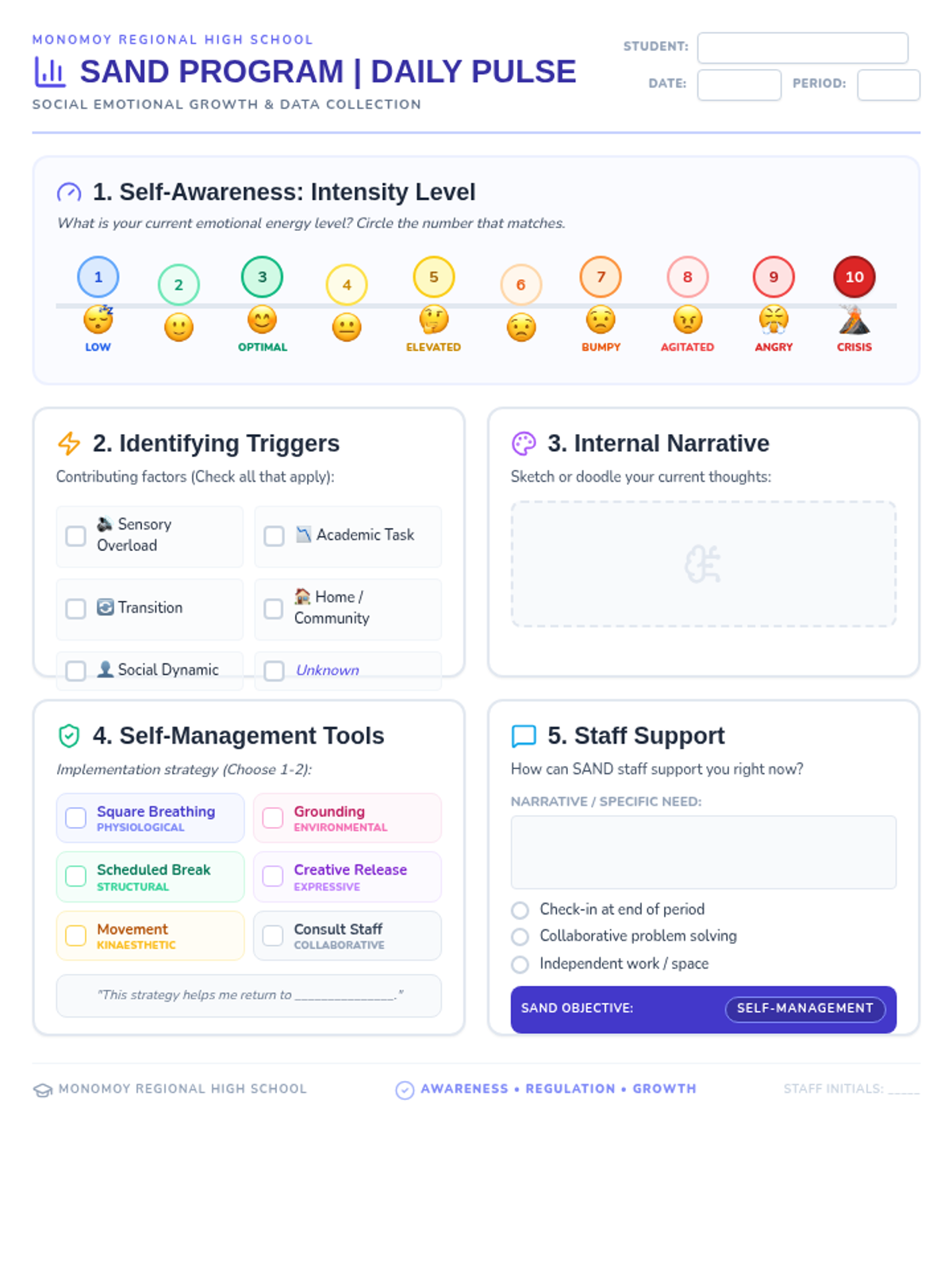
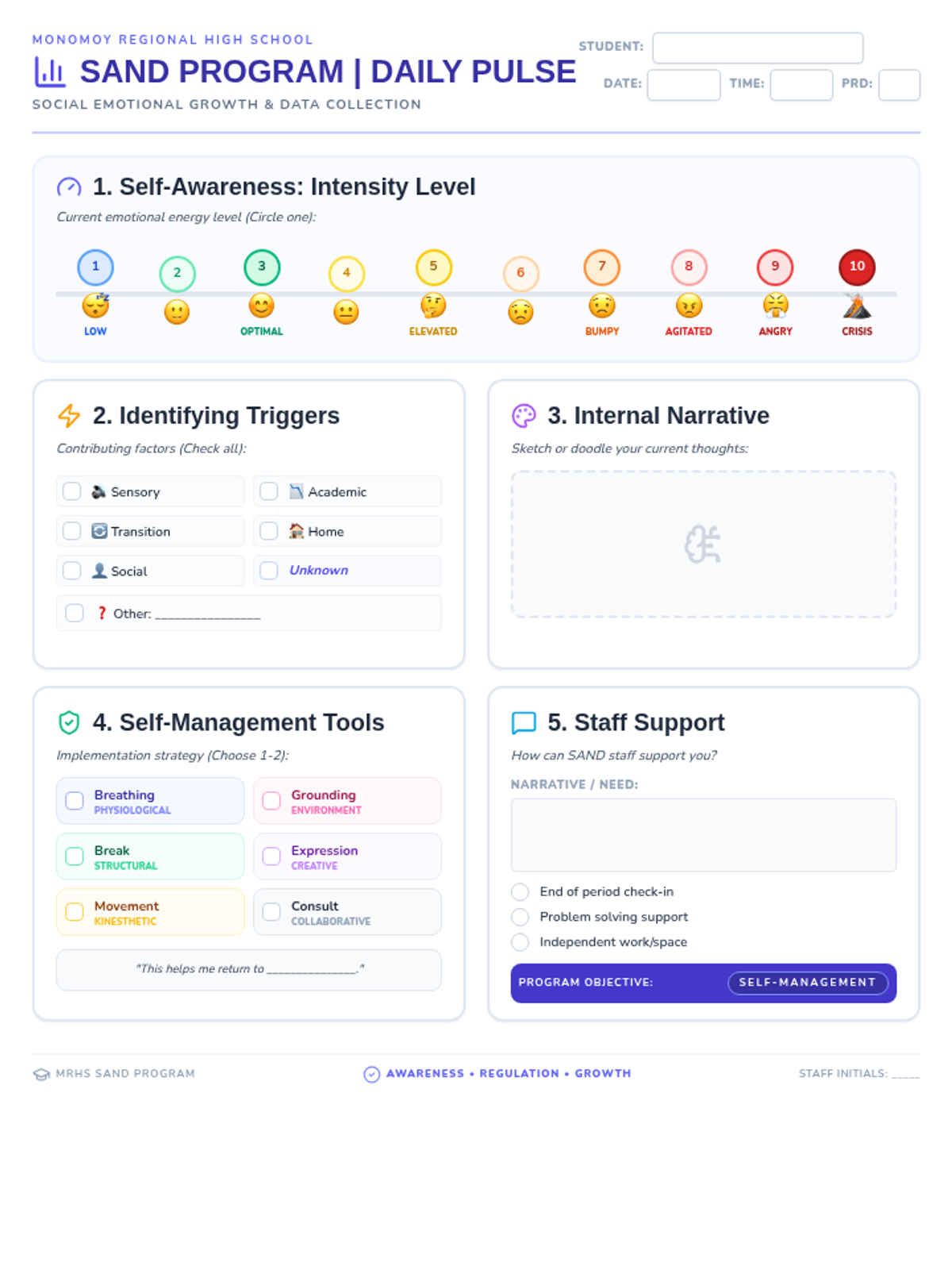
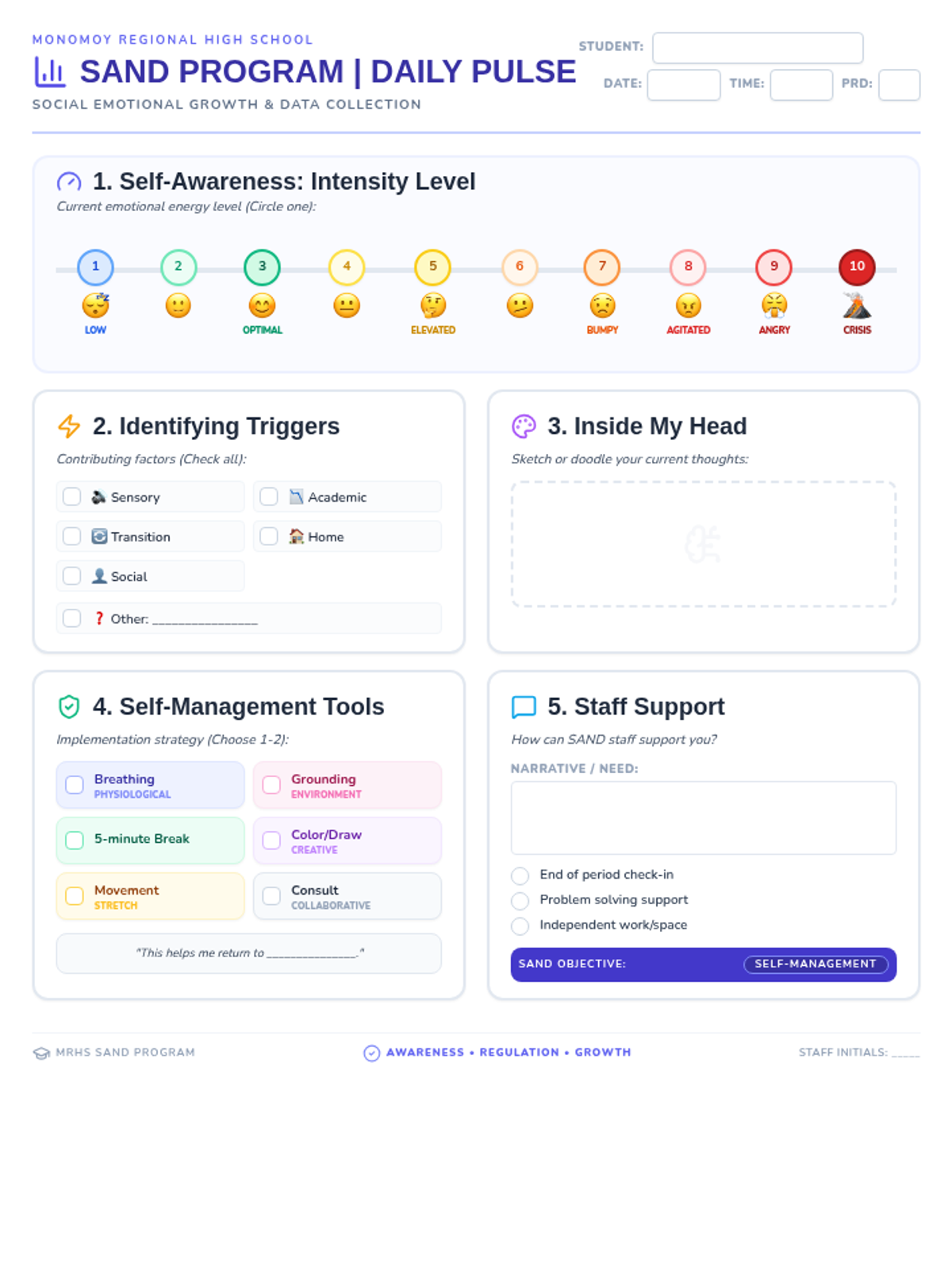
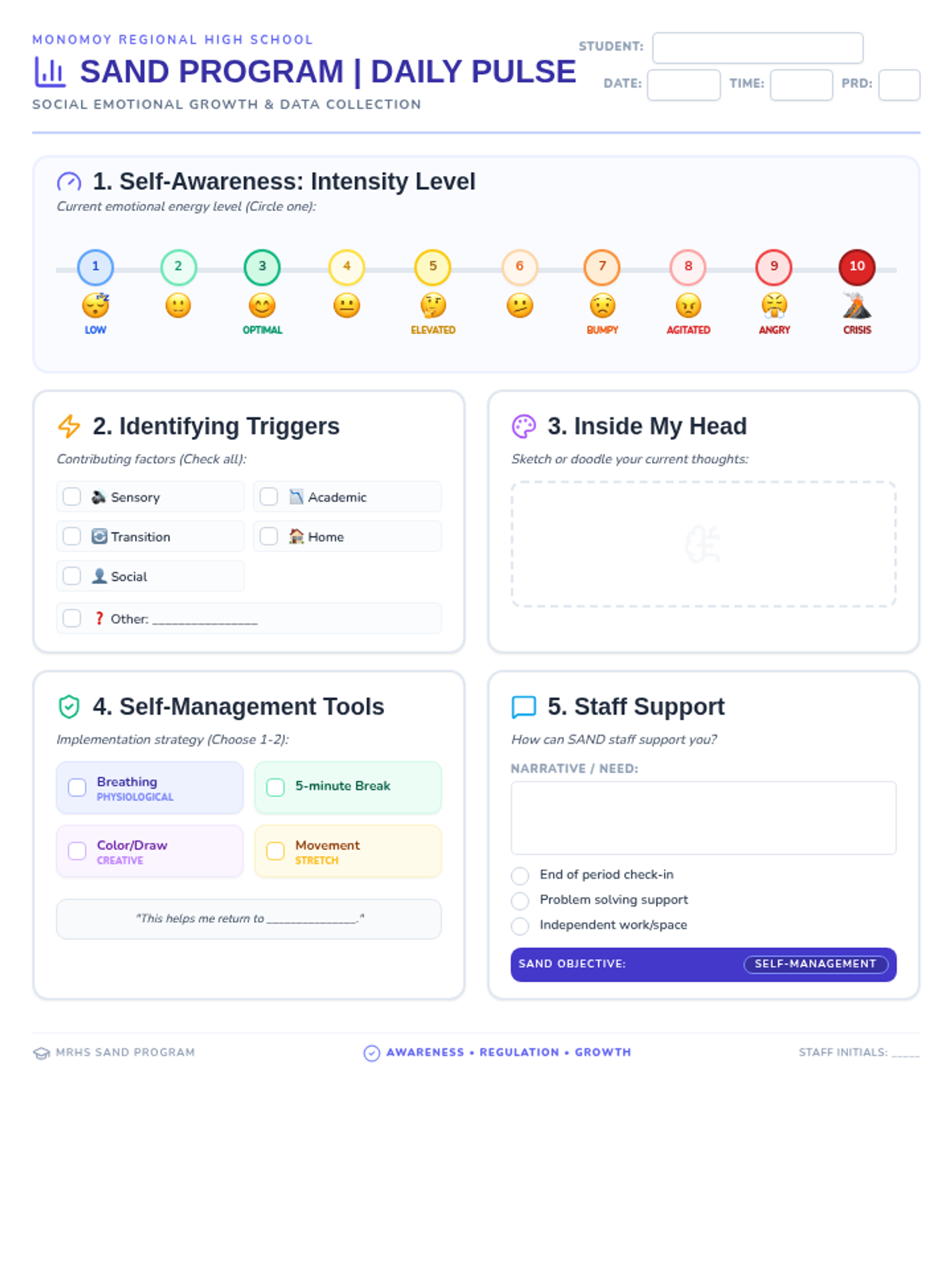
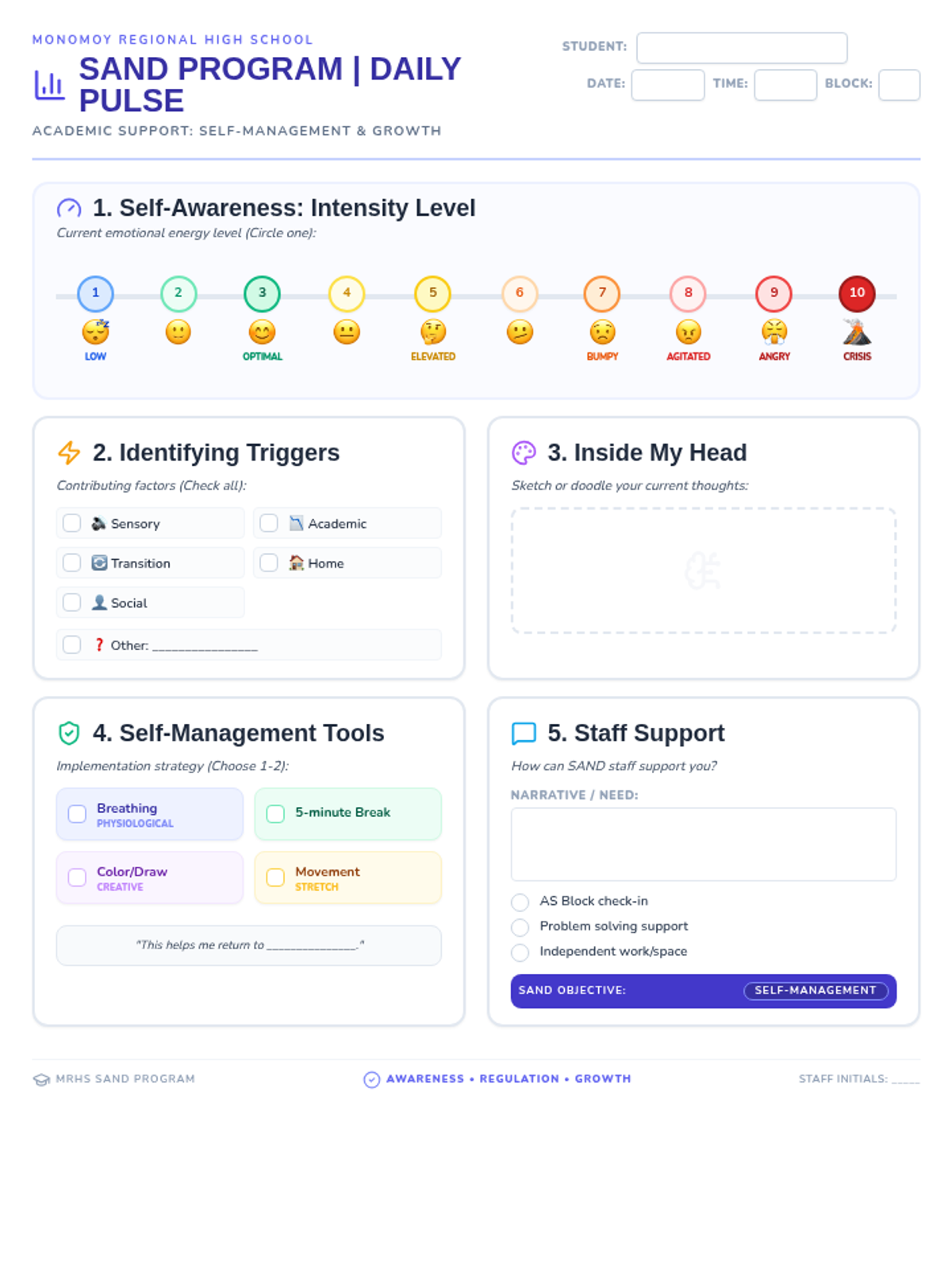
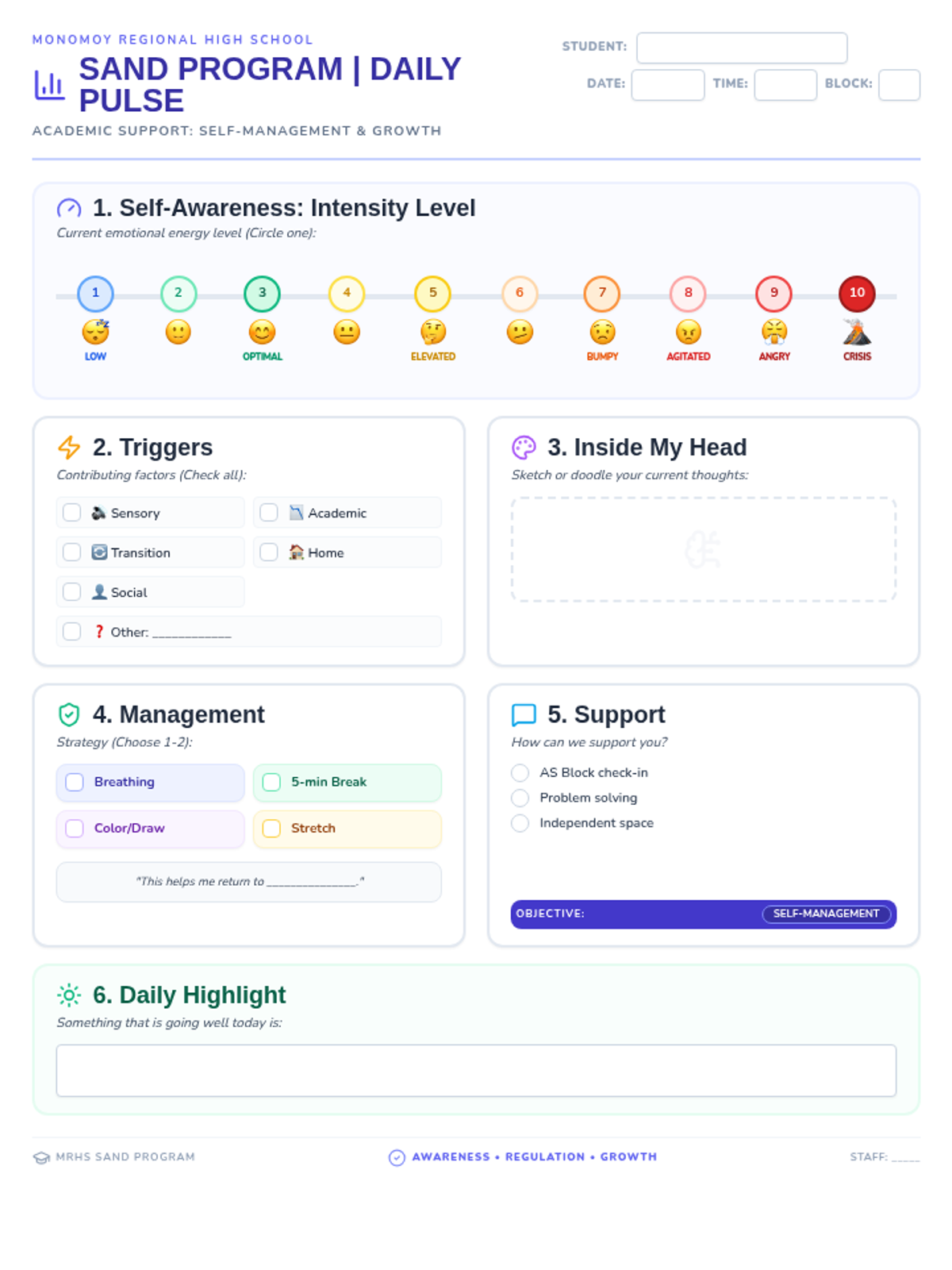
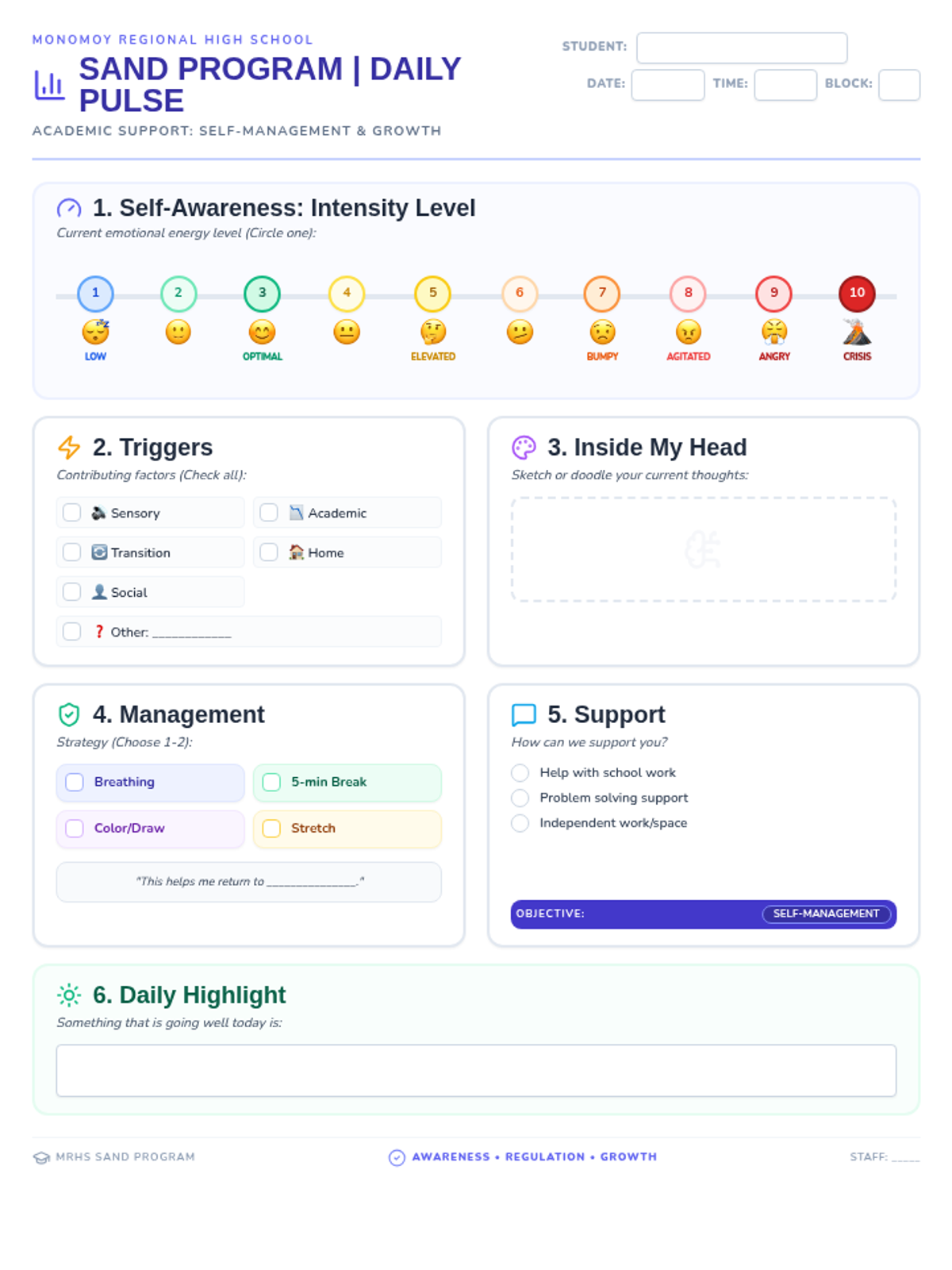
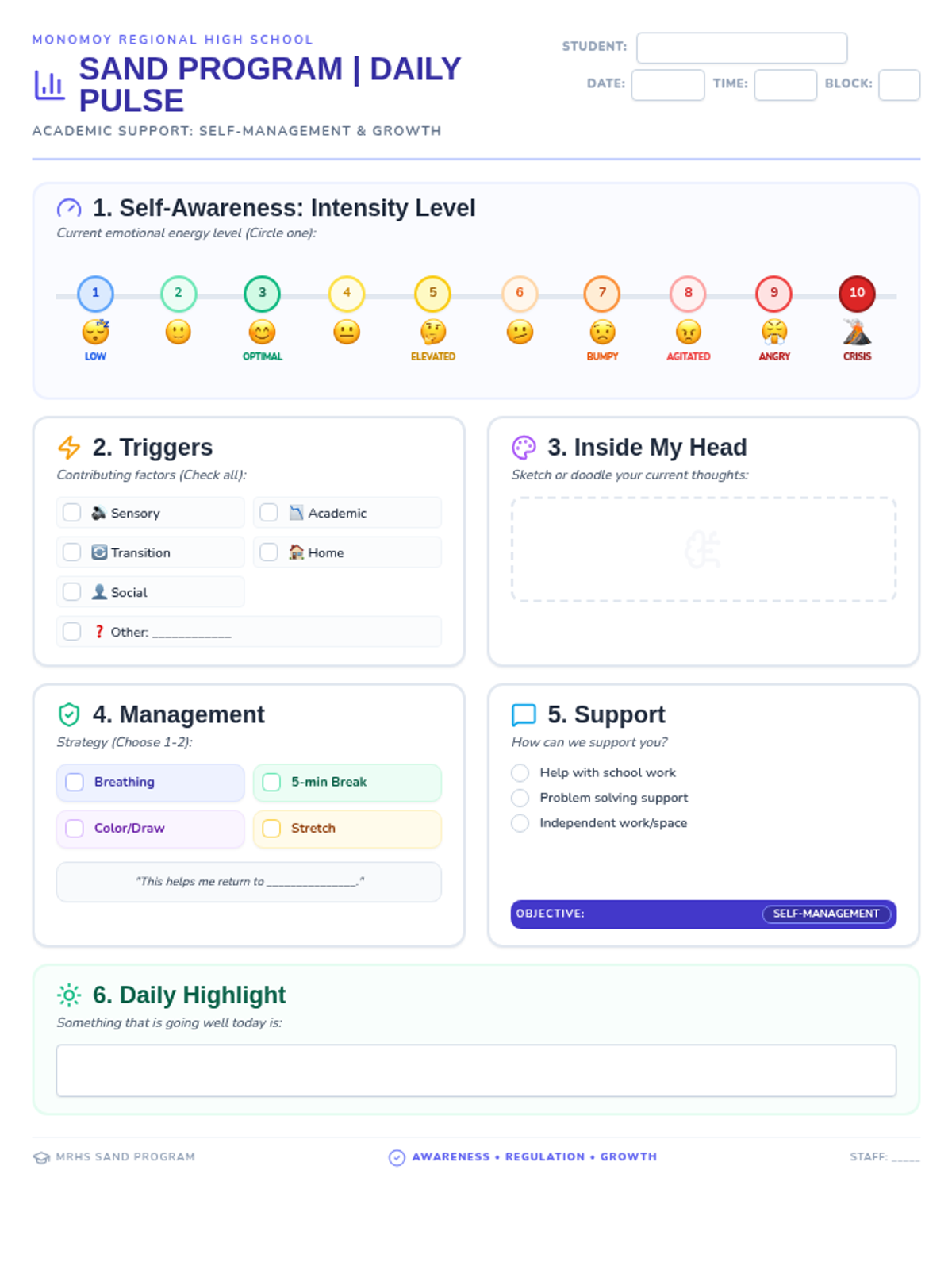
A lesson designed to help students in behavior support programs identify their current emotional state, recognize triggers, and select appropriate coping strategies for self-regulation.
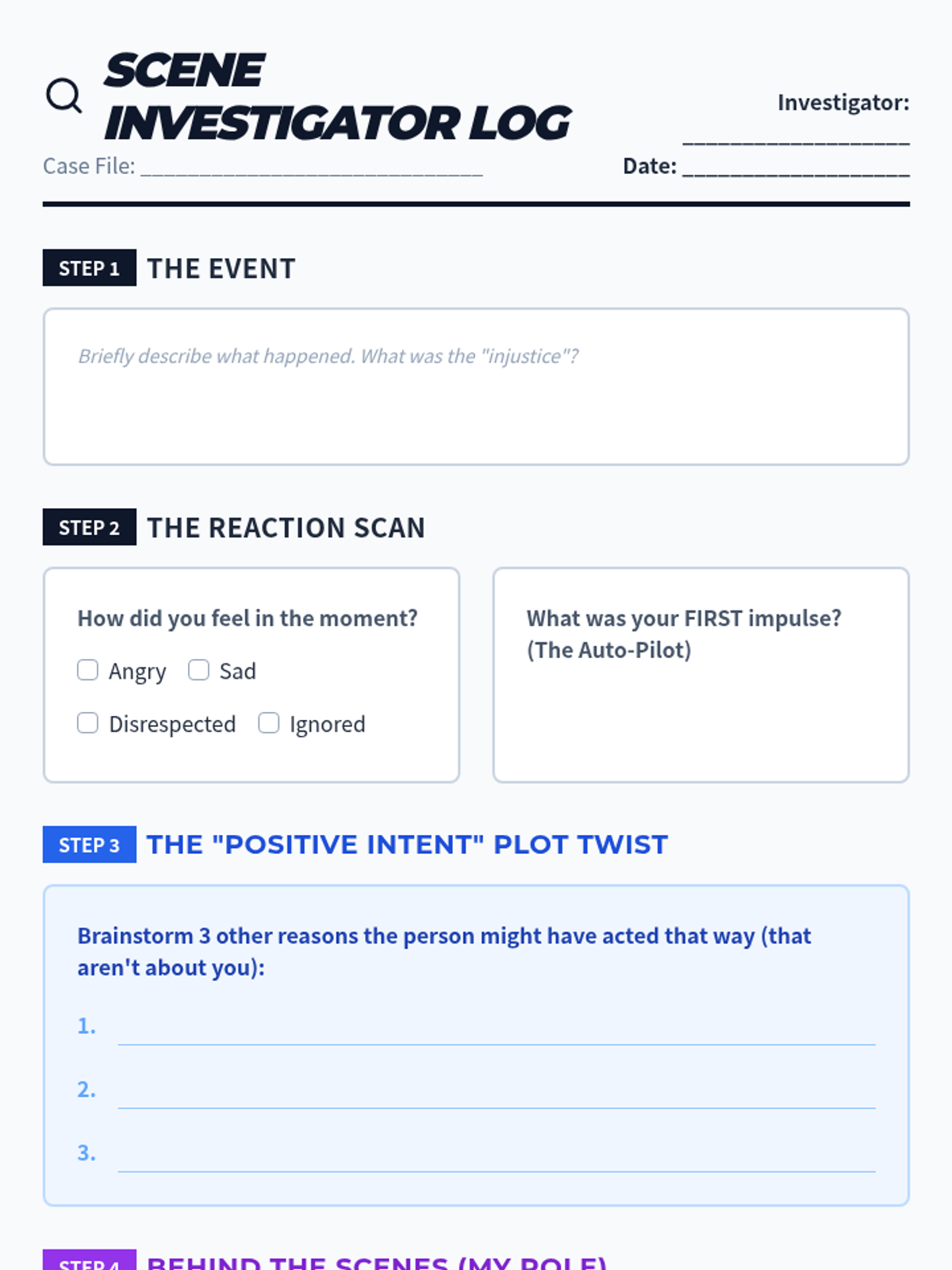
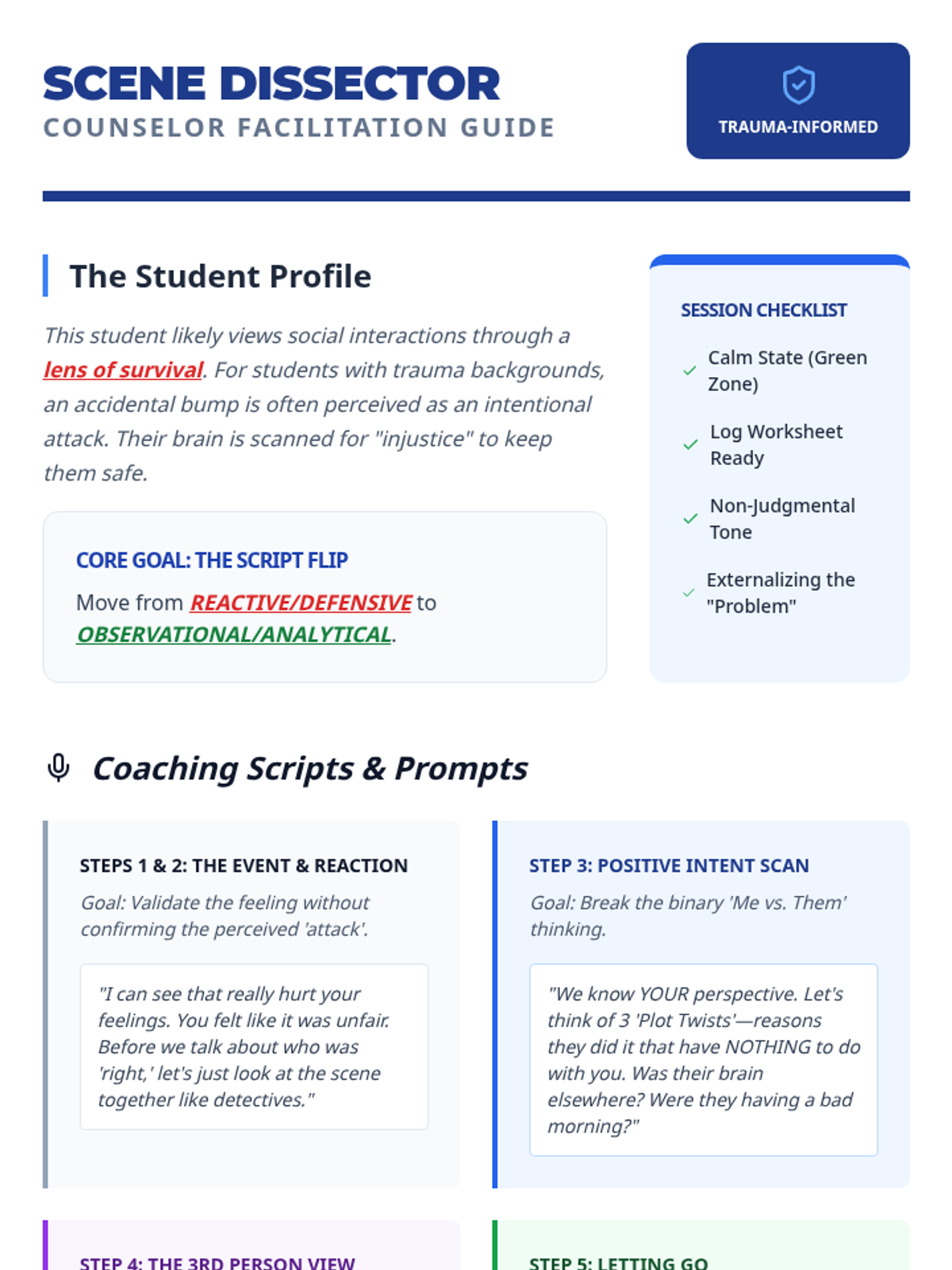
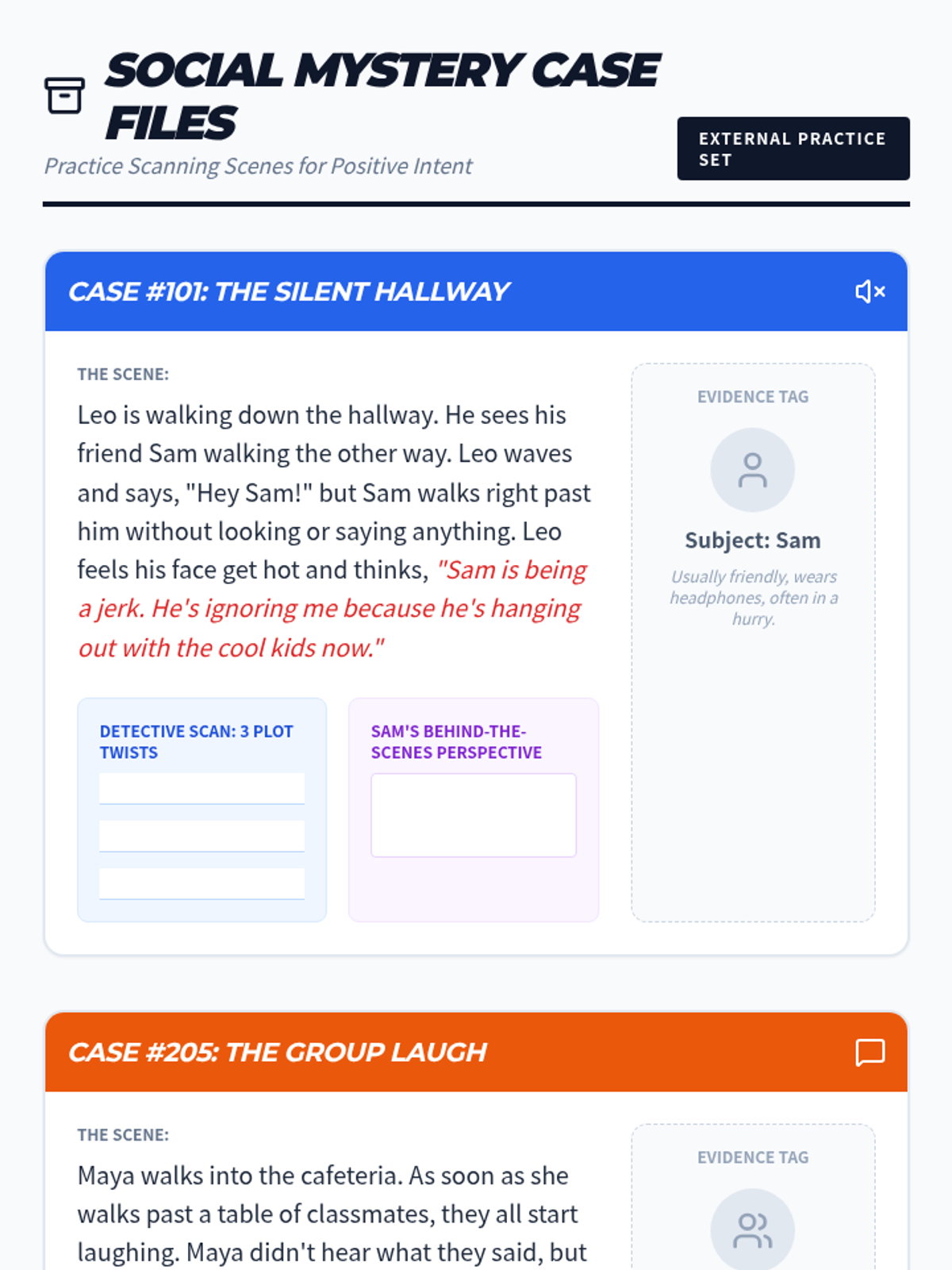
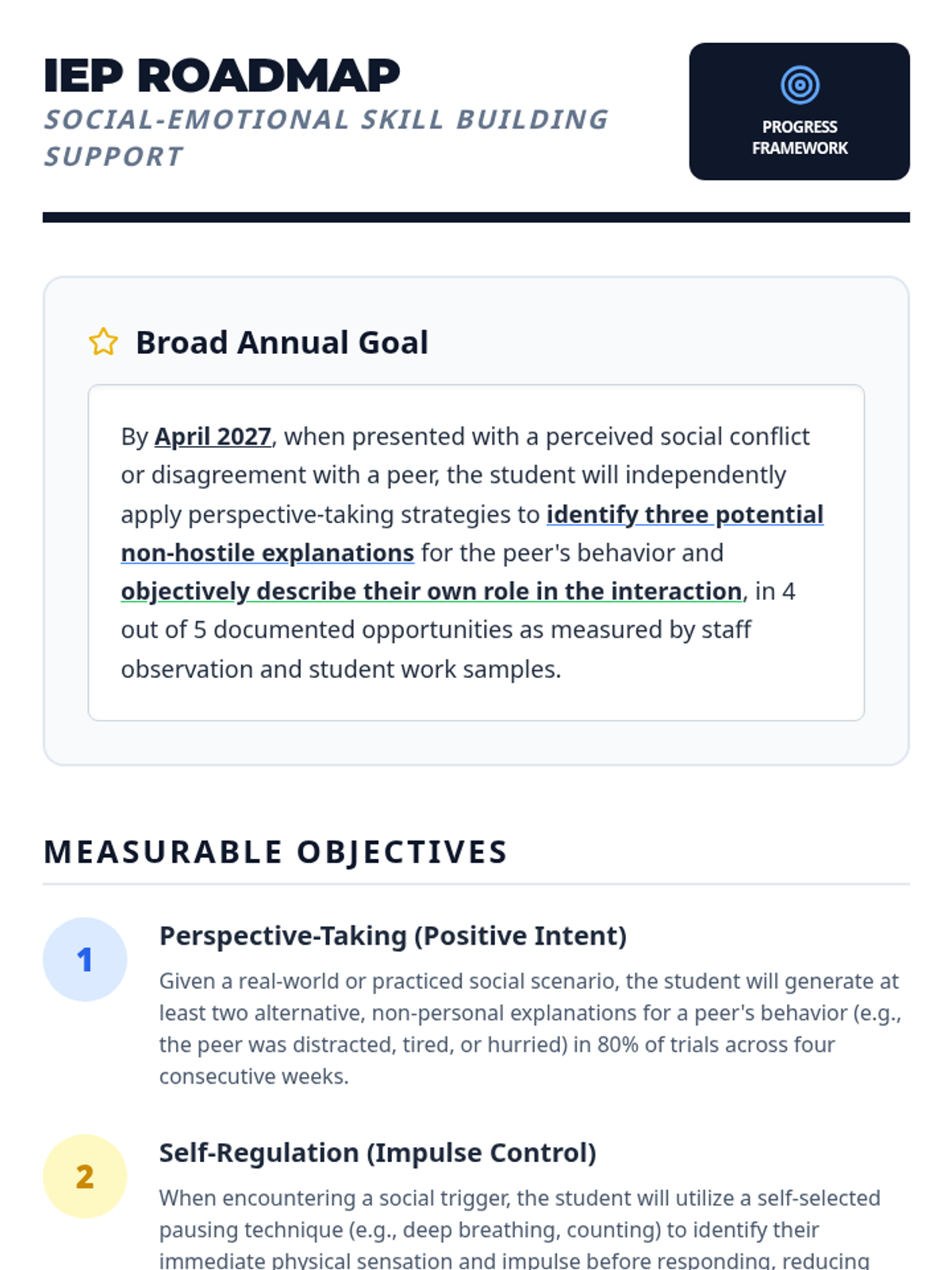
A social-emotional learning lesson designed for students with trauma backgrounds and impulse control challenges. It focuses on 'Scene Scanning'—assuming positive intent and dissecting social interactions through a detective-style lens to improve perspective-taking and reduce reactivity.
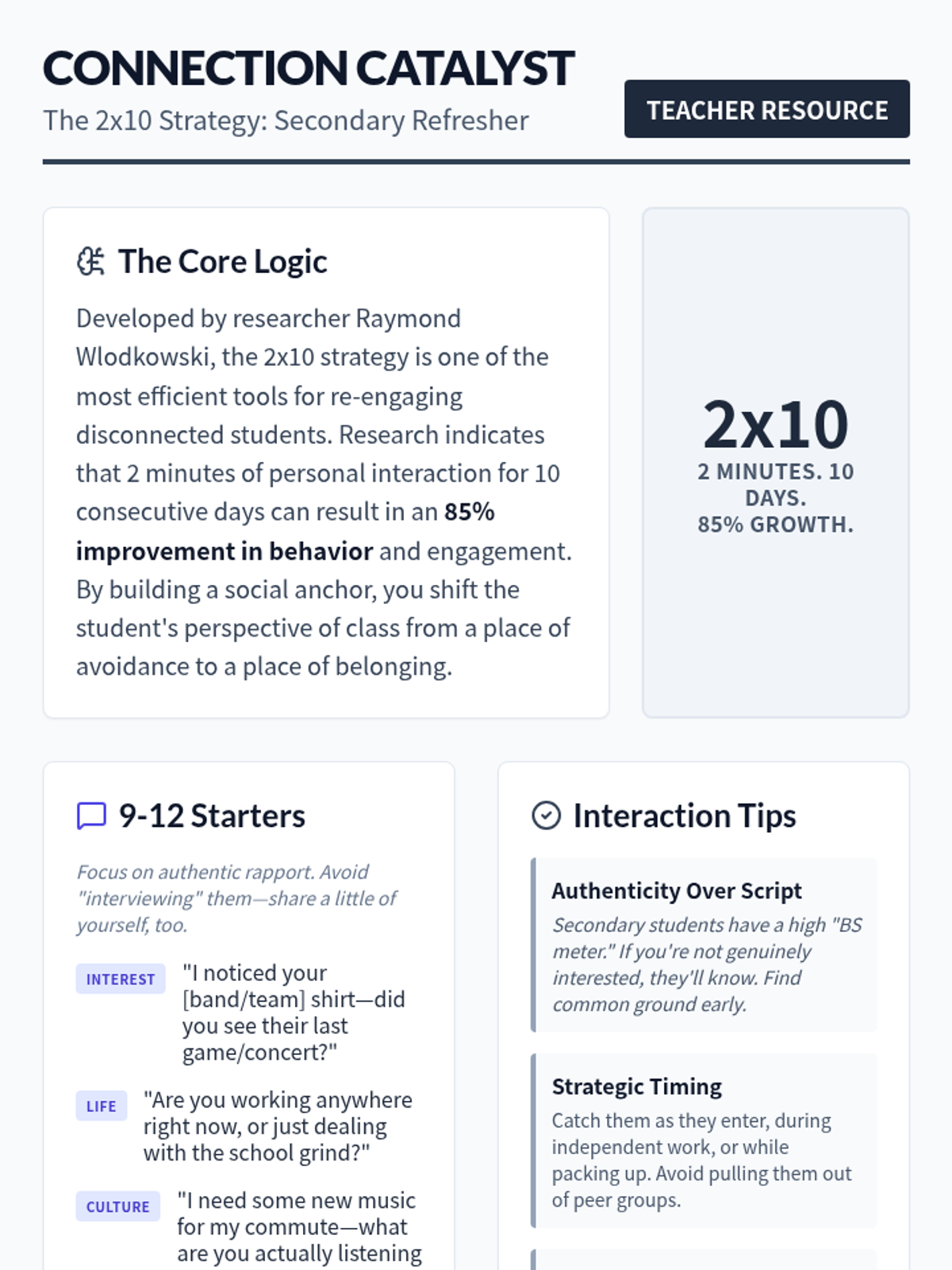
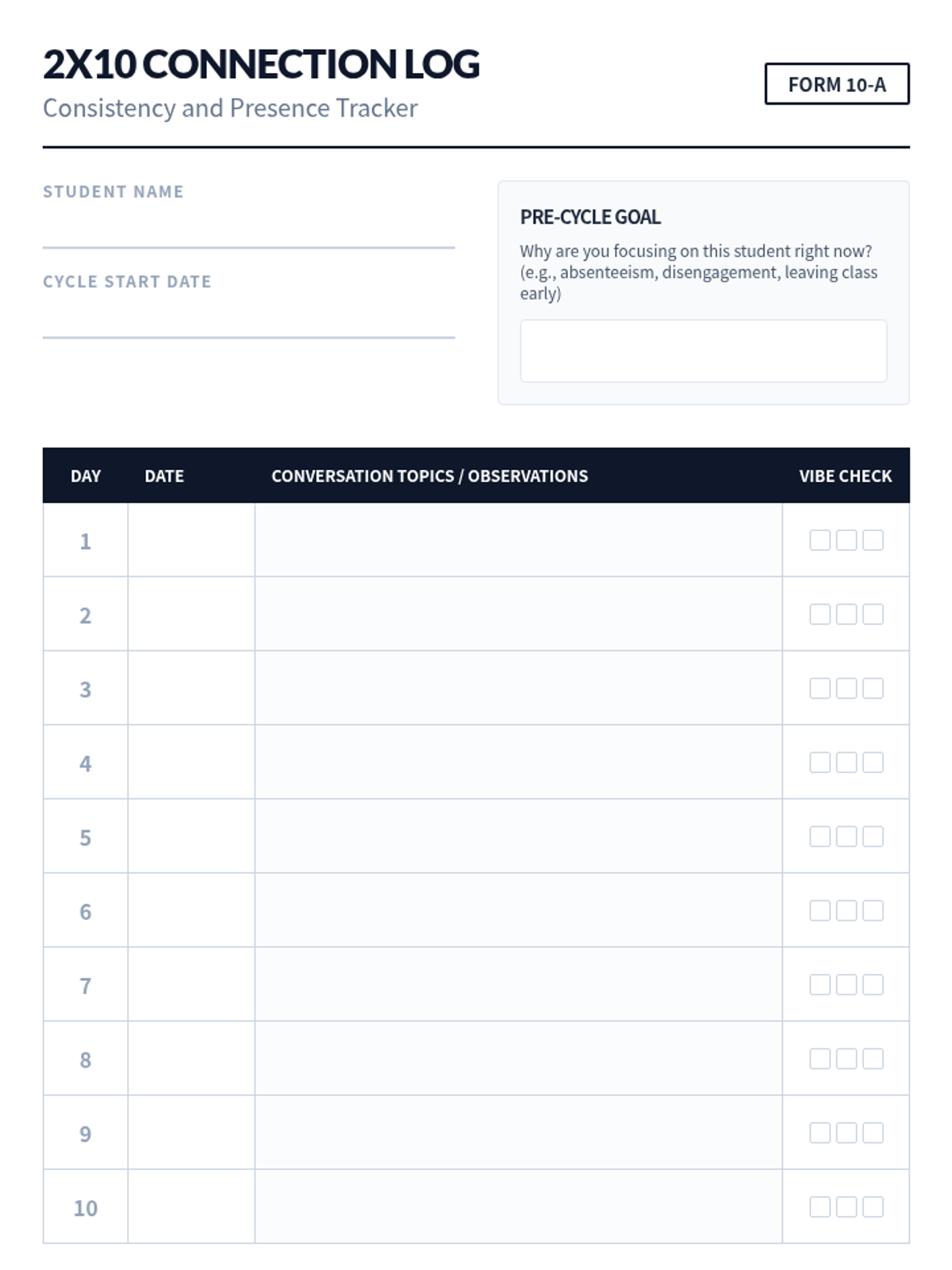
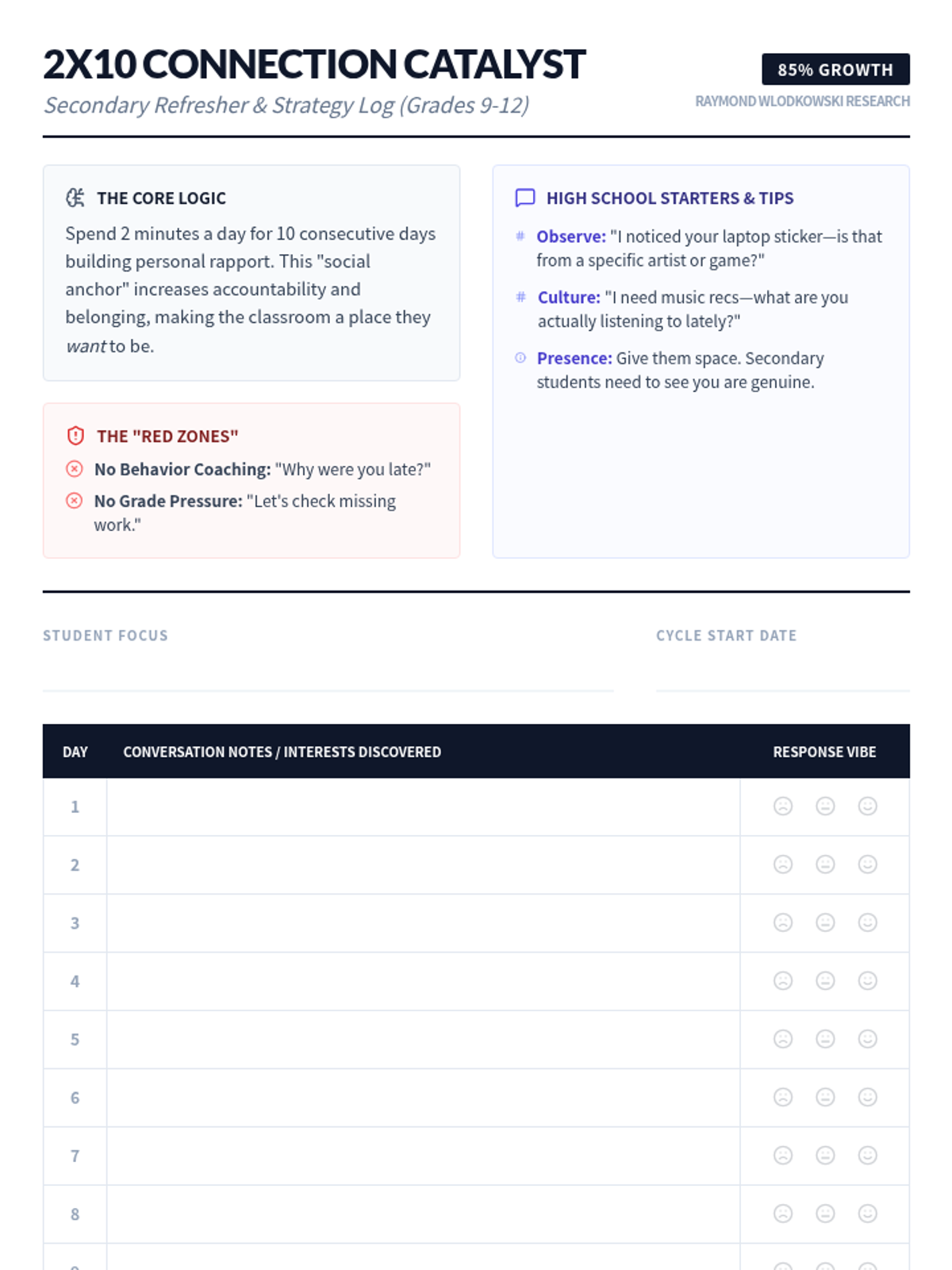
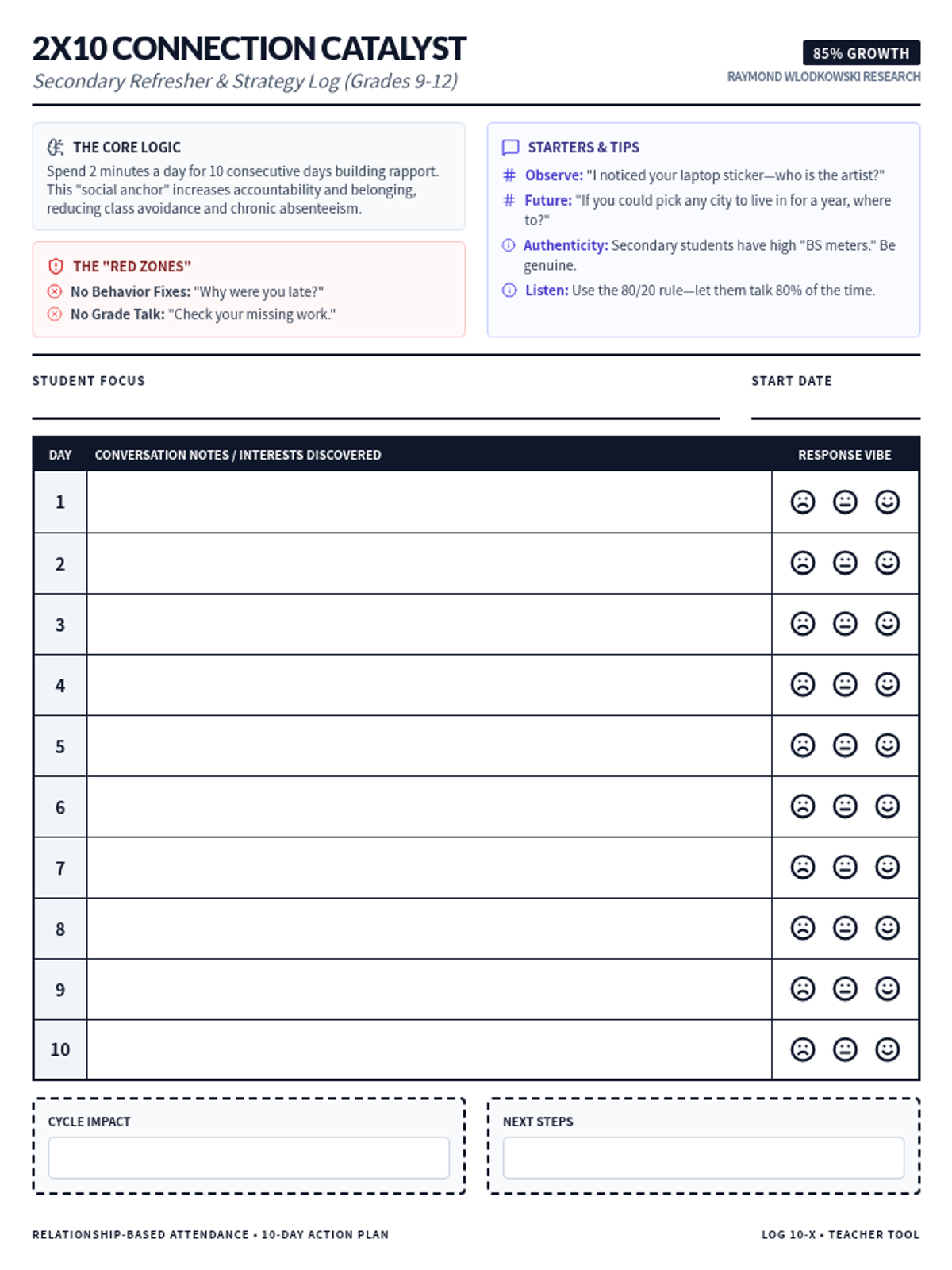
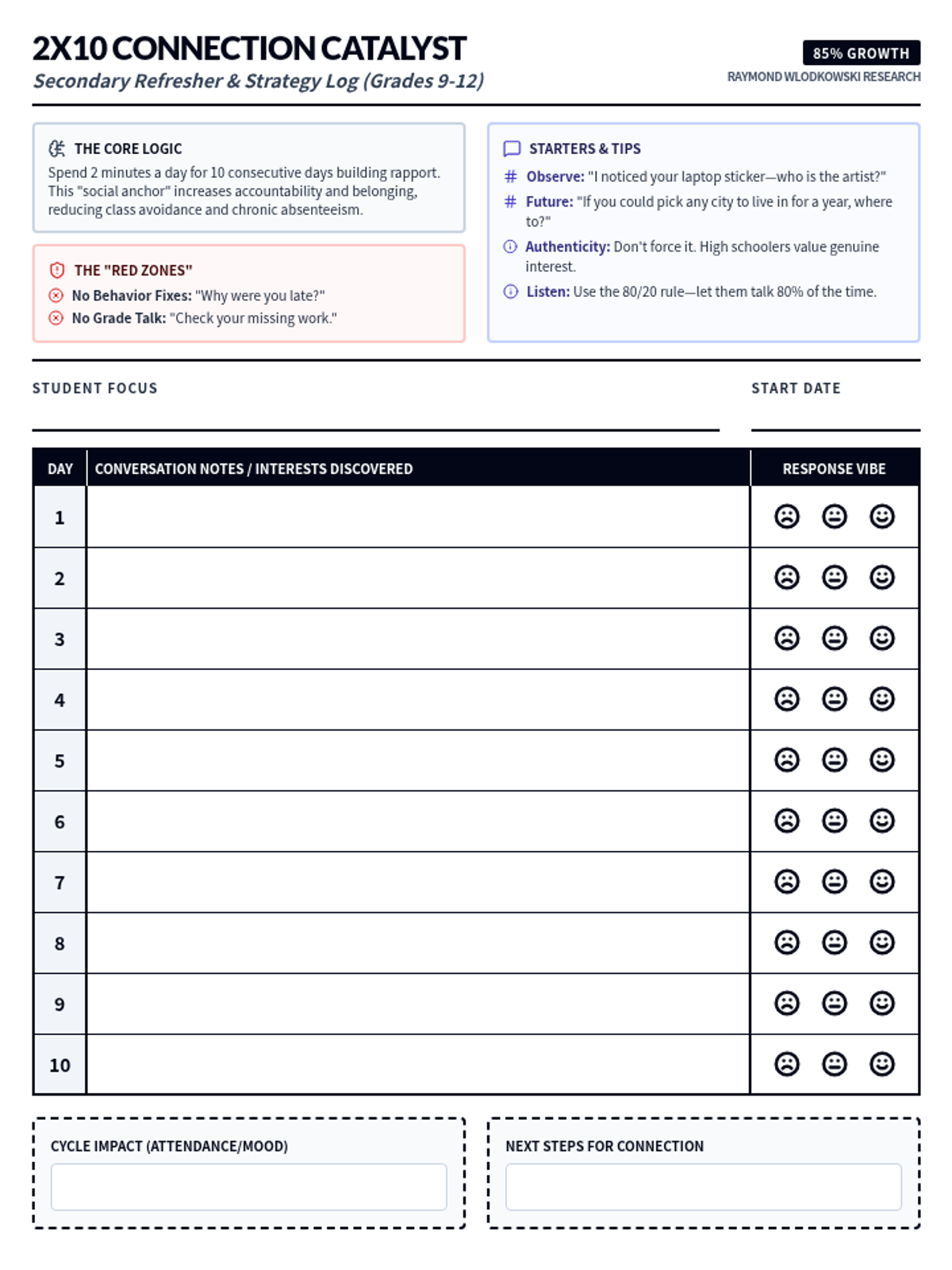
A quick refresher for teachers on the 2x10 relationship-building strategy, focusing on improving student attendance and engagement through consistent, personal connection.
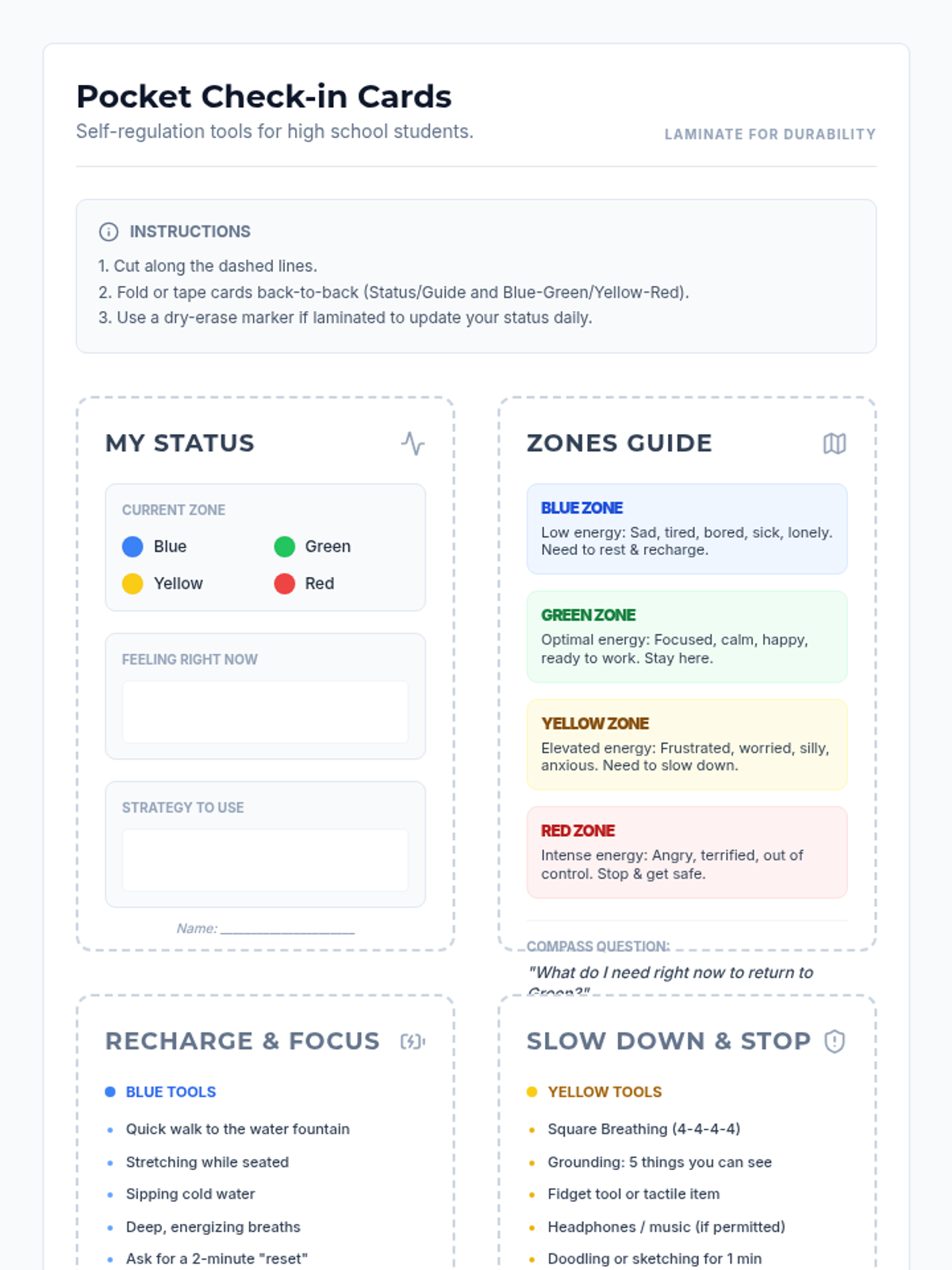
A set of emotional regulation tools designed specifically for high schoolers using the Zones of Regulation framework to support self-awareness and self-management.
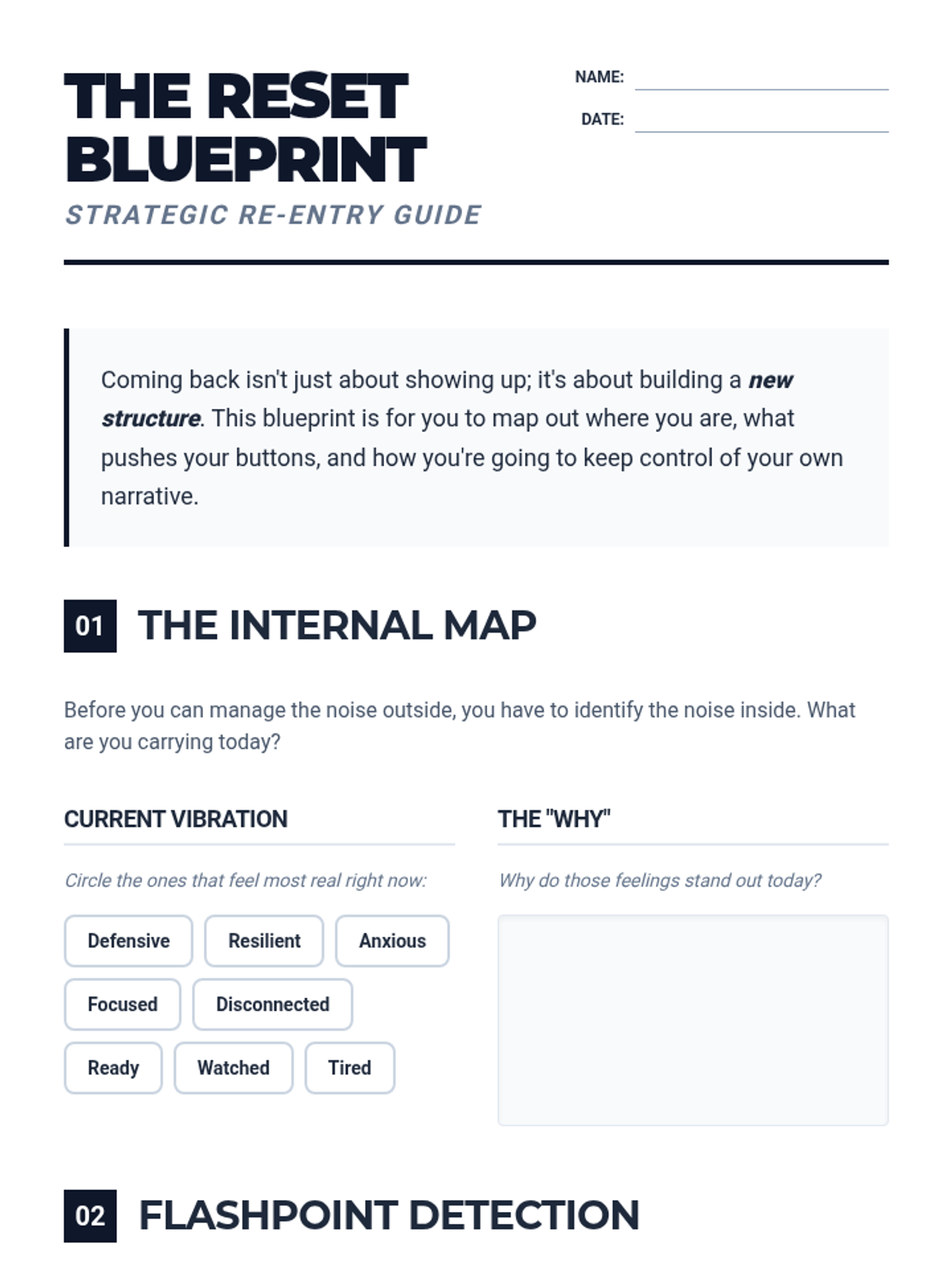
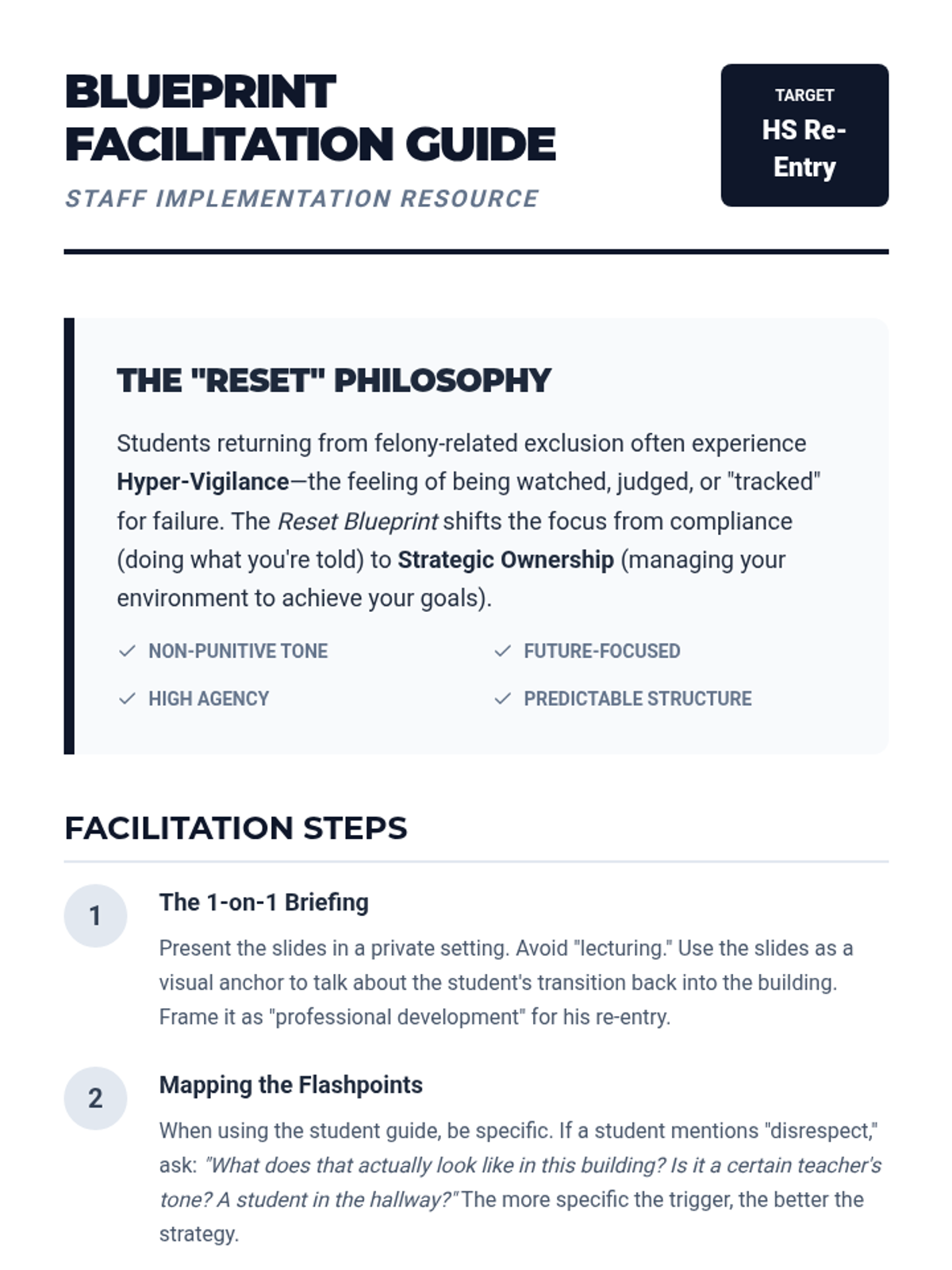
A comprehensive re-entry guide for high school students returning after exclusion, focusing on emotional literacy and managing impulsive triggers through a 'strategic blueprint' lens.
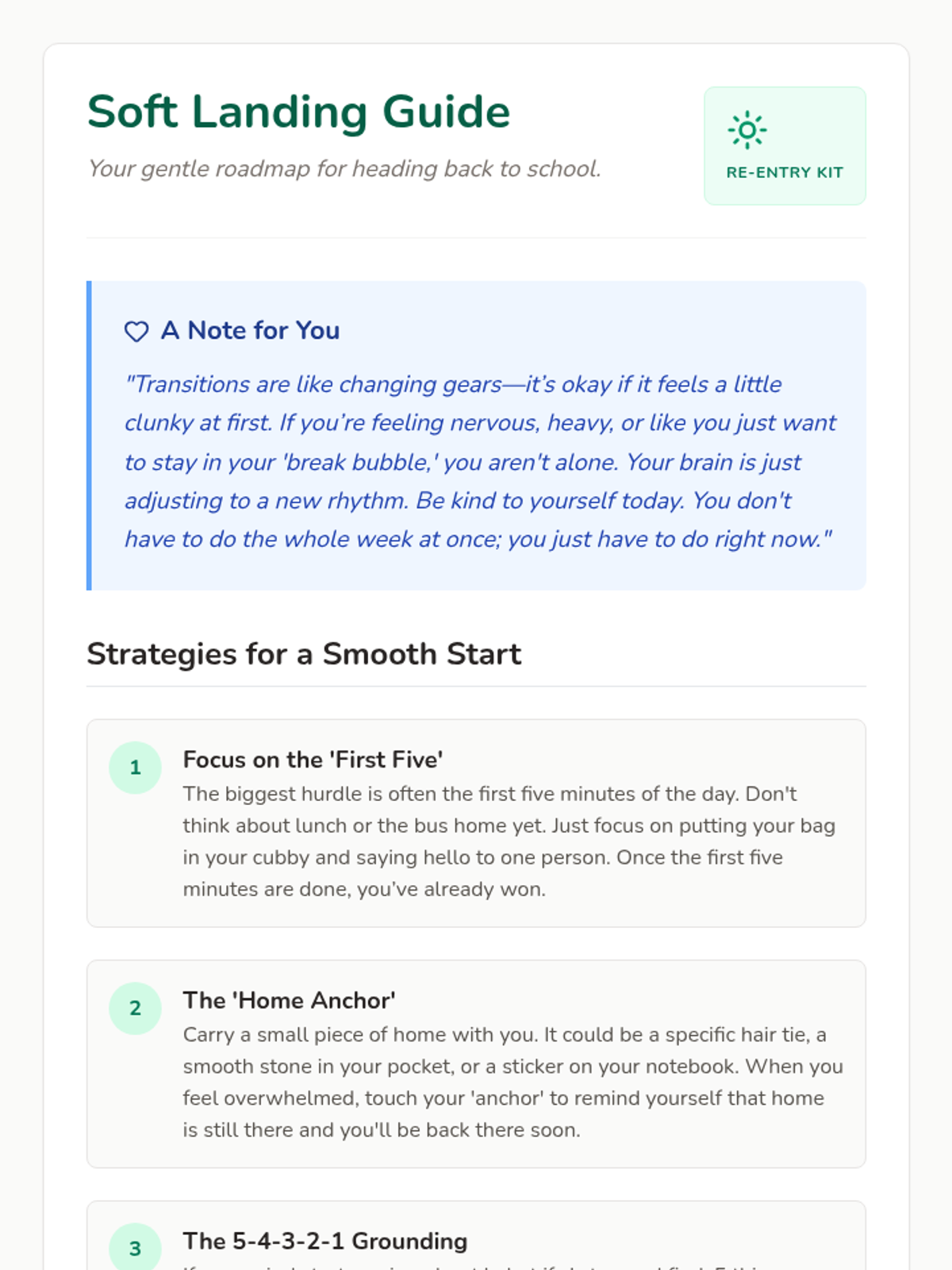
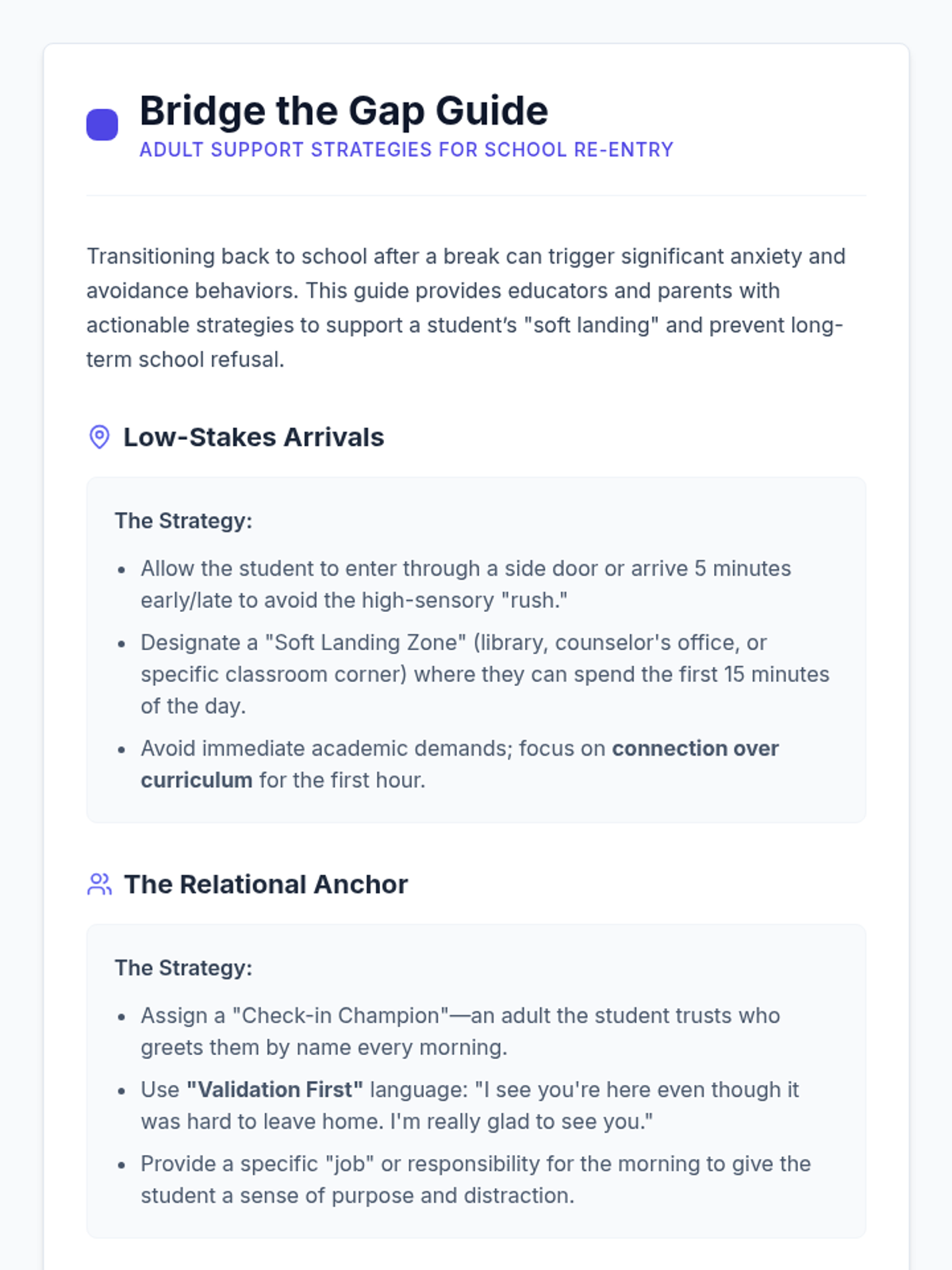
A supportive lesson focused on easing school-re-entry anxiety and providing concrete strategies for students transitioning back after a break.
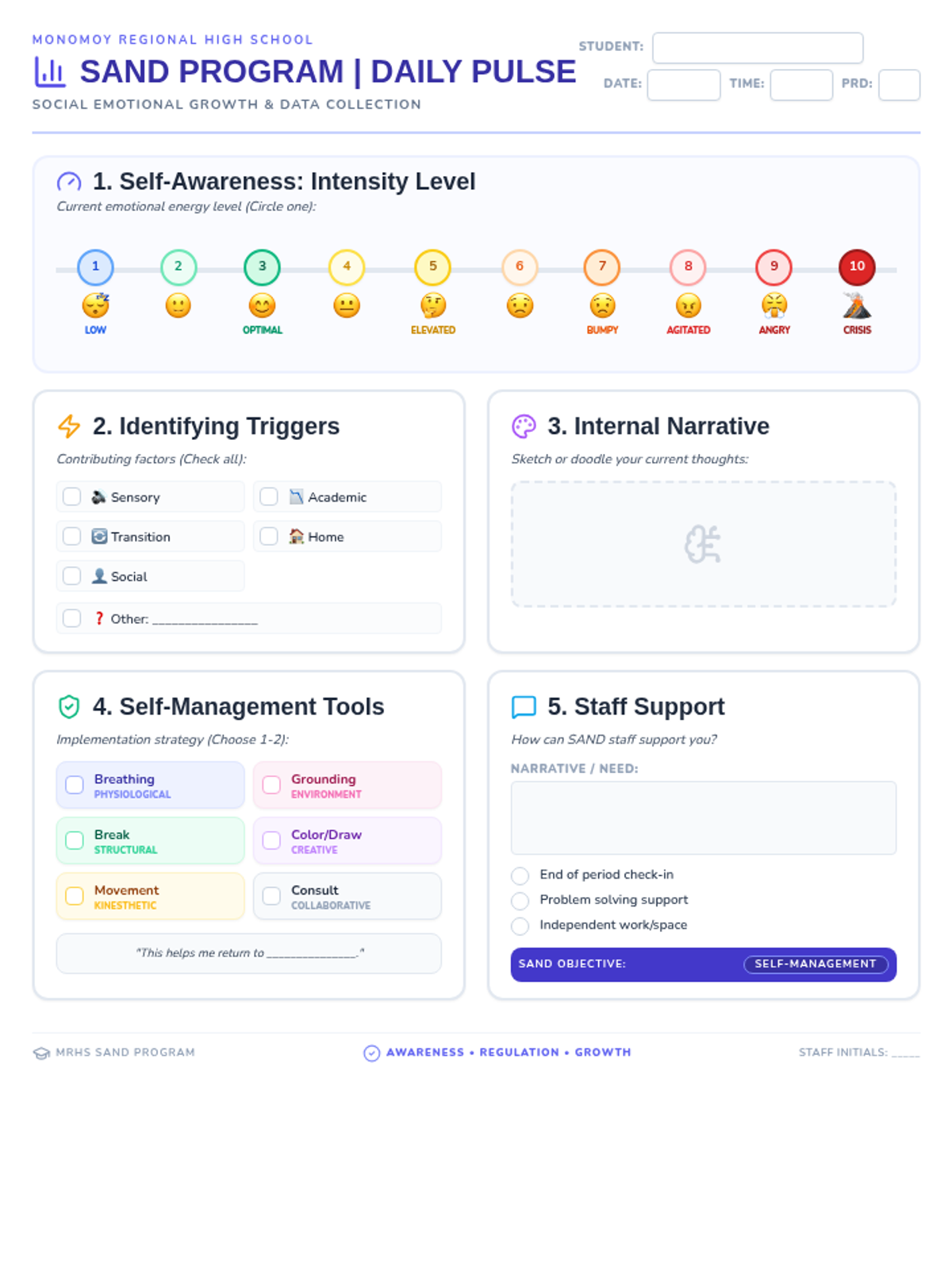
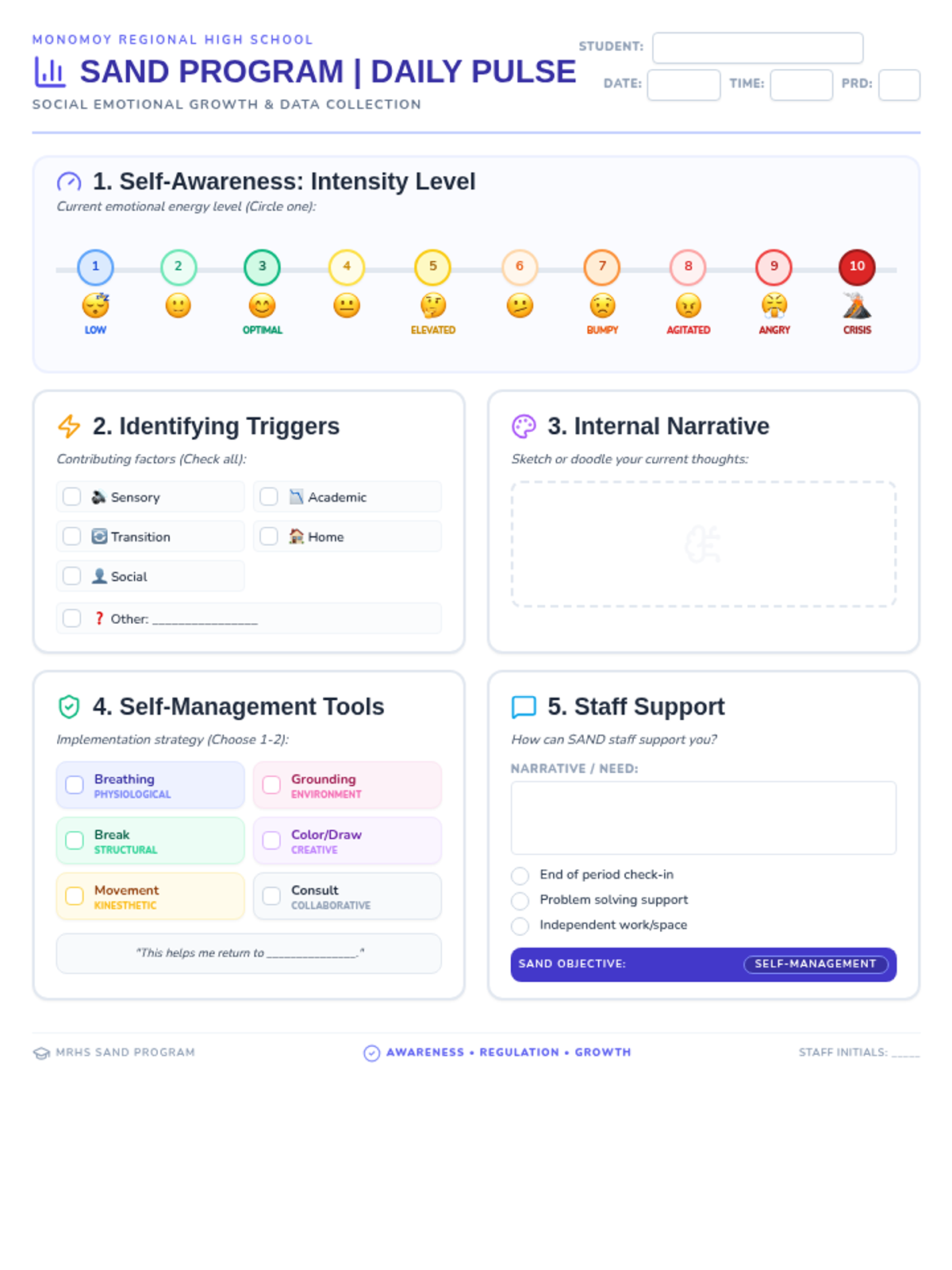
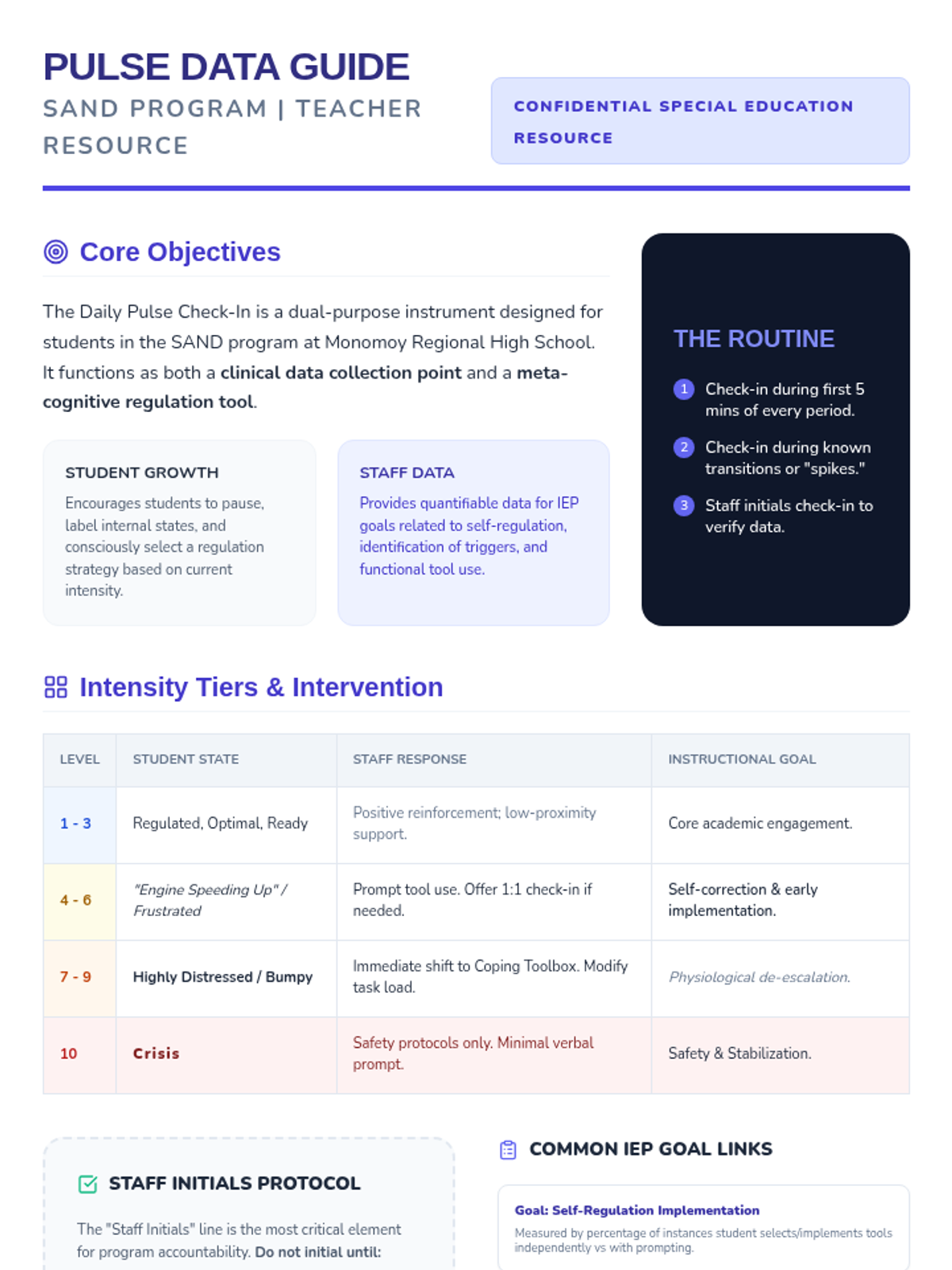
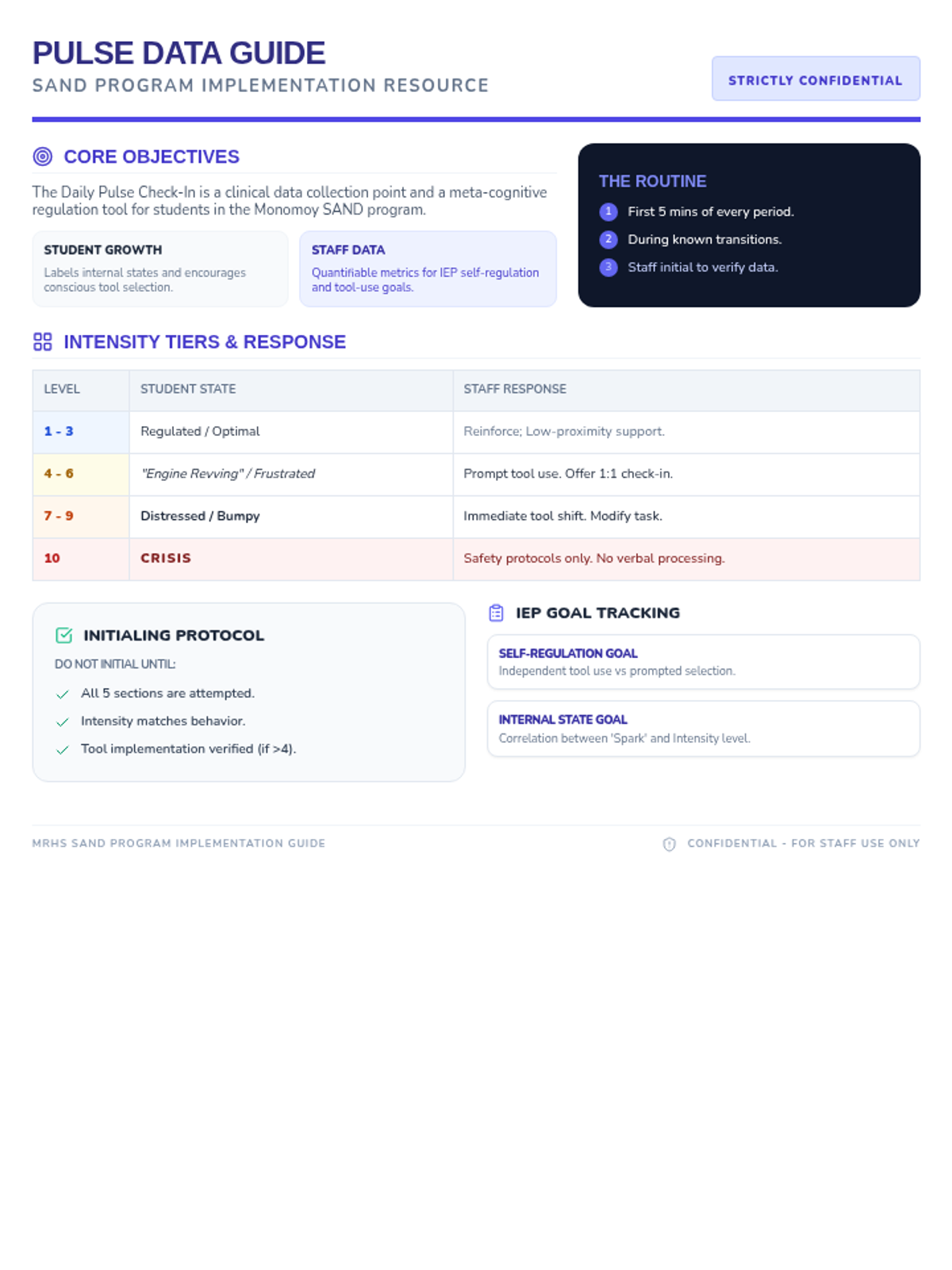
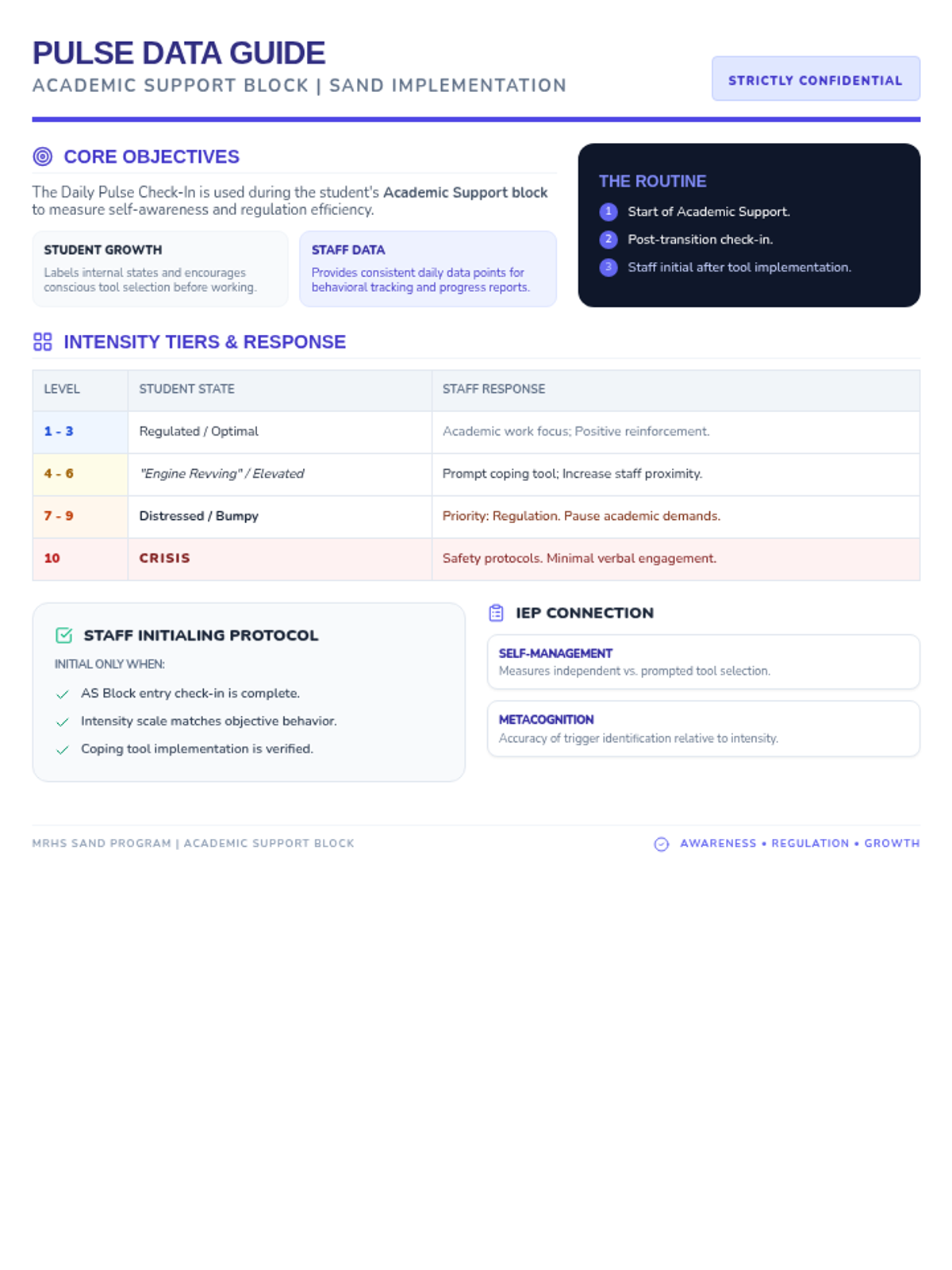
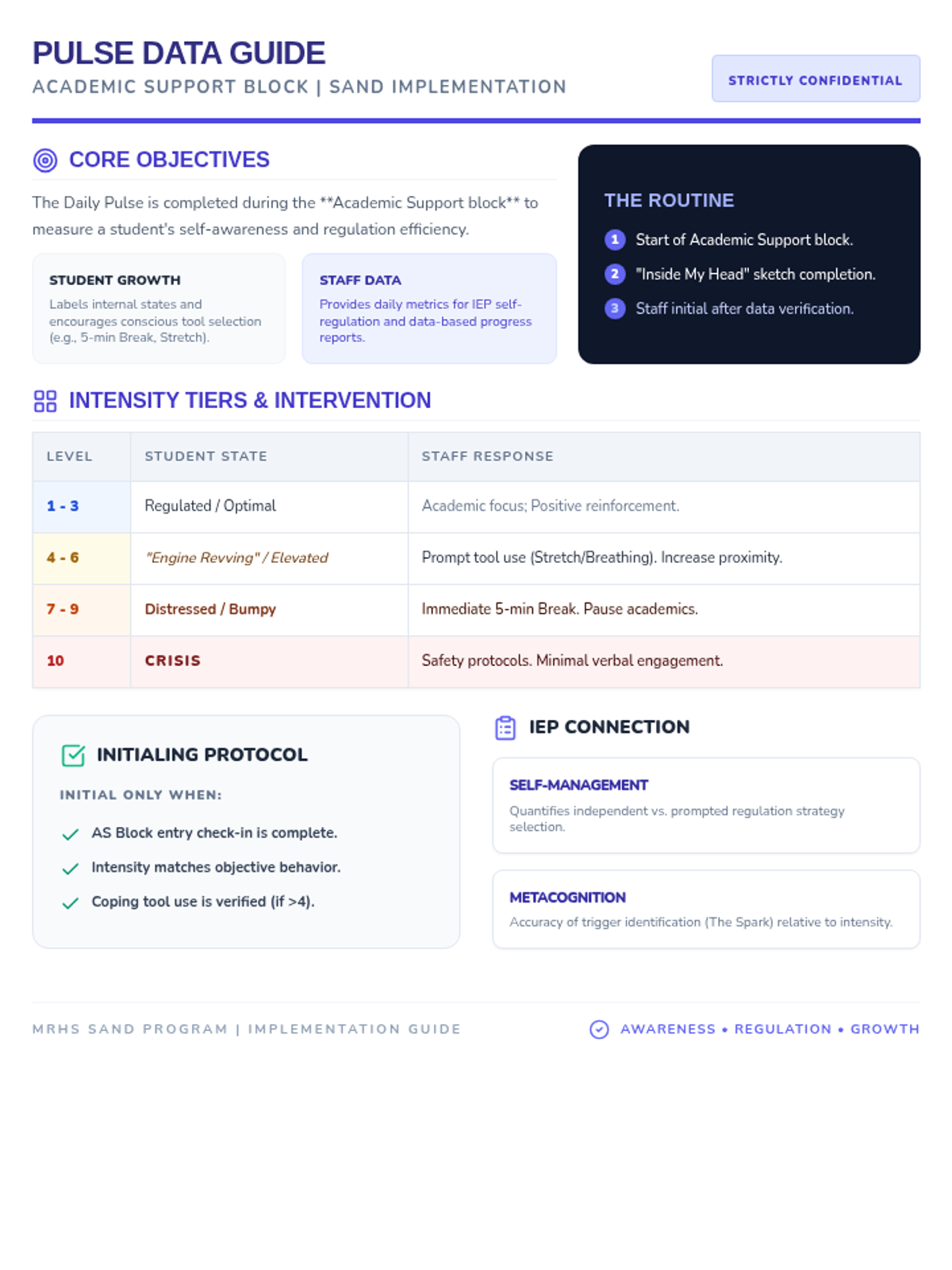
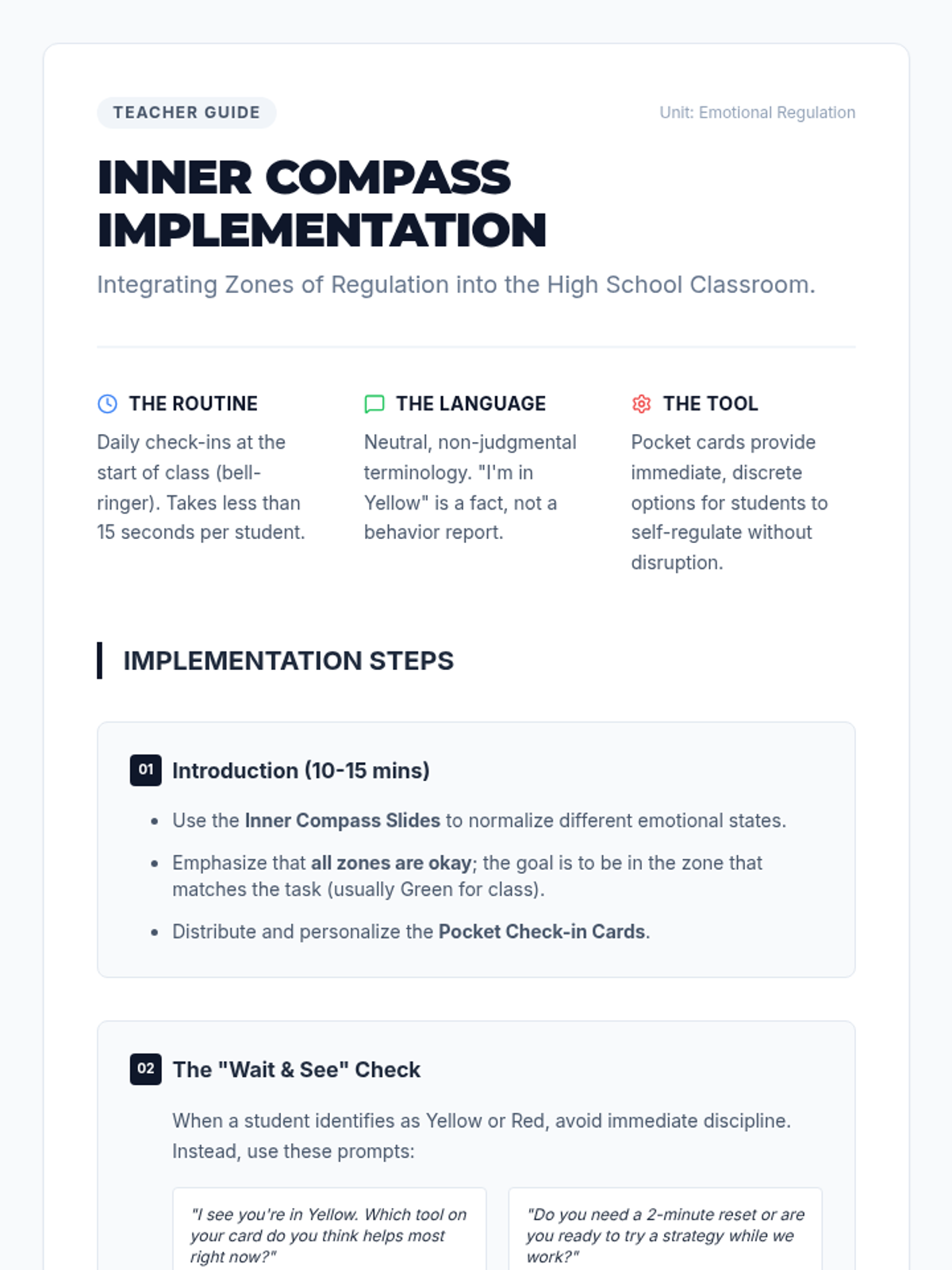
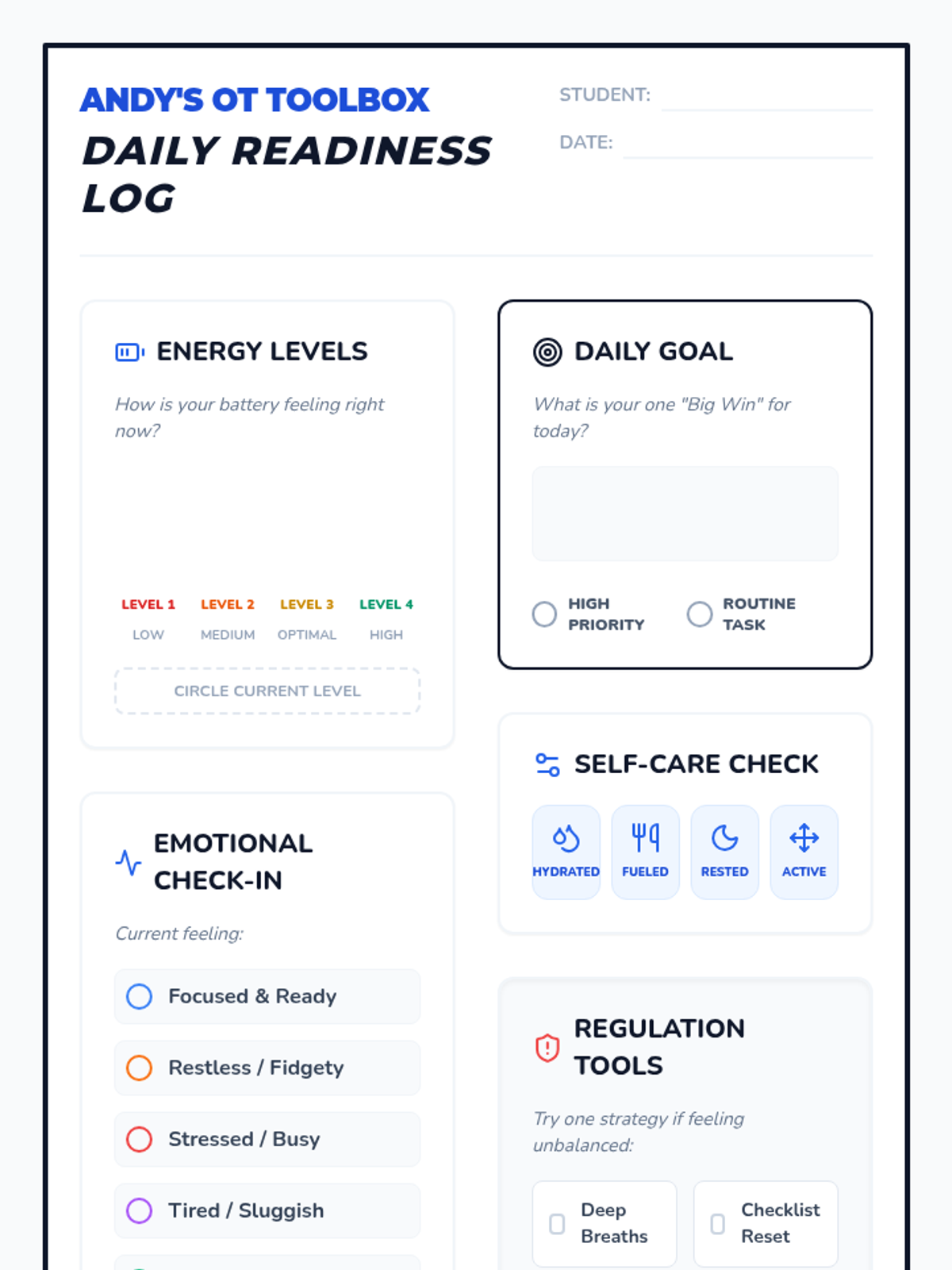
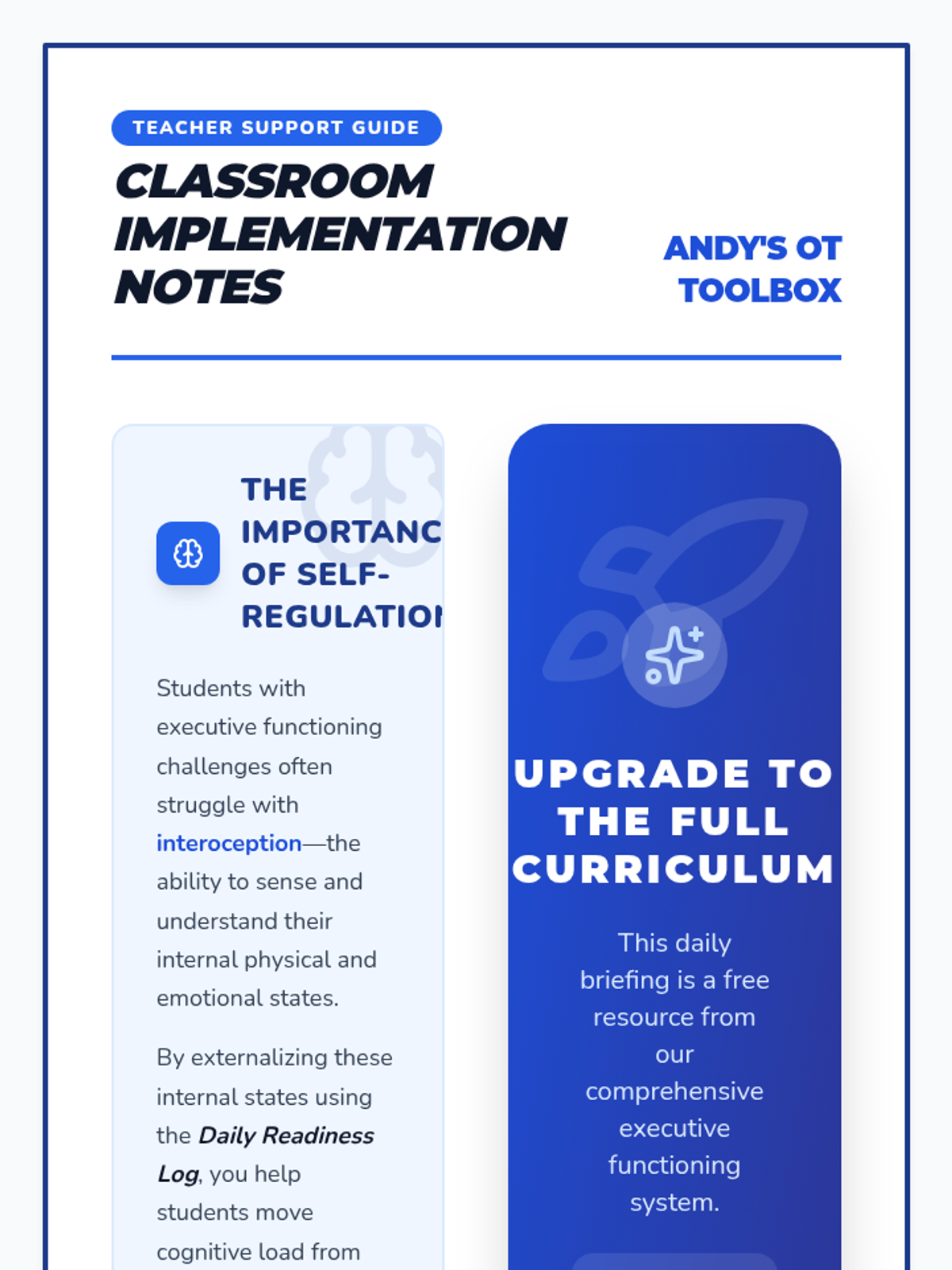
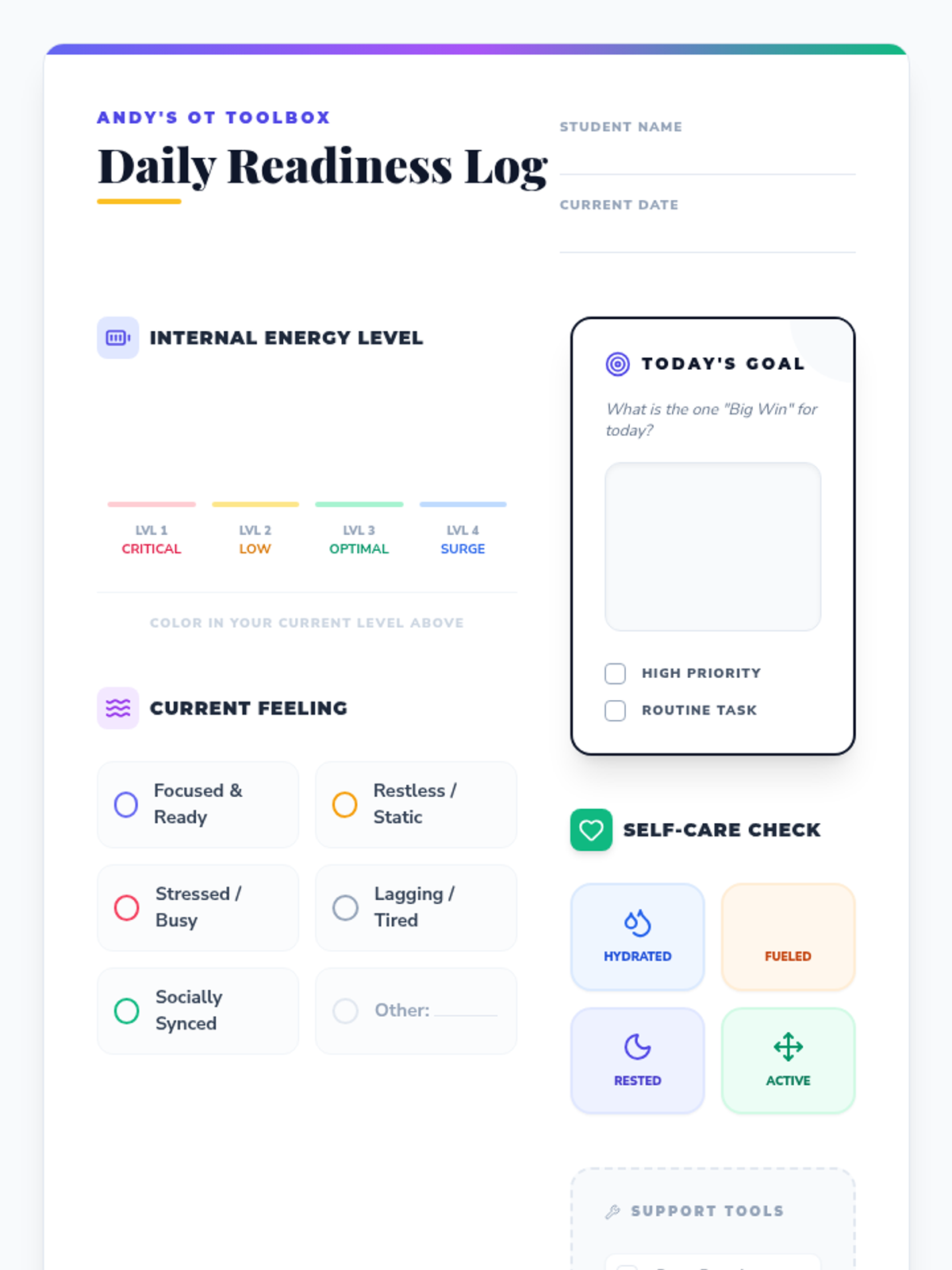
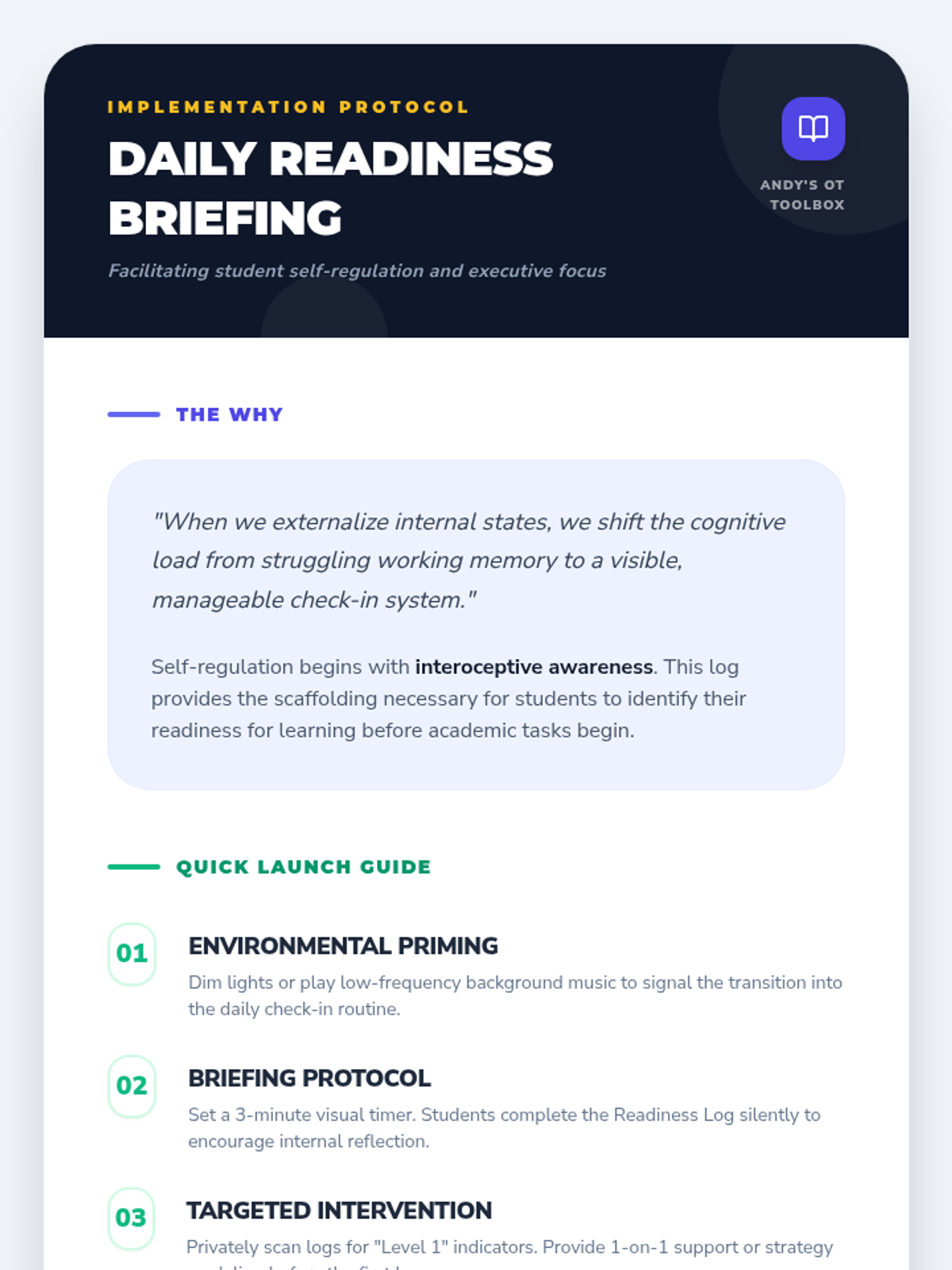
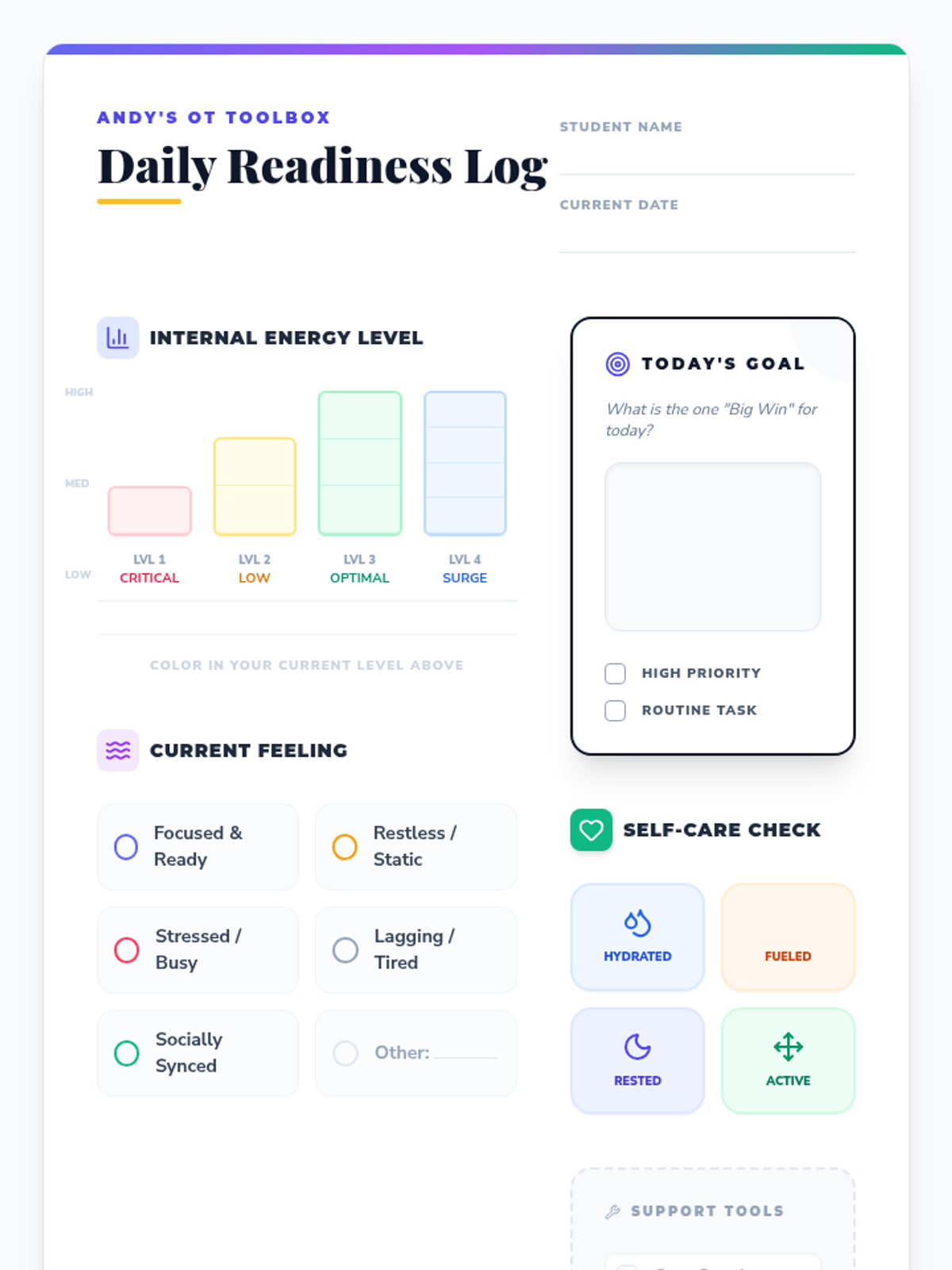
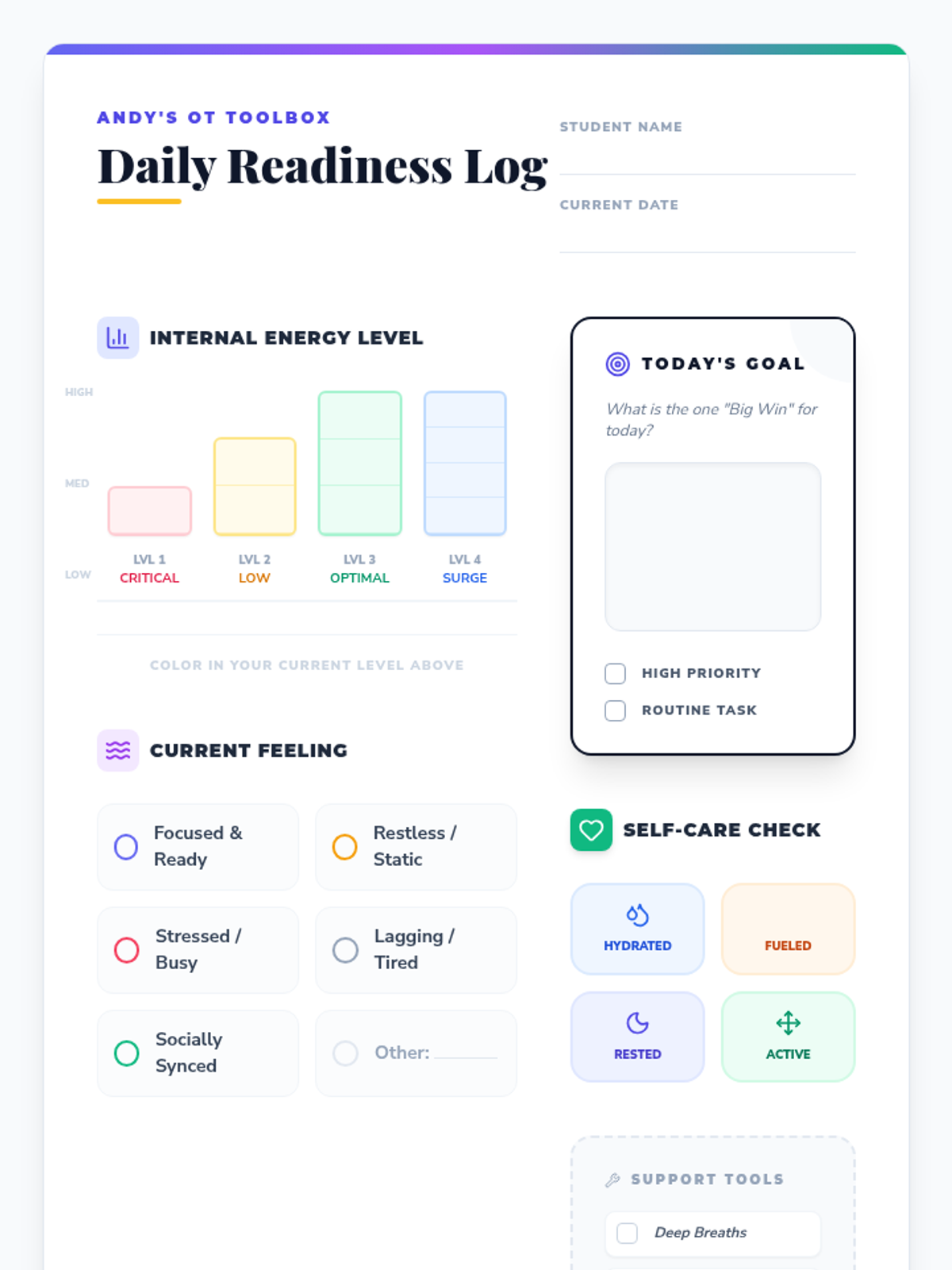
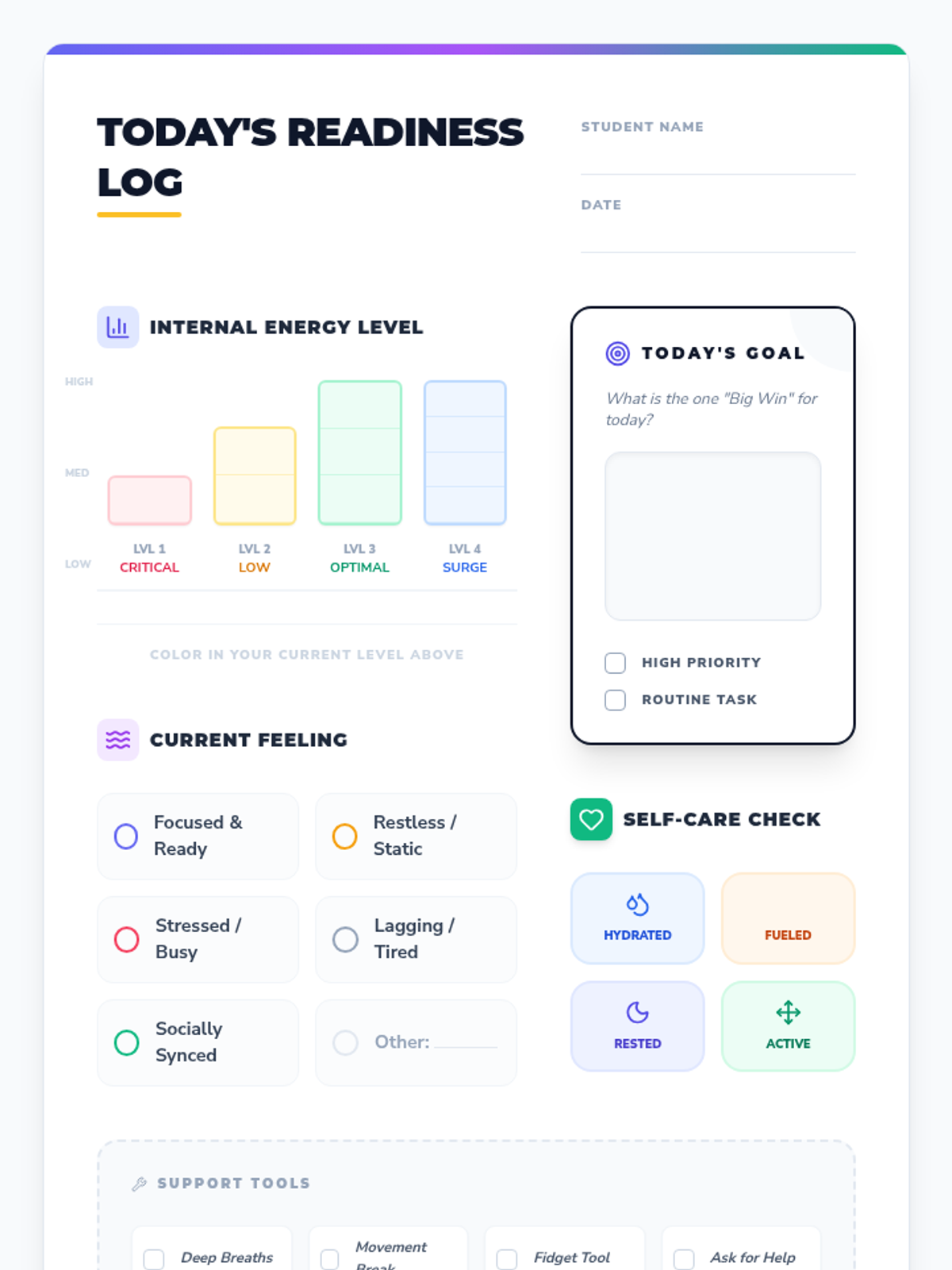
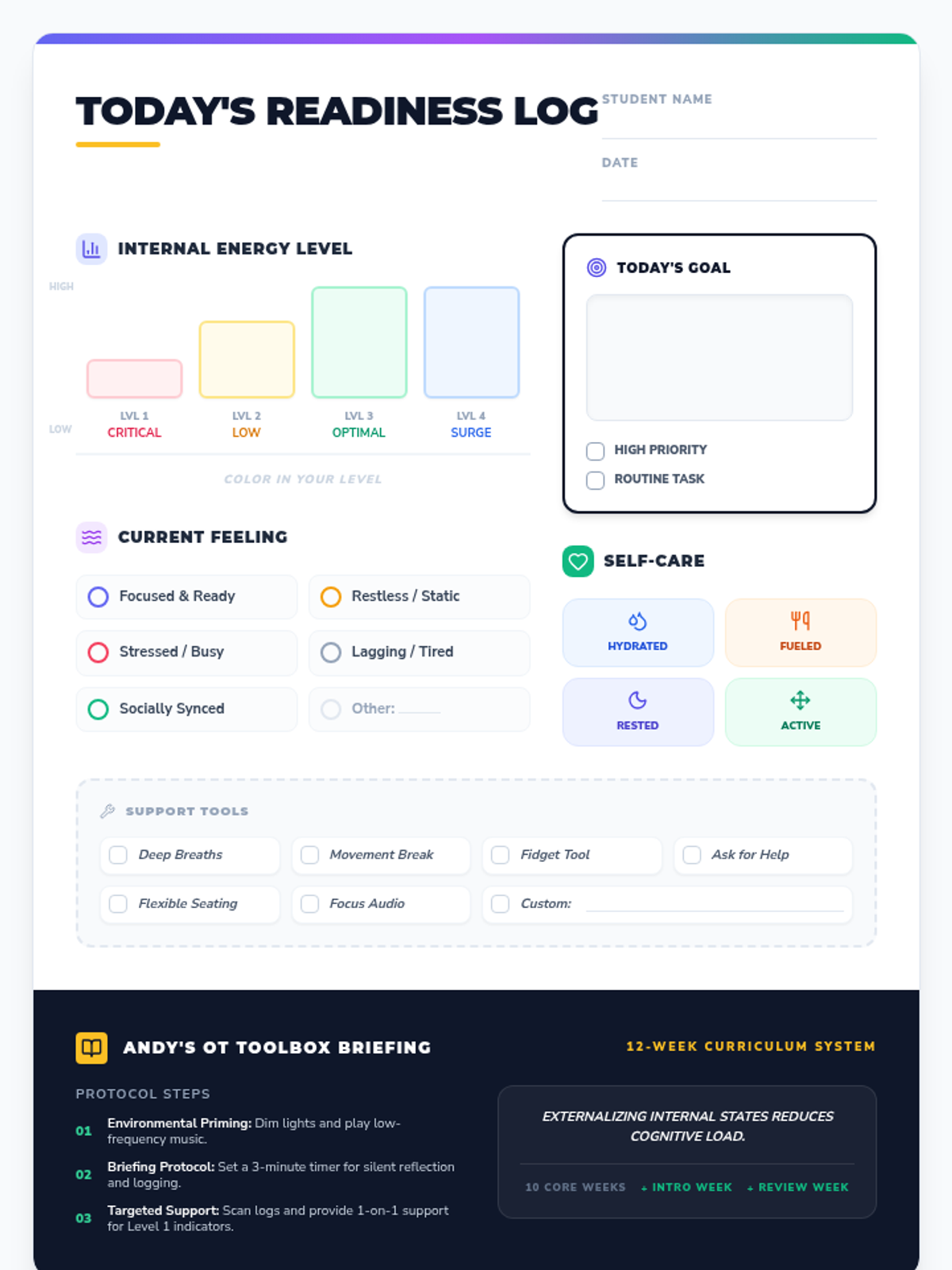
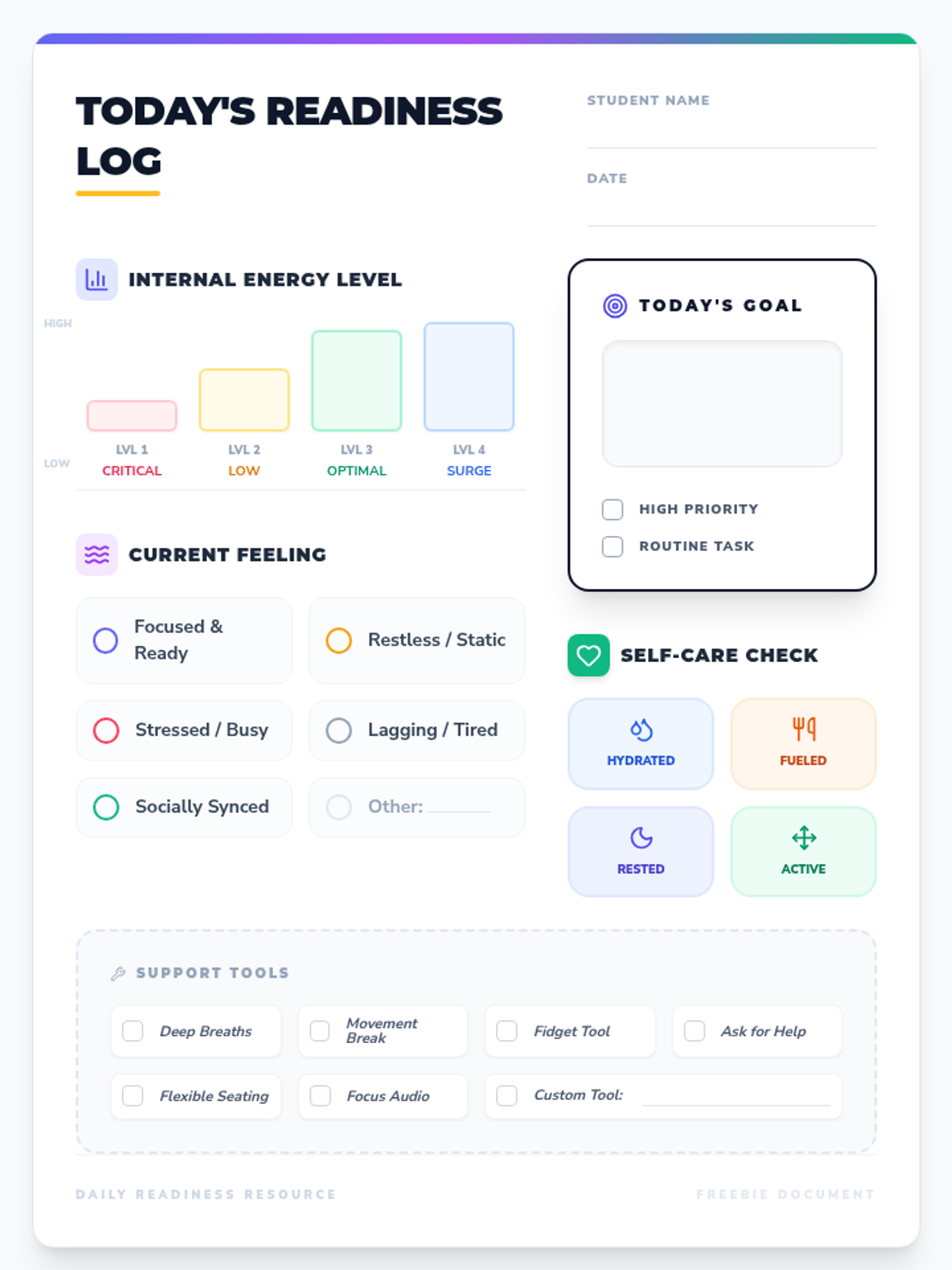
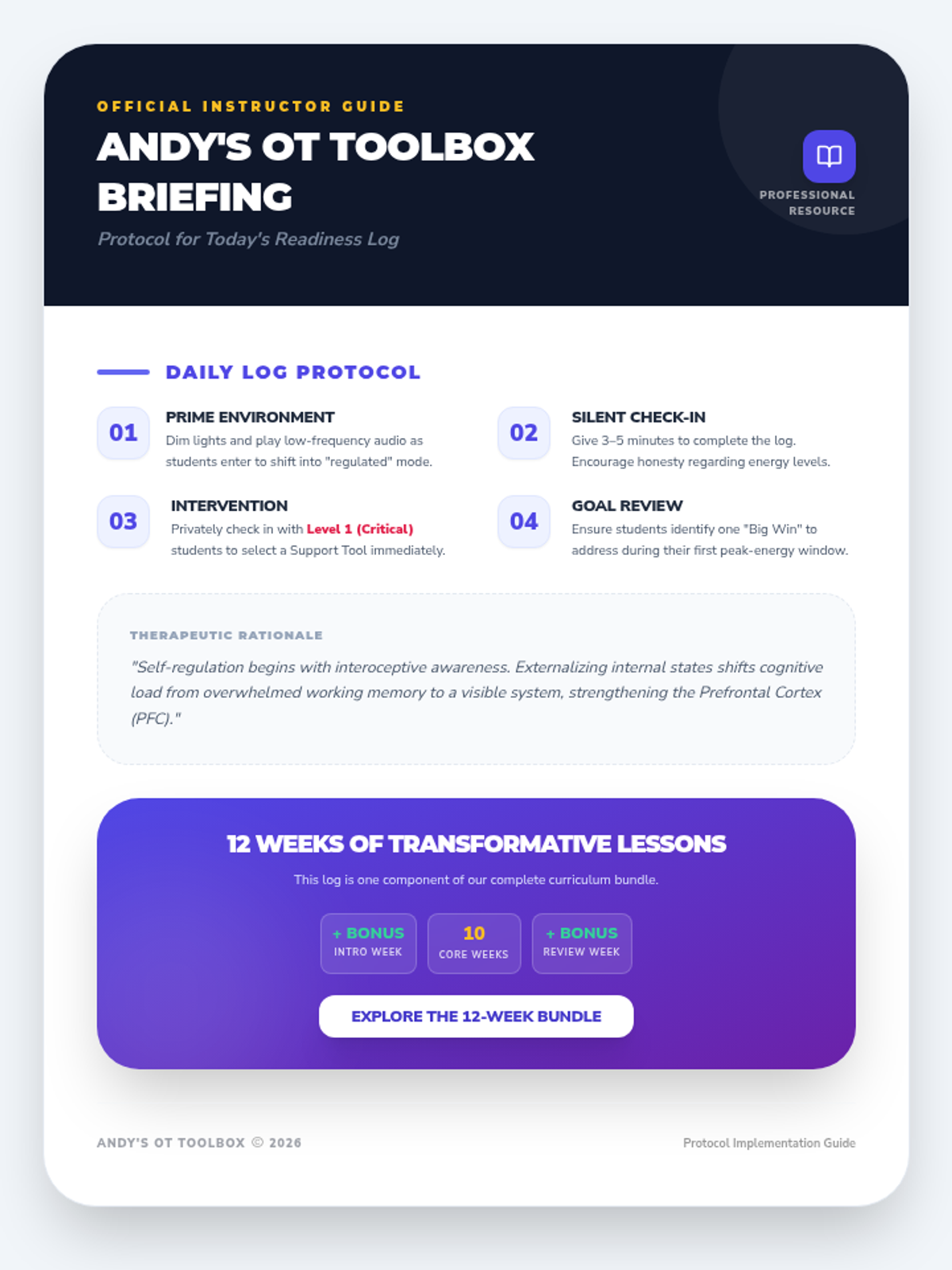
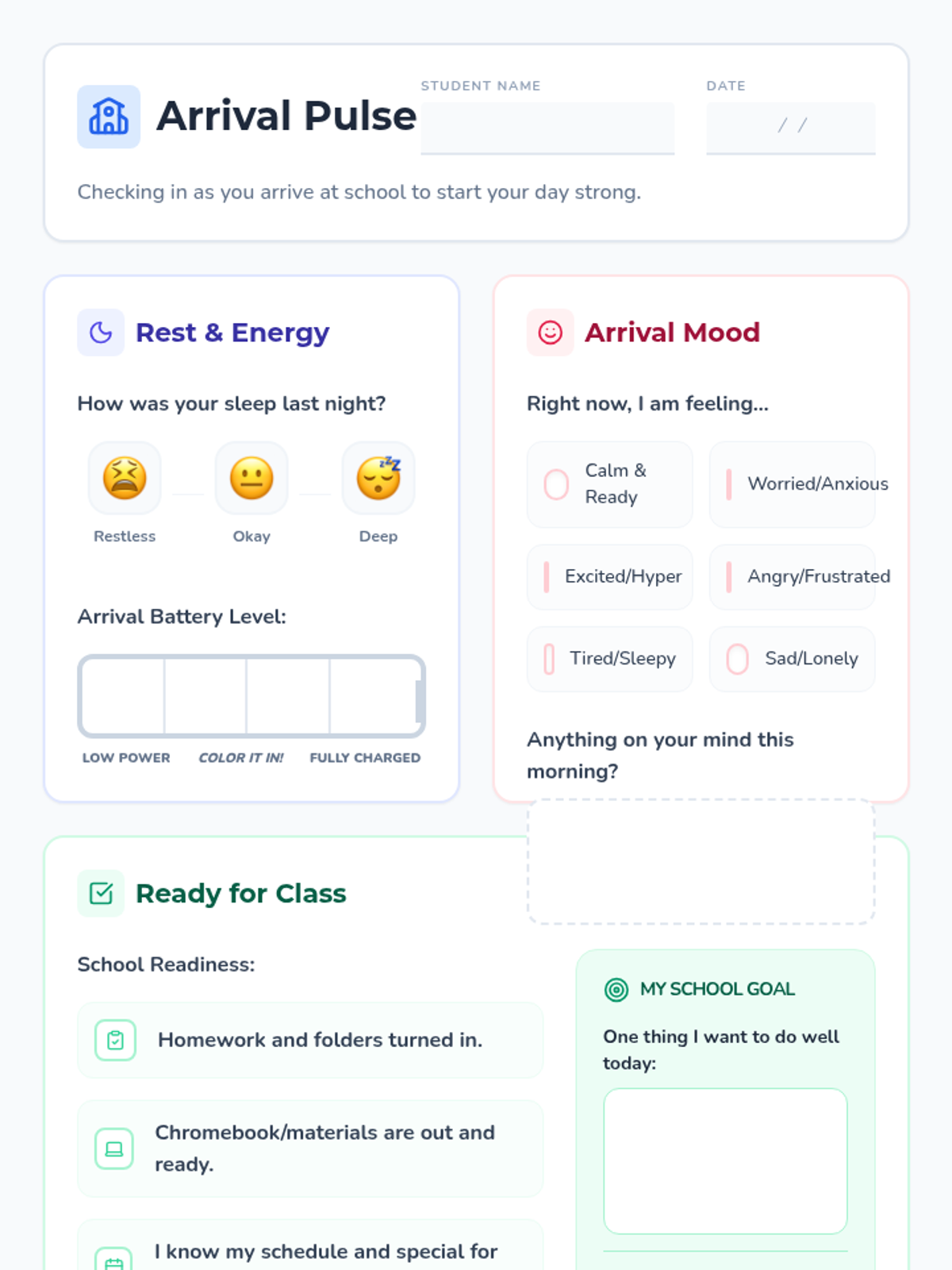
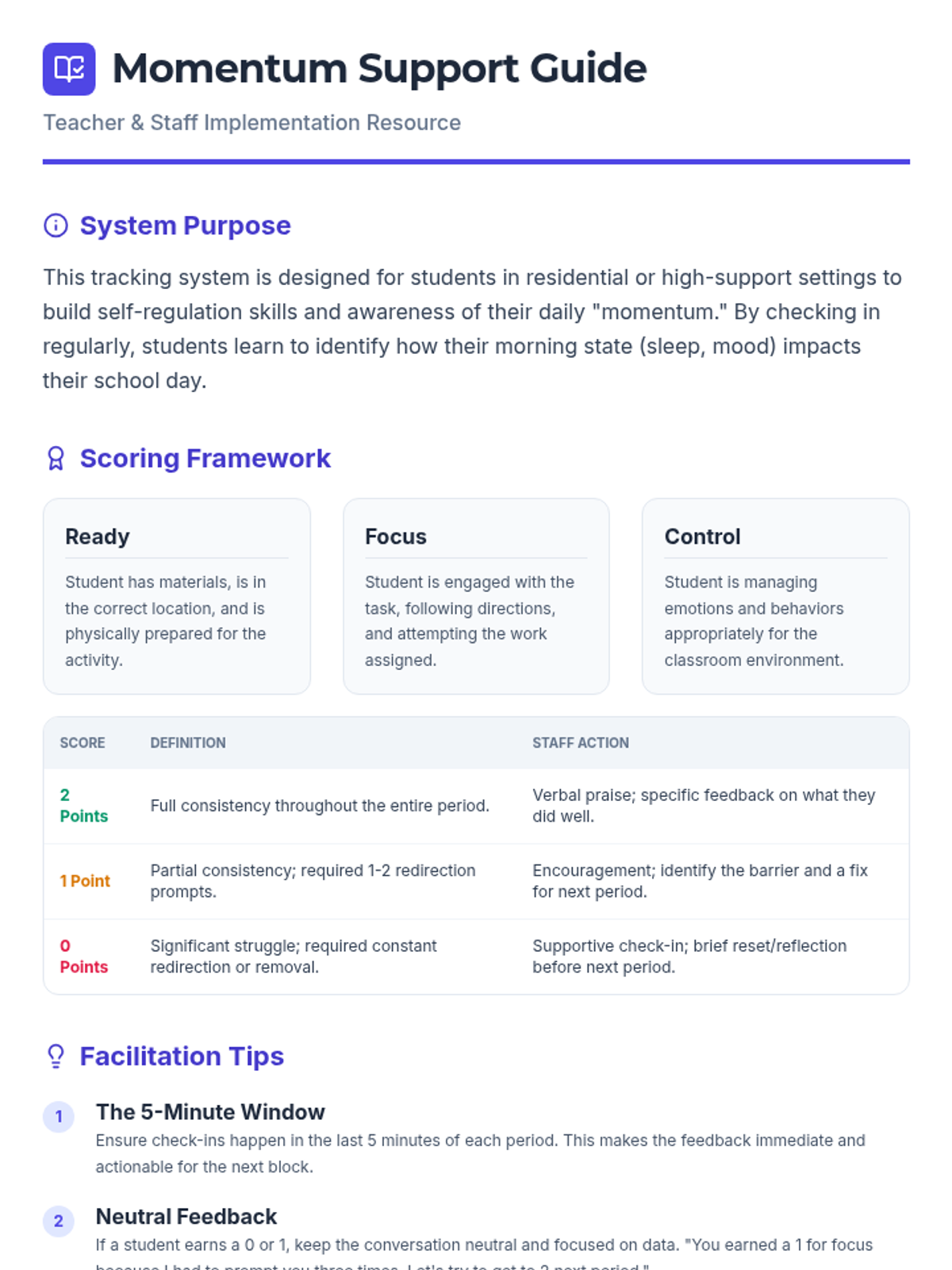
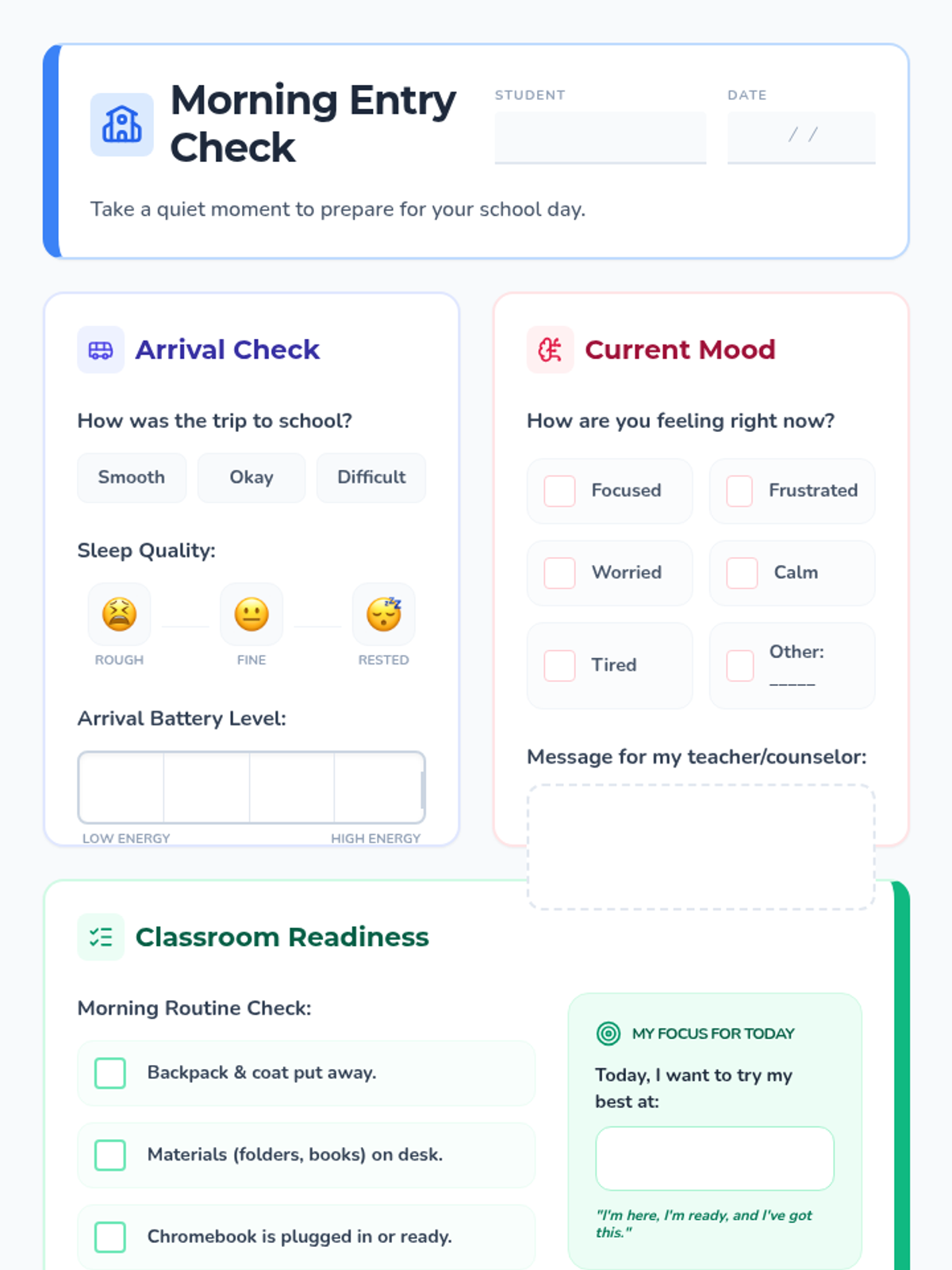
A daily check-in system designed to help students identify their energy levels, emotional states, and regulation needs. Includes a student log and a teacher implementation guide.
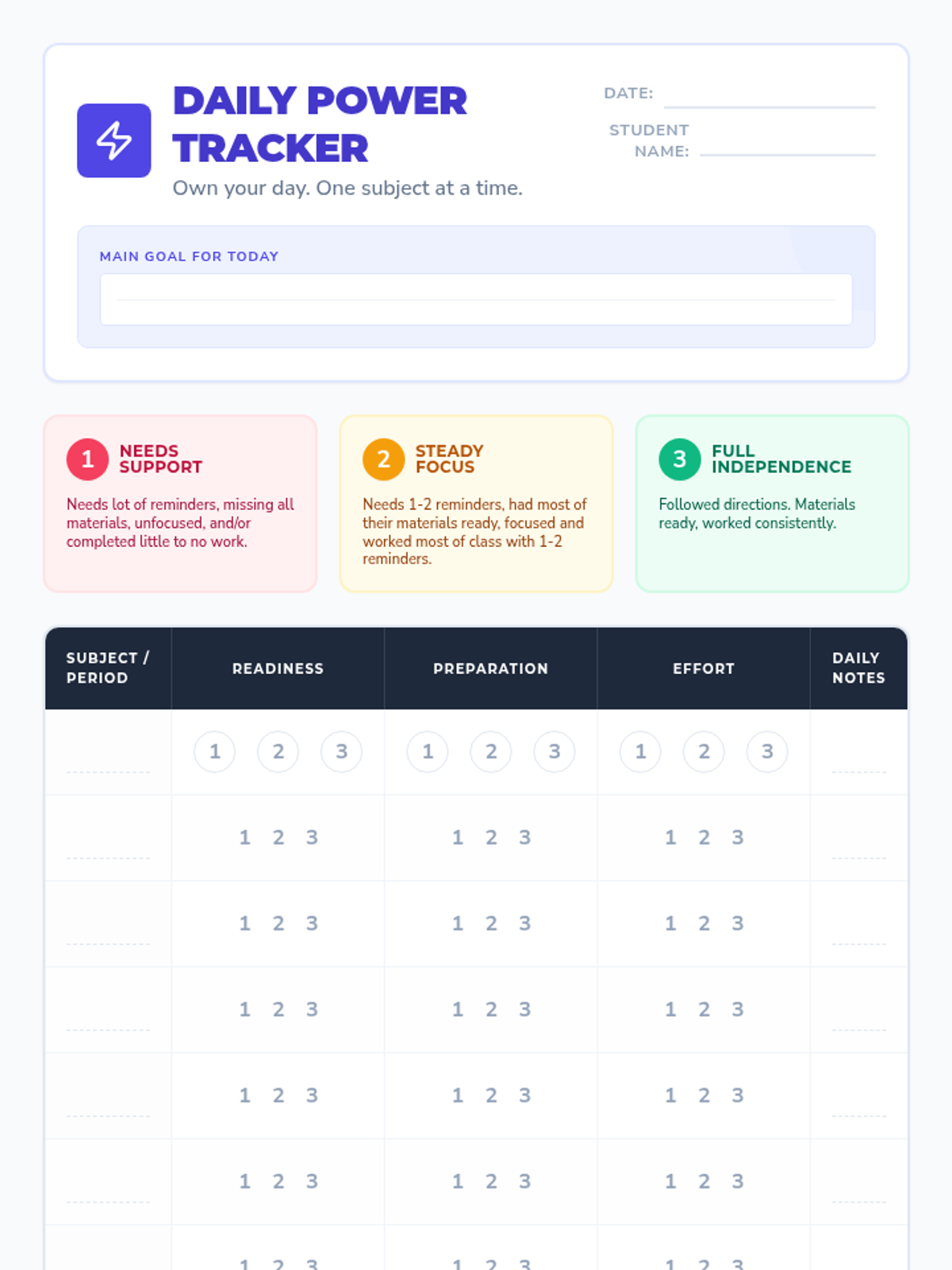
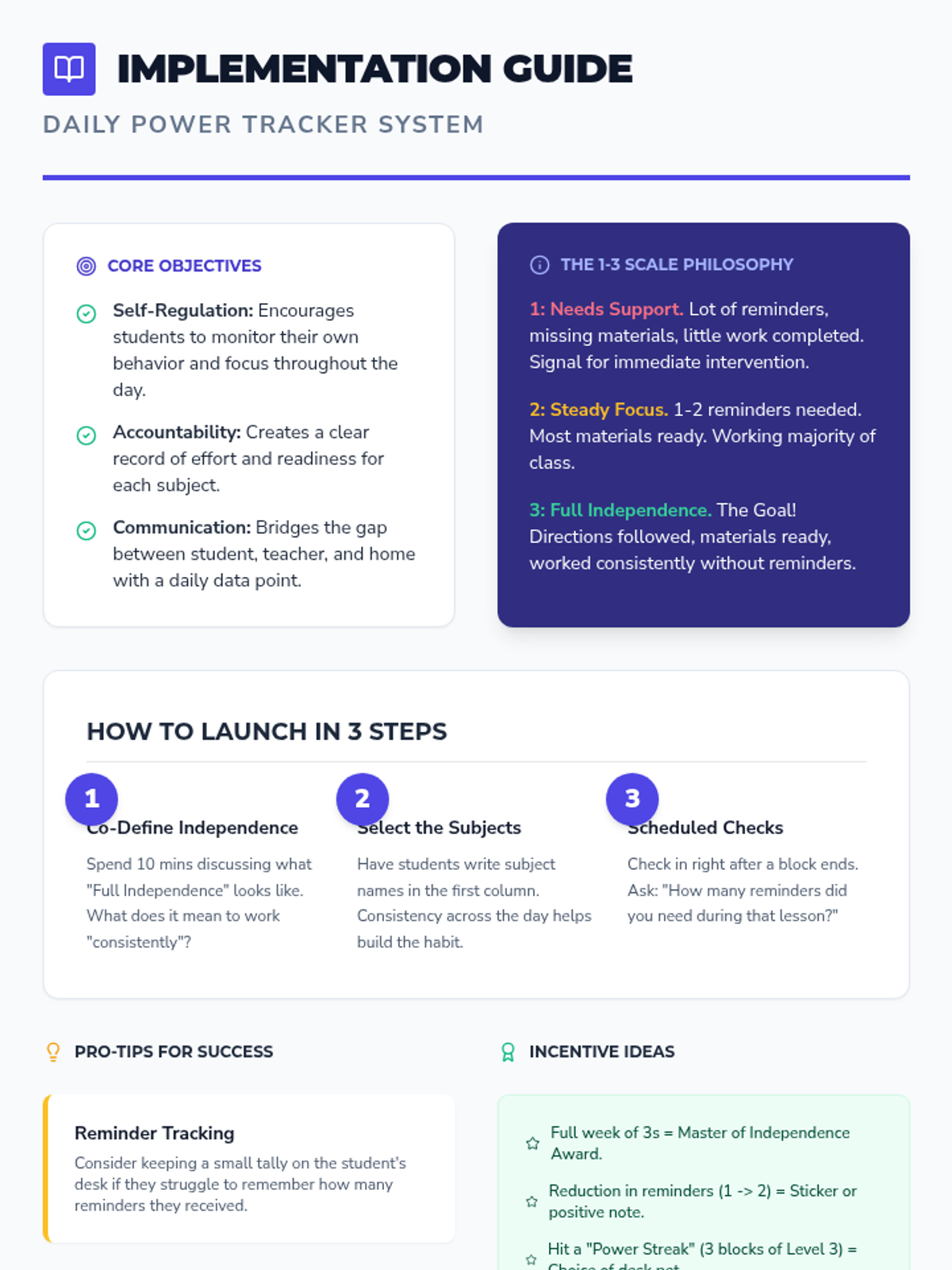
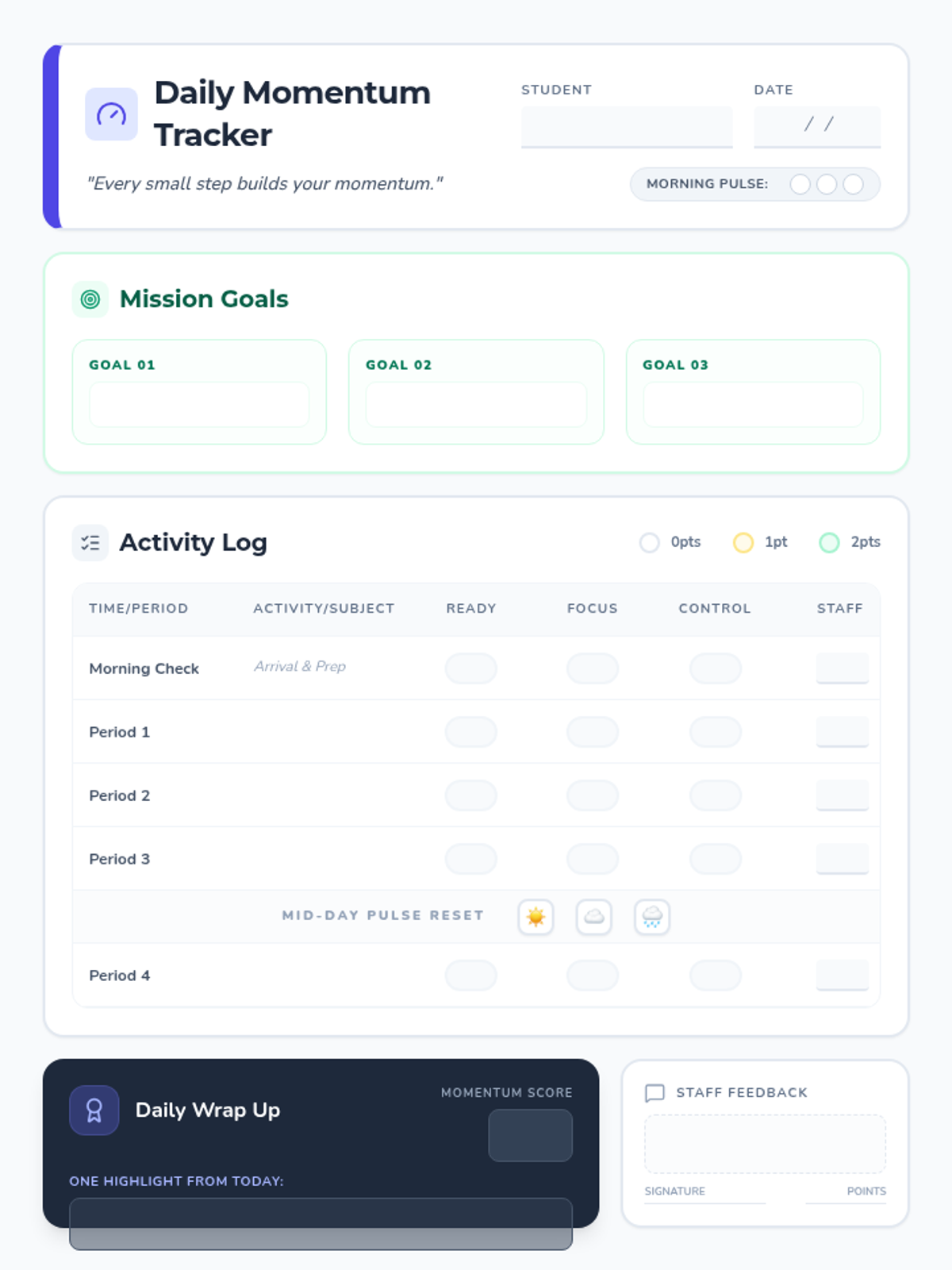
A daily habit-building system for students to monitor their readiness, preparation, and work effort across all subjects. Includes student trackers and teacher implementation guides to foster accountability and self-regulation.
A collection of tools to help students in residential settings prepare for their school day through social-emotional reflection.
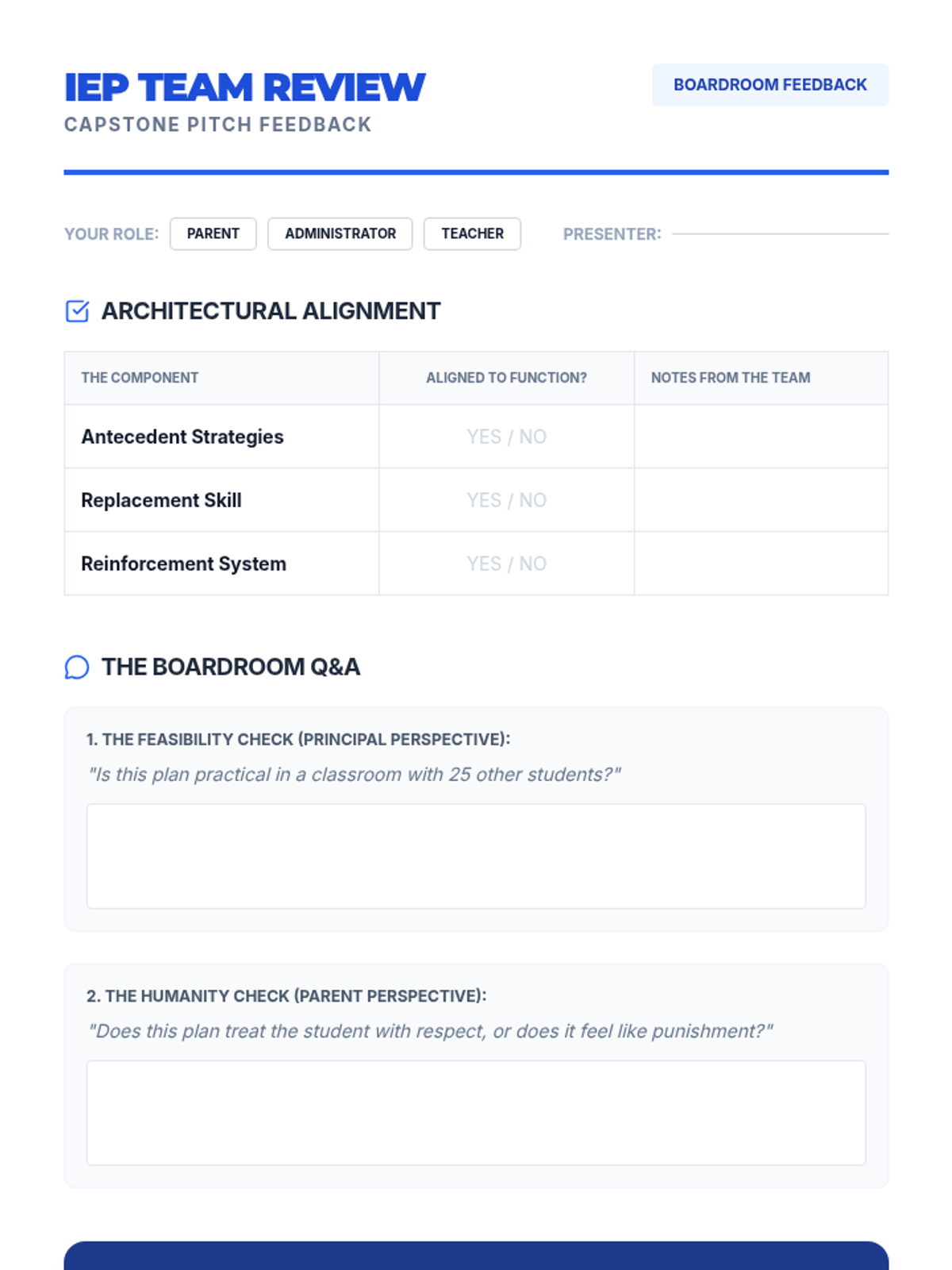
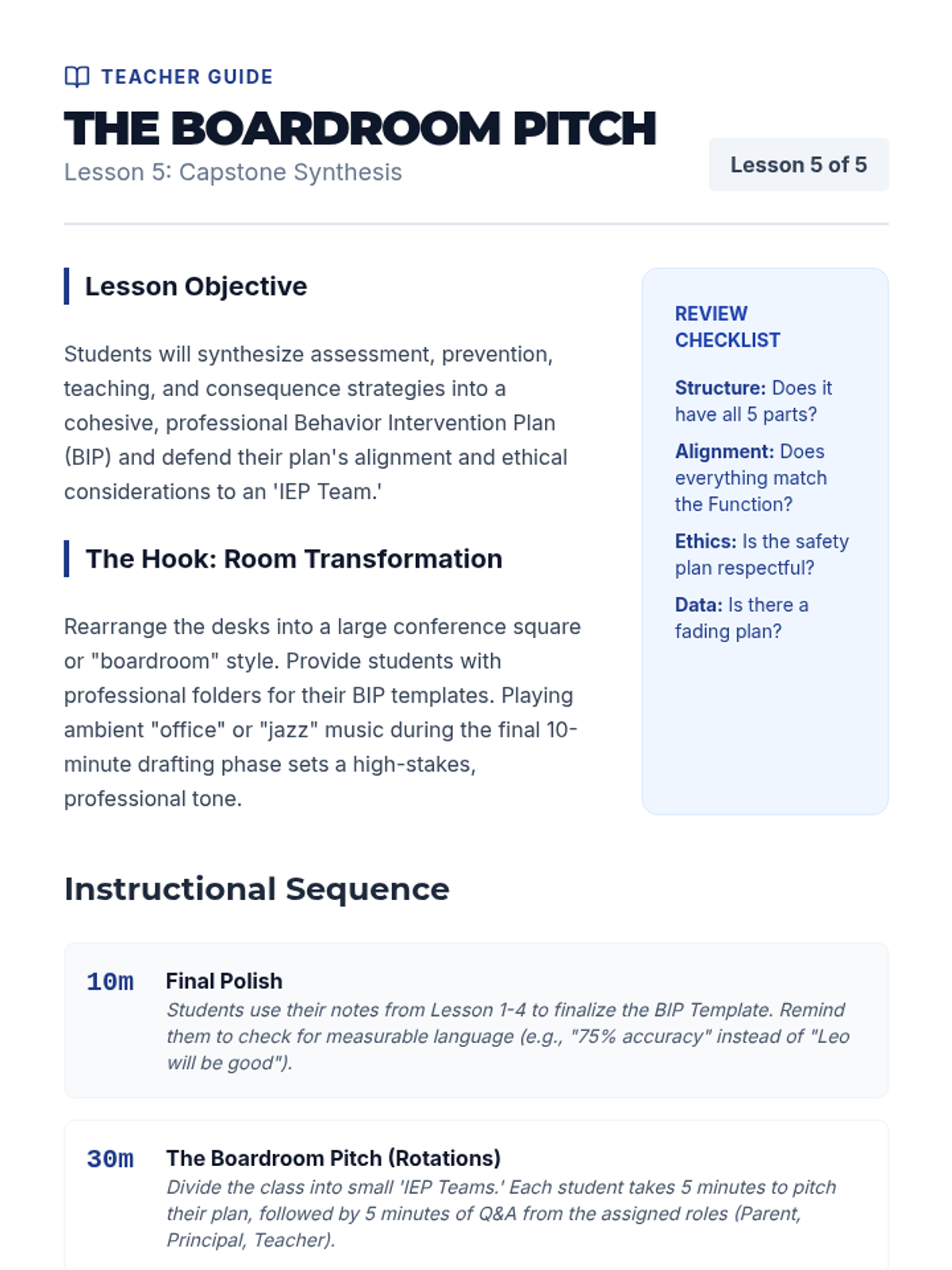
A culminating workshop where students present their complete behavior plans for a case study to a peer-led 'IEP Team'.
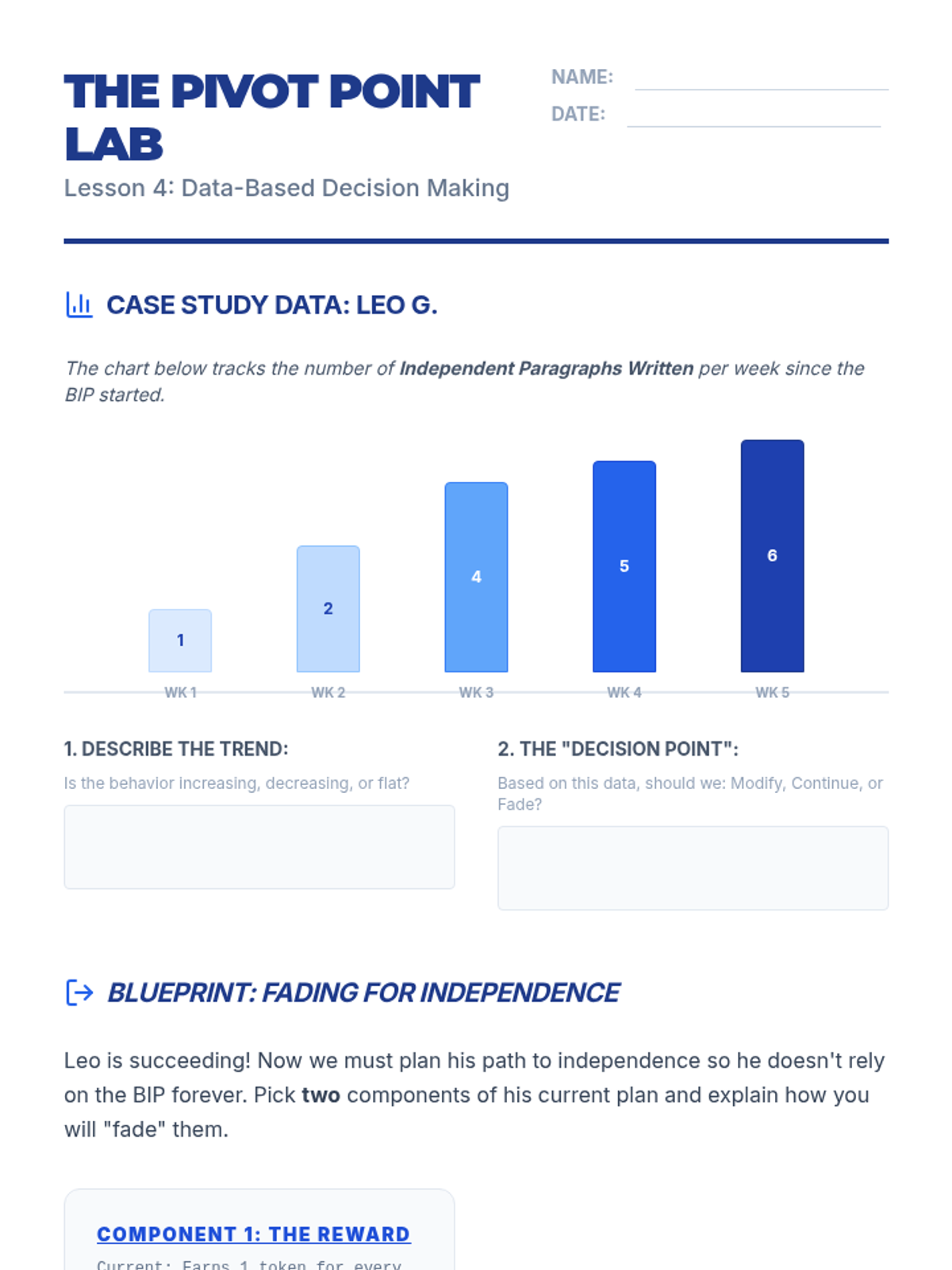
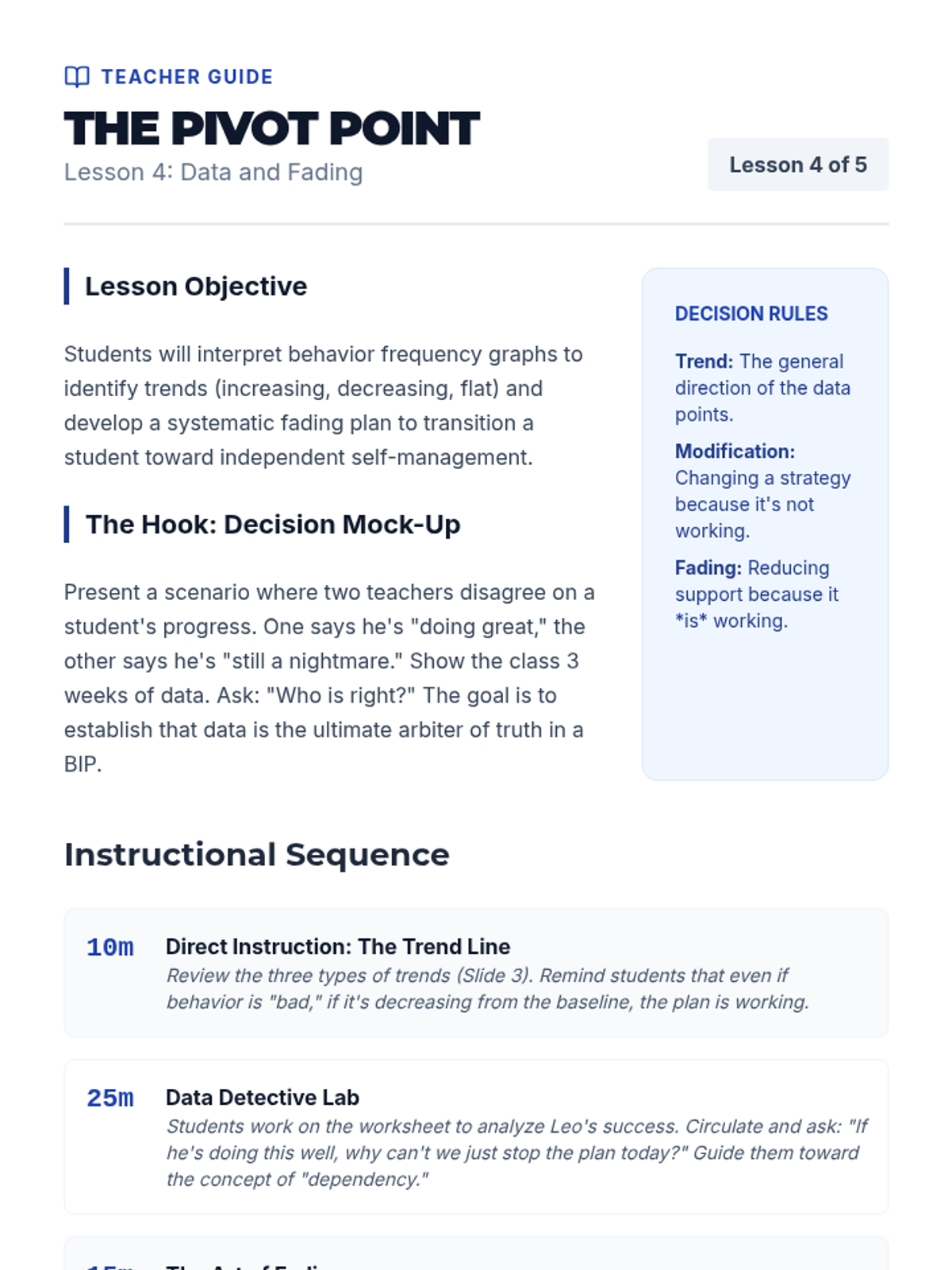
Students learn how to review ongoing data to determine plan efficacy and discuss how to fade supports as student independence increases.
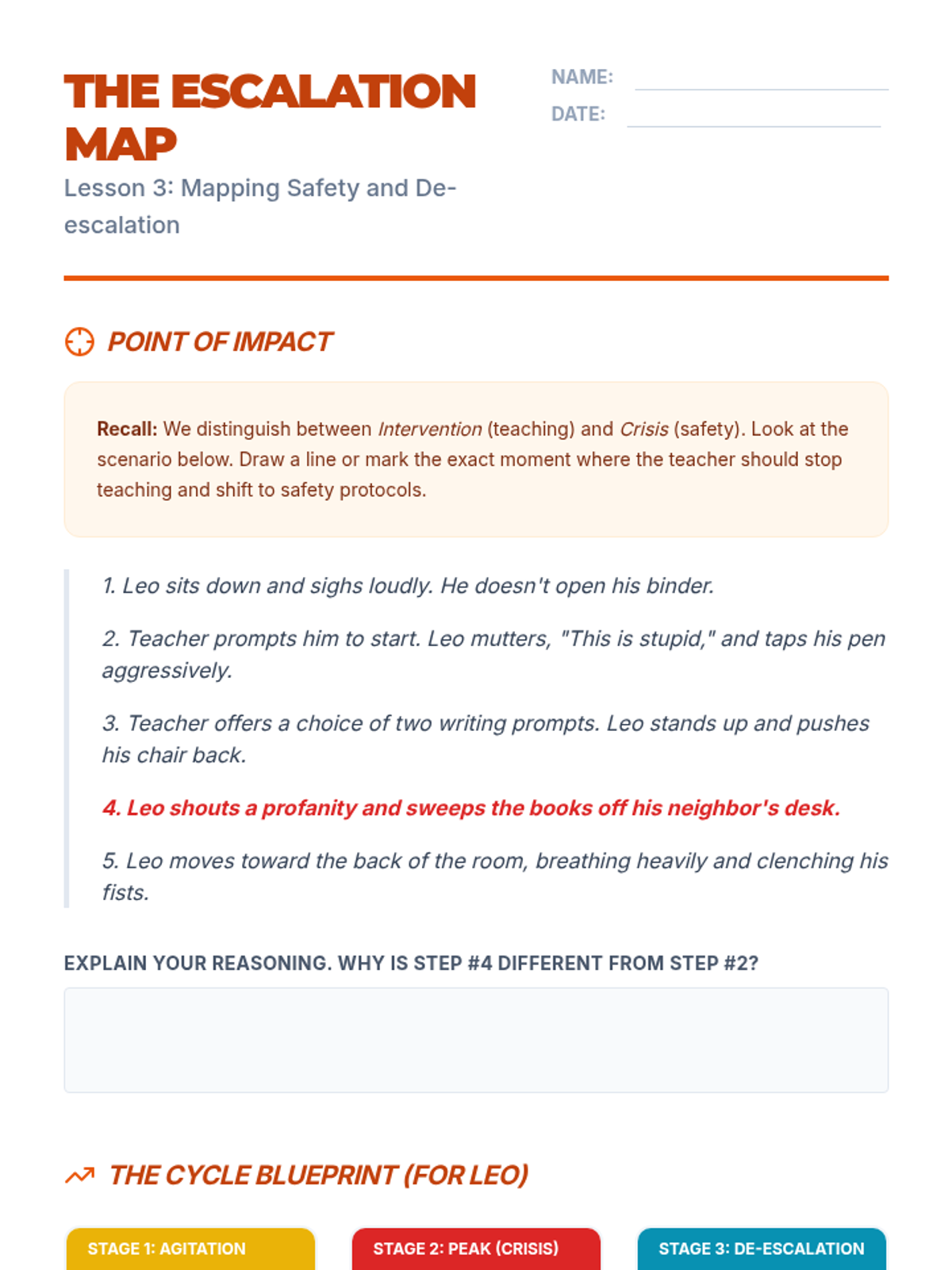
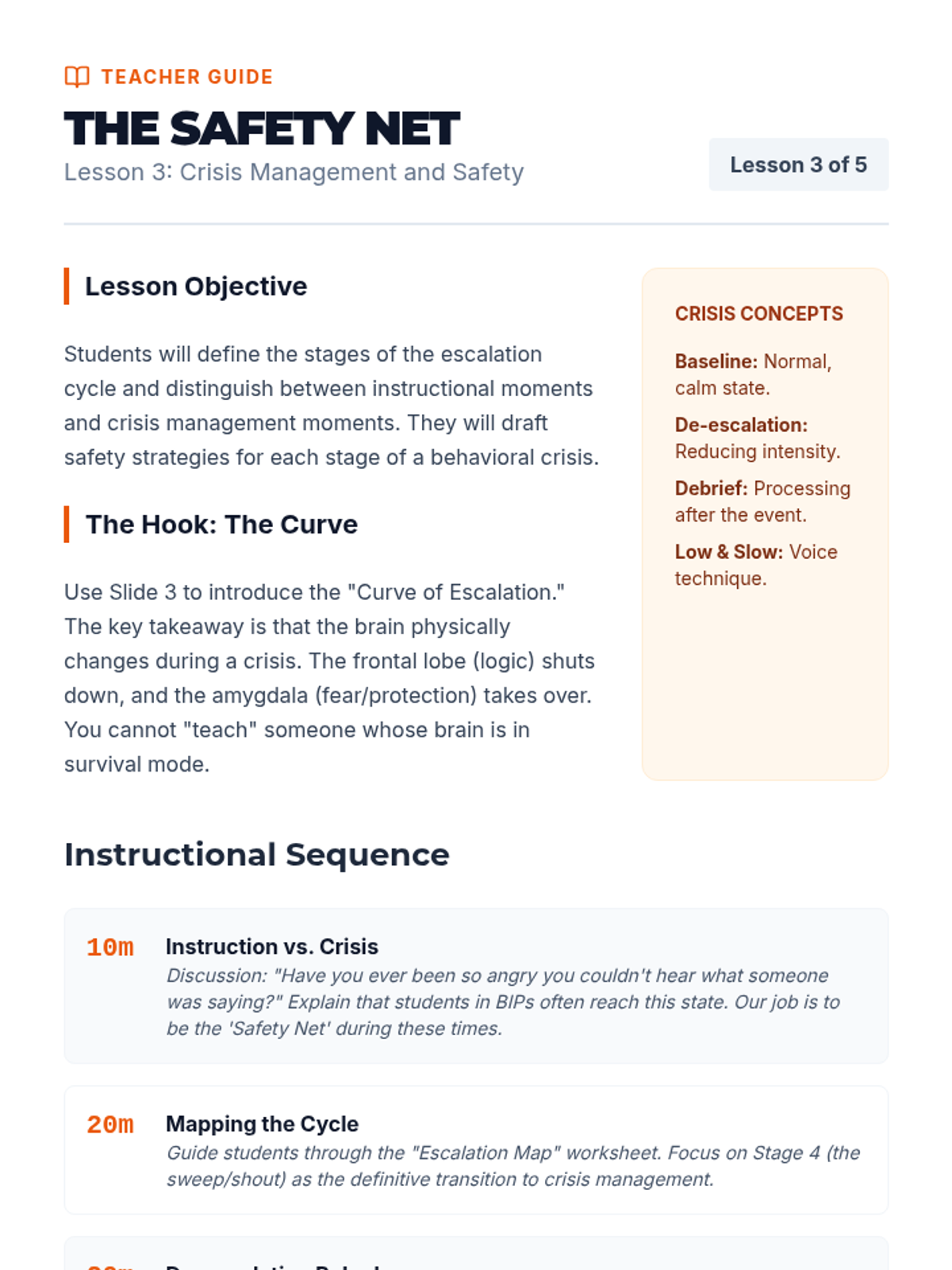
Distinguishing between intervention and crisis management, students learn the escalation cycle and draft plans focused on safety and de-escalation.
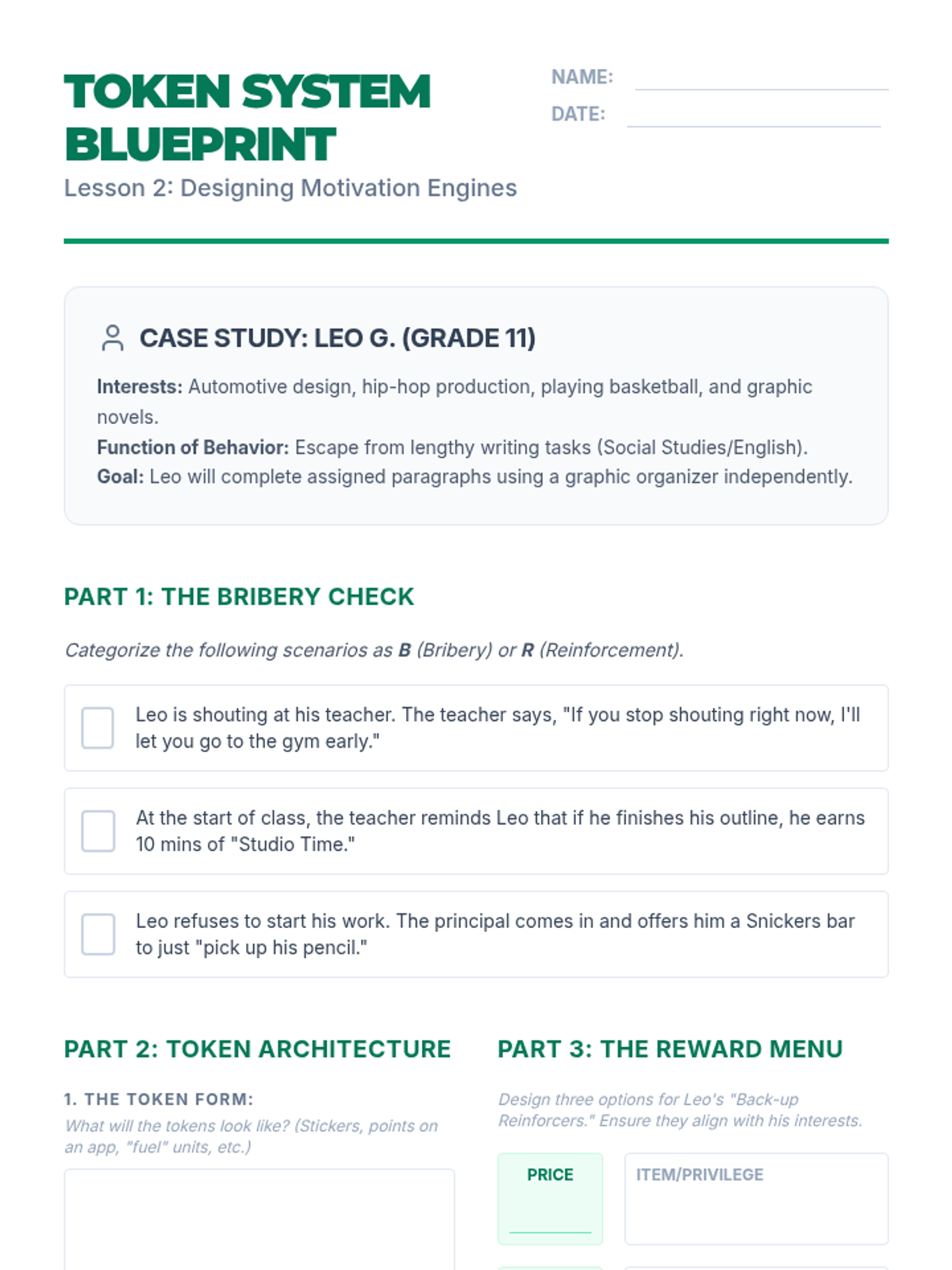
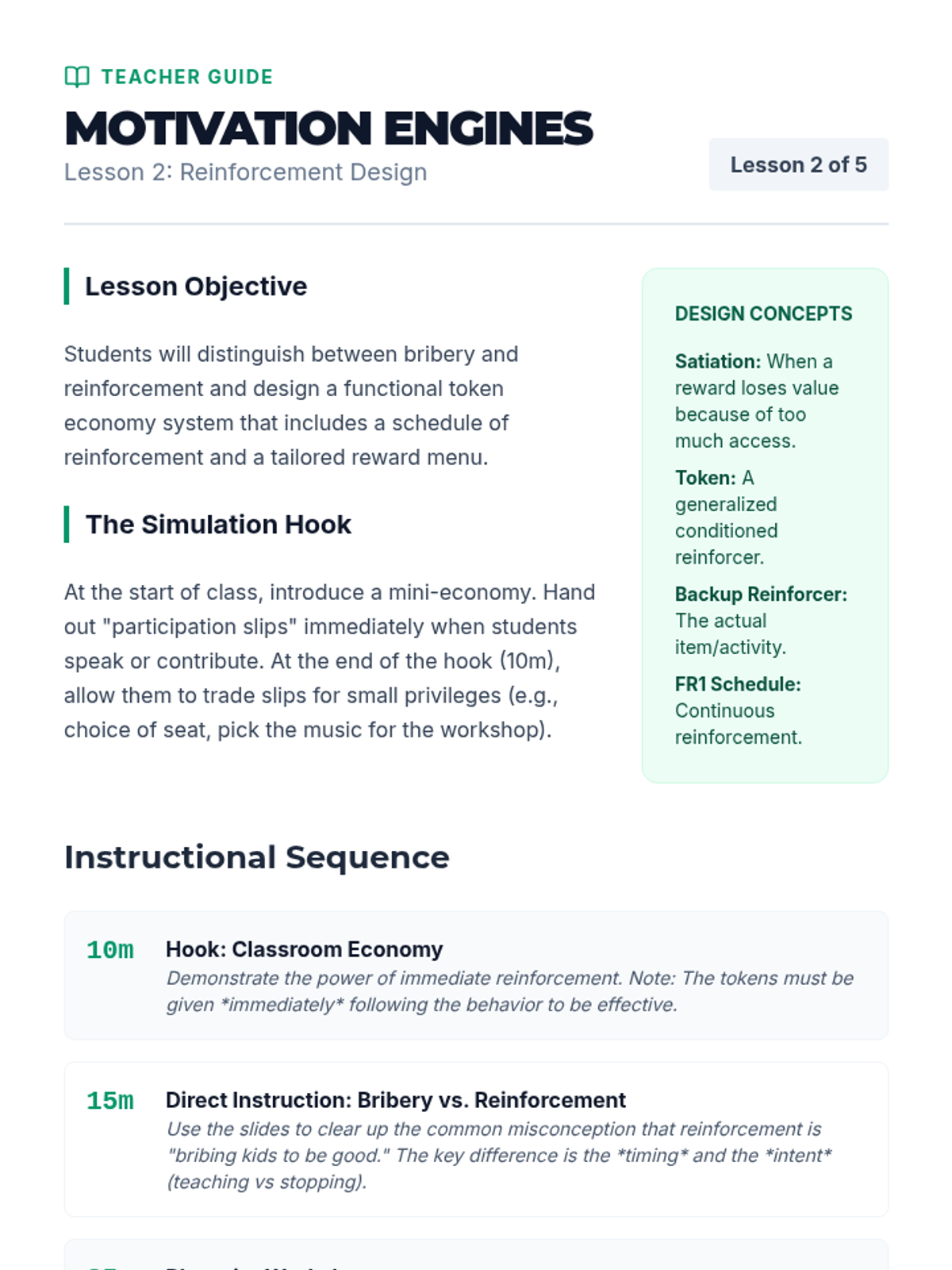
Students explore the difference between bribery and reinforcement, learning about token economies and reinforcement schedules to design tailored systems.
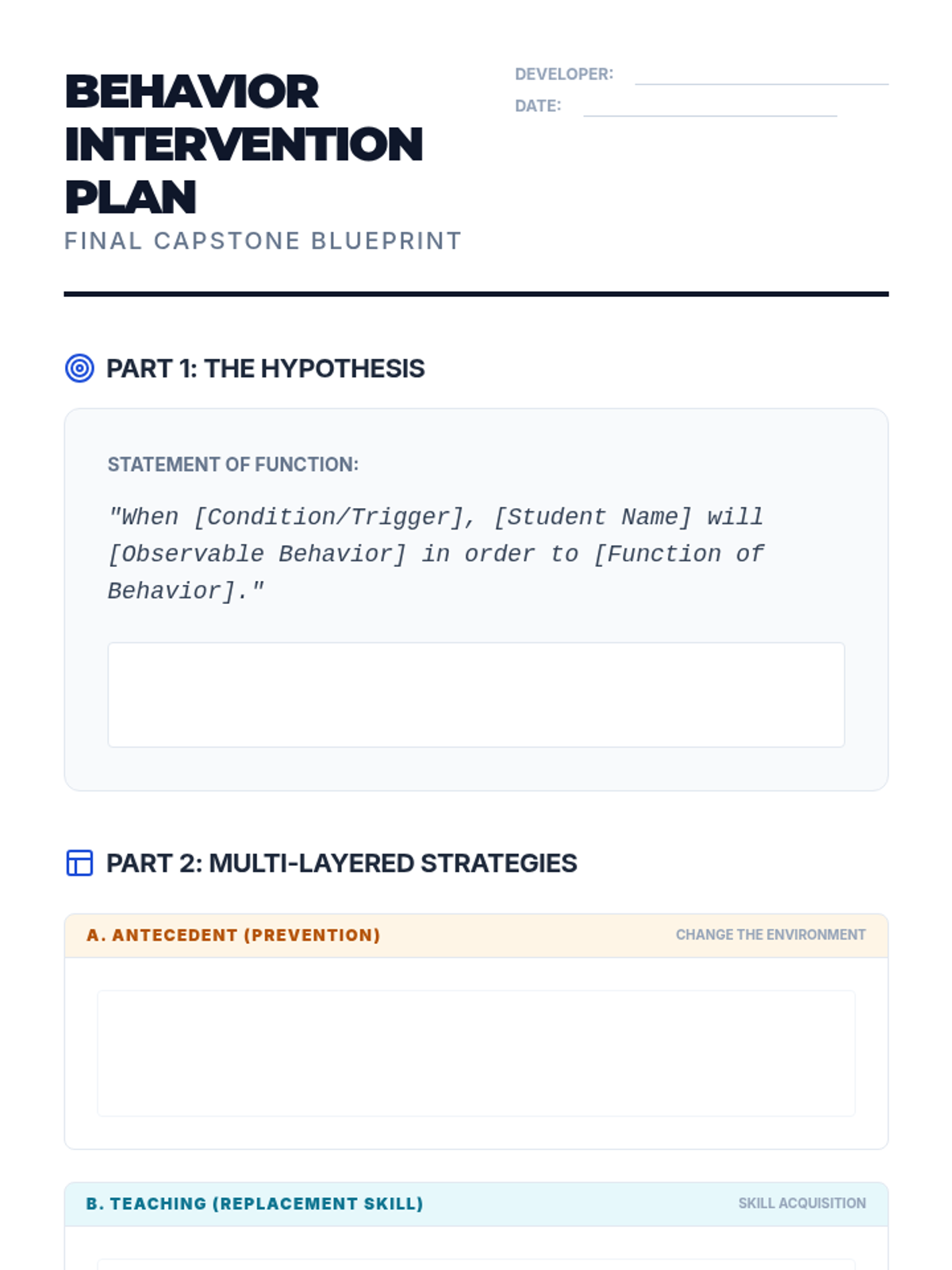
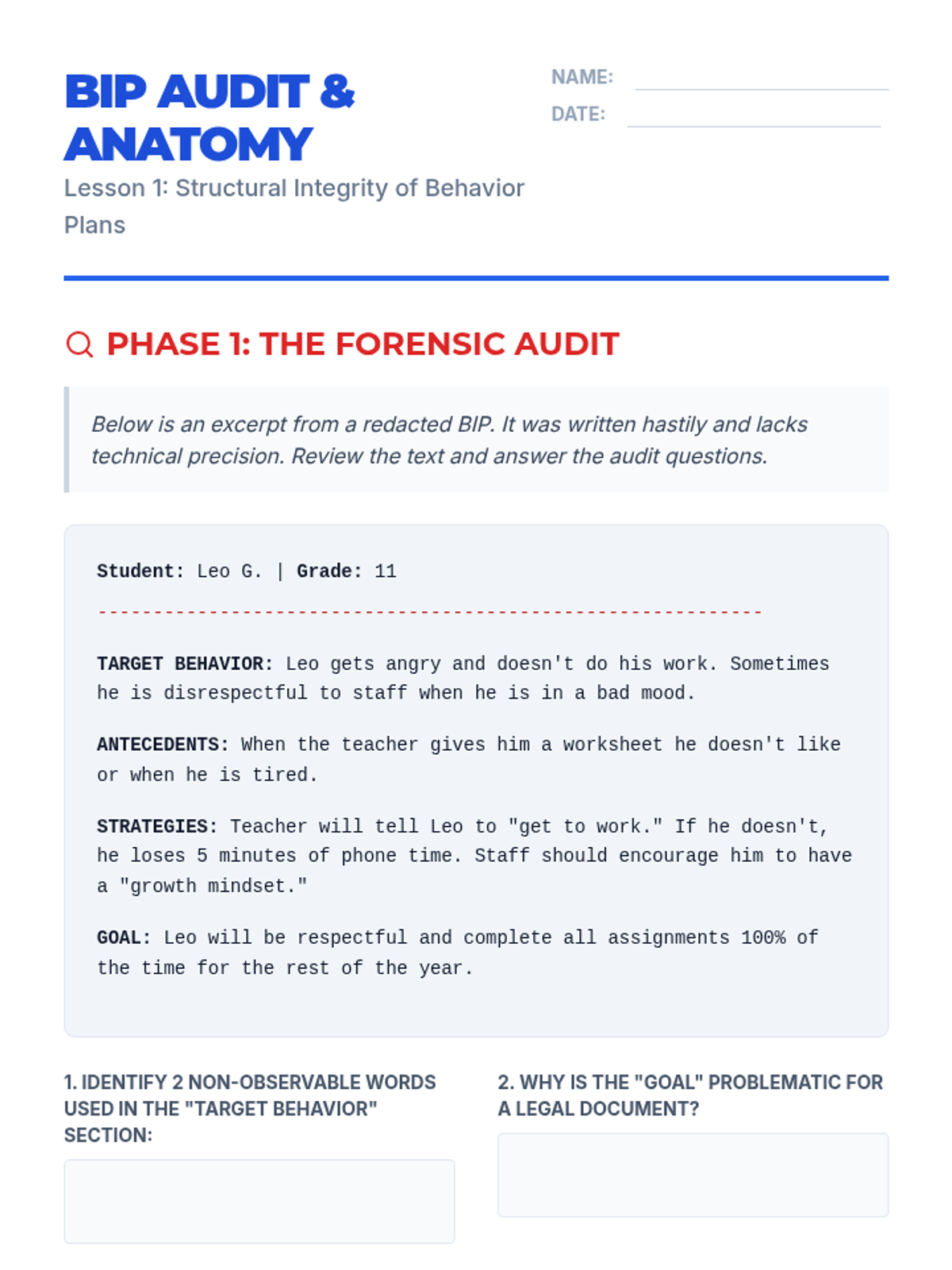
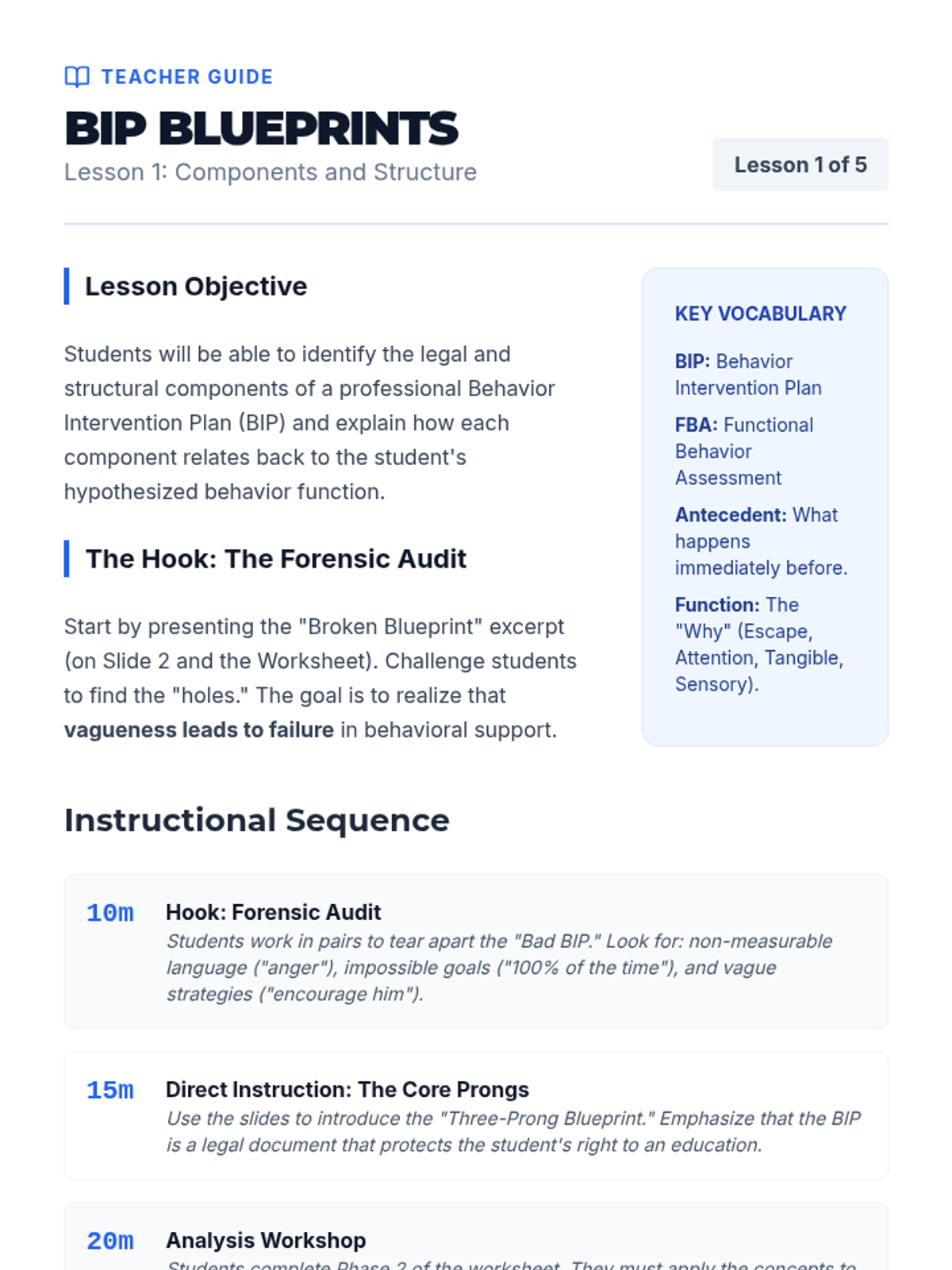
Students review real-world BIP templates to understand the legal and structural components, analyzing the flow from hypothesis to antecedent, teaching, and consequence strategies.
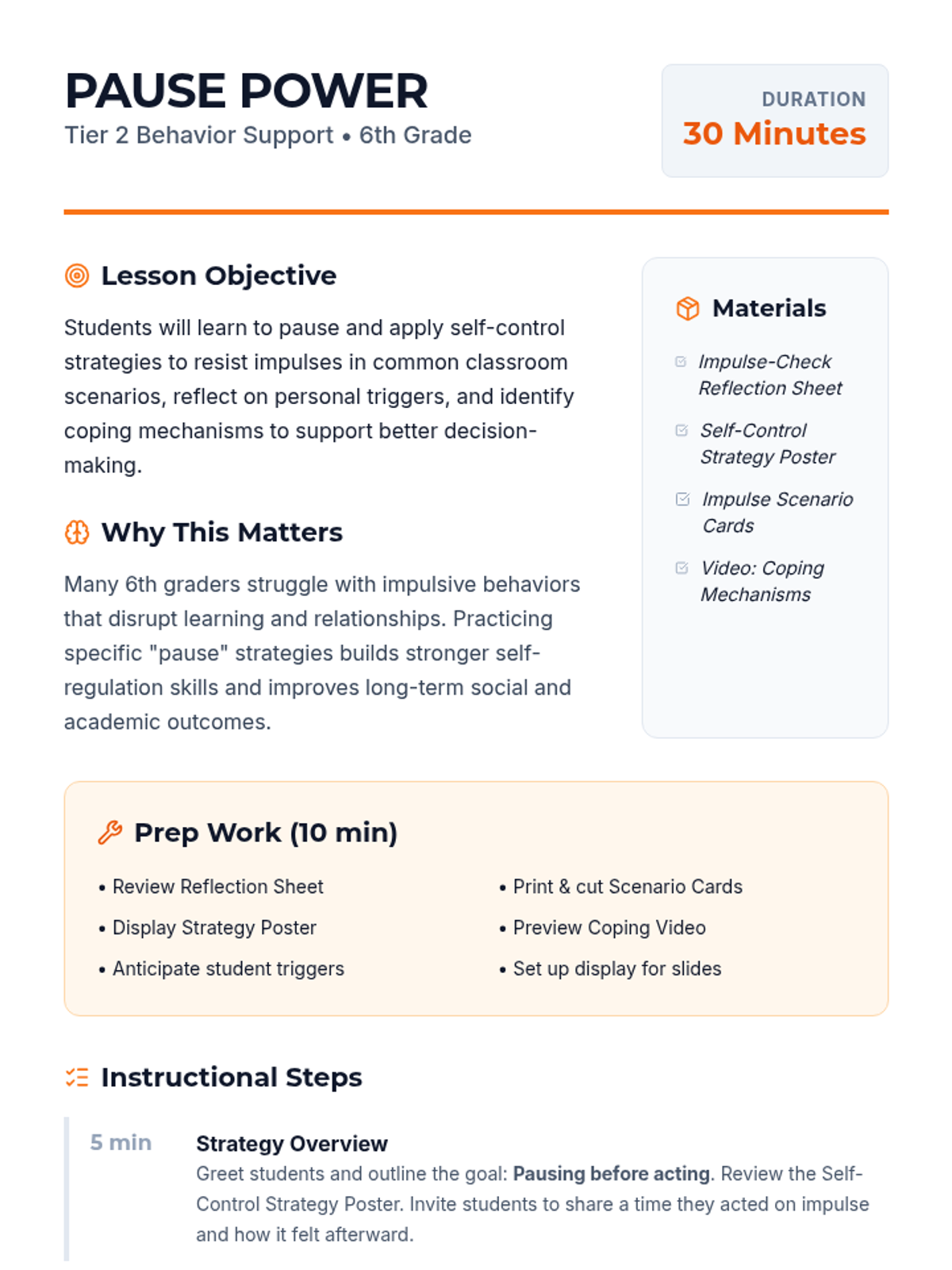
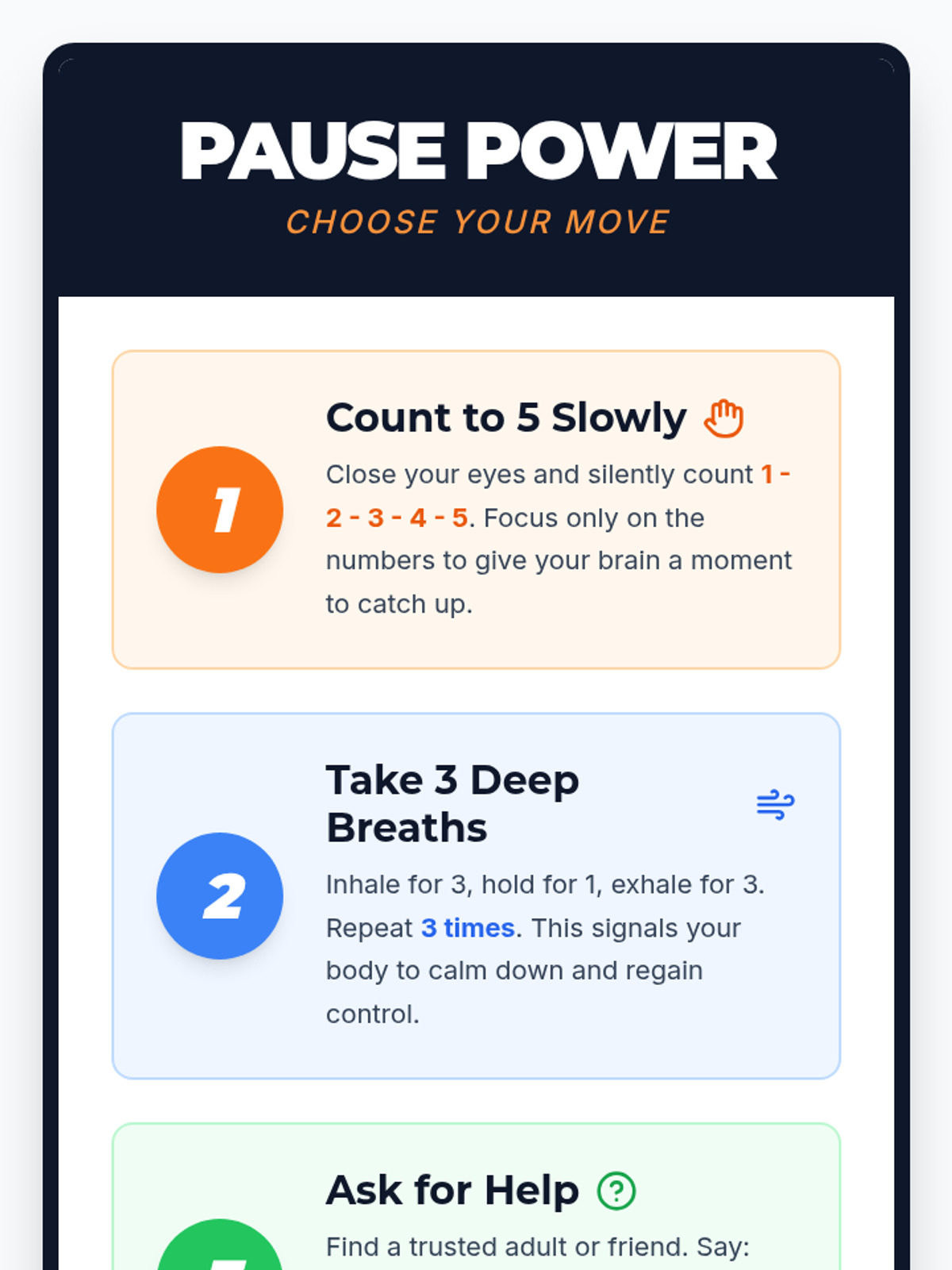
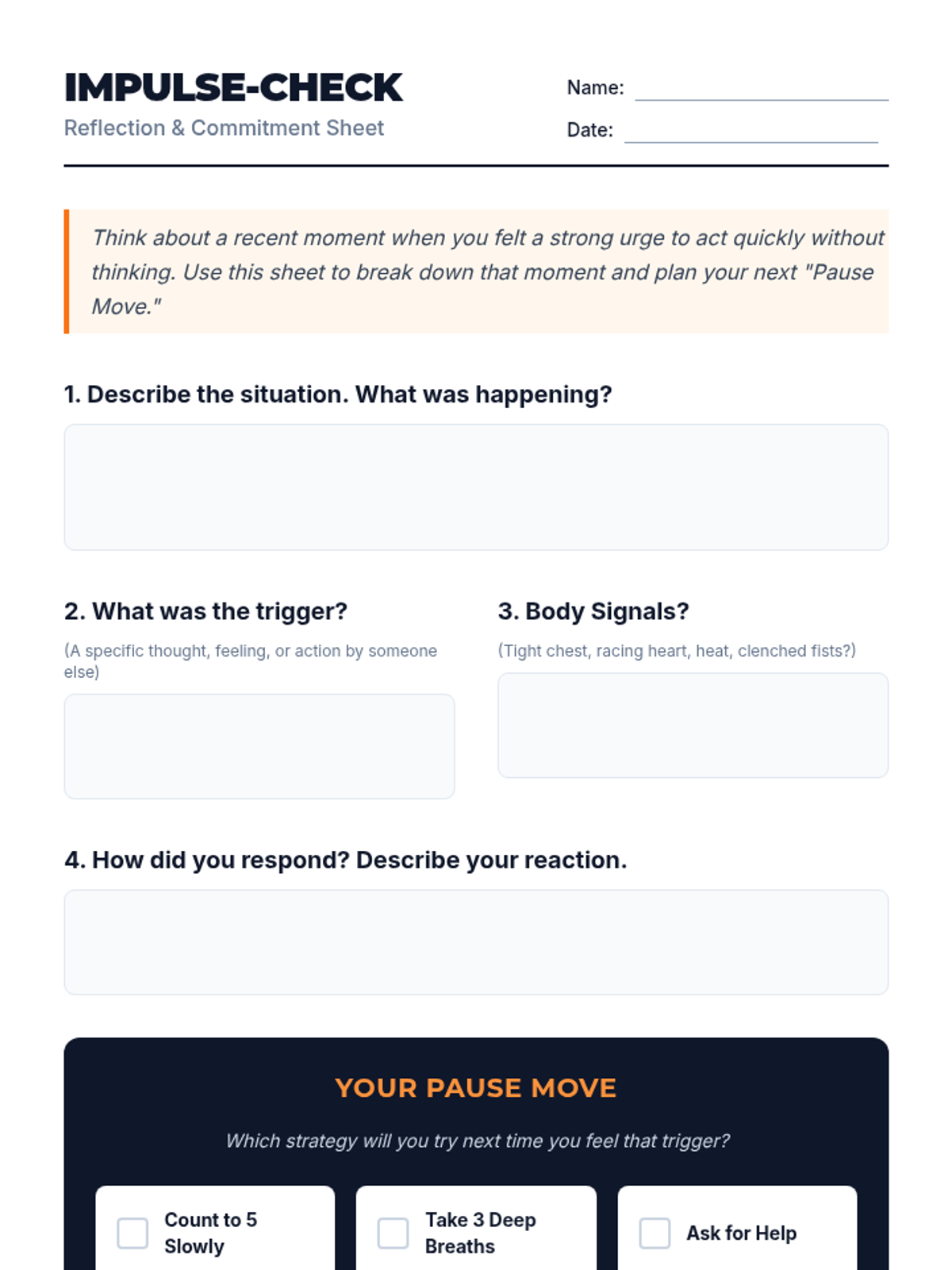
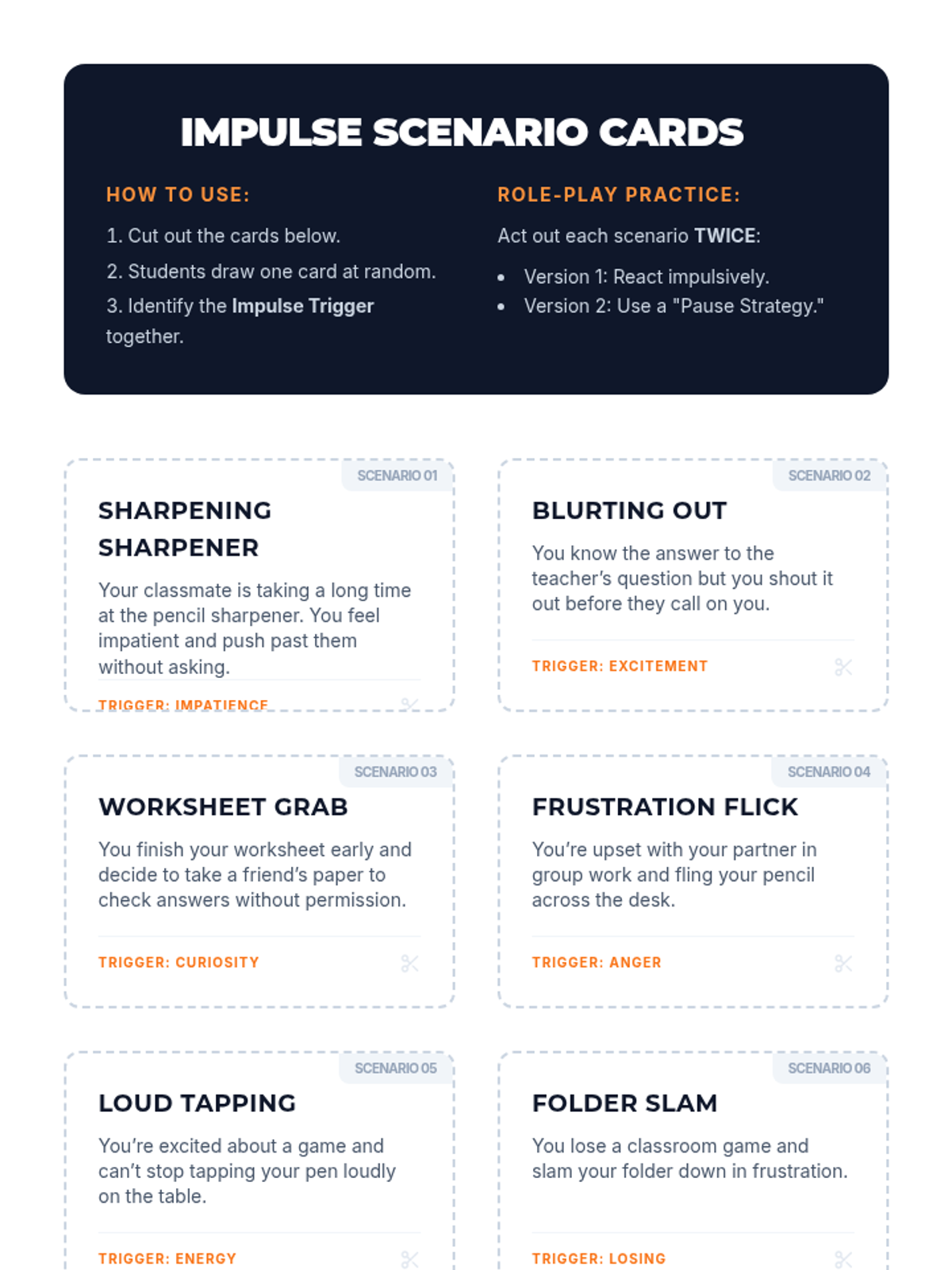
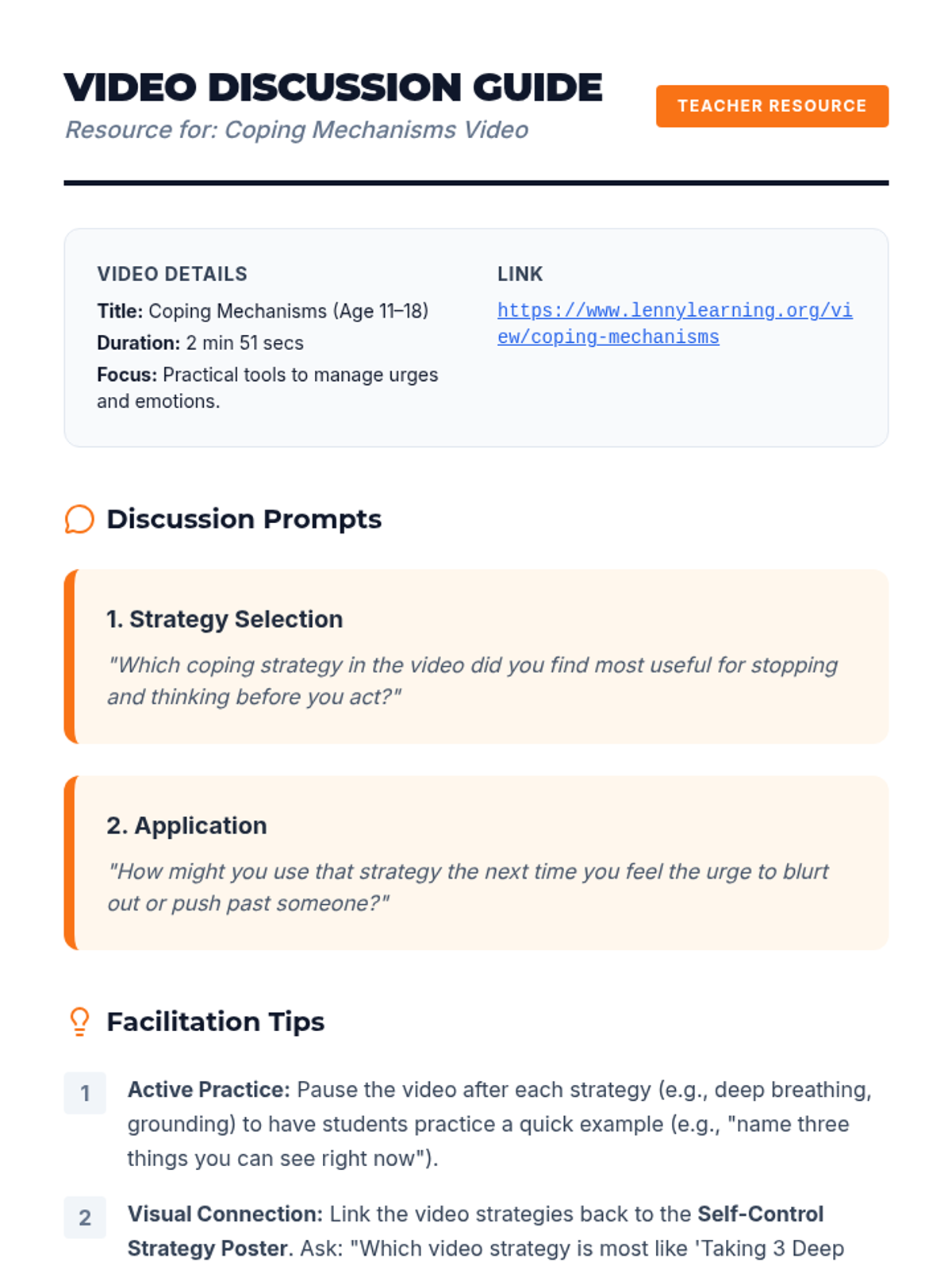
A 30-minute Tier 2 social-emotional learning lesson designed for 6th-grade students to practice self-control. Students explore impulse triggers, learn three core pause strategies, and practice making better decisions through role-play and reflection.
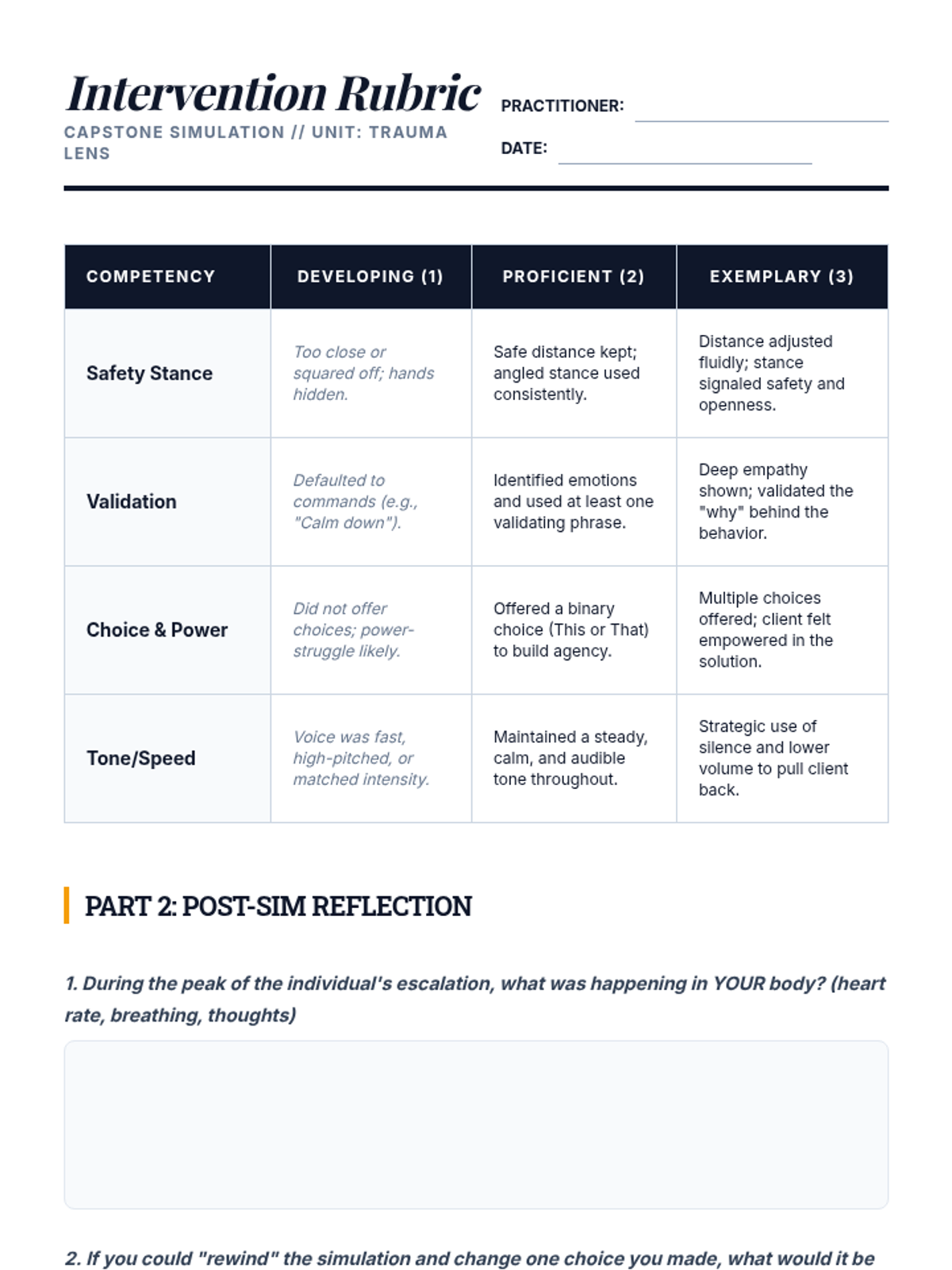
A capstone simulation where students apply their cumulative knowledge to a complex clinical scenario, demonstrating assessment, safety, and regulation skills.
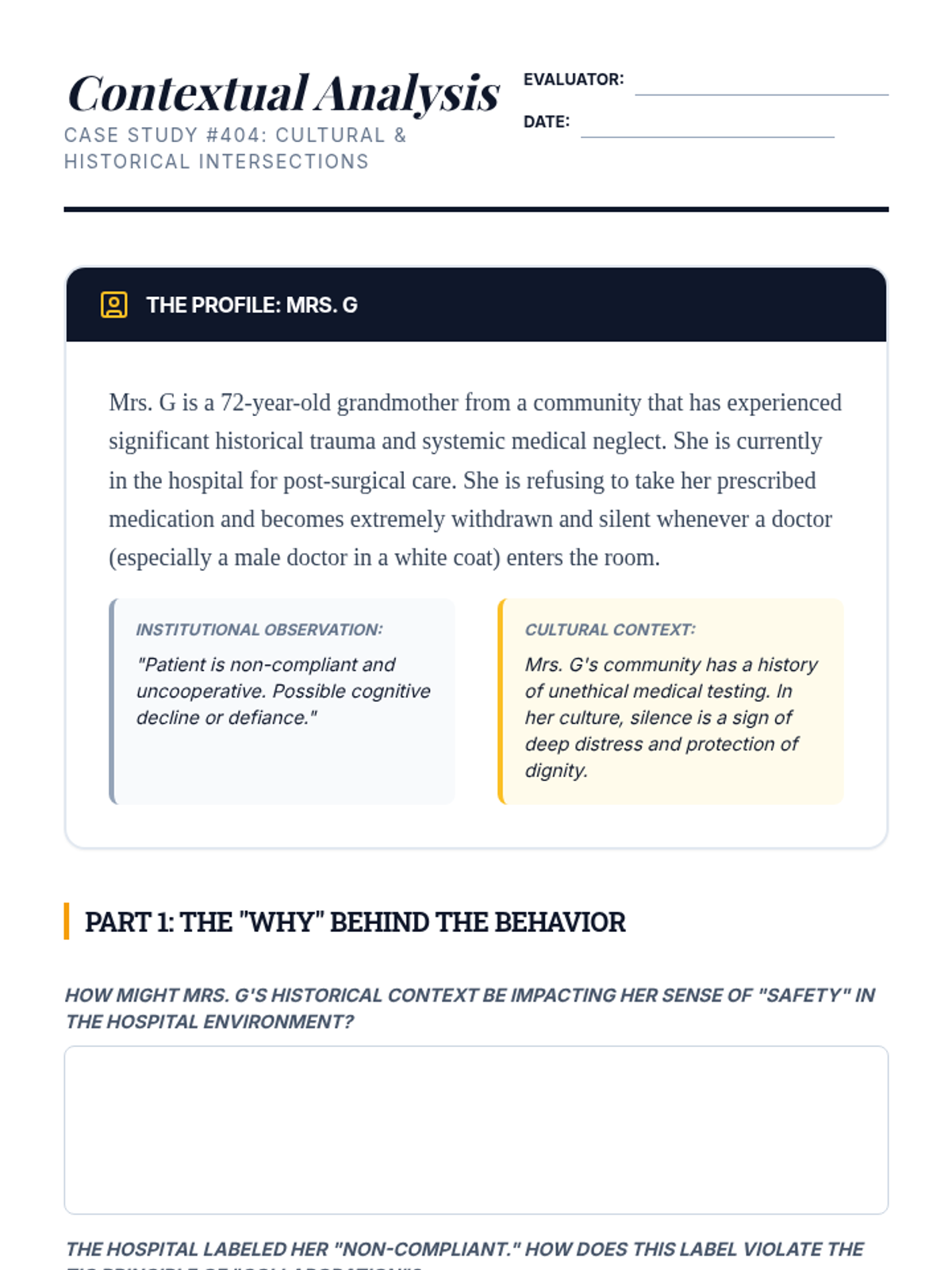
Examines the intersection of culture, race, and historical trauma, emphasizing that trauma interventions must be contextually relevant and culturally humble.
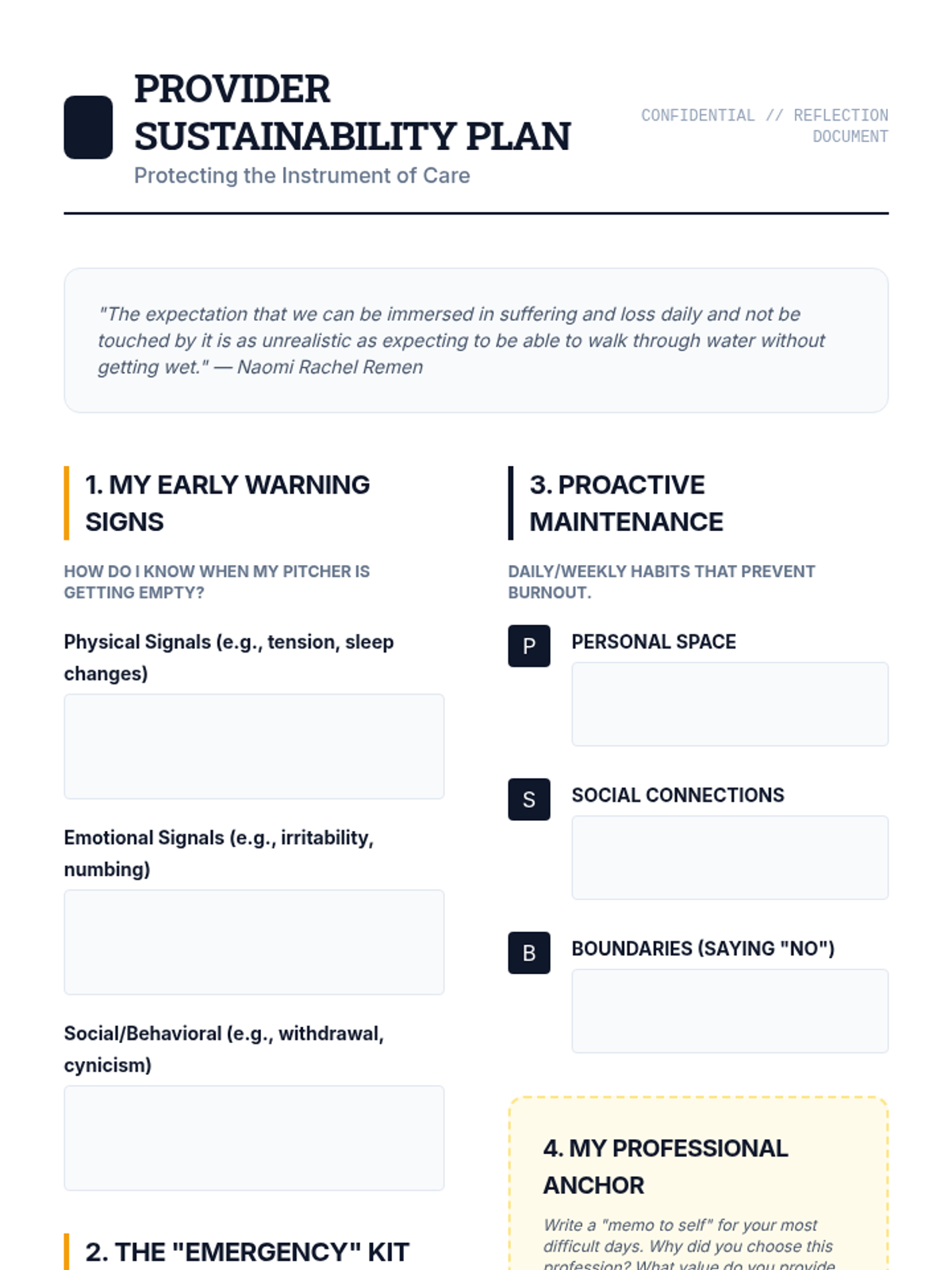
Explores the impact of secondary traumatic stress and compassion fatigue on providers, culminating in the creation of personal professional sustainability plans.
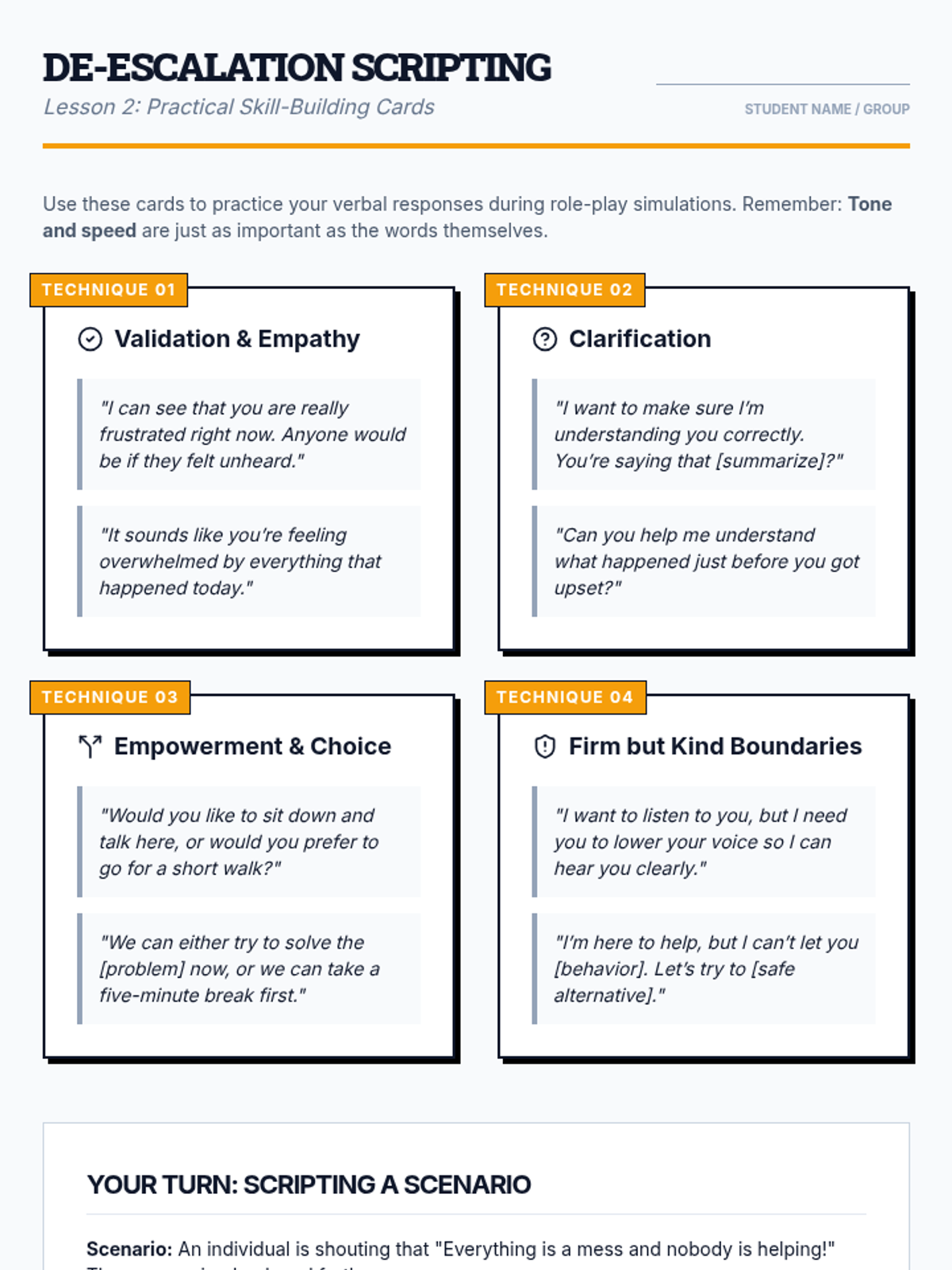
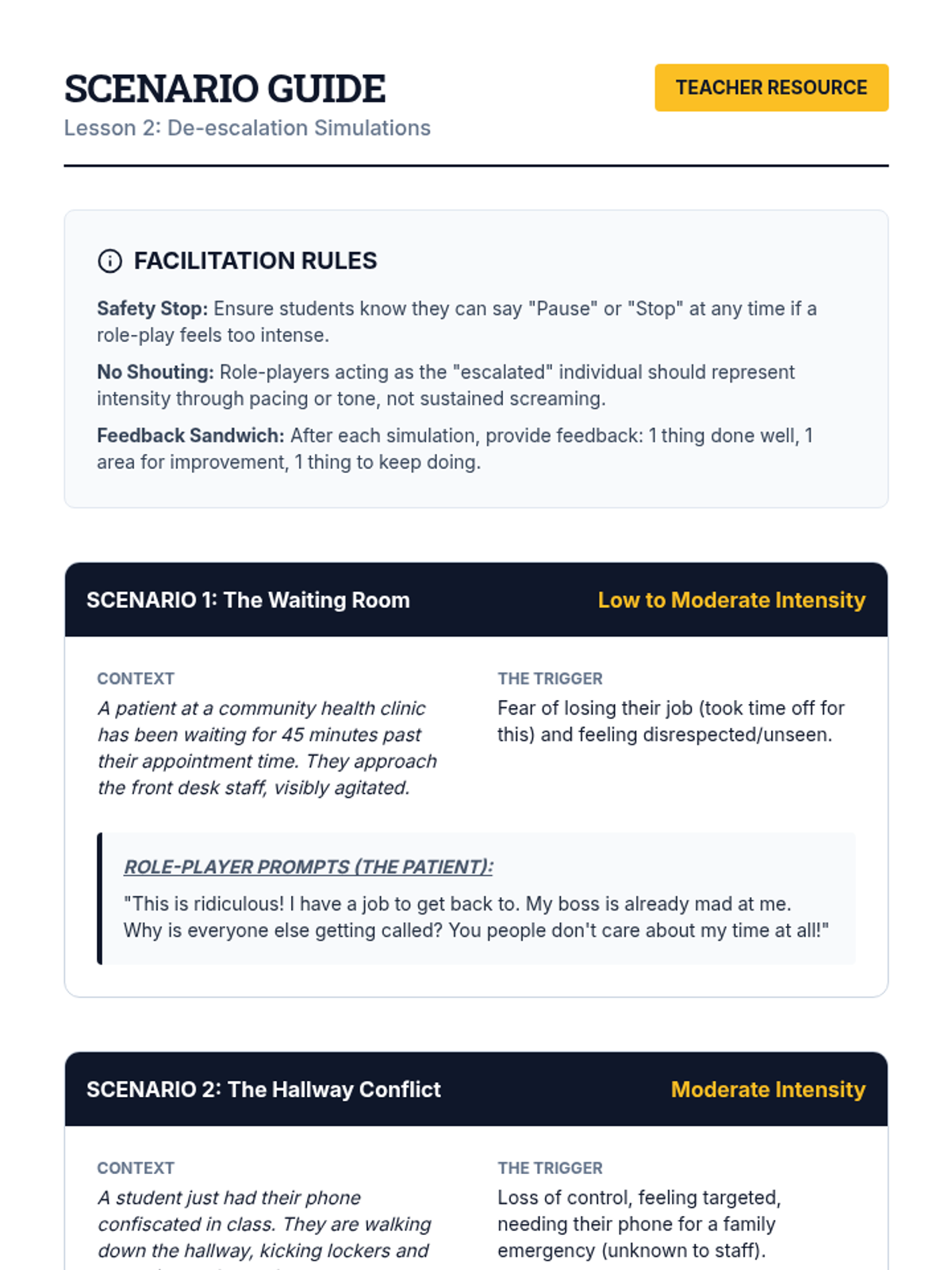
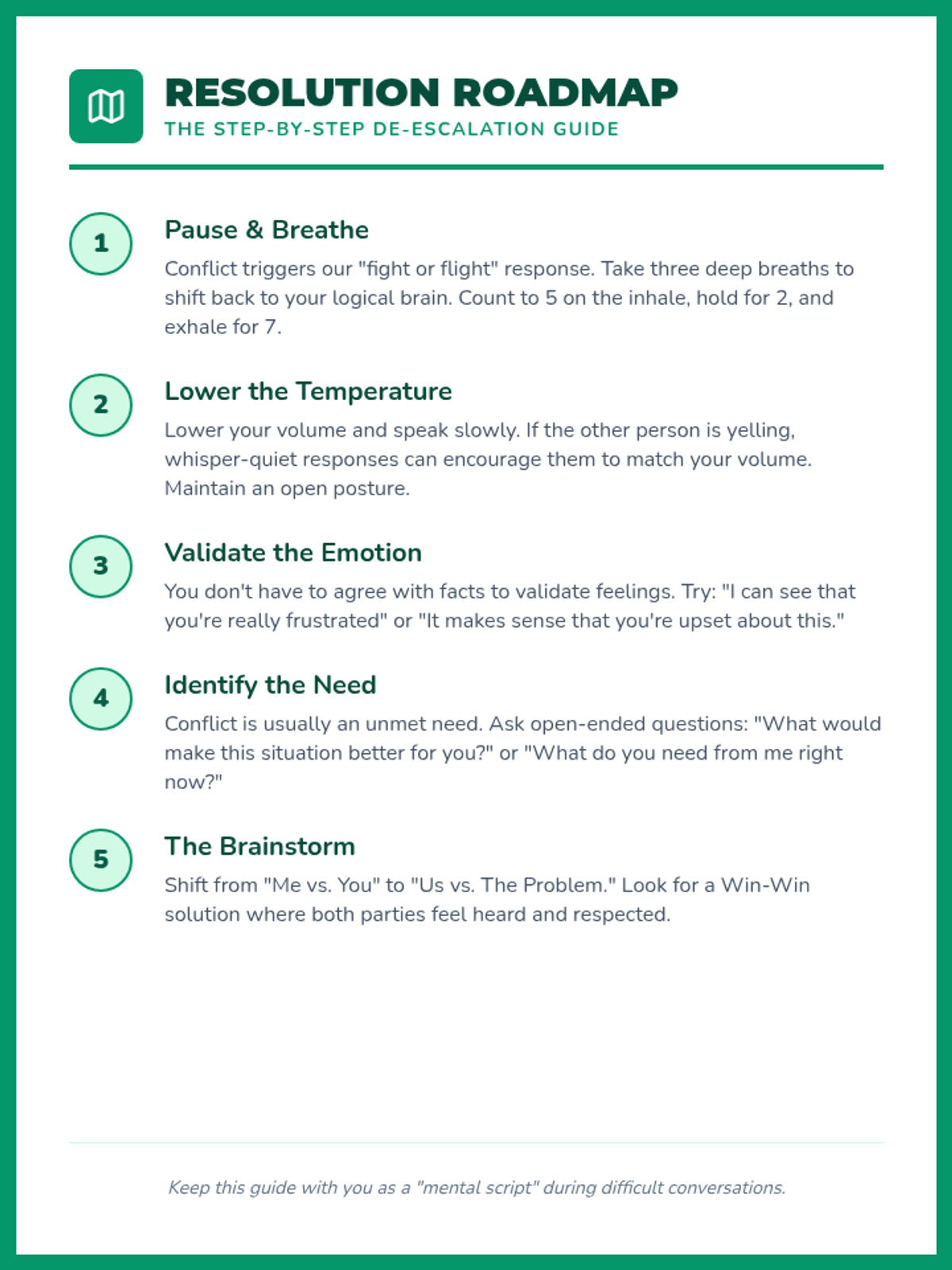
Focuses on verbal and non-verbal de-escalation strategies. Students learn to recognize signs of escalation and apply safety-signaling body language and phrasing.
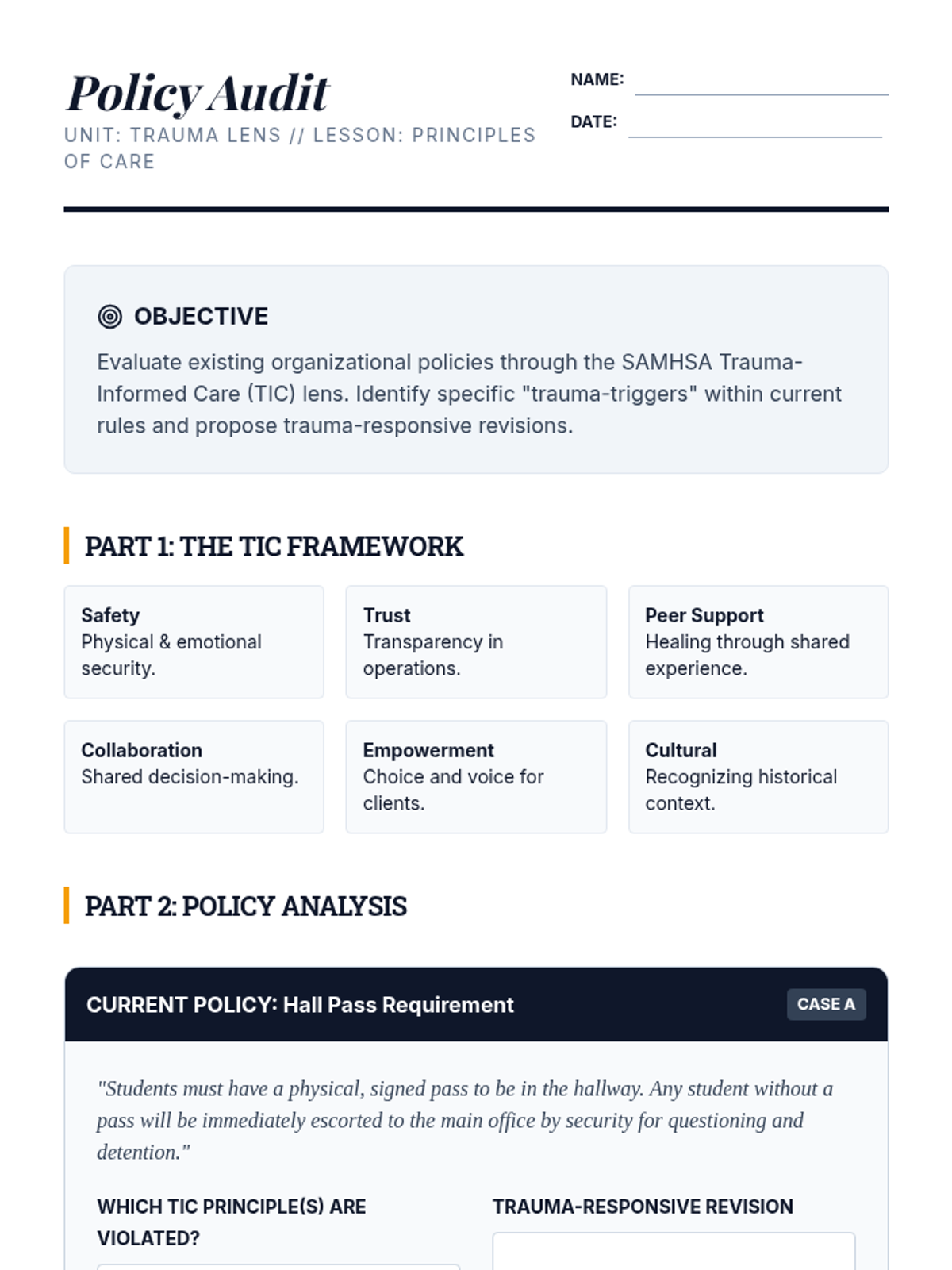
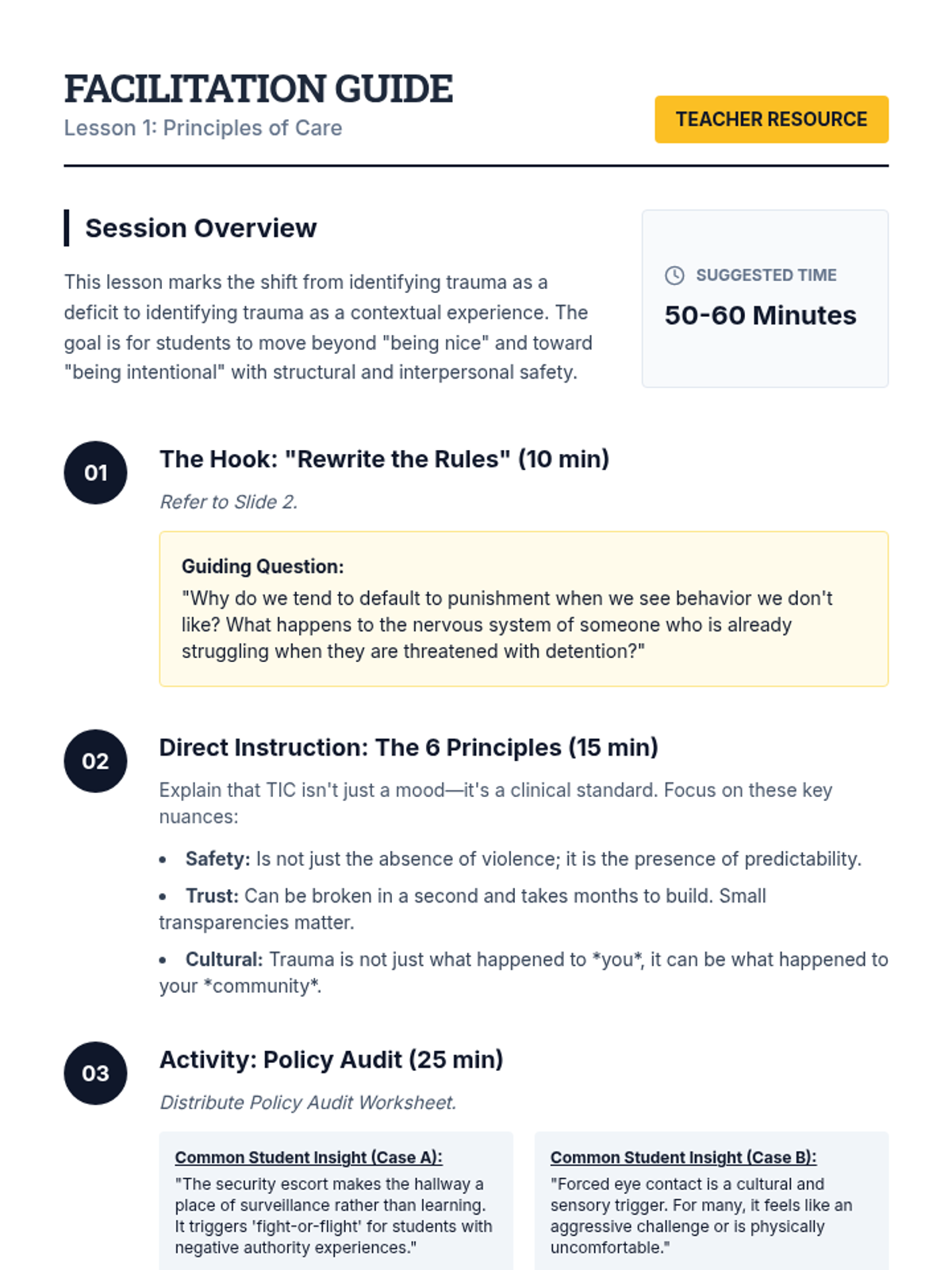
Students define the six core principles of TIC (Safety, Trustworthiness, Peer Support, Collaboration, Empowerment, and Cultural/Historical issues) and analyze school policies through a trauma-informed lens.
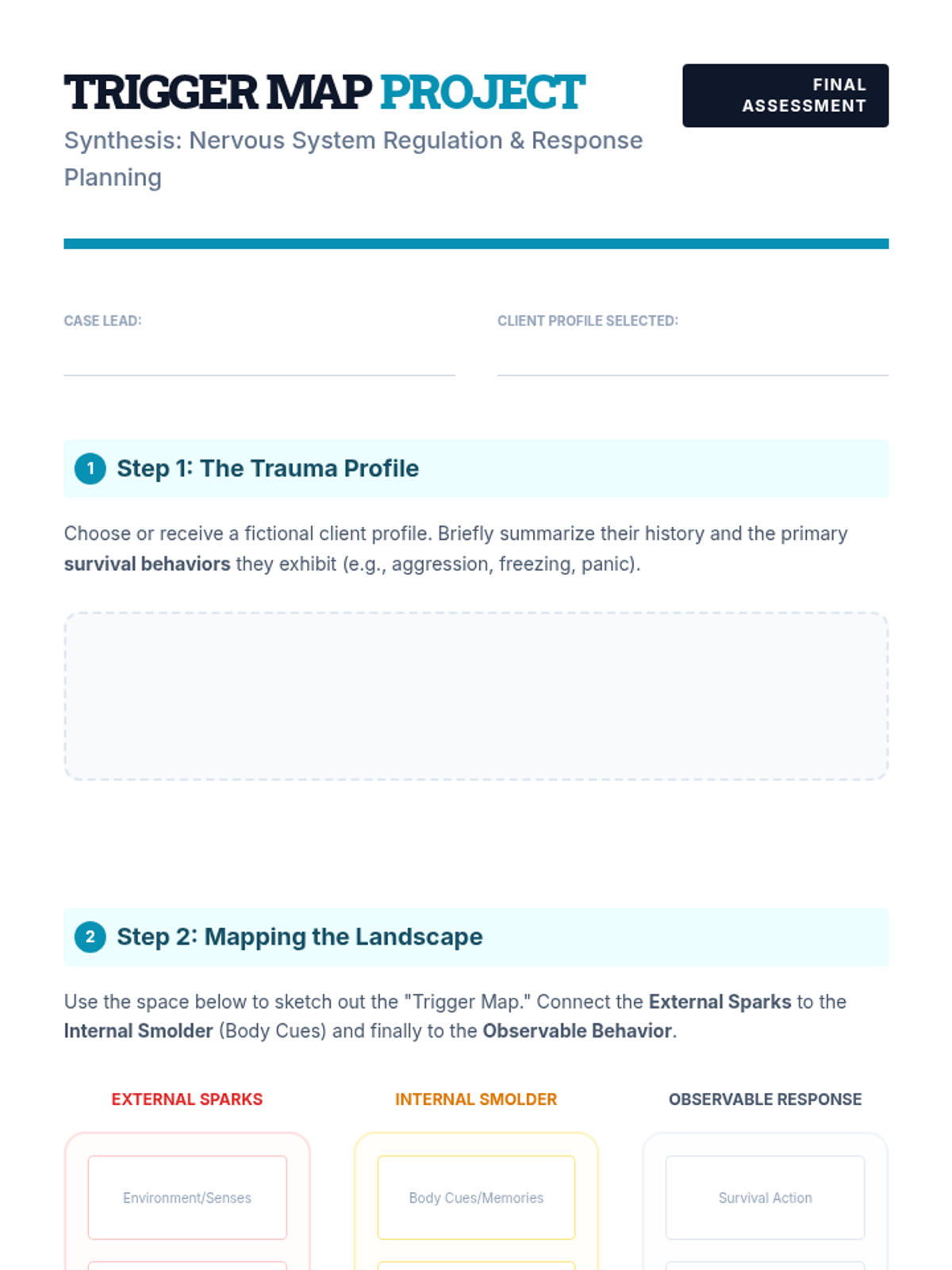
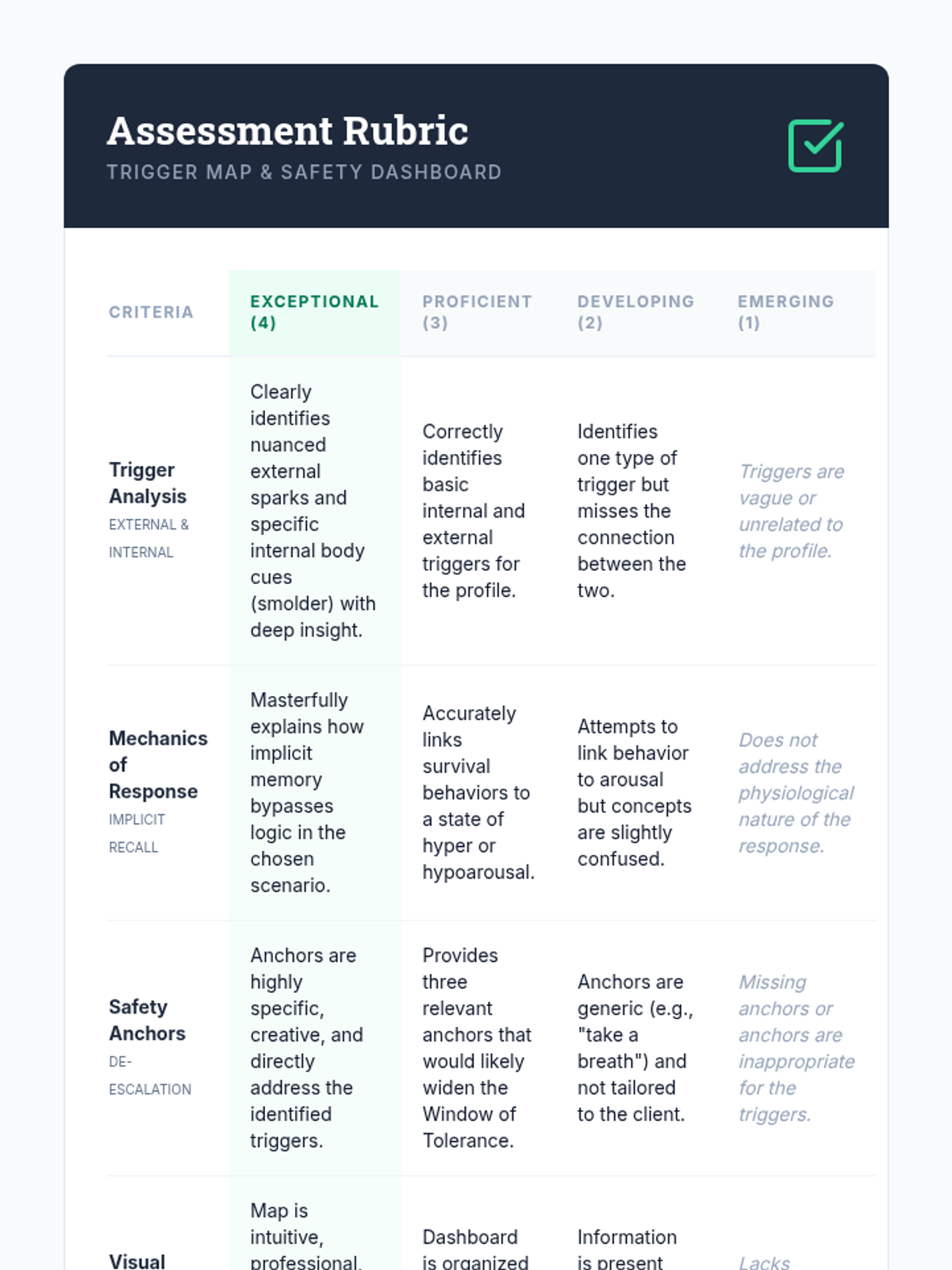
A culminating project where students create a 'Trigger Map' and a foundational safety plan for a hypothetical client profile.
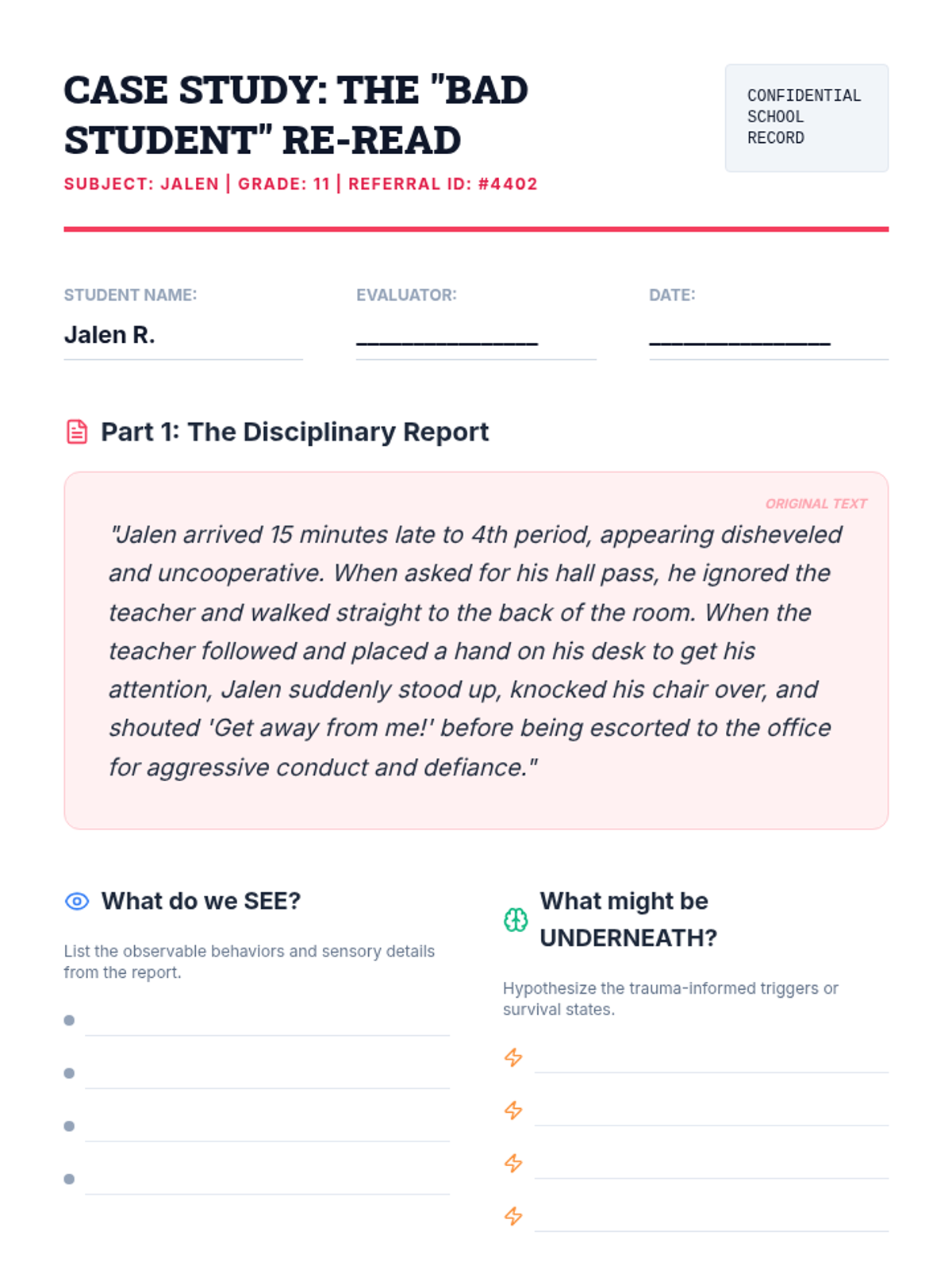
Applies a trauma-informed lens to behavioral patterns, teaching students to decode 'challenging' behaviors as trauma responses.
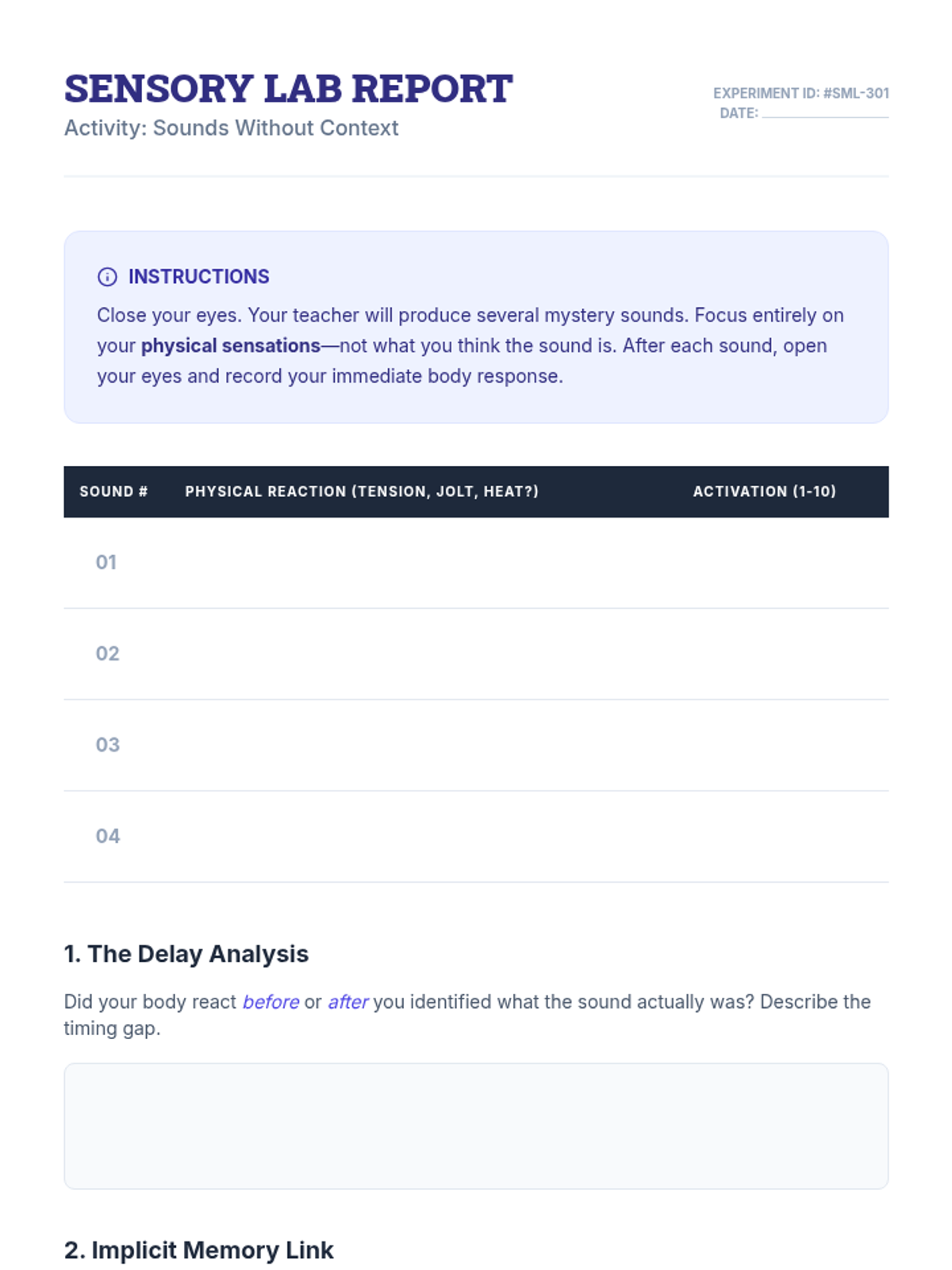
Investigates sensory memory and the difference between implicit and explicit recall, focusing on how the body reacts to triggers before the conscious mind.
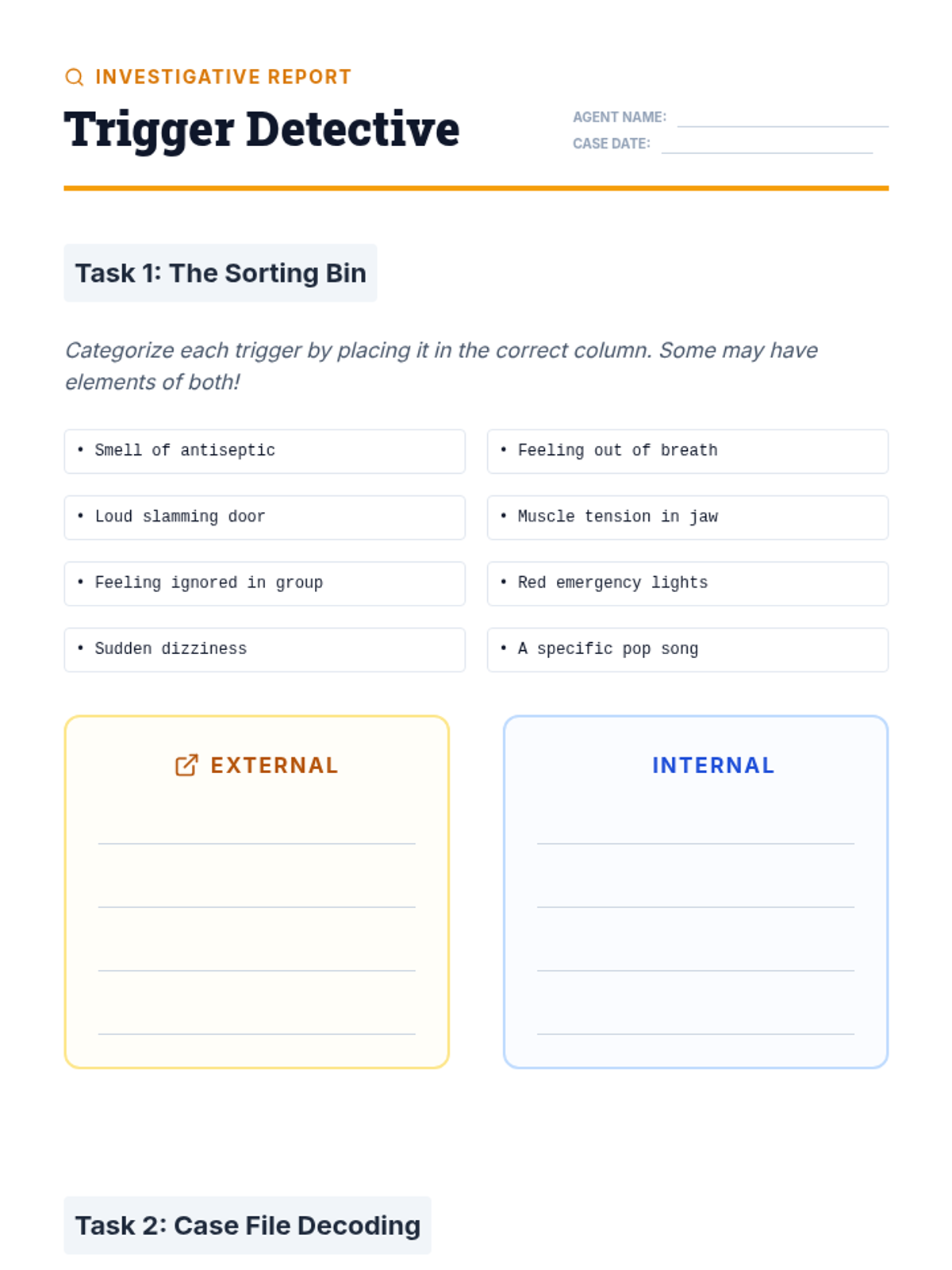
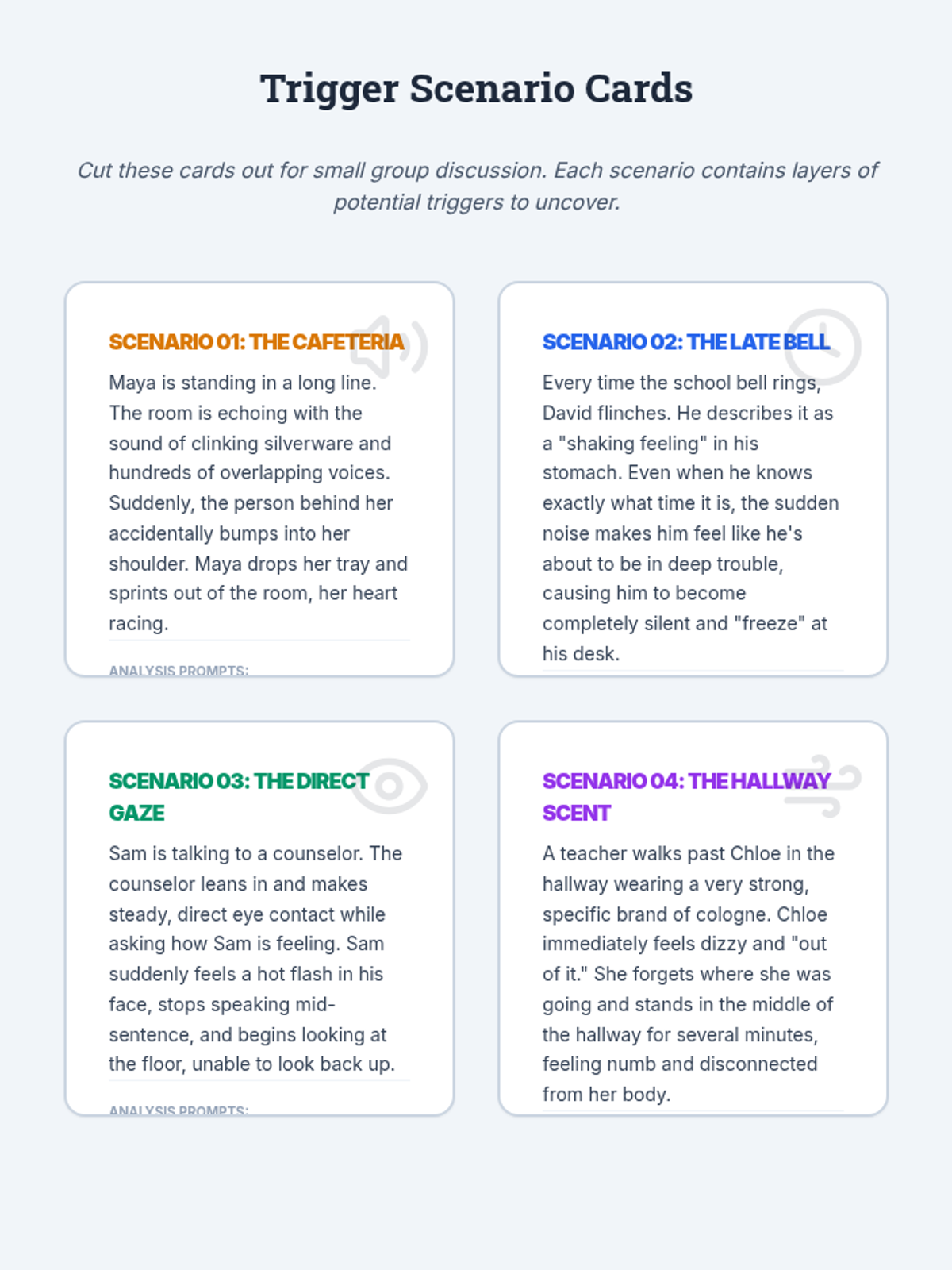
Explores the difference between internal and external triggers, teaching students to identify specific cues that activate a trauma response.
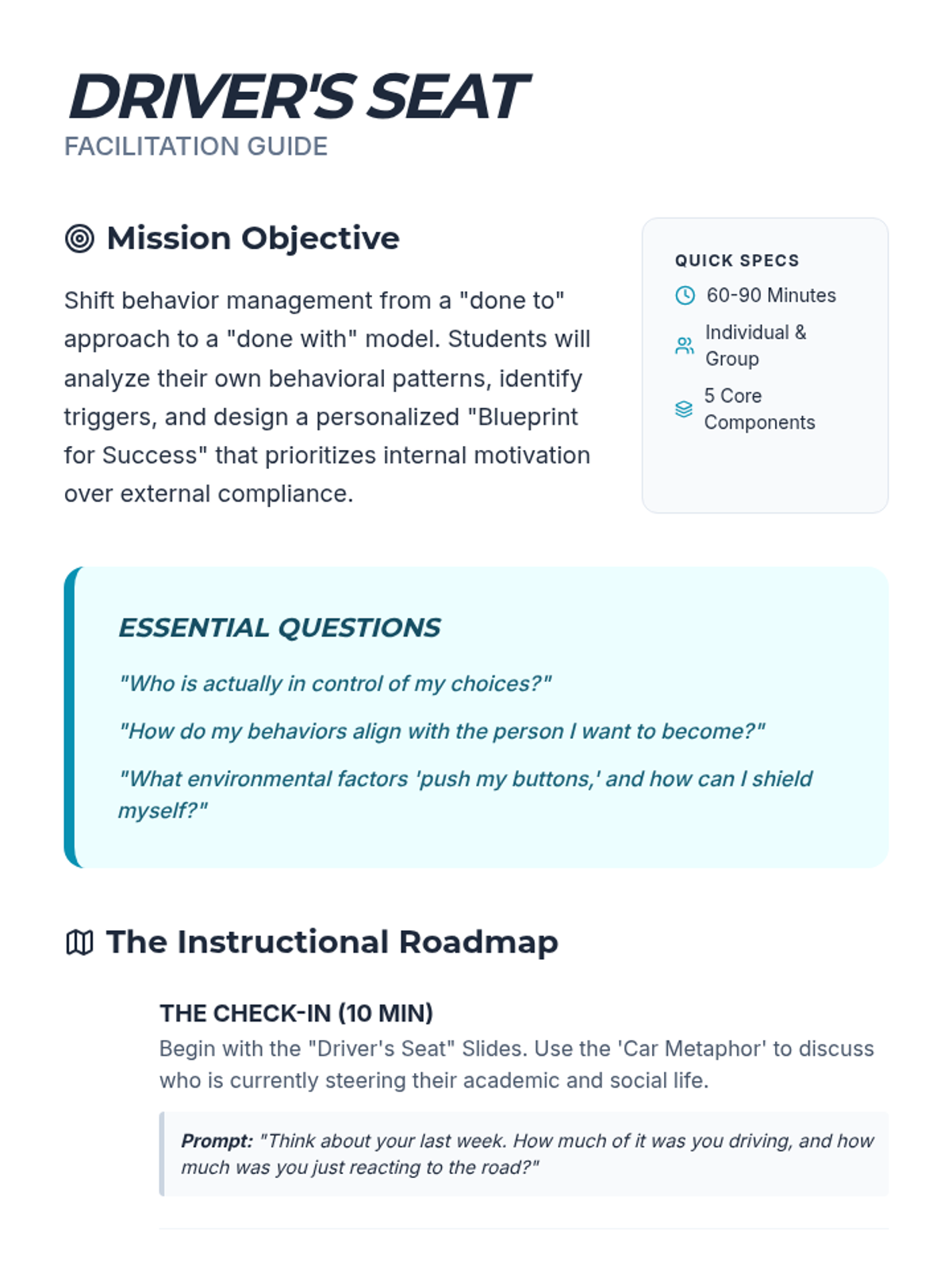
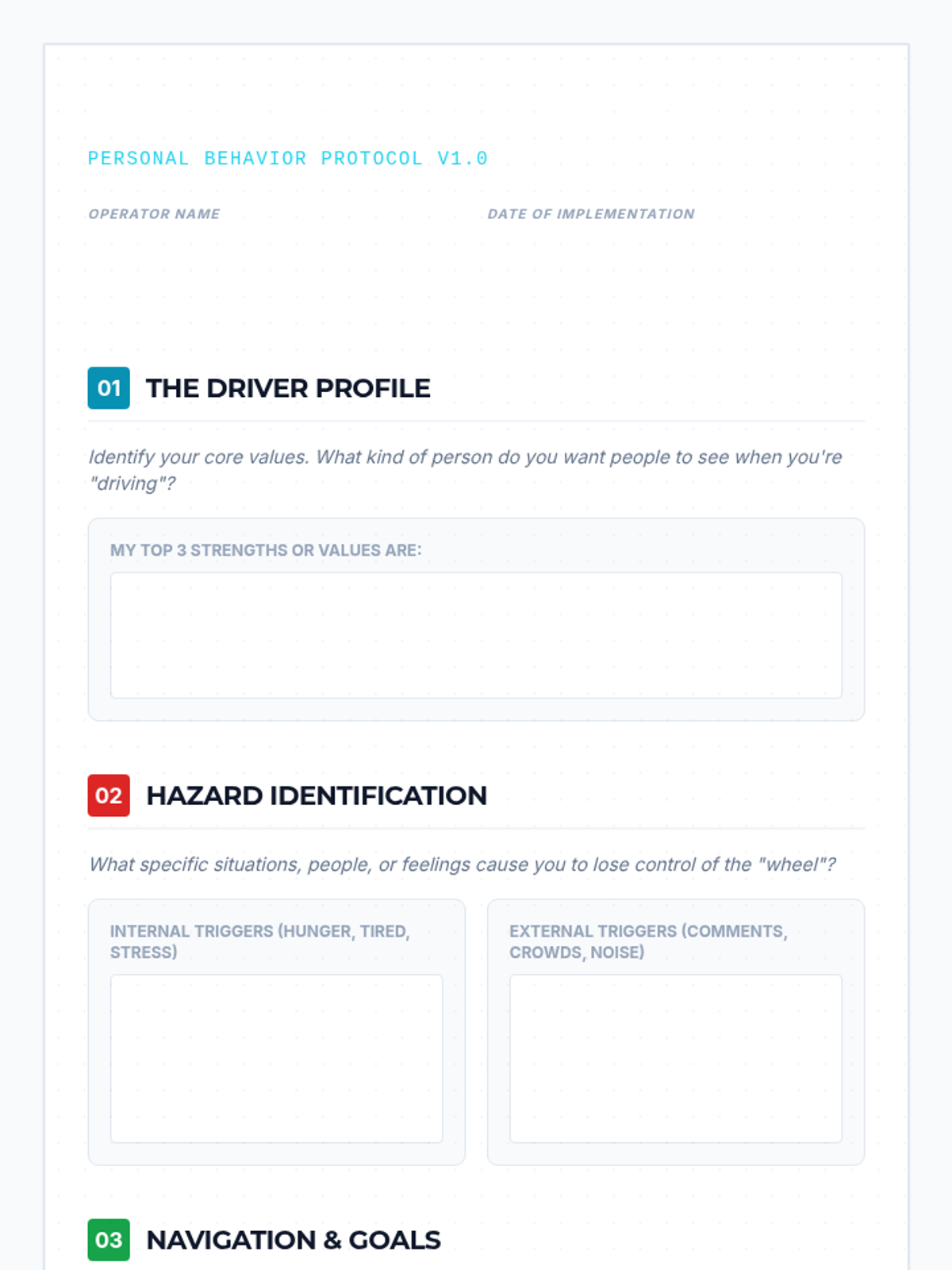
A high school lesson focused on empowering students to design their own behavior plans, moving from external compliance to internal self-regulation and accountability.
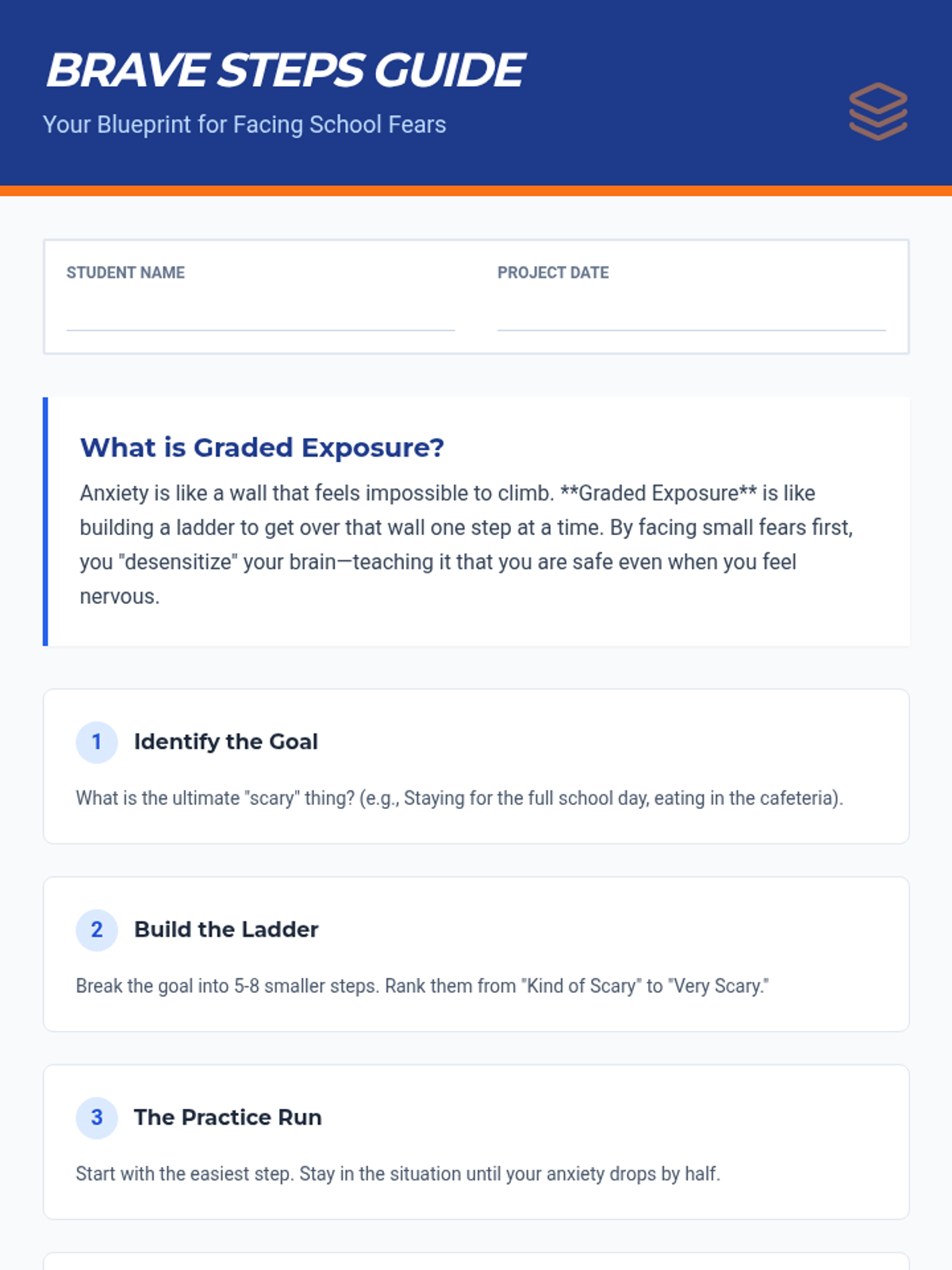
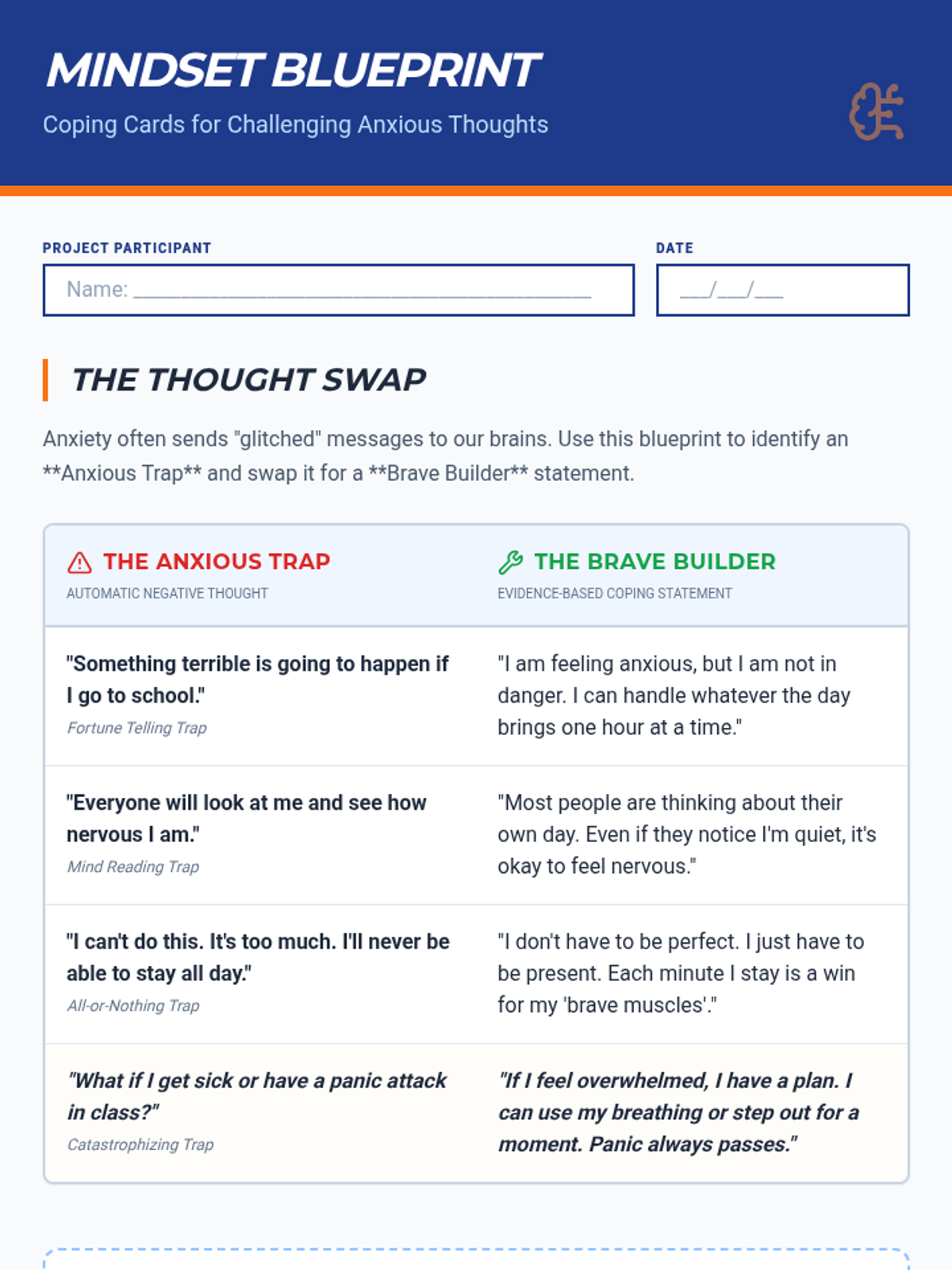
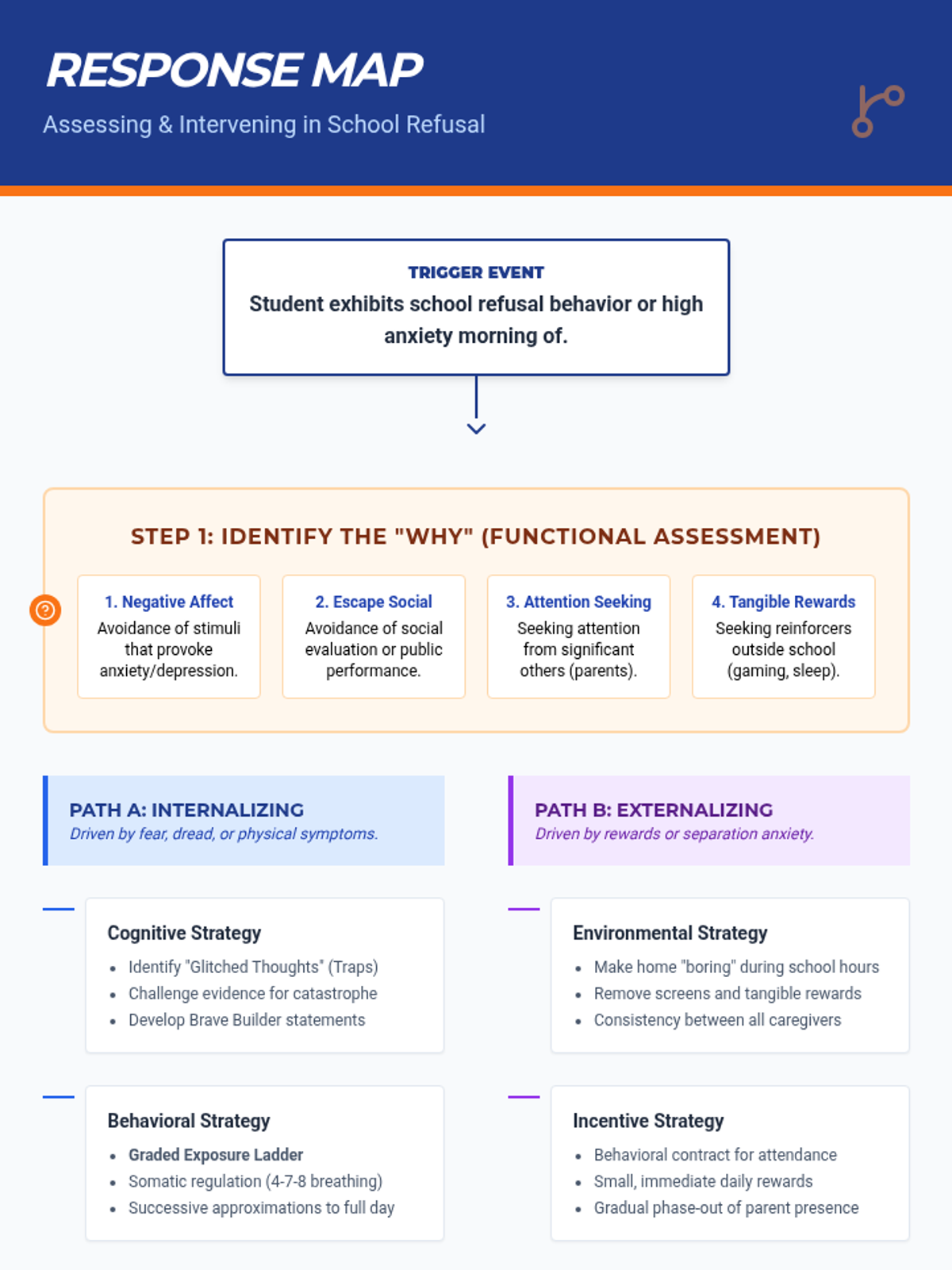
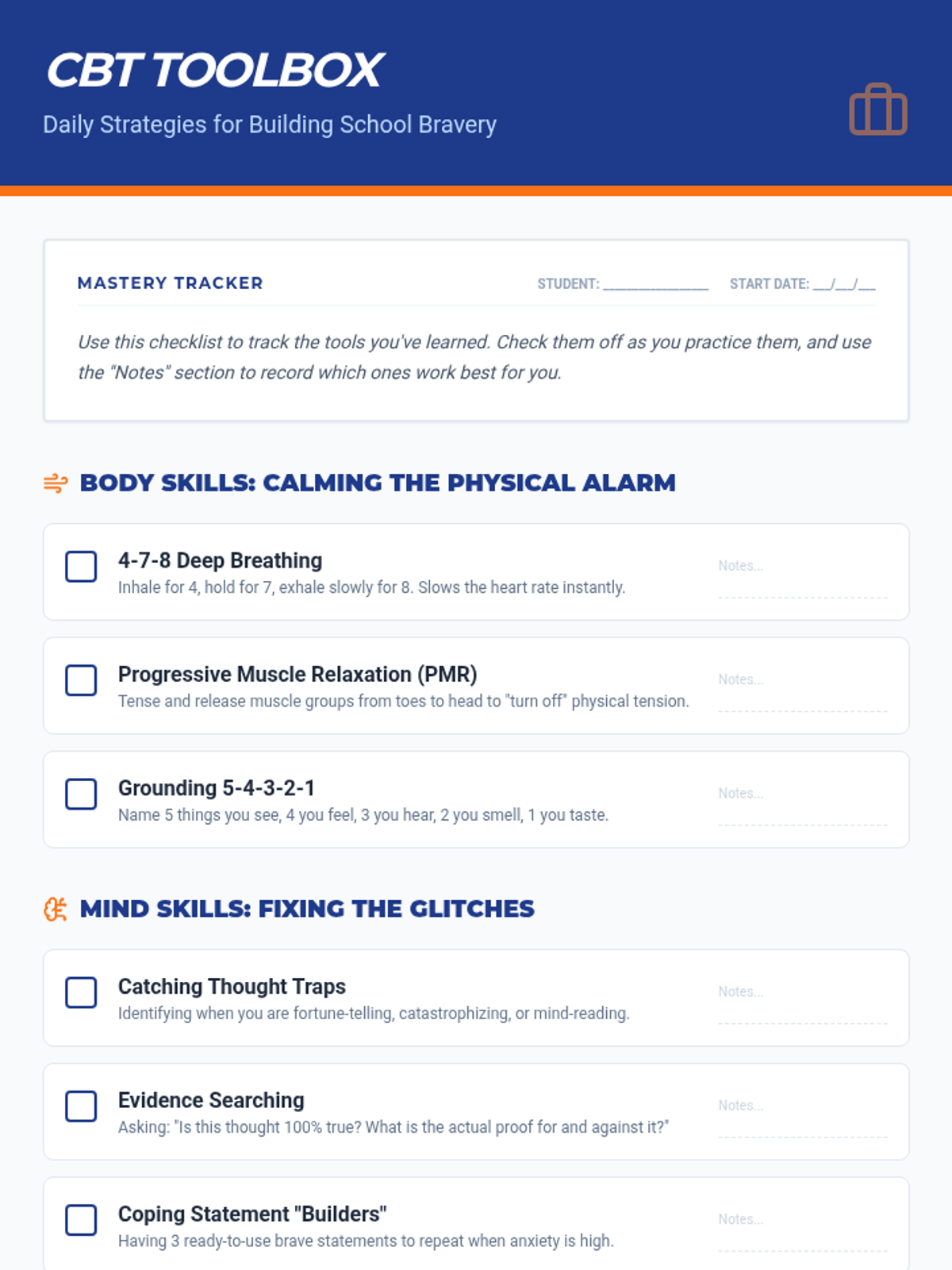
A comprehensive collection of CBT-based tools and strategies designed to help students overcome school-related anxiety and avoidance through cognitive restructuring, graded exposure, and relaxation.
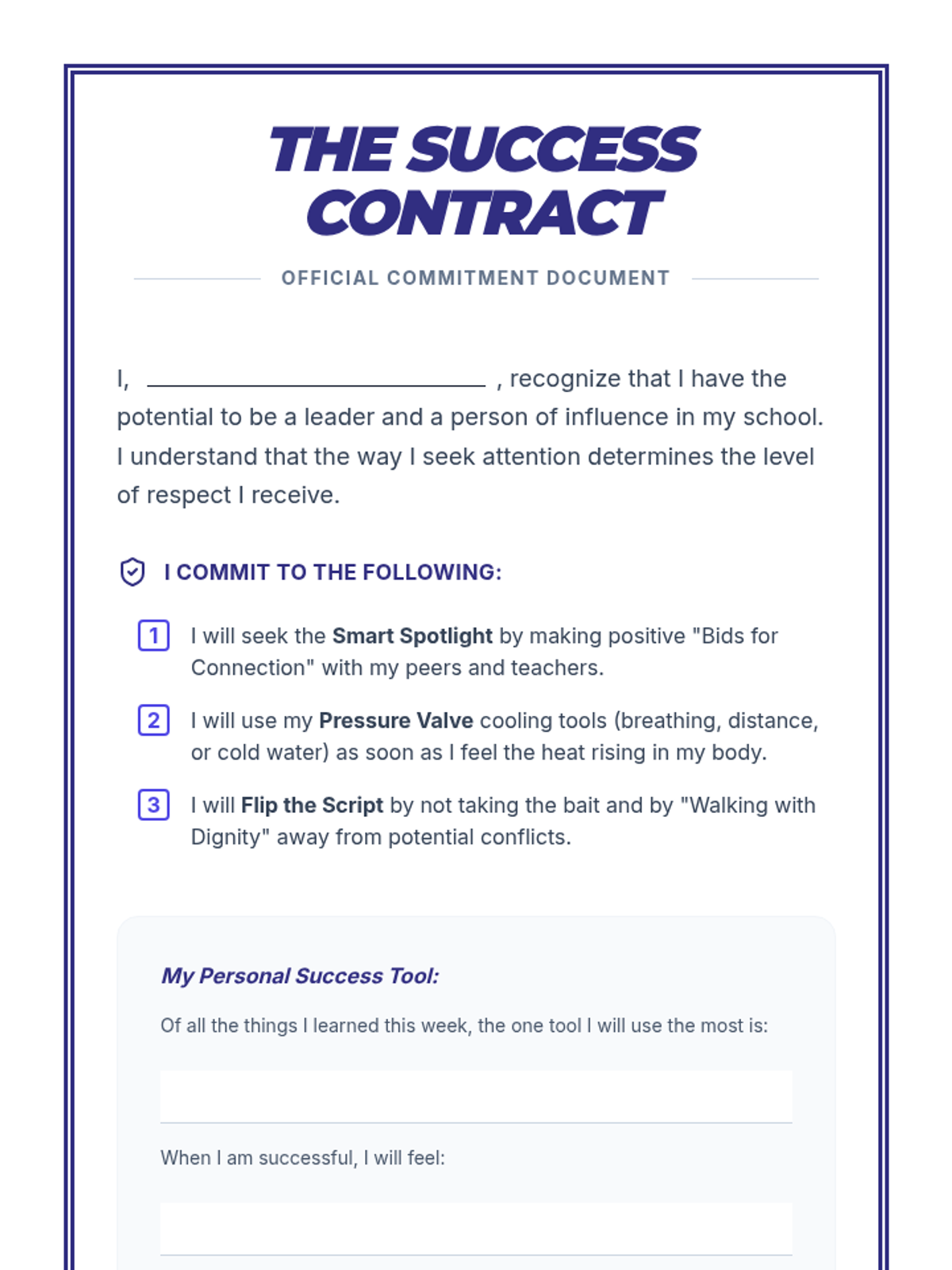
A cumulative review where students create a personal "Success Contract" and practice role-playing scenarios to solidify their new skills for long-term behavior change.
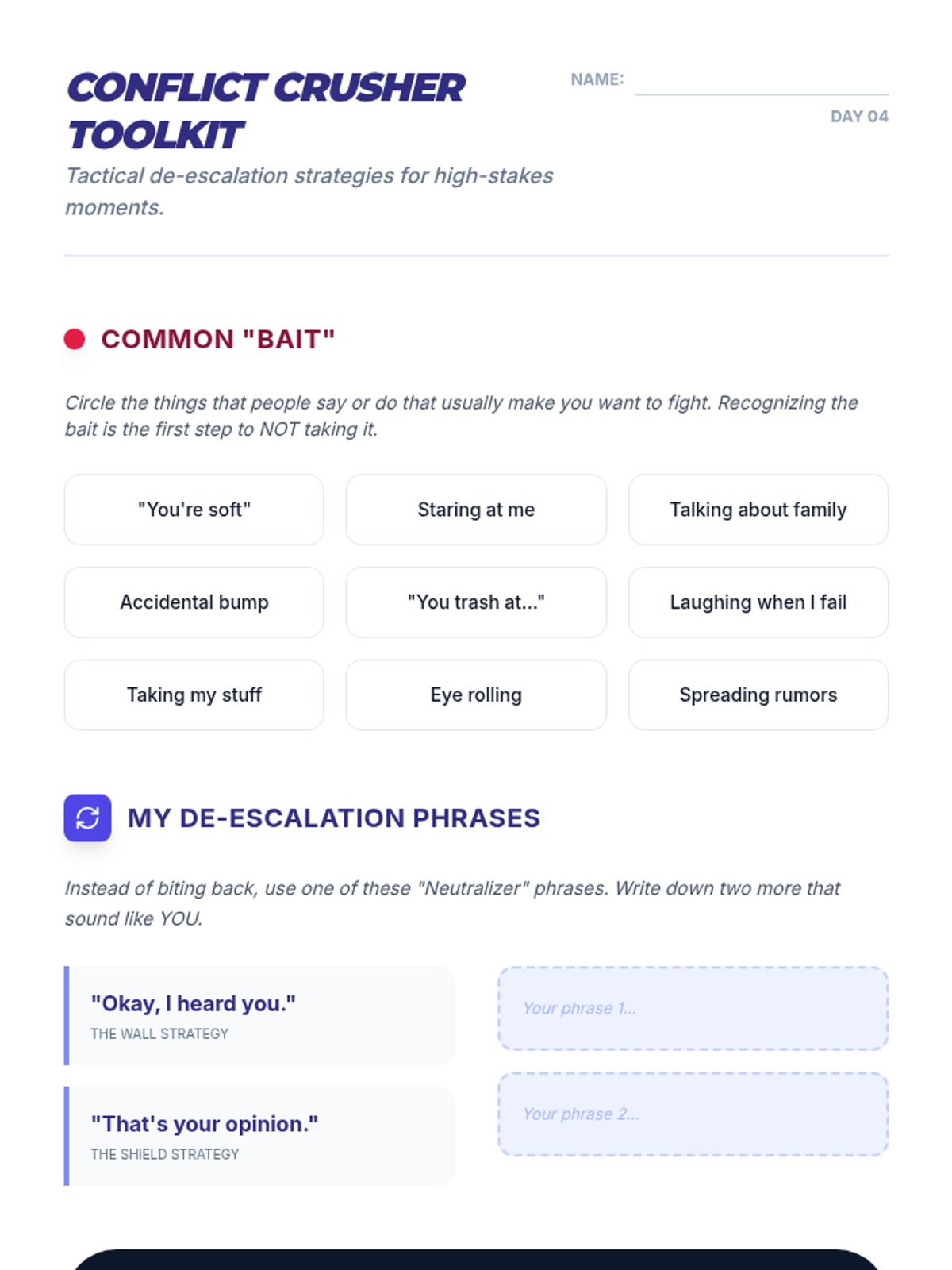
Provides specific de-escalation and conflict resolution strategies, teaching students how to "flip the script" on a potential fight and walk away with their dignity intact.
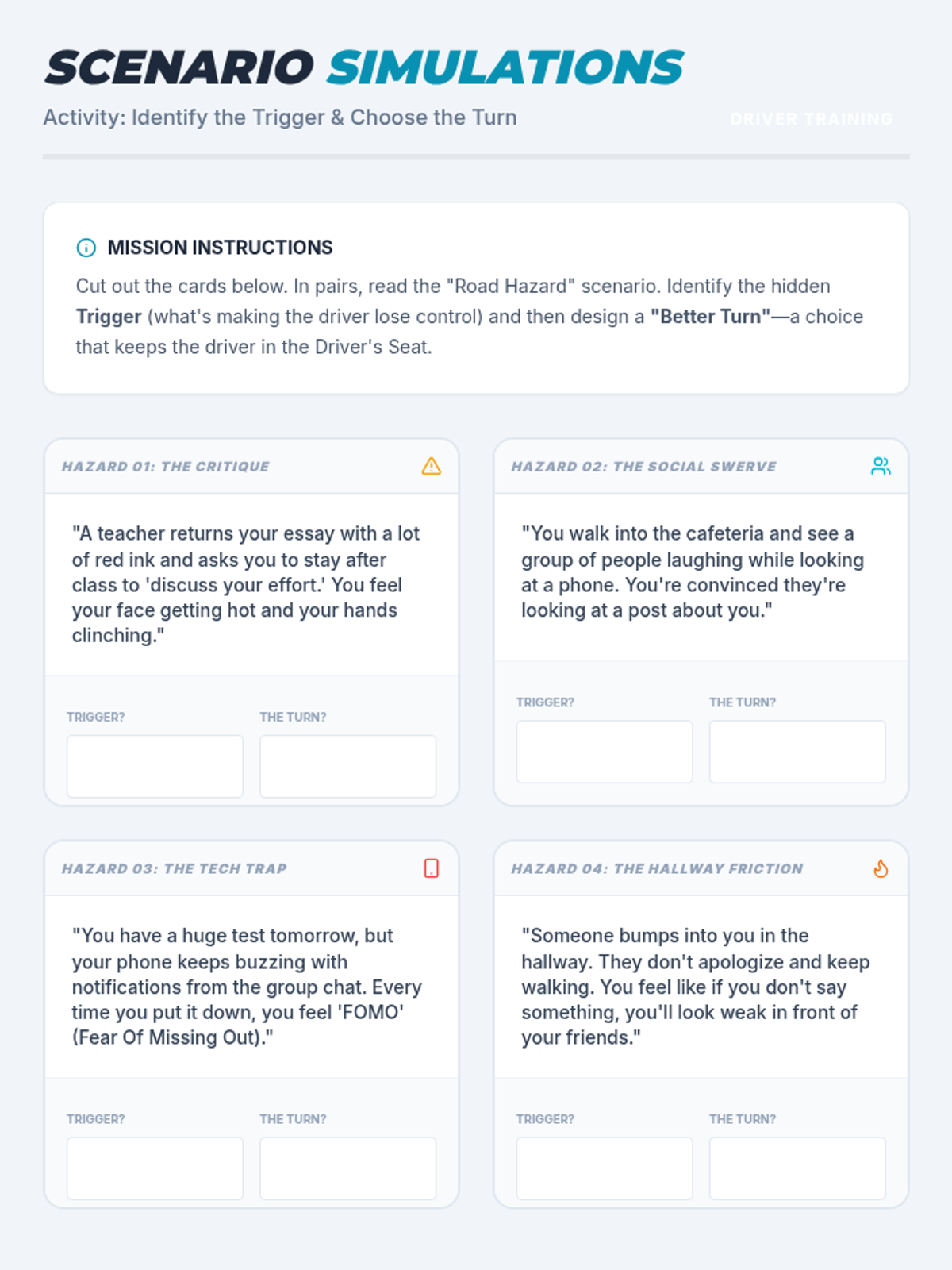
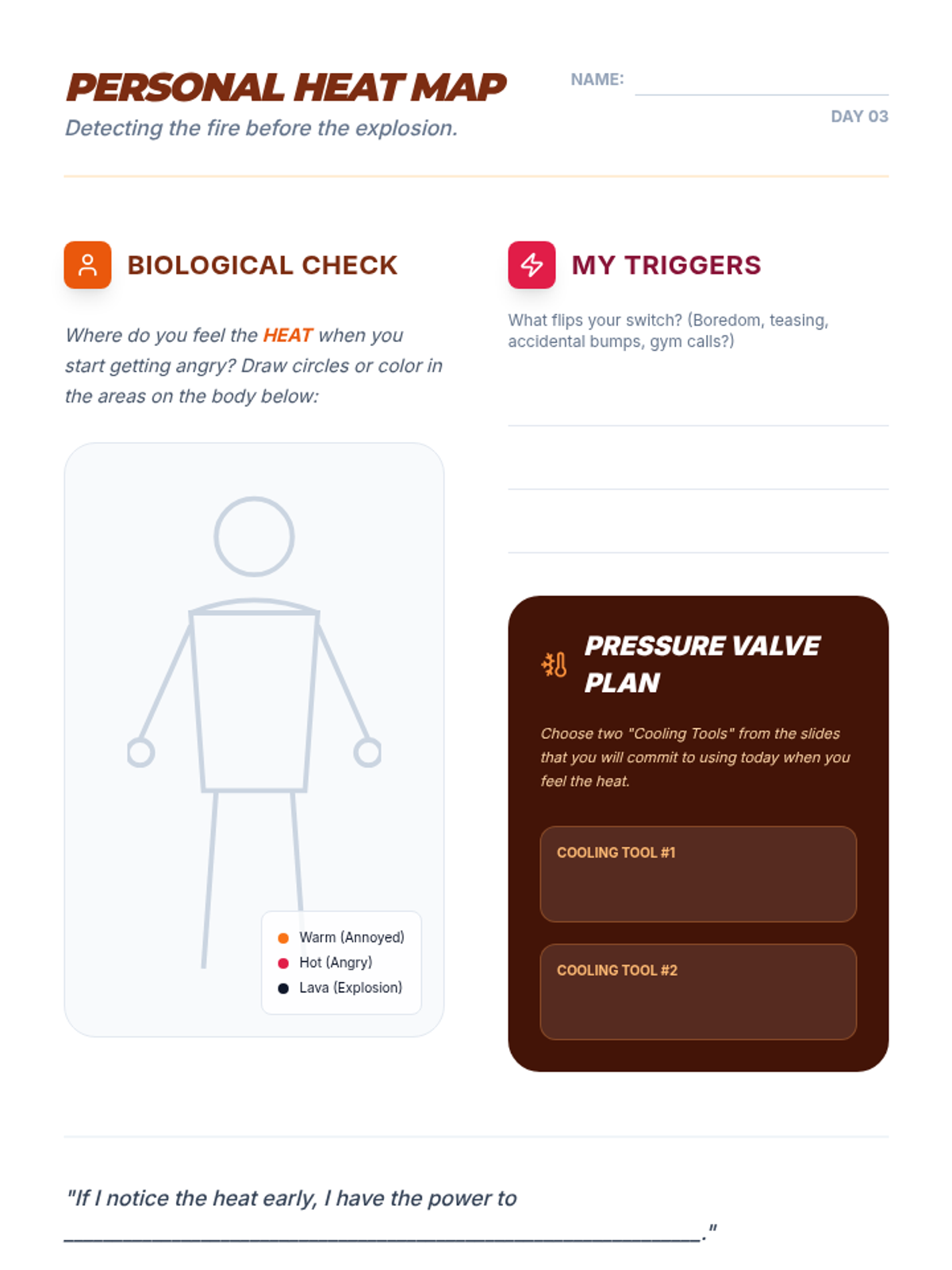
Introduces self-regulation techniques to manage the frustration that often leads to outbursts, teaching students to identify "triggers" and use "cool-down" tools before reaching a breaking point.
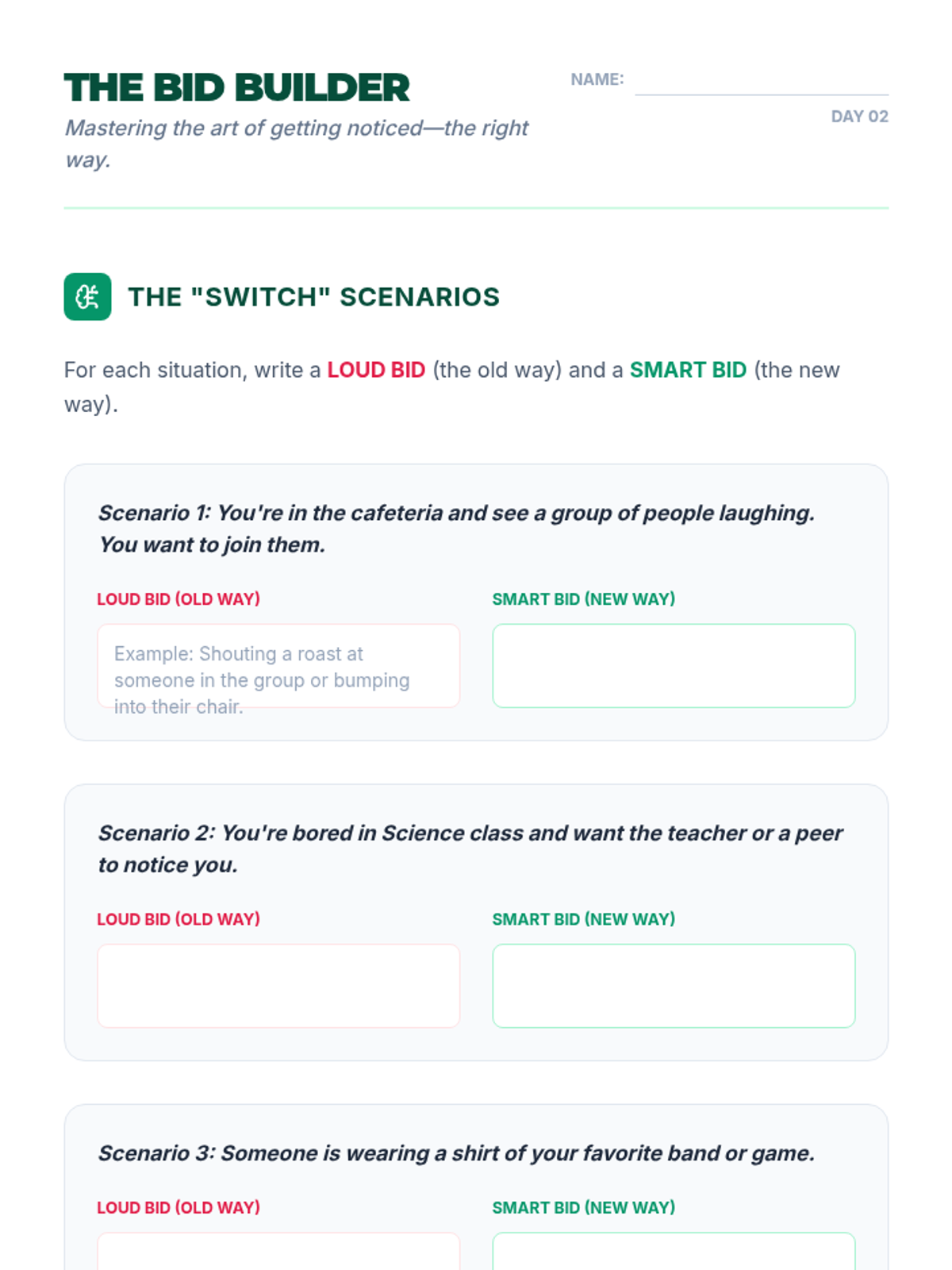
Focuses on identifying and practicing prosocial ways to get noticed by peers and adults, shifting from "loud and aggressive" to "valued and respected" through social skills training.
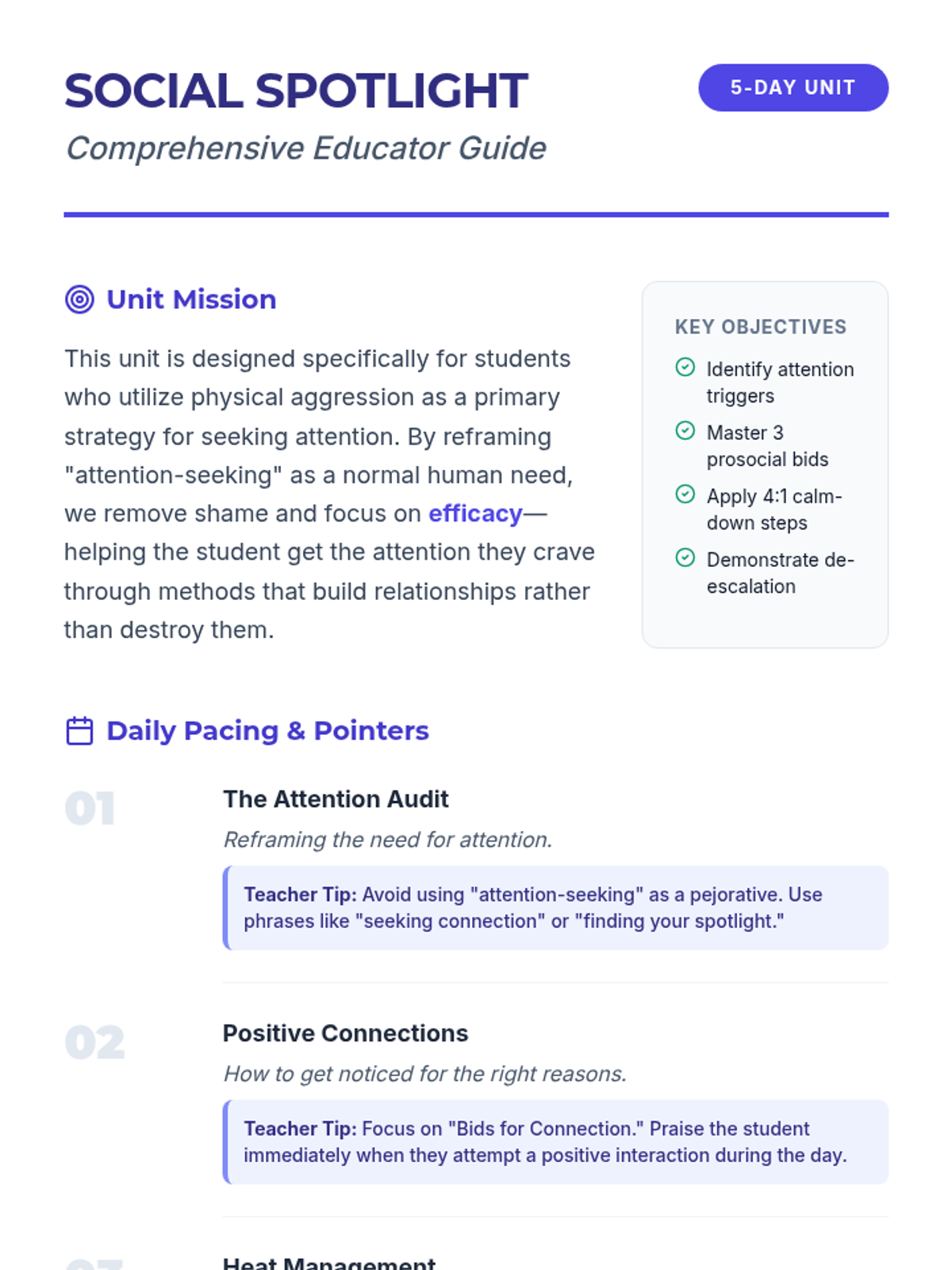
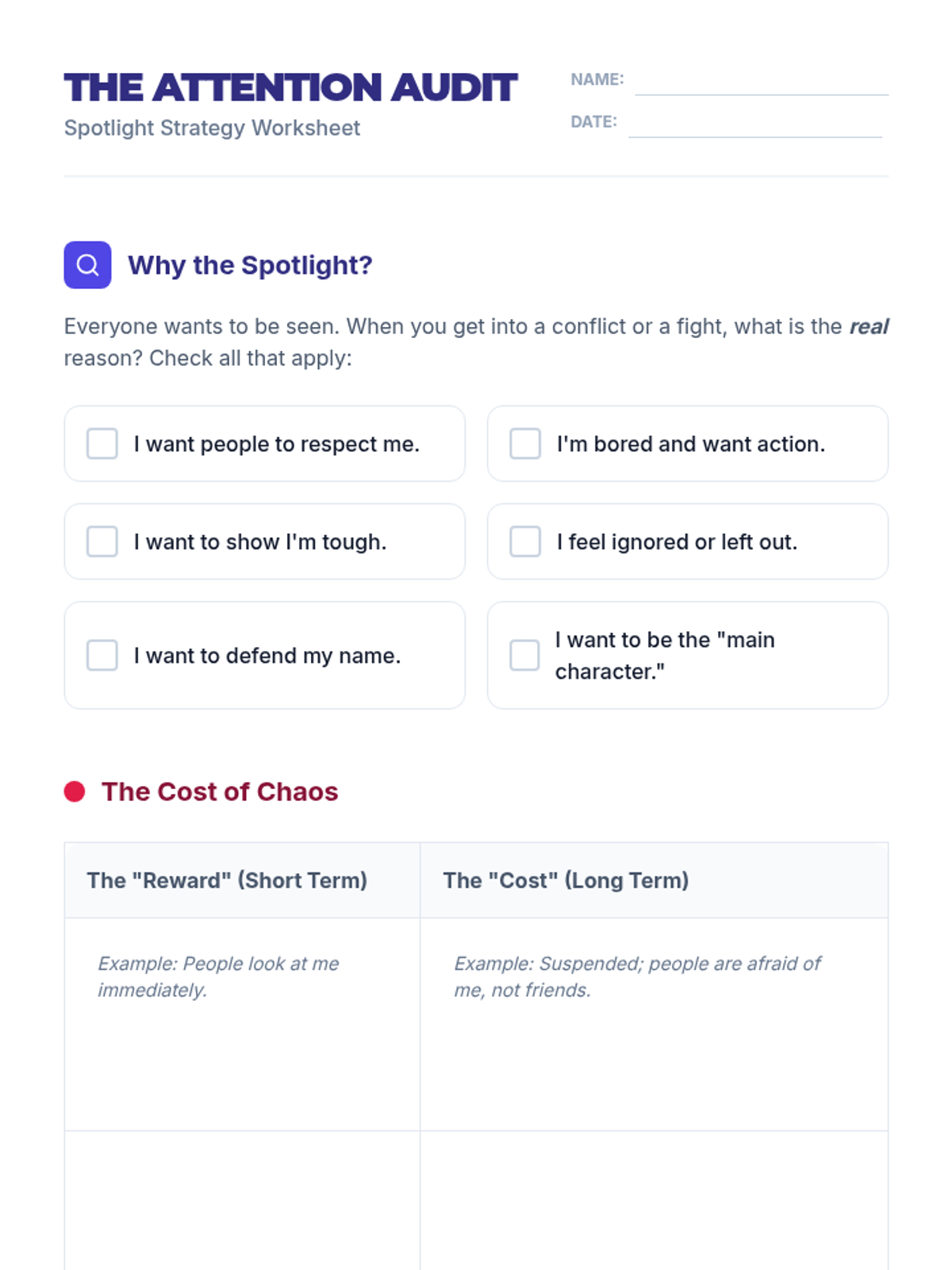
Students will explore the concept of "attention" as a basic human need and identify how their current behaviors (fighting) are attempts to meet that need, while evaluating the long-term costs of negative attention.
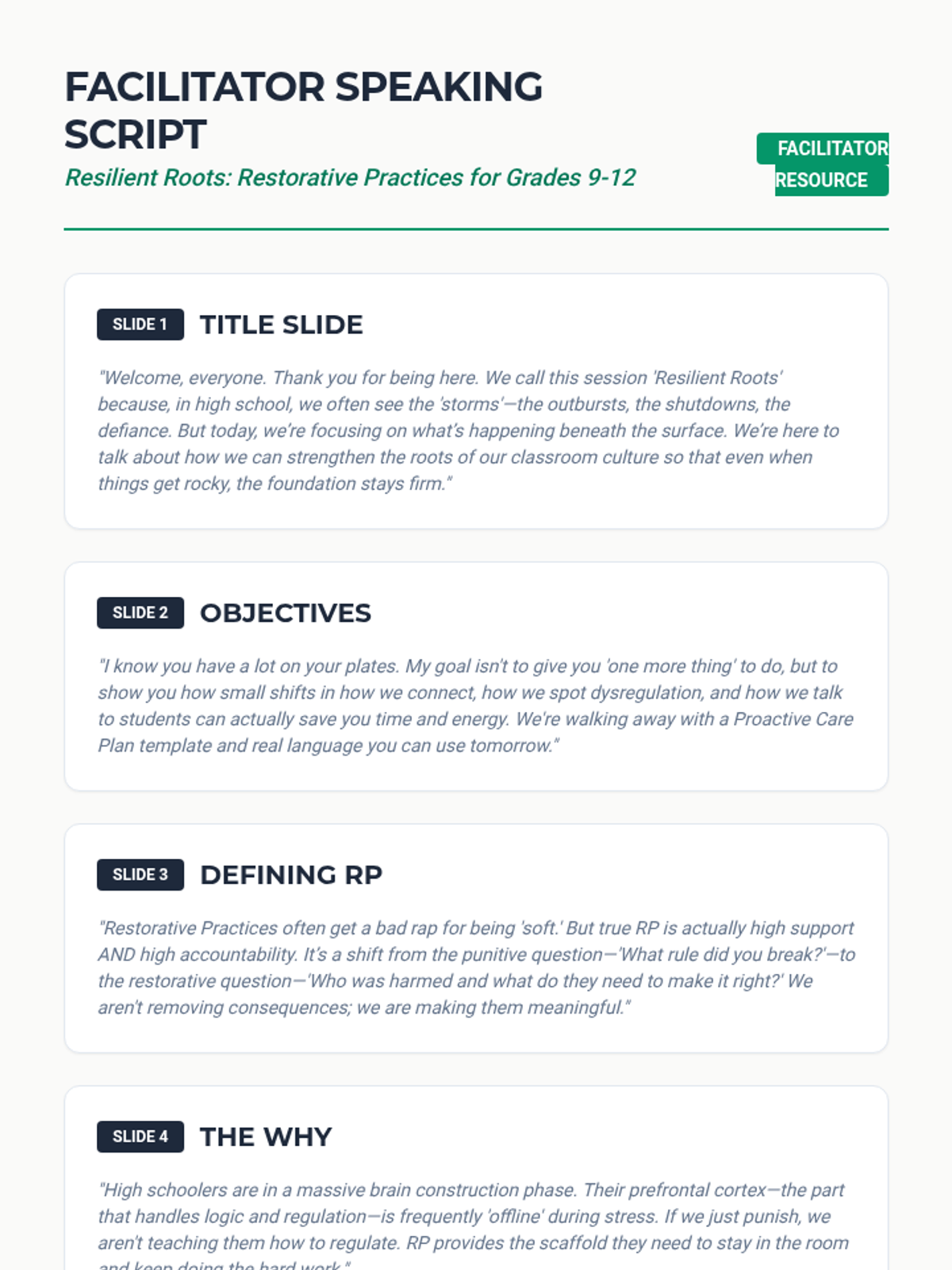
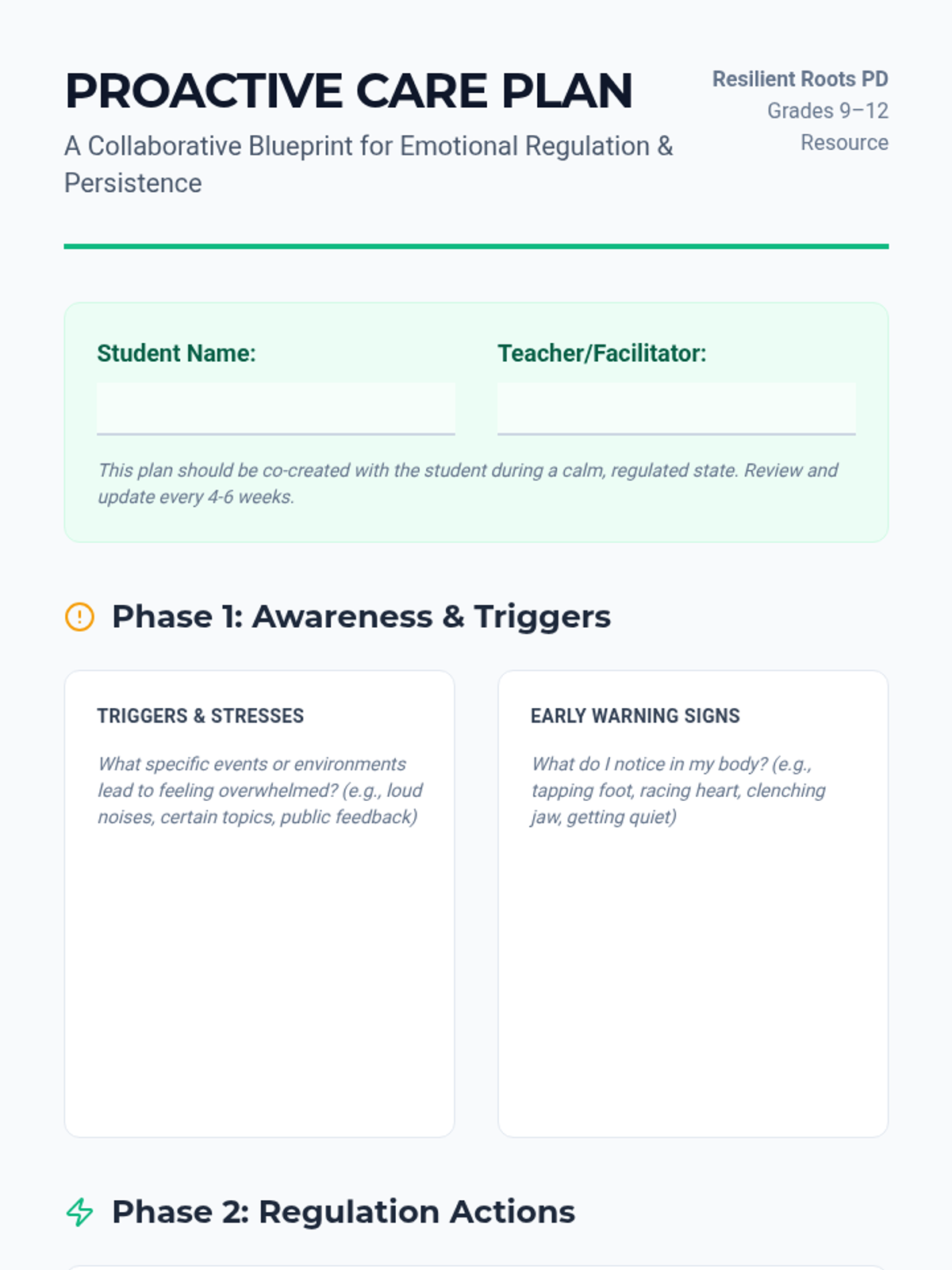
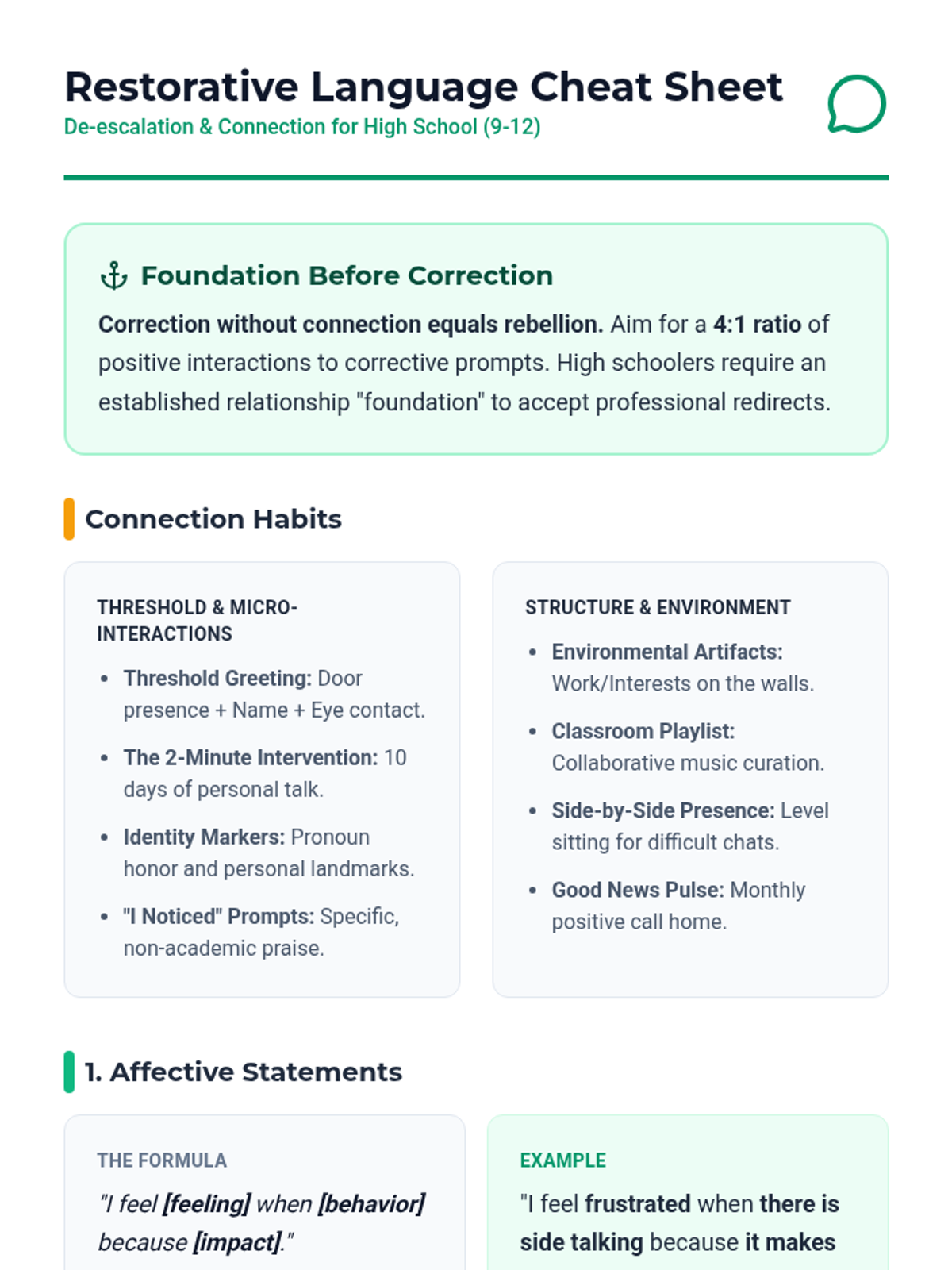
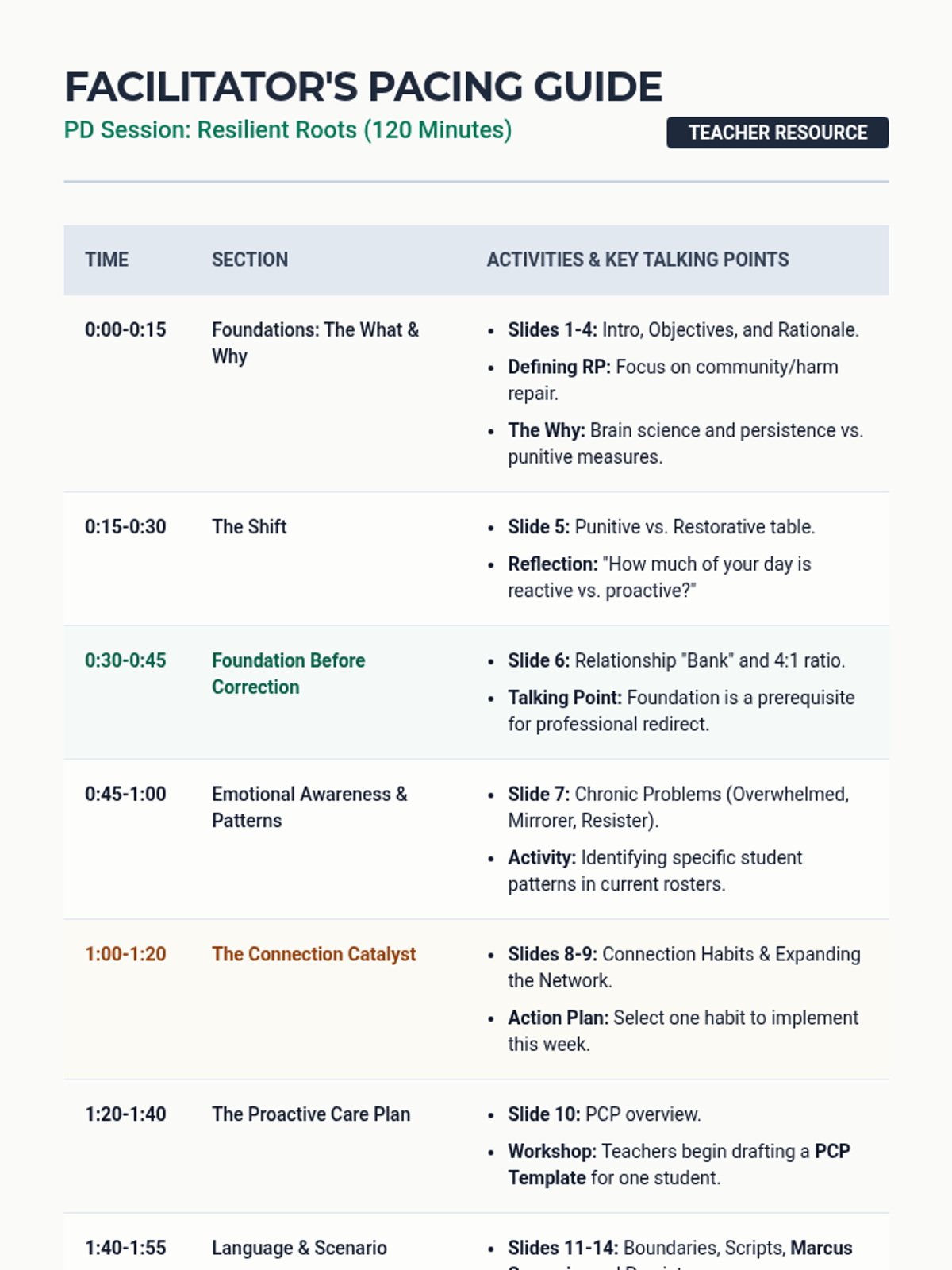
A professional development session for high school teachers focusing on restorative practices, emotional regulation, and the implementation of proactive care plans. This lesson equips educators with the tools to handle chronic emotional challenges and foster deep connection with students in grades 9-12.
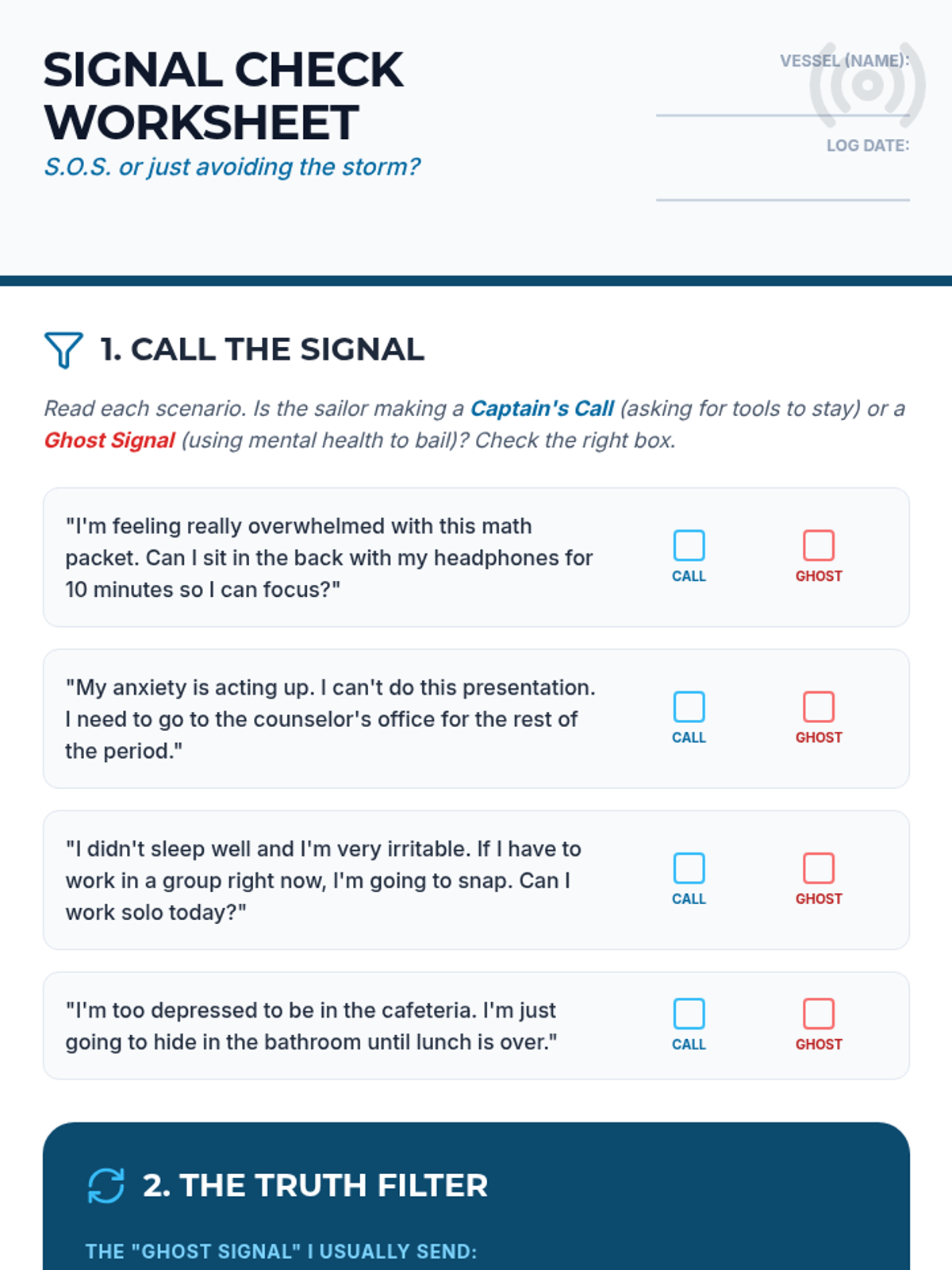
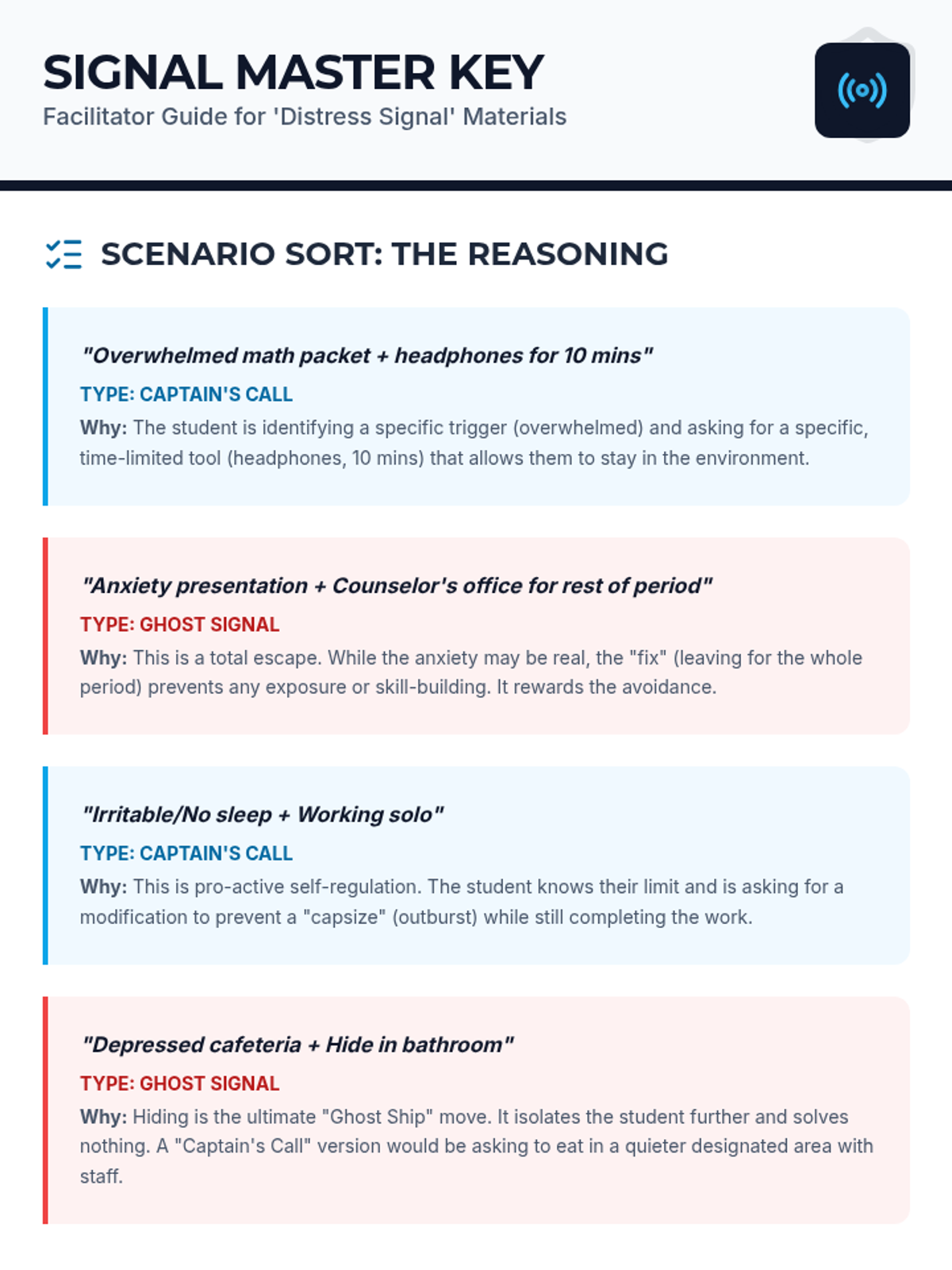
A set of resources designed for a therapeutic program to address class and work avoidance using a witty, nautical winter theme. Focuses on self-regulation, coping skills, and the impact of individual behavior on the school community.
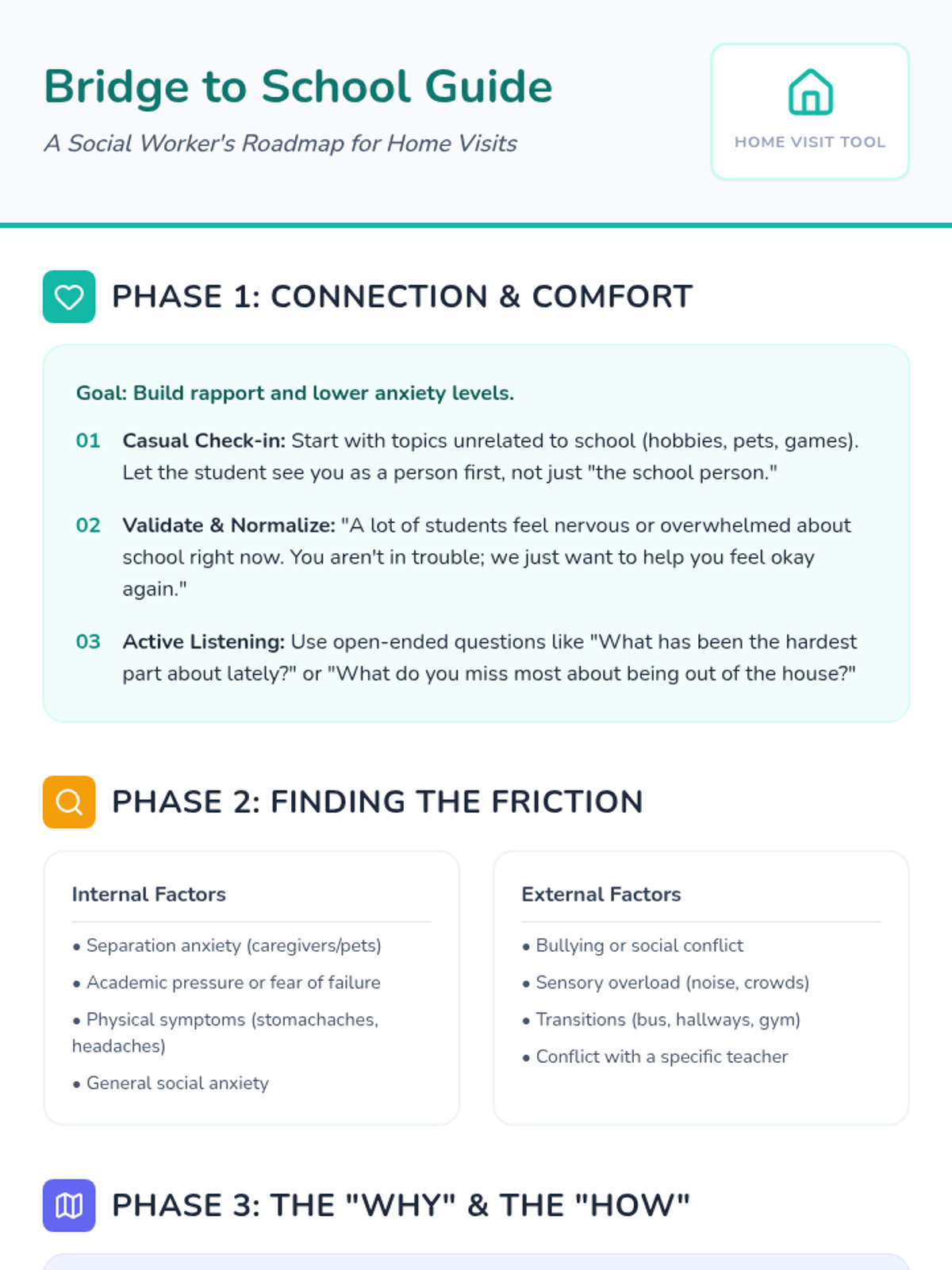
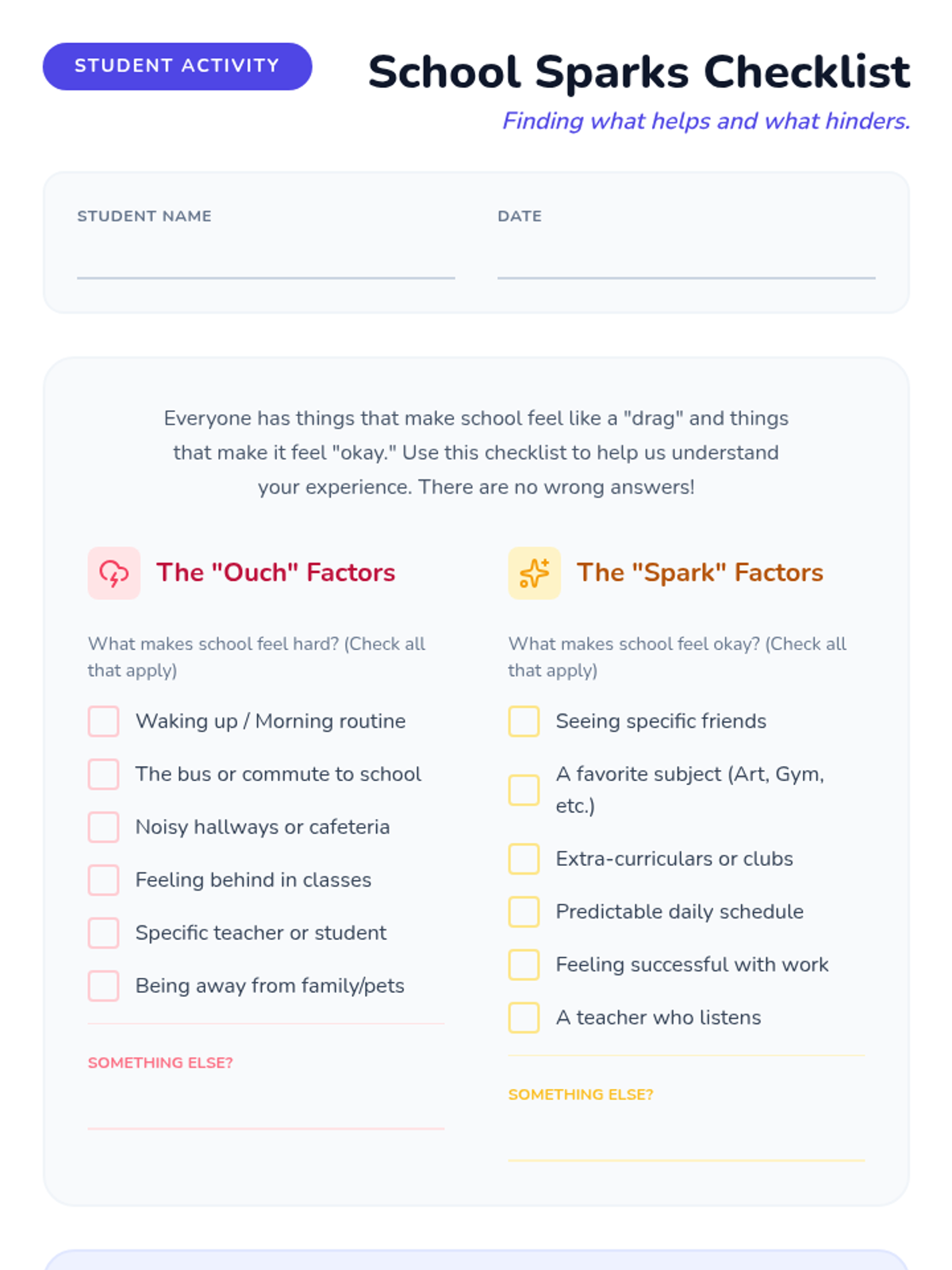
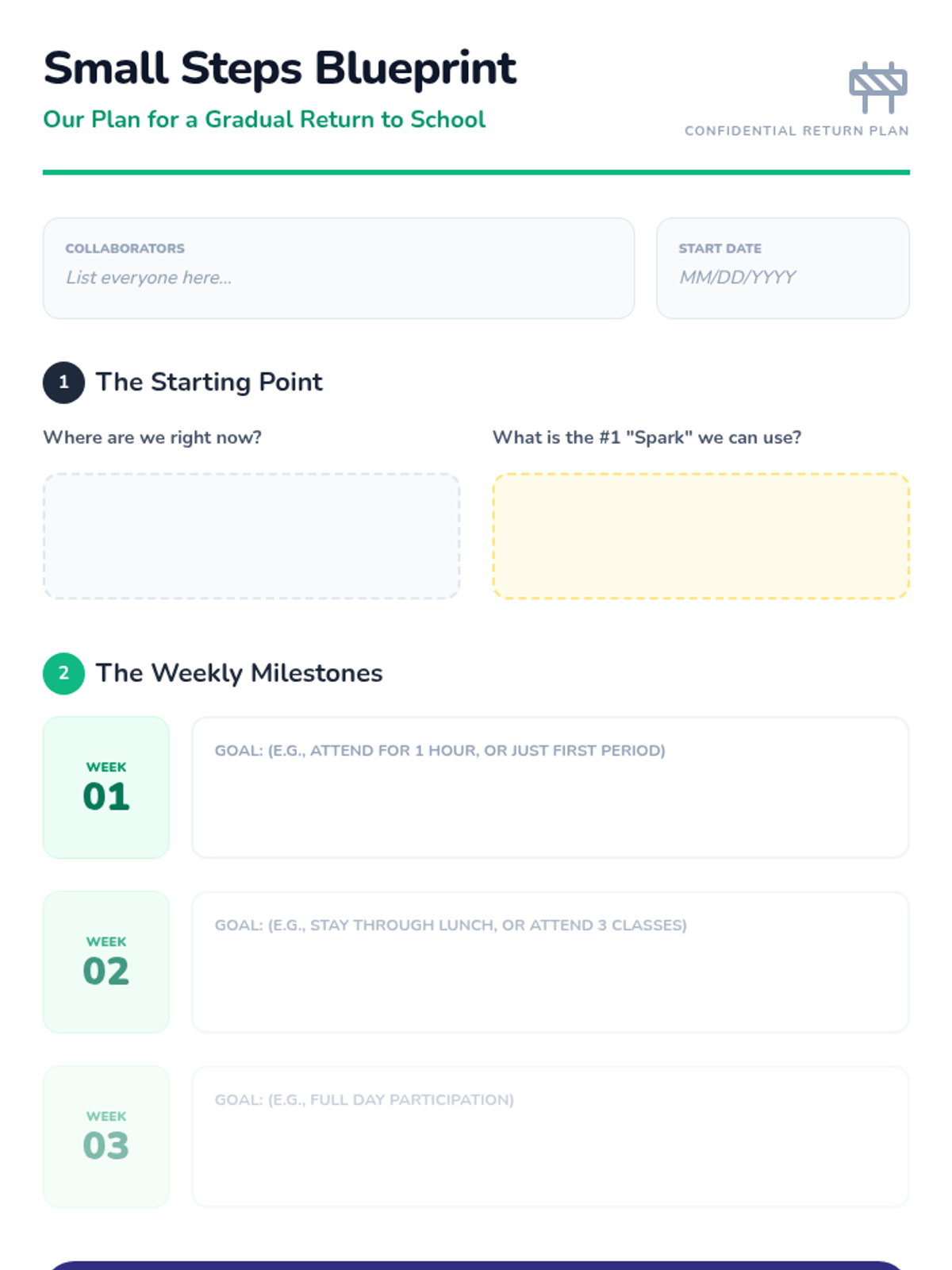
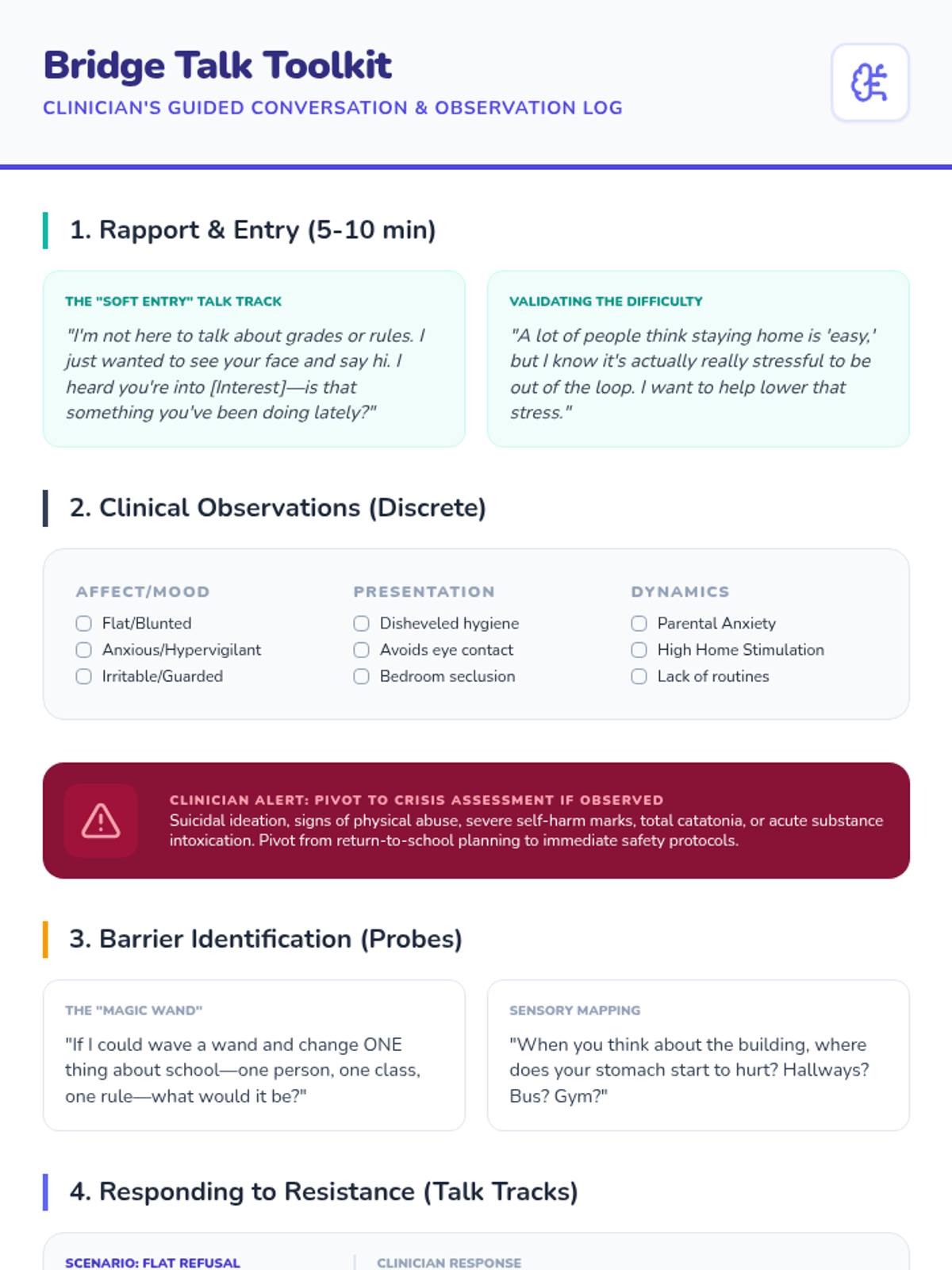
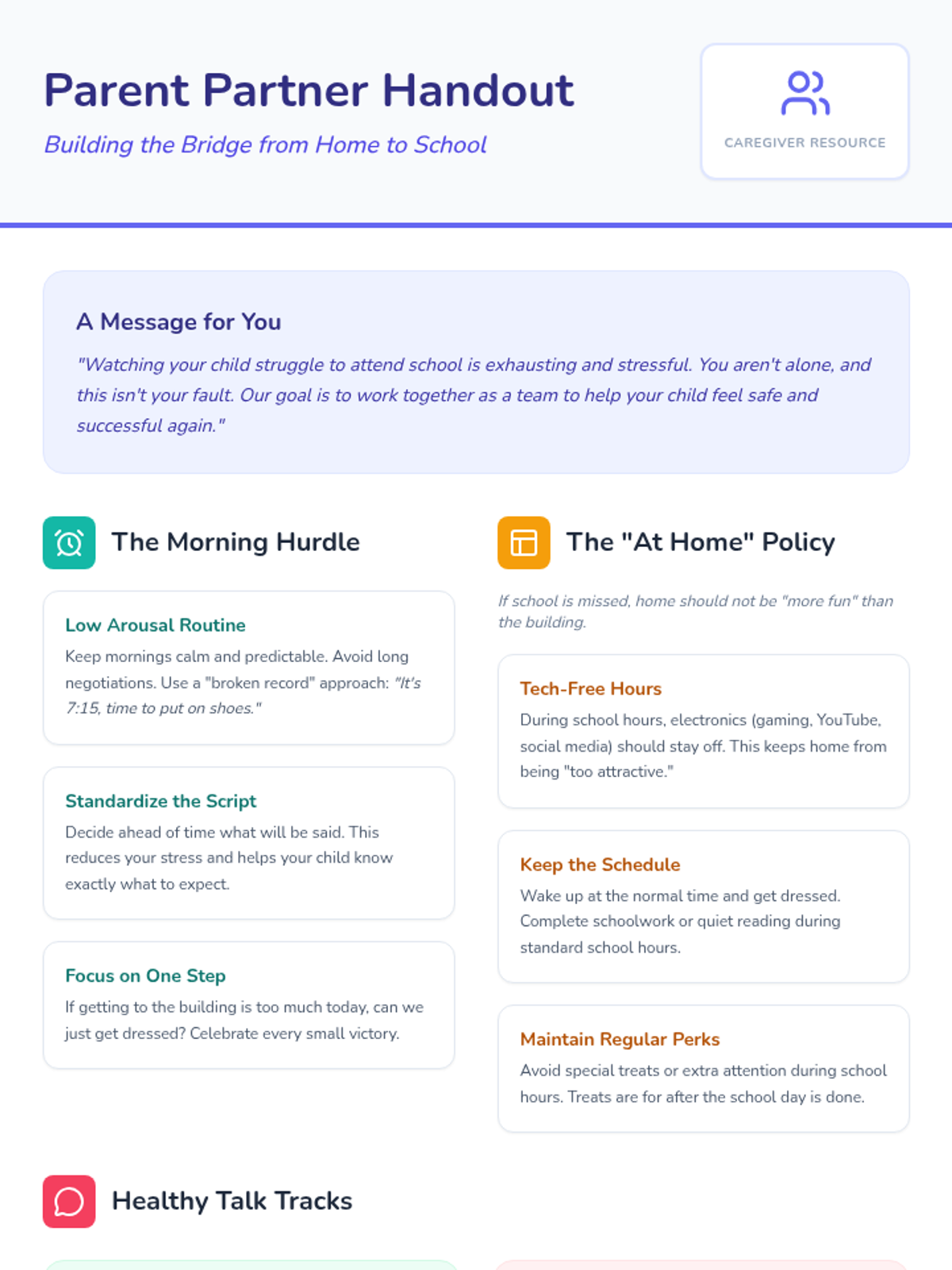
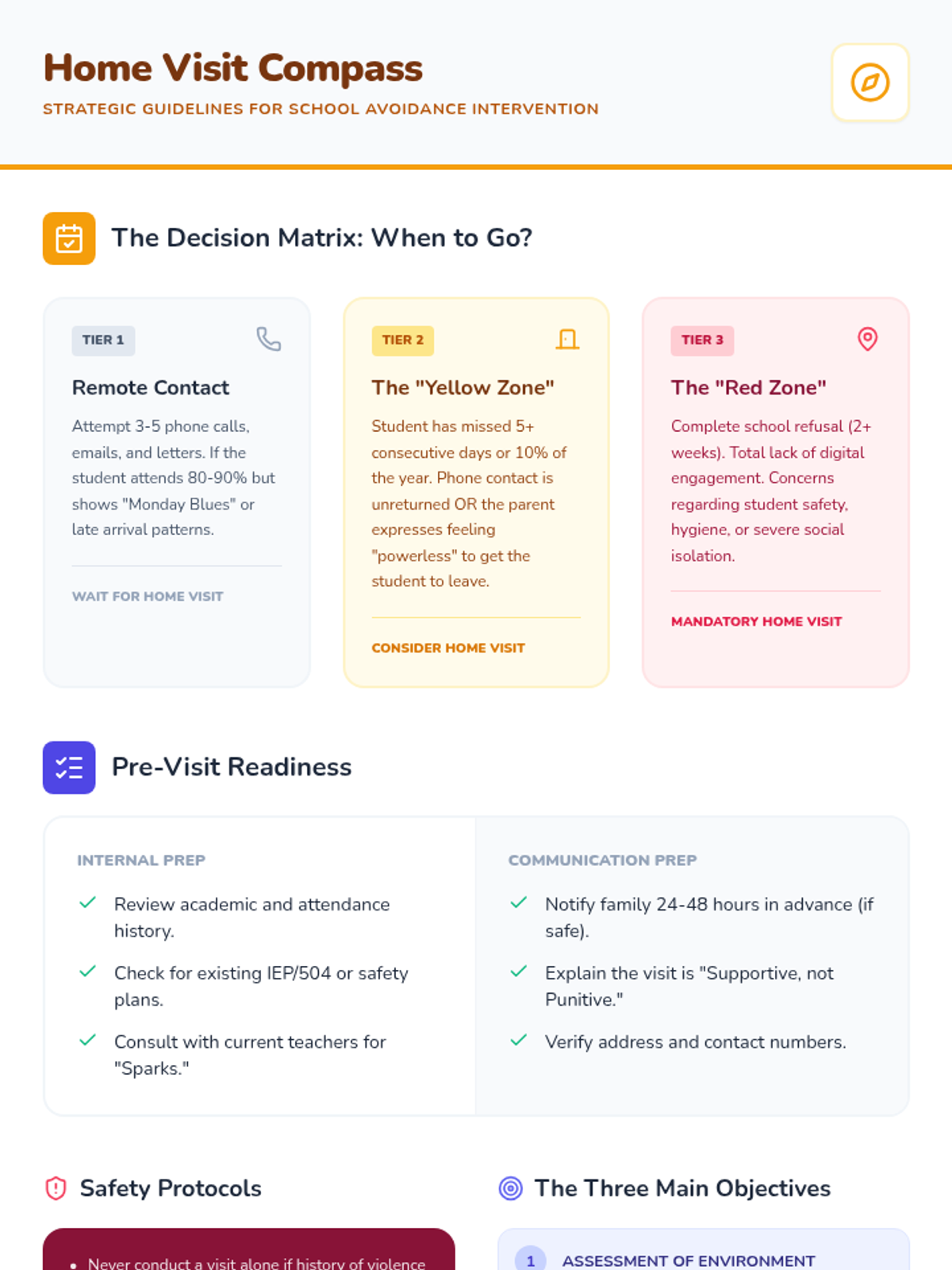
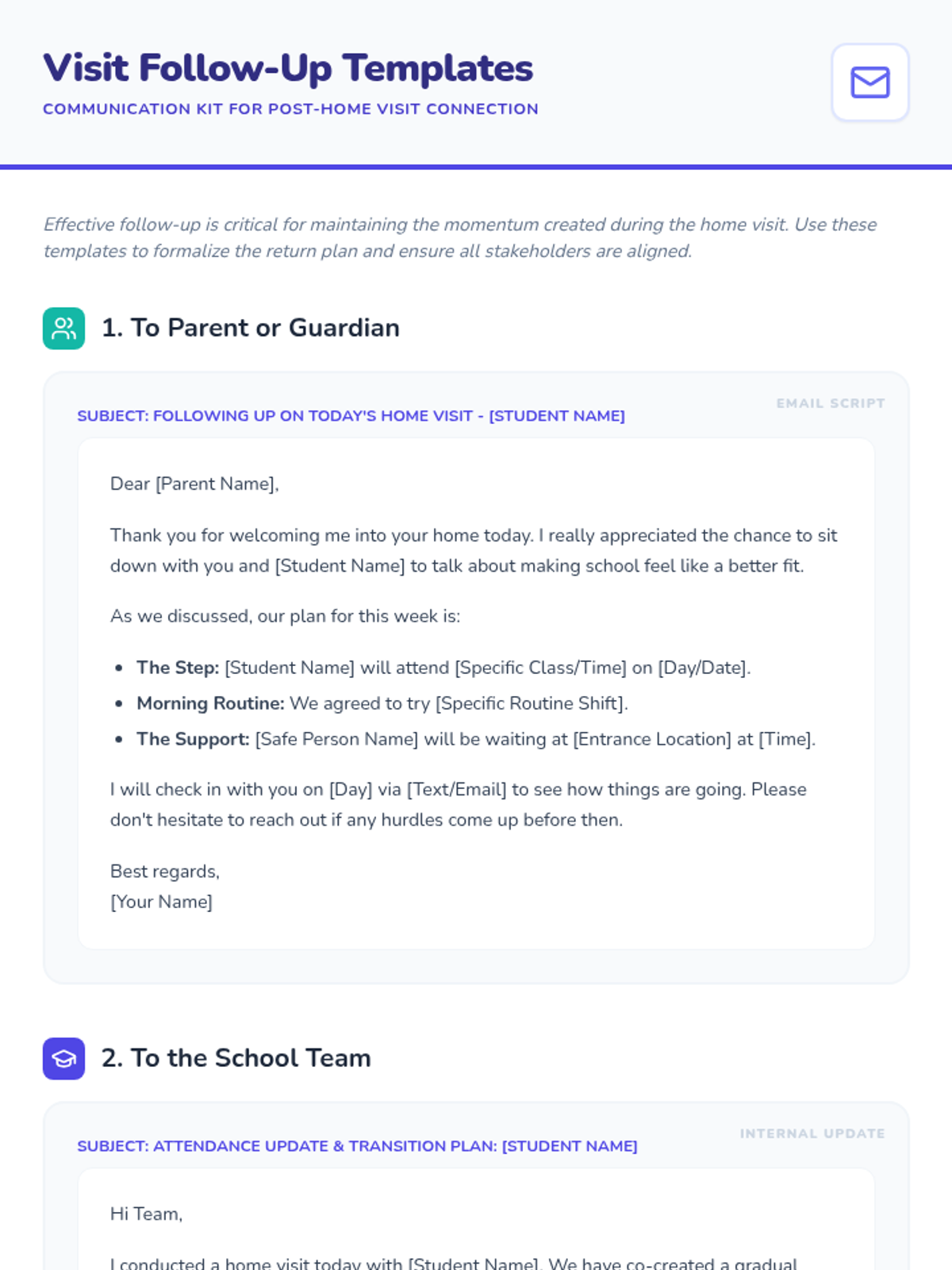
A comprehensive home visit framework designed for social workers to support students experiencing school avoidance. This lesson focuses on building trust, identifying specific barriers to attendance, and co-creating a gradual return plan with the student and family.
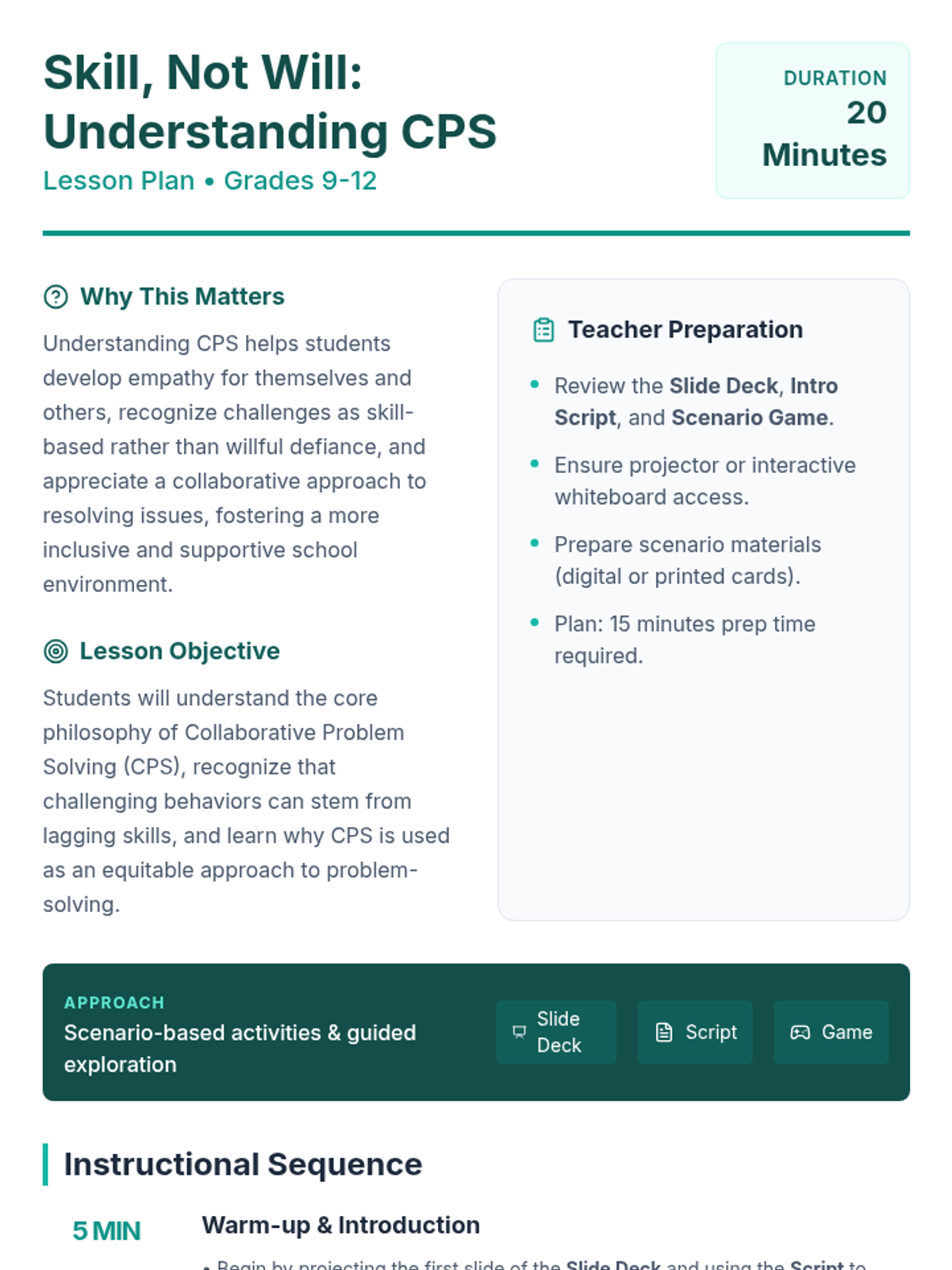
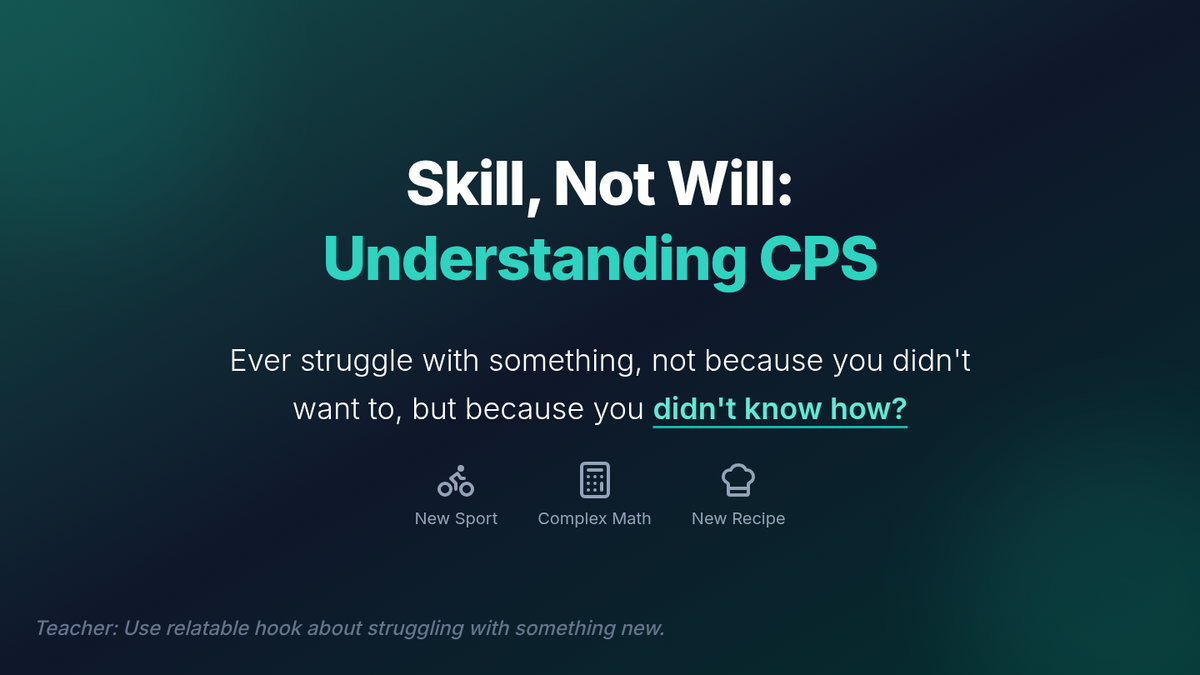
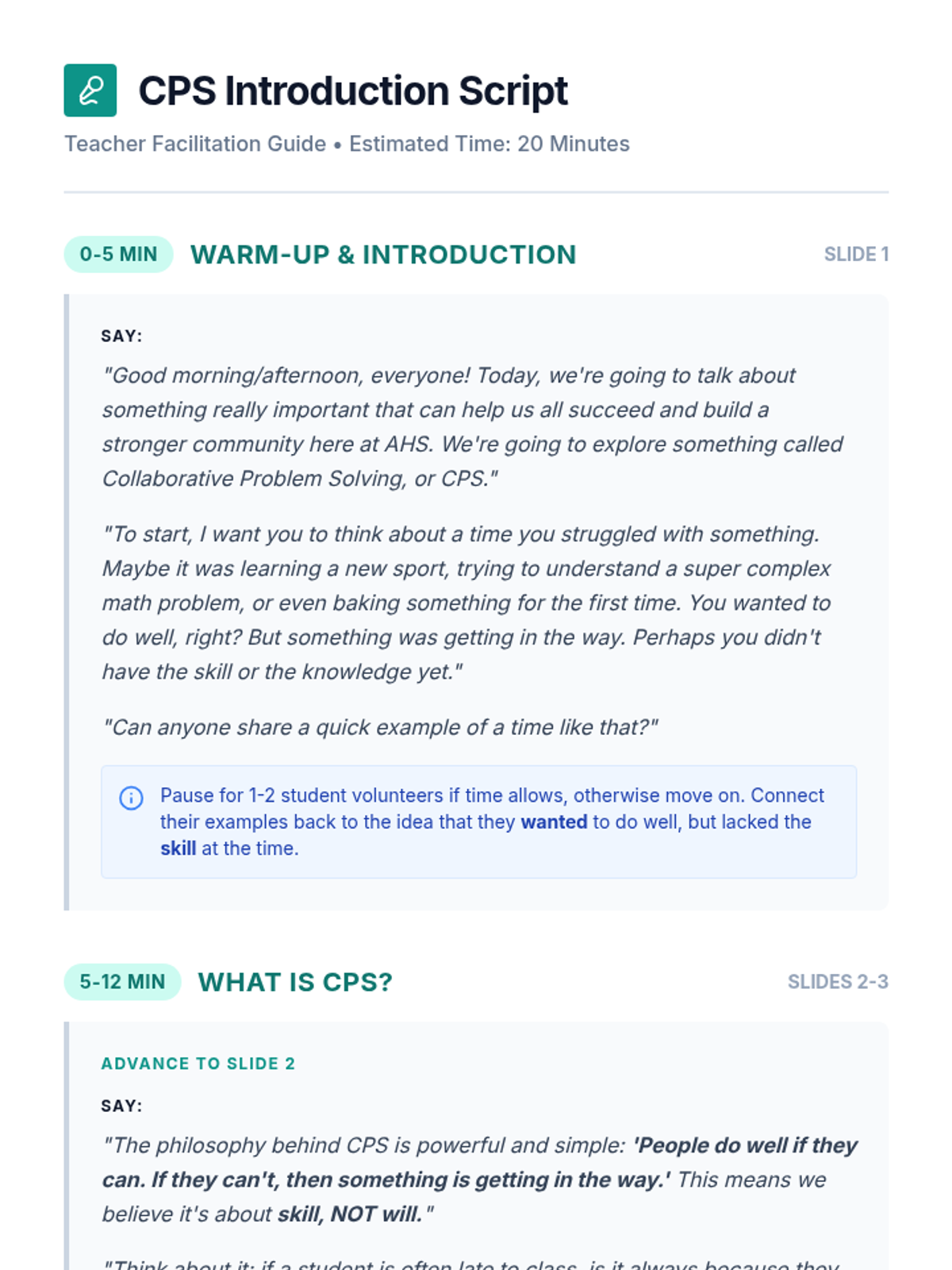
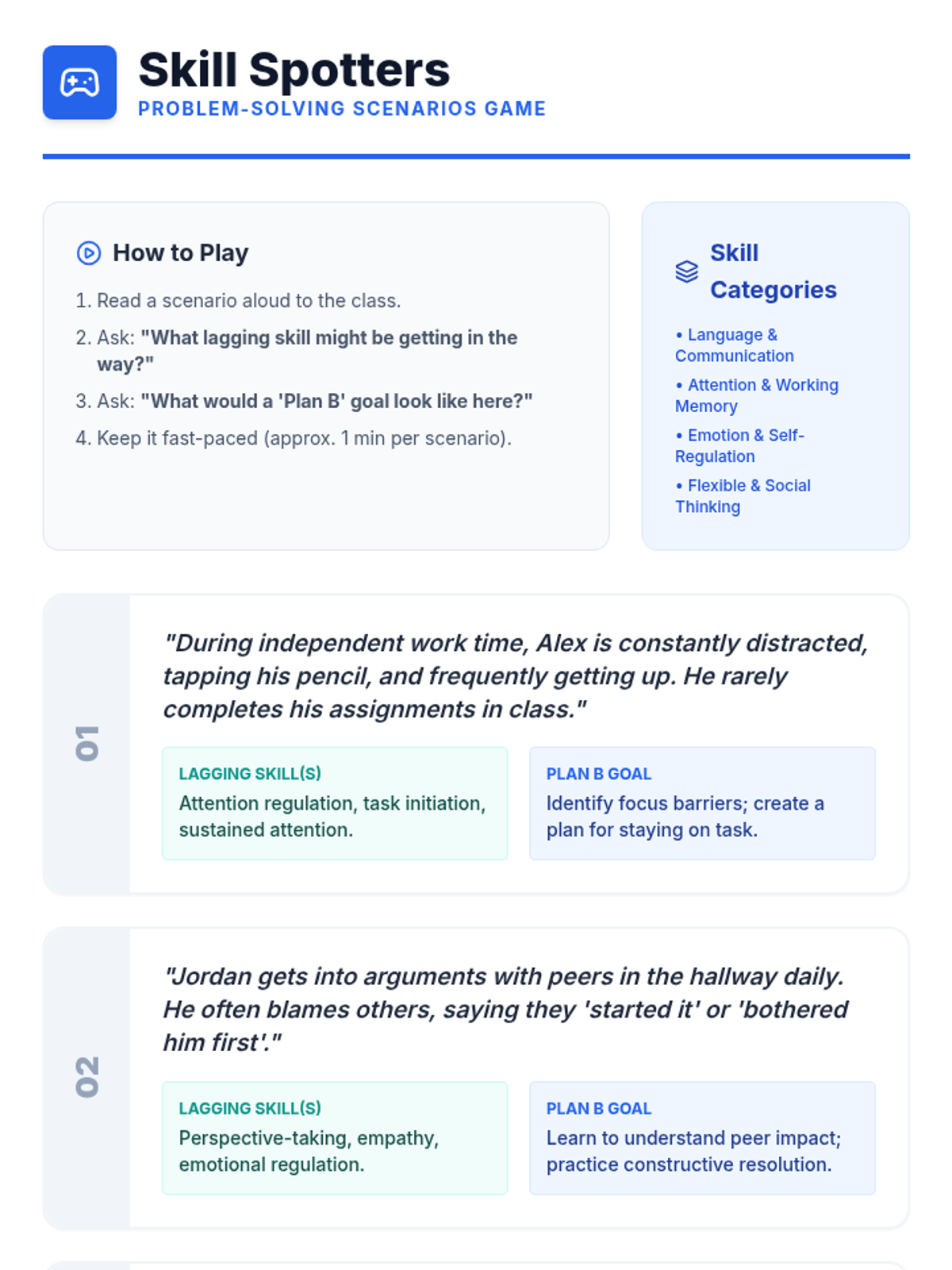
This lesson introduces high school students to Collaborative Problem Solving (CPS), emphasizing that behavioral challenges stem from a lack of skill rather than a lack of will. Students will explore lagging skills, the 'Plan B' conversation, and how this approach fosters equity and inclusion at their school.
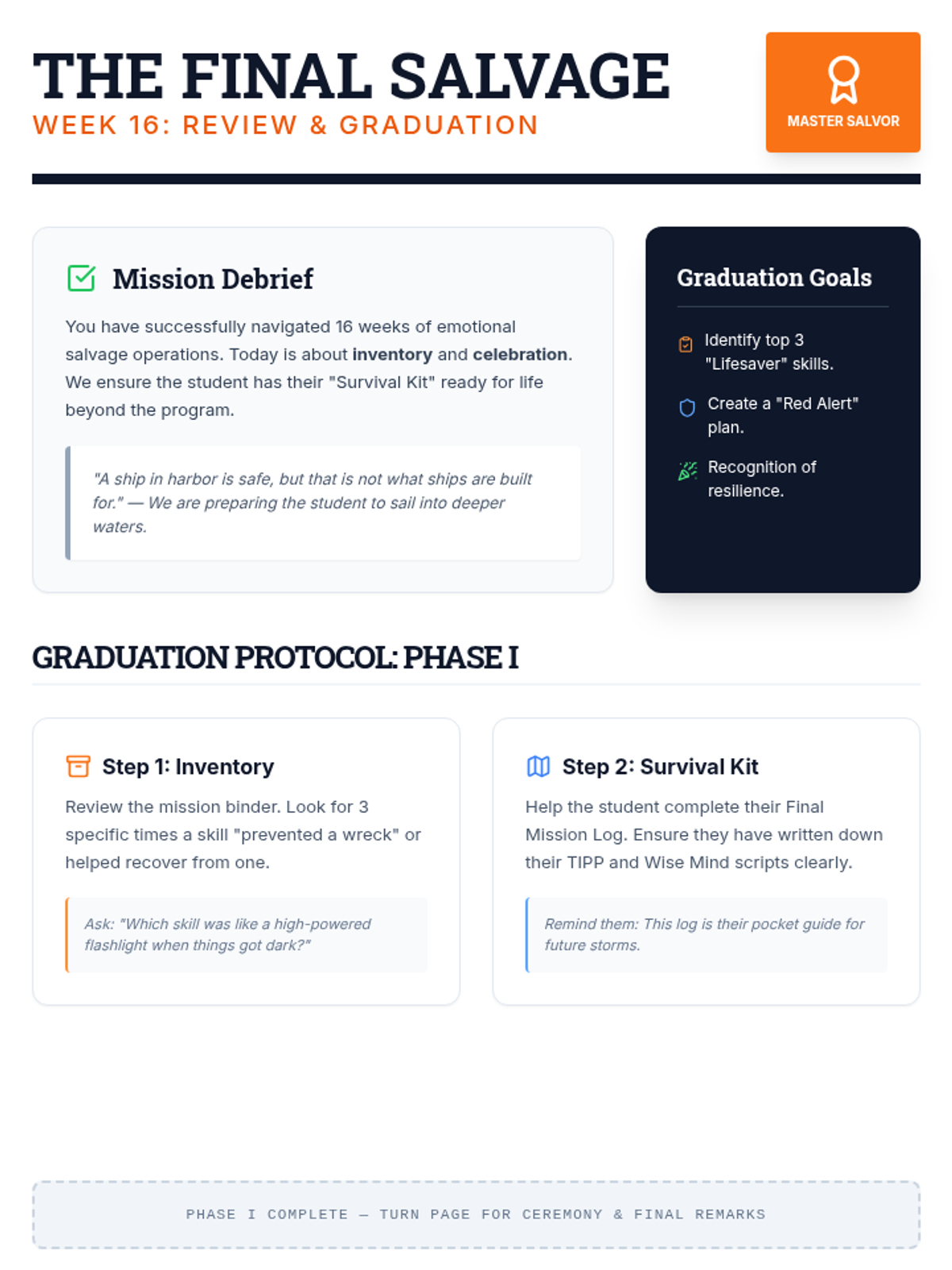
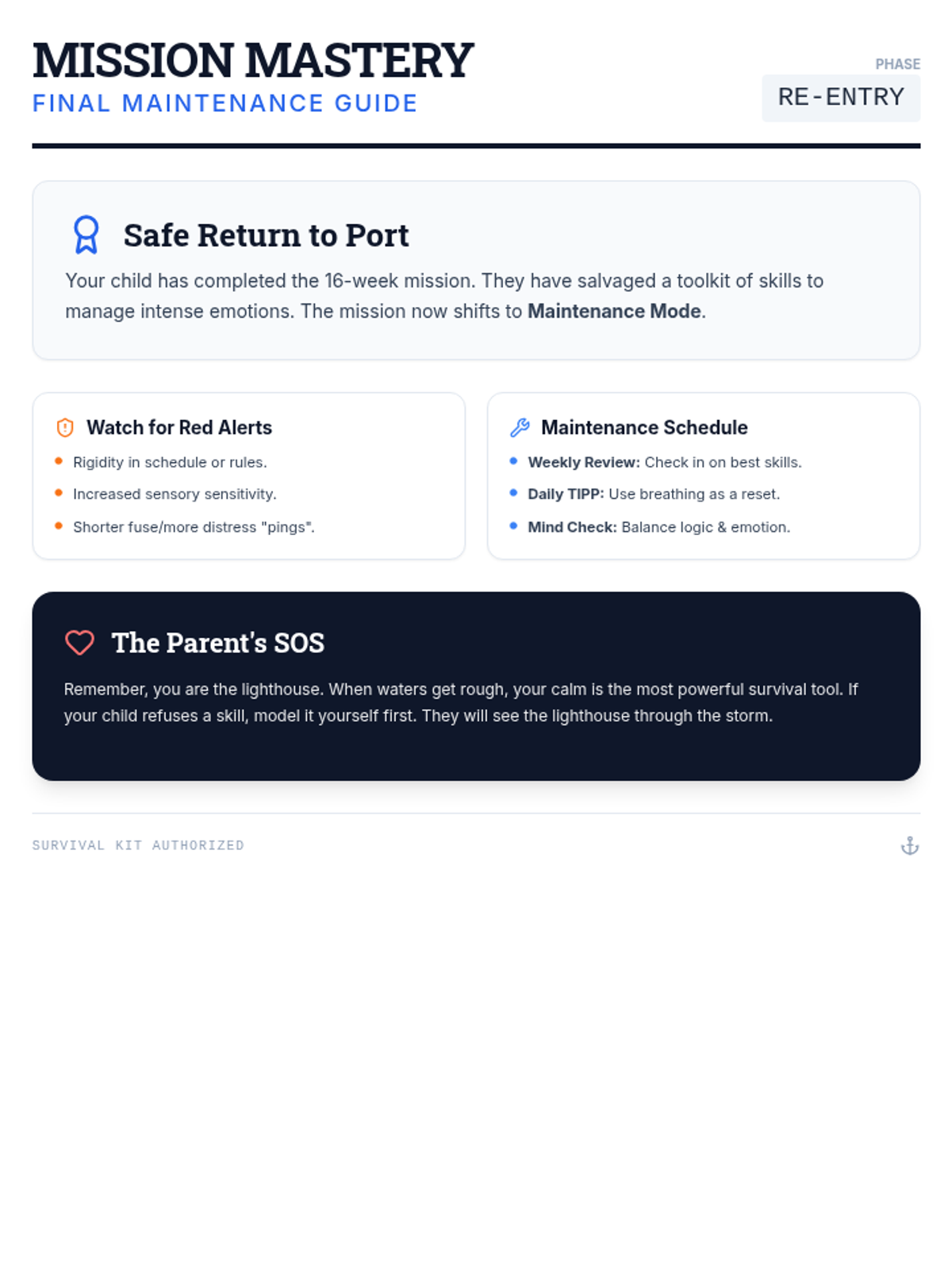
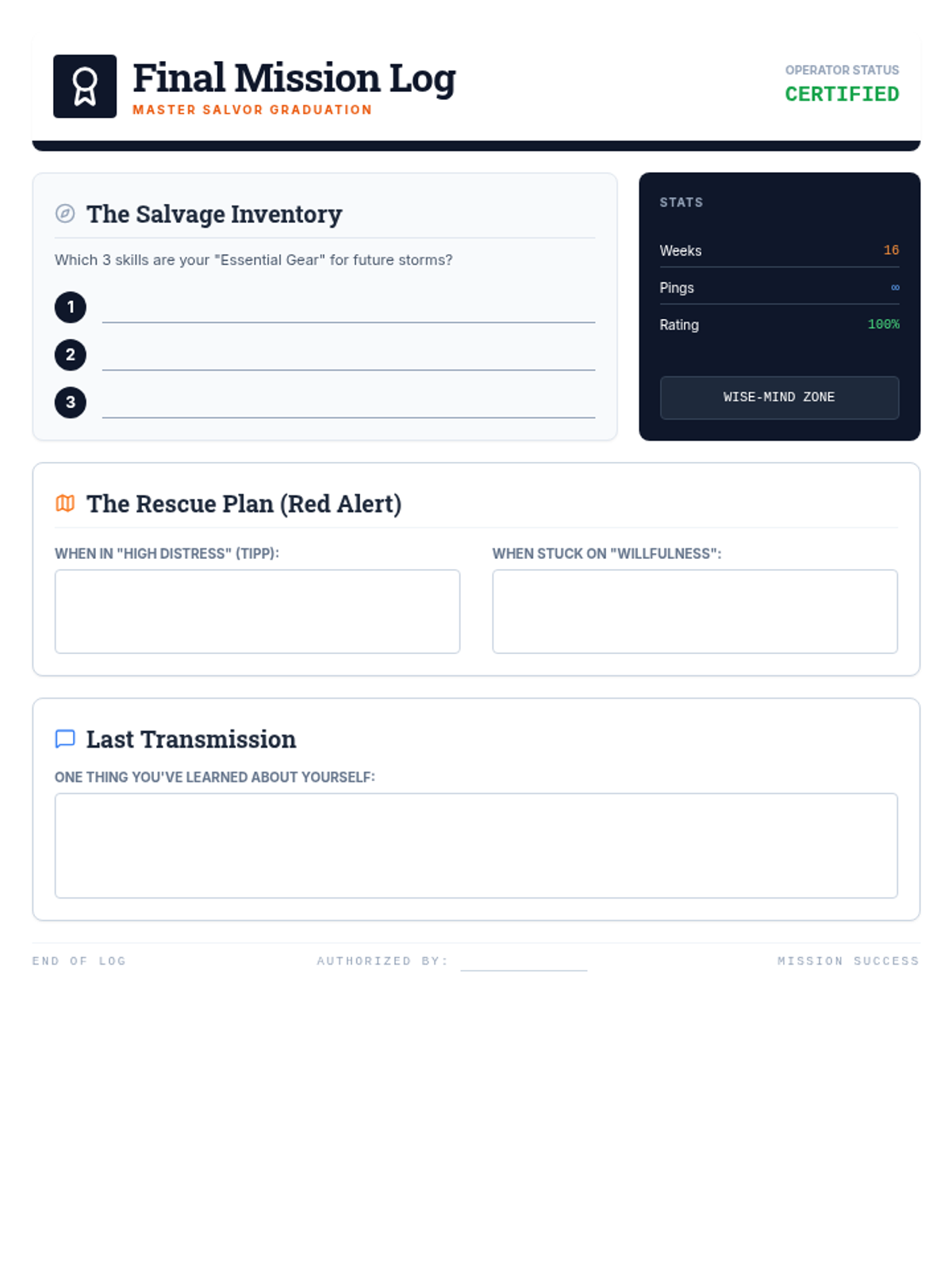
Comprehensive review and graduation from the Survival and Salvage DBT program.
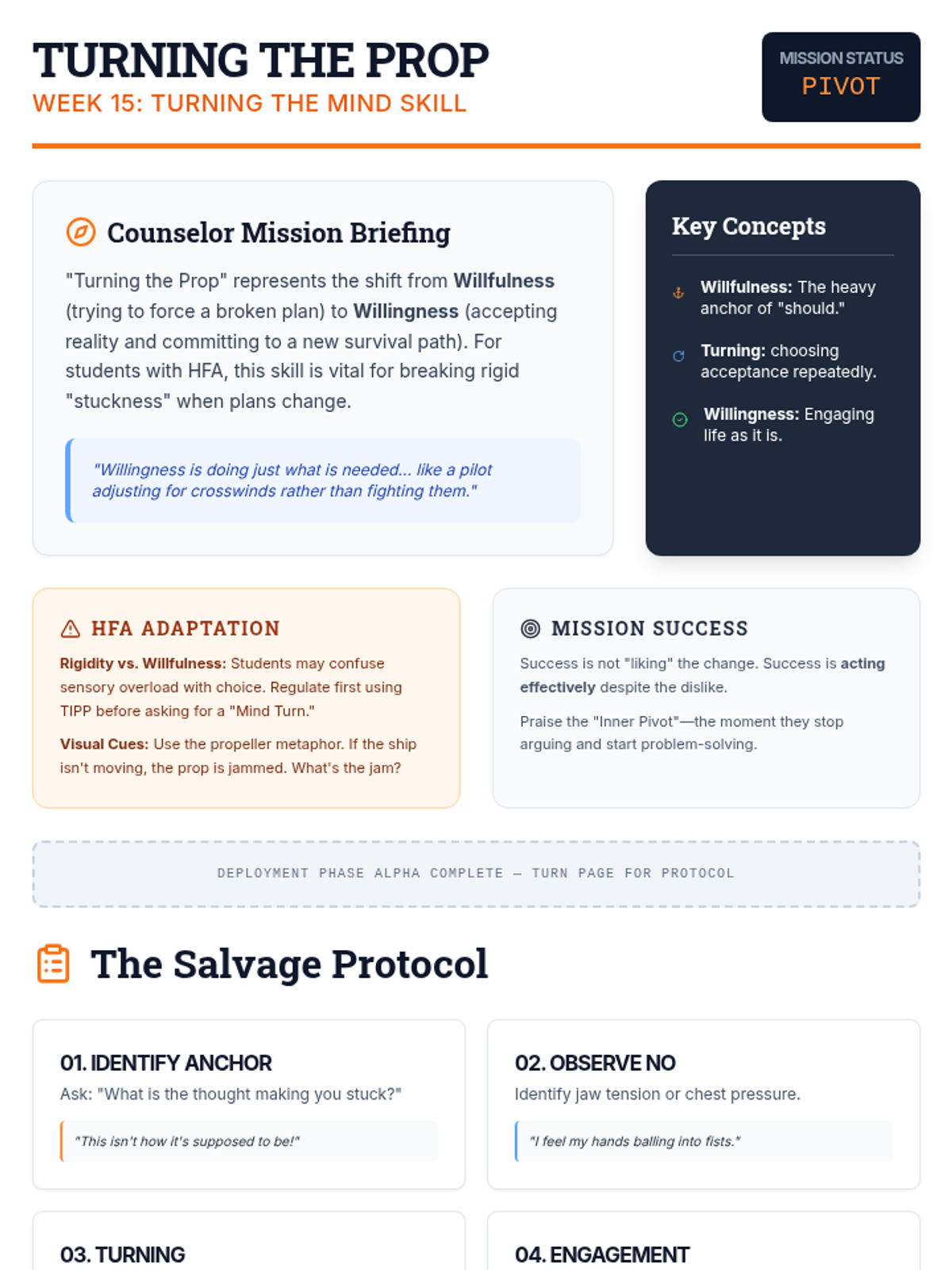
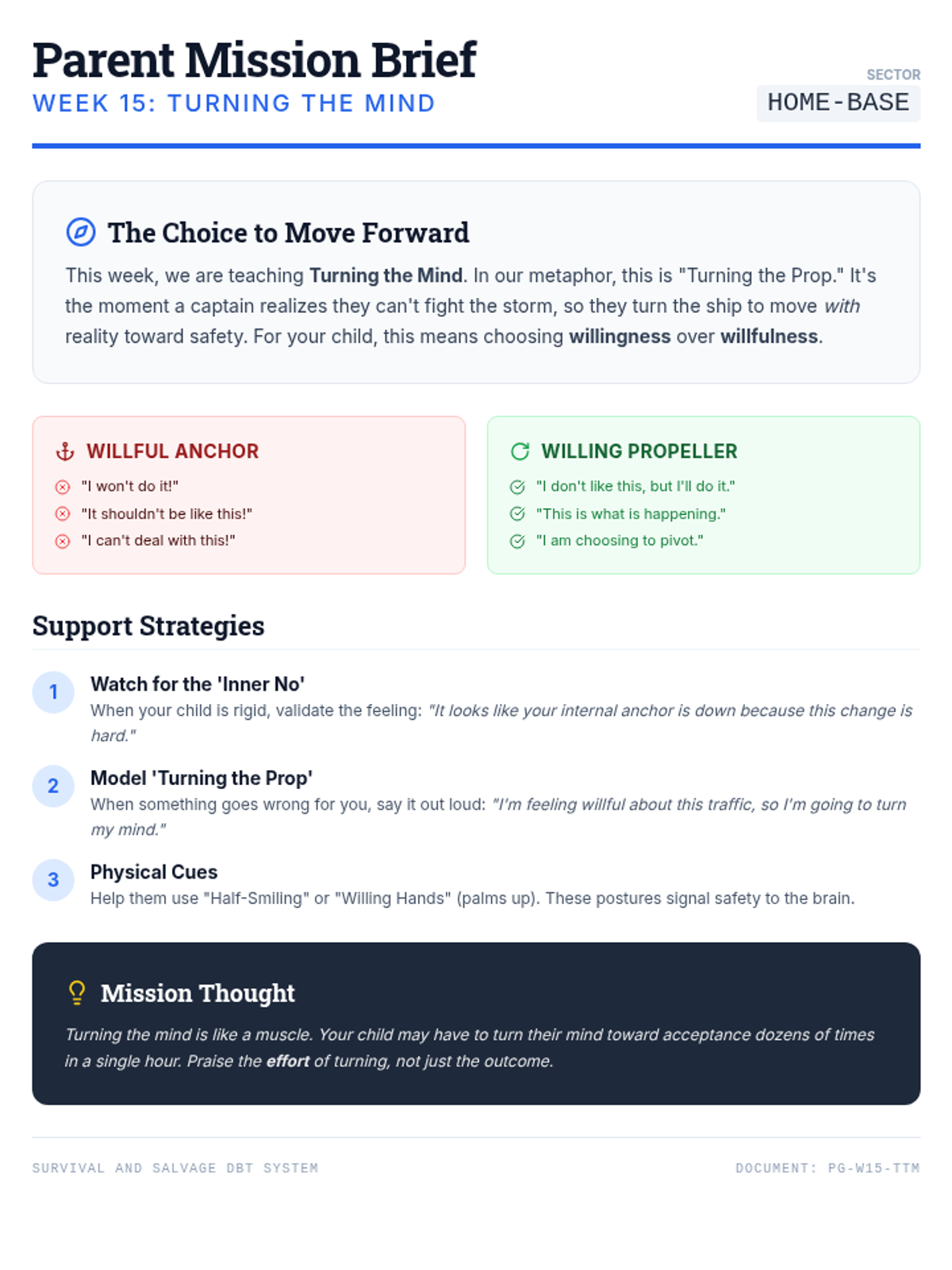
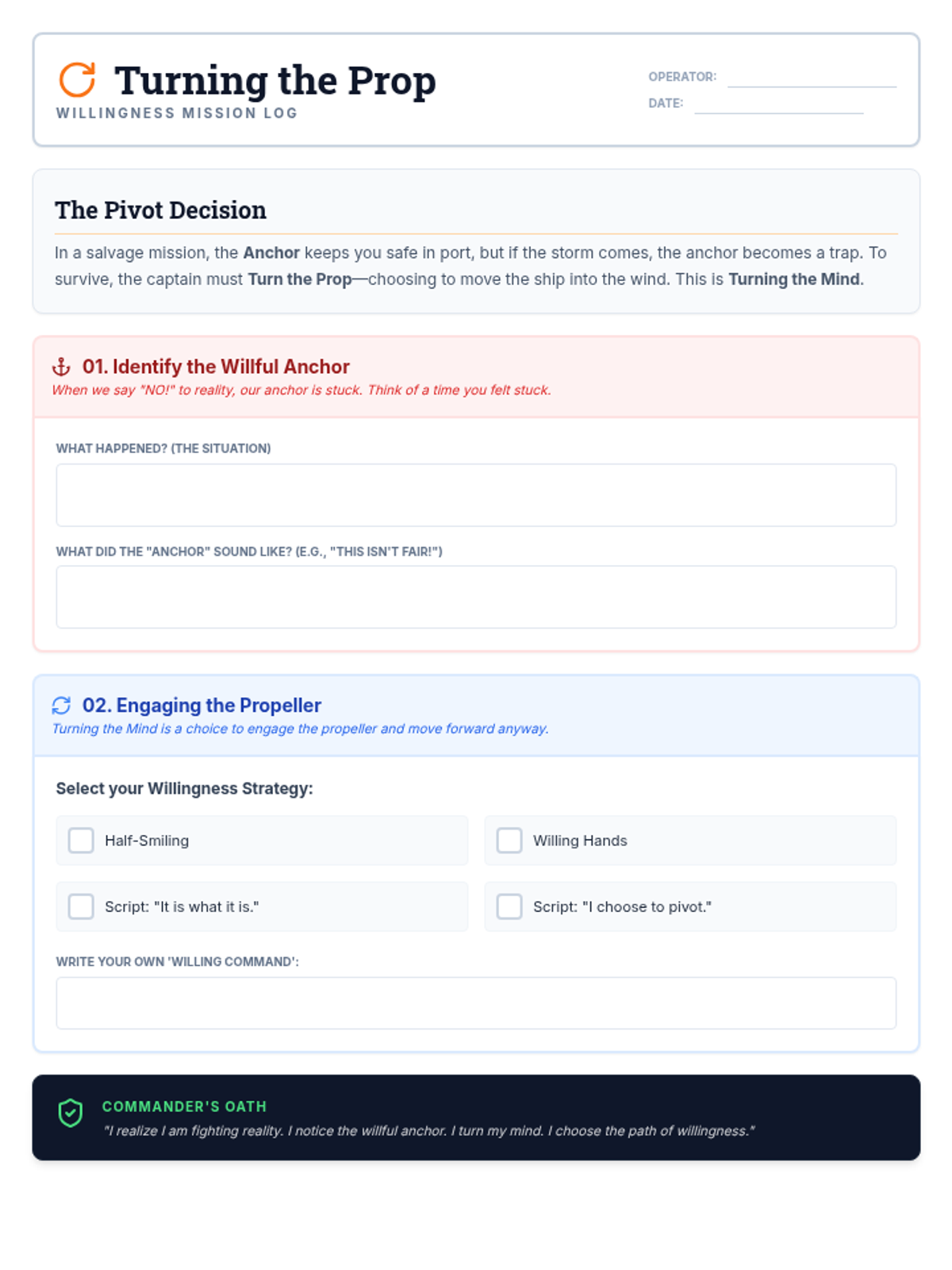
Committing to a new path (Turning the Mind) using the decision to pivot from salvage to survival.
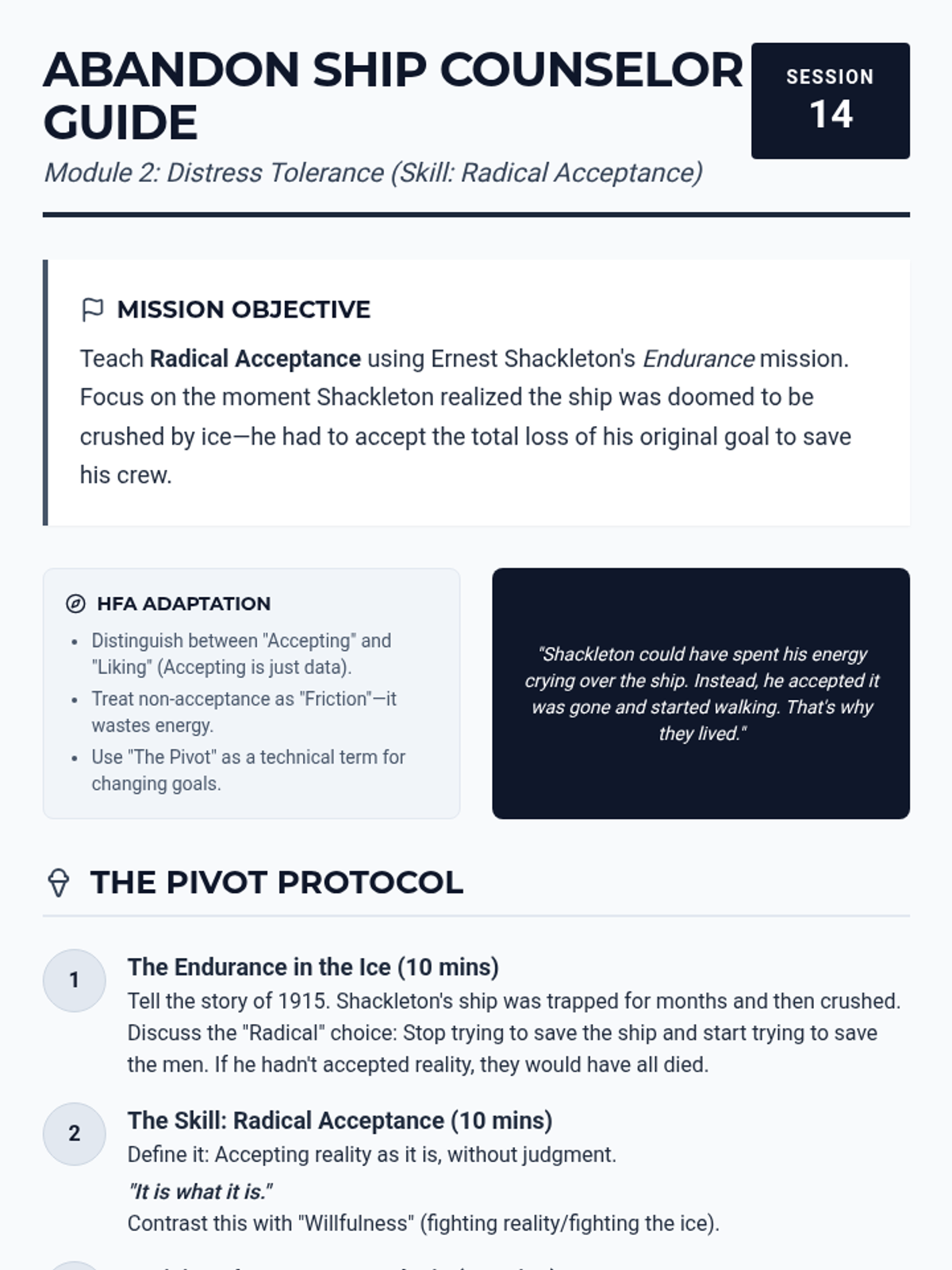
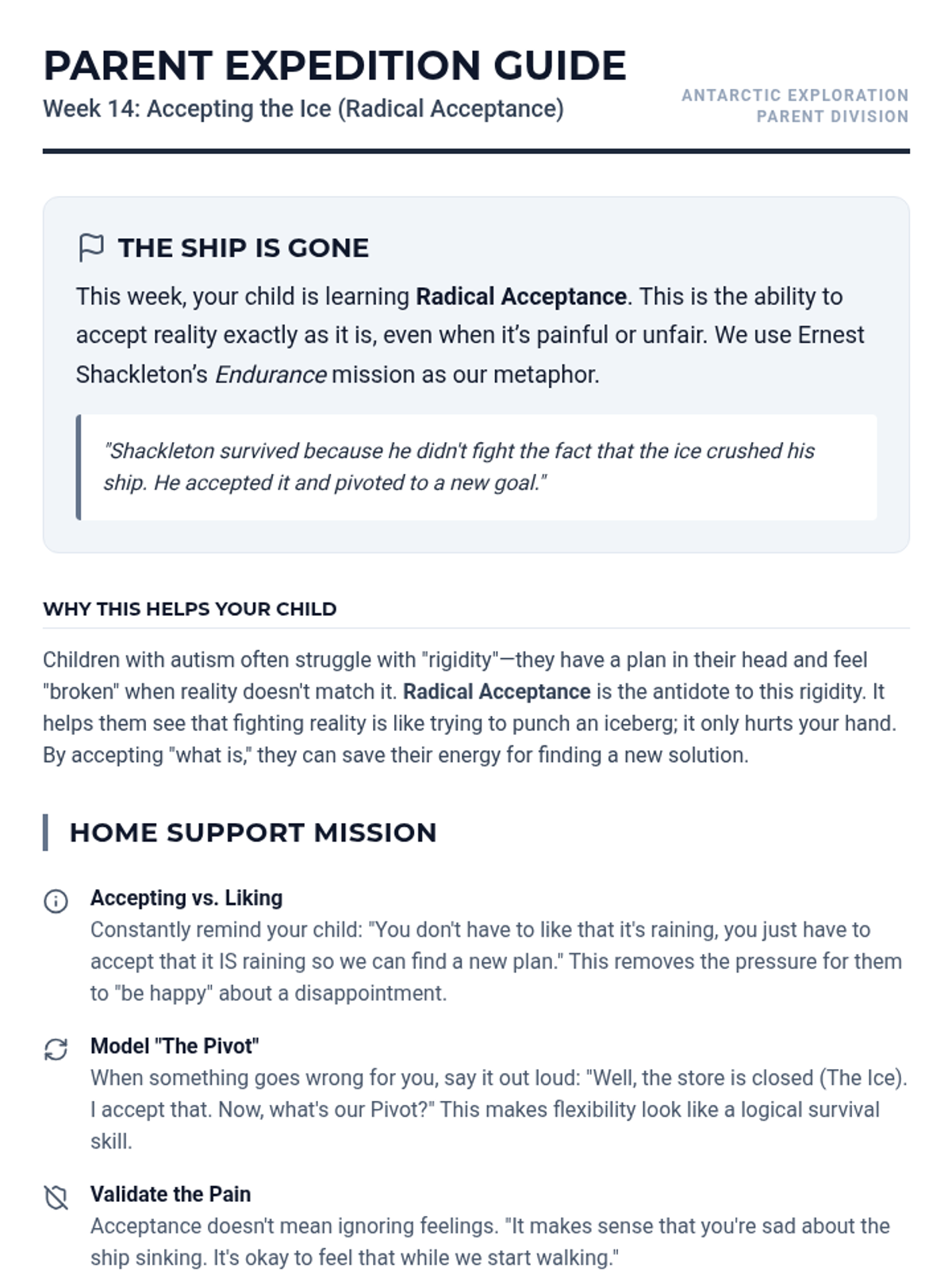
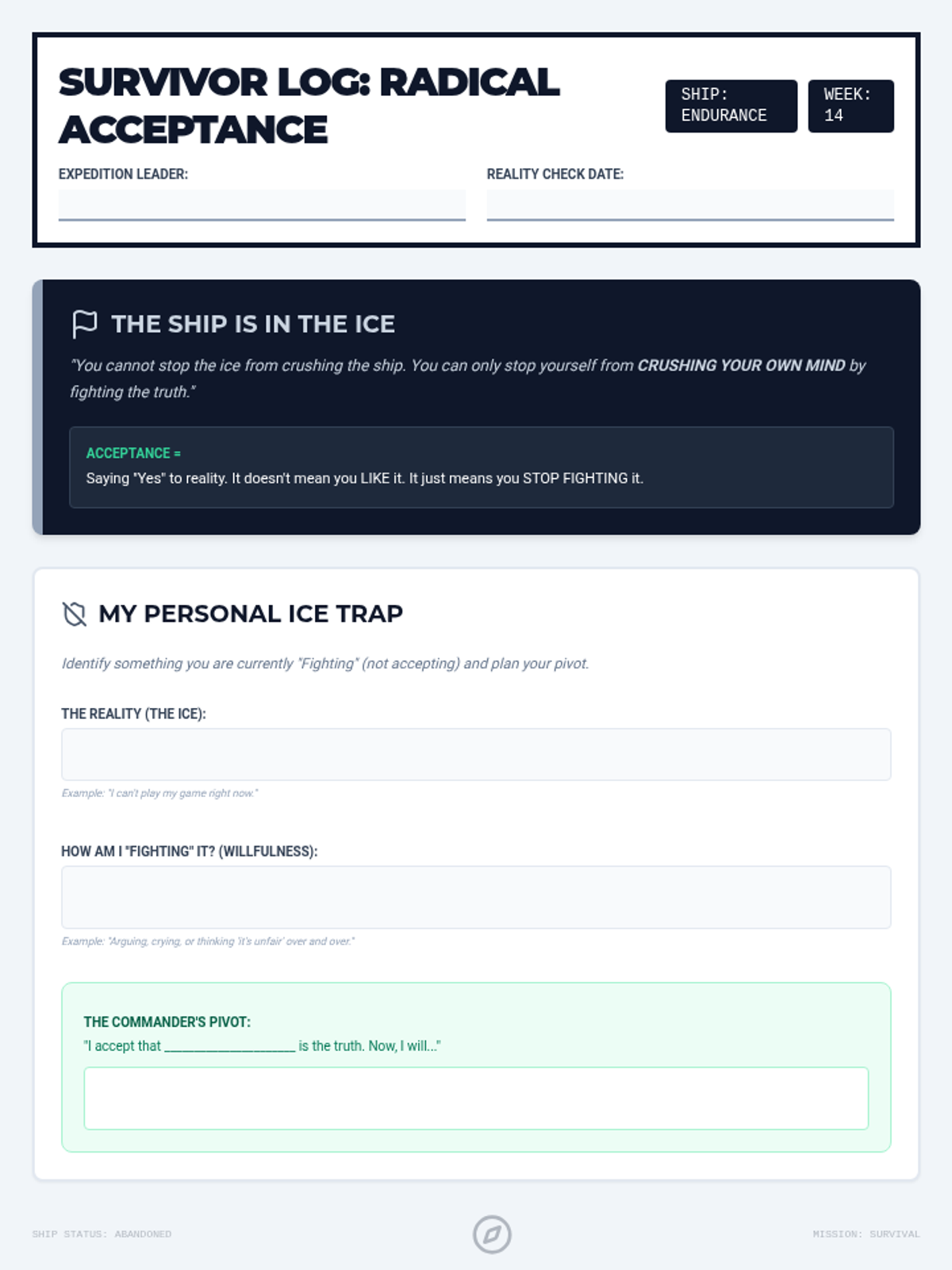
Accepting reality without judgment (Radical Acceptance) using Shackleton's Endurance survival story.
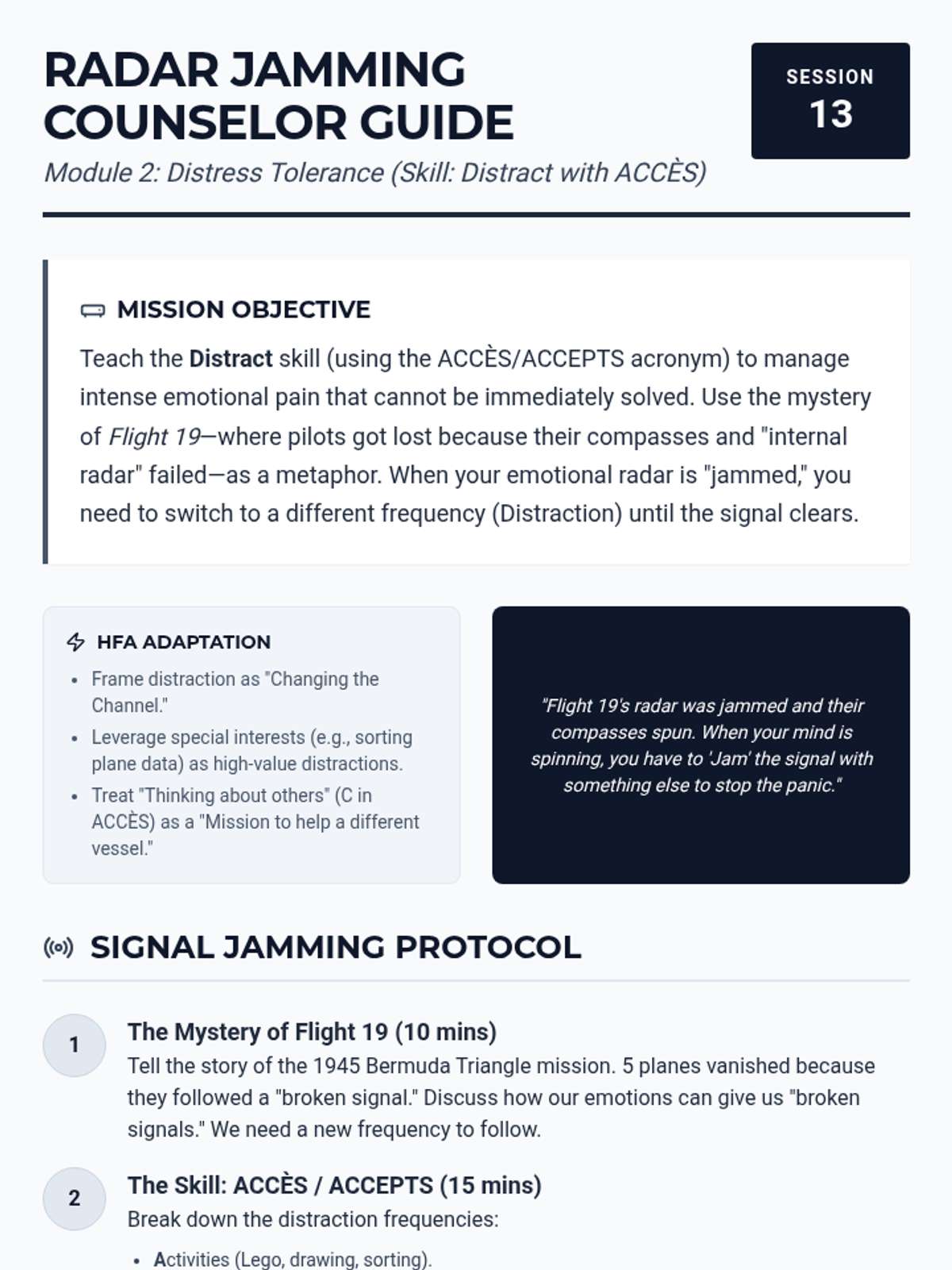
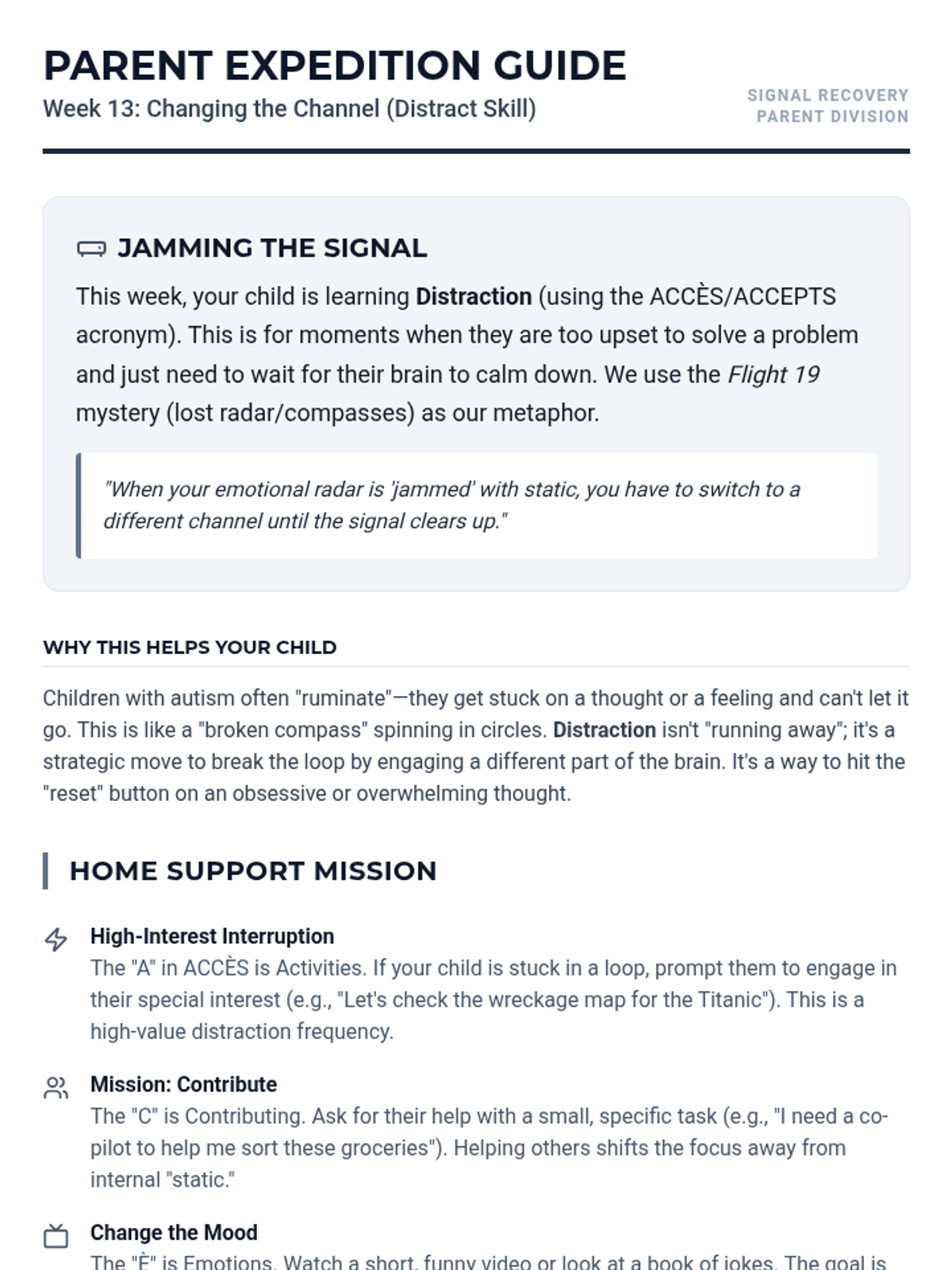
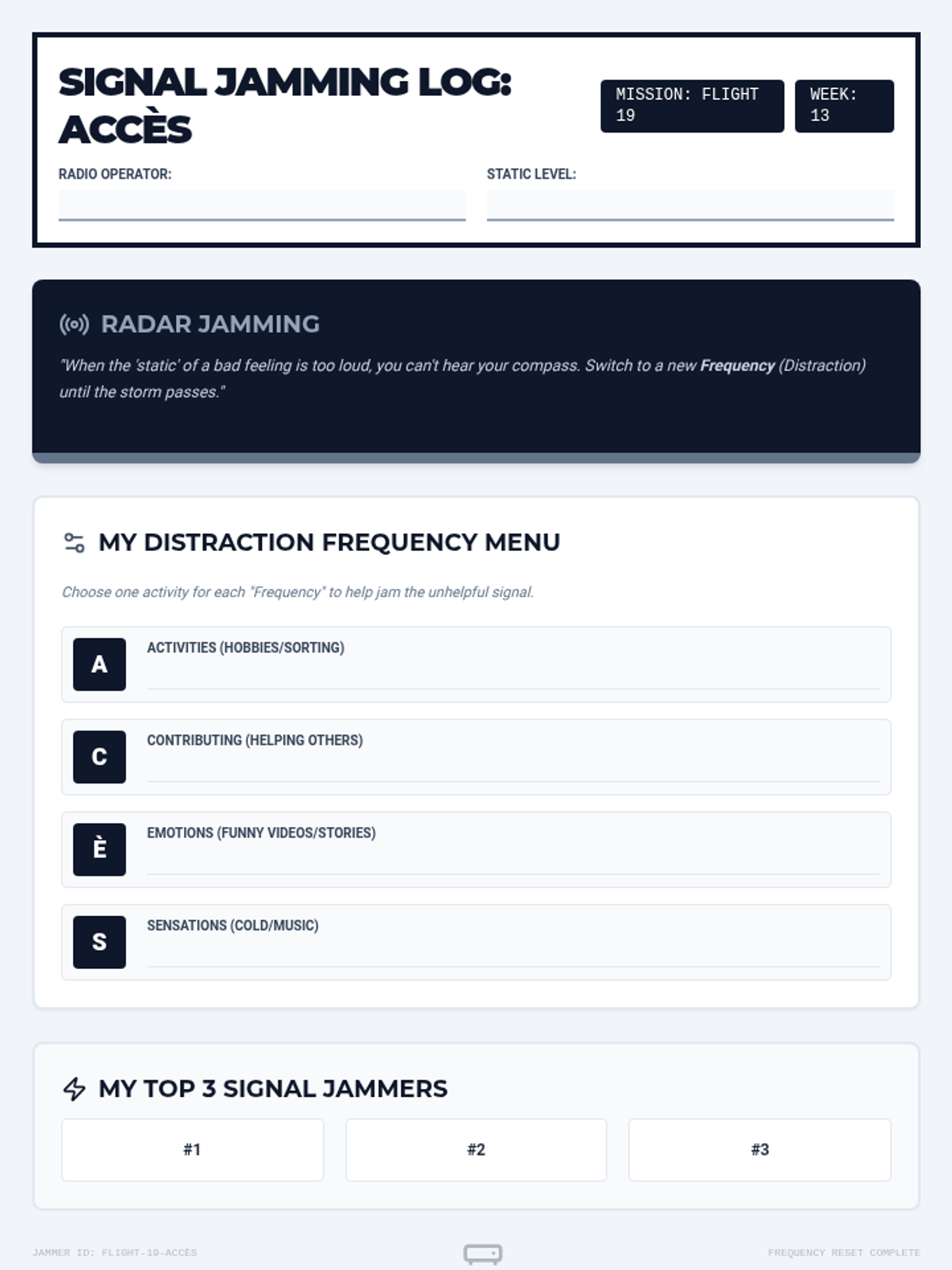
Using distraction and ACCÈS skills to manage distress, using the radar jamming metaphors of the Flight 19 mystery.
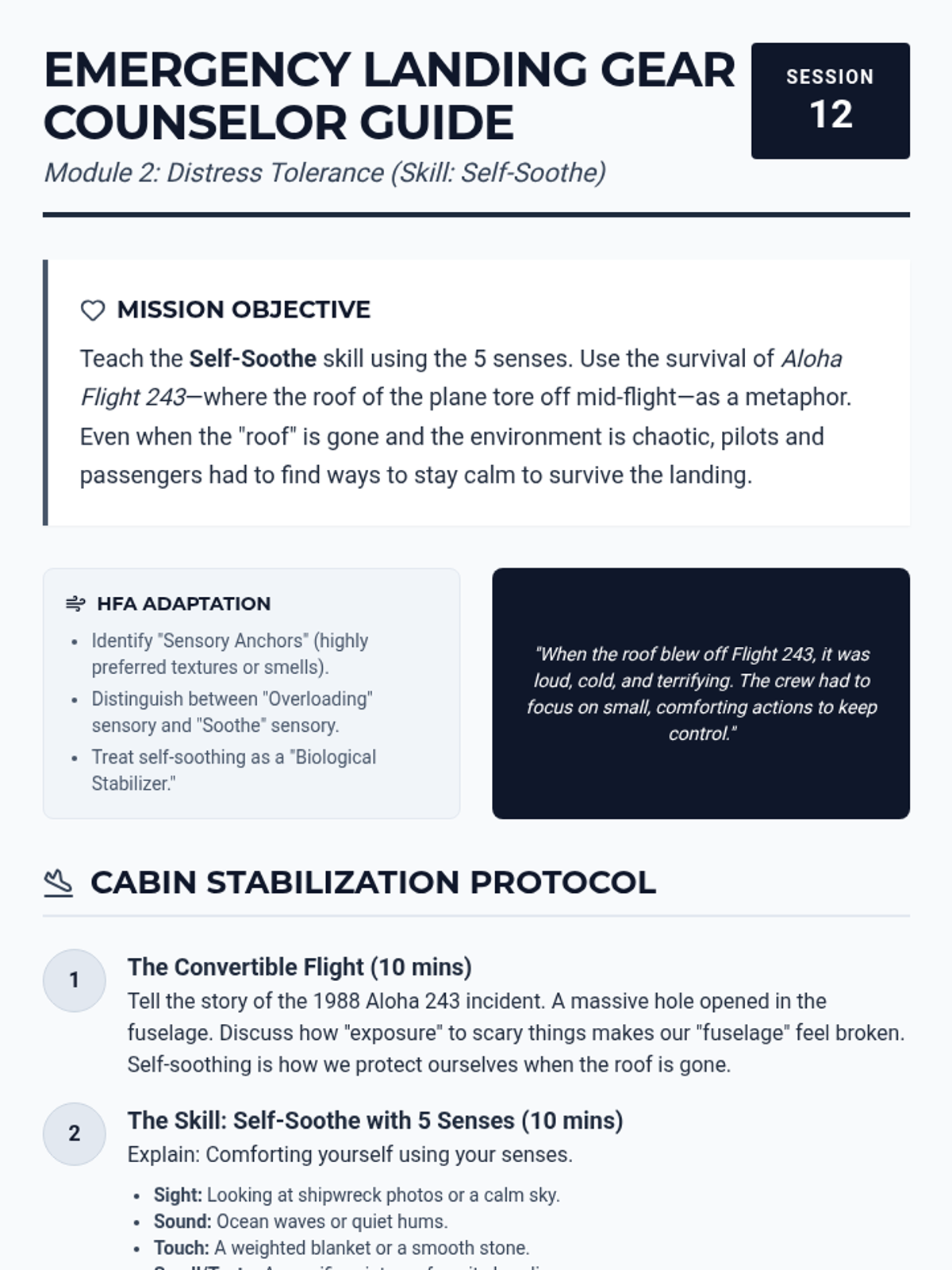
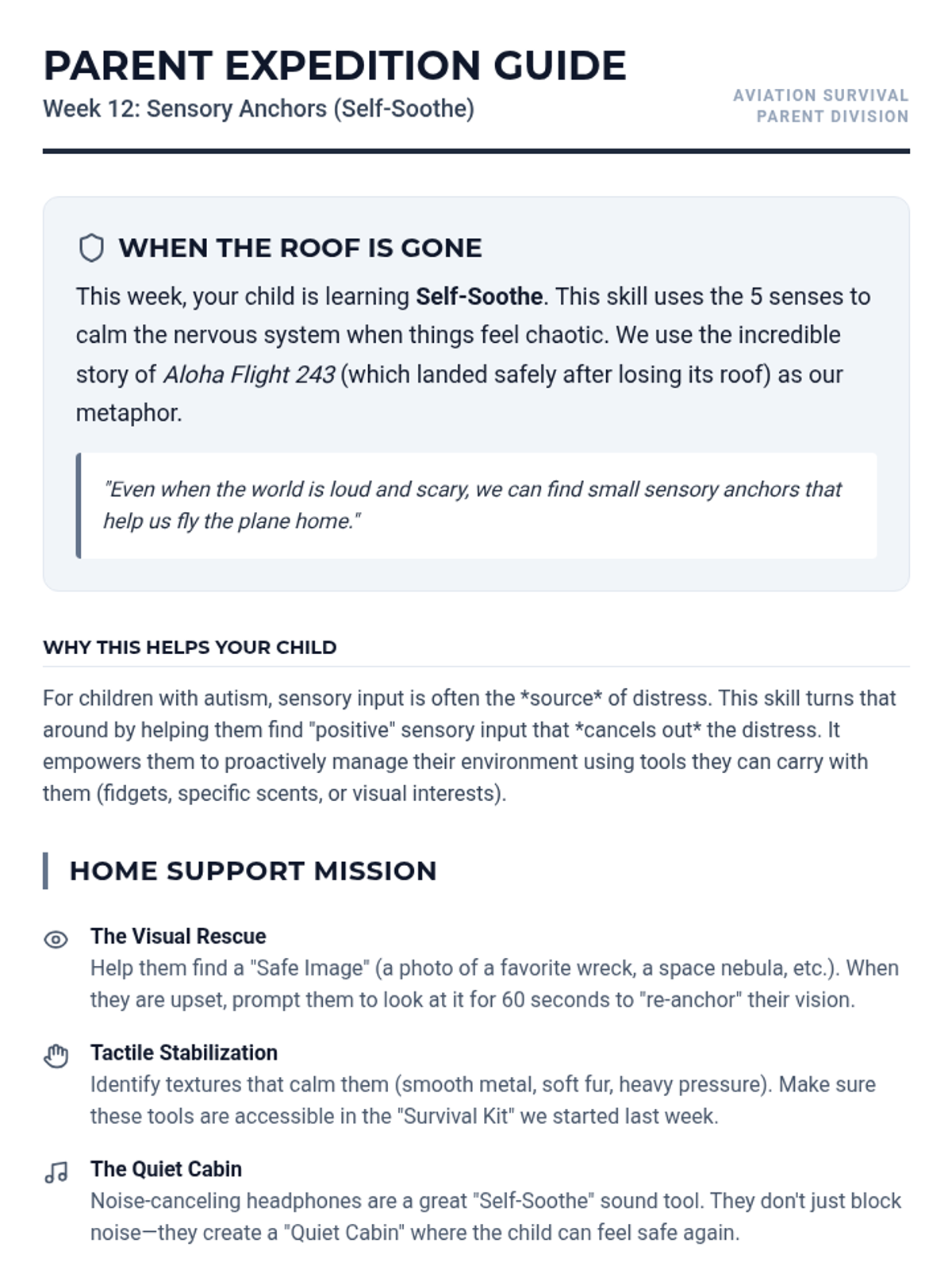
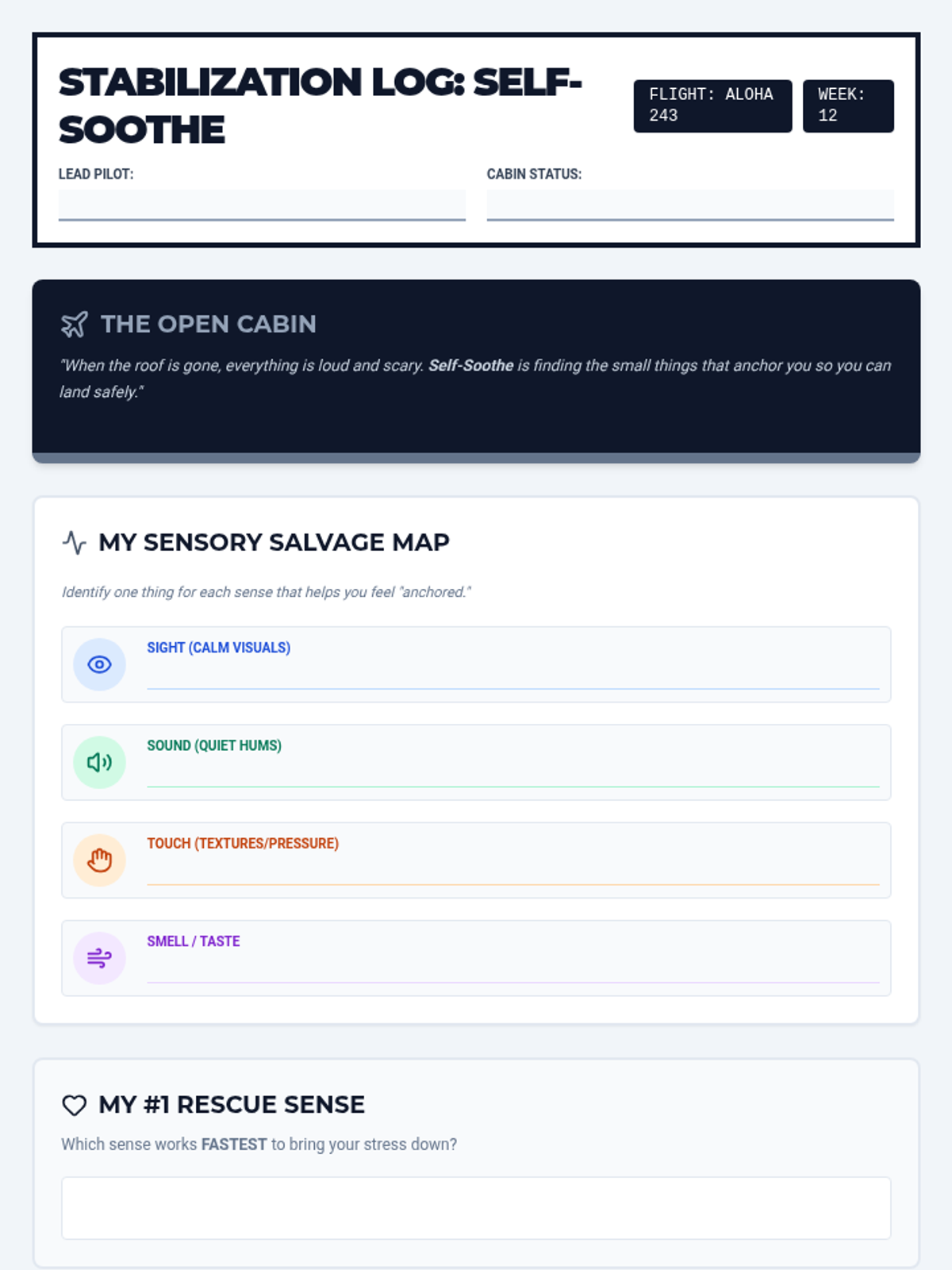
Developing self-soothing techniques (Self-Soothe) using the survival of Aloha Flight 243 after losing its roof.
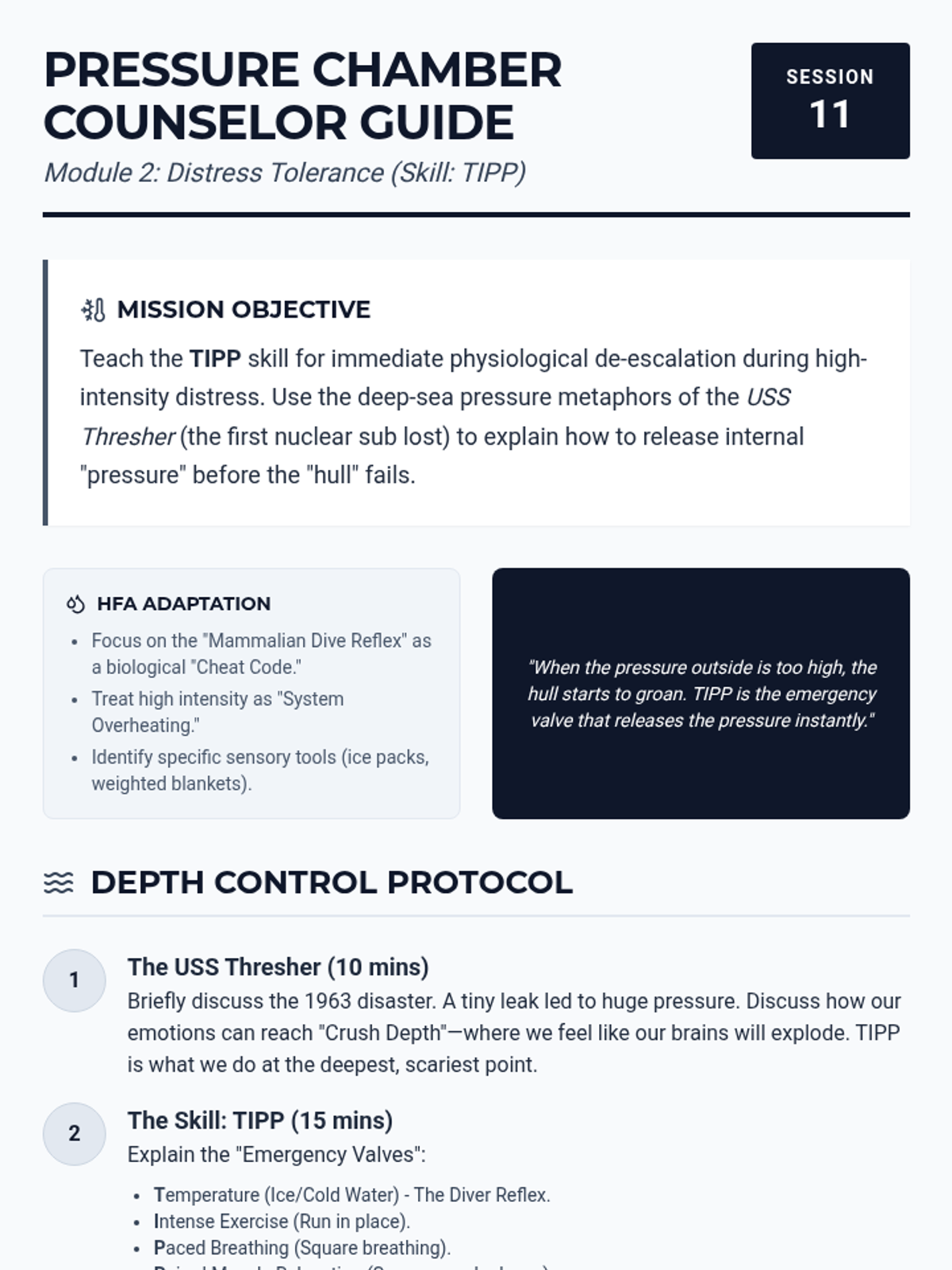
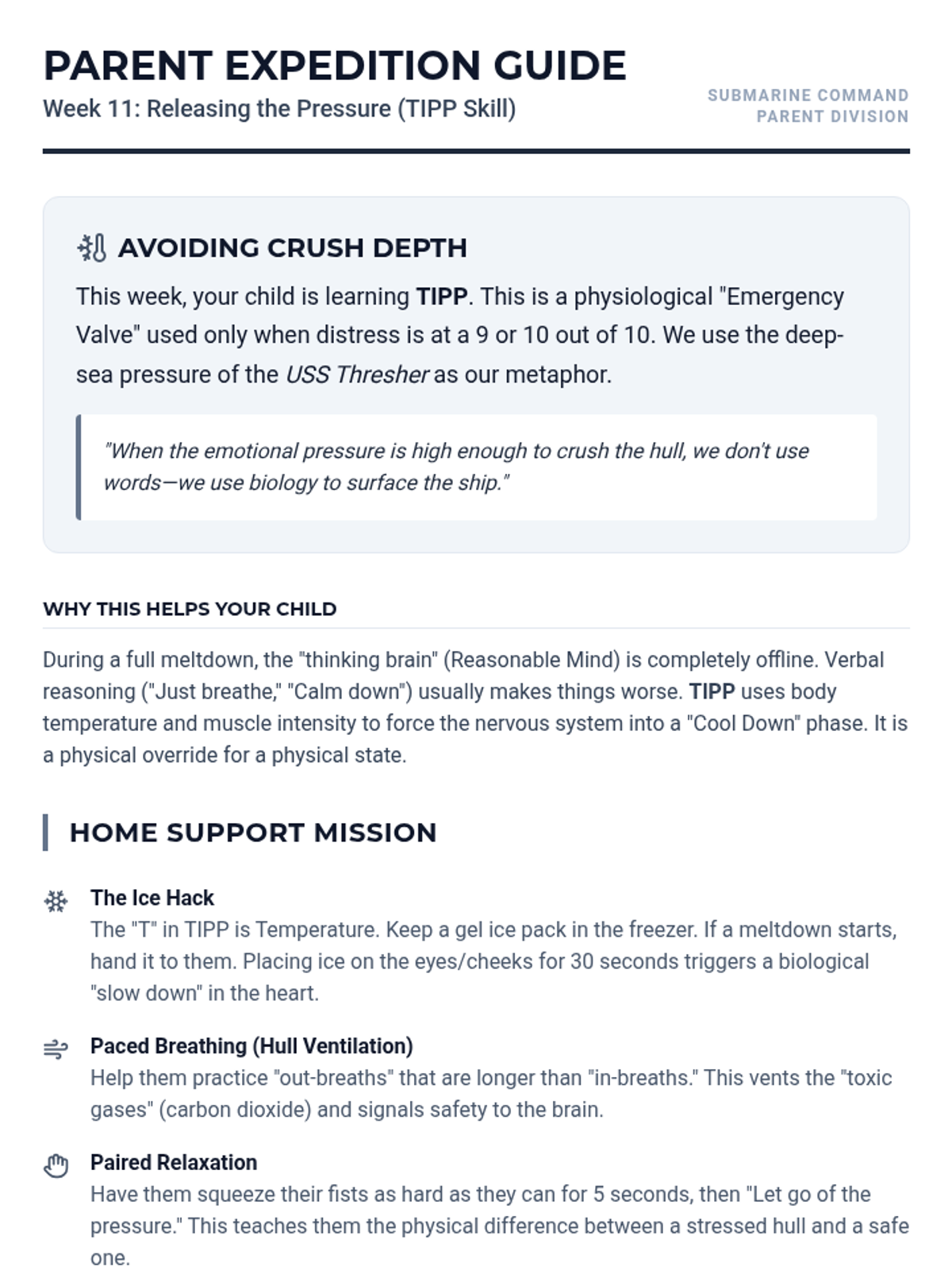
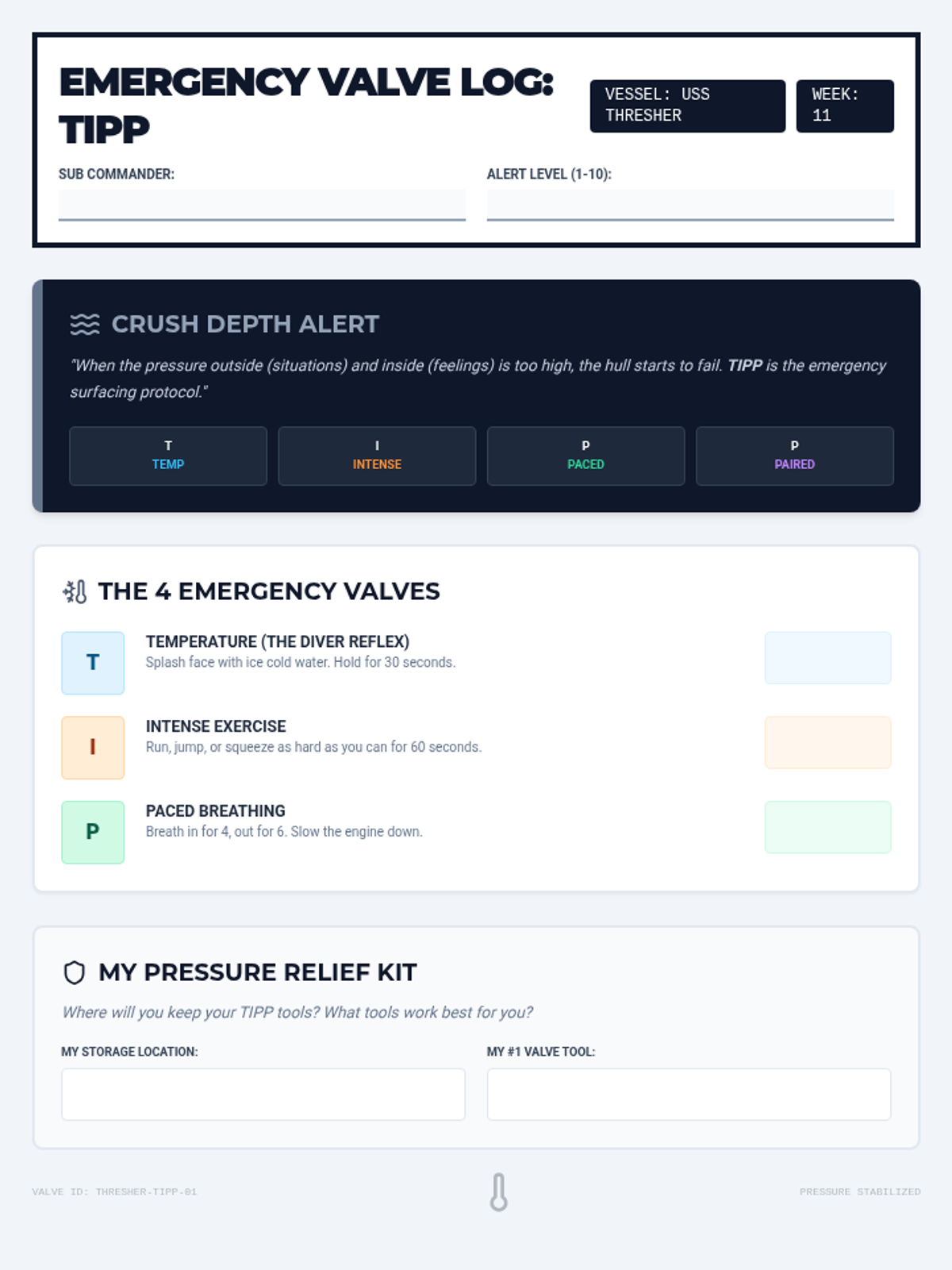
Using the TIPP skill for high-intensity distress, using the deep-sea pressure metaphors of the USS Thresher.
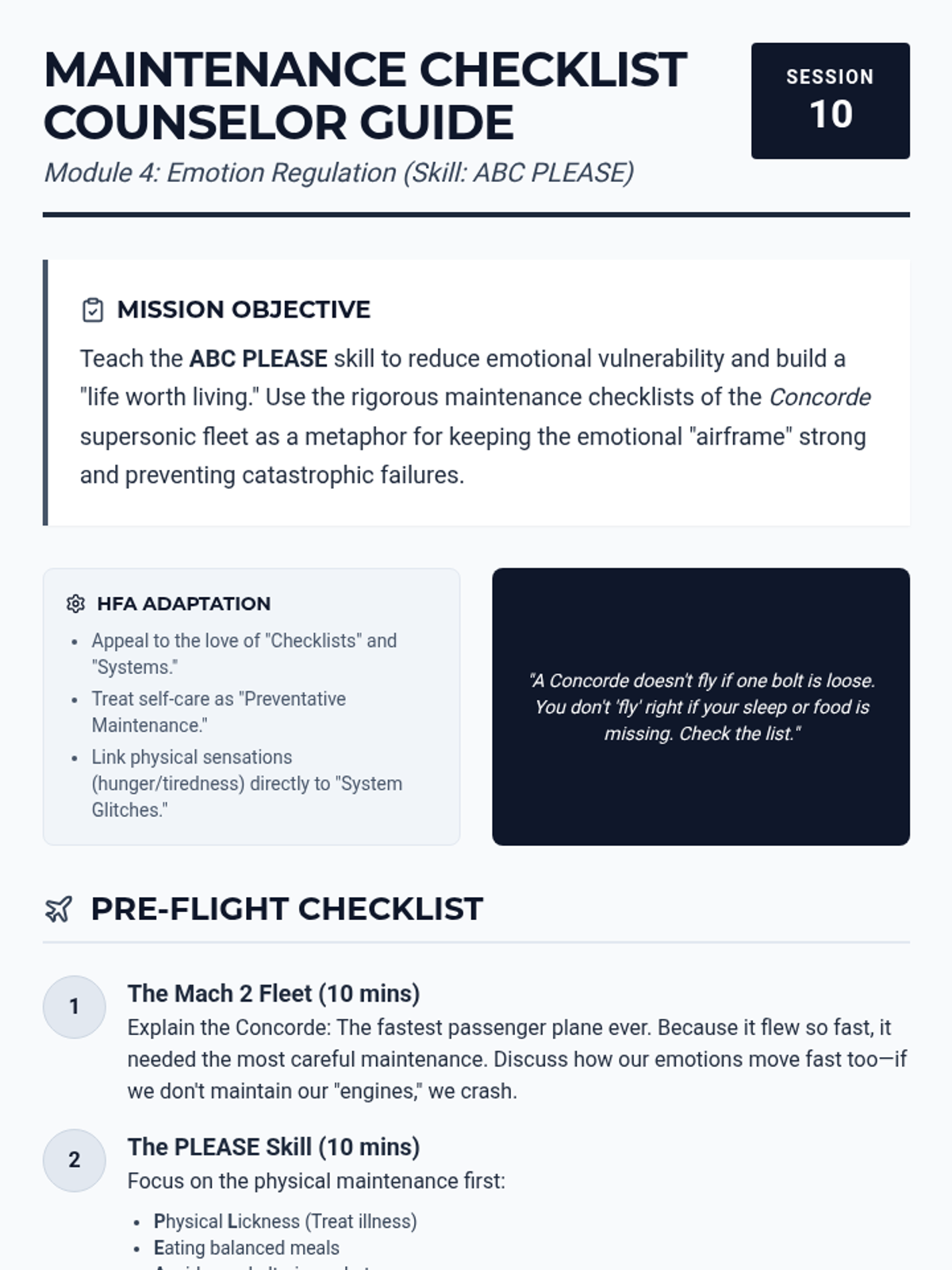
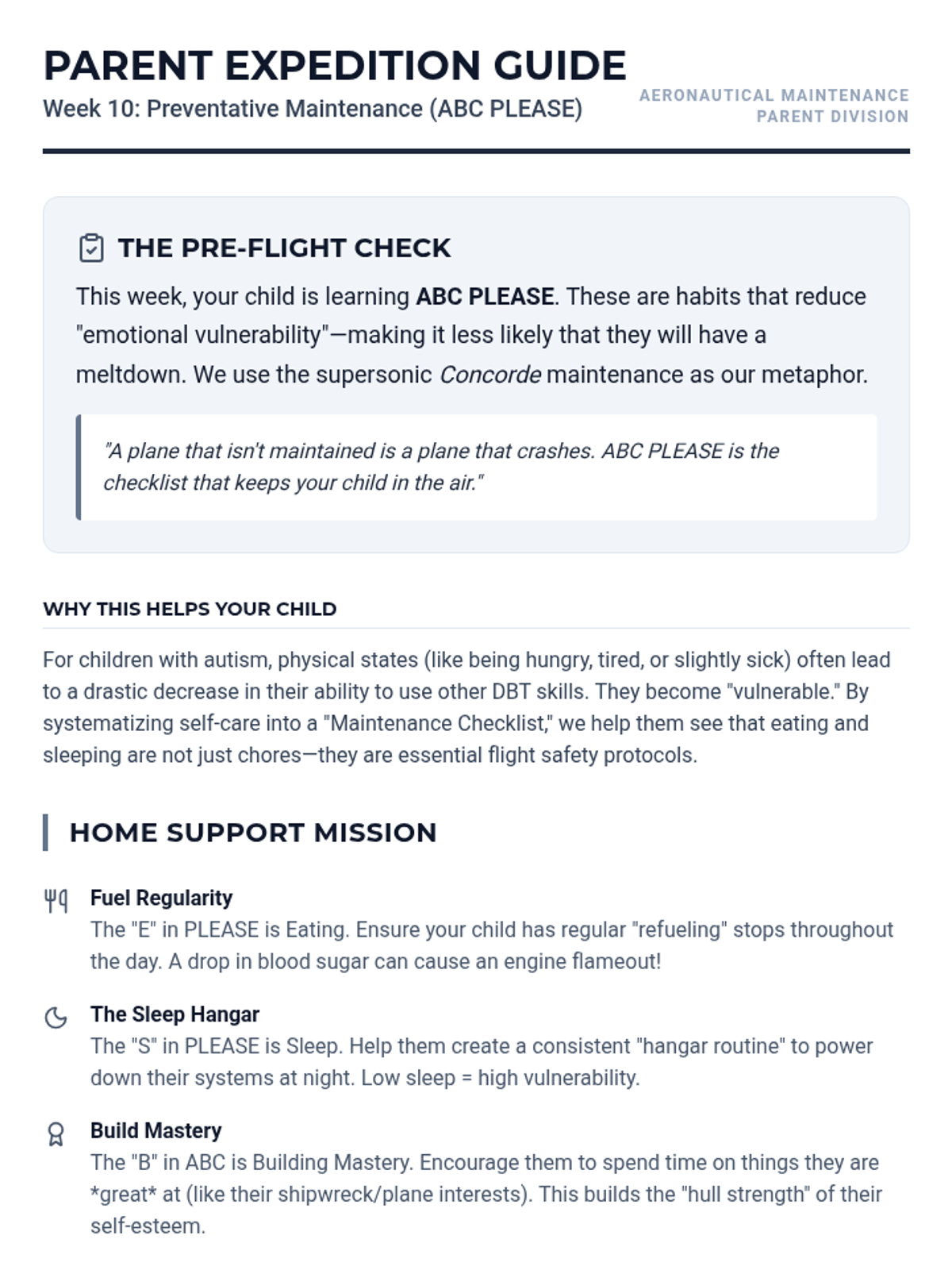
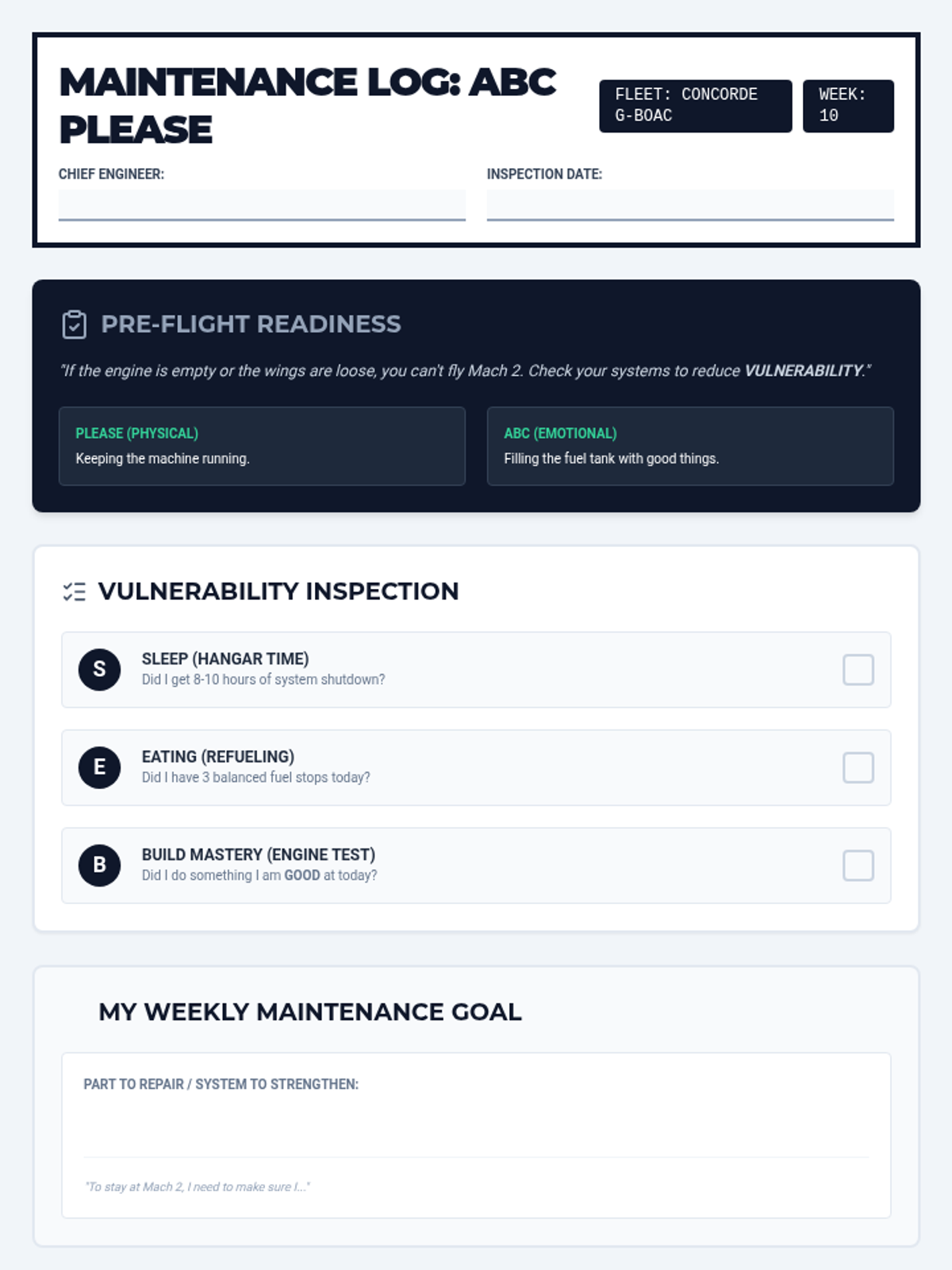
Reducing emotional vulnerability (ABC PLEASE) using the maintenance checklists of the Concorde fleet.
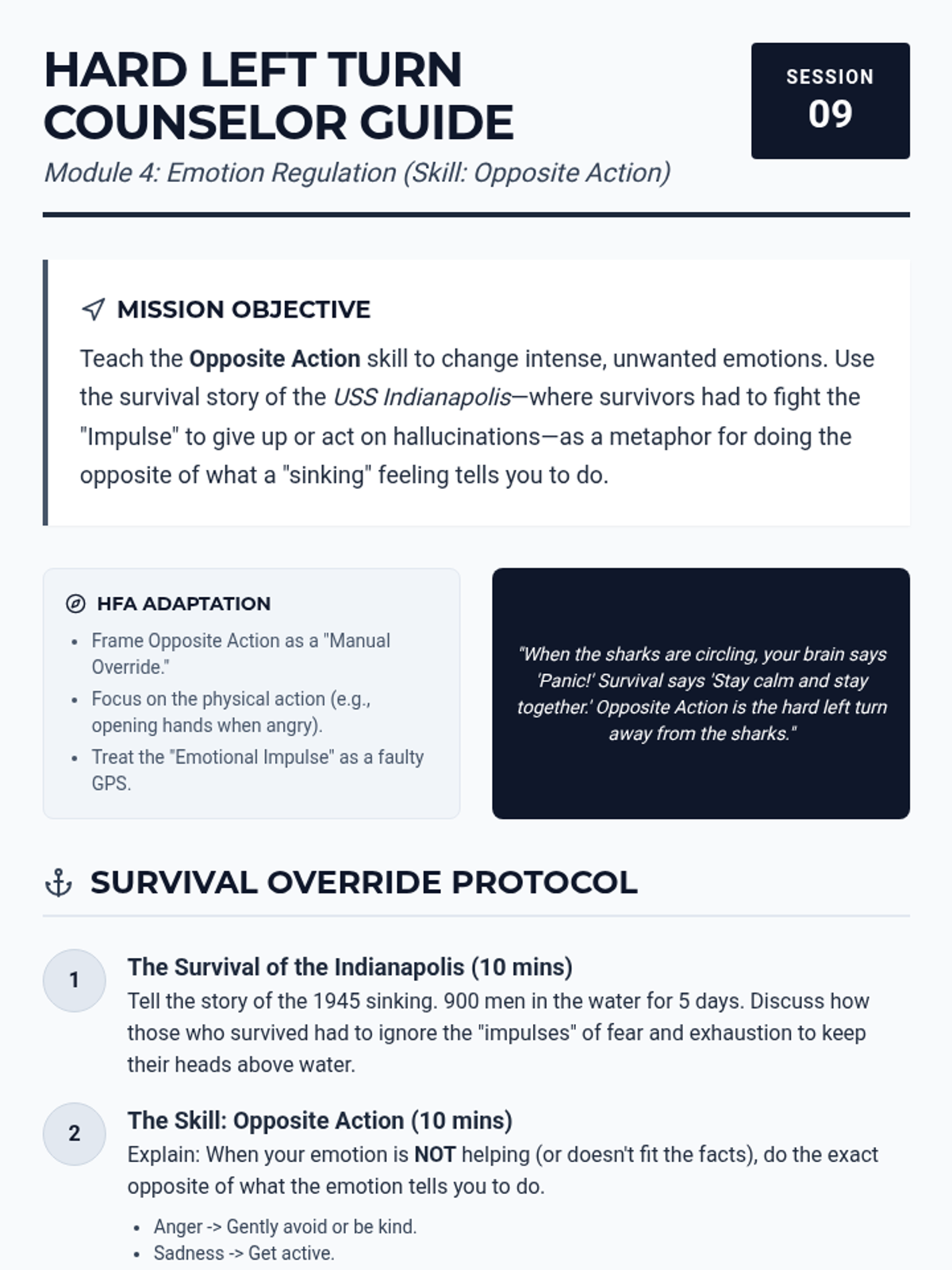
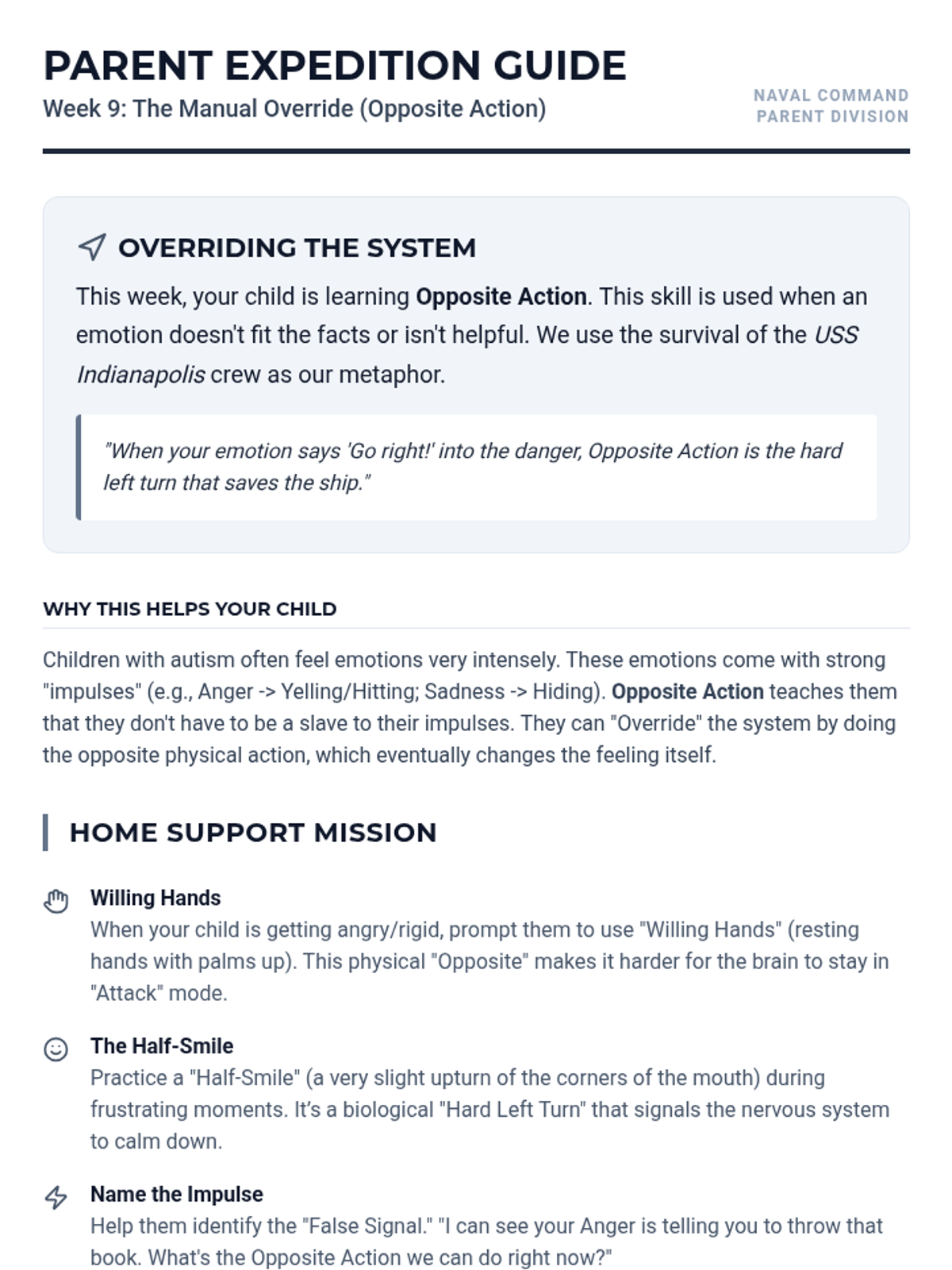
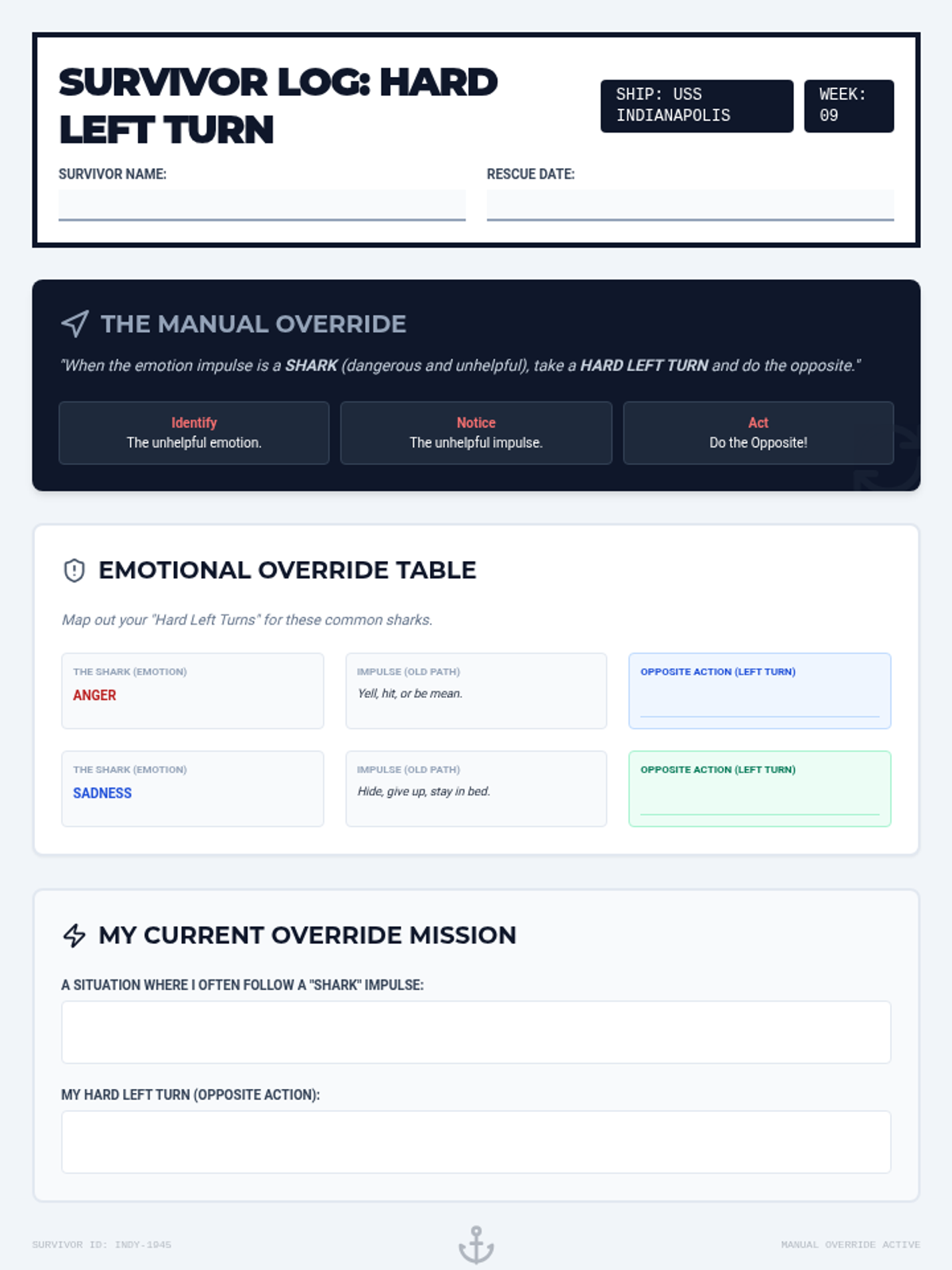
Practicing Opposite Action for intense emotions using the survival story of the USS Indianapolis.
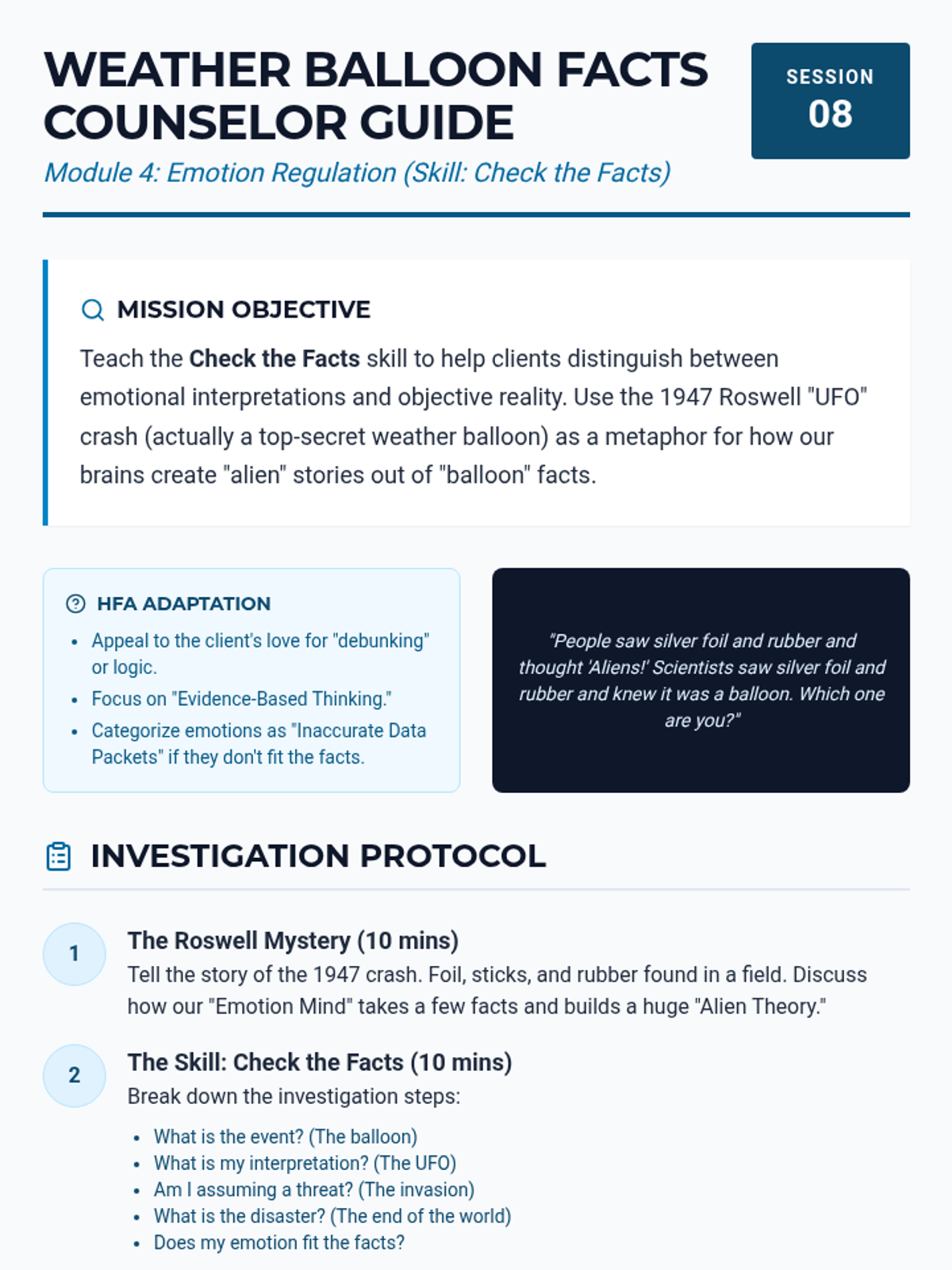
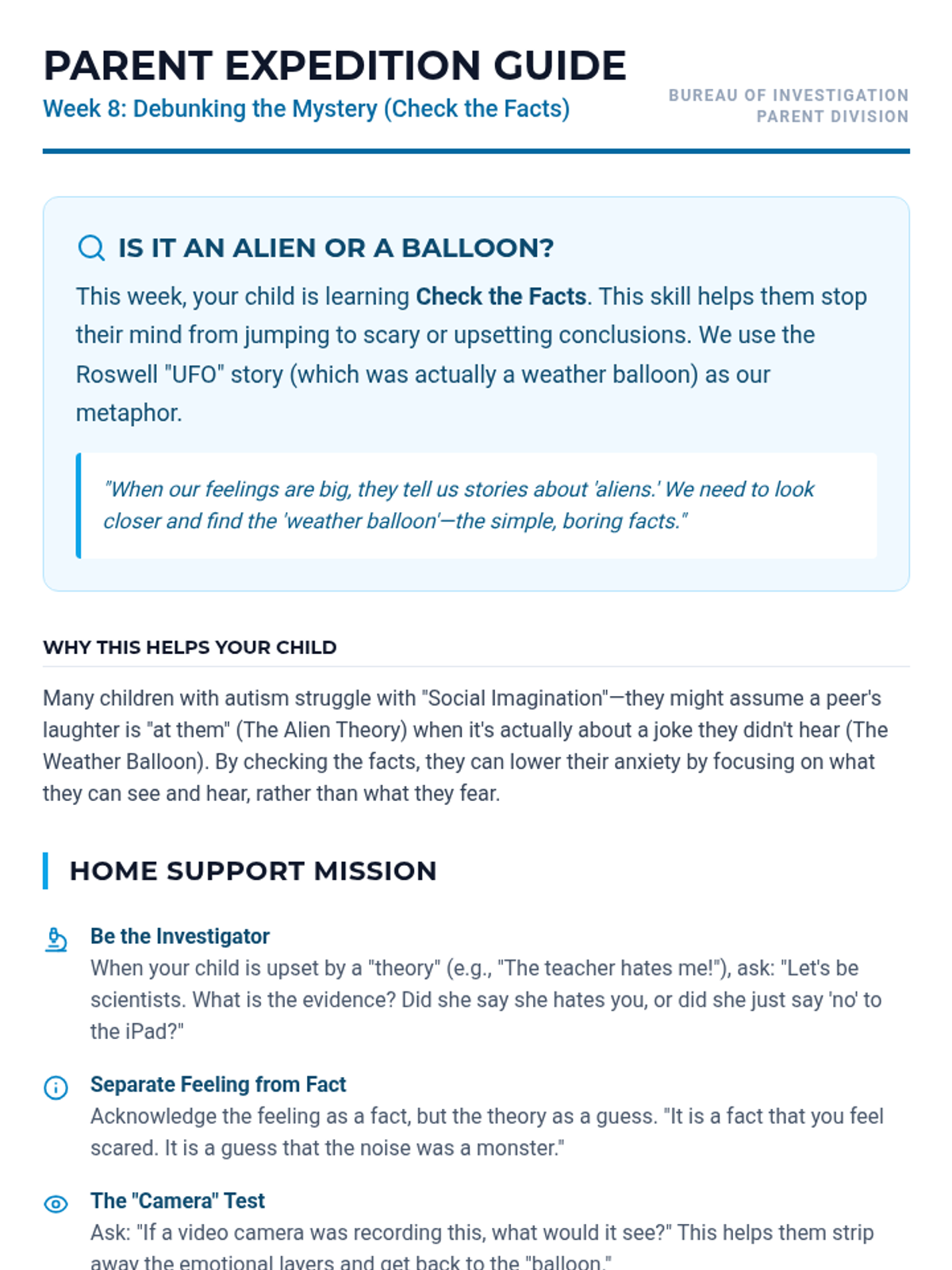
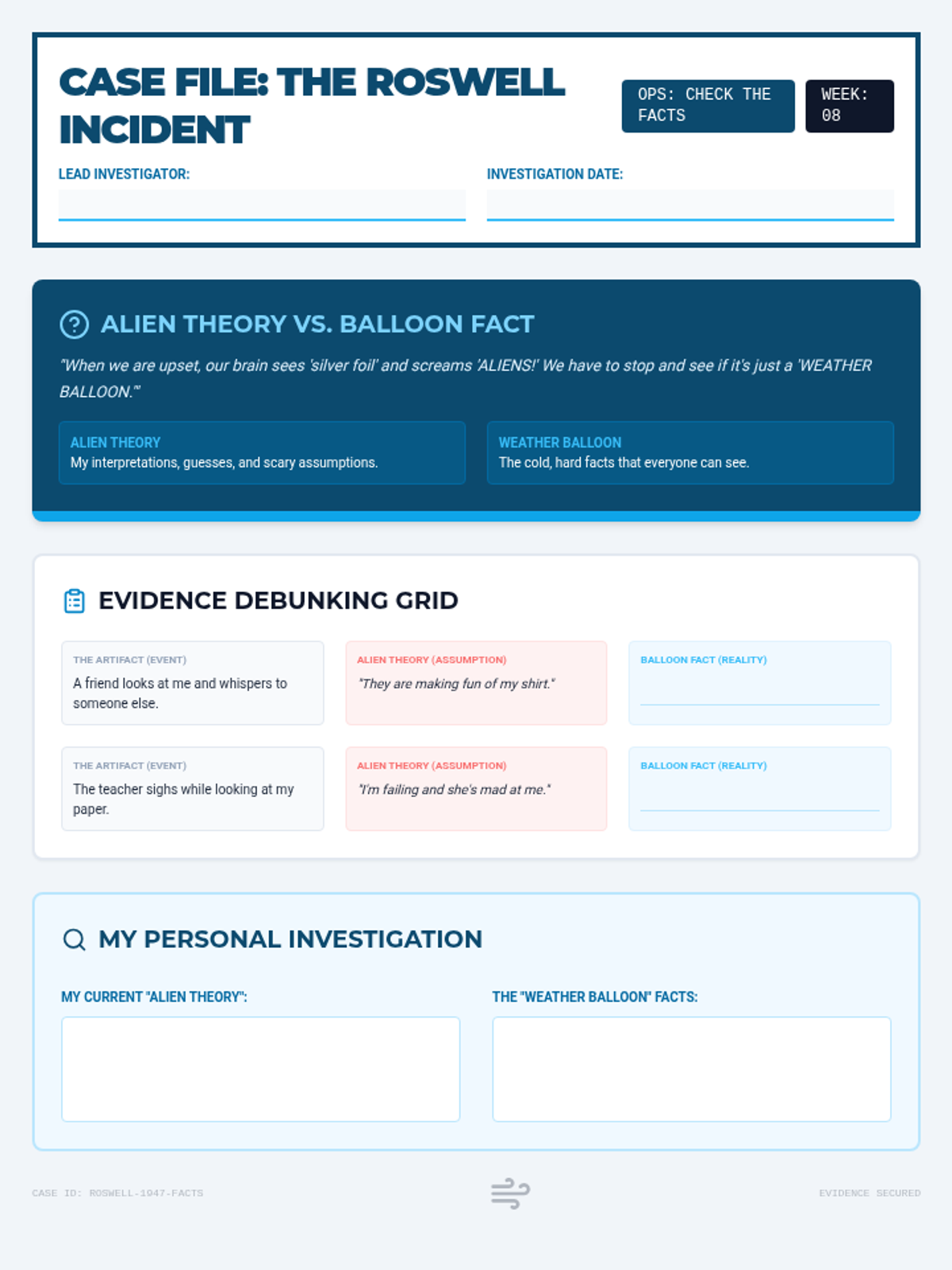
Distinguishing between facts and emotions (Check the Facts) using the investigation of the Roswell 'crash' and other weather balloon incidents.
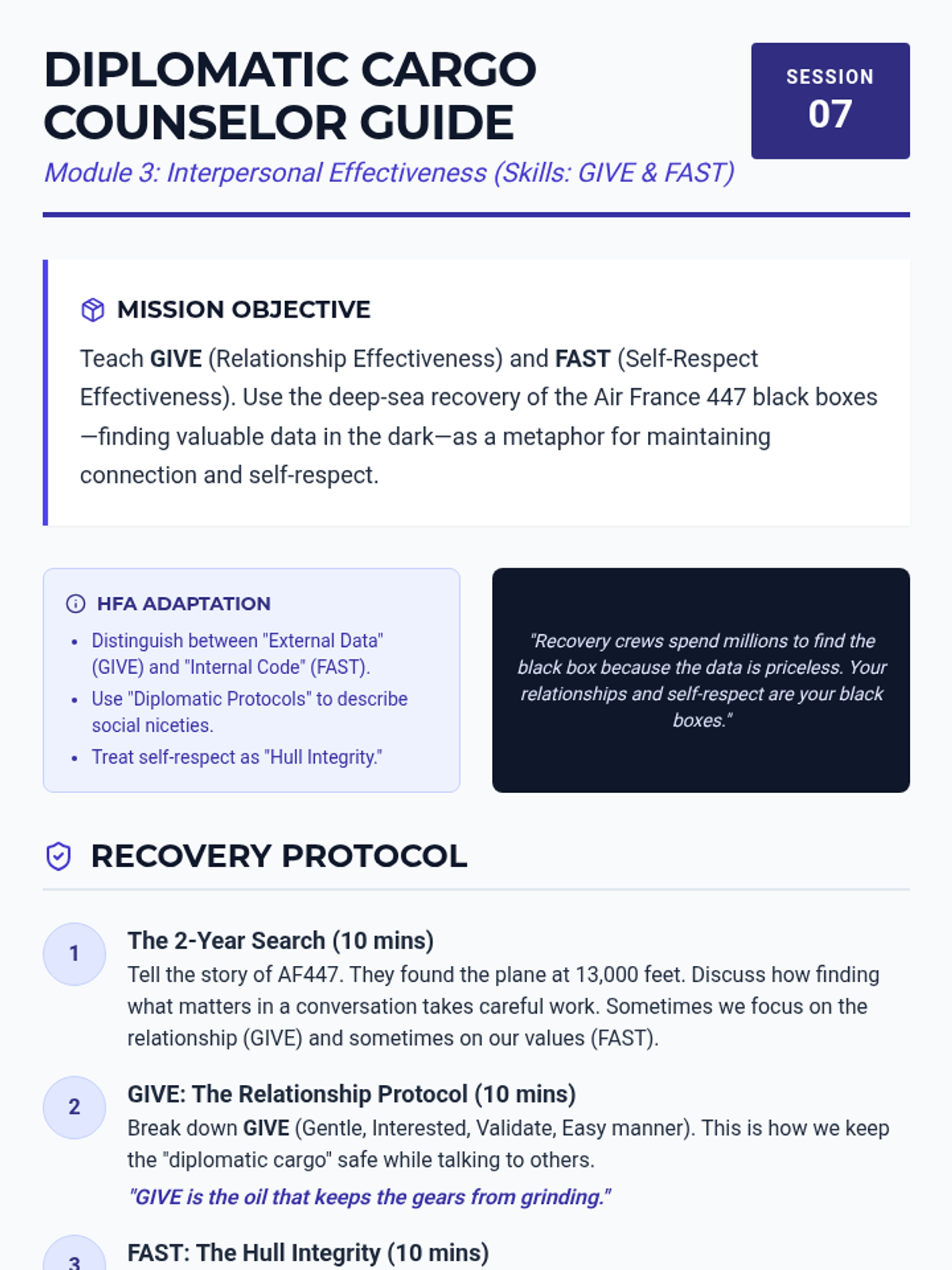
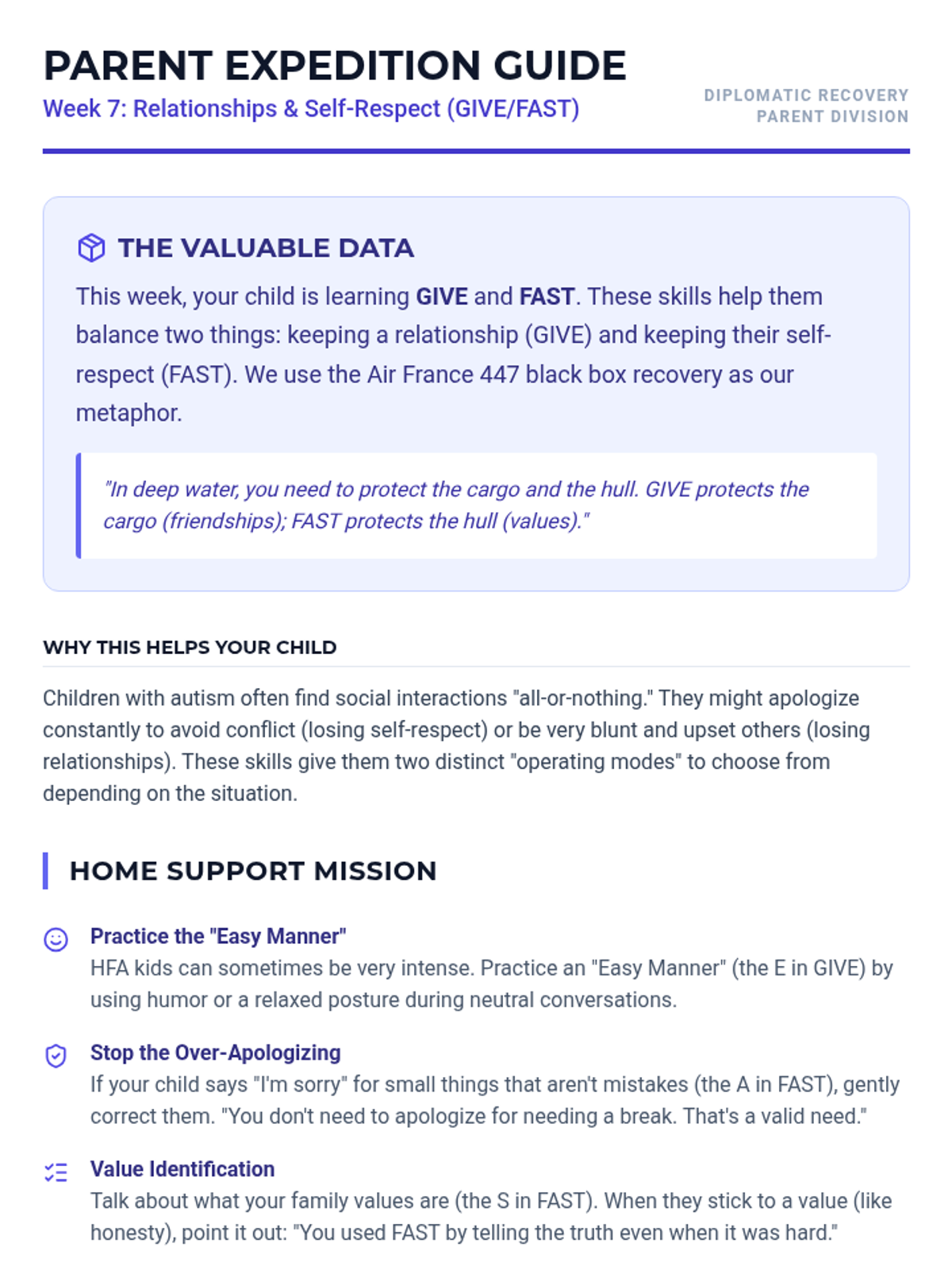
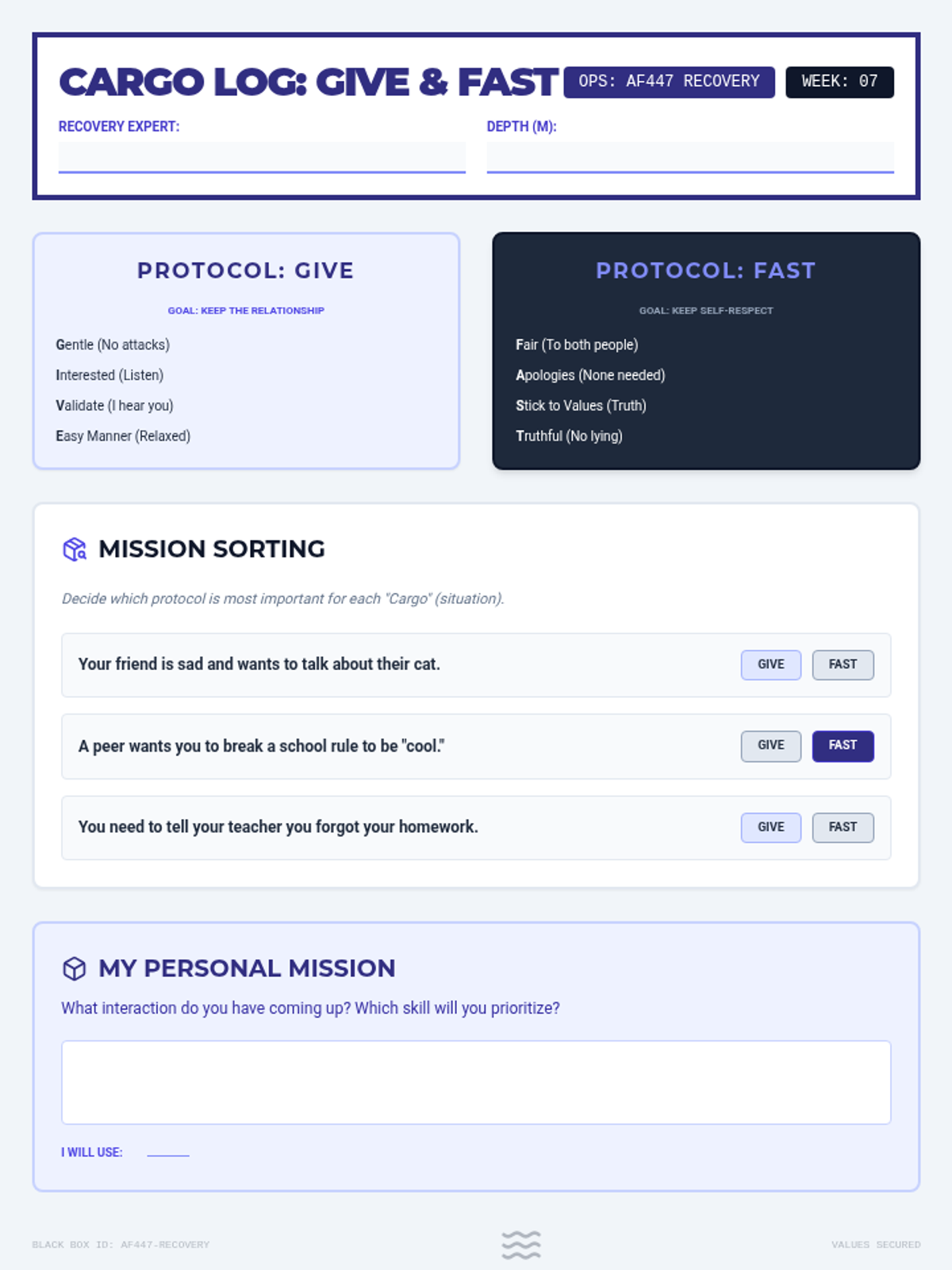
Focusing on the GIVE and FAST skills for maintaining relationships and self-respect, using the black box recovery of Air France 447 as a metaphor for retrieving valuable connection data.
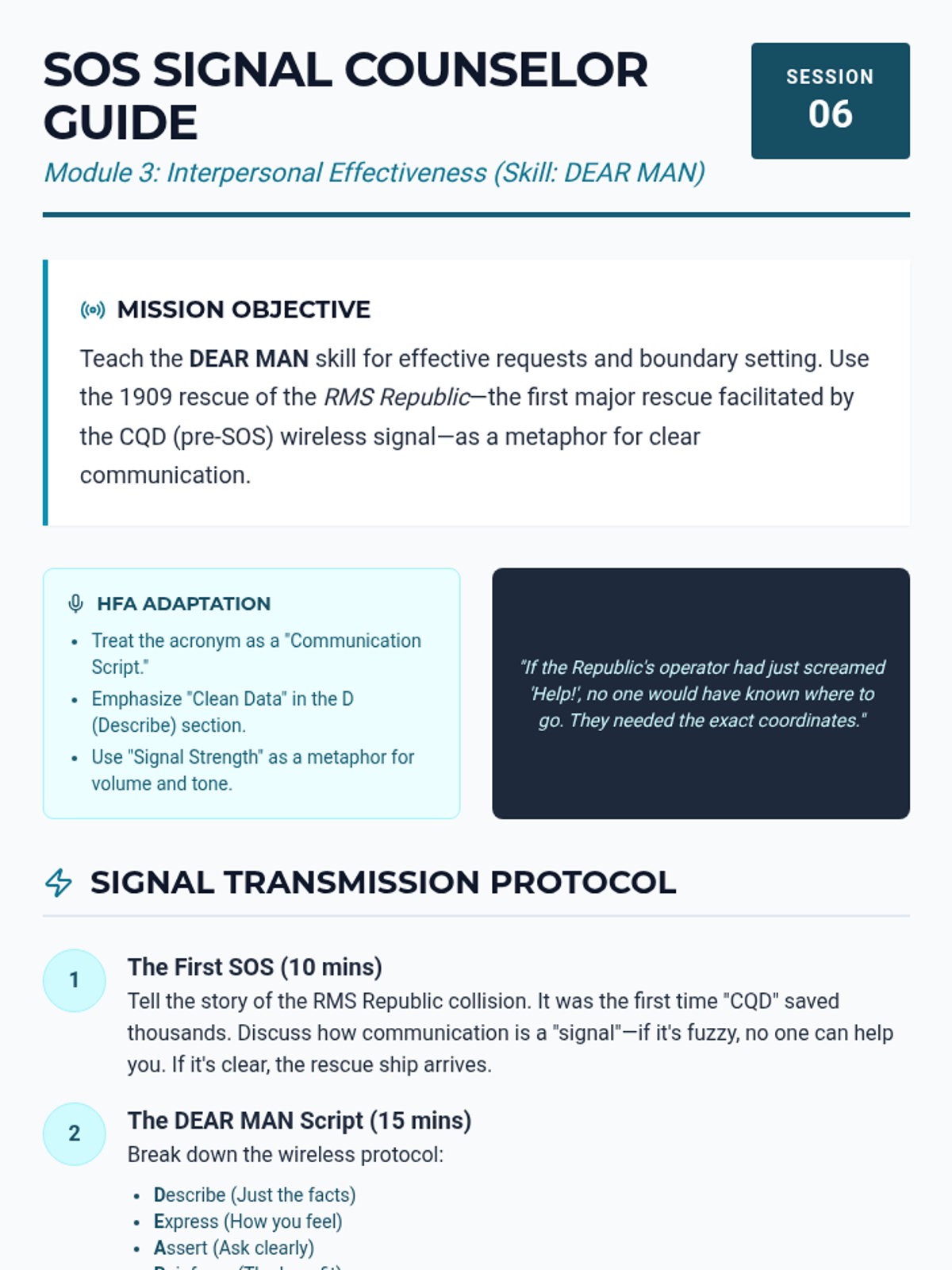
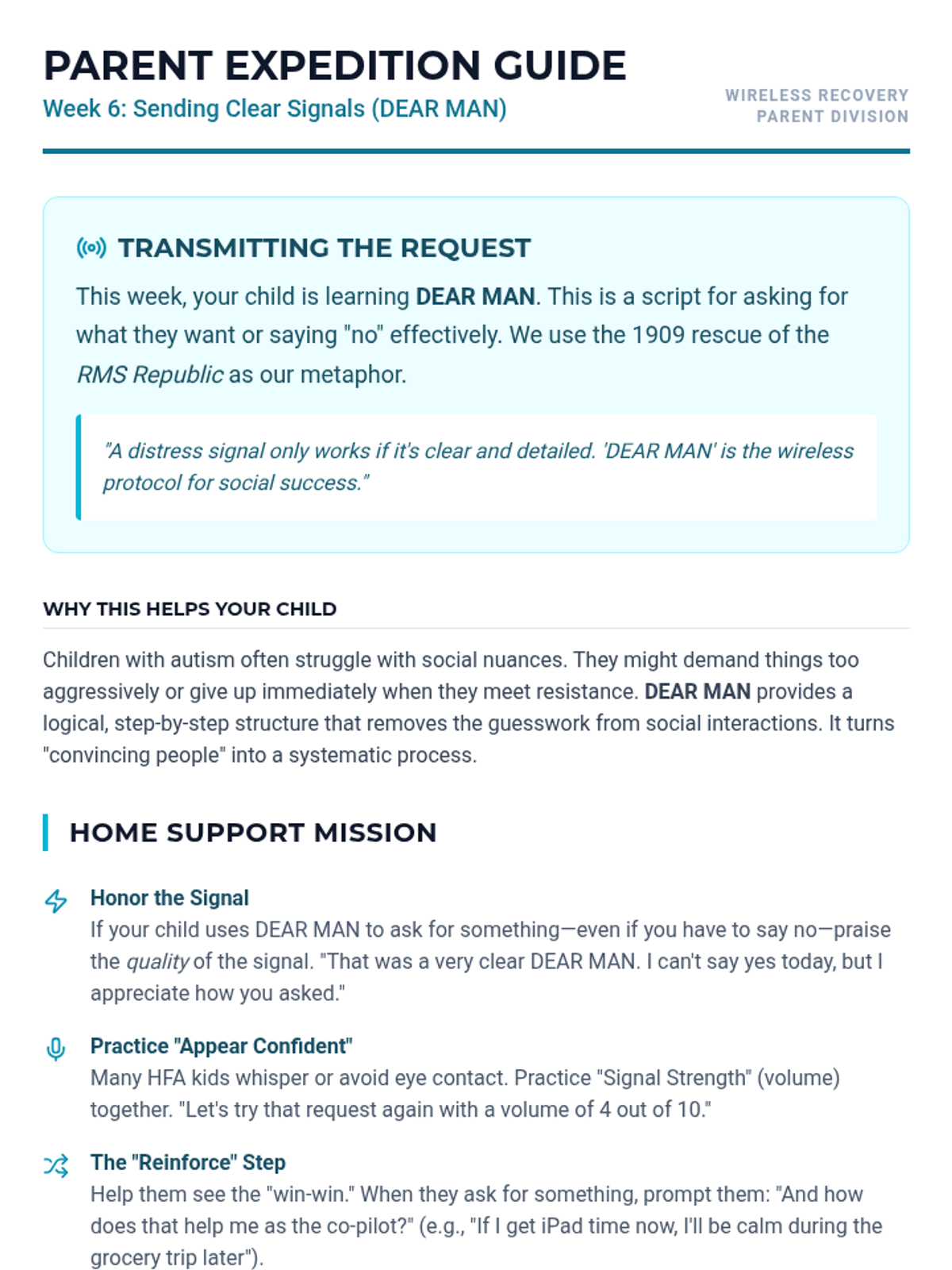
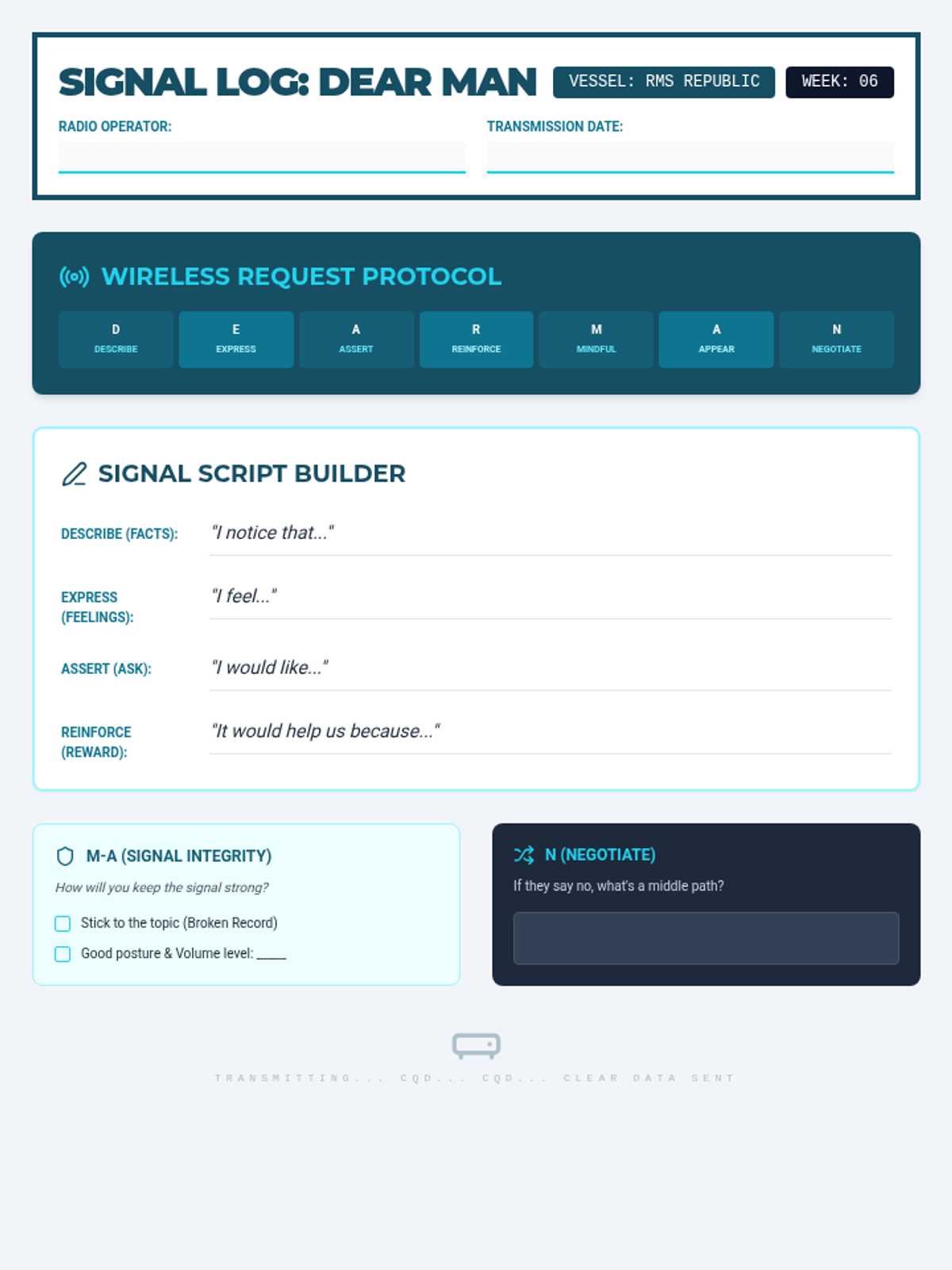
Mastering the DEAR MAN skill for effective requests and boundary setting, using the SOS signals of the RMS Republic as a metaphor for clear communication.
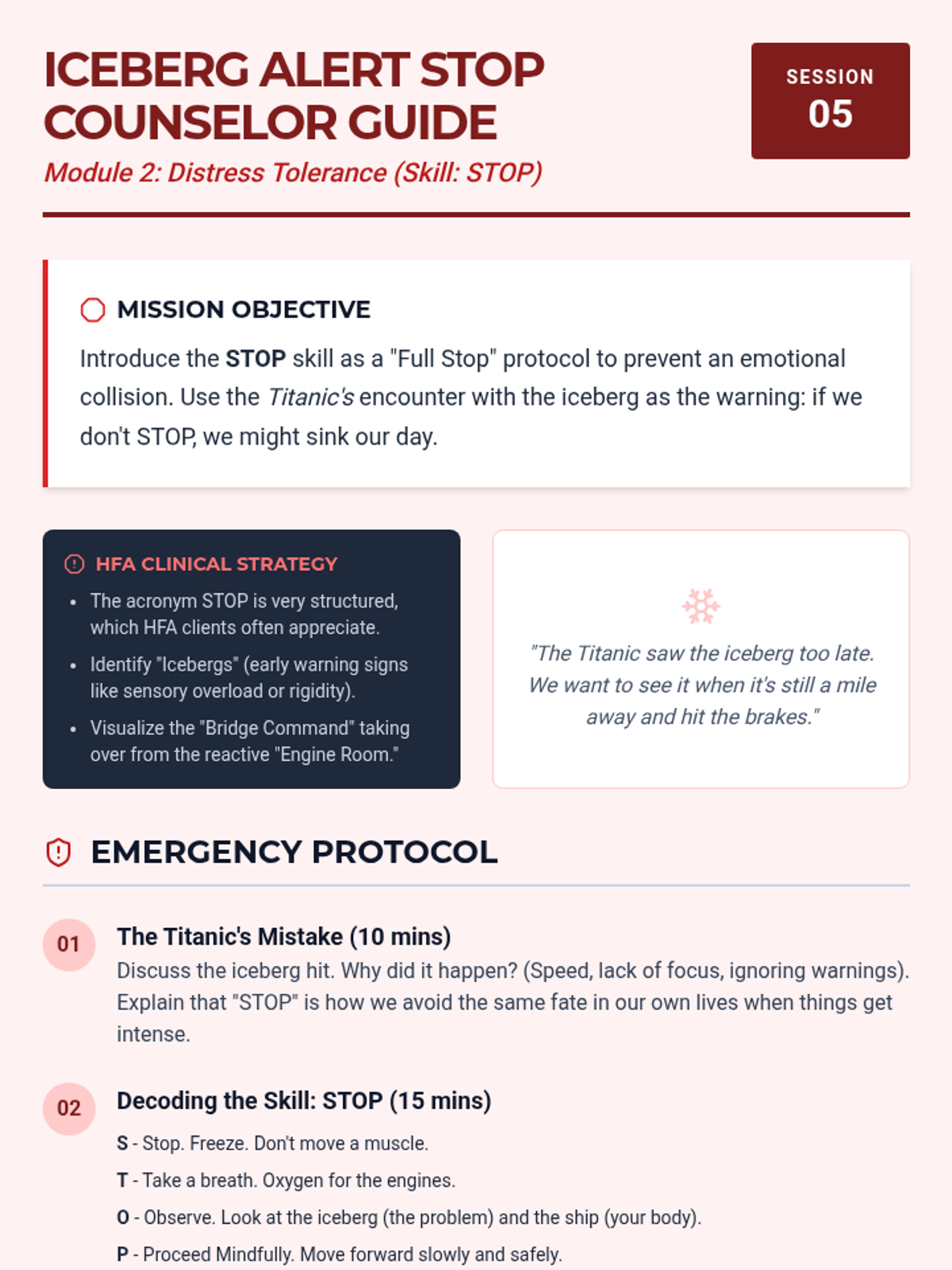
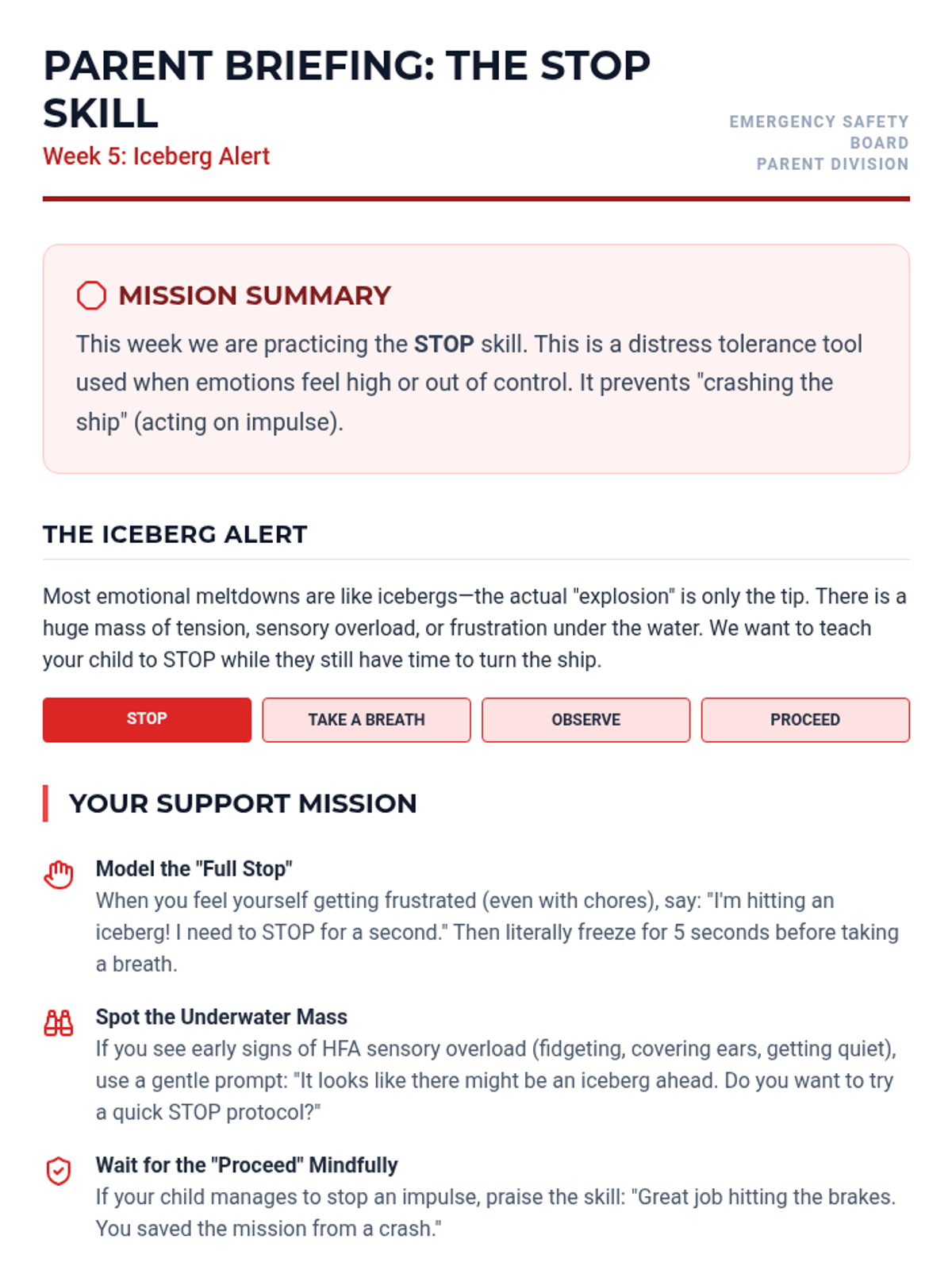
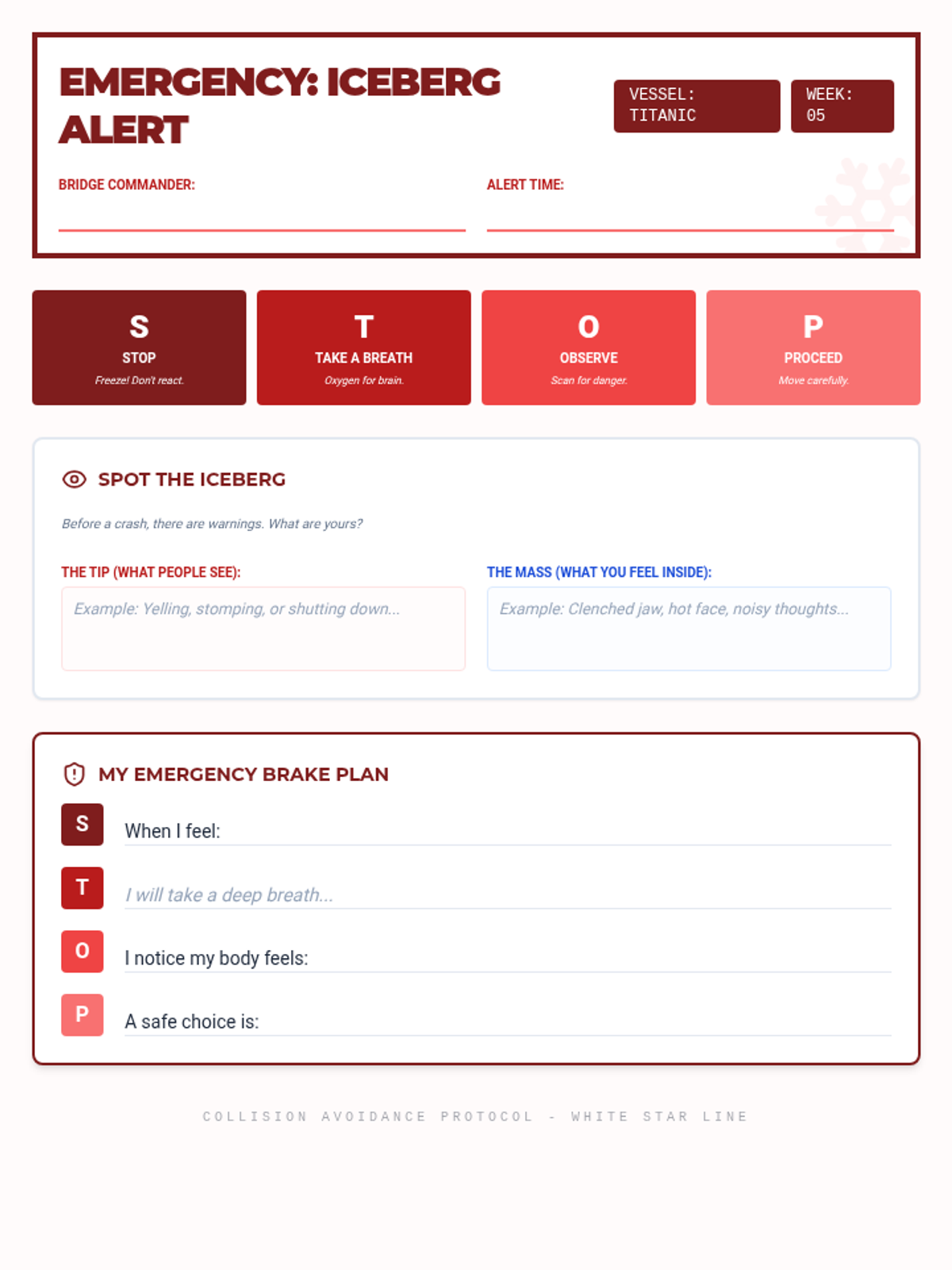
Using the STOP skill to prevent 'emotional icebergs' from sinking the day.
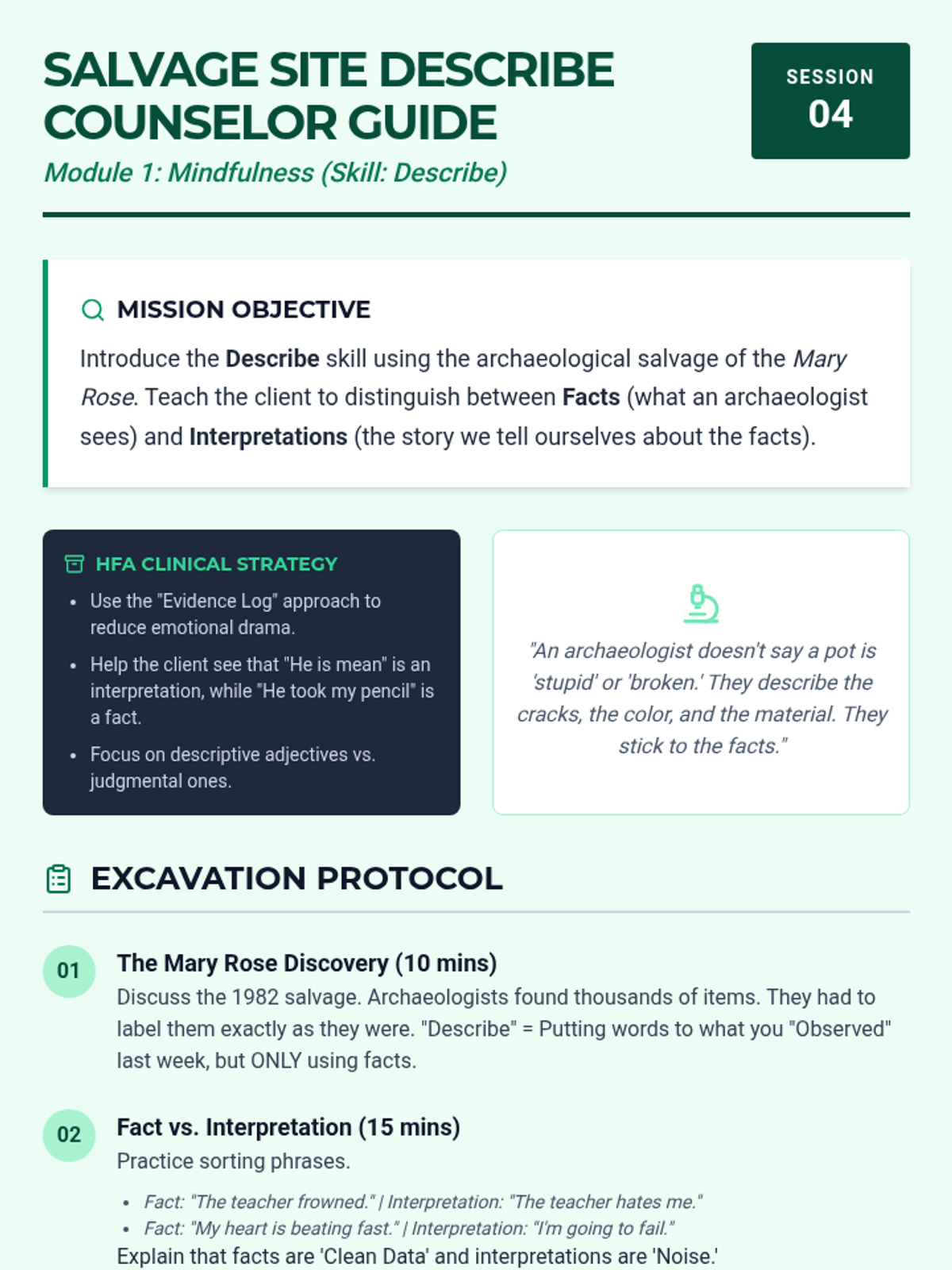
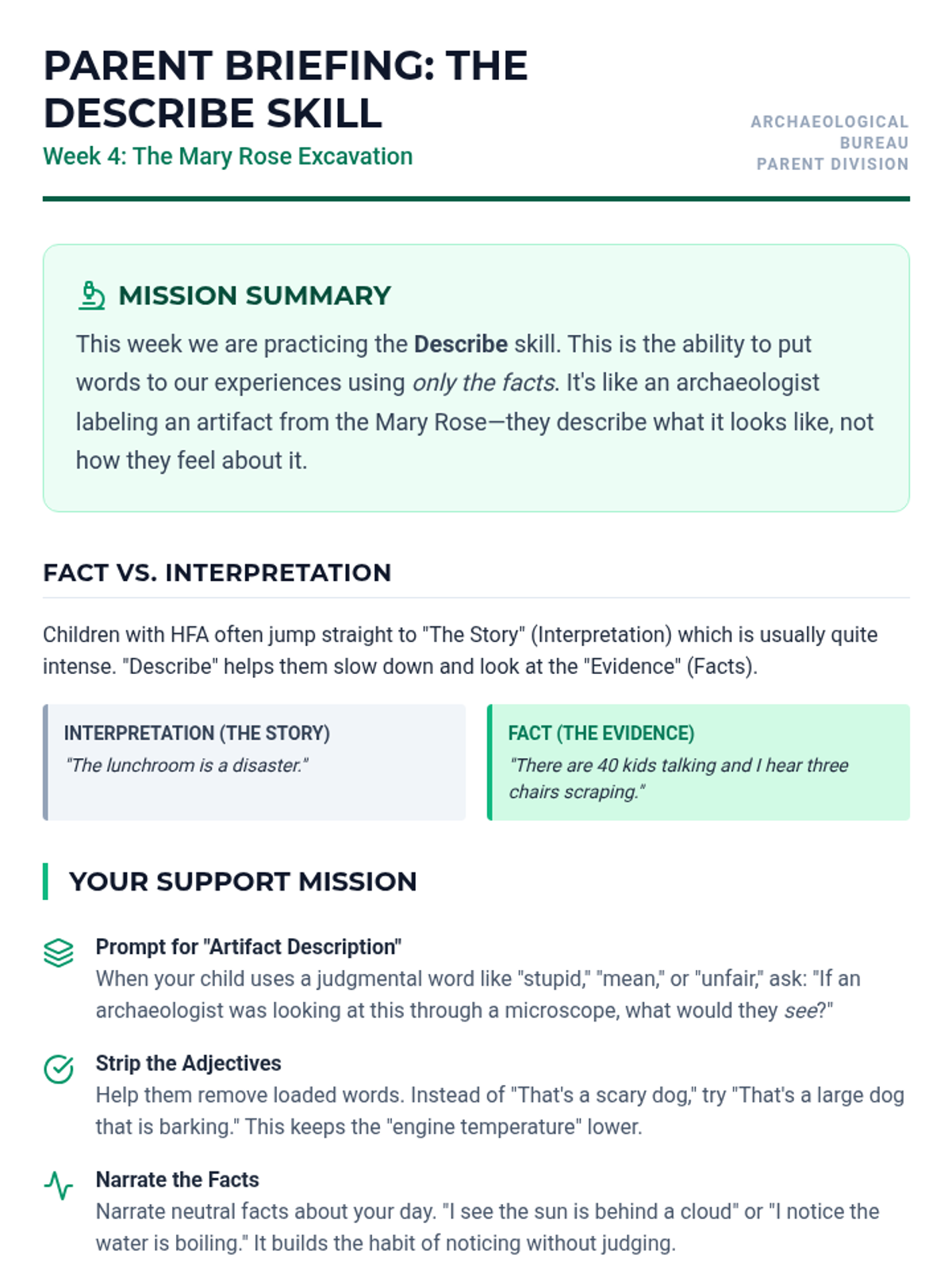
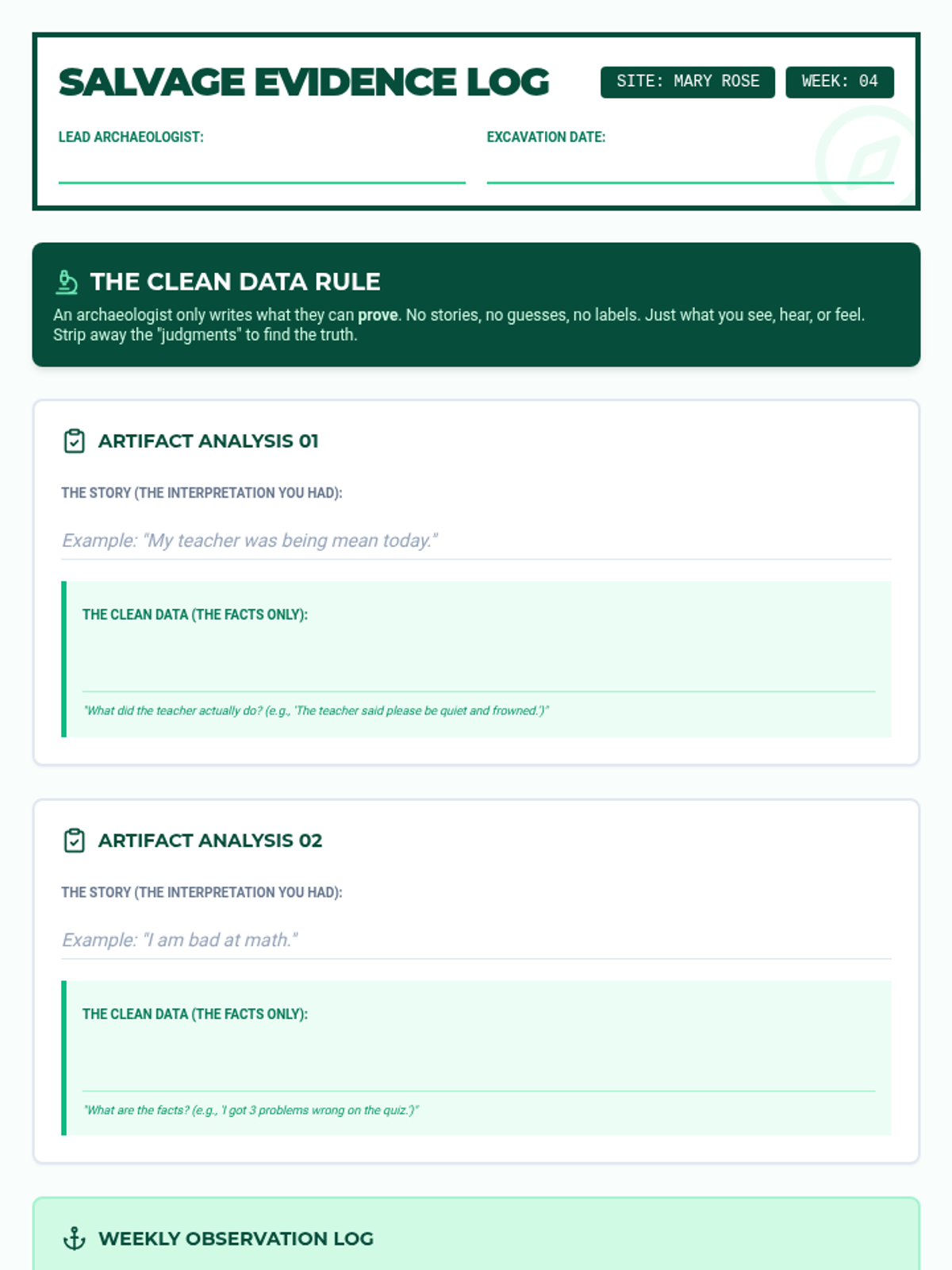
Distinguishing facts from interpretations (Describe skill) using the archaeological evidence of the Mary Rose shipwreck.
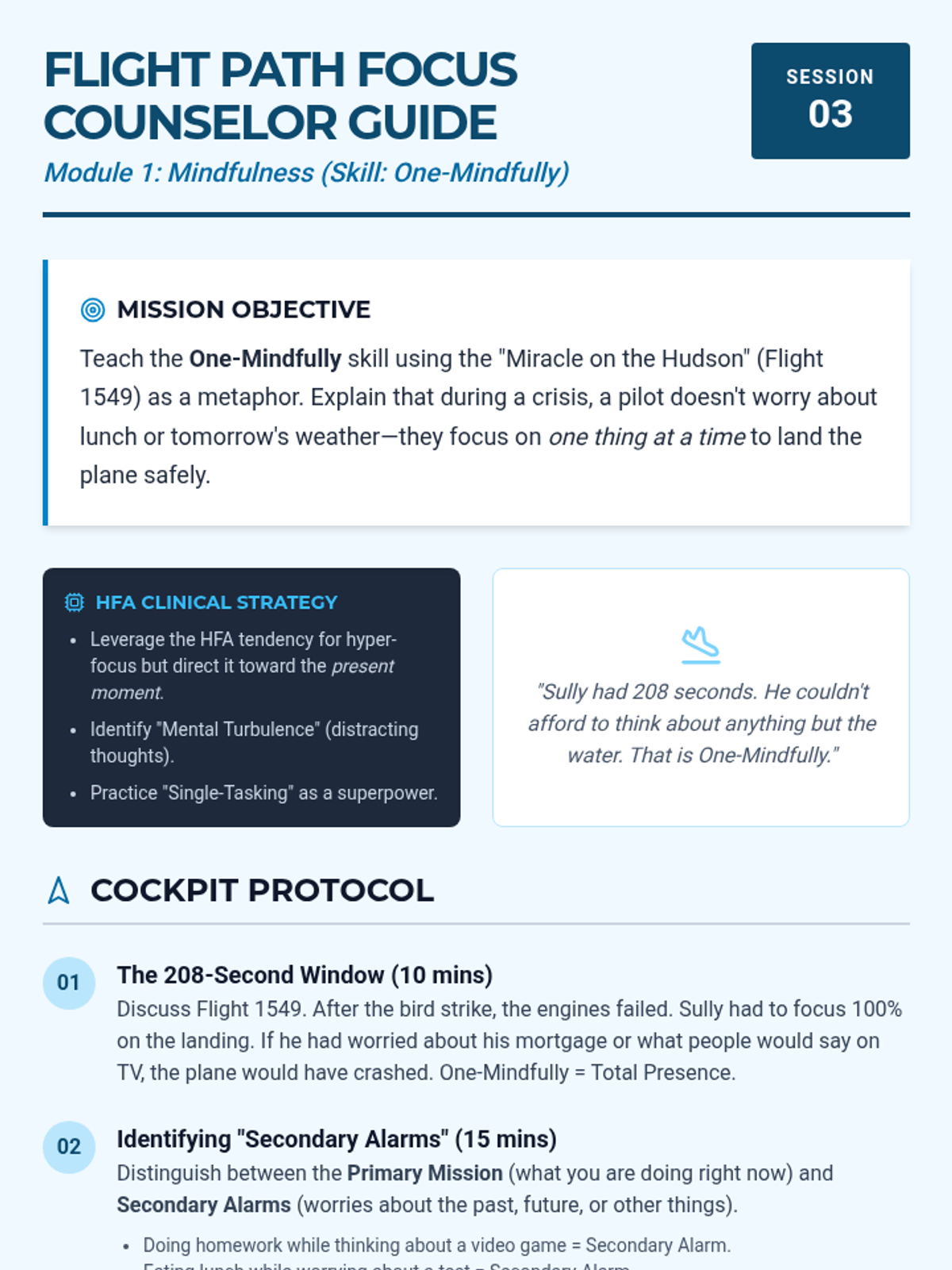
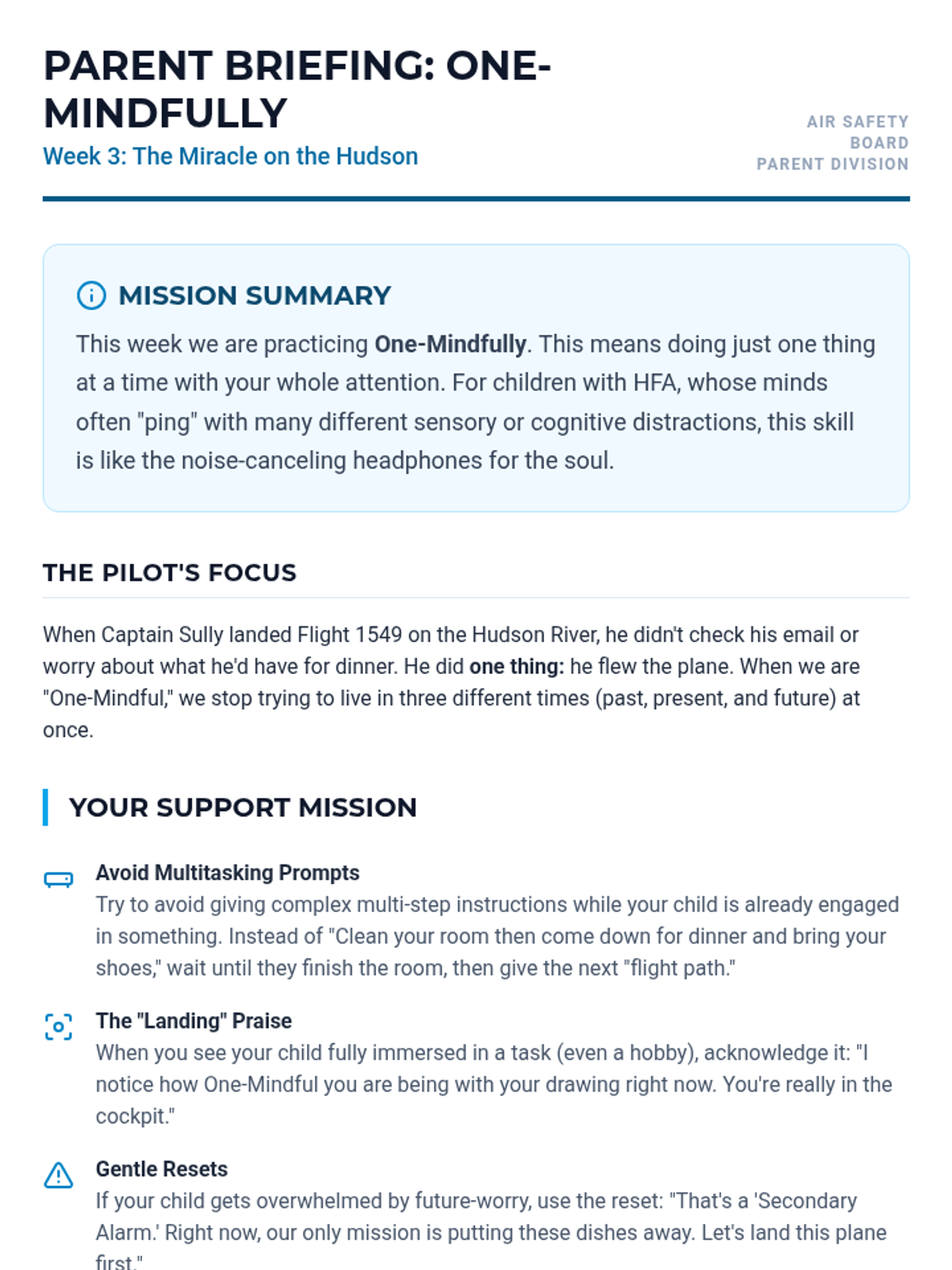
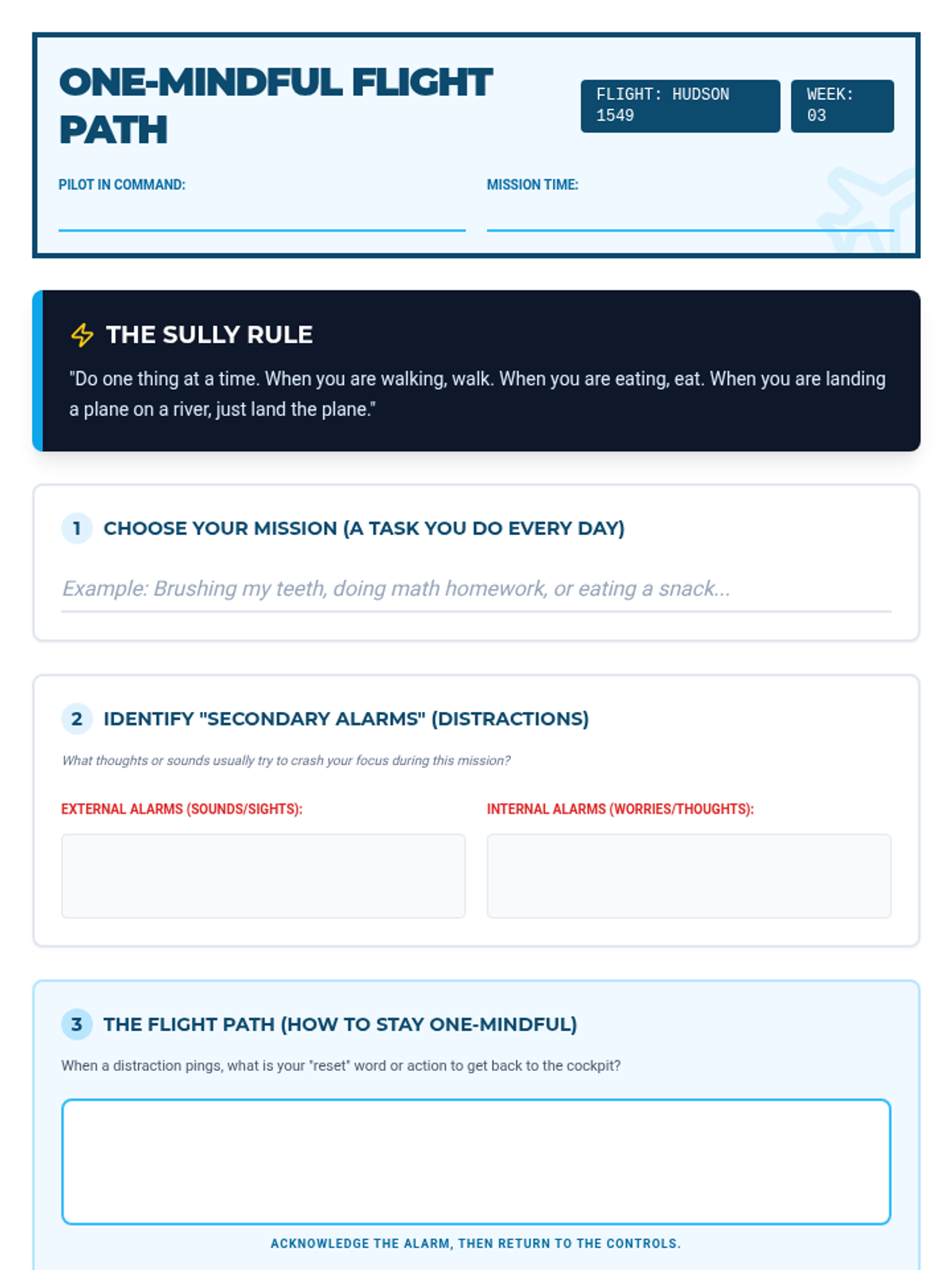
Focusing on 'One-Mindfully' using the intense focus required during the Miracle on the Hudson (Flight 1549) landing.
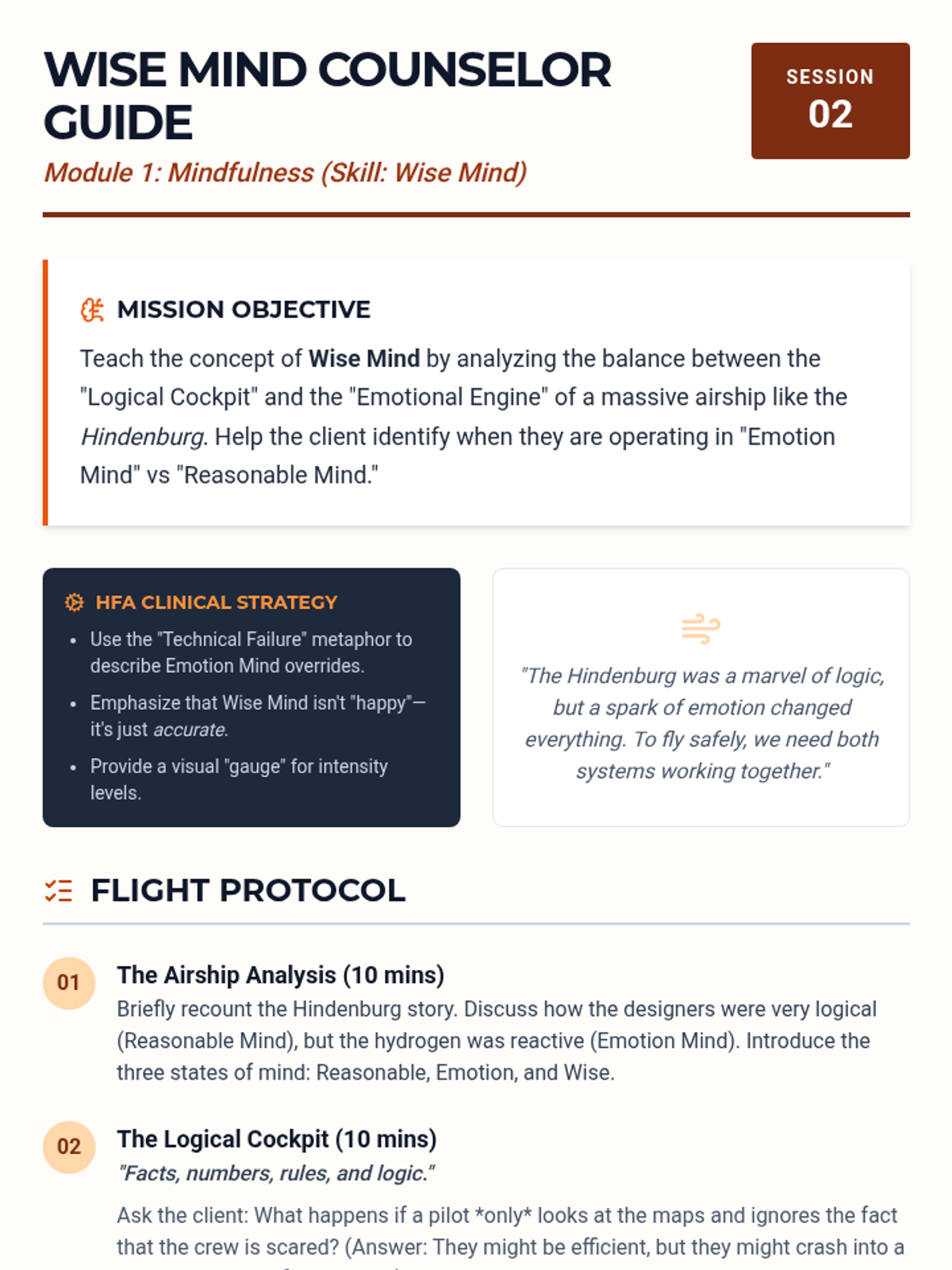
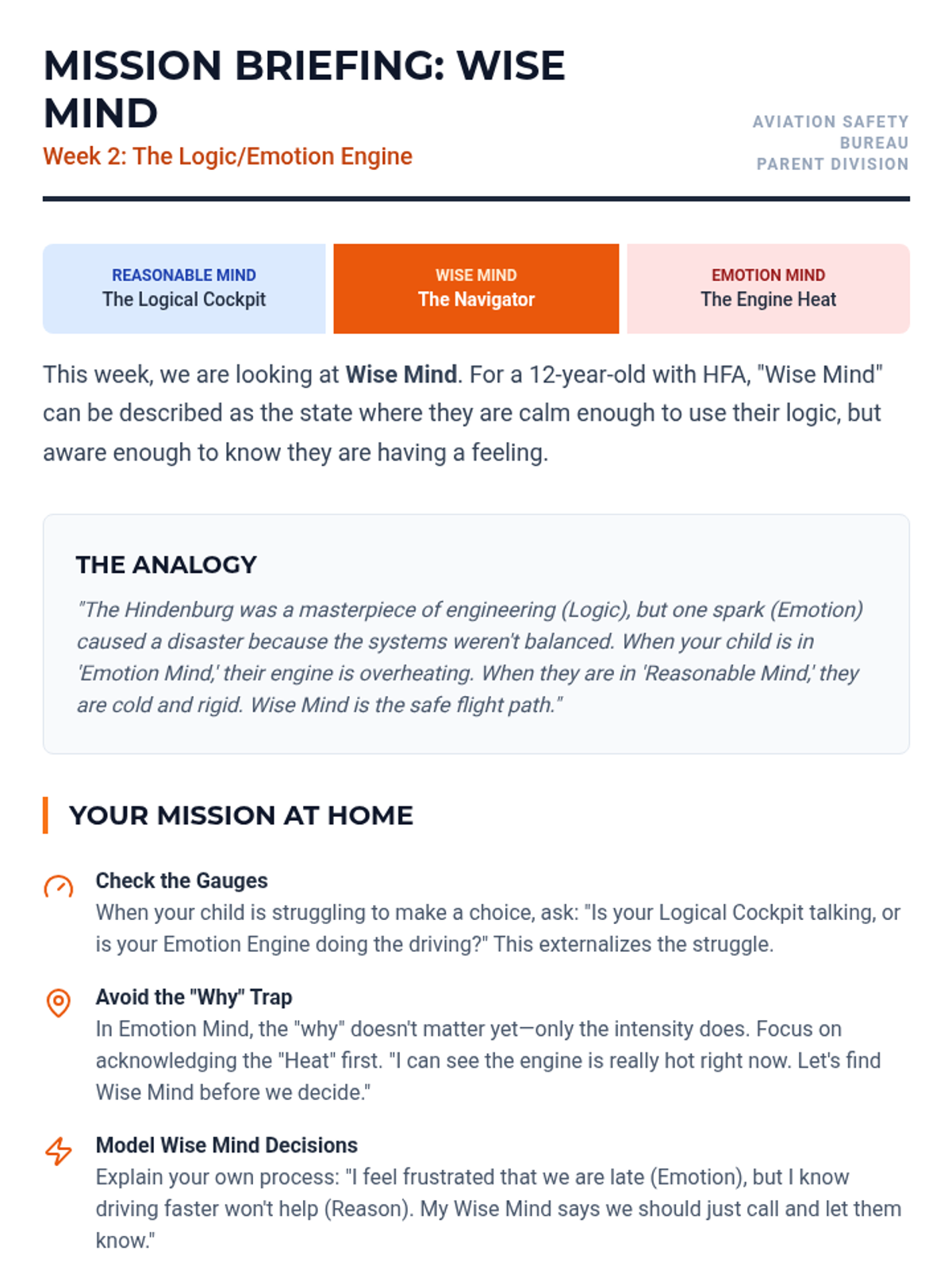
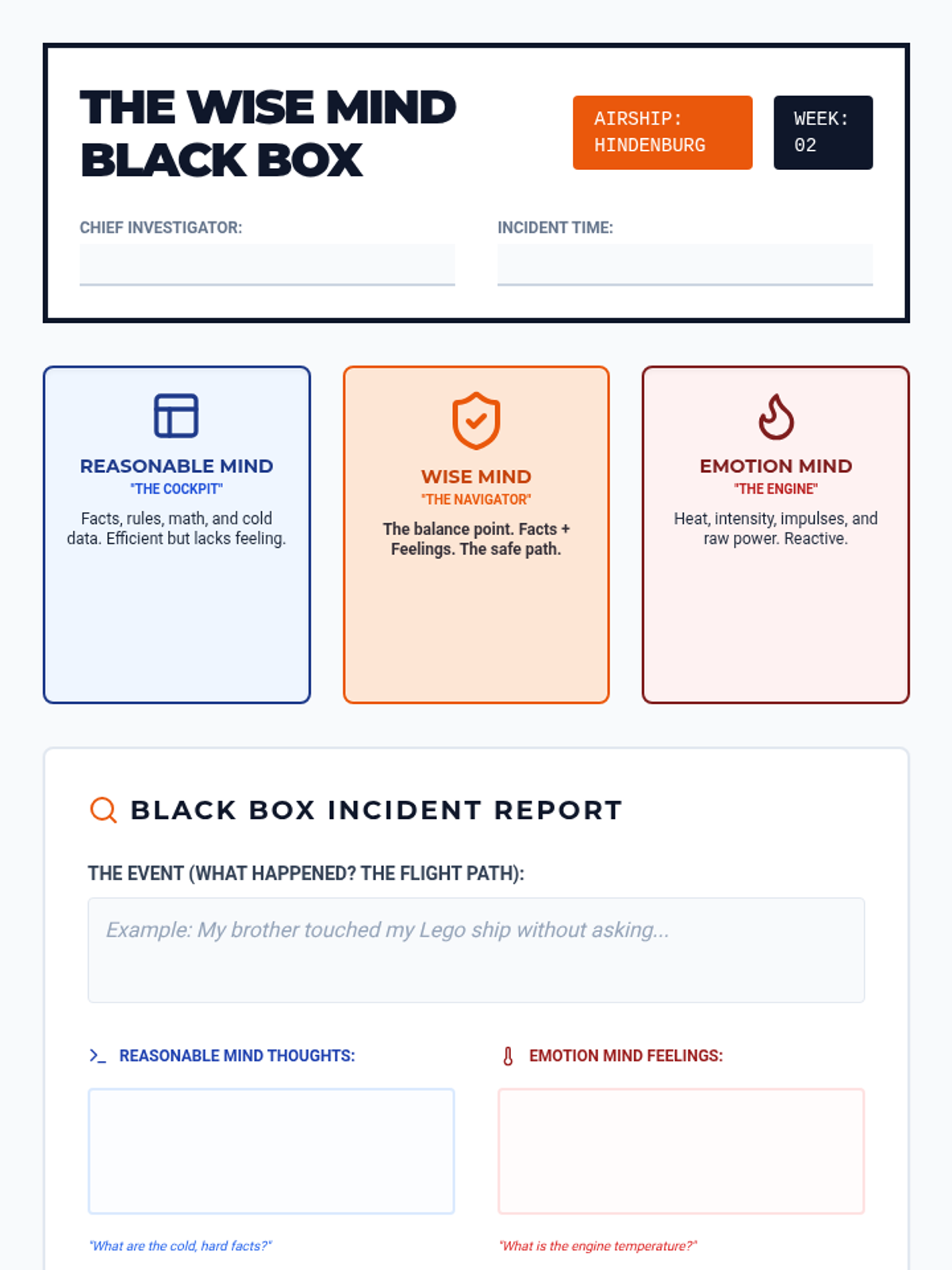
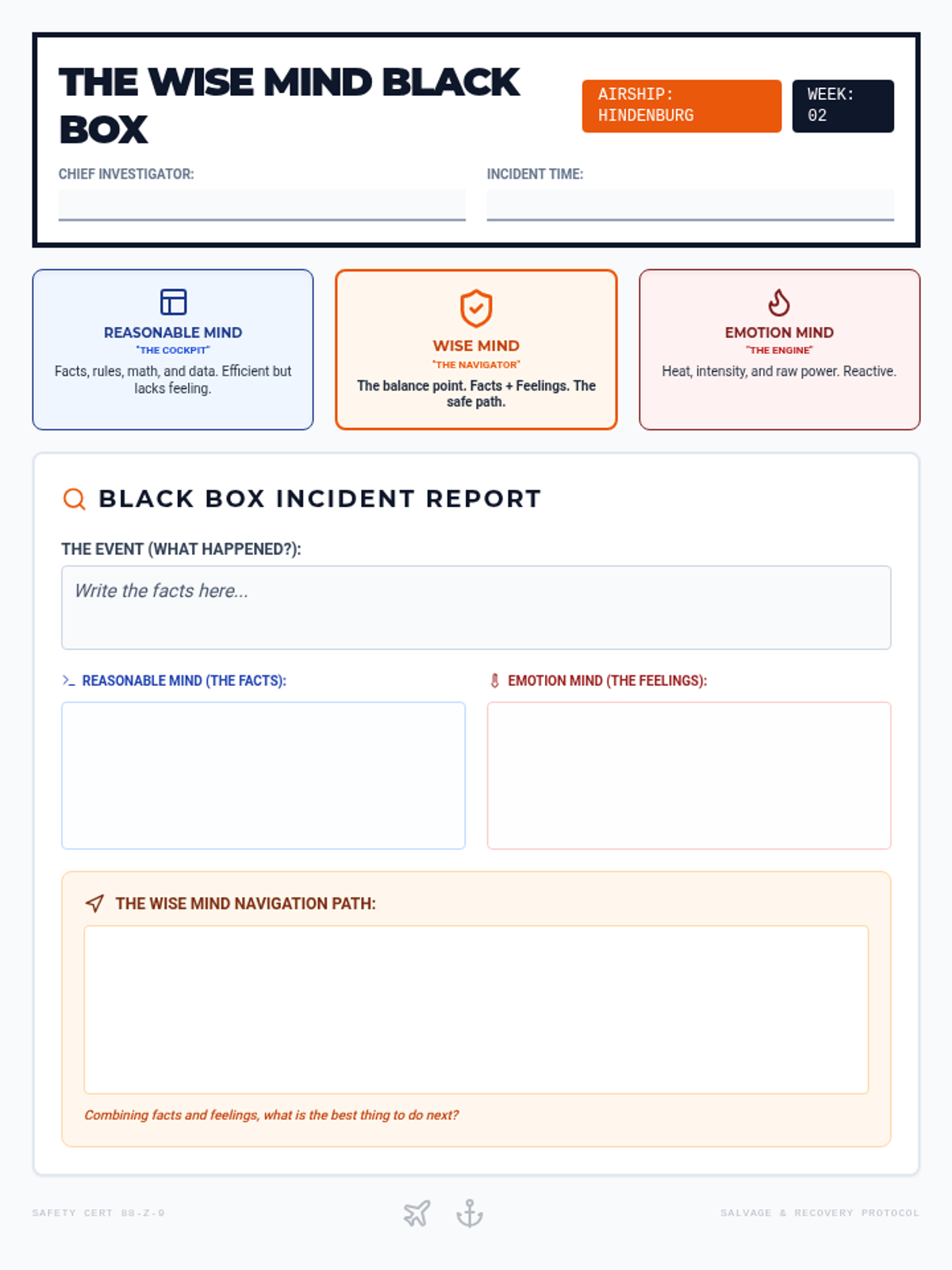
Understanding Wise Mind through the lens of the Hindenburg disaster, balancing the 'Logical Cockpit' with the 'Emotional Engine.'
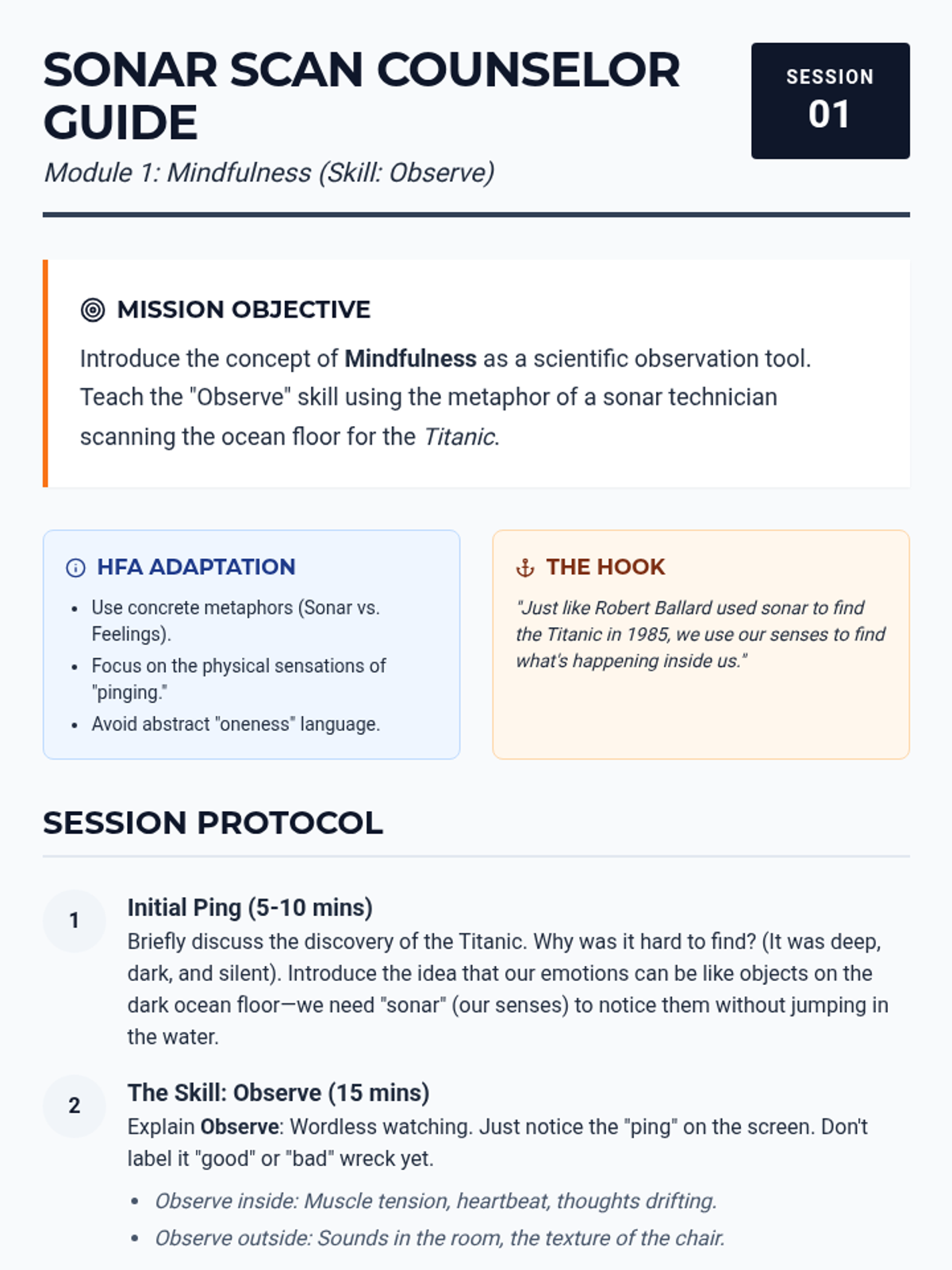
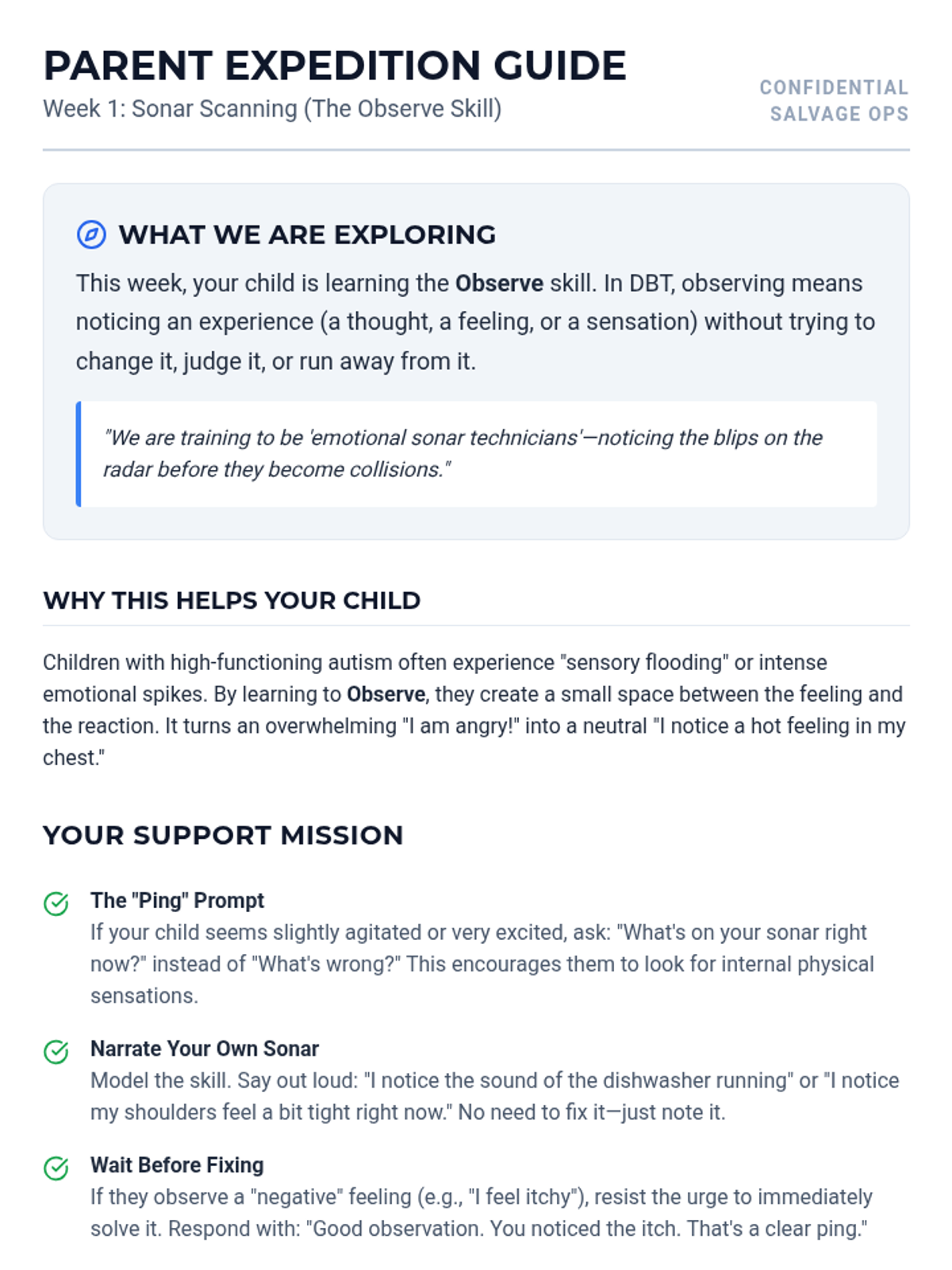
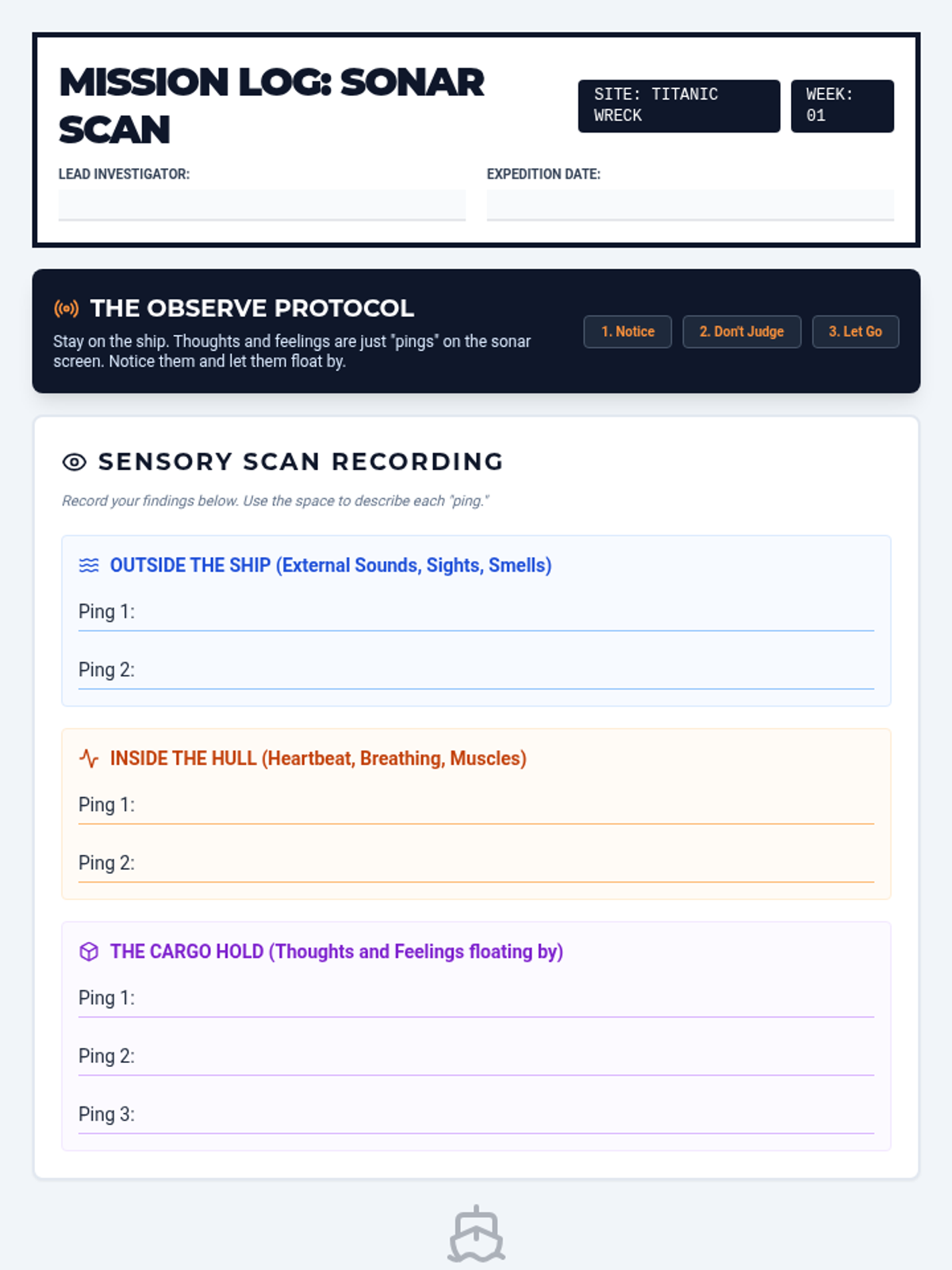
Introduction to mindfulness and the "Observe" skill using the sonar search for the Titanic as a metaphor for noticing internal and external experiences without judgment.
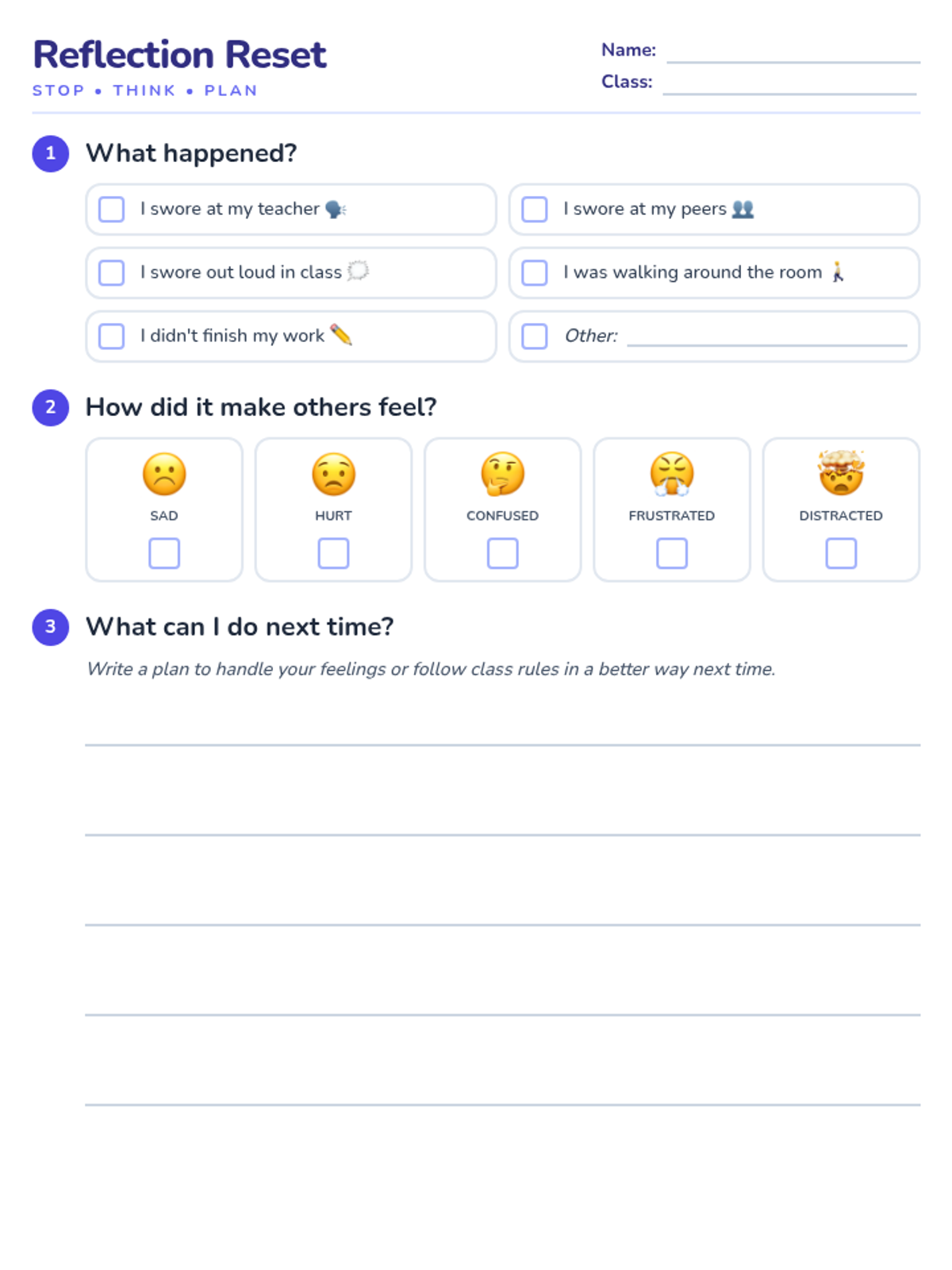
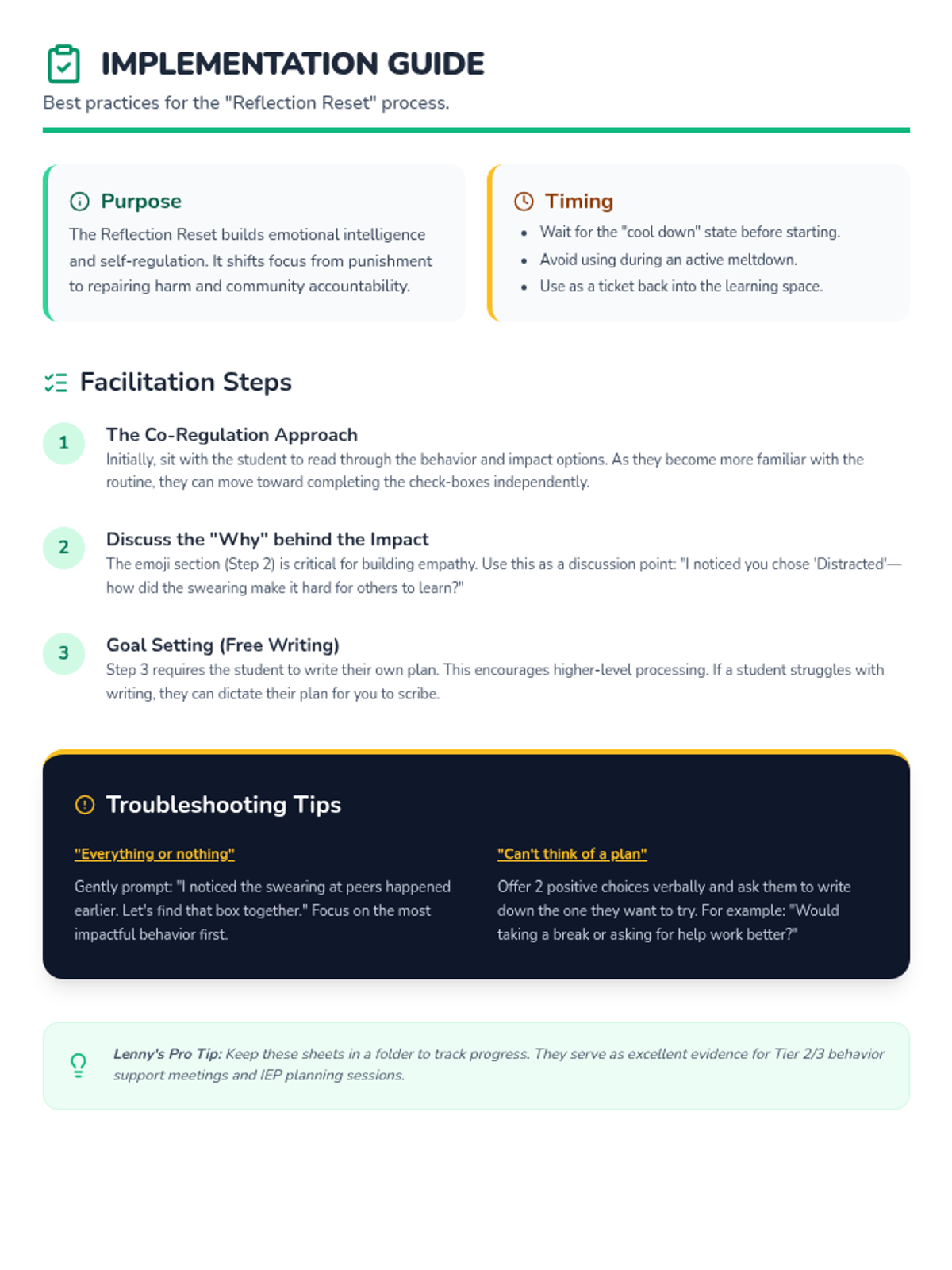
A set of resources designed to help students process behavioral incidents through reflection, identifying impact, and planning better choices.
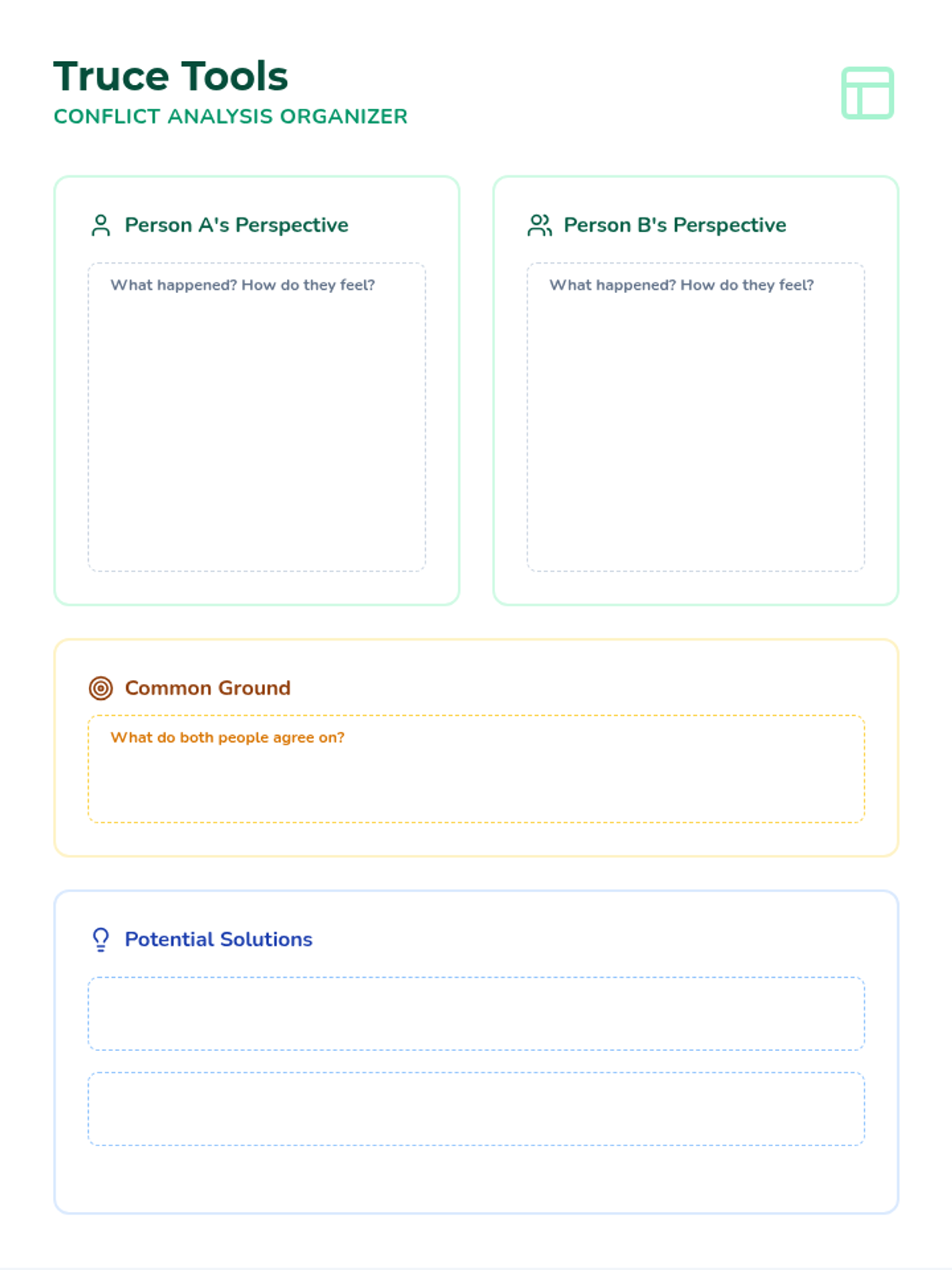
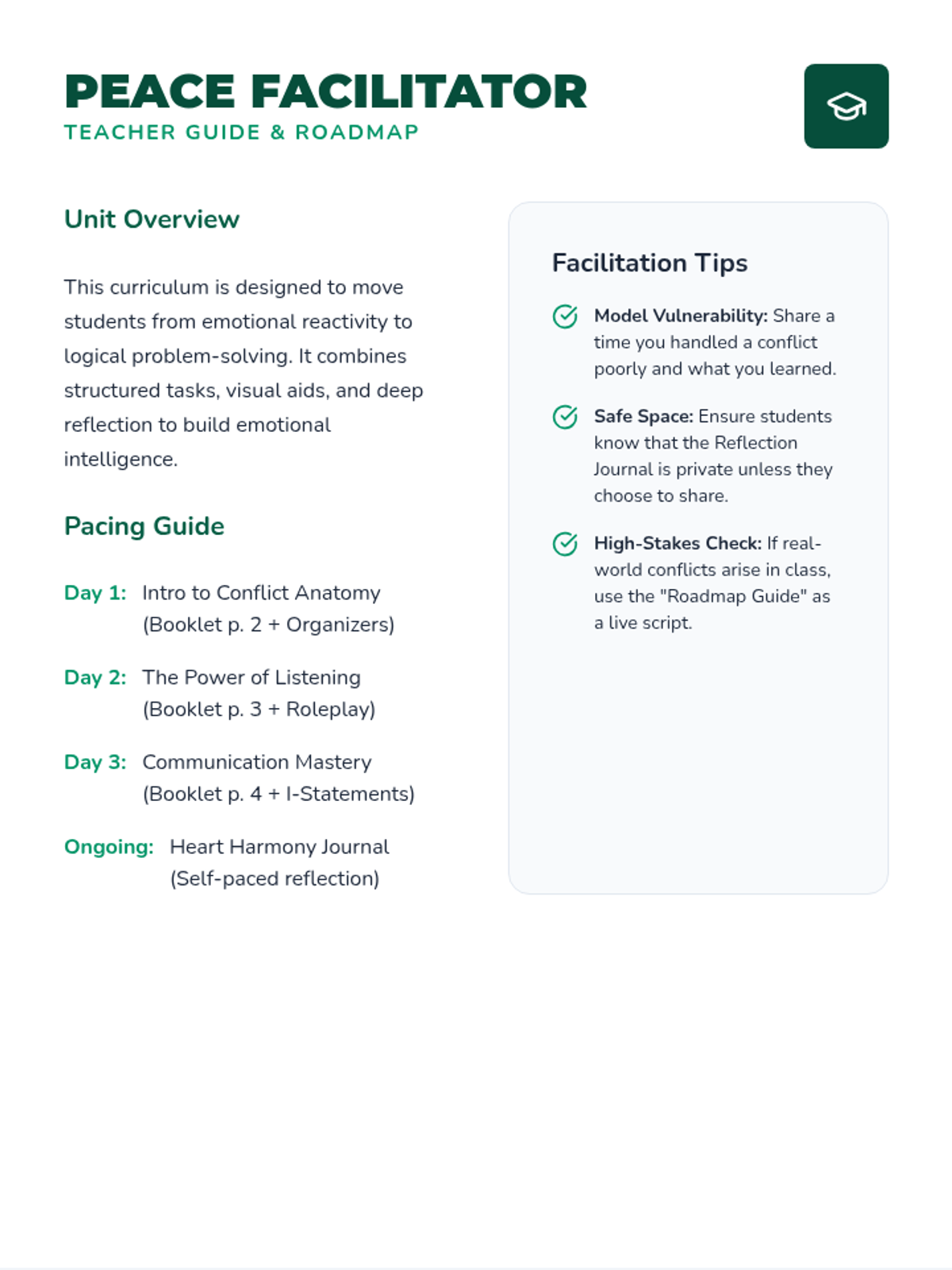
An immersive dive into conflict resolution strategies, providing students with practical tools to navigate disagreements and build stronger relationships.
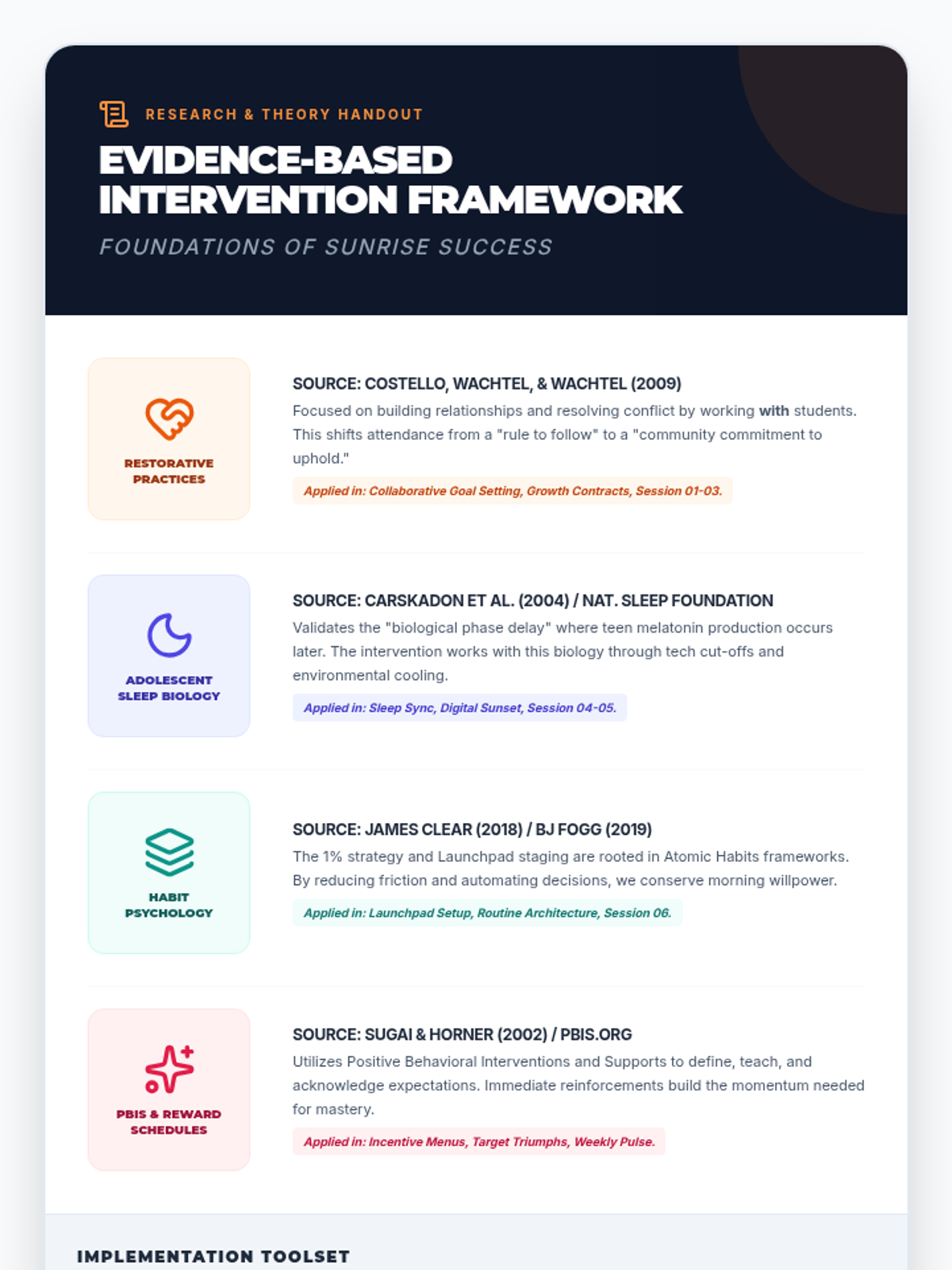
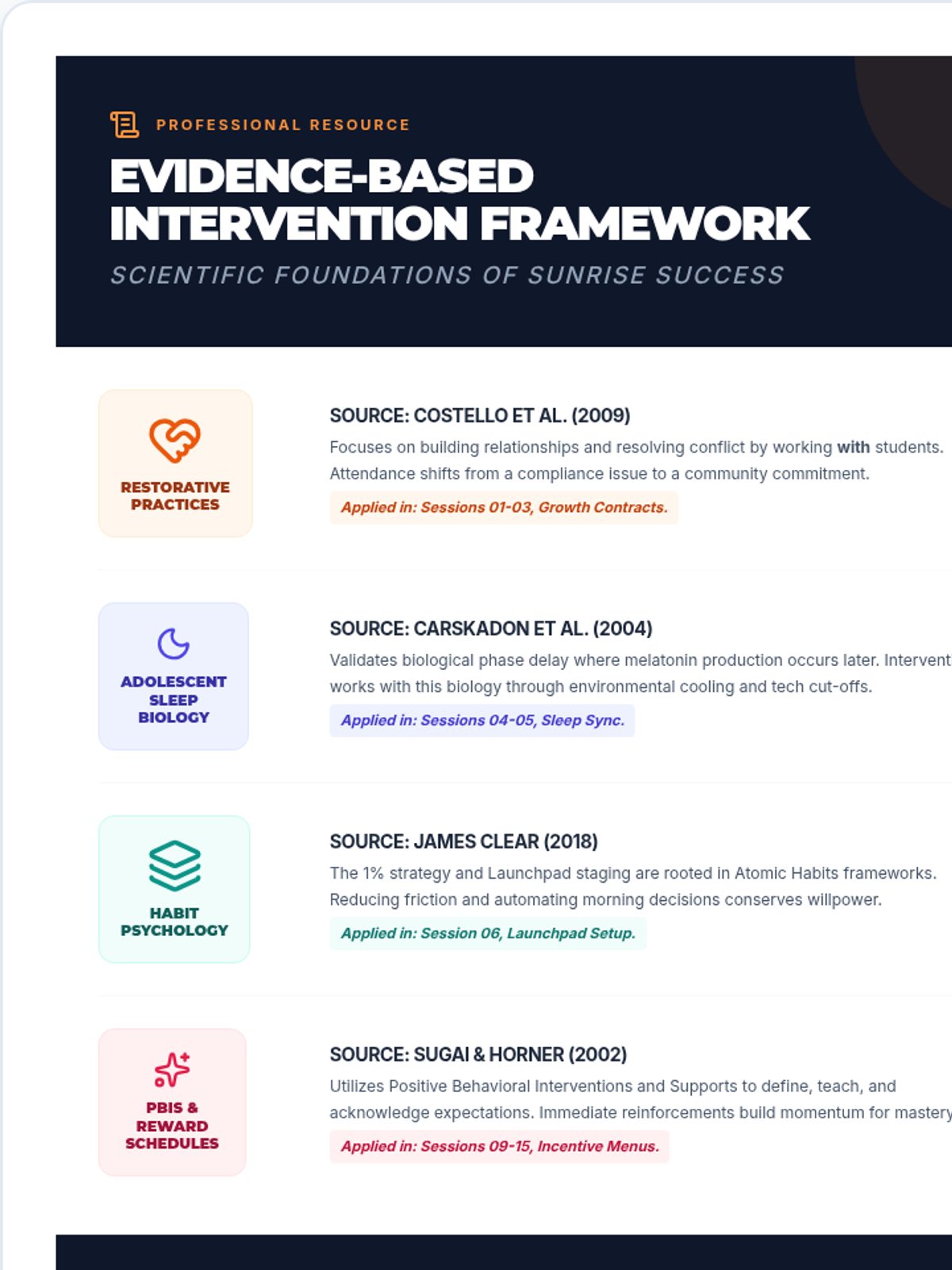
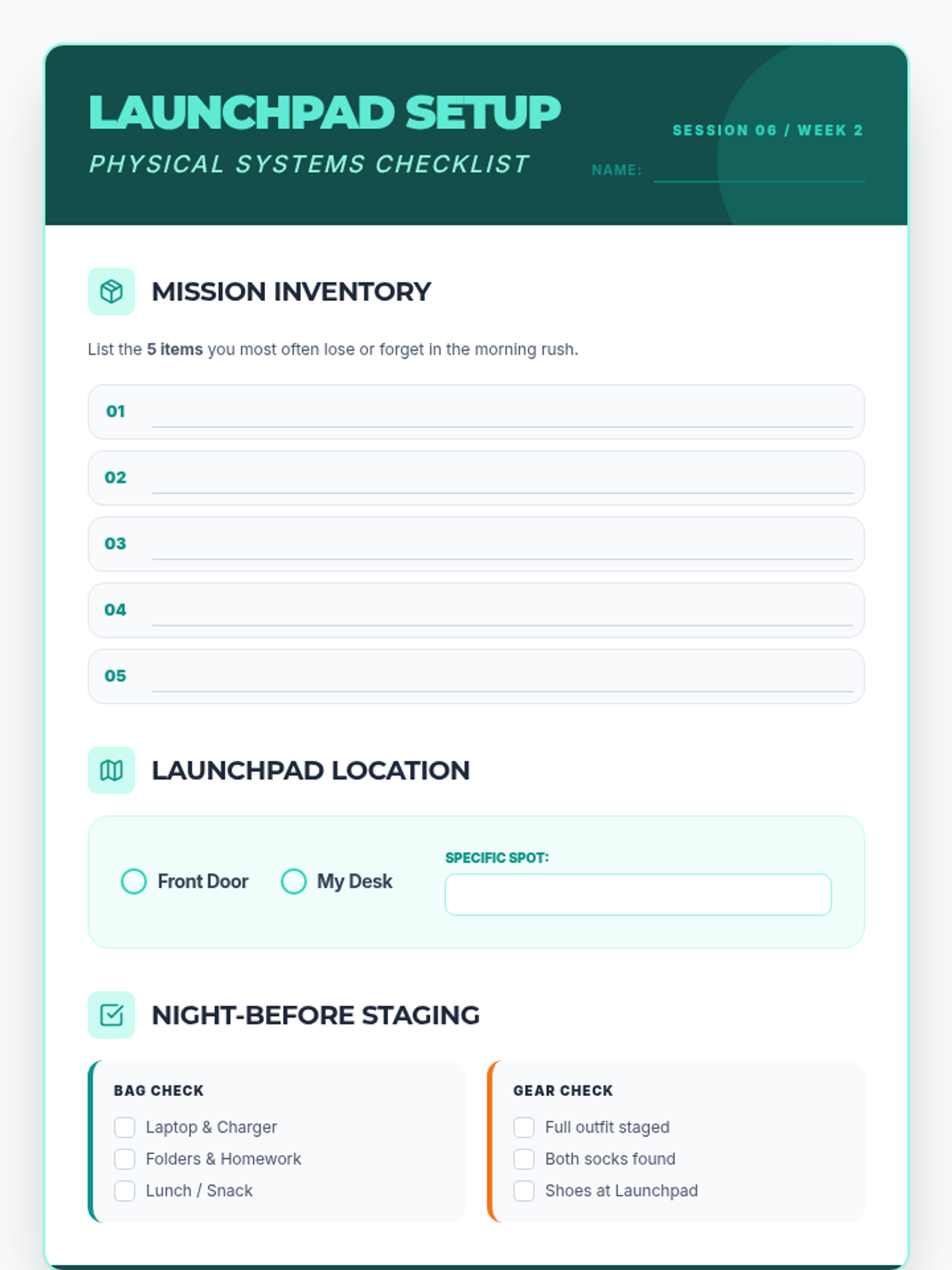
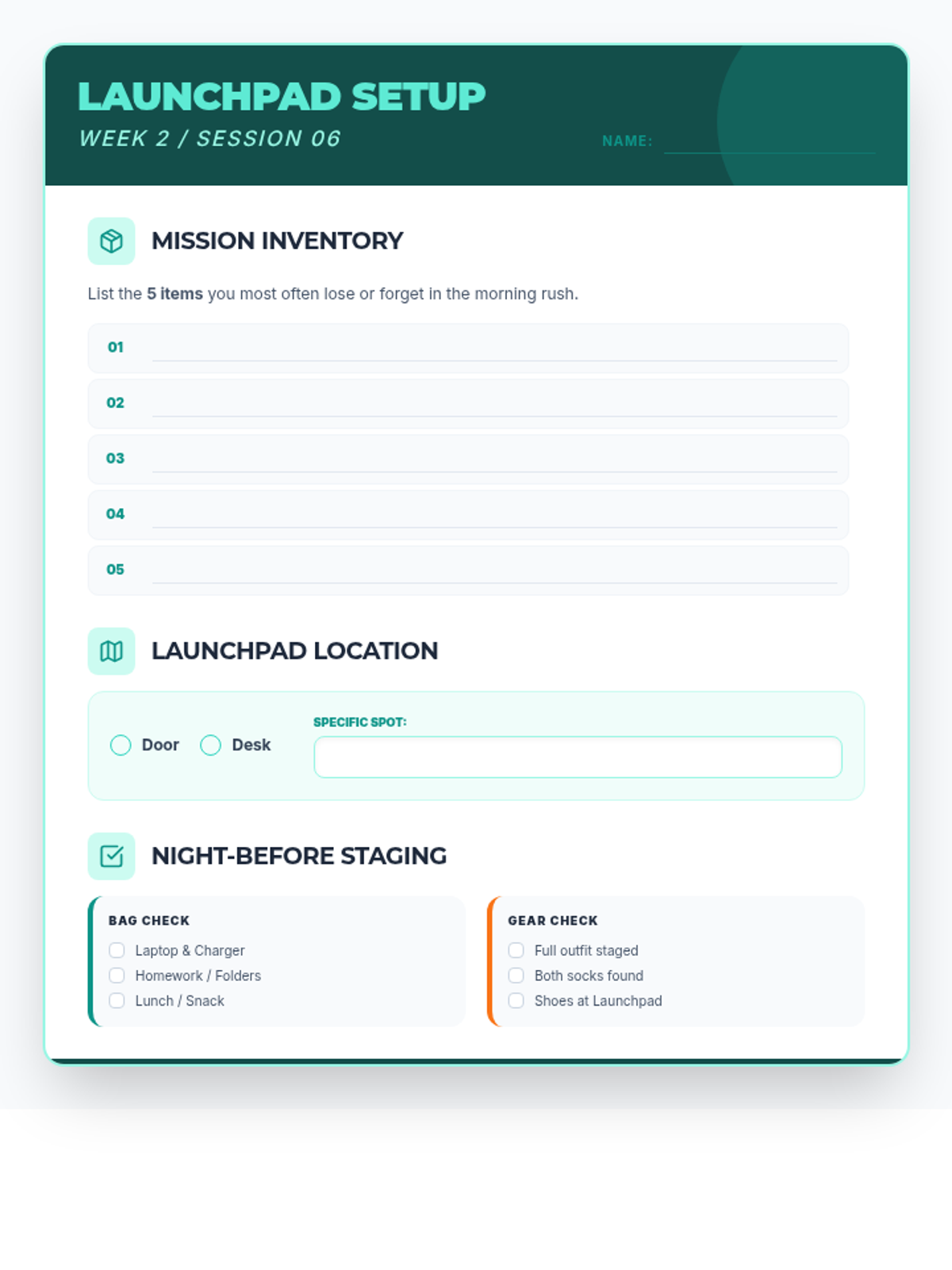
Focuses on physical organization, creating a designated 'launchpad' for school items to eliminate morning decision fatigue.
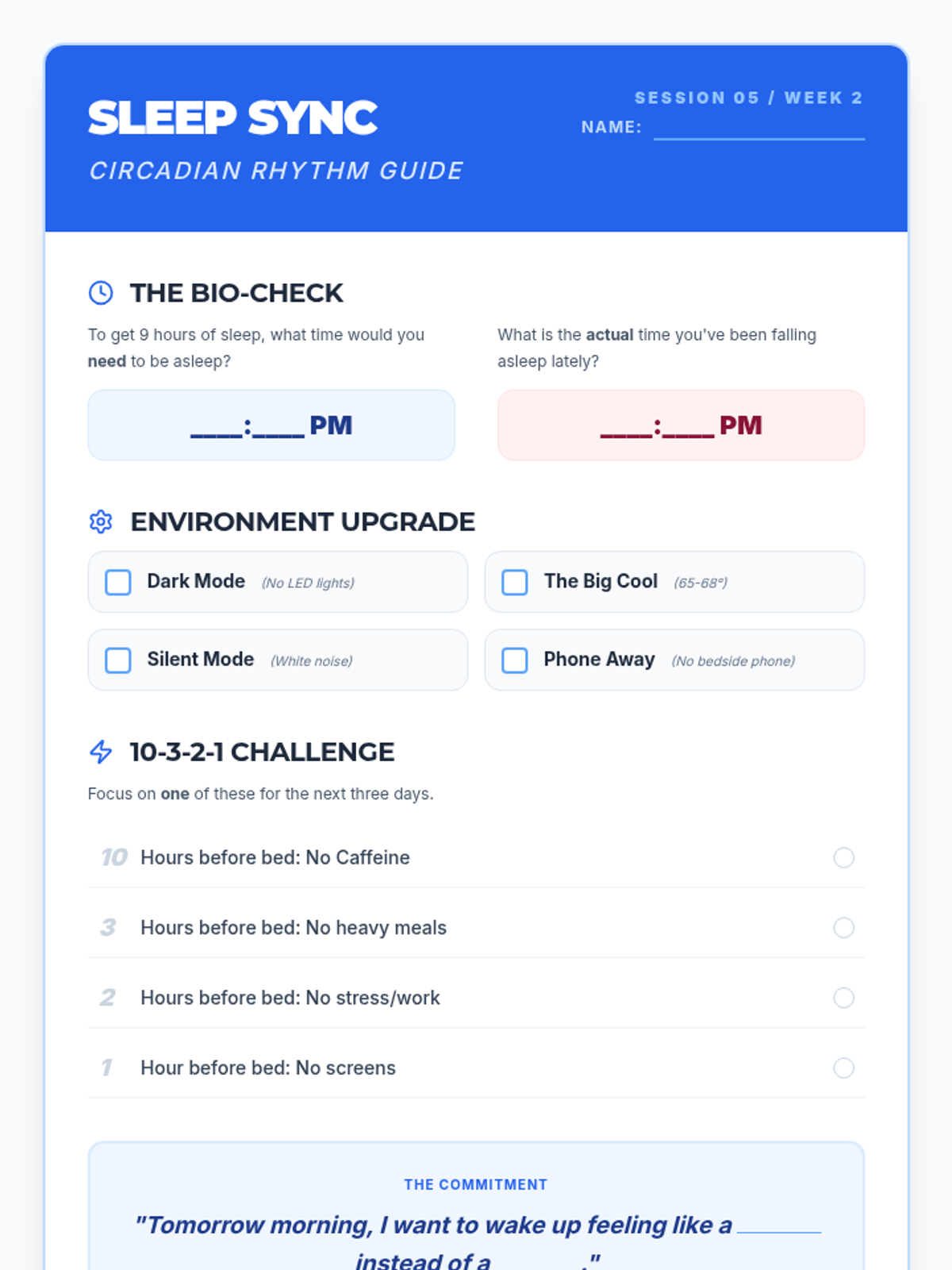
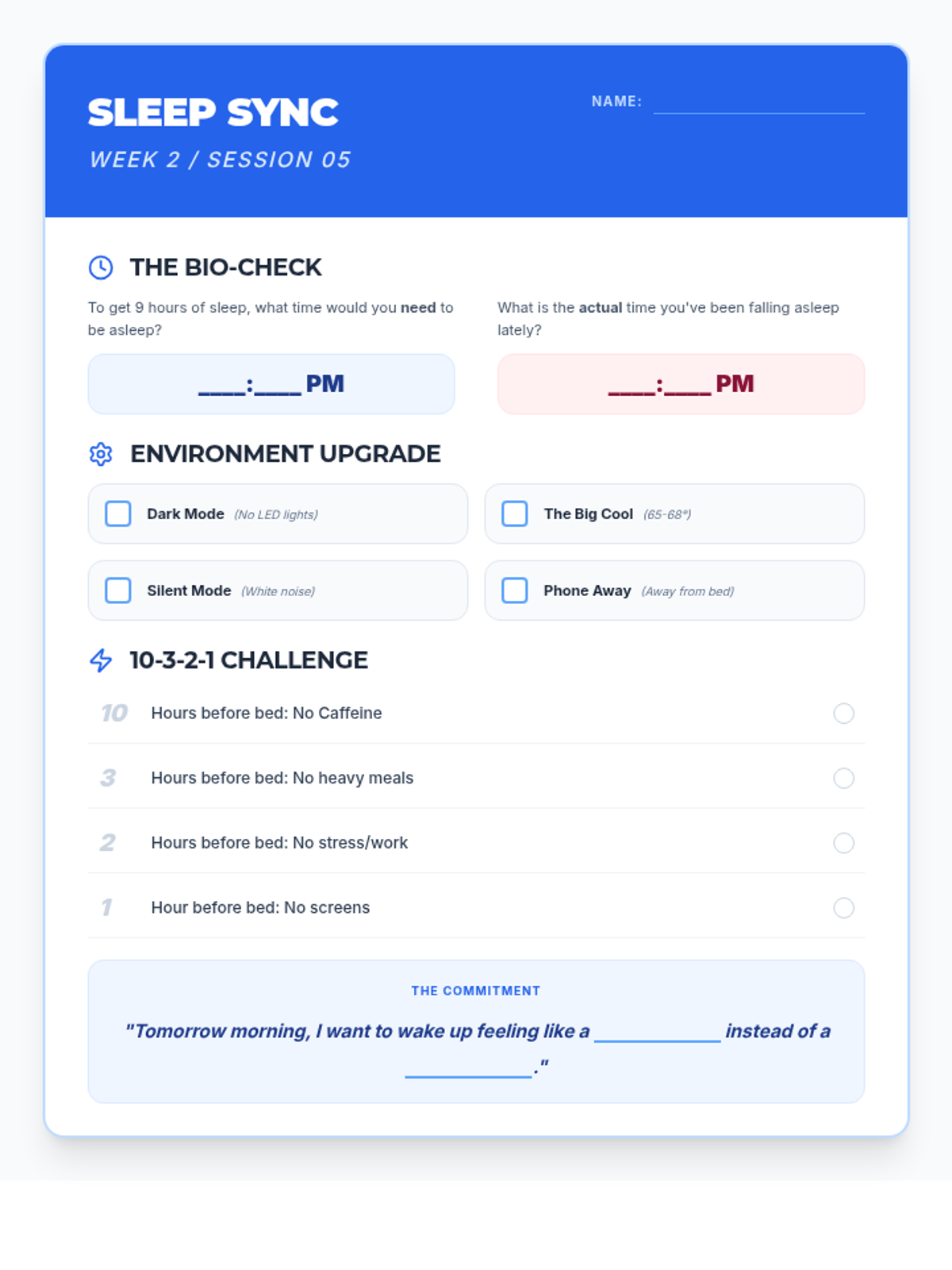
A deep dive into teen circadian rhythms and practical strategies for improving sleep hygiene without a total lifestyle overhaul.
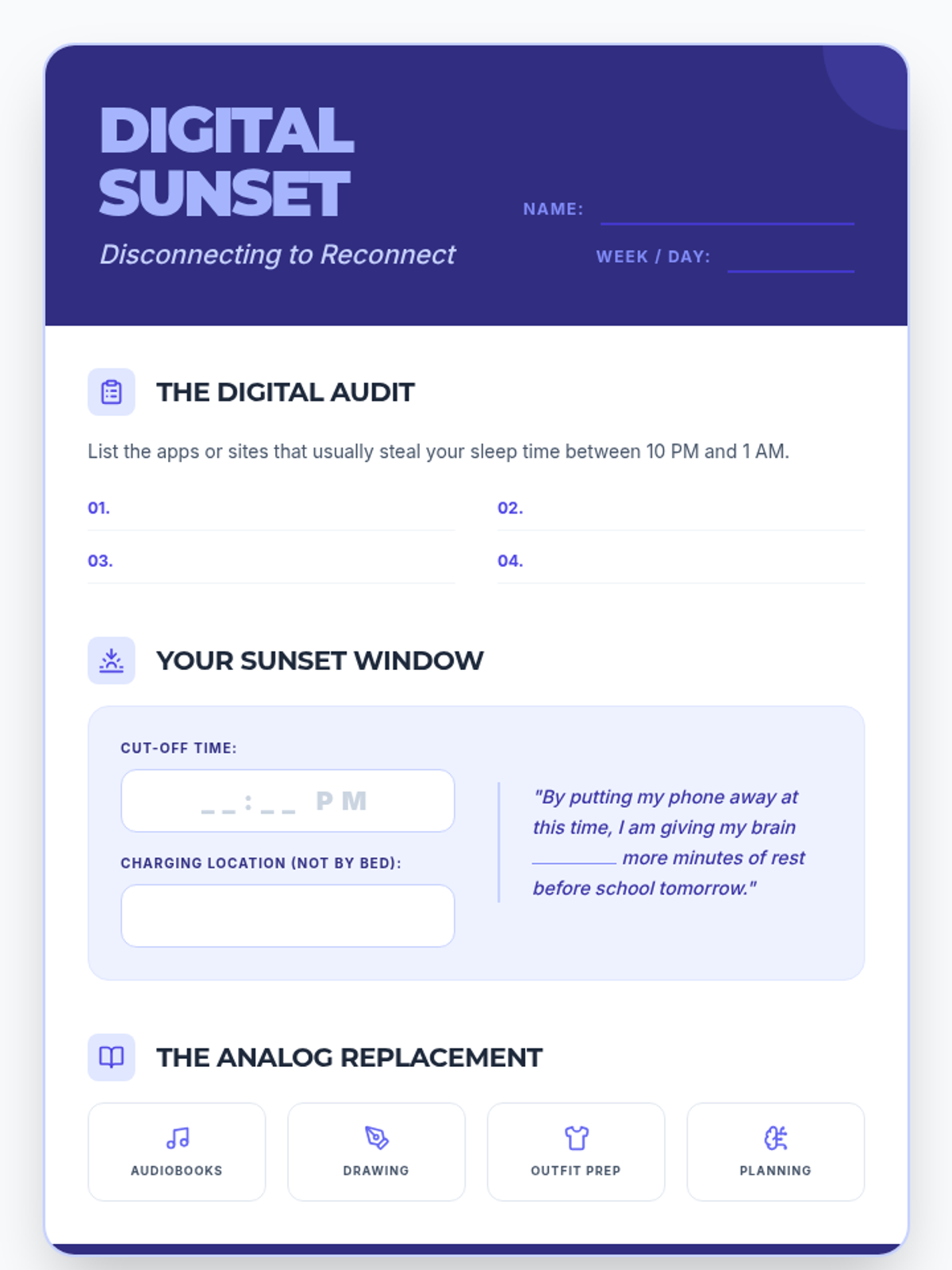
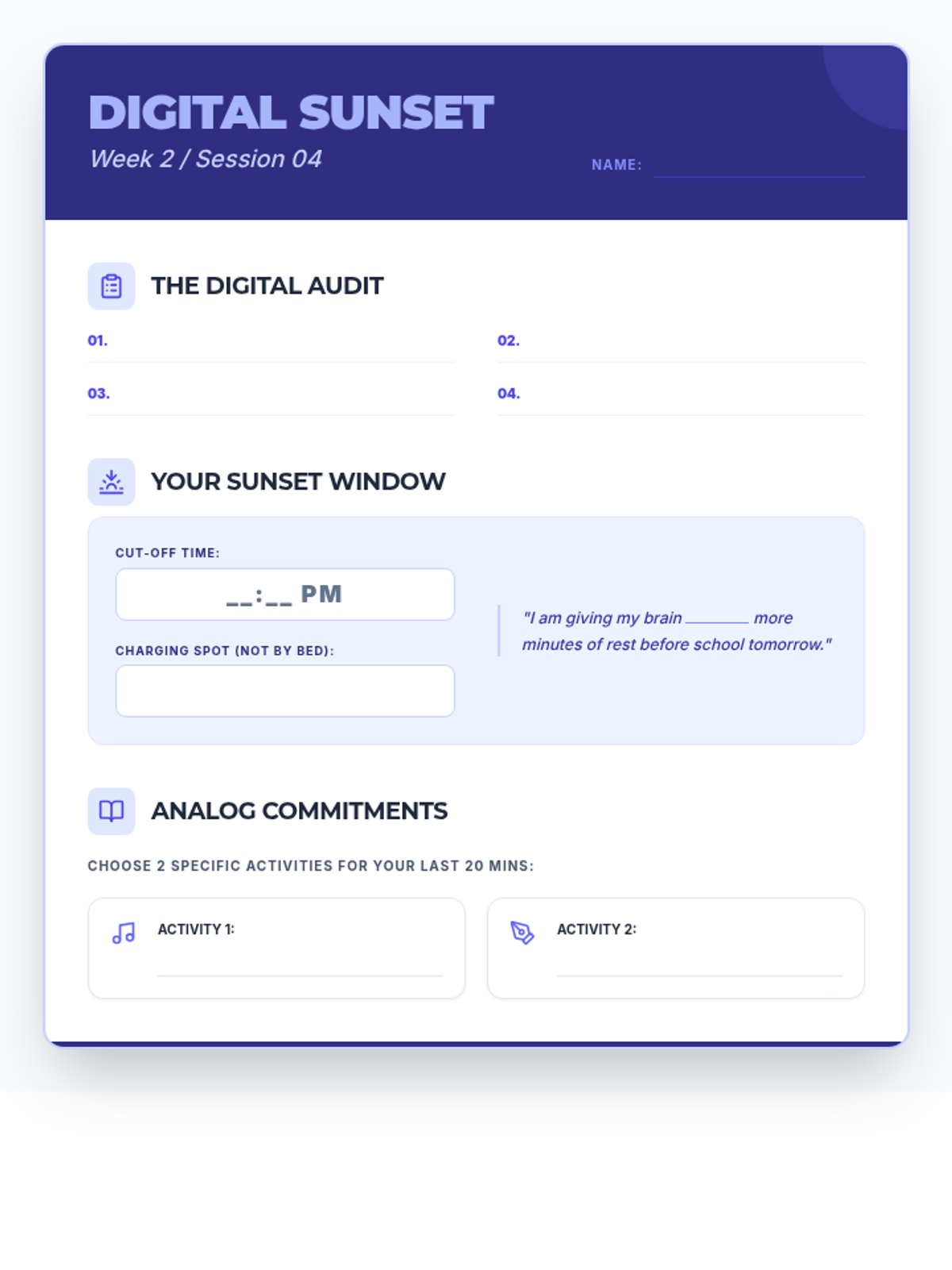
Explores the impact of evening blue light and social media on sleep quality, helping students design a 'digital sunset' window.
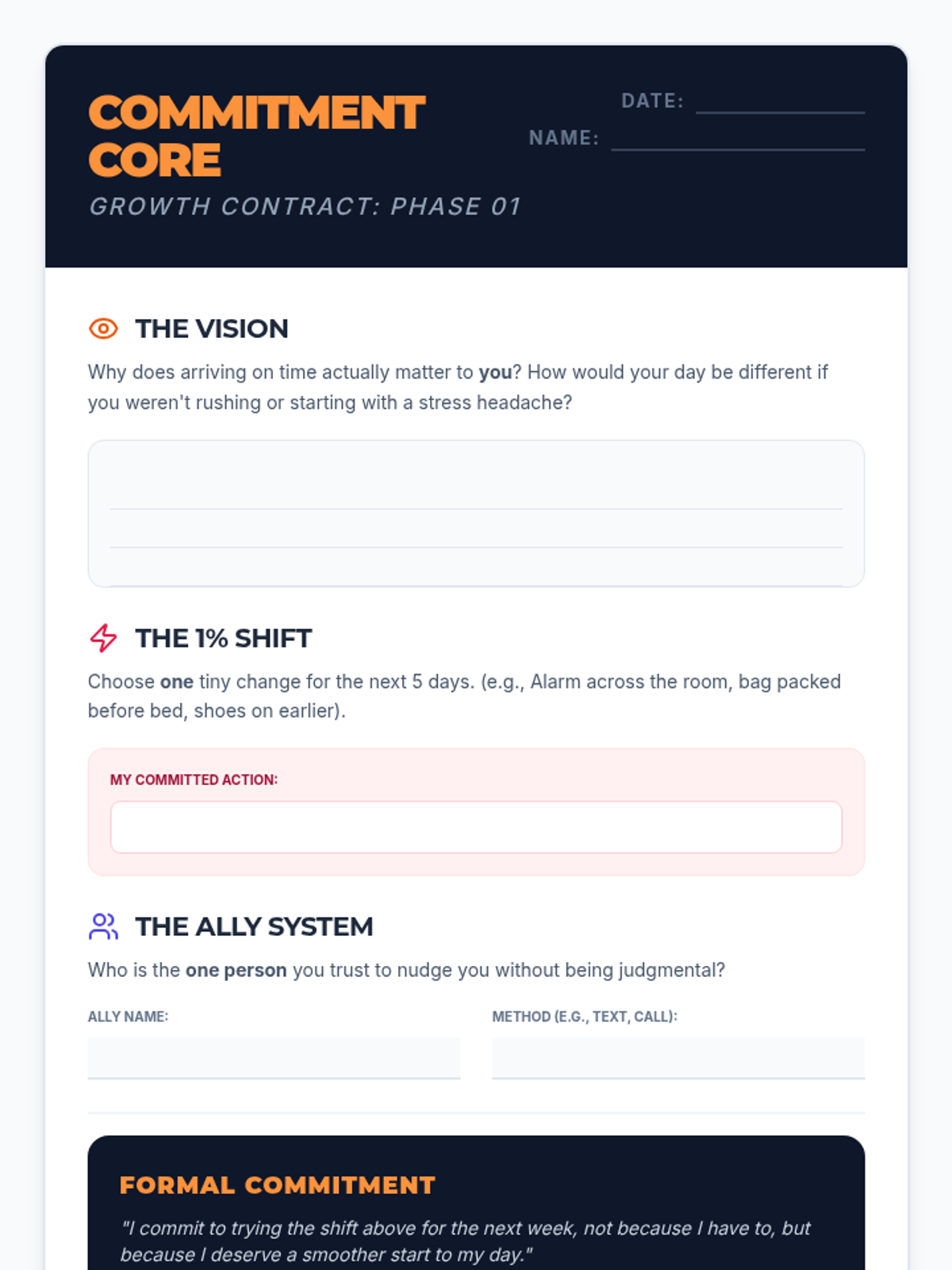
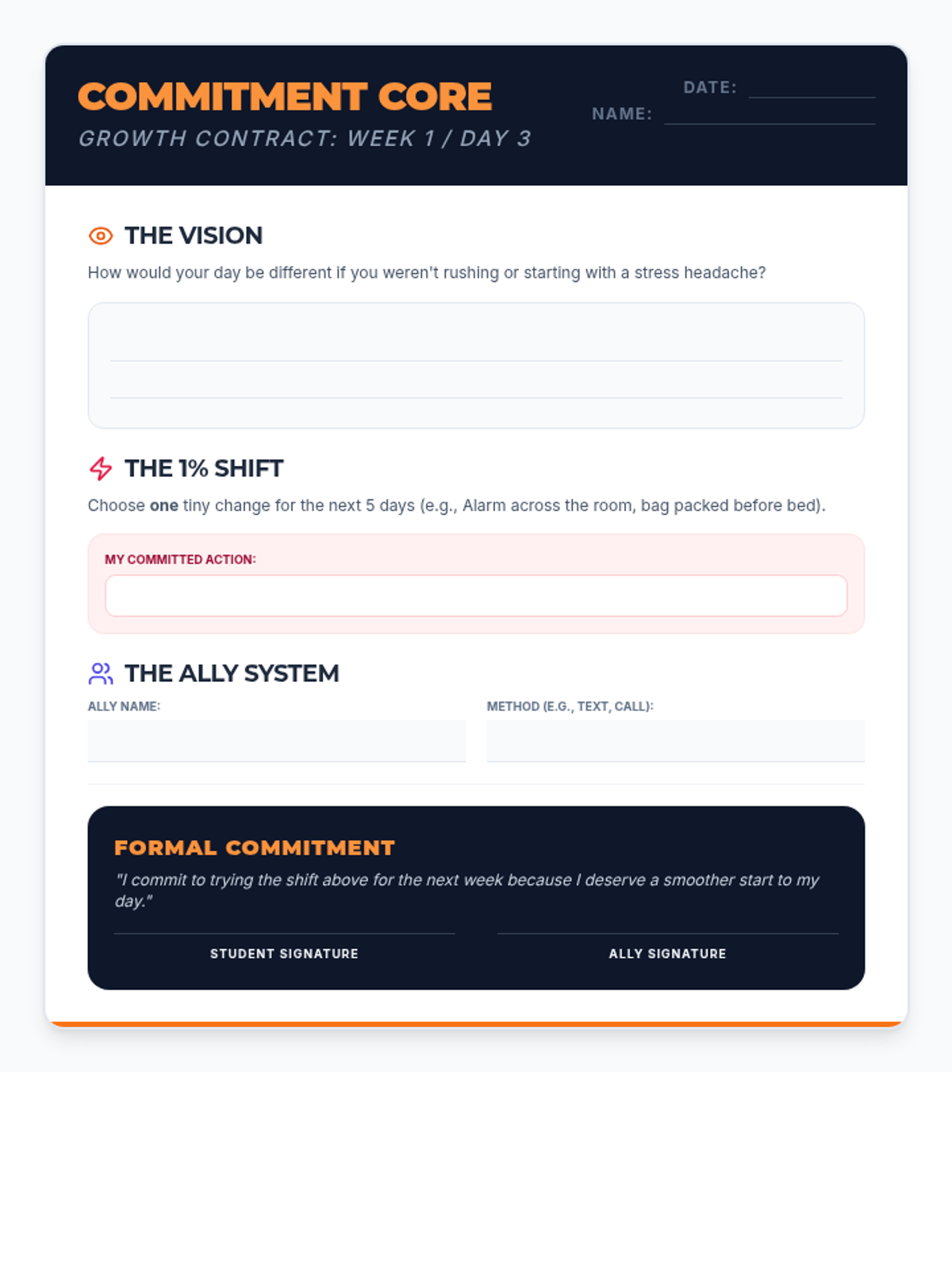
An initial commitment session where students set baseline goals, choose a primary accountability partner, and sign their first growth contract.
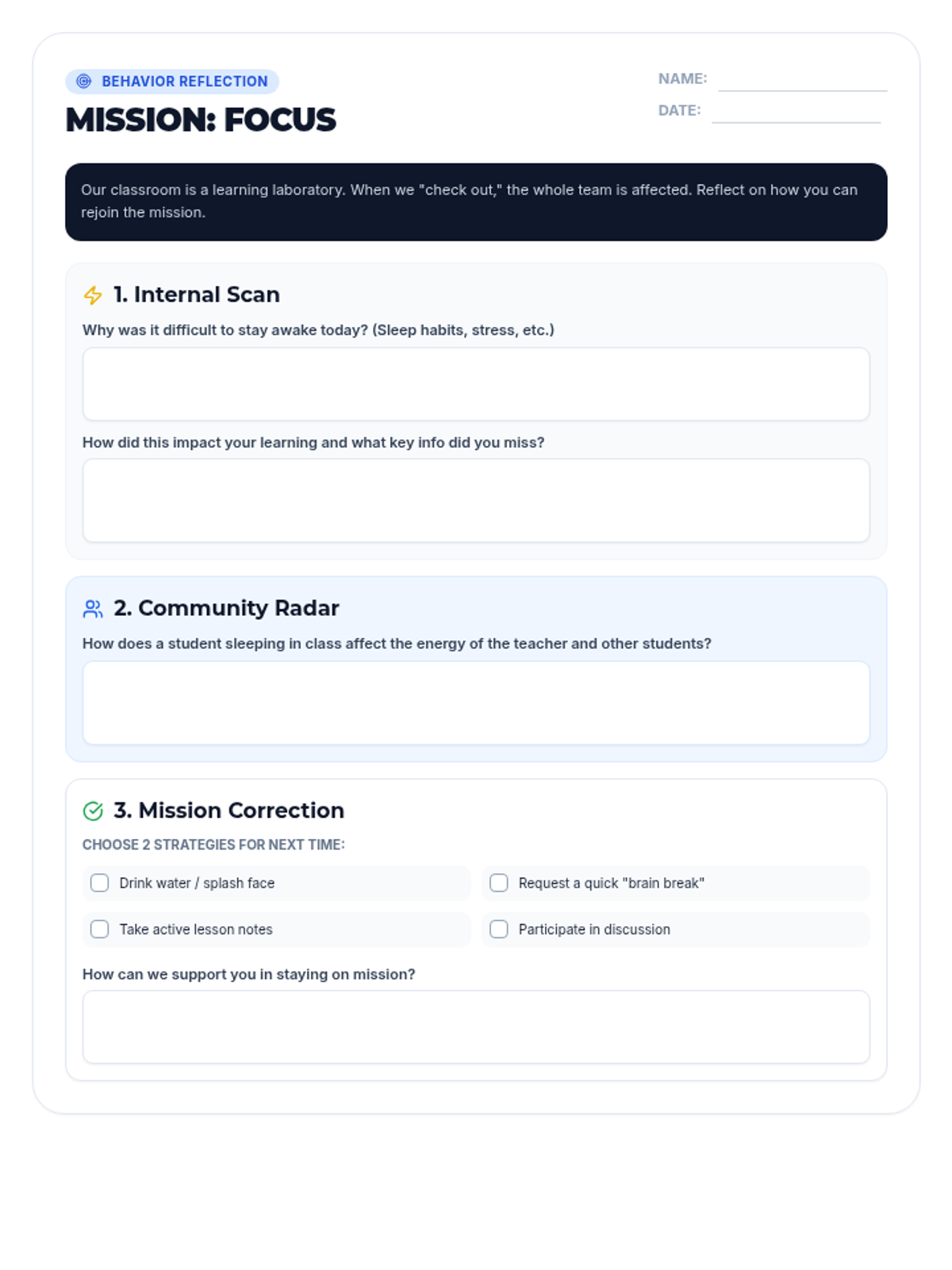
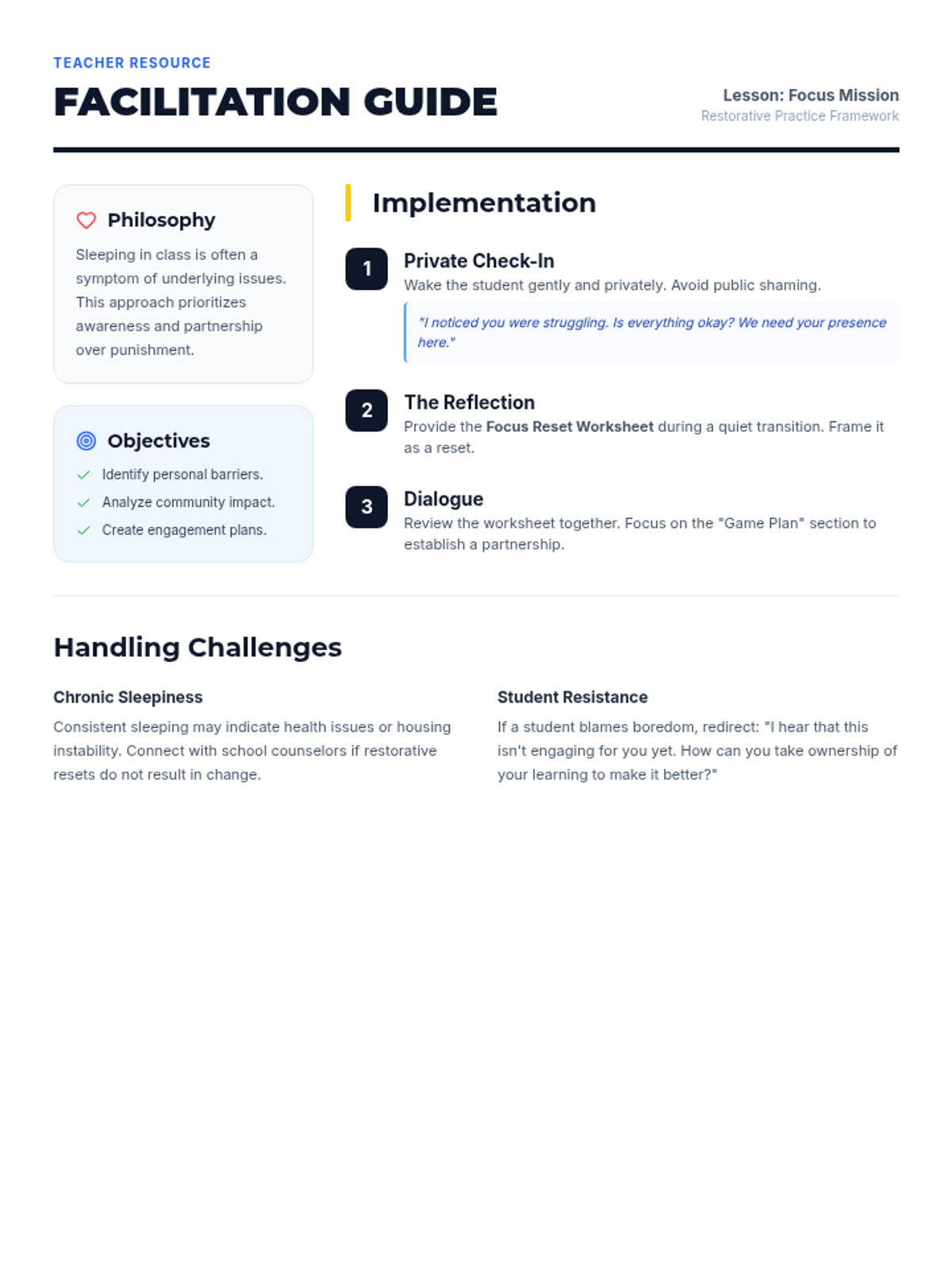
A restorative lesson designed to help students understand the importance of staying awake and engaged in class, focusing on personal success and classroom community respect.
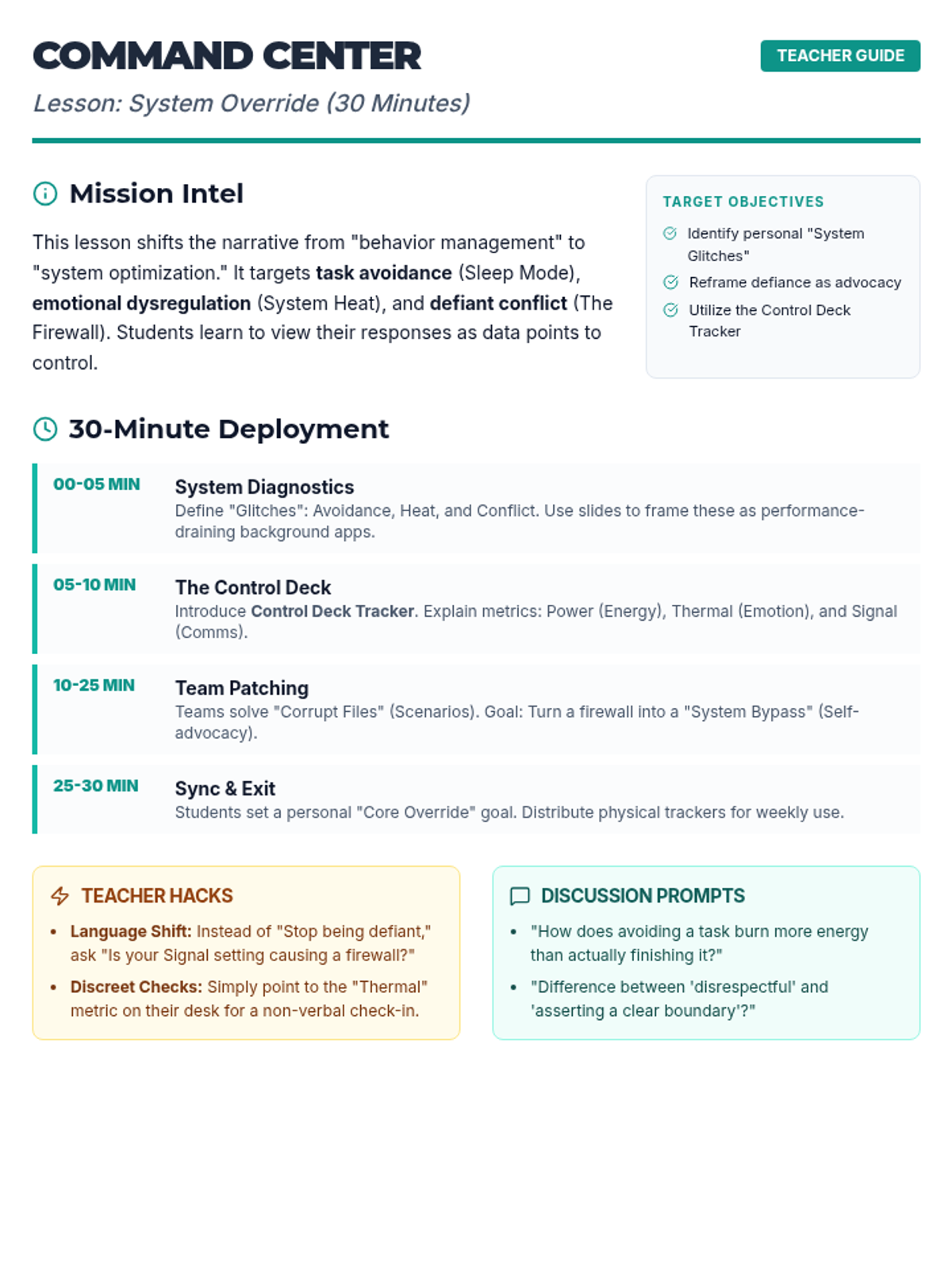
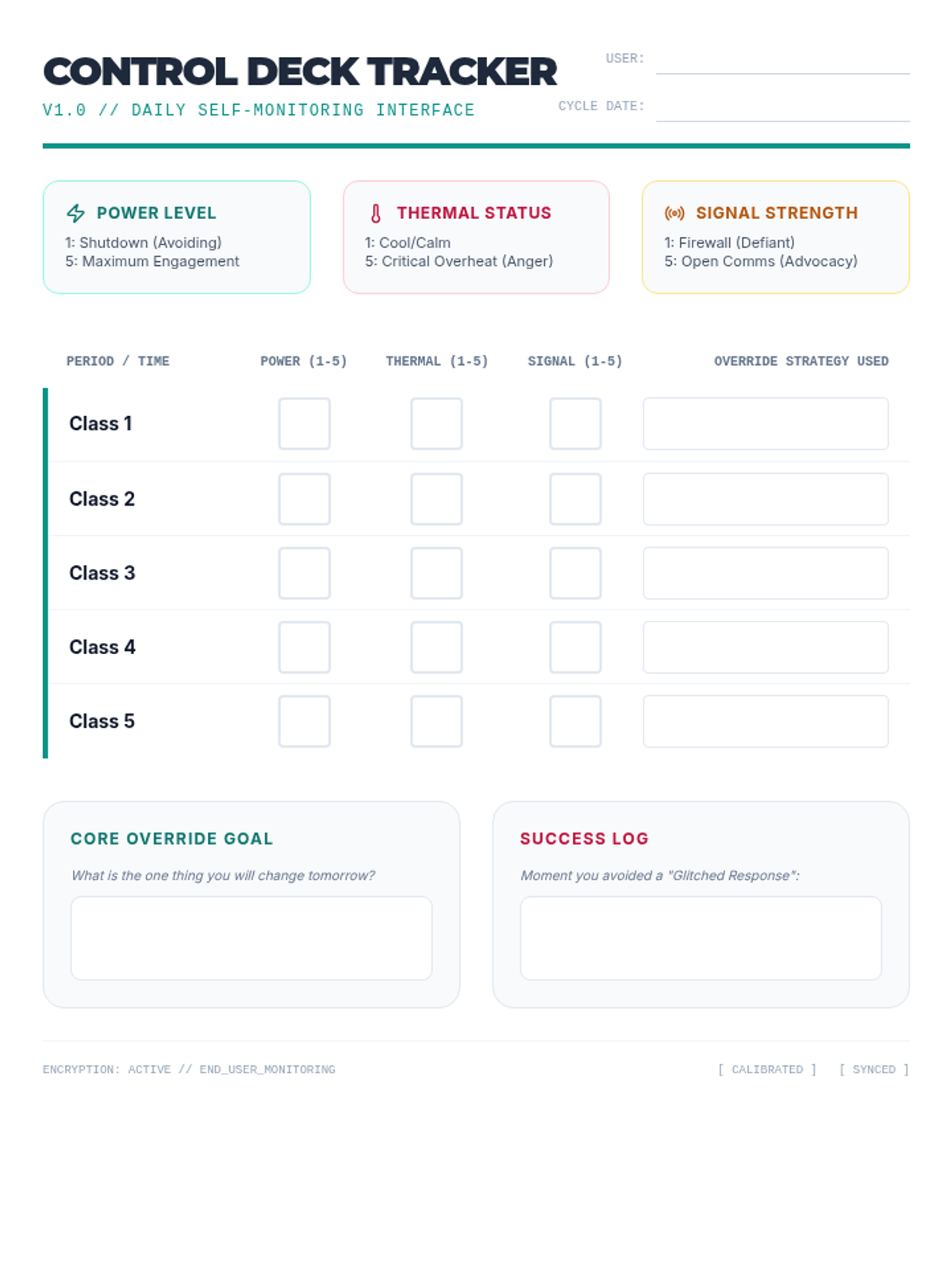
A high-impact lesson designed for high schoolers to master self-regulation and task management through a 'systems interface' lens, focusing on turning defiance into self-advocacy.
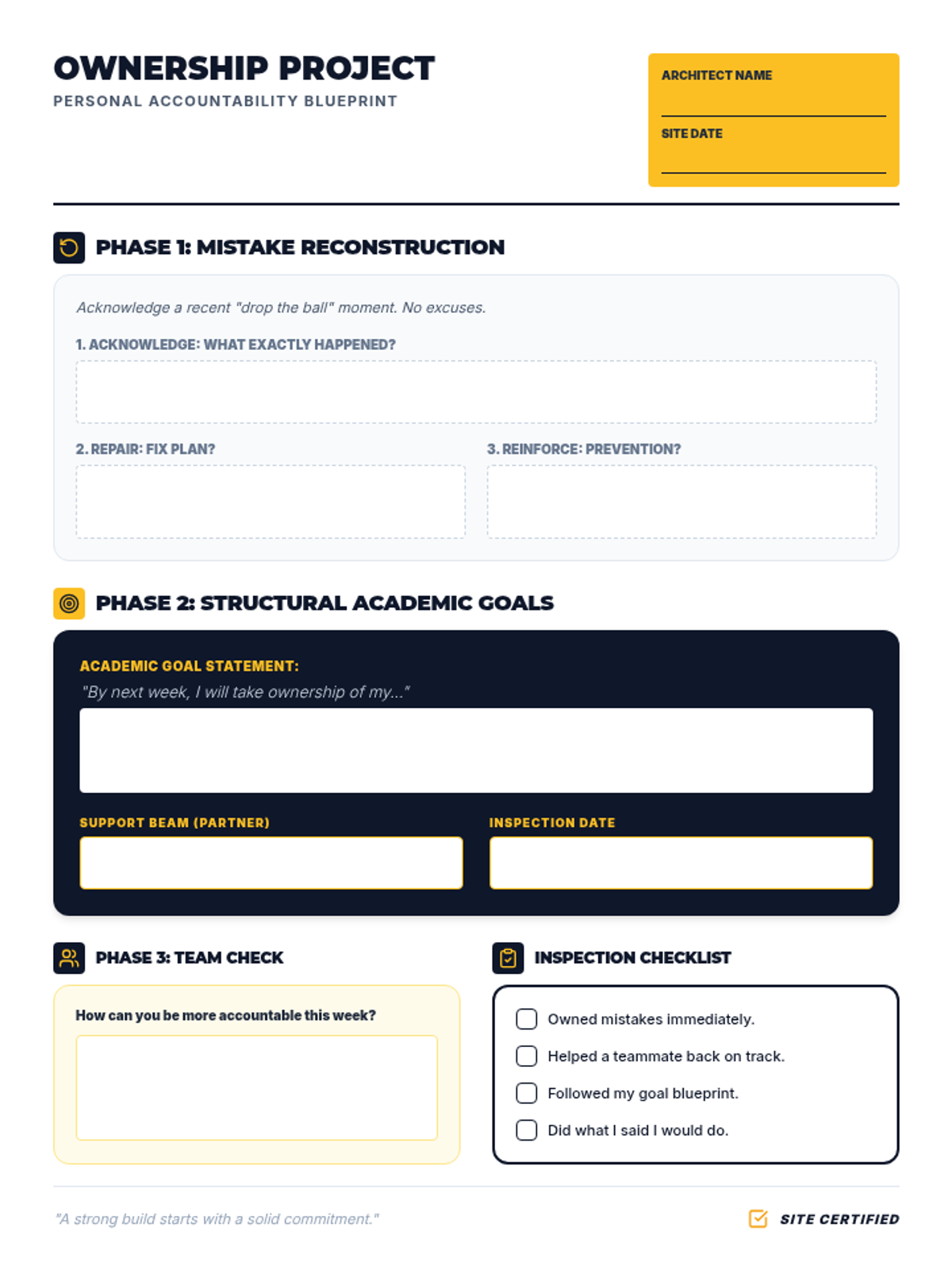
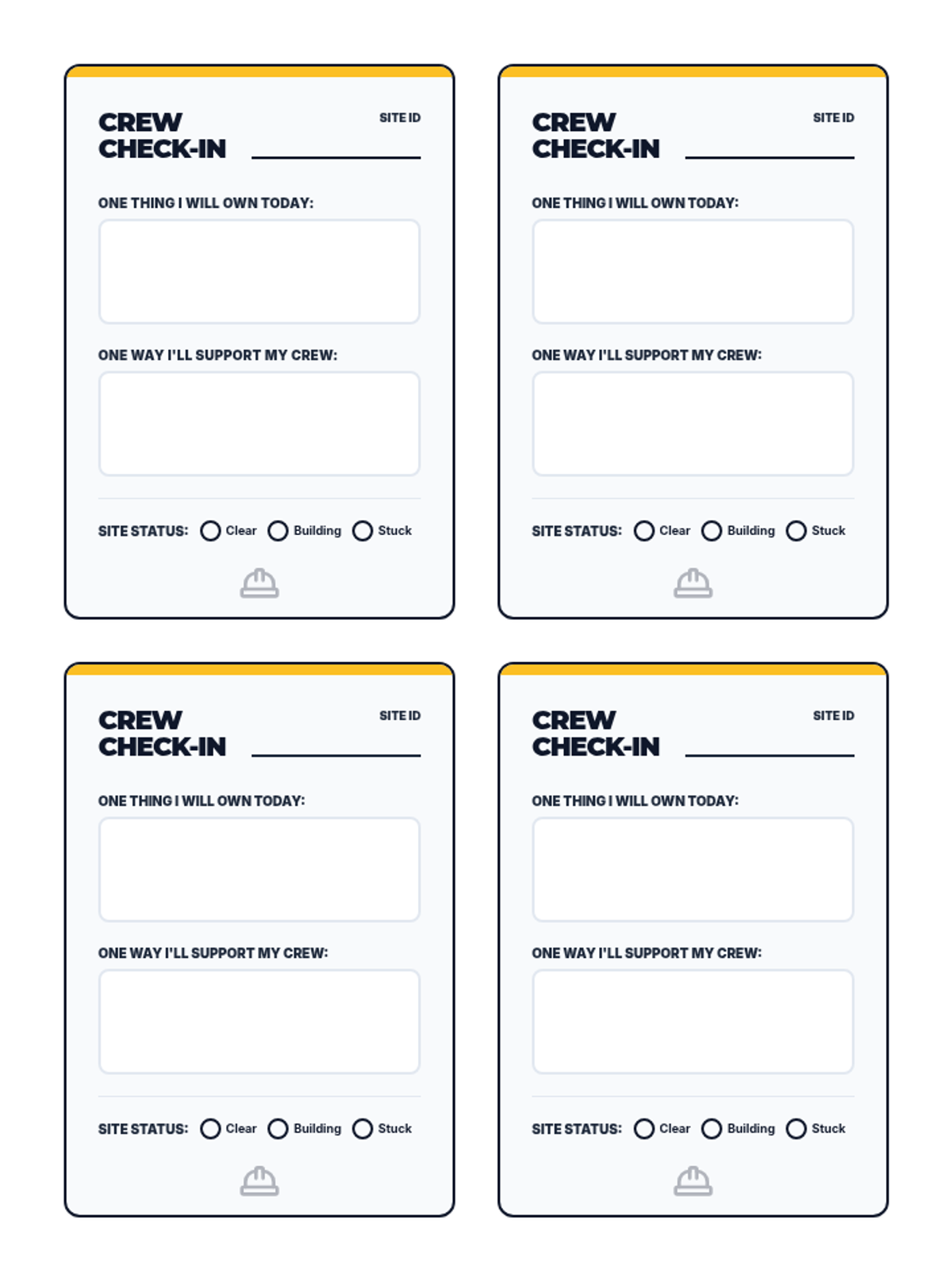
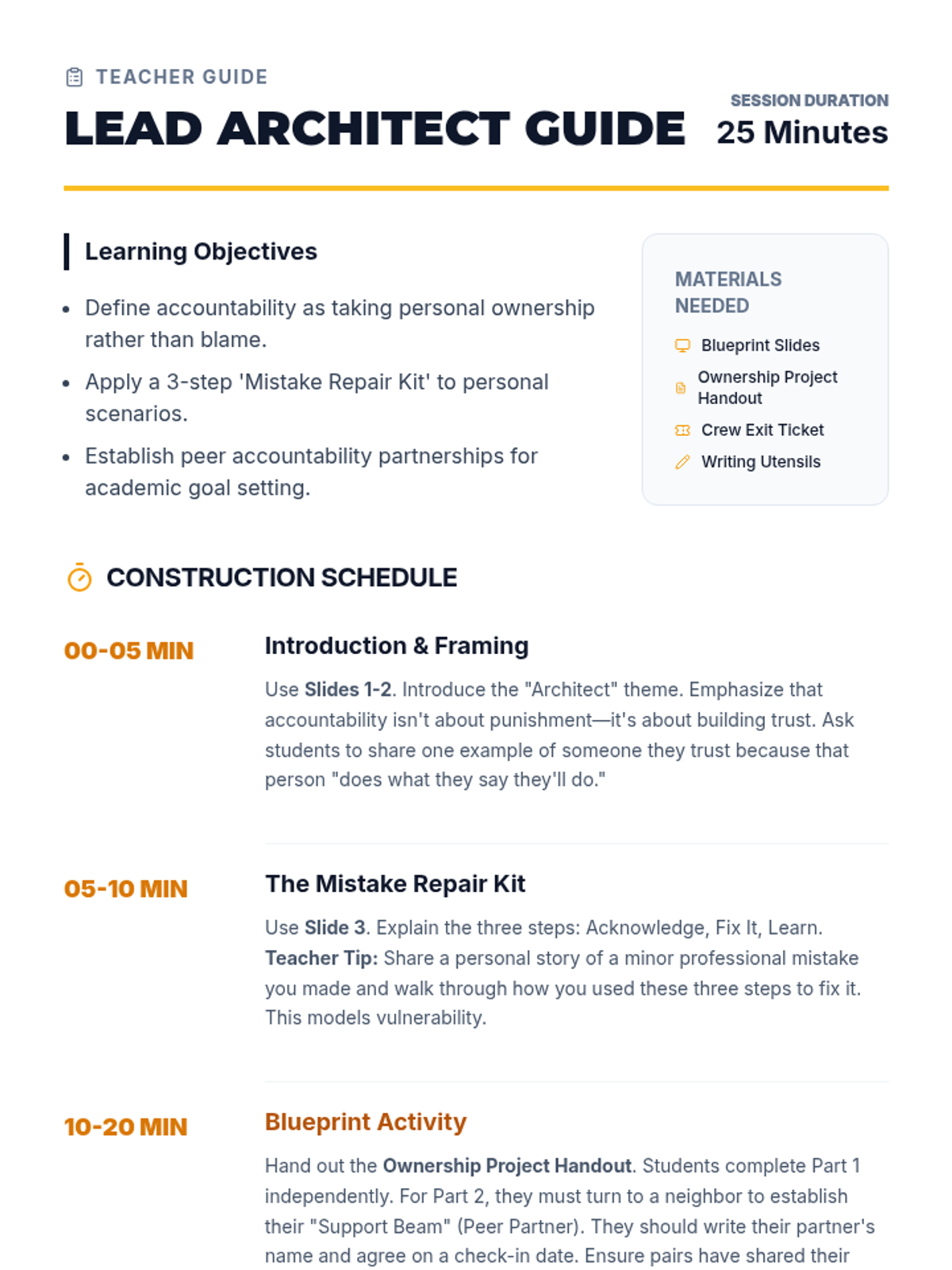
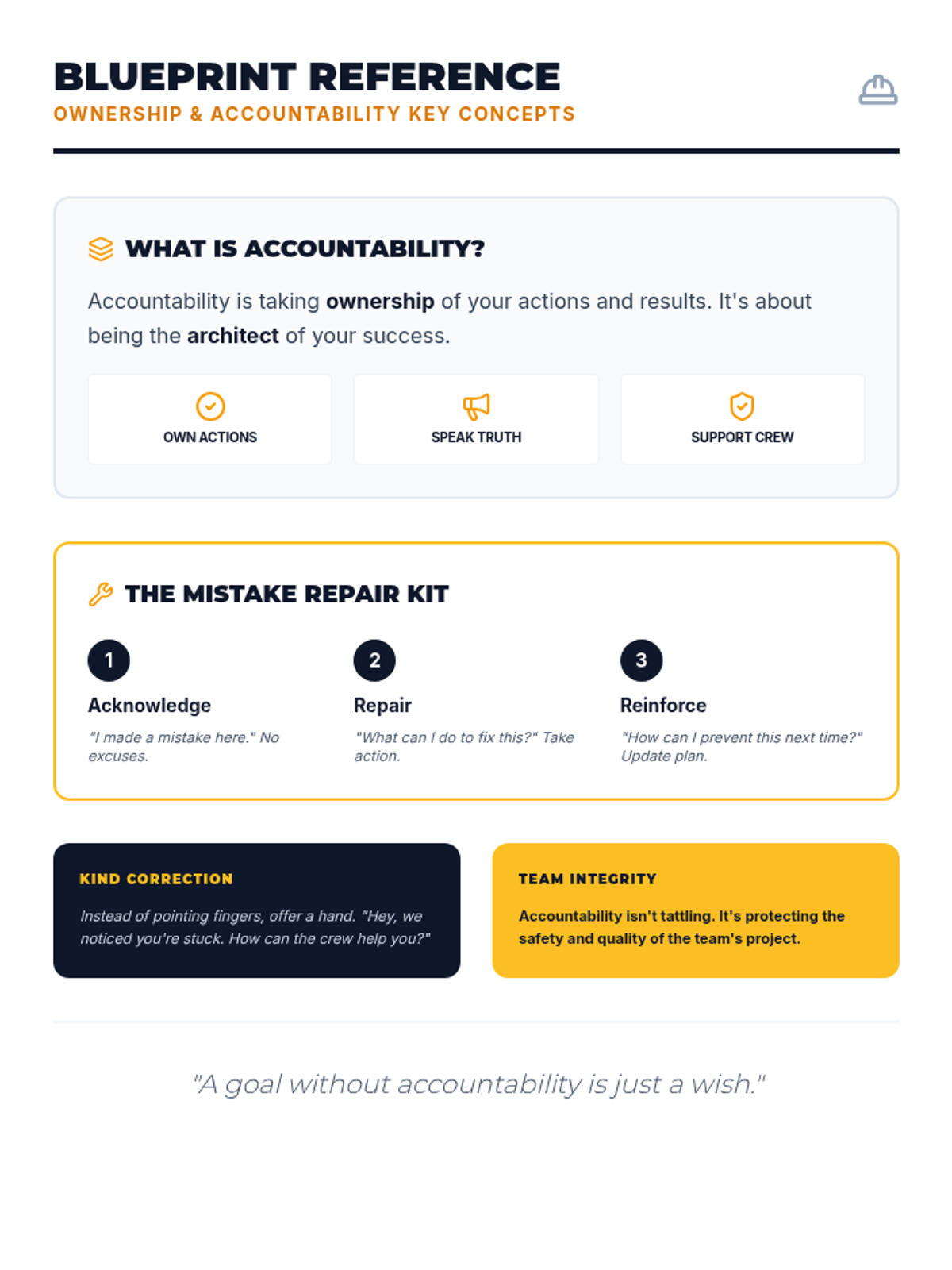
A fast-paced, high-impact 25-minute lesson focusing on the pillars of accountability: owning mistakes, supporting peers, and setting concrete academic goals. Students take on the role of 'Accountability Architects' to build a stronger classroom culture.
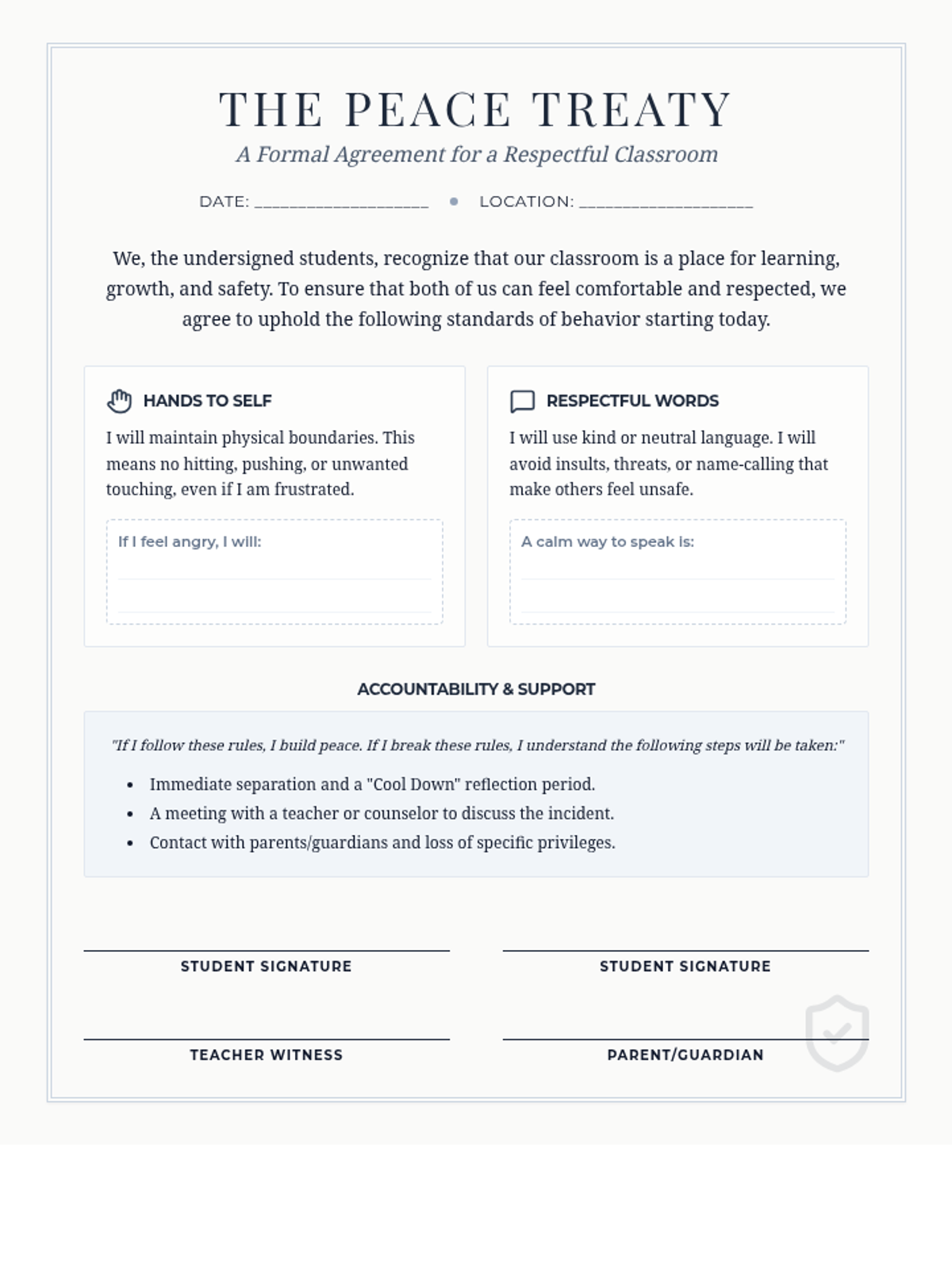
A restorative behavioral intervention focused on resolving physical conflict and verbal aggression between two students through a formal agreement and daily tracking.
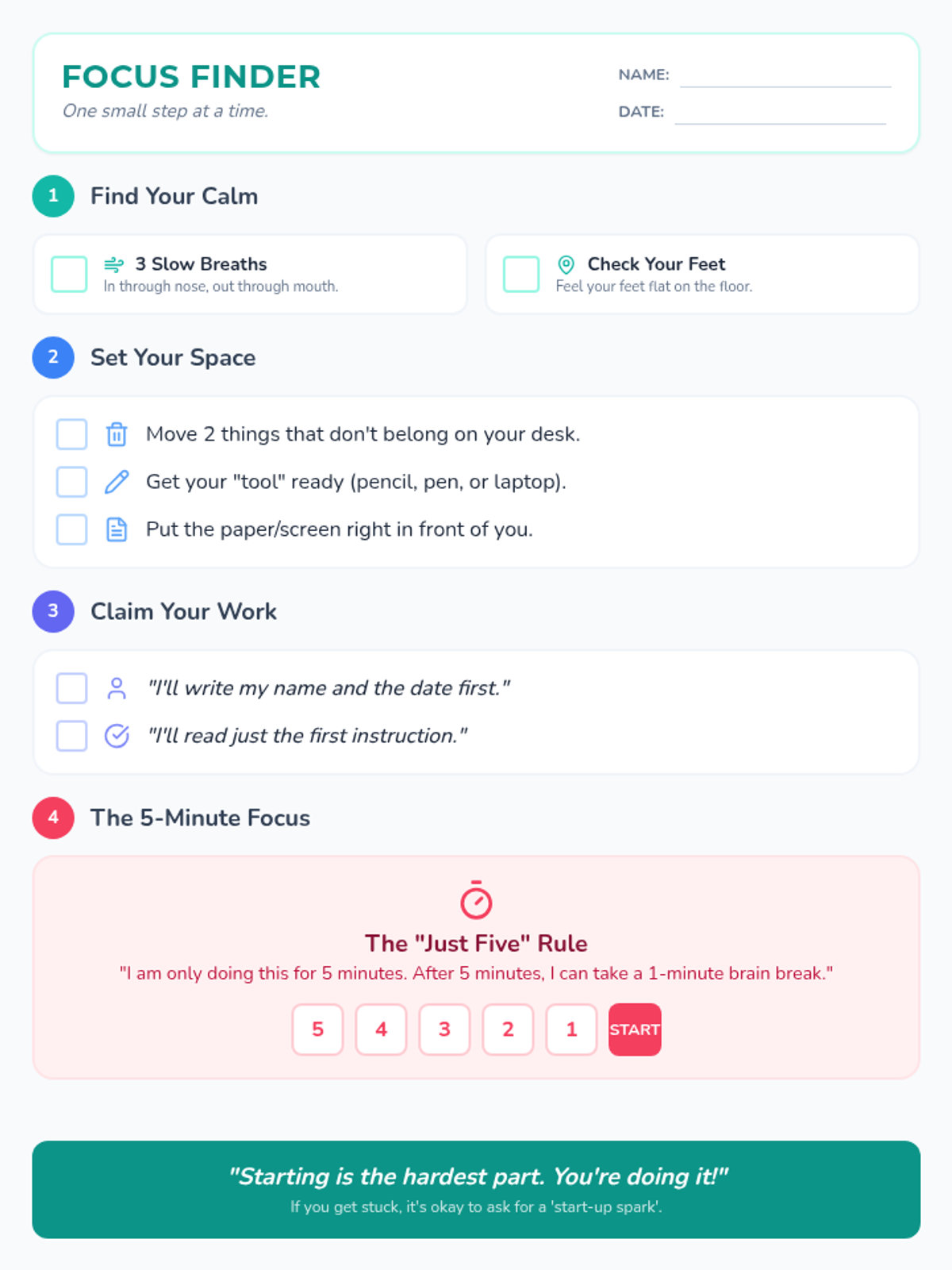
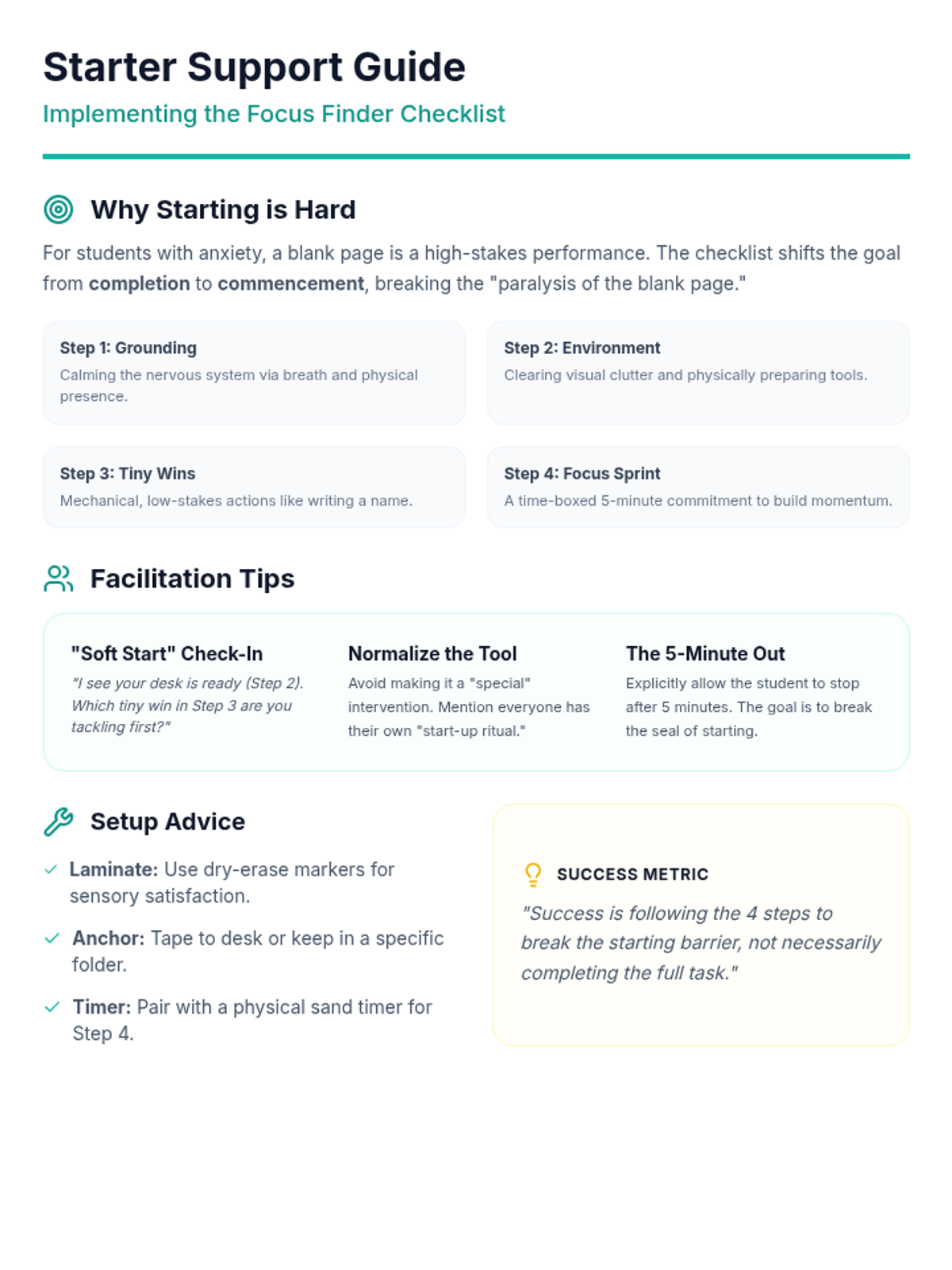
A supportive toolset designed to help students with anxiety overcome the hurdle of starting tasks through gentle, visual grounding and micro-steps.
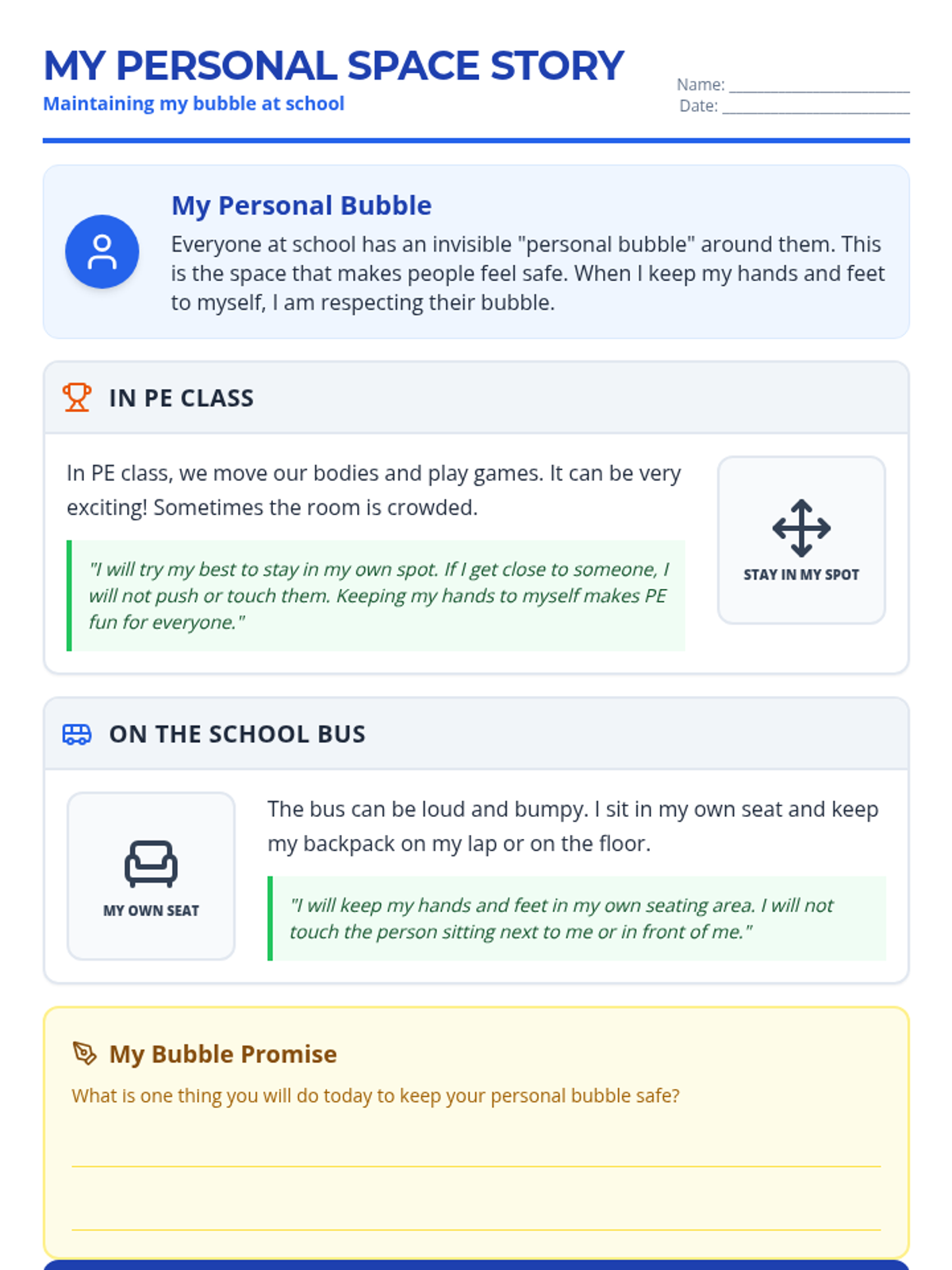
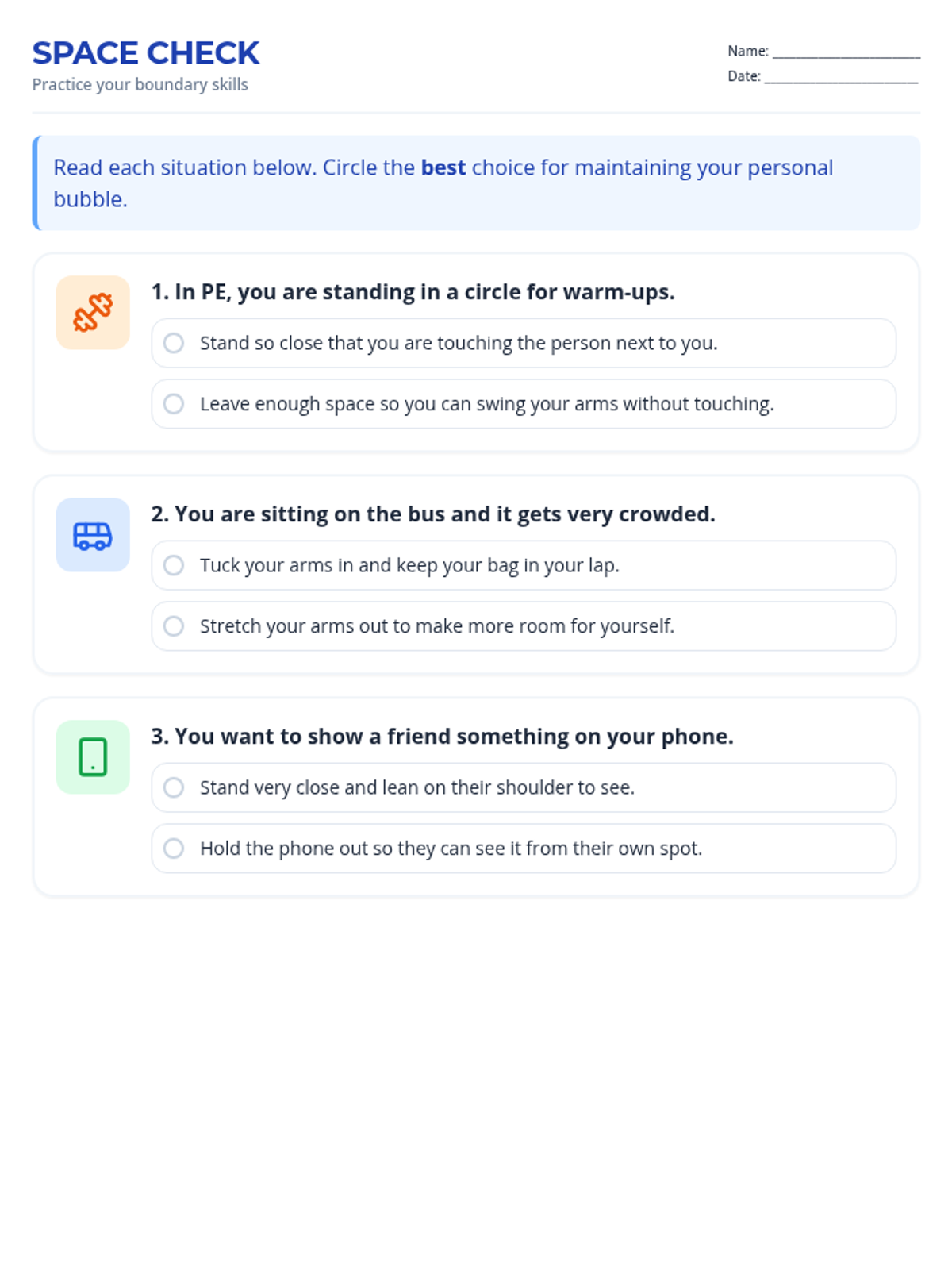
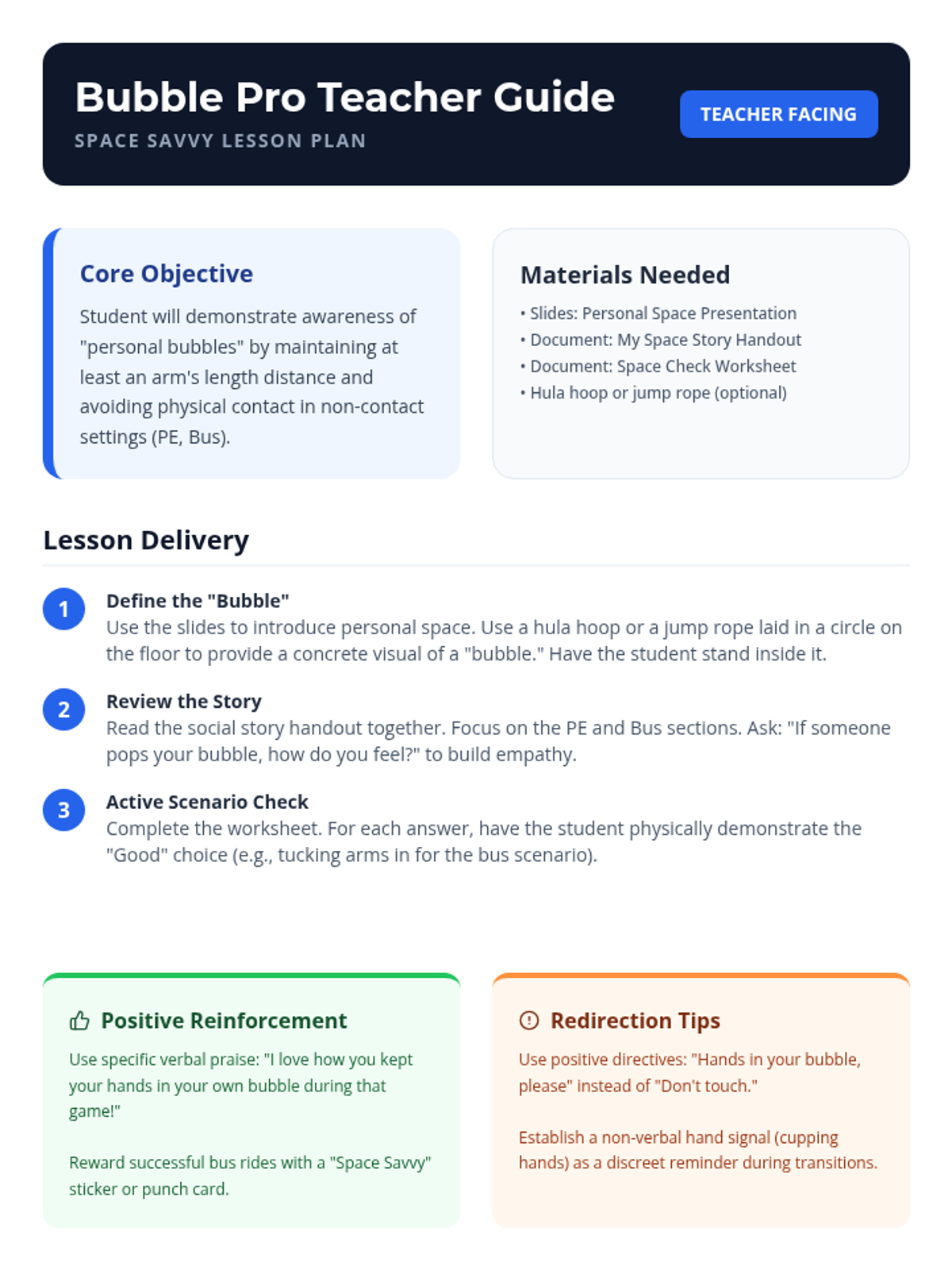
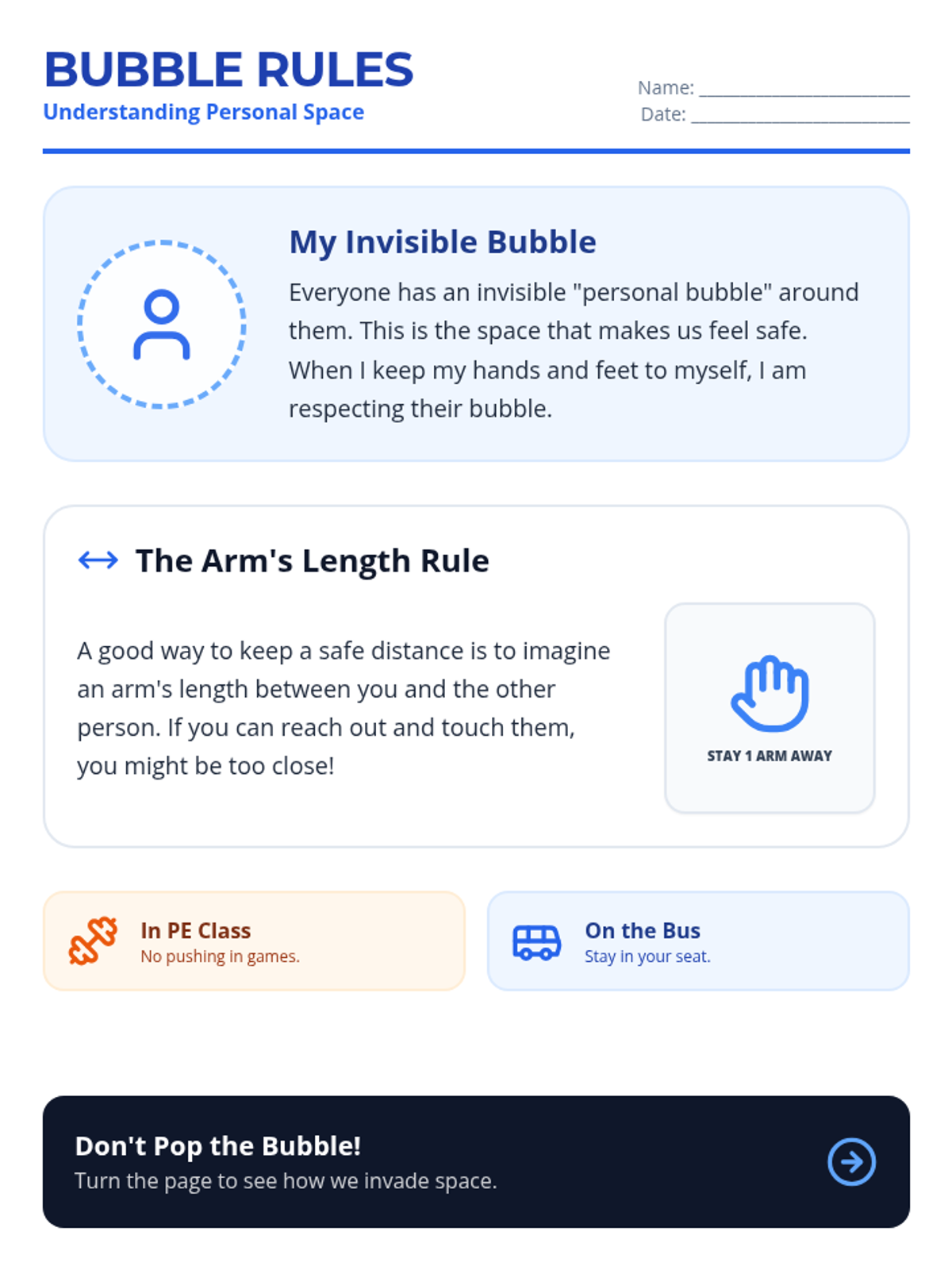
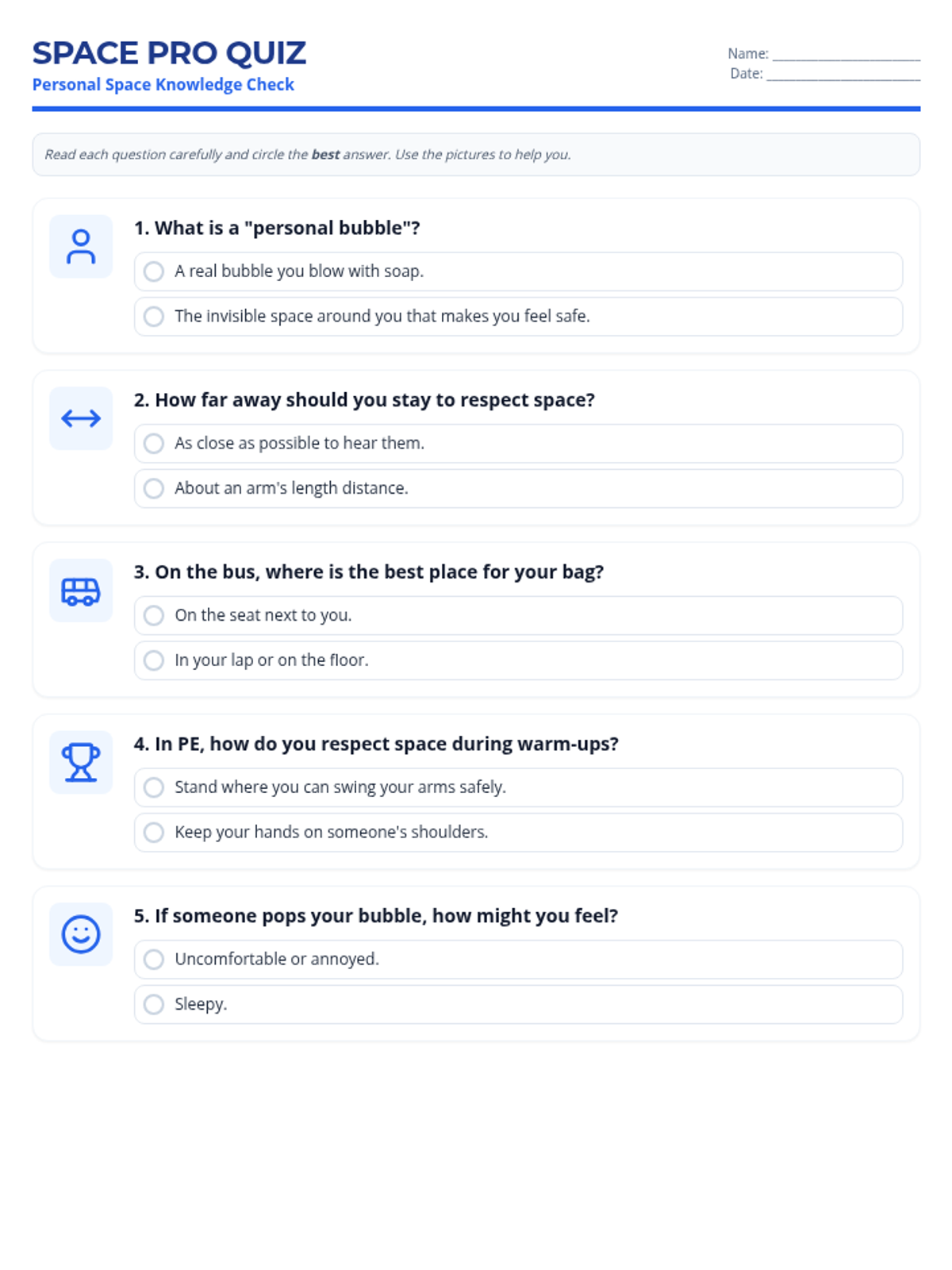
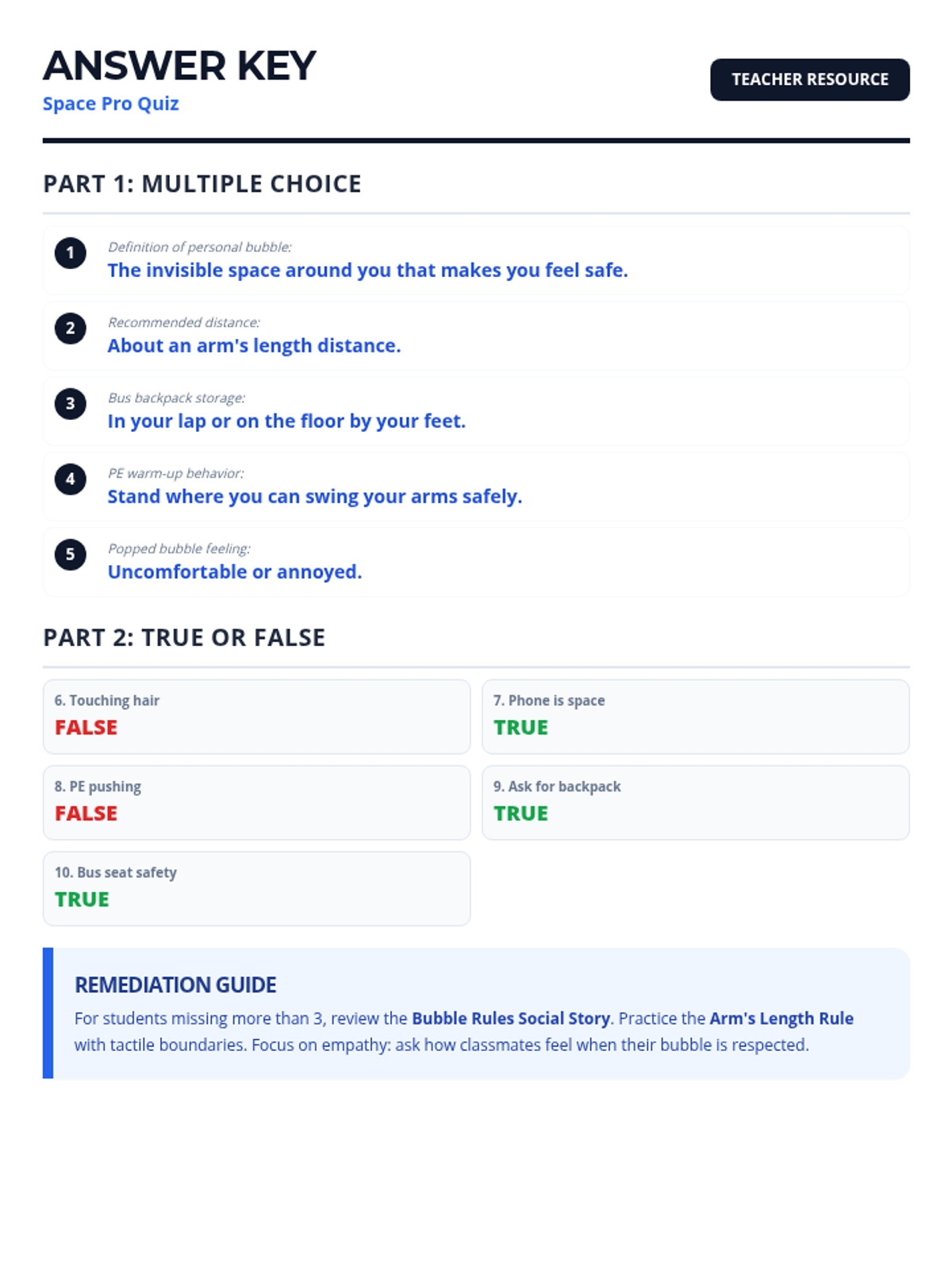
A lesson focused on helping high school students understand and maintain personal space in specific school environments like PE class and the bus.
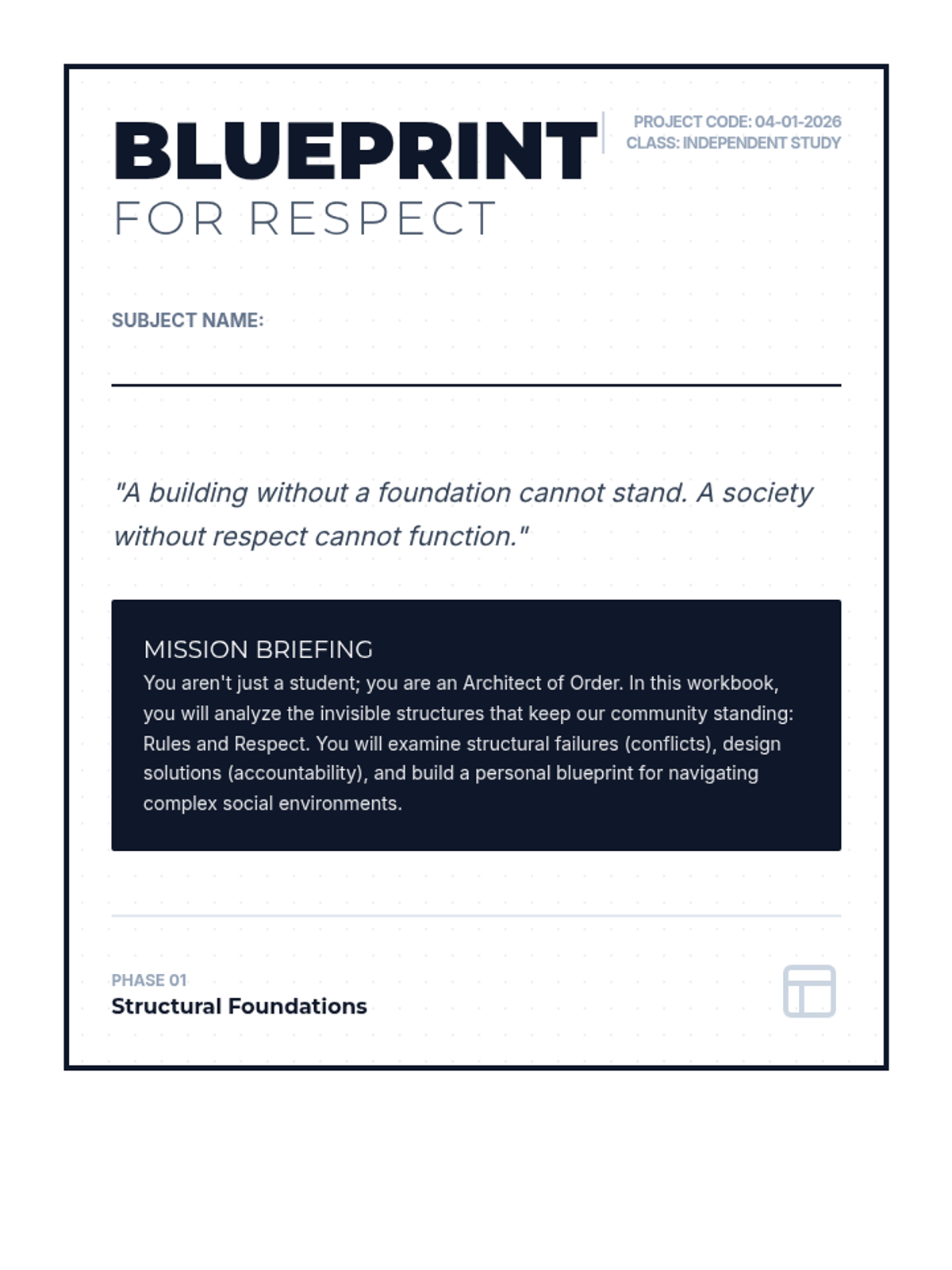
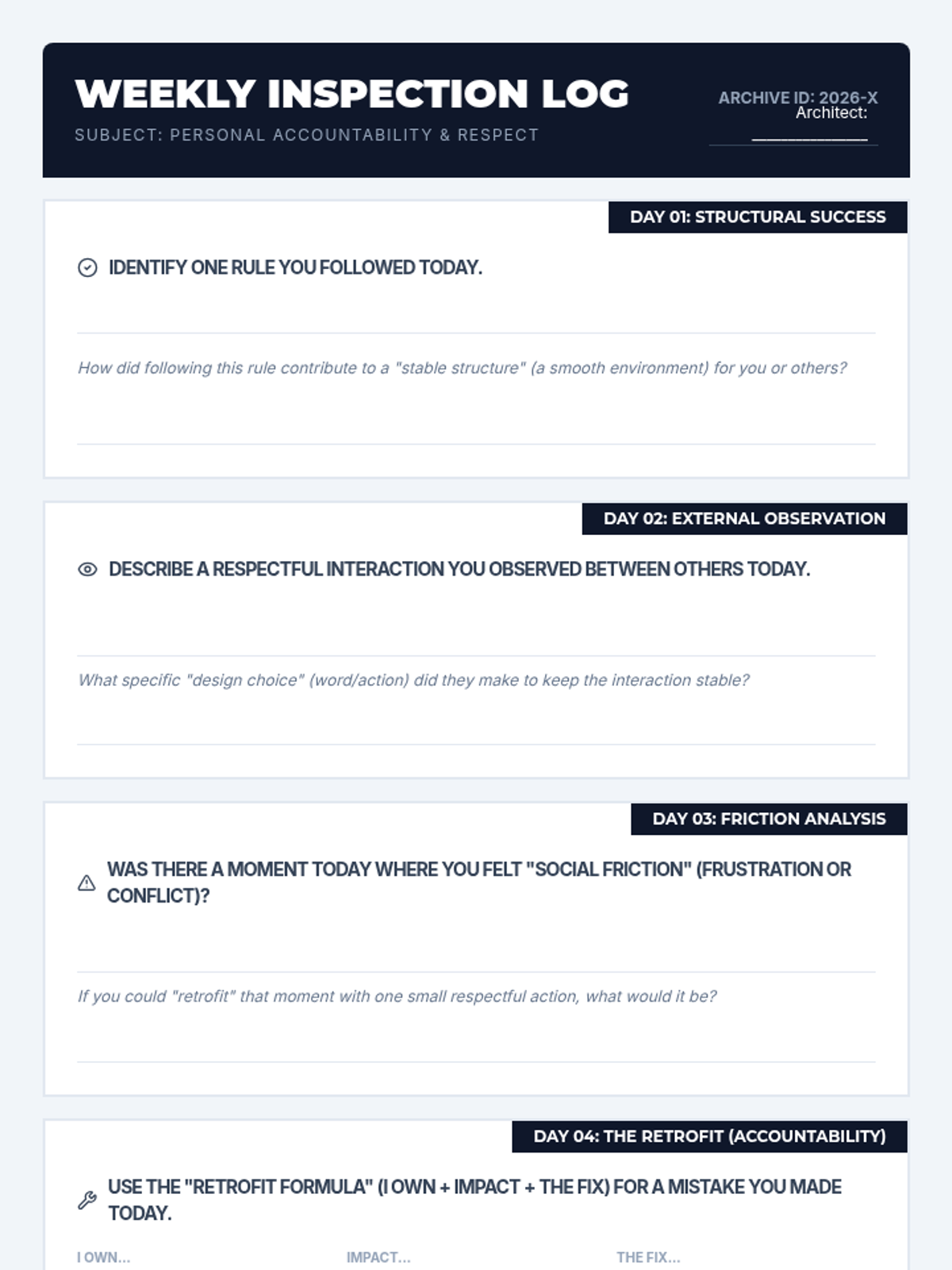
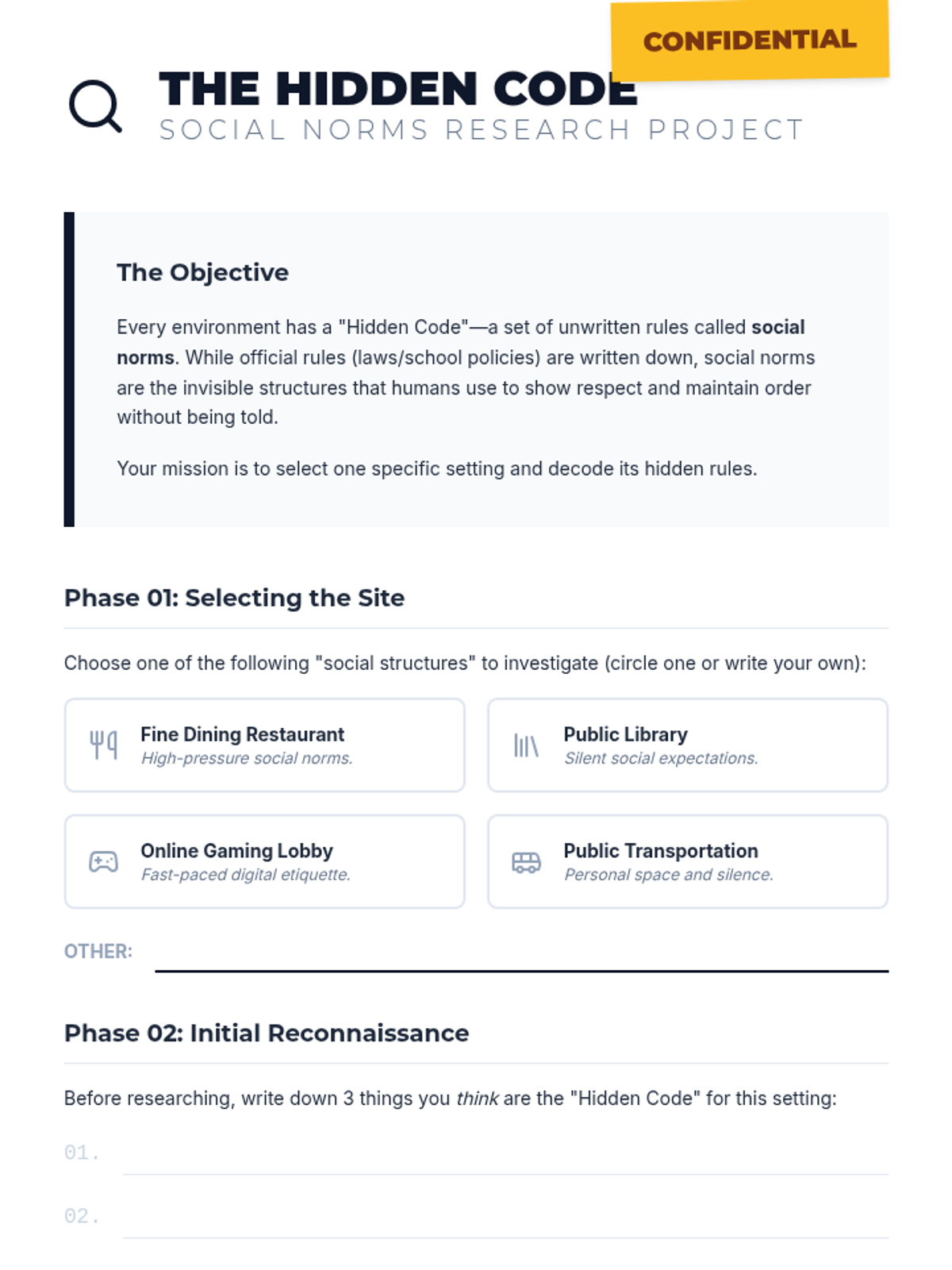
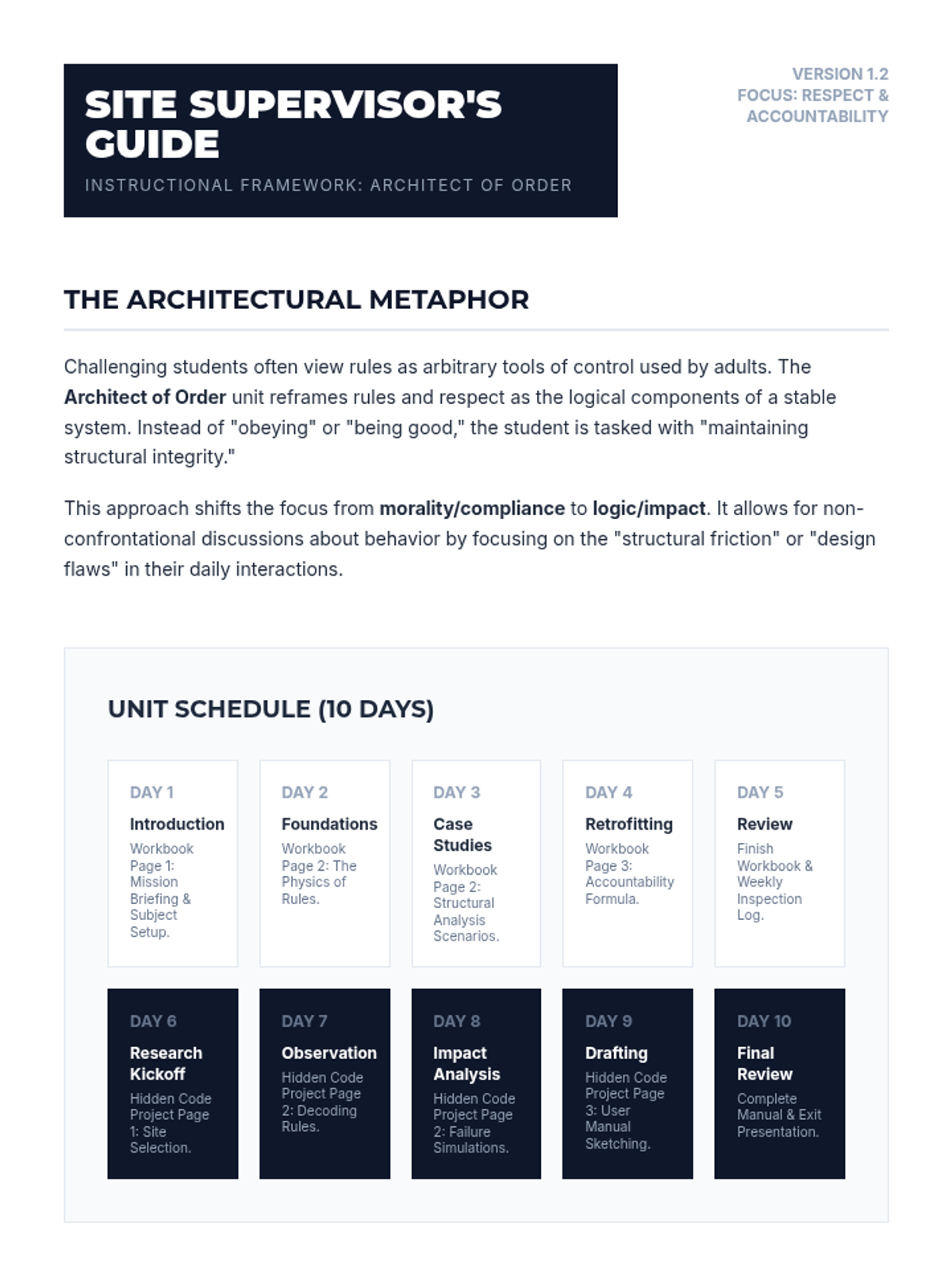
A comprehensive independent study unit for students to explore the logical foundations of respect, rules, and personal accountability through an architectural lens.