Fundamental hardware proficiency, secure online behavior, and ethical social media engagement. Equips learners with productivity tool mastery, web publishing skills, and critical evaluation of emerging technologies.
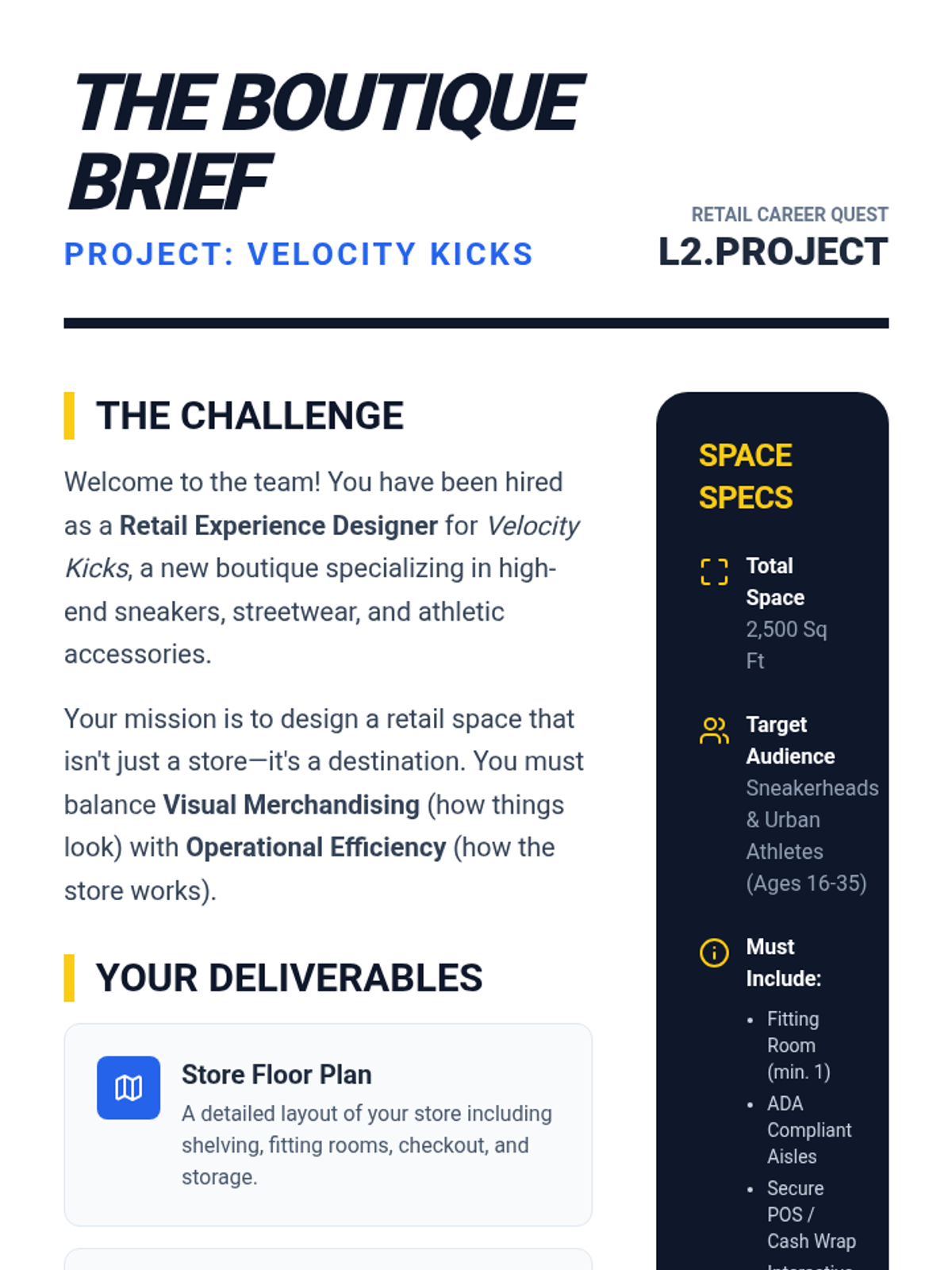
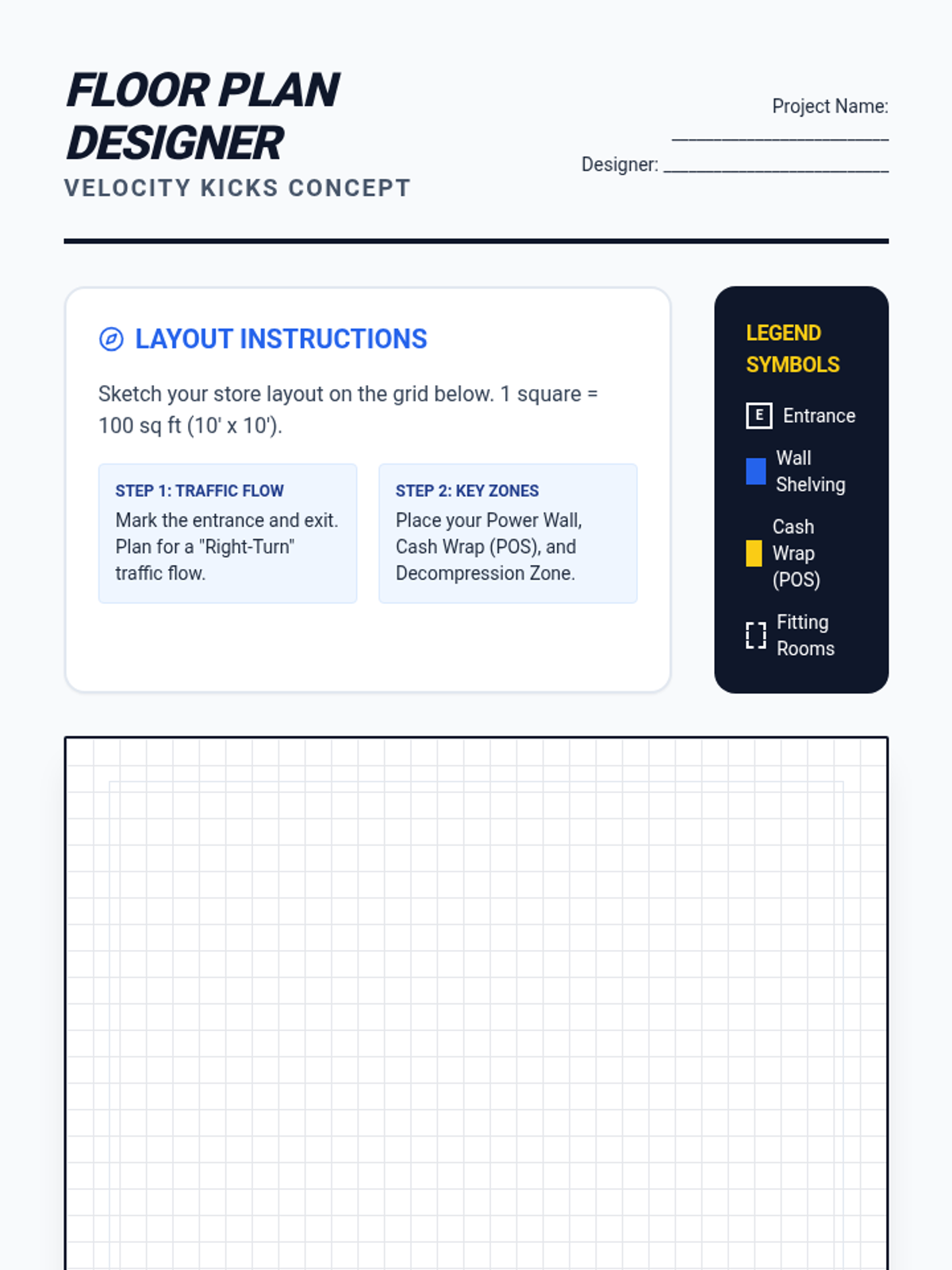
A practical project where students apply their knowledge to design a retail store, including product selection, floor layout, visual merchandising, and a promotional plan.
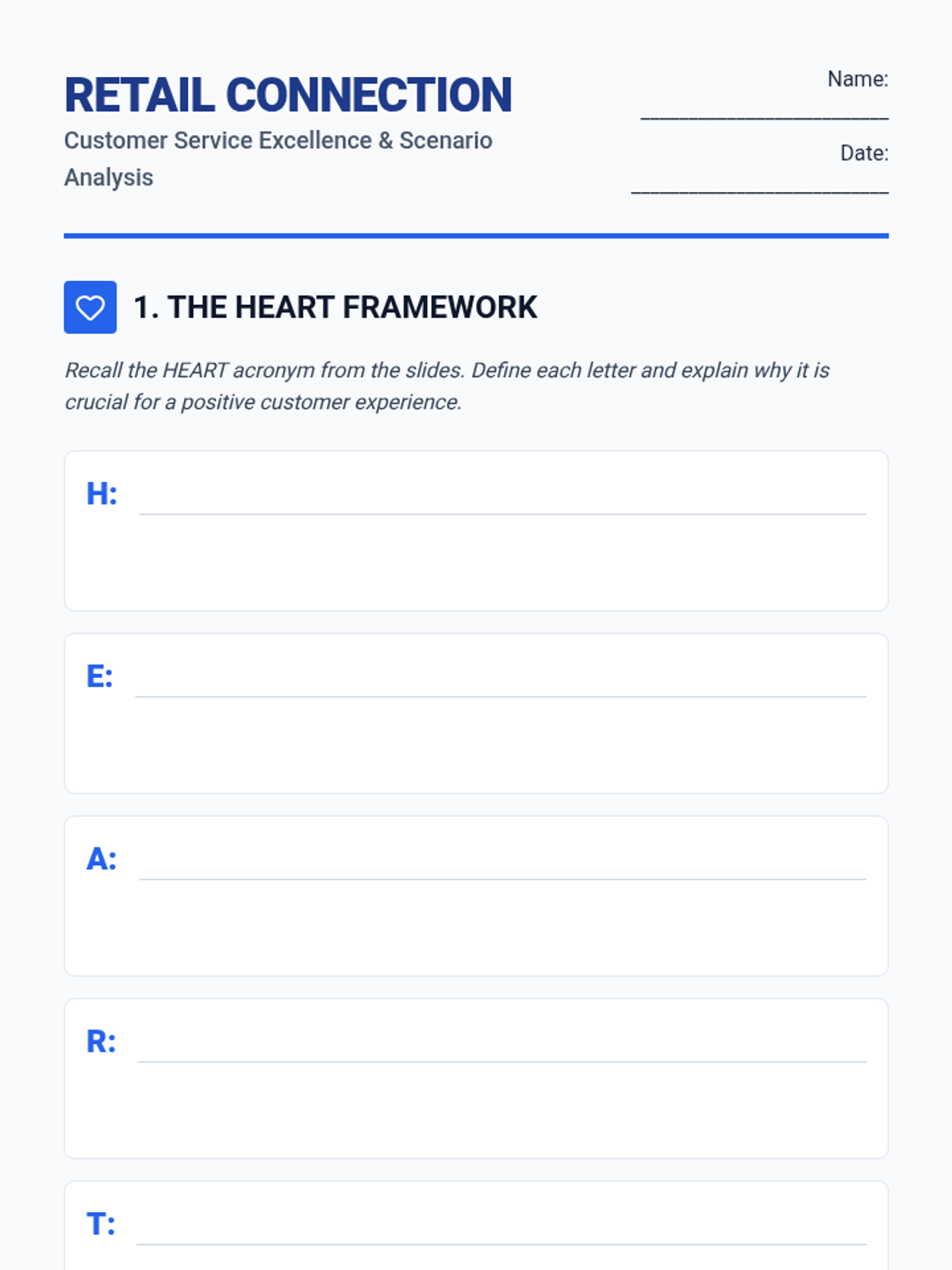
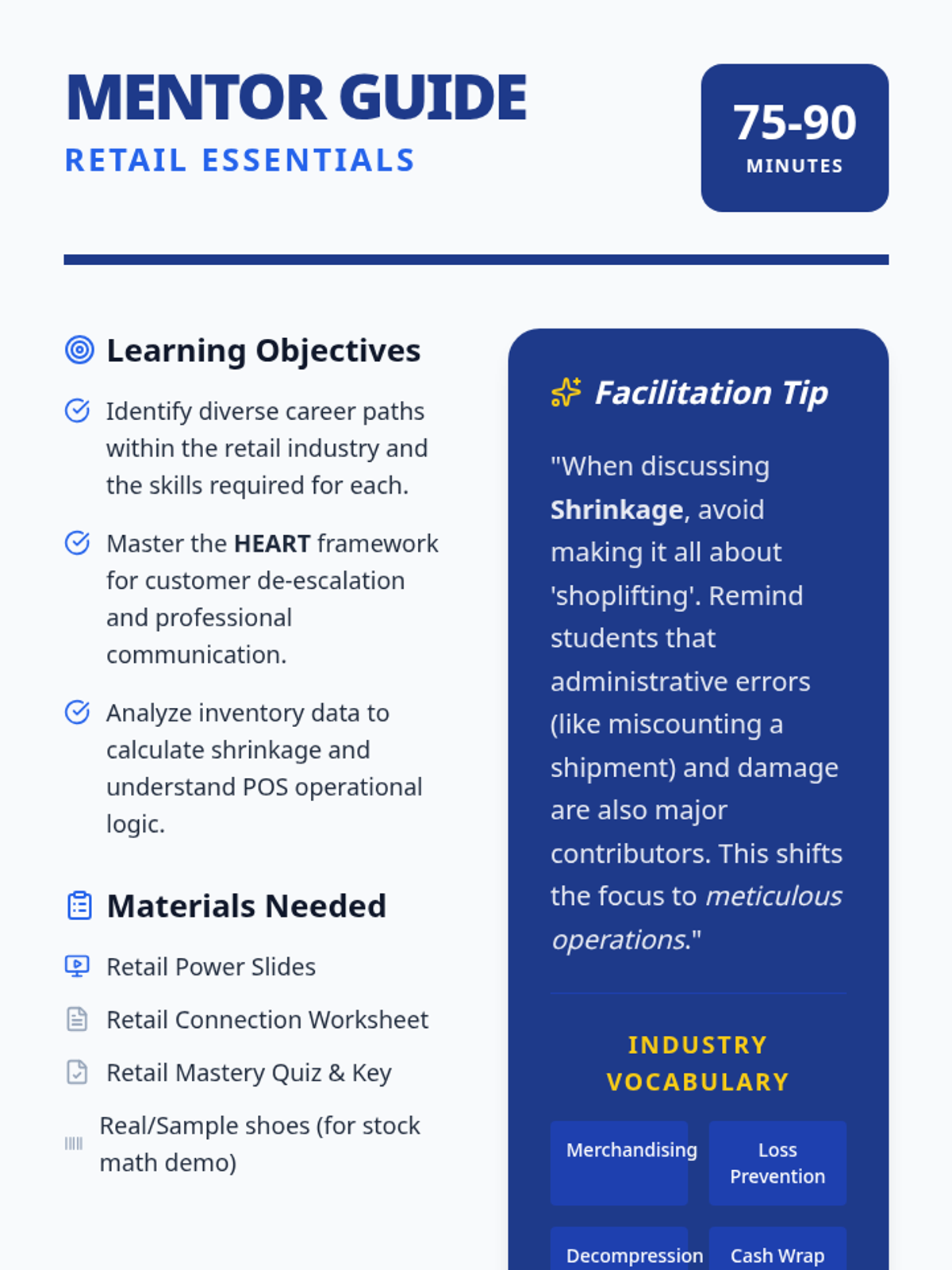
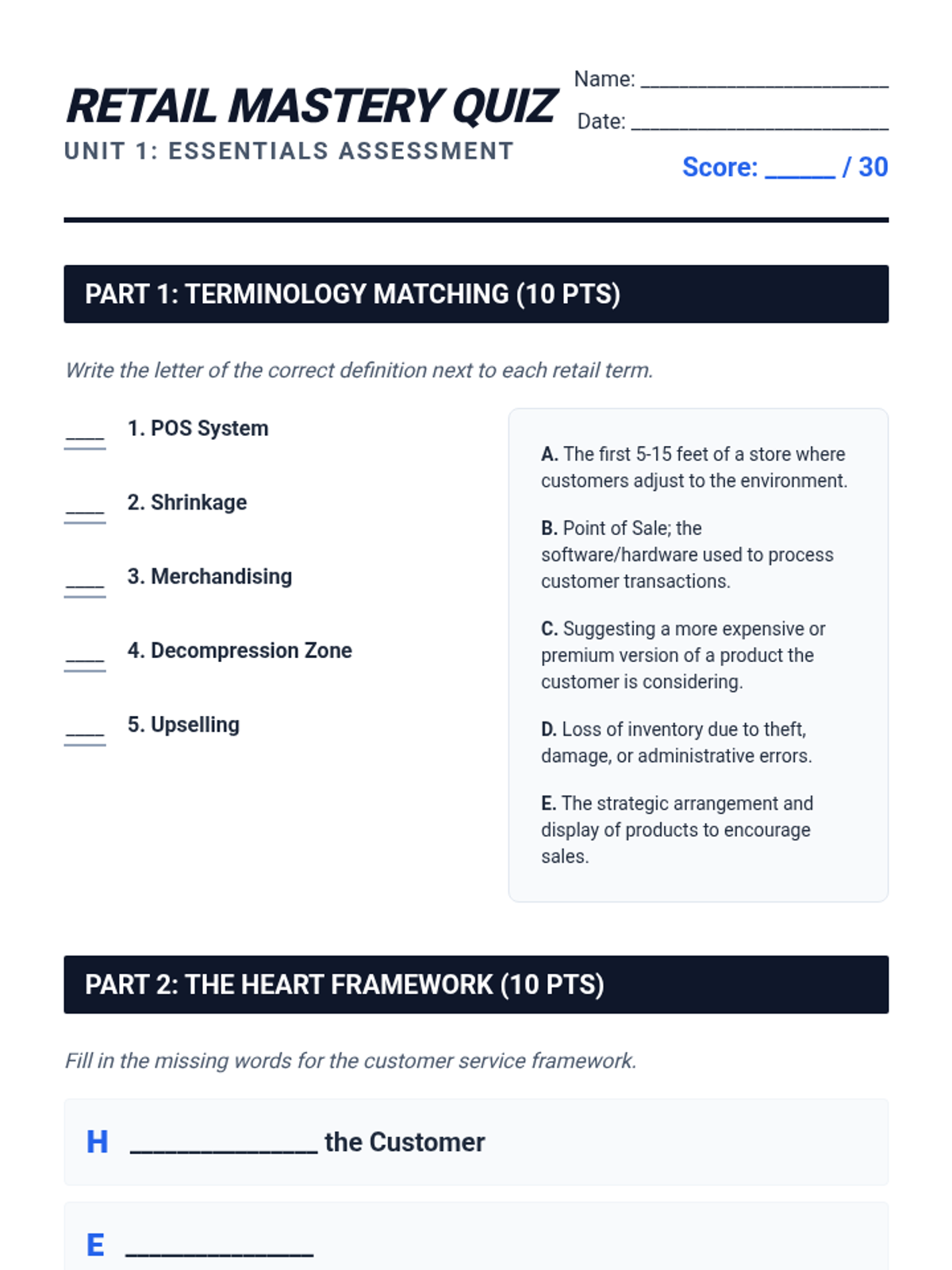
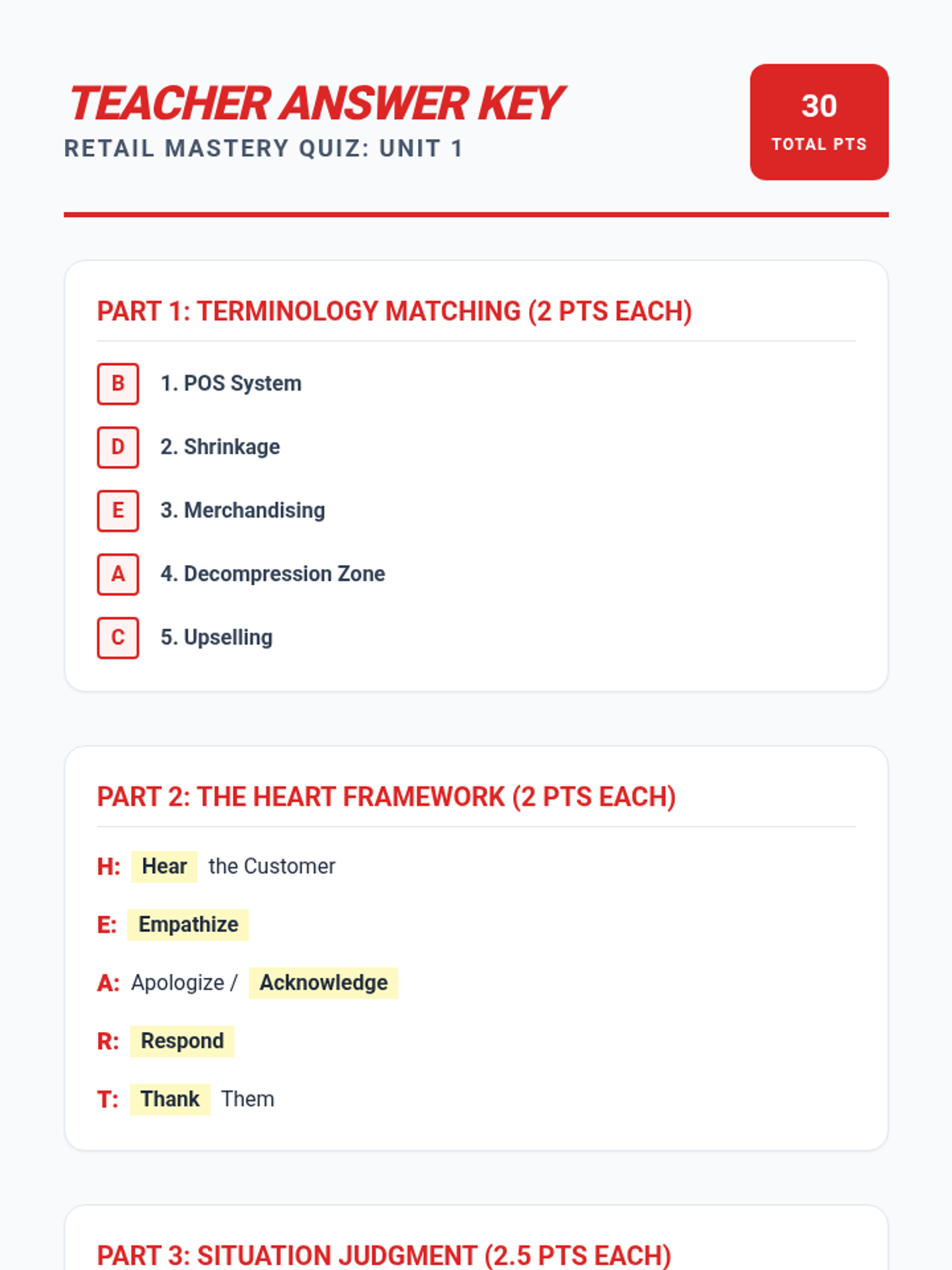
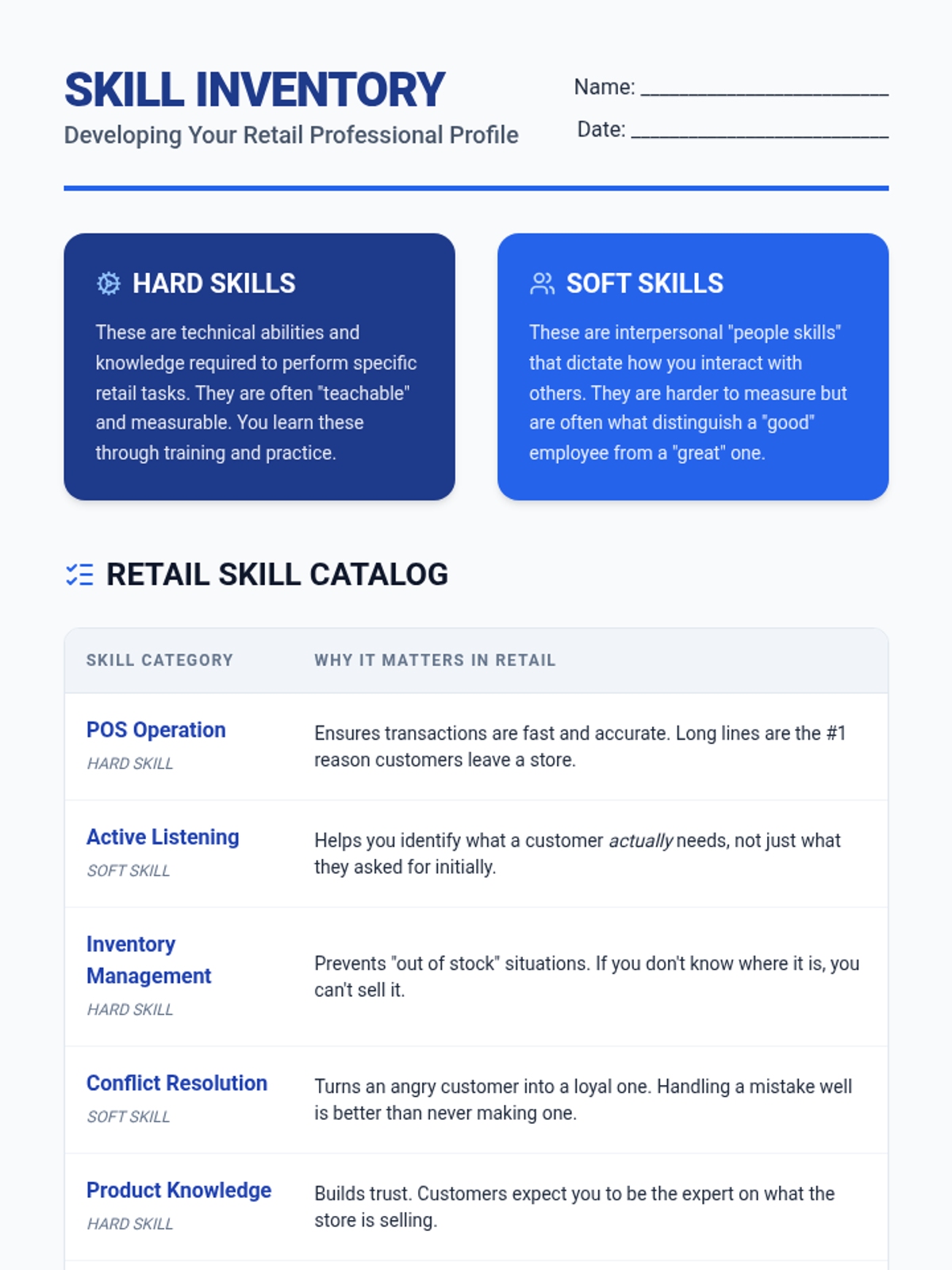
An introduction to the foundational skills of the retail industry, covering customer service techniques, cash handling, inventory management, and the professional communication required for successful sales.
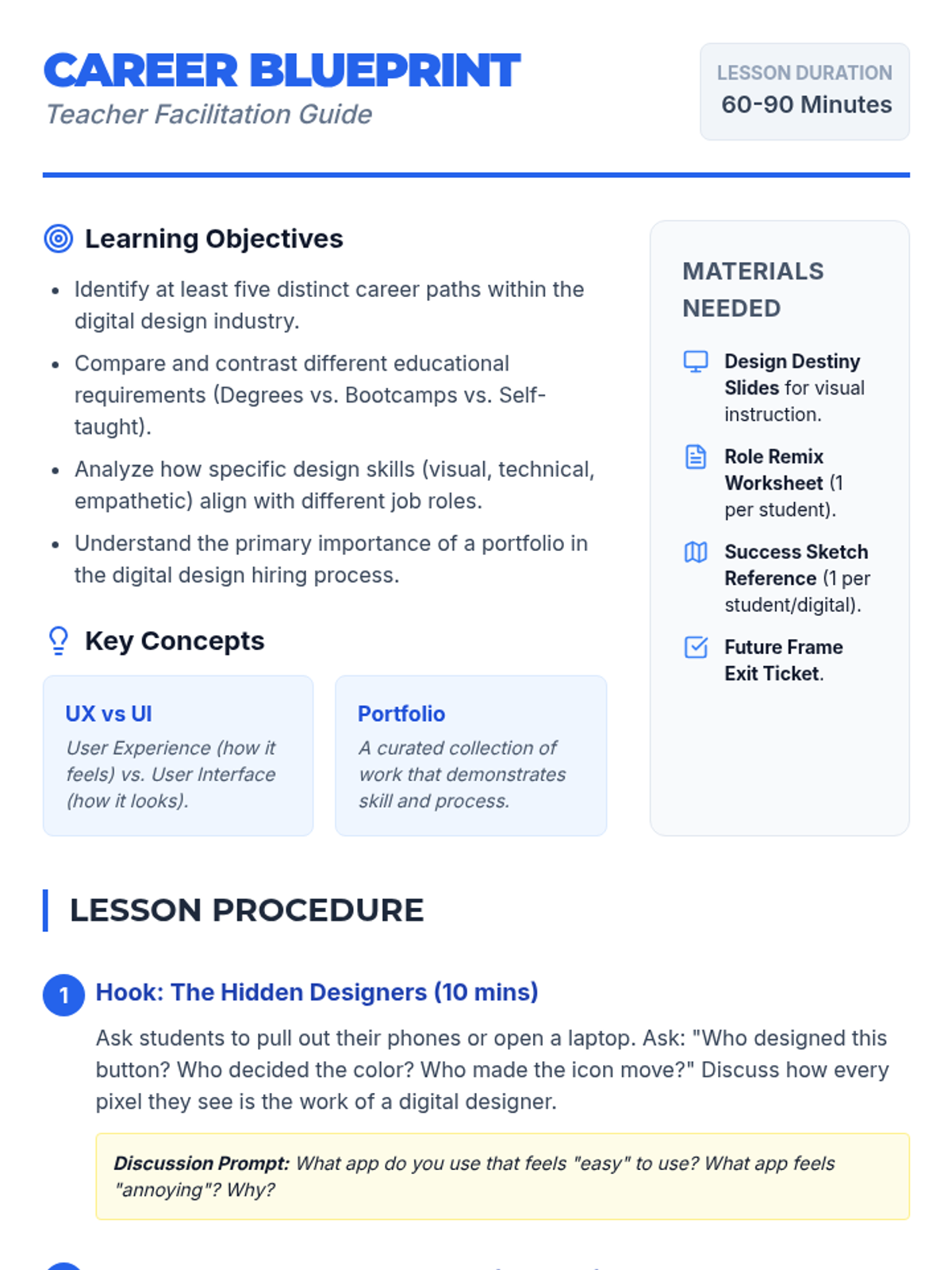
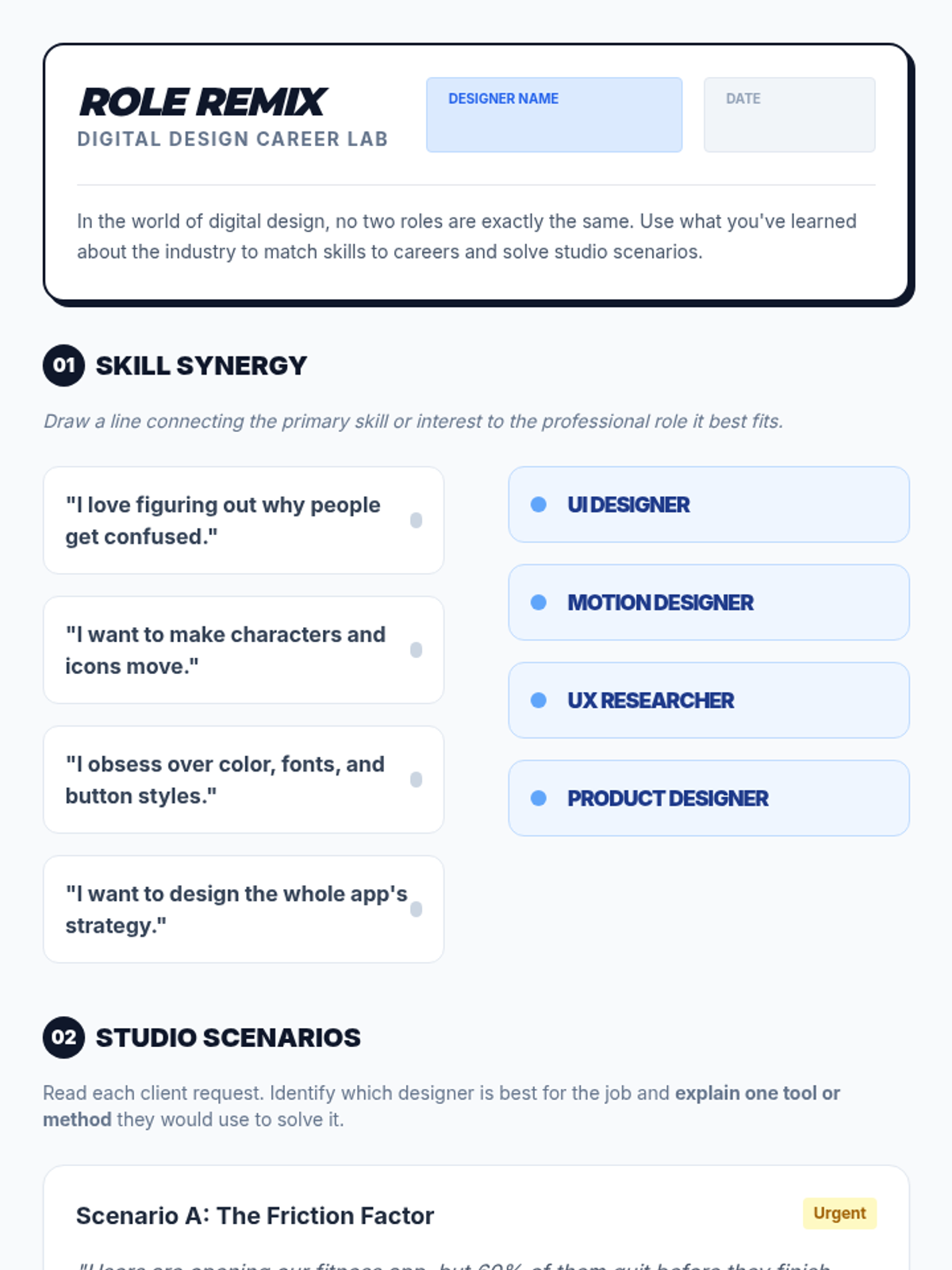
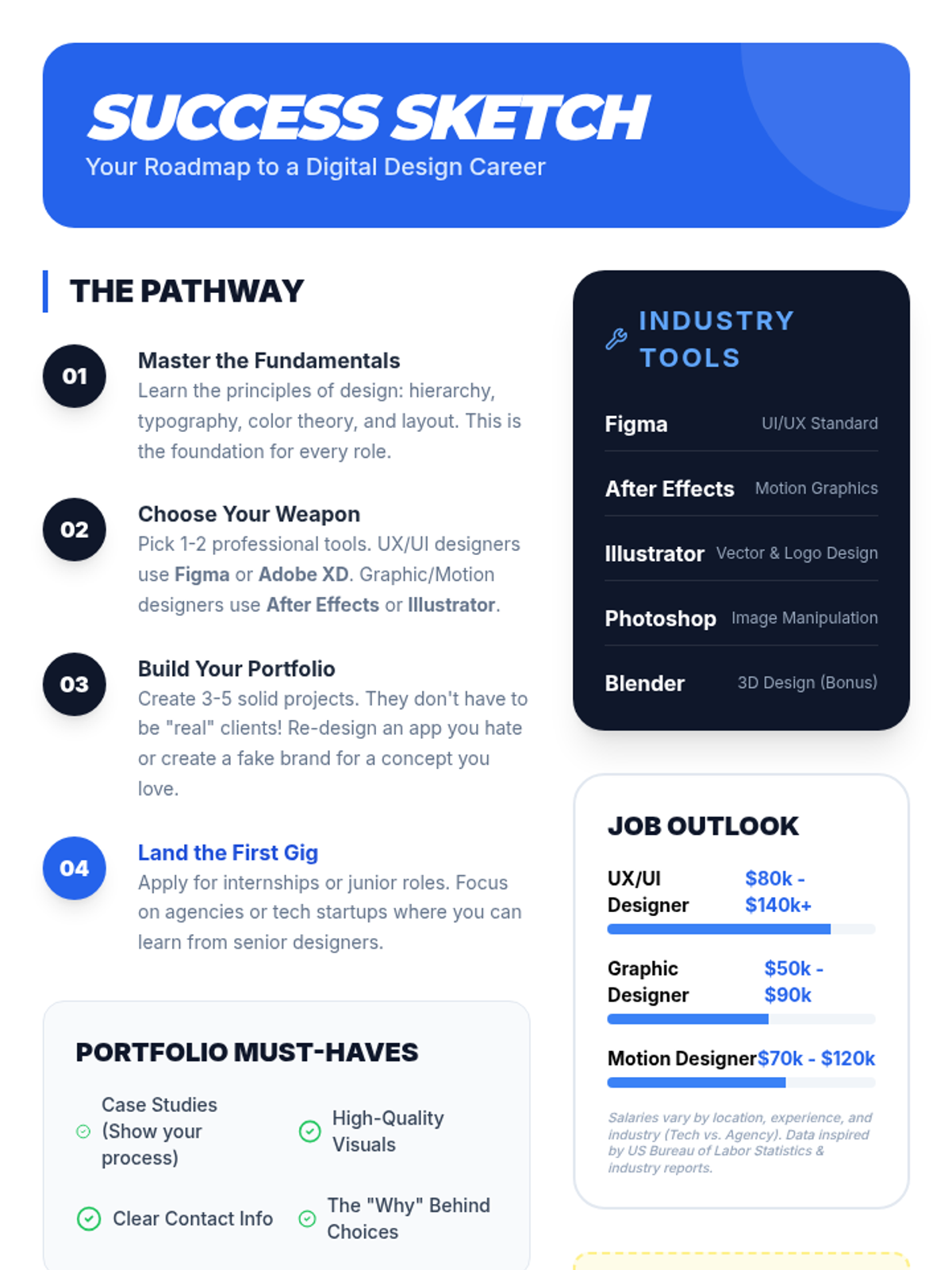
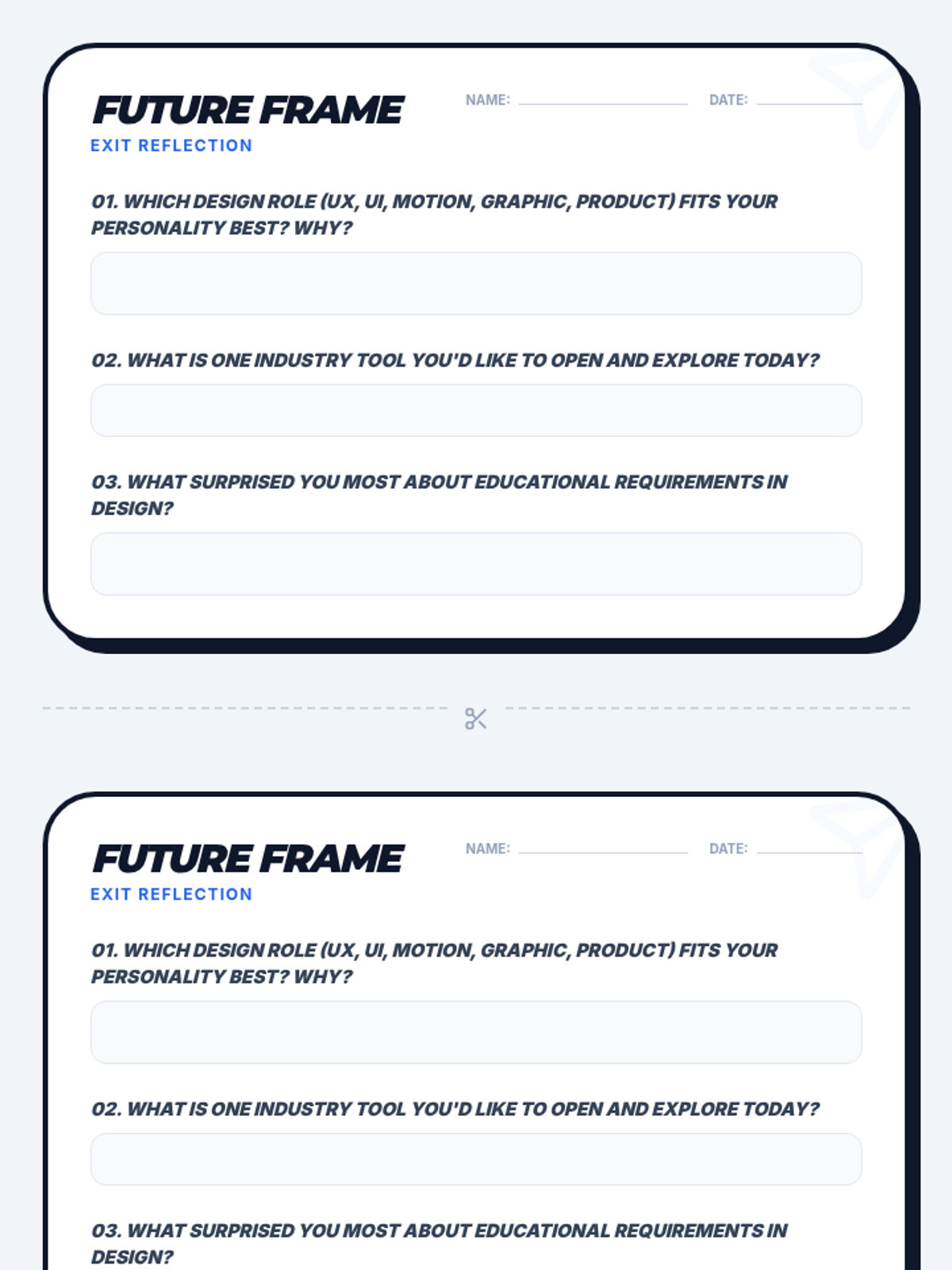
An introductory career exploration lesson where students discover the diverse world of digital design, from UX/UI to motion graphics, and map out the education and skills needed for success.
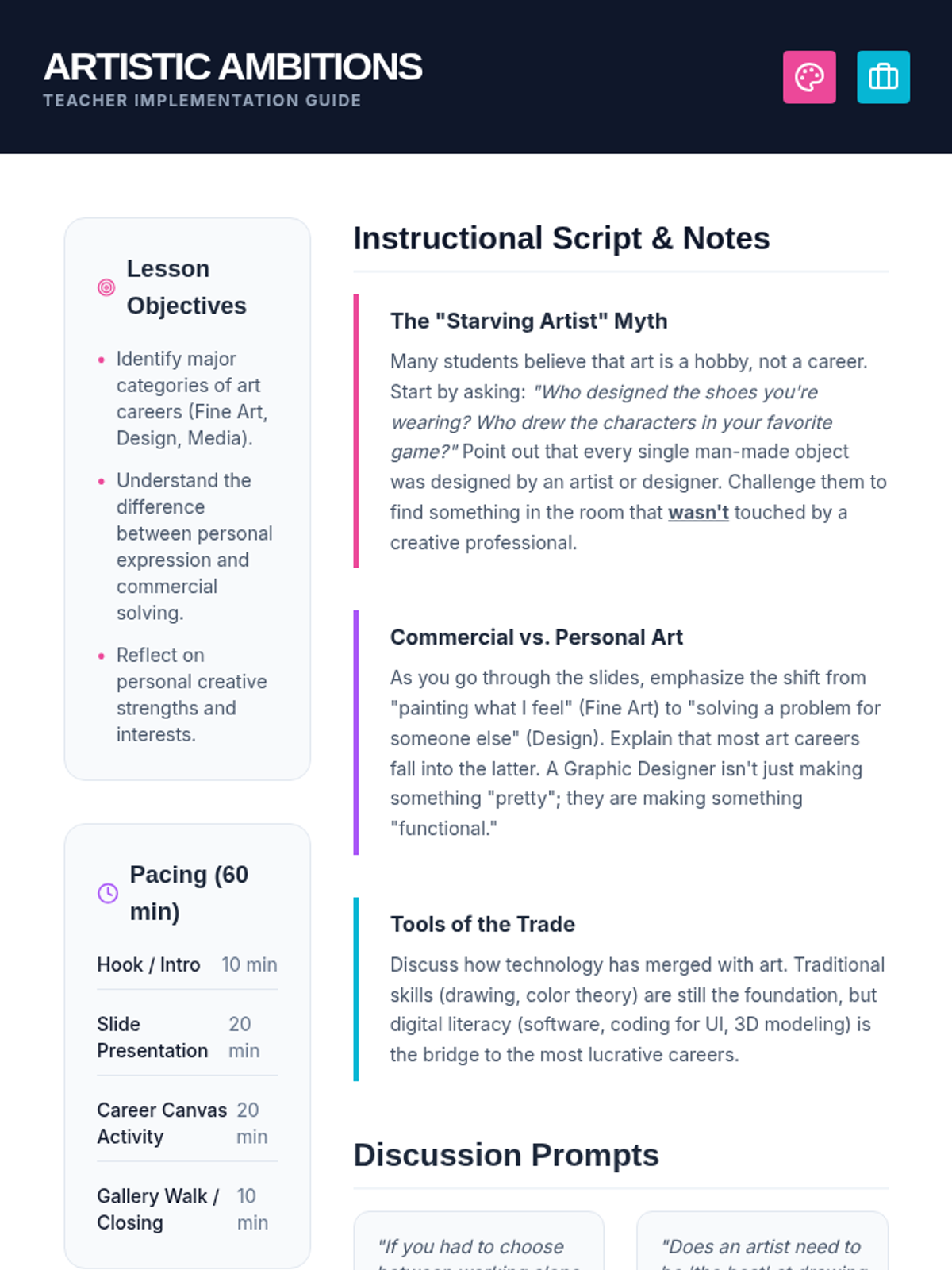
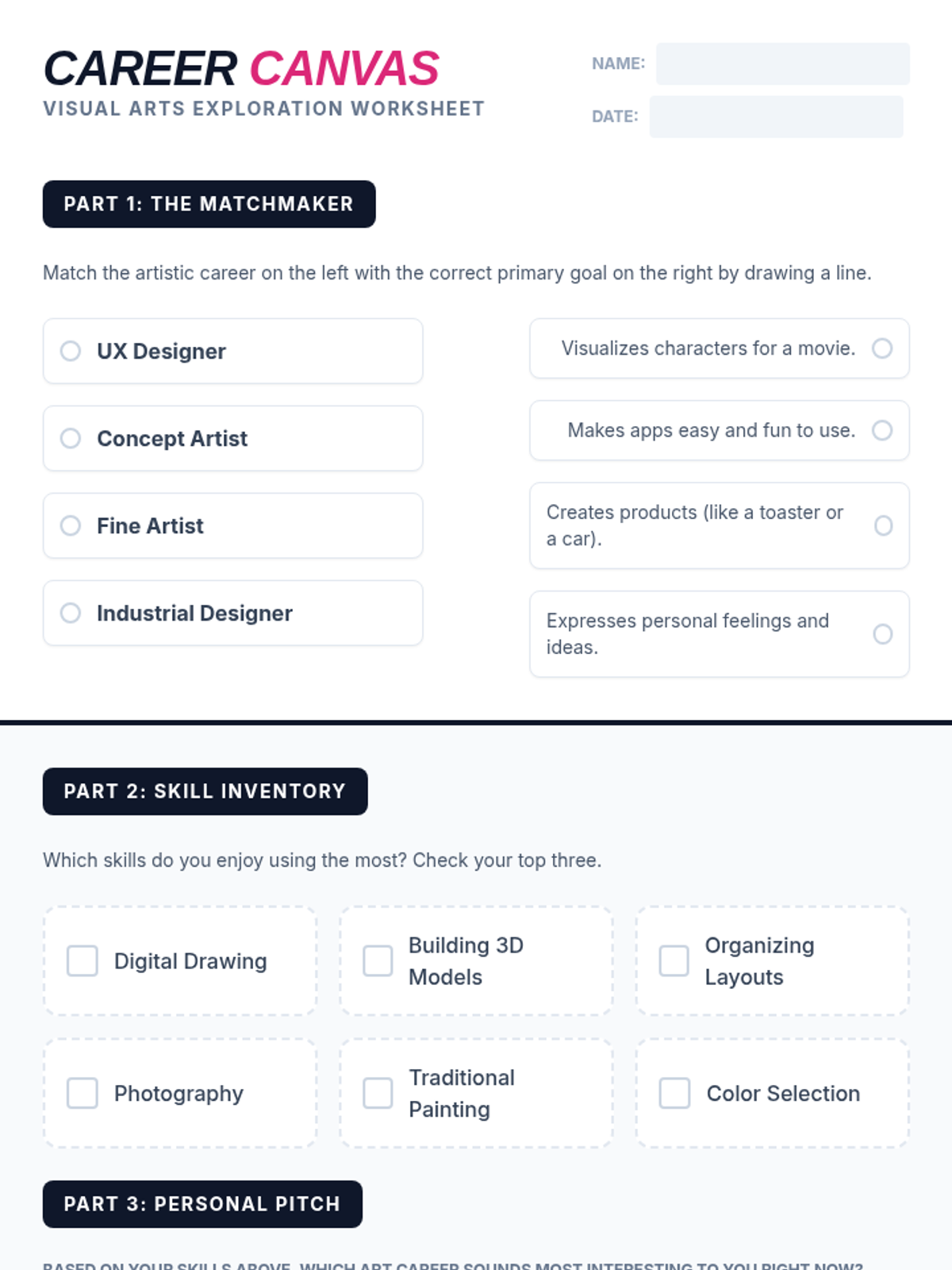
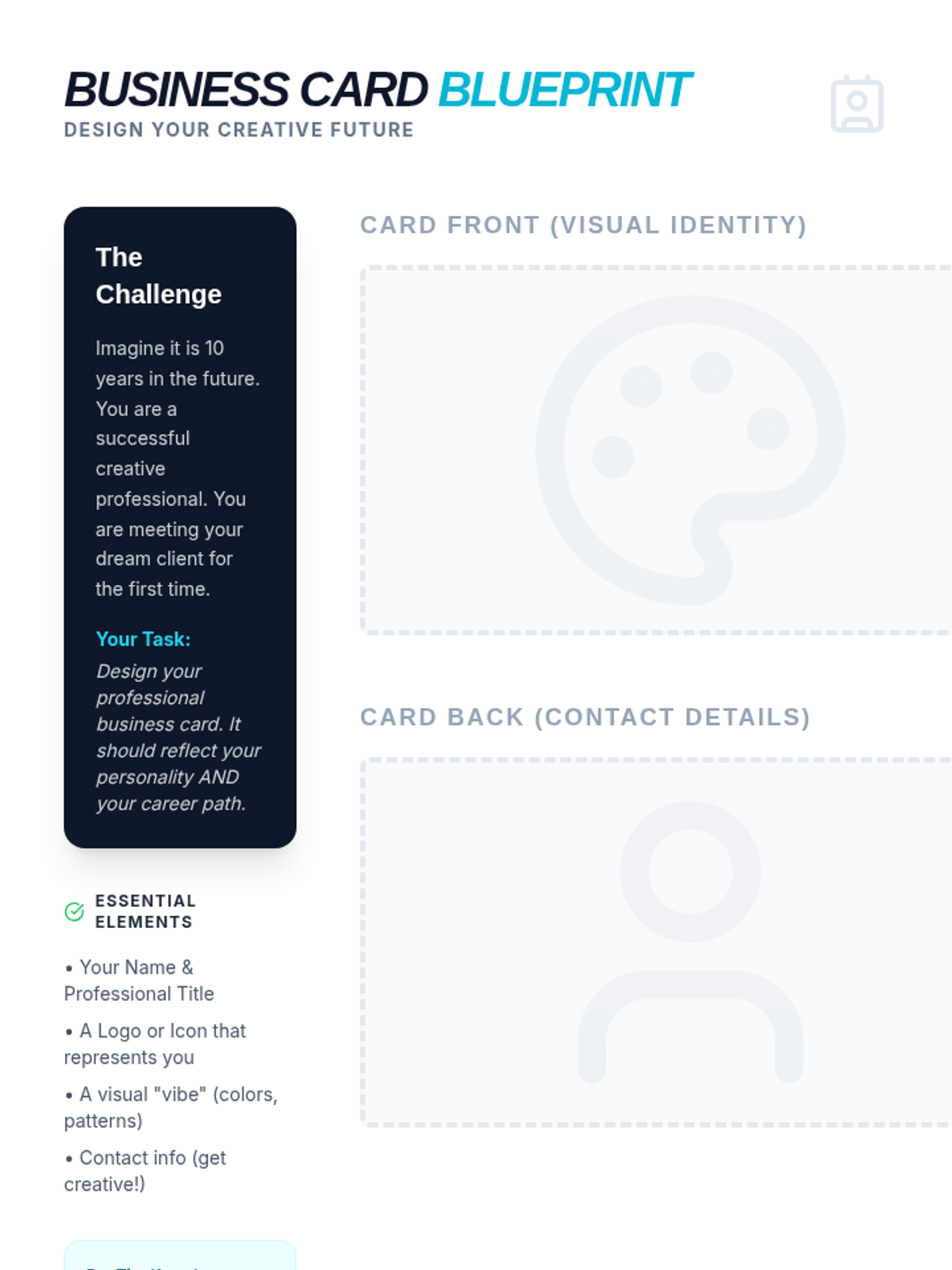
A comprehensive lesson exploring the diverse range of professional paths within the visual arts, from traditional fine arts to digital design and commercial industries.
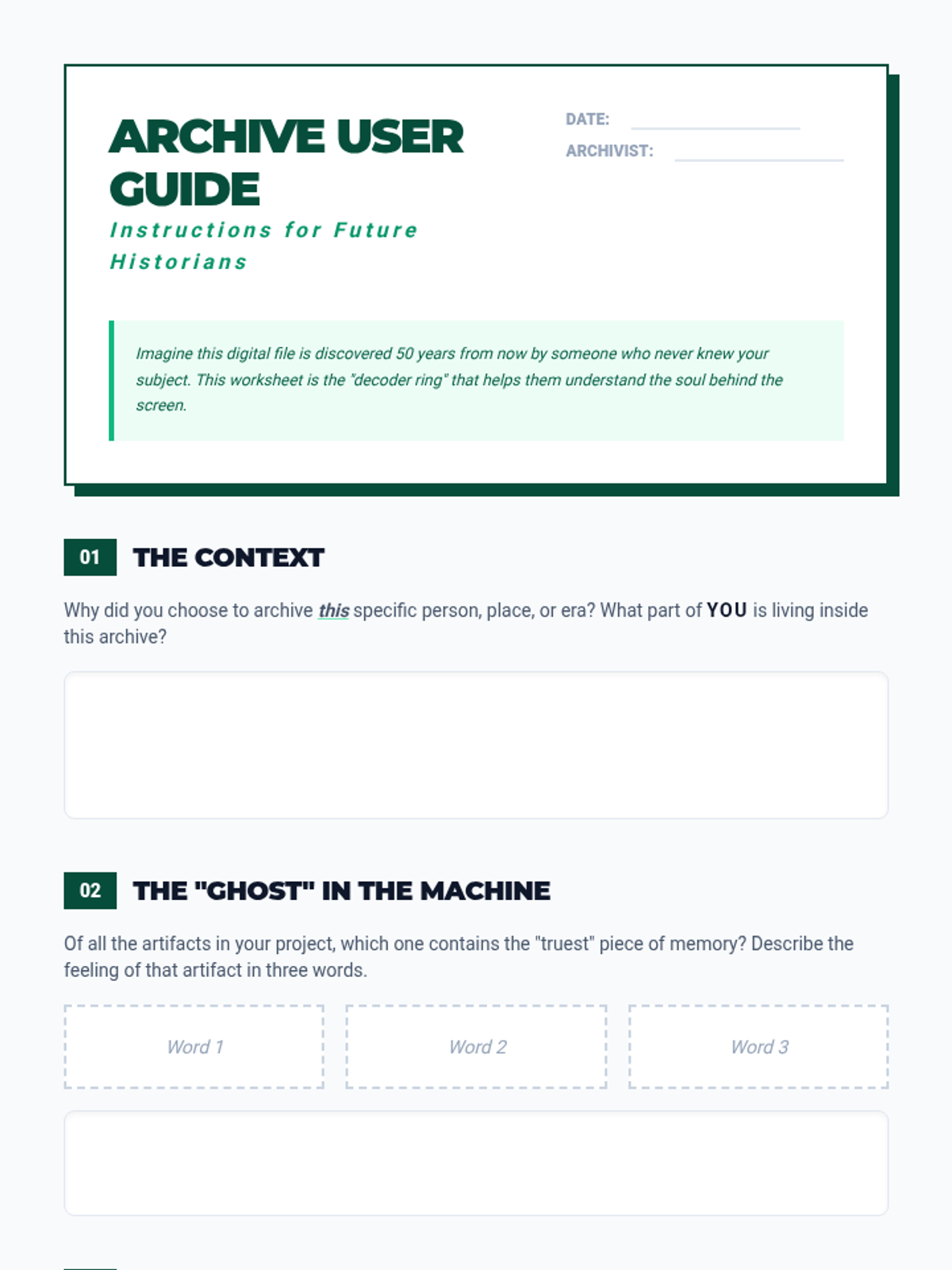
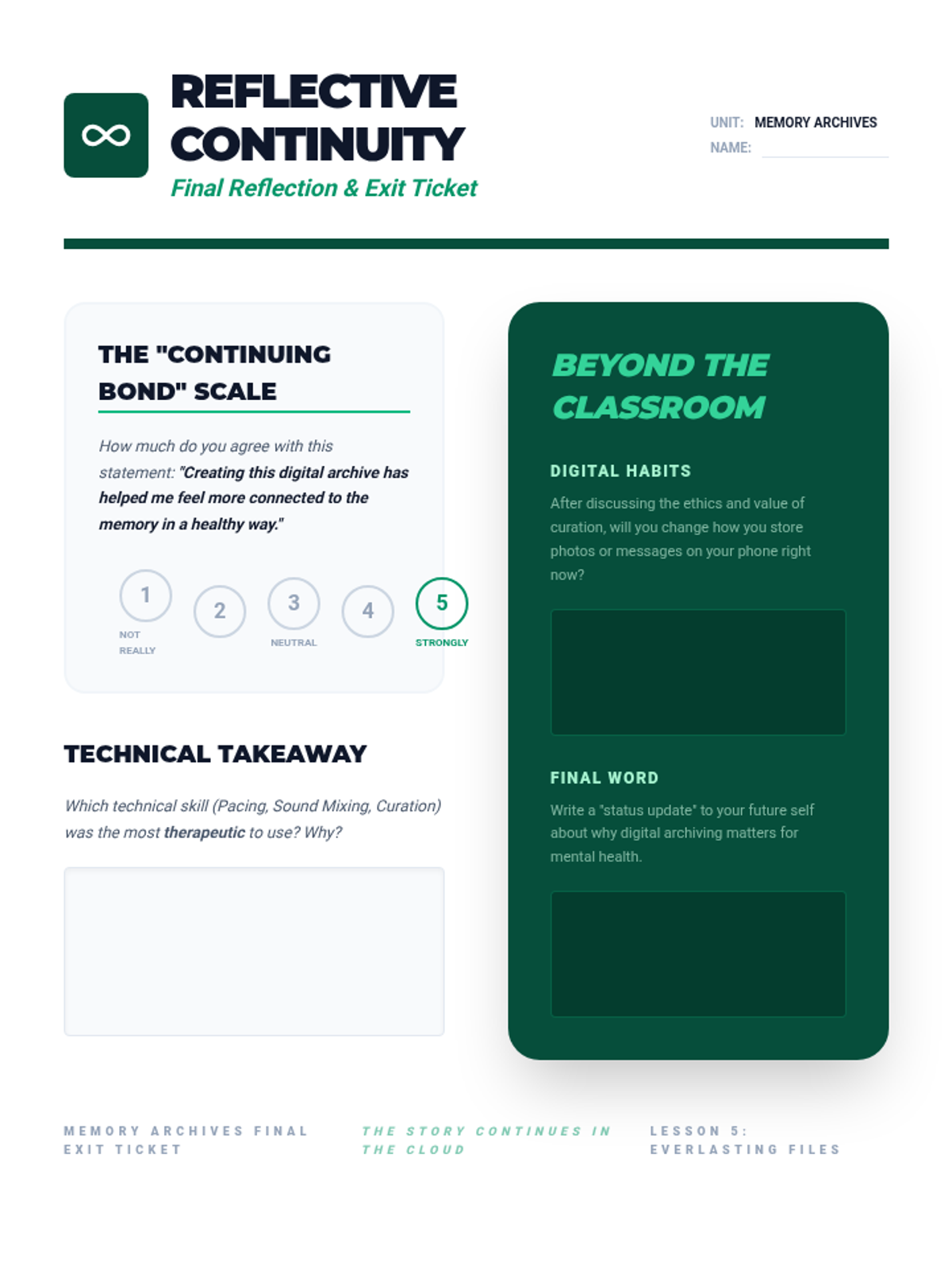
Students reflect on their archives as part of a 'continuing bond' and develop plans for maintaining digital legacies.
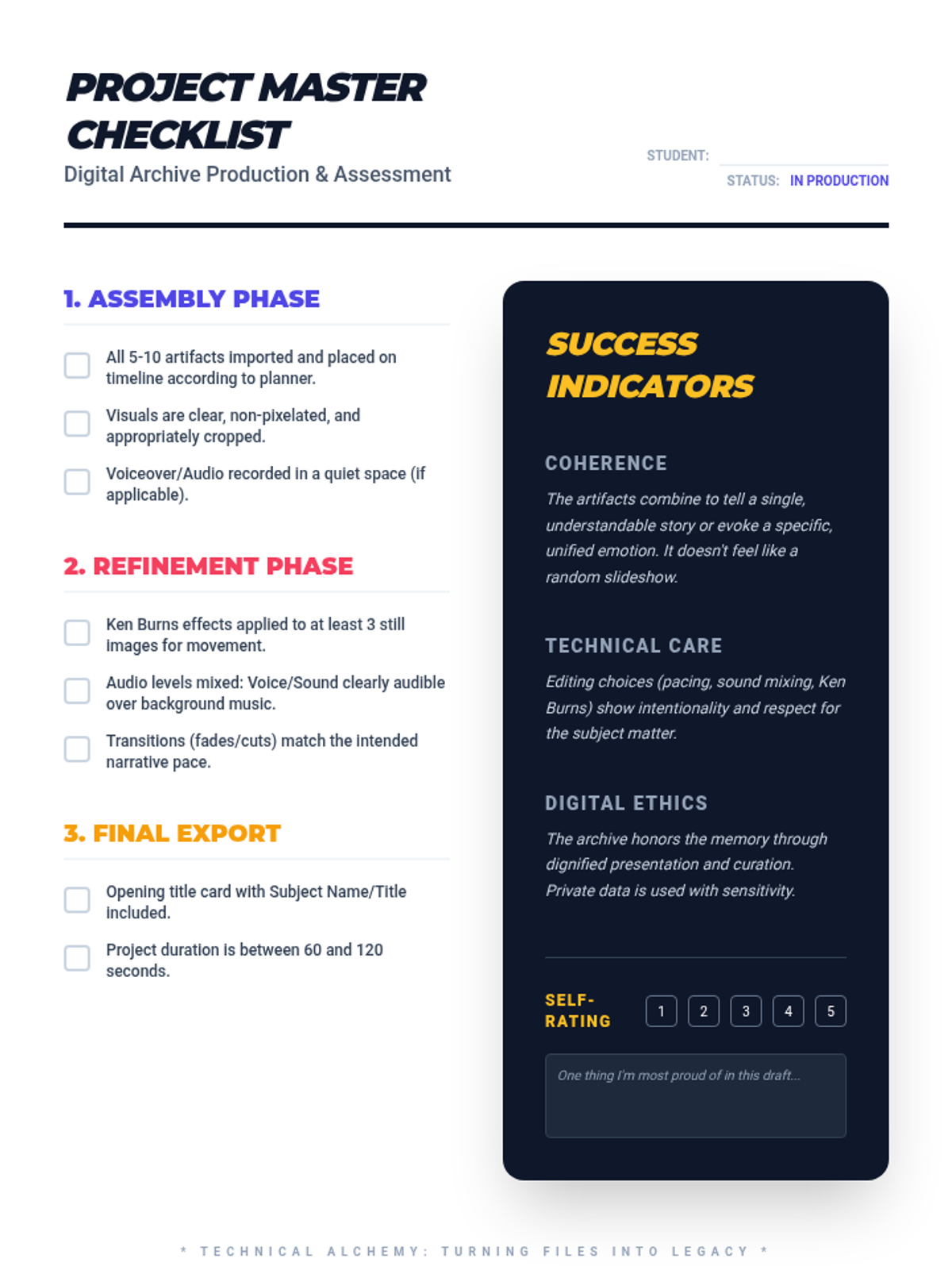
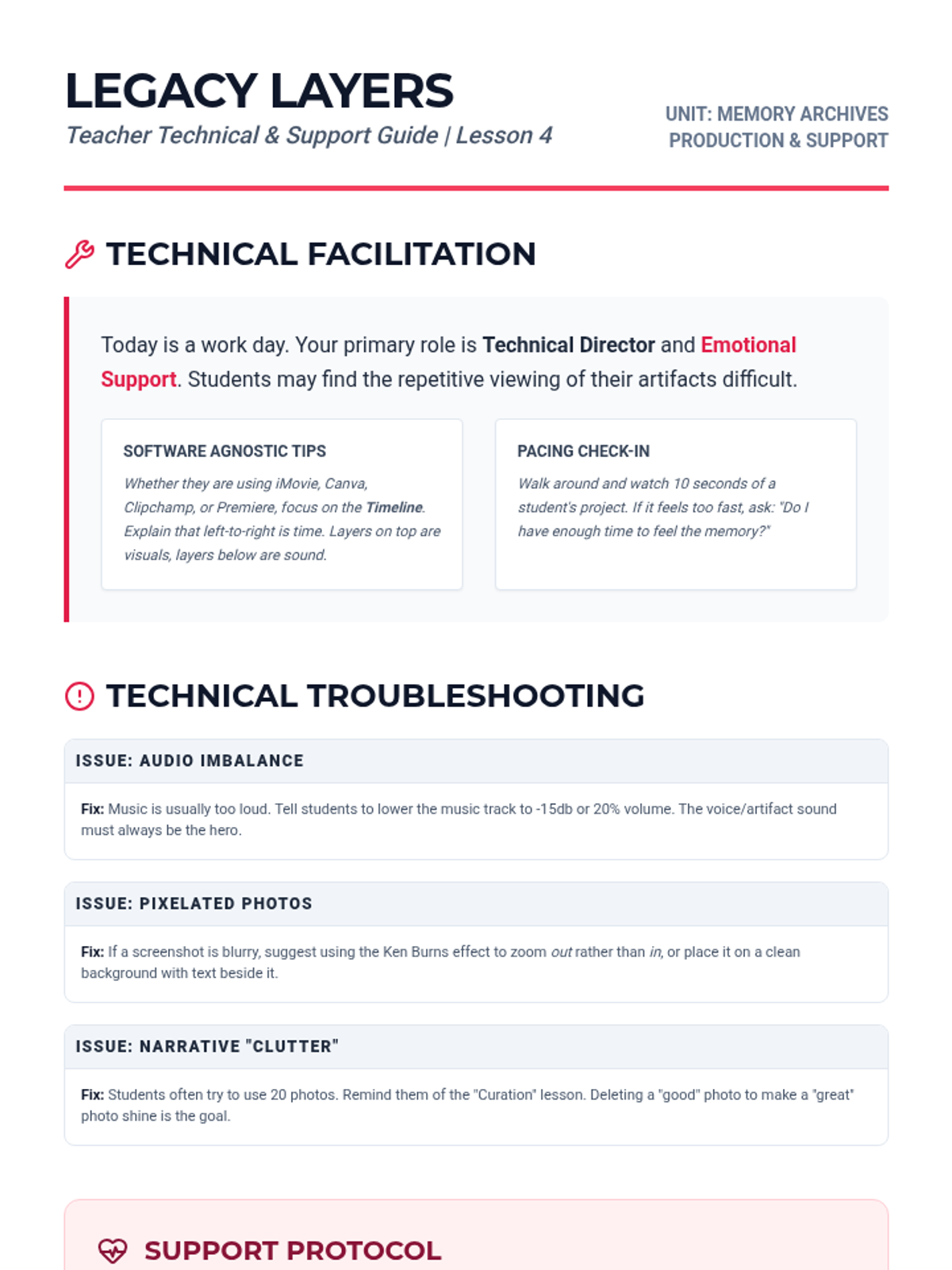
Students assemble their curated artifacts into a multimedia collage, applying technical skills to create a digital tribute.
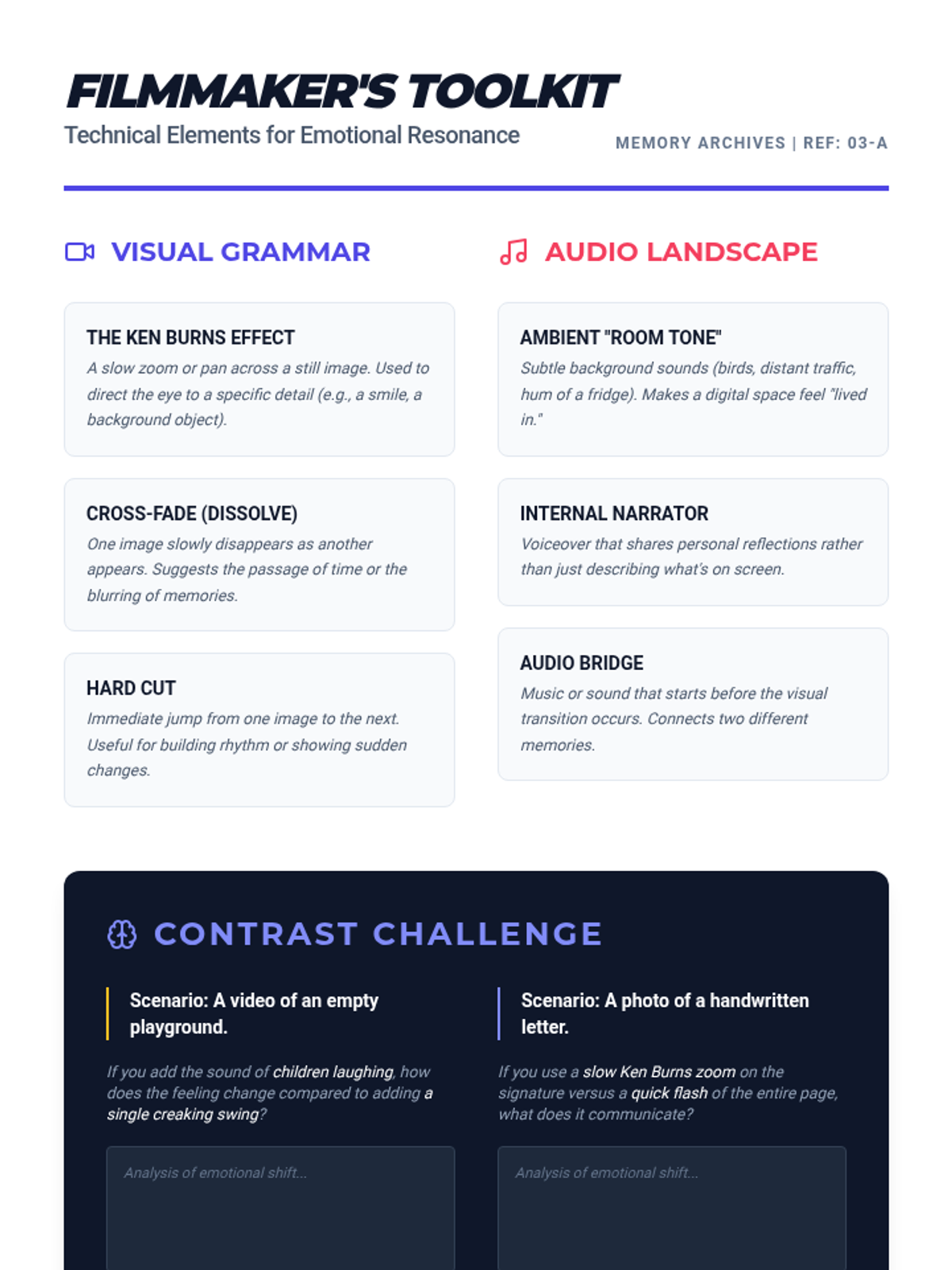
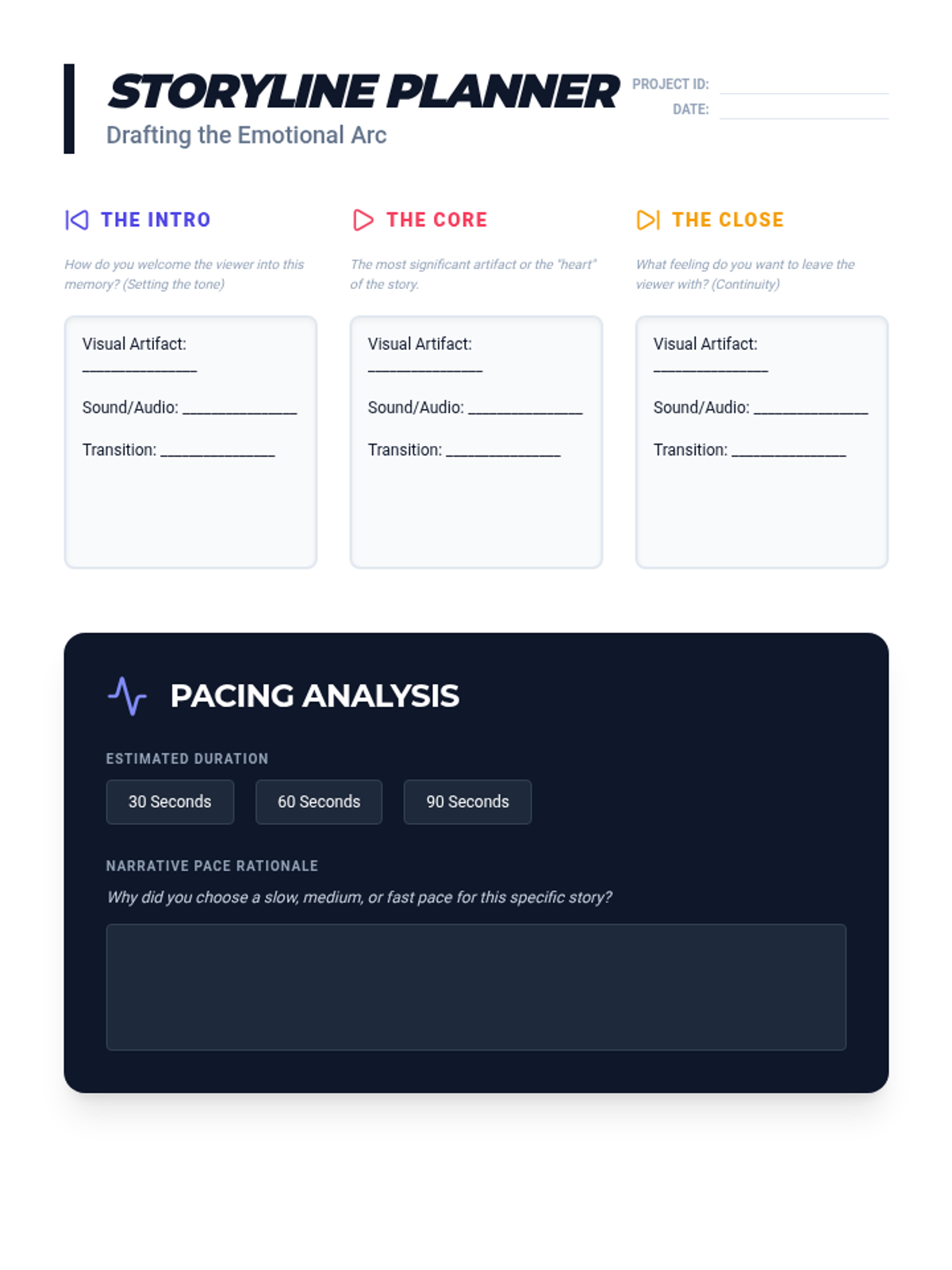
Students learn how technical choices in editing, like pacing and sound, impact the emotional tone of a story.
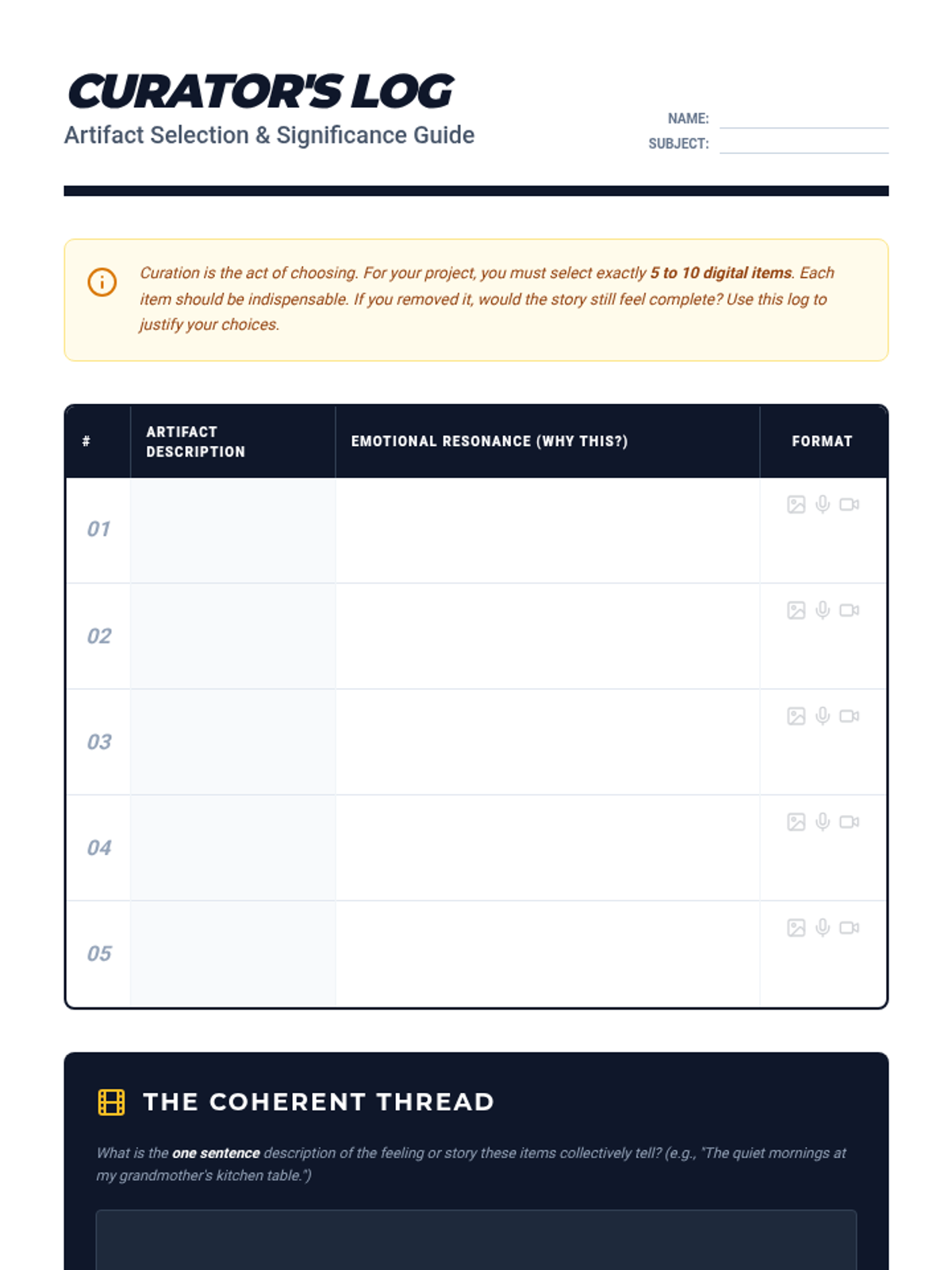
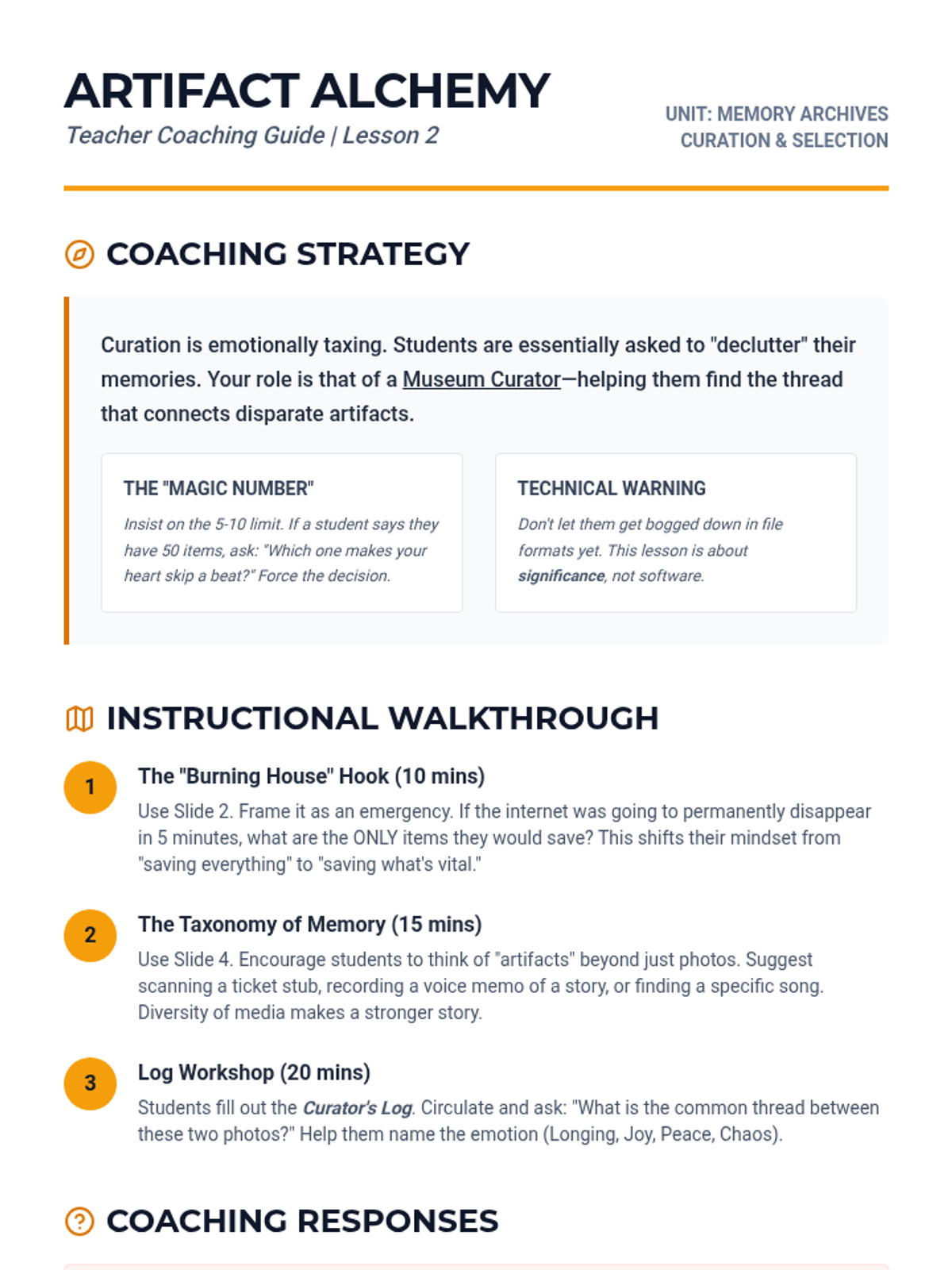
Students practice the art of curation, selecting significant digital artifacts to tell a focused narrative of loss or memory.
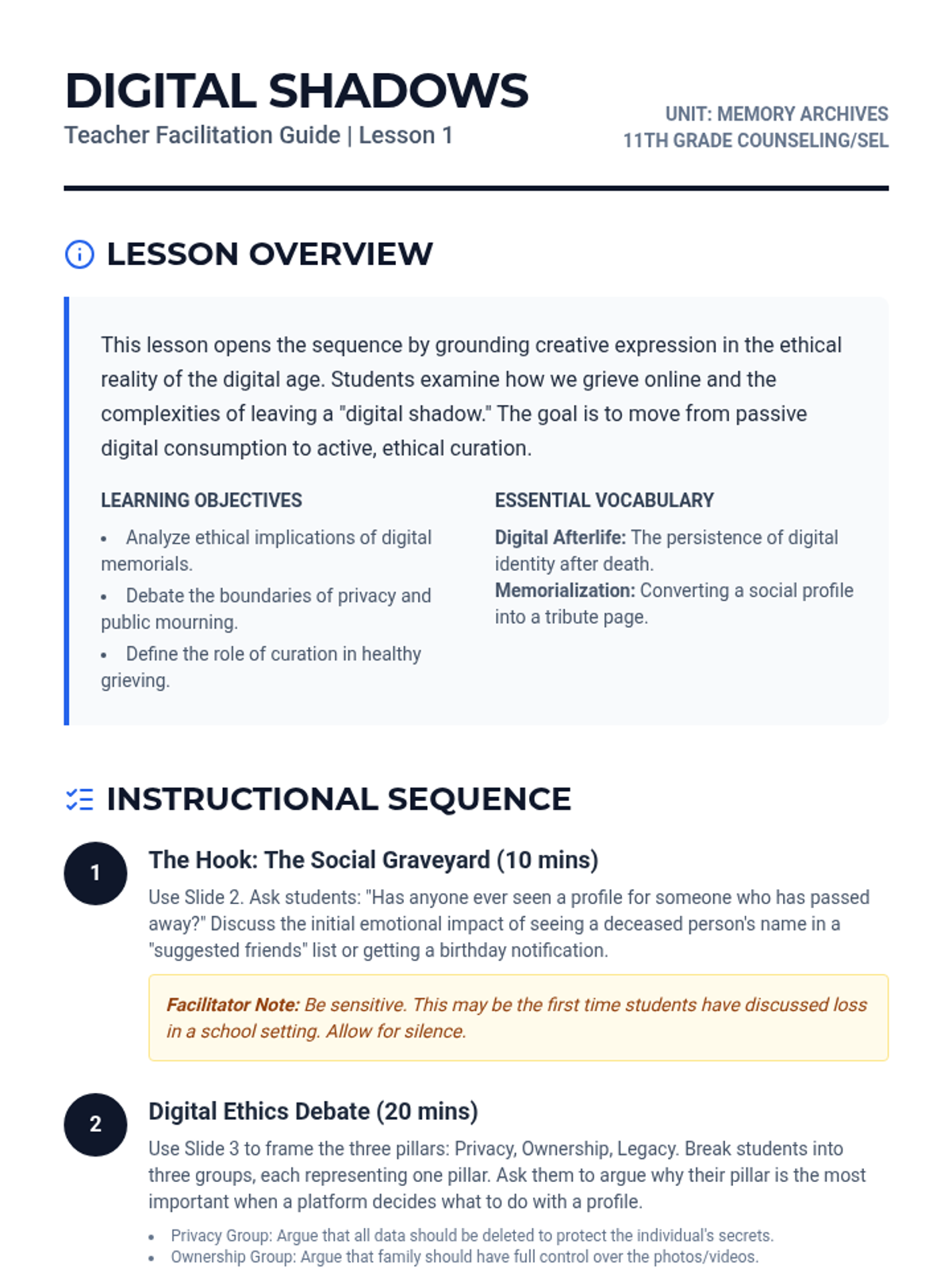
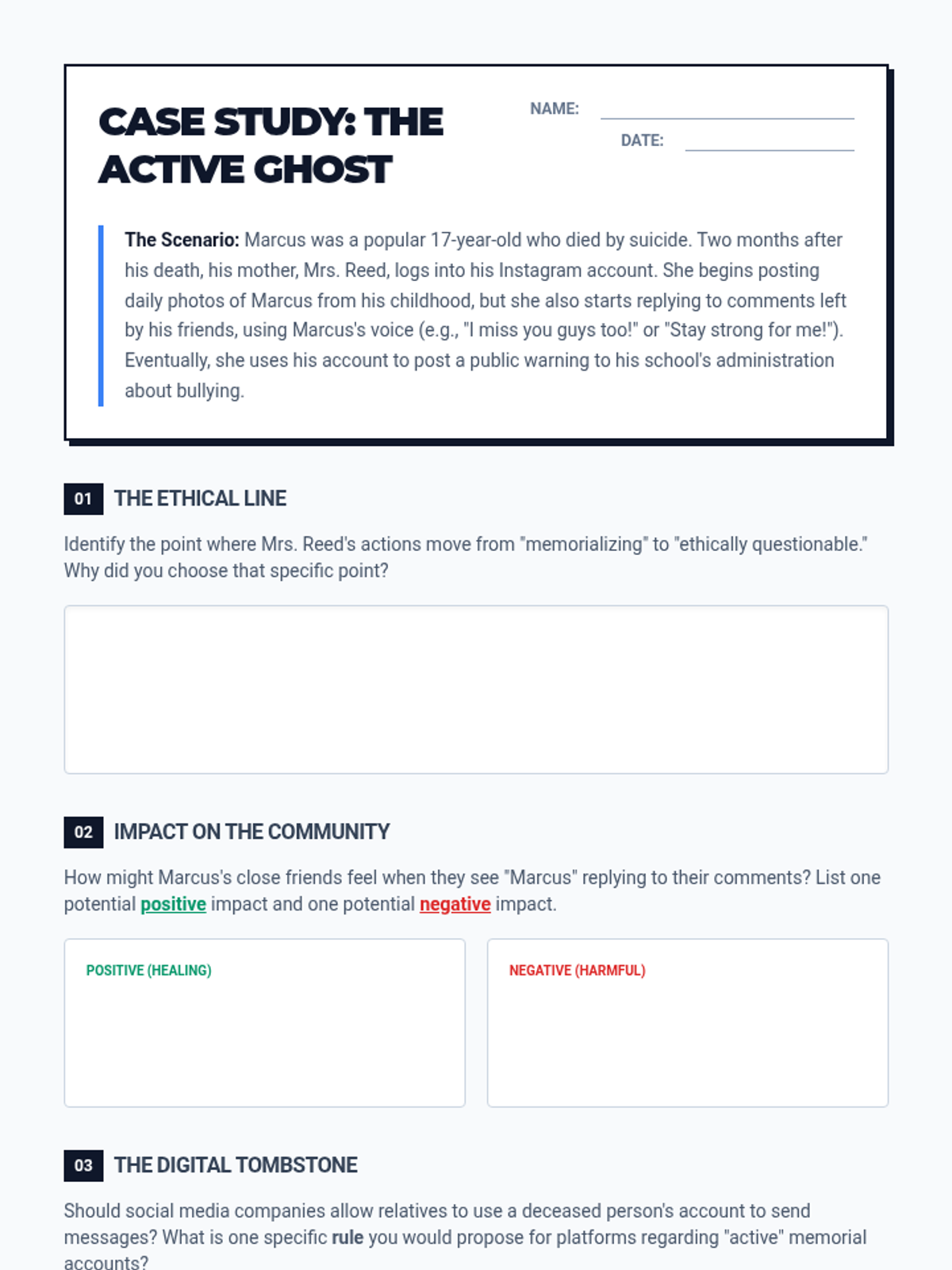
Students explore the ethical implications of 'digital afterlife' and how online spaces serve as modern memorial grounds.
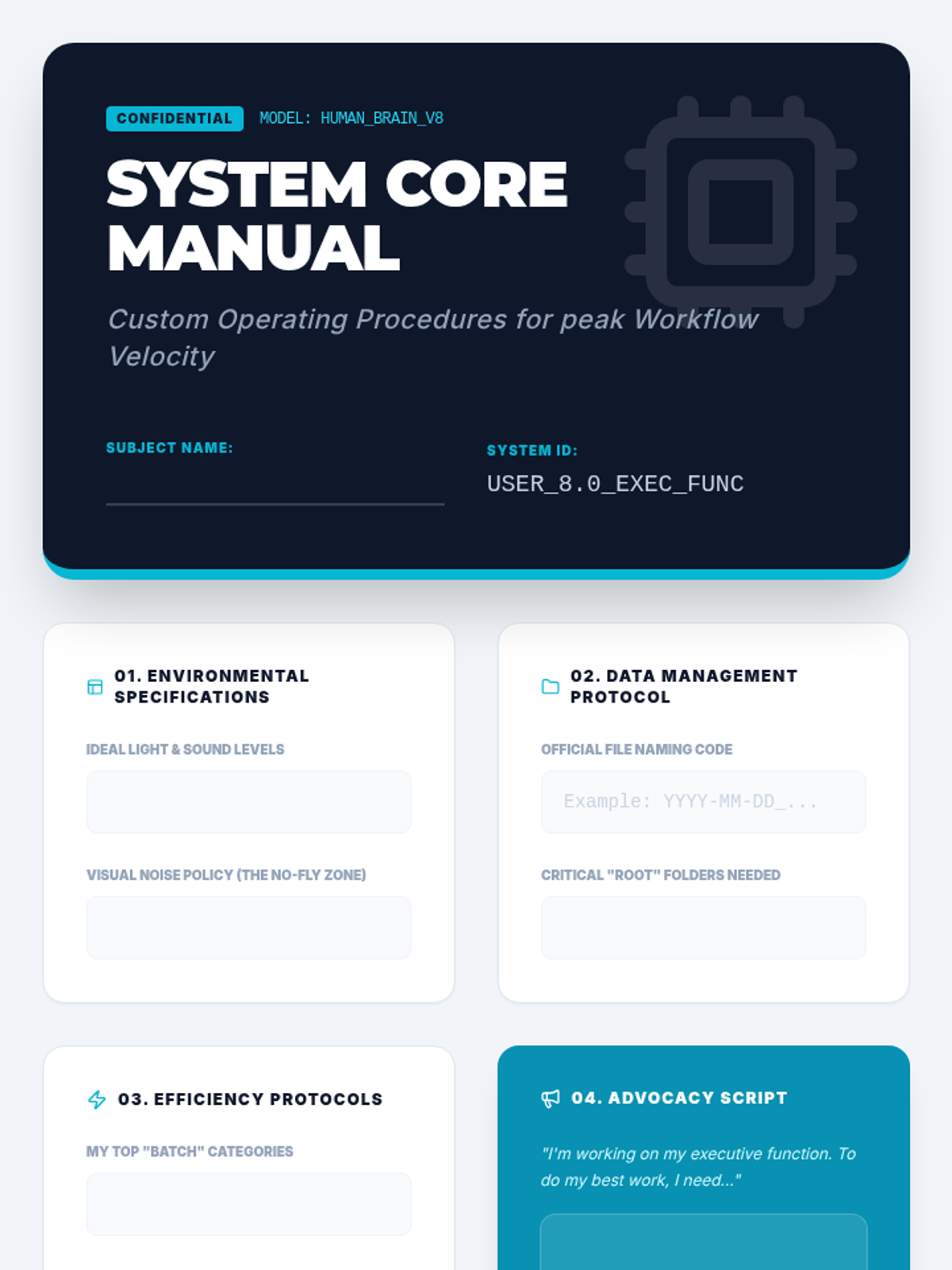
In this capstone lesson, students synthesize their learning into a 'User Manual' for their own brain. They document personalized strategies for physical, digital, and temporal organization to build self-advocacy and long-term habits.
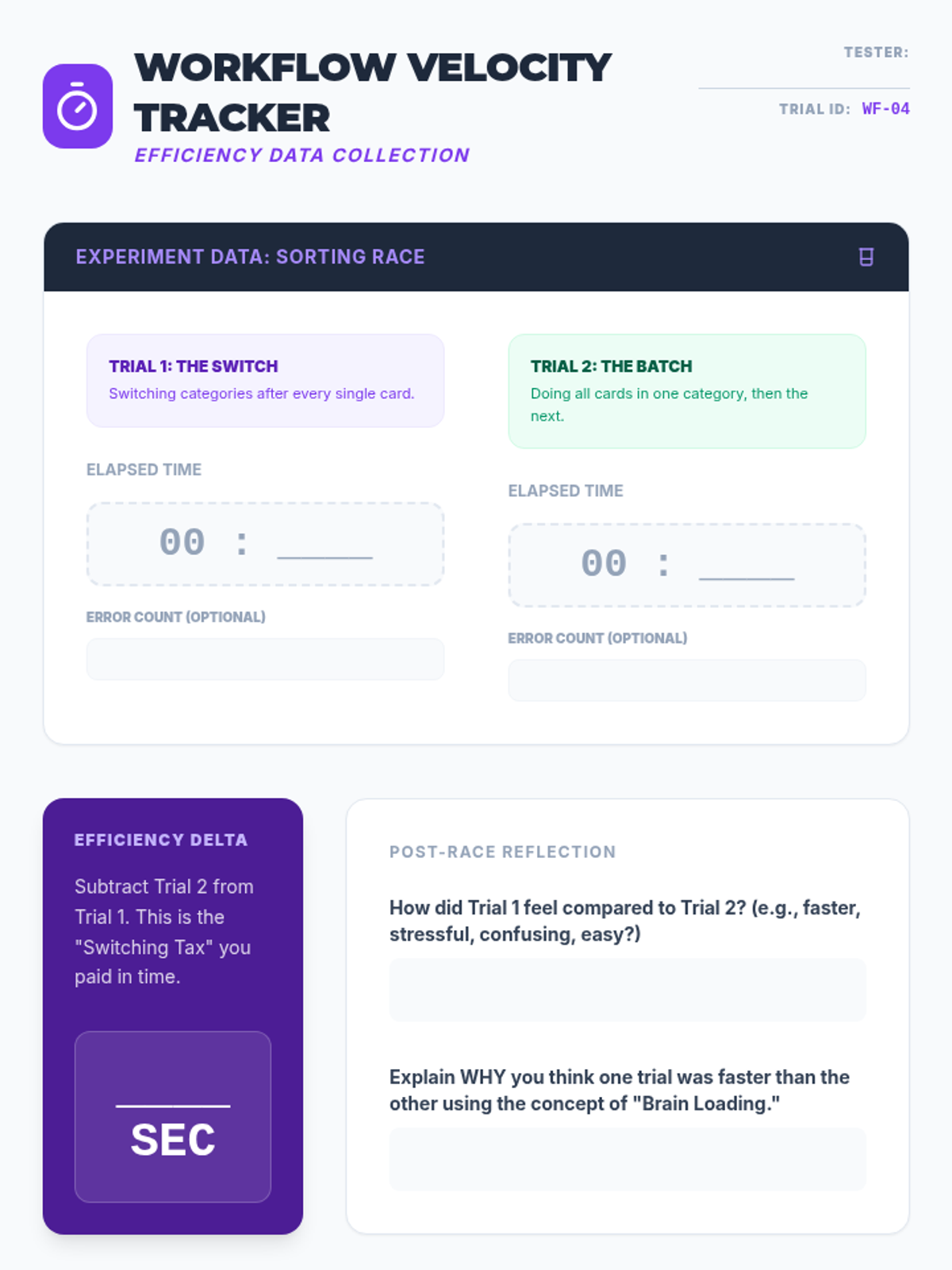
Students investigate the efficiency costs of multitasking and context switching. Through timed experiments, they compare sequential task completion with 'batching' strategies to develop more efficient workflow habits.
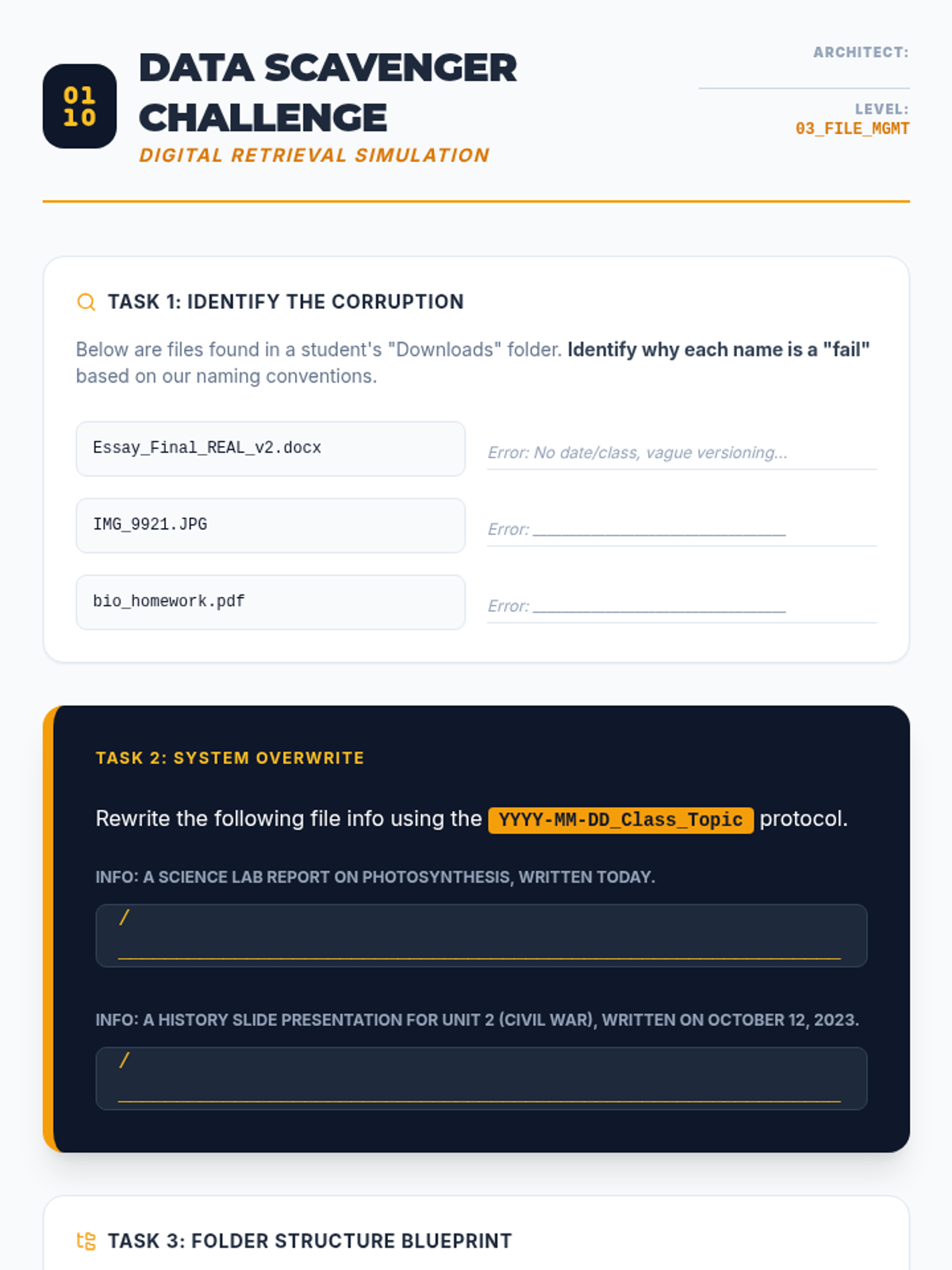
This lesson focuses on digital literacy through the lens of organization. Students learn effective file naming conventions, folder hierarchies, and inbox management strategies to prevent 'digital hoarding' and improve information retrieval speed.
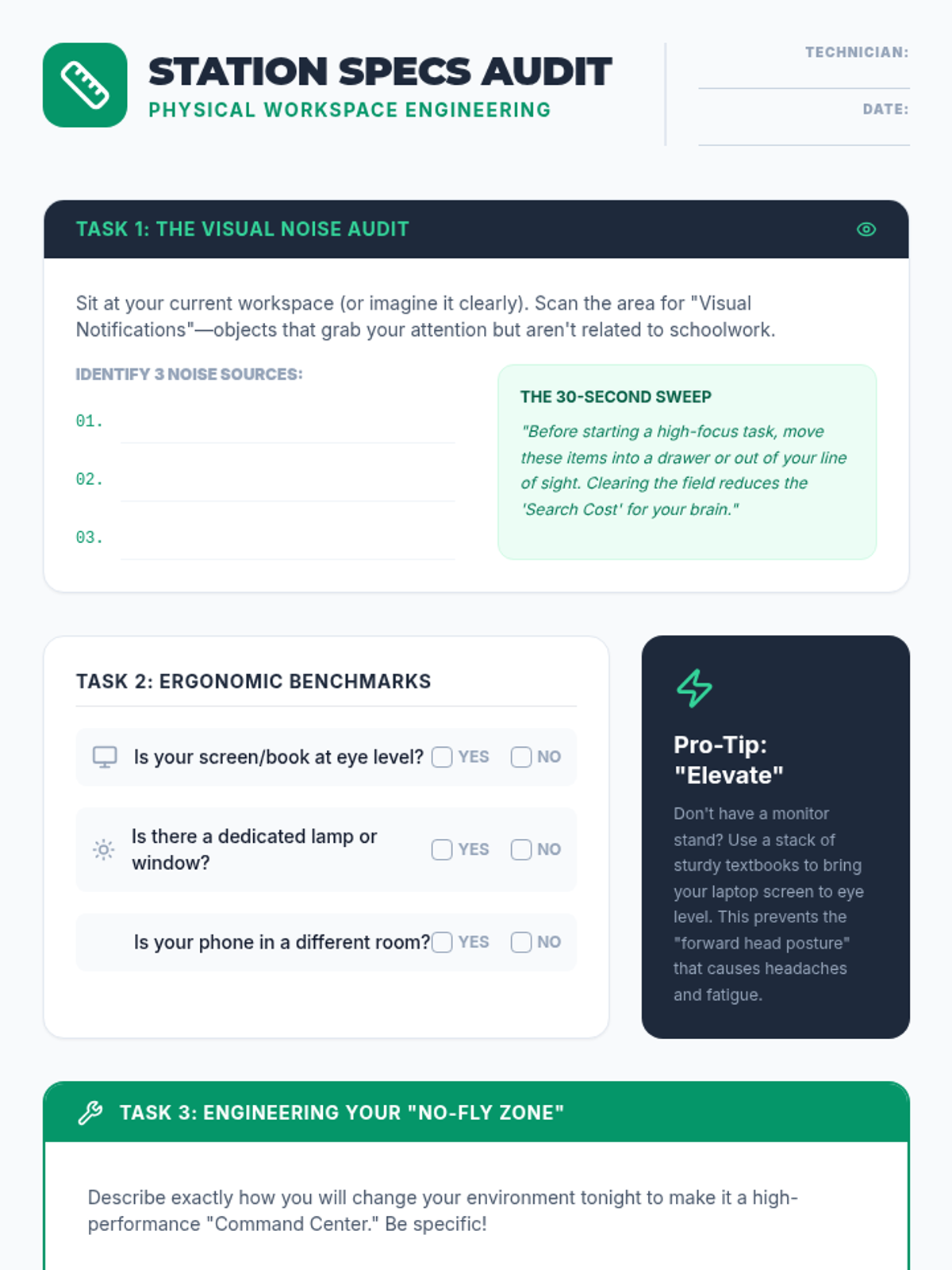
Students analyze the impact of their physical environment on focus and productivity. By auditing workspace case studies and their own study areas, they learn to design spaces that minimize distractions and optimize ergonomics.
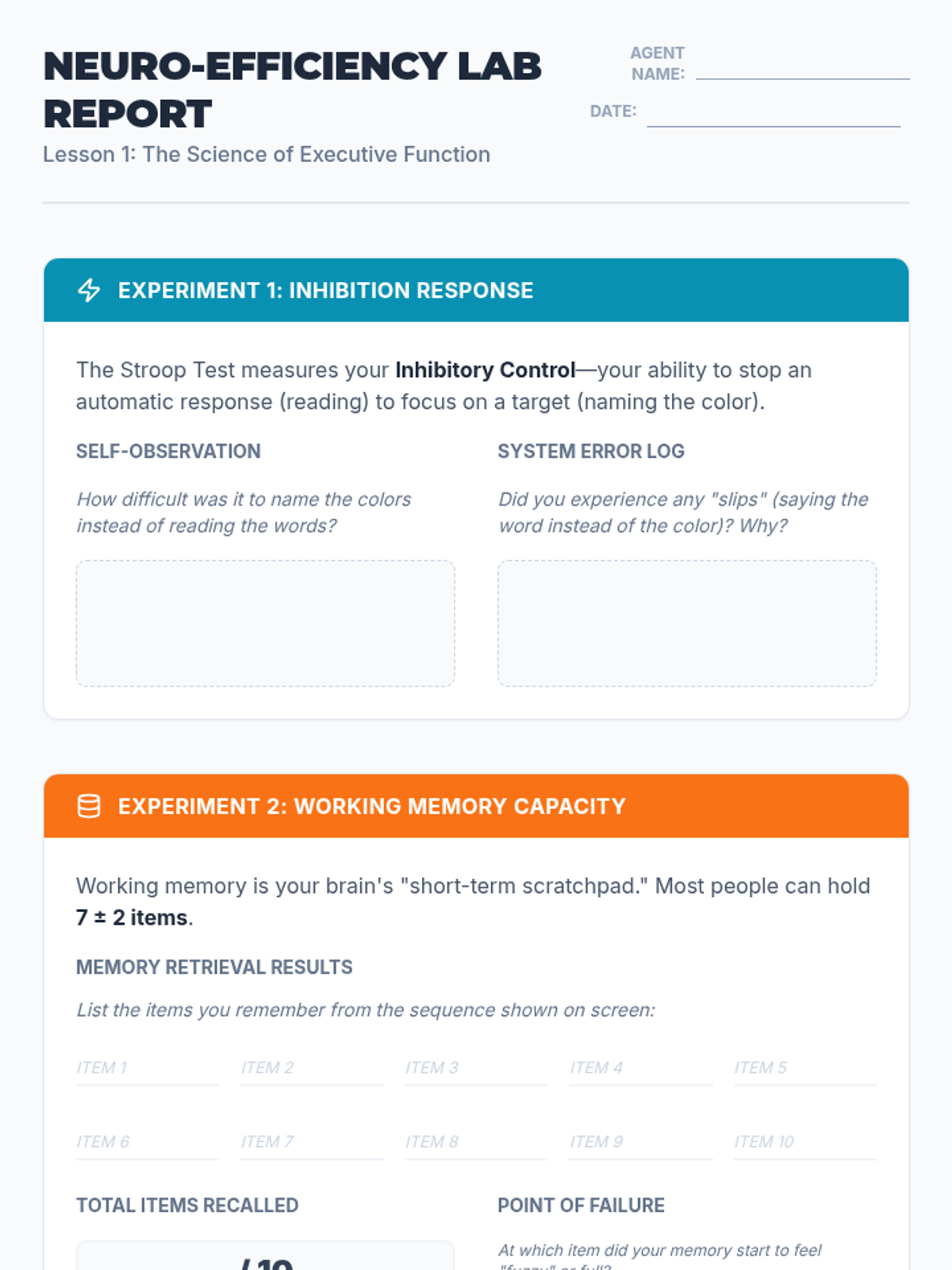
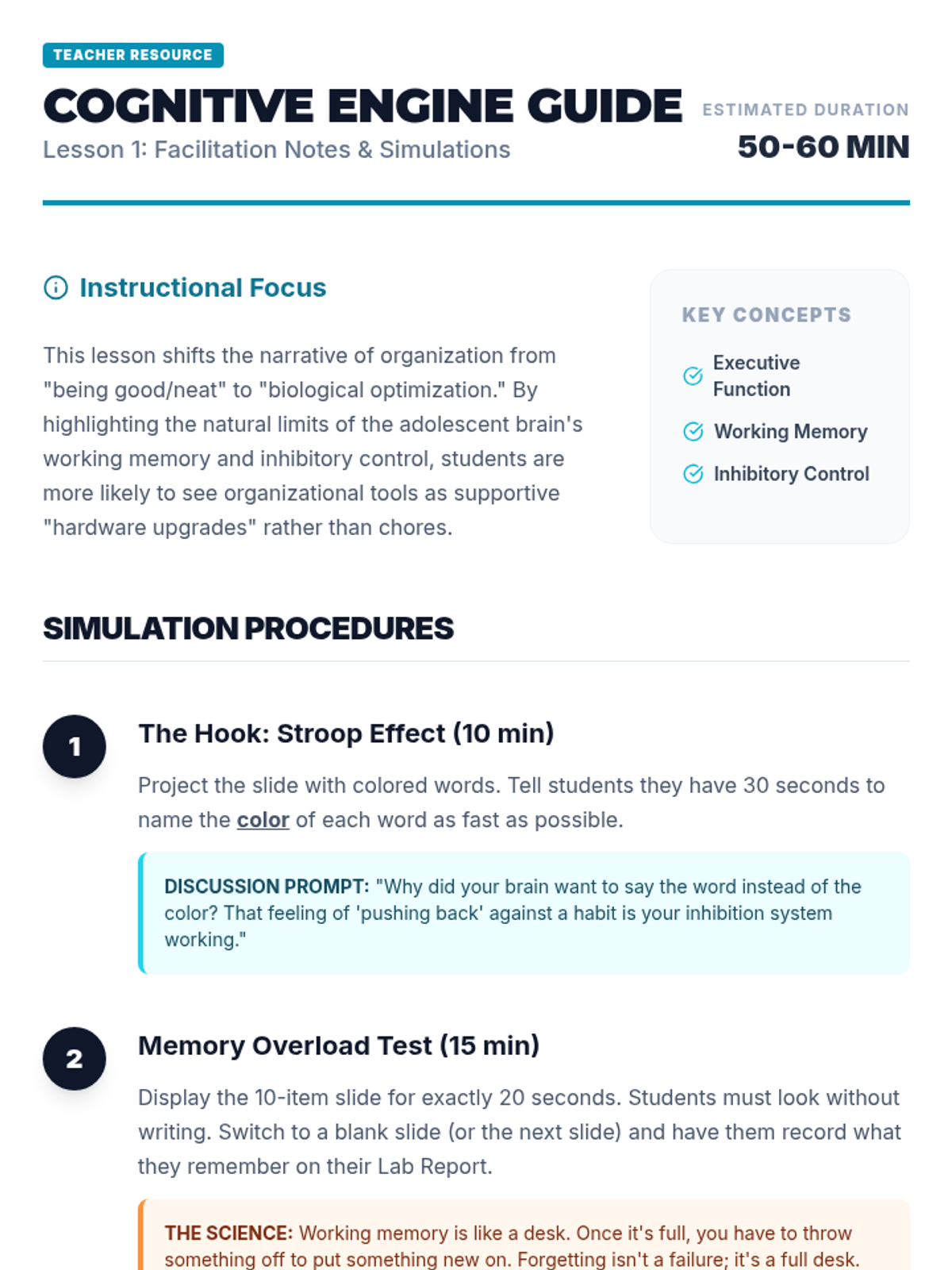
Students explore the neurological basis of executive function, focusing on working memory and inhibition. They engage in simulations like the Stroop Effect and memory overload tasks to understand why organizational systems are necessary for cognitive efficiency.
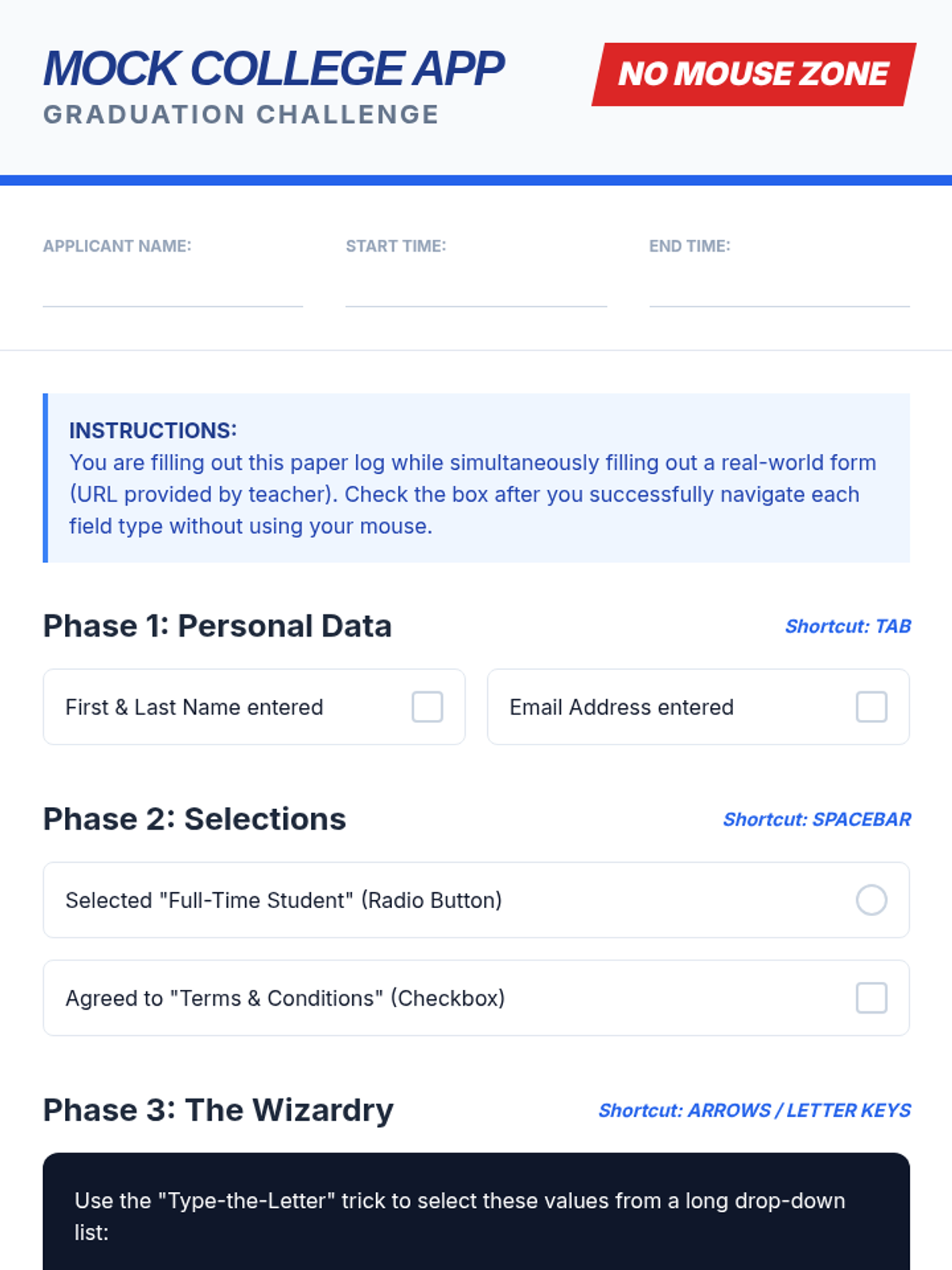
The final lesson focuses on interacting with text fields, radio buttons, checkboxes, and drop-down menus. Students practice filling out complex online applications or registration forms efficiently.
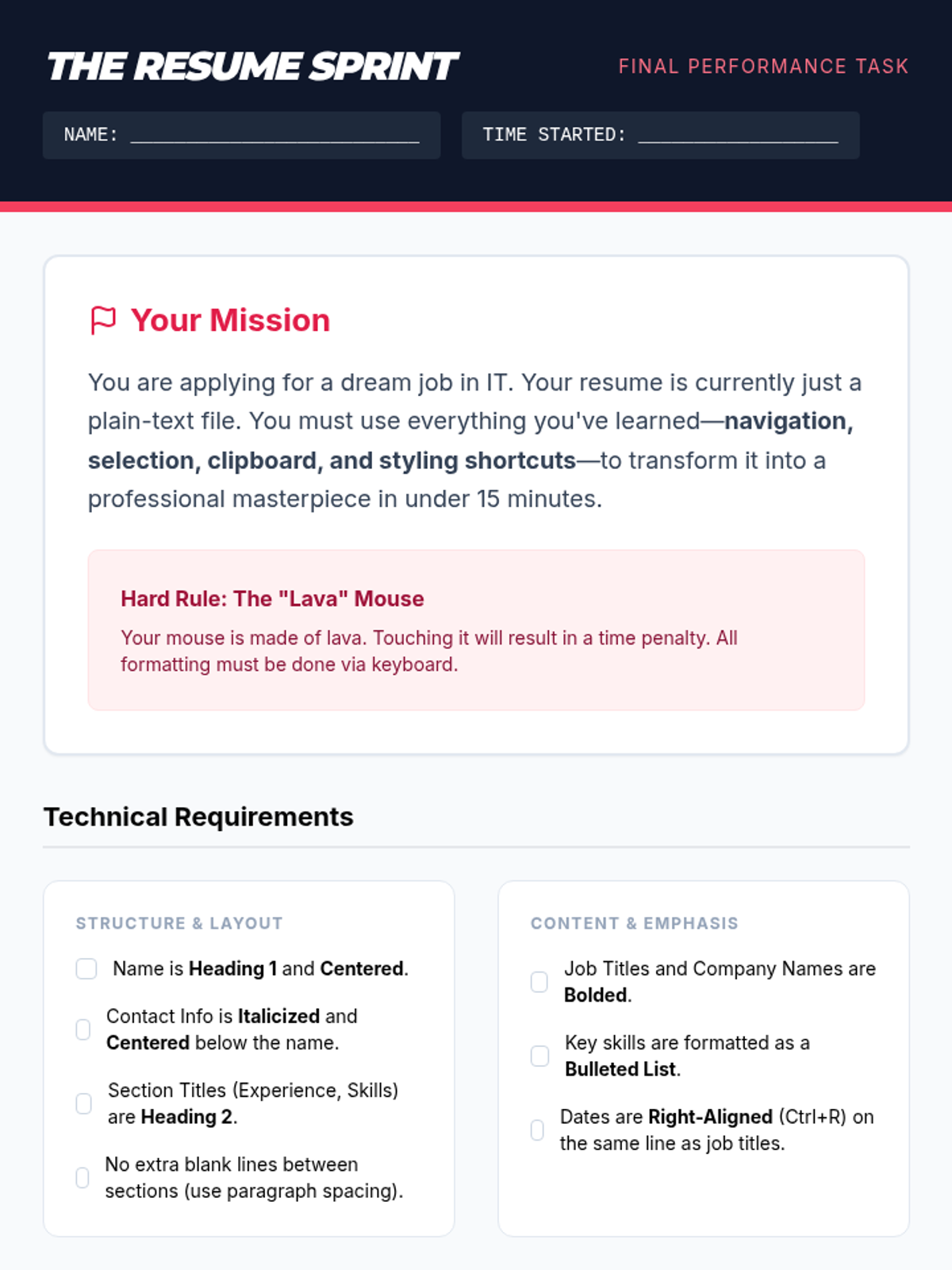
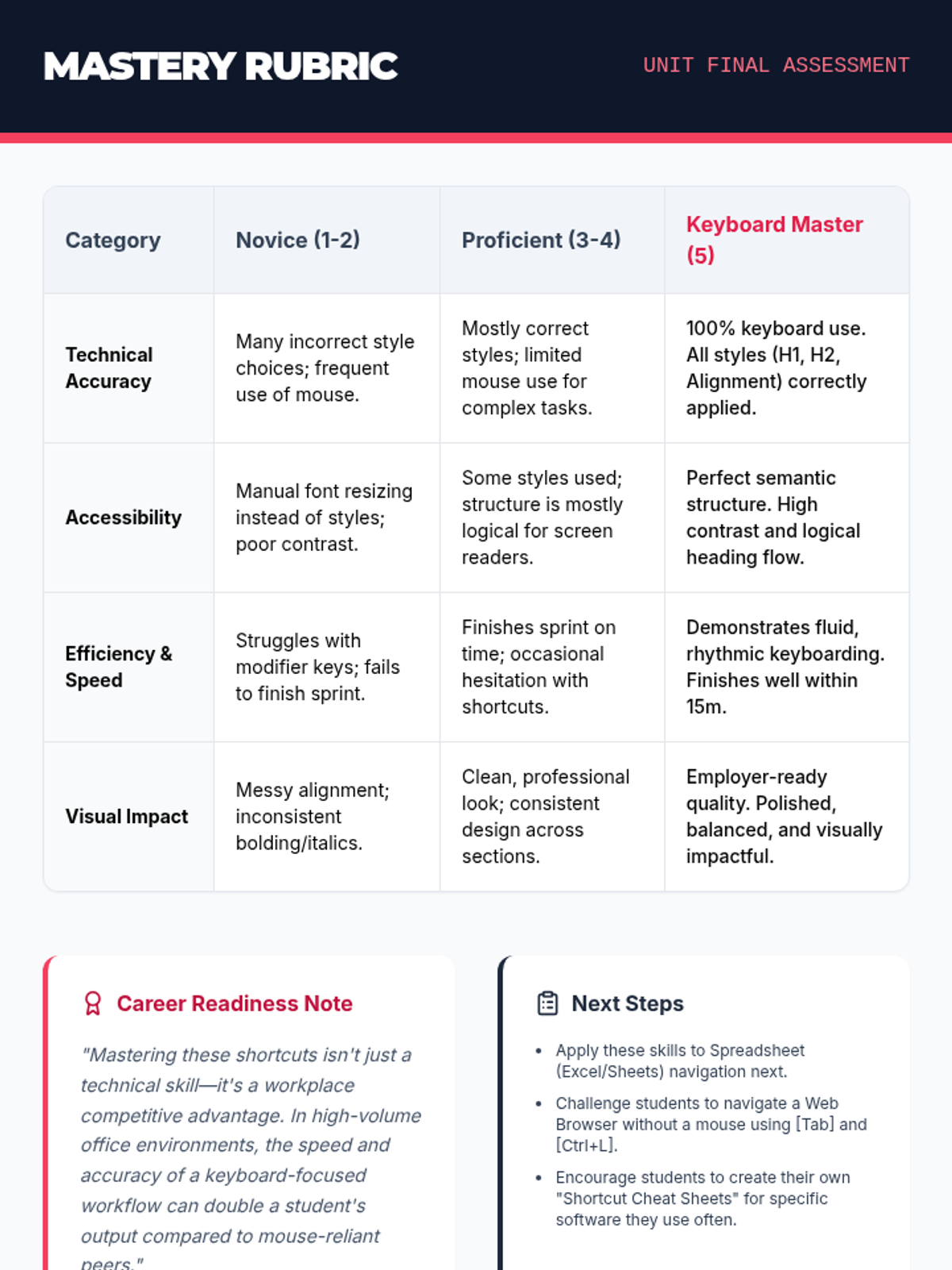
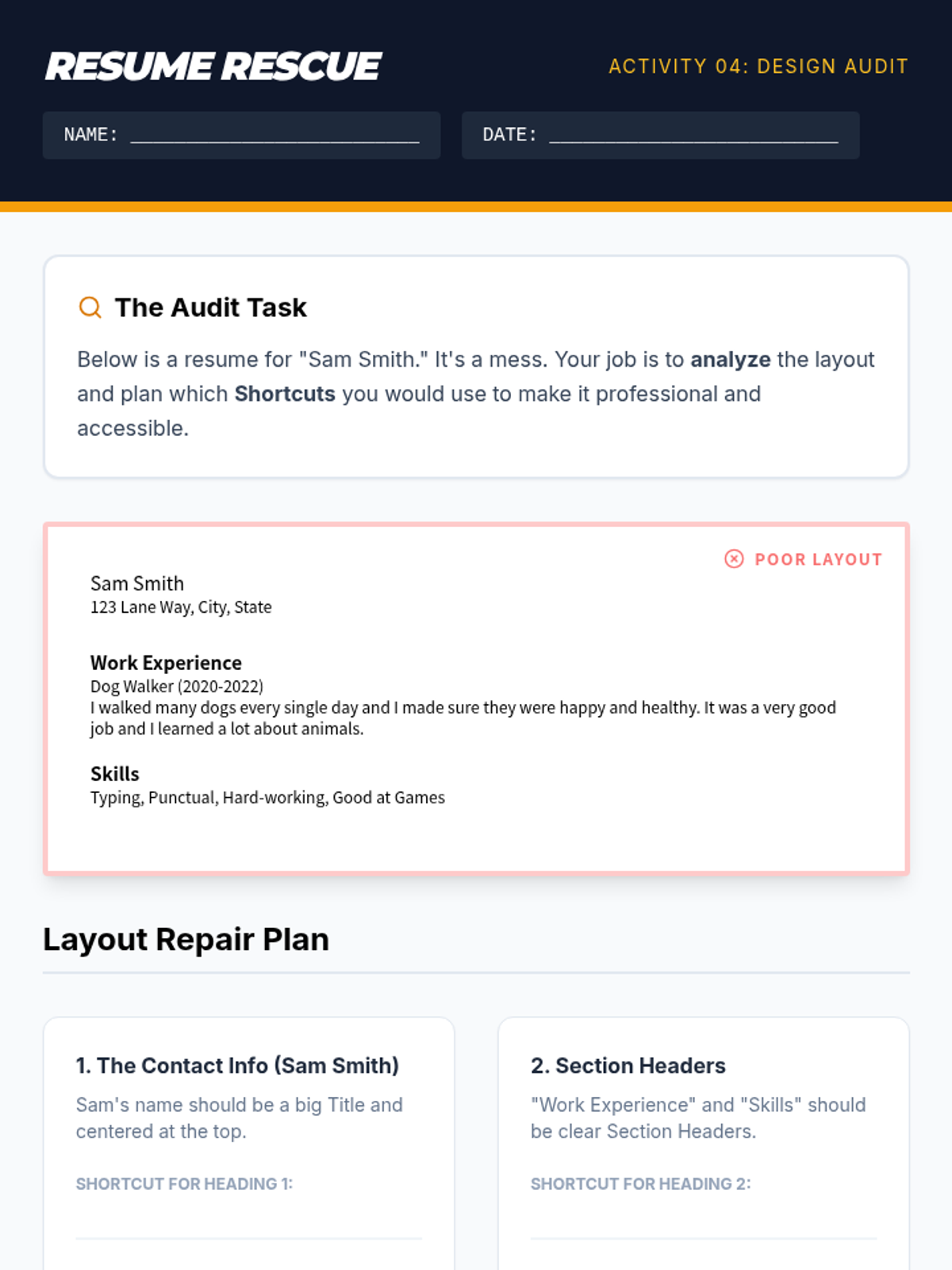
Students apply all learned editing skills to draft and format a professional resume or cover letter. The focus is on speed and adherence to accessibility standards within the document structure.
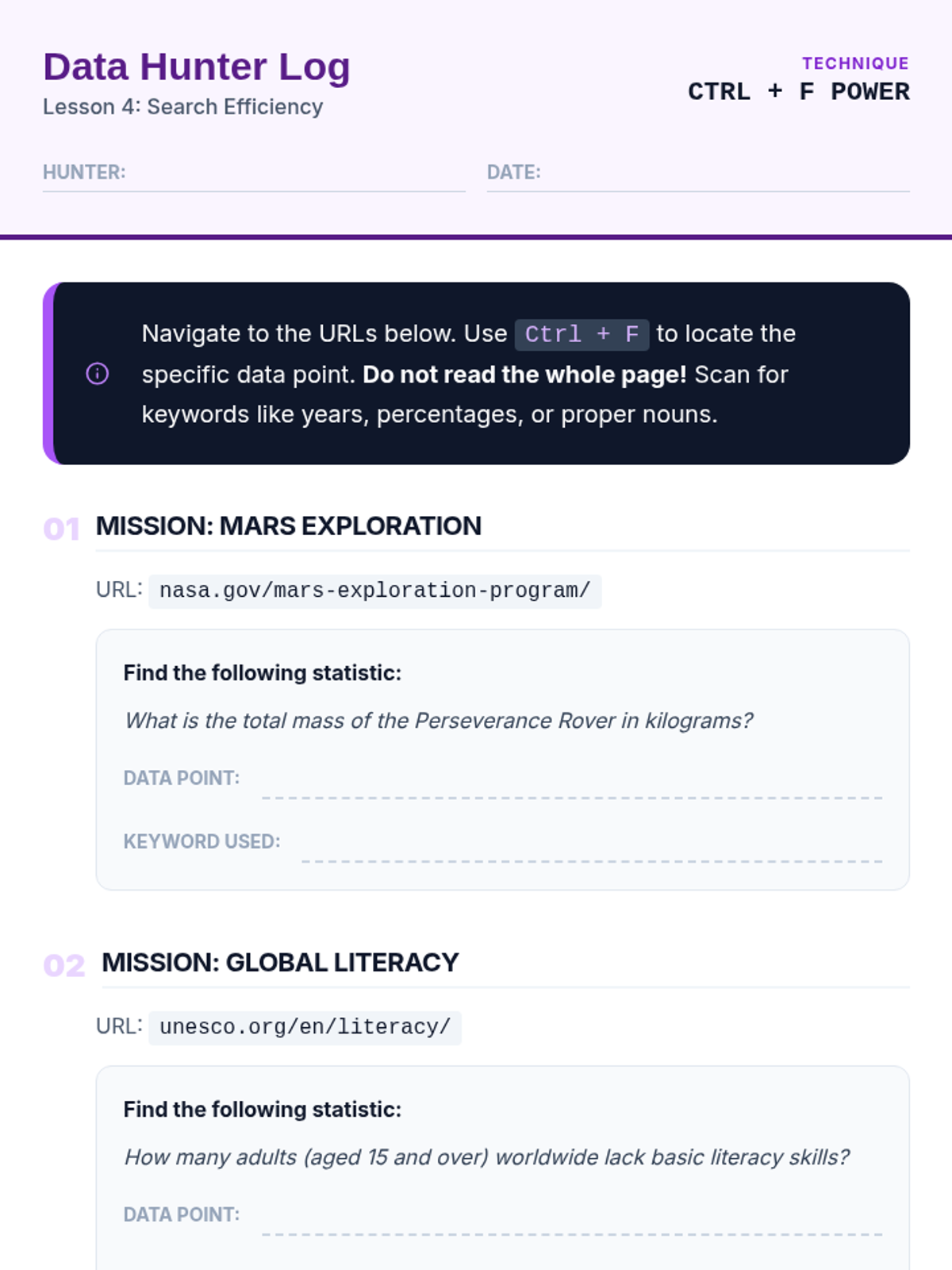
Learners utilize 'Find in Page' (Ctrl/Cmd+F) and search engine shortcuts to locate specific data rapidly. This transforms web browsing from a passive scrolling activity into an active data-retrieval process.
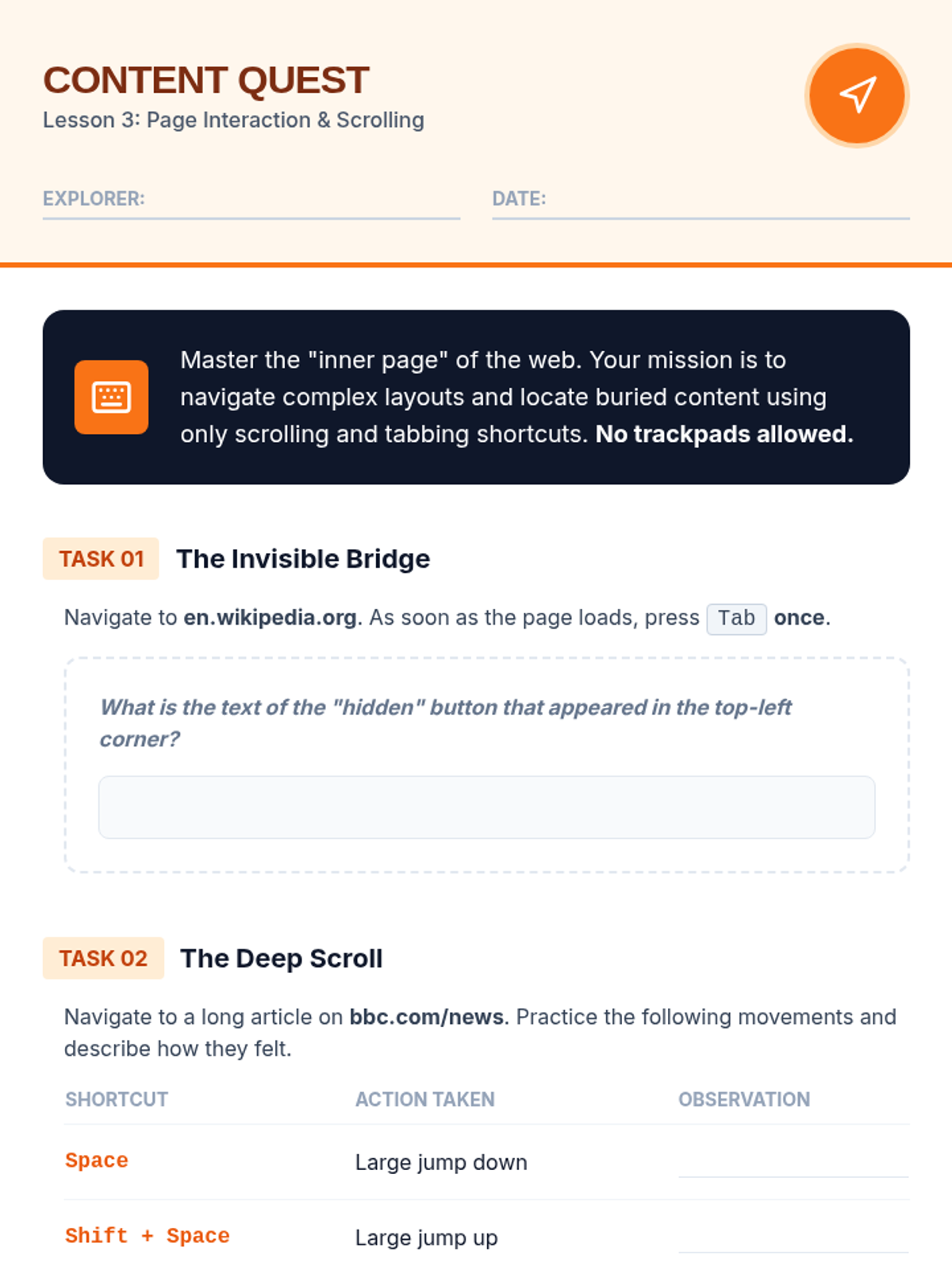
Students practice scrolling via keyboard (Space, Arrows, Page Up/Down) and jumping between interactive elements (links, buttons) using the Tab key. The lesson addresses skipping navigation bars to reach main content.
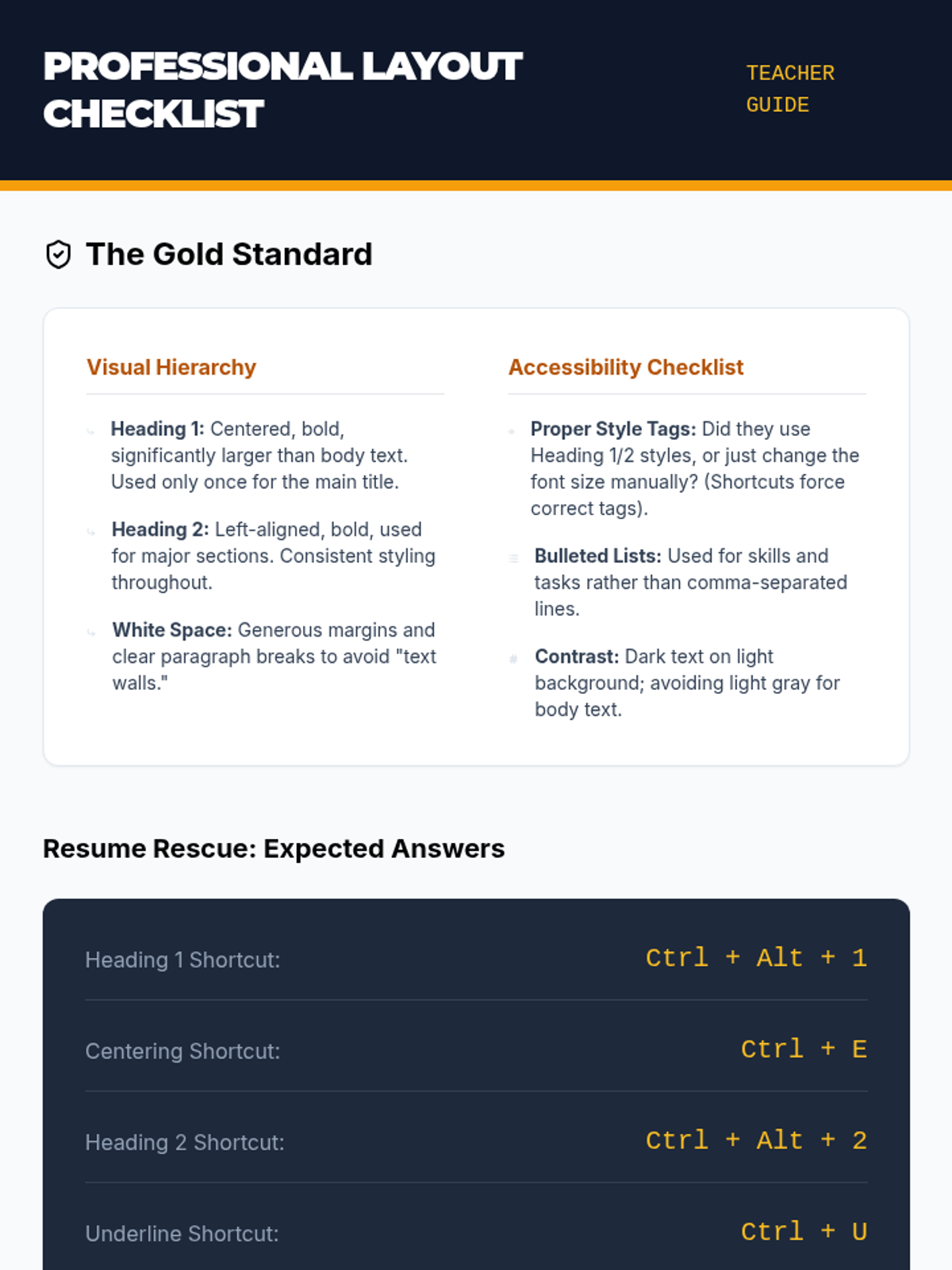
Students explore advanced shortcuts for alignment, indentation, and applying heading styles. The lesson addresses how to navigate the ribbon or menu bar in word processors to access features that lack direct hotkeys.
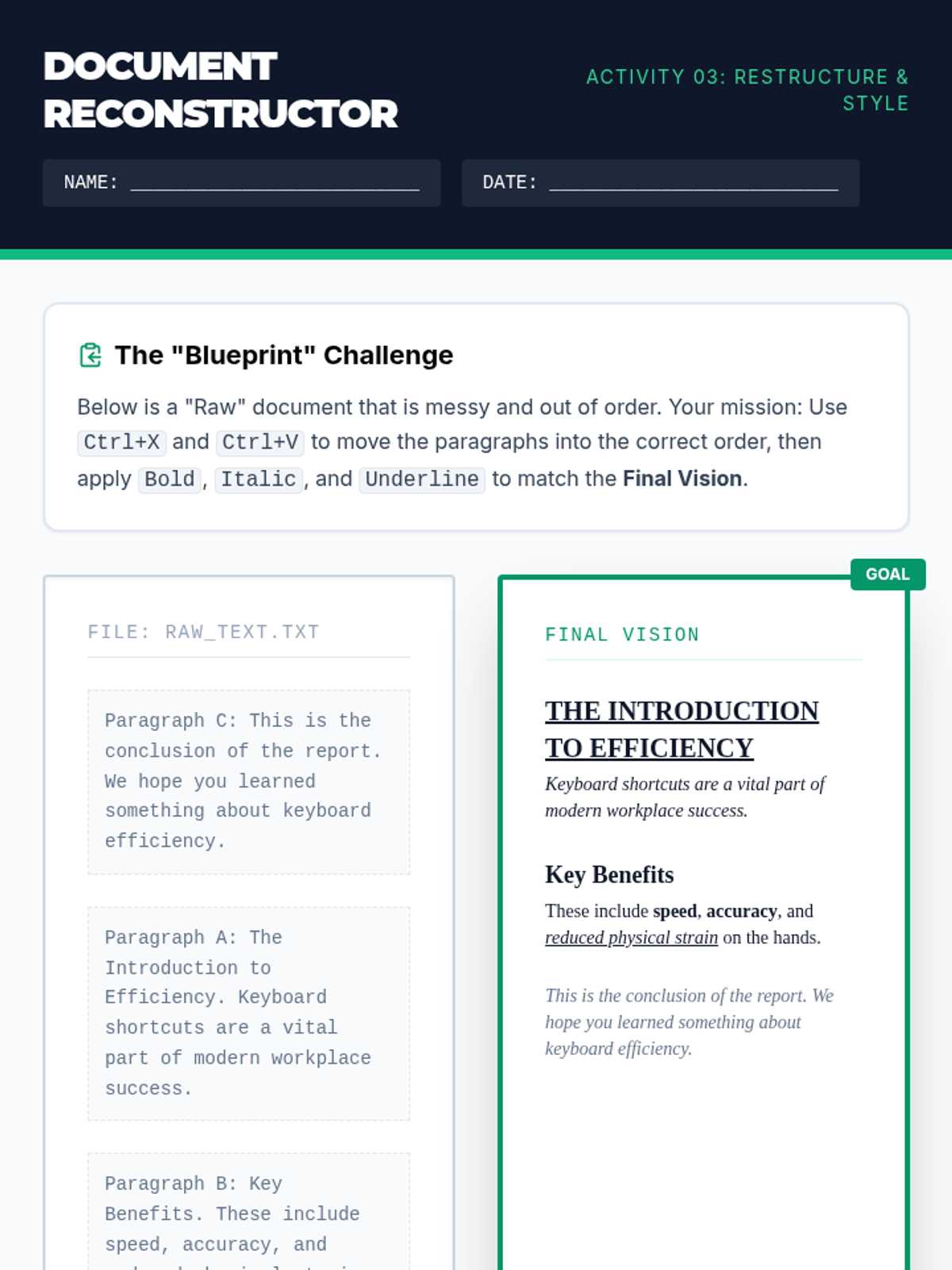
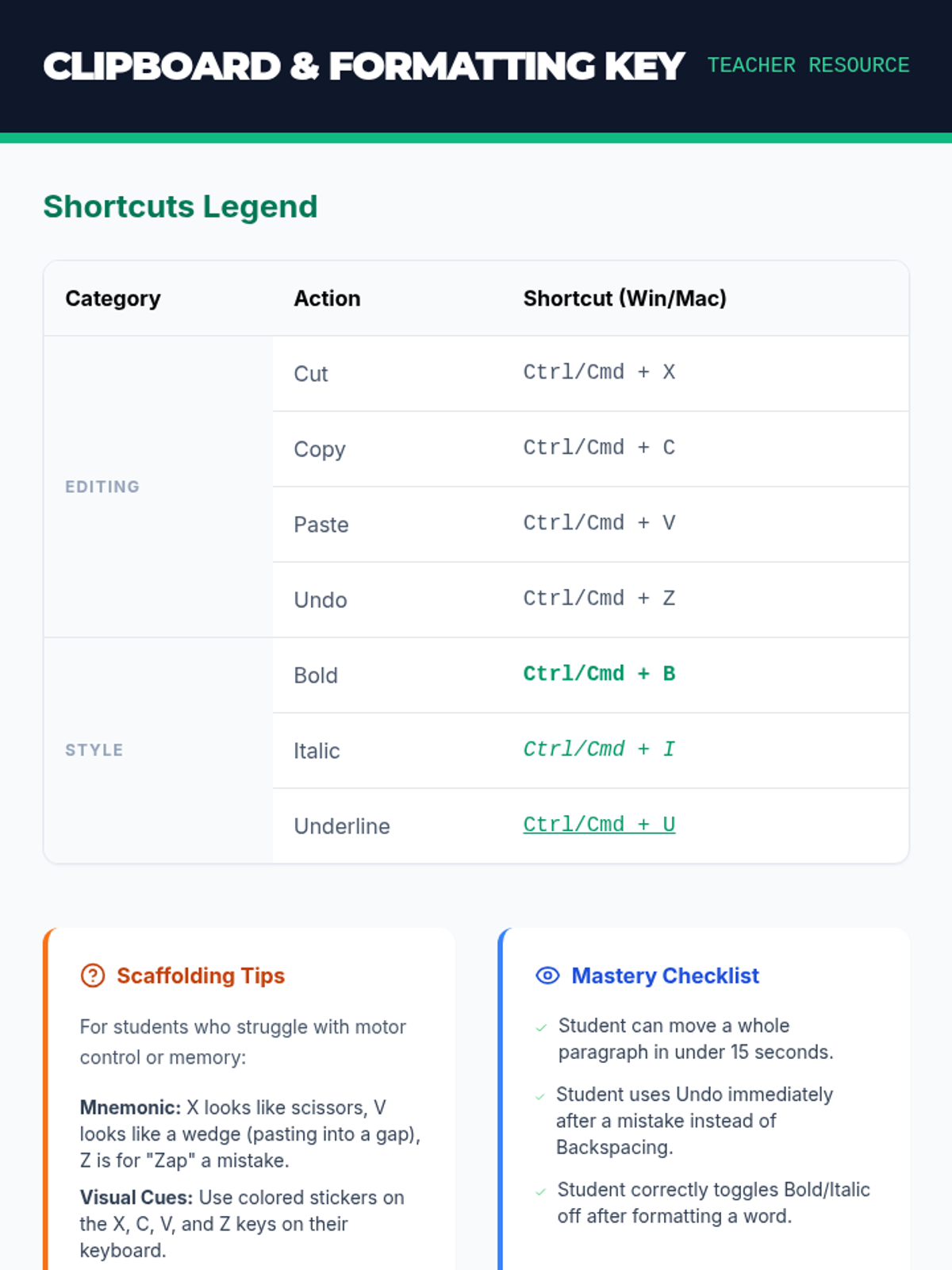
This lesson covers the standard Cut, Copy, Paste, and Undo commands alongside text formatting shortcuts (Bold, Italic, Underline). Students practice restructuring a document by moving paragraphs and applying emphasis styles.
This lesson covers opening, closing, reopening, and switching between browser tabs using shortcuts. Students learn to manage multiple information streams simultaneously without losing their place.
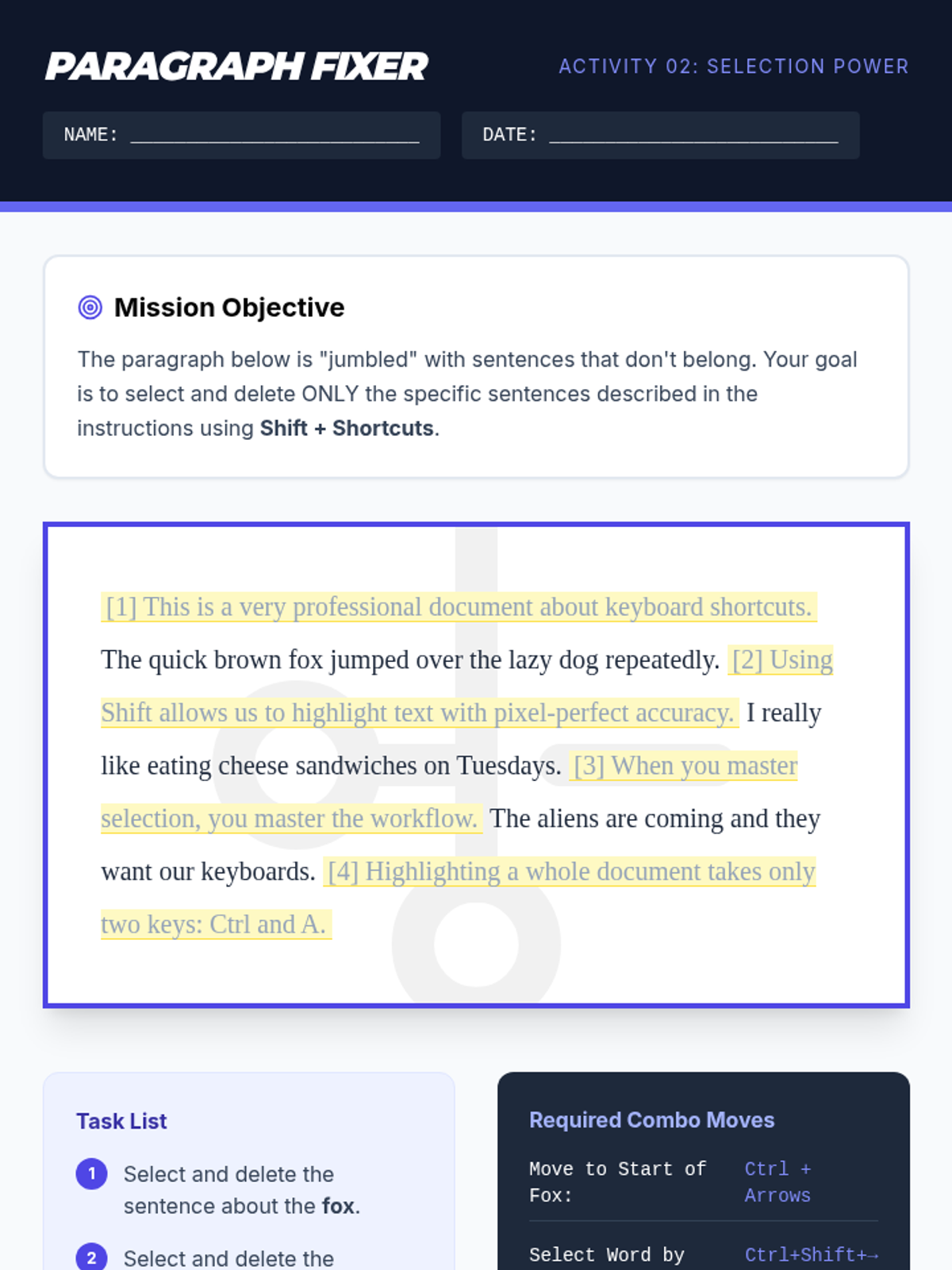
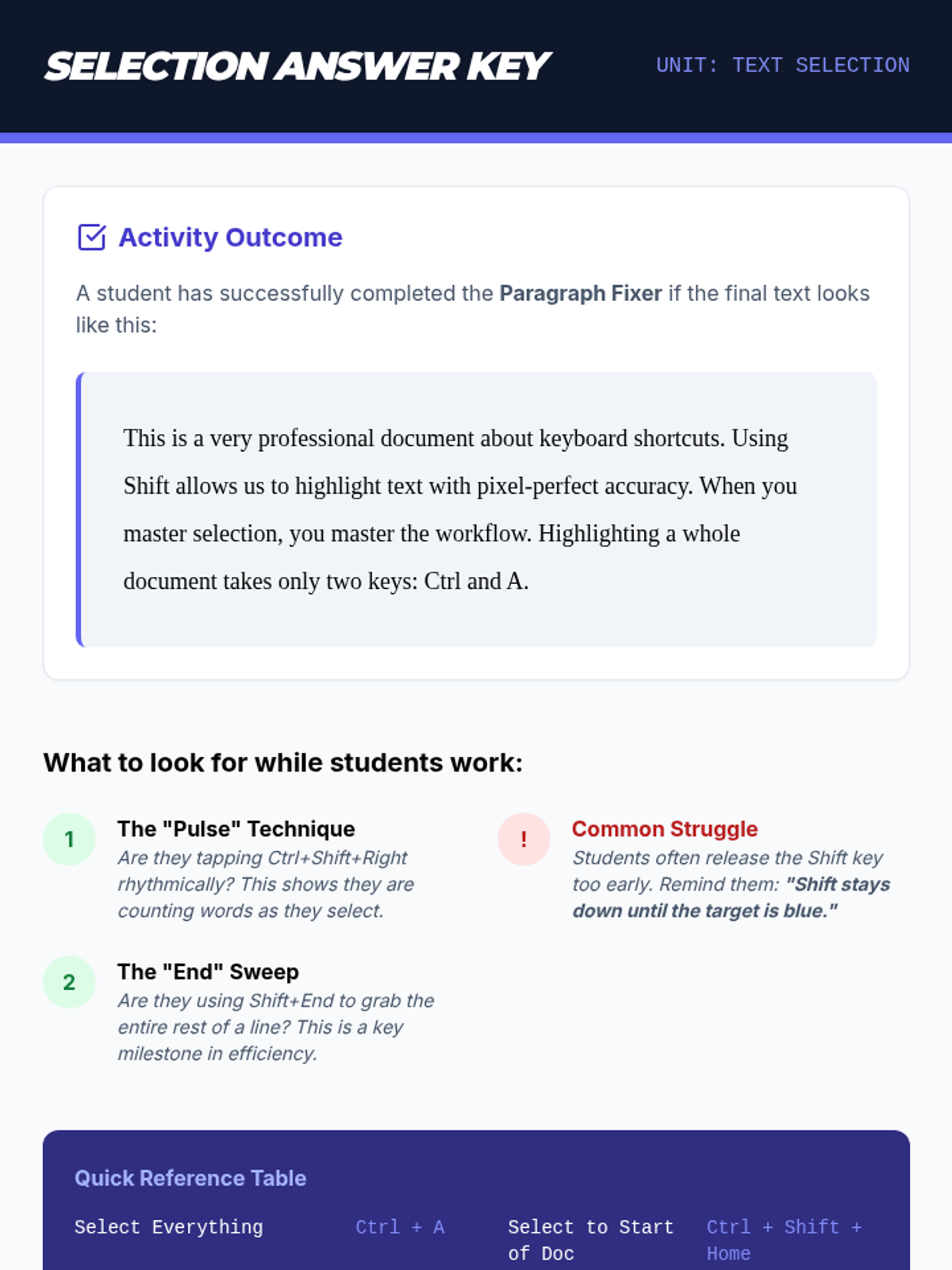
Building on navigation, students add the Shift modifier to select precise blocks of text without a mouse drag. Activities focus on selecting individual words, lines, and entire documents instantly.
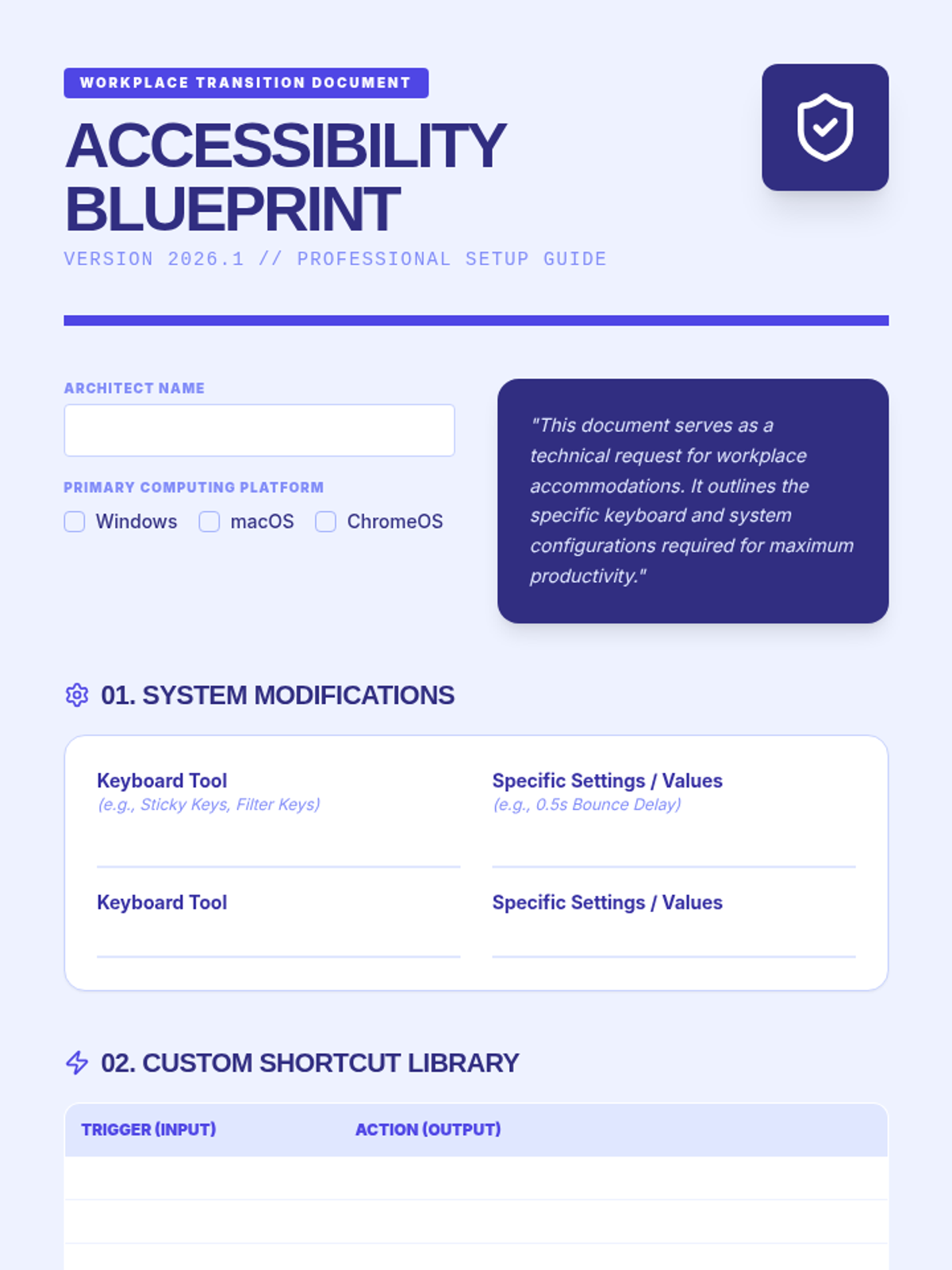
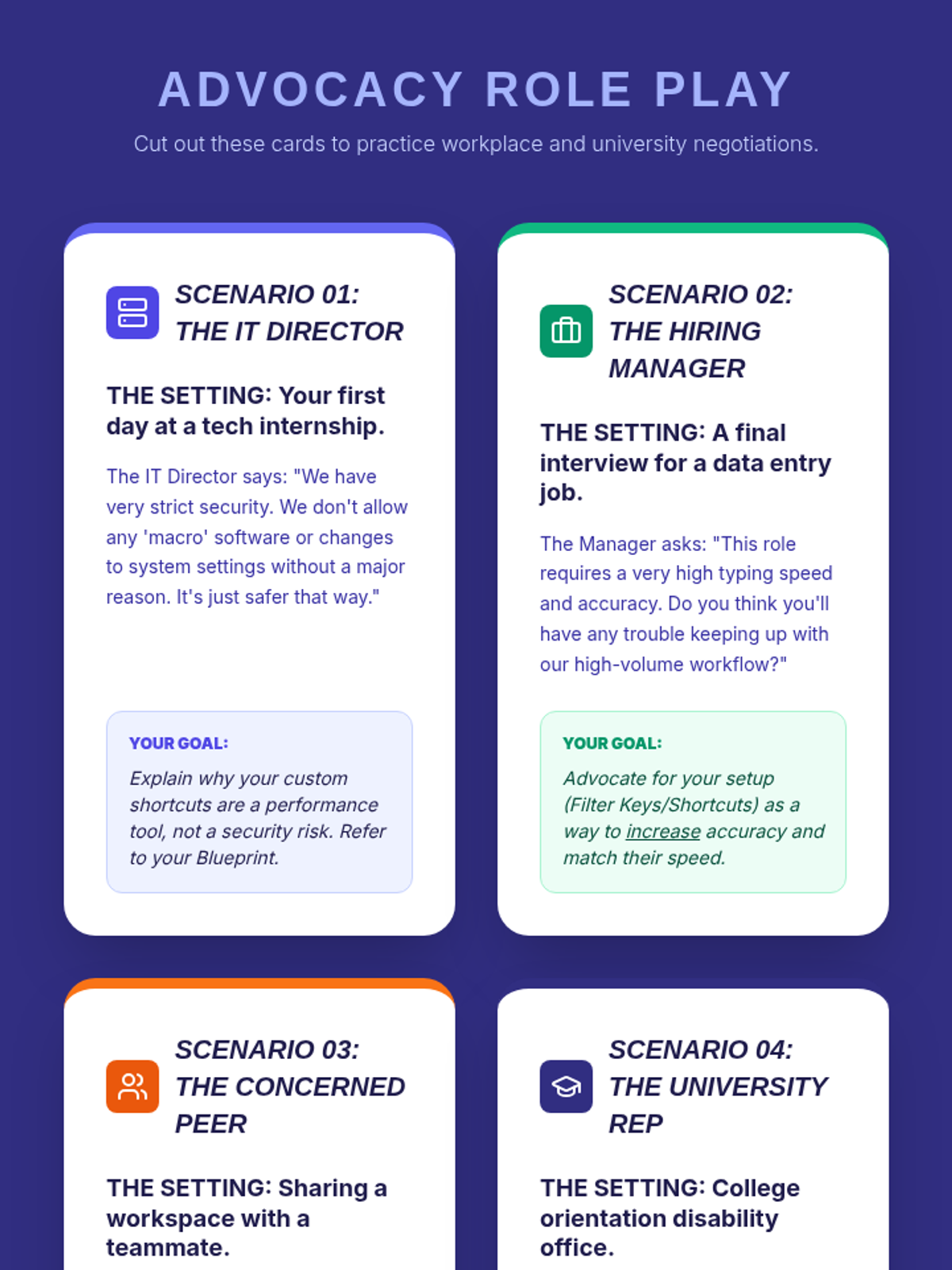
The capstone lesson where students create a personalized 'Accessibility Blueprint' and practice advocating for their specific technical setup in a workplace or university environment.
A technical problem-solving lesson where students diagnose and resolve shortcut conflicts or system errors, using help menus and resetting accessibility settings.
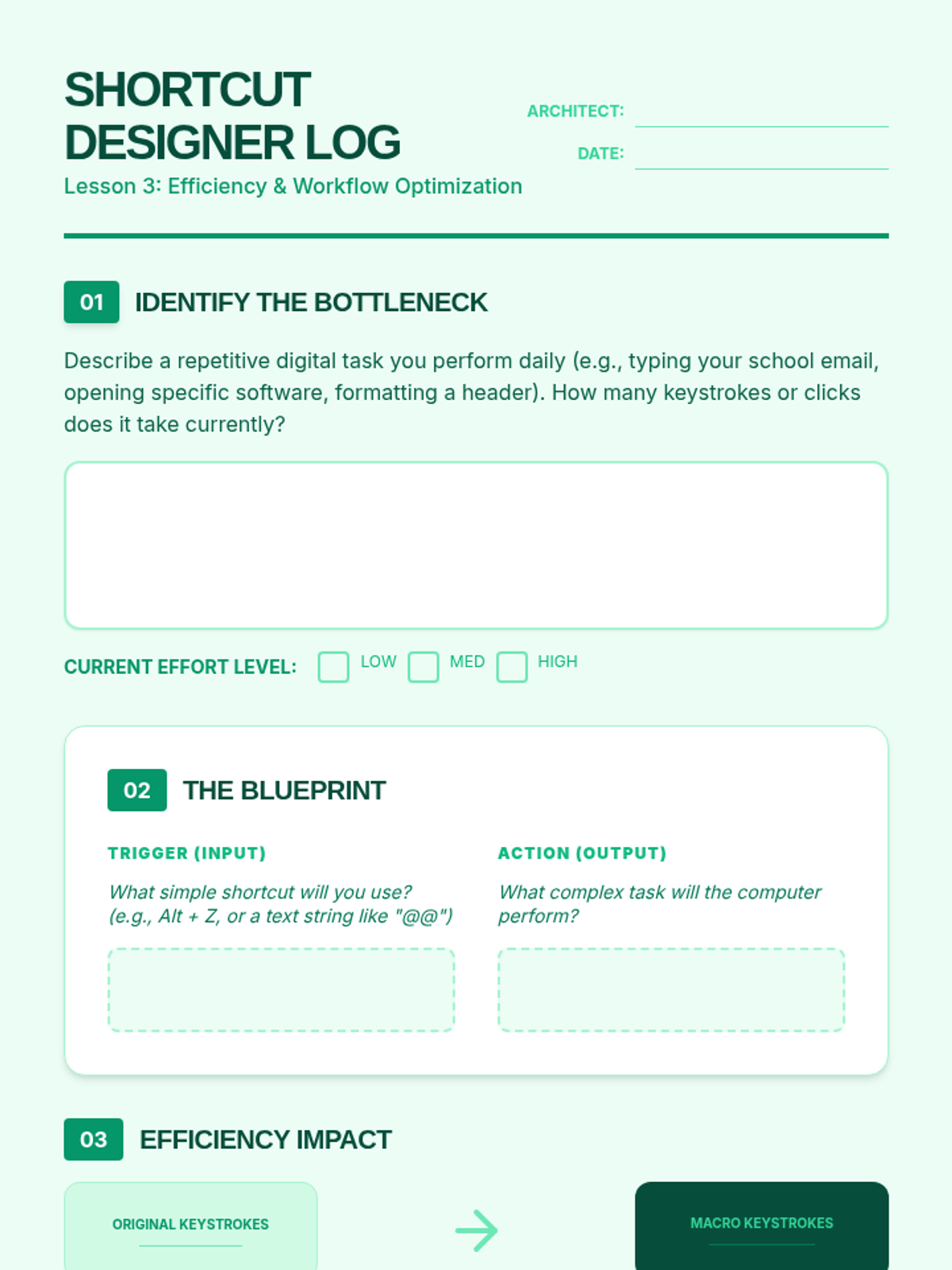
Students learn to create and implement custom keyboard shortcuts and macros for frequently used tasks, focusing on workflow optimization and reducing repetitive strain in a professional context.
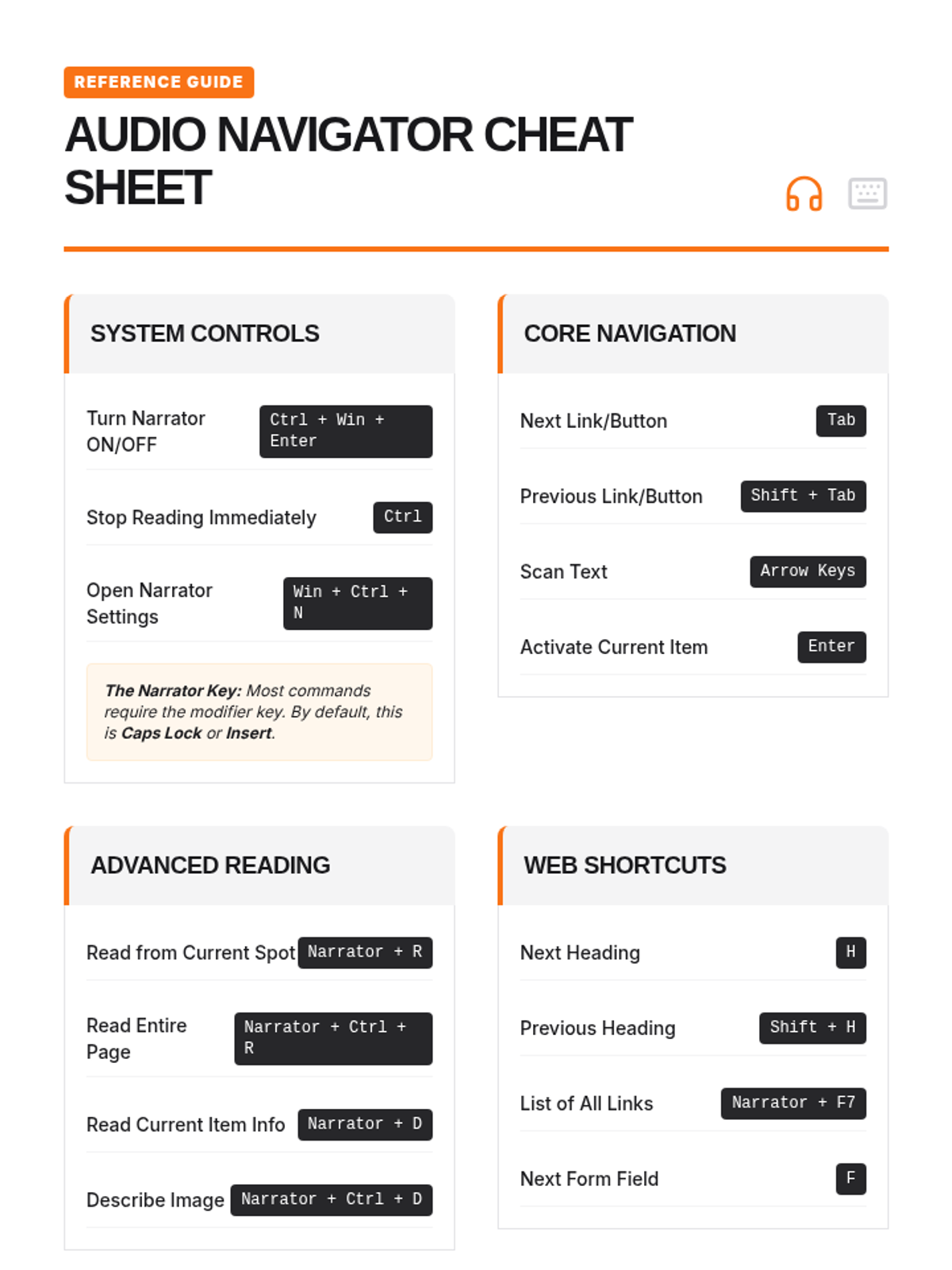
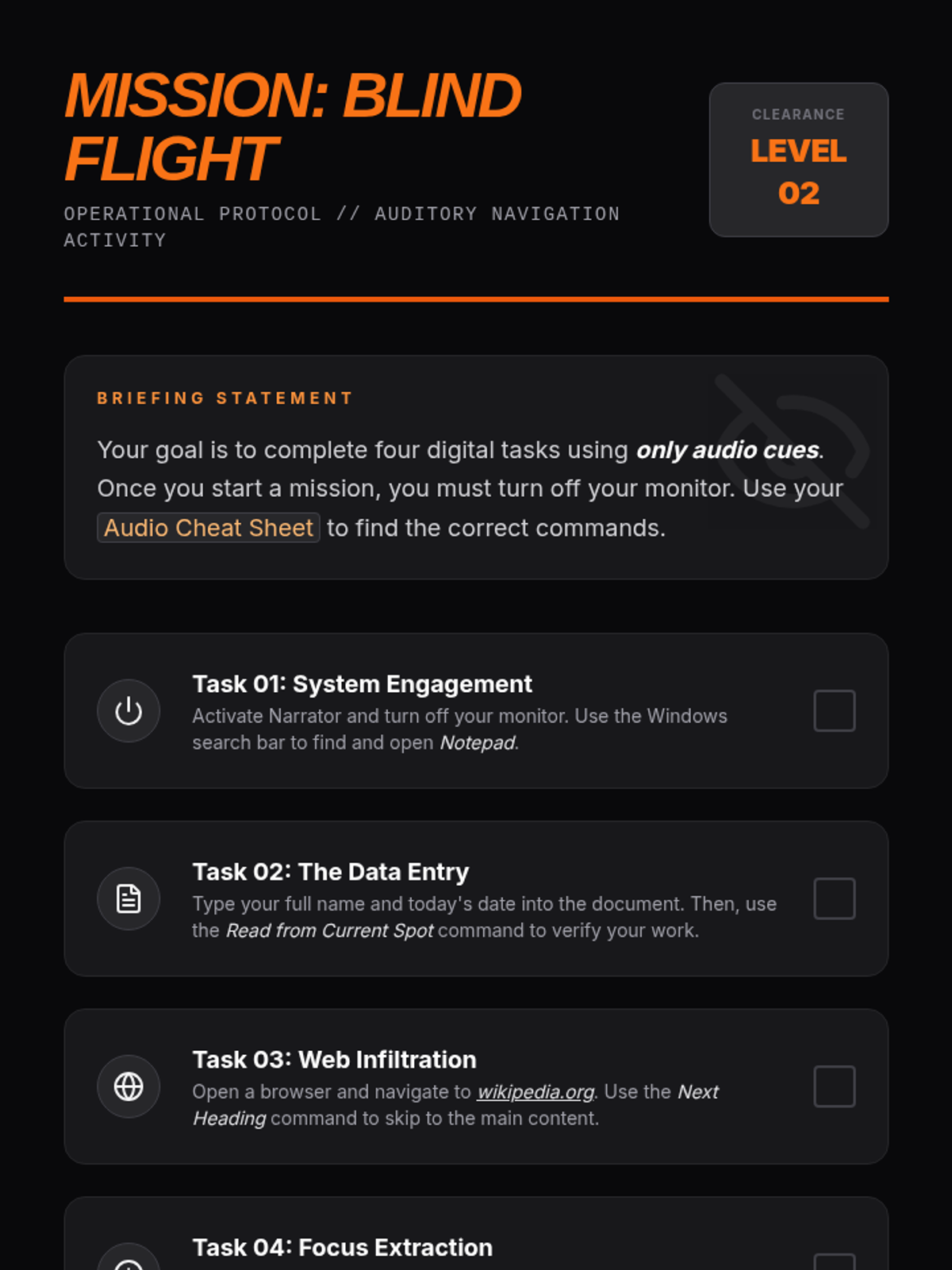
Covers the modifier keys and navigation commands for screen readers (Narrator/VoiceOver), focusing on how keyboard navigation provides an alternative interface for focus tracking and content consumption.
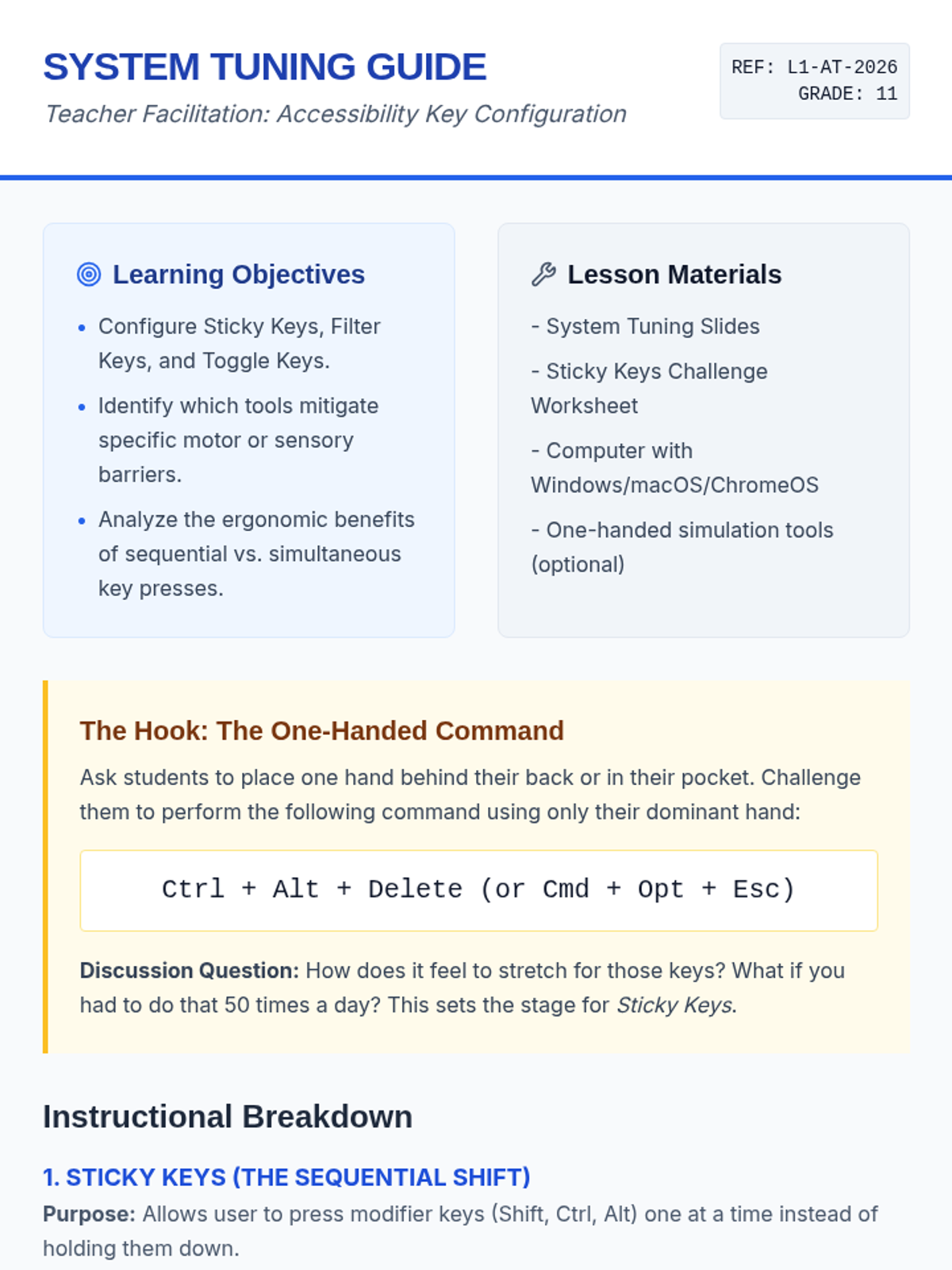
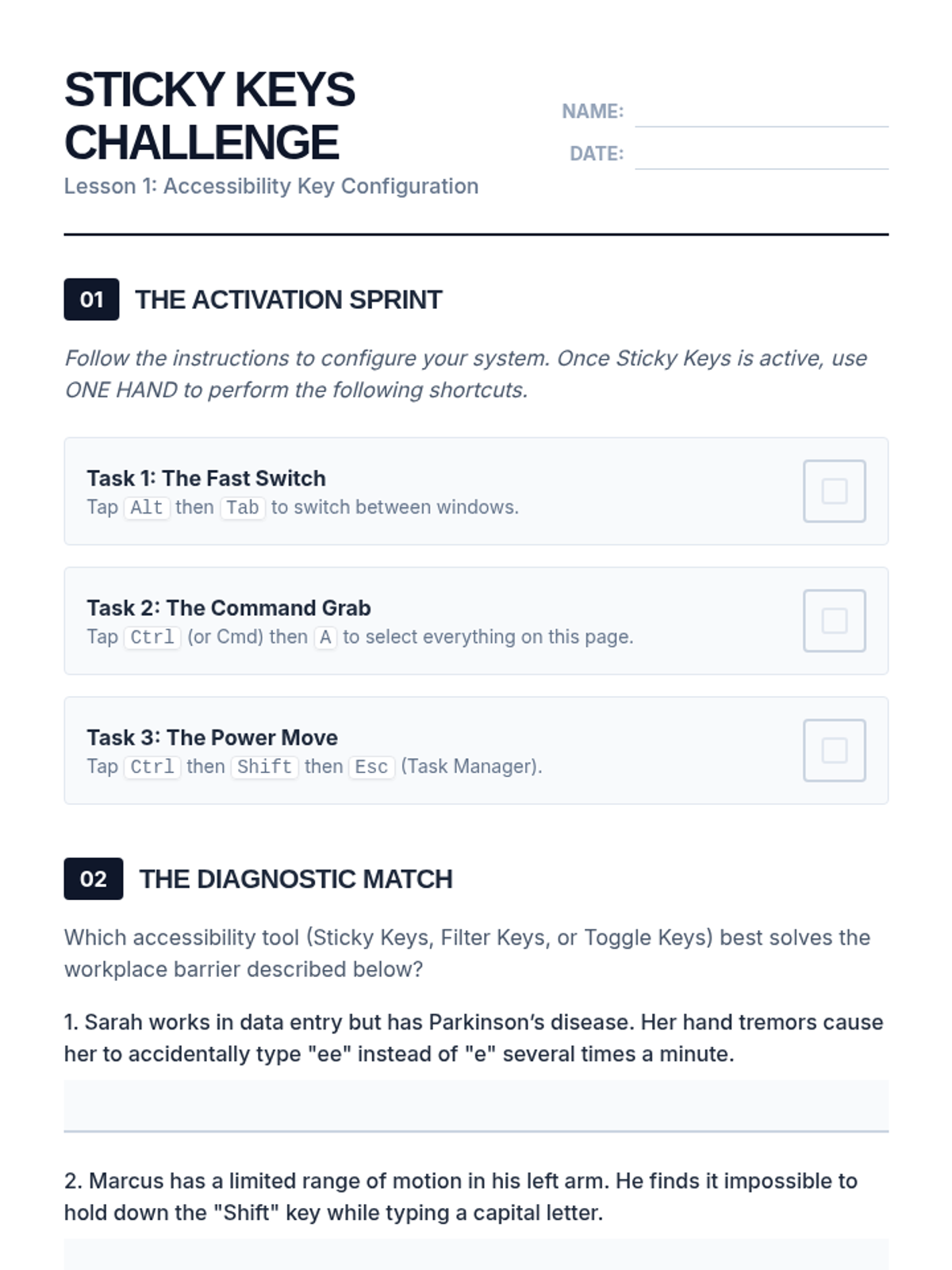
Students explore the Ease of Access center to configure Sticky Keys, Filter Keys, and Toggle Keys, learning how these modifications reduce physical strain and enable multi-key shortcuts with minimal movement.
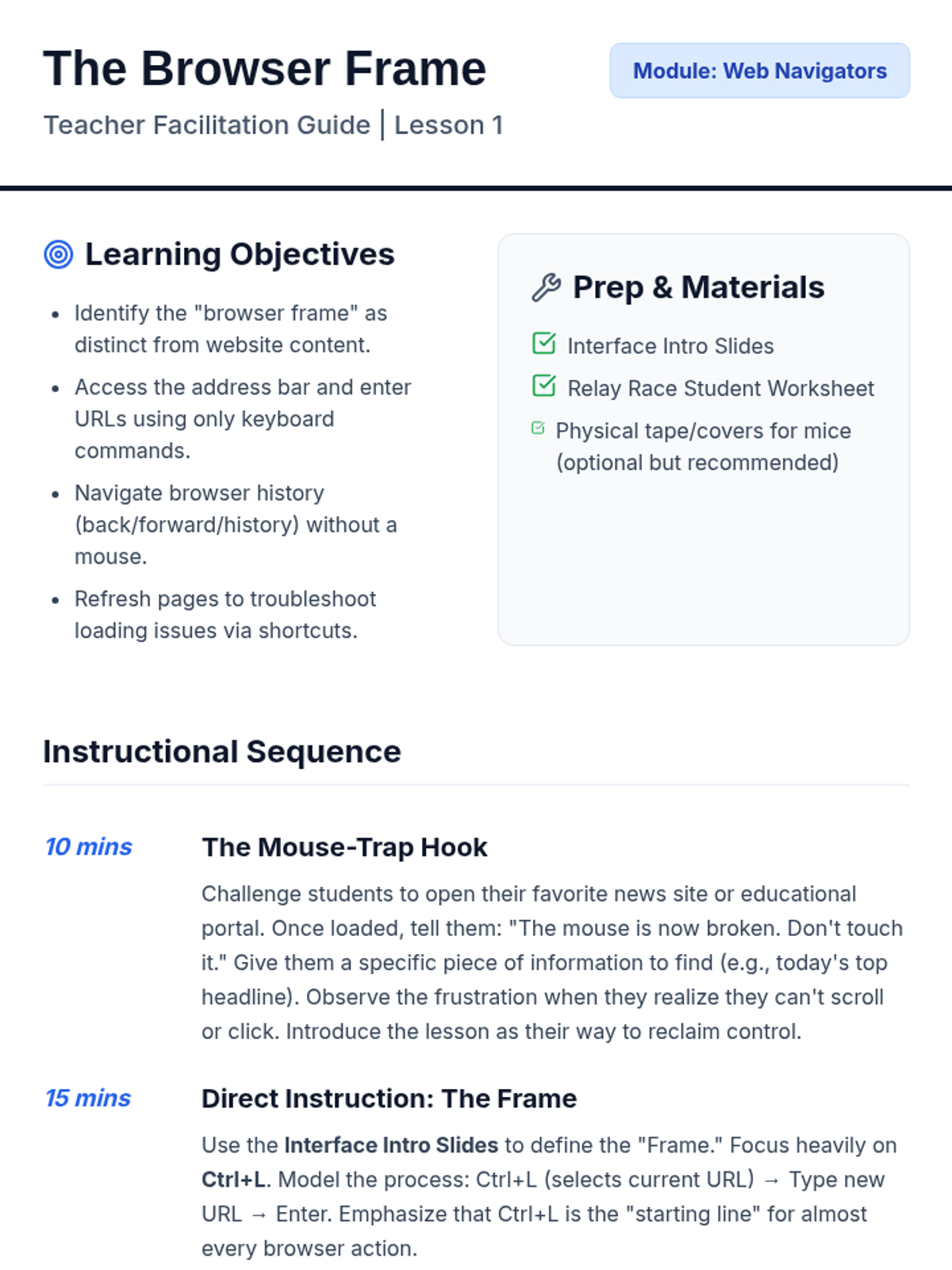
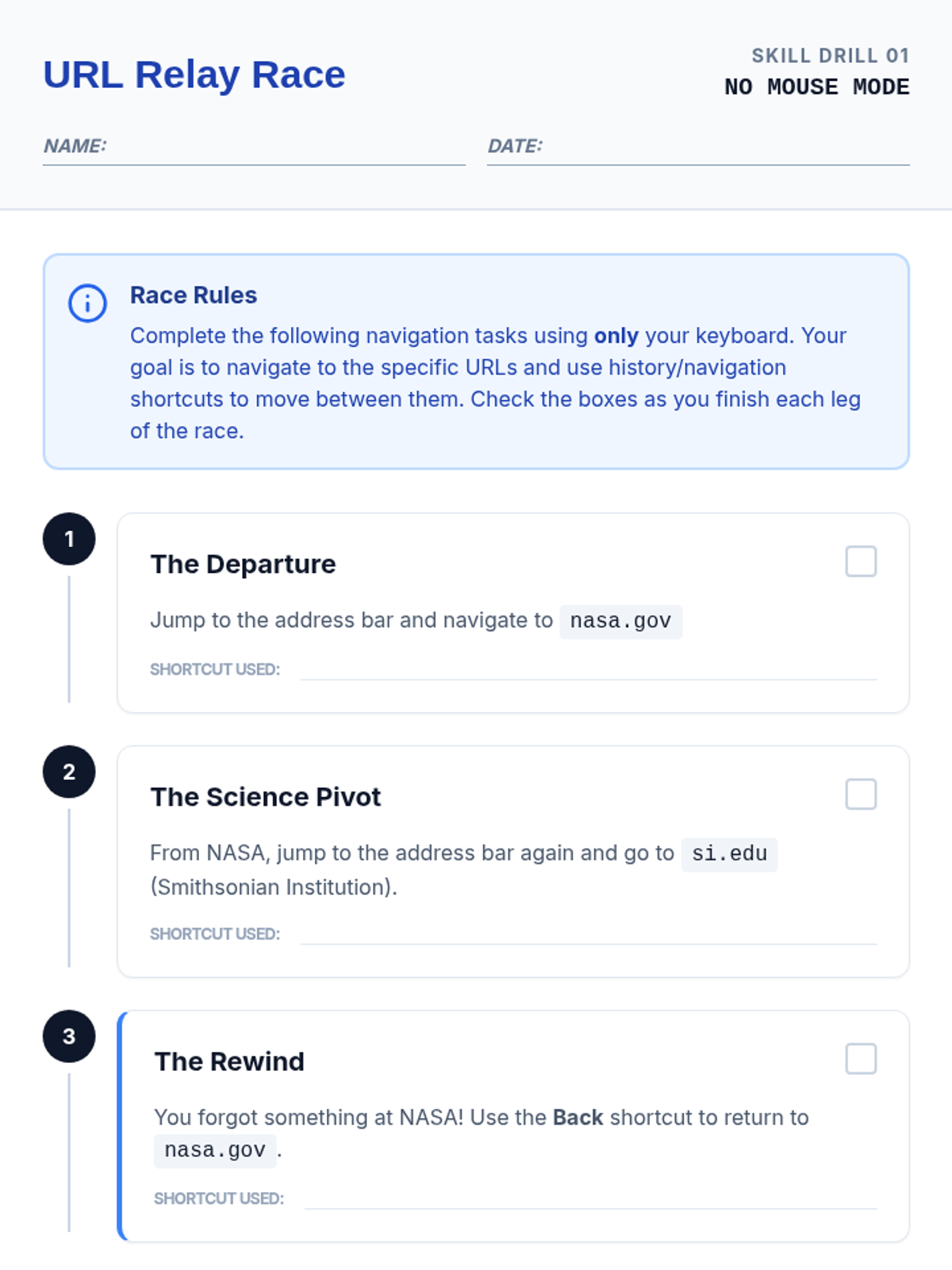
Students learn to jump to the address bar, access browser history, and navigate the toolbar. The lesson establishes the browser as a distinct application with its own navigation hierarchy.
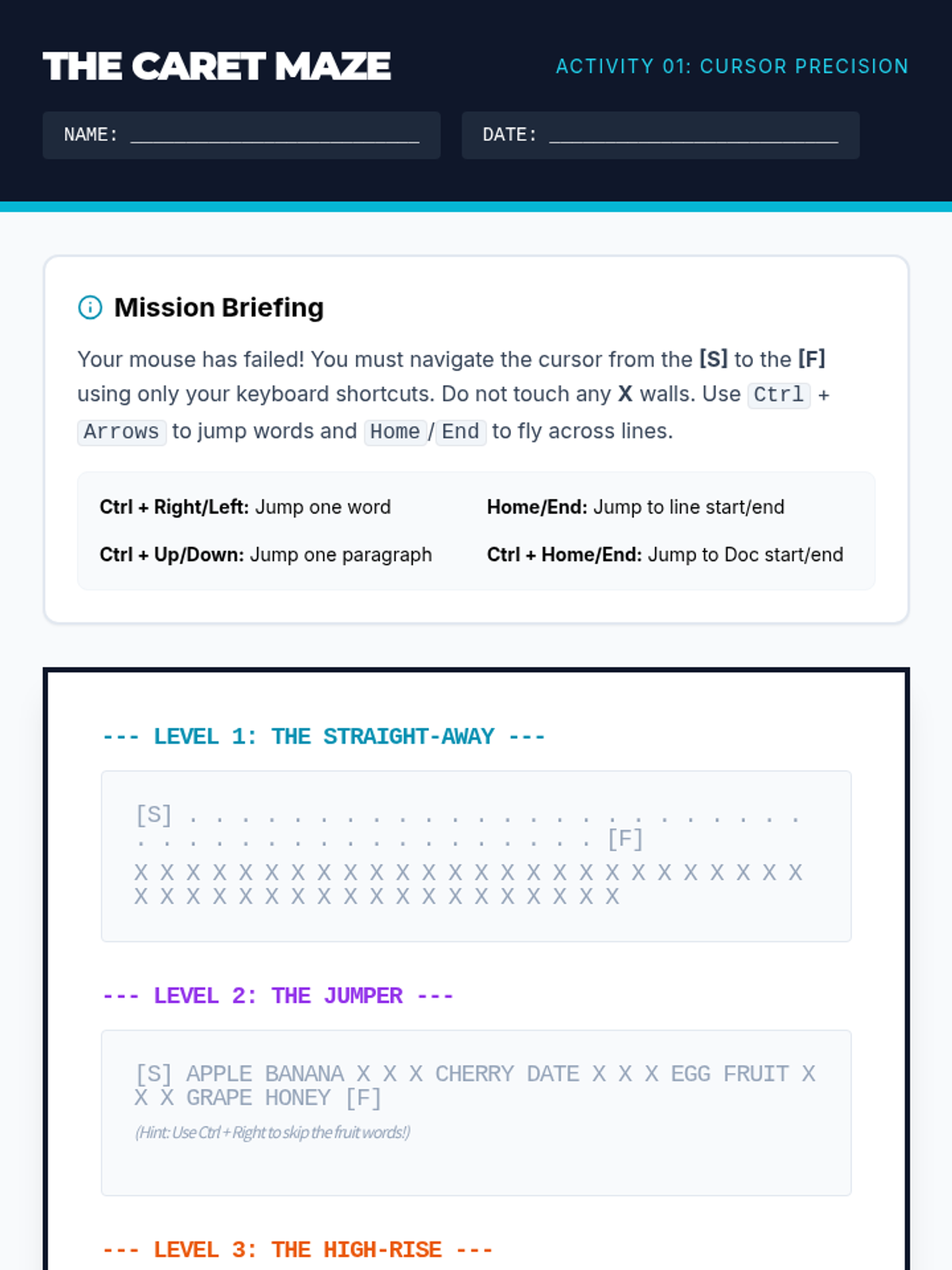
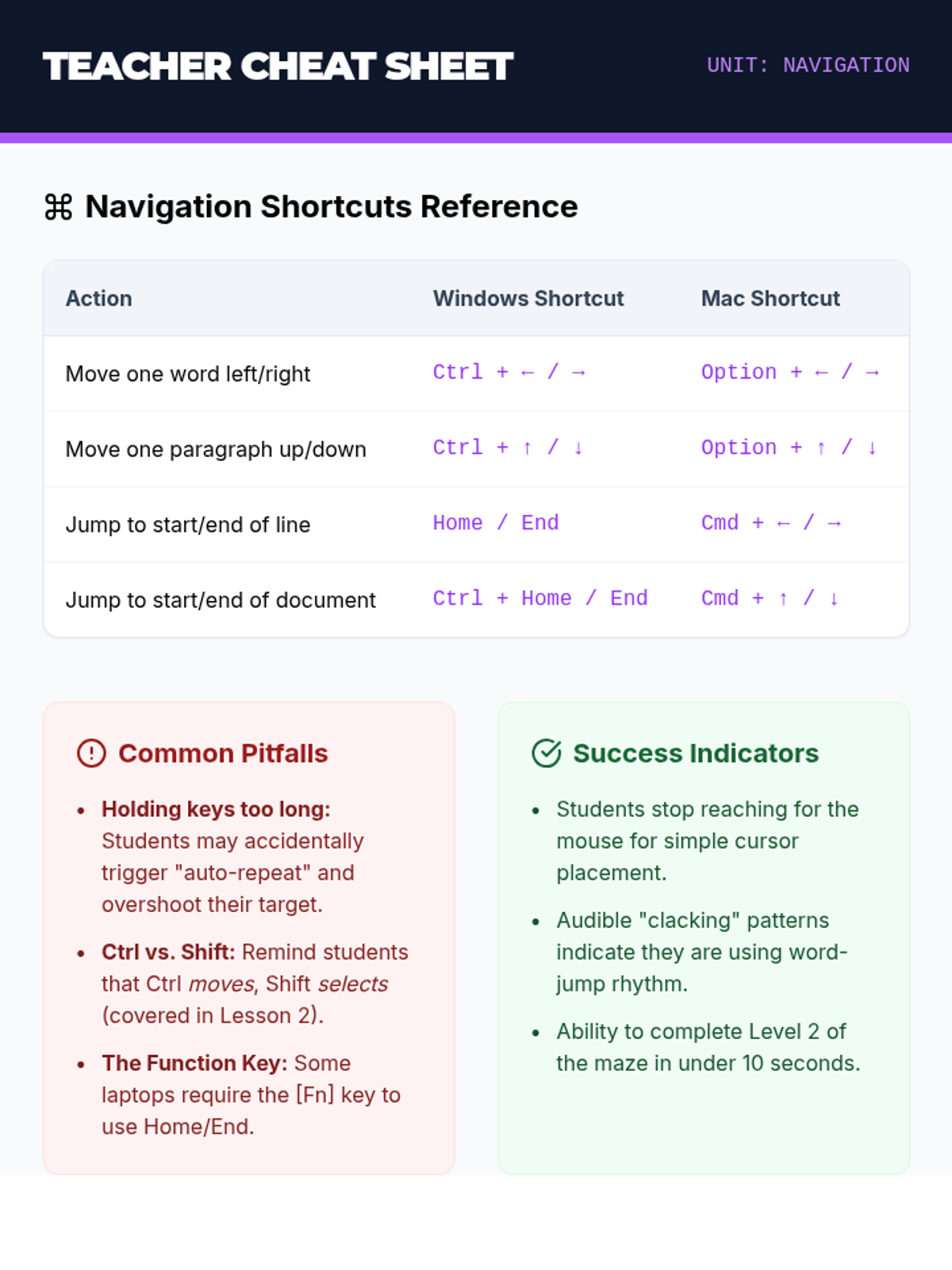
Students learn to move the text cursor (caret) efficiently using arrow keys and modifiers like Ctrl/Cmd to jump between characters, words, and paragraphs. Includes a 'Caret Maze' challenge to test precision and speed.
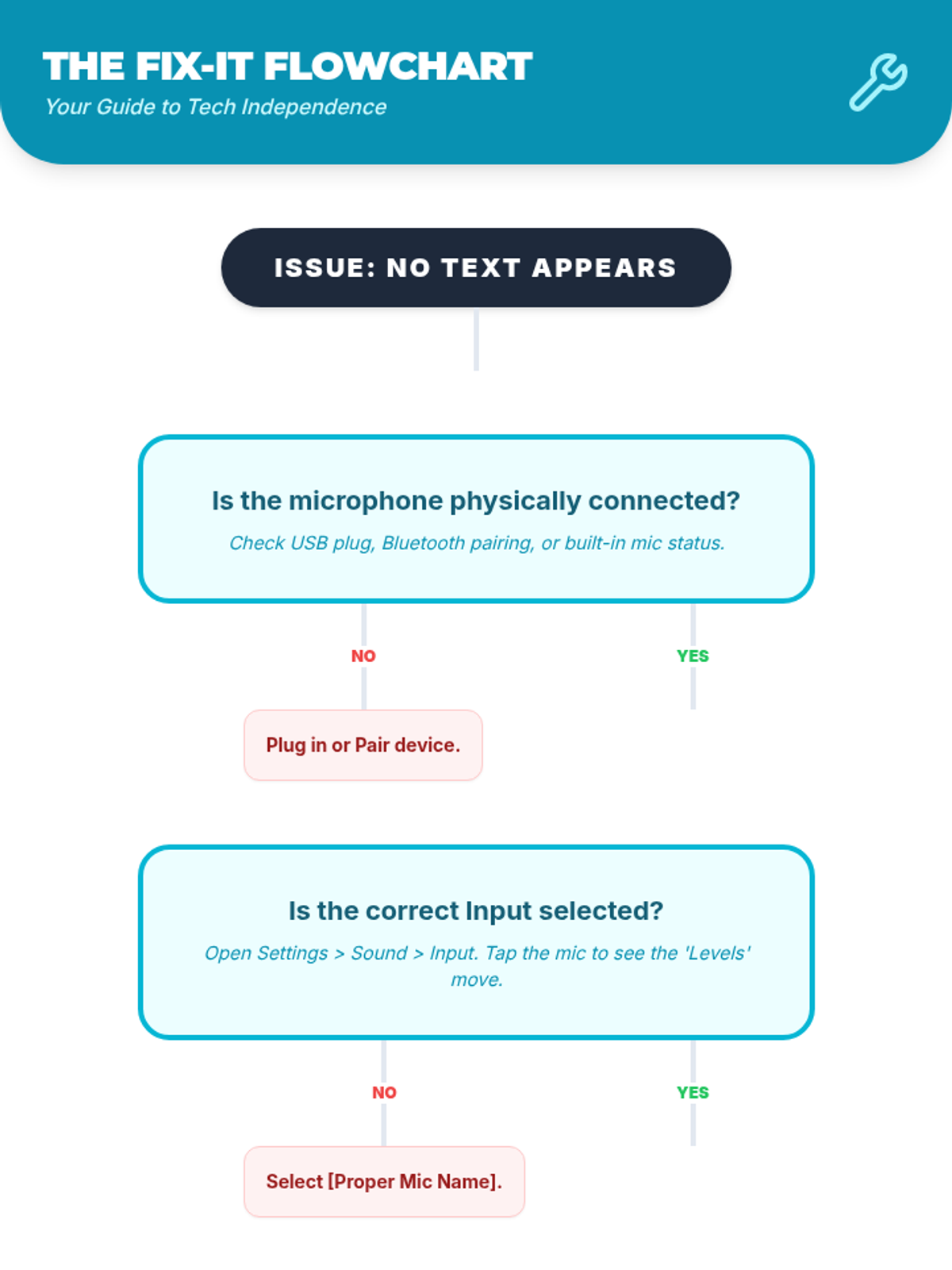
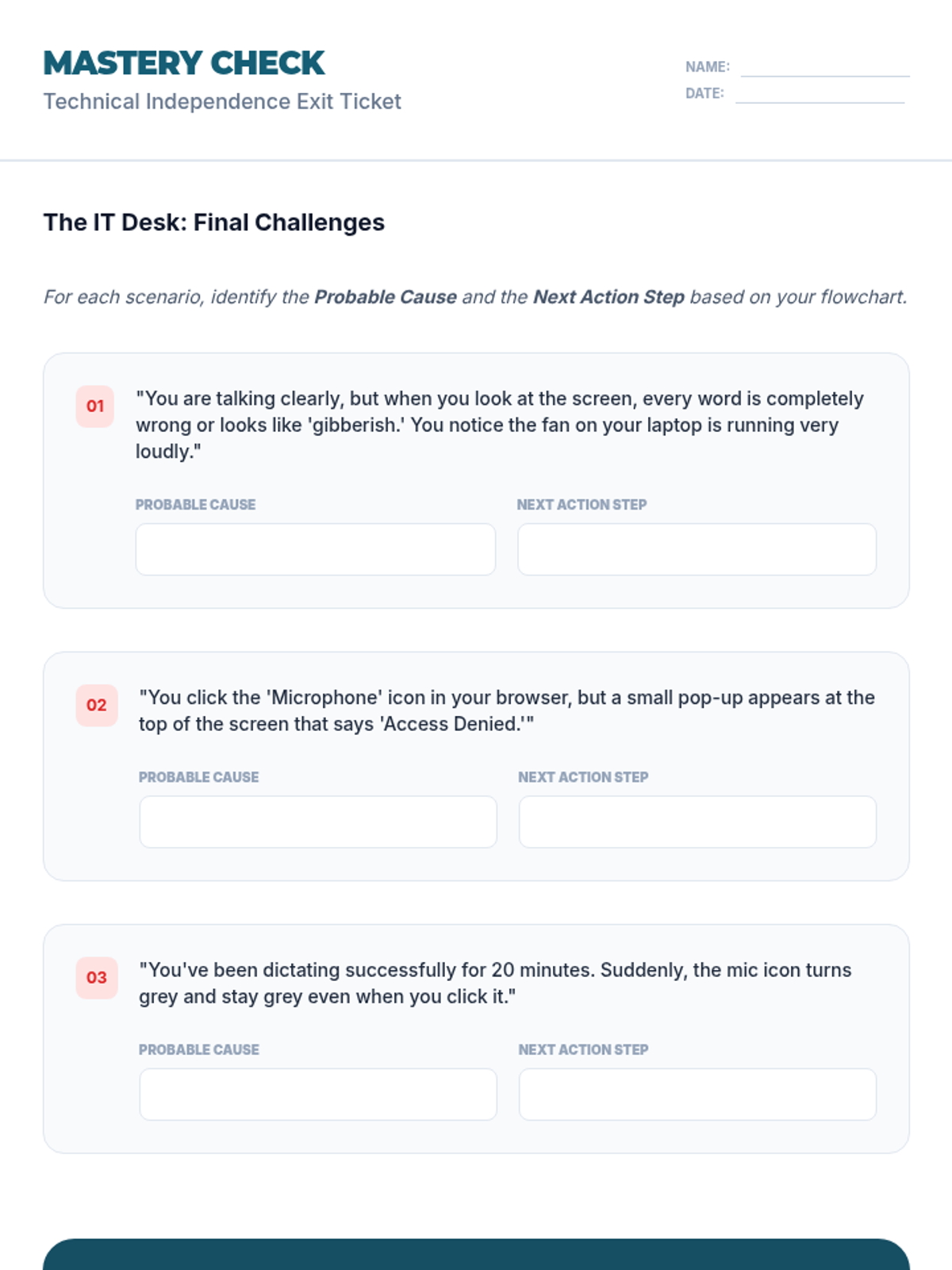
Empowers students to solve technical issues independently, covering microphone troubleshooting, software crashes, and compatibility checks.
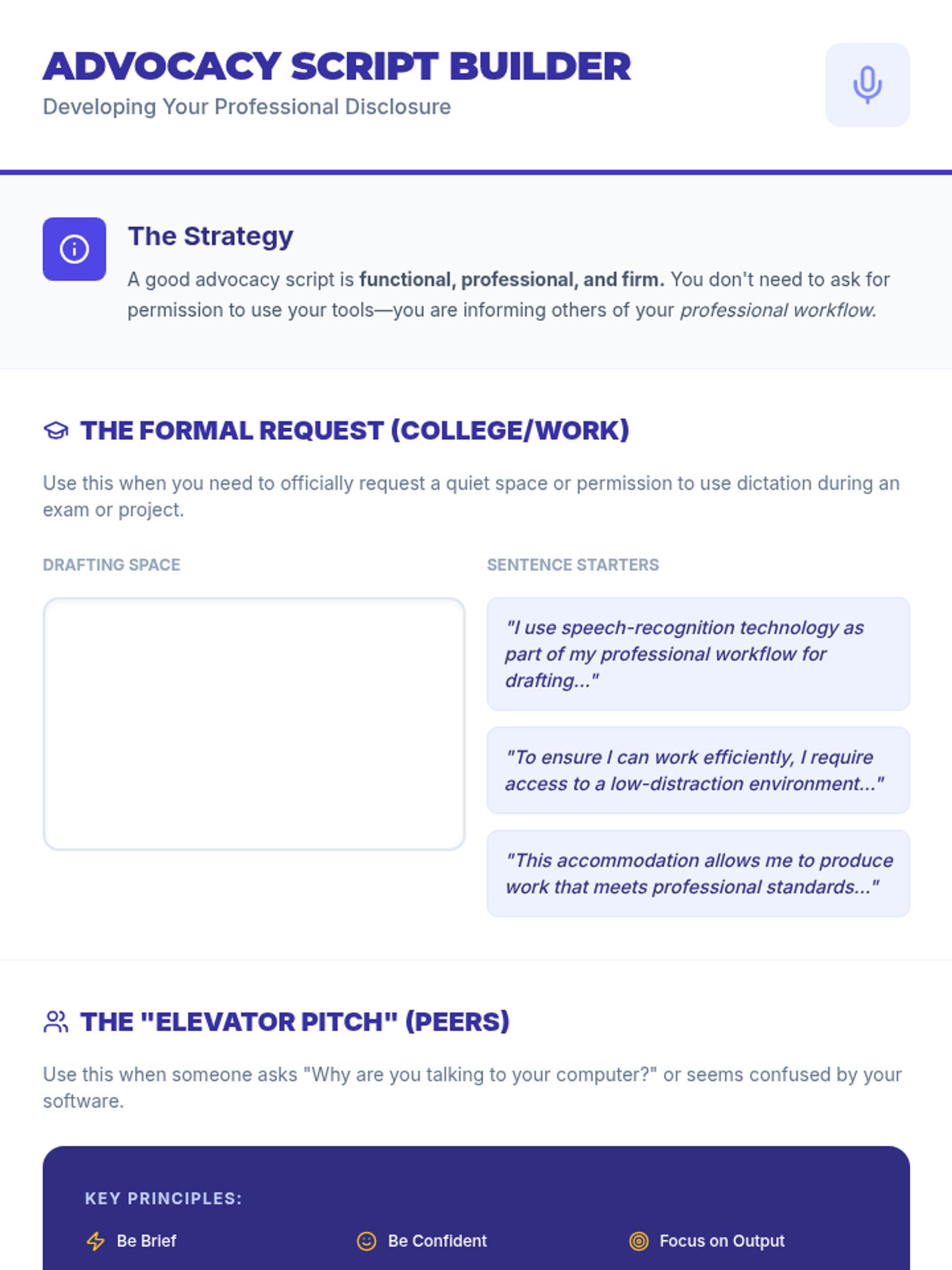
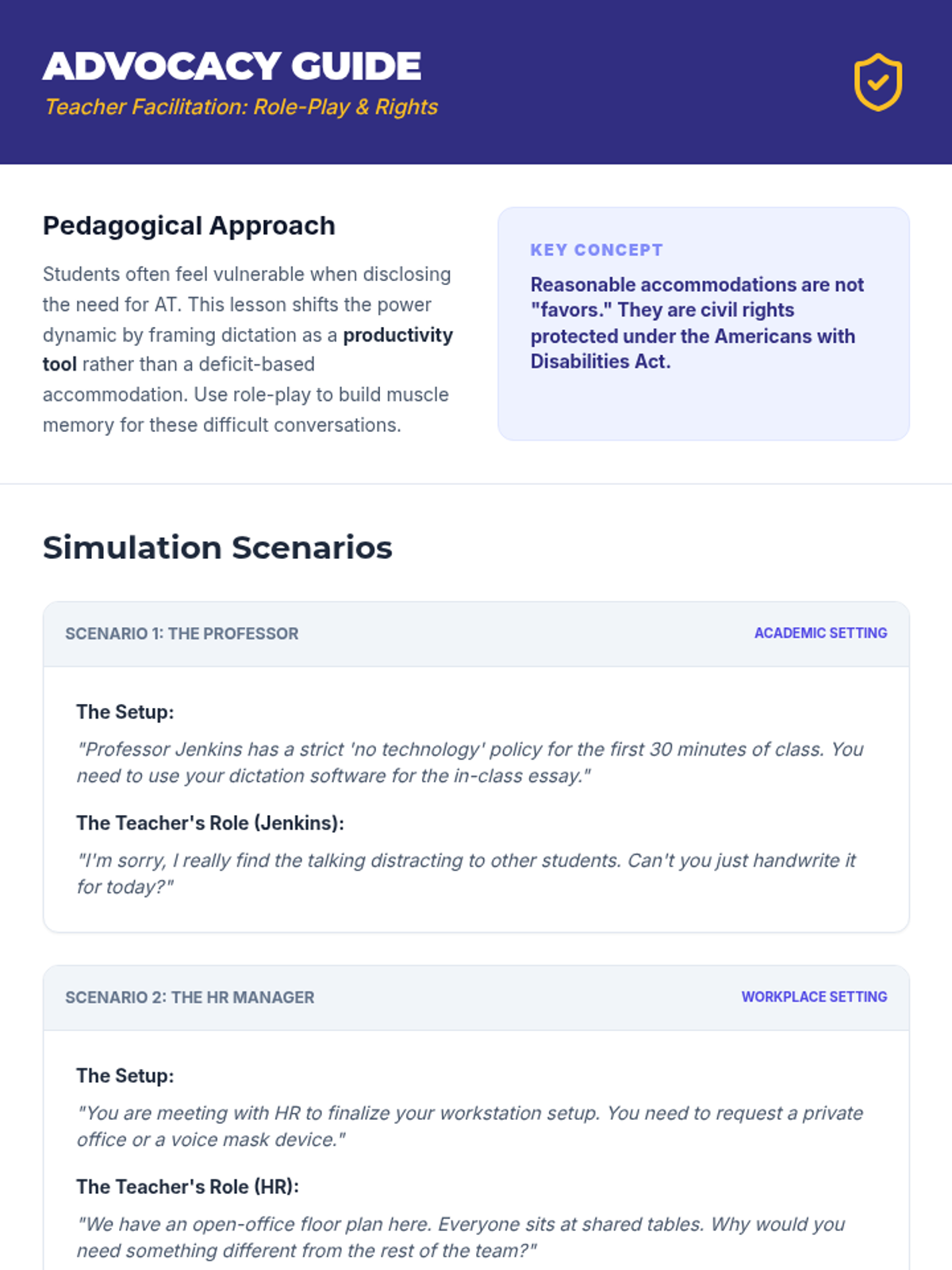
Equips students with the language and legal knowledge to advocate for AT accommodations in the workplace or college, featuring role-play with HR and professors.
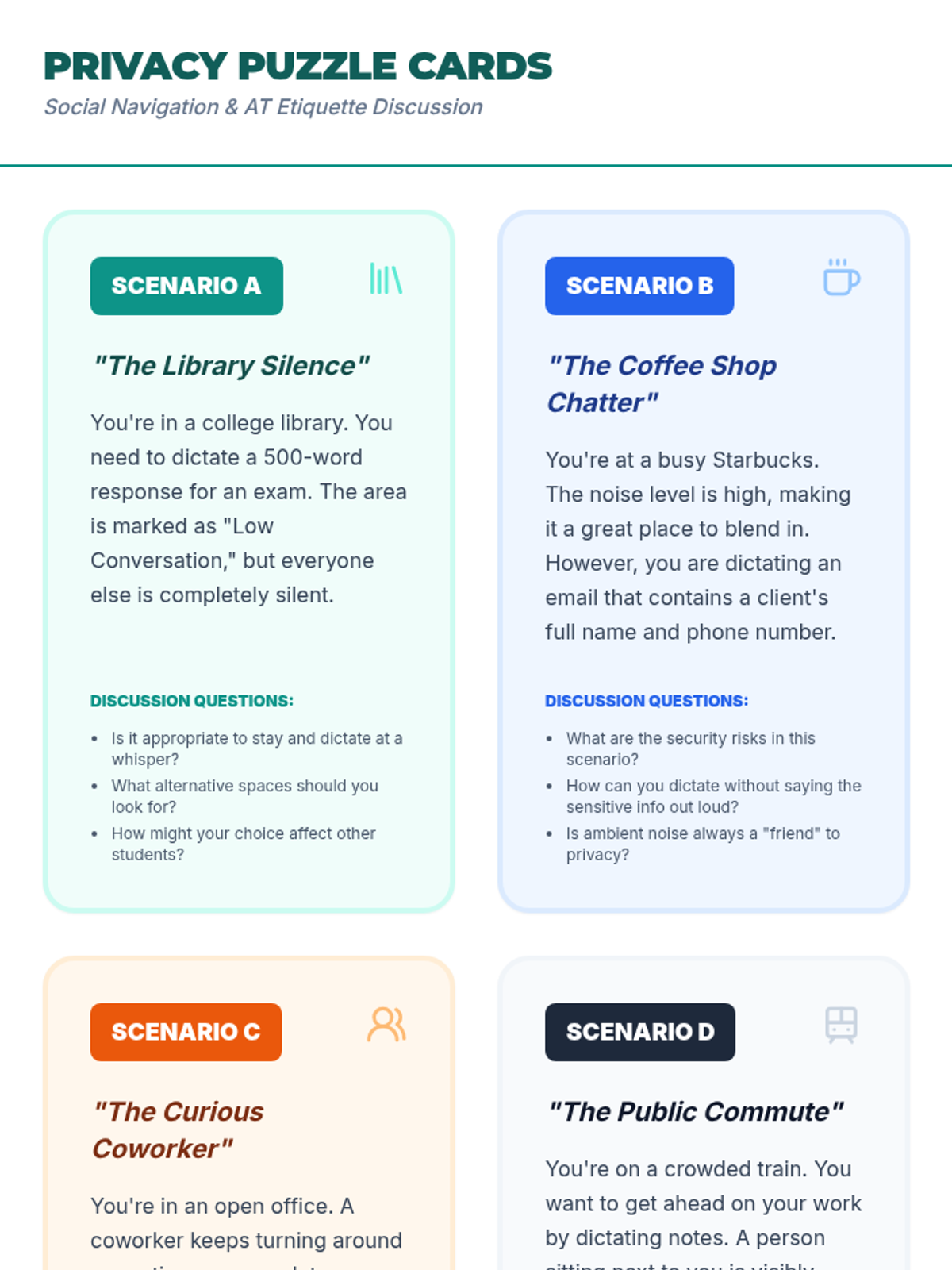
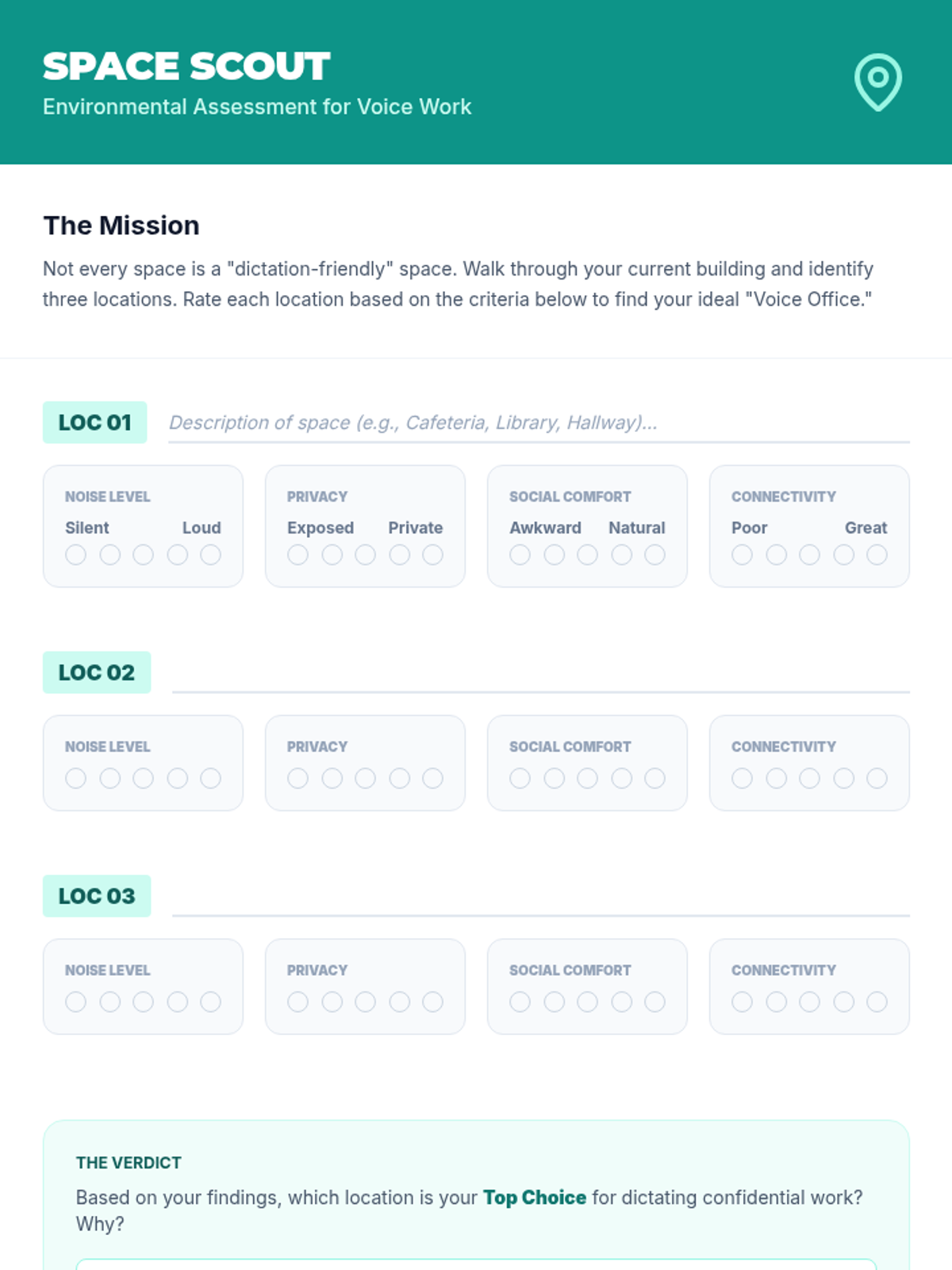
Focuses on the logistics and etiquette of dictating in shared spaces, covering privacy strategies, situational awareness, and environmental selection.
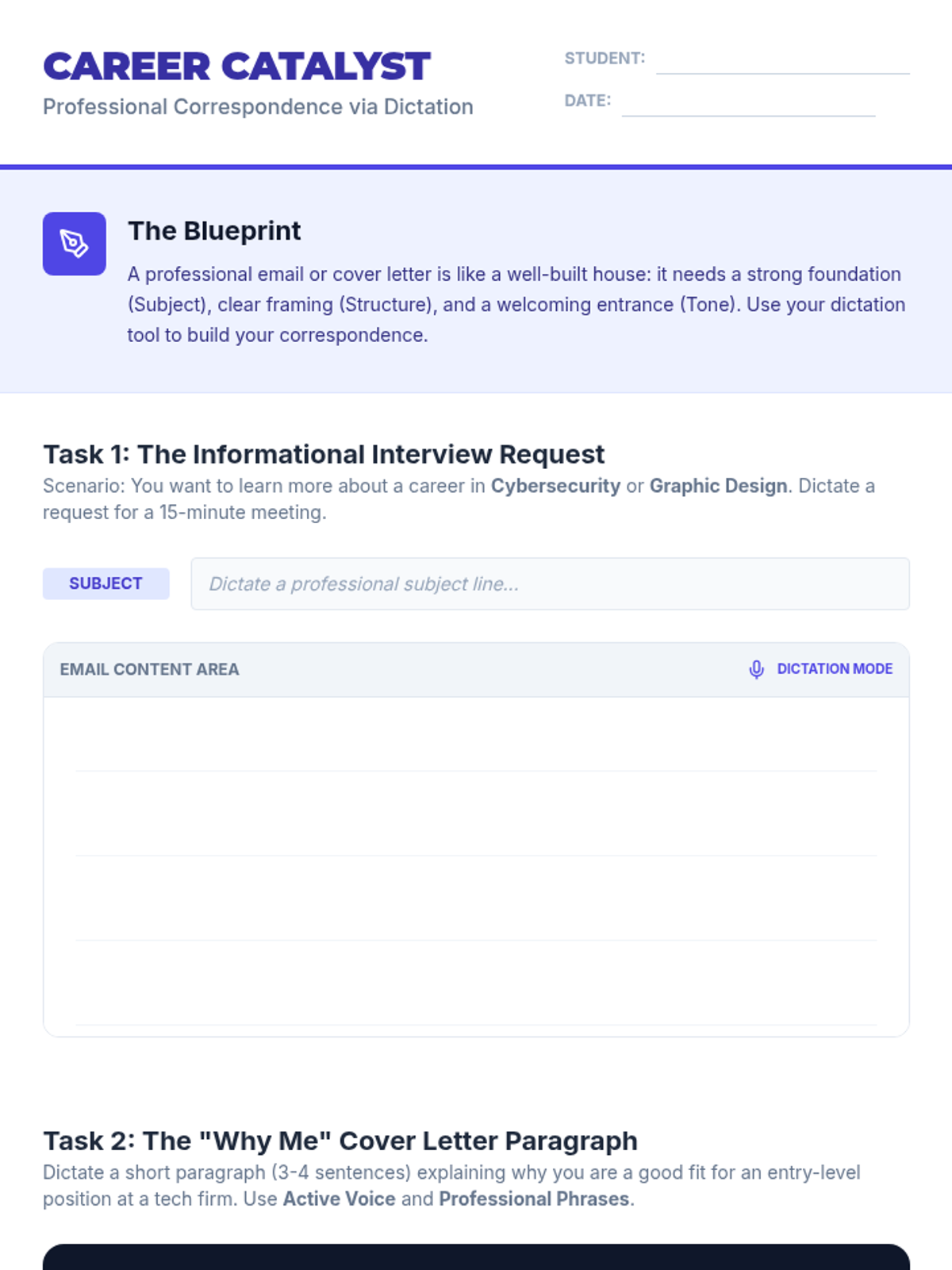
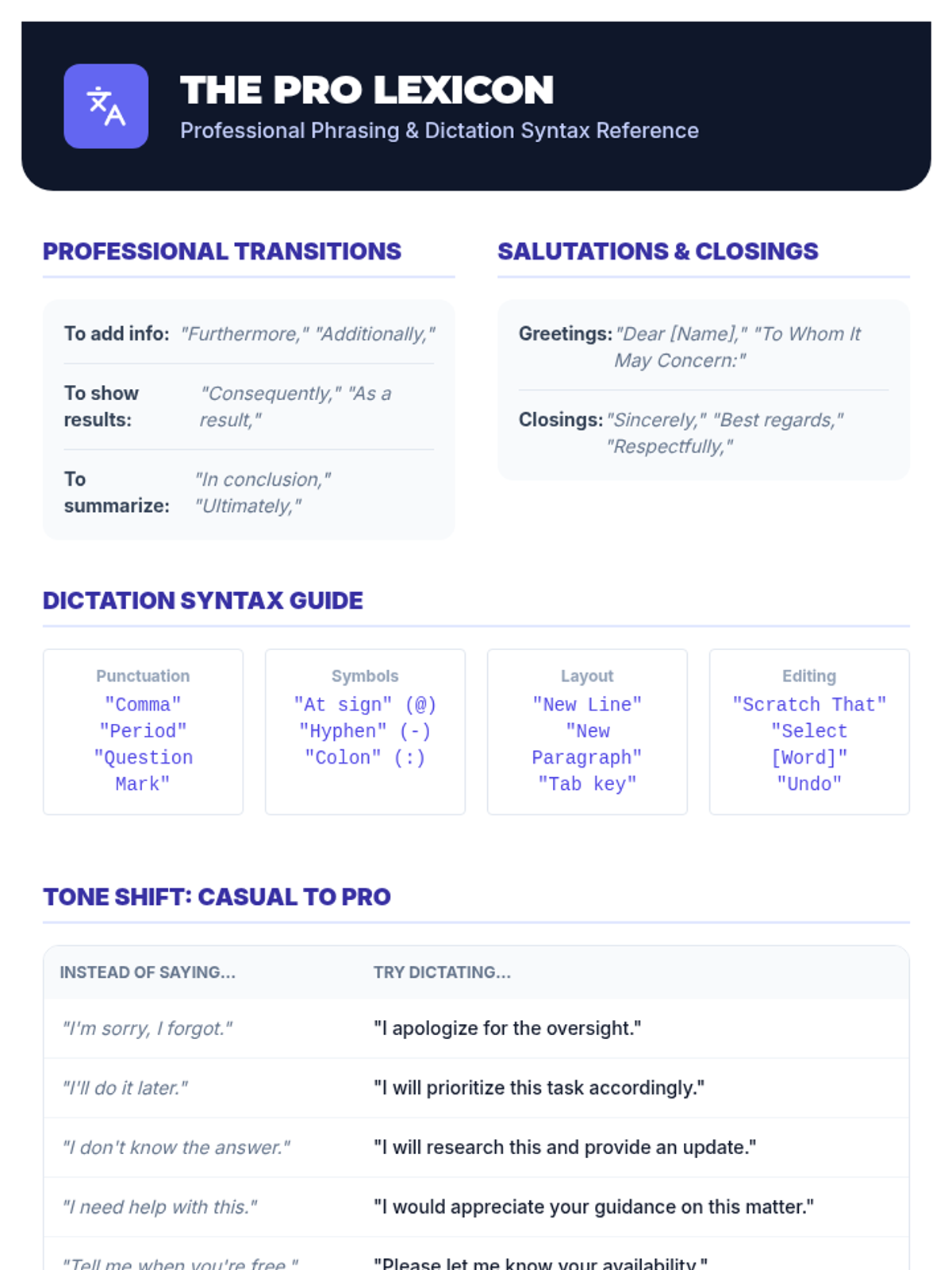
Students practice dictating formal business emails and cover letters, learning the nuances of professional tone, subject lines, and clear calls to action.
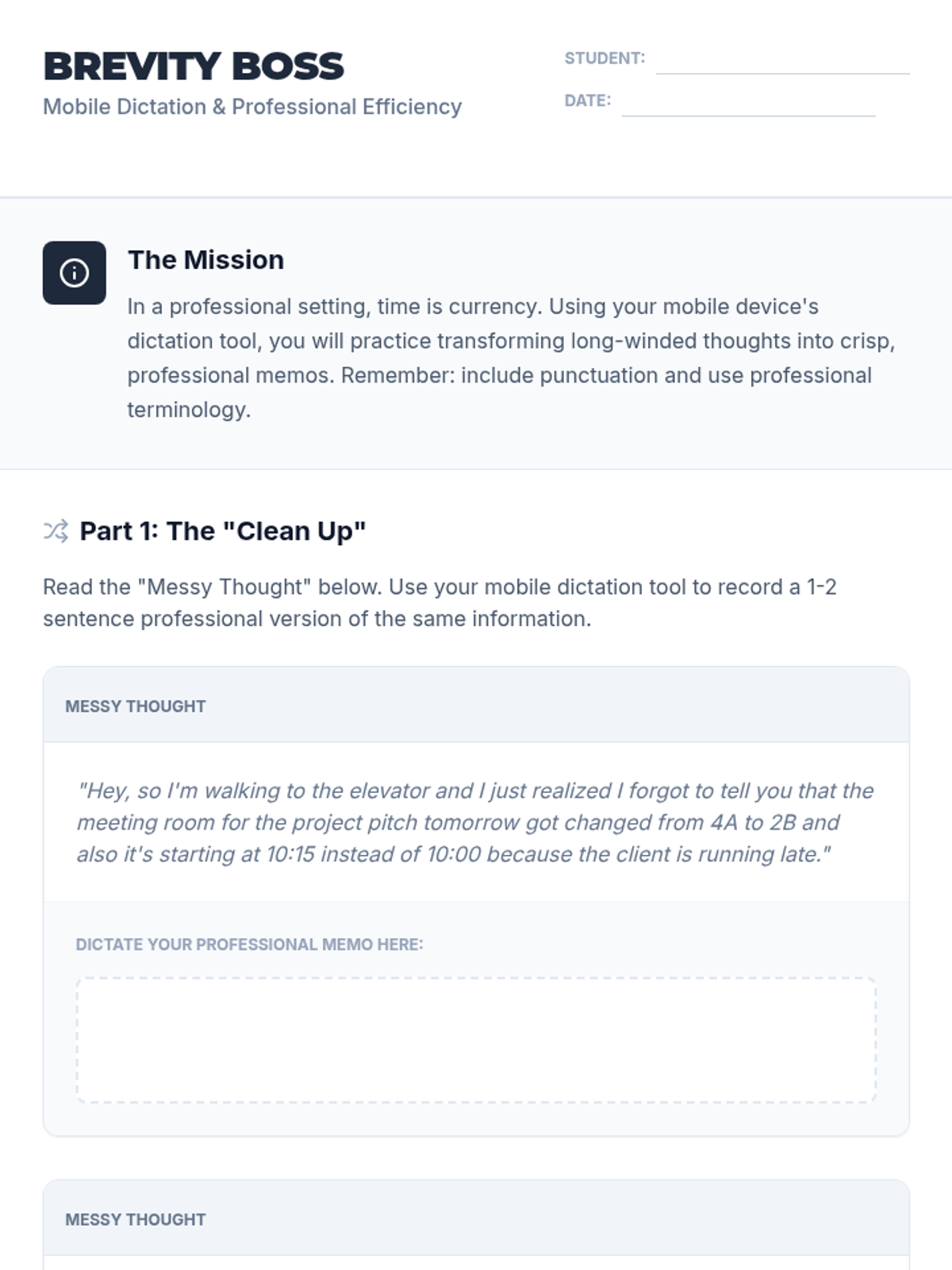
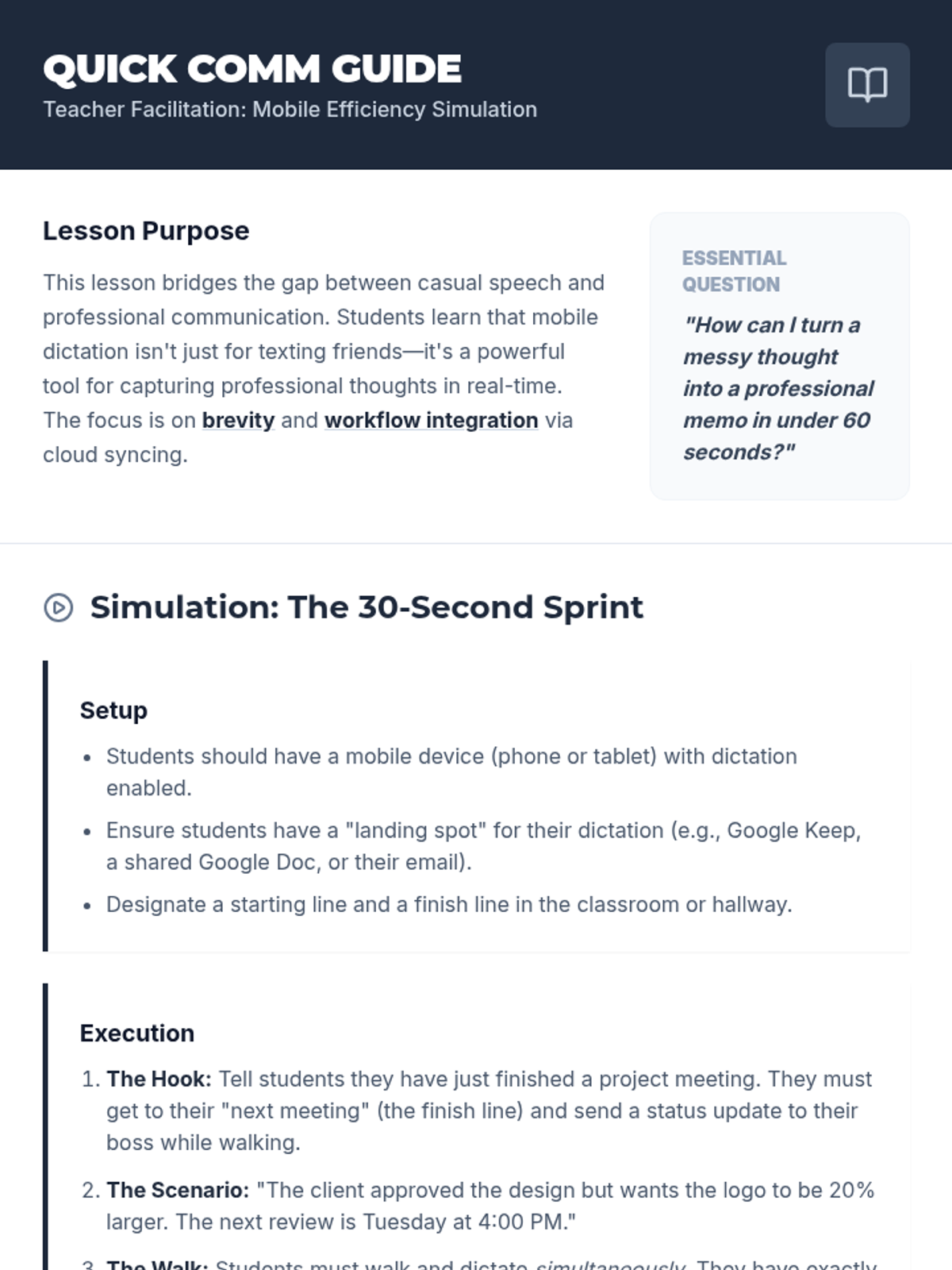
Students explore using mobile dictation for professional tasks like emails and notes, focusing on brevity and cloud syncing. The lesson includes a high-pressure simulation of updating a boss on the move.
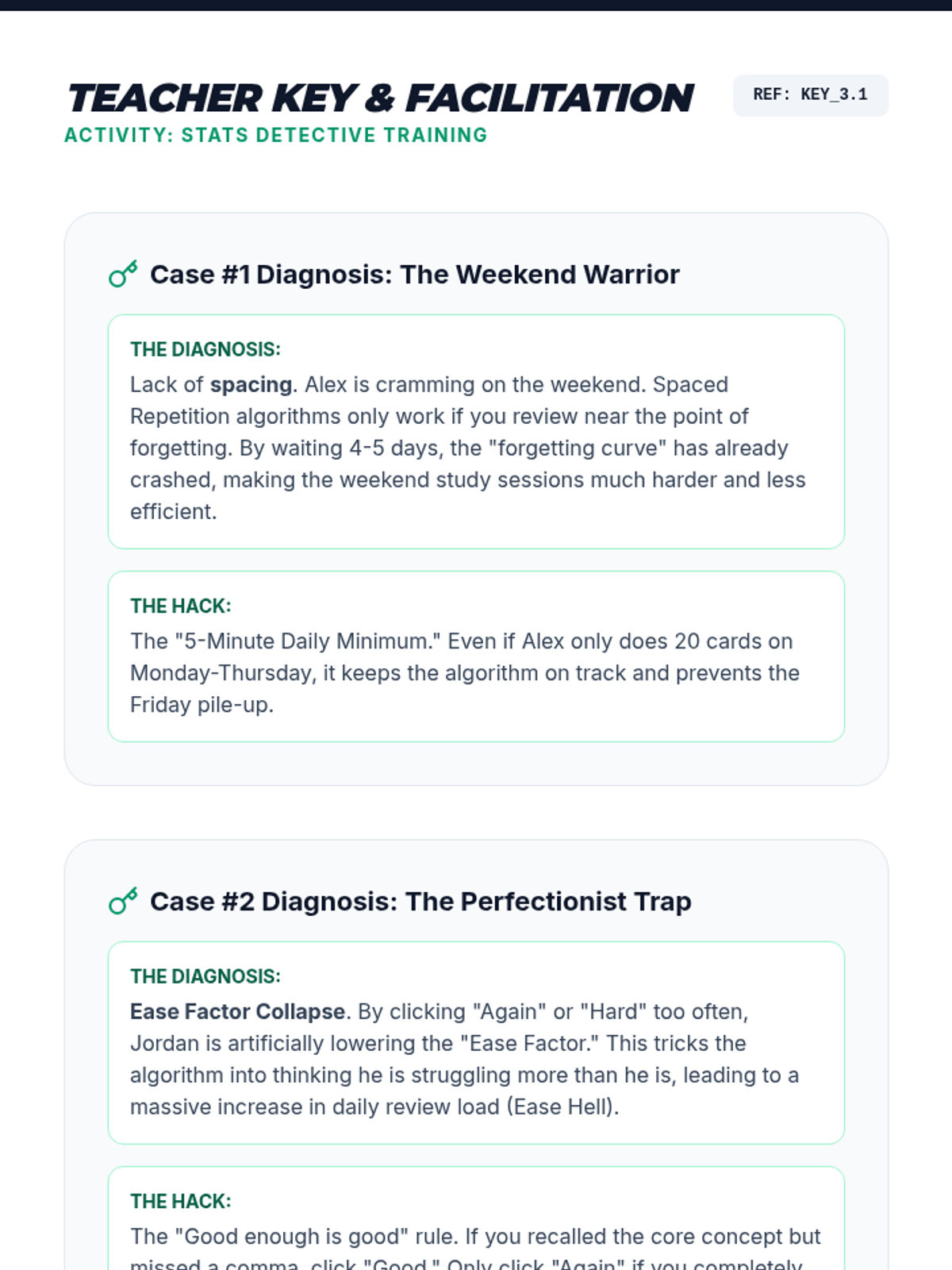
Students learn to personalize algorithm settings to prevent burnout and match their specific learning speeds and exam timelines.
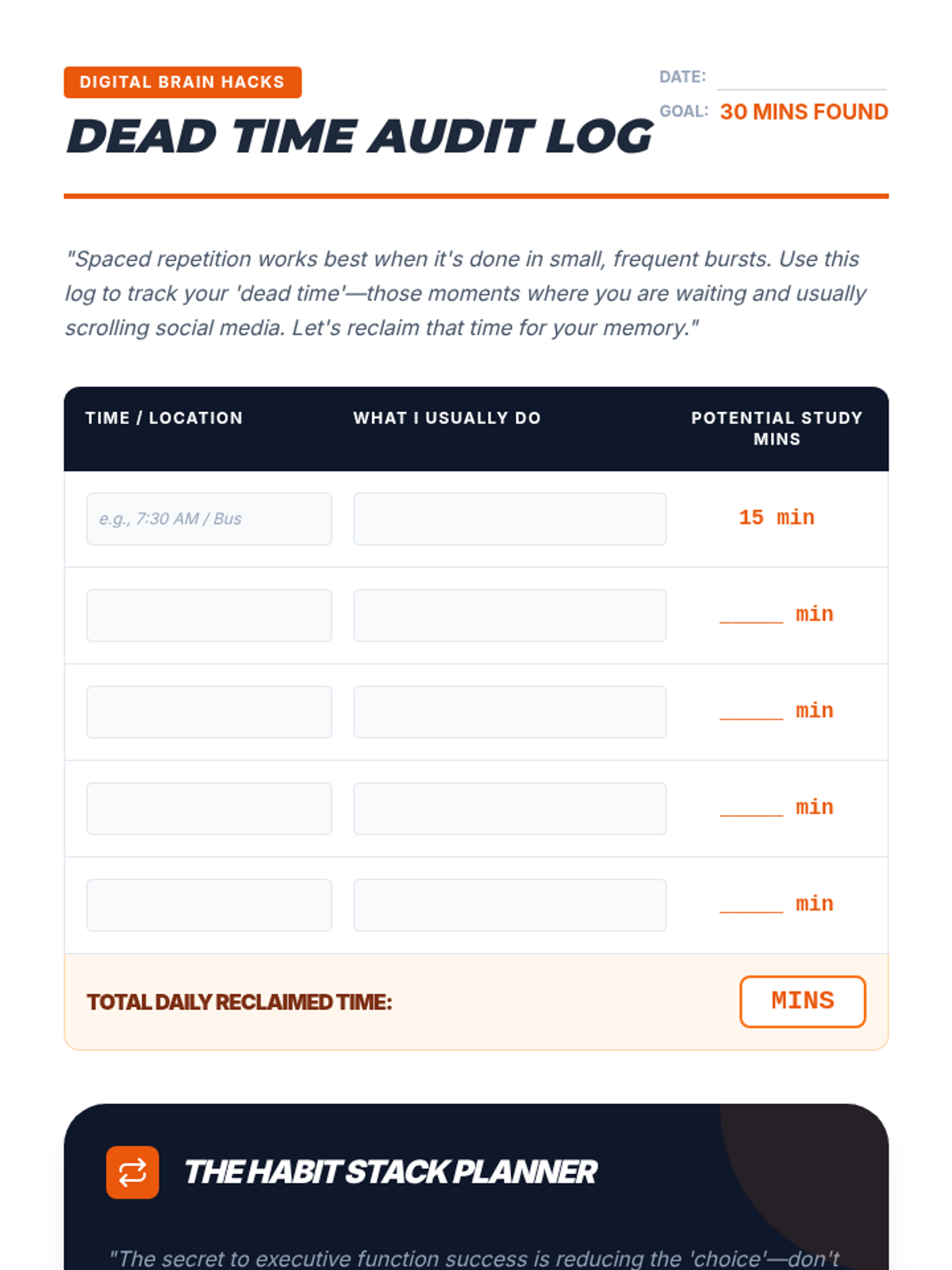
Focuses on integrating study habits into daily life by identifying 'dead time' and practicing short-burst reviews on mobile devices.
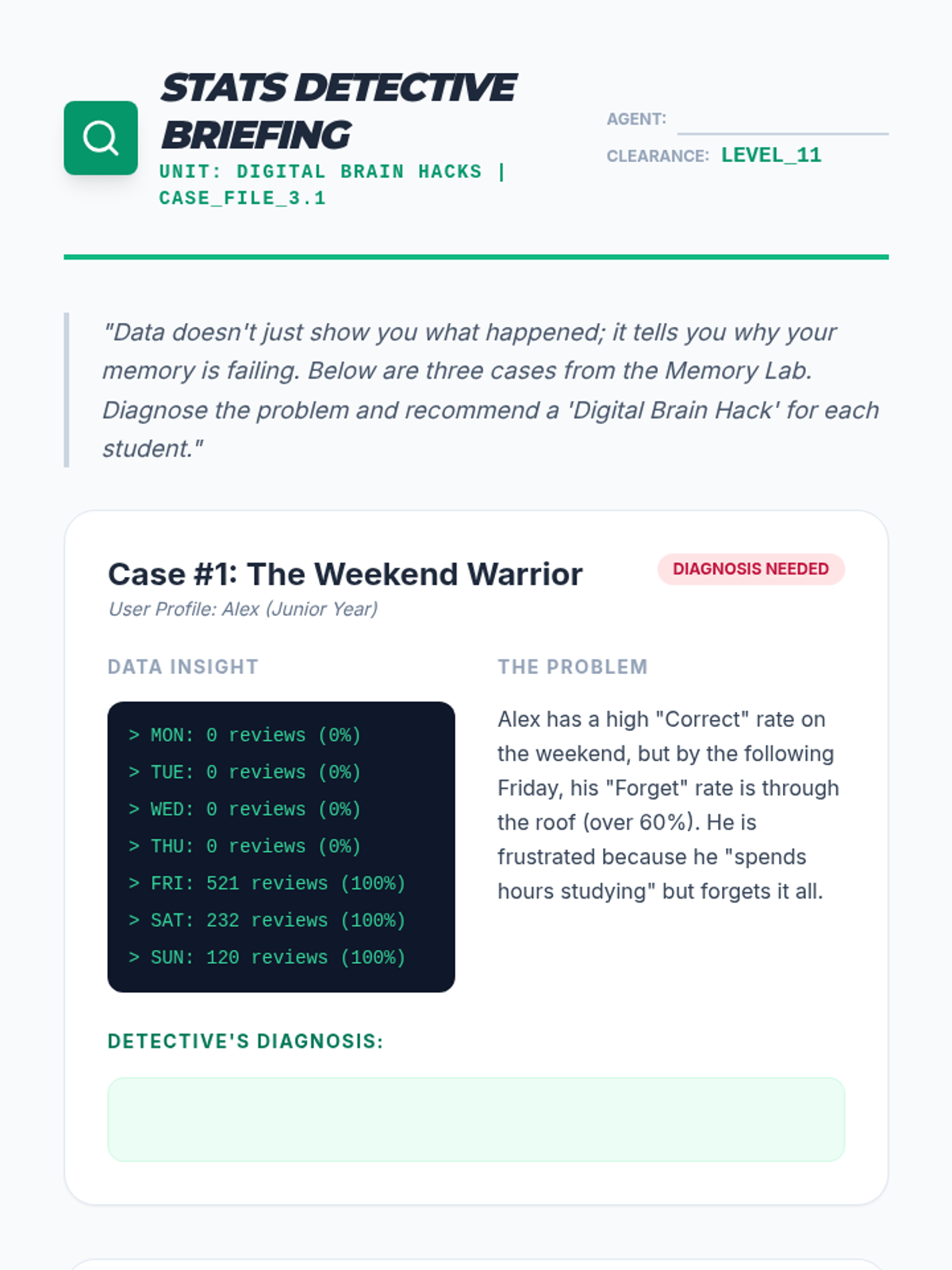
Students analyze statistical dashboards within study apps to monitor their learning velocity, retention rates, and identified consistency gaps.
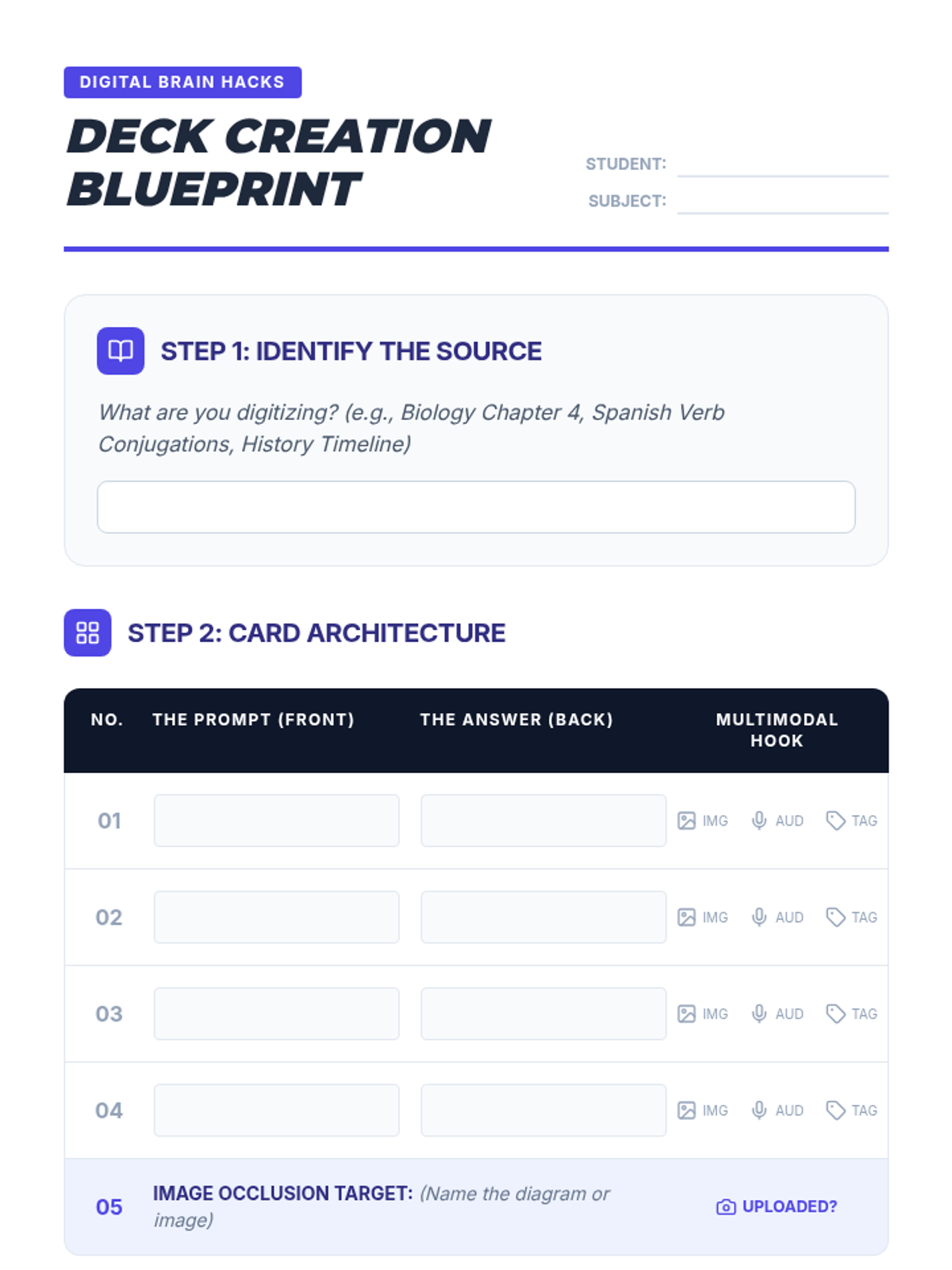
Students learn the art of digital deck creation, focusing on image occlusion for diagrams and adding multimodal hooks (audio/tags) to support diverse learning needs.
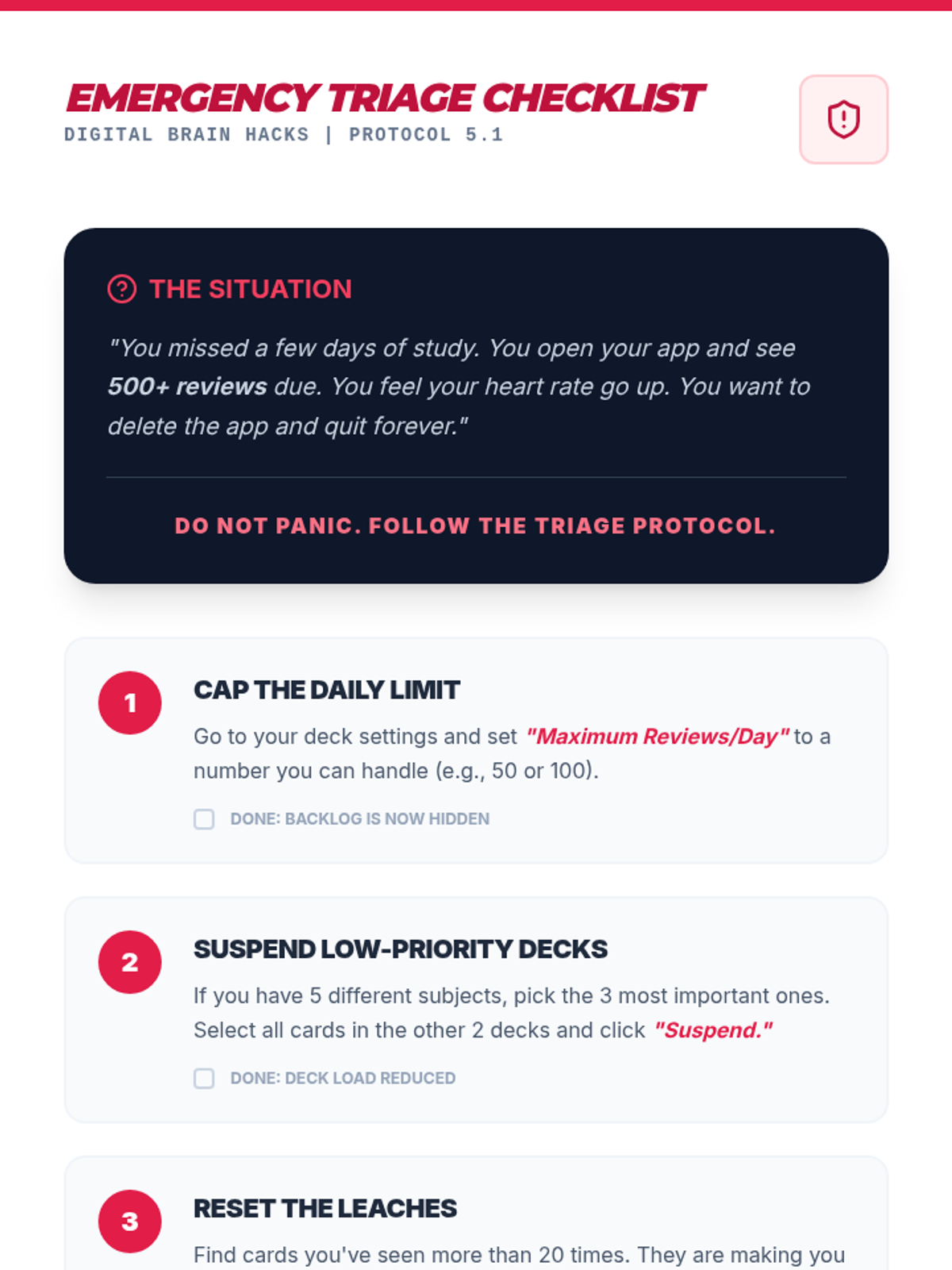
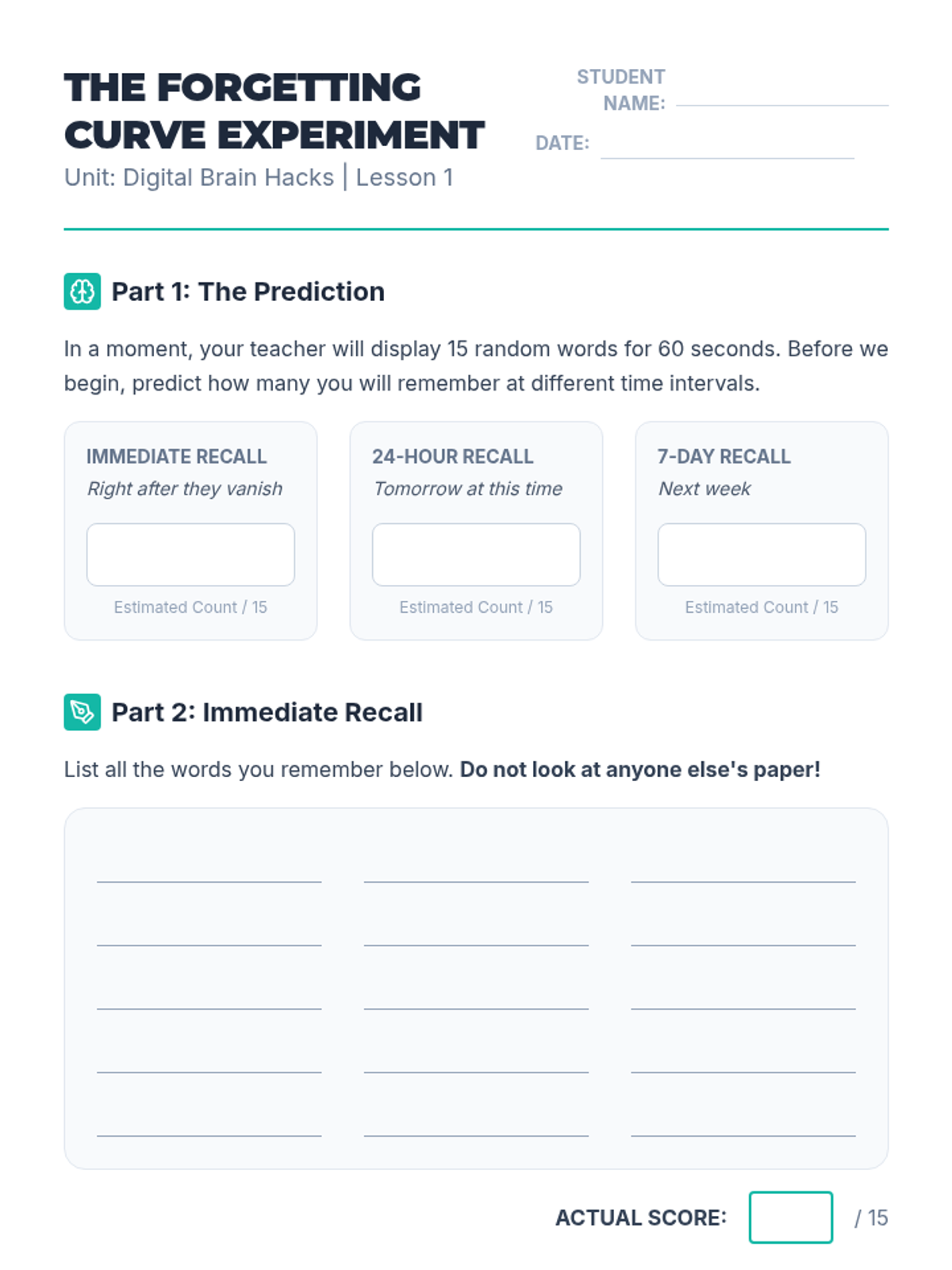
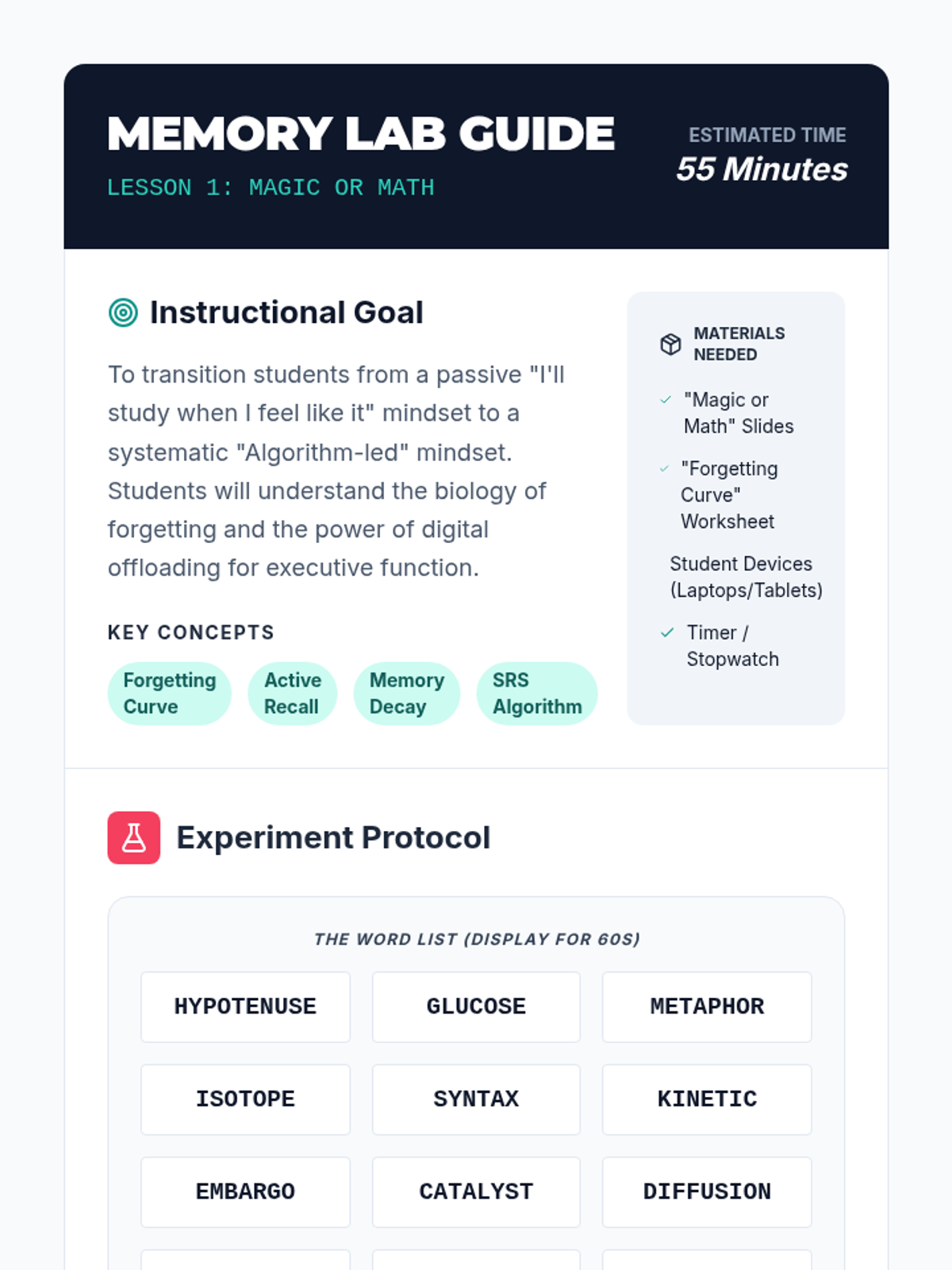
Students explore how software algorithms predict memory decay and compare digital tools to traditional study methods. They set up their initial accounts and learn the basic interface of digital spaced repetition platforms.
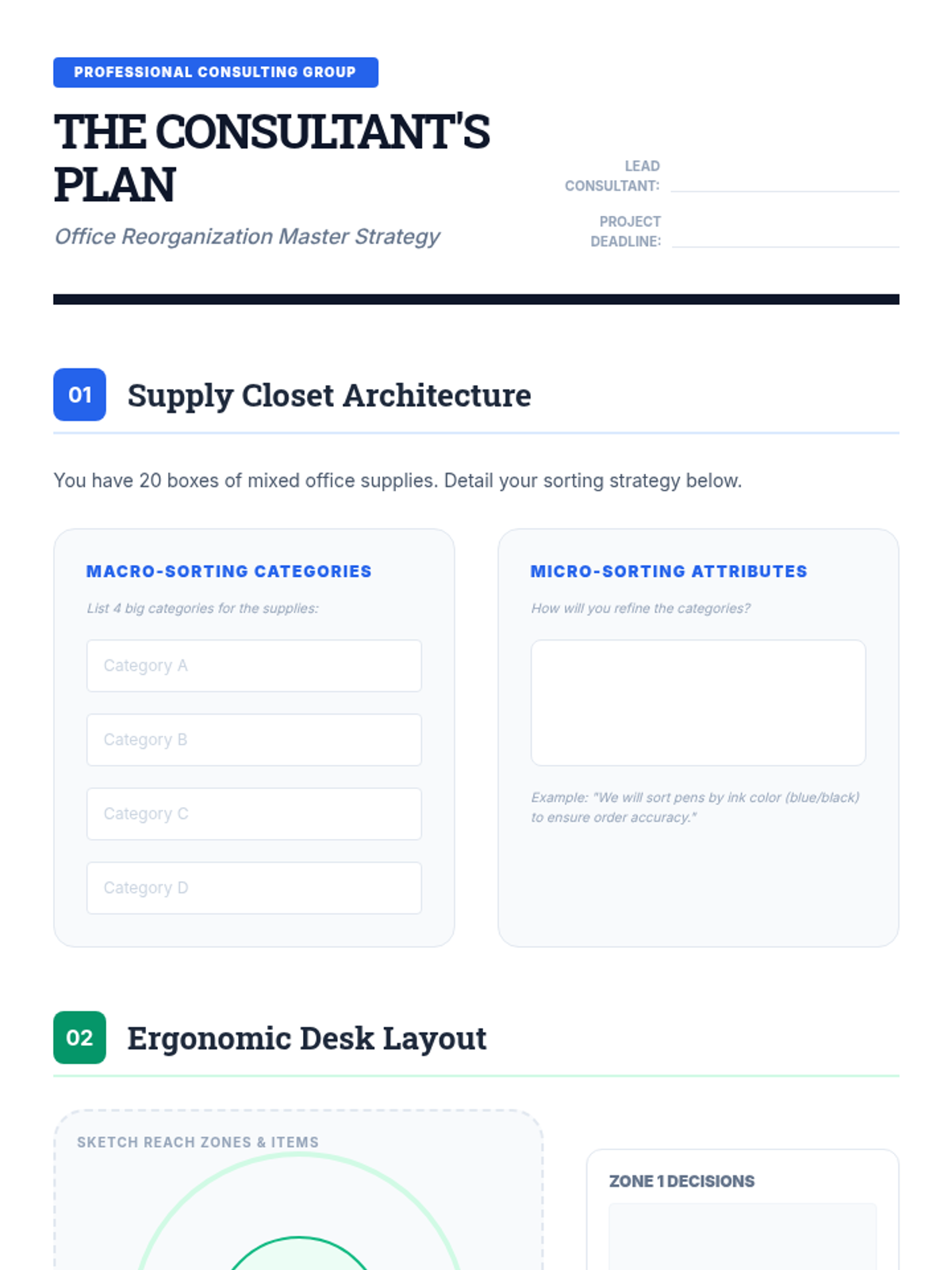
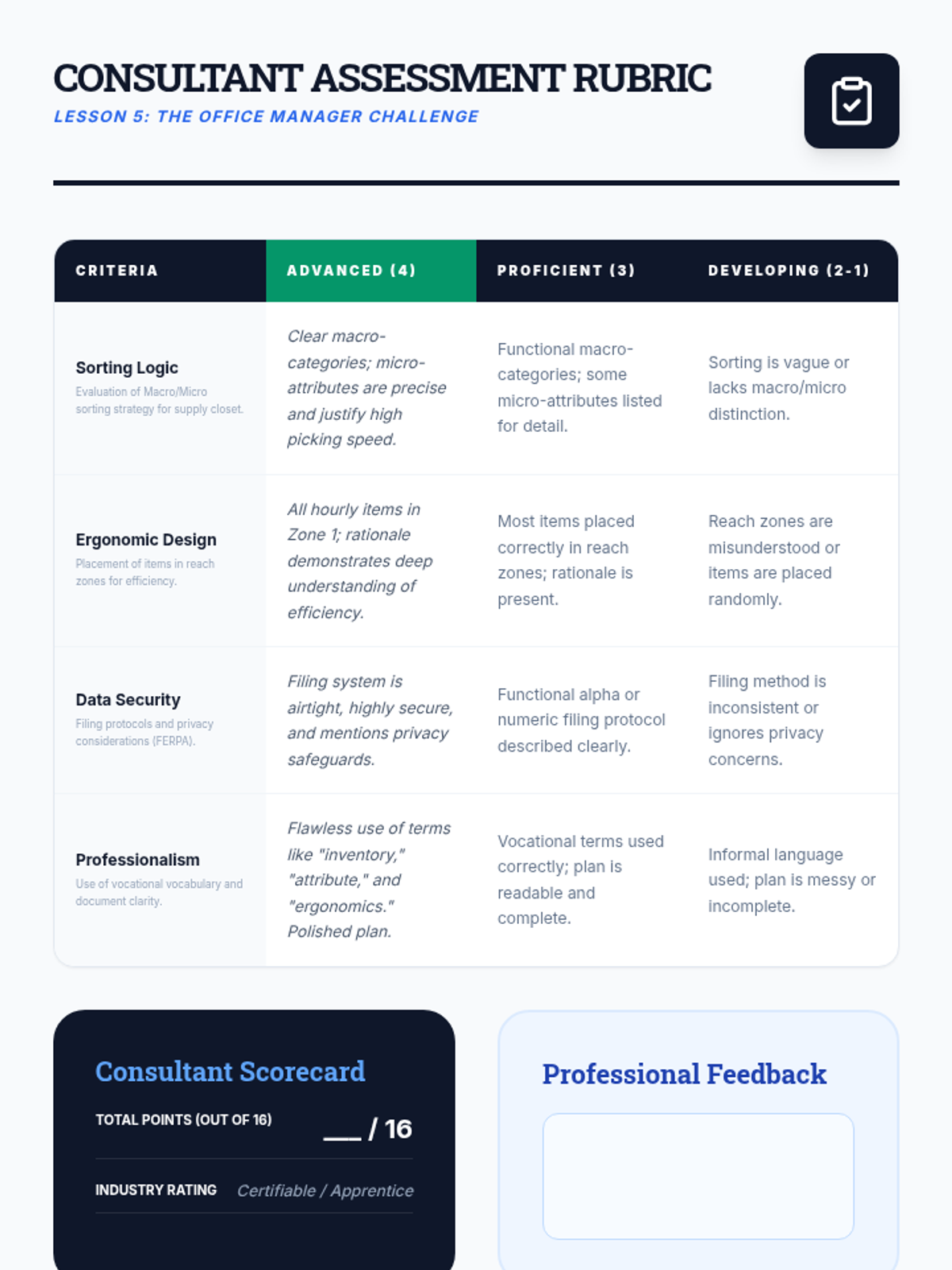
A culminating simulation where students act as professional consultants to reorganize a chaotic office space, applying all skills from the sequence.
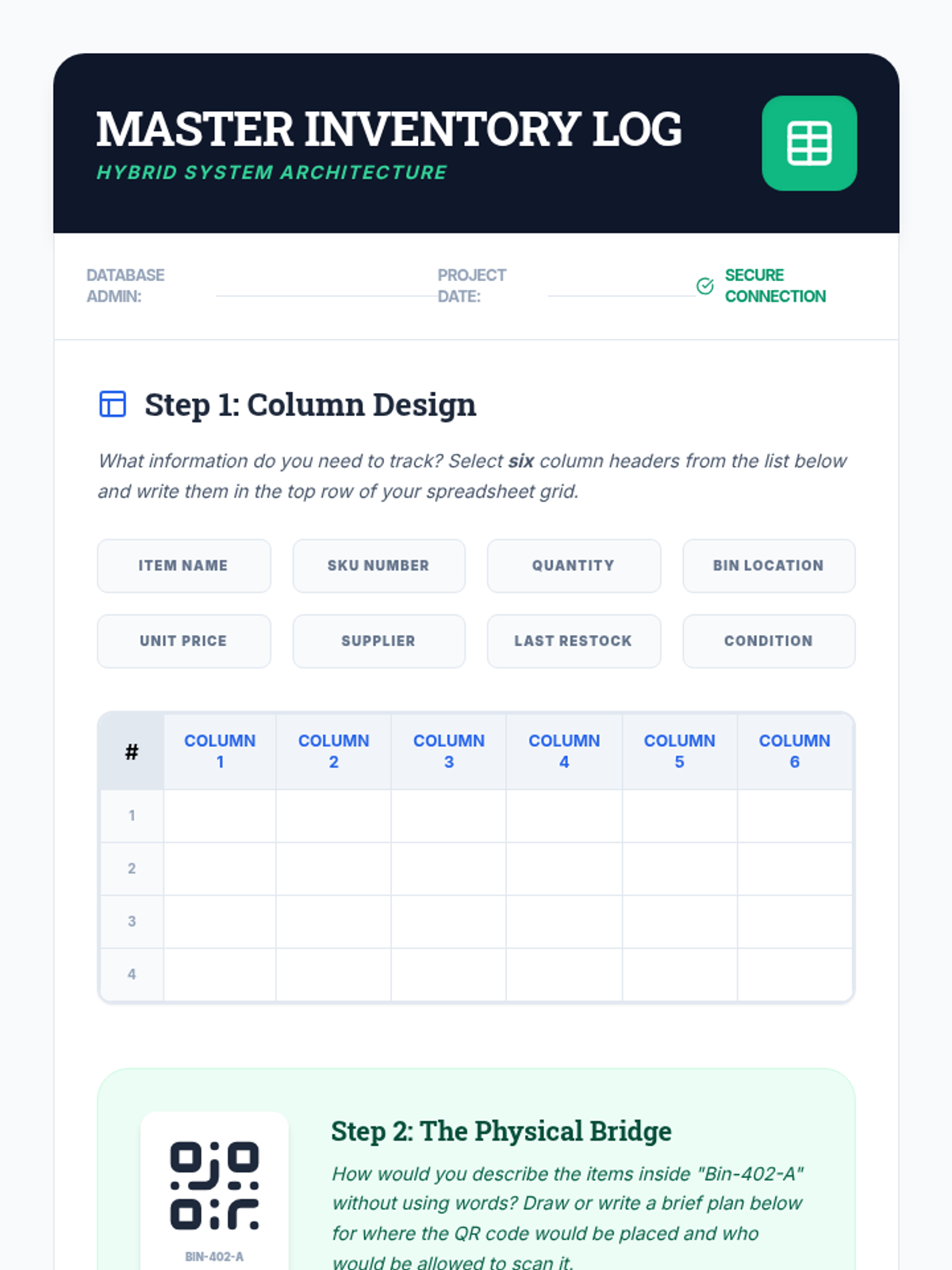
Explores the bridge between physical items and digital tracking. Students learn to use QR codes and spreadsheets to maintain accurate inventory logs for physical materials.
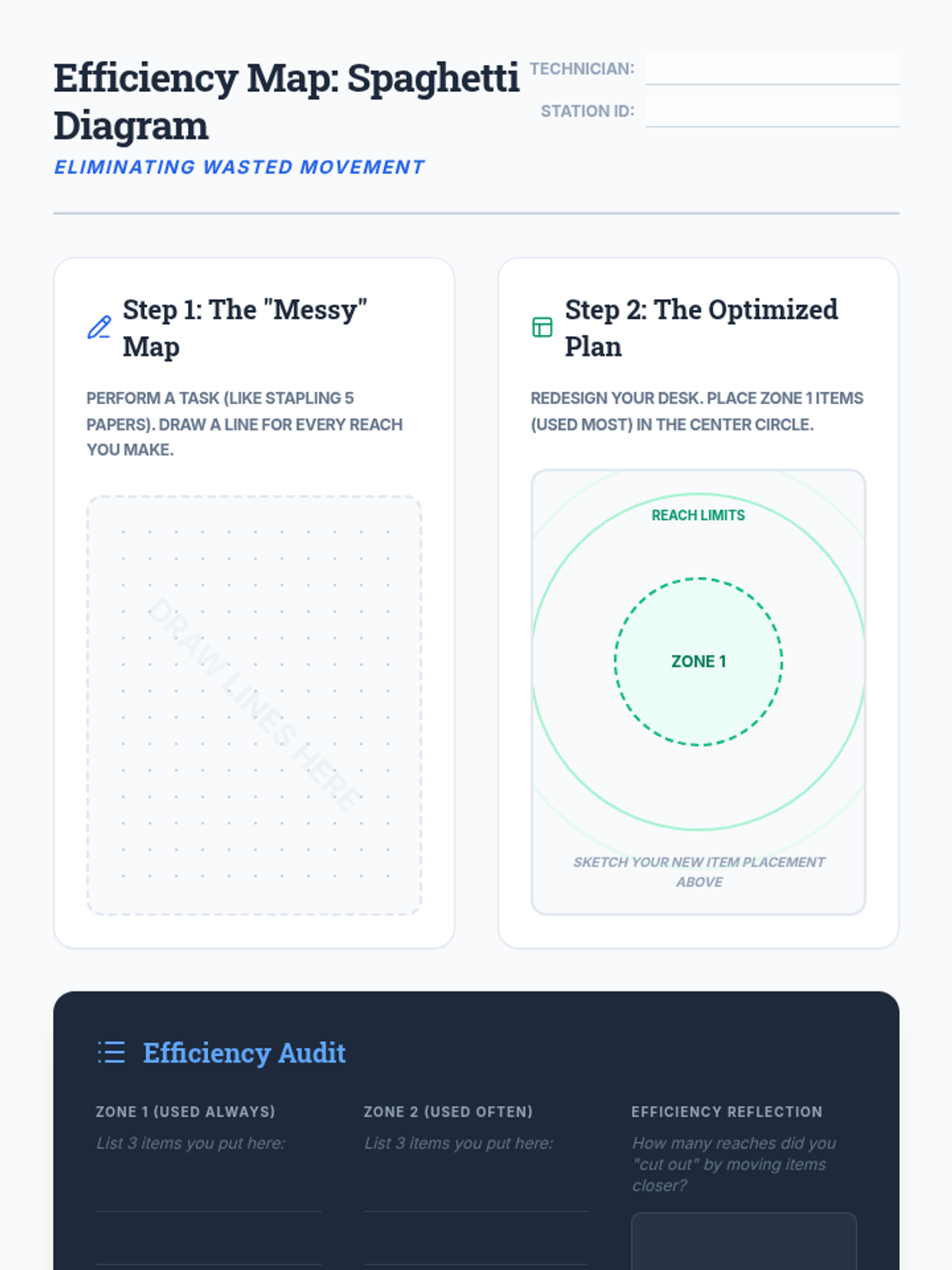
Students analyze workspace ergonomics and efficiency using 'Spaghetti Diagrams' to minimize wasted movement. They design optimal workstation layouts for maximum productivity.
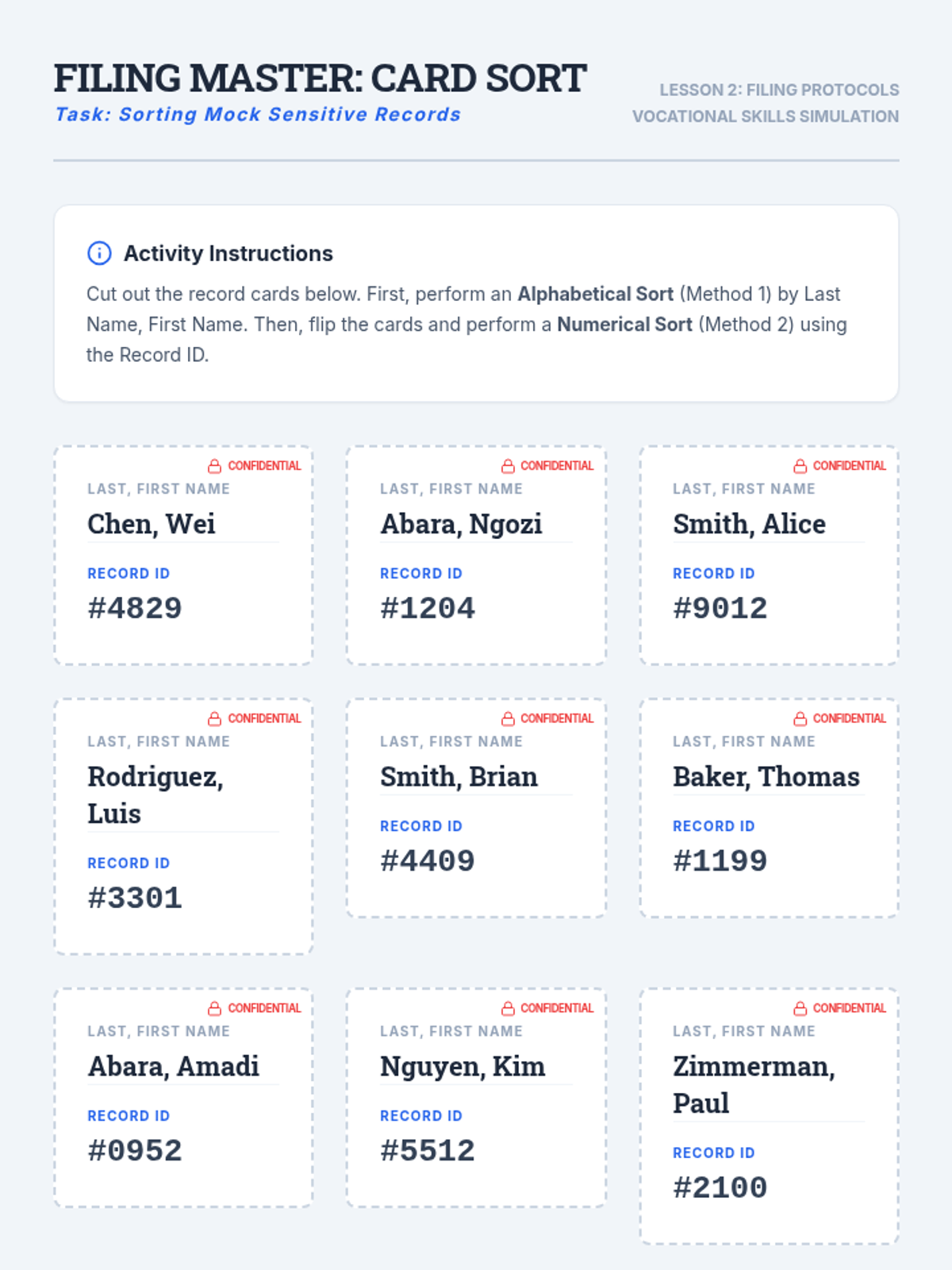
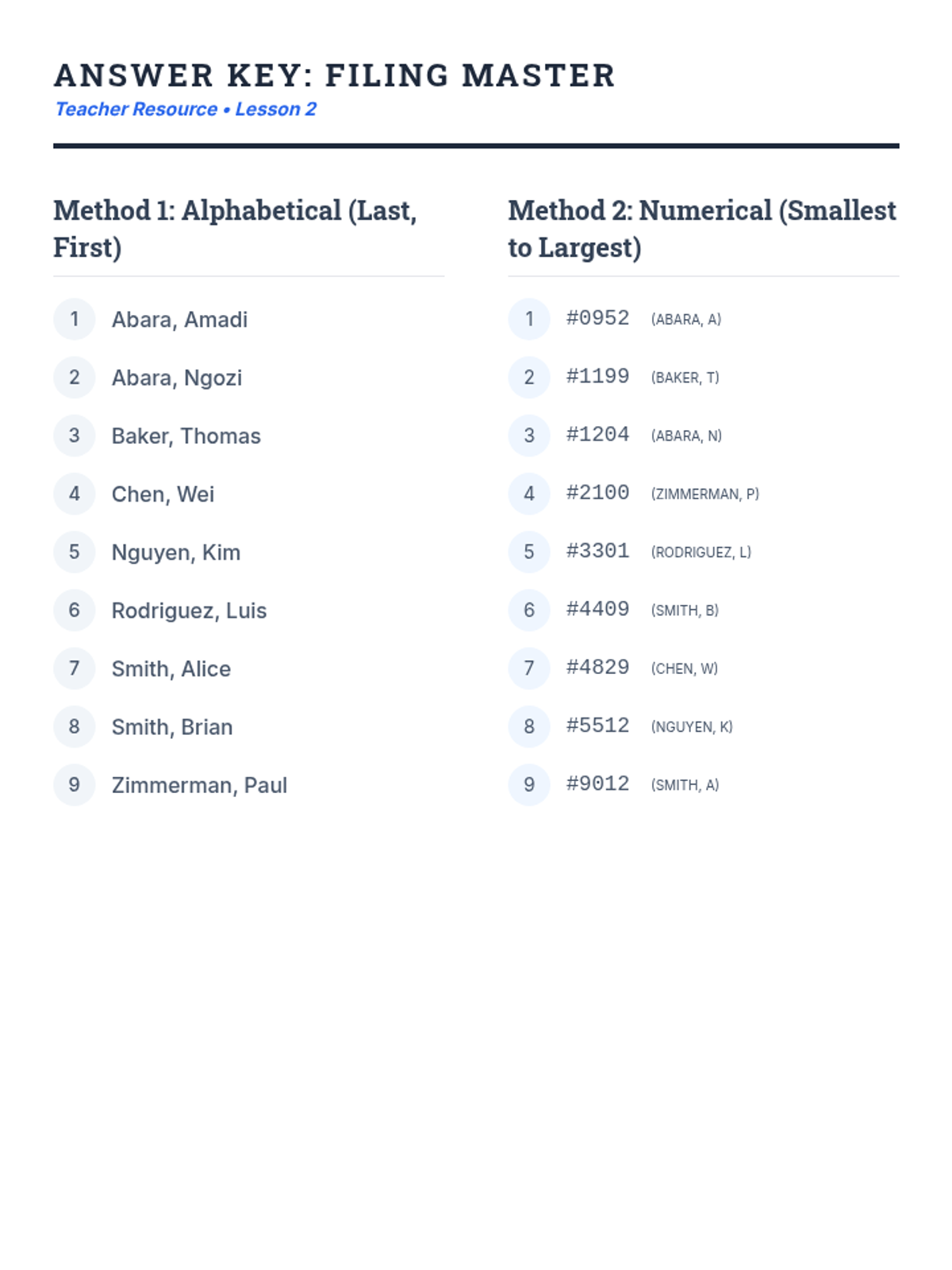
Focuses on alphabetical and numerical filing systems using mock sensitive records. Students learn about FERPA and the ethics of handling private information in a professional setting.
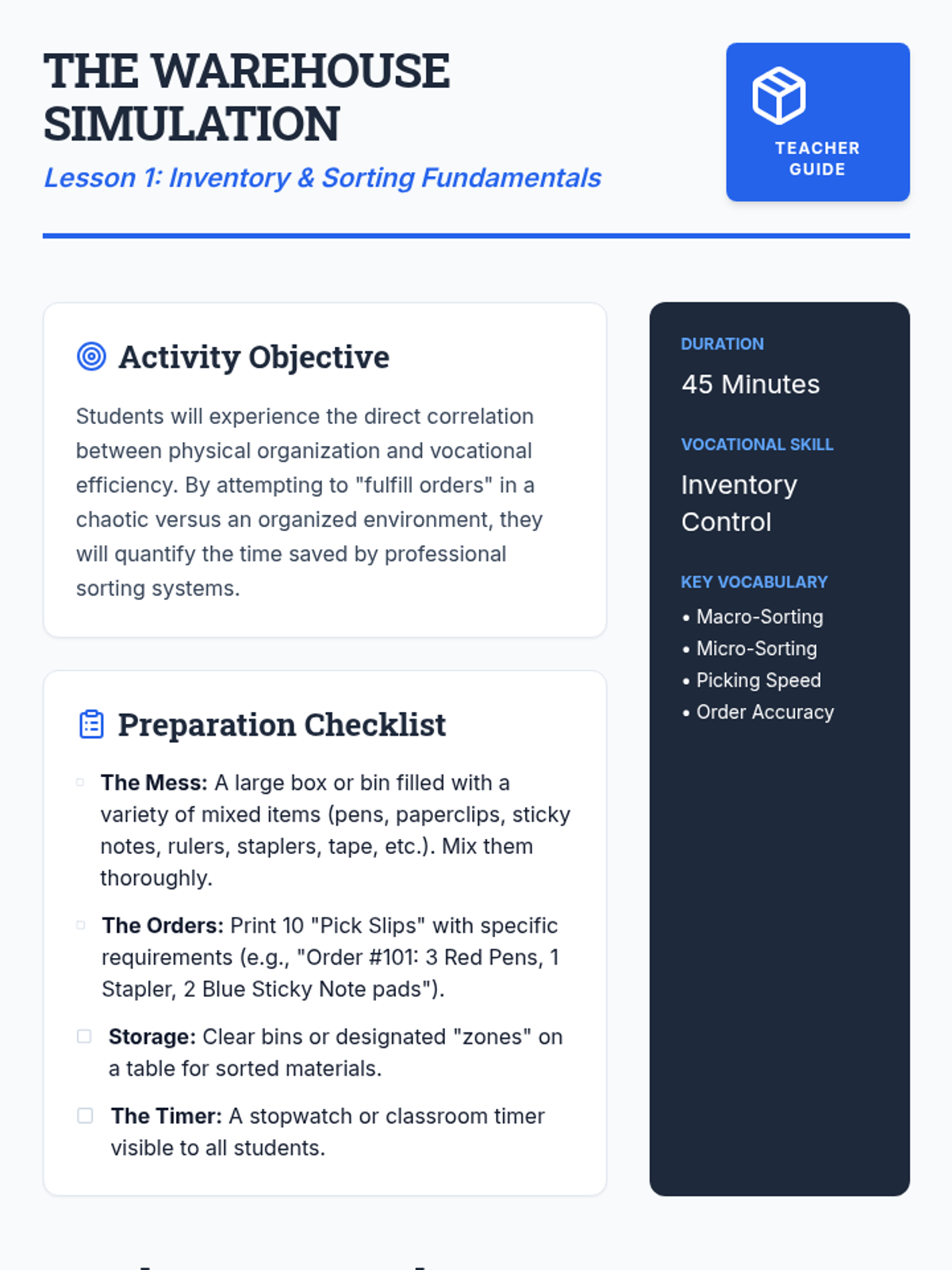
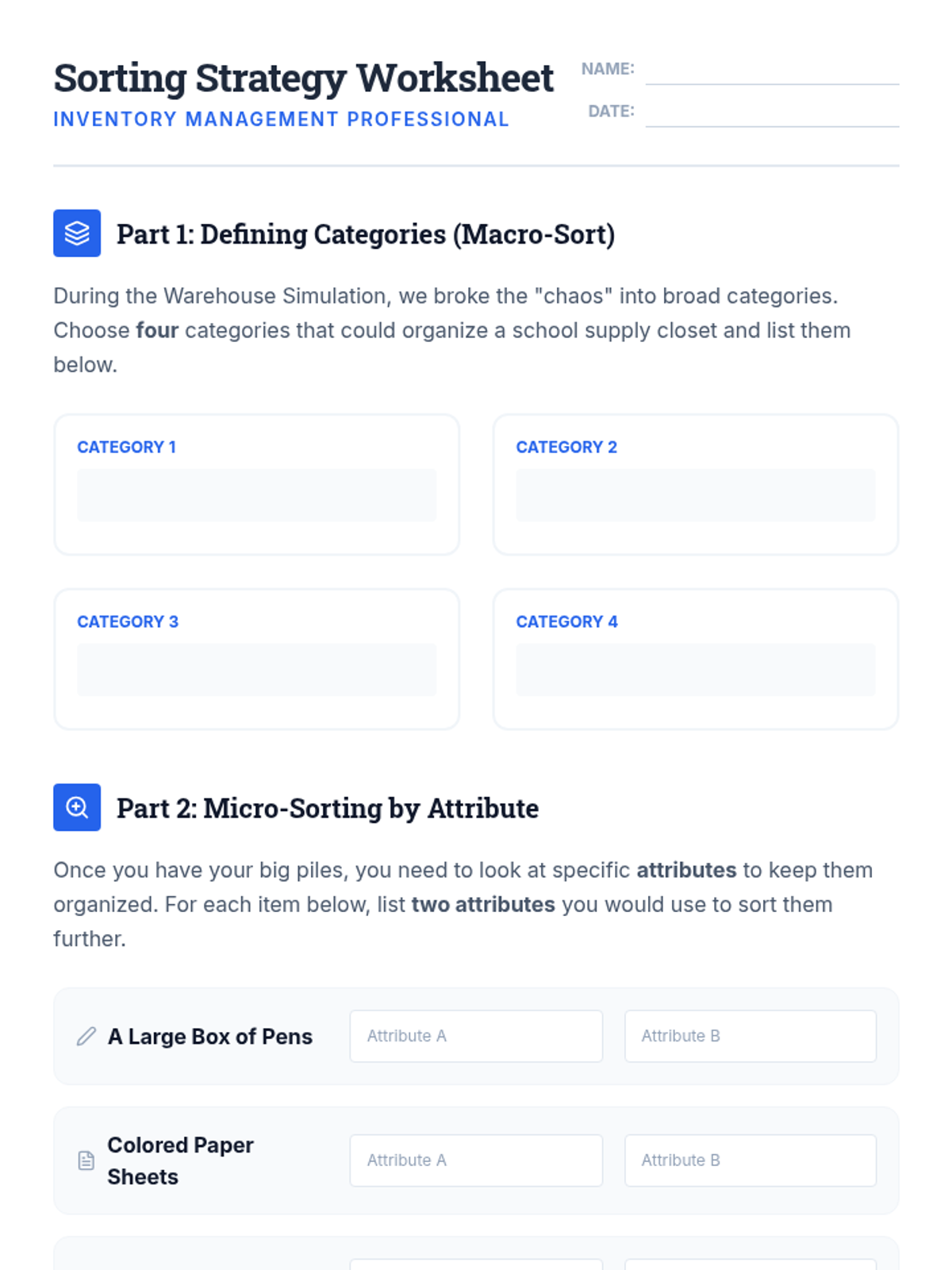
Students learn the basics of inventory control by sorting mixed supplies through macro and micro-sorting techniques. A warehouse simulation compares speed between organized and disorganized environments.
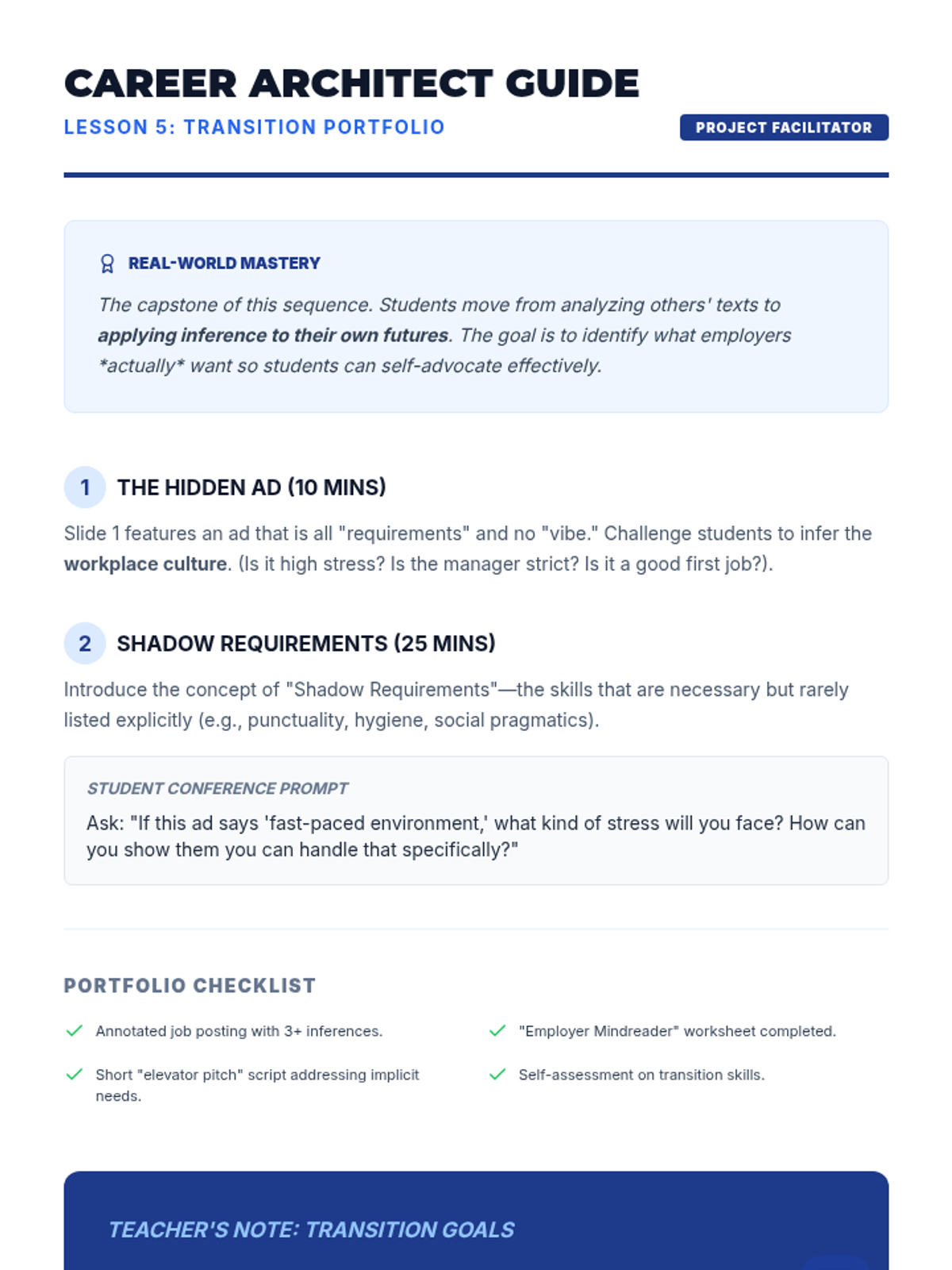
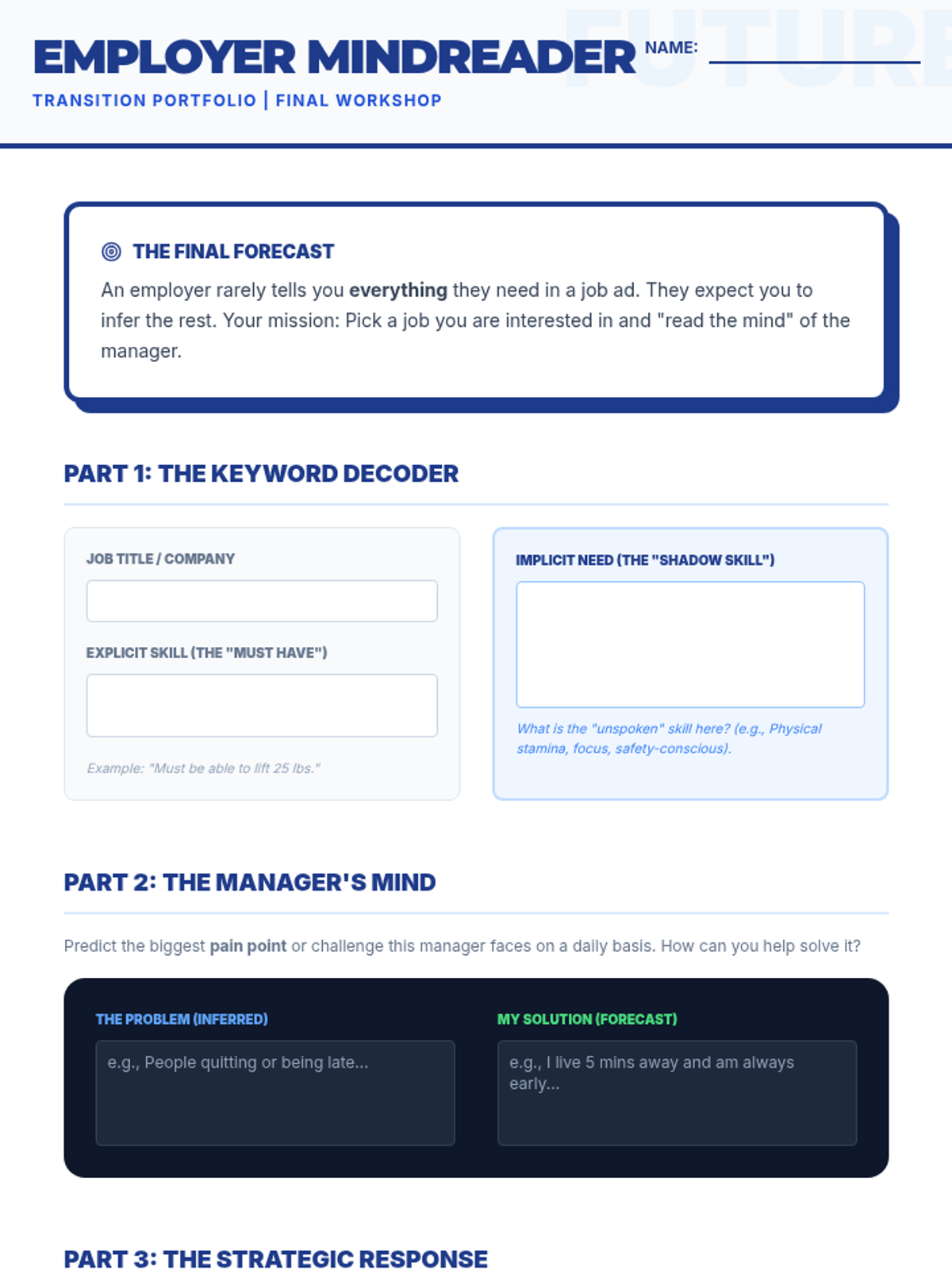
Students analyze job postings and application materials to infer employer needs and align their own skills with those implicit requirements.
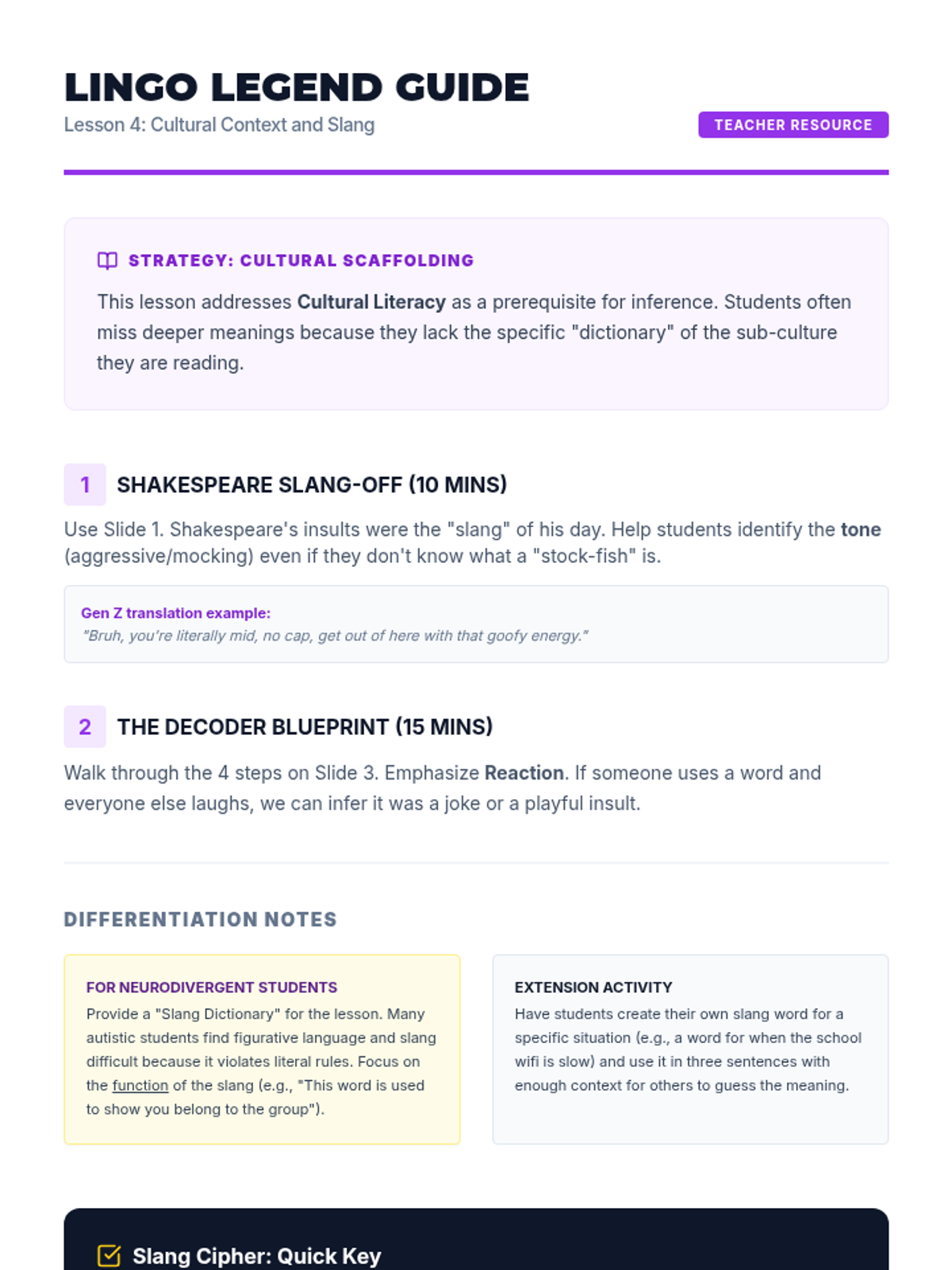
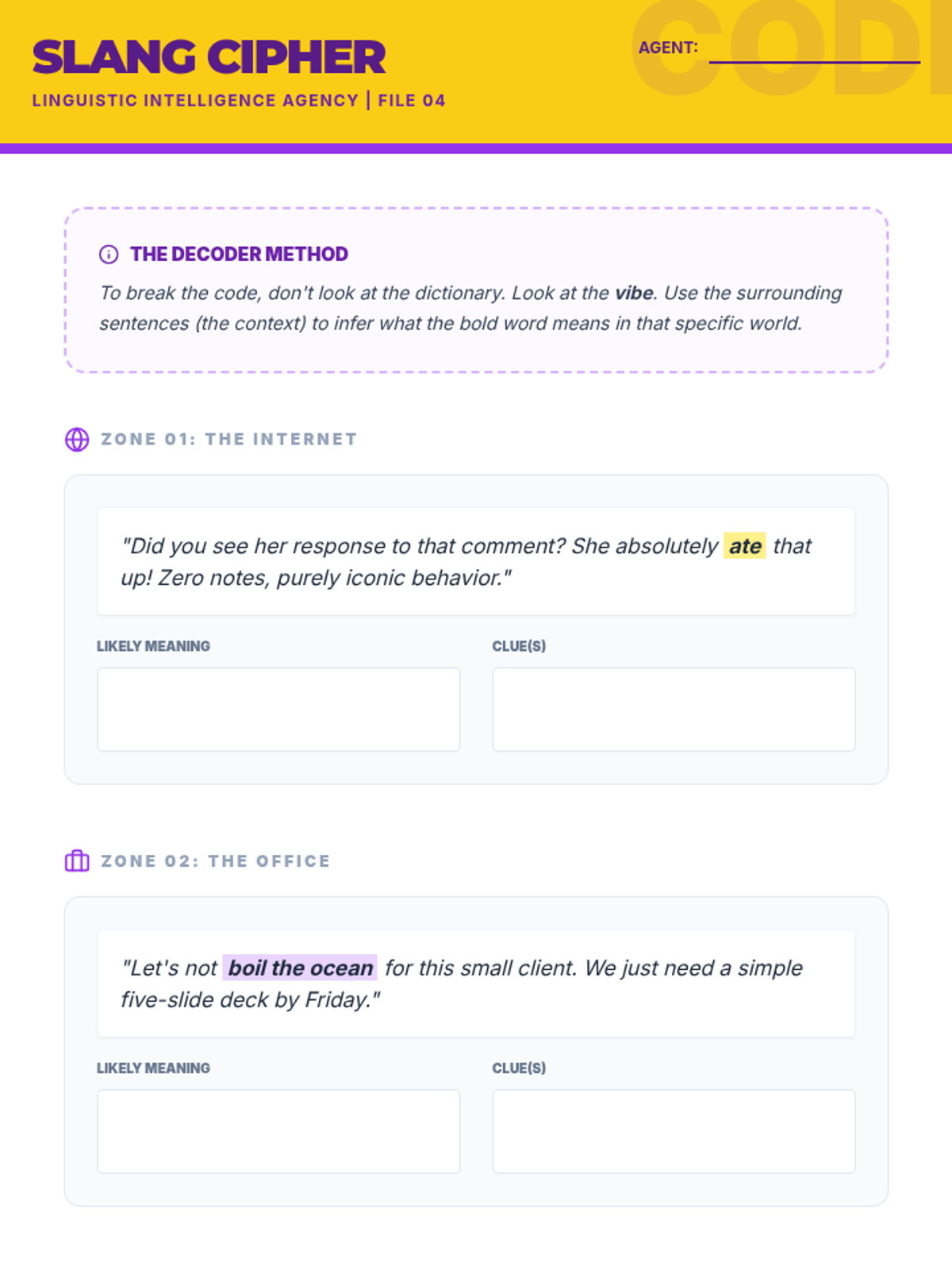
Students use context clues to decode cultural slang and regional dialects, understanding how shared knowledge influences inference.
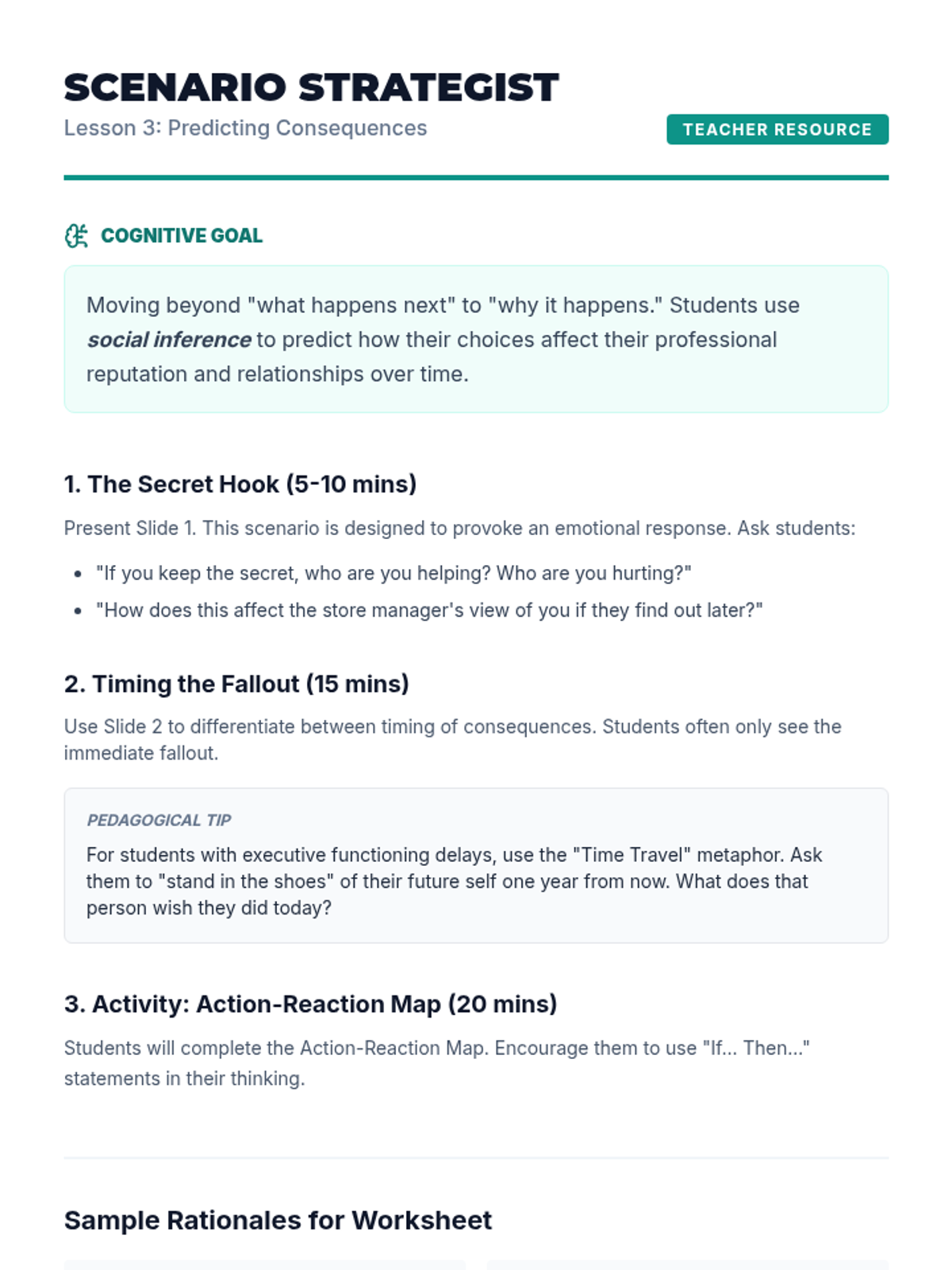
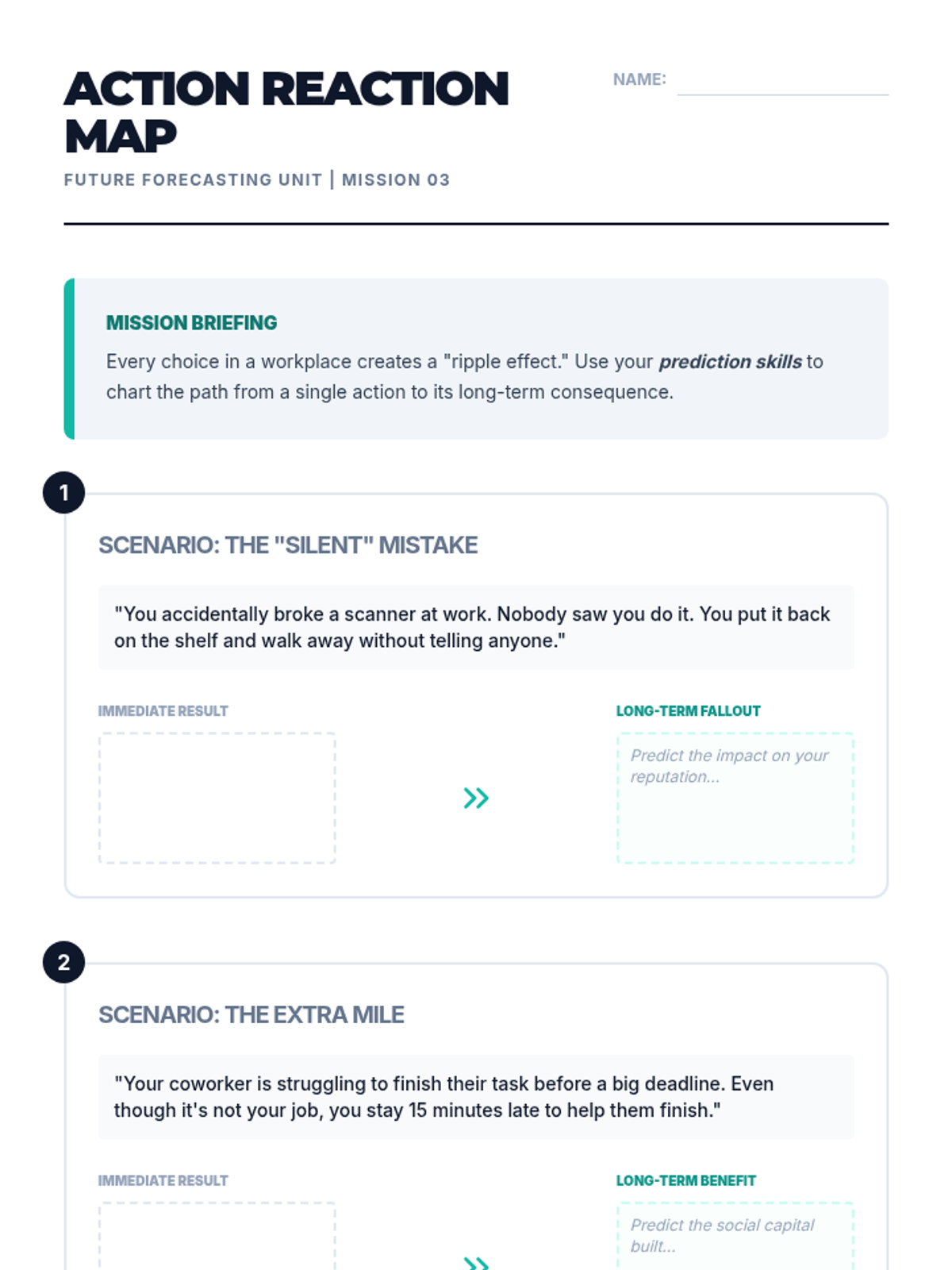
Students explore cause-and-effect by predicting consequences in workplace and social scenarios through case studies and simulations.
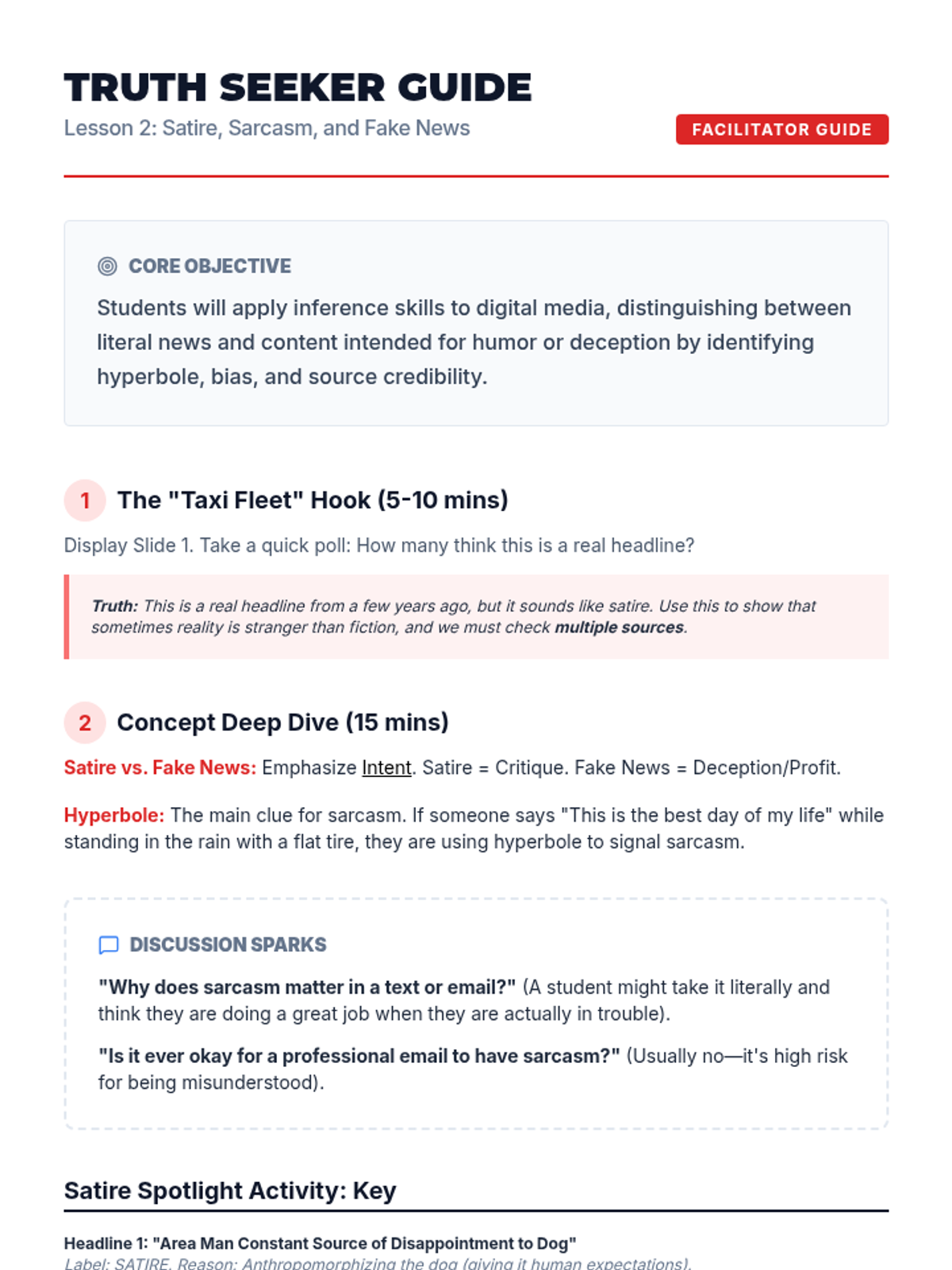
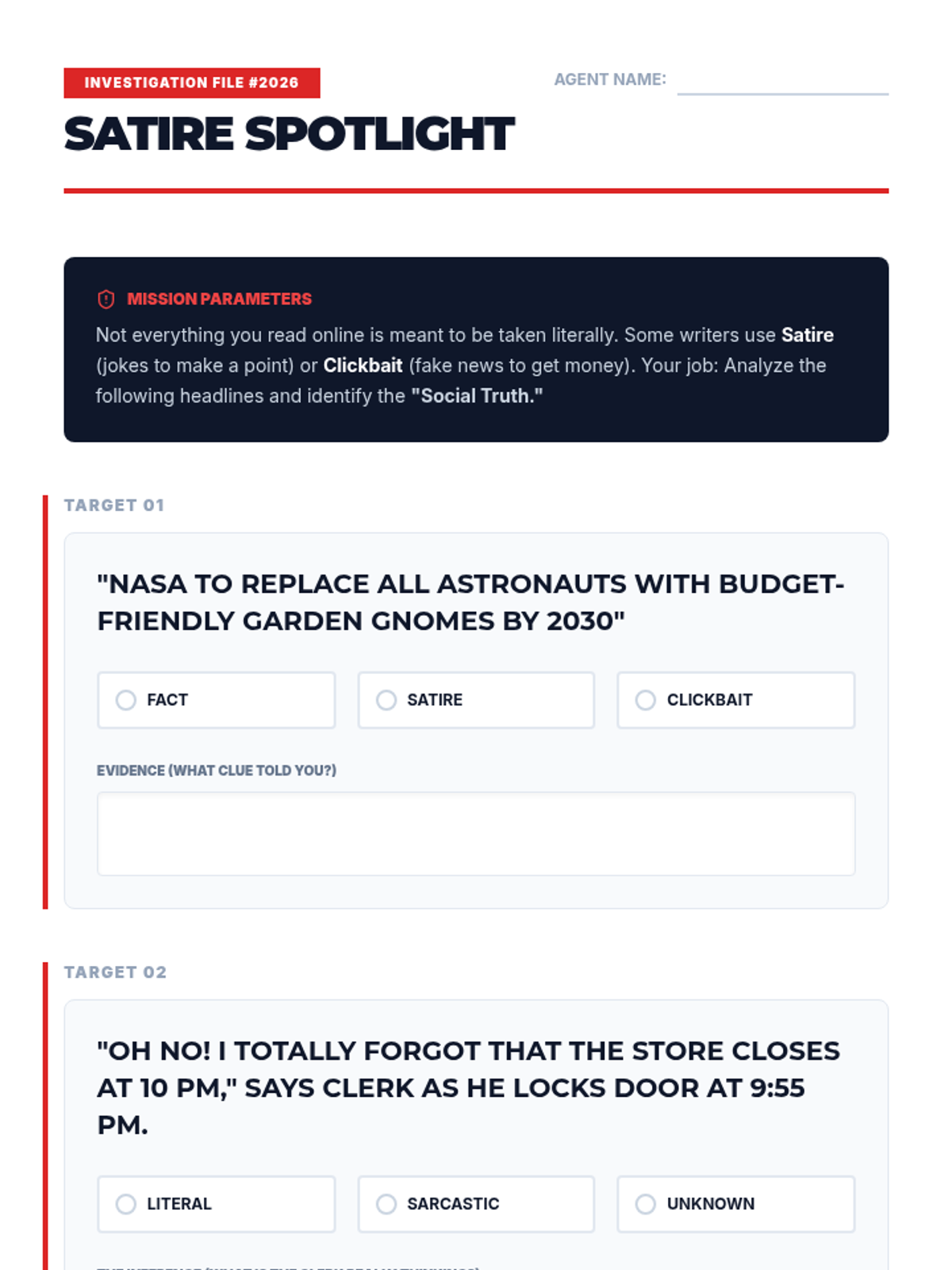
Students practice identifying satire, sarcasm, and fake news by analyzing headlines and context clues to differentiate literal from figurative meaning.
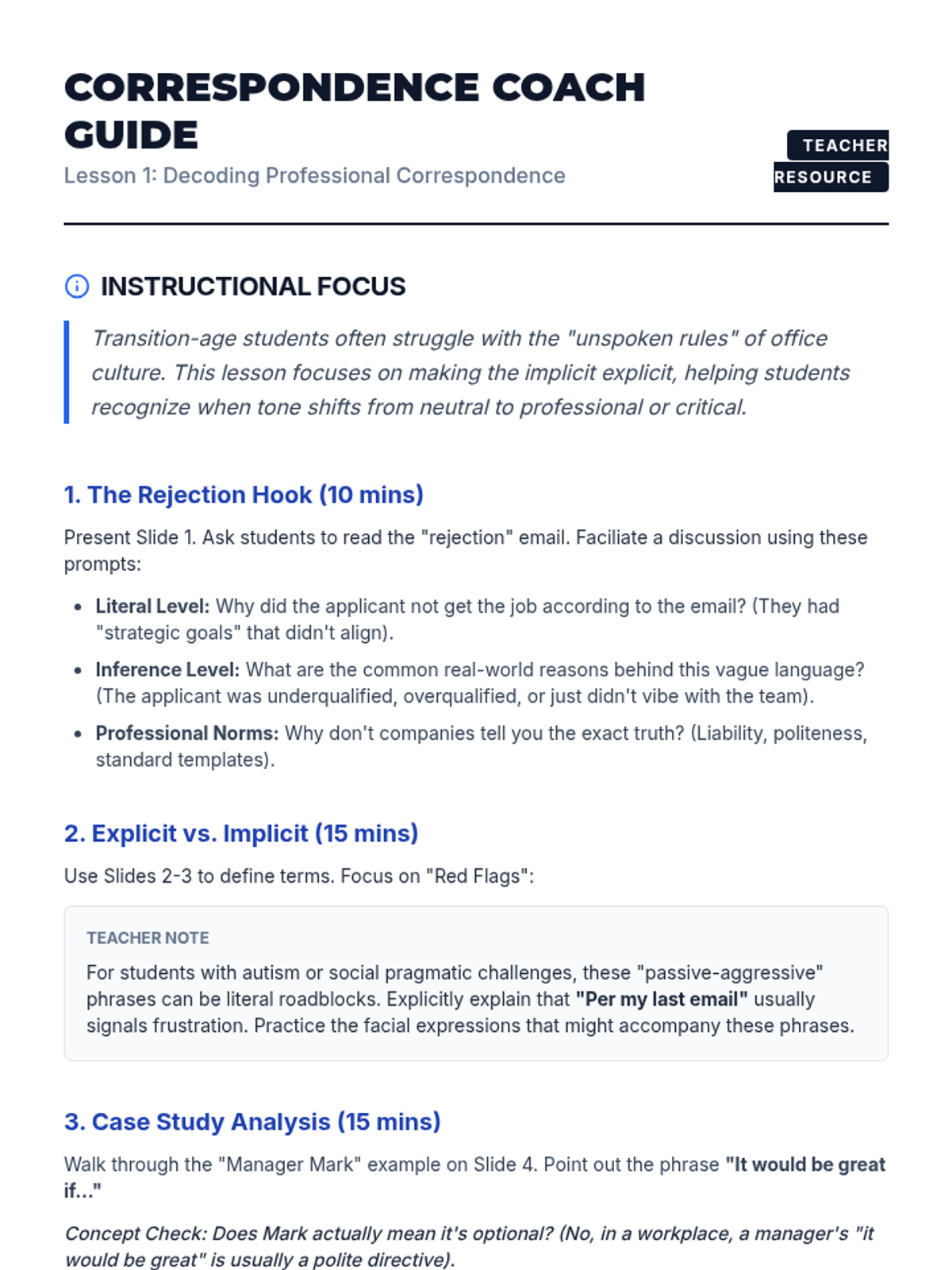
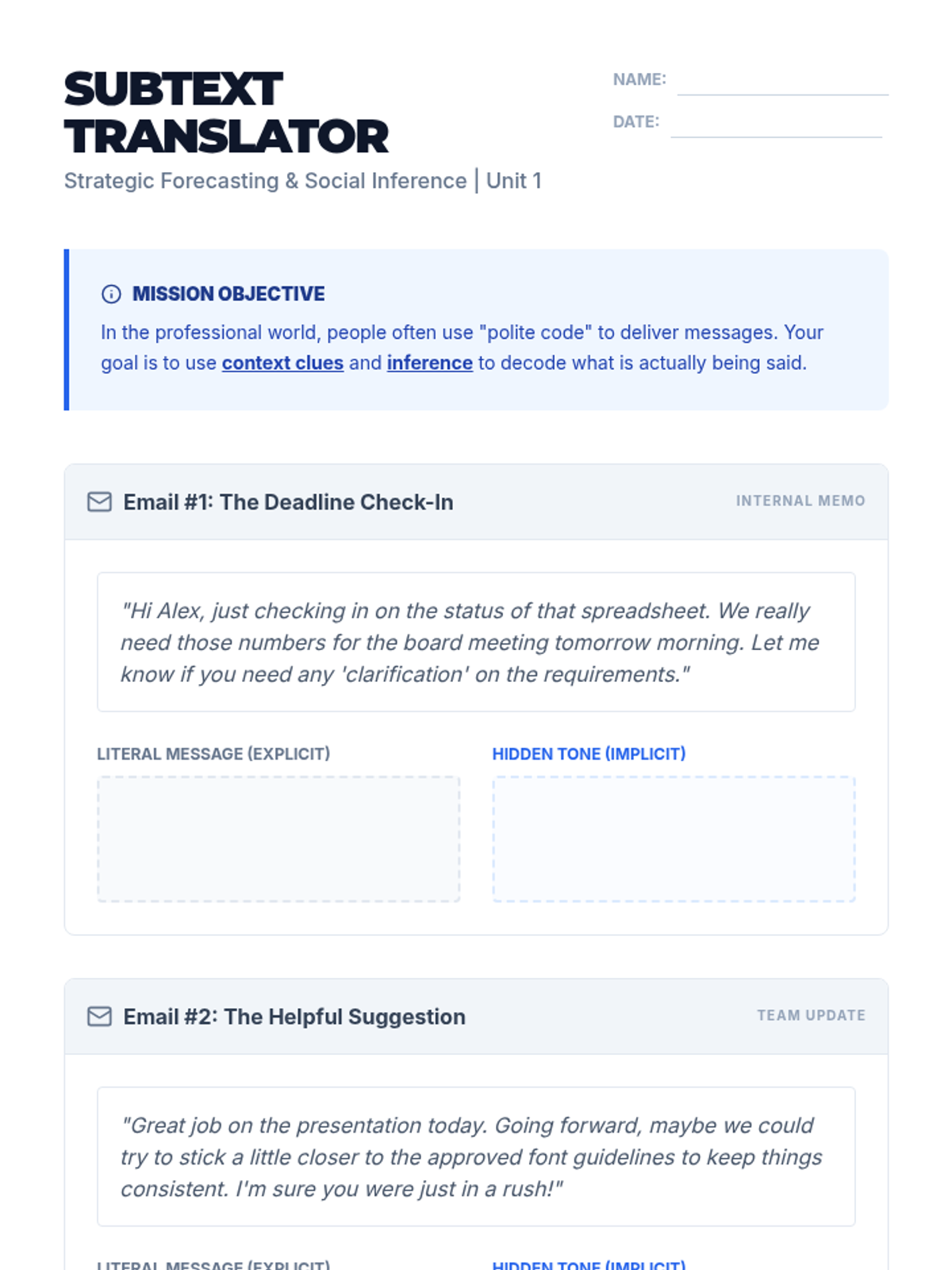
Students analyze workplace emails to distinguish between explicit text and implicit subtext, focusing on professional tone and social pragmatics.
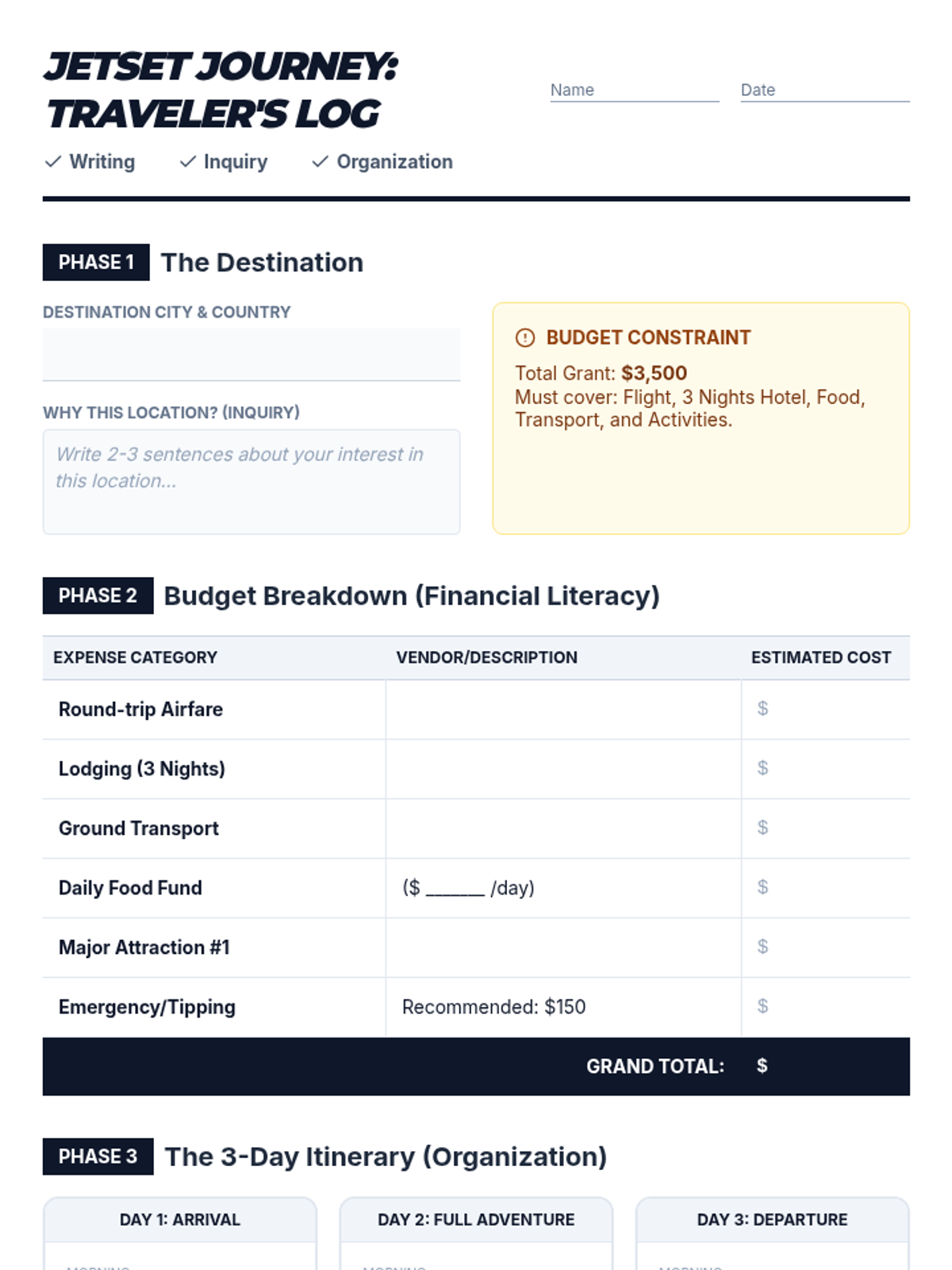
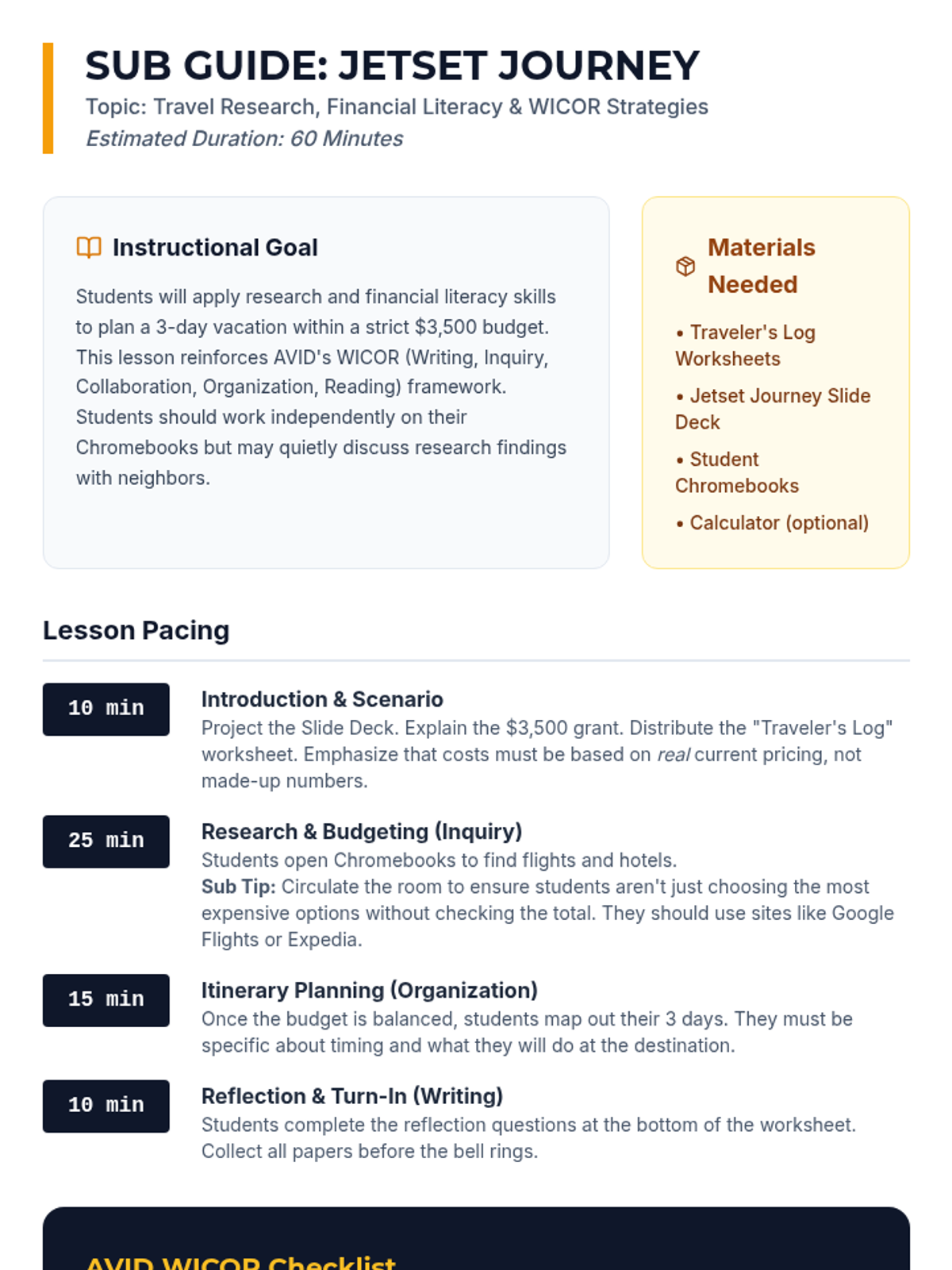
A high-engagement, sub-friendly lesson where AVID students research, budget, and plan a 3-day dream vacation while applying WICOR strategies and financial literacy skills.
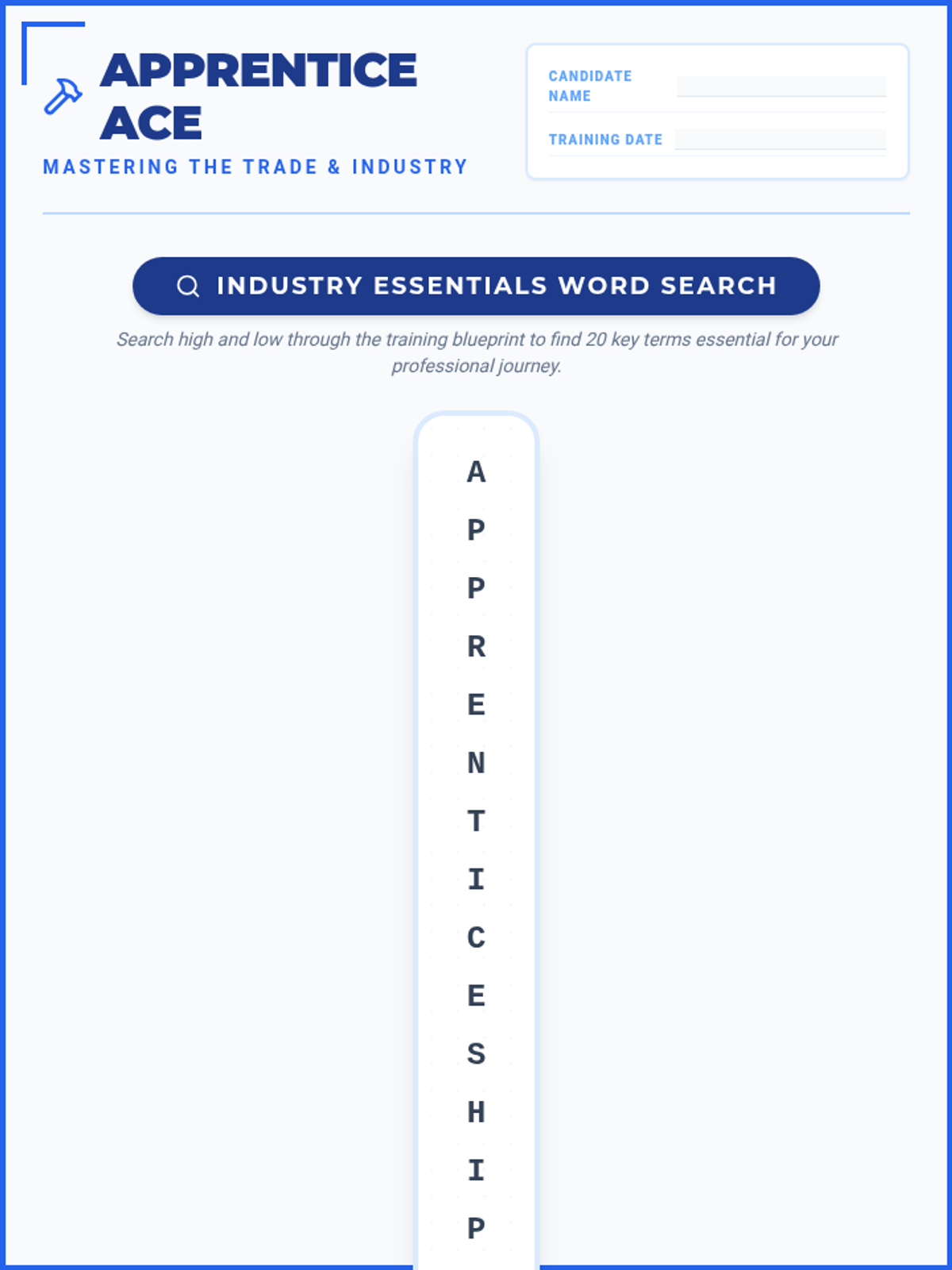
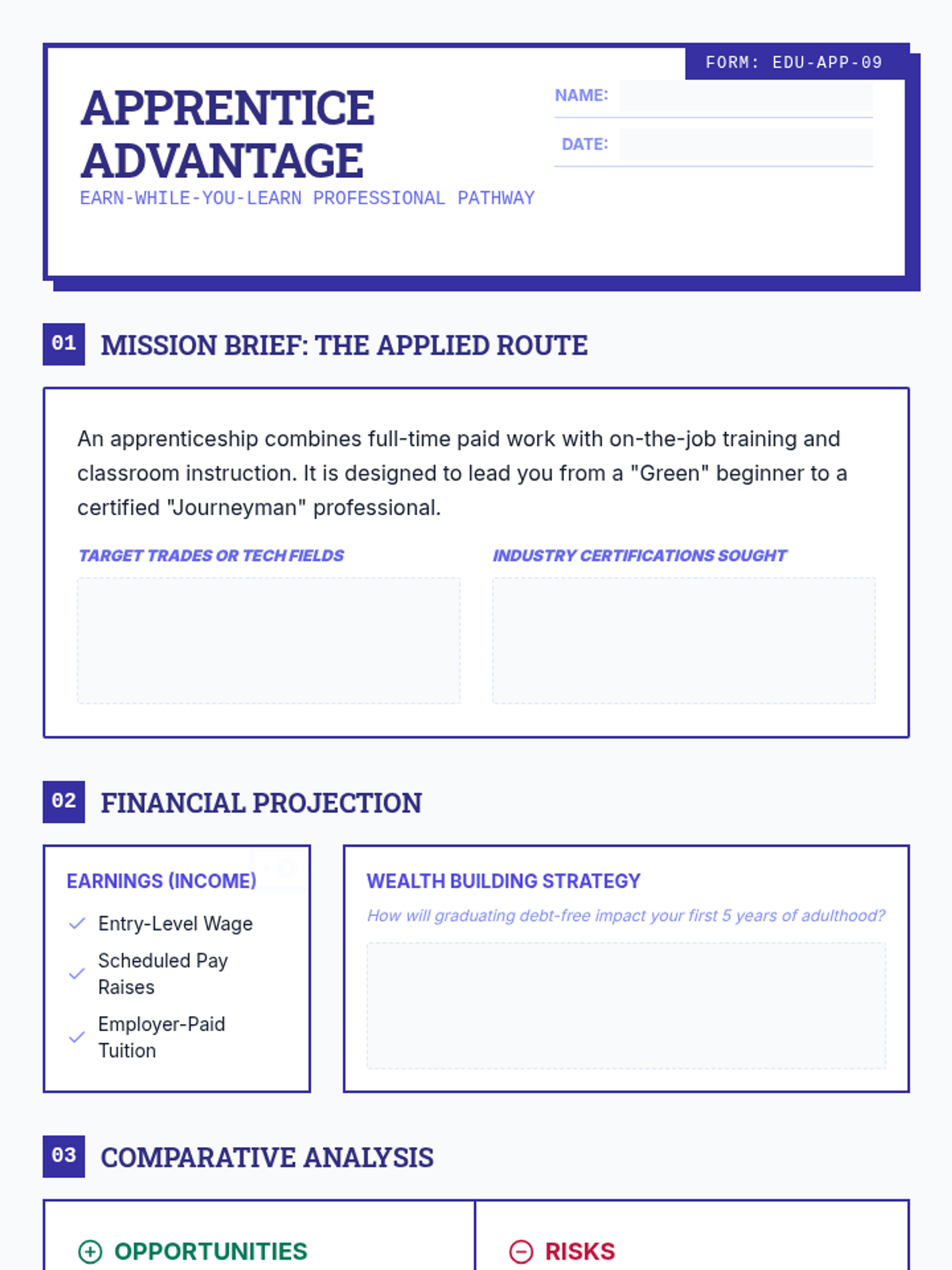
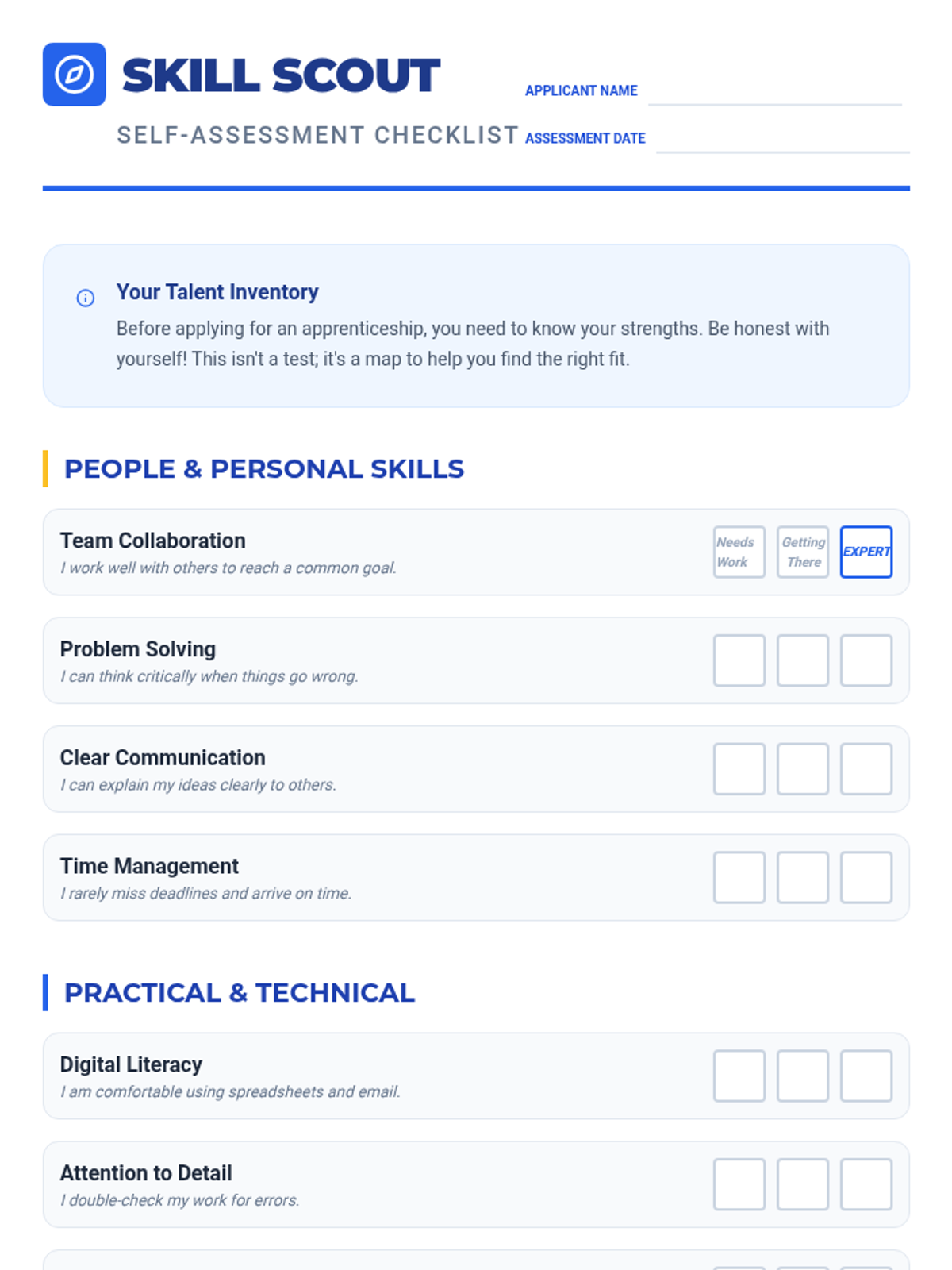
Master the transition from student to professional. This lesson covers workplace etiquette and the application process through engaging puzzles and reflective self-assessments.
Compare the mechanics of market, command, and mixed economies through historical documents like ration cards and industrial quotas, as well as modern tax structures.
Uncover the metrics of national wealth through the history of hyperinflation, the ethics of economic growth, and simulations of central bank management.
Master the dynamics of market forces through the history of the Tulip Mania, the ethics of ticket scalping, and simulations of price elasticity and equilibrium.
Explore the foundational pillars of economics through the history of the Dust Bowl, the ethics of organ markets, and simulations of scarcity and marginal utility.
Master the mechanics of life's largest financial commitments through the history of the 30-year mortgage, the ethics of urban gentrification, and complex simulations of home ownership.
Uncover the mechanisms of risk management through the history of the Great Fire of London, the ethics of pre-existing conditions, and complex simulations of health and auto insurance.
Master the battlefield of the modern marketplace through the history of consumer protection, the ethics of planned obsolescence, and simulations of contract negotiation.
Uncover the mechanics of modern banking through historical currency crises, the ethics of fee structures, and simulations of liquidity management.
Analyze the mechanics of financial choice through historical market crashes, the ethics of credit, and complex simulations of high-stakes adult purchases.
Master the art of information gathering and source verification in the digital age through historical misinformation cases and modern research simulations.
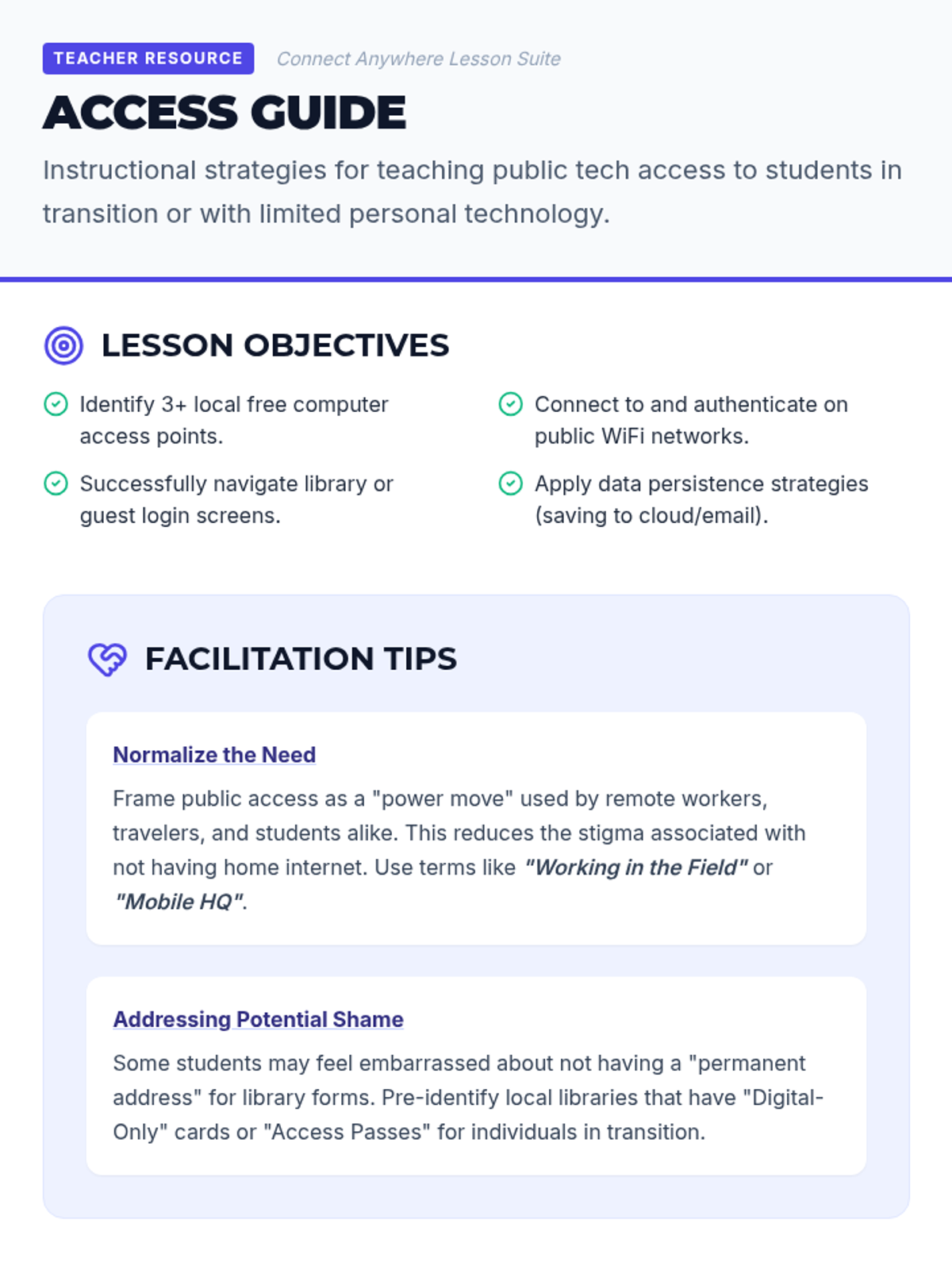
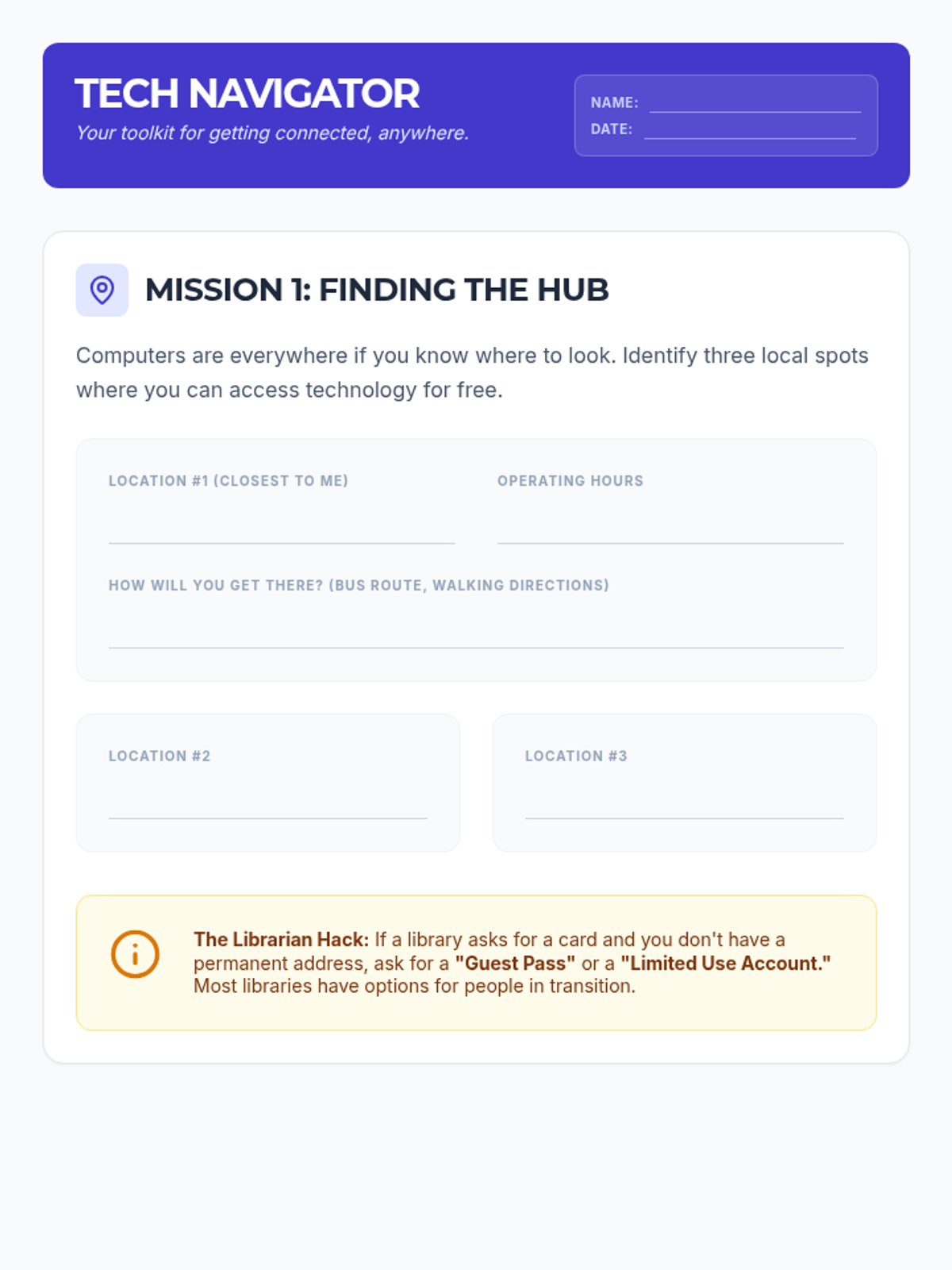
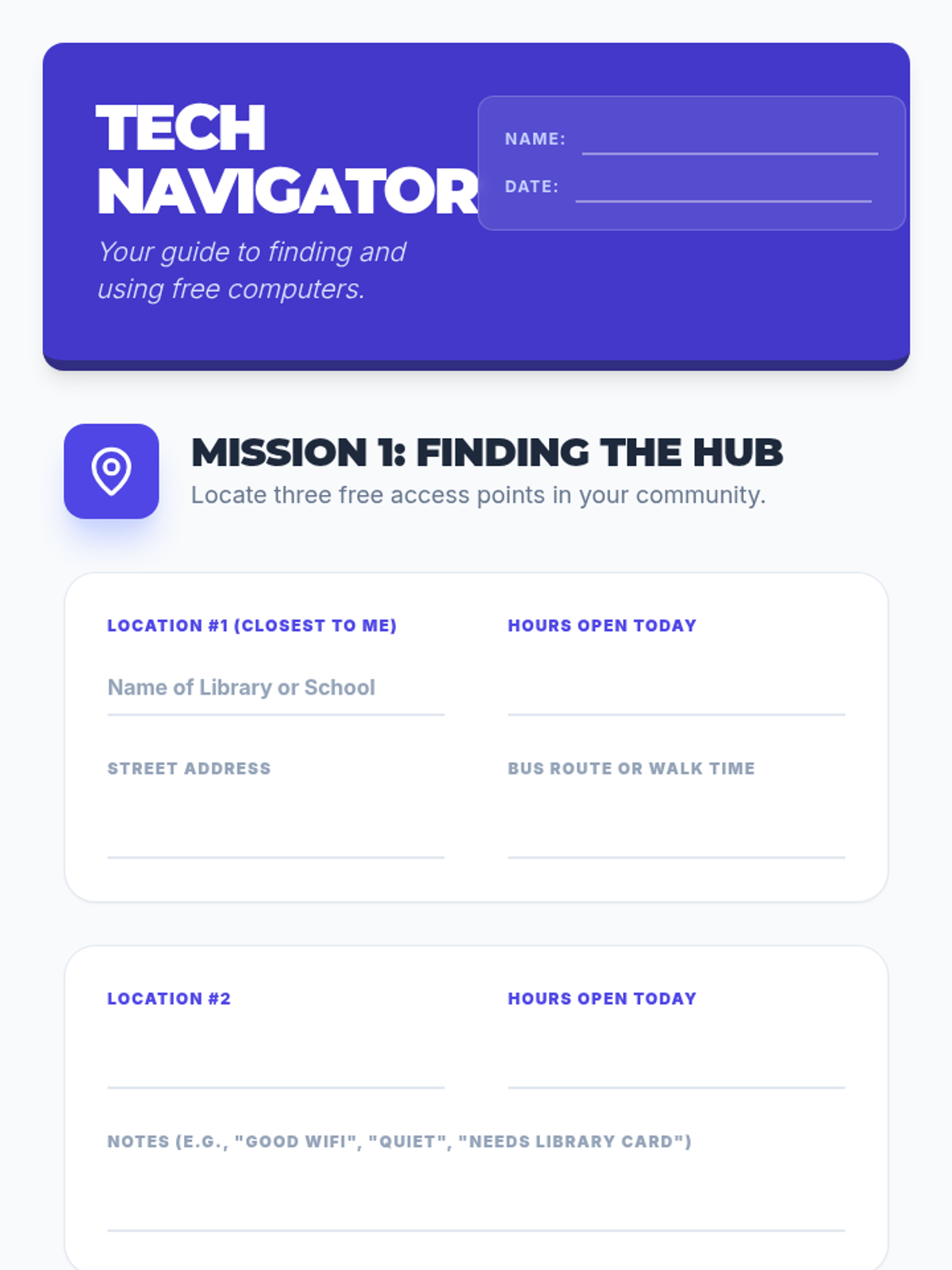
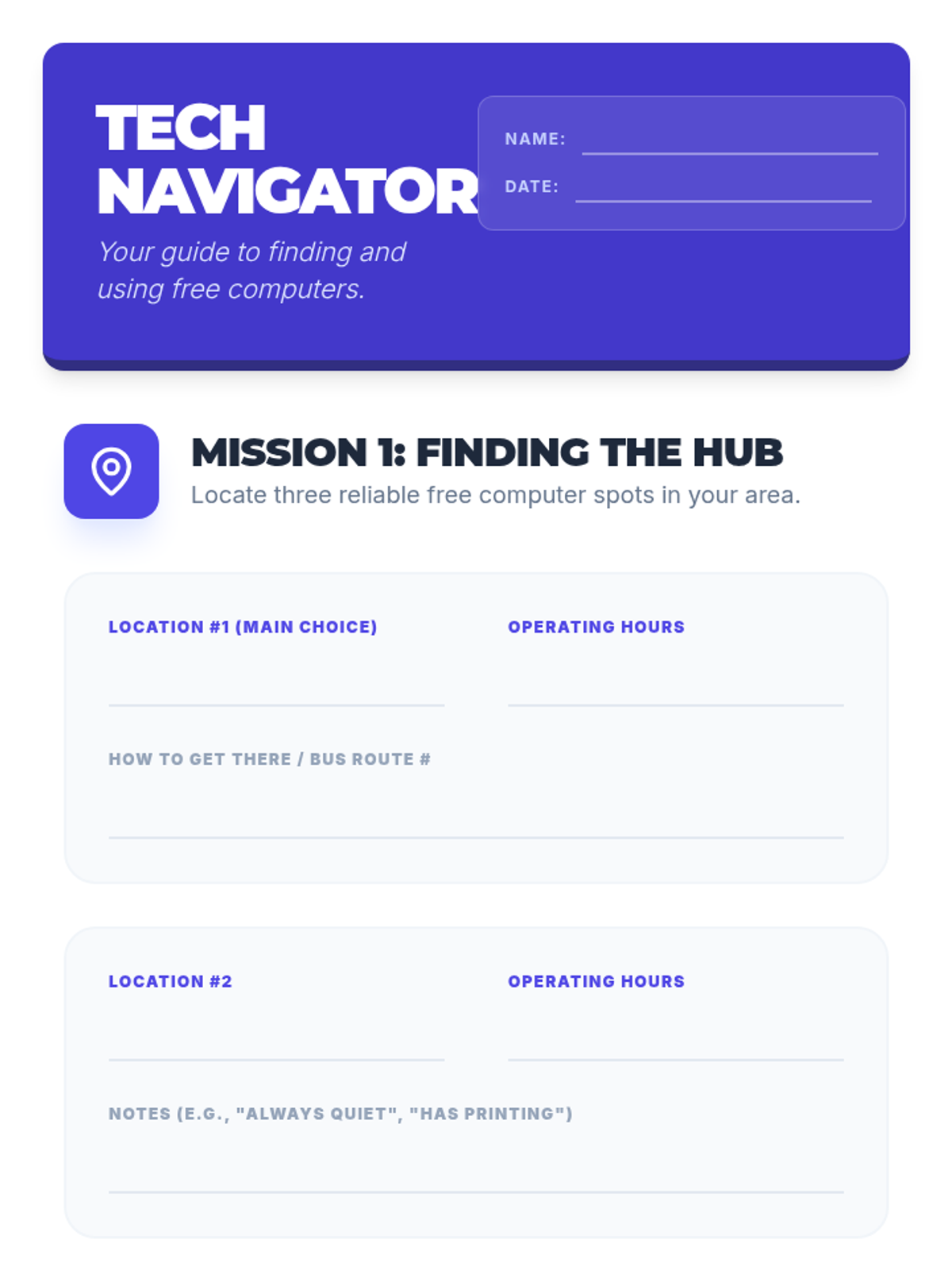
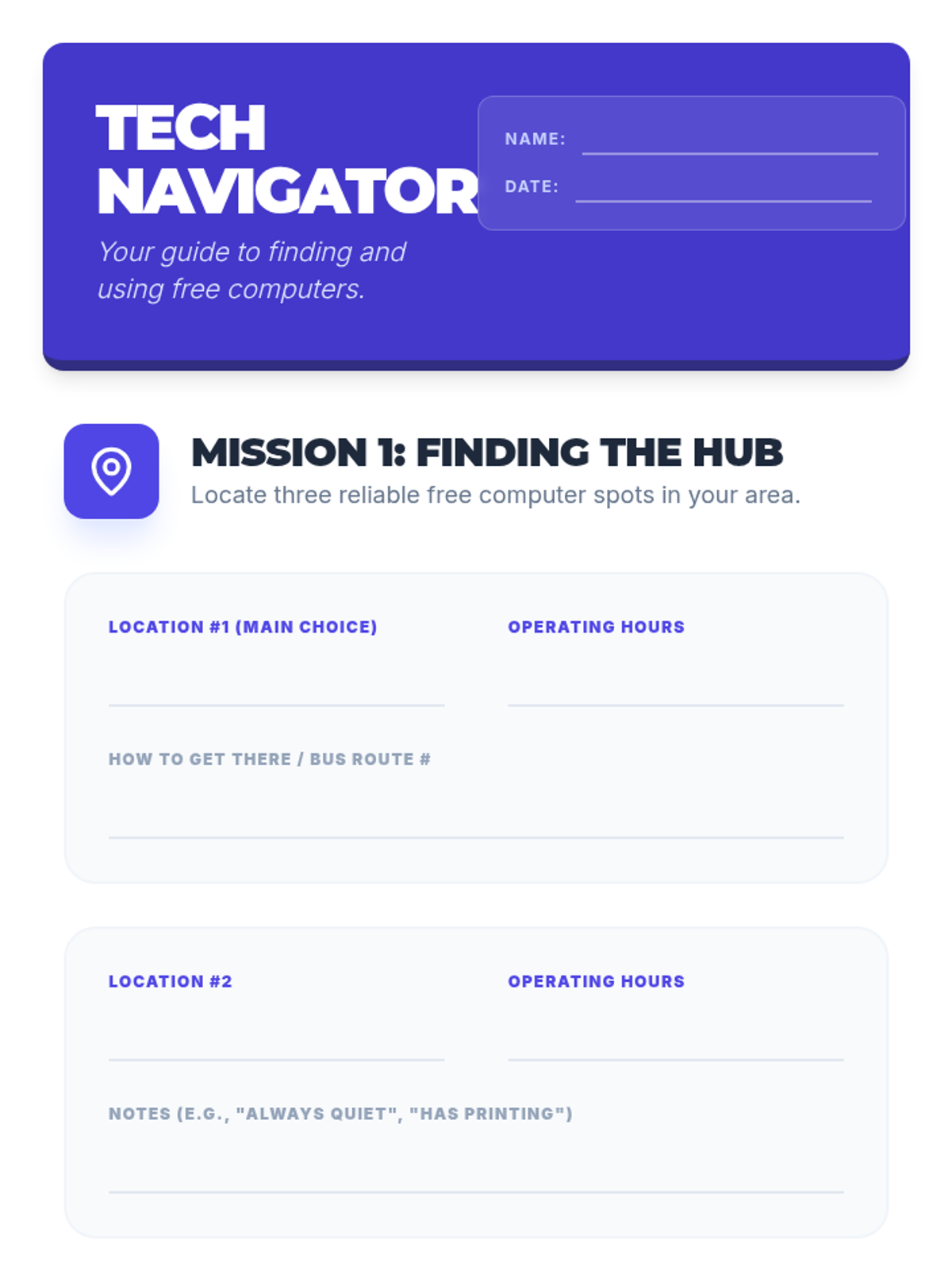
A practical guide for students to find and use public technology resources safely and effectively. This lesson covers locating free computers, navigating public interfaces, and connecting to open WiFi networks.
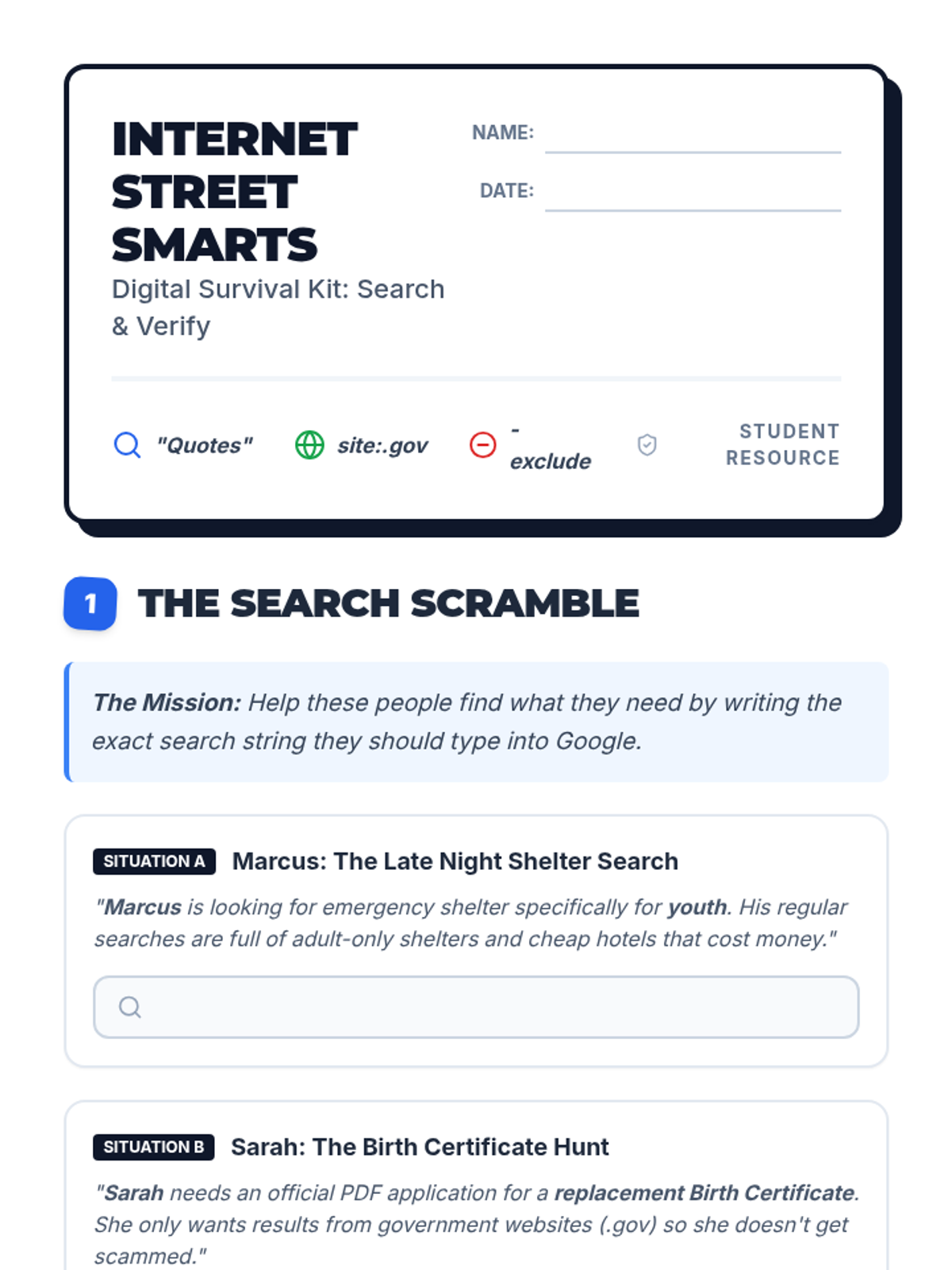
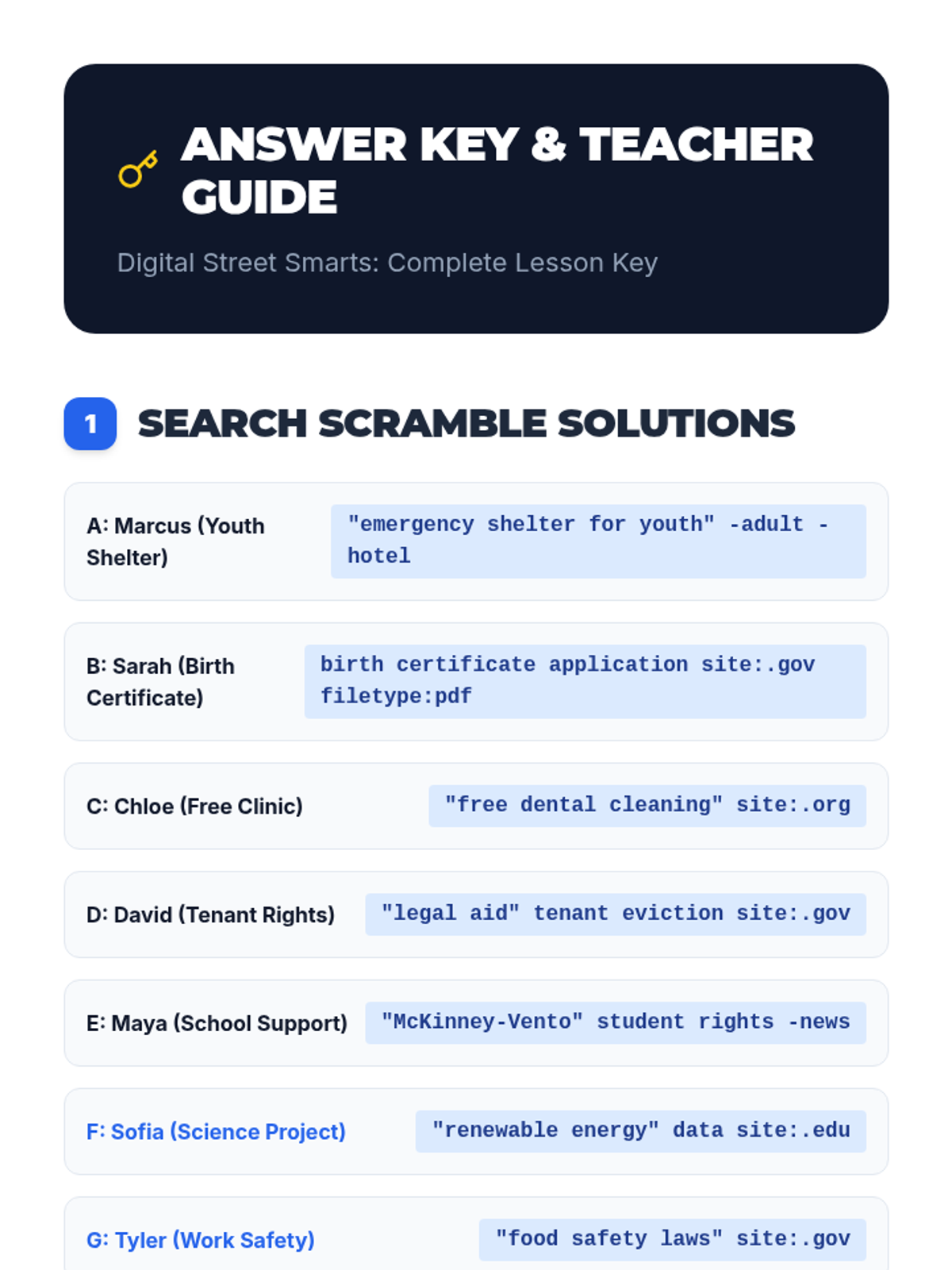
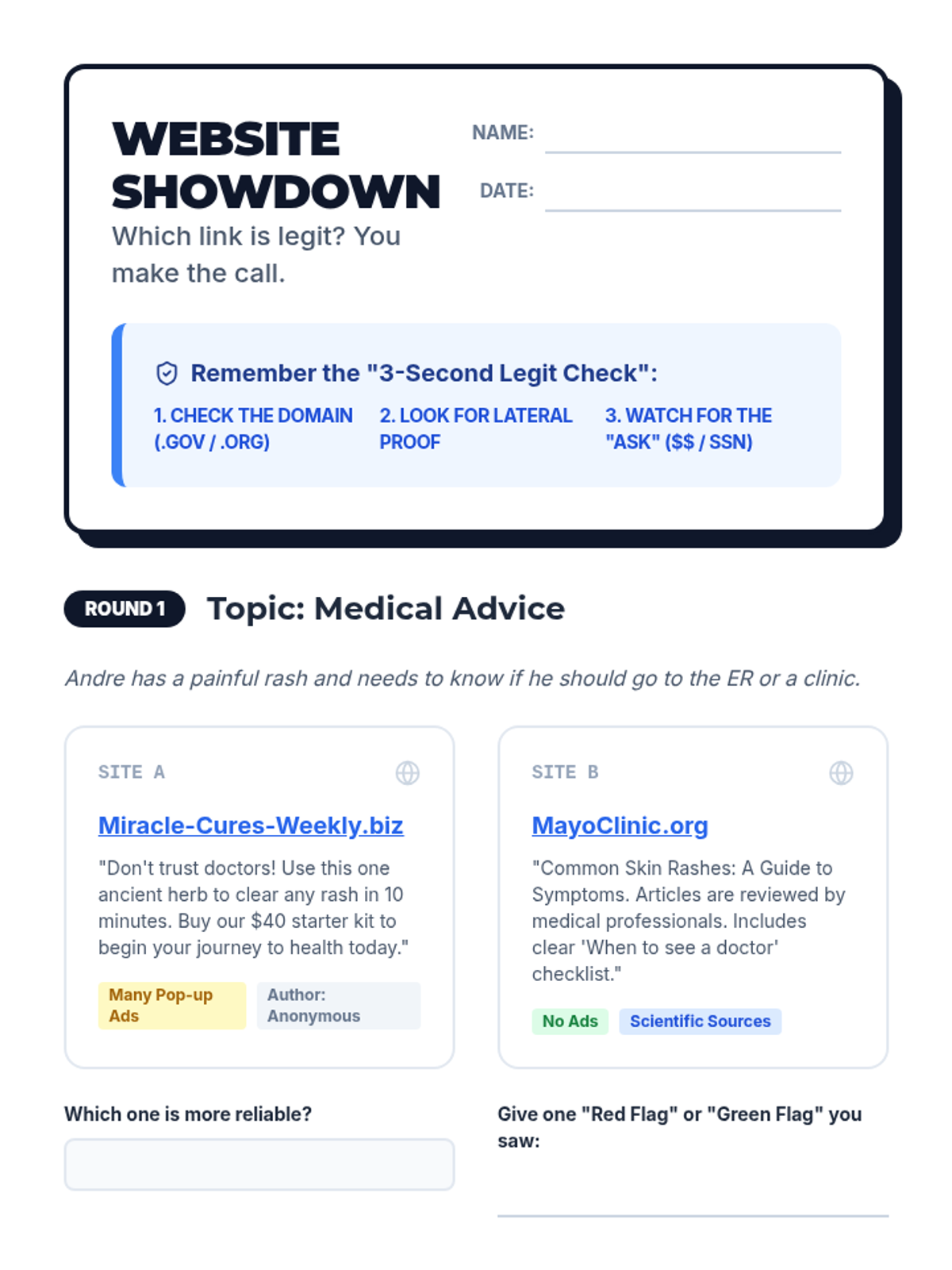
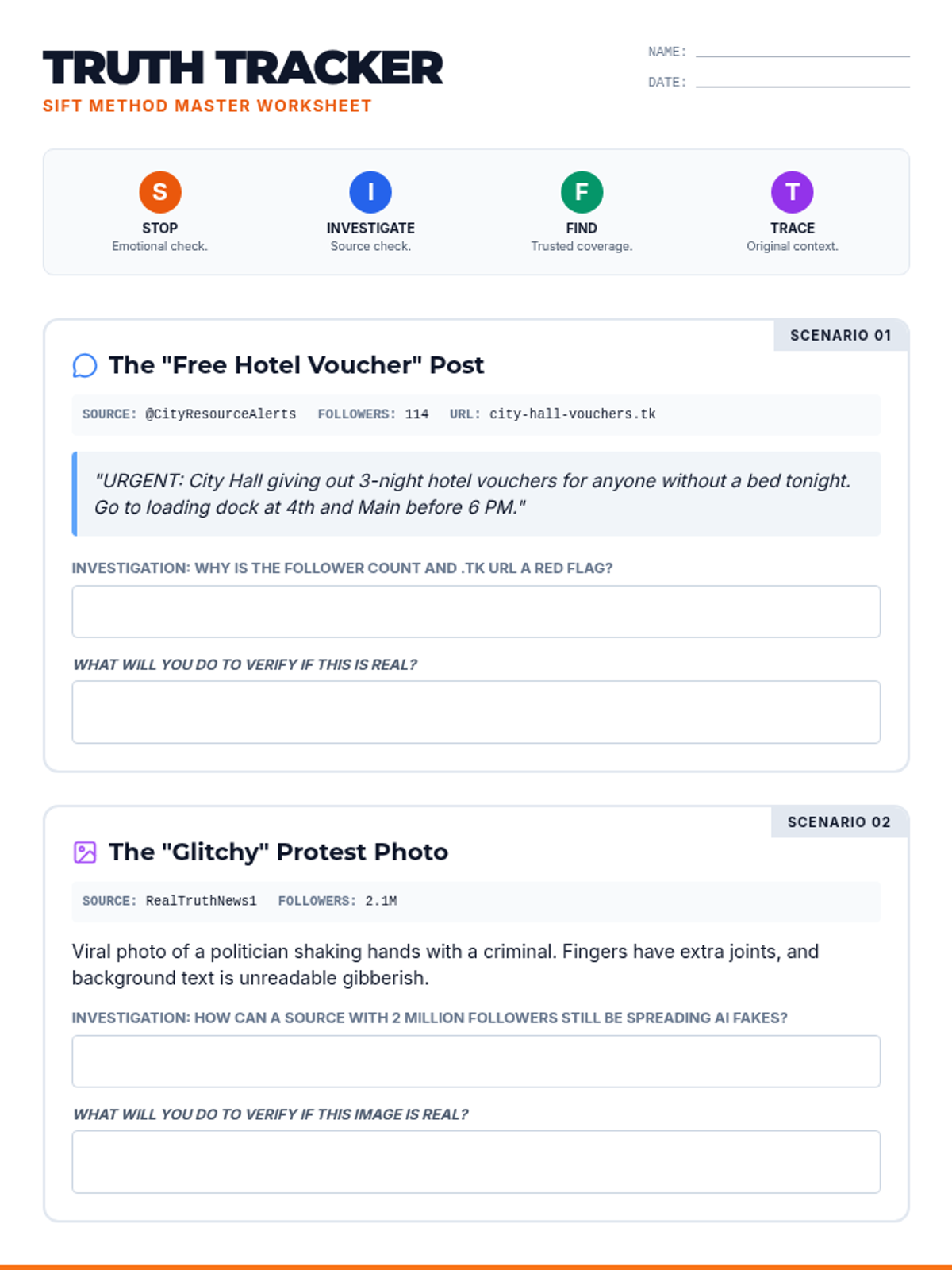
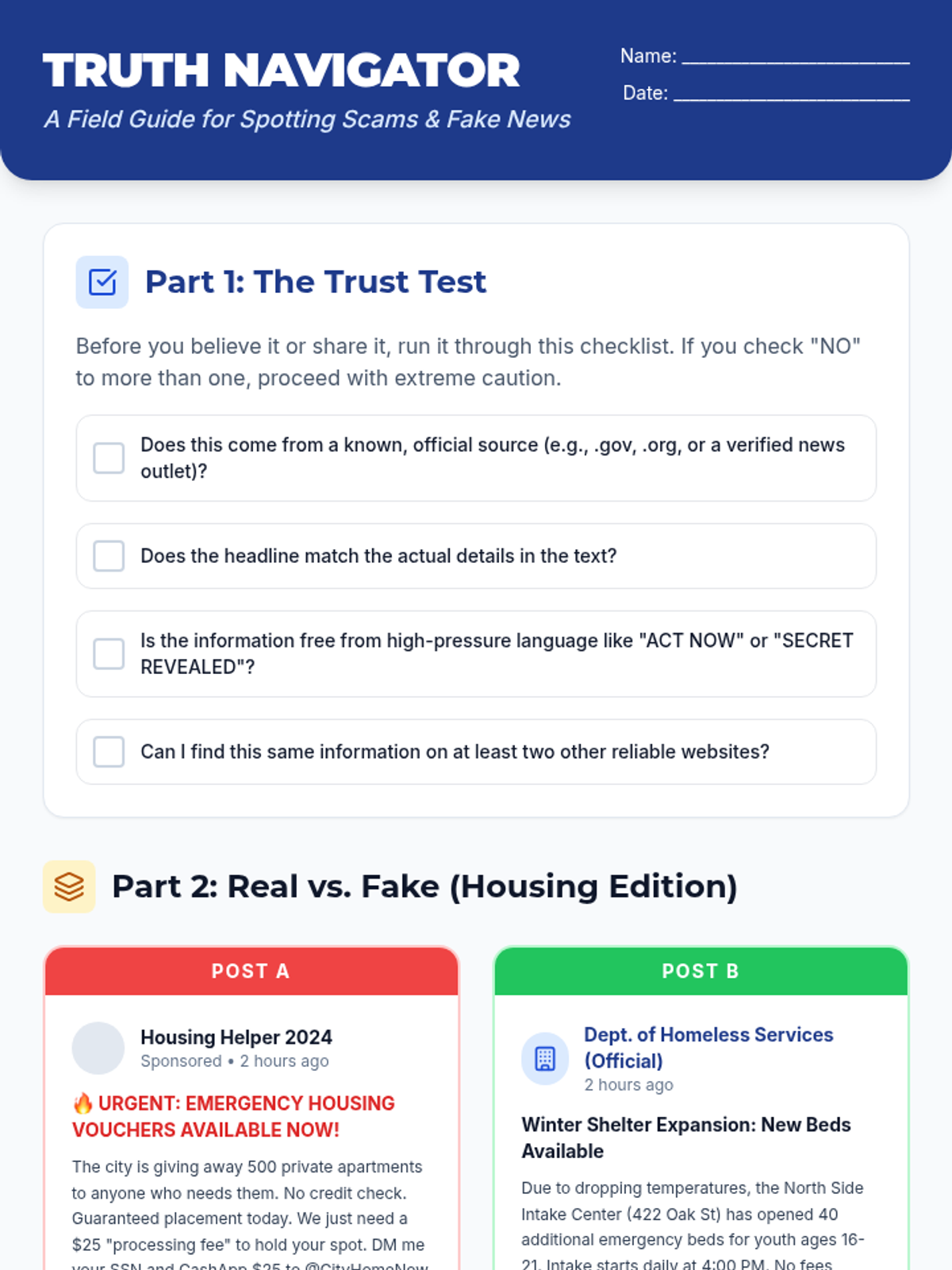
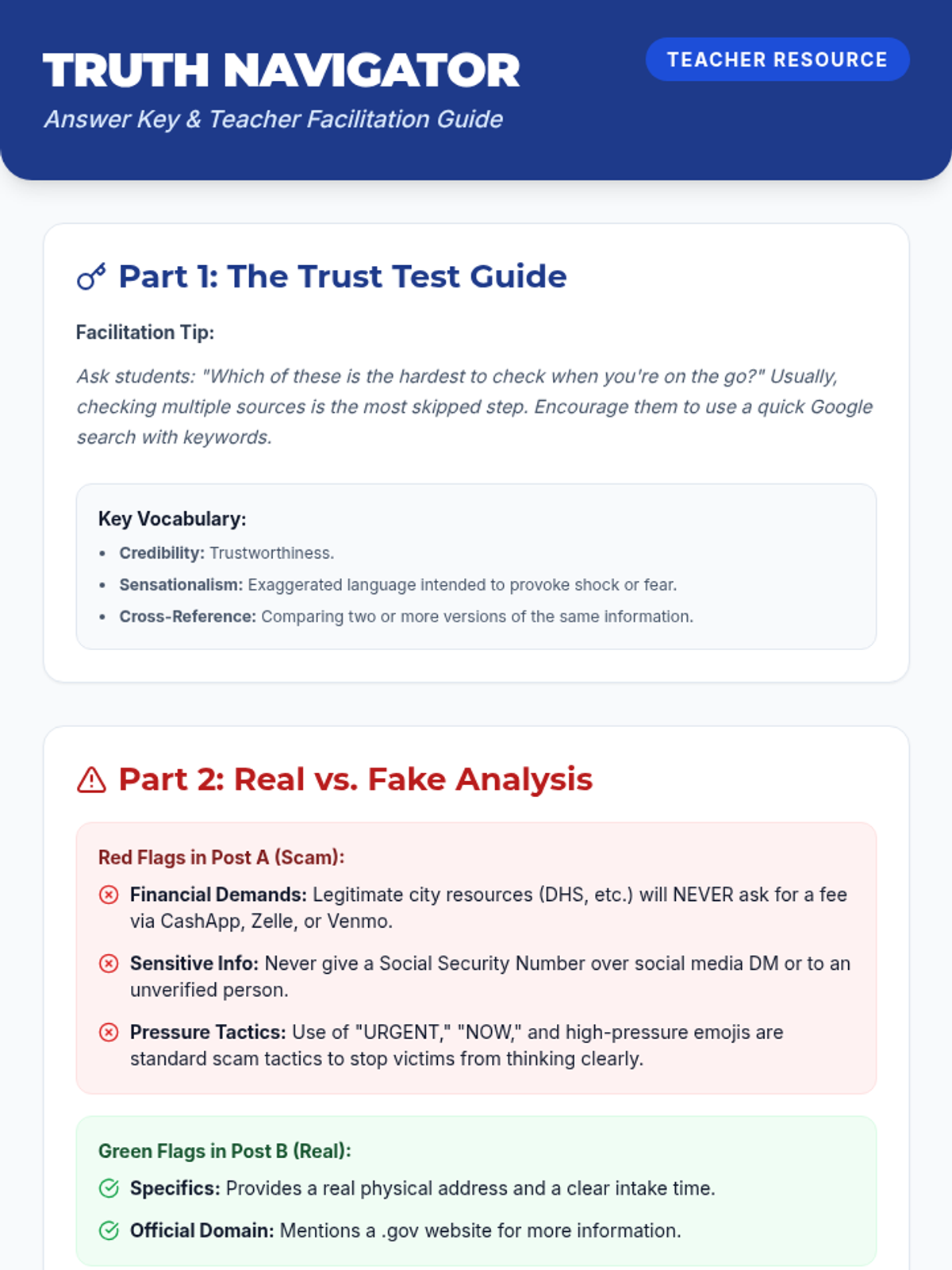
A digital literacy lesson designed for high school students in transitional housing, focusing on practical internet search skills, source evaluation, and staying safe from online scams.
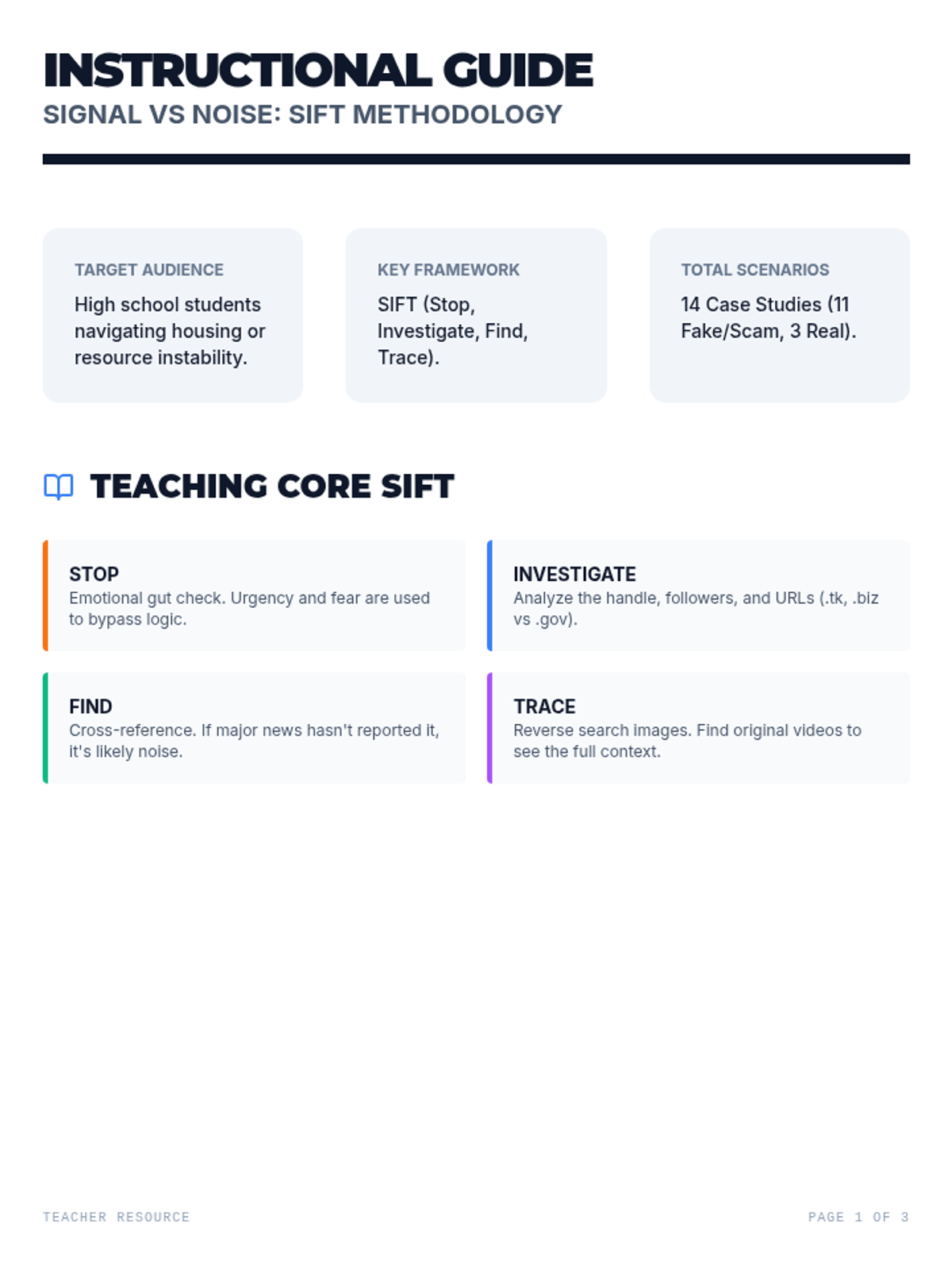
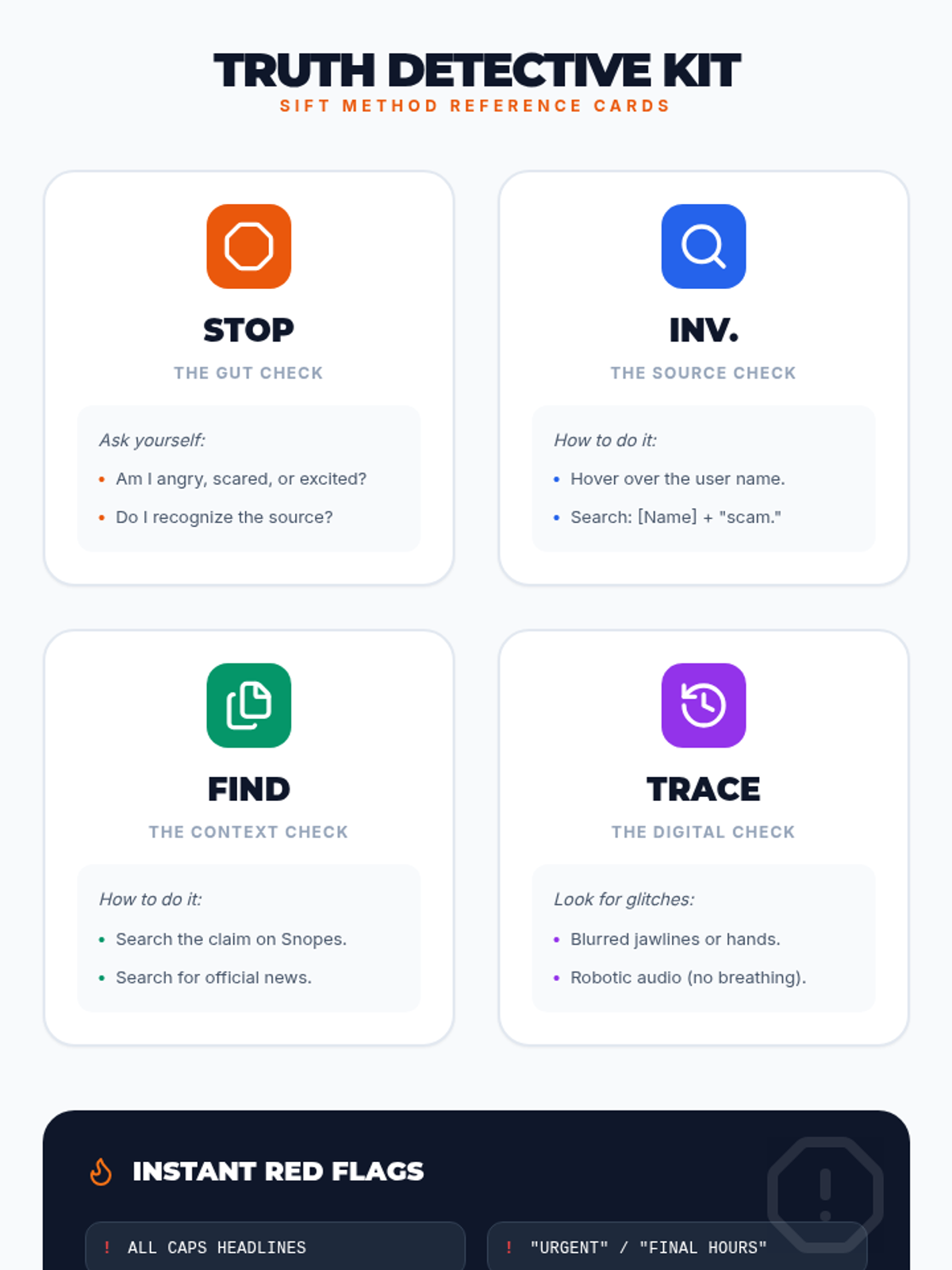
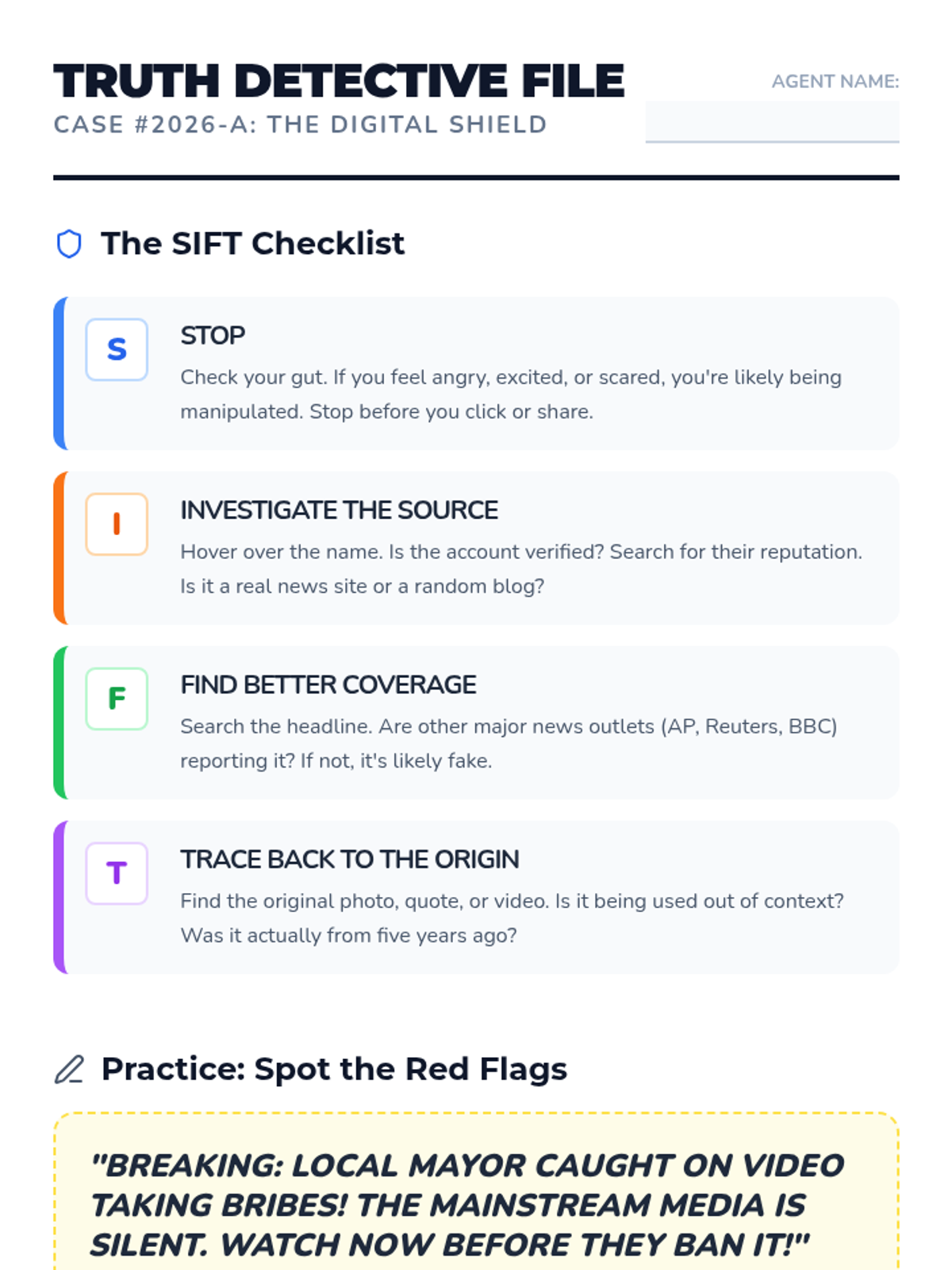
A lesson designed to empower high school students to navigate digital misinformation using the SIFT method, with a specific focus on resources and news relevant to their daily lives.
A practical guide for high school students to evaluate the credibility of political news and community resource leads, specifically housing and shelter availability.
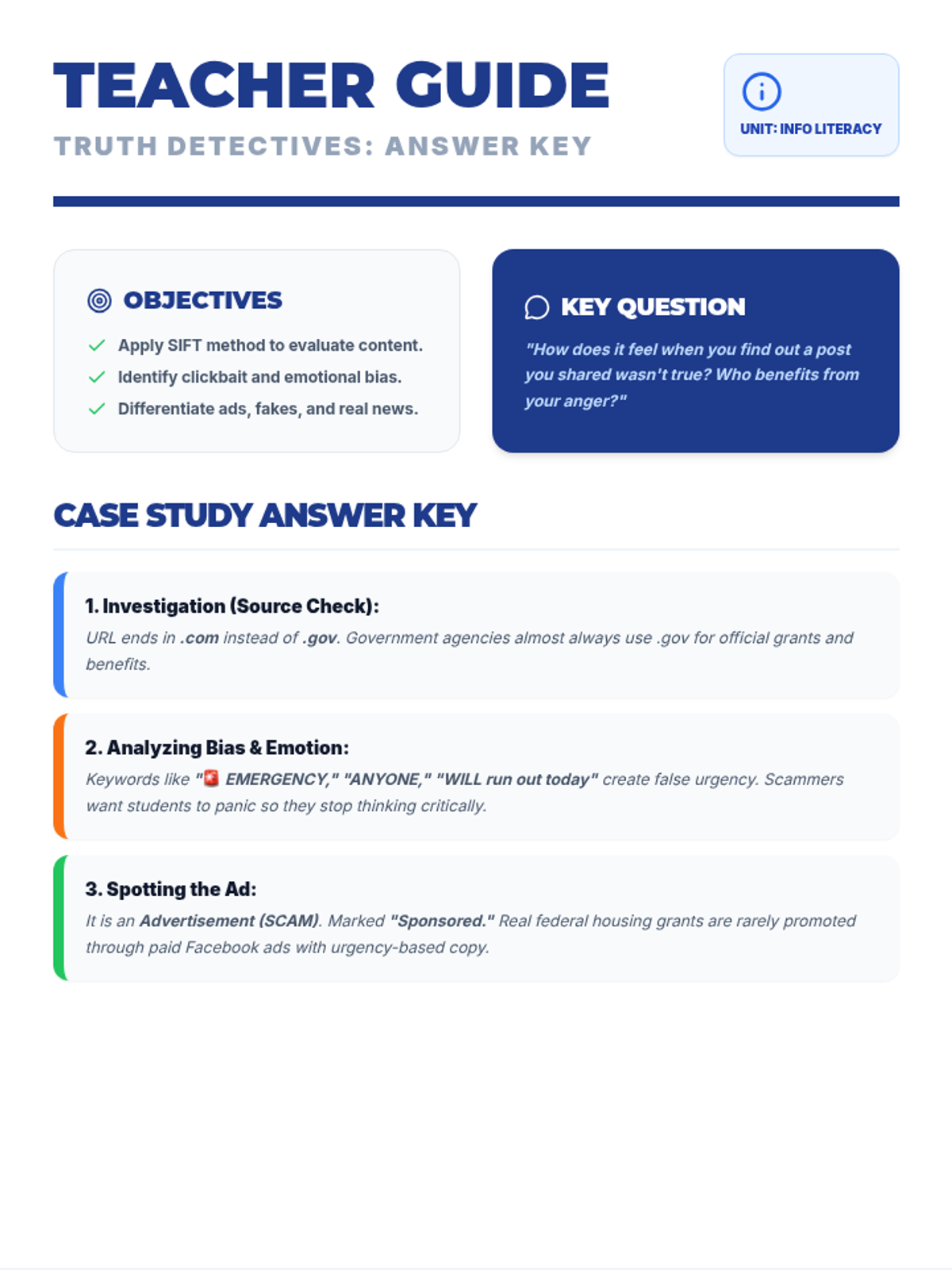
A lesson designed to empower high school students with the tools to navigate digital misinformation, focusing on the SIFT method, identifying emotional bias, and spotting sponsored content.
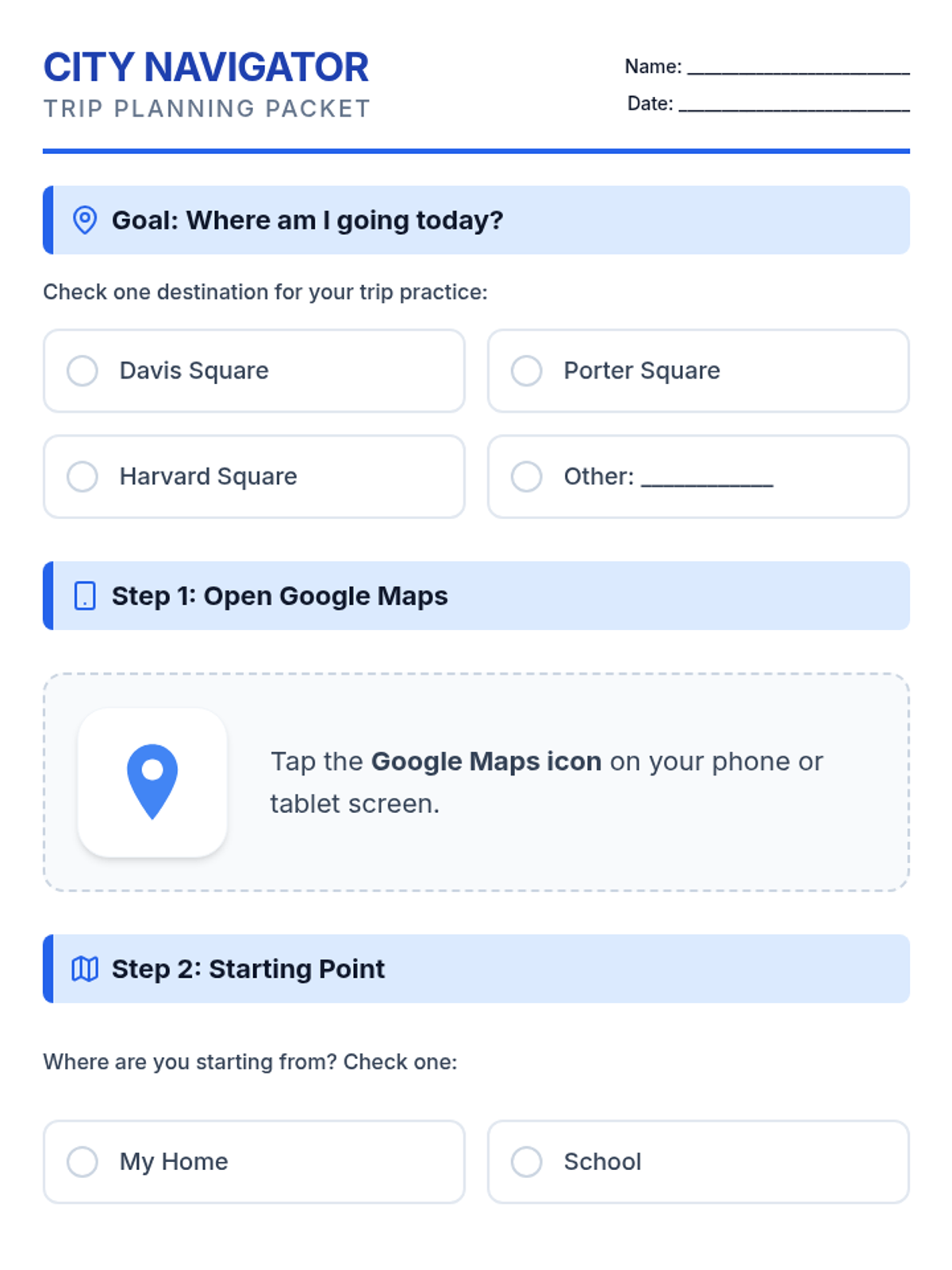
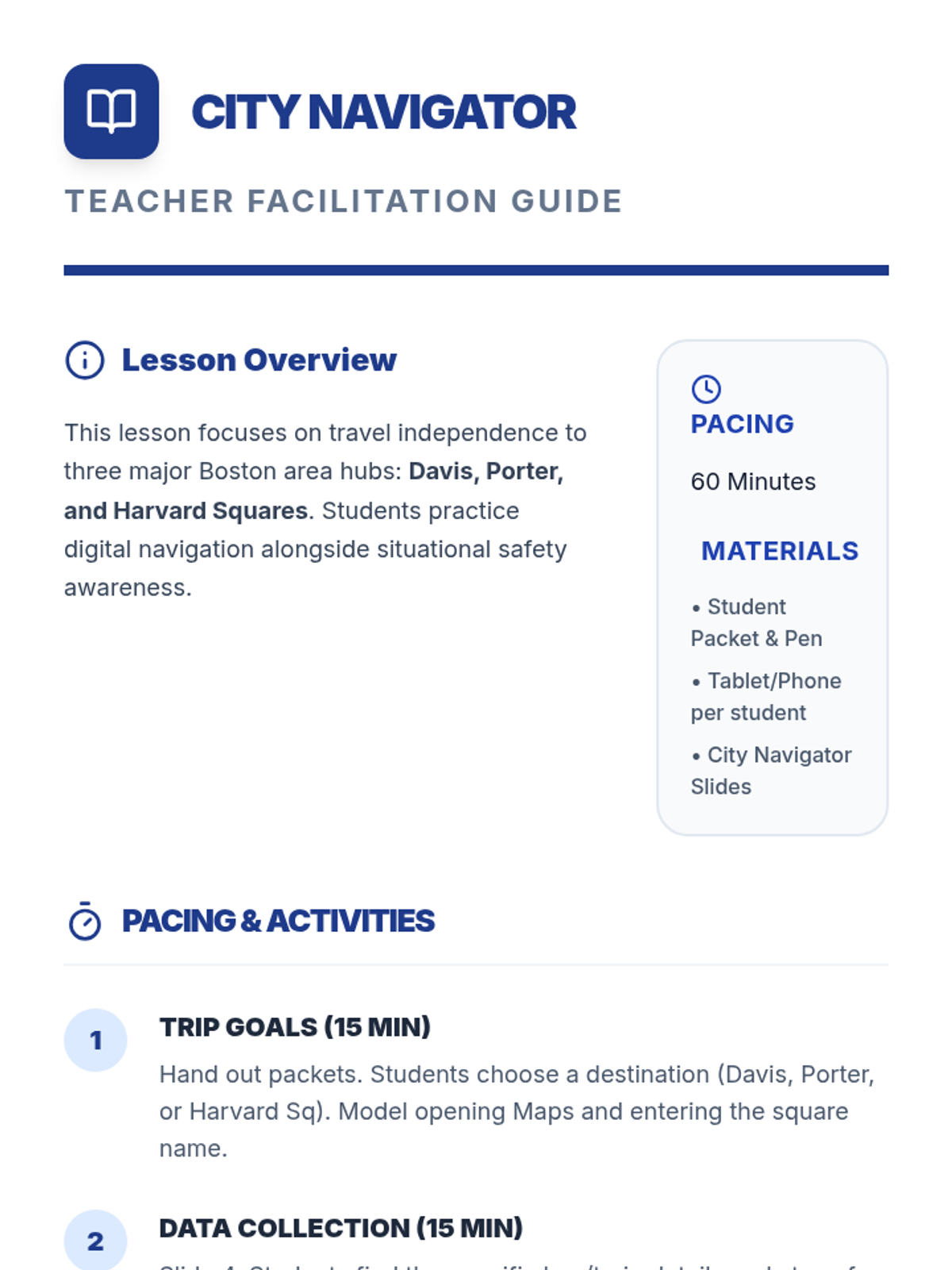
A functional travel training lesson focused on using Google Maps to plan a trip and practicing safety and etiquette on the MBTA. Students will navigate a step-by-step planning process and evaluate safe vs. unsafe behaviors in transit environments.
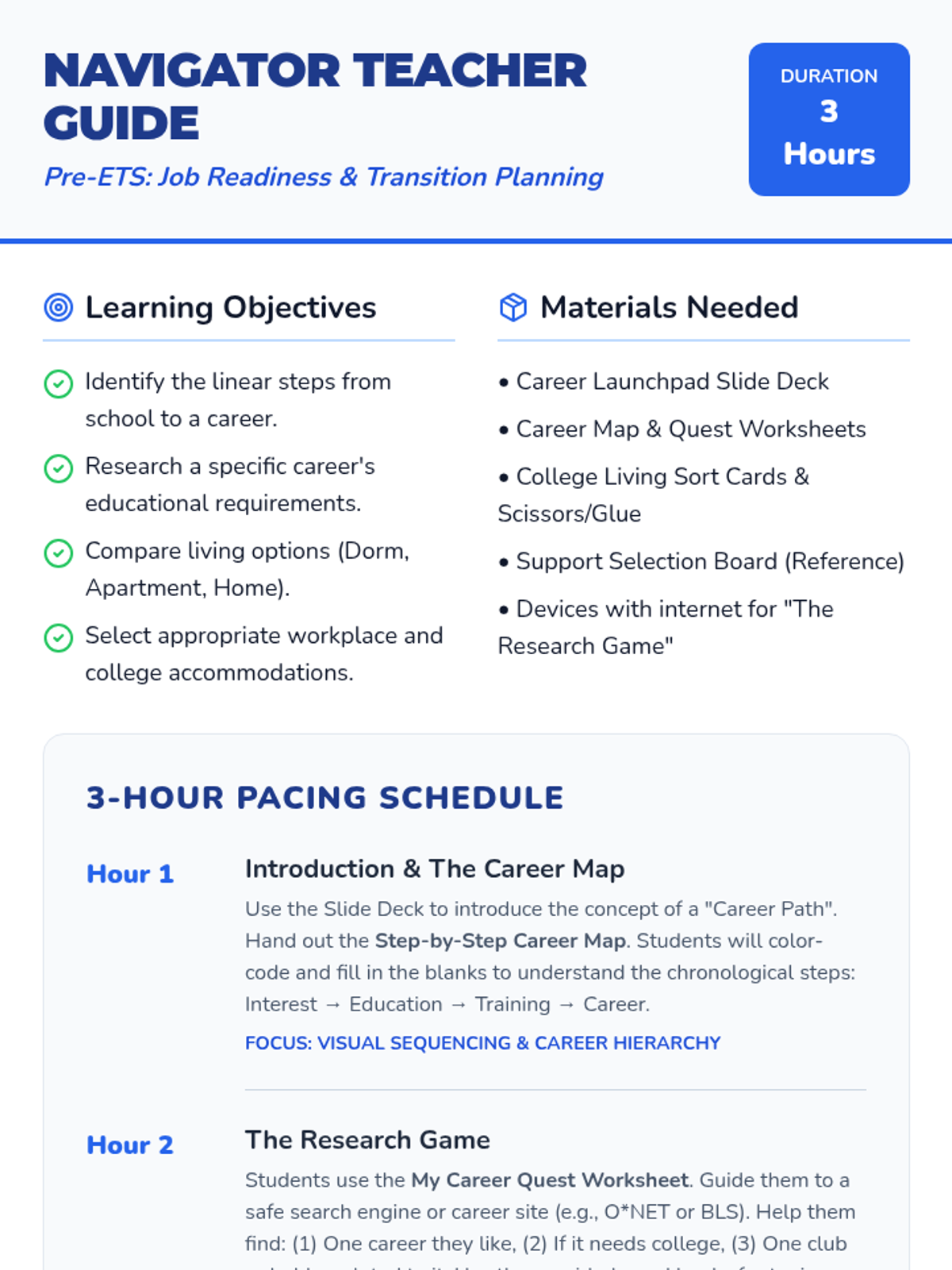
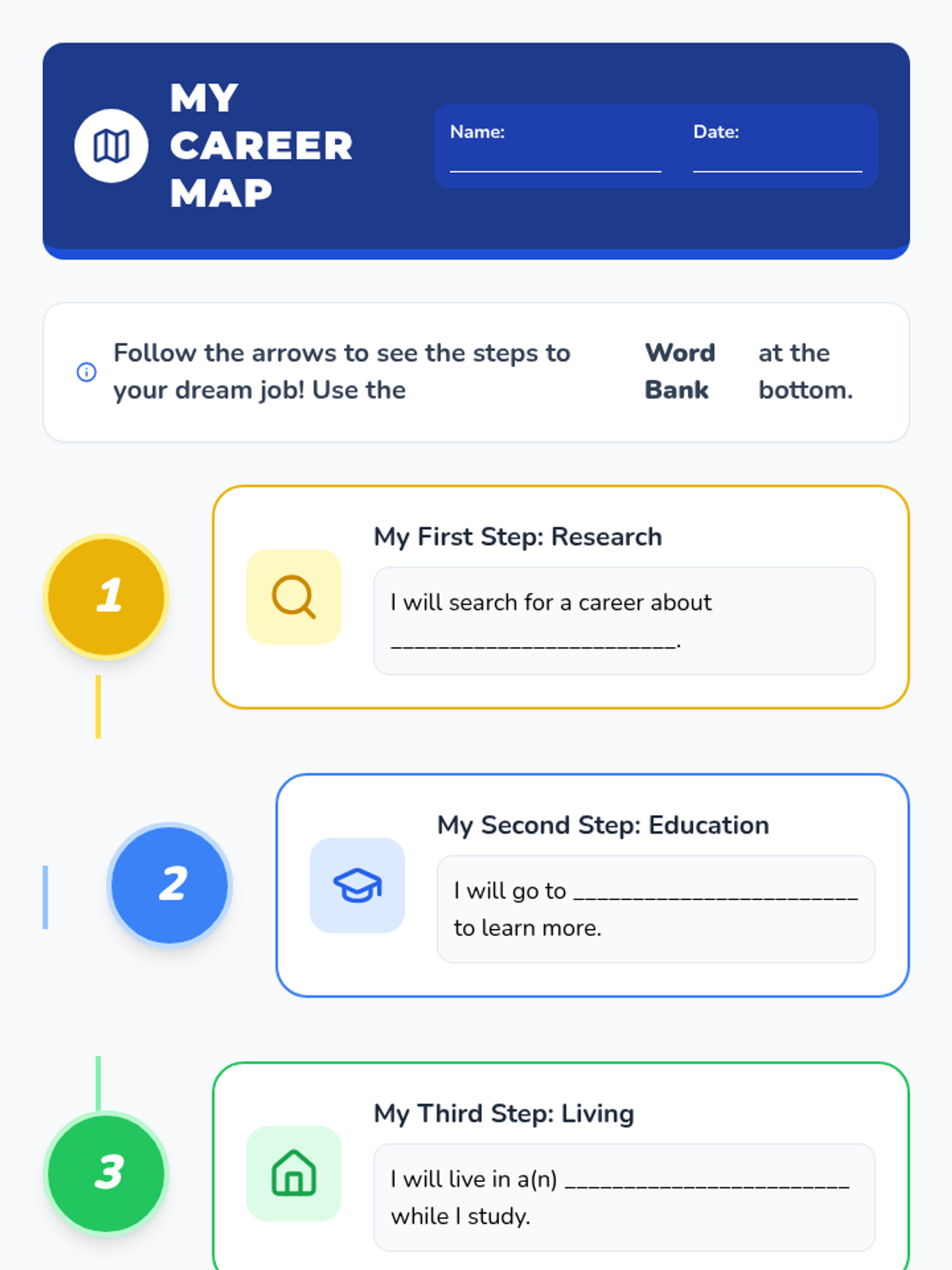
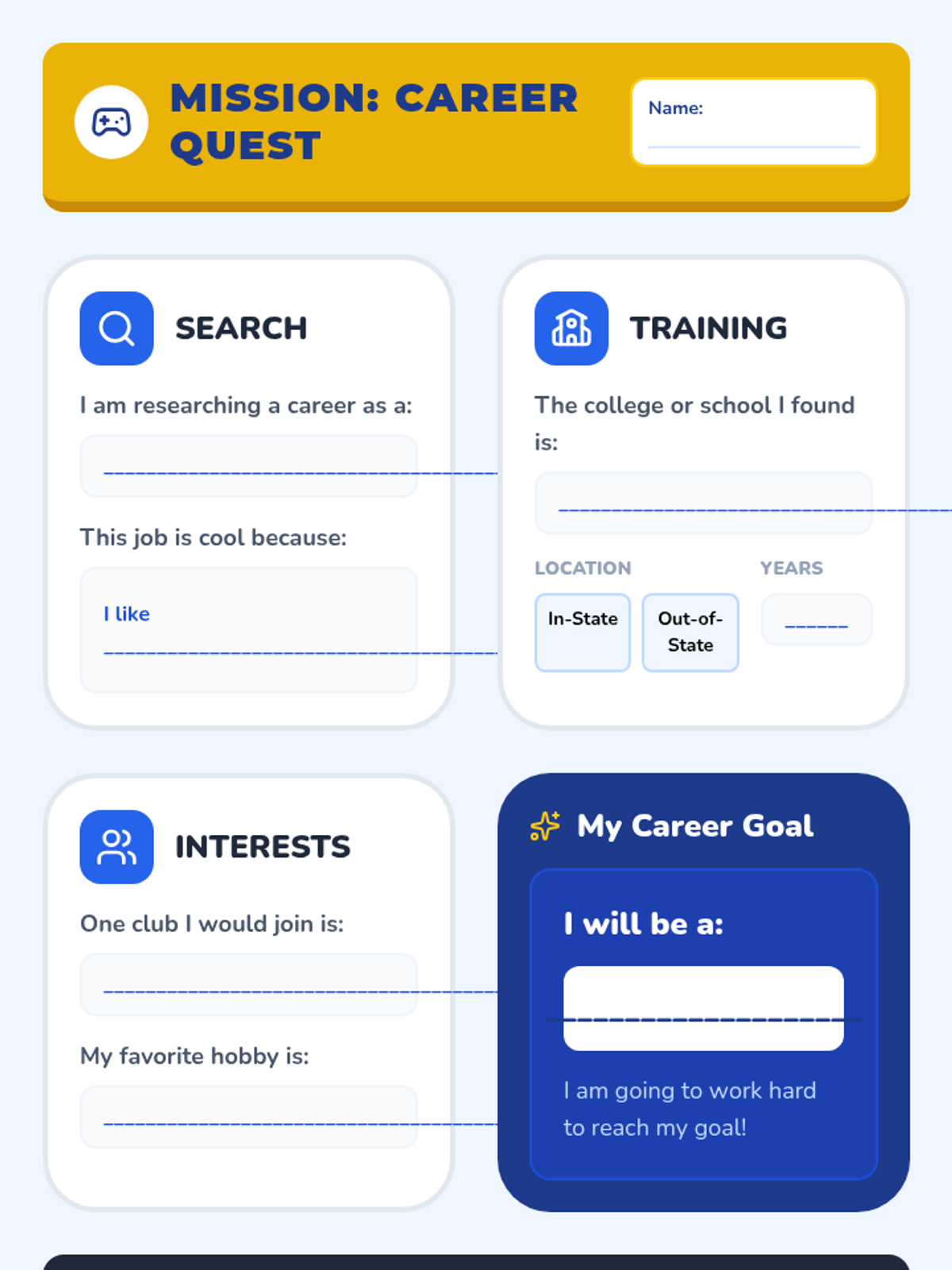
A comprehensive 3-hour Pre-ETS lesson focused on career pathways, college research, and independent living for students with autism. This lesson uses high-structure visual supports, sentence starters, and choice boards to guide students through the transition planning process.
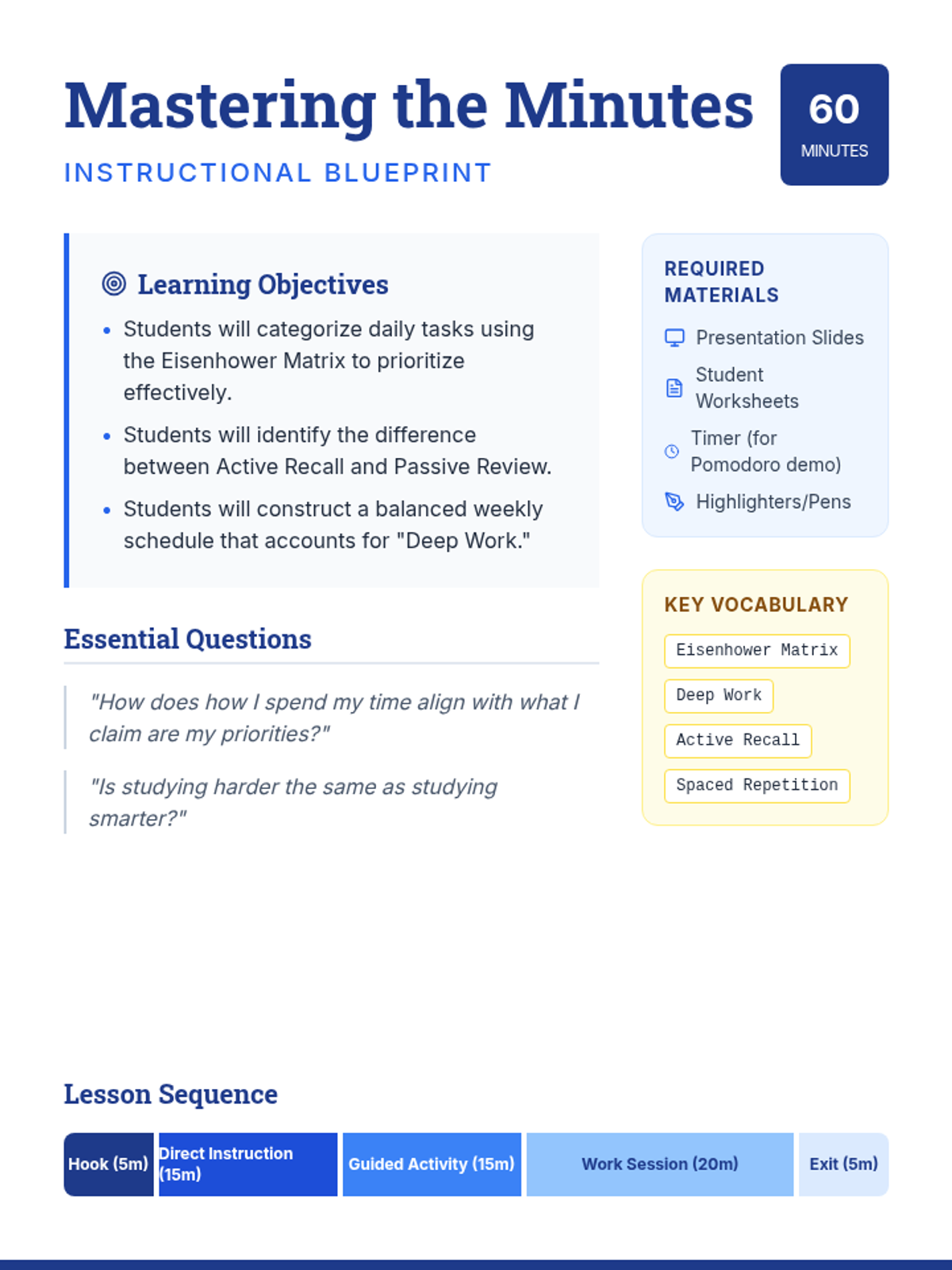
A comprehensive lesson on time management and effective study habits, focusing on prioritization, scheduling, and active study techniques to prepare students for post-secondary success.
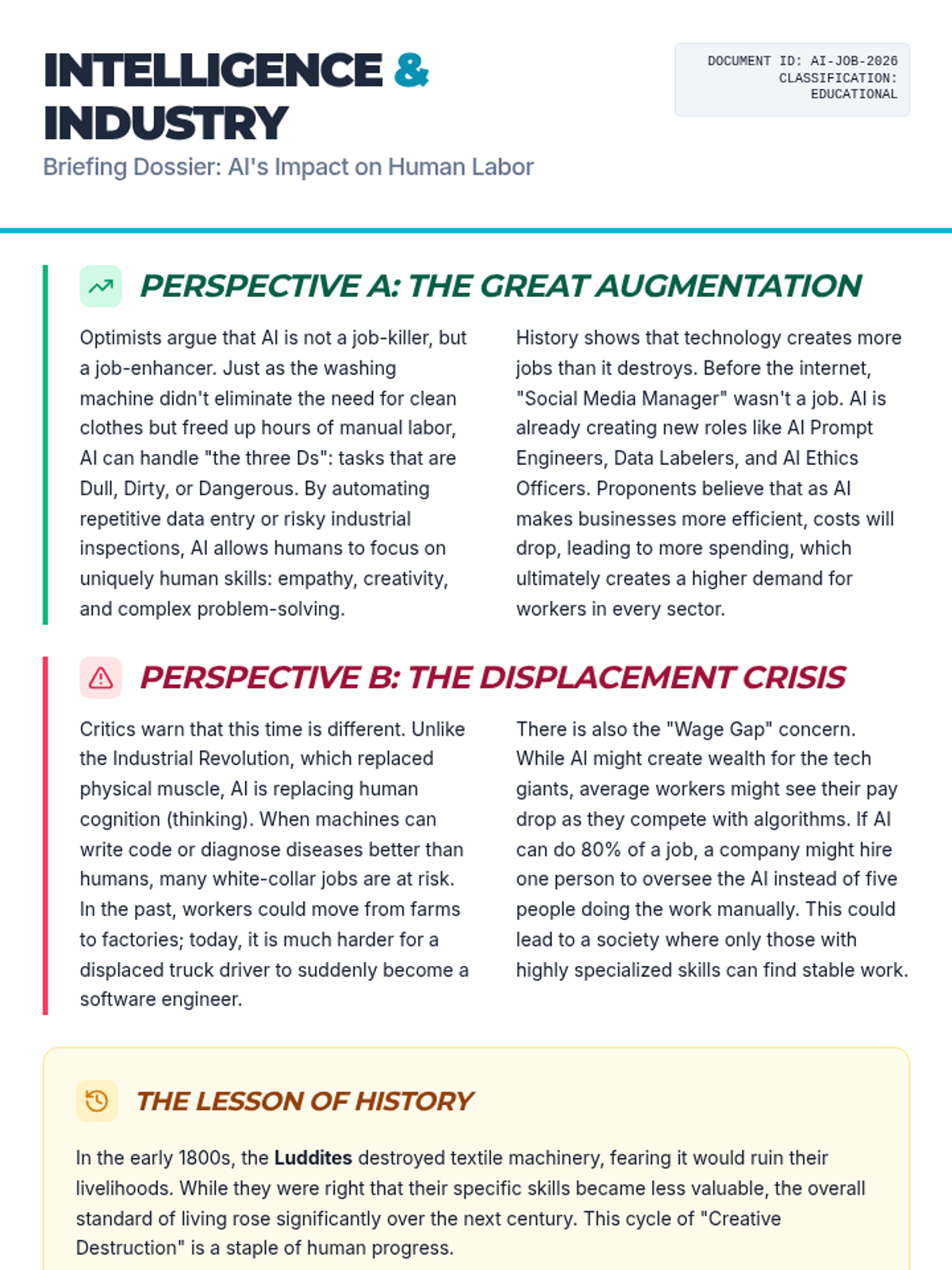
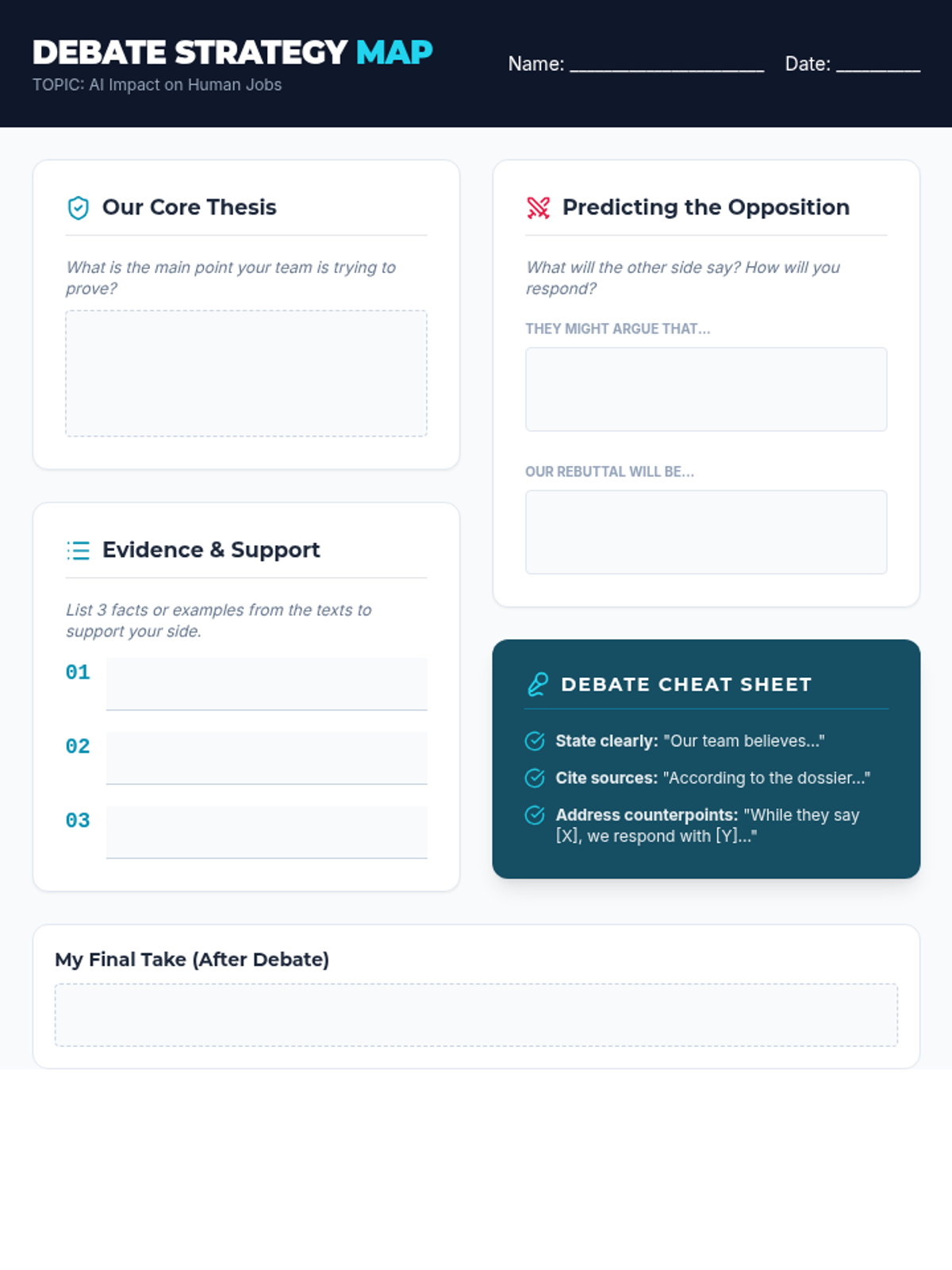
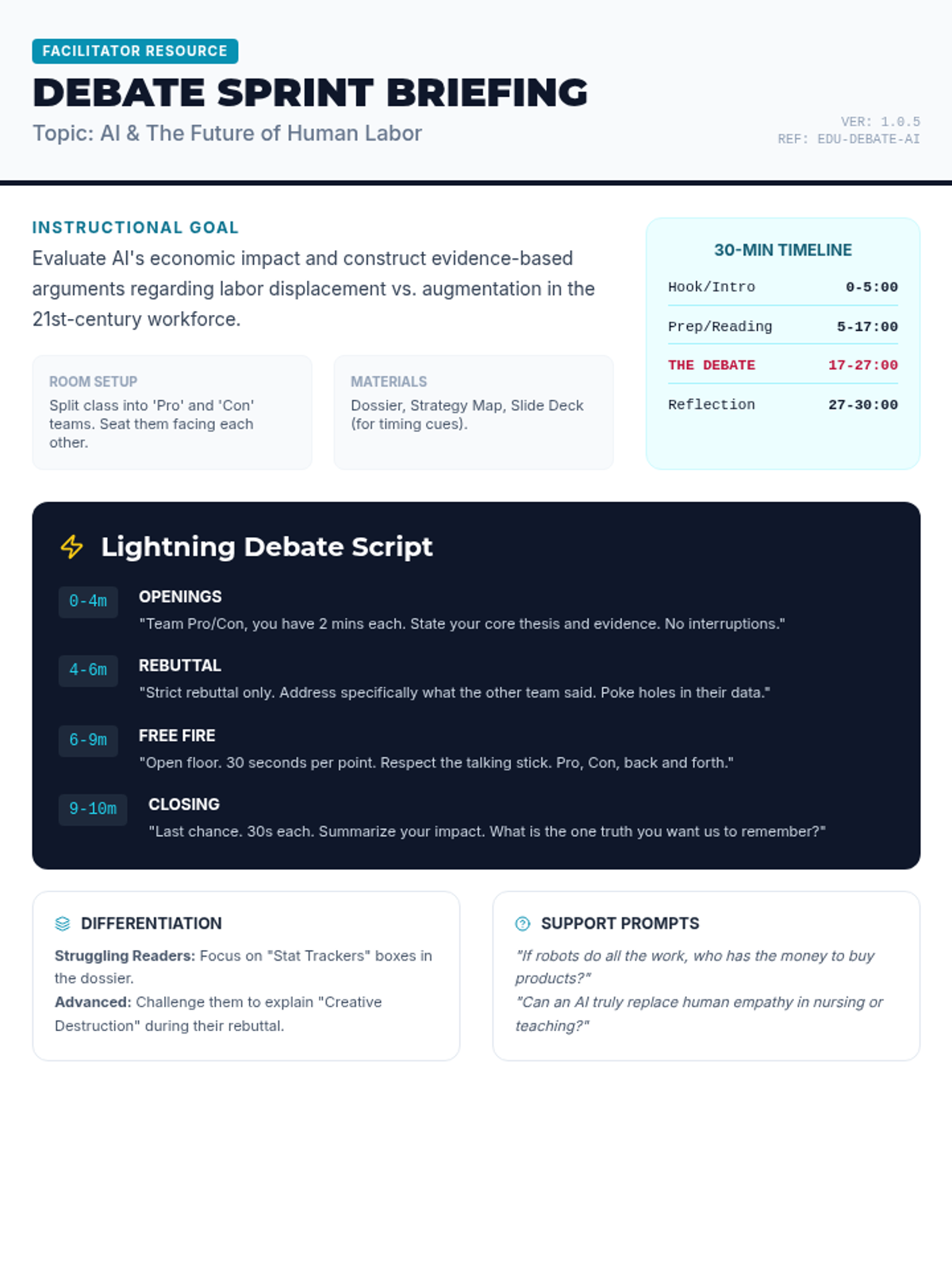
A fast-paced, 30-minute debate activity where students explore the complex impact of Artificial Intelligence on the future of human employment. Students analyze evidence, prepare arguments, and engage in a structured 'lightning' debate.
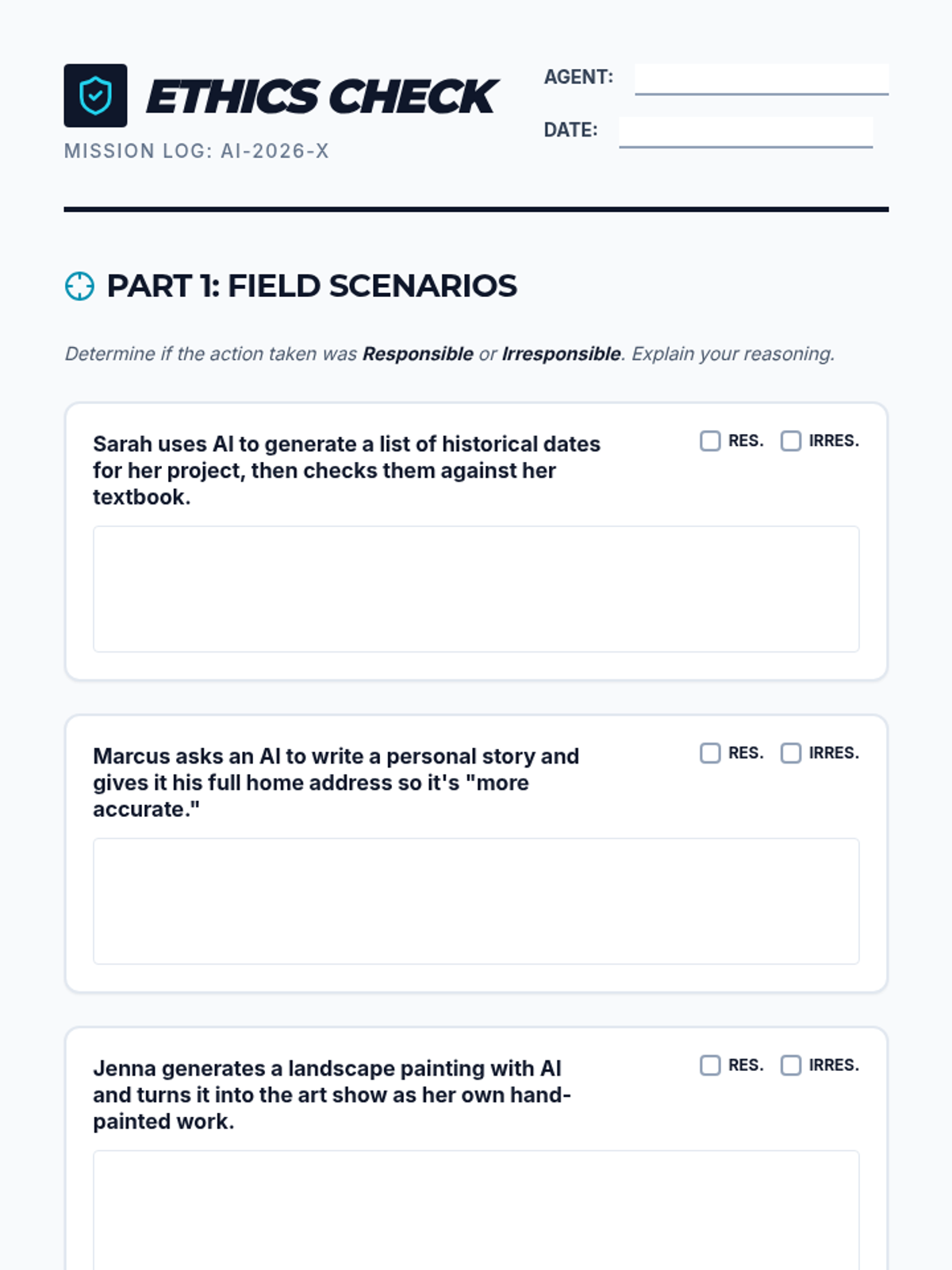
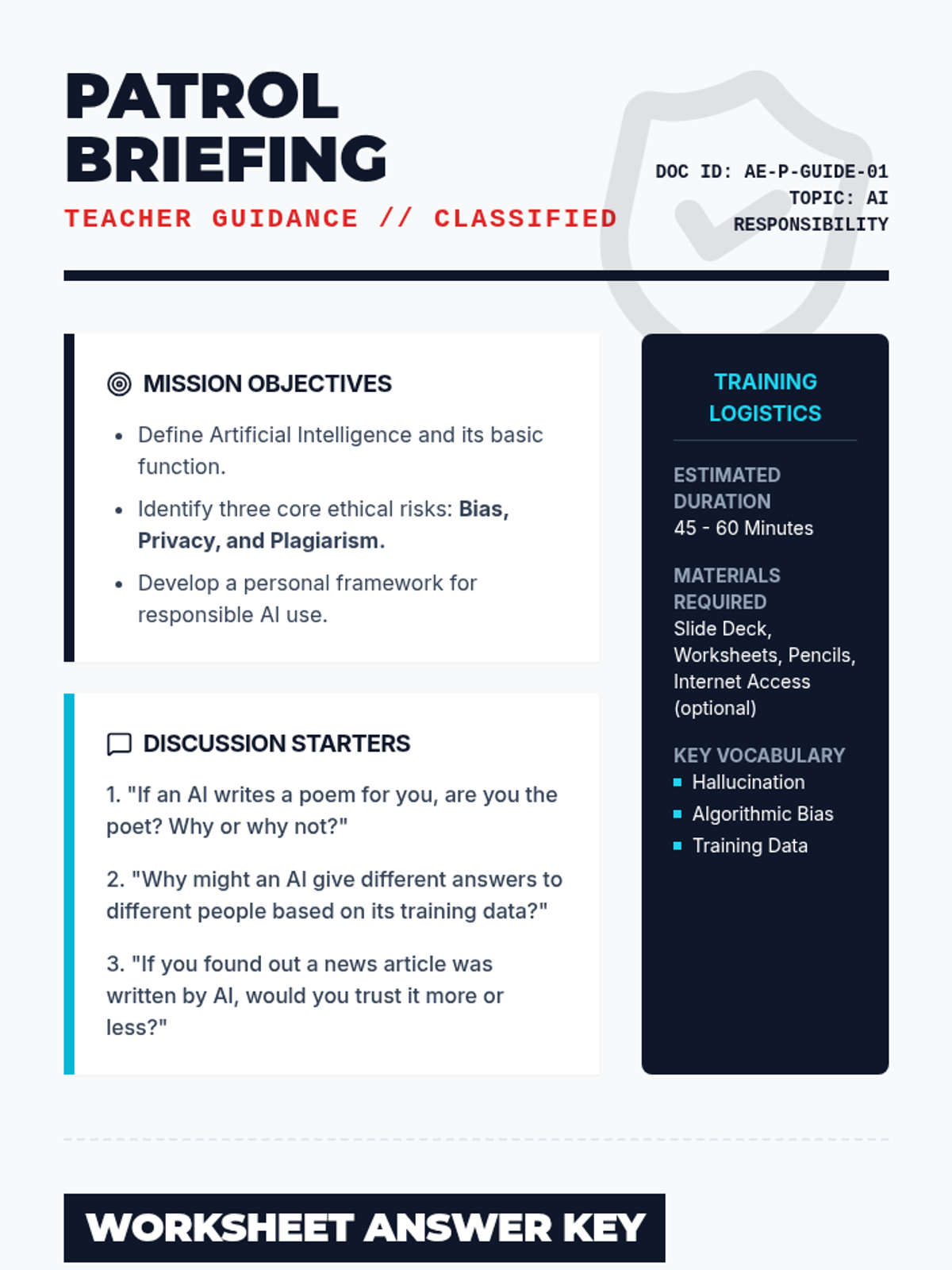
A comprehensive lesson on the ethical and responsible use of artificial intelligence. Students explore topics like bias, privacy, and academic integrity through interactive scenarios and critical thinking exercises.
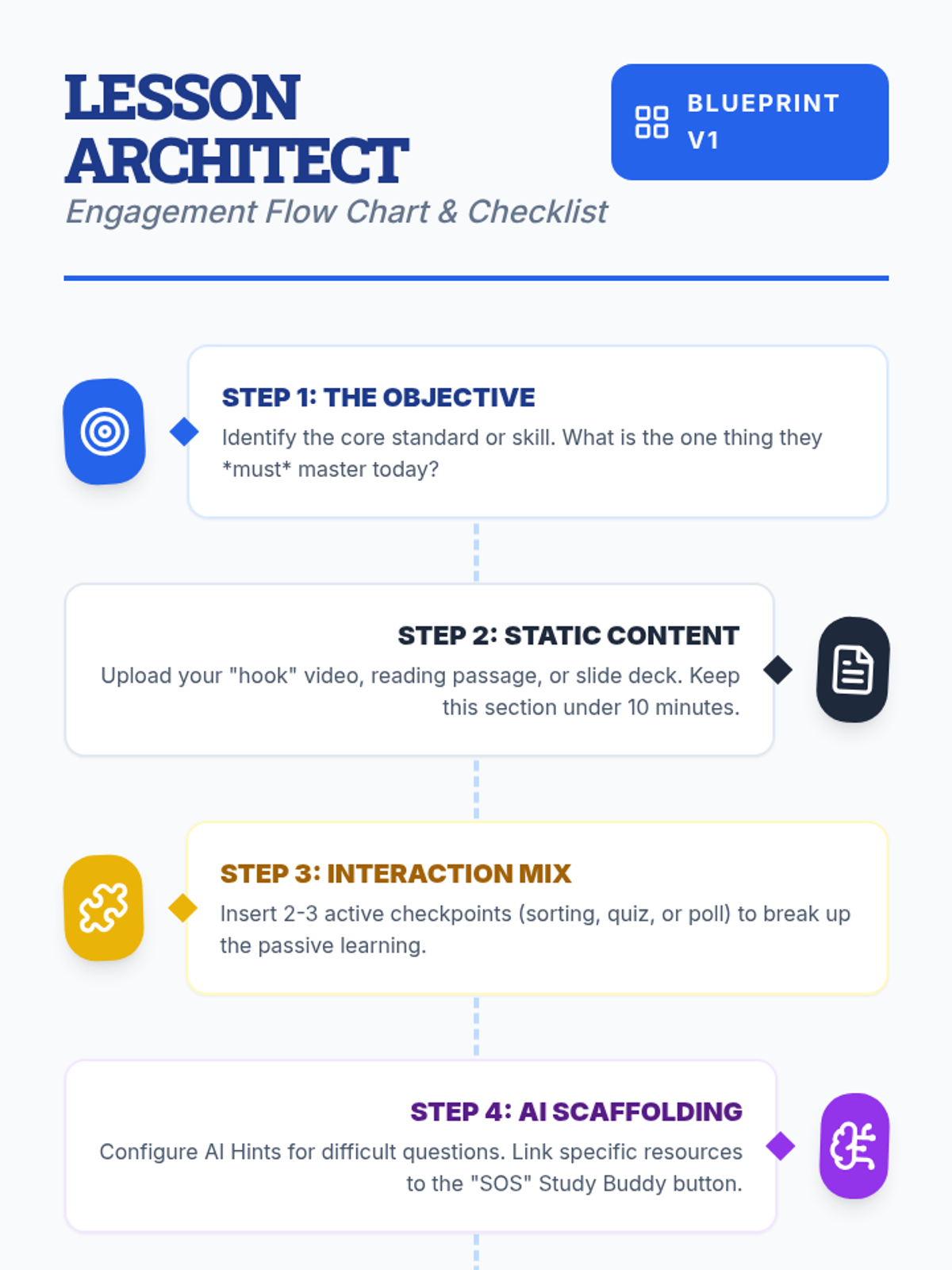
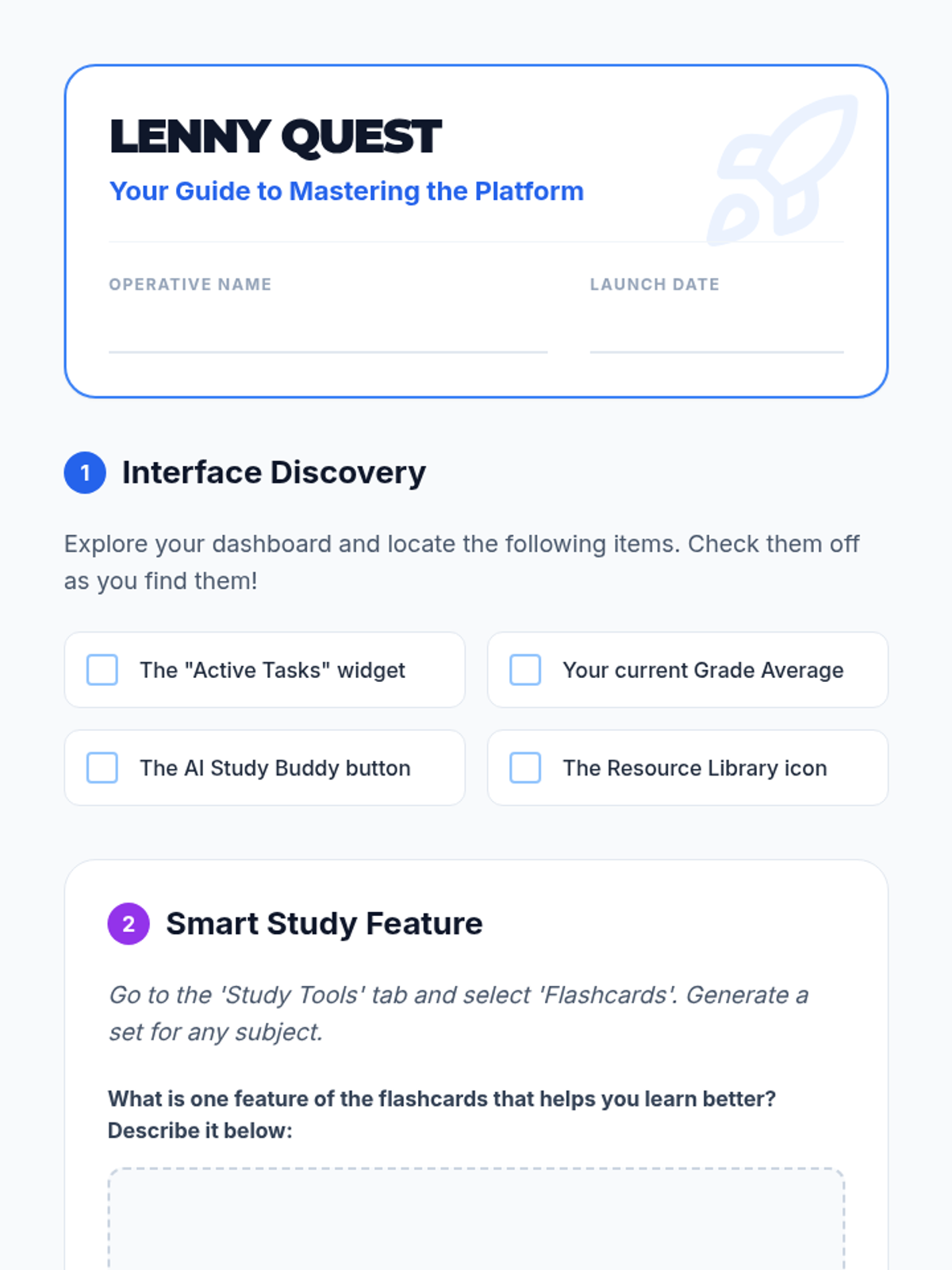
Teachers will learn how to design interactive, engaging lessons on Lenny Learning using advanced content types, gamification, and collaborative tools.
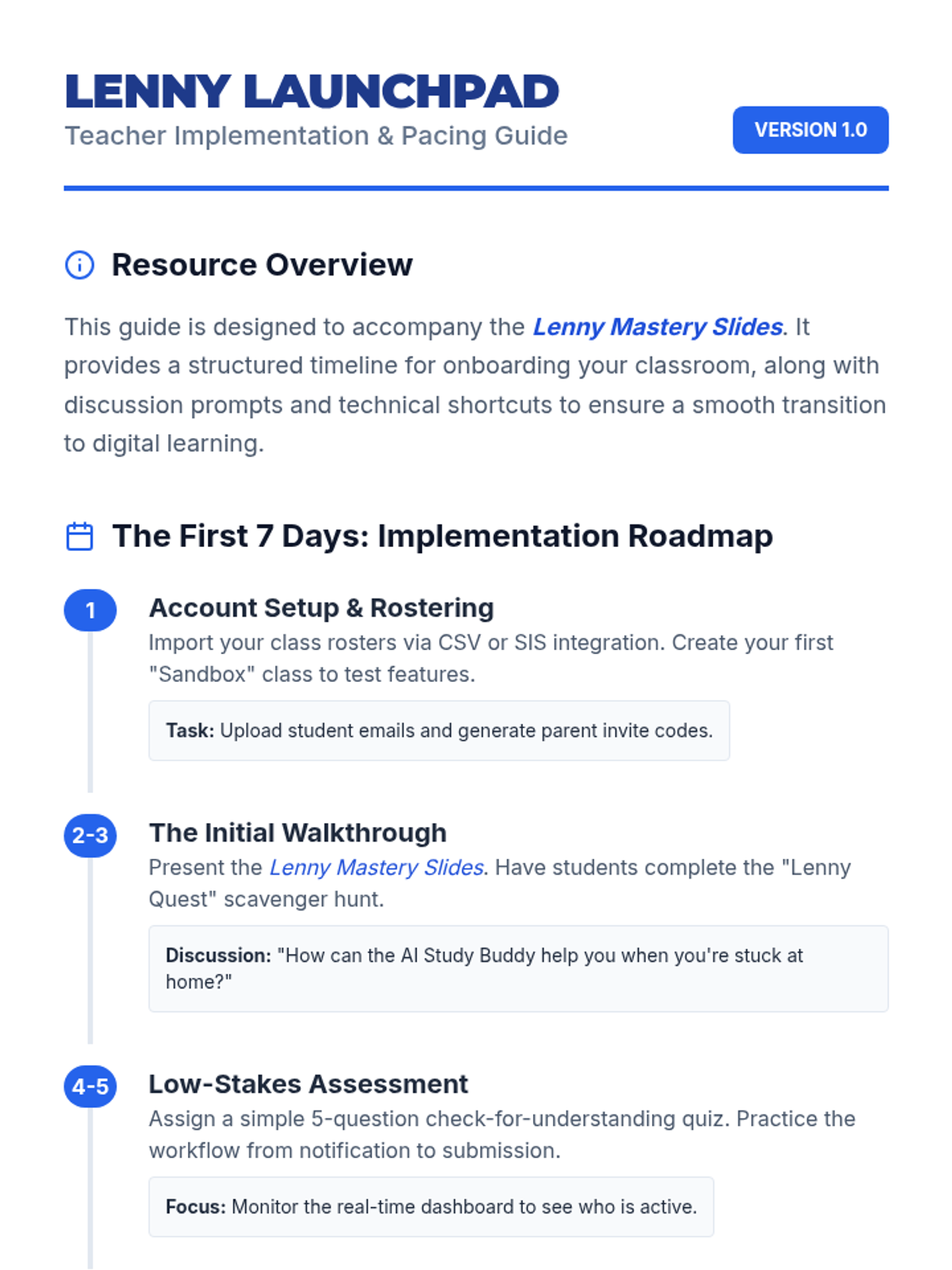
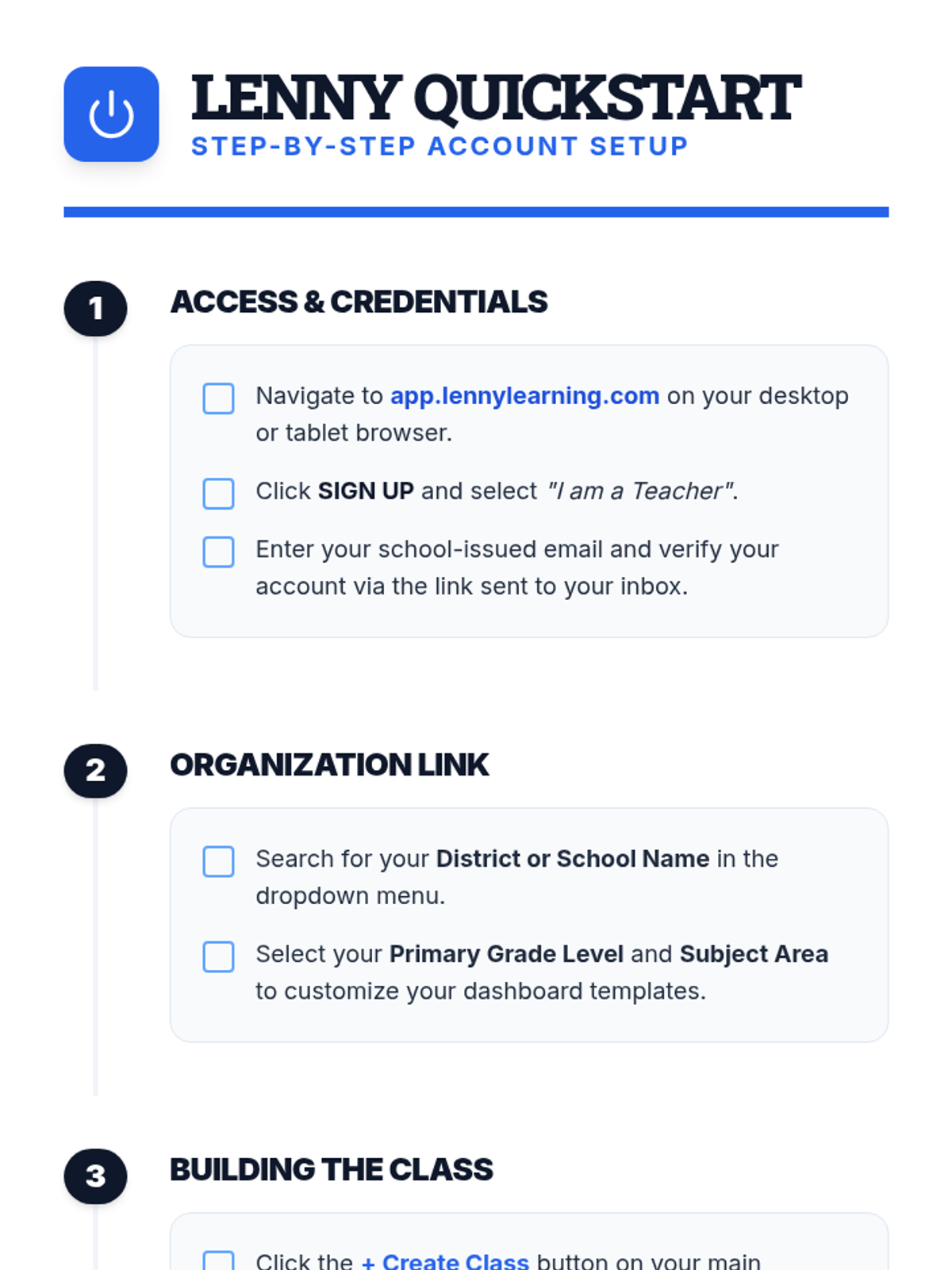
A comprehensive introduction for teachers to the Lenny Learning platform, covering the core assignment workflow, study tools, and administrative features.
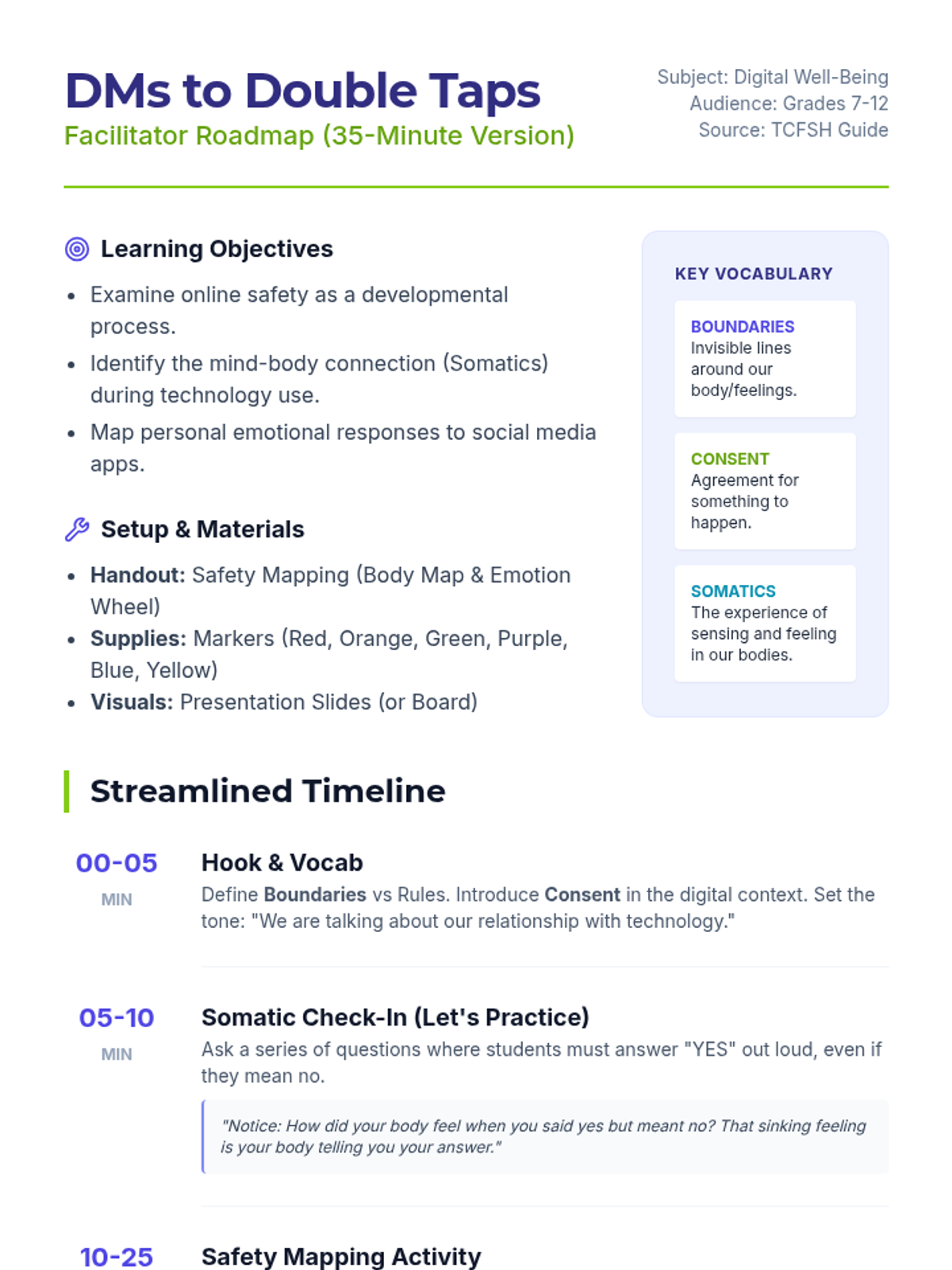
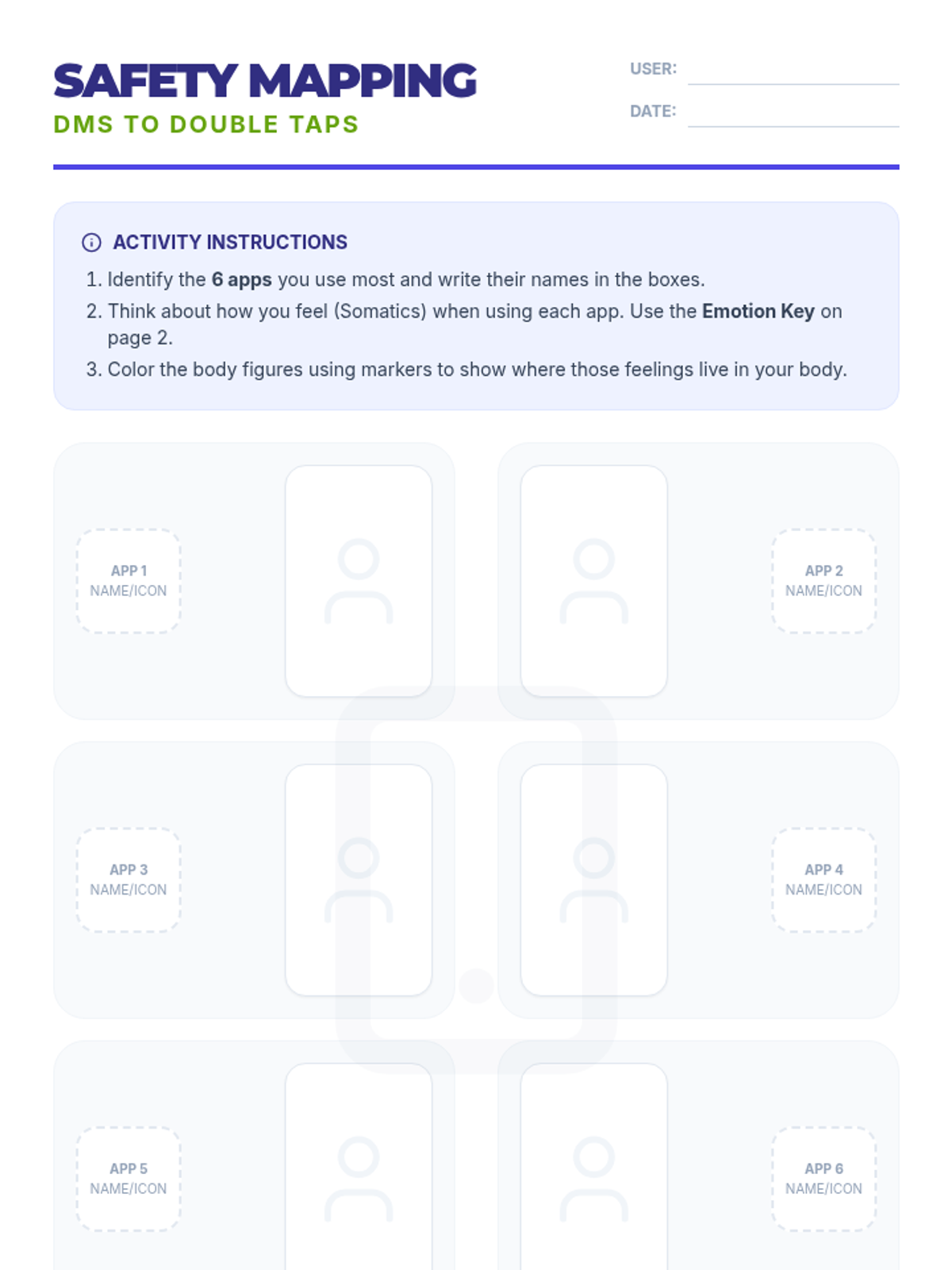
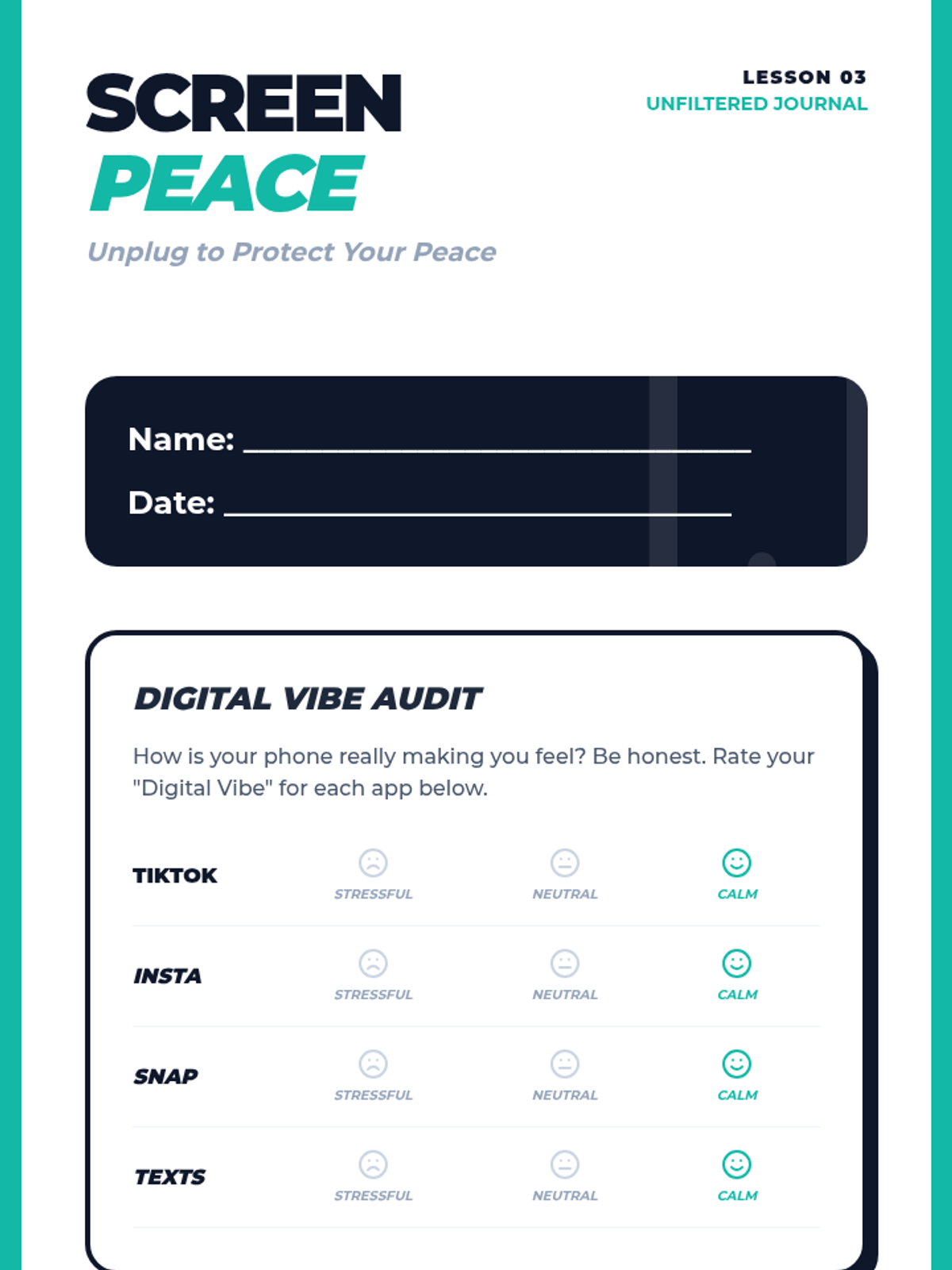
A 35-minute interactive session exploring the mind-body connection with social media. Students use somatic mapping to identify emotional triggers in their most-used apps and learn strategies for digital safety based on the TCFSH 'DMs to Double Taps' guide.
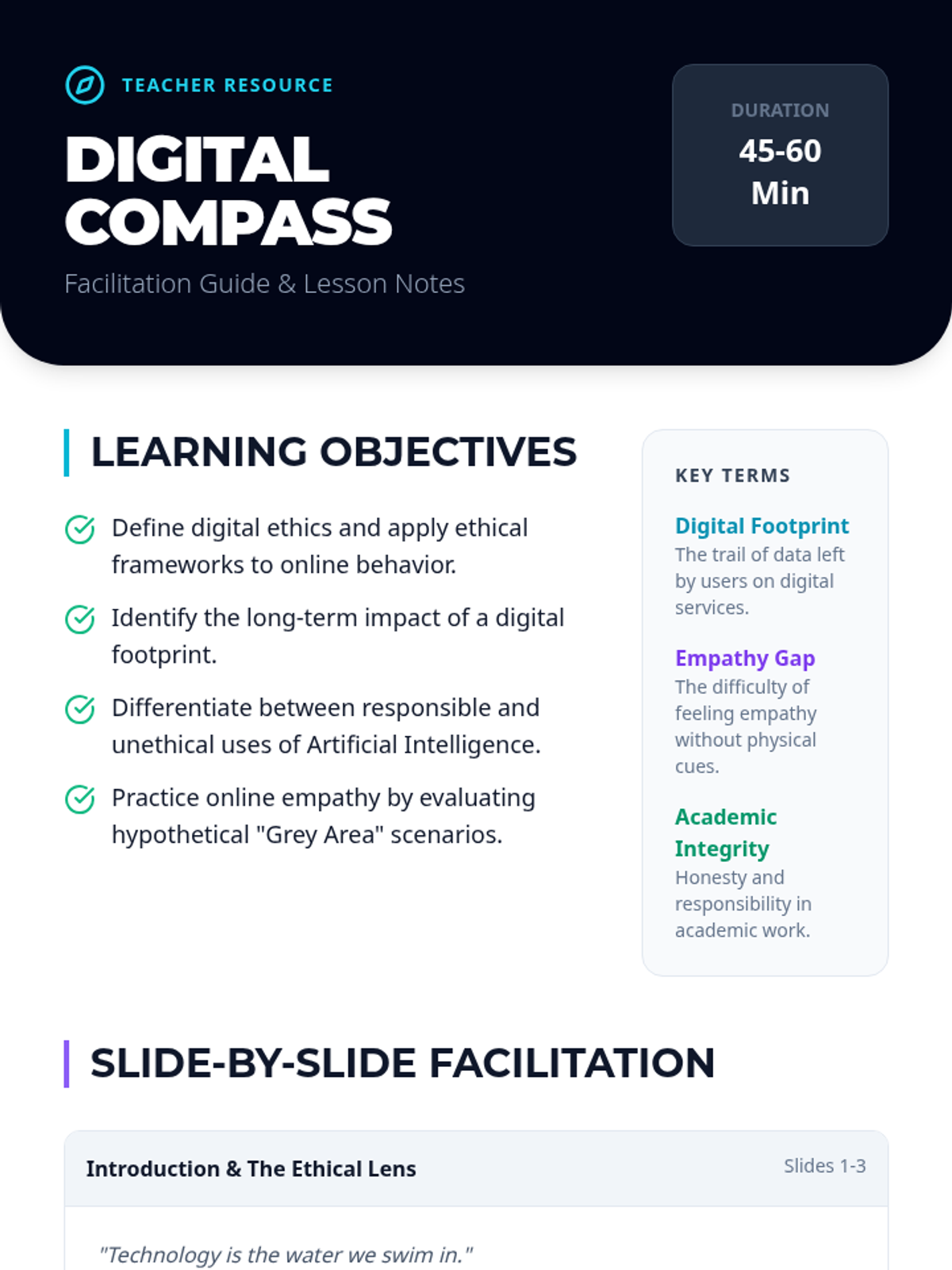
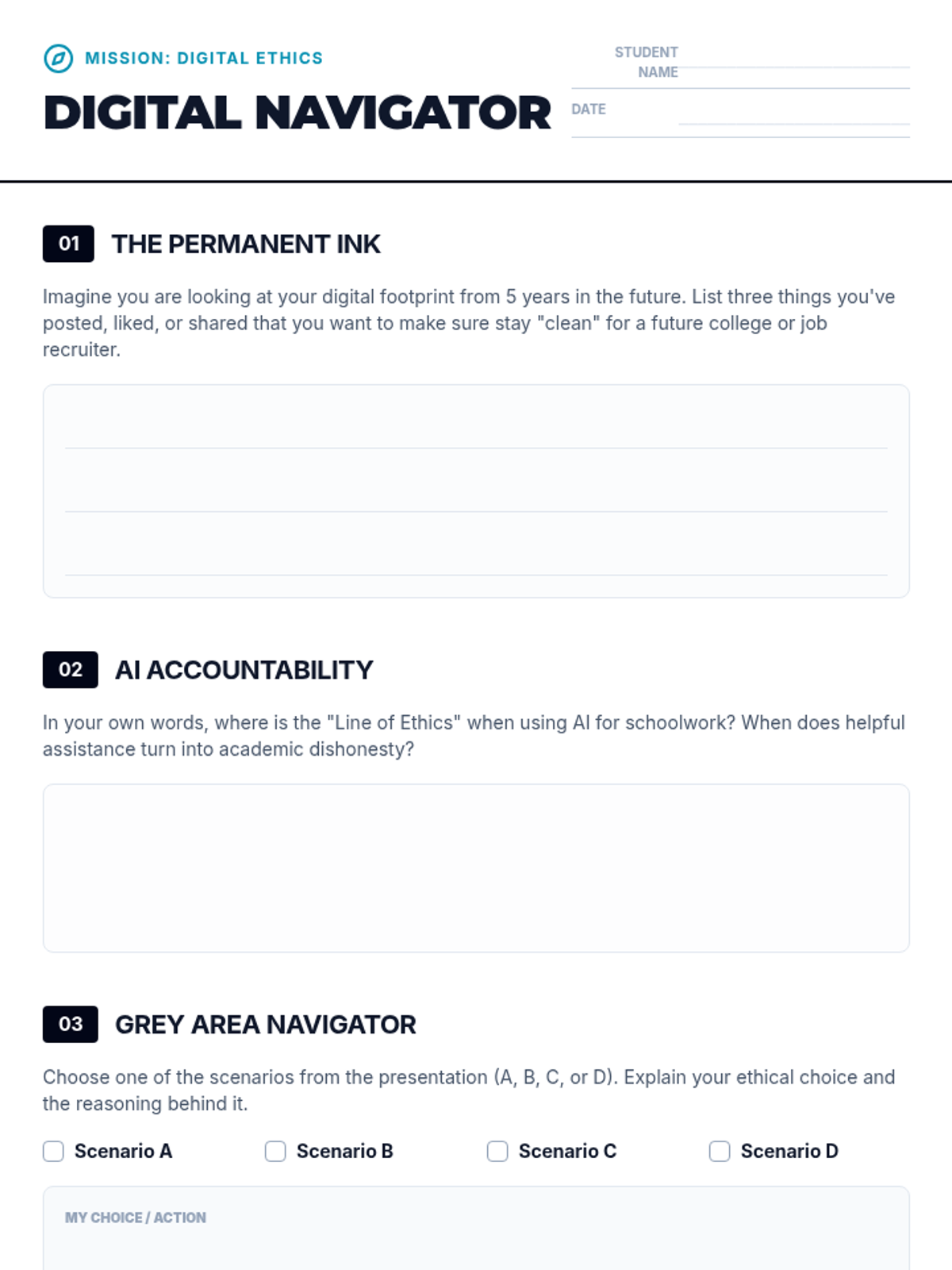
A comprehensive lesson exploring the ethical implications of digital technology use for students, covering privacy, digital footprints, AI responsibility, and online empathy.
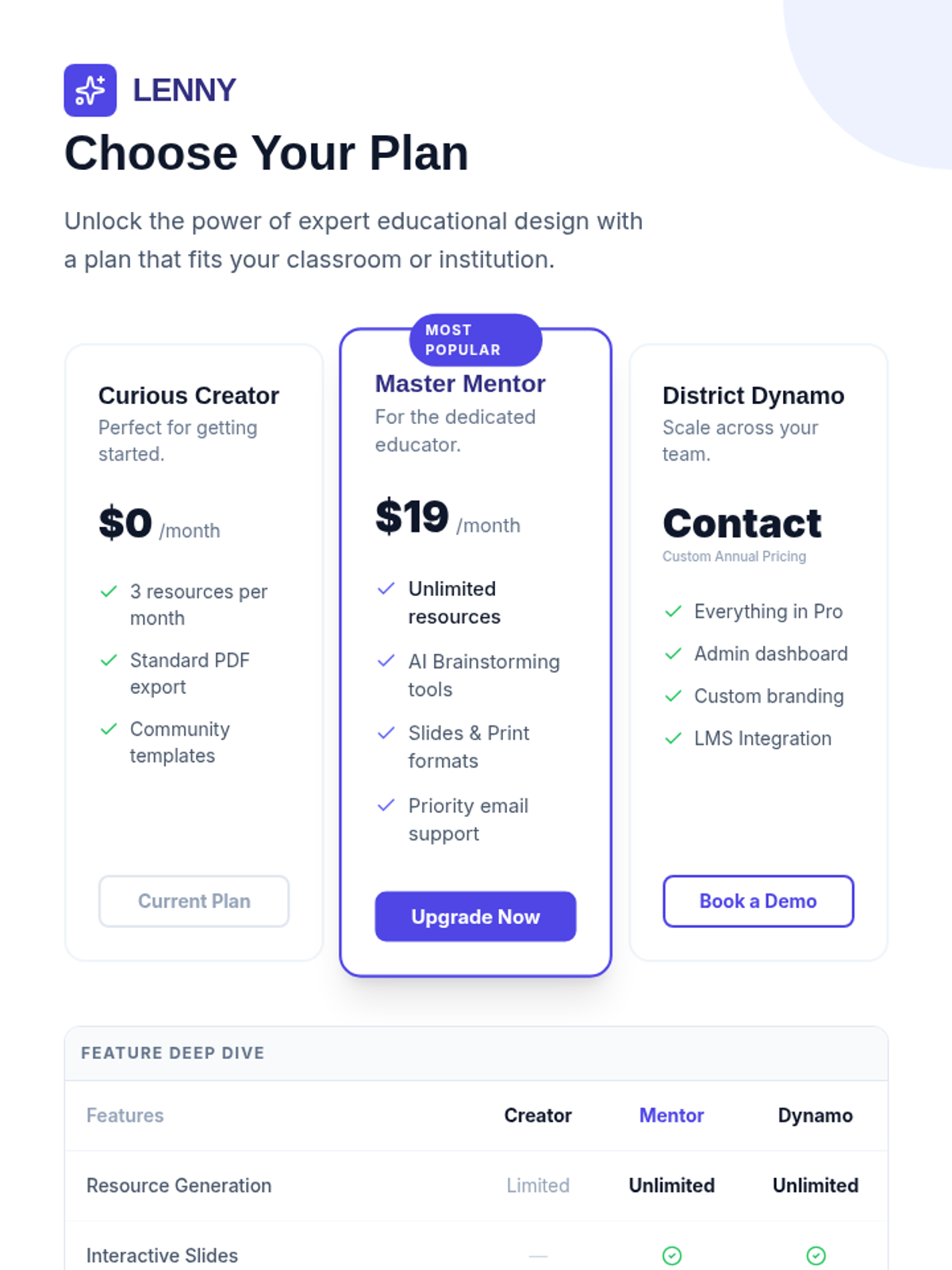
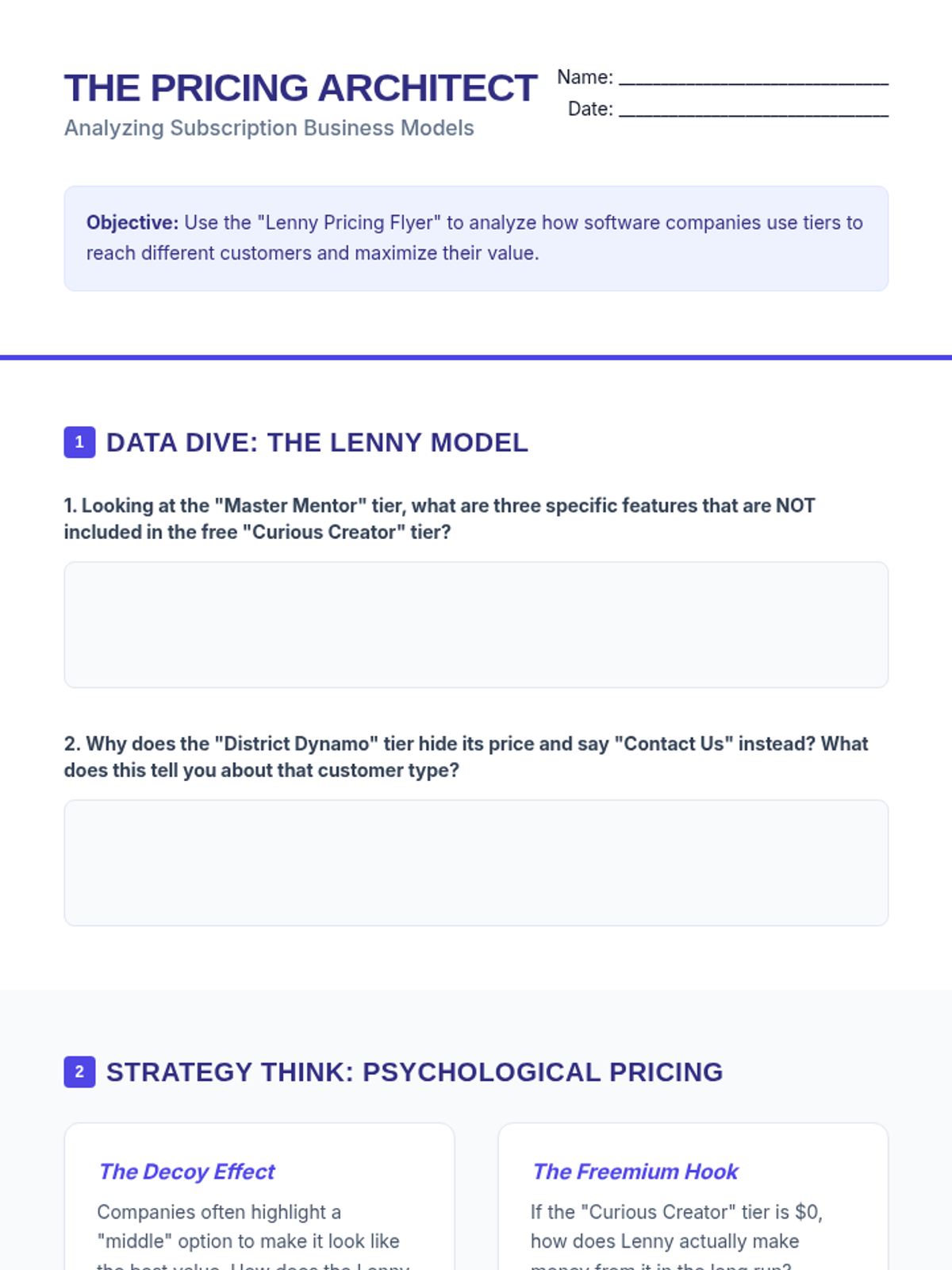
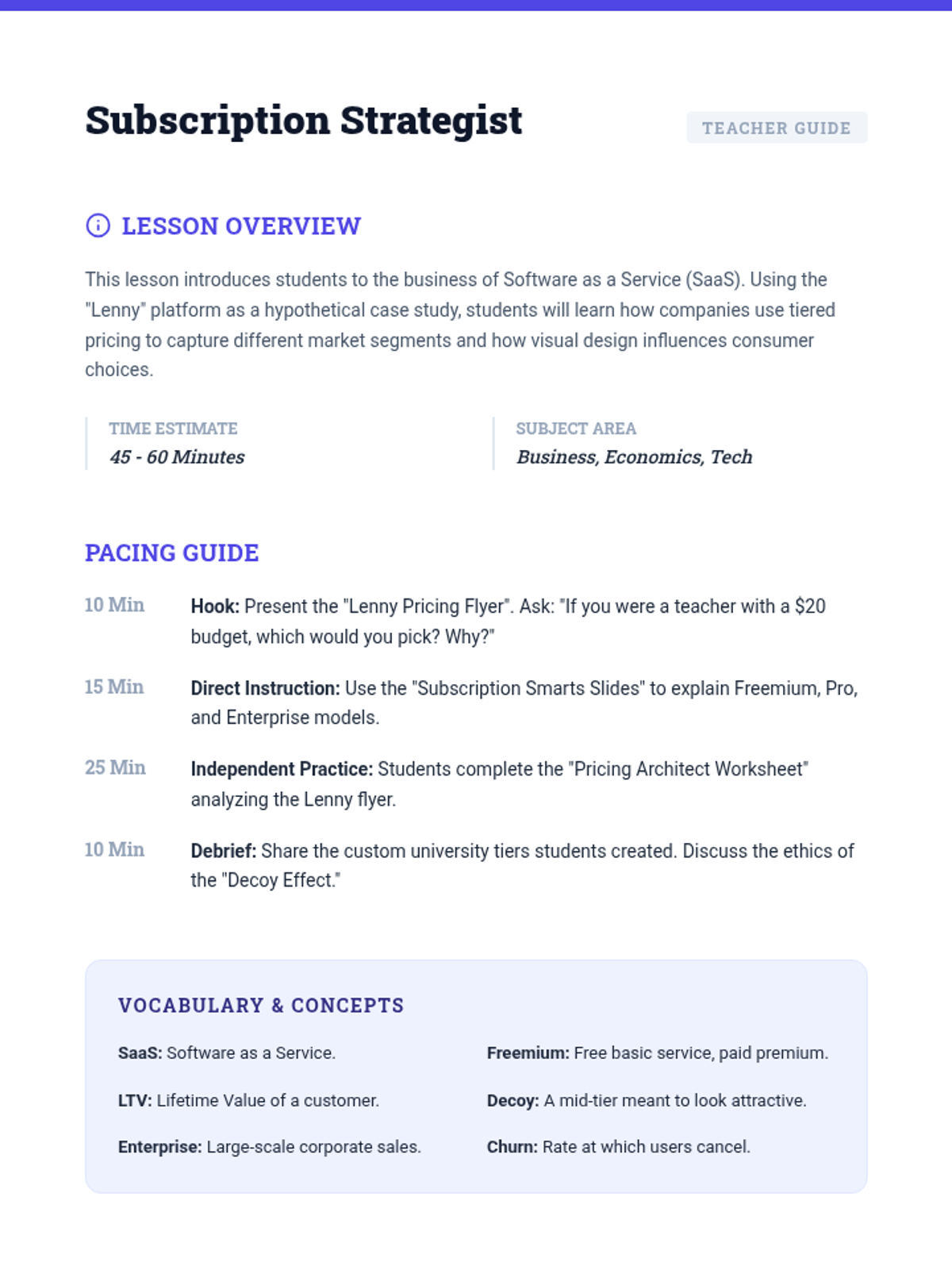
An introductory lesson on business models and subscription pricing in the tech industry, using a hypothetical educational platform as a case study.
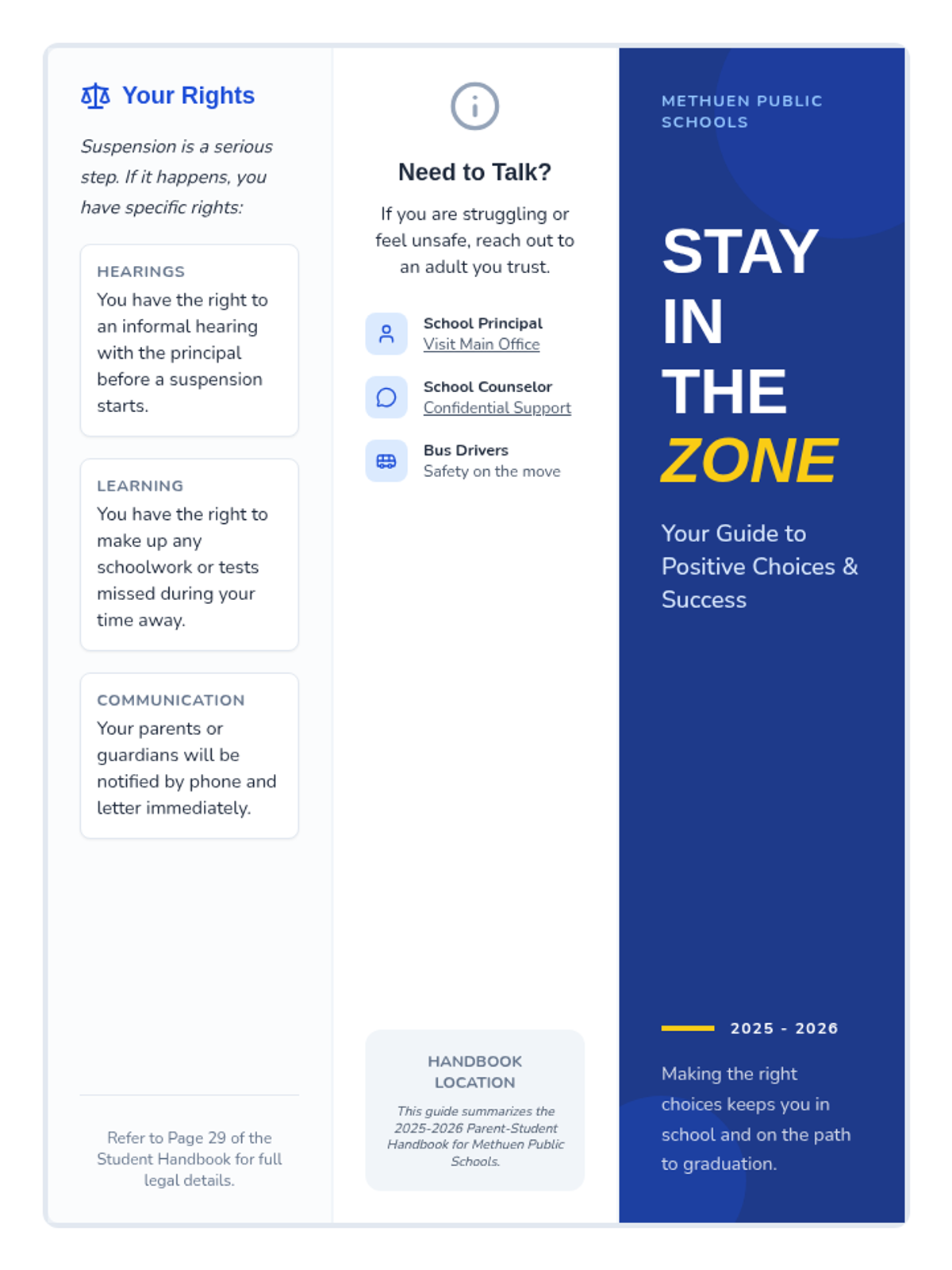
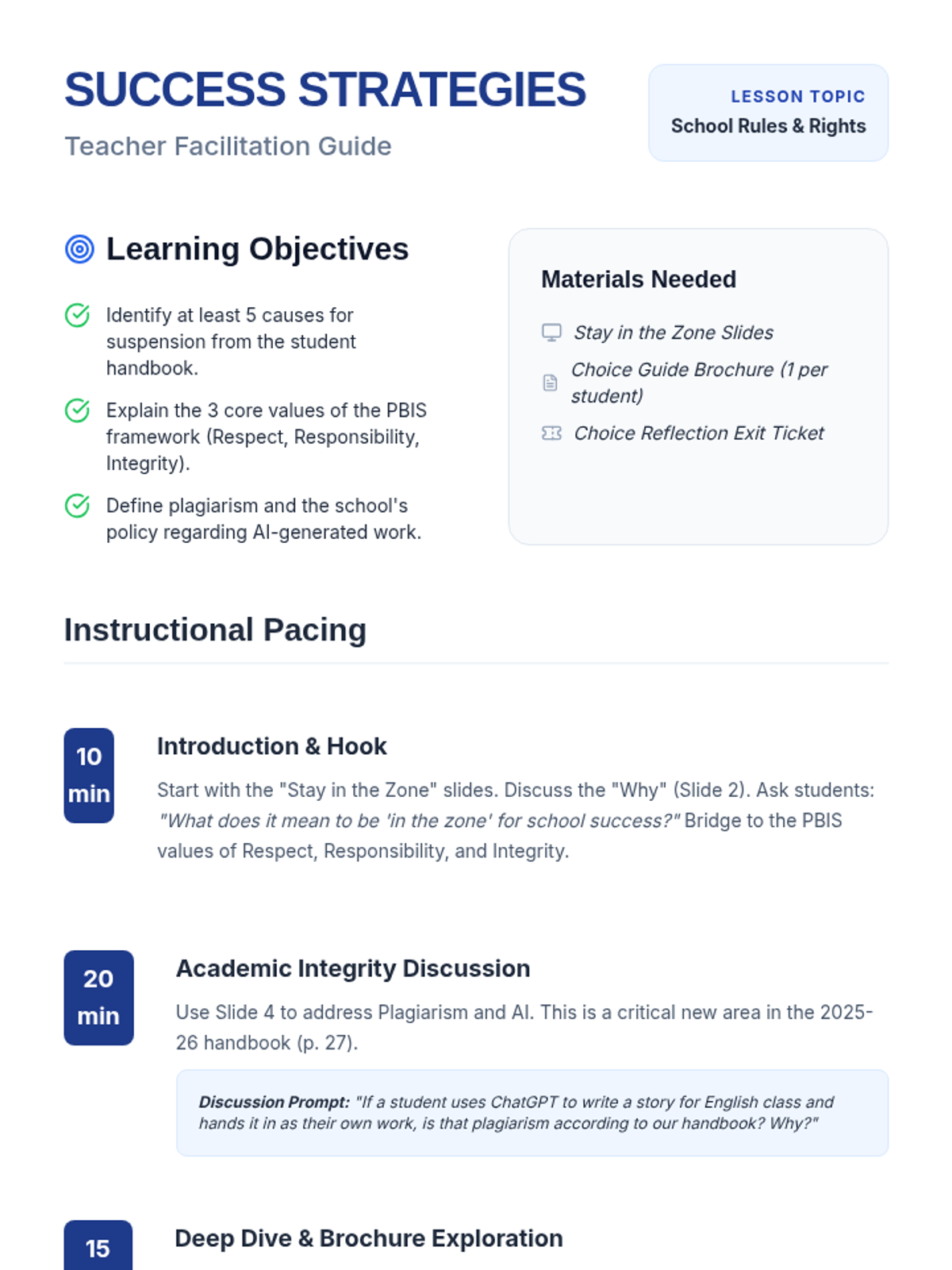
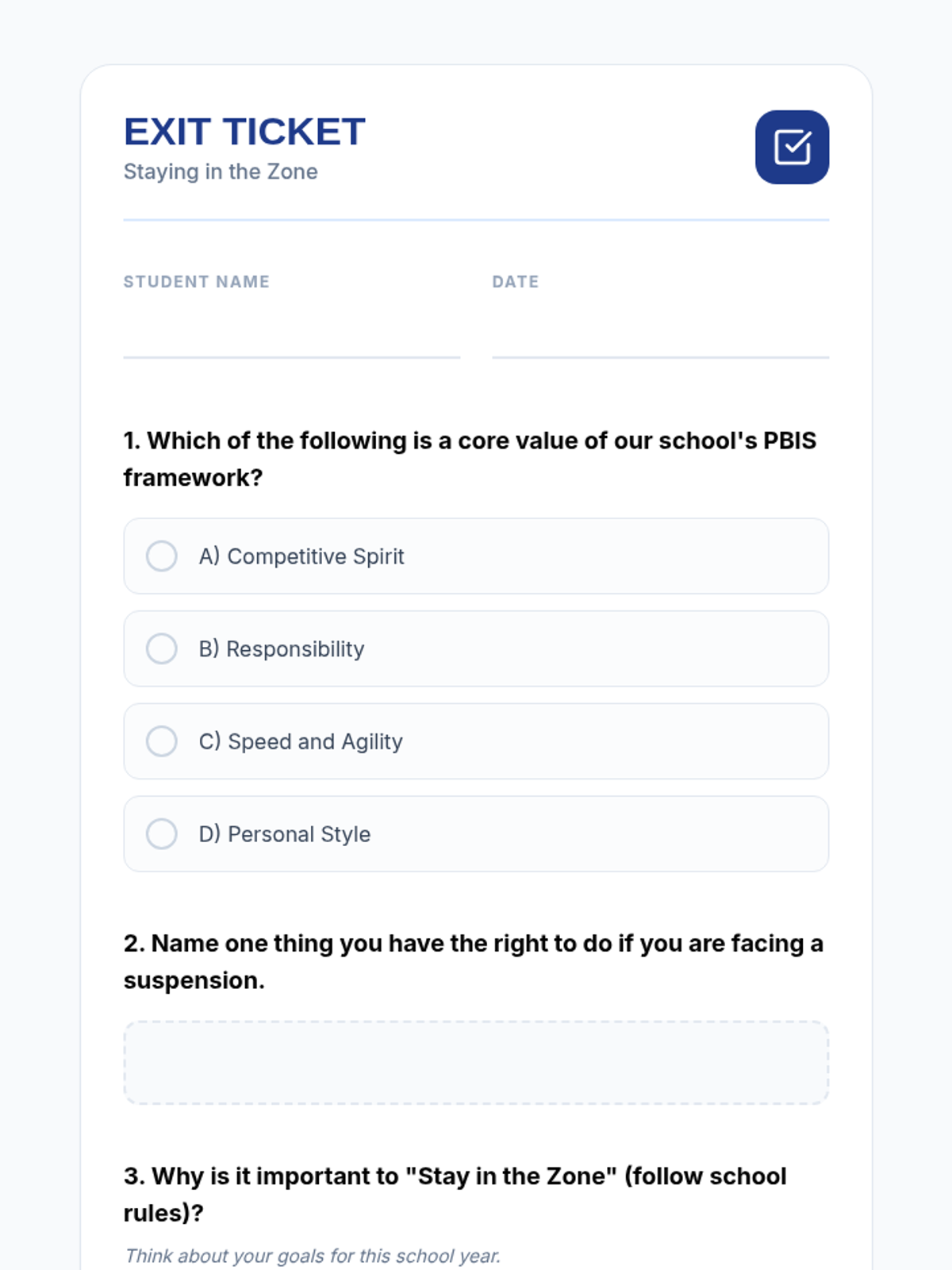
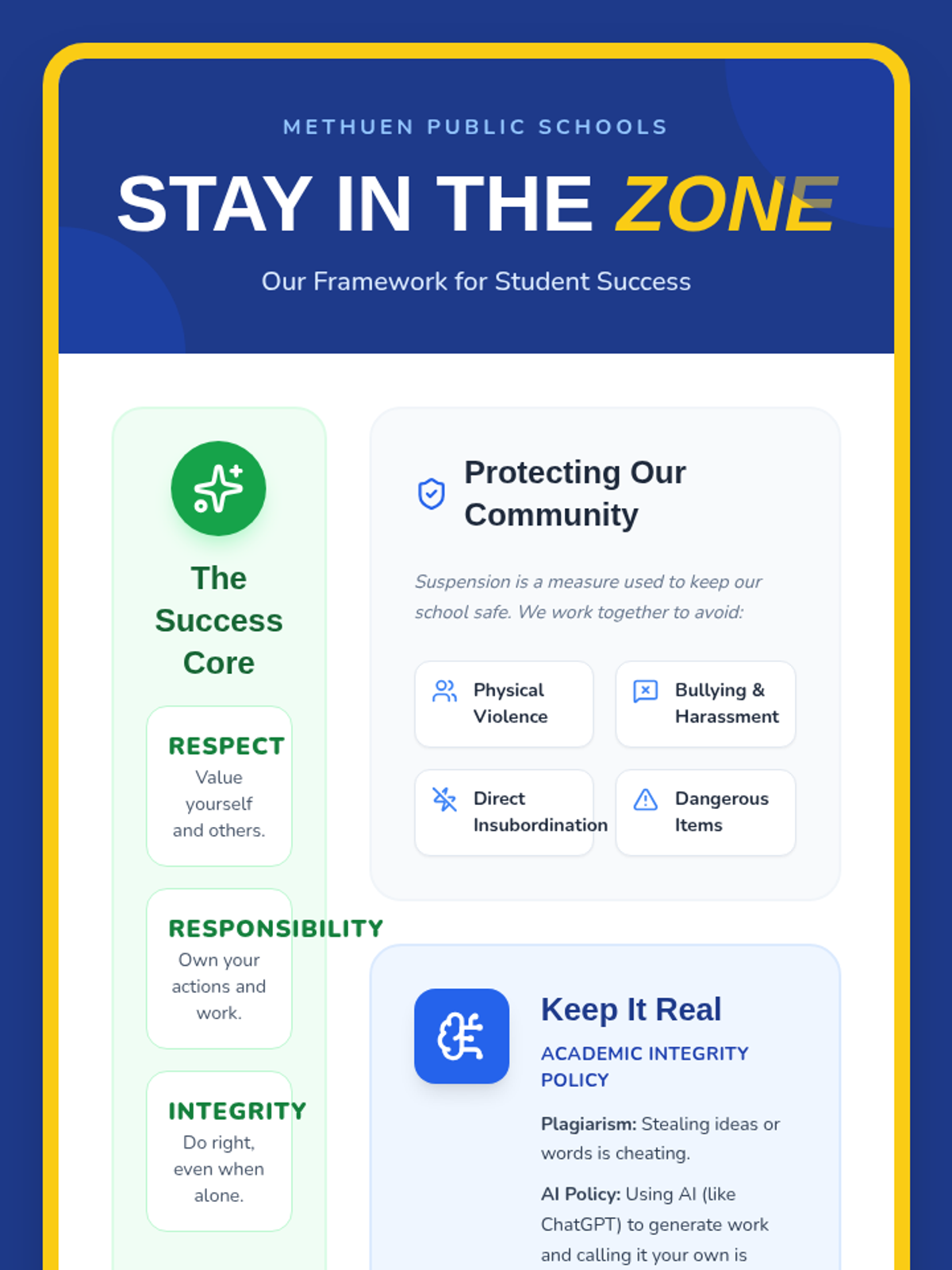
This lesson provides students with a clear, accessible guide to the school's expectations and the specific causes for suspension as outlined in the student handbook. It focuses on translating administrative language into student-friendly terms while highlighting the positive behavioral supports available to them.
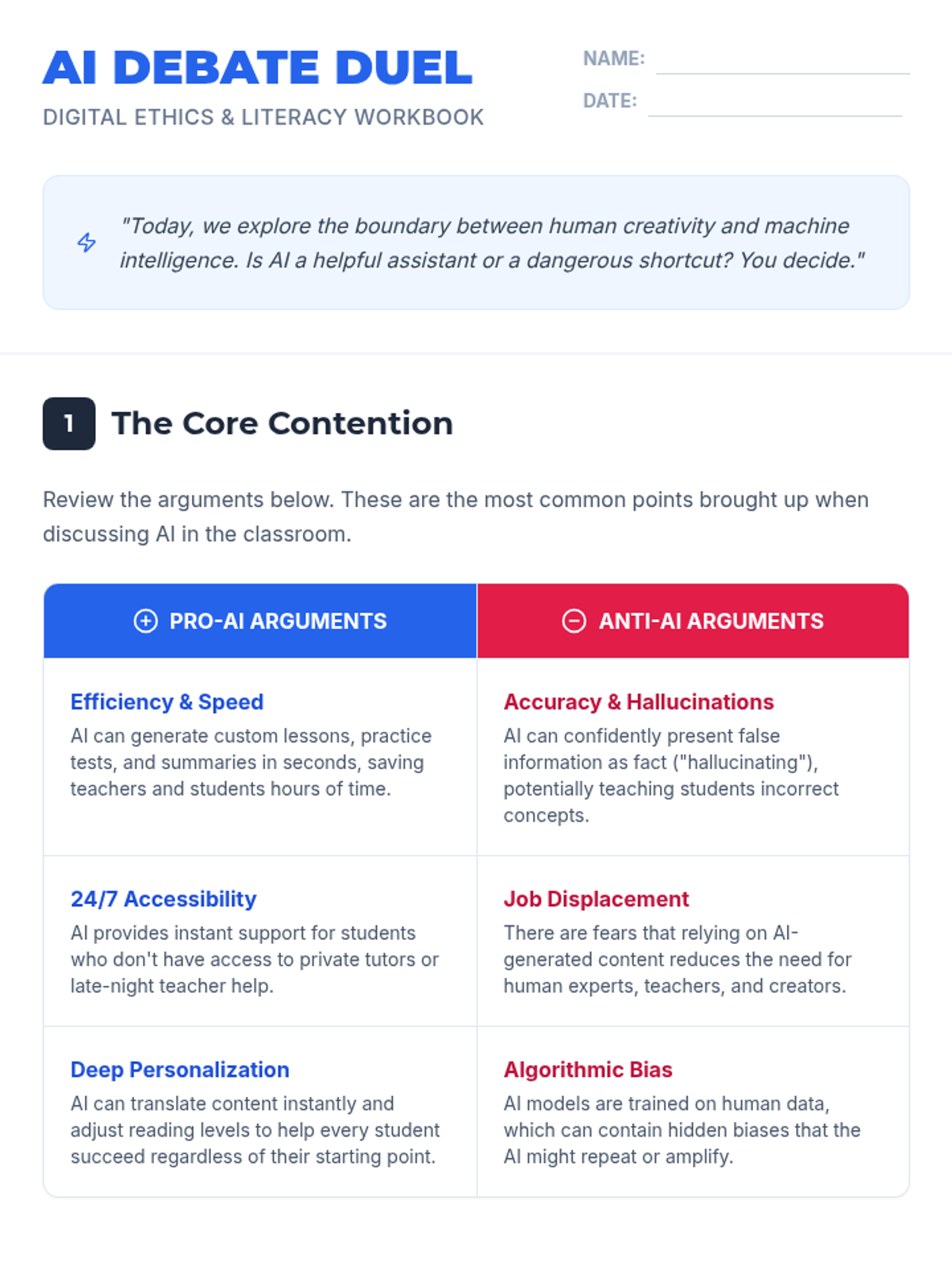
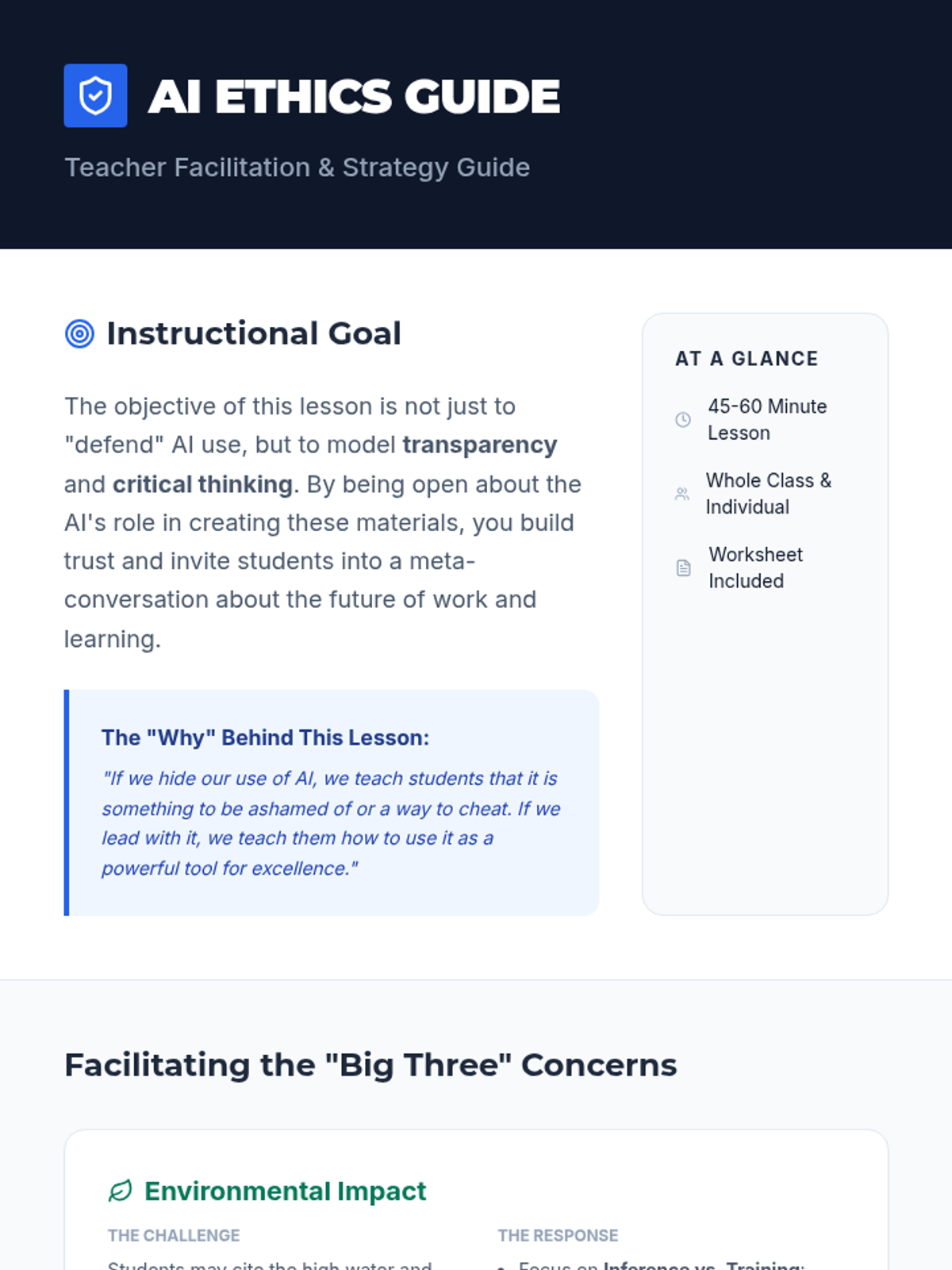
A lesson exploring the ethics and utility of AI-generated educational content, addressing common concerns like environmental impact and job displacement while highlighting the benefits of personalization and accessibility.
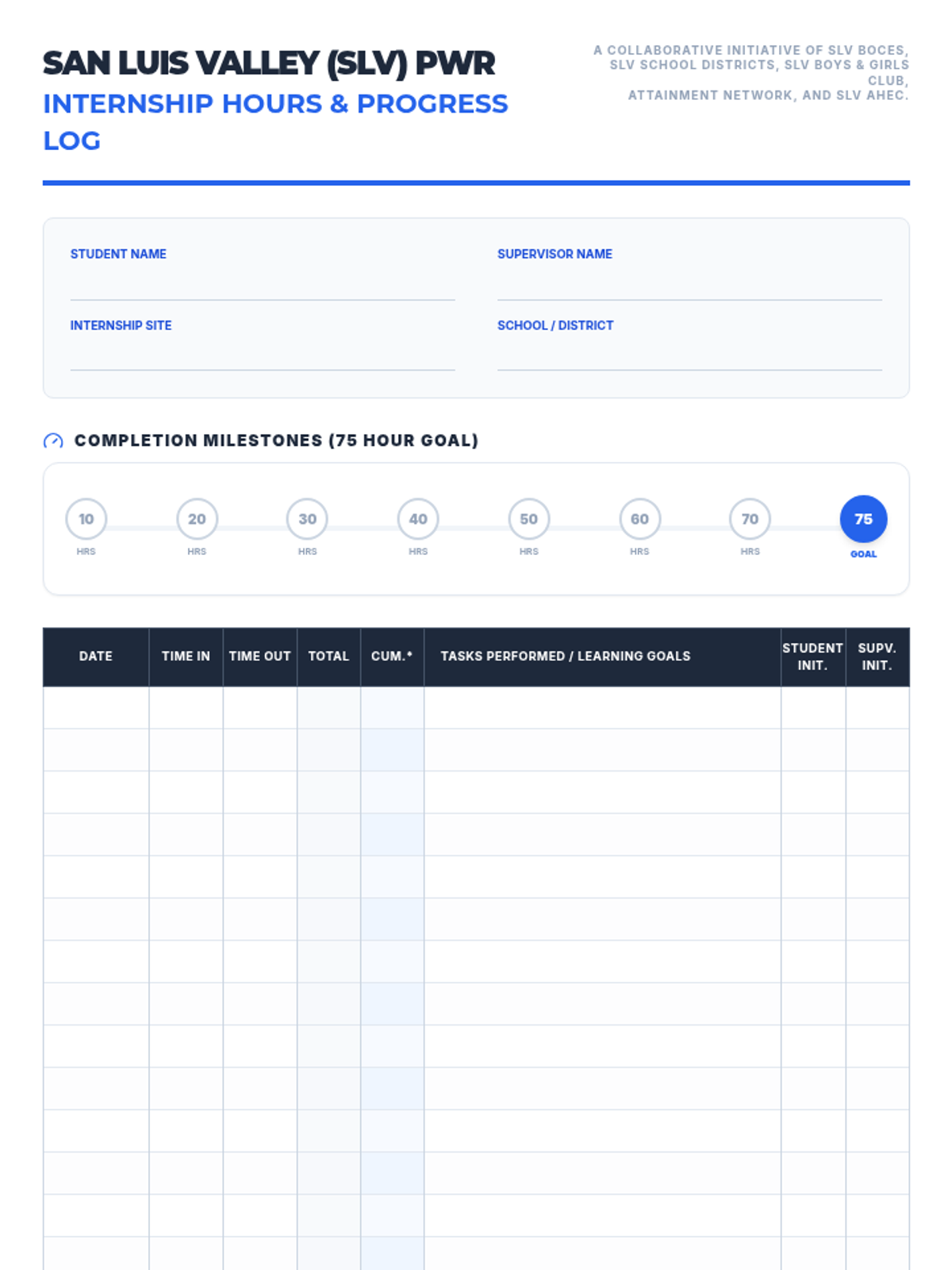
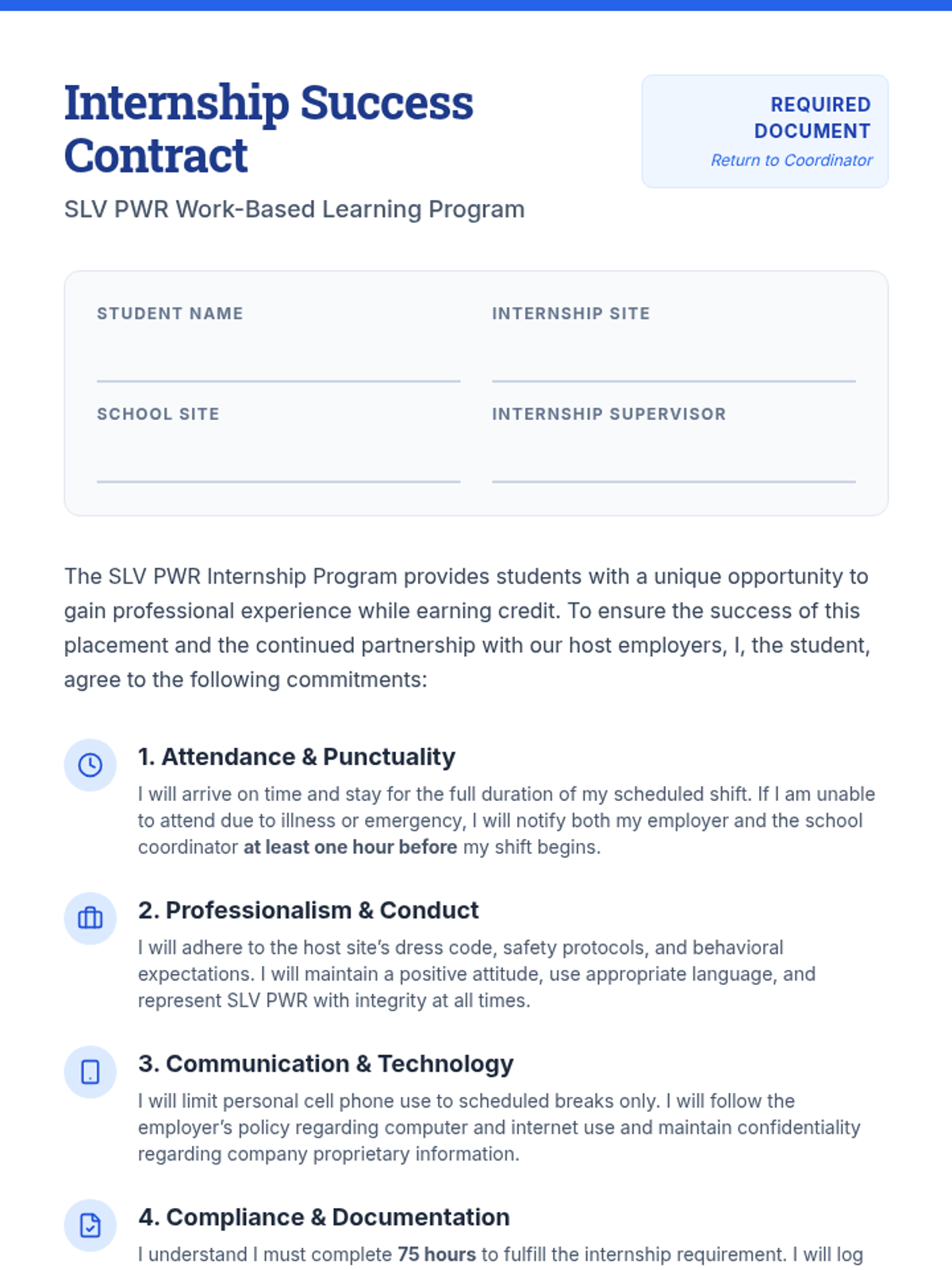
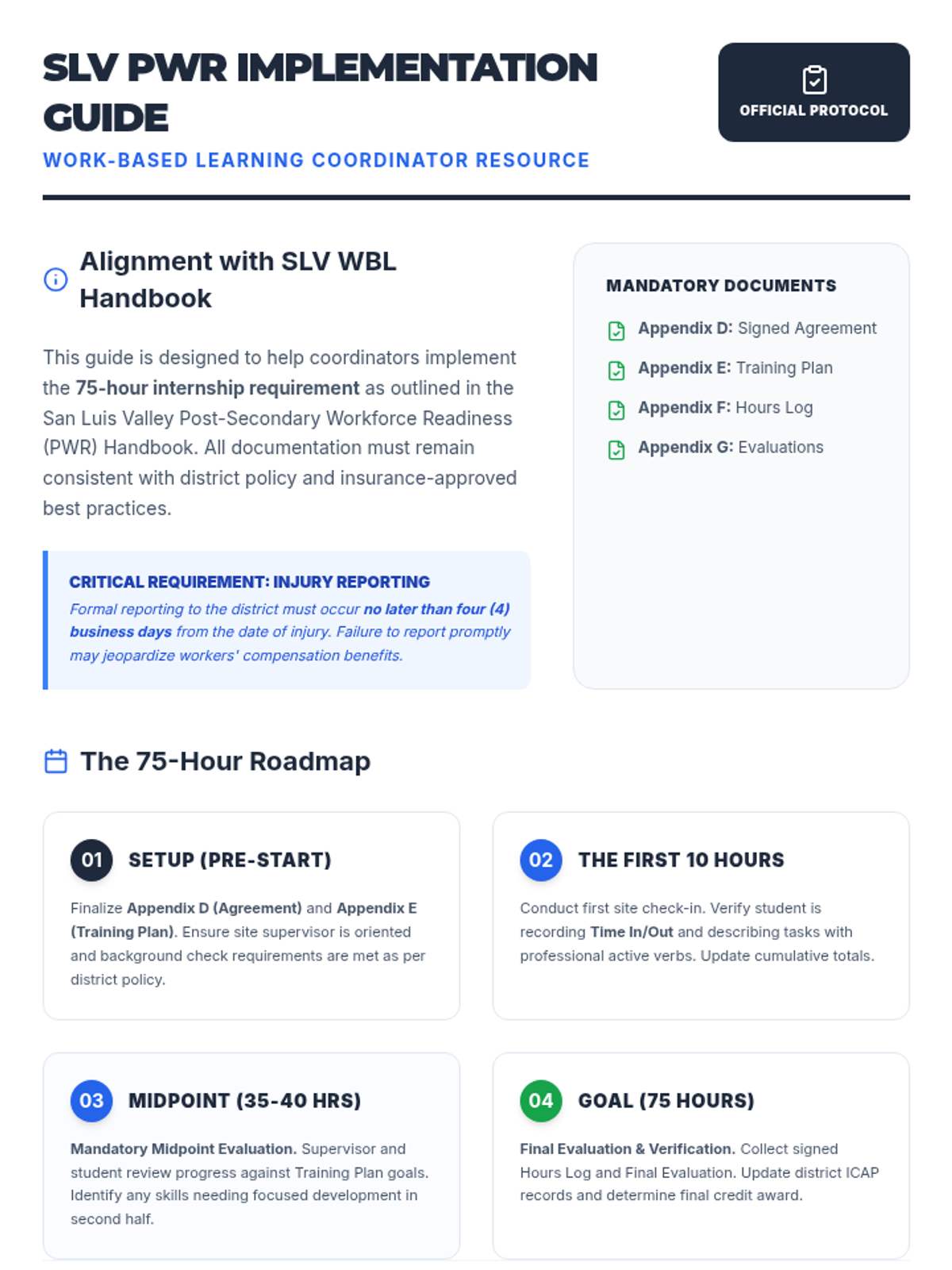
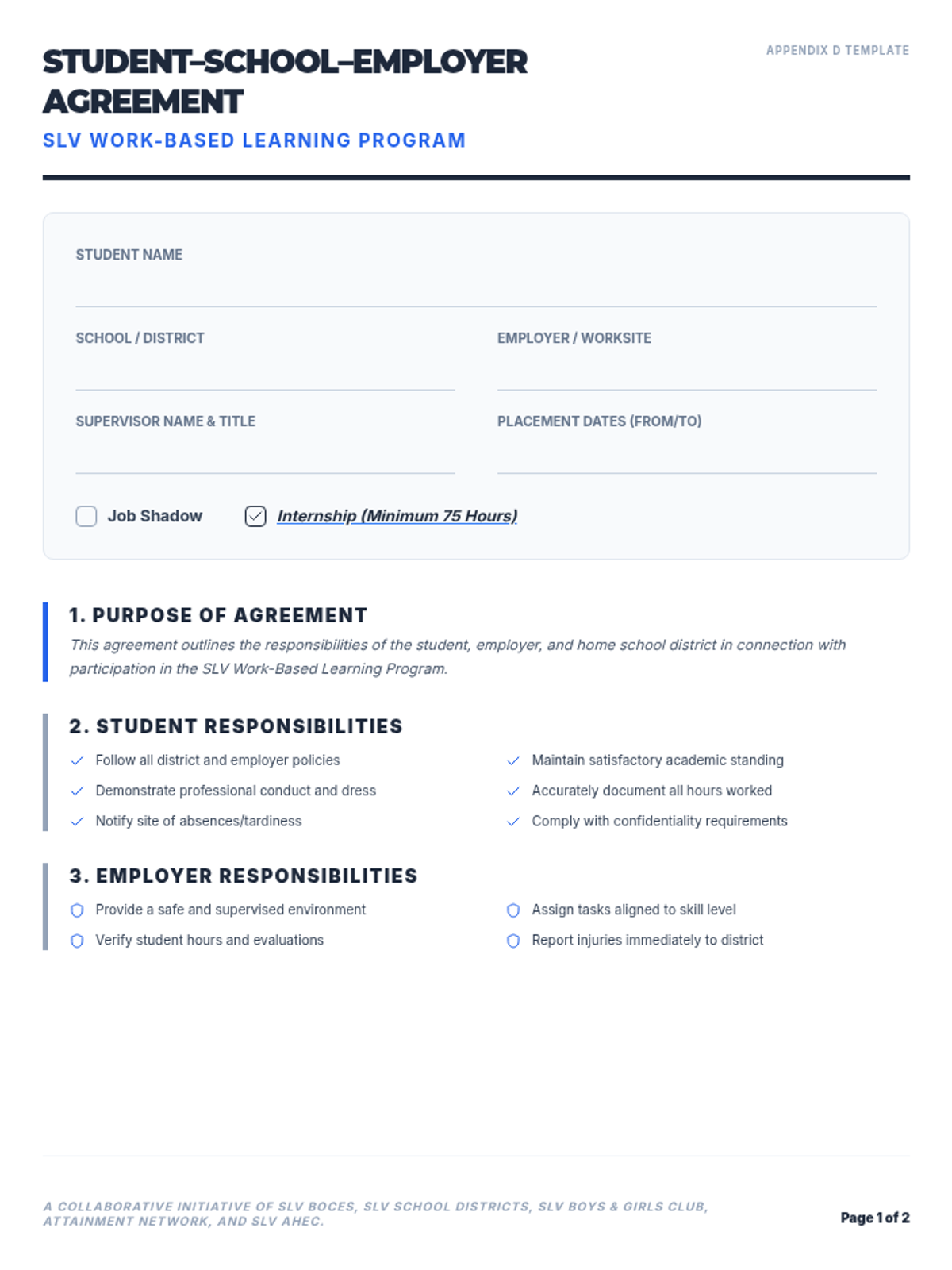
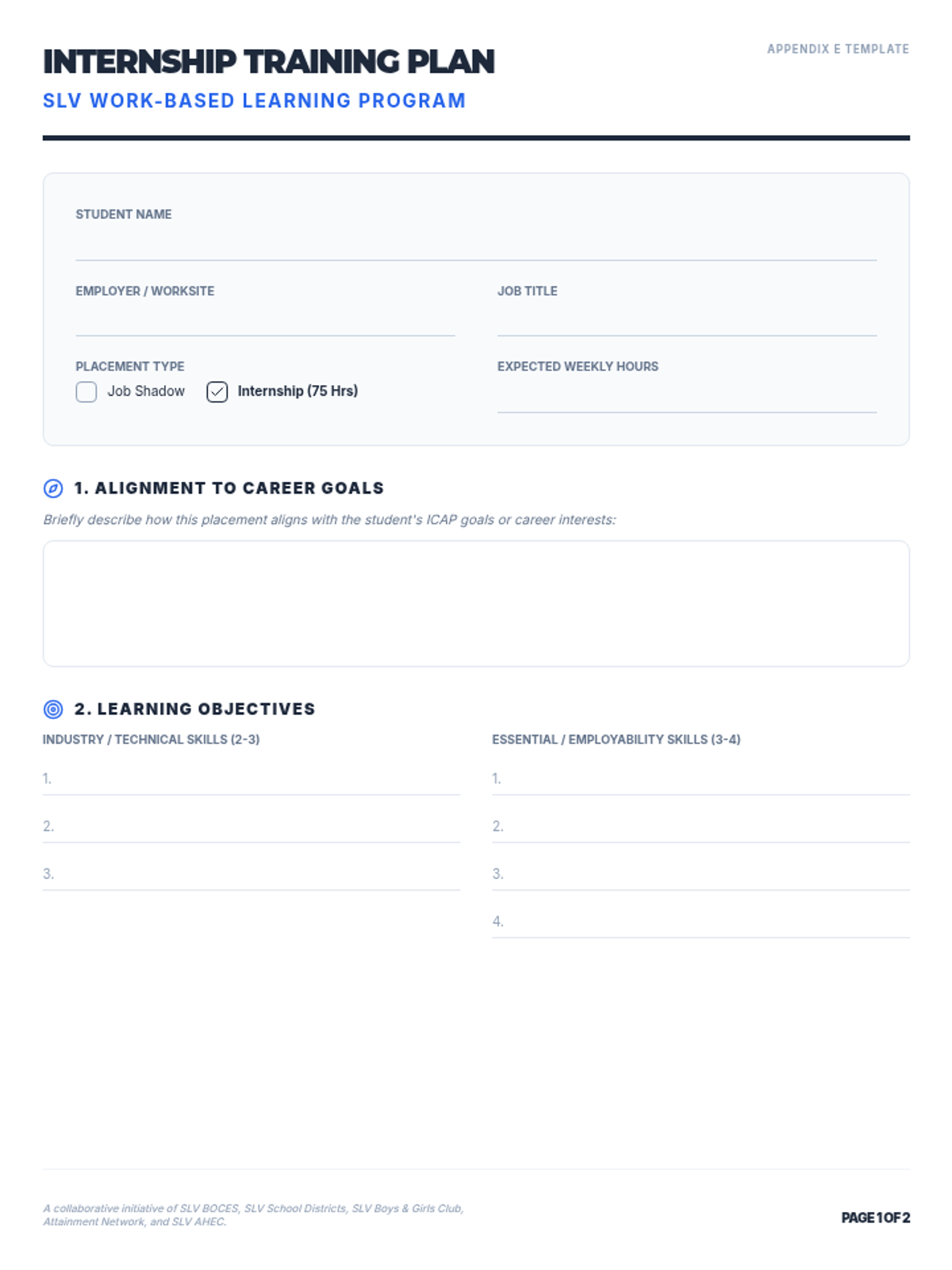
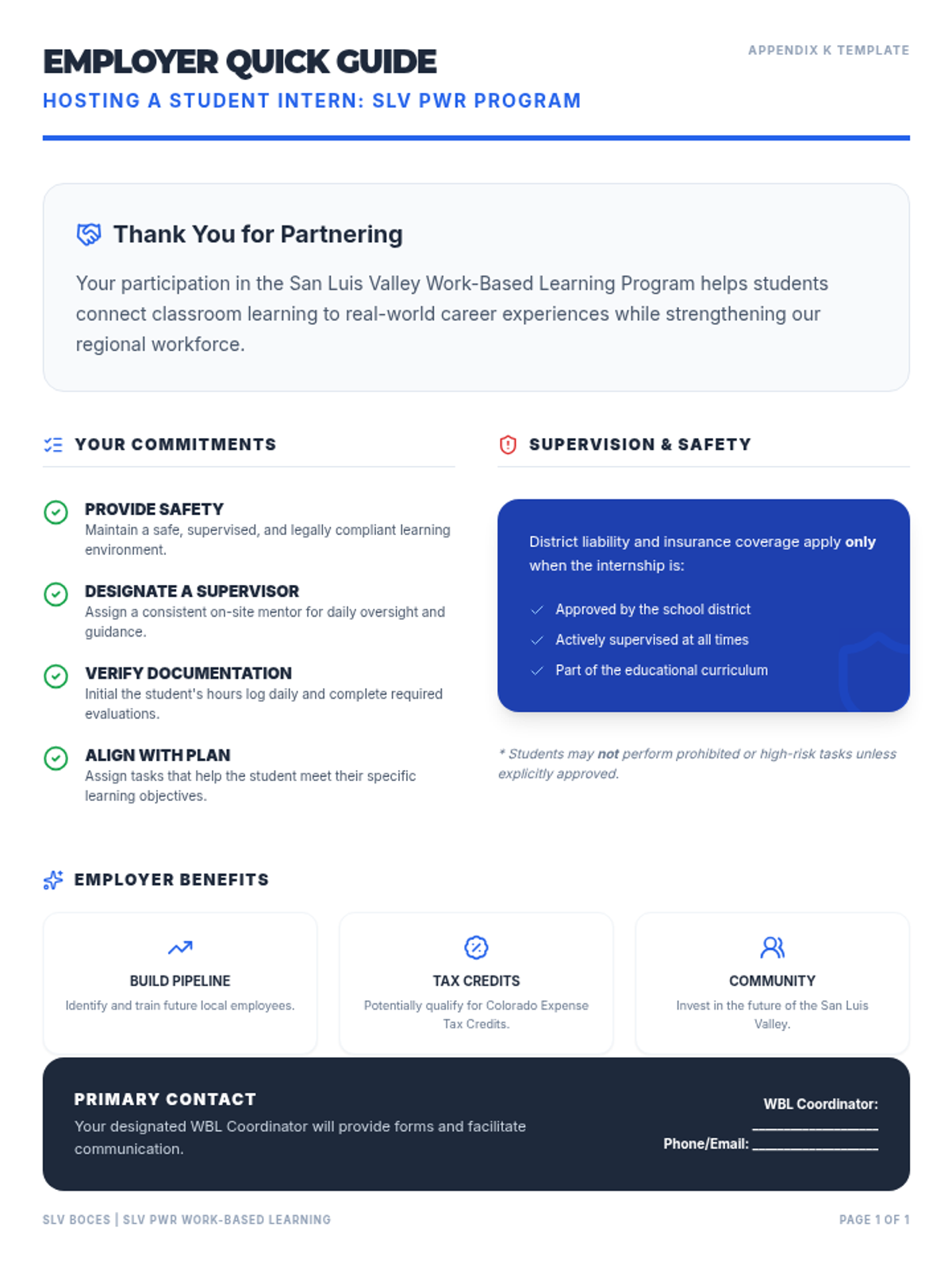
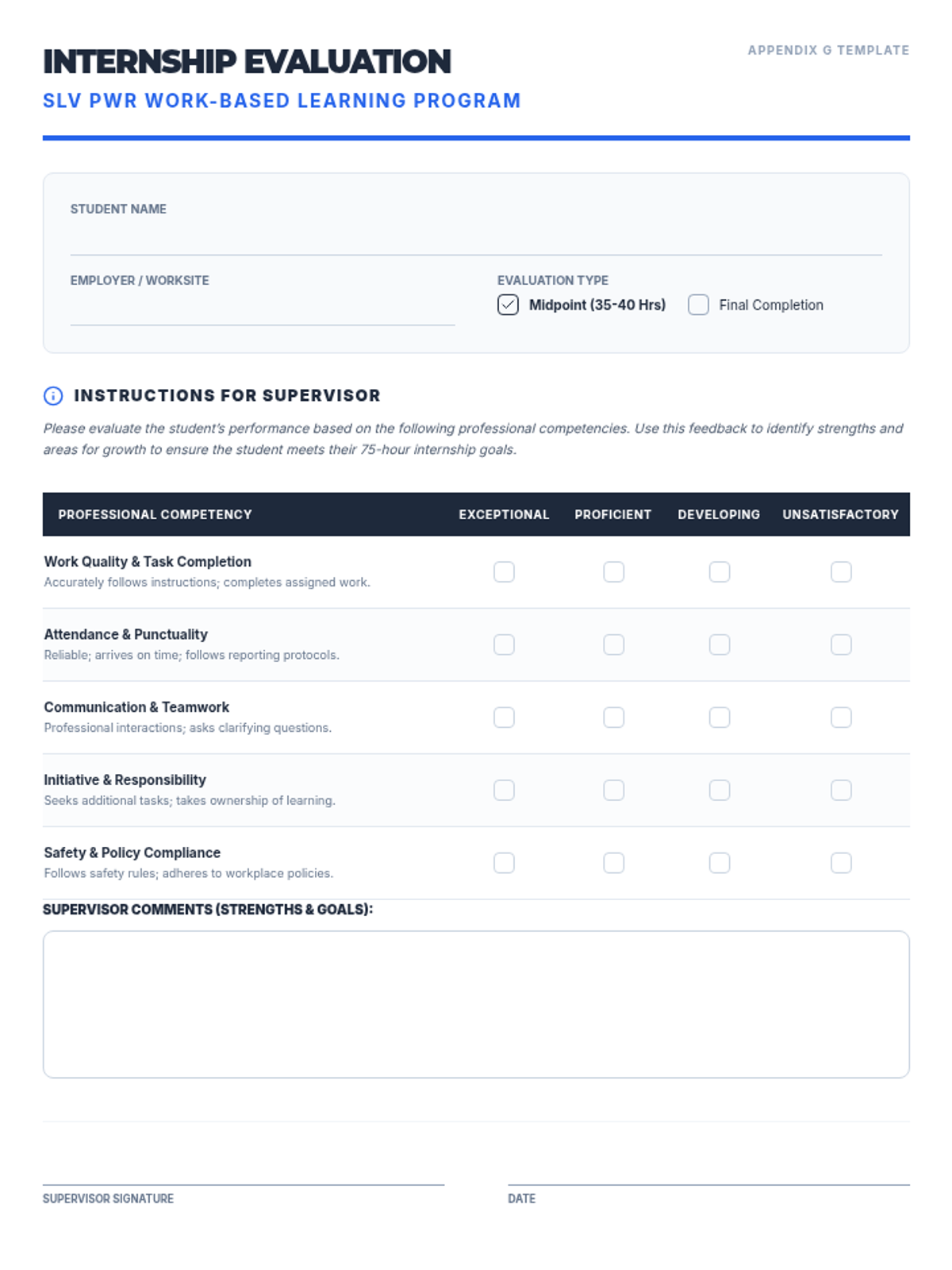
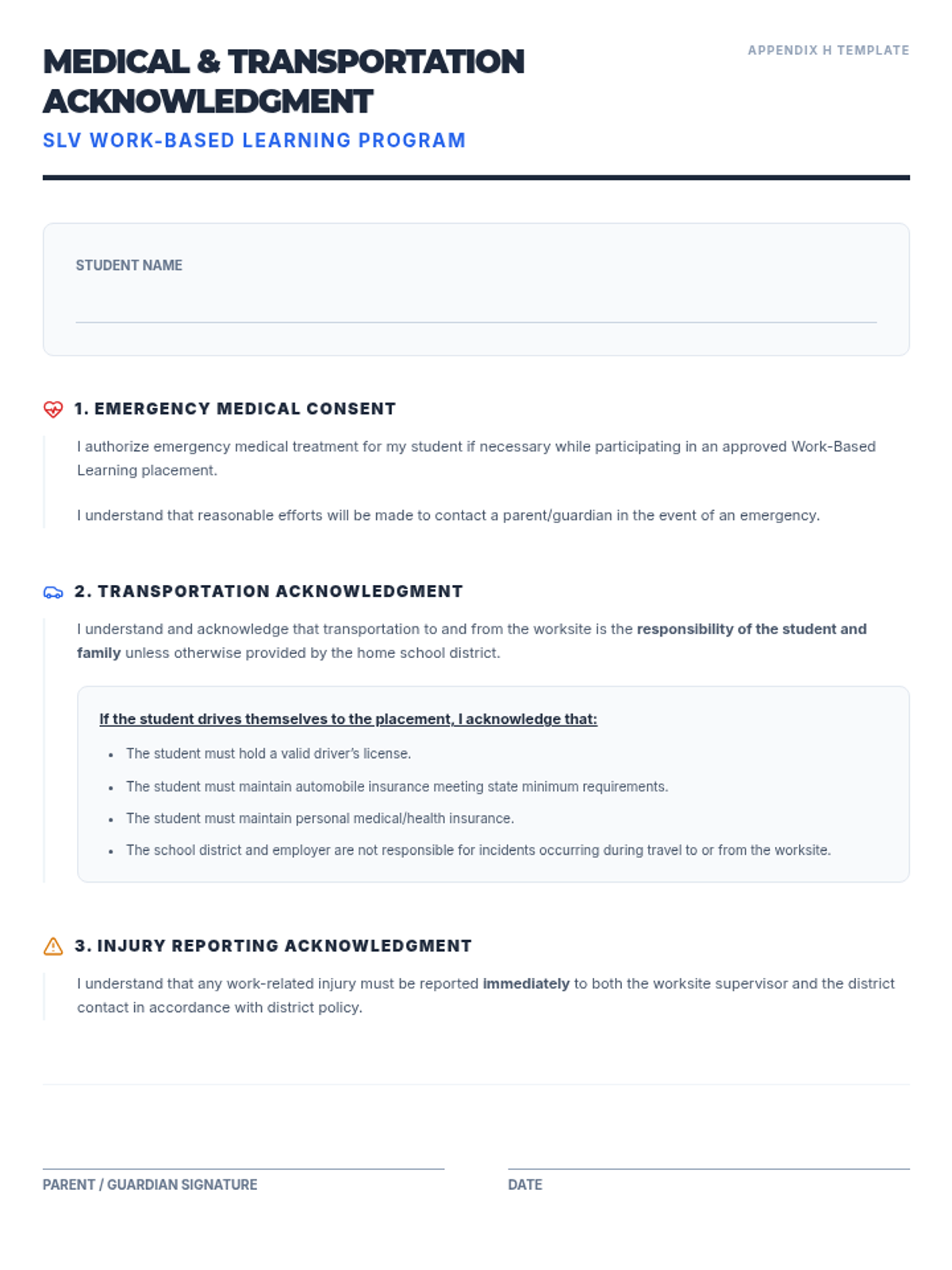
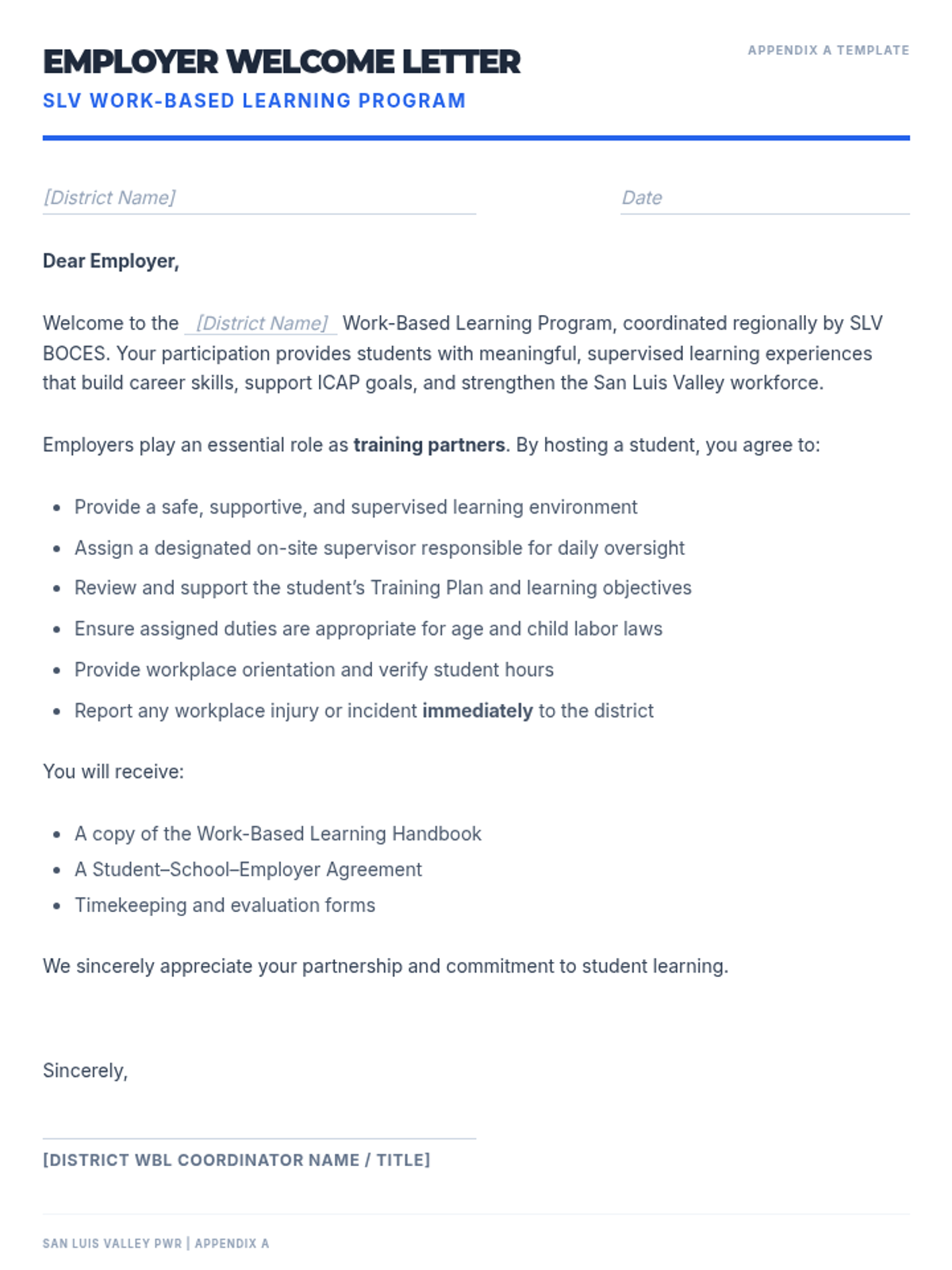
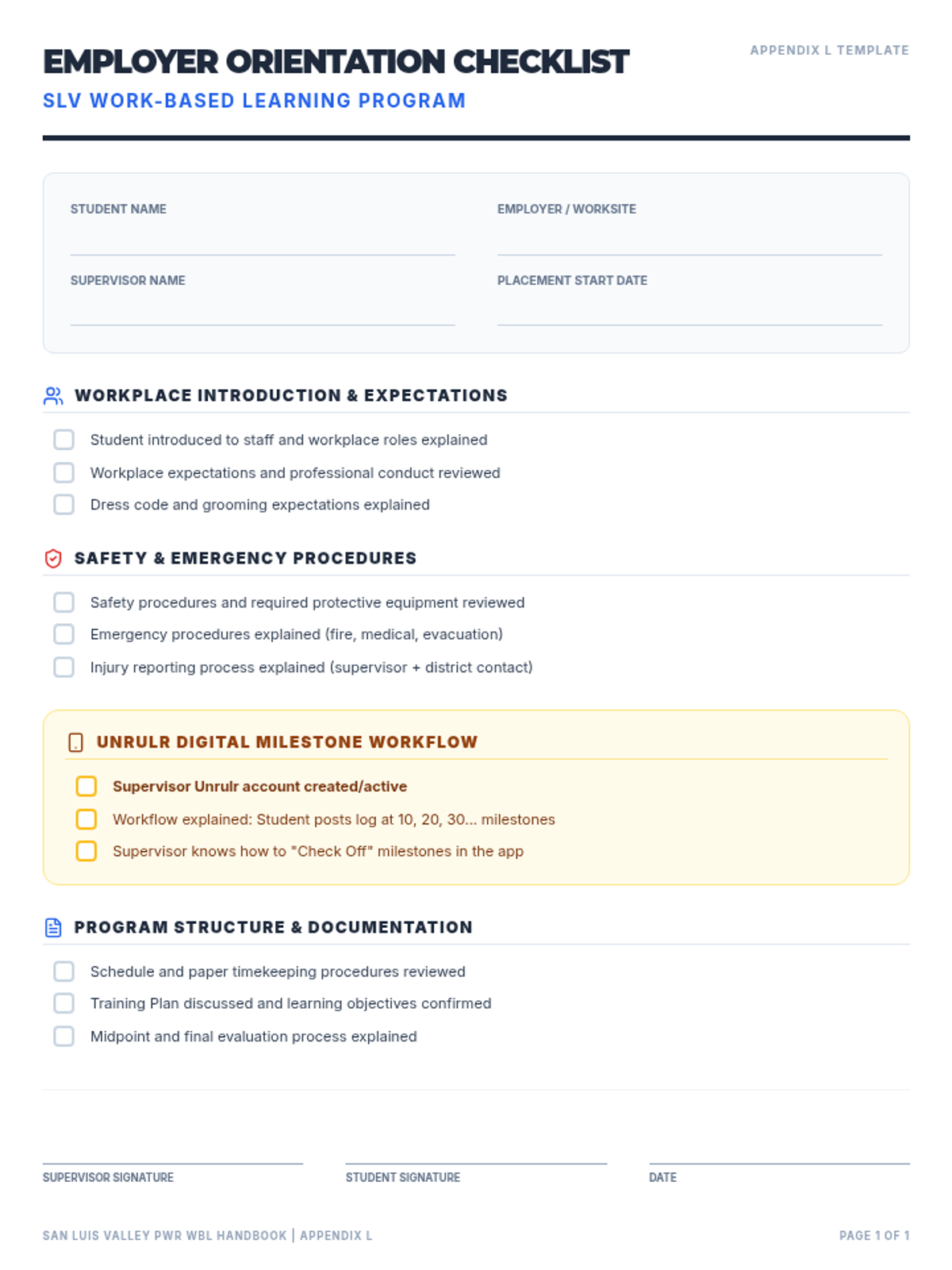
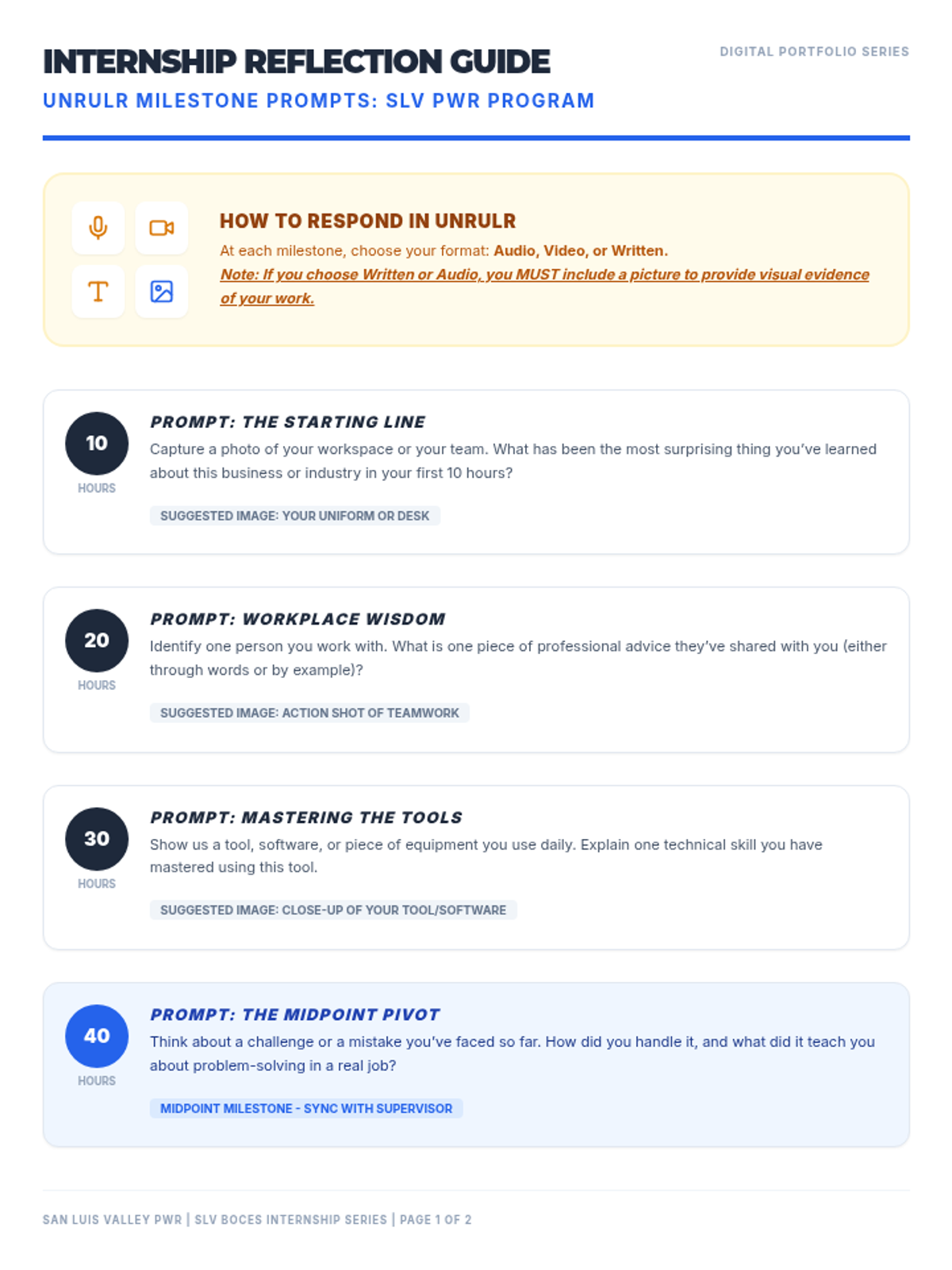
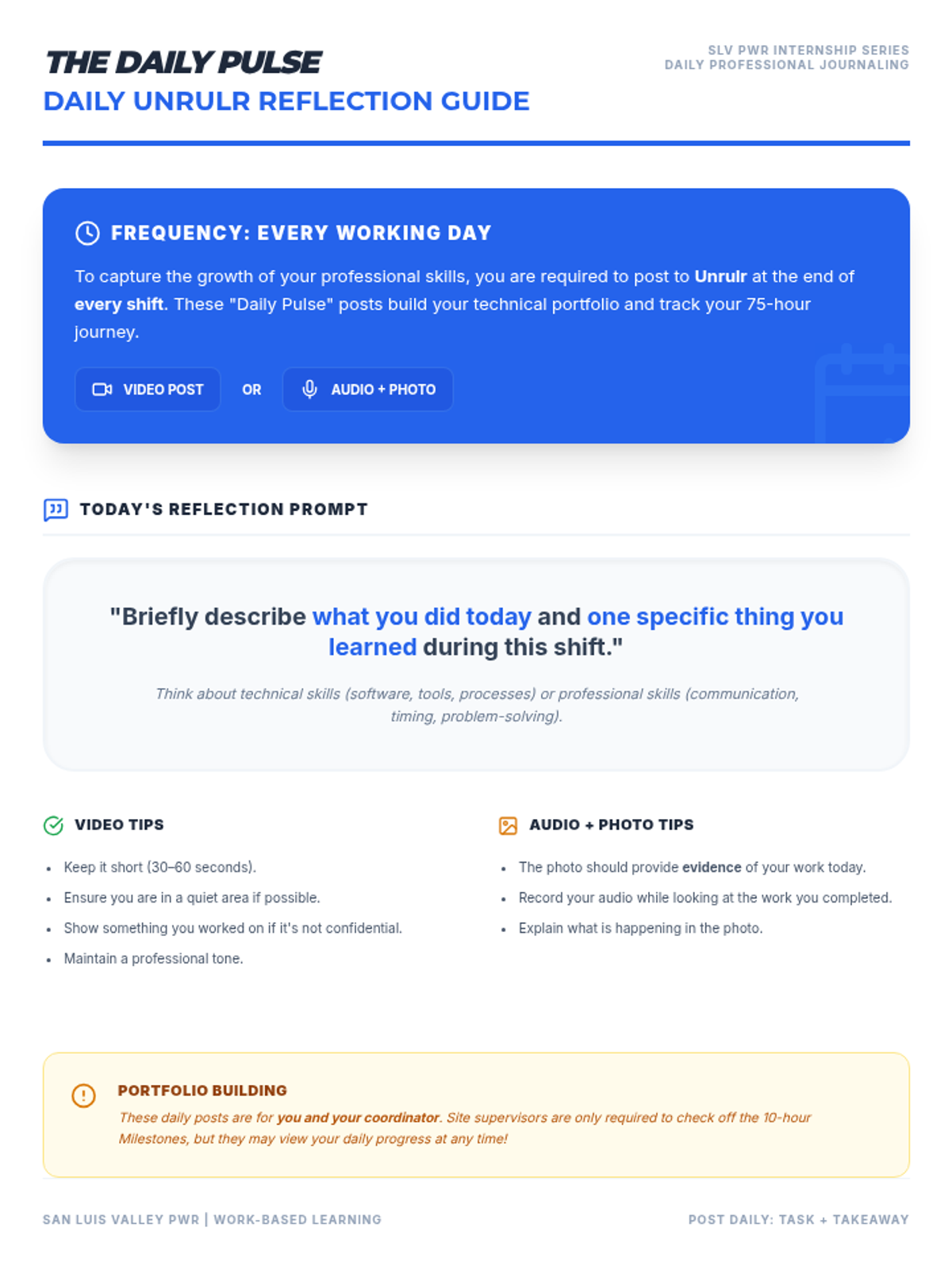
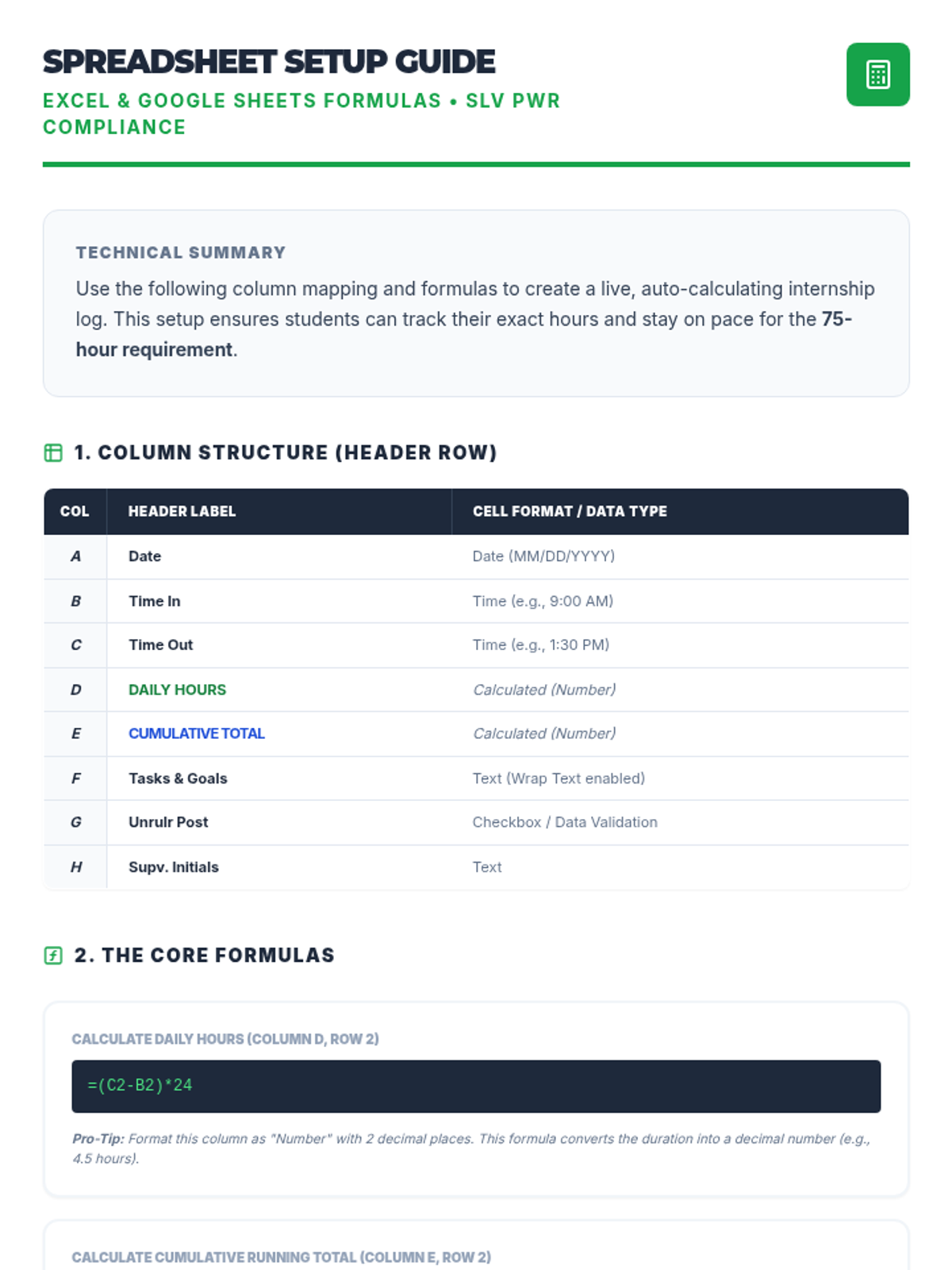
A specialized tracking system aligned with the SLV PWR Work-Based Learning Handbook, featuring compliant hours logs, training plans, and implementation resources for the 75-hour internship requirement.
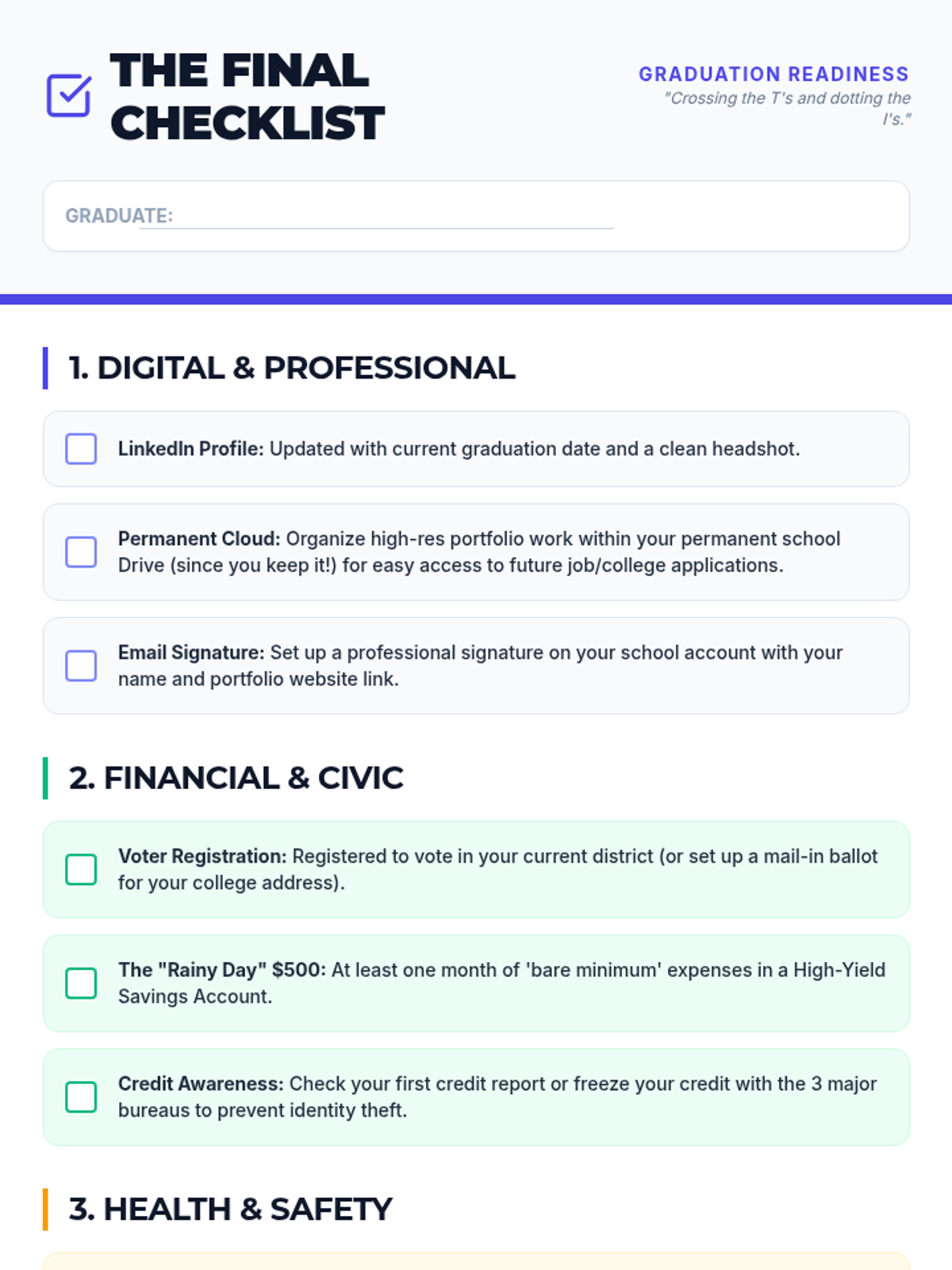
A comprehensive final review and logistics checklist for high school seniors, covering voter registration, insurance cards, professional email signatures, and emergency contact updates.
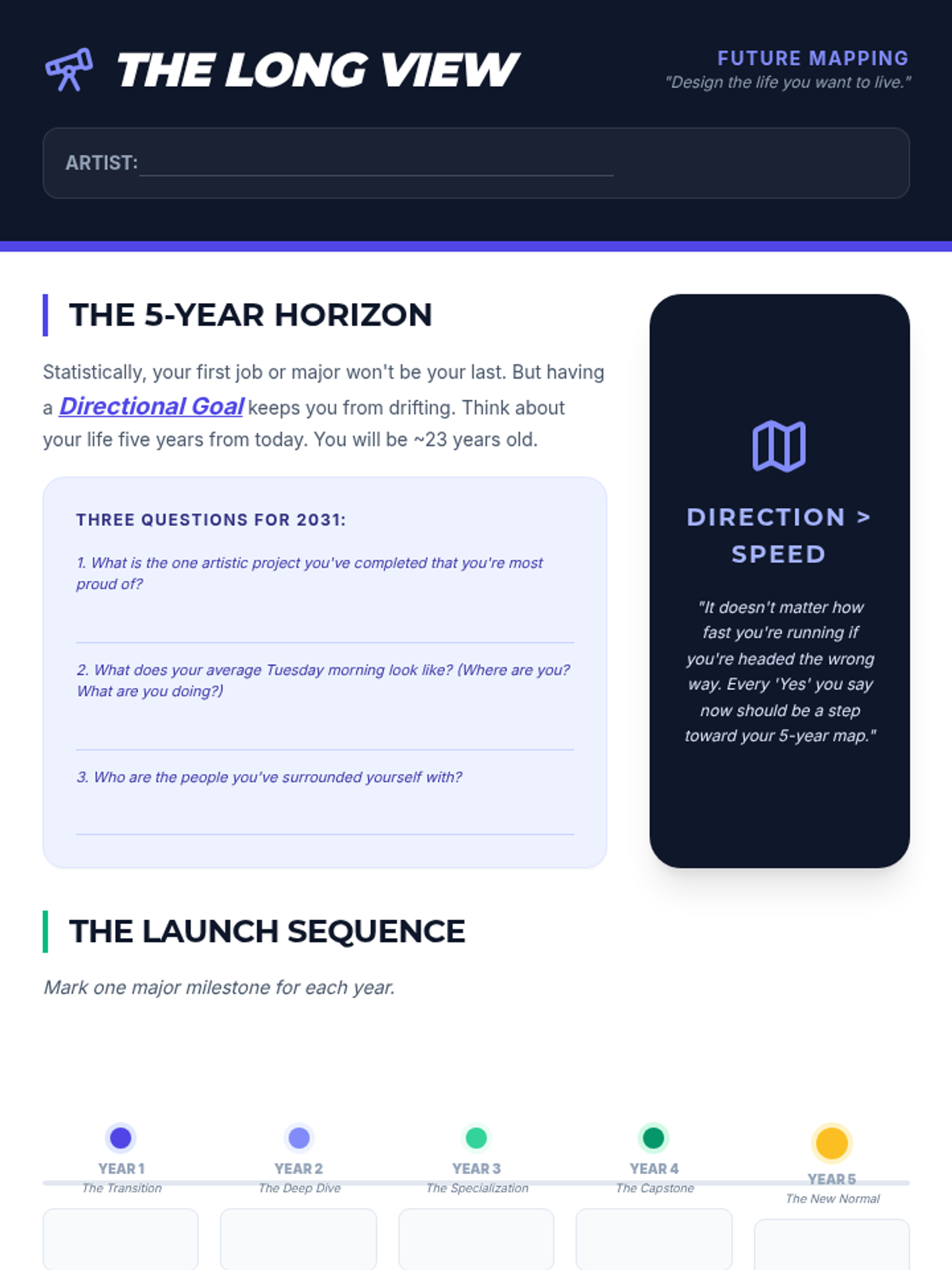
Guides students through a long-term goal-setting exercise, helping them map out professional and personal milestones for their first five years after high school using a visual timeline approach.
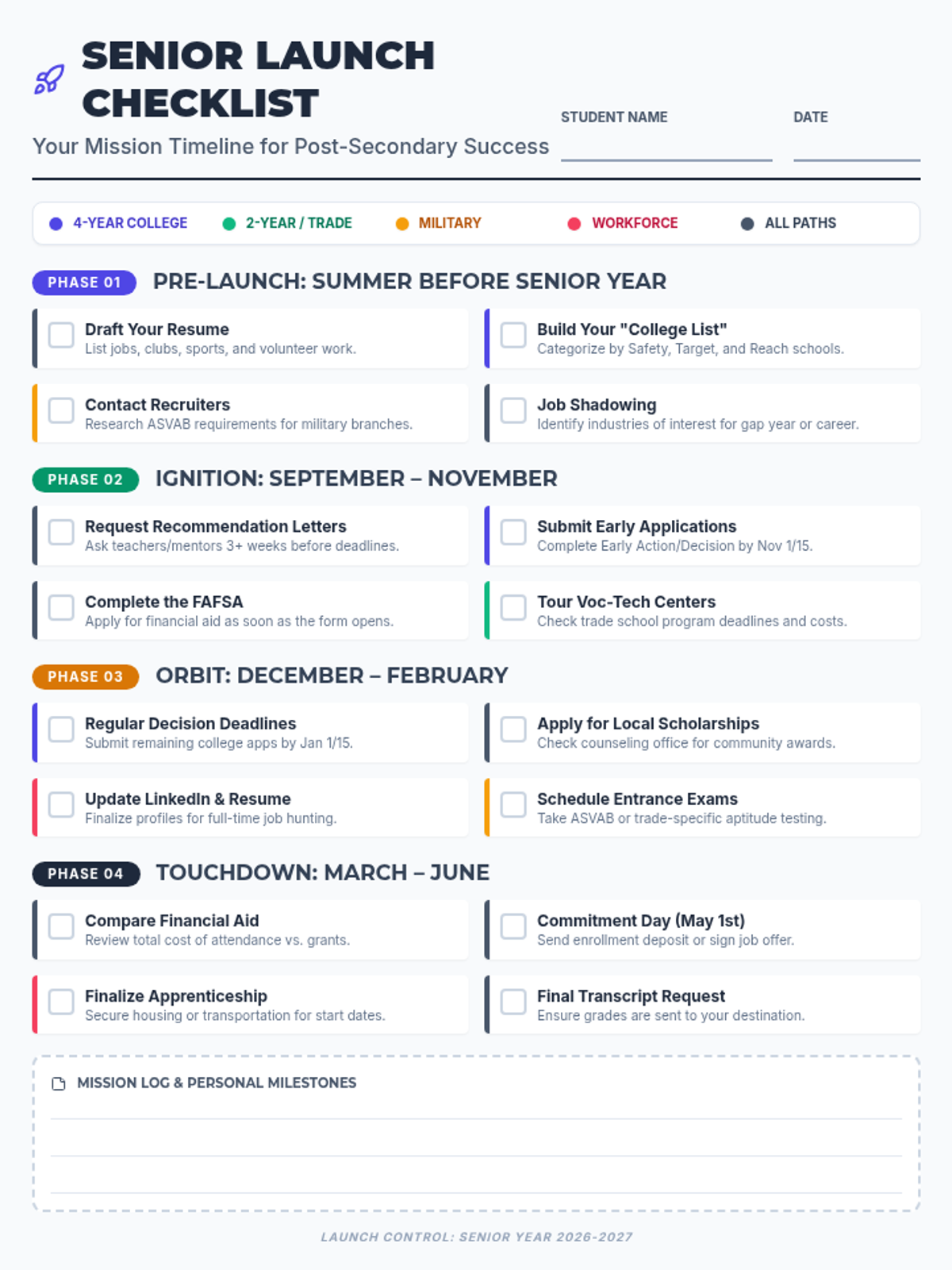
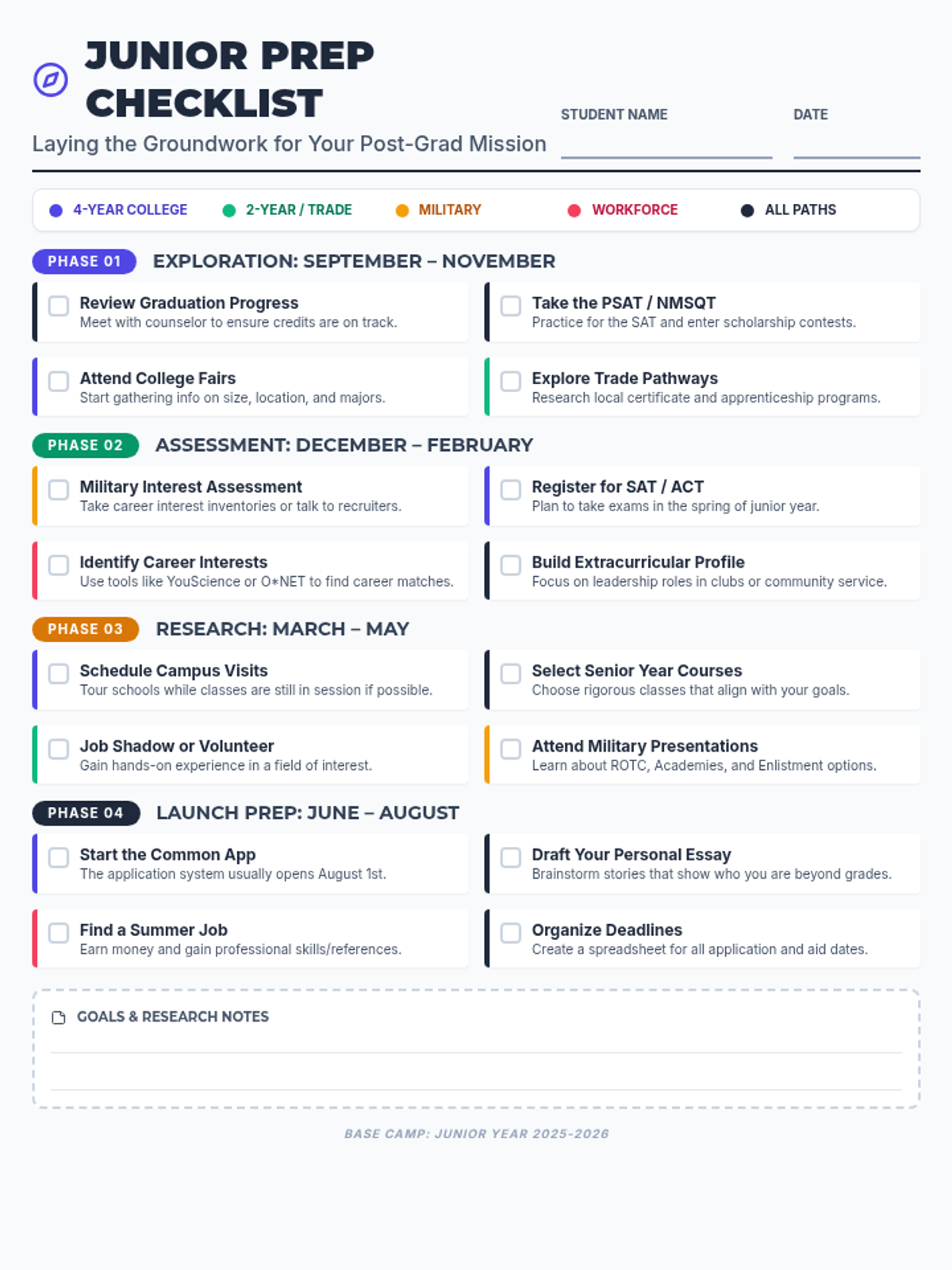
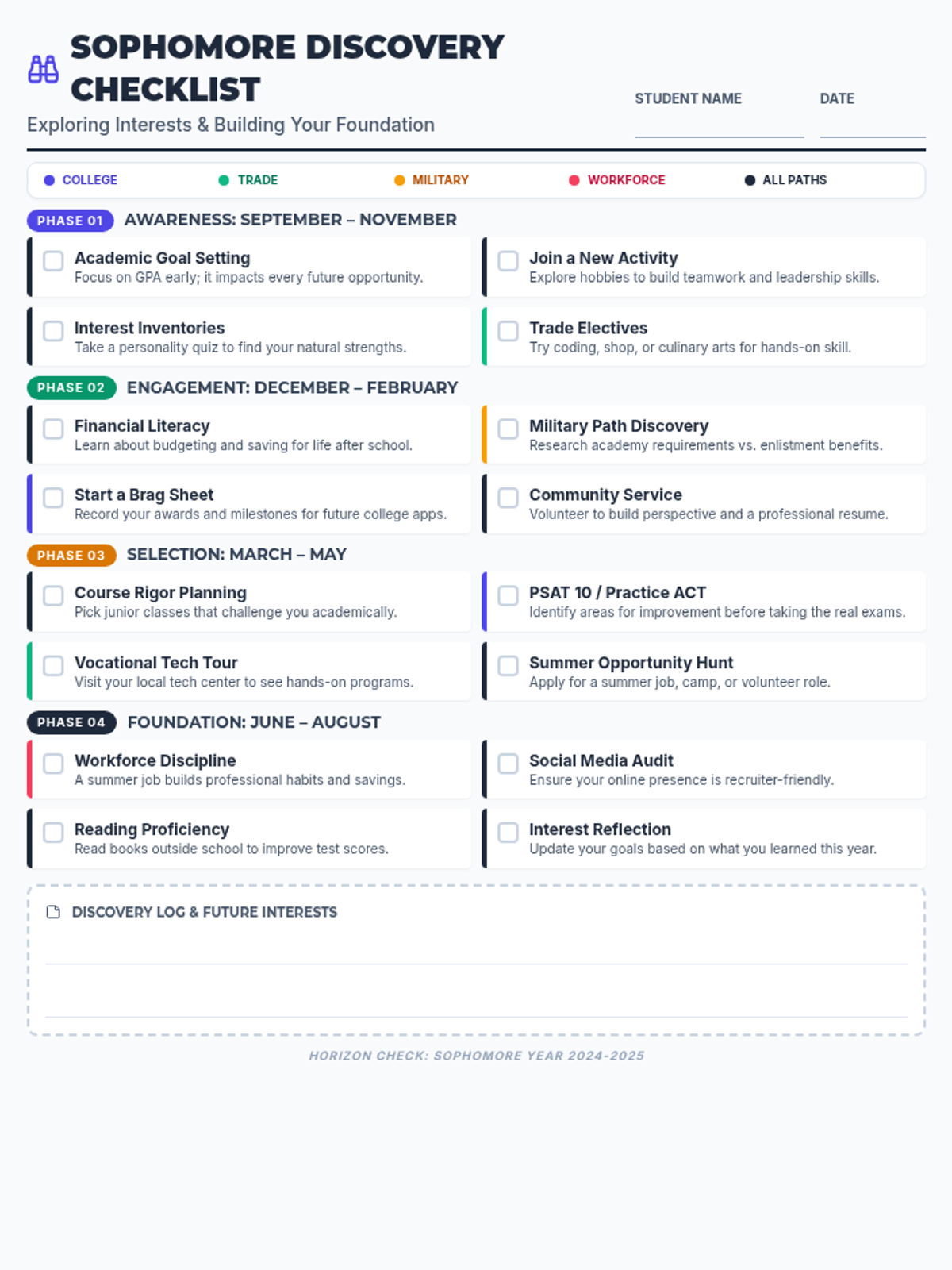
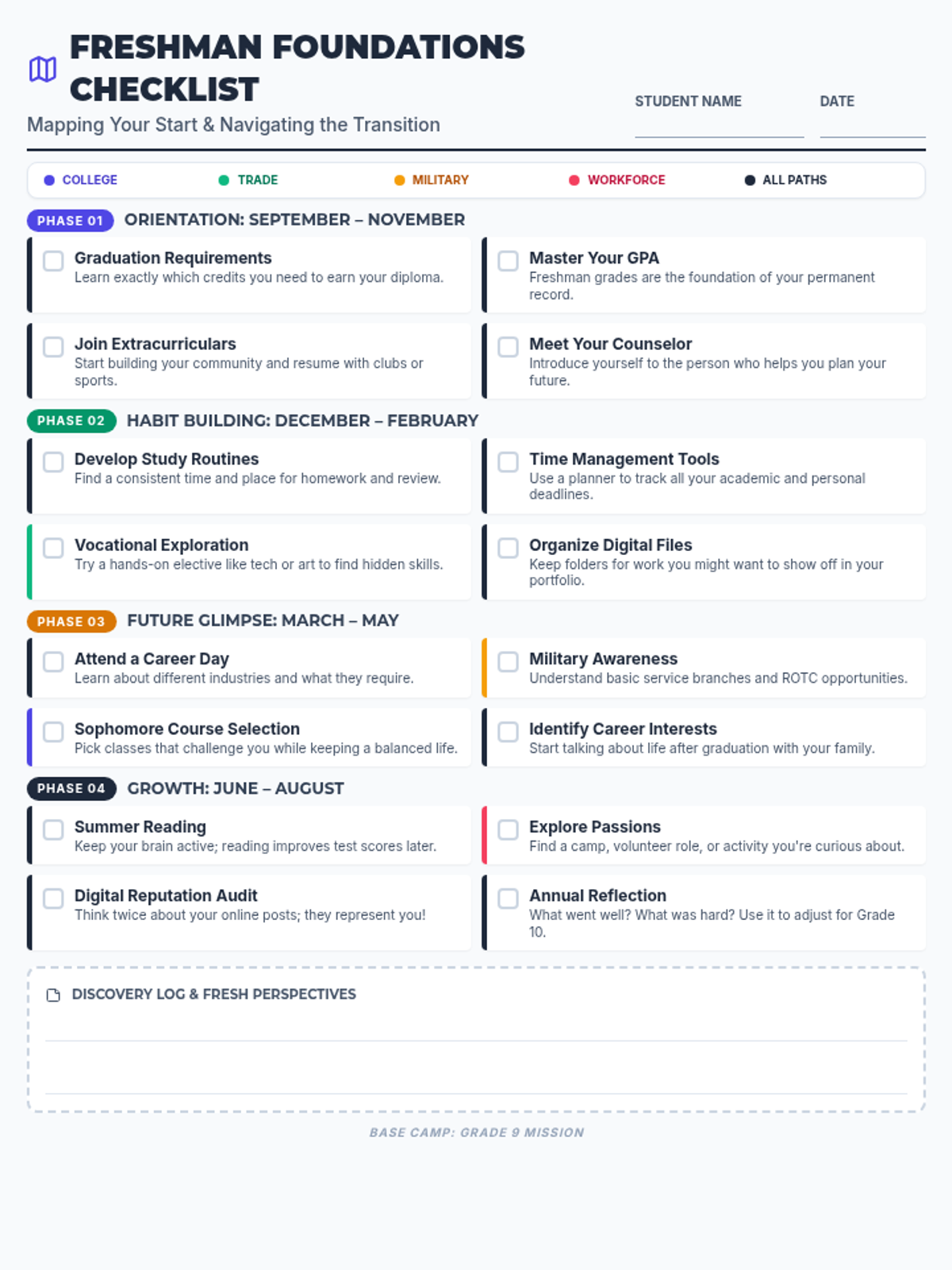
A collection of visual checklists and organizers to help high school students navigate the complex transition to post-secondary life, covering college, trade schools, military, and the workforce.
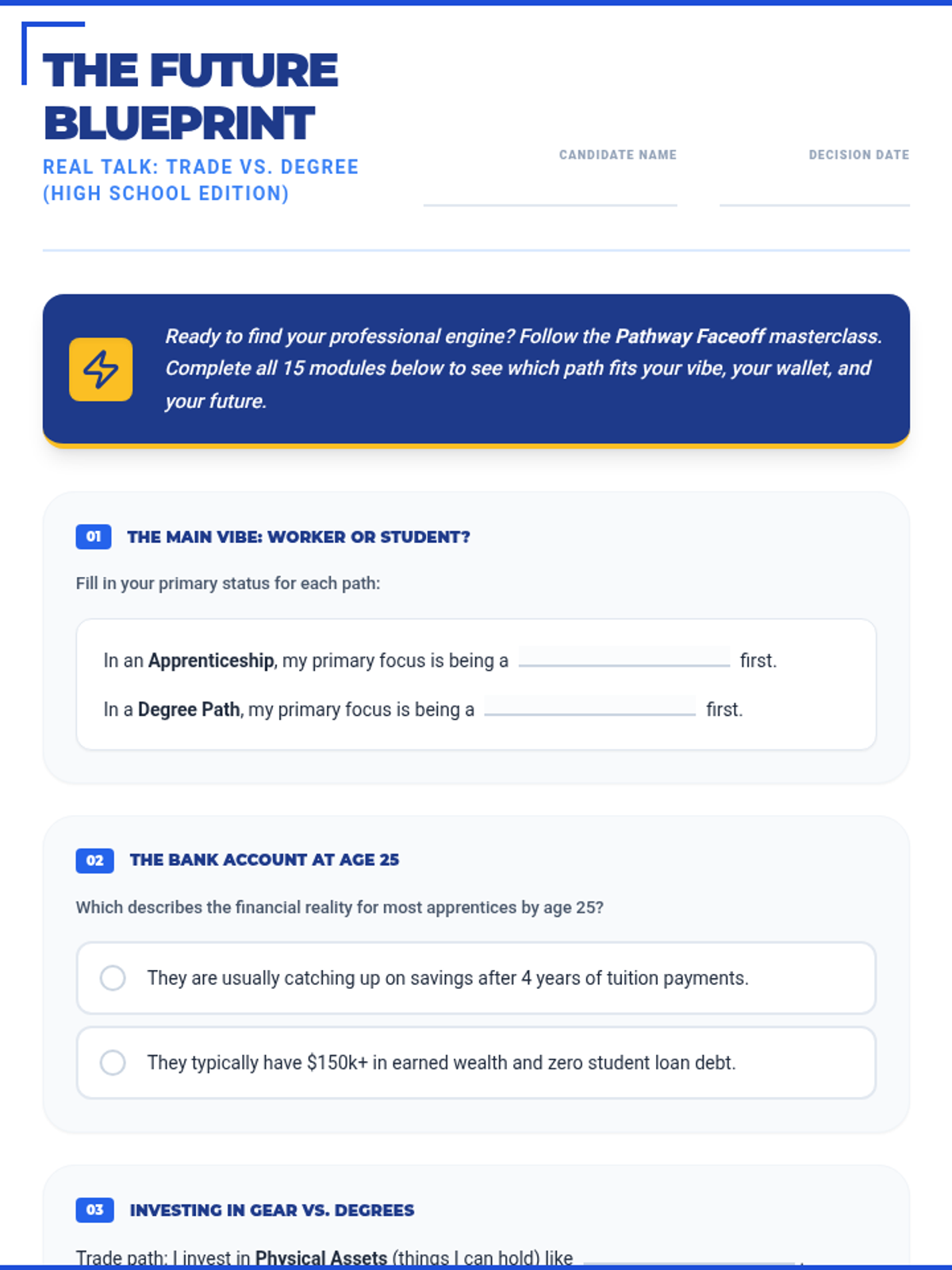
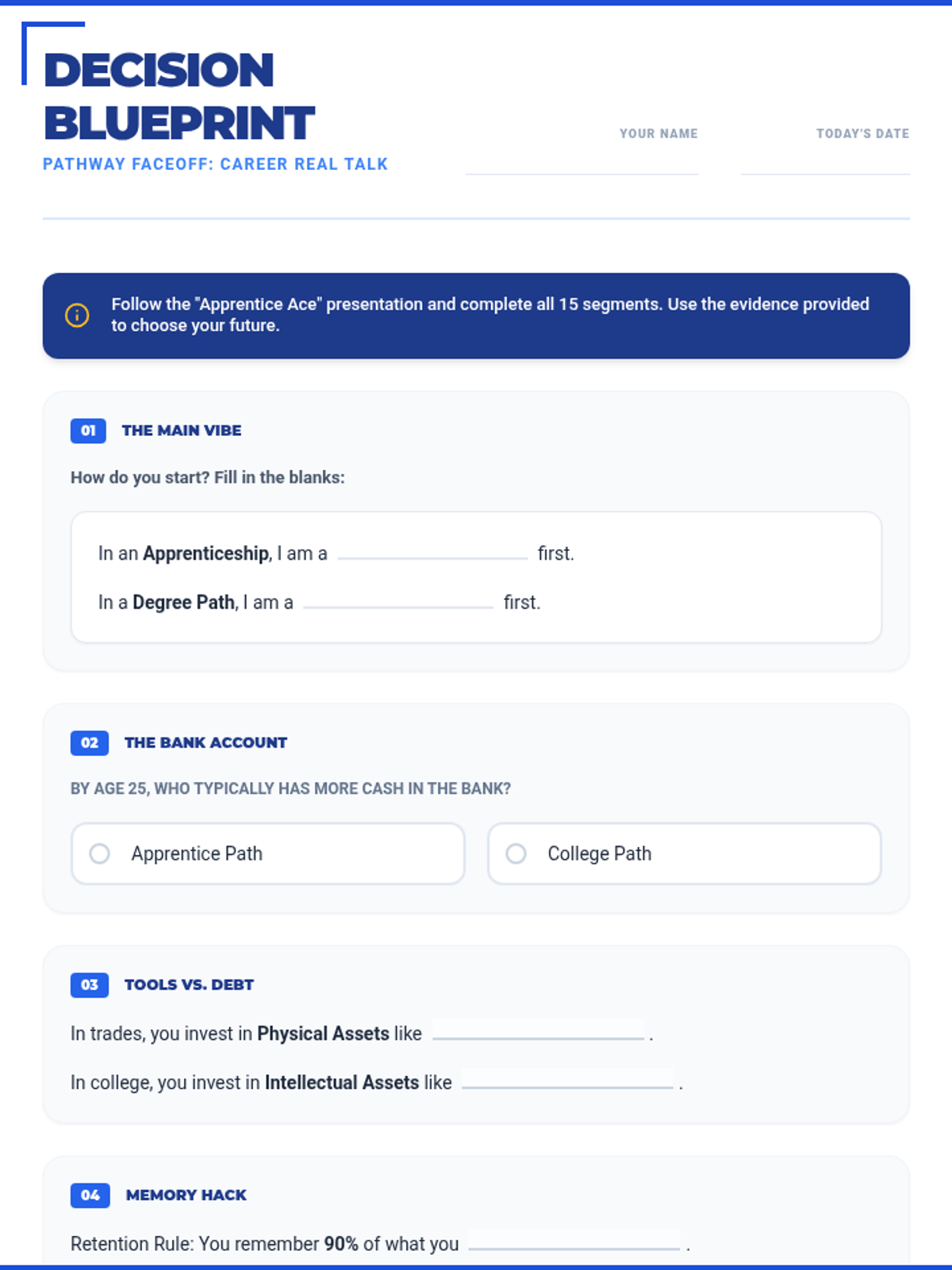
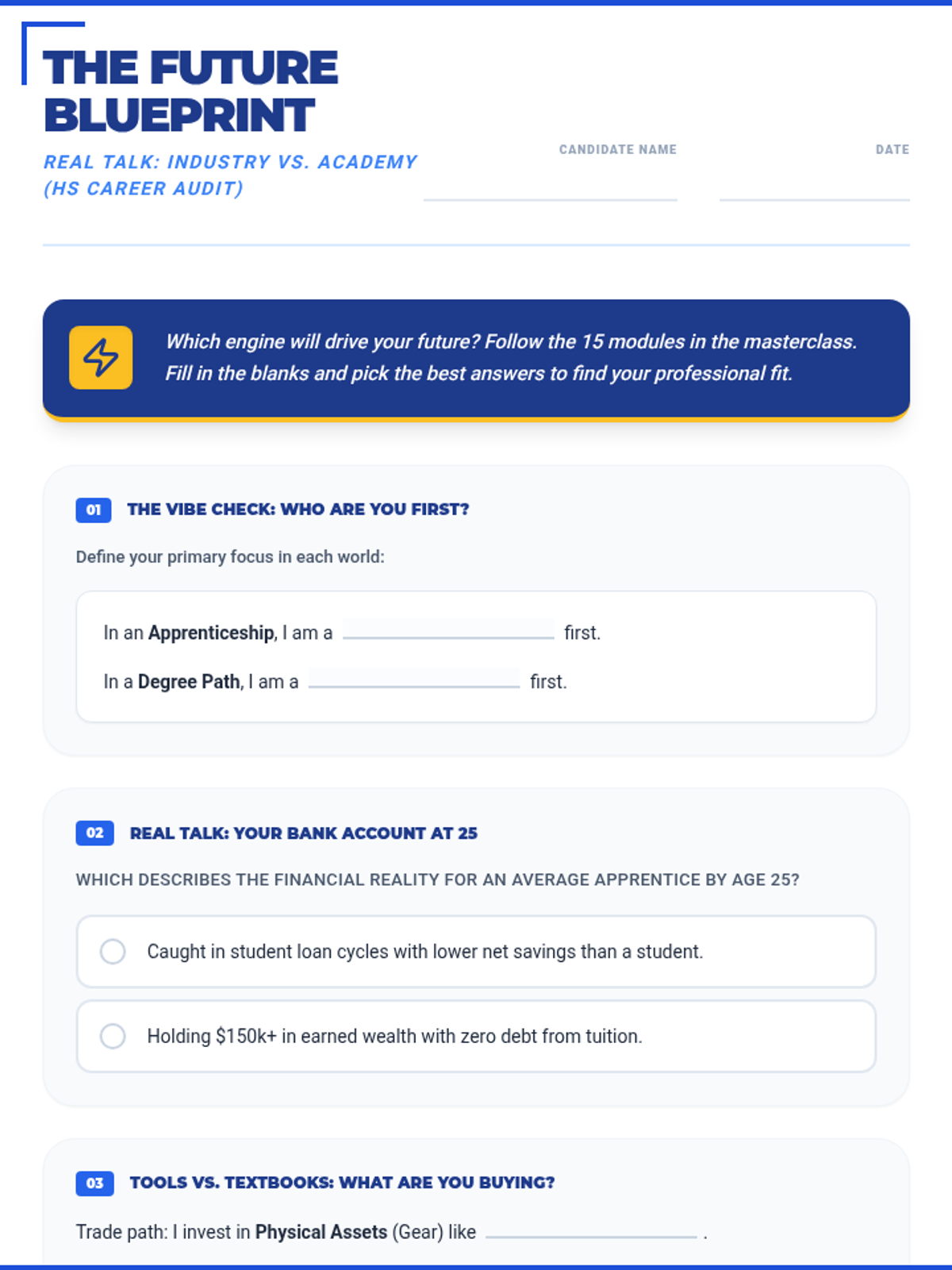
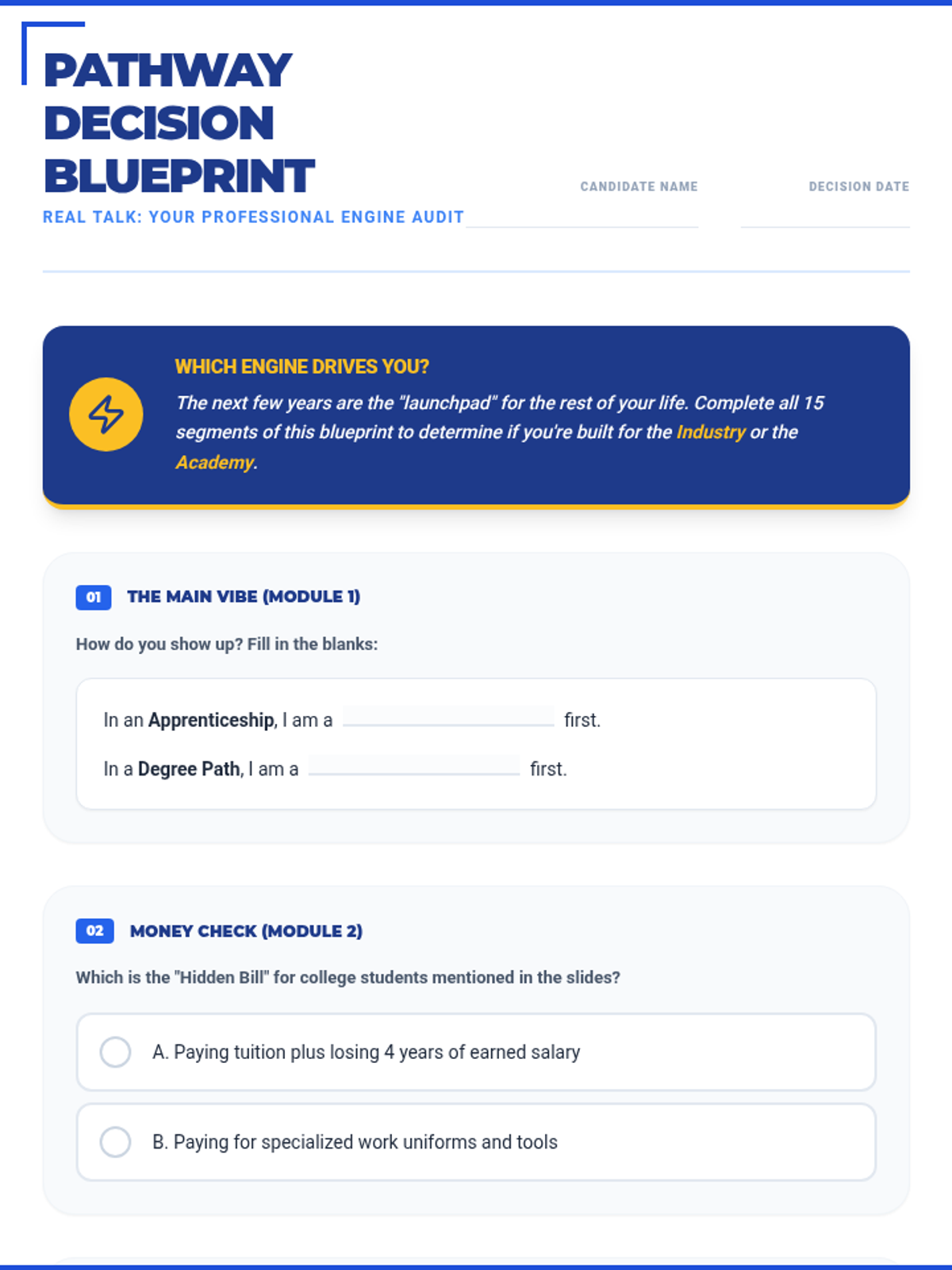
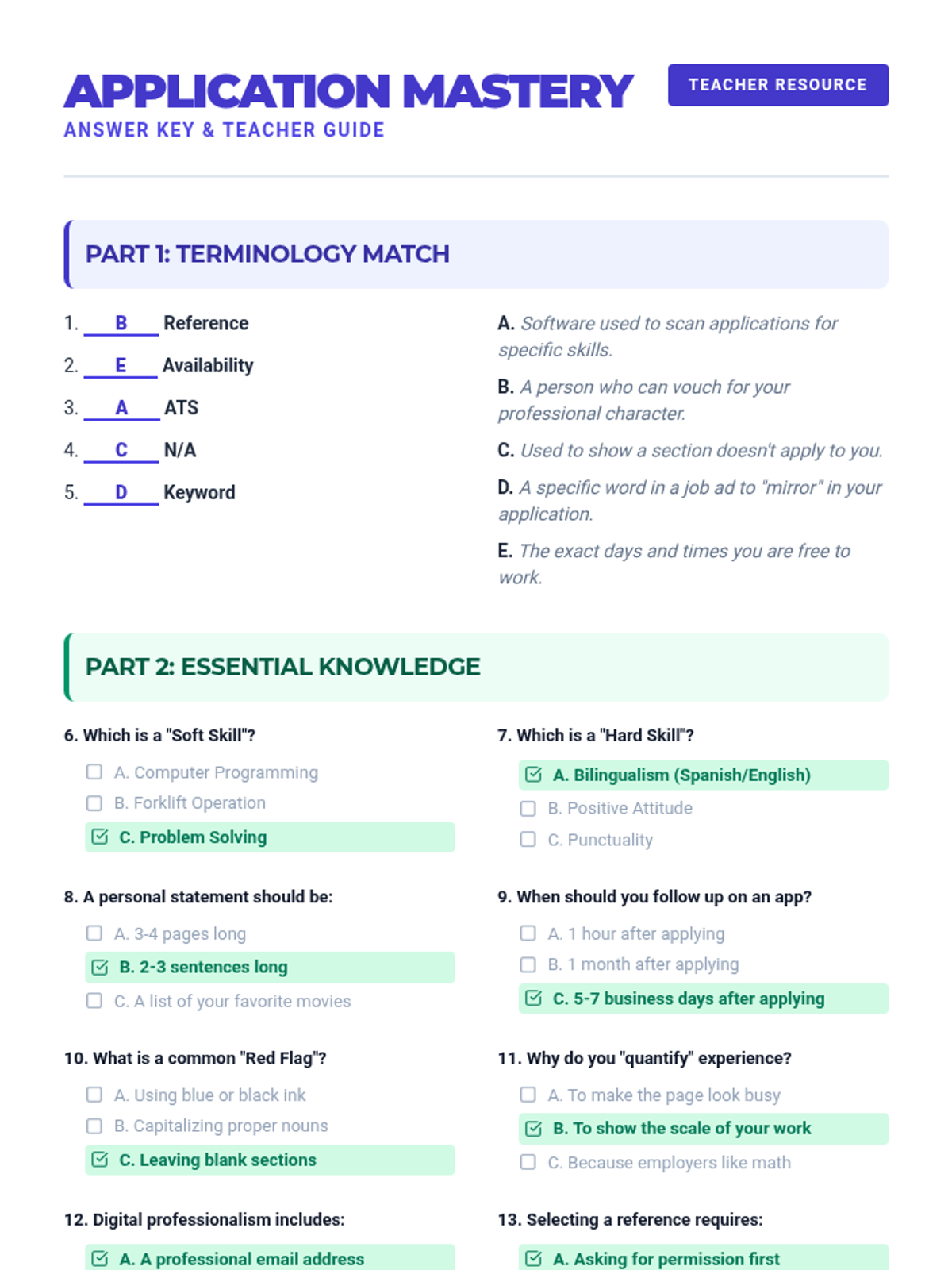
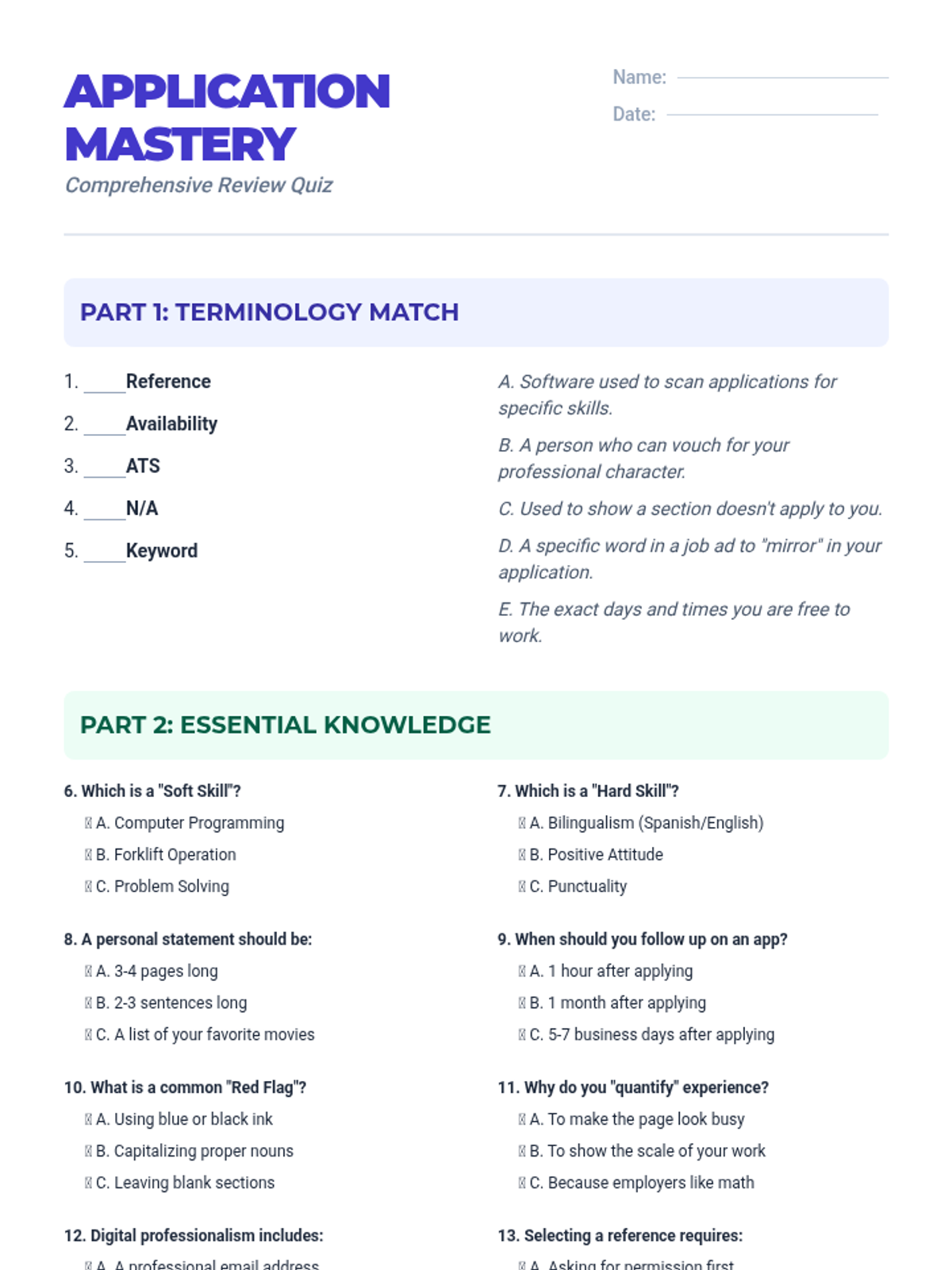
A comprehensive lesson focused on mastering the job application process, from understanding terminology to tailoring skills for specific roles.
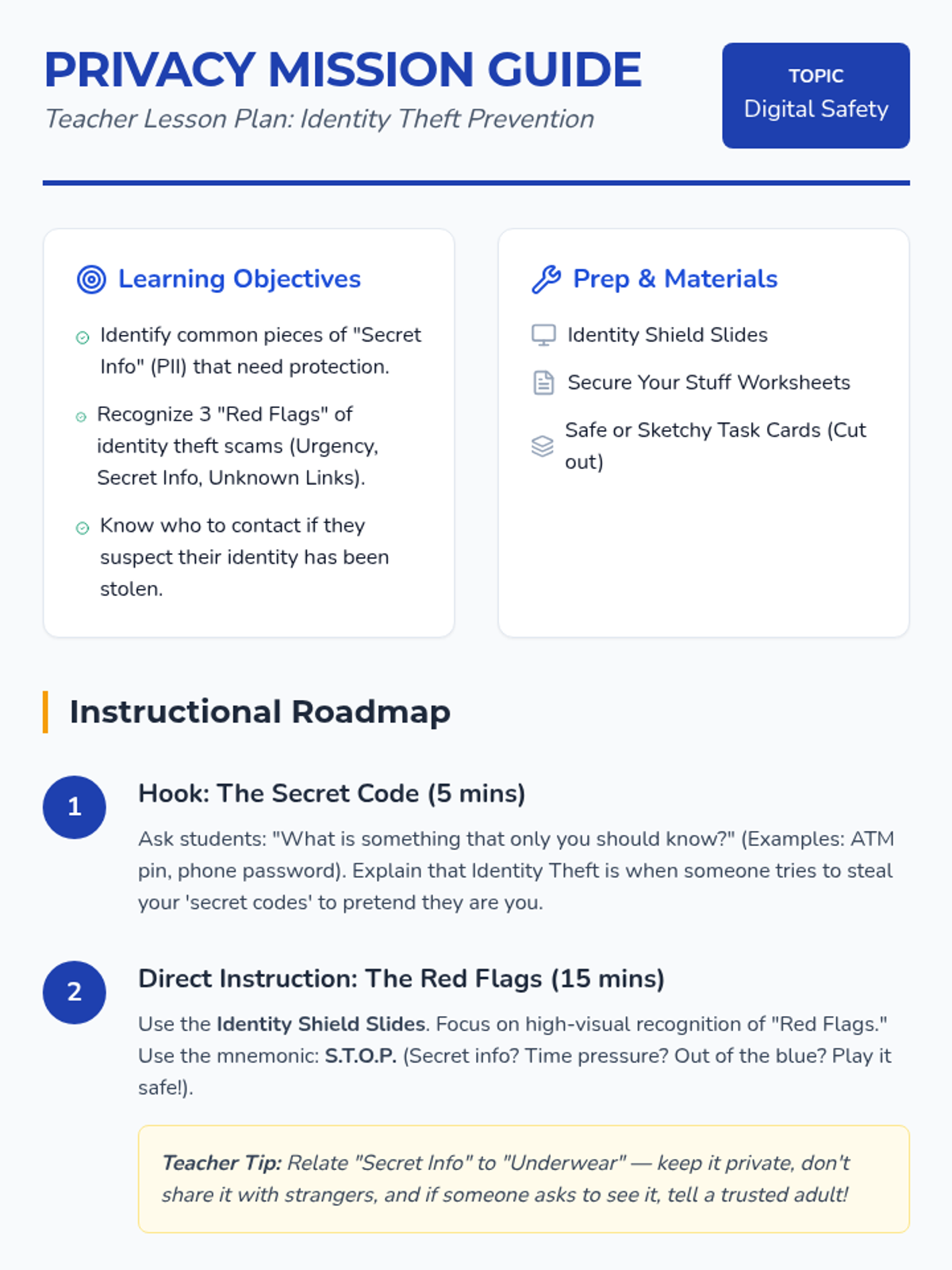
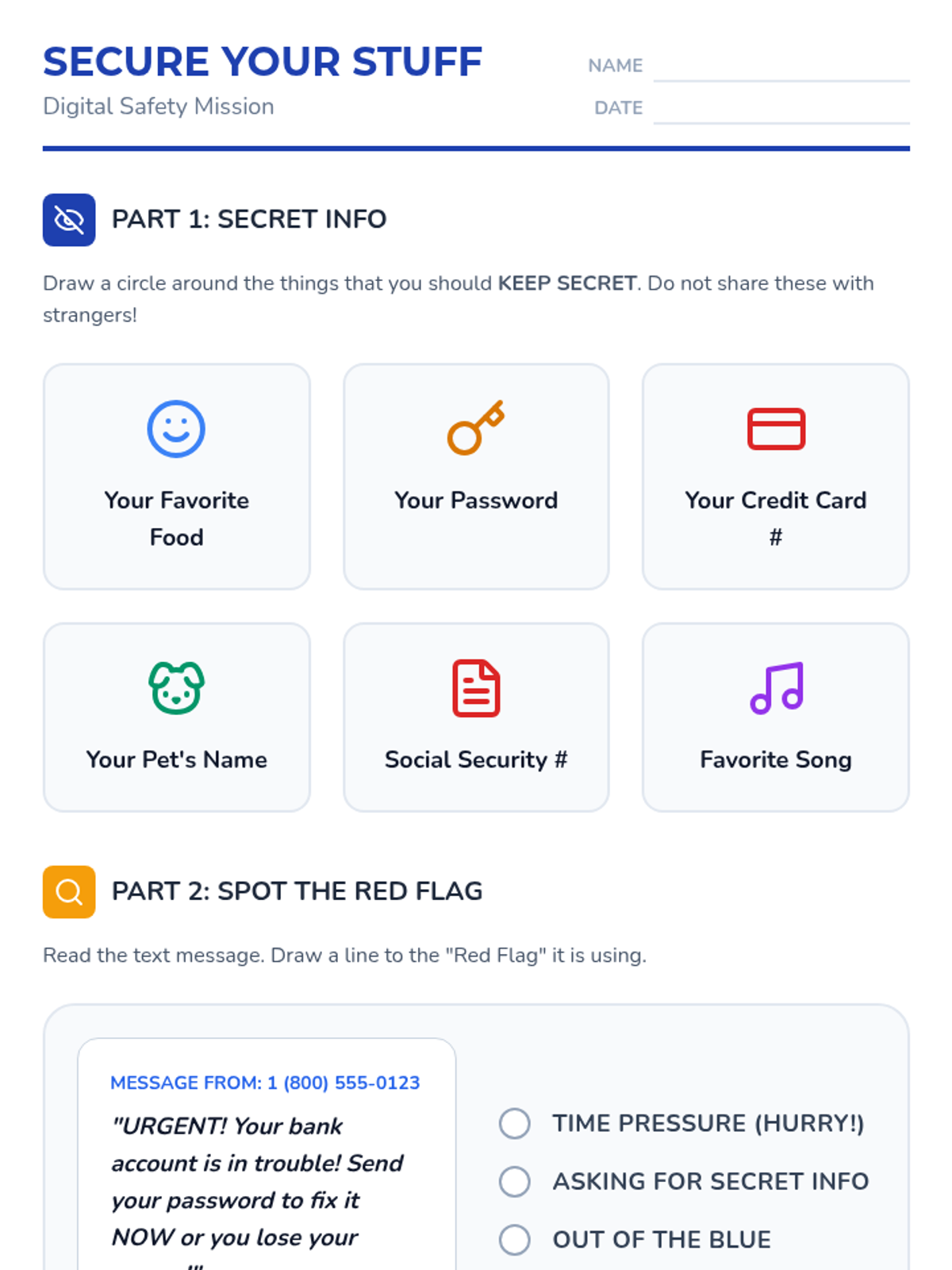
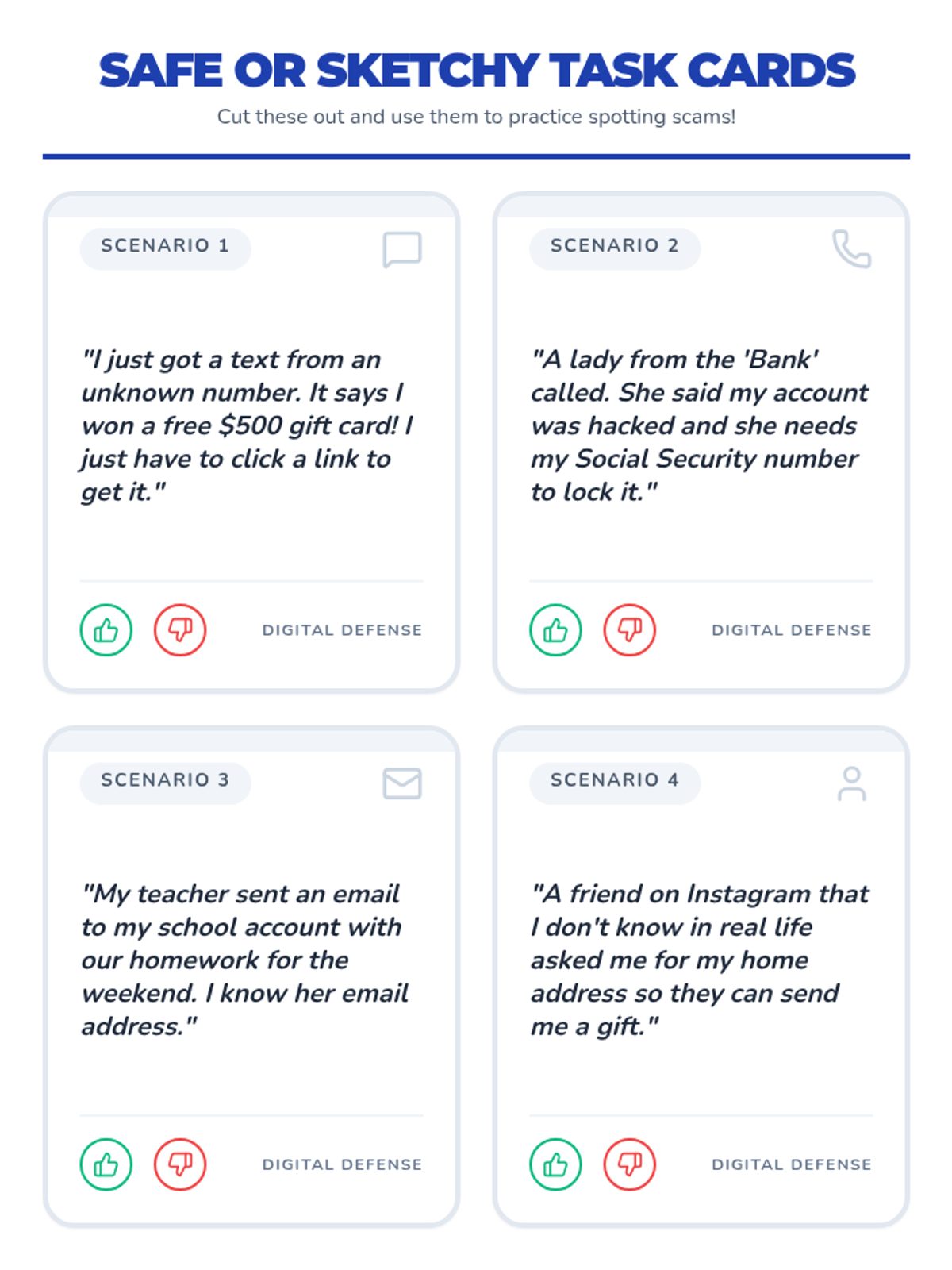
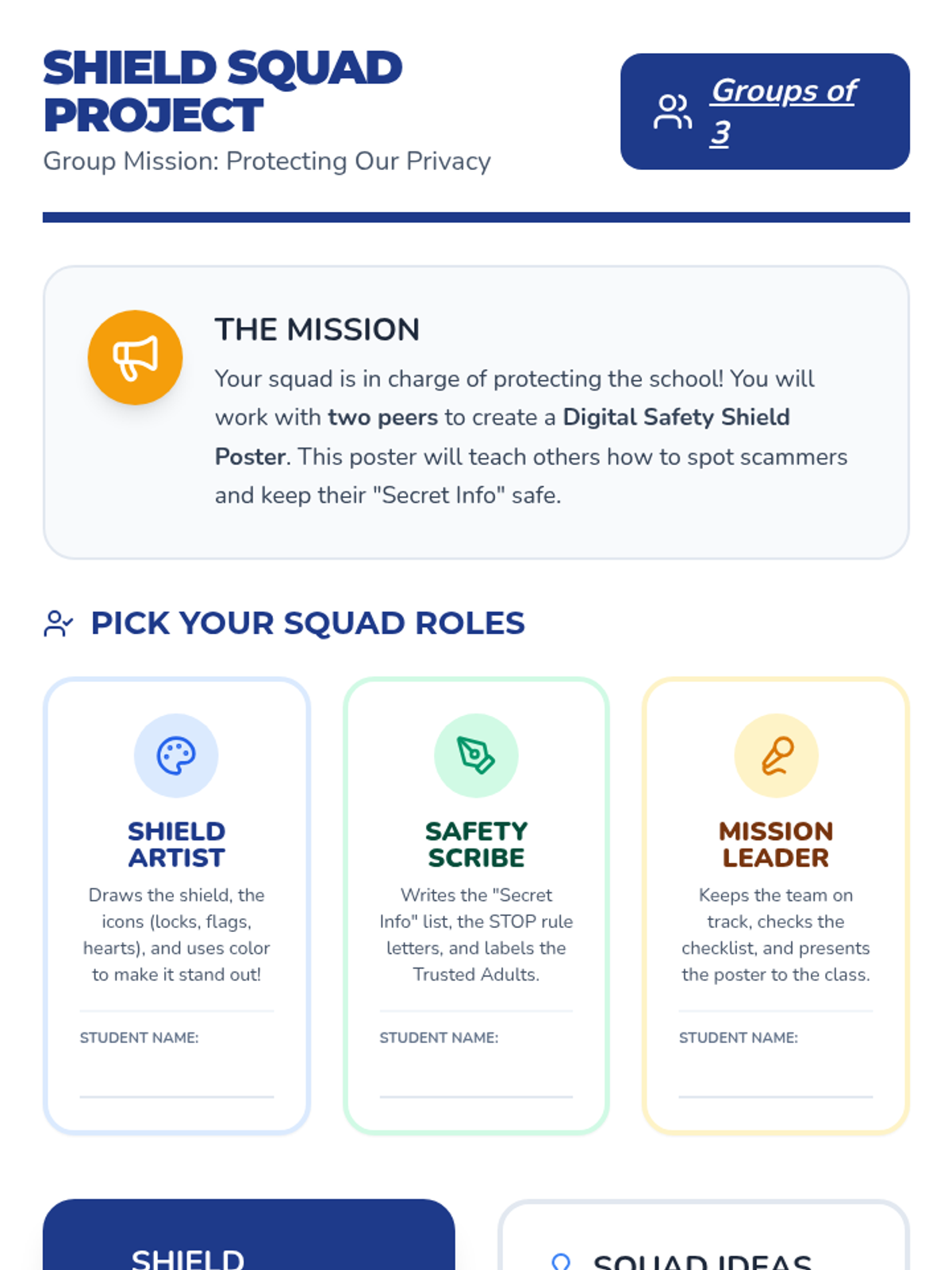
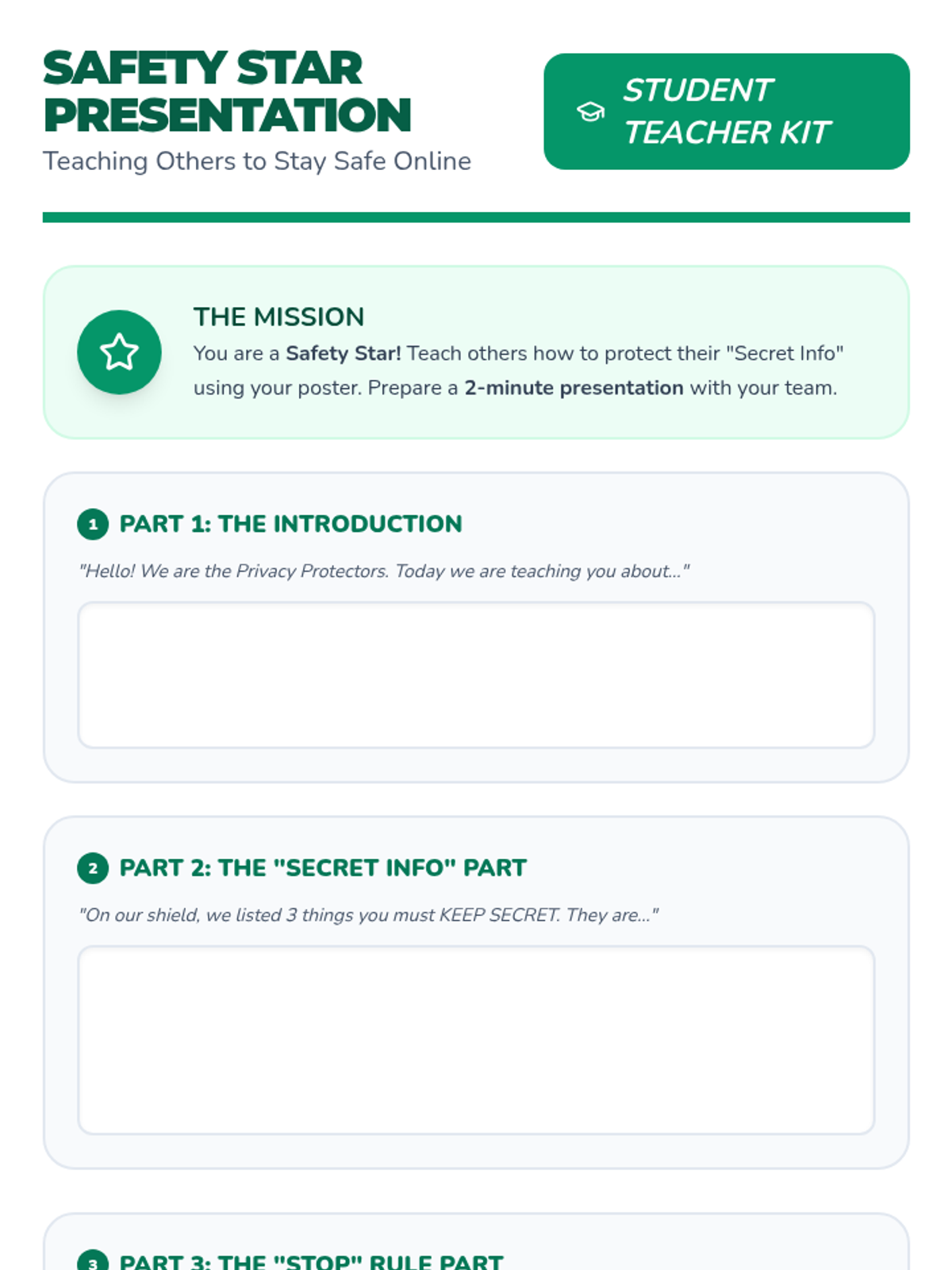
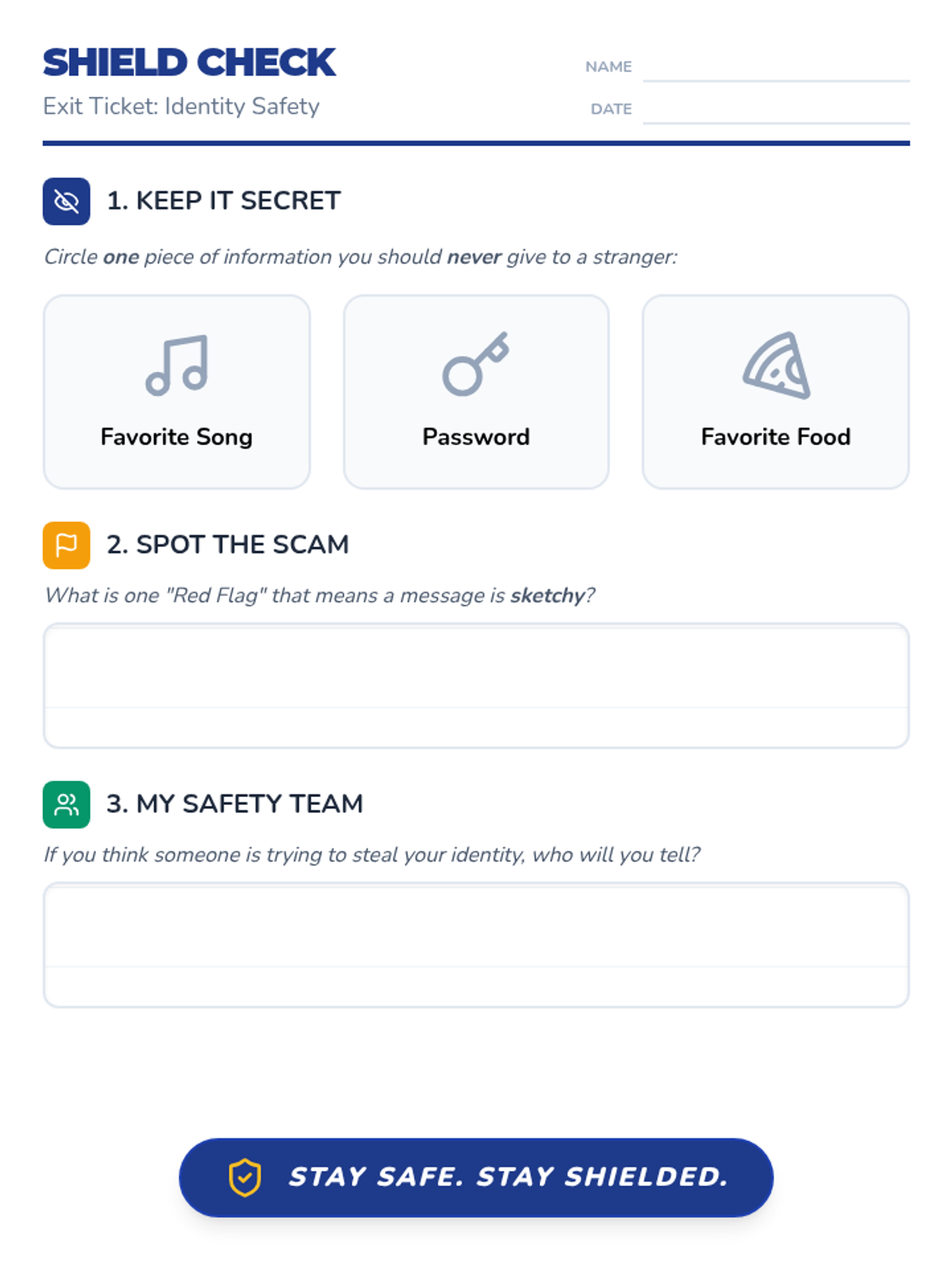
A comprehensive lesson on identity theft designed for high school special education students, focusing on recognizing red flags and protecting personal information through practical scenarios and visual aids.
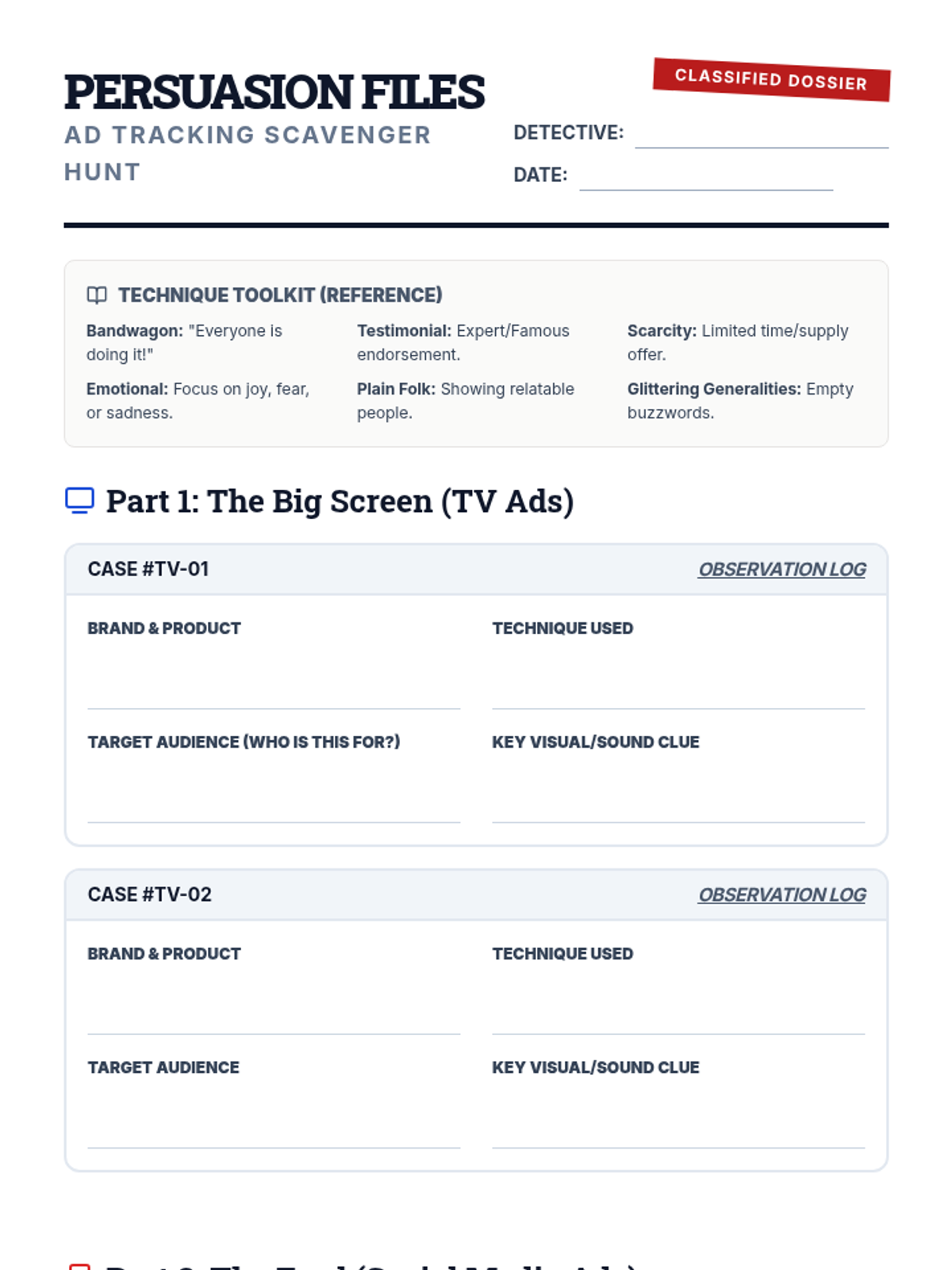
Students become 'Ad Detectives' to uncover the hidden persuasion tactics used in television and social media advertising. This lesson provides the tools and framework for a hands-on investigation of modern marketing strategies.
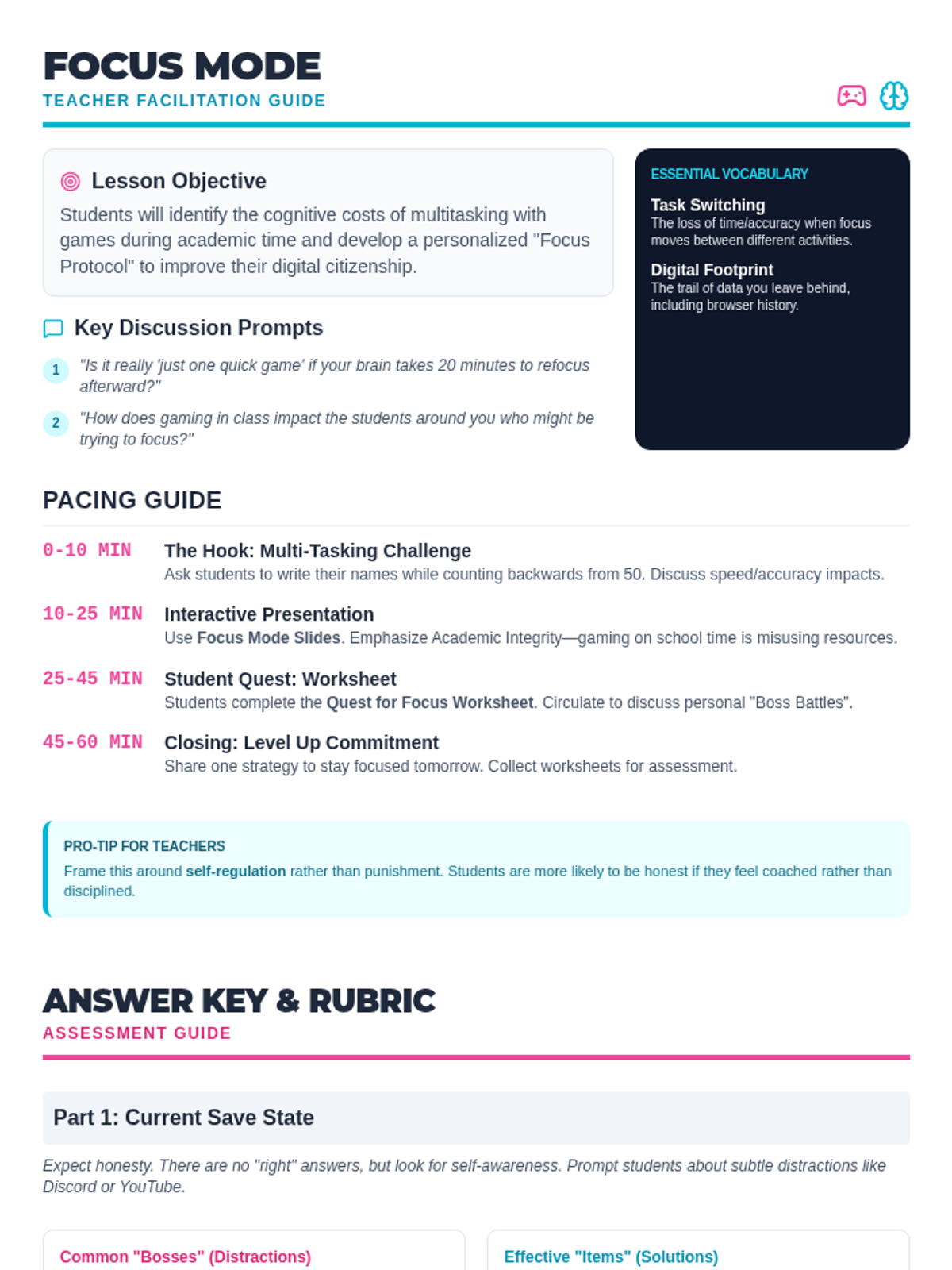
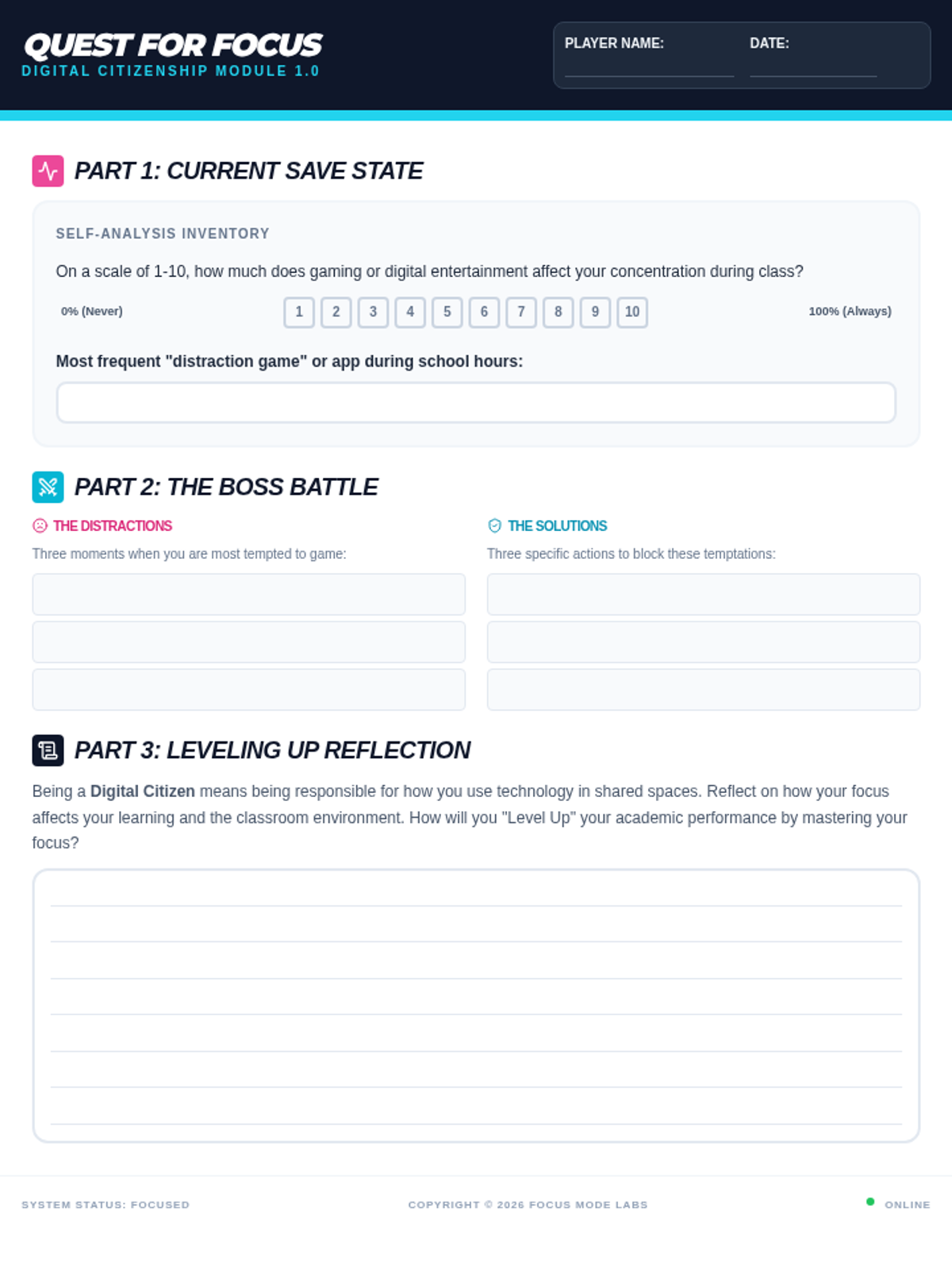
This lesson explores the impact of gaming during school hours on academic focus and digital citizenship. Students will reflect on their digital habits, analyze the myth of multitasking, and develop personal strategies for maintaining focus in a digital learning environment.
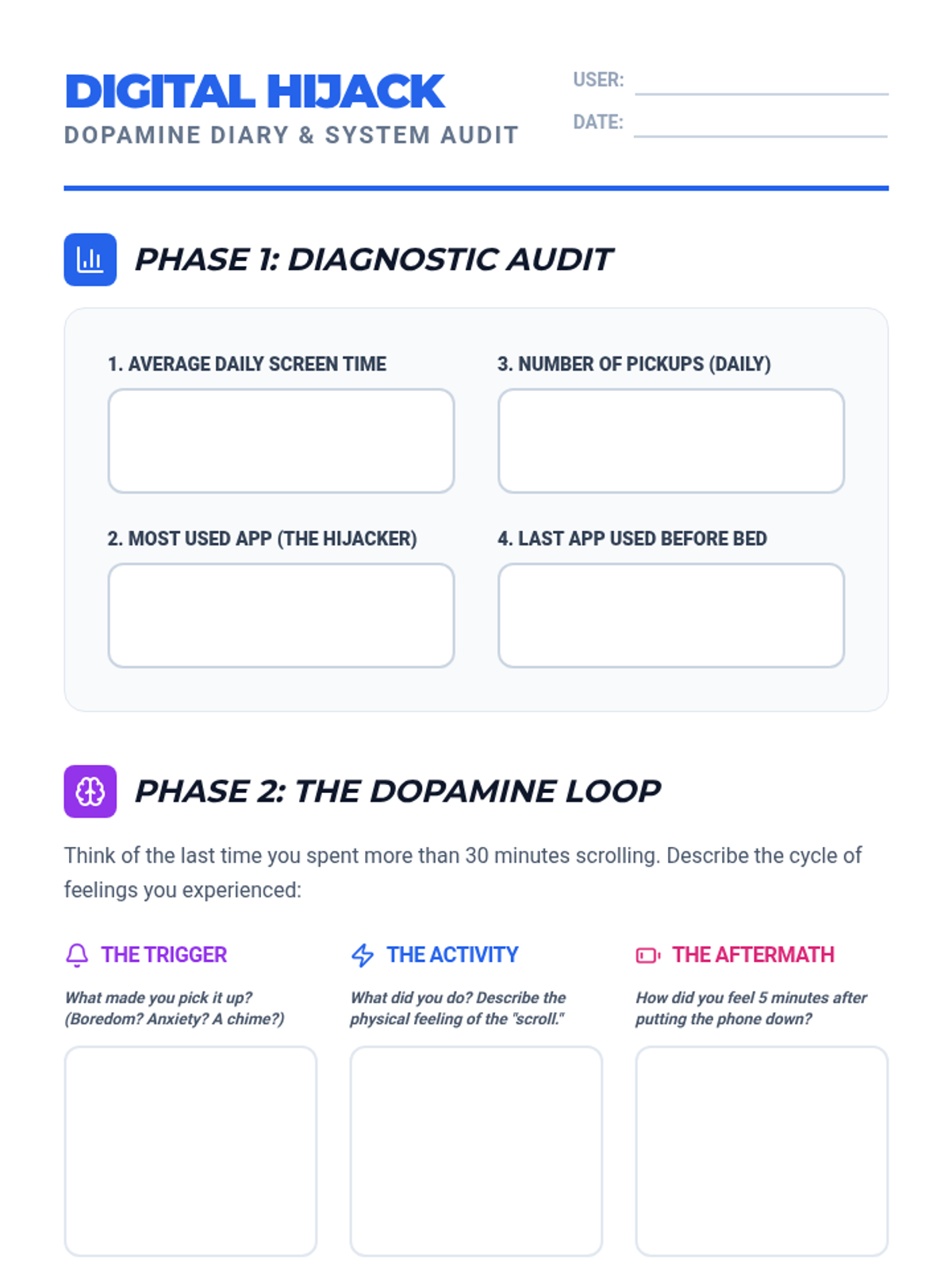
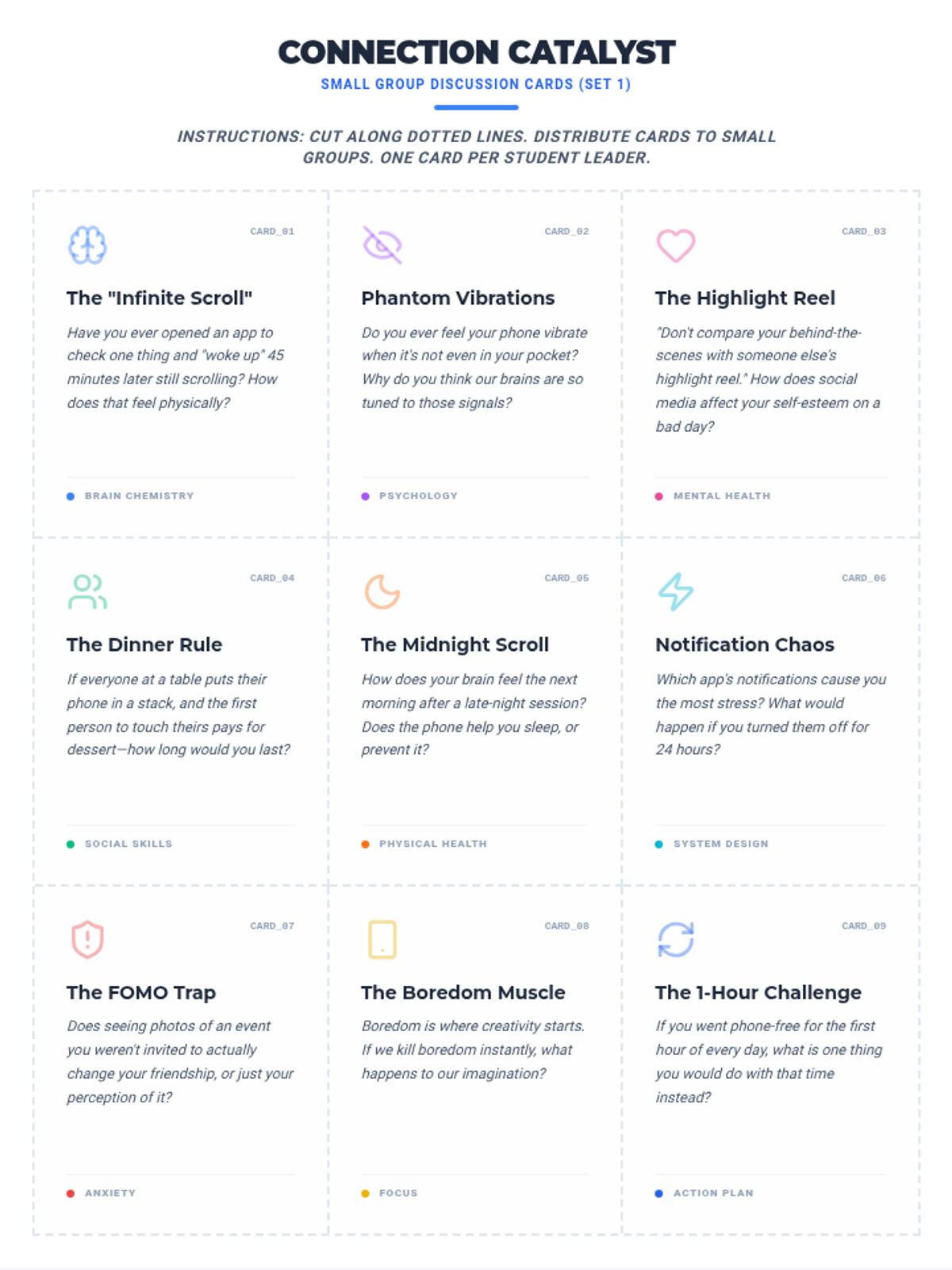
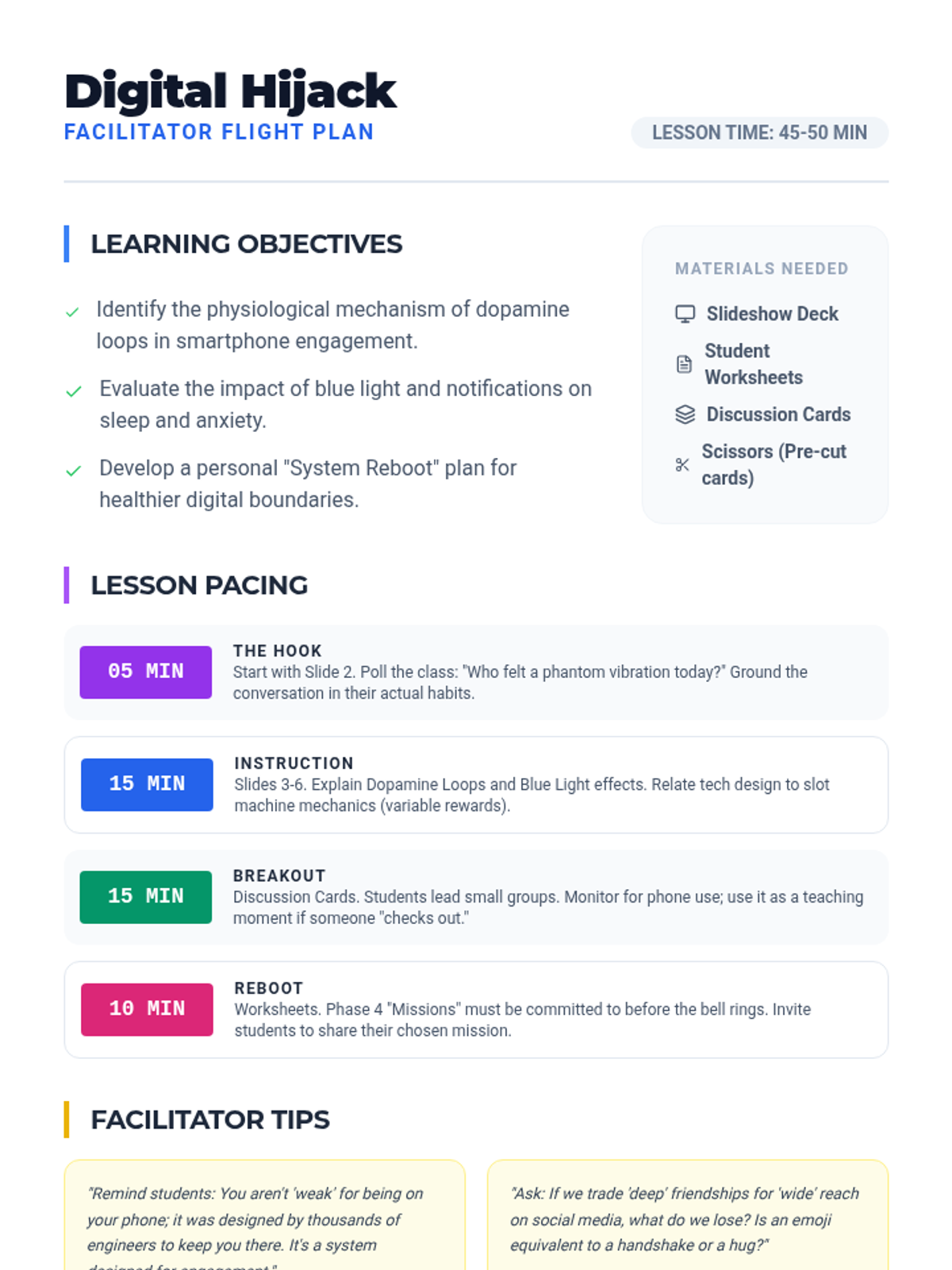
A comprehensive lesson for teenagers exploring the physiological and psychological impacts of smartphone addiction, covering dopamine loops, sleep disruption, anxiety, and social isolation.
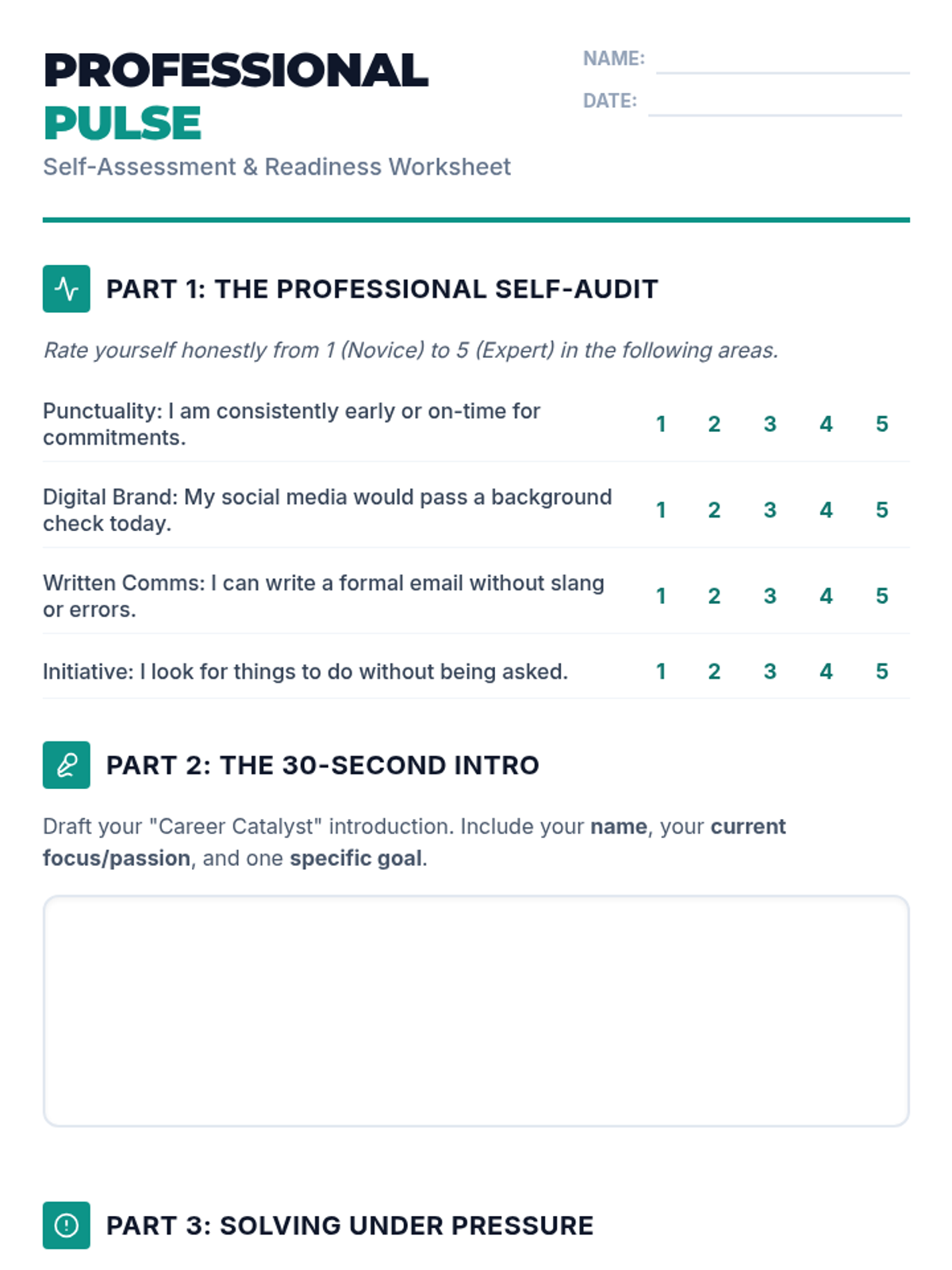
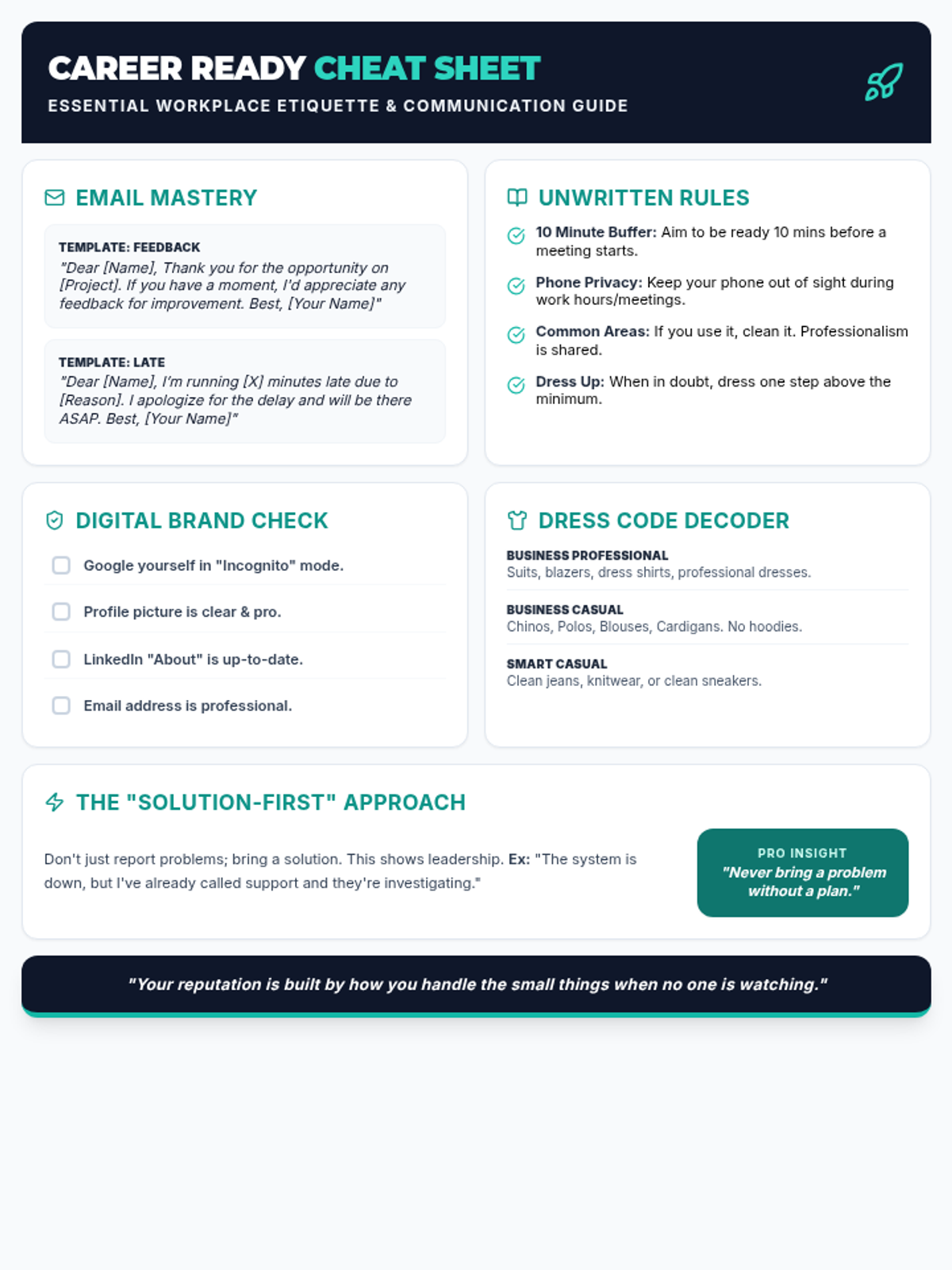
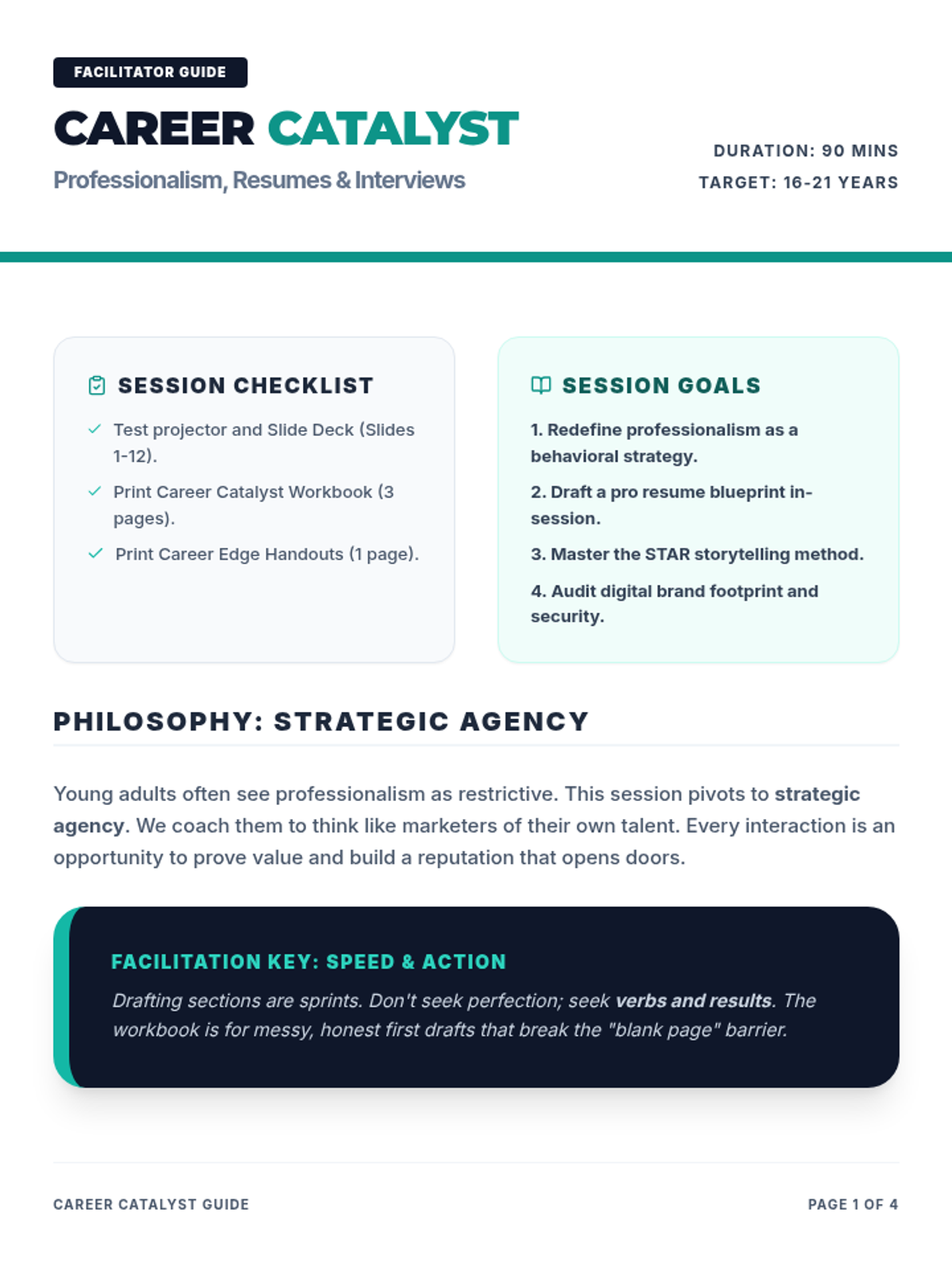
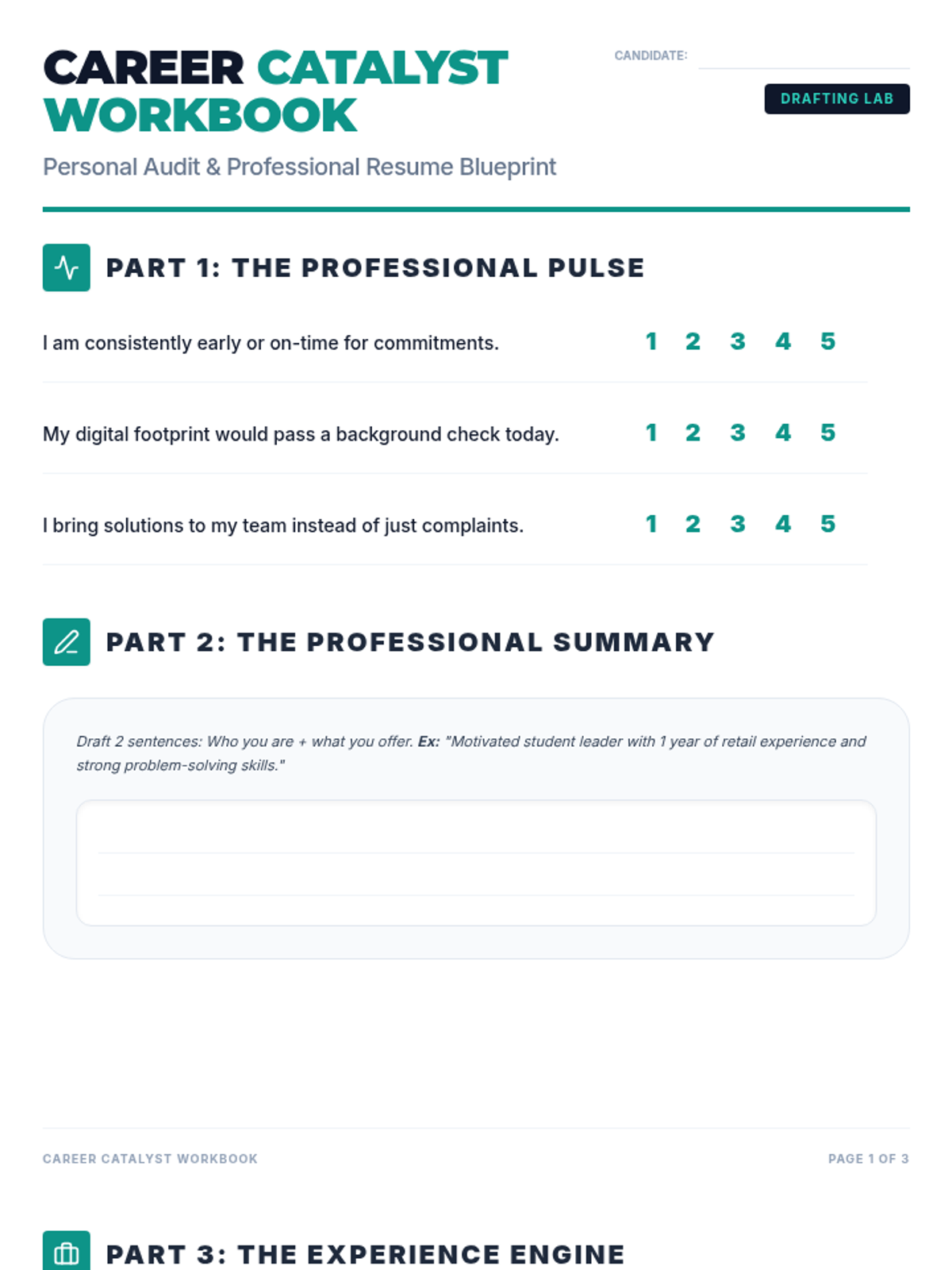
A comprehensive 90-minute session for young adults aged 16-21, focusing on the transition from student to professional through communication, reliability, and workplace etiquette.
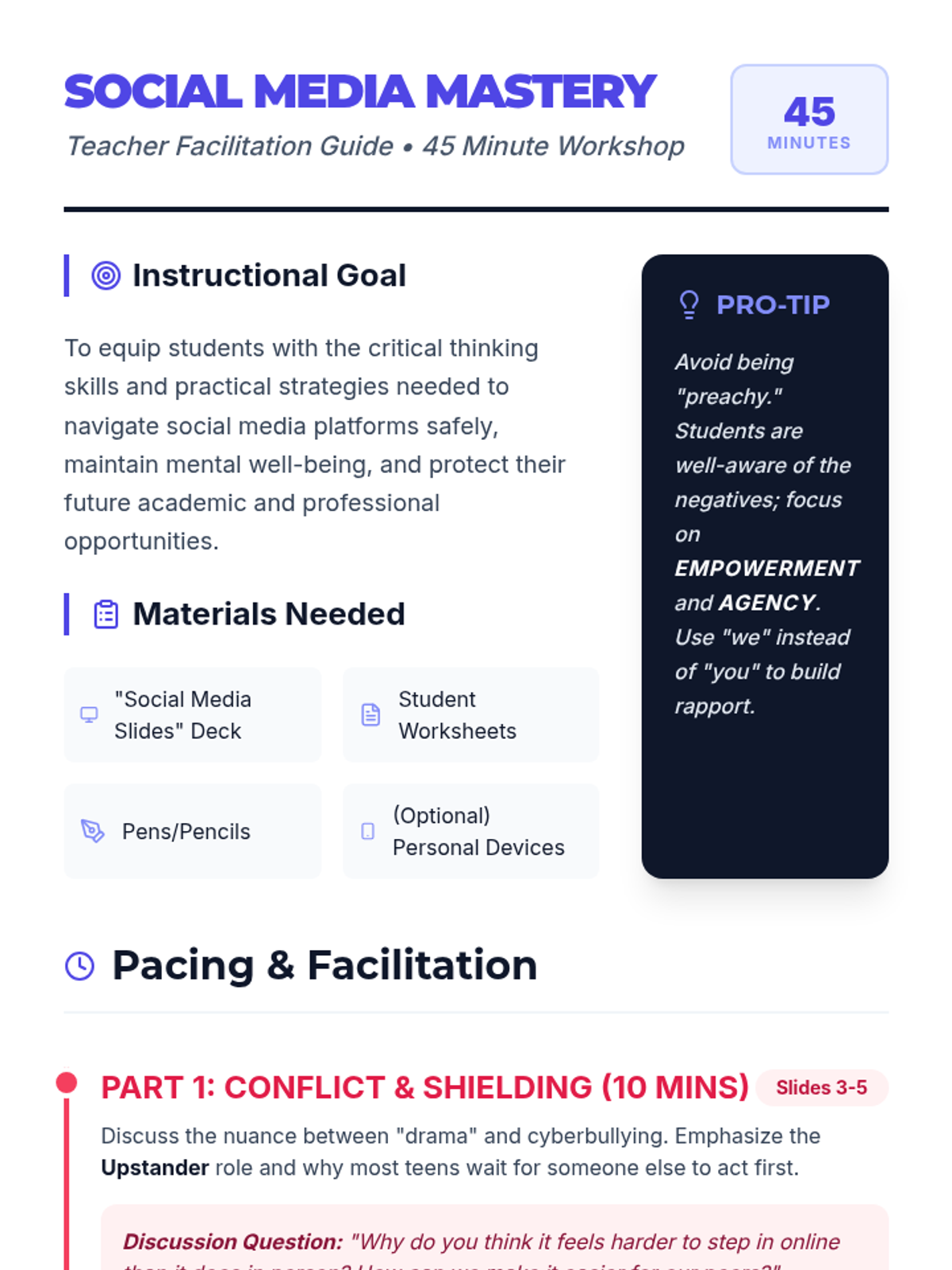
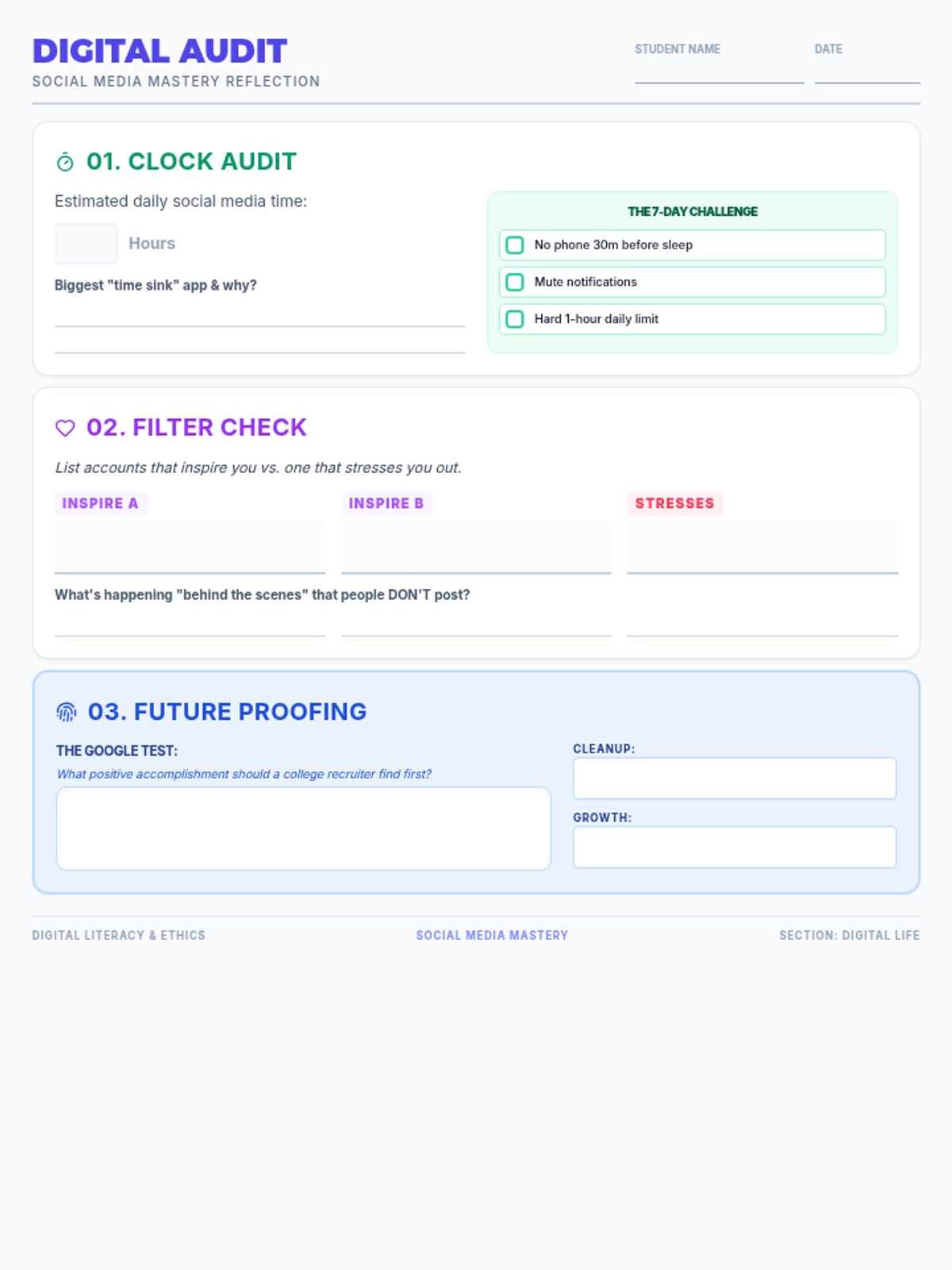
A comprehensive 45-minute lesson covering the critical pillars of responsible social media use, including digital citizenship, mental well-being, and future-proofing one's online presence.
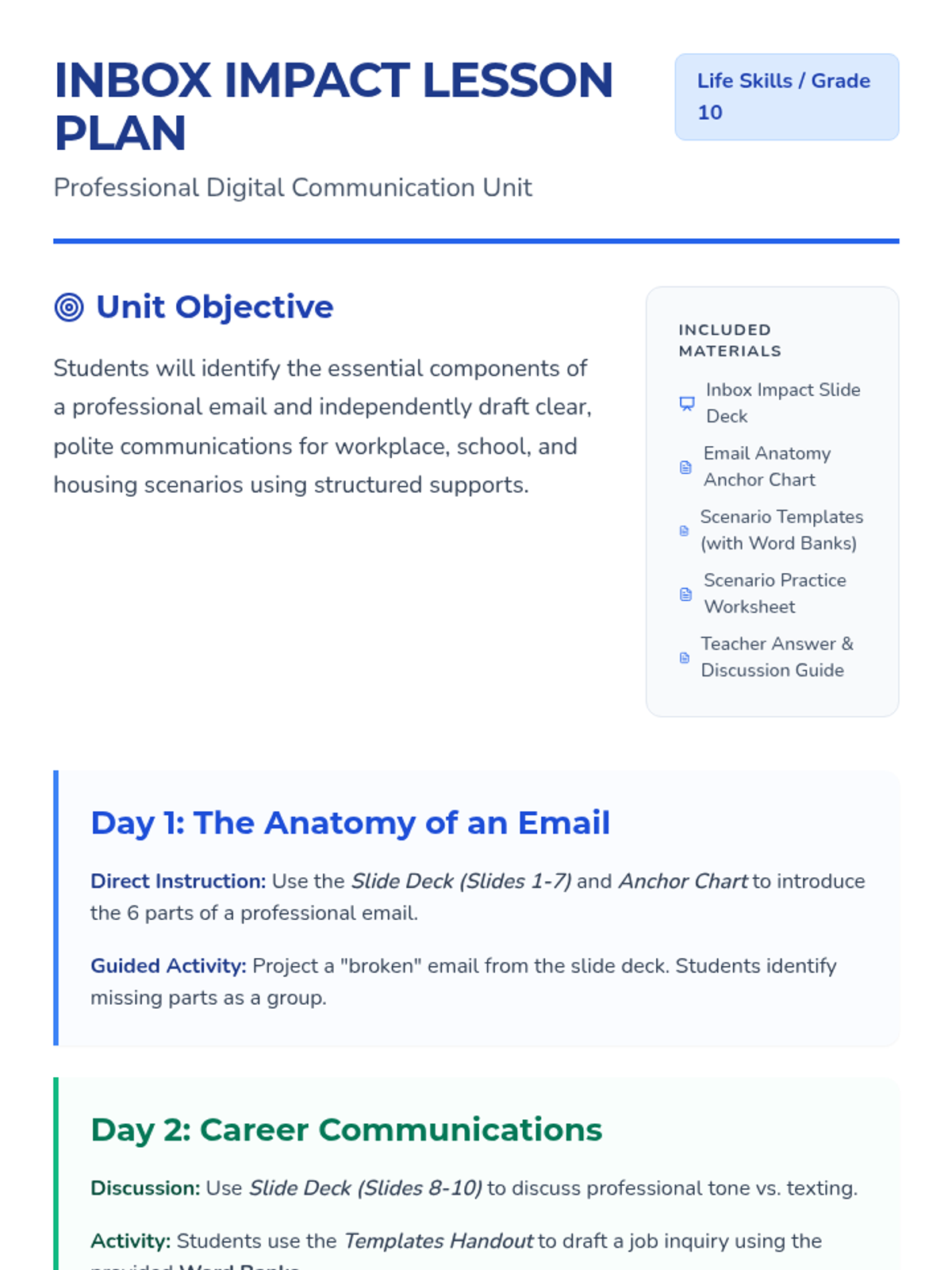
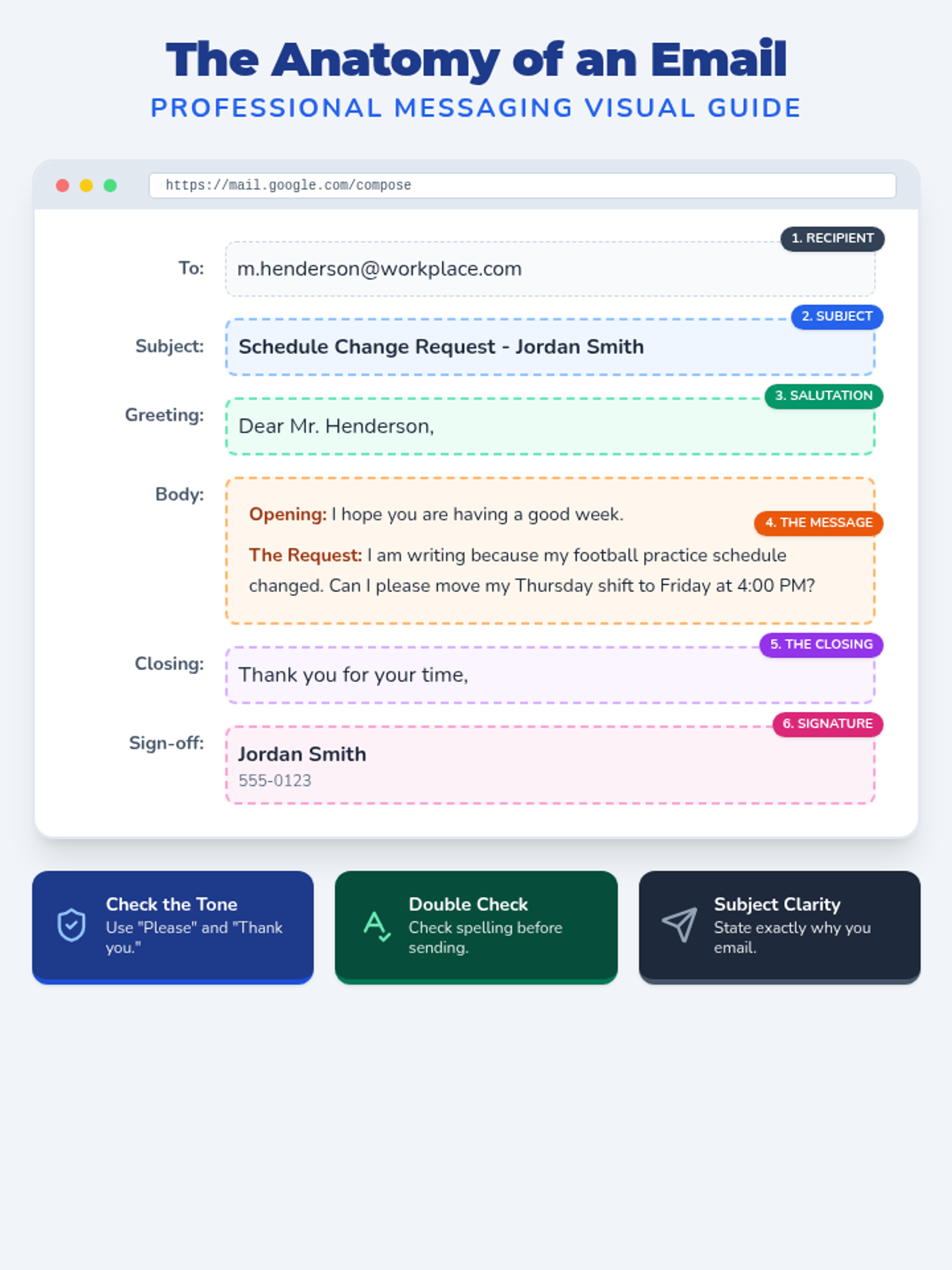
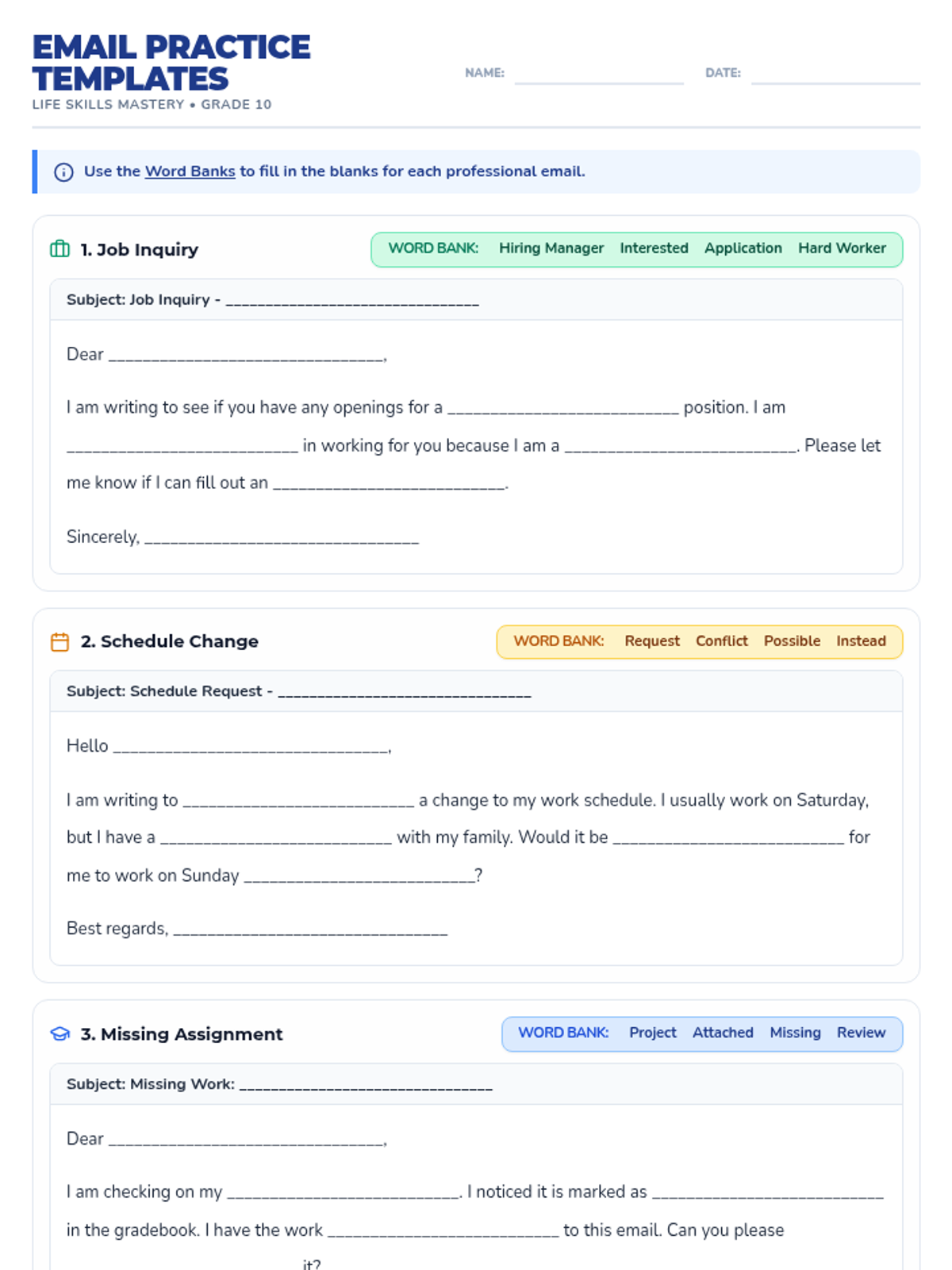
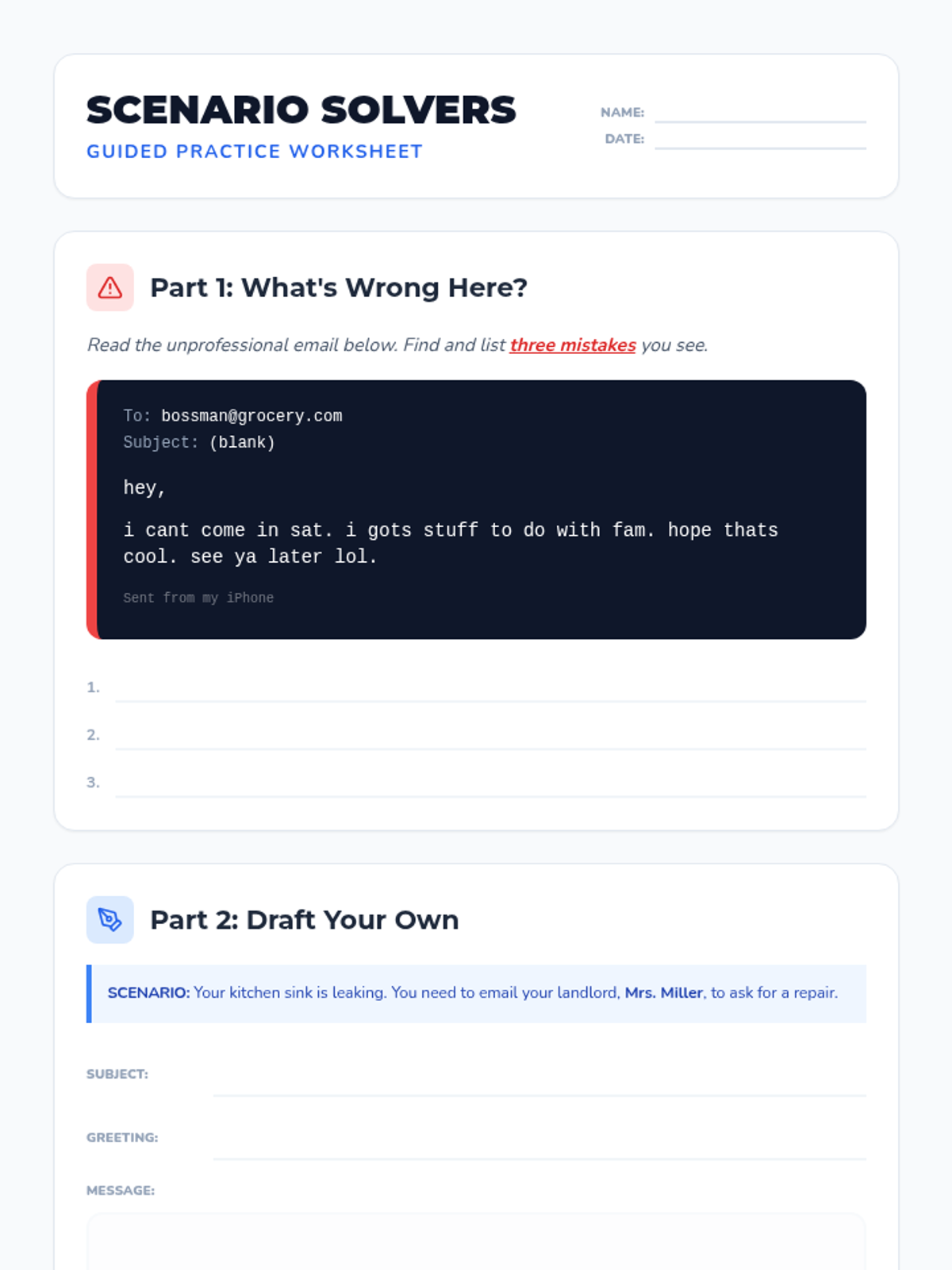
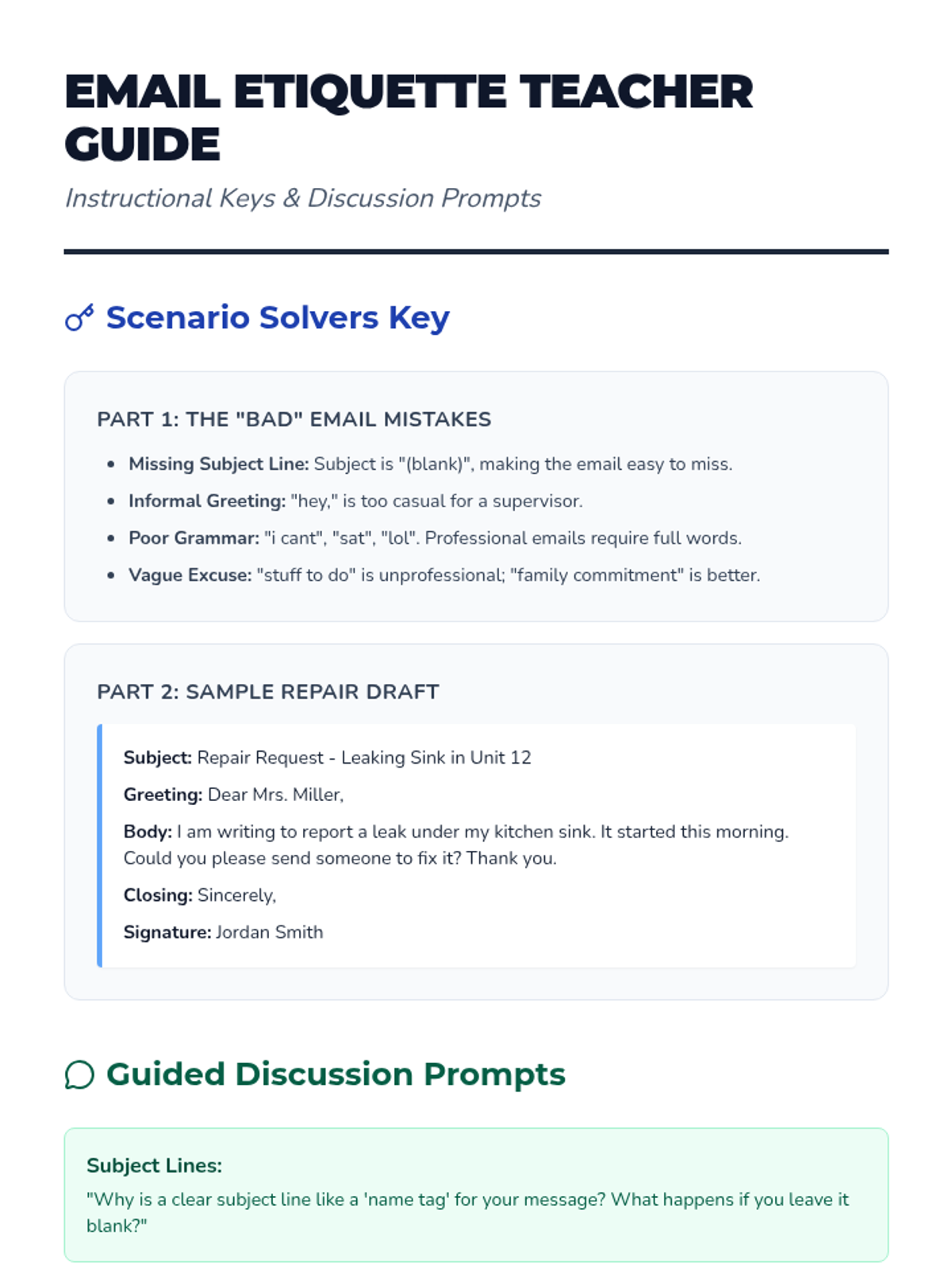
A multi-day instructional sequence focused on the mechanics and etiquette of professional email writing. Students explore the anatomy of an email and practice drafting responses for employment, education, and housing scenarios.
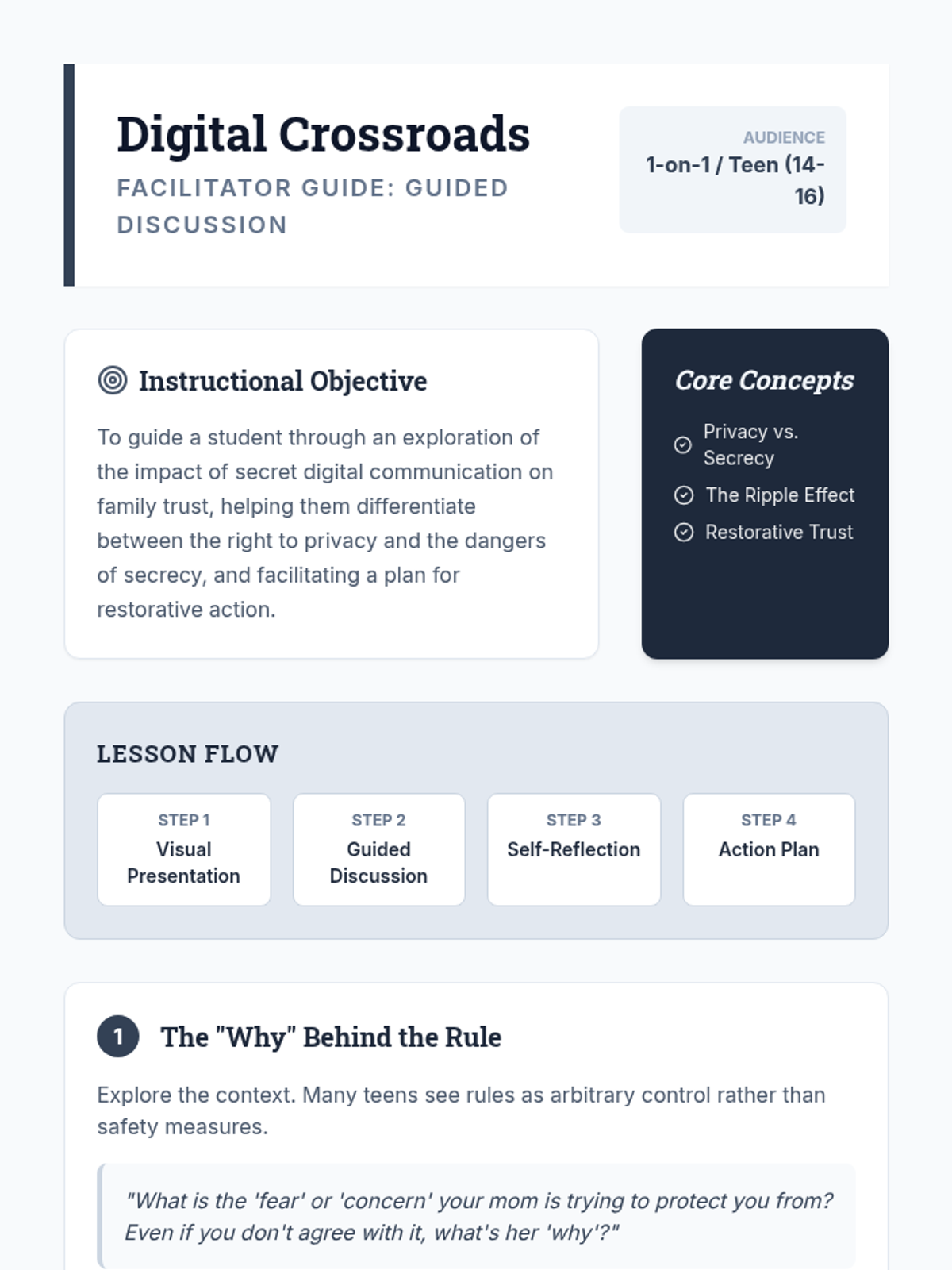
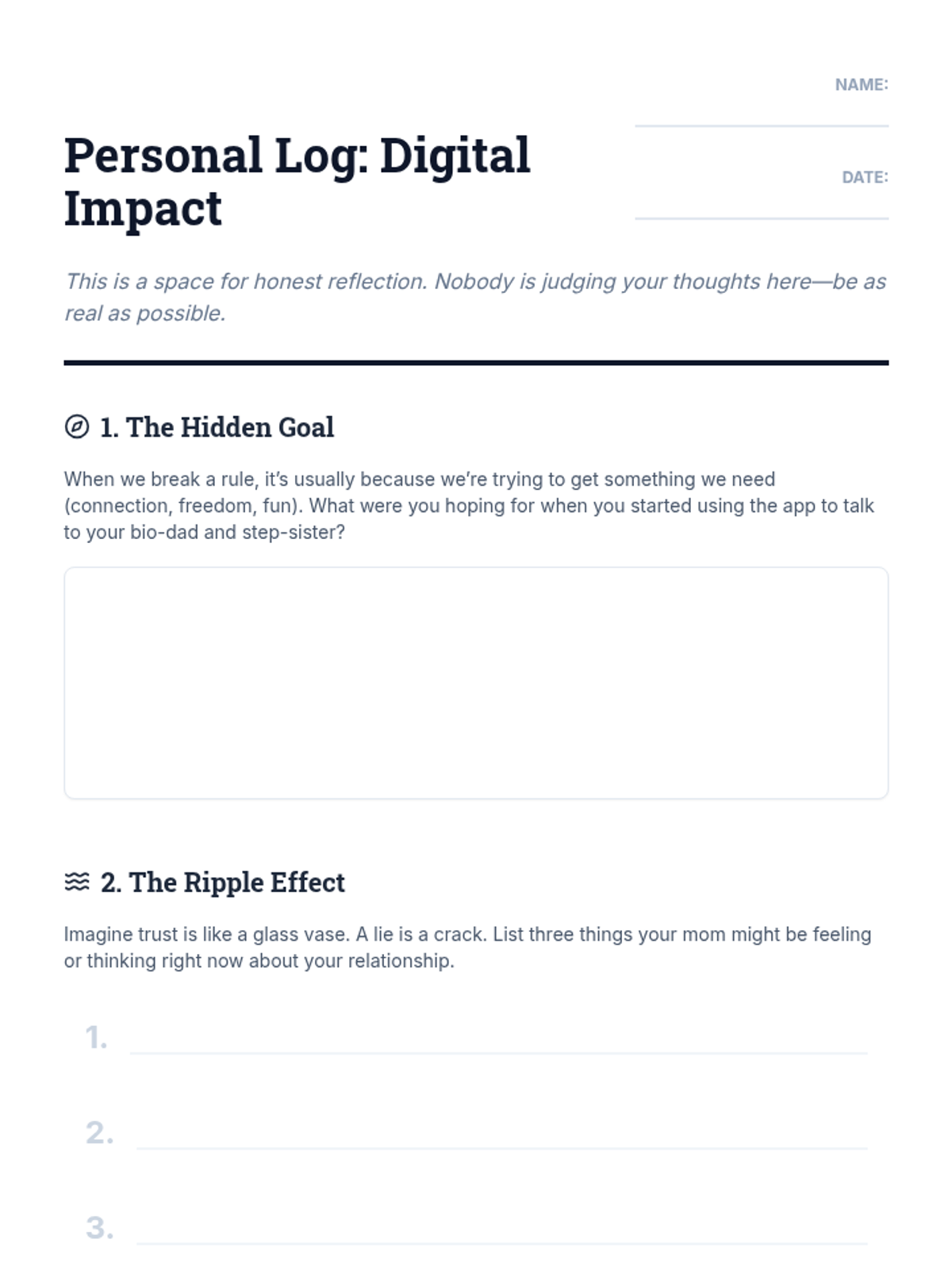
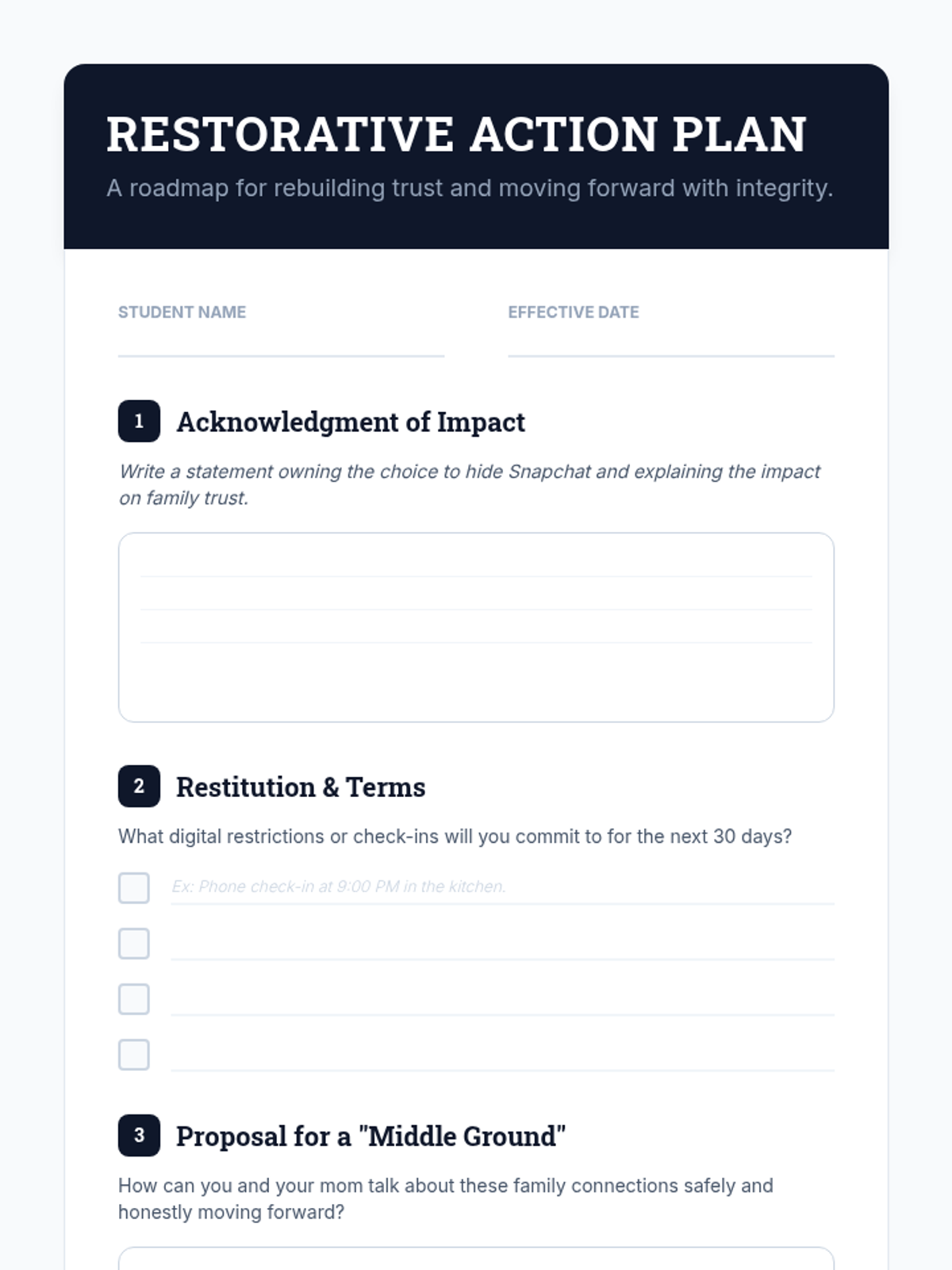
A restorative lesson designed for a teenager to navigate the complexities of digital boundaries, family trust, and secret communication. It focuses on the difference between privacy and secrecy while providing a path forward through restorative justice.
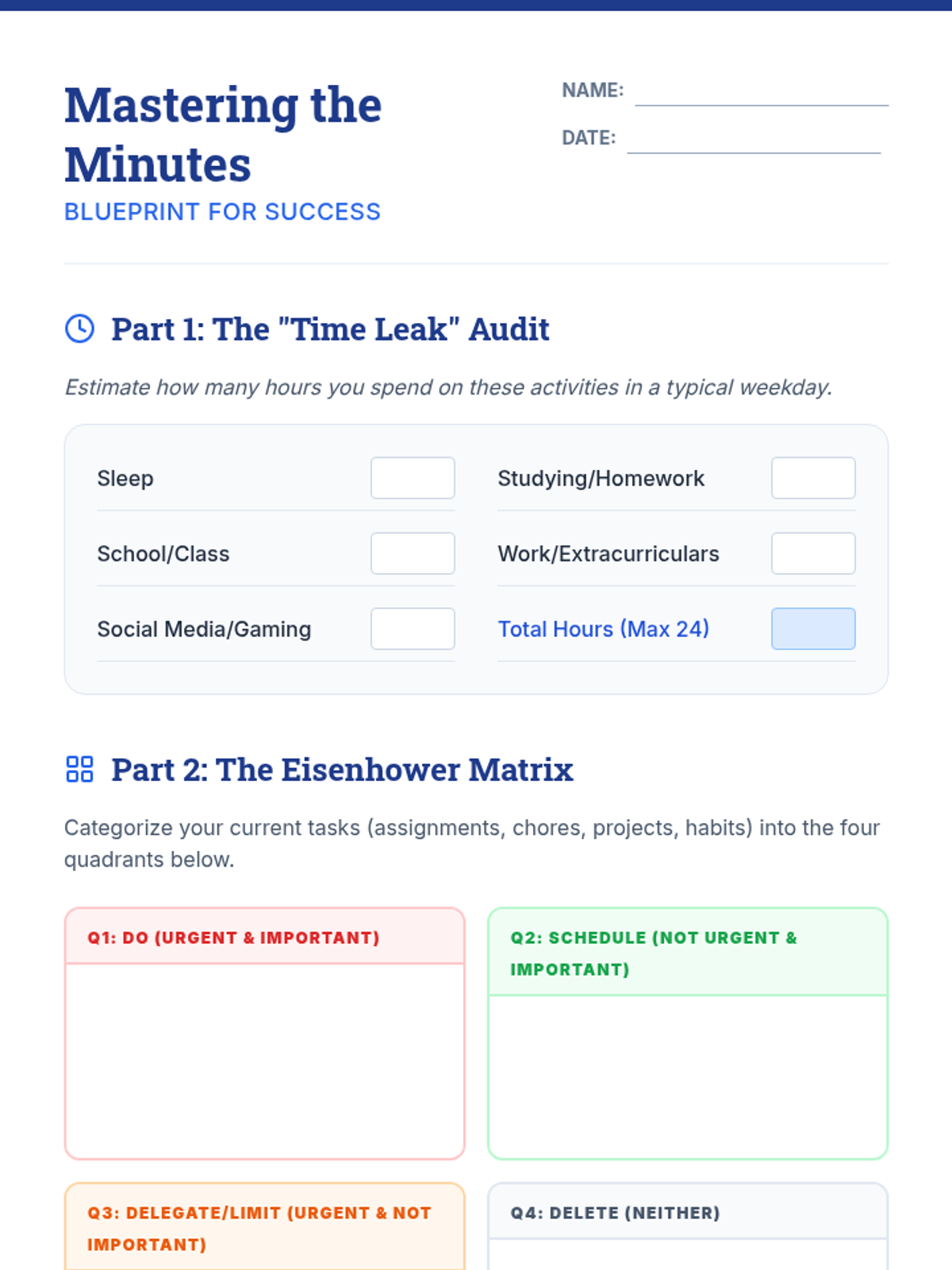
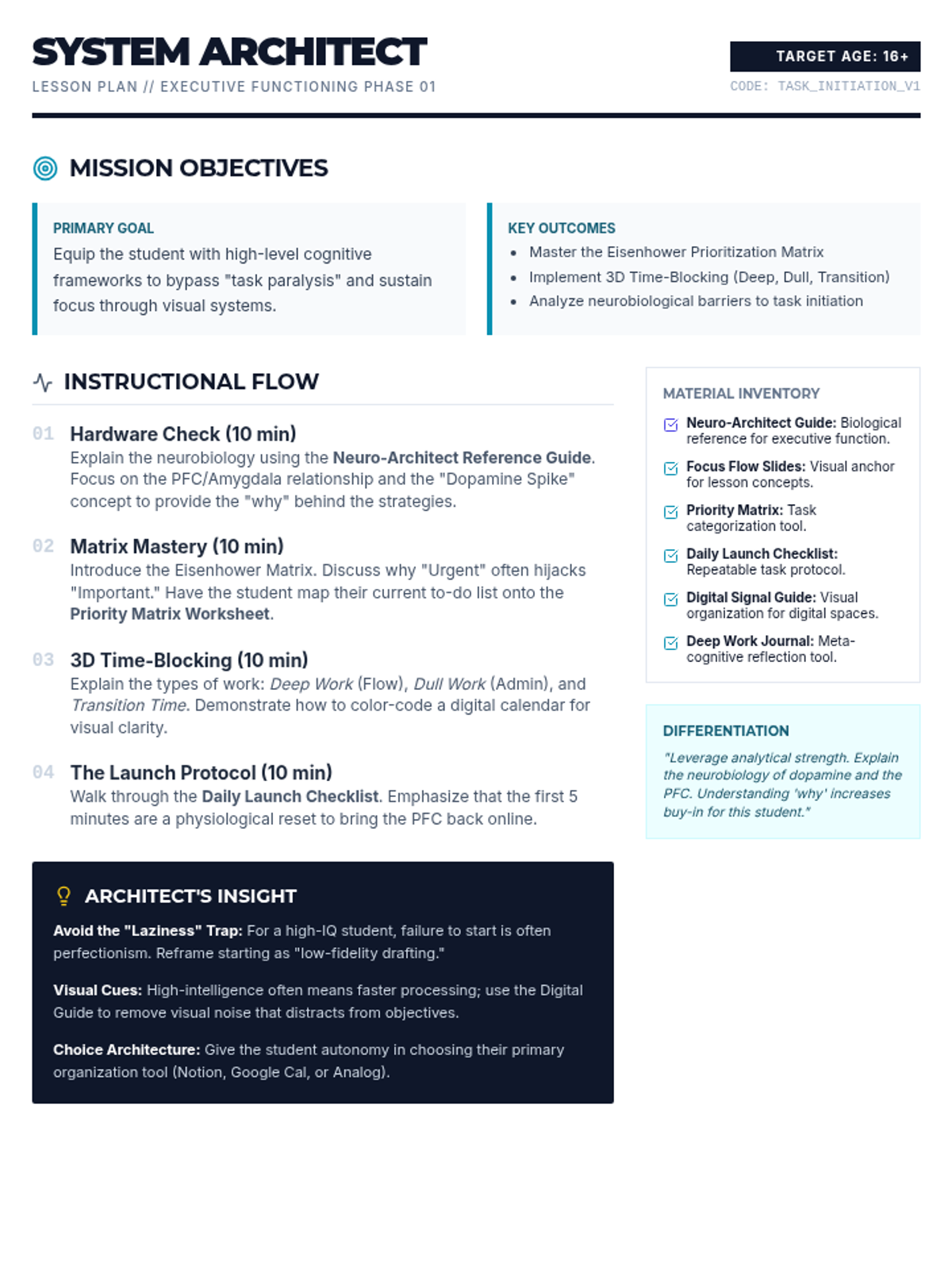
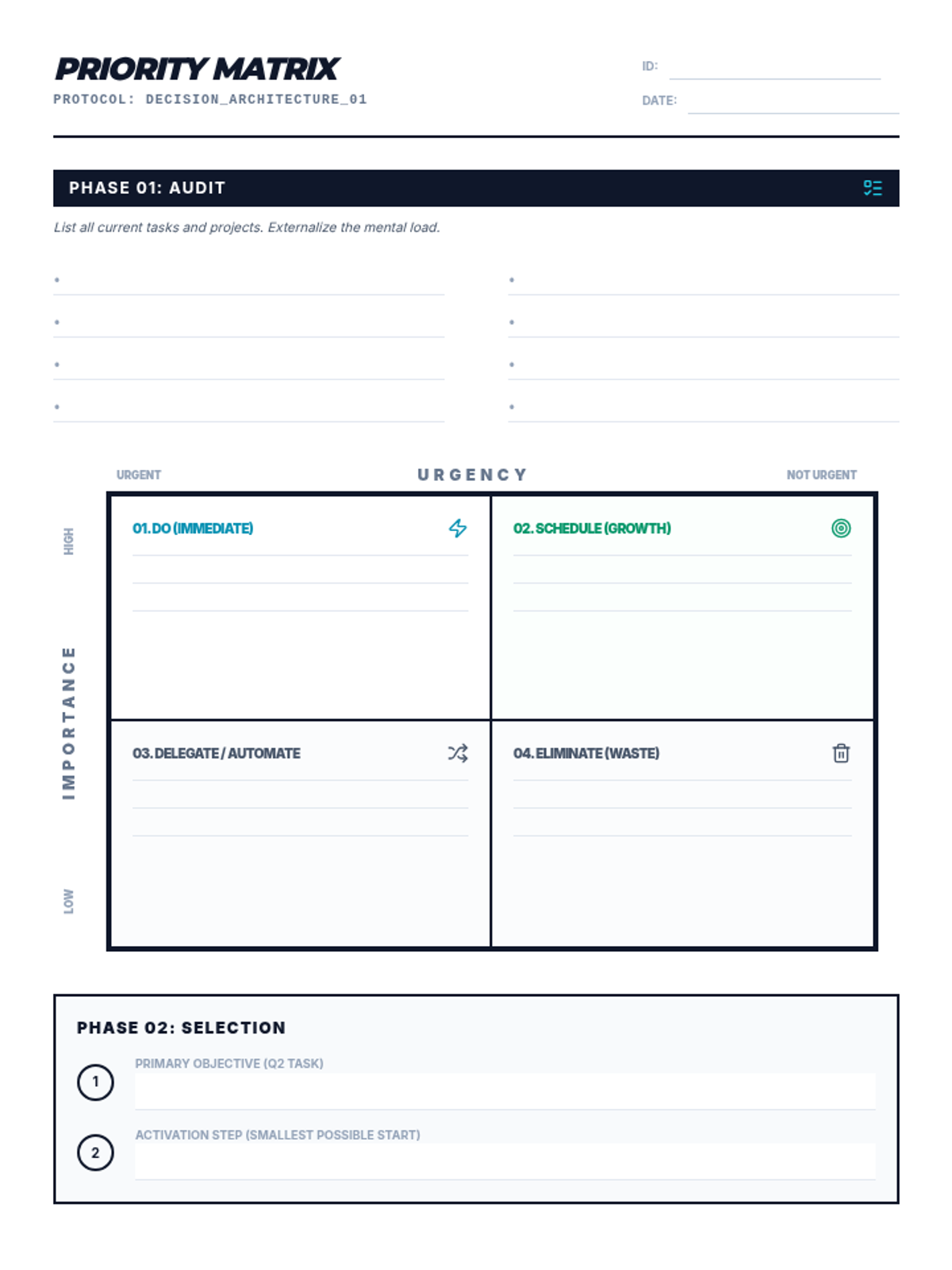
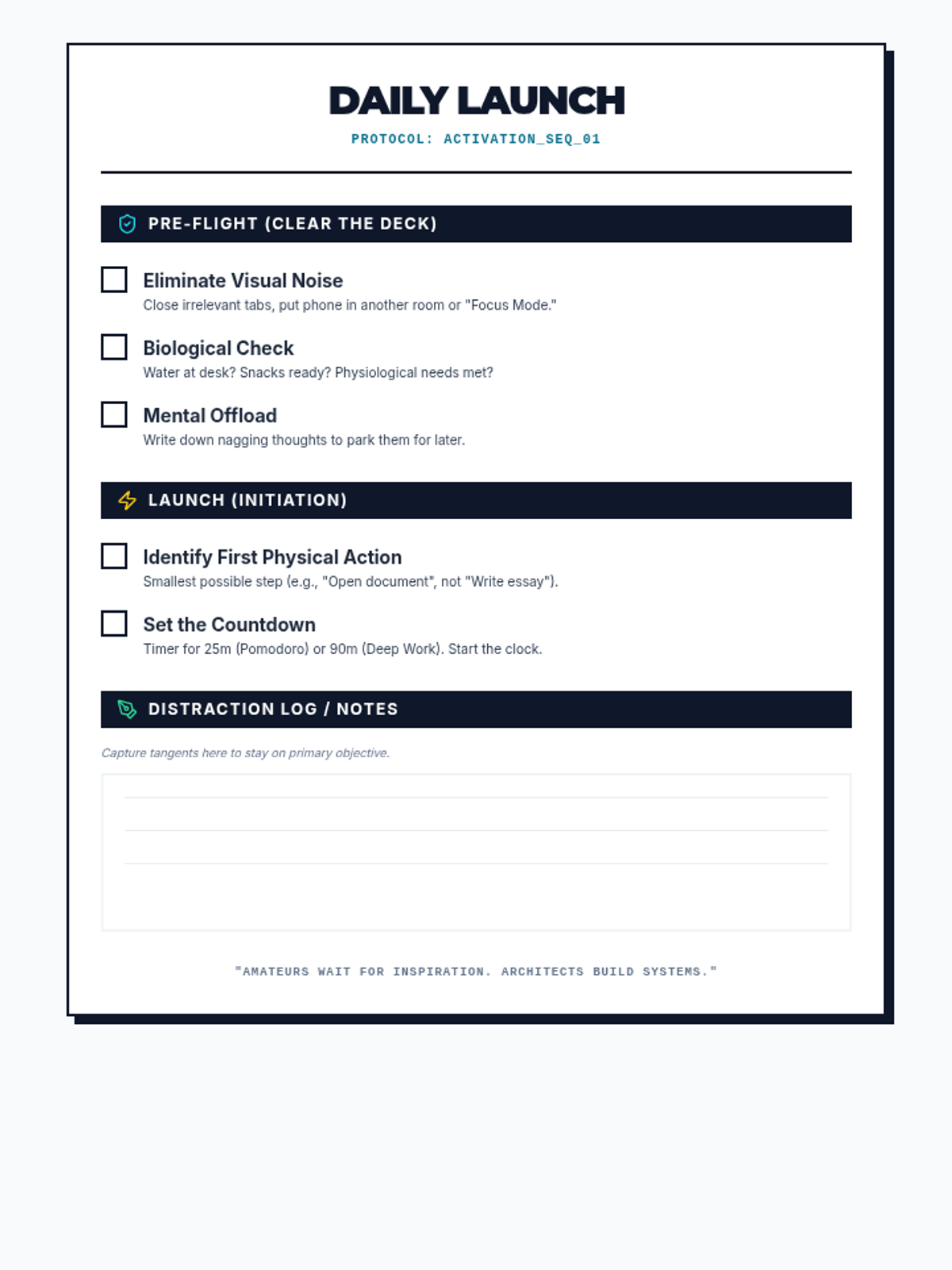
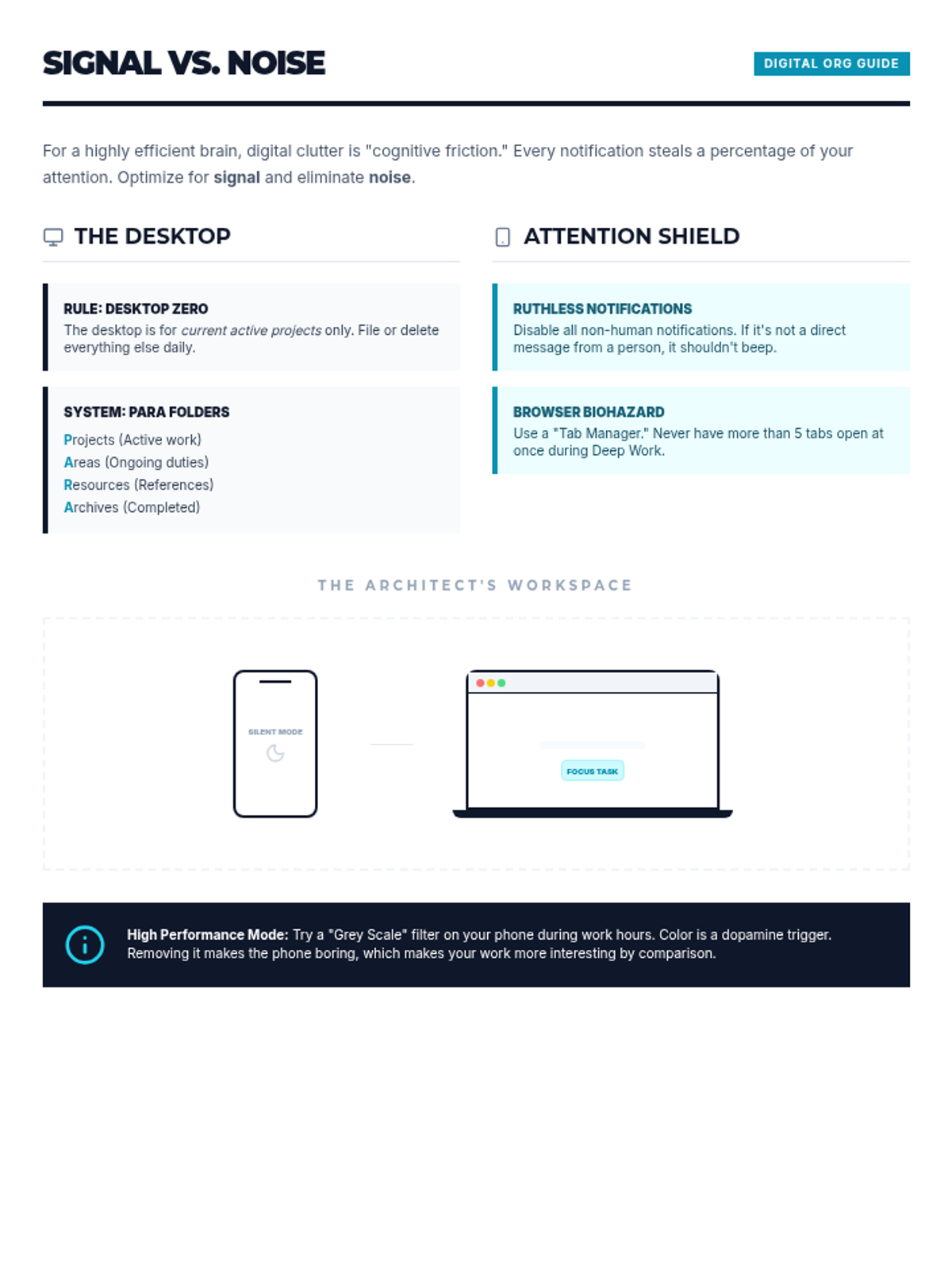
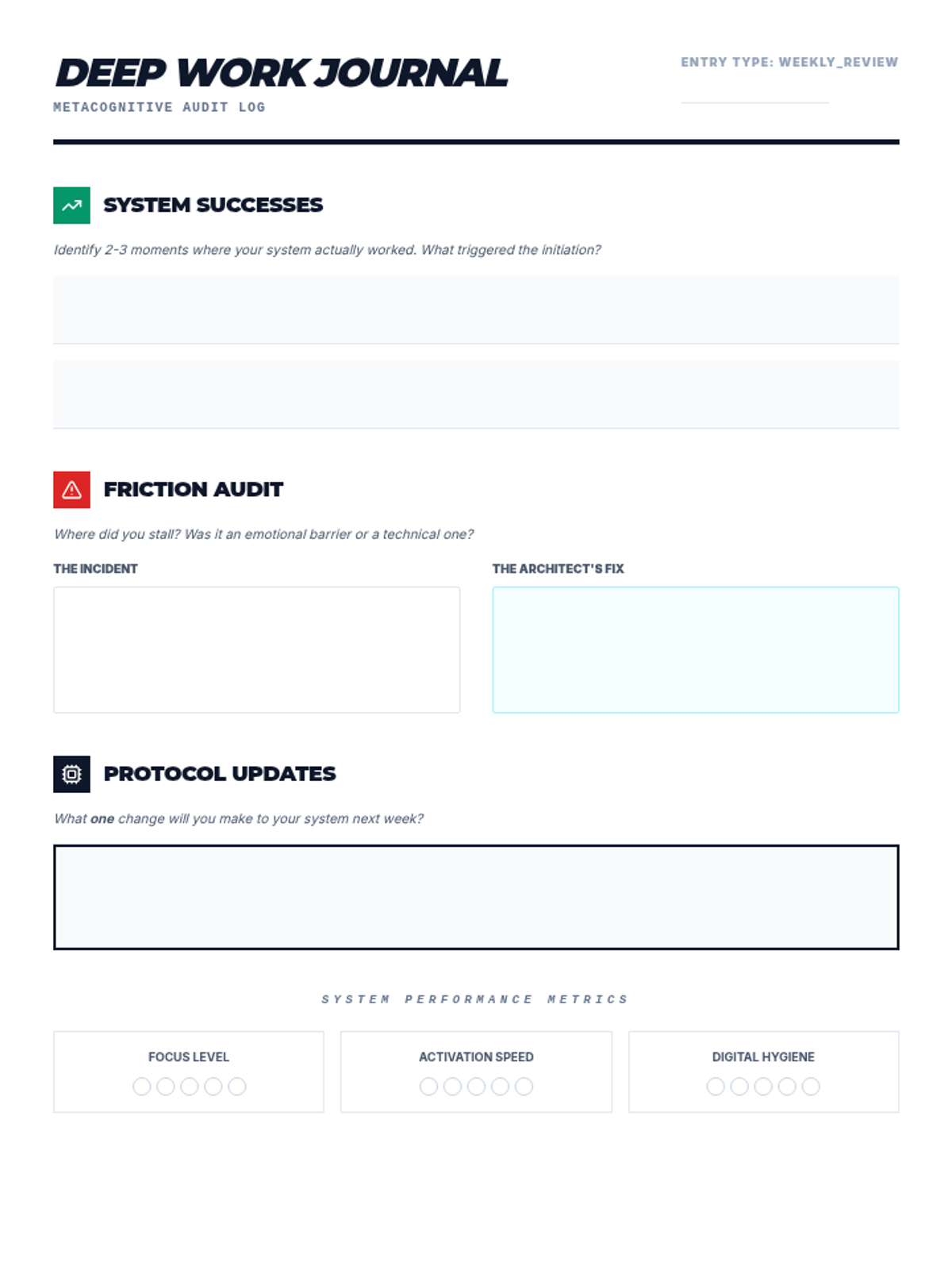
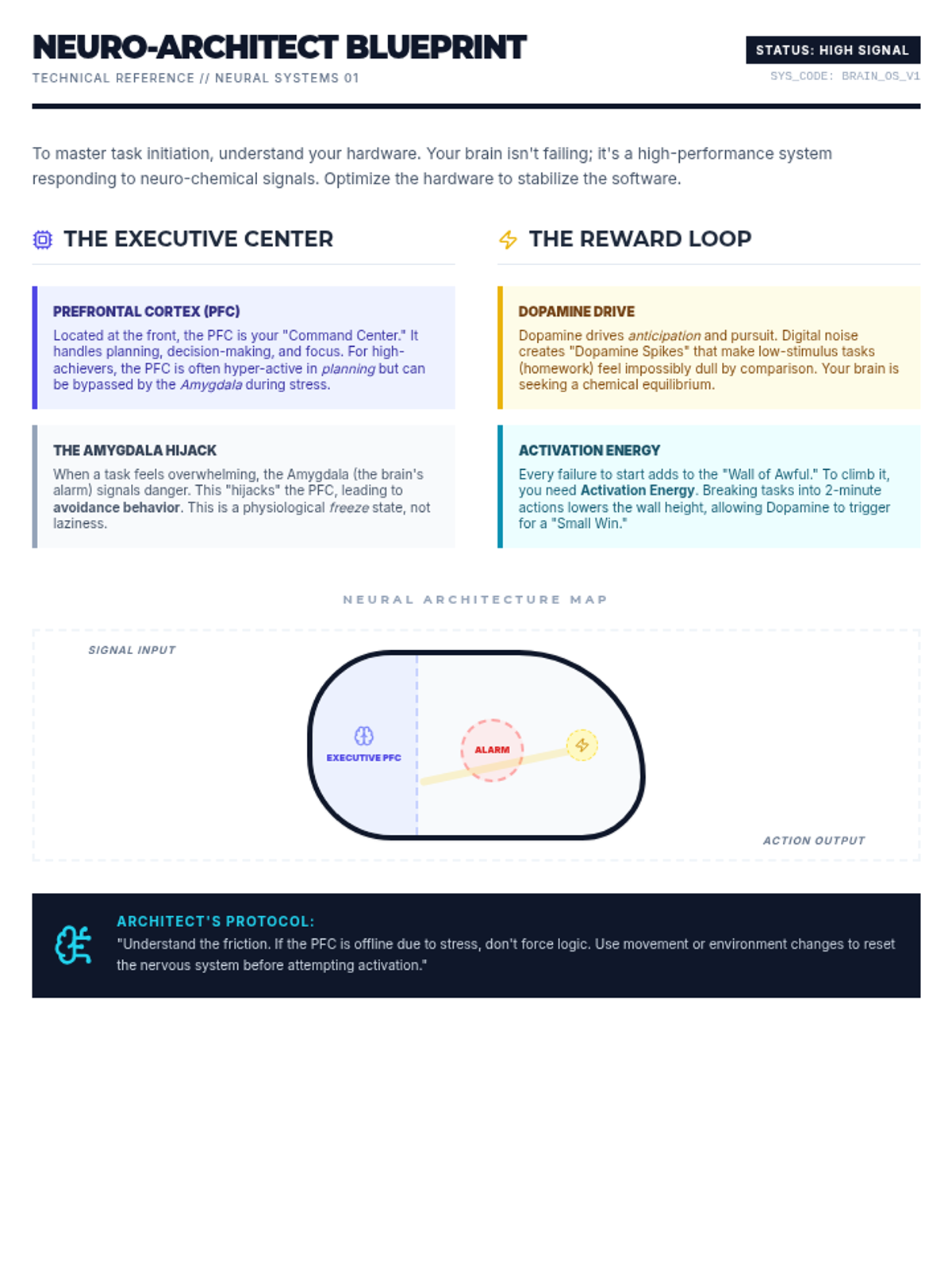
A comprehensive lesson for high-achieving teens to master task initiation and attention through the Eisenhower Matrix, time-blocking, and digital system design.
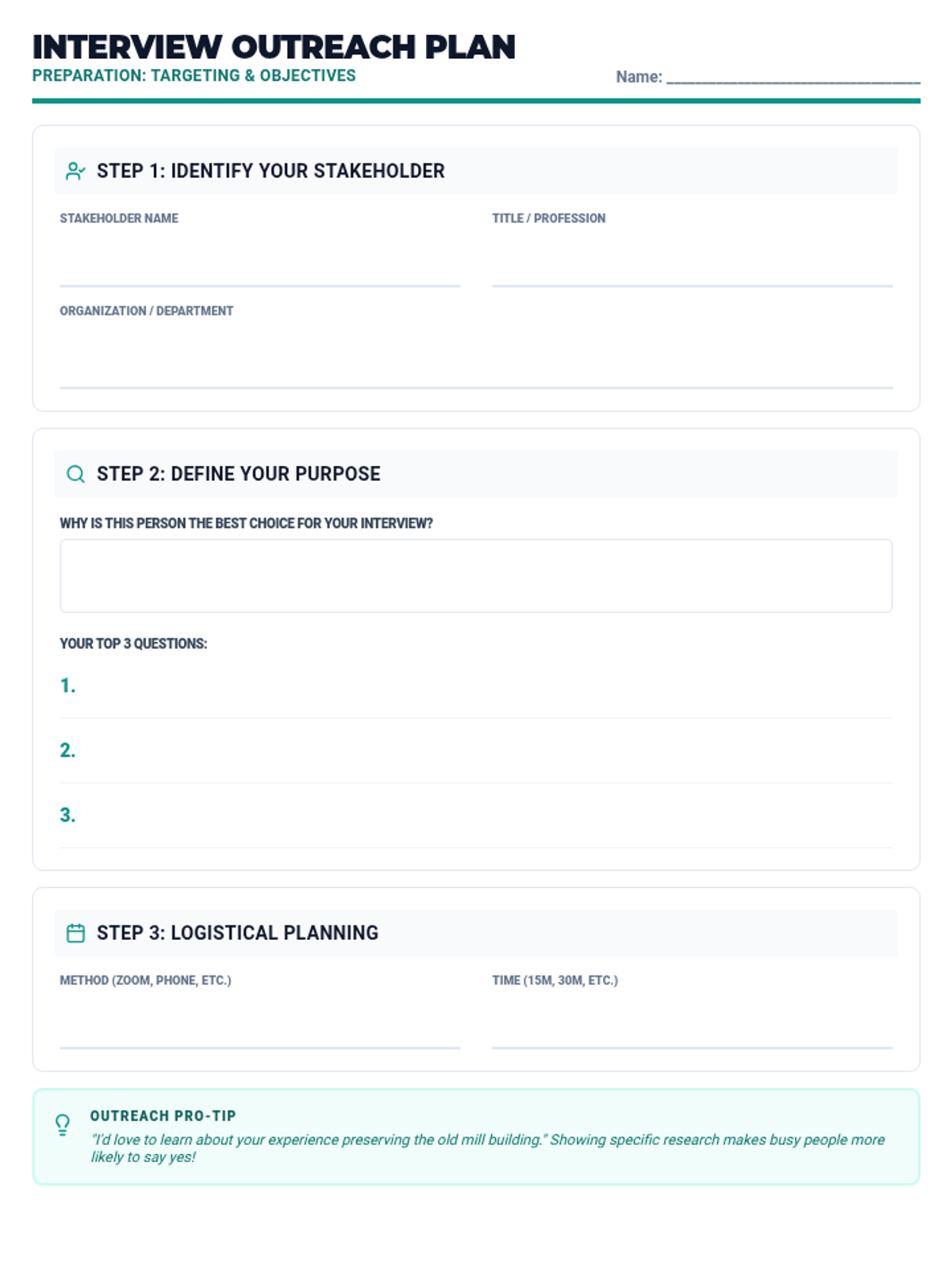
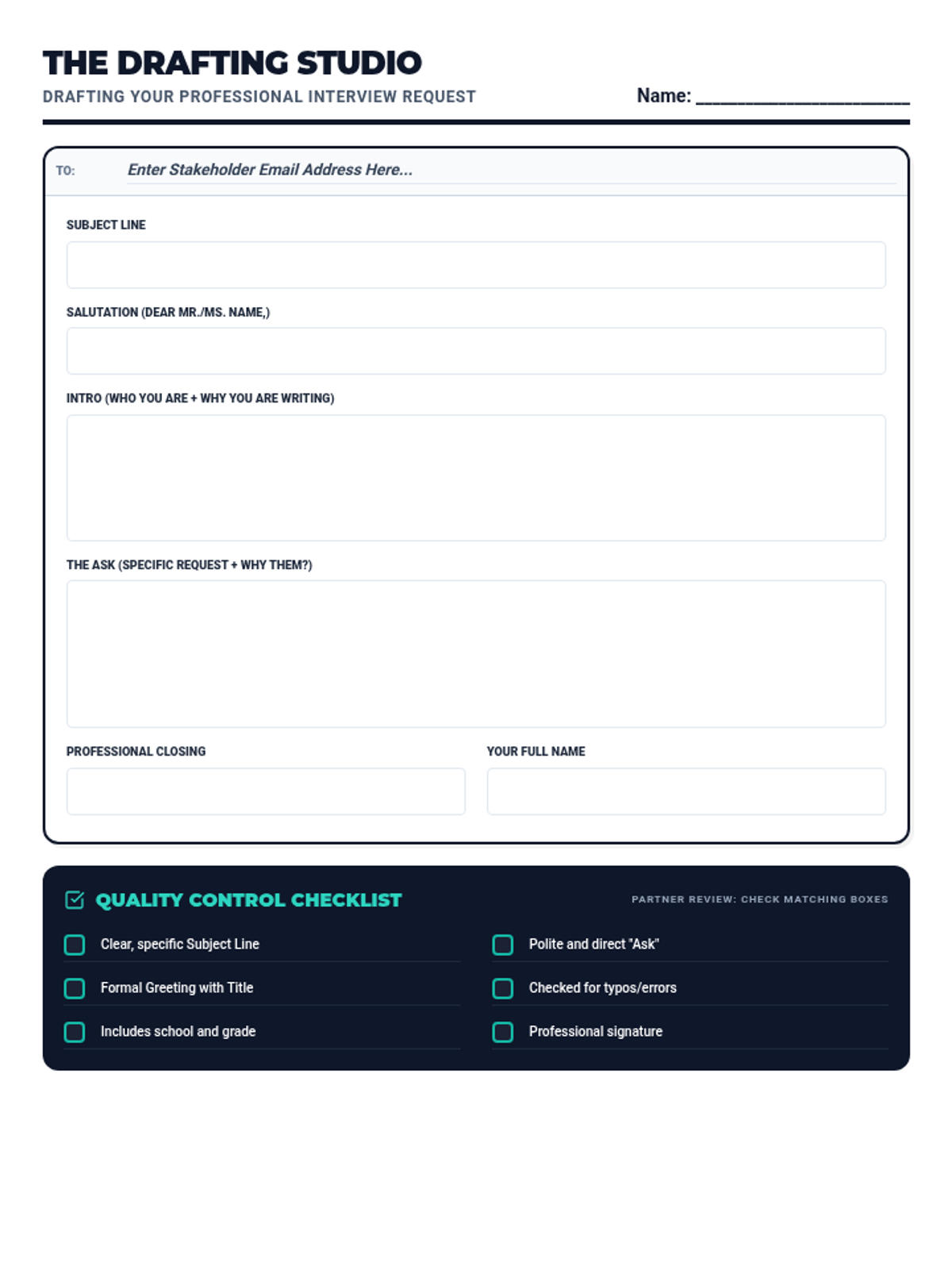
Students learn the art of professional communication by planning and drafting interview request emails to community stakeholders. The lesson covers email anatomy, etiquette, and clear outreach strategies.
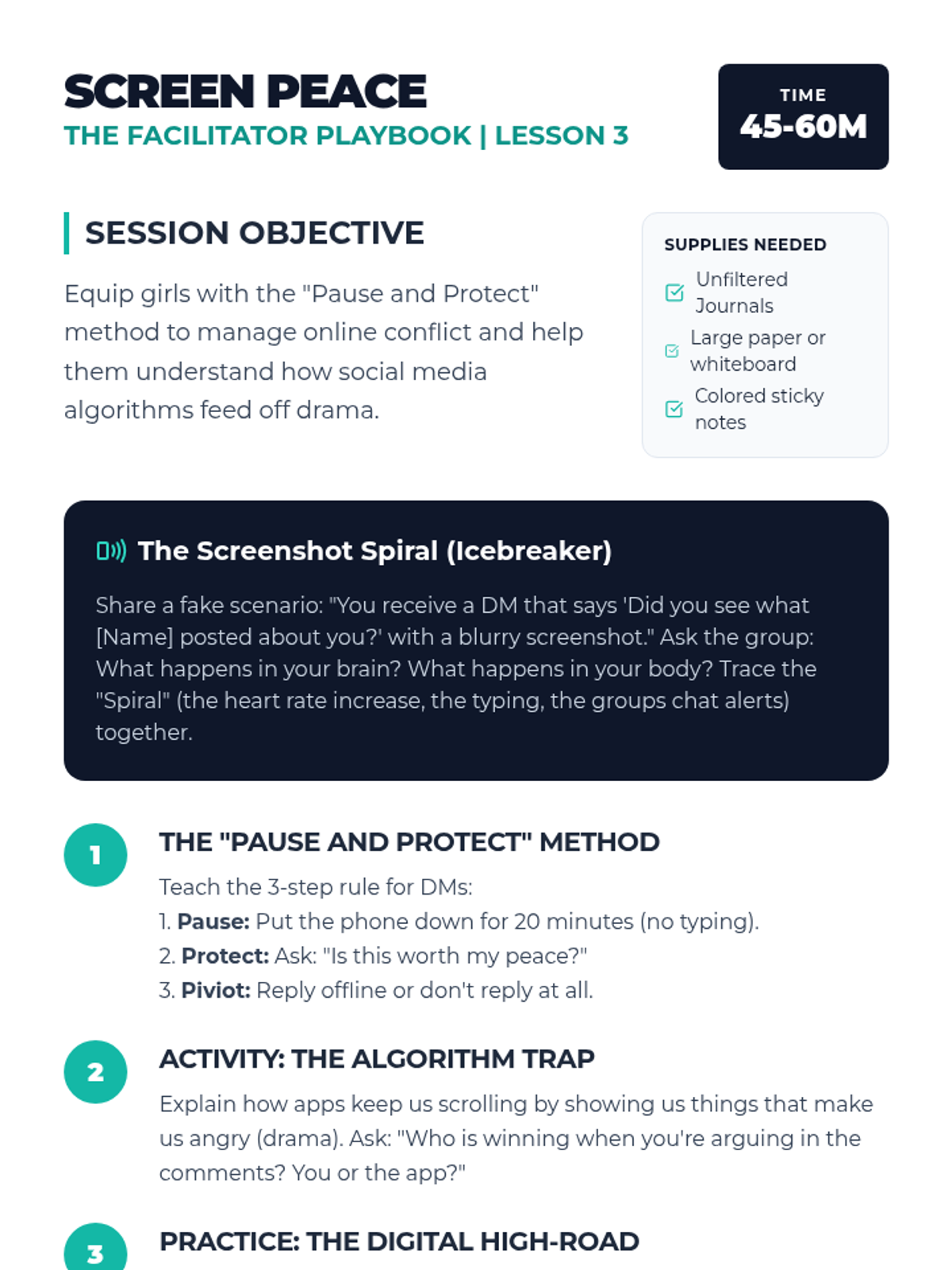
Students will analyze how digital interactions fuel drama and develop a 'Pause and Protect' strategy for managing online conflict and social media stress.
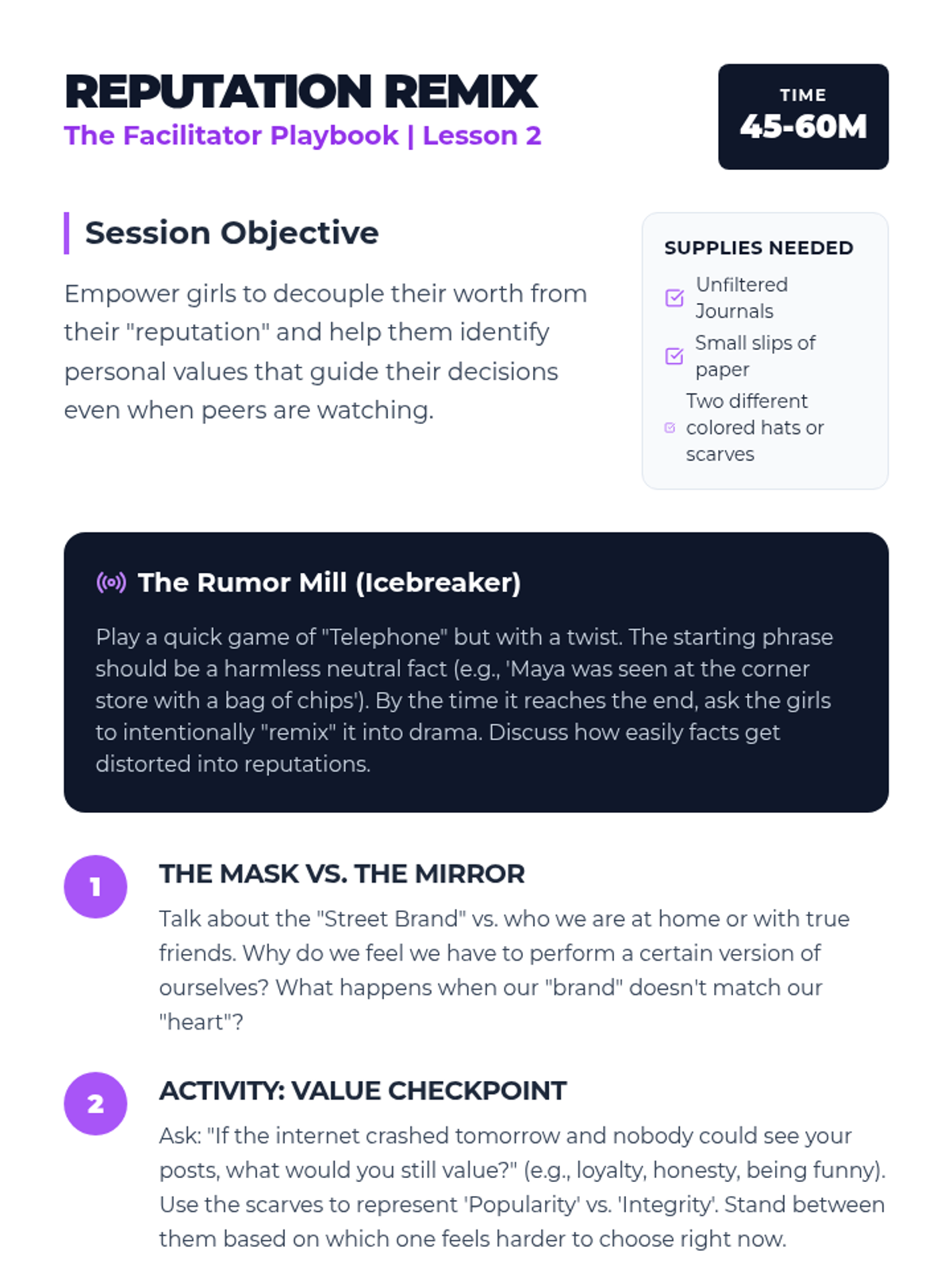
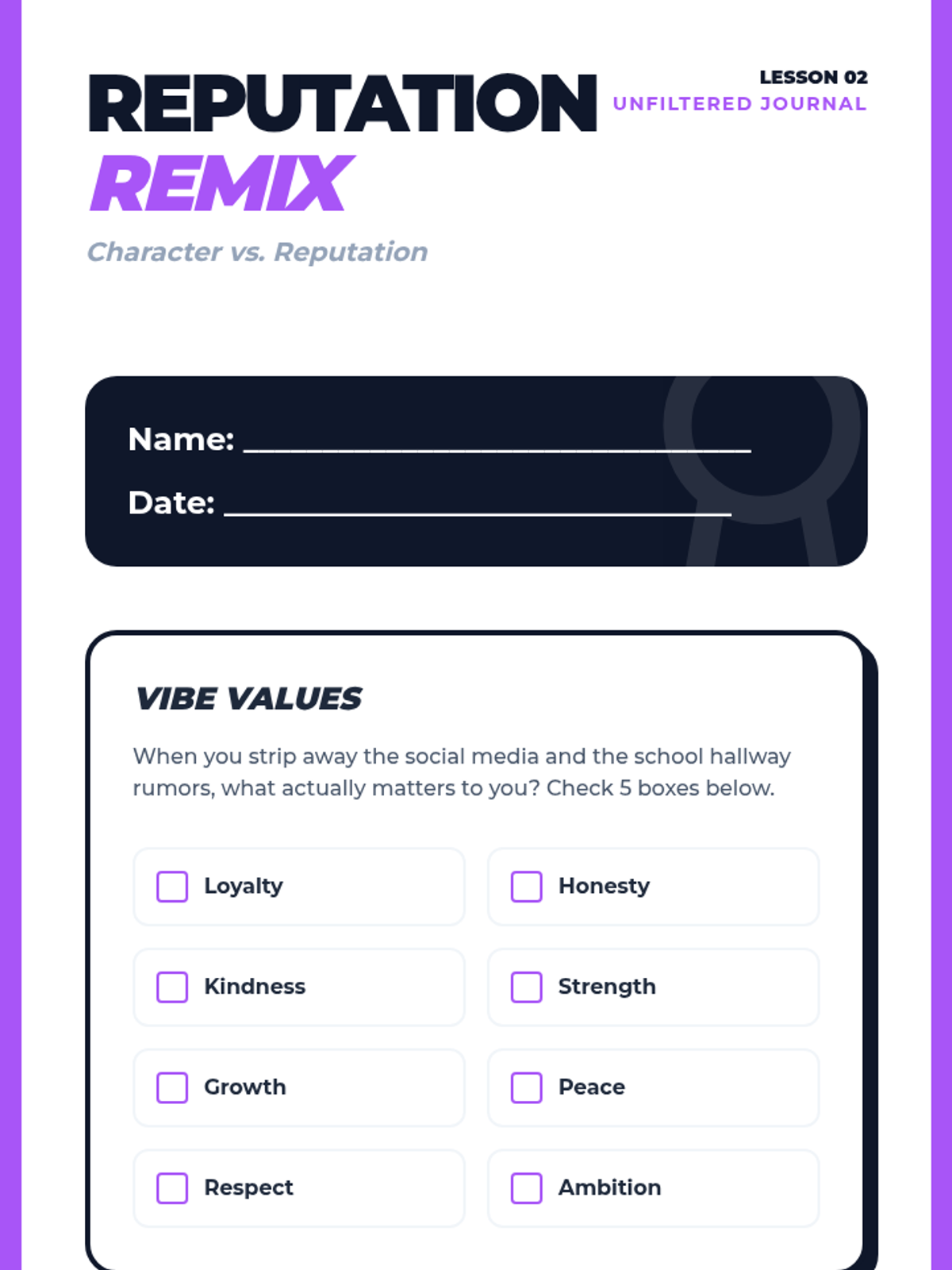
This lesson explores the pressure of maintaining a 'reputation' and provides strategies for staying true to personal values when faced with peer influence.
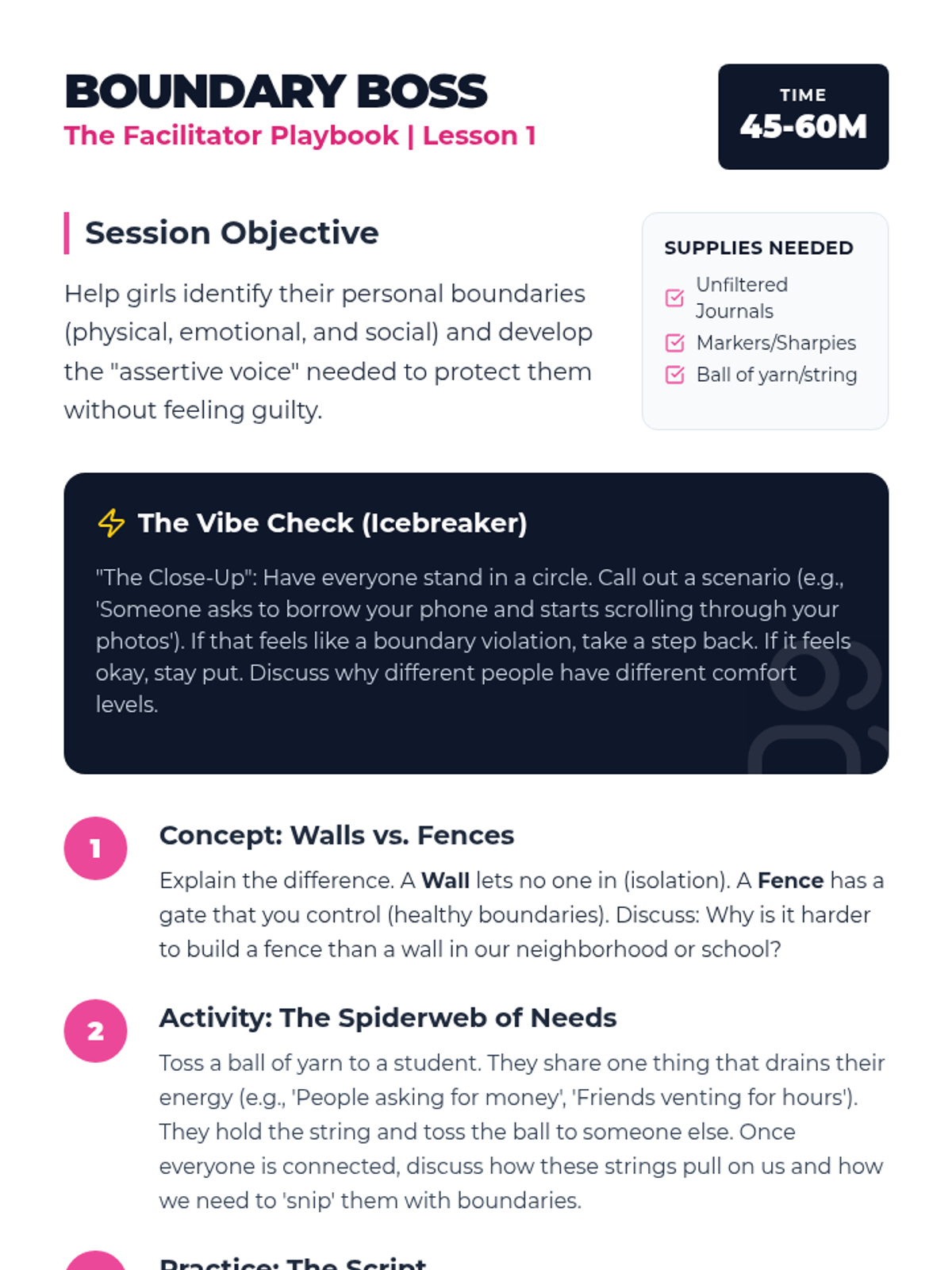
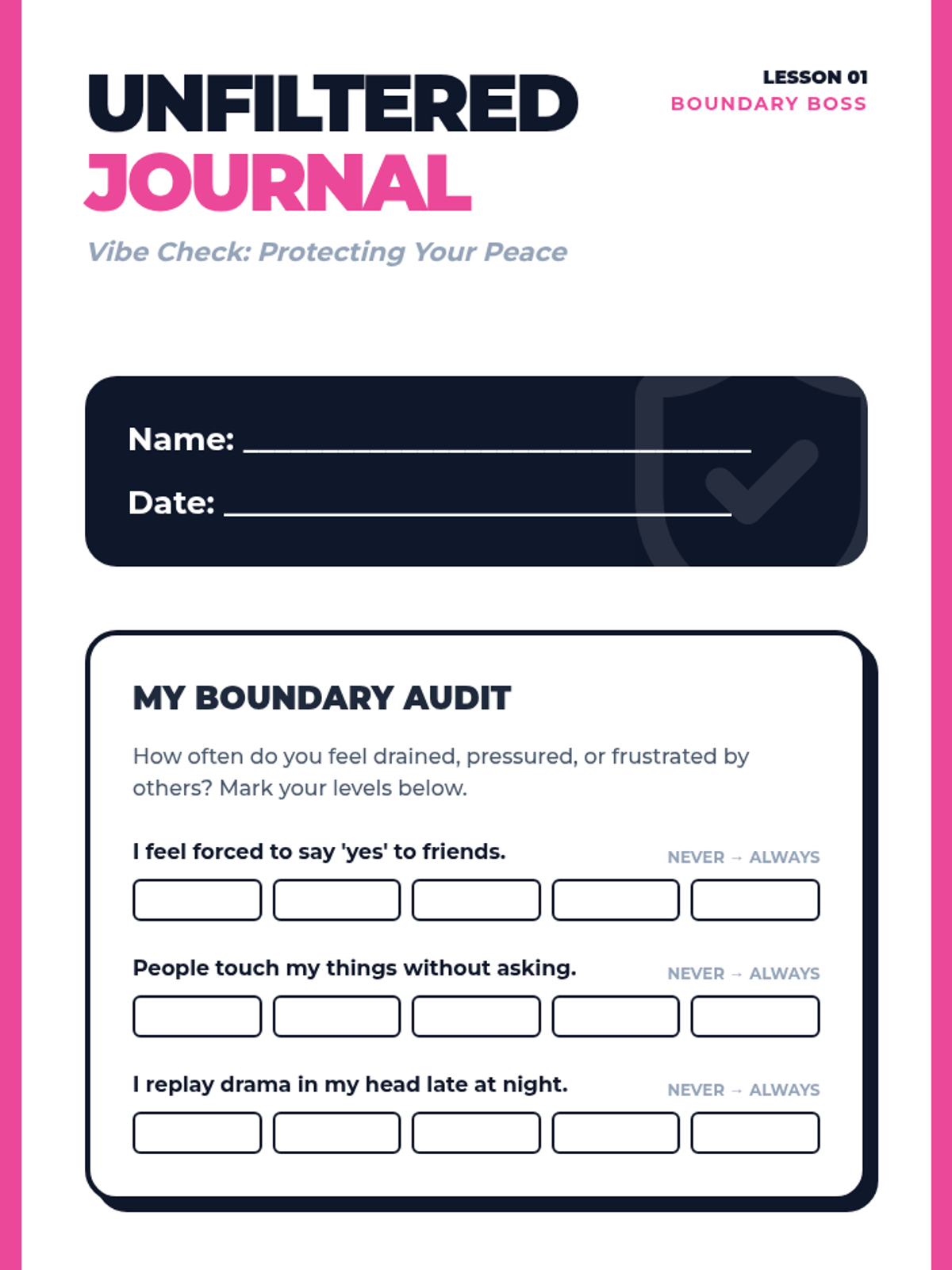
Students will learn to distinguish between healthy and unhealthy boundaries, practice assertive communication, and identify their personal 'safe space' limits.
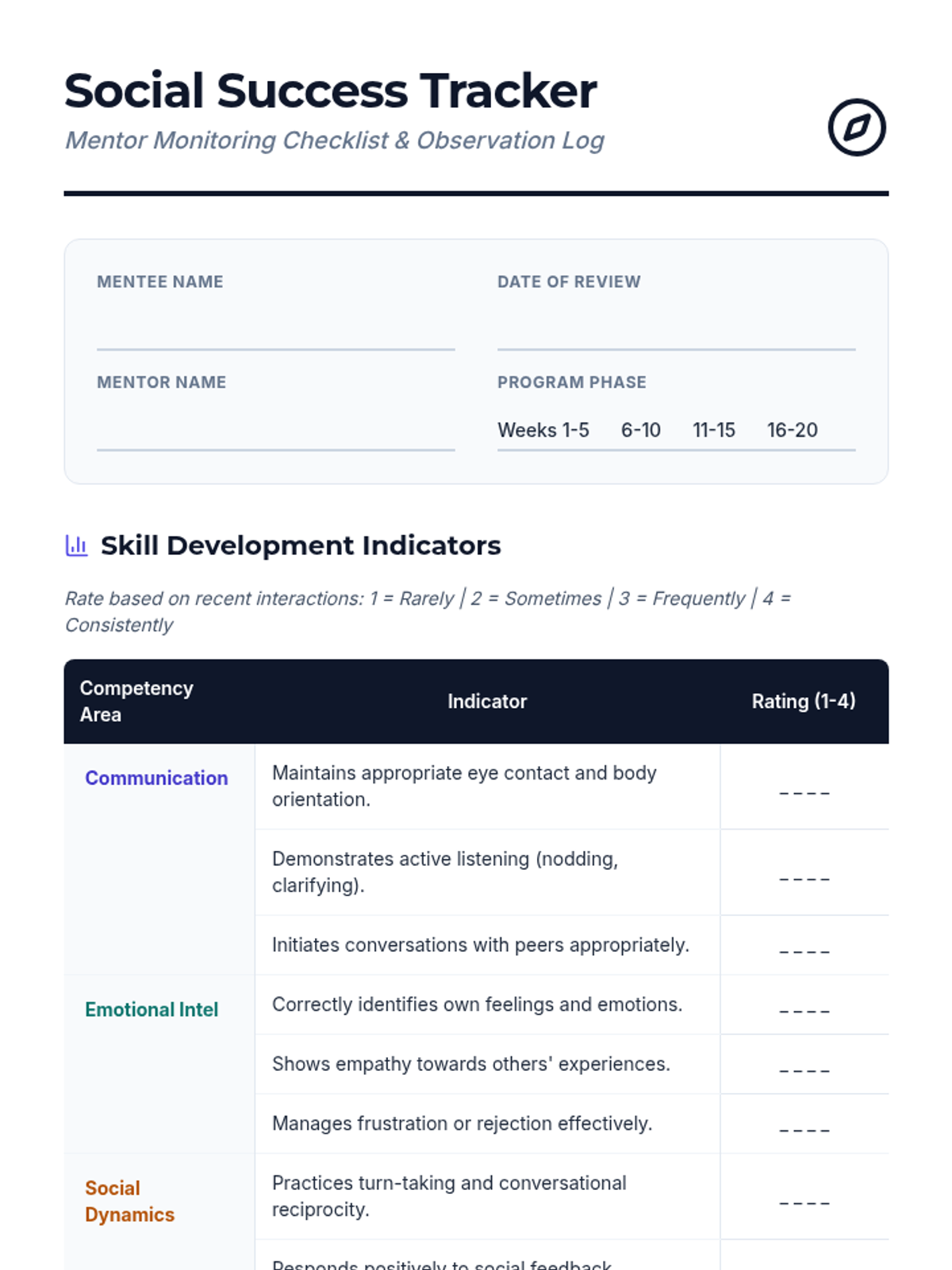
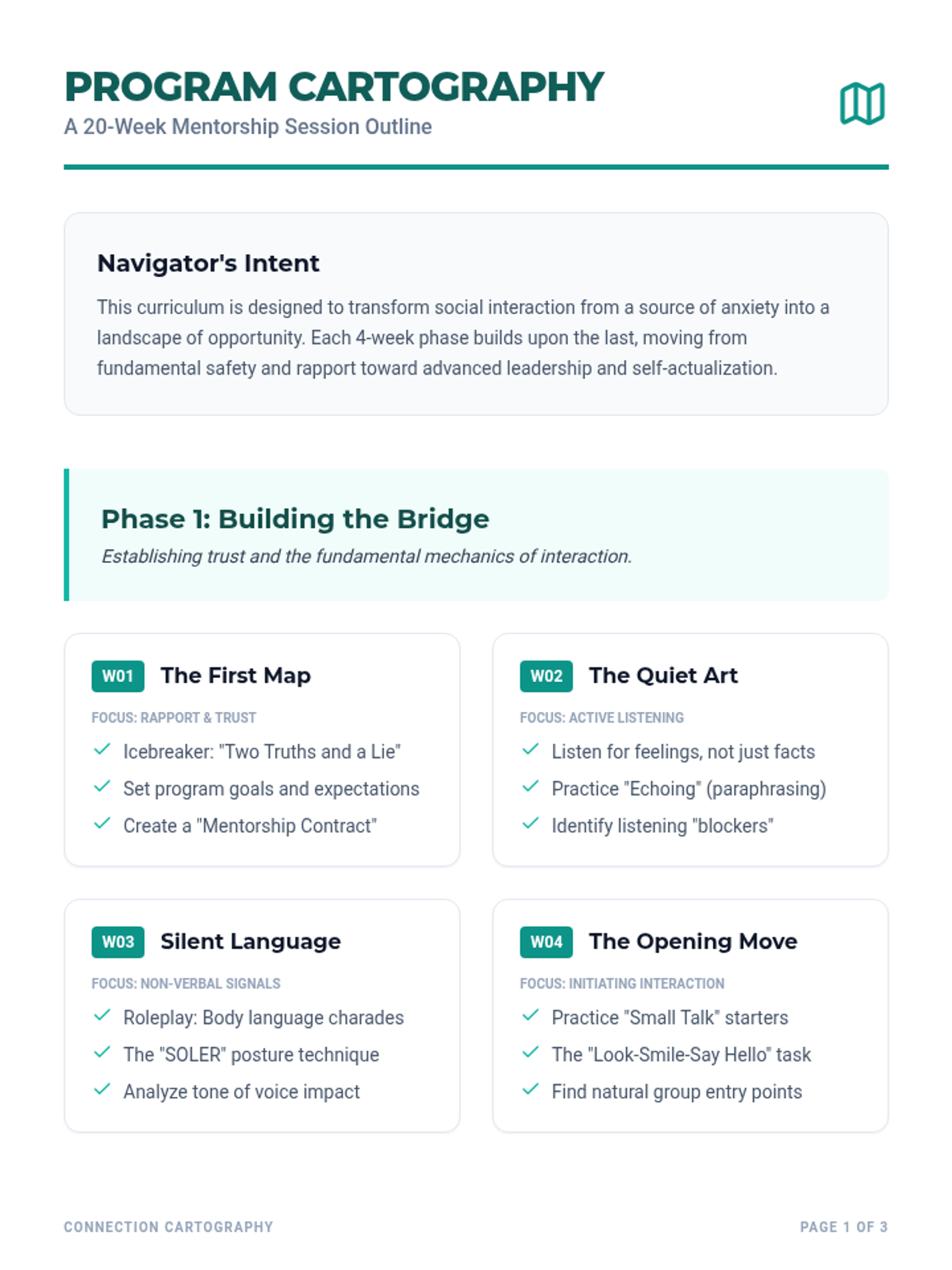
The core foundational resources for mentors to guide their mentees through the 20-session journey.
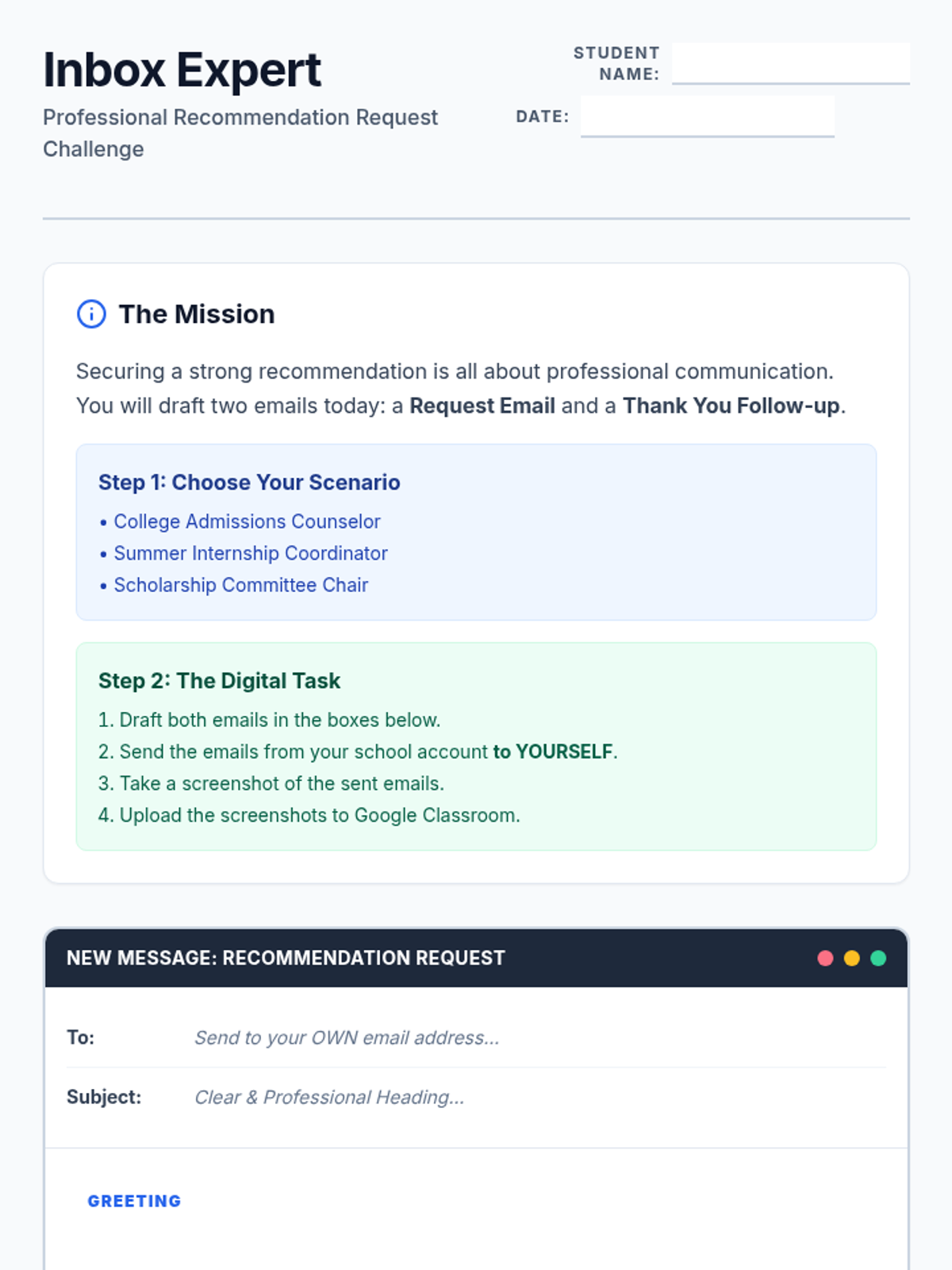
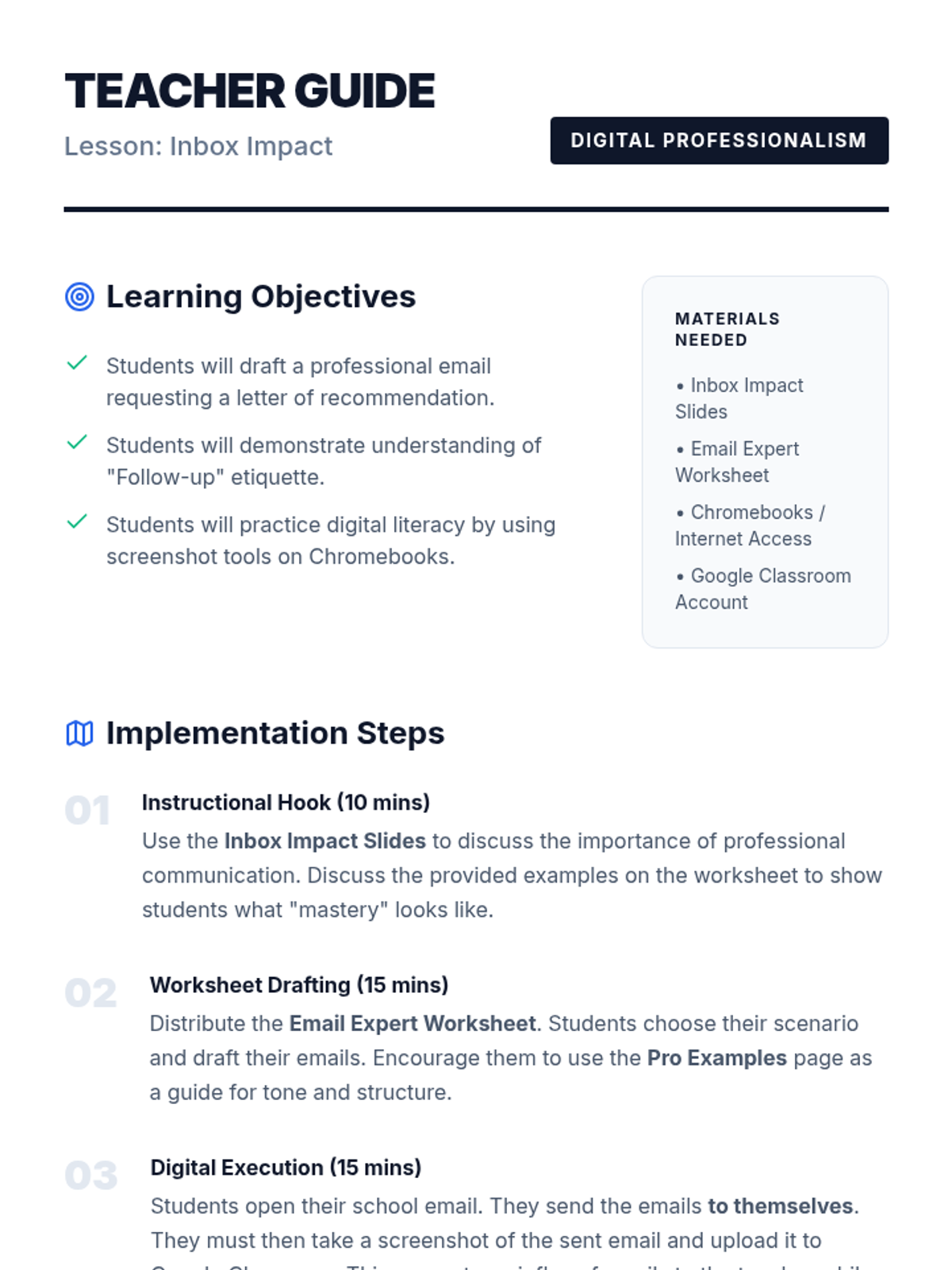
A lesson on drafting and sending professional emails to request letters of recommendation for college, internships, or scholarships. Students learn proper email etiquette, structure, and follow-up procedures.
Final group closure and graduation ceremony.
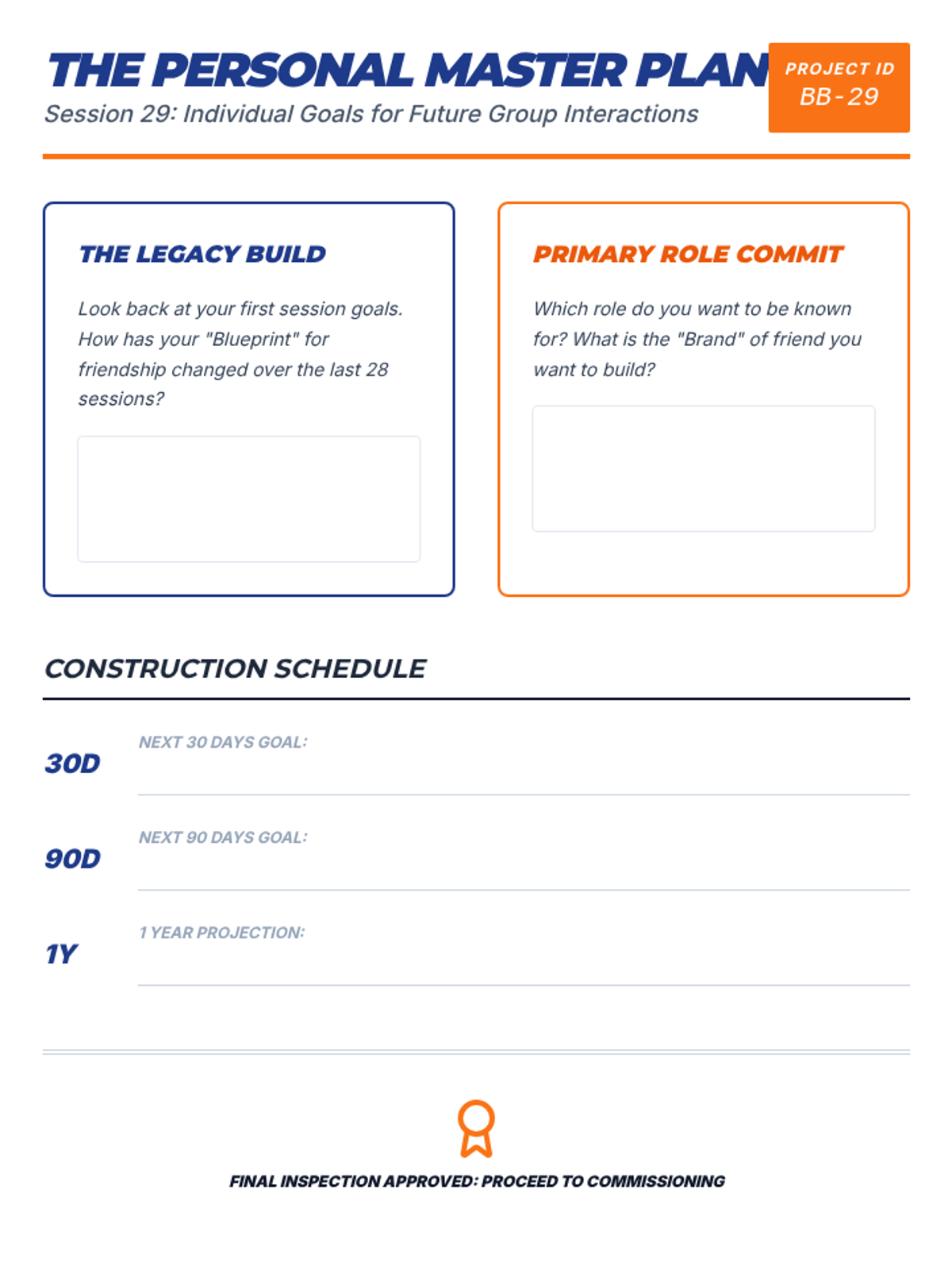
Individual goals for future group interactions.
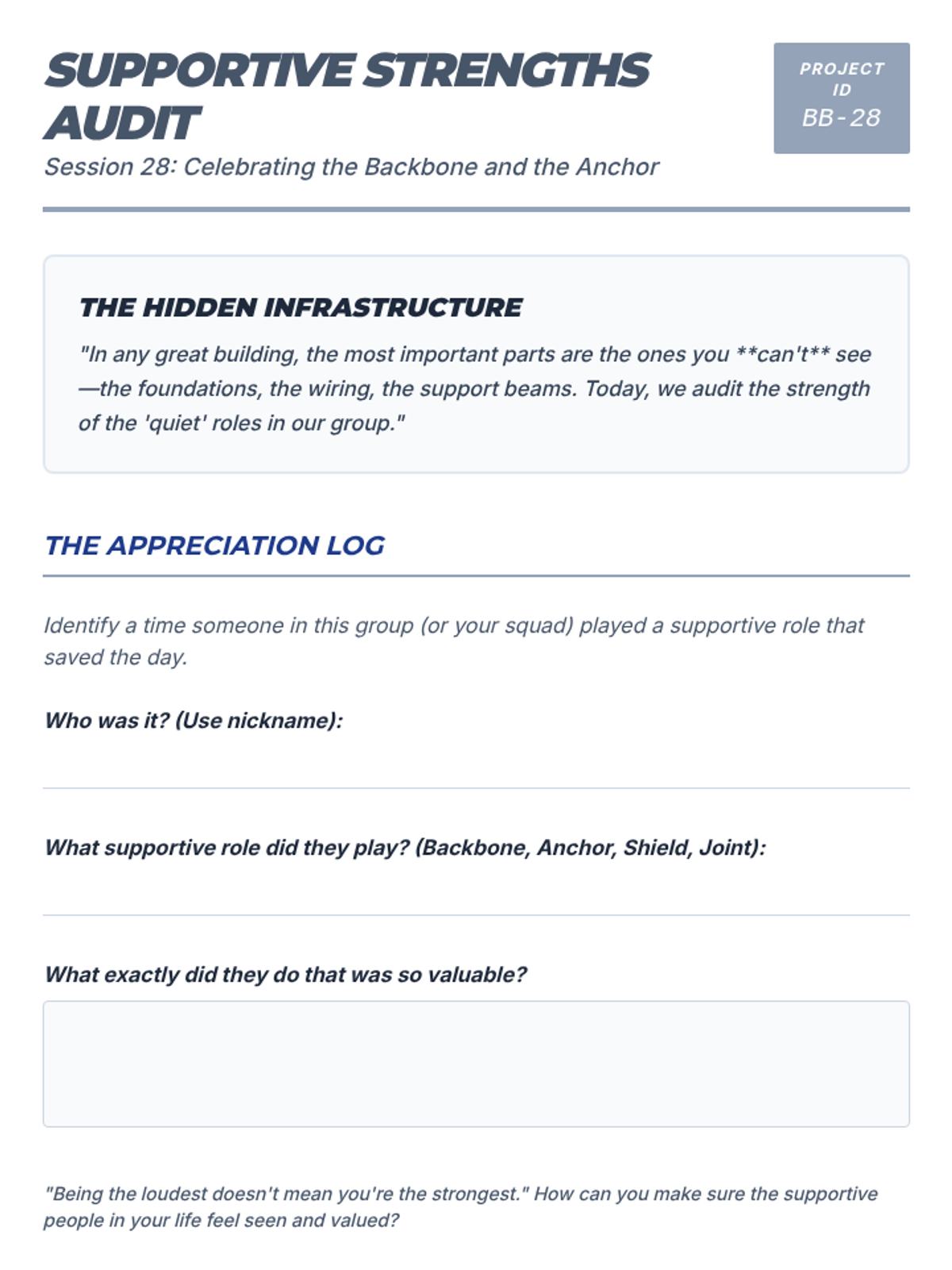
Celebrating the importance of supporting roles (Follower, Loyalist).
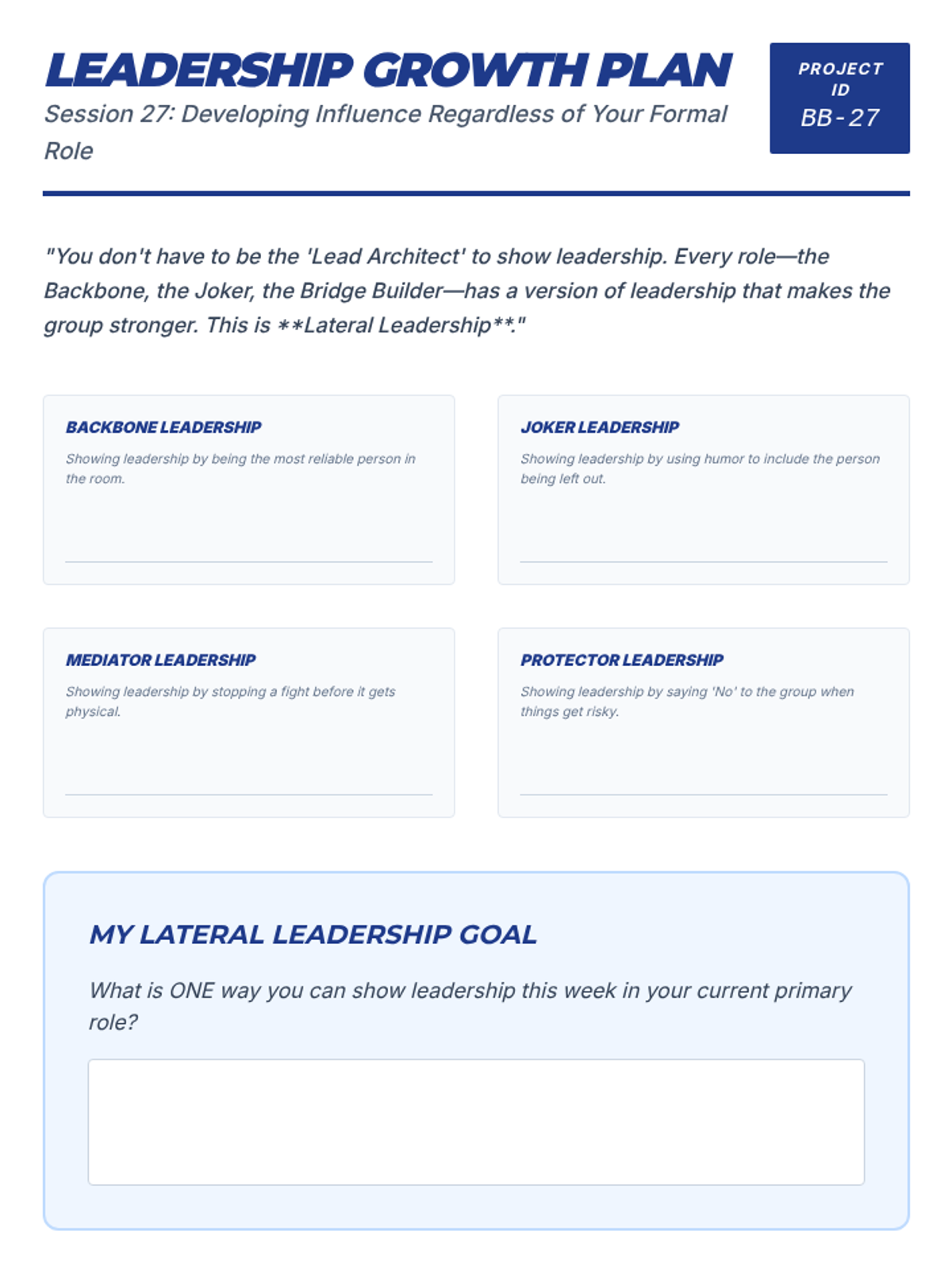
Developing positive leadership traits regardless of formal role.
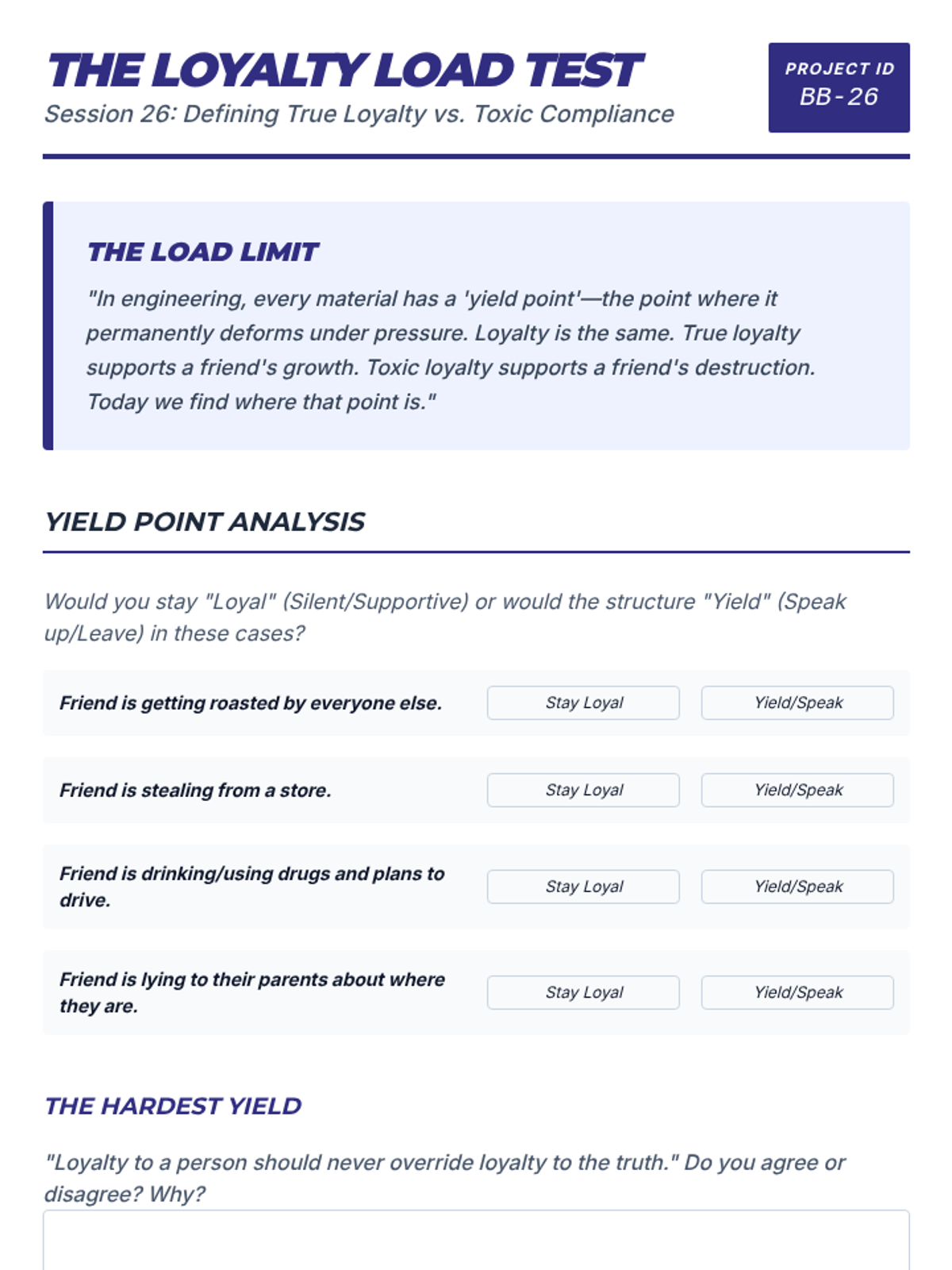
Defining what true loyalty looks like versus toxic compliance.
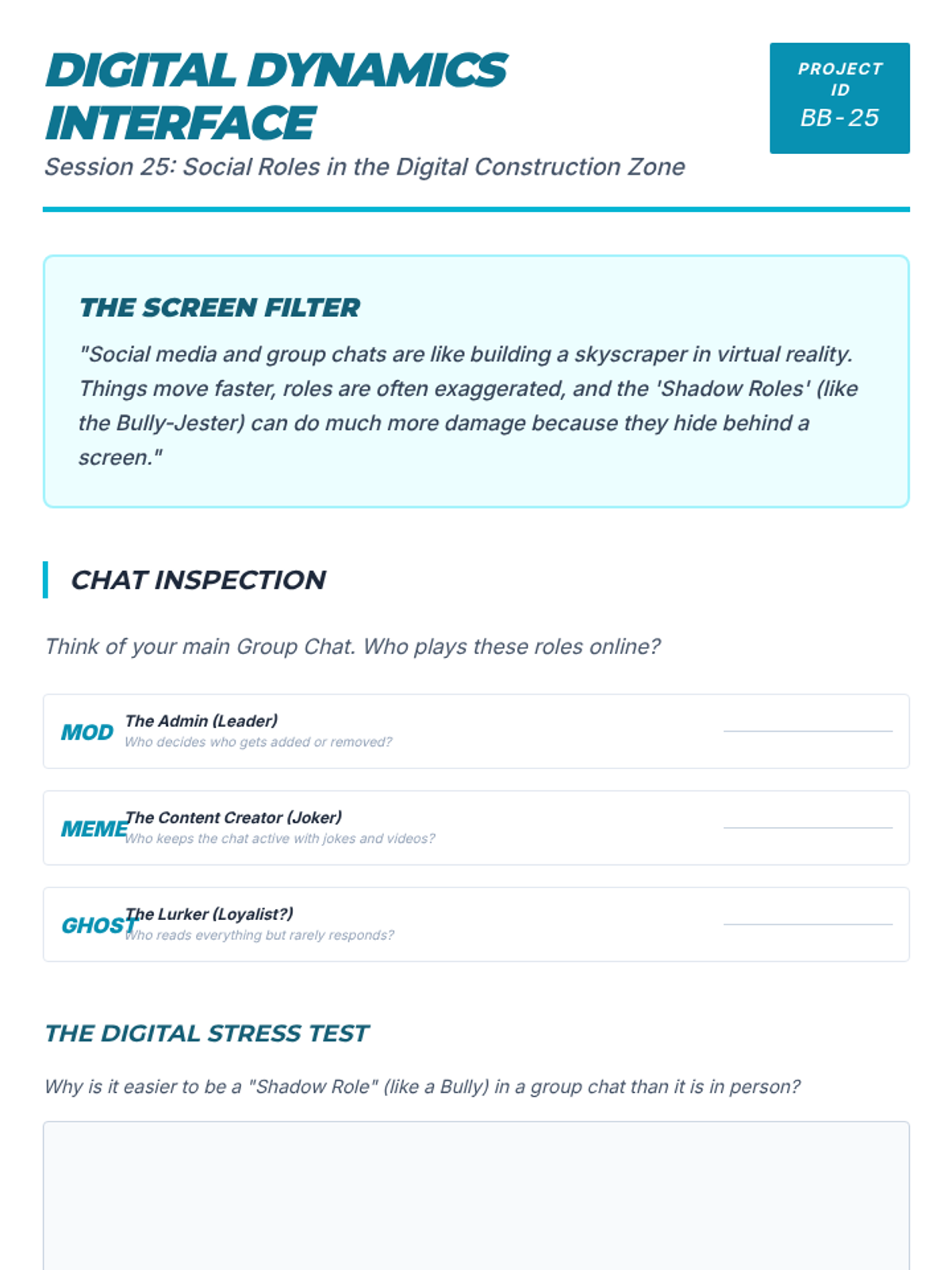
How social media shifts role dynamics and group communication.
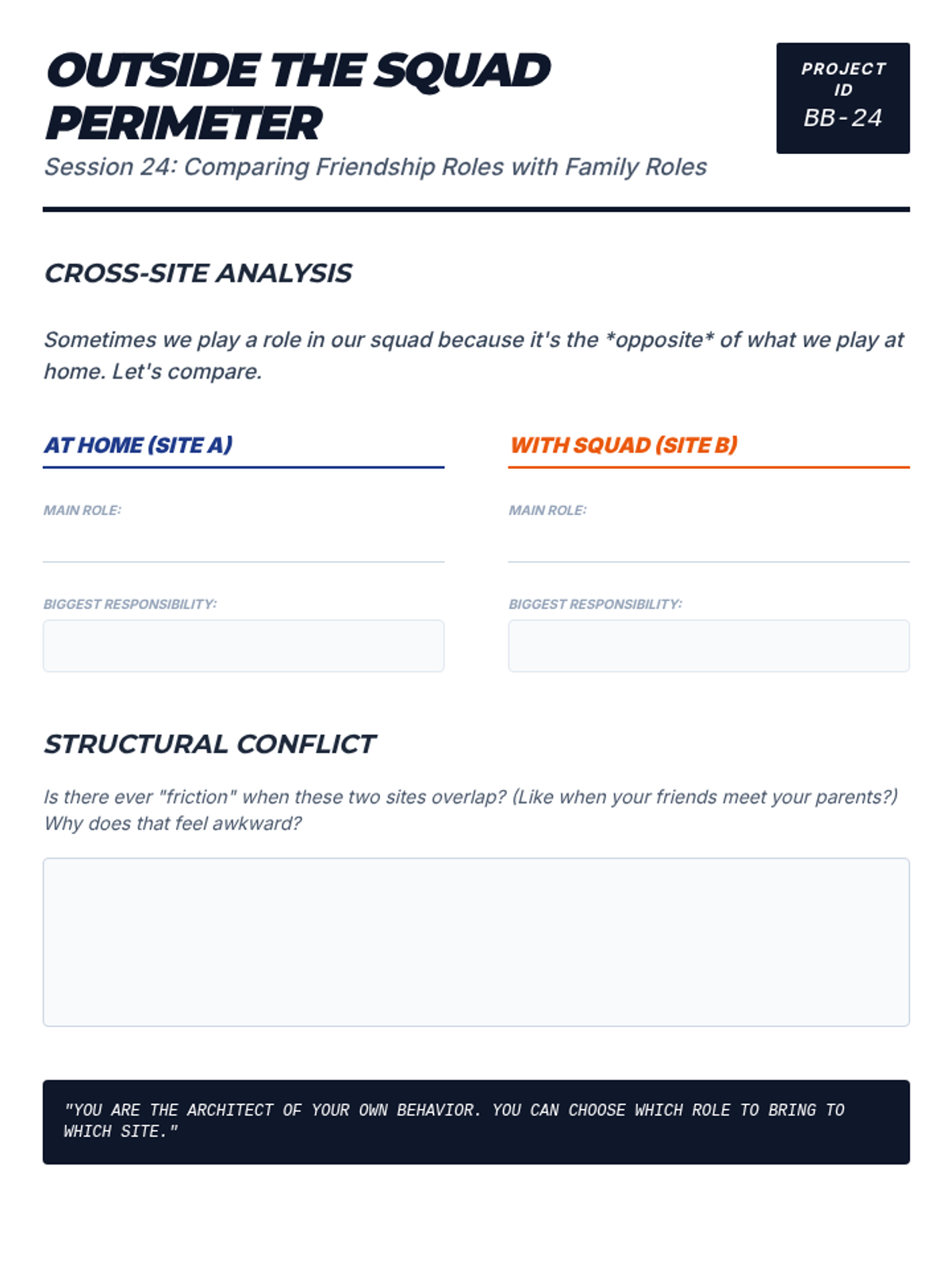
Comparing friendship roles with roles played in families or teams.
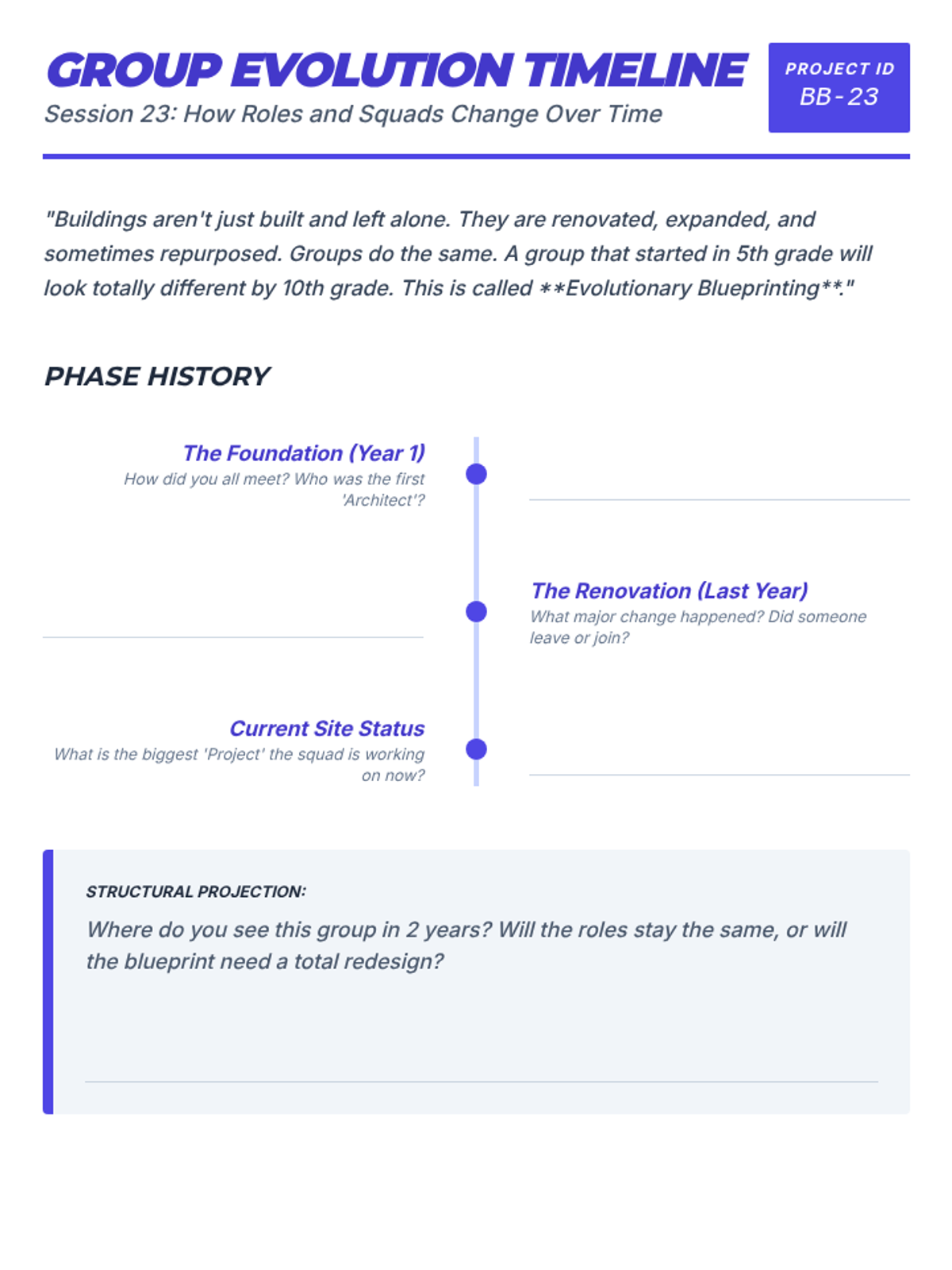
How roles and groups naturally change over months and years.
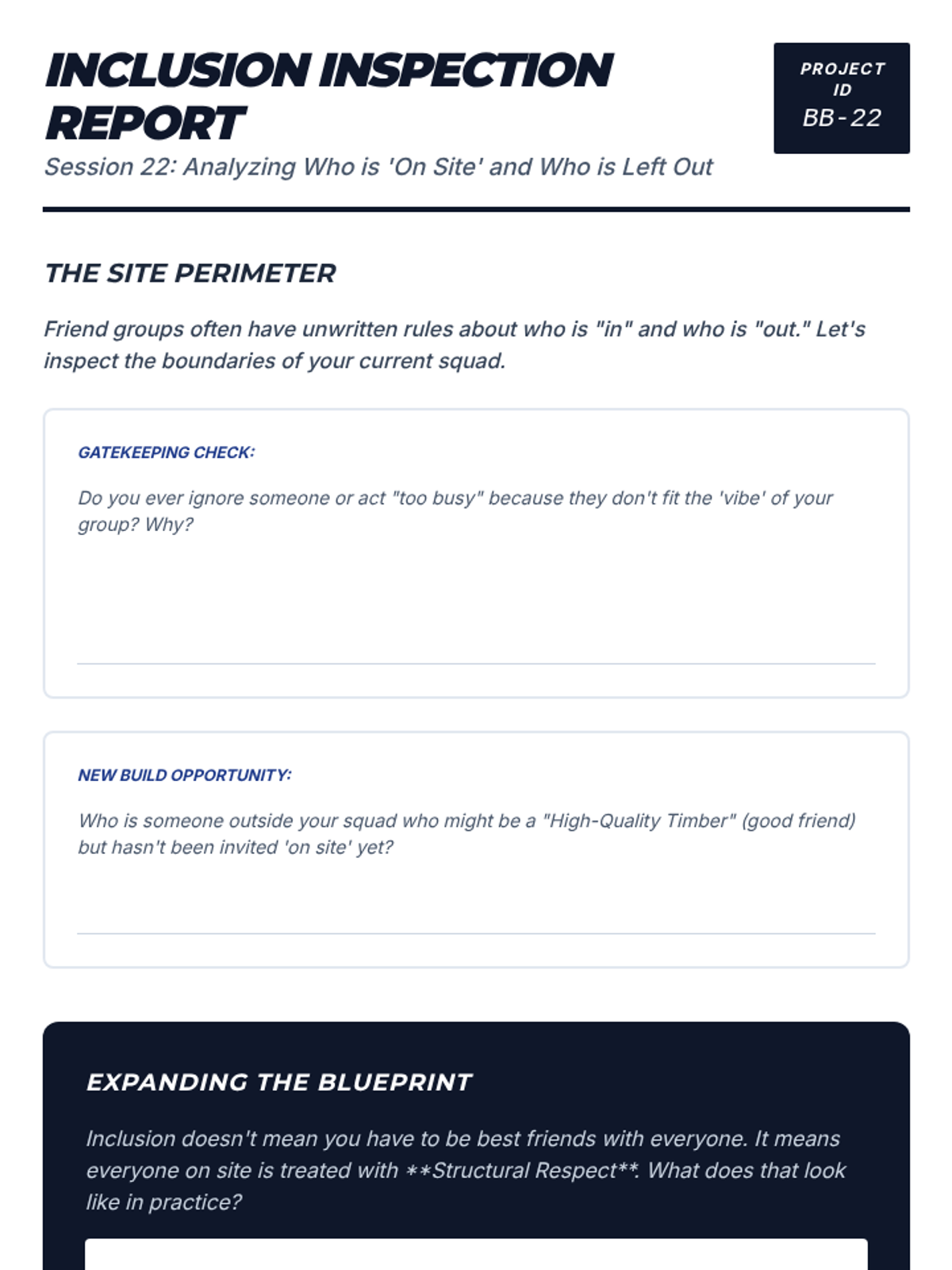
Analyzing who is 'on site' and who is excluded from the group structure.