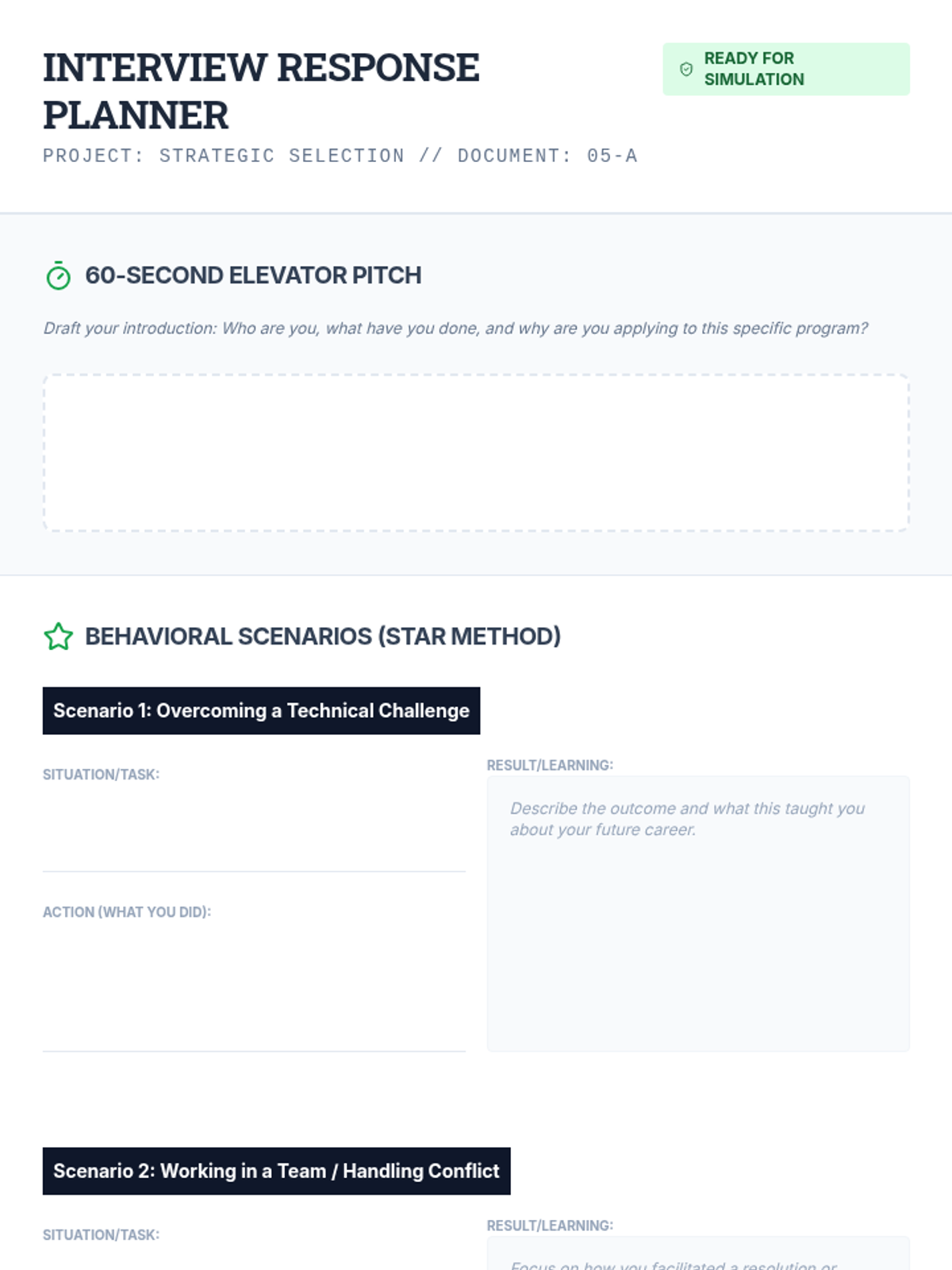
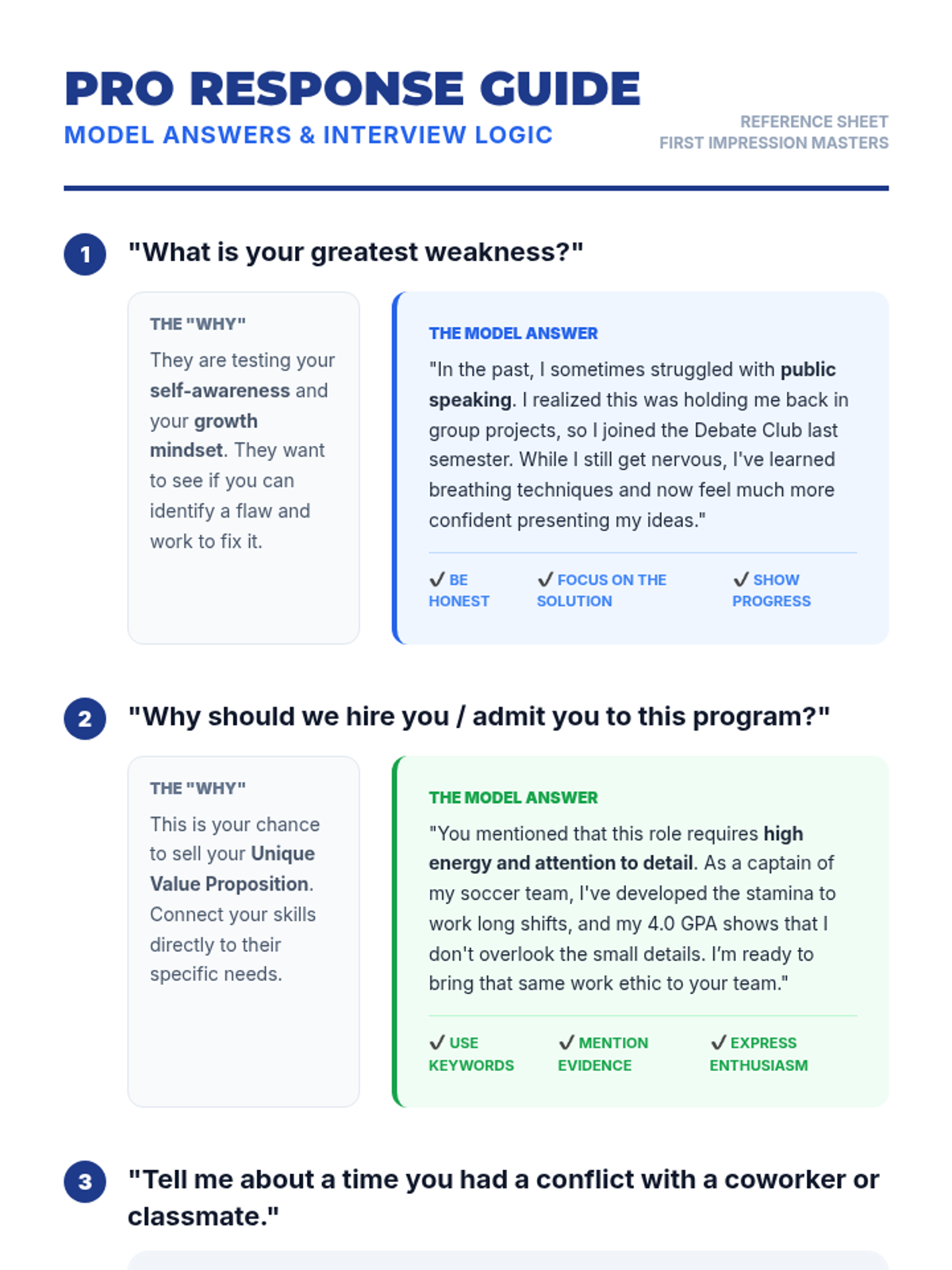
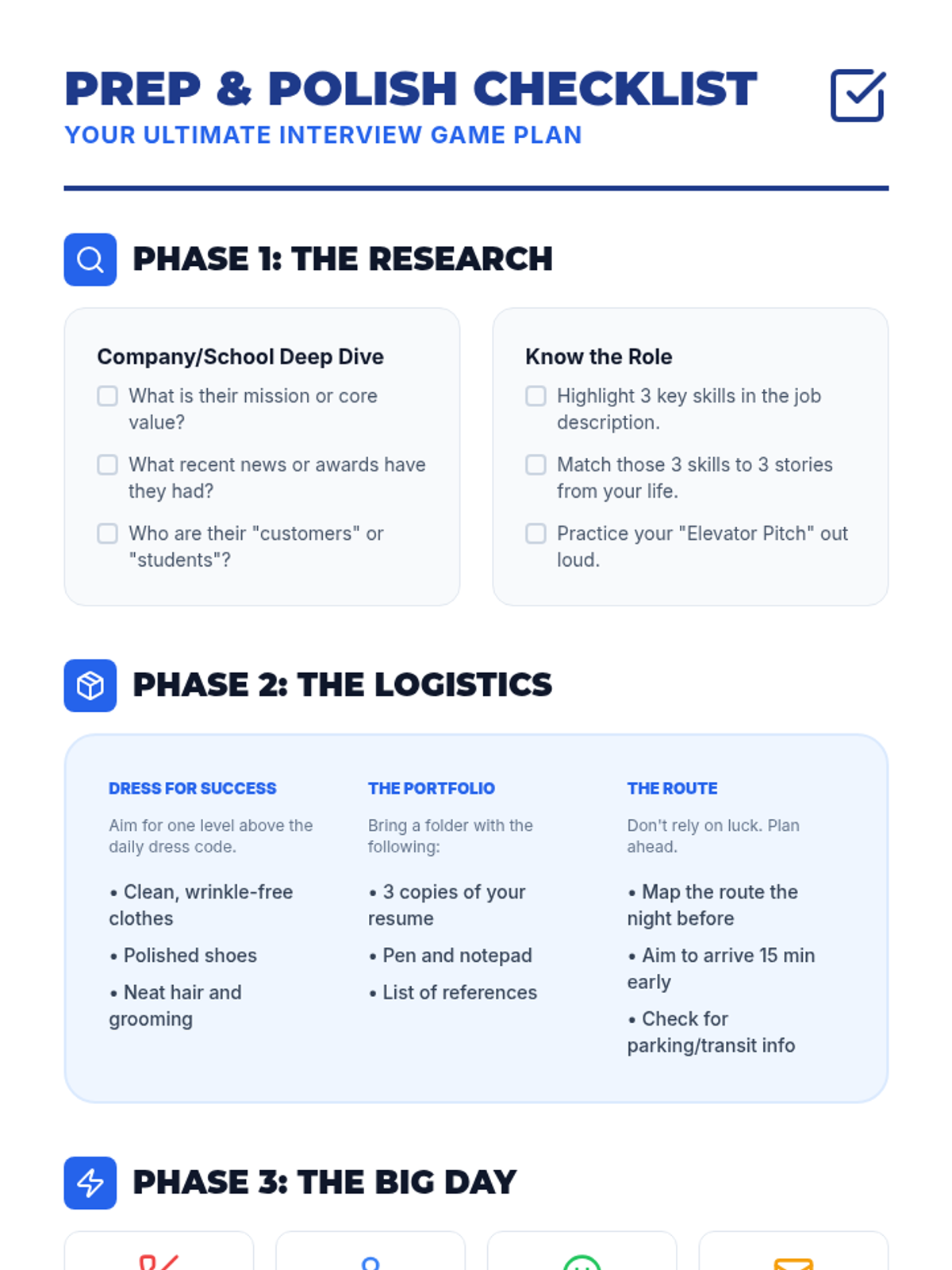
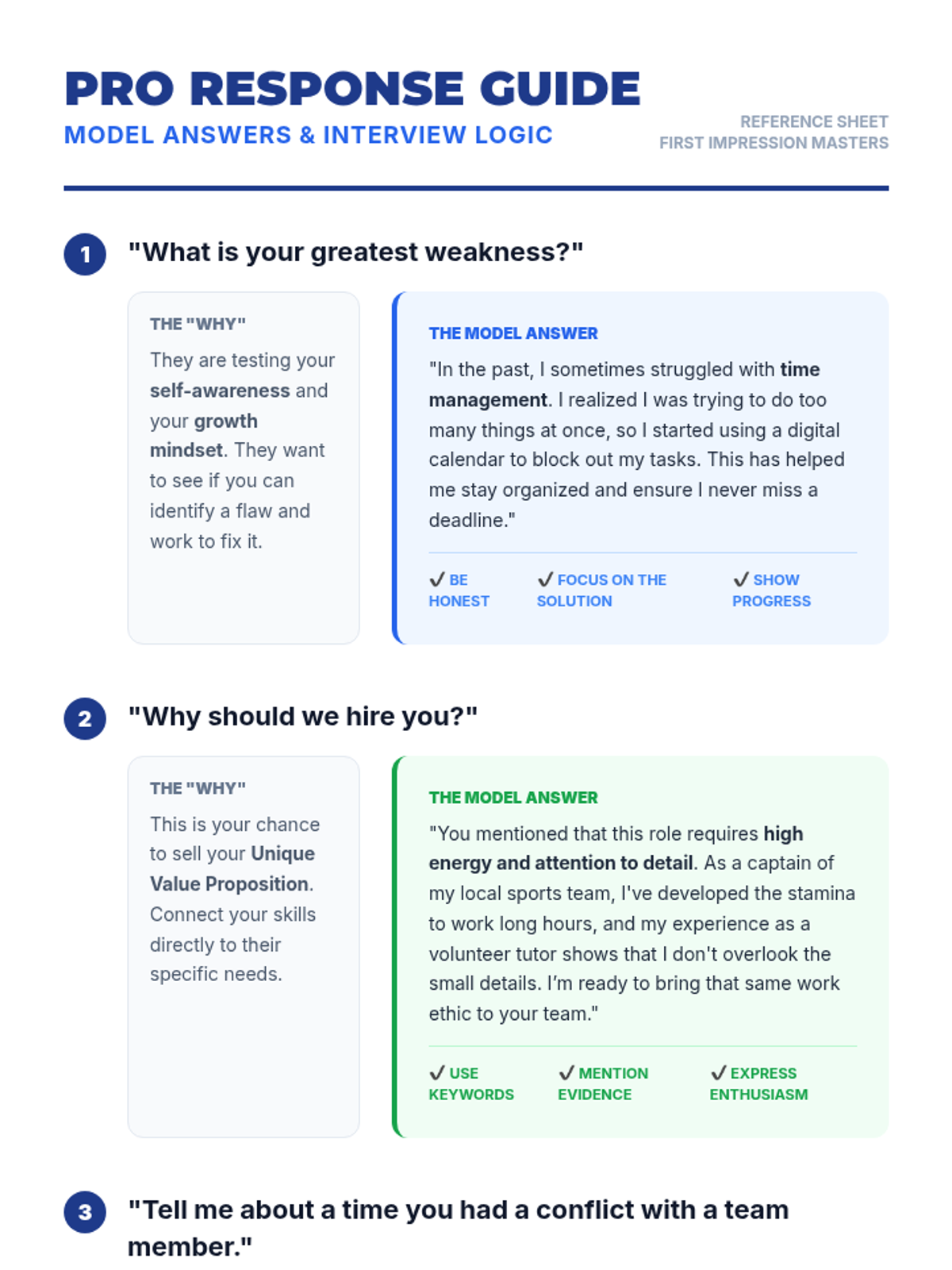
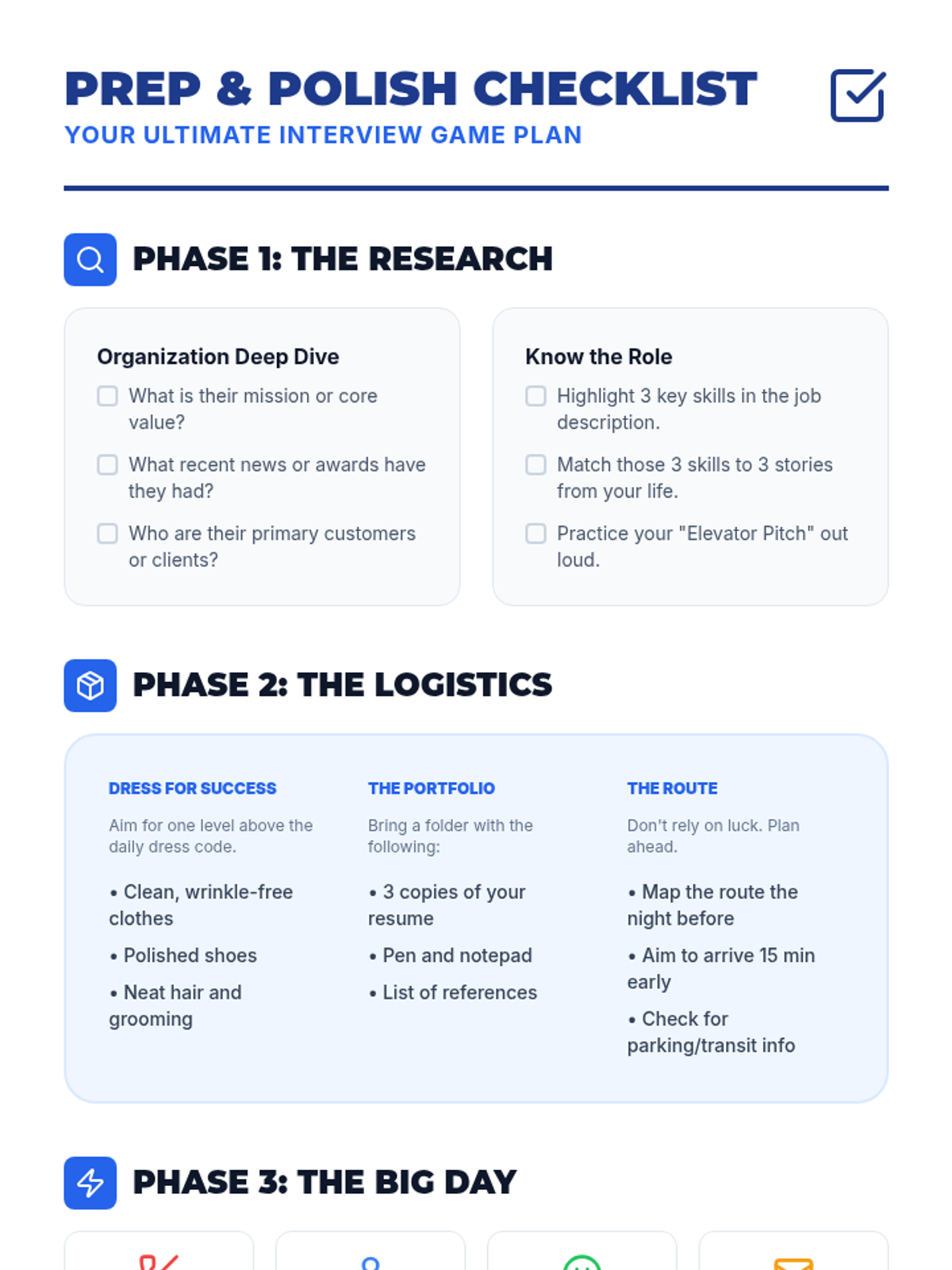
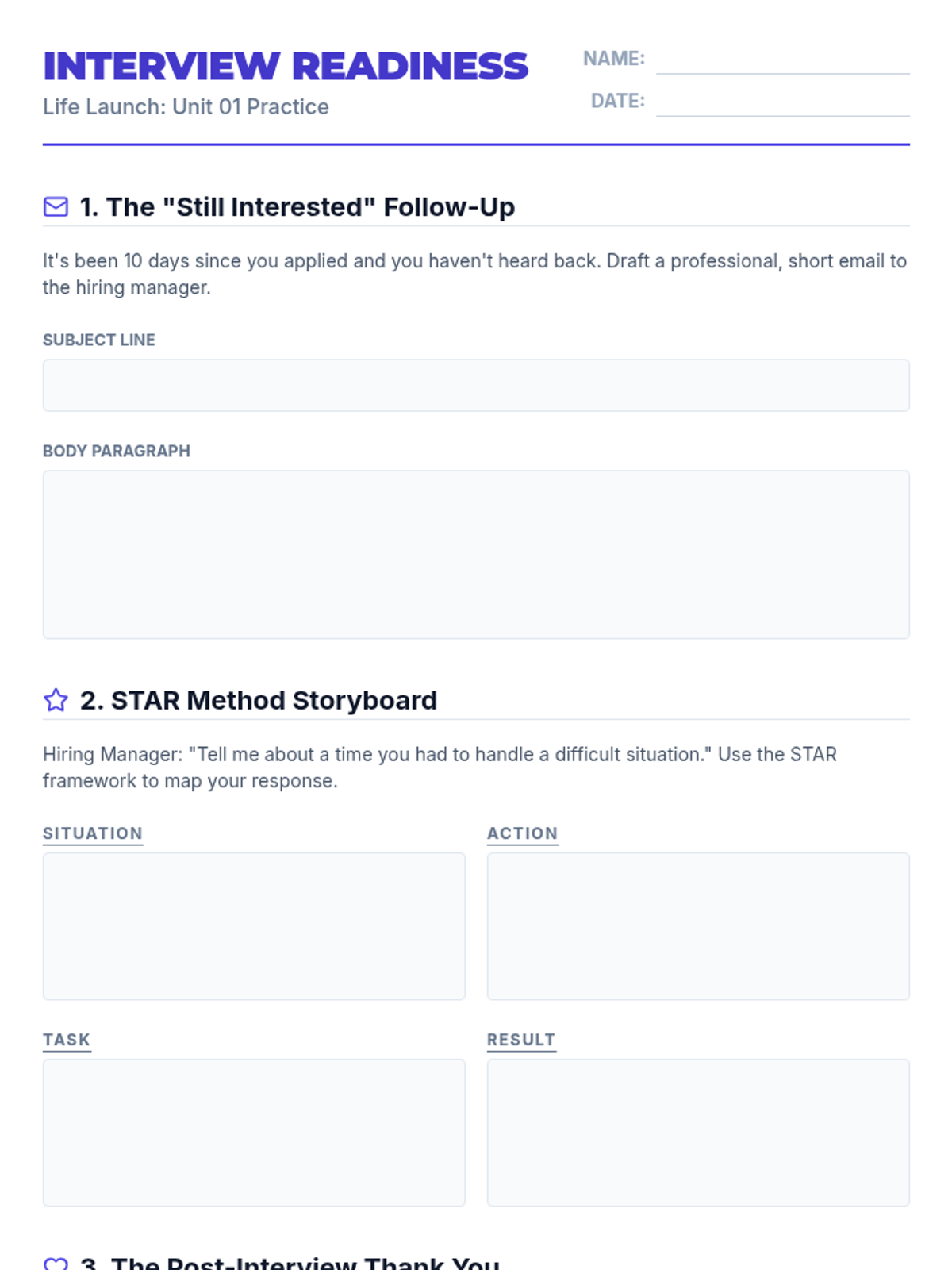
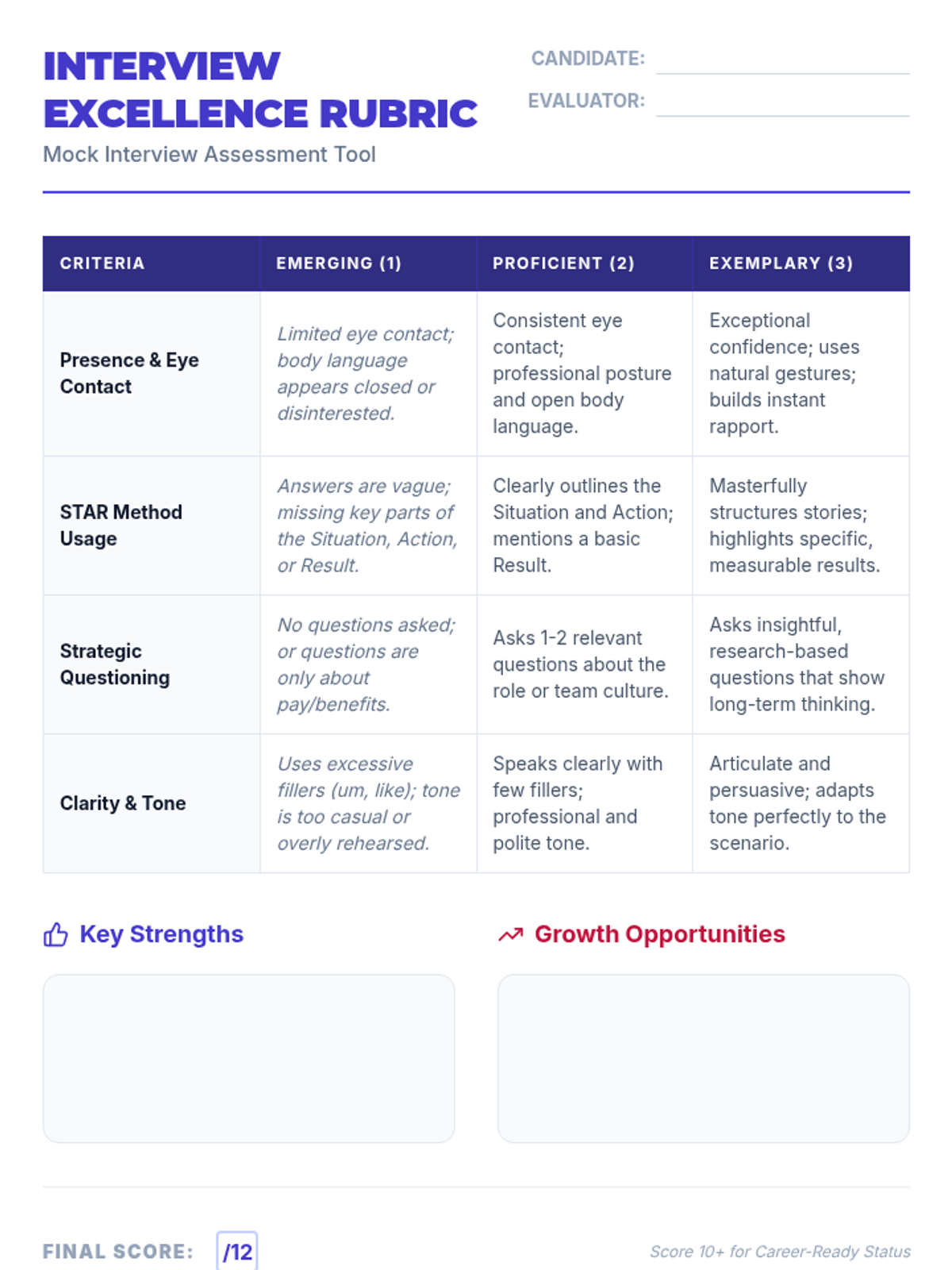
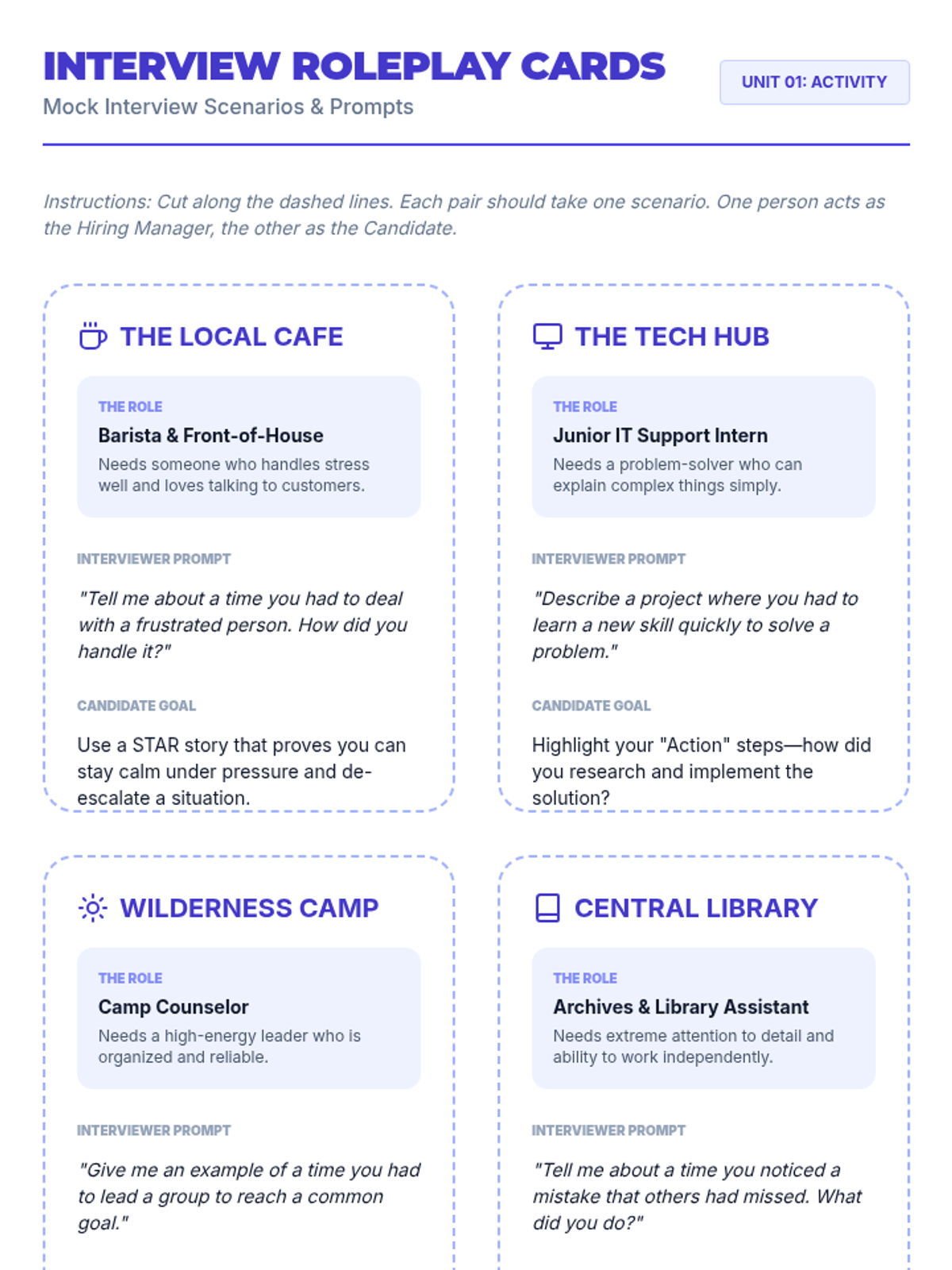
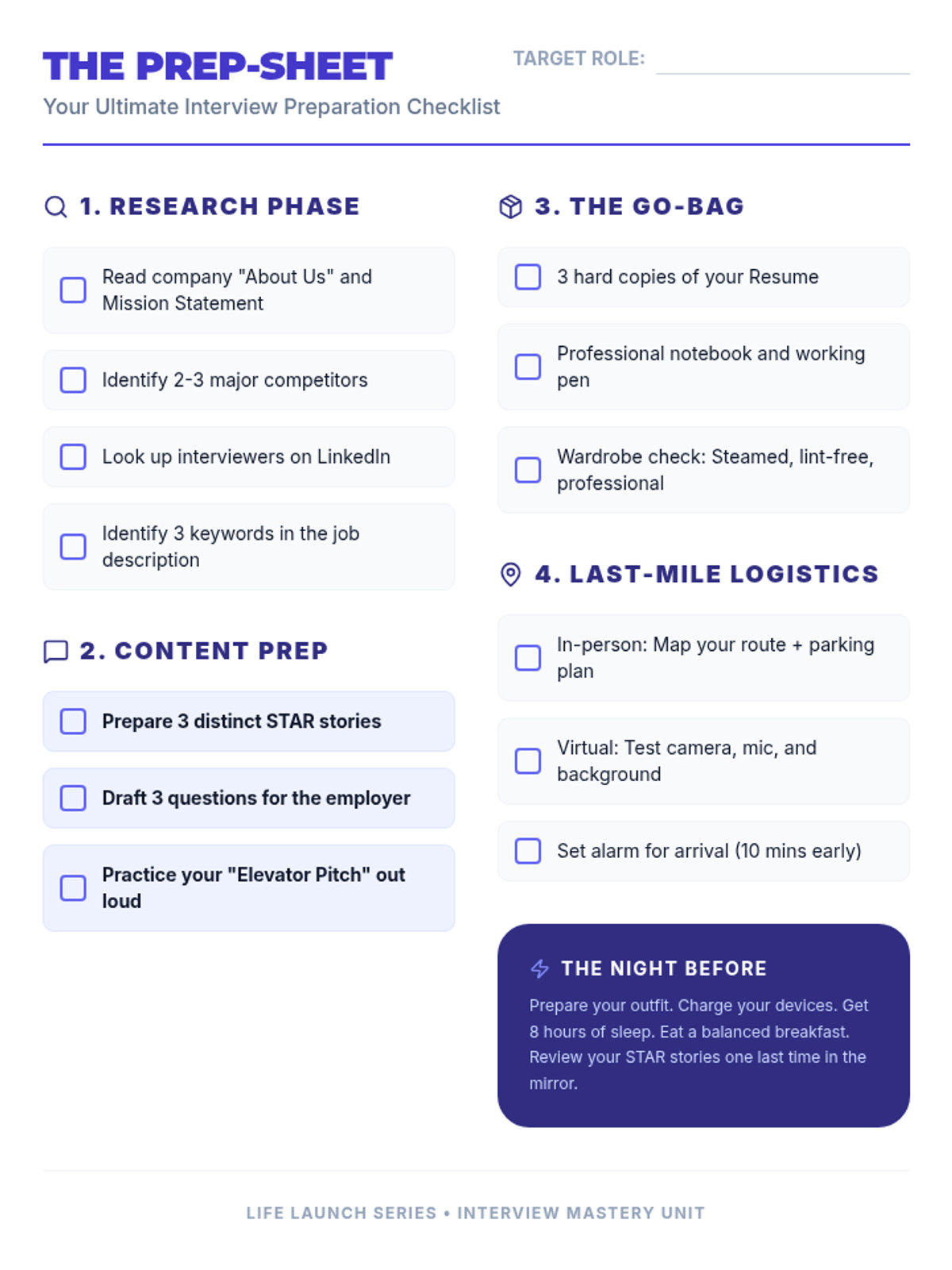
Employer research strategies and behavioral response techniques using the STAR method. Develops virtual interview etiquette, professional presence, and effective follow-up communication.
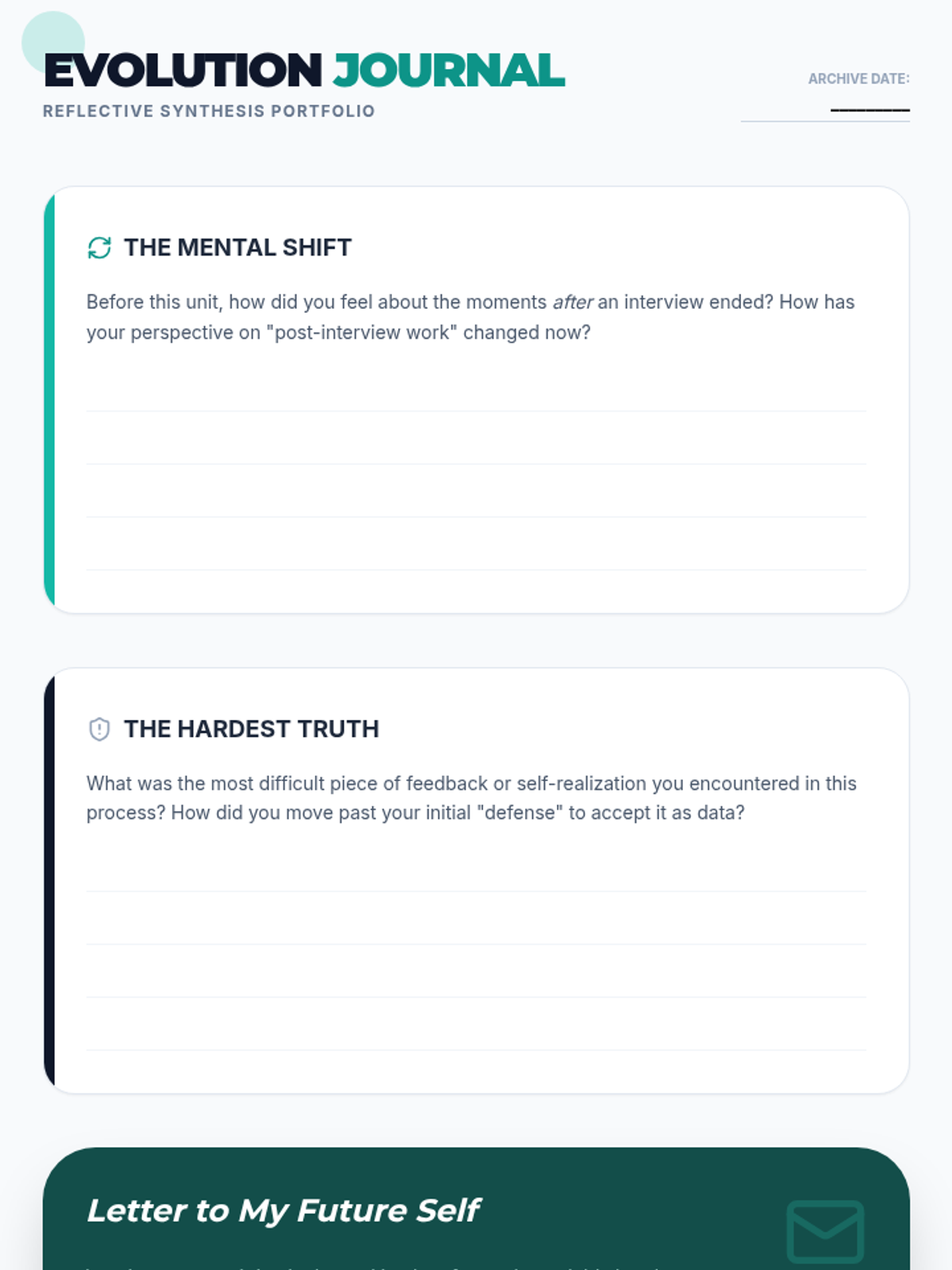
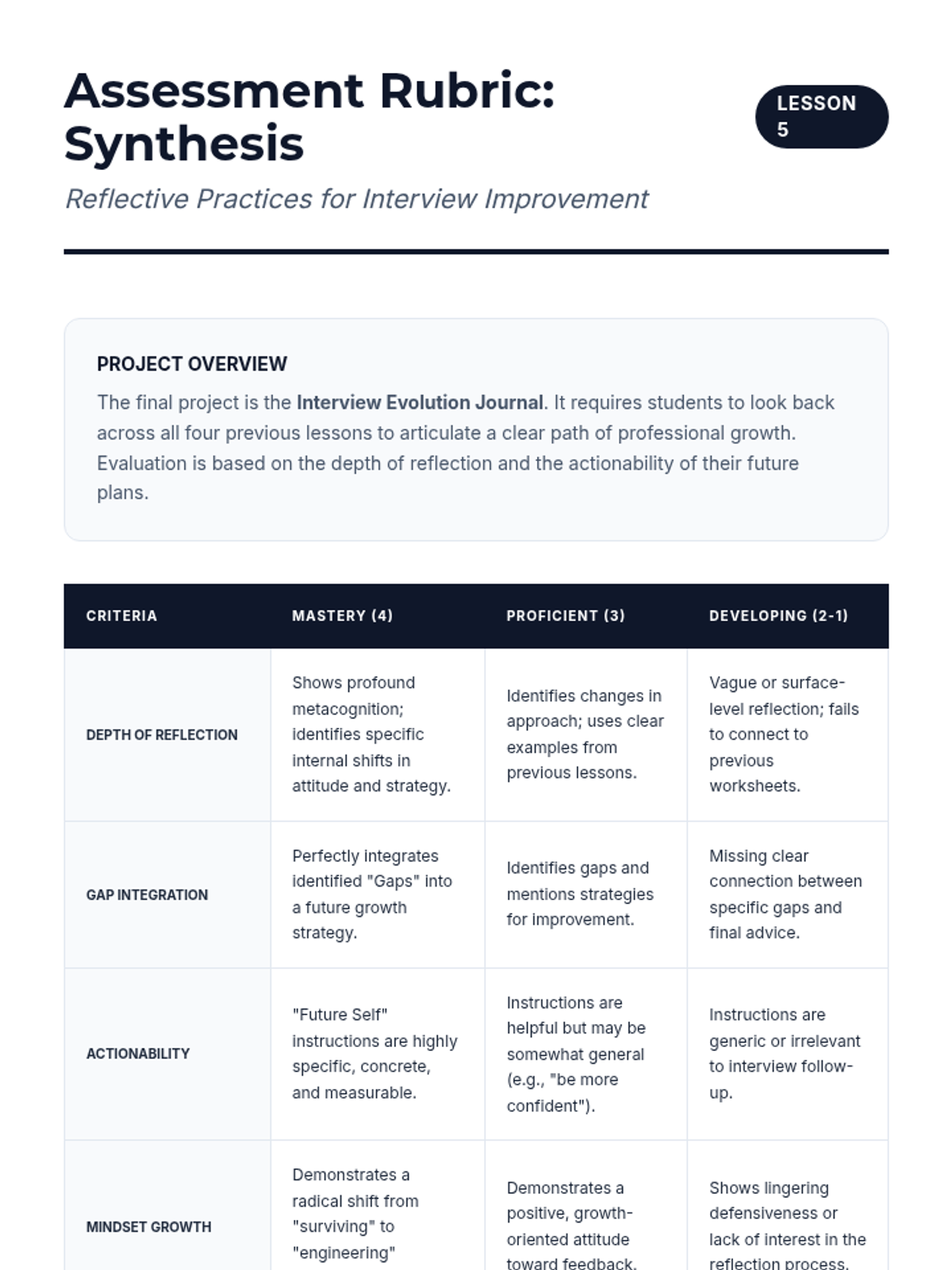
Students synthesize their reflections and growth plans into a final self-assessment. They reflect on how their interview approach has evolved through the inquiry and reflection process.
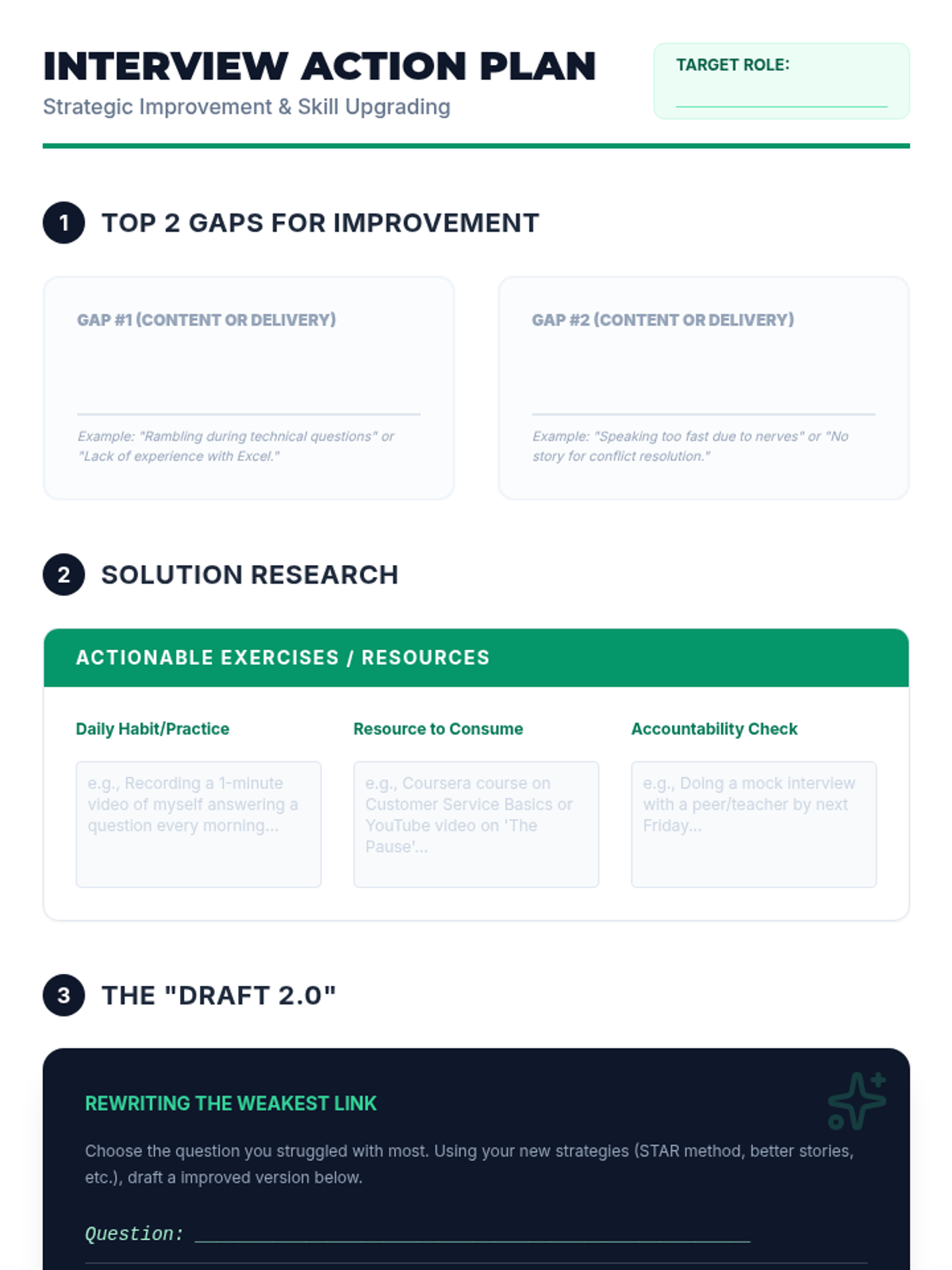
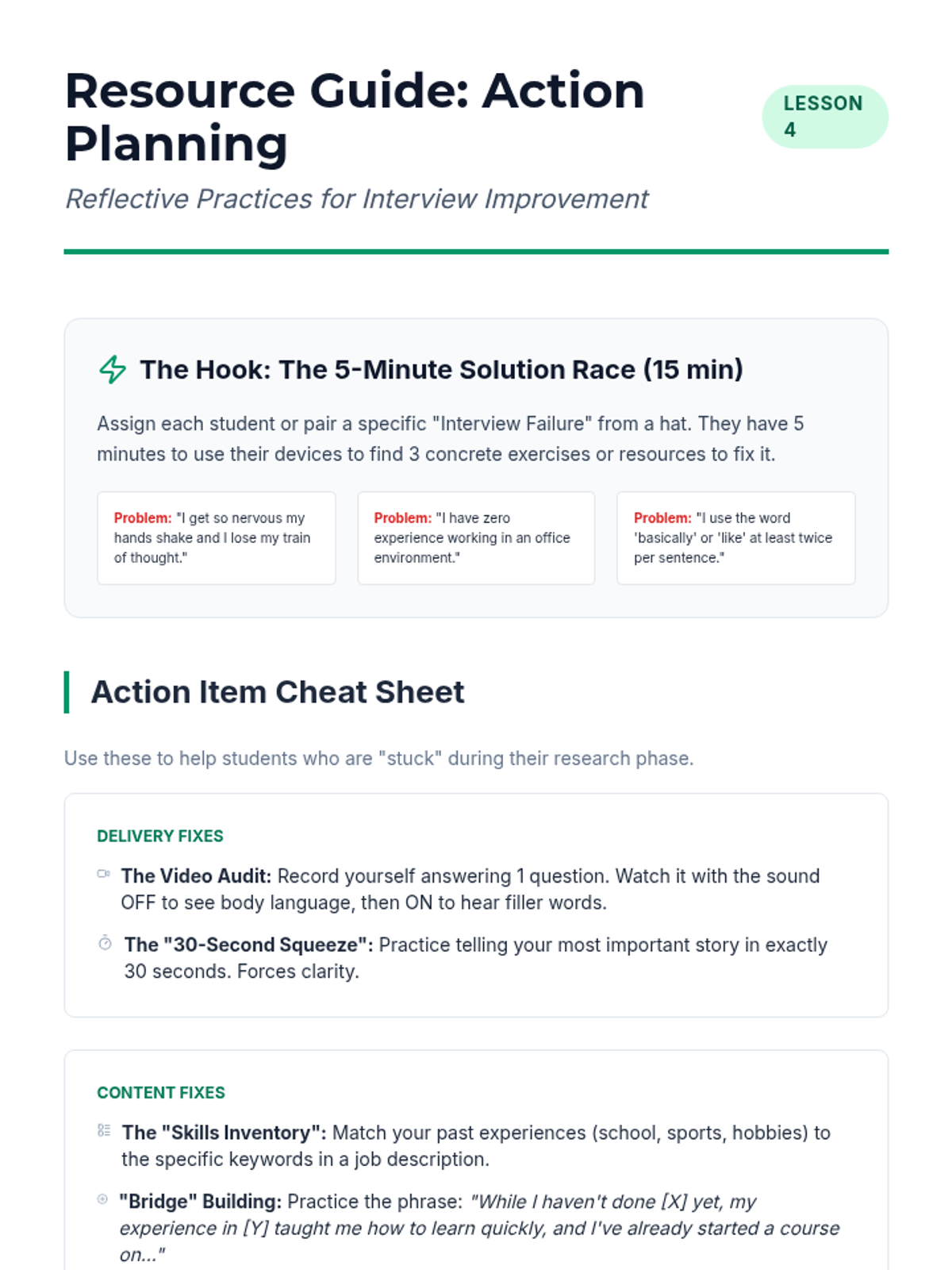
Students turn identified weaknesses into actionable growth strategies. They research specific methods to improve their interview skills and create a strategic plan for their next opportunity.
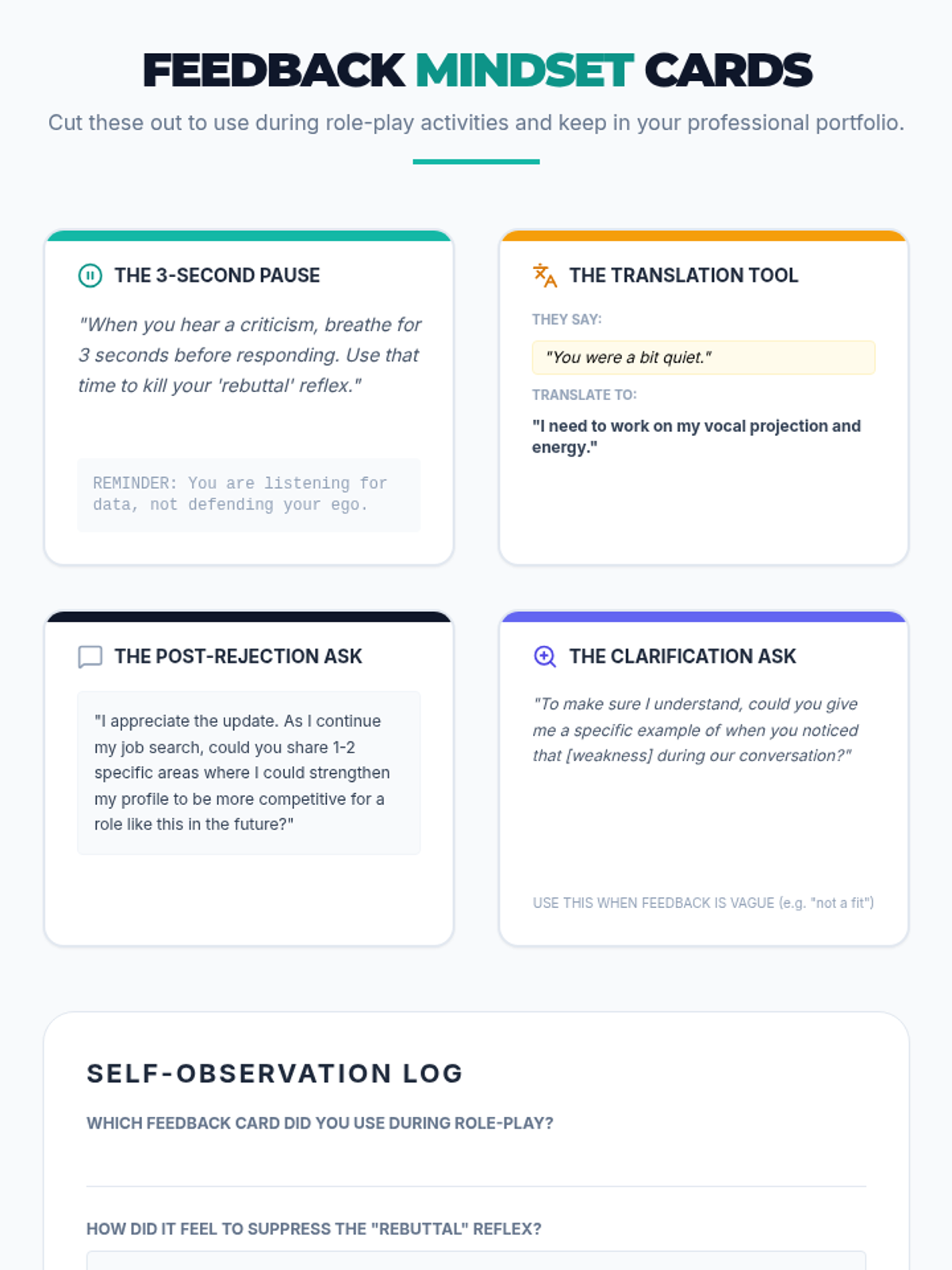
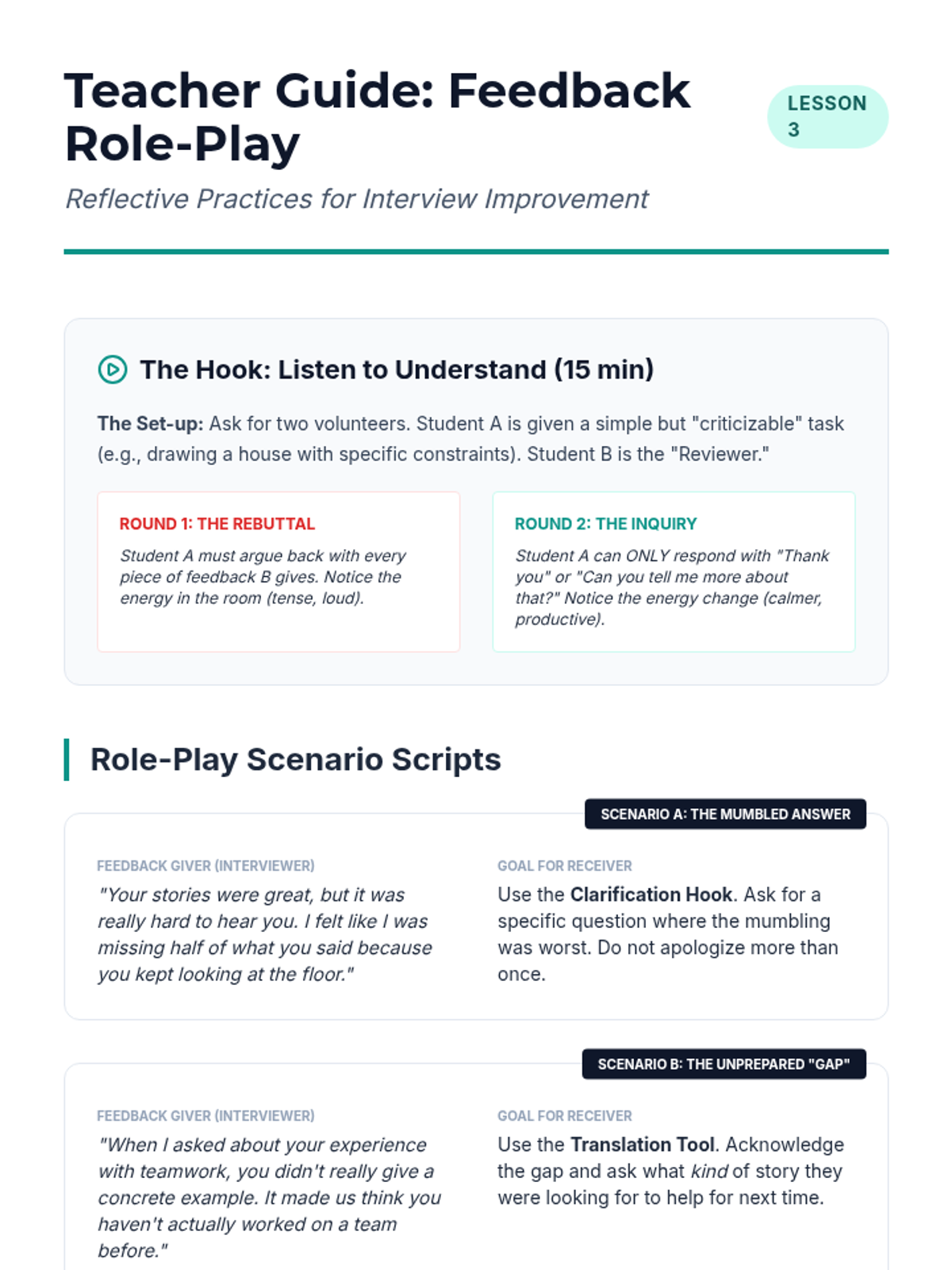
Students explore the art of requesting and receiving professional feedback. The focus is on developing a growth mindset and learning to listen for understanding rather than defensiveness.
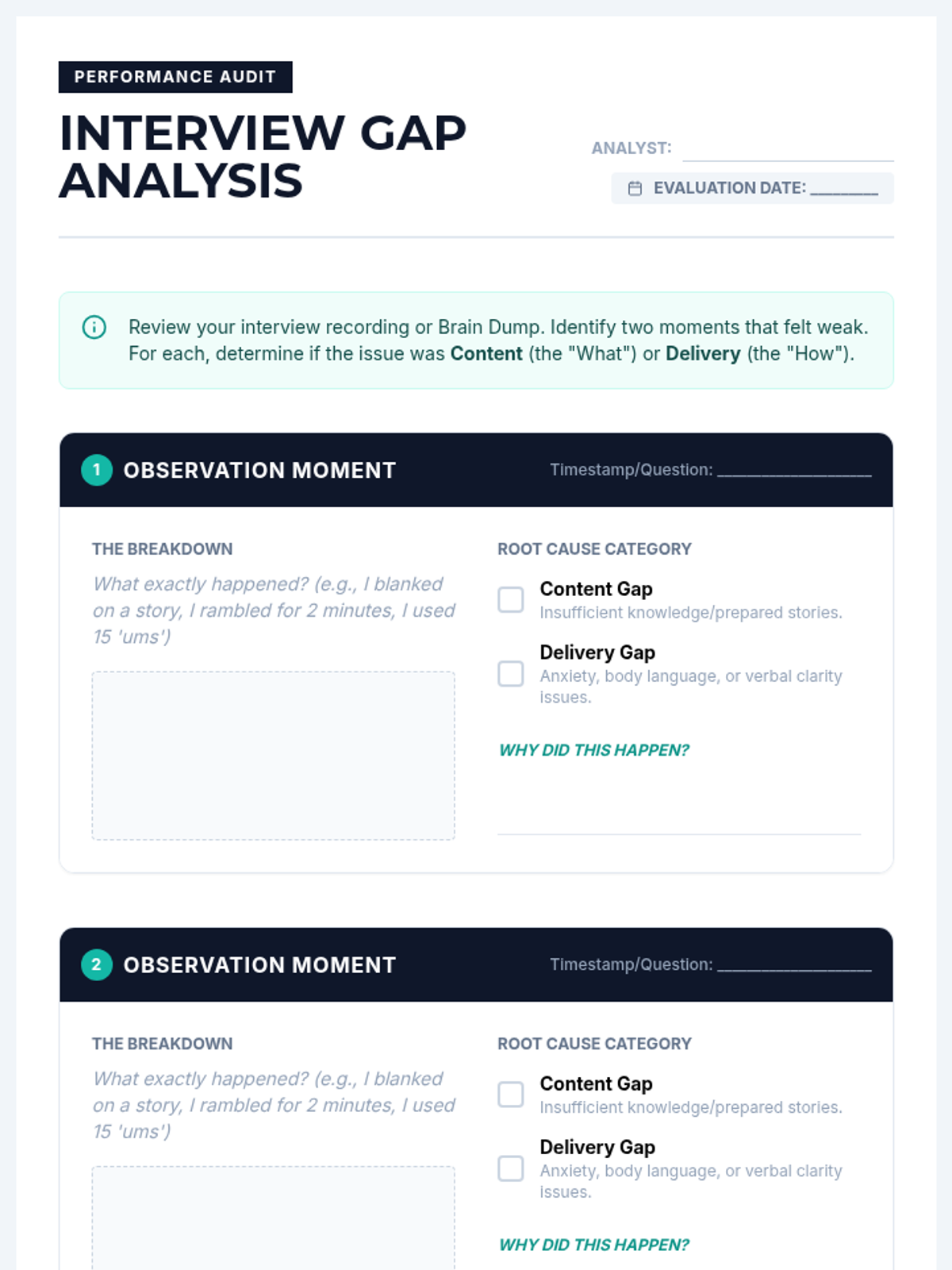
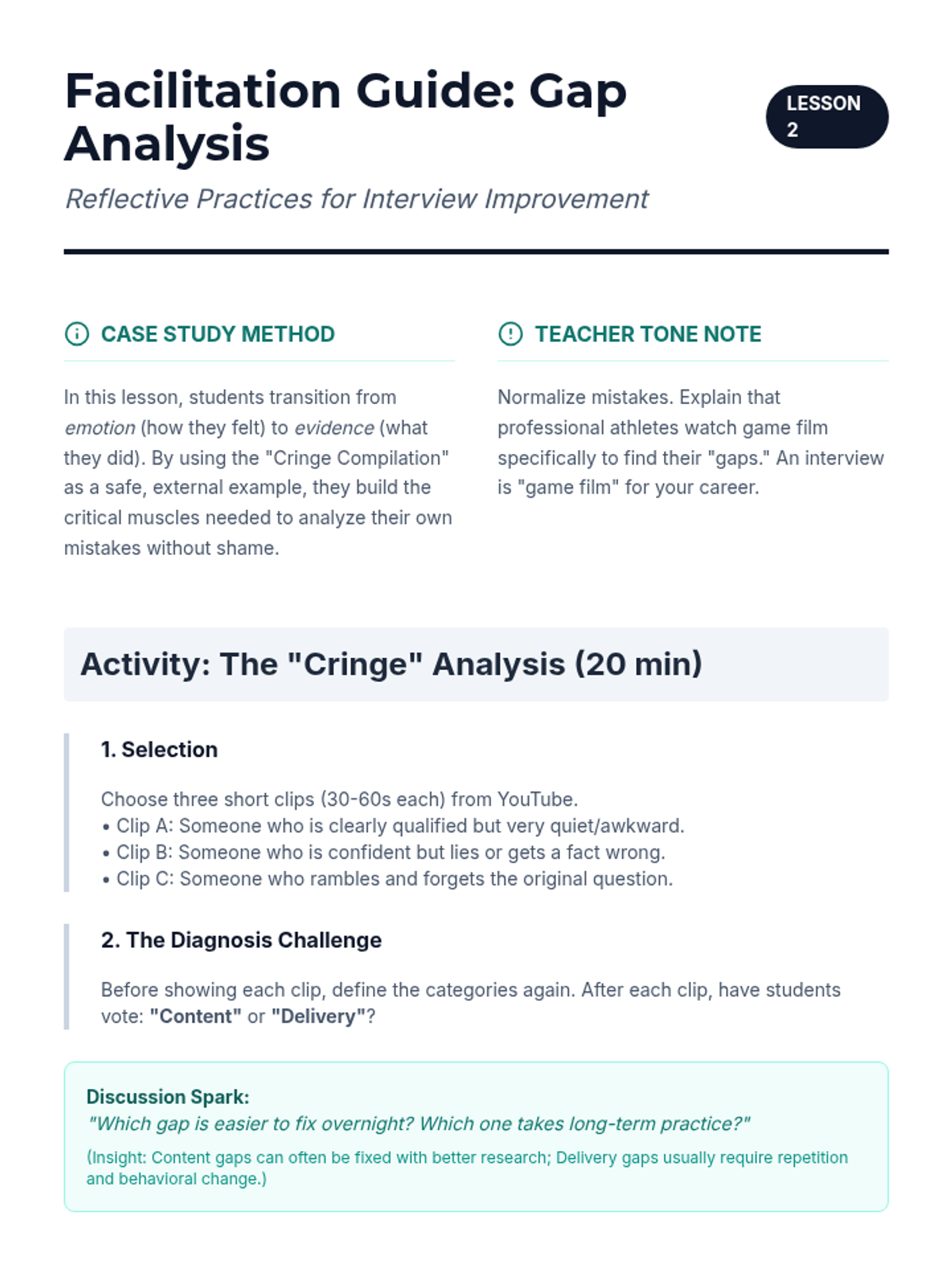
Students analyze mock interview performances to identify specific weaknesses in content and communication. They learn to categorize performance gaps to better target their improvement efforts.
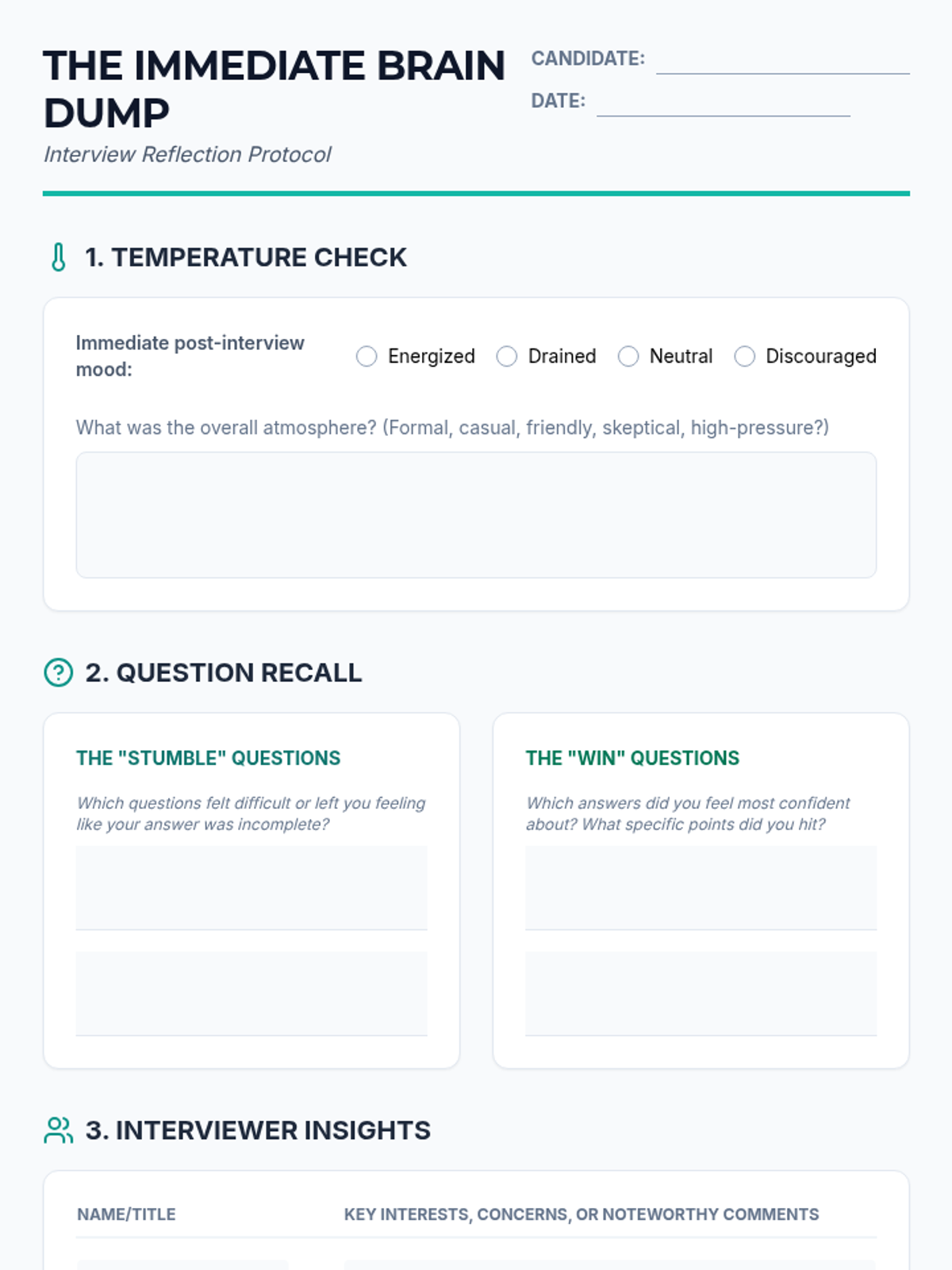
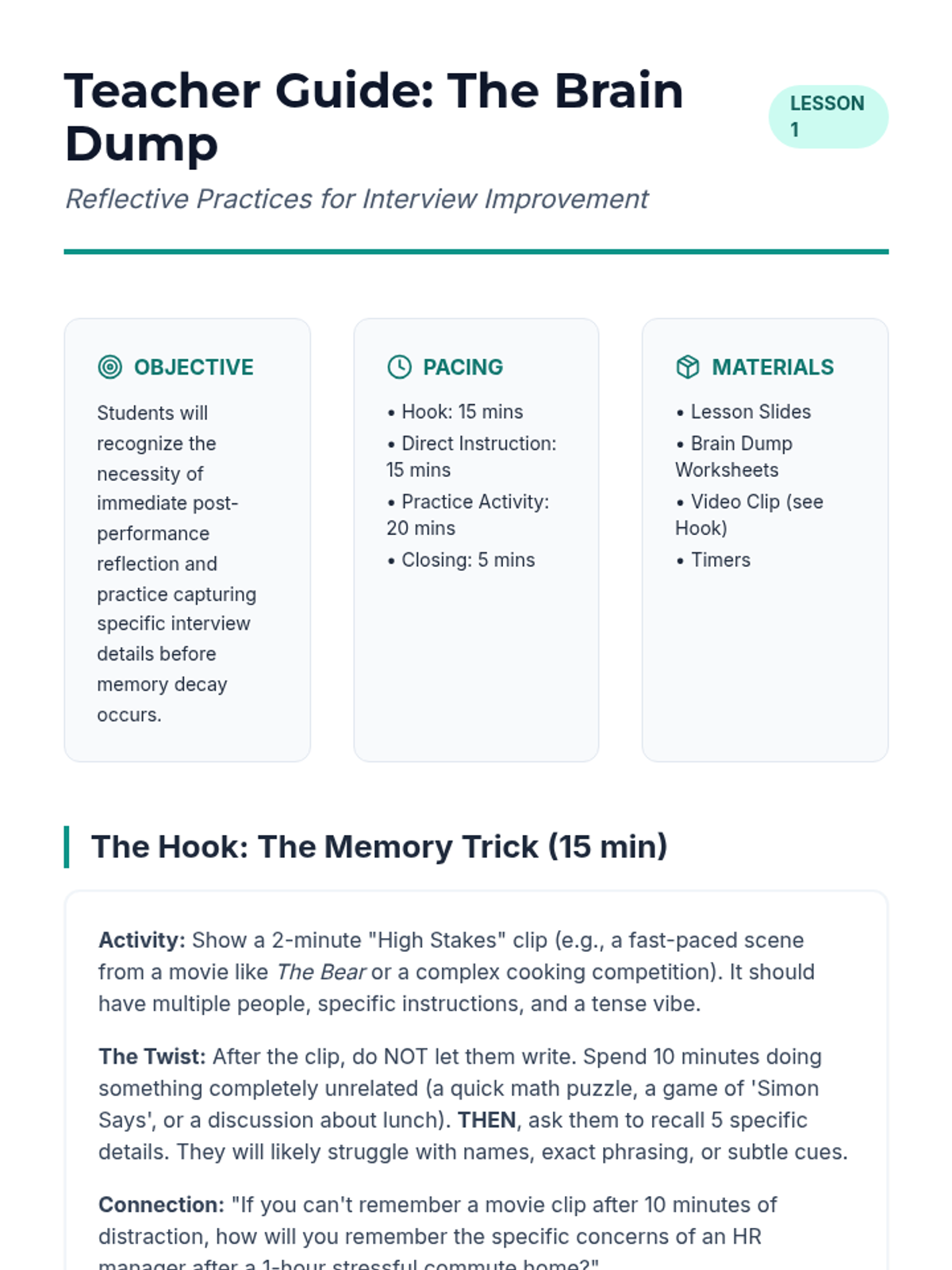
Students learn the technique of recording their thoughts immediately after an interview to capture critical details before they fade. They practice using a structured reflection template to identify tough questions and the overall atmosphere of the interaction.
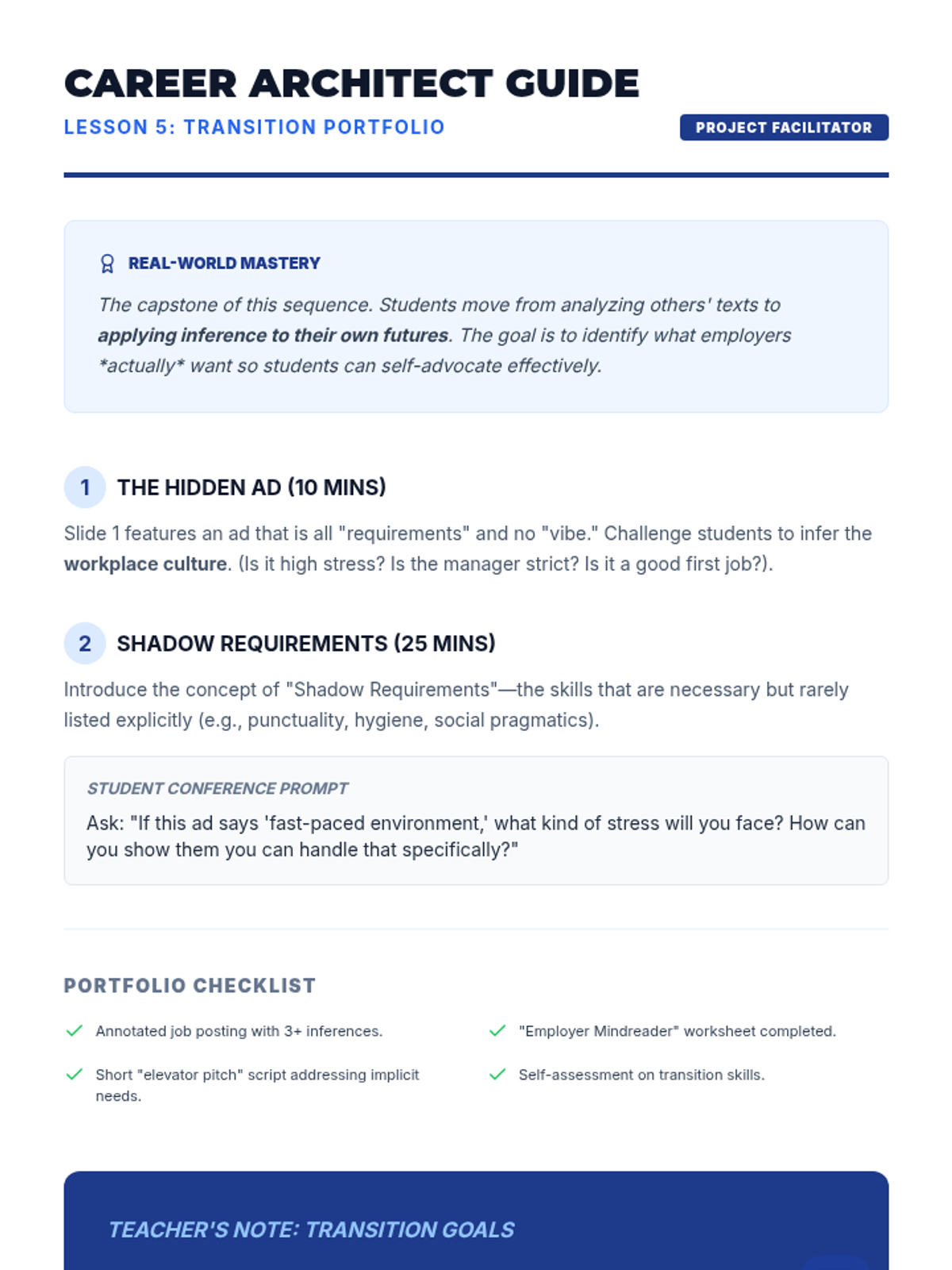
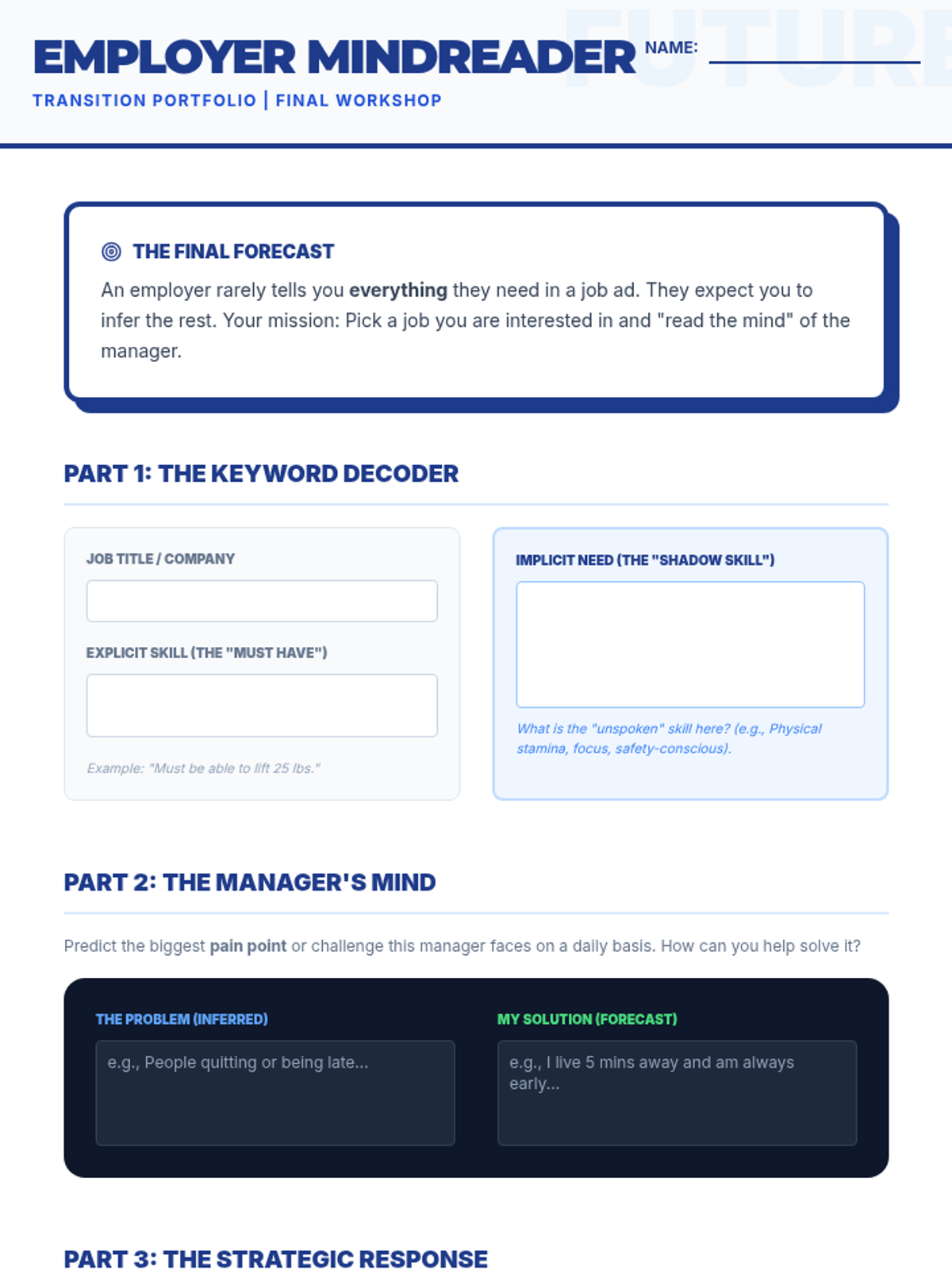
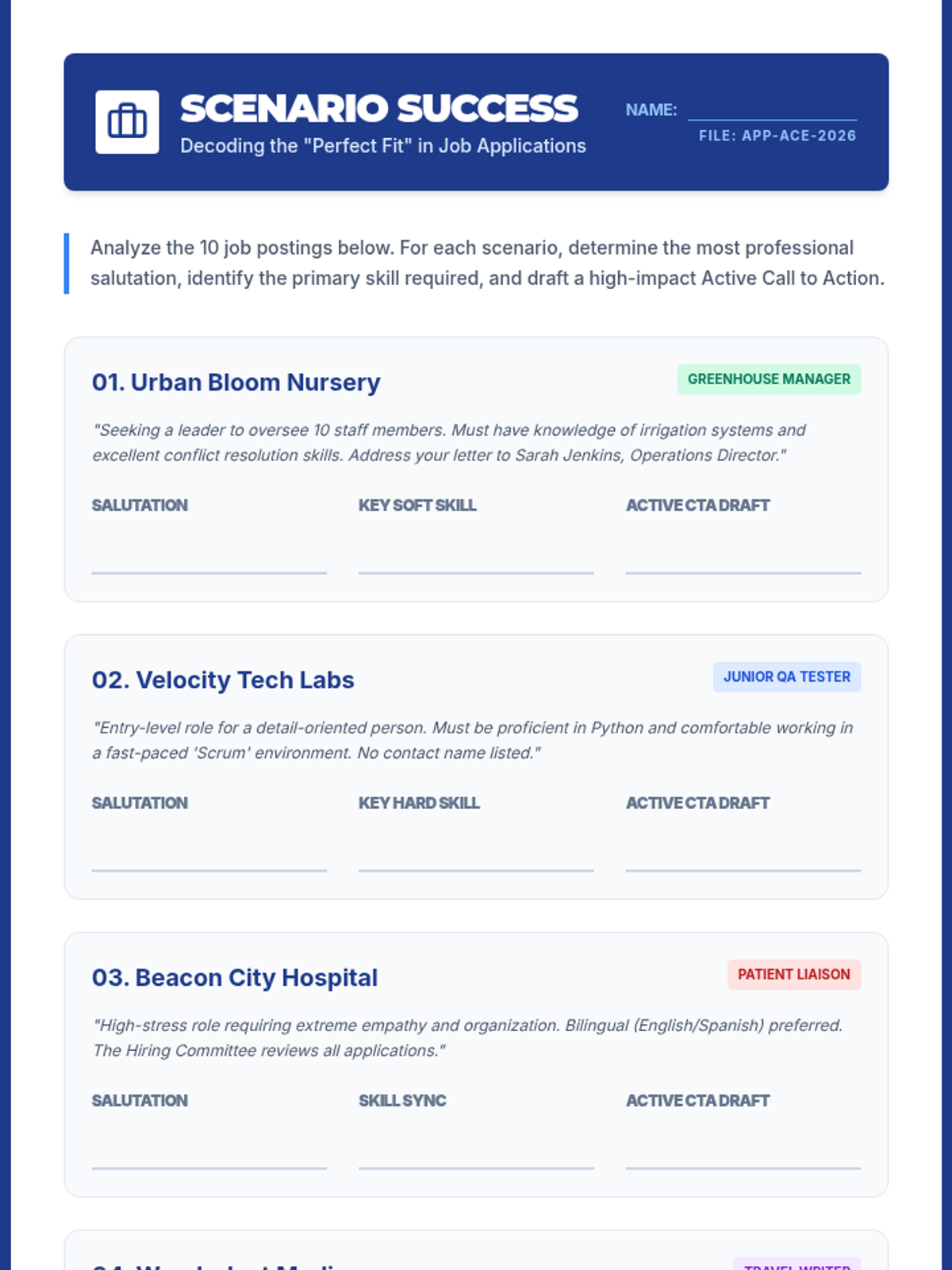
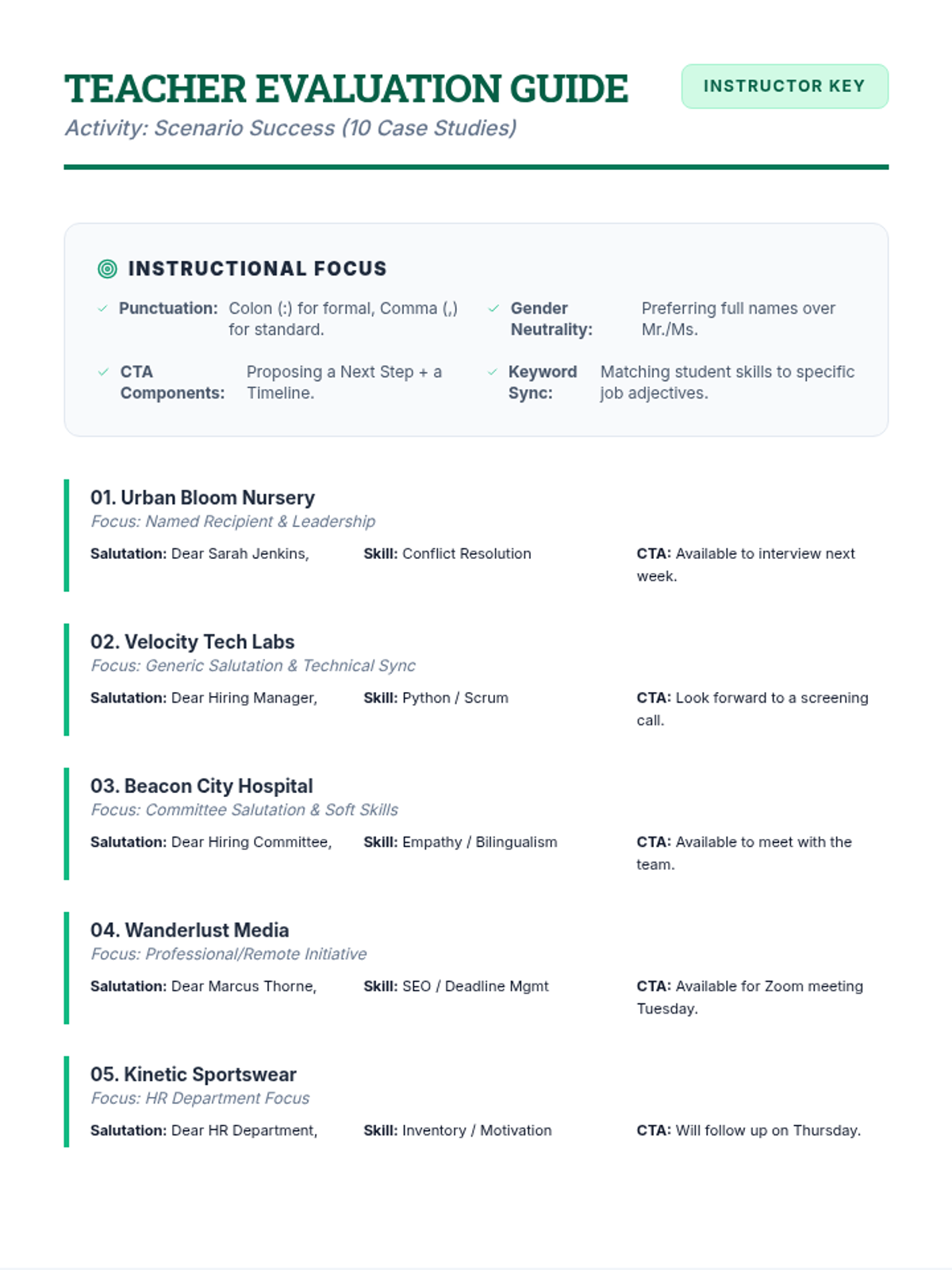
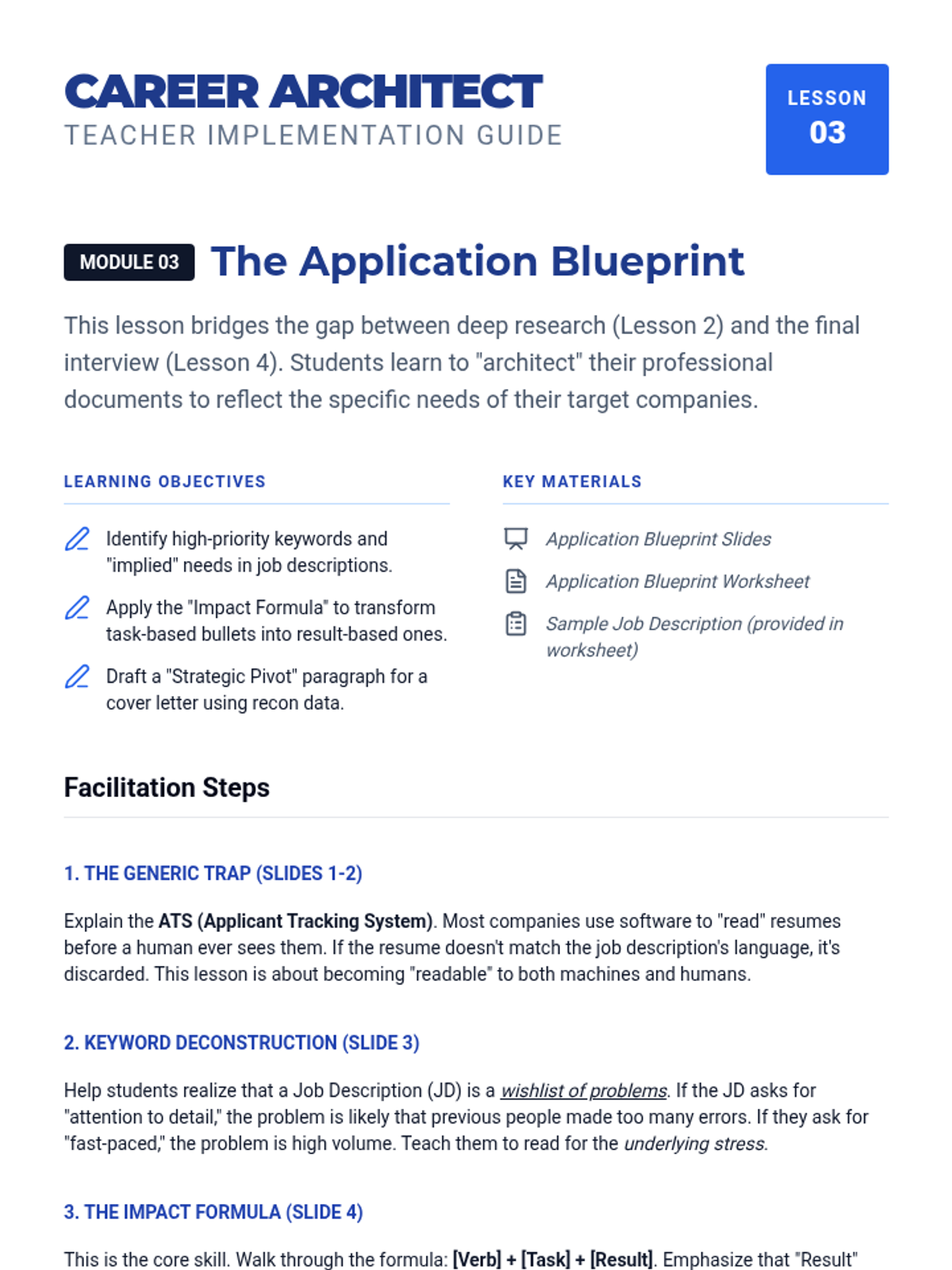
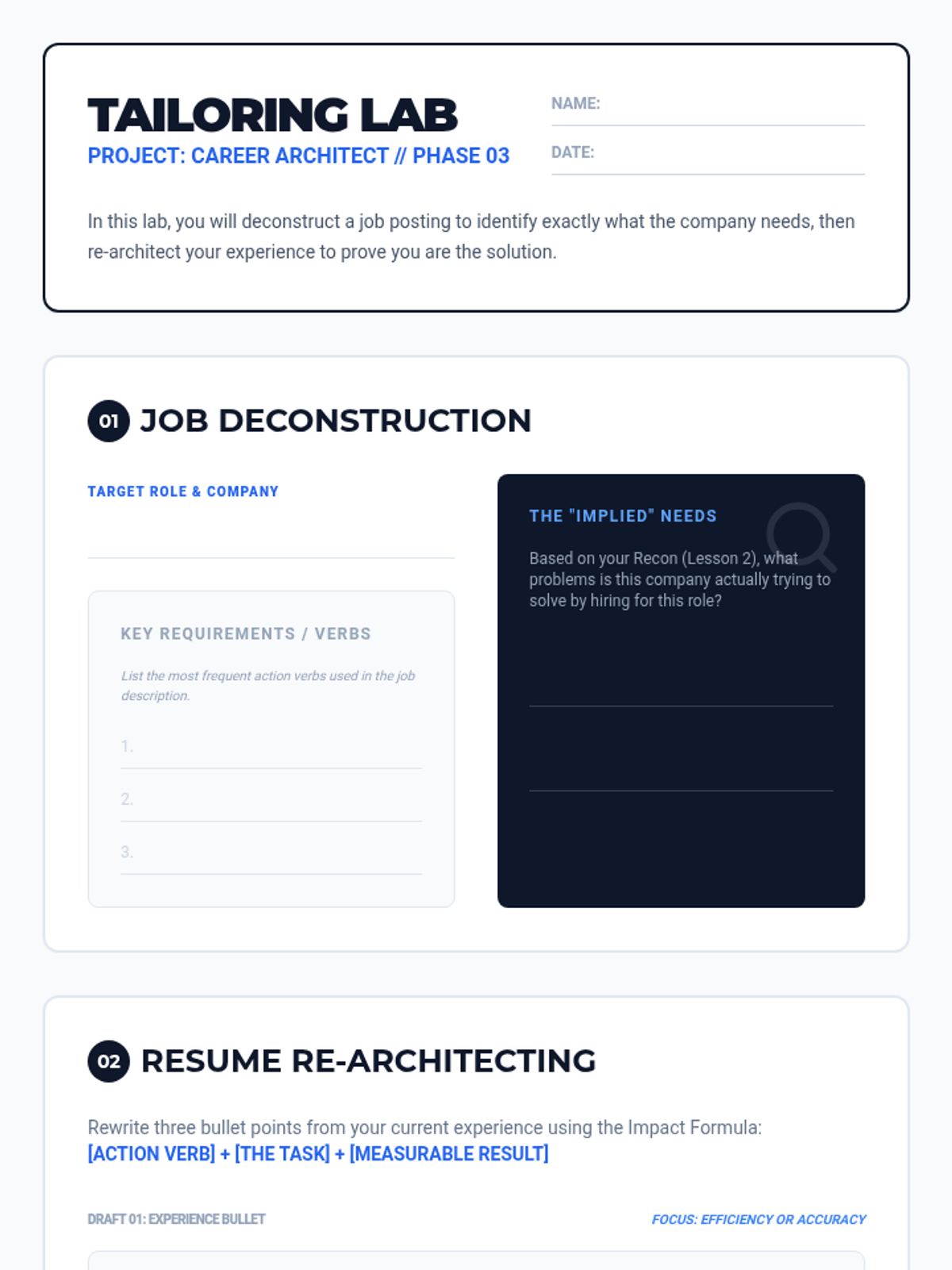
Students analyze job postings and application materials to infer employer needs and align their own skills with those implicit requirements.
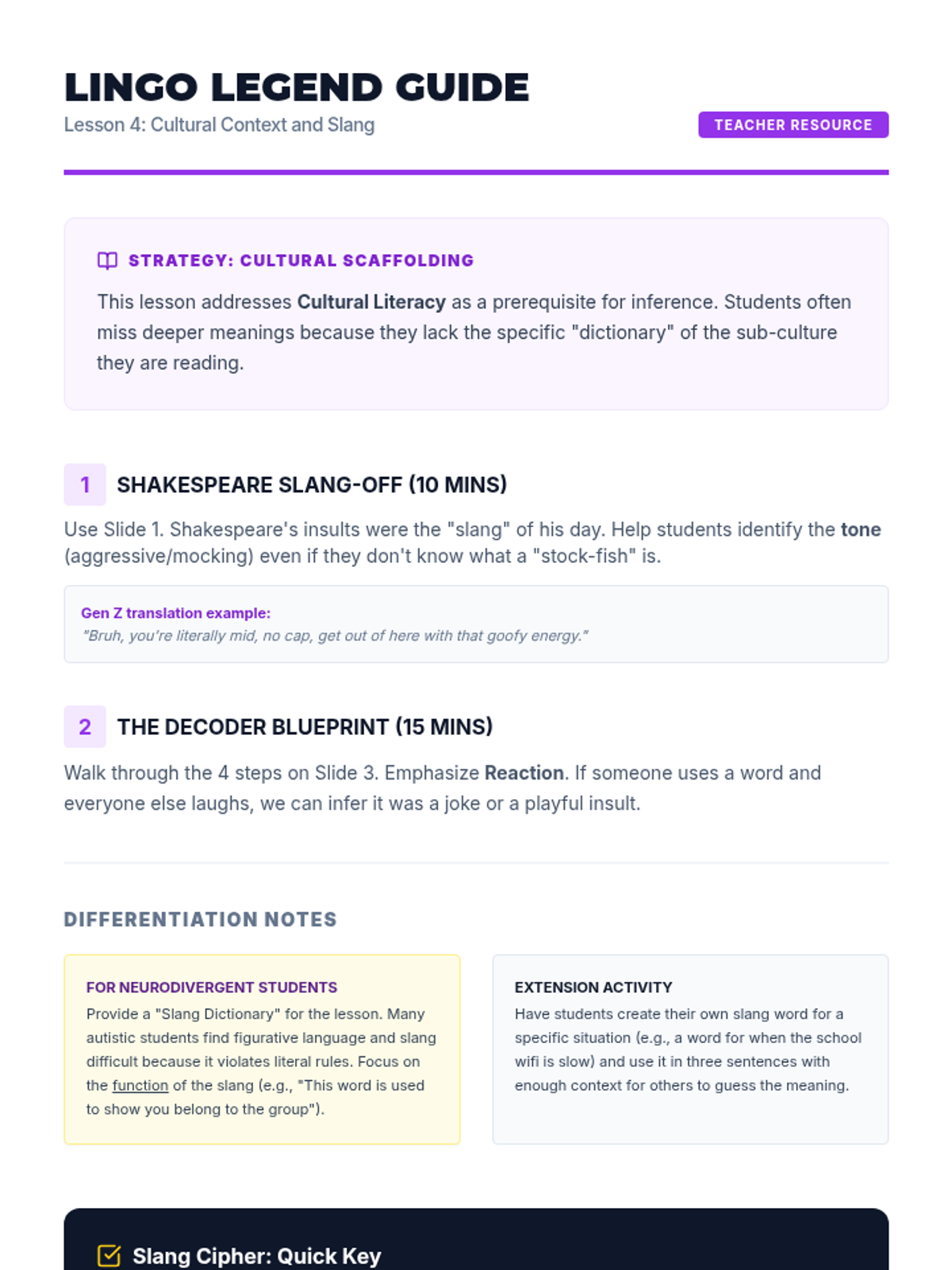
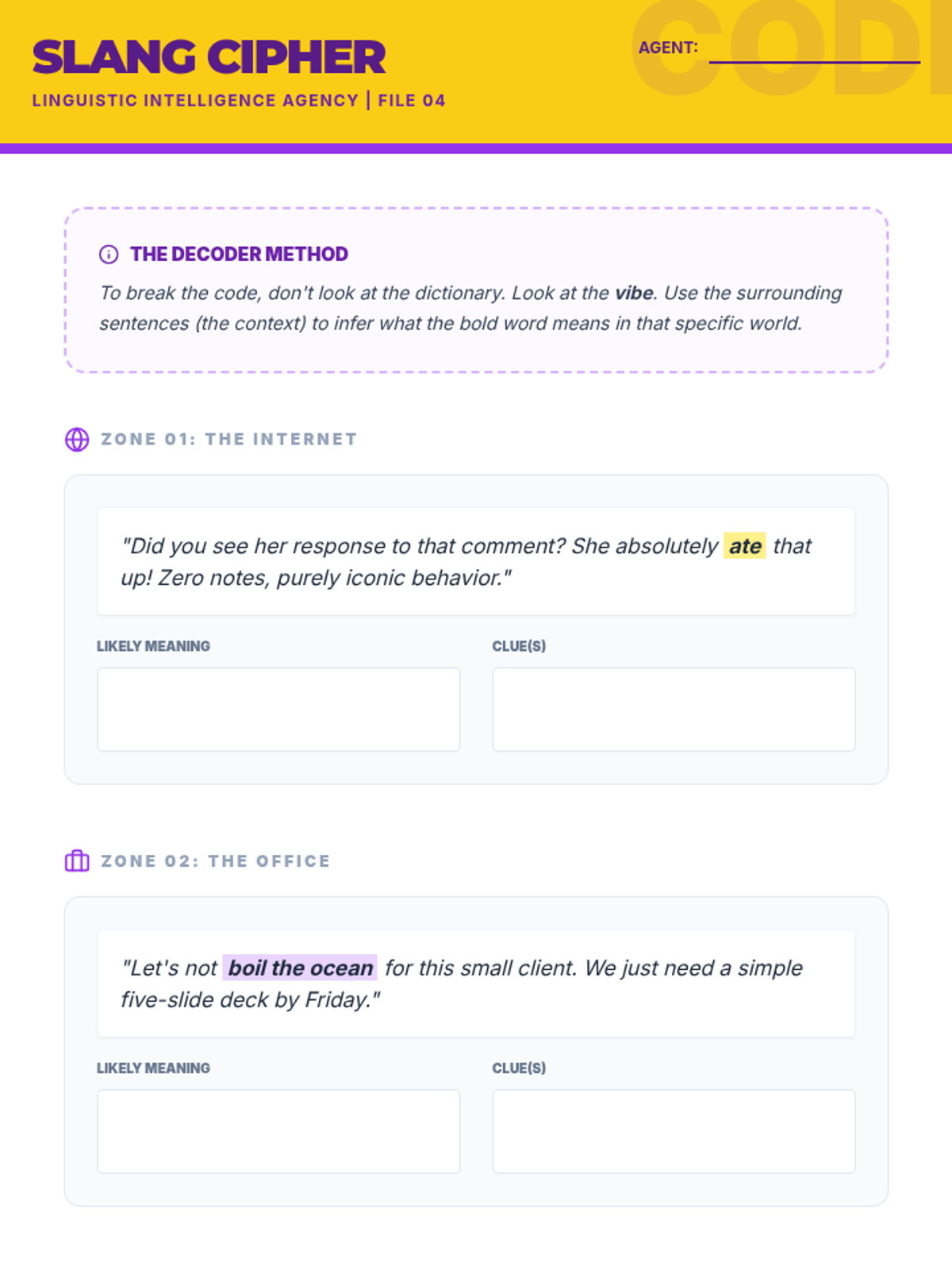
Students use context clues to decode cultural slang and regional dialects, understanding how shared knowledge influences inference.
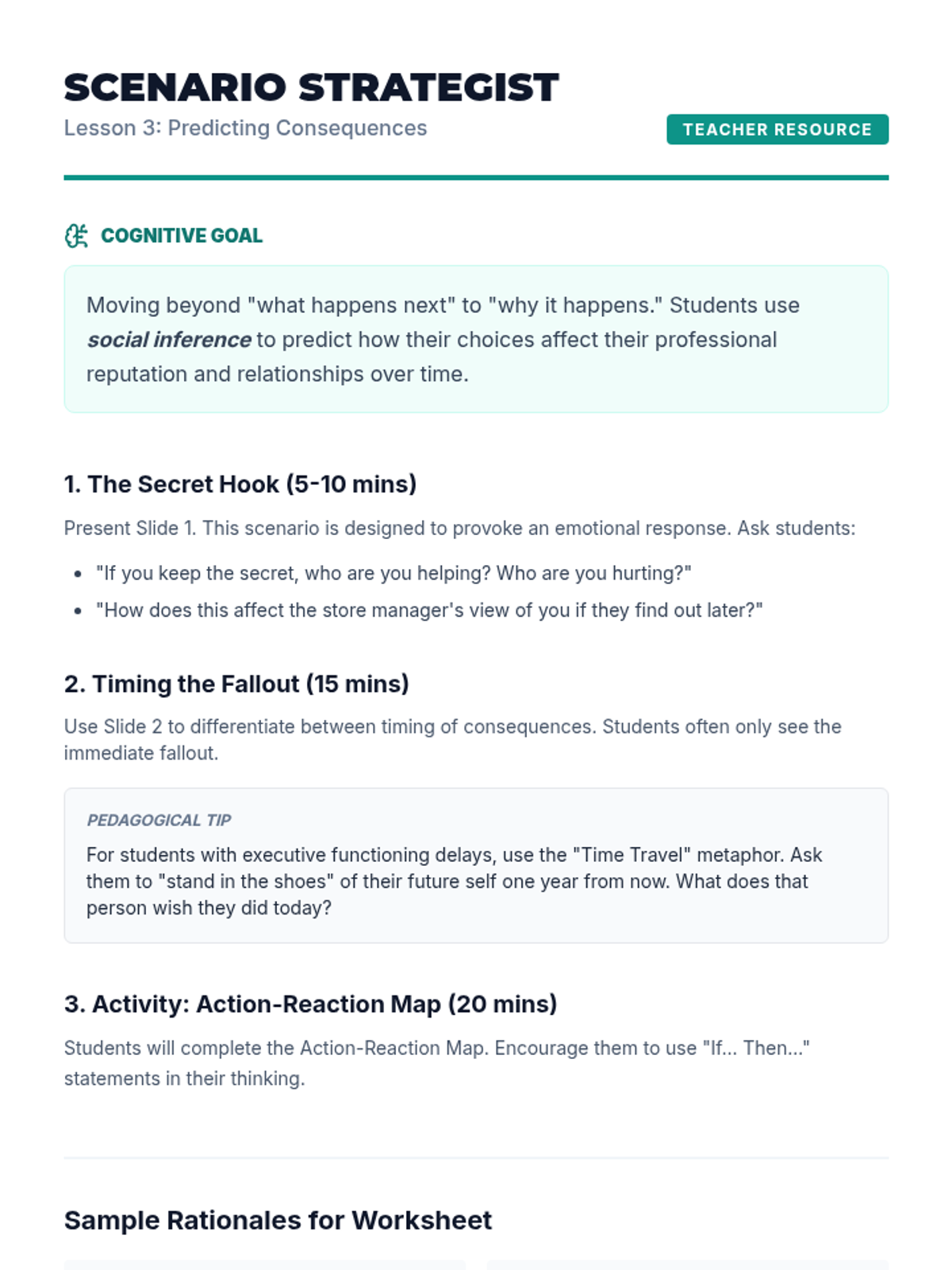
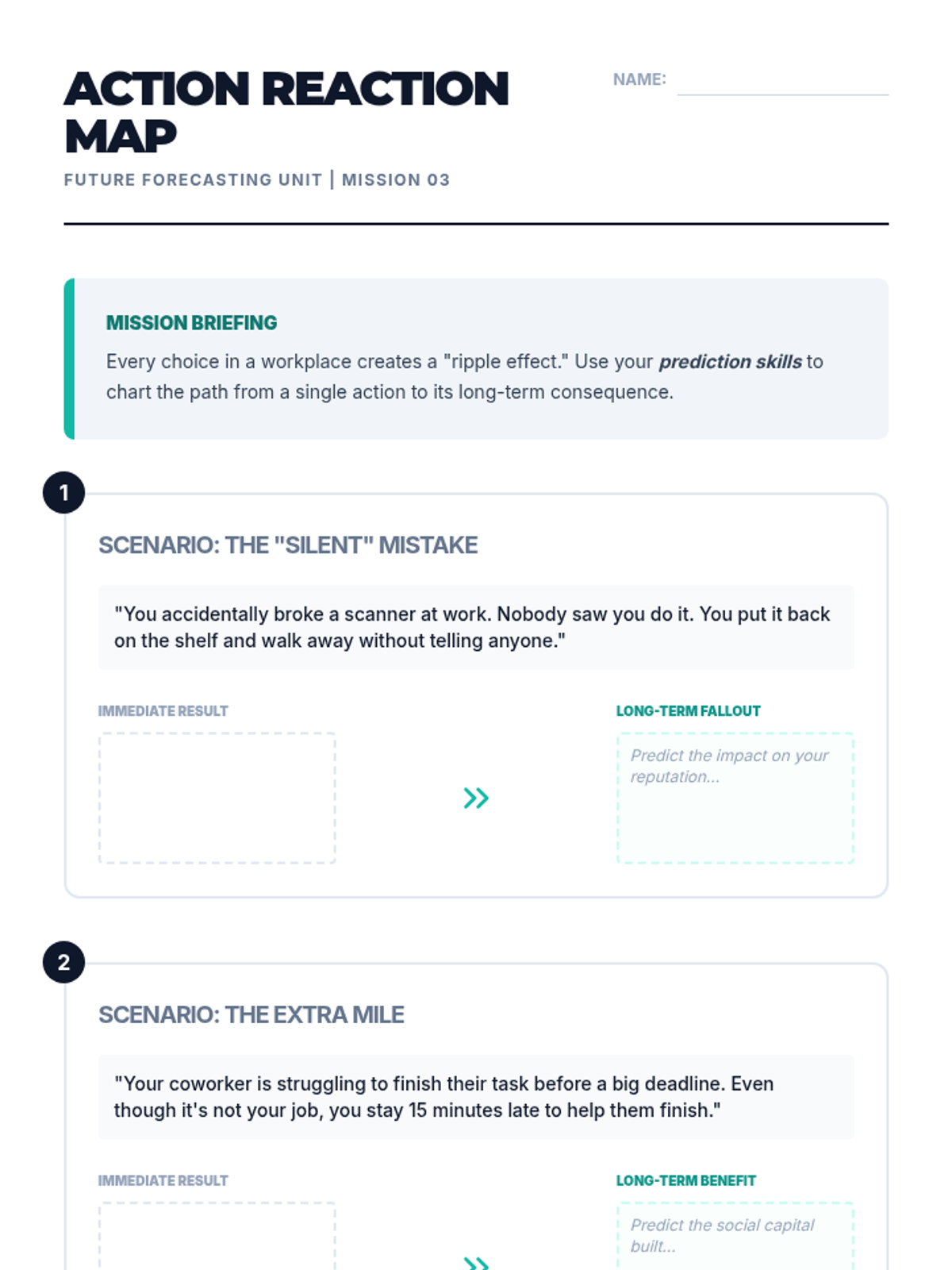
Students explore cause-and-effect by predicting consequences in workplace and social scenarios through case studies and simulations.
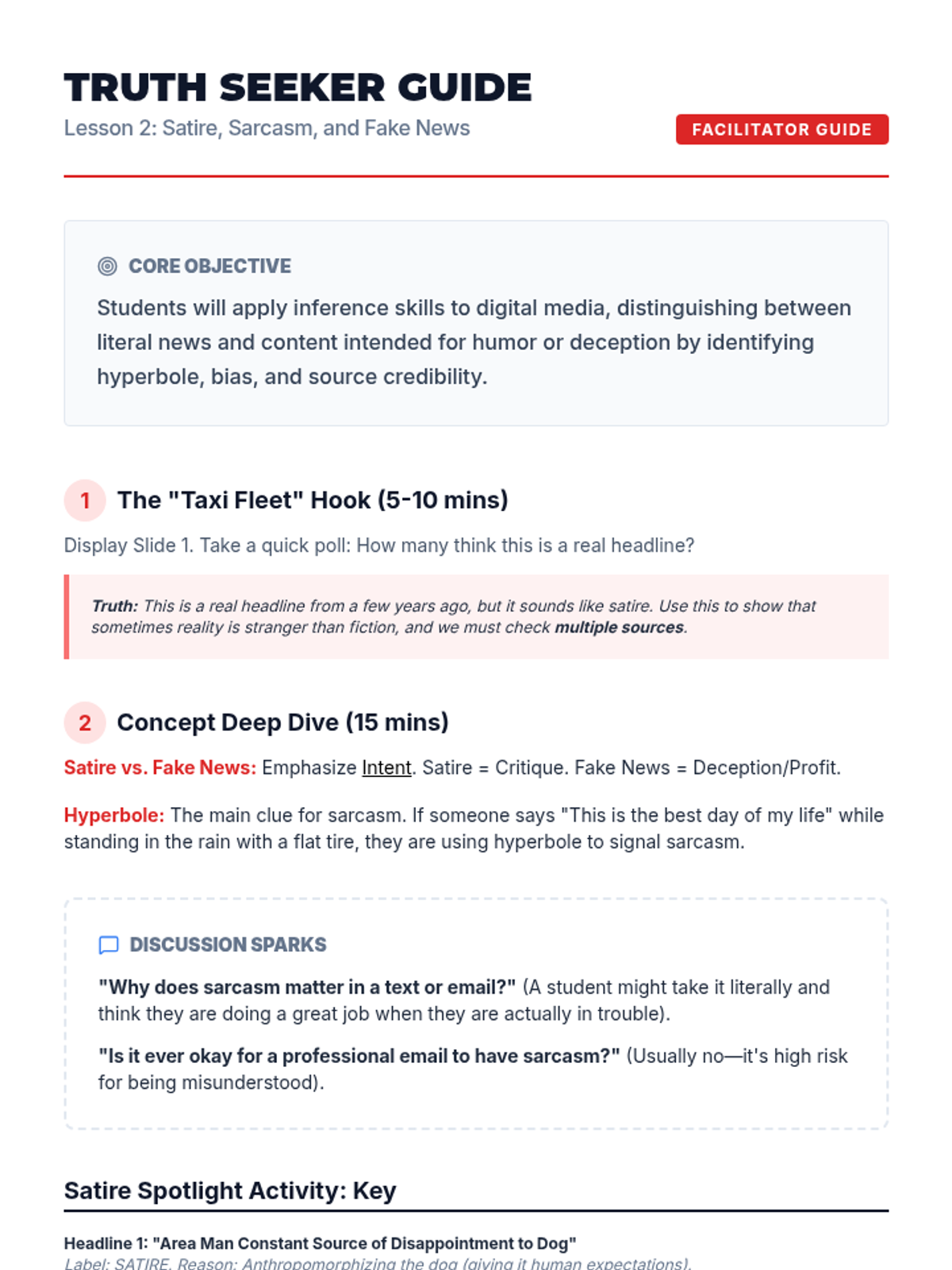
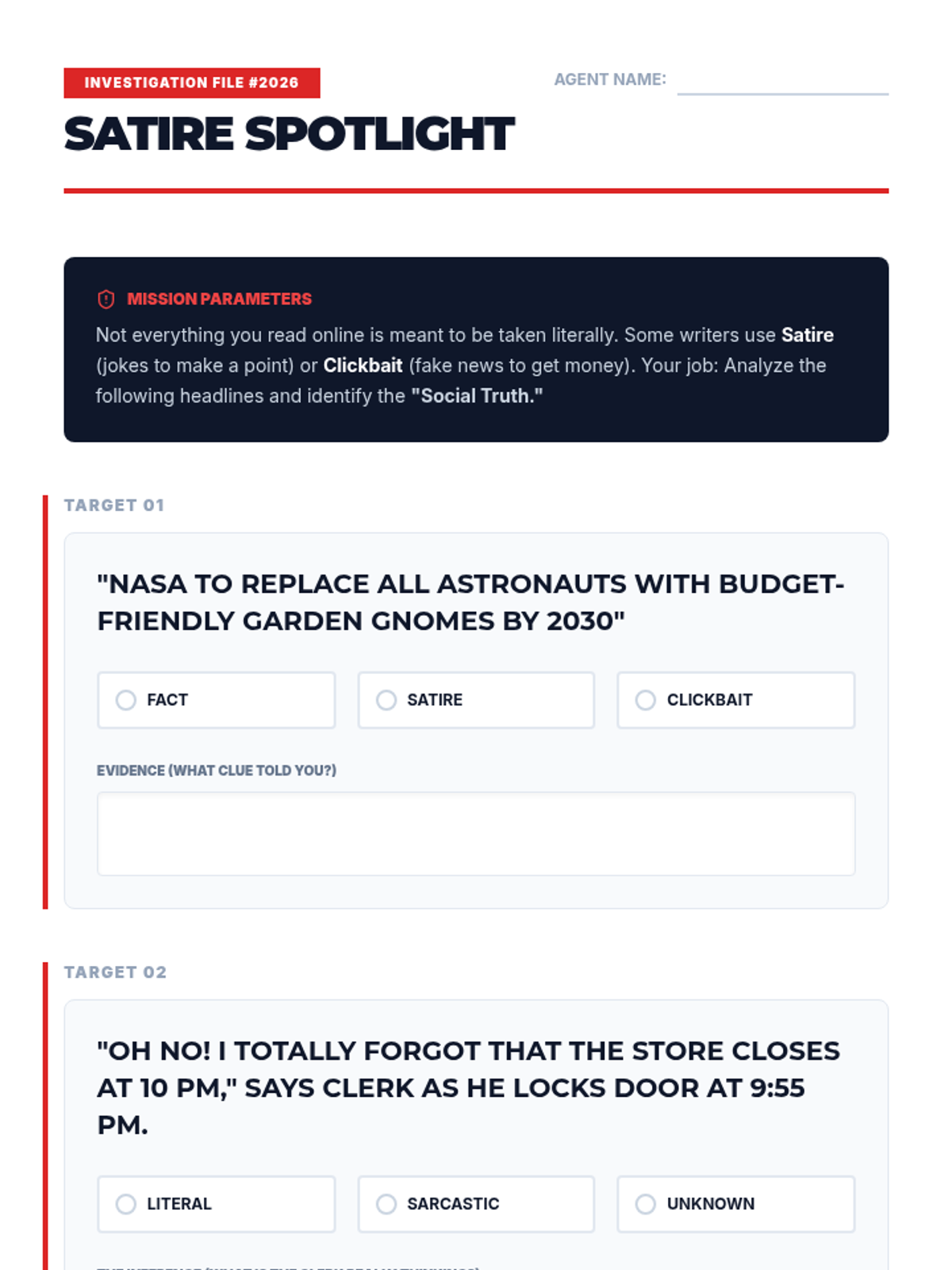
Students practice identifying satire, sarcasm, and fake news by analyzing headlines and context clues to differentiate literal from figurative meaning.
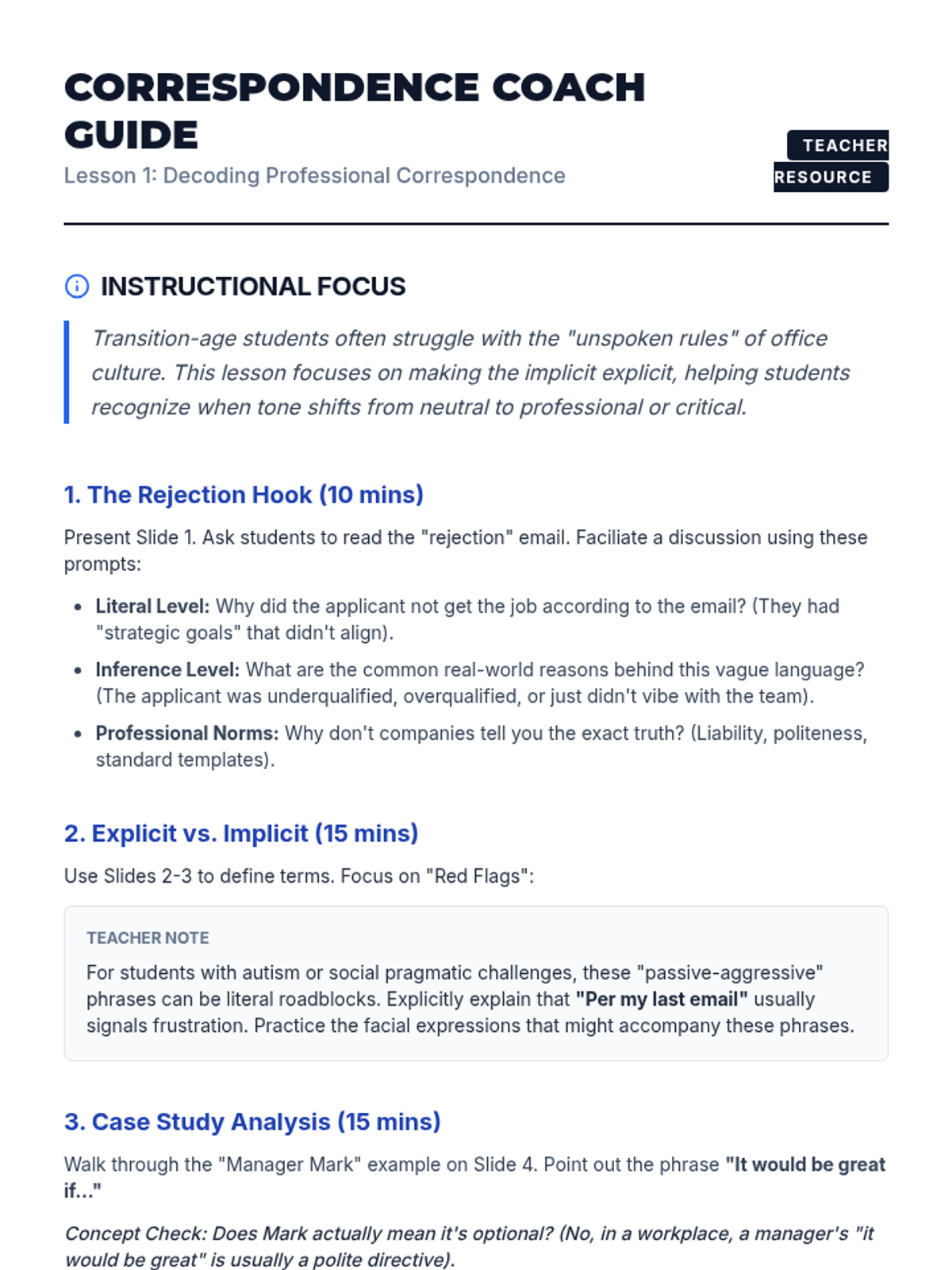
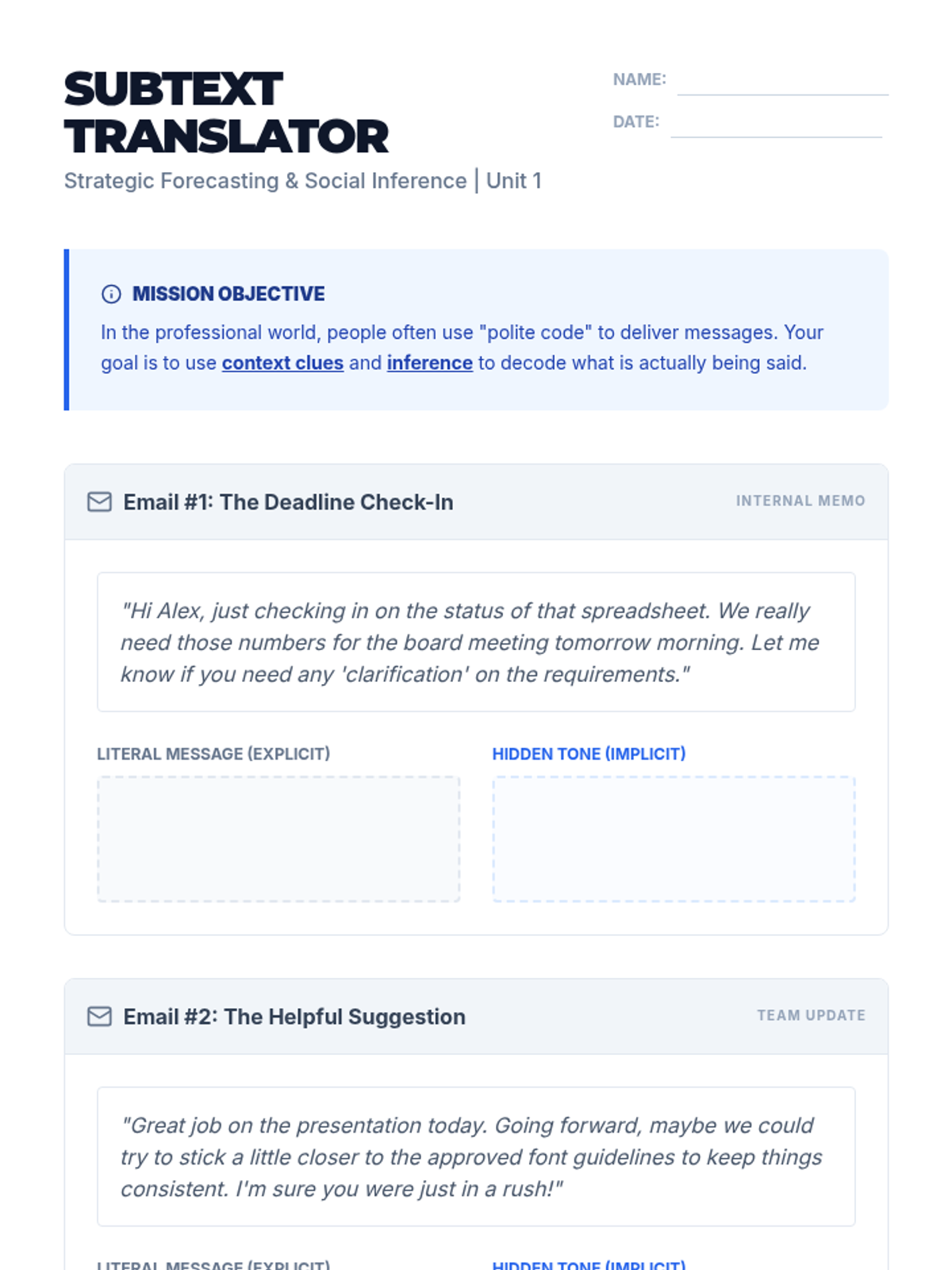
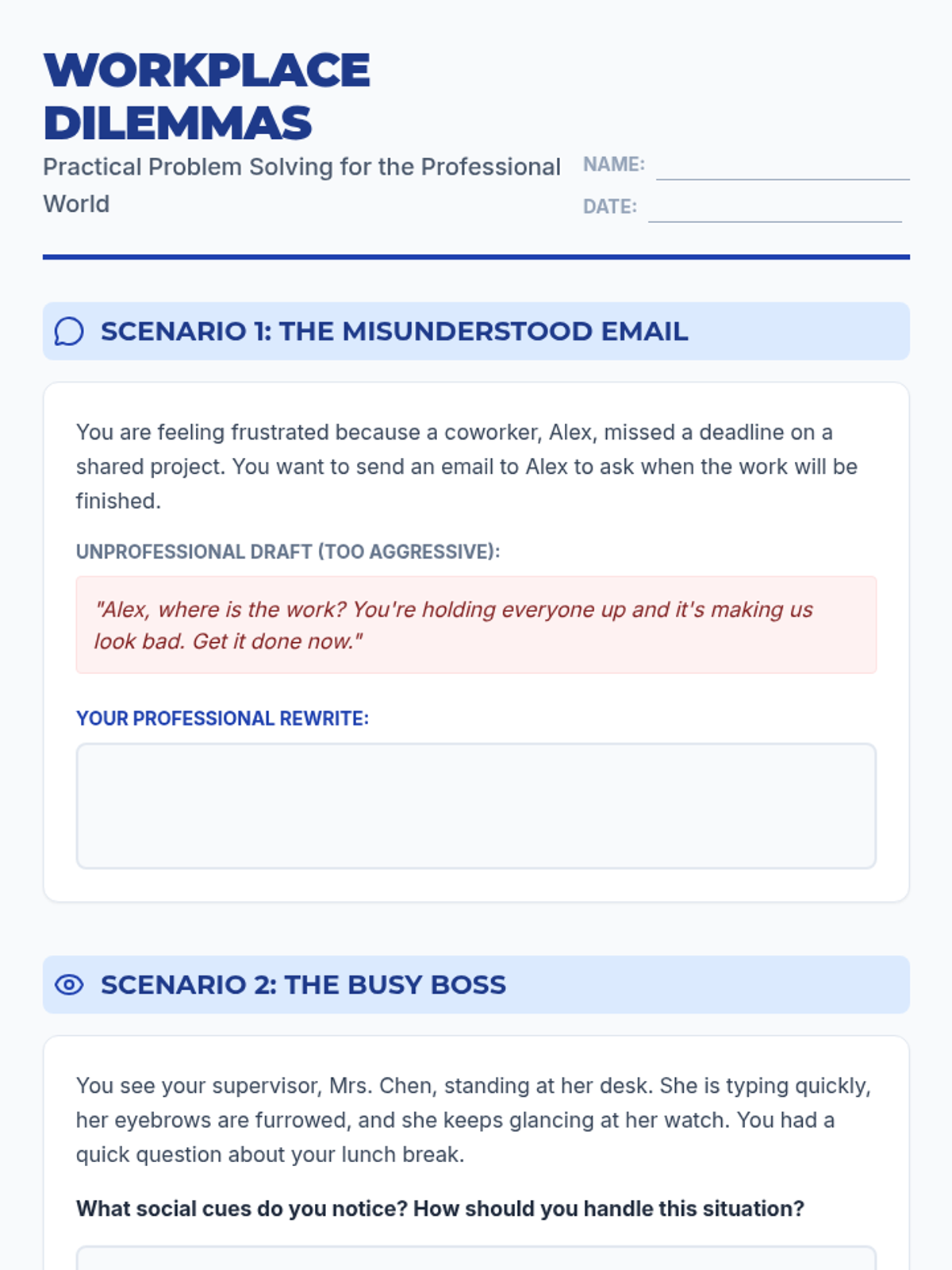
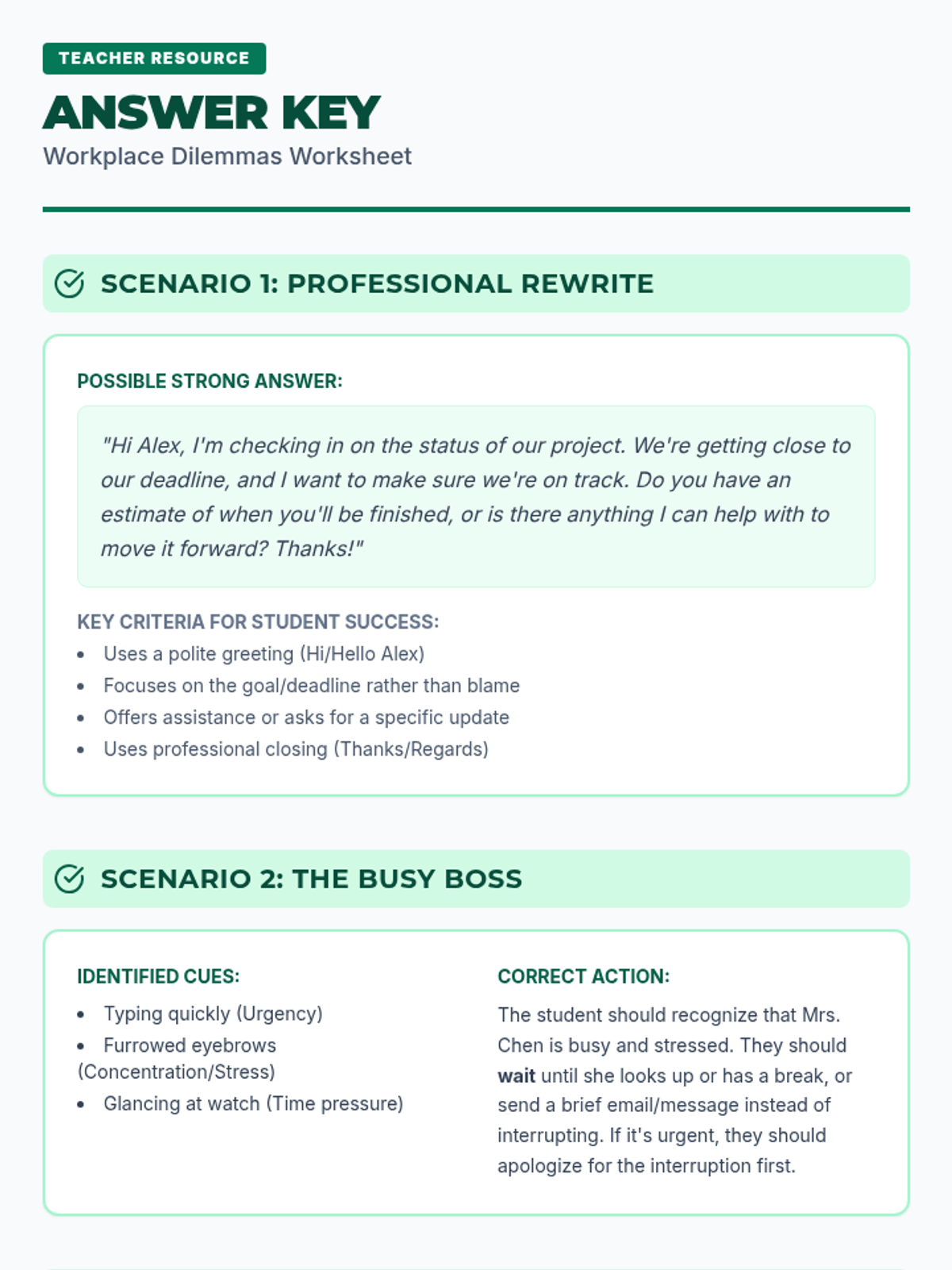
Students analyze workplace emails to distinguish between explicit text and implicit subtext, focusing on professional tone and social pragmatics.
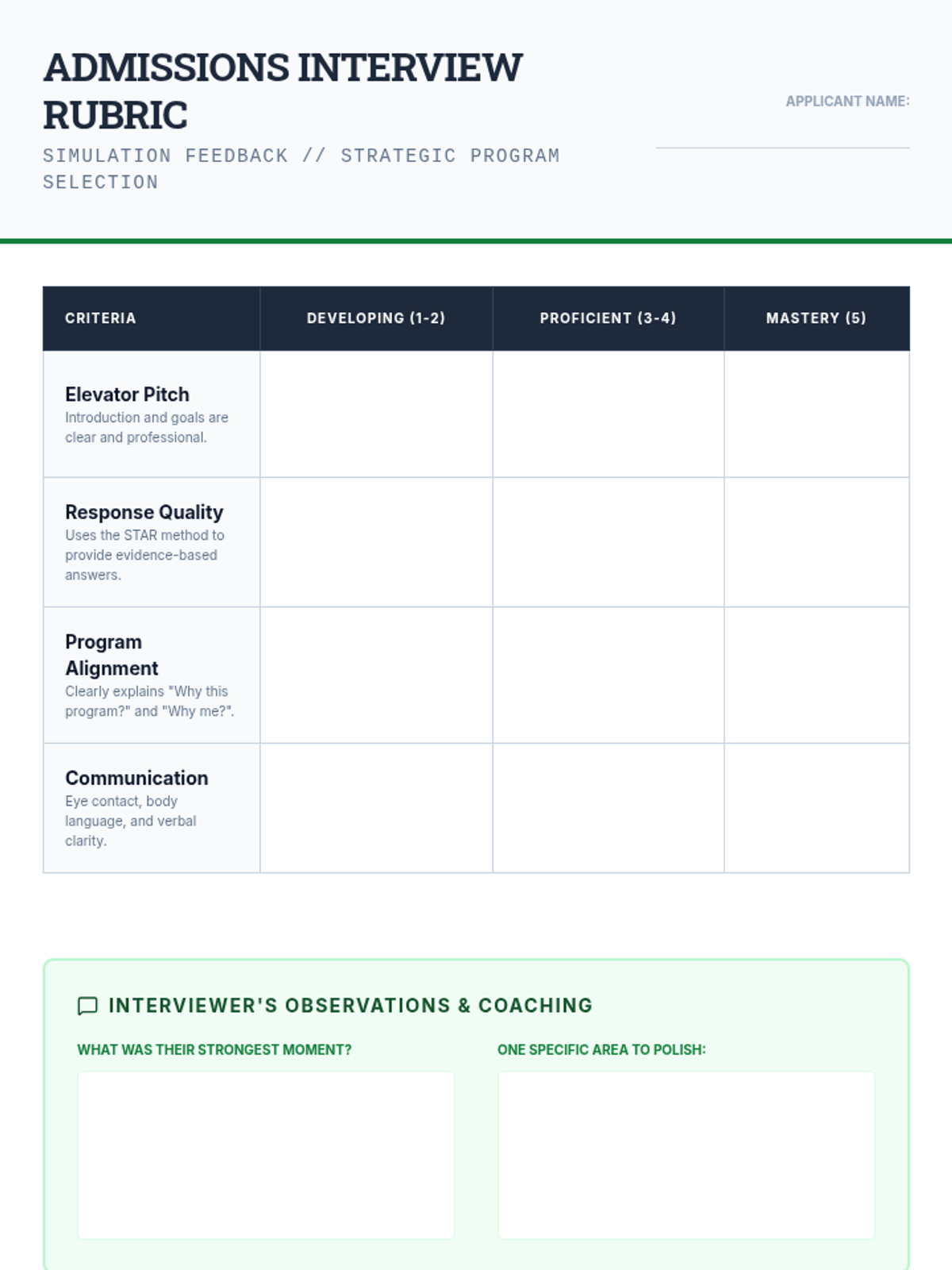
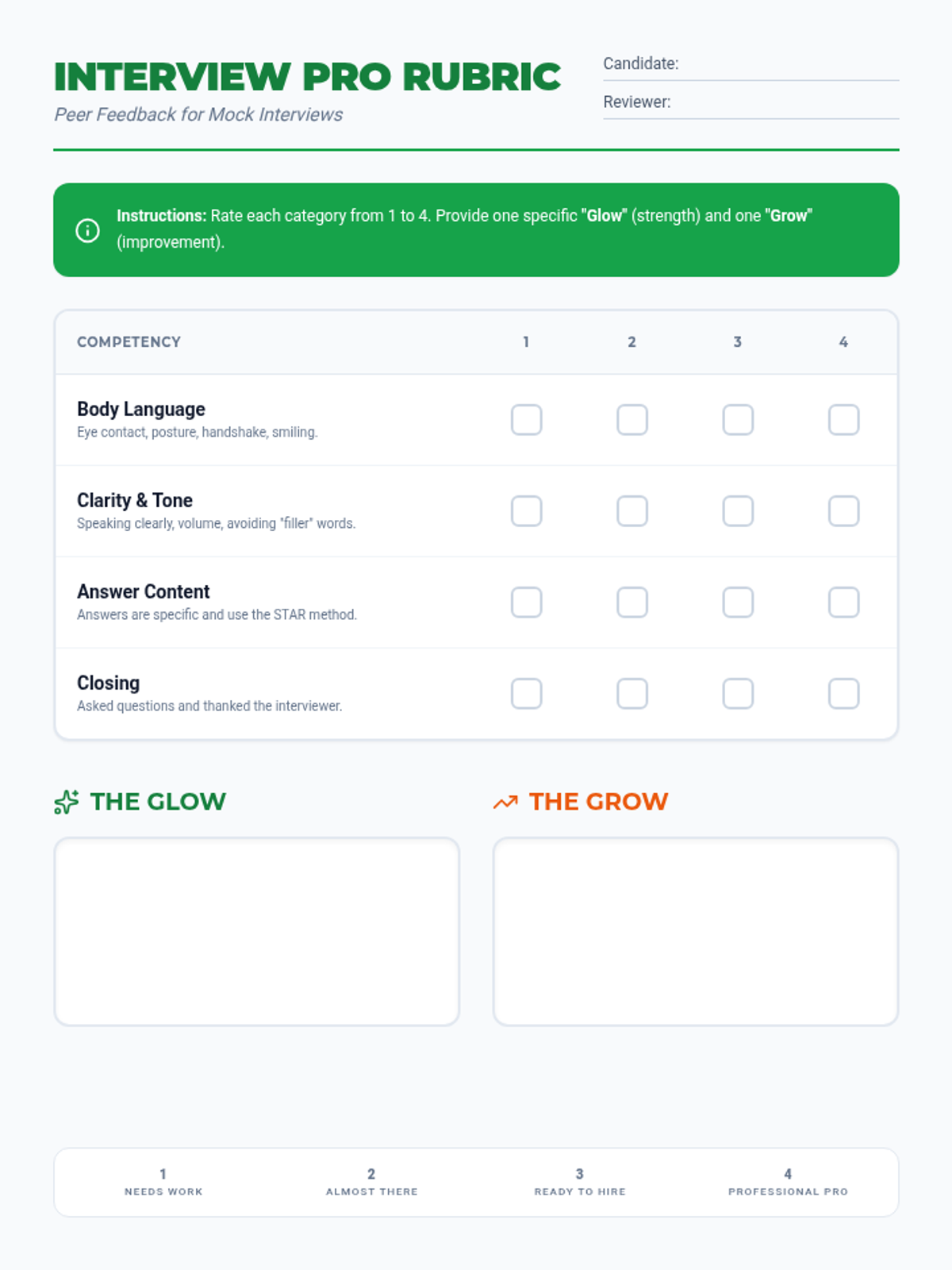
In this culminating workshop, students participate in mock admissions interviews or portfolio reviews suitable for their chosen path. They practice articulating their goals and answering behavioral questions. Peers use scoring rubrics to provide constructive feedback.
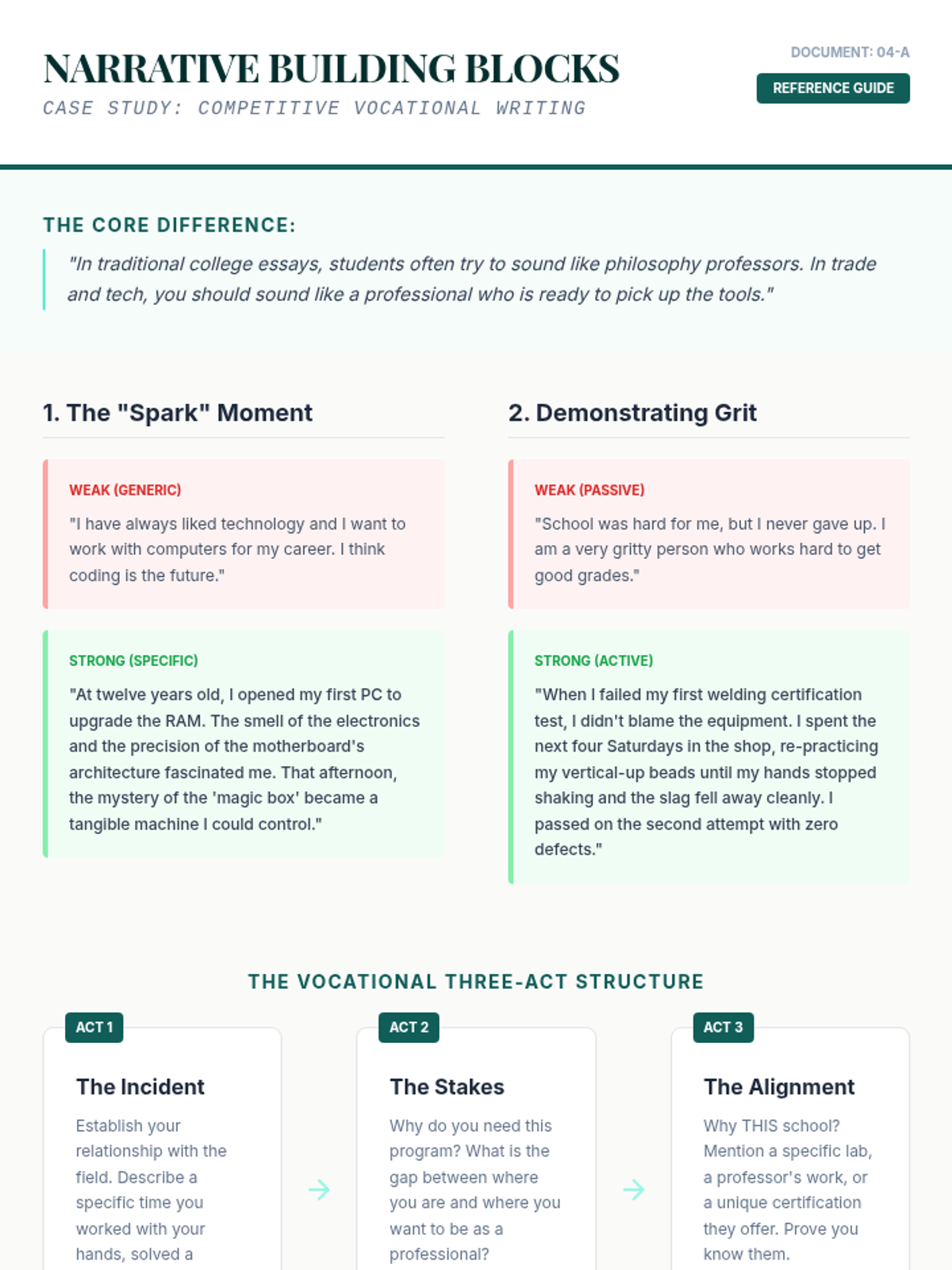
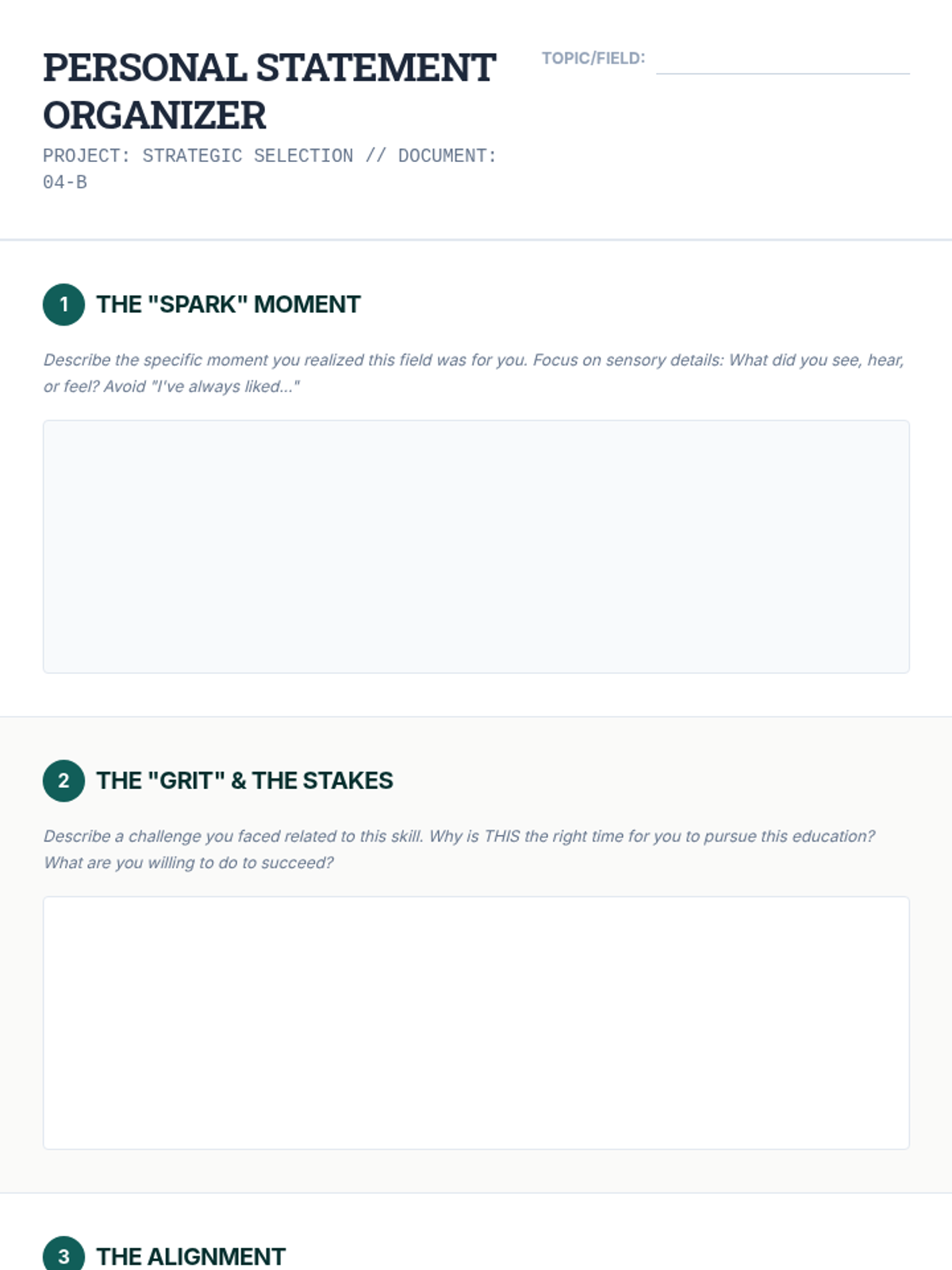
Students analyze successful personal statements for non-traditional programs, noting the focus on passion, gritty experience, and clear goals. They draft their own narrative explaining 'Why this field?' and 'Why now?'. The lesson contrasts this with traditional college essays.
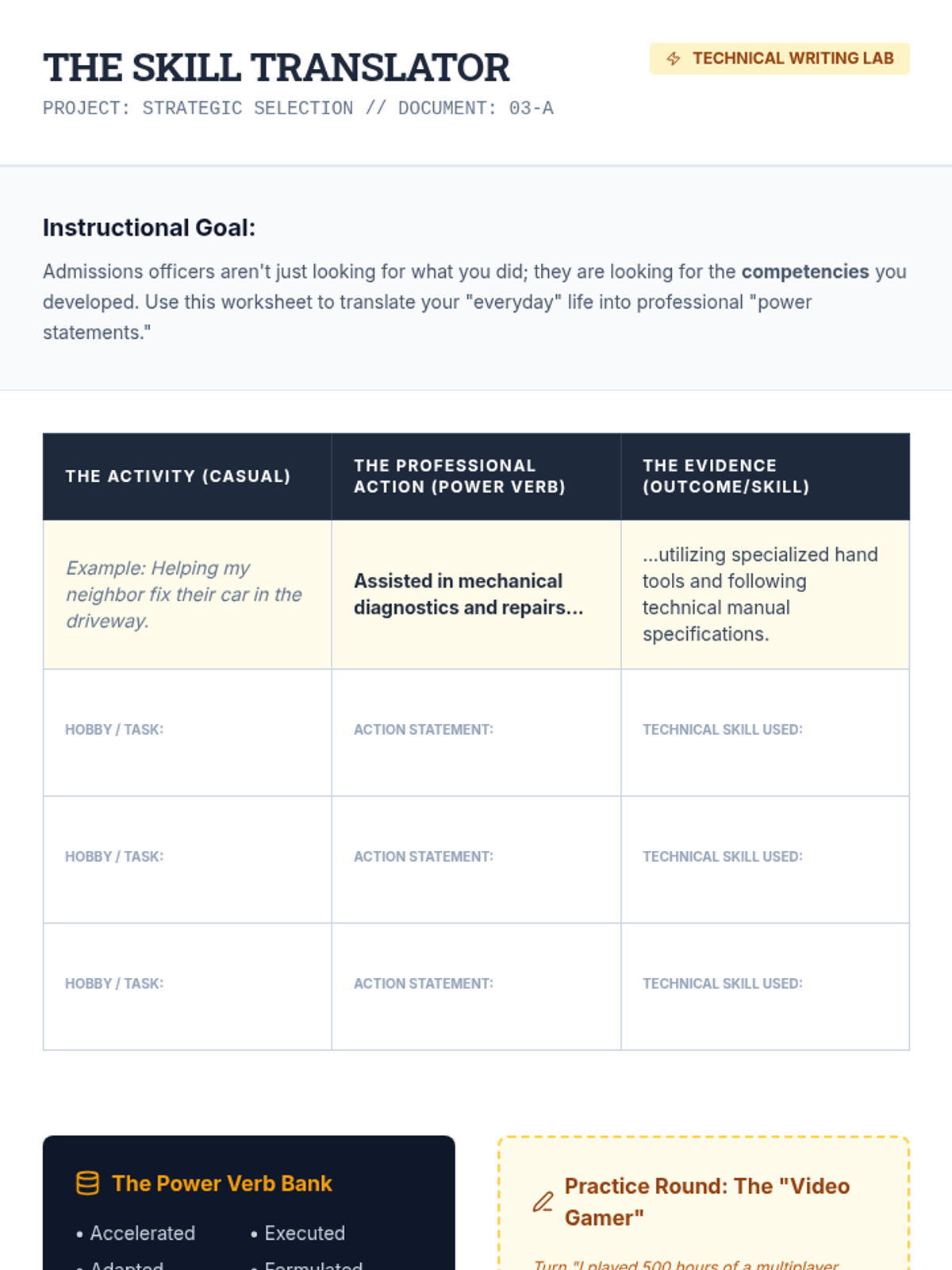
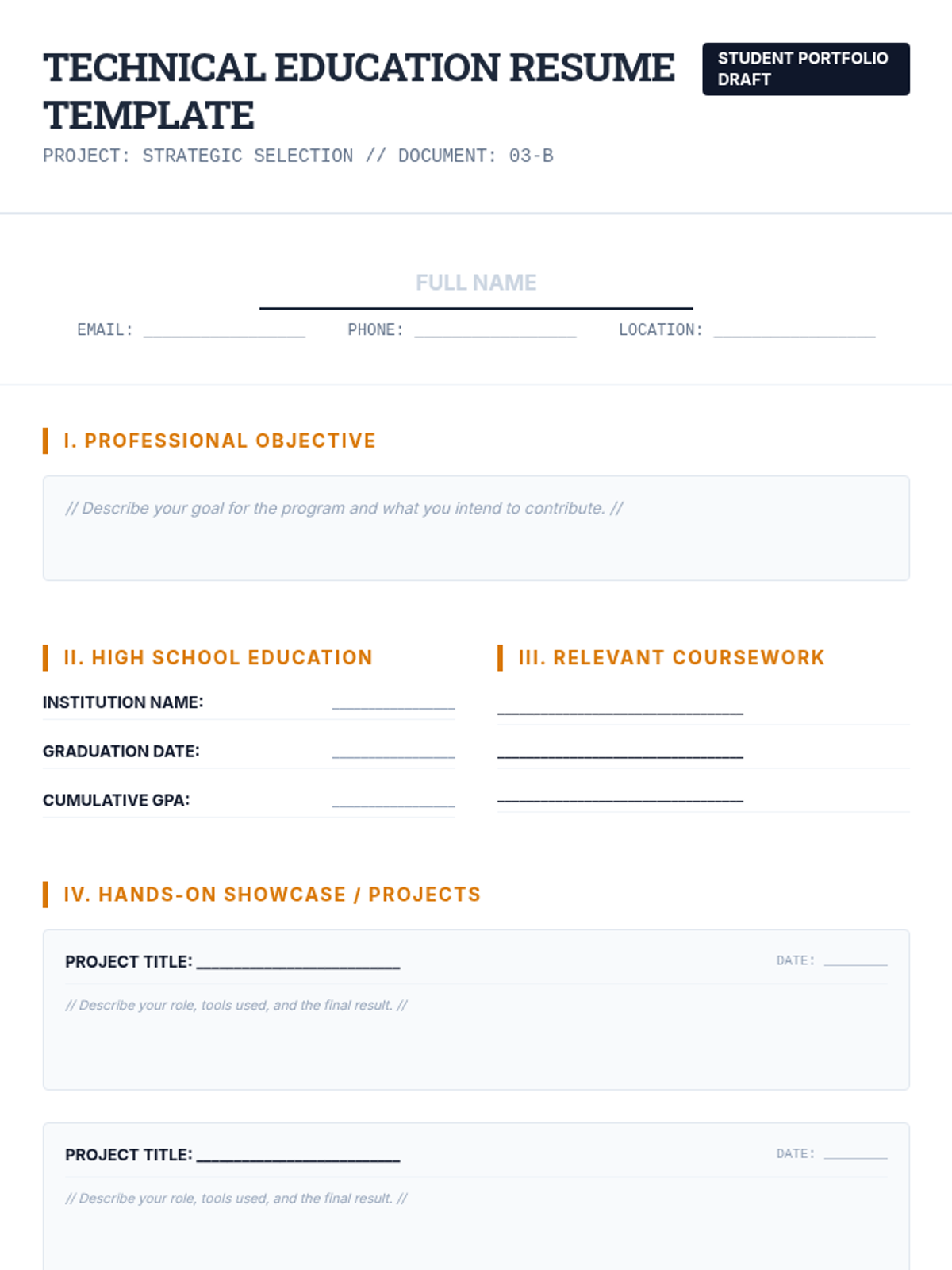
Students learn to format a resume specifically for educational applications, highlighting relevant coursework, projects, and soft skills. Unlike a job resume, this document focuses on academic potential and trainability. Students draft and peer-edit their documents.
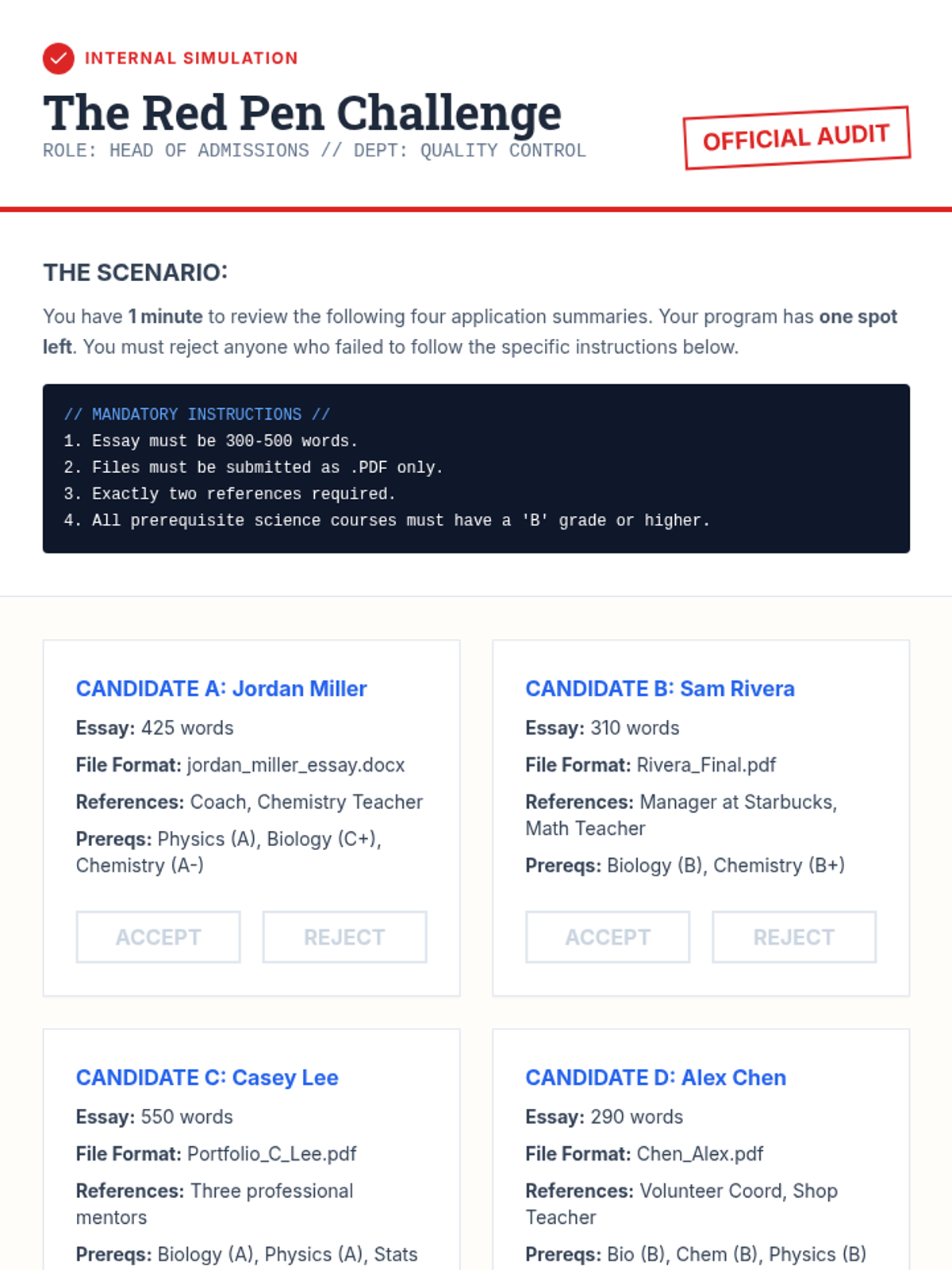
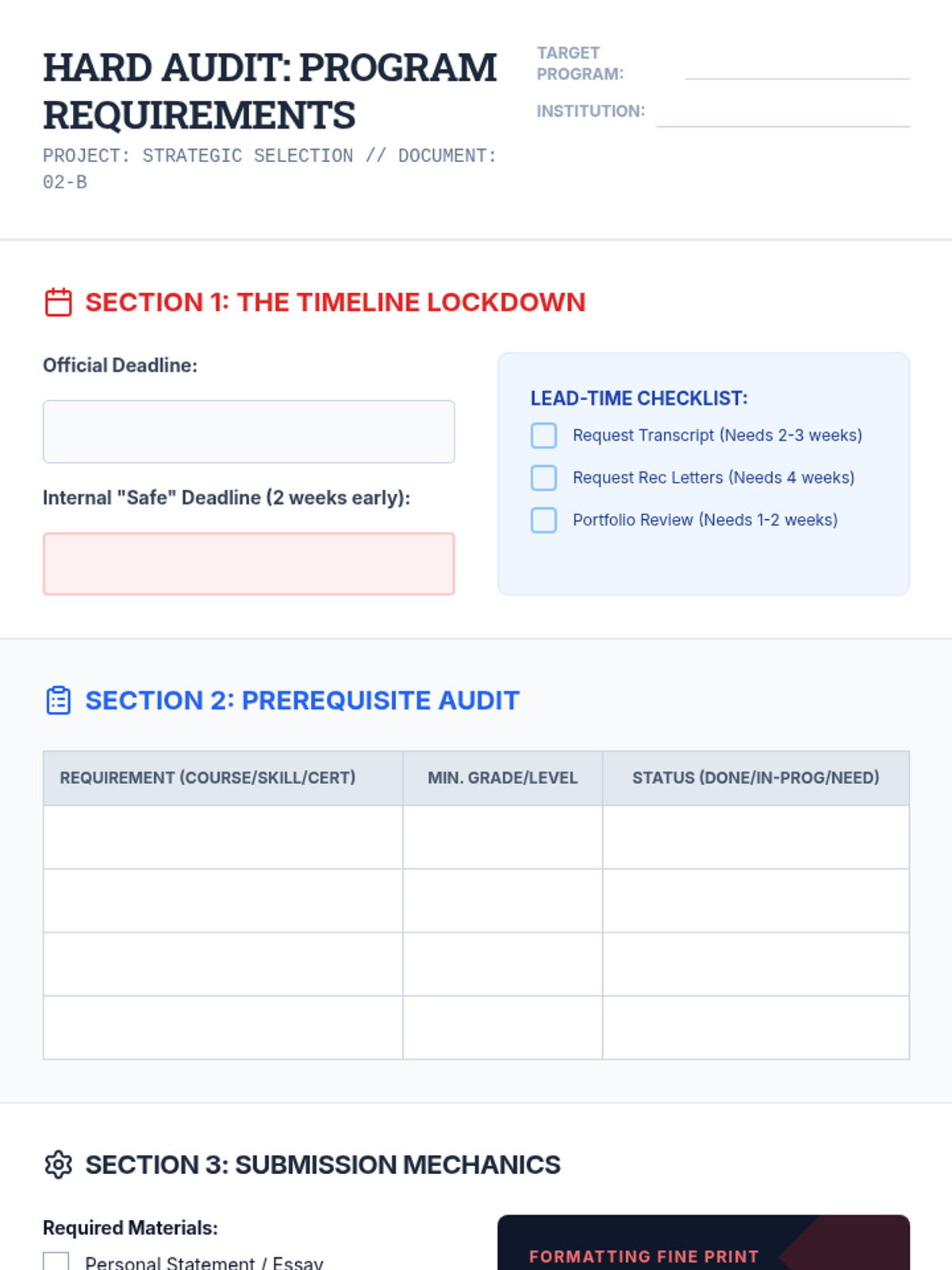
Learners perform a detailed audit of admission requirements for their top-choice programs. They create a checklist of necessary materials, deadlines, and prerequisite coursework. This lesson emphasizes organization and attention to detail to avoid automatic rejection.
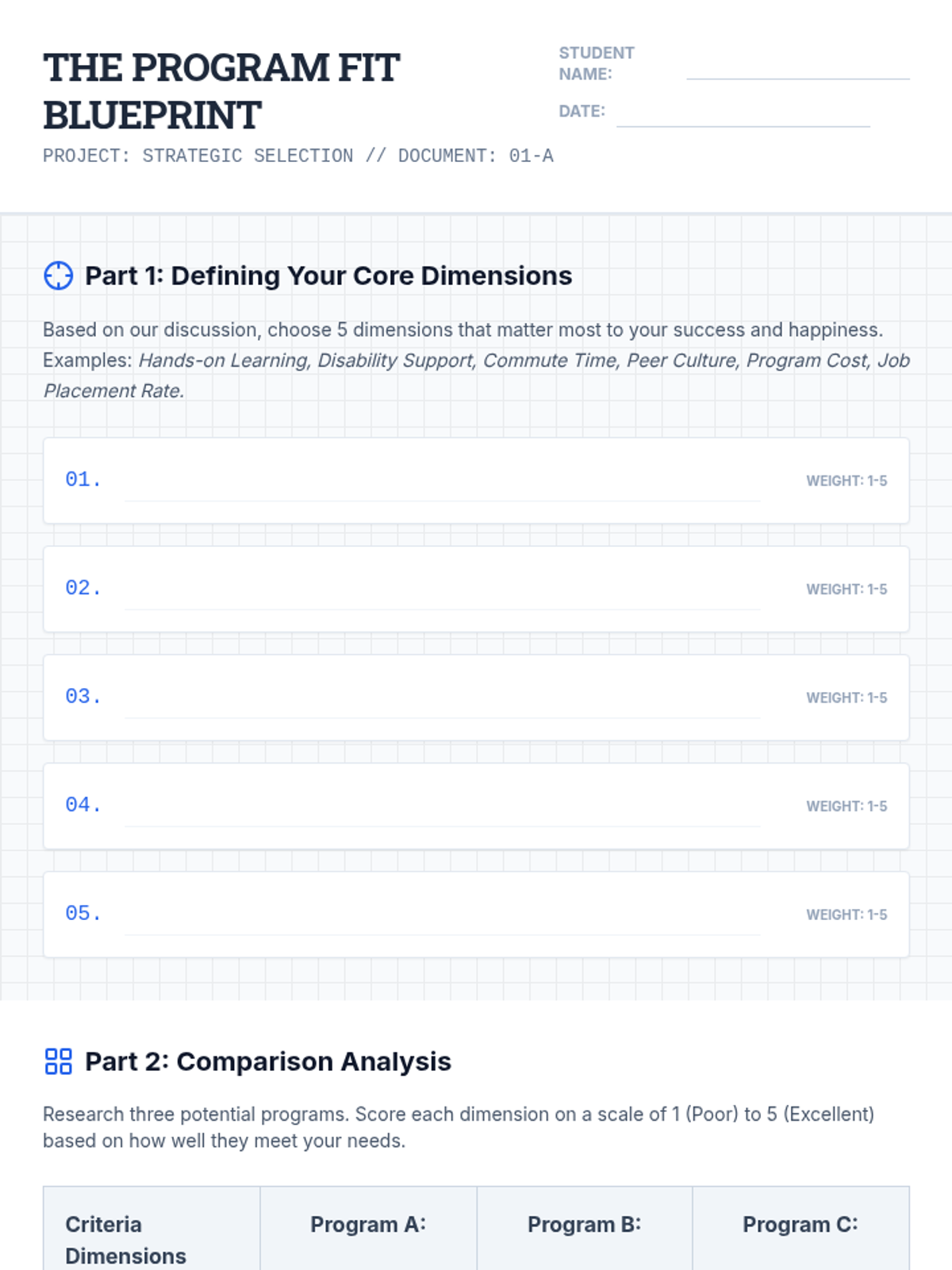
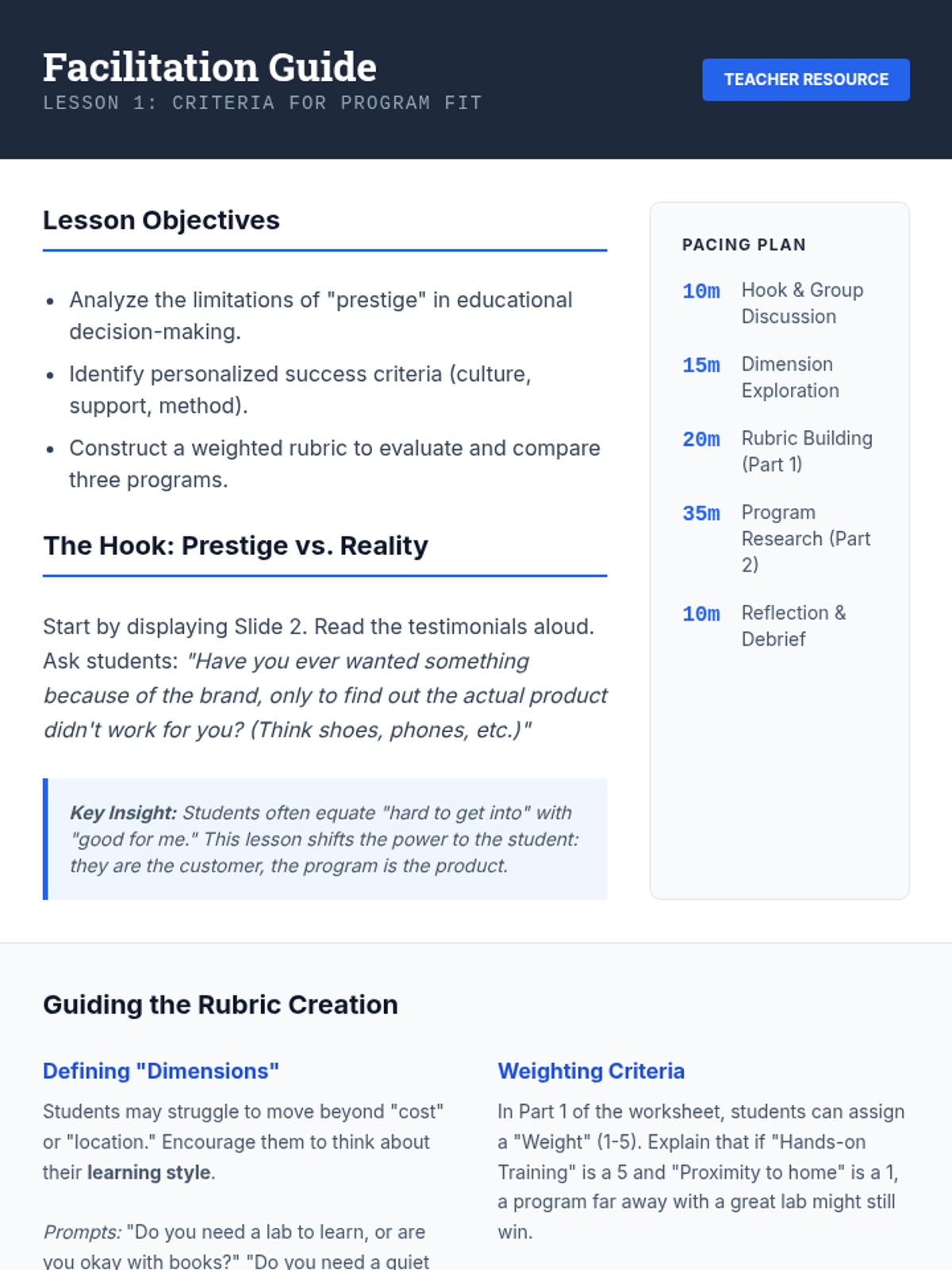
Students develop a personalized rubric for evaluating educational programs based on culture, size, location, and support services. They apply this rubric to three potential programs to rank suitability, focusing on 'best fit' over 'prestige'.
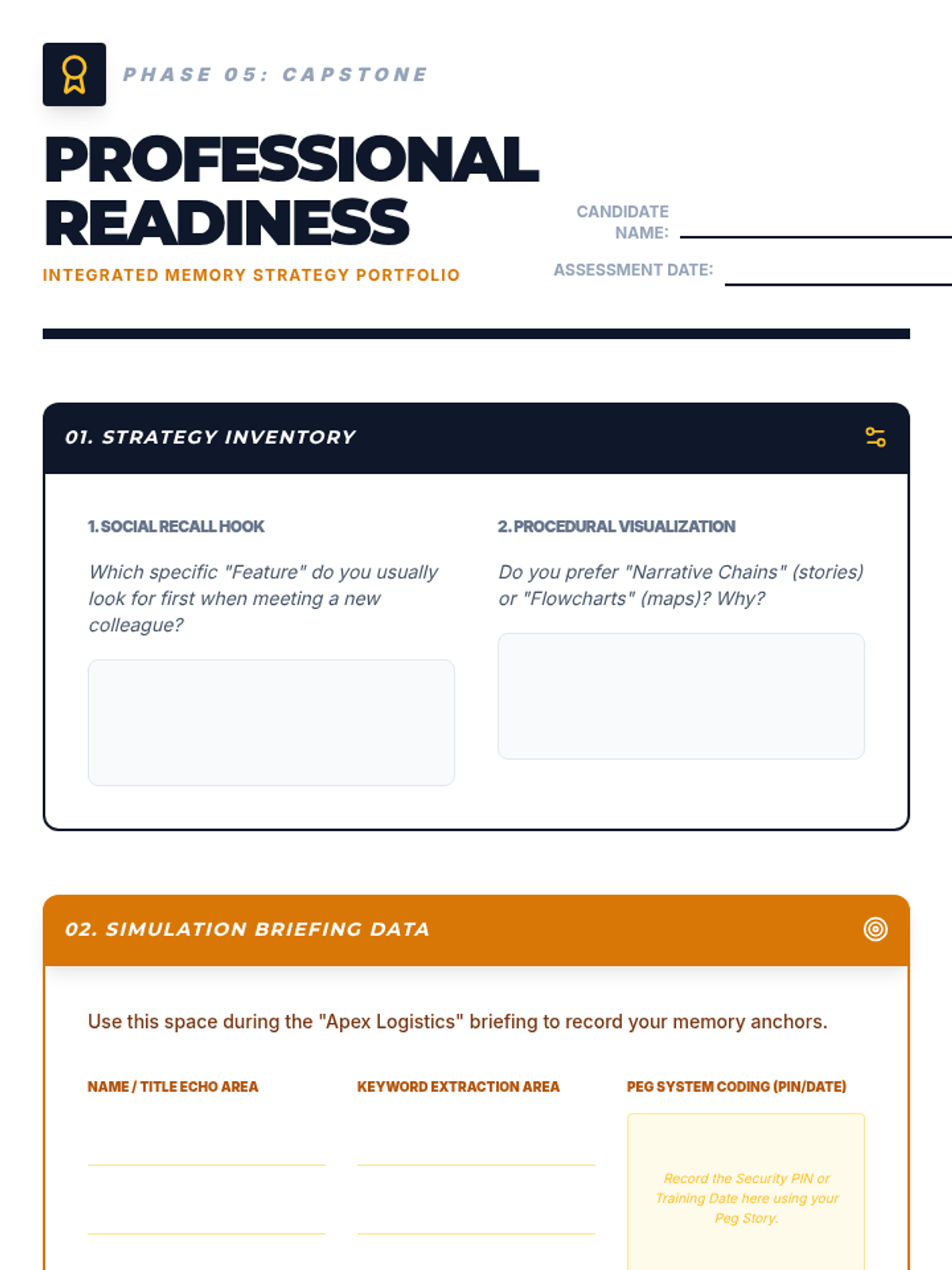
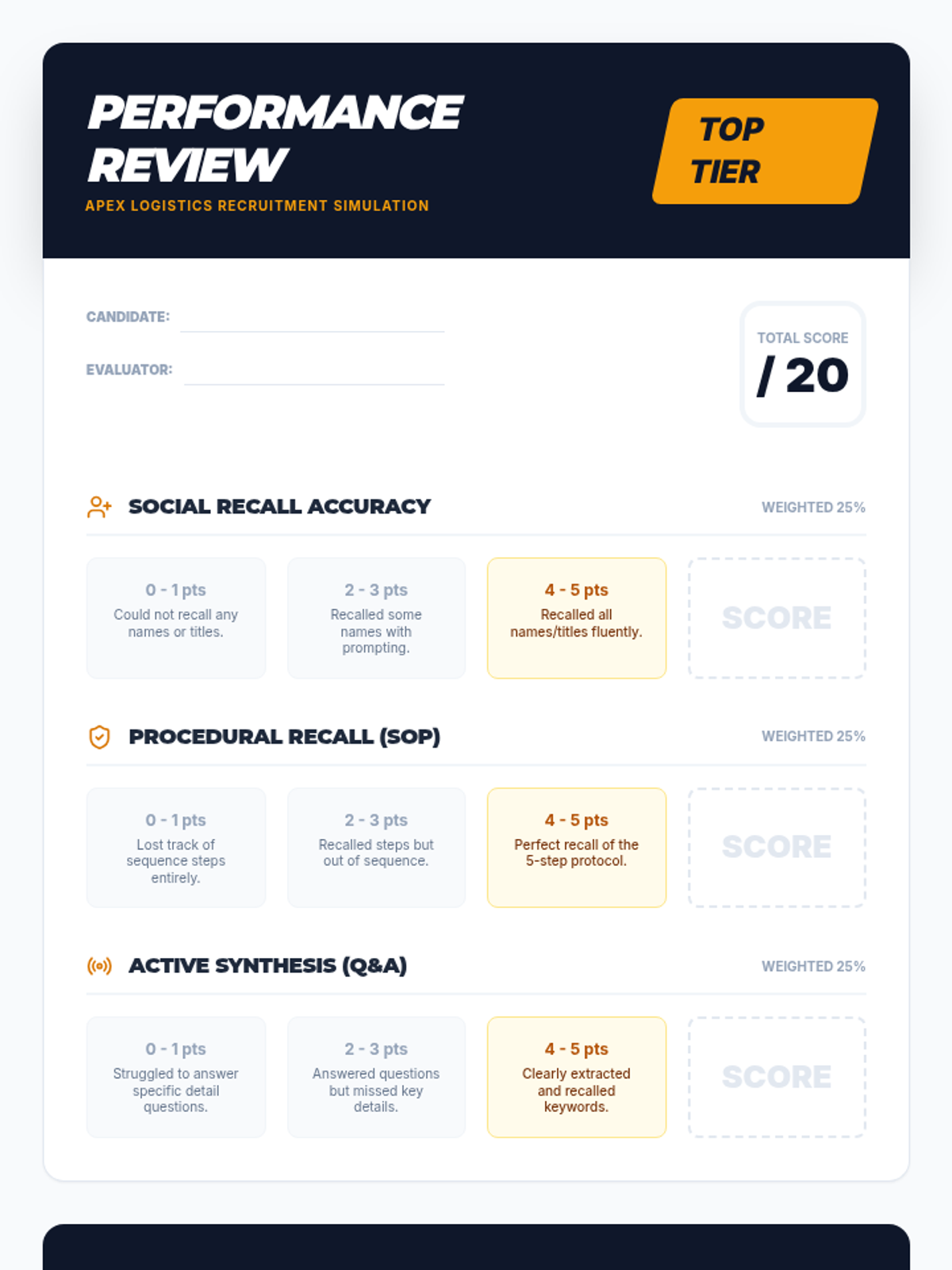
A capstone mock interview simulation where students integrate all learned memory techniques in a high-stakes professional scenario.
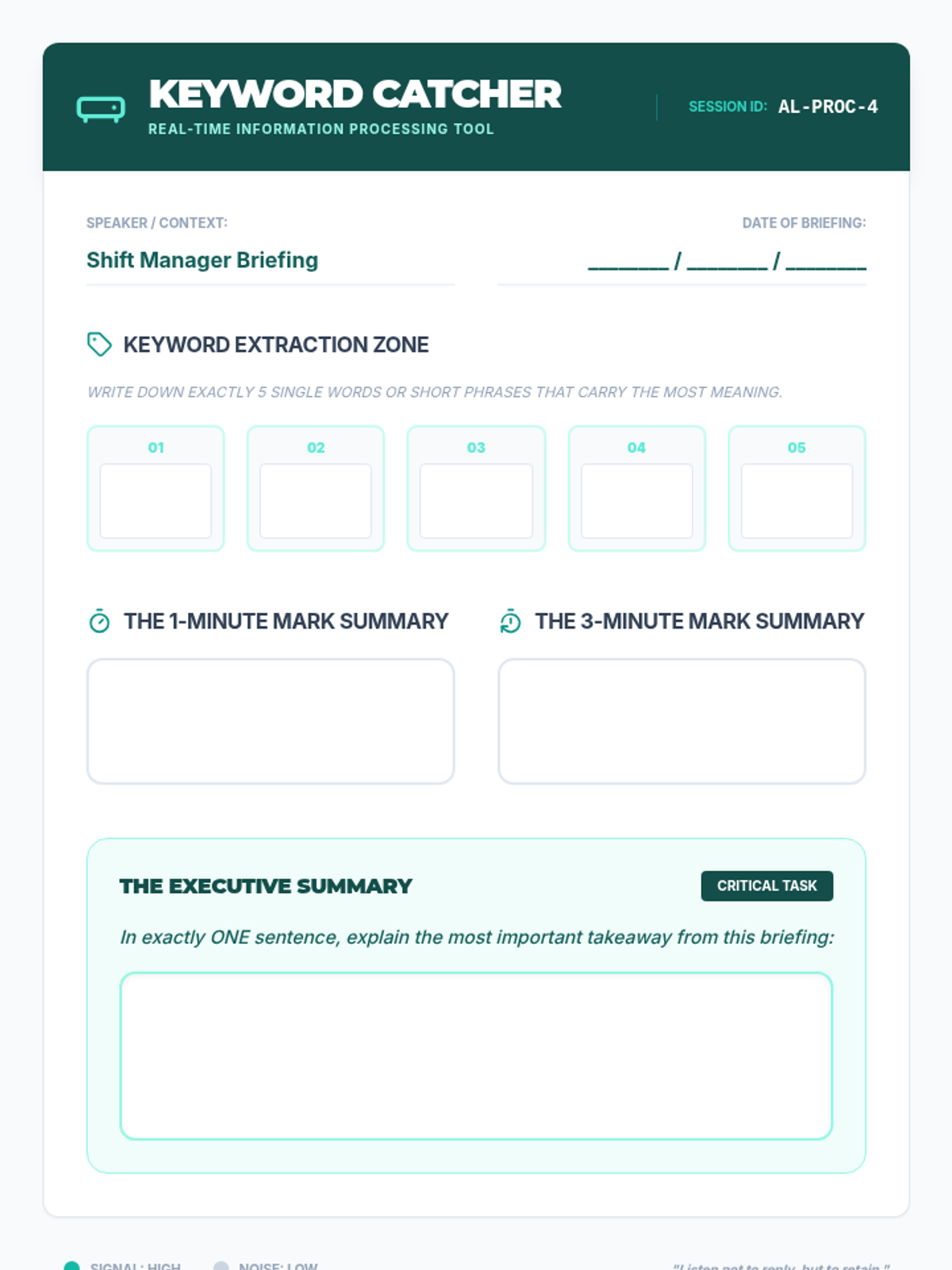
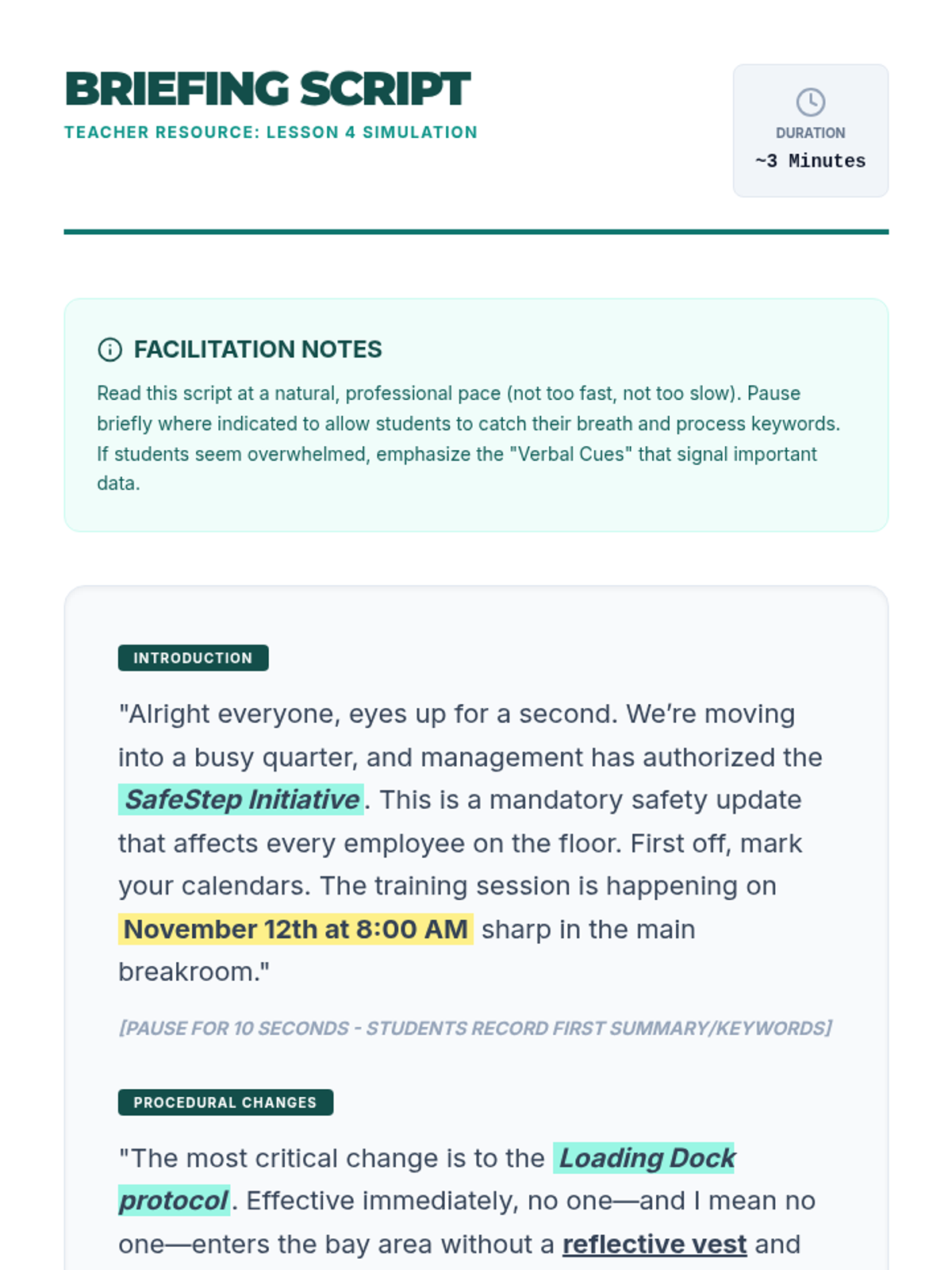
Focuses on active listening strategies to identify keywords and summarize information in real-time for better retention.
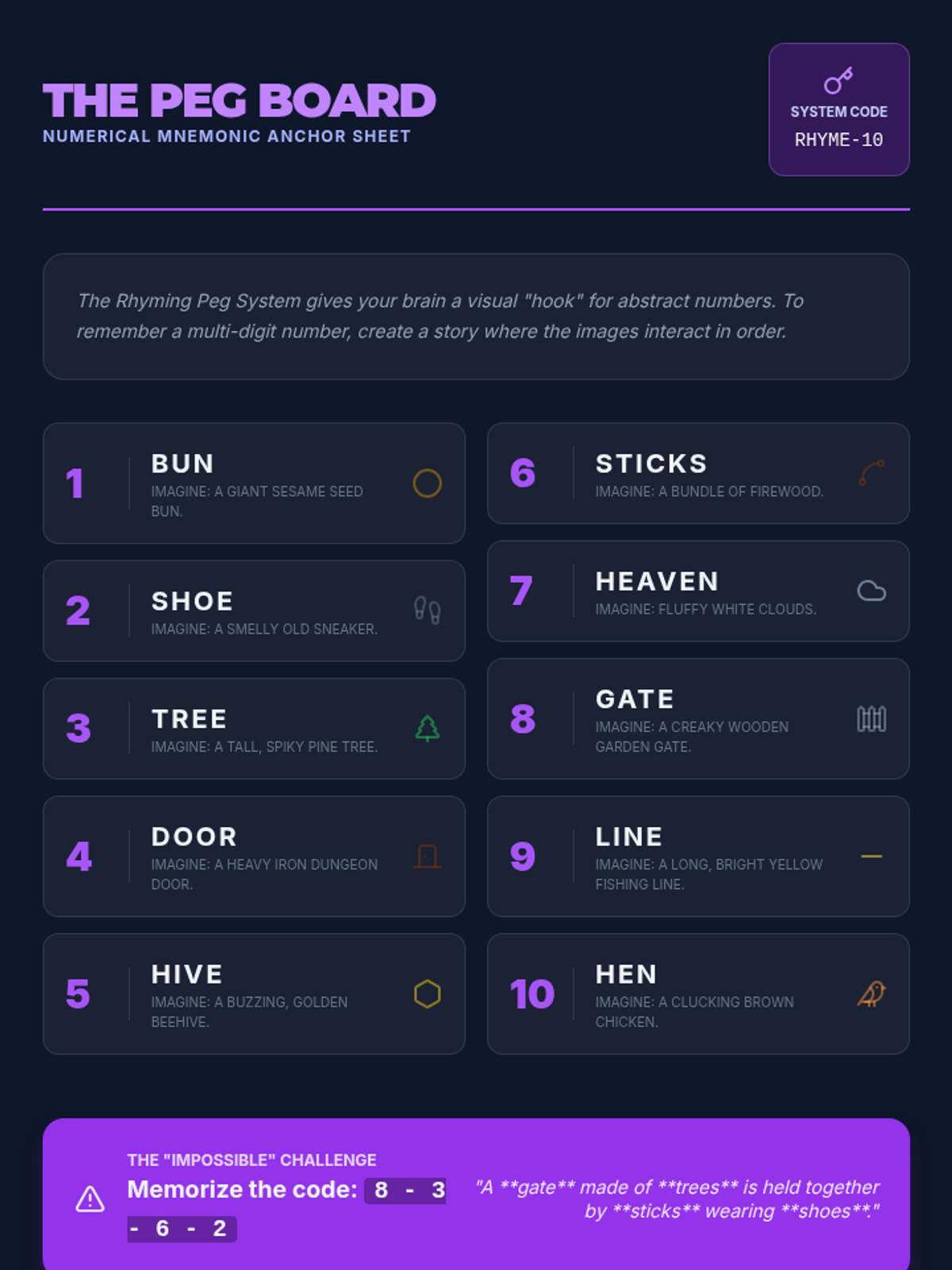
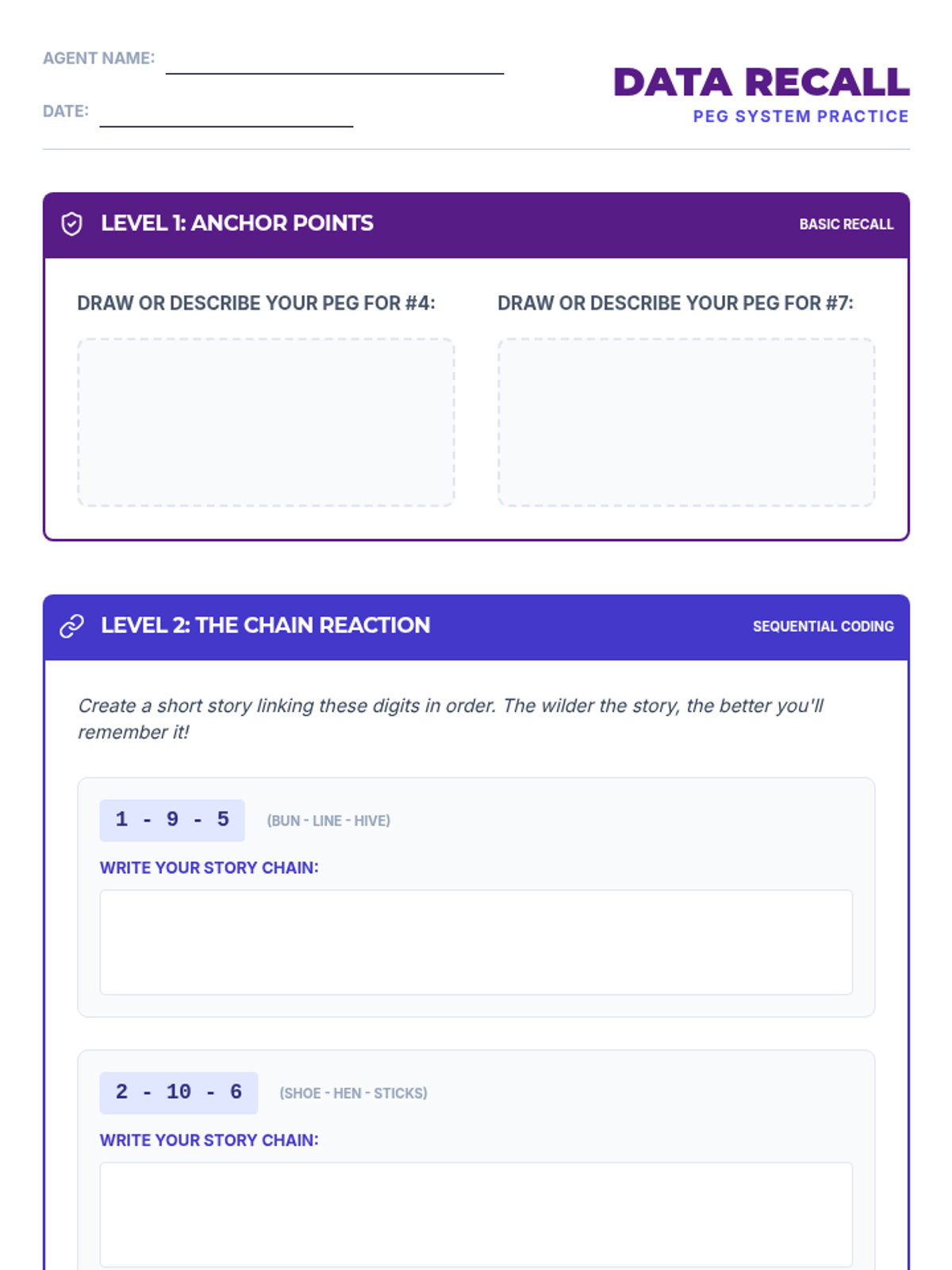
Introduction to the rhyming peg system for remembering dates, PINs, and numerical professional data.
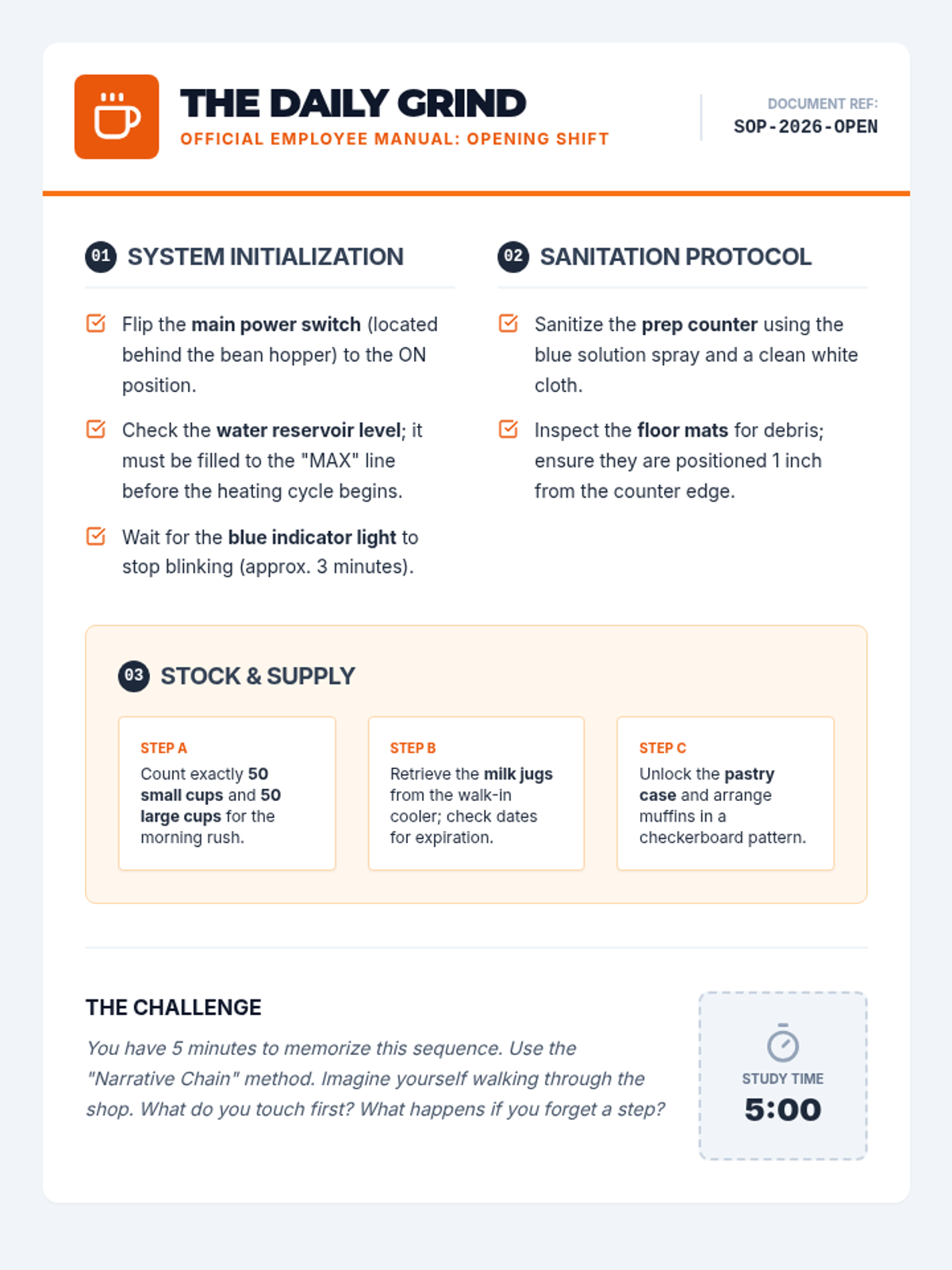
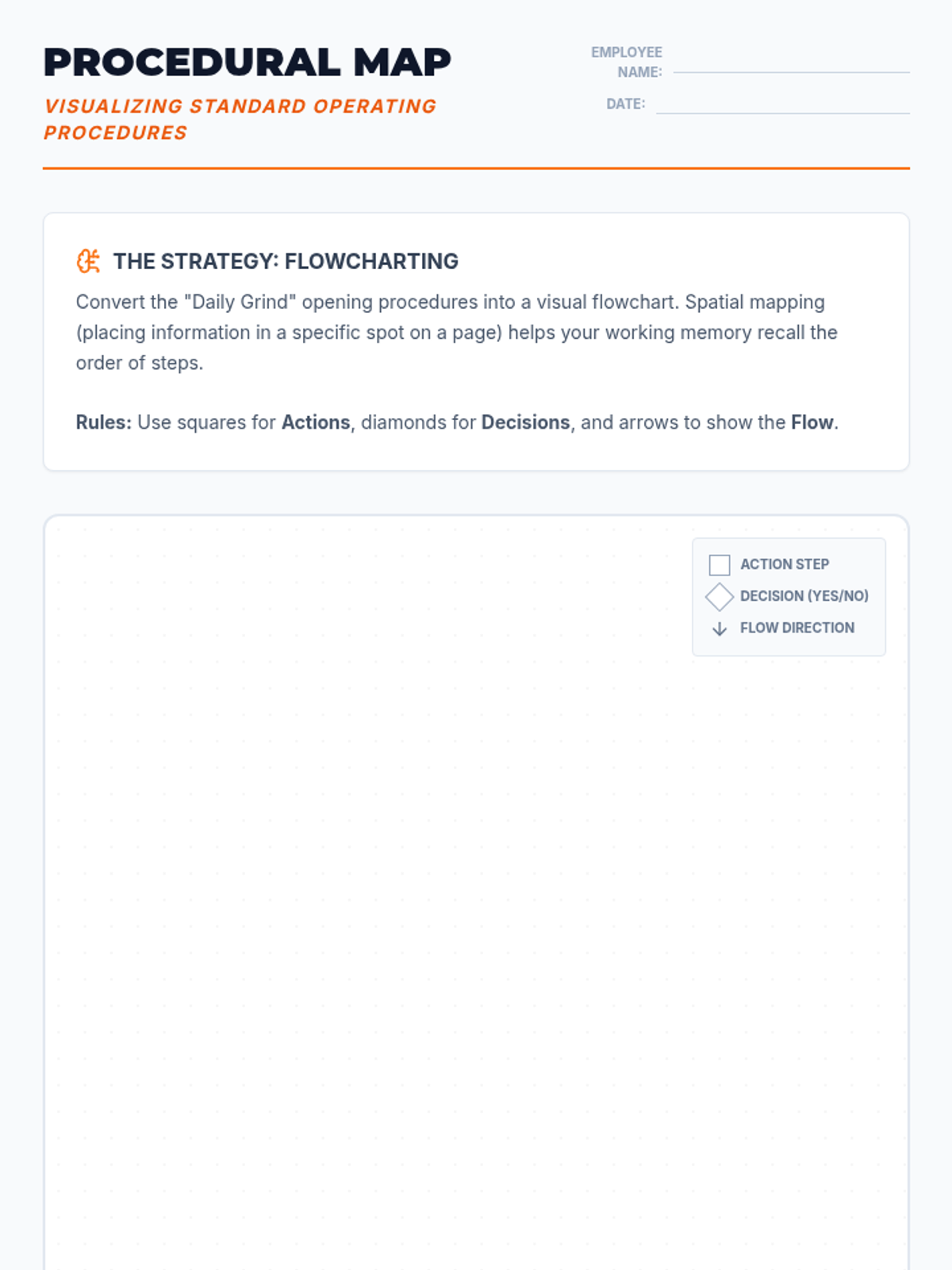
Students learn to transform dry workplace protocols into memorable narrative chains and visual flowcharts.
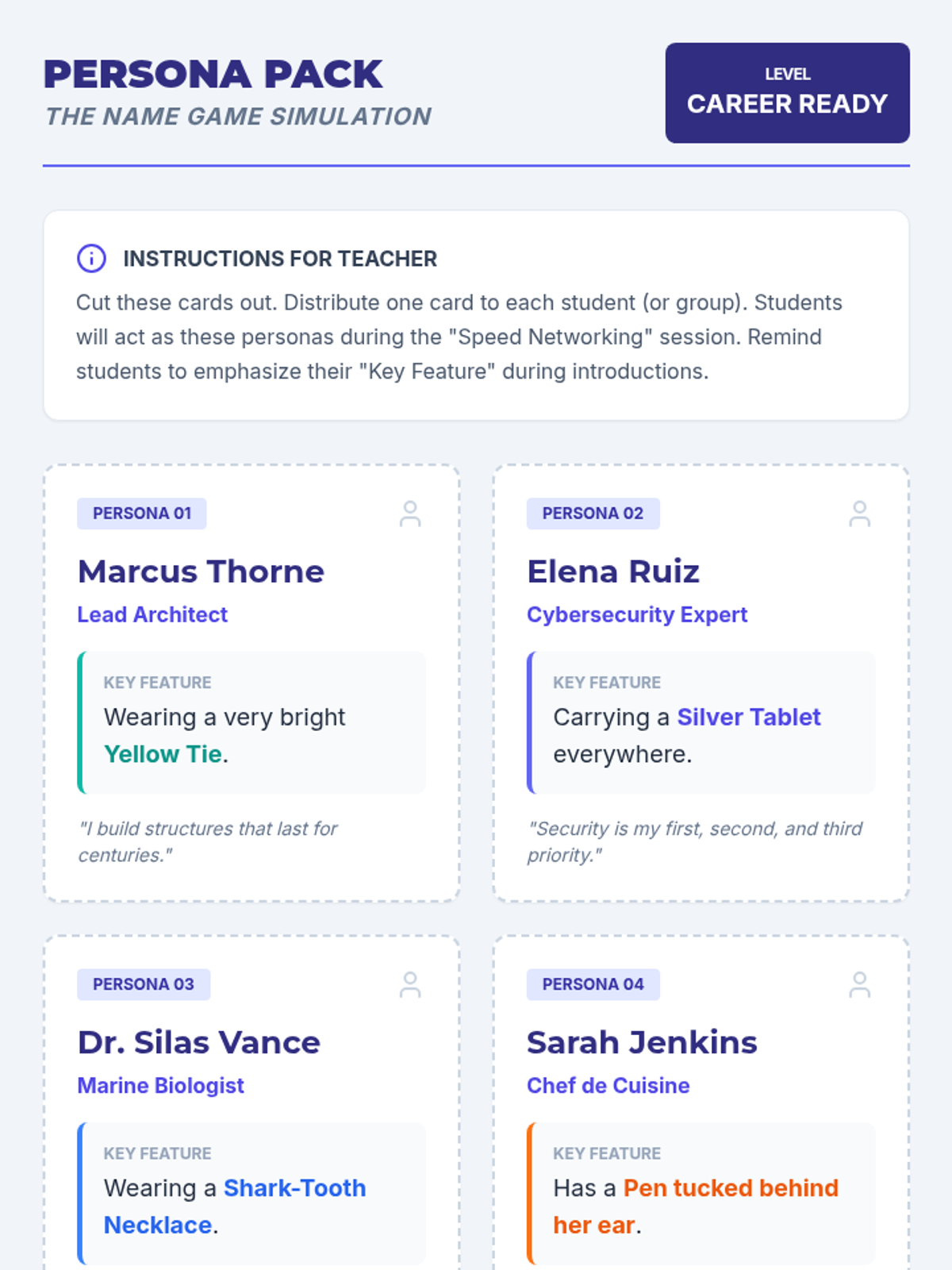
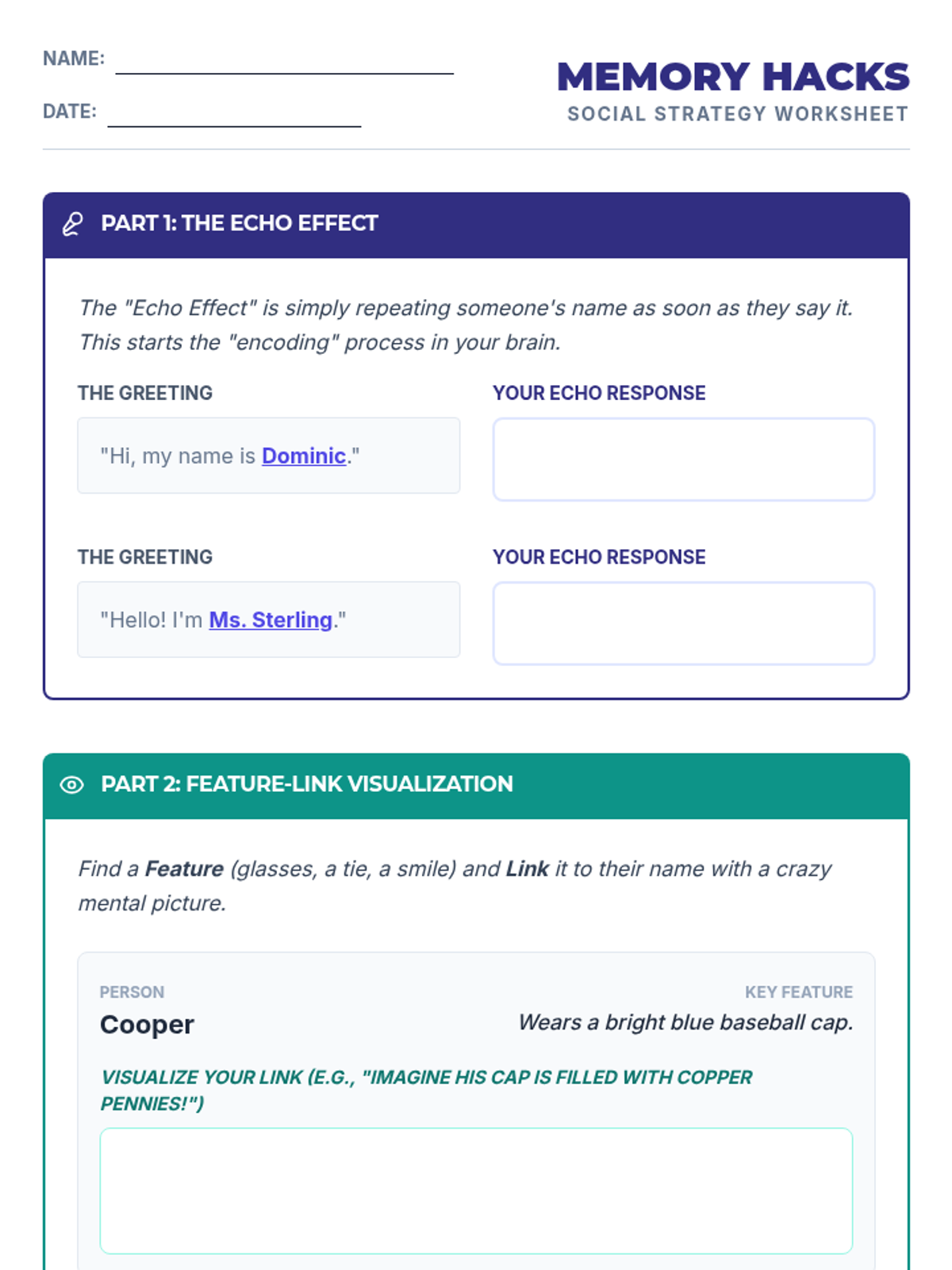
Students master the 'feature-link' method and repetition techniques to recall names and professional roles in social contexts.
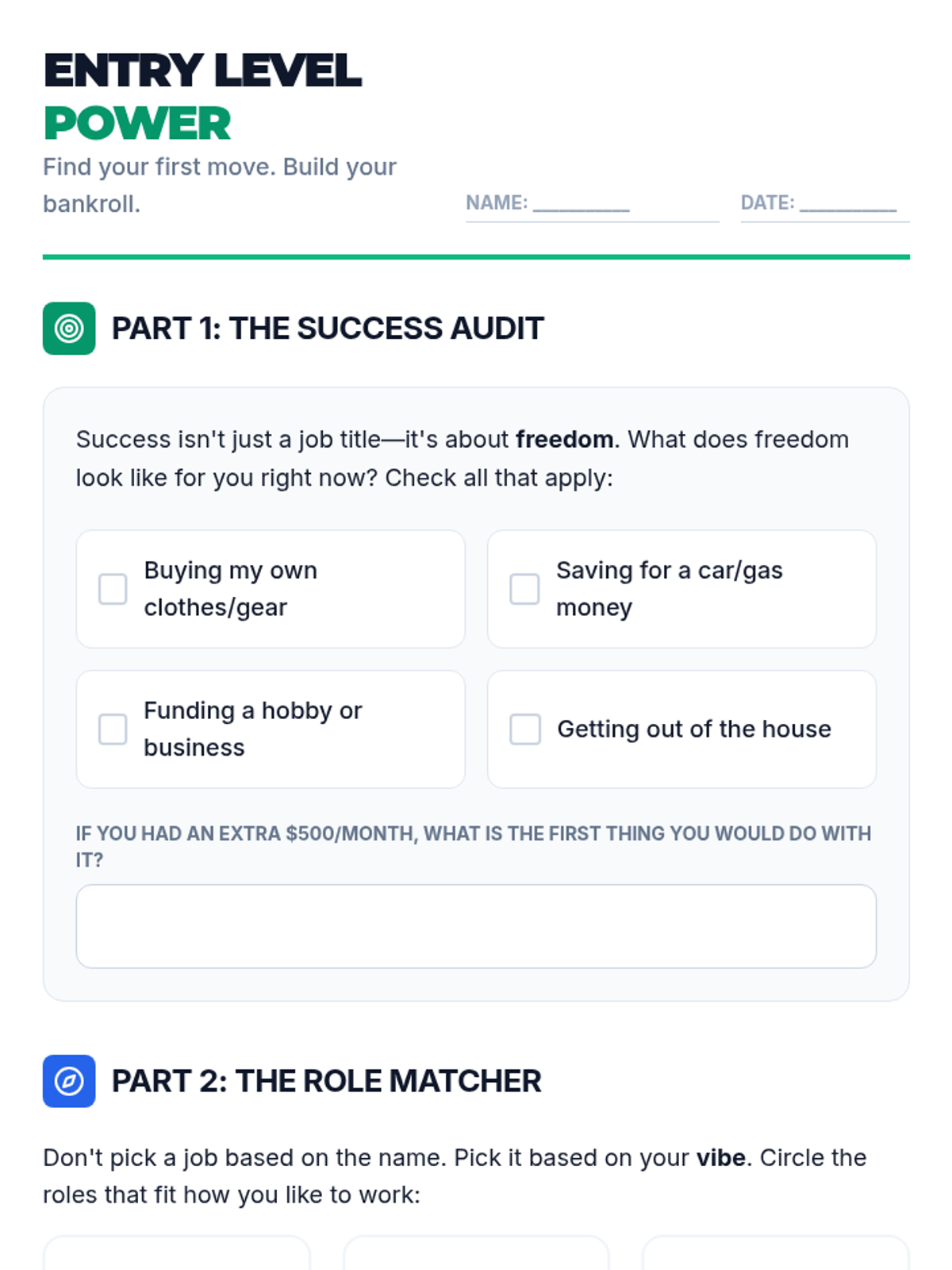
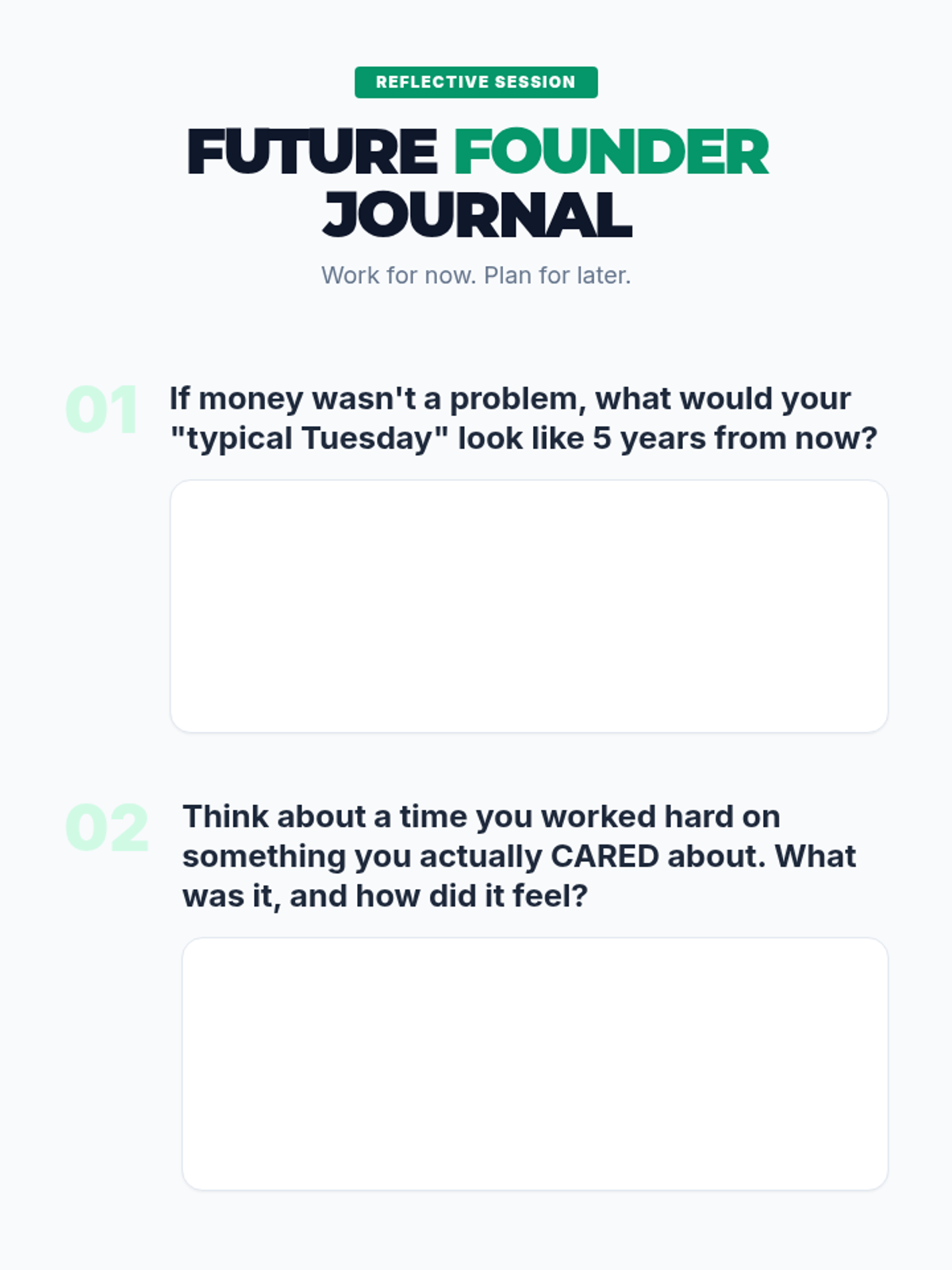
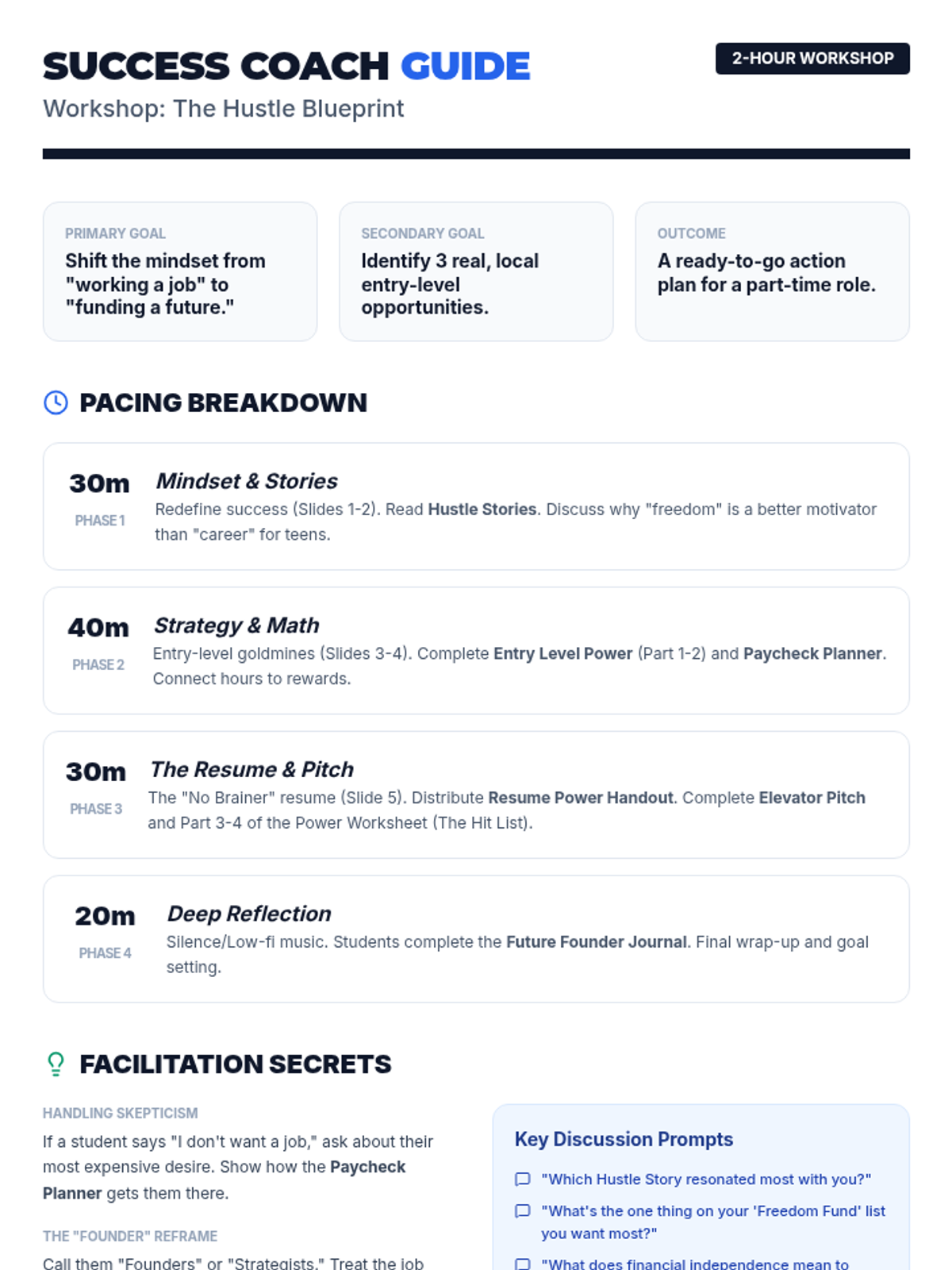
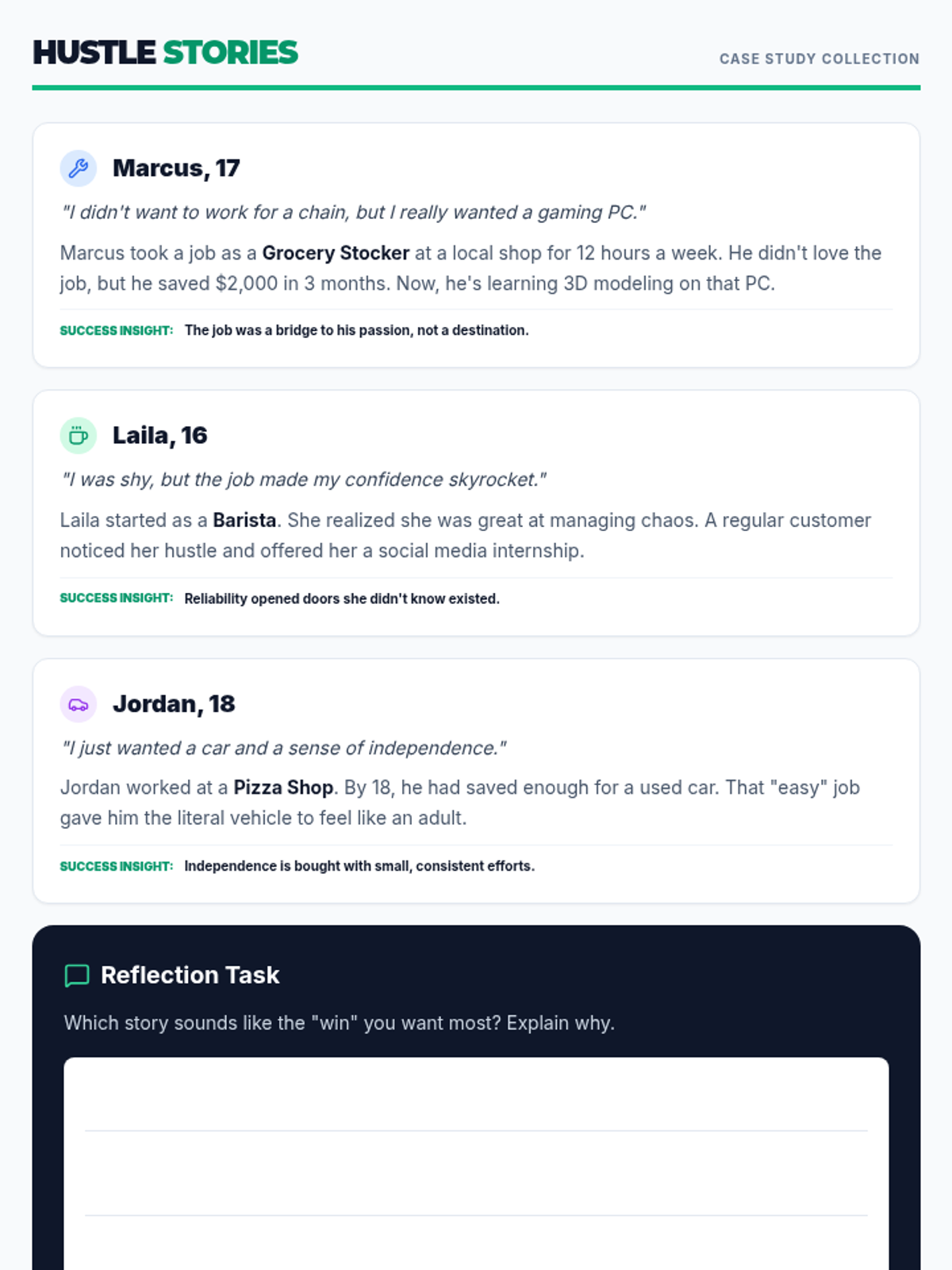
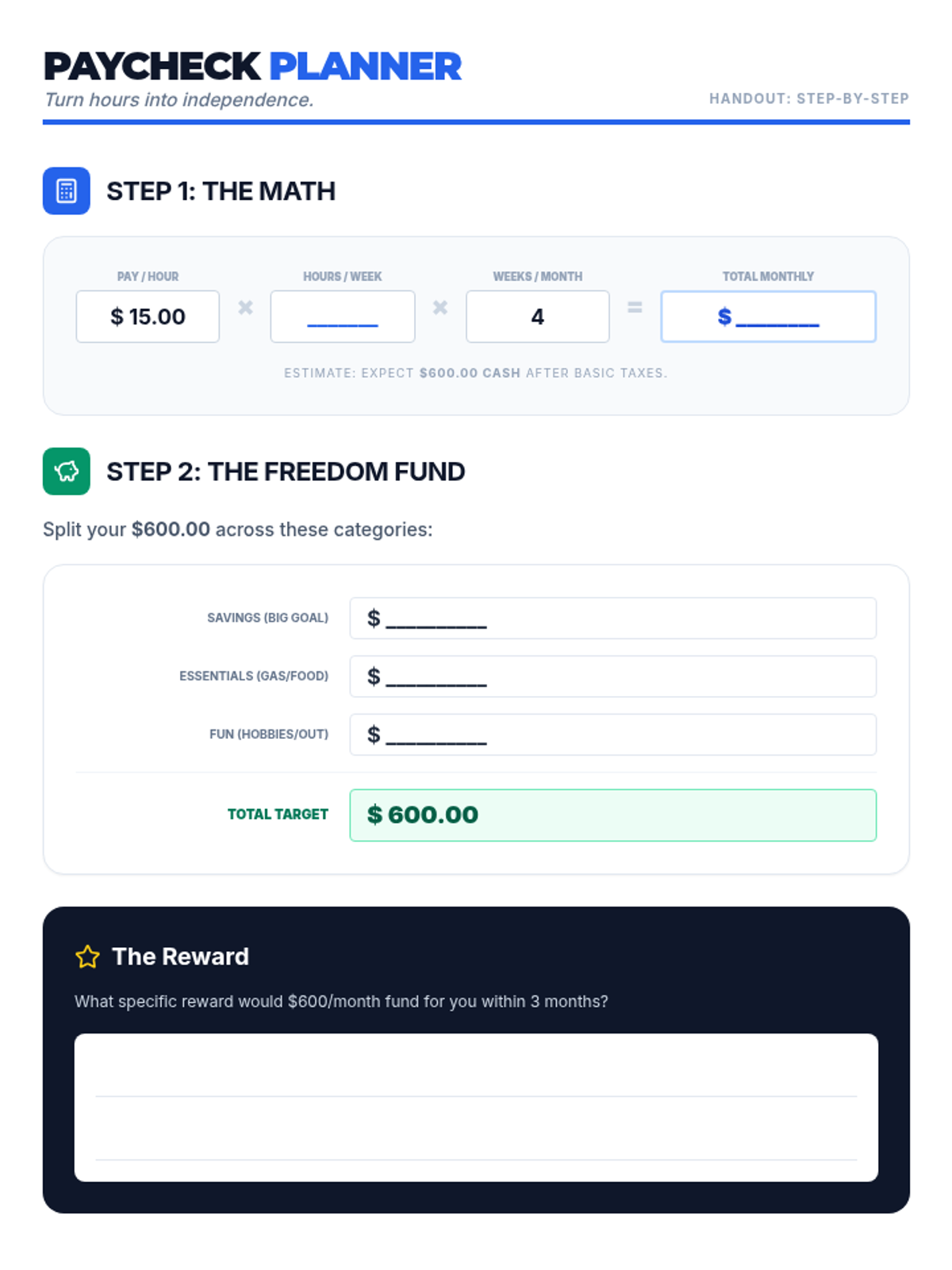
A 2-hour workshop designed for high schoolers to explore entry-level, part-time jobs as a strategic stepping stone toward personal success and independence. Students will redefine success, identify accessible roles that match their interests, and reflect on their long-term goals.
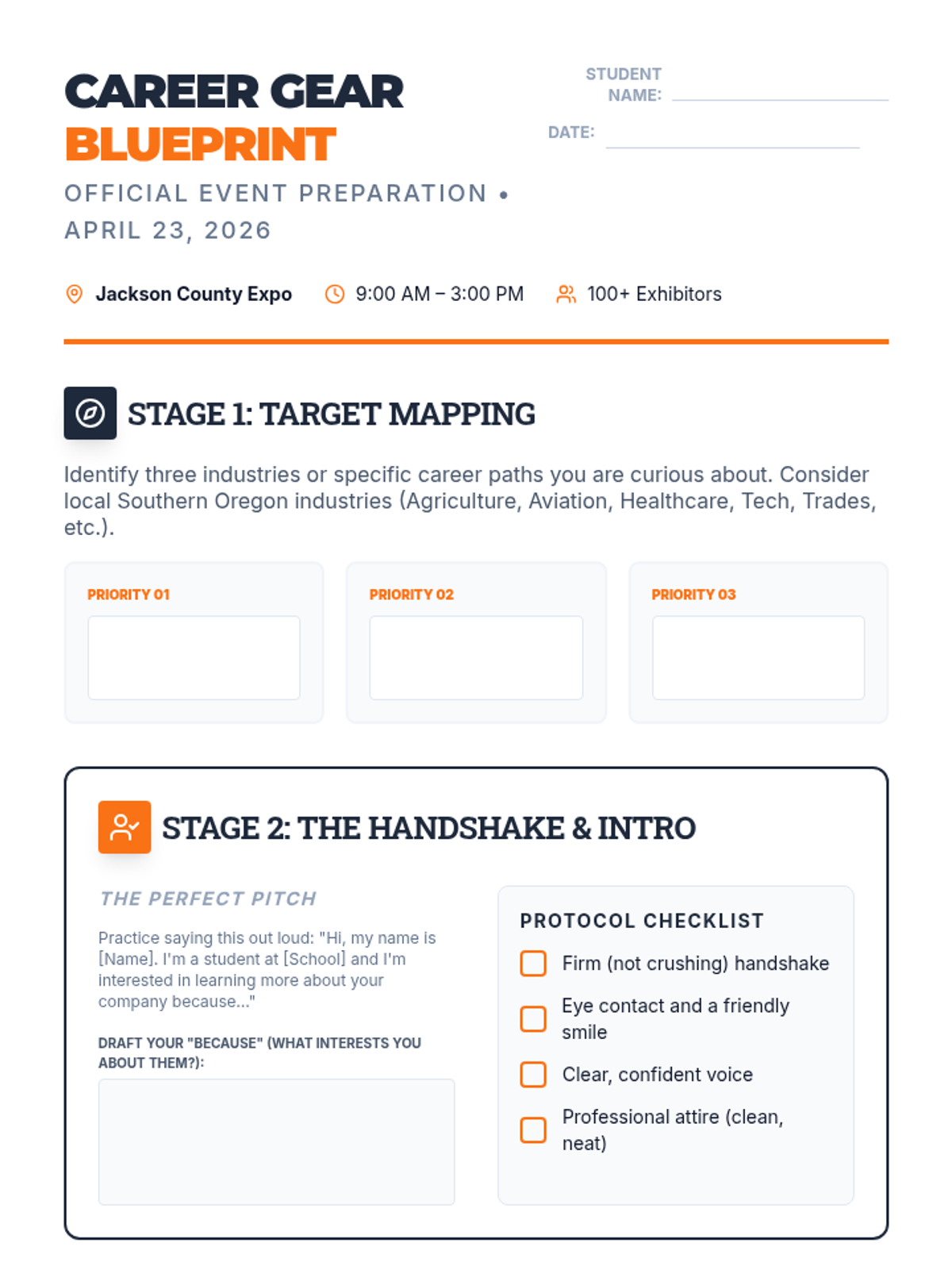
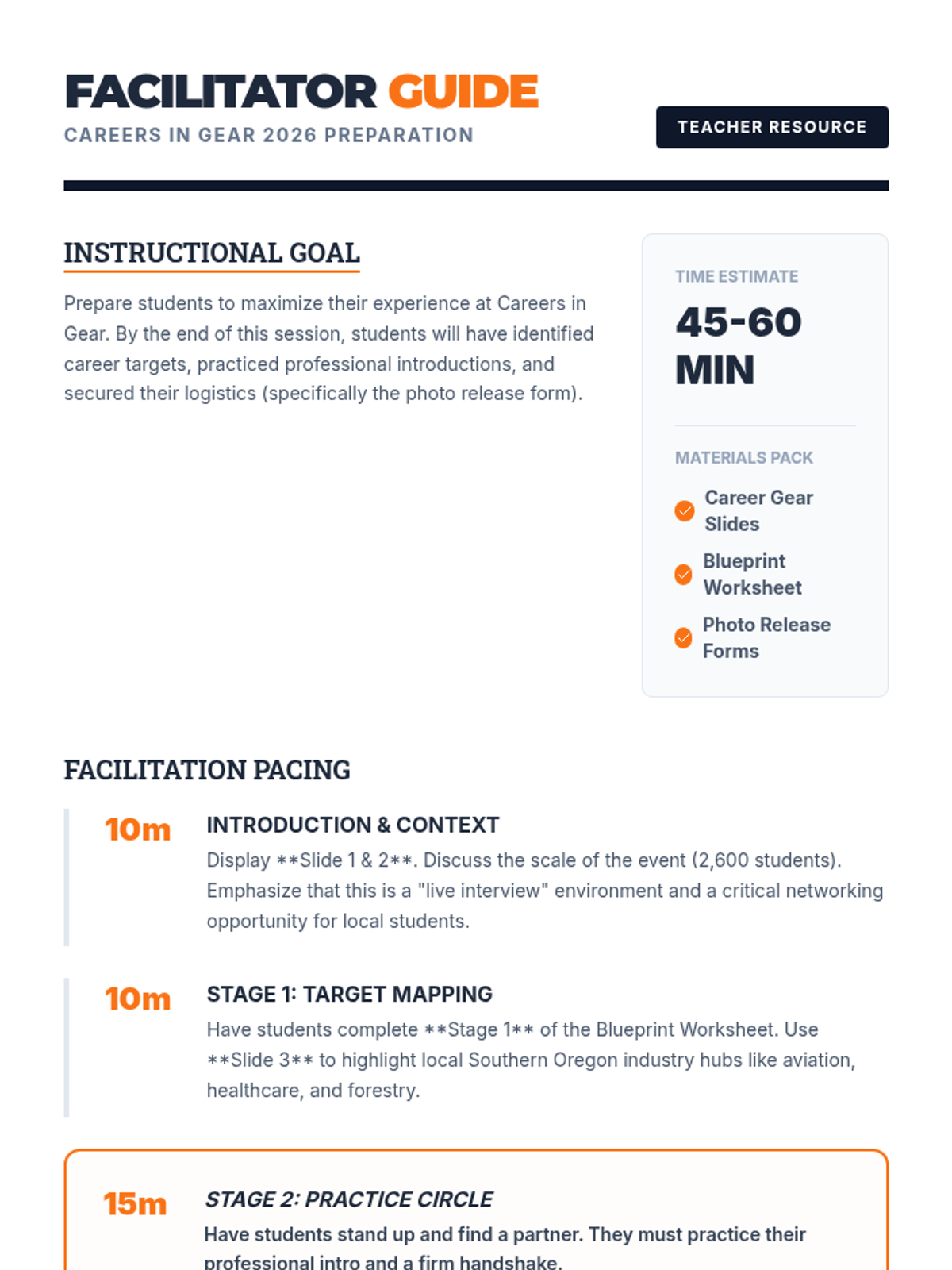
A preparation lesson for the Careers in Gear 2026 event, focusing on career interest identification, professional communication, and logistical readiness.
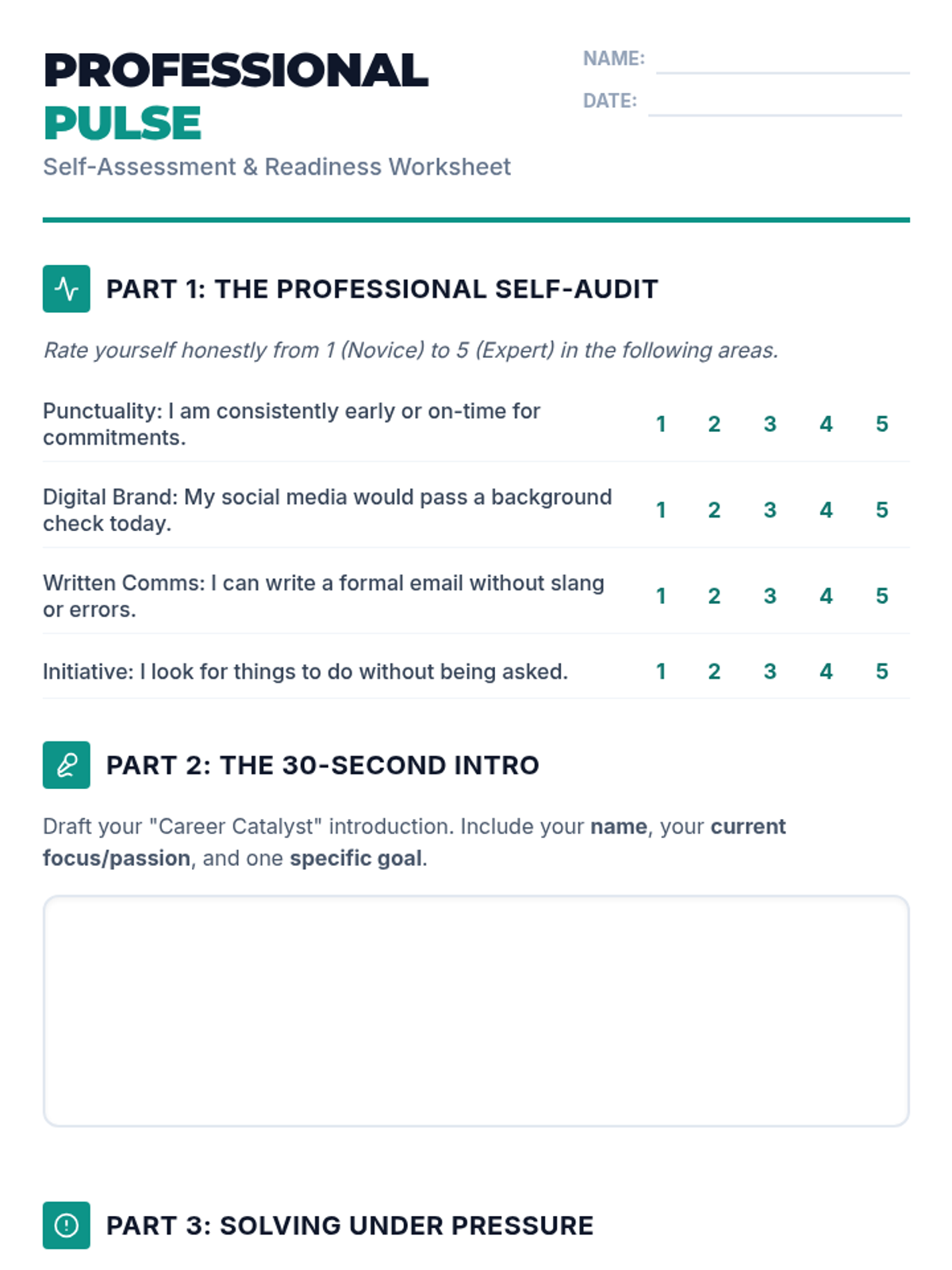
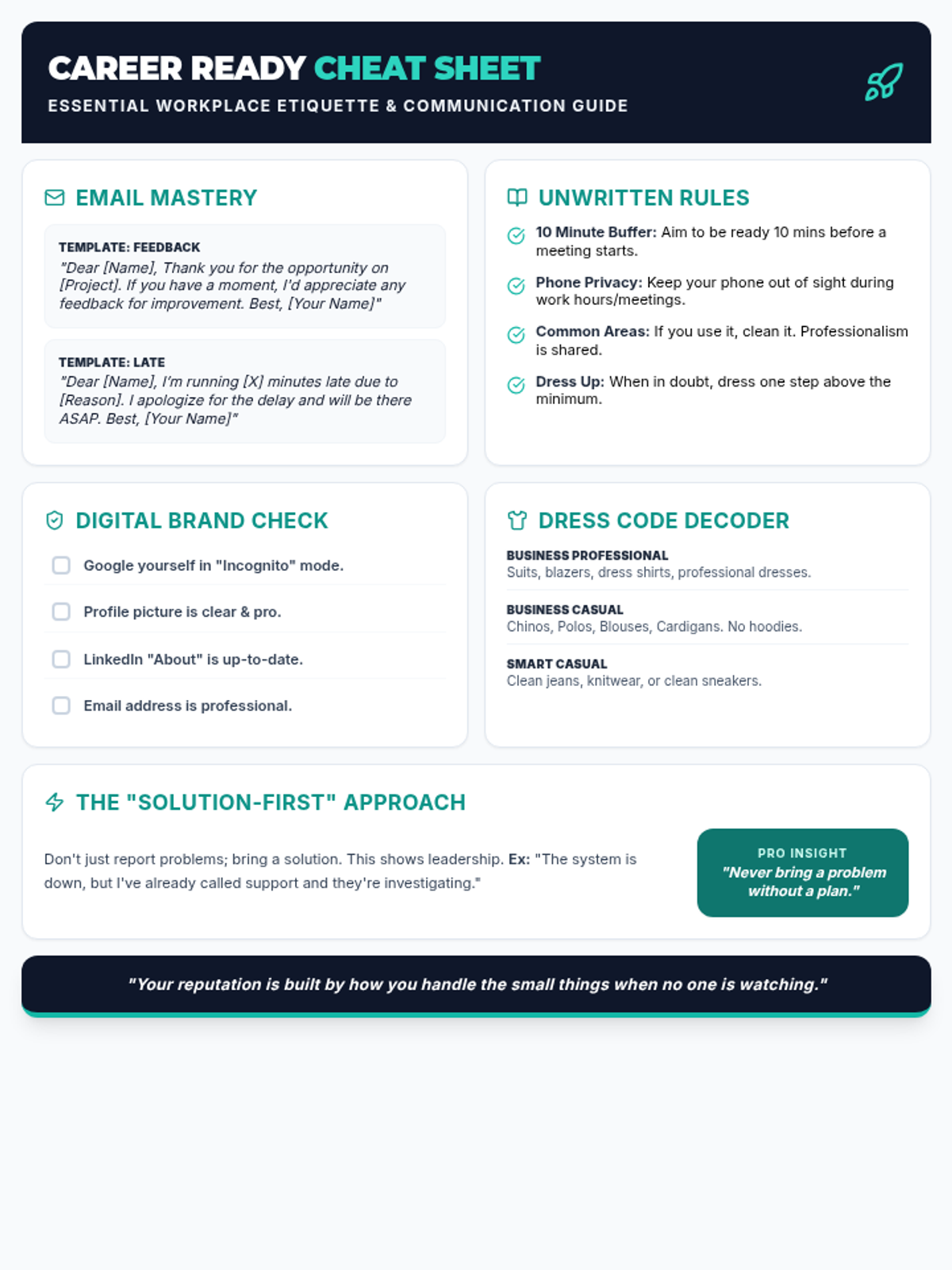
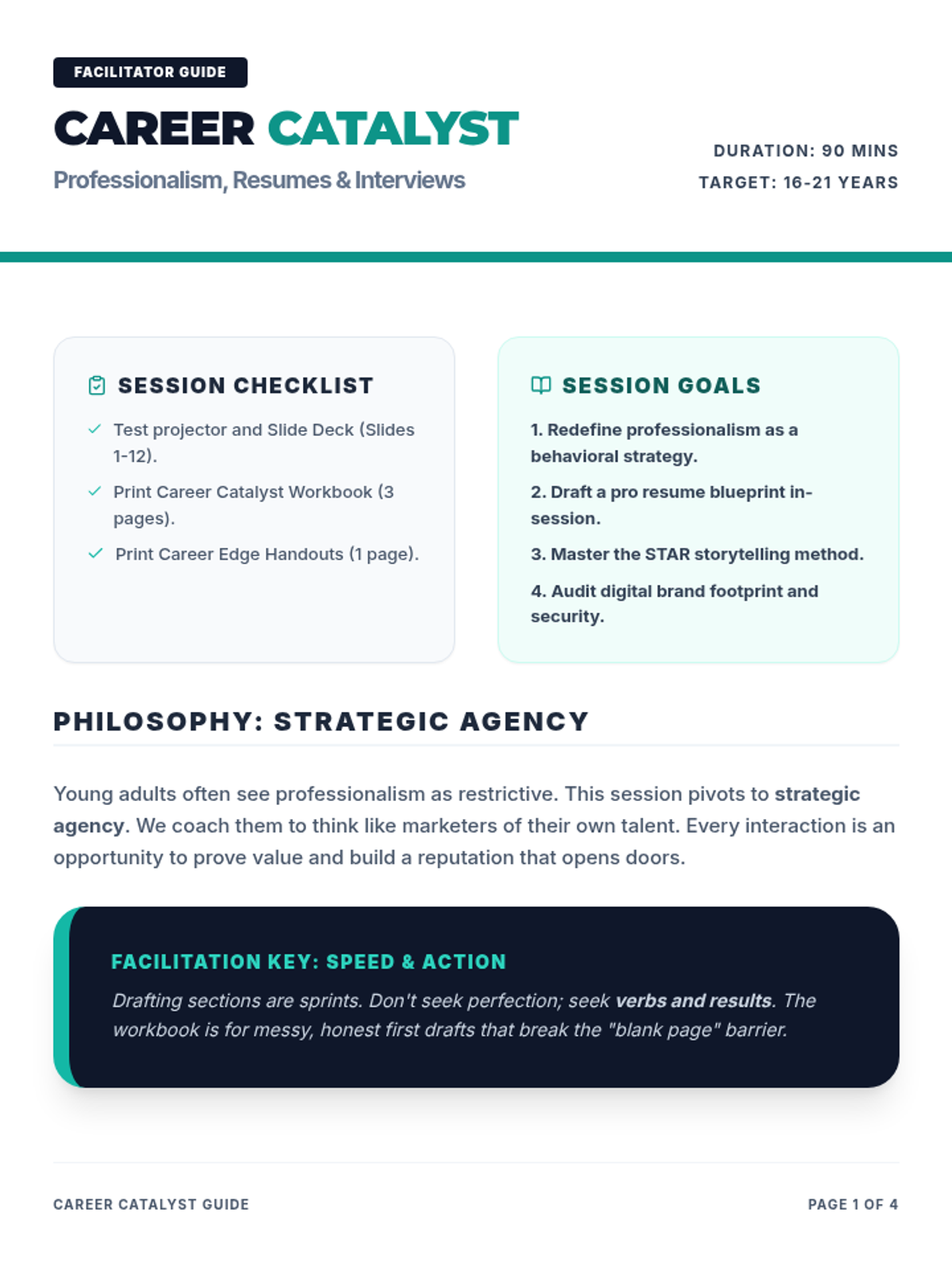
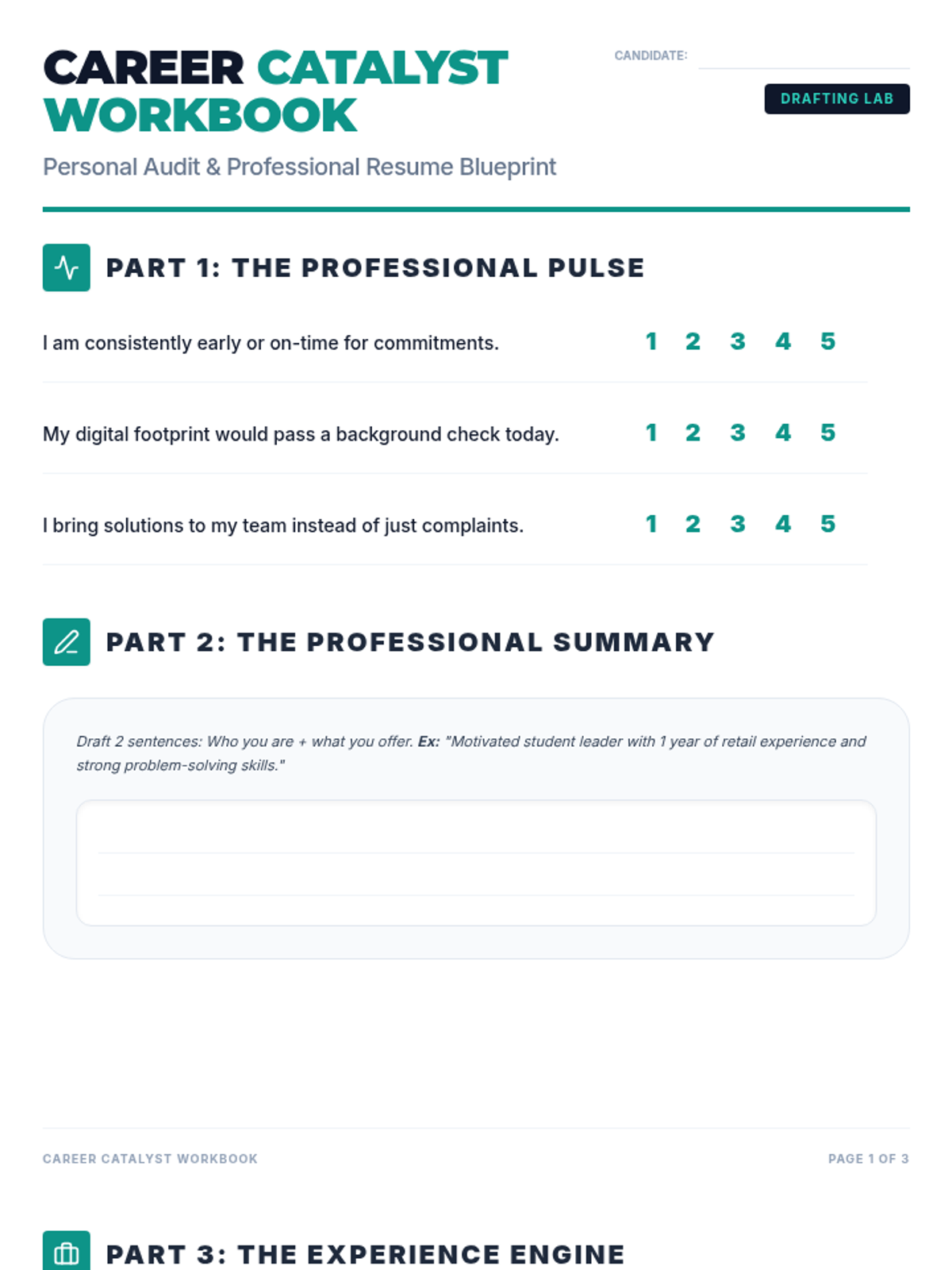
A comprehensive 90-minute session for young adults aged 16-21, focusing on the transition from student to professional through communication, reliability, and workplace etiquette.
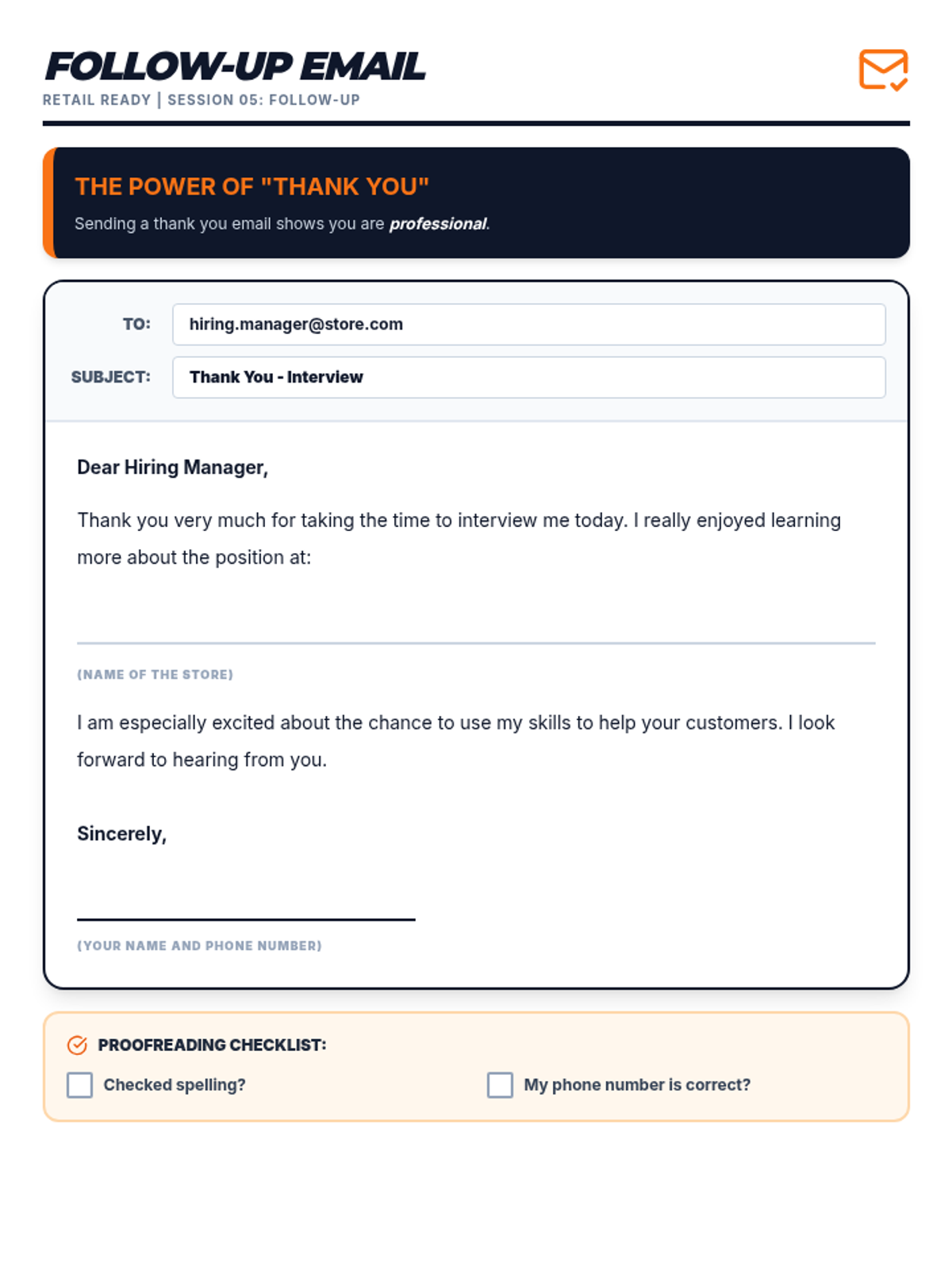
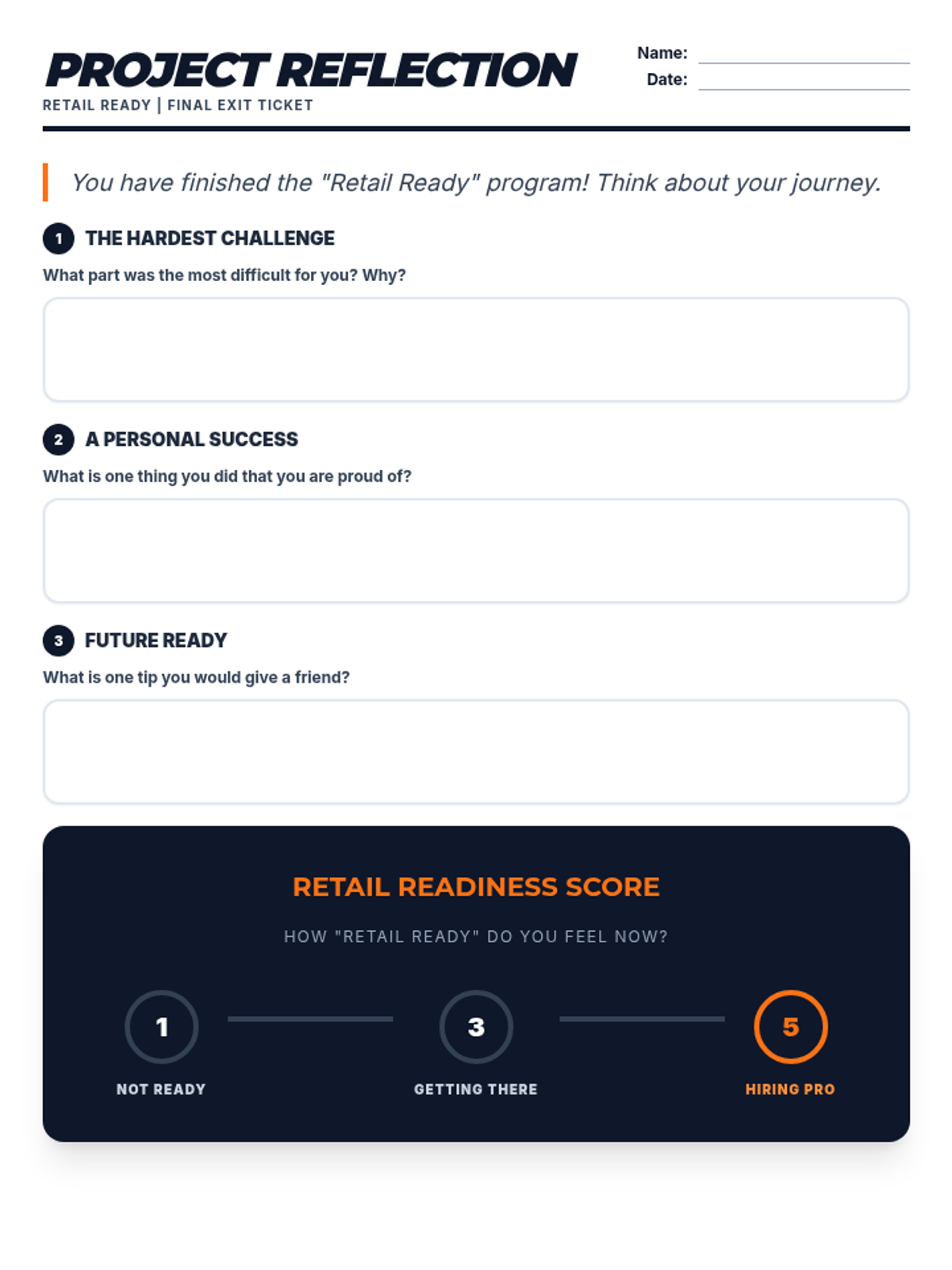
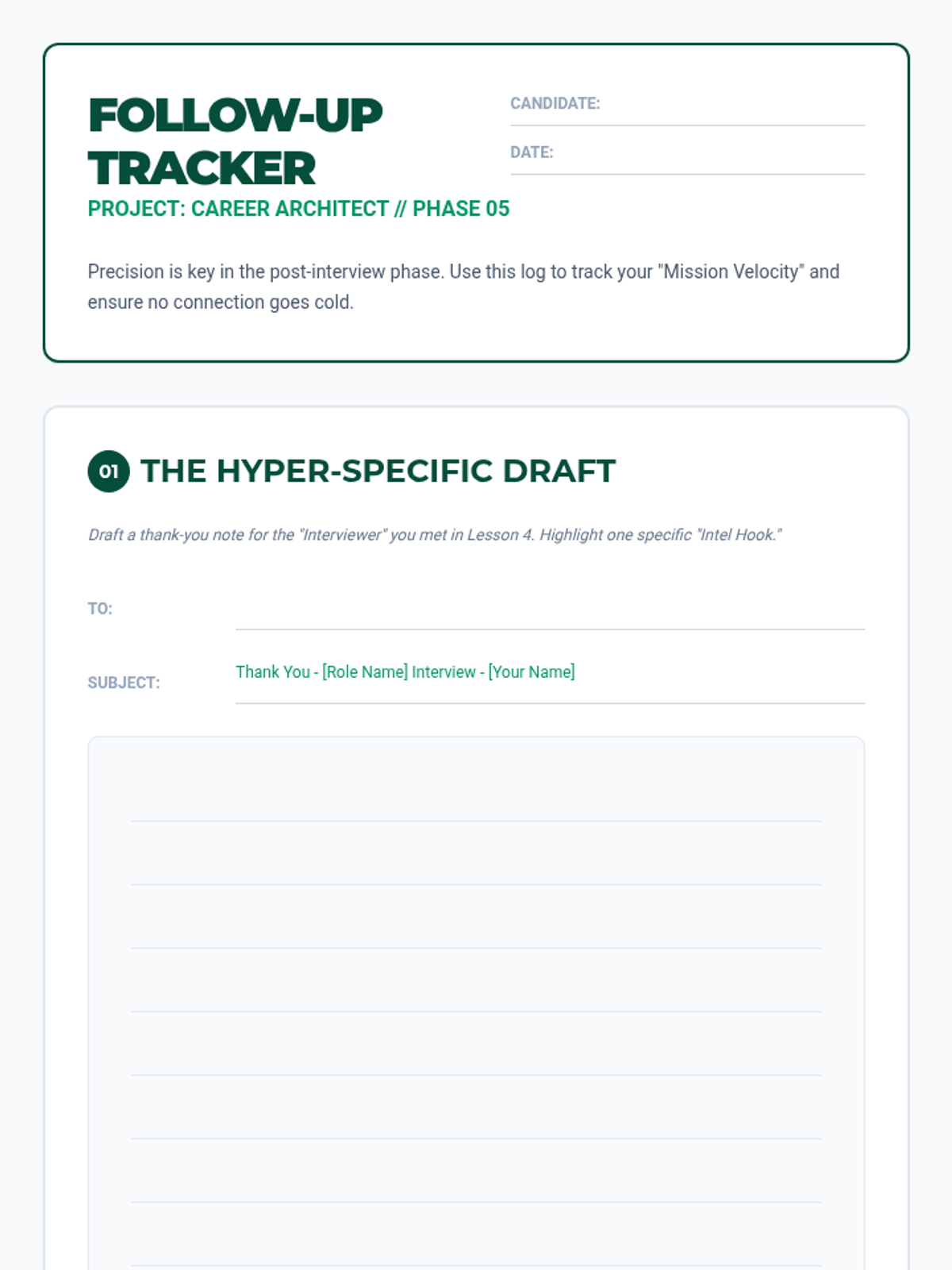
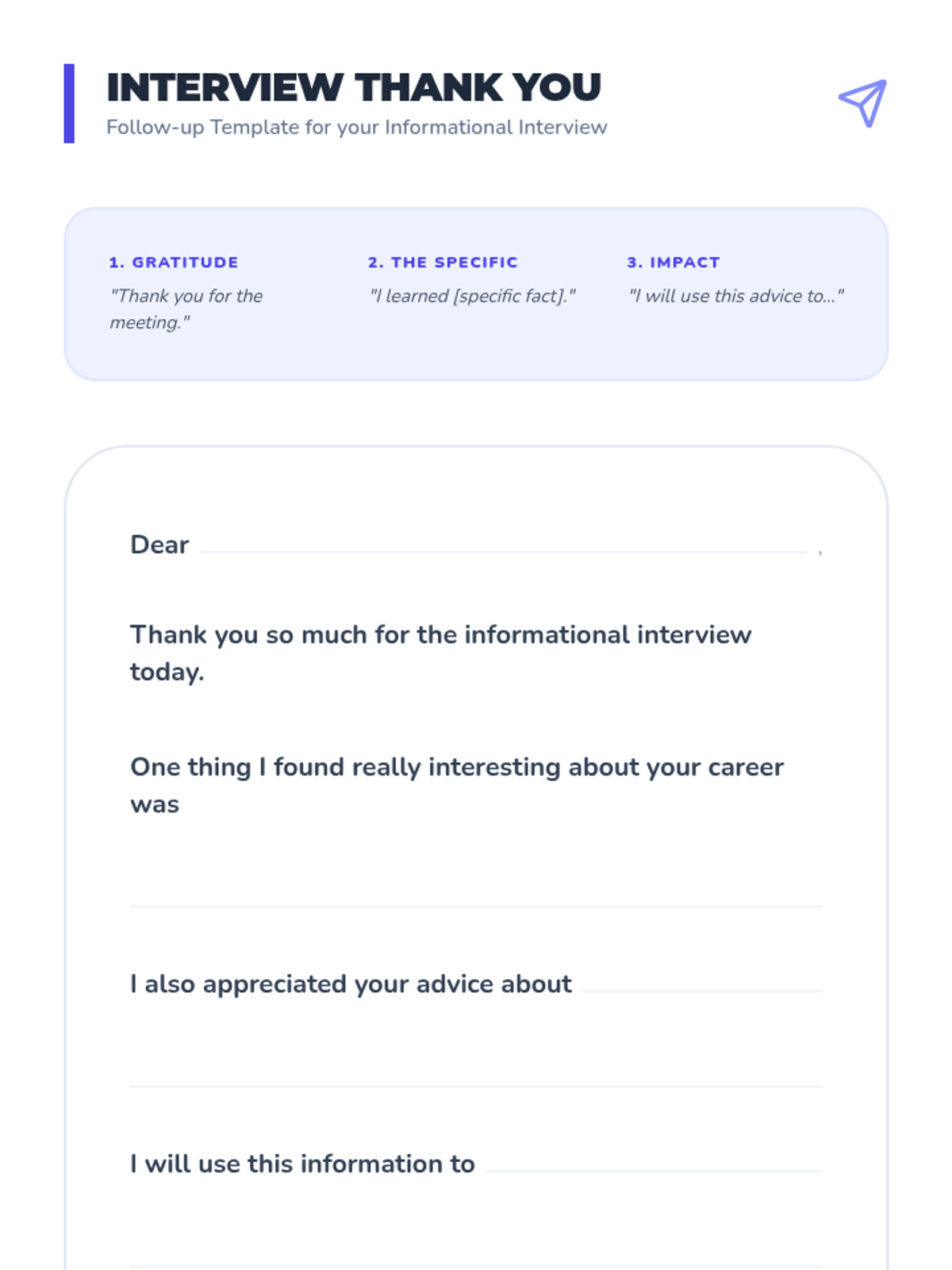
Students learn the importance of post-interview follow-up by writing thank-you emails and reflecting on their overall performance throughout the project.
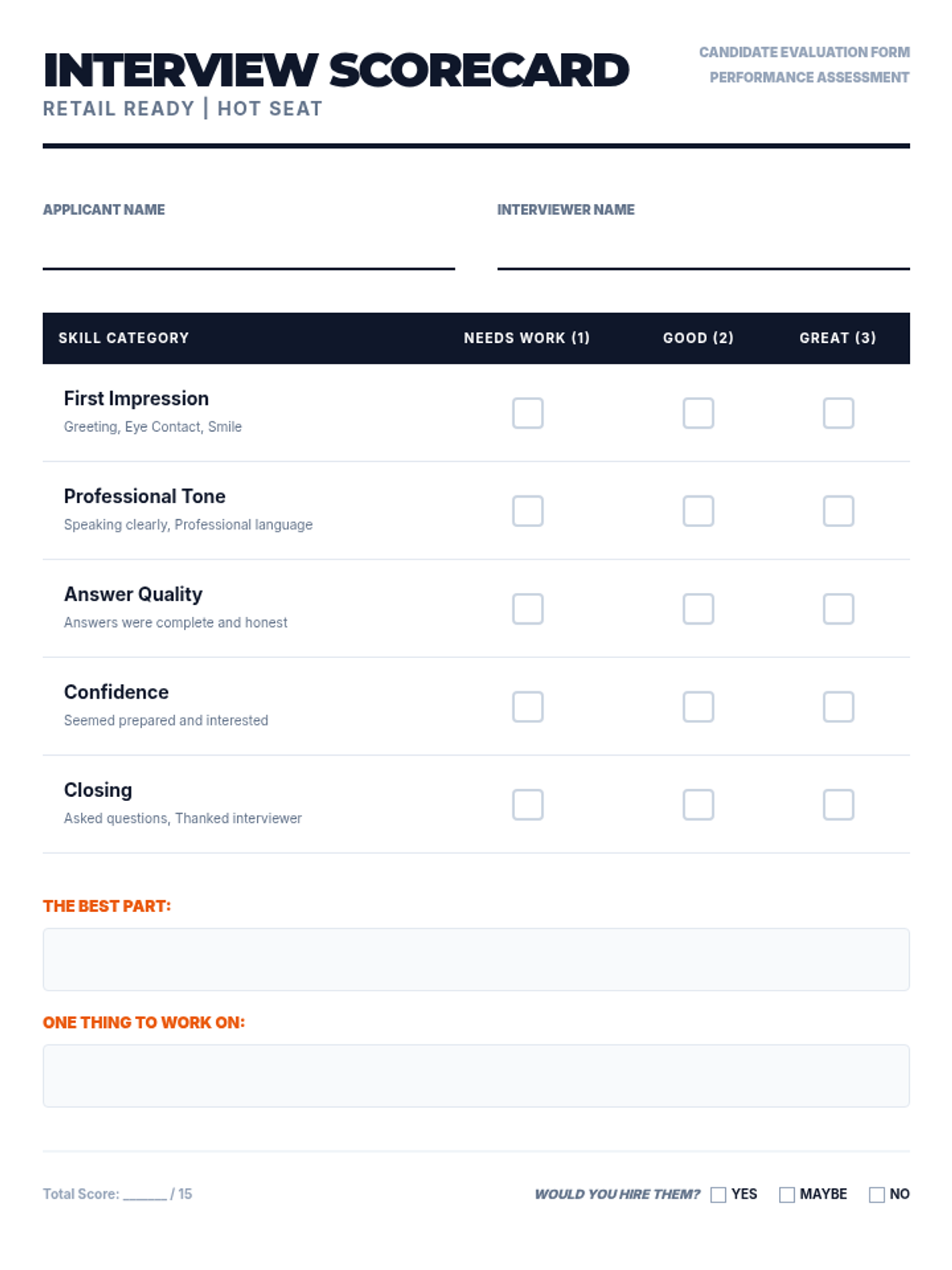
A hands-on day for mock interviews where students practice professional communication and receive constructive feedback.
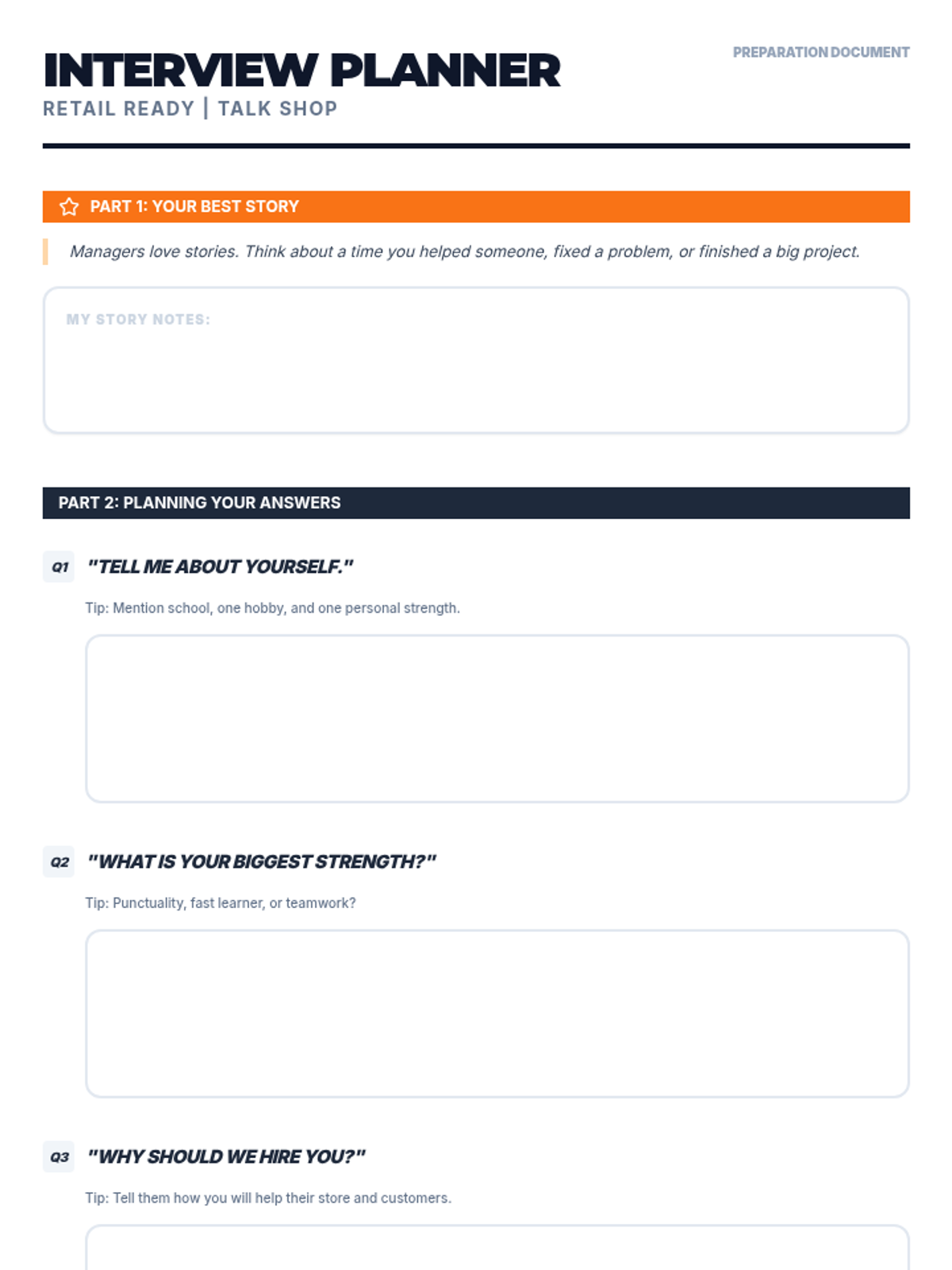
Students prepare for the social dynamics of an interview by researching common retail questions and planning their own inquiries for the employer.
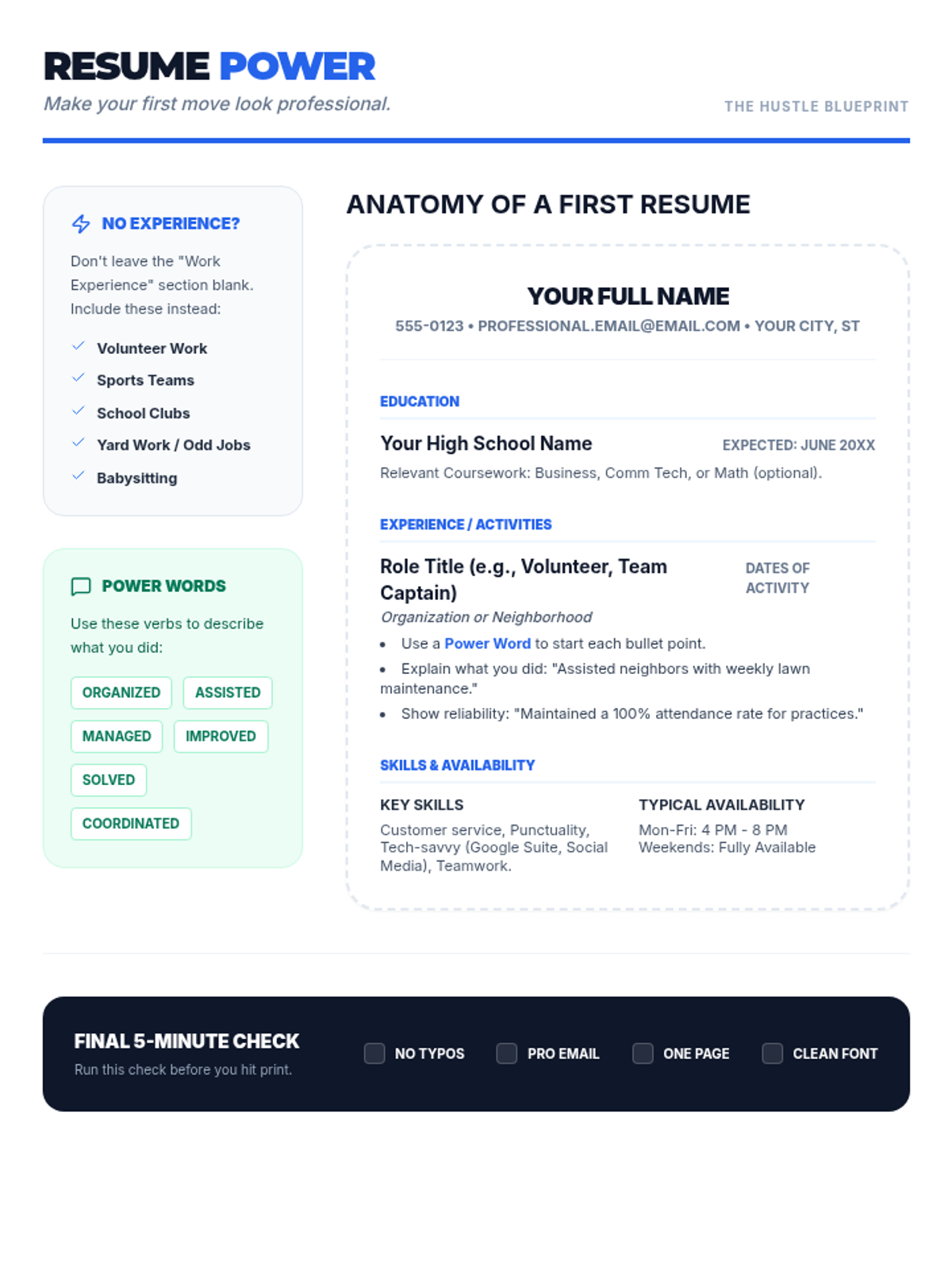
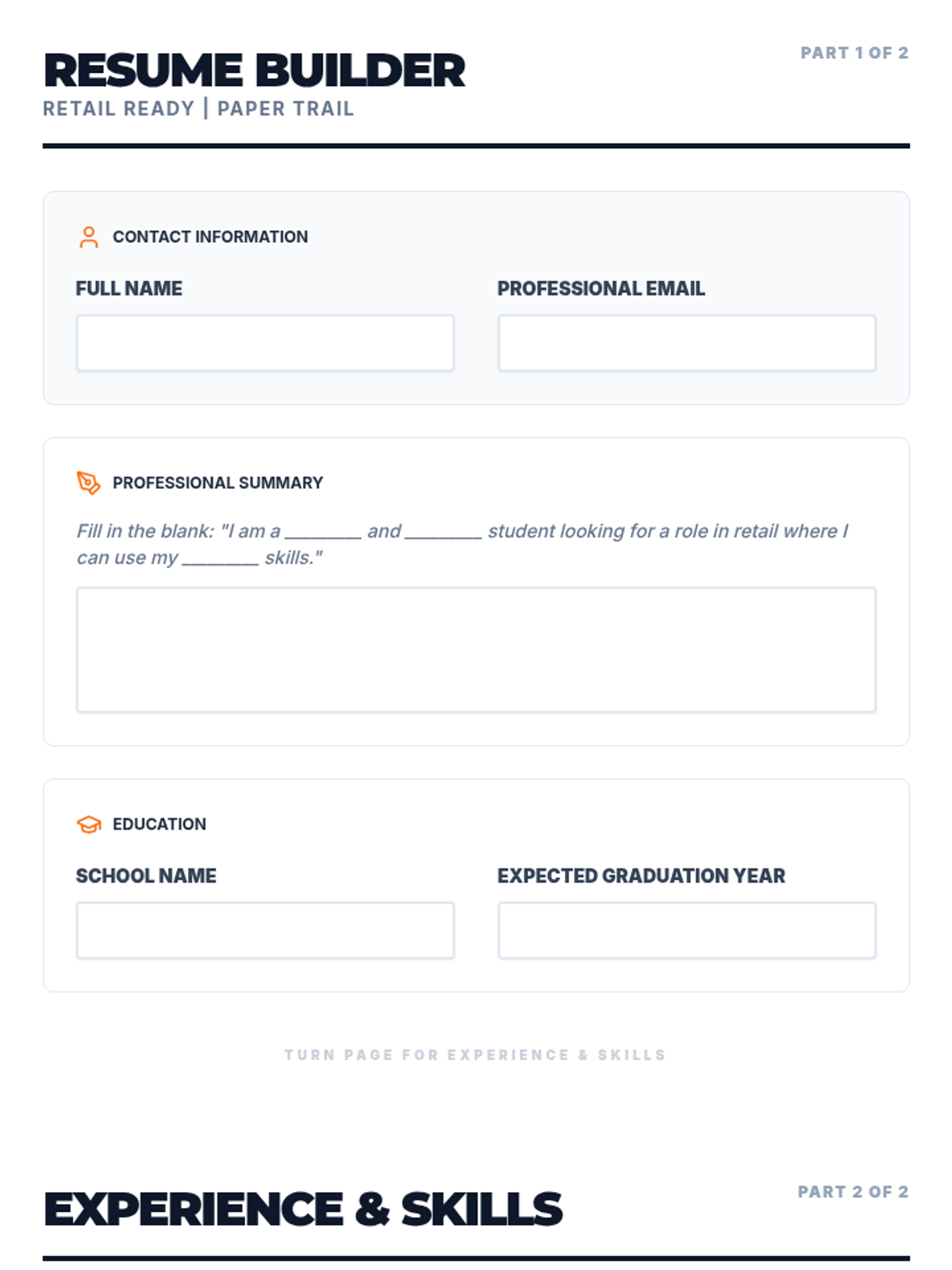
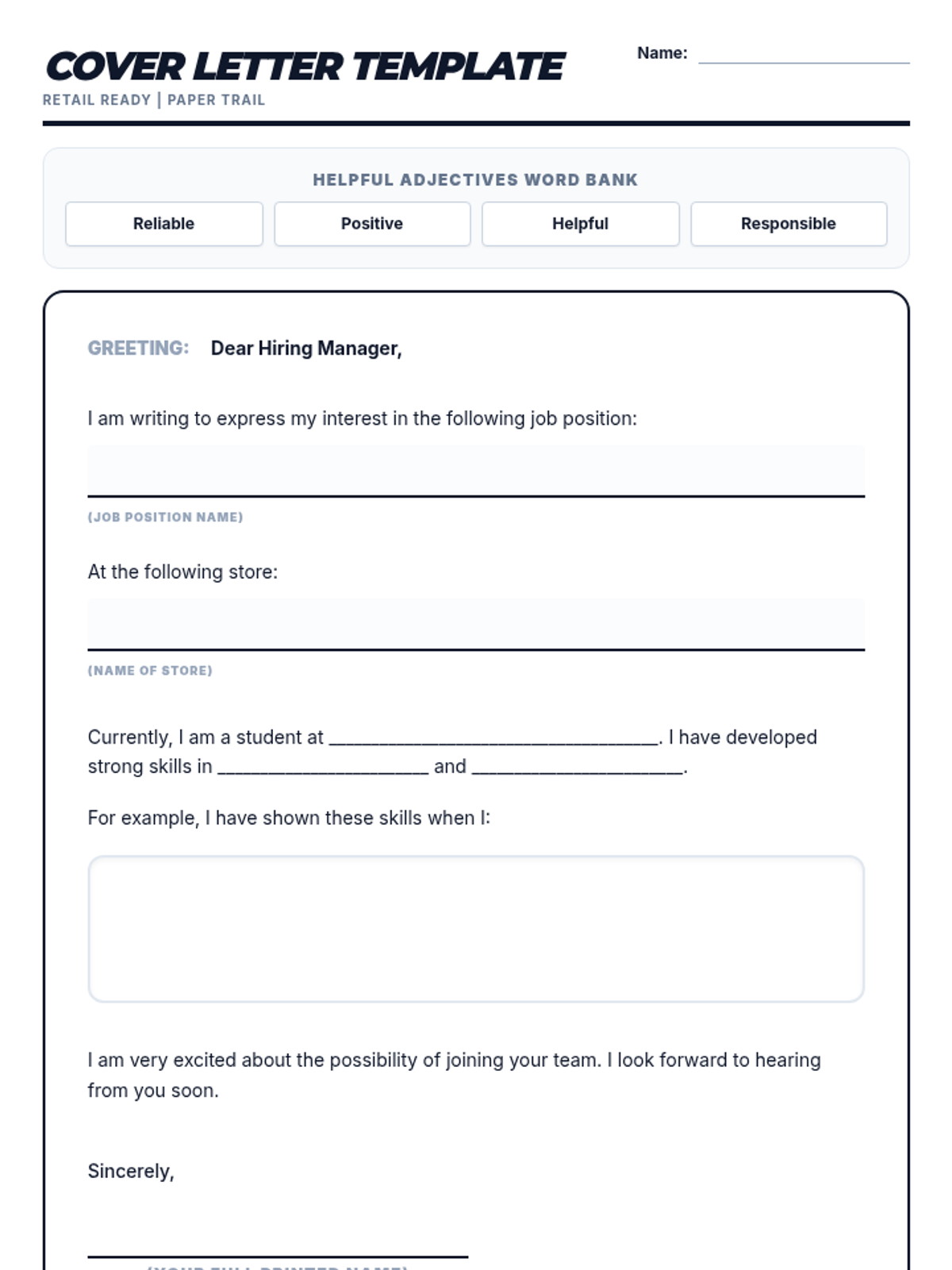
Focuses on translating personal experiences into a professional resume and drafting a concise cover letter using structured templates.
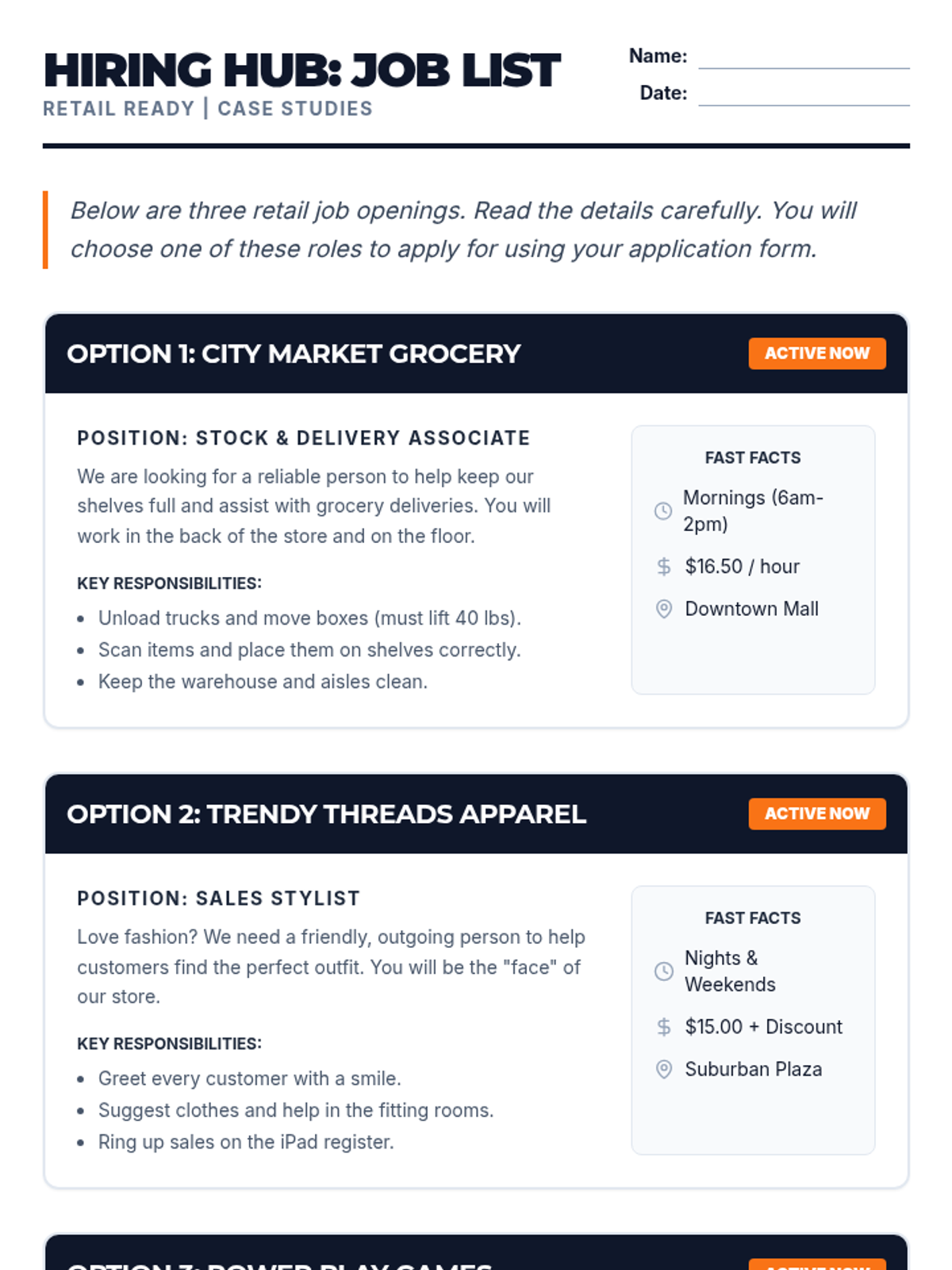
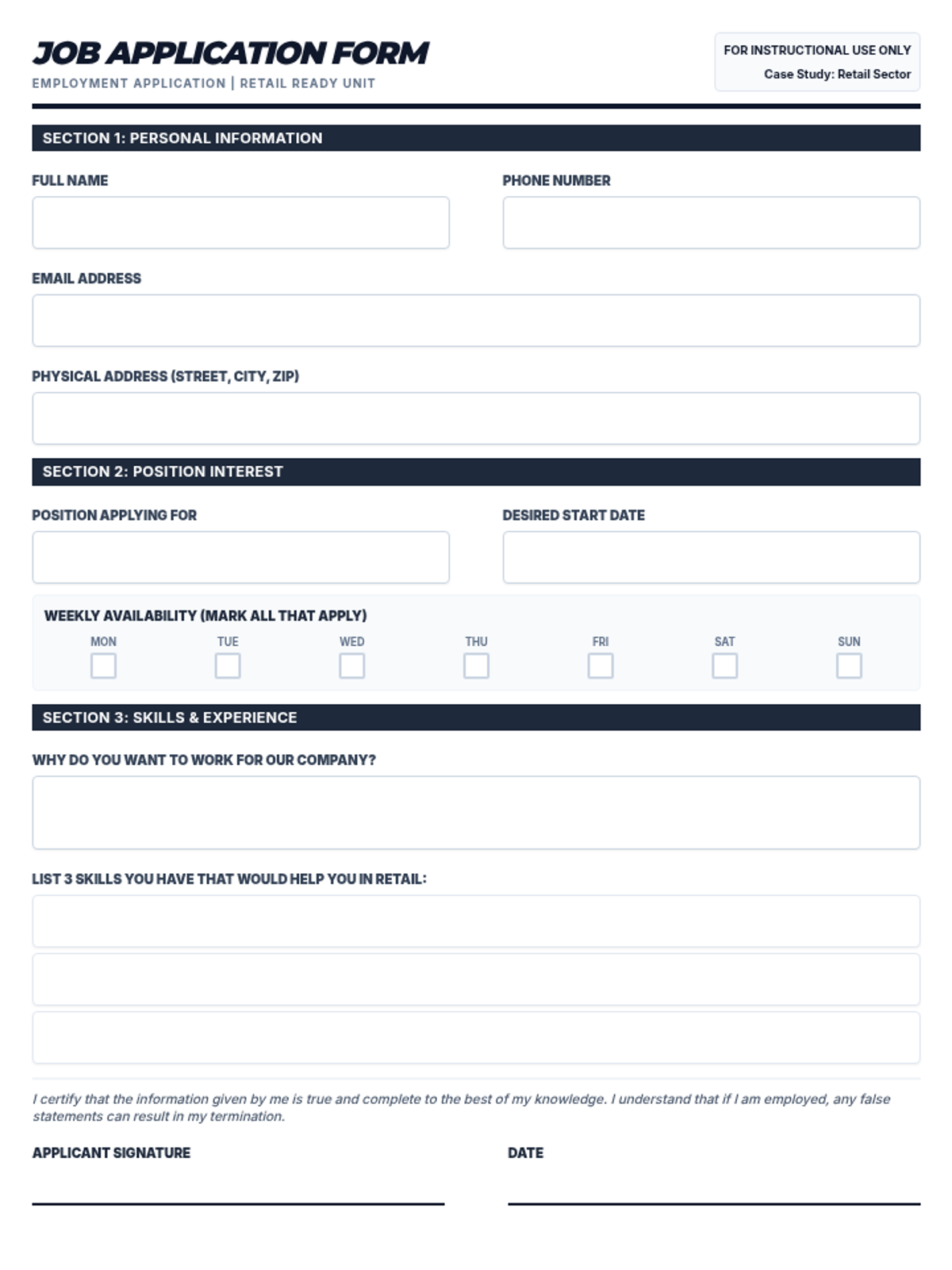
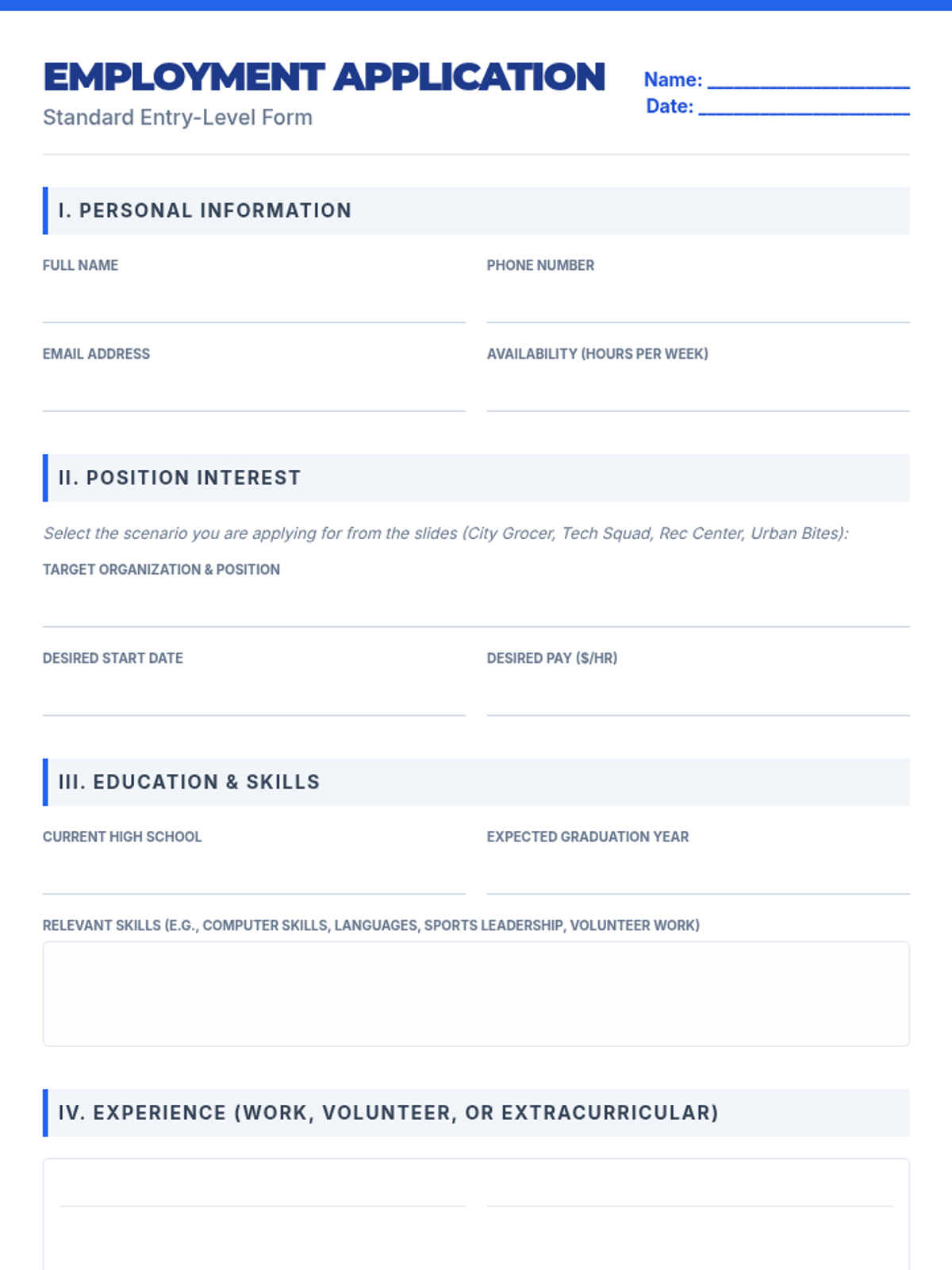
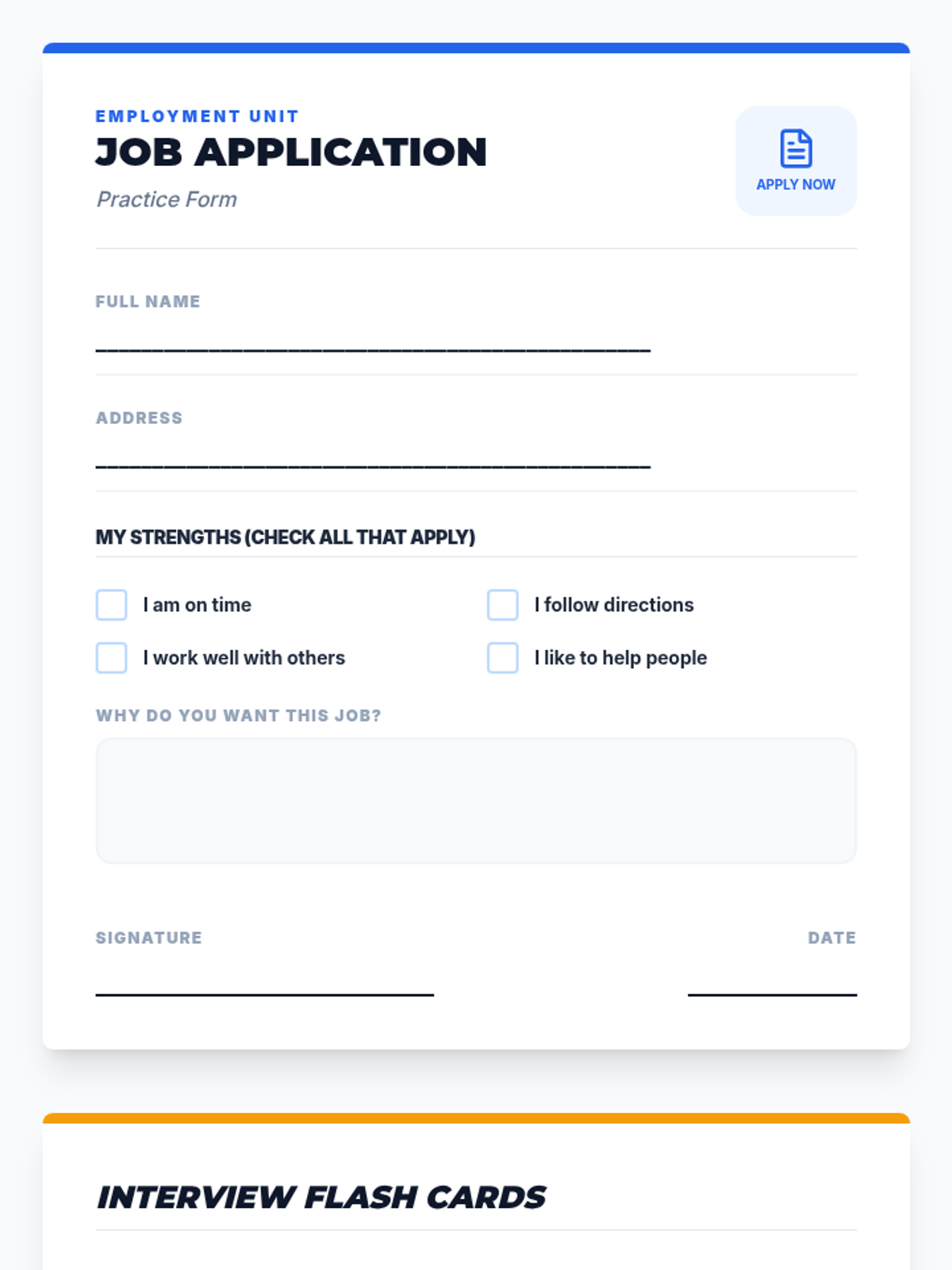
Students explore different retail roles, learn to read job descriptions, and practice completing a standard job application form with accuracy.
Master the transition from student to professional. This lesson covers workplace etiquette and the application process through engaging puzzles and reflective self-assessments.
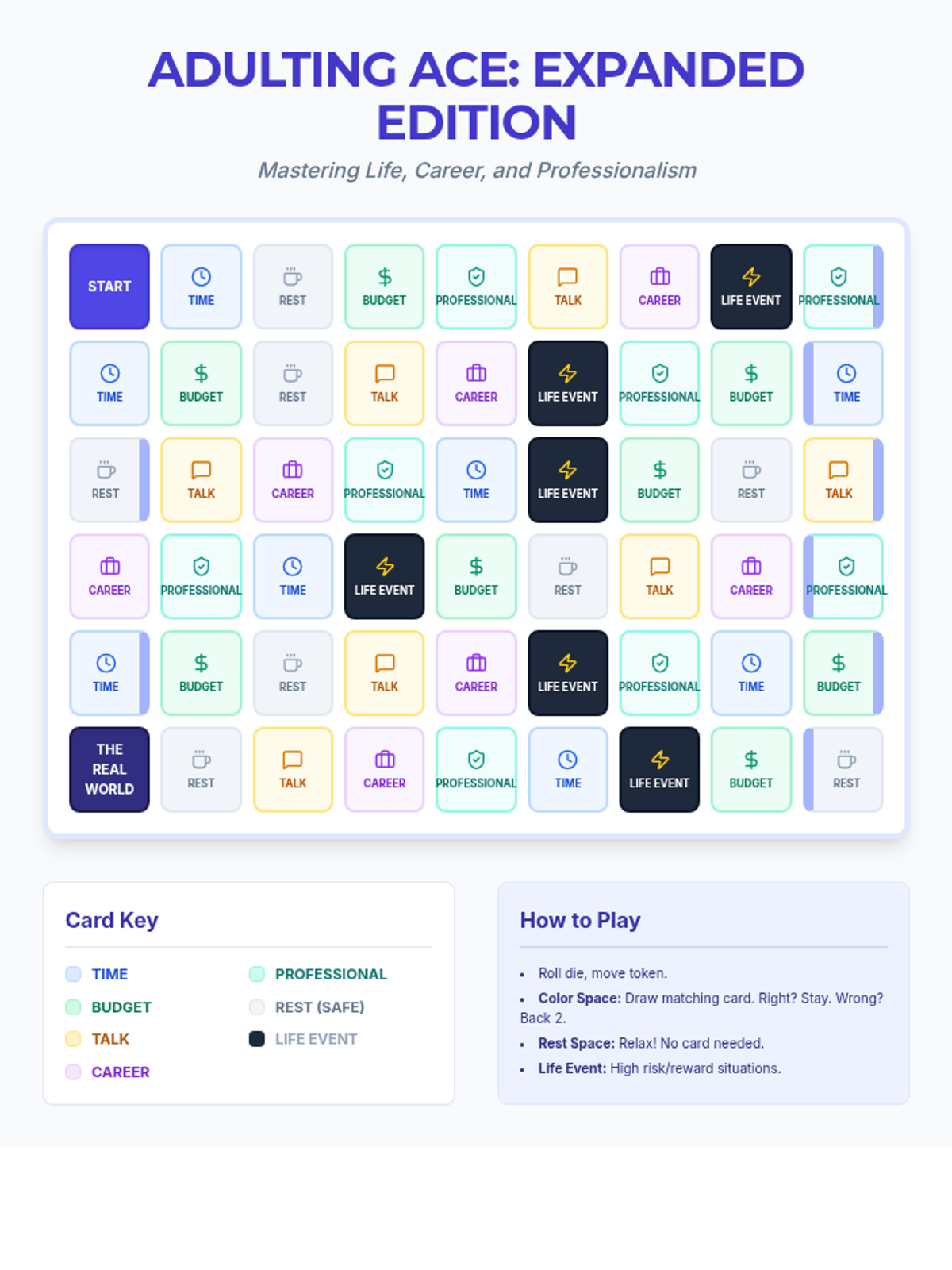
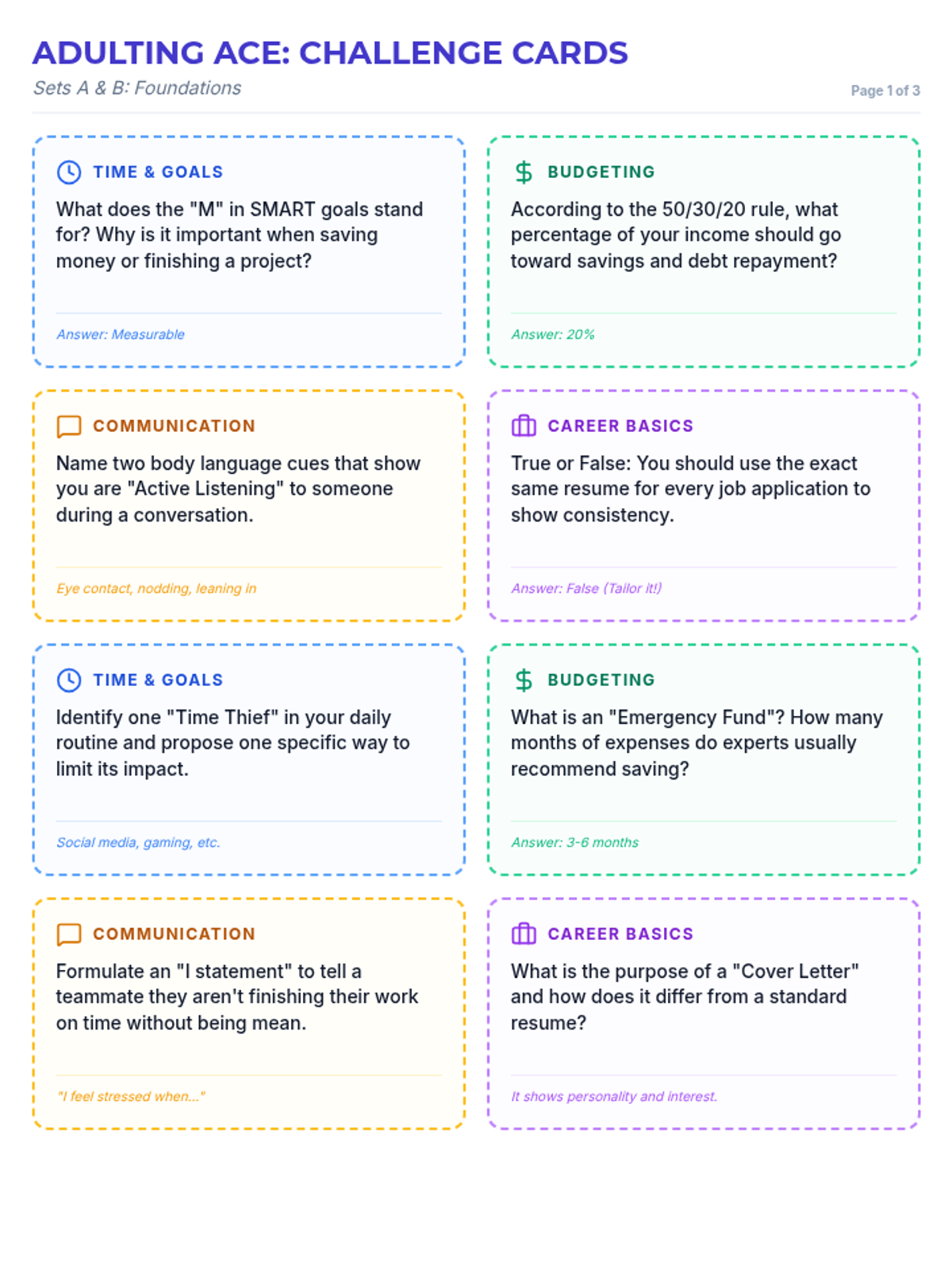
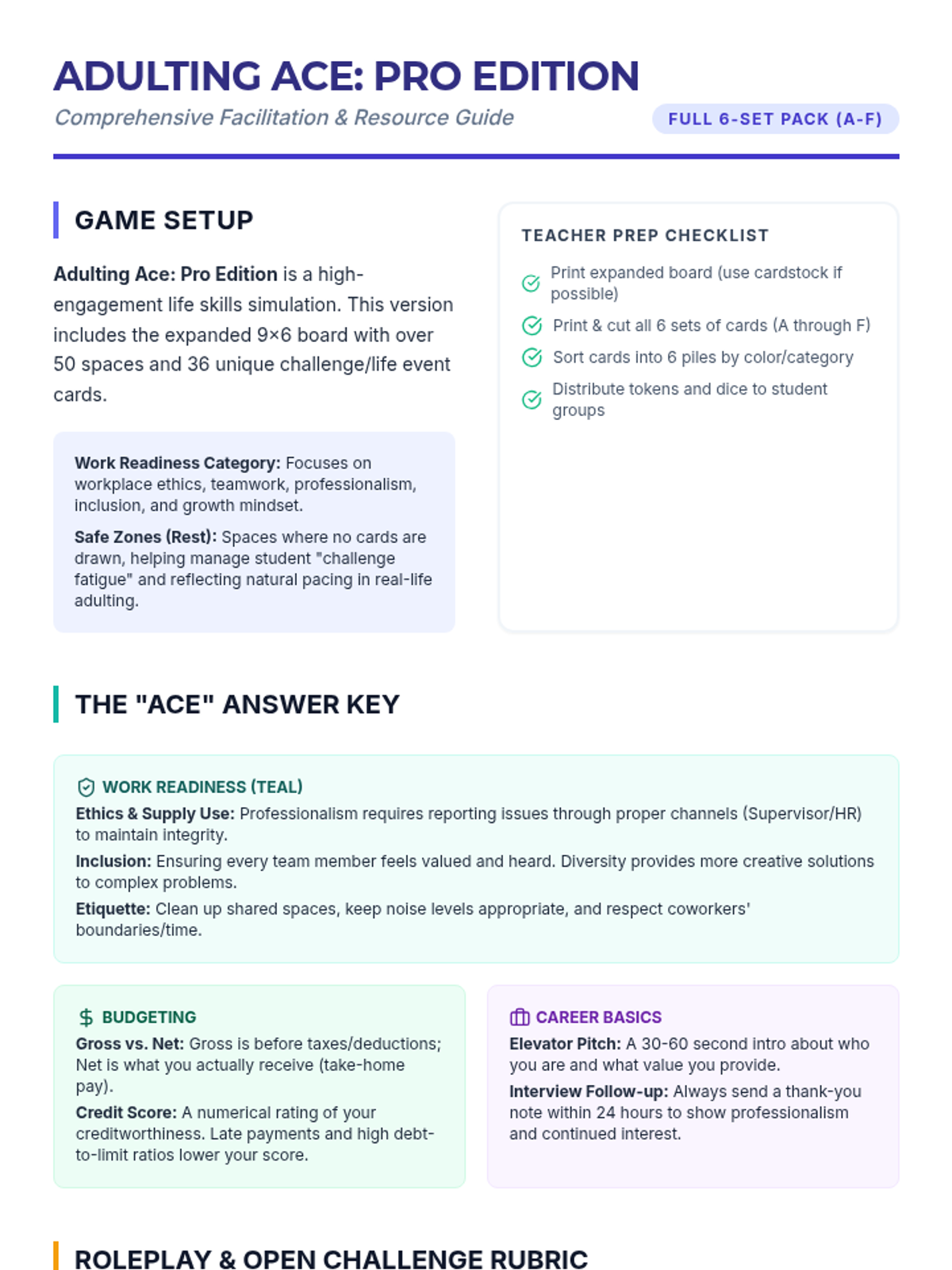
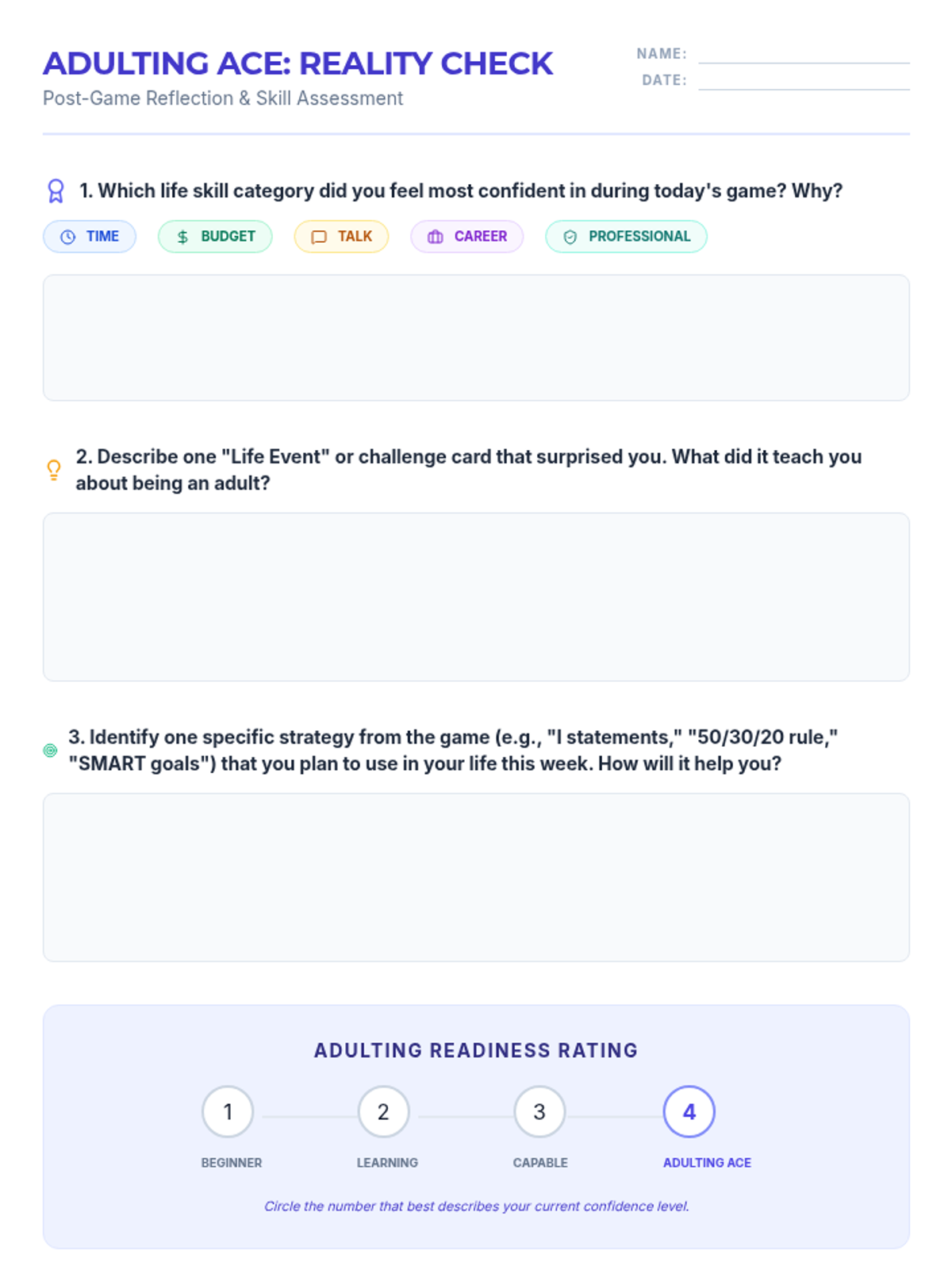
An interactive board game experience covering essential life skills including financial literacy, time management, communication, and career readiness.
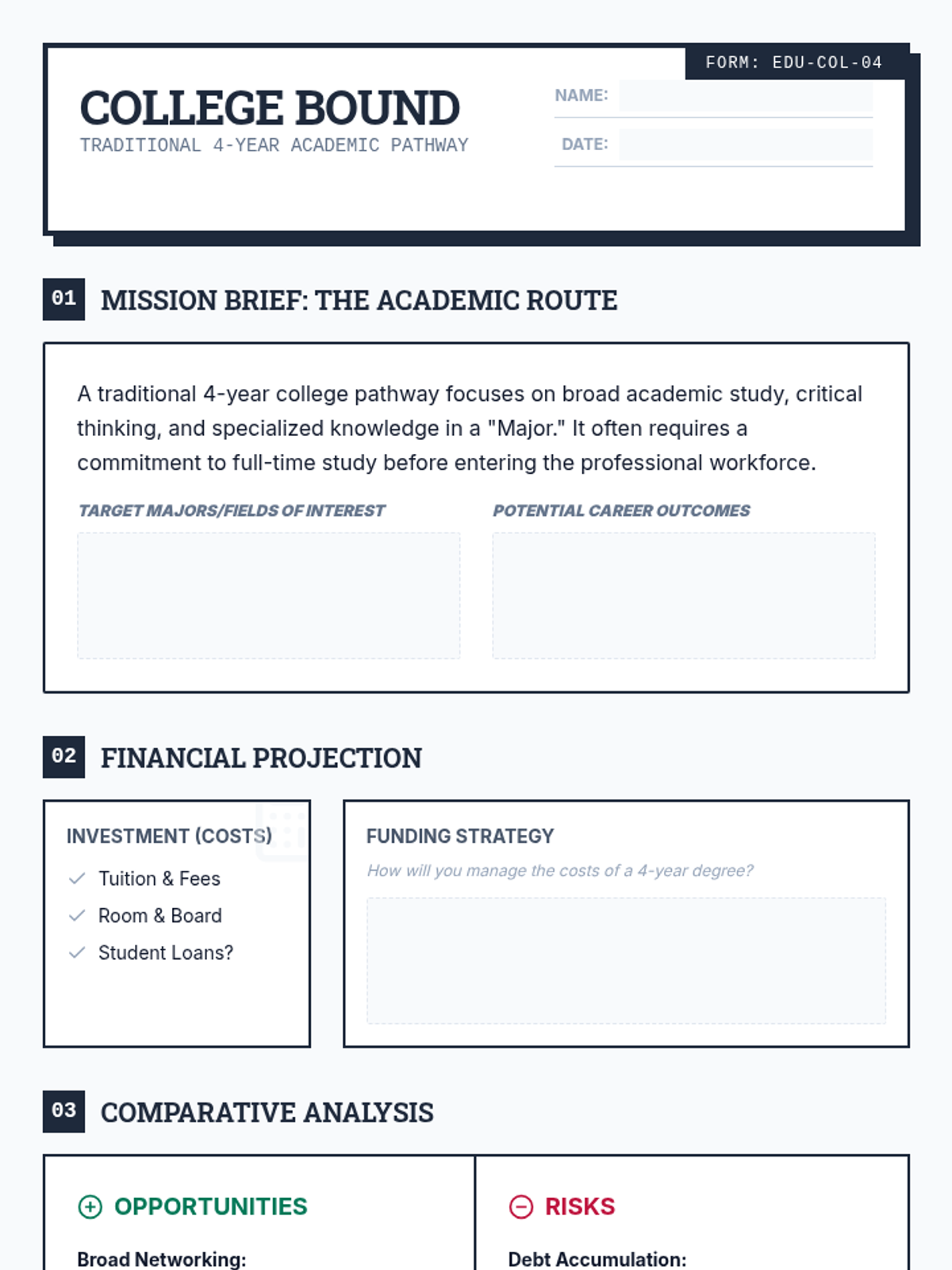
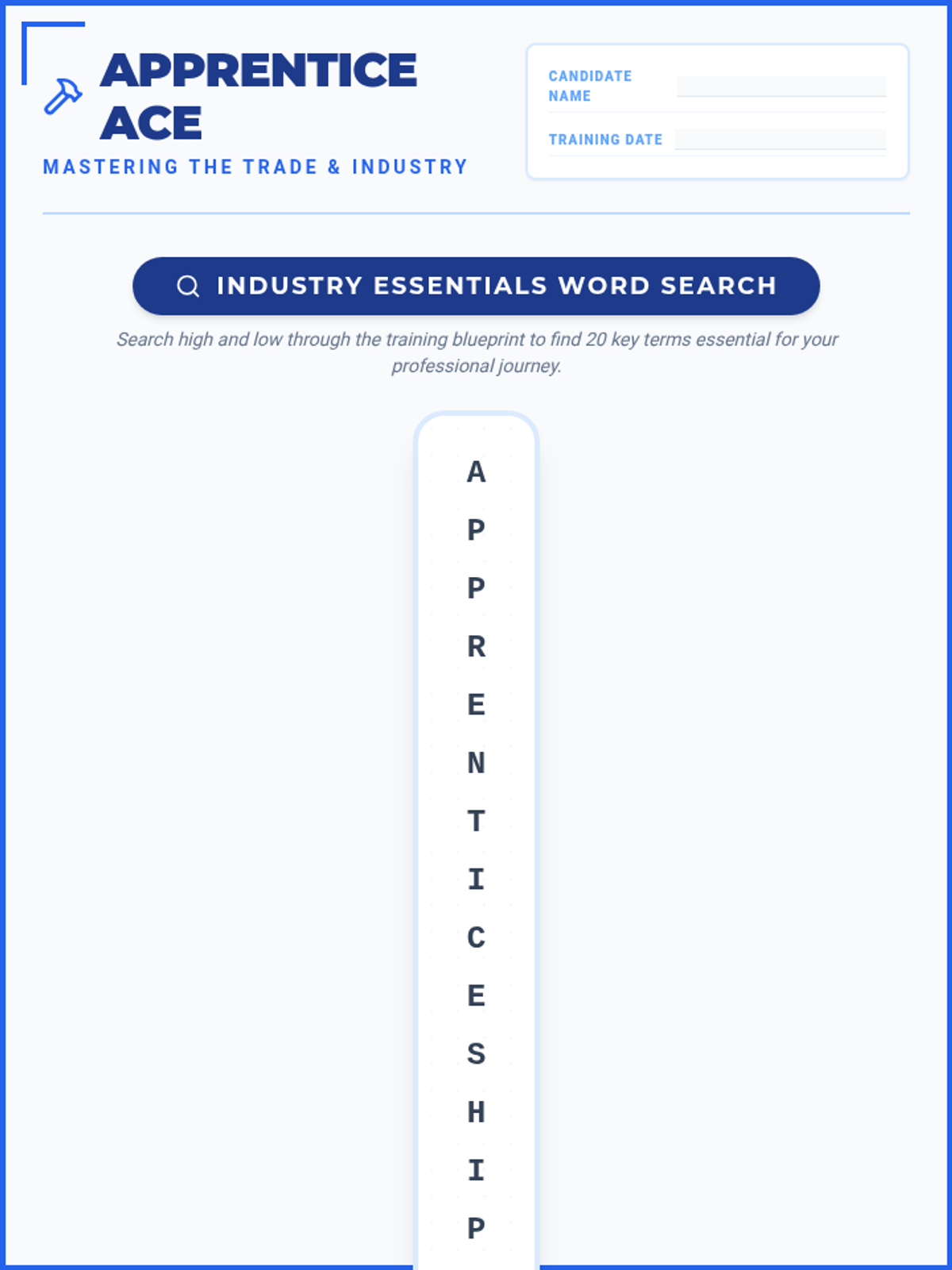
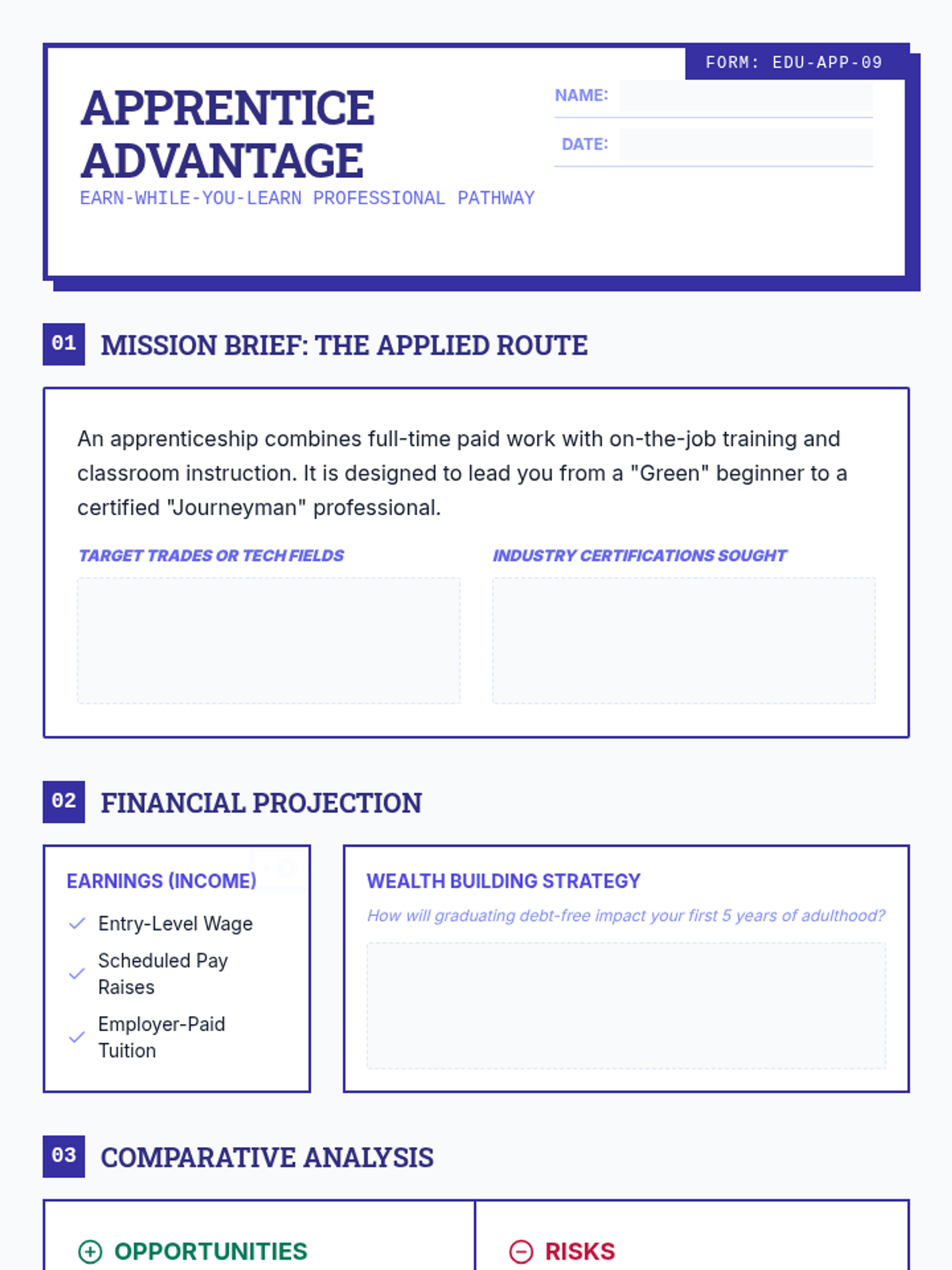
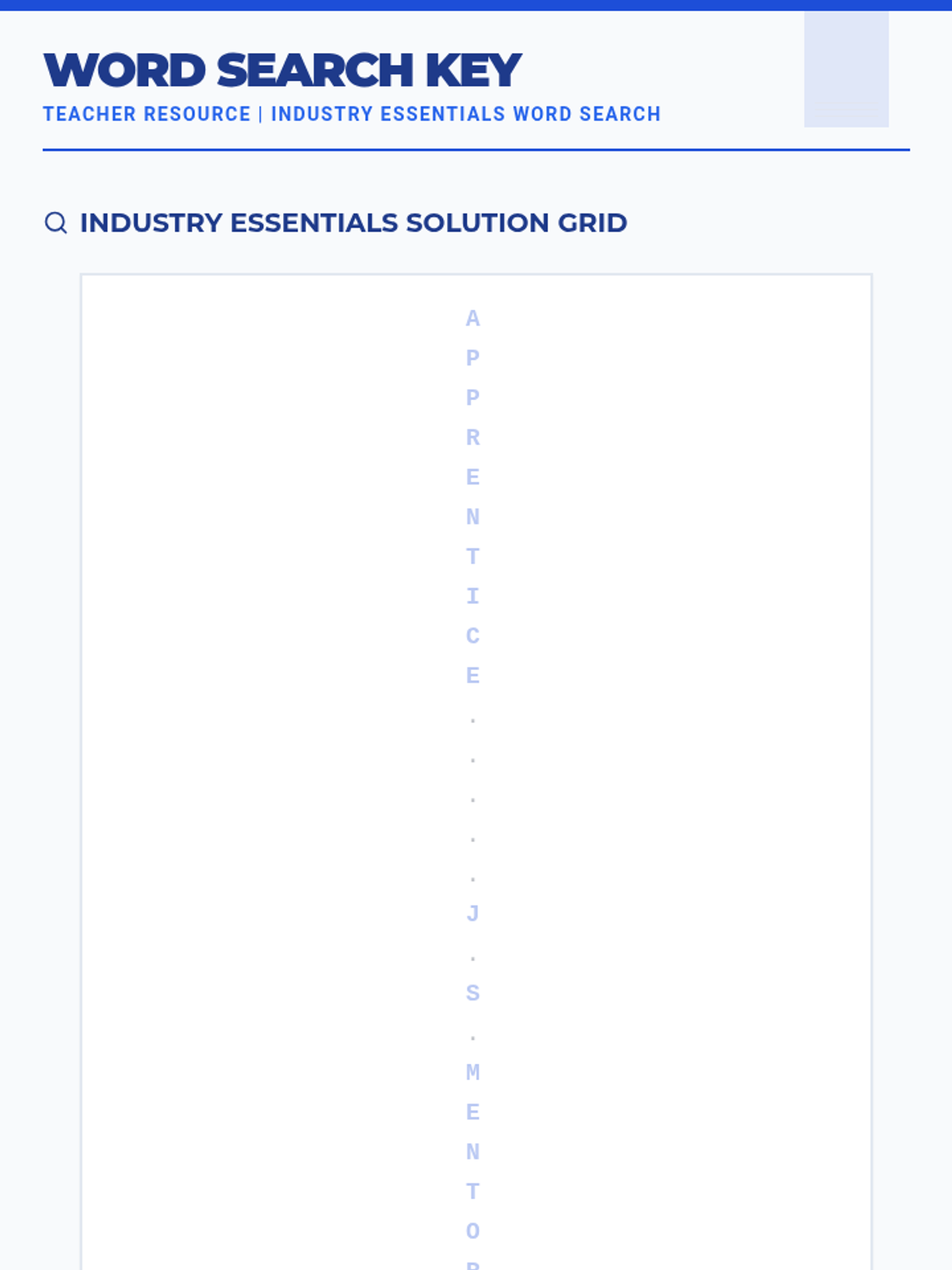
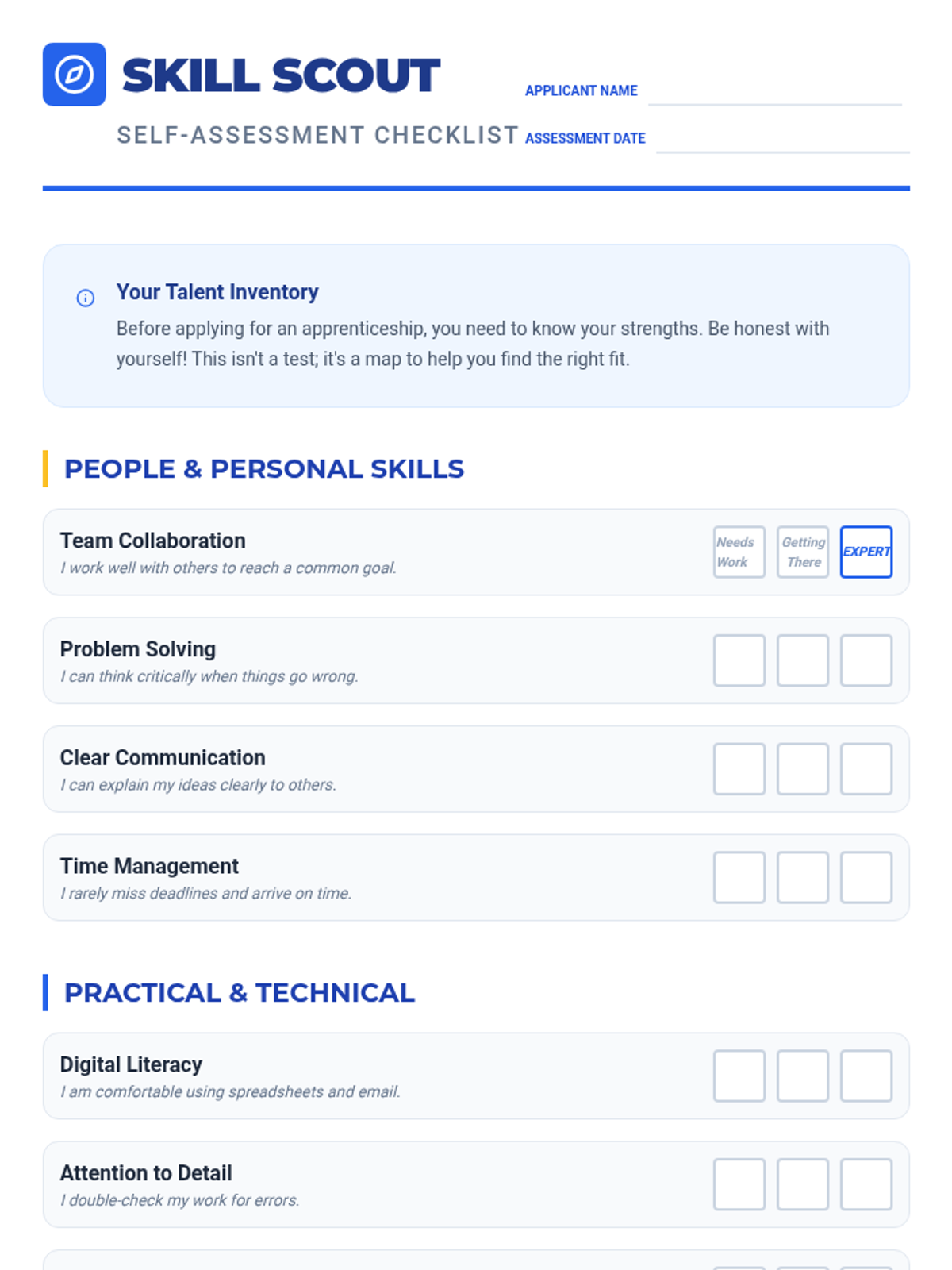
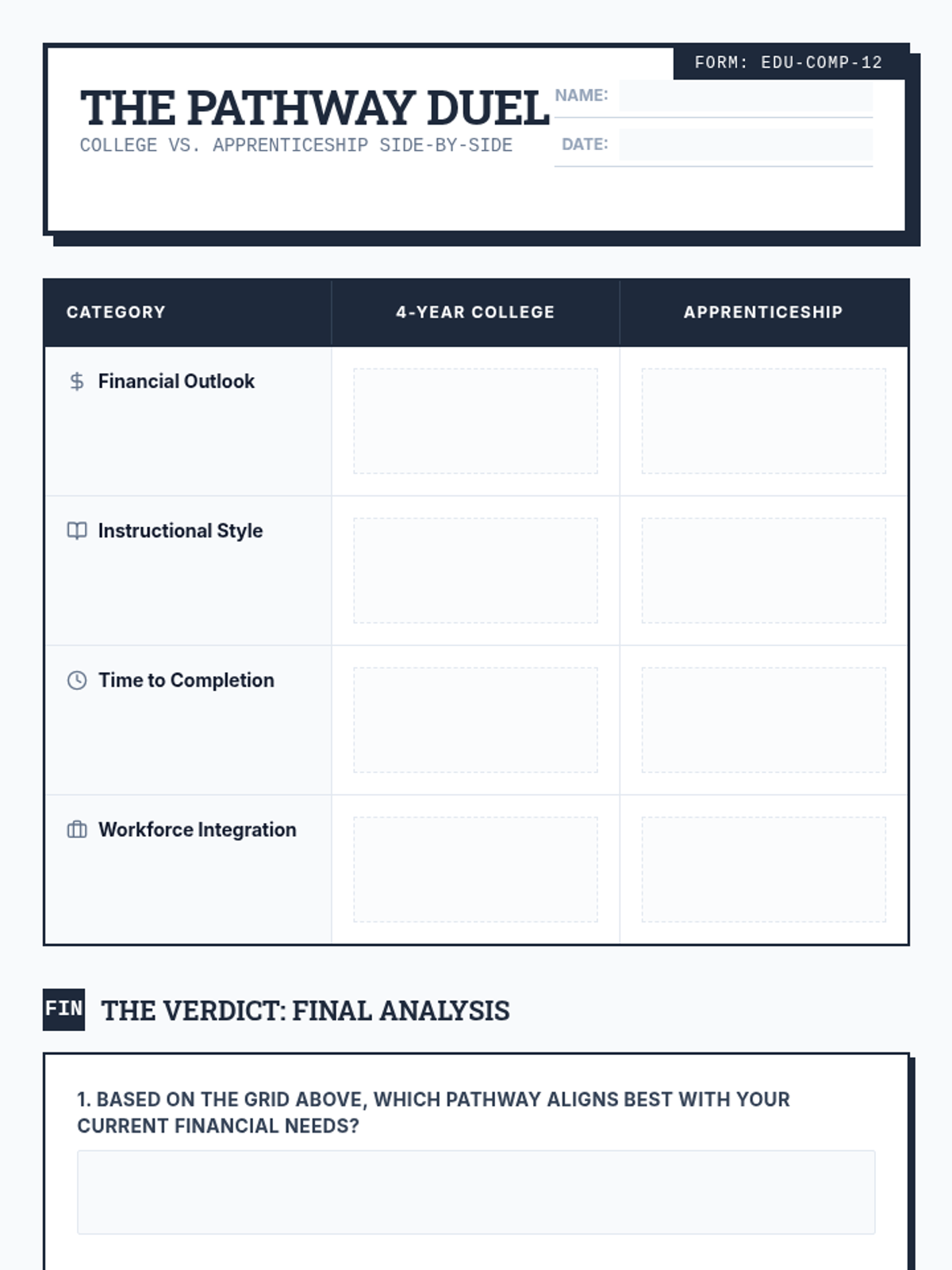
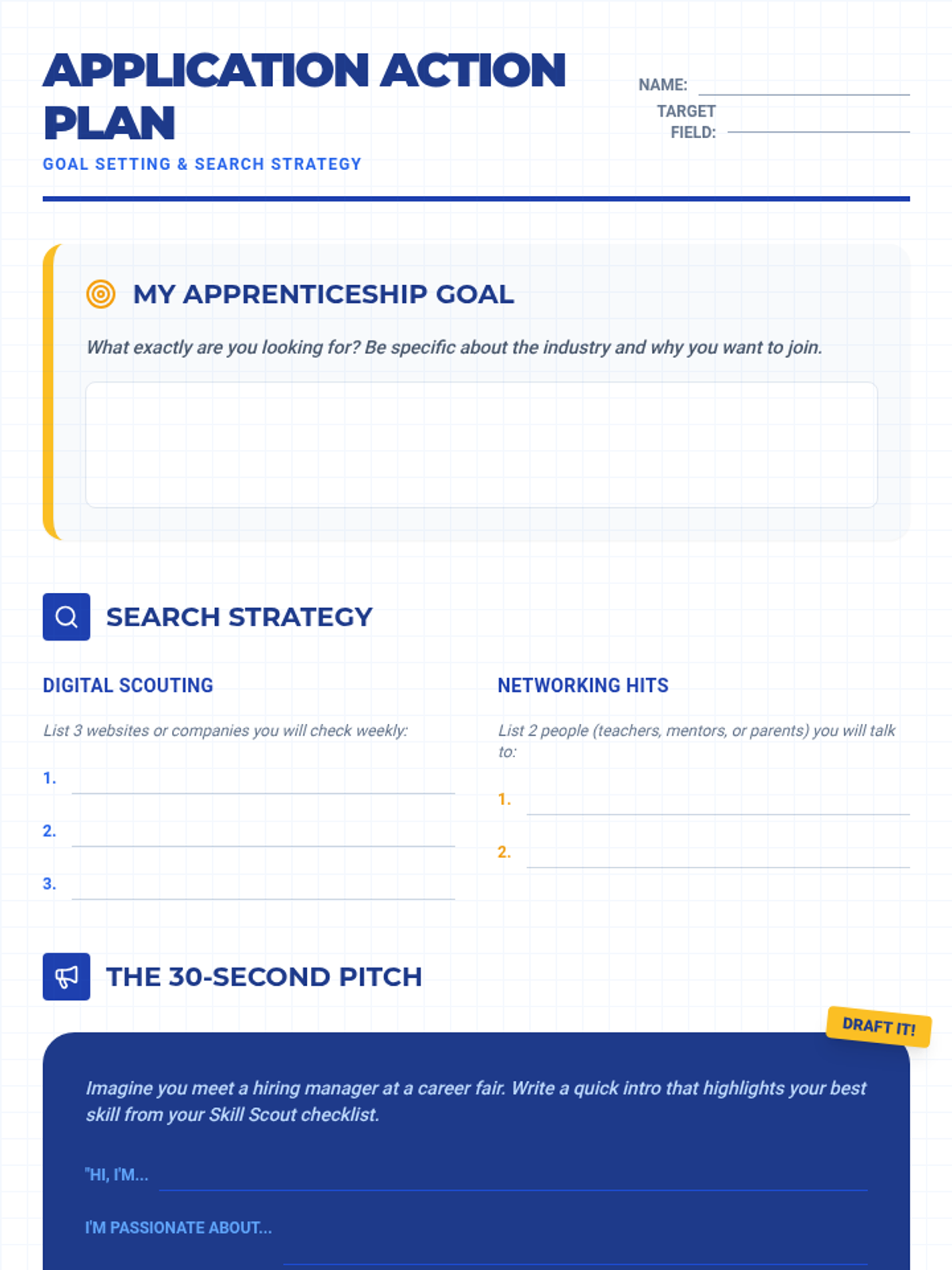
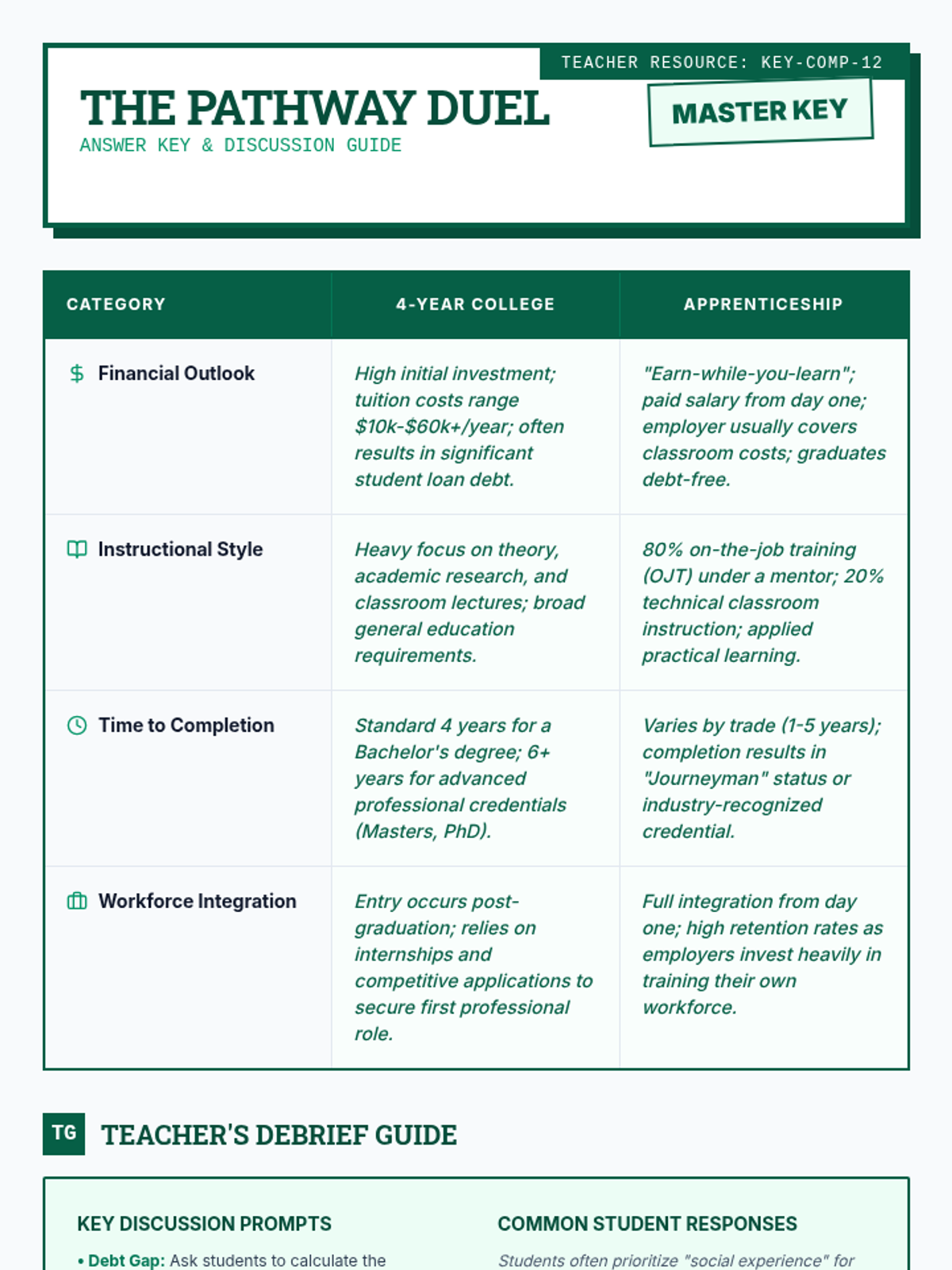
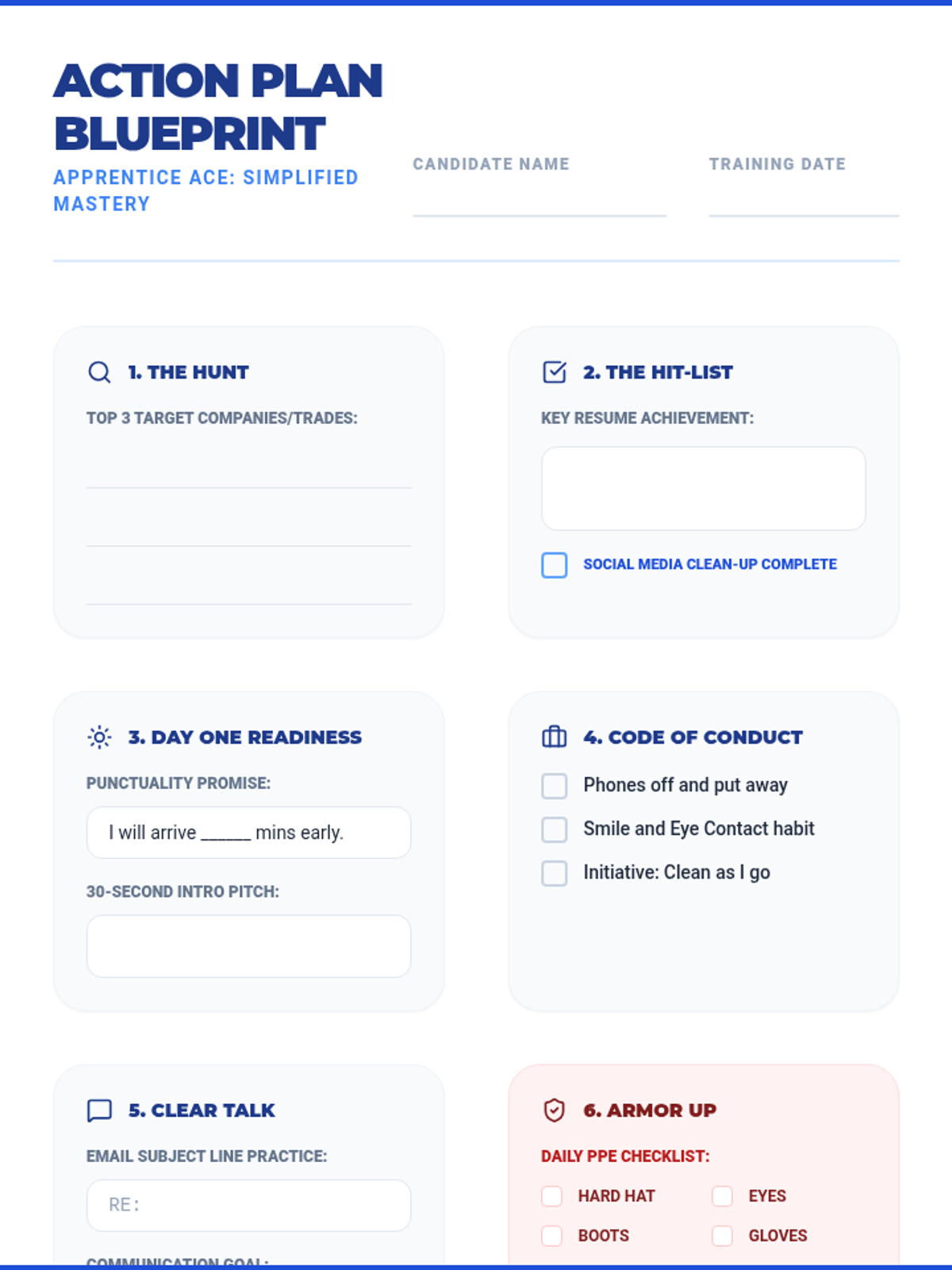
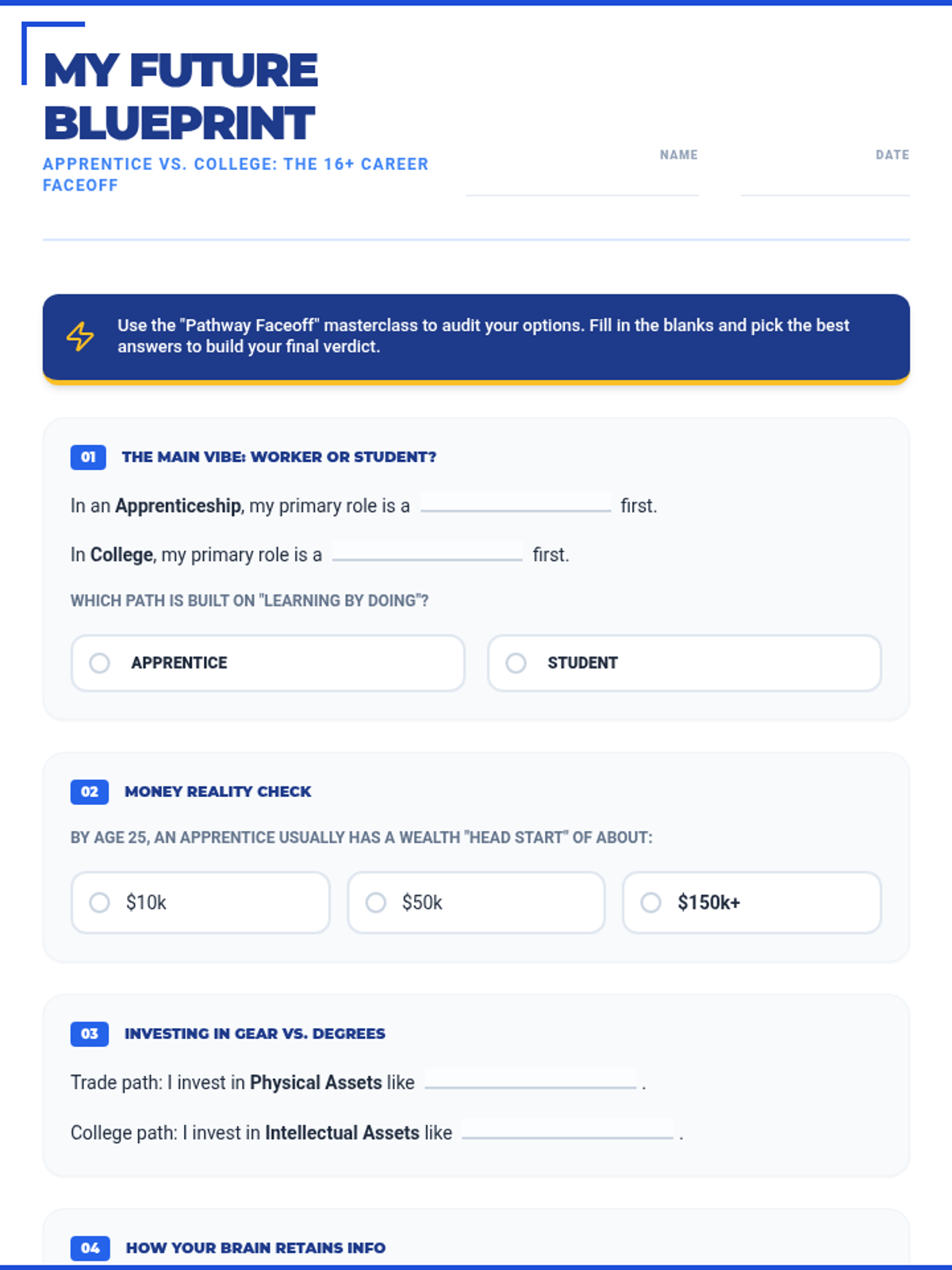
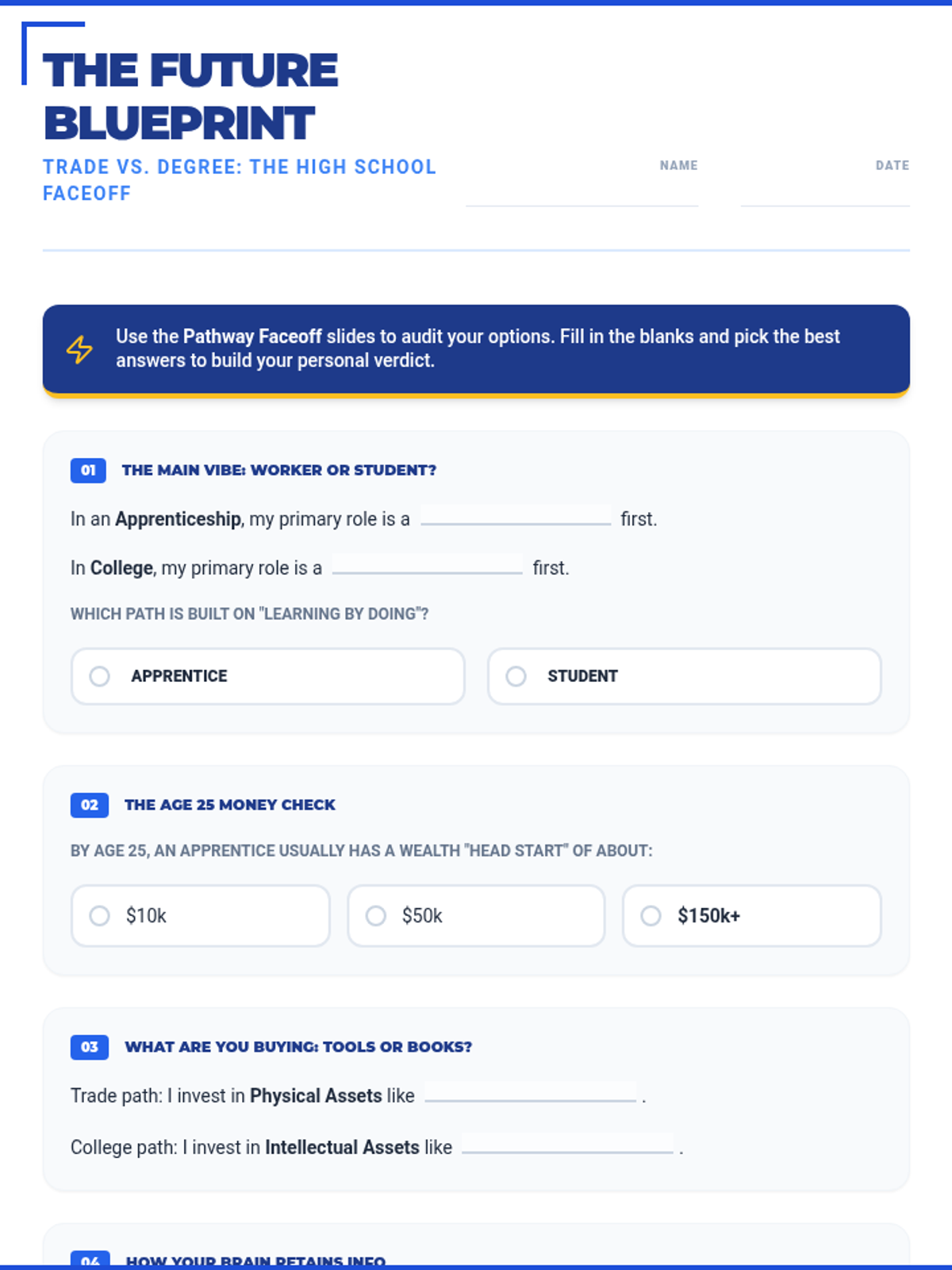
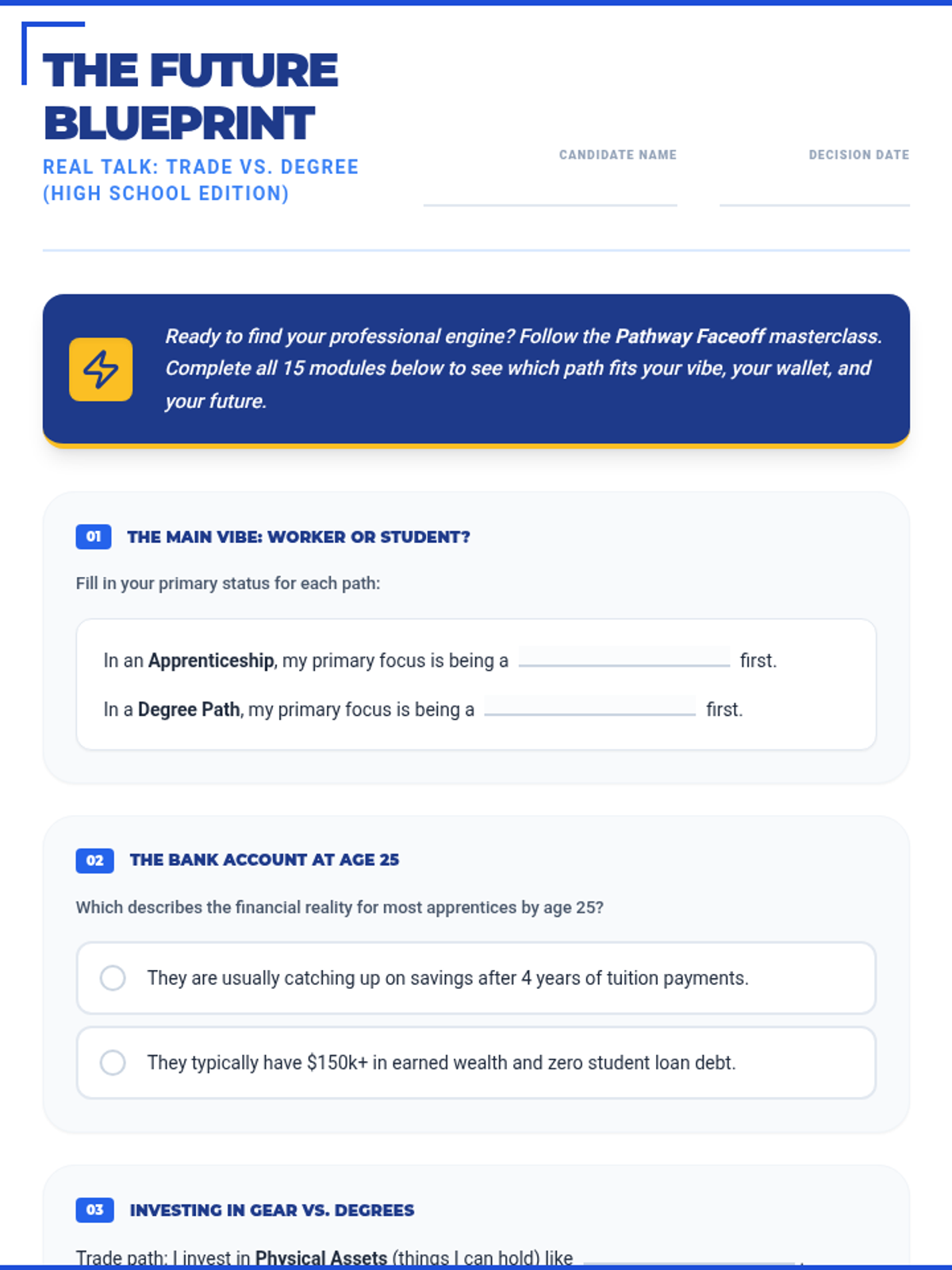
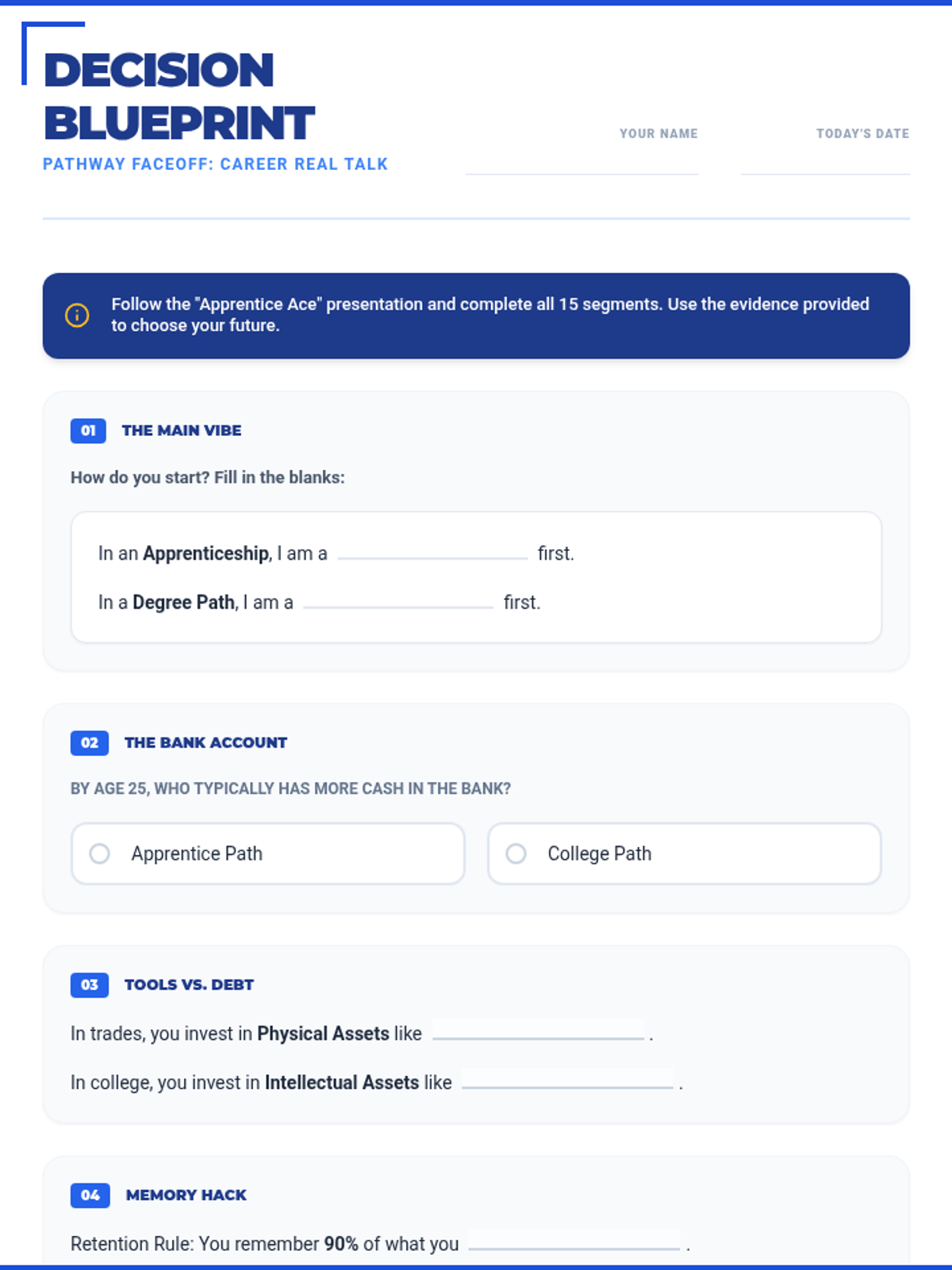
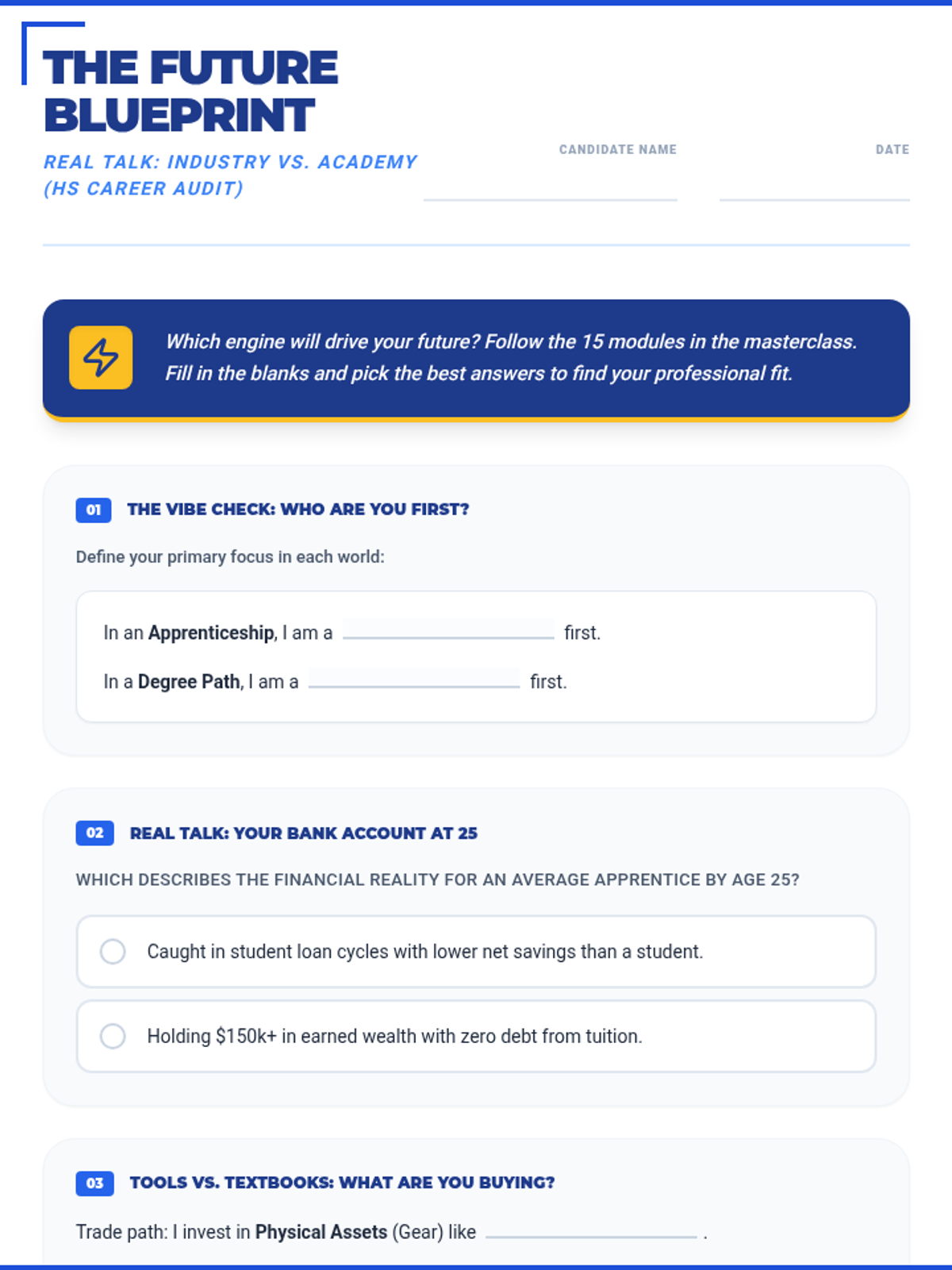
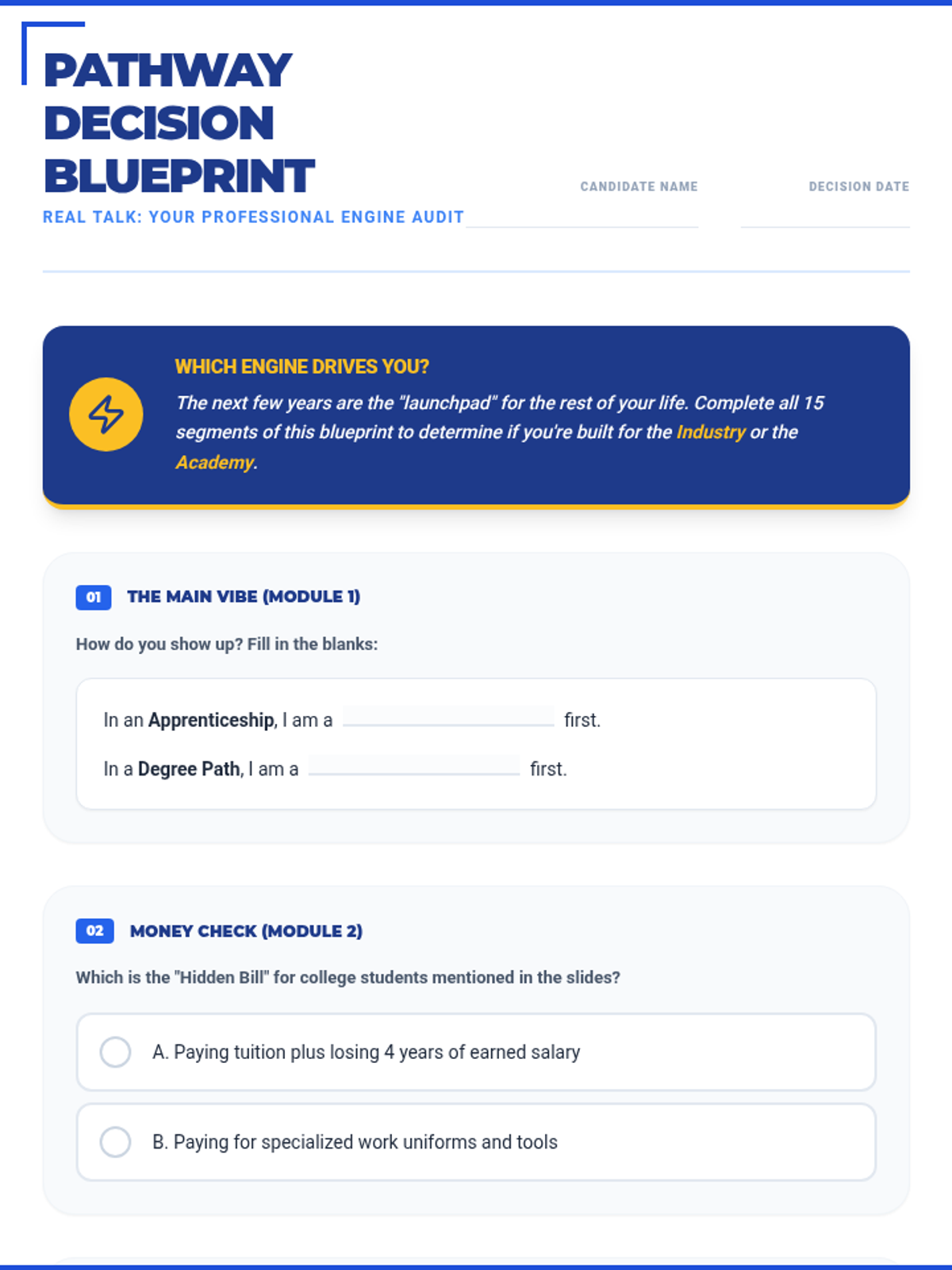
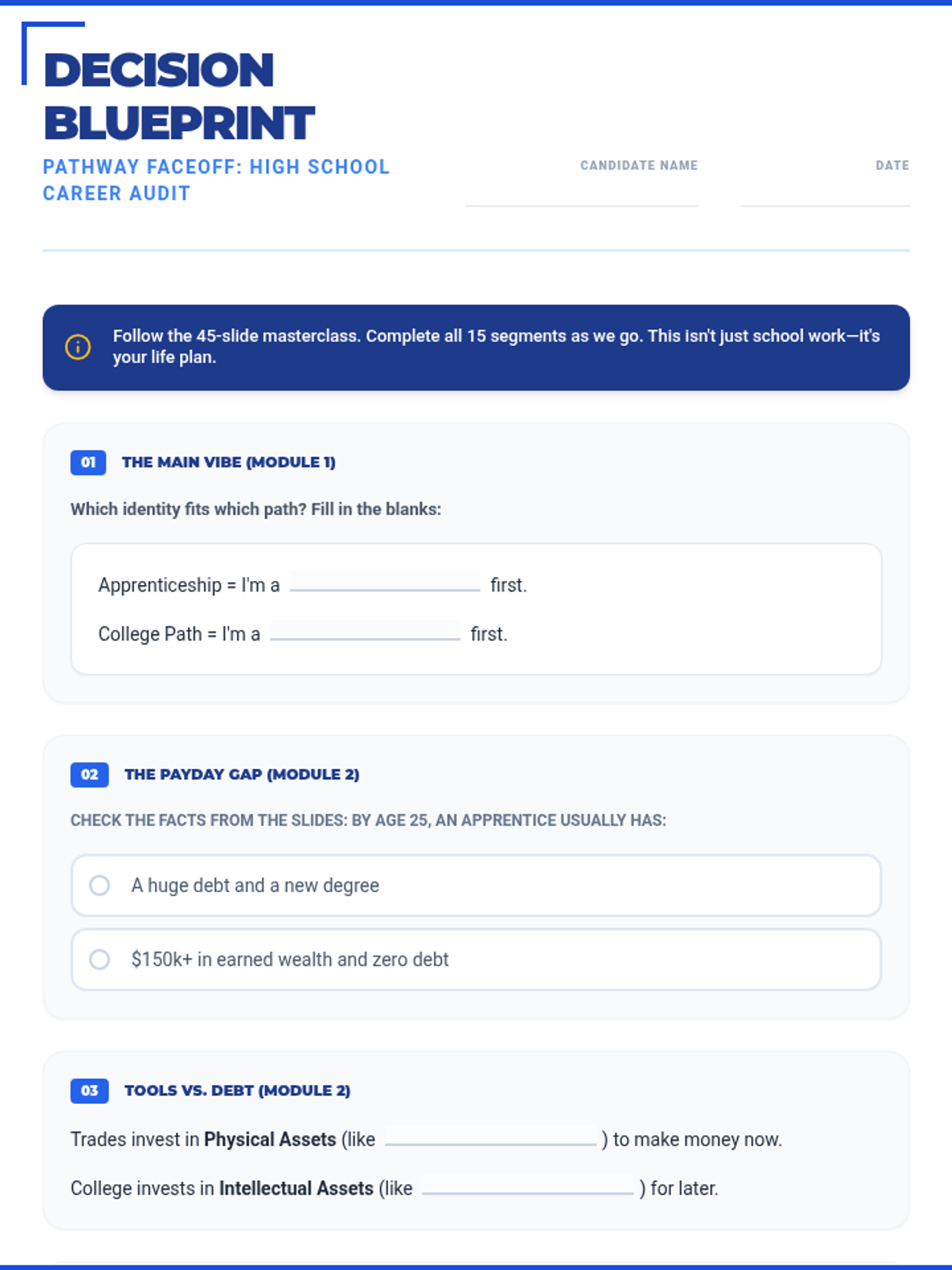
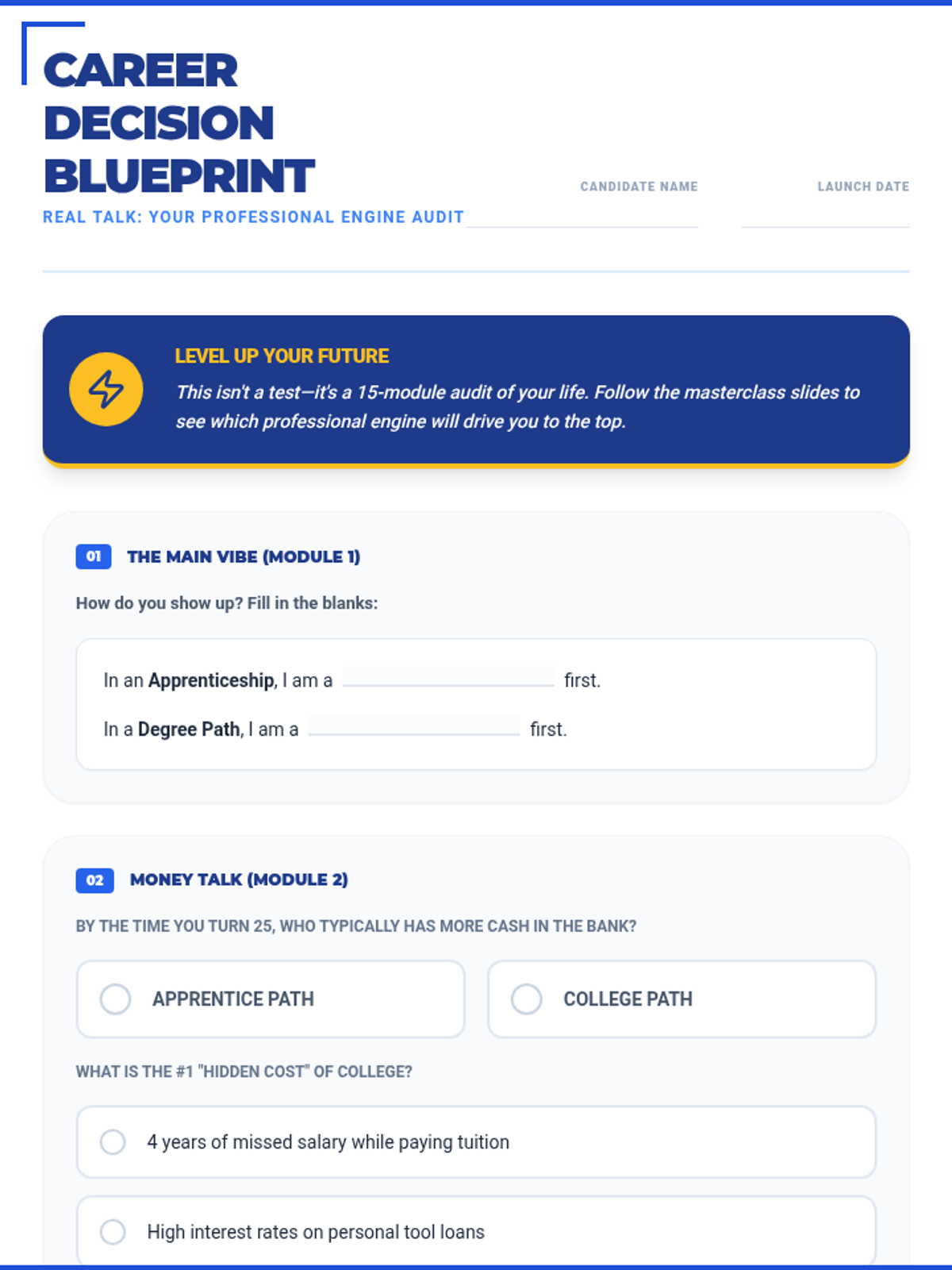
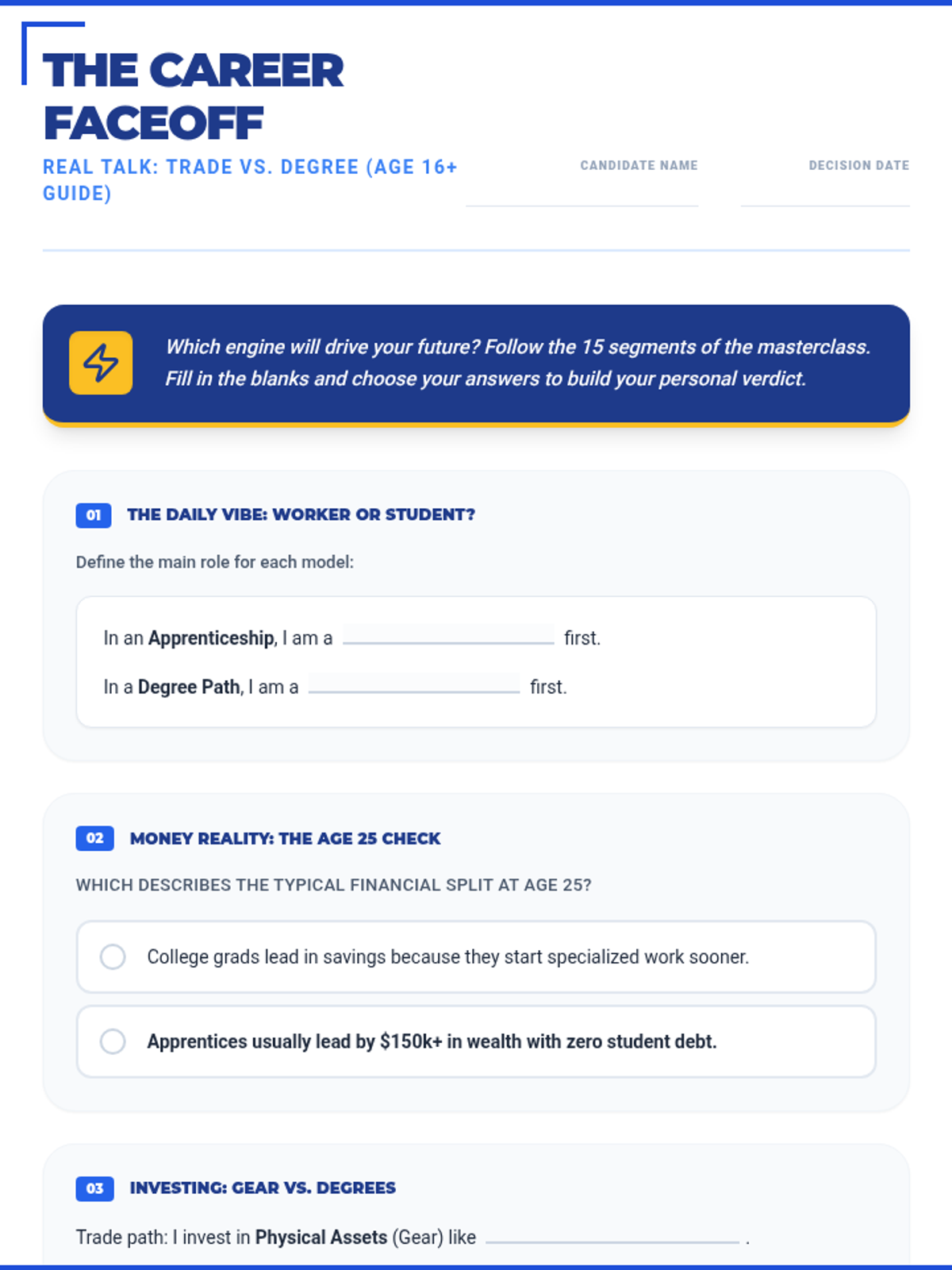
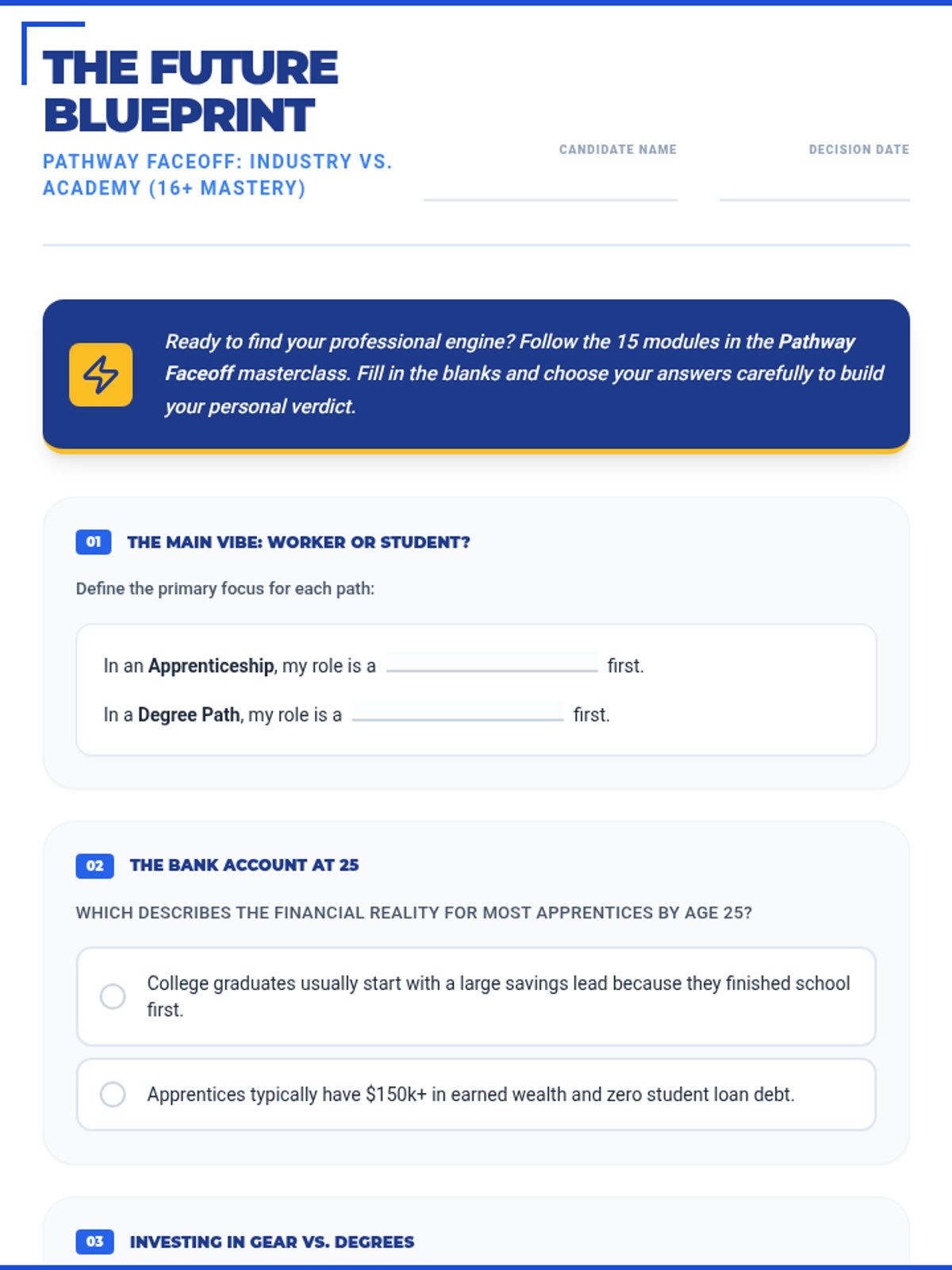
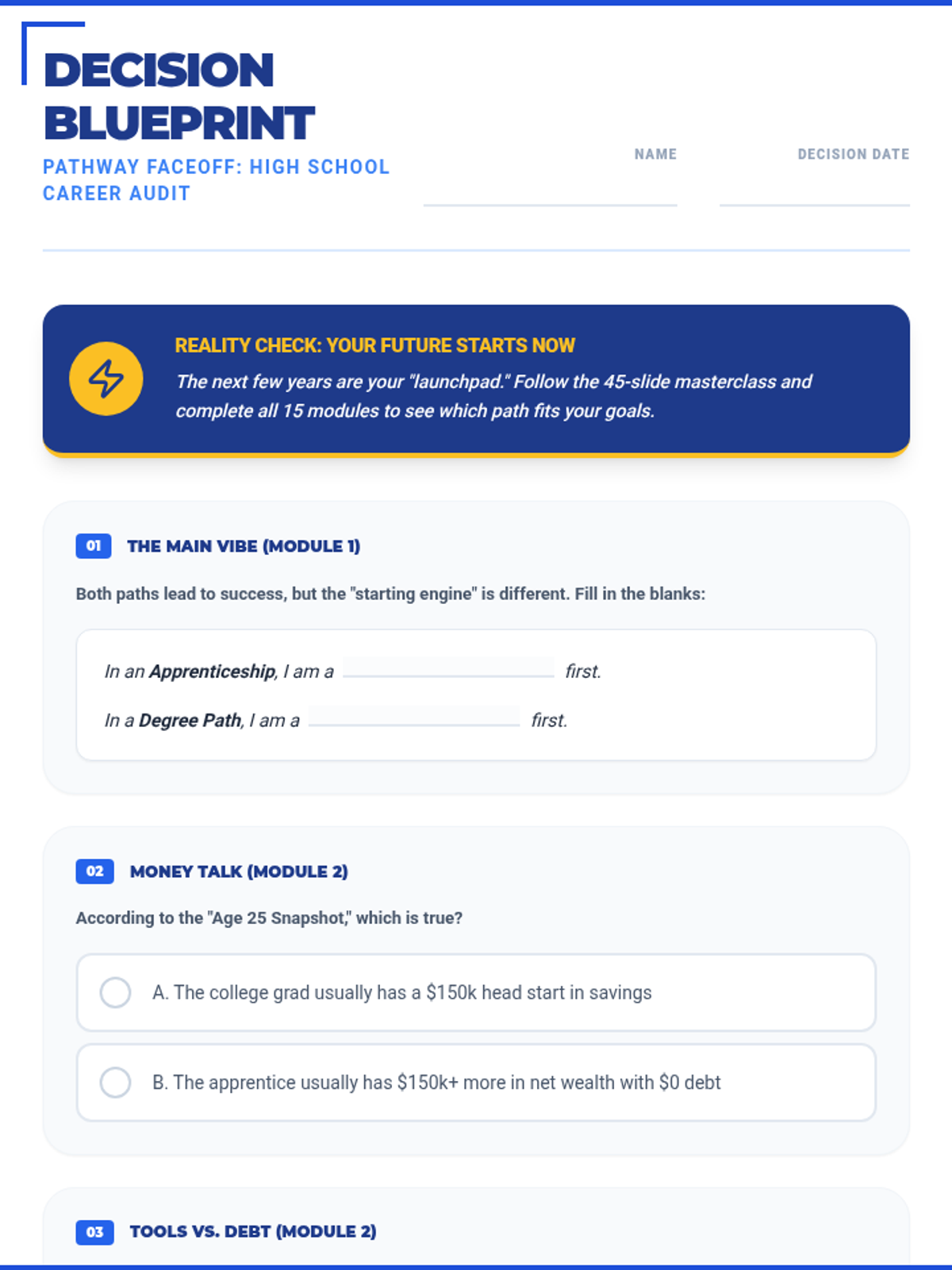
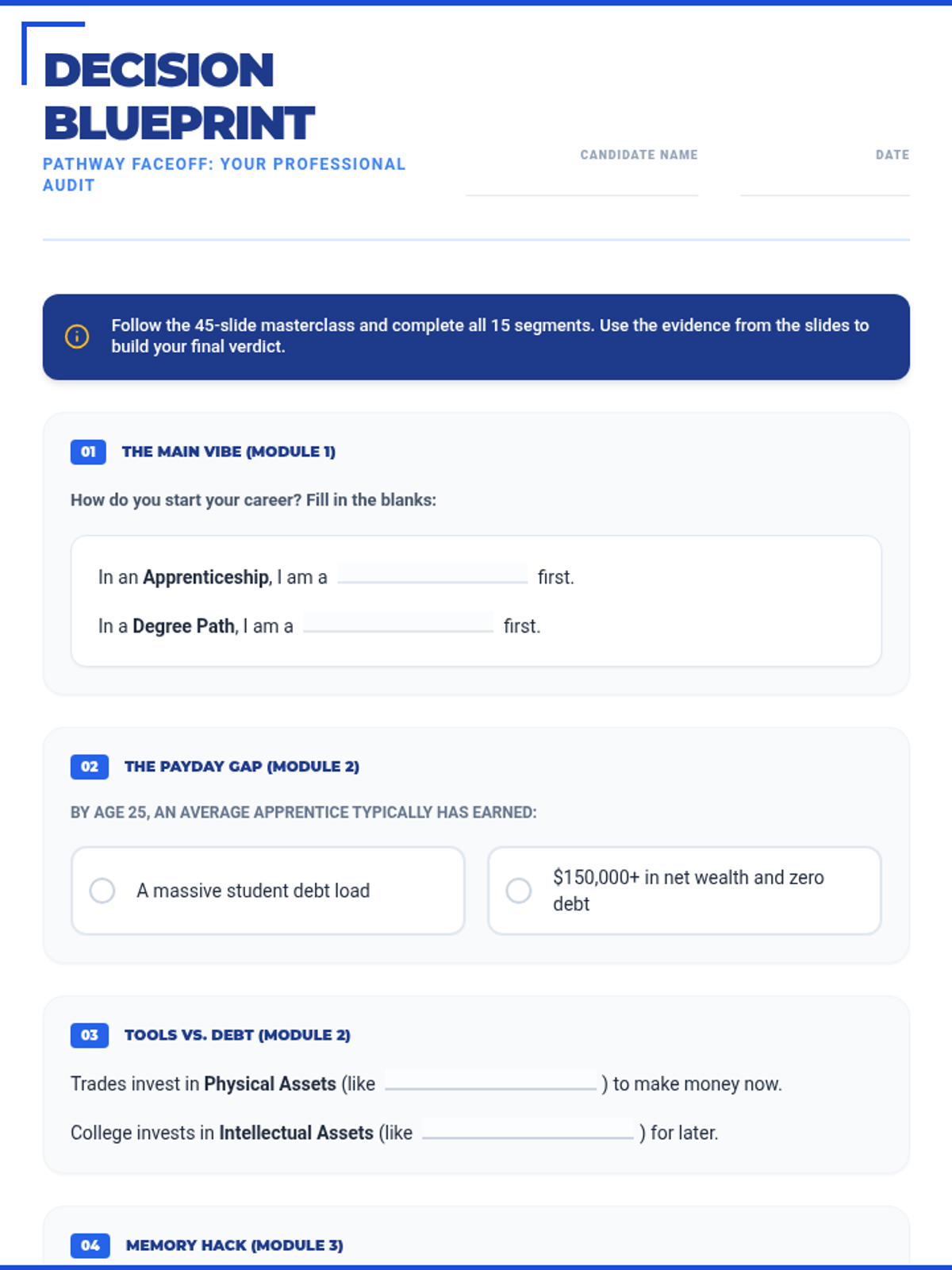
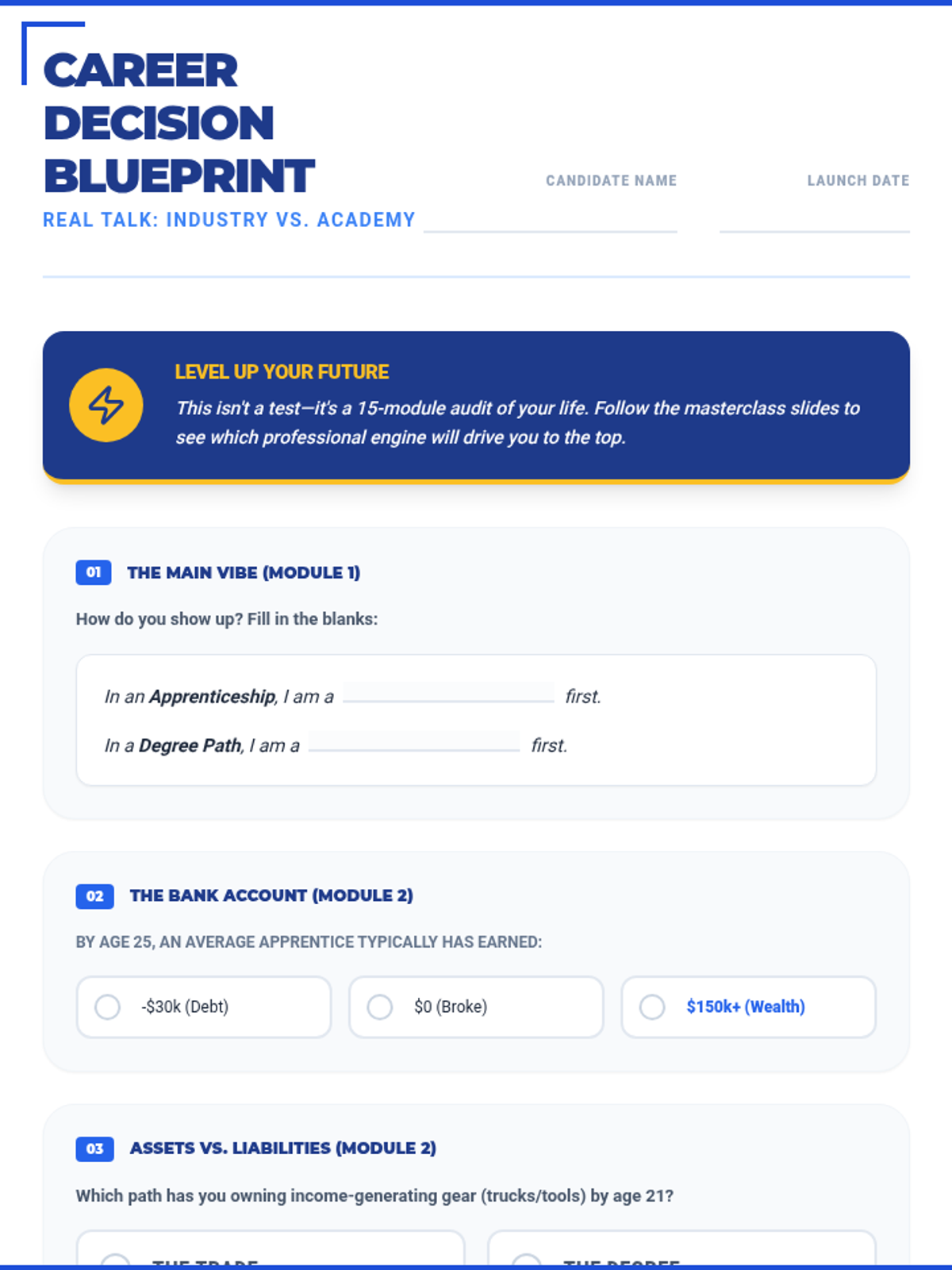
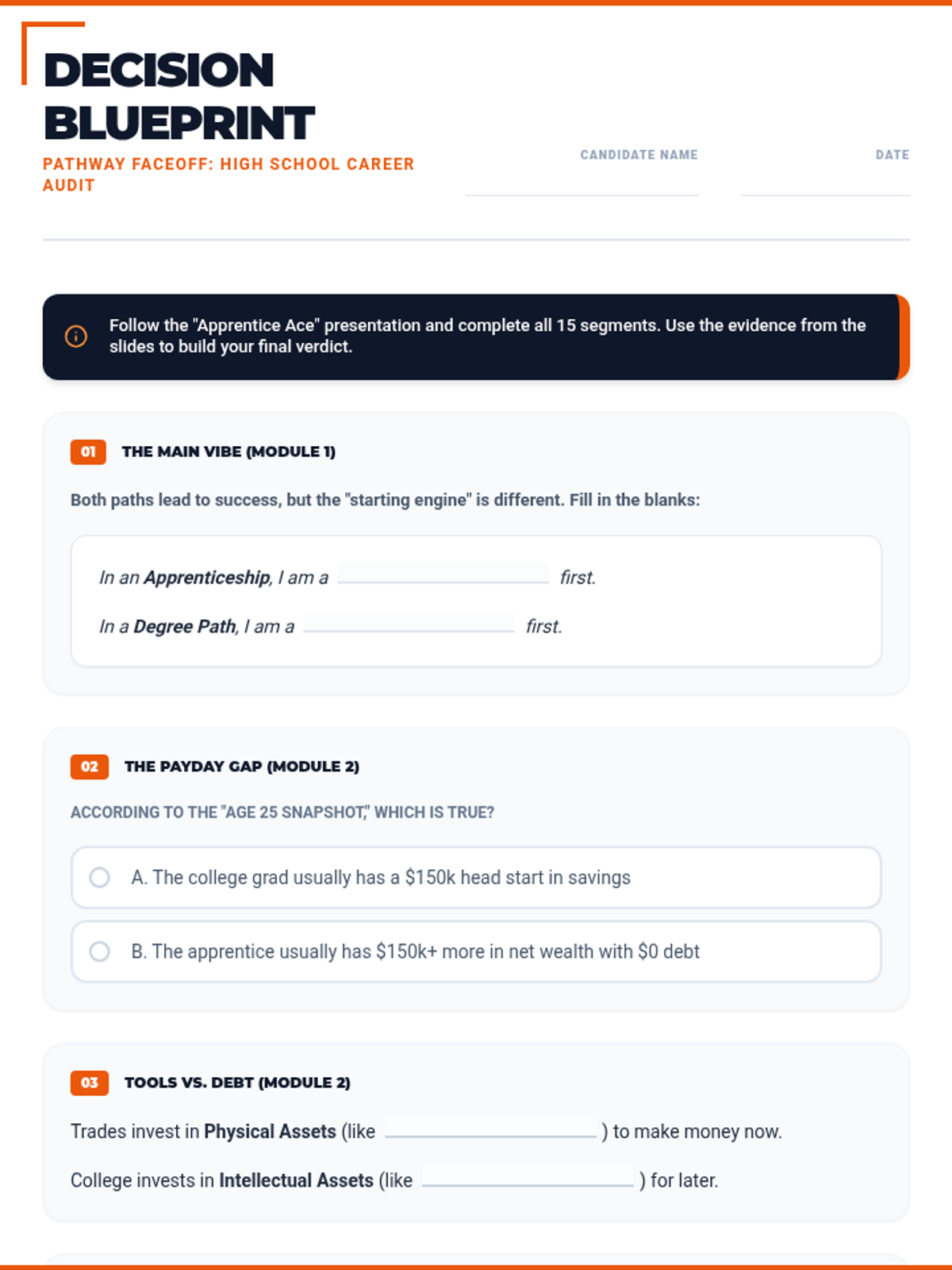
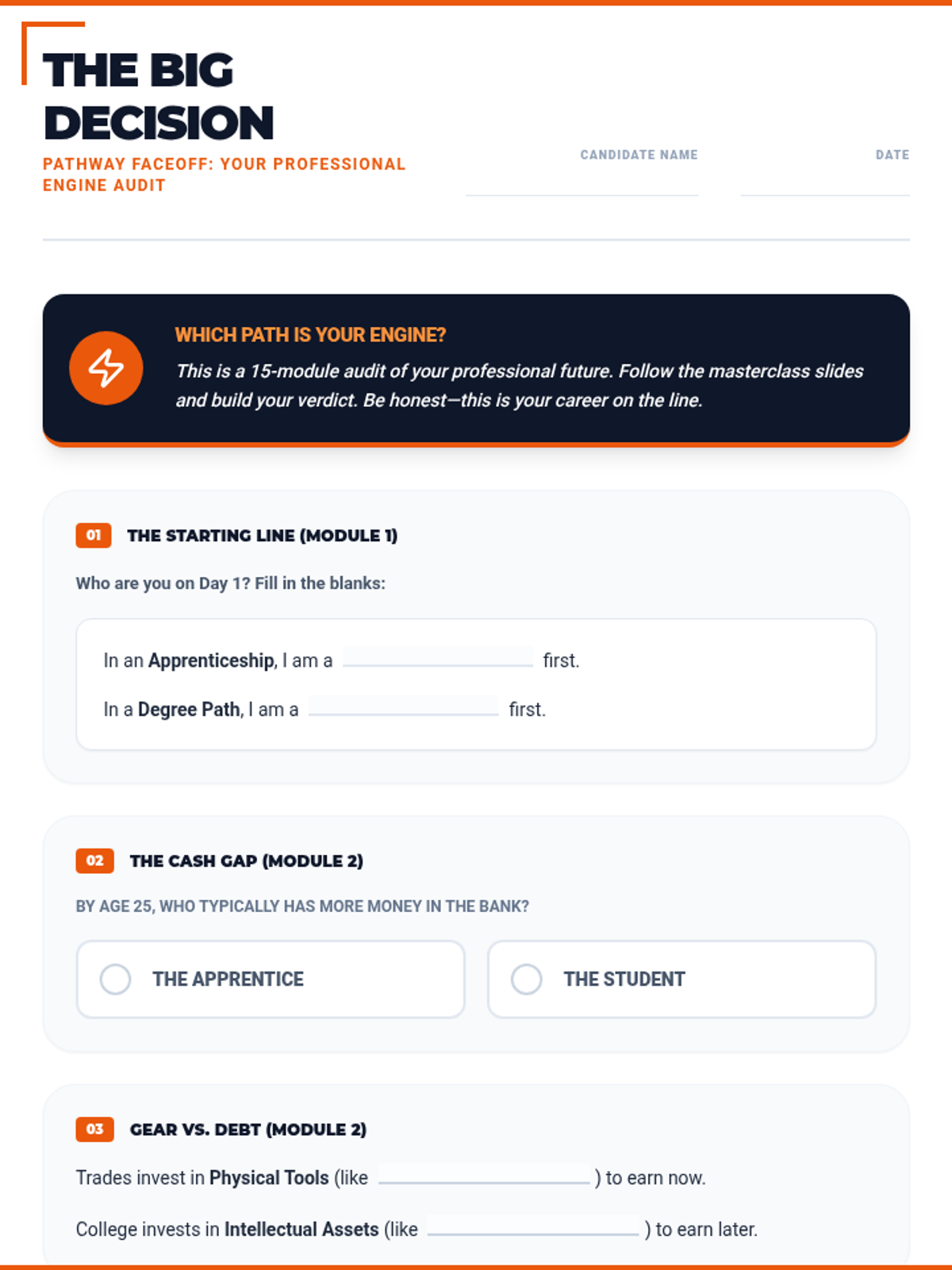
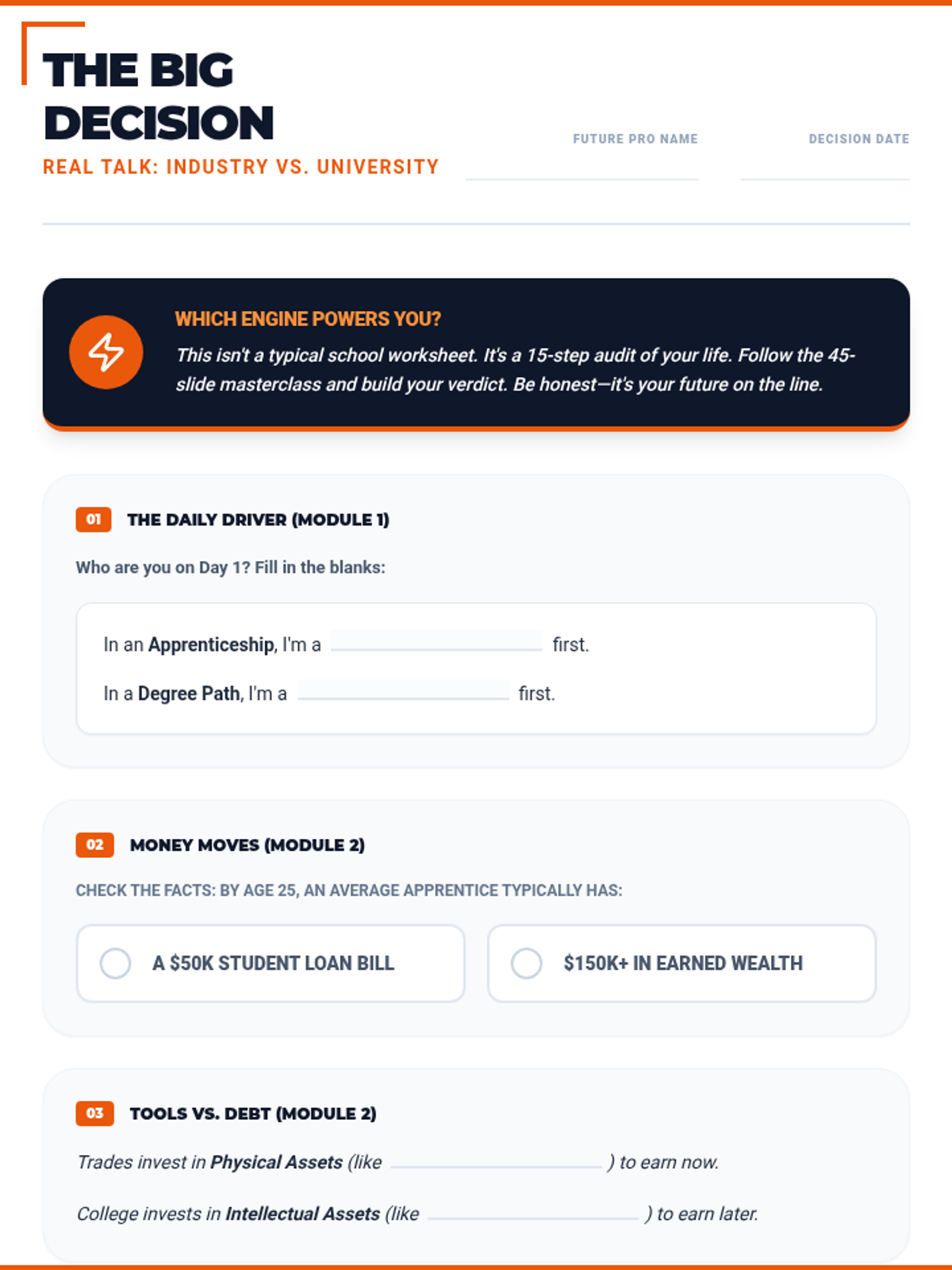
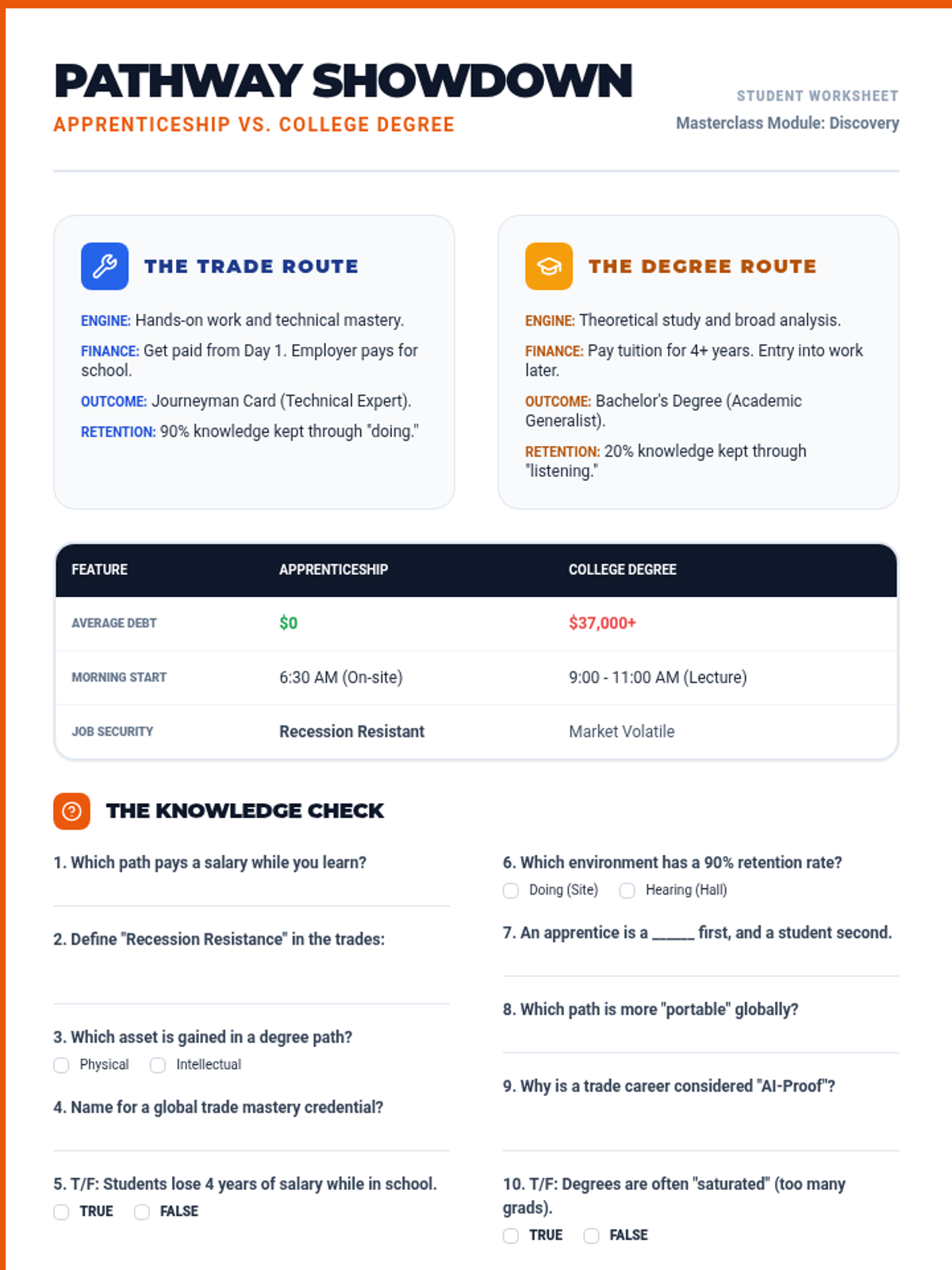
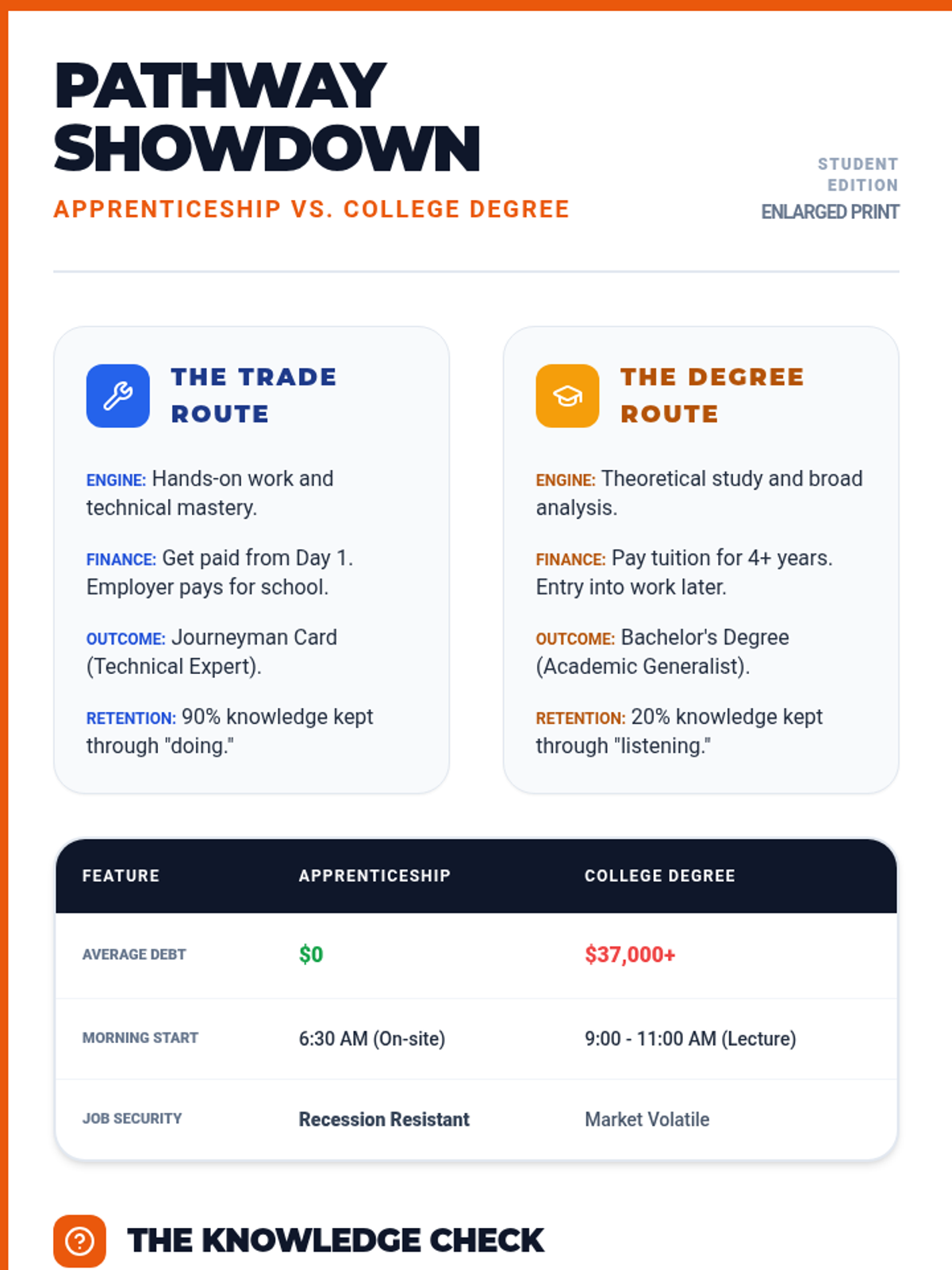
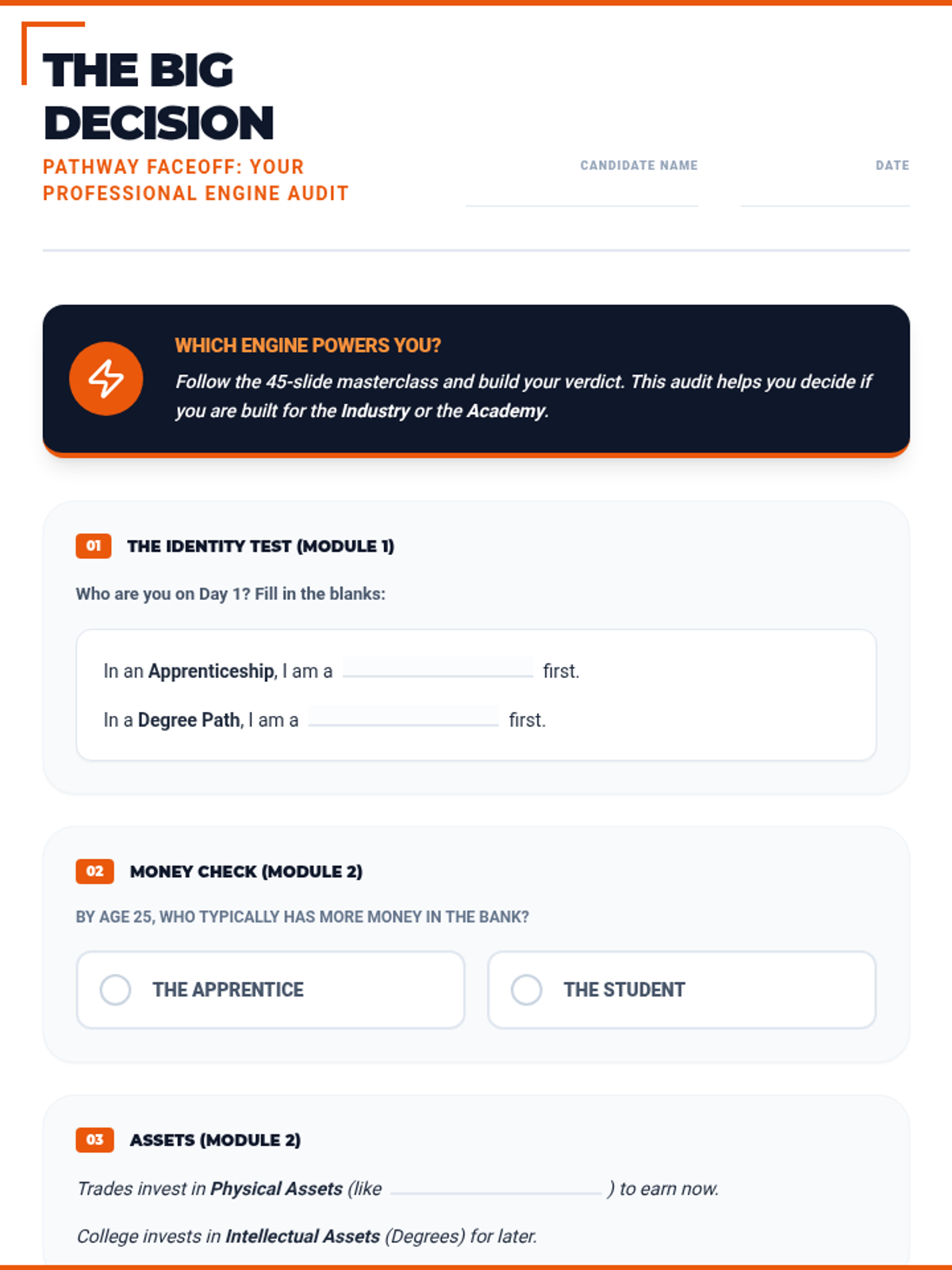
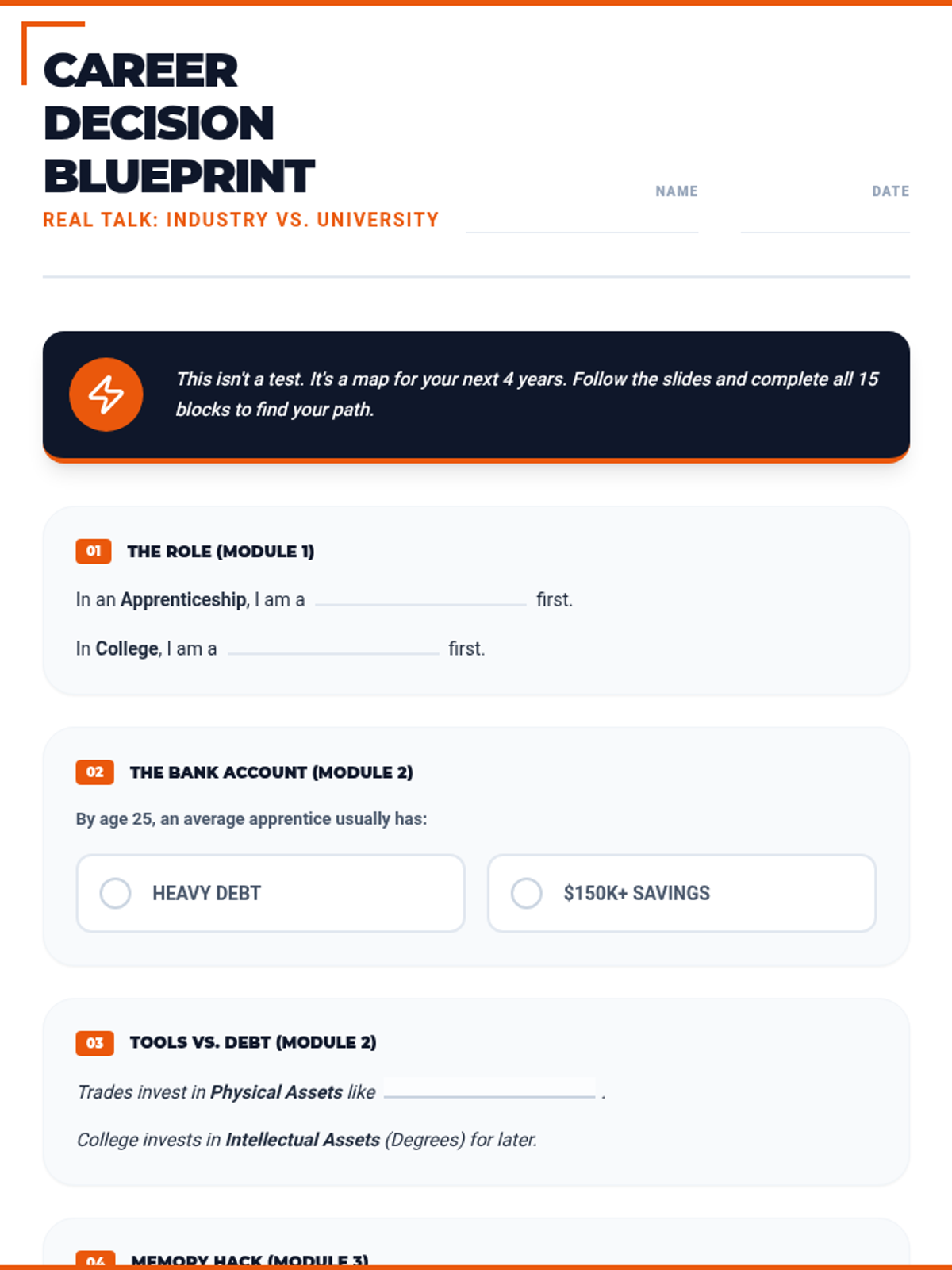
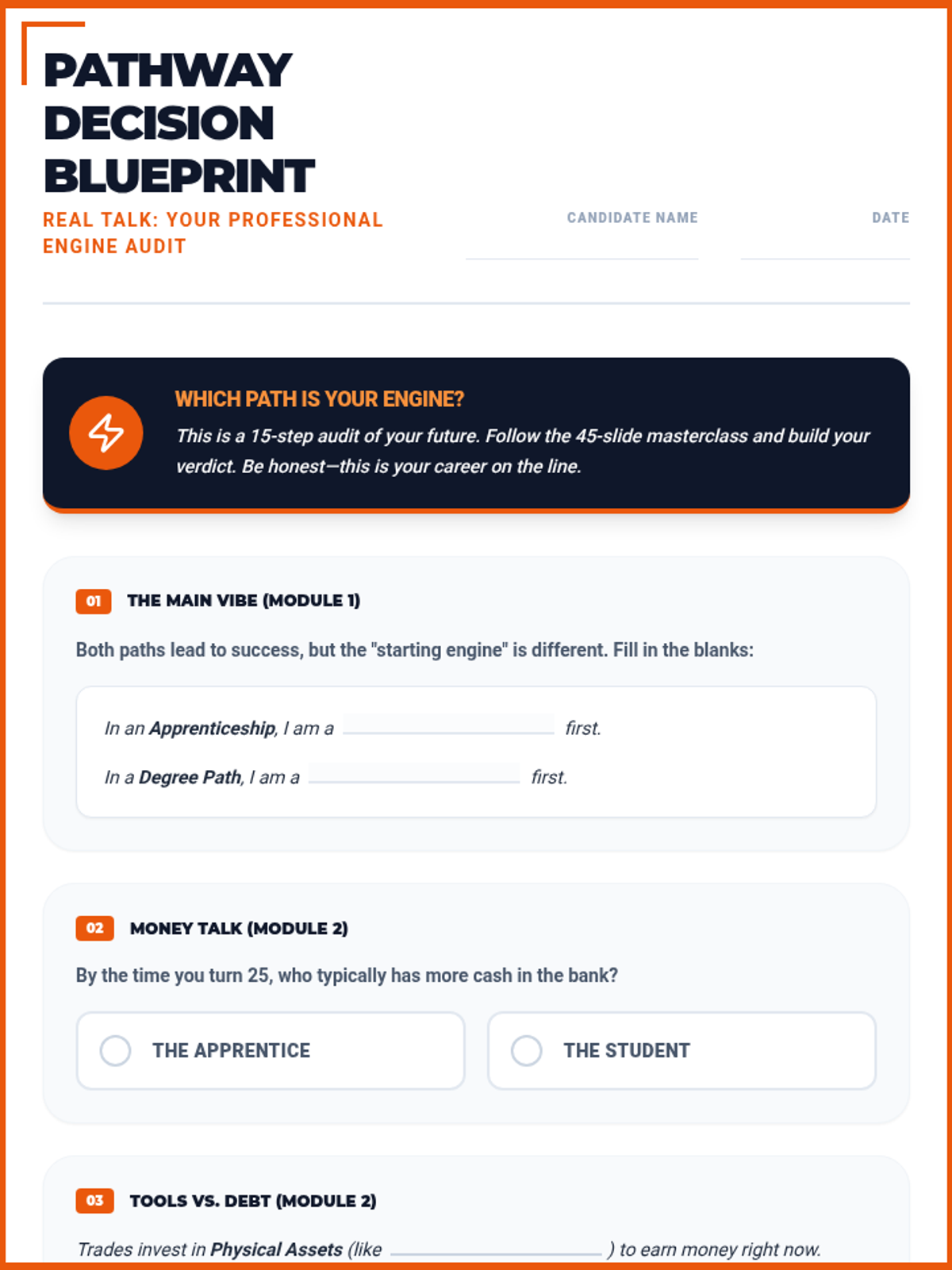
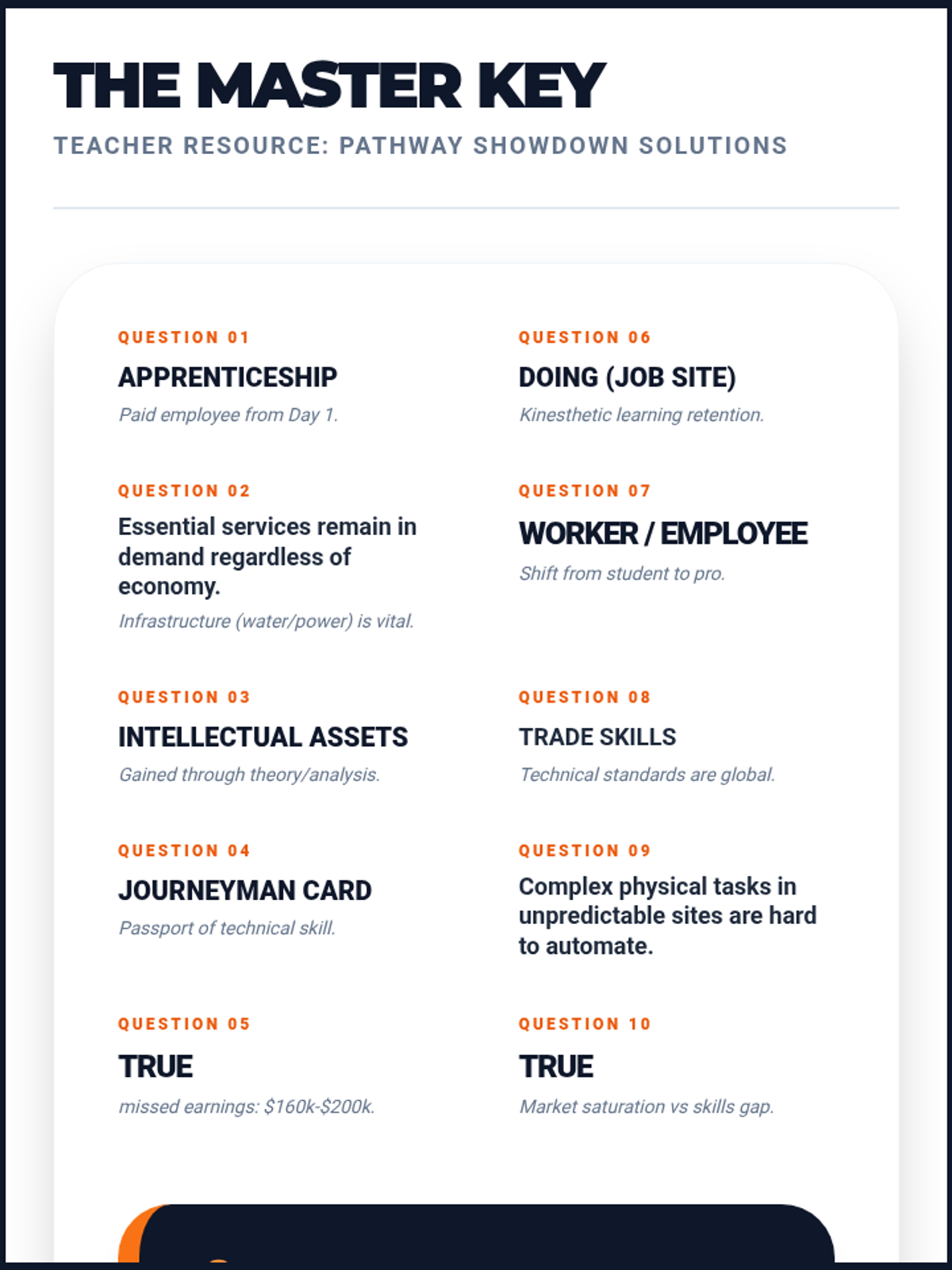
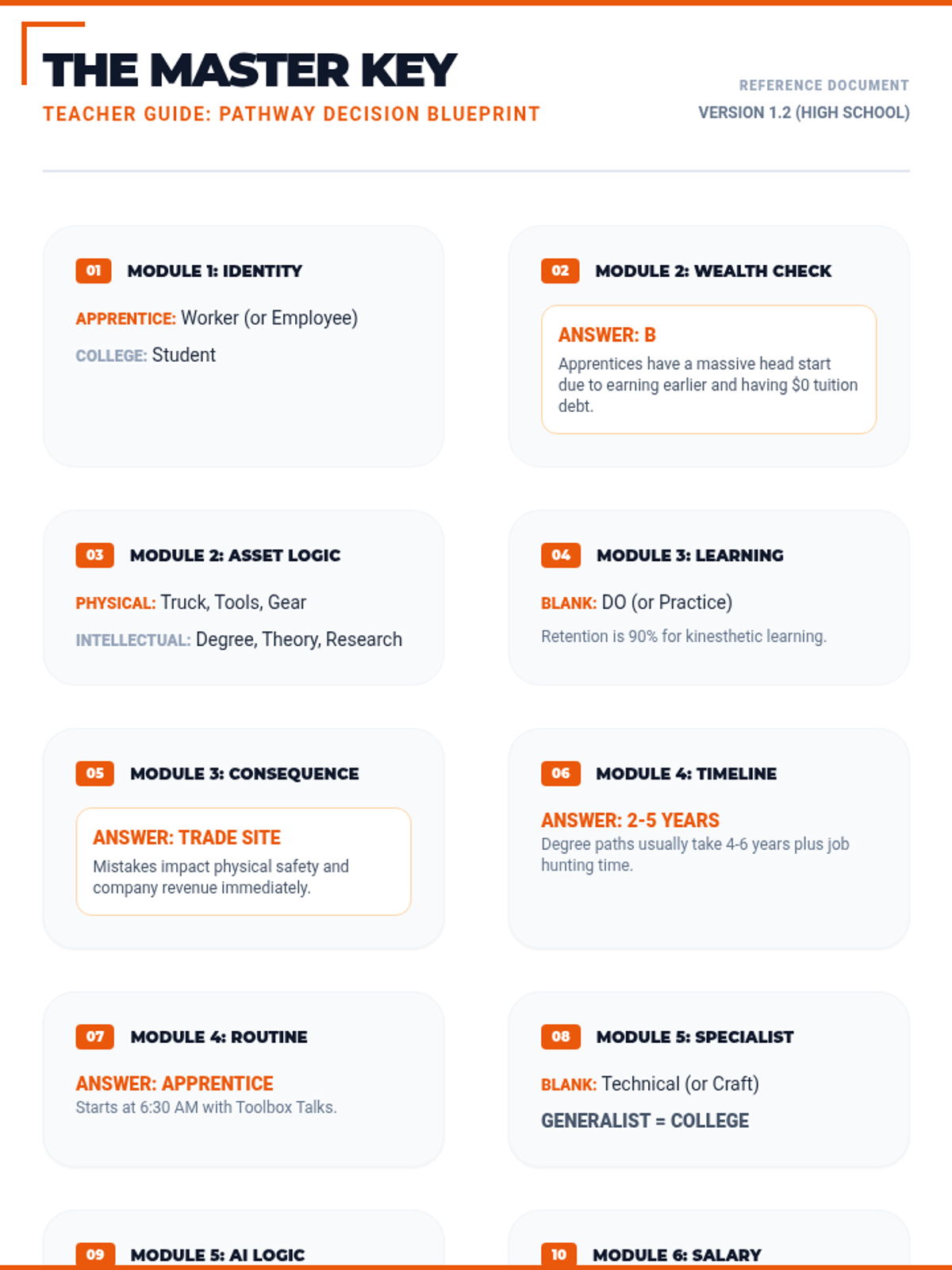
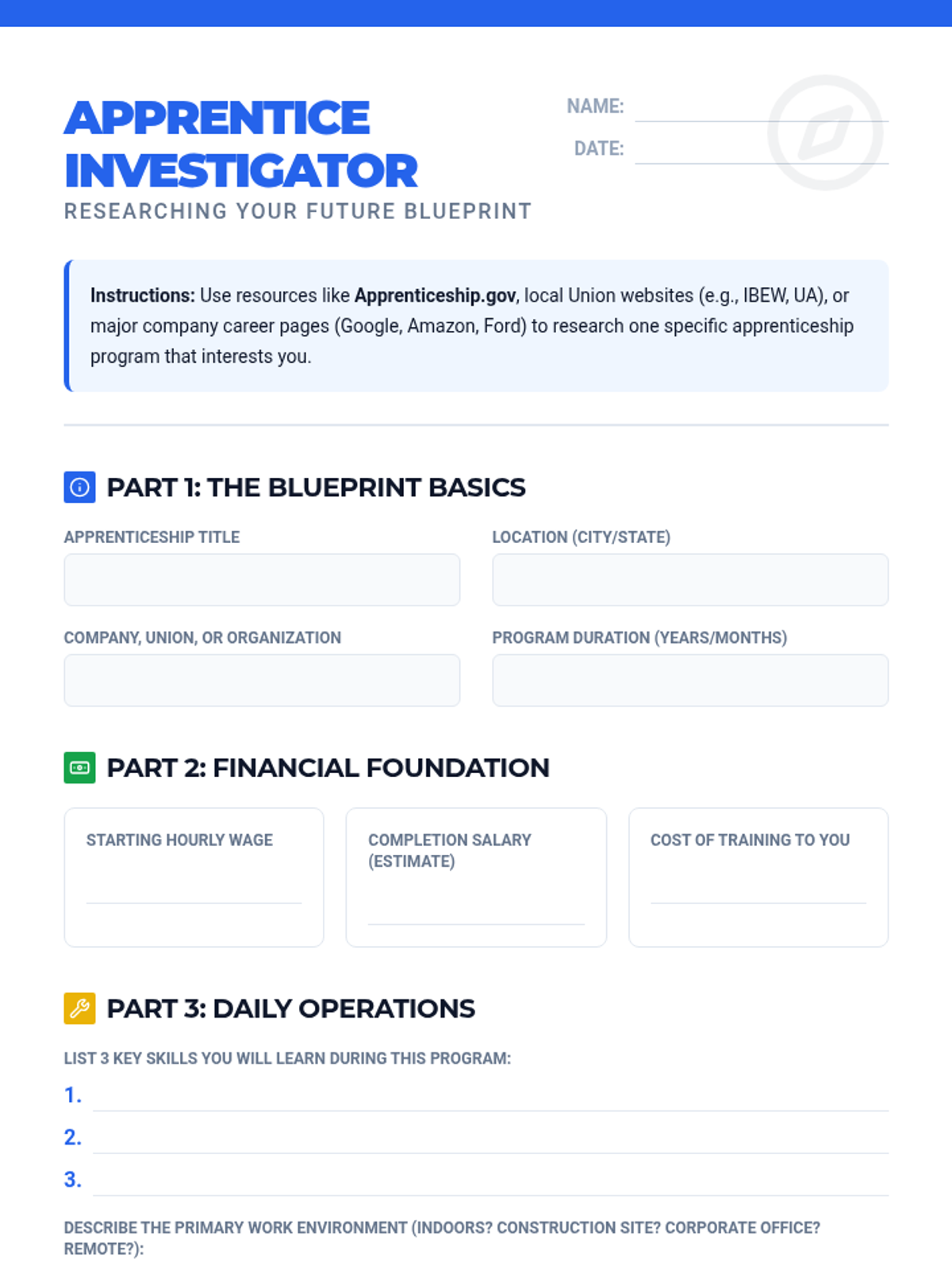
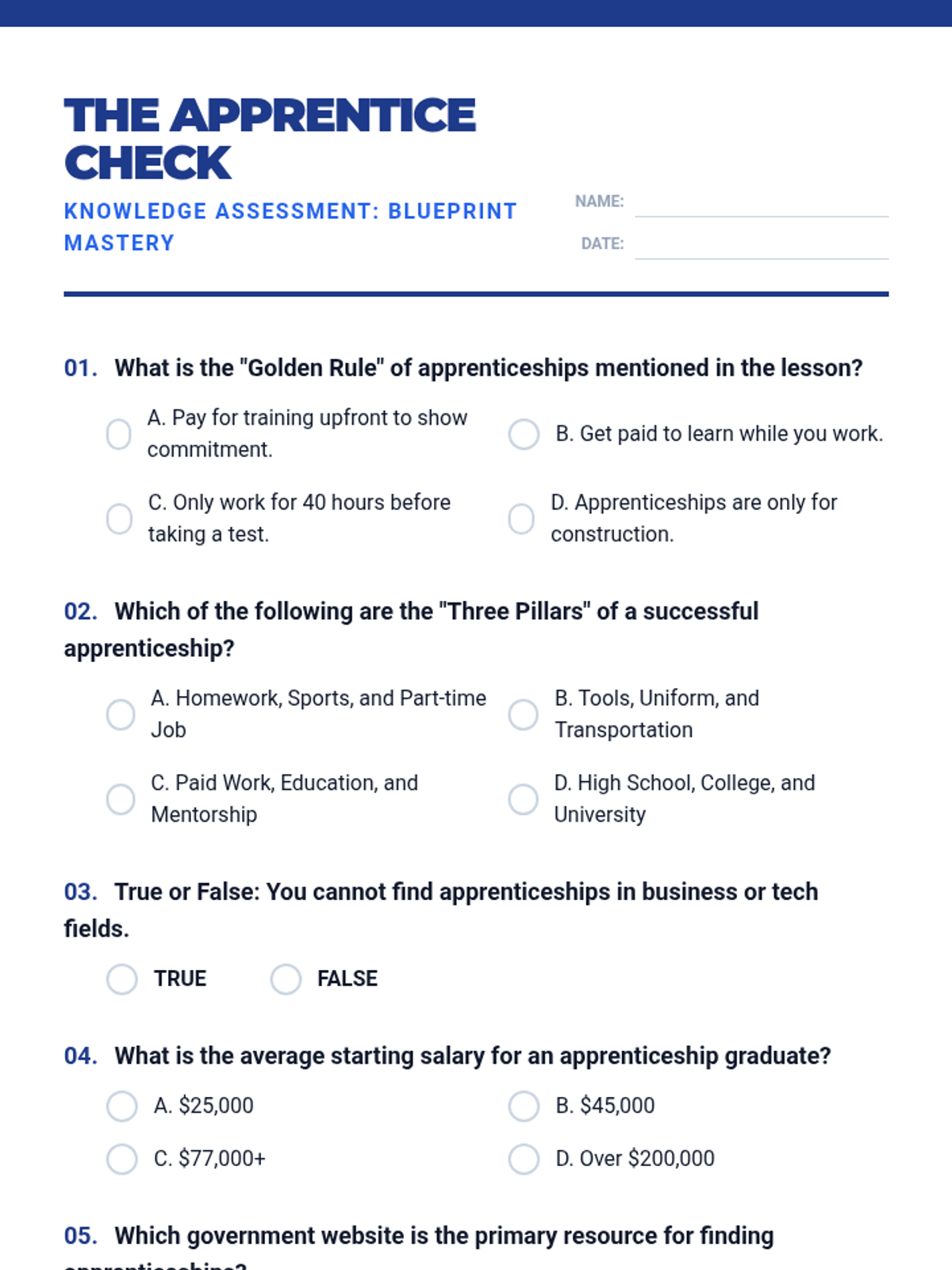
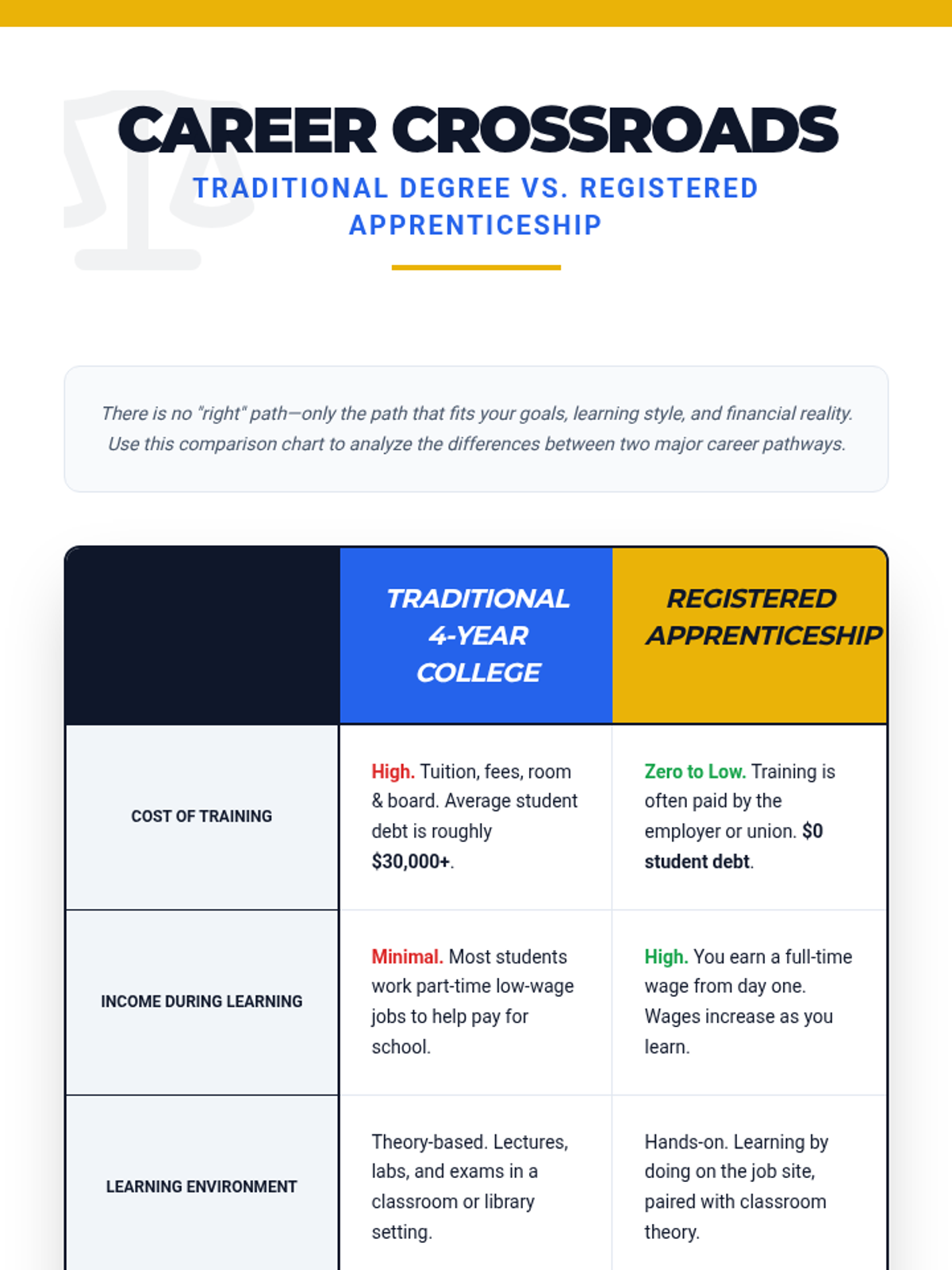
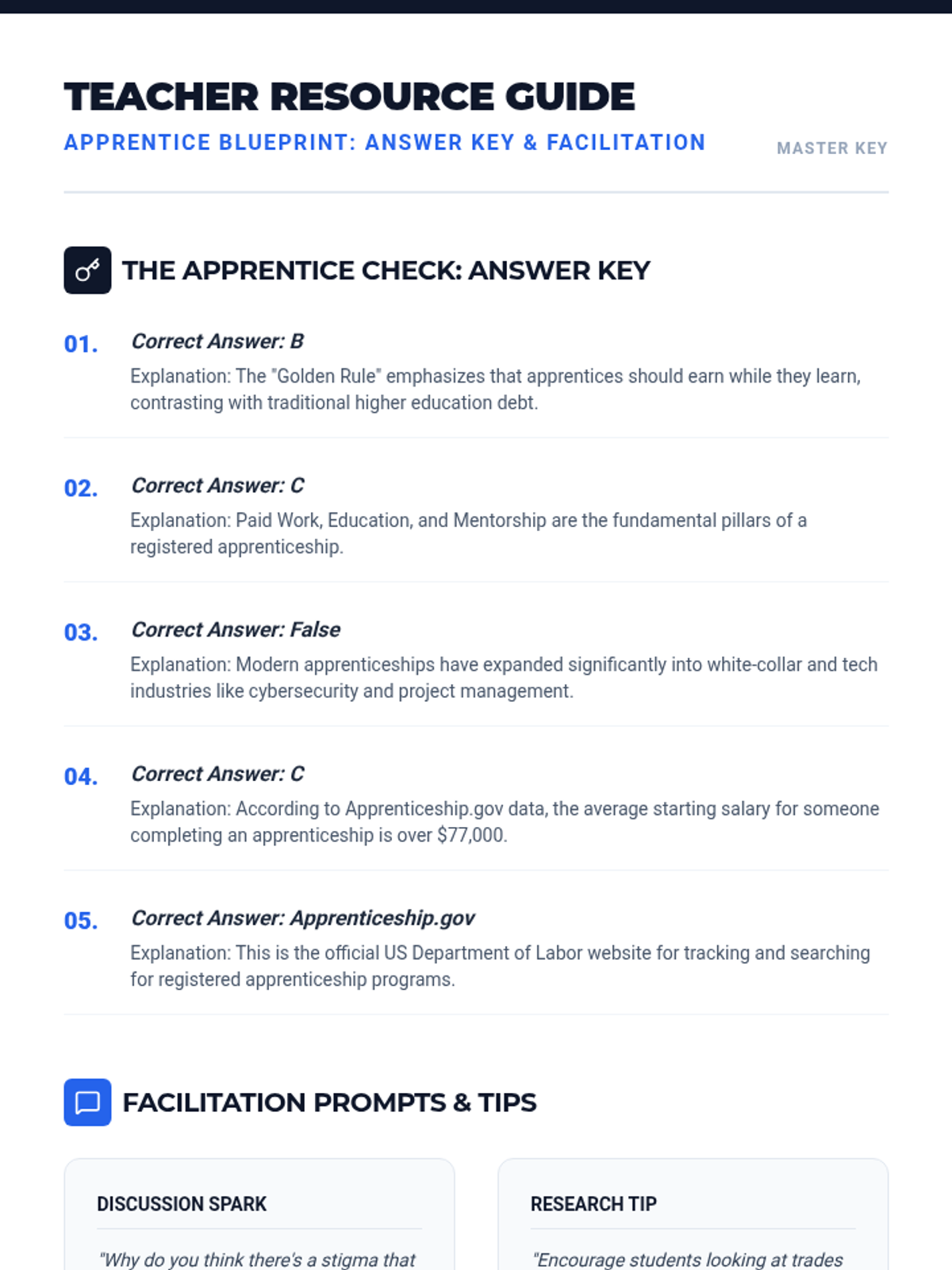
A comprehensive guide to understanding, finding, and securing apprenticeships in trades, business, and high-growth industries. This lesson covers the definition, benefits, and practical steps to starting a career through an apprenticeship.
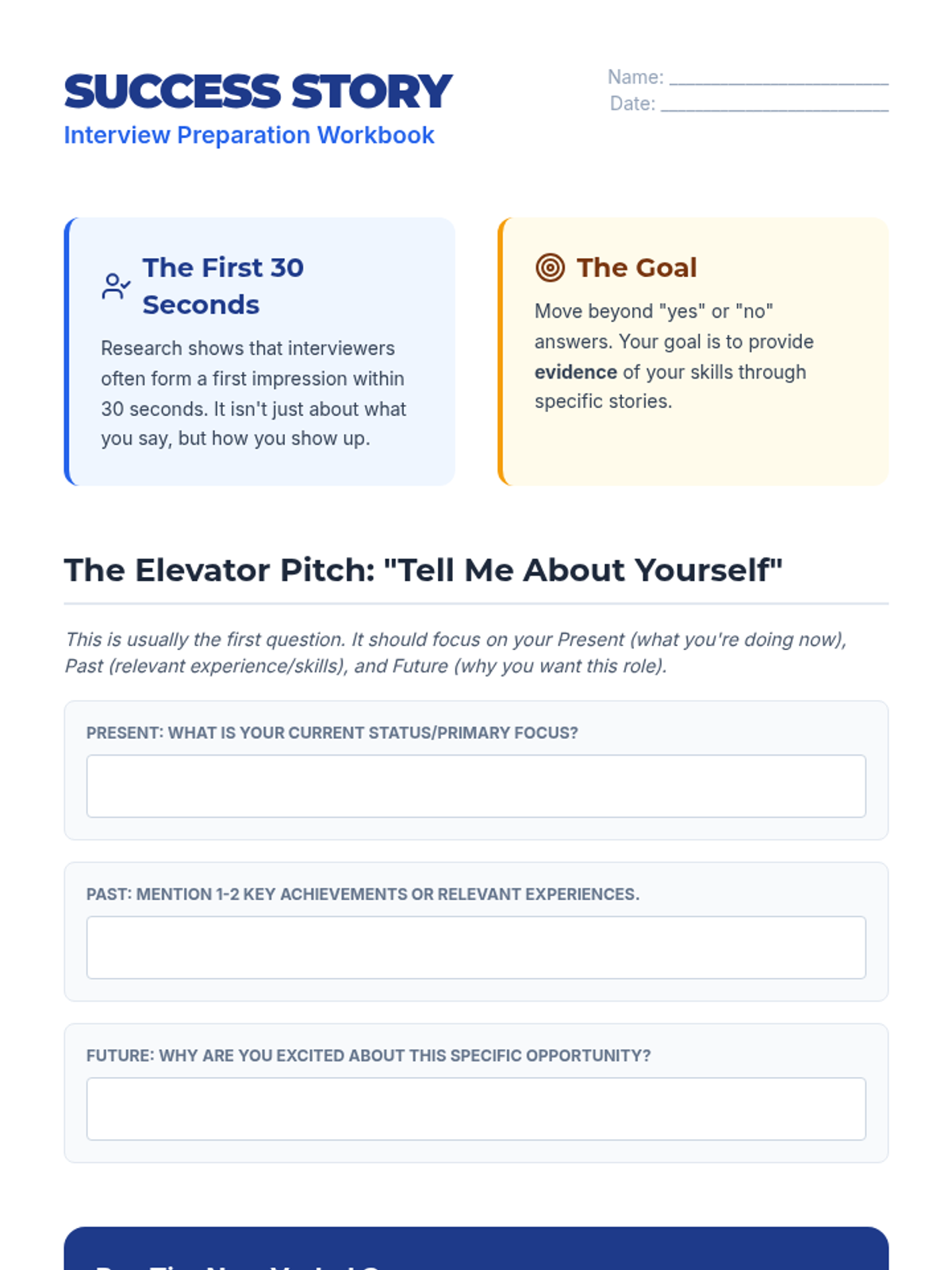
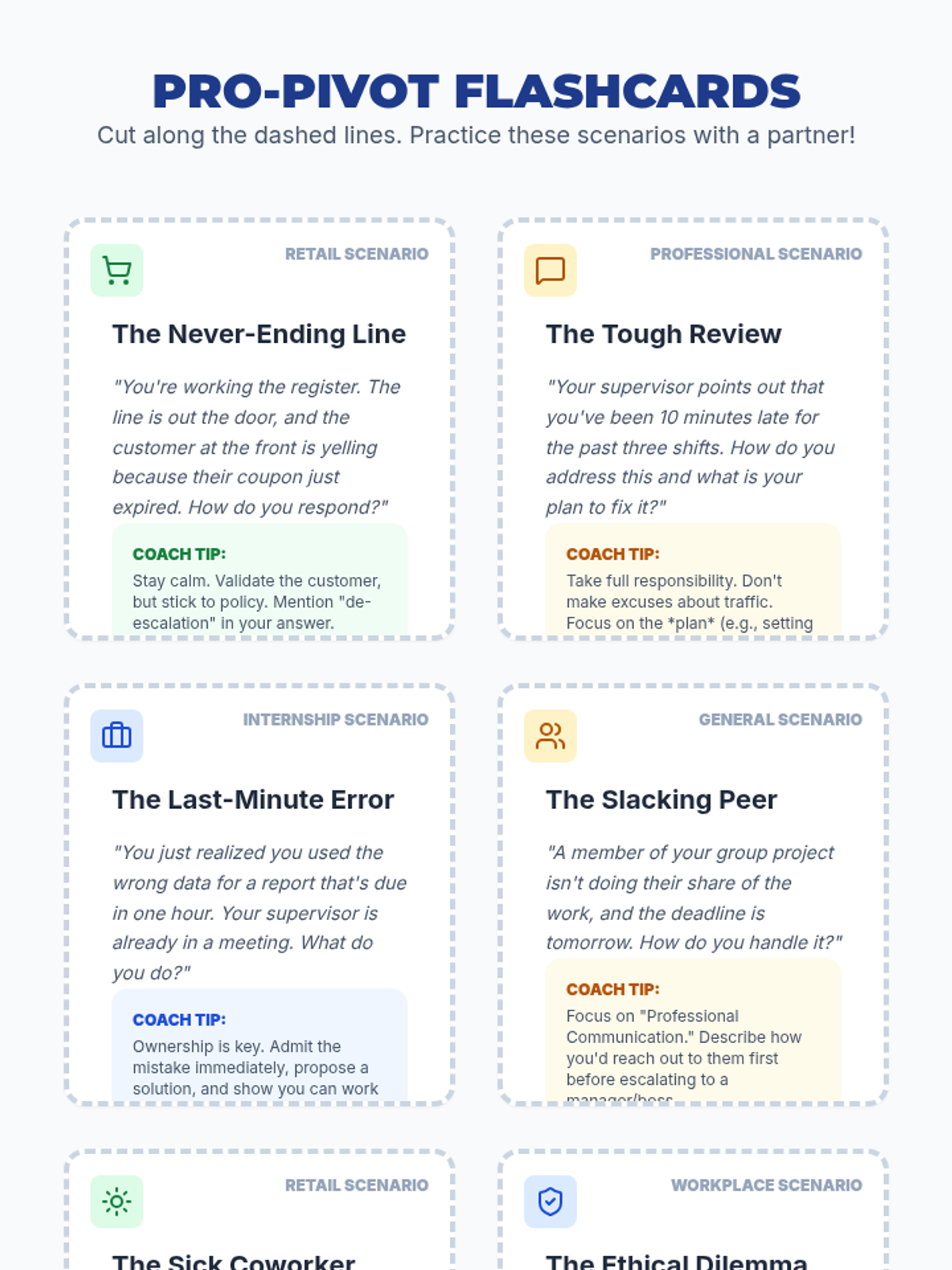
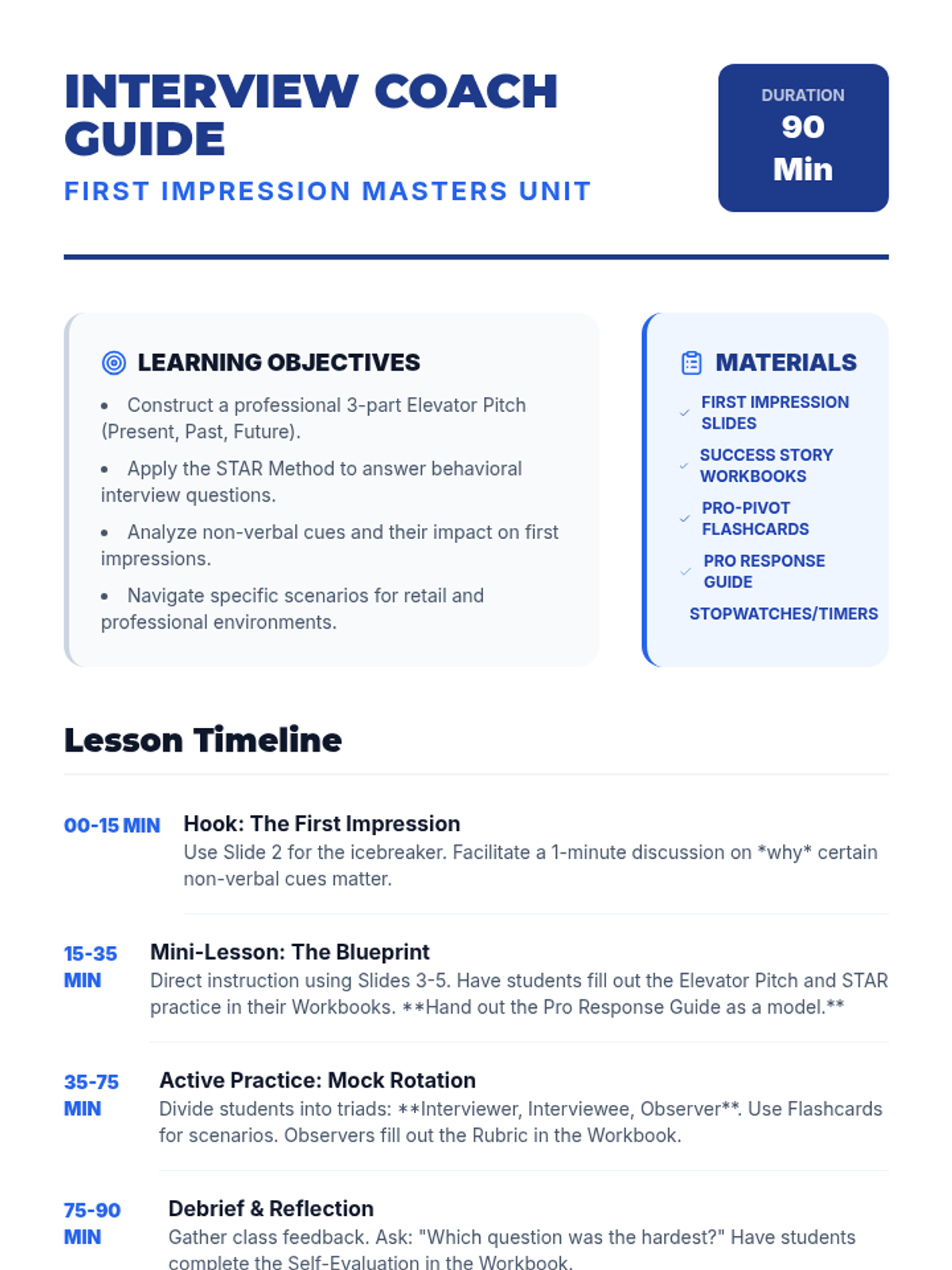
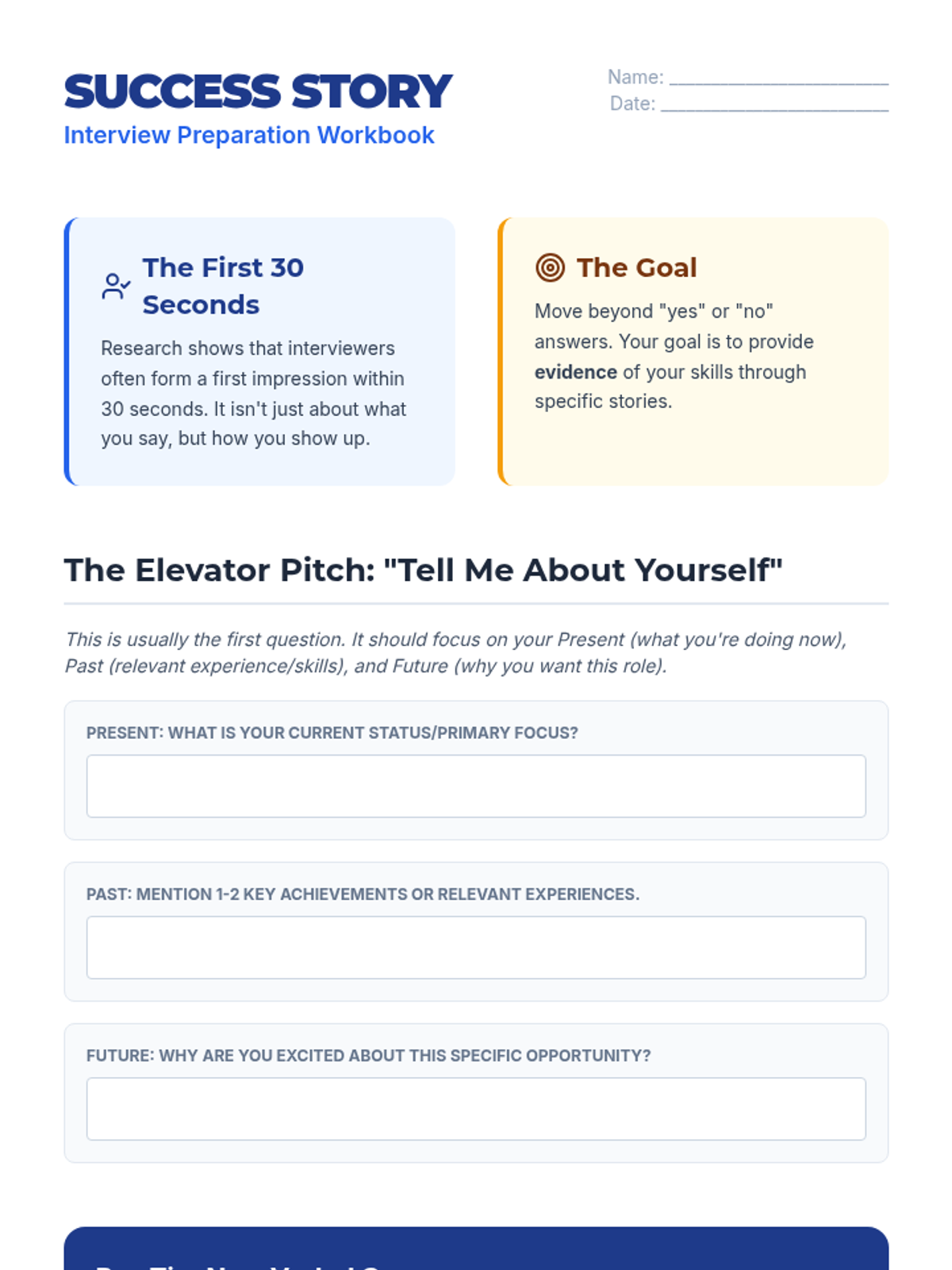
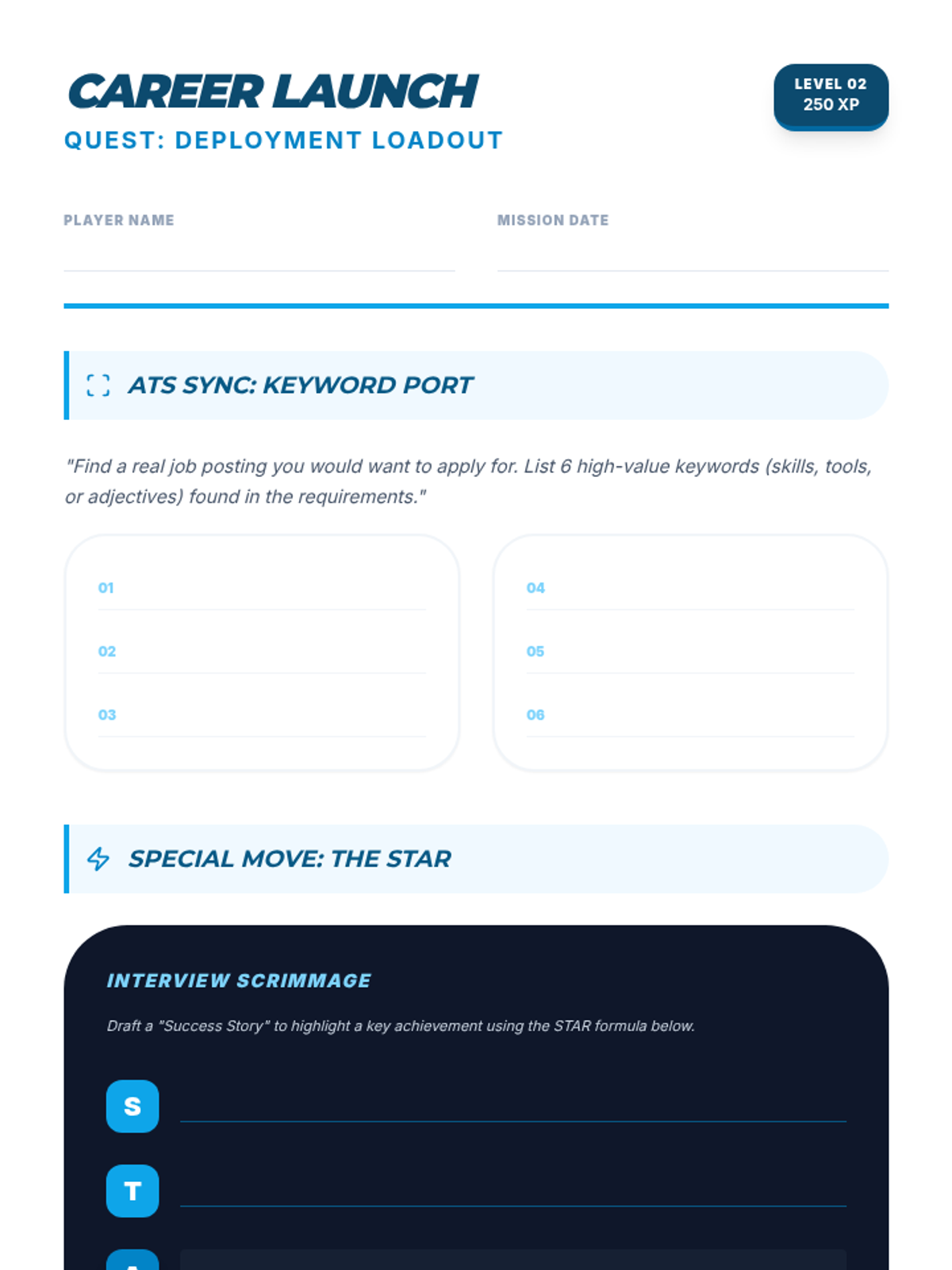
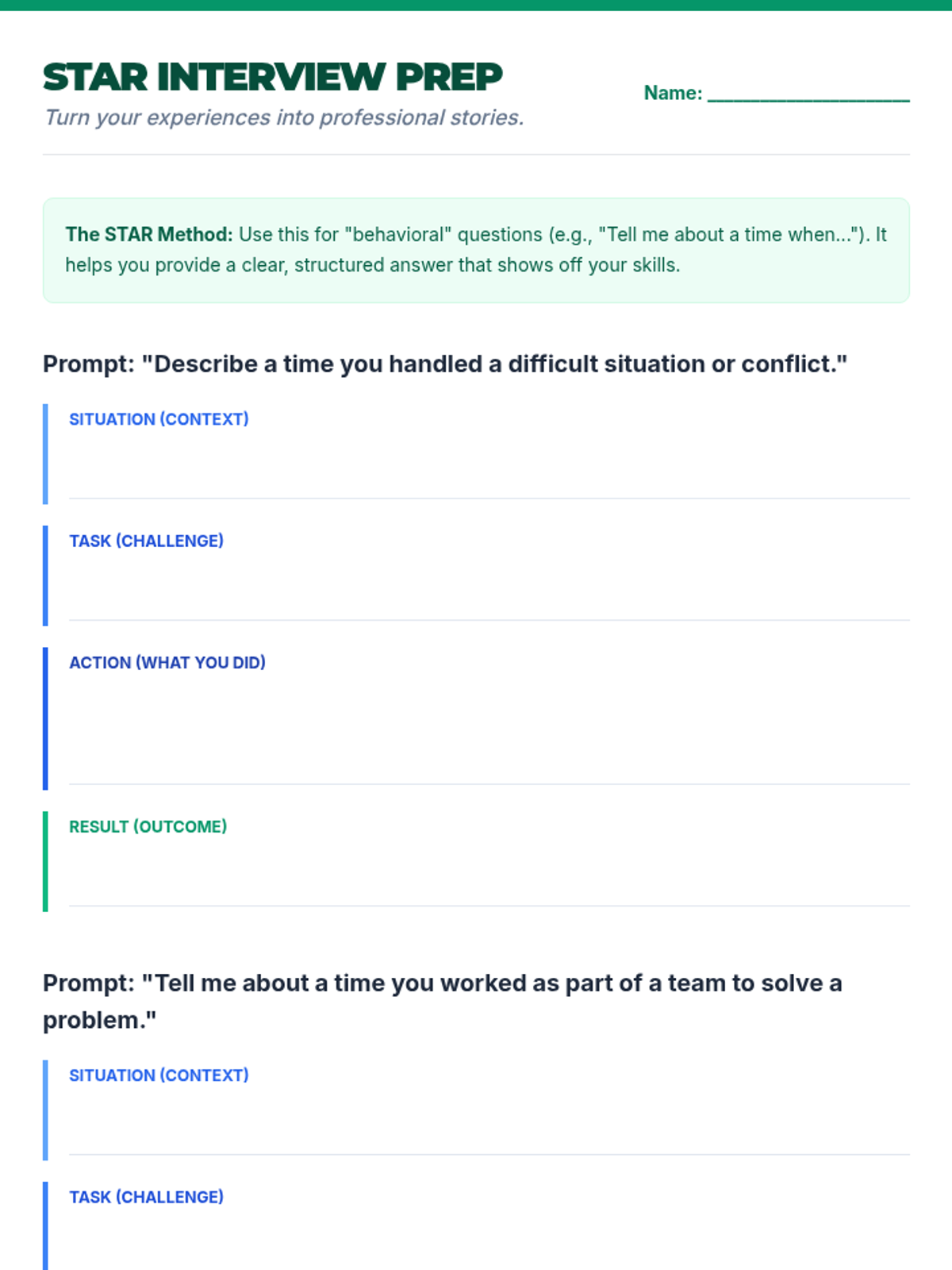
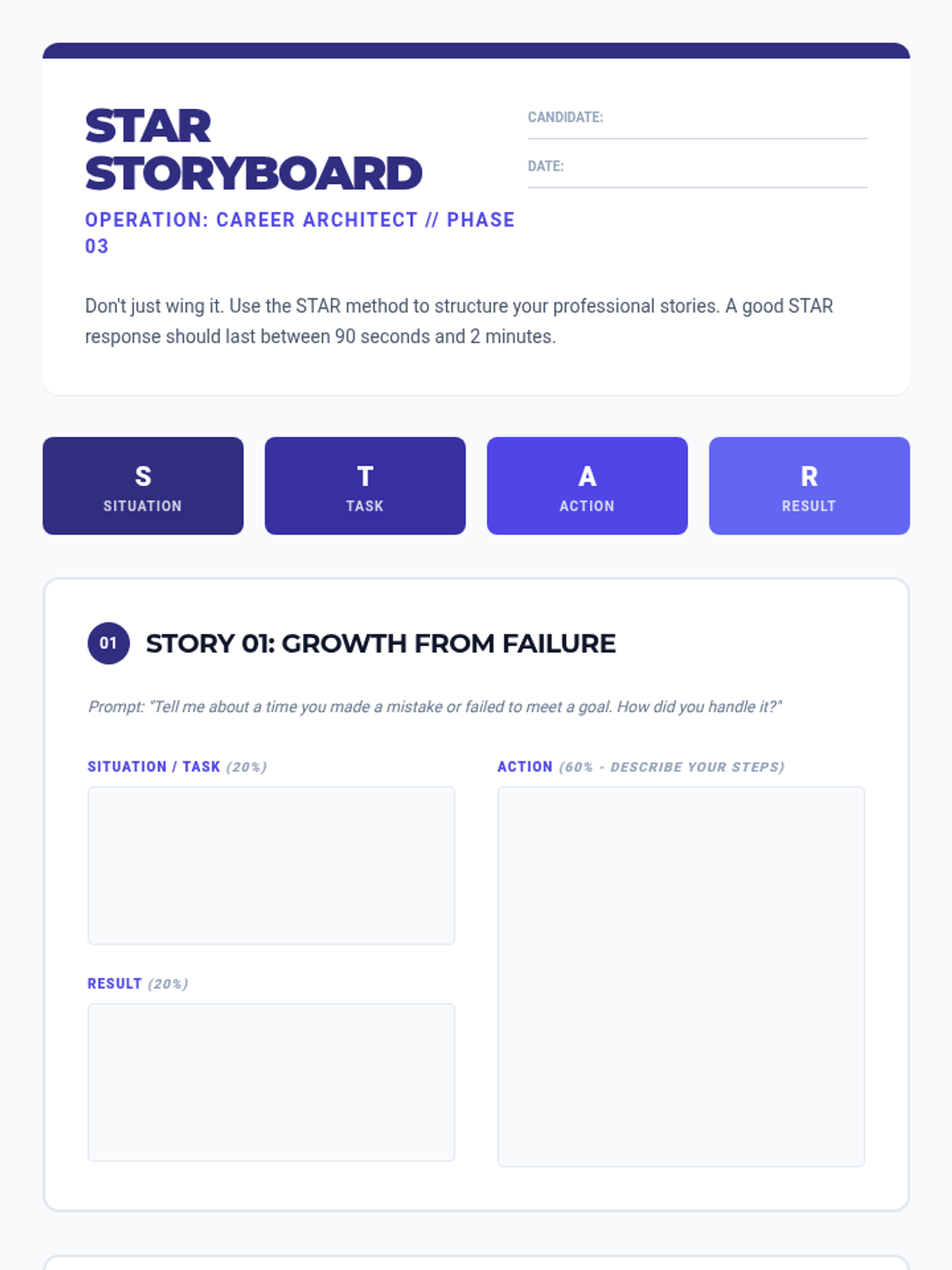
A comprehensive guide to mastering entry-level and academic interviews through the STAR method, practical scenarios, and self-reflection. Students will build a portfolio of stories to demonstrate their skills to future employers and admissions officers.
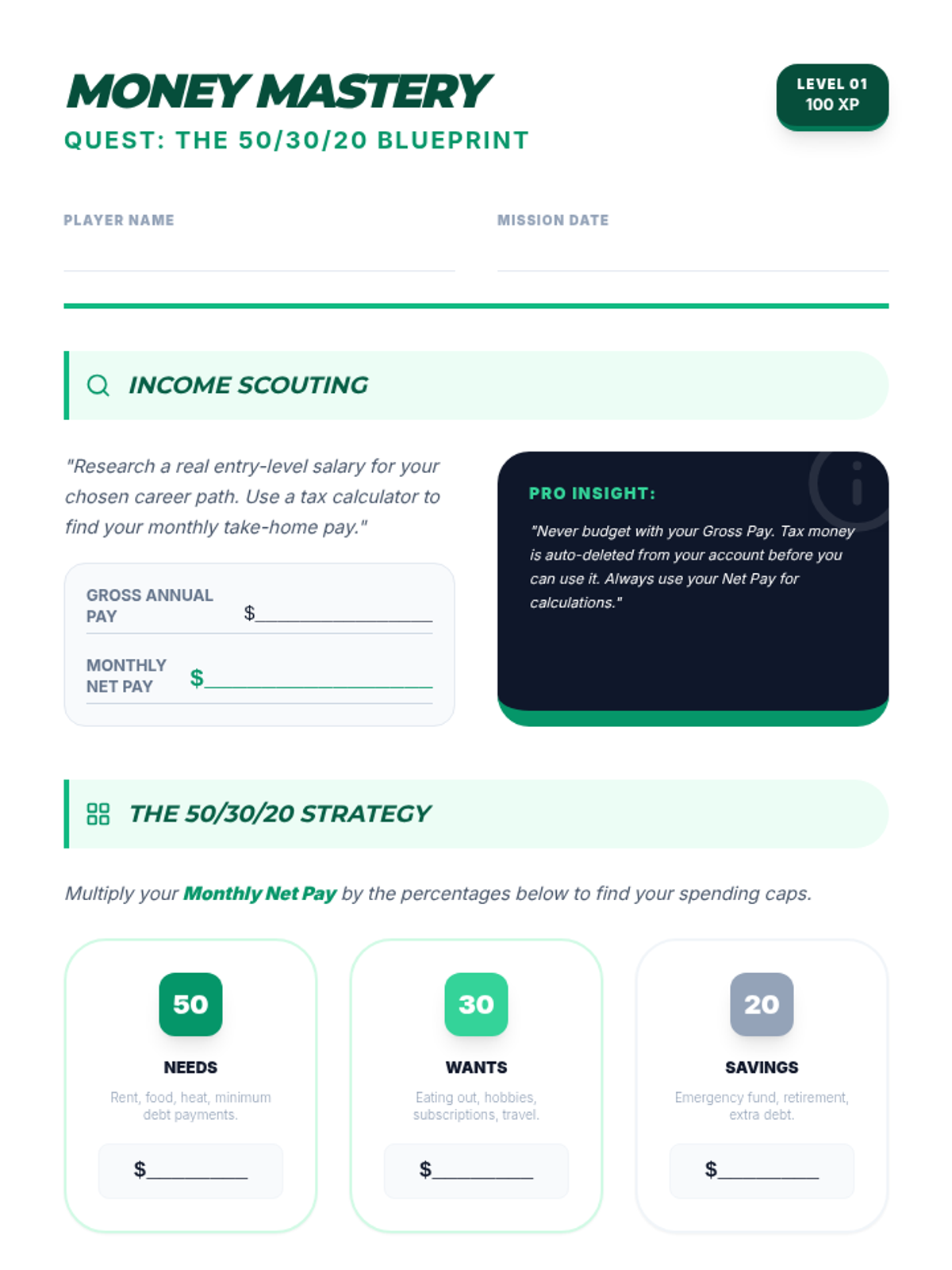
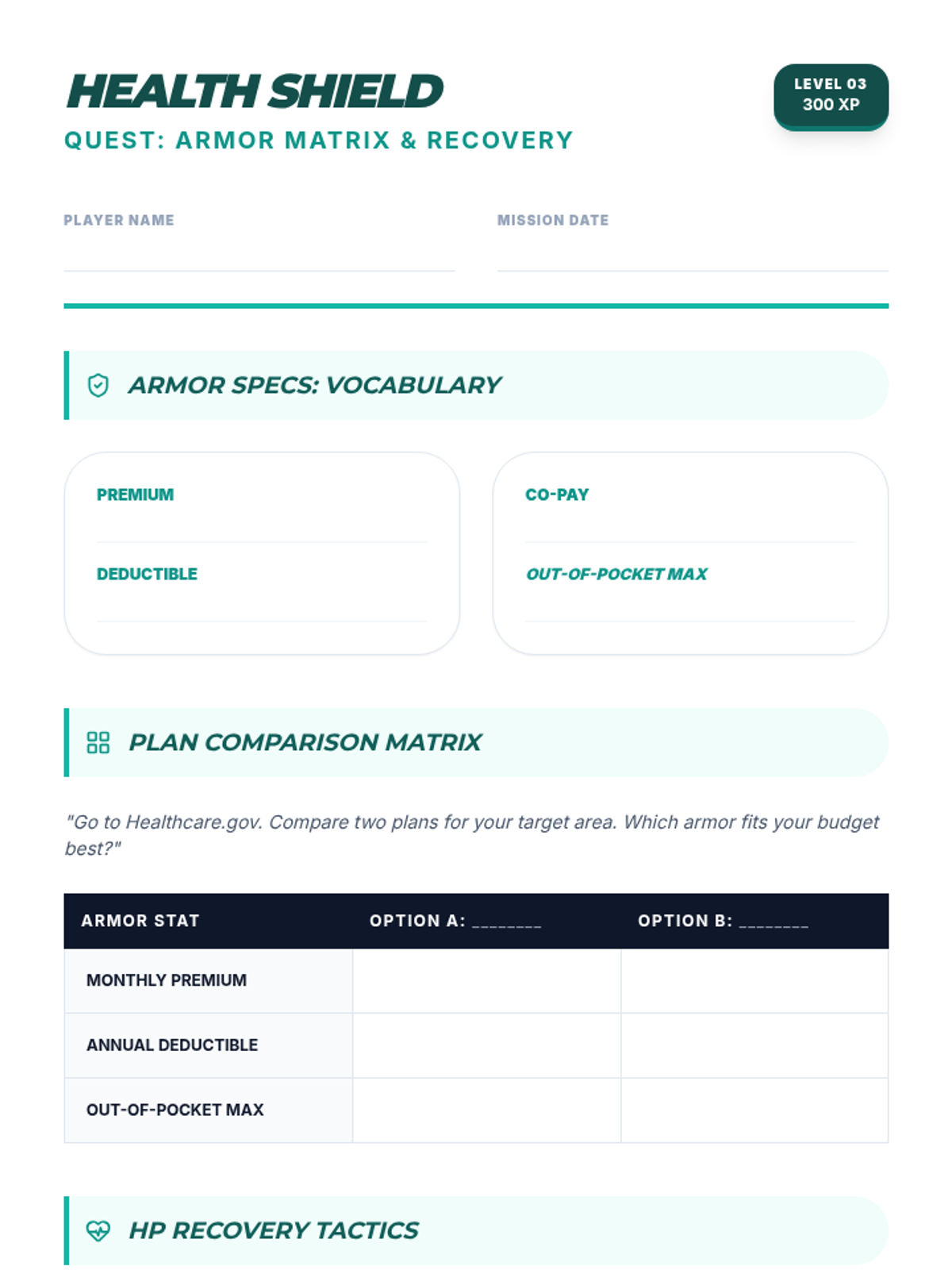
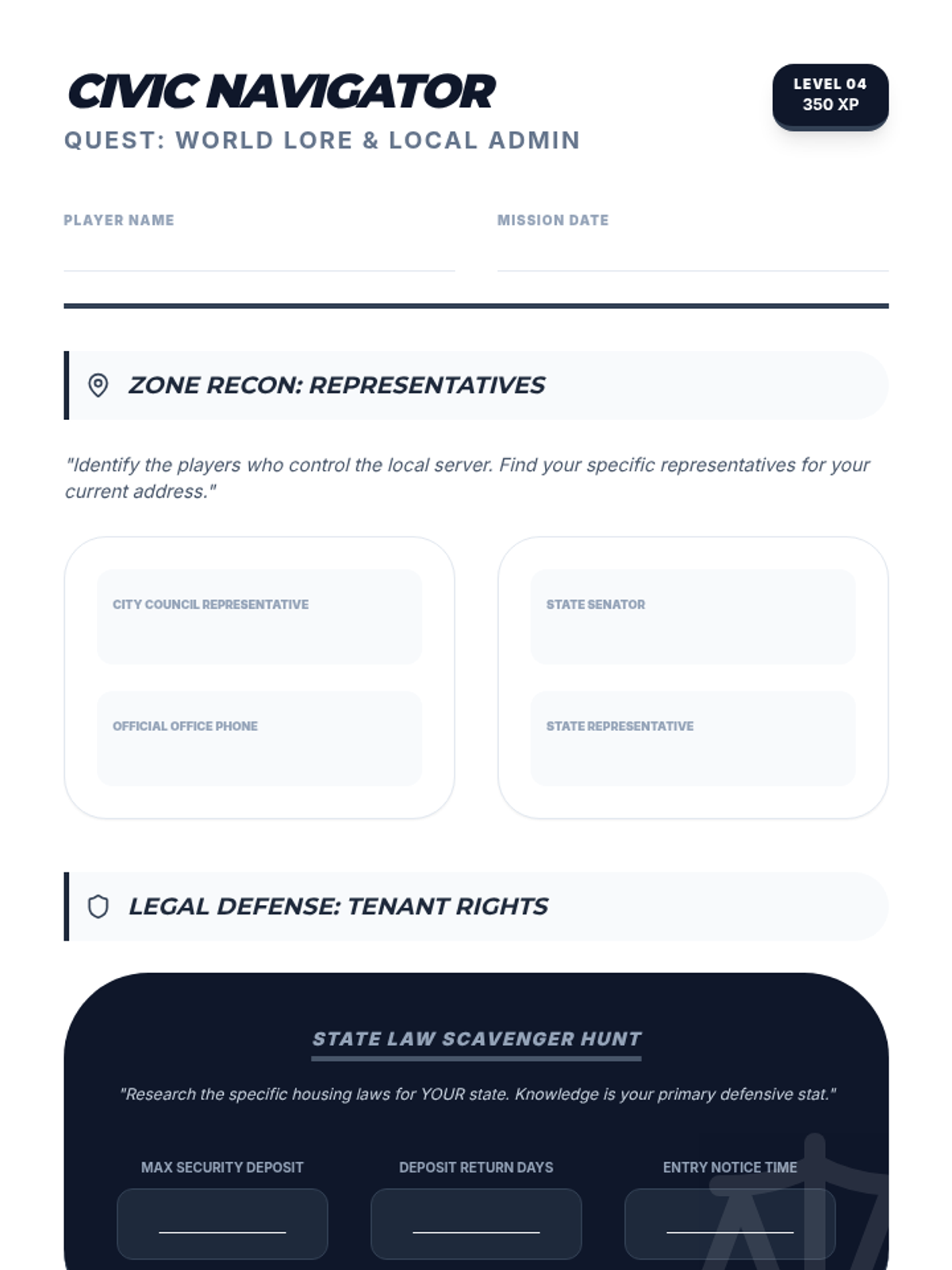
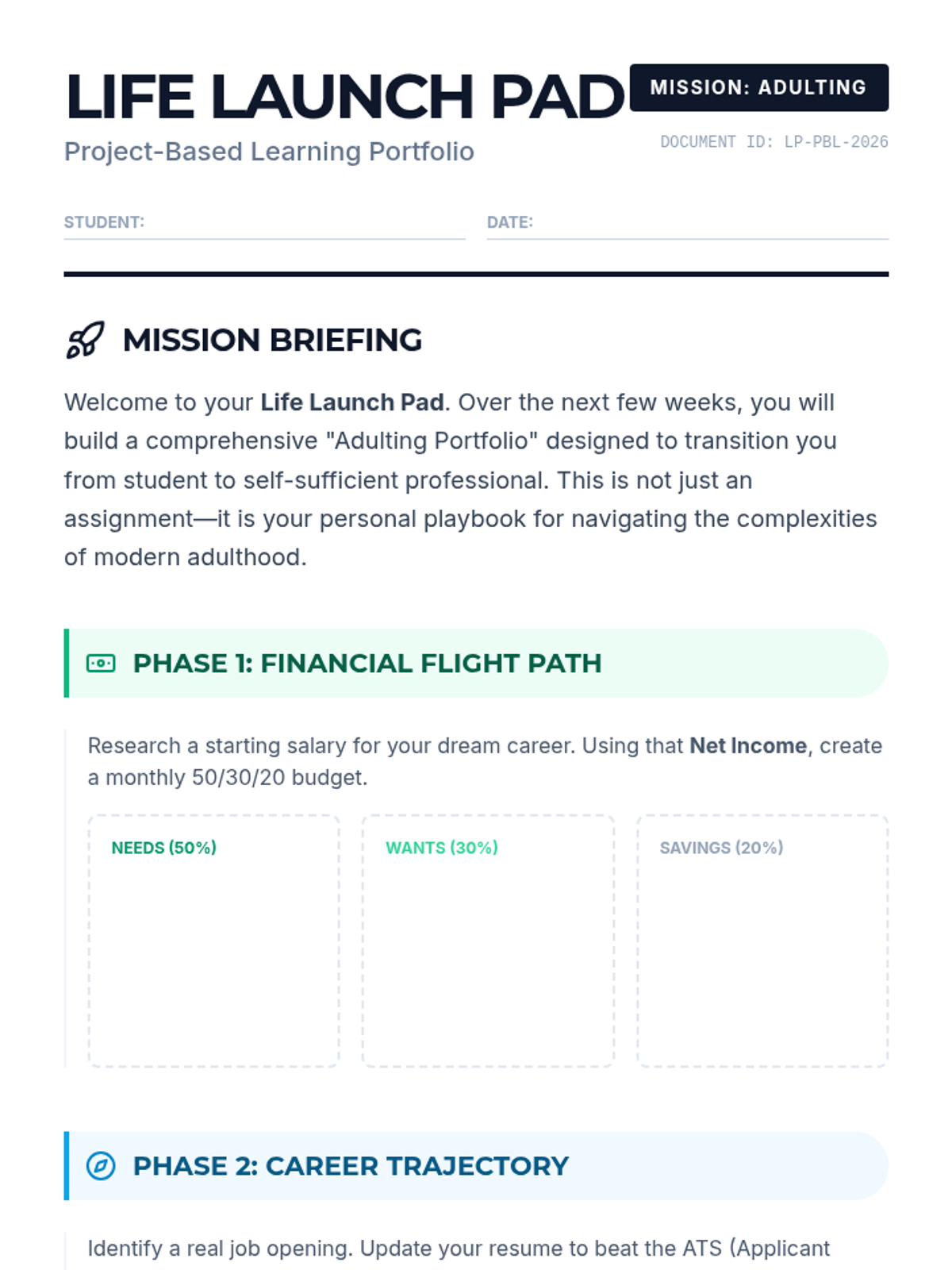
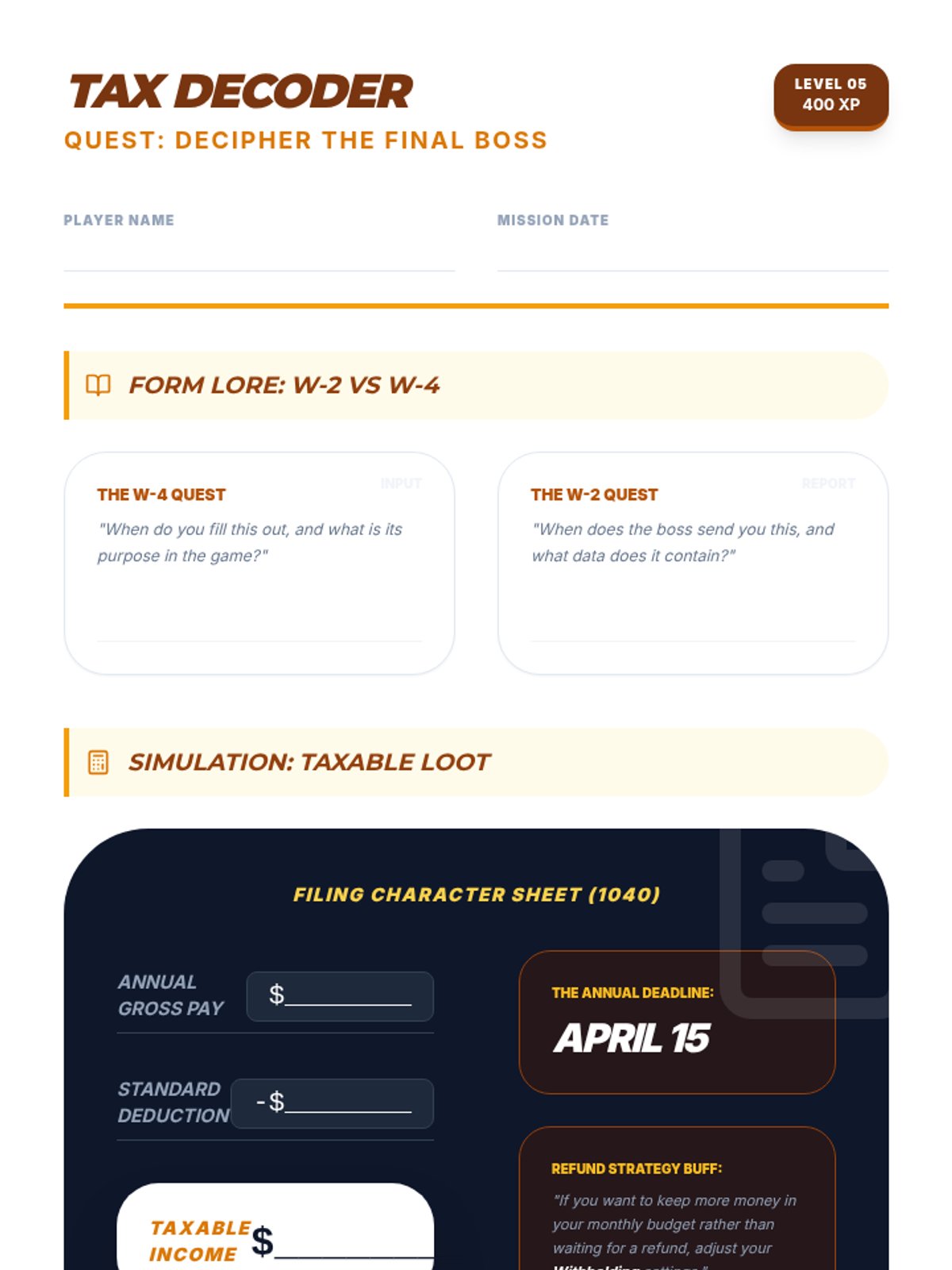
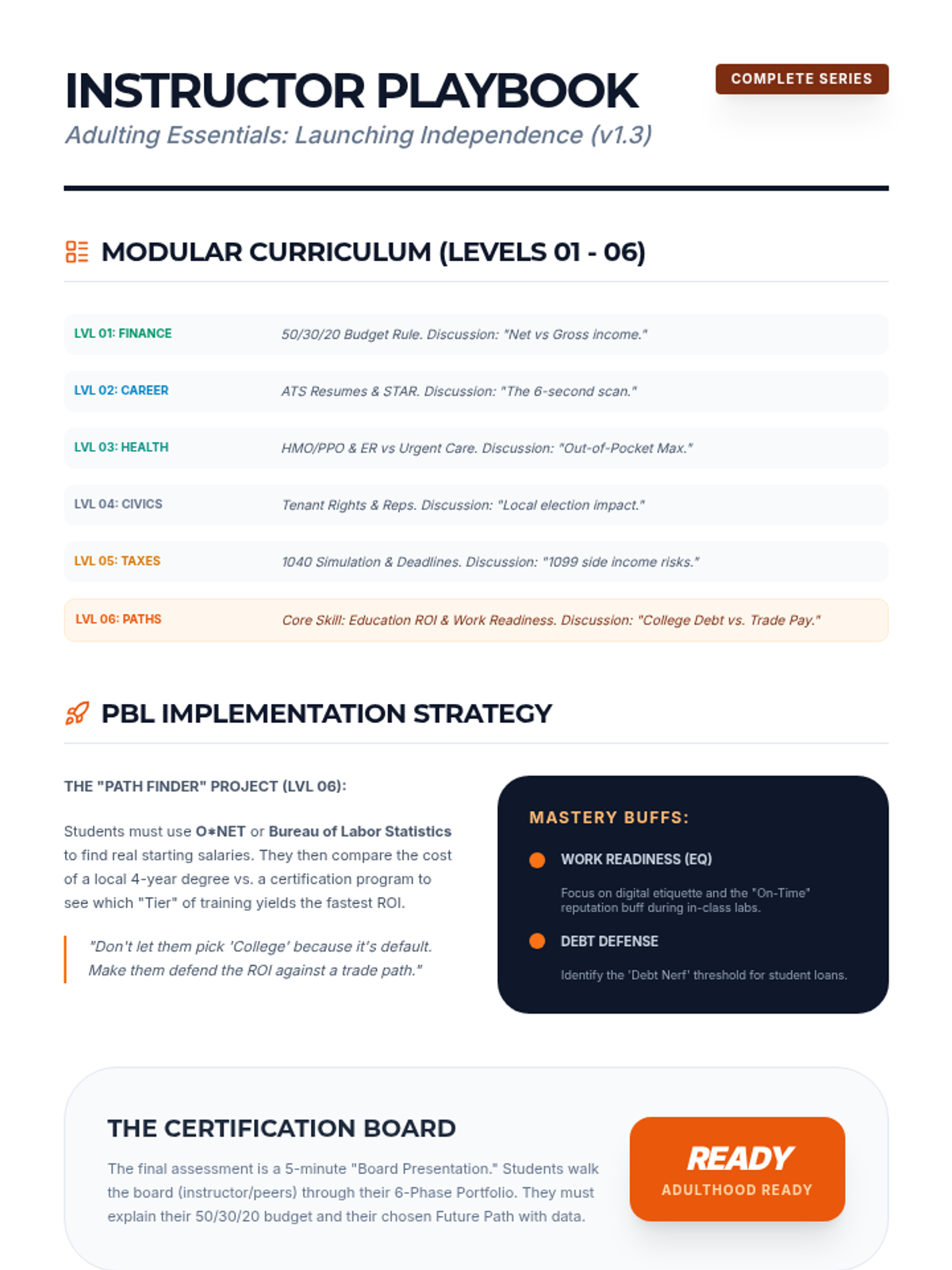
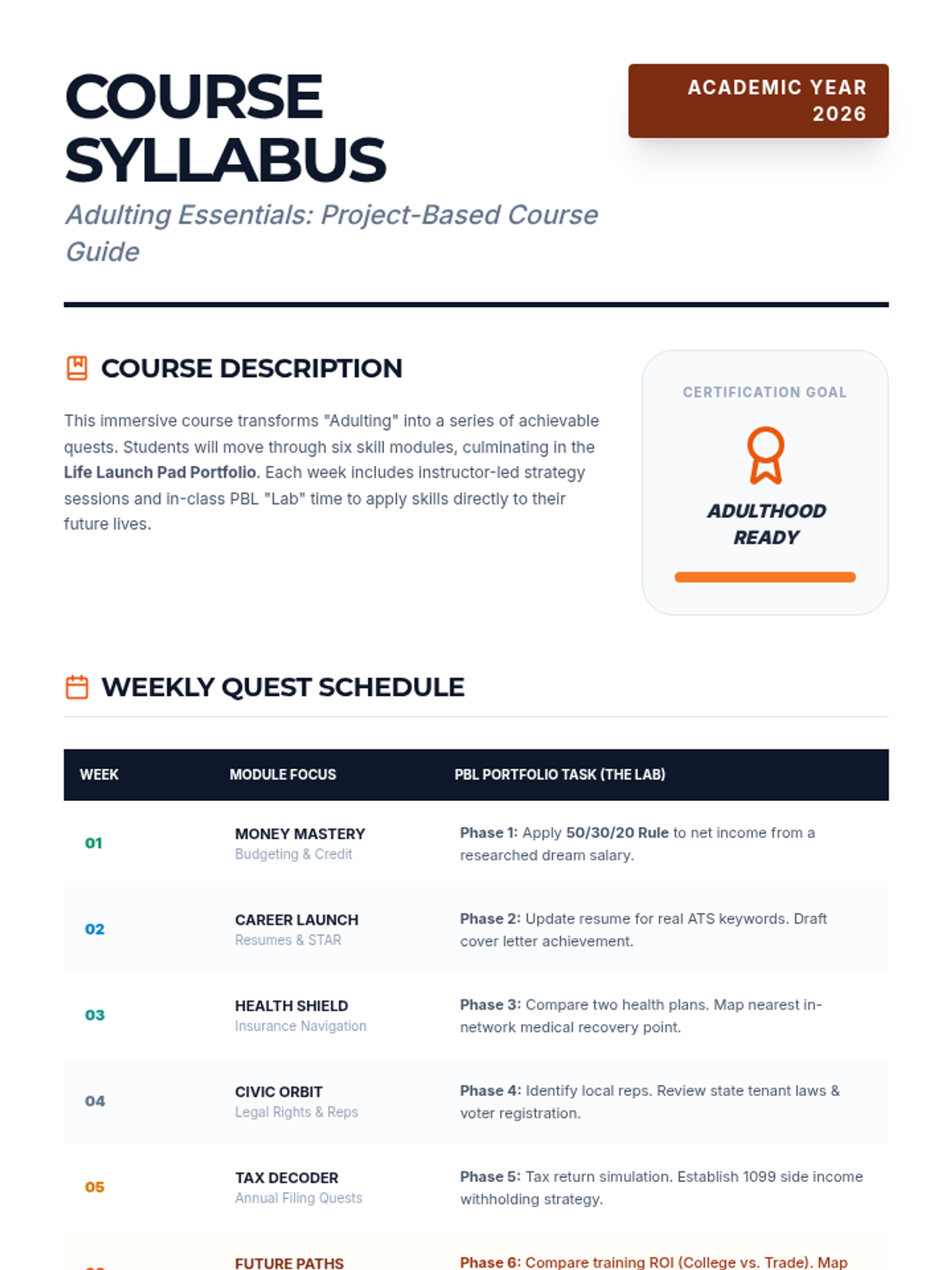
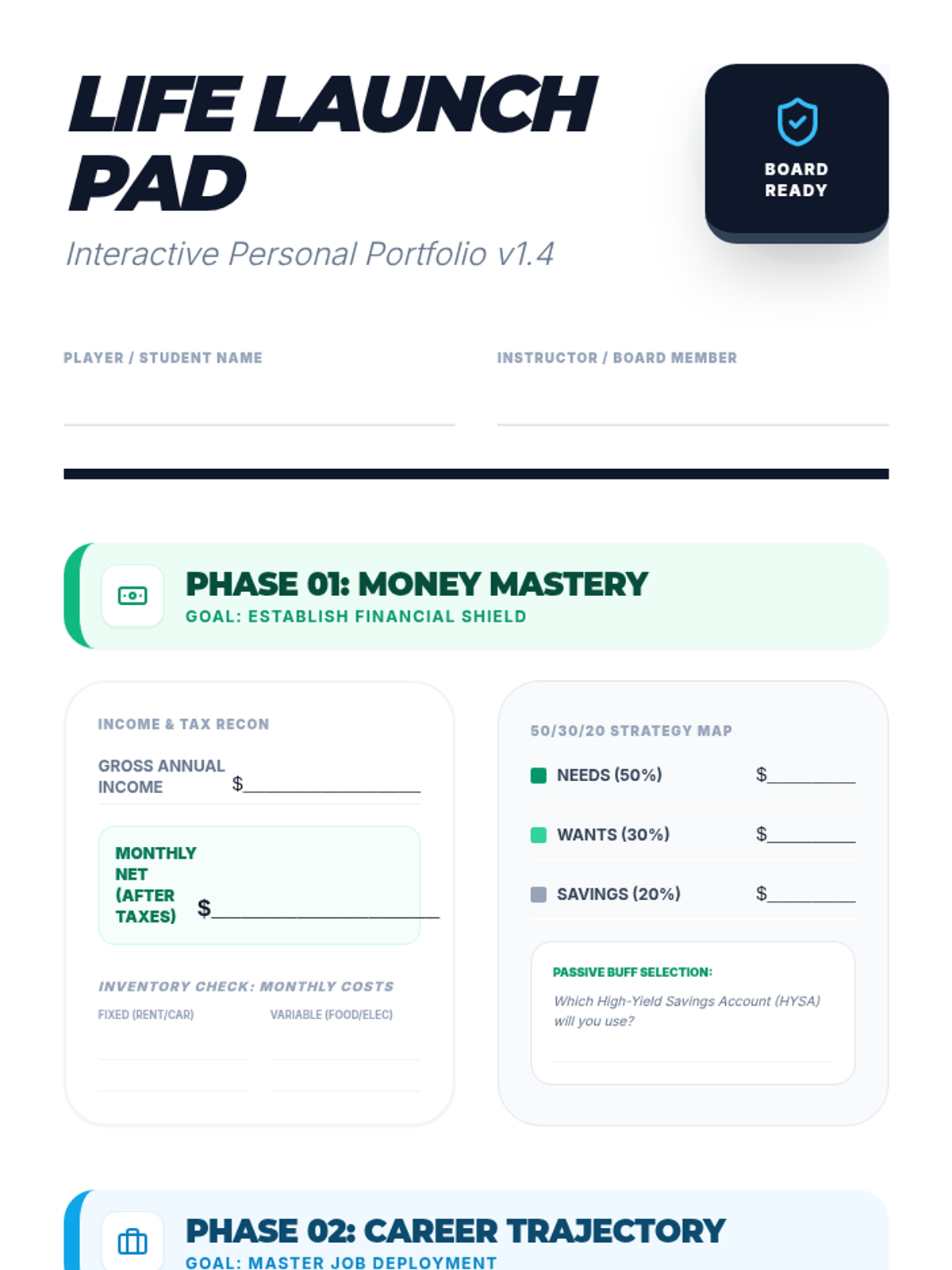
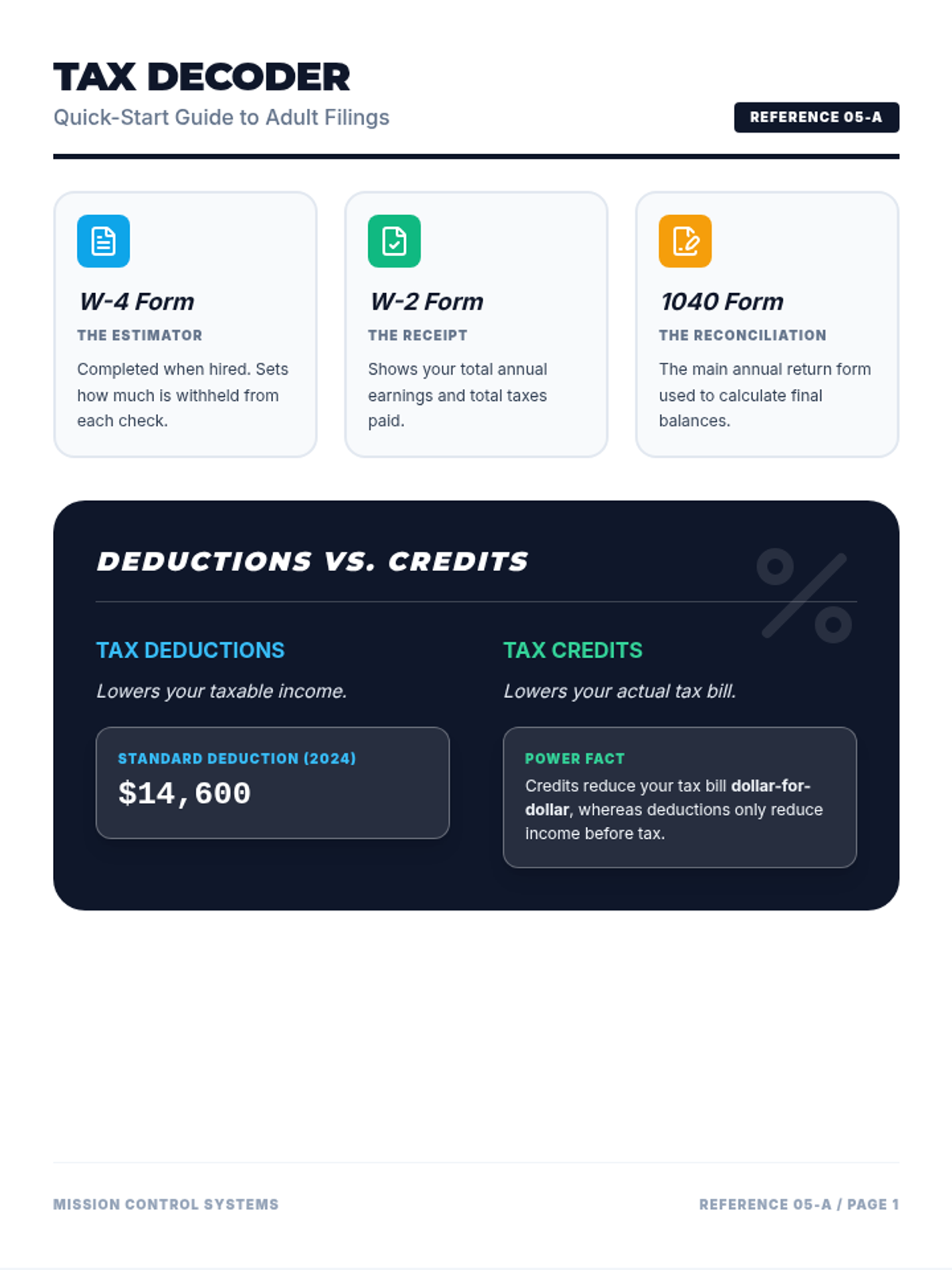
A comprehensive guide to essential adulting skills covering financial literacy, career development, health navigation, and civic responsibilities.
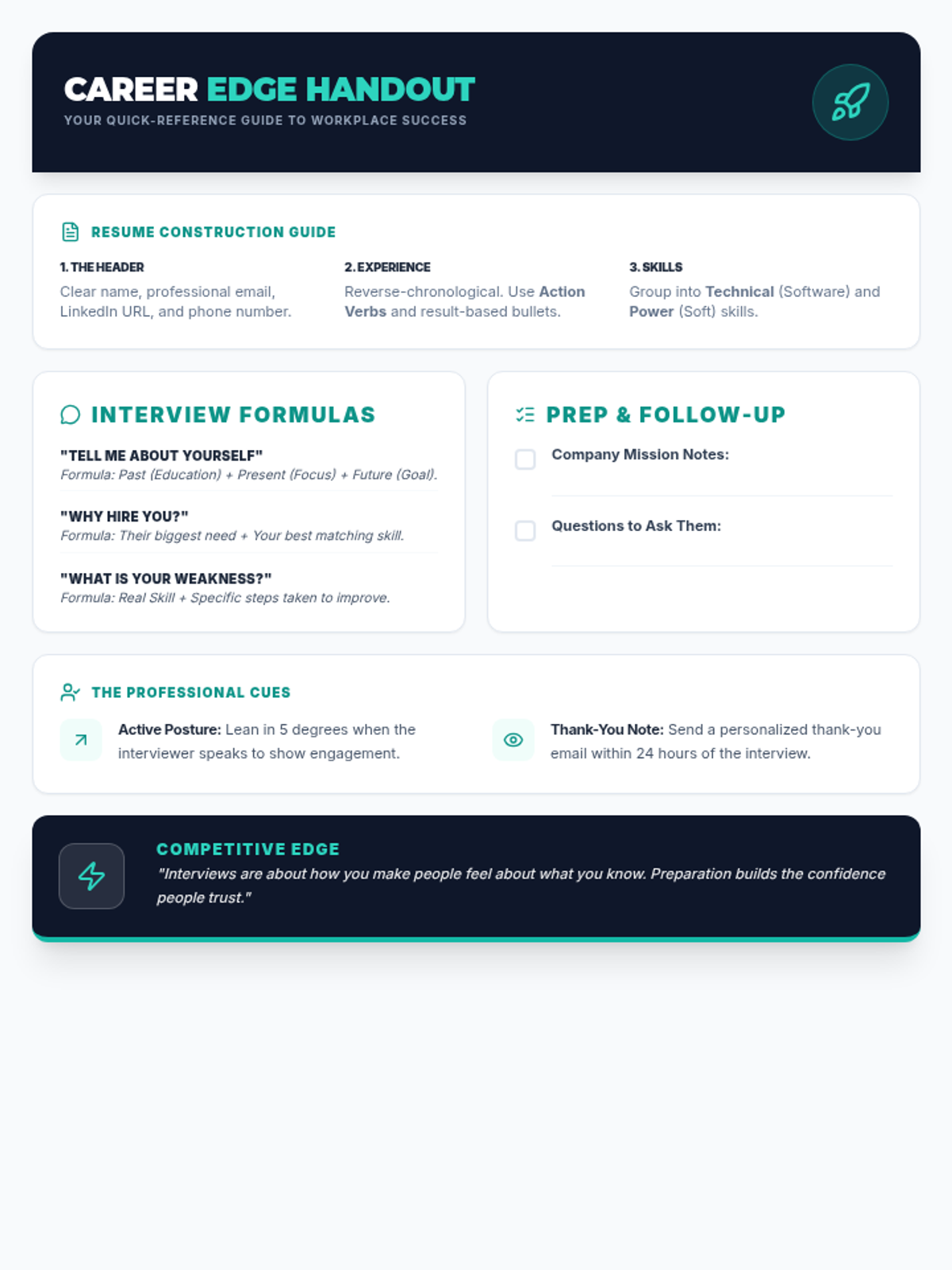
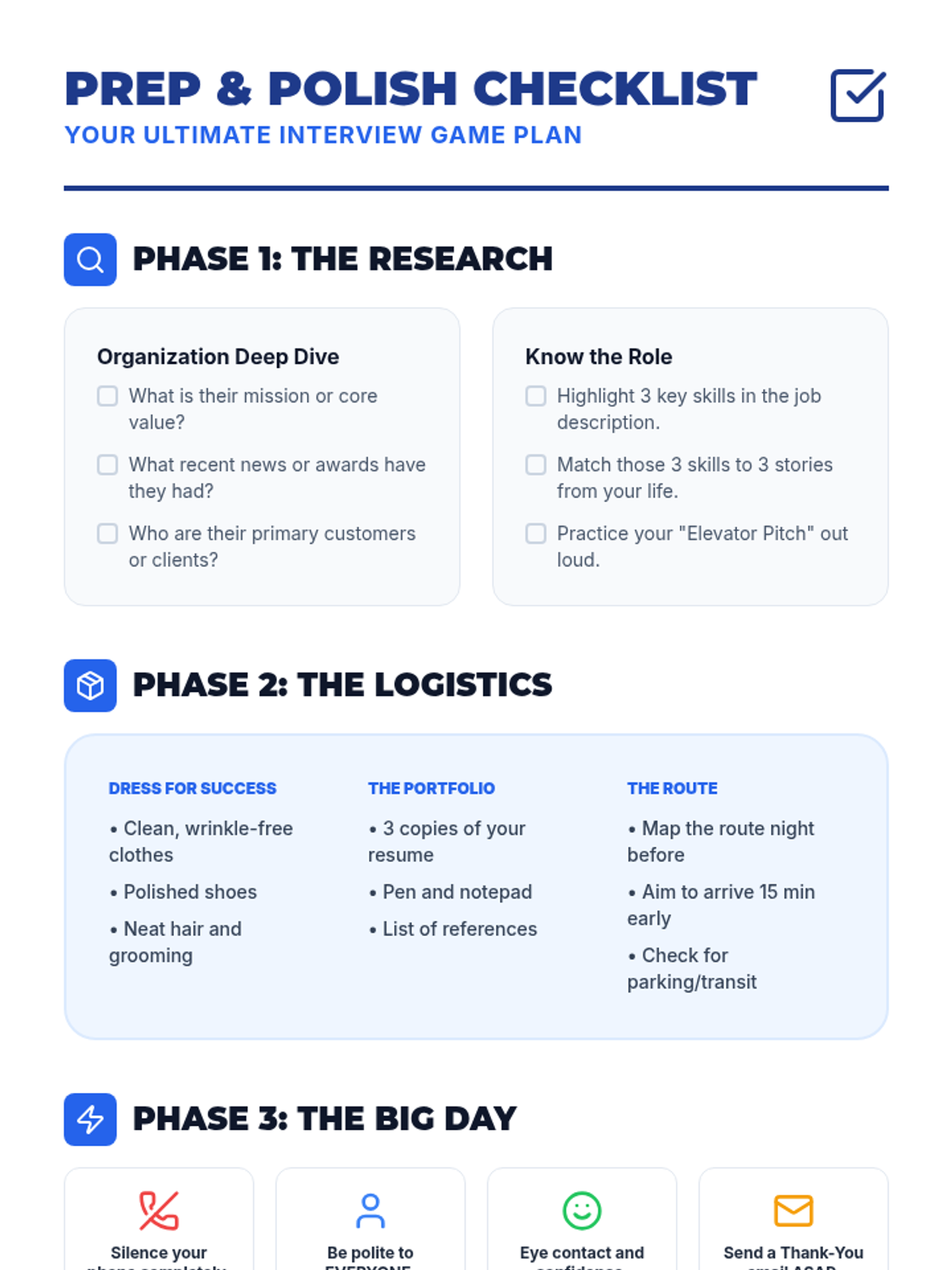
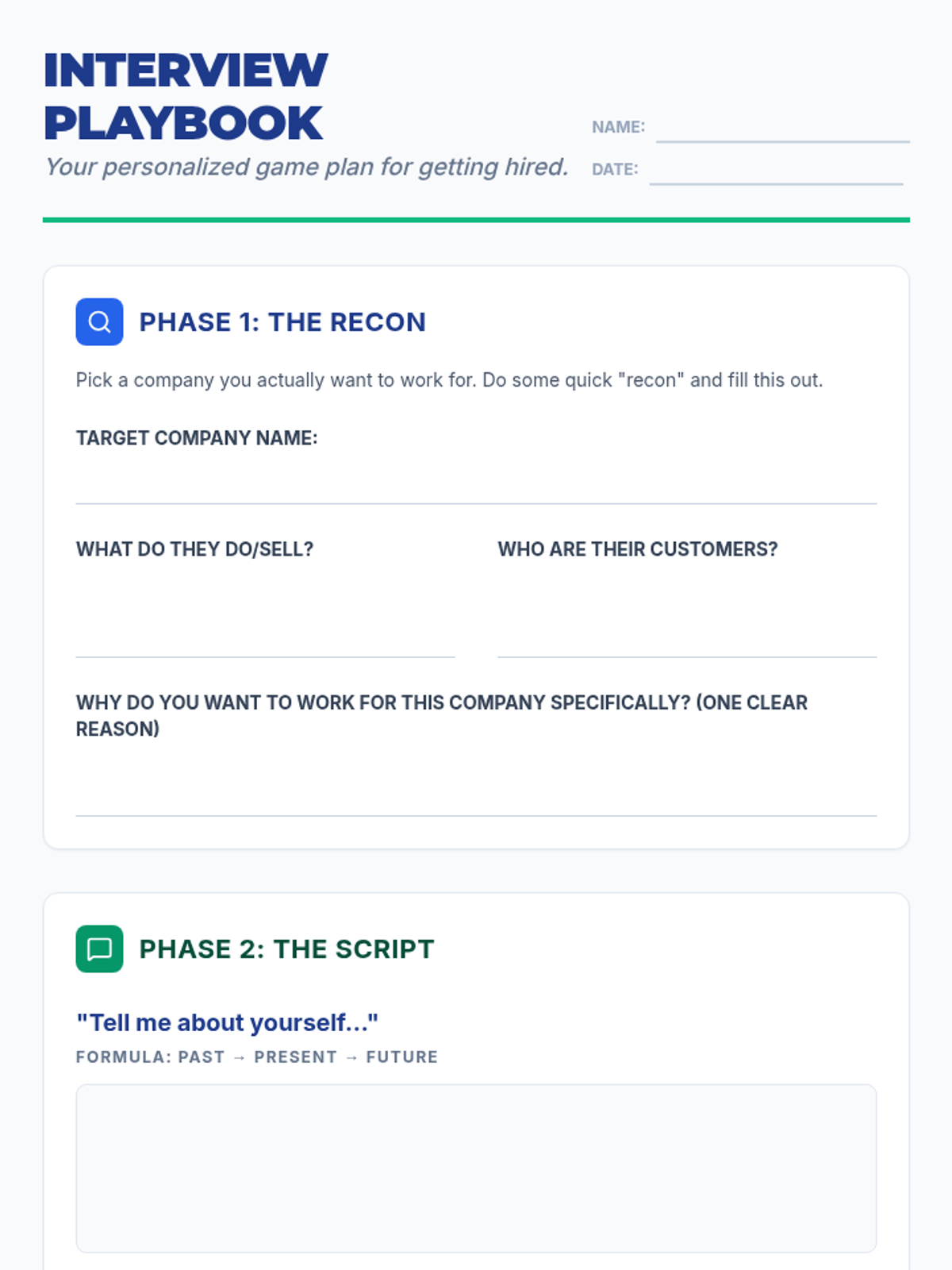
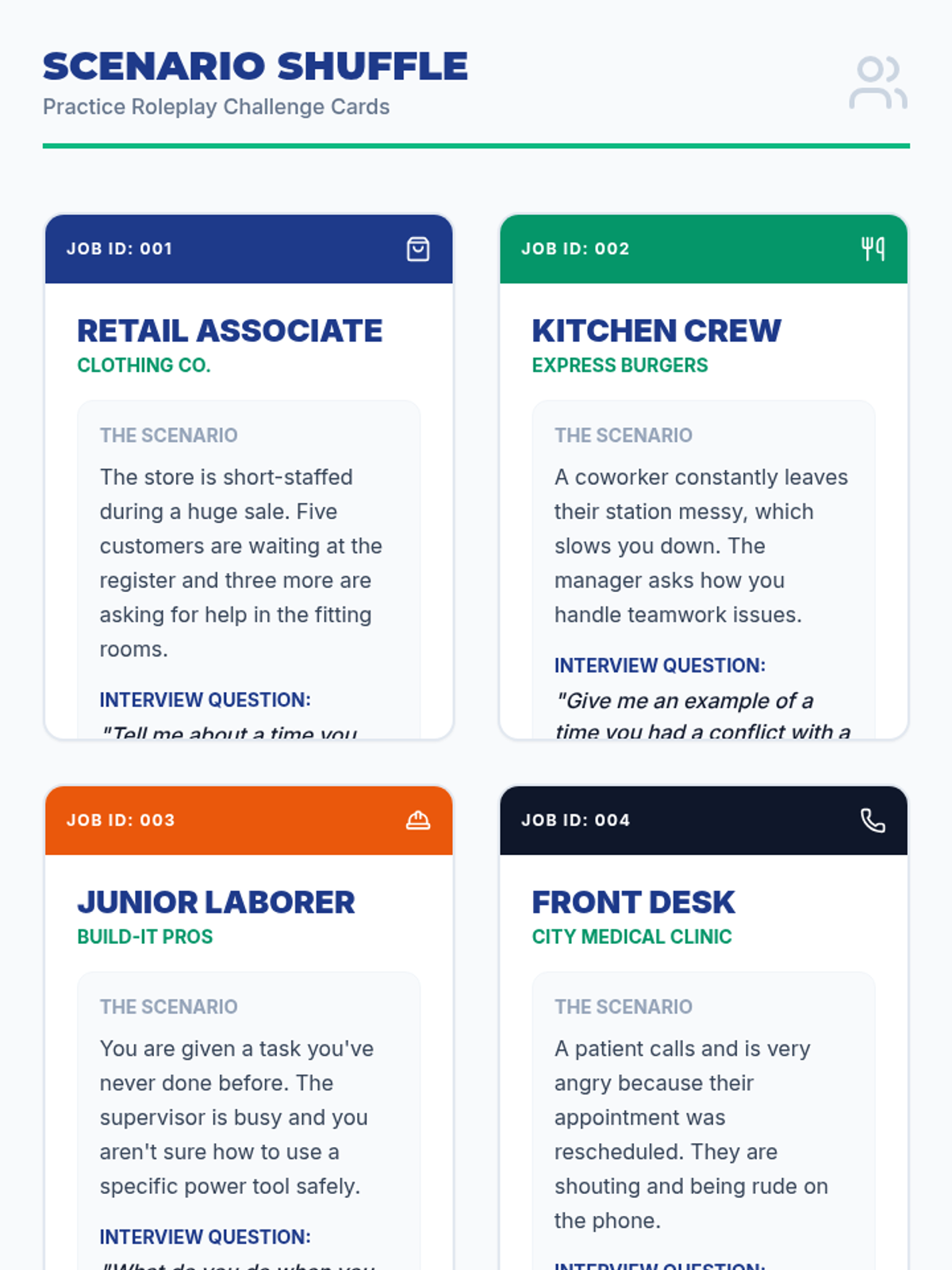
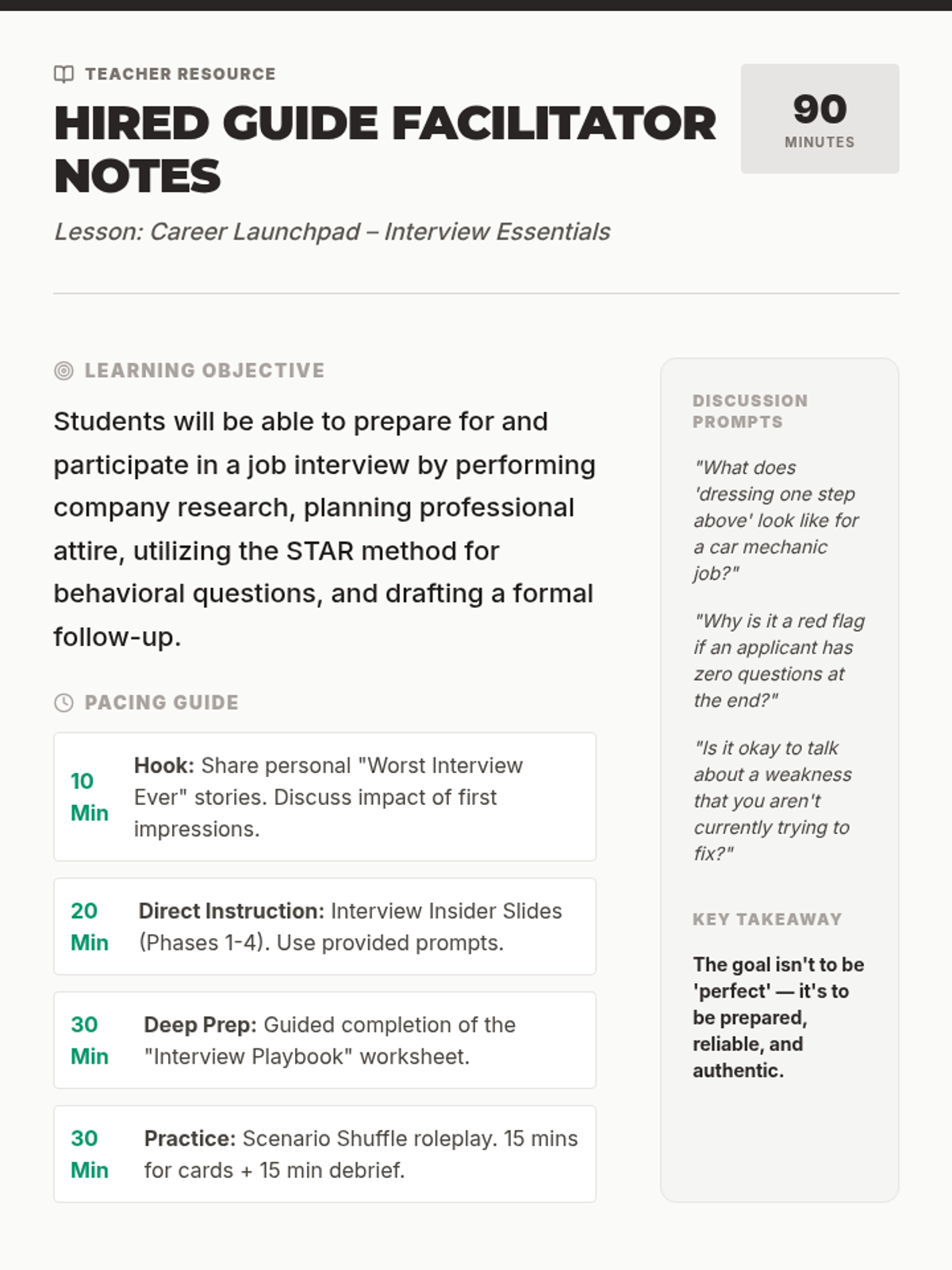
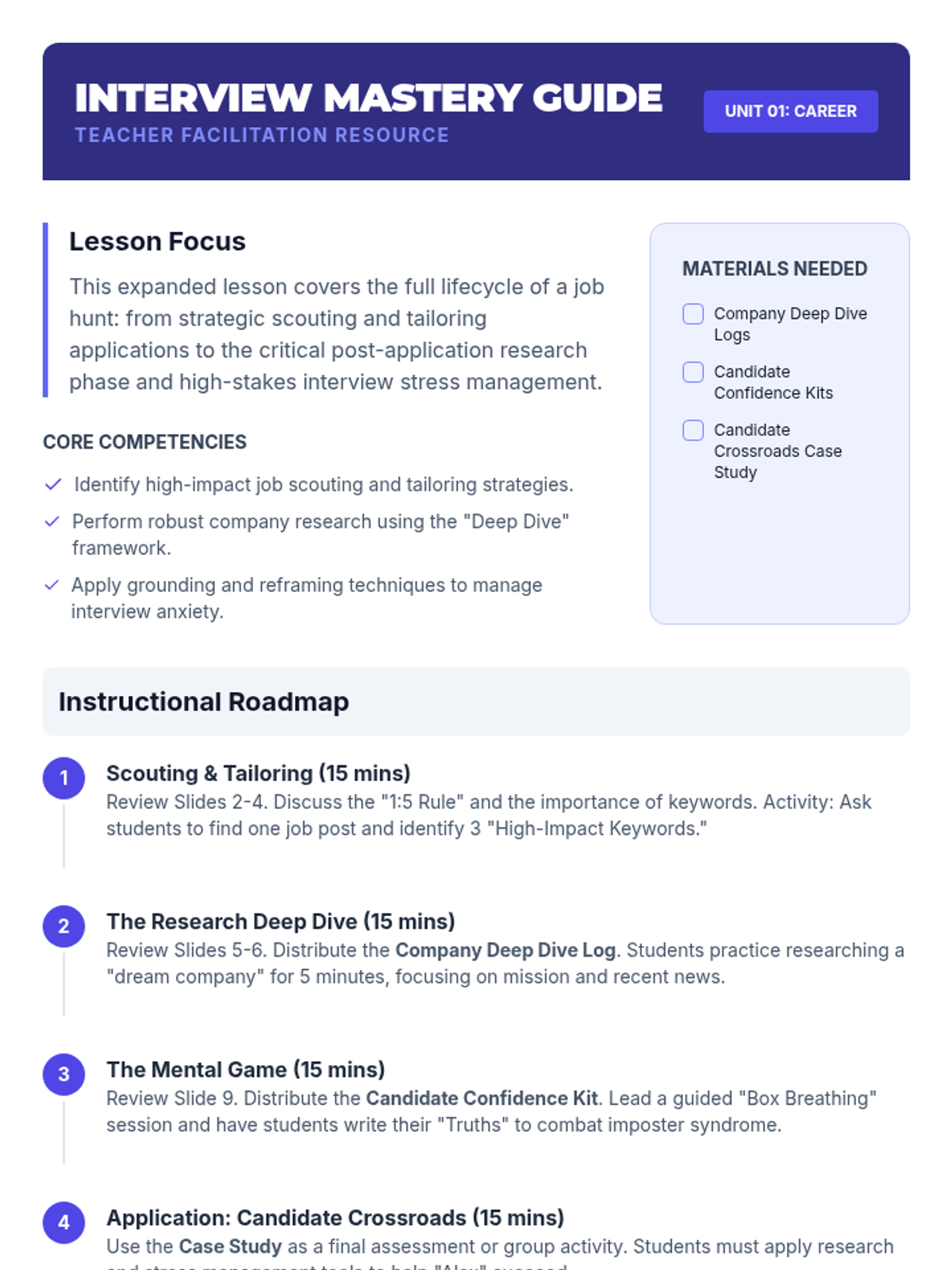
A comprehensive lesson designed for alternative education students to master the art of the job interview, covering everything from initial research to the final follow-up.
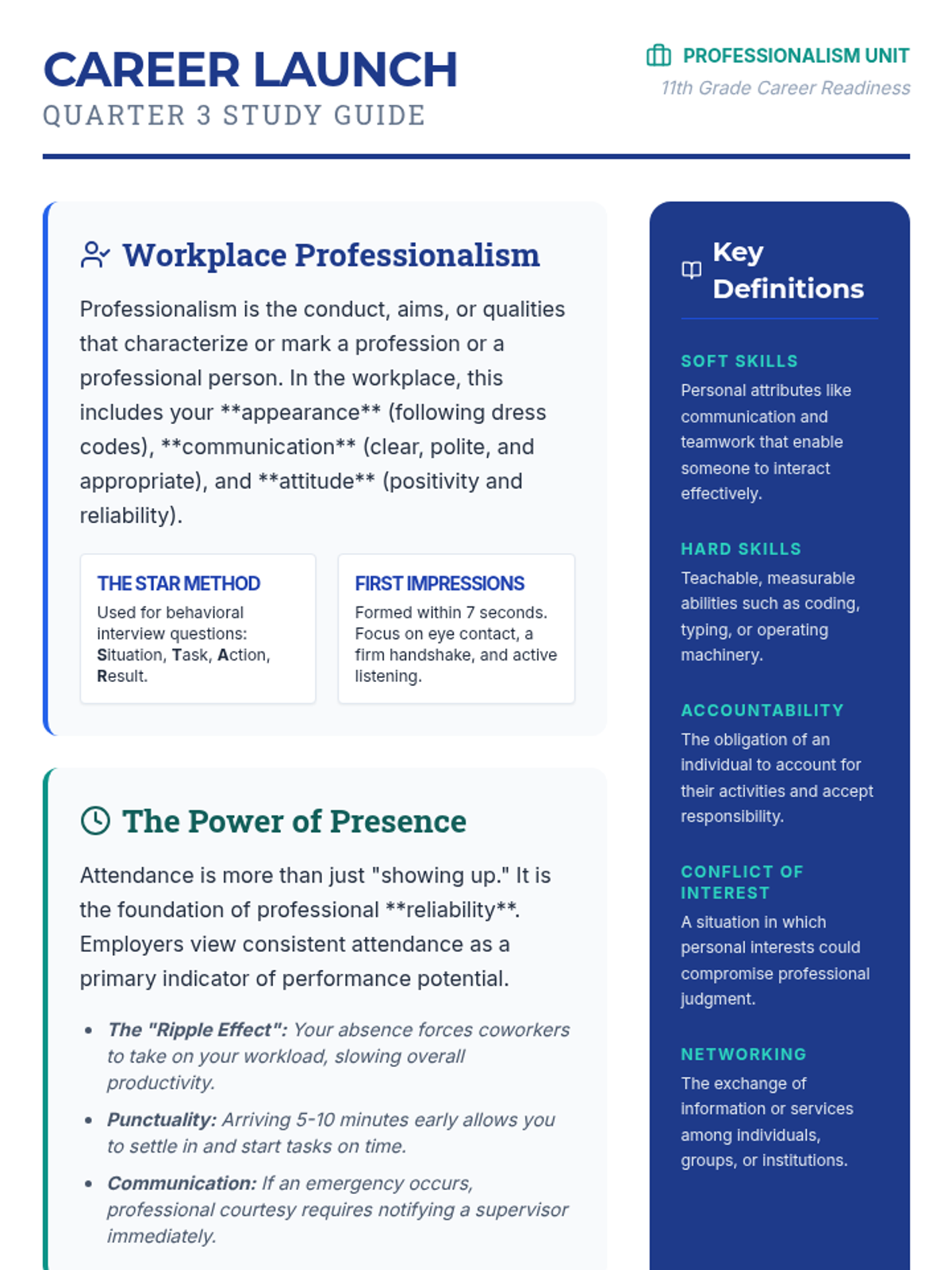
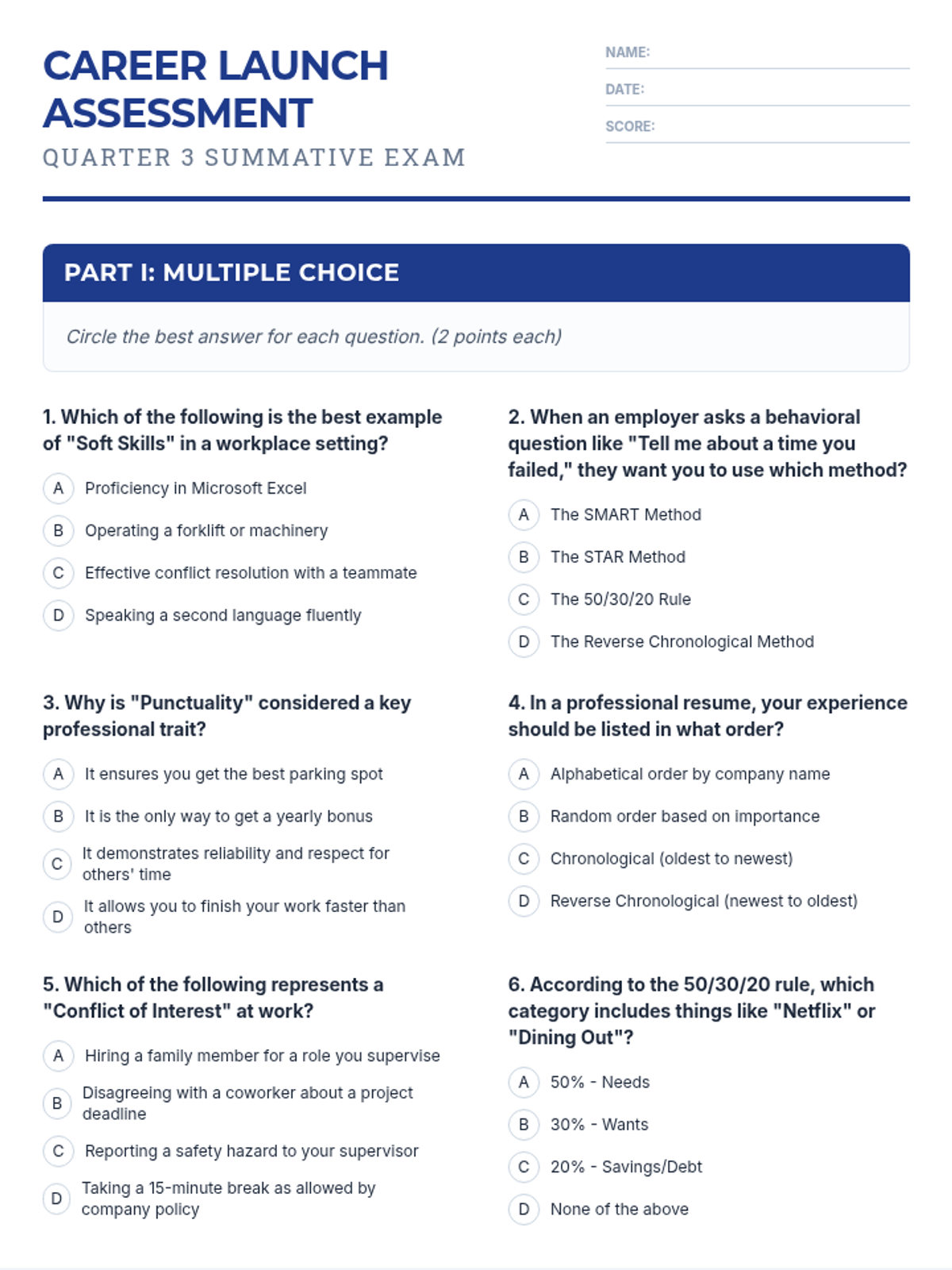
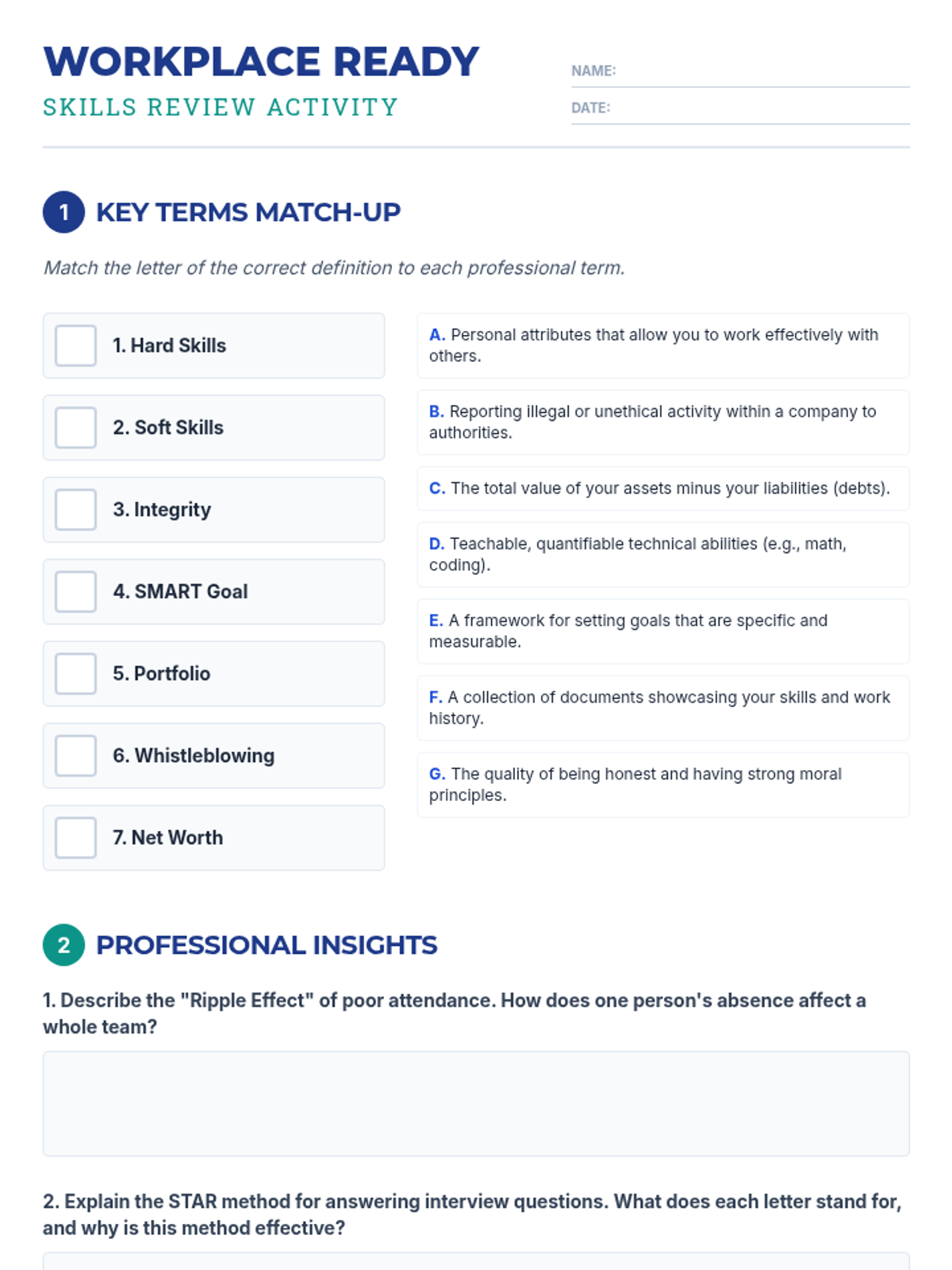
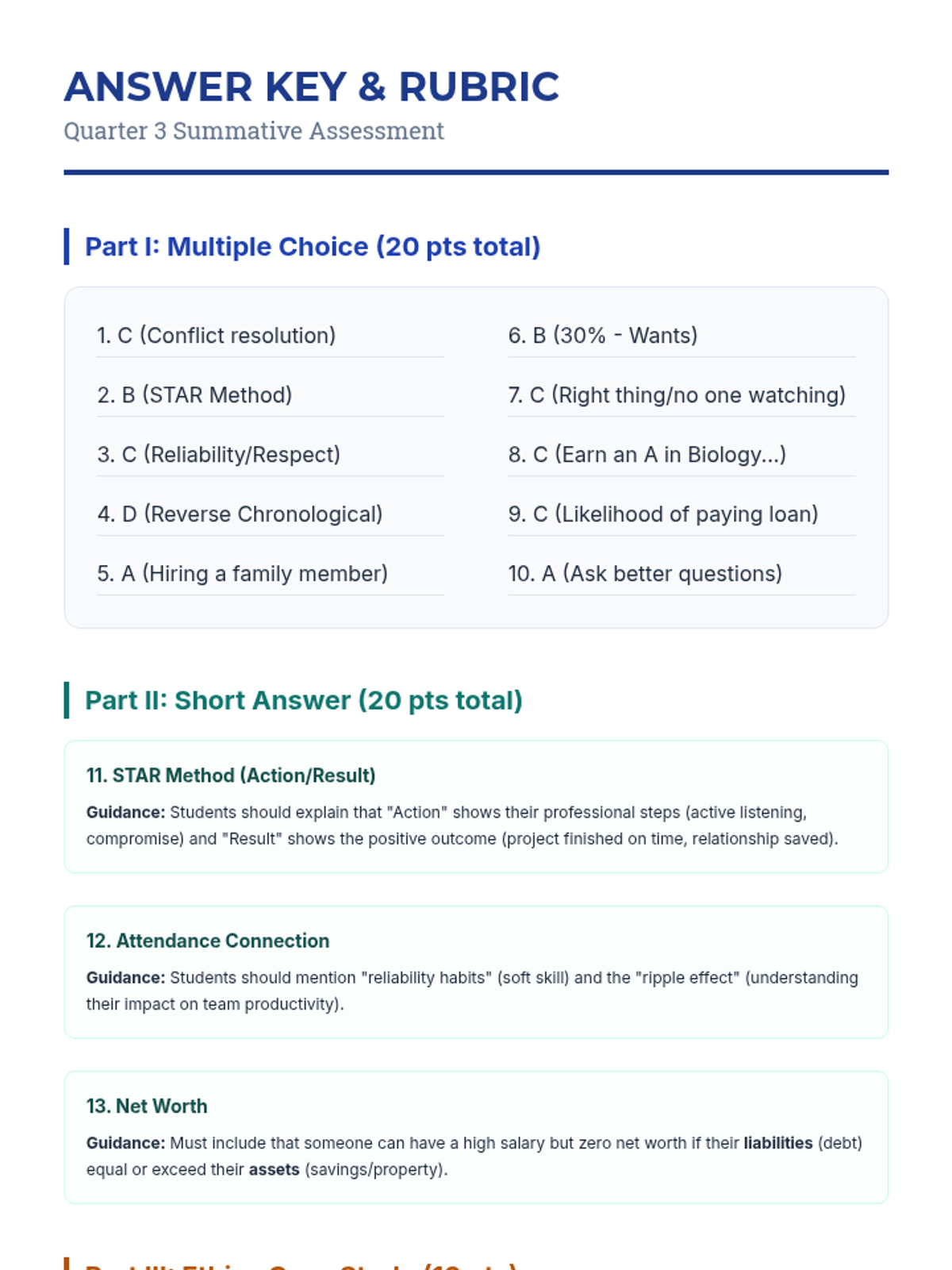
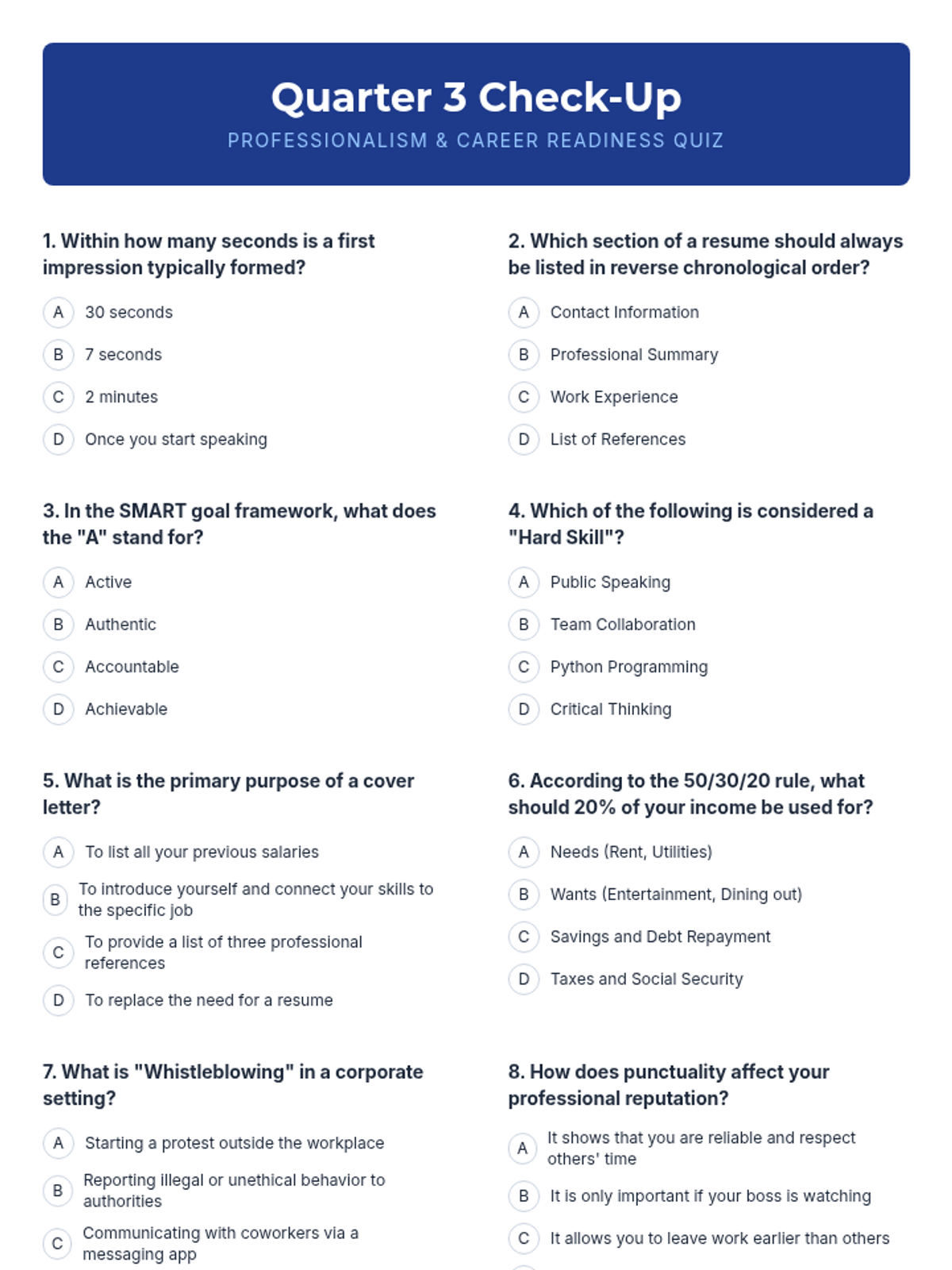
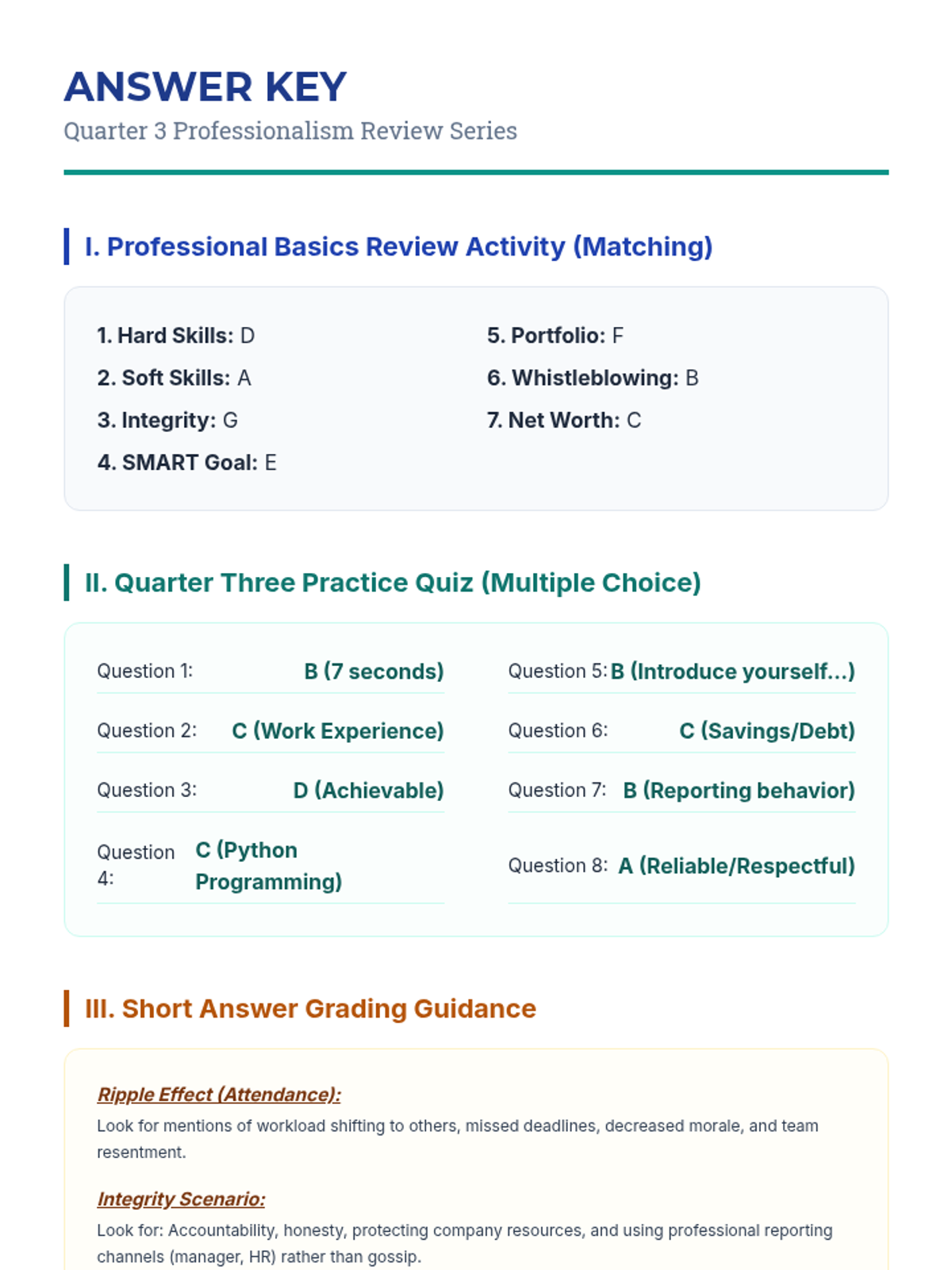
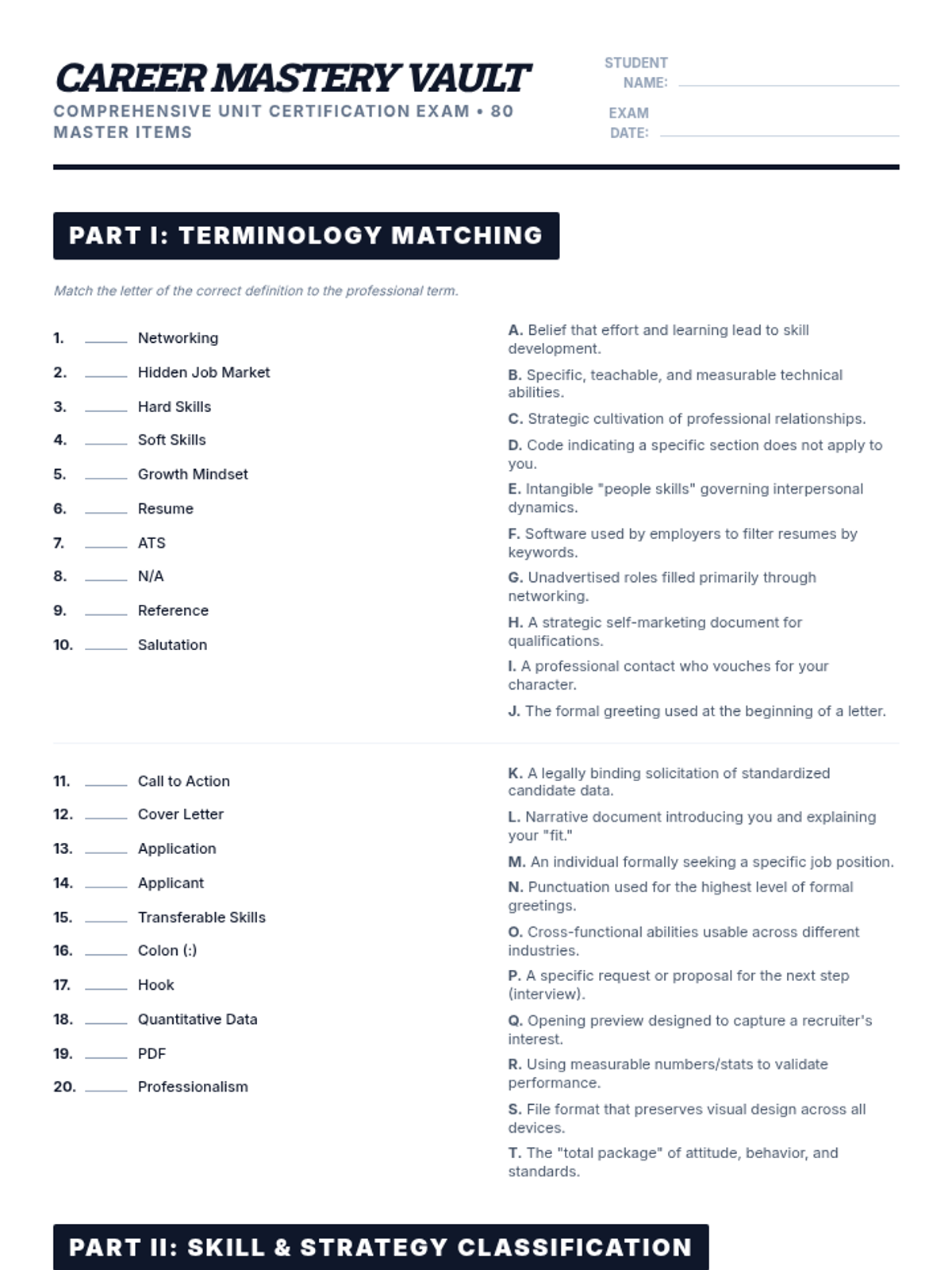
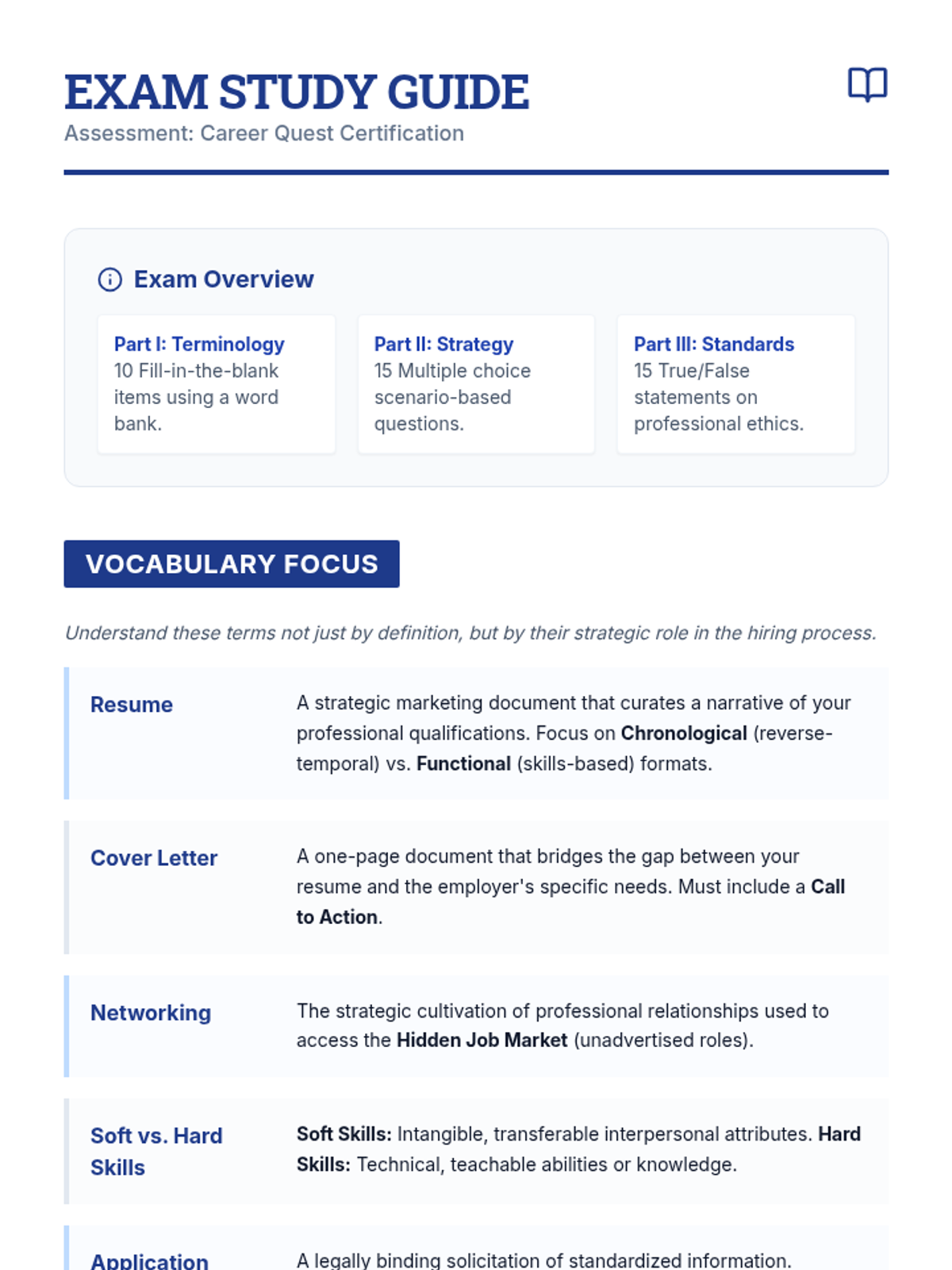
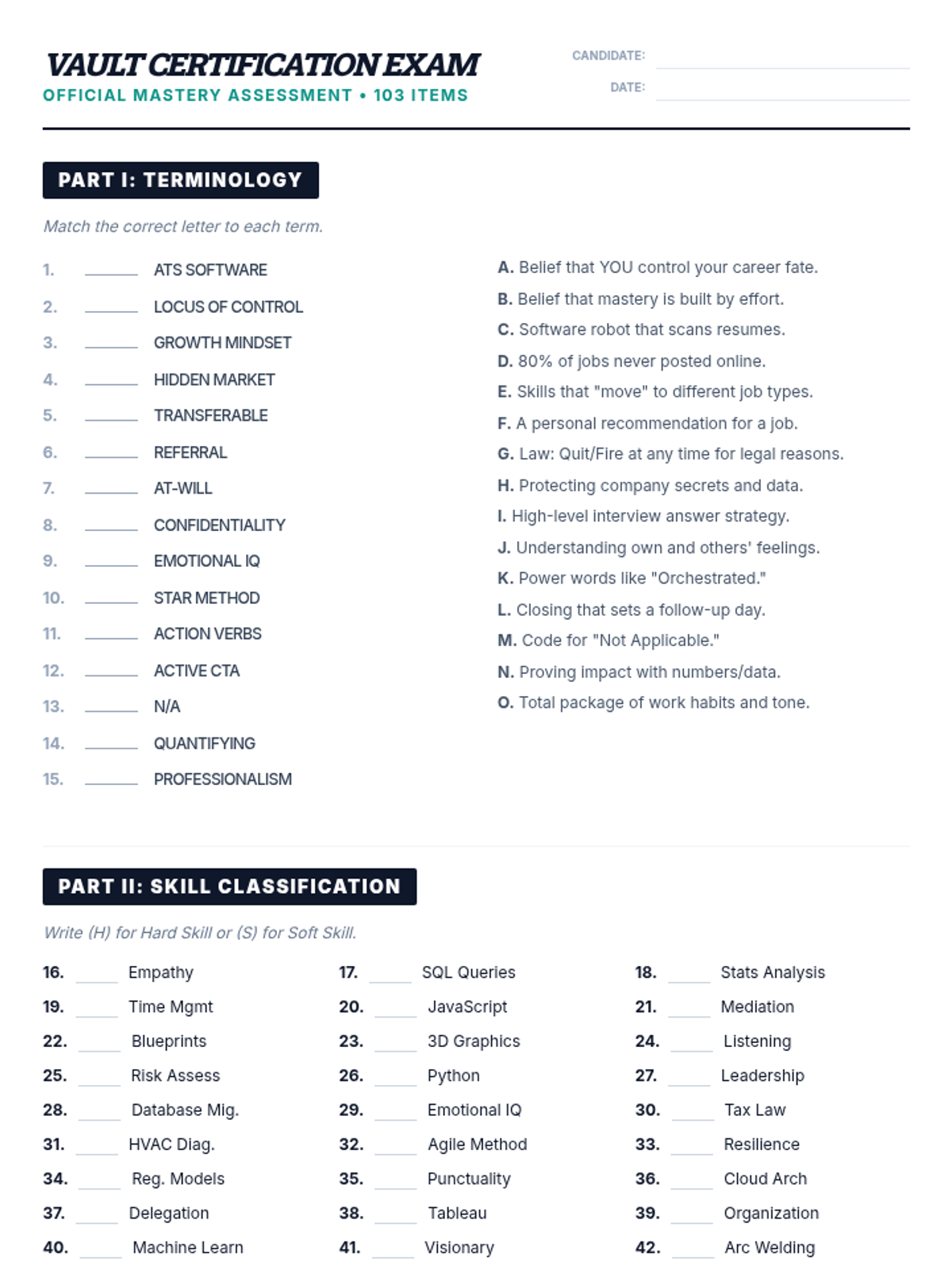
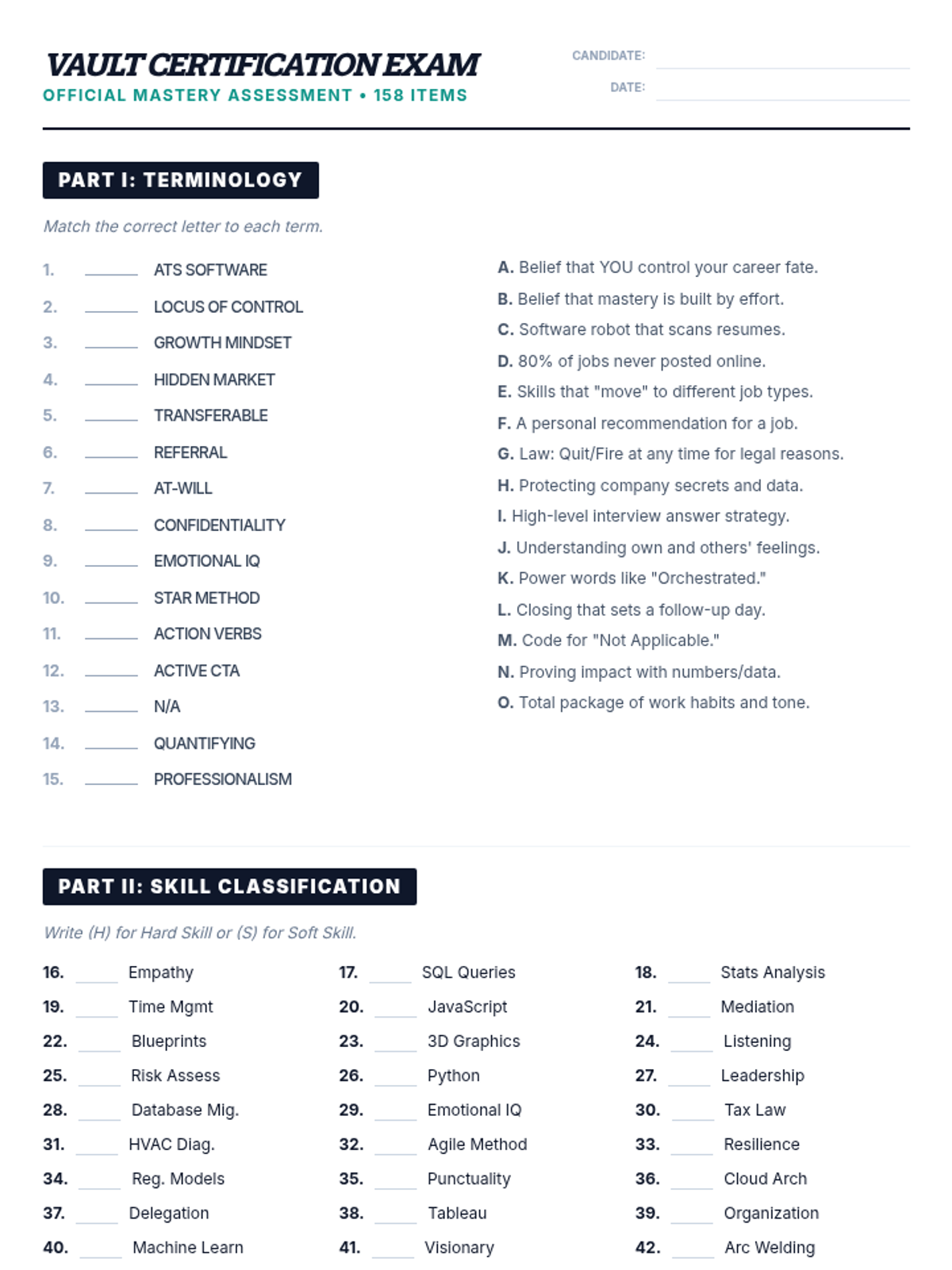
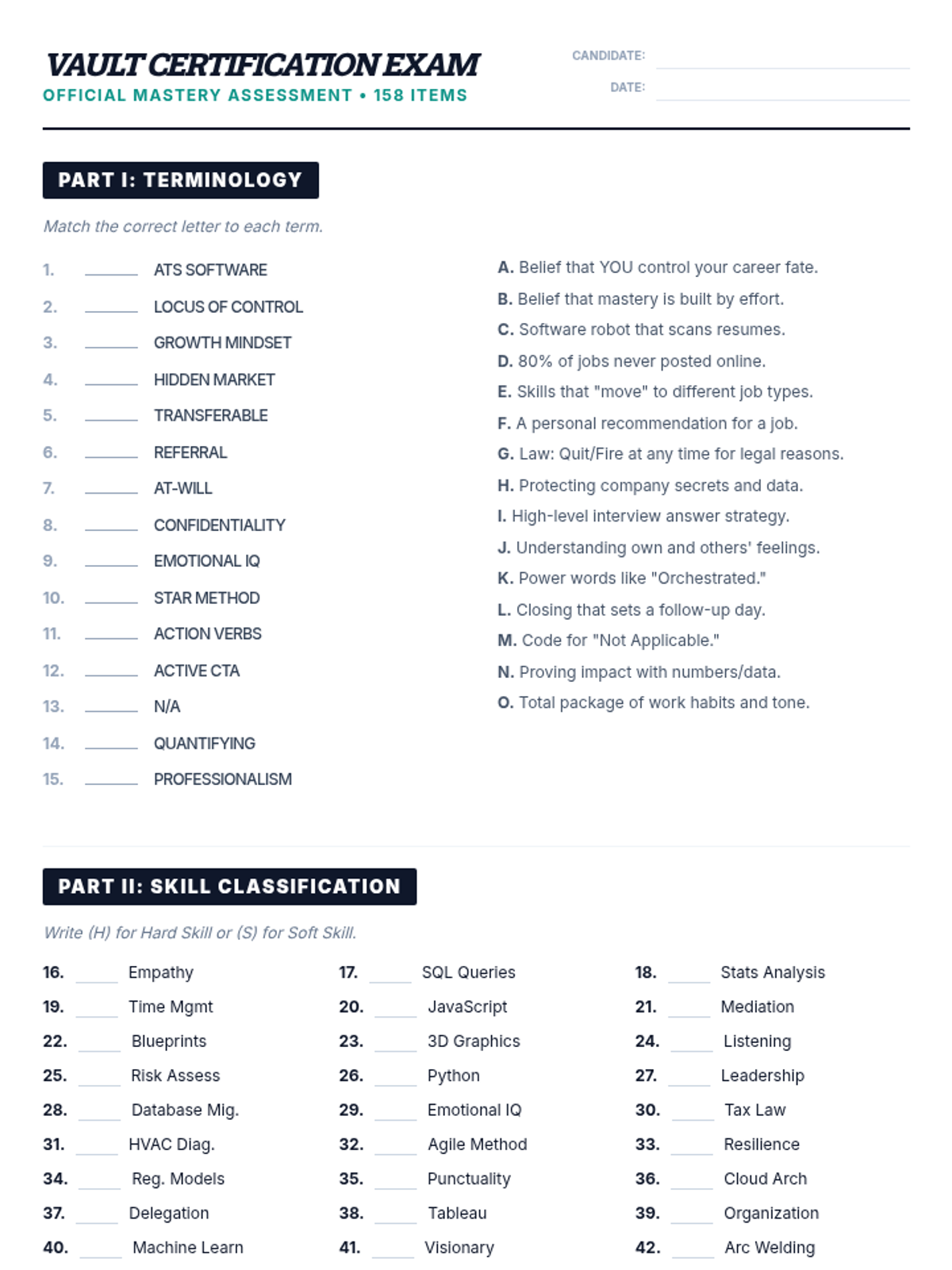
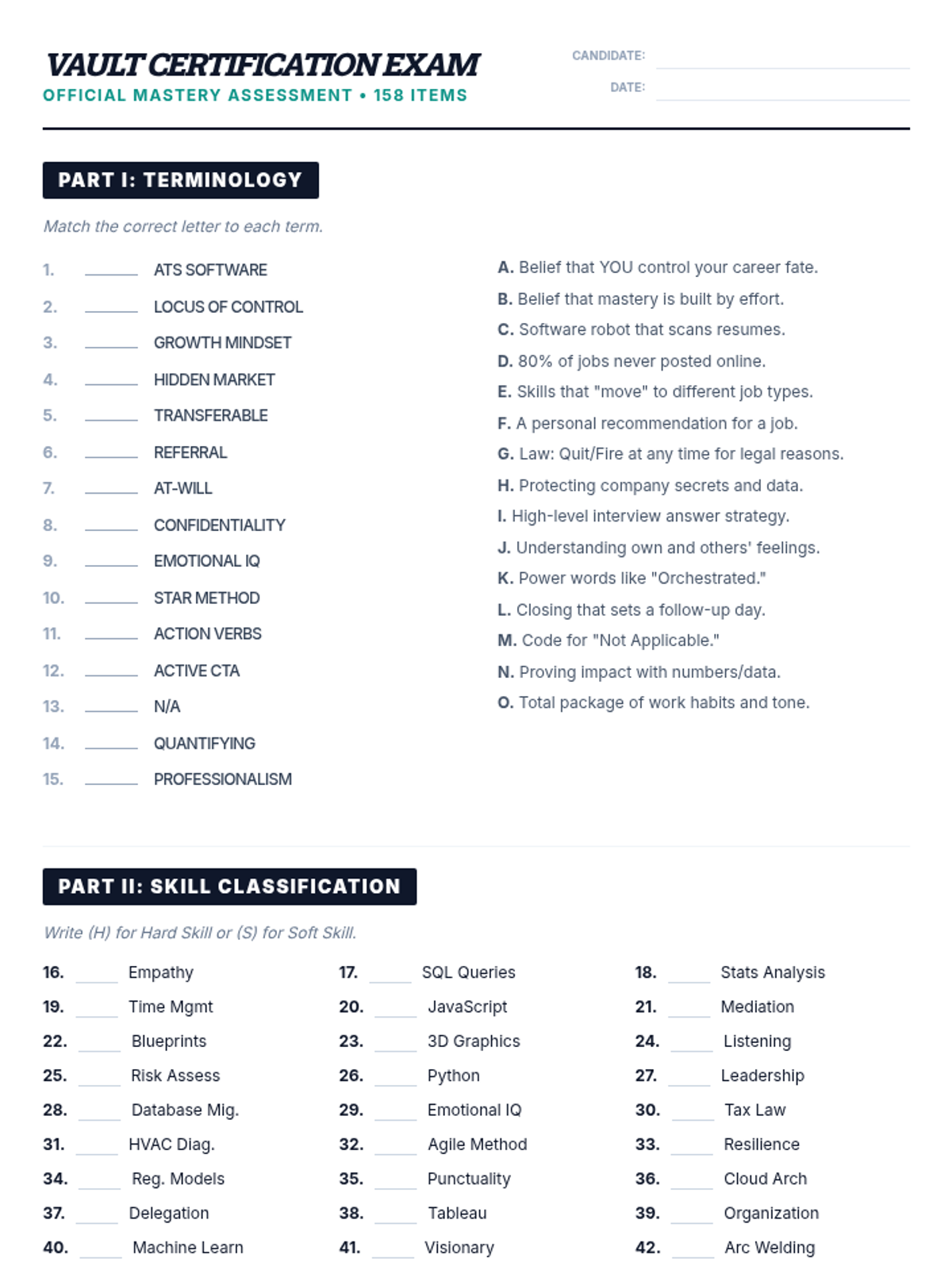
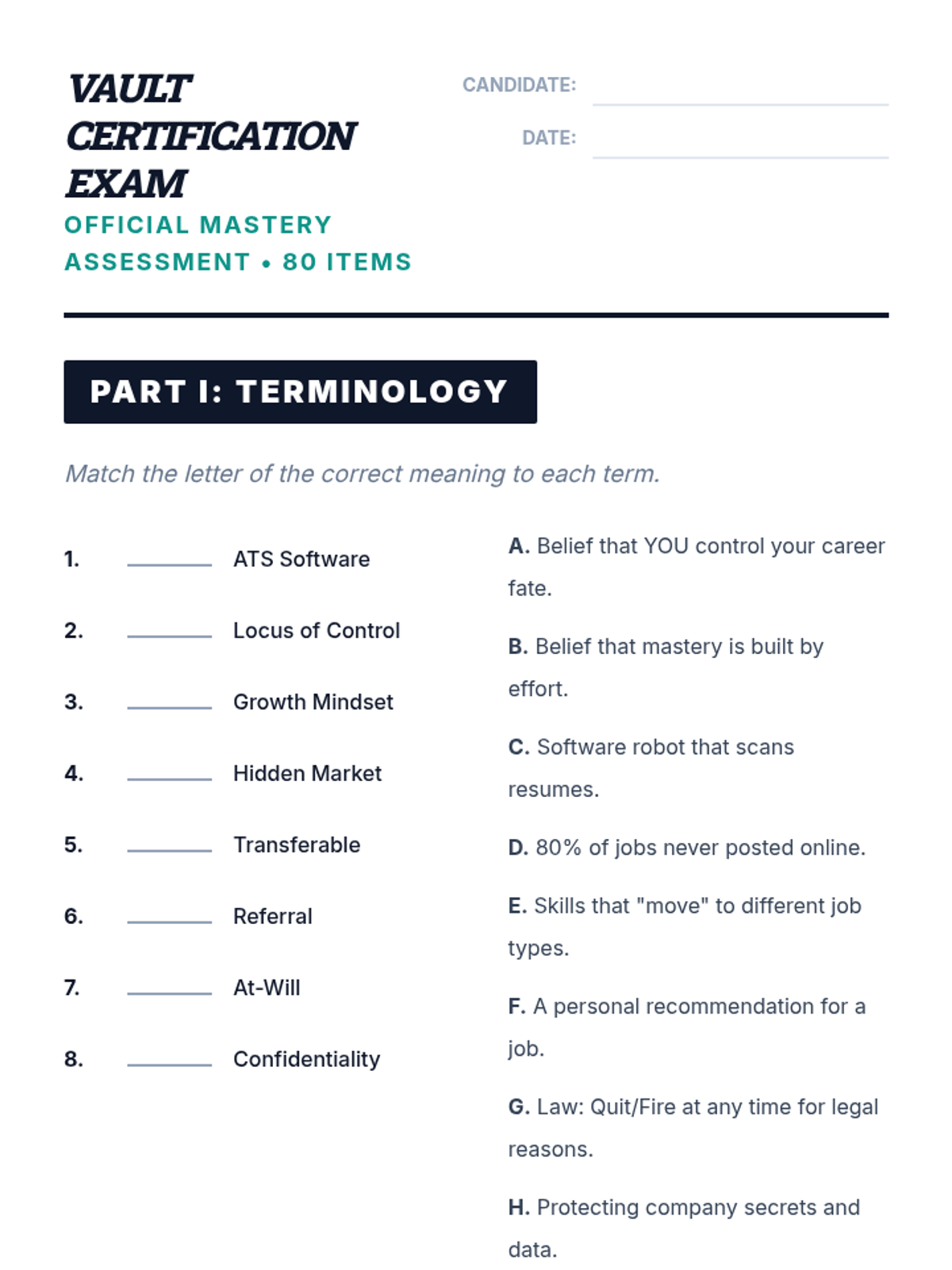
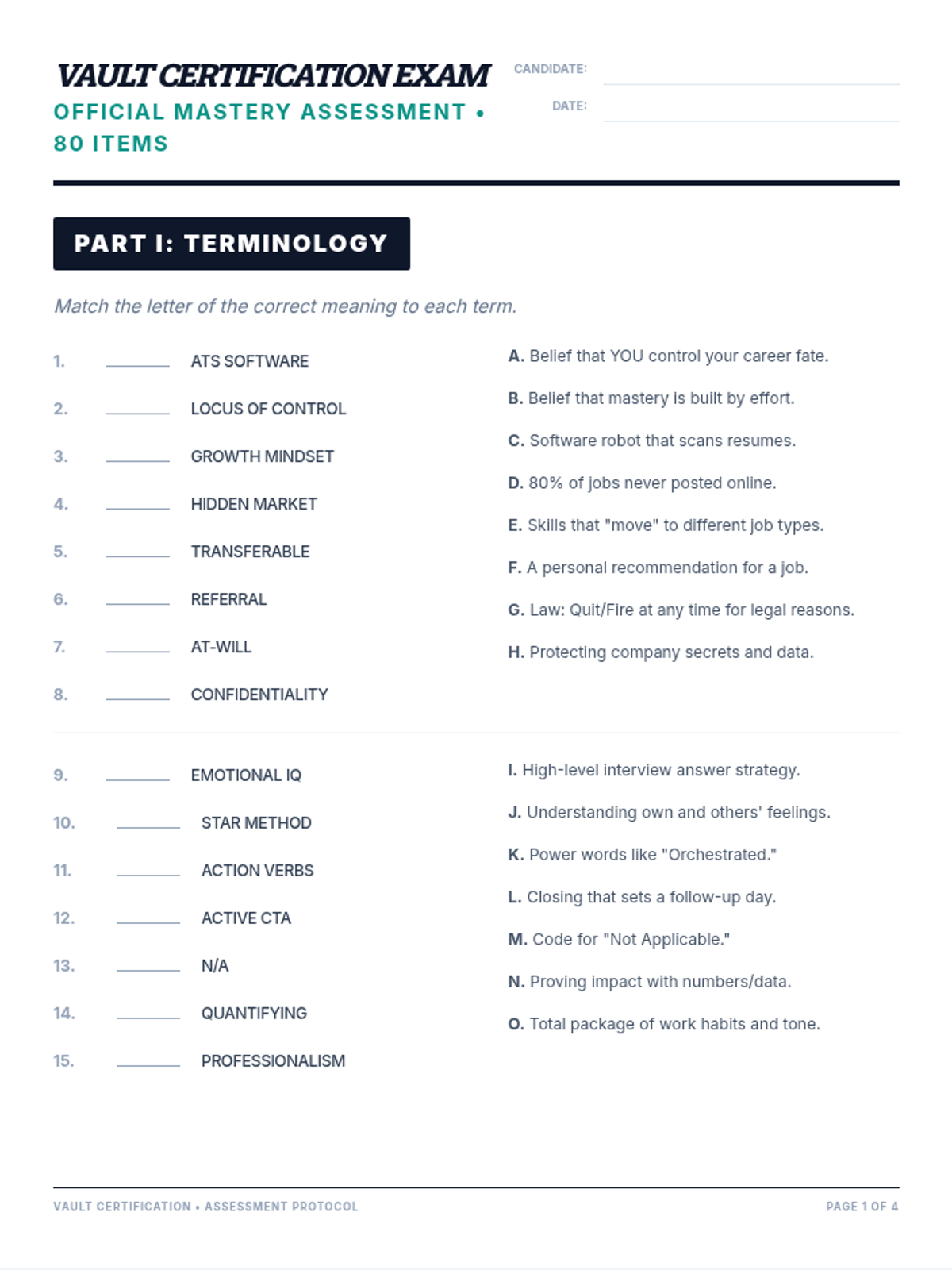
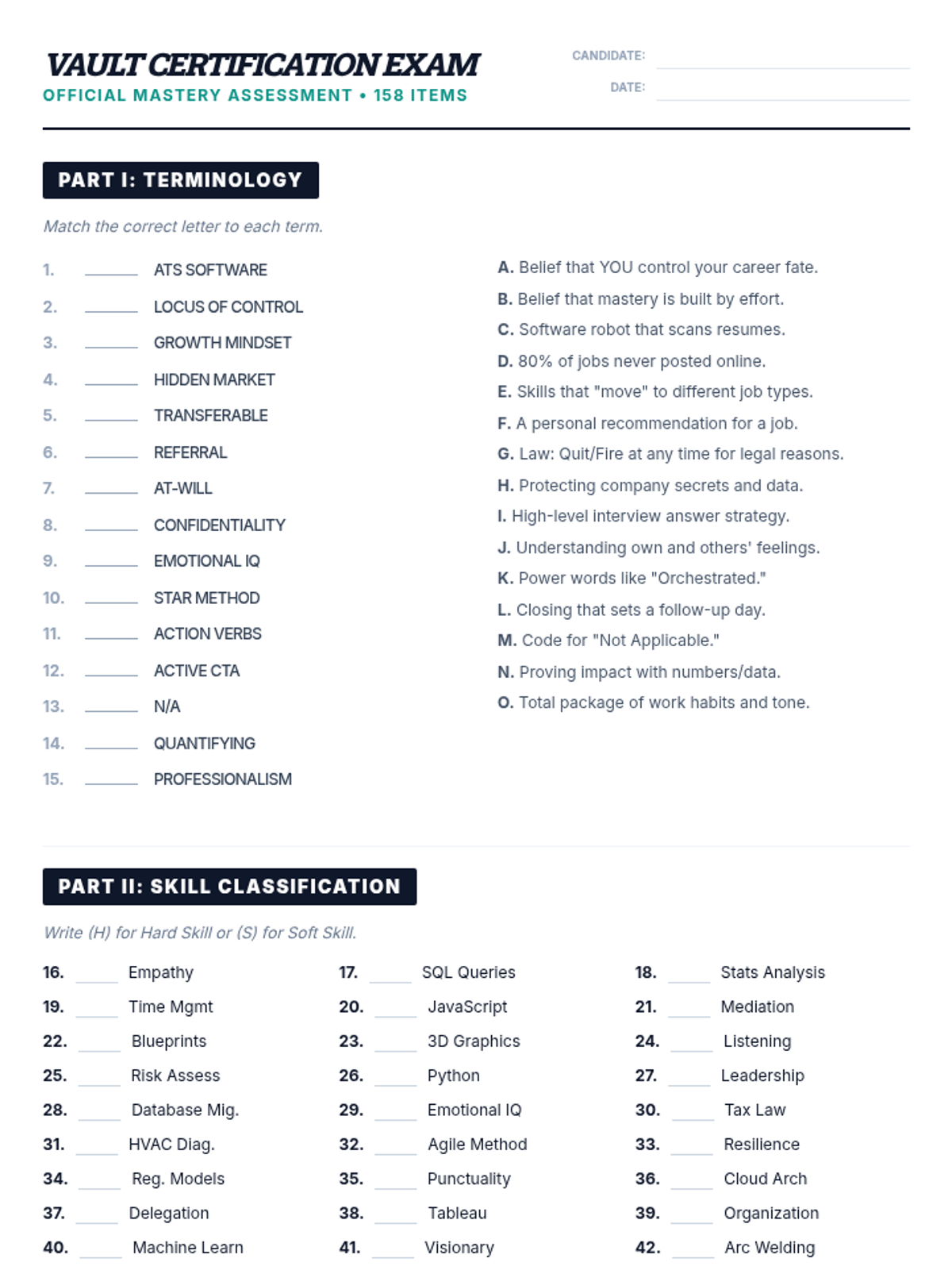
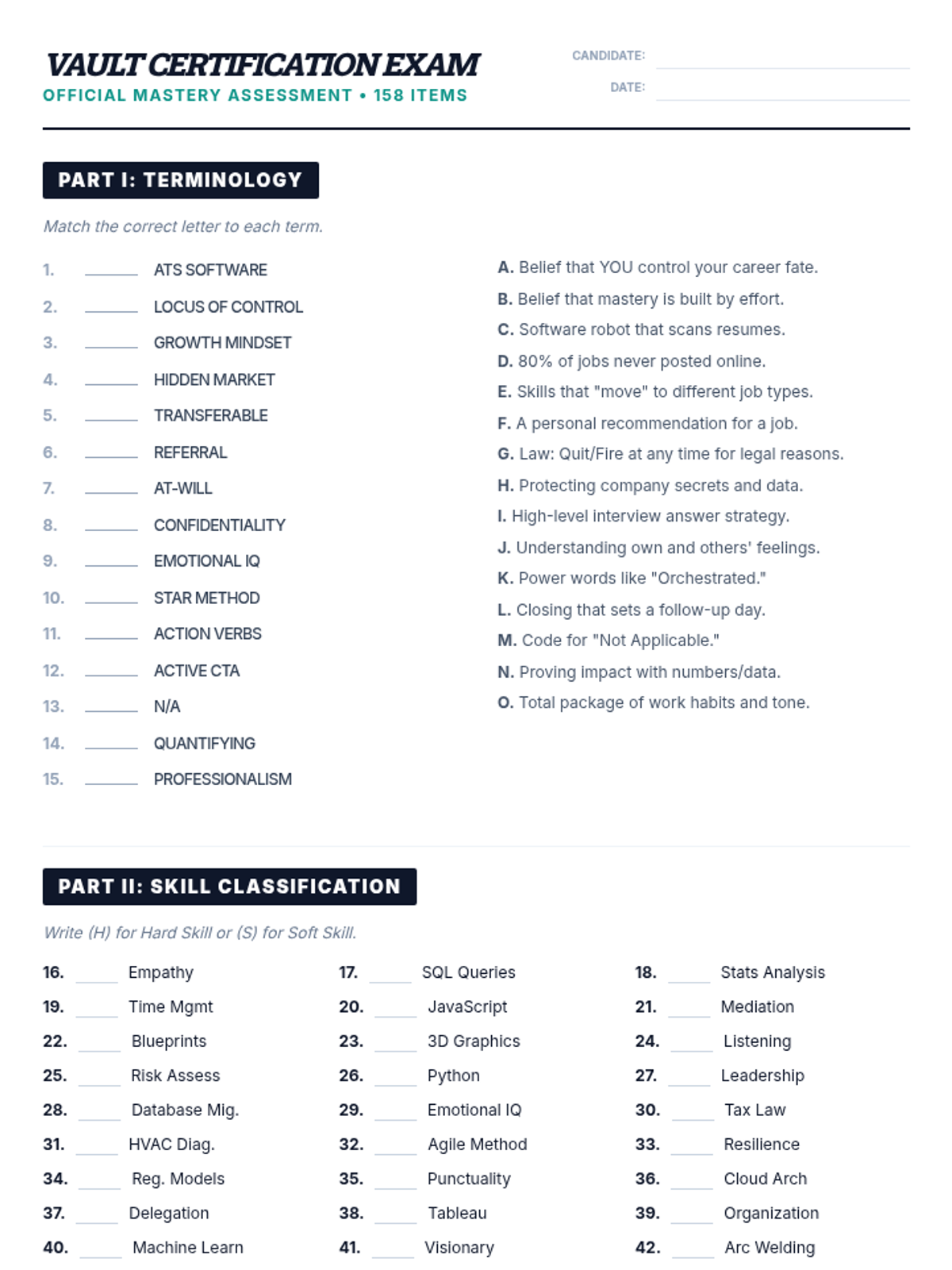
A comprehensive review lesson for 11th-grade students covering workplace professionalism, financial literacy, portfolio development, and ethics. This lesson prepares students for their Quarter 3 assessment through summaries, matching activities, and practice quizzes.
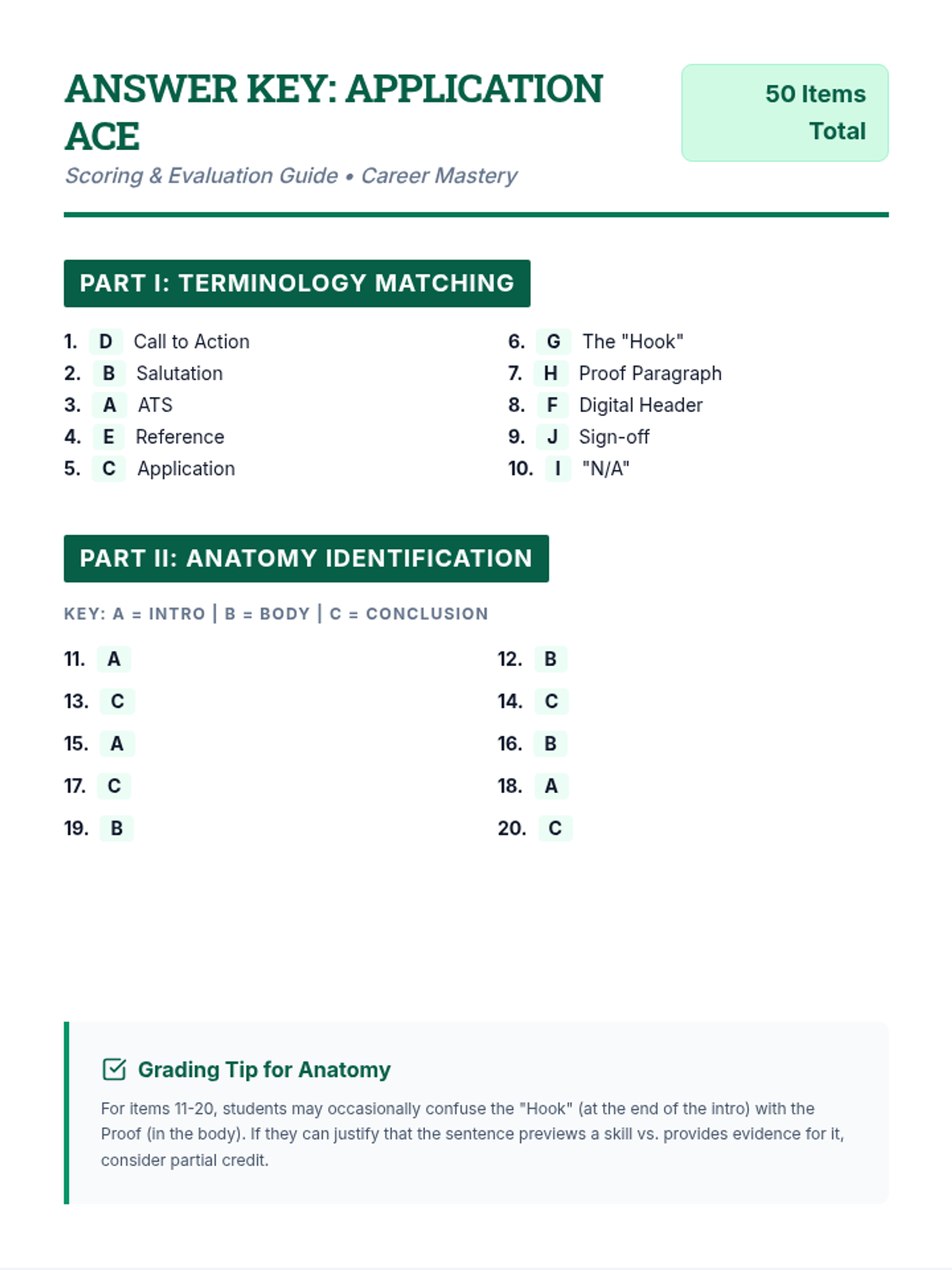
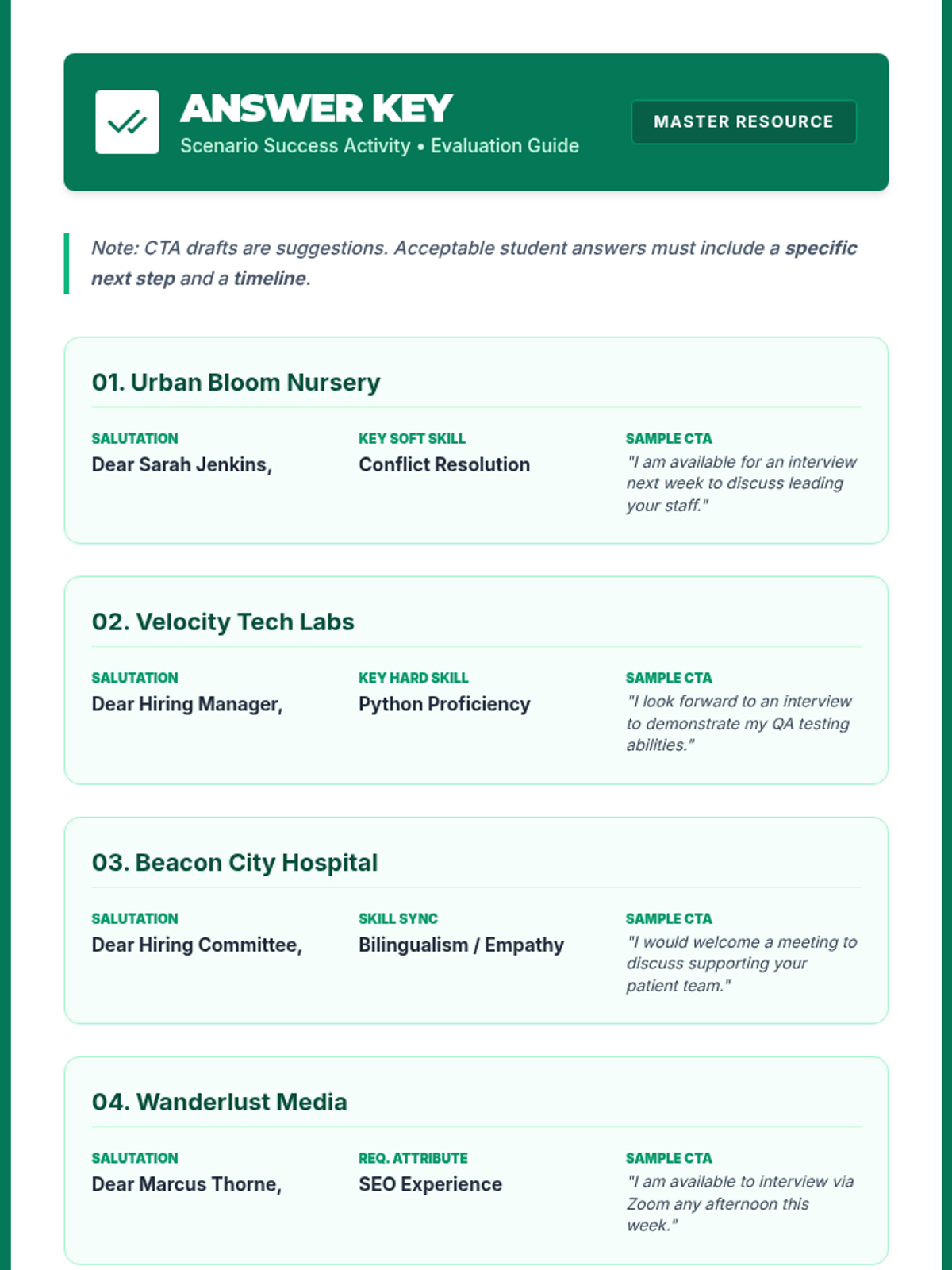
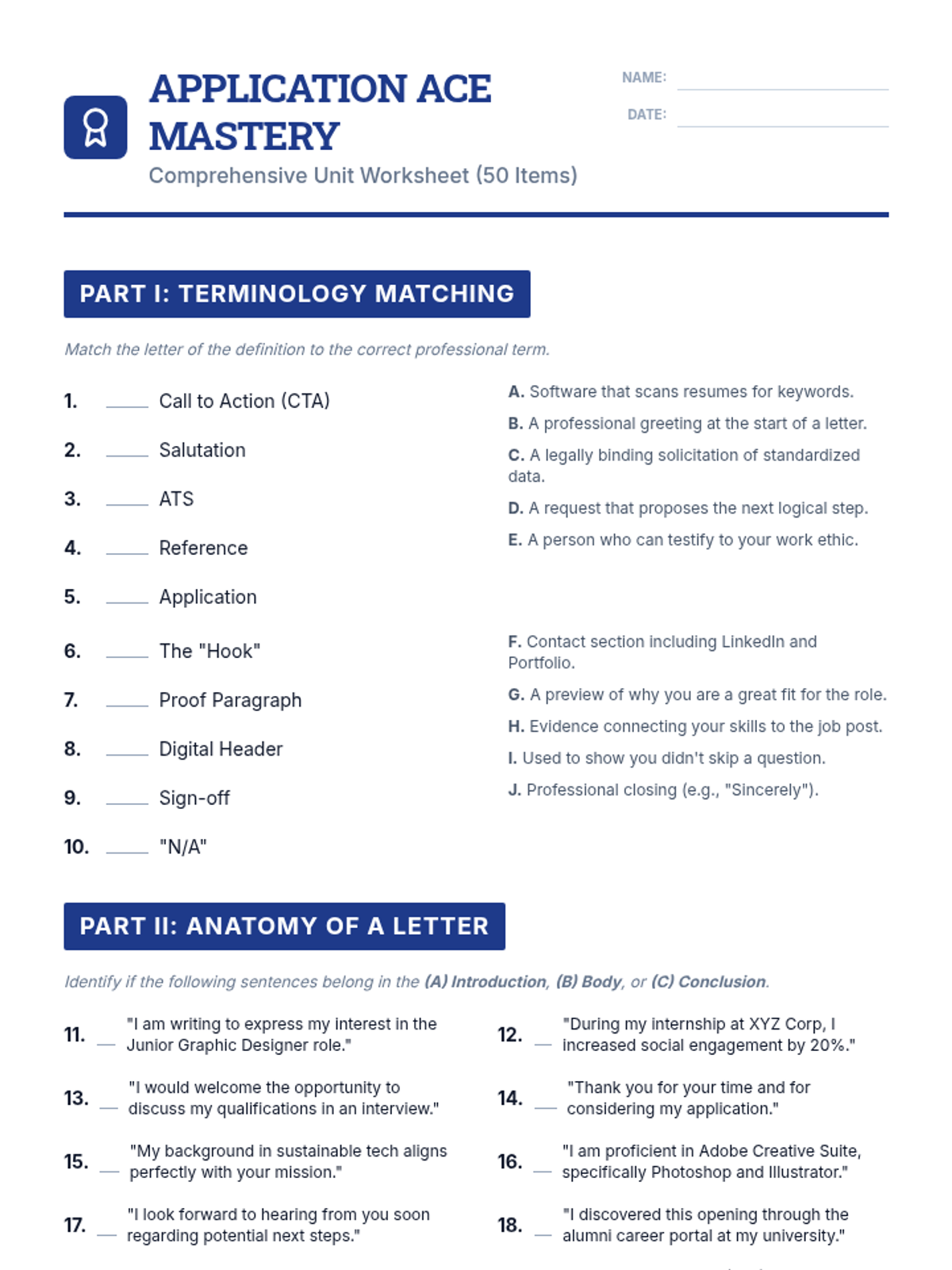
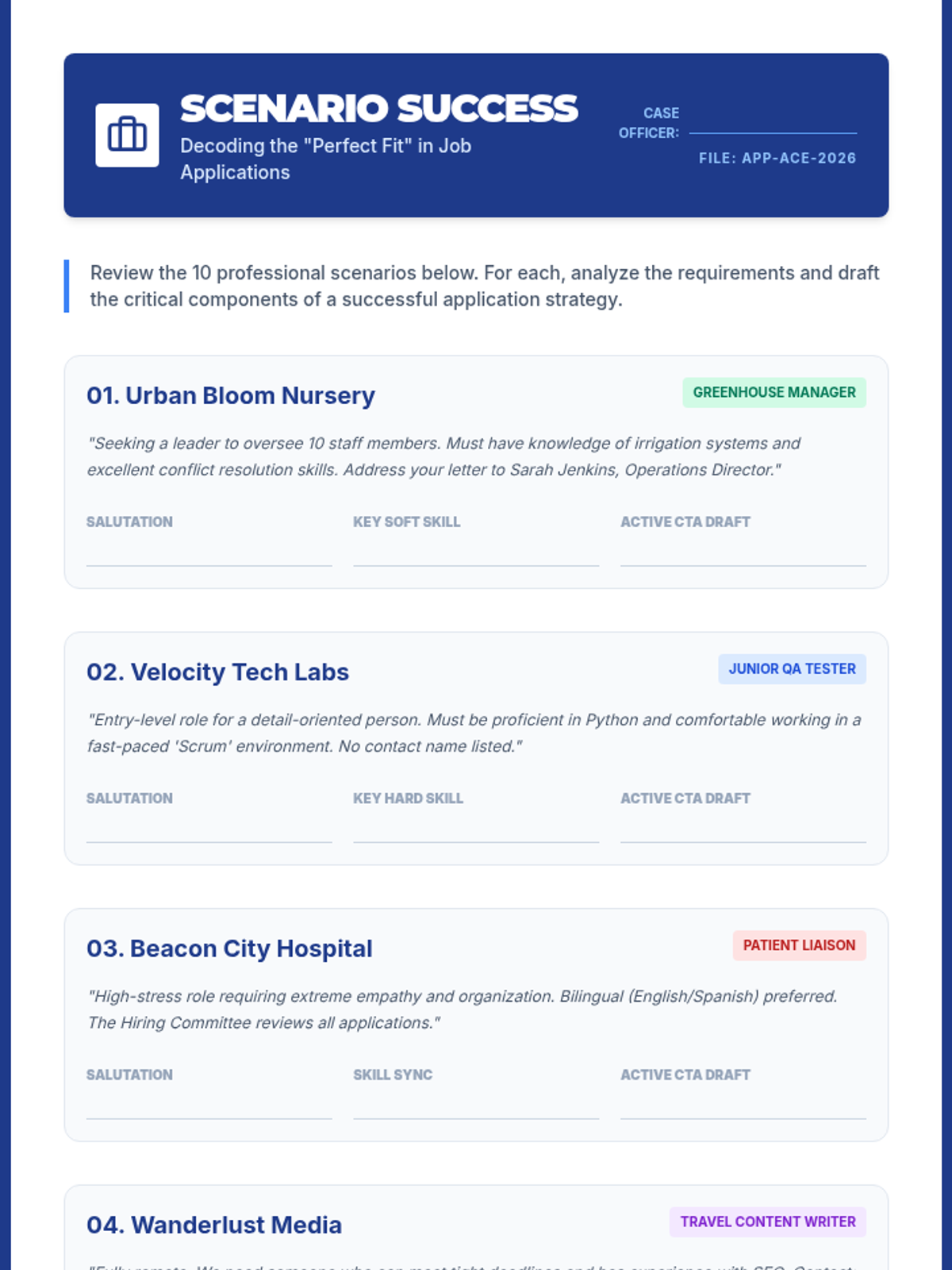
A comprehensive lesson on job readiness, covering job applications, personal statements, and the STAR method for interviews, specifically designed for urban high school students entering the workforce.
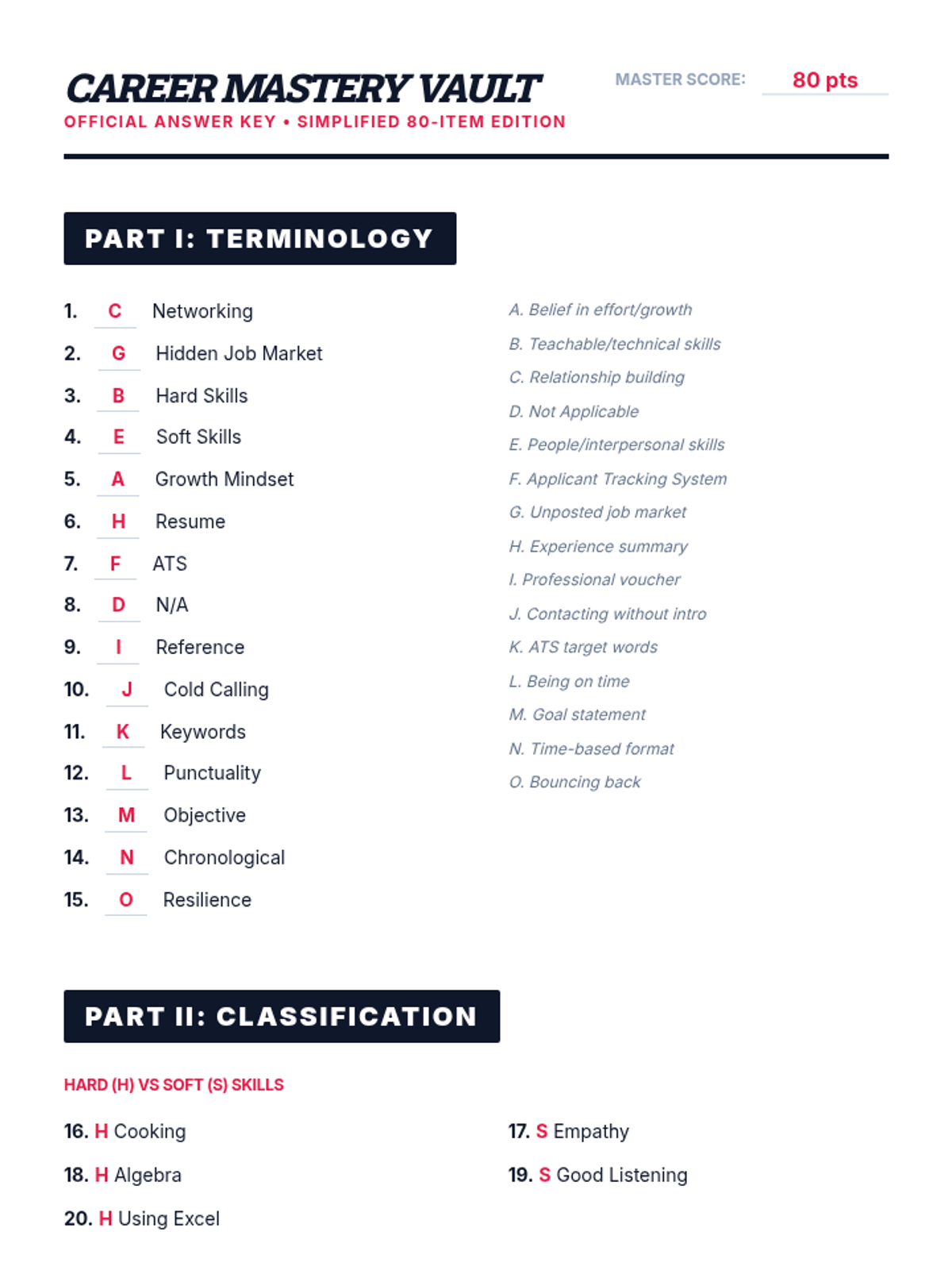
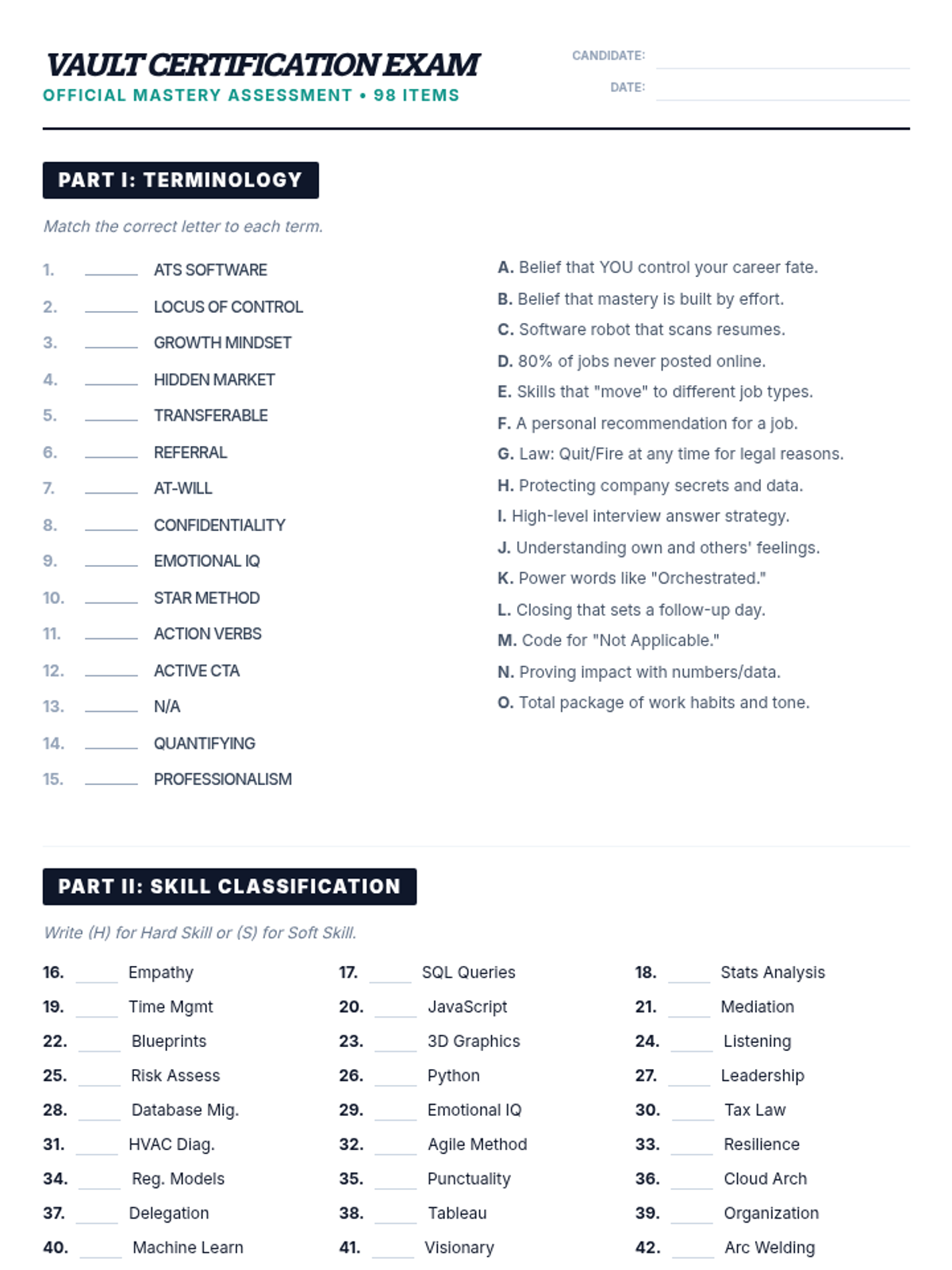
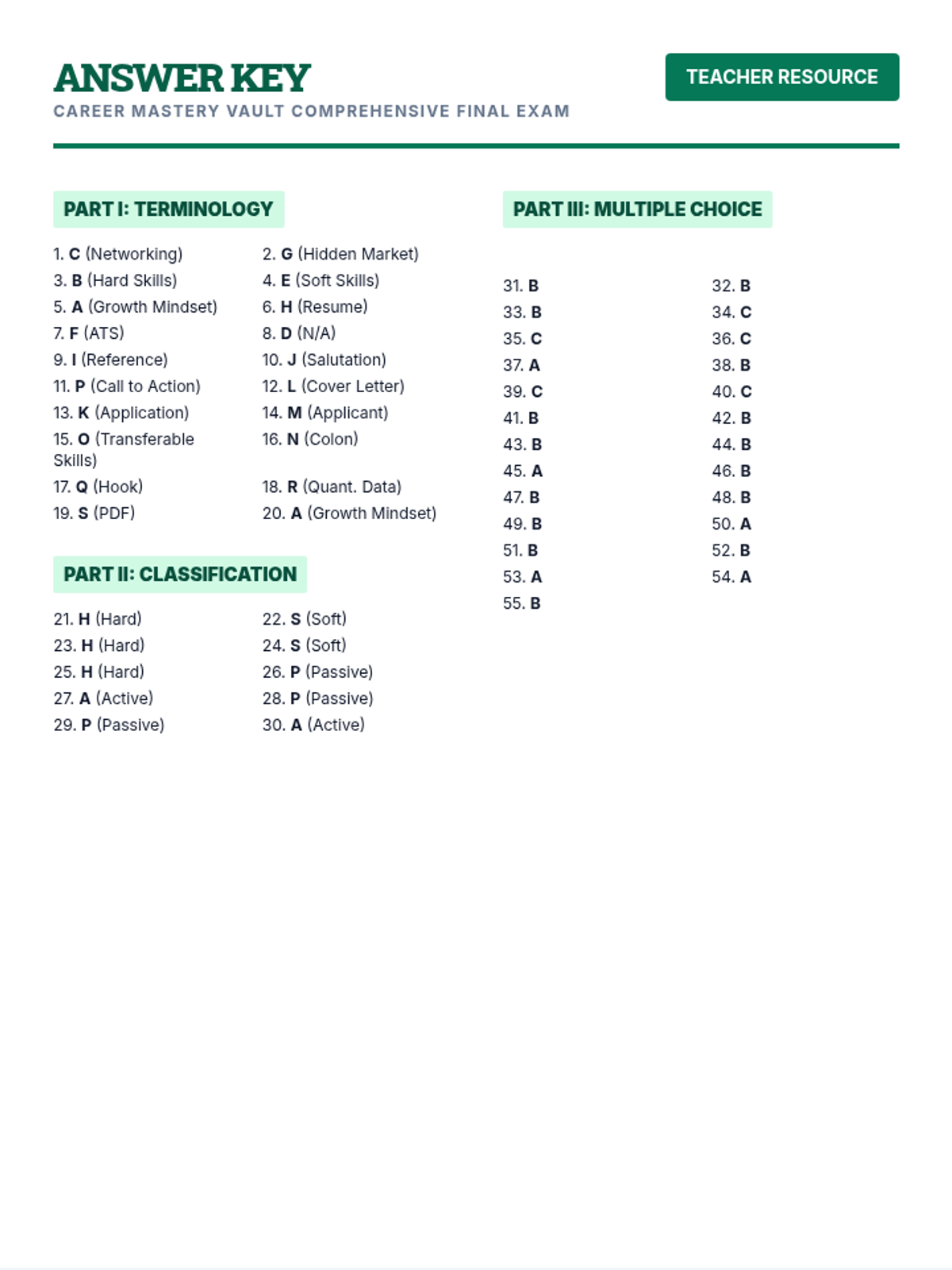
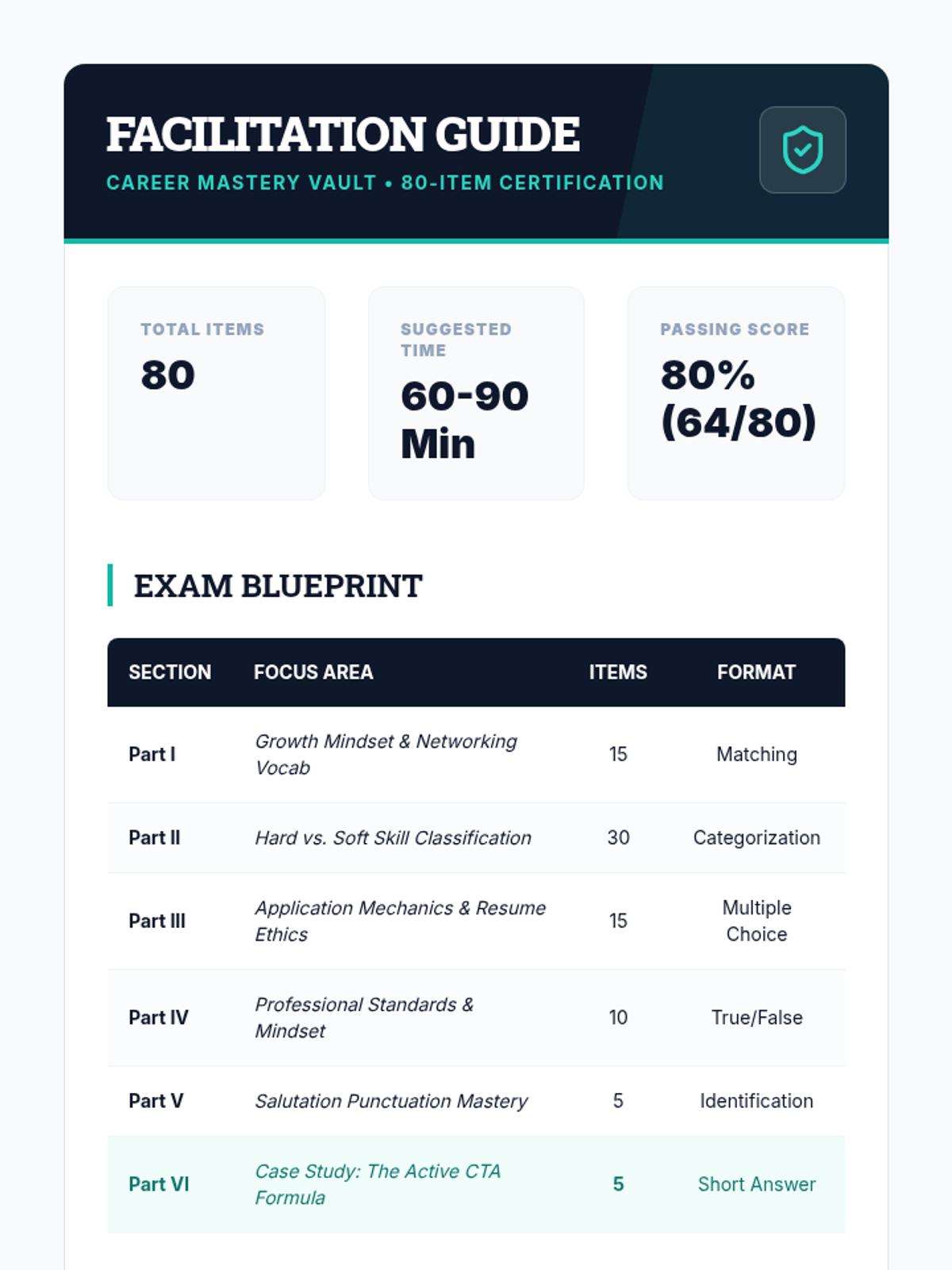
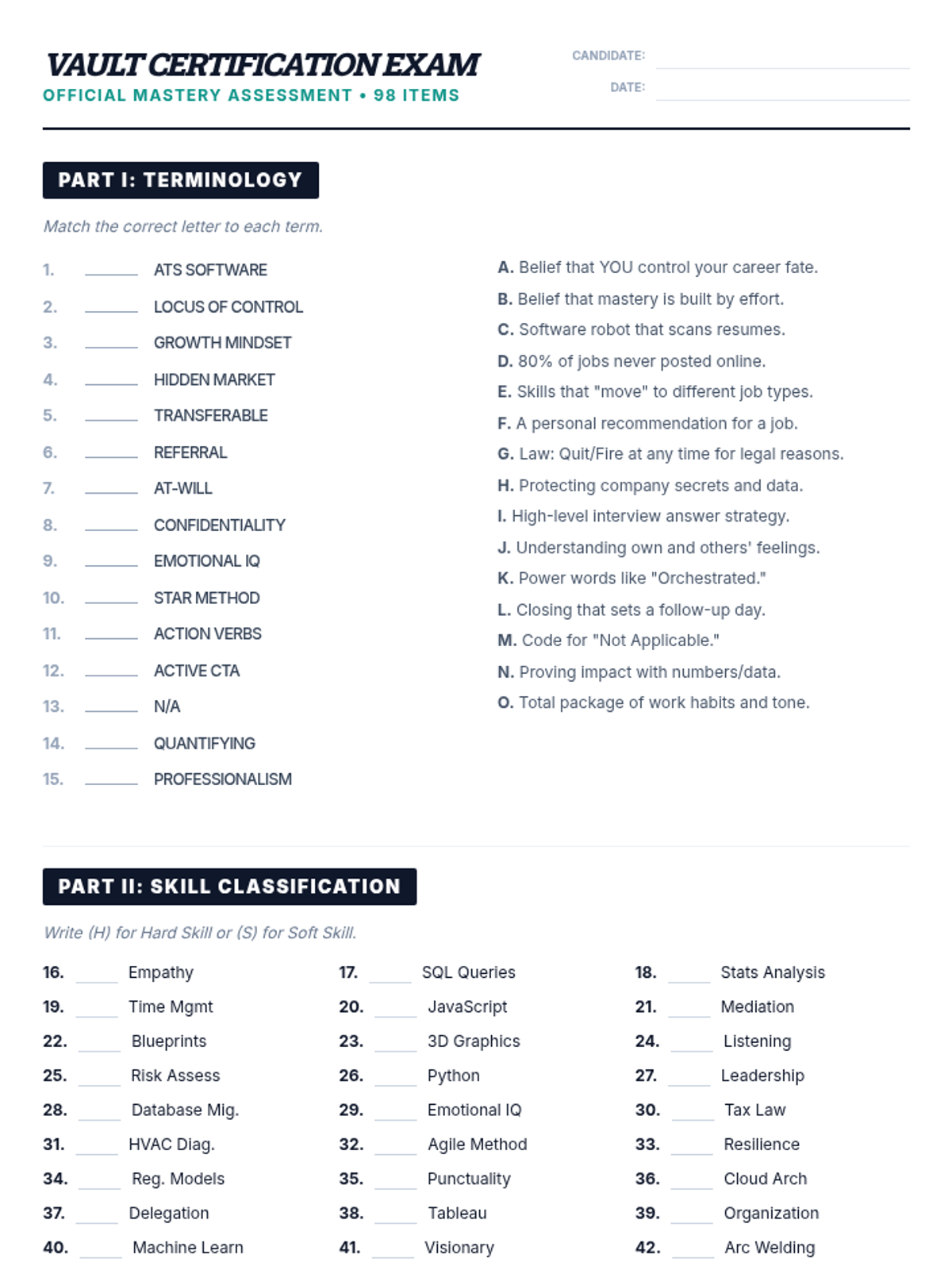
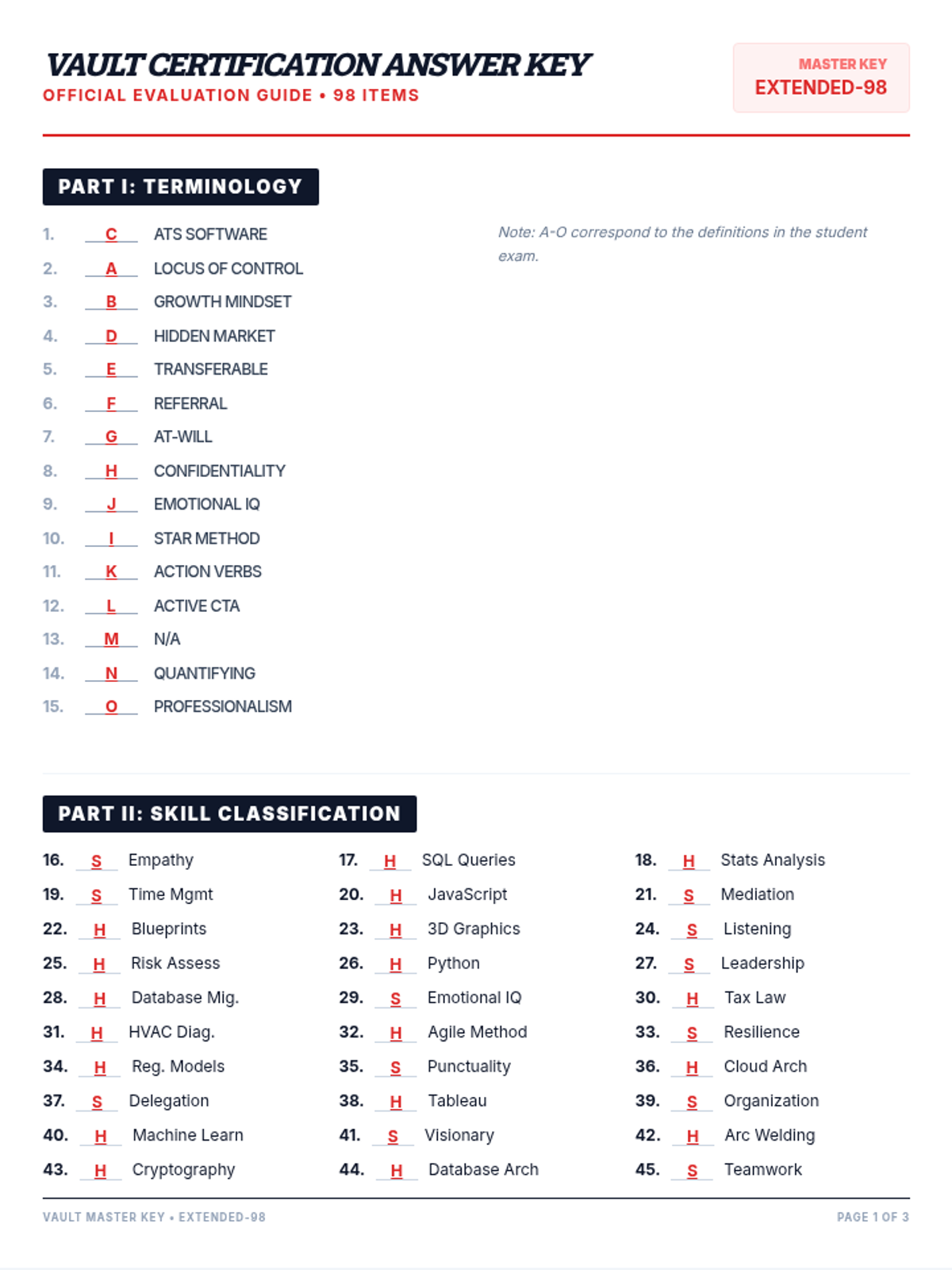
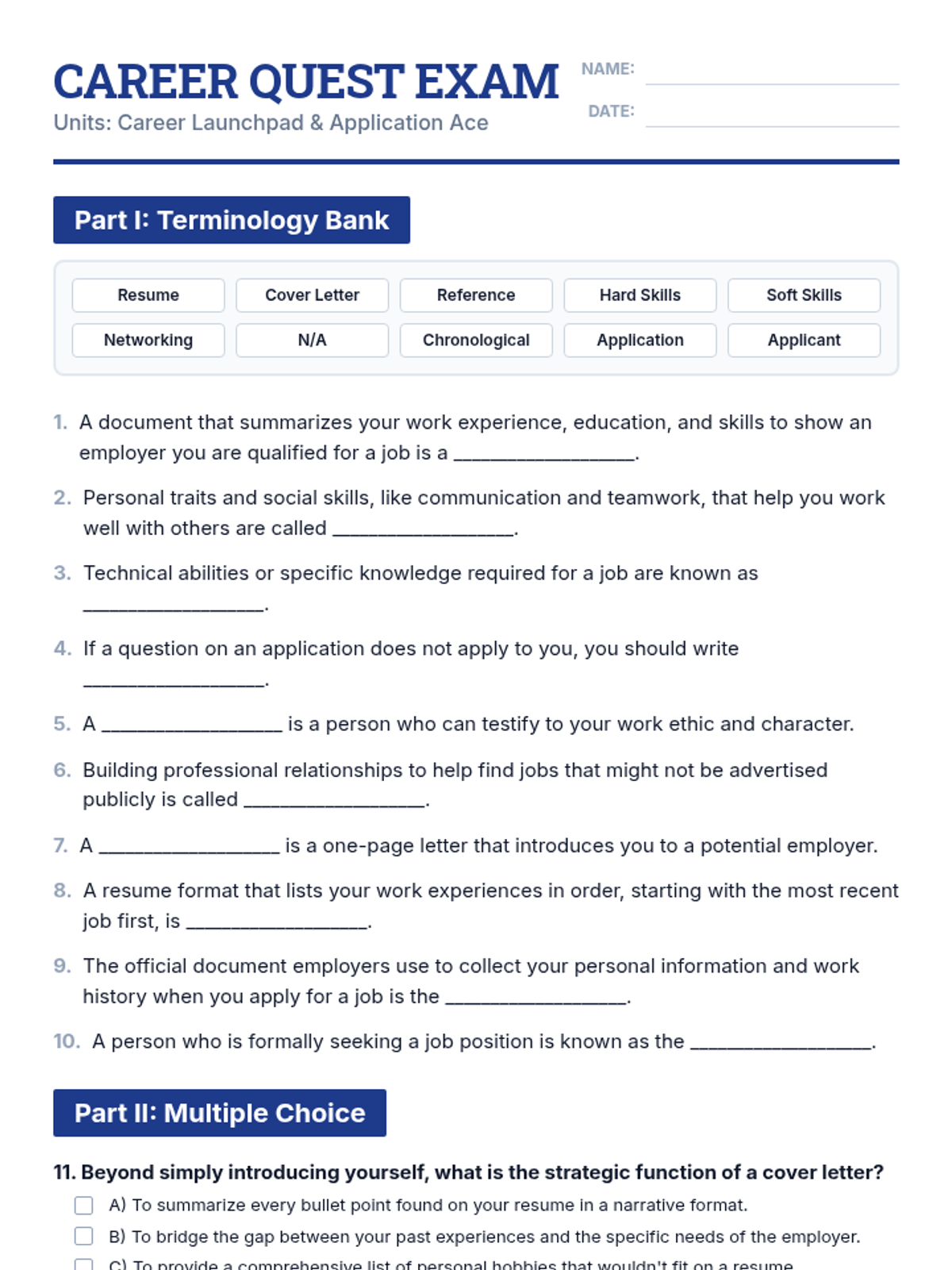
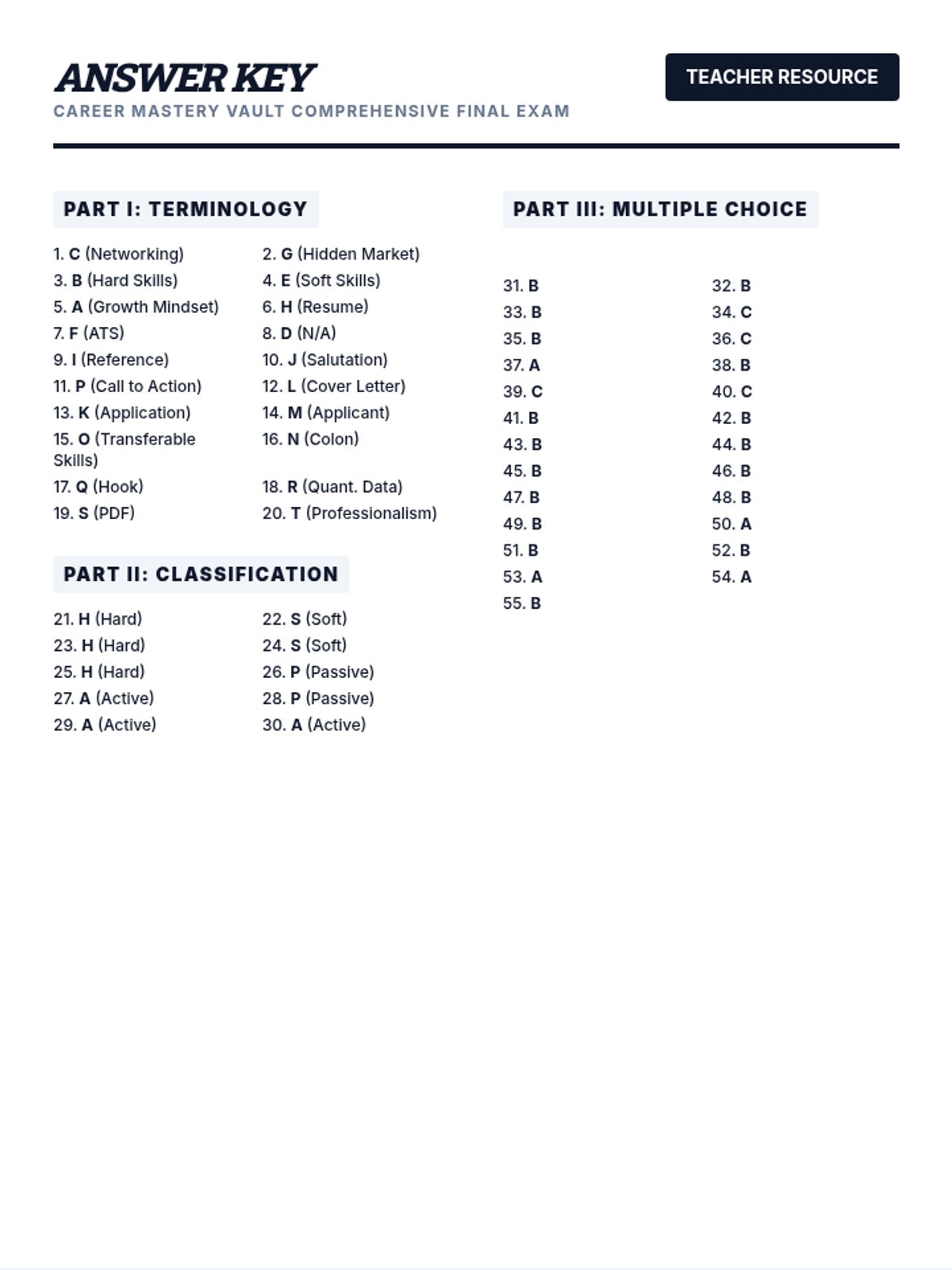
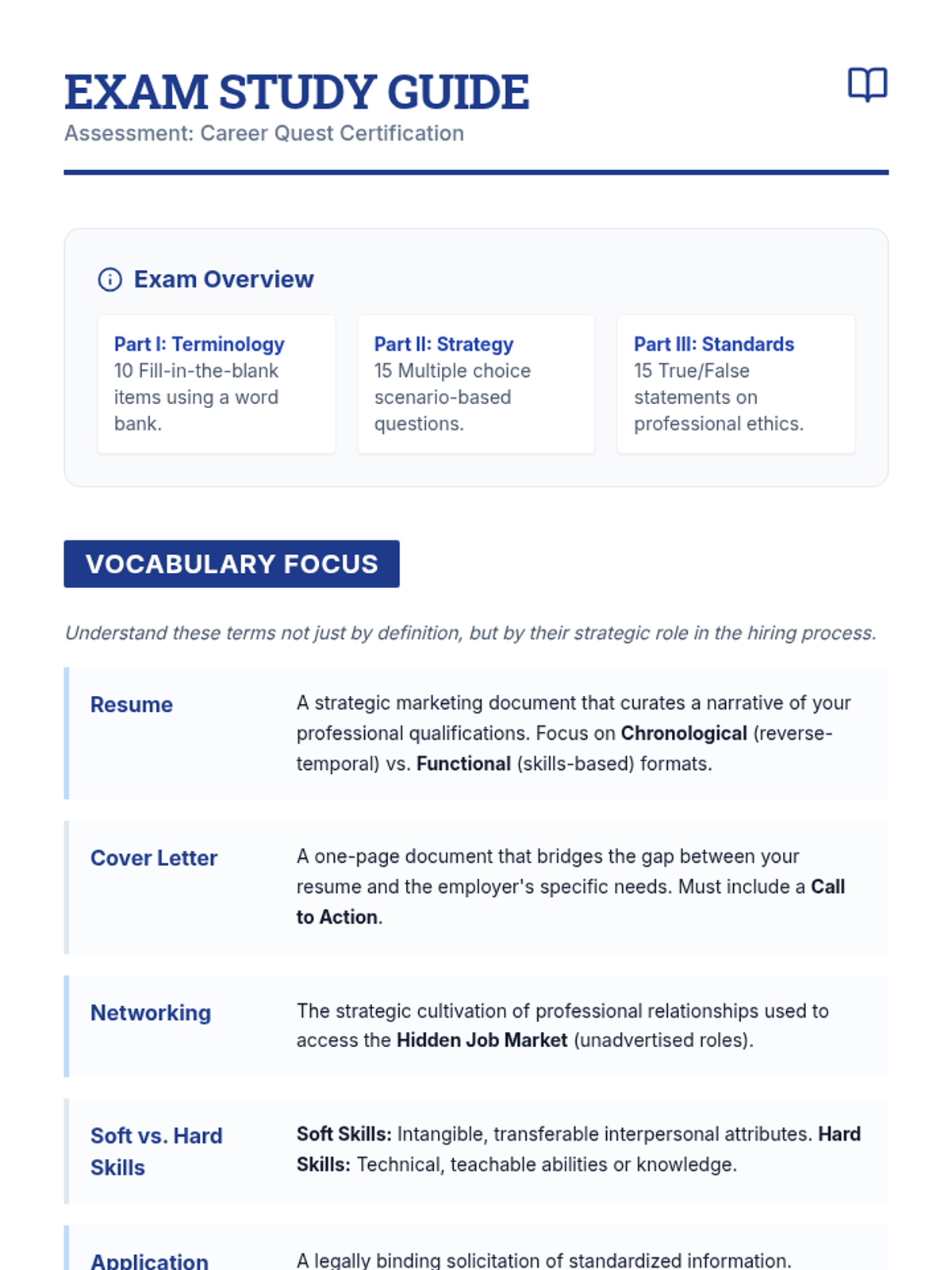
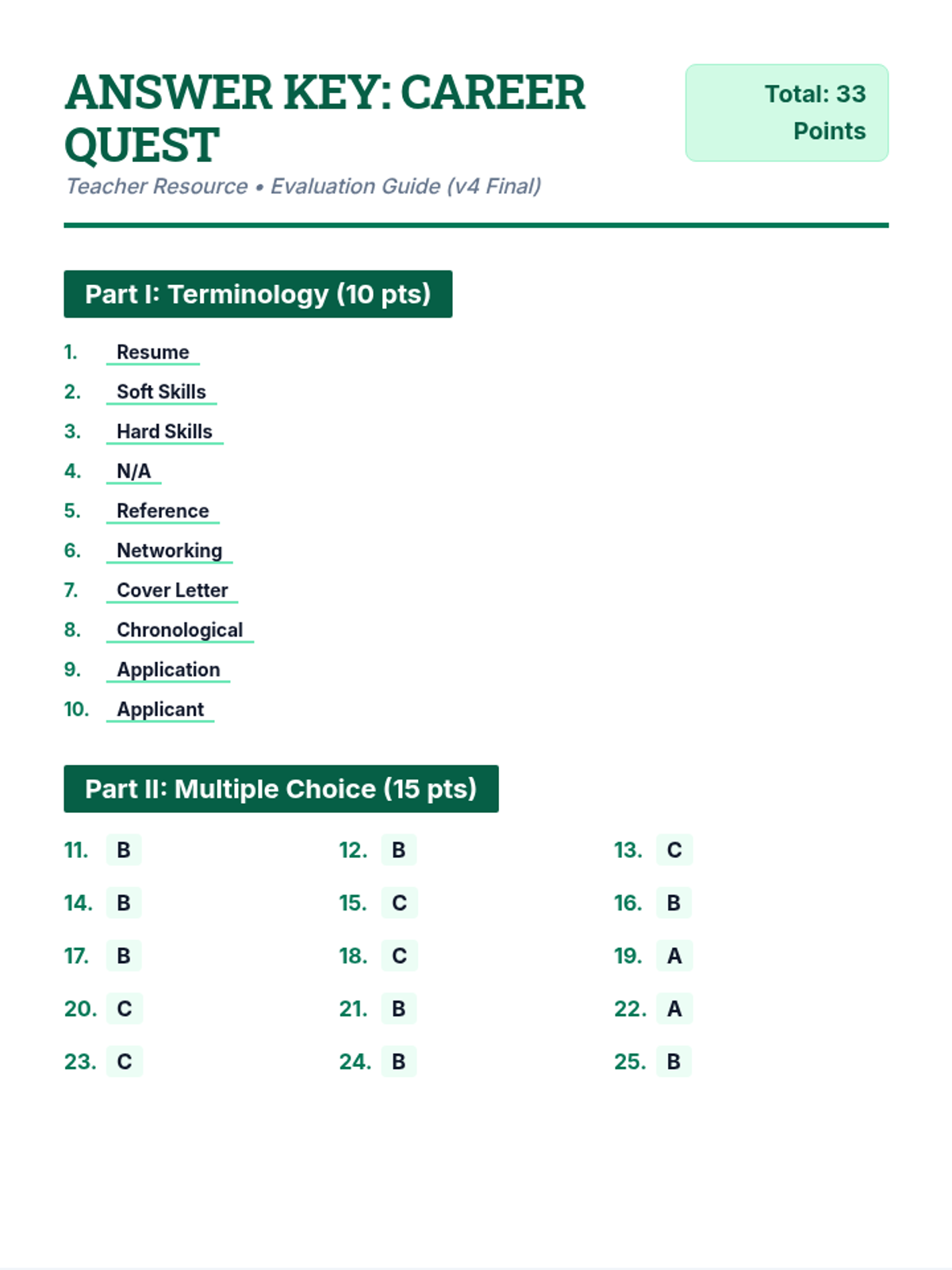
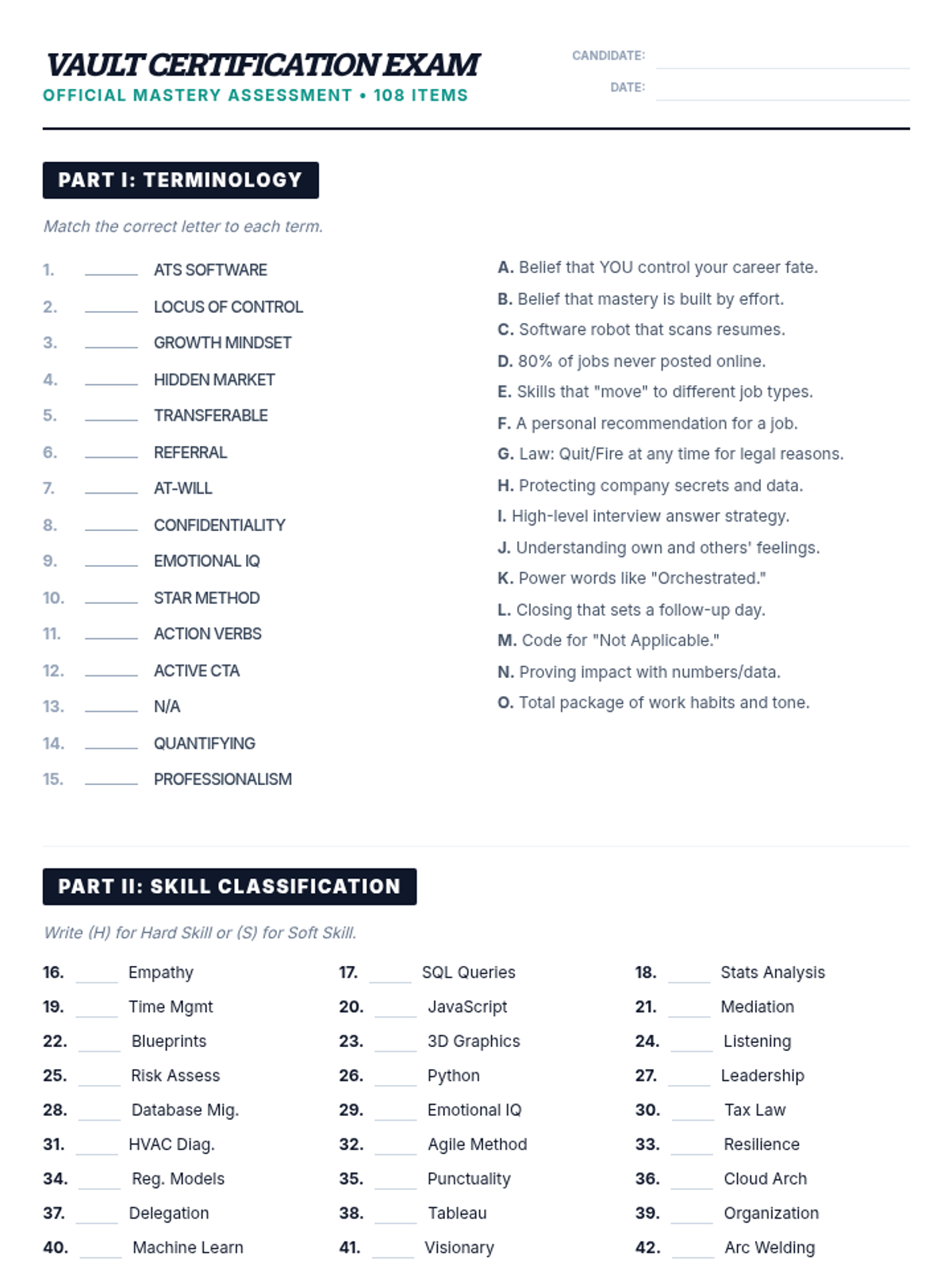
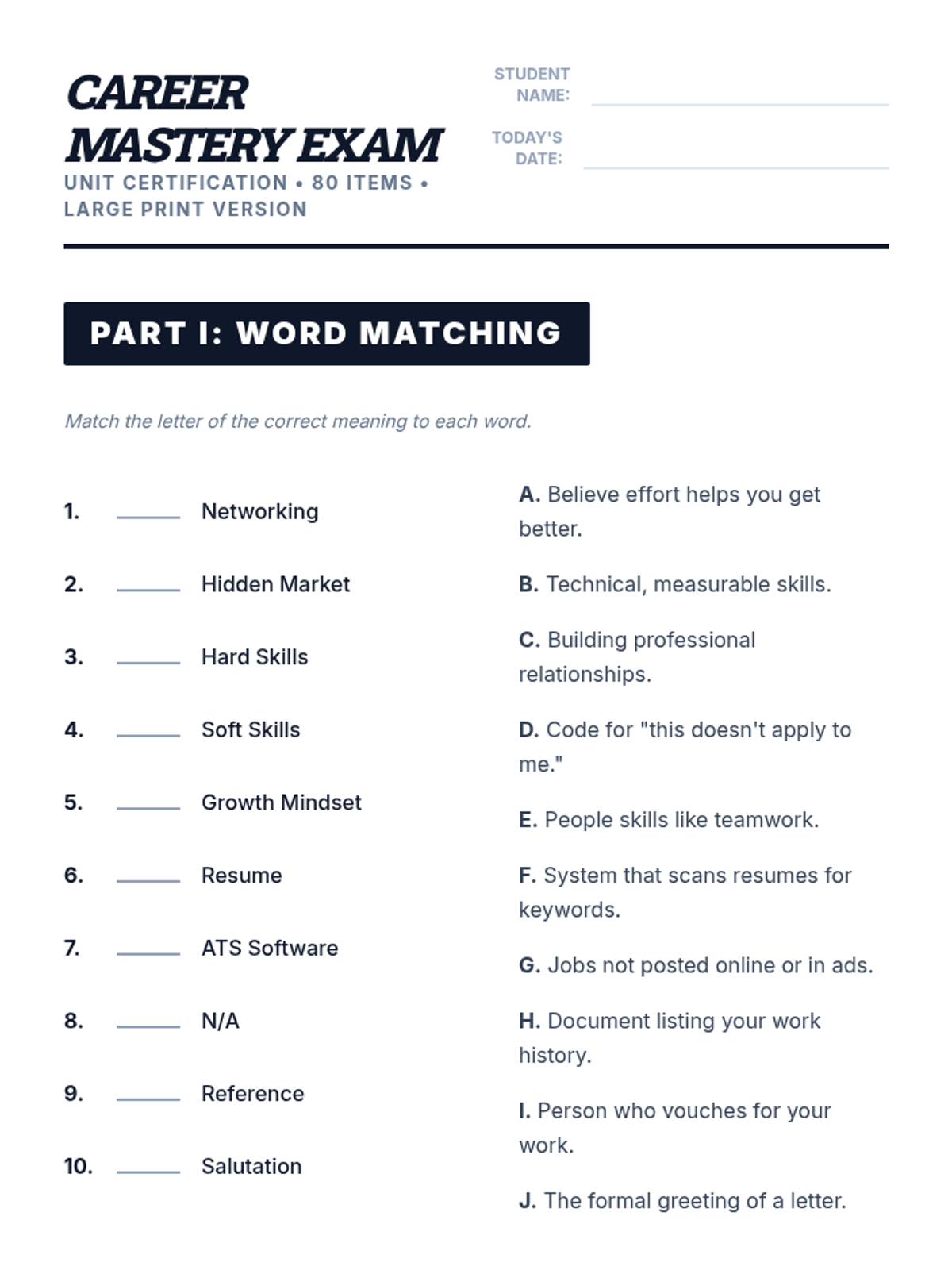
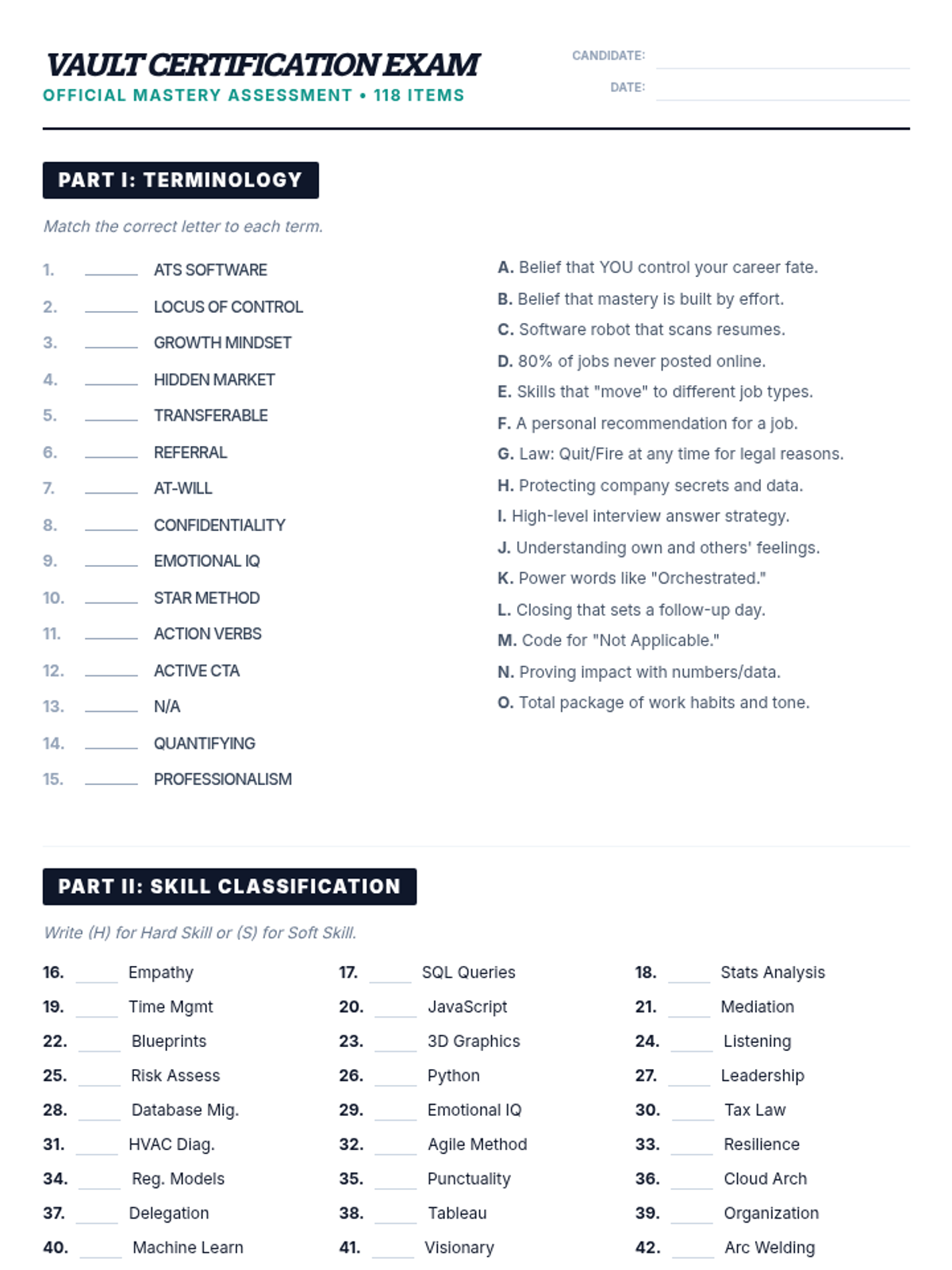
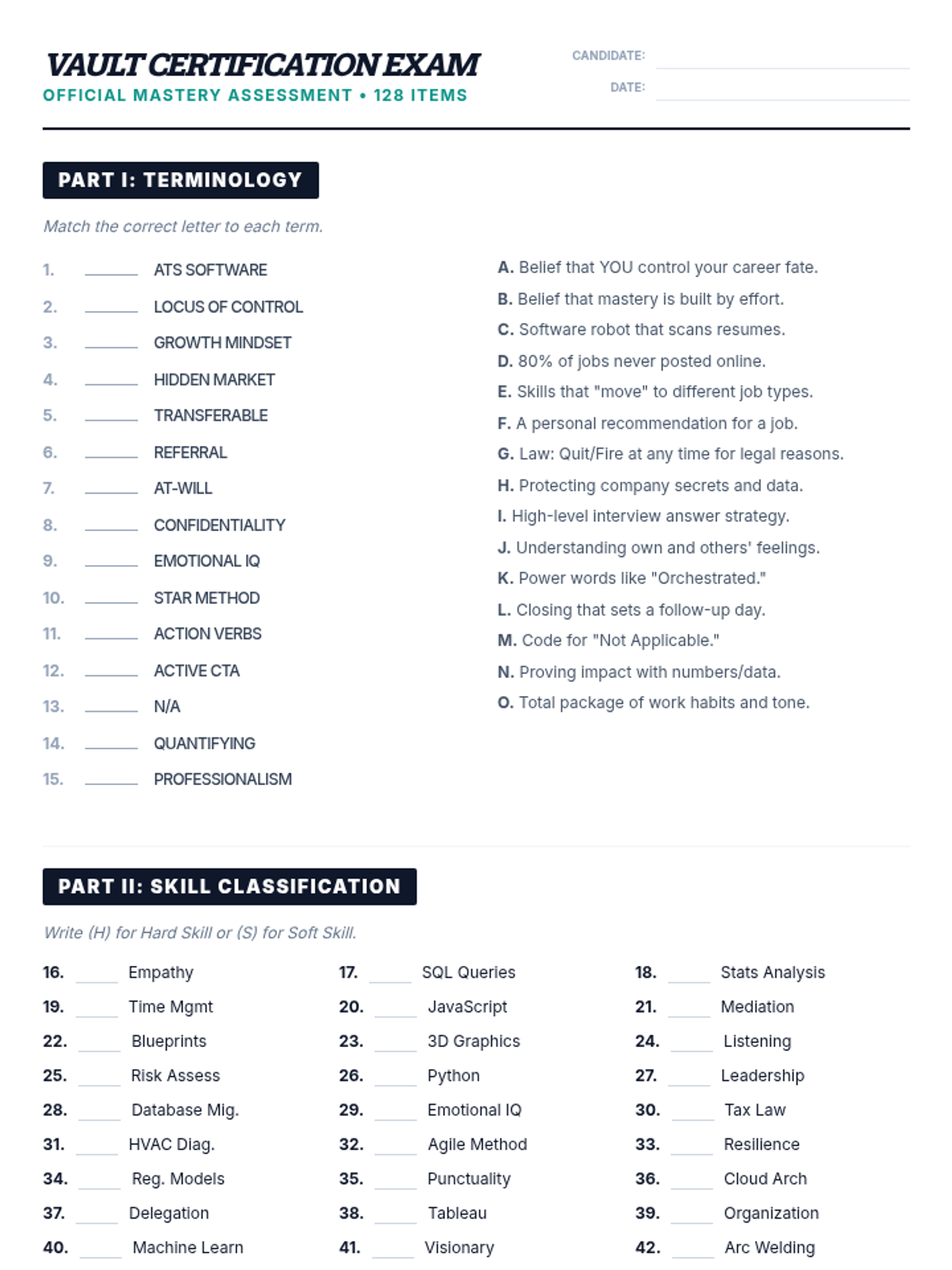
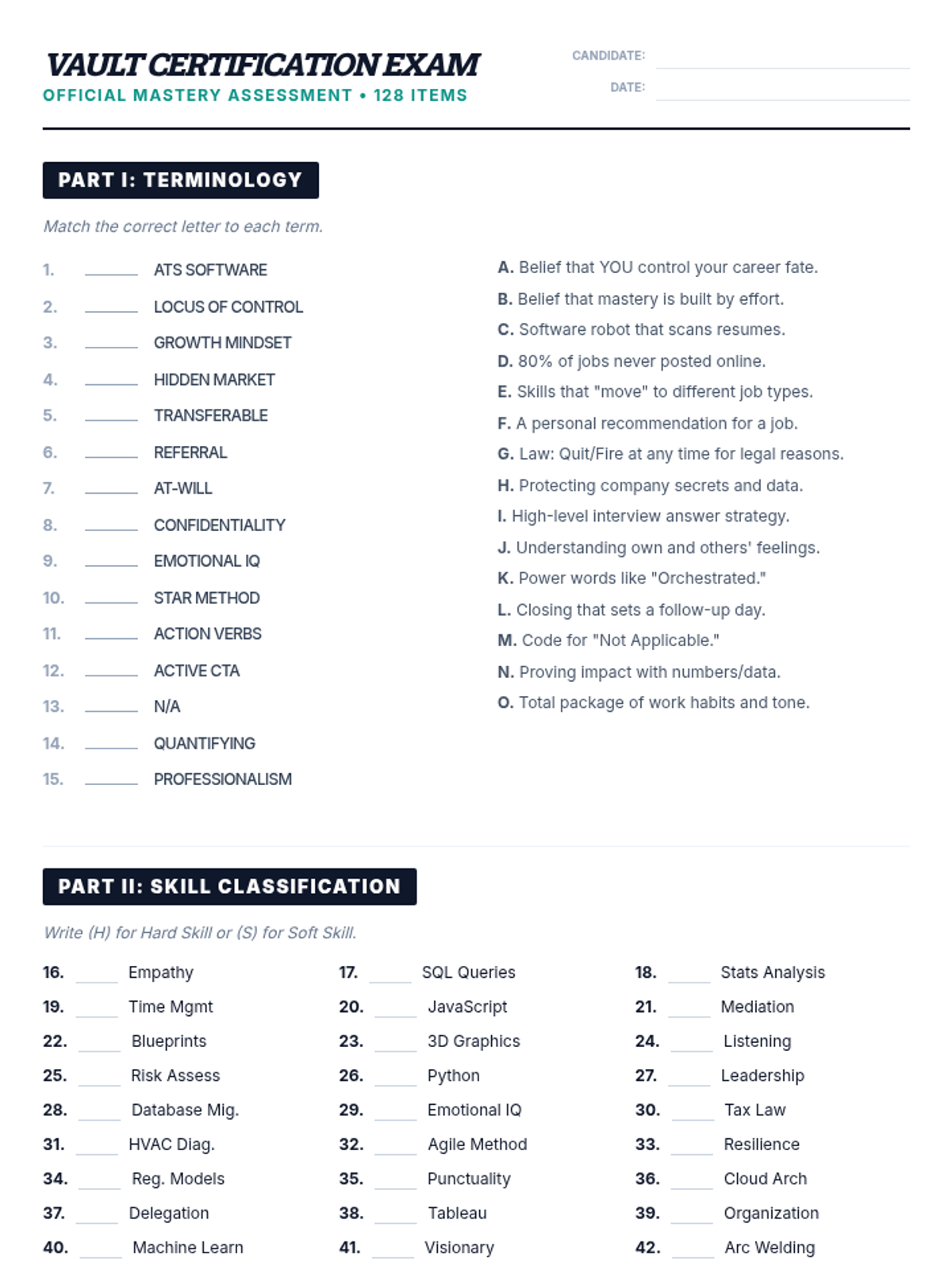
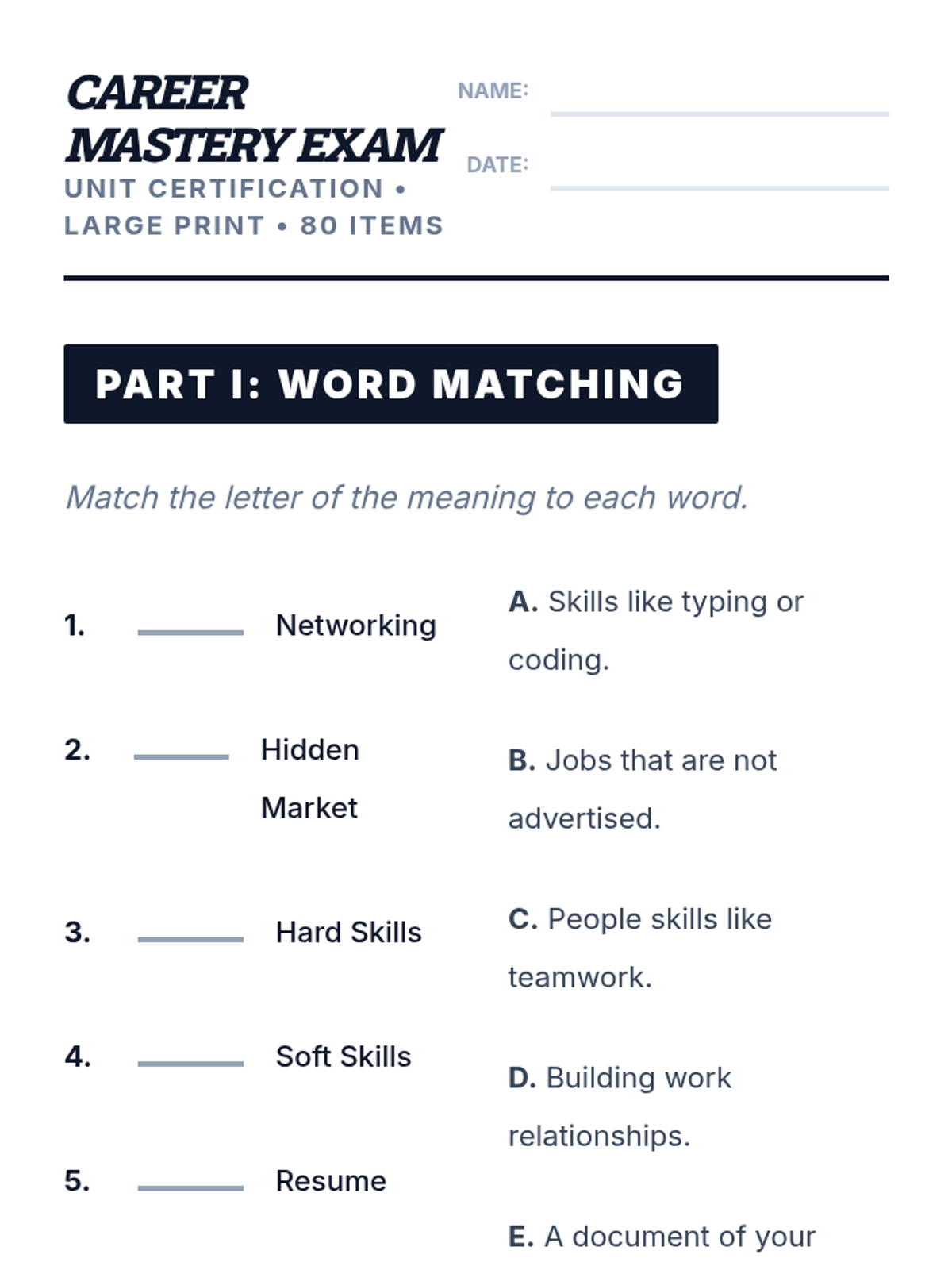
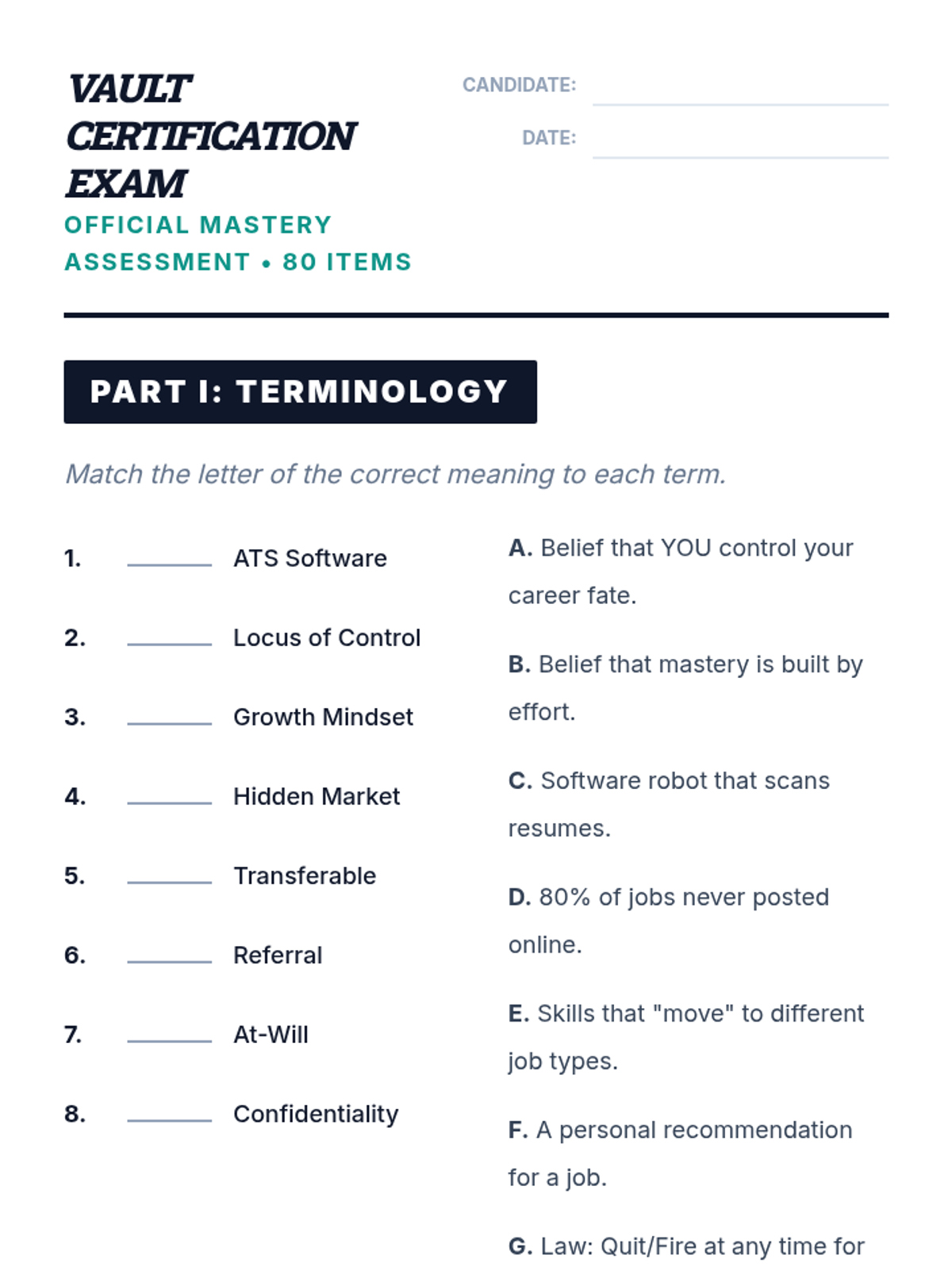
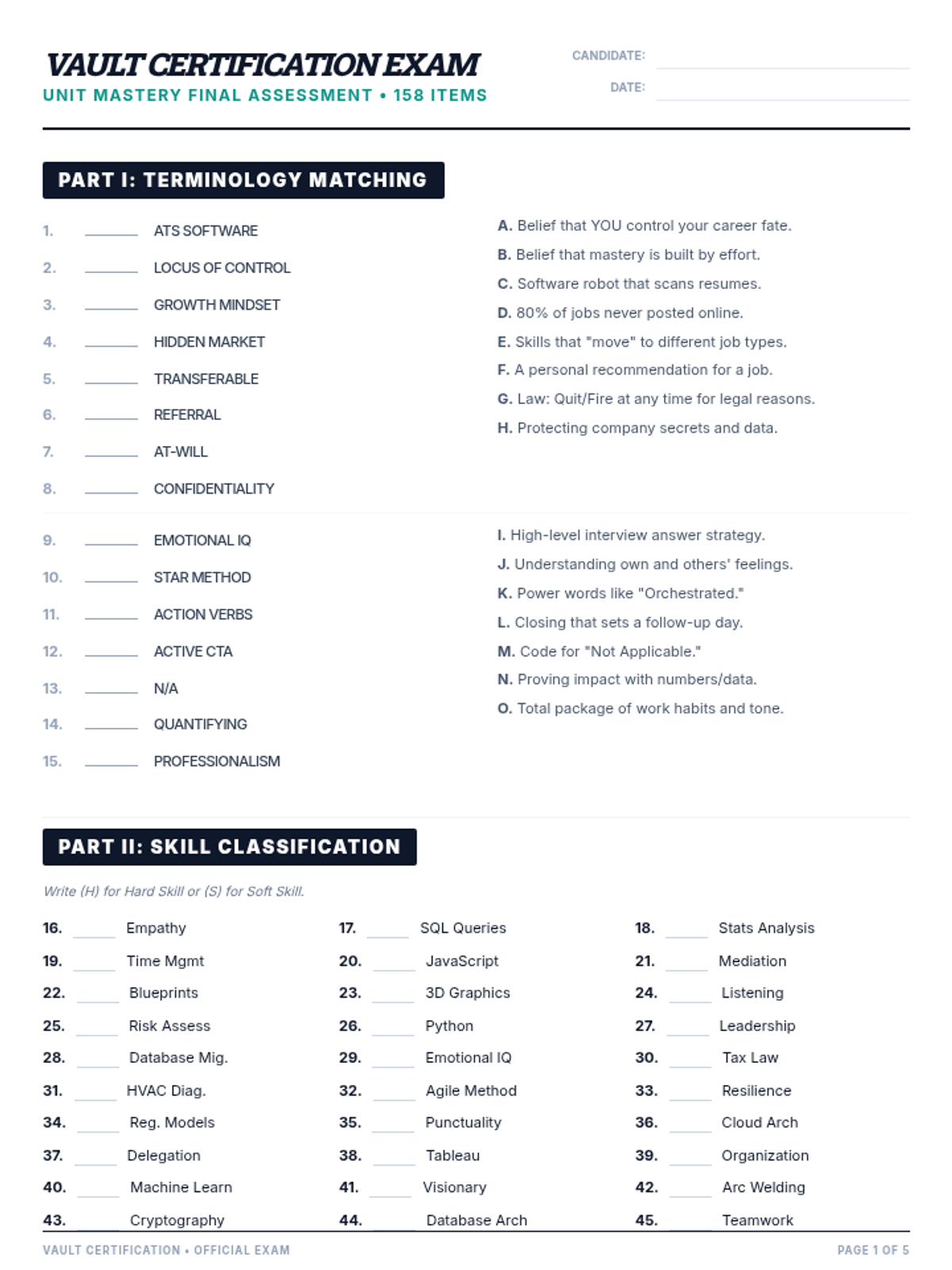
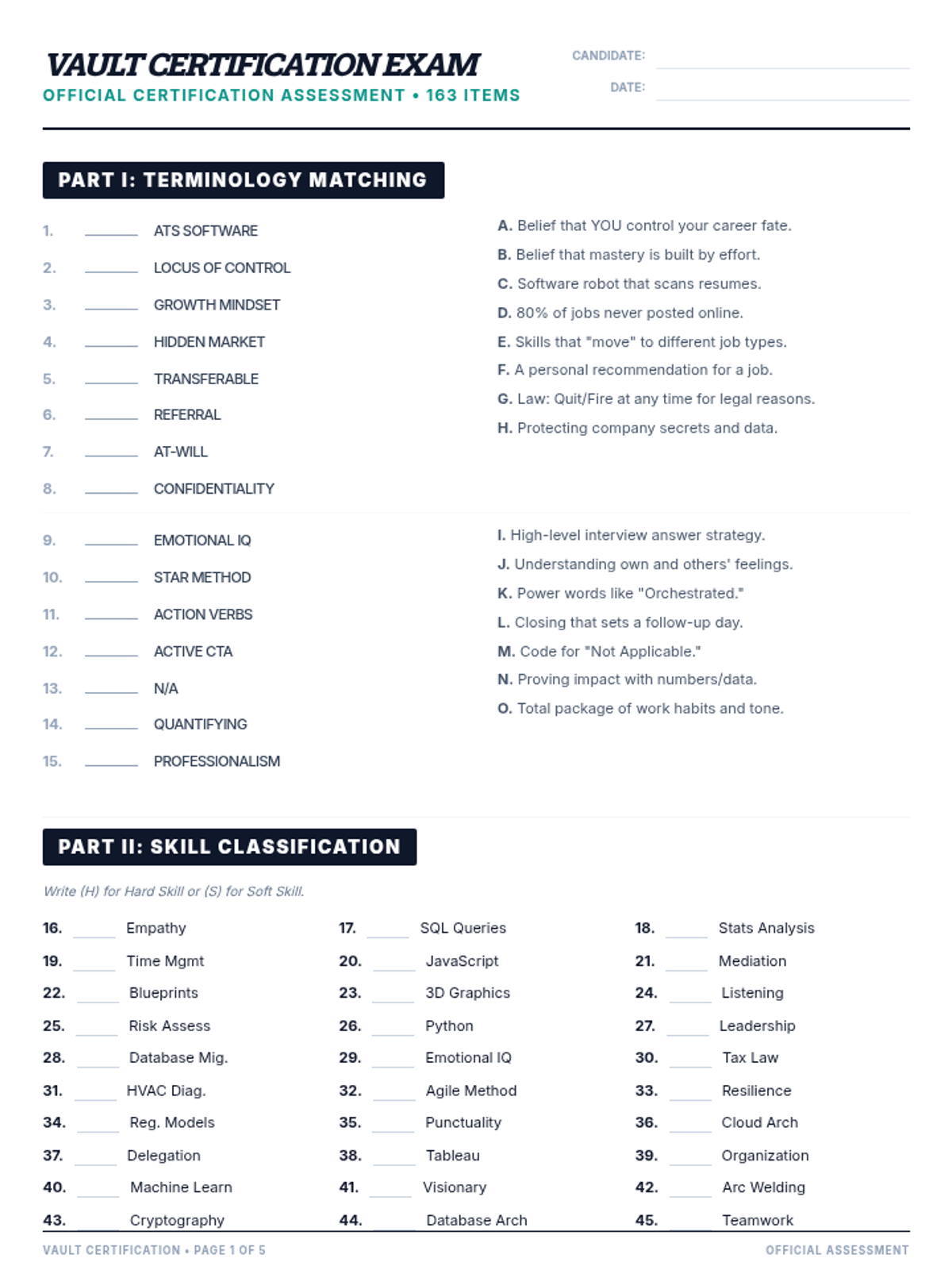
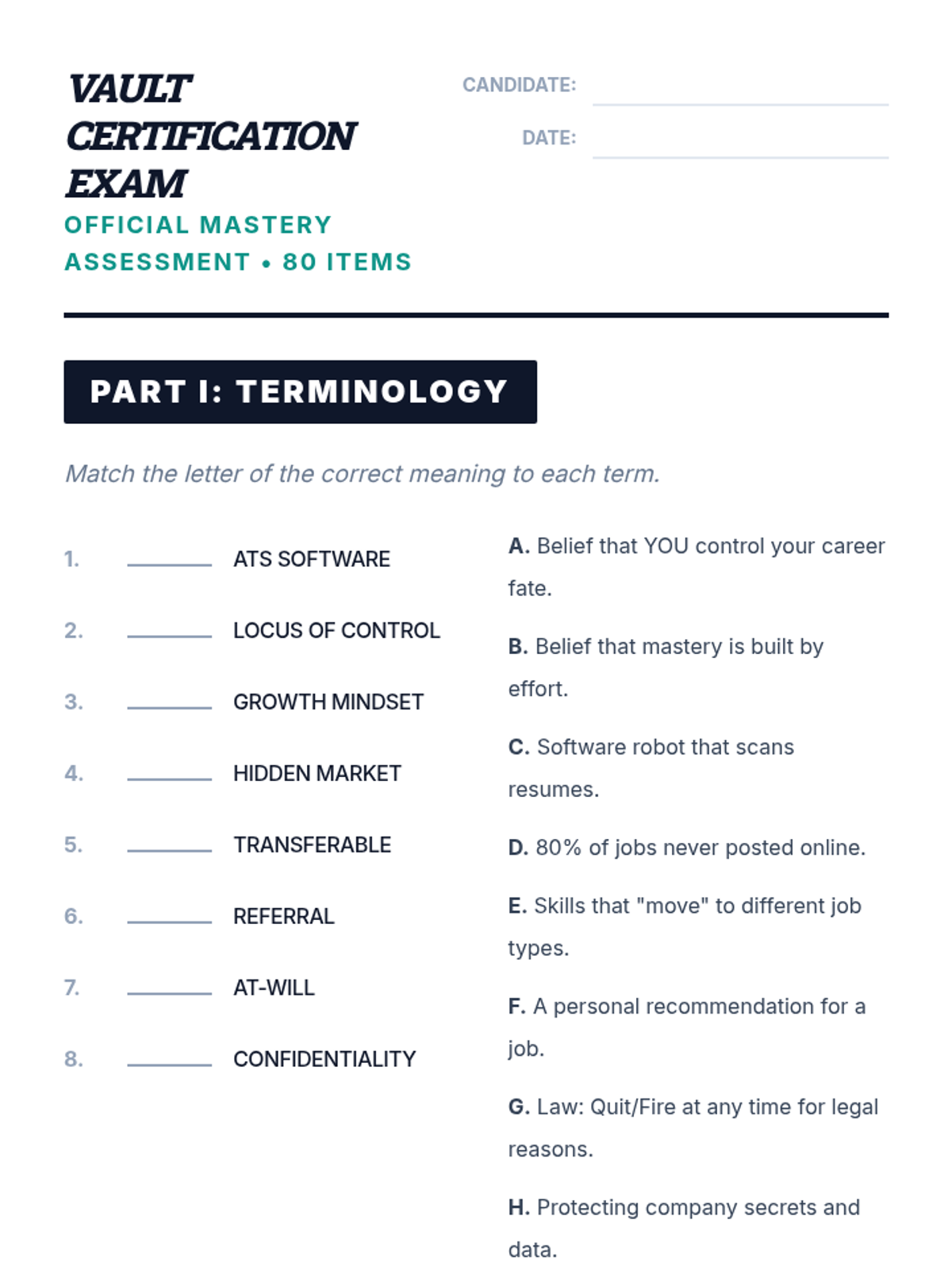
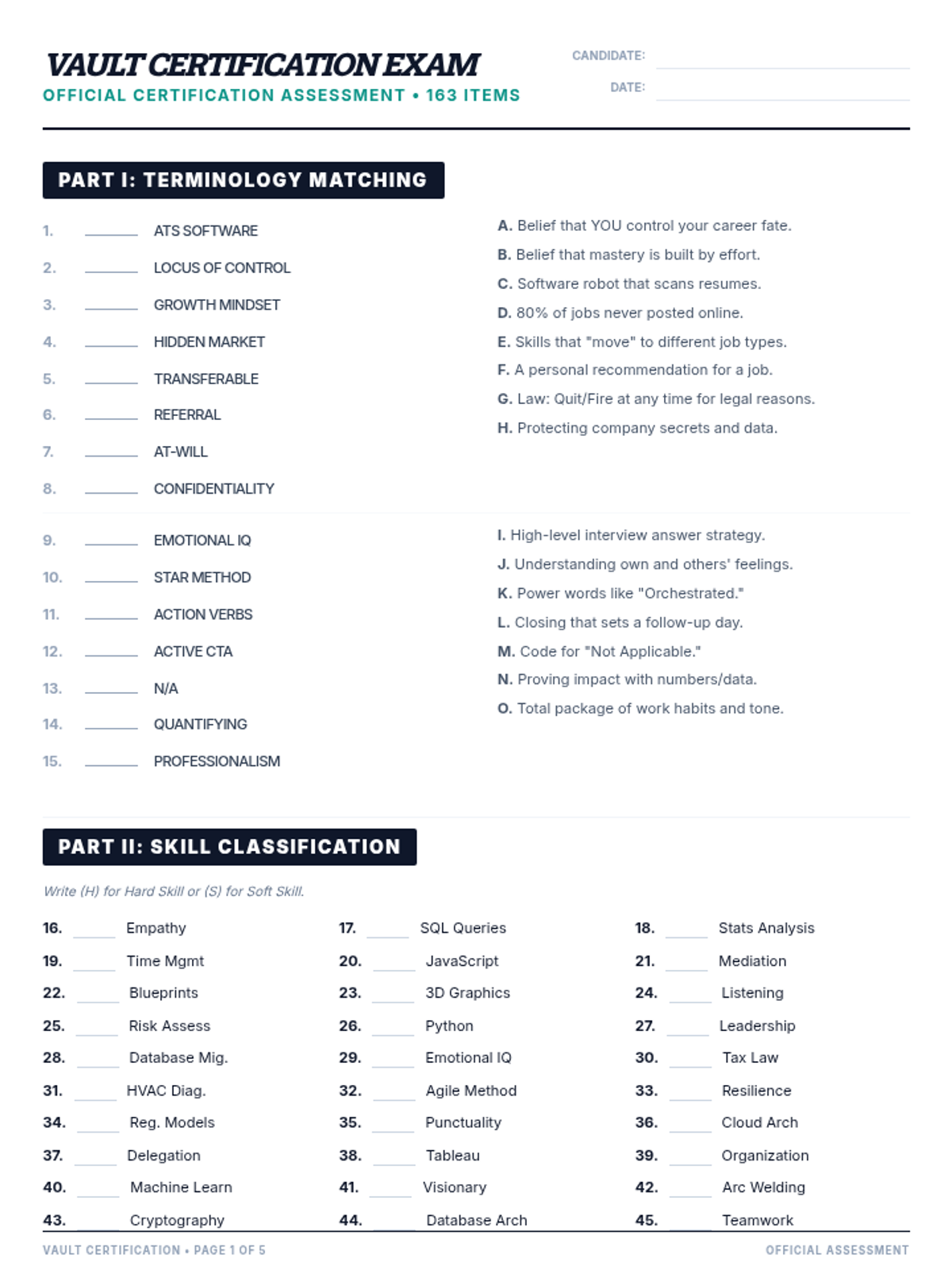
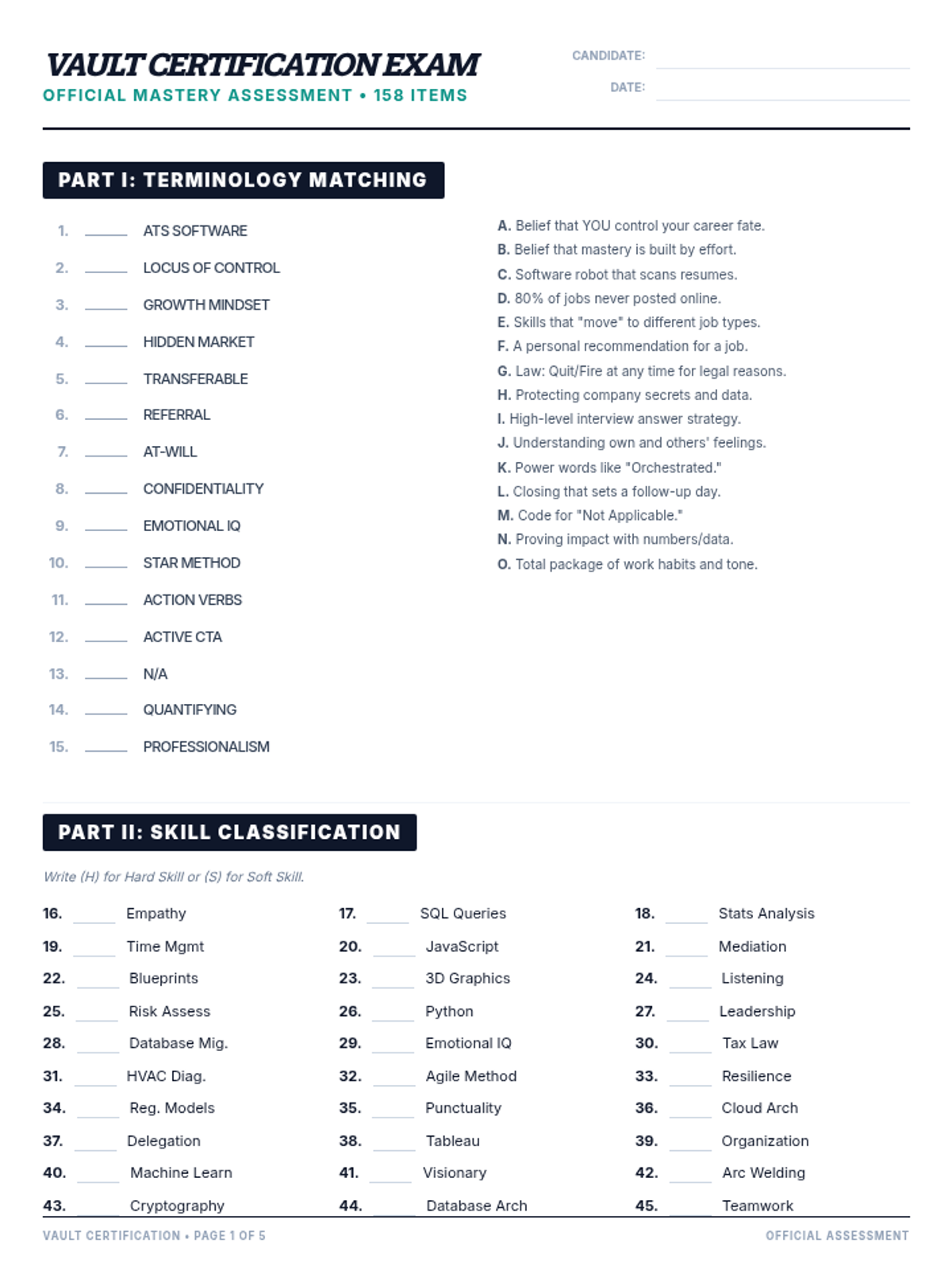
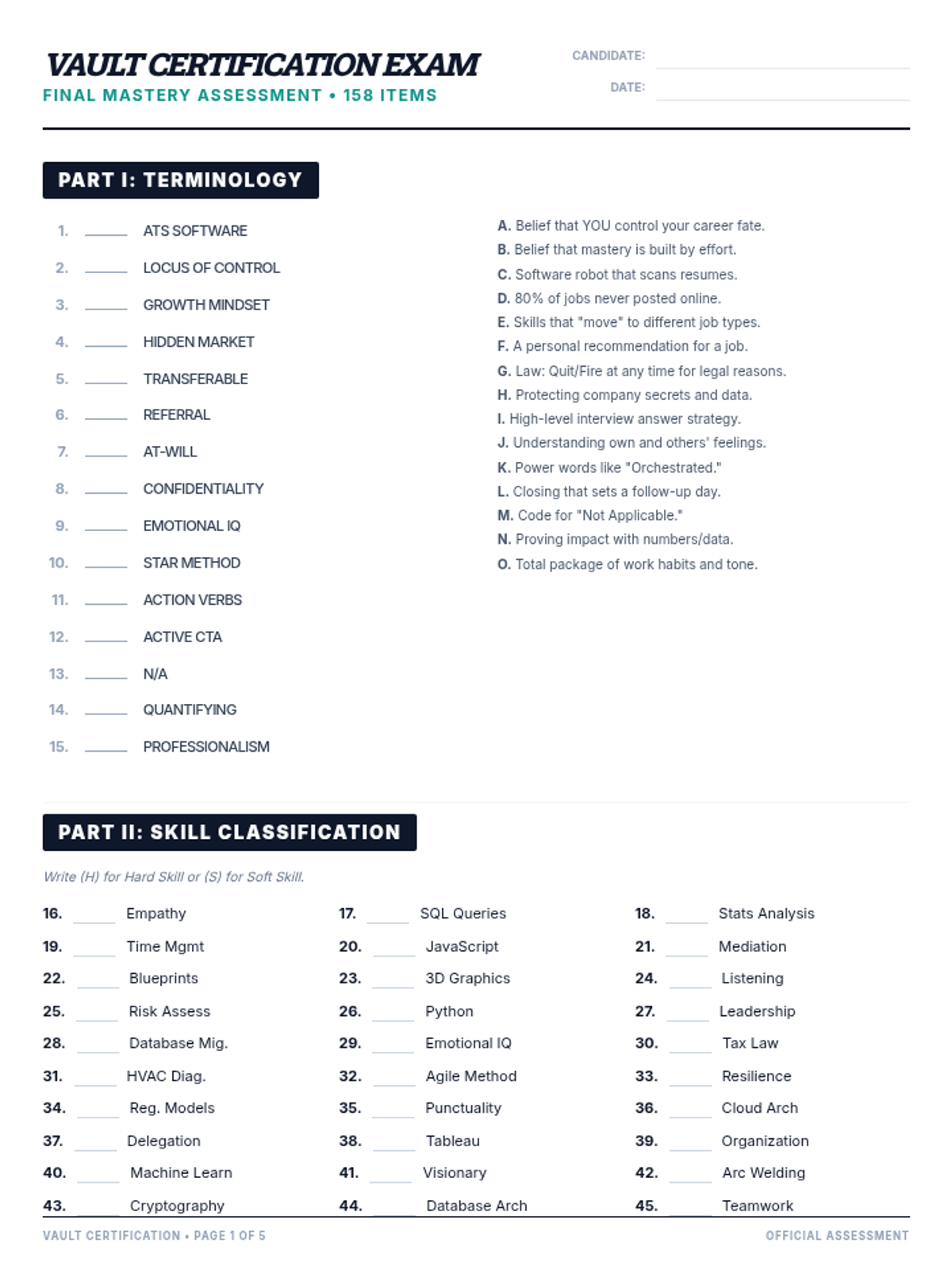
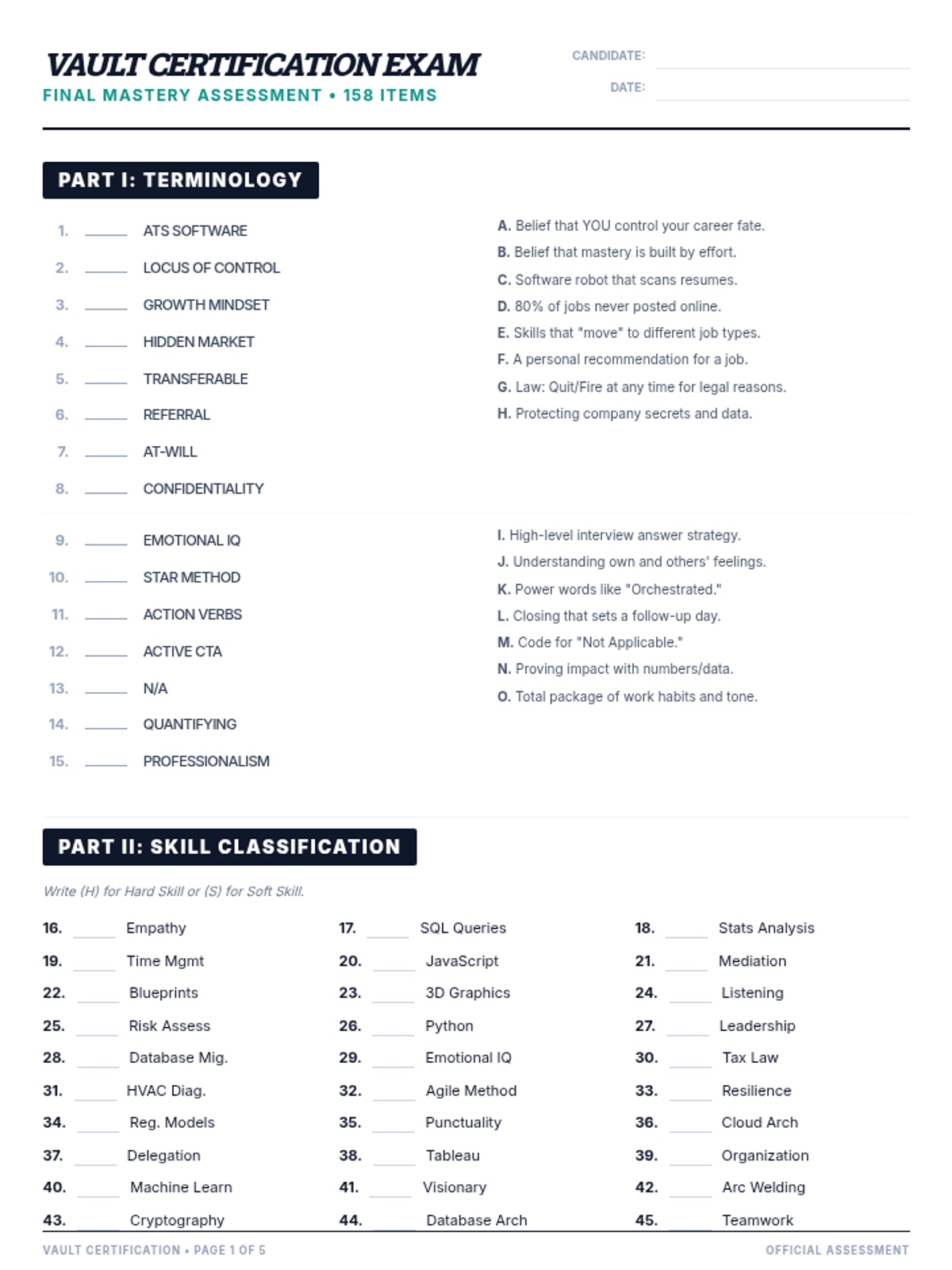
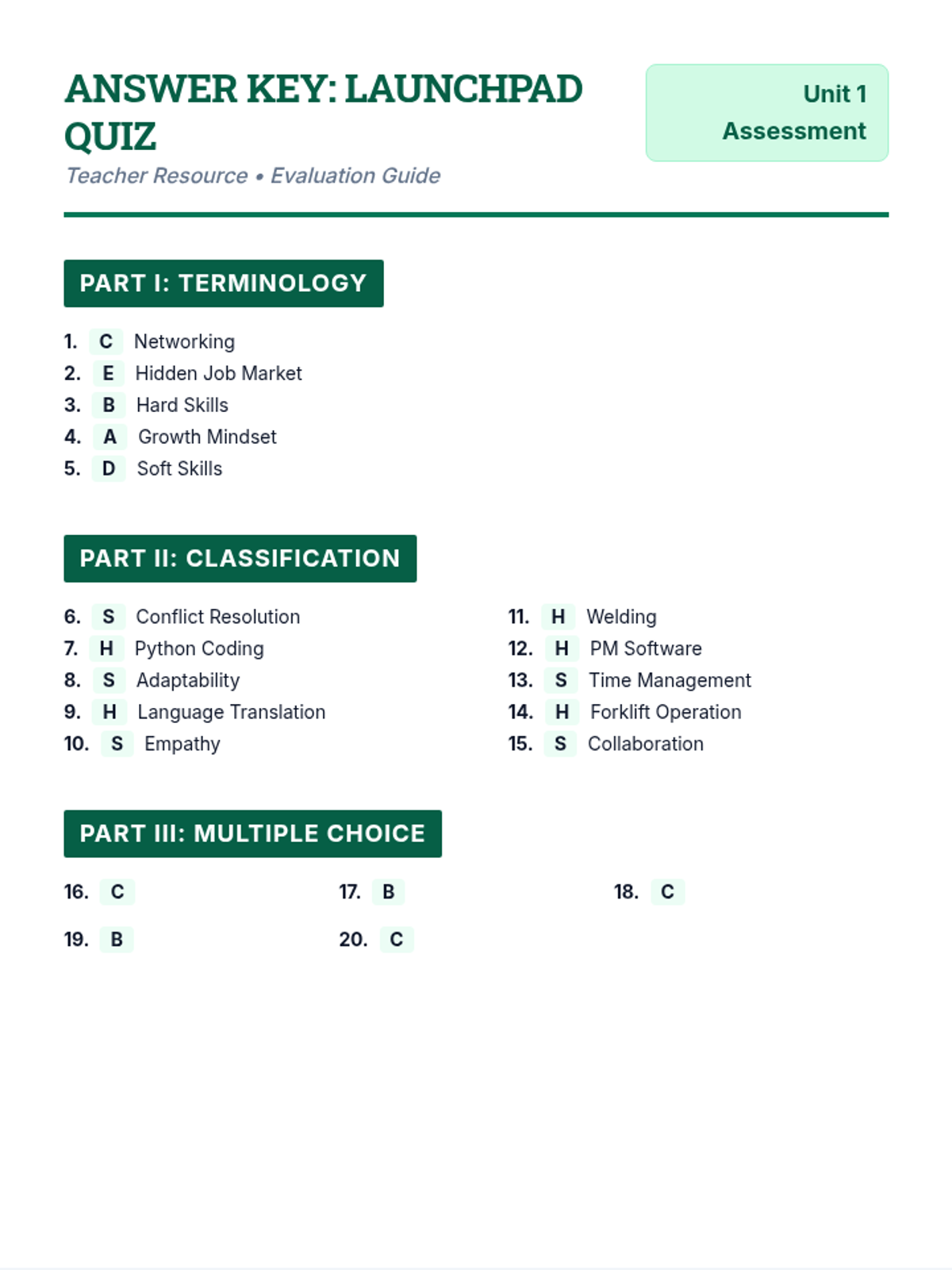
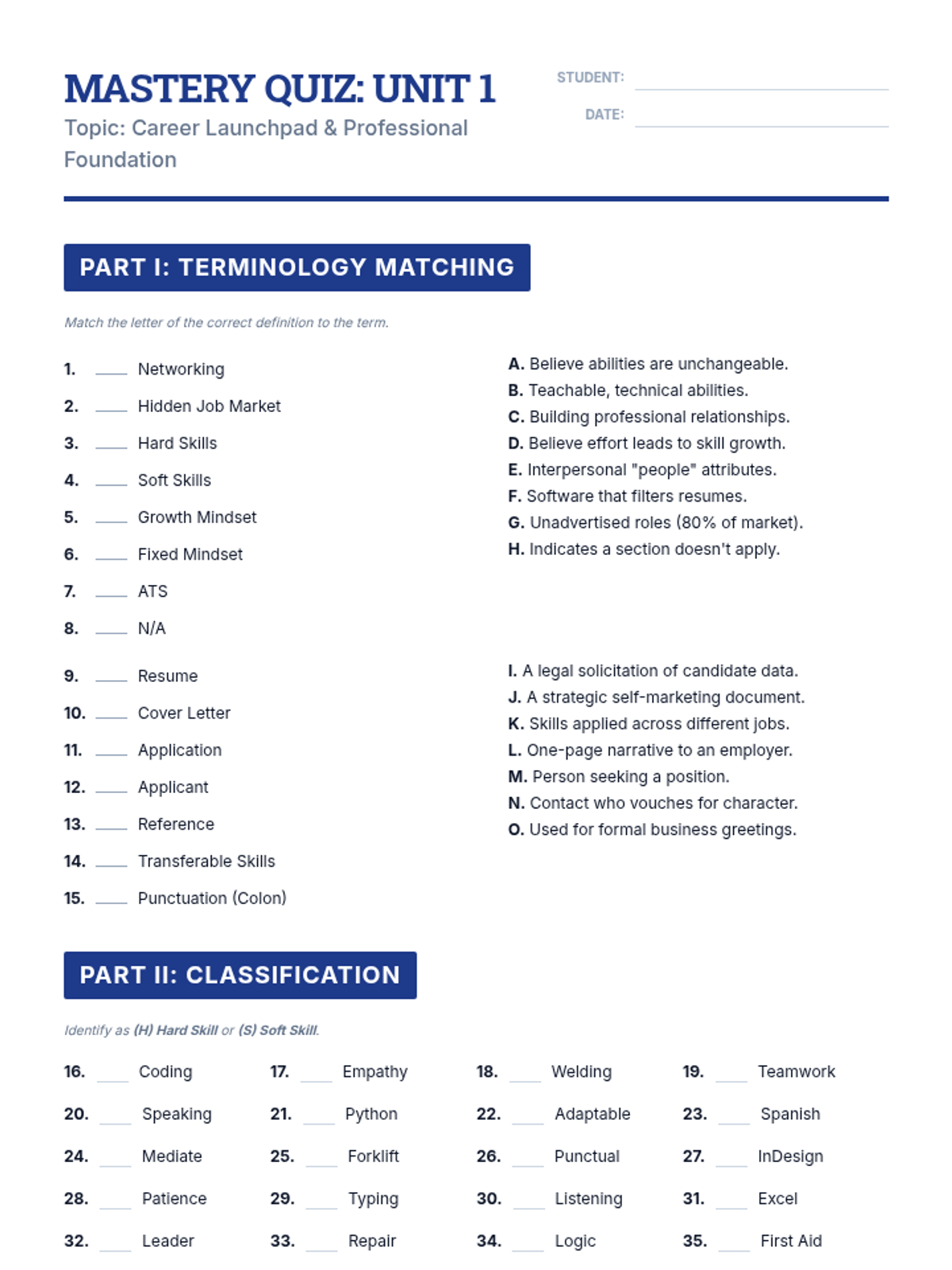
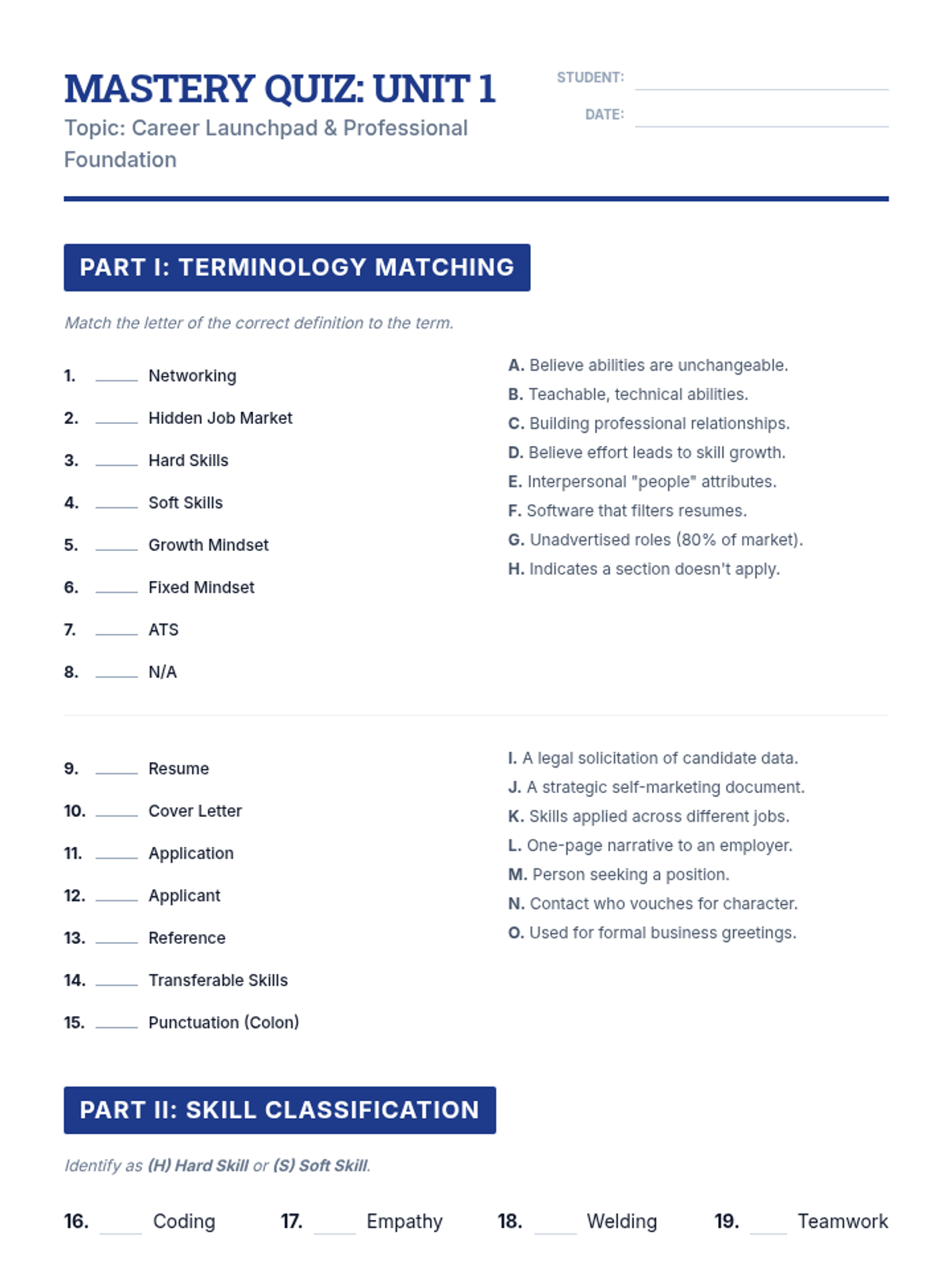
A final assessment module to evaluate student understanding of career readiness concepts and application proficiency.
A deep dive into the mechanics of job applications, cover letter construction, and managing professional references.
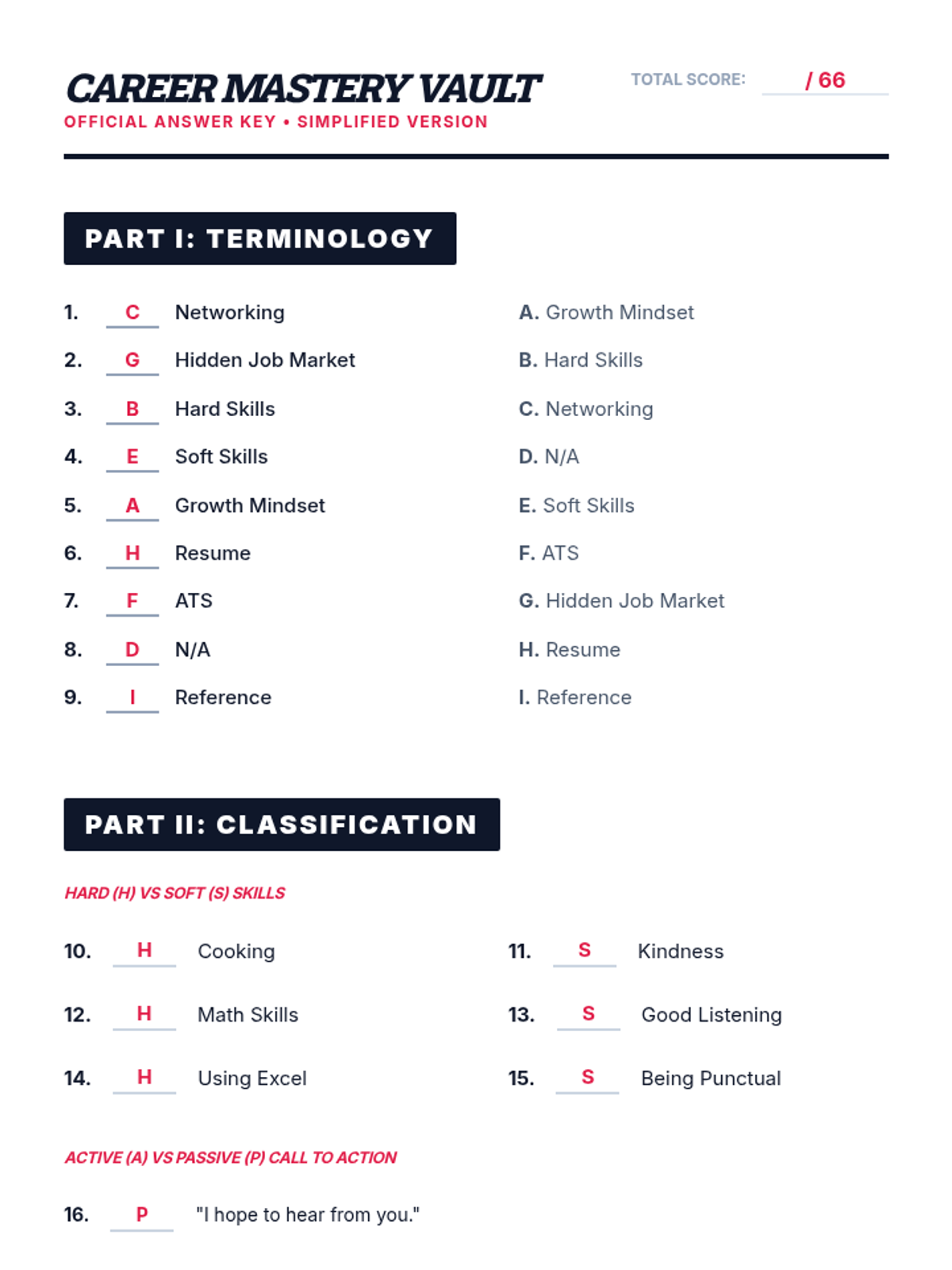
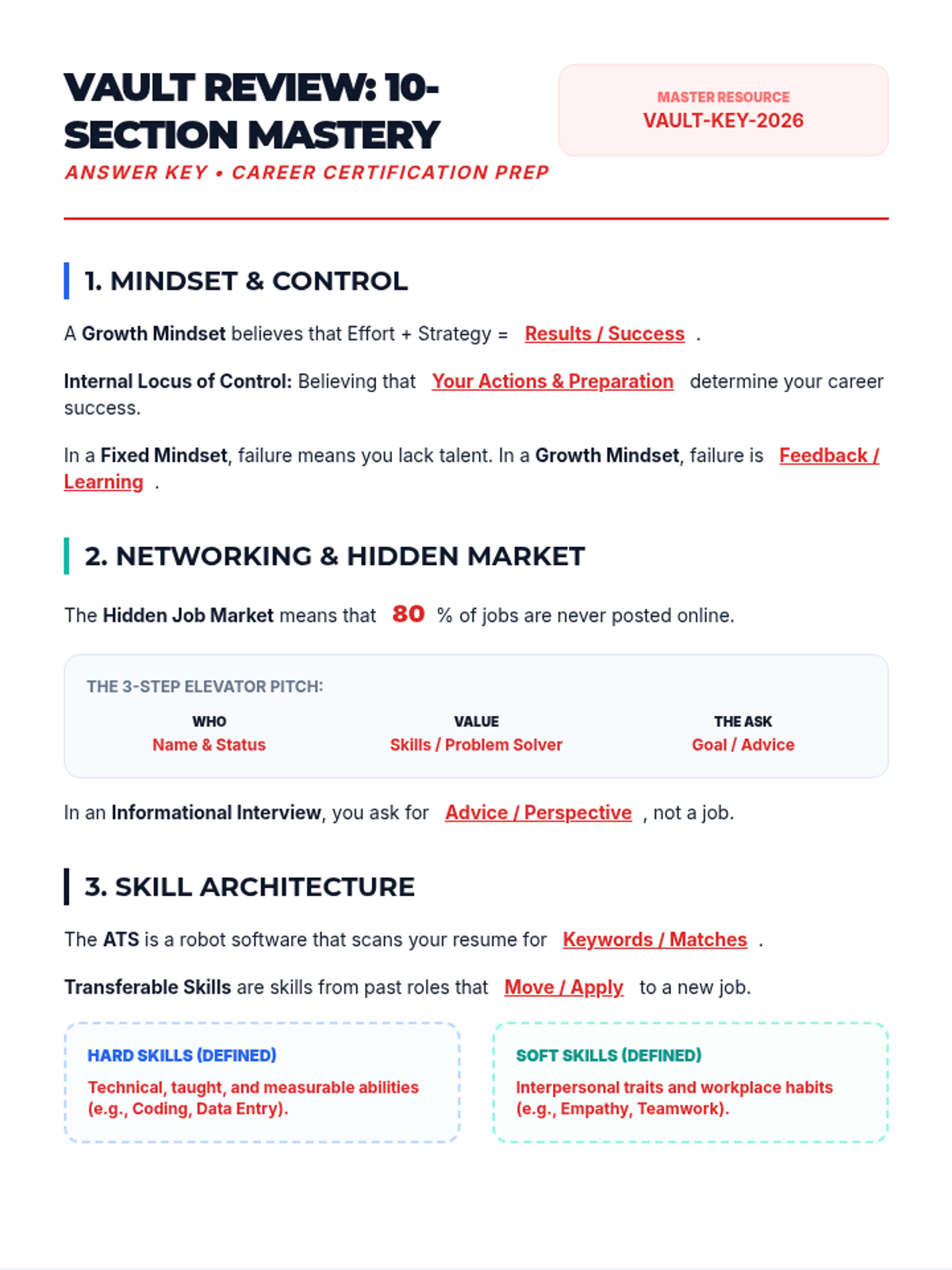
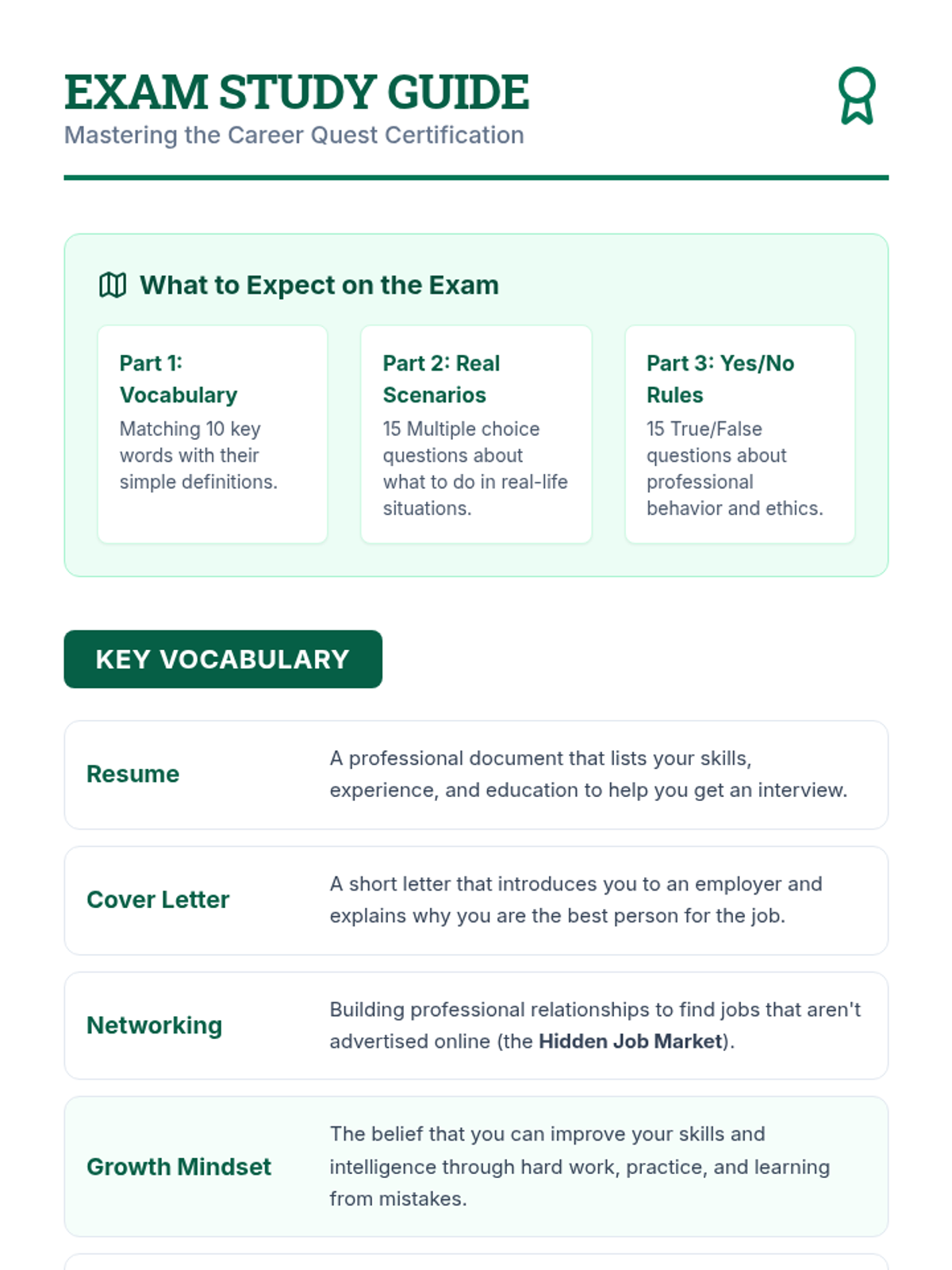
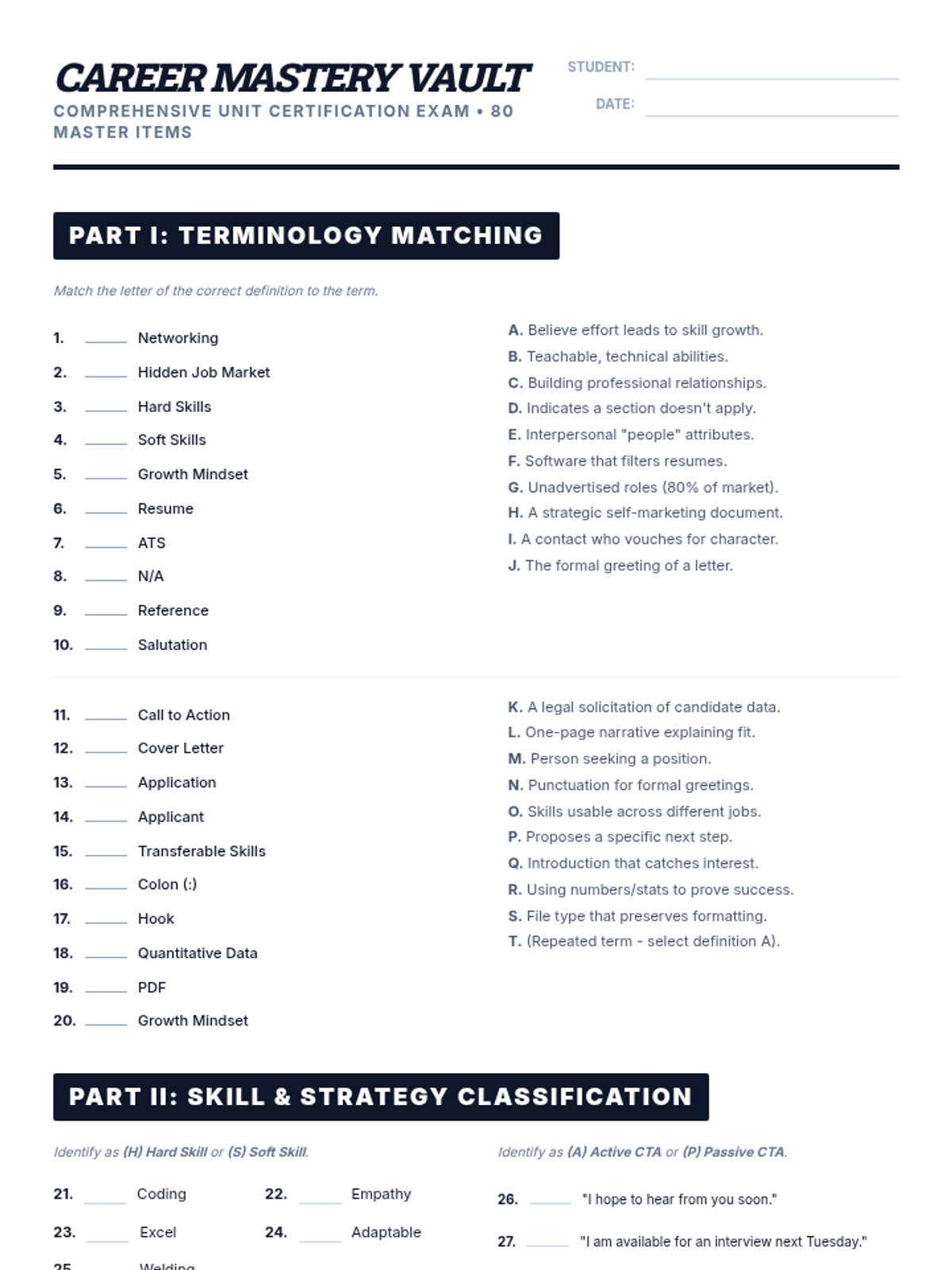
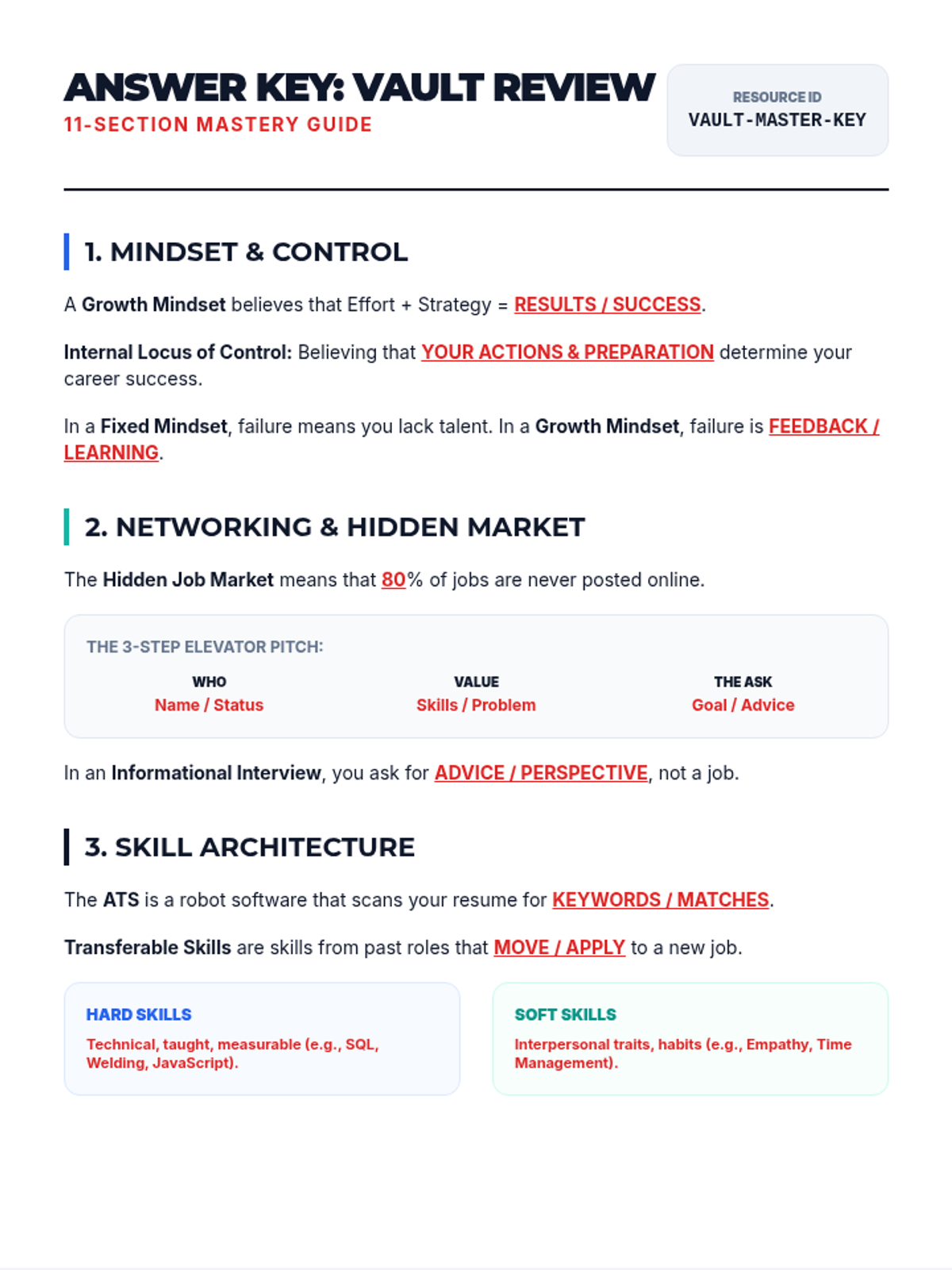
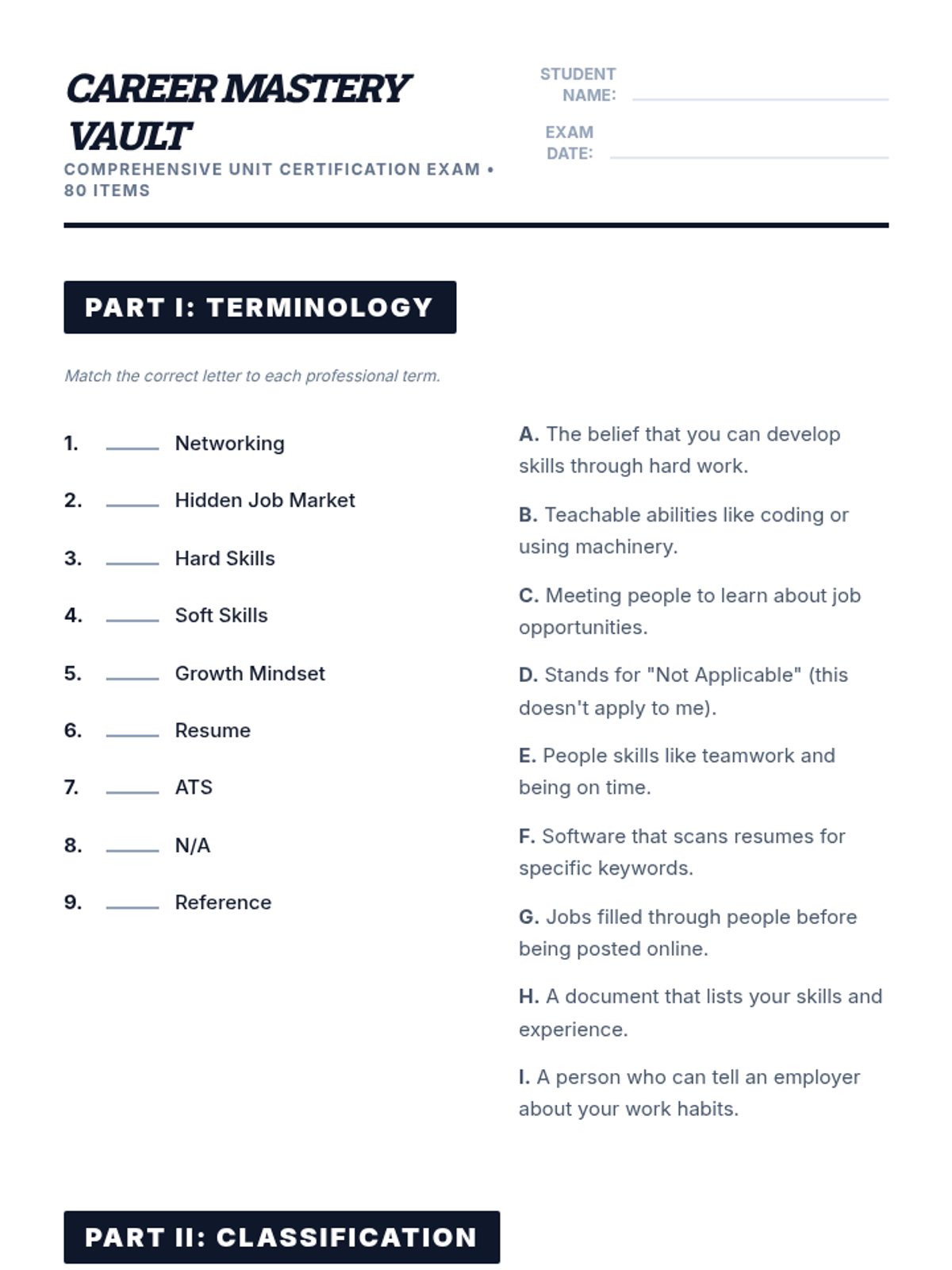
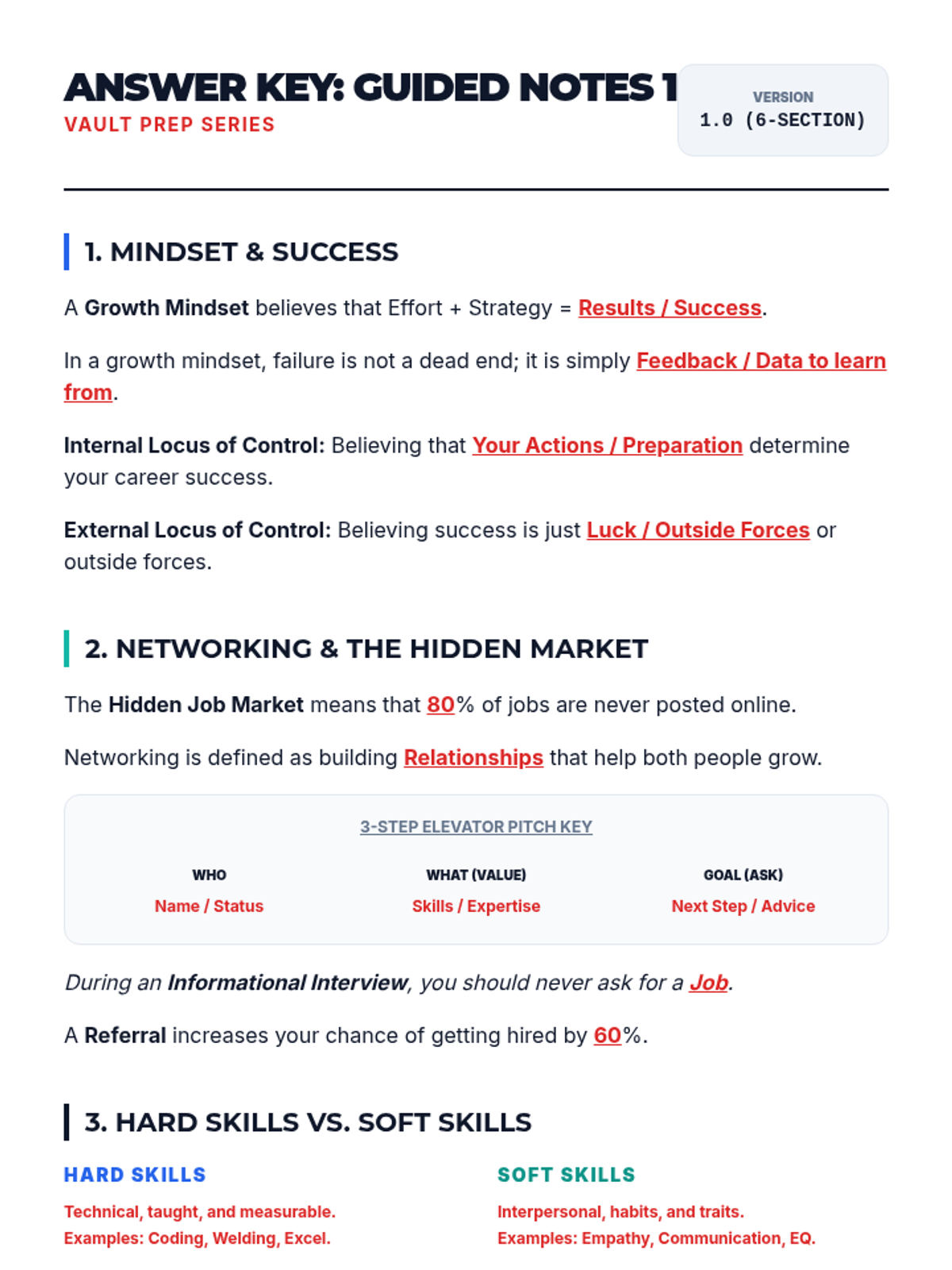
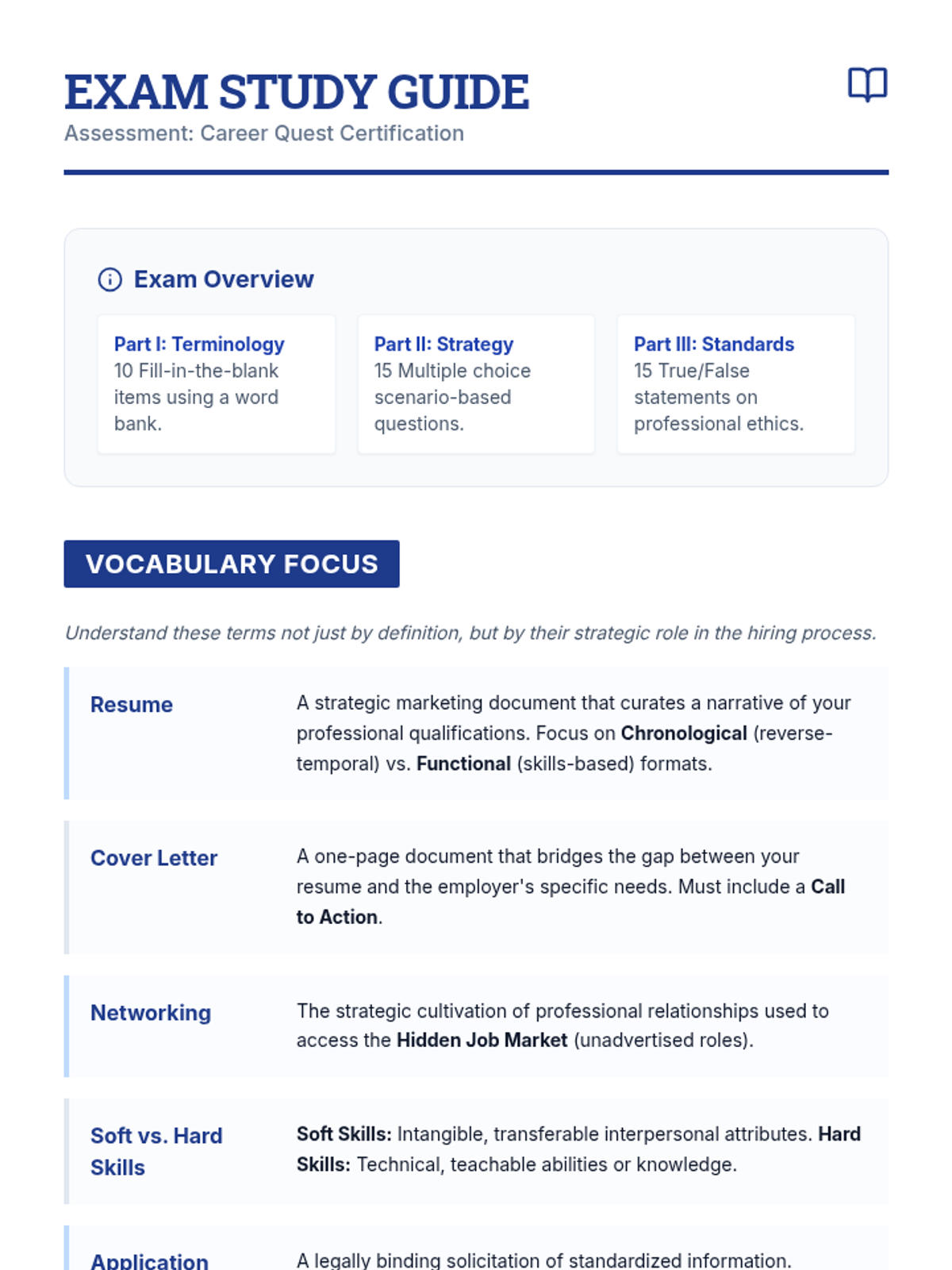
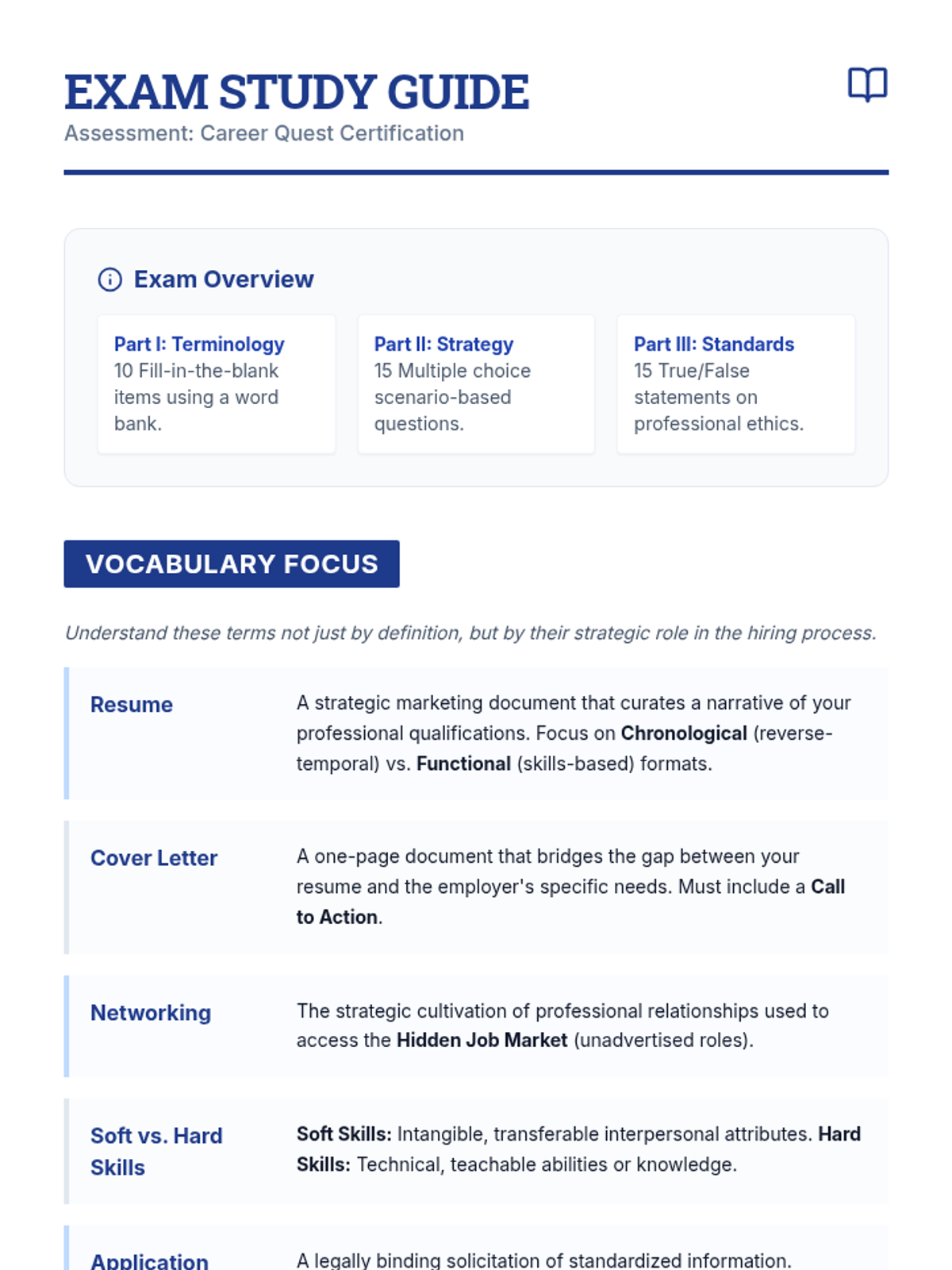
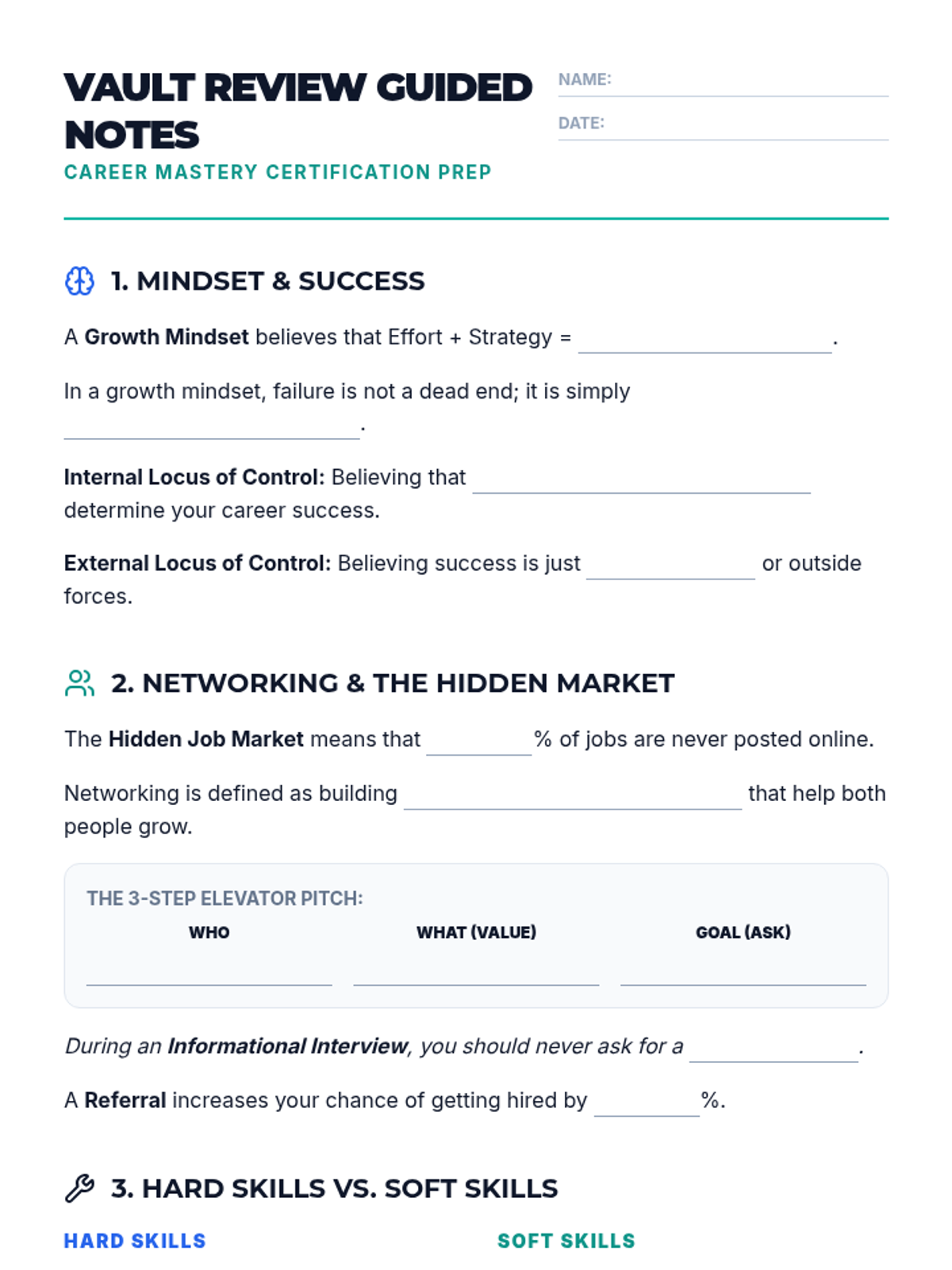
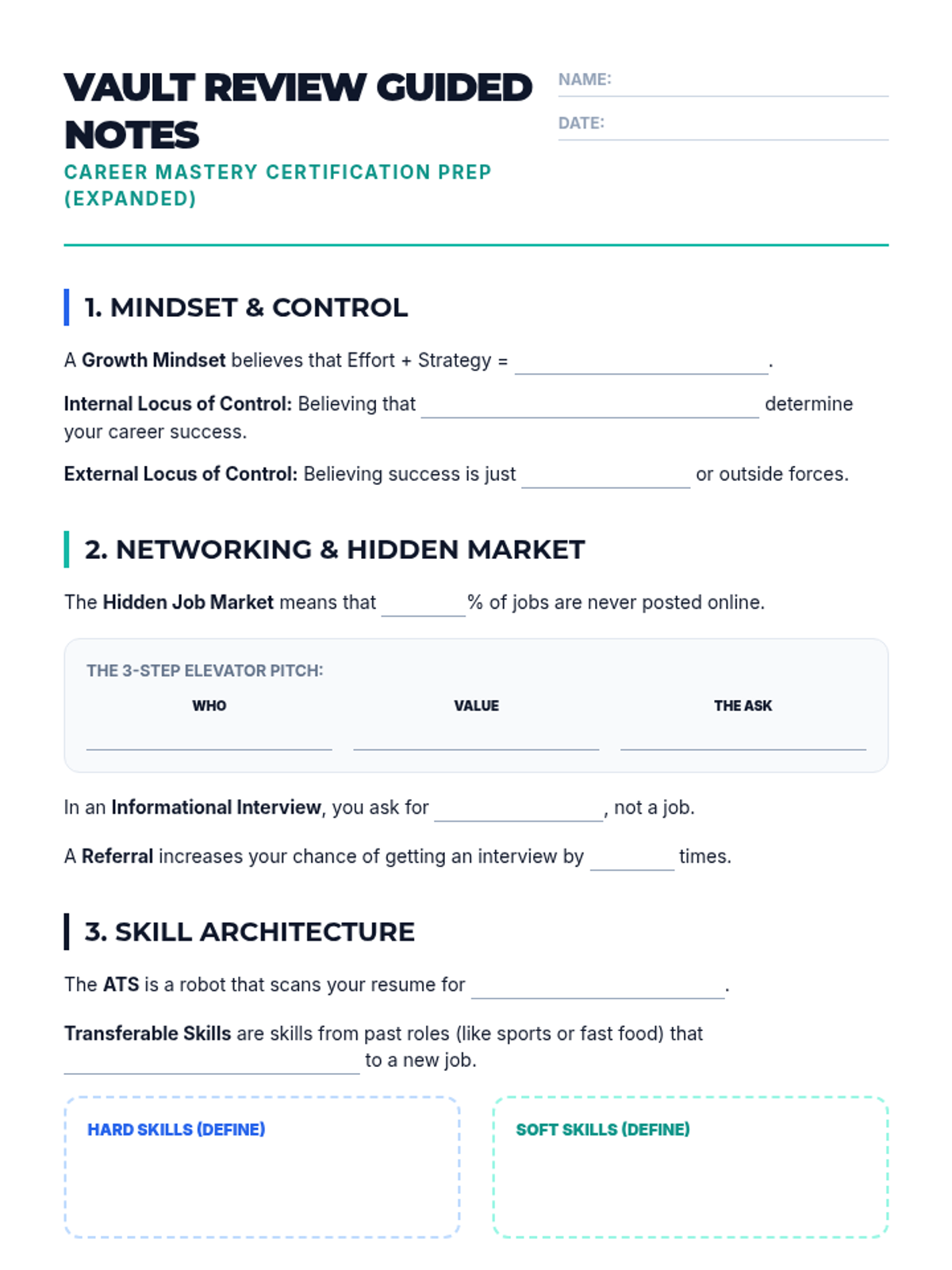
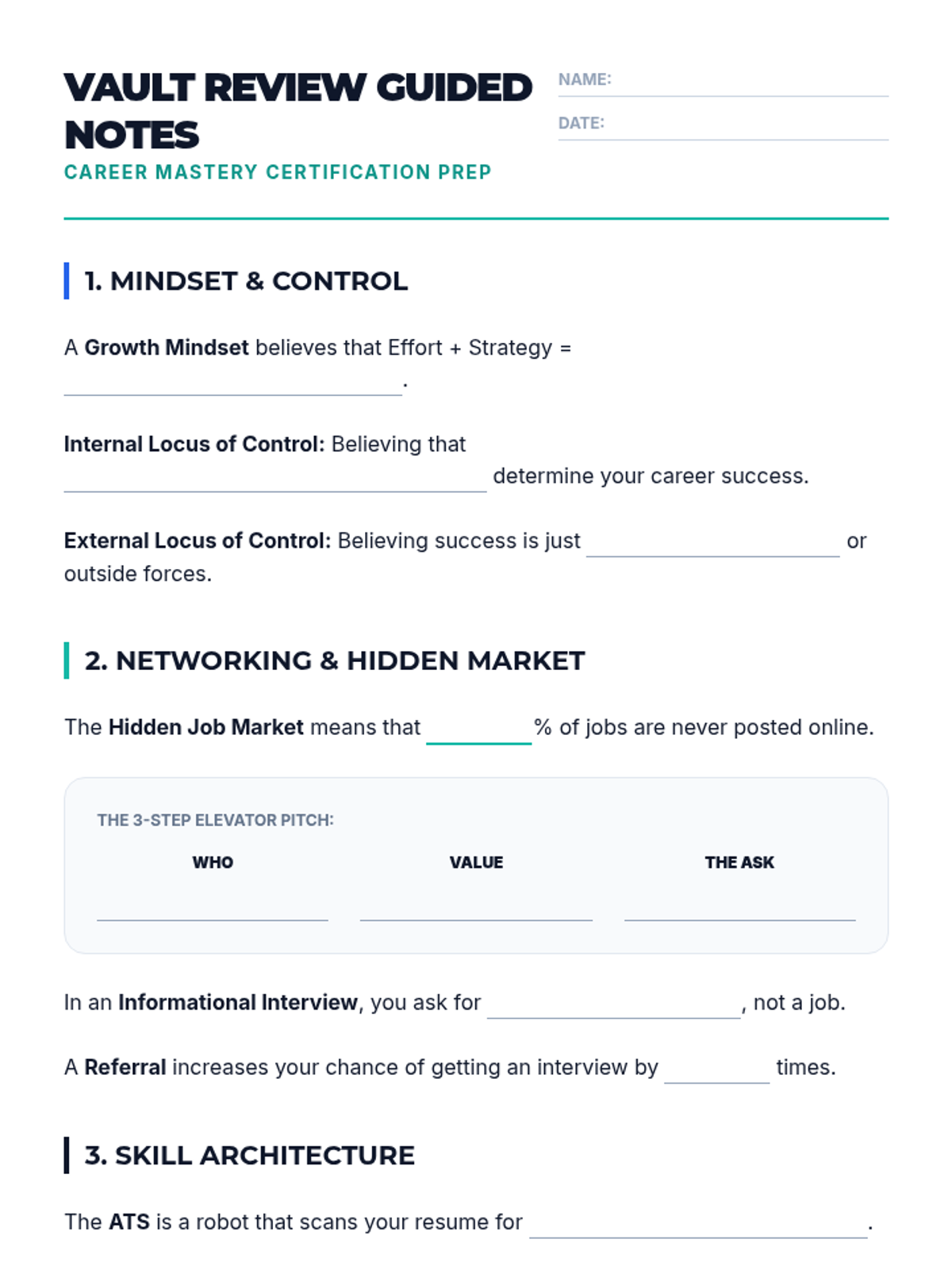
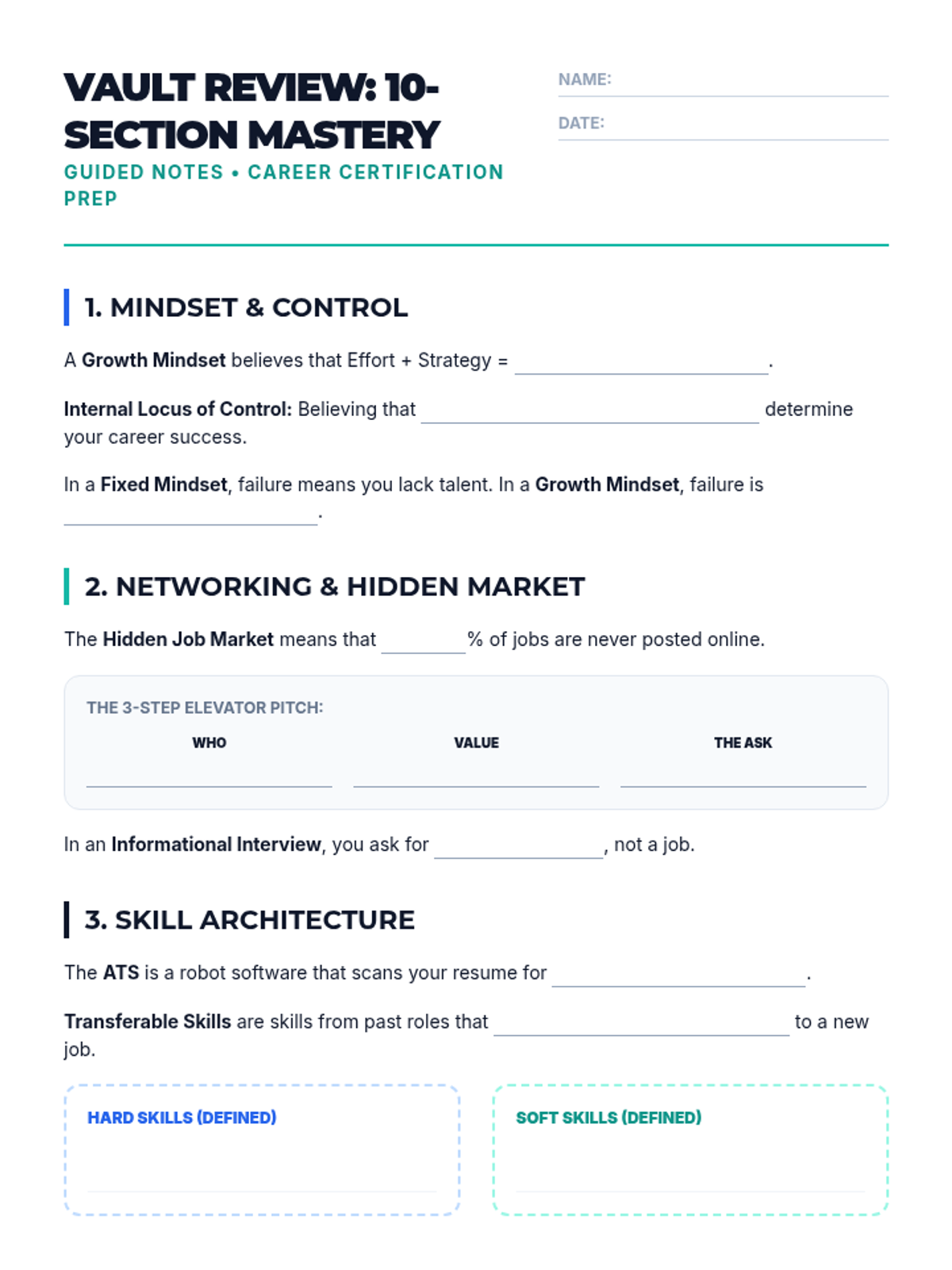
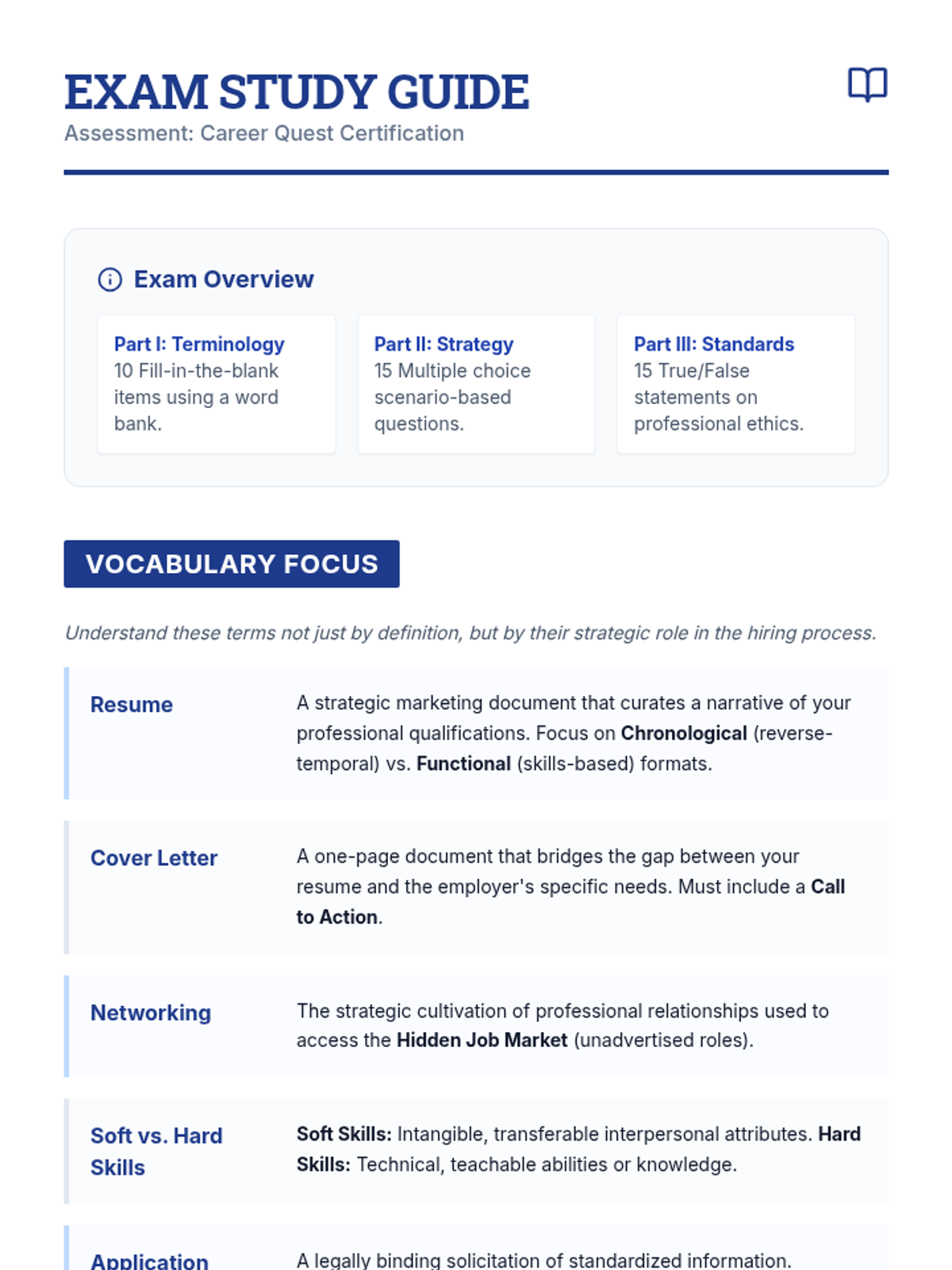
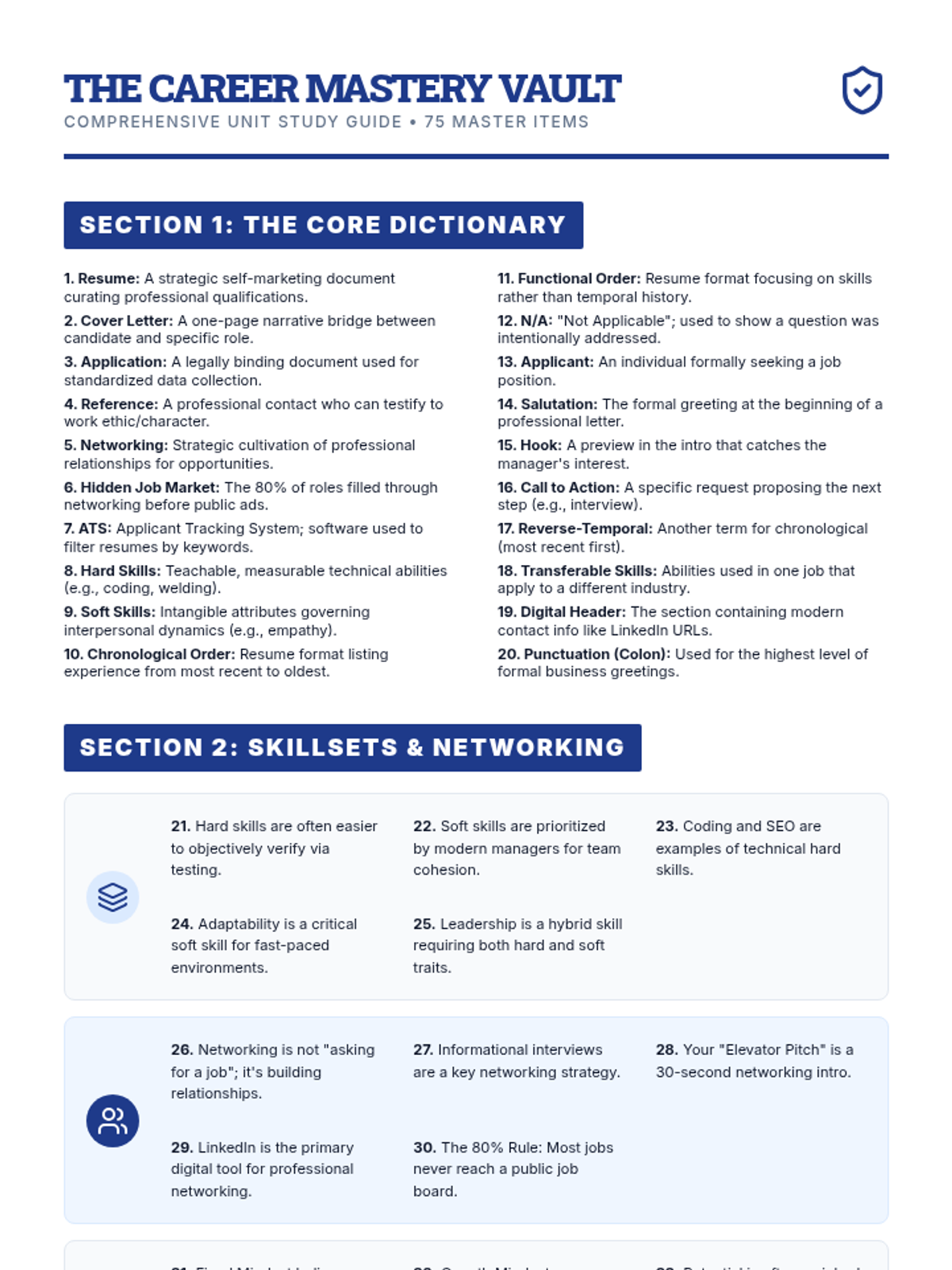
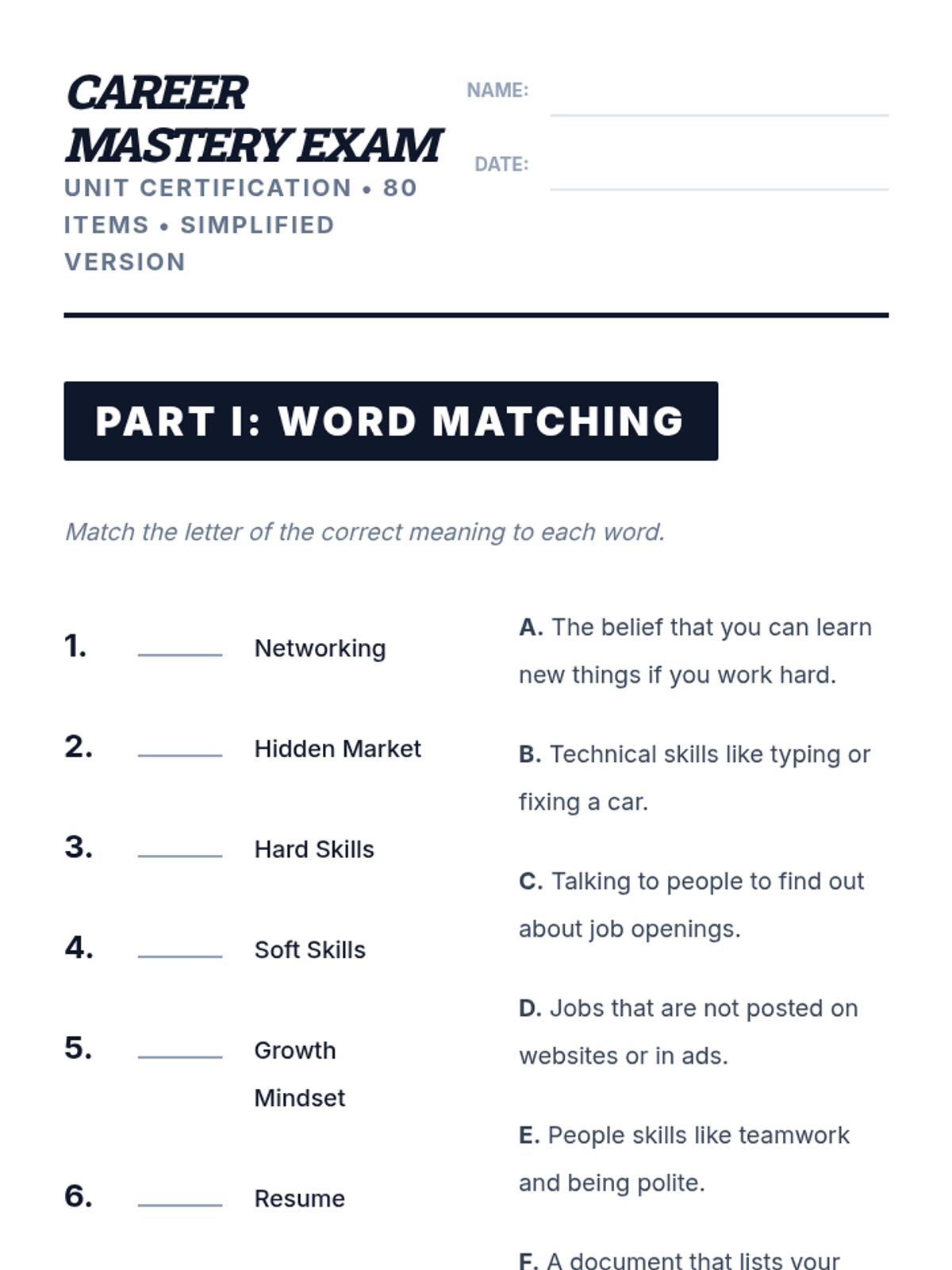
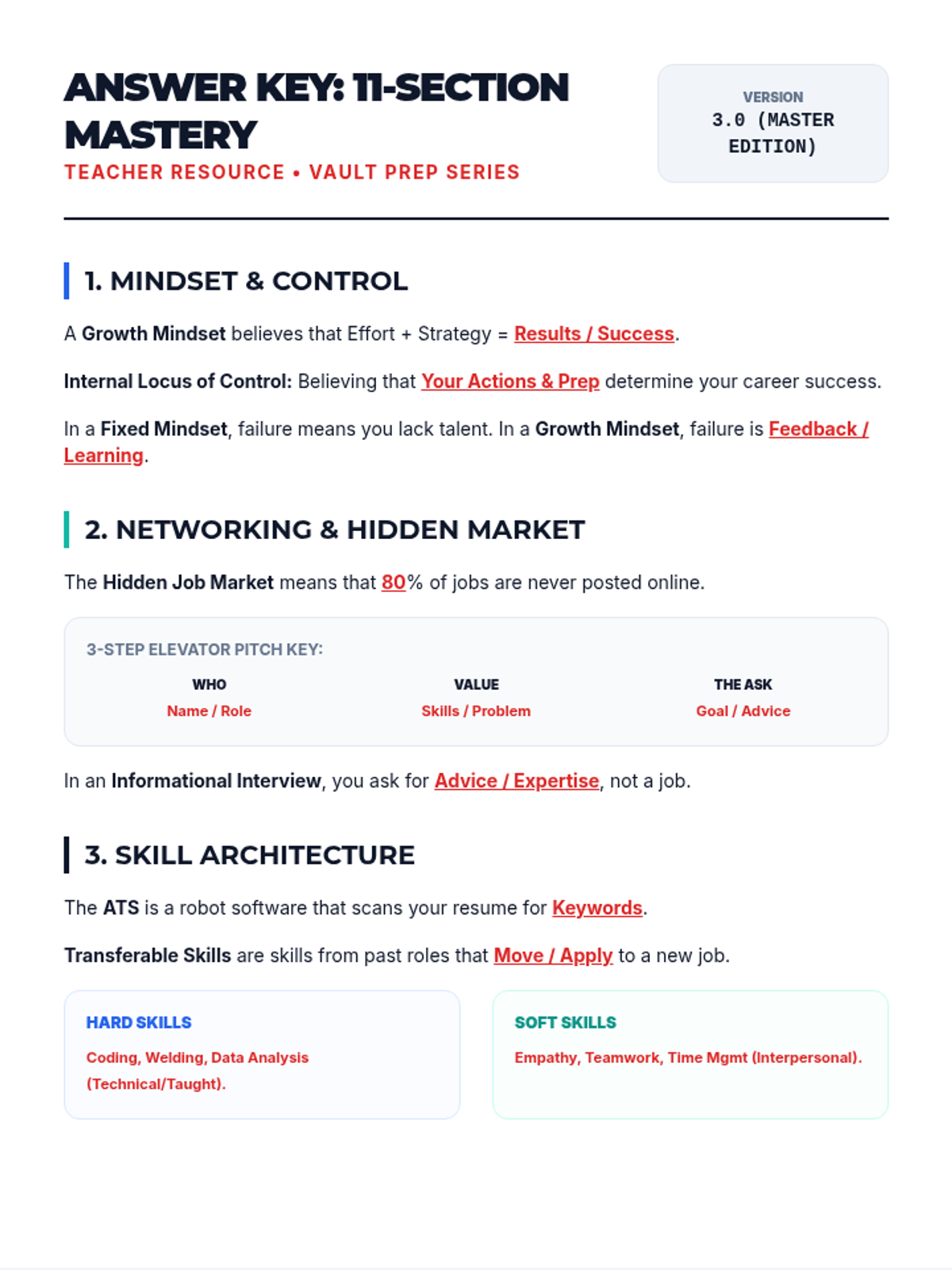
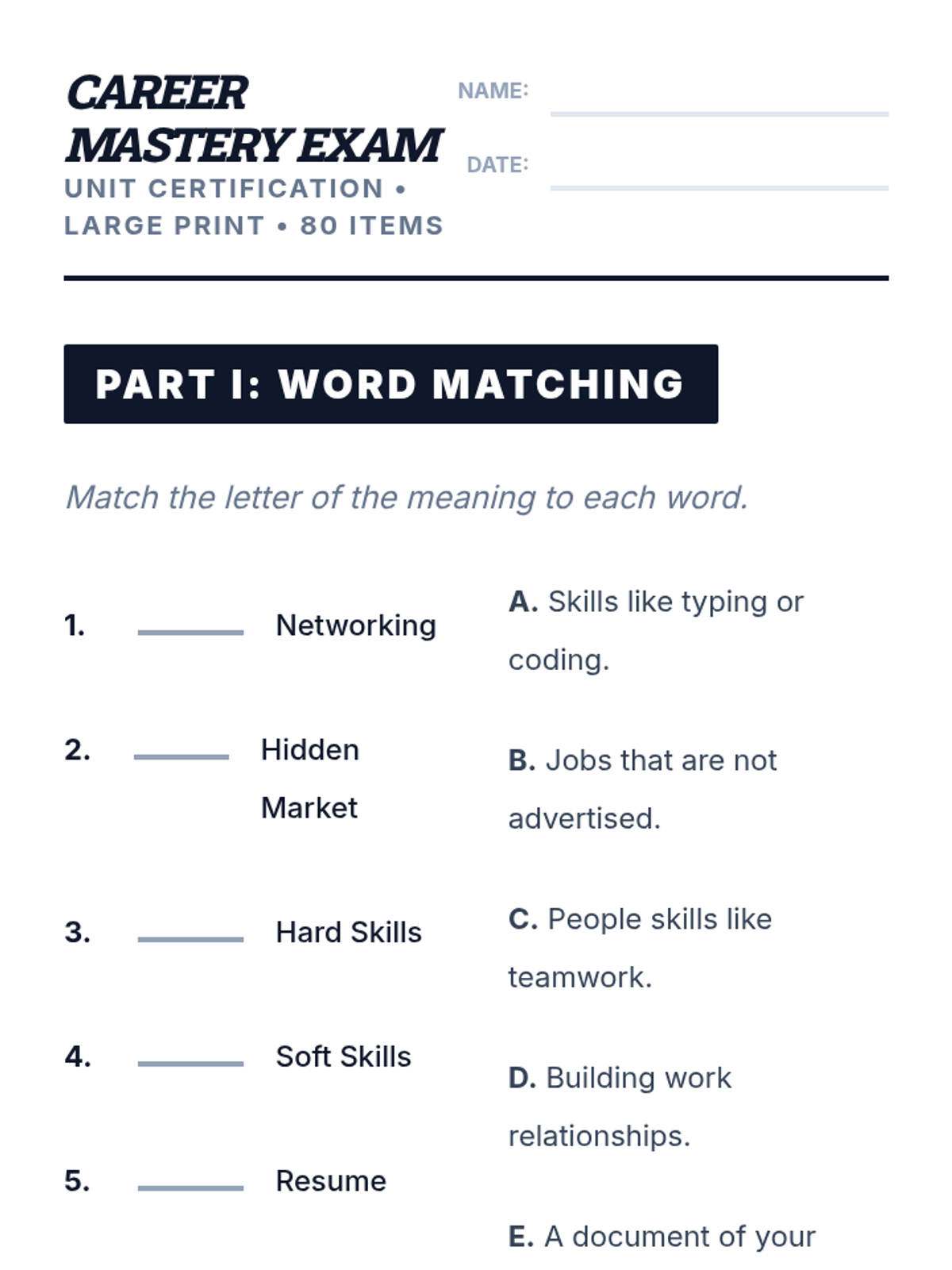
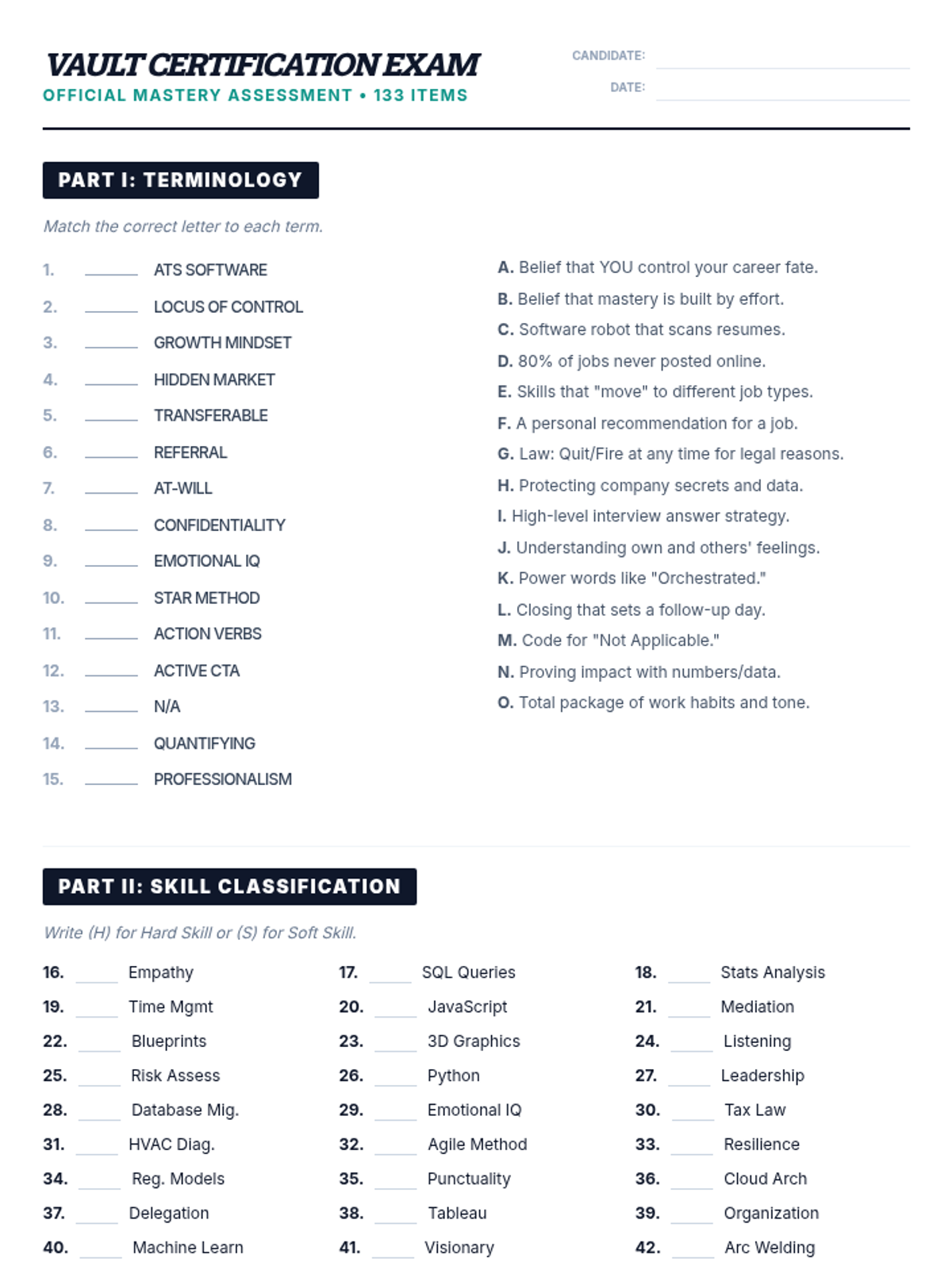
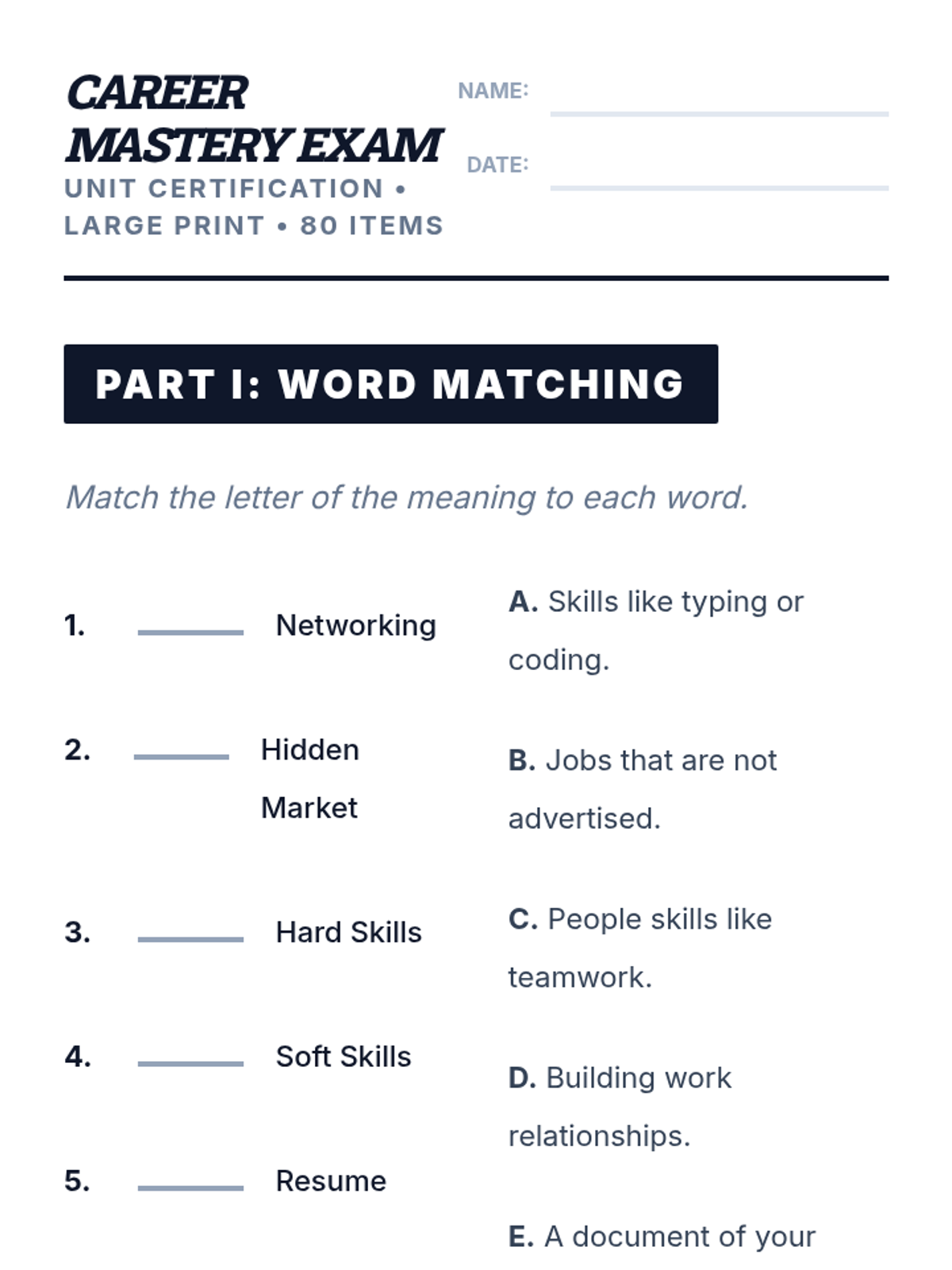
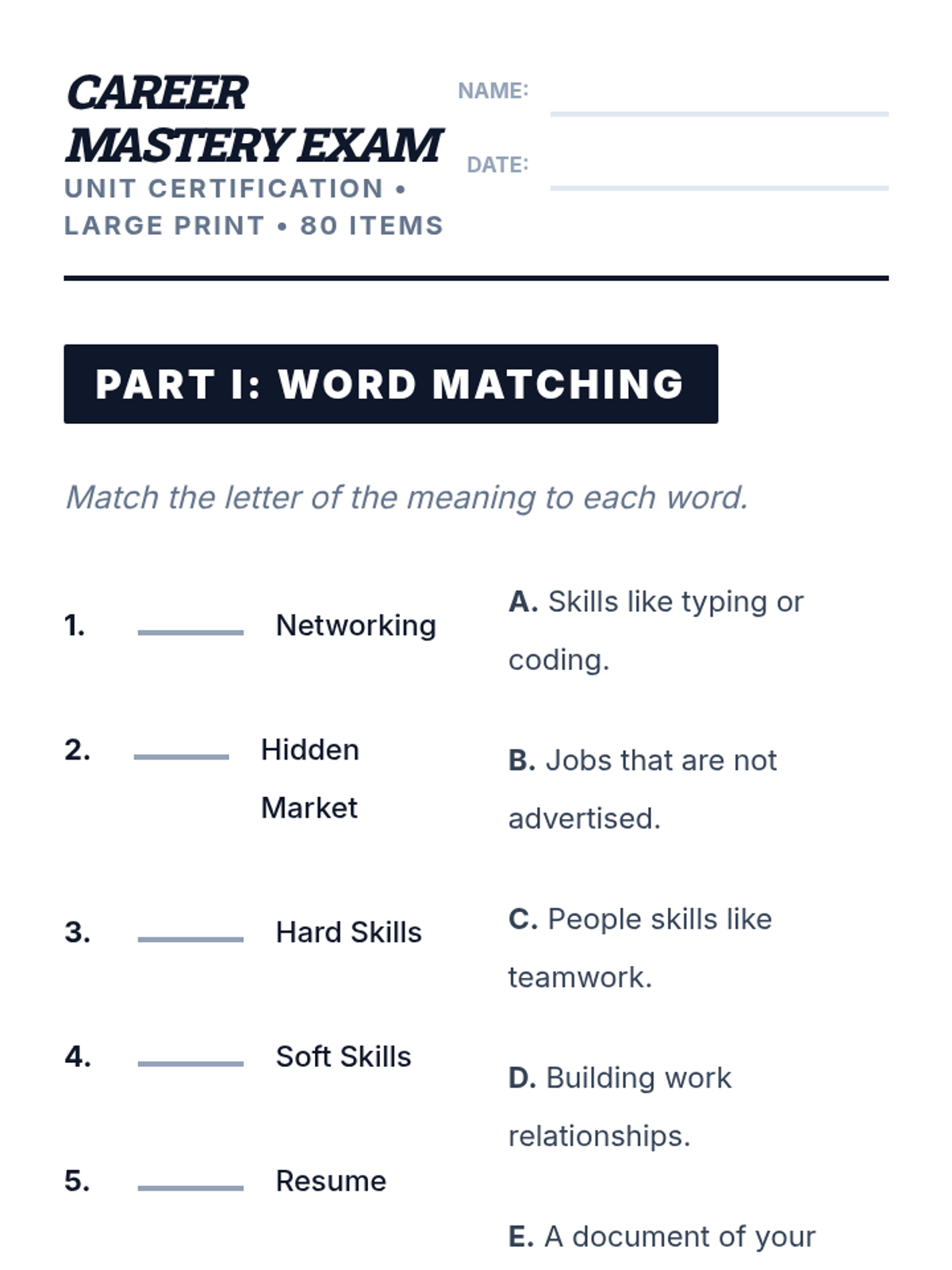
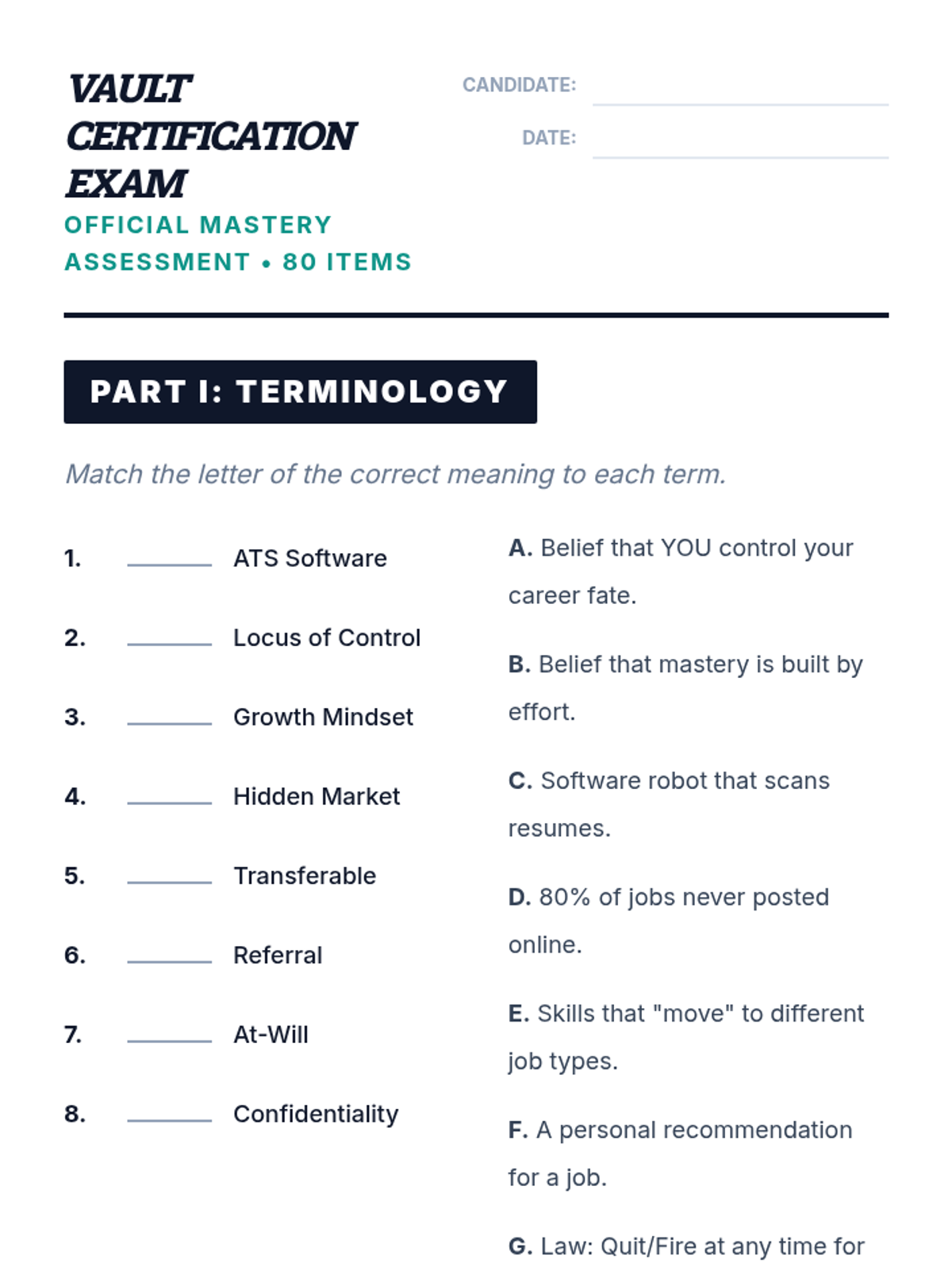
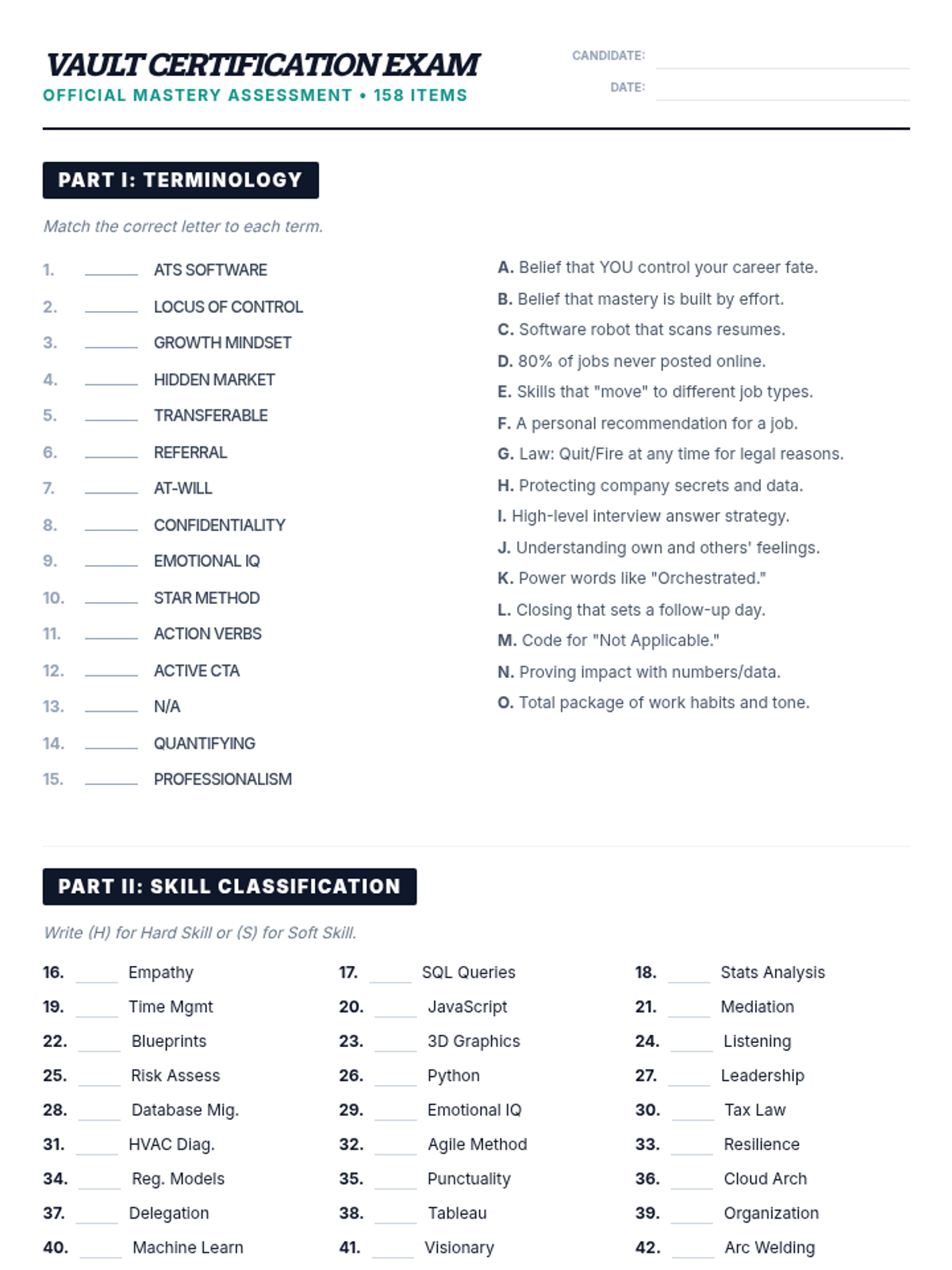
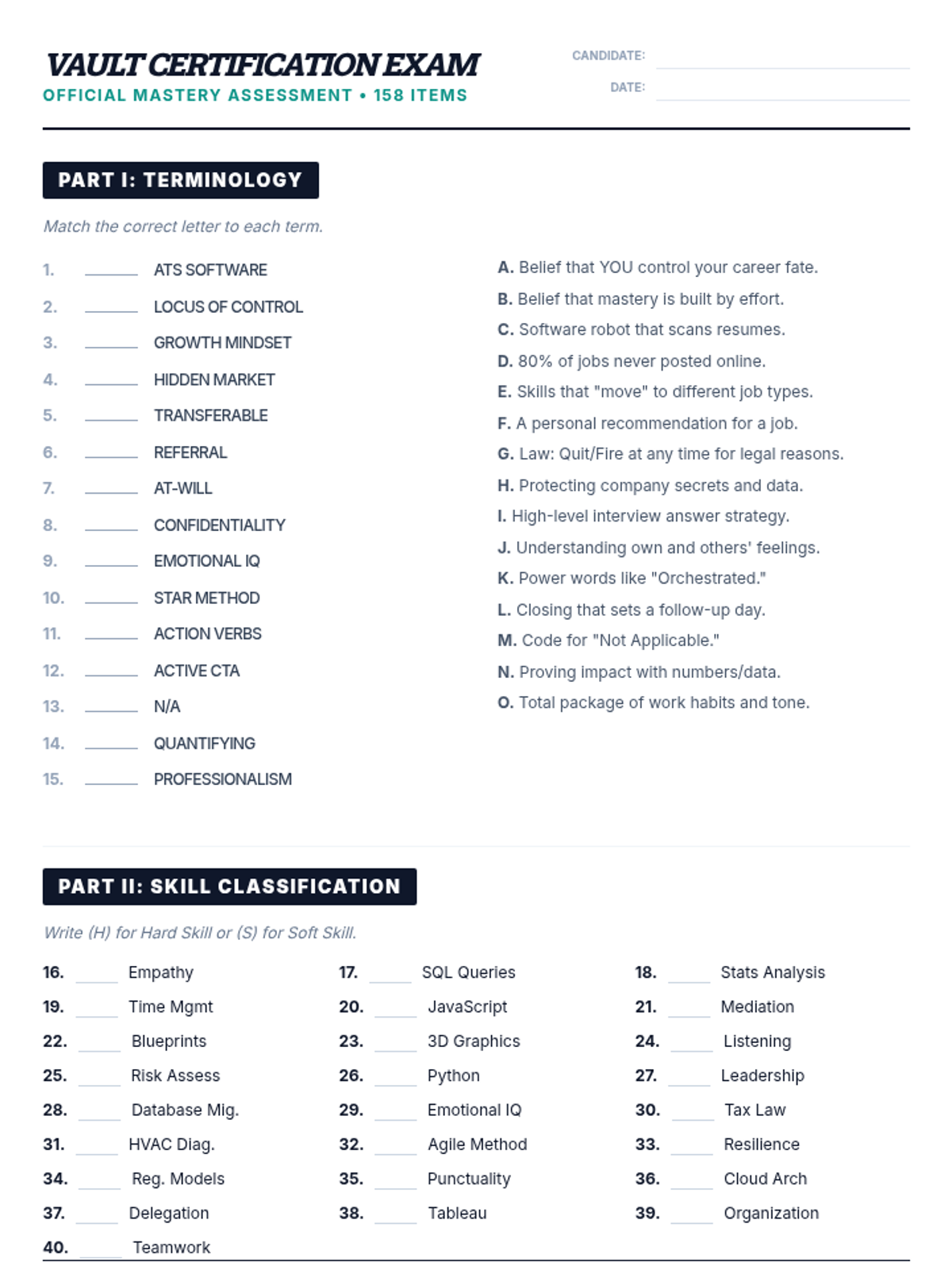
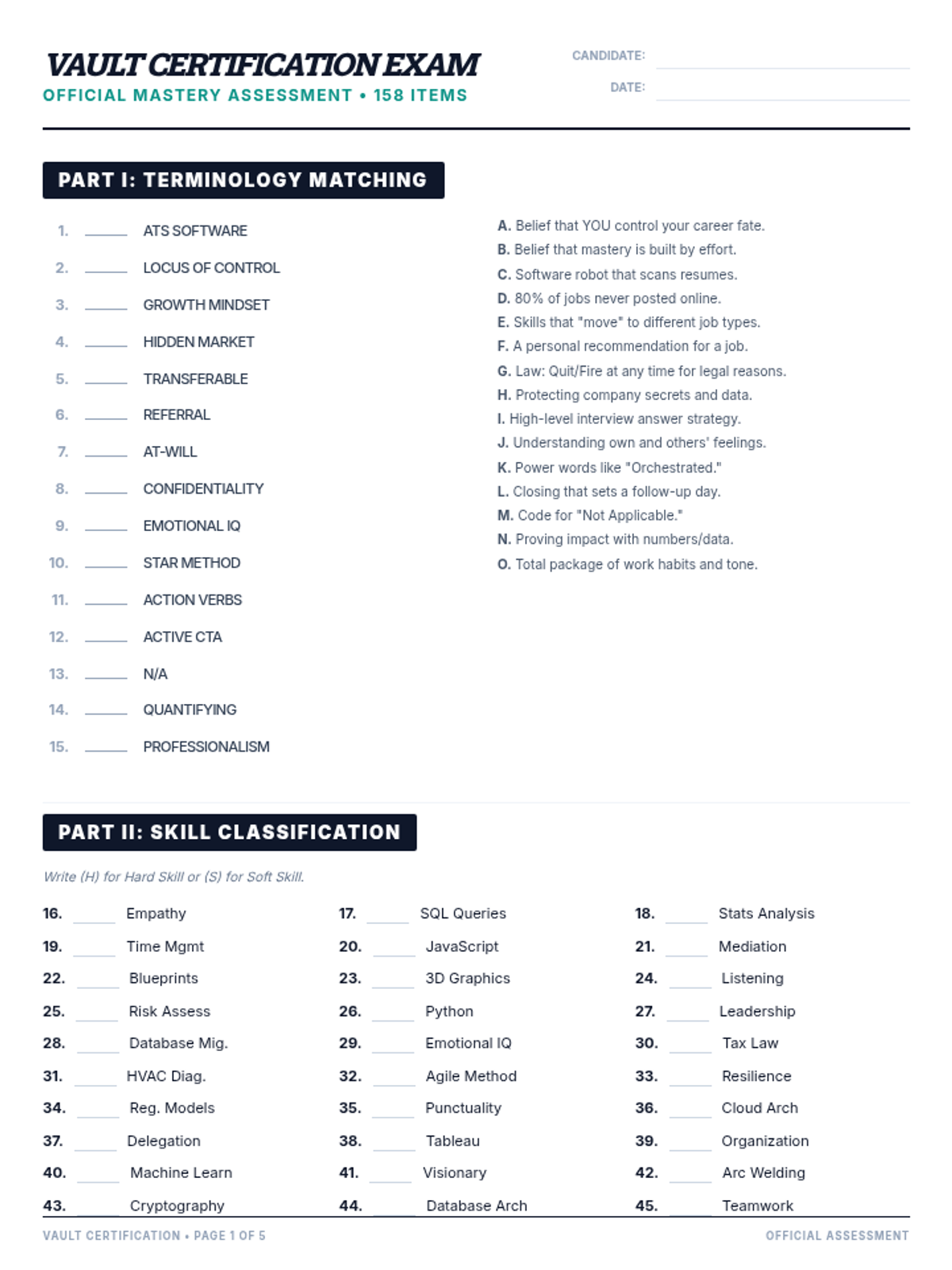
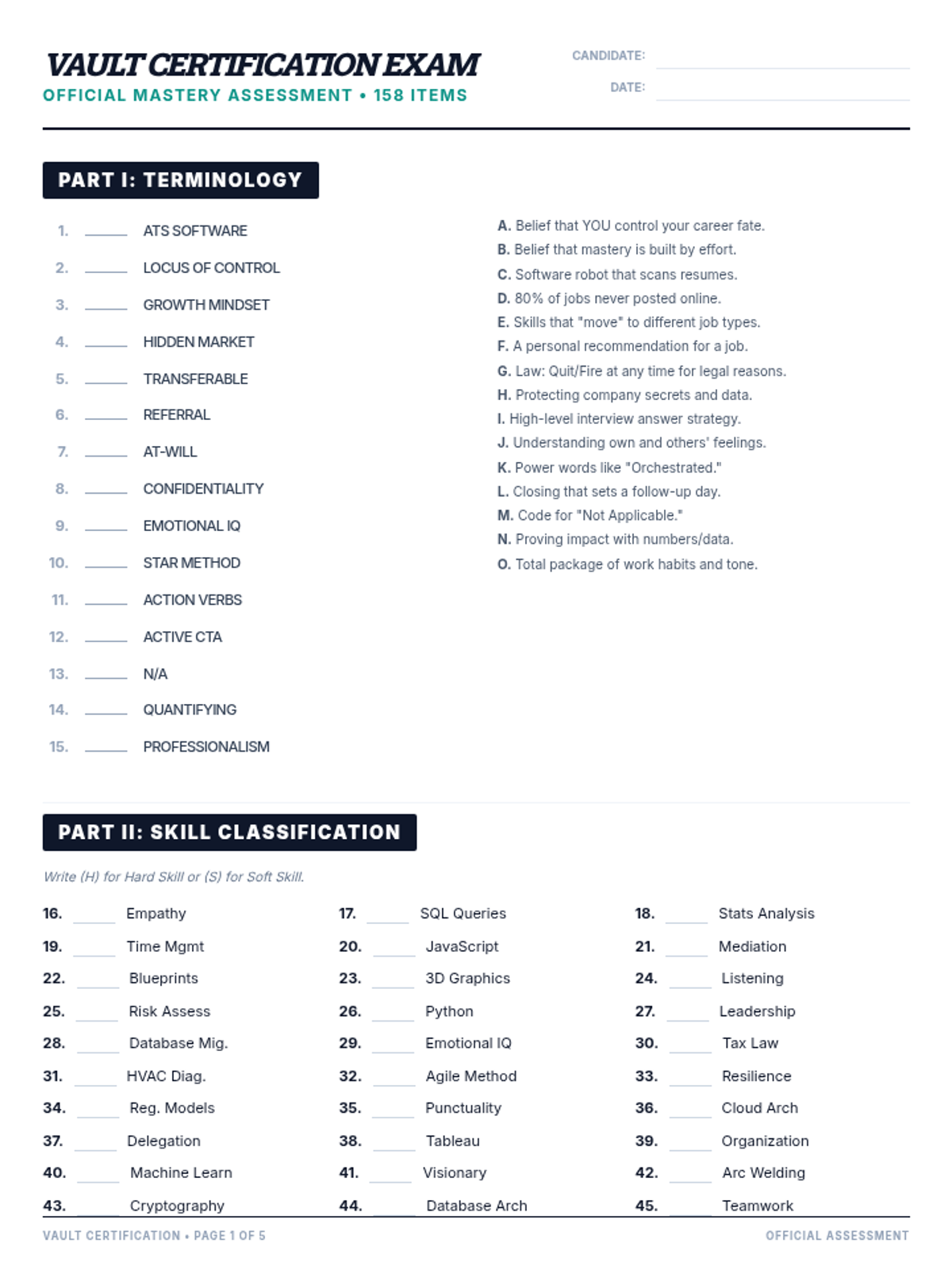
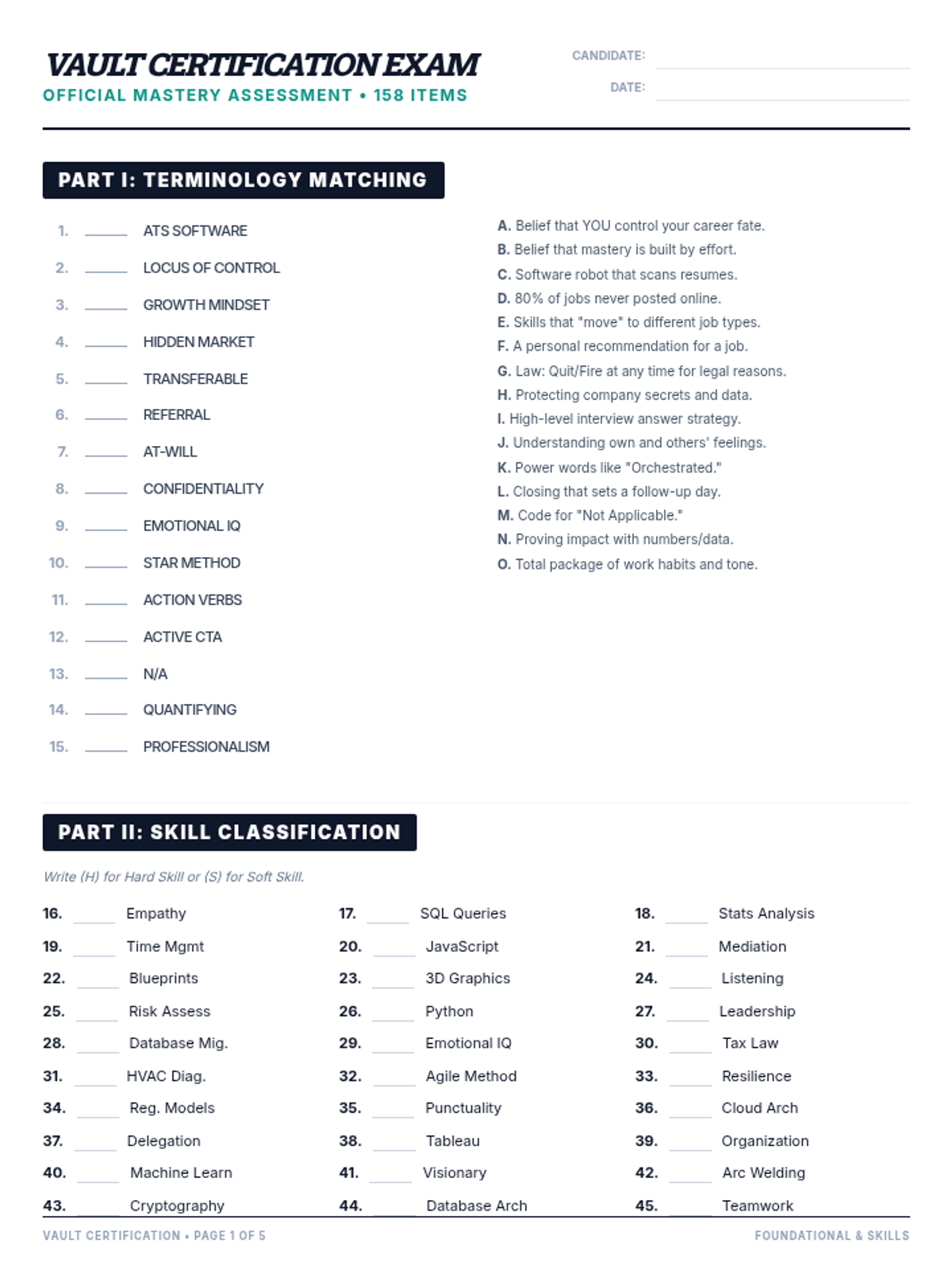
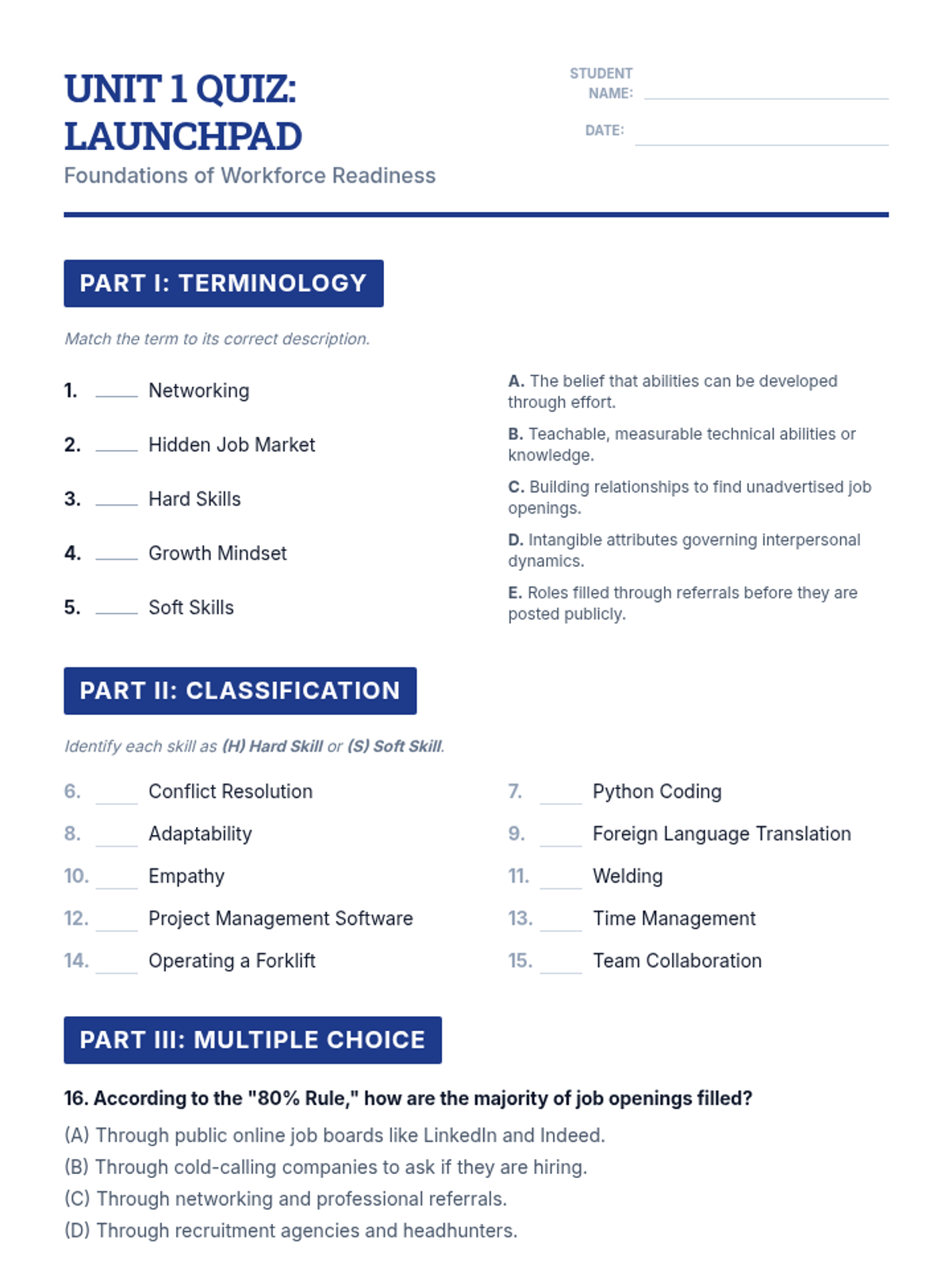
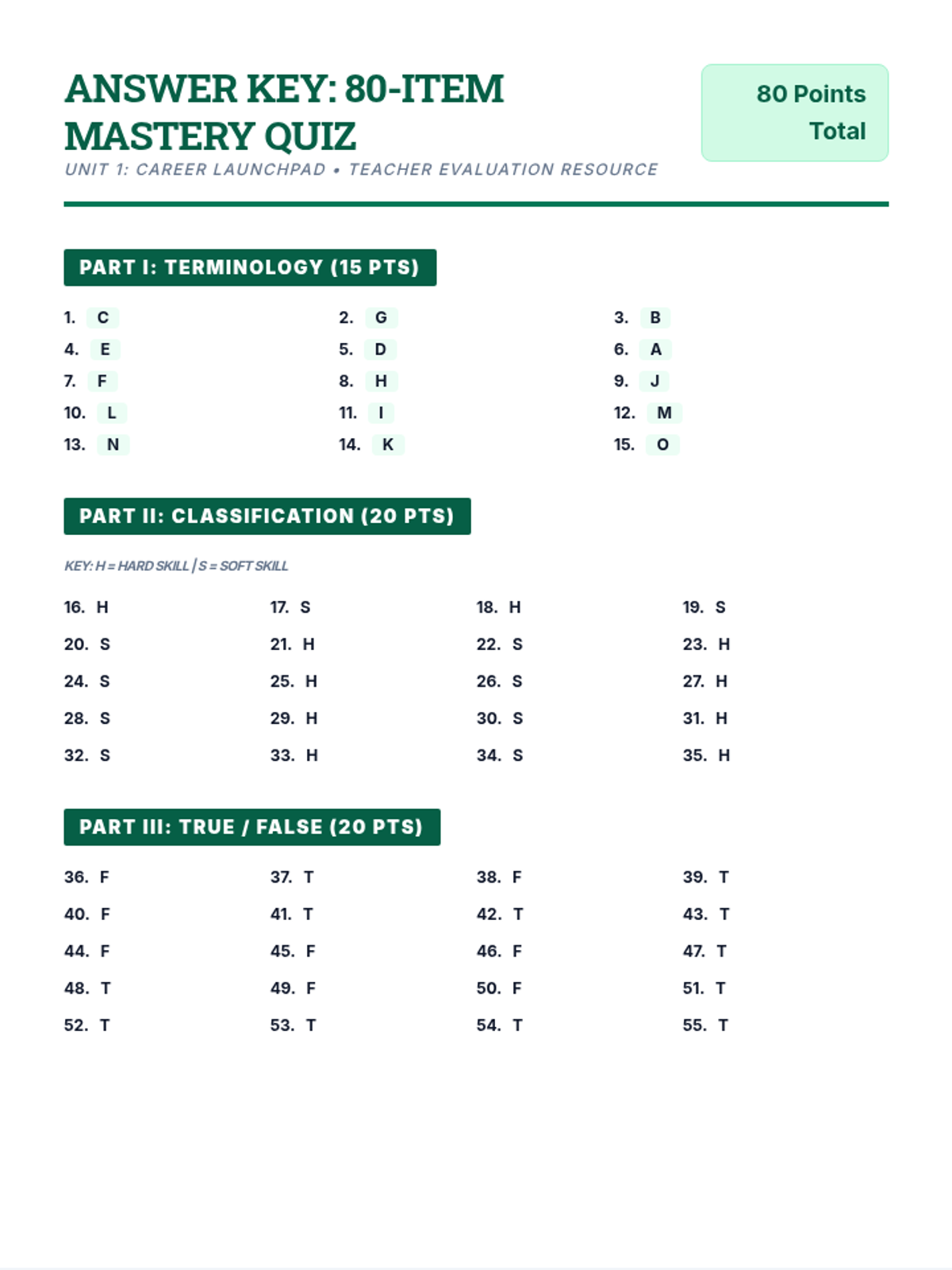
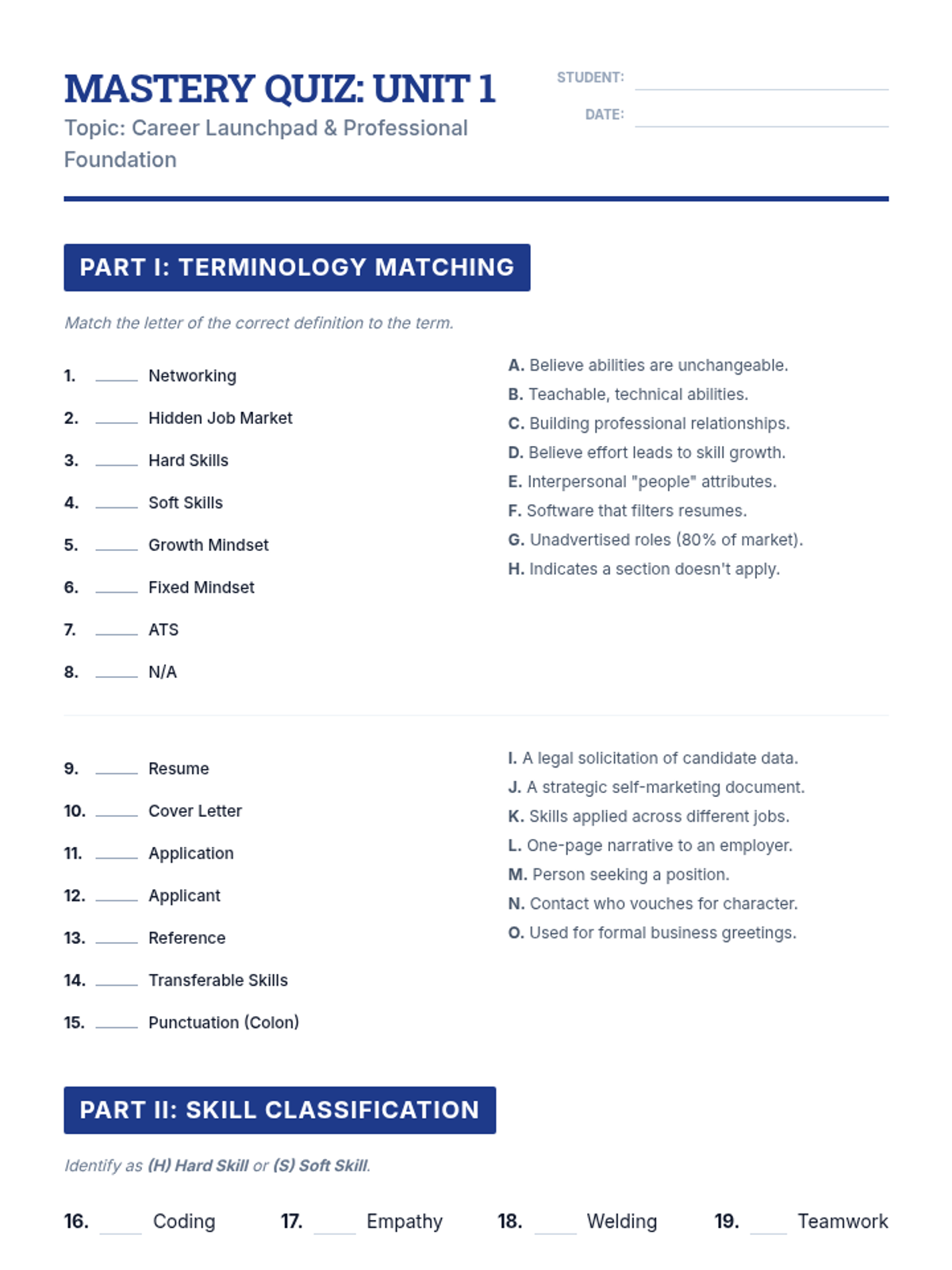
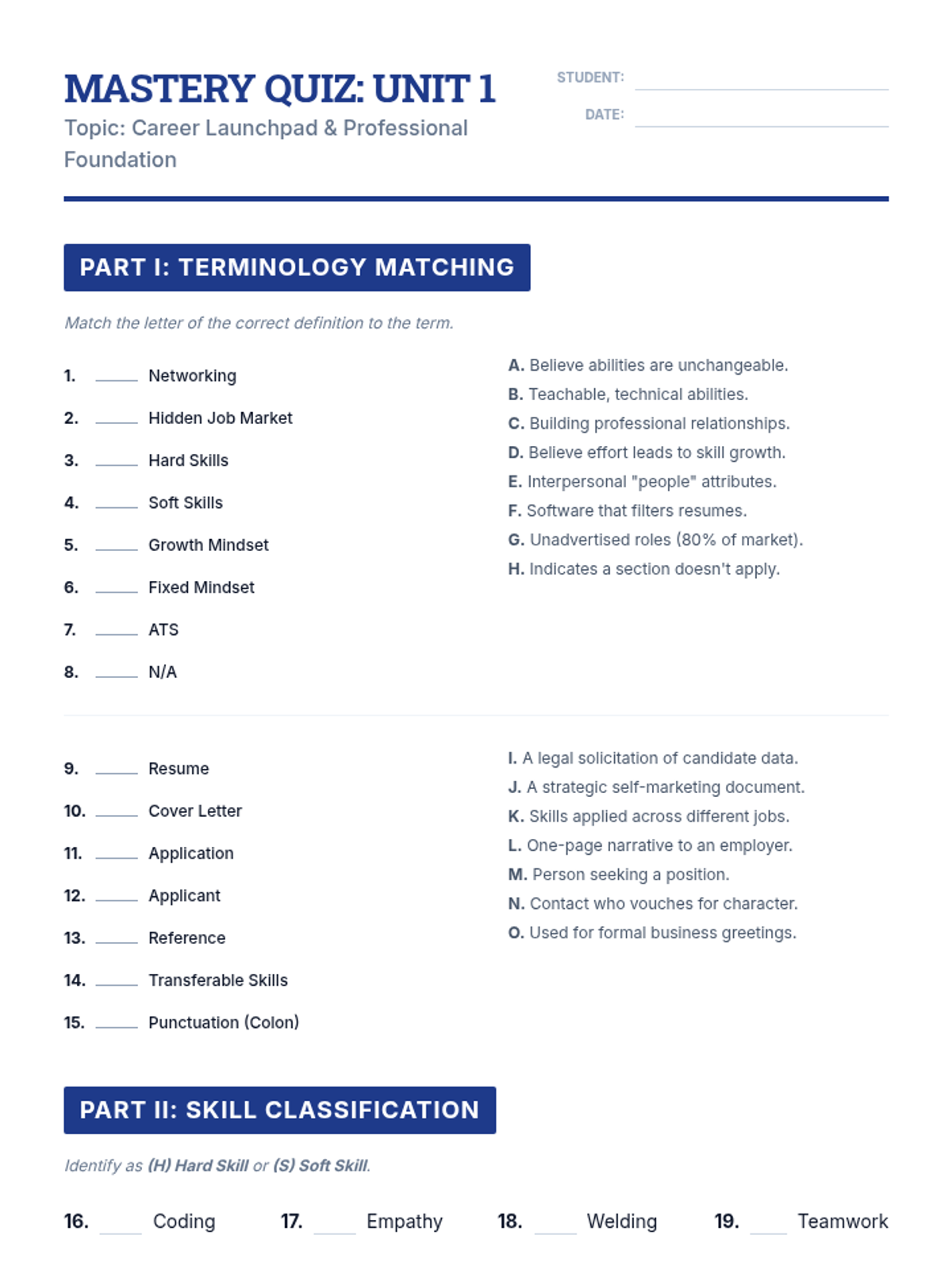
An introductory unit focusing on career terminology, professional mindset, and identifying personal strengths for the workforce.
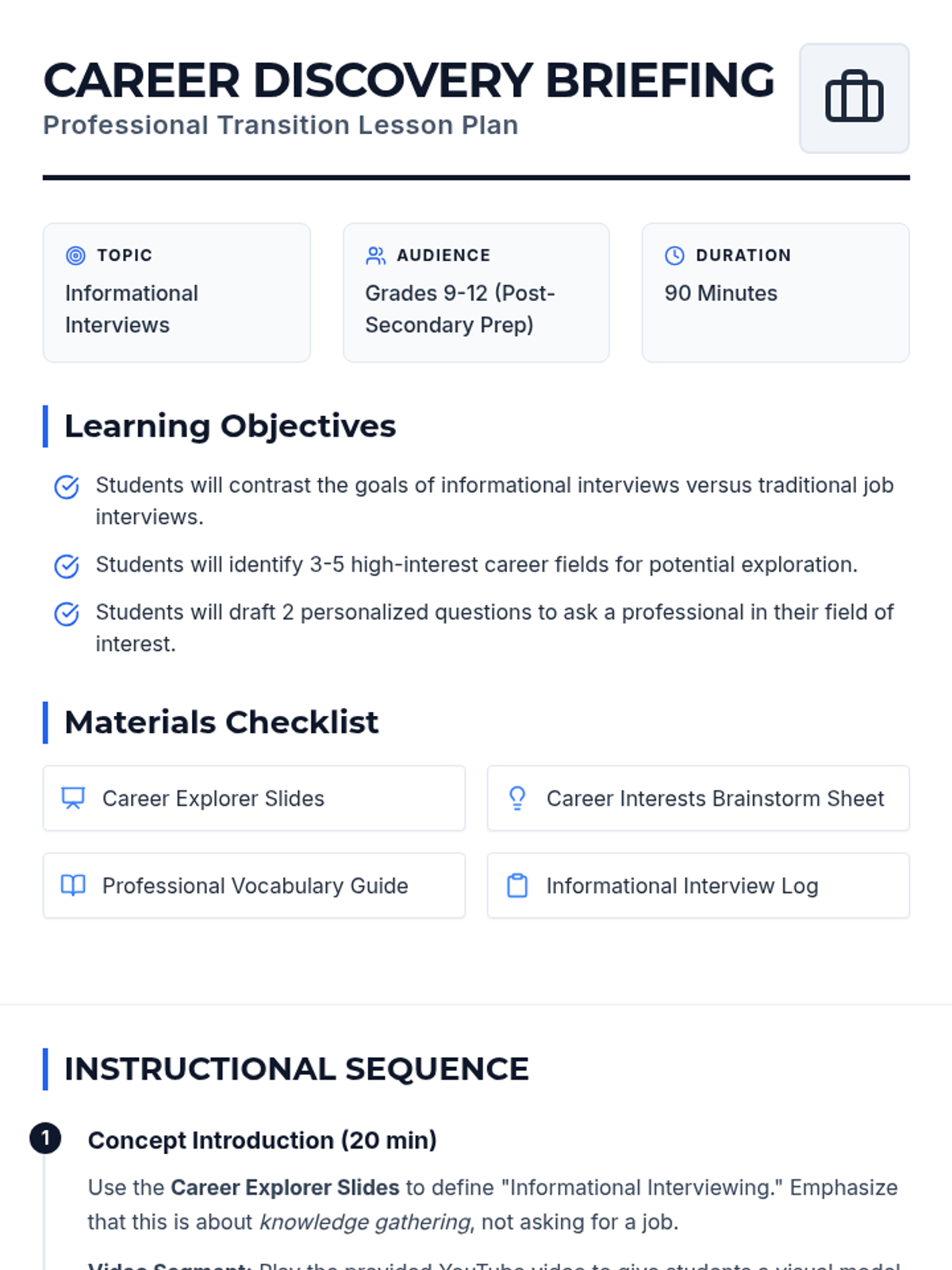
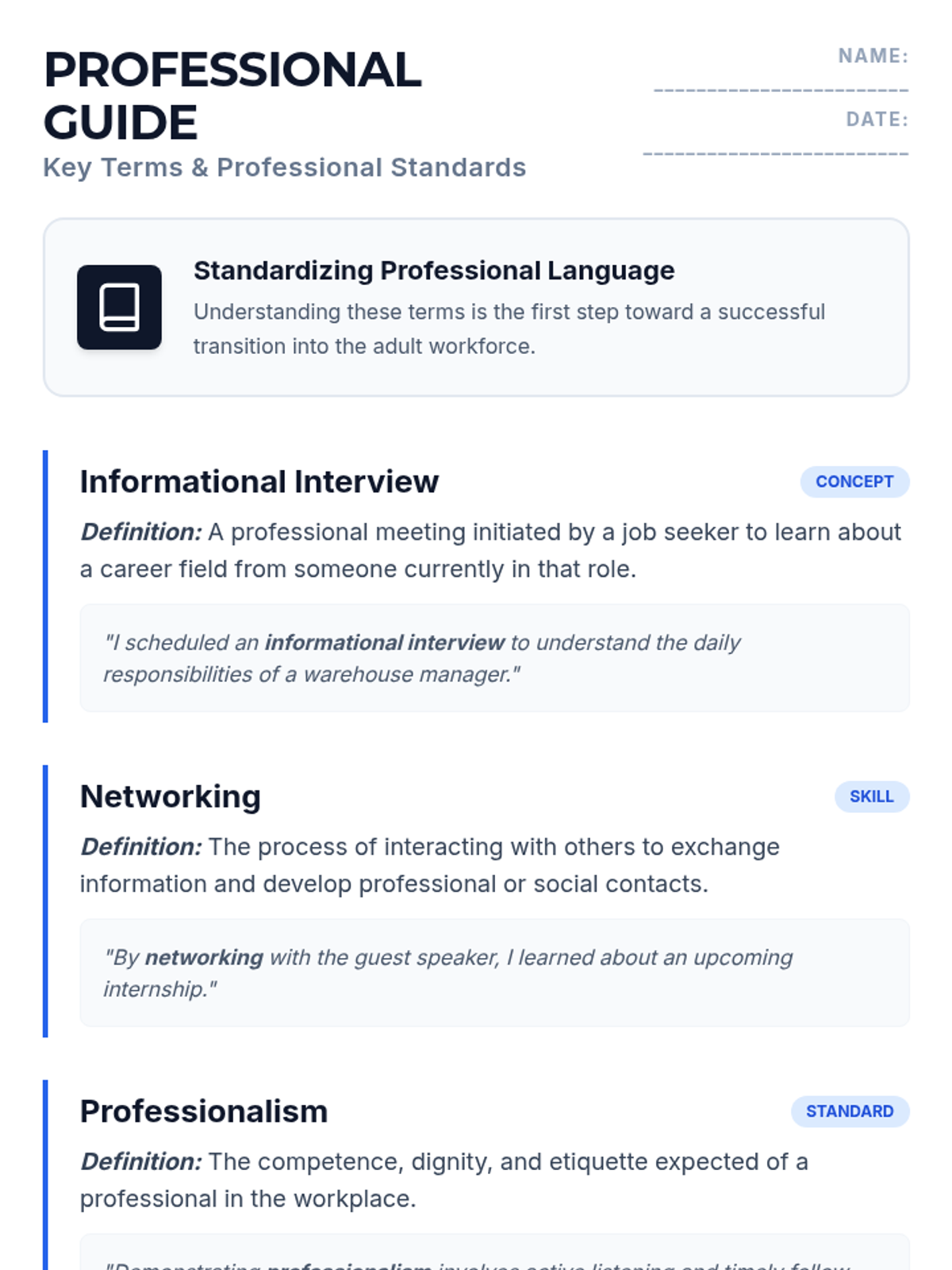
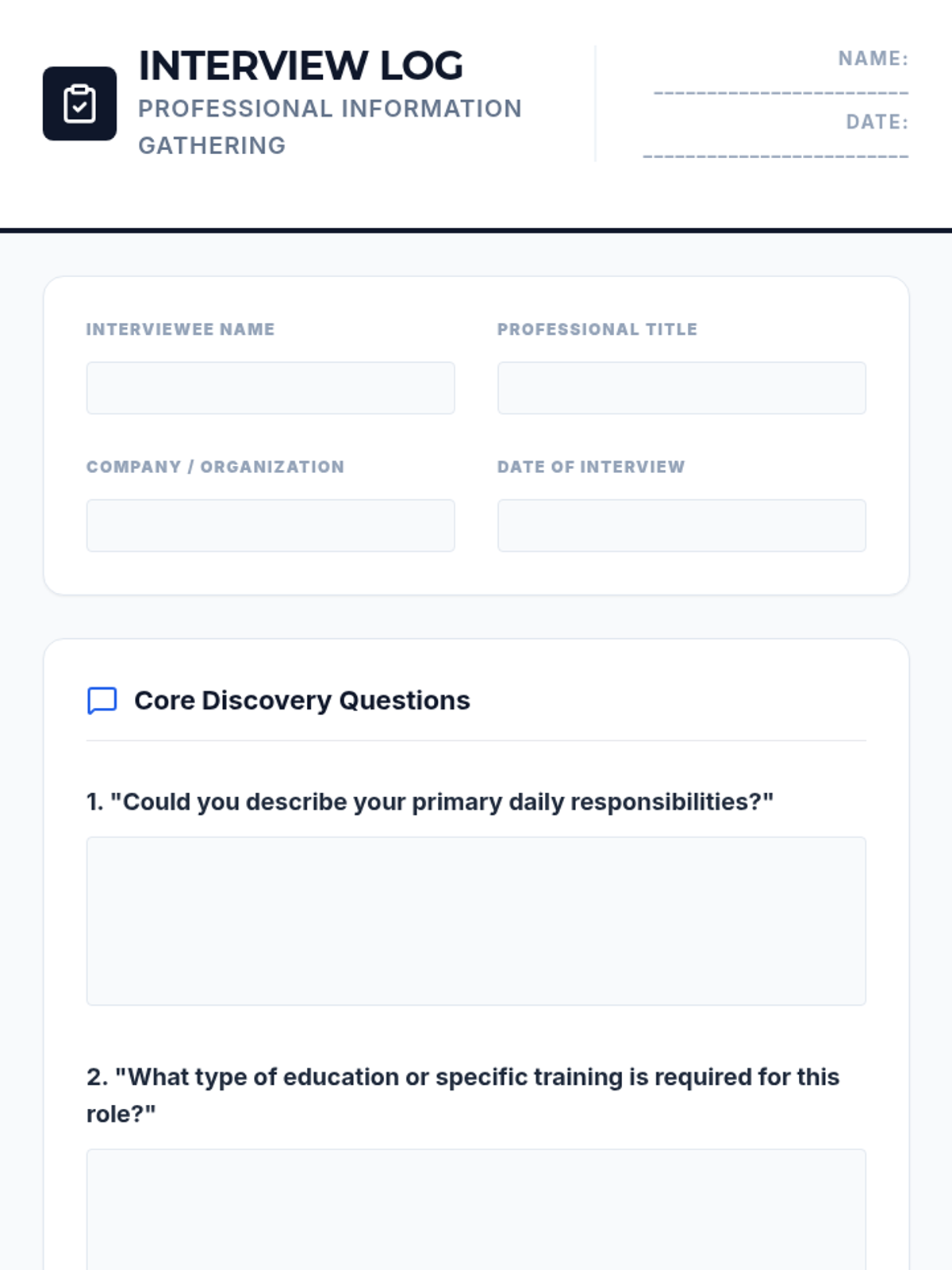
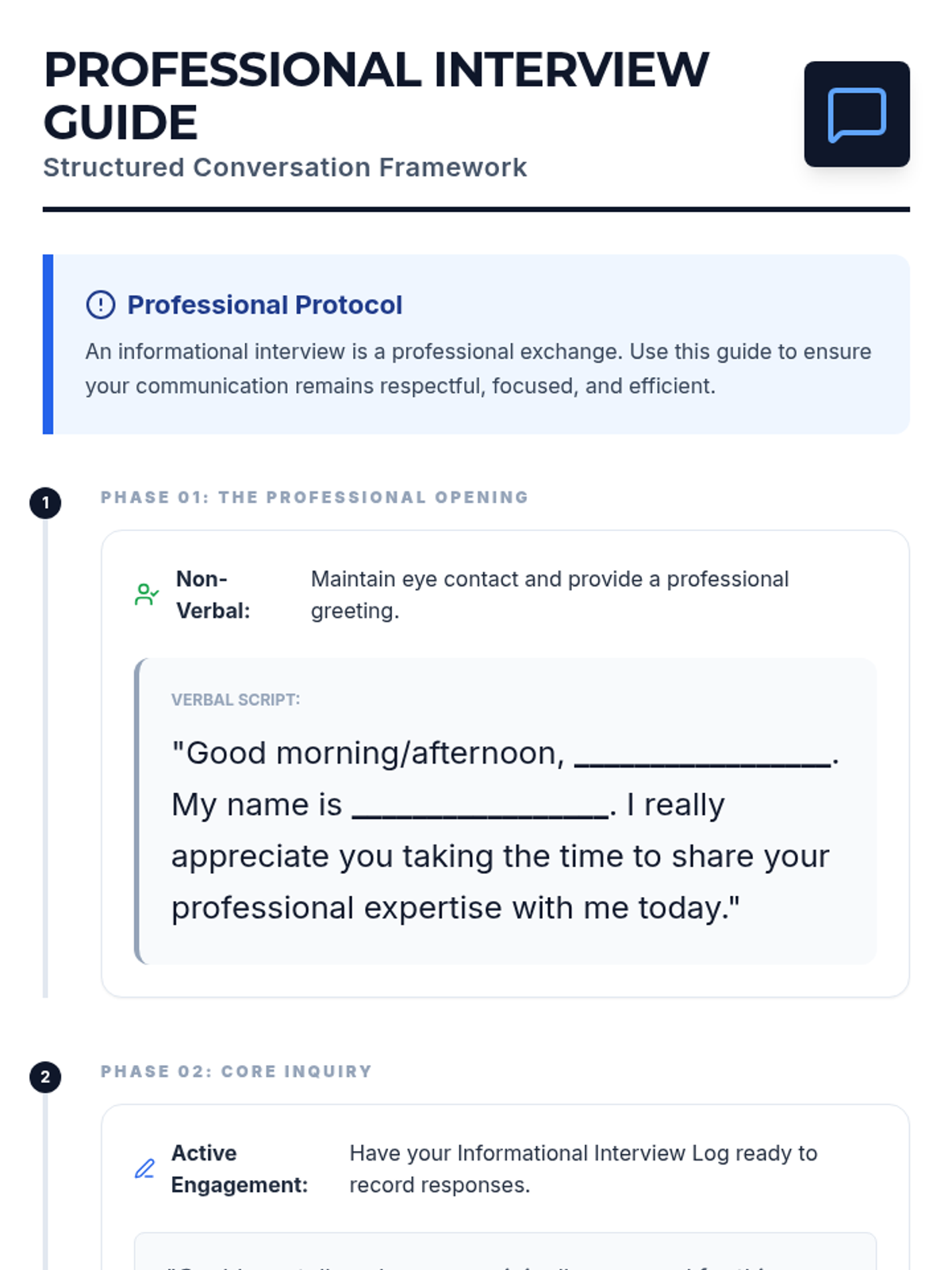
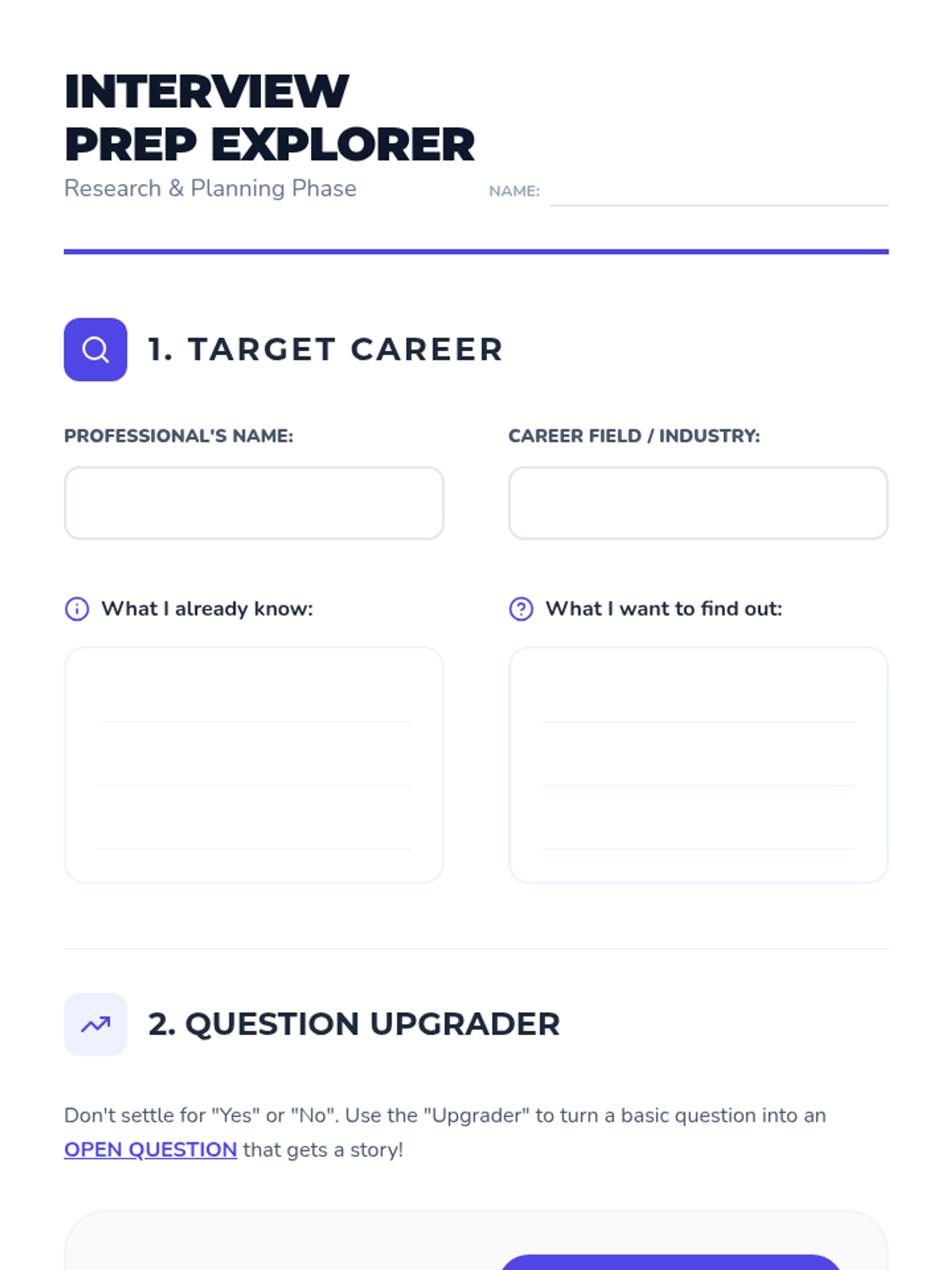
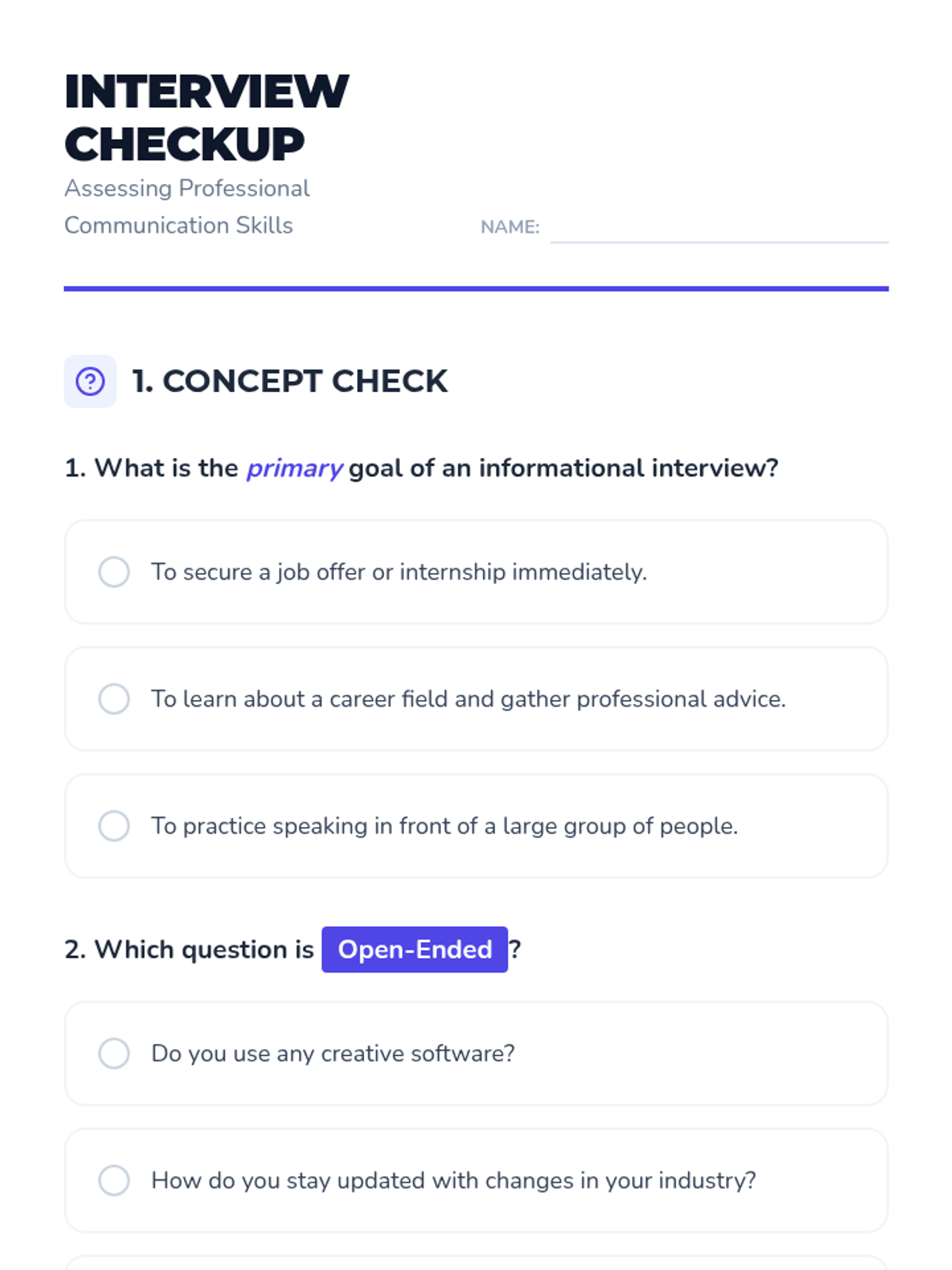
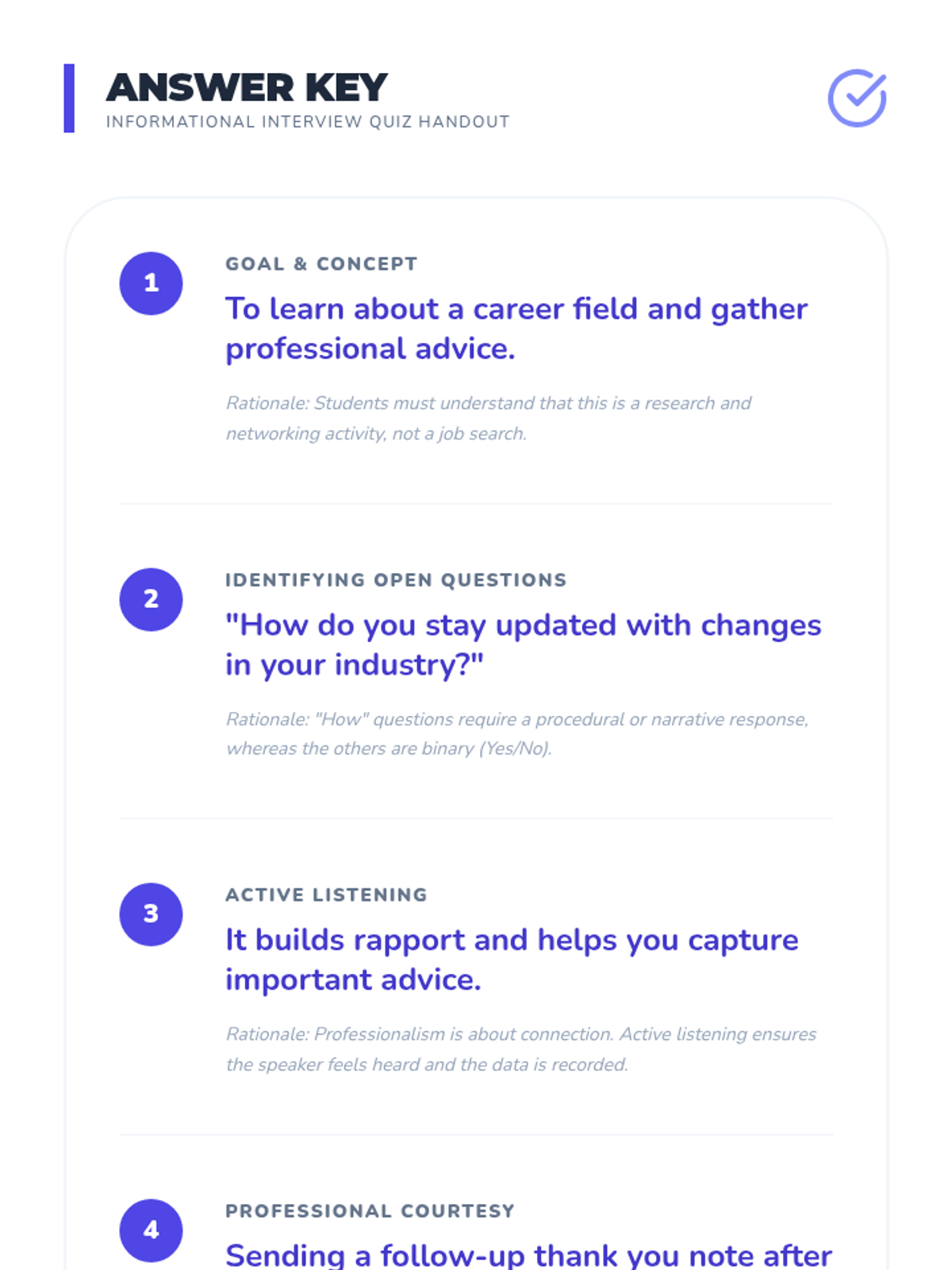
A lesson introducing students with IDD to informational interviews, focusing on curiosity, career exploration, and building professional connections.
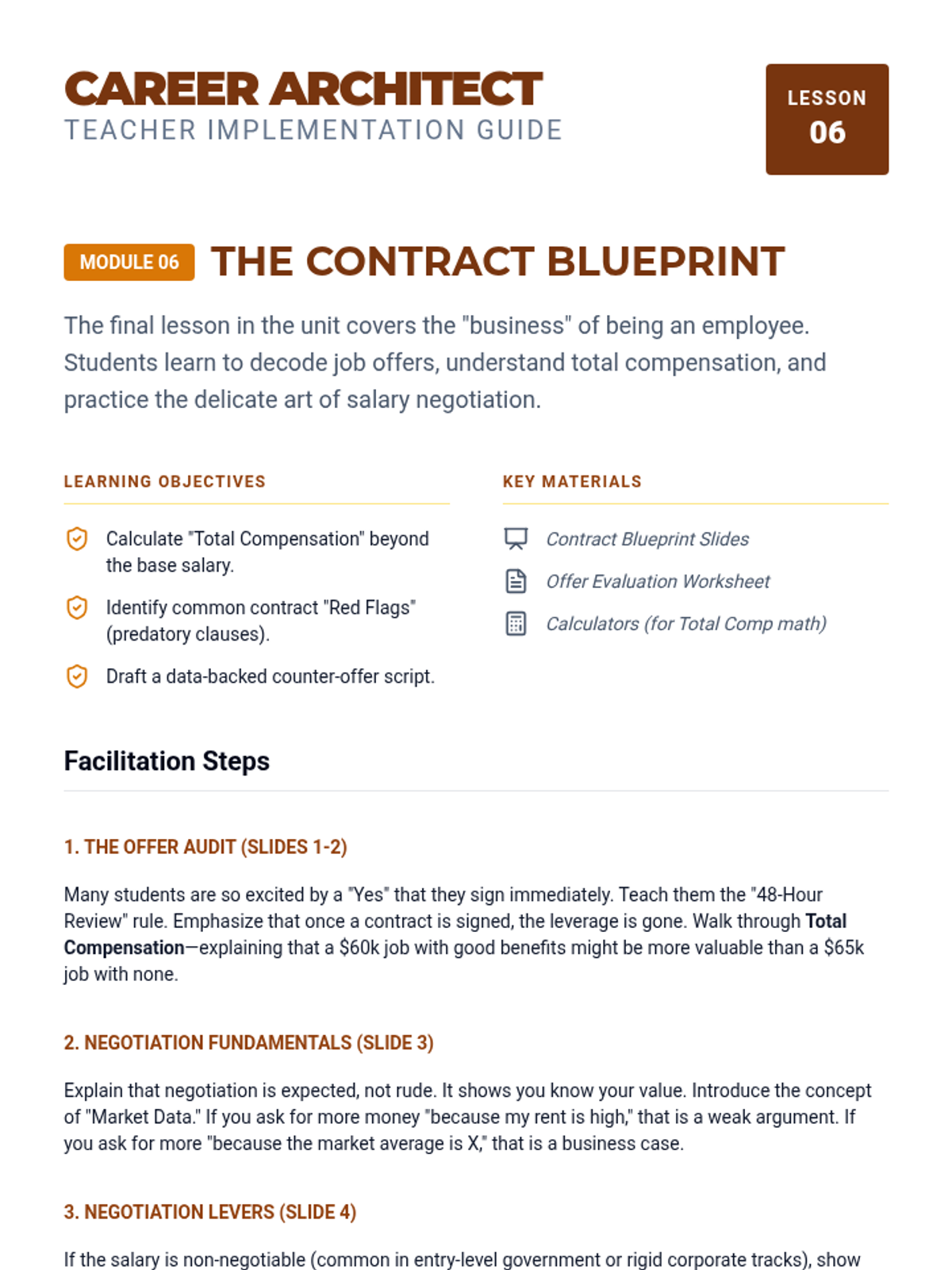
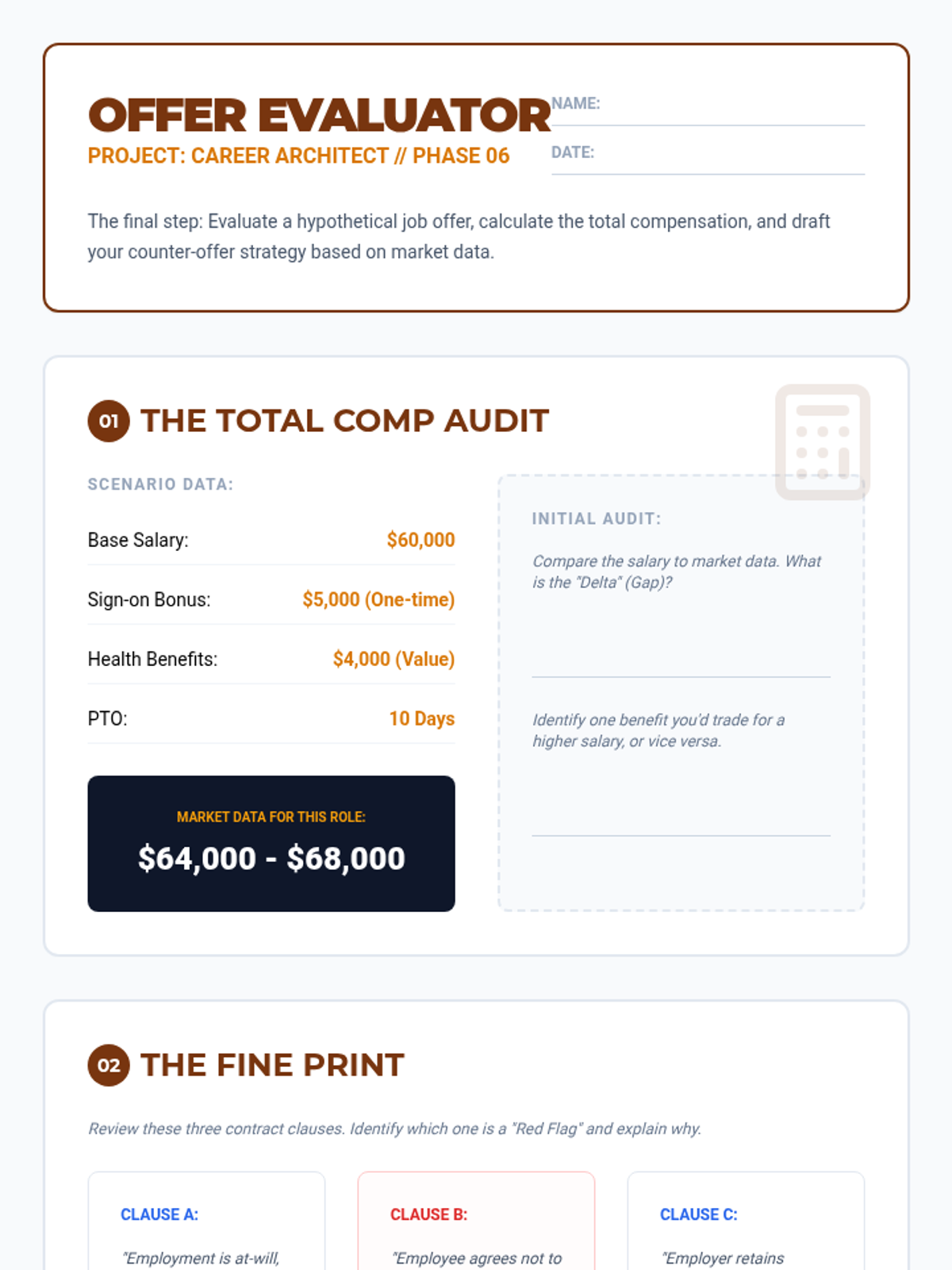
Teaches students how to evaluate job offers, negotiate salary and benefits, and prepare for the professional transition into a new role. Focuses on the "business" side of starting a career.
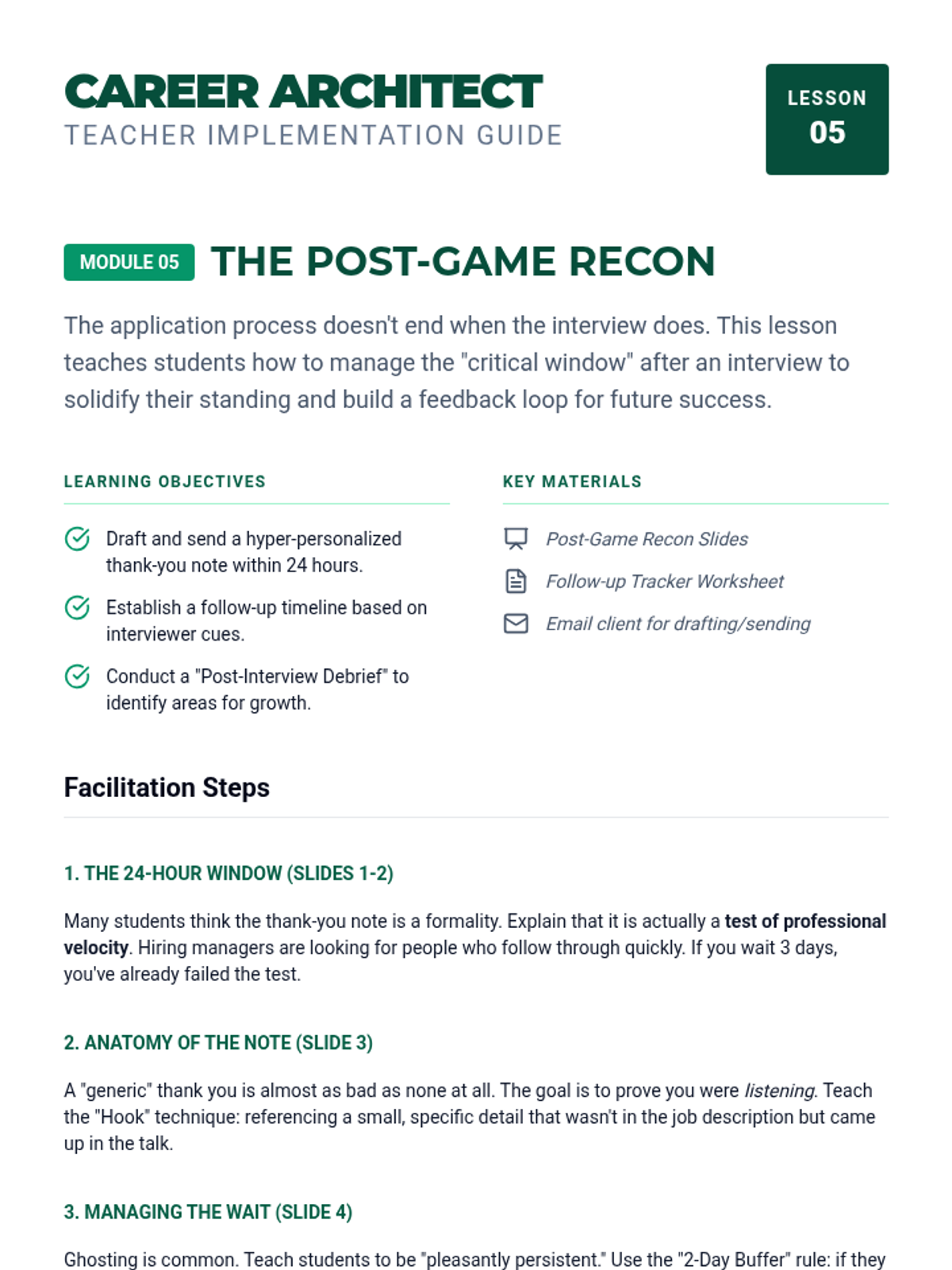
Focuses on the critical period after the interview. Students learn to craft high-impact thank-you notes, manage follow-up timelines, and leverage post-interview feedback to refine their approach.
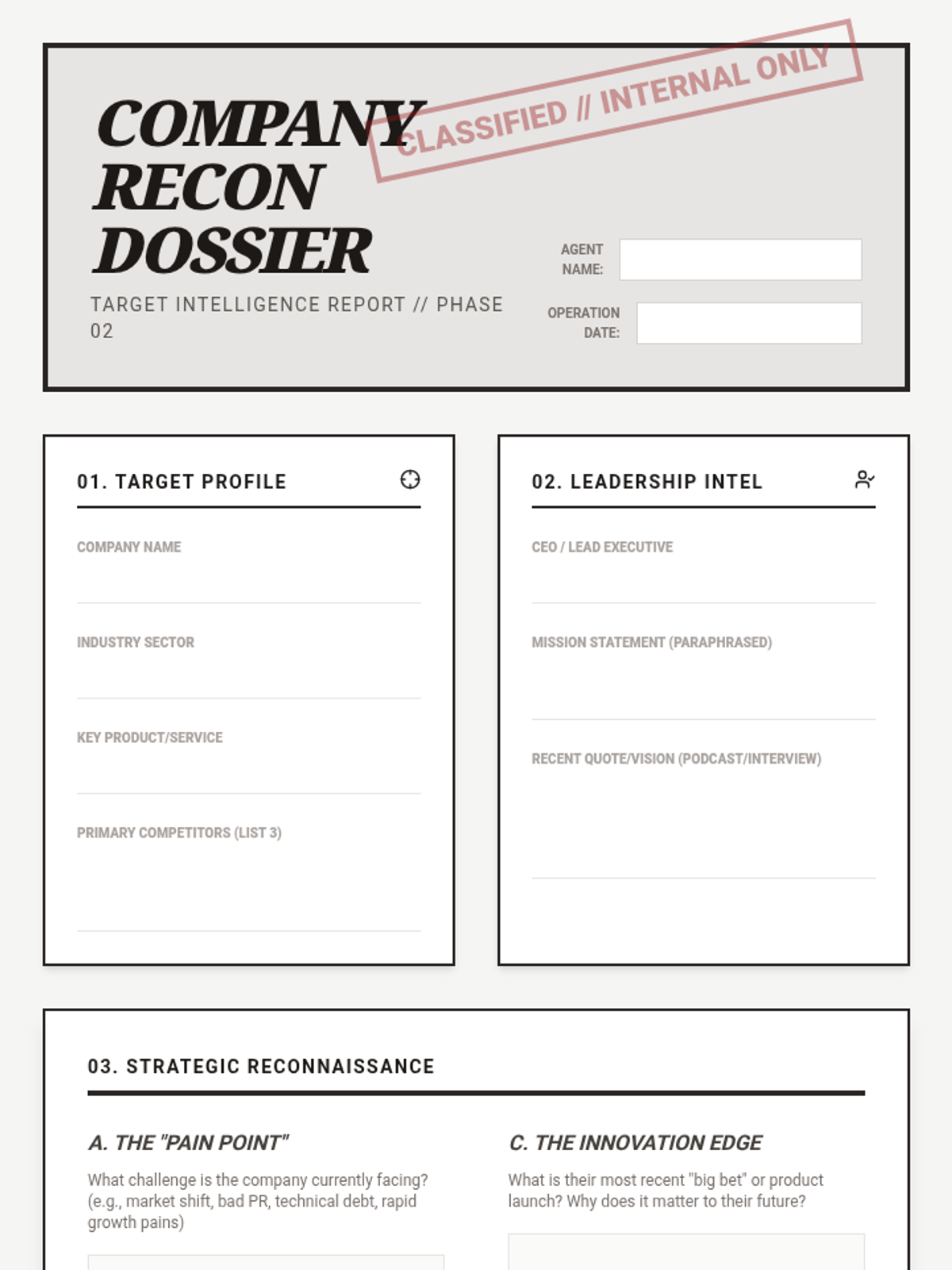
Focuses on translating research into action. Students learn to tailor their resumes and cover letters using the data gathered during their 'Company Recon' to stand out from generic applicants.
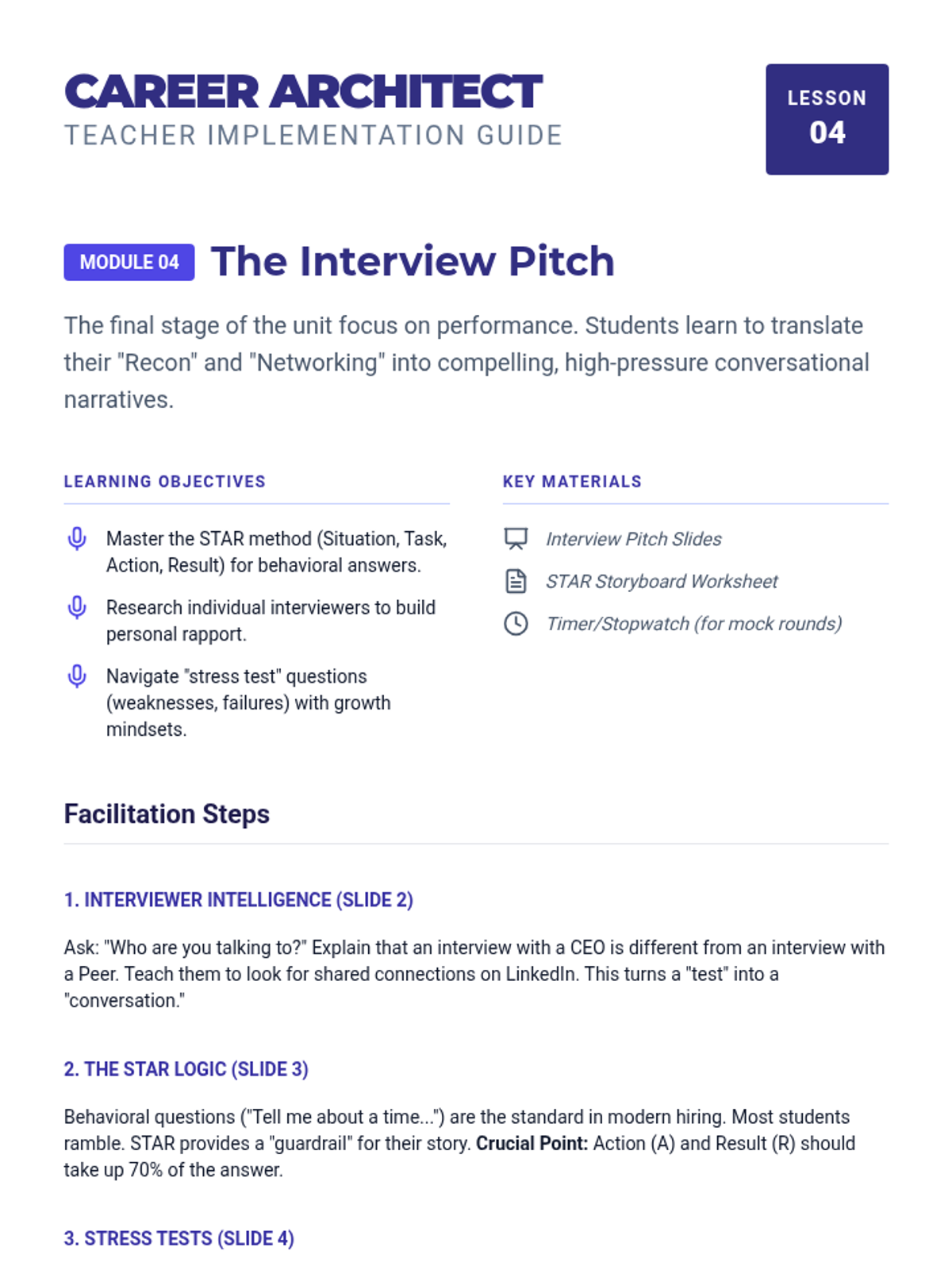
Prepares students for various interview formats and difficult scenarios. Focuses on the STAR method for behavioral questions, researching the interviewers themselves, and practicing high-pressure situational responses.
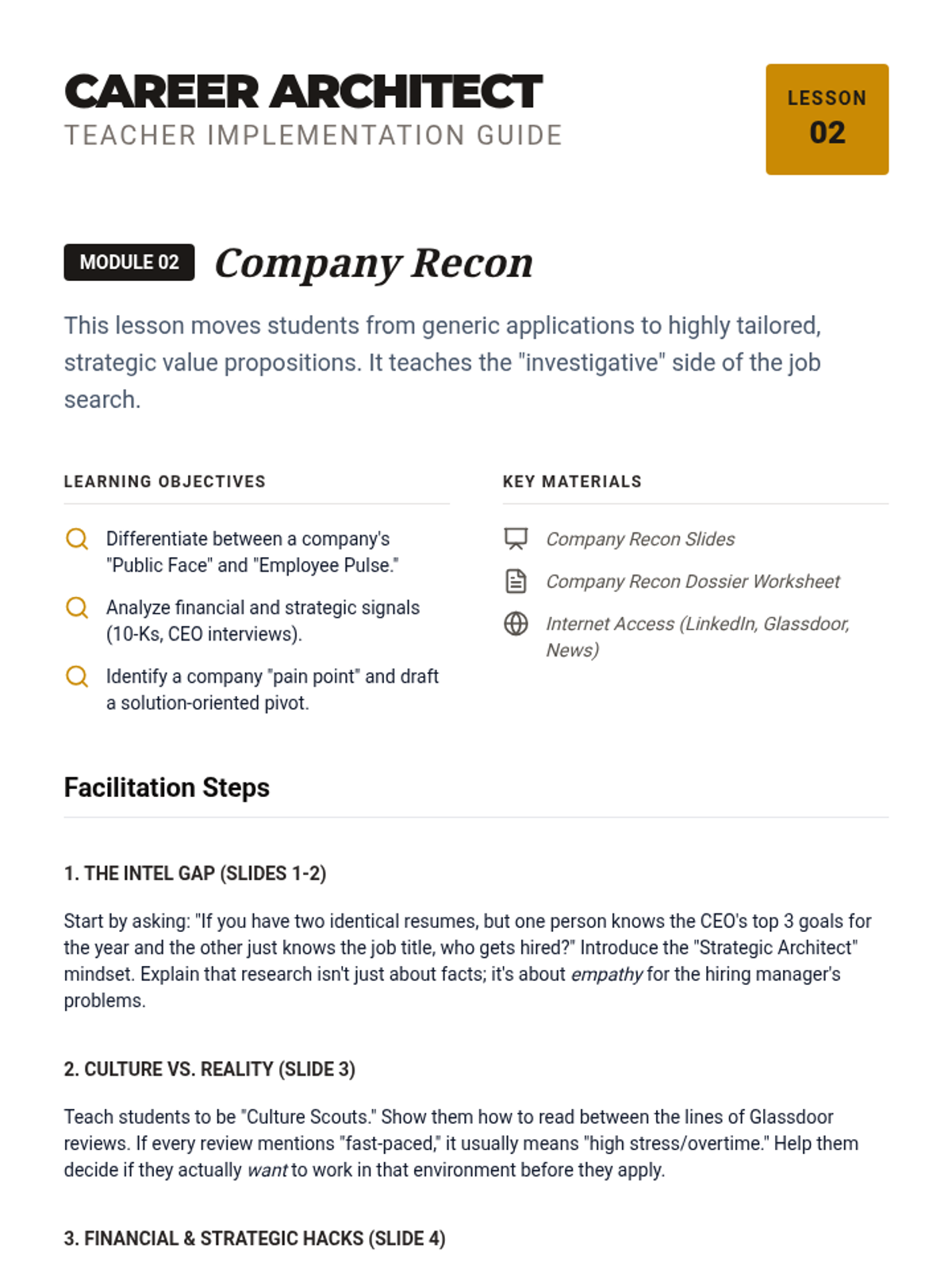
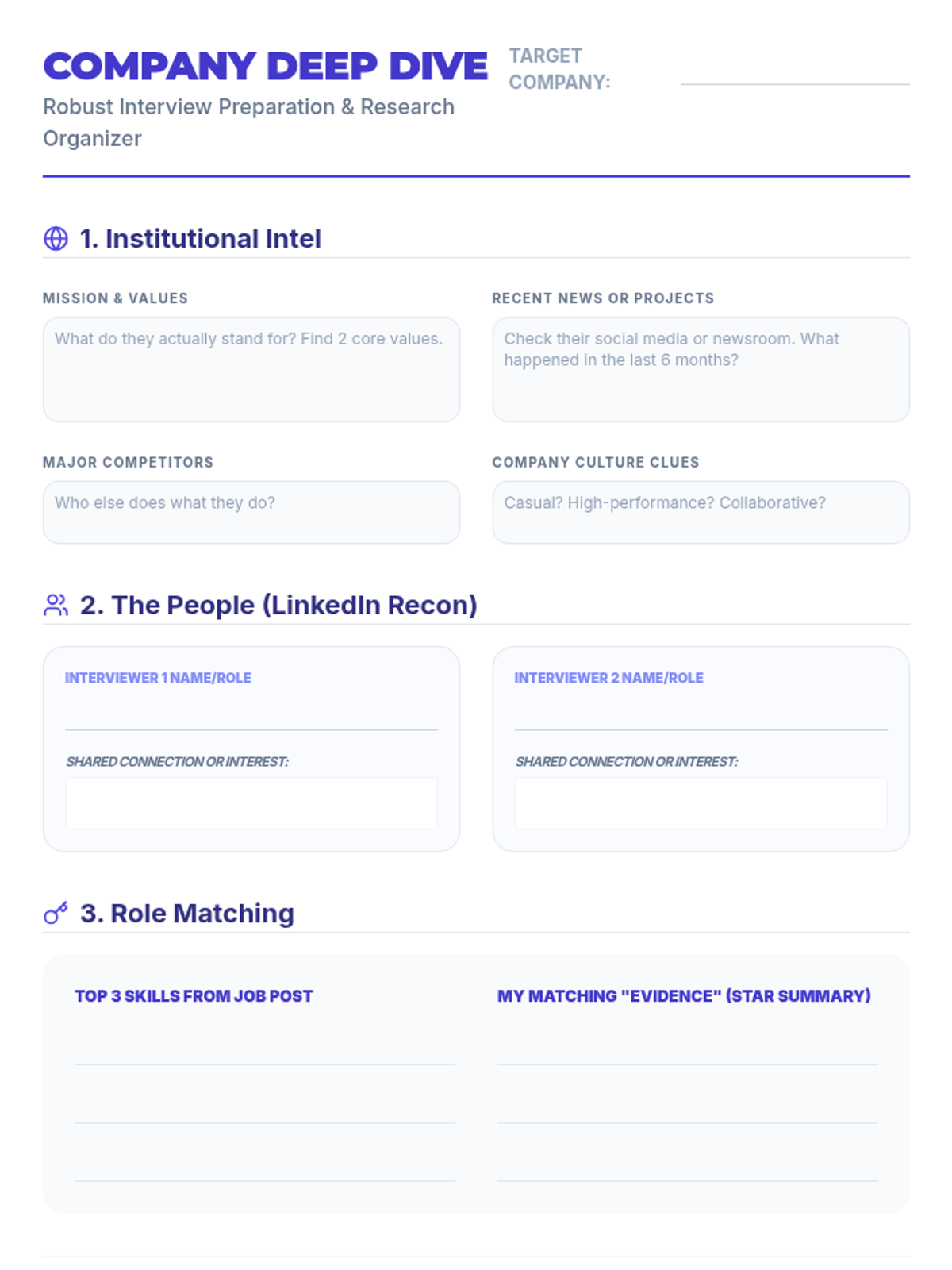
Teaches students how to move beyond surface-level job descriptions. Focuses on researching company culture, financial health, and industry positioning to tailor applications and demonstrate genuine interest and fit.
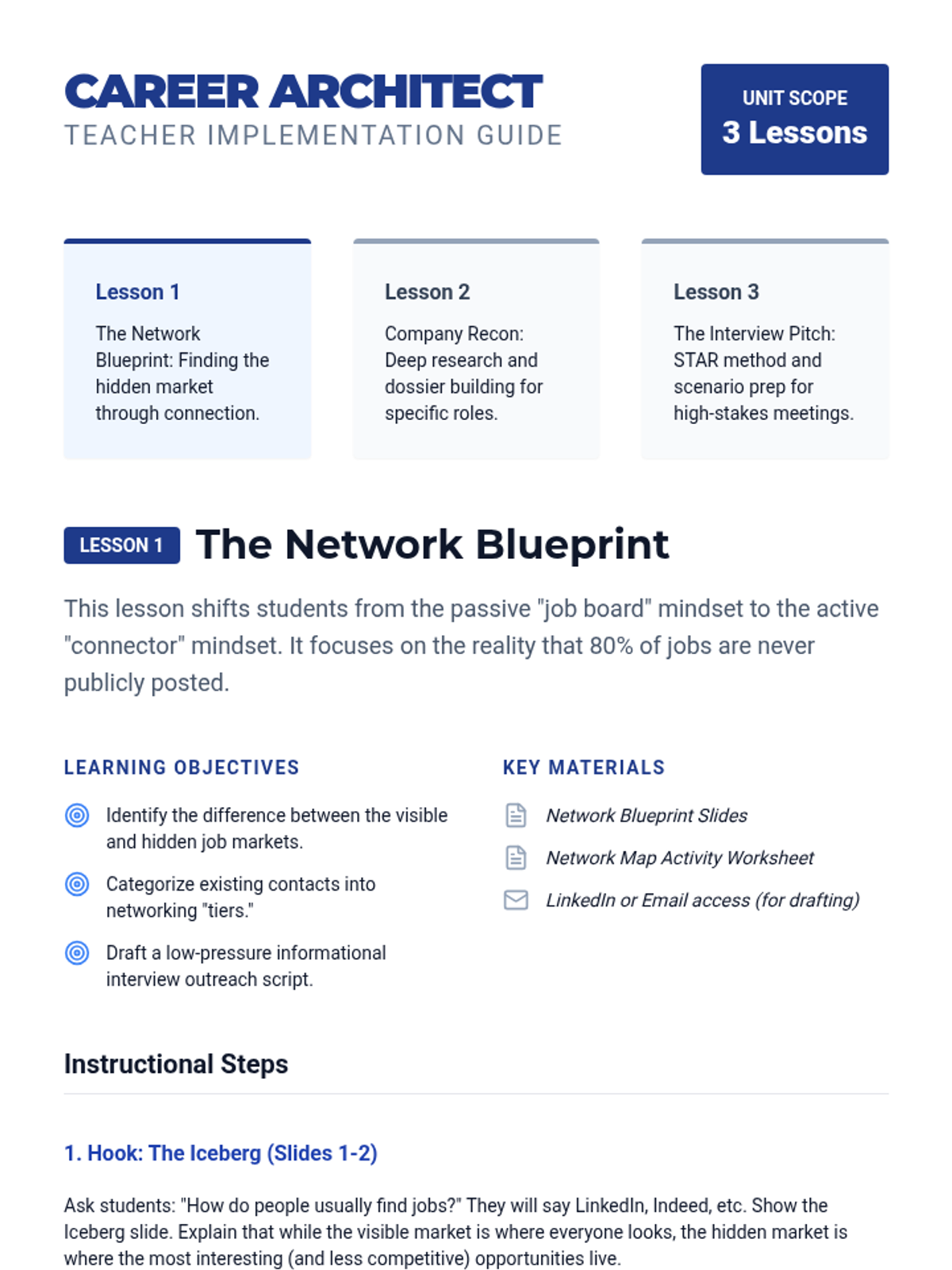
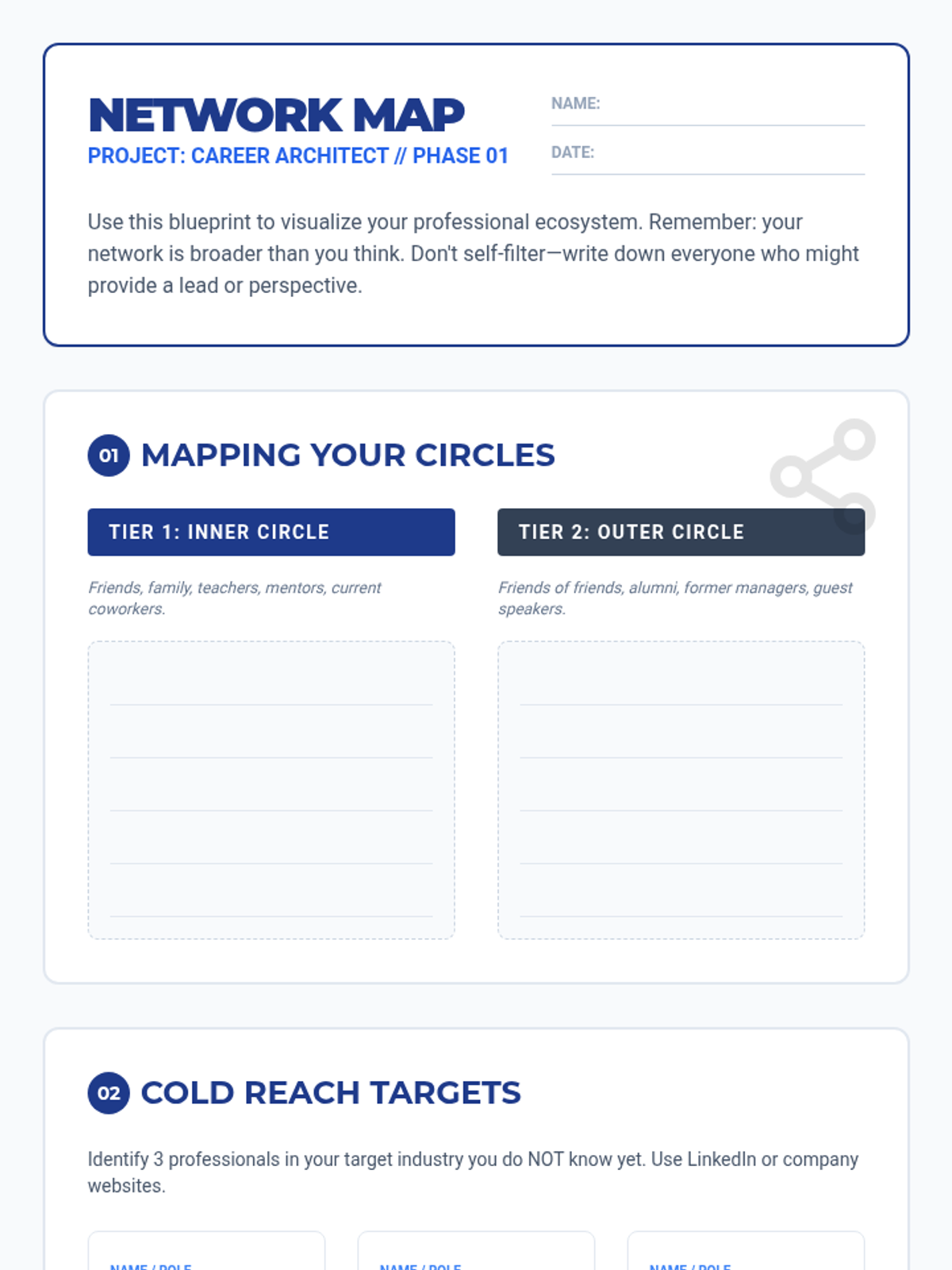
Focuses on the 'hidden job market' and the power of professional networking. Students learn how to identify potential connections, conduct informational interviews, and leverage their existing circle to find opportunities before they are posted publicly.
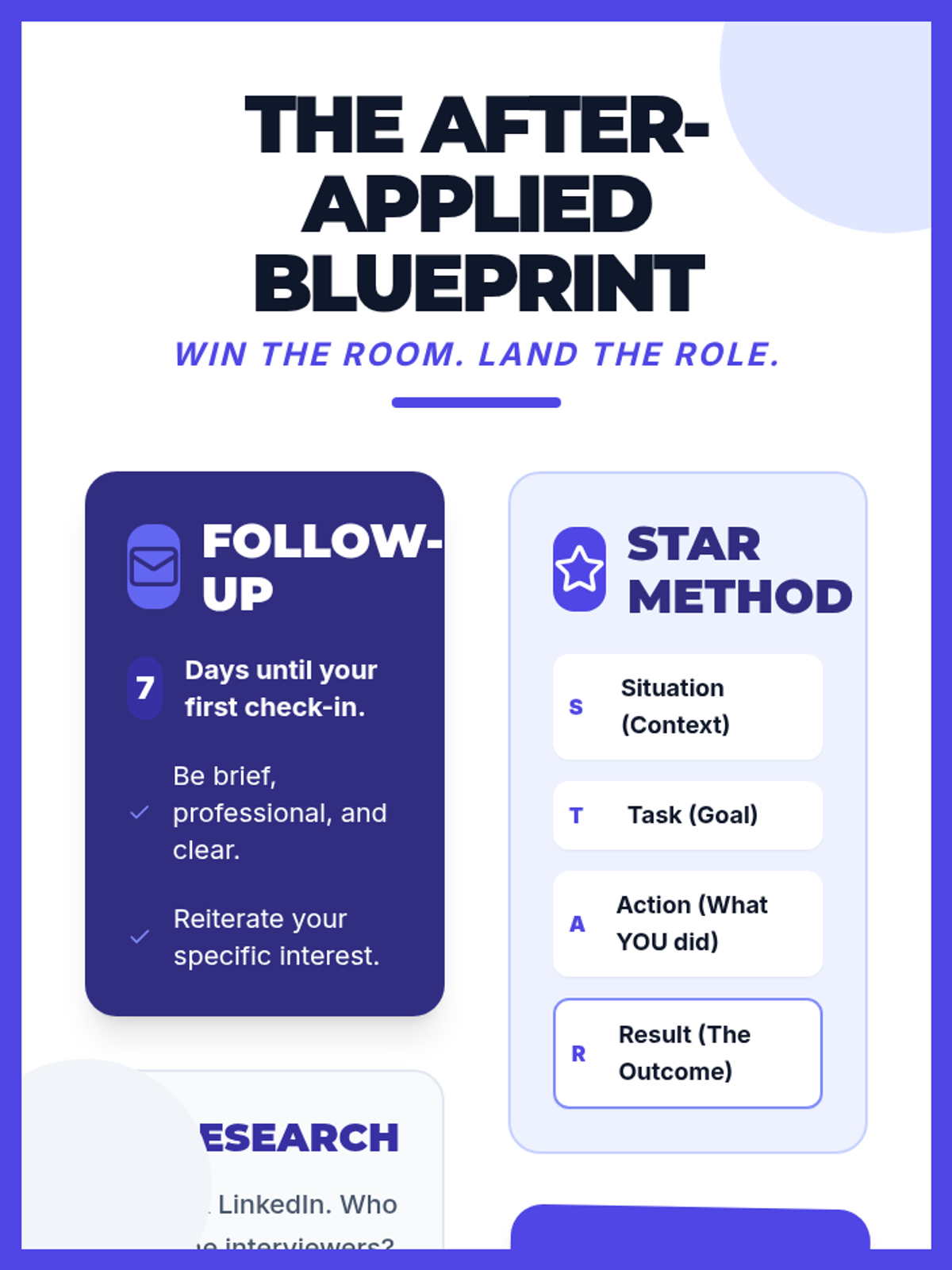
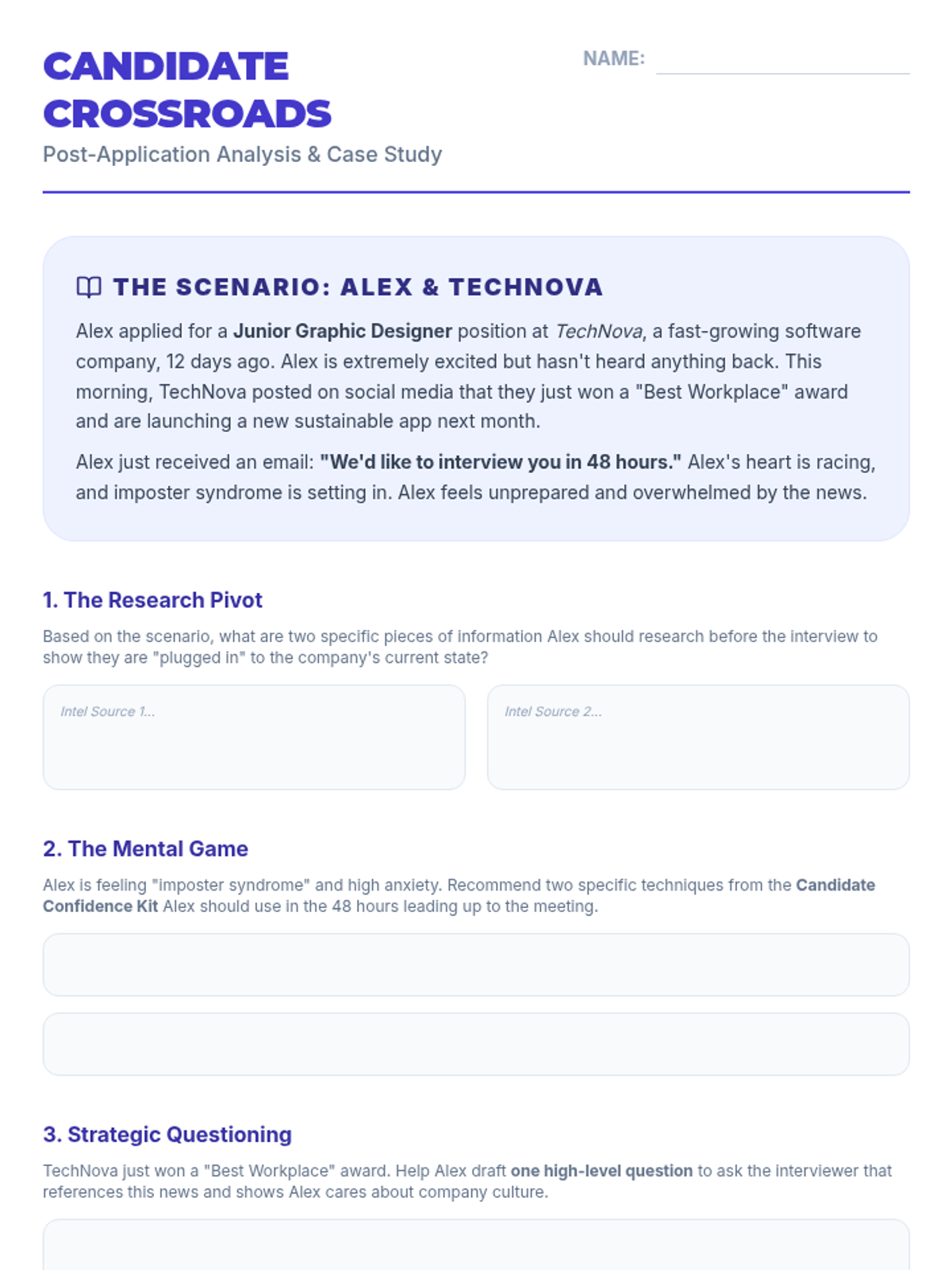
Mastering the critical phase after the job application is submitted. Students learn professional follow-up etiquette, STAR method storytelling, and strategic interview communication.
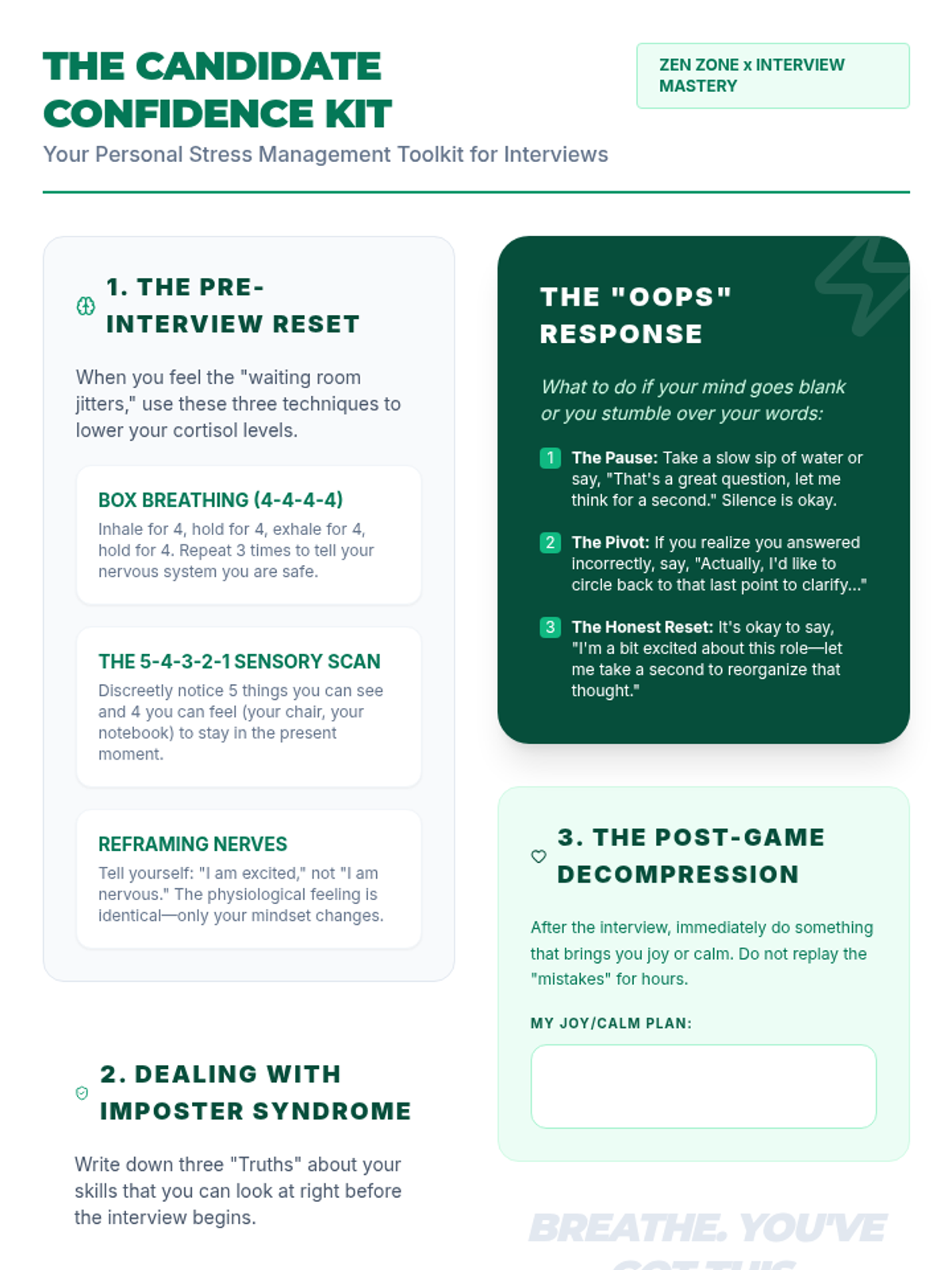
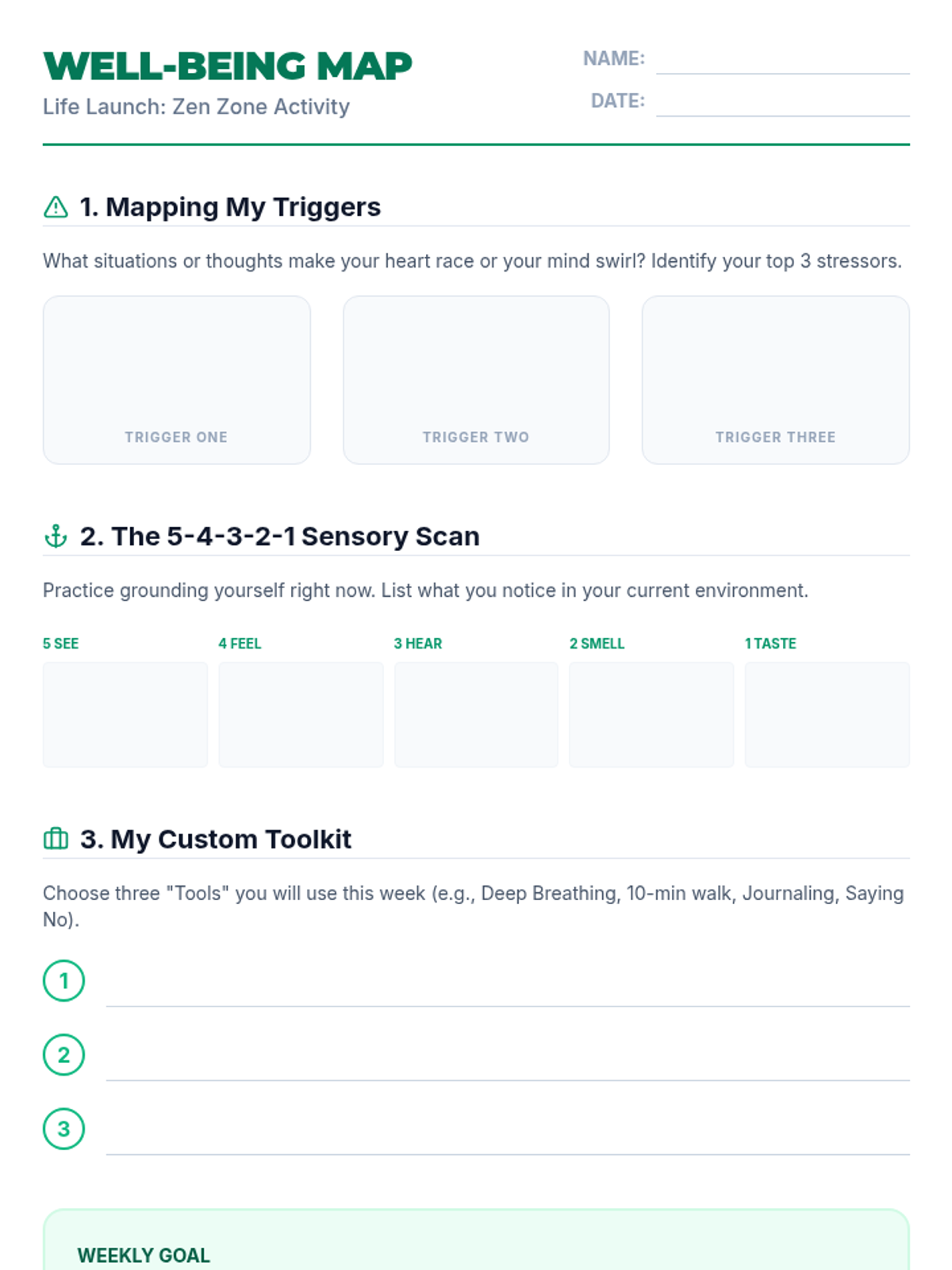
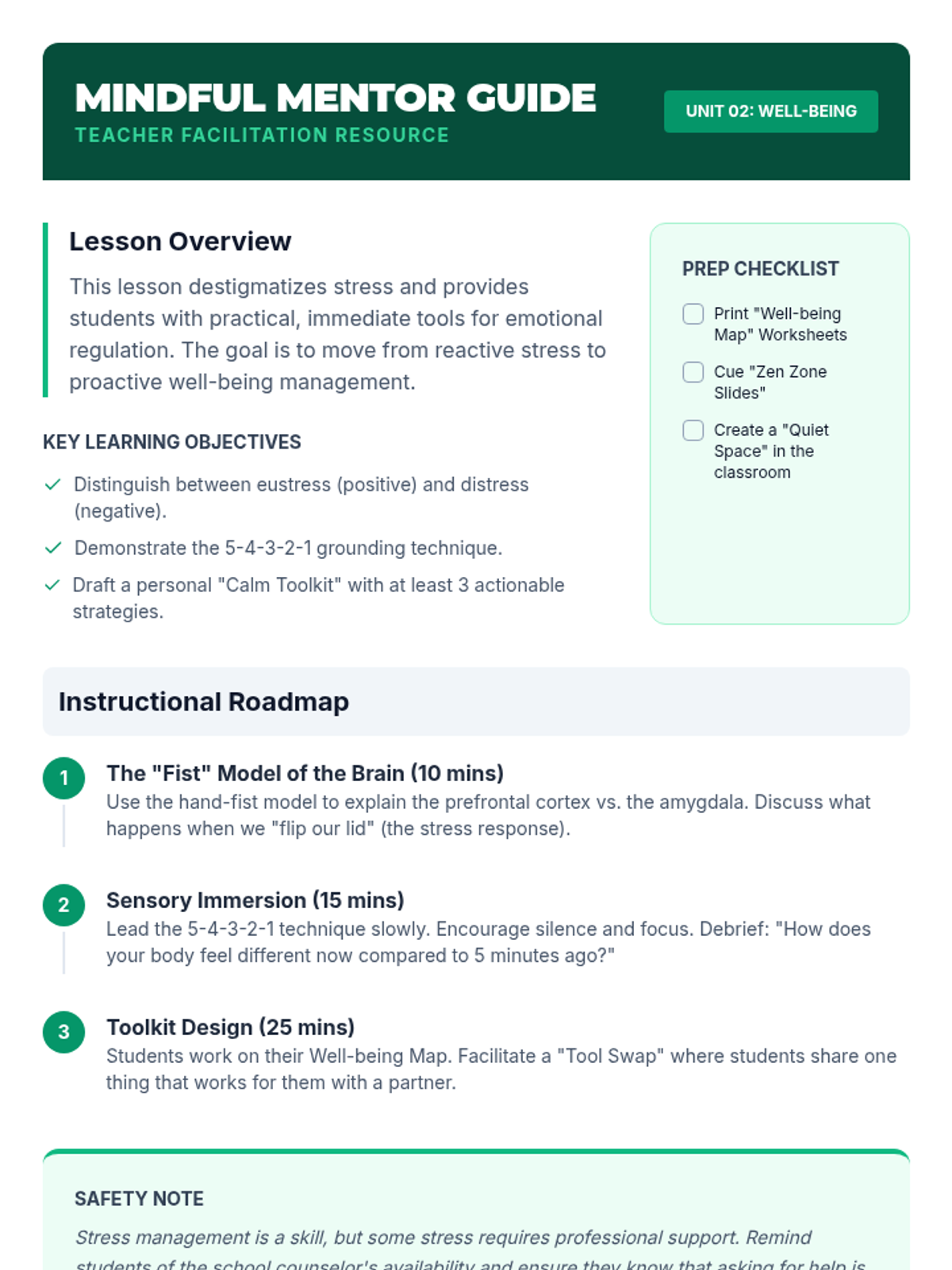
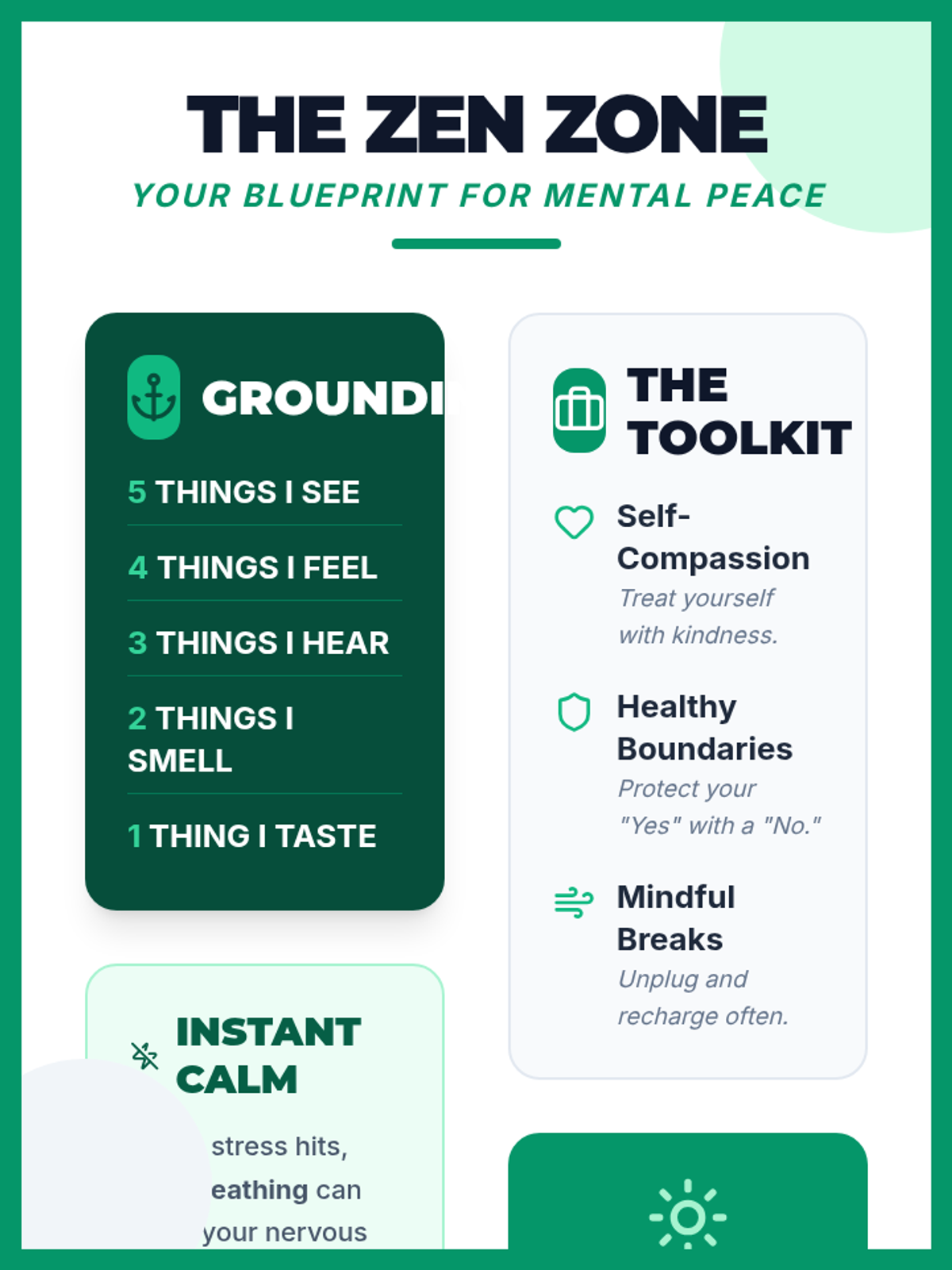
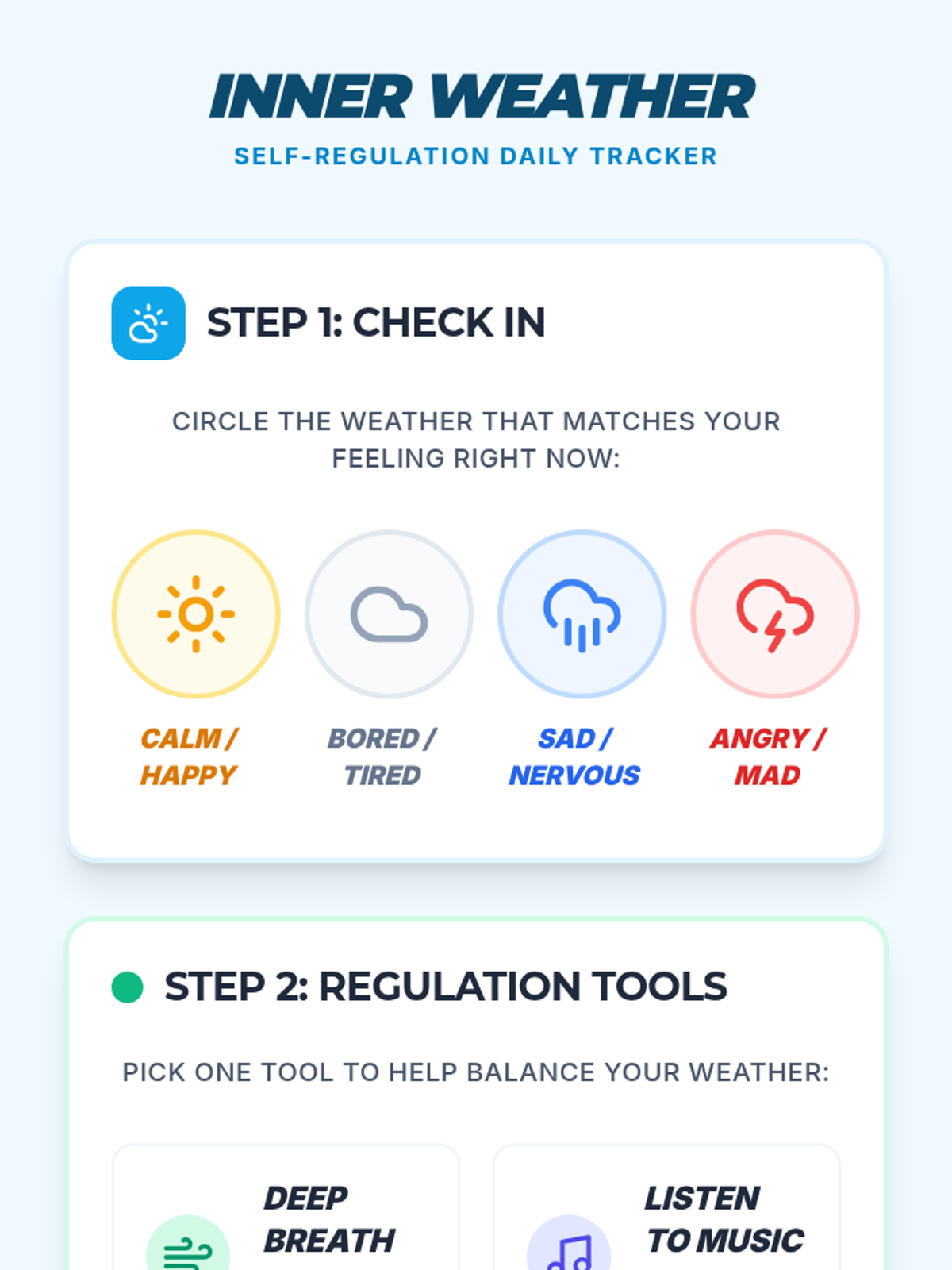
A focused lesson on identifying stress triggers, practicing mindfulness, and building a toolkit of healthy coping mechanisms for mental well-being.
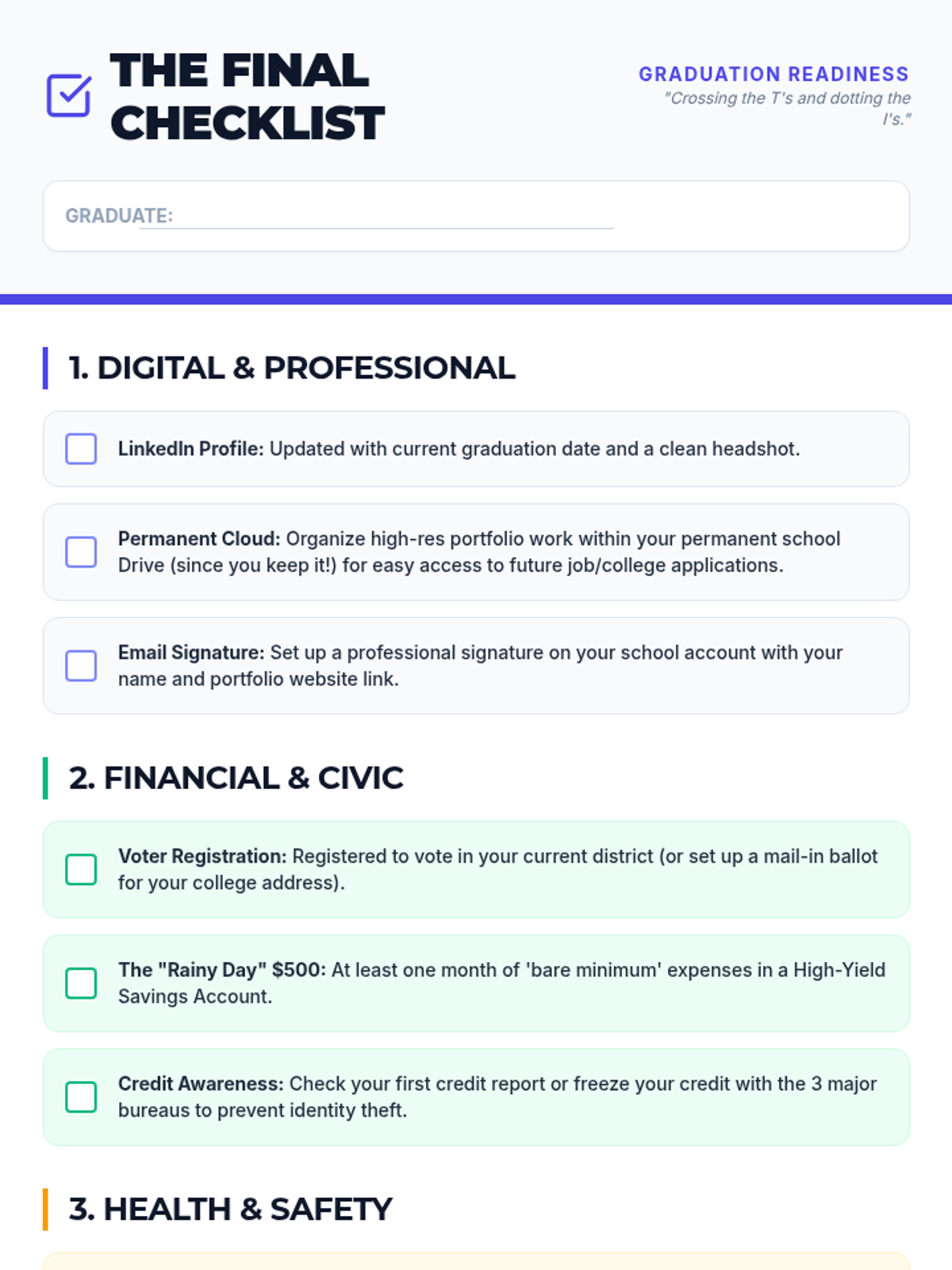
A comprehensive final review and logistics checklist for high school seniors, covering voter registration, insurance cards, professional email signatures, and emergency contact updates.
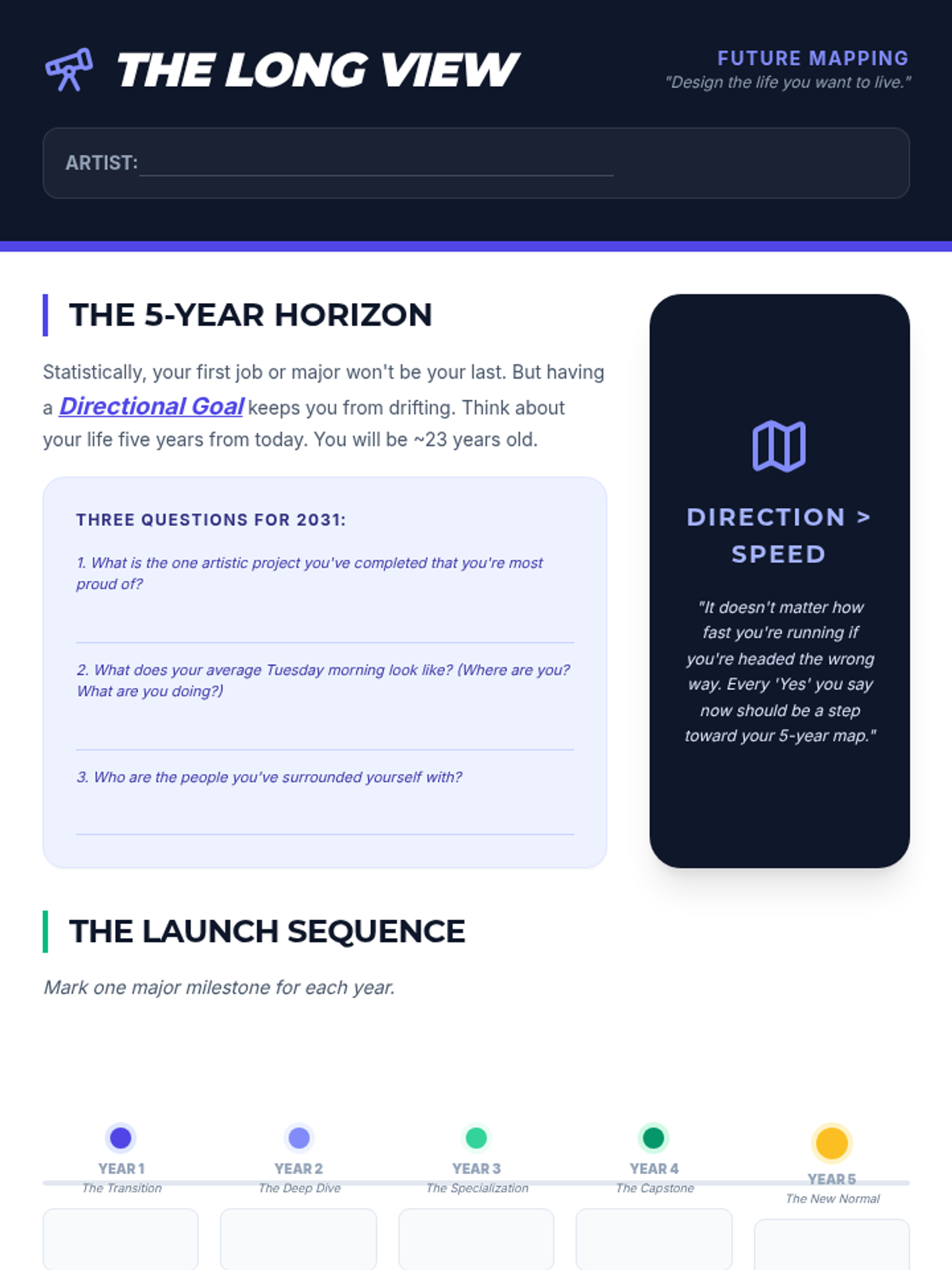
Guides students through a long-term goal-setting exercise, helping them map out professional and personal milestones for their first five years after high school using a visual timeline approach.
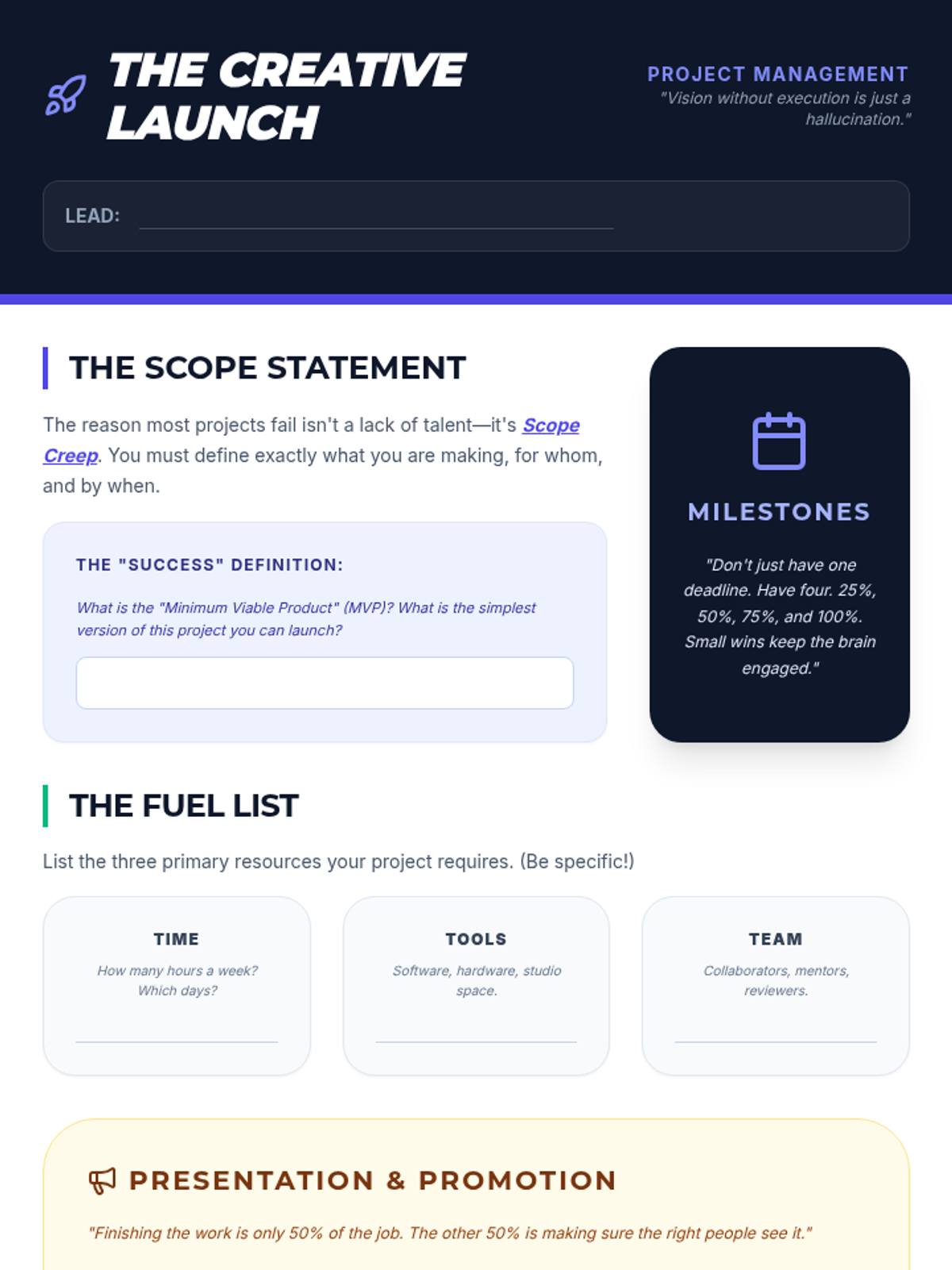
Teaches students how to plan, execute, and document a significant creative project, focusing on milestones, resource management, and the art of the 'Launch.'
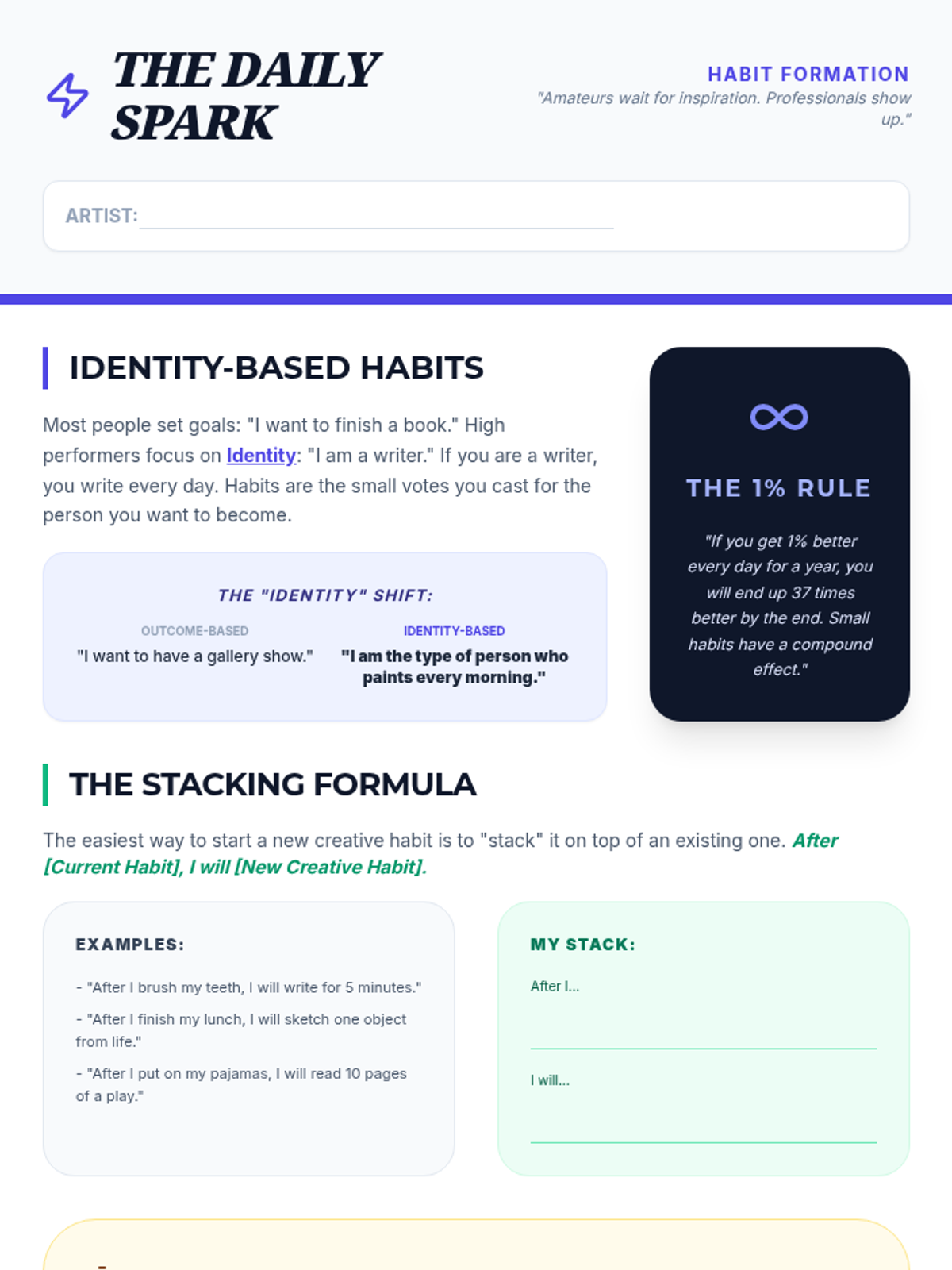
Teaches students how to build and maintain a sustainable artistic practice through small, consistent habits, focusing on the 'Atomic Habits' method for creative output.
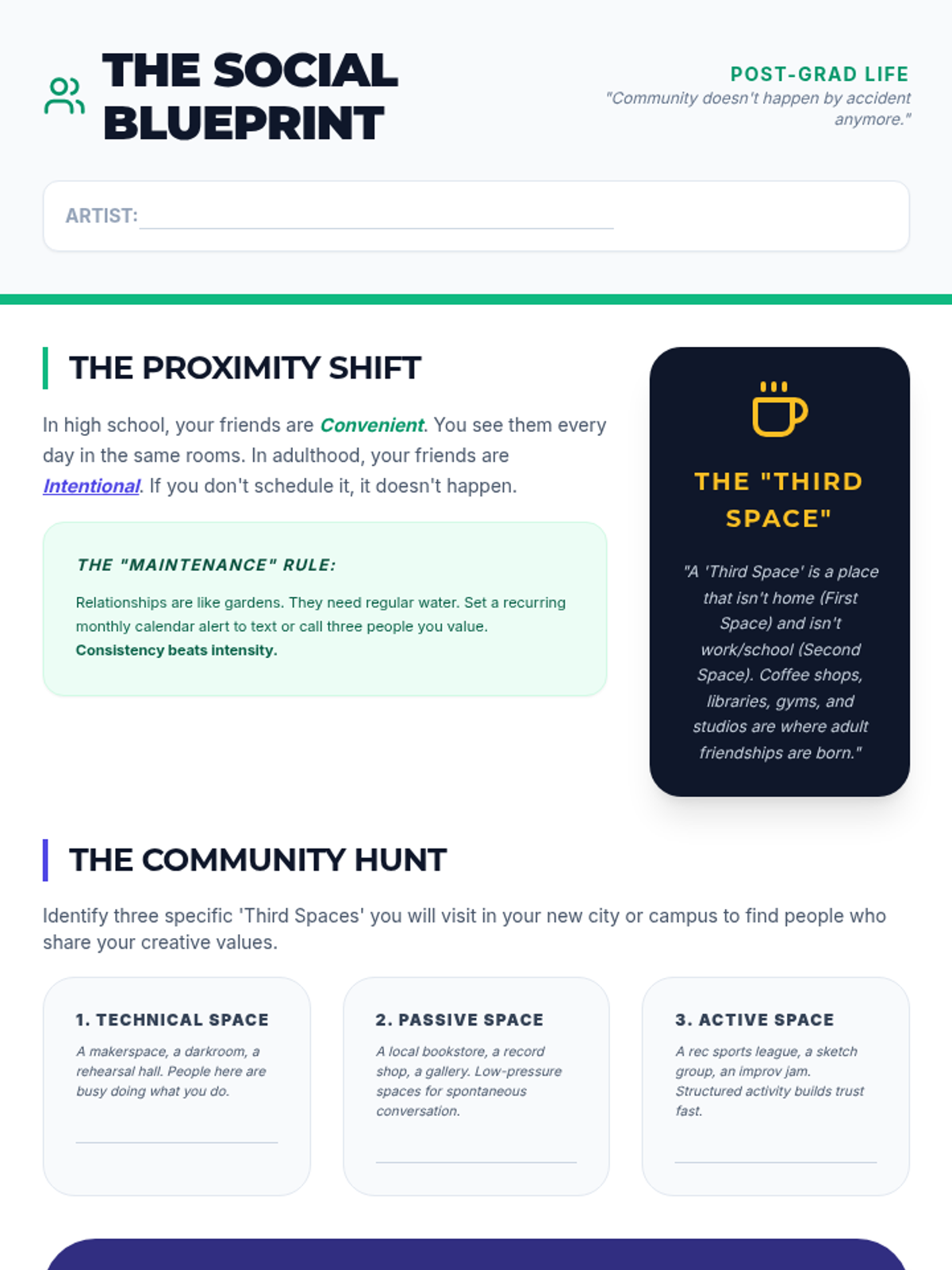
Explores the intentional effort required to build and maintain community as an adult, teaching students how to find 'third spaces' and manage the transition of high school friendships.
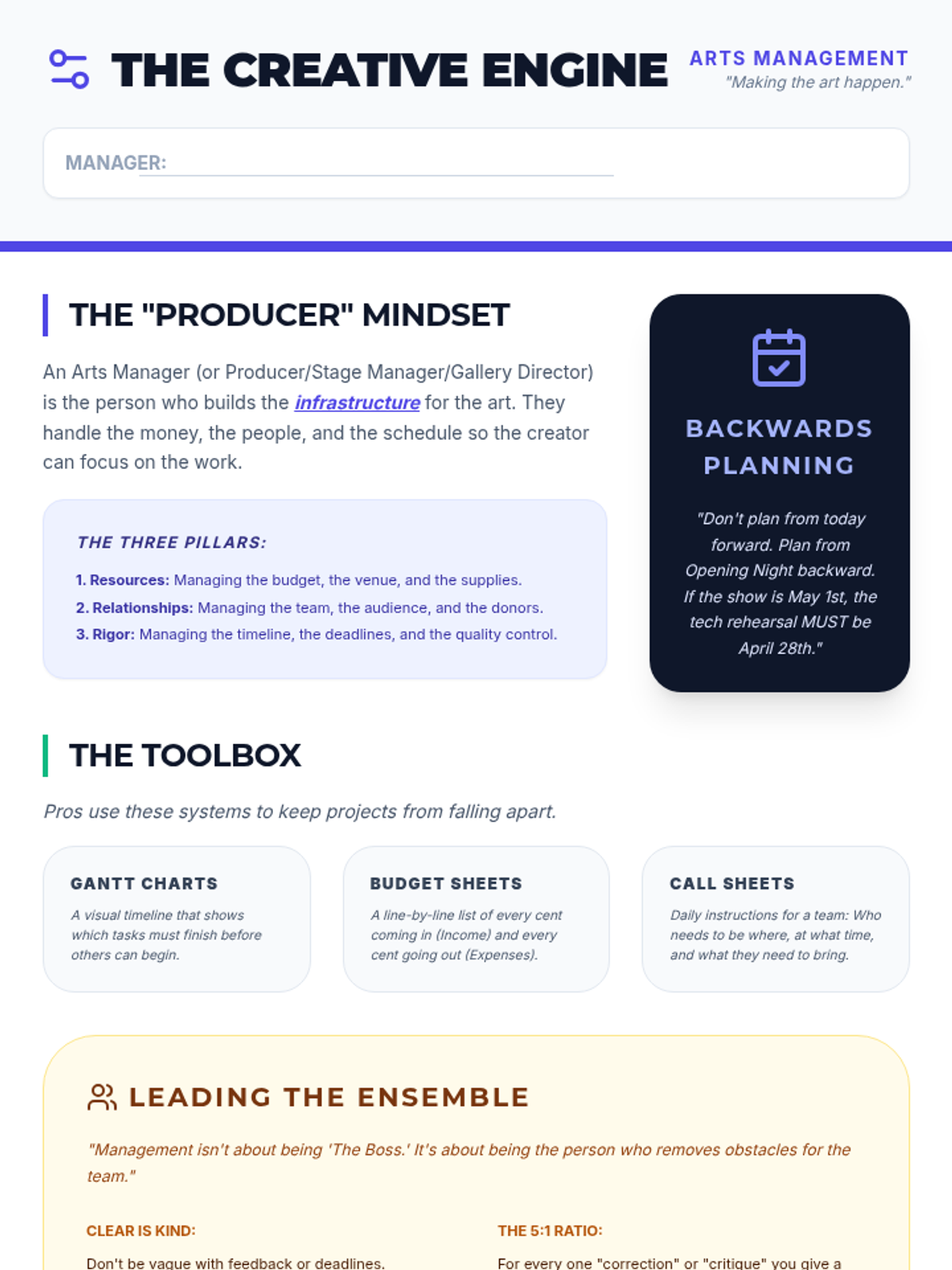
Introduces students to the fundamental skills of arts management, including production scheduling, team leadership, and basic project budgeting for creative endeavors.
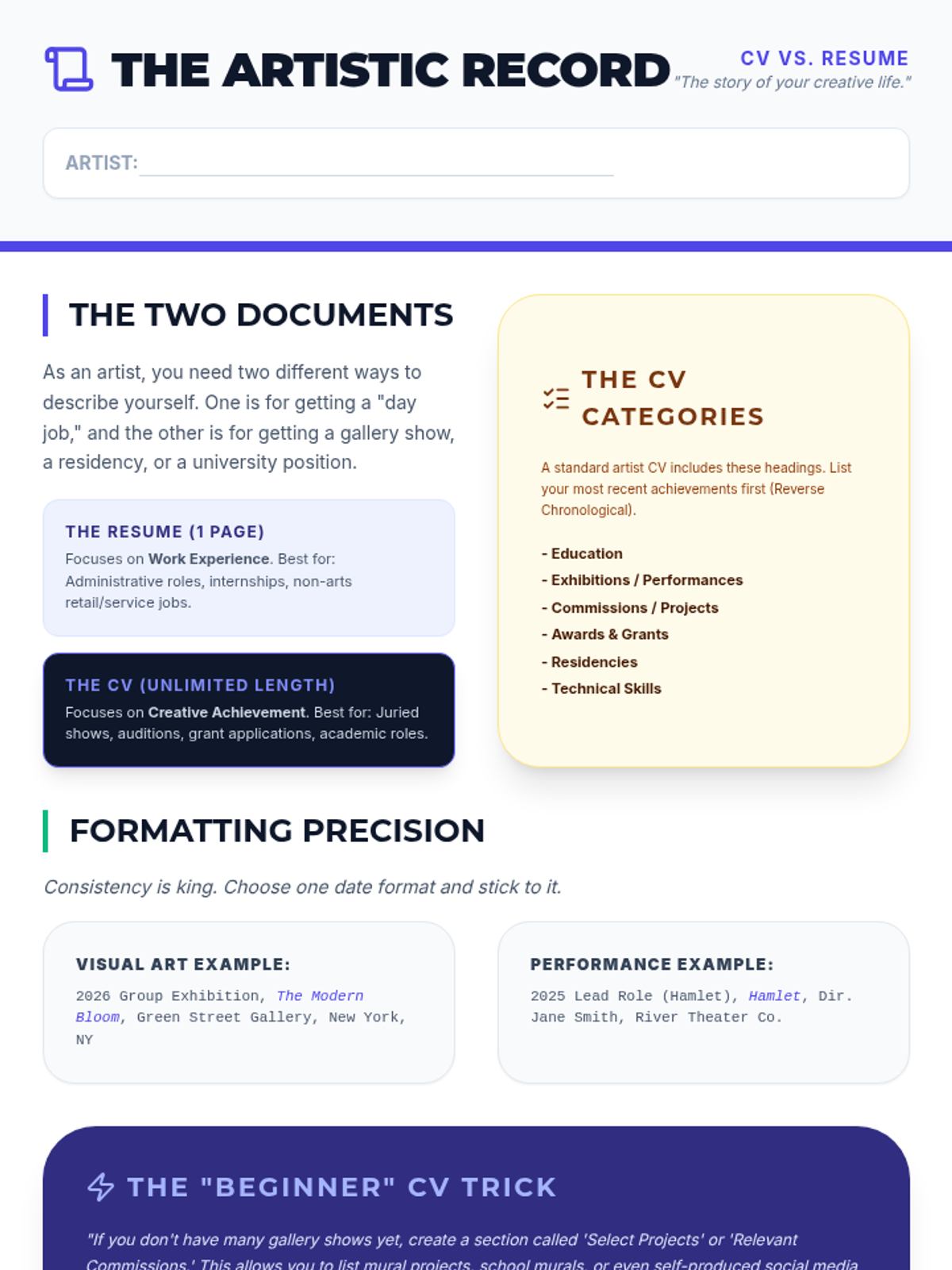
Differentiates between a standard job resume and a creative Curriculum Vitae (CV), teaching students how to list exhibitions, performances, awards, and technical commissions.
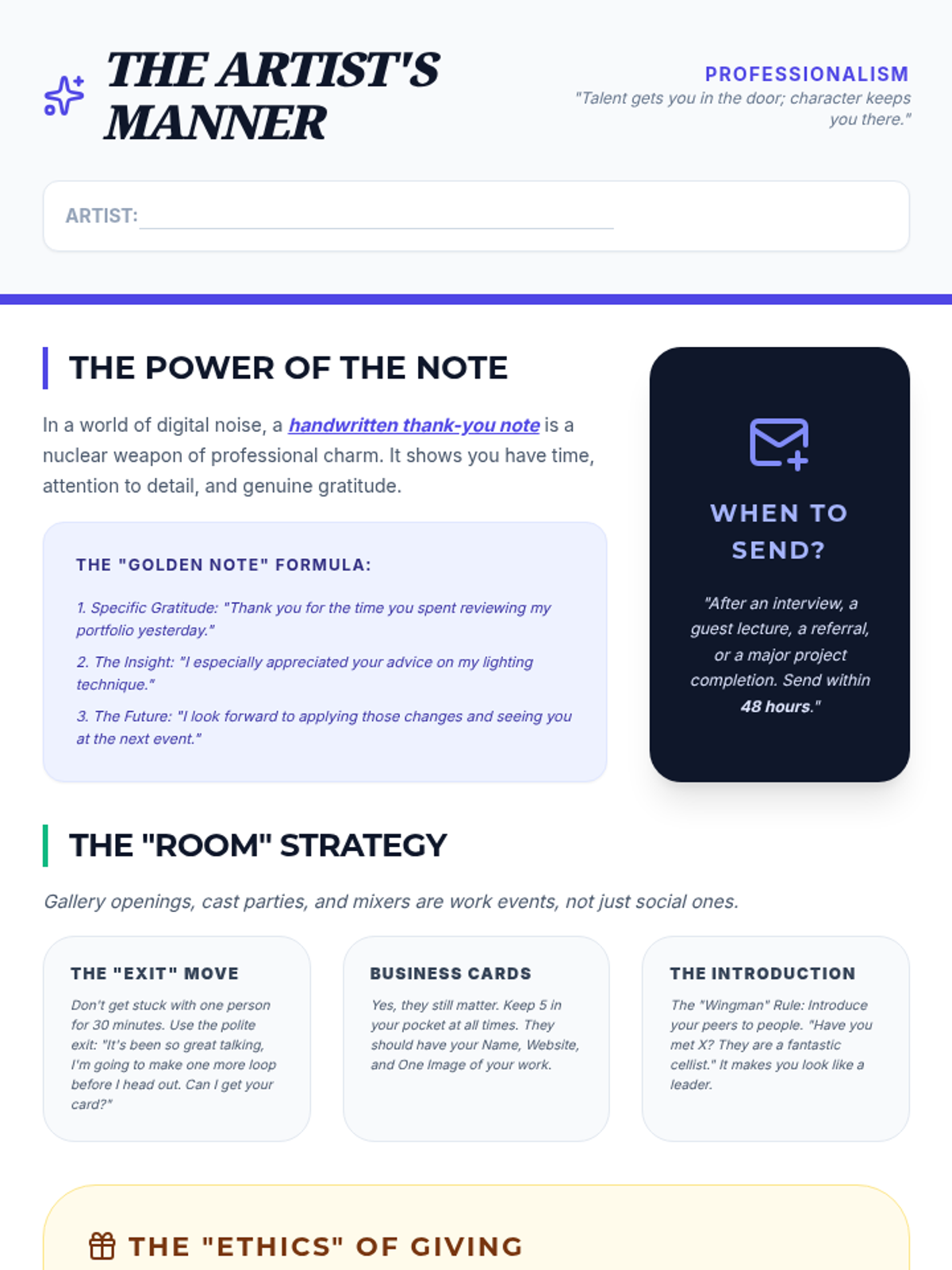
Teaches students the behavioral standards of the creative industries, including the art of the thank-you note, networking event protocols, and professional gift-giving ethics.
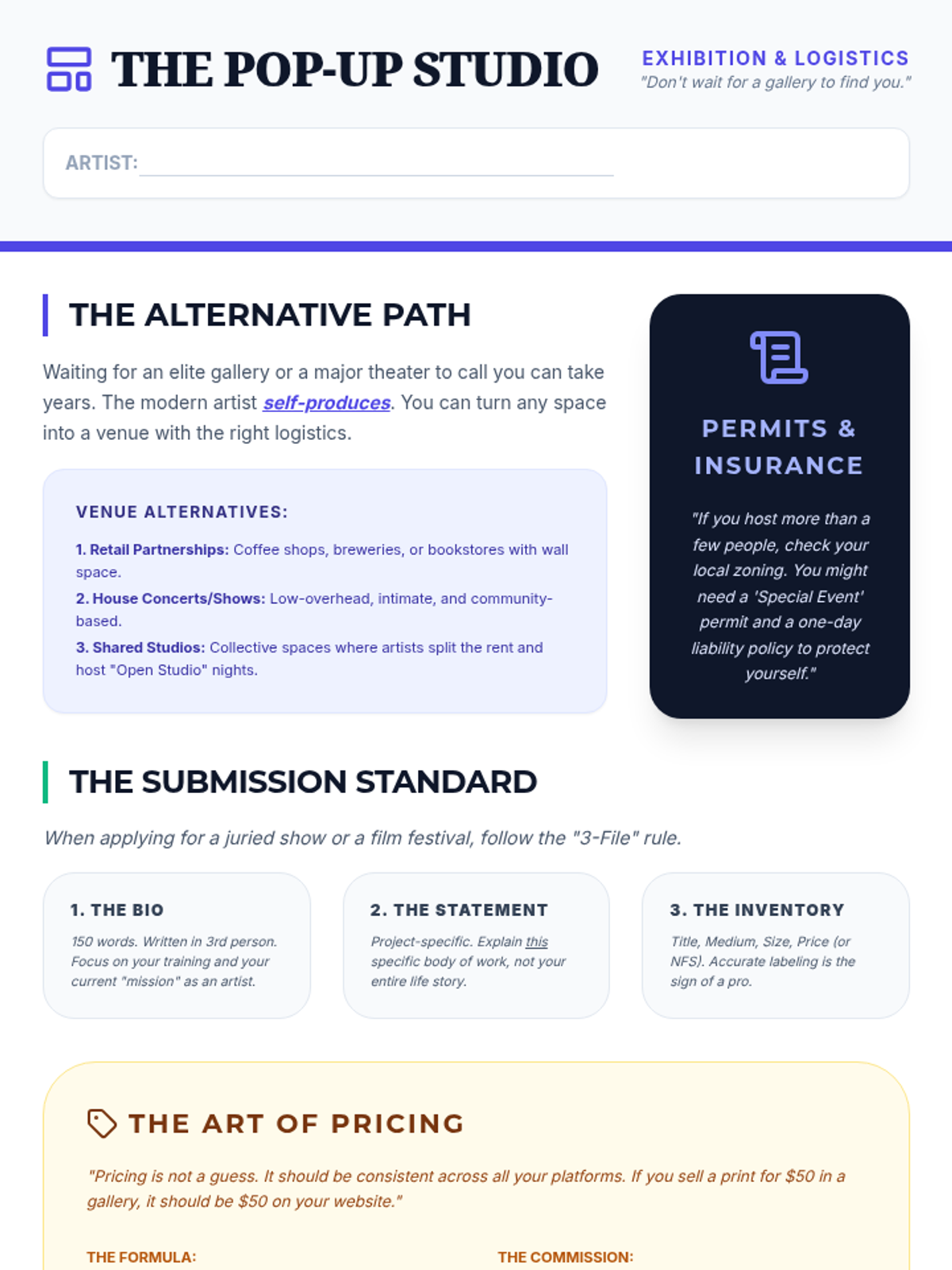
Teaches students the logistics of self-producing exhibitions and performances, covering DIY spaces, permit basics, and how to create a professional 'call for entry' submission.
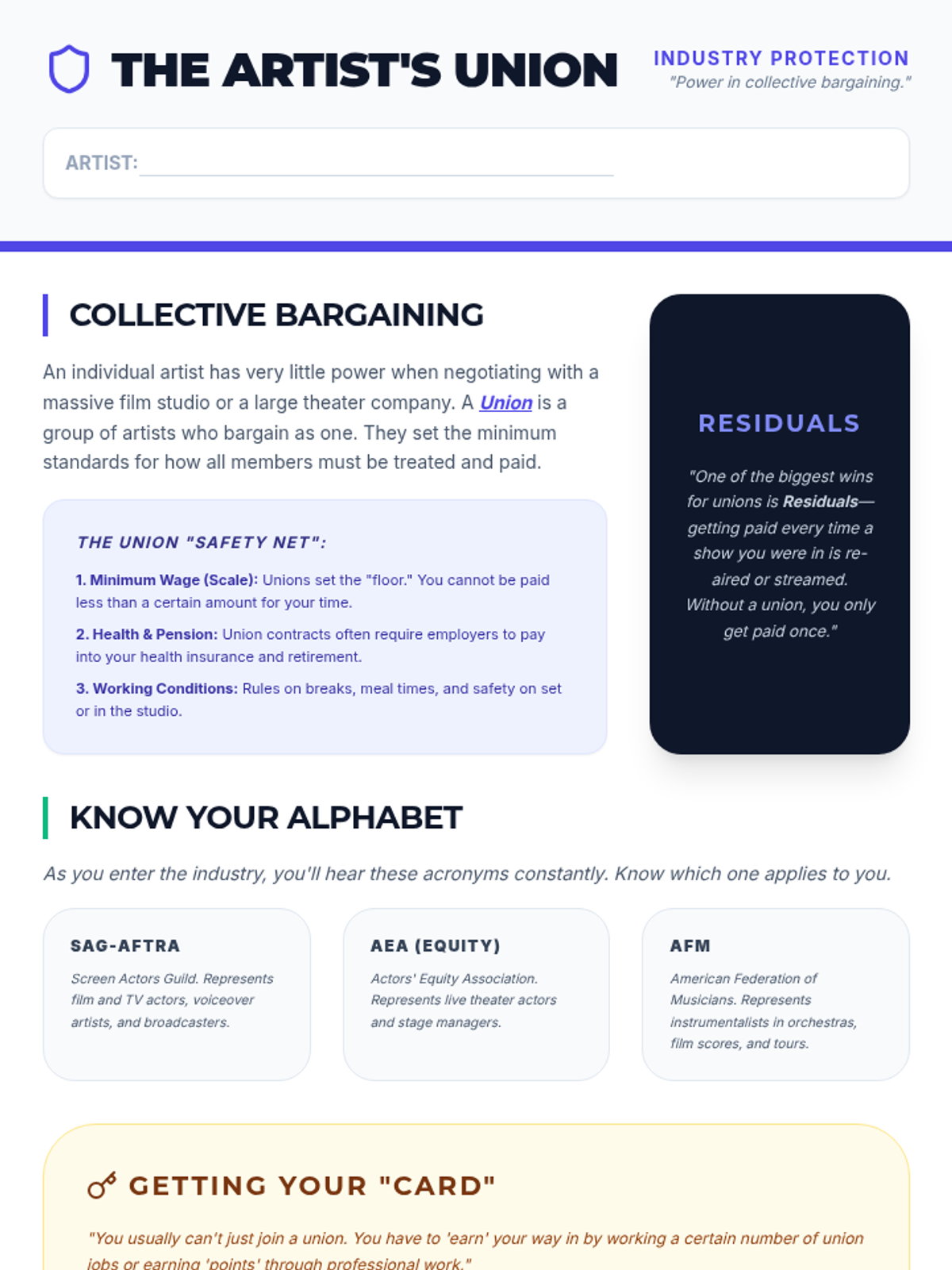
Introduces the history and function of creative unions (like SAG-AFTRA, AEA, and the AFM), explaining how they protect wages, provide benefits, and establish safe working conditions for artists.
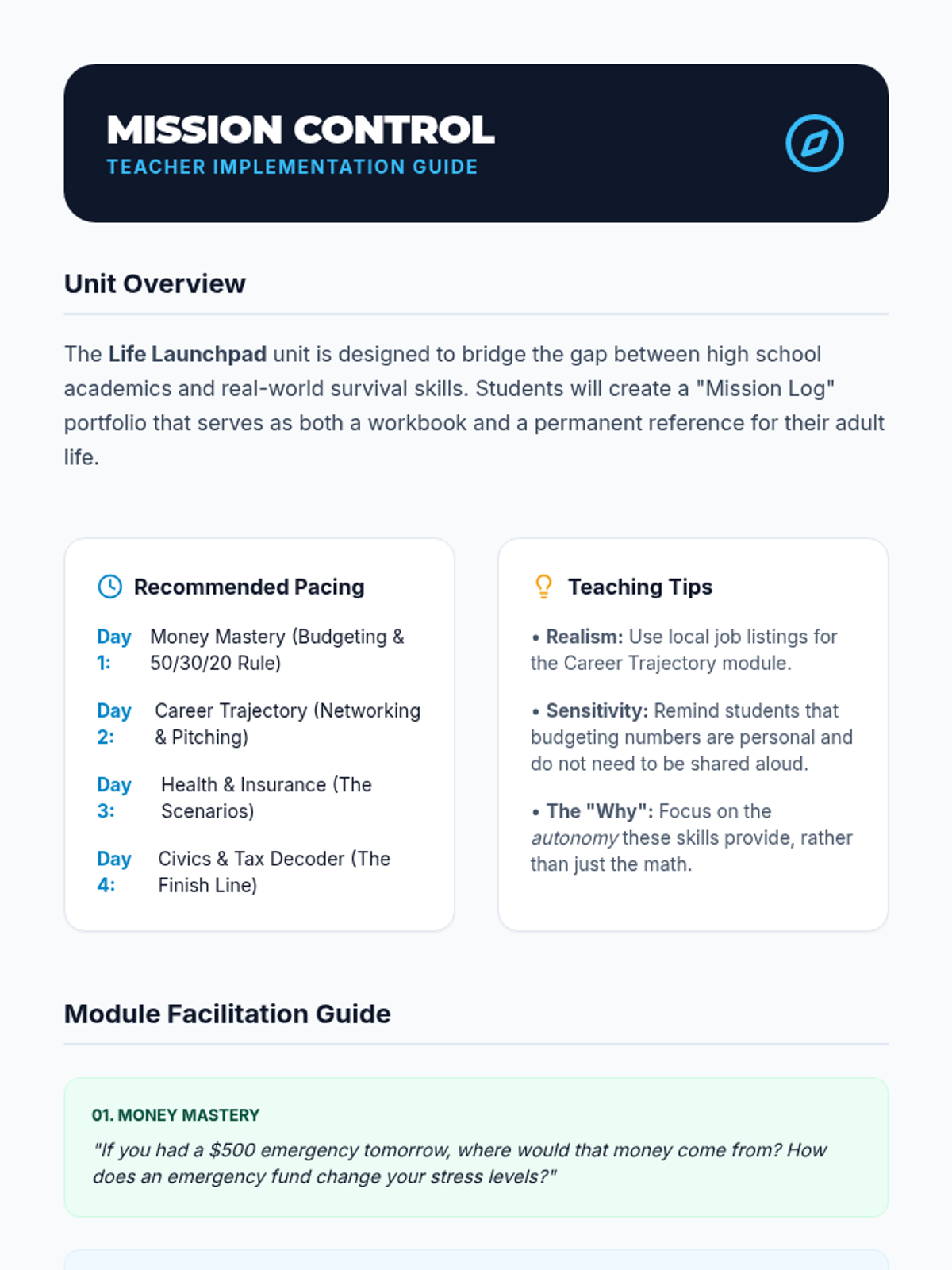
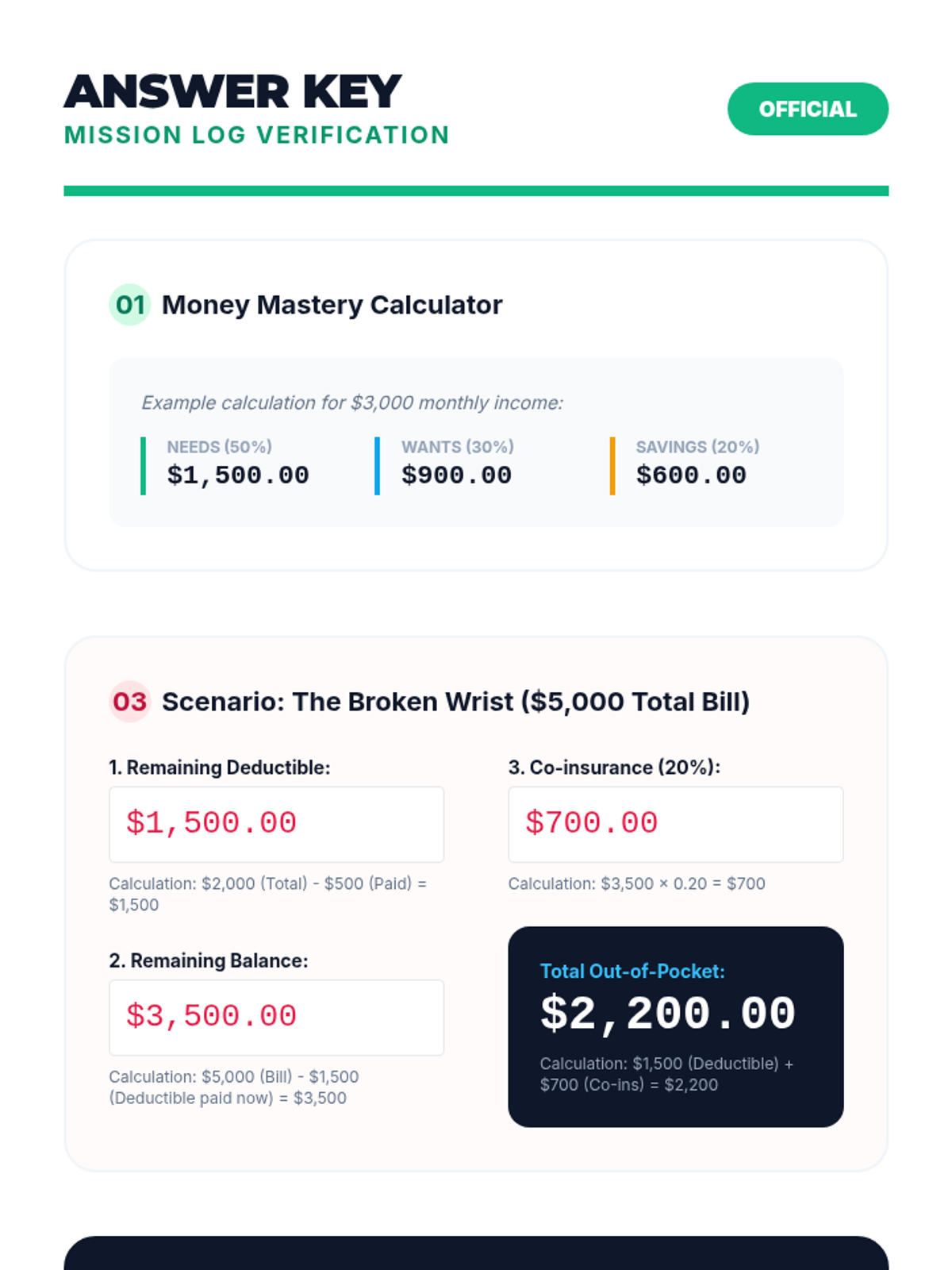
A comprehensive transition-to-adulthood curriculum covering financial literacy, career planning, health navigation, and civic engagement. Students build a personal 'mission log' portfolio to prepare for independent life.
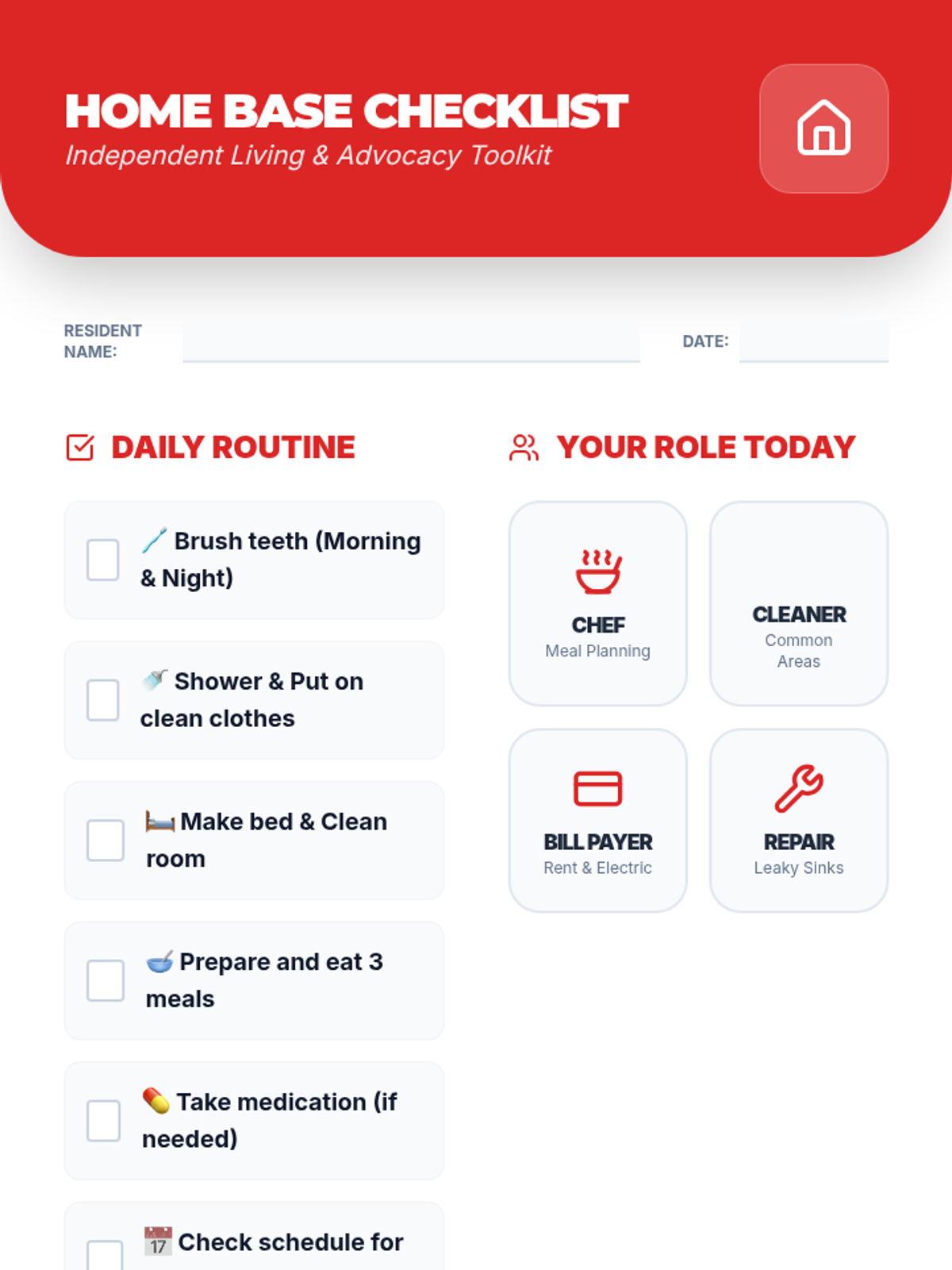
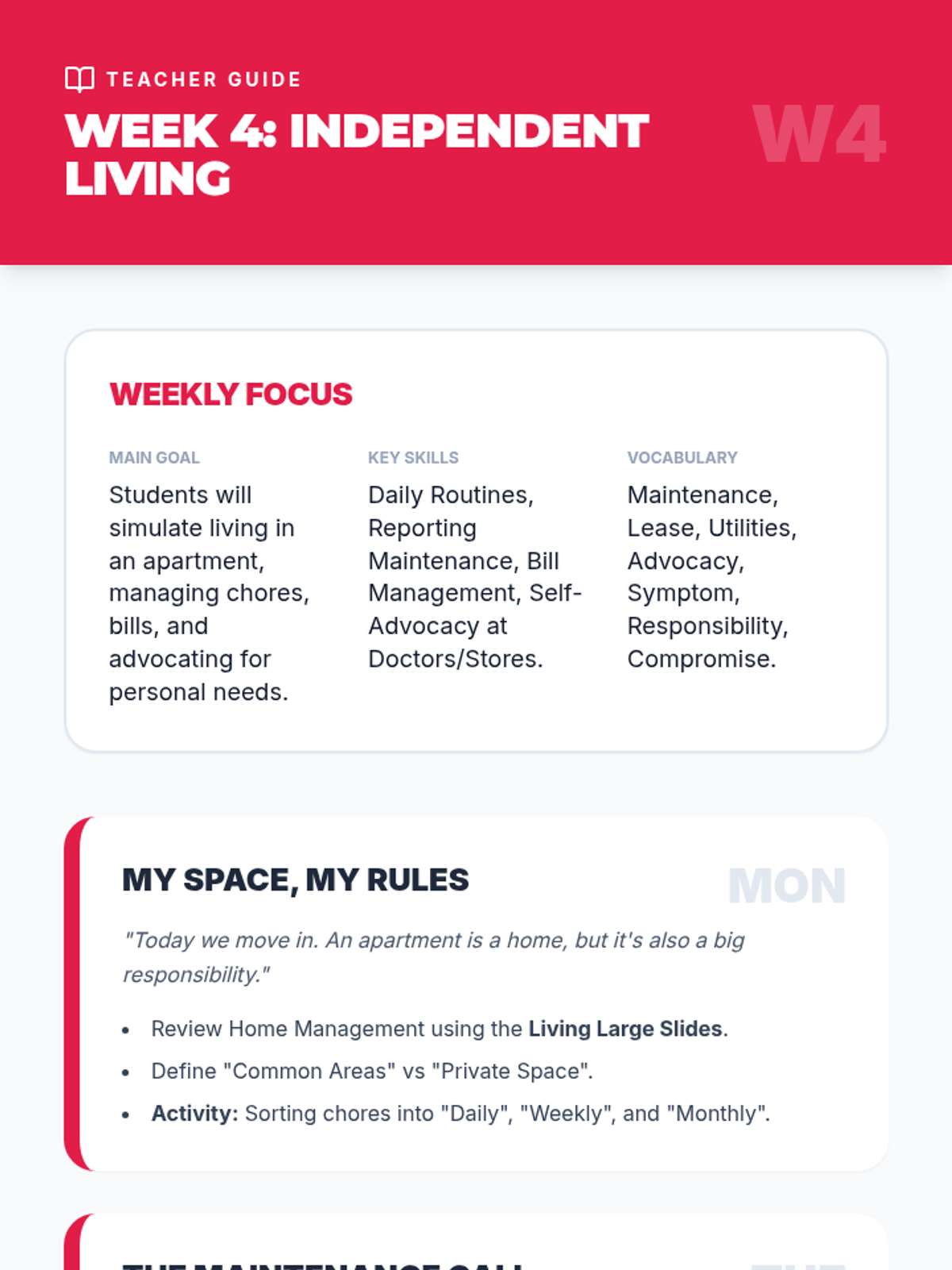
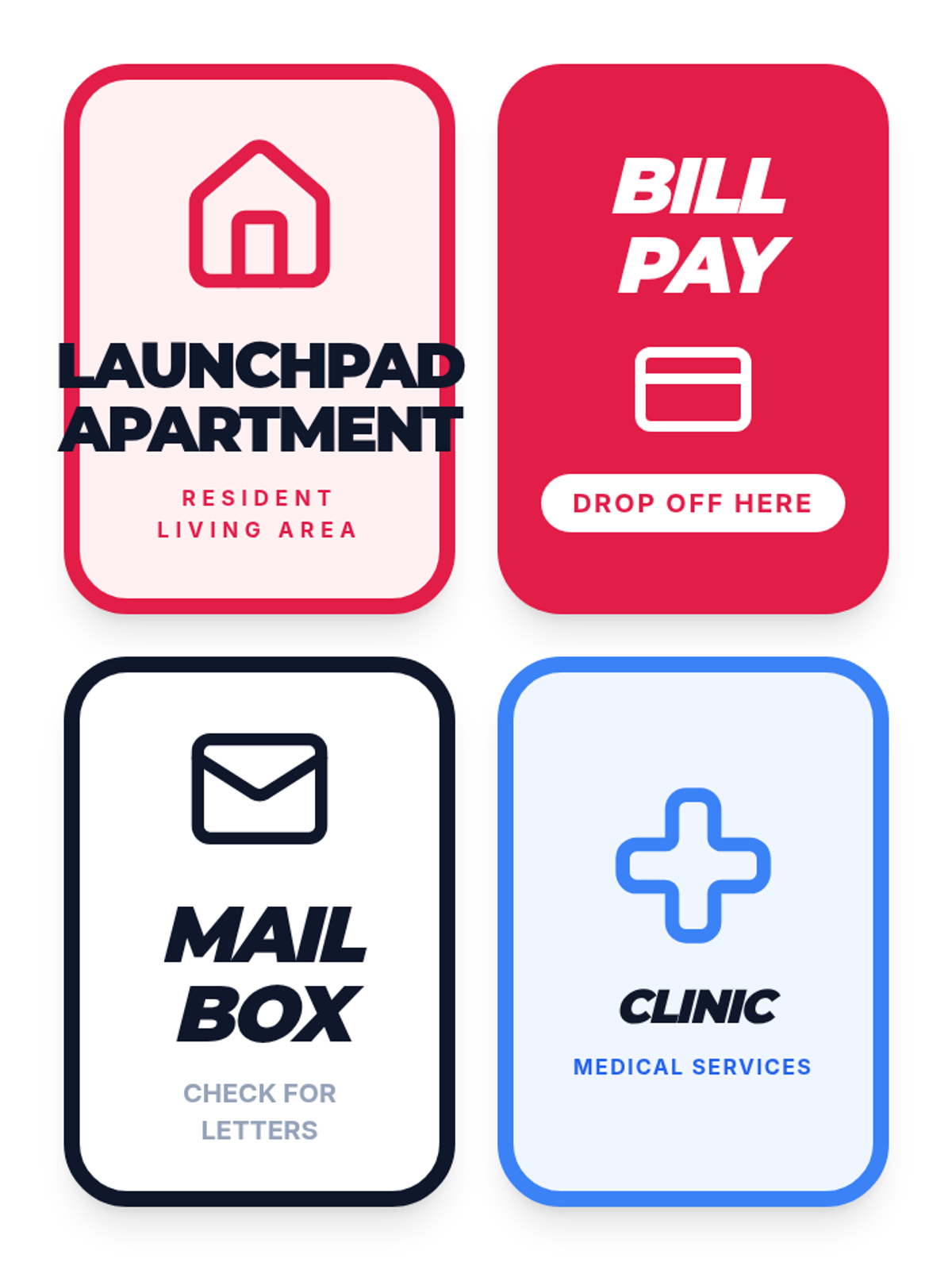
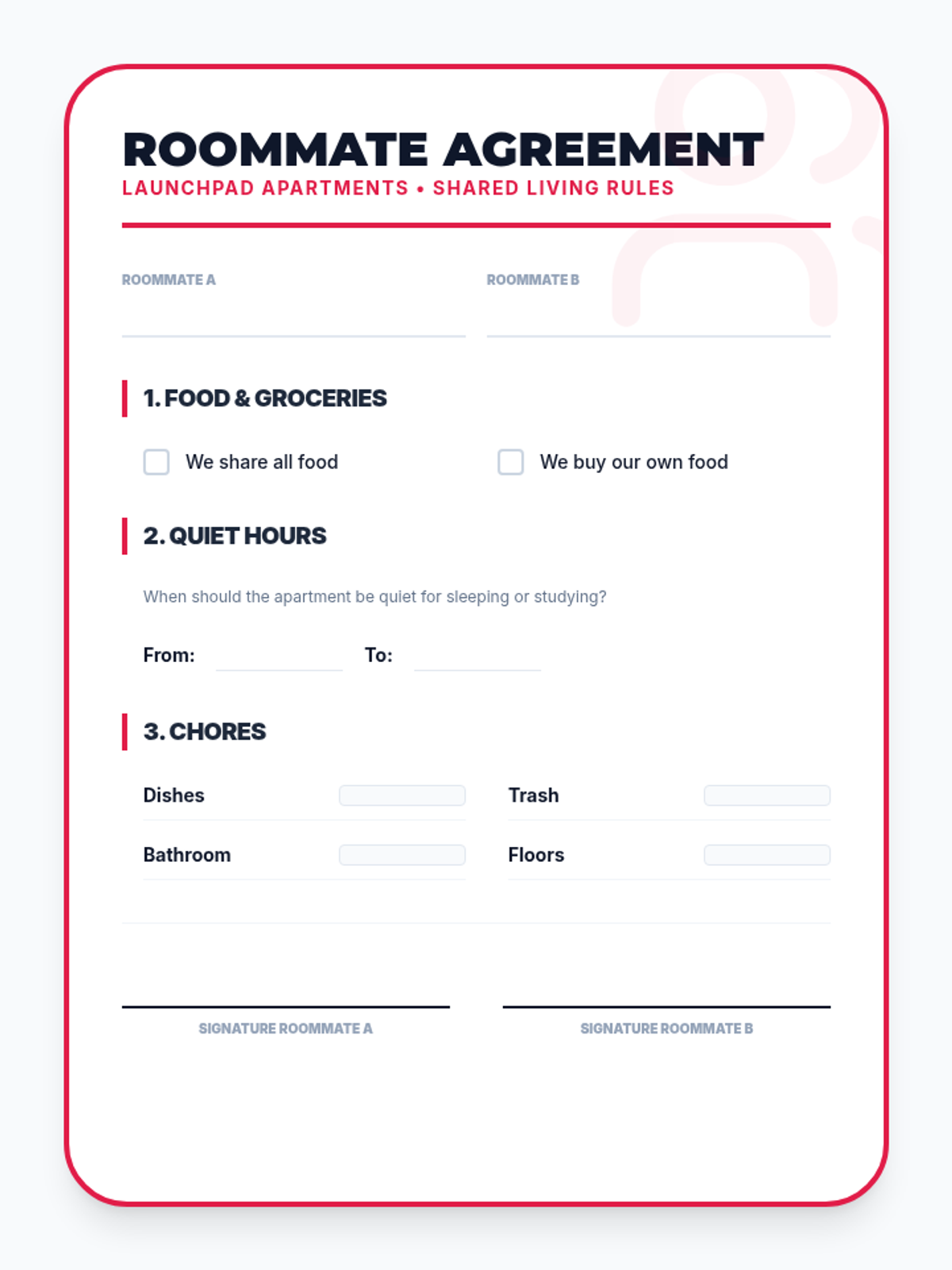
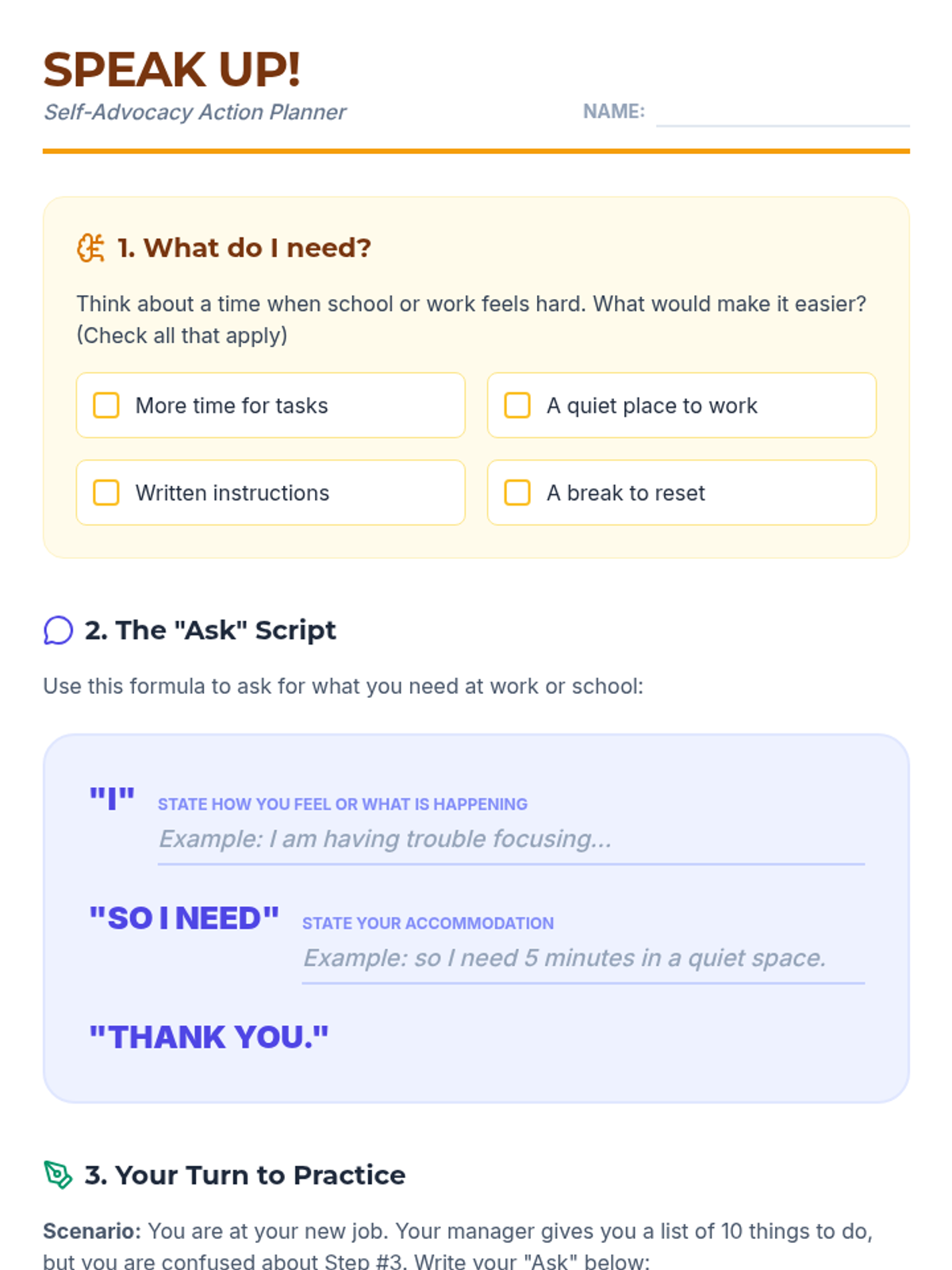
Practicing the core skills of independent living, including home maintenance, personal advocacy, and daily scheduling.
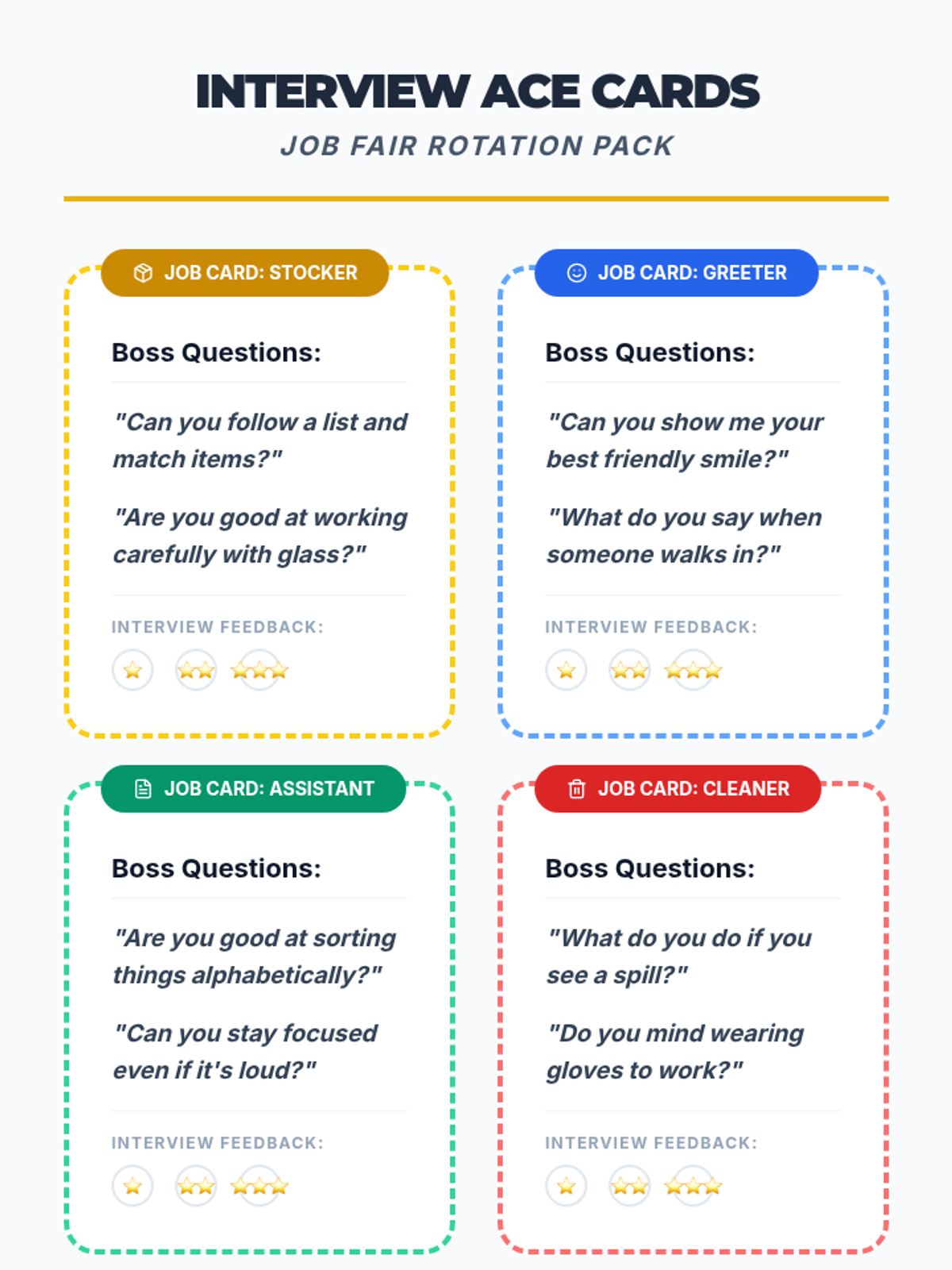
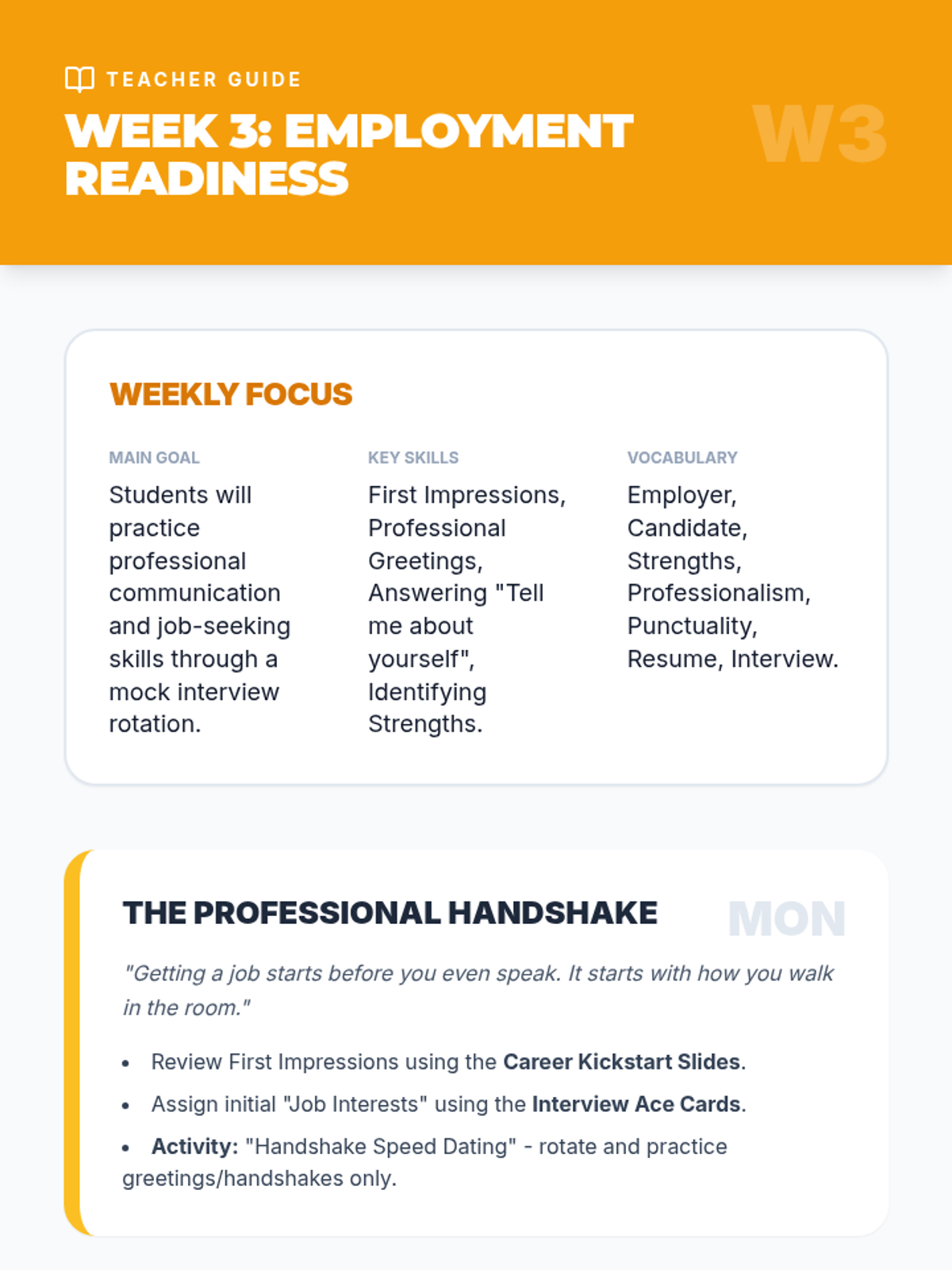
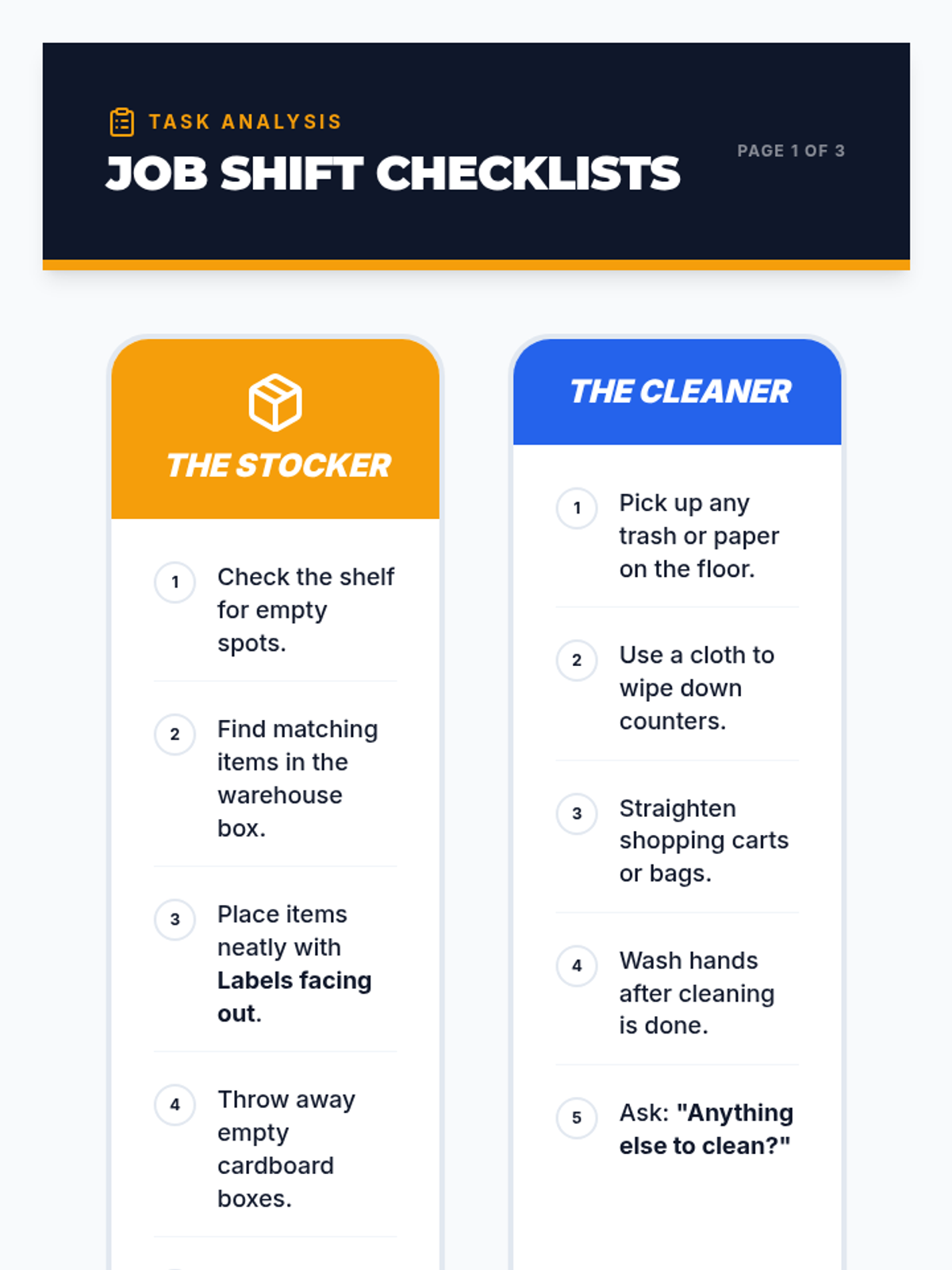
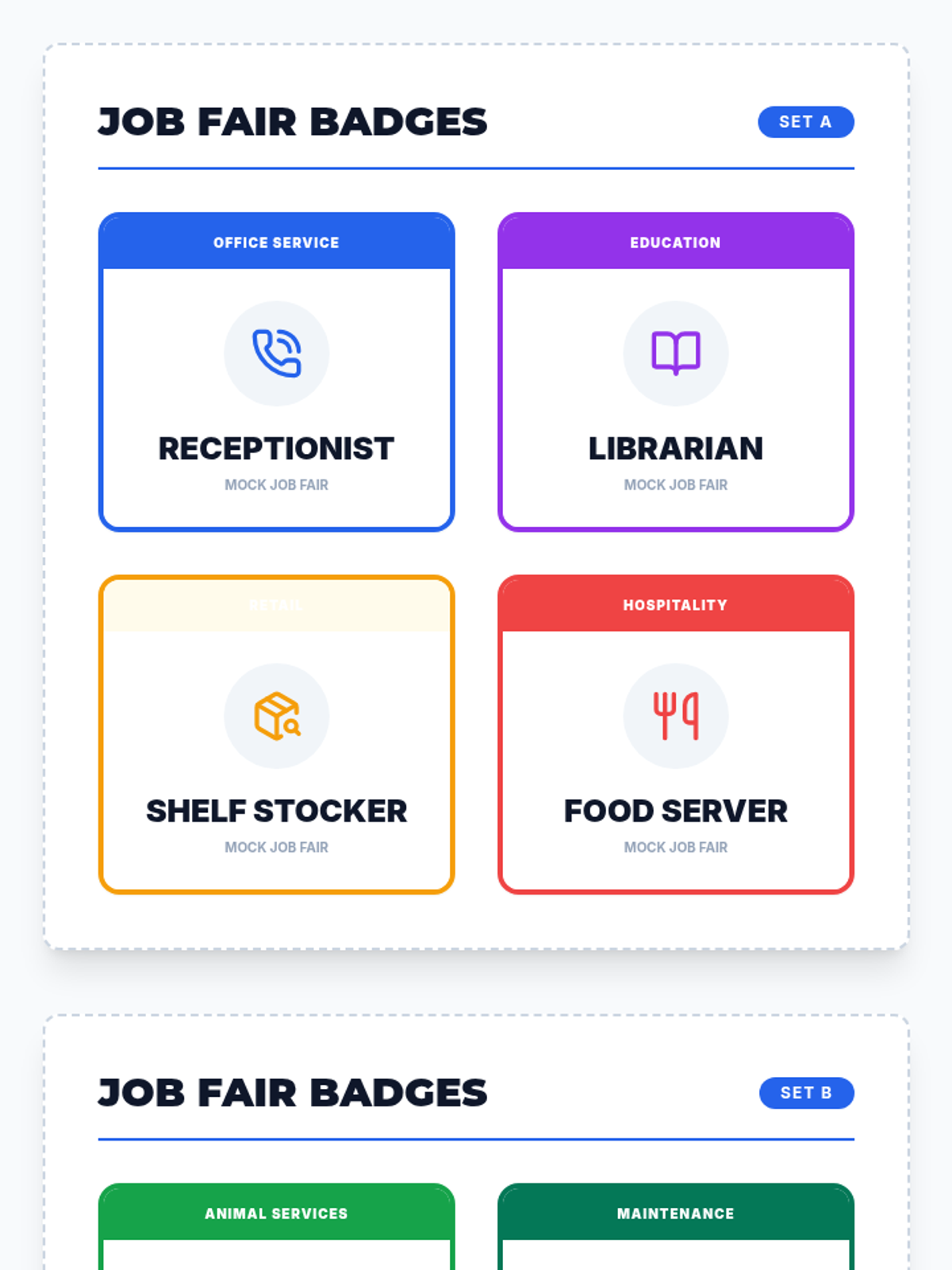
Preparing for the workforce with mock interviews, professional communication practice, and on-the-job simulations.
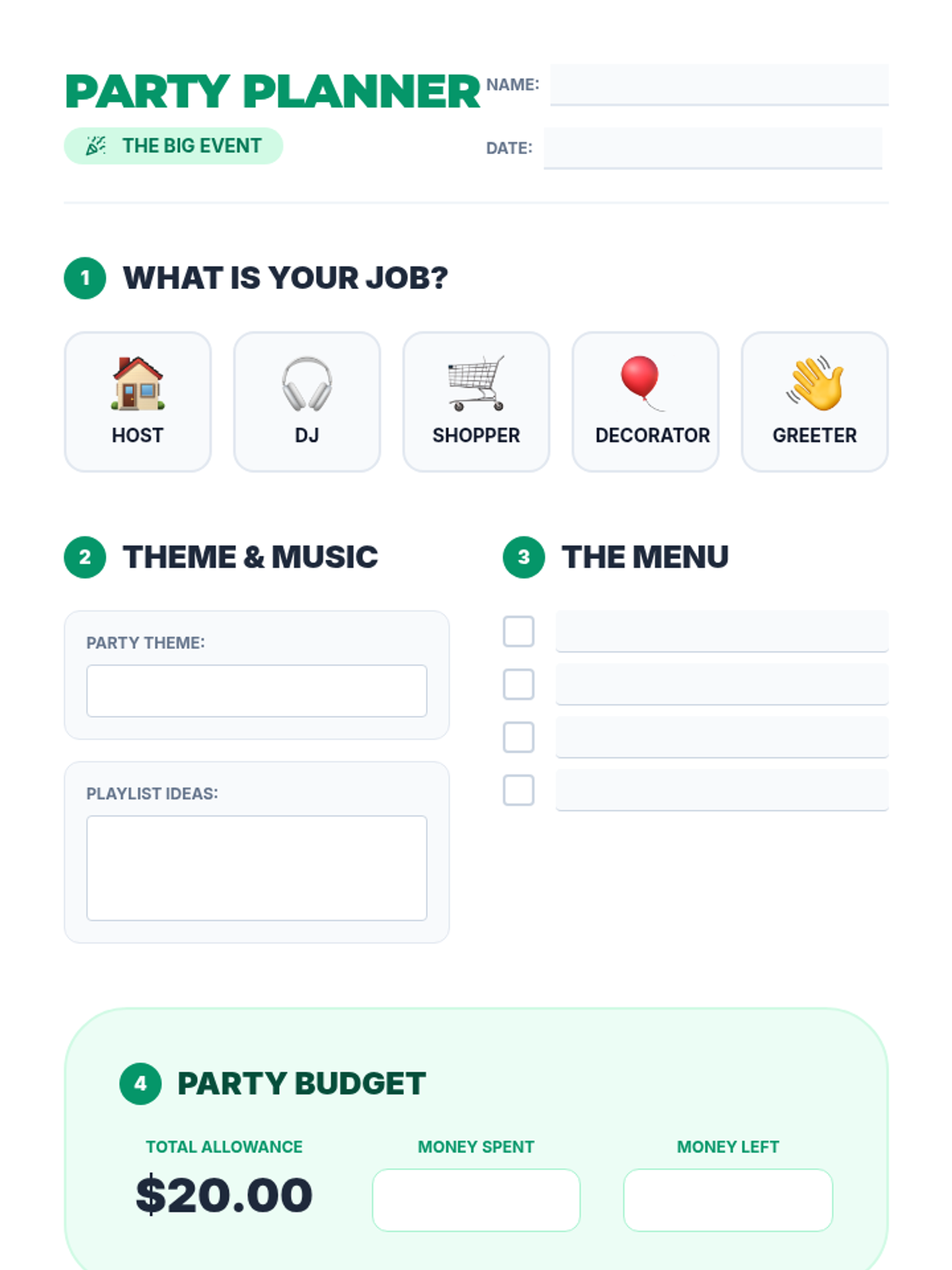
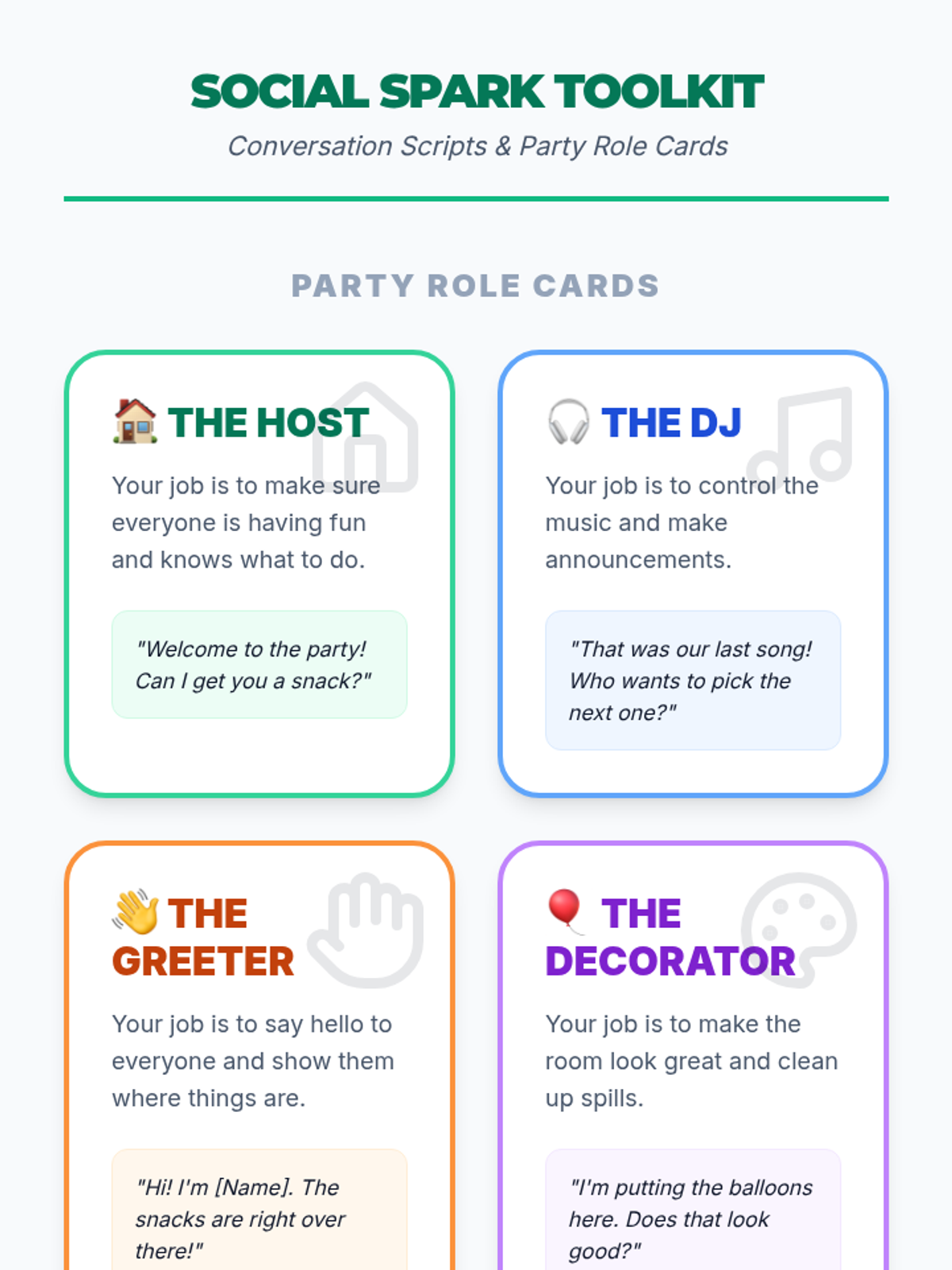
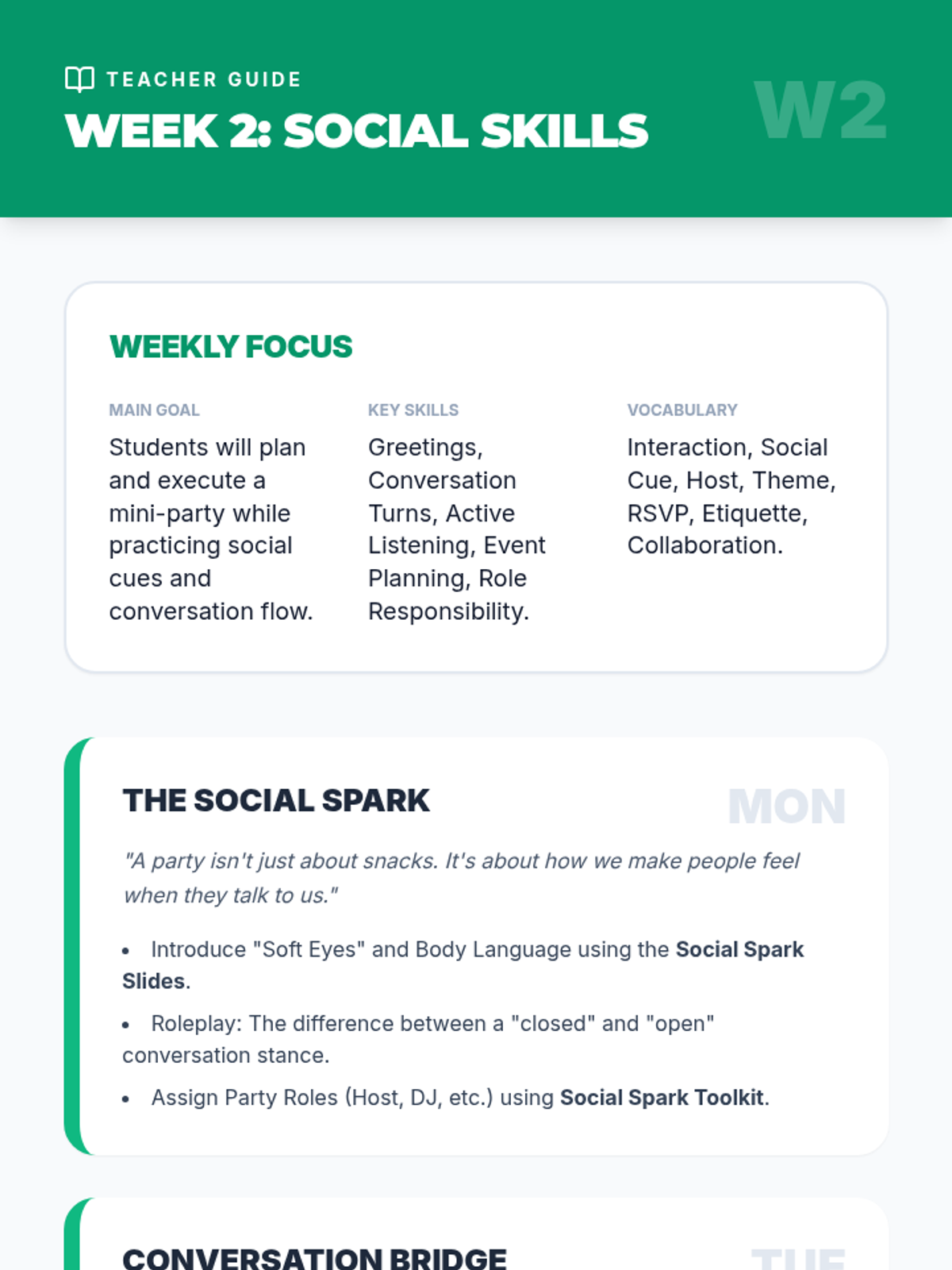
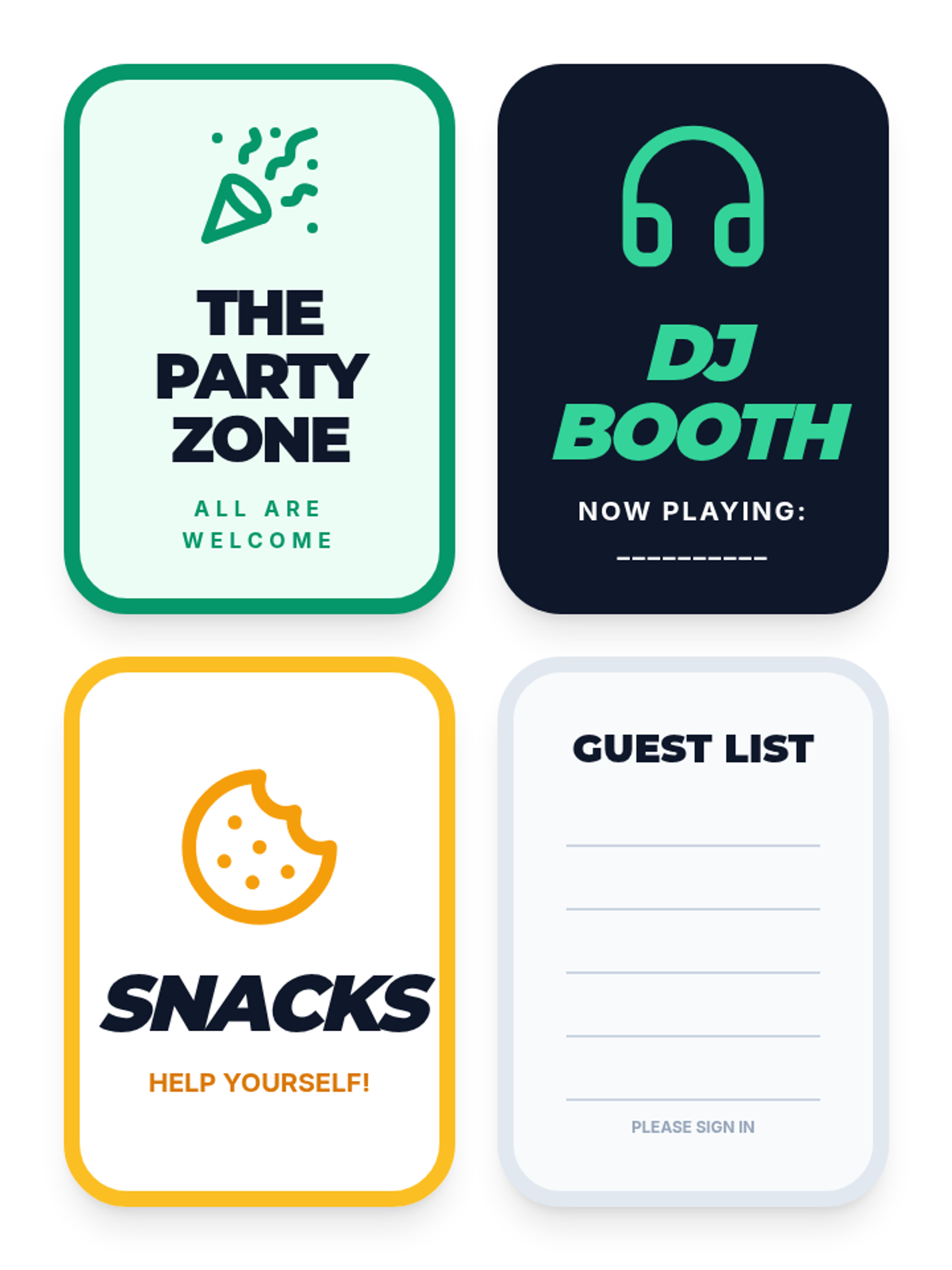
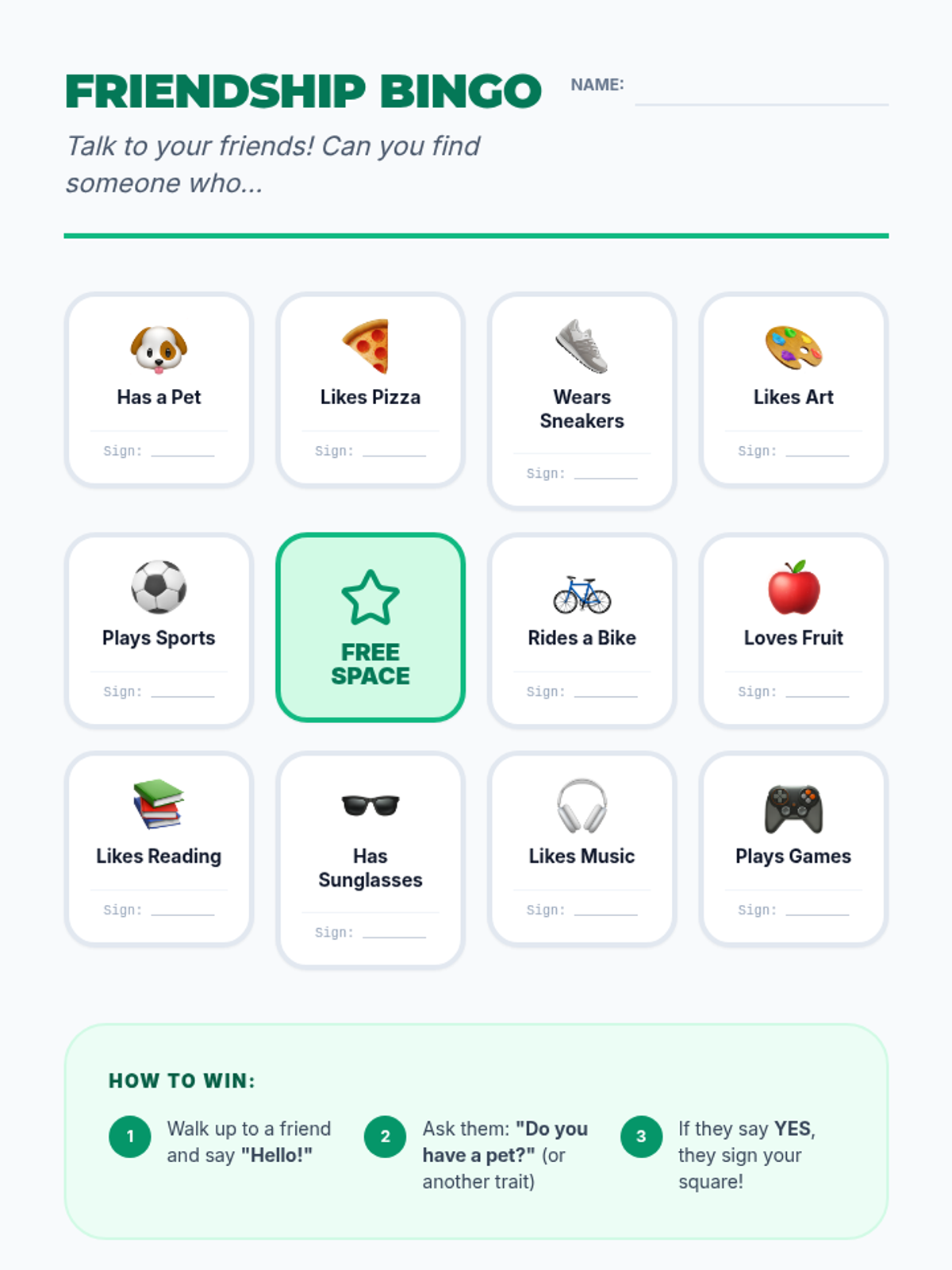
Developing social-emotional awareness through event planning, role-play conversations, and meaningful peer interactions.
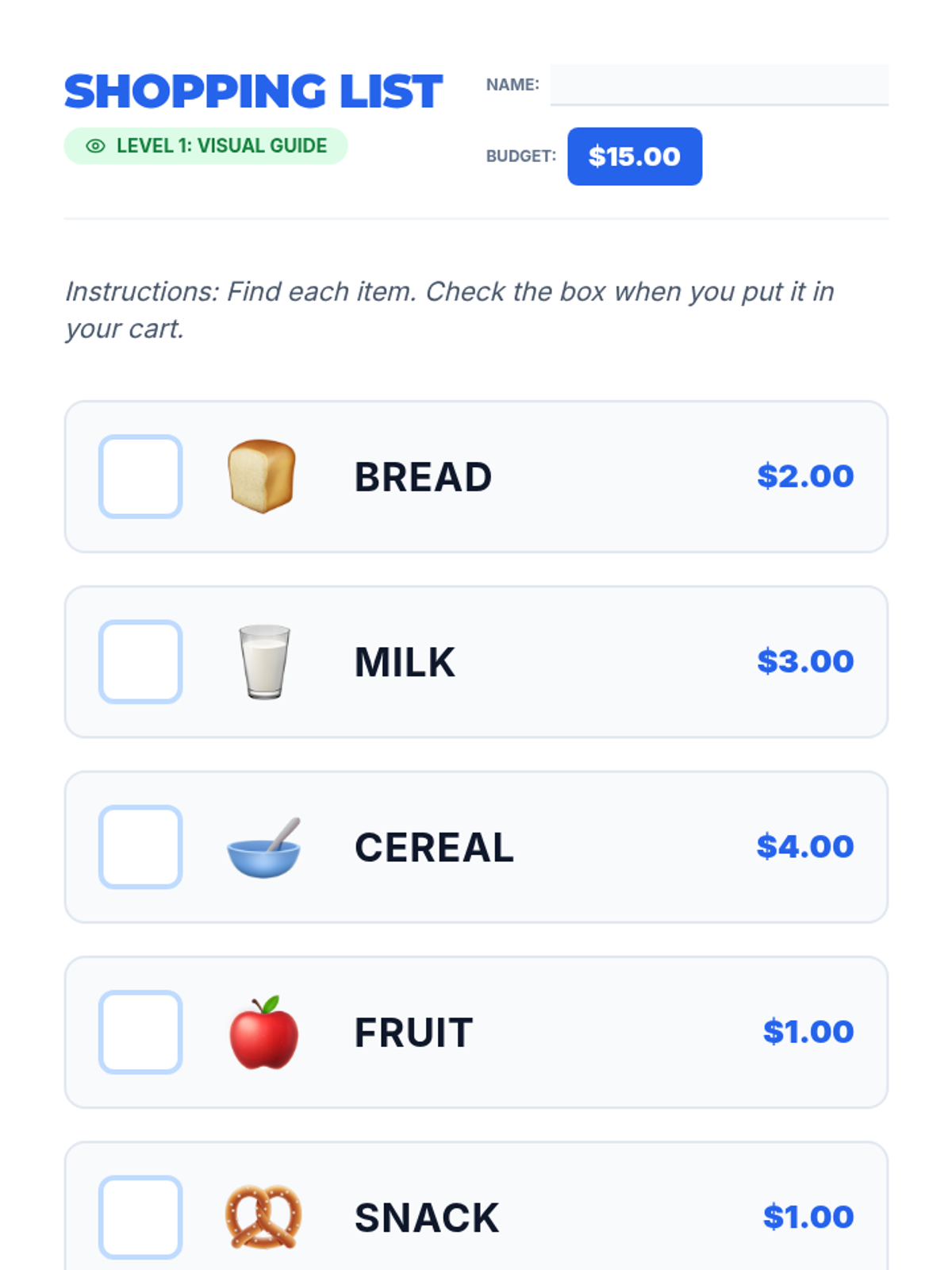
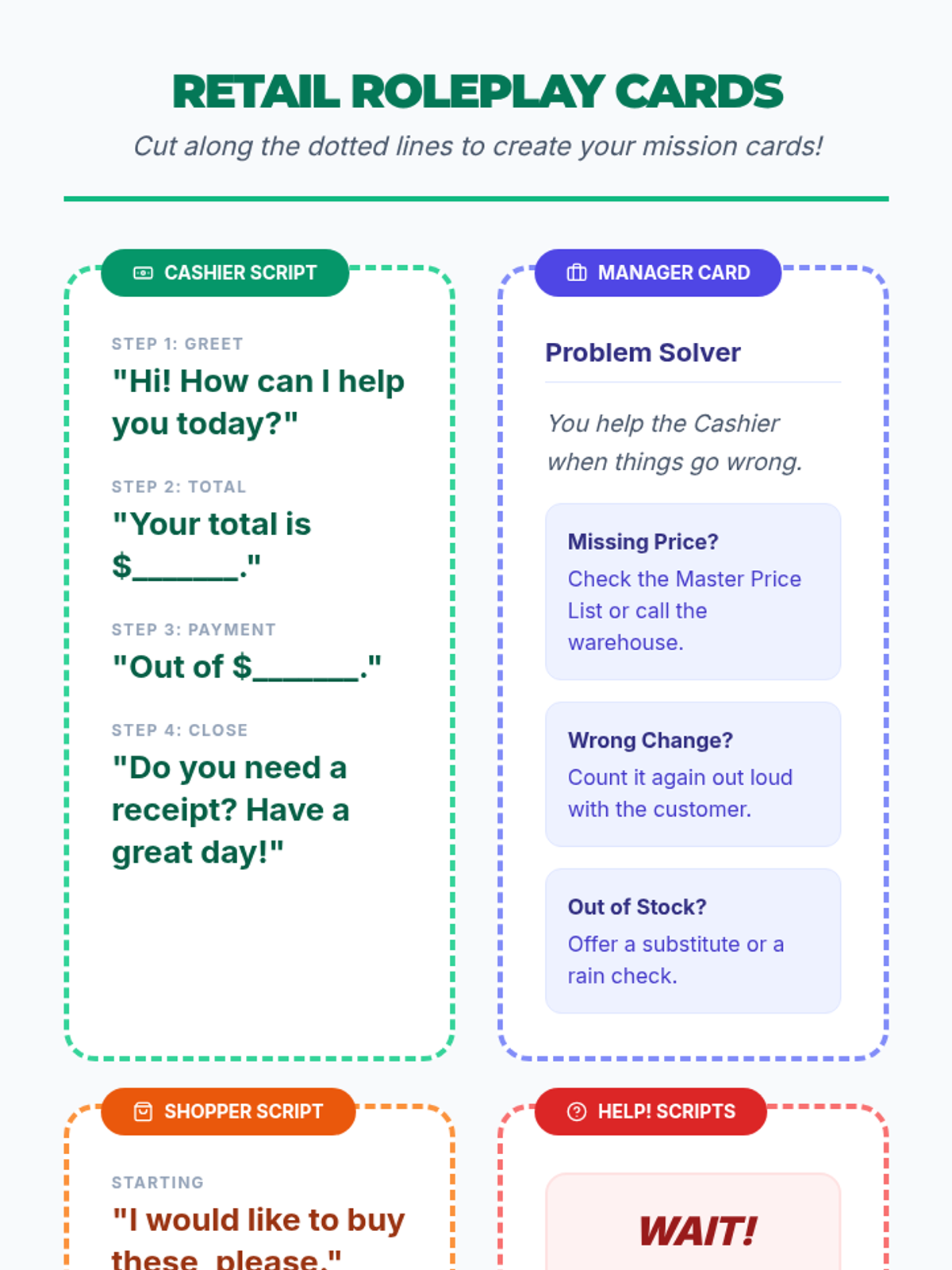
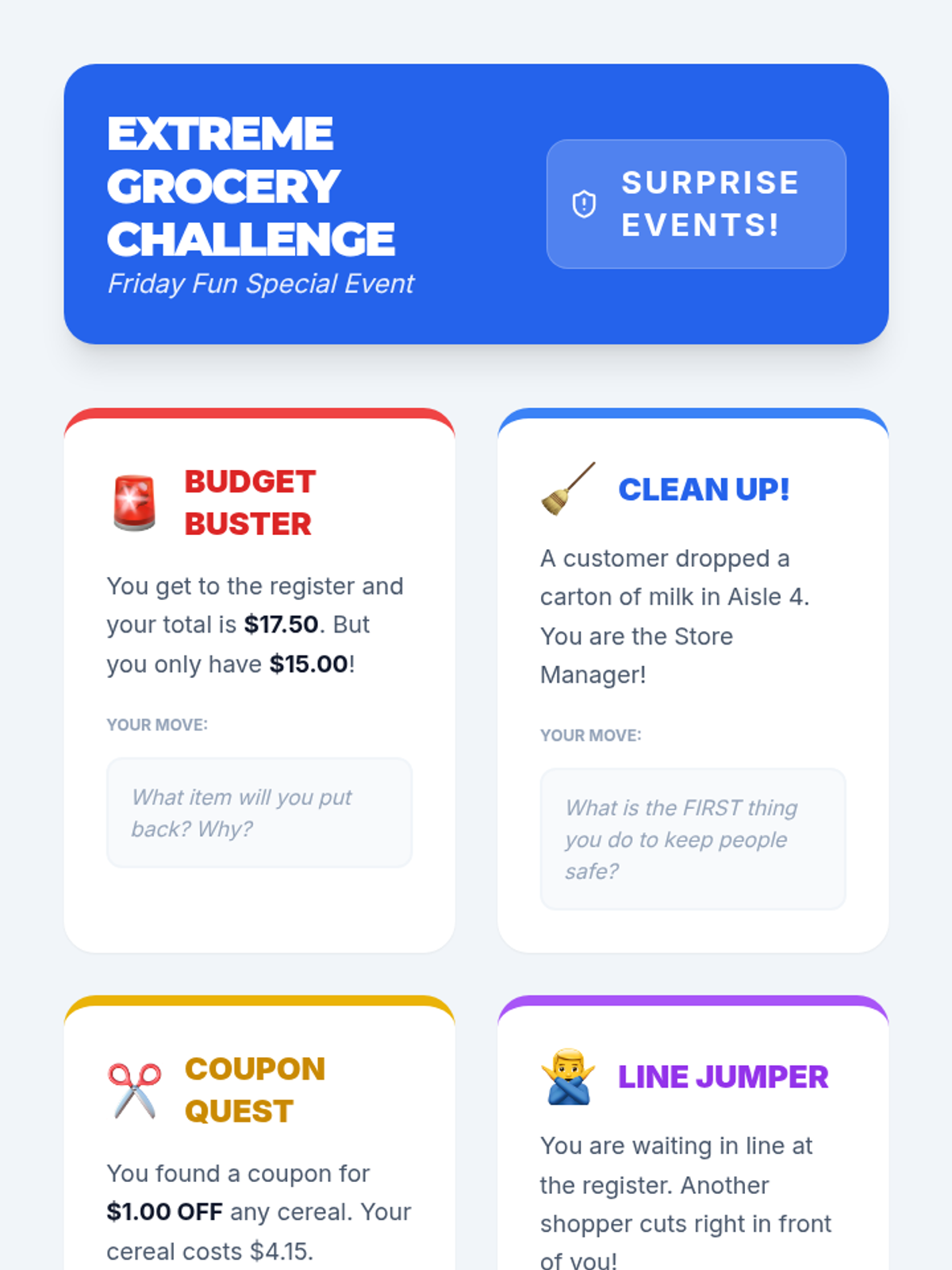
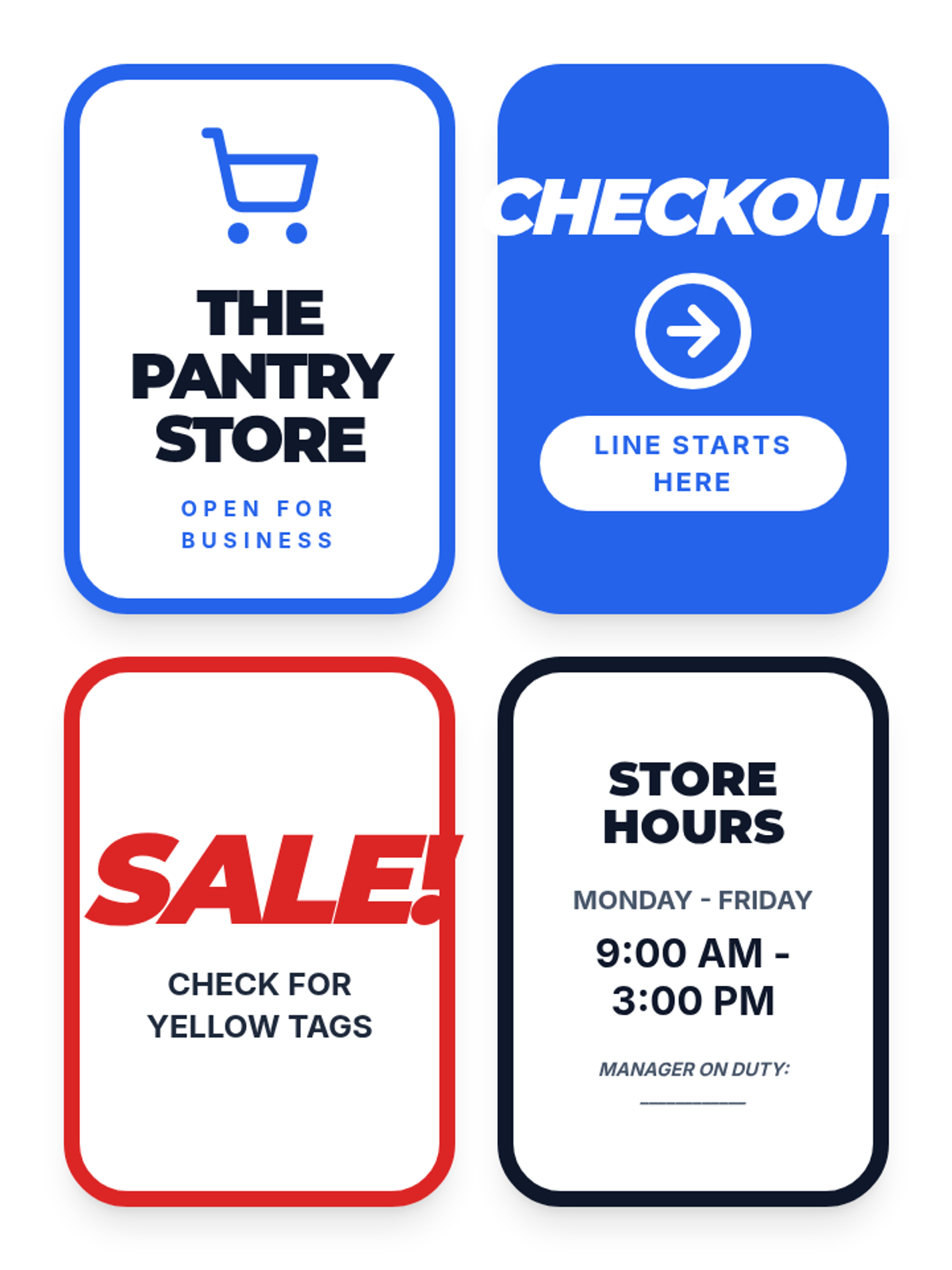
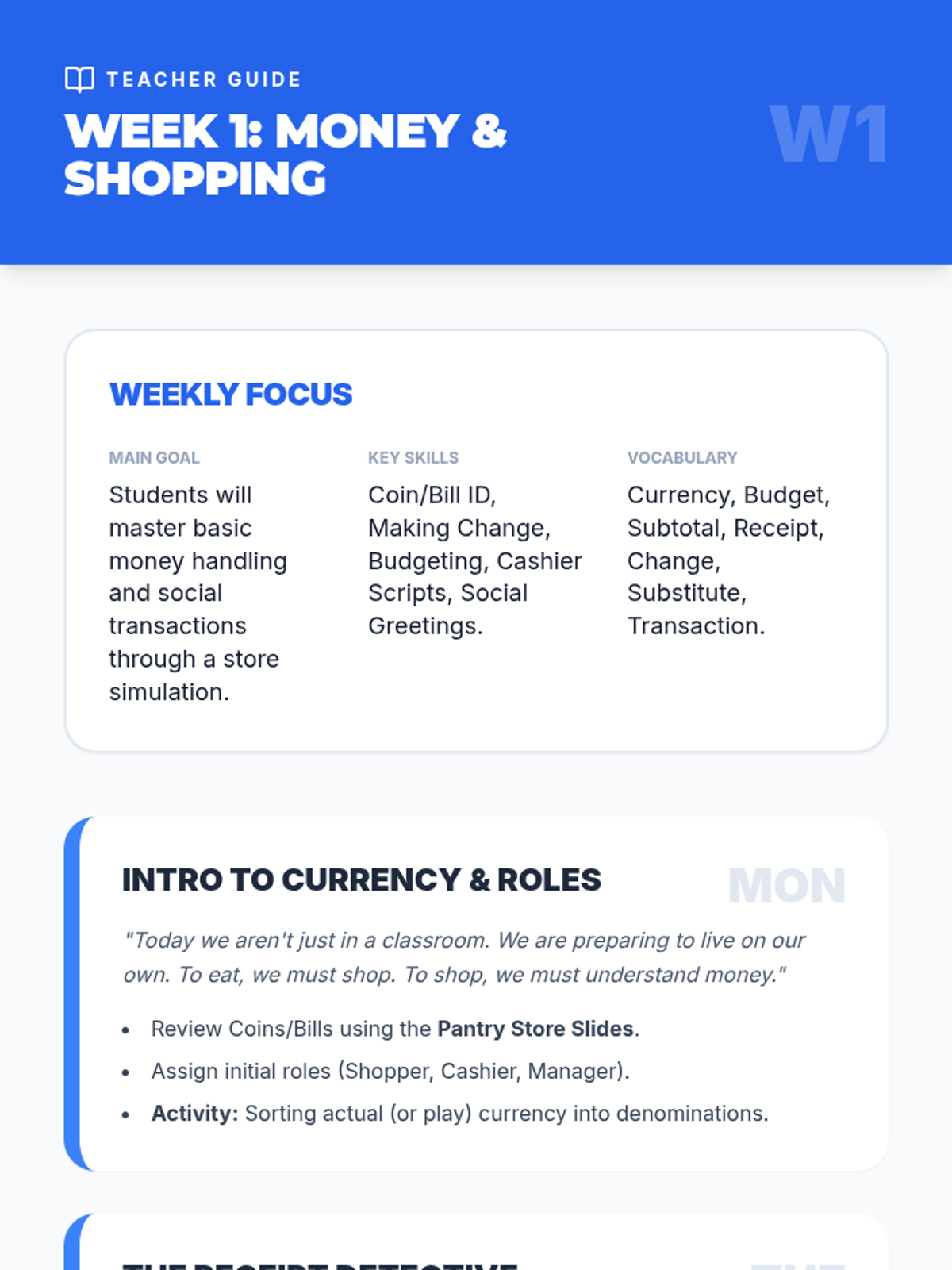
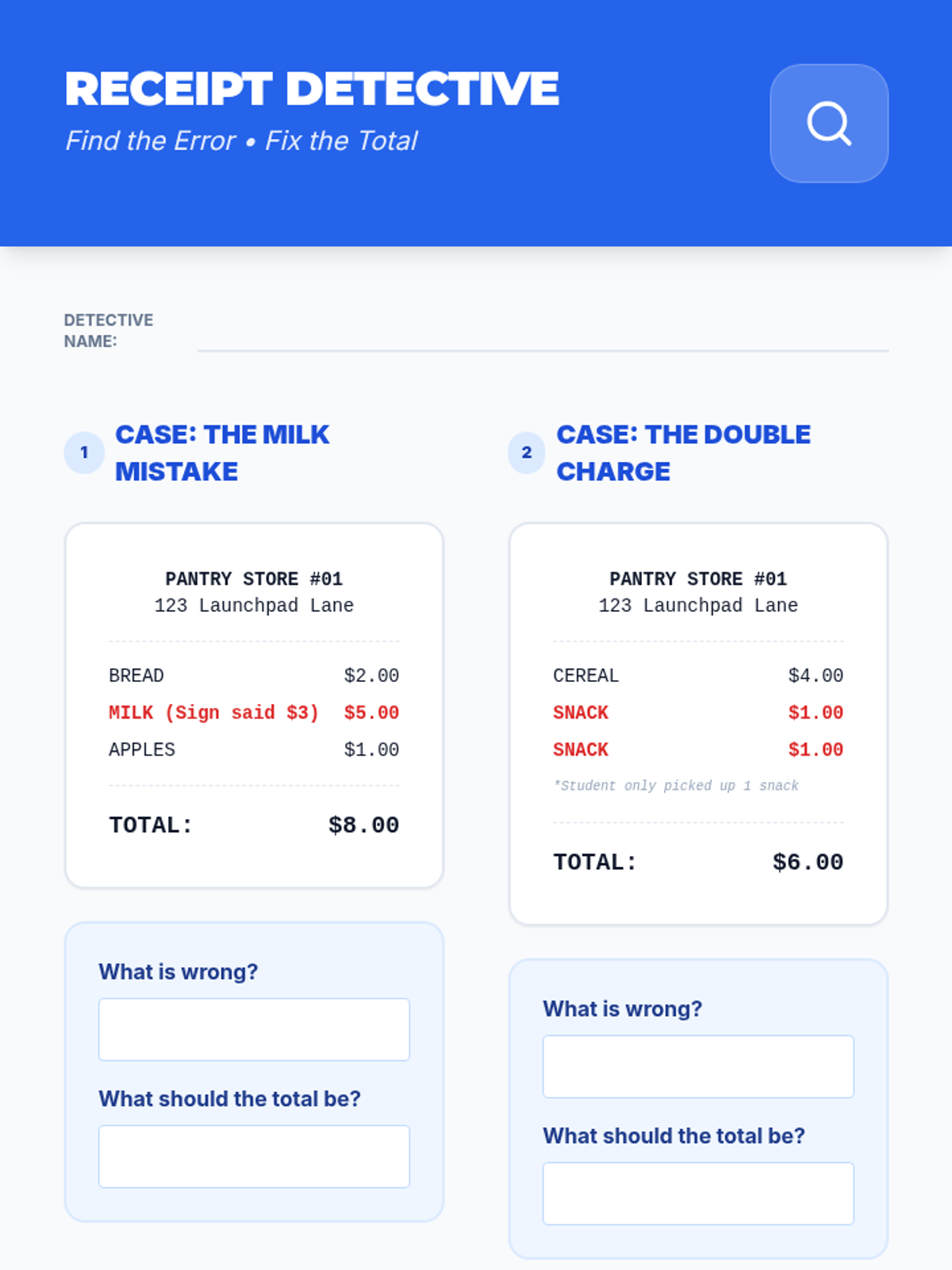
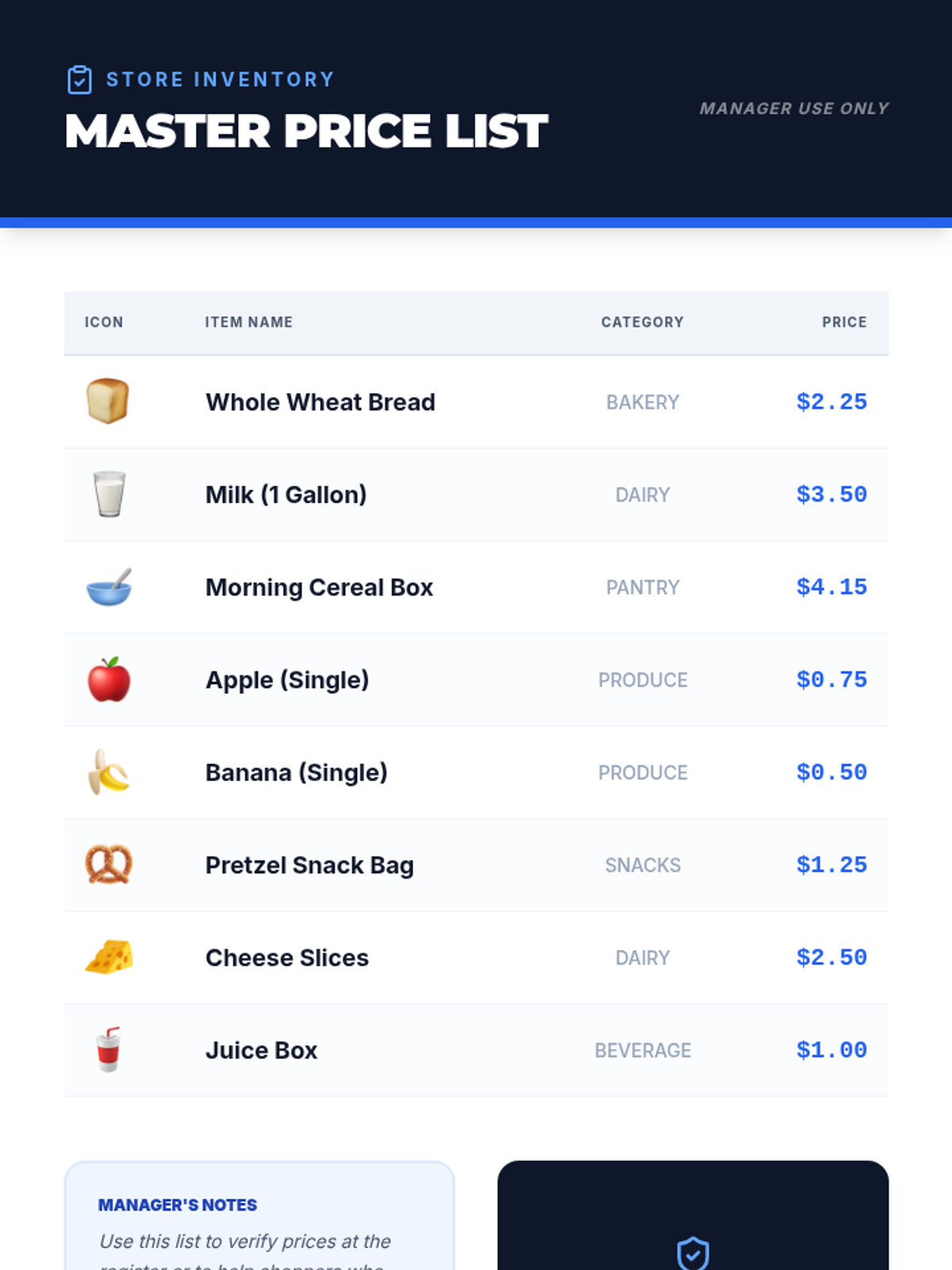
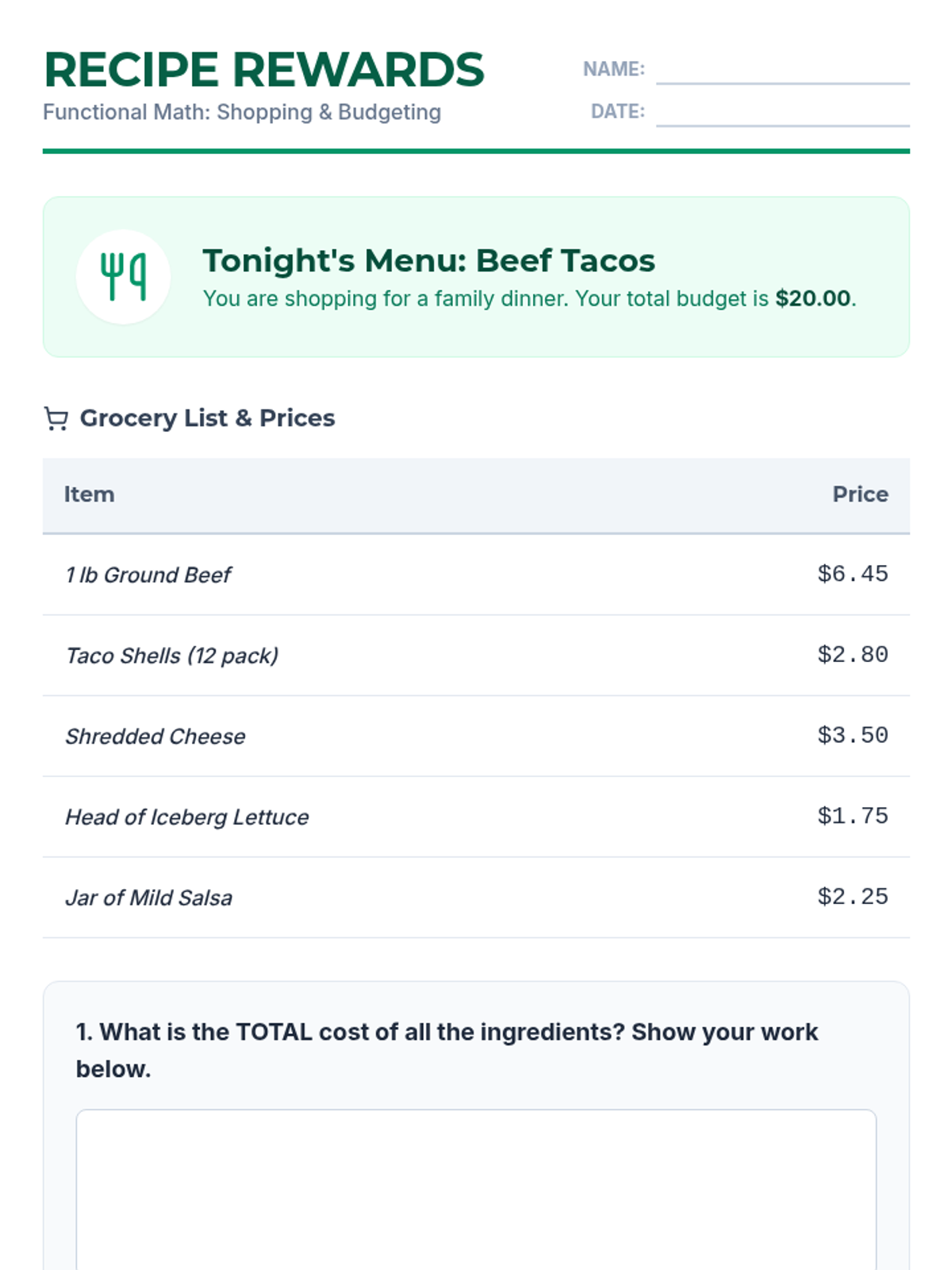
Mastering money identification, budgeting, and the mechanics of shopping through a pantry store simulation and real-world problem-solving.
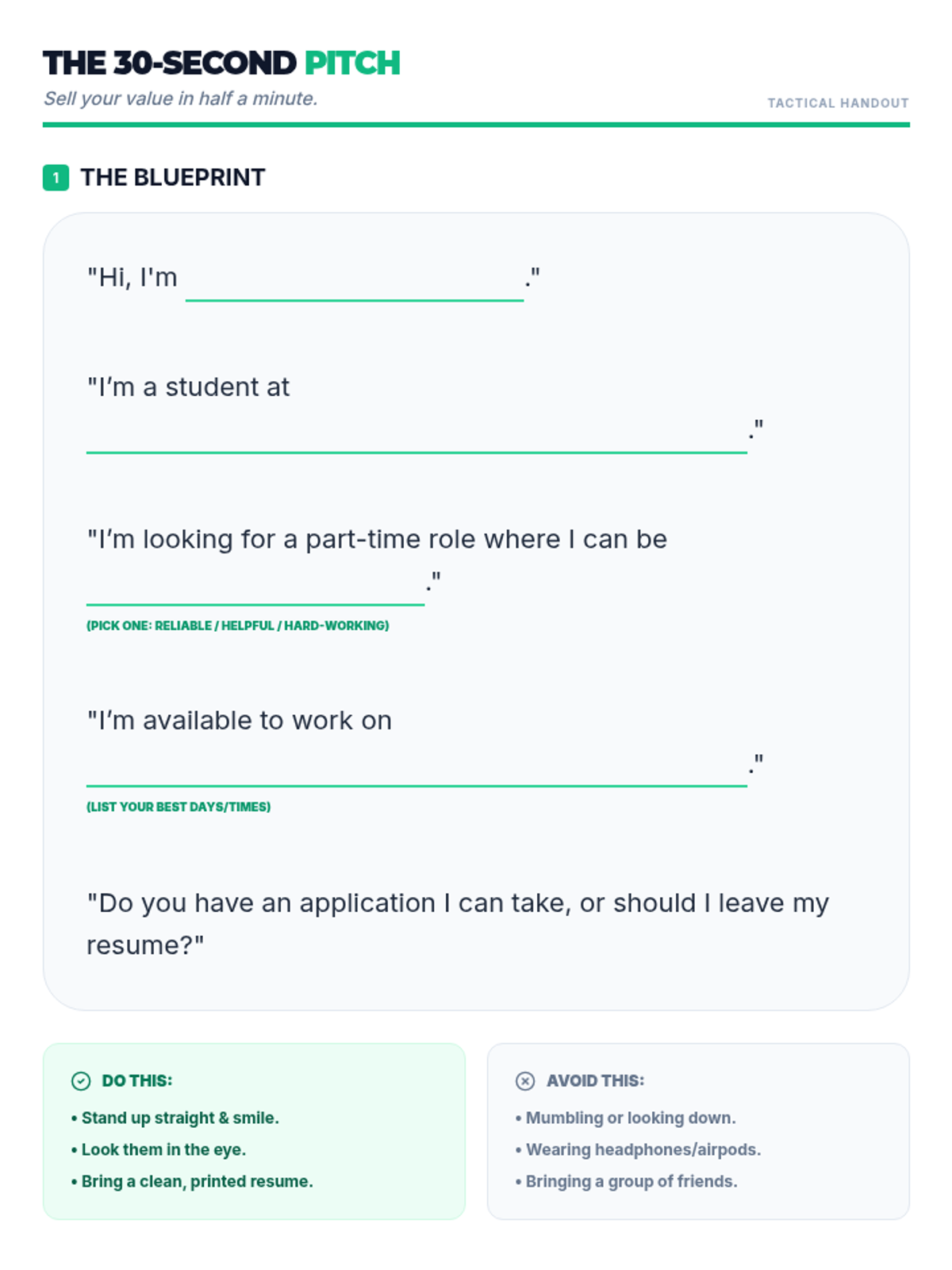
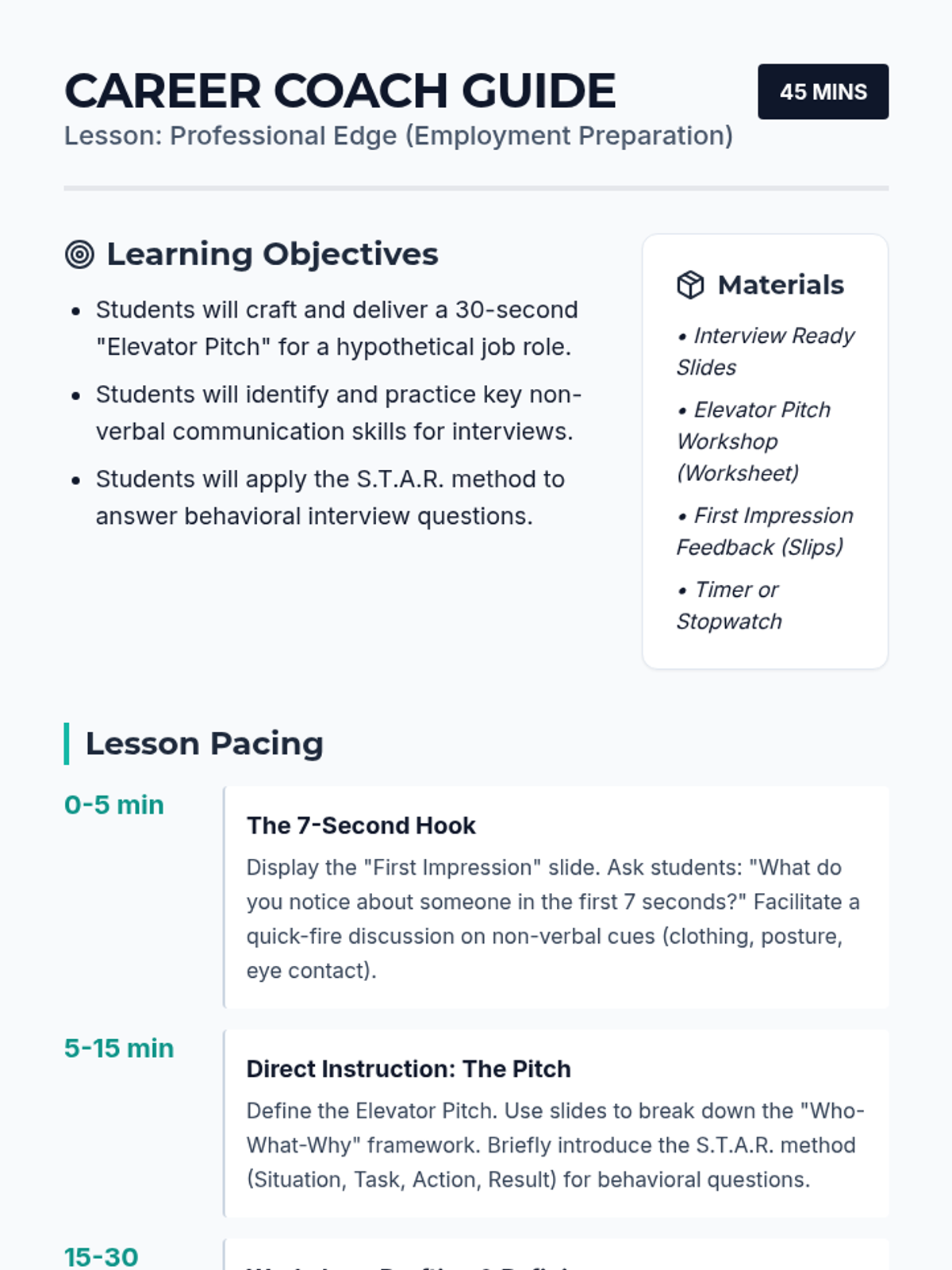
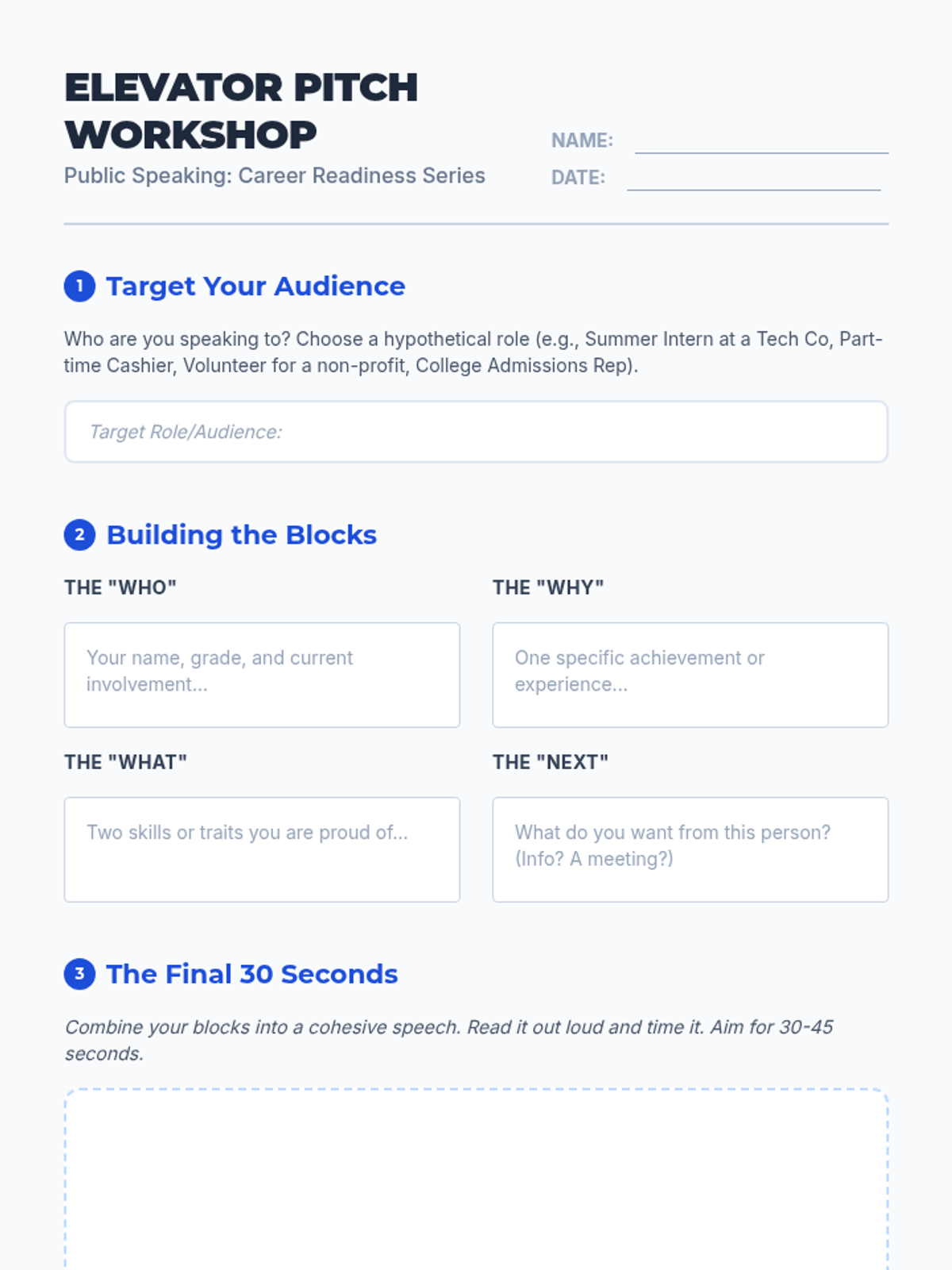
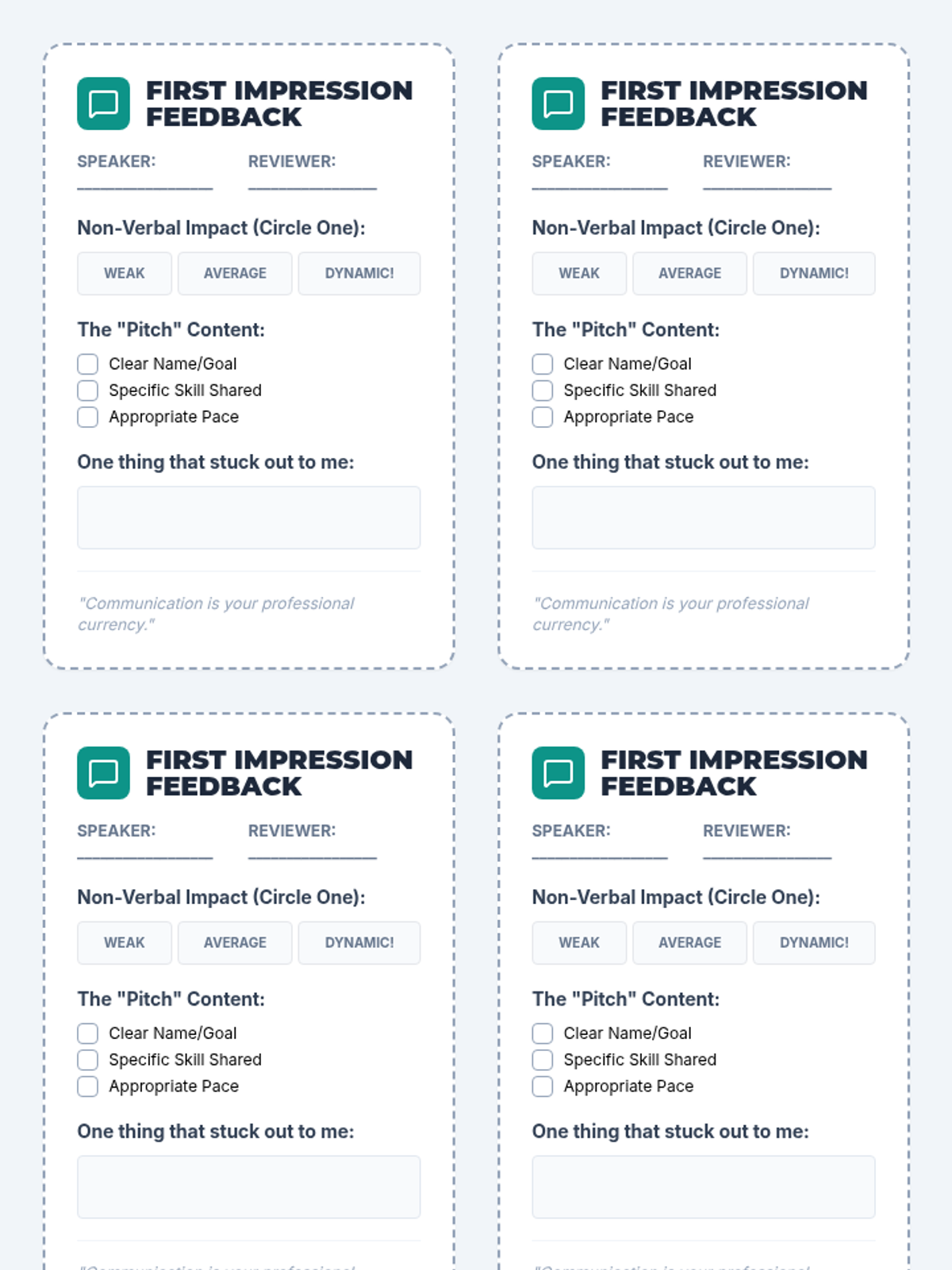
A 45-minute lesson designed for high school public speaking students to master the art of professional communication, specifically focusing on the 30-second elevator pitch and interview presence.
A comprehensive introduction to essential employment skills, including professional communication, job applications, interview etiquette, and workplace safety. This lesson prepares students for the transition into a professional environment through interactive discussion and practical problem-solving.
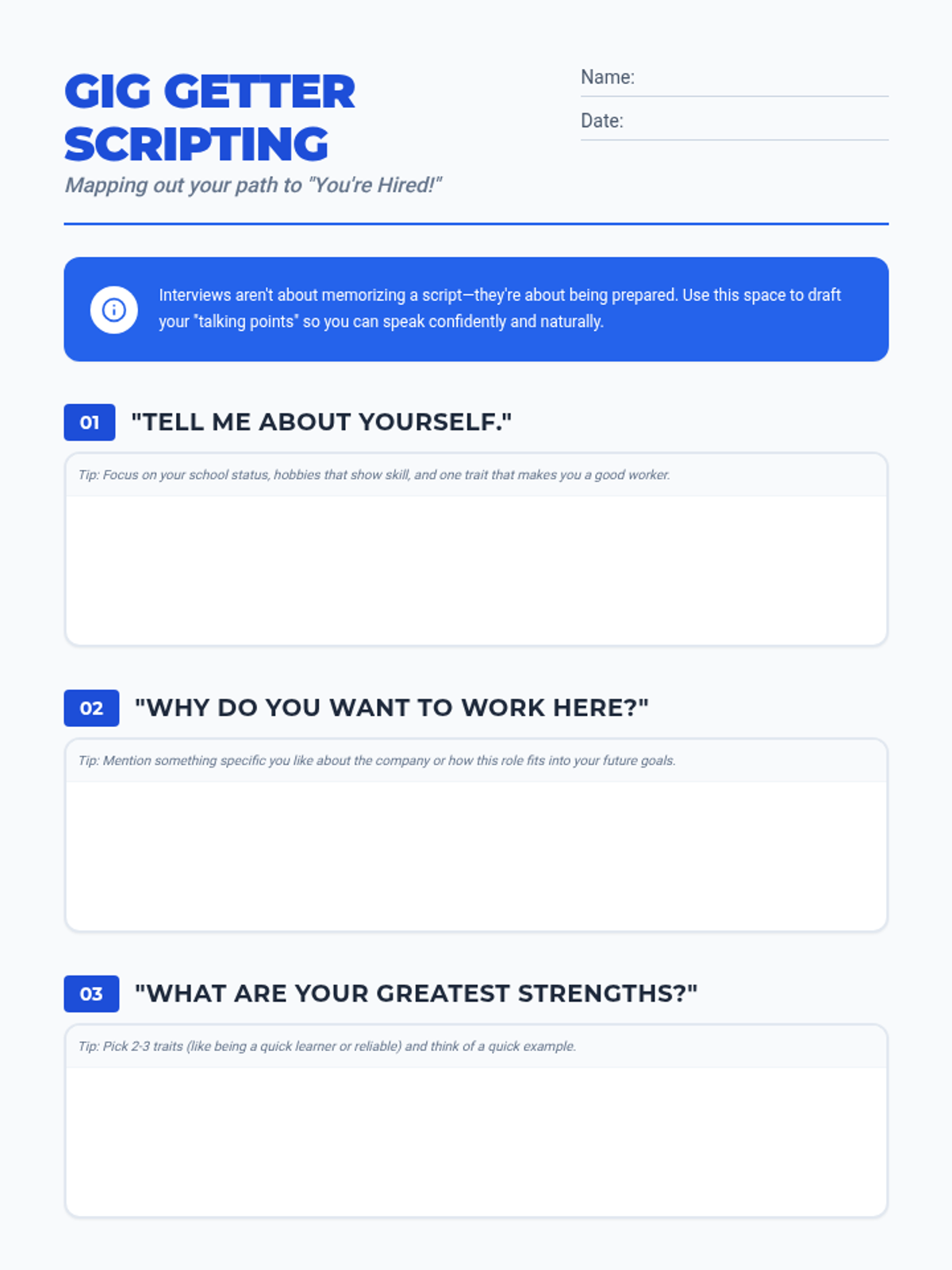
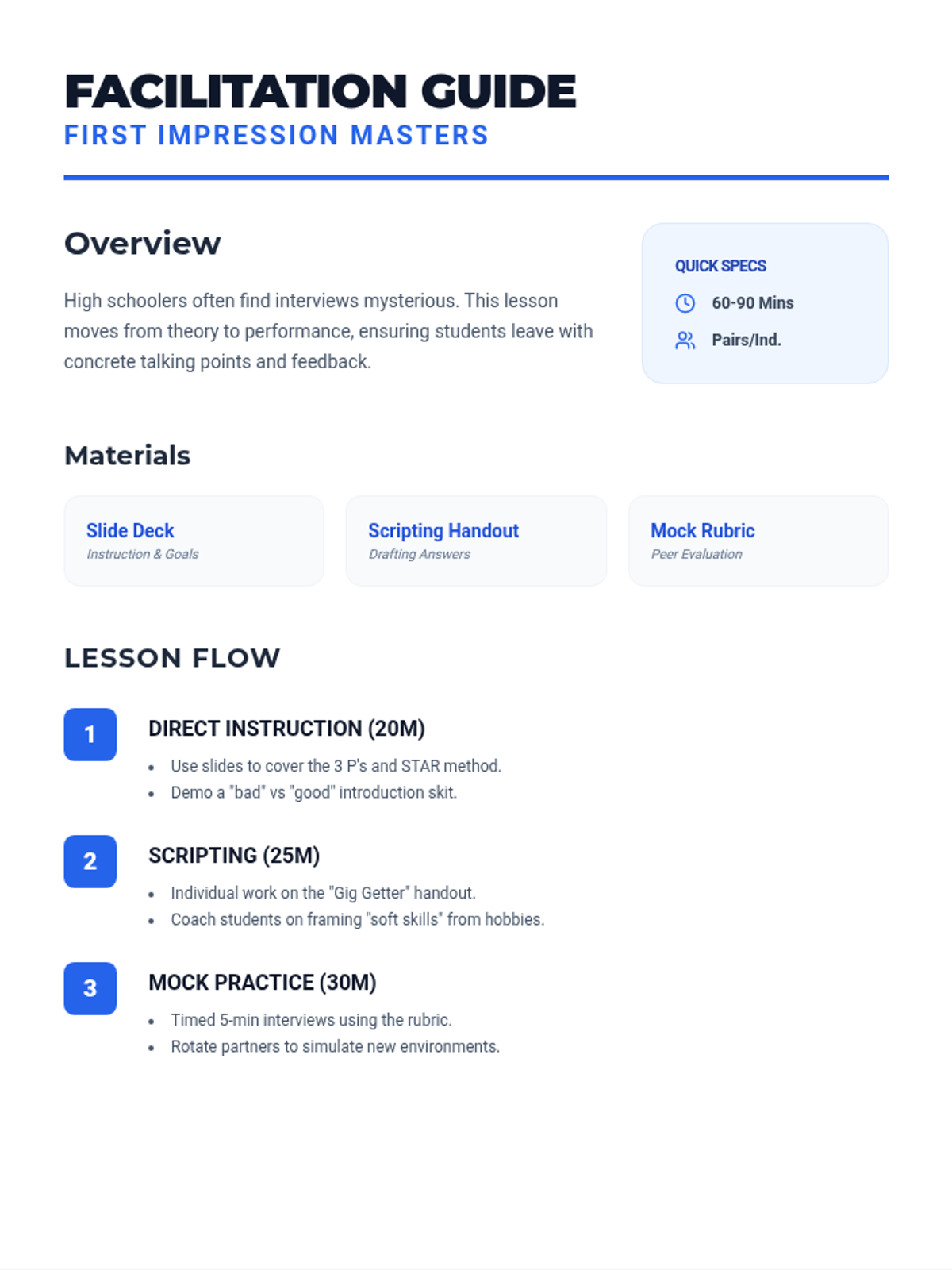
A comprehensive guide for high schoolers to master their first job interviews. Includes scripting practice for common questions and visual guides for professional presentation.
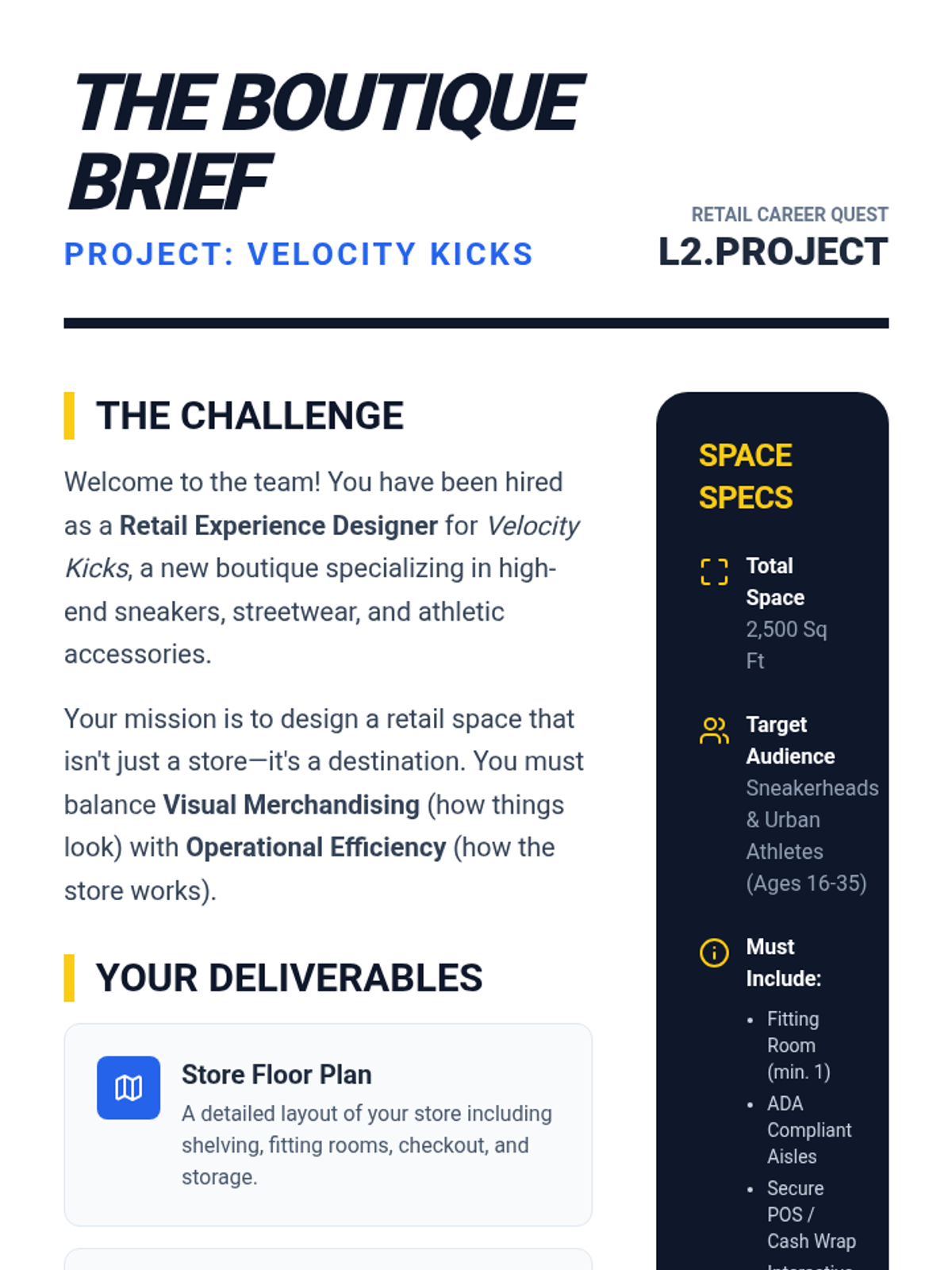
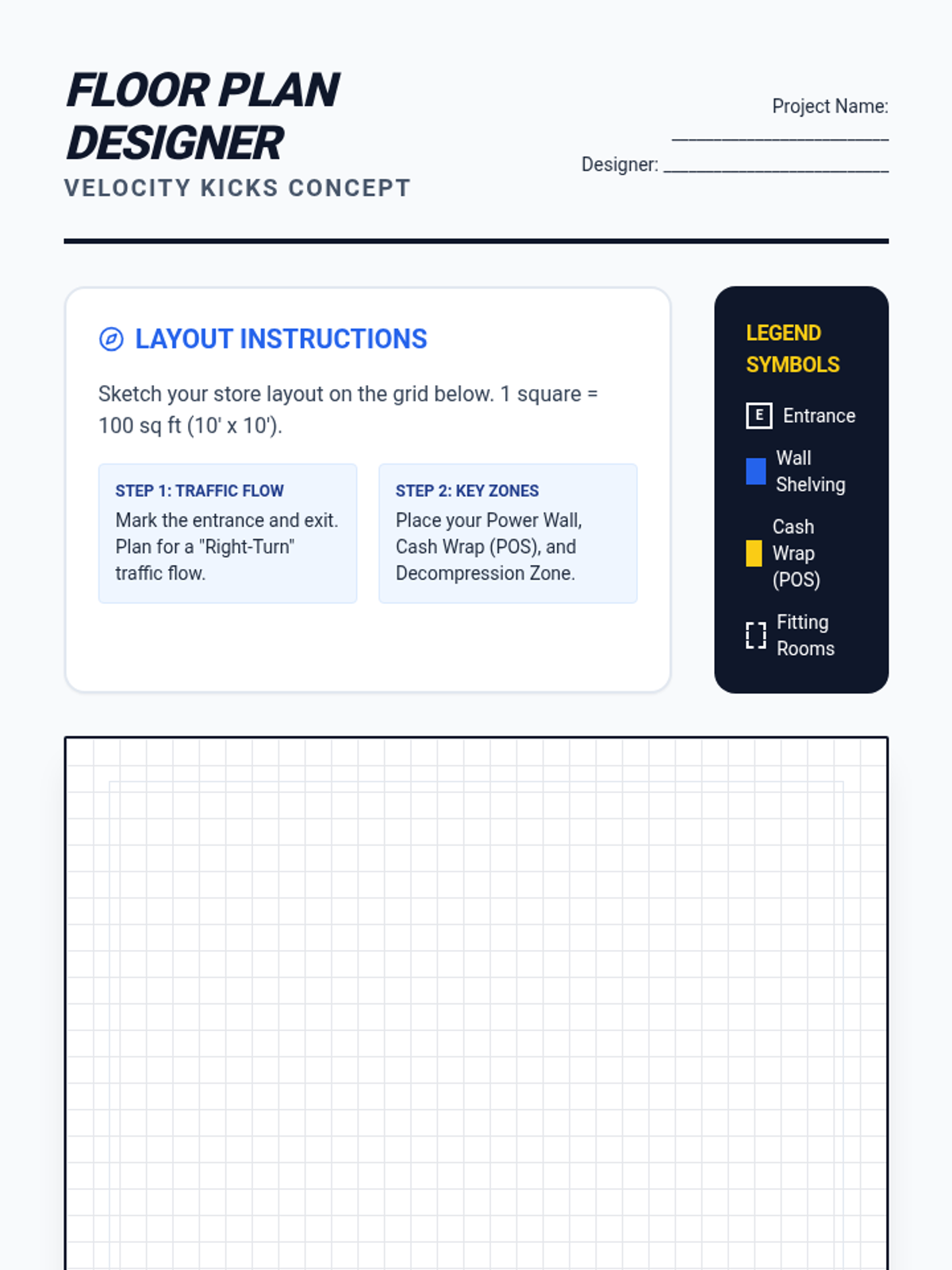
A practical project where students apply their knowledge to design a retail store, including product selection, floor layout, visual merchandising, and a promotional plan.
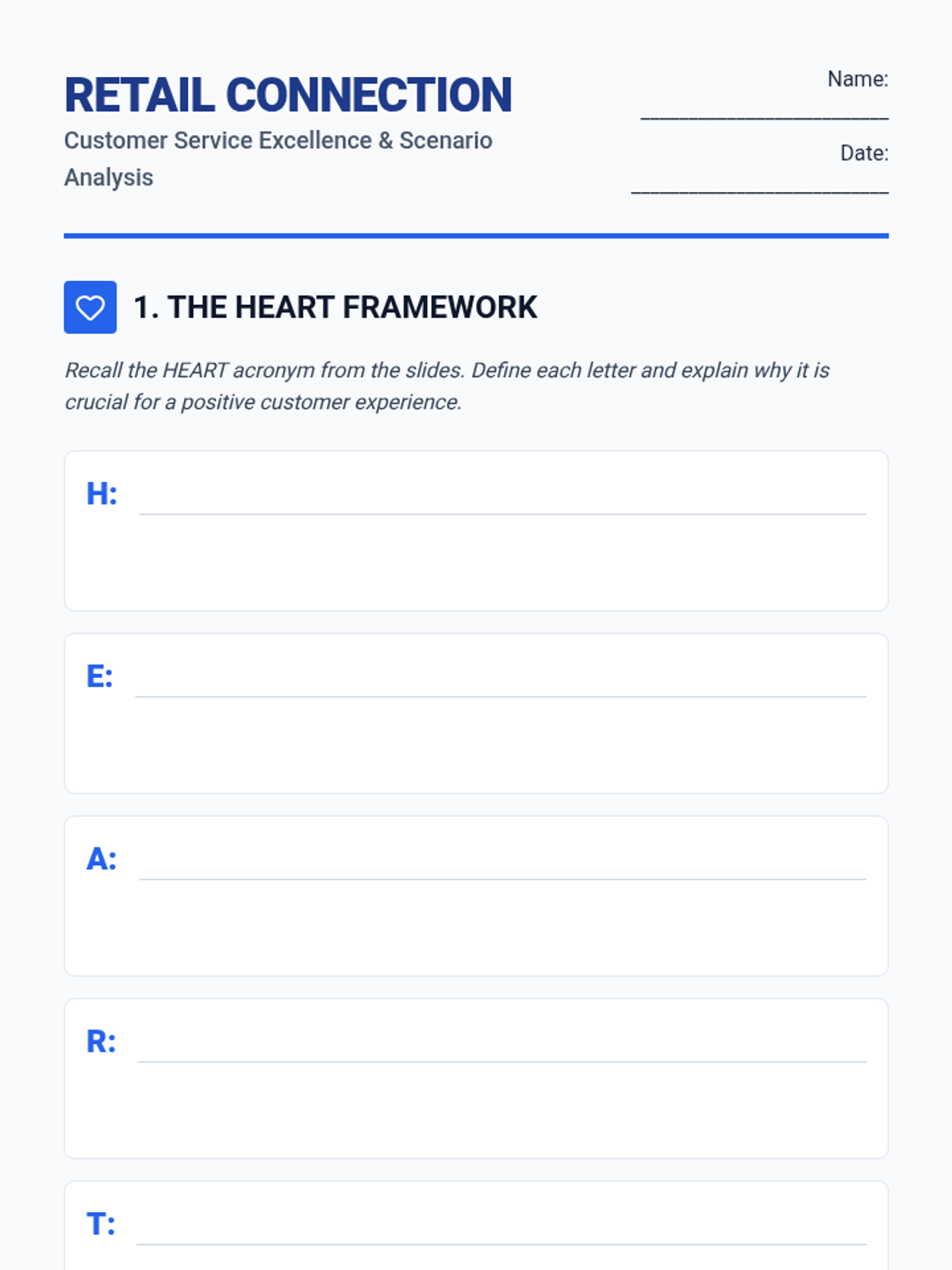
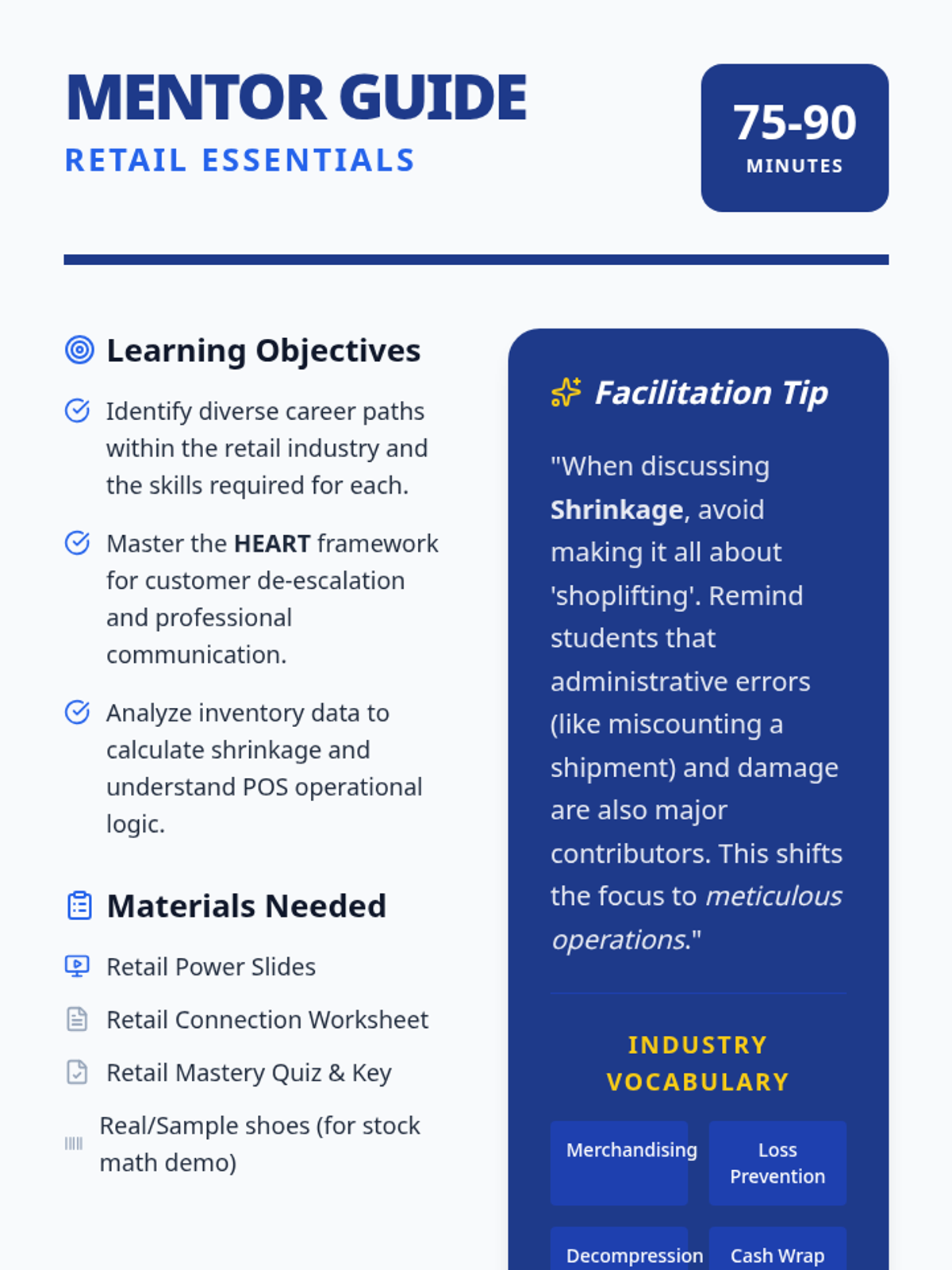
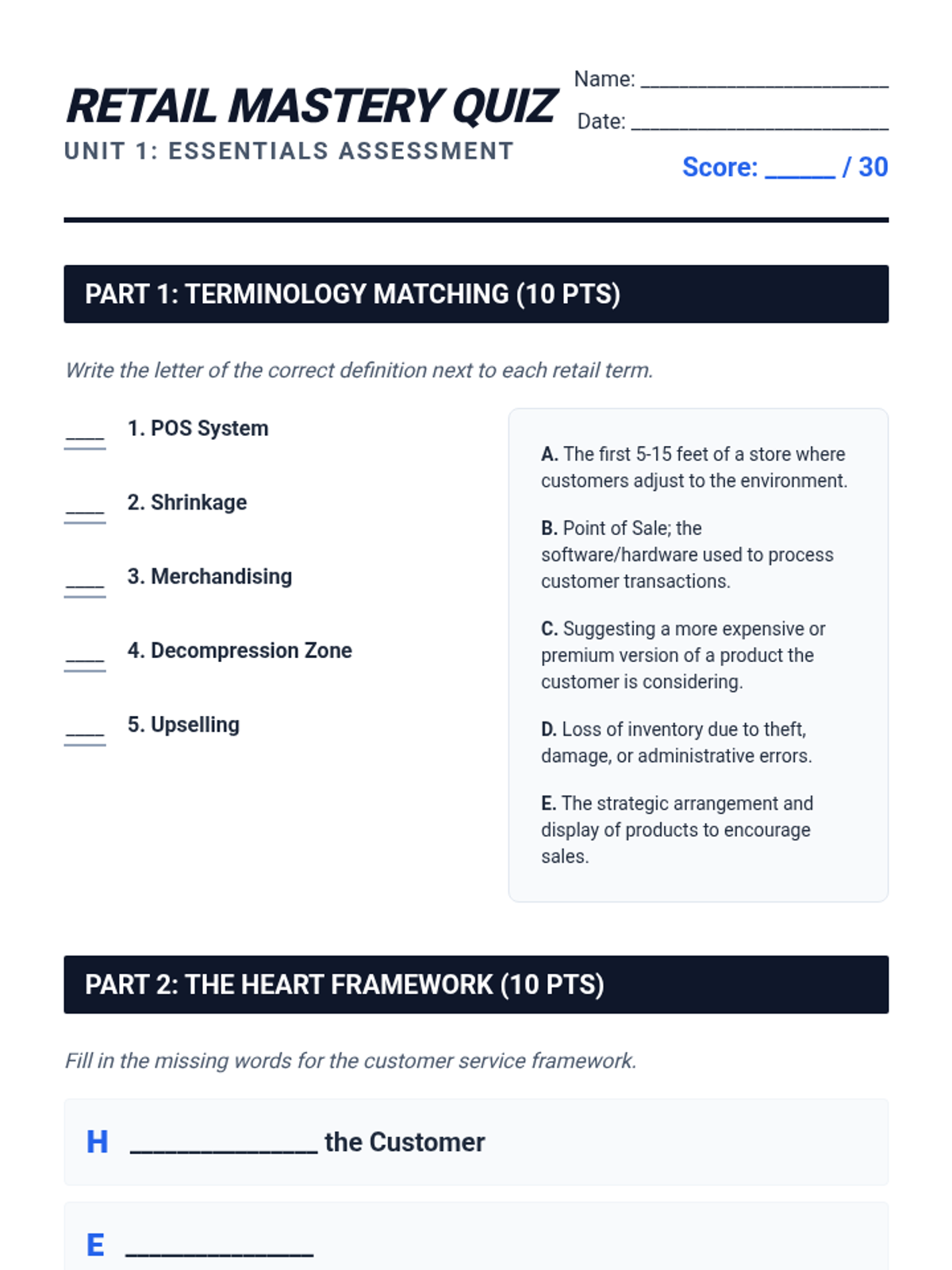
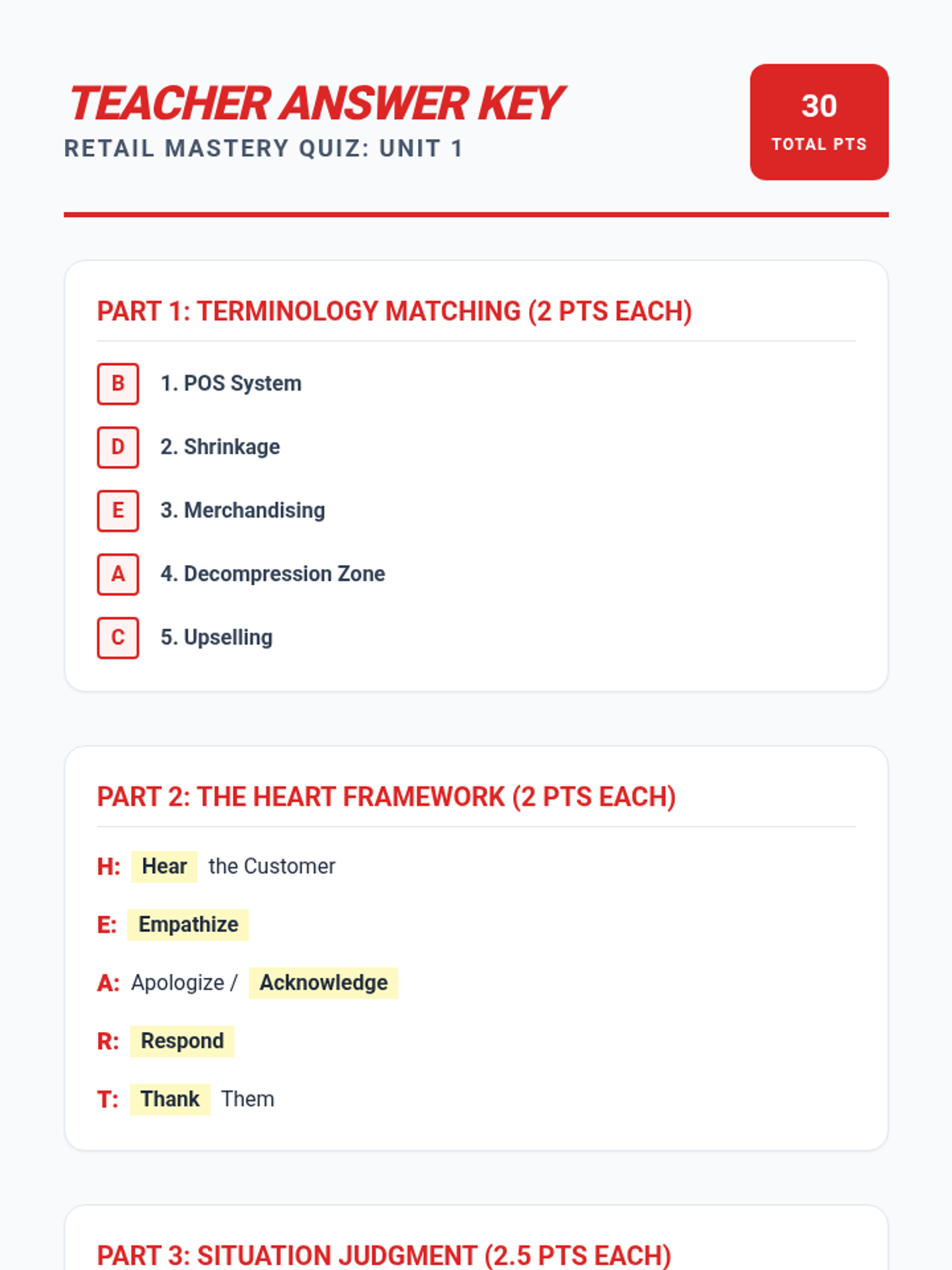
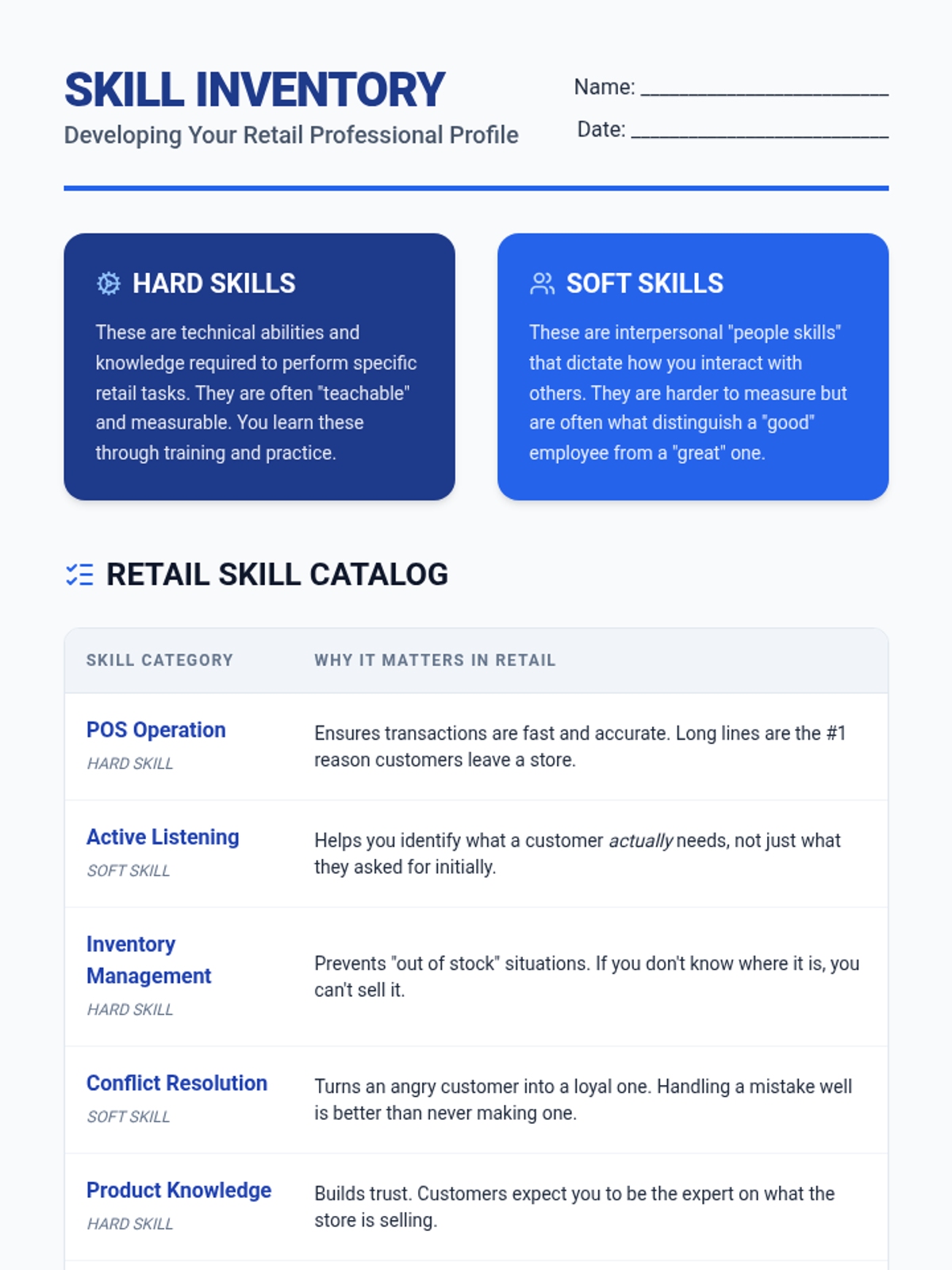
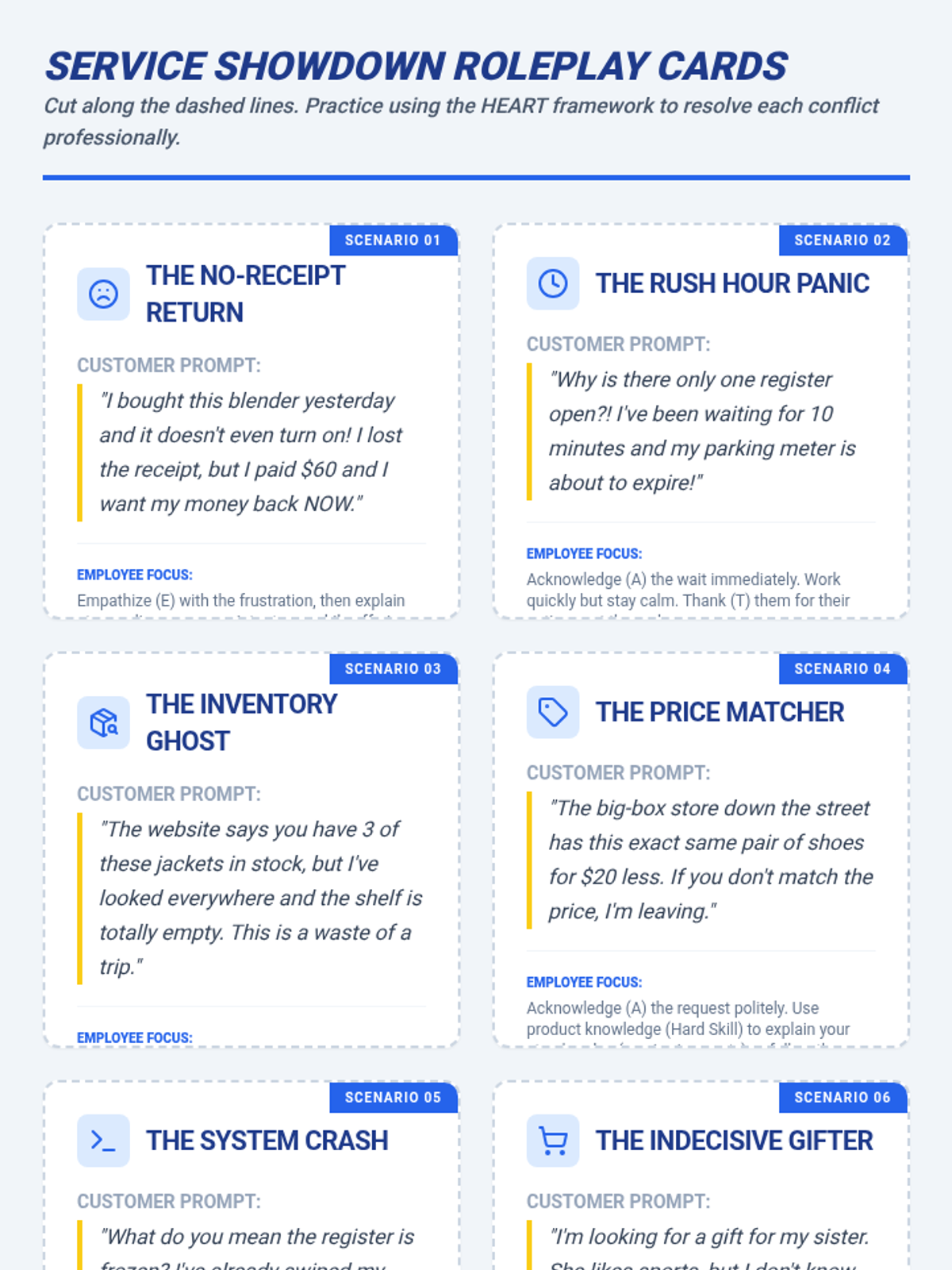
An introduction to the foundational skills of the retail industry, covering customer service techniques, cash handling, inventory management, and the professional communication required for successful sales.
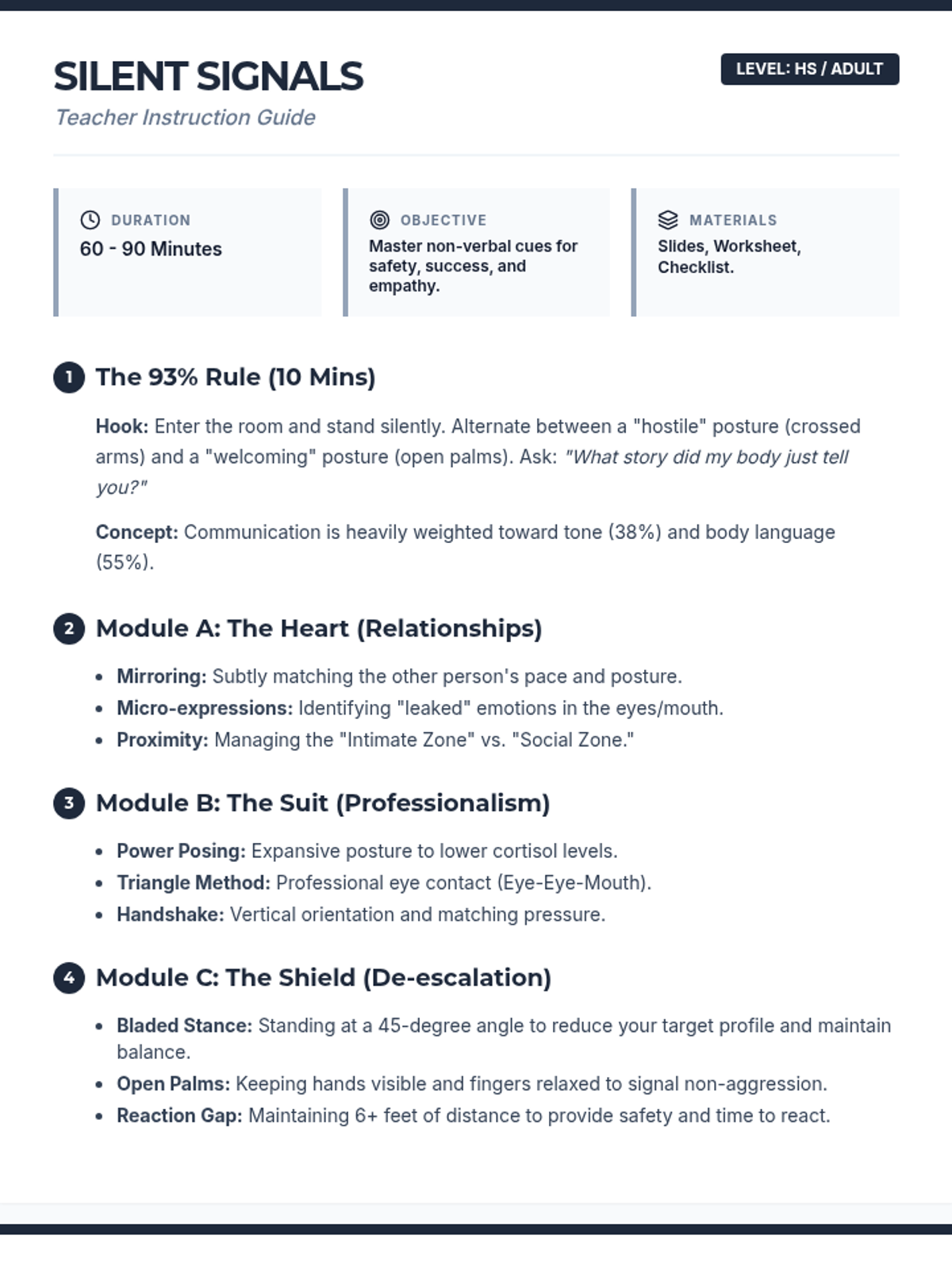
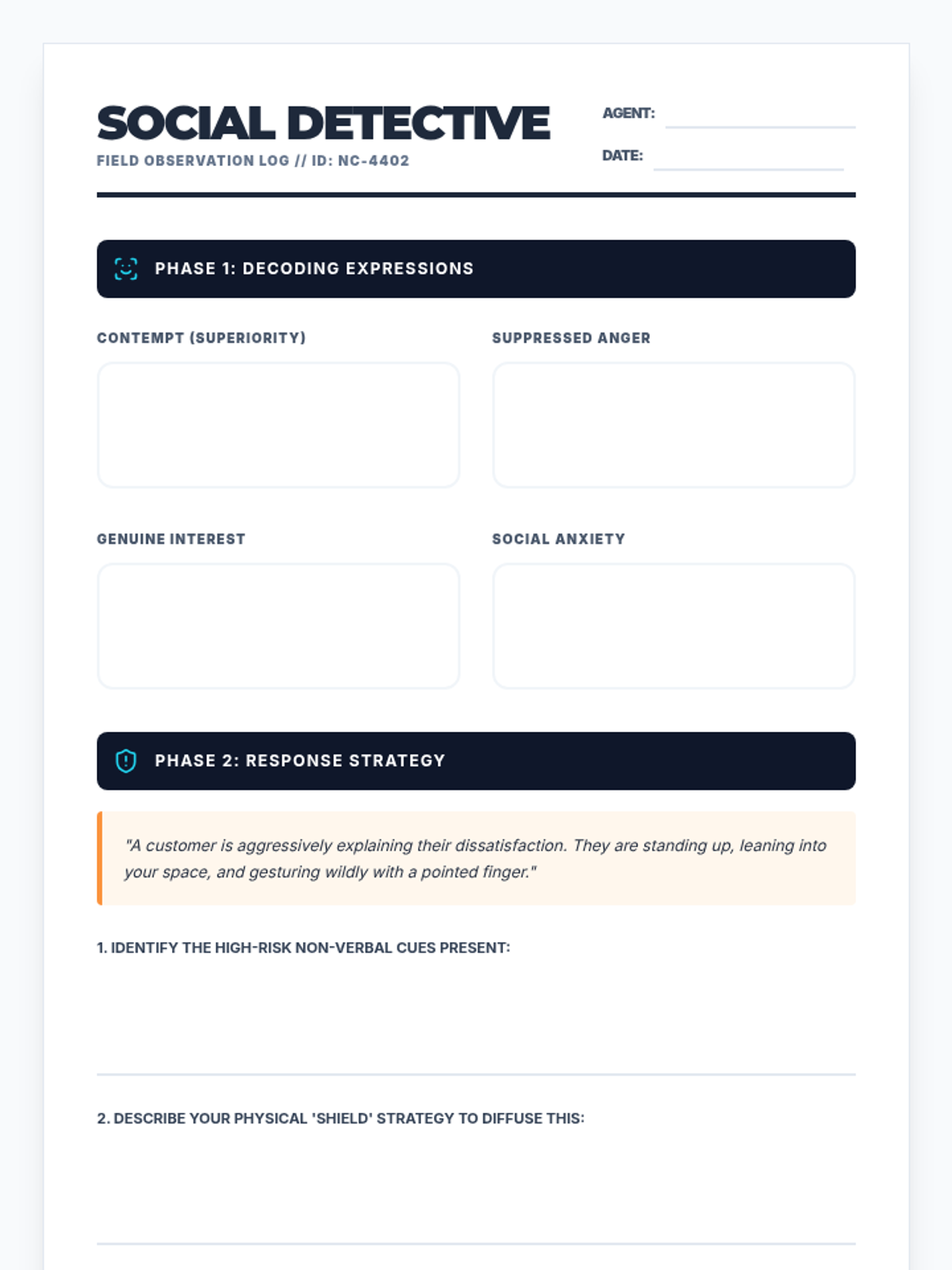
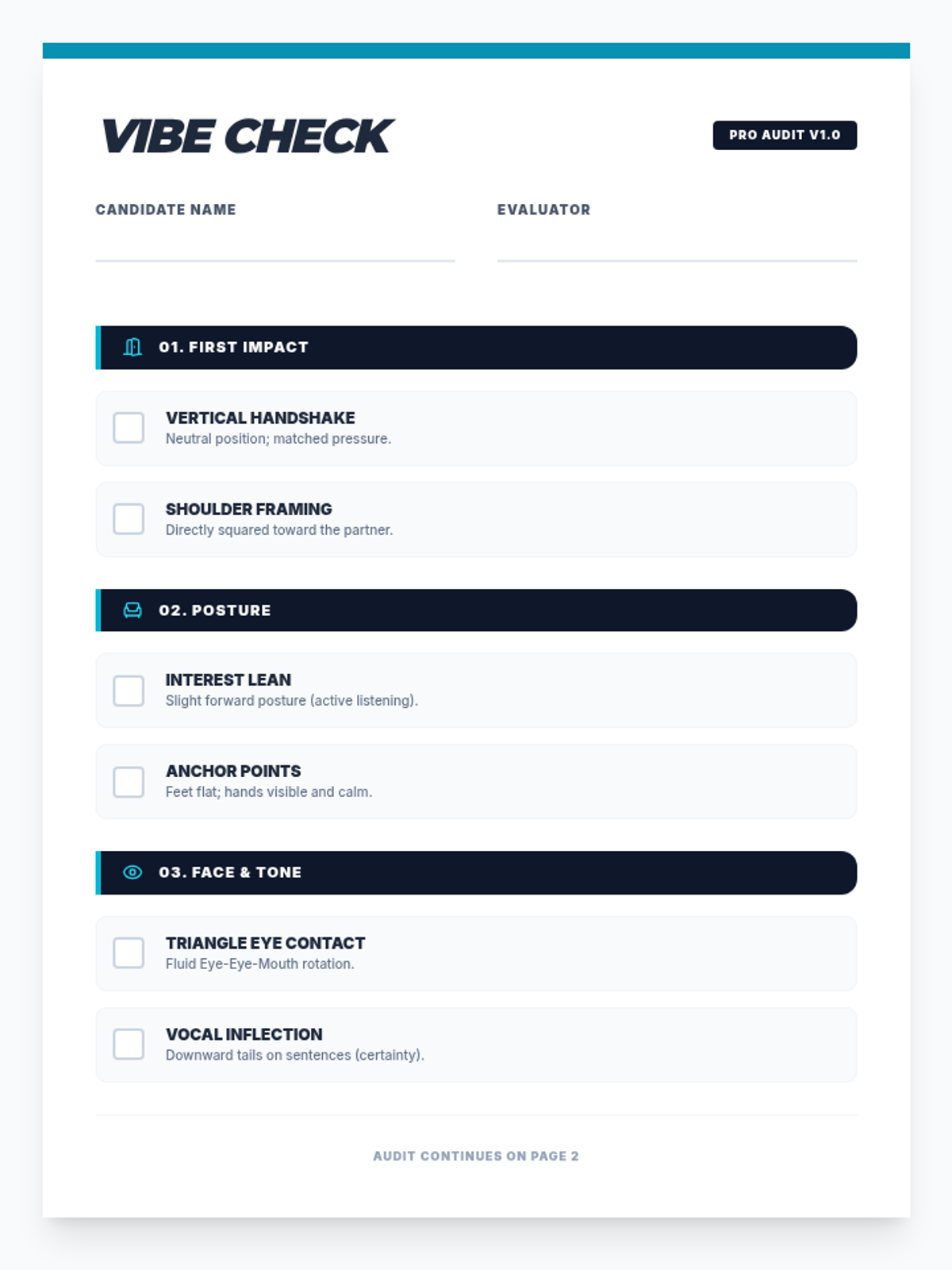
A comprehensive lesson on mastering non-verbal communication across interpersonal relationships, professional interviews, and high-stakes de-escalation scenarios. Students learn to decode 'silent signals' to improve empathy, professionalism, and safety.
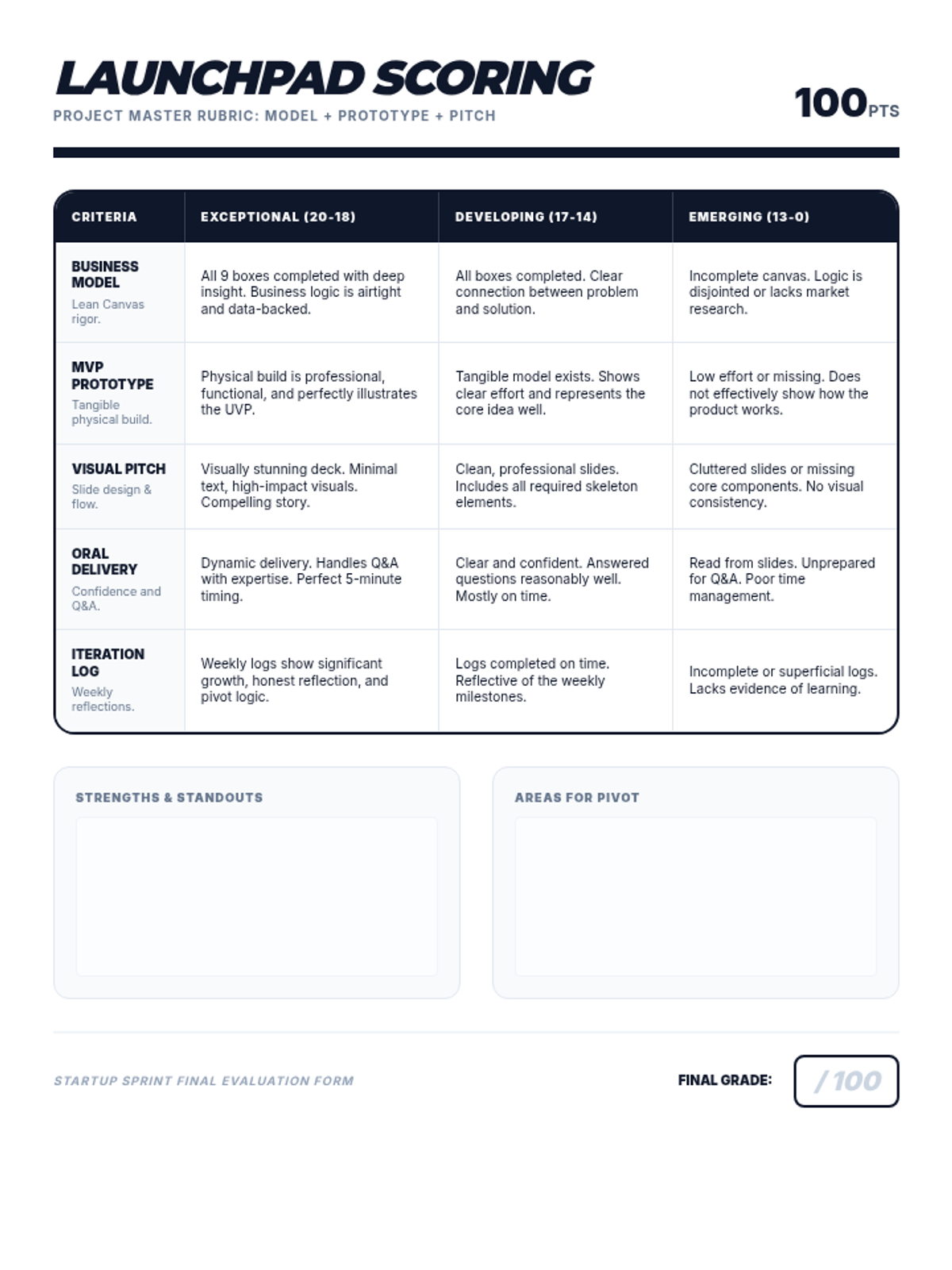
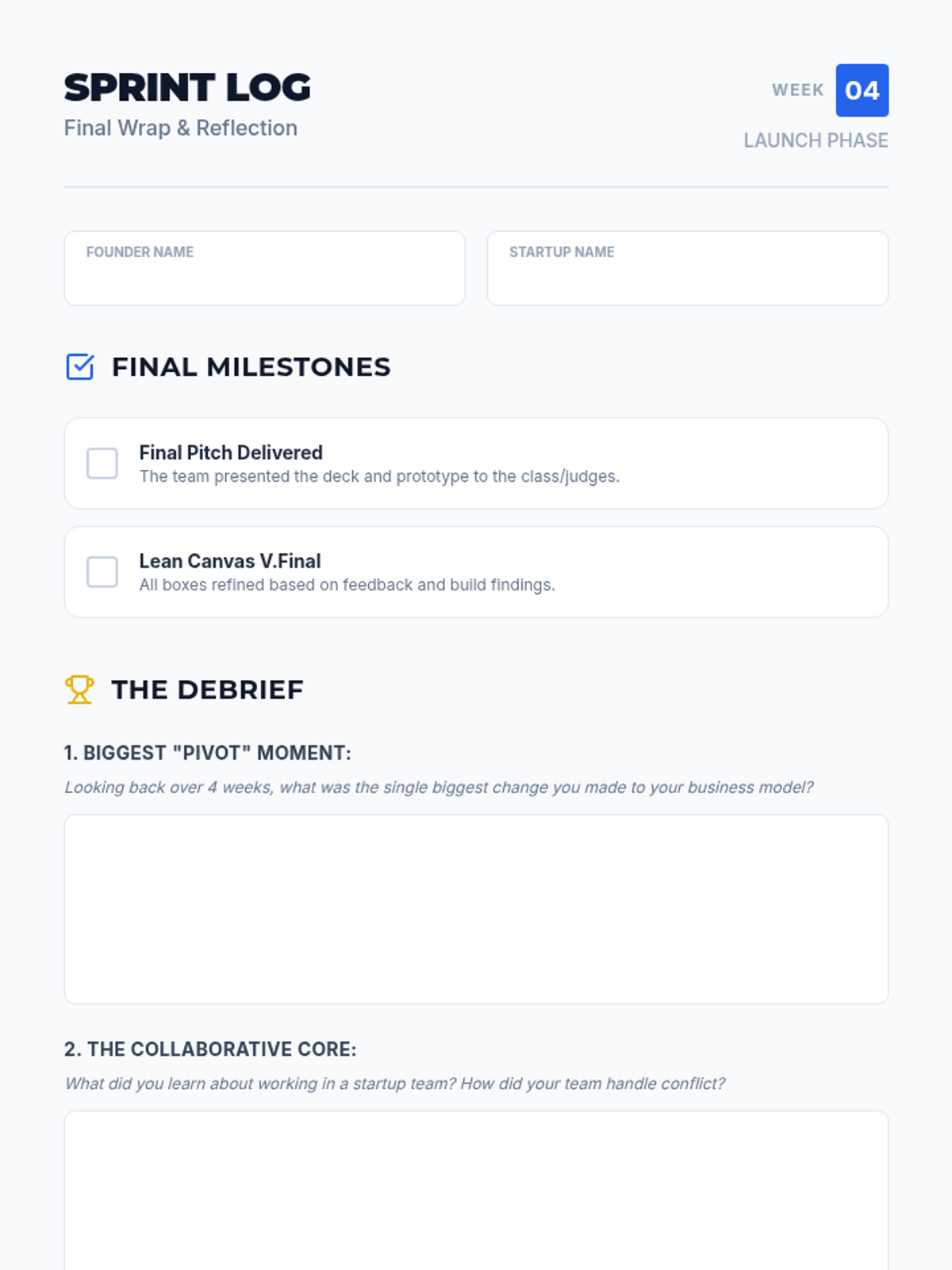
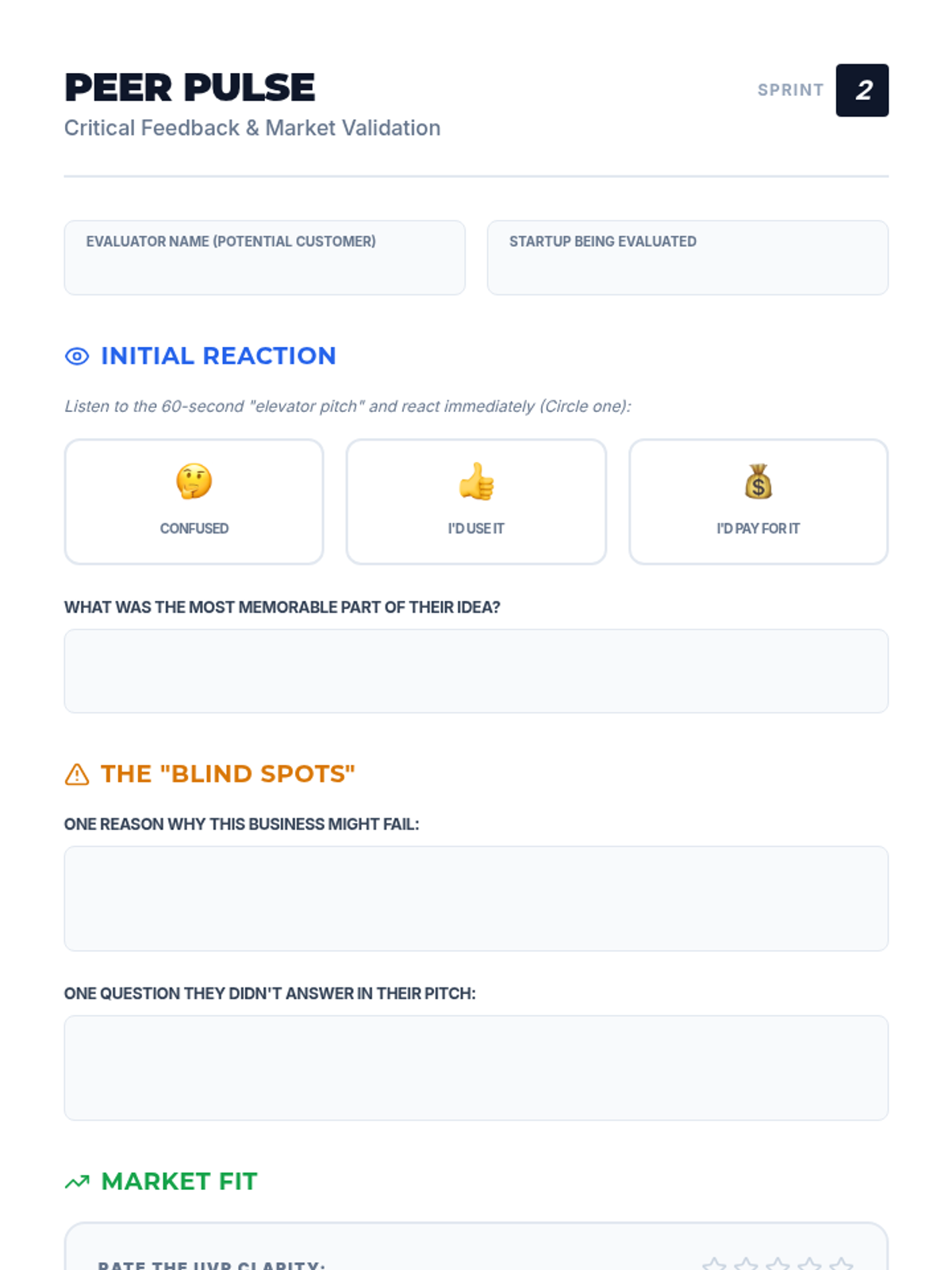
Final refinement of the business model and prototype, culminating in a professional pitch presentation and project reflection.
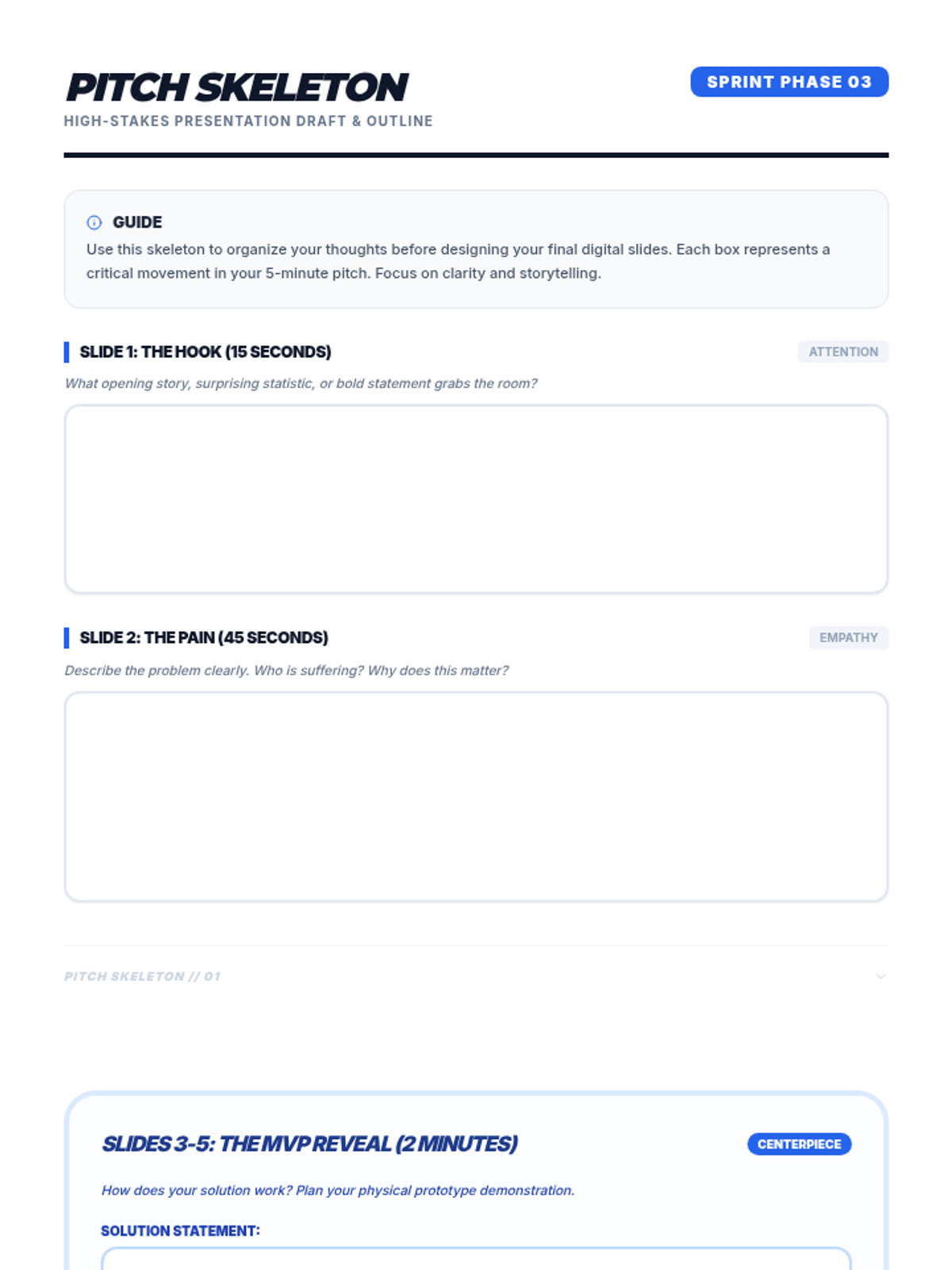
Focus on developing a tangible Minimum Viable Product (MVP) and drafting the initial pitch deck structure.
Deep dive into customer segments, marketing channels, and the financial foundations of the business model.
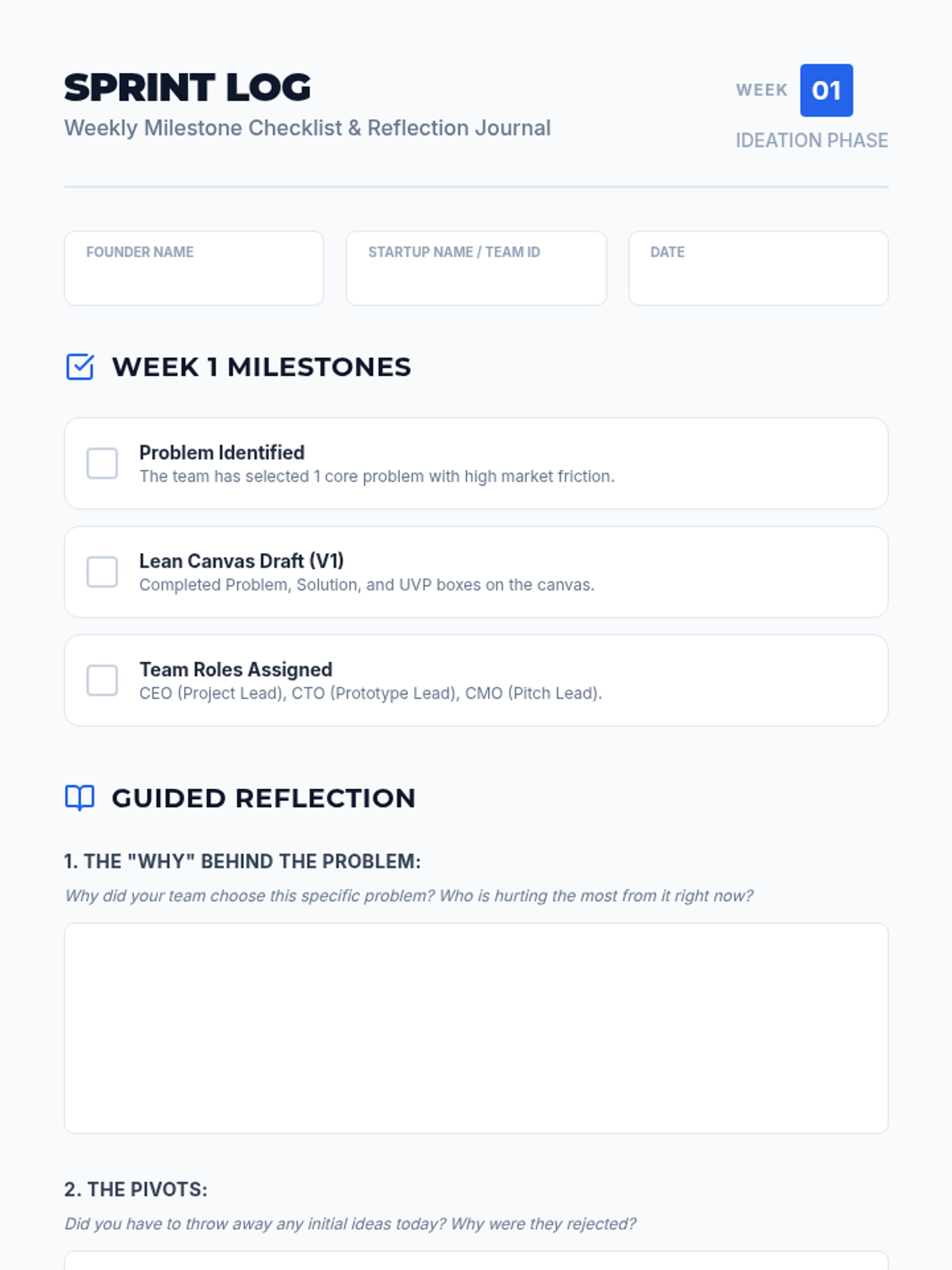
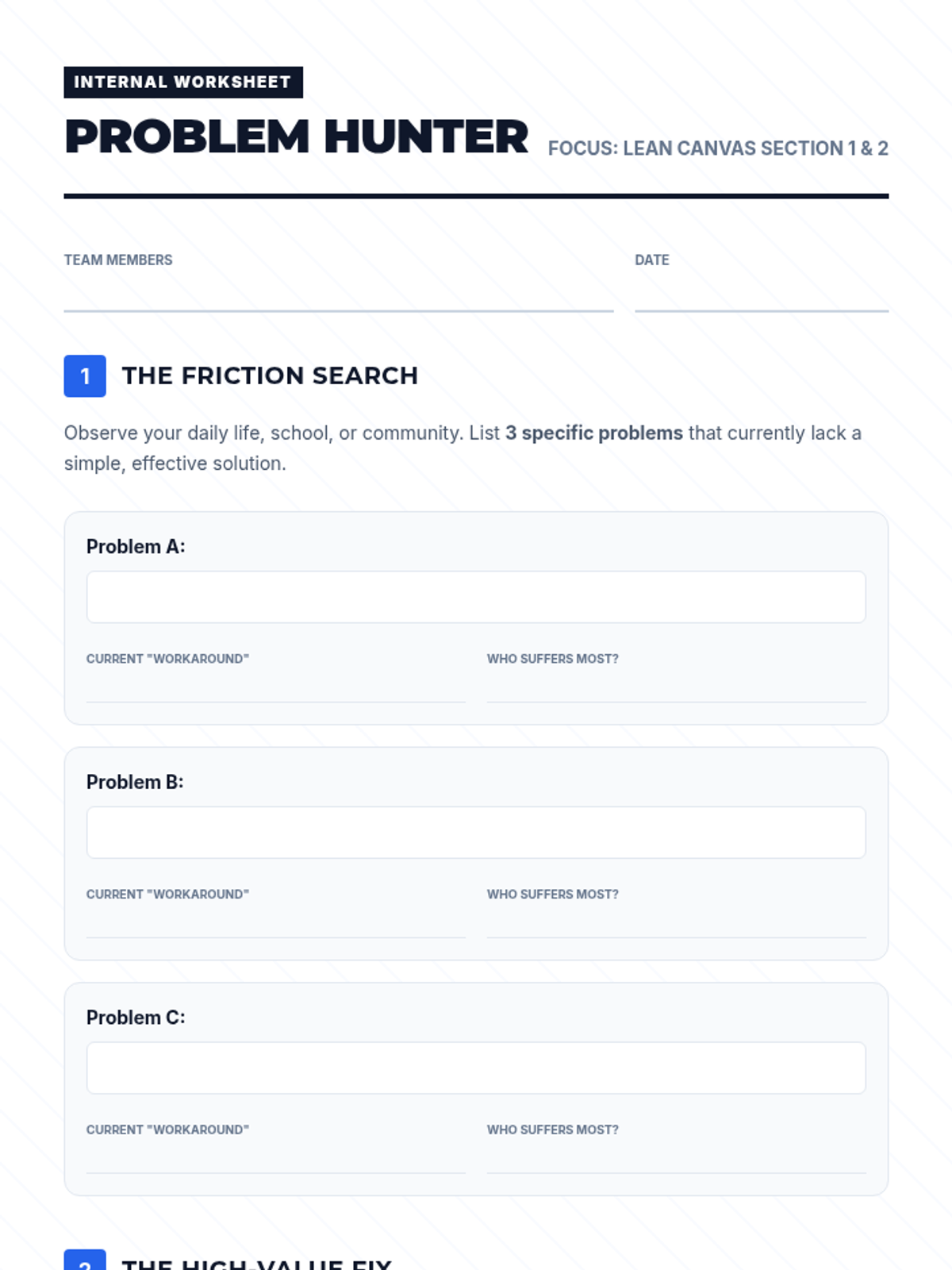
Introduction to the Lean Canvas, project expectations, and the ideation process focusing on identifying high-value problems and innovative solutions.
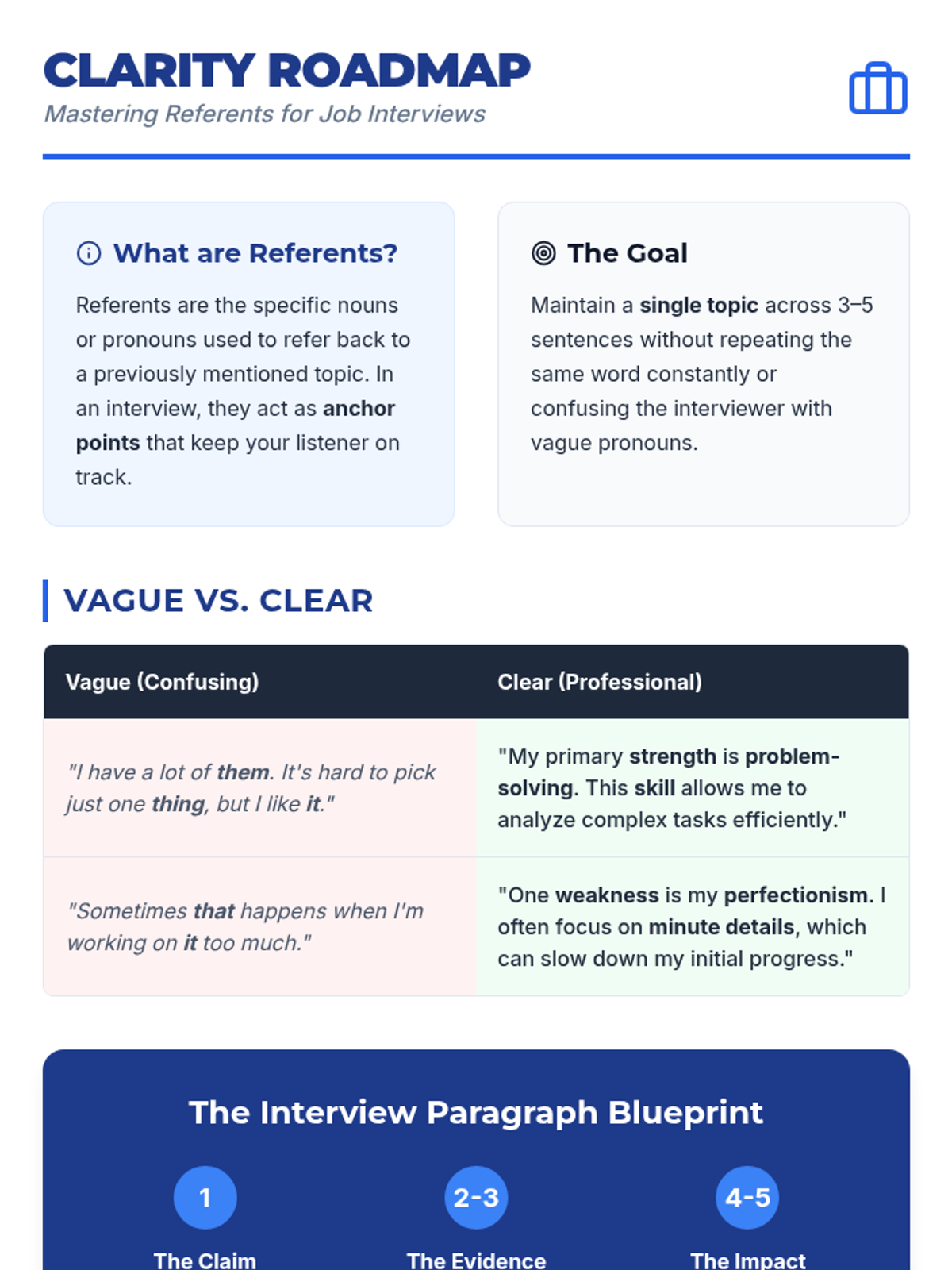
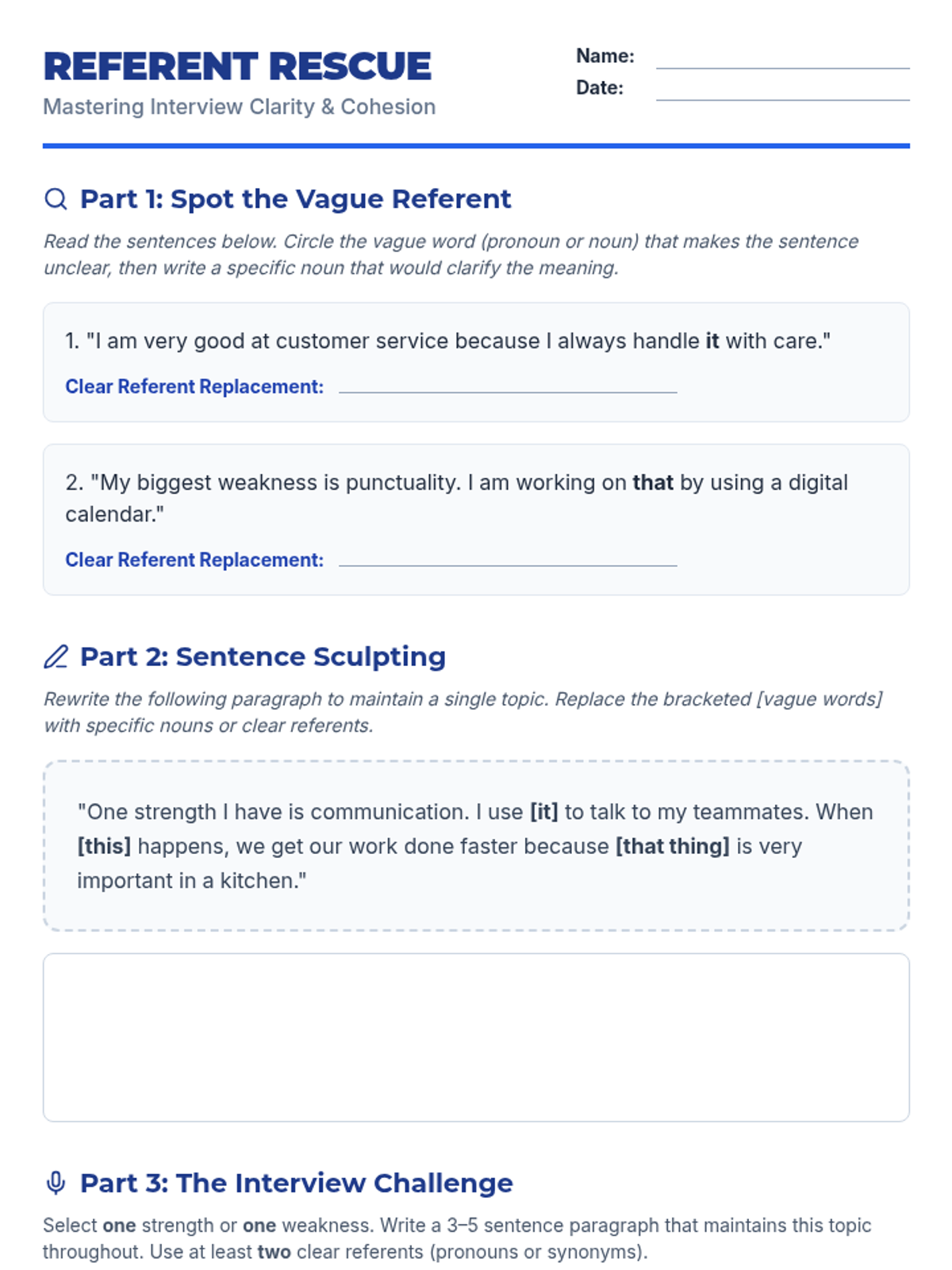
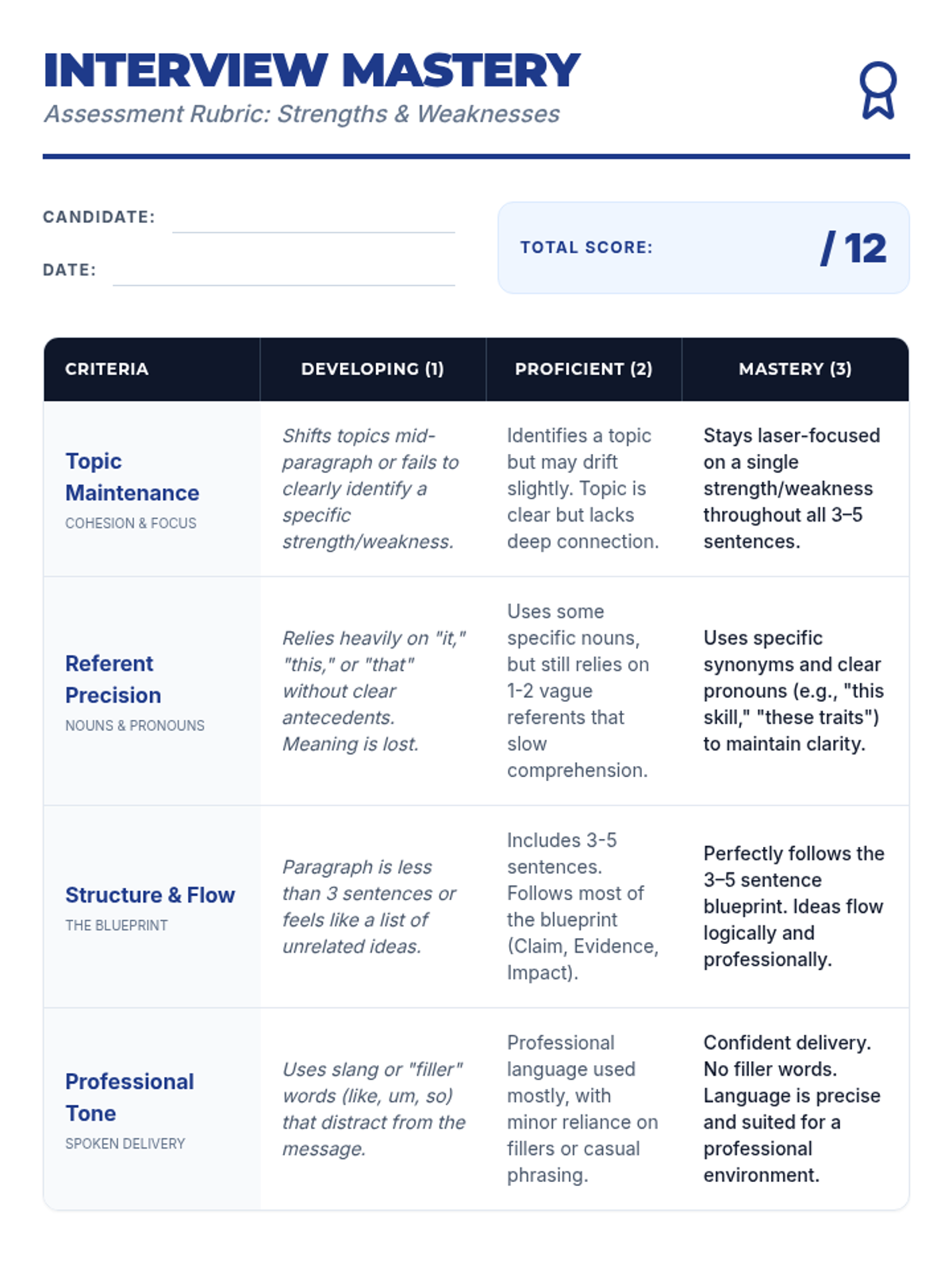
A lesson focused on mastering verbal communication for job interviews, specifically teaching students how to use clear referents to maintain topic cohesion when discussing their strengths and weaknesses.
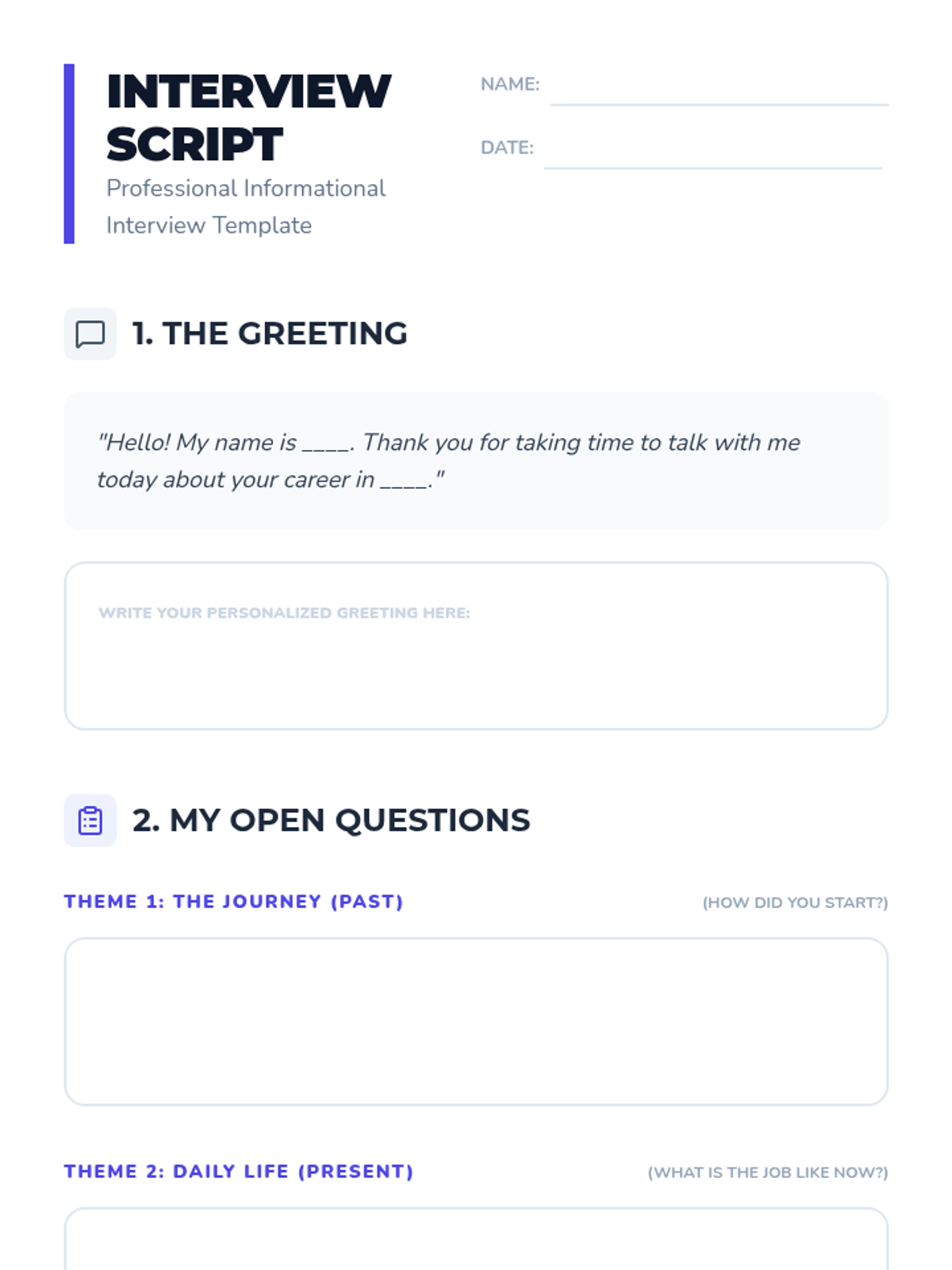
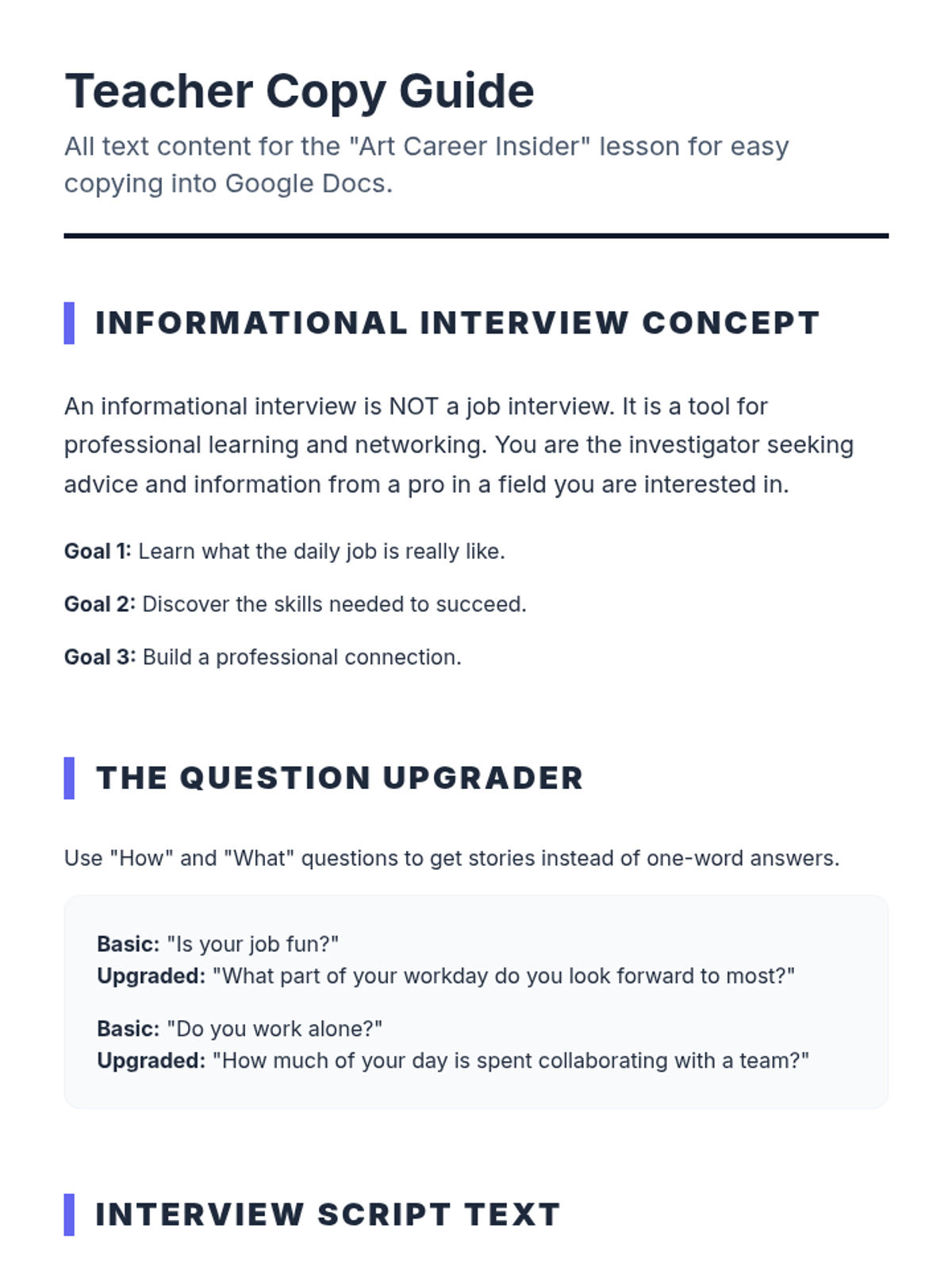
A lesson focused on functional communication skills for conducting informational interviews with creative professionals, specifically animators and tattoo artists. Students learn to draft open-ended questions and structure a professional conversation.
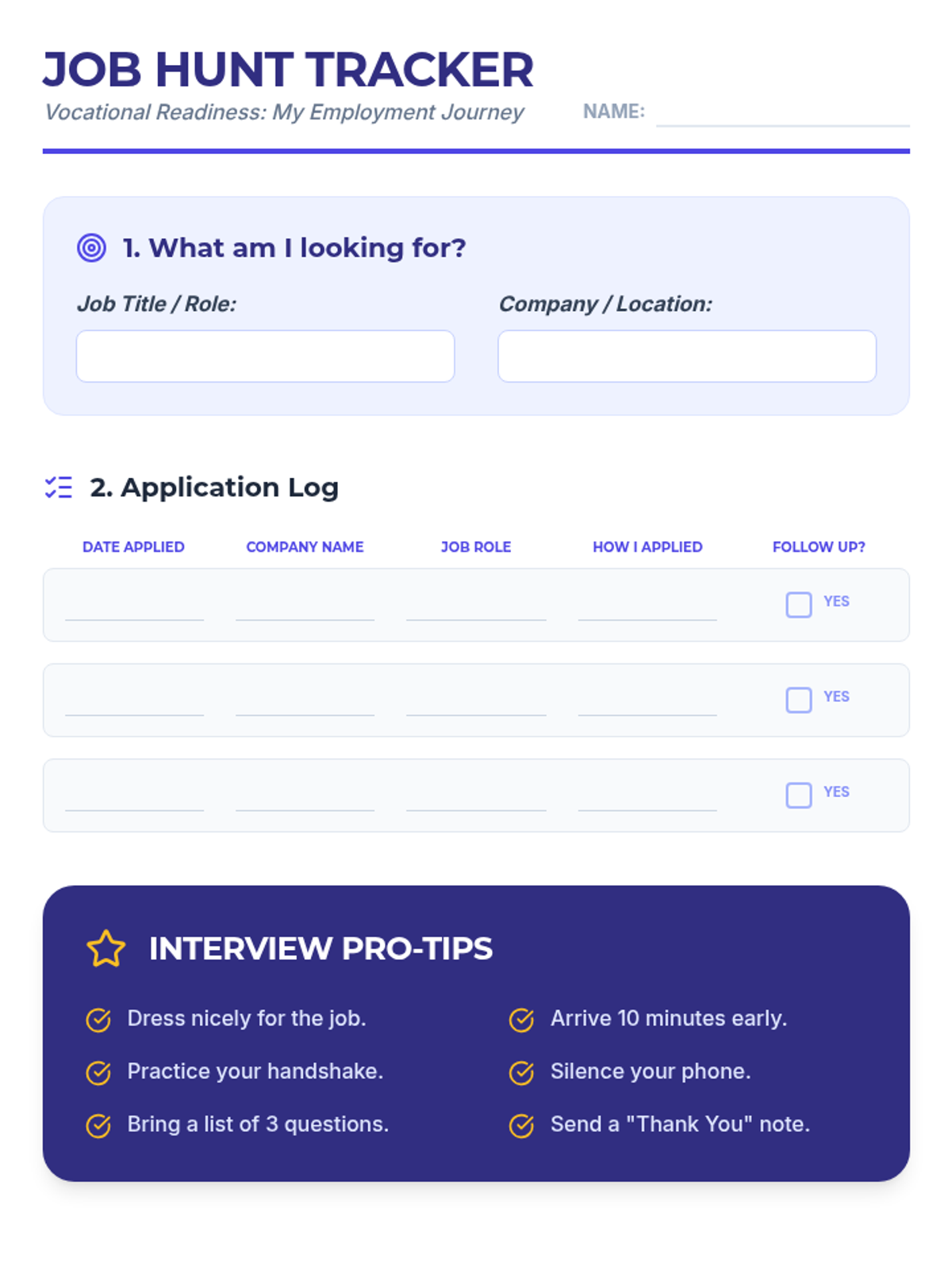
Building essential job-seeking skills, including application completion, interview preparation, and understanding job roles.
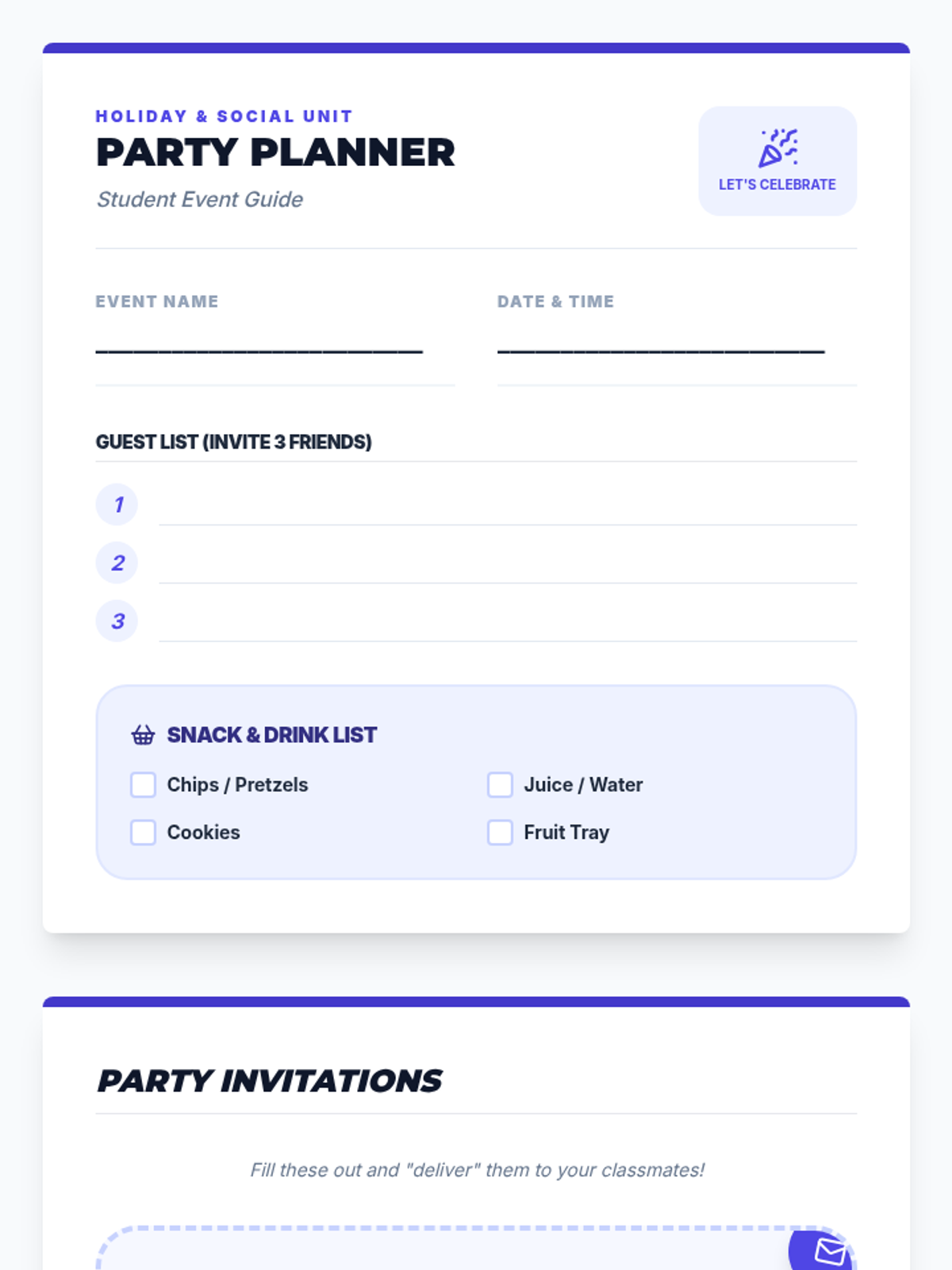
Planning social gatherings, managing invitations, and practicing etiquette for holiday and community events.
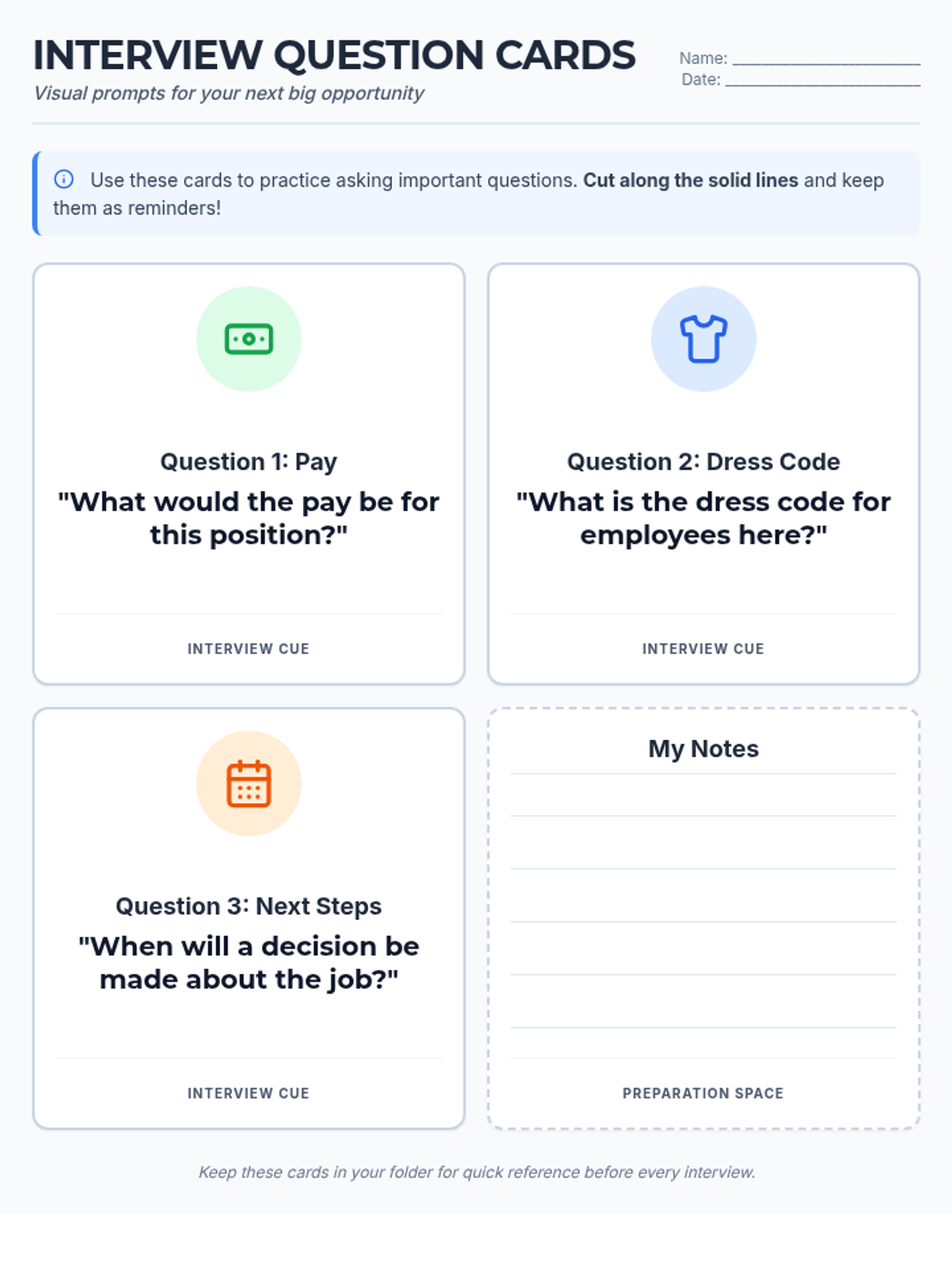
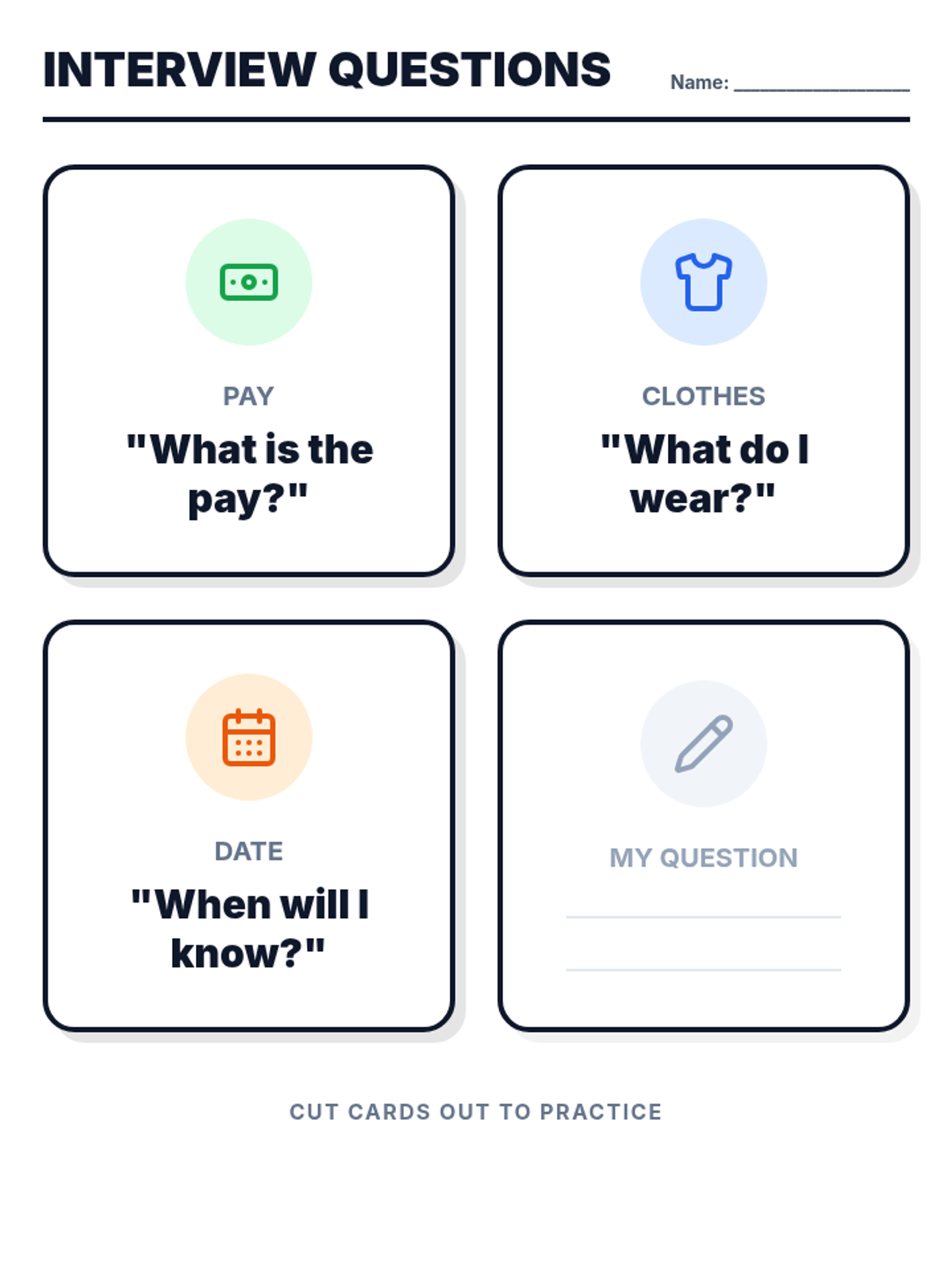
A visual guide and set of practice tools to help students master common job interview questions, focusing on pay, dress code, and next steps.
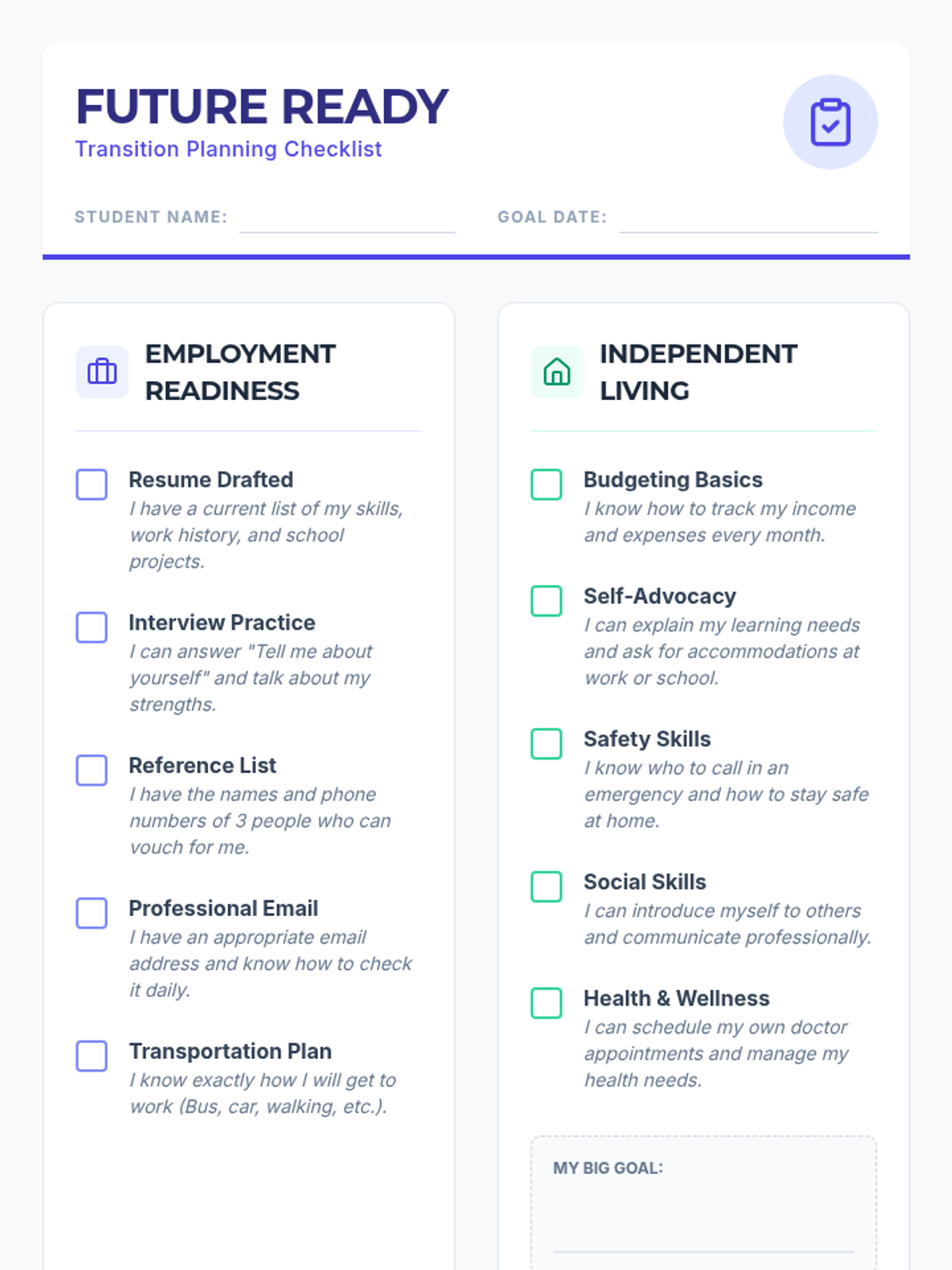
A collection of functional life skills resources designed for high school students transitioning to independence, focusing on budgeting, self-regulation, vocational readiness, and literacy.
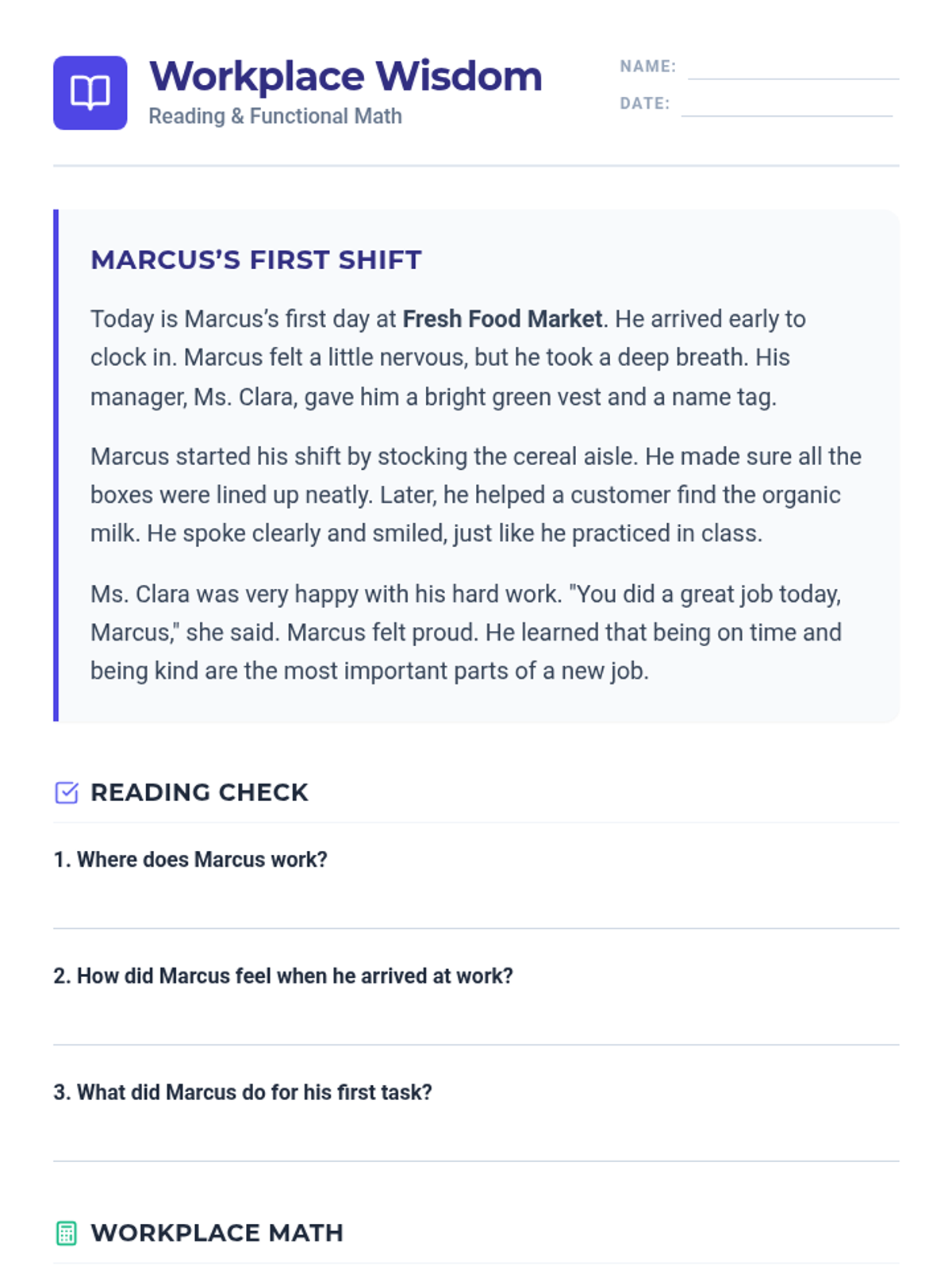
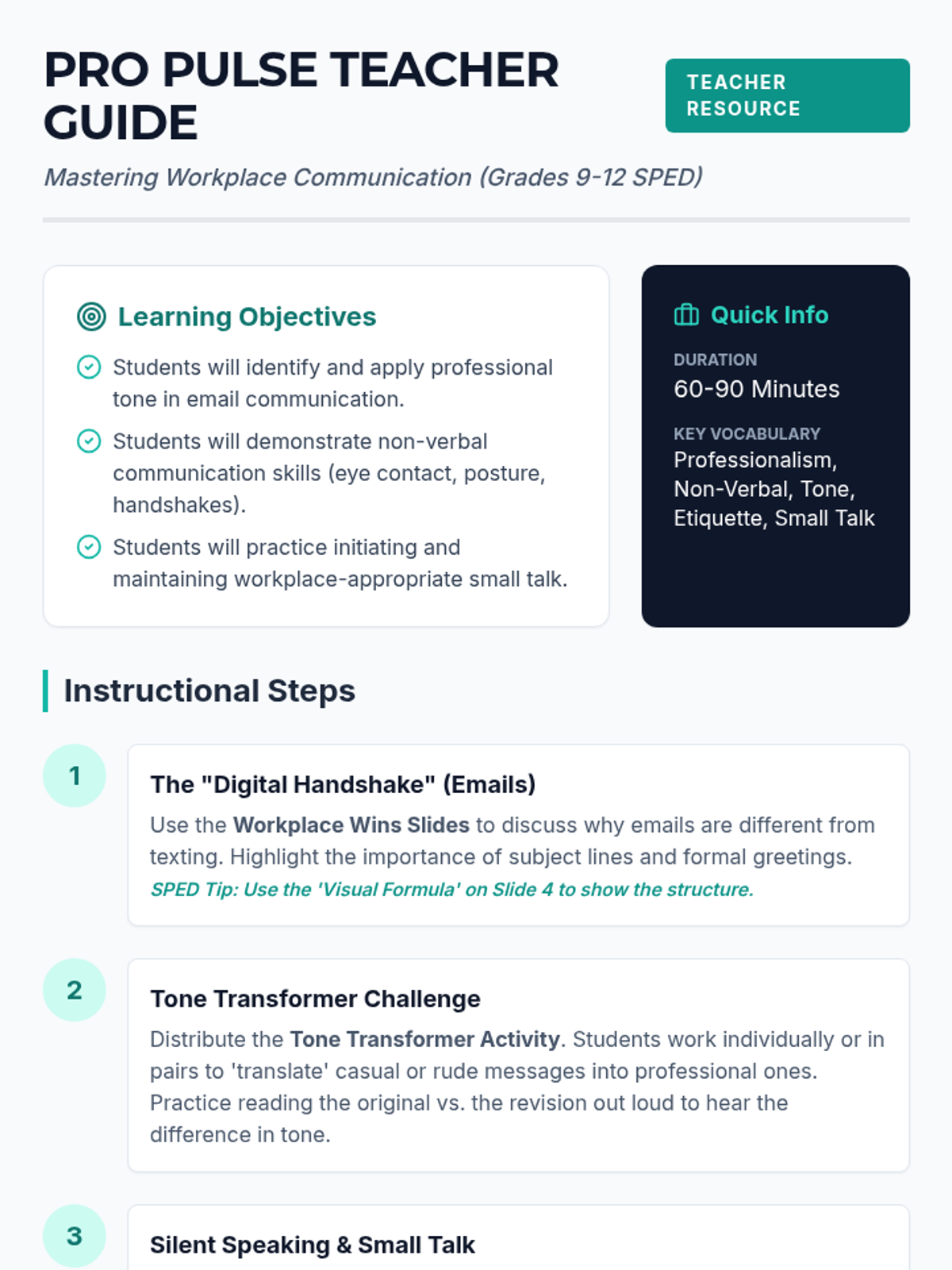
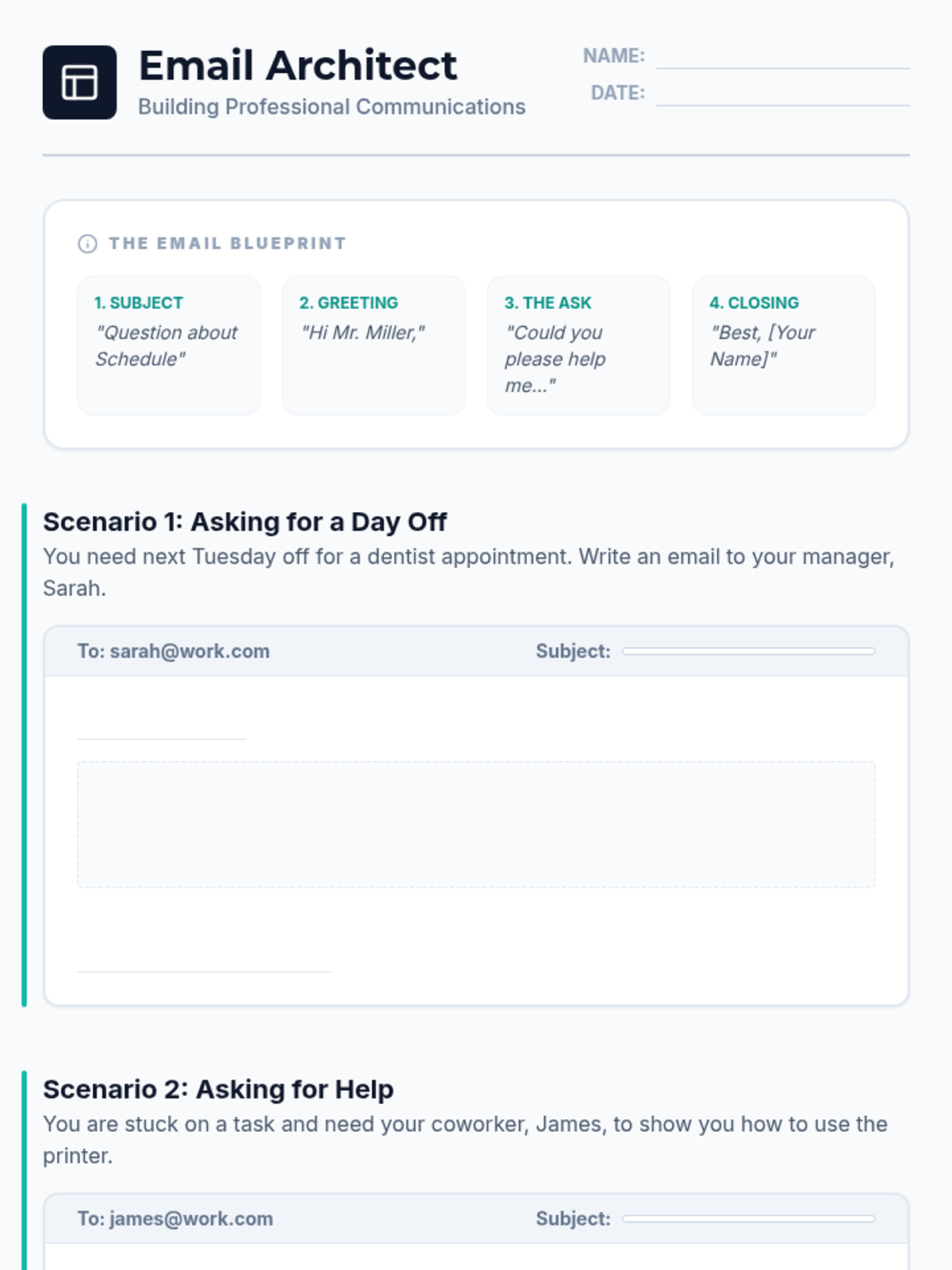
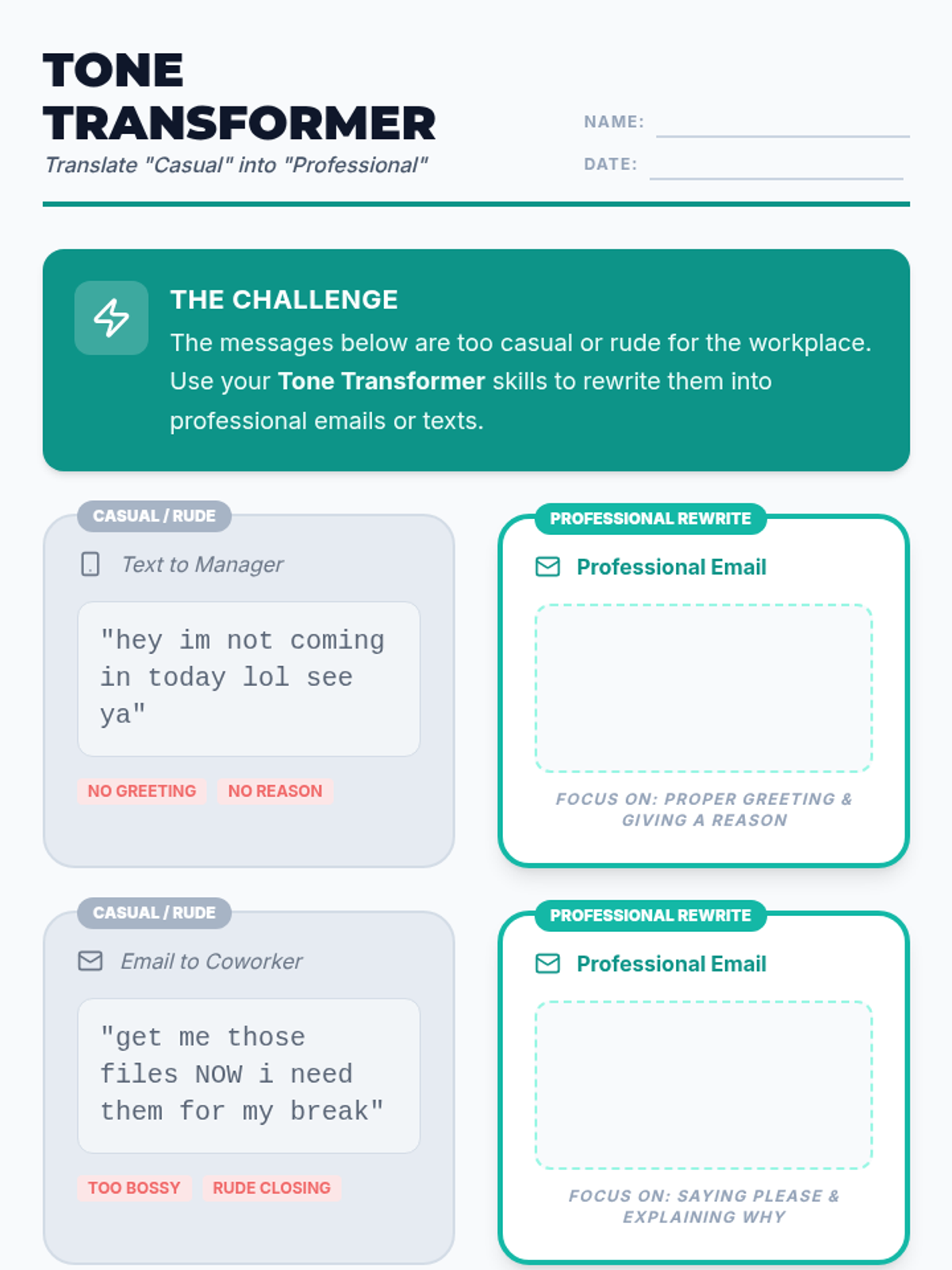
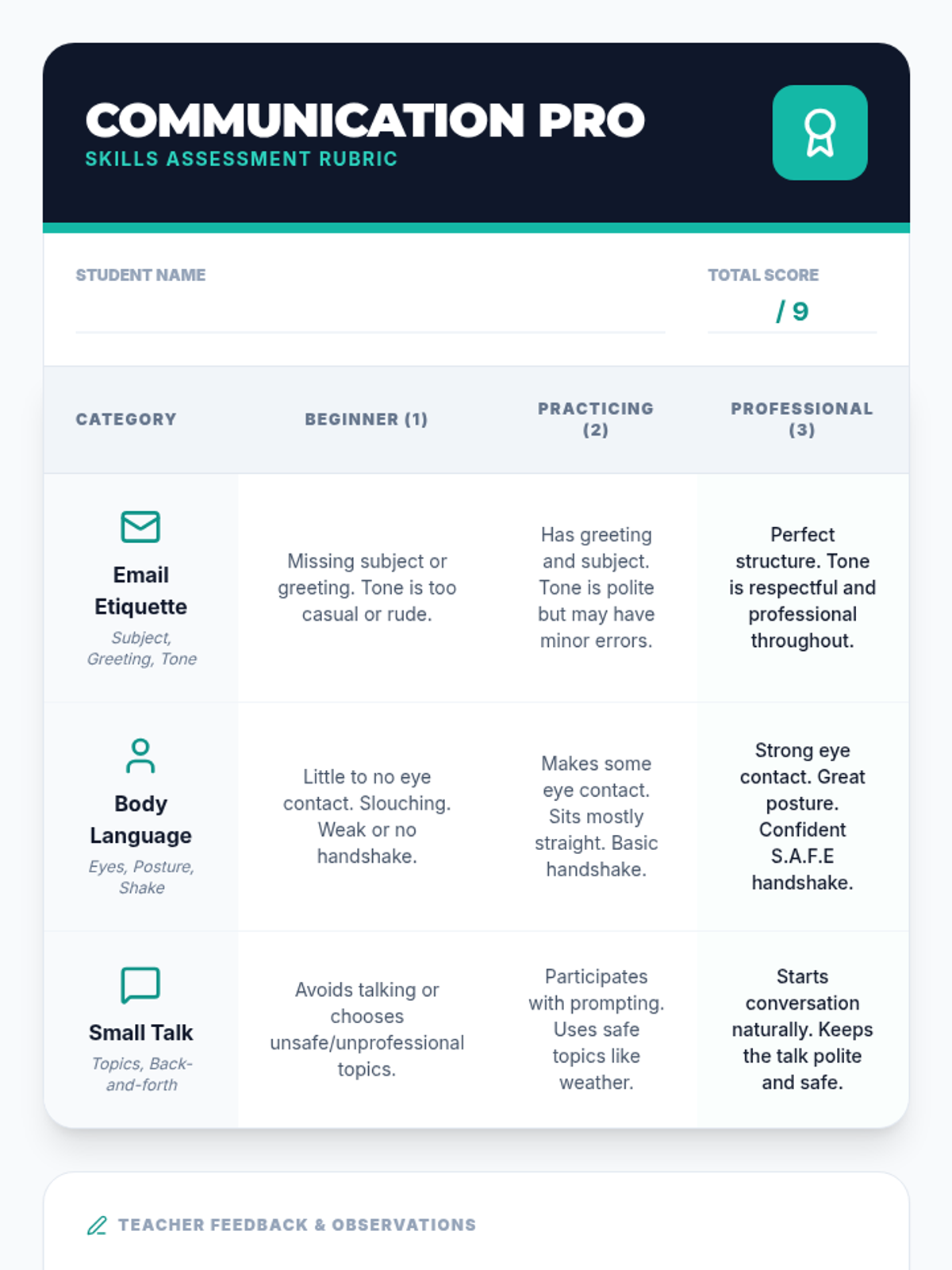
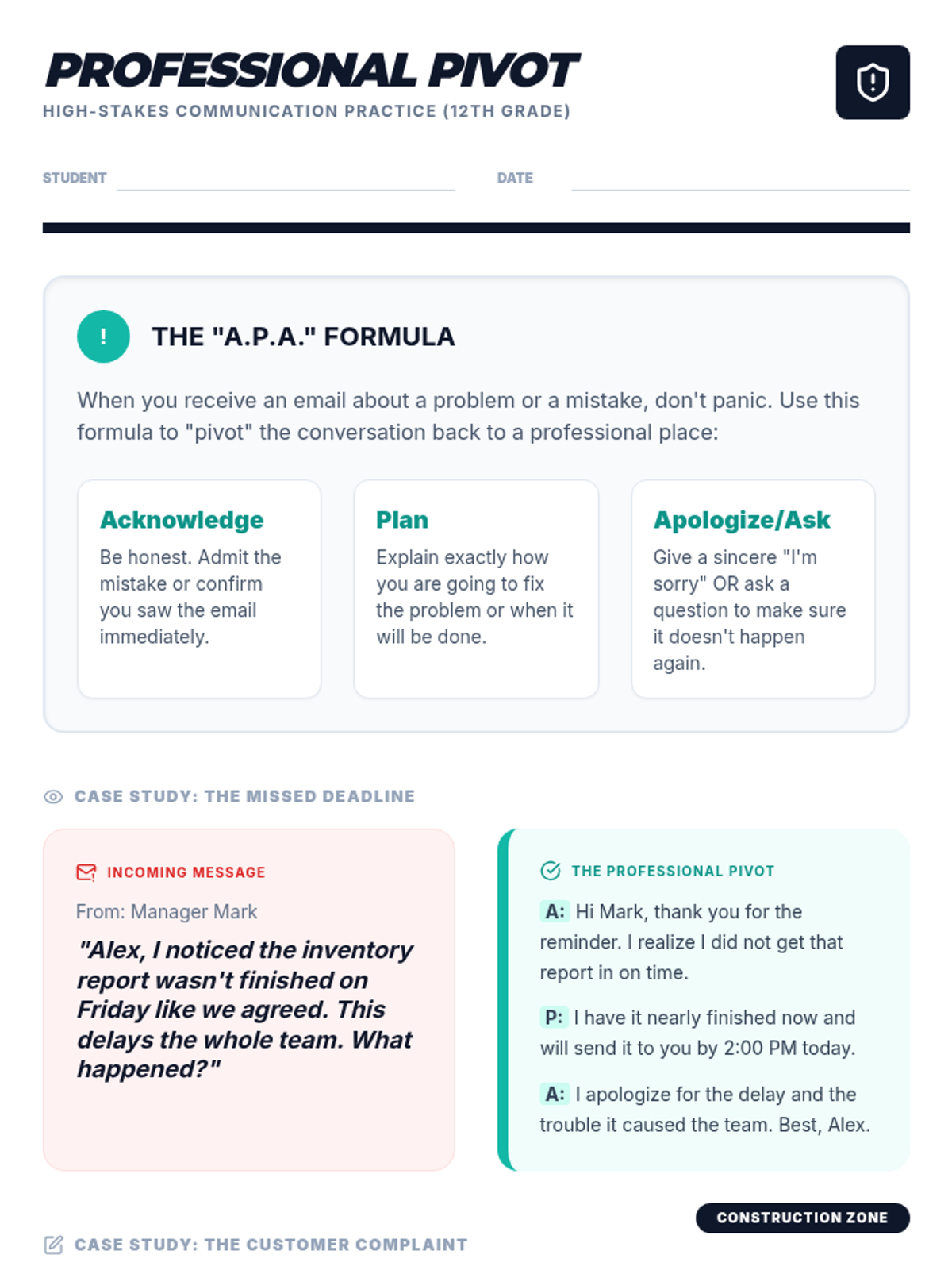
A comprehensive lesson for high school SPED students focusing on professional email etiquette, interview body language, and workplace small talk through hands-on practice.