Fundamental hardware proficiency, secure online behavior, and ethical social media engagement. Equips learners with productivity tool mastery, web publishing skills, and critical evaluation of emerging technologies.
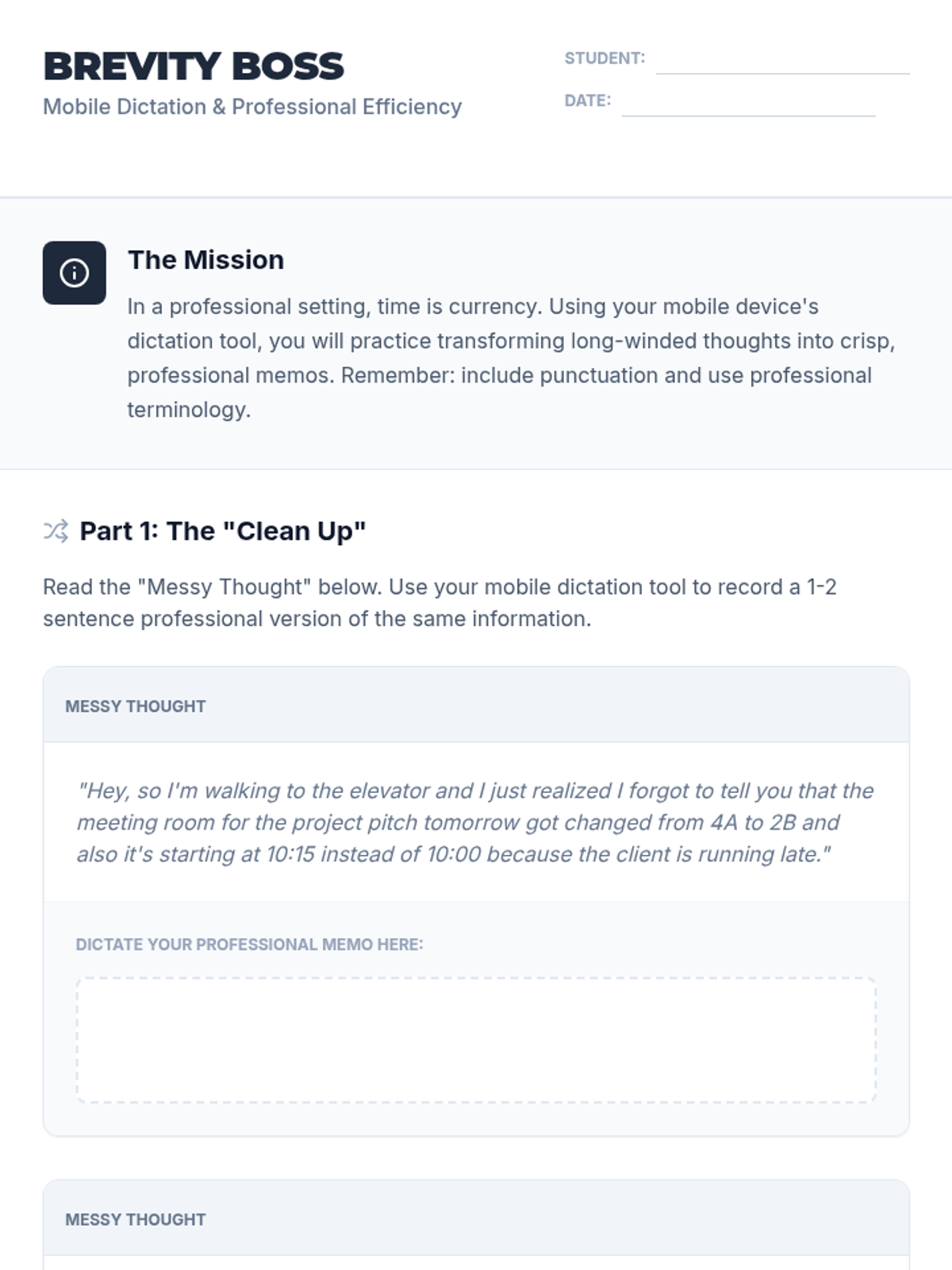
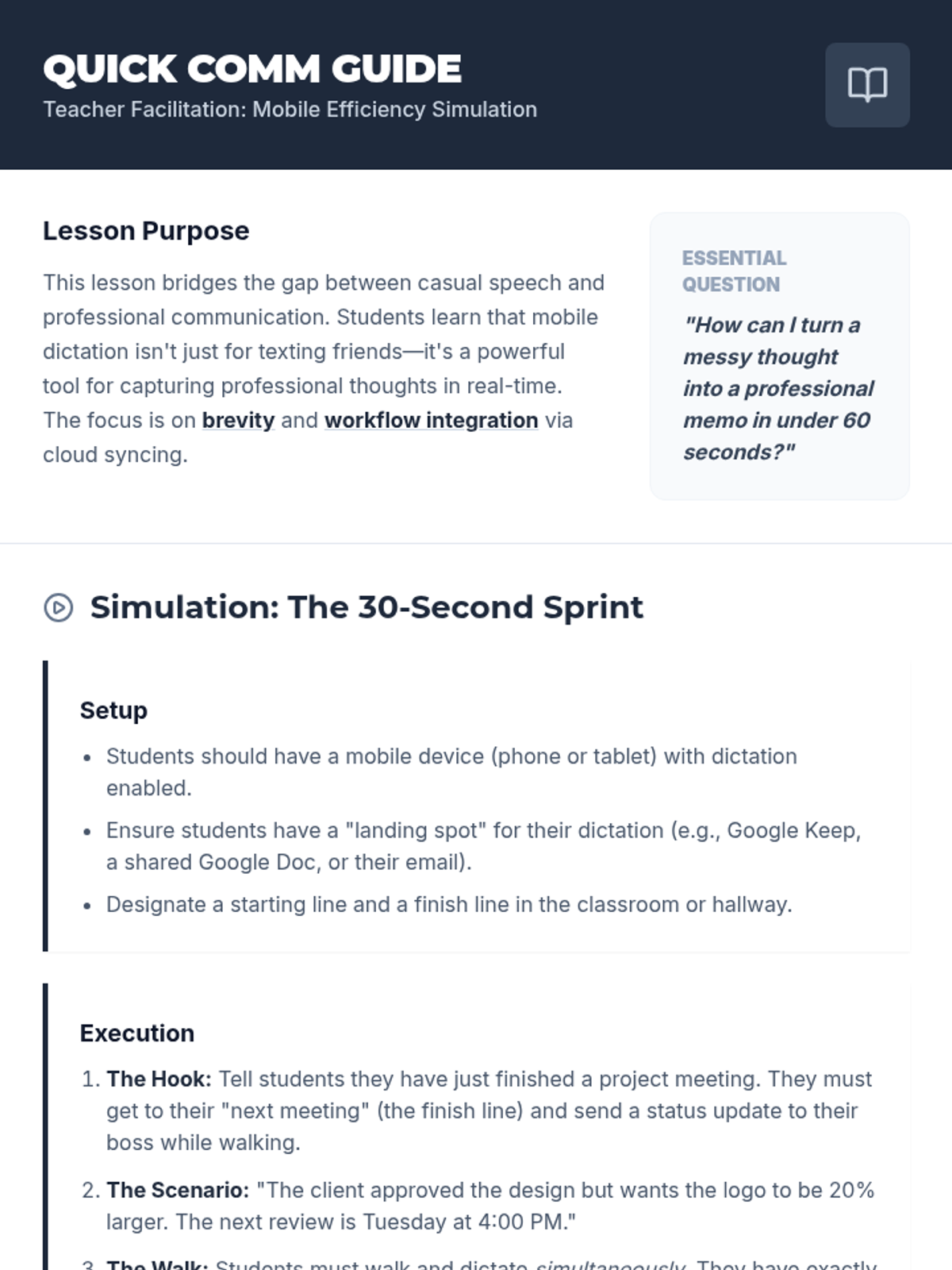
This sequence prepares 11th-grade students to use speech recognition dictation in professional and higher education settings. It focuses on workplace efficiency, professional tone, social awareness in shared spaces, self-advocacy for accommodations under the ADA, and technical troubleshooting to foster independence.
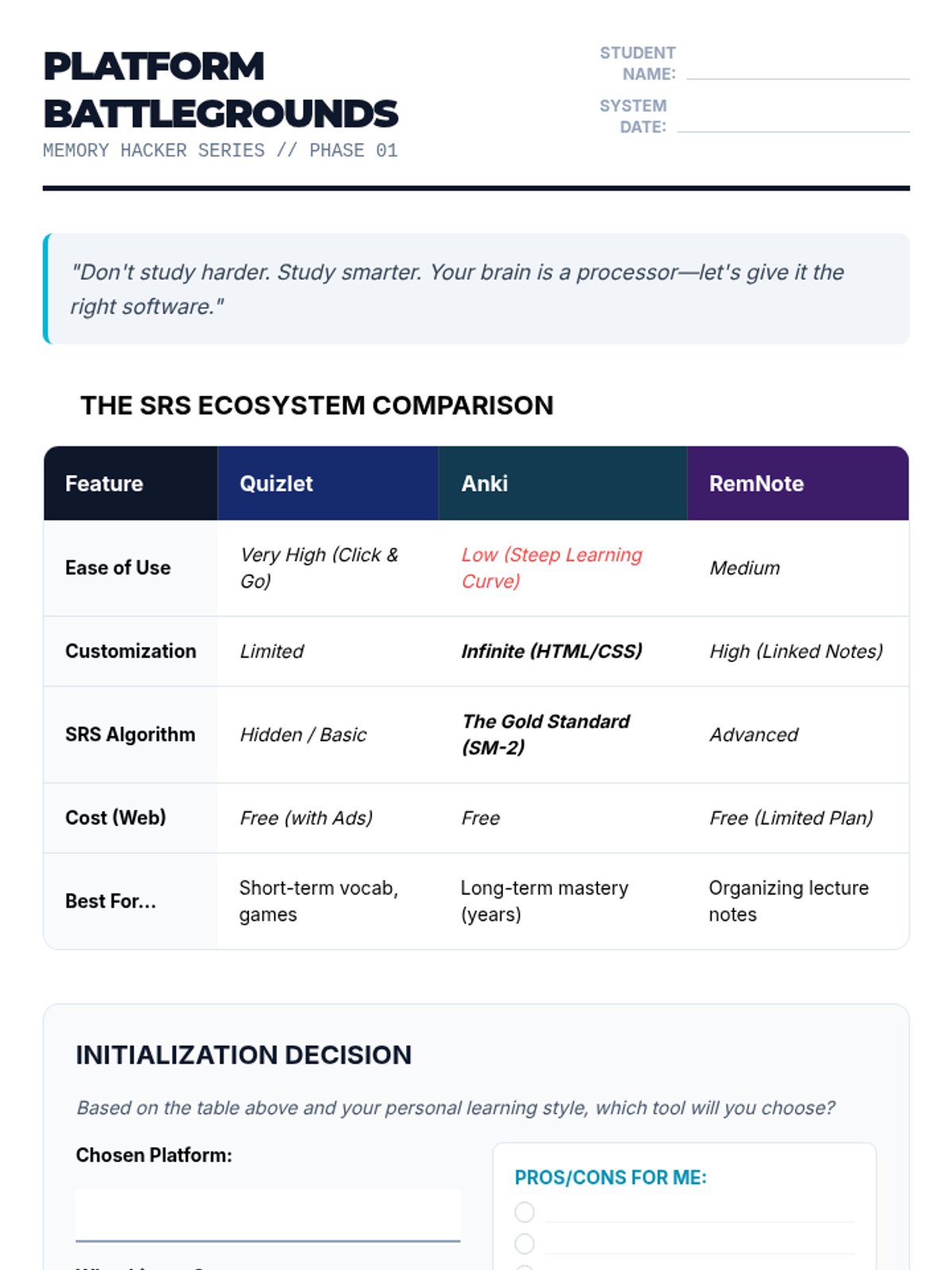
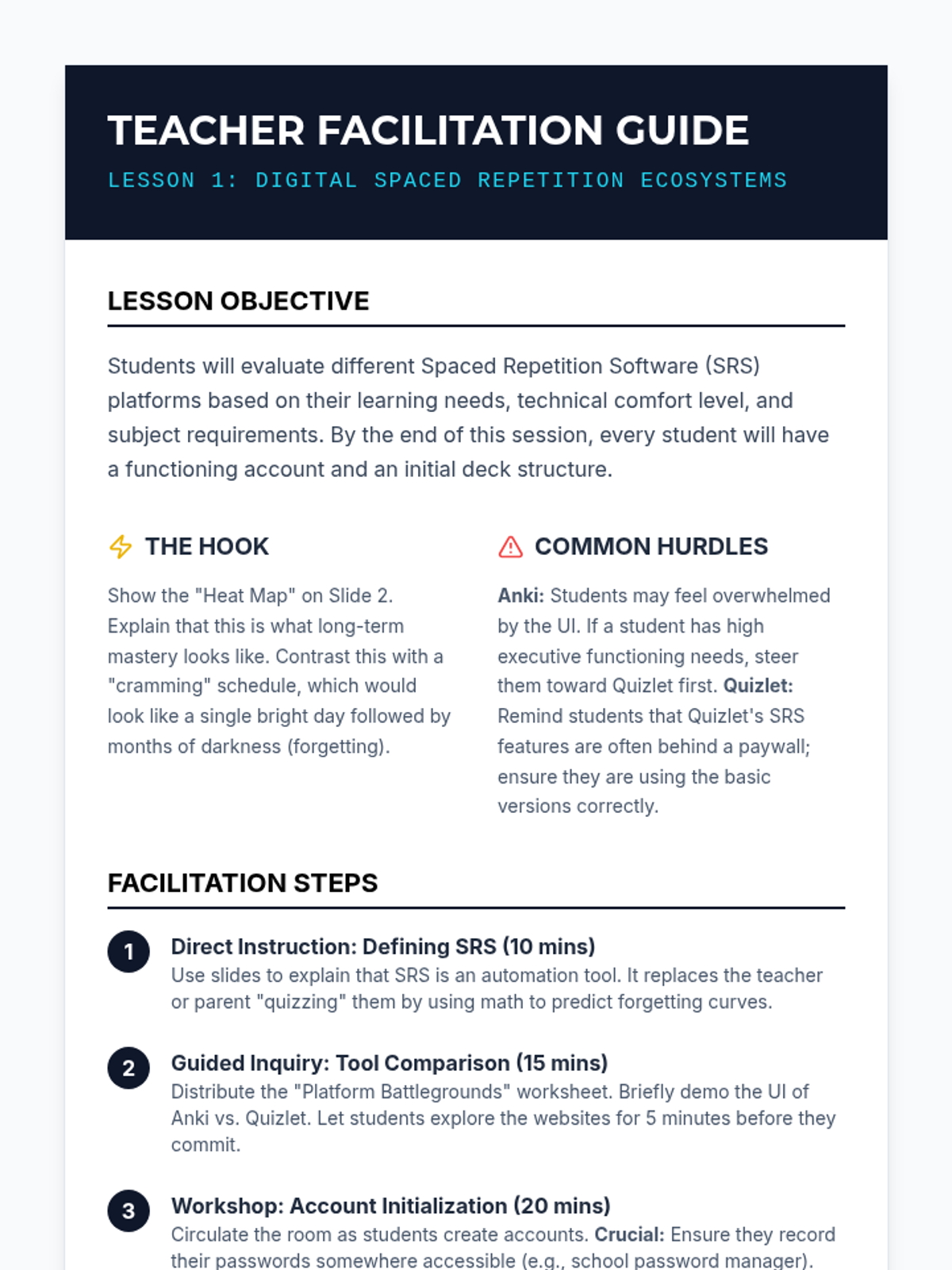
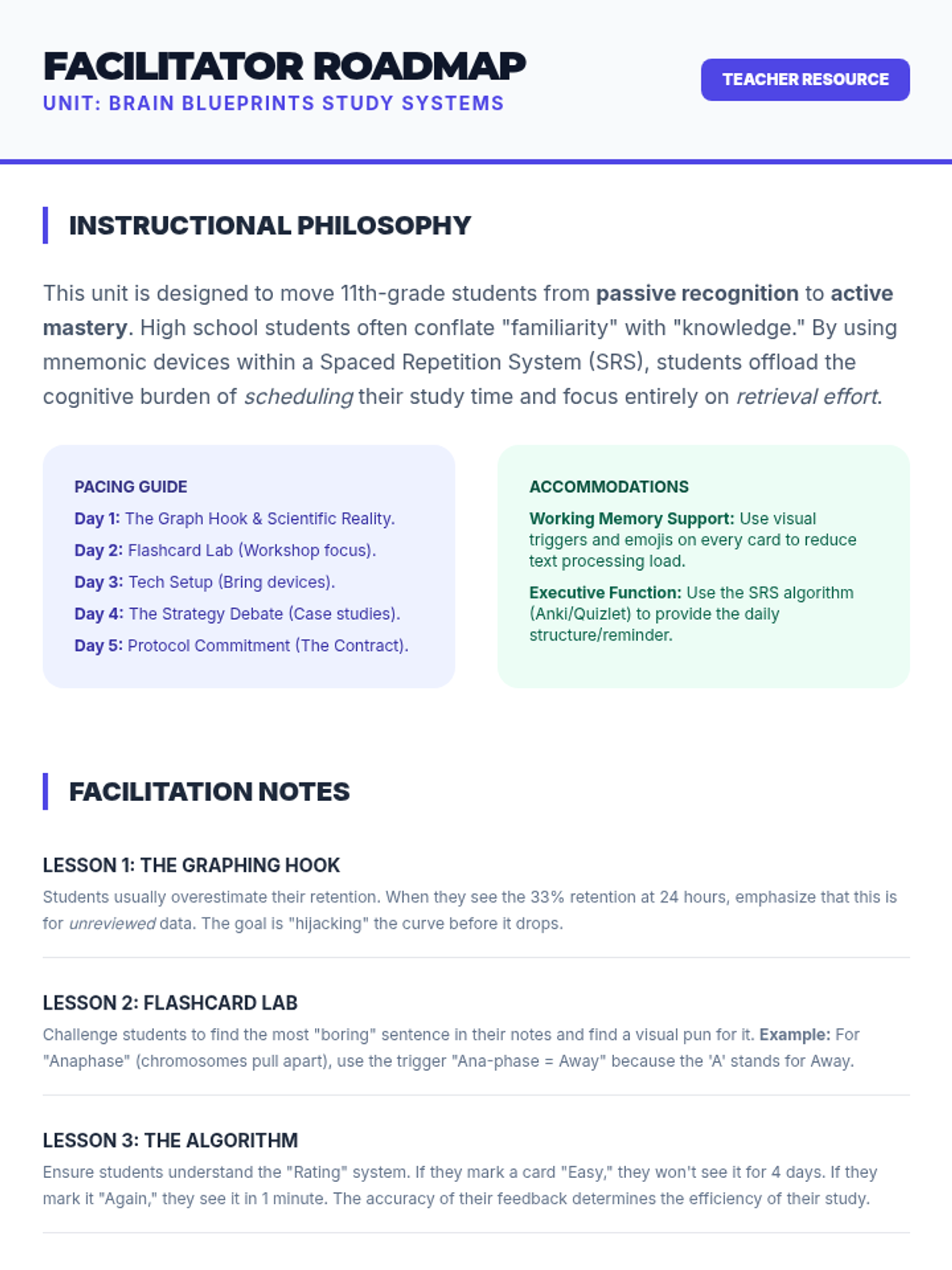
A comprehensive sequence for 11th-grade students with executive function challenges, focusing on automating study schedules using digital spaced repetition software. Students learn to set up systems, create multimodal digital decks, interpret learning analytics, and personalize algorithms for their unique processing speeds.
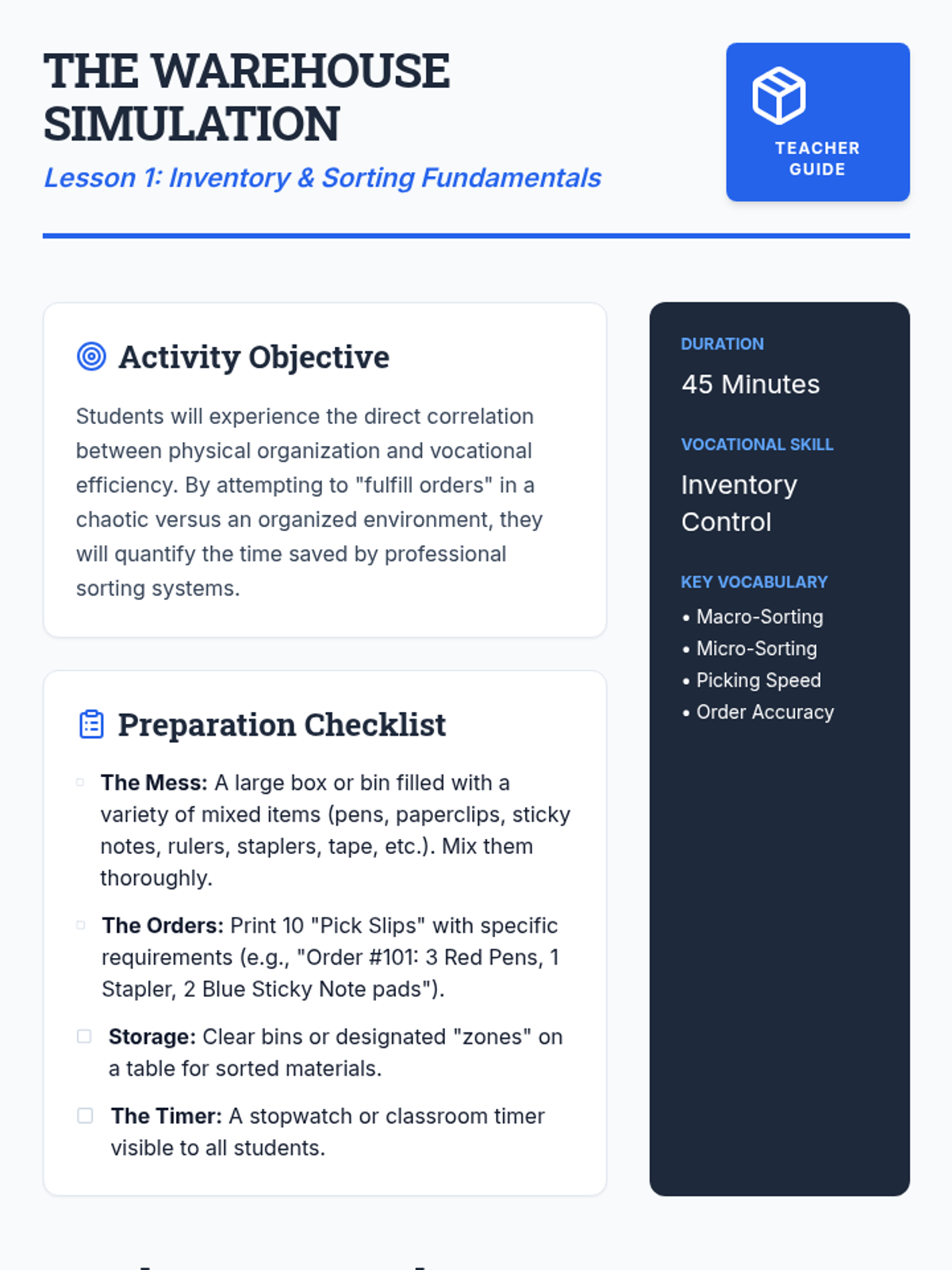
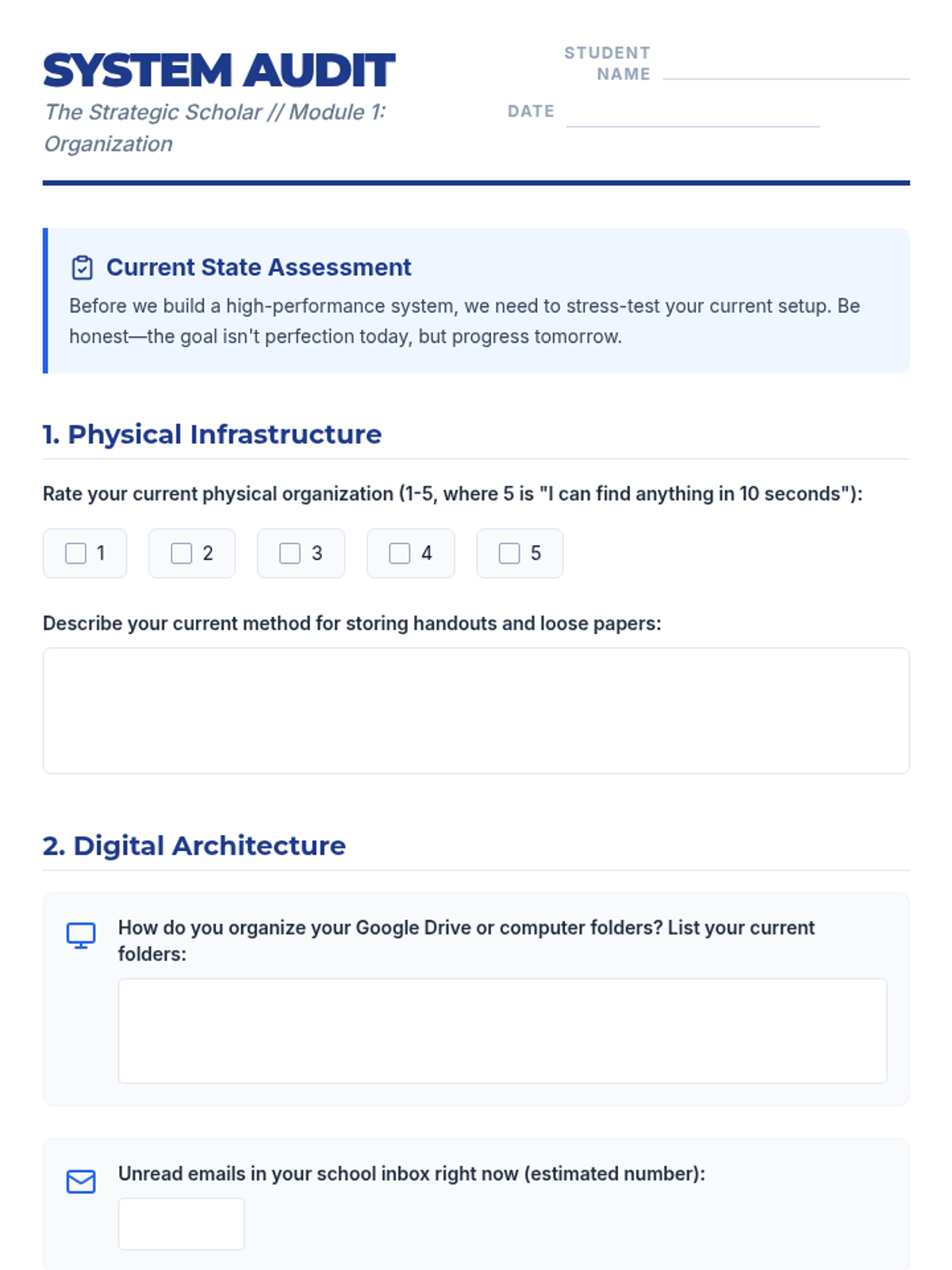
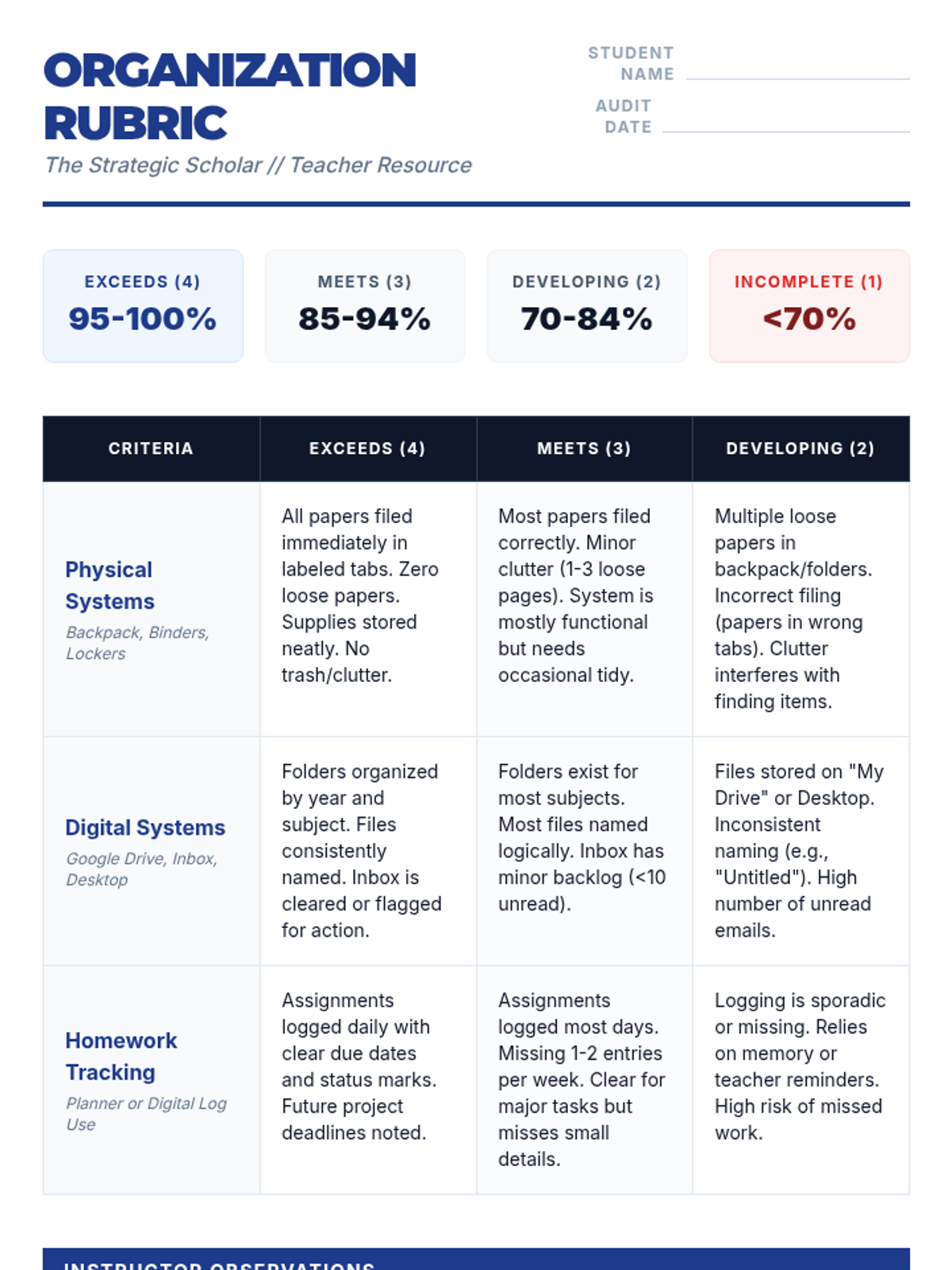
This sequence focuses on vocational and executive function skills, treating organization as a professional competency. Students simulate roles like office managers or resource coordinators to learn sorting, filing, ergonomics, and hybrid digital-physical tracking.
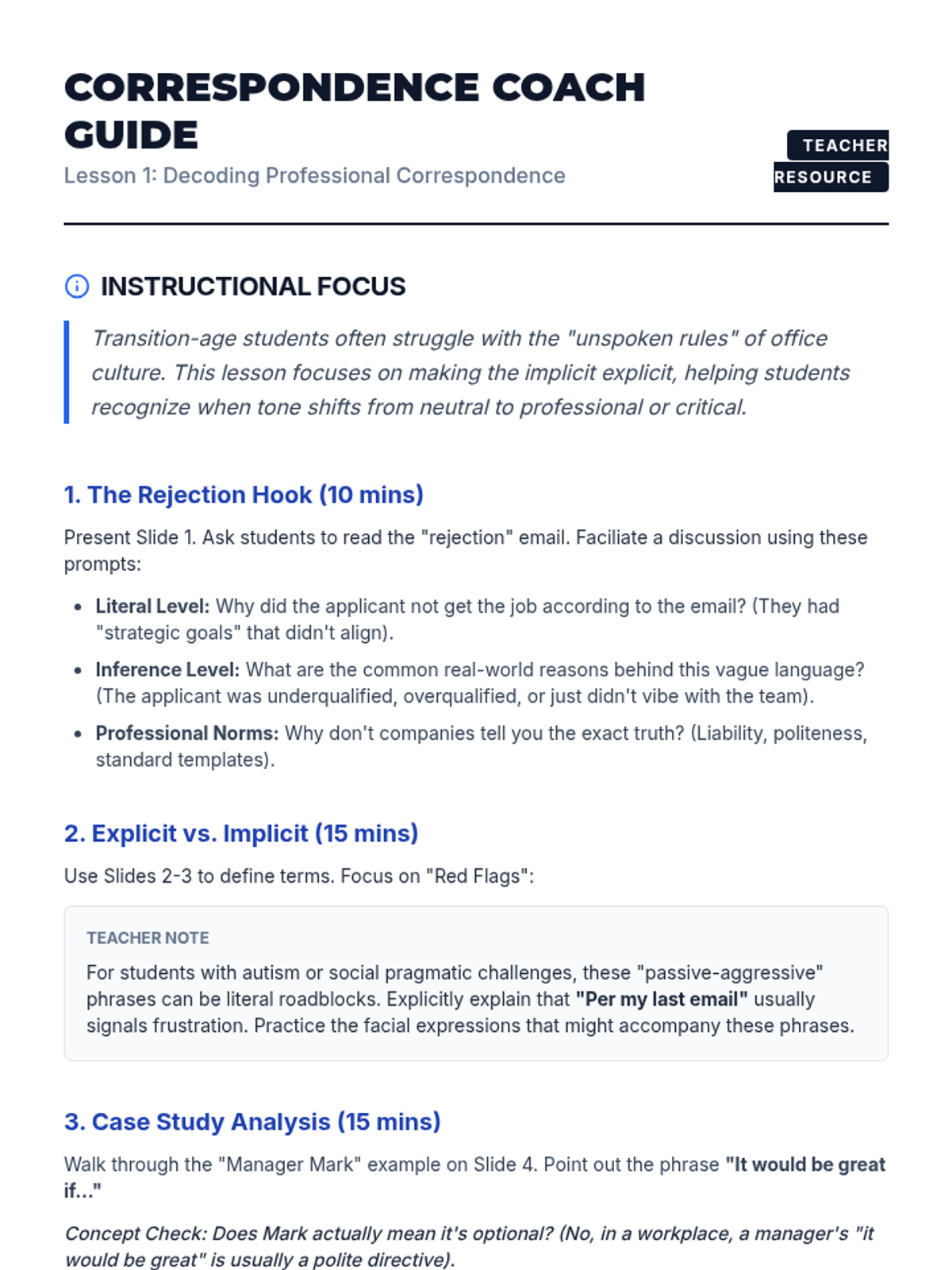
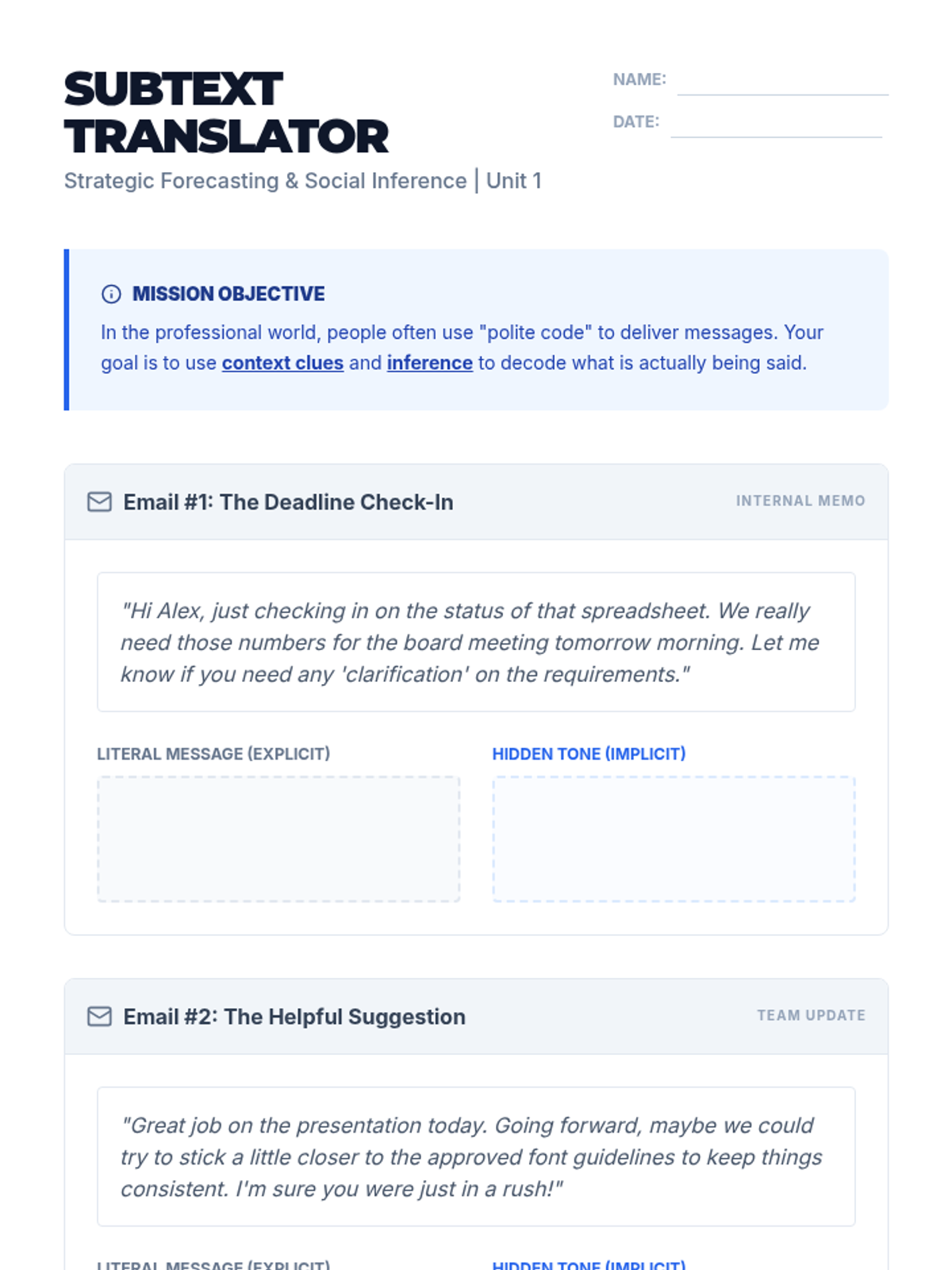
A 5-lesson sequence for 11th-grade students focusing on applying inference and prediction skills to real-world professional and social contexts, including workplace communication, media literacy, and career transitions.
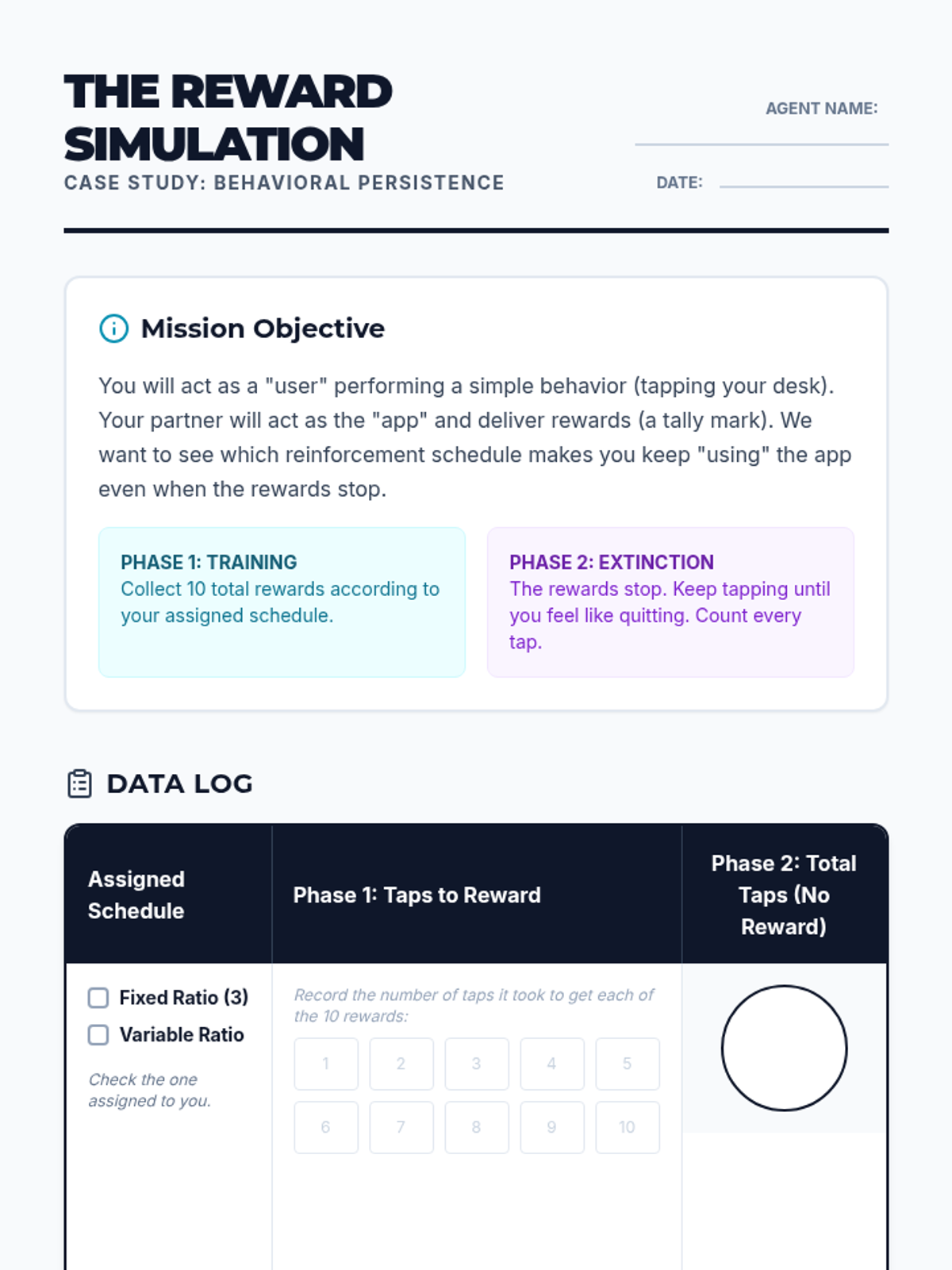
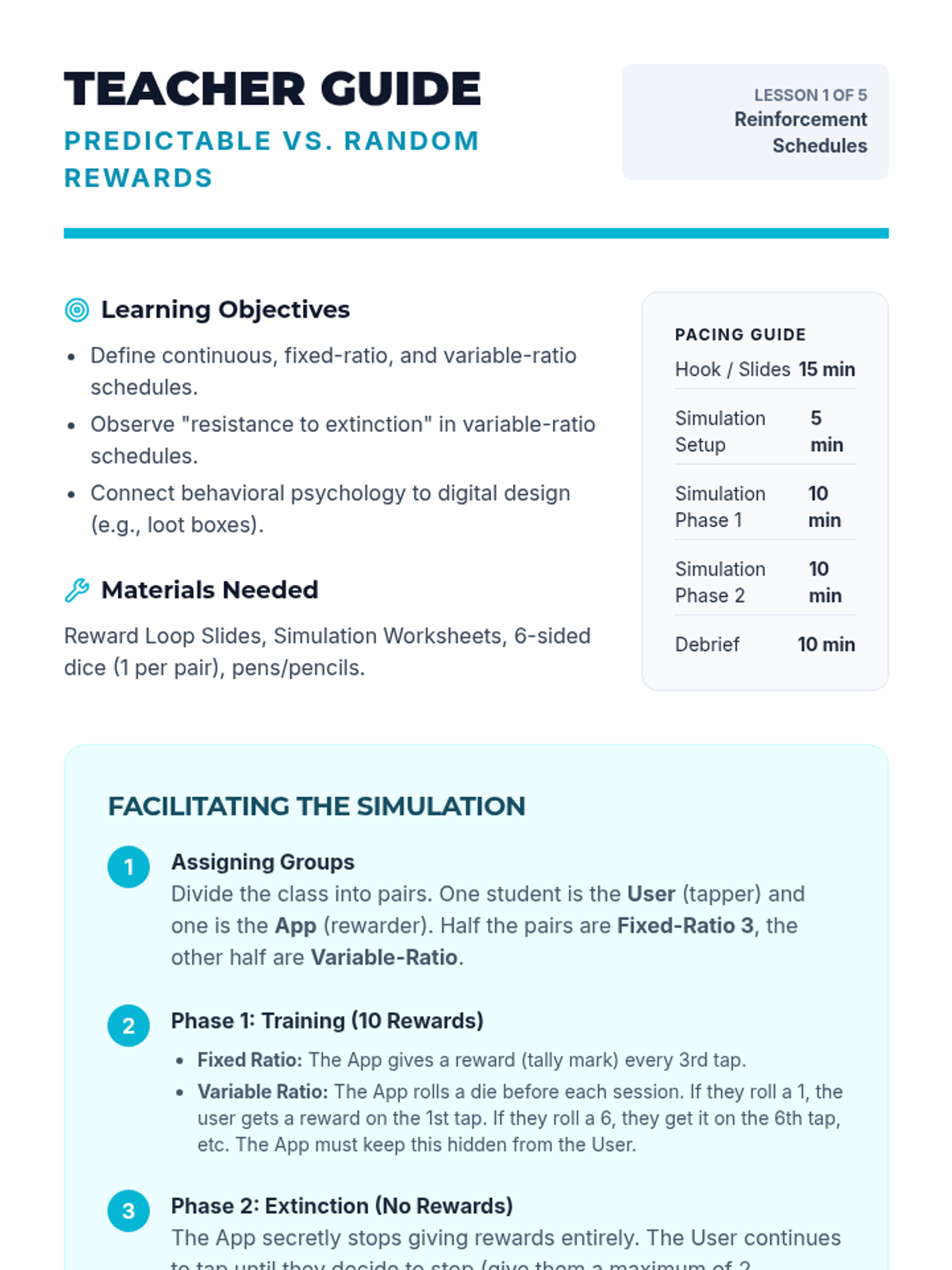
A 5-lesson sequence exploring how technology uses schedules of reinforcement (fixed and variable) to drive engagement. Students analyze gamification, social media mechanics, and ethical design to build digital literacy.
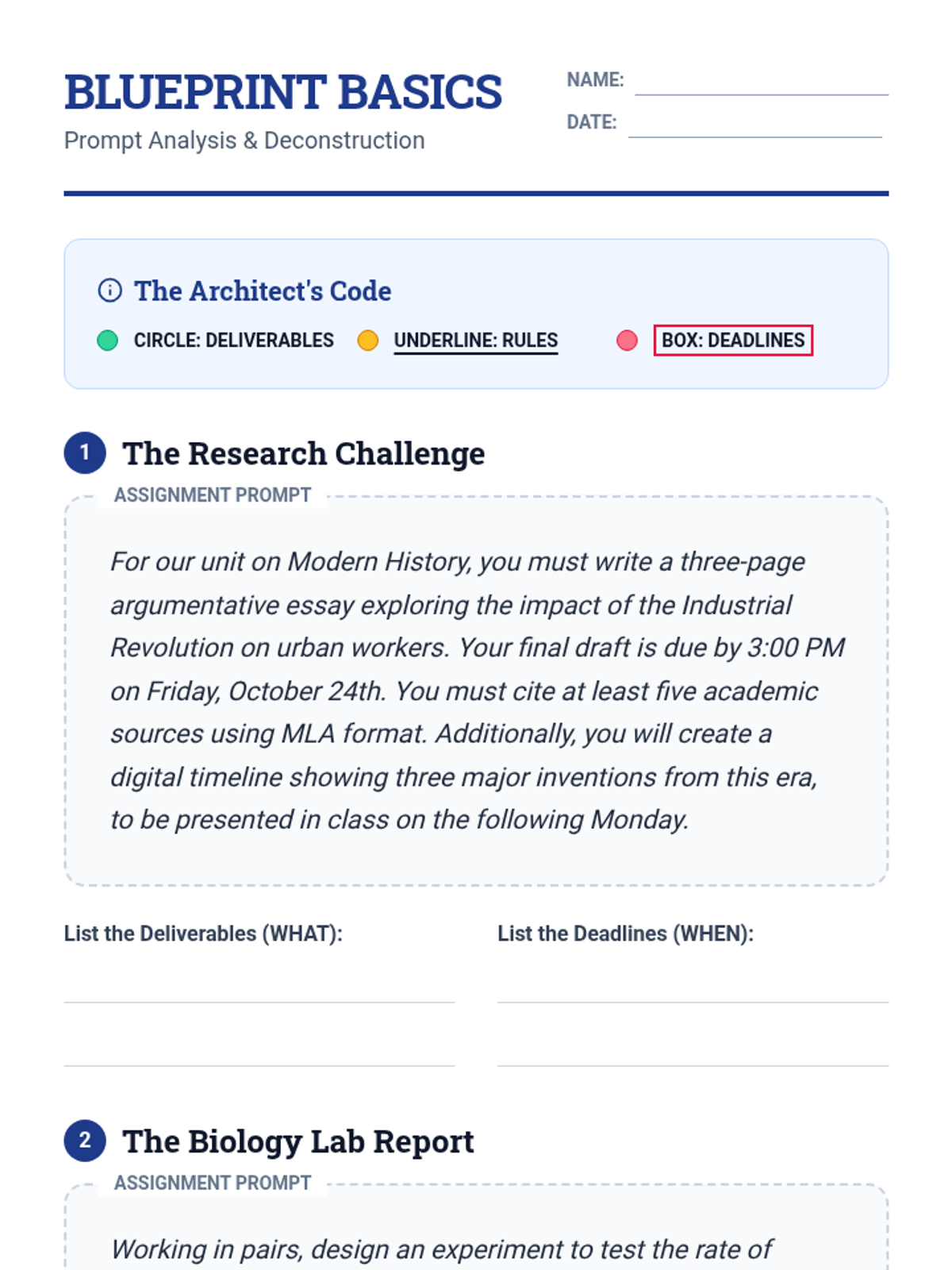
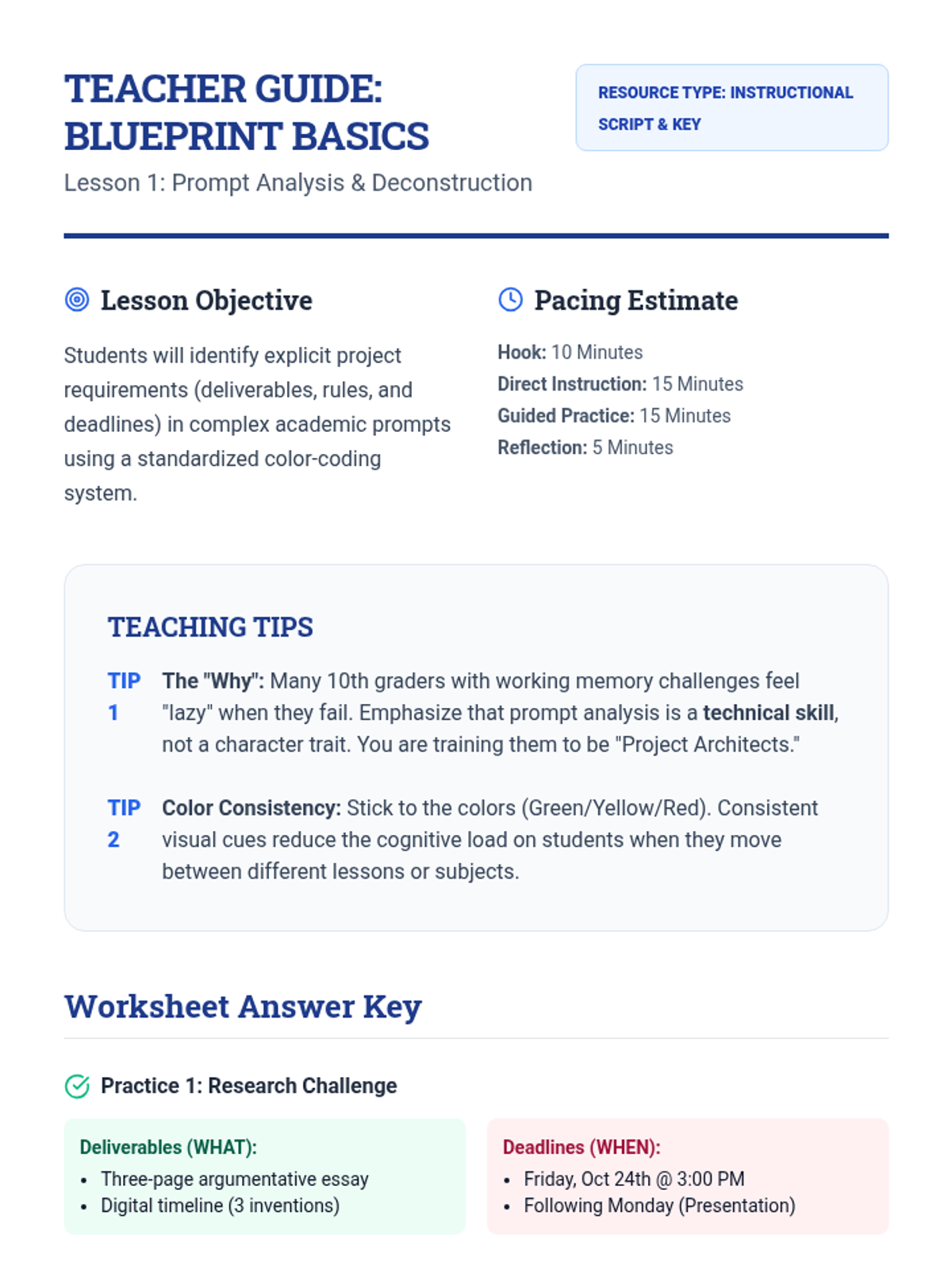
This sequence teaches students to deconstruct complex academic assignments by identifying hidden requirements, expanding tasks into manageable actions, and using backwards planning to create realistic timelines for completion.
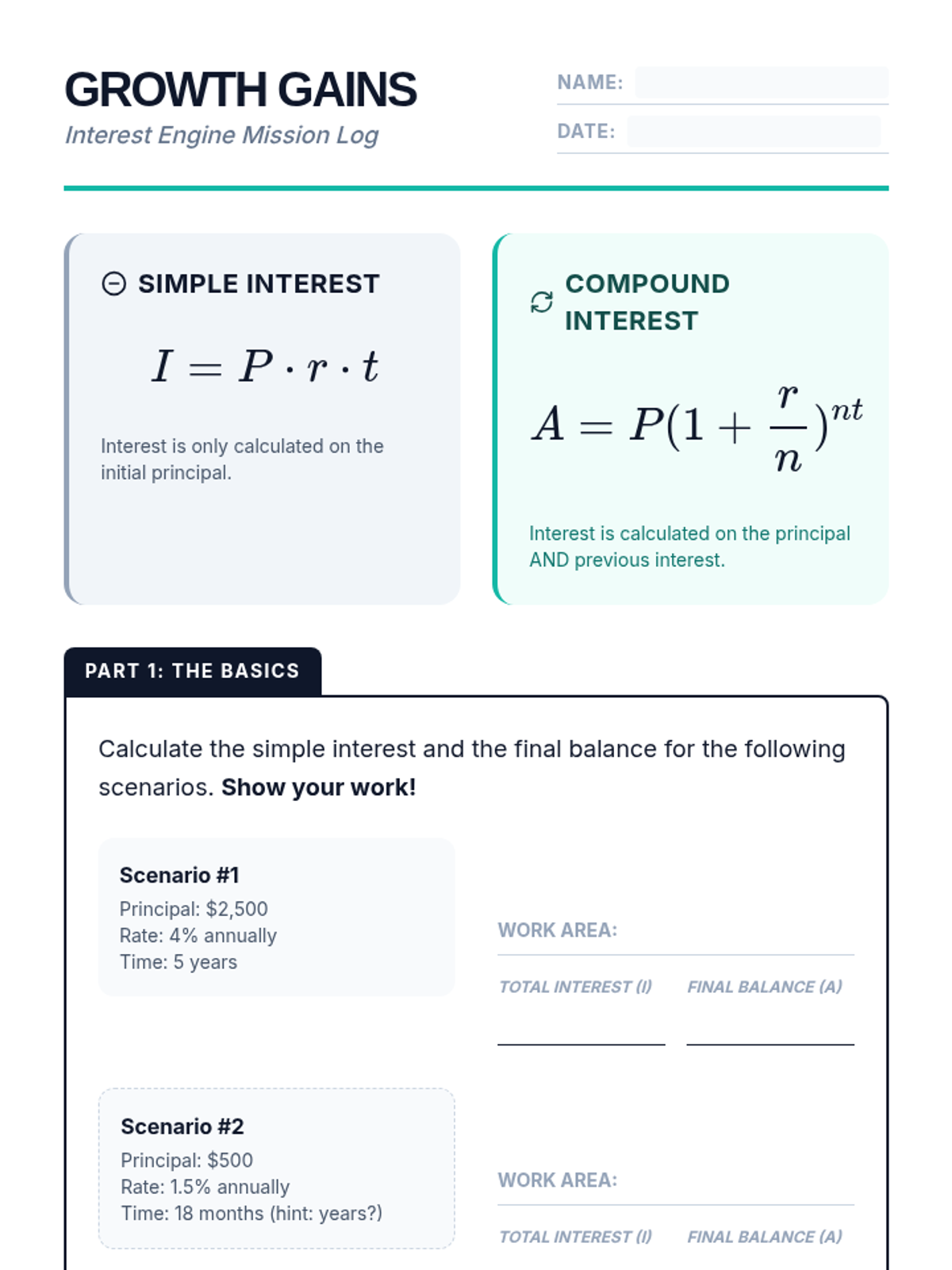
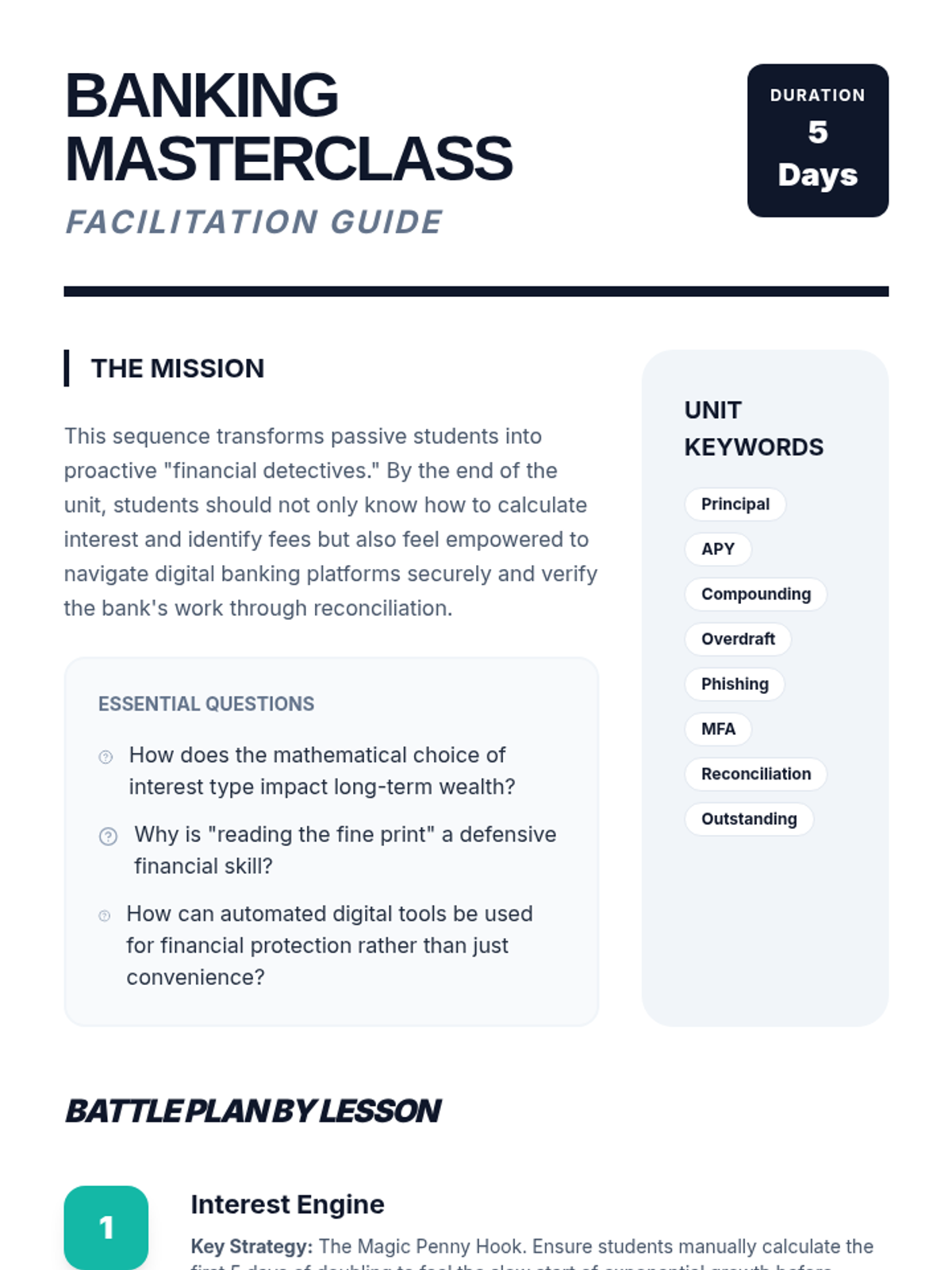
This sequence focuses on the financial implications of banking choices and the modern tools used to manage them. Students investigate the mathematics of interest, analyze fee structures, navigate digital banking platforms, and master the skill of account reconciliation.
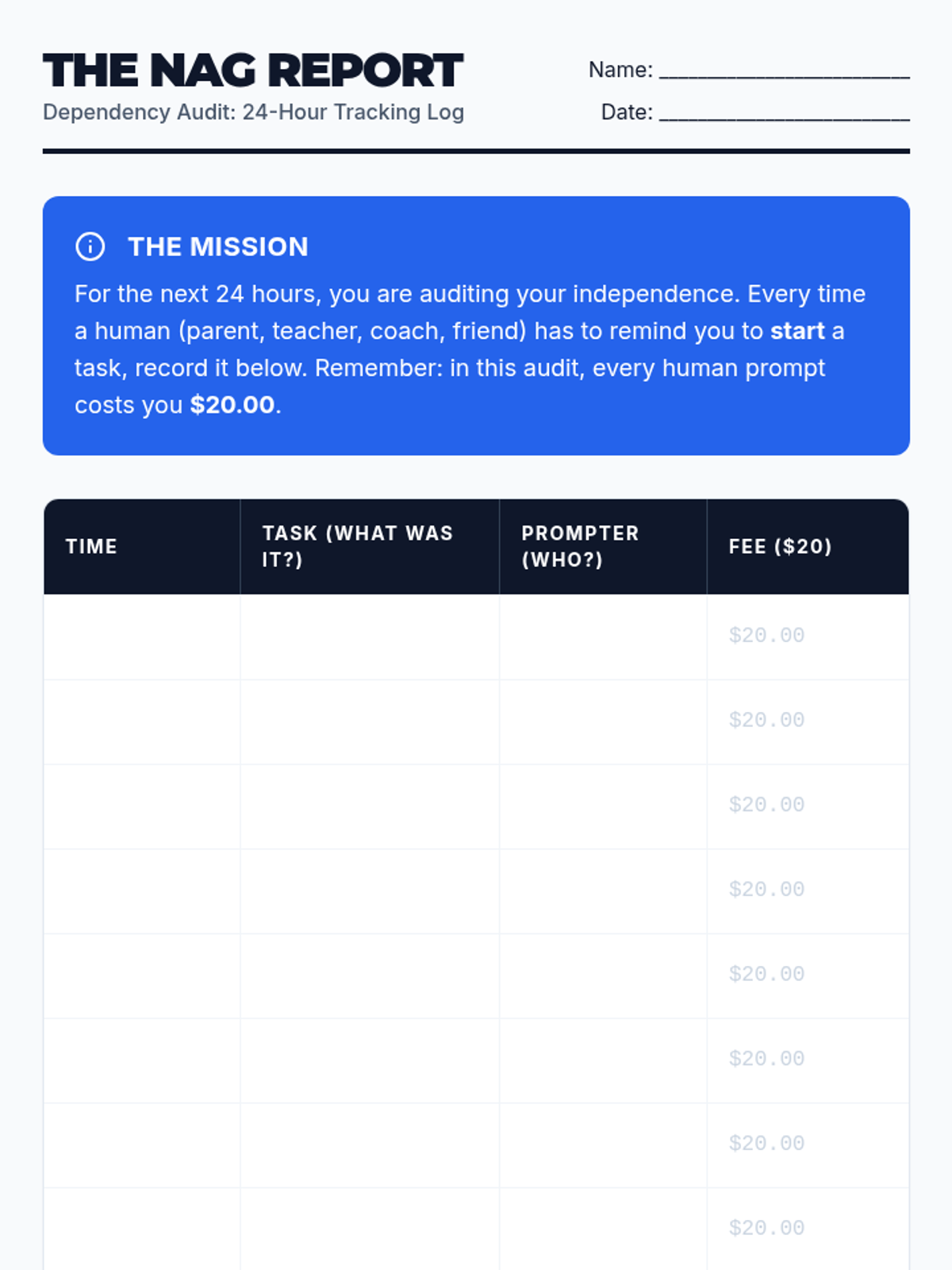
A 5-lesson sequence for 11th-grade students focused on transitioning from human-led prompts to digital, self-managed systems. Students audit their current dependencies, learn to program time and location-based triggers, and build a backup plan for technology failures to achieve greater independence.
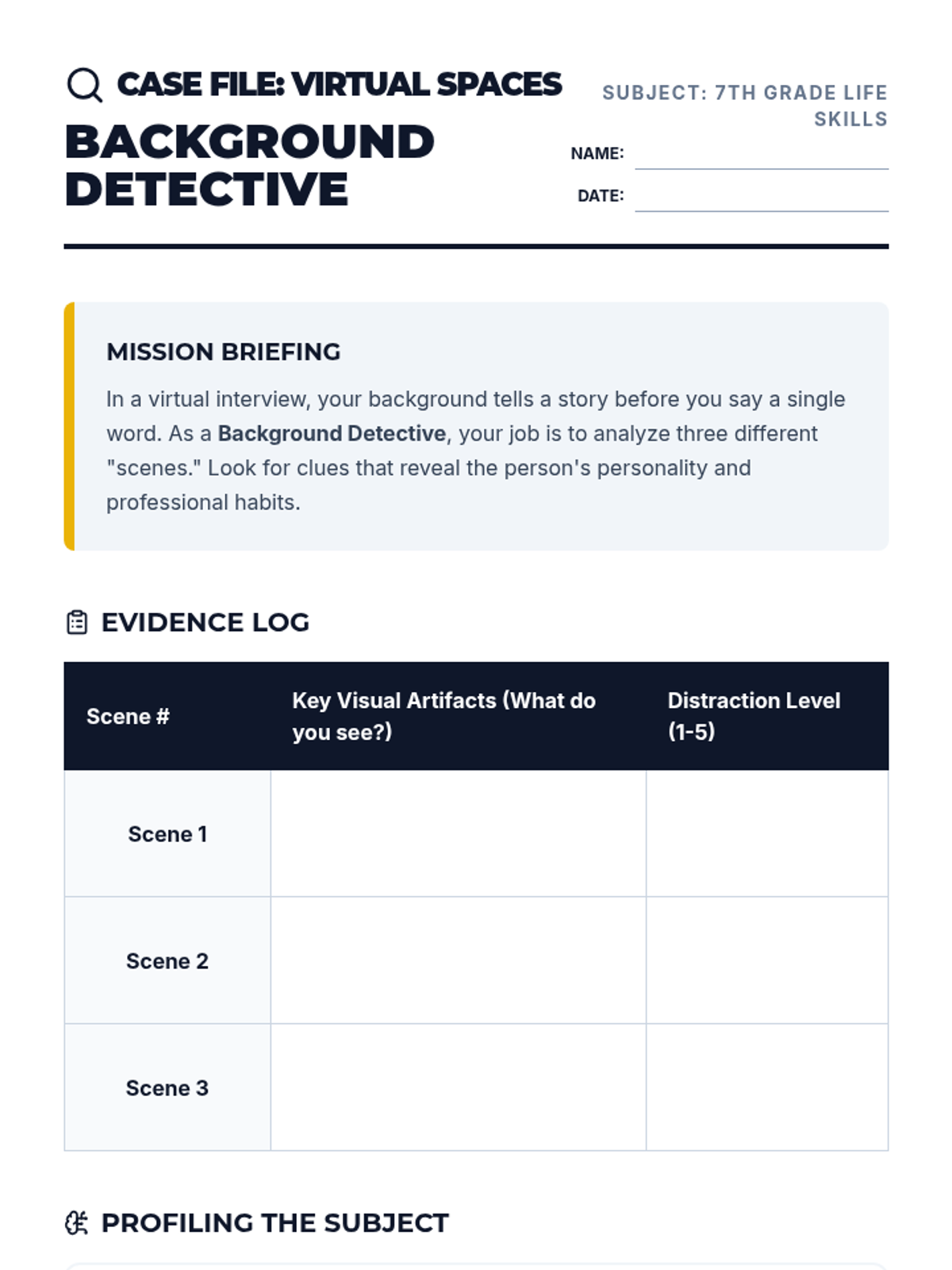
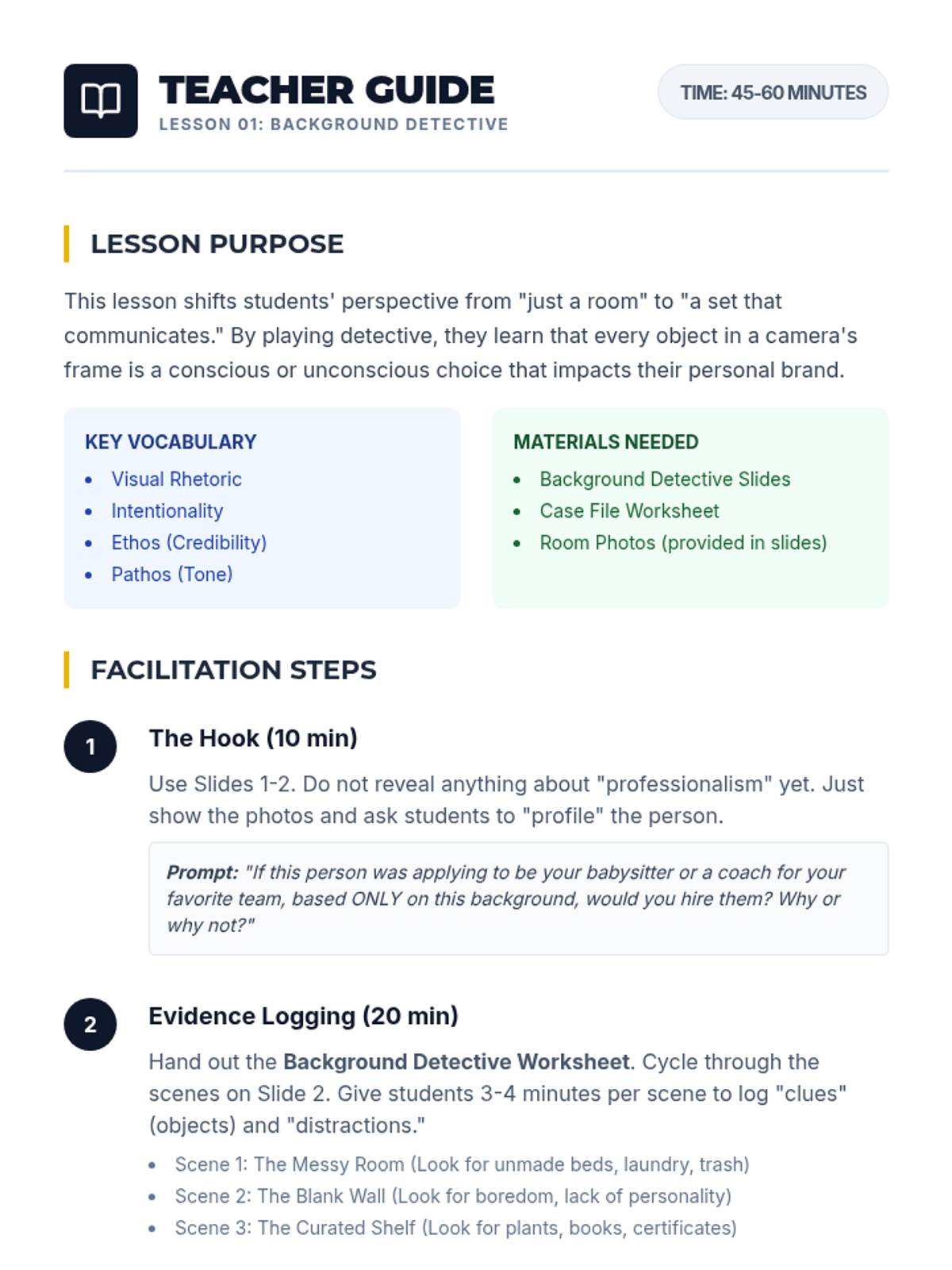
A project-based sequence for 7th graders to master the art of virtual interview backgrounds. Students explore visual rhetoric, set design, lighting, and digital tools to curate professional spaces that communicate their personal brand effectively.
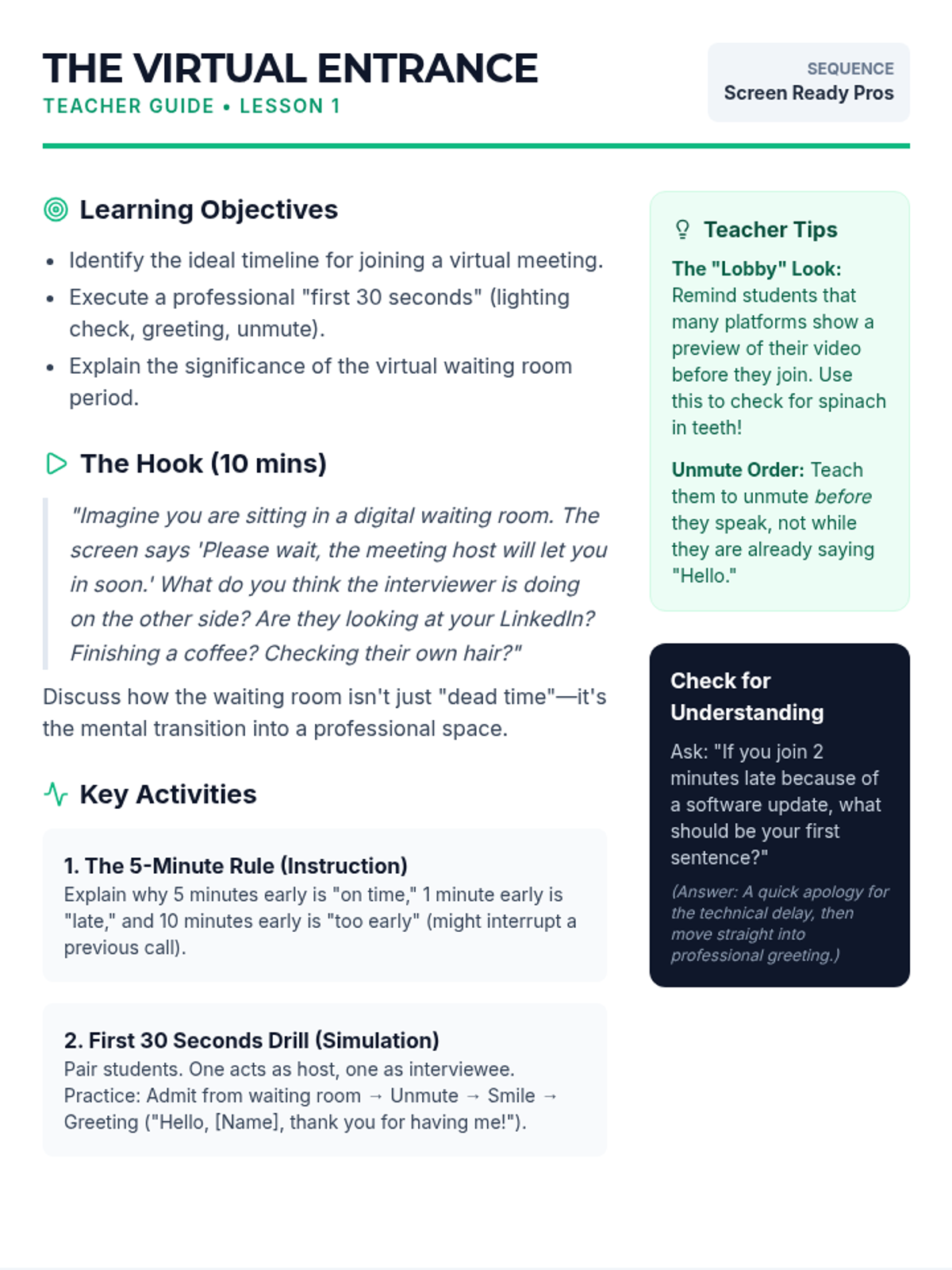
A comprehensive 5-lesson sequence for 8th graders focused on mastering the technical and interpersonal nuances of virtual interviews, from joining the waiting room to the final exit.
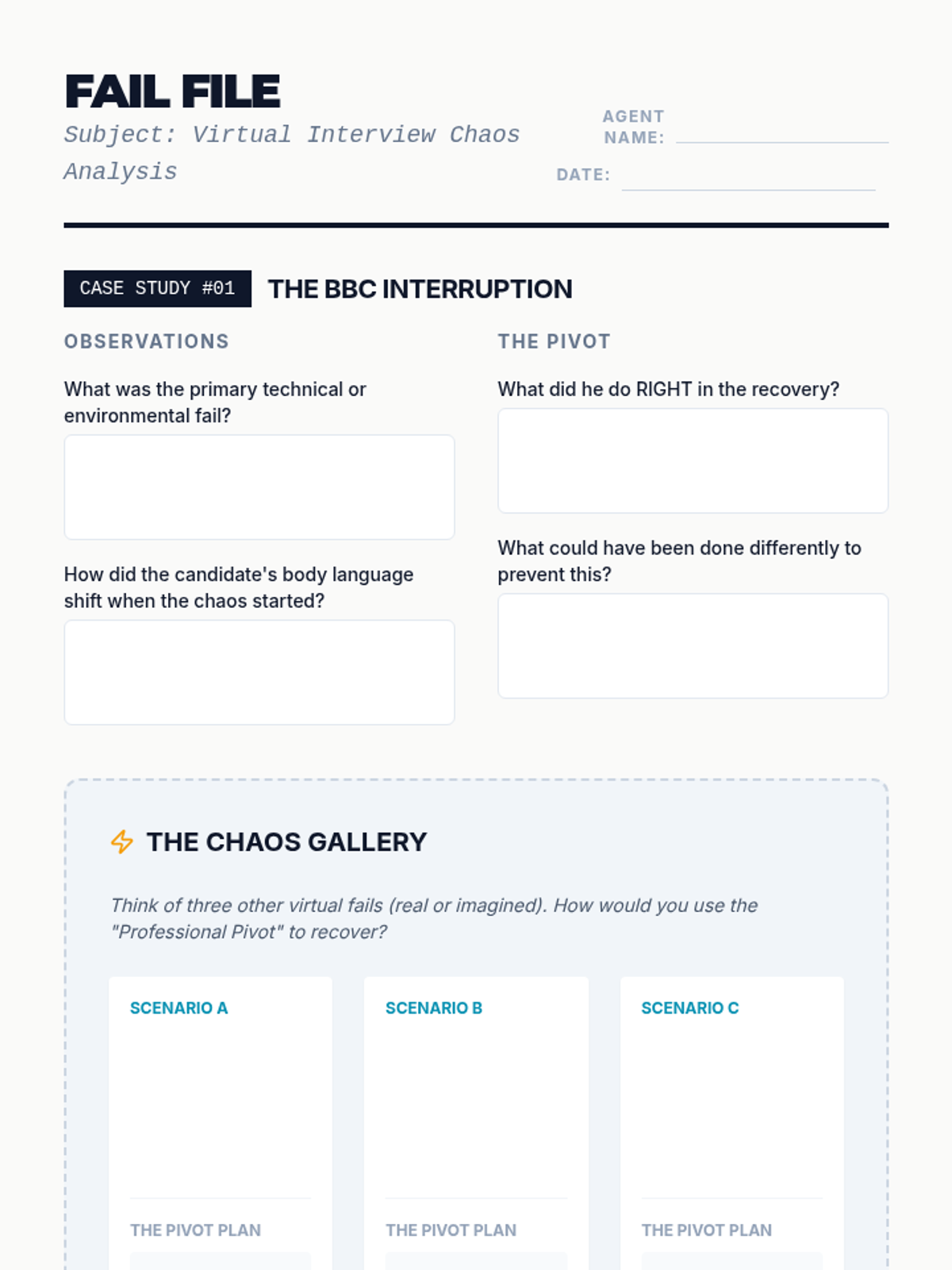
A comprehensive sequence focused on mastering virtual presence through analysis of failures, professional modeling, and rigorous self and peer reflection. Students develop a critical eye for digital communication and create a personal 'pre-flight' checklist for professional success.
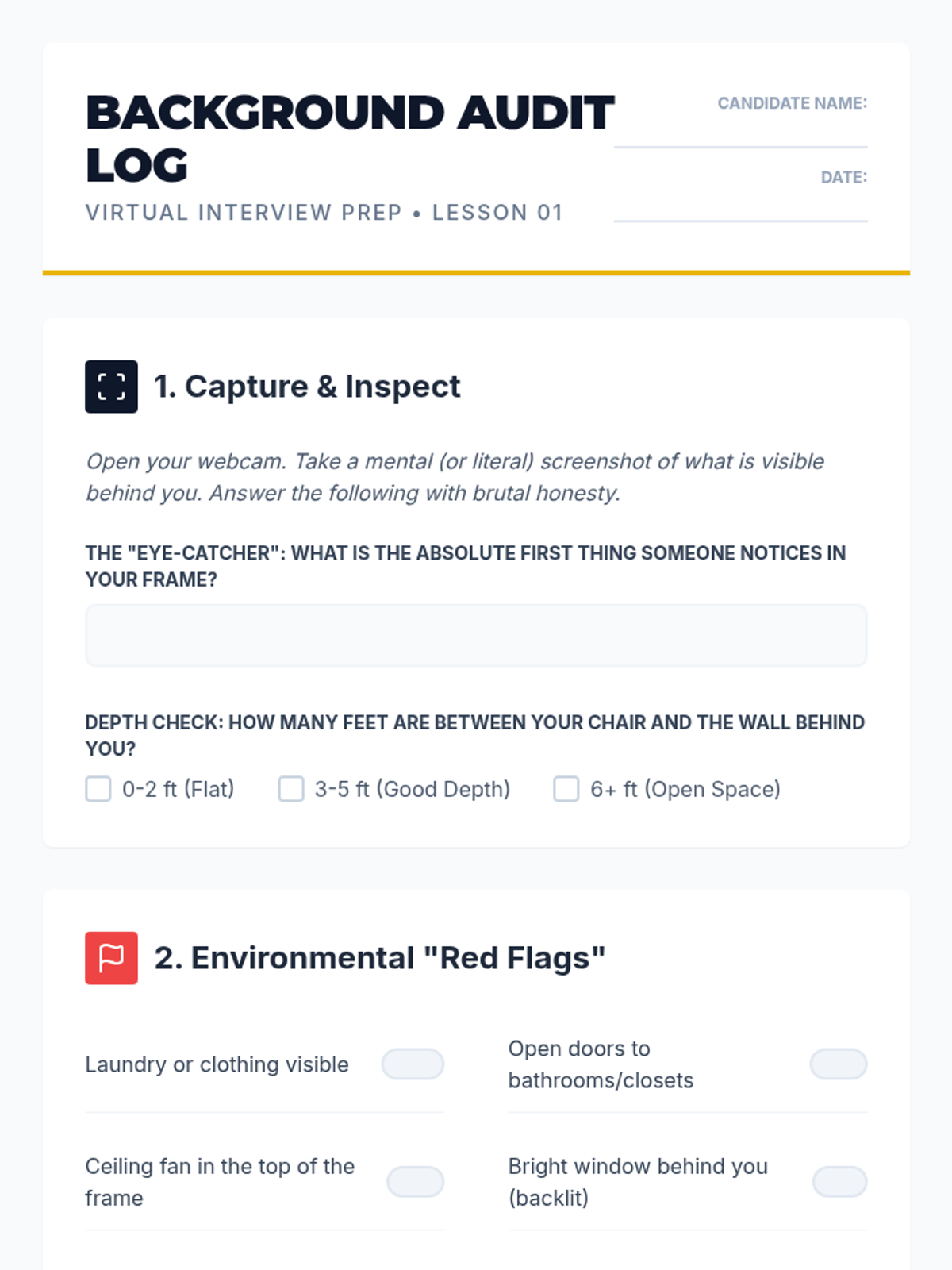
A comprehensive workshop-style sequence for 11th-grade students to master the technical aspects of virtual interviews. Students transform their personal spaces into professional broadcast environments by focusing on background auditing, lighting physics, audio engineering, and camera framing.
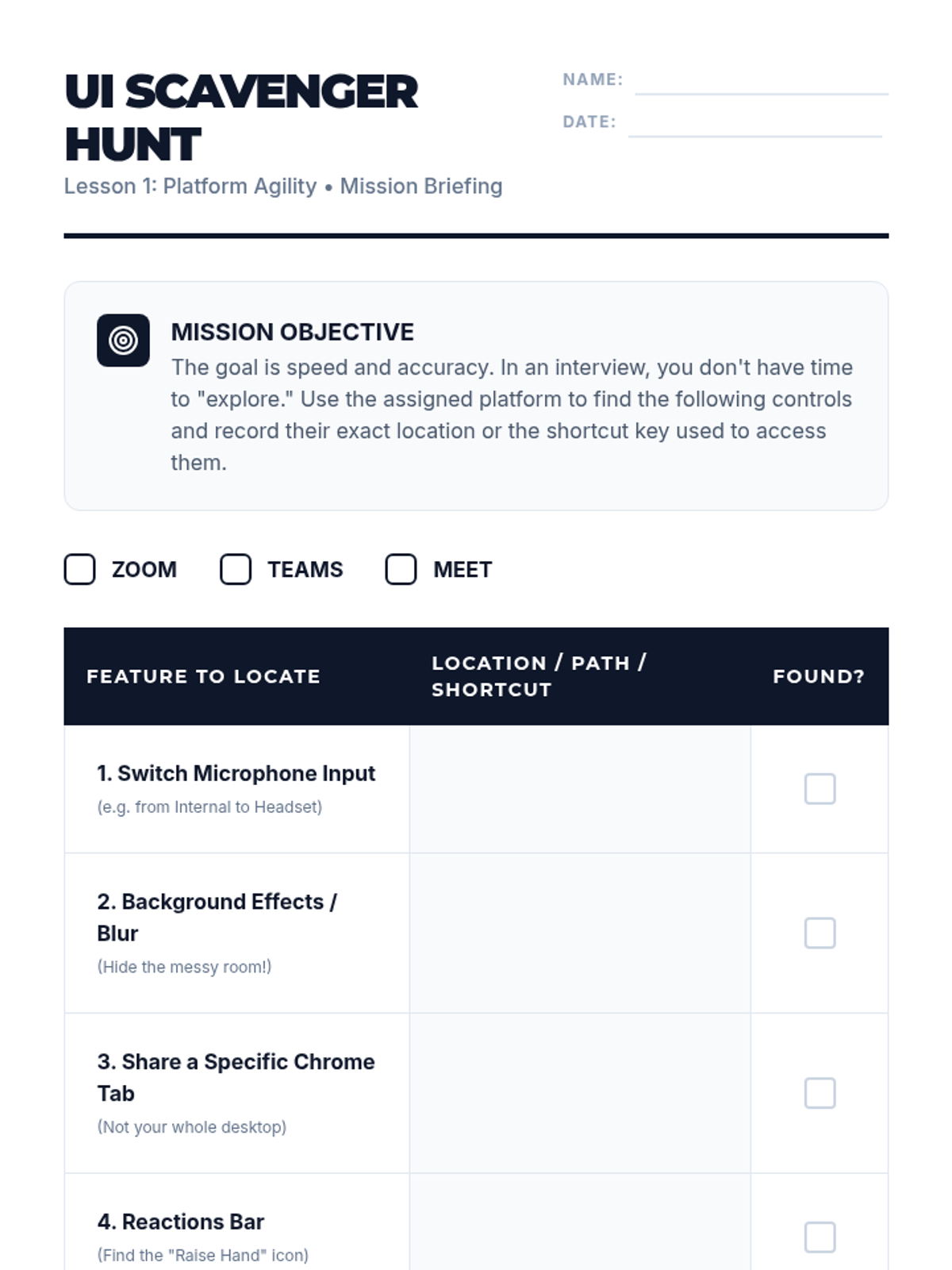
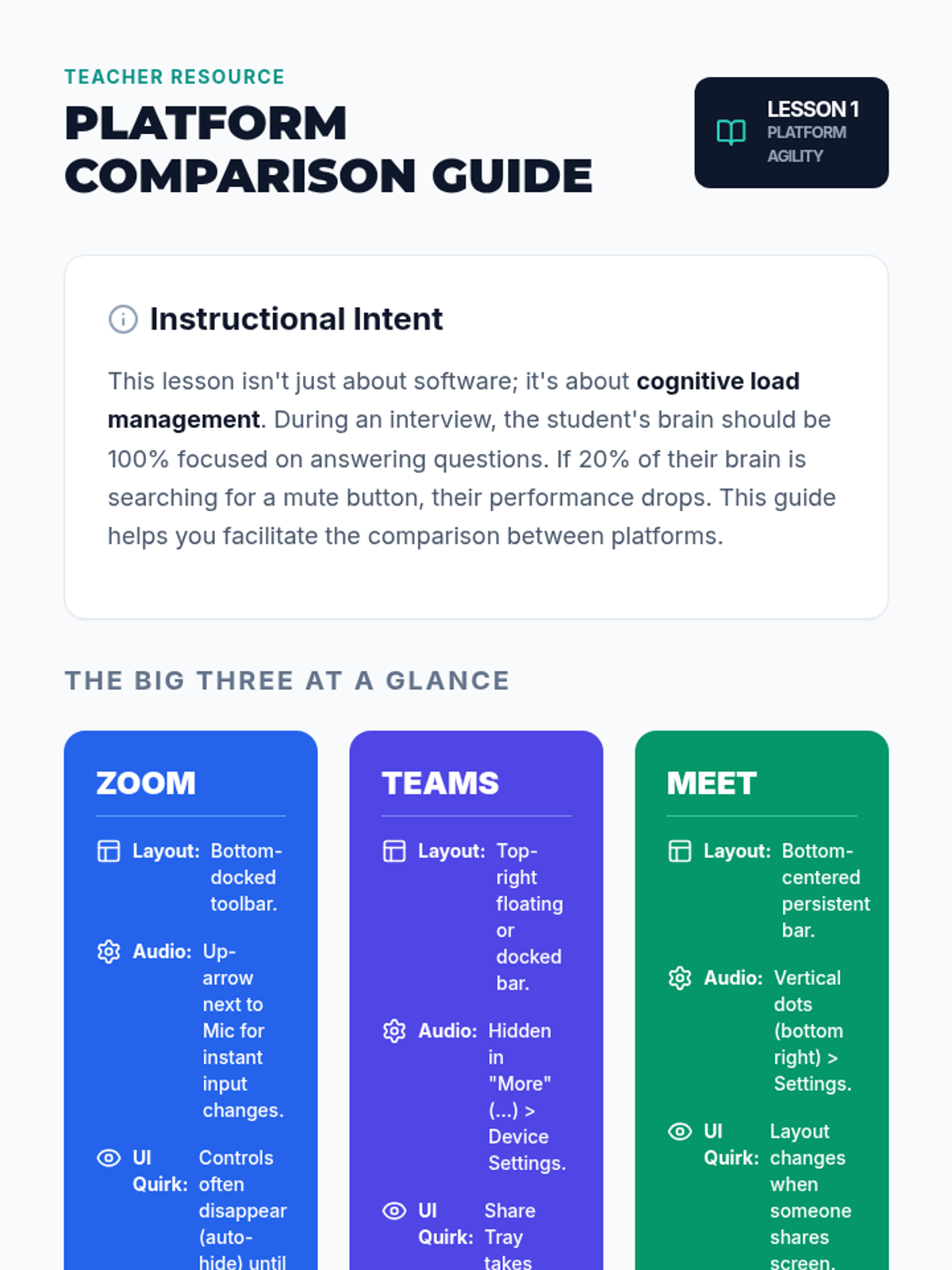
This sequence prepares 11th-grade students for the technical challenges of virtual interviews. It covers platform navigation, hardware/software troubleshooting, contingency planning, and professional communication during tech failures, culminating in a high-stakes simulation.
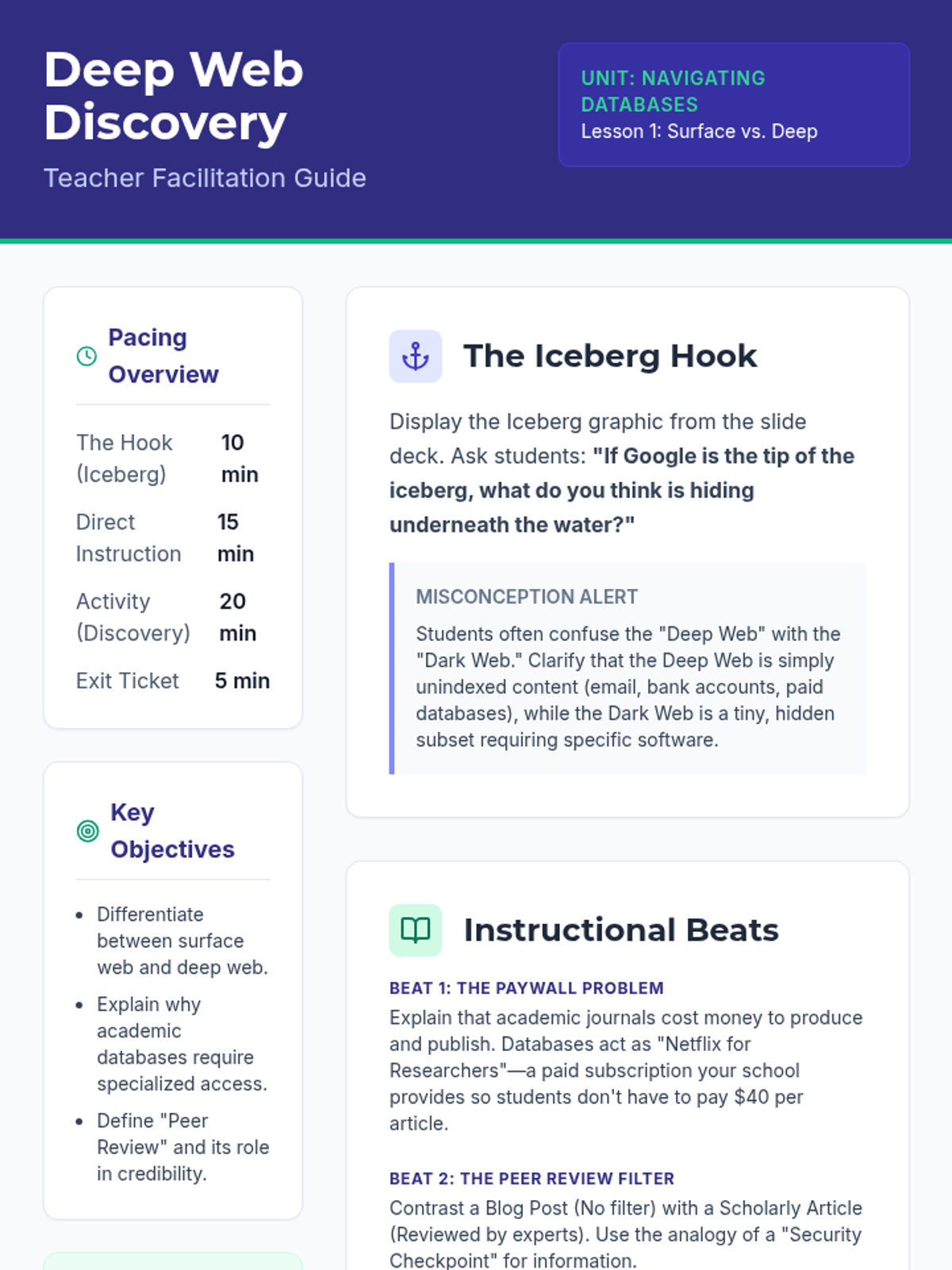
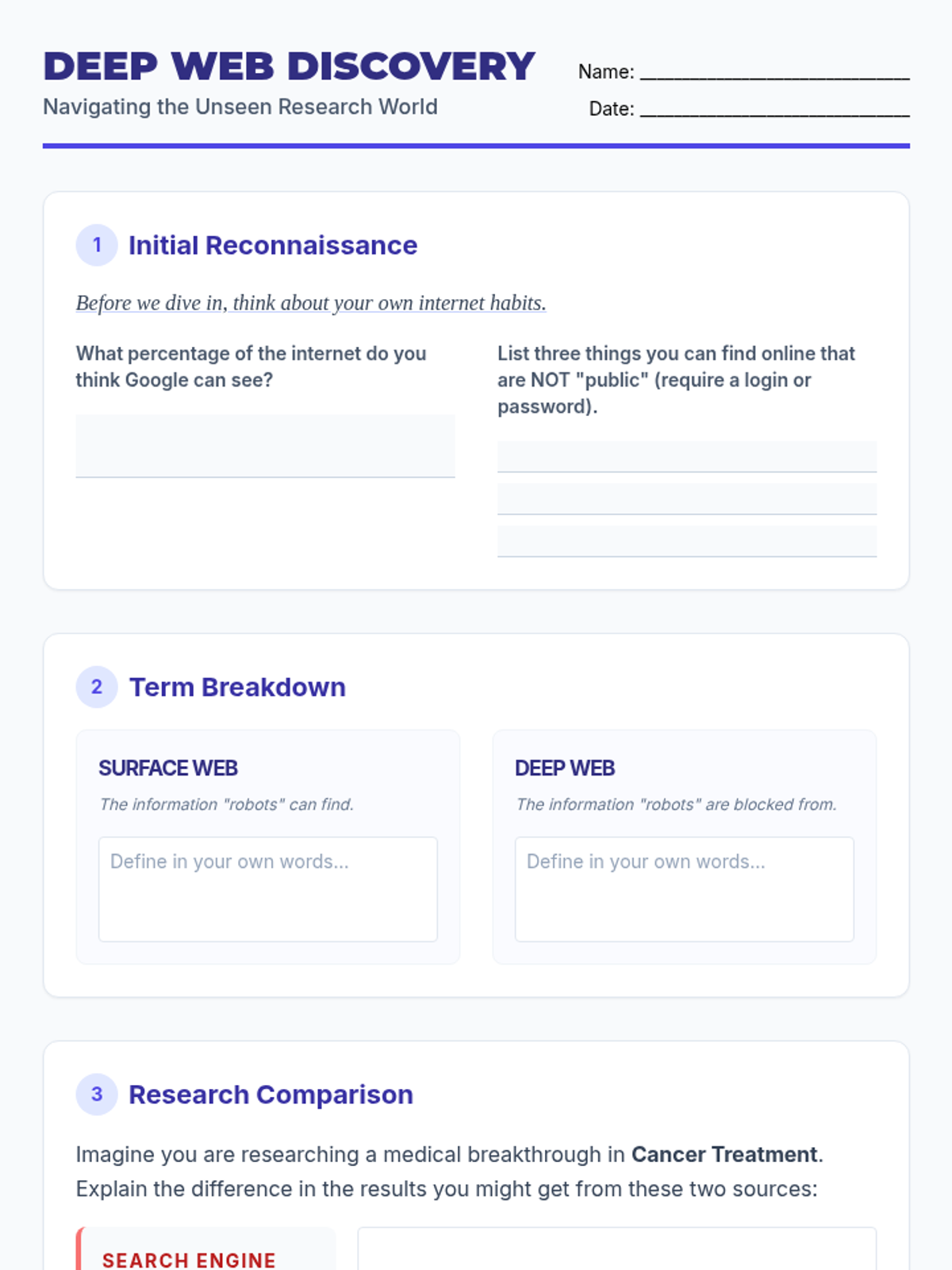
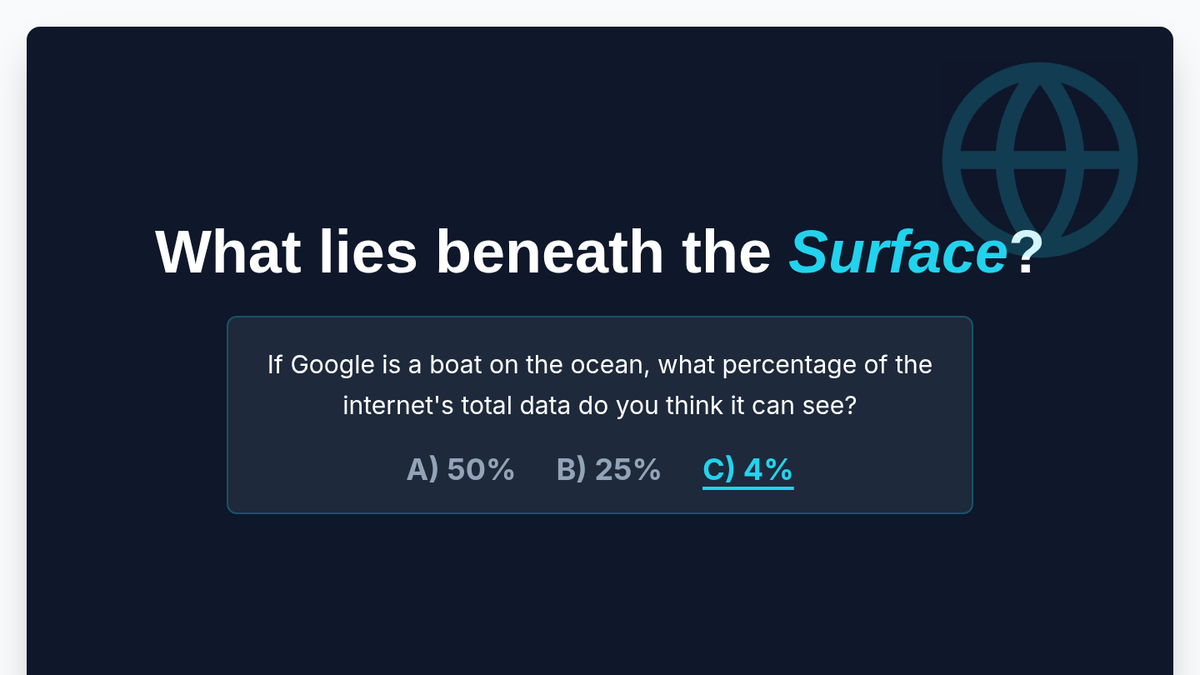
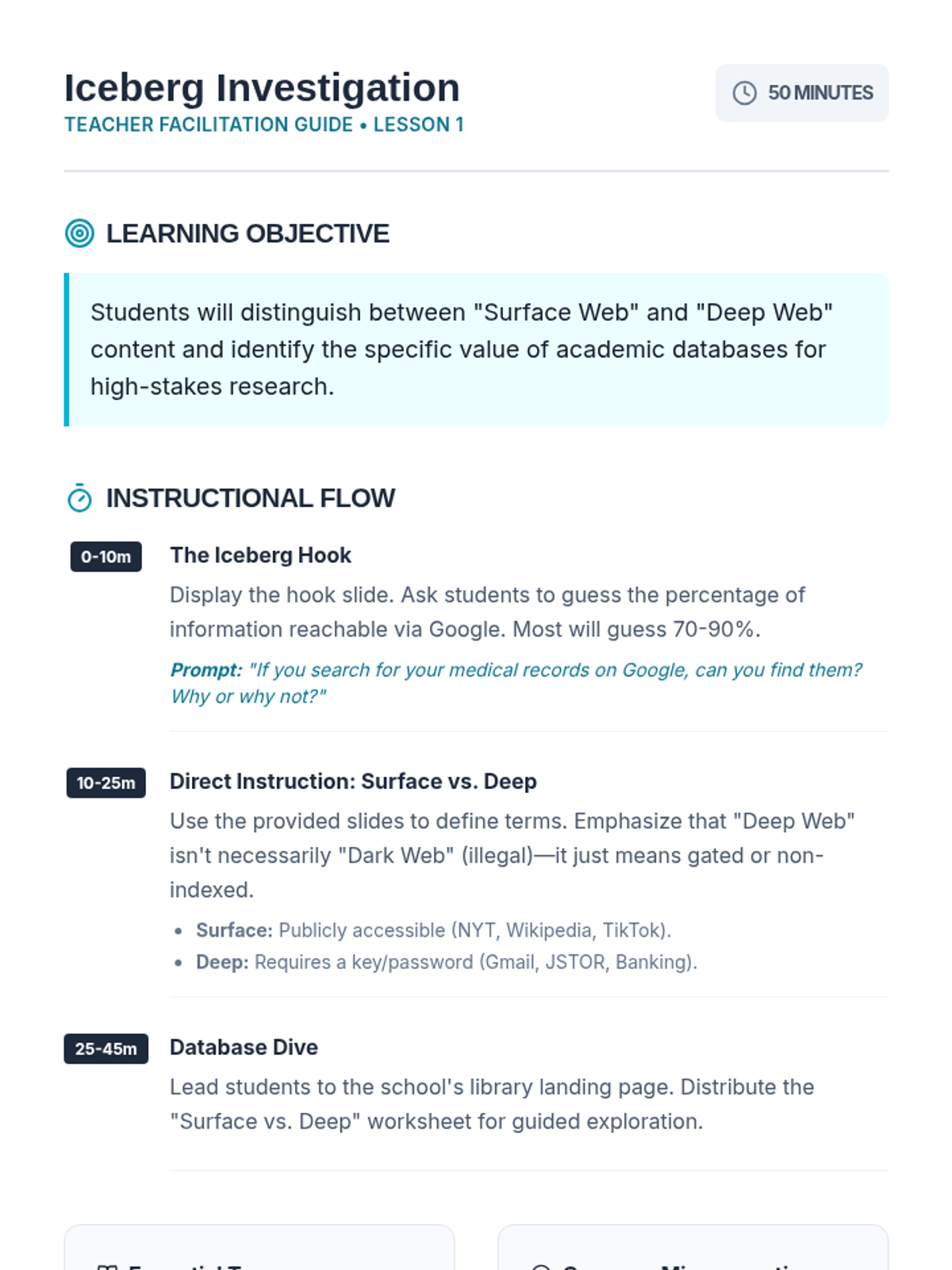
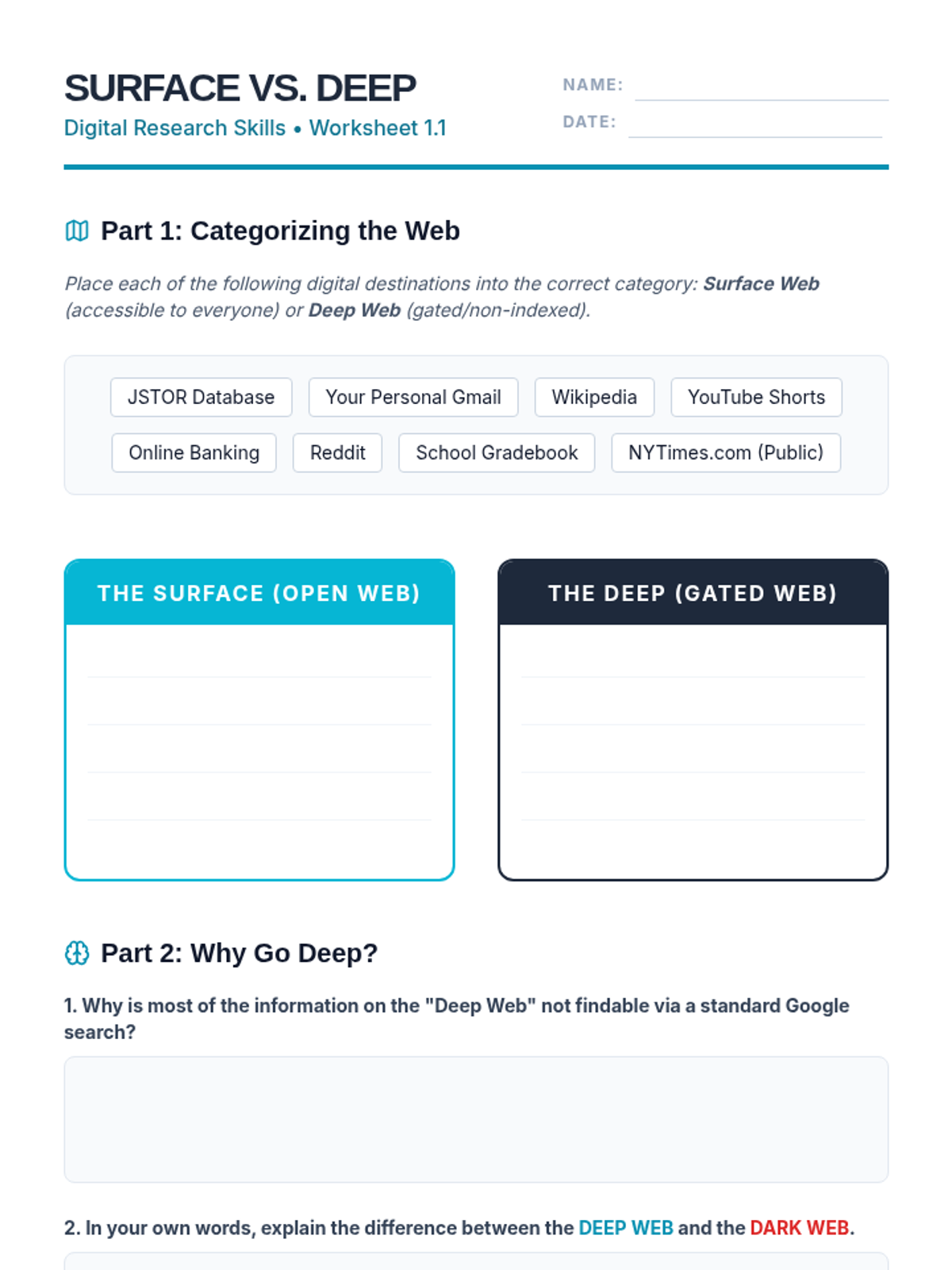
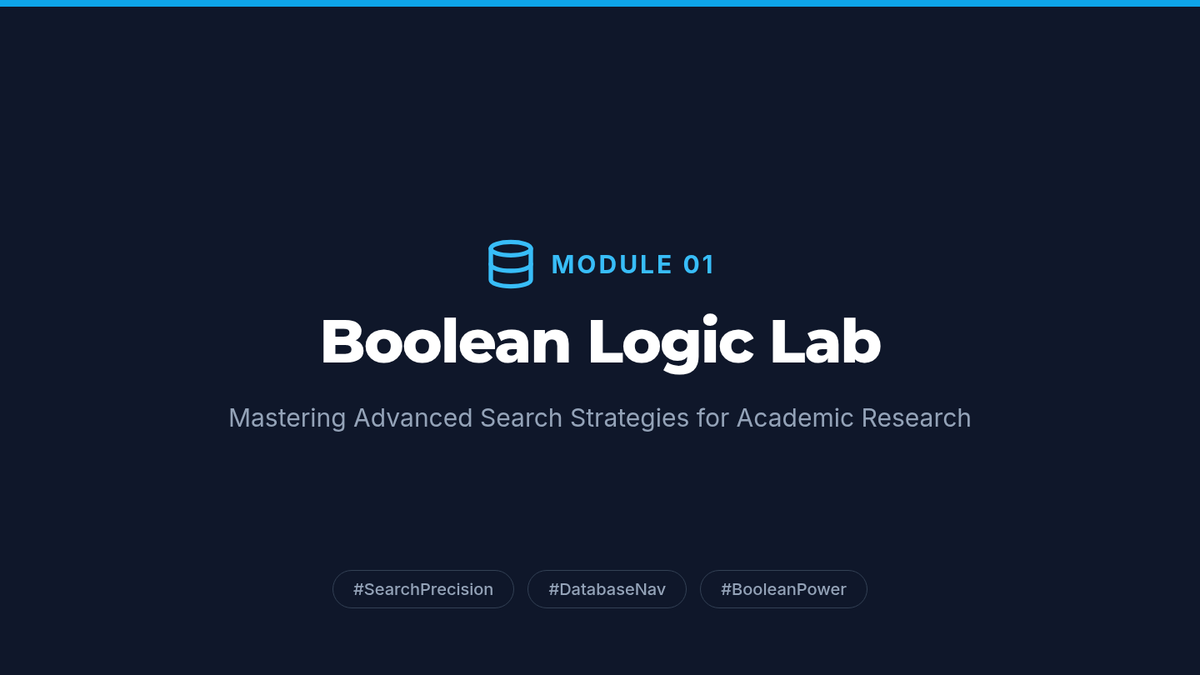
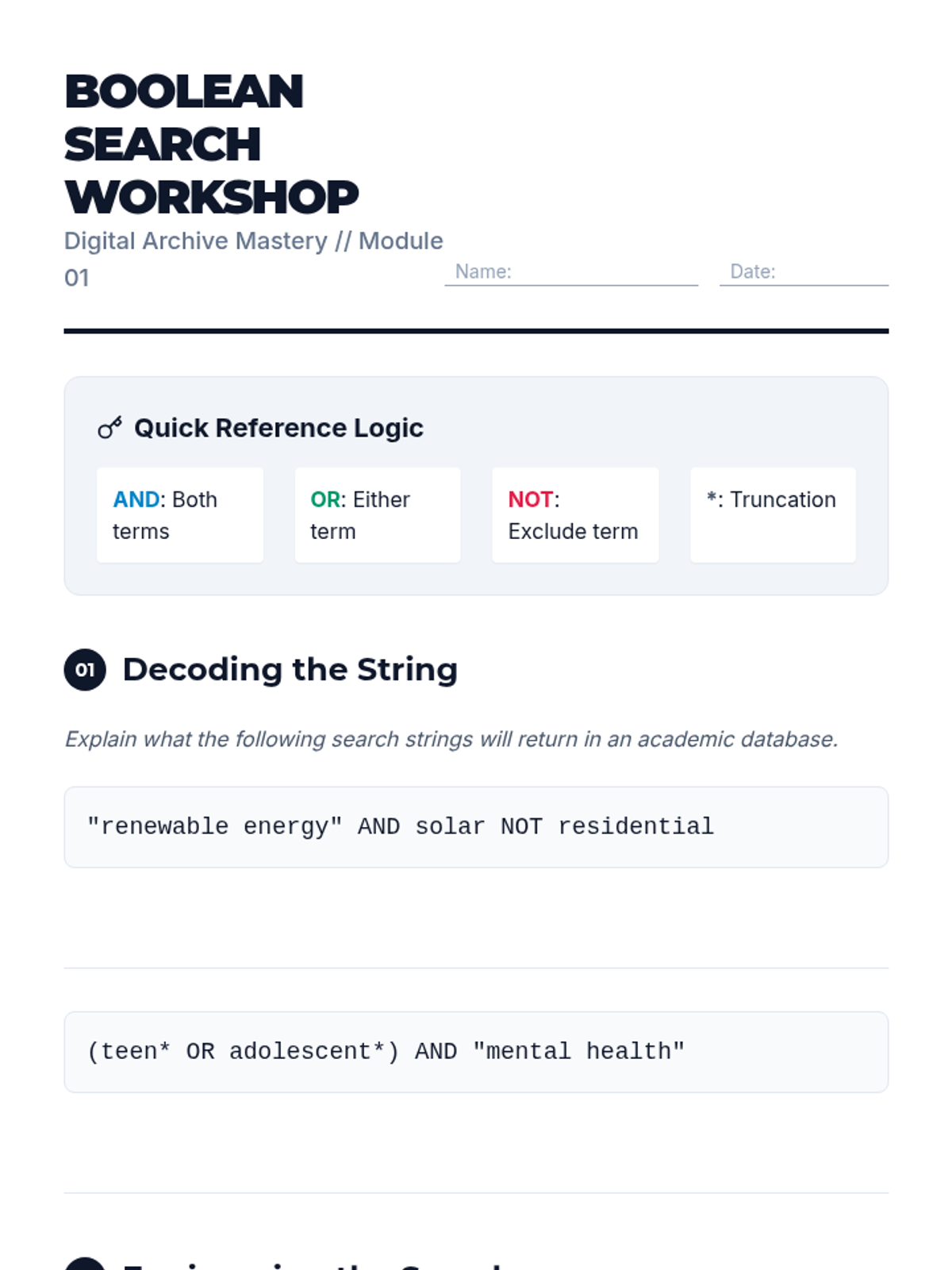
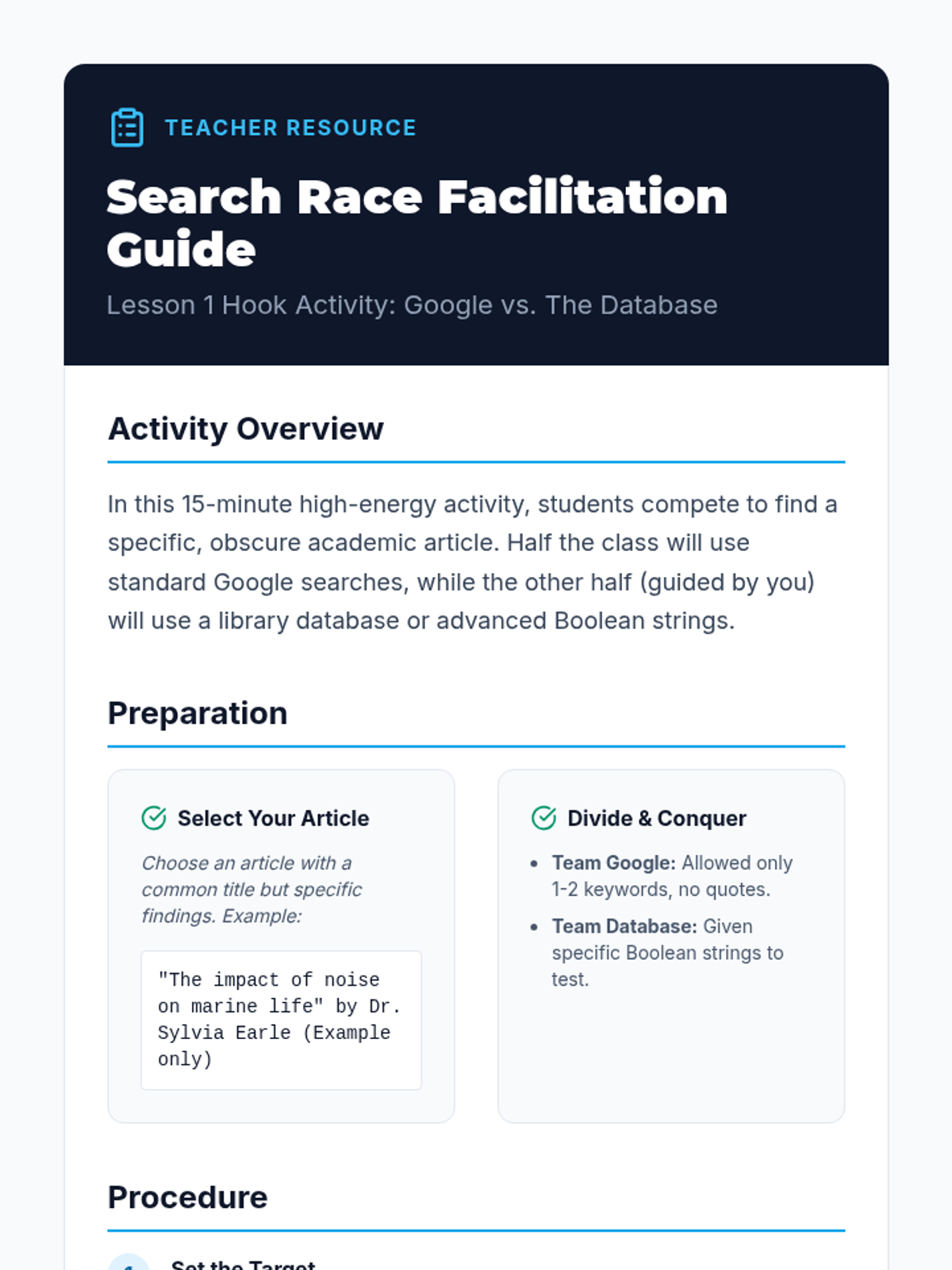
This sequence bridges the gap between open-web searching and academic research by introducing 9th-grade students to digital databases and advanced search strategies. Students progress from understanding the 'Deep Web' to mastering Boolean logic and evaluating scholarly authority, culminating in a research curation simulation.
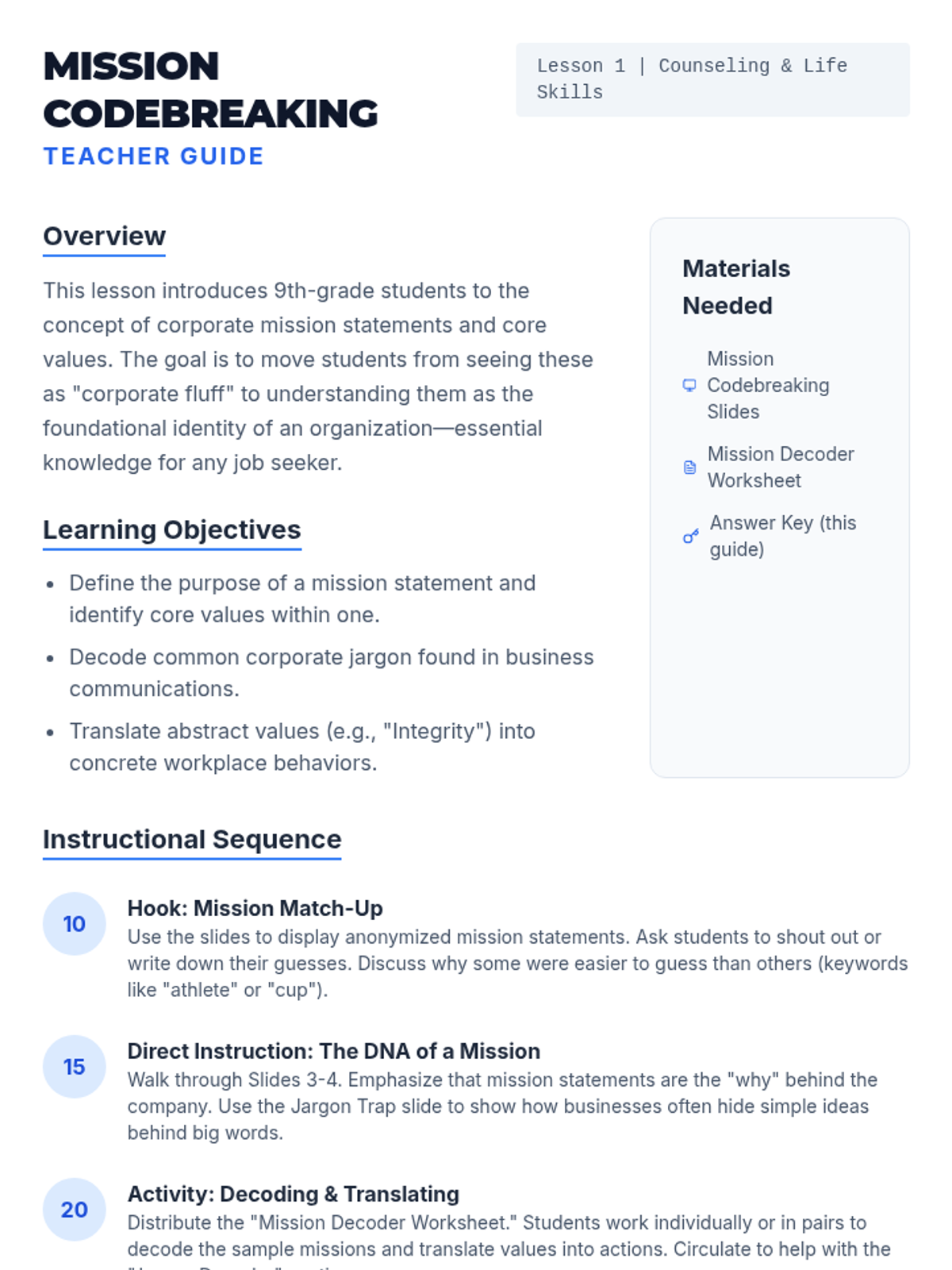
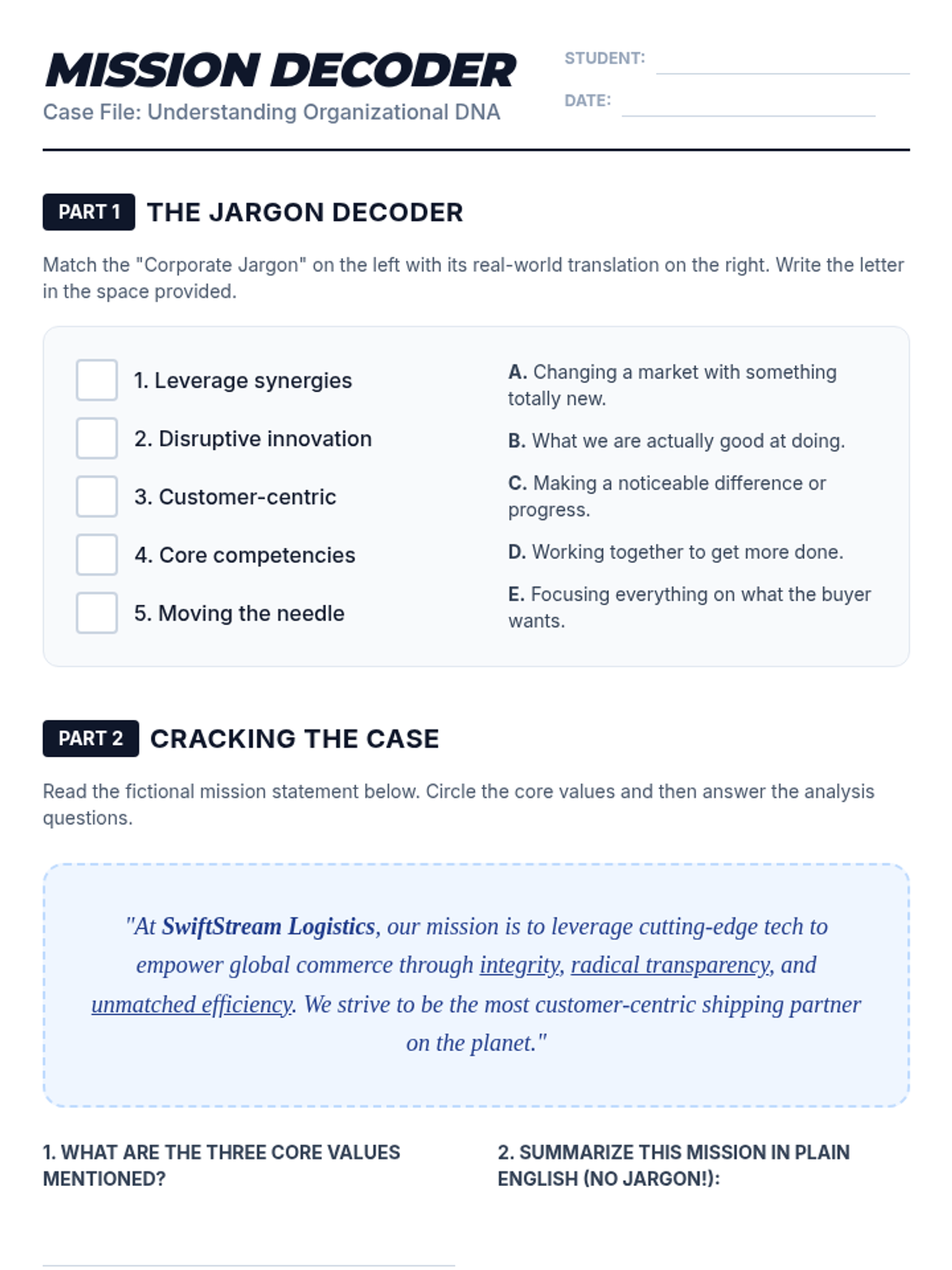
This sequence guides 9th-grade students through the analytical process of researching an organization's identity, culture, and market position to prepare for professional interviews. Students will learn to decode mission statements, evaluate digital reputations, and synthesize their research to effectively answer the critical 'Why do you want to work here?' interview question.
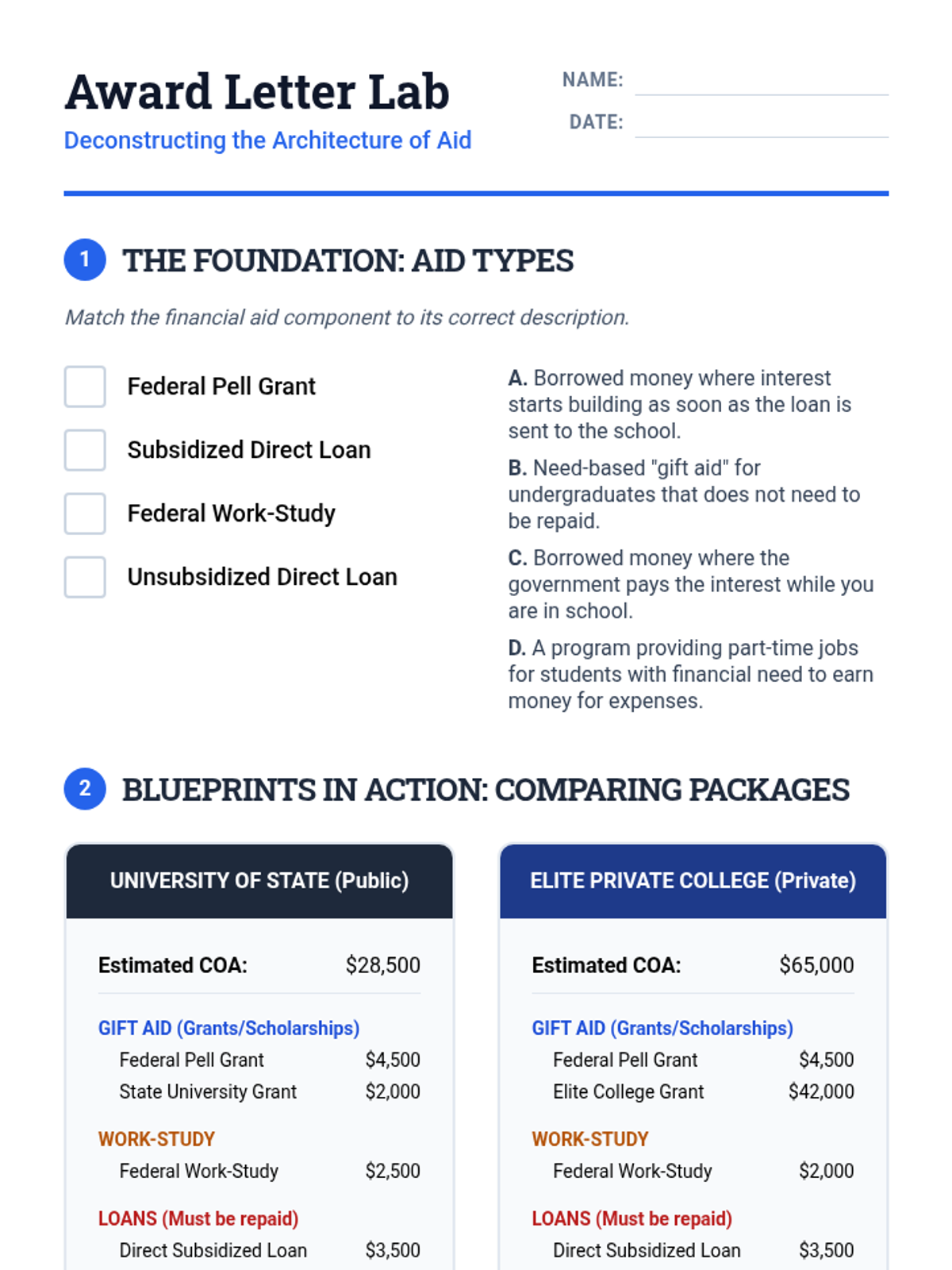
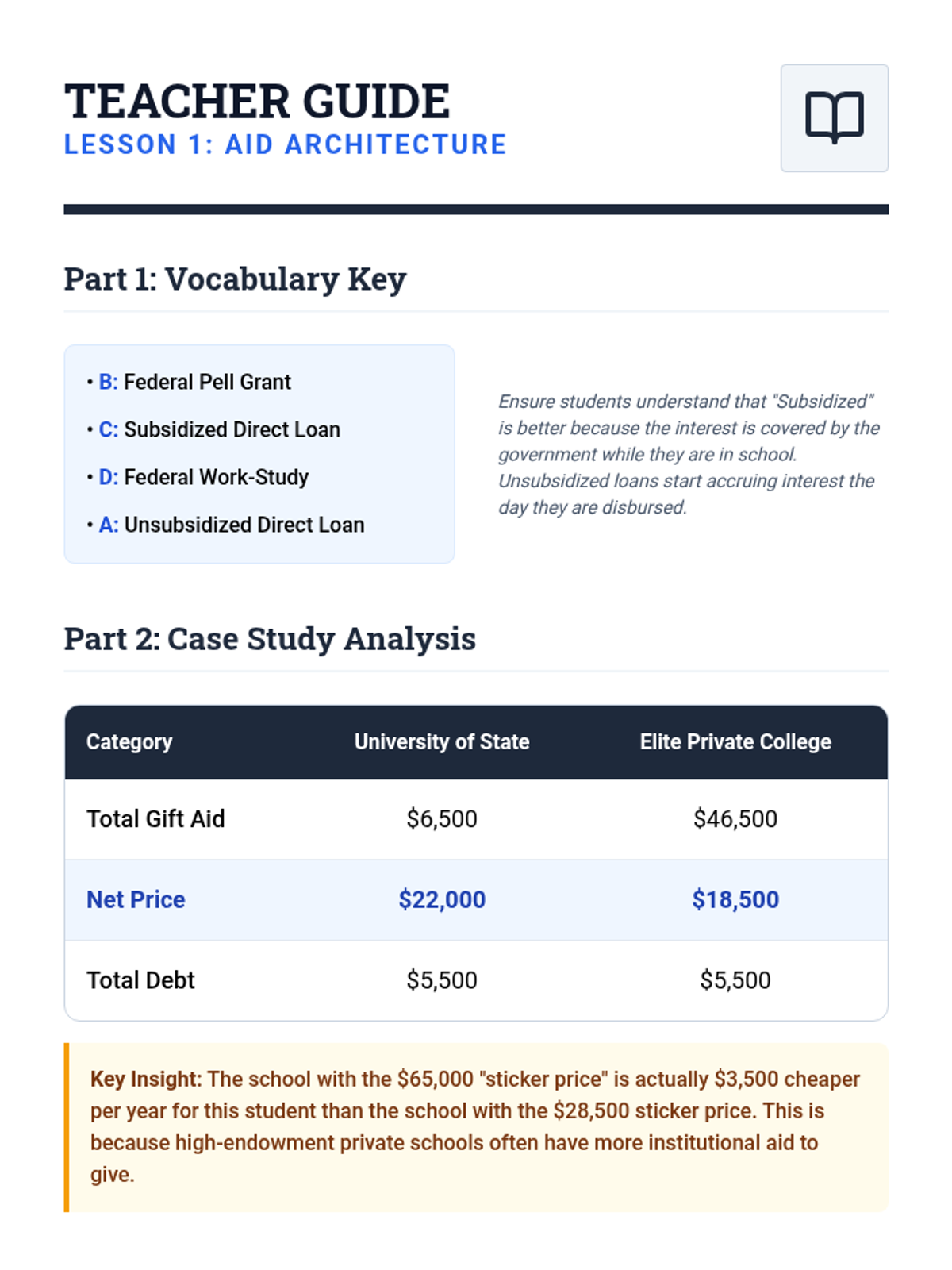
A comprehensive sequence for 11th-grade students to demystify financial aid and prepare for the FAFSA application process. Students will explore aid types, establish digital identities, navigate dependency rules, interpret tax documents, and build a strategic timeline for senior year.
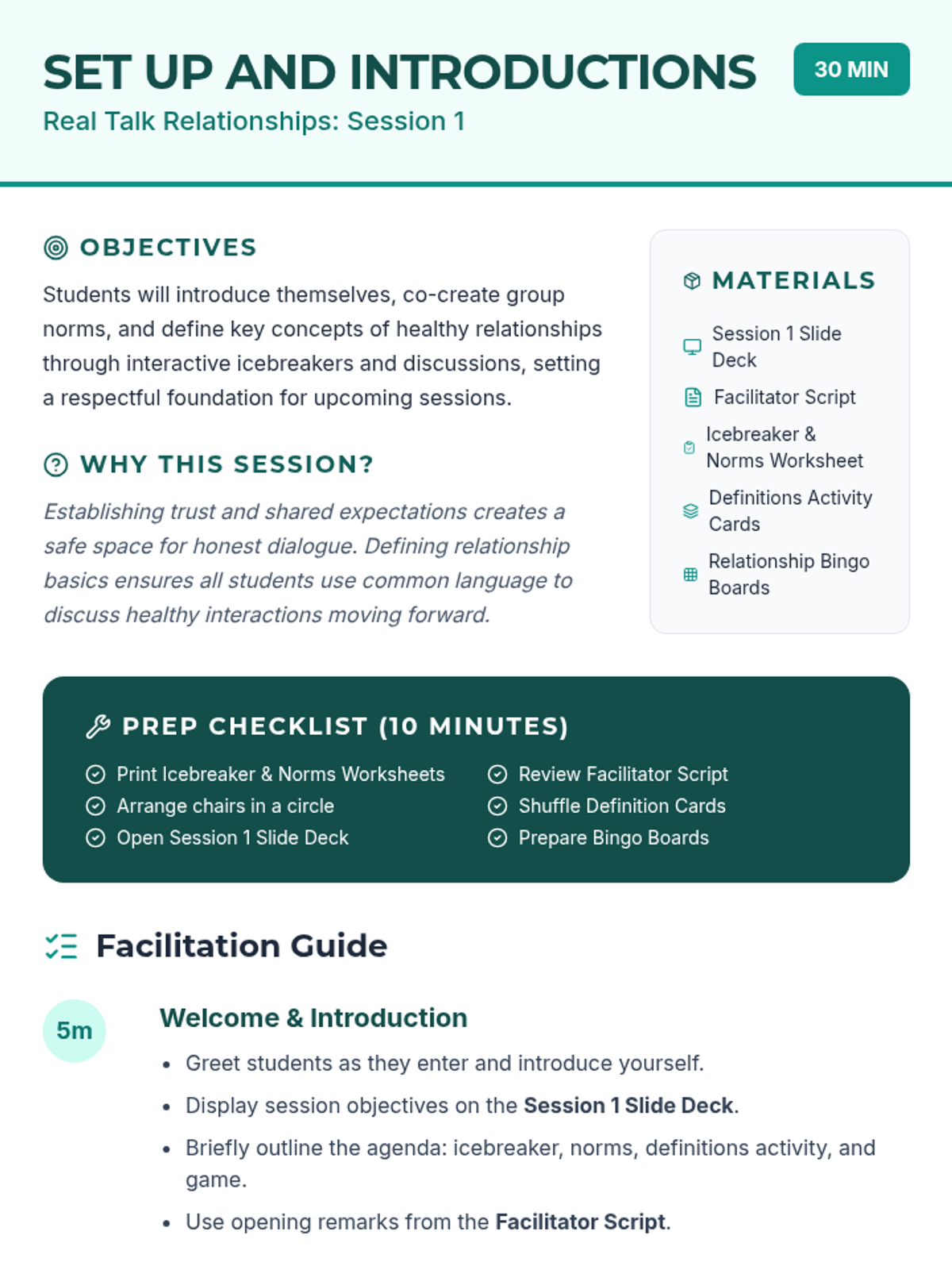
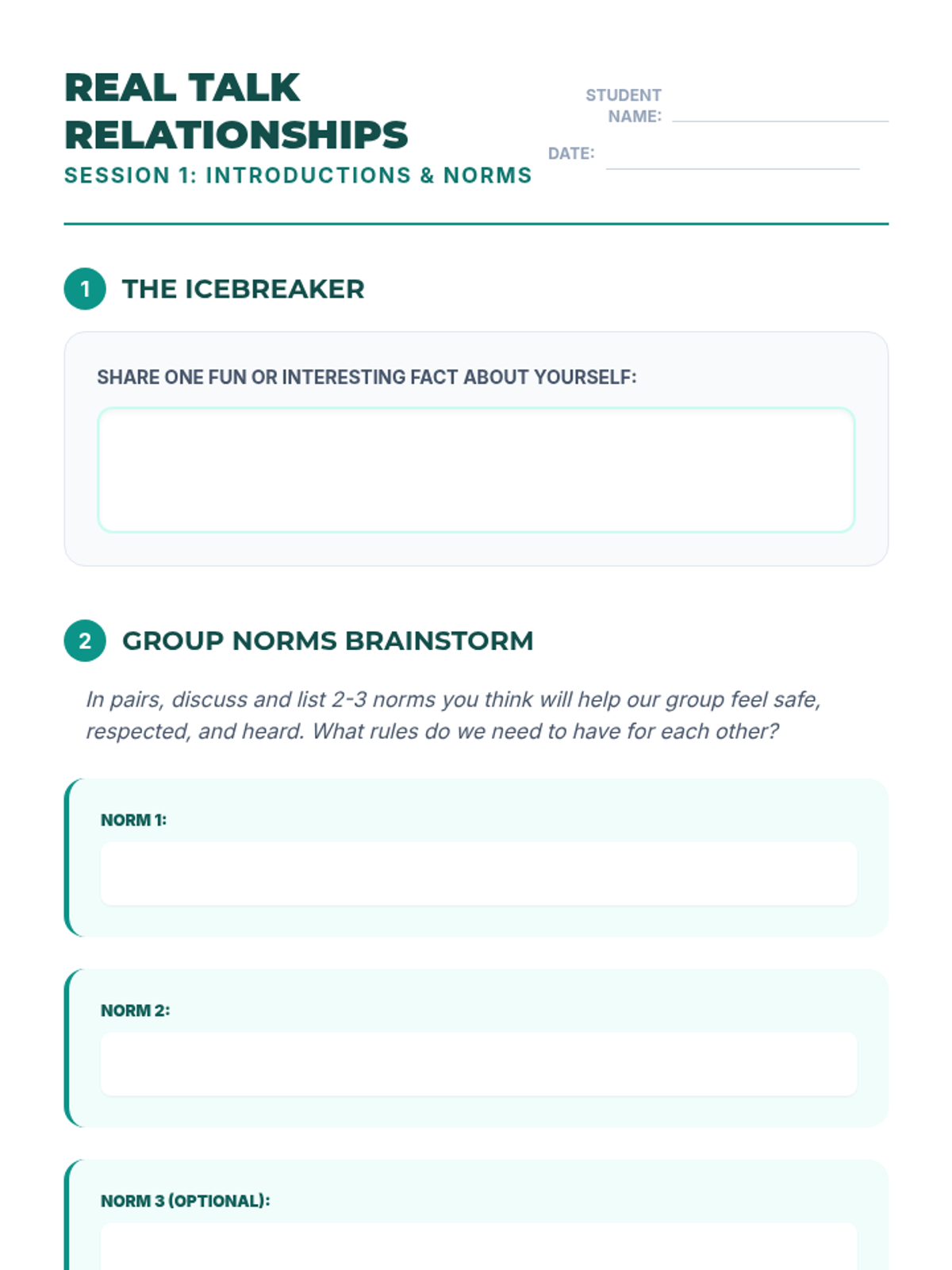
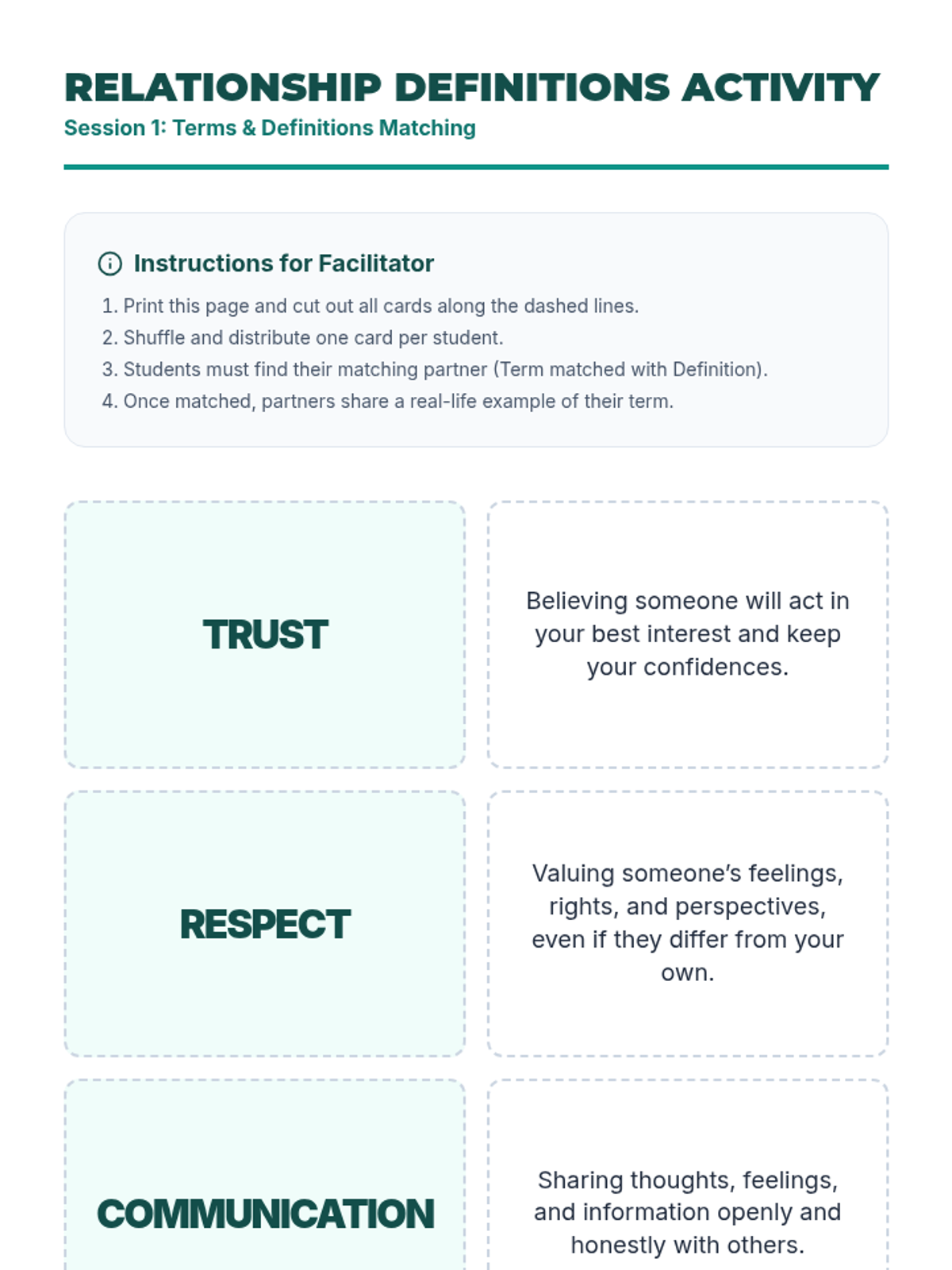
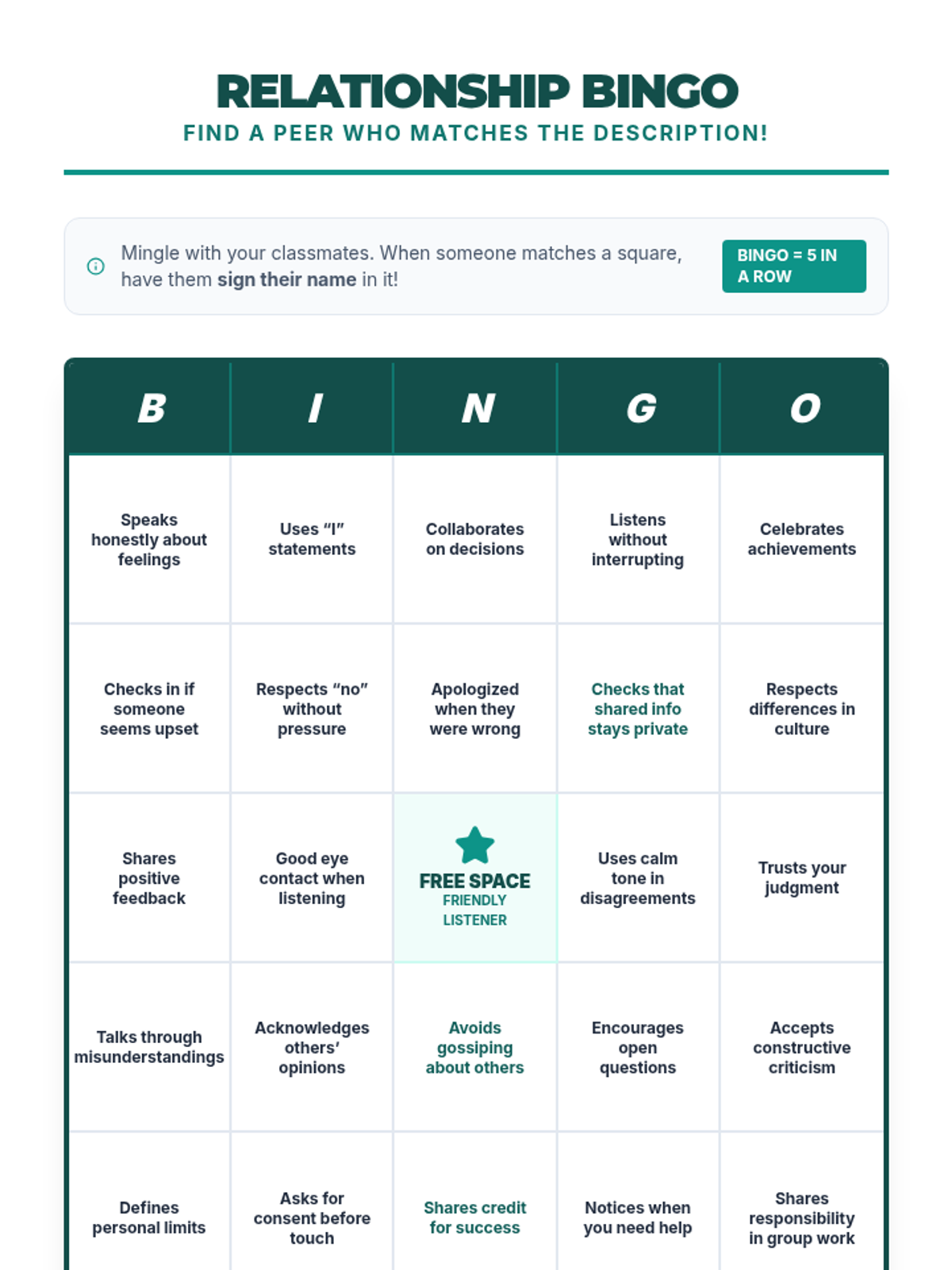
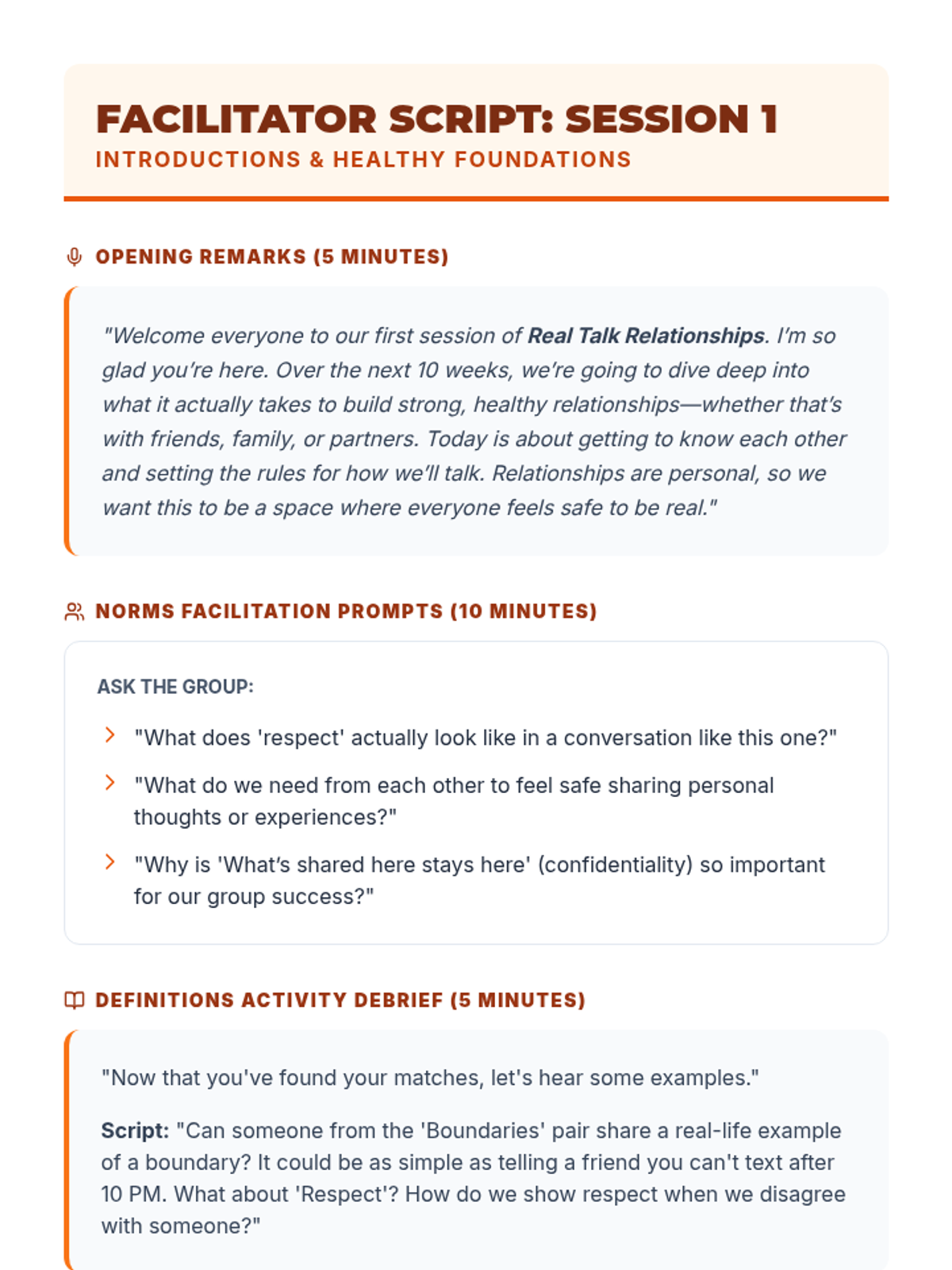
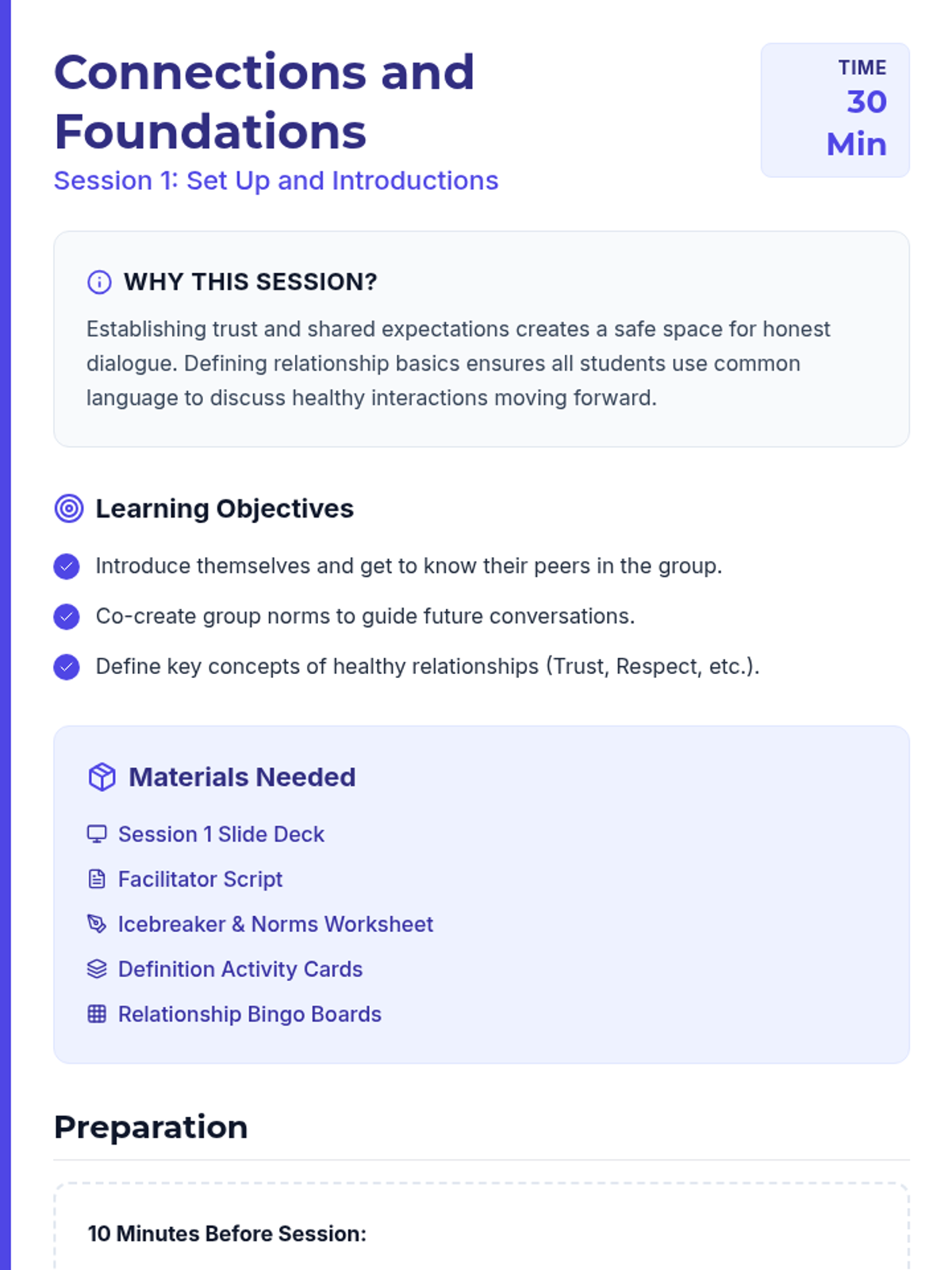
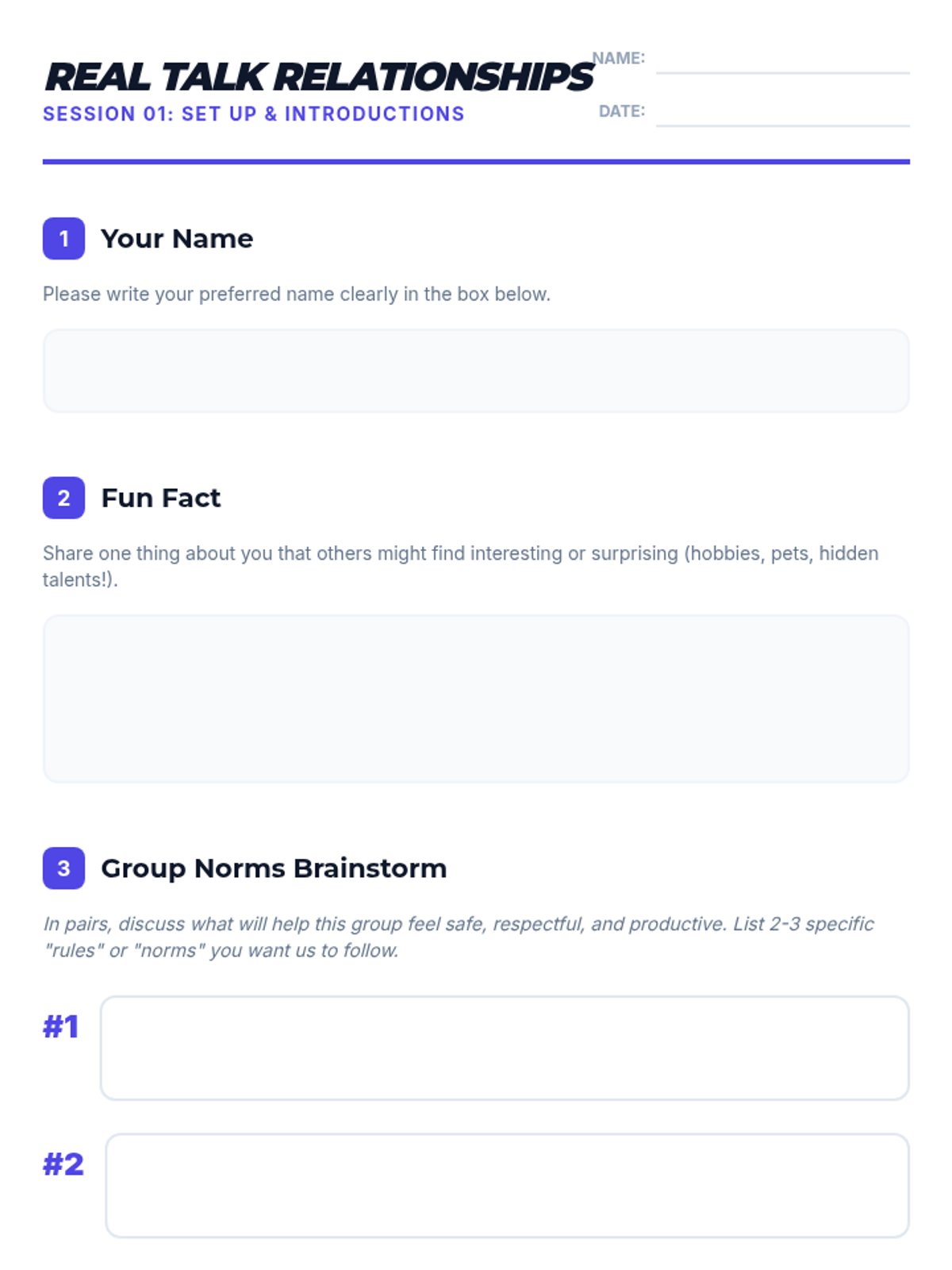
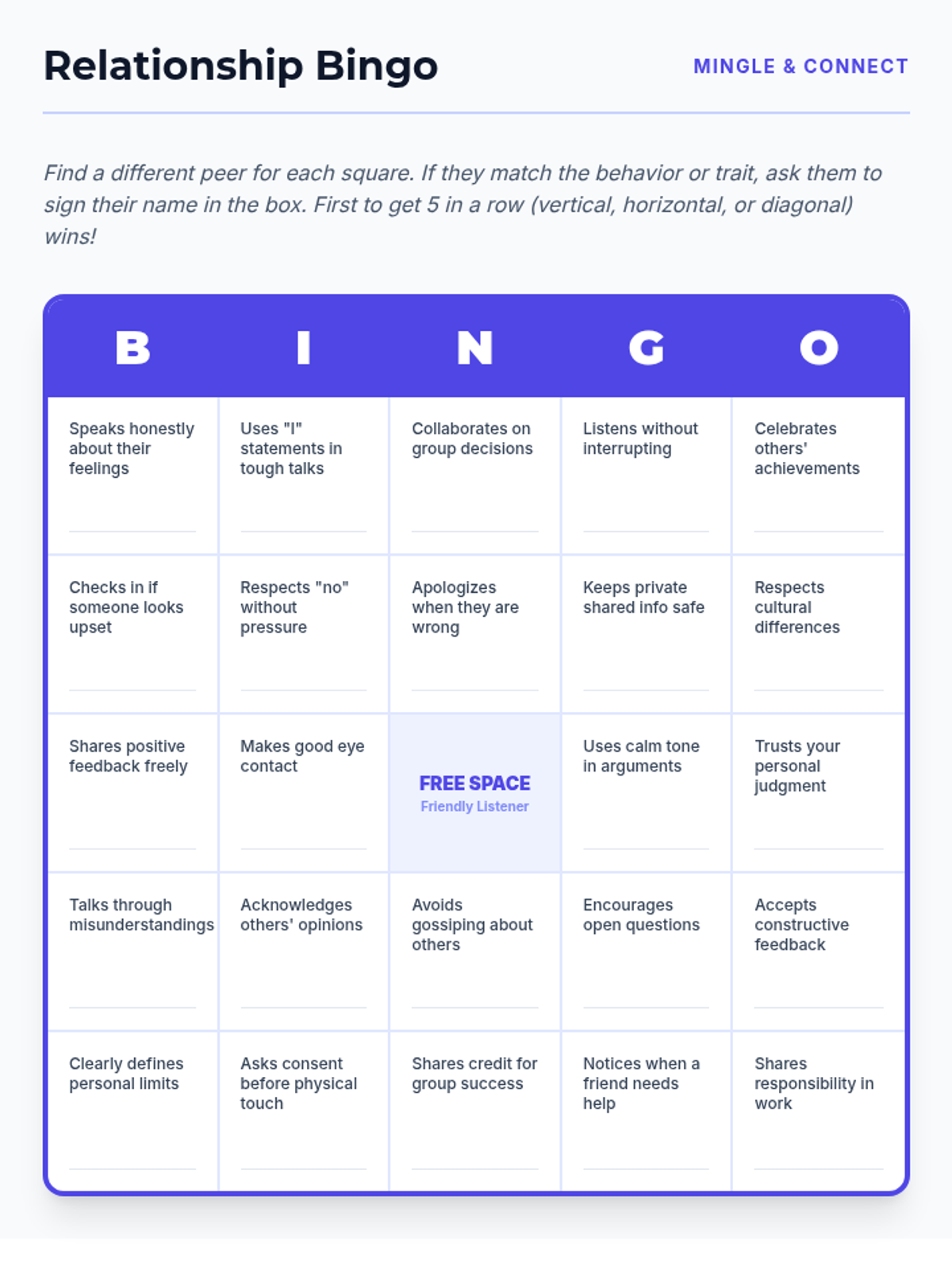
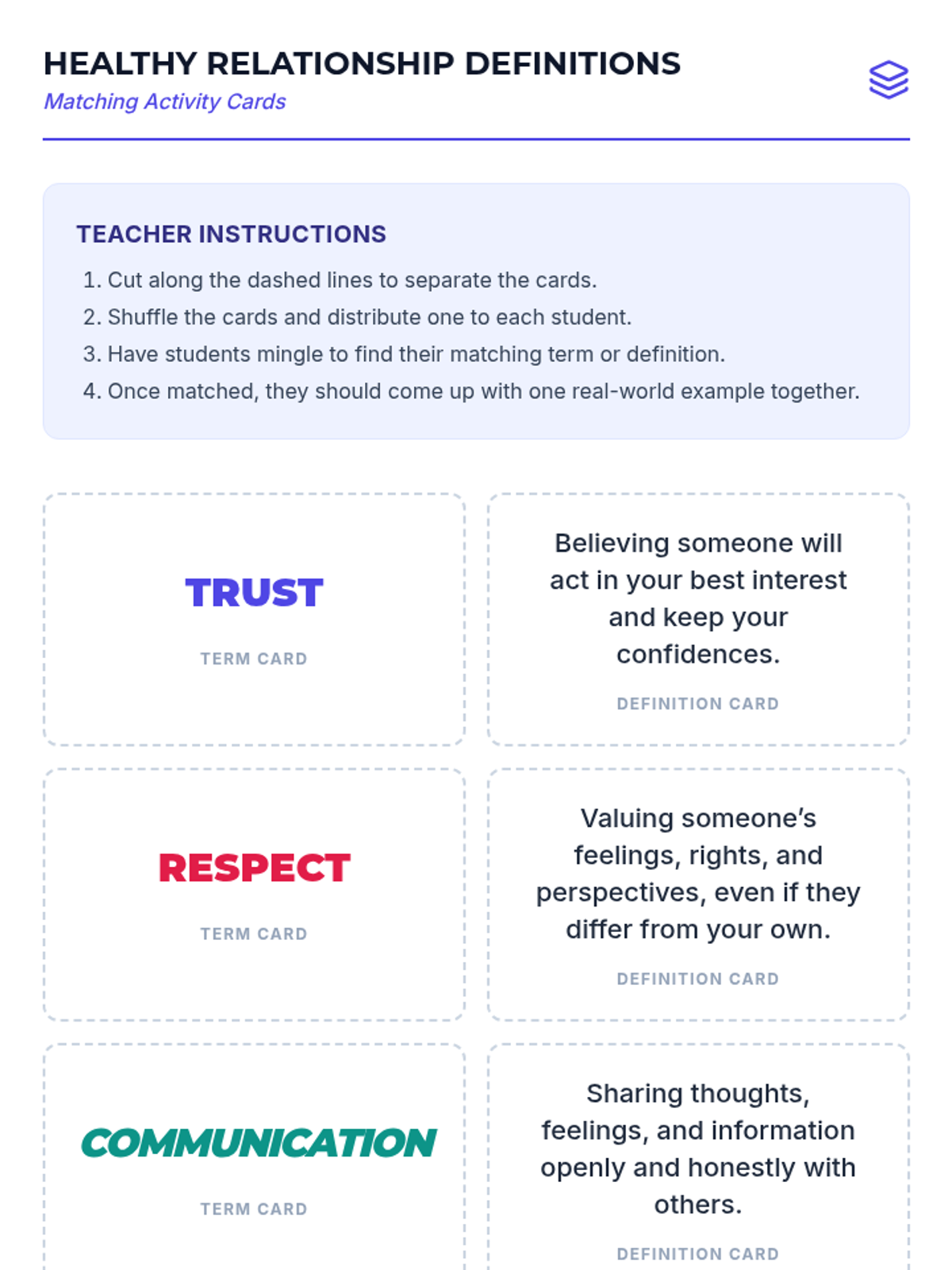
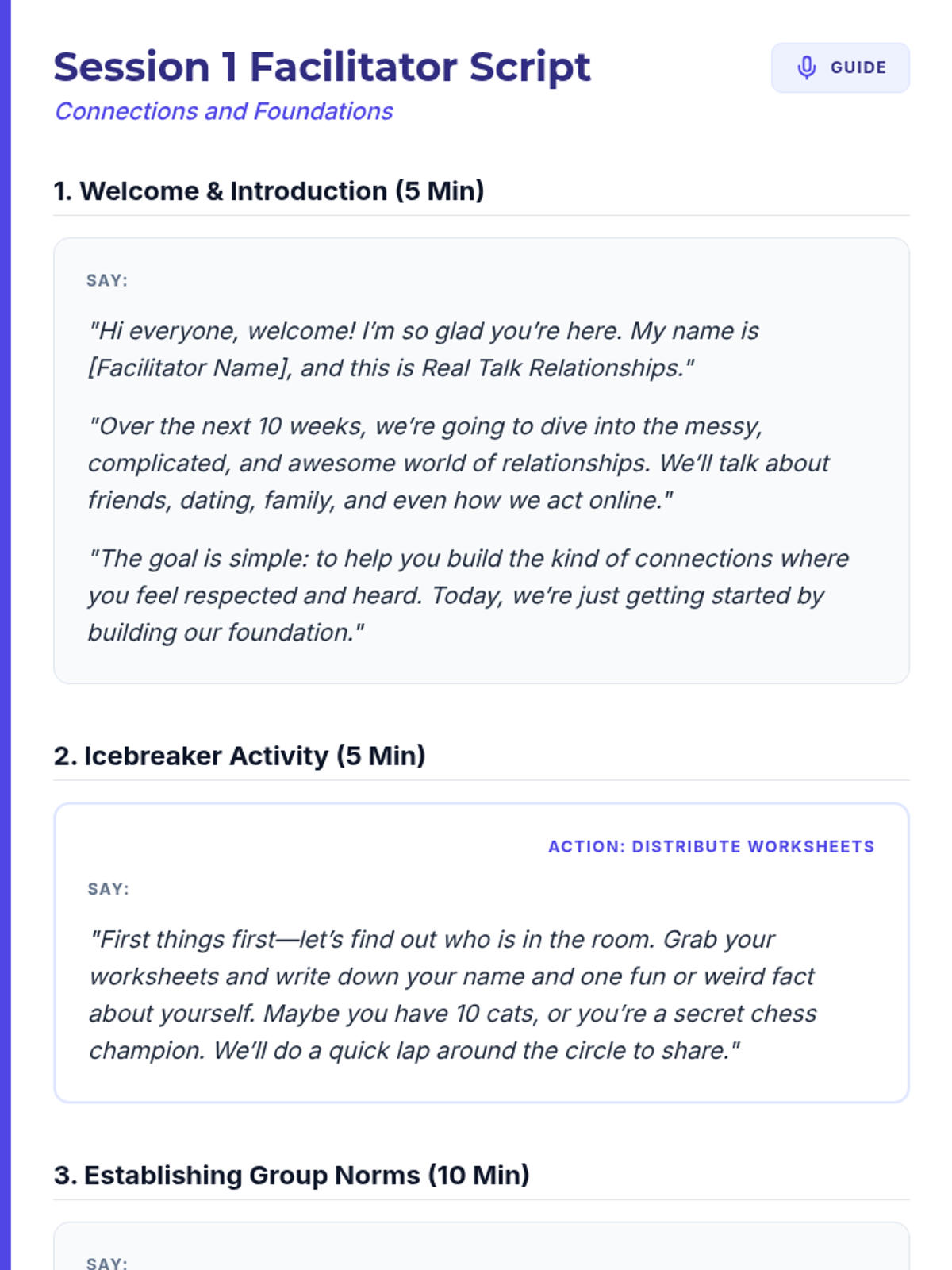
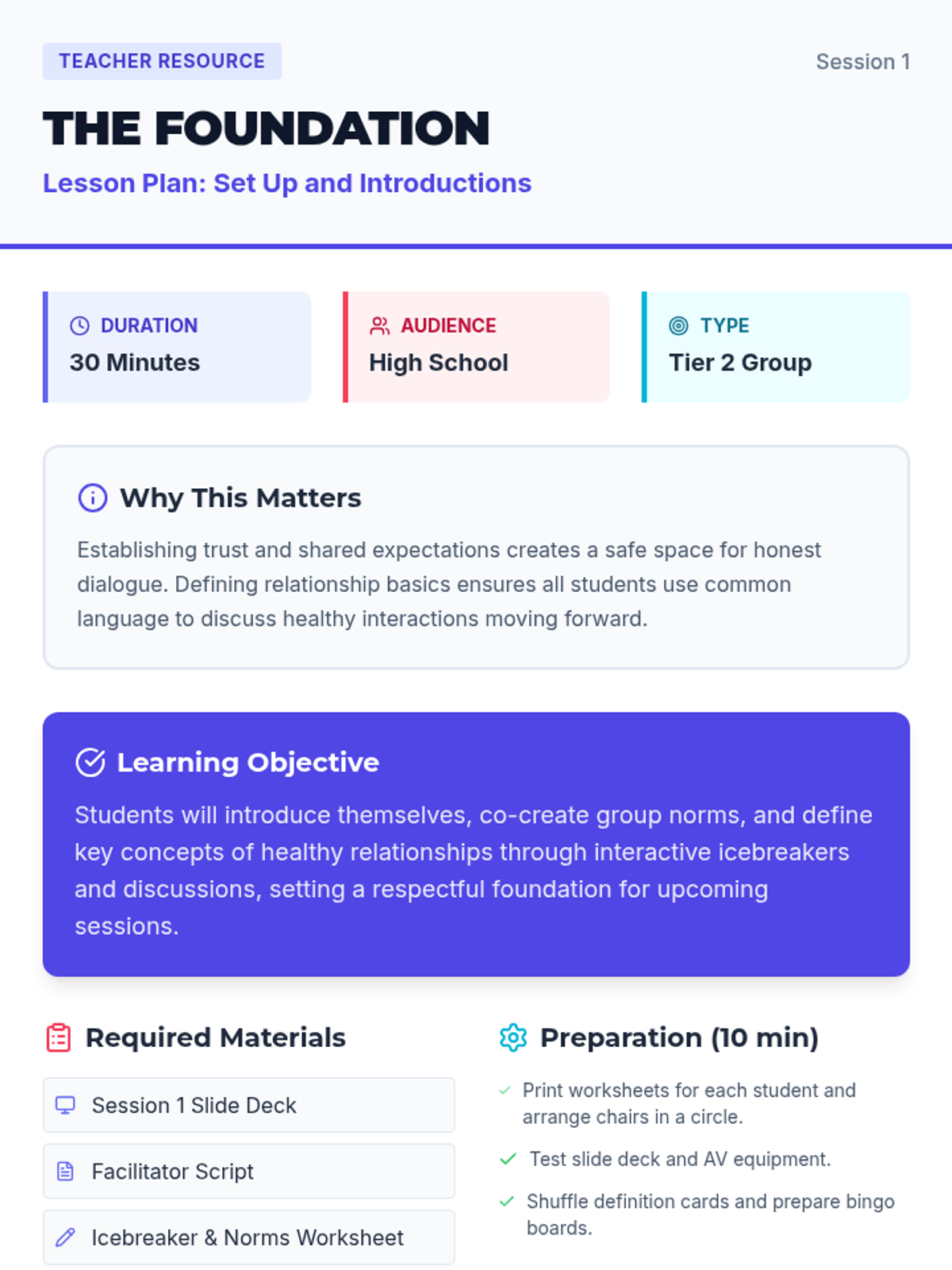
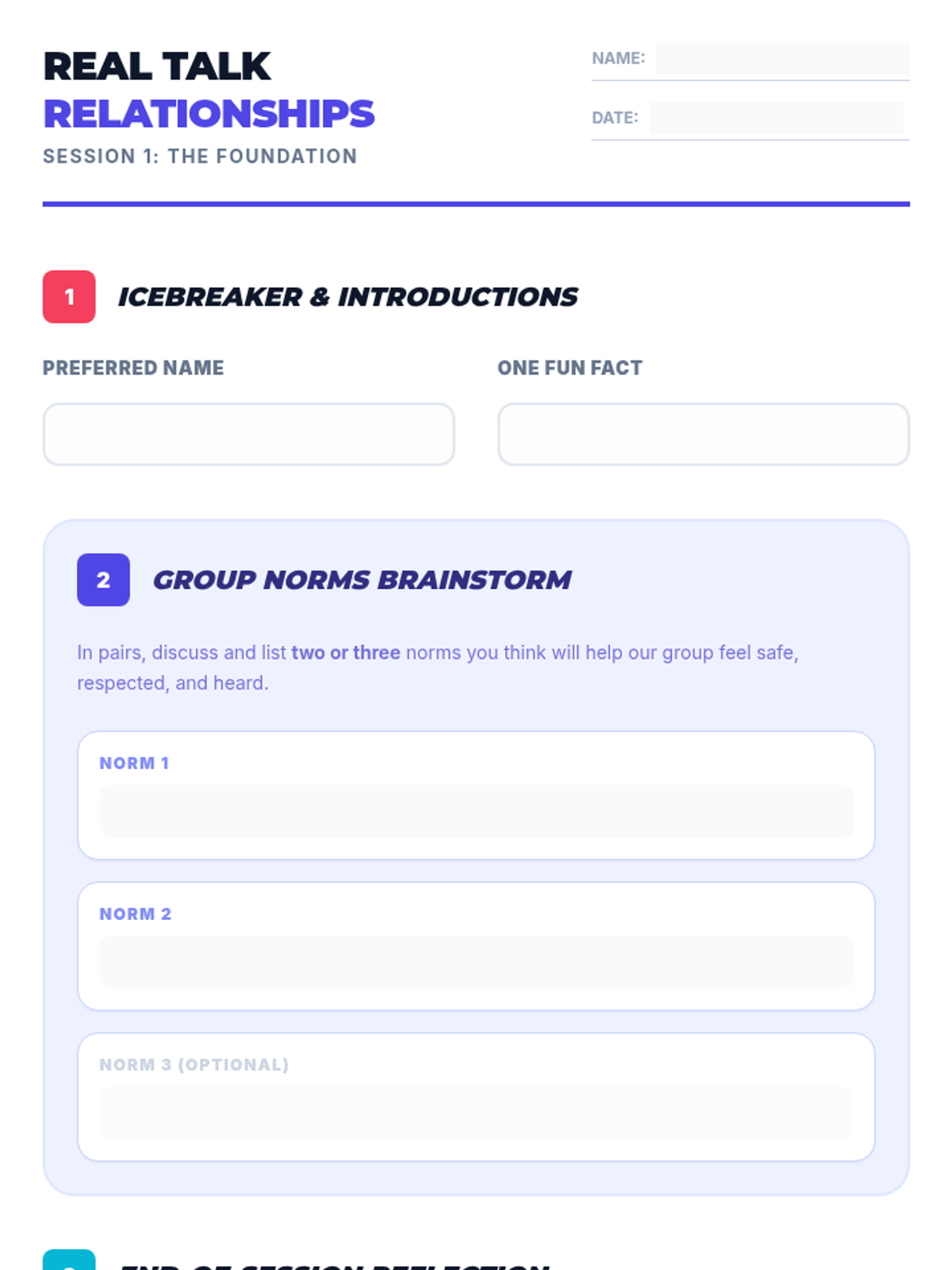
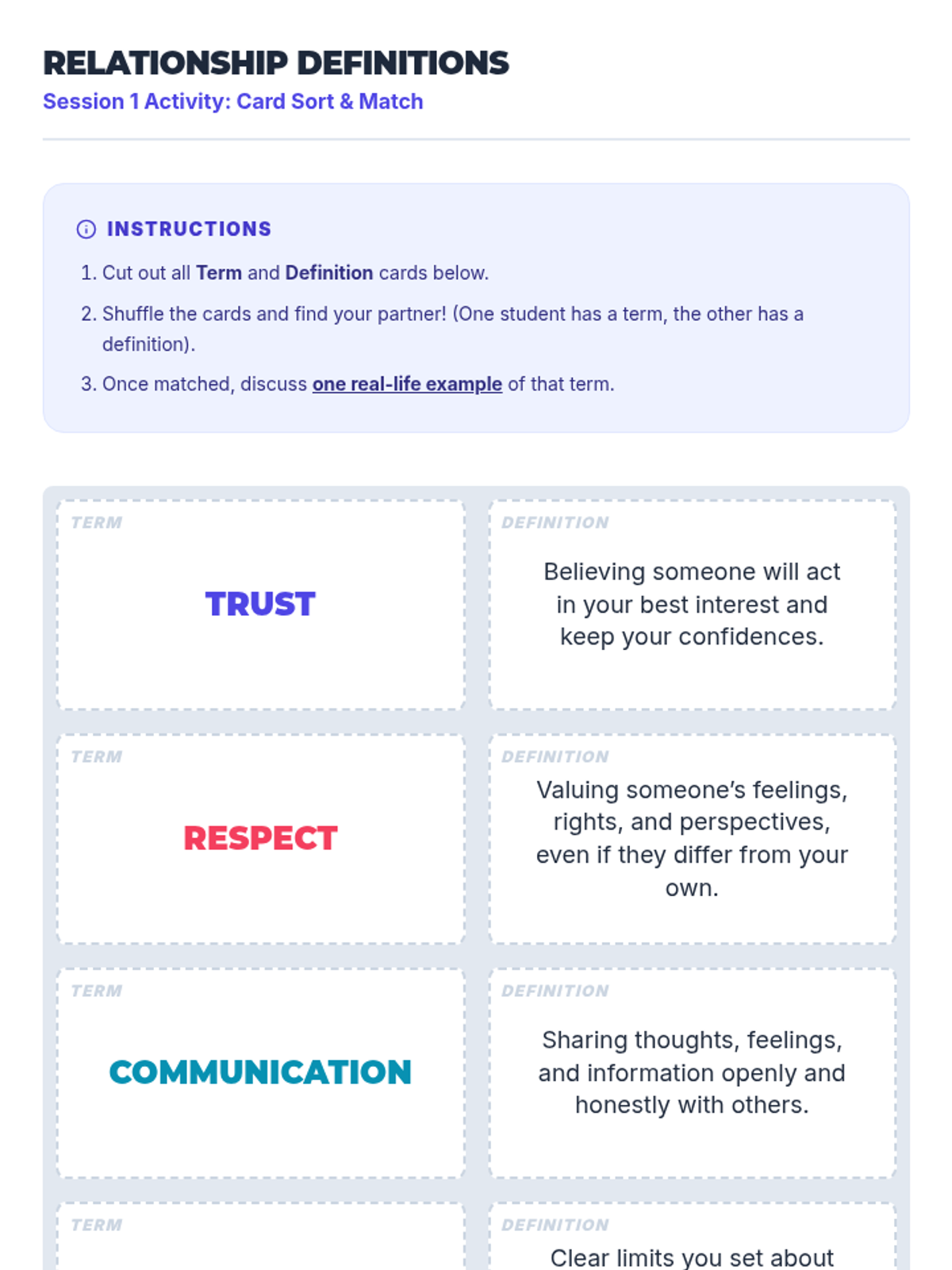
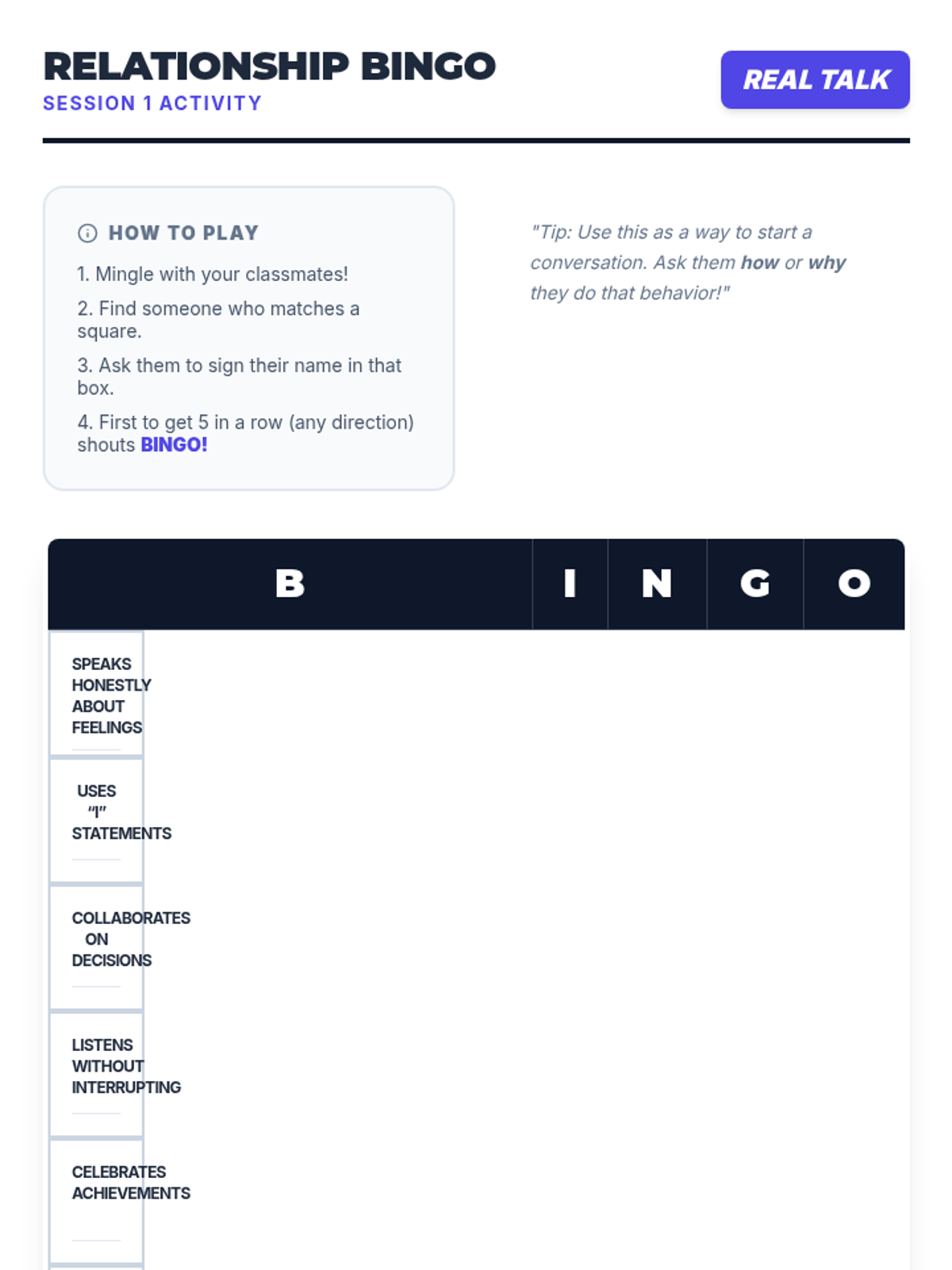
A 10-session course for high school students focused on building and maintaining healthy romantic, platonic, and digital relationships through communication, boundaries, and empathy.
A 10-session comprehensive course for high school students focused on building healthy romantic, platonic, and digital relationships through communication, boundaries, and empathy.
A 10-session course for high school students focused on developing healthy communication, boundaries, and empathy across romantic, platonic, and digital relationships. Students engage in interactive role-plays, games, and reflections to build practical social-emotional skills.
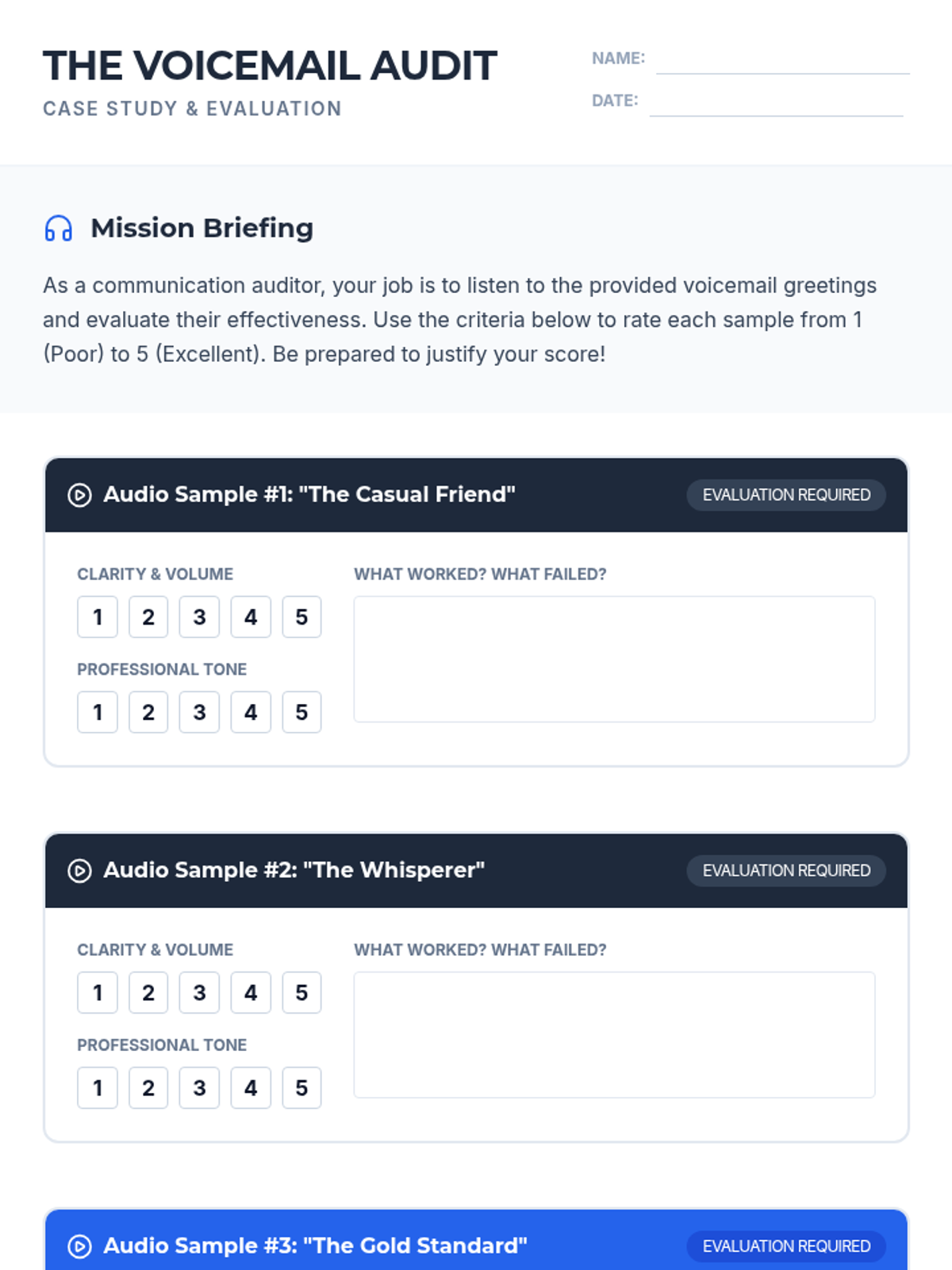
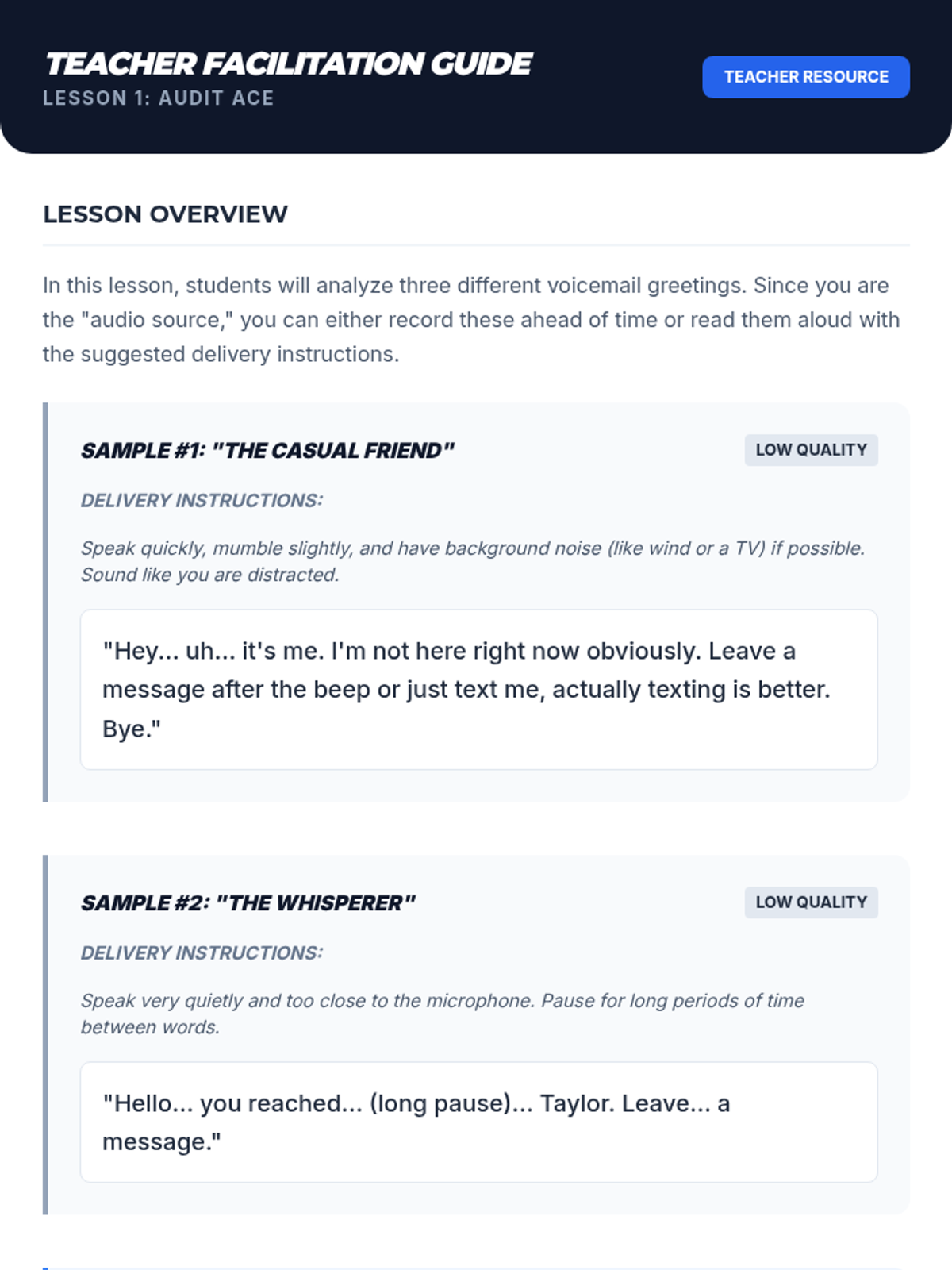
This project-based sequence explores the world of asynchronous audio communication, specifically voicemail systems. Students investigate professional standards, script their own greetings, and practice leaving clear, actionable messages, culminating in a digital audio portfolio.
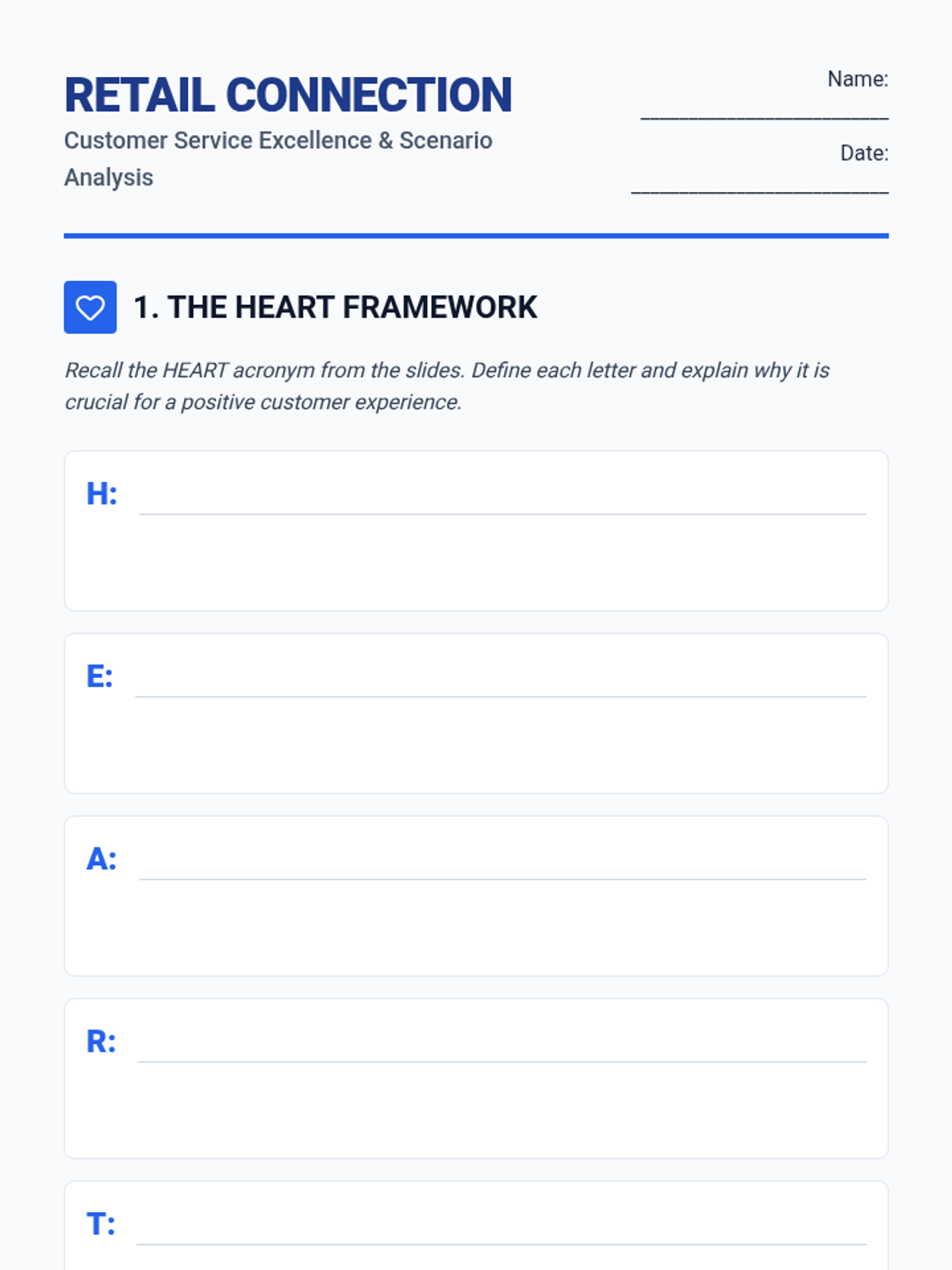
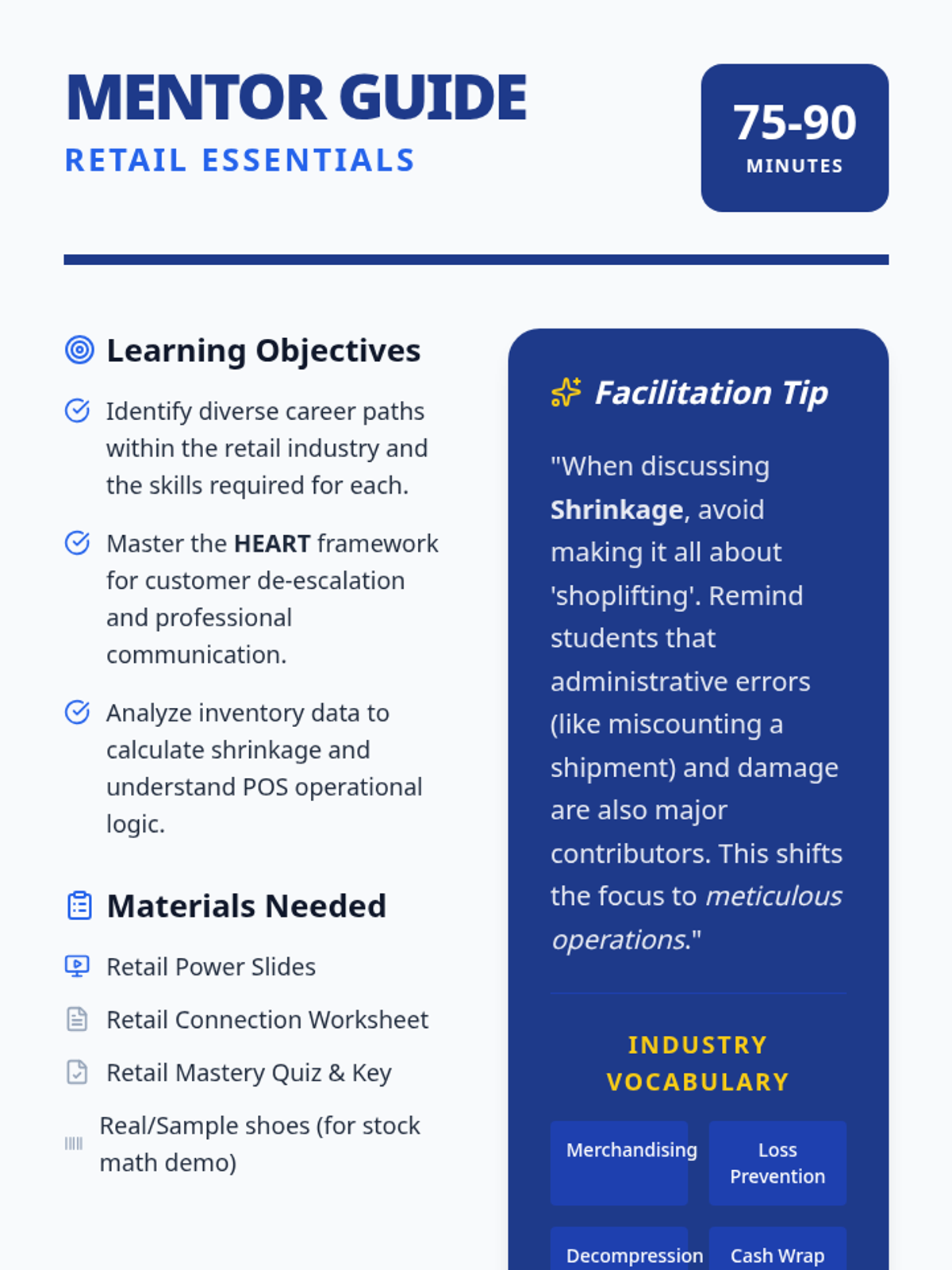
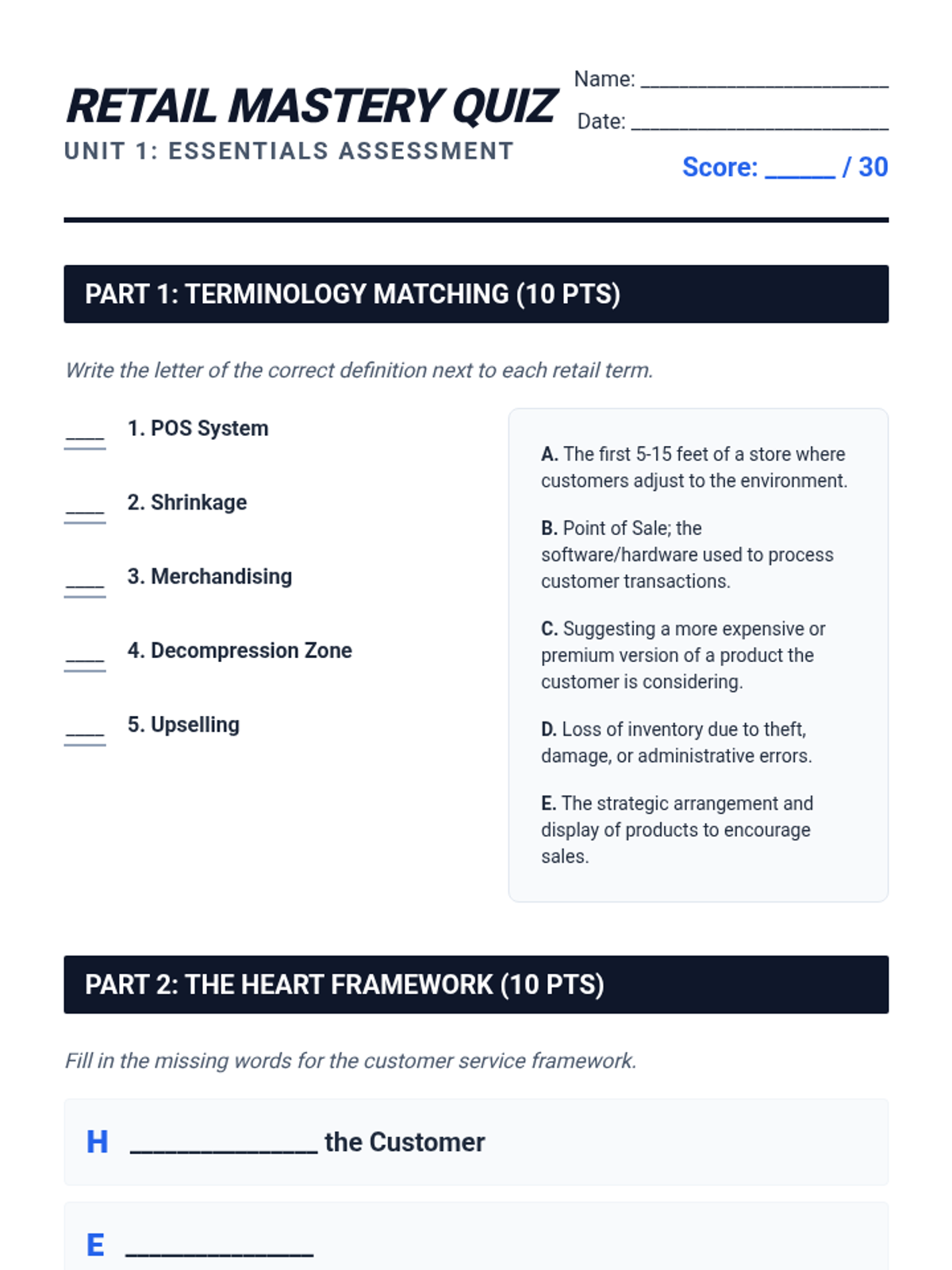
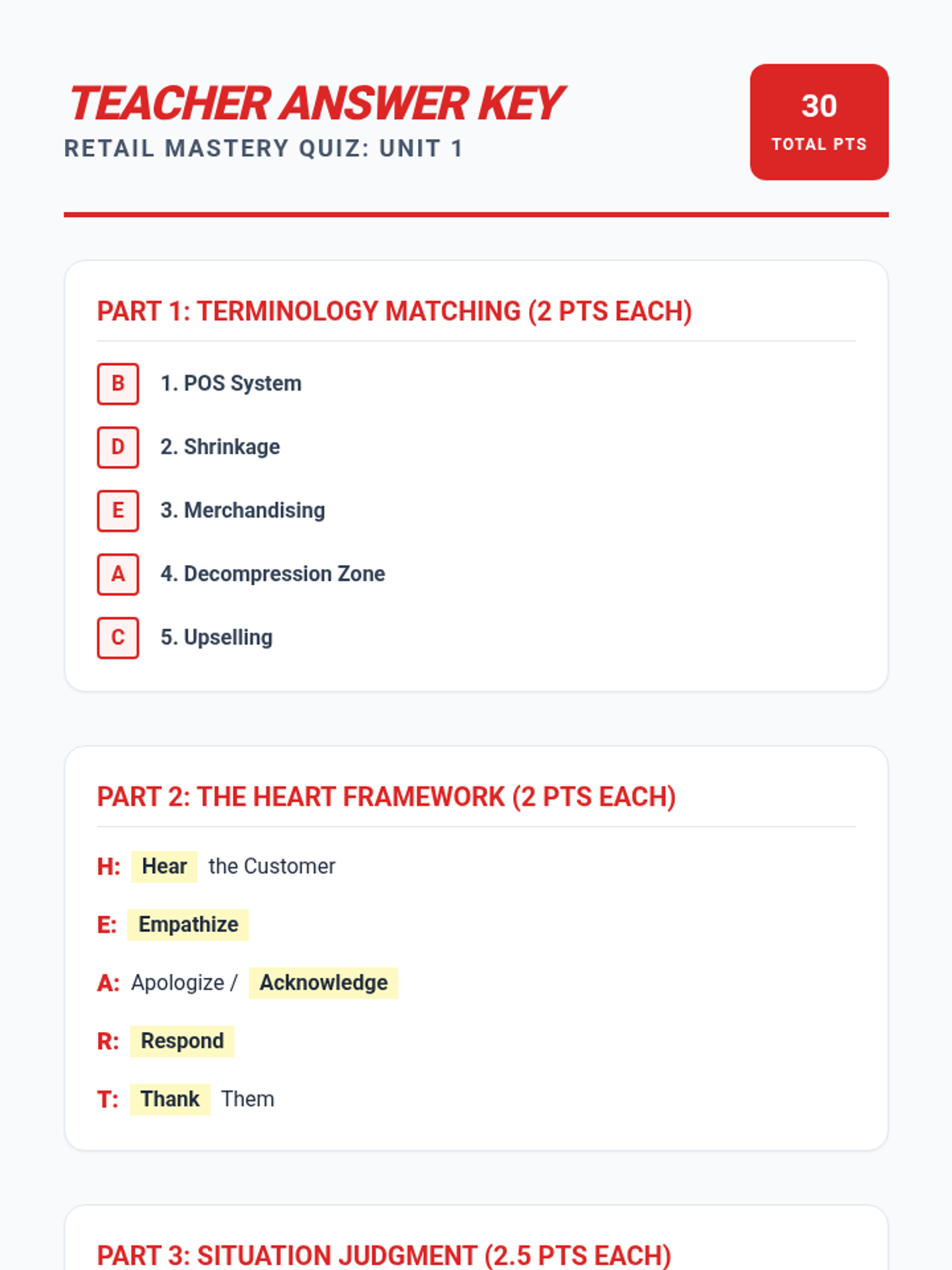
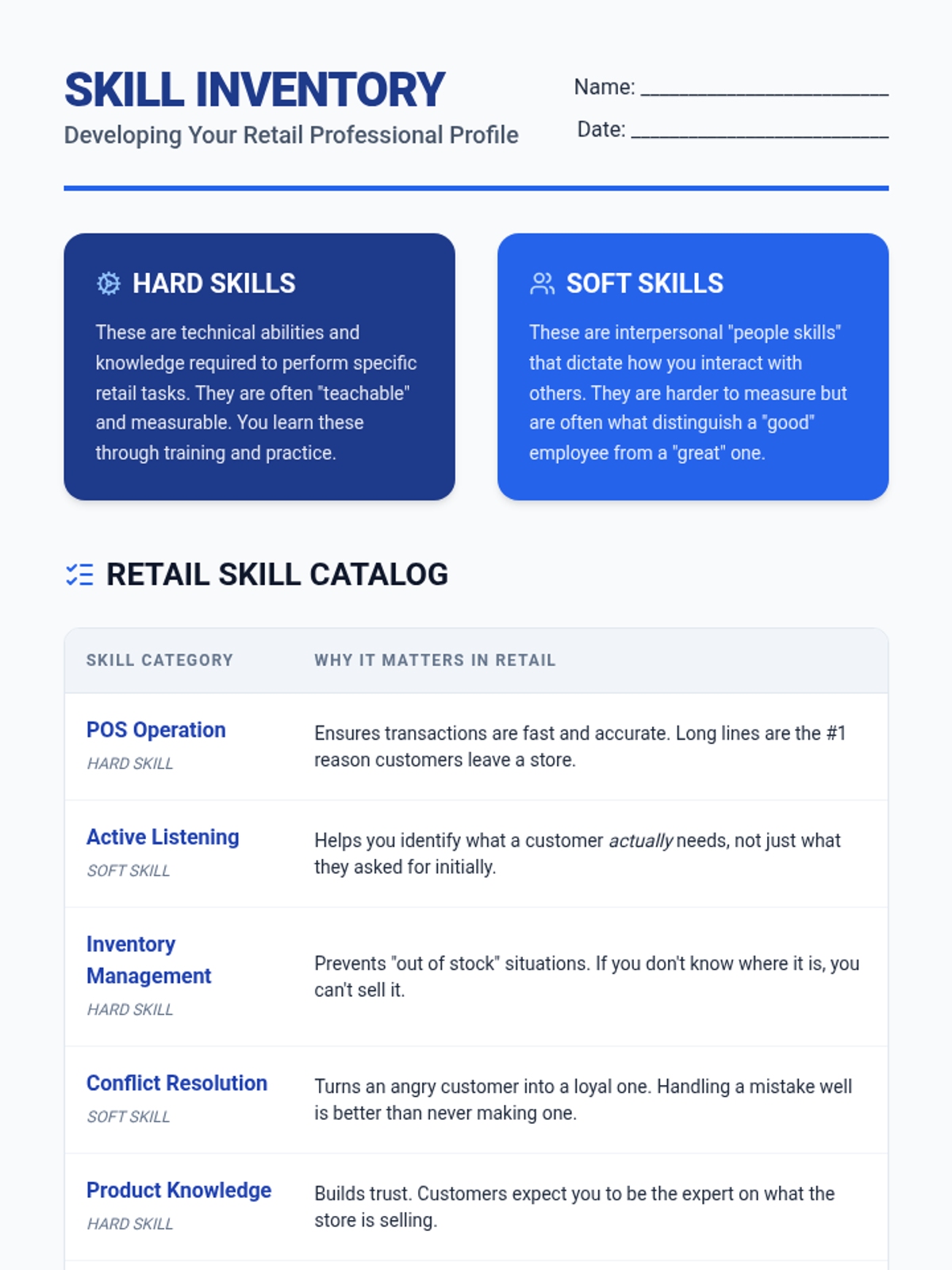
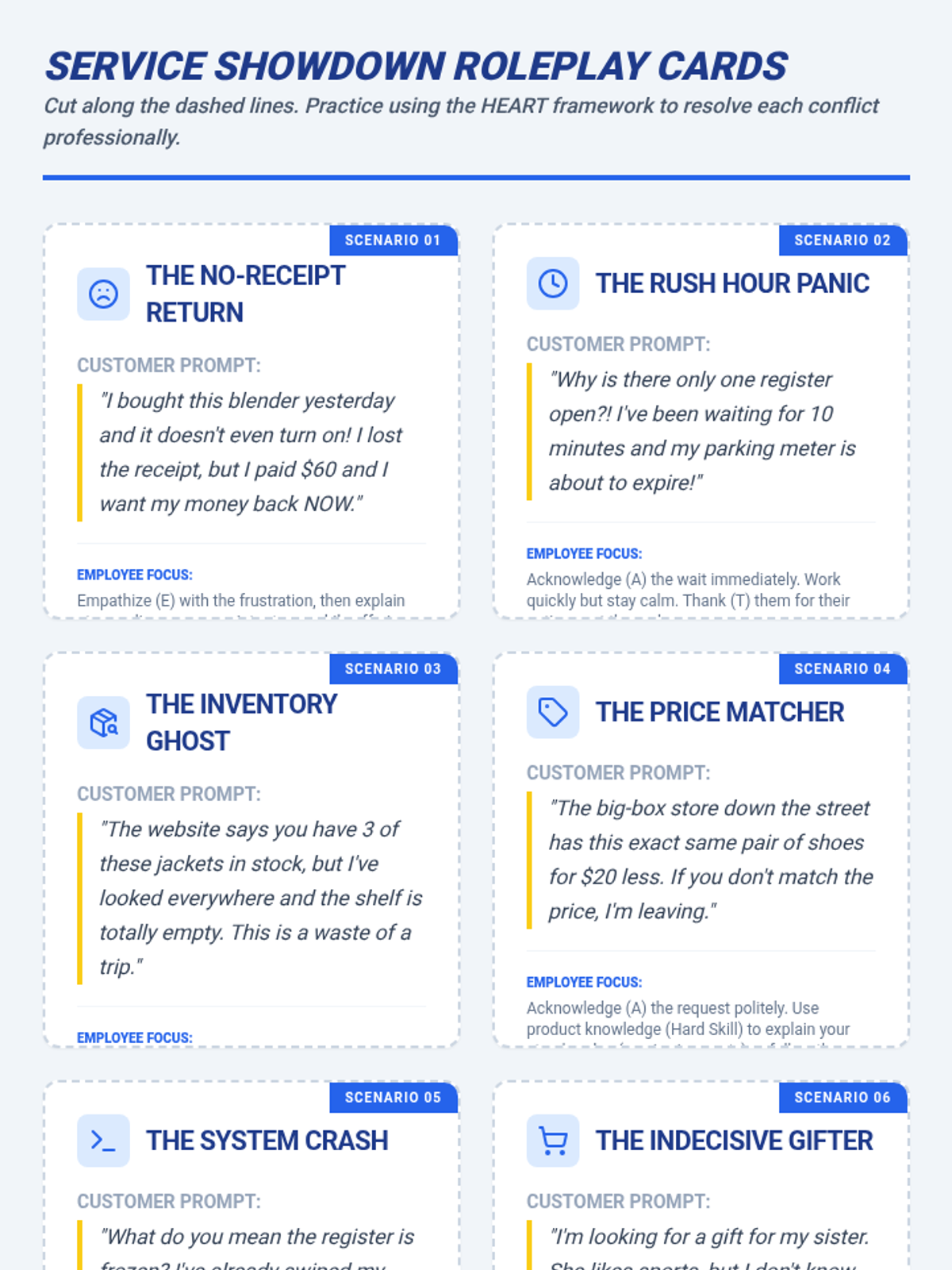
A hands-on career exploration unit focusing on the dynamic world of retail. Students will master customer service excellence, learn retail operations like inventory and POS systems, and design their own retail floor plan and brand strategy.
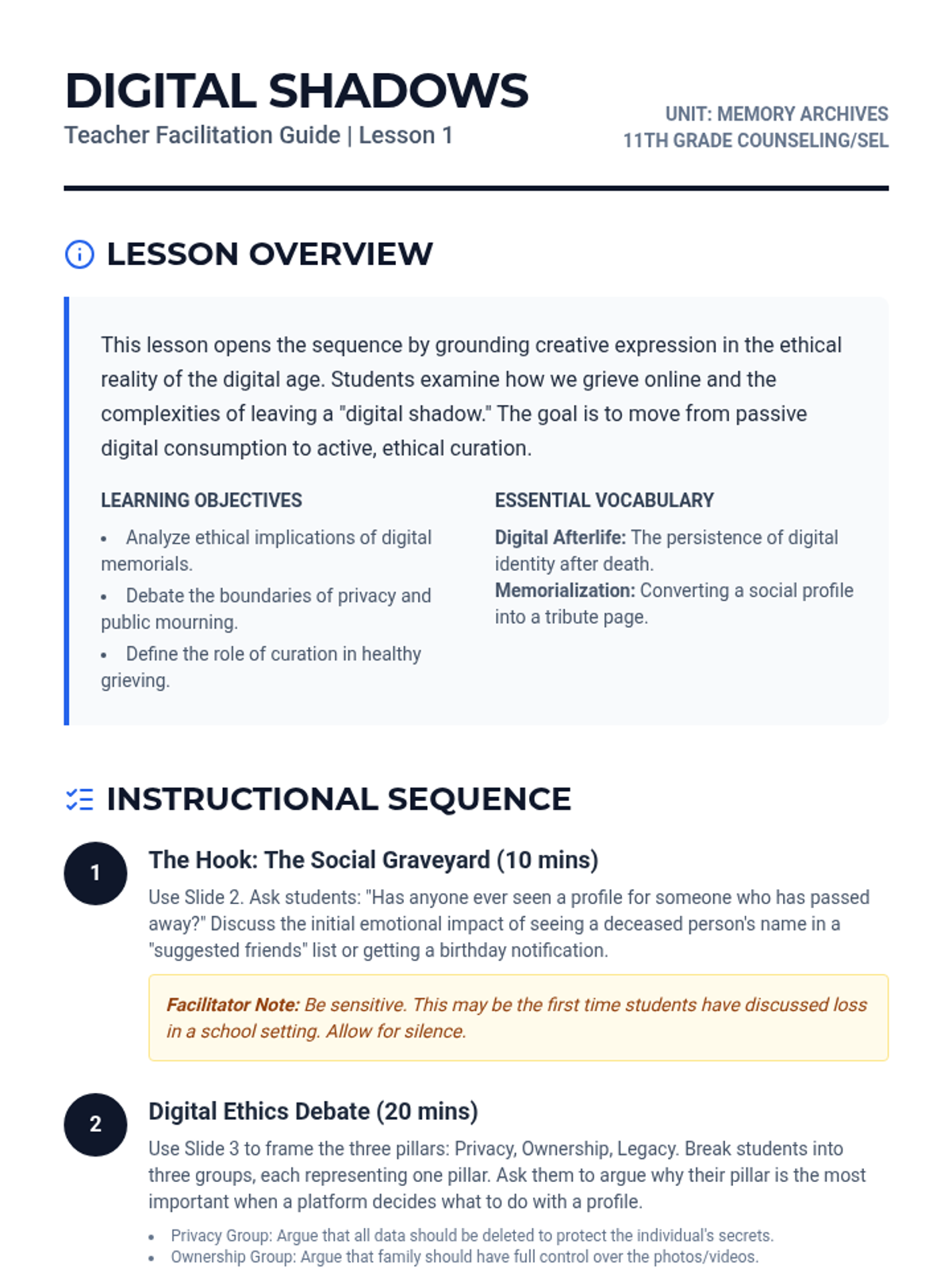
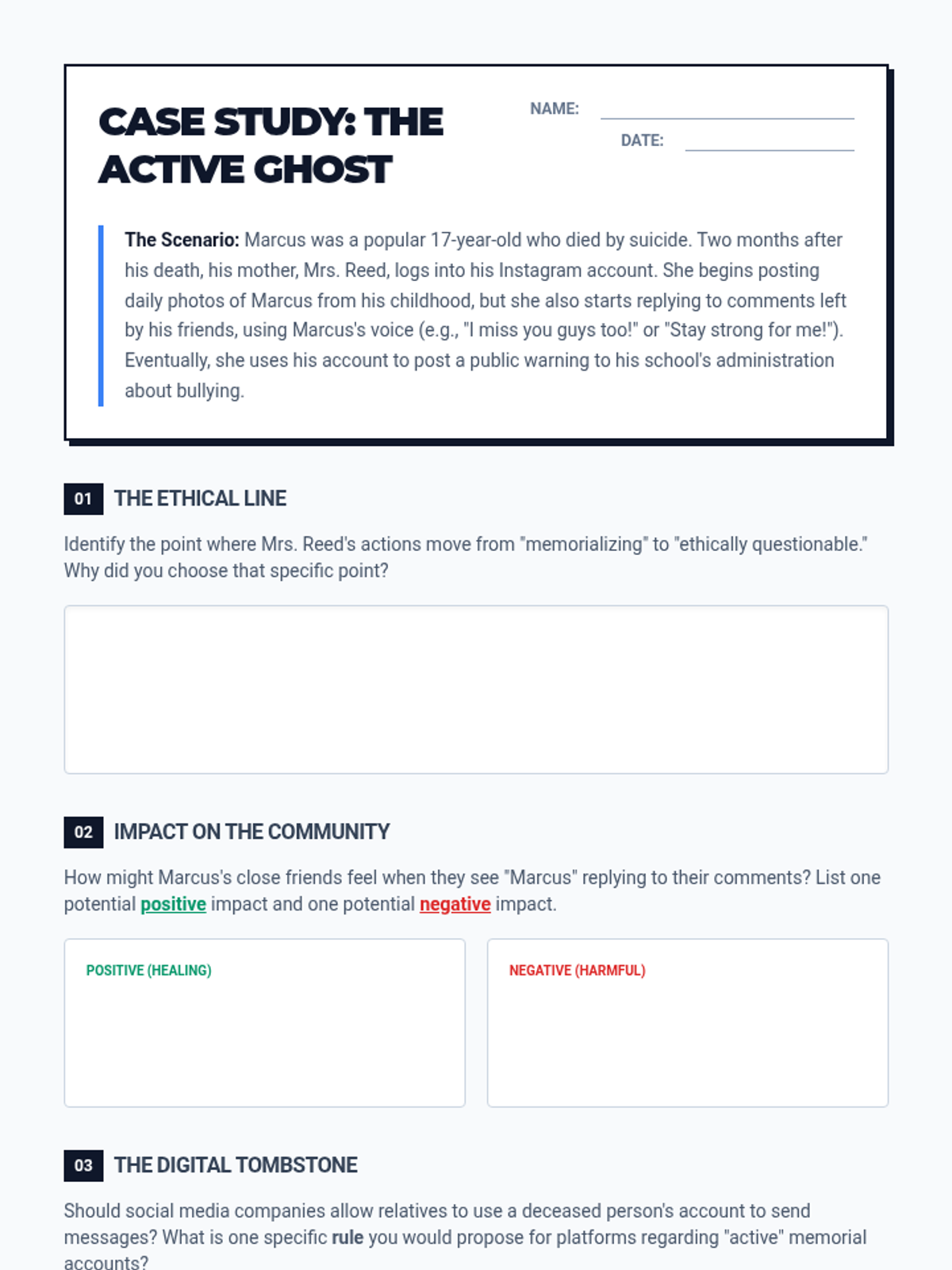
This sequence explores the therapeutic and ethical dimensions of digital memory. Students learn to curate digital artifacts, edit for emotional resonance, and create multimedia archives that honor loss and preserve personal legacies.
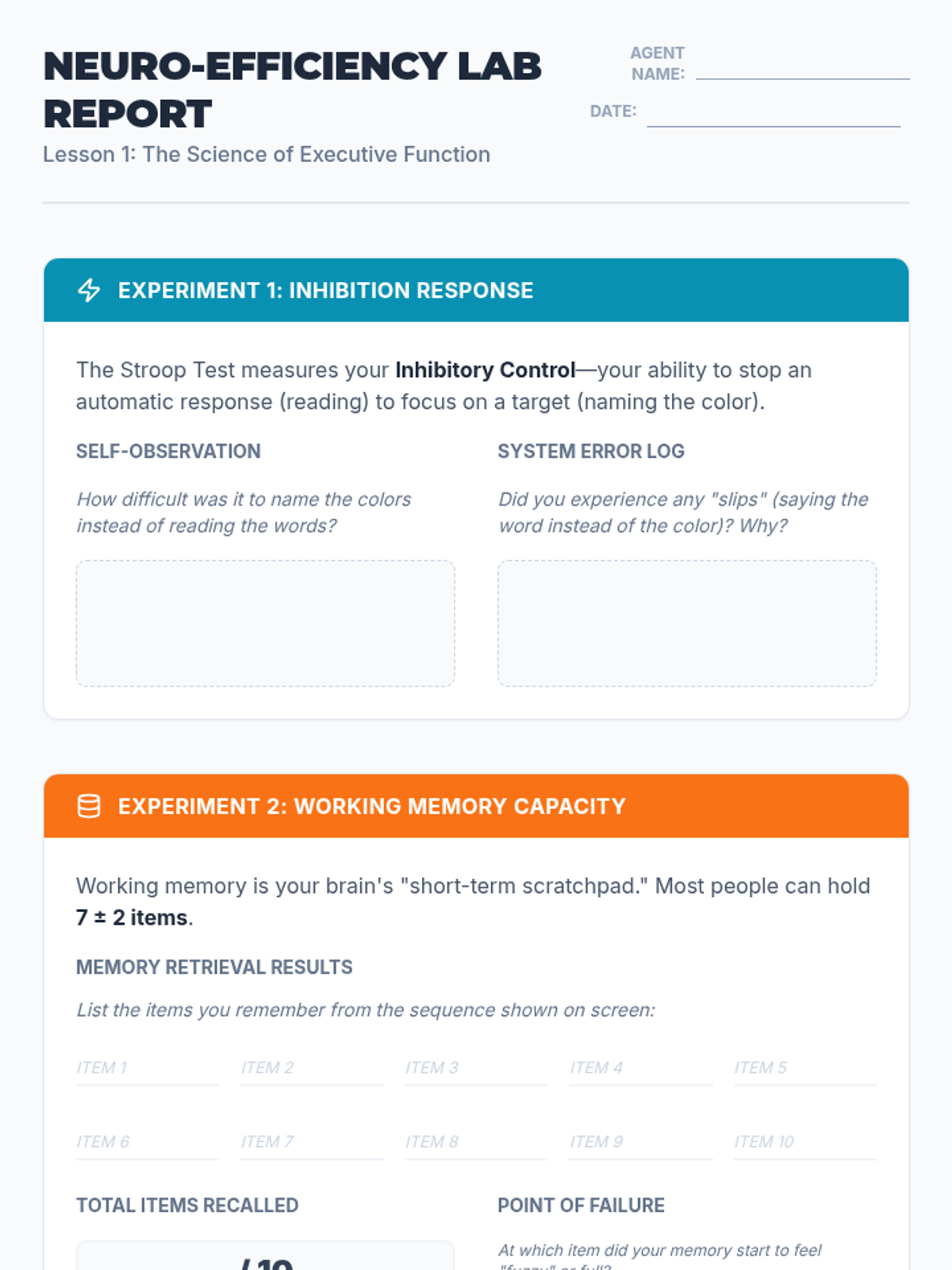
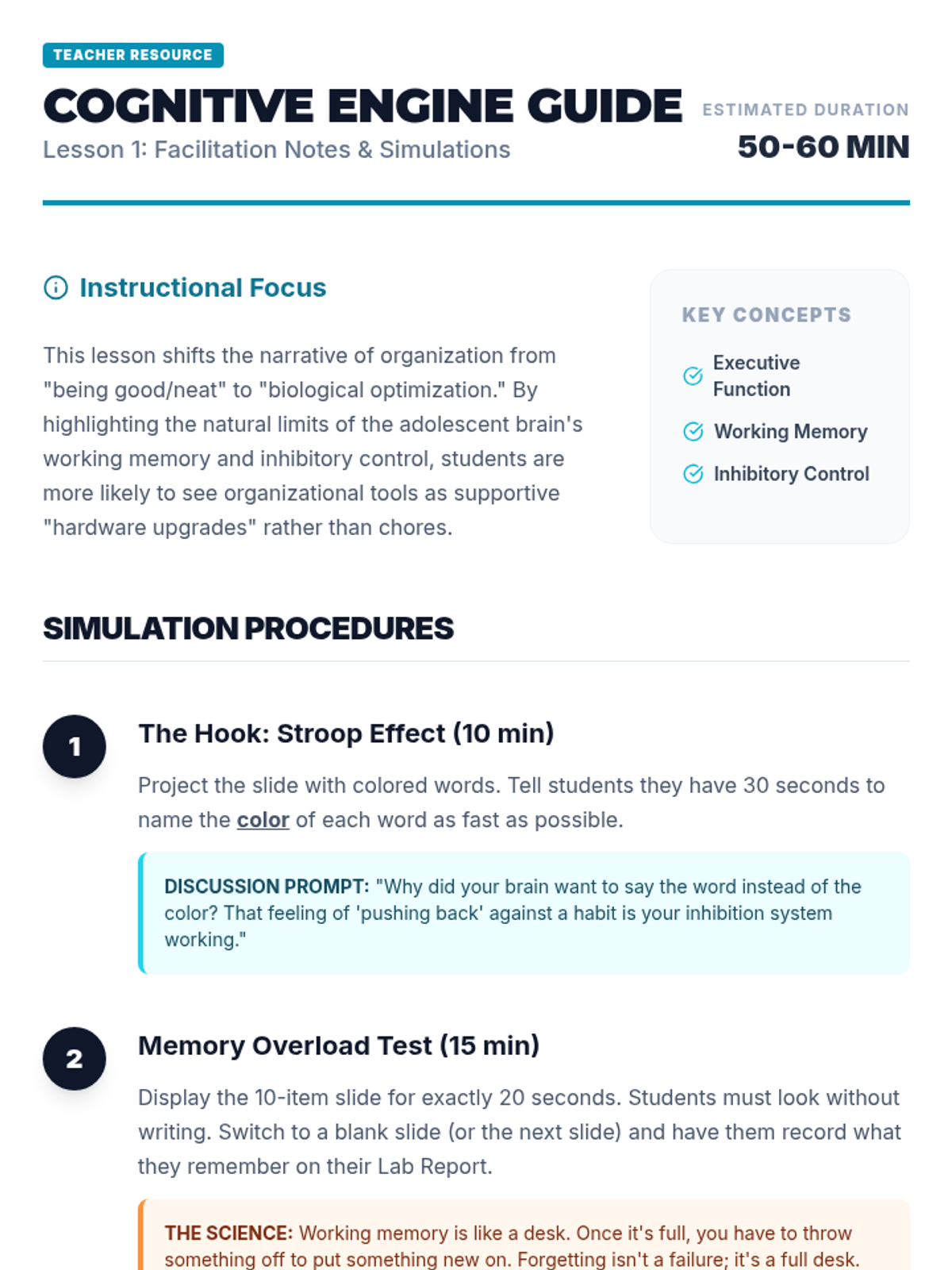
This sequence guides 8th-grade students through the engineering of their physical and digital environments to support executive function. Students move from understanding the neurological 'why' of organization to building a personalized operating manual for their own workflow optimization.
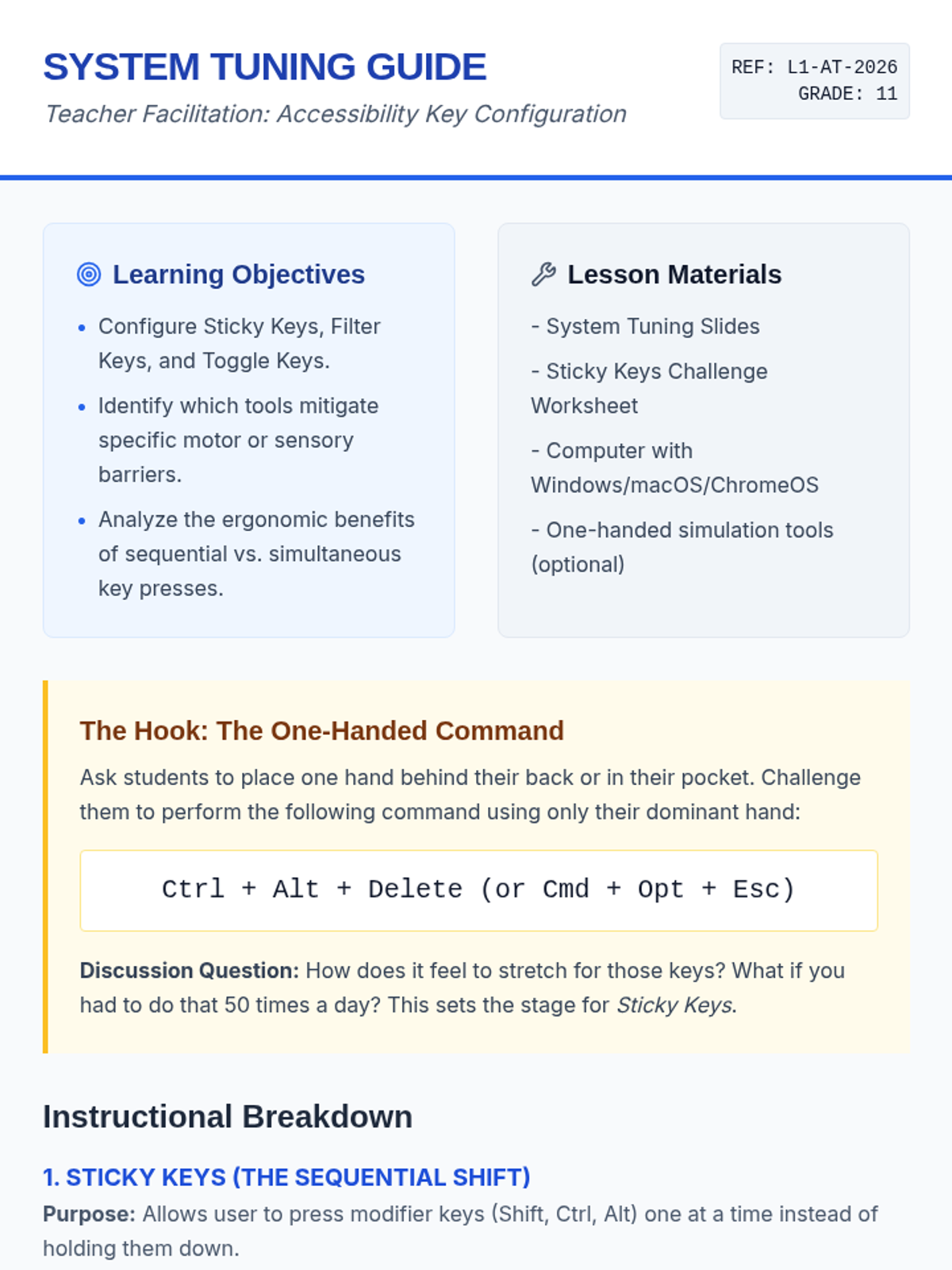
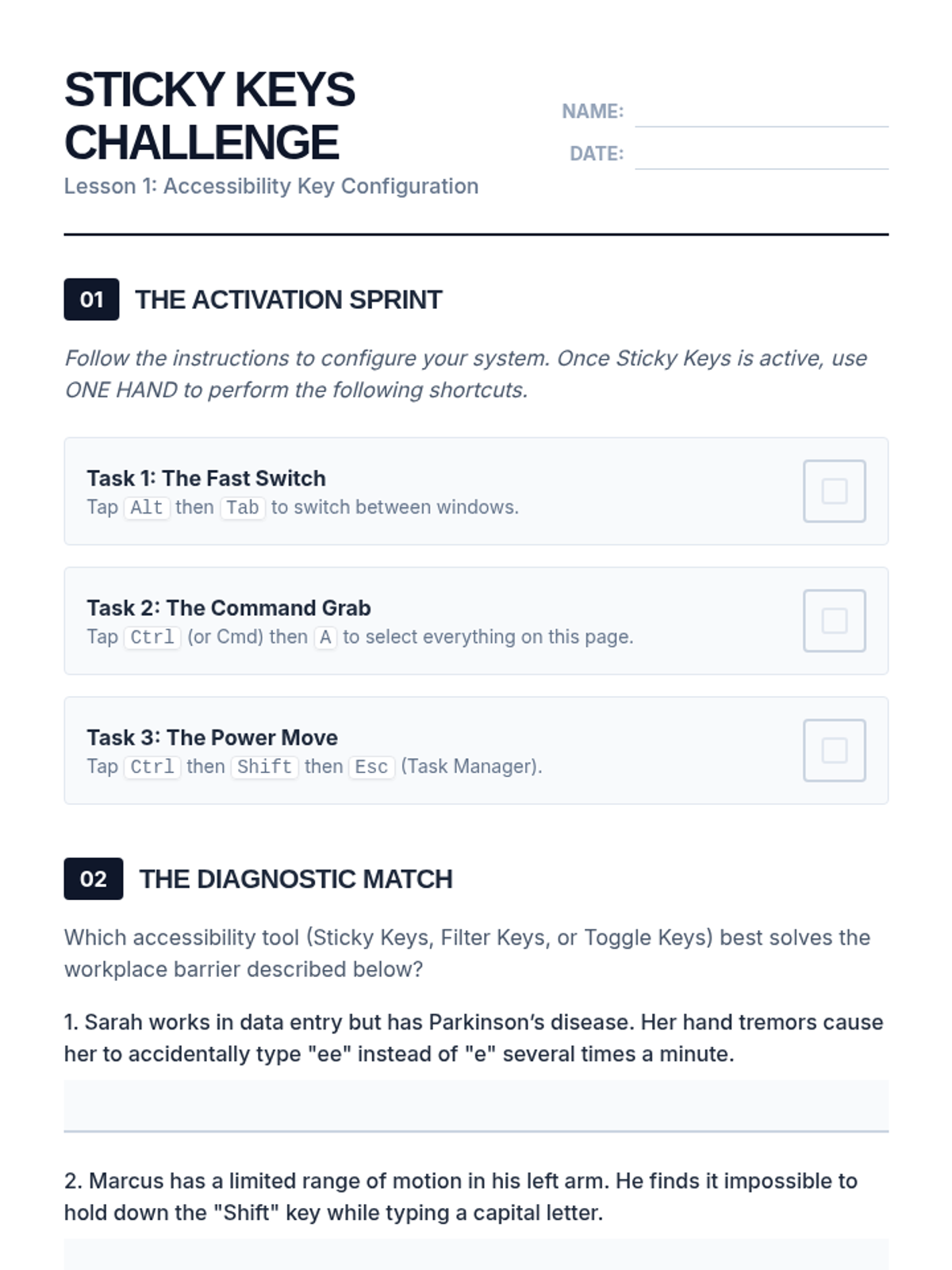
This sequence teaches 11th-grade students how to customize their computing environment using keyboard-based accessibility tools like Sticky Keys, screen reader commands, and custom macros. It focuses on workplace readiness, technical troubleshooting, and self-advocacy for digital accommodations.
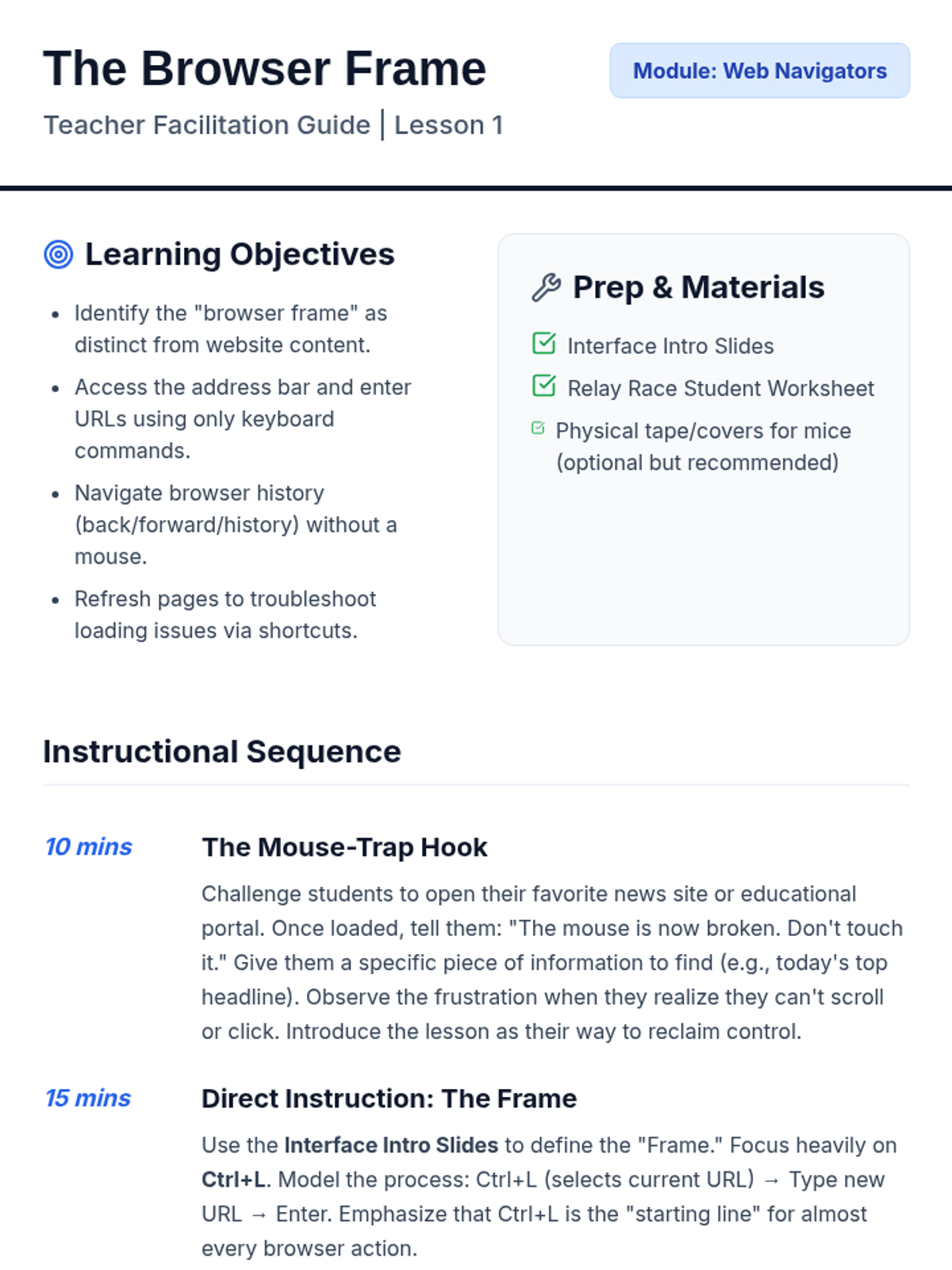
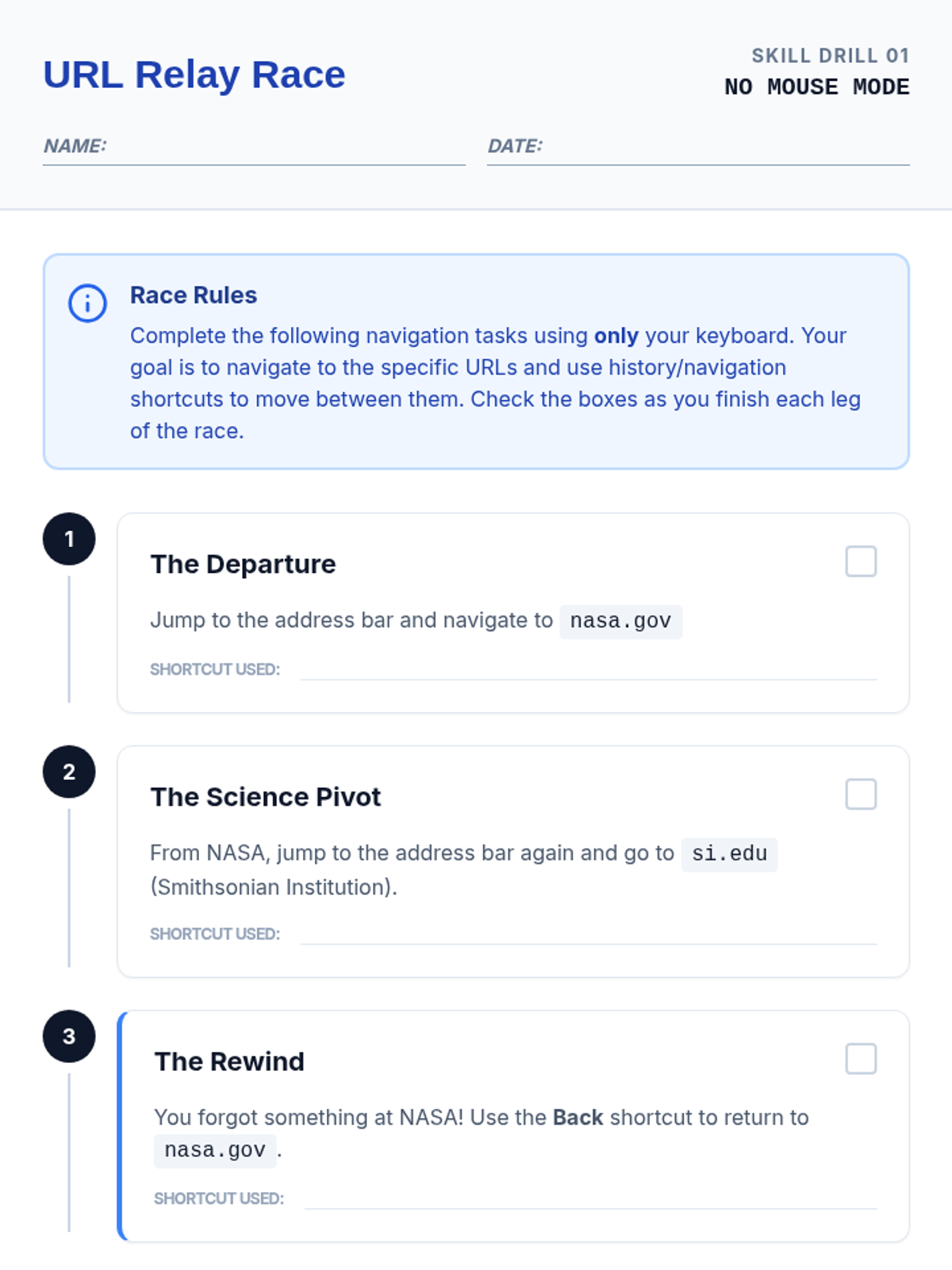
A comprehensive sequence designed for 11th-grade students to master keyboard-only web navigation, focusing on browser interface, tab management, content interaction, and form completion to prepare for college and career independence.
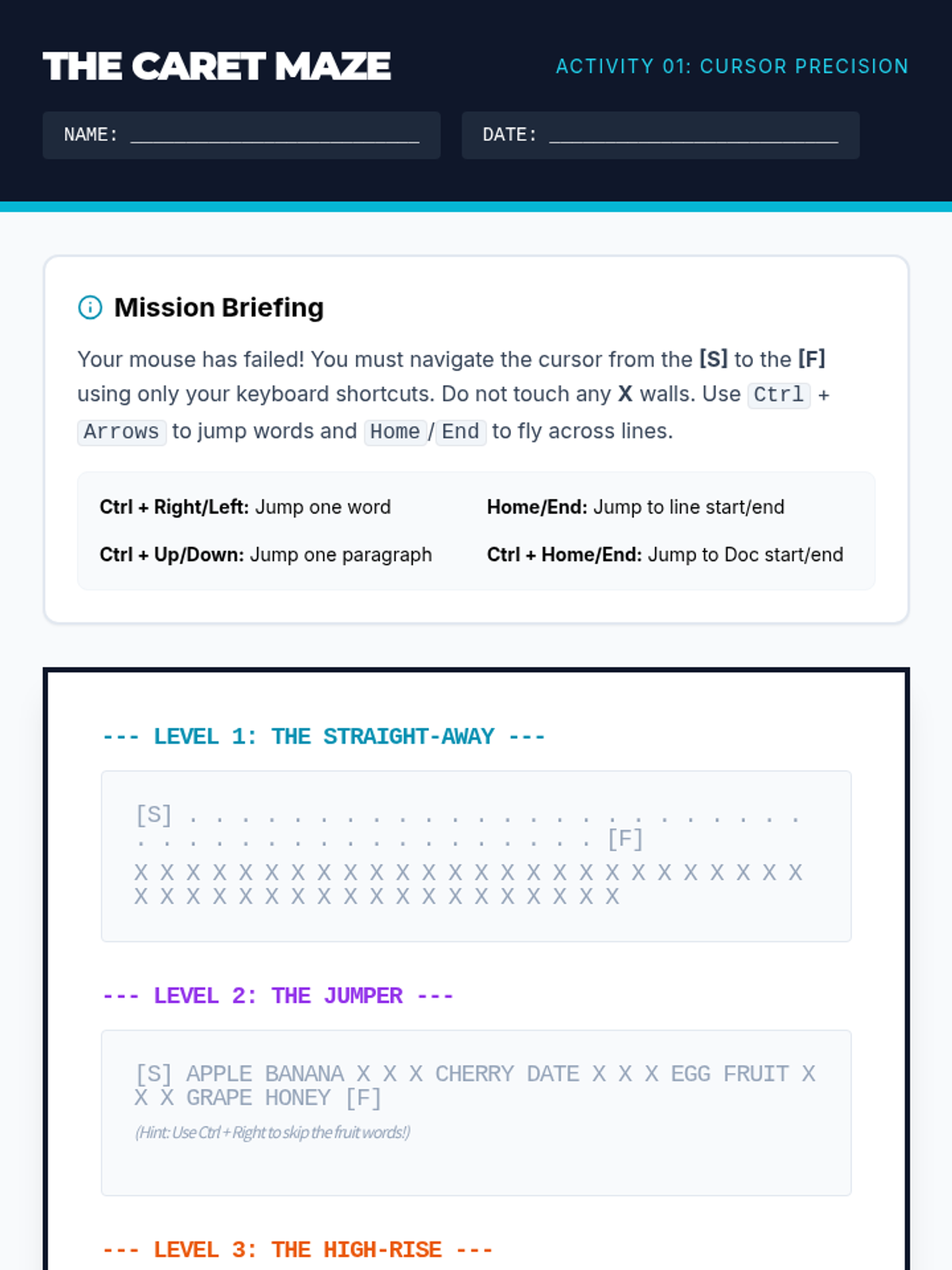
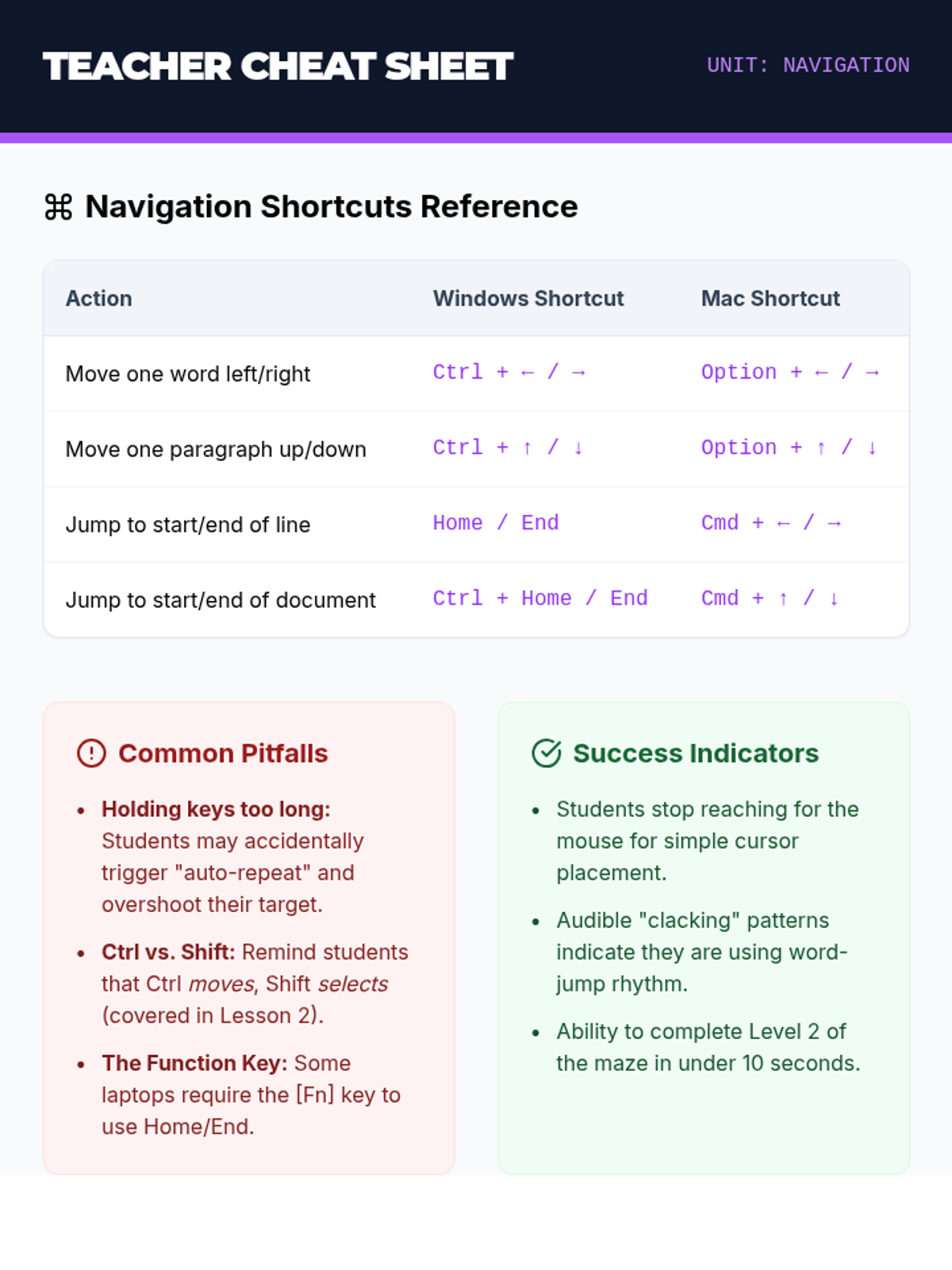
A comprehensive sequence for 11th-grade students focusing on keyboard navigation and document editing efficiency. Students progress from basic cursor movements to advanced formatting and professional document production, bridging the gap between assistive technology and career readiness.
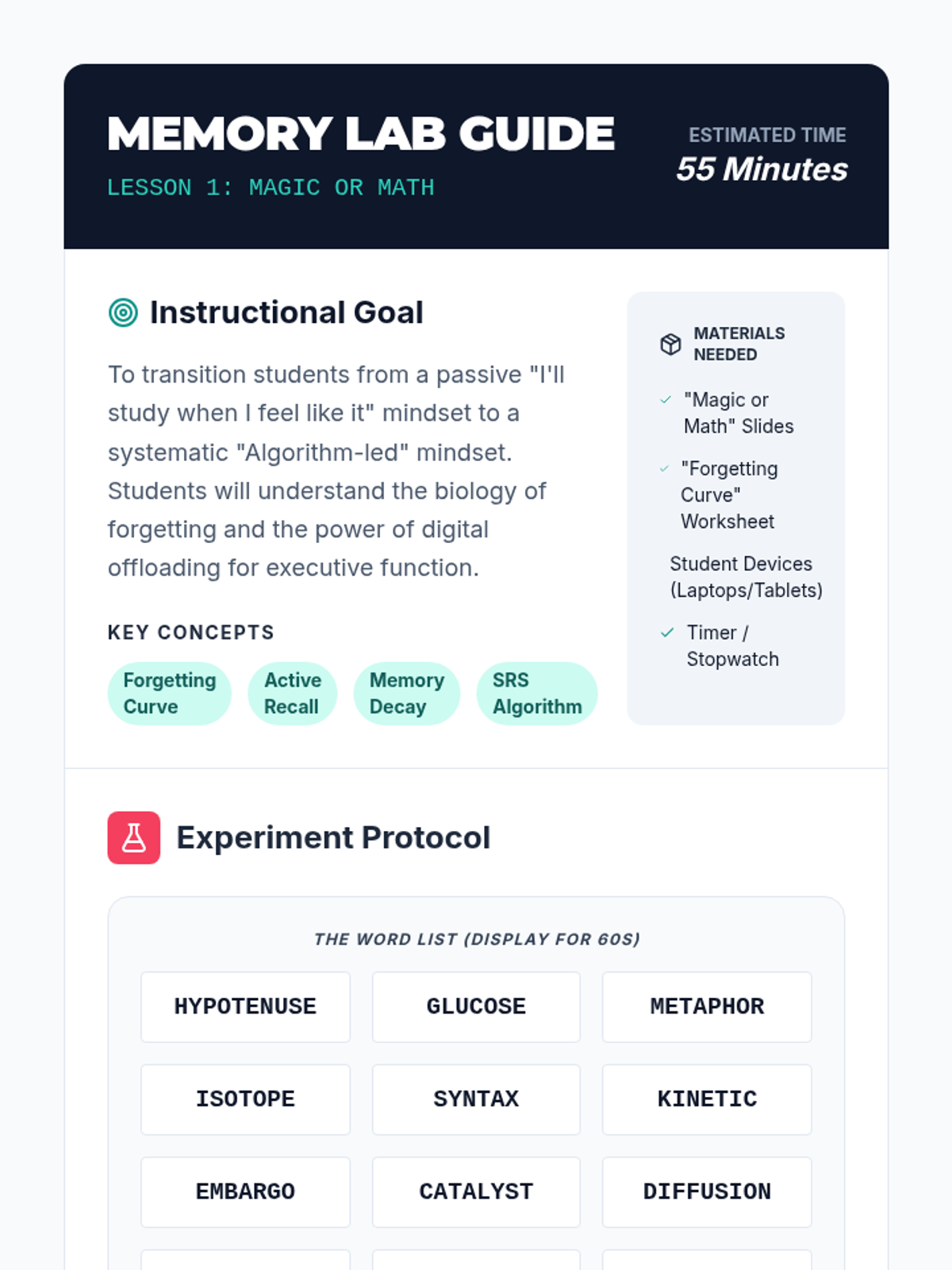
A 5-lesson unit for 10th-grade academic support focused on leveraging digital spaced repetition software (SRS) to automate memory retention and track learning progress through data.
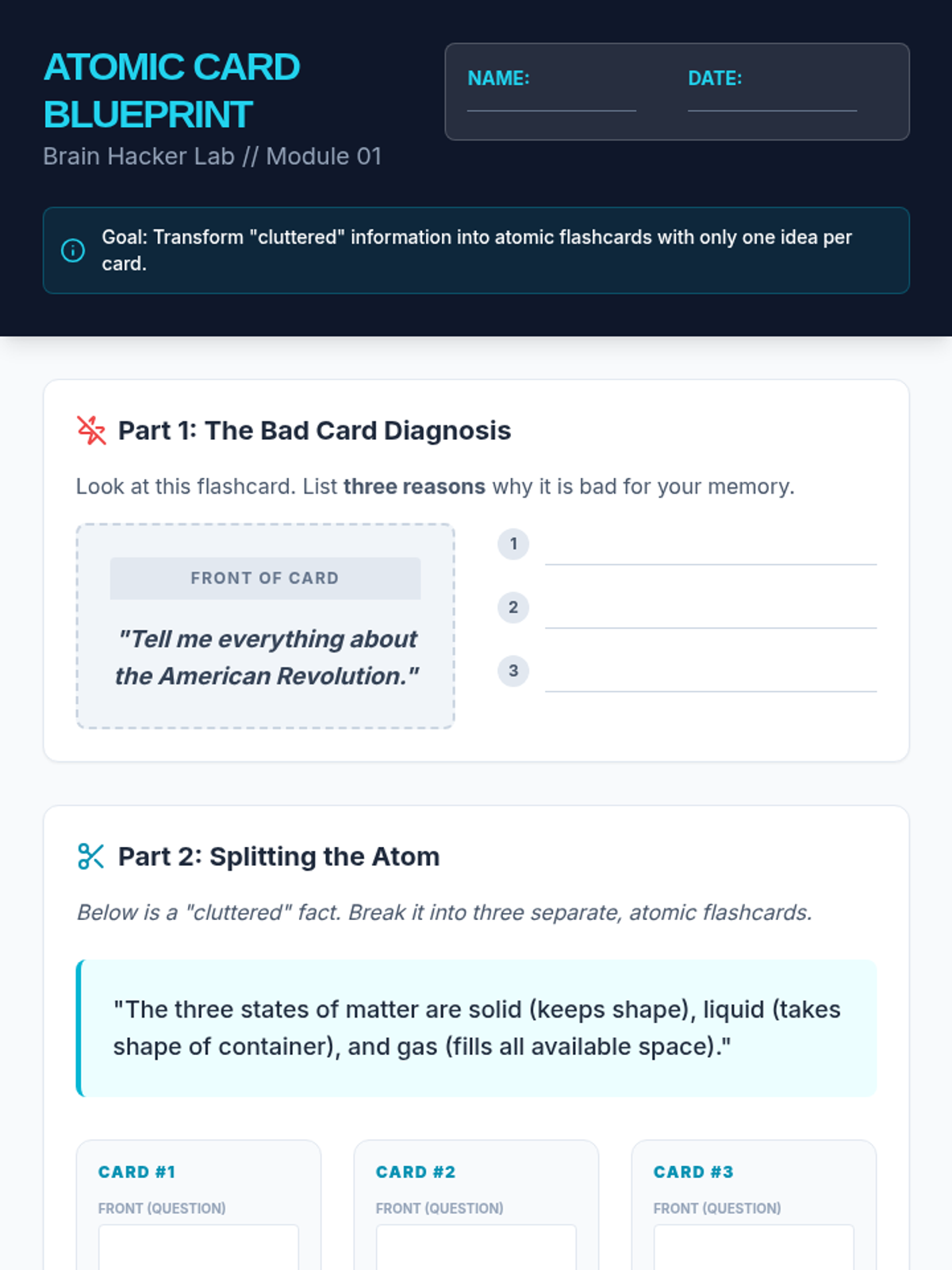
A comprehensive sequence designed to teach 7th-grade students the science and practice of spaced repetition. Students learn to design effective flashcards, build a physical Leitner Box system, and master the sorting algorithms required for long-term memory retention.
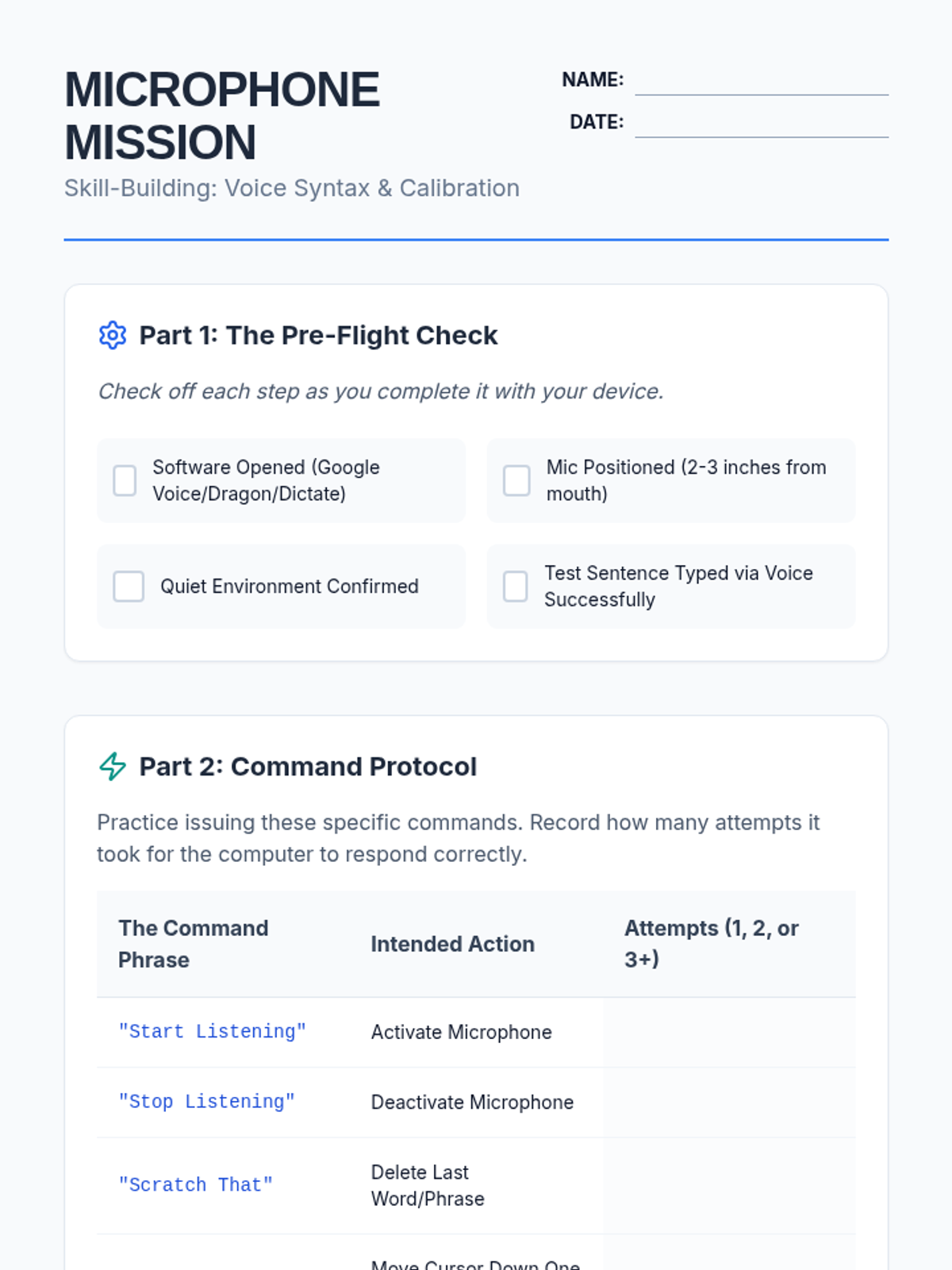
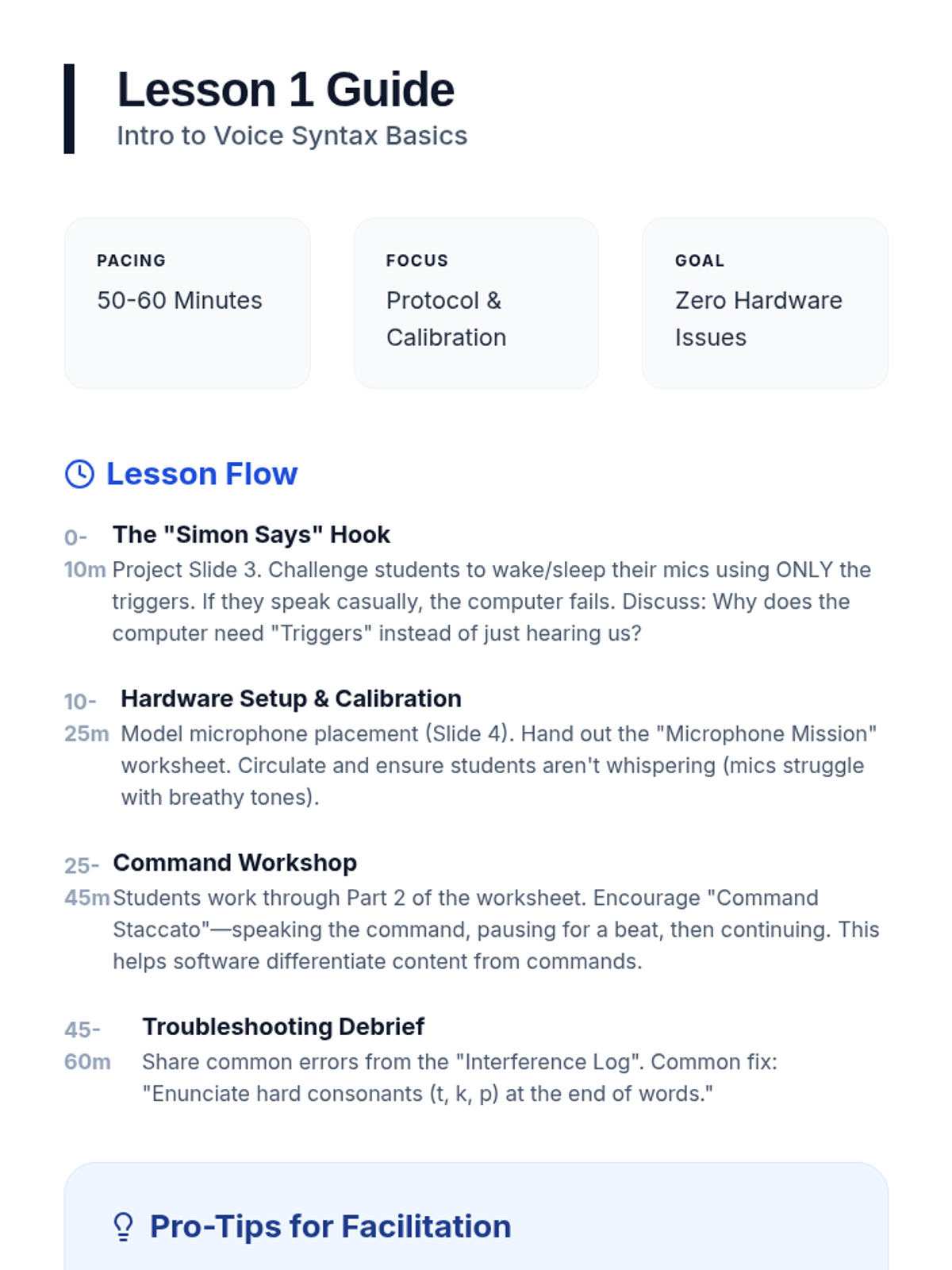
A comprehensive sequence for 11th-grade students to master speech-to-text technology, focusing on voice commands, punctuation syntax, and hands-free document formatting. Students transition from basic dictation to precise cursor control and layout management.
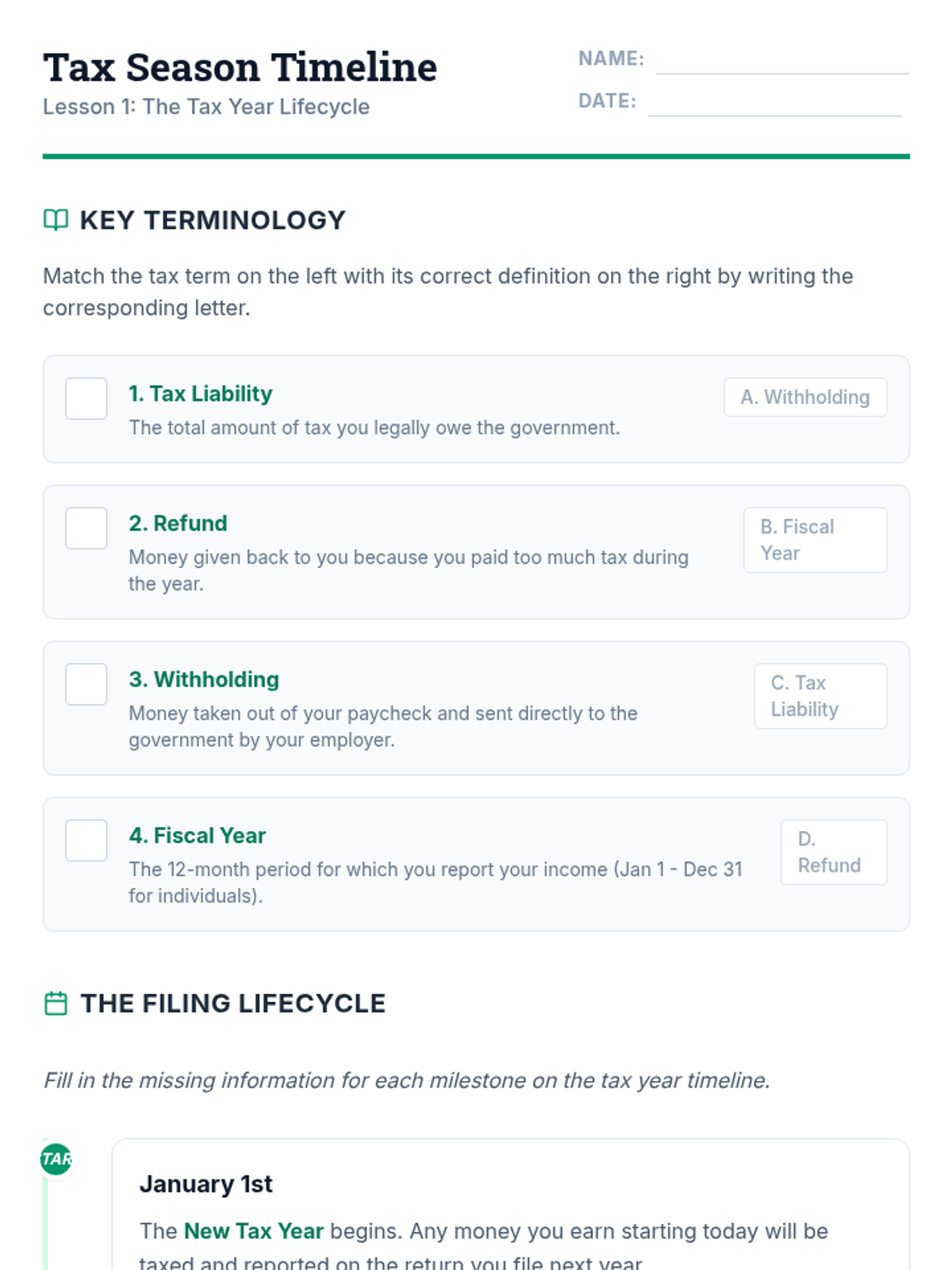
A simulation-based sequence where students learn the end-to-end process of filing federal income taxes. Students adopt personas, analyze wage documents, and complete a simplified Form 1040 to determine if they receive a refund or owe money.
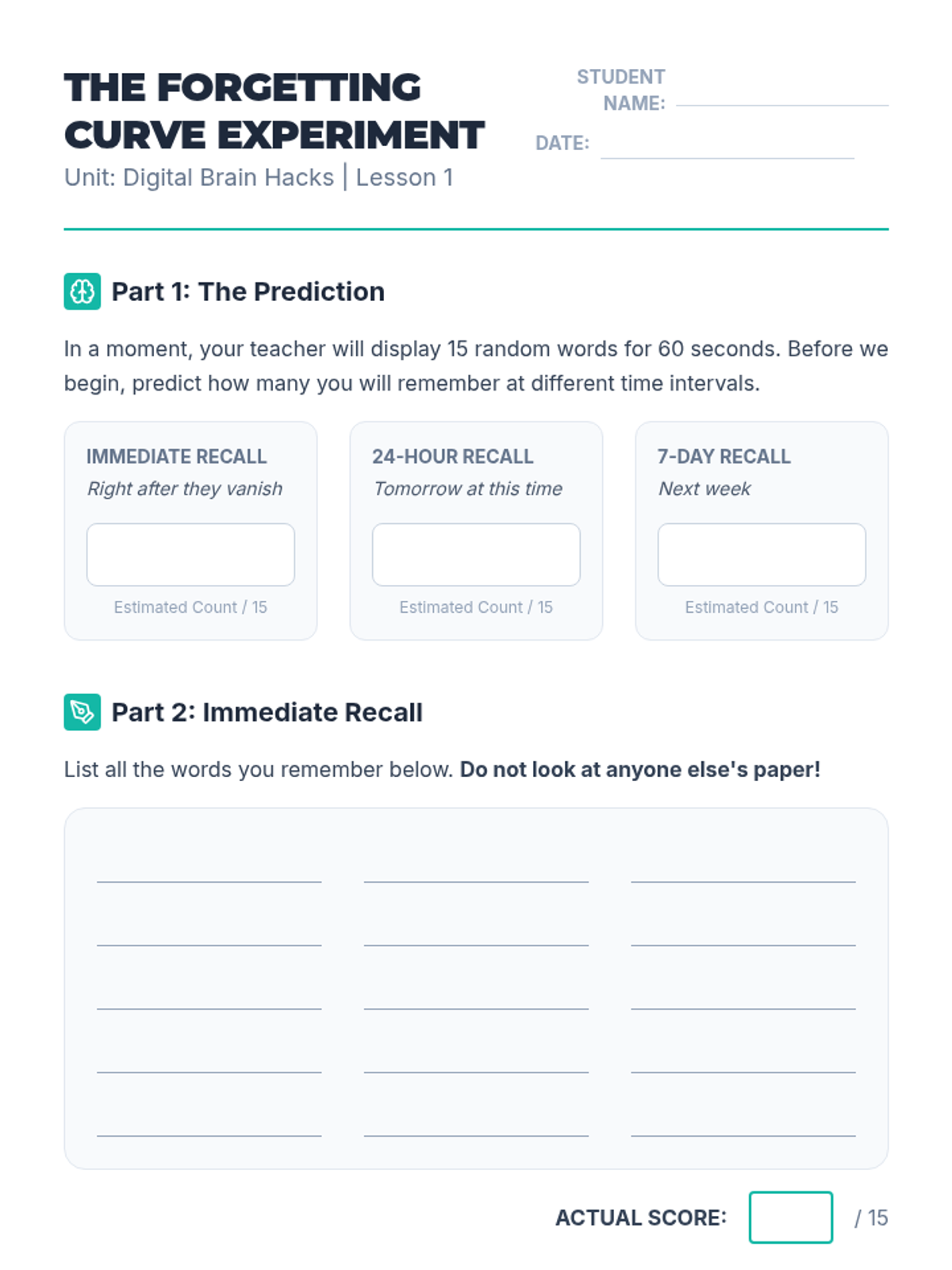
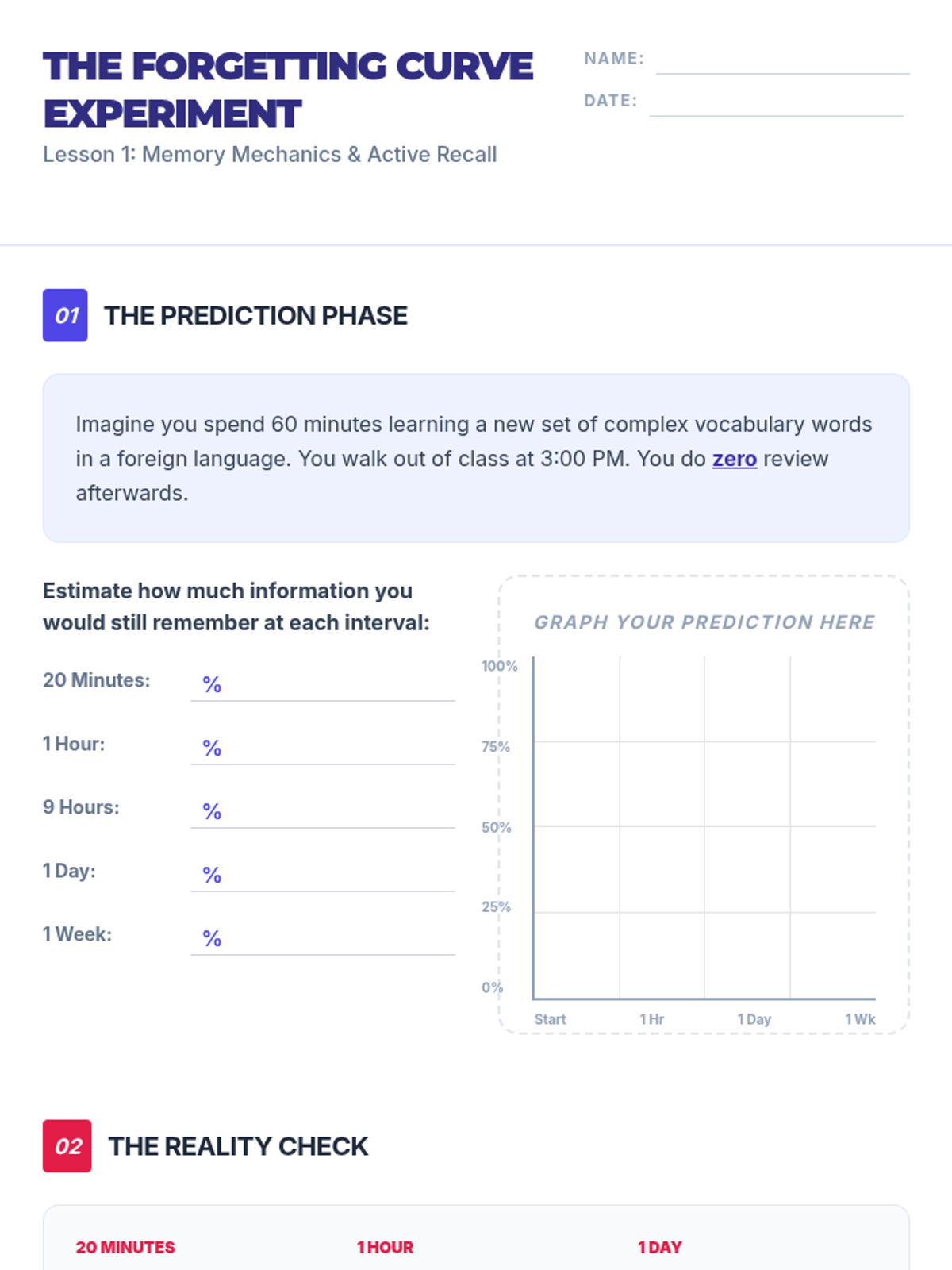
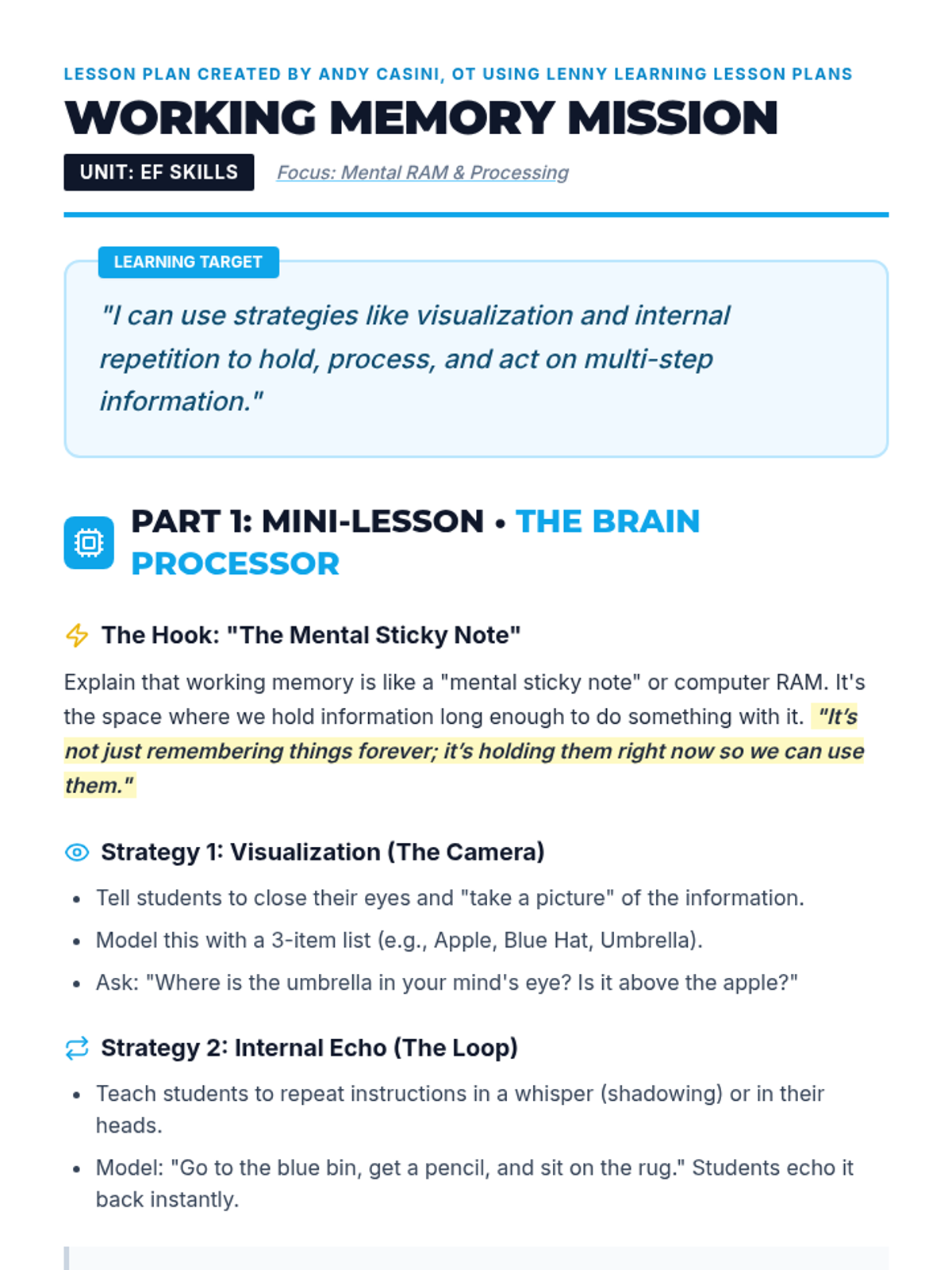
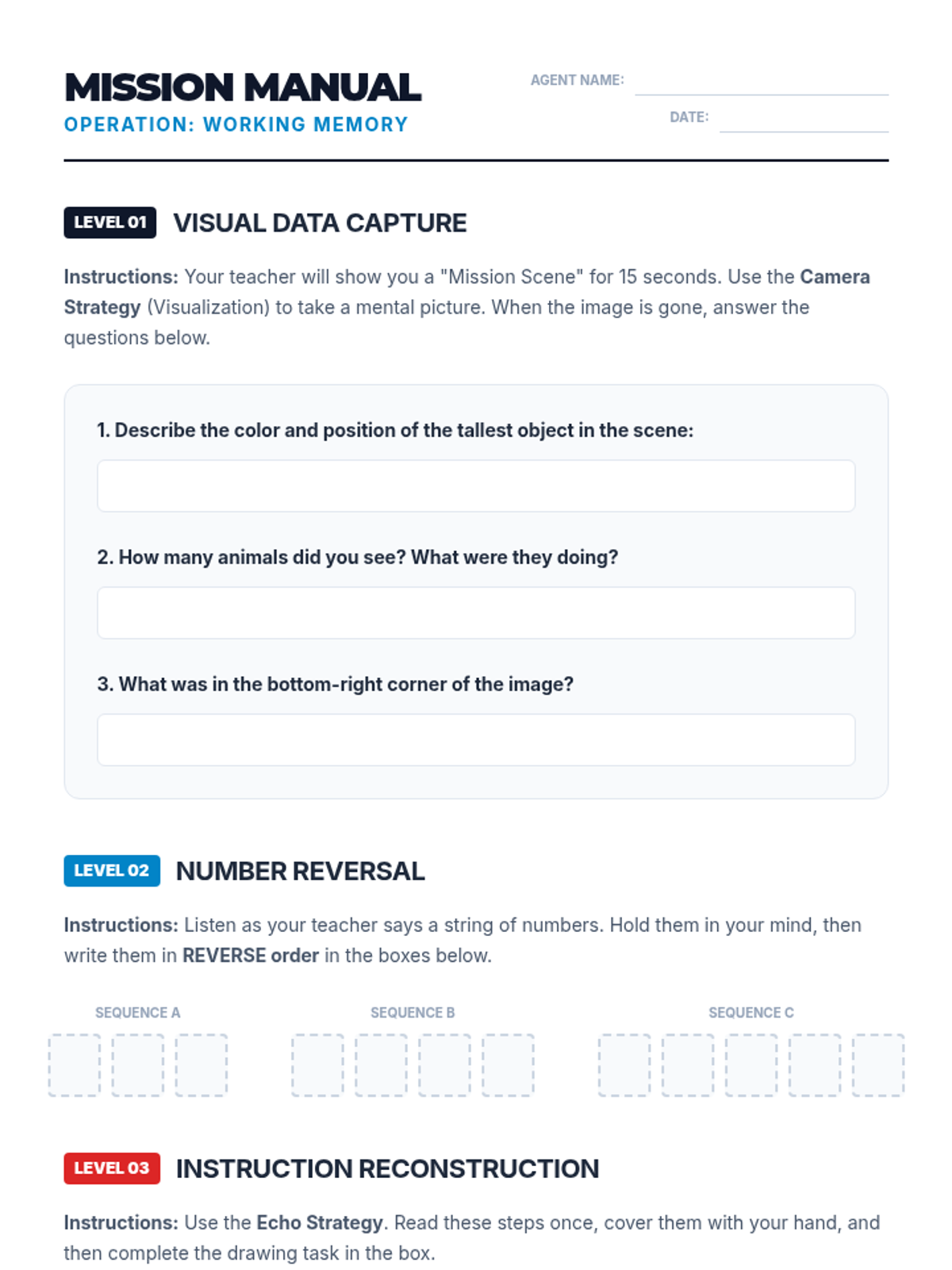
A 5-lesson sequence for 11th-grade students focused on memory science, active recall, mnemonic integration, and digital spaced repetition systems to manage cognitive load.
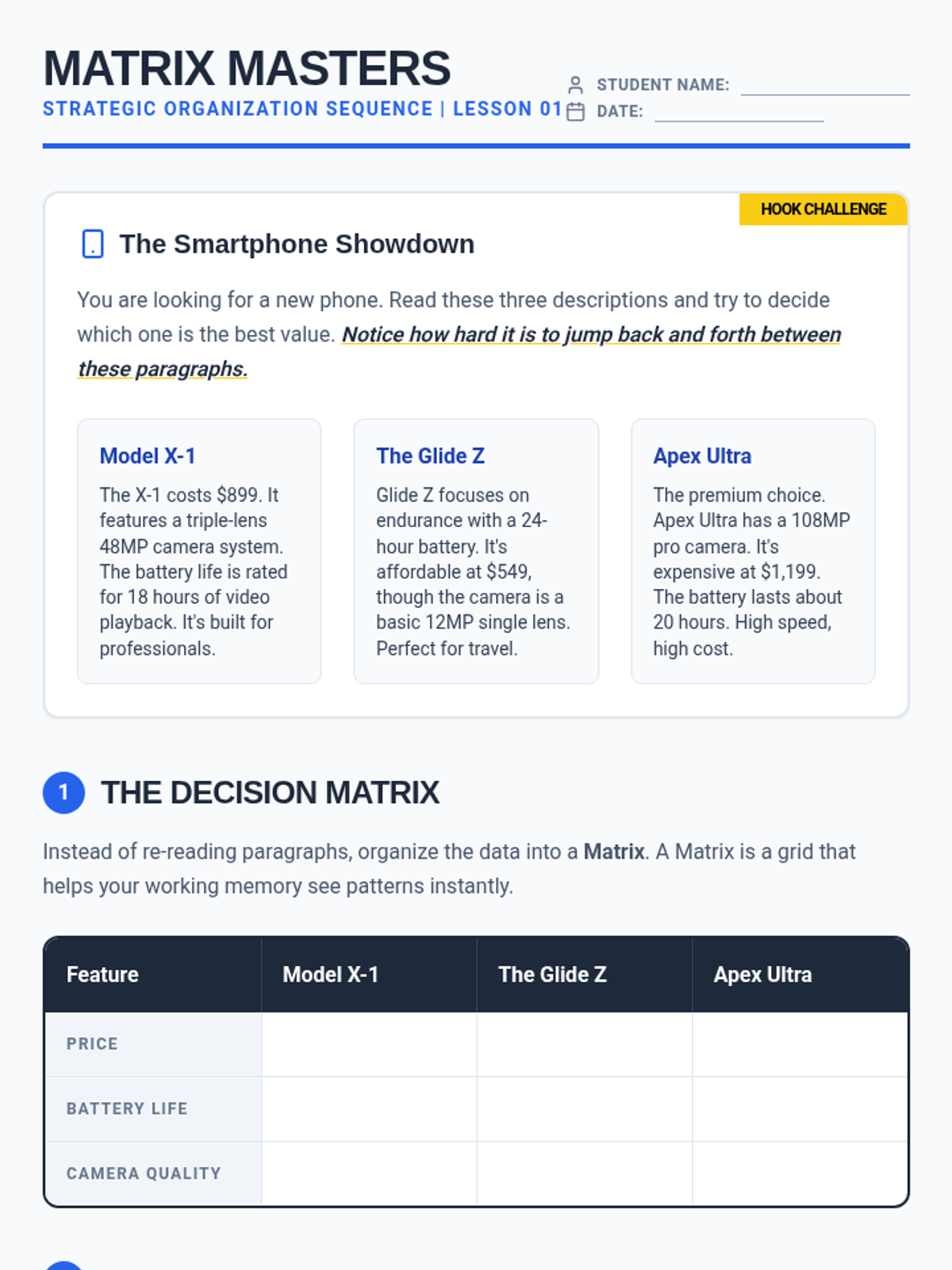
A sequence for 11th-grade students focusing on advanced note-taking strategies to support working memory. Students learn to use matrix notes, the index card method, and source synthesis to organize and manipulate information for research and exam preparation.
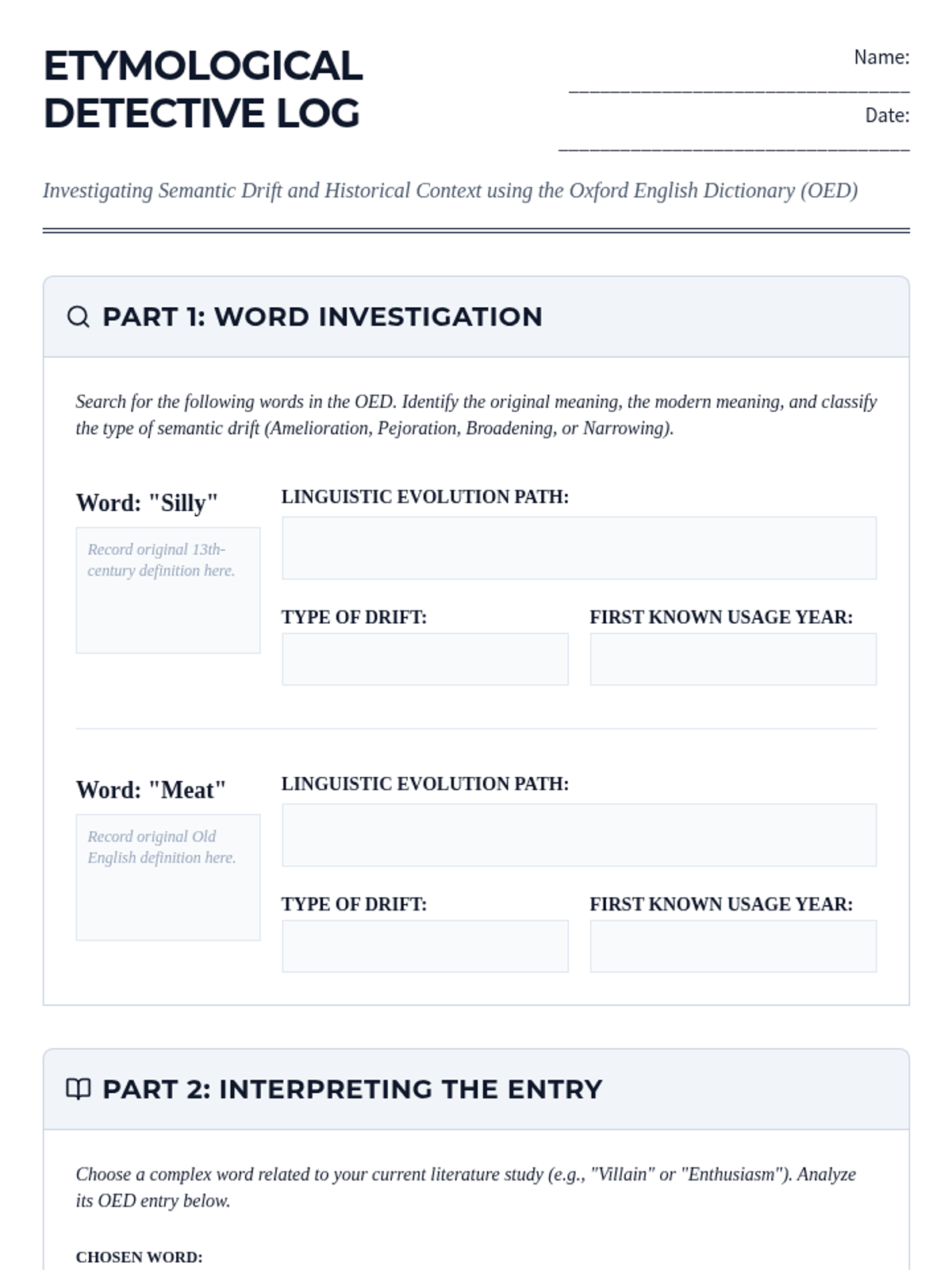
This advanced sequence transitions students from general information retrieval to the rigors of collegiate-level research and specialized reference usage. Students master boolean logic, historical linguistics, source evaluation, and citation management.
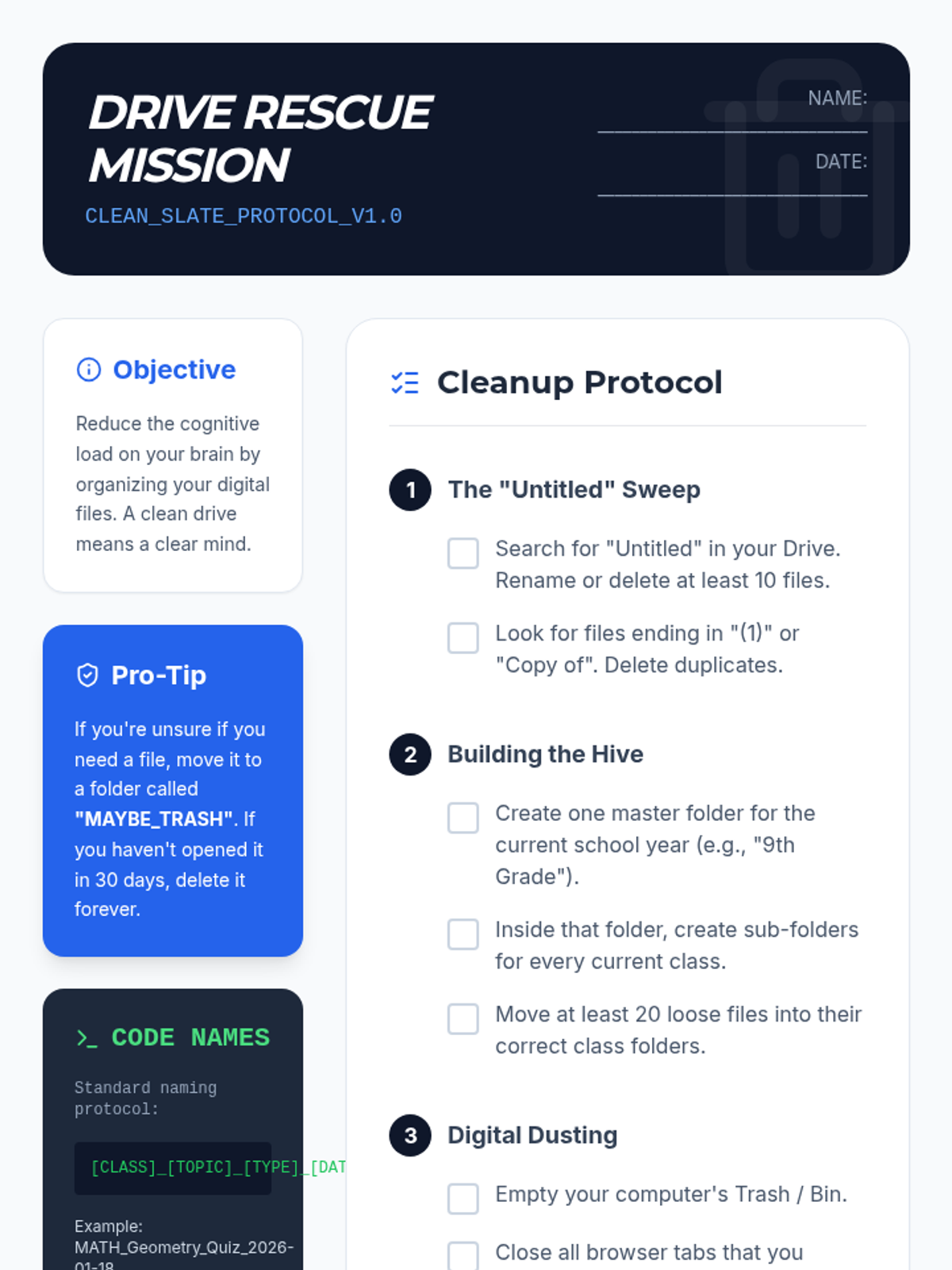
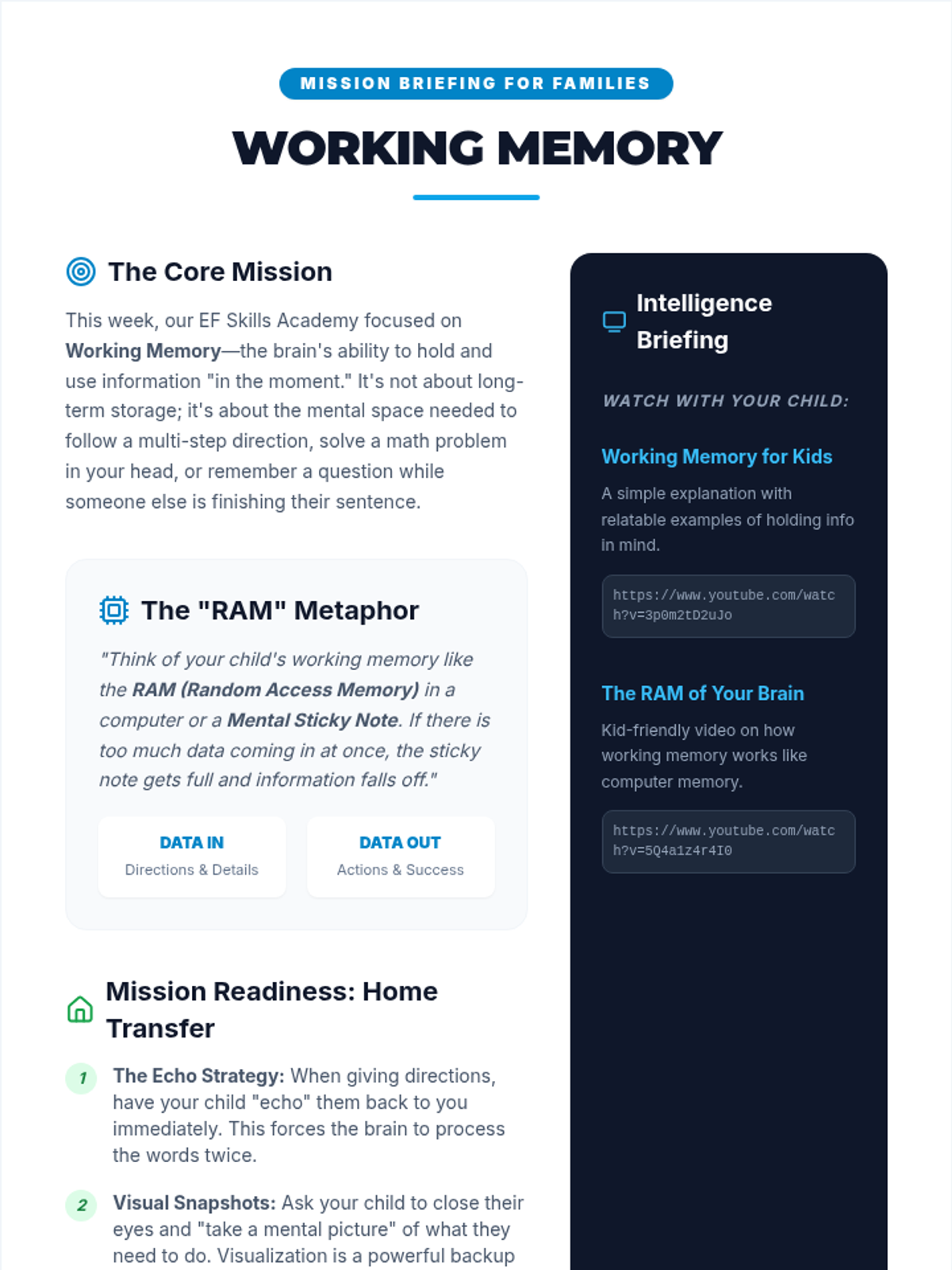
A sequence focused on using digital tools to support working memory through effective file organization, tagging, multimodal note-taking, and accessibility features. Students build a personal 'digital brain' to manage schoolwork efficiently.
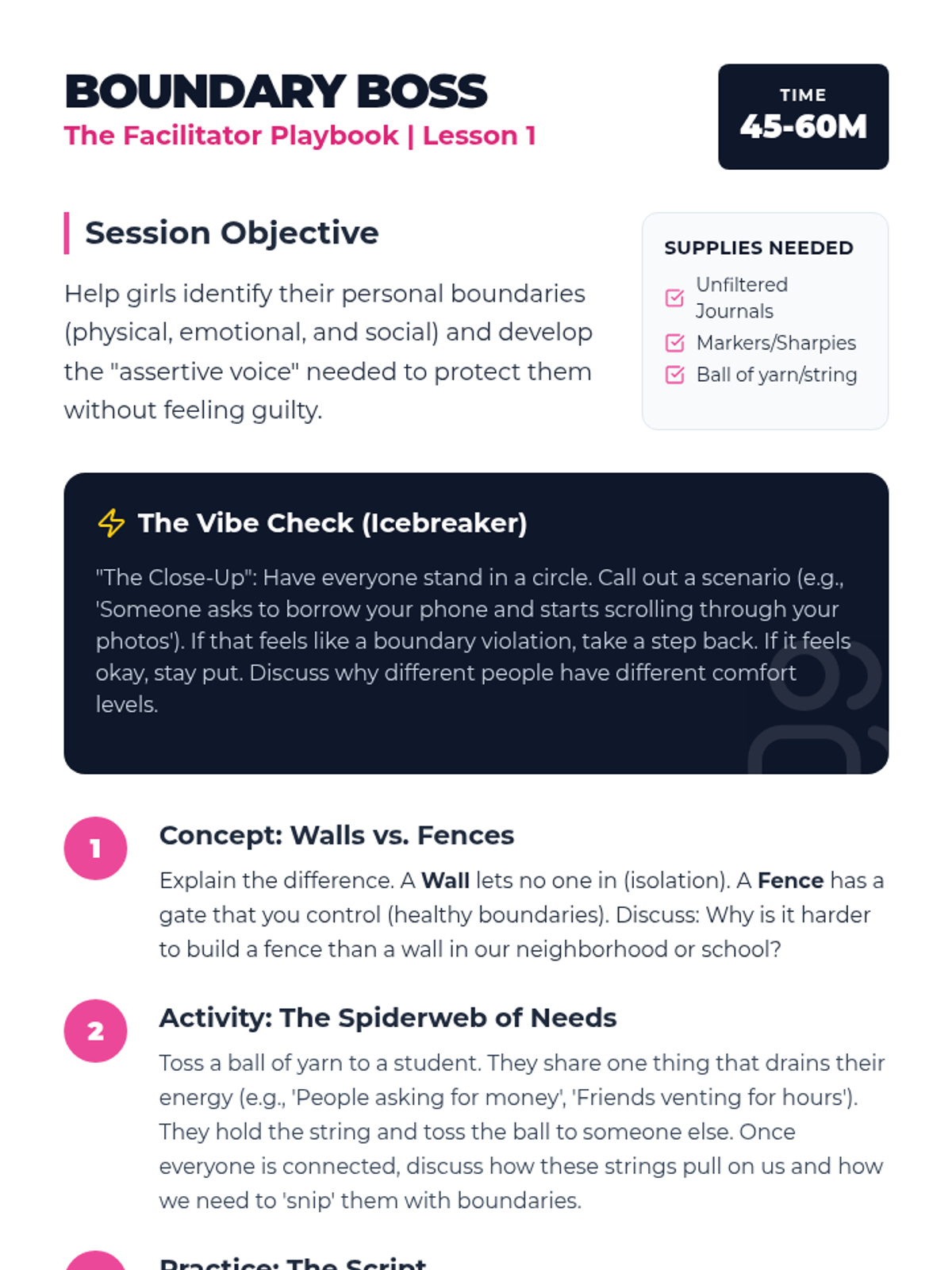
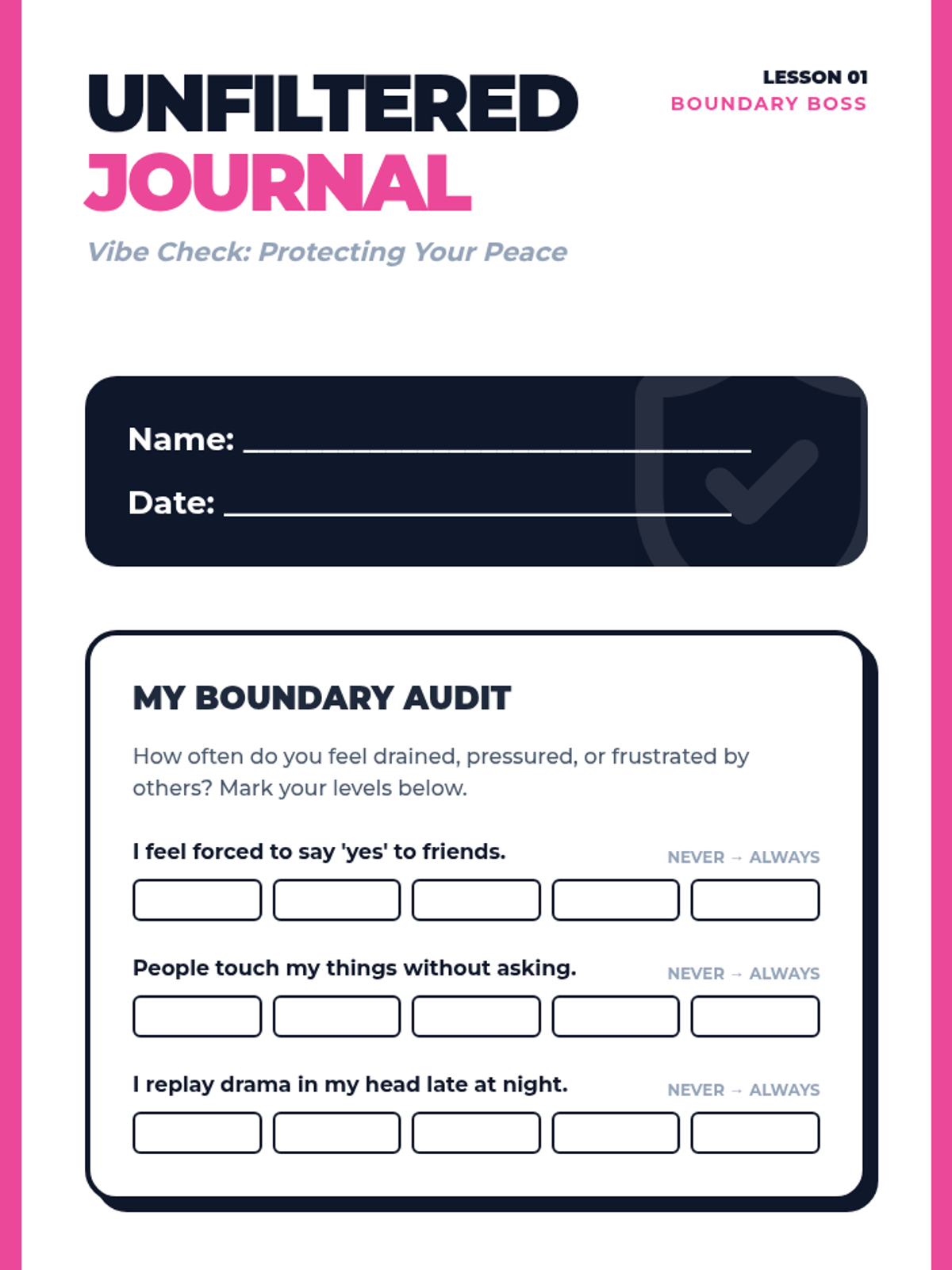
A 3-part small group curriculum designed for high school girls in urban settings to navigate social drama, establish boundaries, and manage social media conflict with confidence and authenticity.
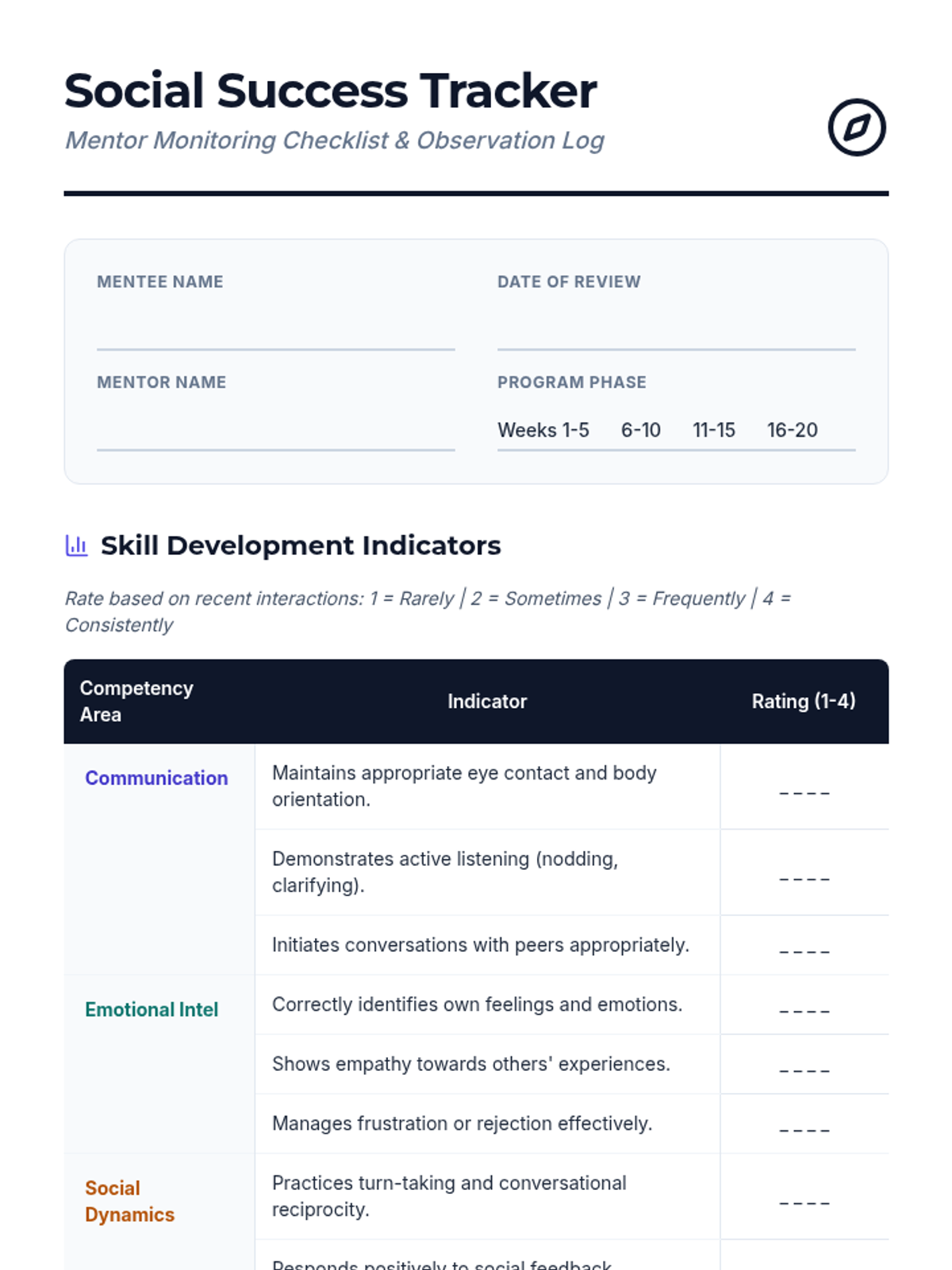
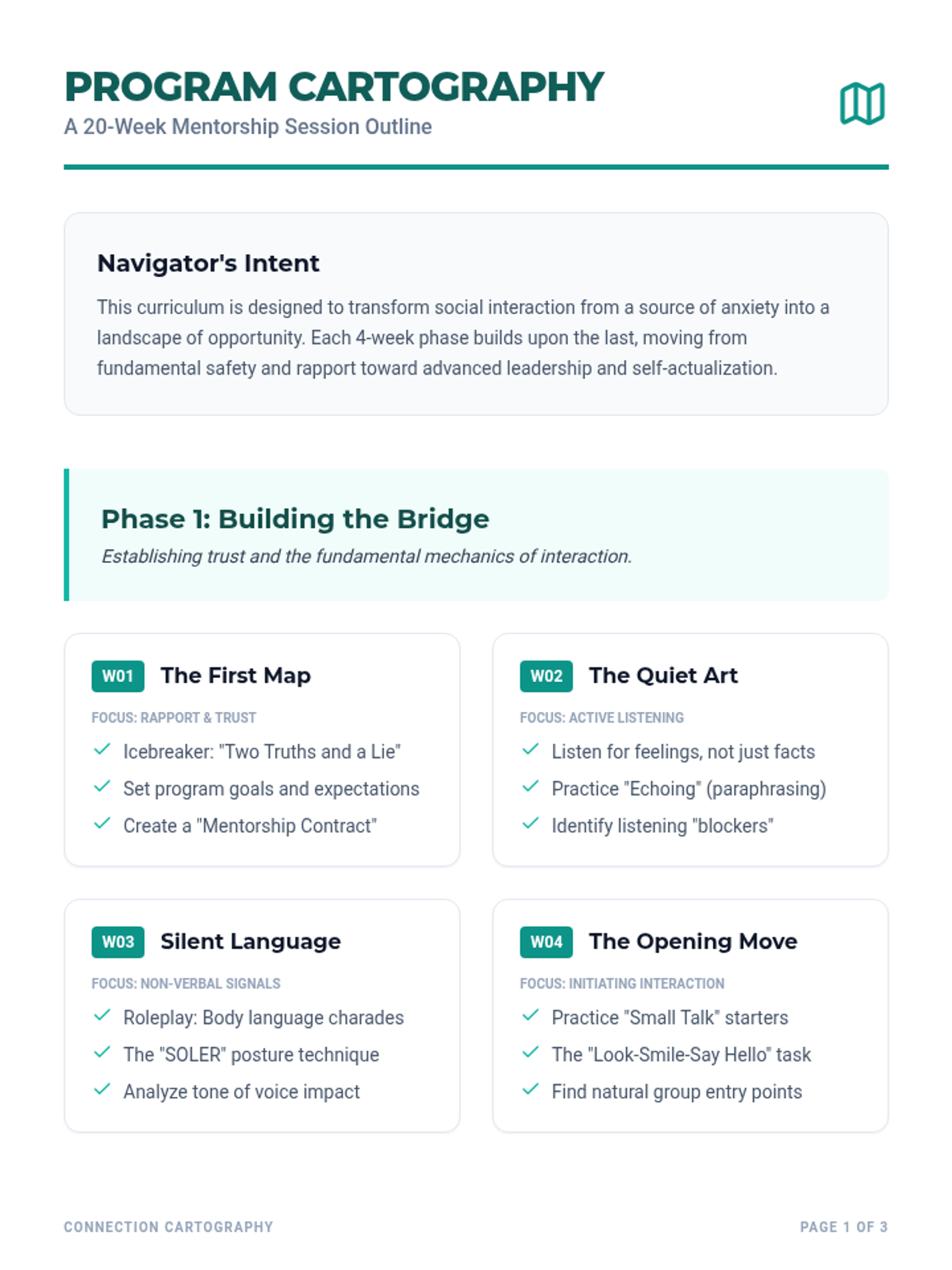
A comprehensive 20-week mentorship program designed to help students navigate social environments, build meaningful friendships, and master communication.
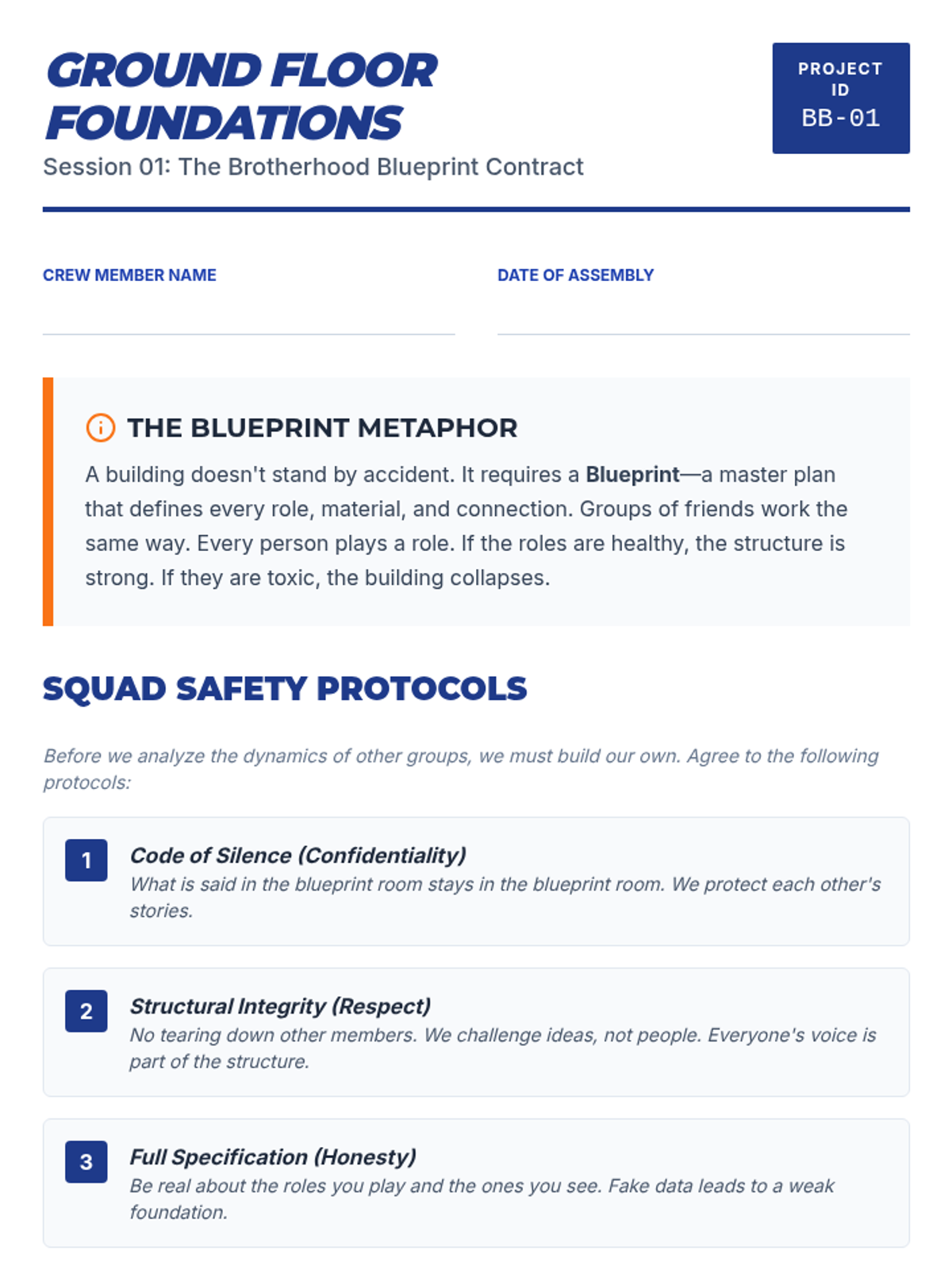
A 30-session group counseling curriculum for adolescent males focusing on social roles, group dynamics, and developing healthy friendship patterns. Through the metaphor of an architectural blueprint, students analyze leadership, support roles, and the difference between positive and negative group influences.
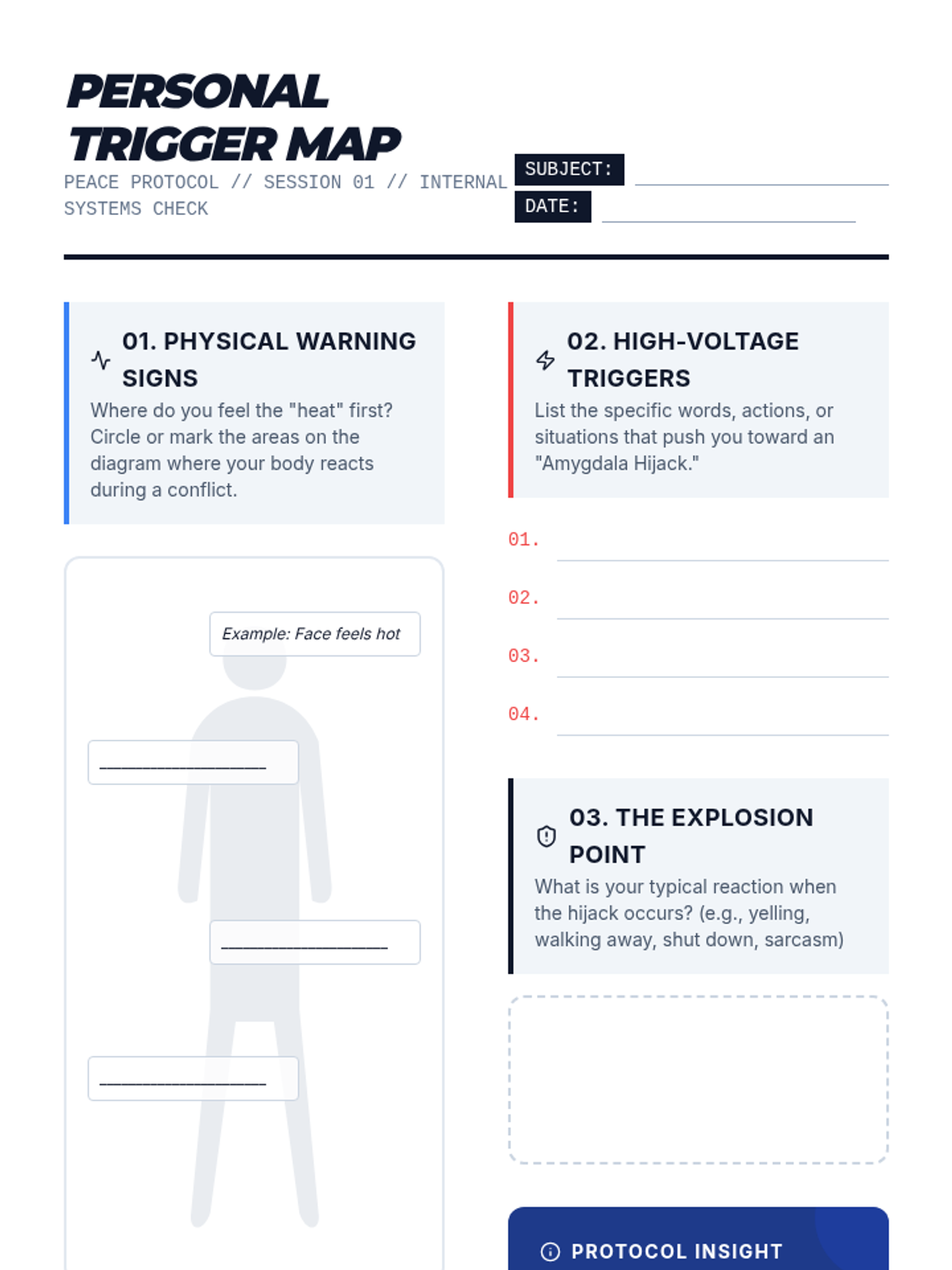
A 6-week social skills curriculum designed for high schoolers to master conflict resolution, verbal de-escalation, and restorative communication through role-play and self-reflection.
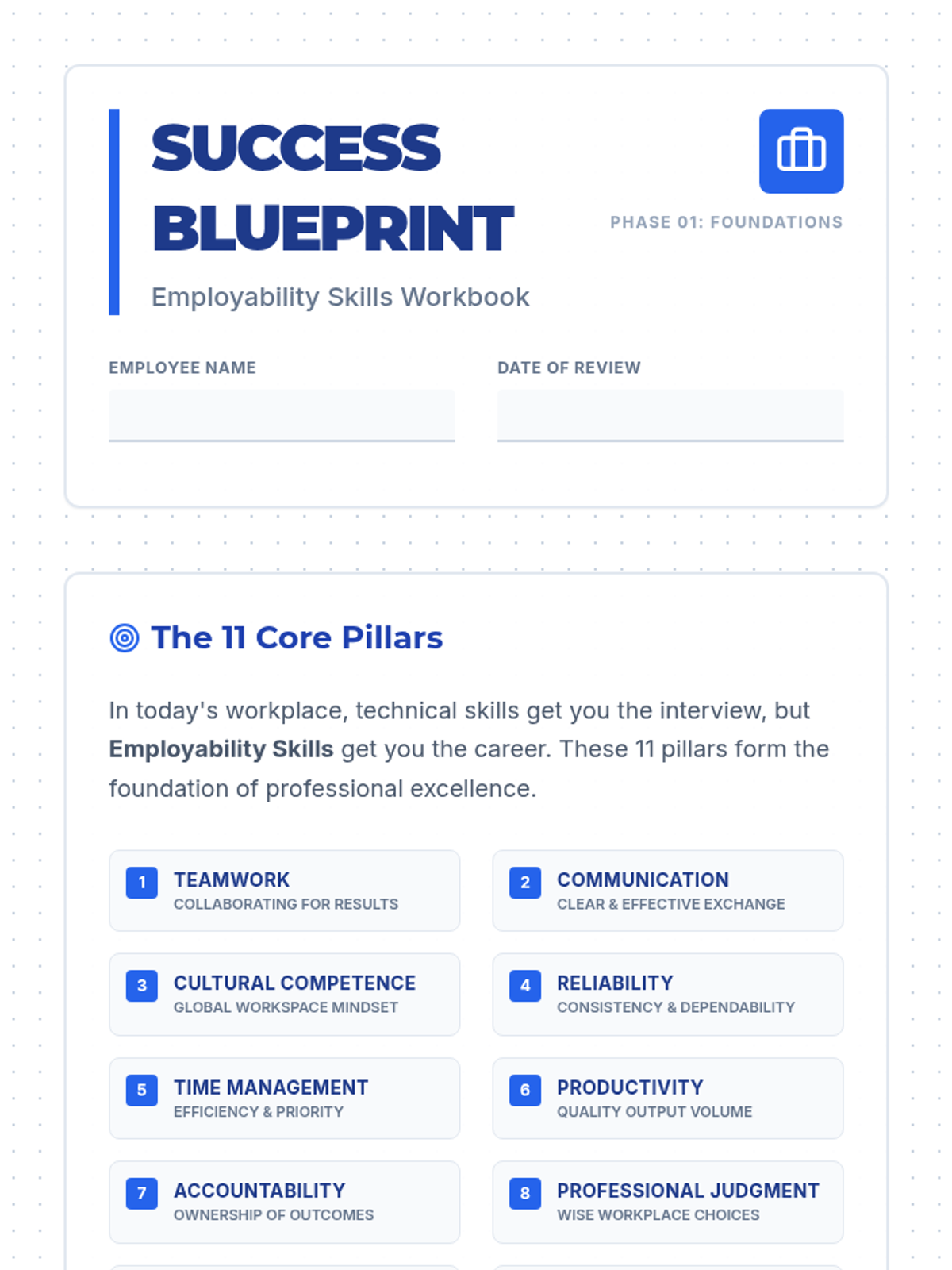
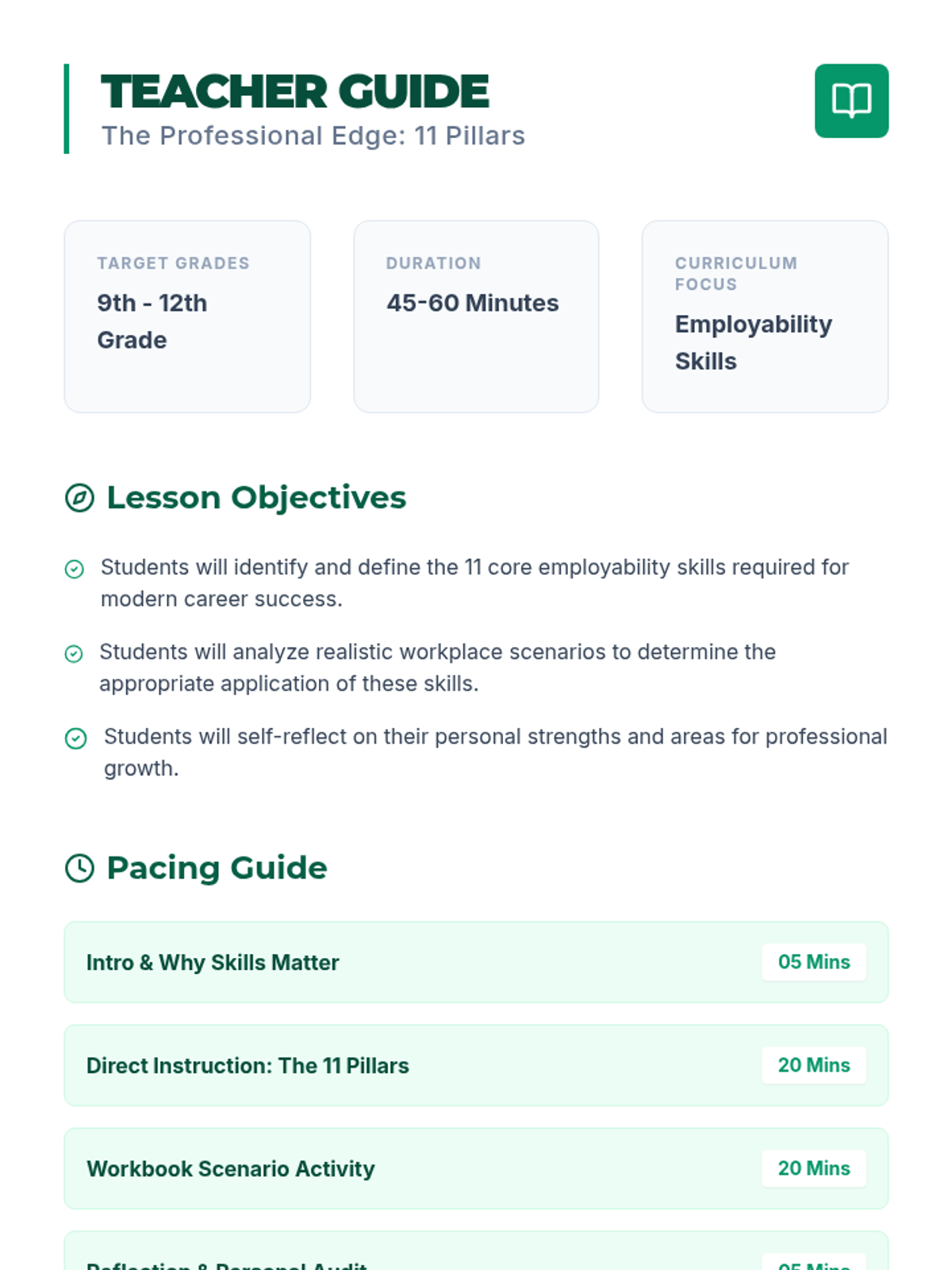
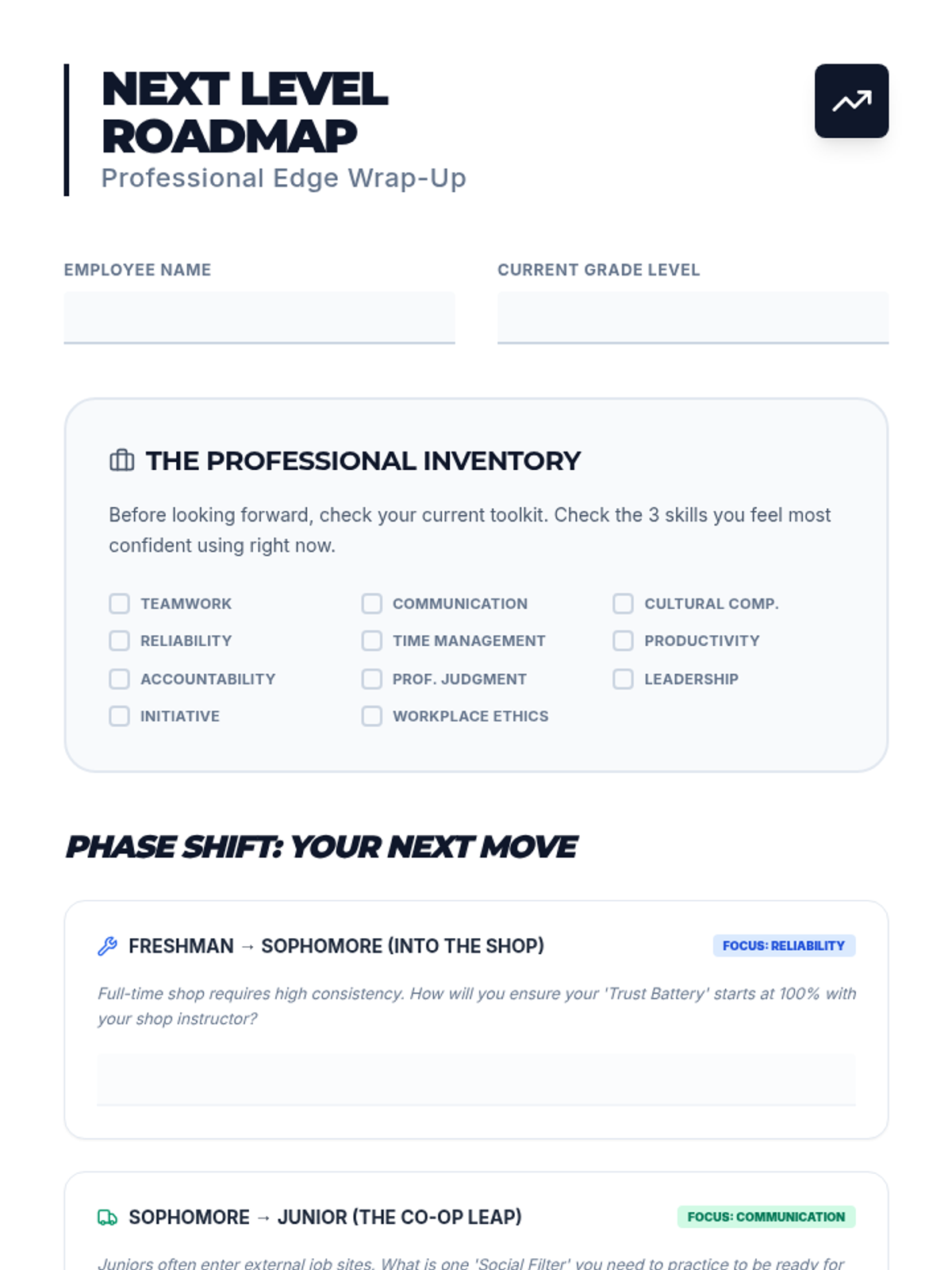
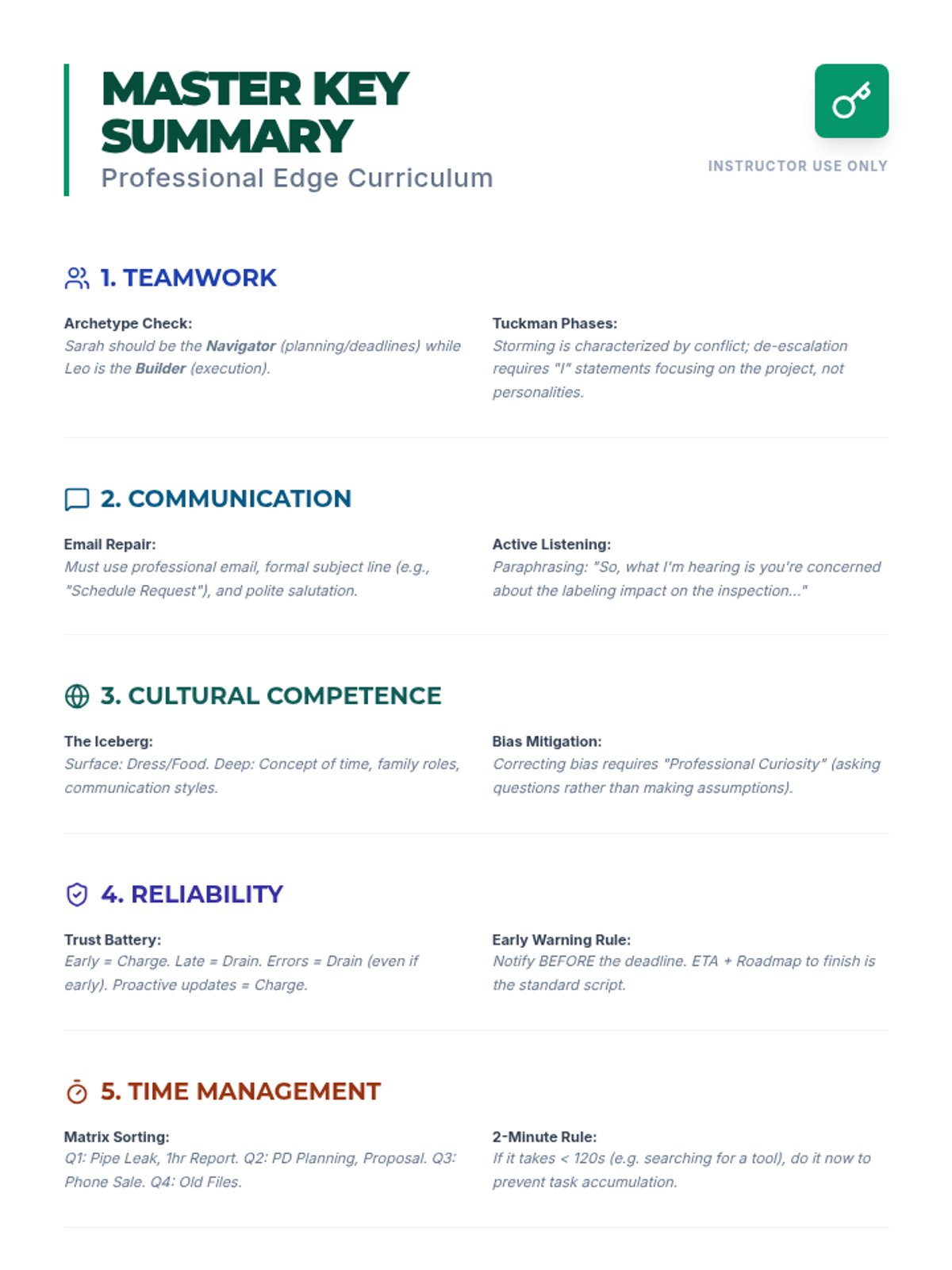
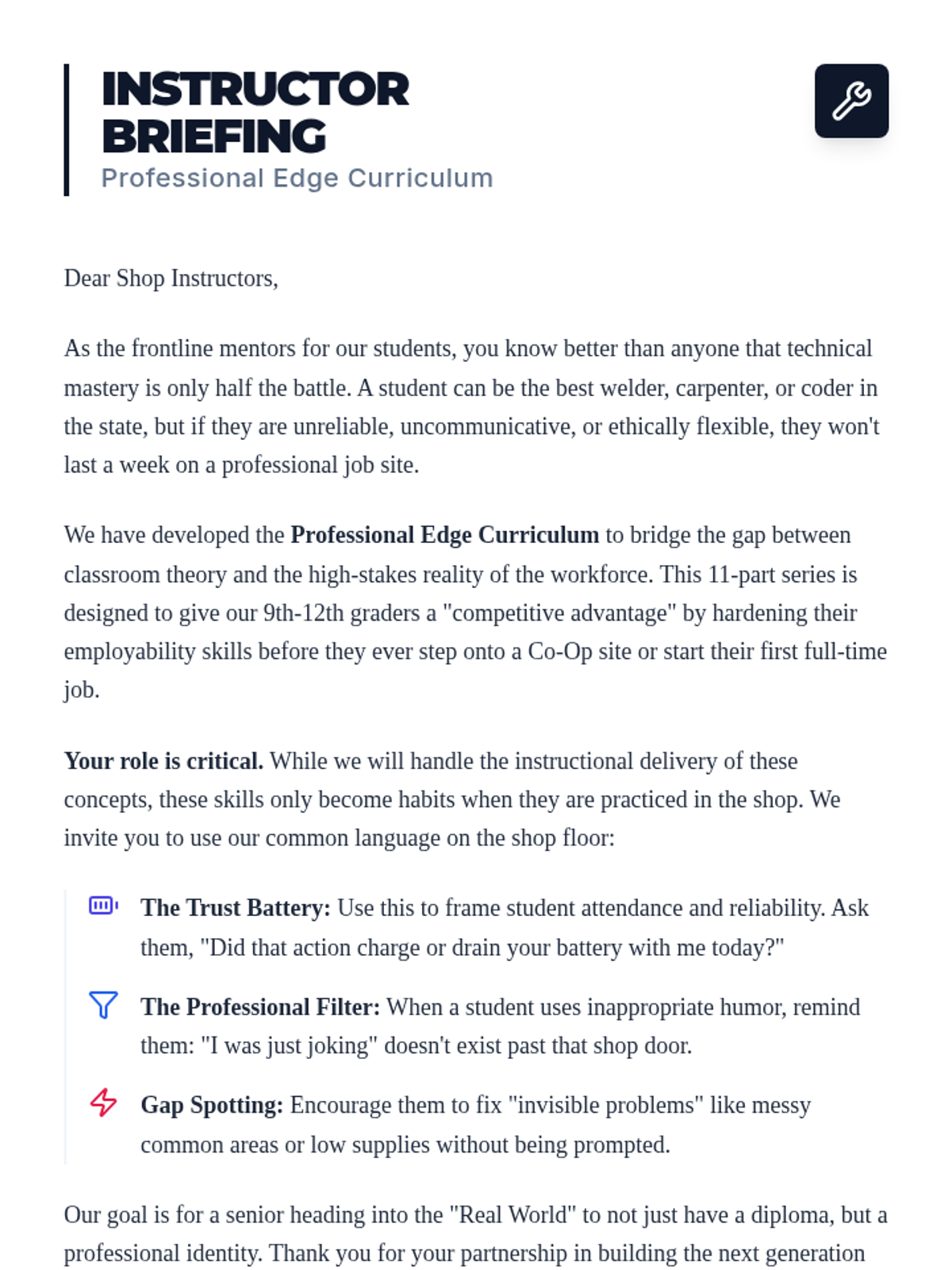
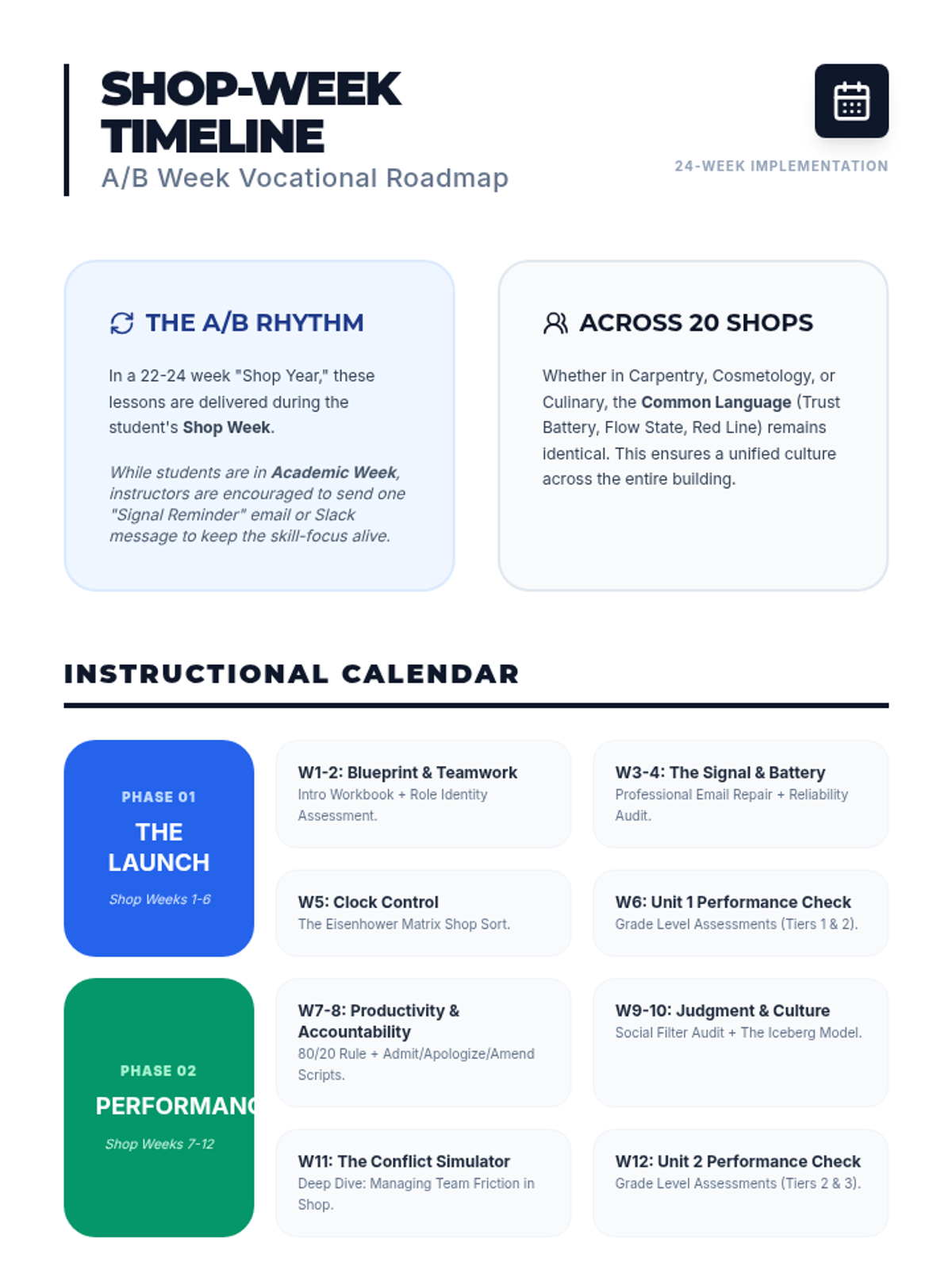
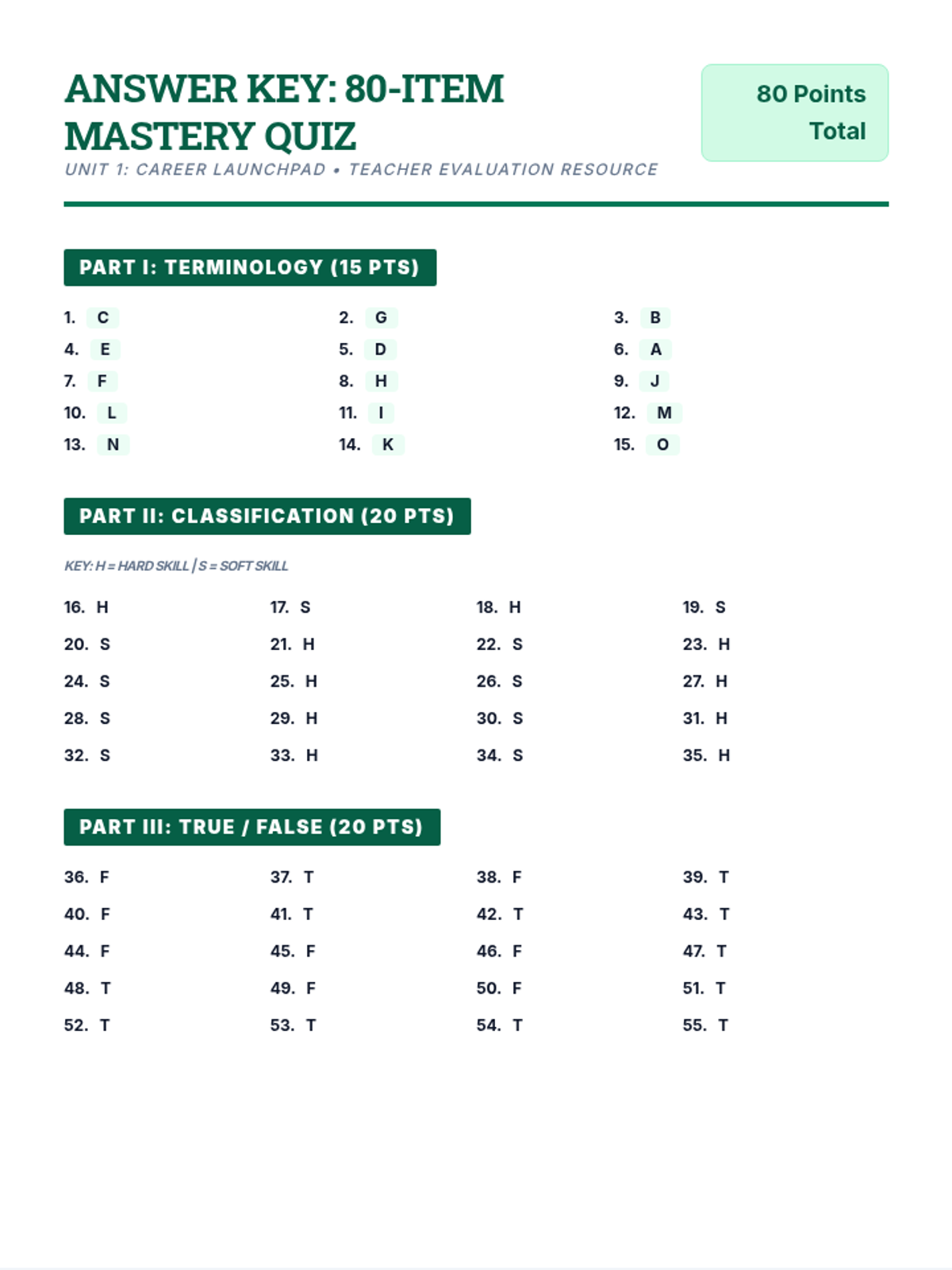
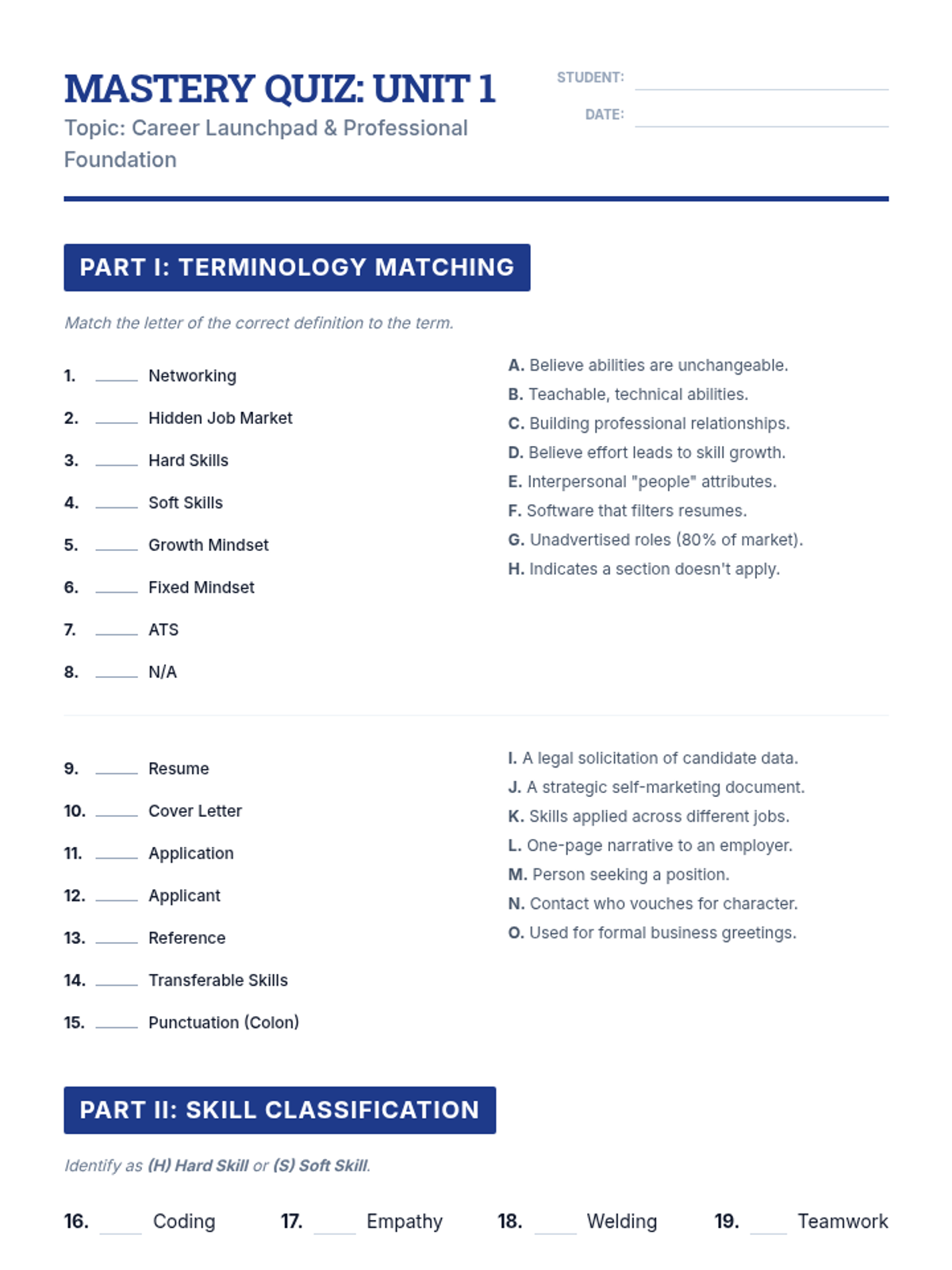
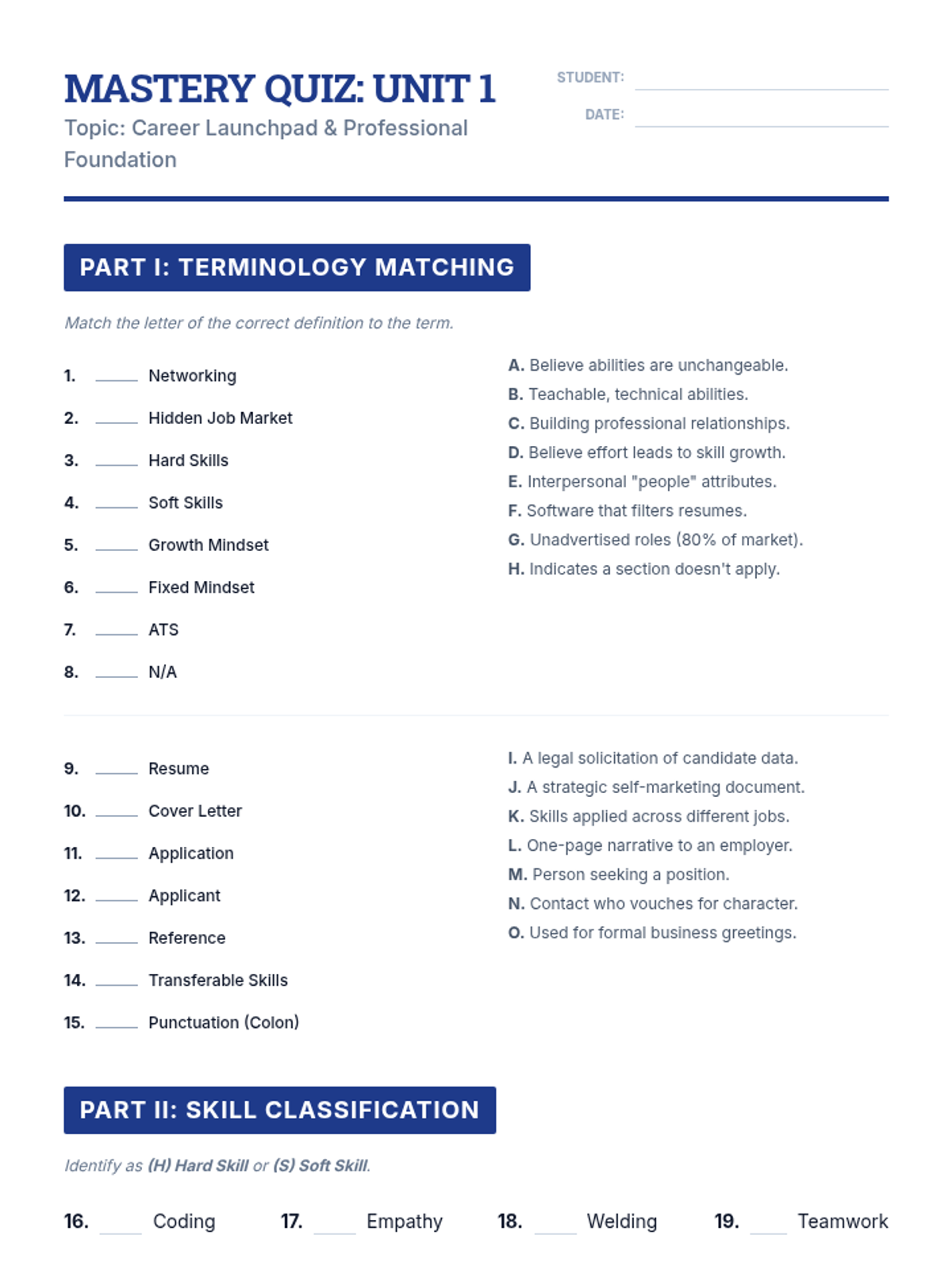
A comprehensive high school curriculum covering 11 essential employability skills, from foundational concepts to advanced application in professional settings. Includes instructional slides, student worksheets, and teacher guides for every skill.
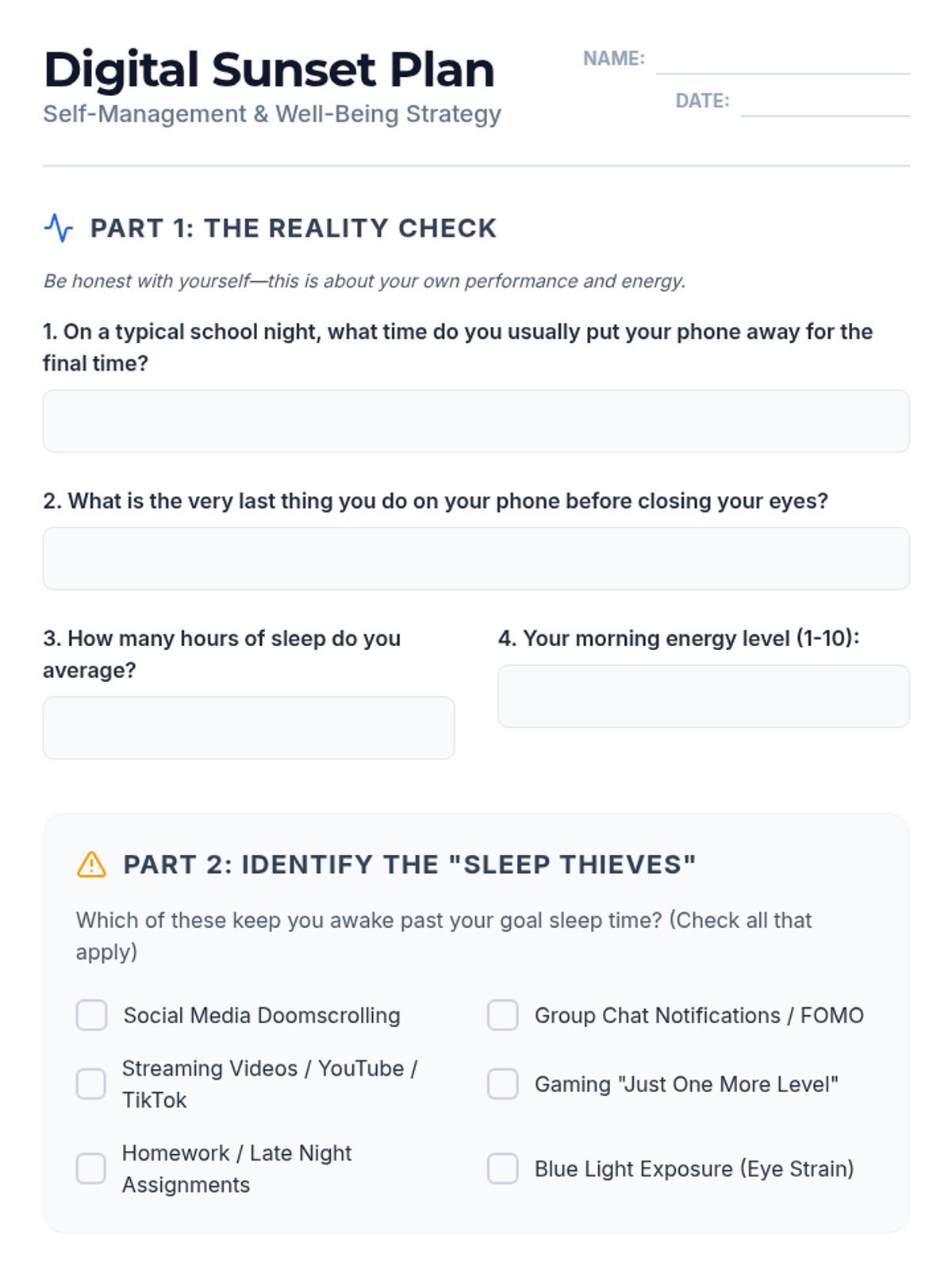
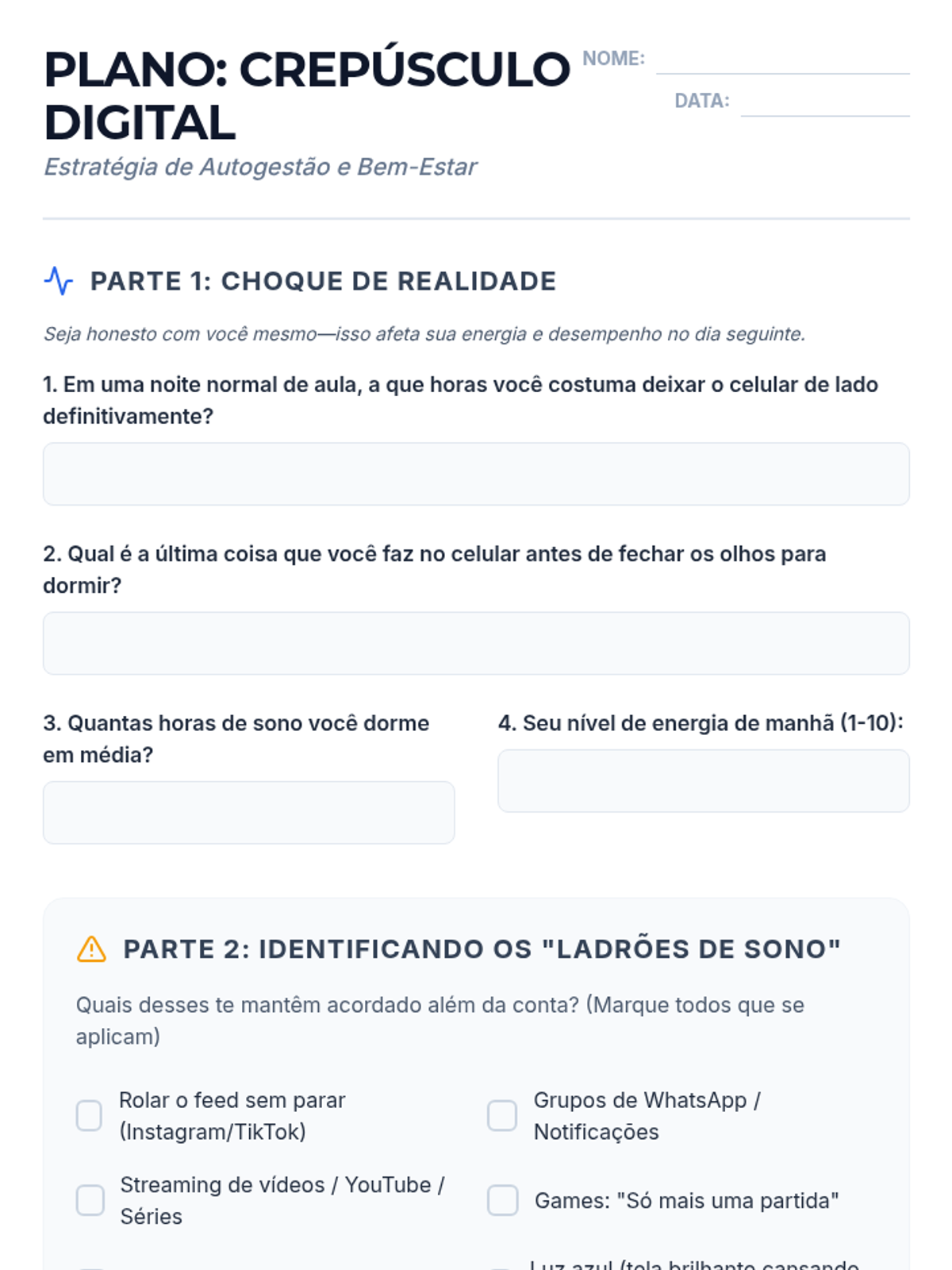
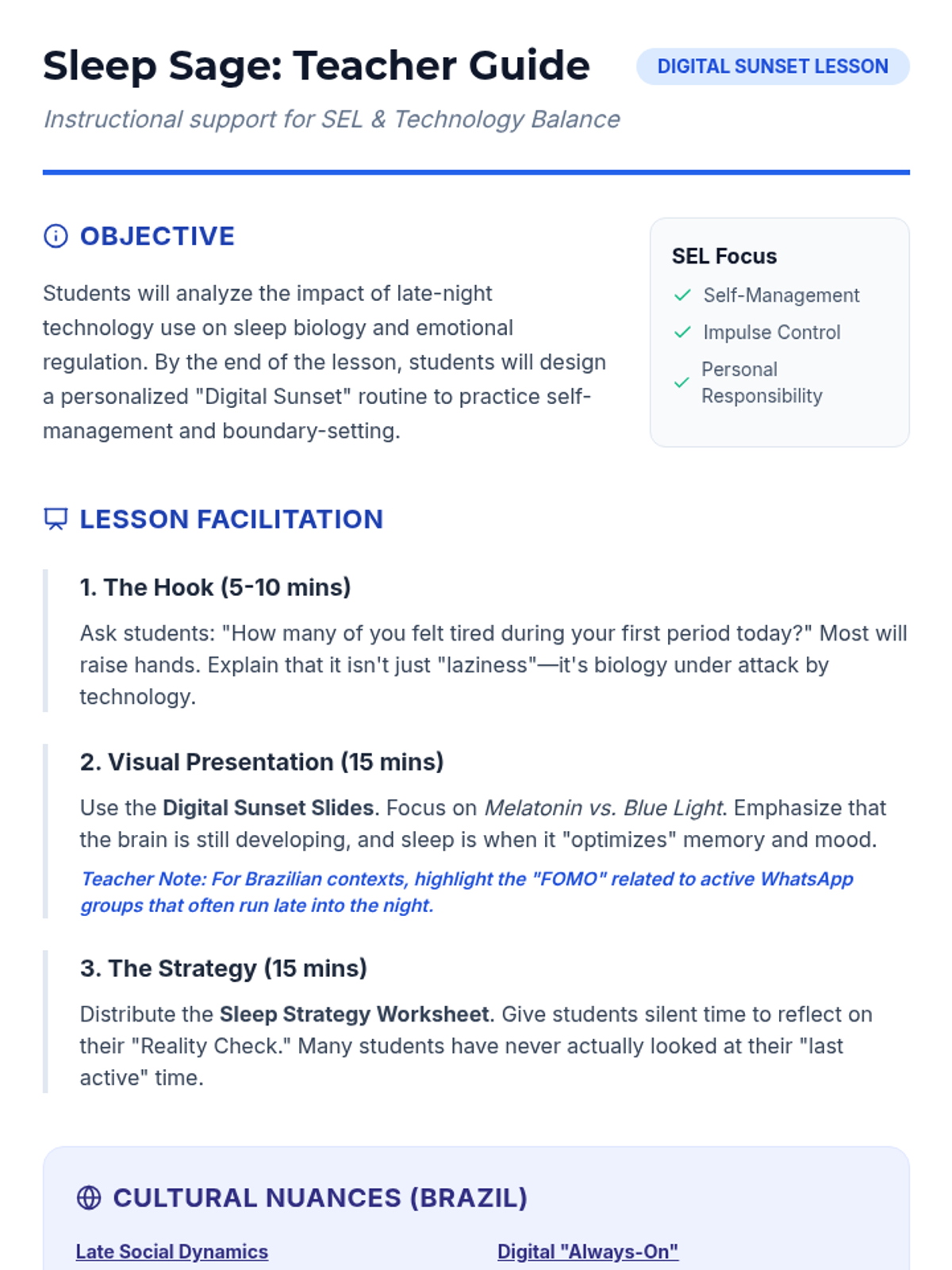
A social-emotional learning lesson focused on the impact of technology on sleep, designed for 16-year-old students. It emphasizes self-management, healthy boundaries, and personal well-being through the concept of a 'Digital Sunset'.
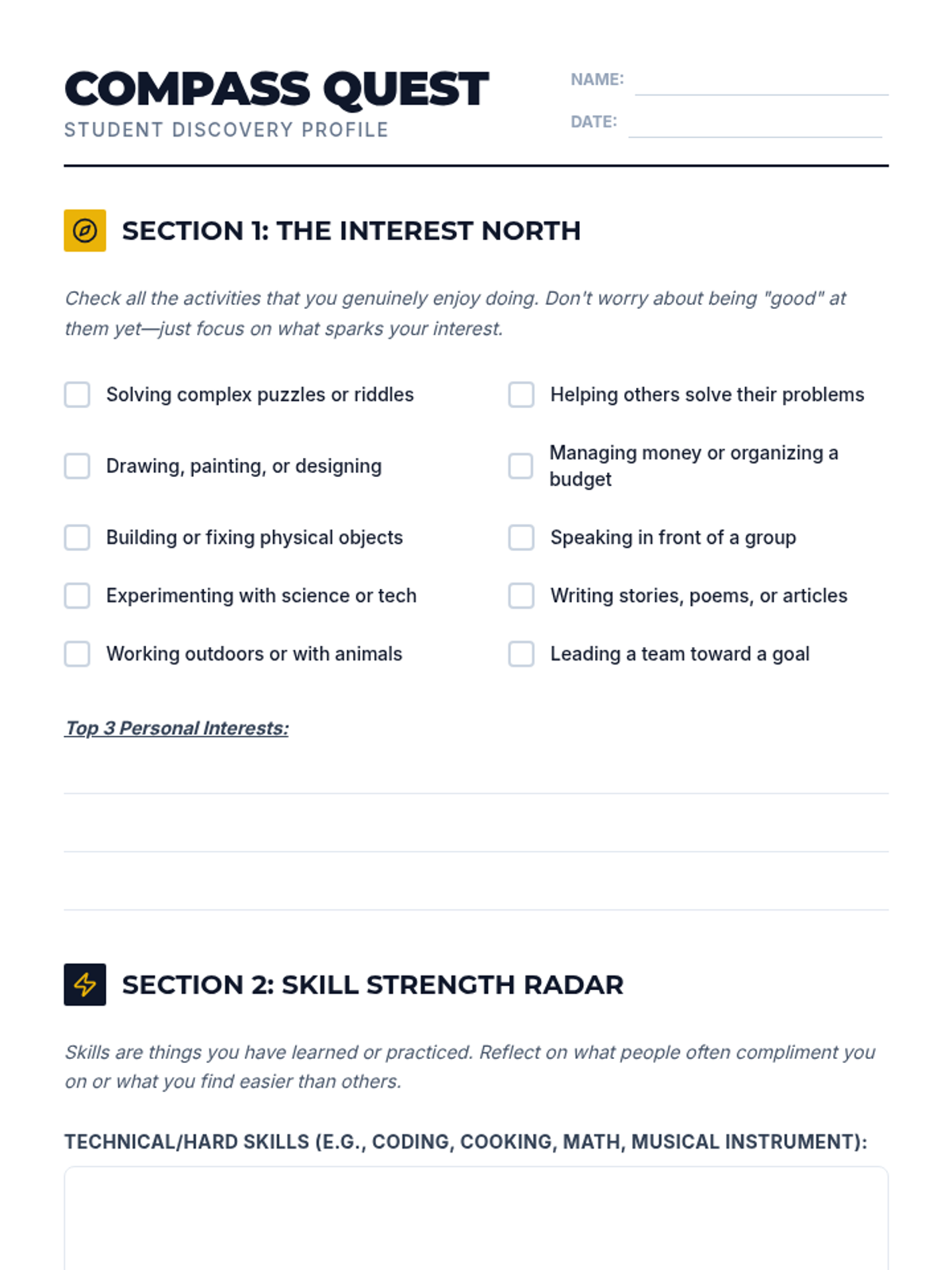
A comprehensive career readiness program designed to prepare students for the modern workforce through 12 modular lessons covering soft skills, exploration, and professional habits. Each lesson aligns with CCR standards and includes portfolio-ready reflections.
A comprehensive program designed to guide students through the essentials of career exploration, professional document preparation, and the job application process.
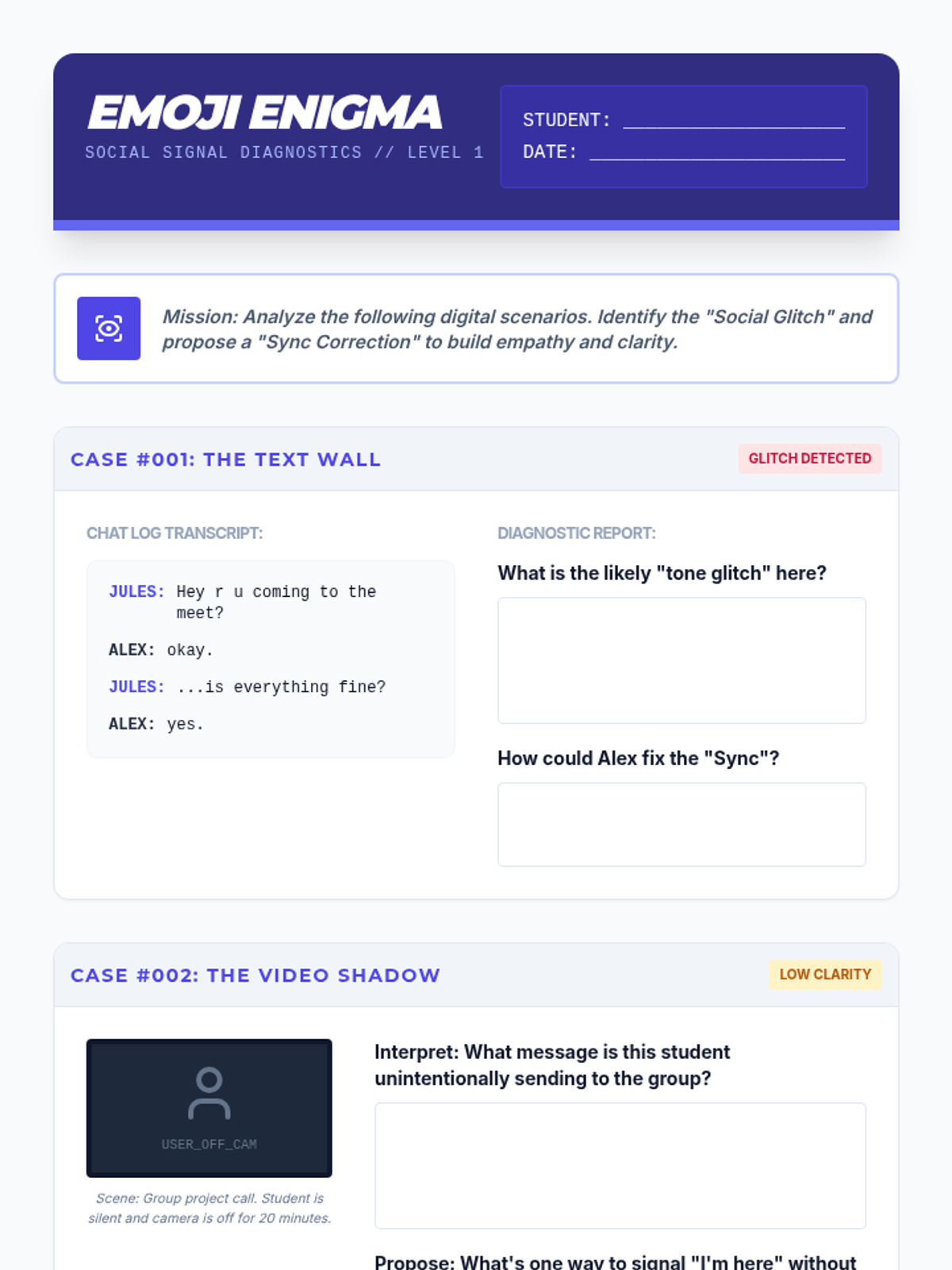
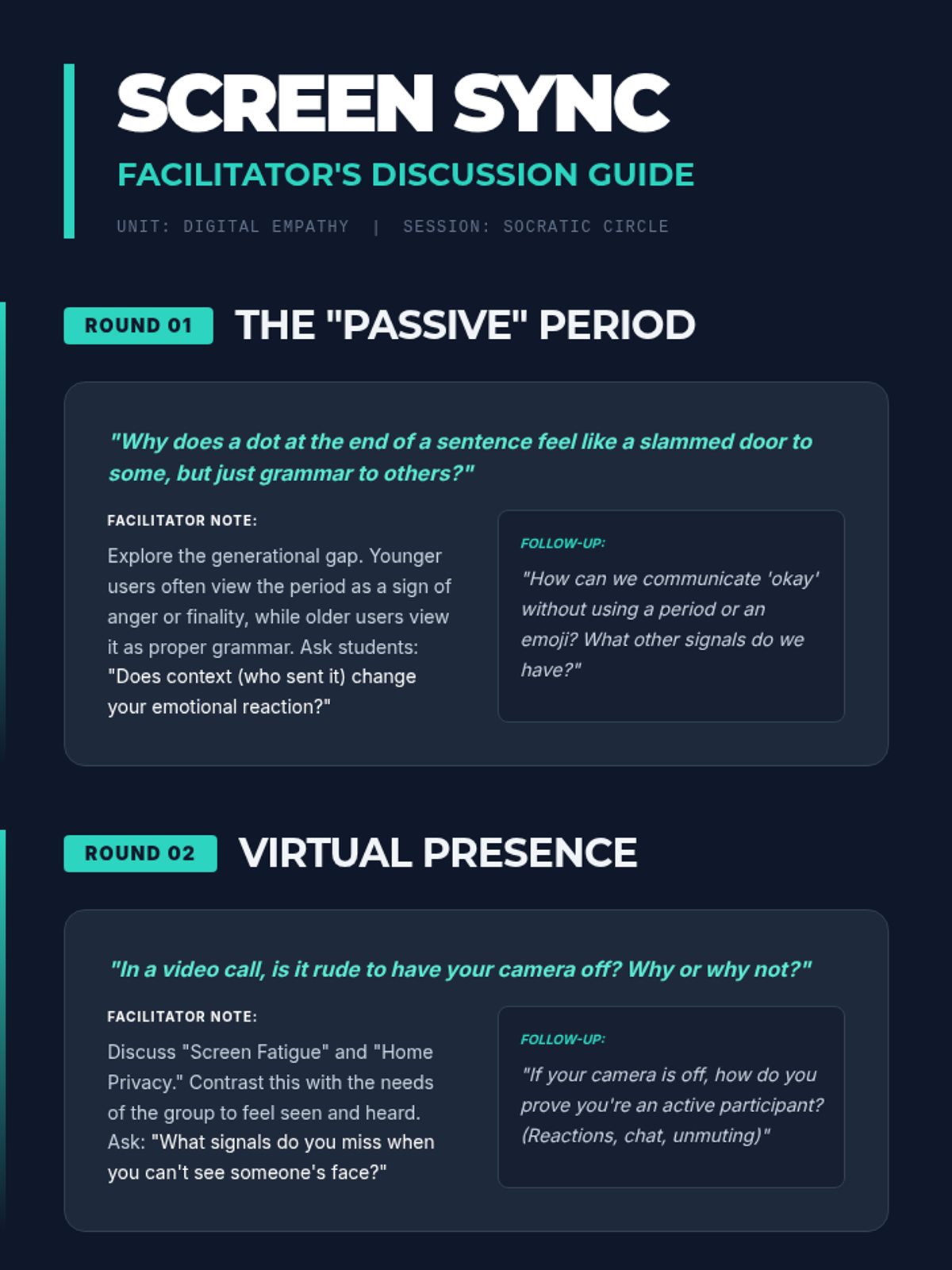
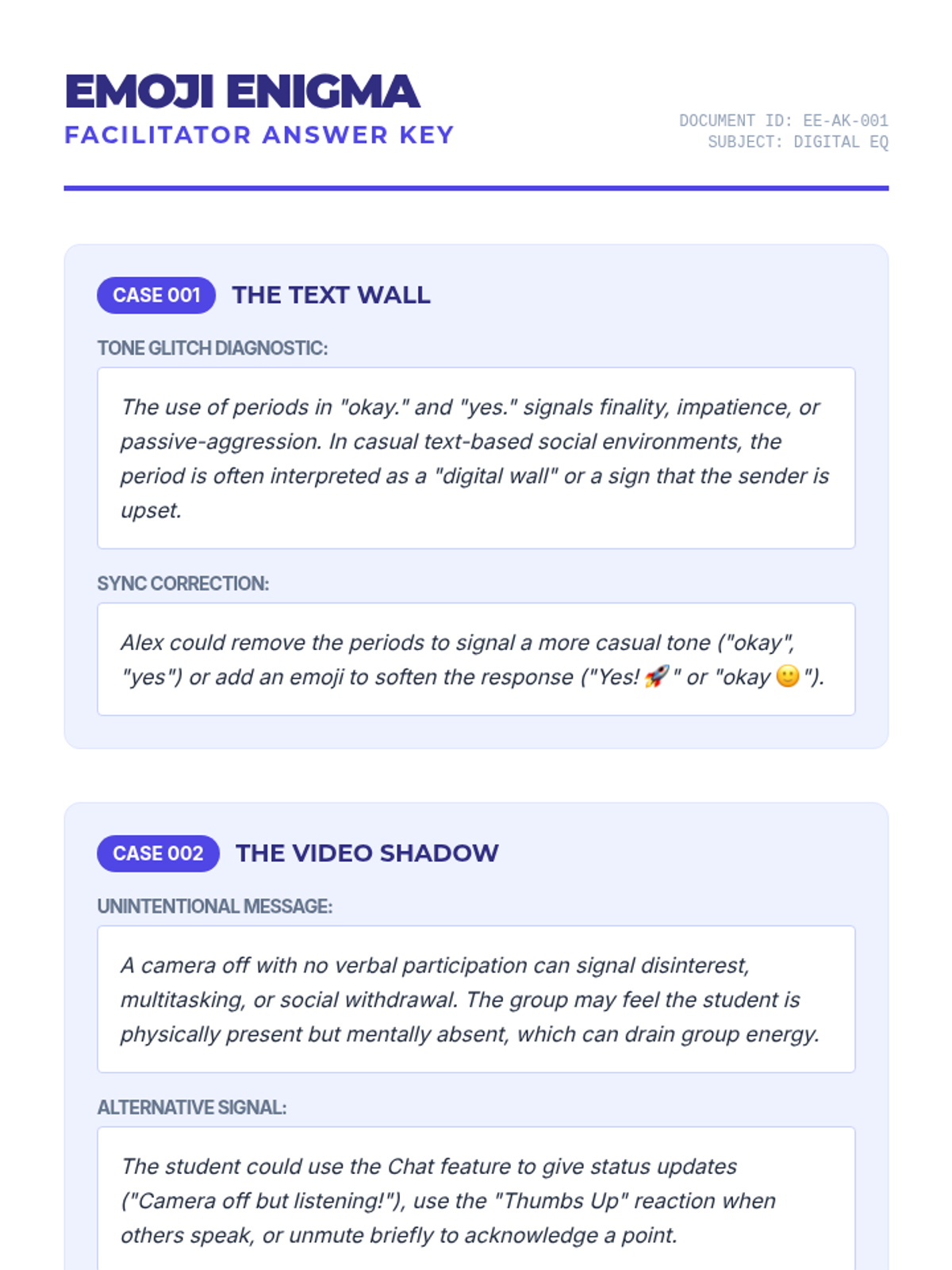
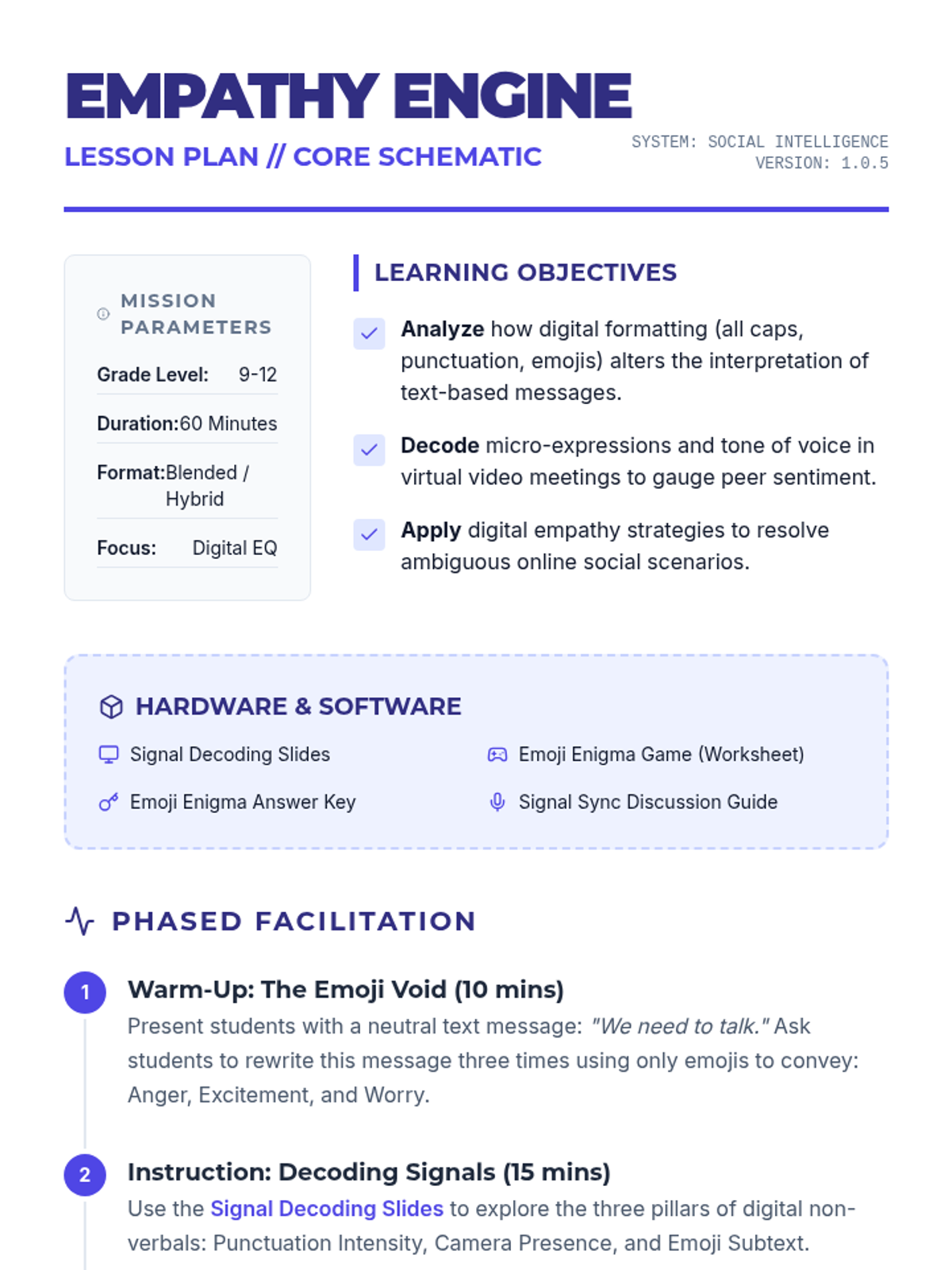
A series of lessons focused on social-emotional intelligence and digital communication skills for high school students, helping them navigate modern social landscapes with empathy and clarity.
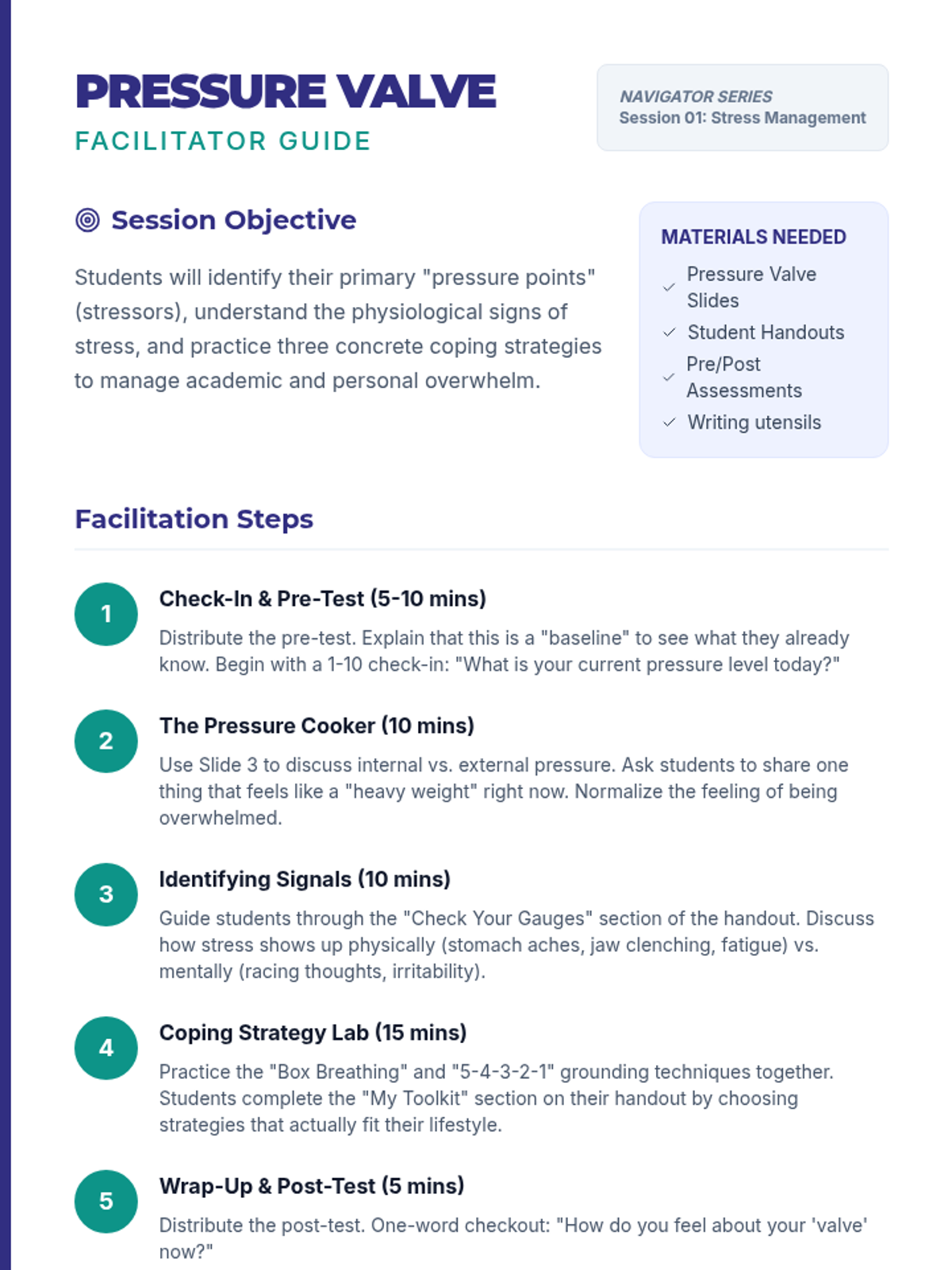
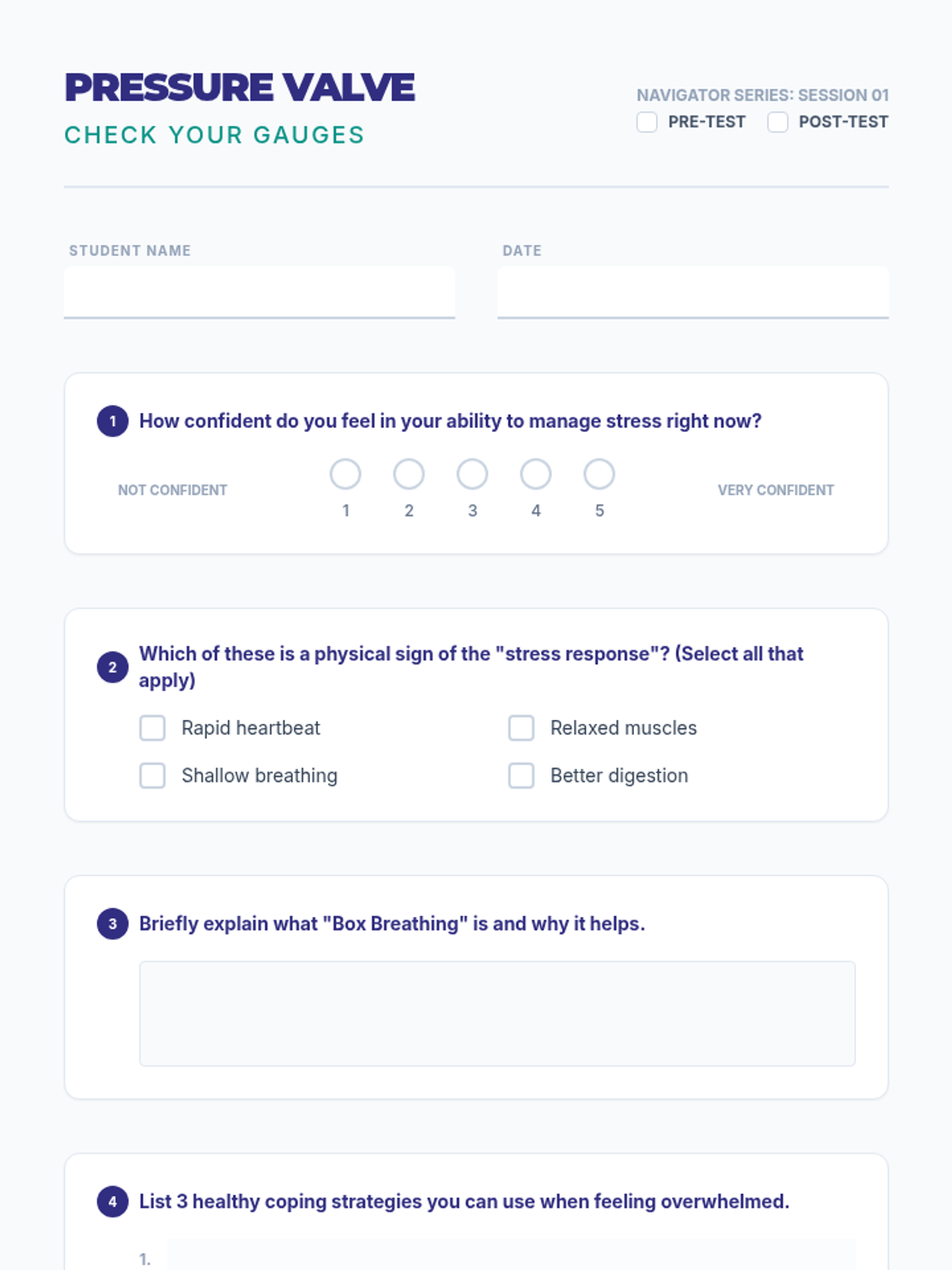
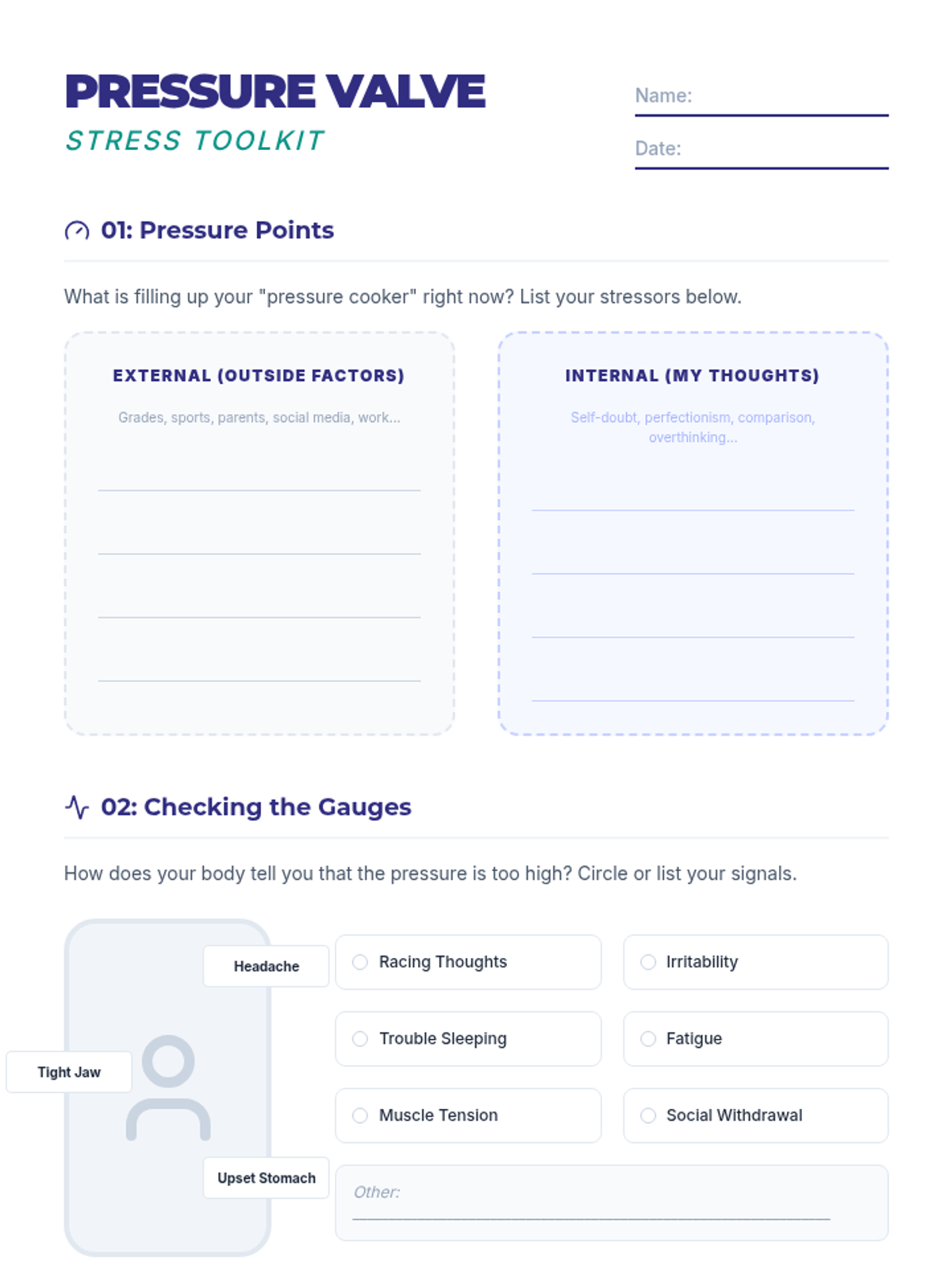
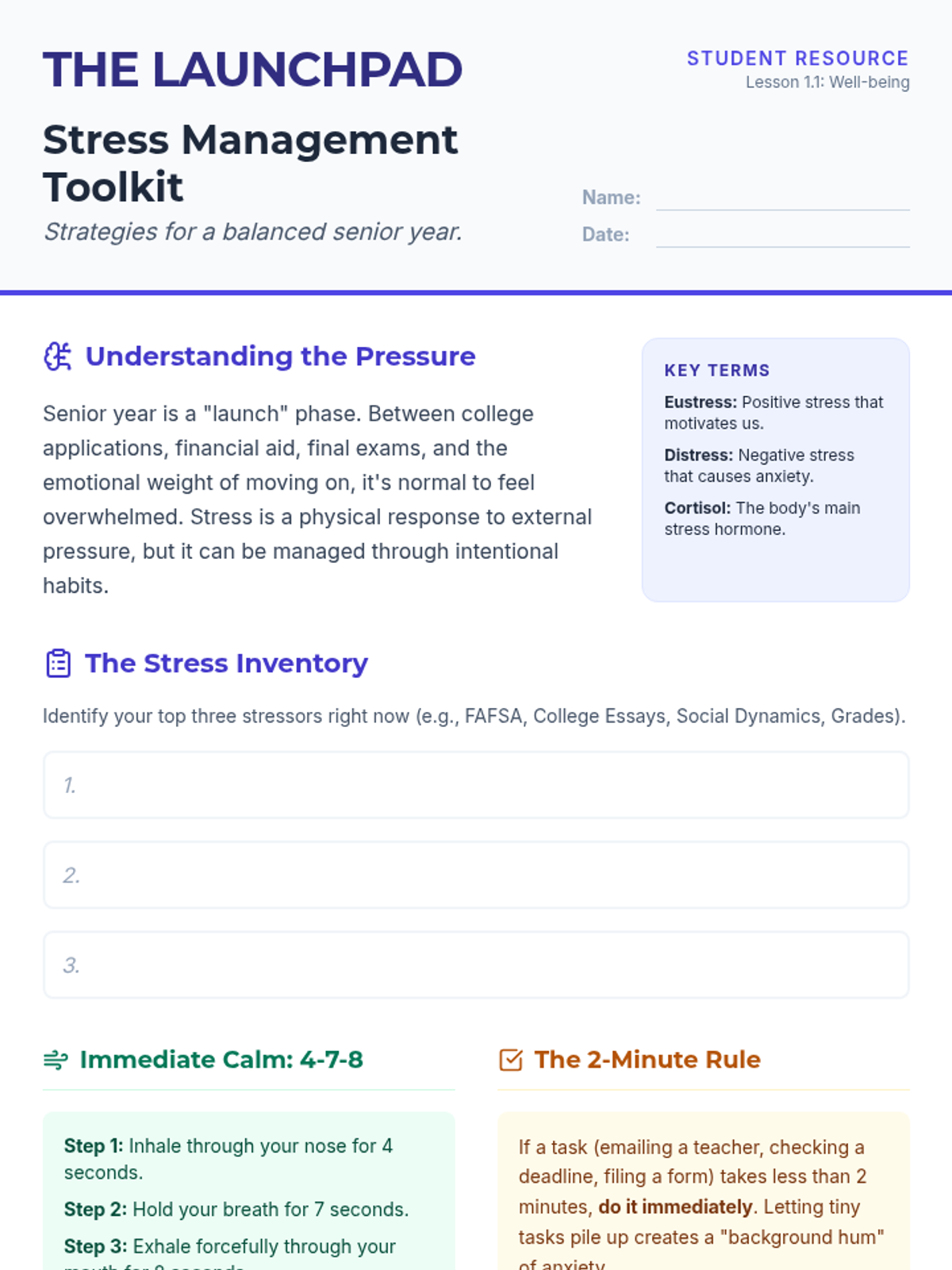
A comprehensive small group counseling series for high school students focusing on essential socio-emotional and life skills including stress management, future planning, healthy relationships, self-advocacy, and digital well-being.
A comprehensive year-long curriculum for high school seniors focusing on college readiness, career planning, financial literacy, and social-emotional well-being. This sequence guides students through the complexities of post-secondary transitions with a special focus on arts-based pathways.
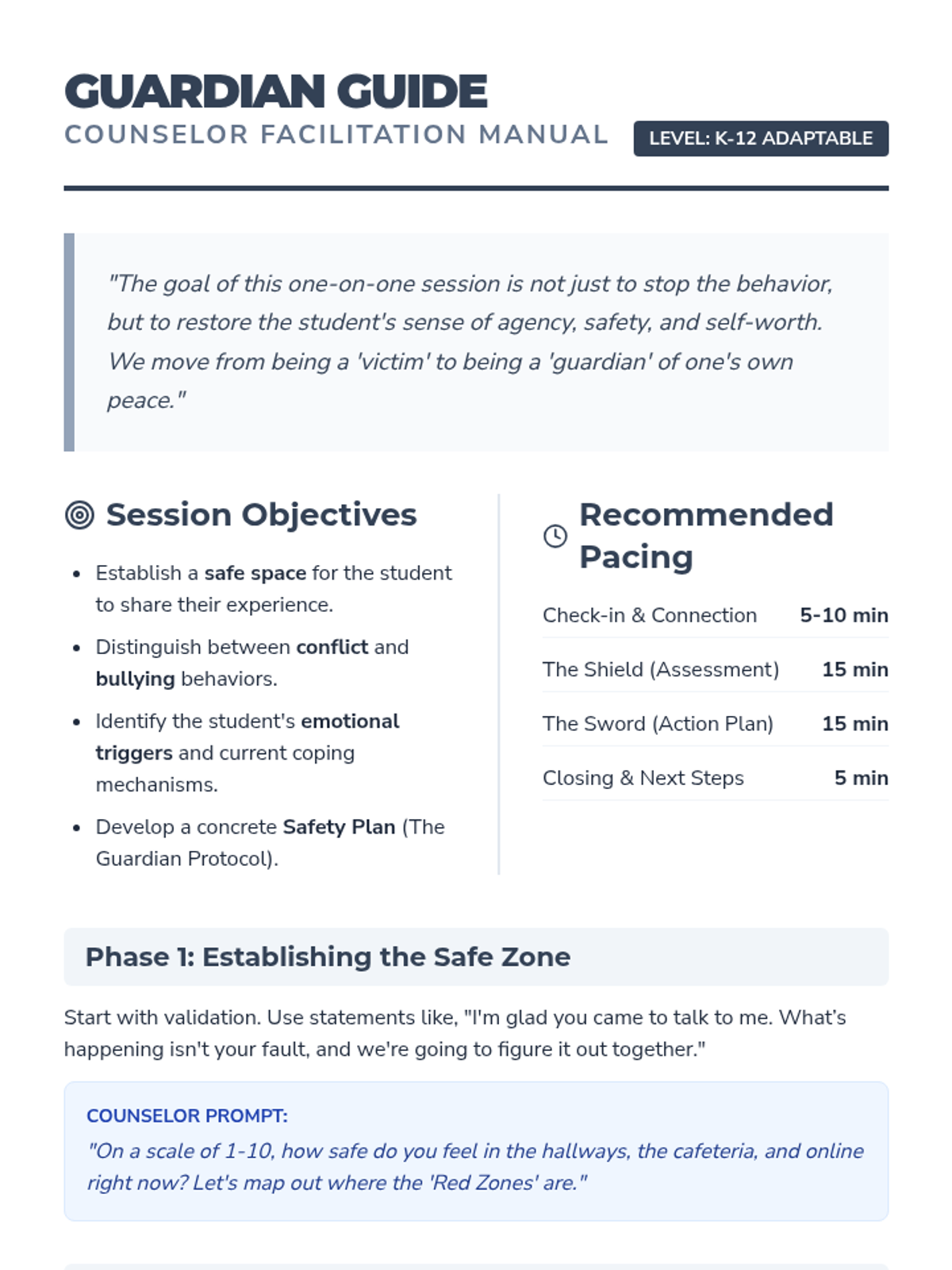
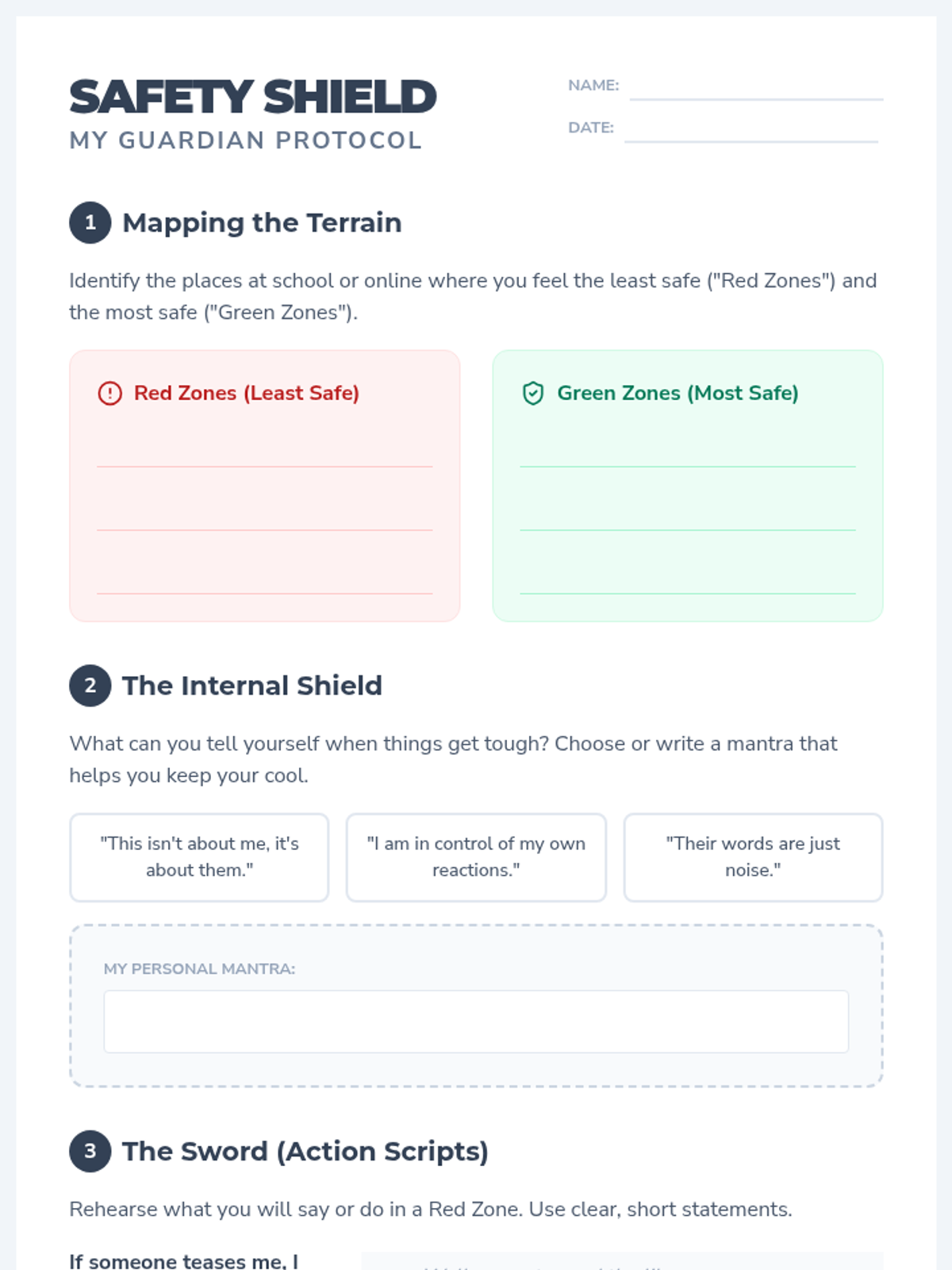
A tiered intervention series for school counselors to address bullying behaviors across different developmental stages, from foundational safety to complex social dynamics.
A four-part comprehensive self-love and positivity program designed for older teens and young adults to build self-compassion and identify 'bright spots' in their lives and surroundings.
A 7-week support group curriculum for high school girls designed to build emotional resilience, self-esteem, and empowerment through discussion, worksheets, and creative crafts.
An advanced five-part professional development series for 11th graders focusing on the psychology of conflict, high-stakes communication, and strategic diplomacy. Students prepare for adult environments by mastering emotional intelligence, interest-based negotiation, and professional digital protocols.
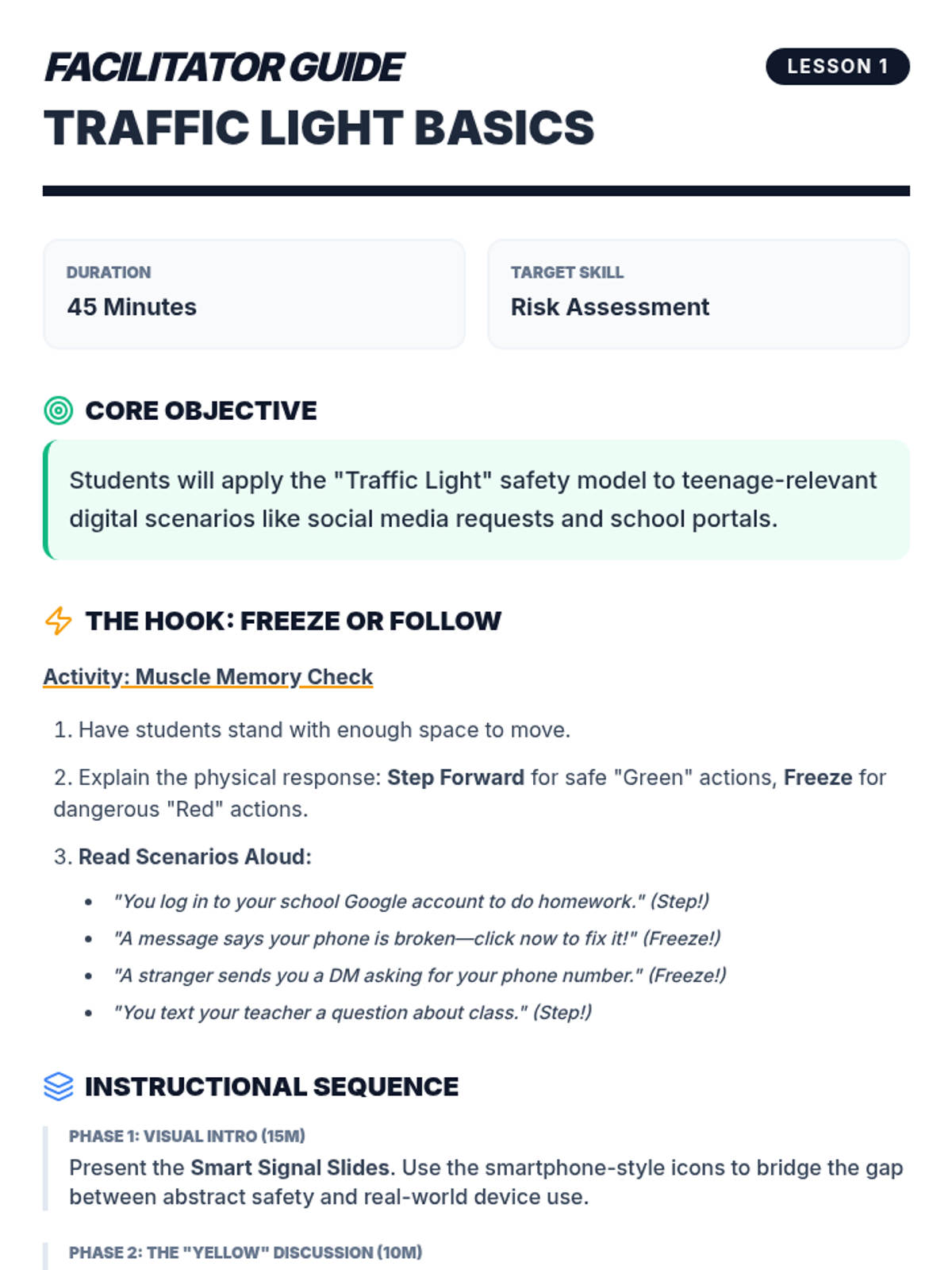
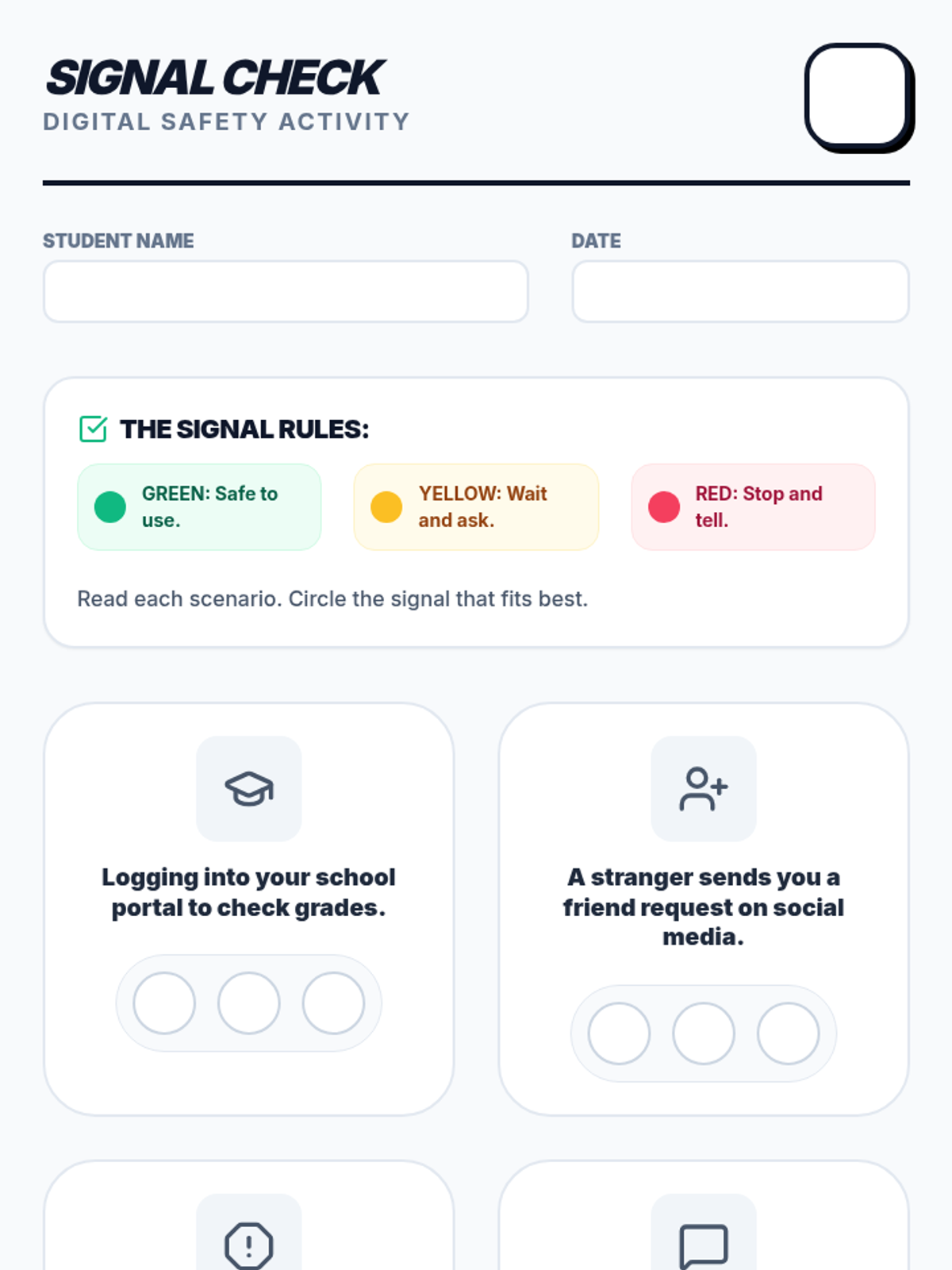
This life skills sequence for high schoolers with low cognitive abilities uses a traffic light model (Green, Yellow, Red) to teach digital safety. Students learn to navigate teen-relevant scenarios like social media requests, online shopping ads, and interacting with strangers in gaming or apps, focusing on the 'Pause and Ask' reflex.
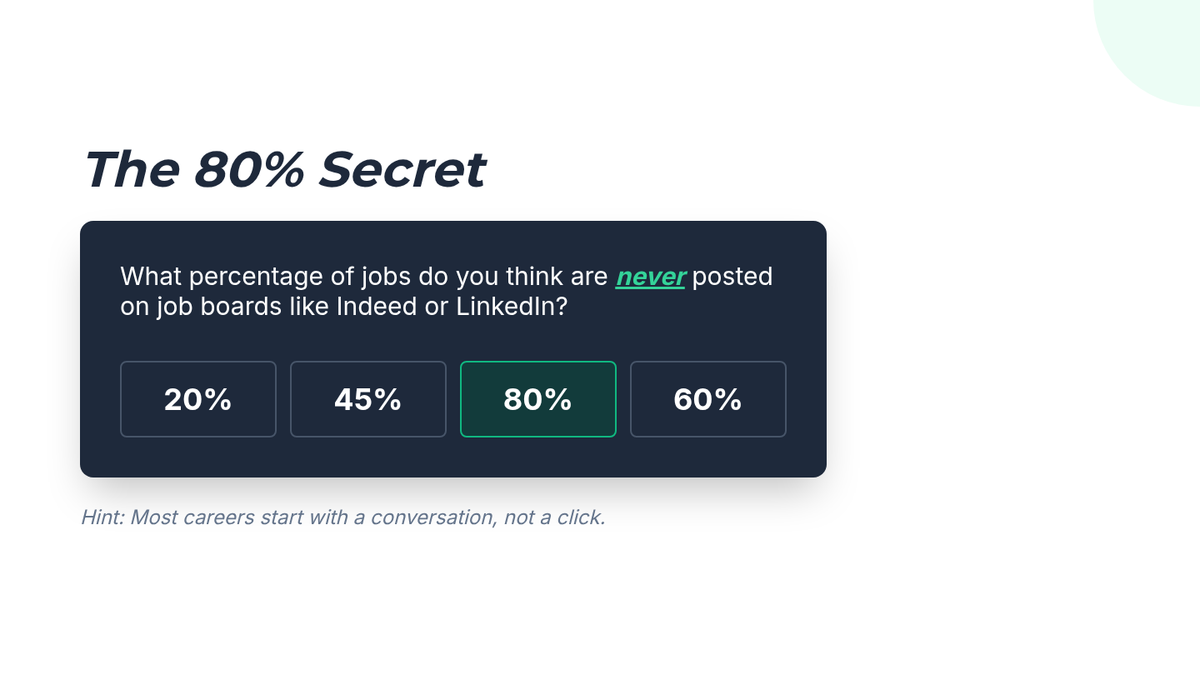
A comprehensive 5-lesson unit for 11th-grade students focused on accessing the hidden job market, mastering elevator pitches, conducting informational interviews, maintaining professional digital etiquette, and practicing effective follow-up techniques.
A comprehensive curriculum covering financial literacy, economic principles, and civic systems through historical case studies, ethical dilemmas, and real-world simulations.
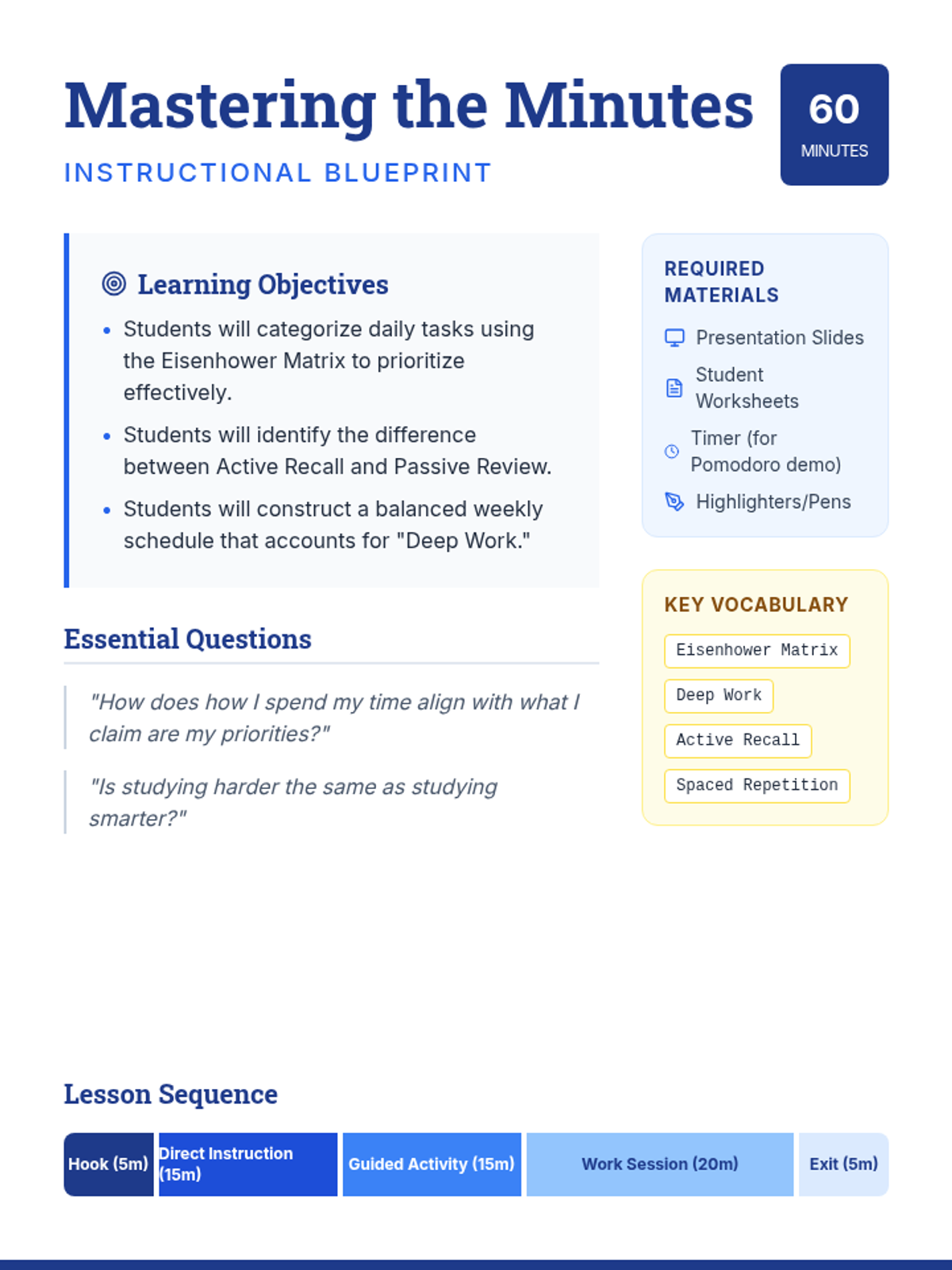
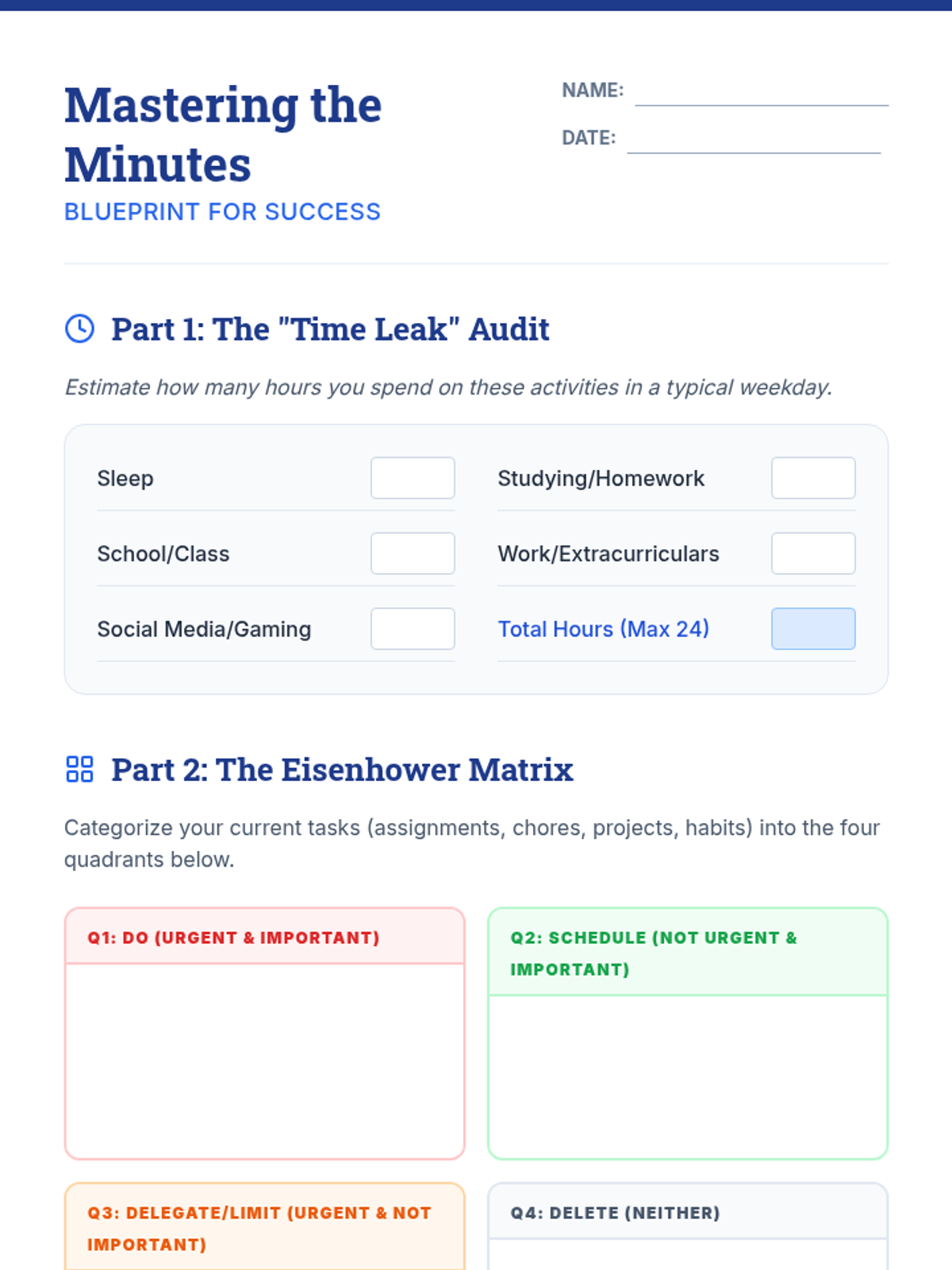
A comprehensive series designed to prepare students for post-secondary success through essential life skills, including time management, study habits, and digital literacy.
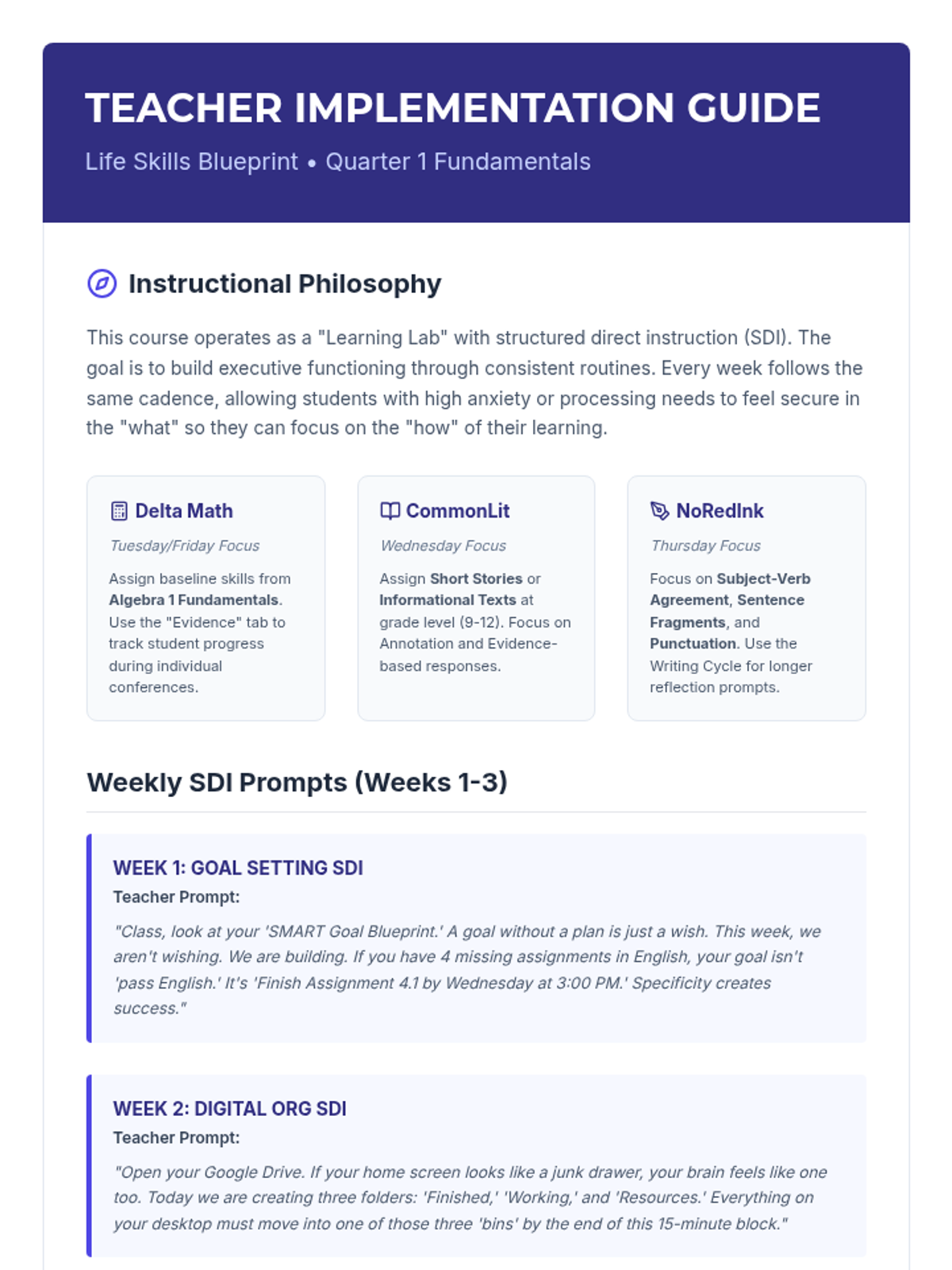
A comprehensive 10-week instructional module designed to build and refine 9 core executive functioning skills including goal setting, organization, and self-regulation.
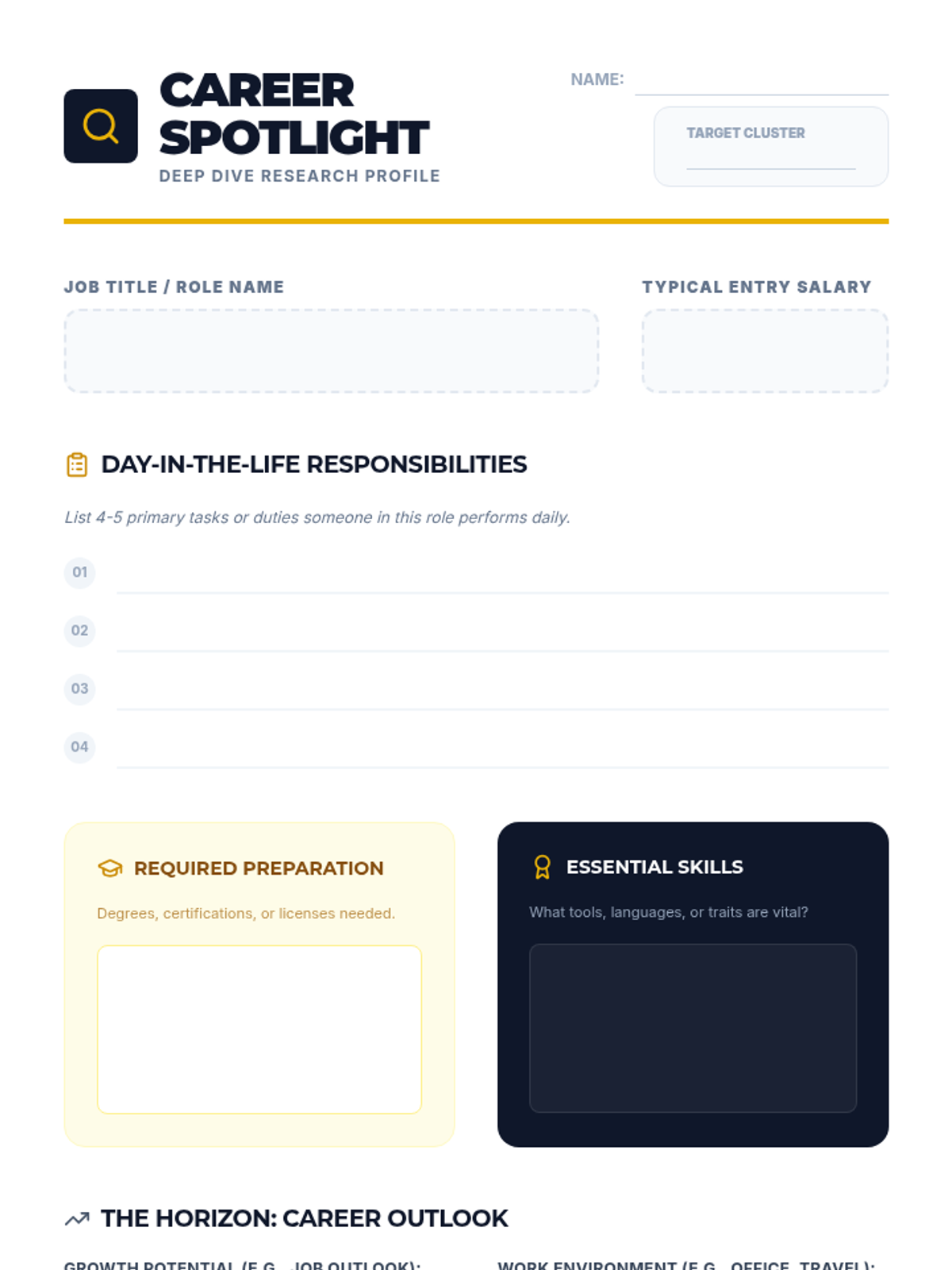
A comprehensive unit designed to guide students through the stages of career development, from initial exploration to professional communication and job readiness.
This sequence equips students with the digital literacy skills necessary to navigate complex databases and online encyclopedias effectively. Students transition from general search engines to academic repositories, learning boolean logic and advanced filtering techniques. By the end, students will demonstrate the ability to locate and curate high-quality sources for a research topic.
This sequence moves students beyond basic search engines to master the complex landscape of academic research databases and digital archives. Students learn to manipulate search algorithms, evaluate the credibility of scholarly sources, and utilize reference management systems effectively. The learning arc builds from technical search skills to critical evaluation and culminates in the synthesis of sources for academic writing.
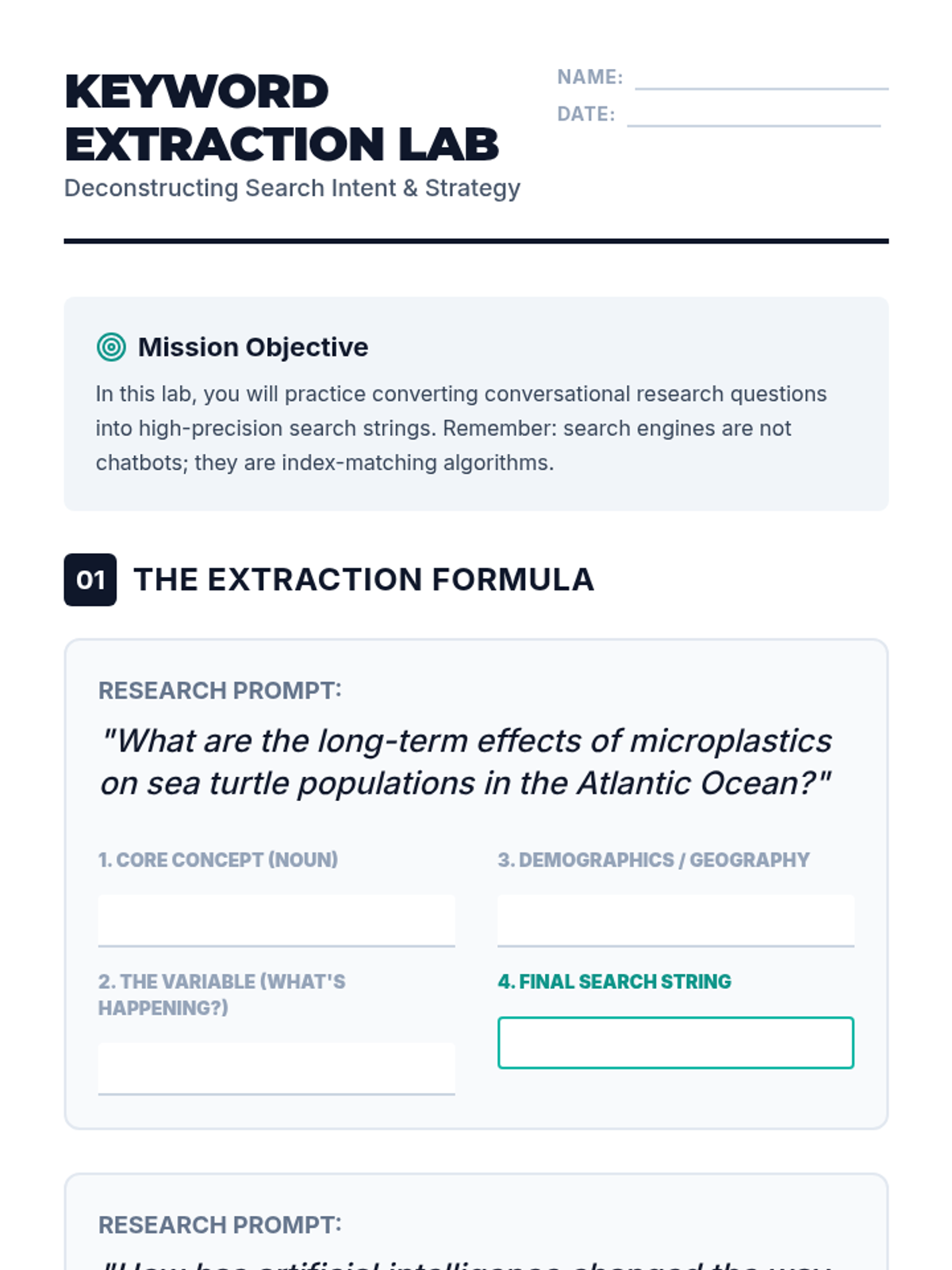
This sequence equips 9th-grade students with professional information retrieval skills, moving from basic keyword searches to complex Boolean logic, advanced search syntax, and academic database navigation. Students will learn to manipulate search algorithms and document their research process to locate high-quality, obscure information efficiently.
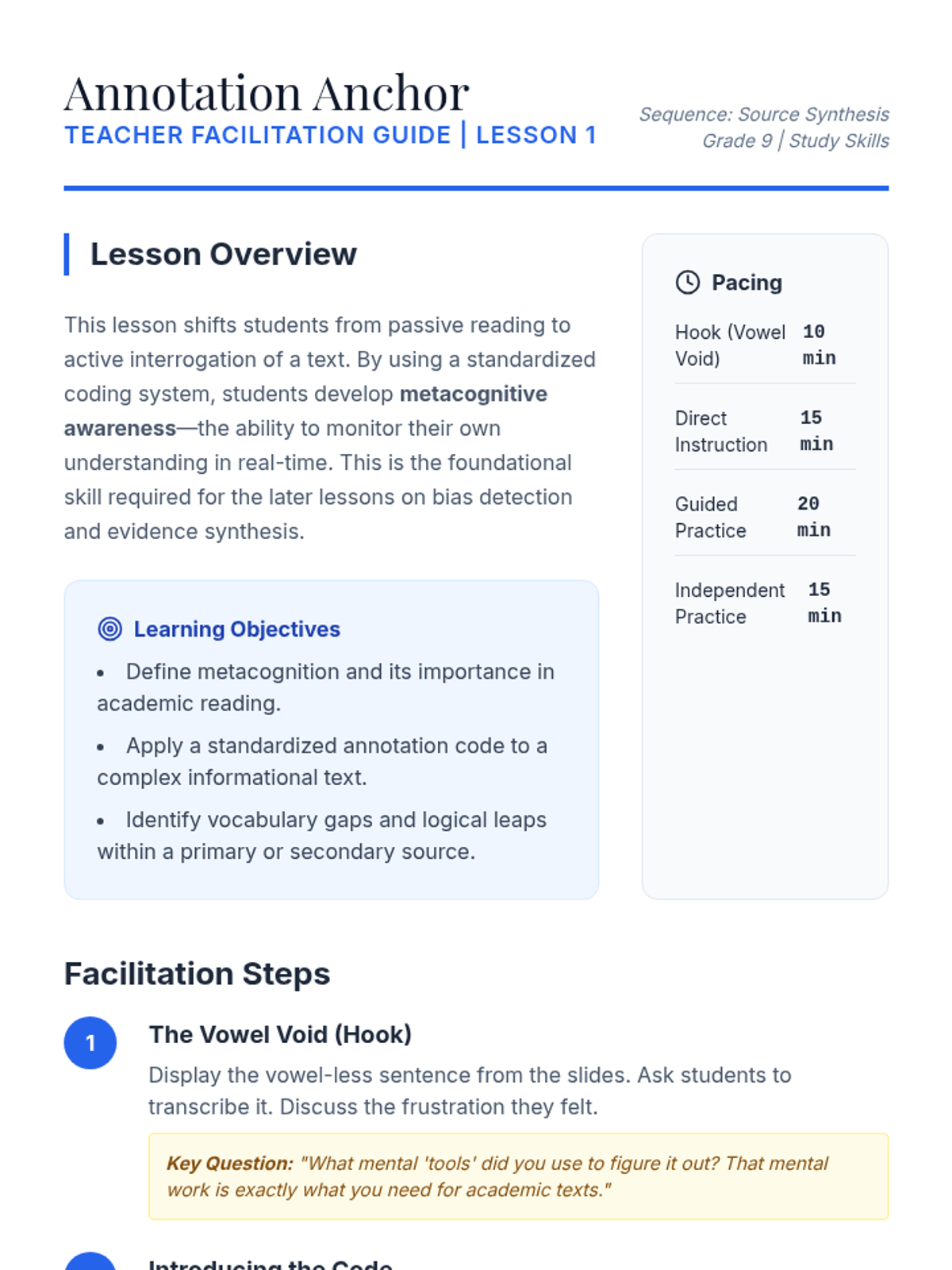
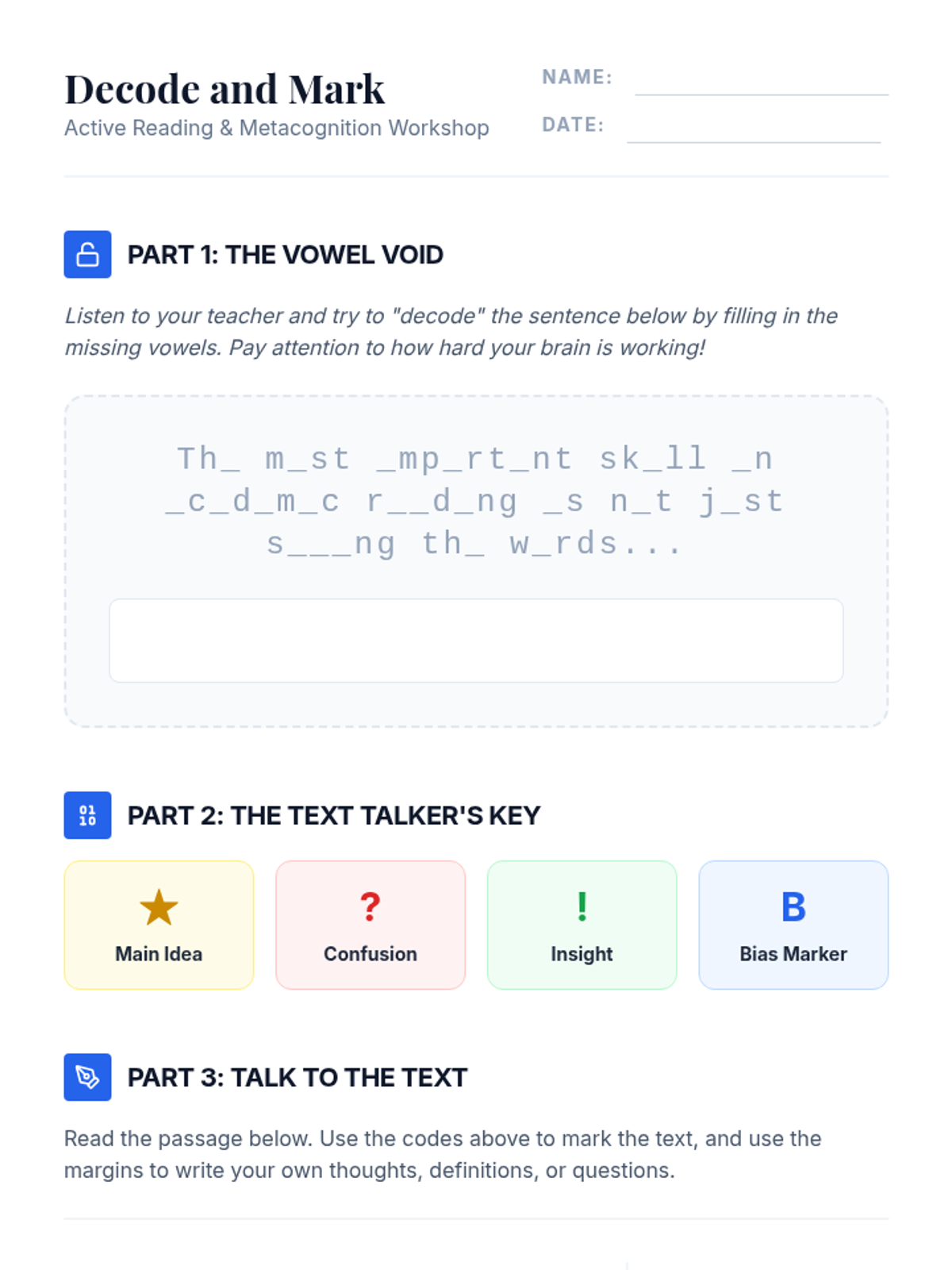
A comprehensive 9th-grade sequence focused on teaching students how to move from active reading and annotation to synthesizing information from multiple academic sources. Students will explore bias, comparative analysis, and academic integrity to produce a final synthesized written response.
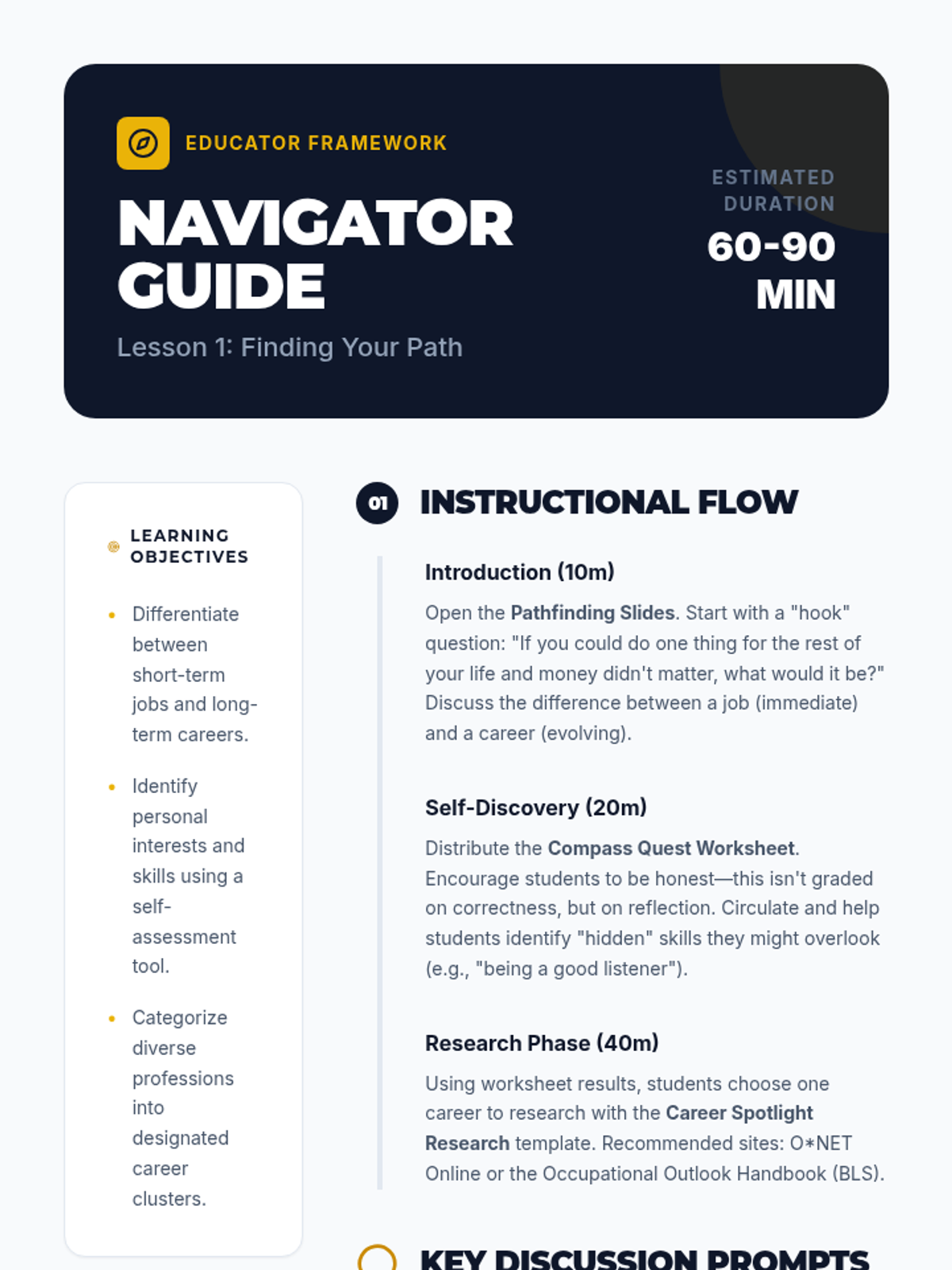
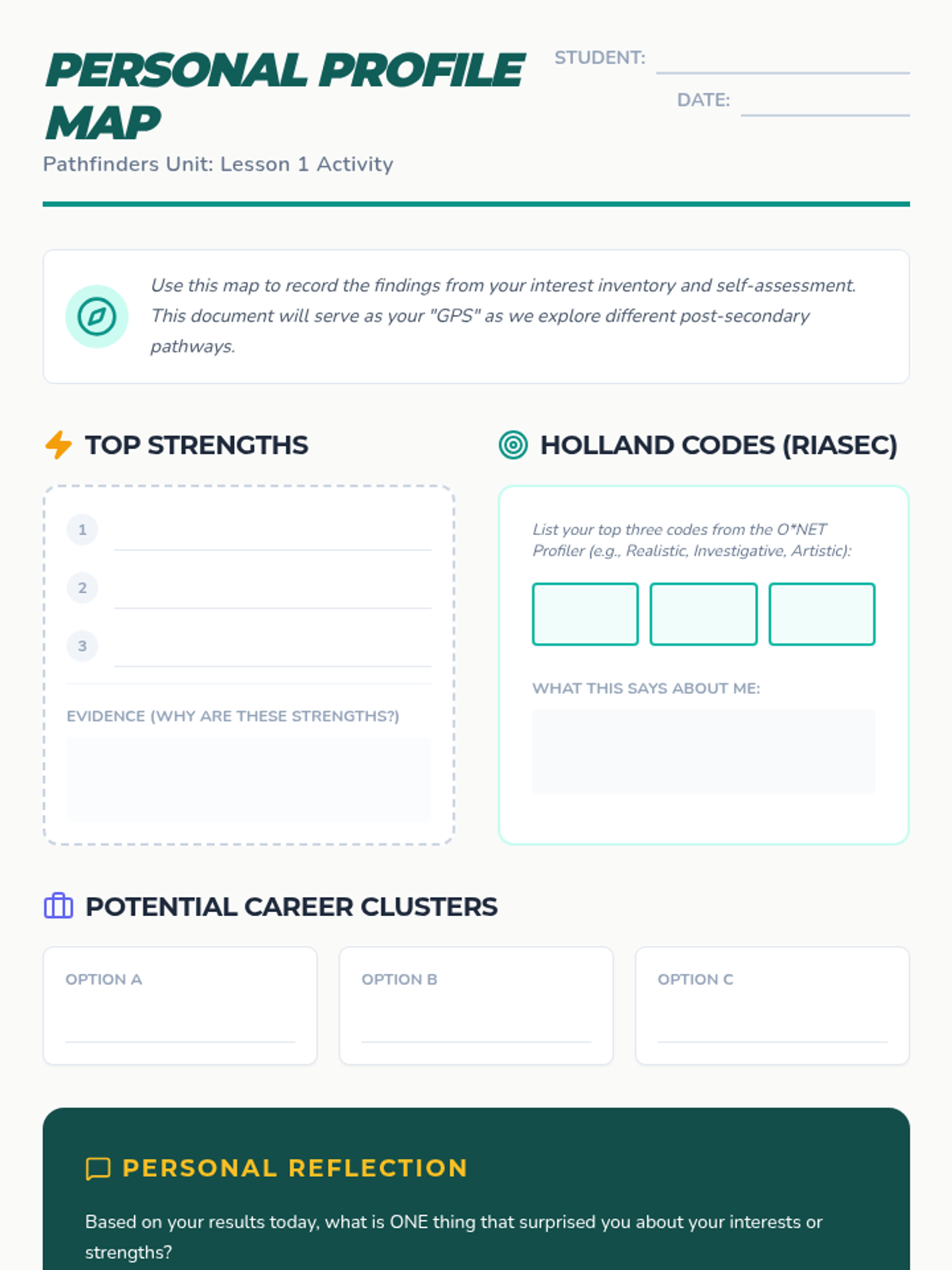
A comprehensive 9th-grade transition planning unit that guides students through self-assessment and the investigation of higher education, vocational training, and direct workforce entry pathways. Students align their personal strengths with future opportunities to create a viable post-secondary roadmap.
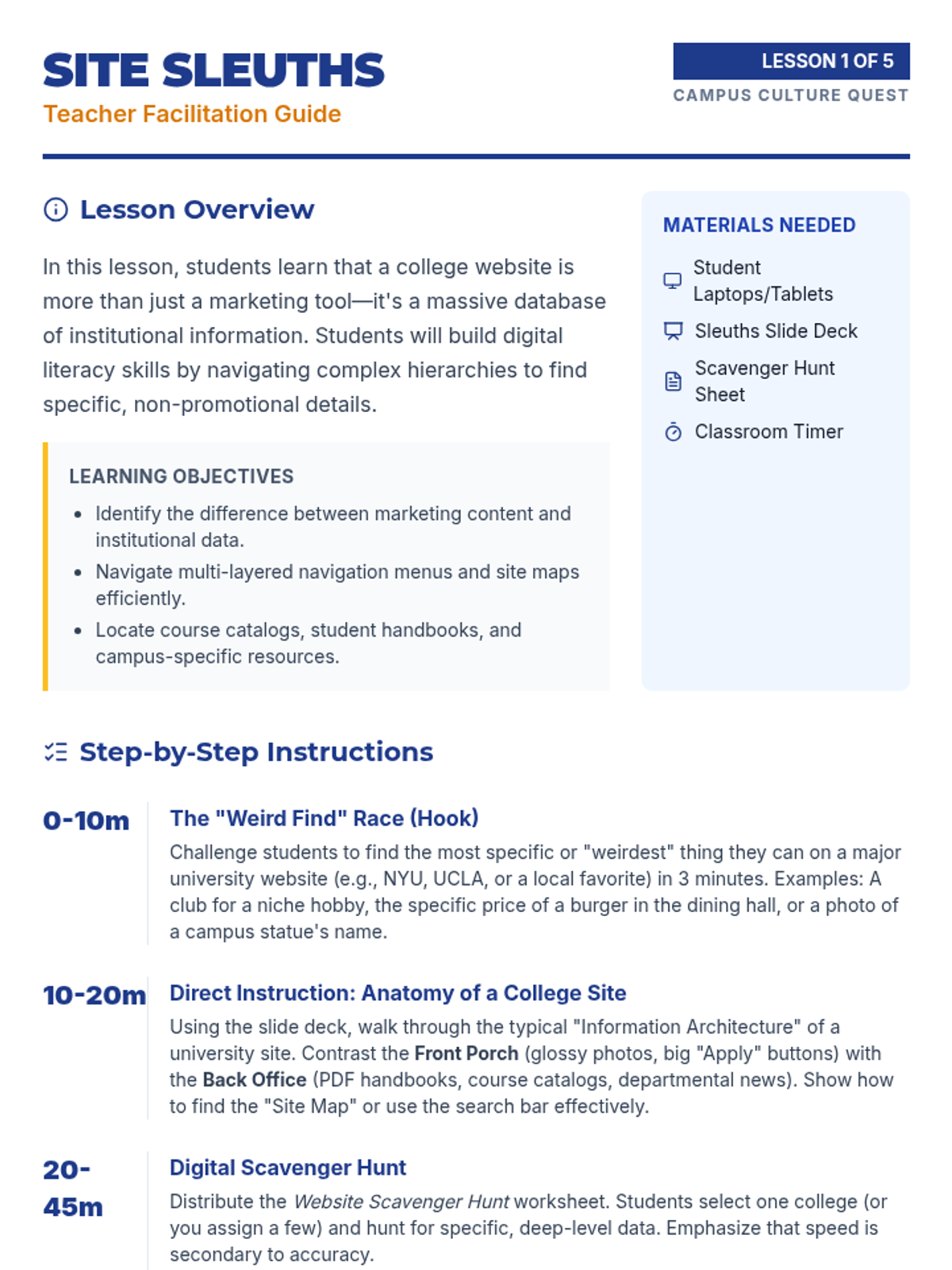
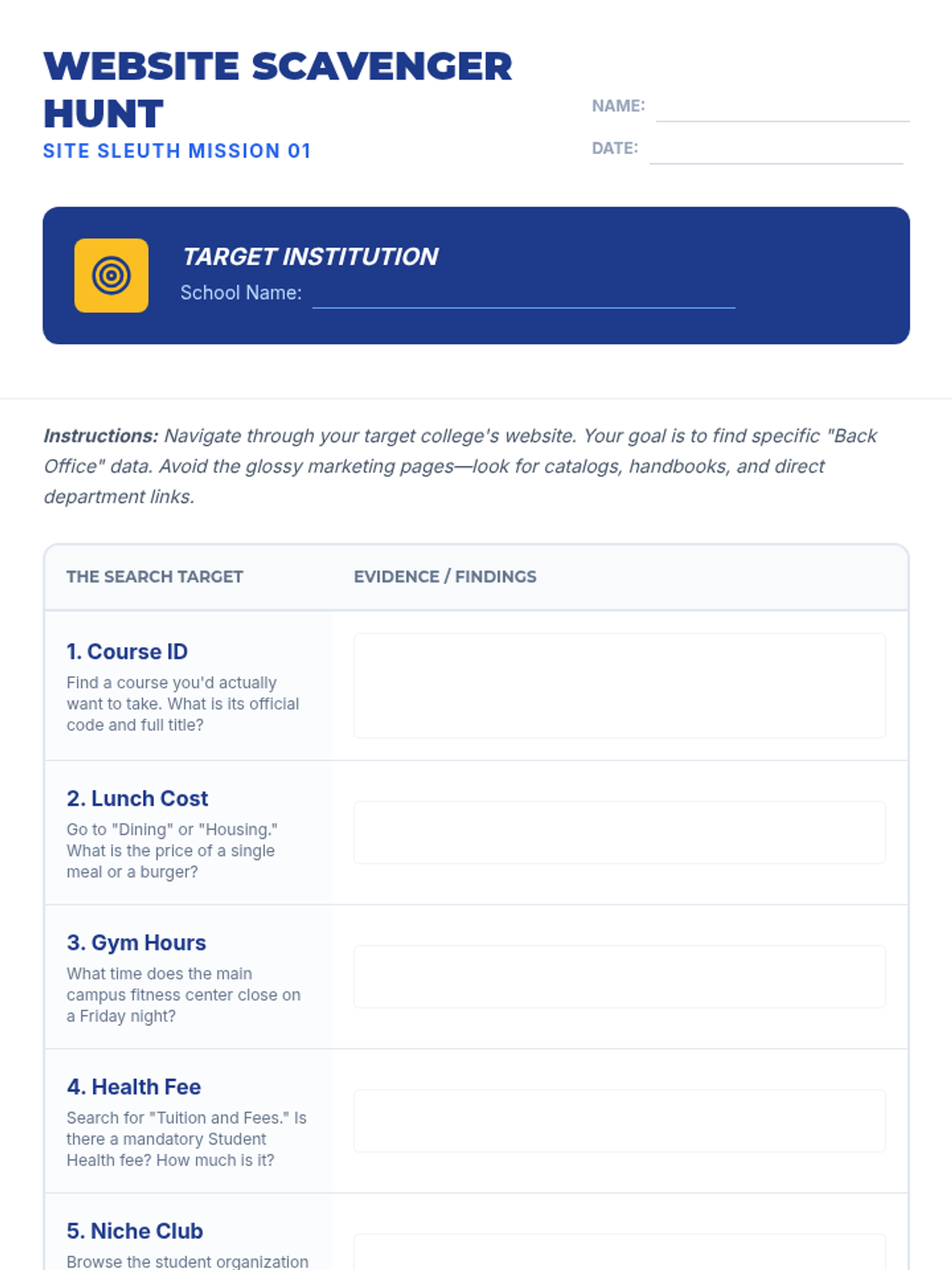
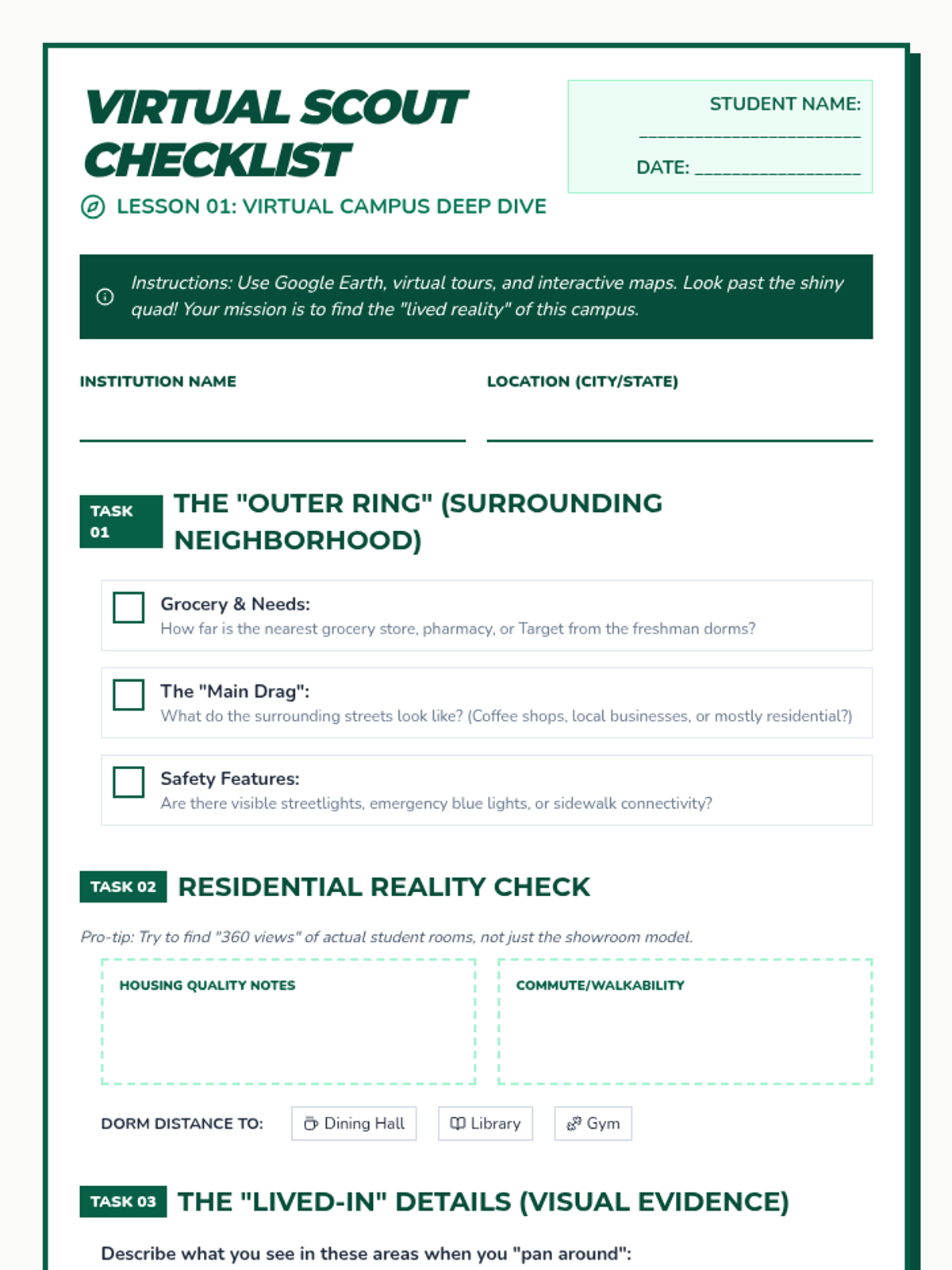
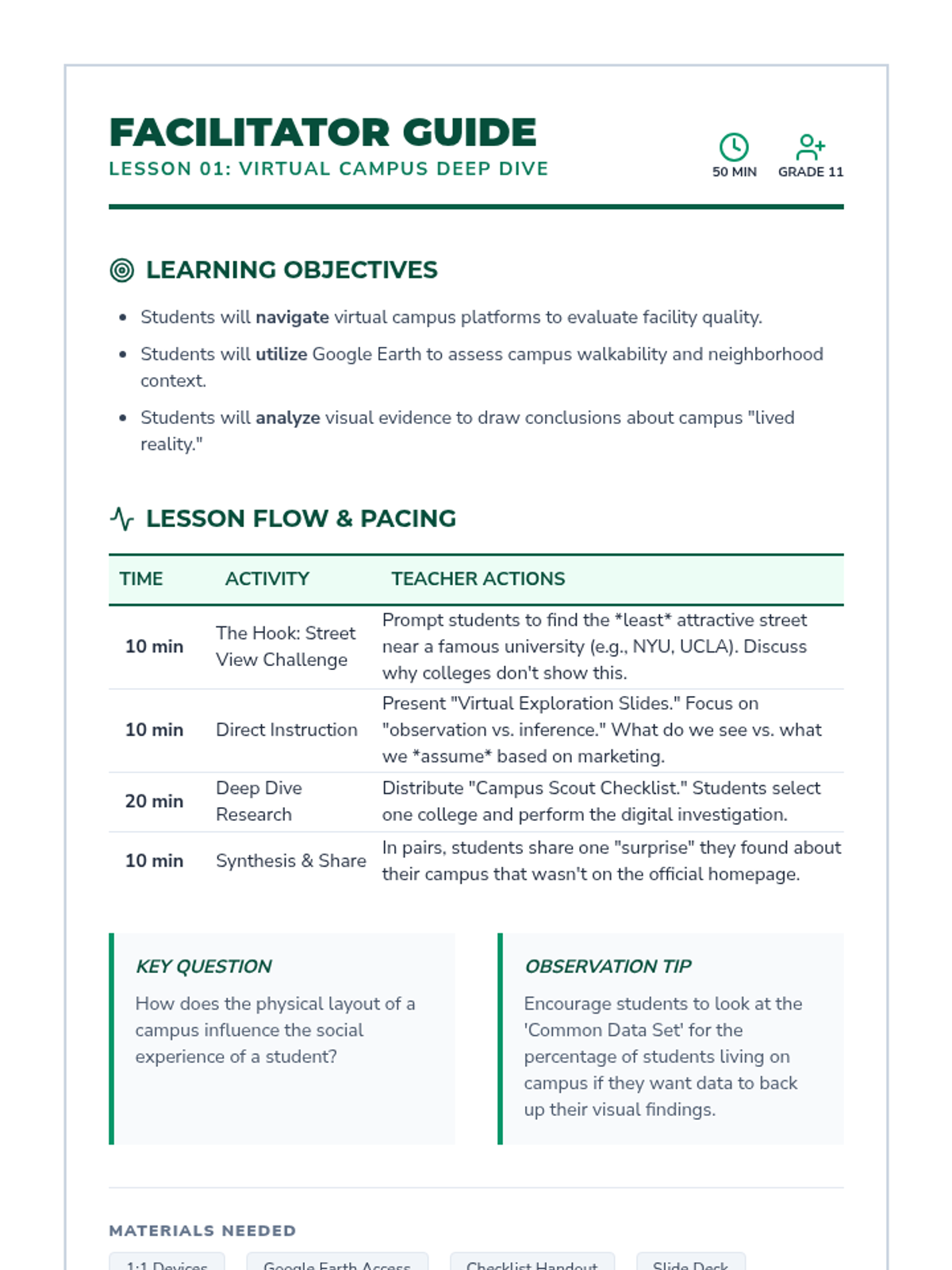
A comprehensive exploration of college campus culture and student resources, teaching 9th-grade students how to look beyond marketing materials to find authentic community information. Students develop digital literacy skills to navigate complex university websites, evaluate virtual tours, and investigate support systems.
This sequence guides 11th-grade students through a qualitative evaluation of college campus culture and support systems. Students transition from surface-level marketing to deep-dive research using virtual tools, student media, and demographic data to determine authentic 'cultural fit'.
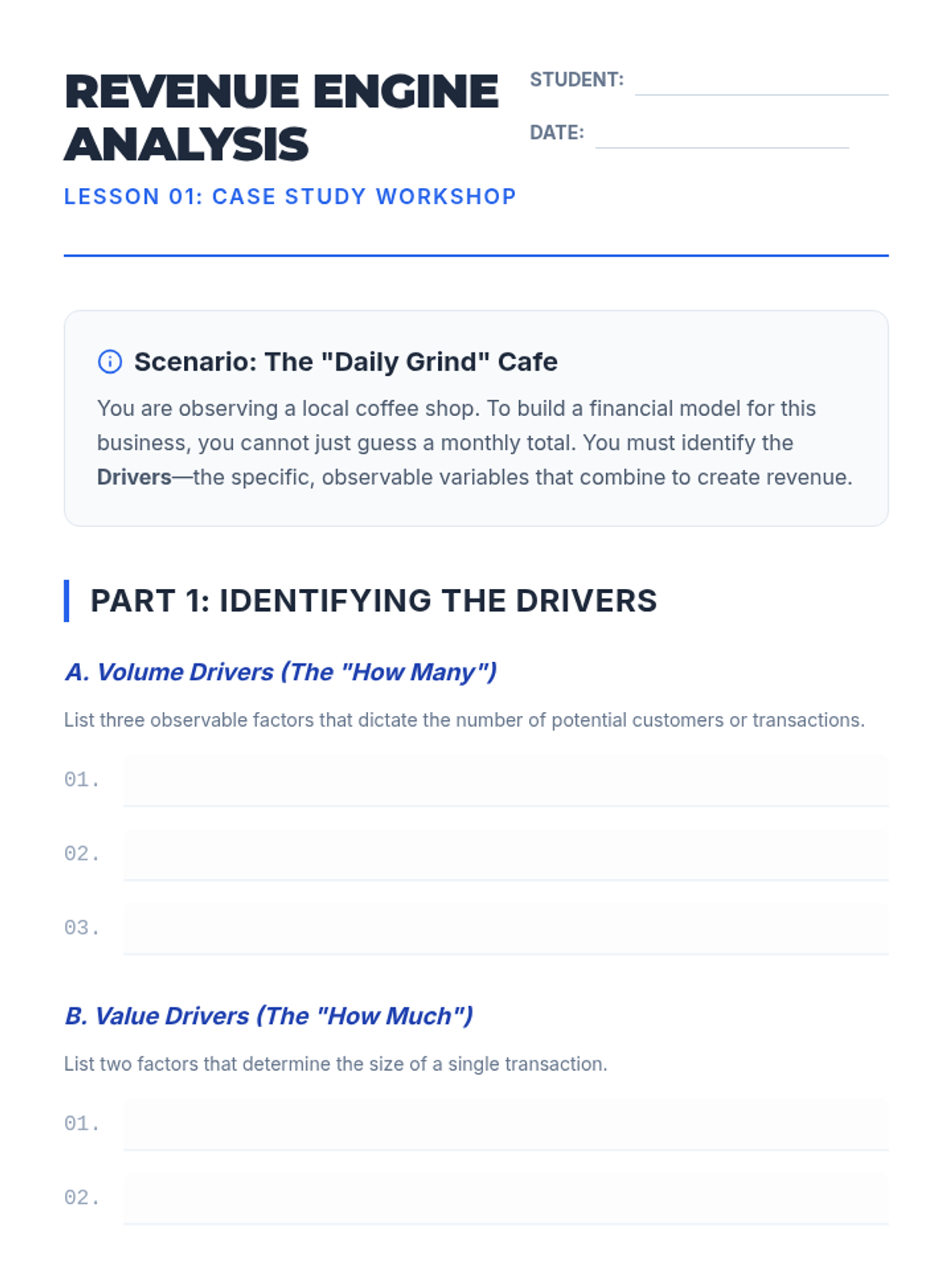
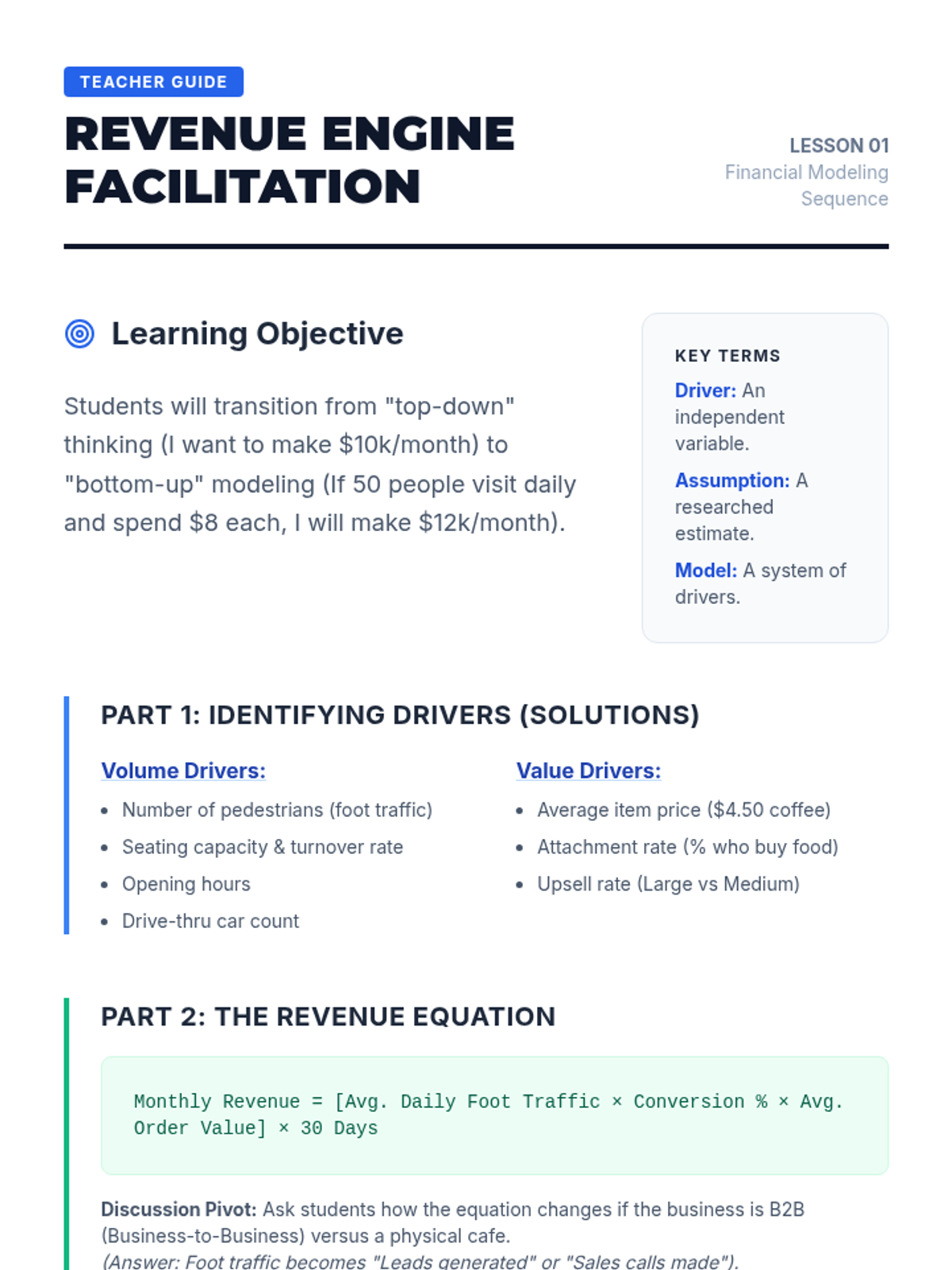
A comprehensive workshop-style sequence where students build dynamic financial models for startups. They progress from identifying core revenue drivers to building interconnected financial statements and conducting sensitivity analysis.
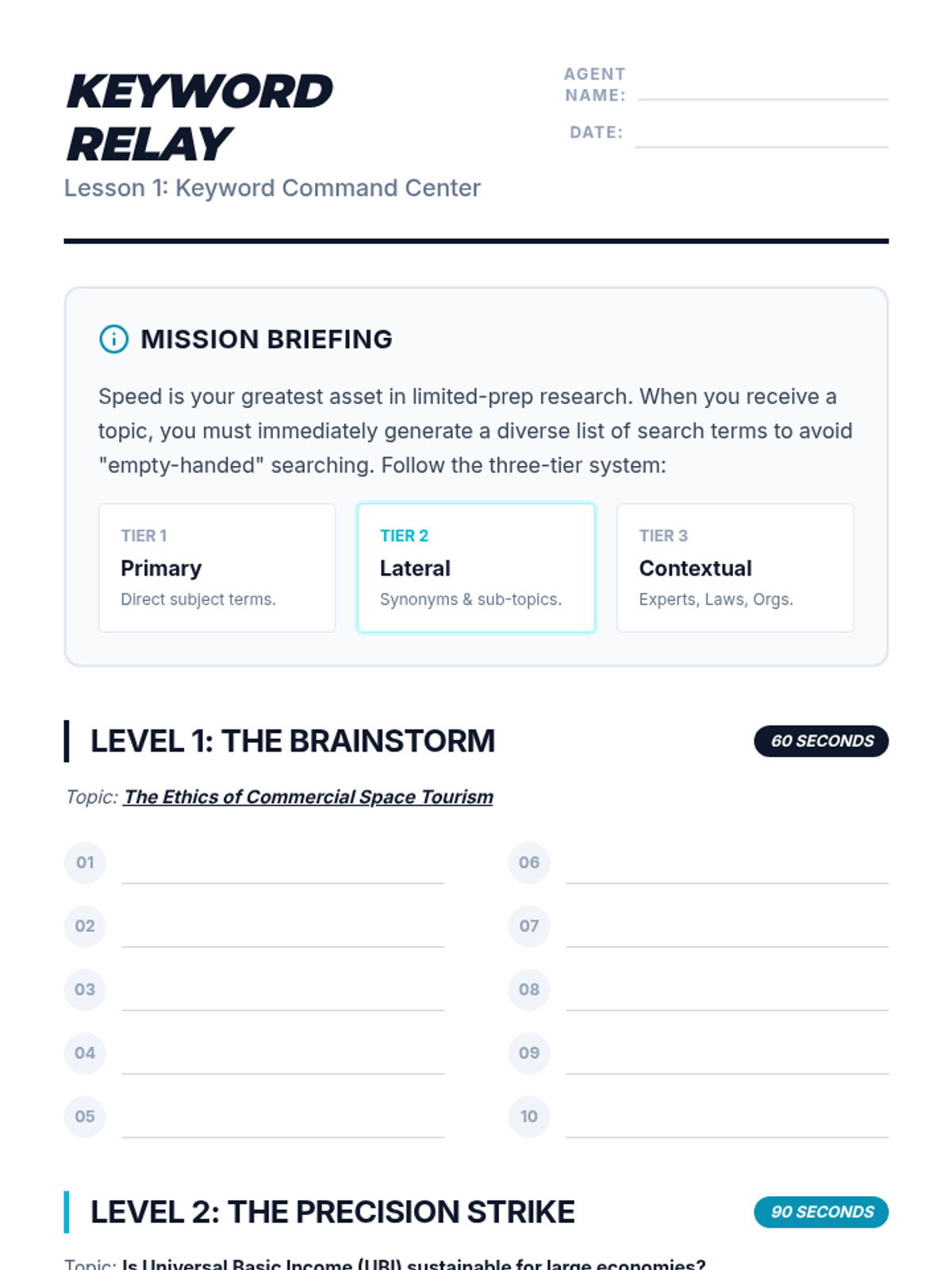
A game-based sequence for 9th-grade students to master rapid keyword generation, skimming techniques, information extraction, and oral citation fluency under time-pressure environments like Extemporaneous Speaking.
A series of lessons designed to turn educators into Lenny Learning power users, moving from basic platform navigation to advanced engaging lesson design.
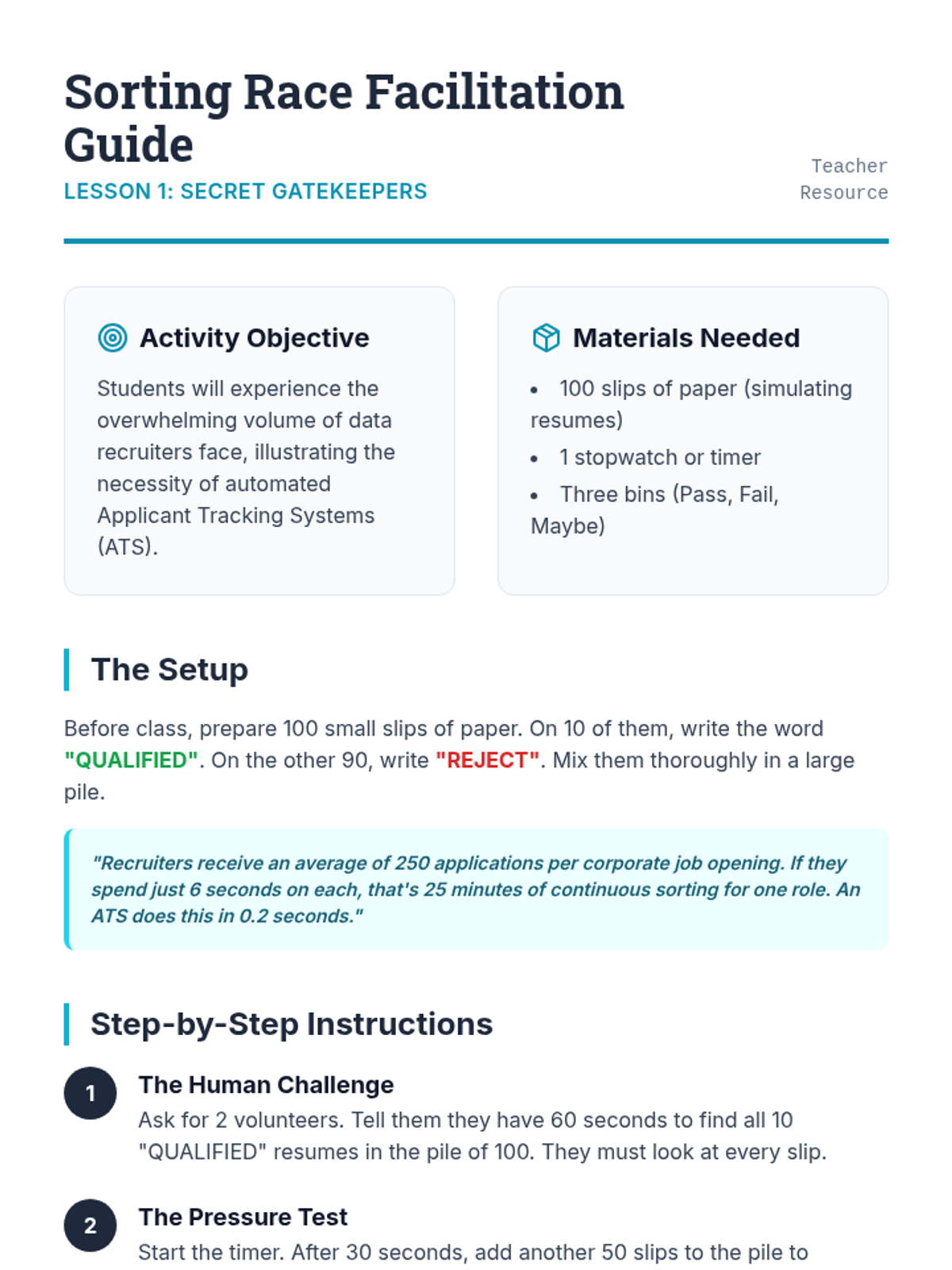
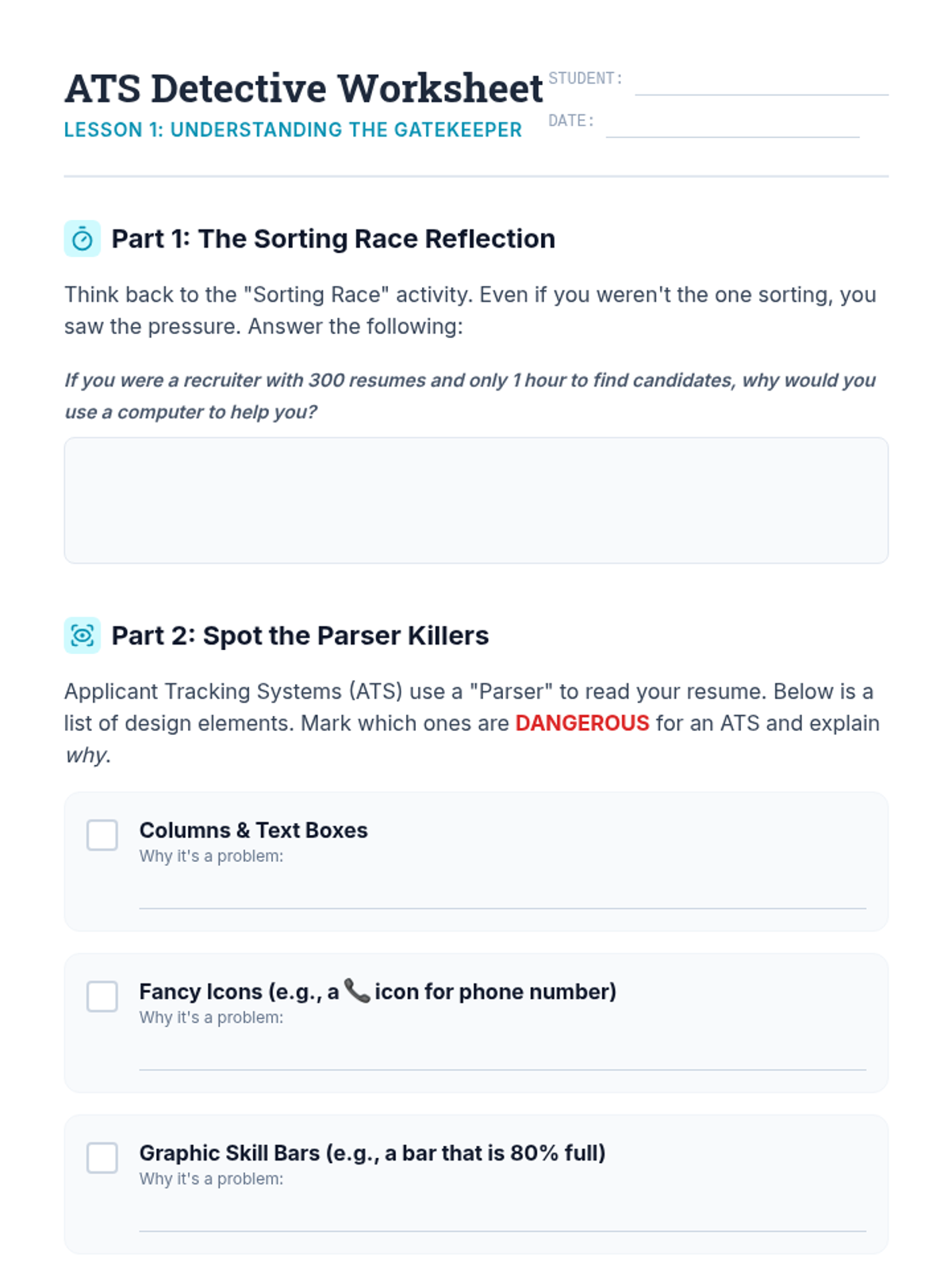
This sequence focuses on the technical aspects of modern job searching, specifically optimizing resumes for Applicant Tracking Systems (ATS). Students explore how digital screening tools filter candidates and learn the specific formatting and keyword strategies required to pass these automated gates. through simulations and technical audits, learners develop a resume structure that is both machine-readable and human-compelling.
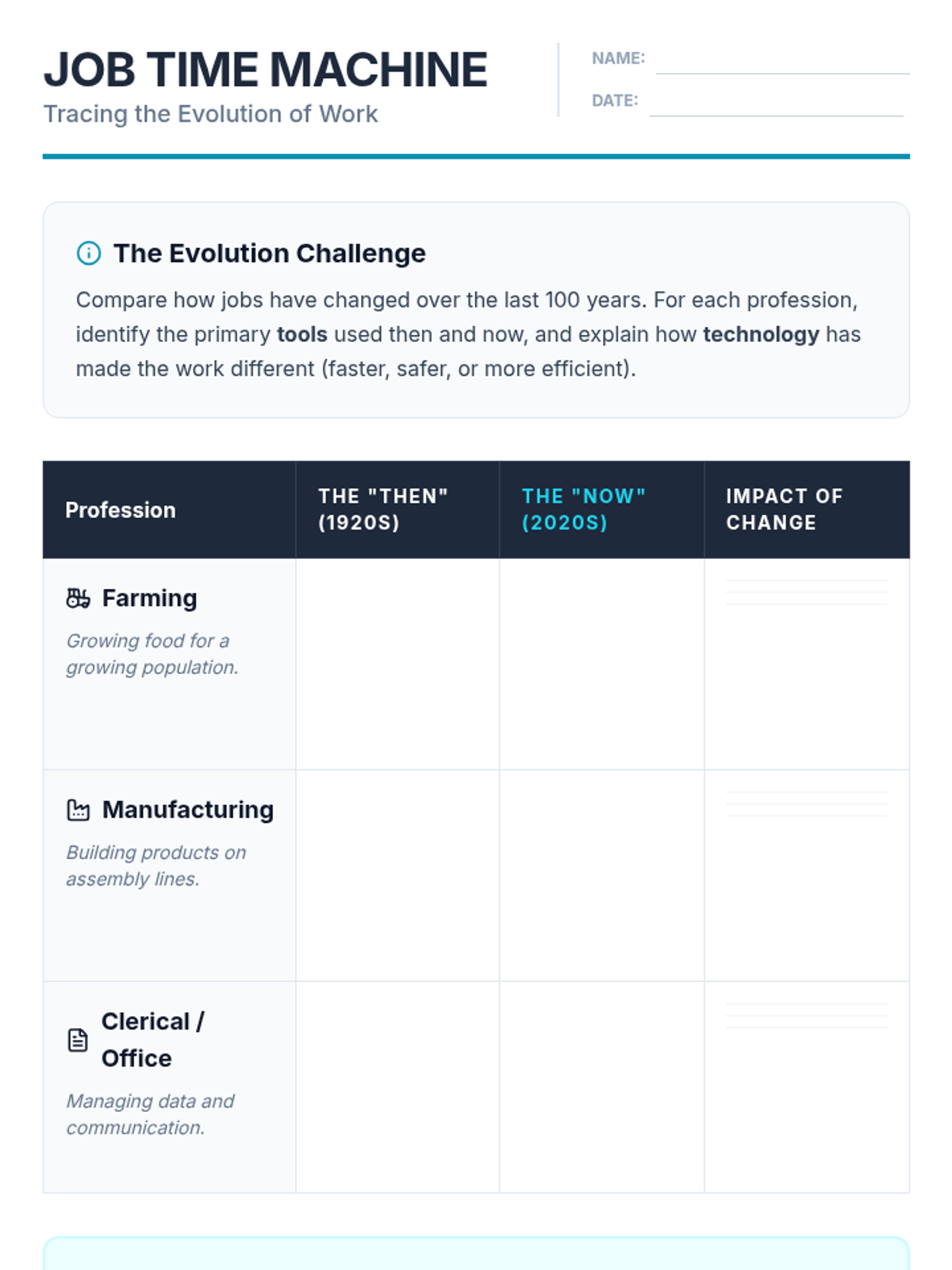
This sequence explores the evolution of work from the Industrial Age to the digital future, focusing on technology's impact on job roles, the rise of the gig economy, and the essential human skills needed in an automated world.
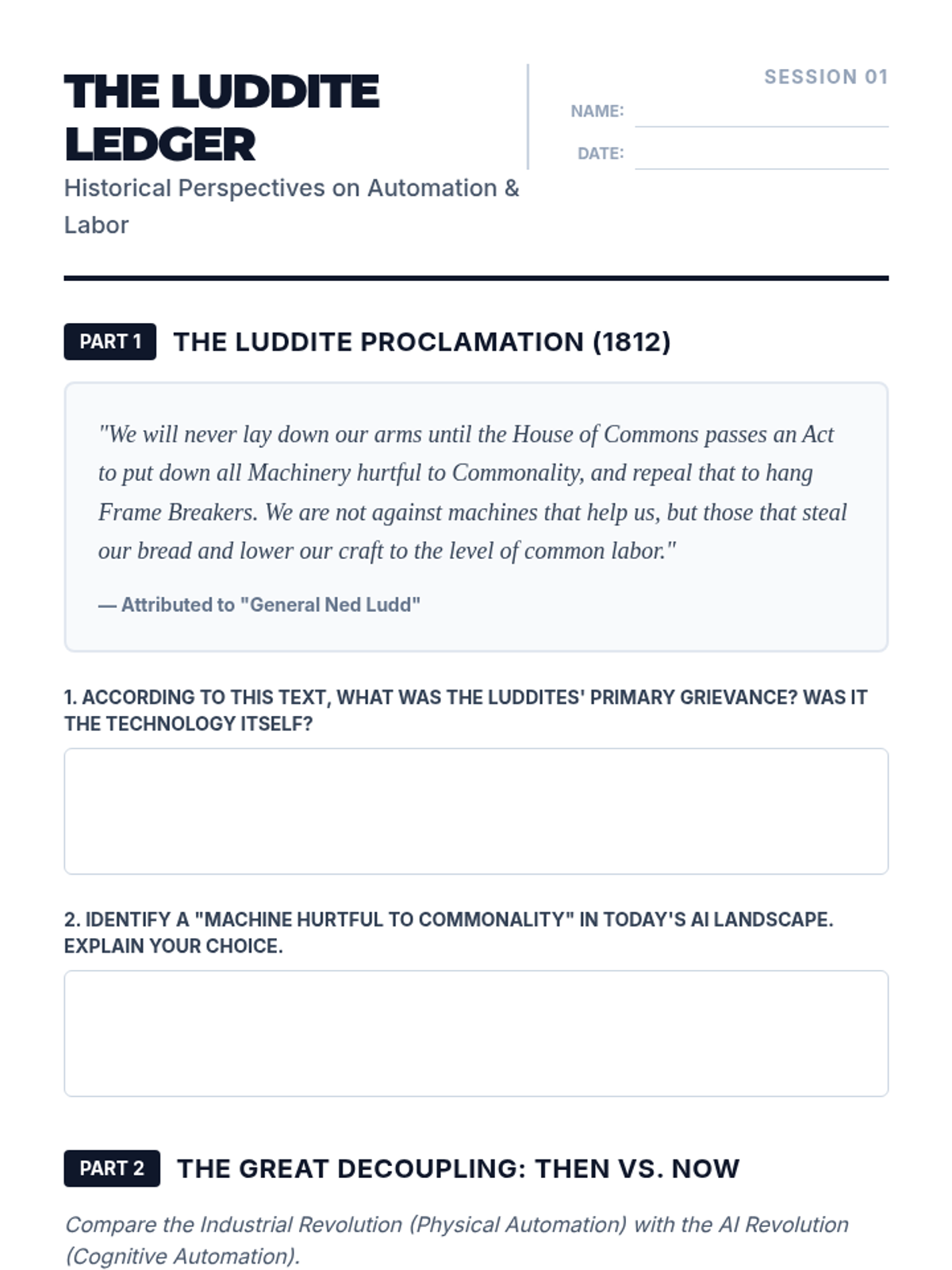
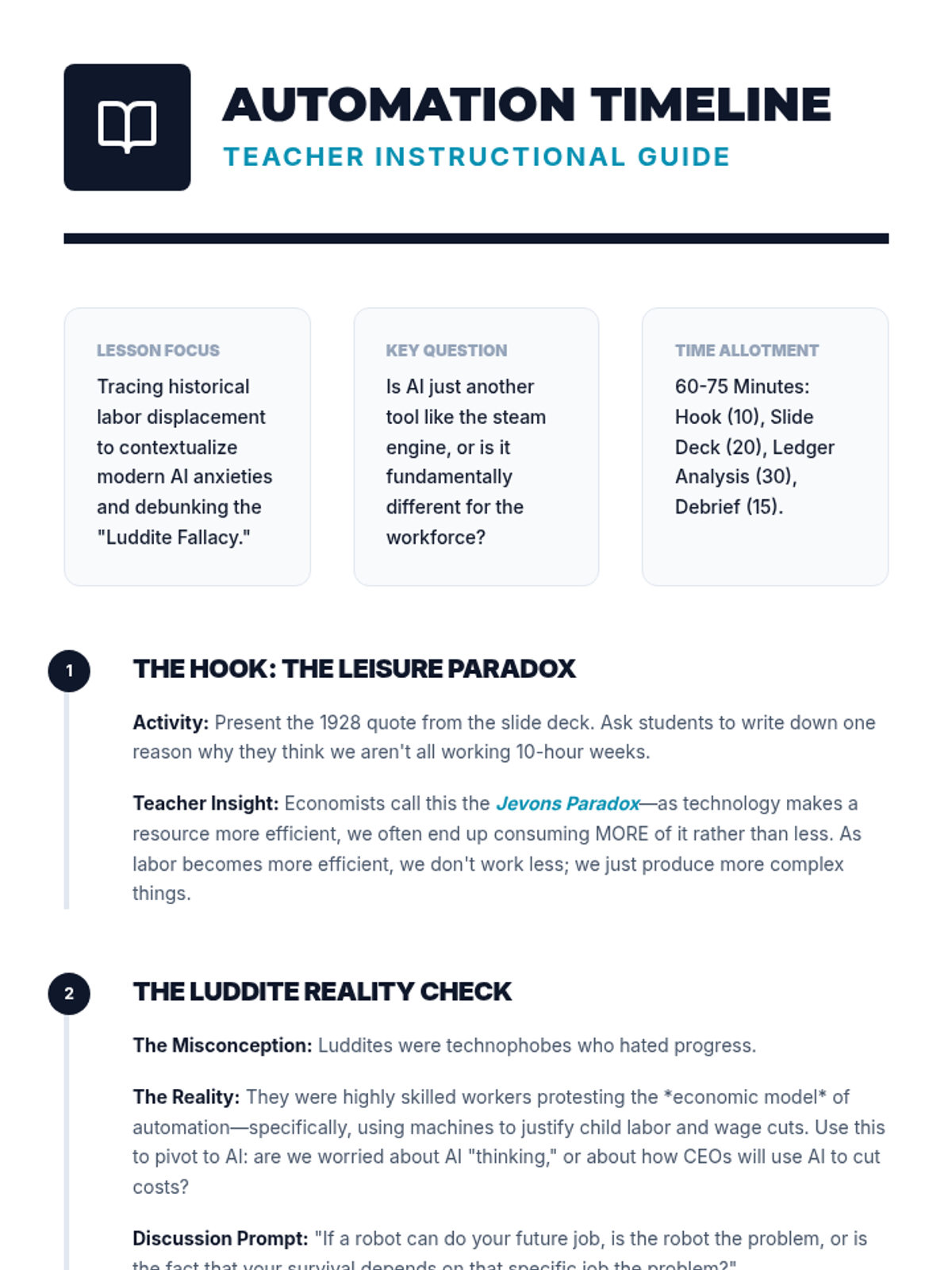
This sequence explores the economic and social disruptions caused by automation and AI. Students analyze historical patterns of labor displacement, participate in economic simulations, investigate the gig economy, debate policy solutions like UBI, and develop personalized career roadmaps focusing on uniquely human skills.
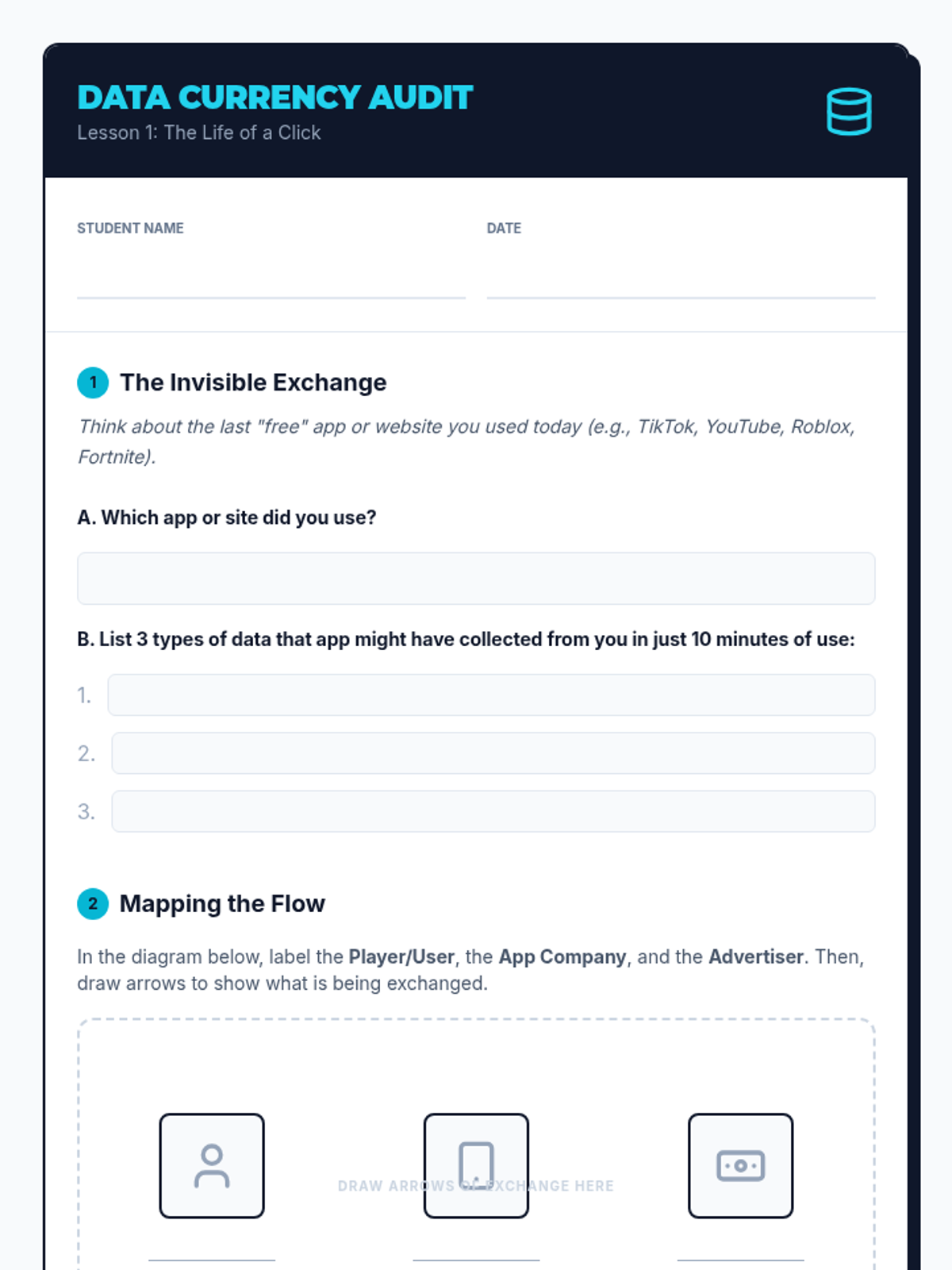
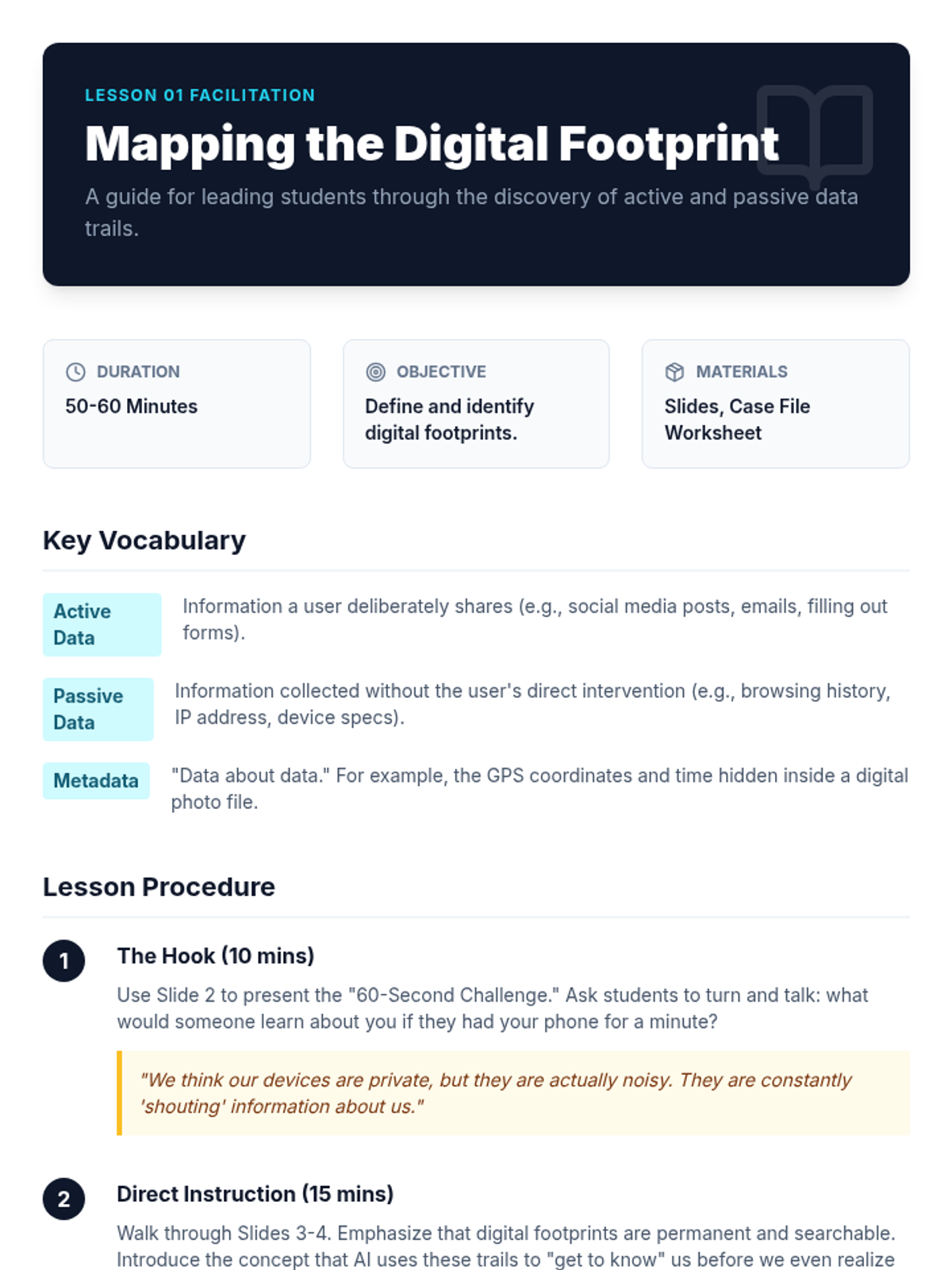
An inquiry-driven exploration of data privacy, surveillance, and the hidden economy of AI. Students investigate how their personal information is collected, used as currency, and the ethical trade-offs between digital convenience and personal privacy.
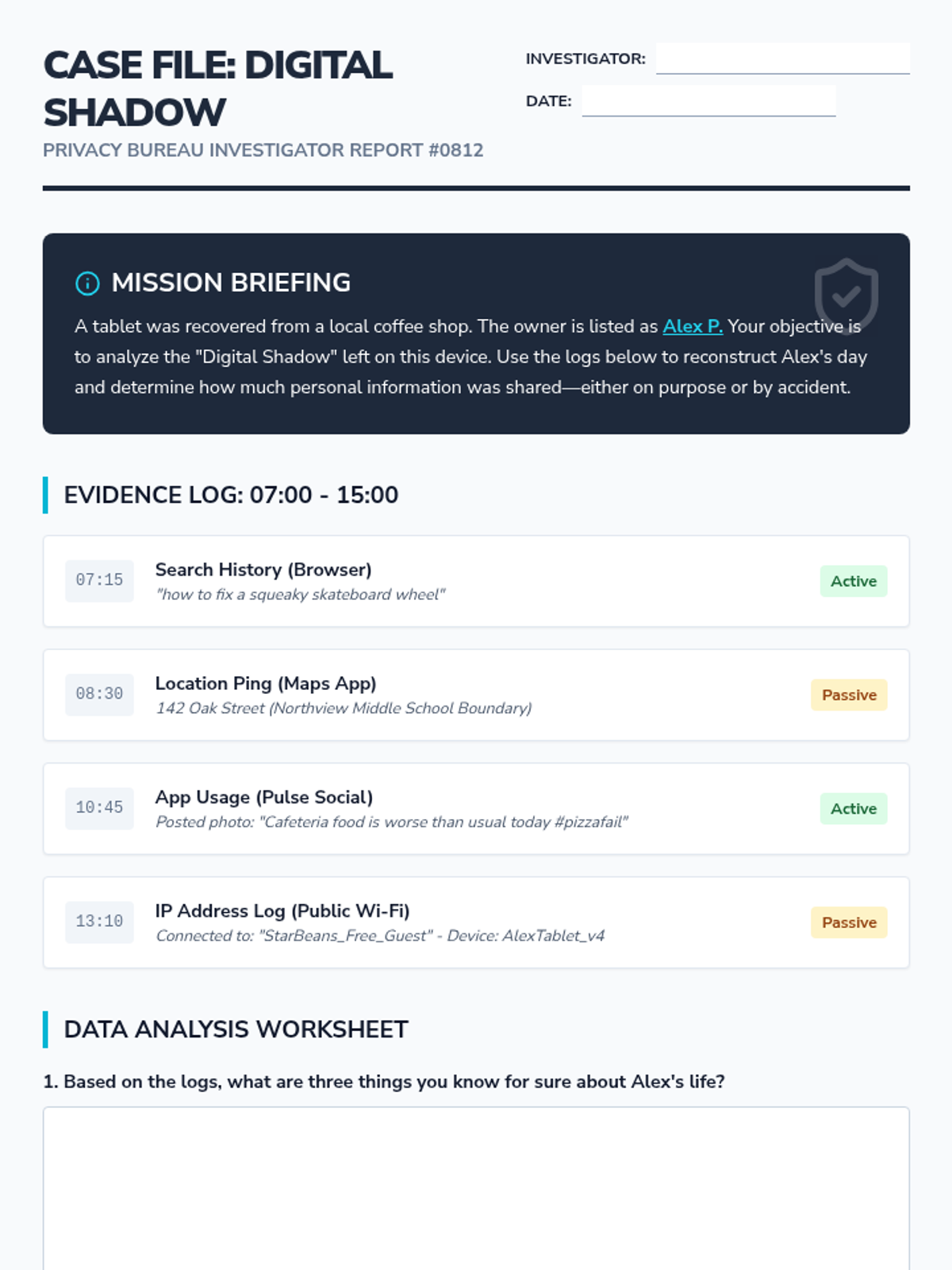
Students explore the intersection of personal data, privacy, and AI-driven tracking. They analyze digital footprints, decode terms of service, debate the ethics of smart devices, and create their own data protection standards.
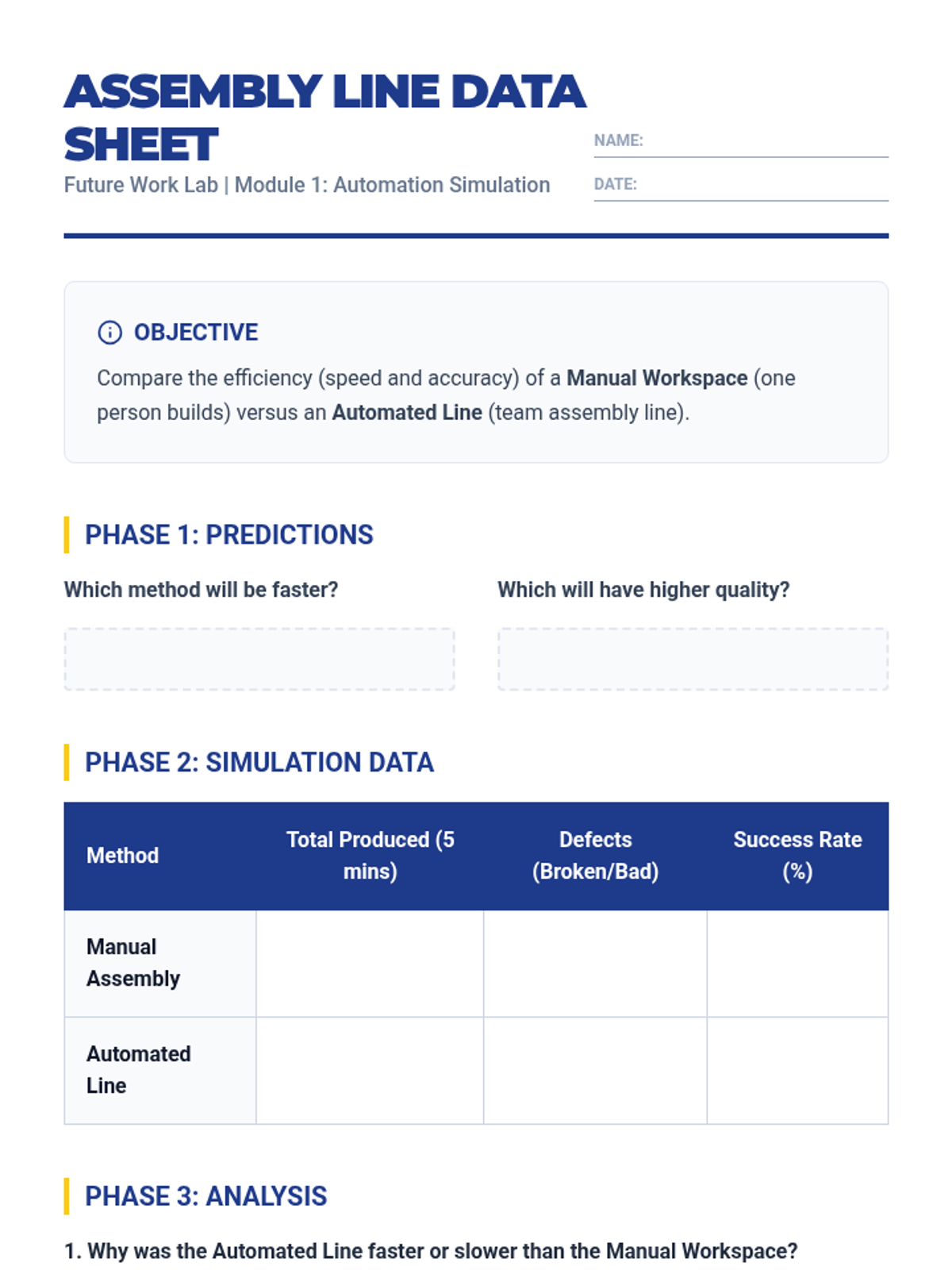
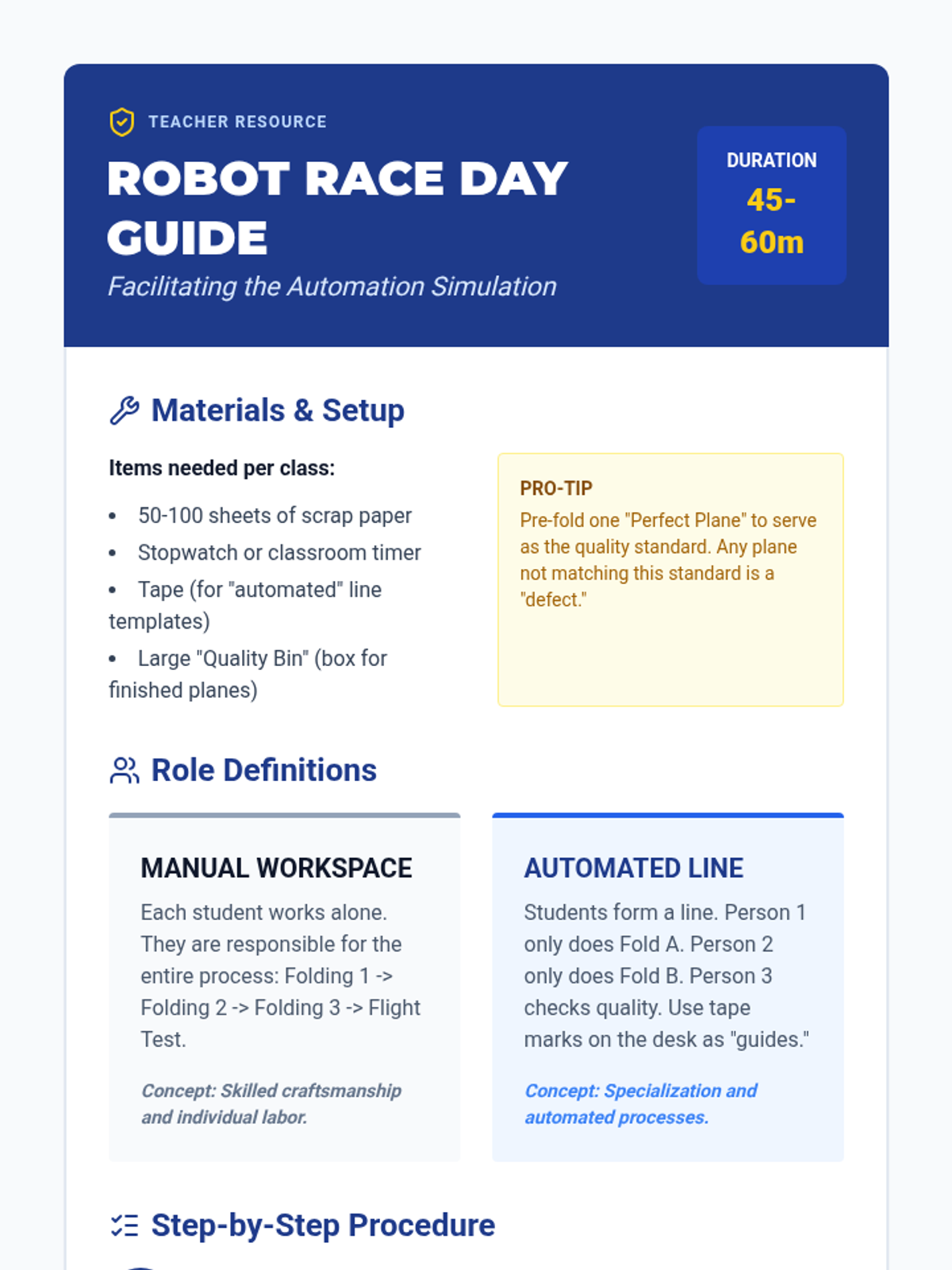
This sequence explores how technology transforms the workplace, from assembly line automation to the rise of remote work and the gig economy, concluding with identifying essential human skills for the future.
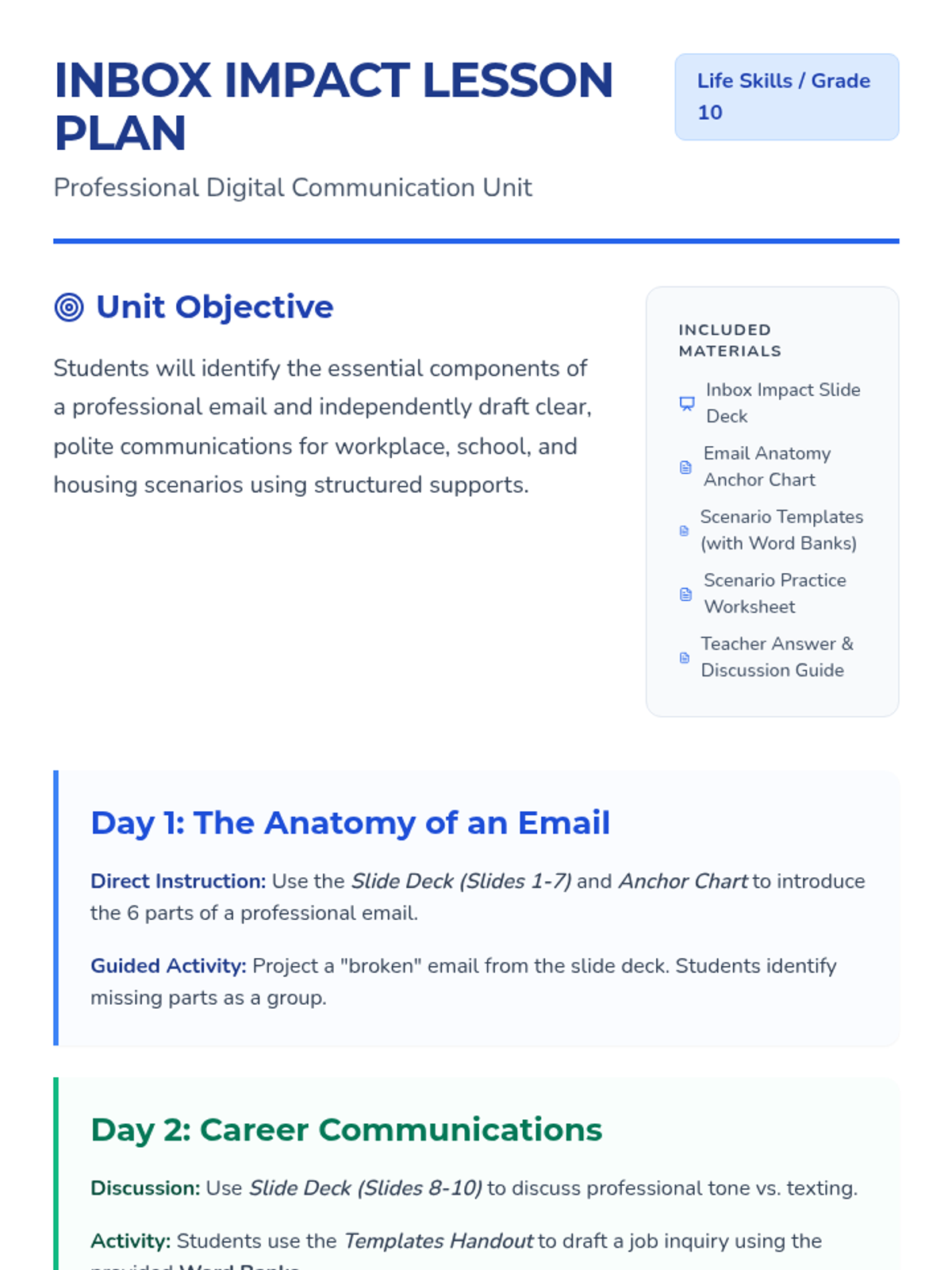
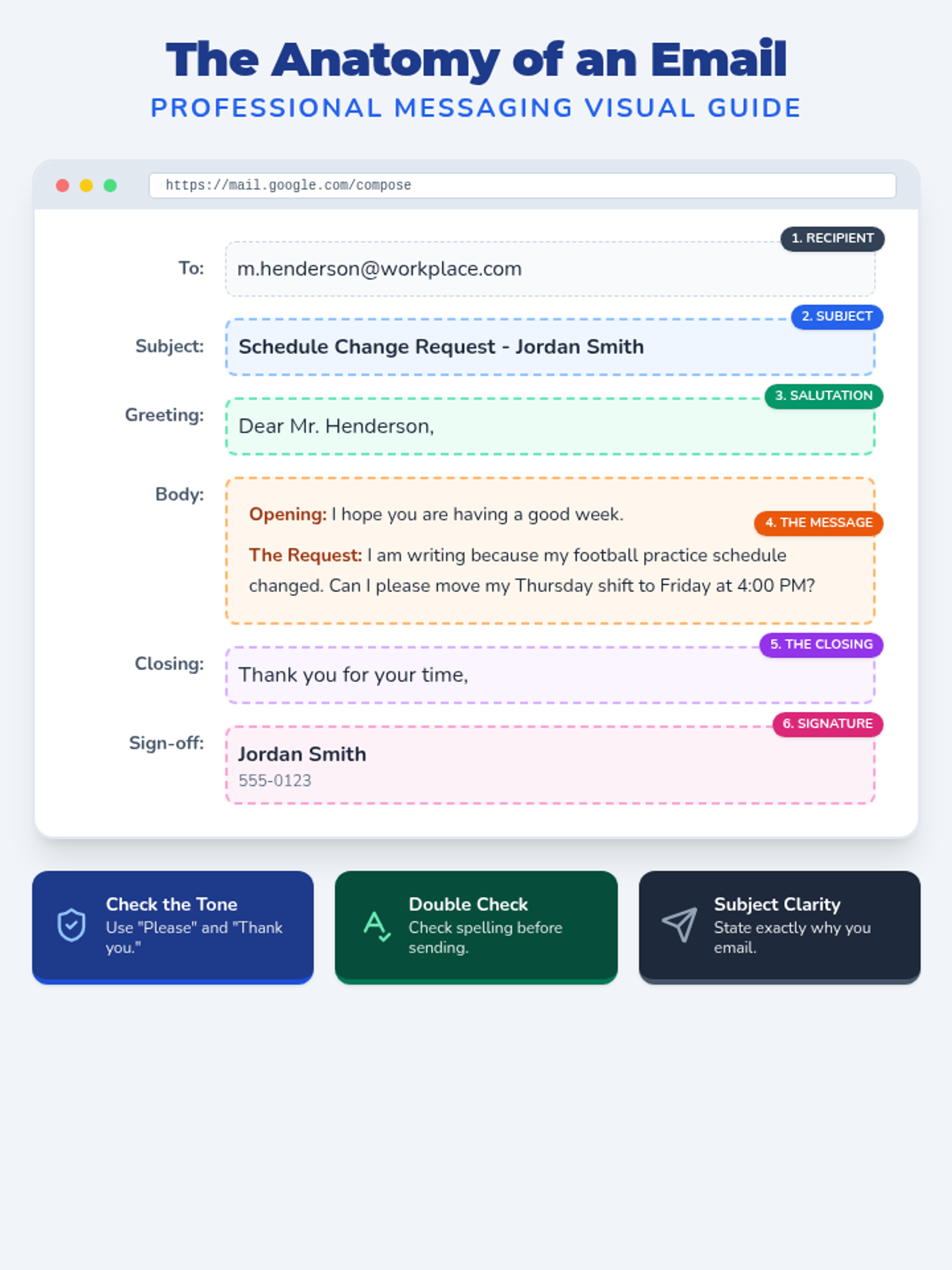
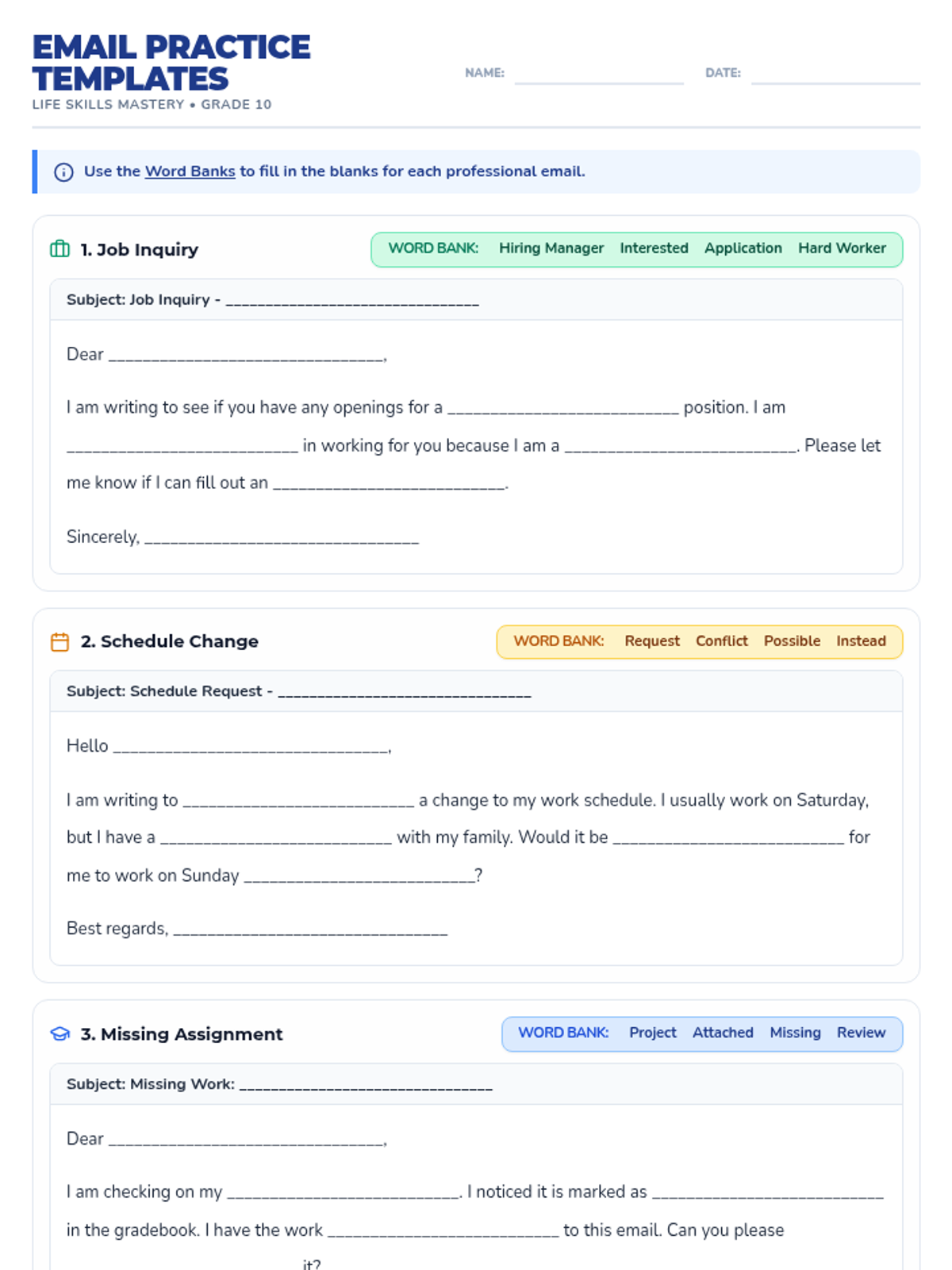
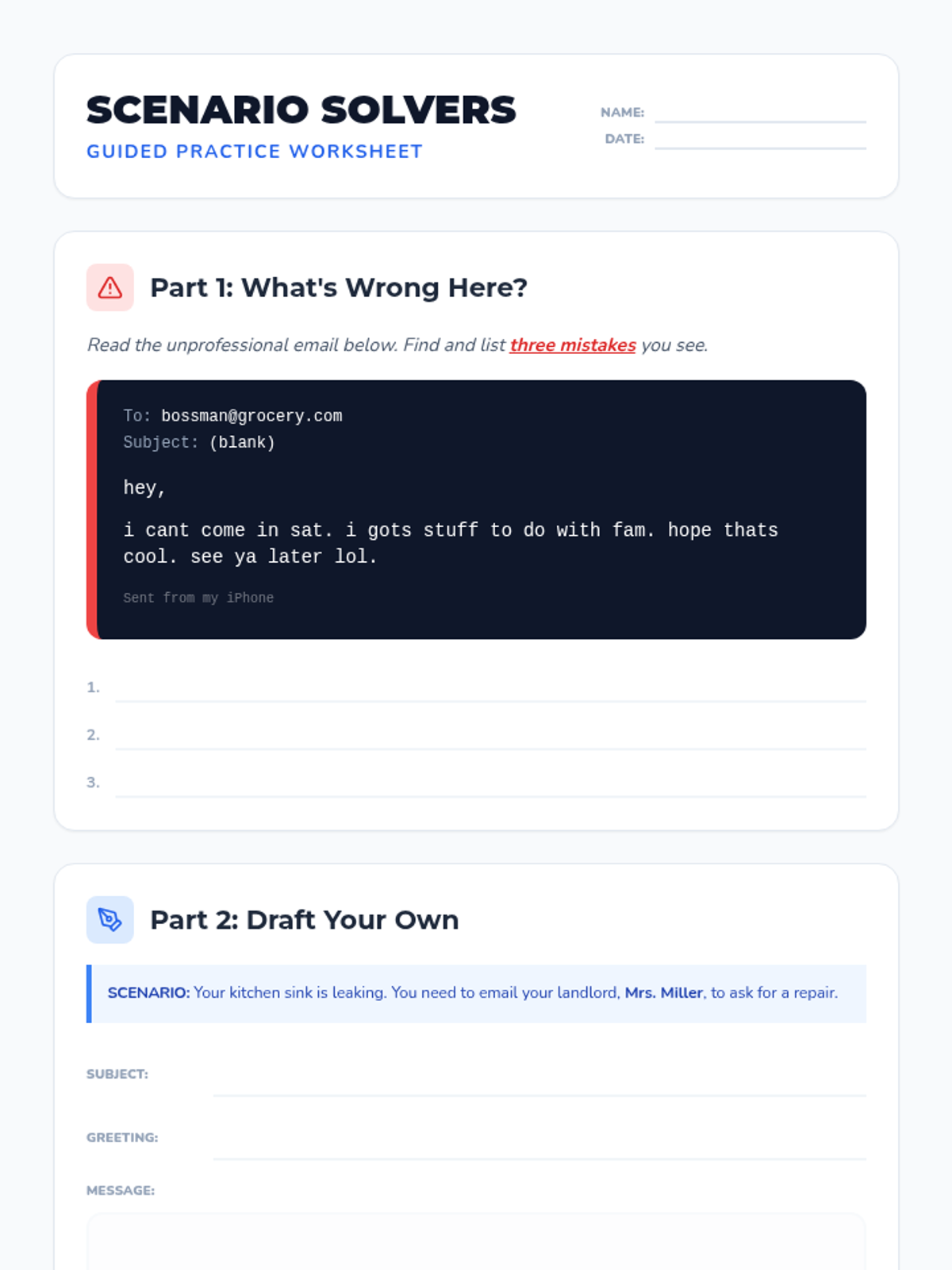
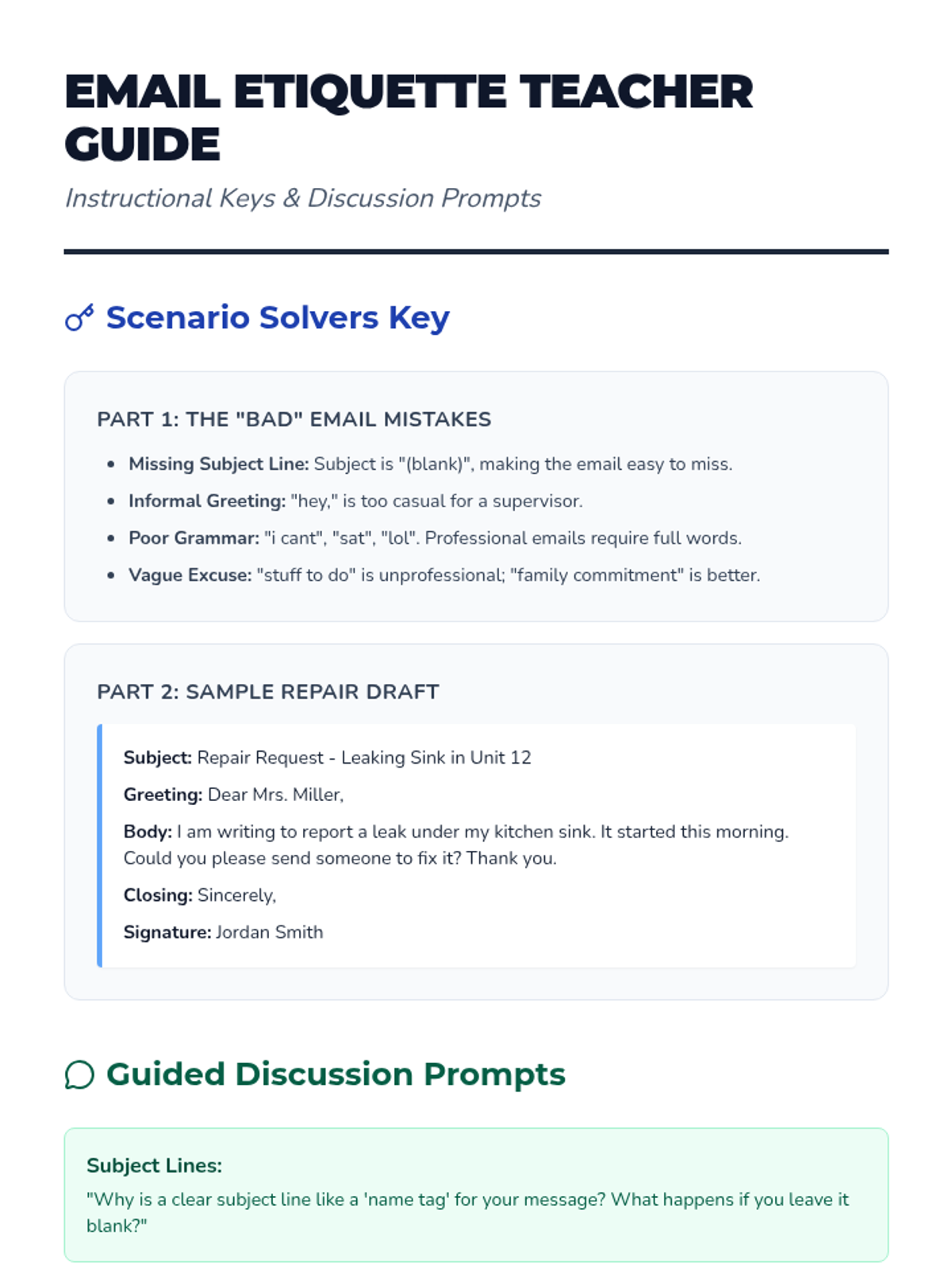
A comprehensive unit designed for life skills students to master professional digital communication. Students learn the structure, etiquette, and tone required for real-world email scenarios like job hunting, workplace requests, and home maintenance.
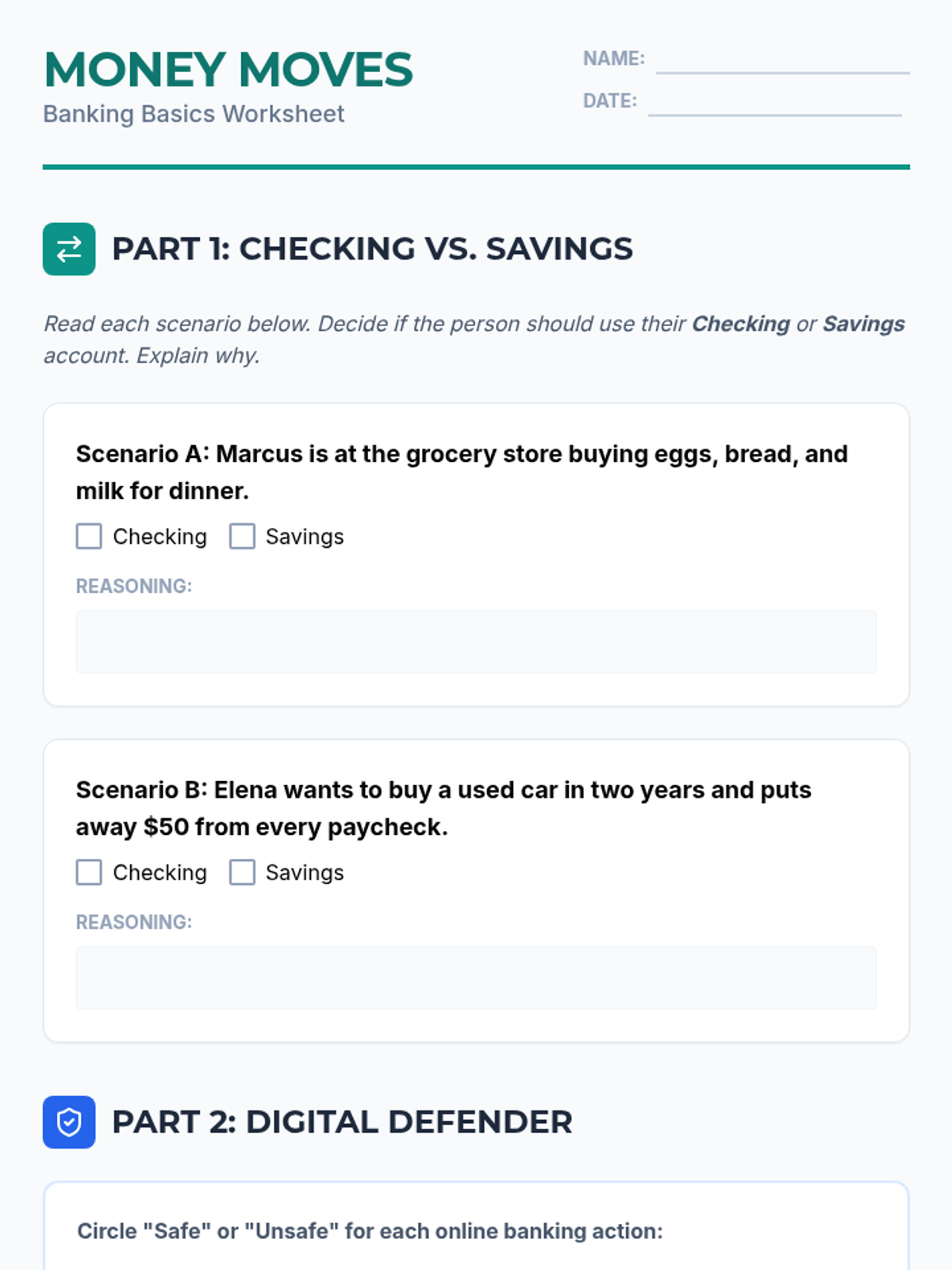
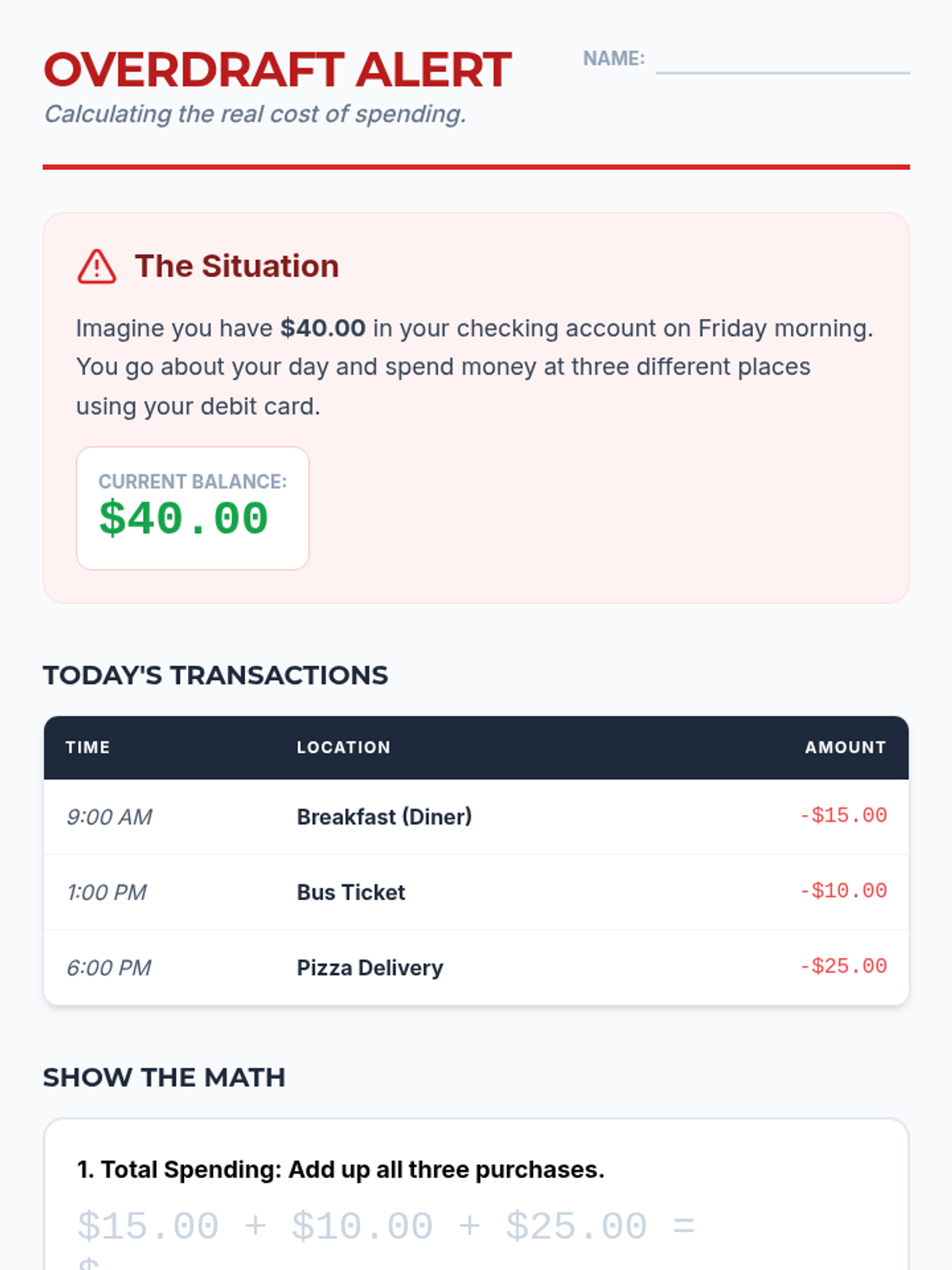
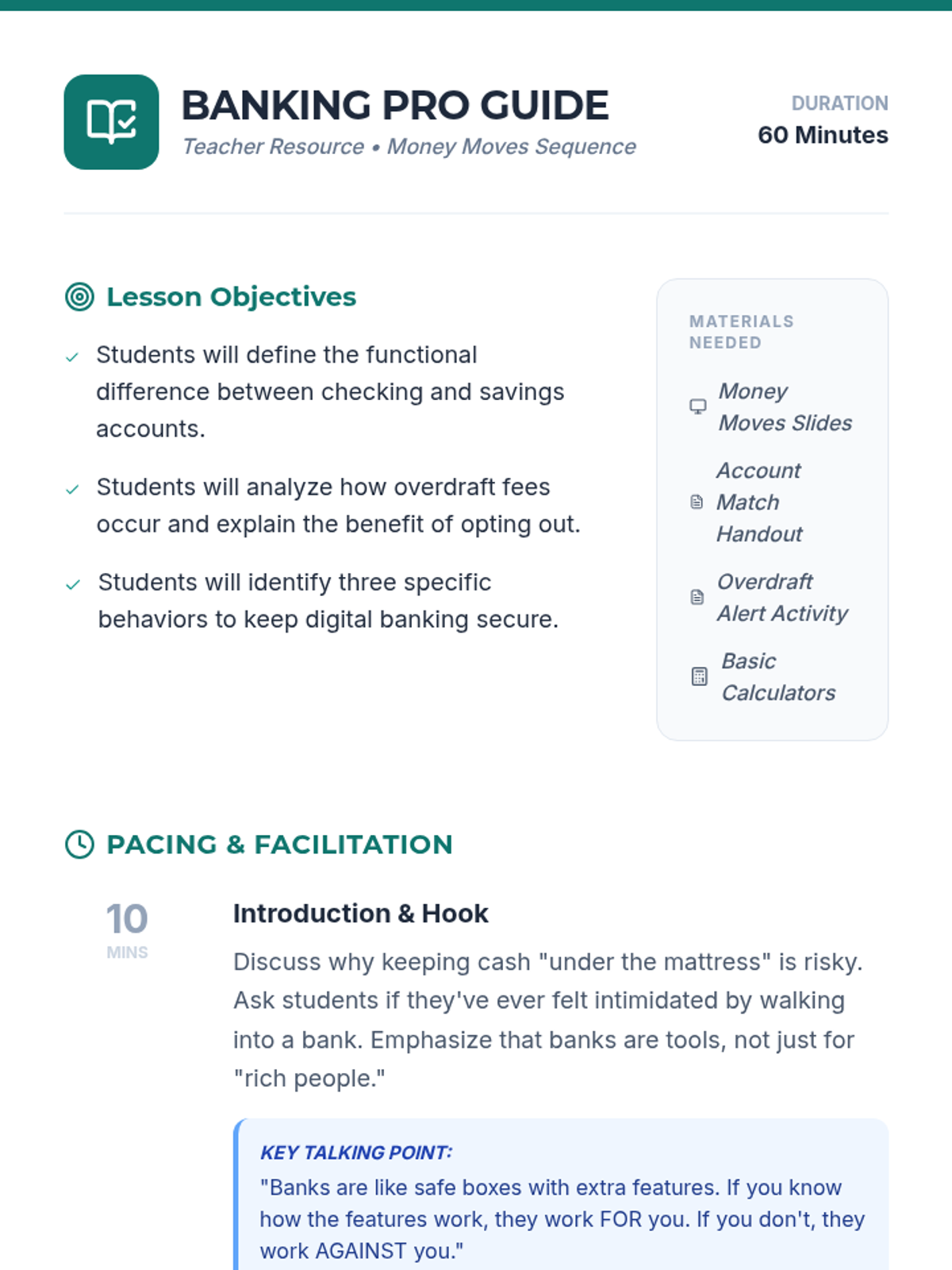
A financial literacy series focused on essential banking skills for low-income students, covering account types, avoiding fees, and digital security.
A comprehensive year-long high school study skills curriculum designed to build foundational habits in organization, time management, focus, and self-advocacy. This sequence provides a structured approach to the eight core pillars of academic success.
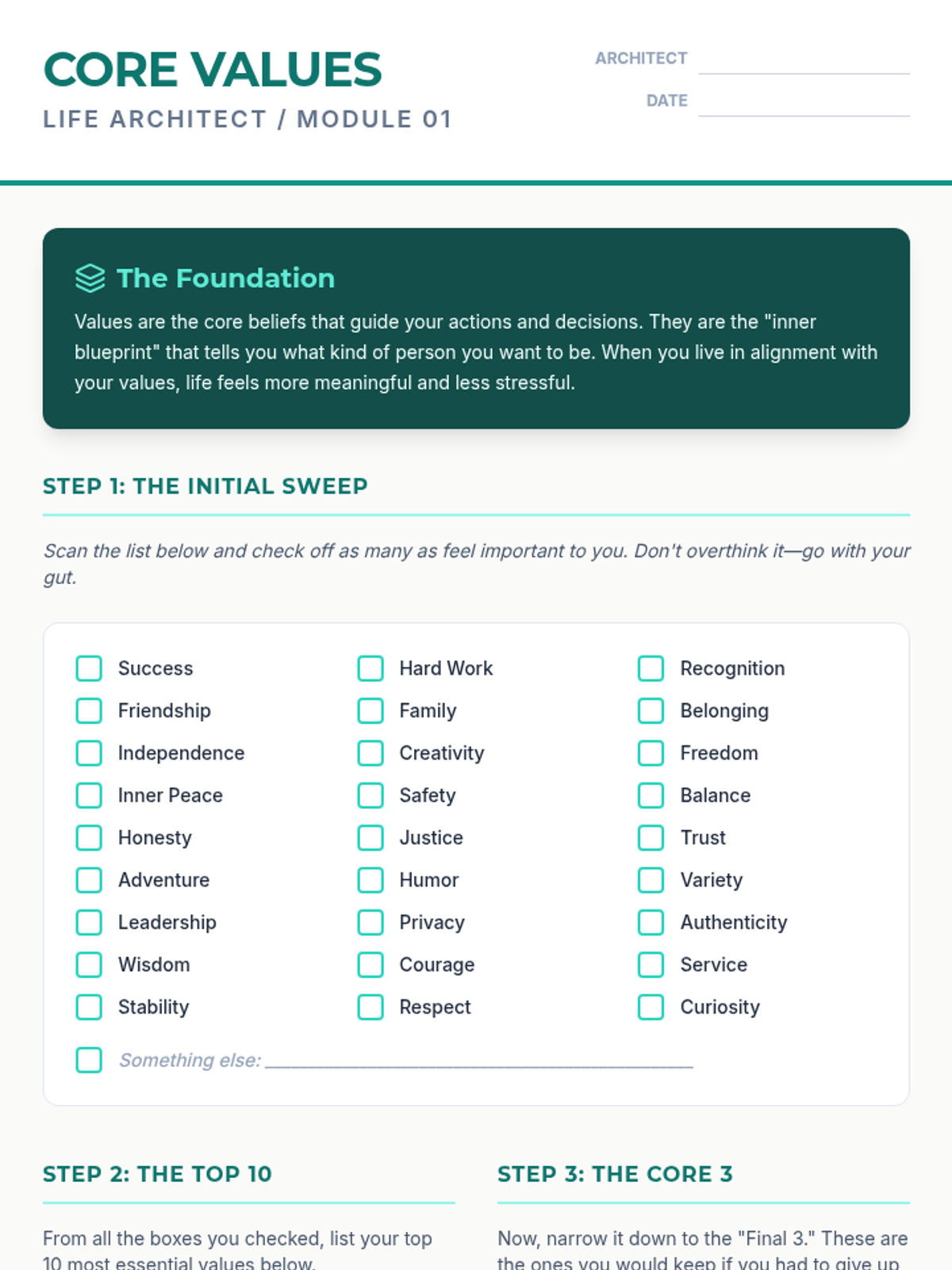
A transition-focused curriculum designed to help students re-entering school build self-advocacy, self-awareness, and independent living skills through a creative 'Life Architect' theme.
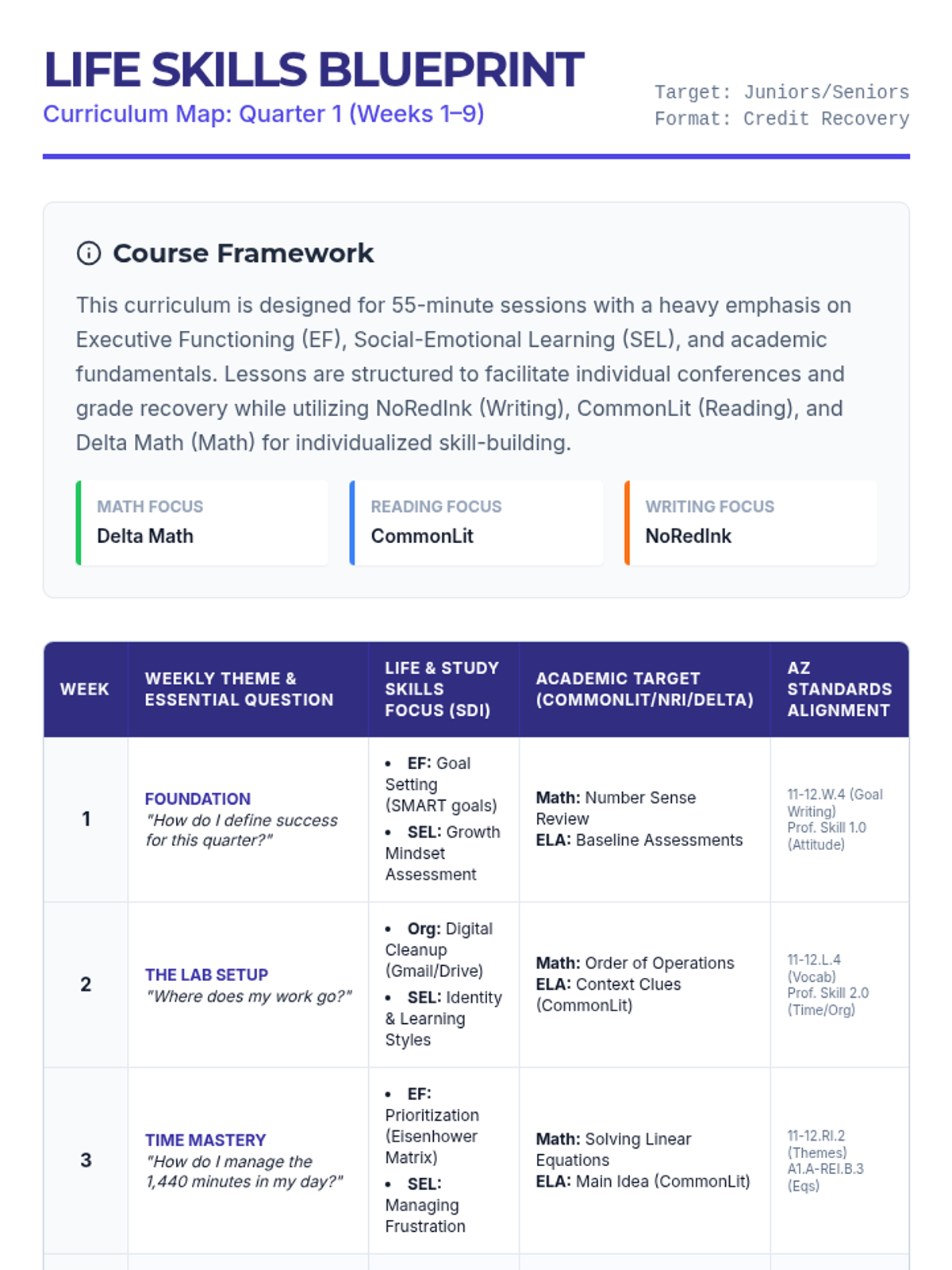
A comprehensive 9-week curriculum sequence for a Life and Study Skills credit recovery course, focusing on executive functioning, social-emotional learning, and fundamental academic growth.