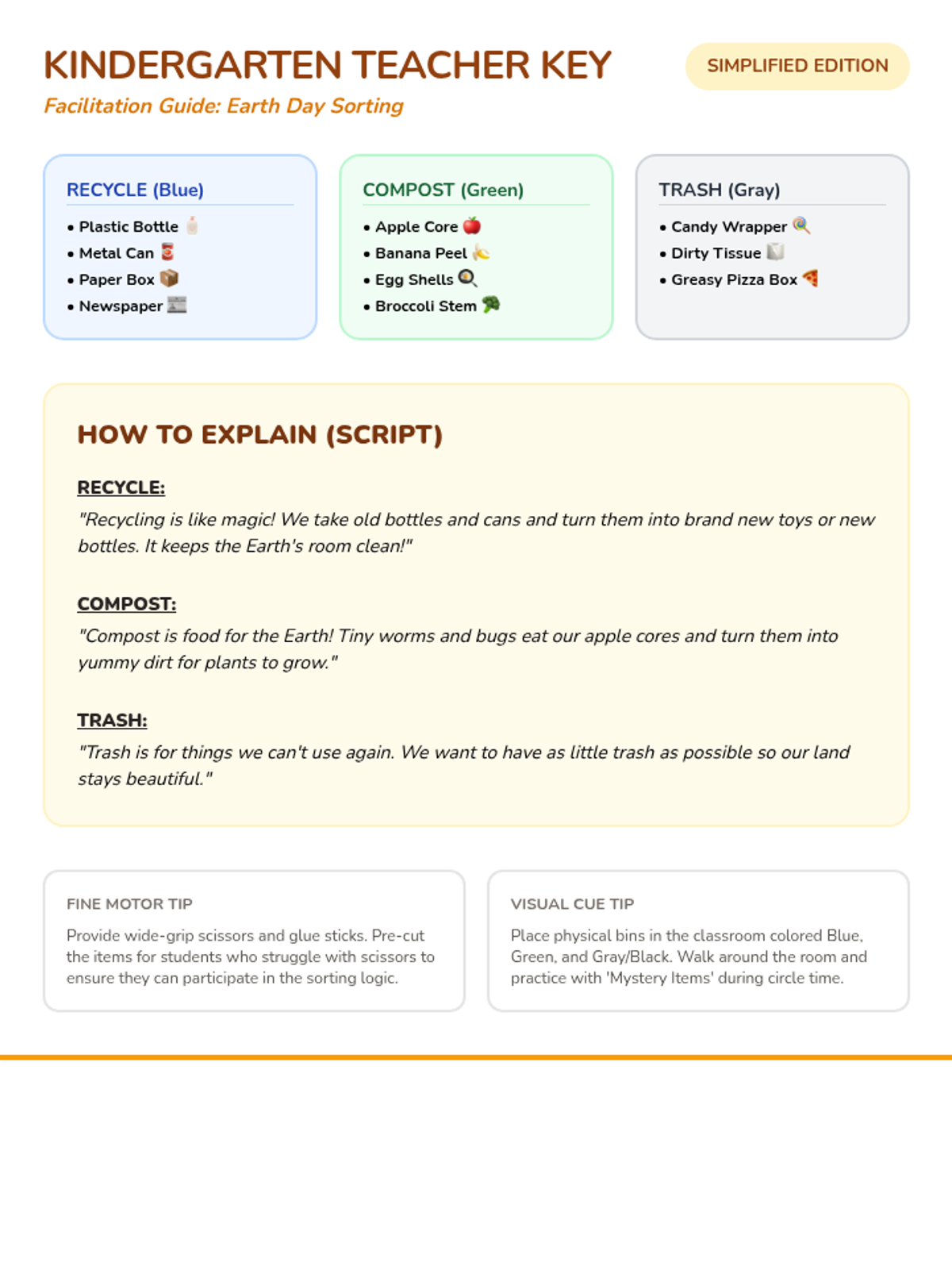
A magical introduction to environmental stewardship for Kindergarteners, focusing on sorting waste into trash, recycling, and compost through the lens of being 'Waste Wise Wizards'.
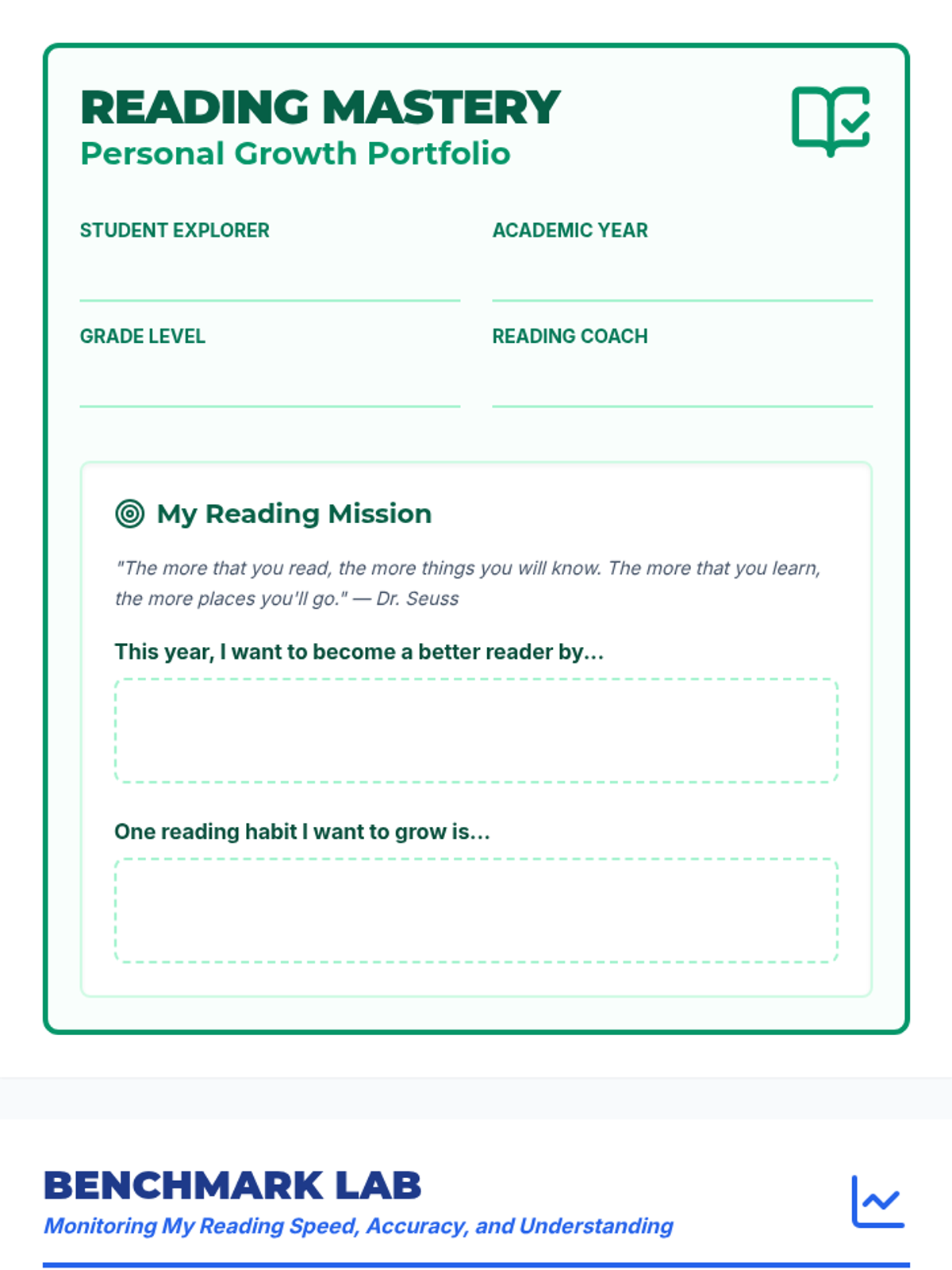
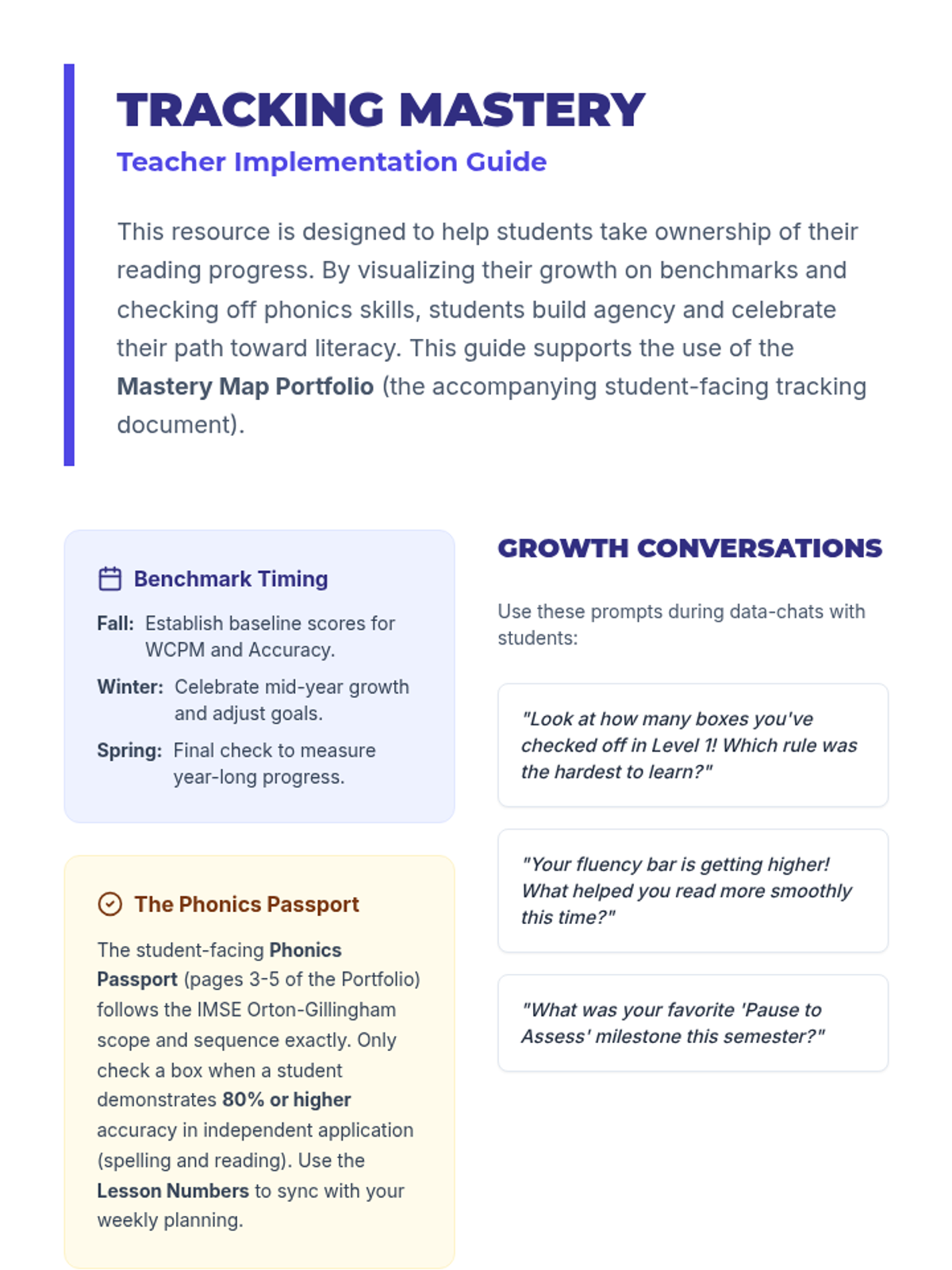
A comprehensive suite of data tracking tools for students to monitor their reading progress, including benchmark assessments and IMSE Orton-Gillingham concept checks from Kindergarten through 5th grade.
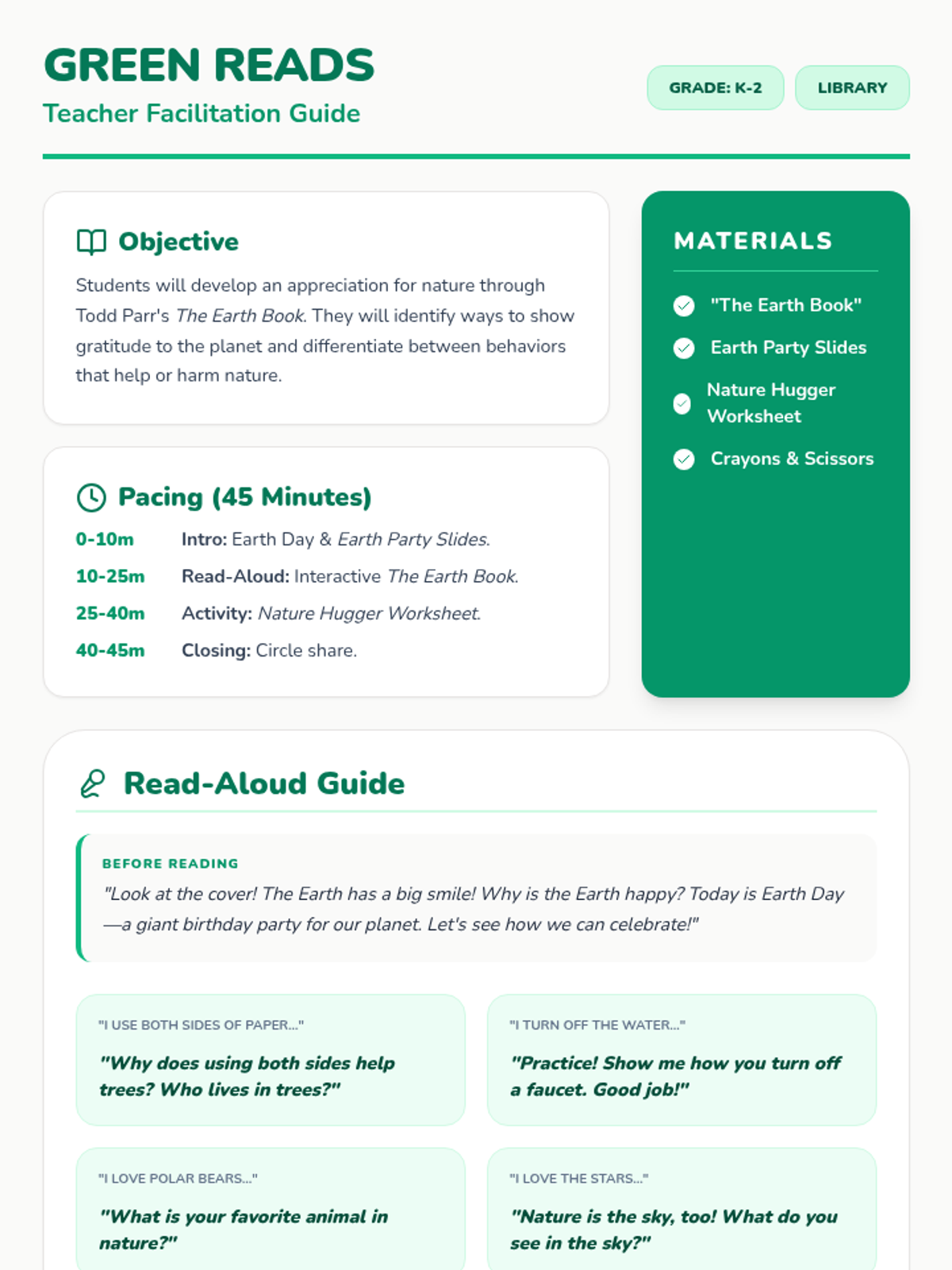
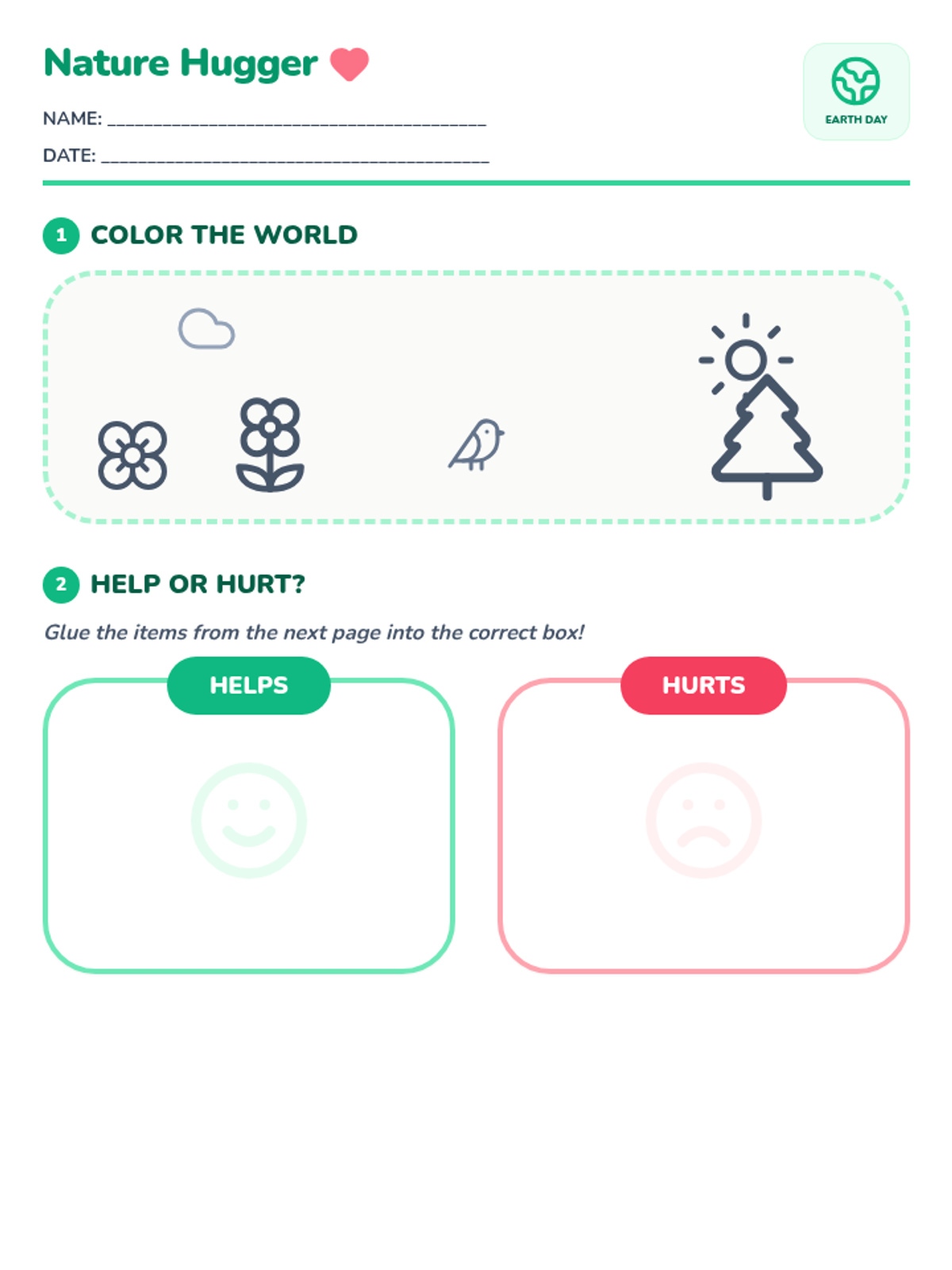
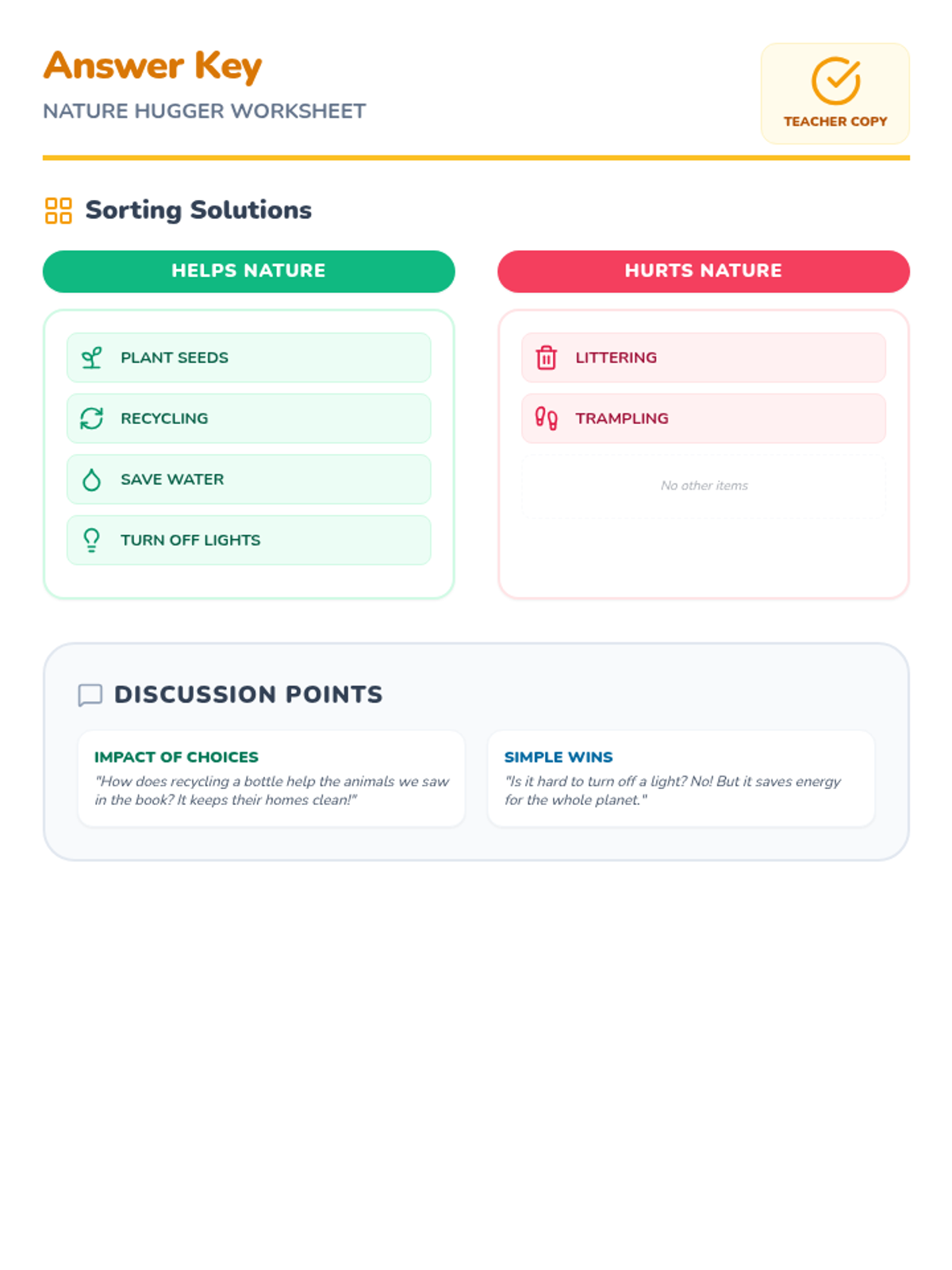
A library-focused lesson for K-2 students that celebrates Earth Day through a nature-themed read-aloud and interactive activities that encourage appreciation and care for the environment.
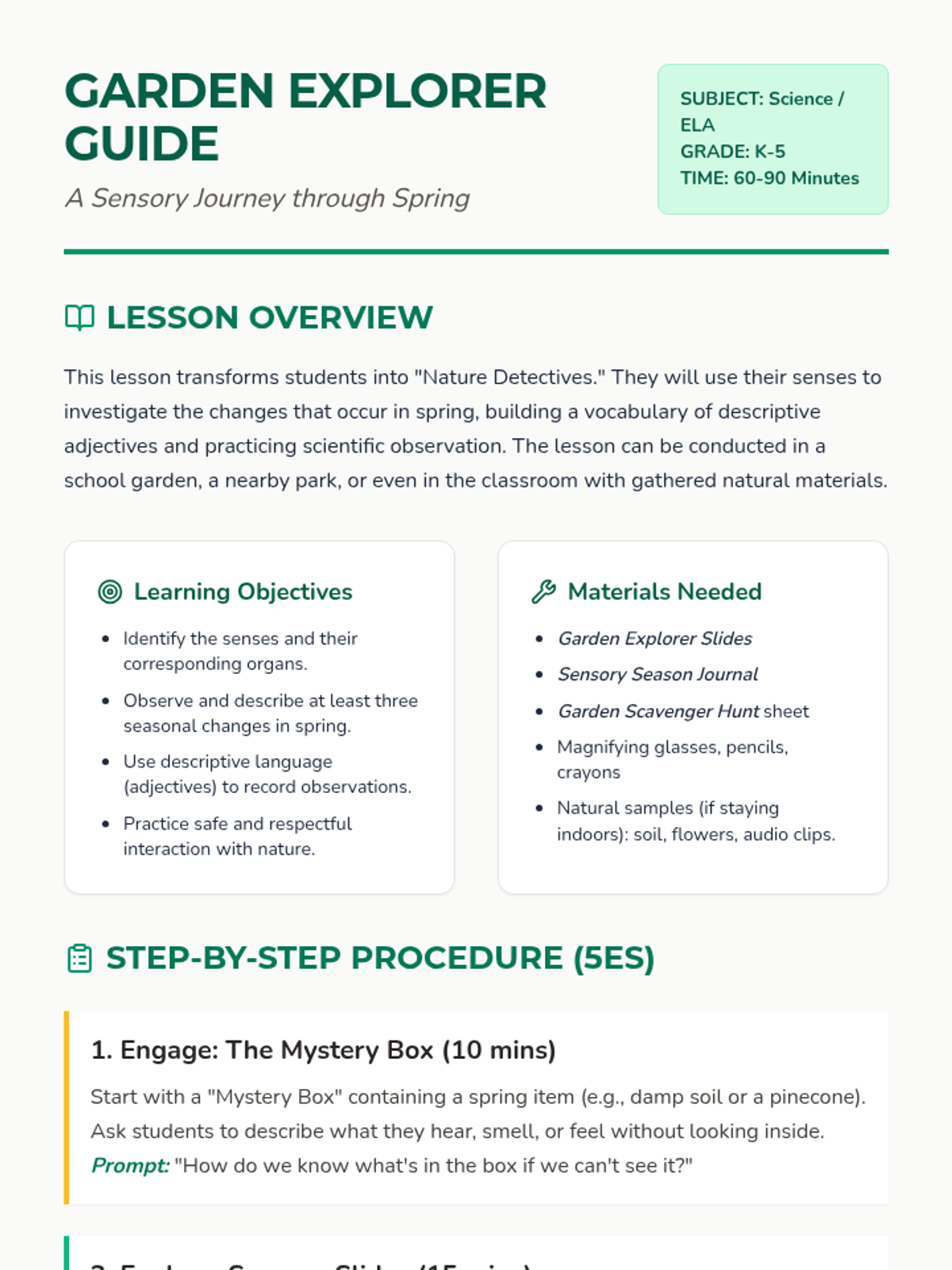
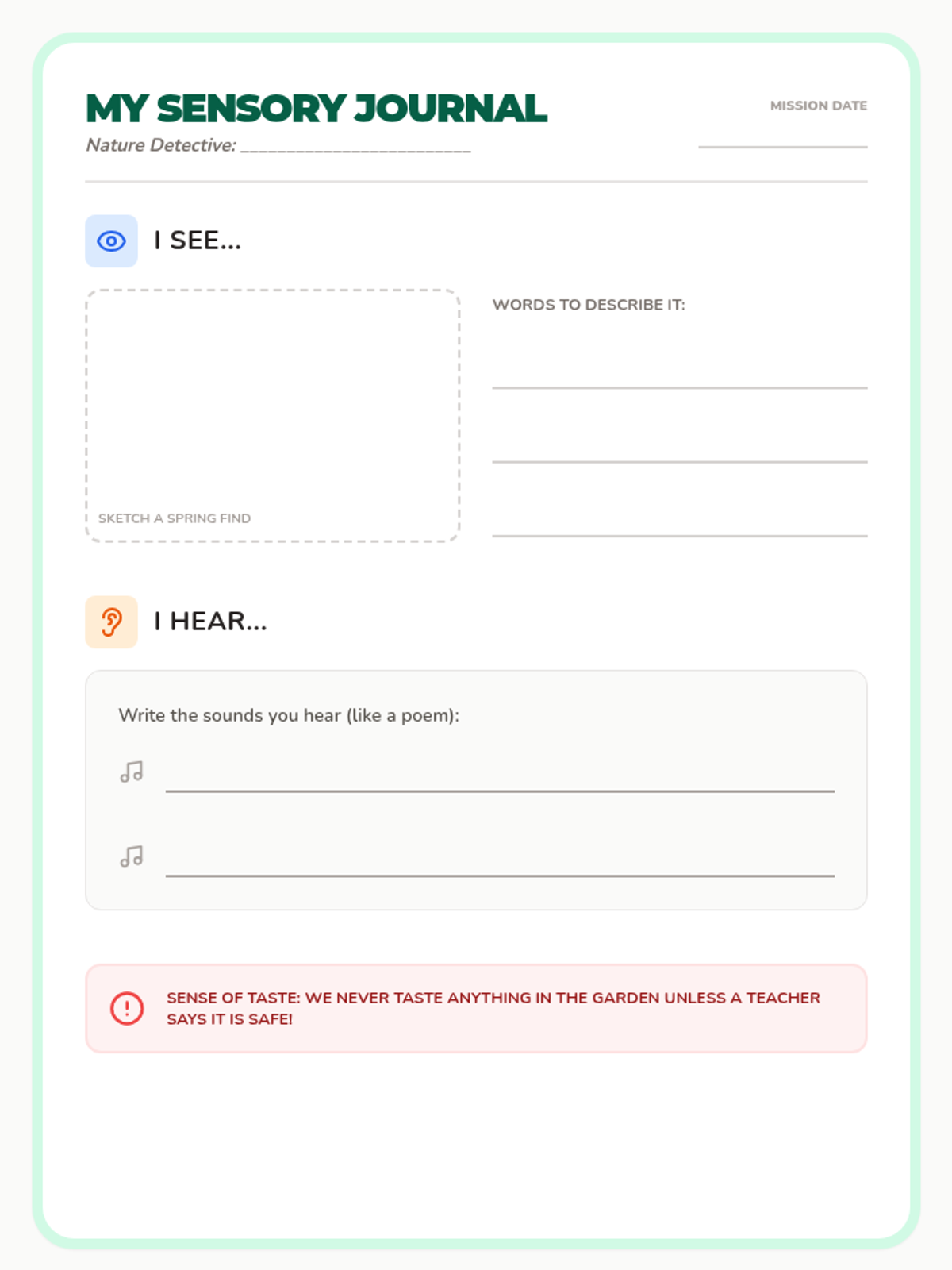
A multi-sensory exploration of spring through the lens of the five senses, designed to build observation skills and descriptive language in K-5 students.
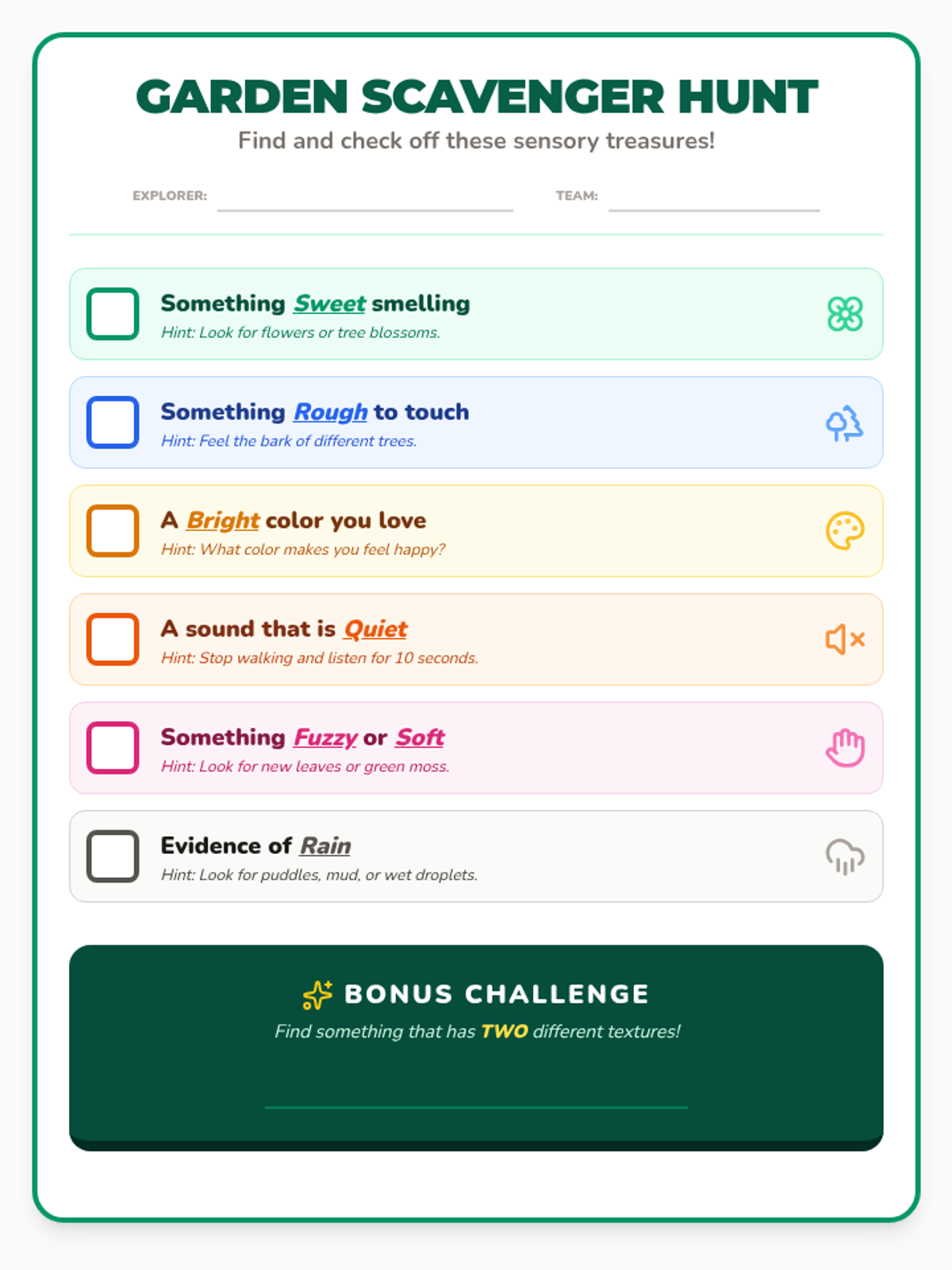
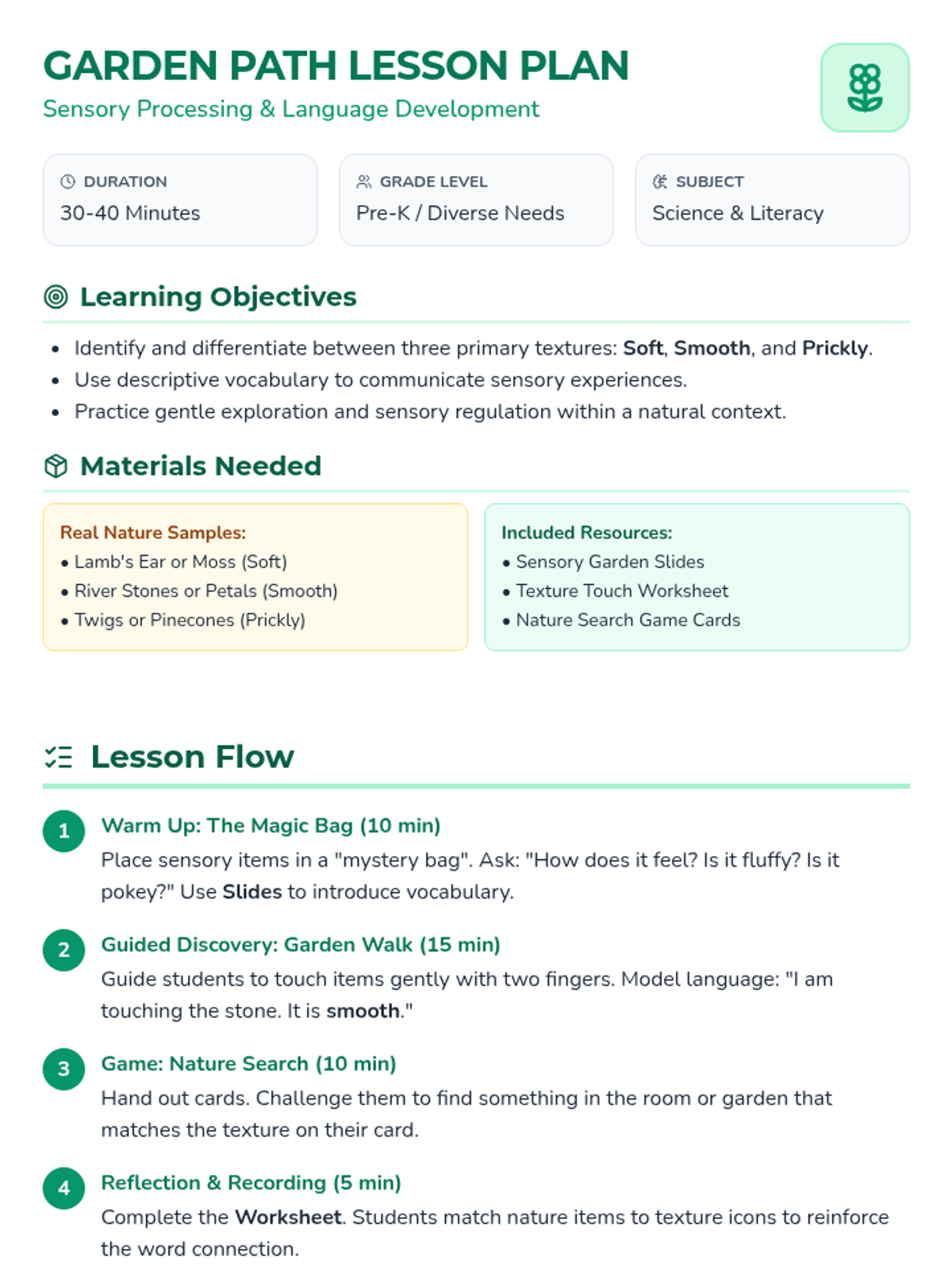
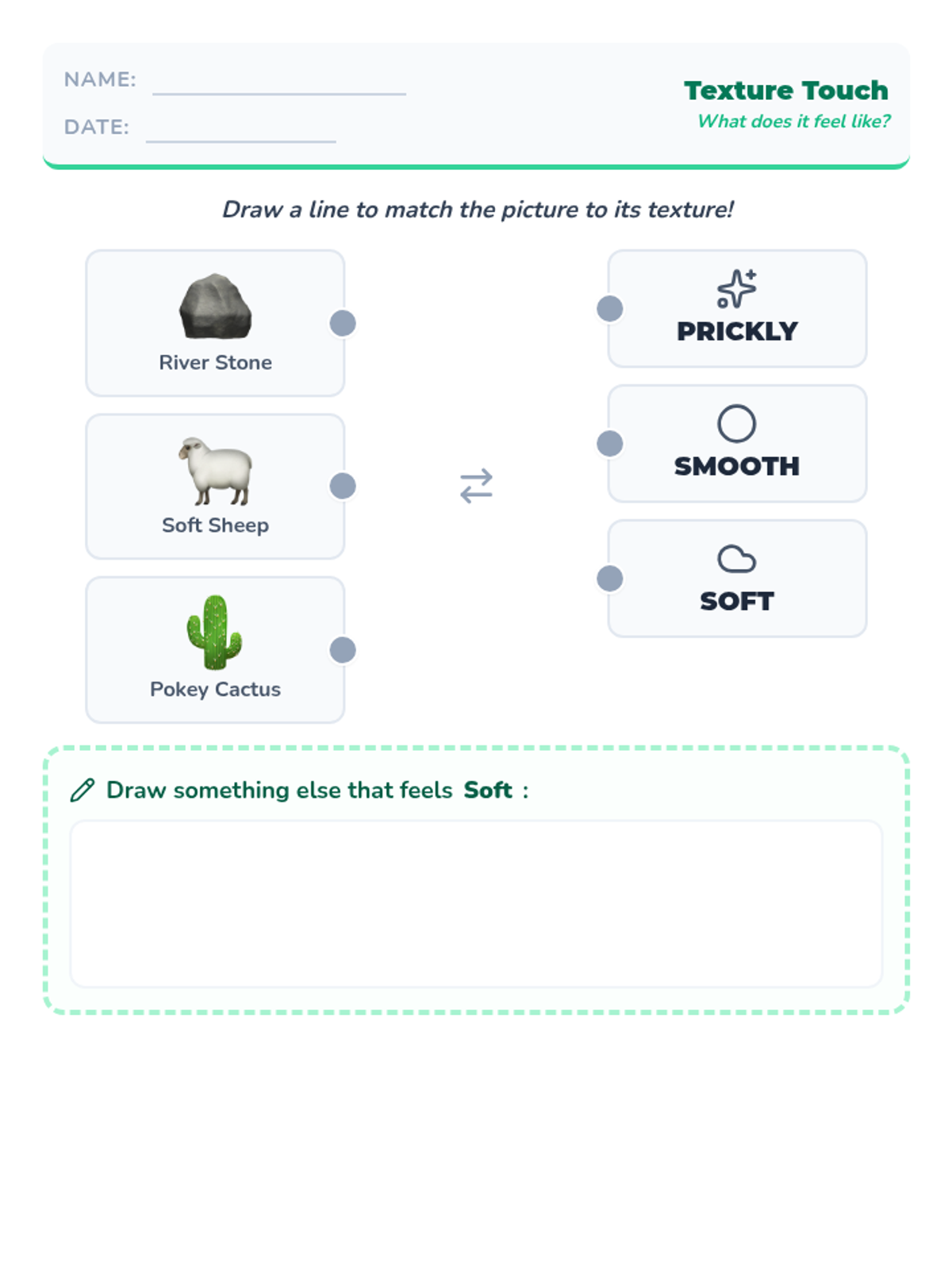
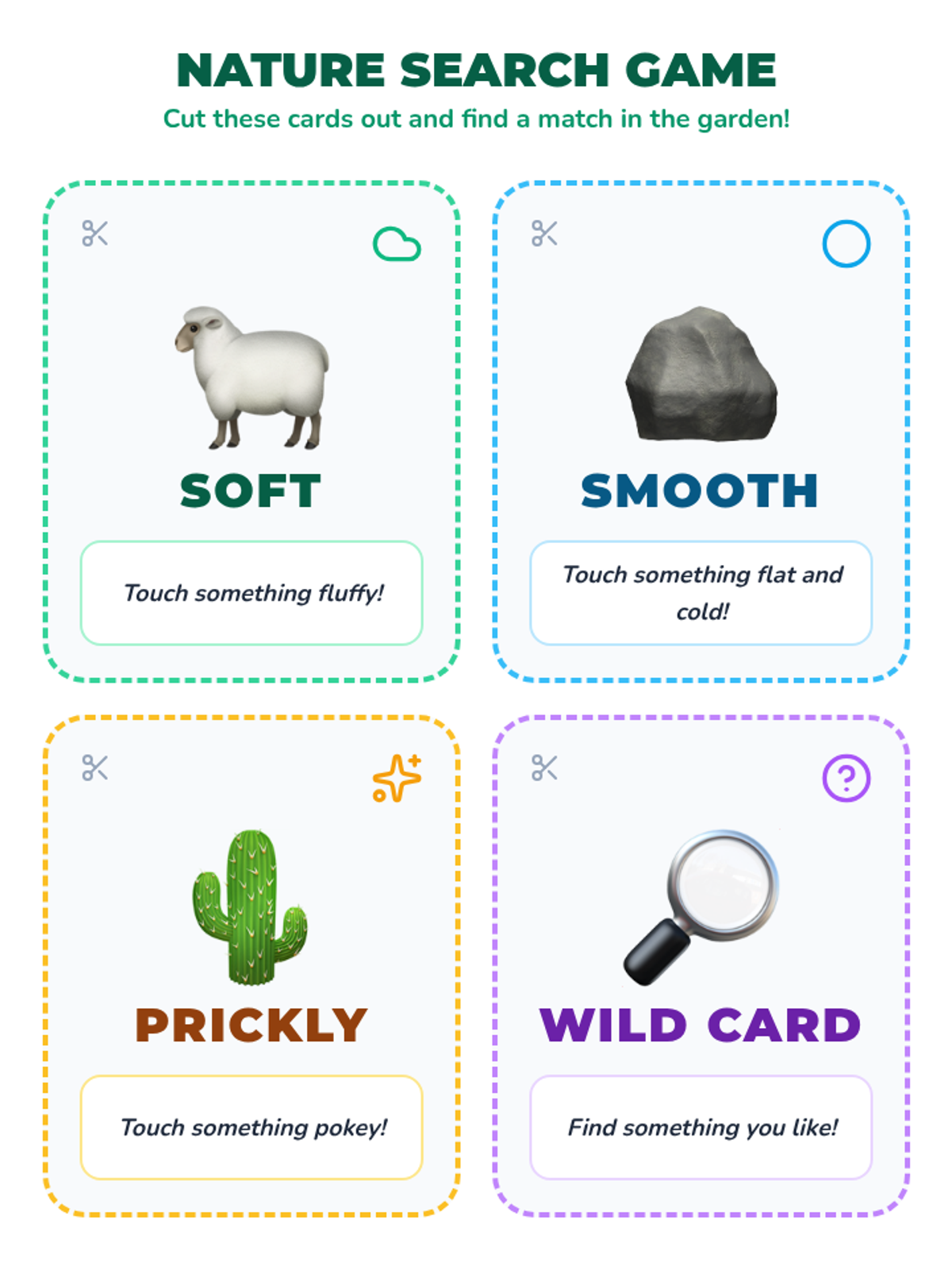
A sensory-focused lesson for Pre-K students to explore garden textures like soft, smooth, and prickly through hands-on exploration and visual aids.
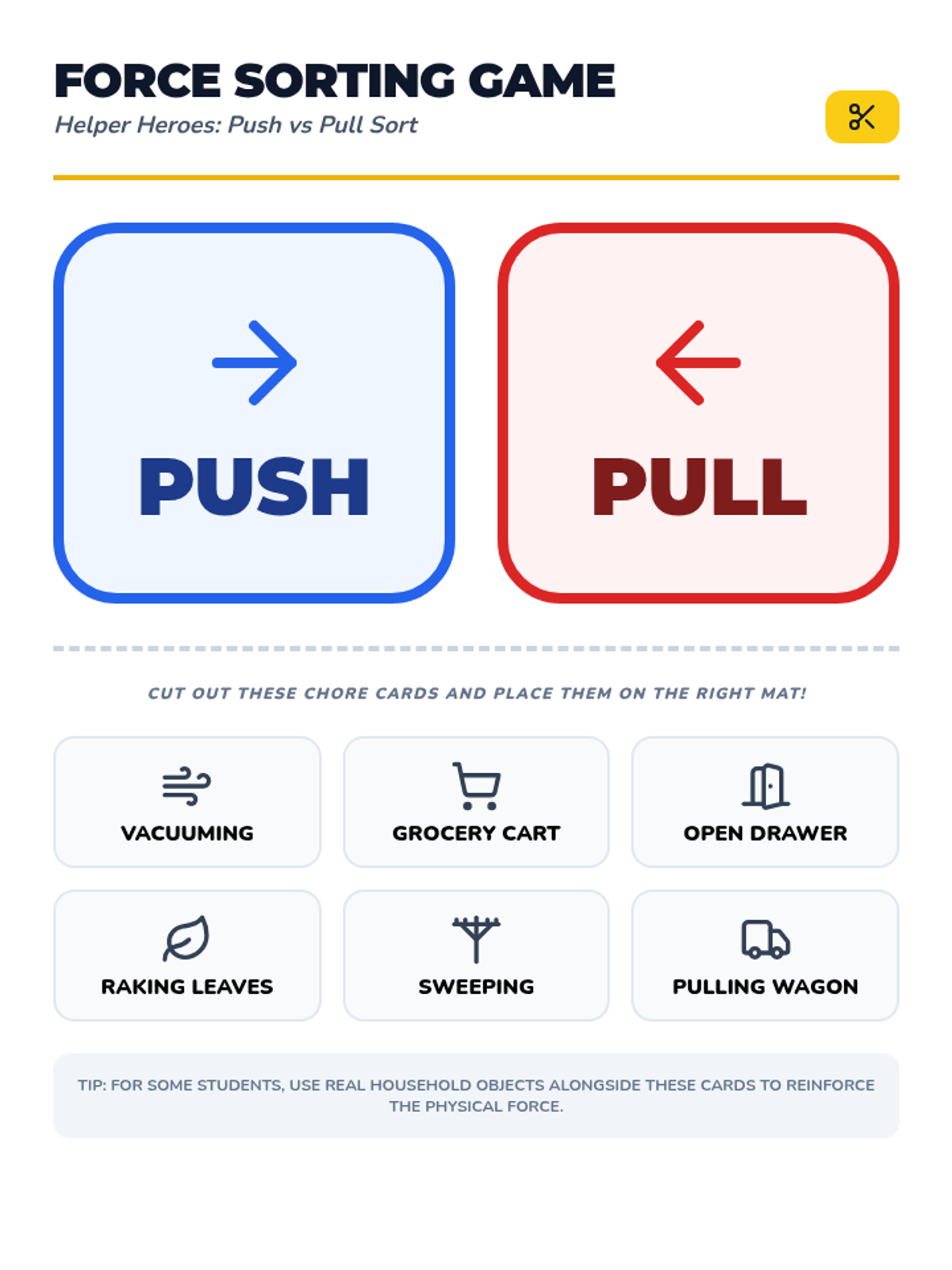
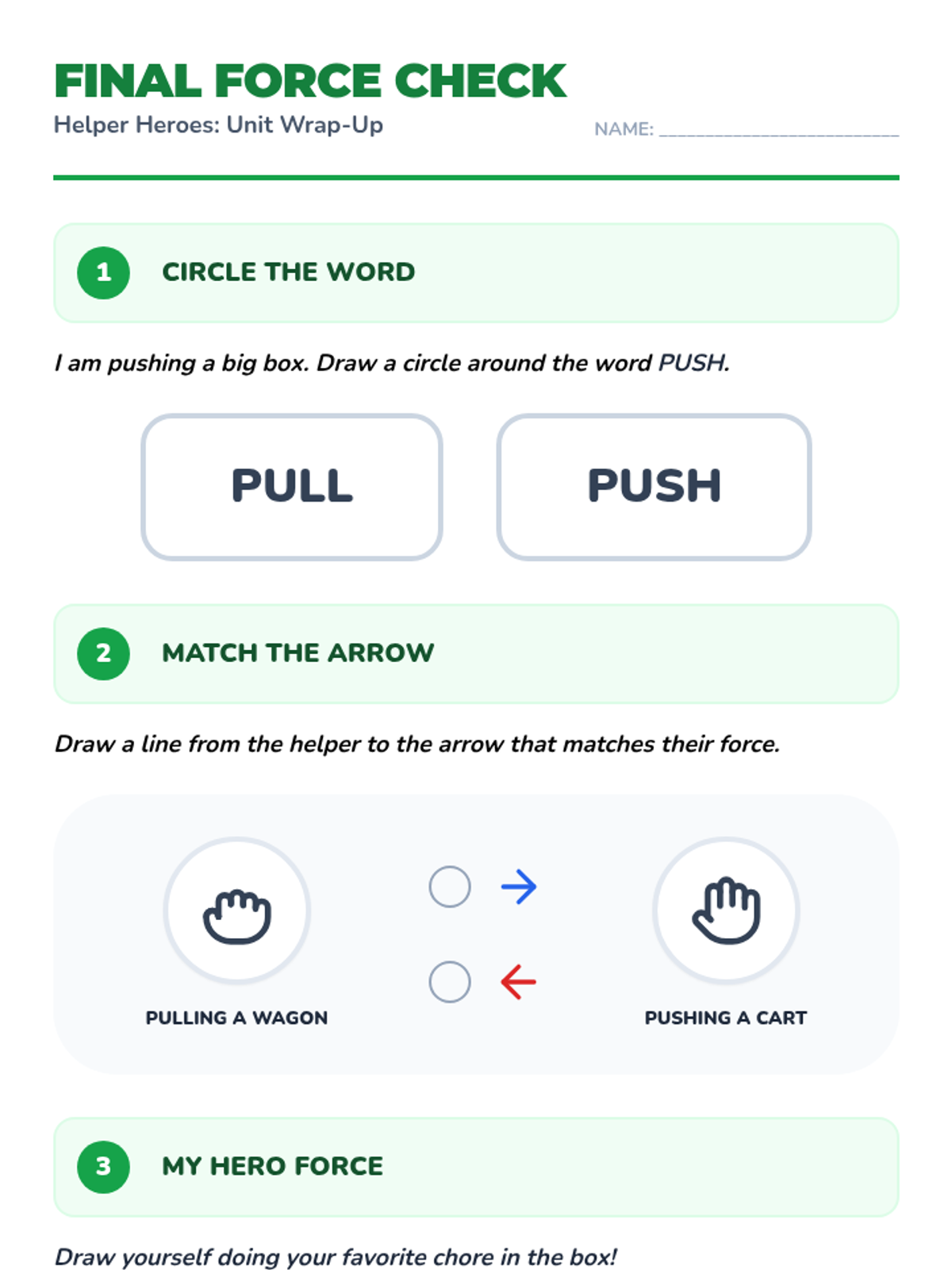
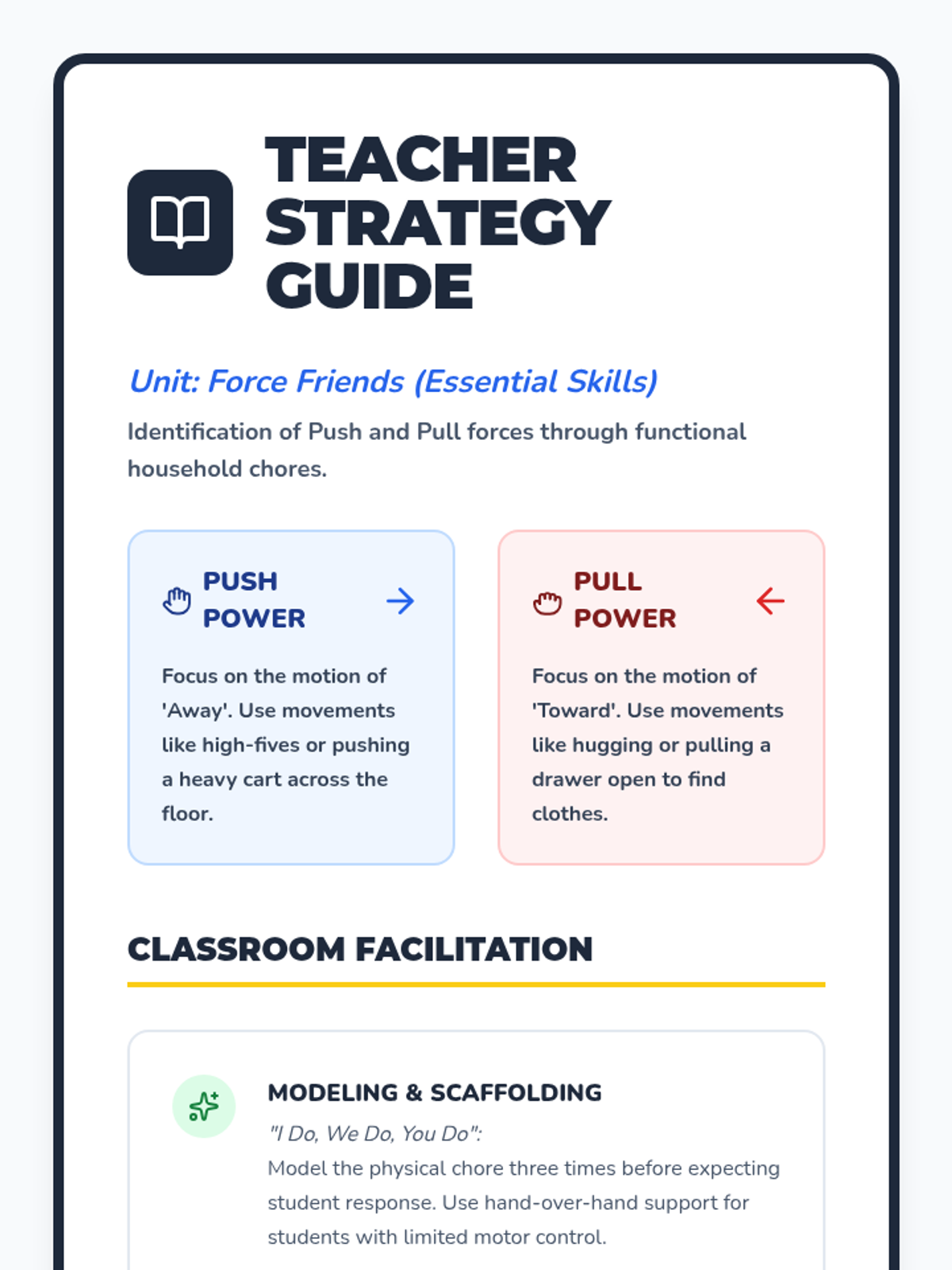
A review lesson where students sort various chores into push or pull categories and participate in a class-wide 'Chore Challenge' game.
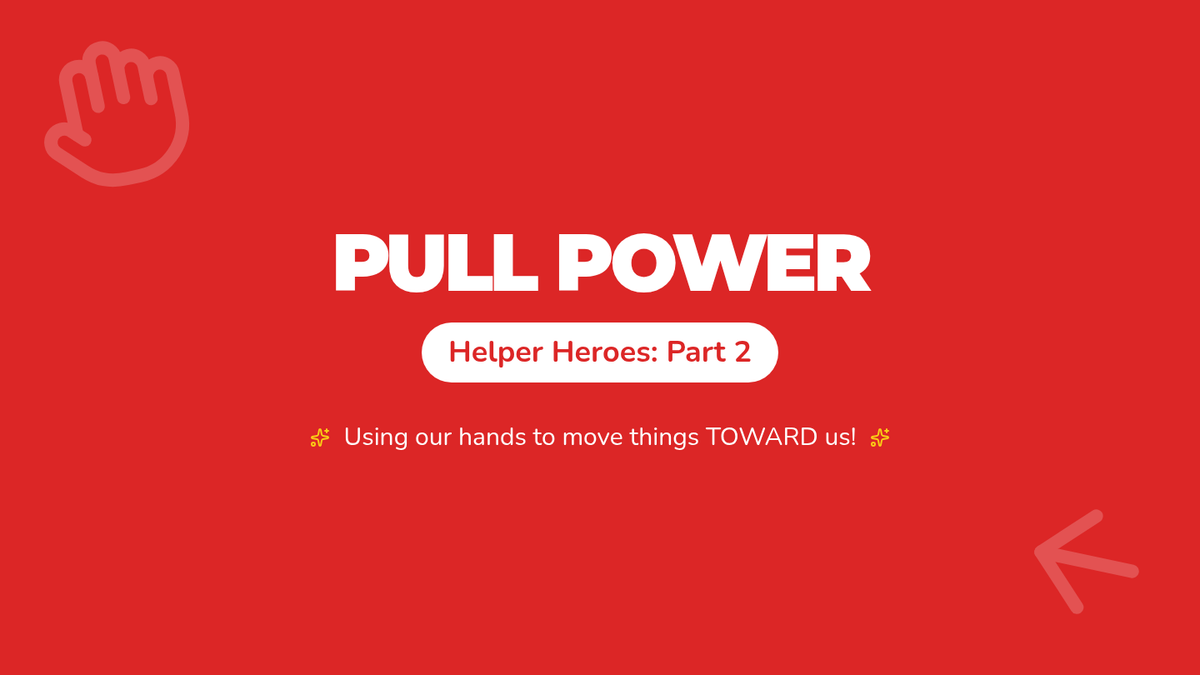
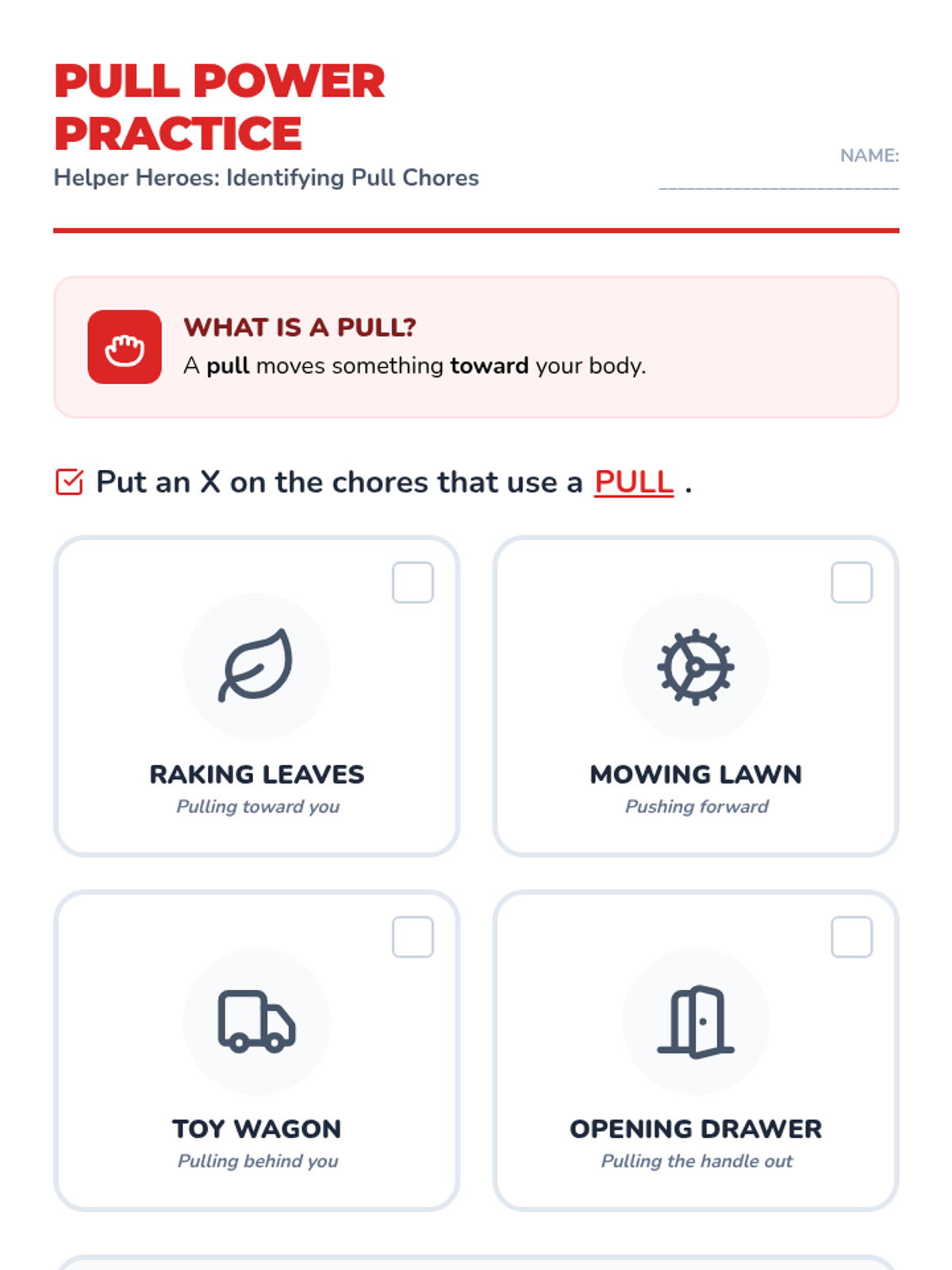
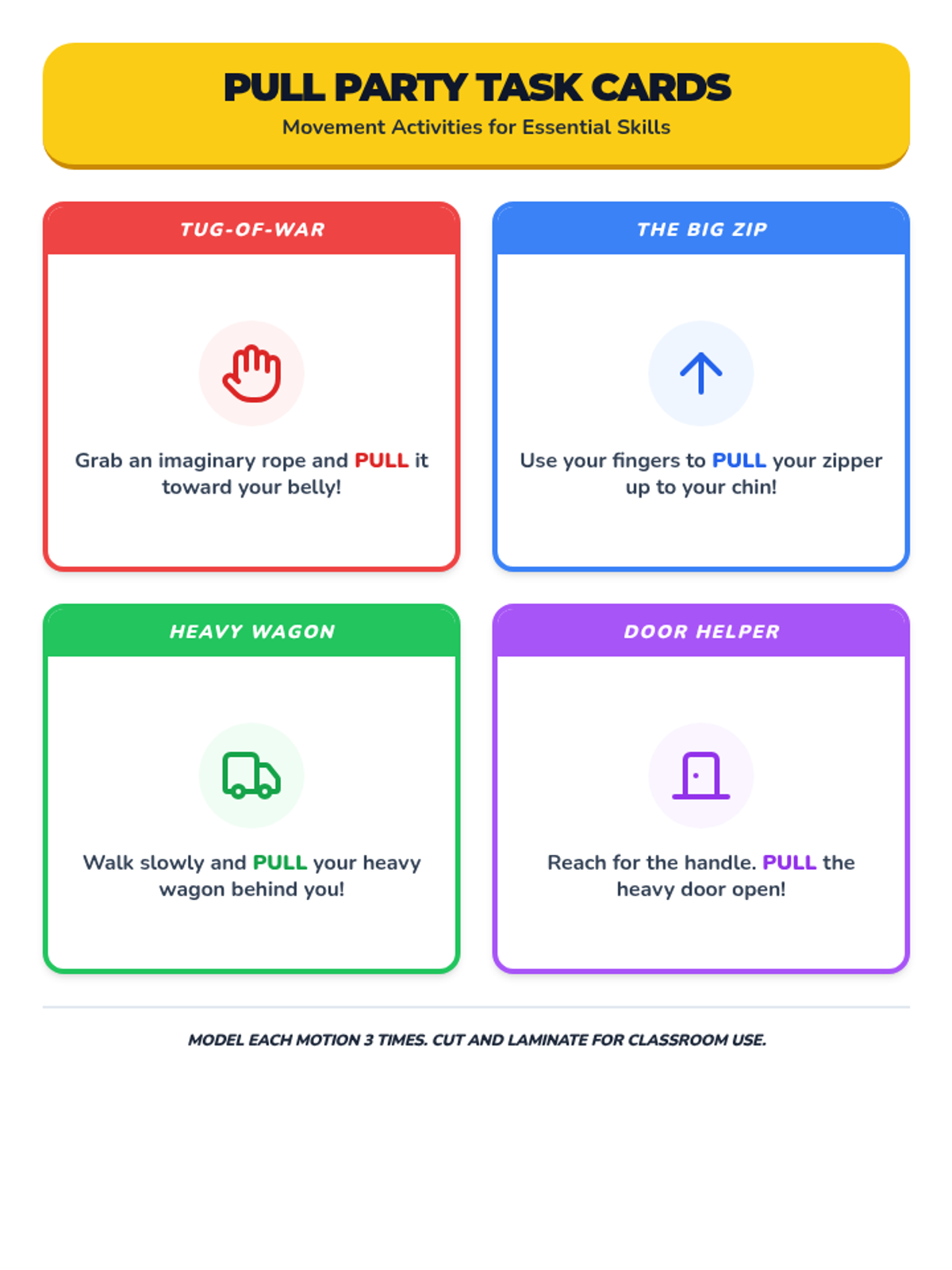
An introduction to the concept of 'Pull' through tasks like opening drawers, raking leaves, and pulling a wagon.
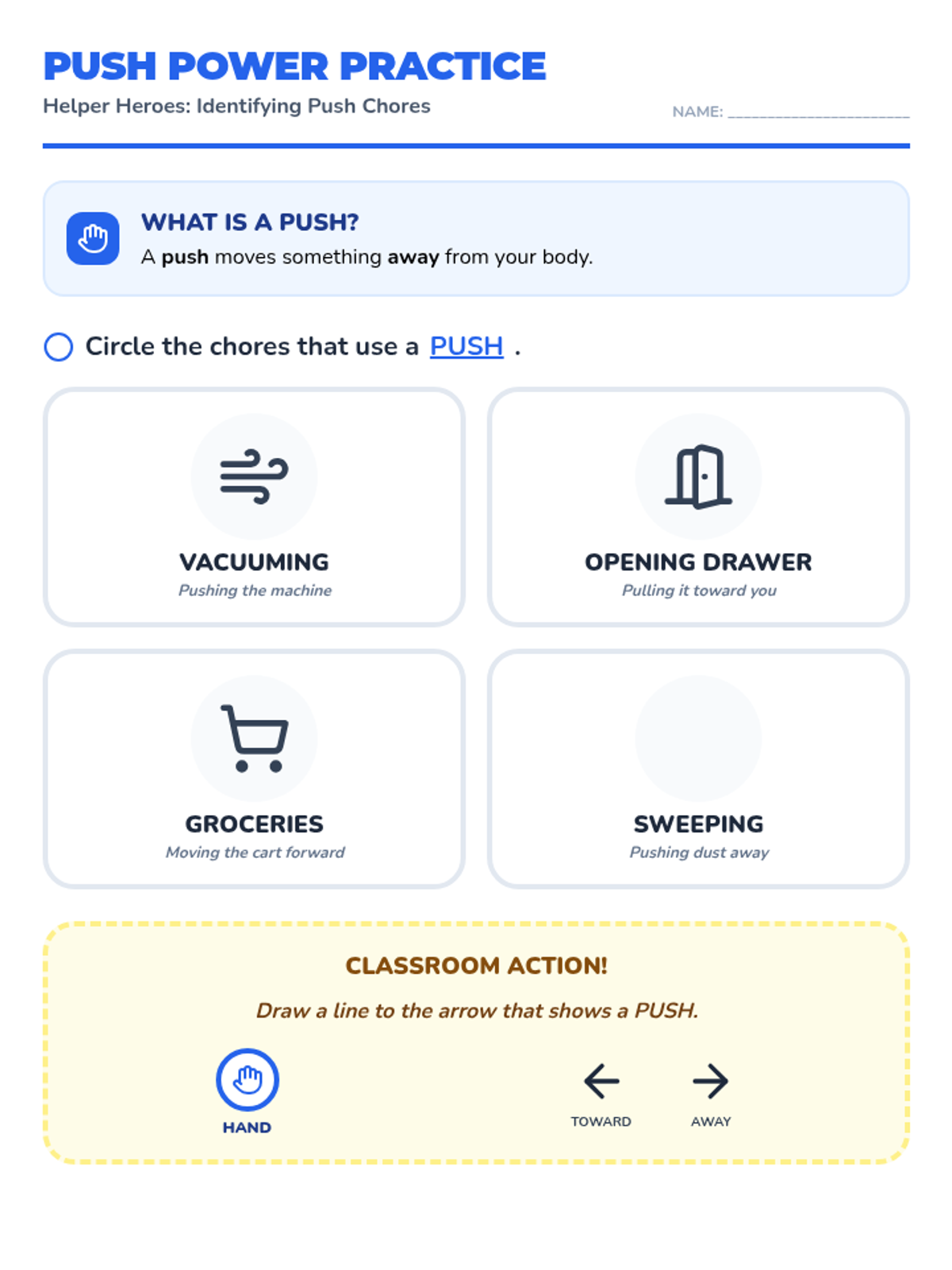
An introduction to the concept of 'Push' through common household tasks like sweeping, vacuuming, and pushing a grocery cart.
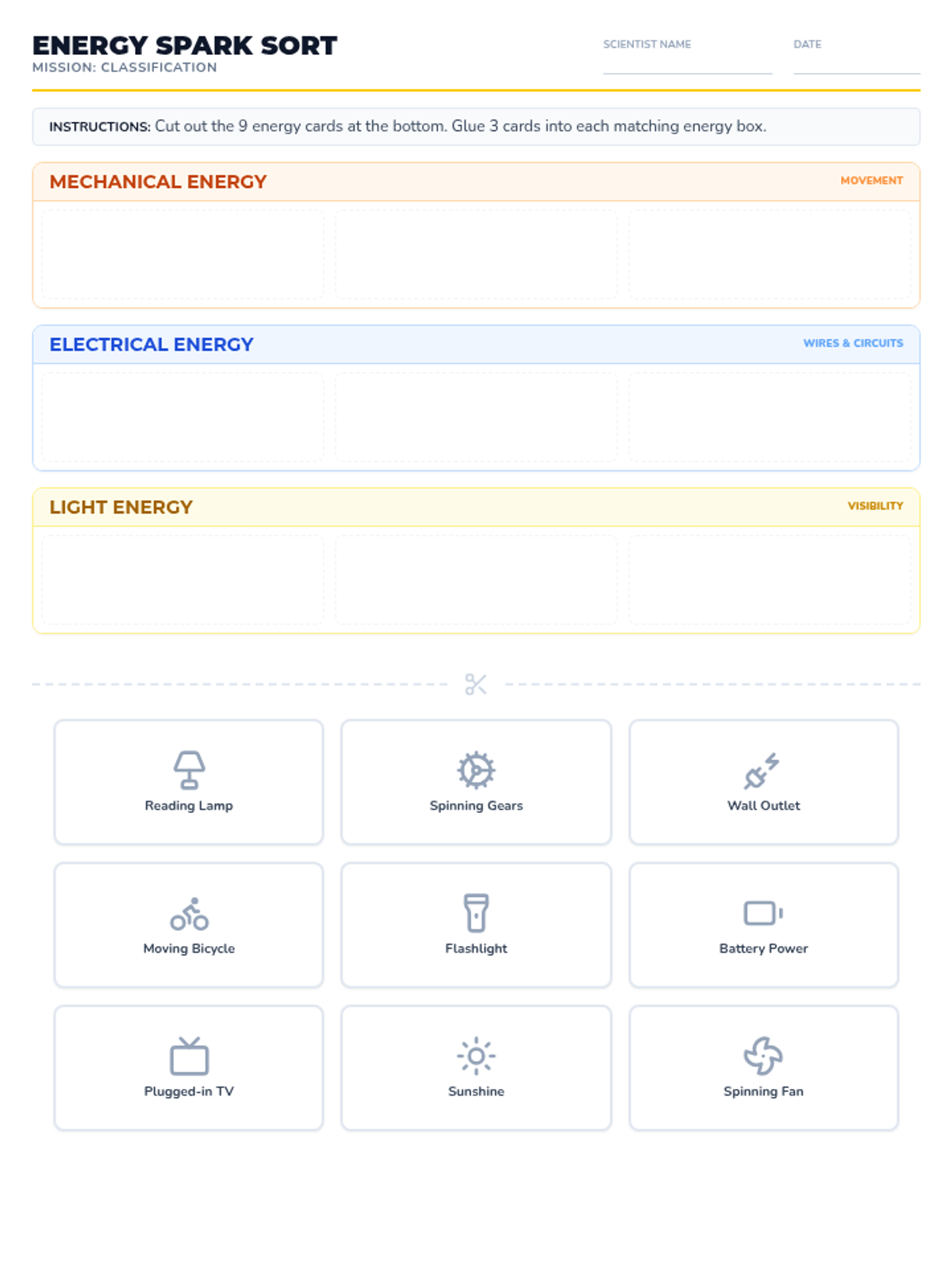
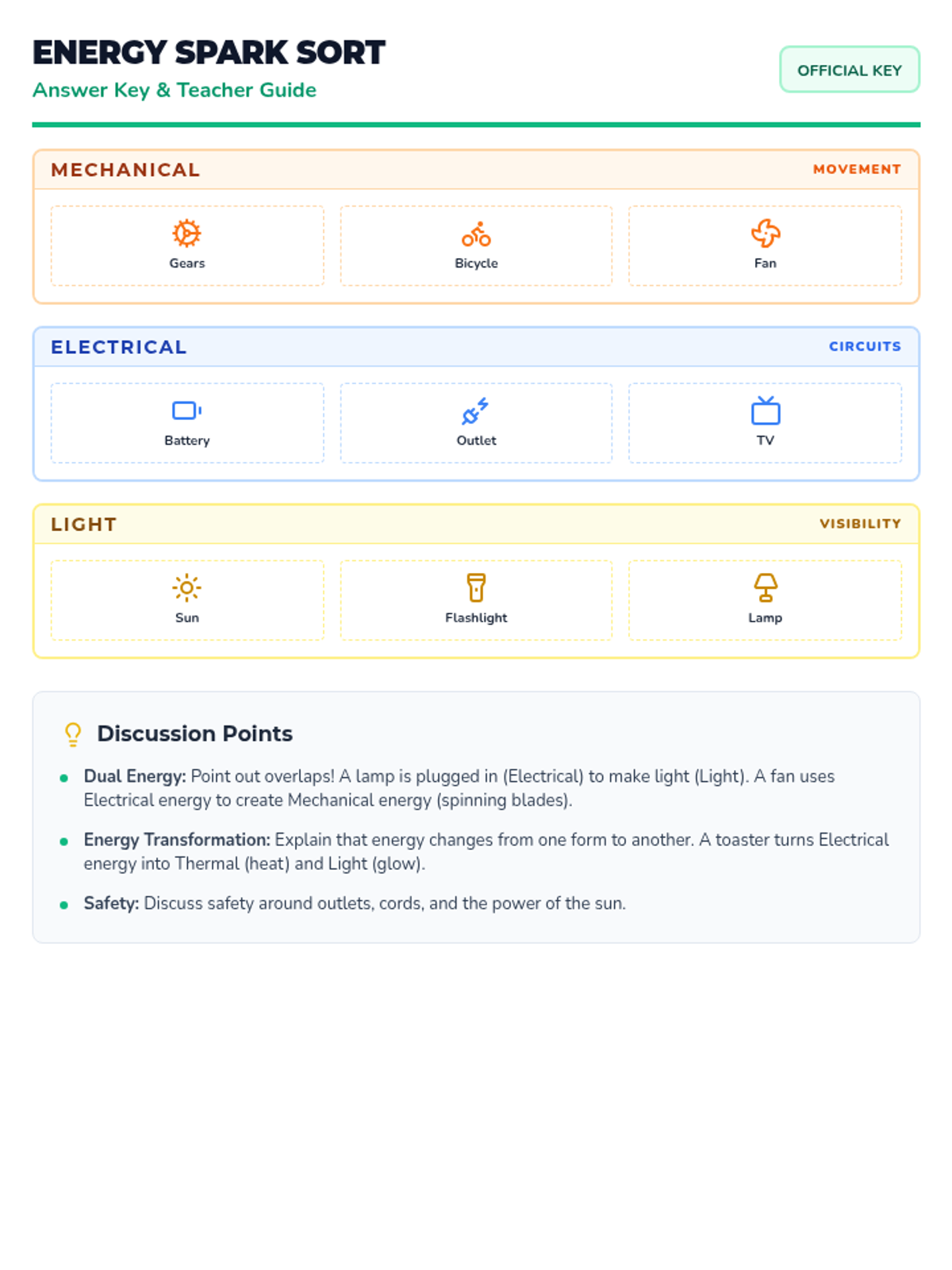
A beginner-friendly introduction to Mechanical, Electrical, and Light energy, featuring a hands-on classification activity.
A fun and engaging animal-themed coloring book that encourages students to identify, draw, and color 51 different animals. This lesson focuses on animal diversity and recognition through a creative field-guide approach.
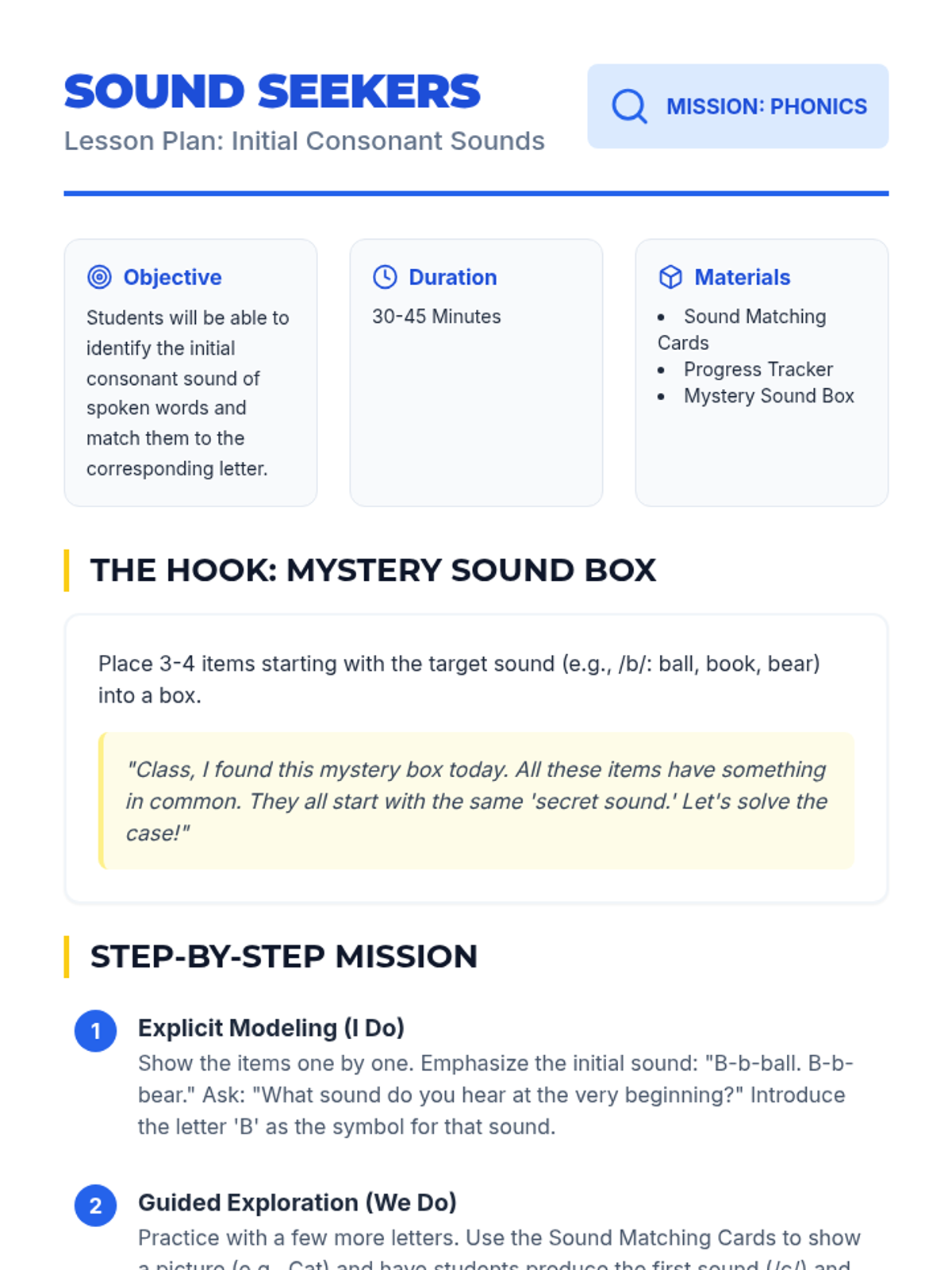
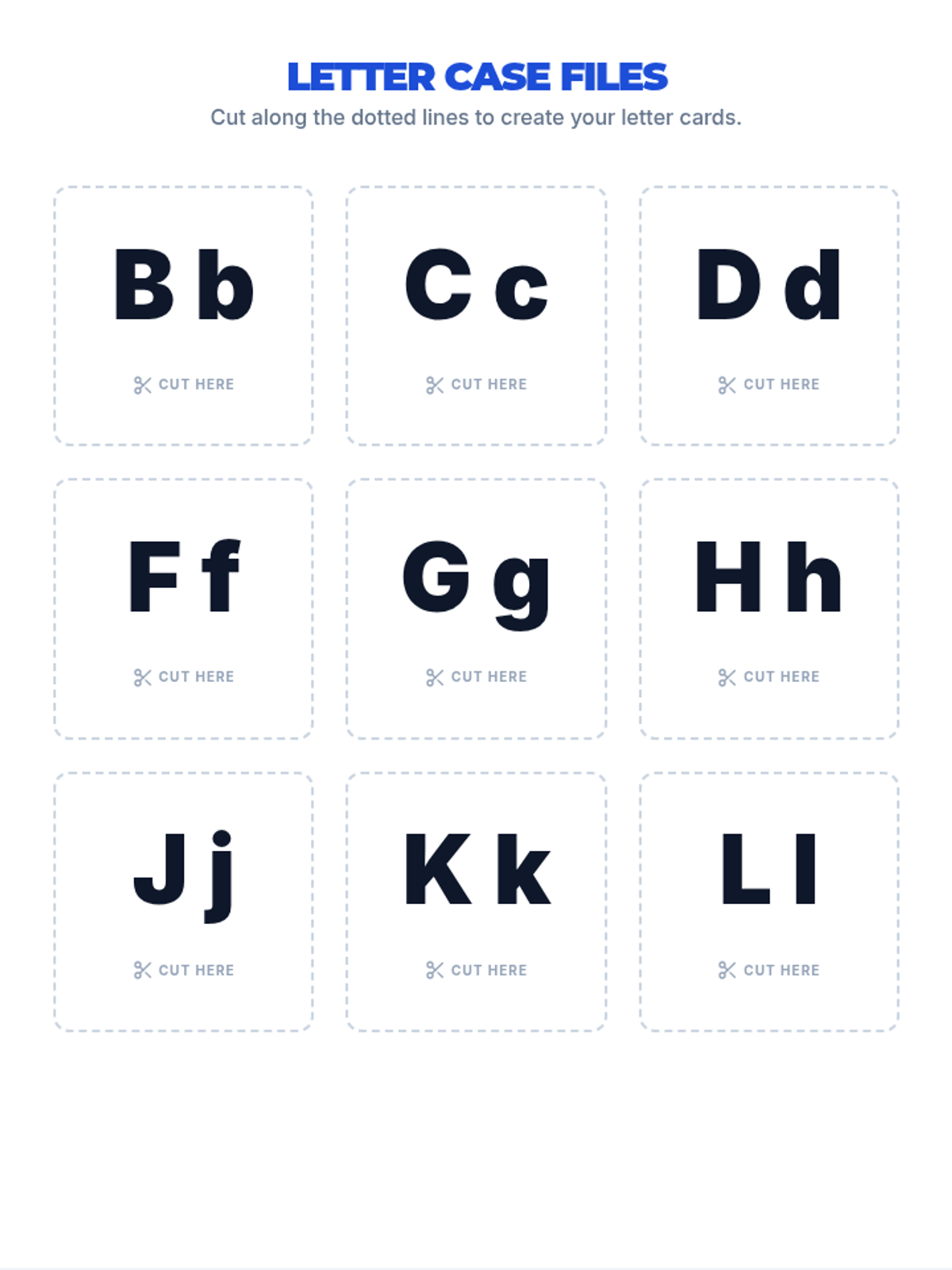
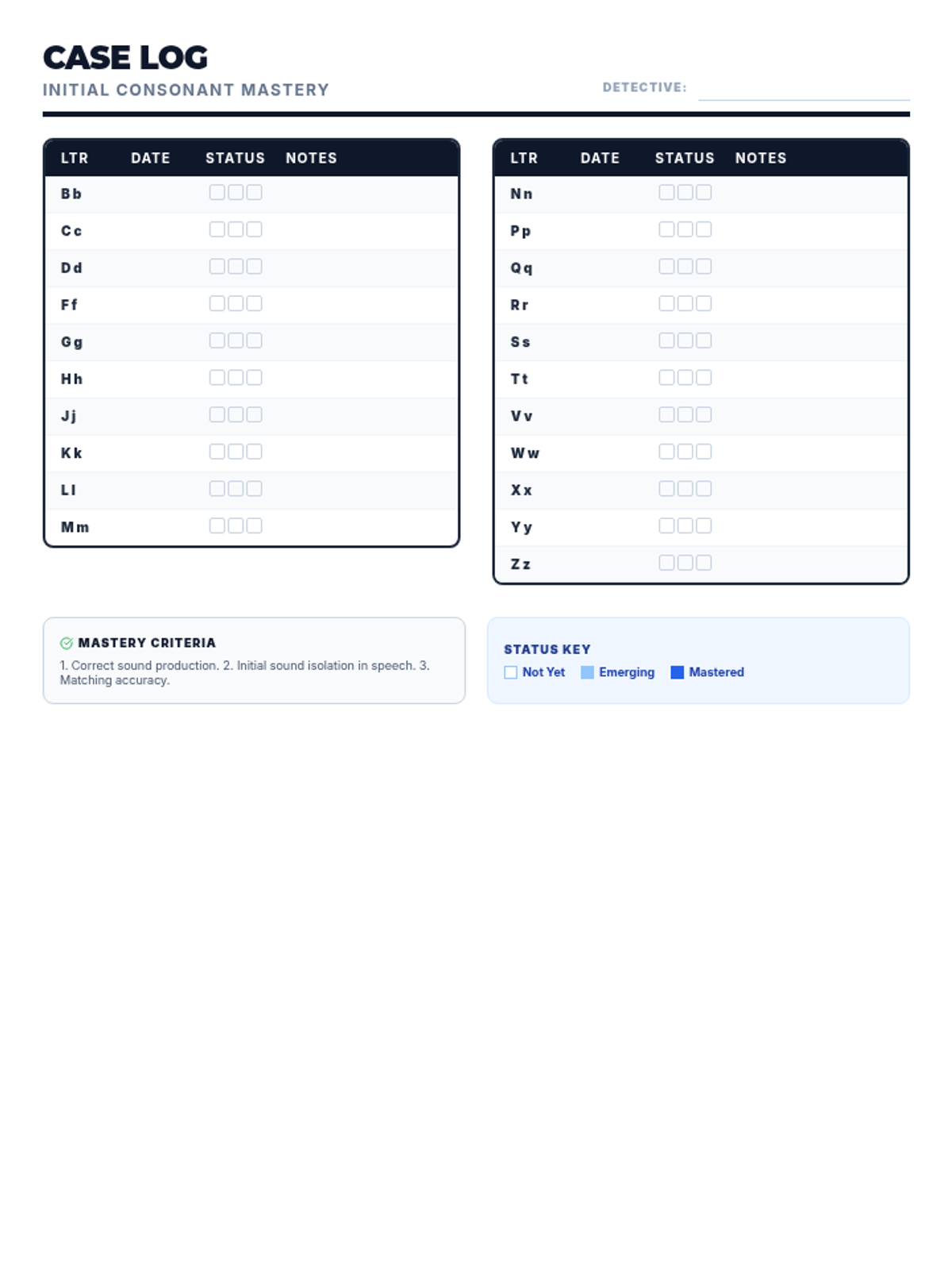
A foundational phonics lesson focused on identifying and matching initial consonant sounds through detective-themed activities and hands-on matching.
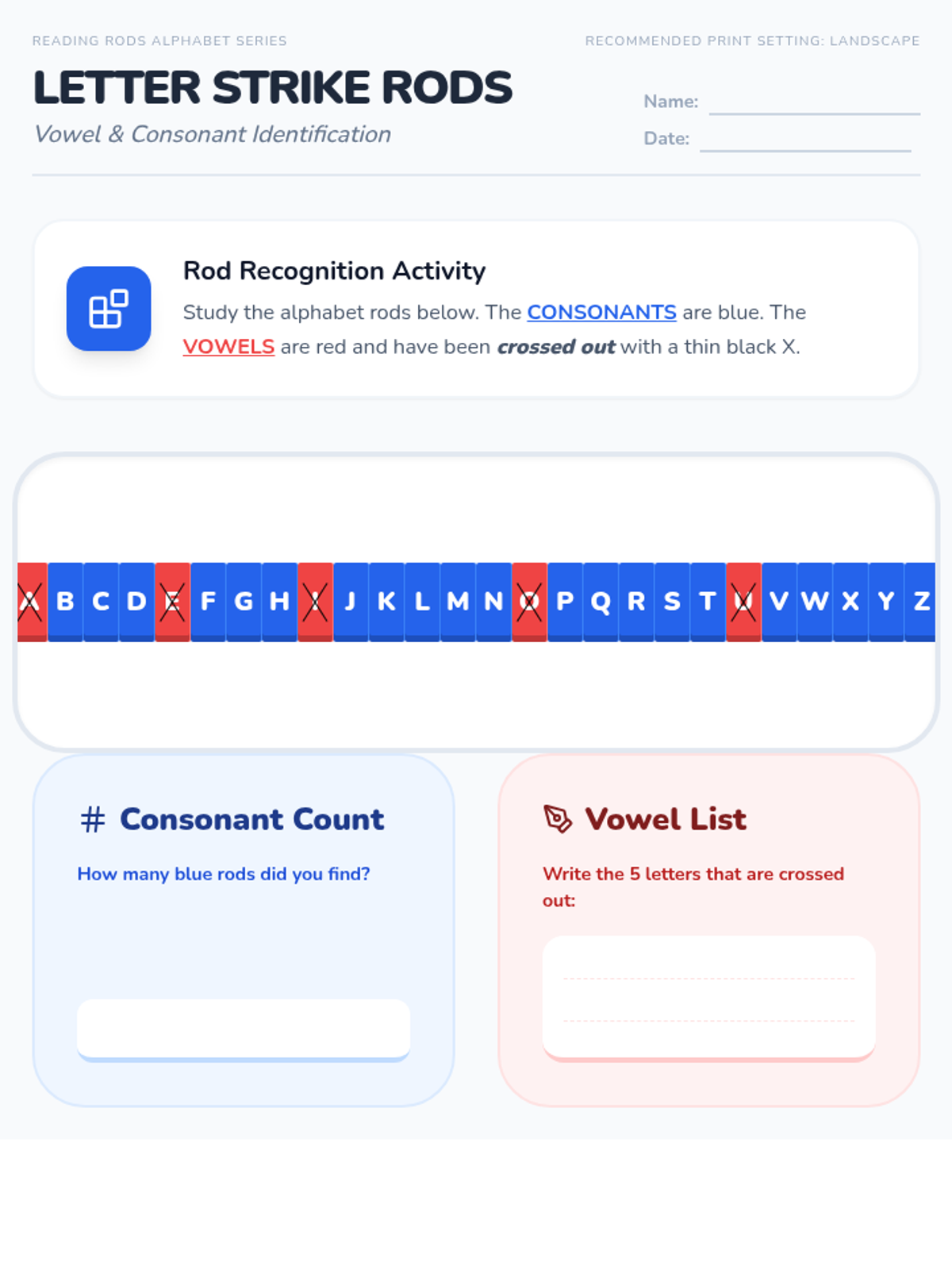
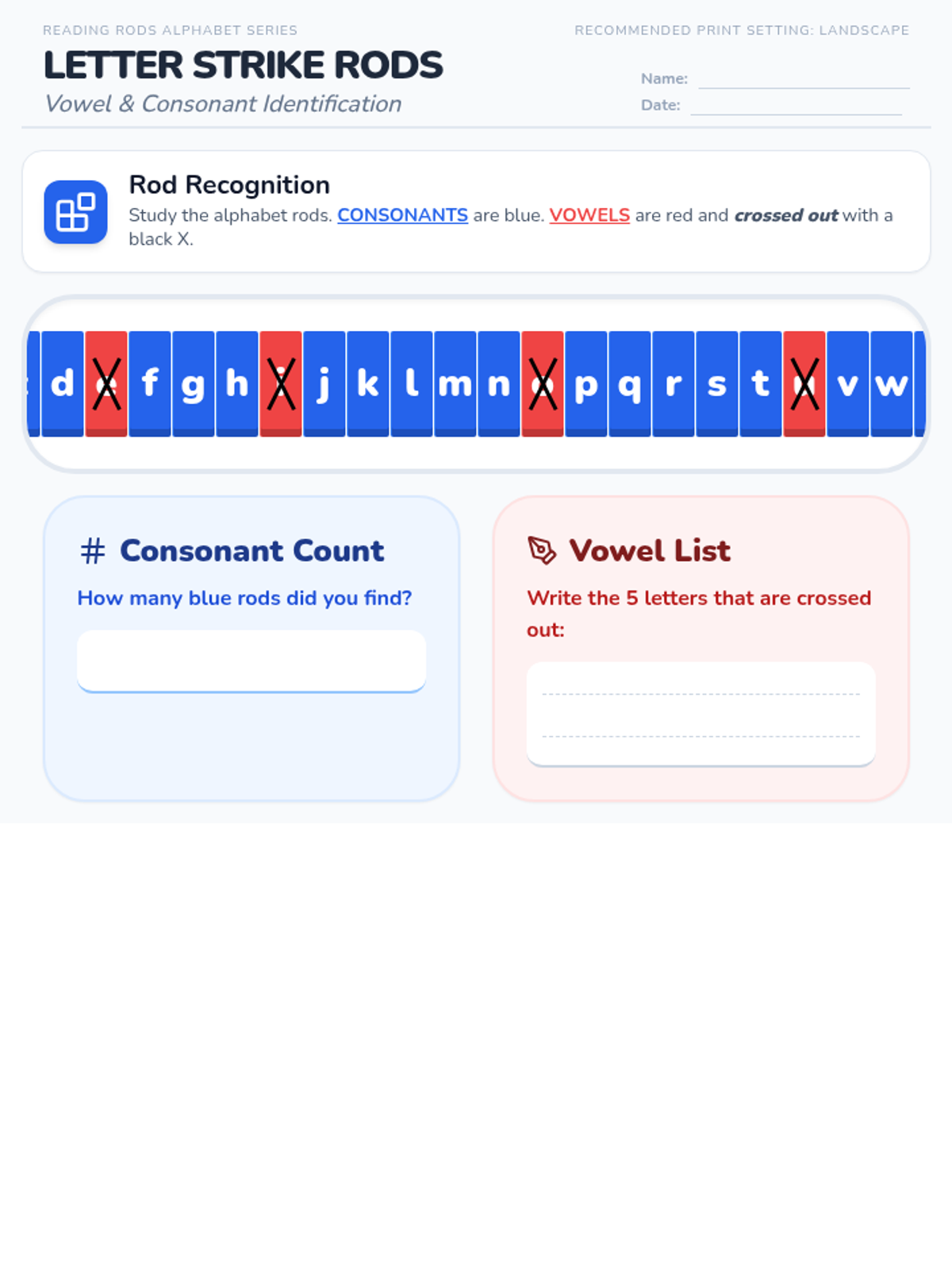
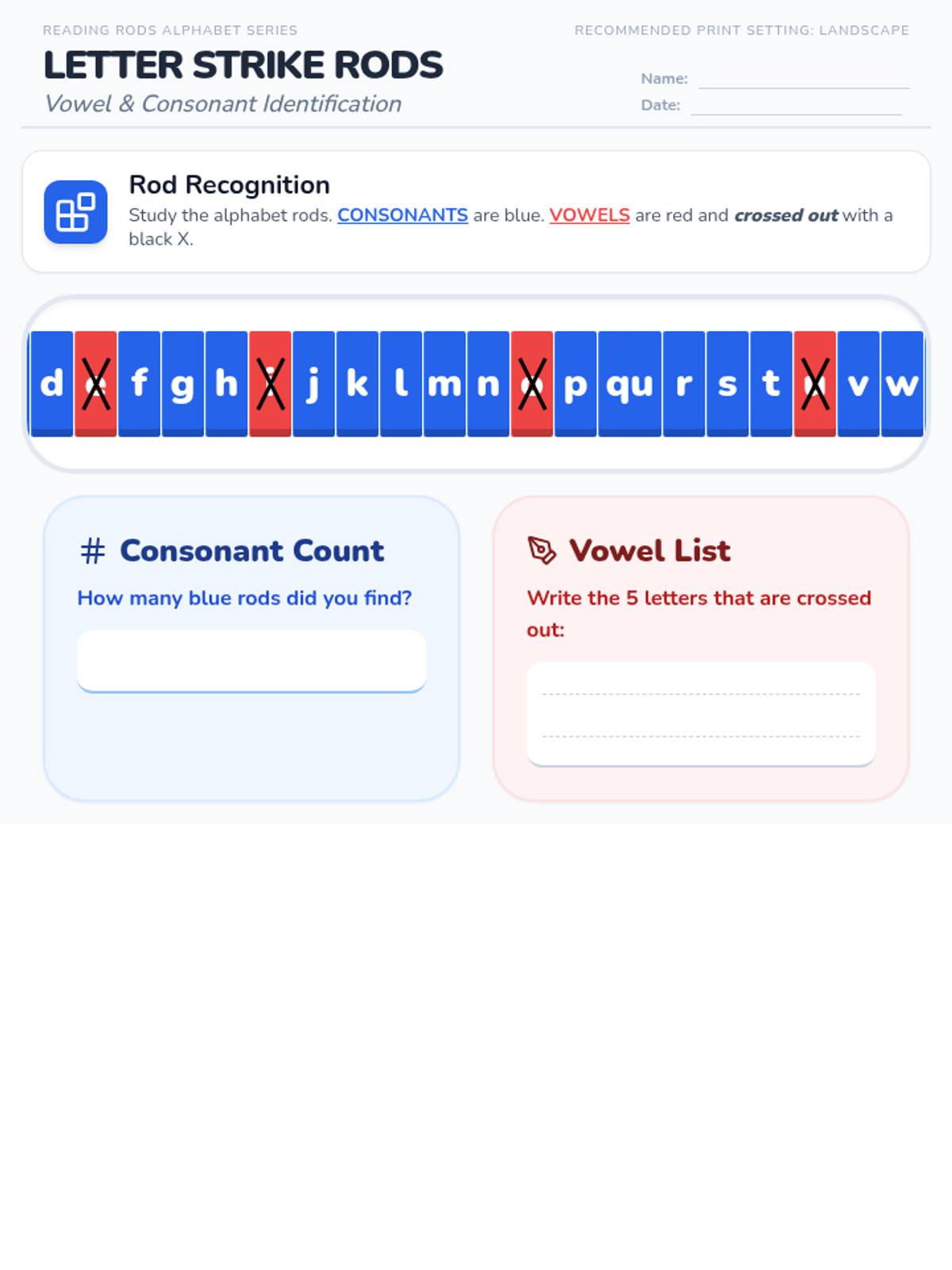
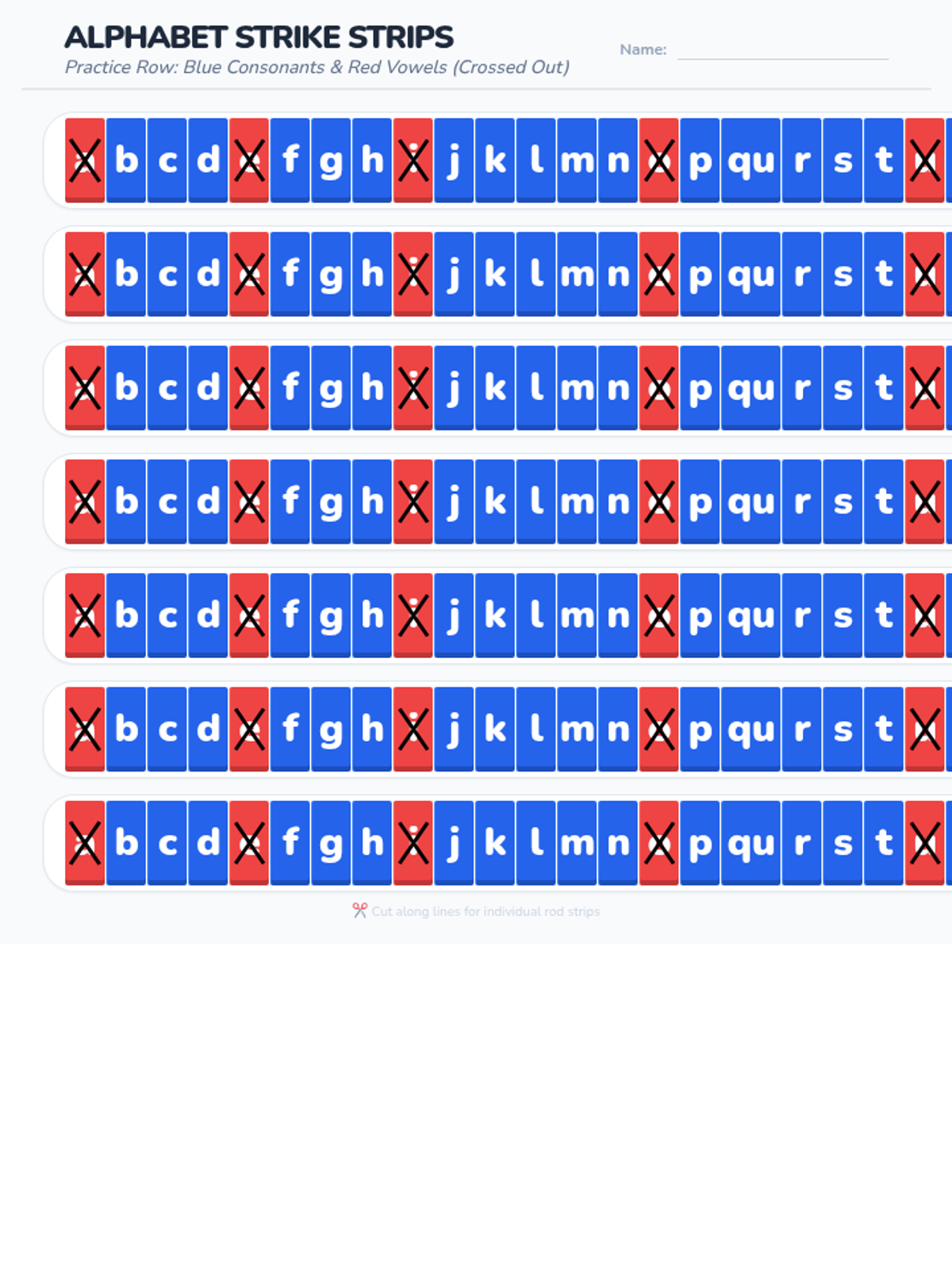
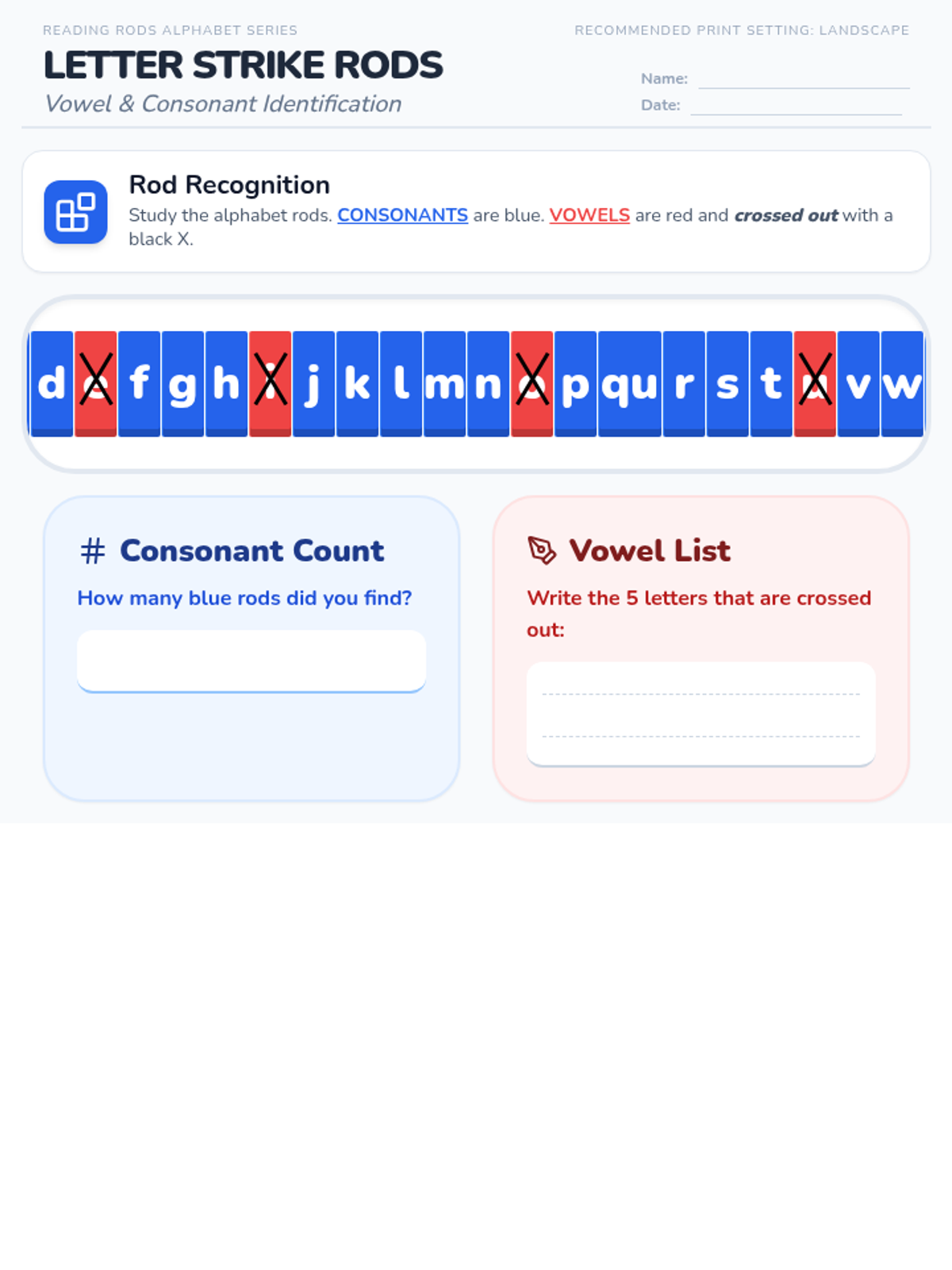
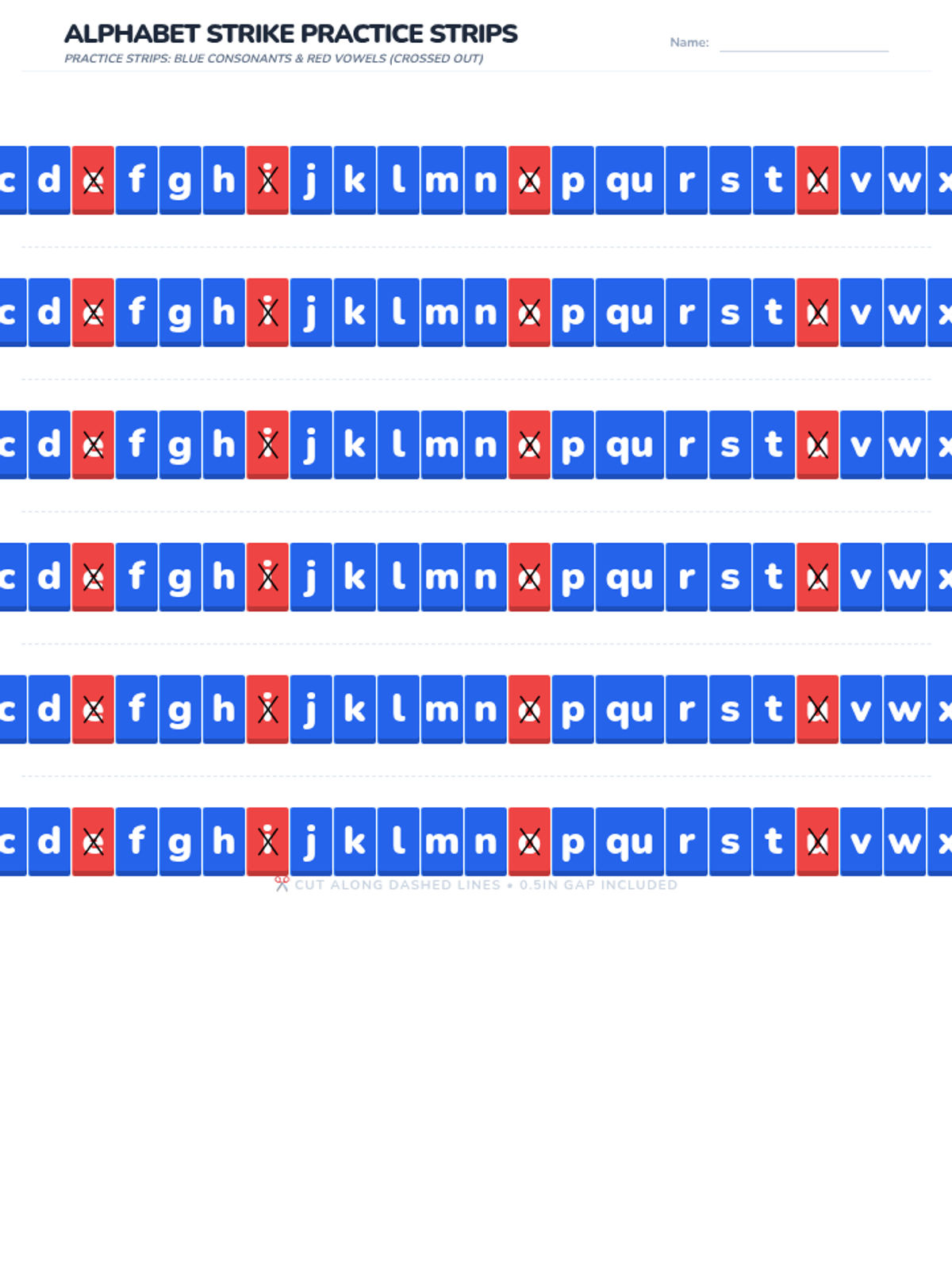
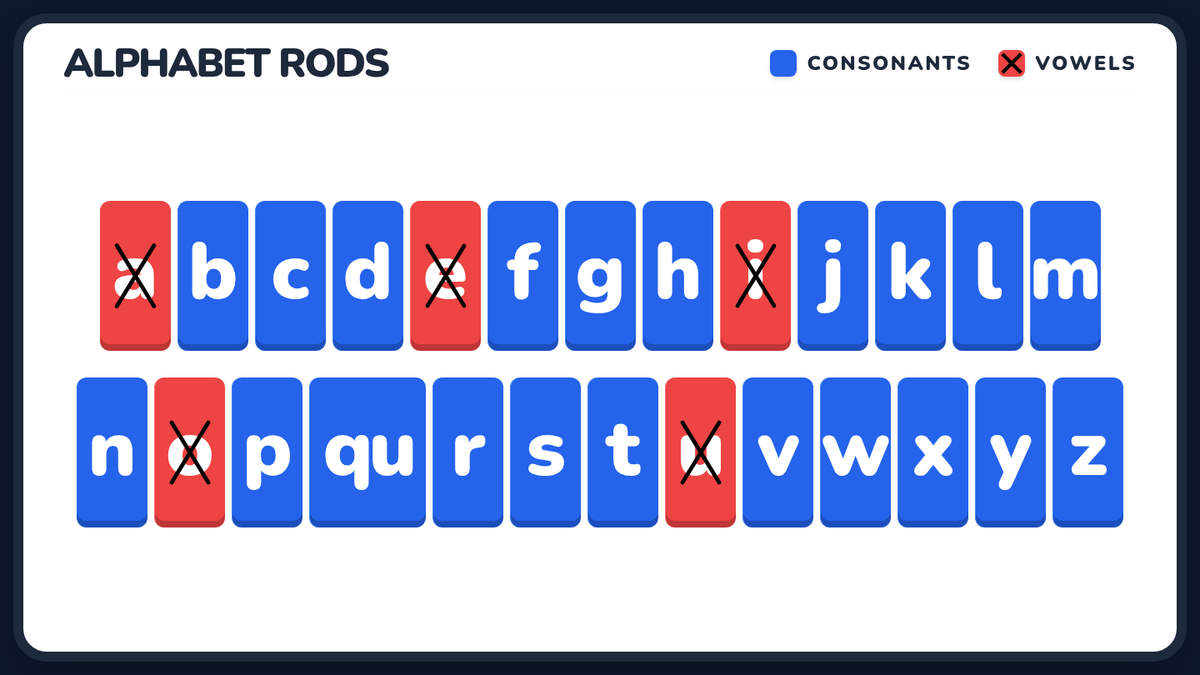
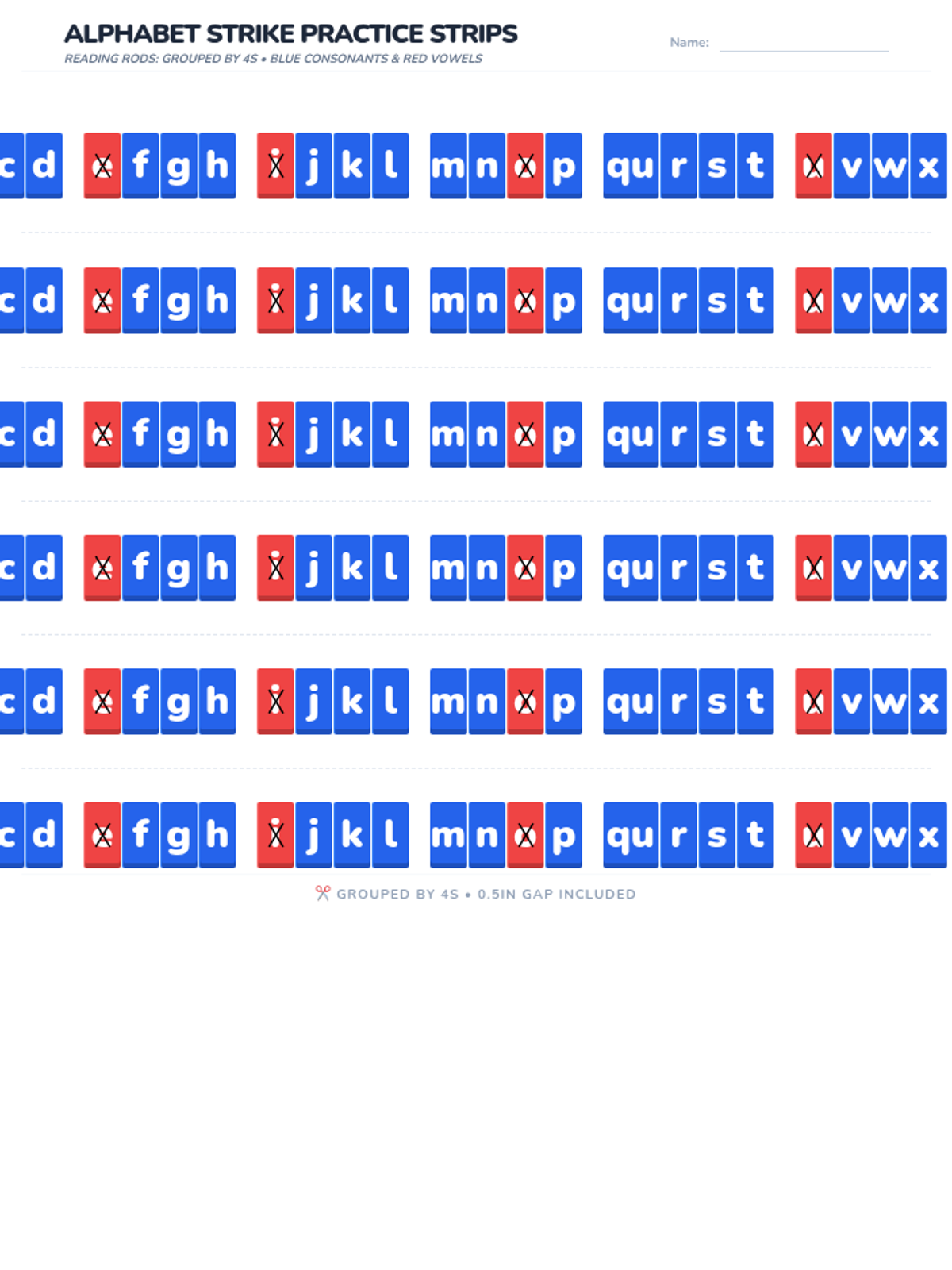
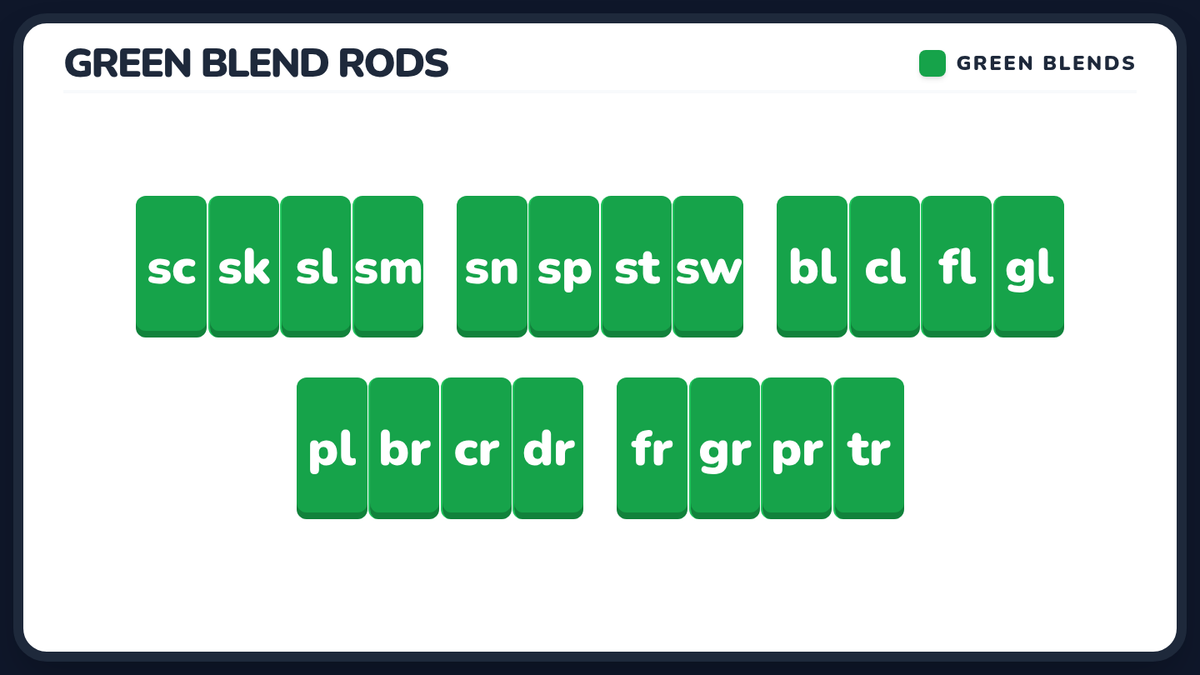
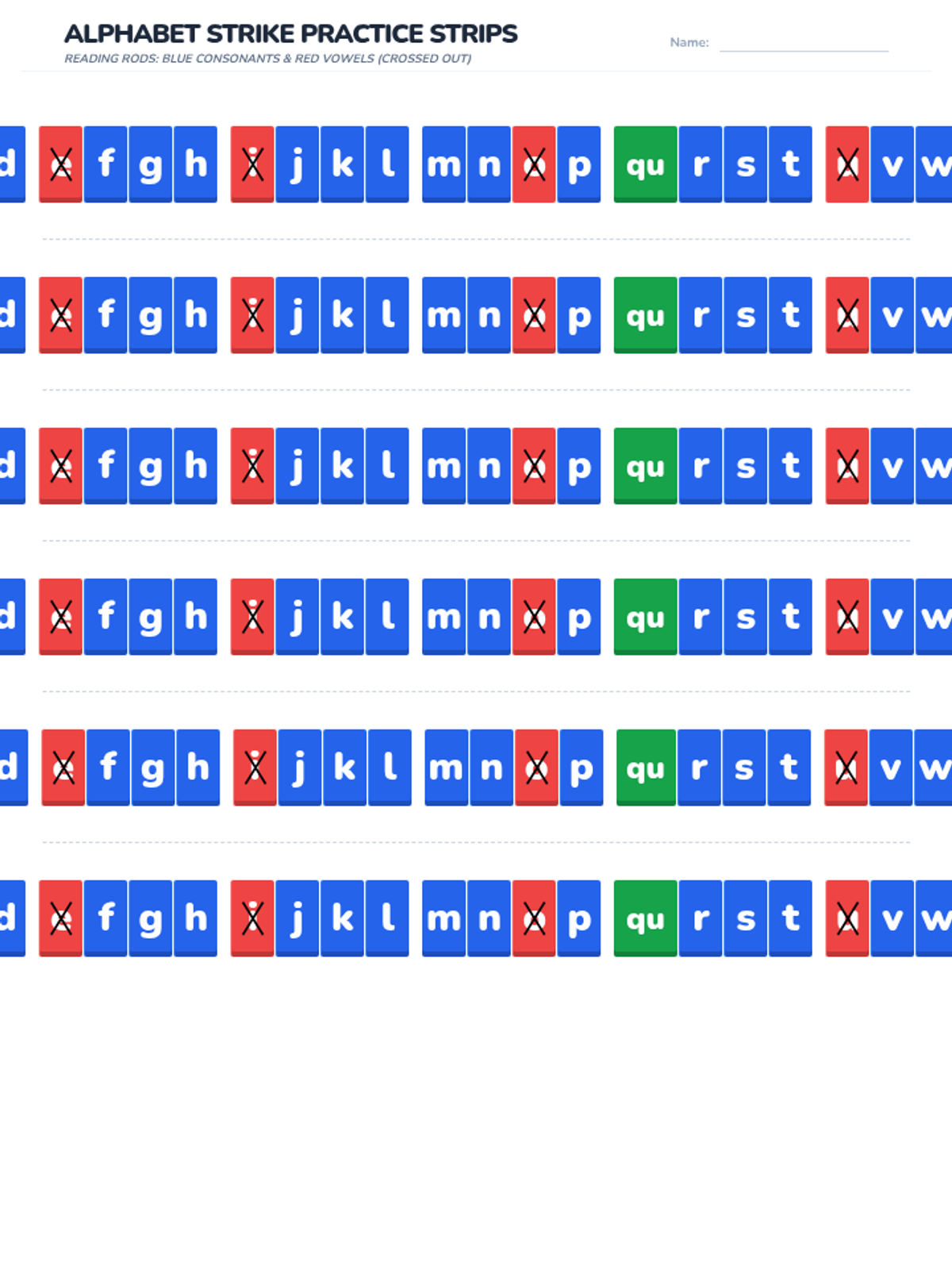
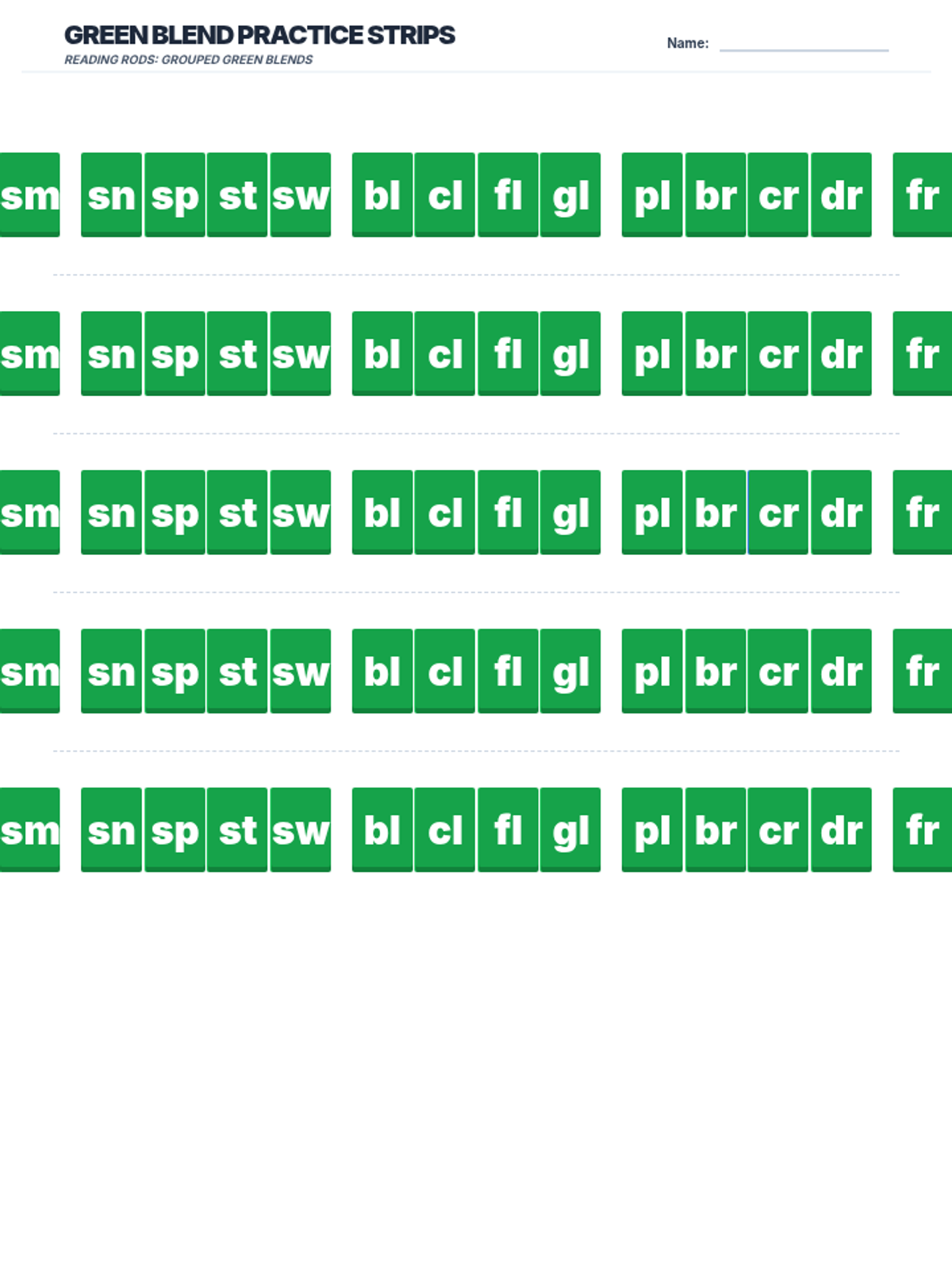
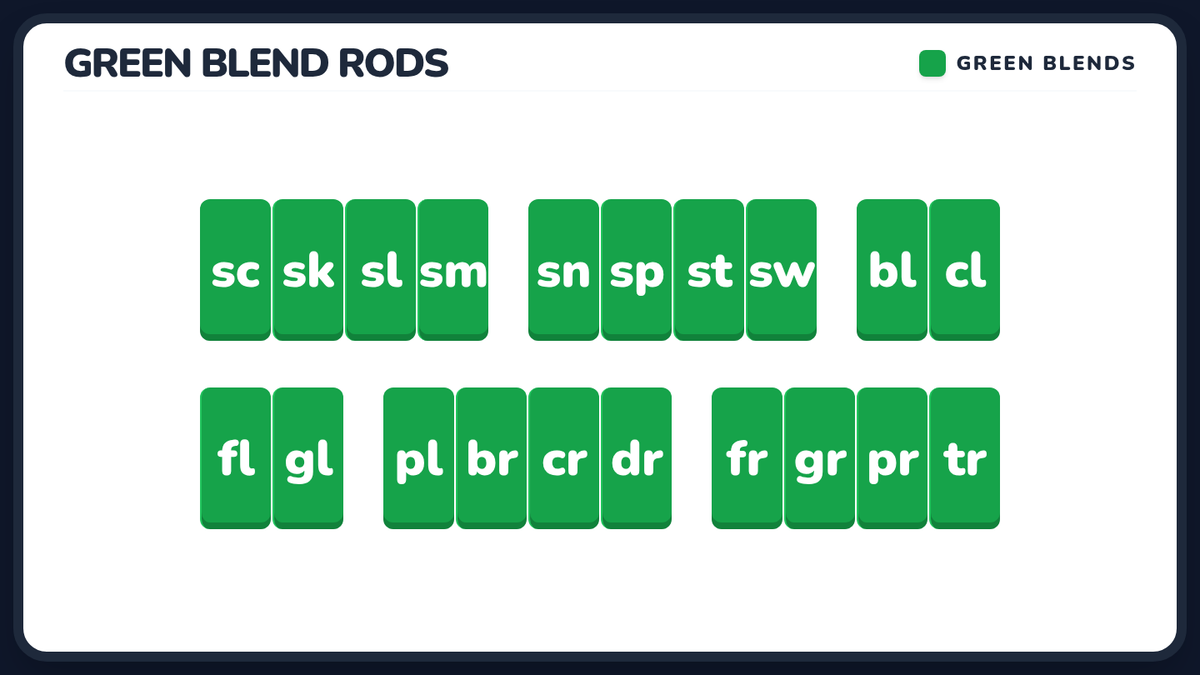
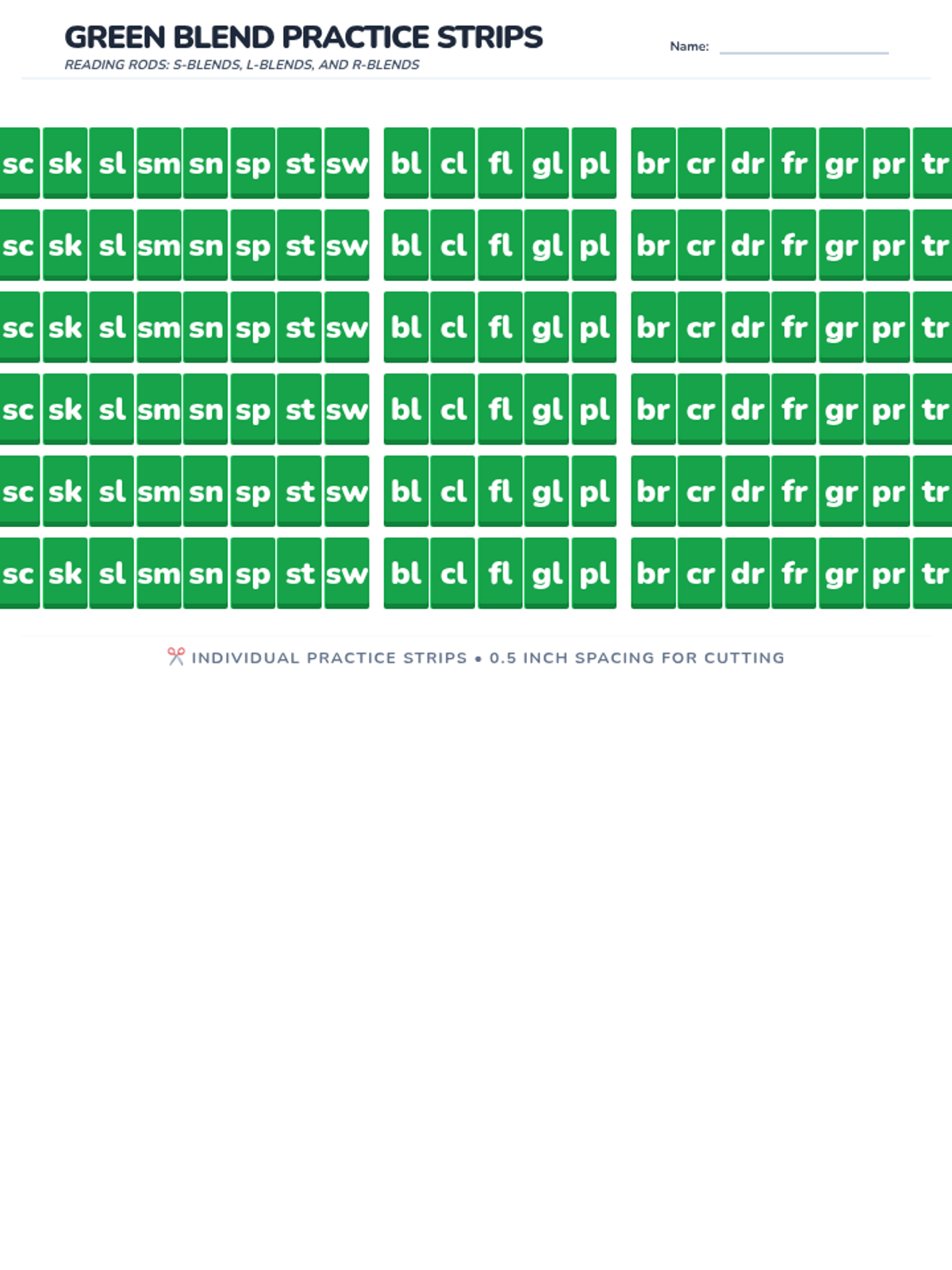
A focused activity on identifying and distinguishing between vowels and consonants using the visual style of plastic reading rods.
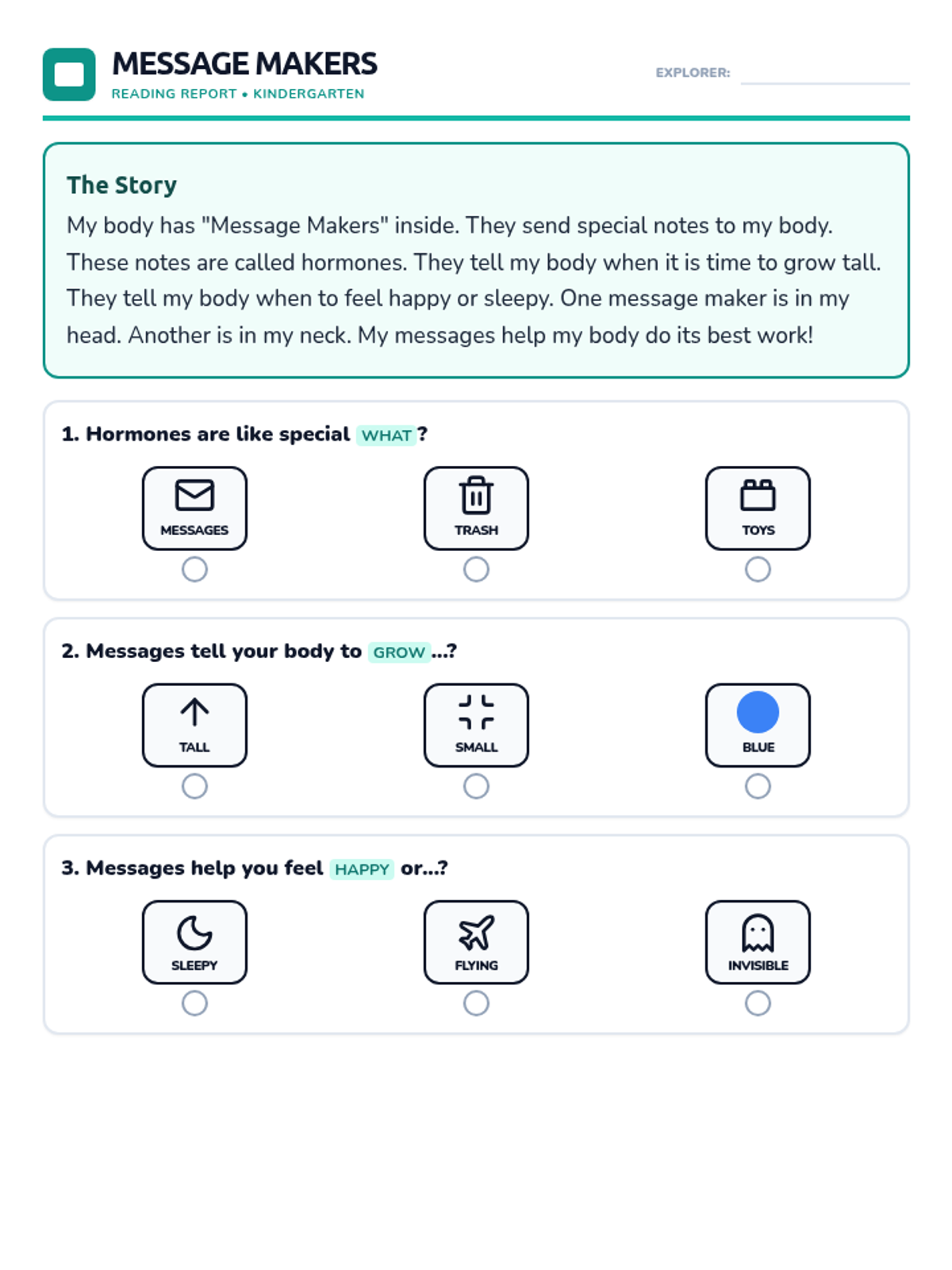
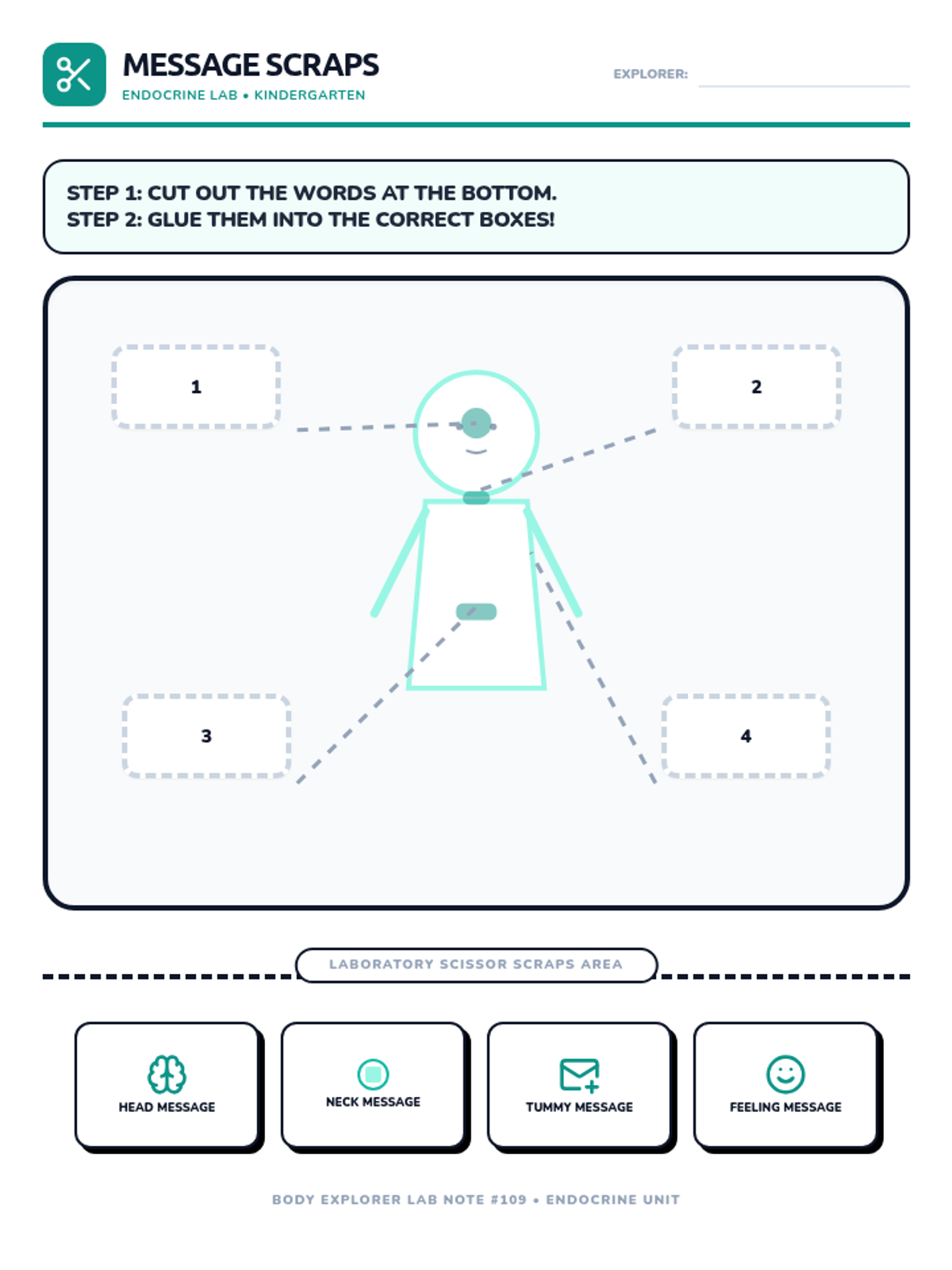
An introduction to the endocrine system for kindergarteners, explaining how our body sends "special messages" to help us grow and feel.
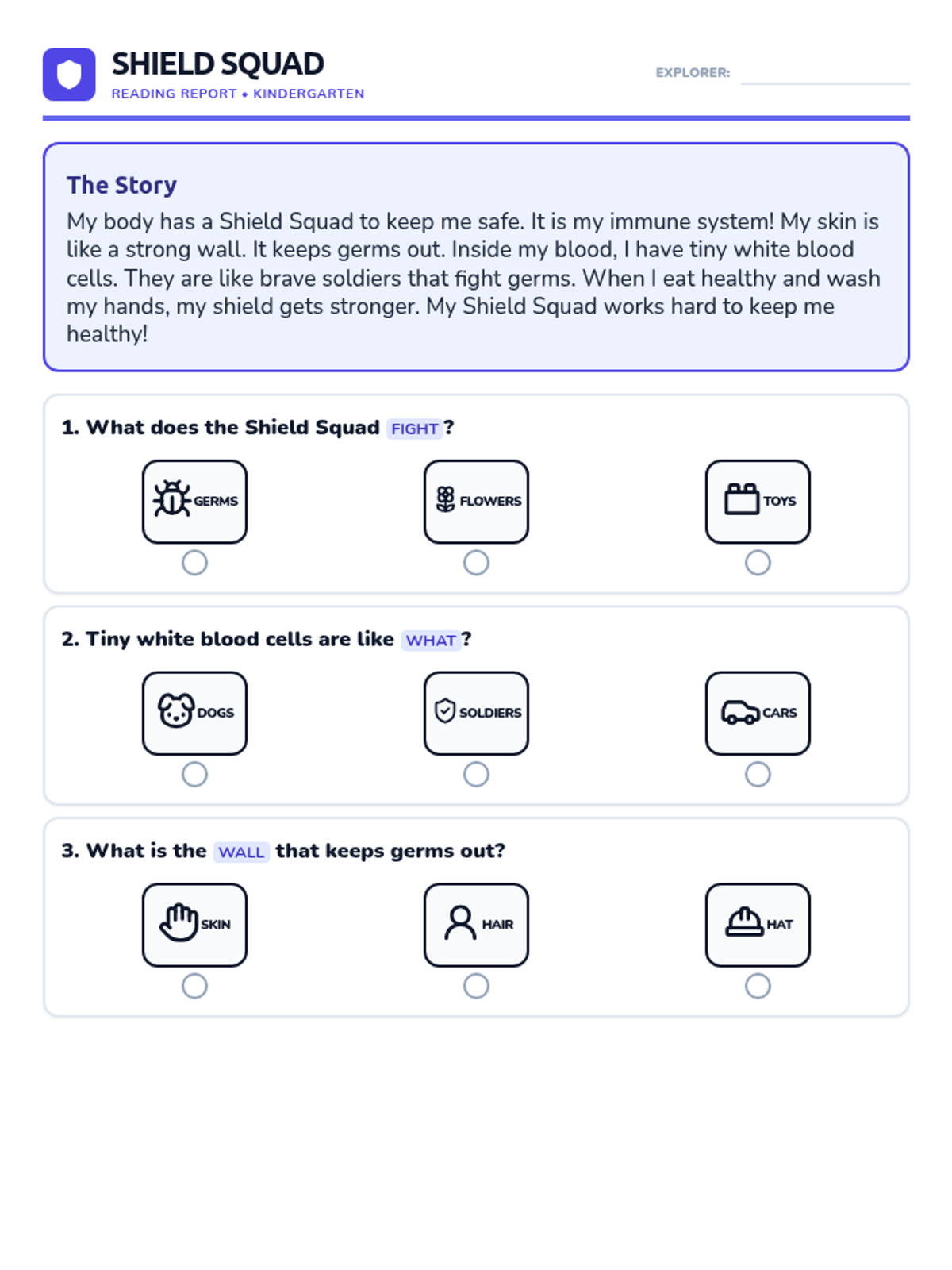
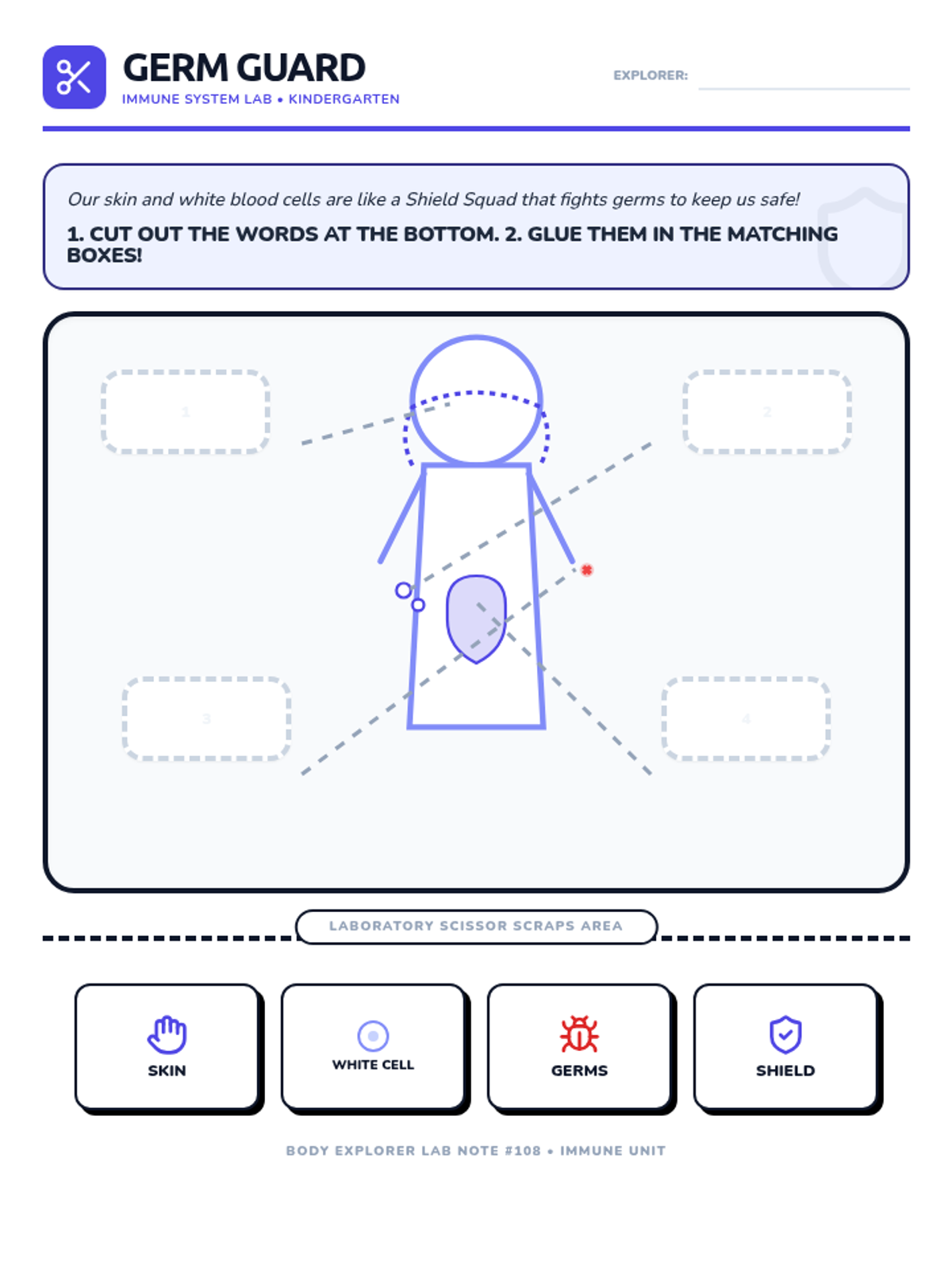
An introduction to the immune system for kindergarteners, explaining how our white blood cells and skin protect us from germs.
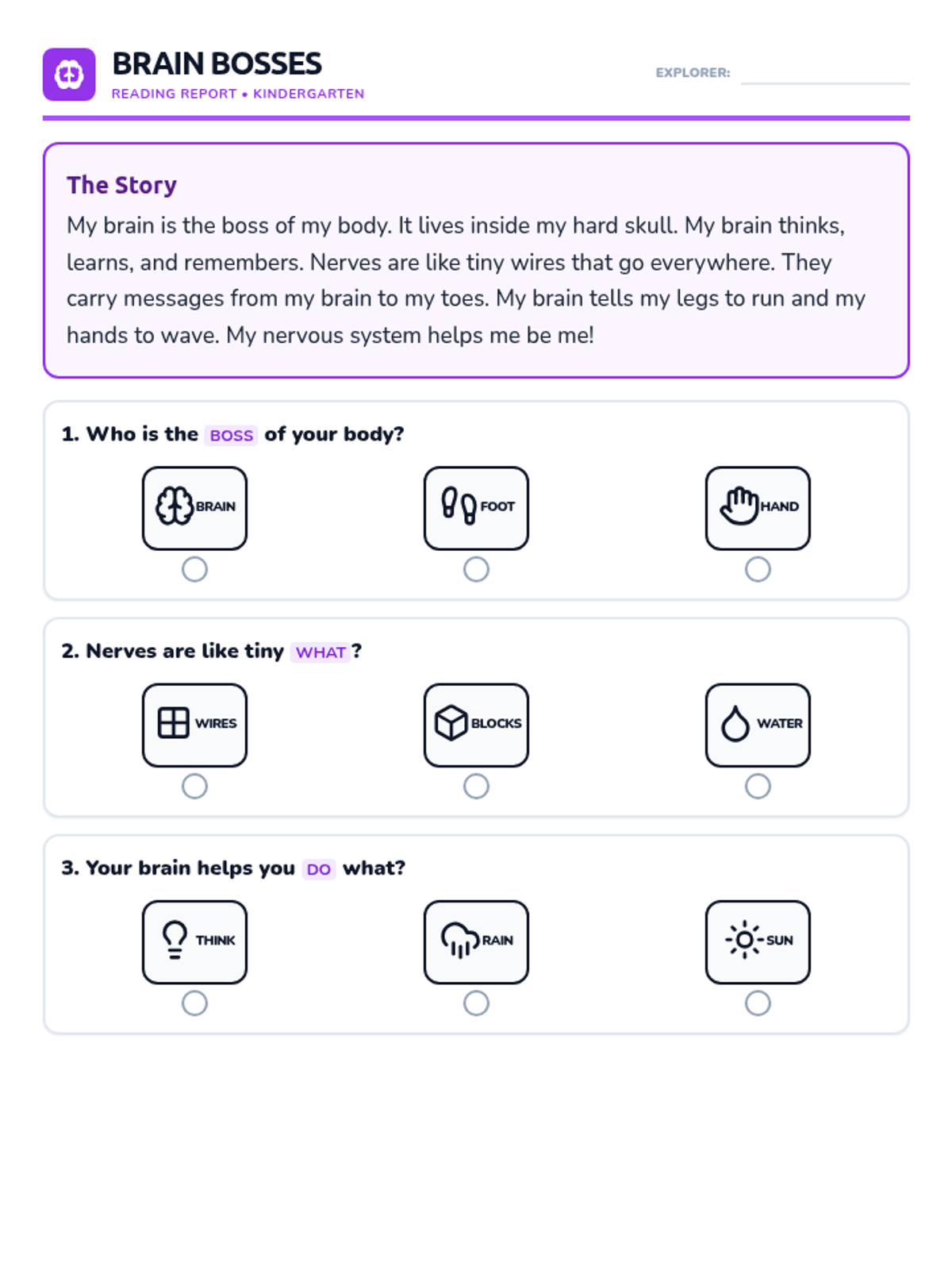
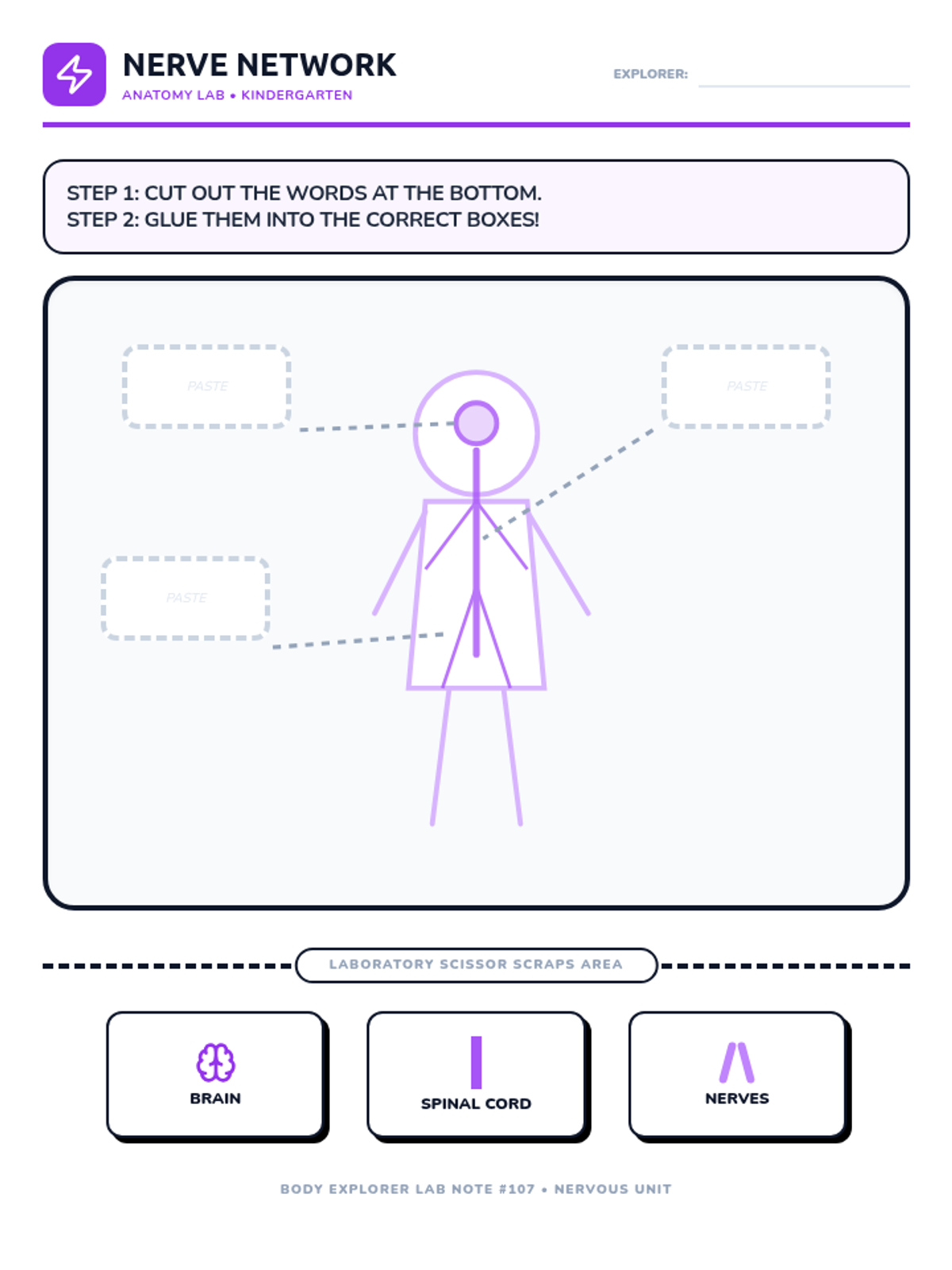
An introduction to the brain and nerves for kindergarteners, explaining how our nervous system sends messages to help us think and move.
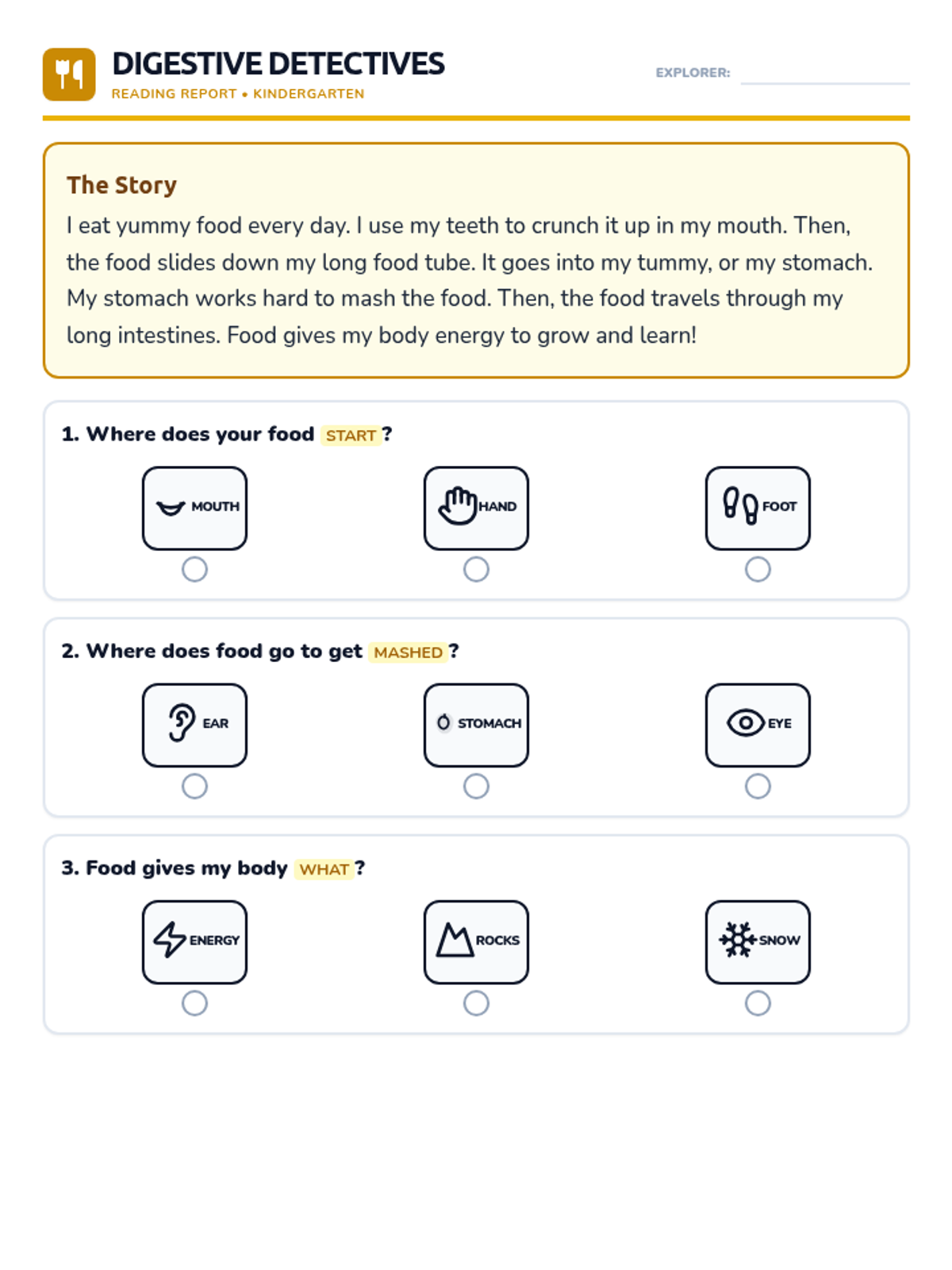
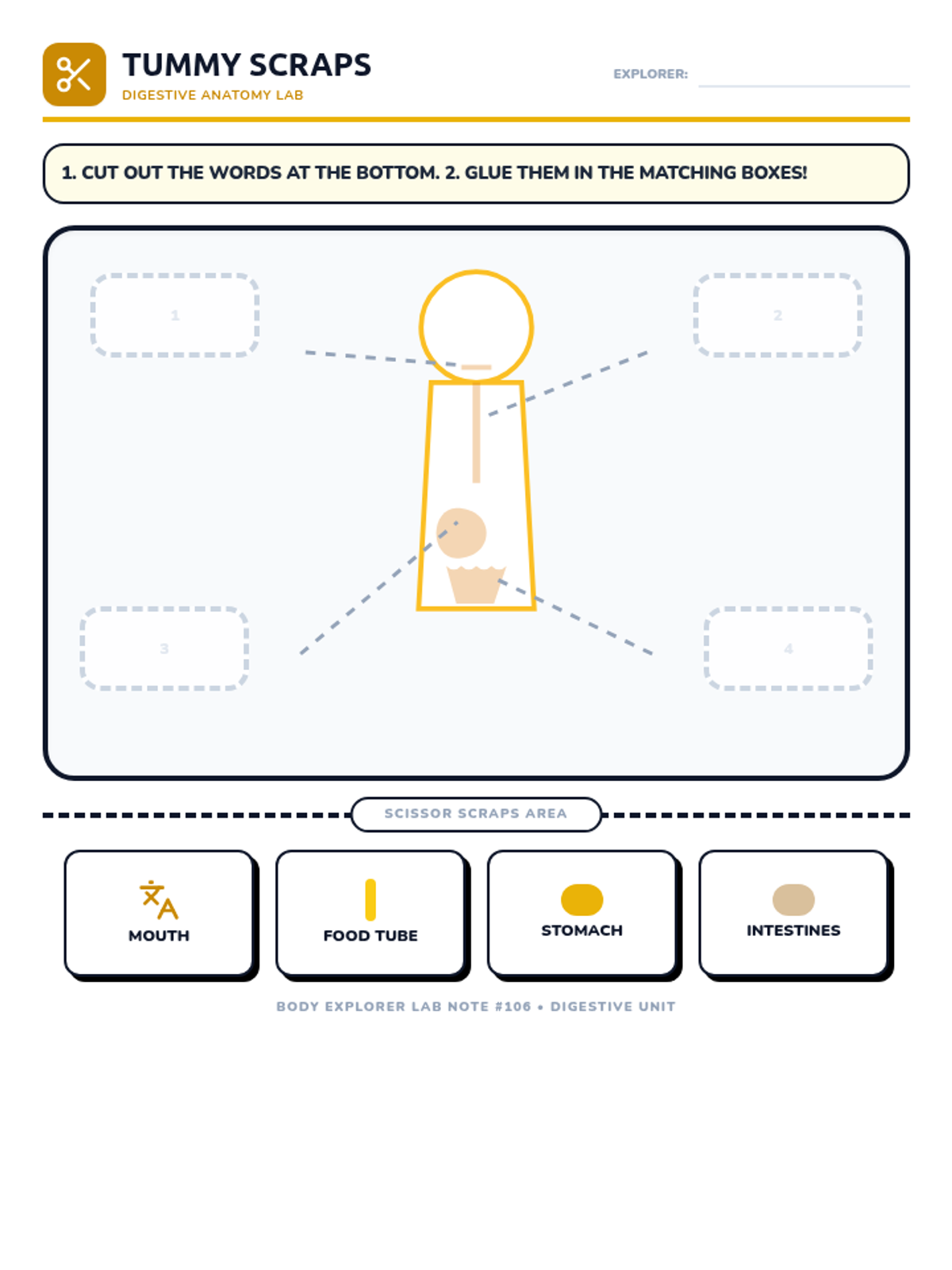
An introduction to the digestive system for kindergarteners, exploring how our bodies turn food into energy.
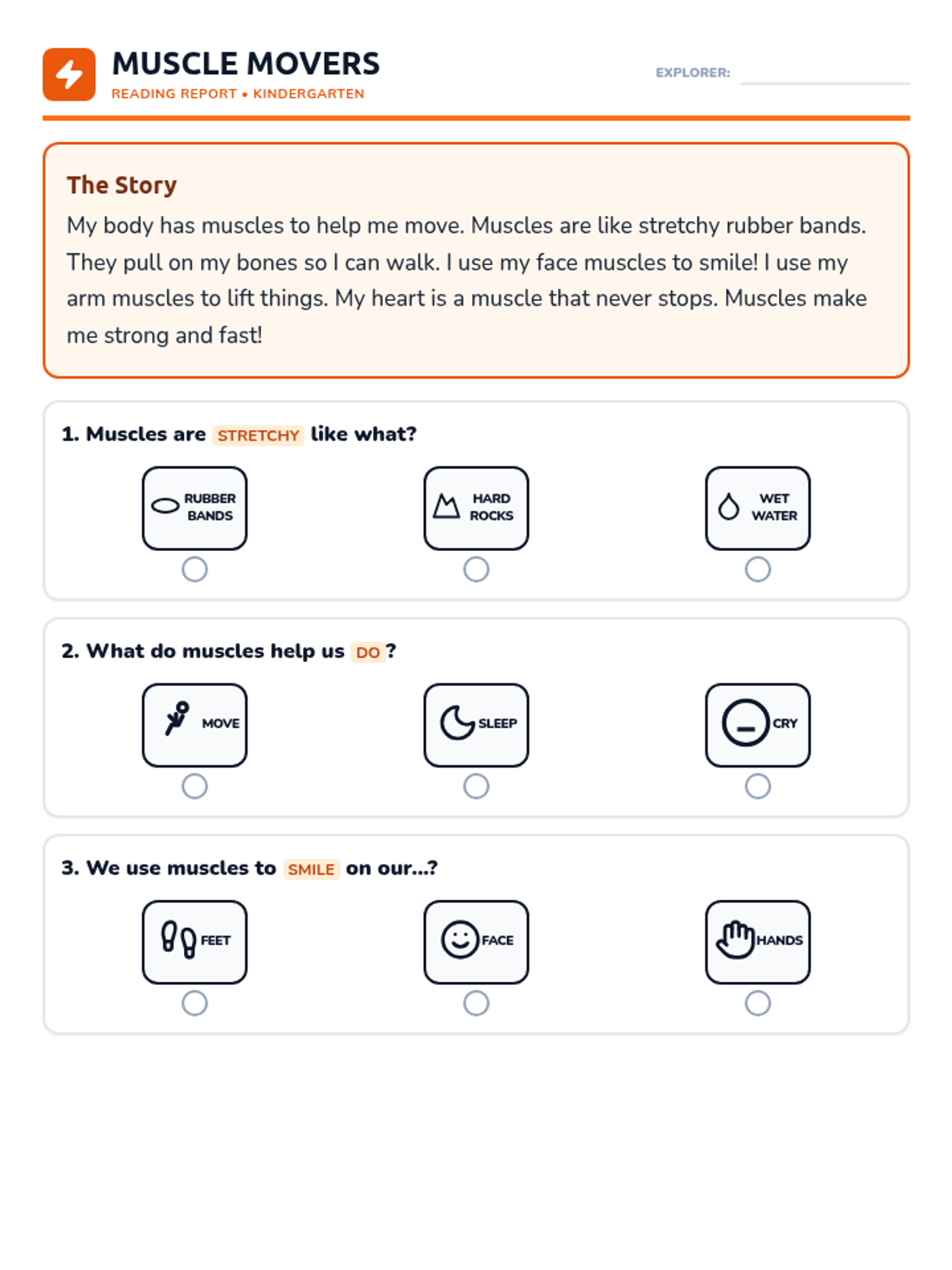
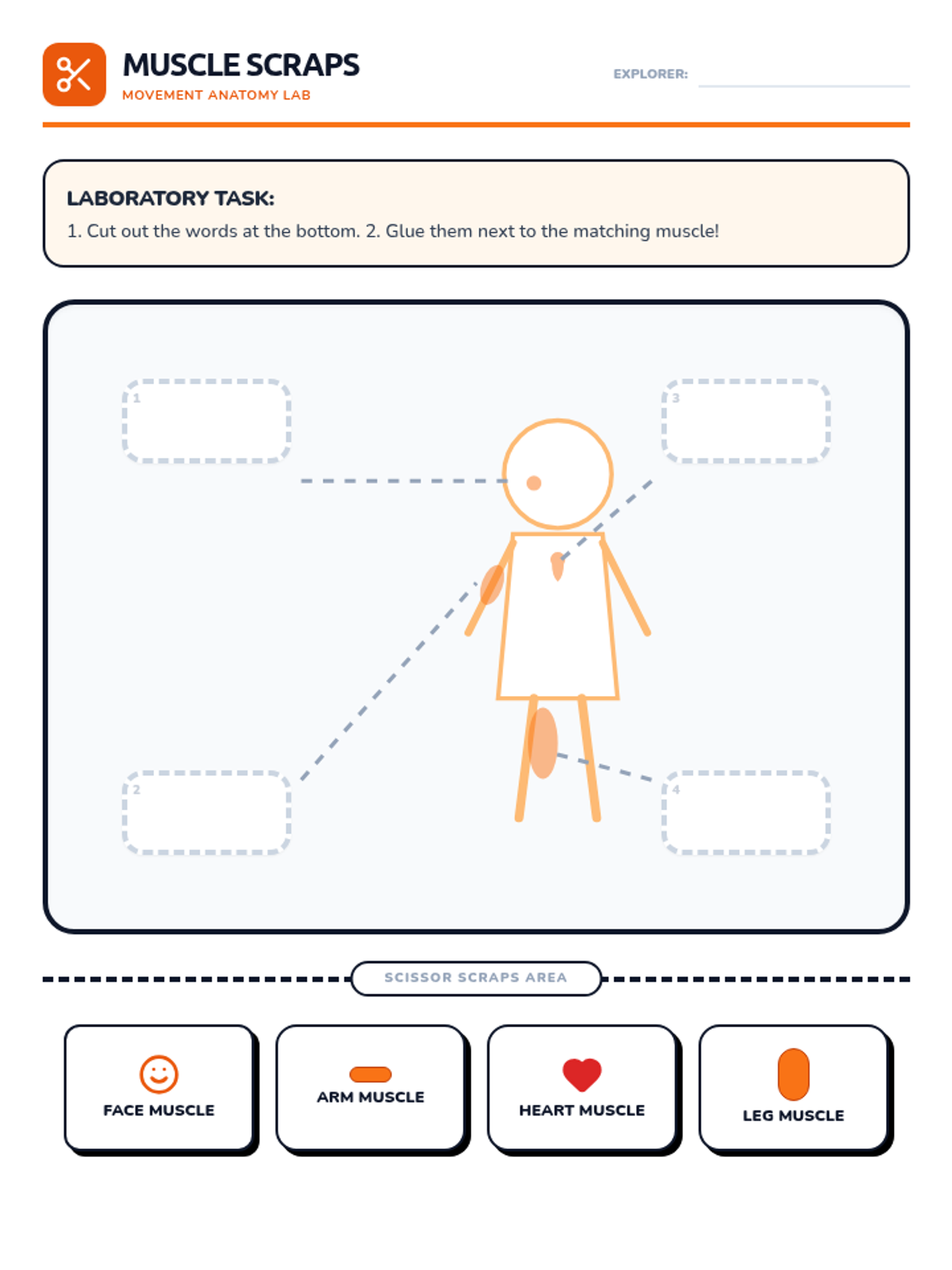
An introduction to muscles and movement for kindergarteners, explaining how our muscles pull on bones to help us move.
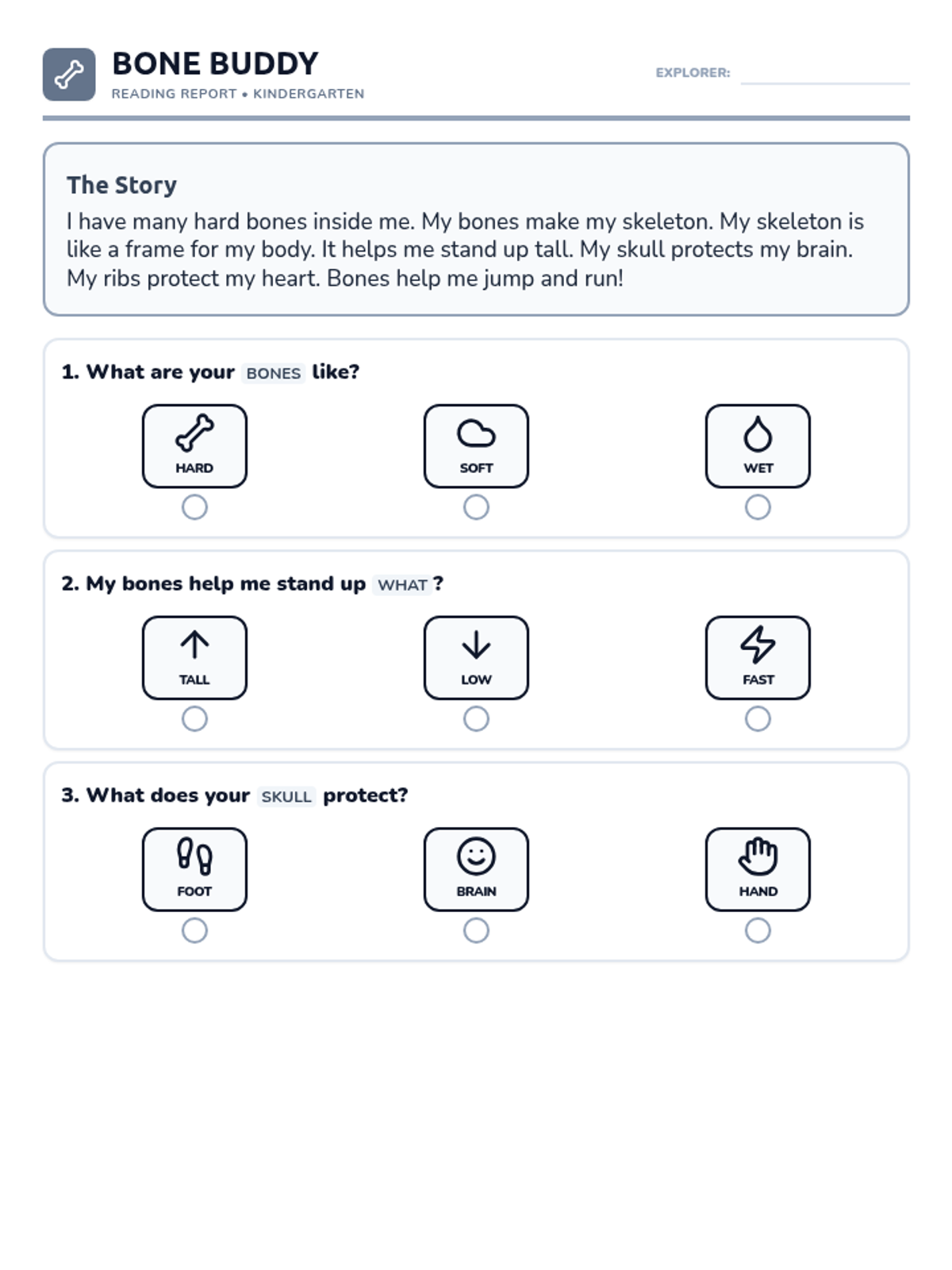
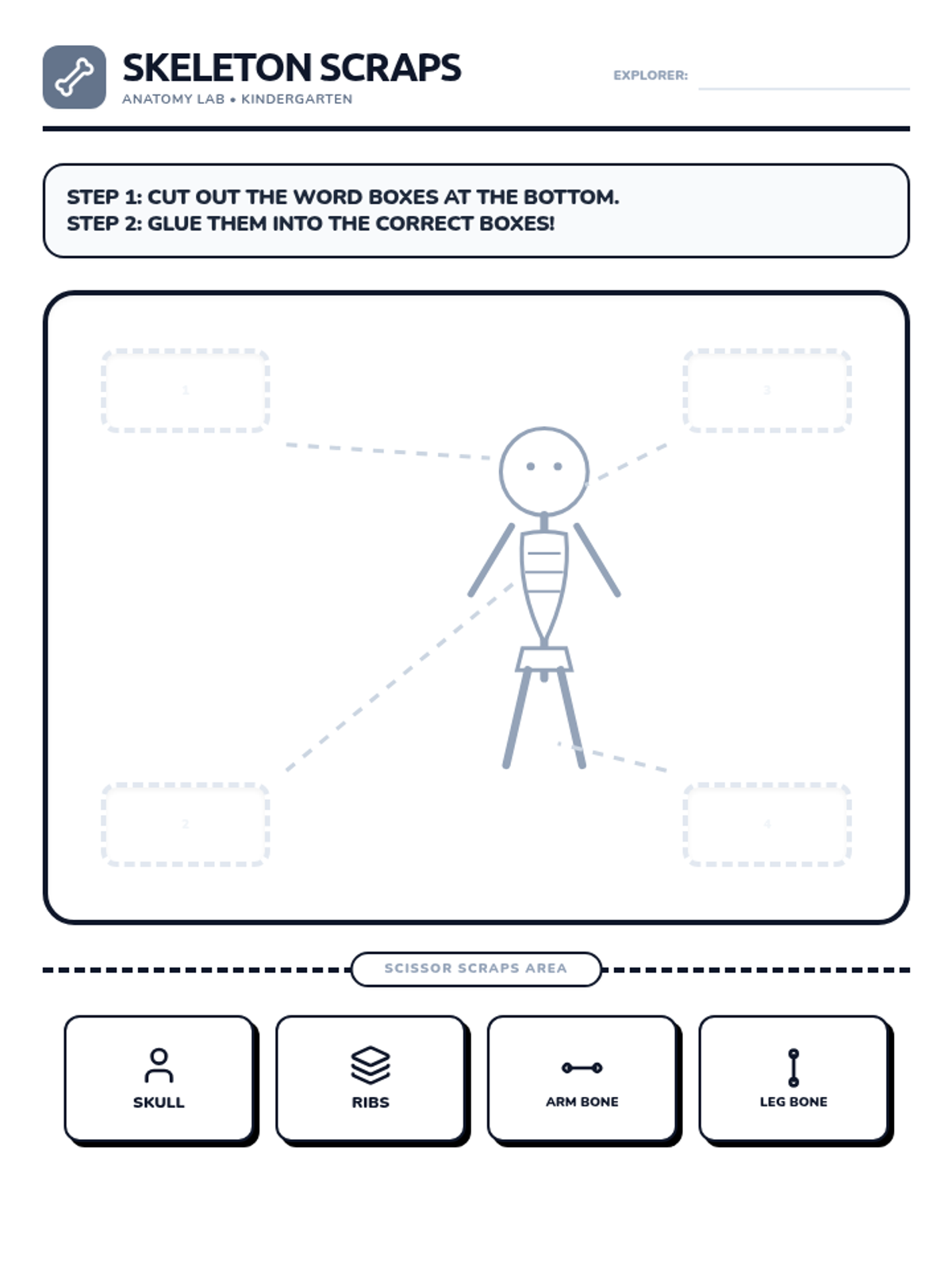
An introduction to bones and the skeleton for kindergarteners, explaining how our bones support and protect our bodies.
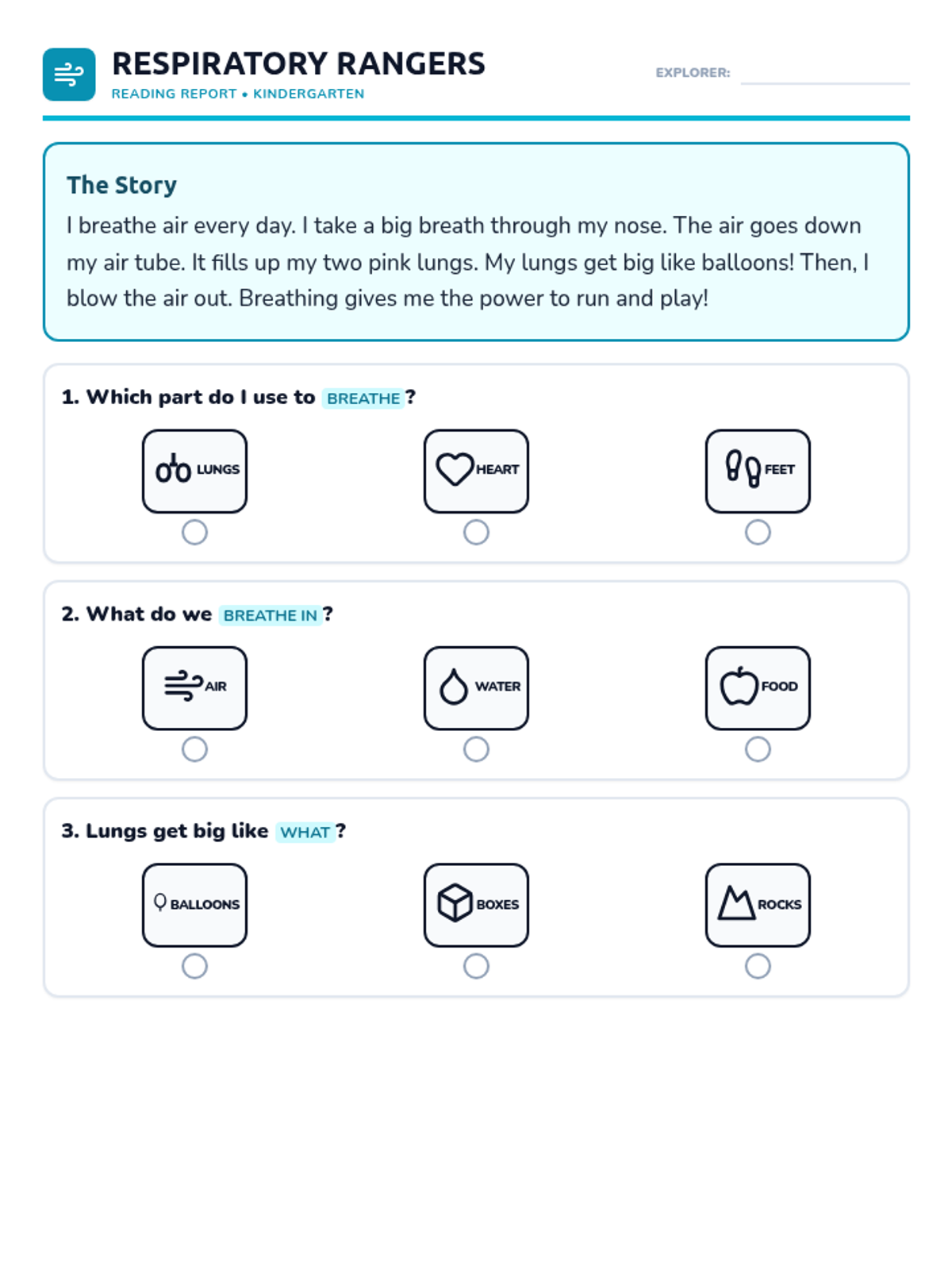
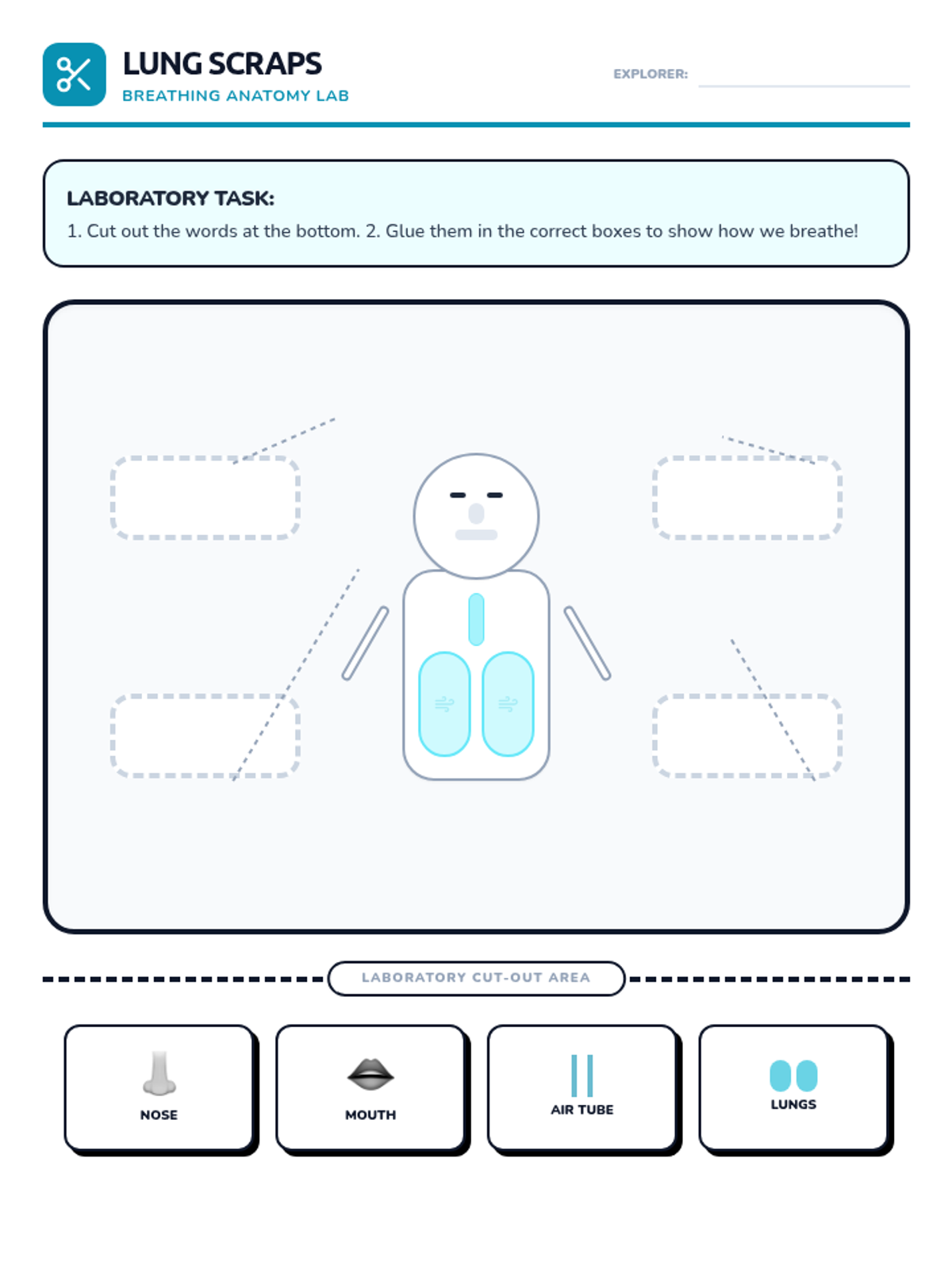
An introduction to the lungs and breathing for kindergarteners, exploring how we take in air to help our bodies move.
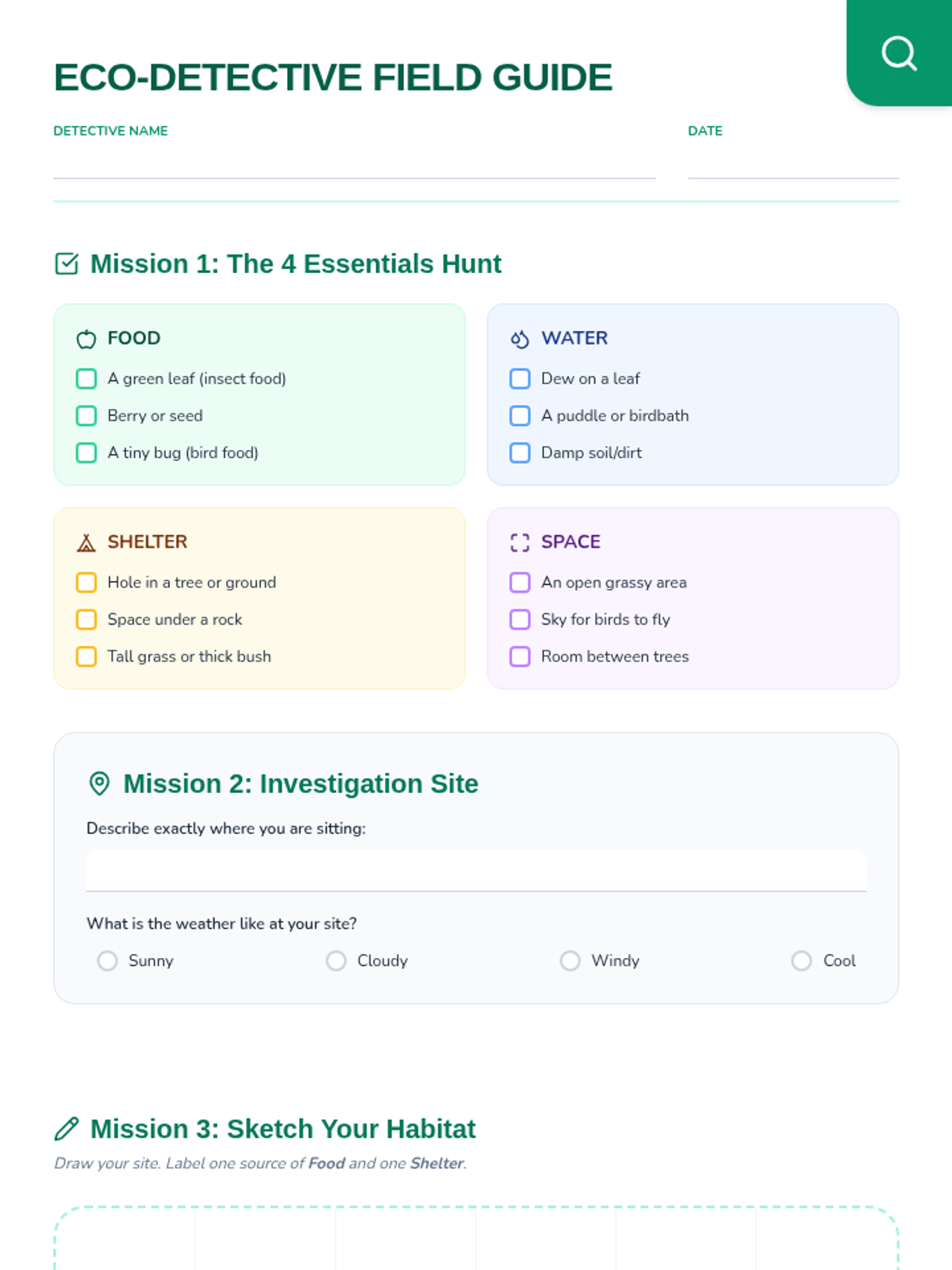
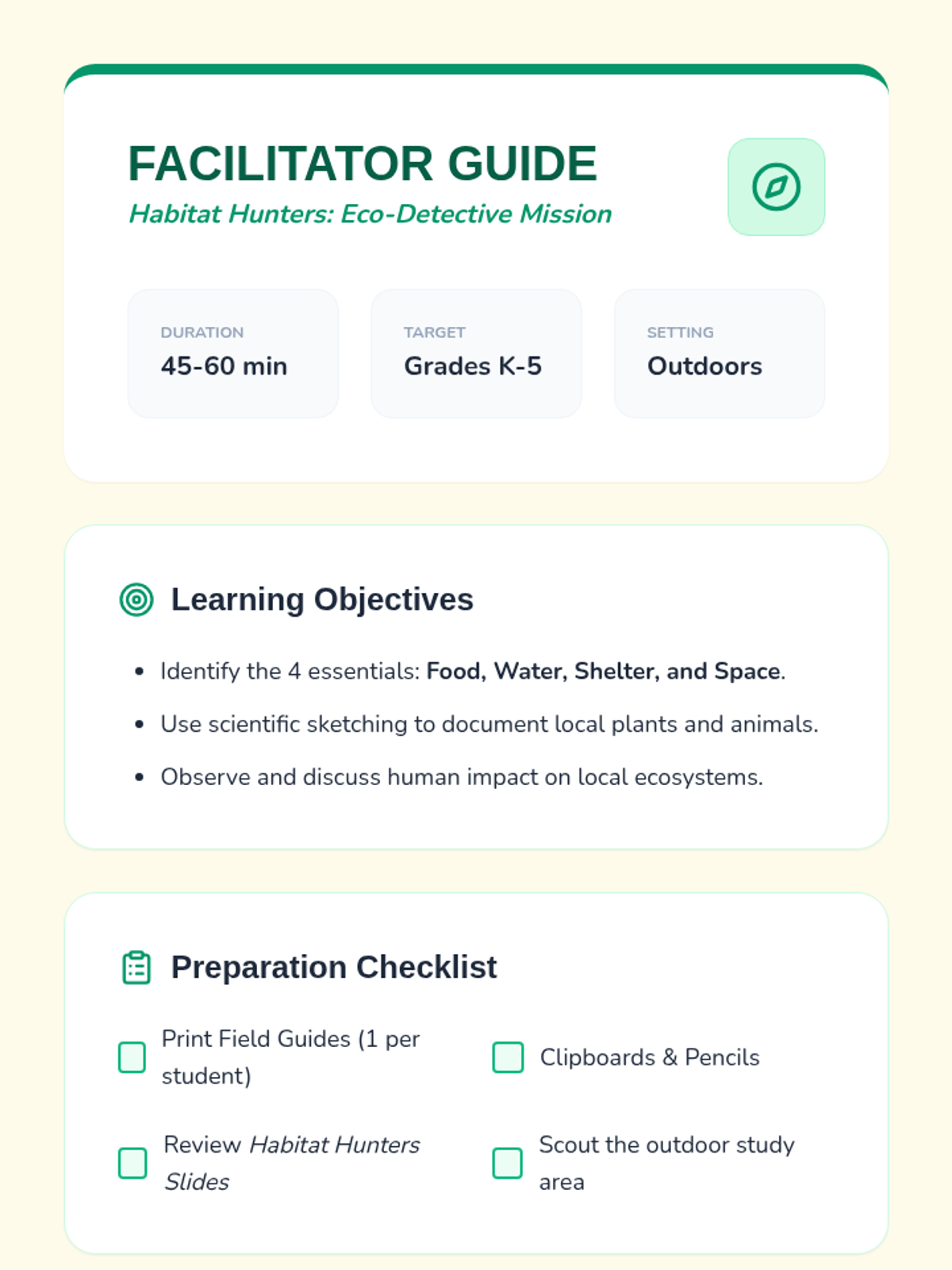
An immersive outdoor exploration where students become 'Eco-Detectives' to identify the essential components of local habitats through observation and sketching.
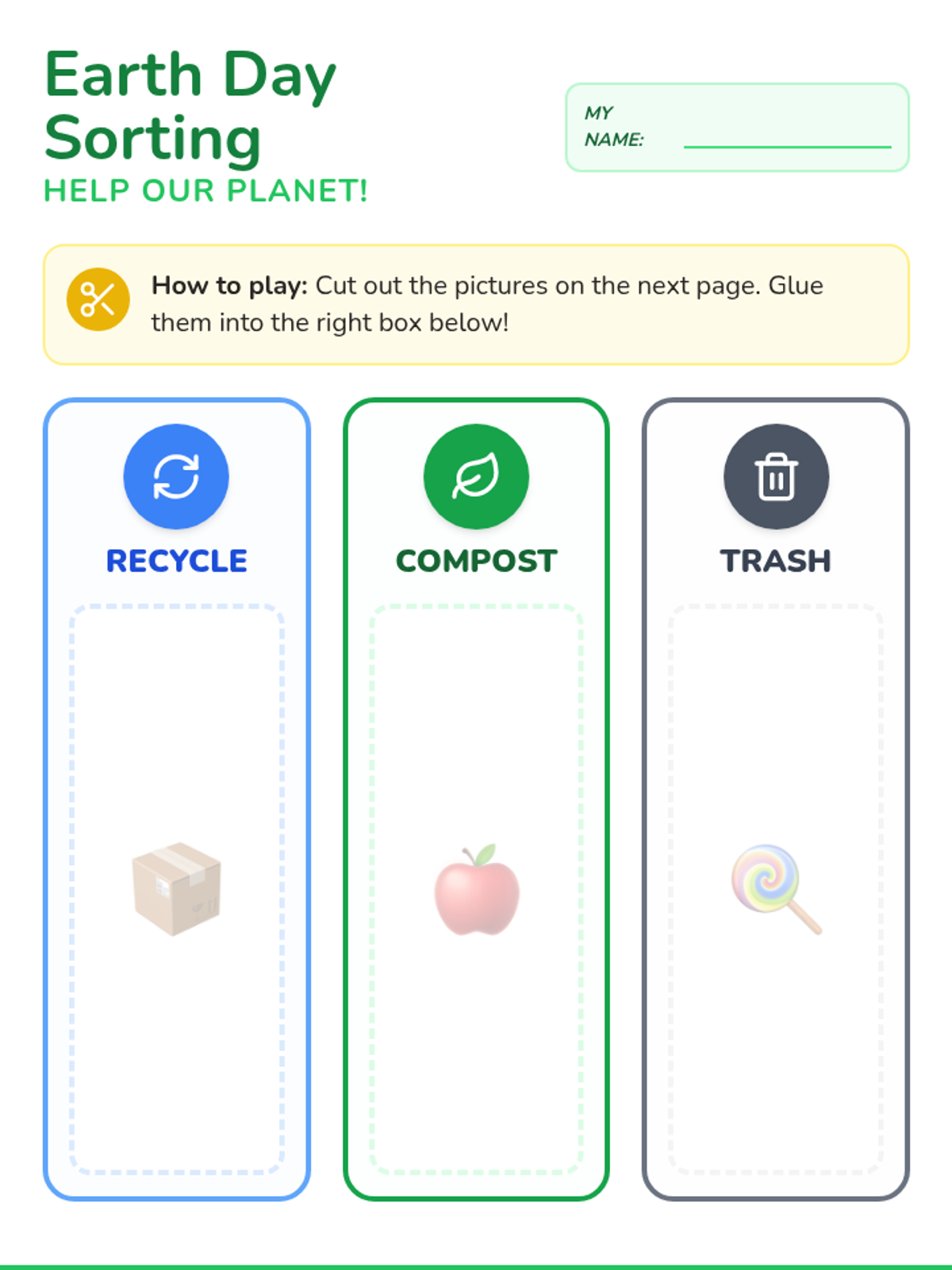
A hands-on lesson teaching students how to identify and sort different types of waste into recycling, compost, and landfill categories through visual activities.
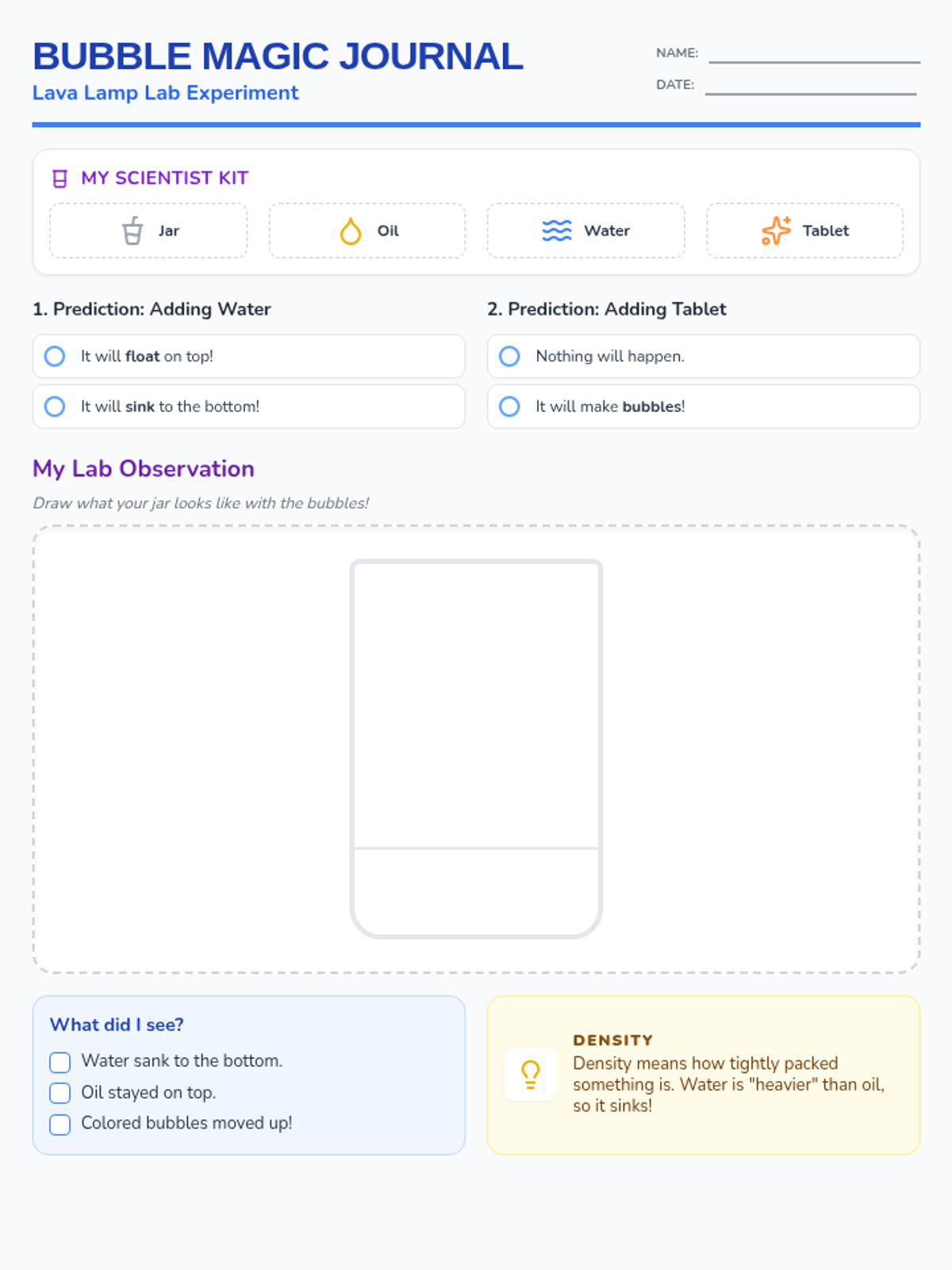
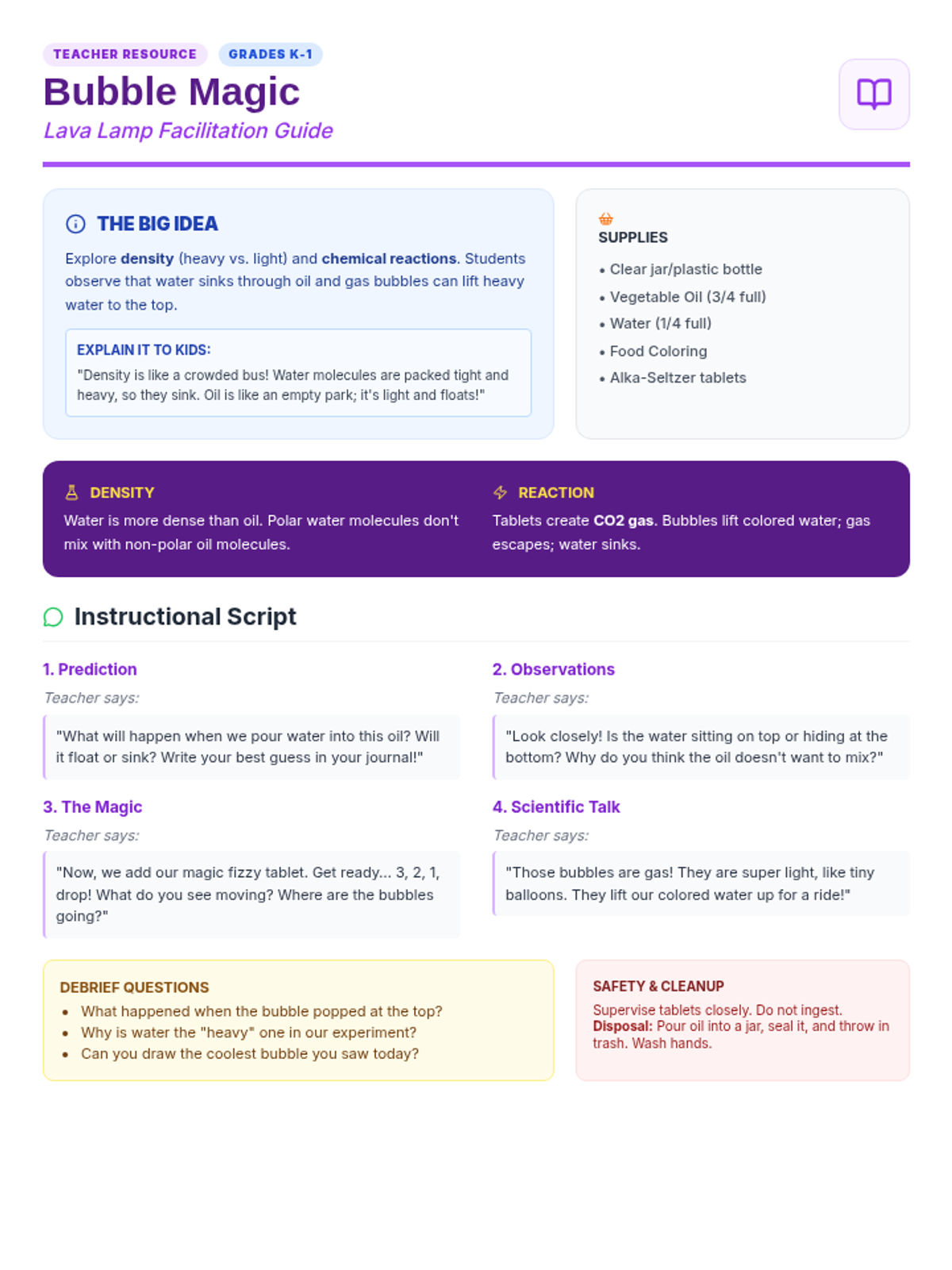
A hands-on science lesson for Kindergarten and 1st grade students to explore density and chemical reactions by creating a DIY lava lamp. Students will learn why oil and water don't mix and observe the 'magic' of gas bubbles.
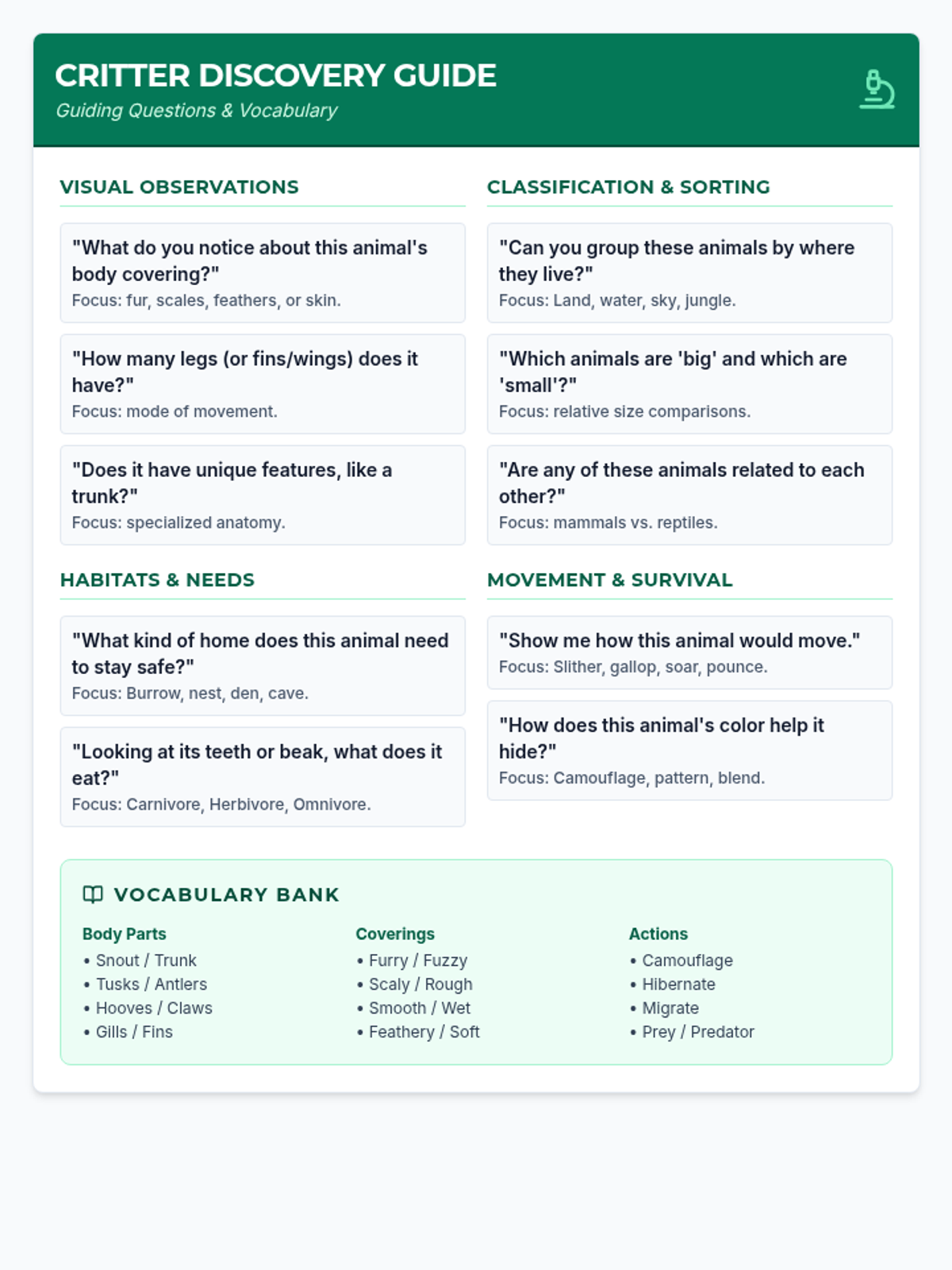
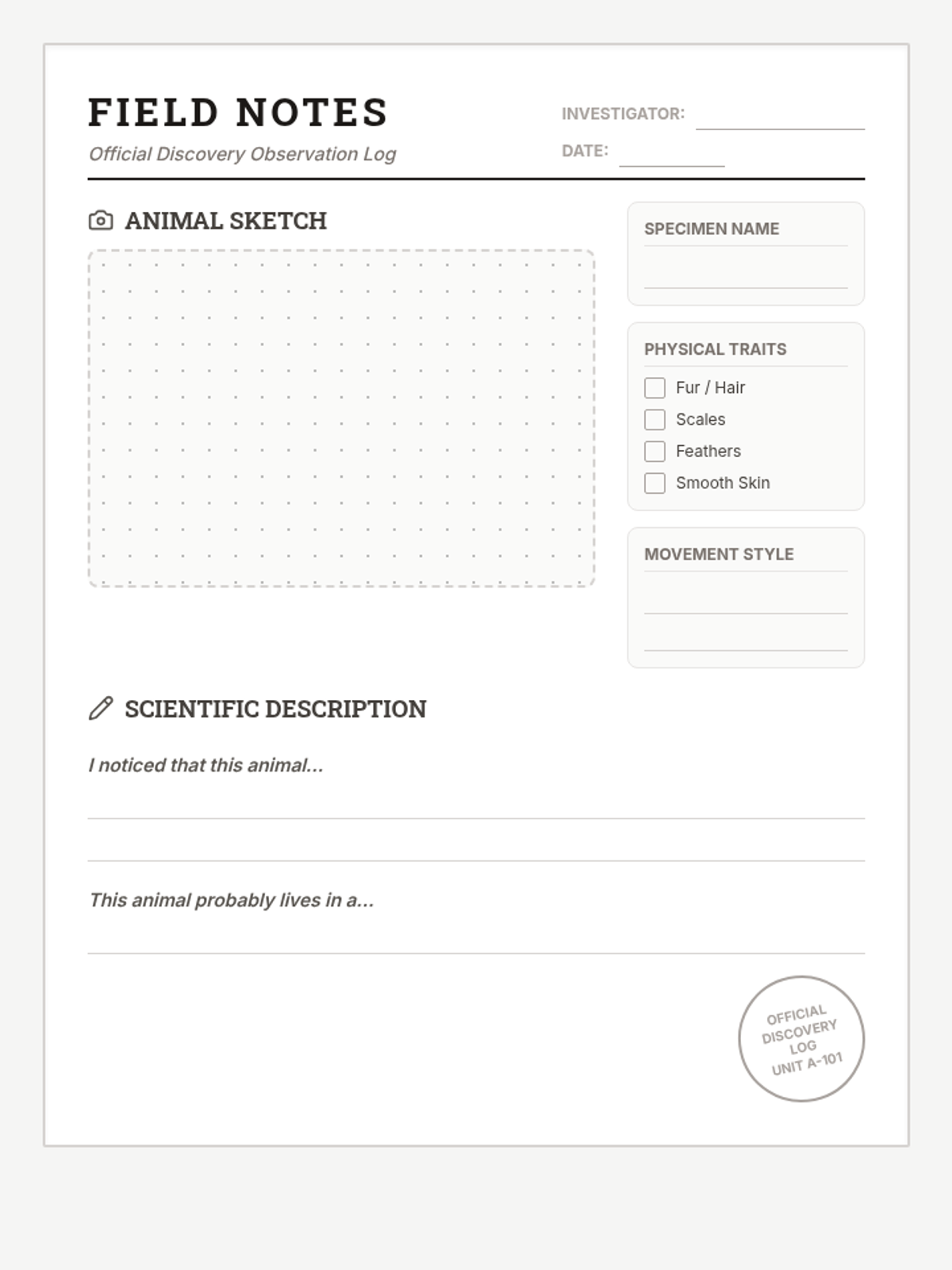
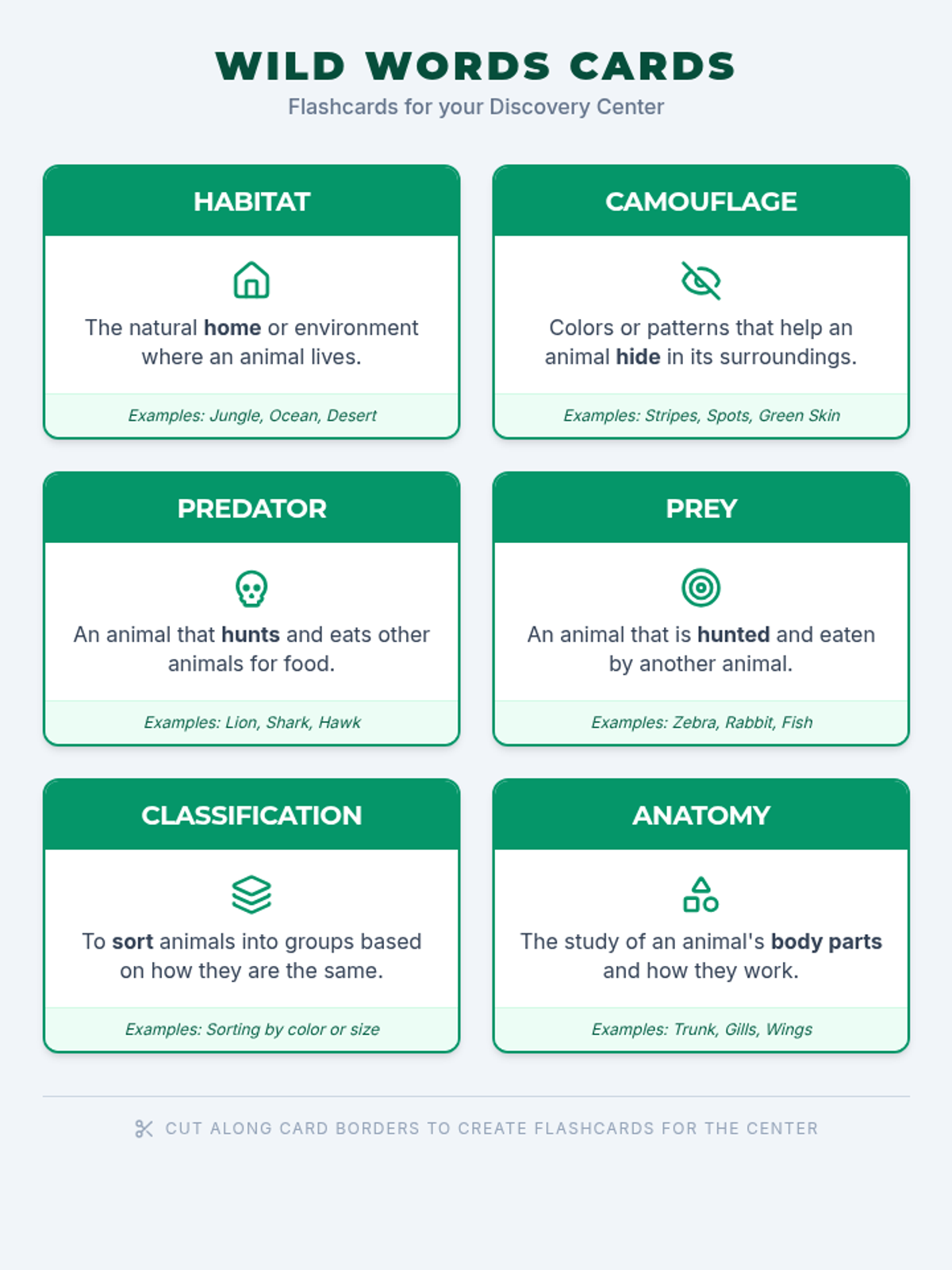
A hands-on sensory center lesson where students explore plastic animal toys to learn basic science concepts like classification, anatomy, and habitats while building descriptive vocabulary.
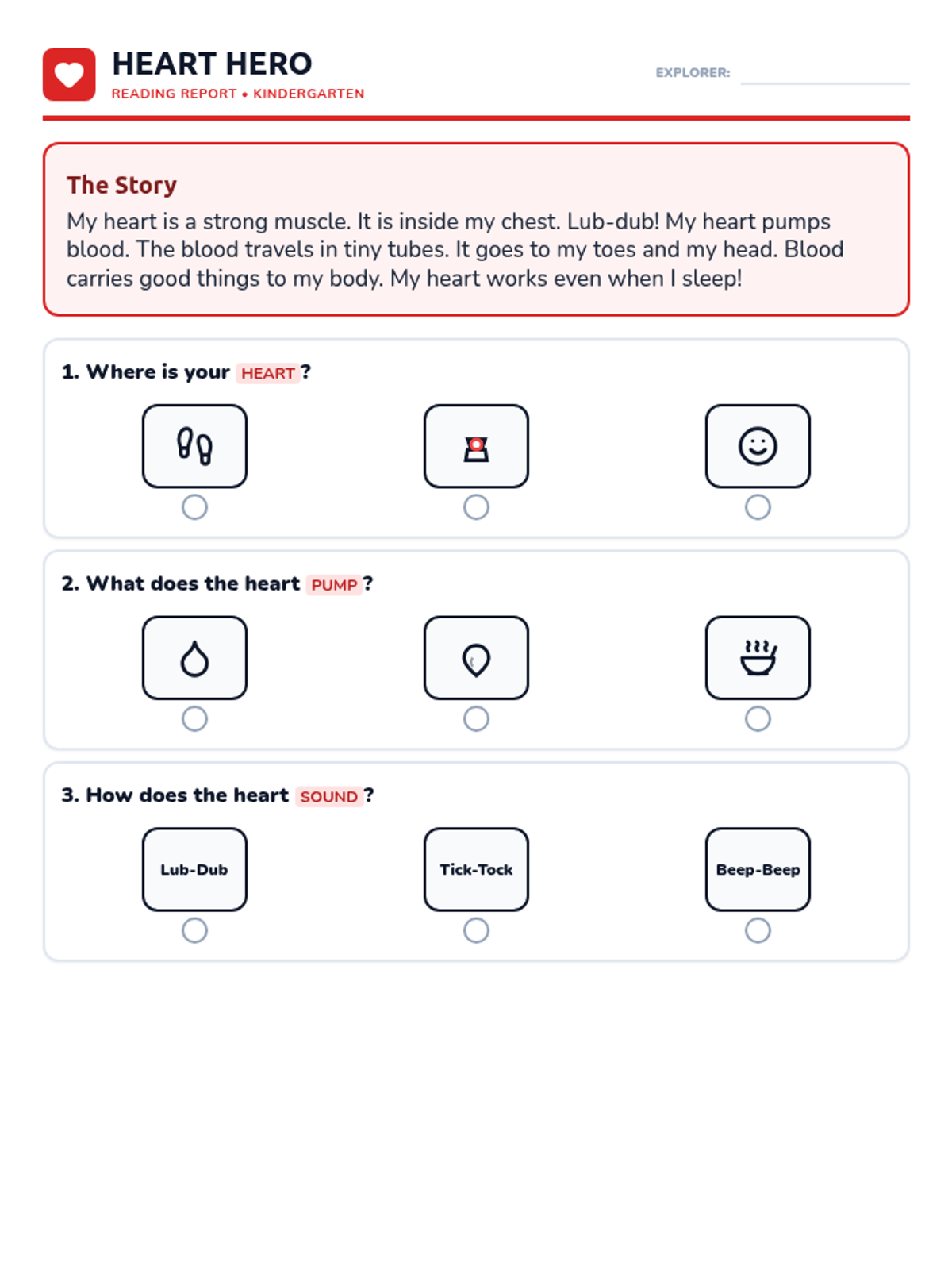
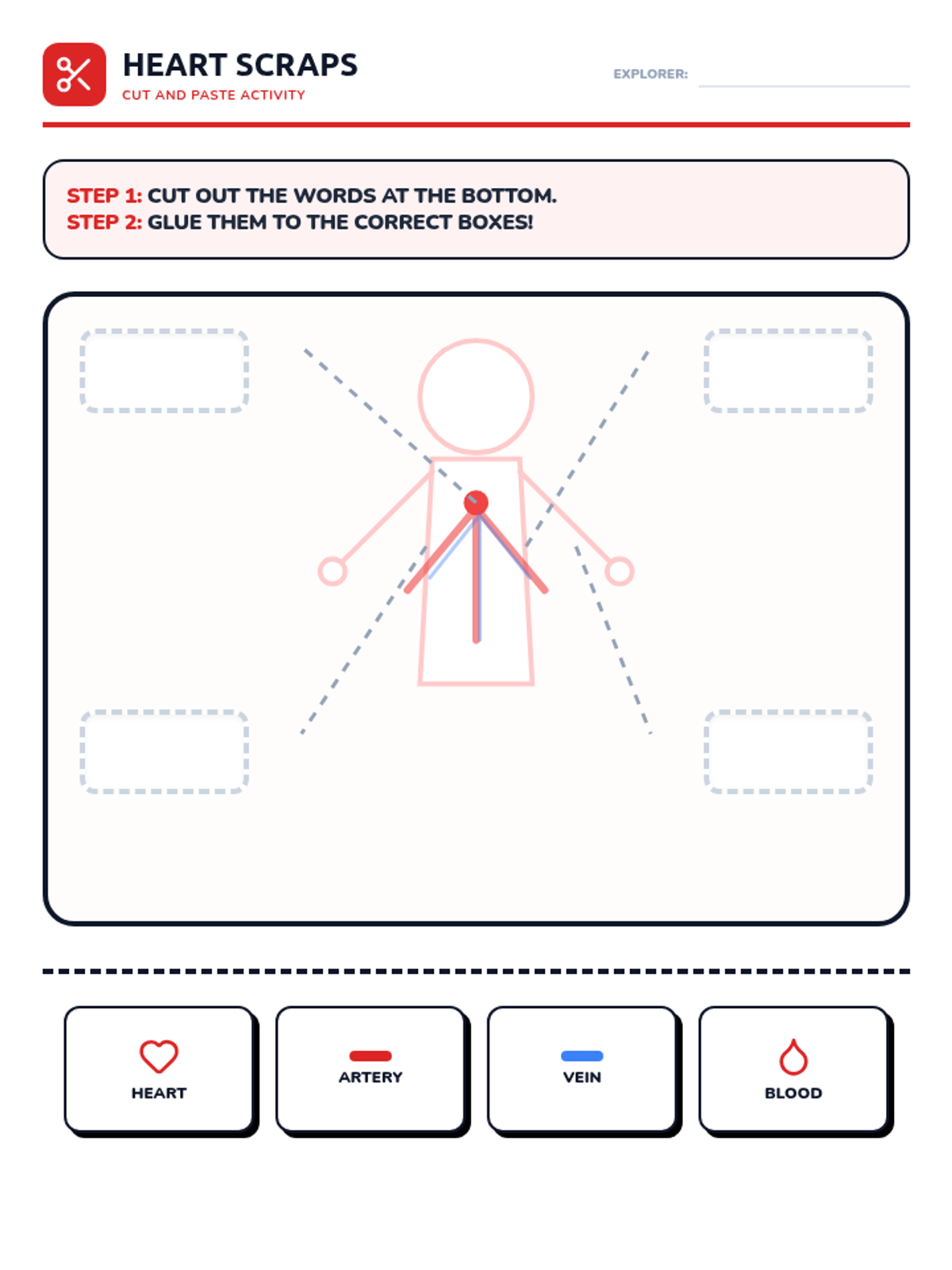
An introduction to the heart and blood for kindergarteners, explaining how our blood travels through the body to keep us strong.
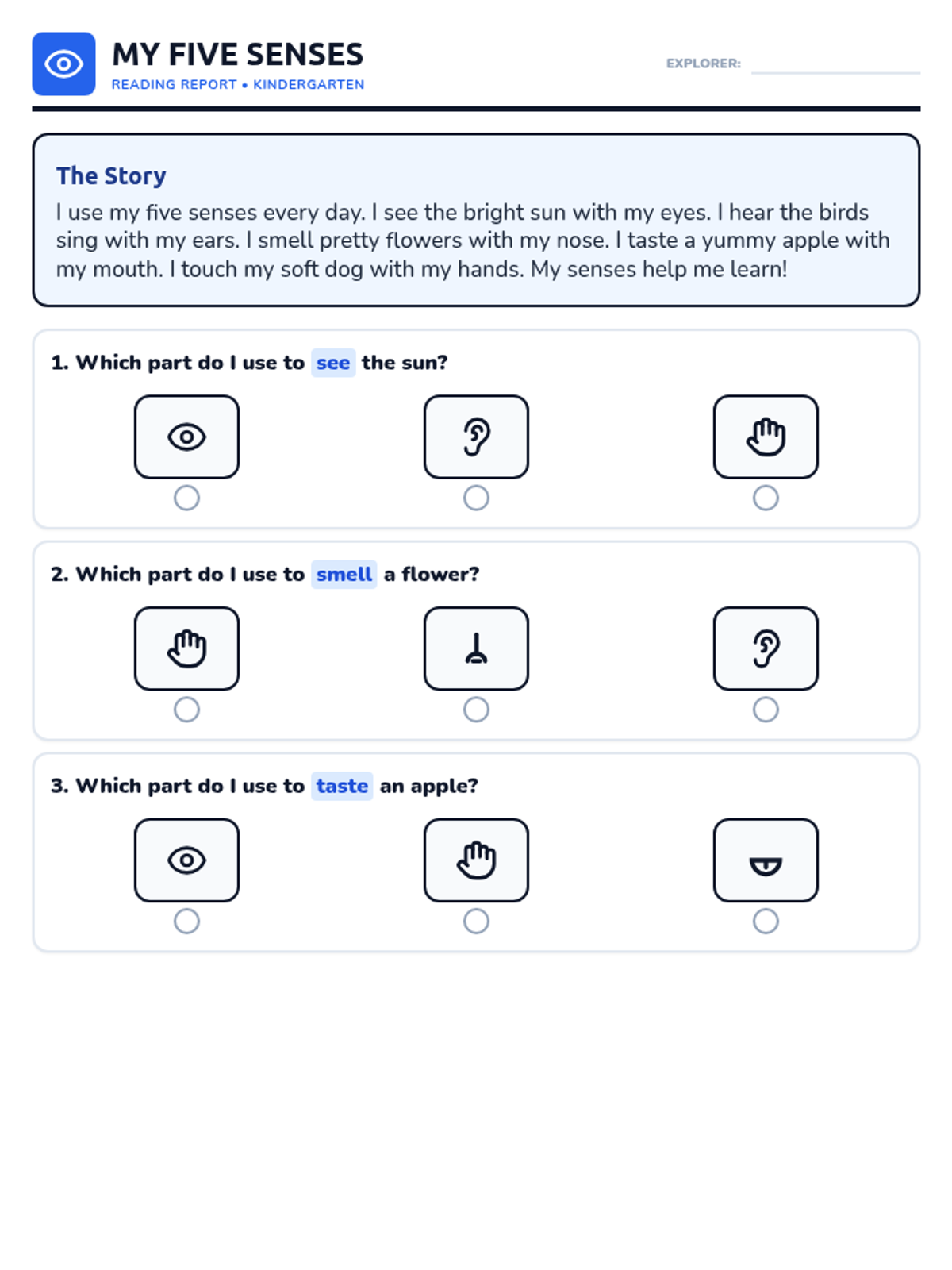
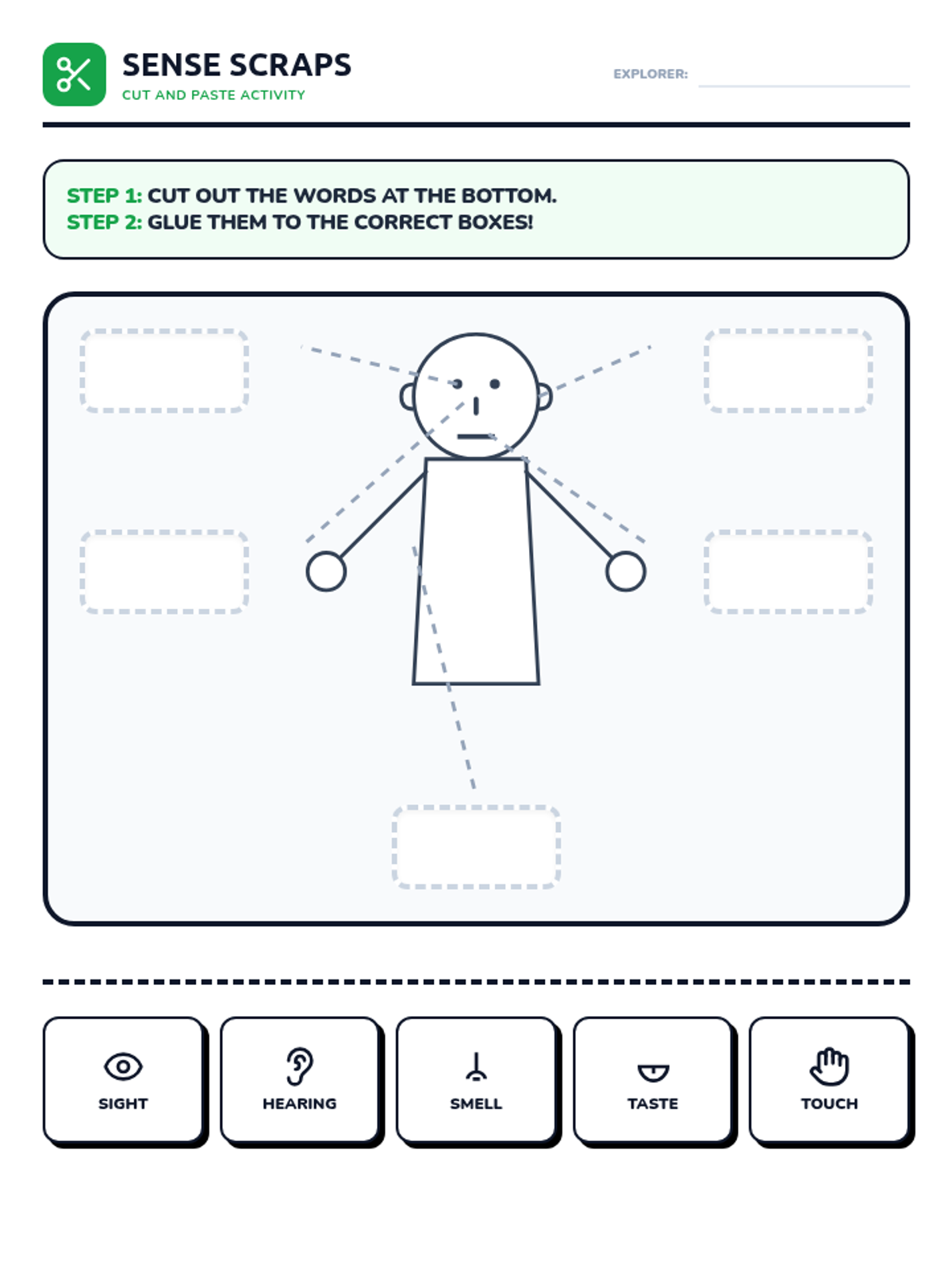
A foundational introduction to the five senses through simple reading and hands-on labeling activities designed for kindergarten learners.
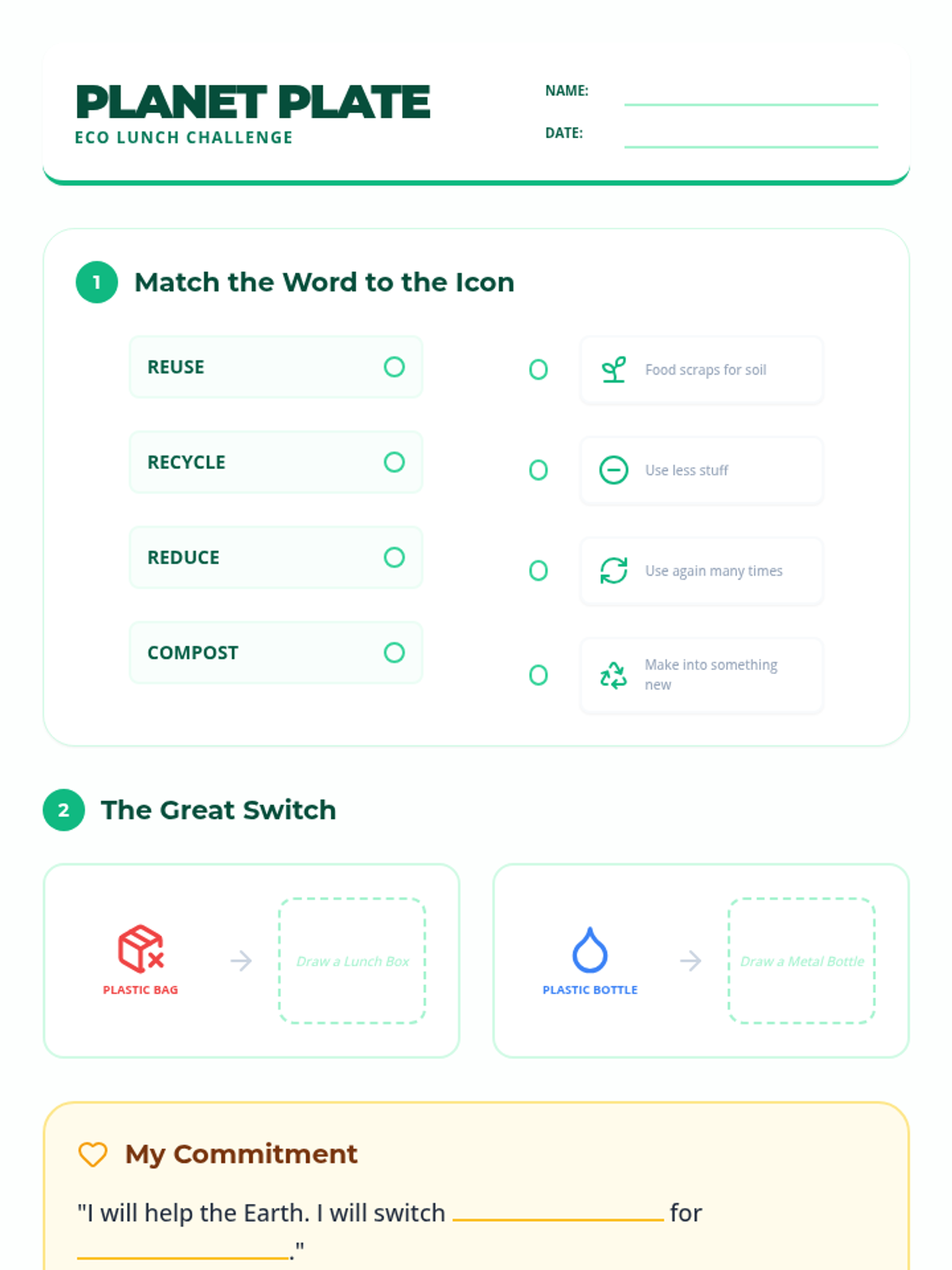
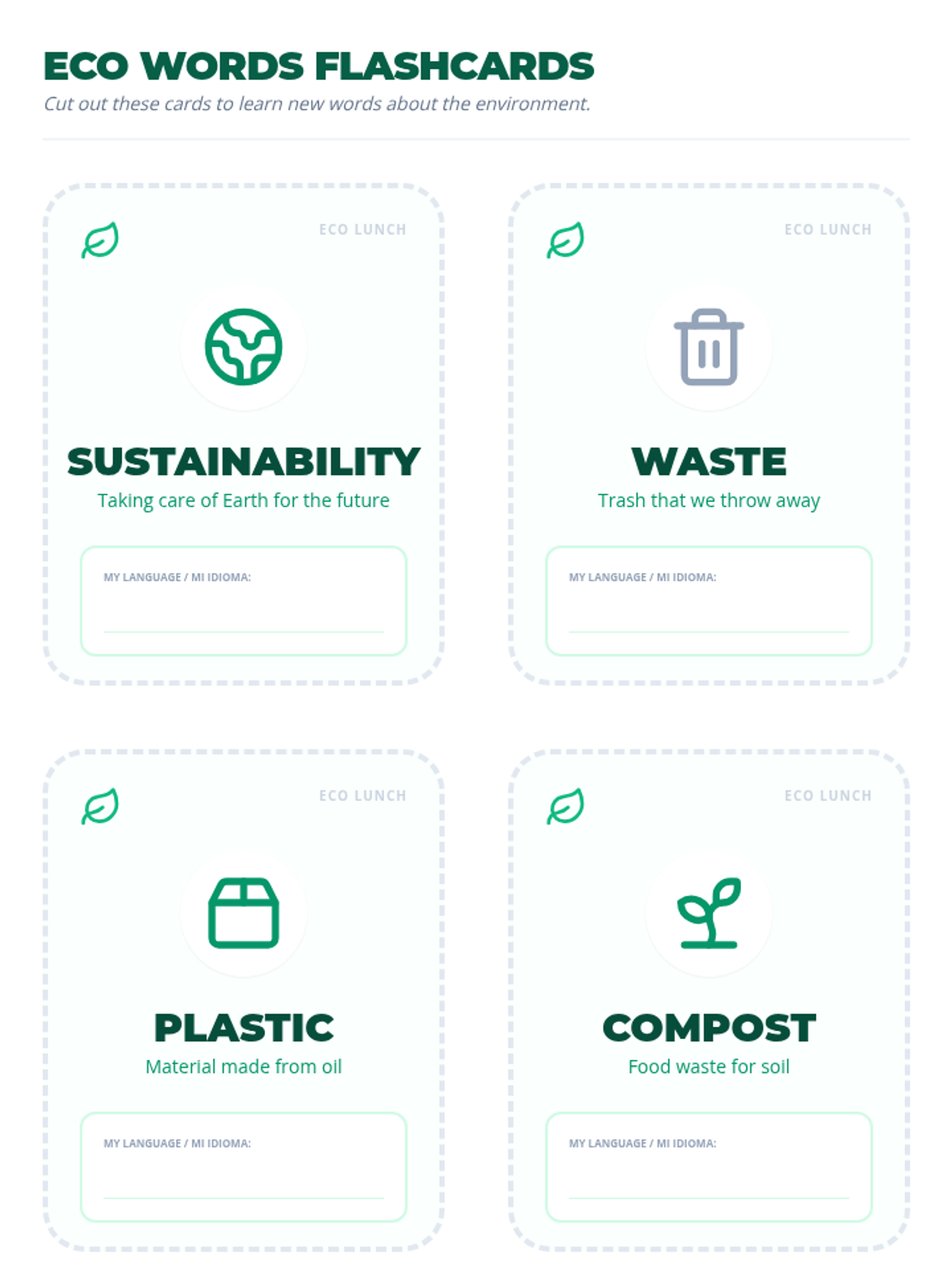
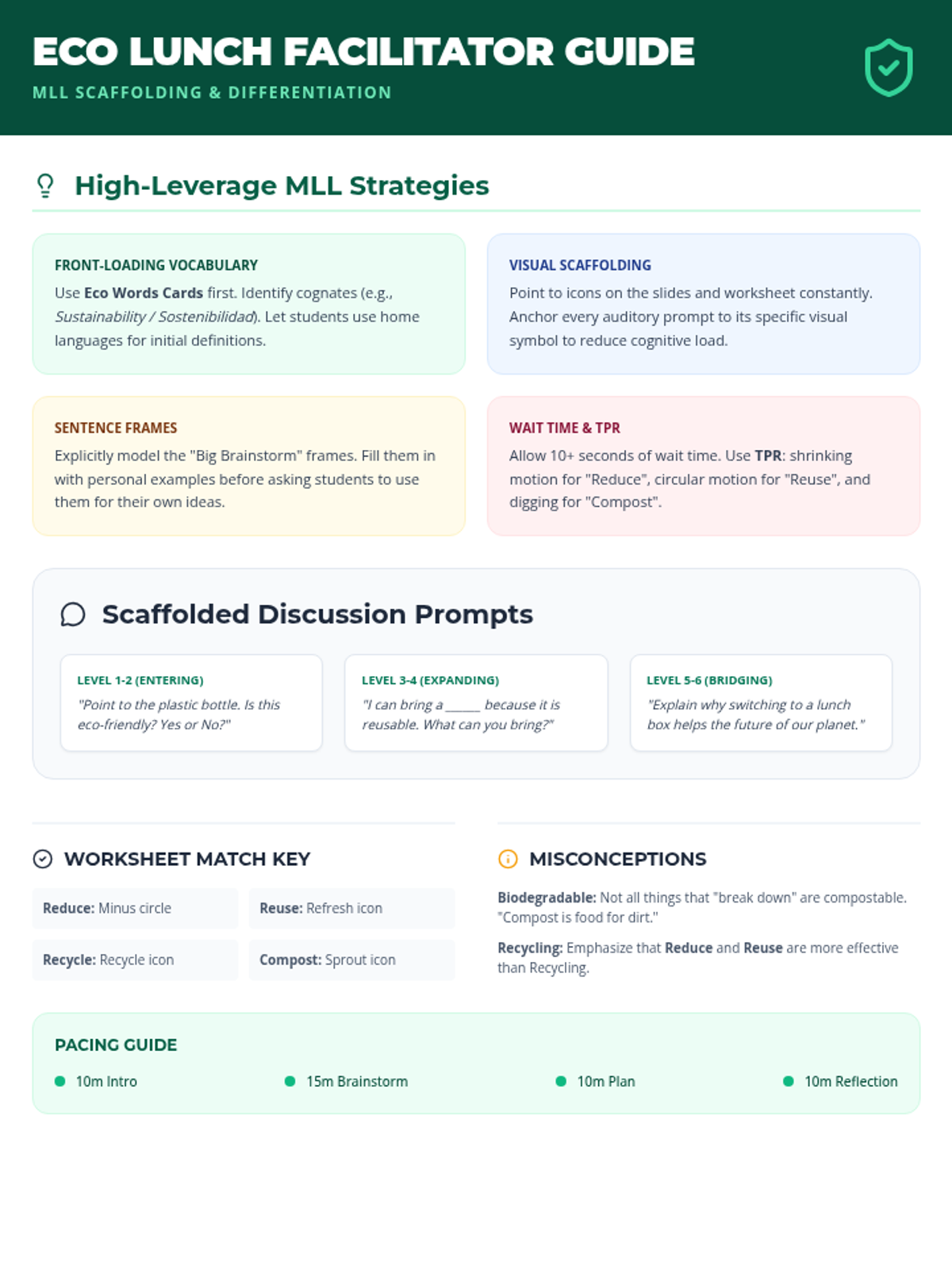
This lesson empowers students, including Multilingual Learners, to lead sustainable lives by transforming their daily lunch habits. Through visual aids, scaffolded vocabulary, and collaborative activities, students identify environmental impacts and plan actionable eco-friendly changes.
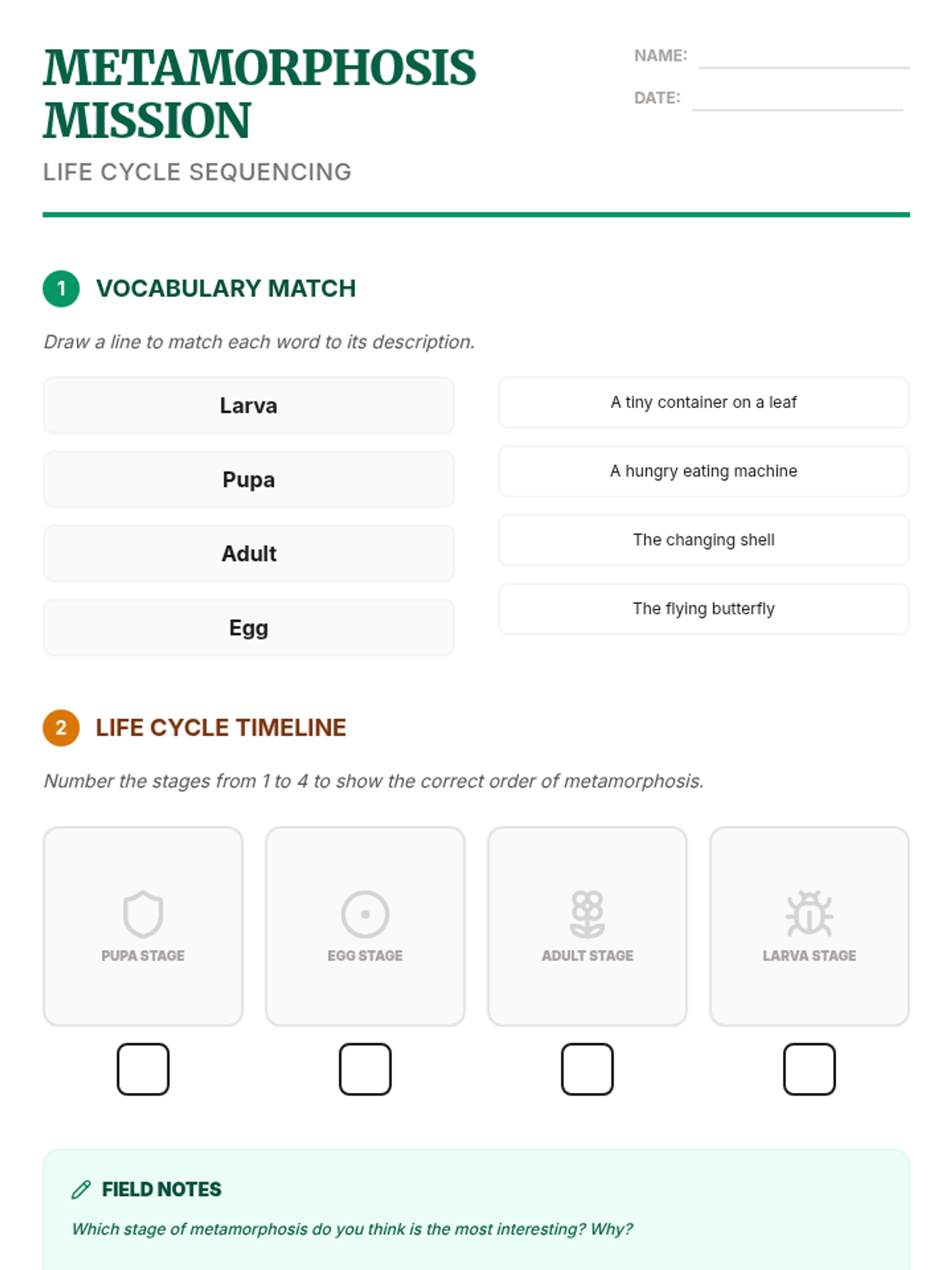
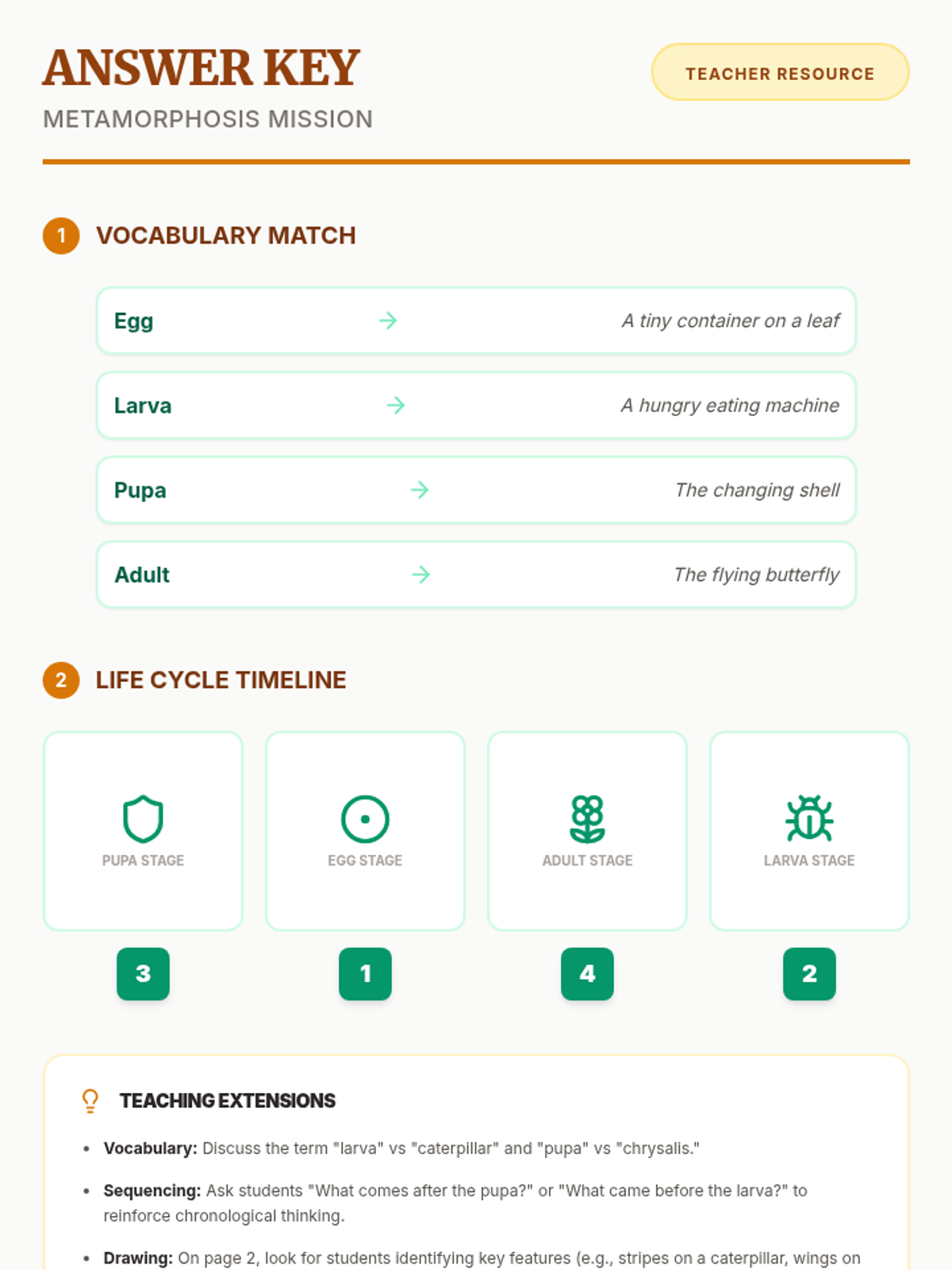
Students will learn the four distinct stages of a butterfly's life cycle and practice sequencing them in the correct chronological order.
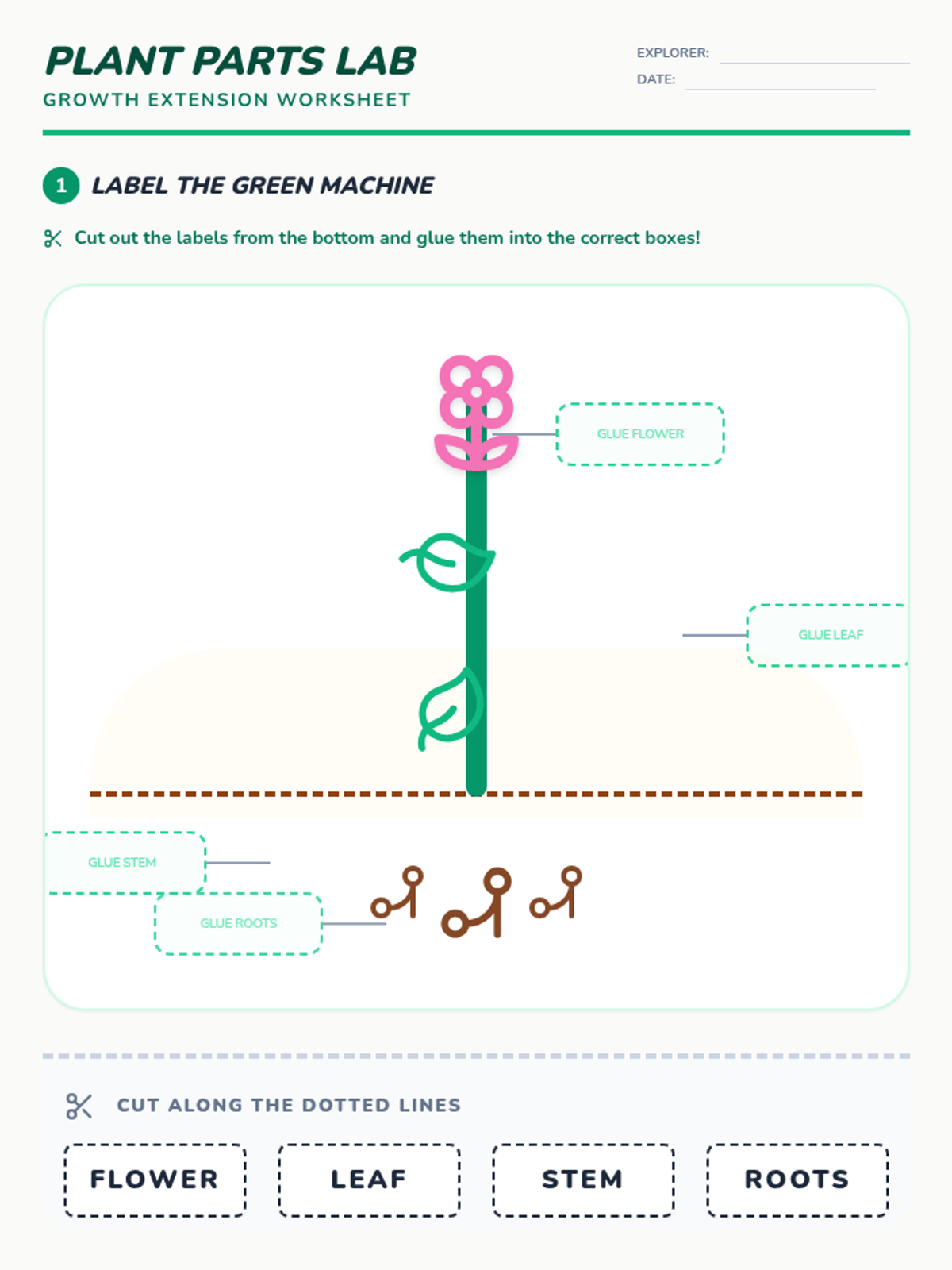
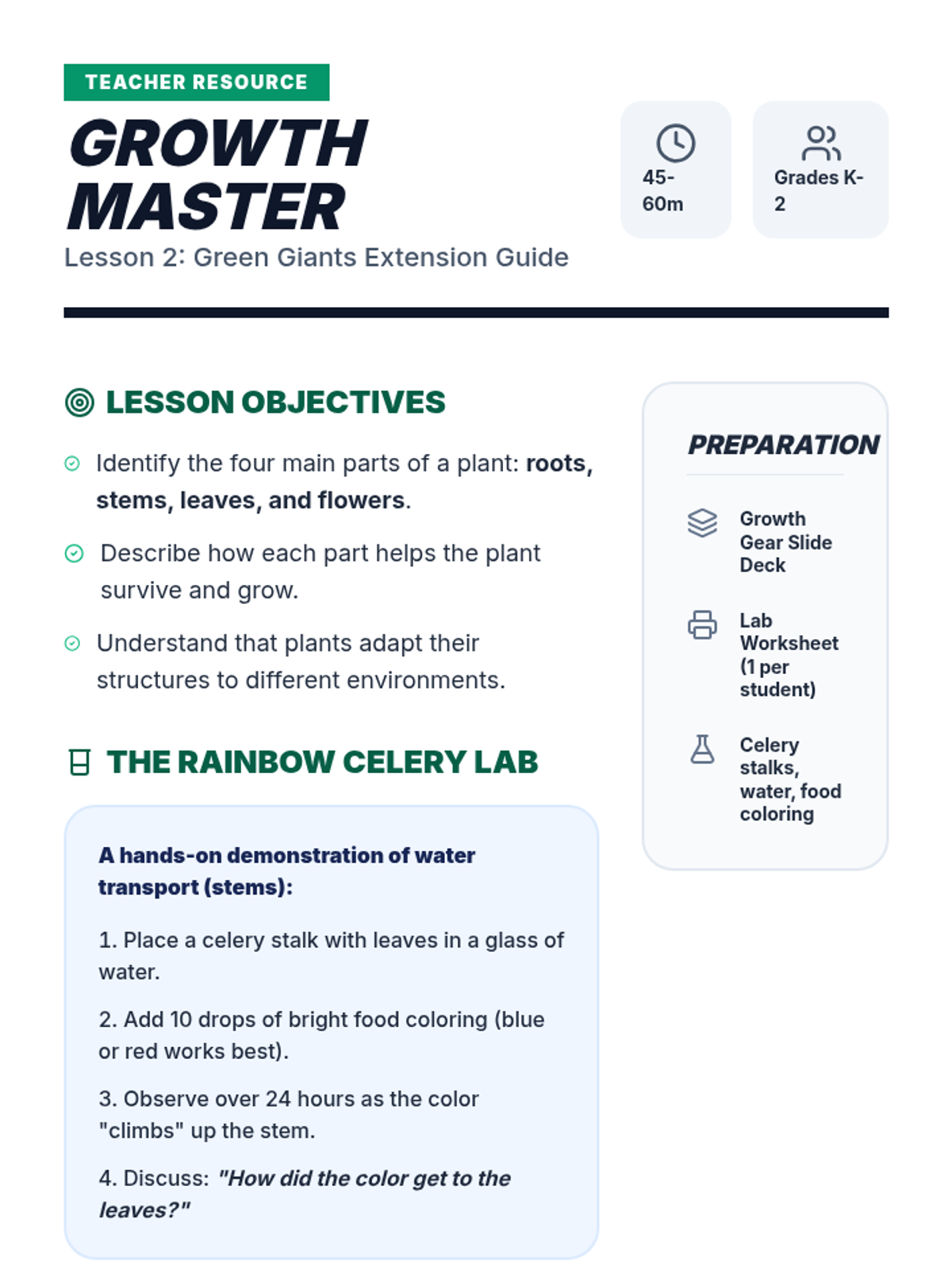
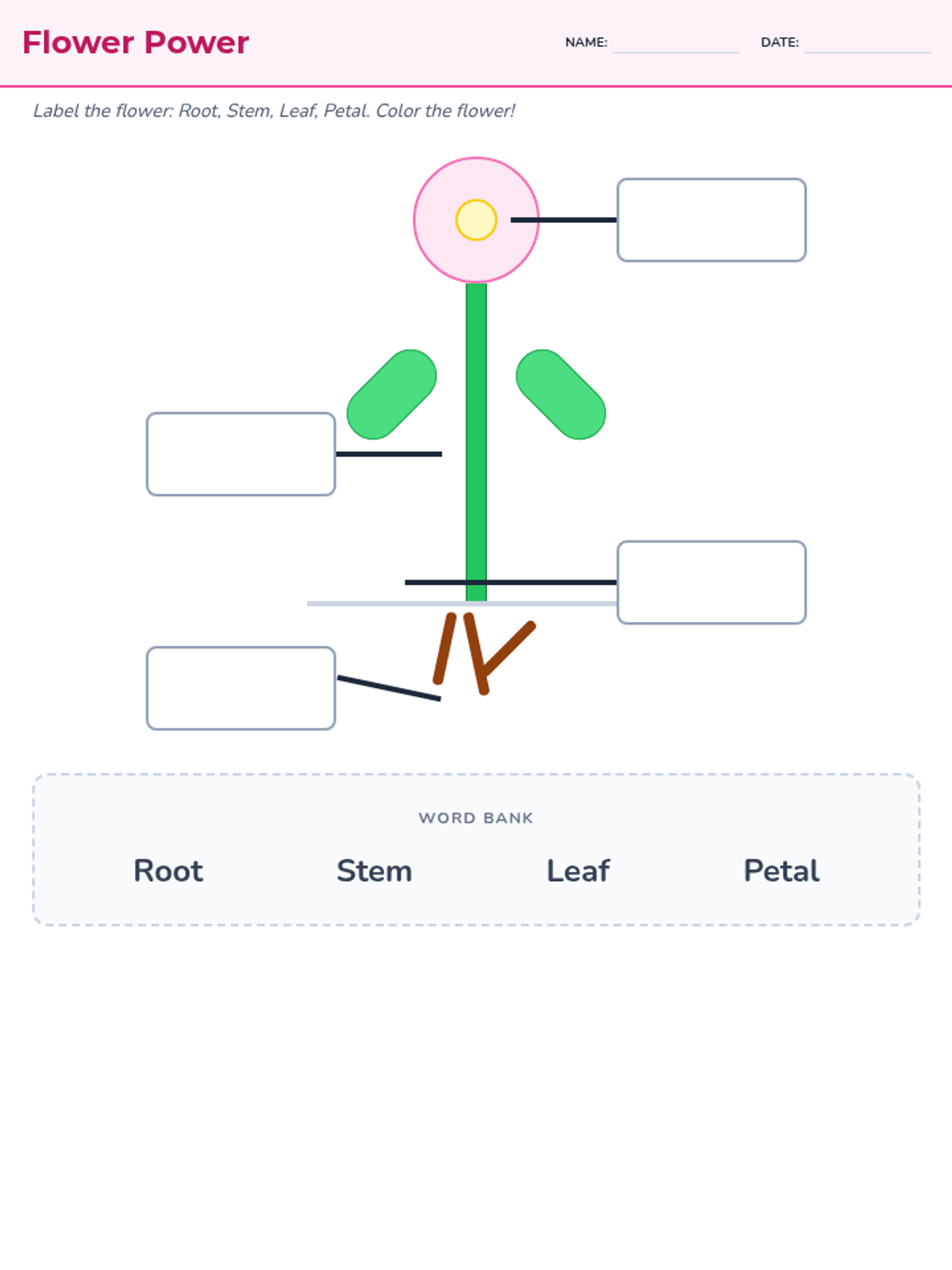
An extension lesson delving deeper into how plants grow, focusing on the specific functions of roots, stems, and leaves, as well as the essential nutrients found in soil.
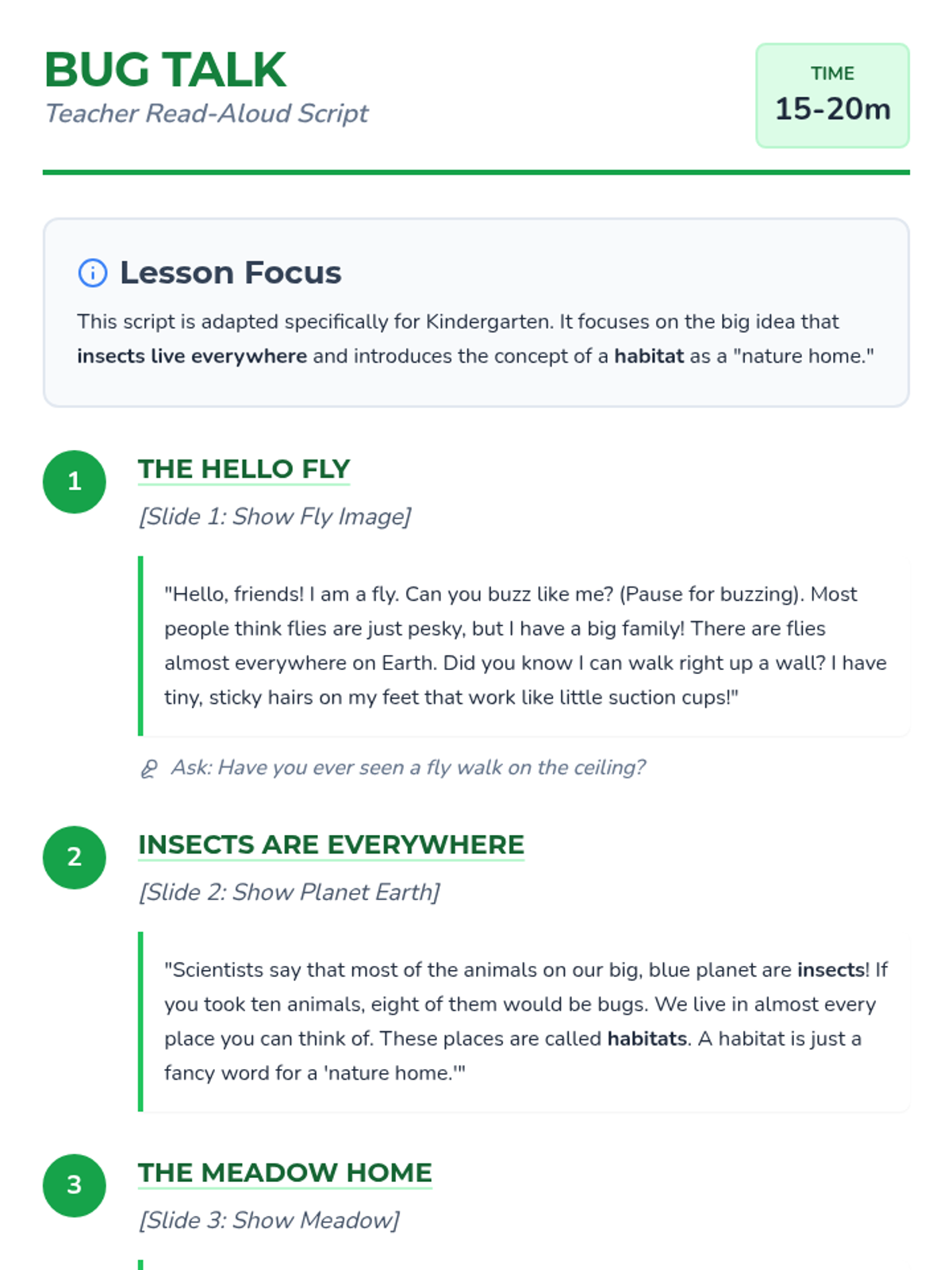
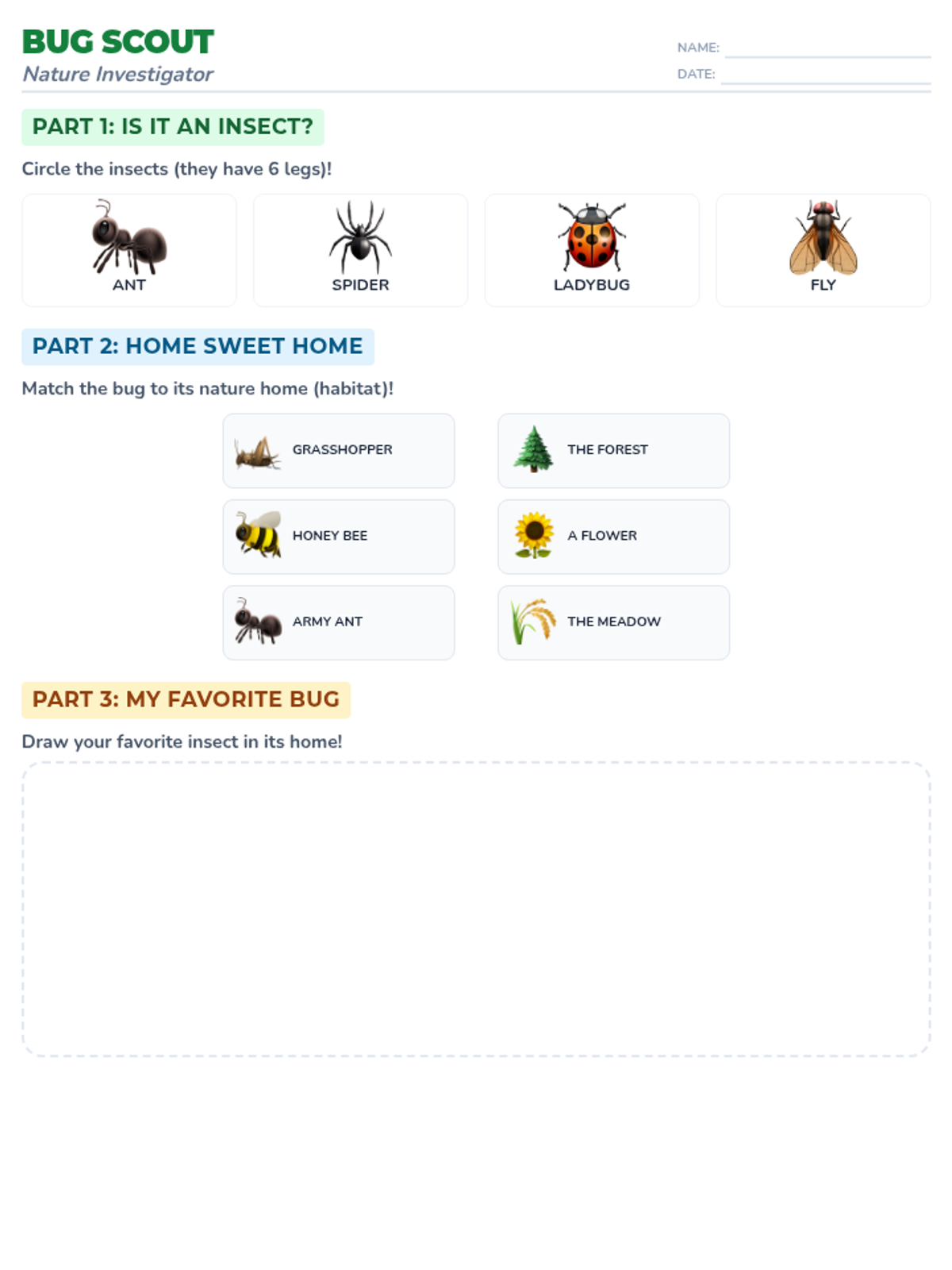
An introductory lesson where students meet different insects, learn what makes an insect an insect, and explore the various places they call home.
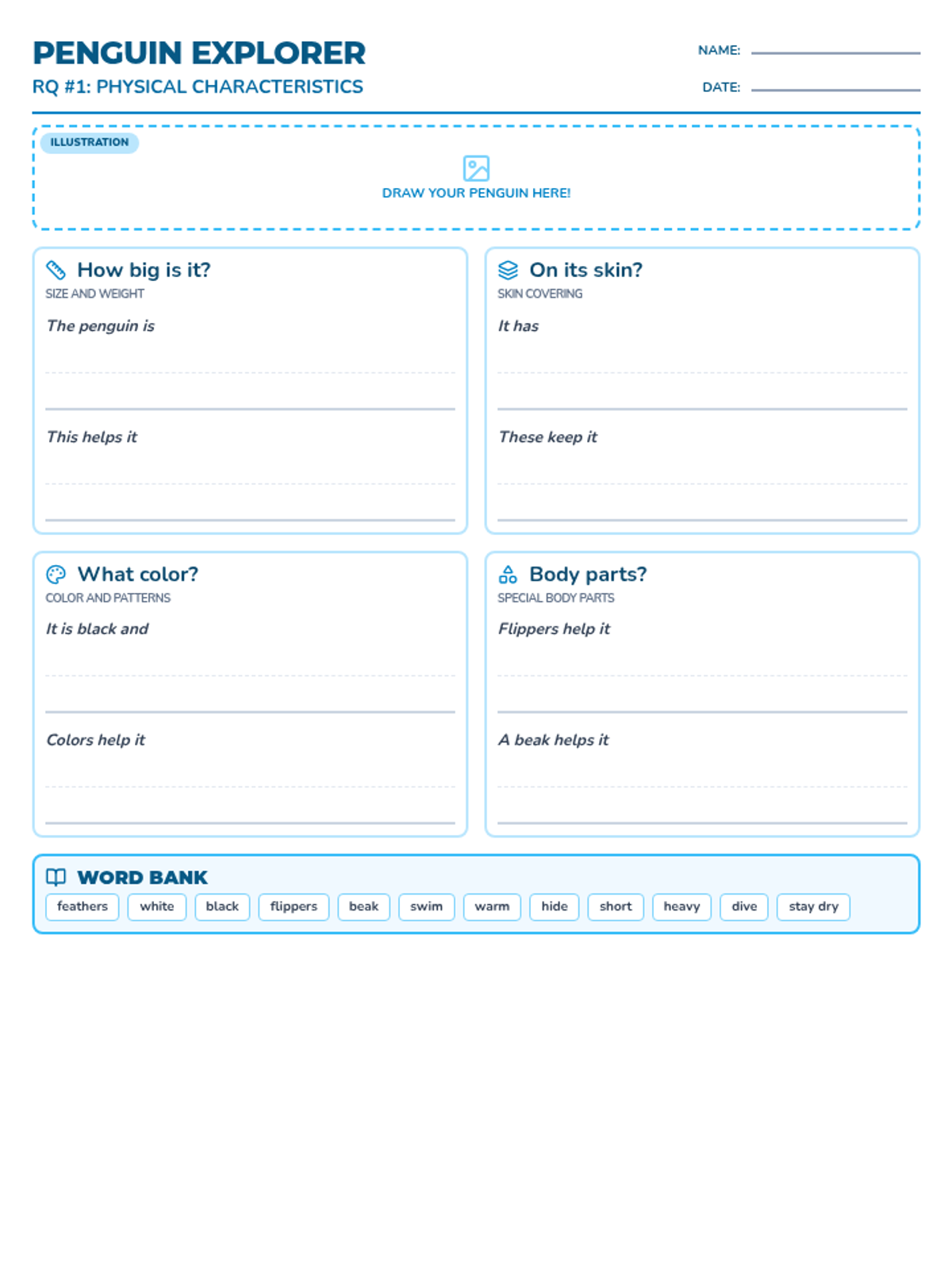
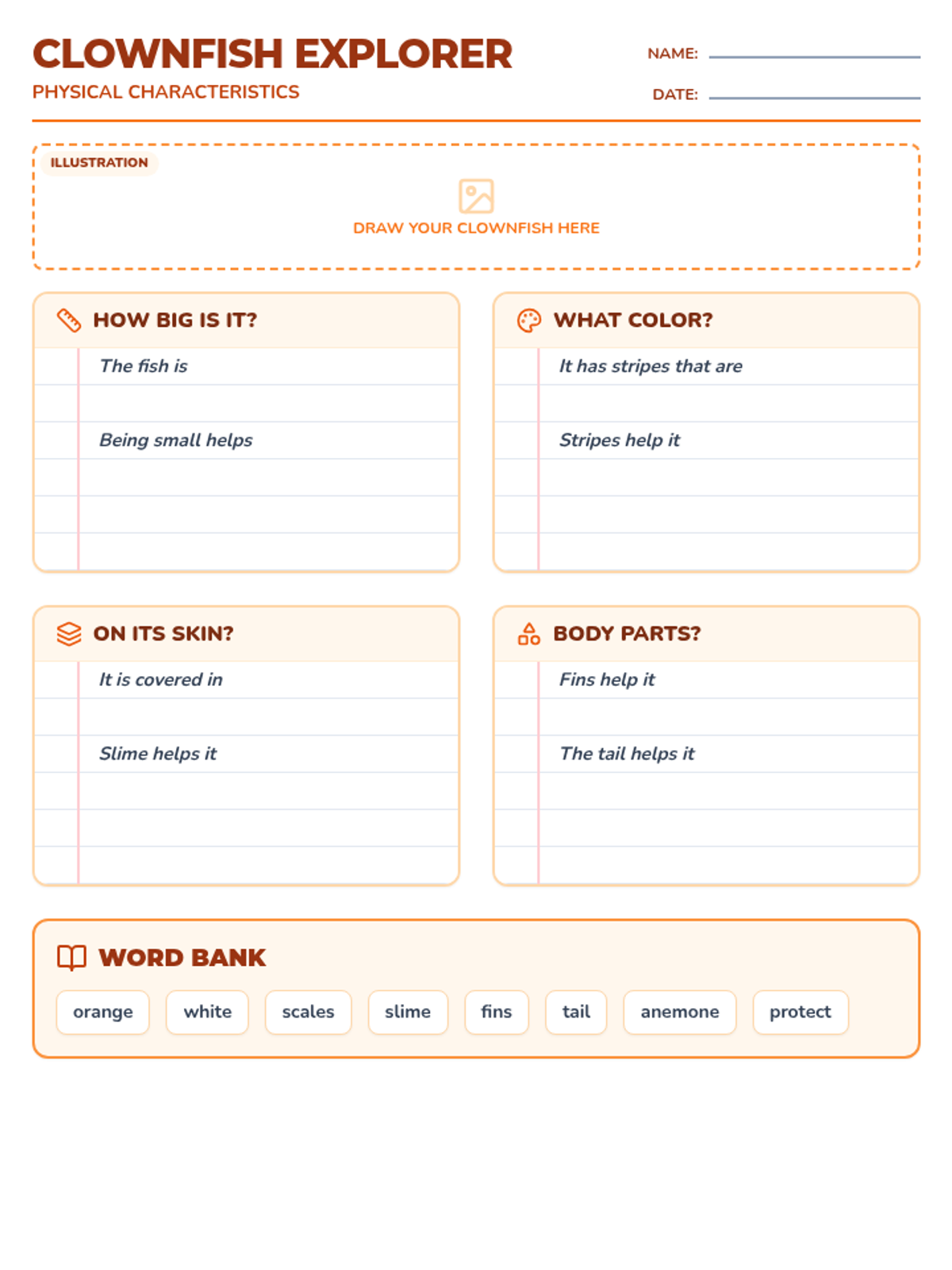
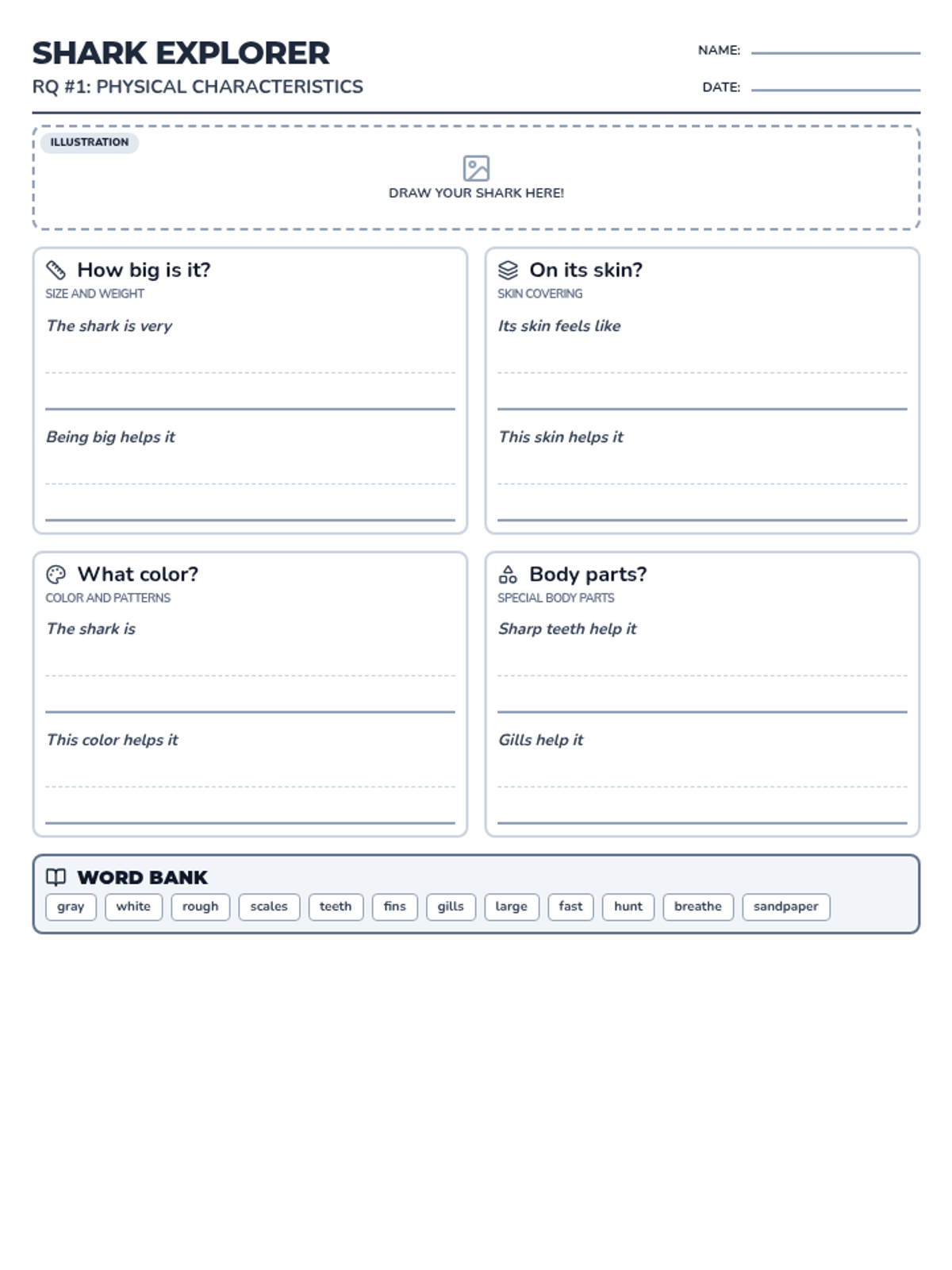
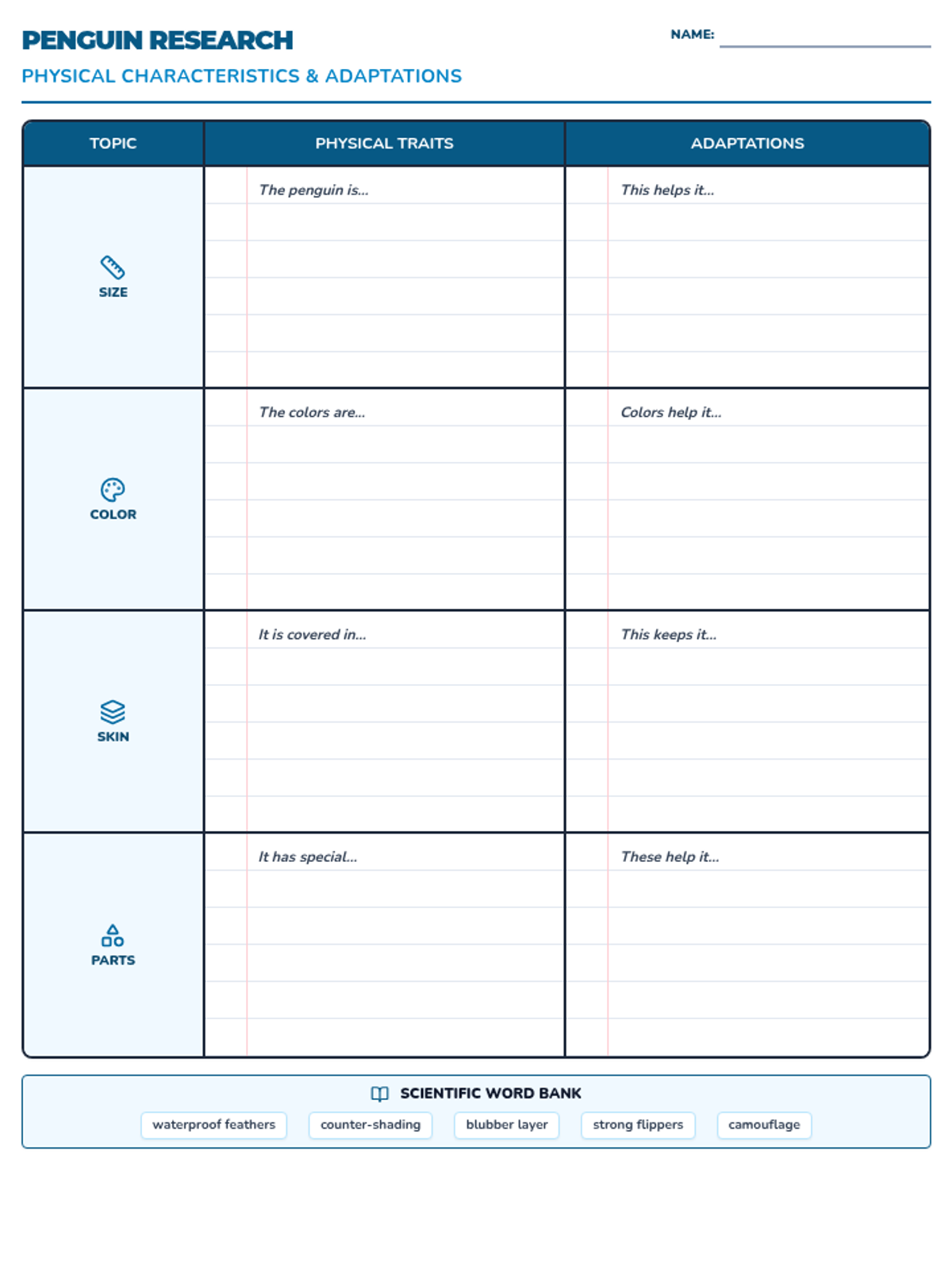
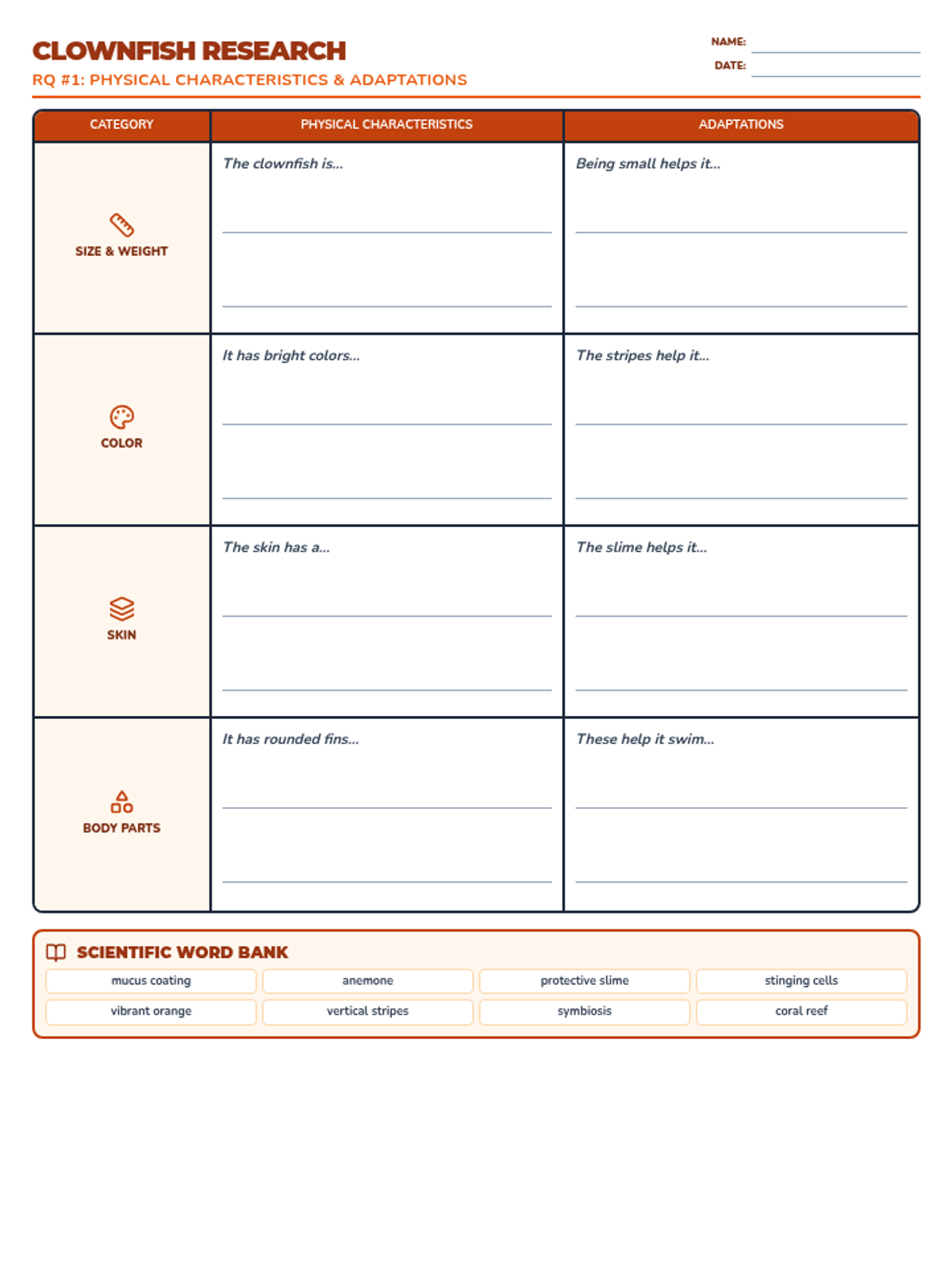
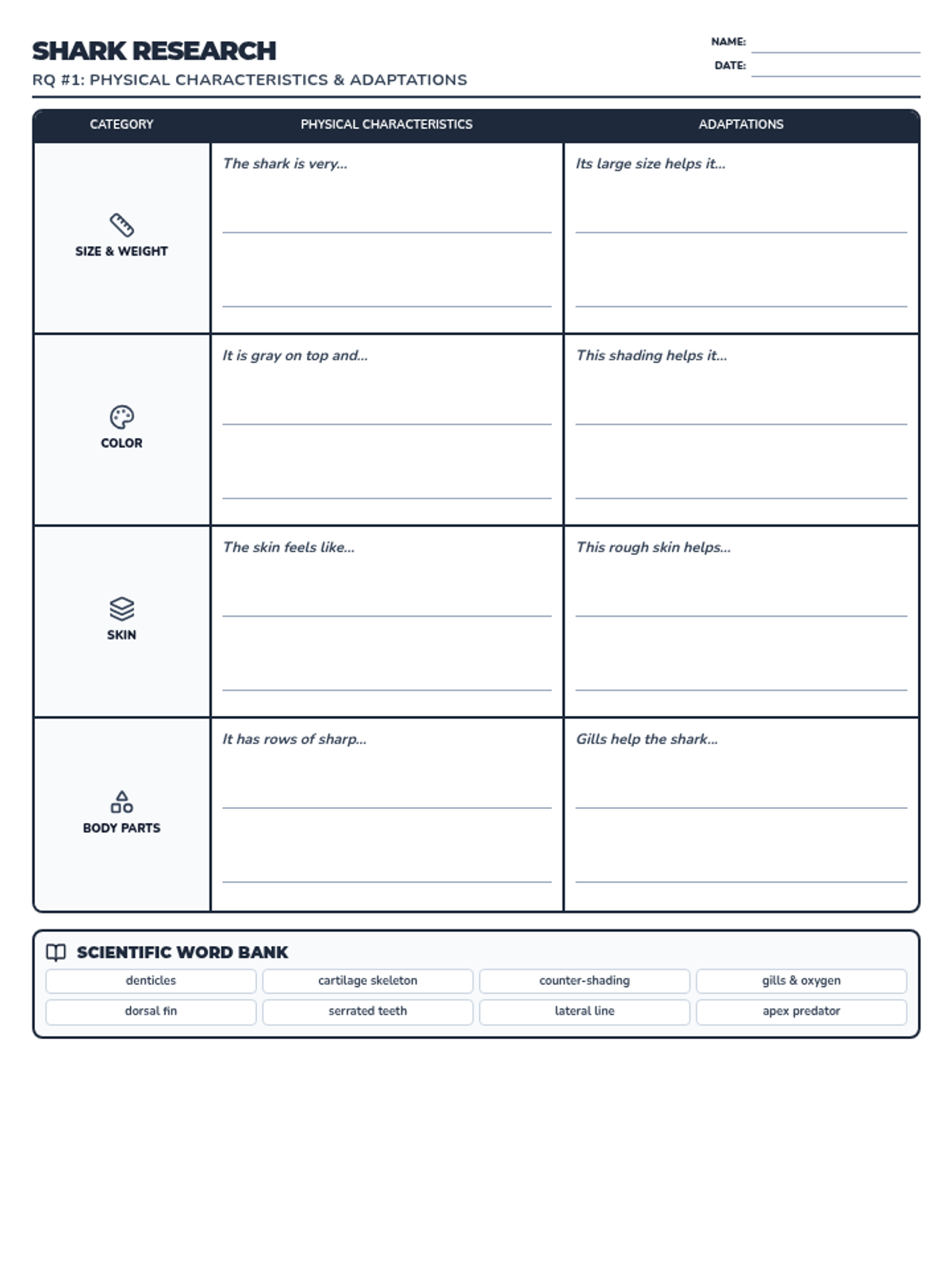
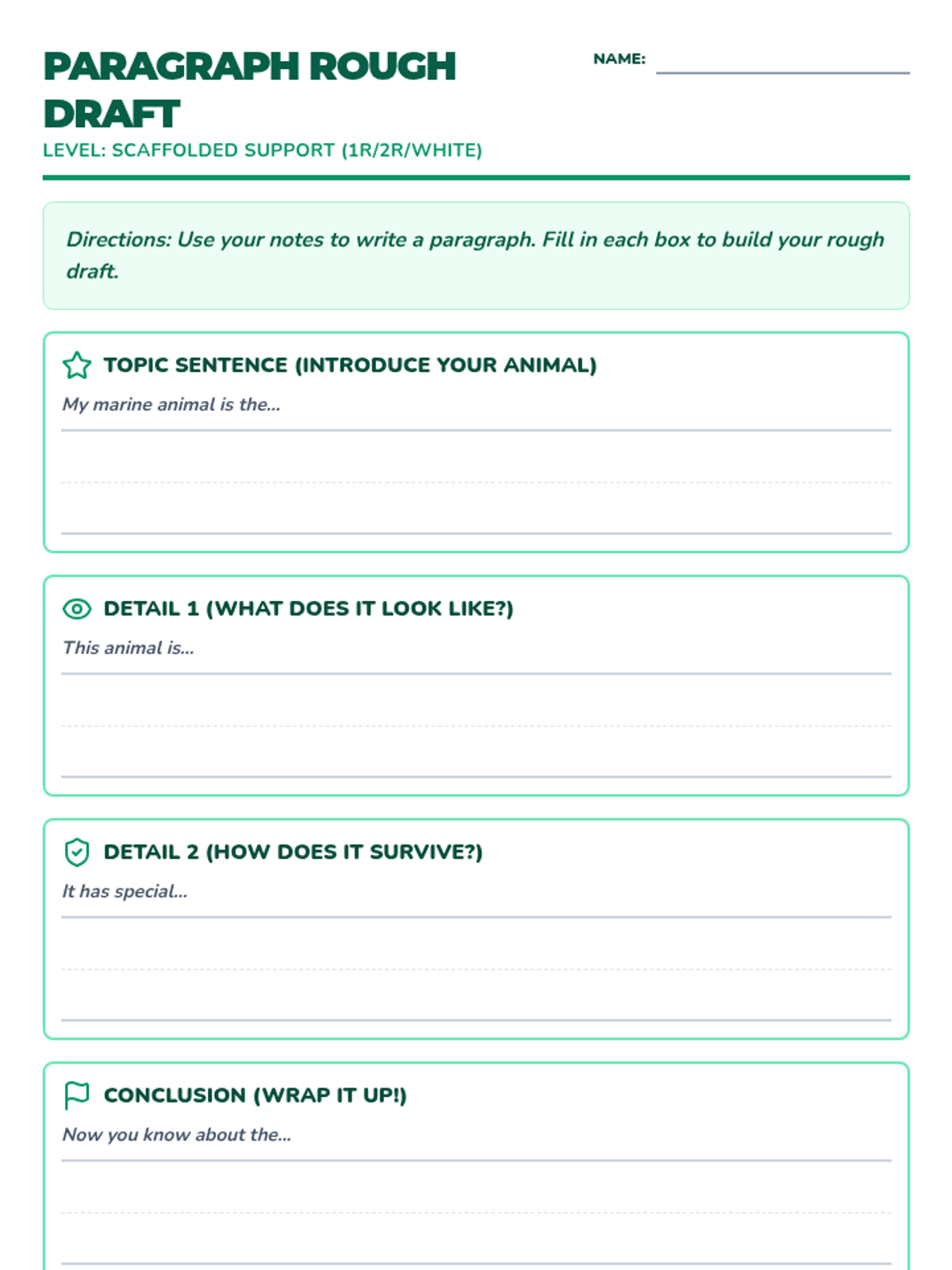
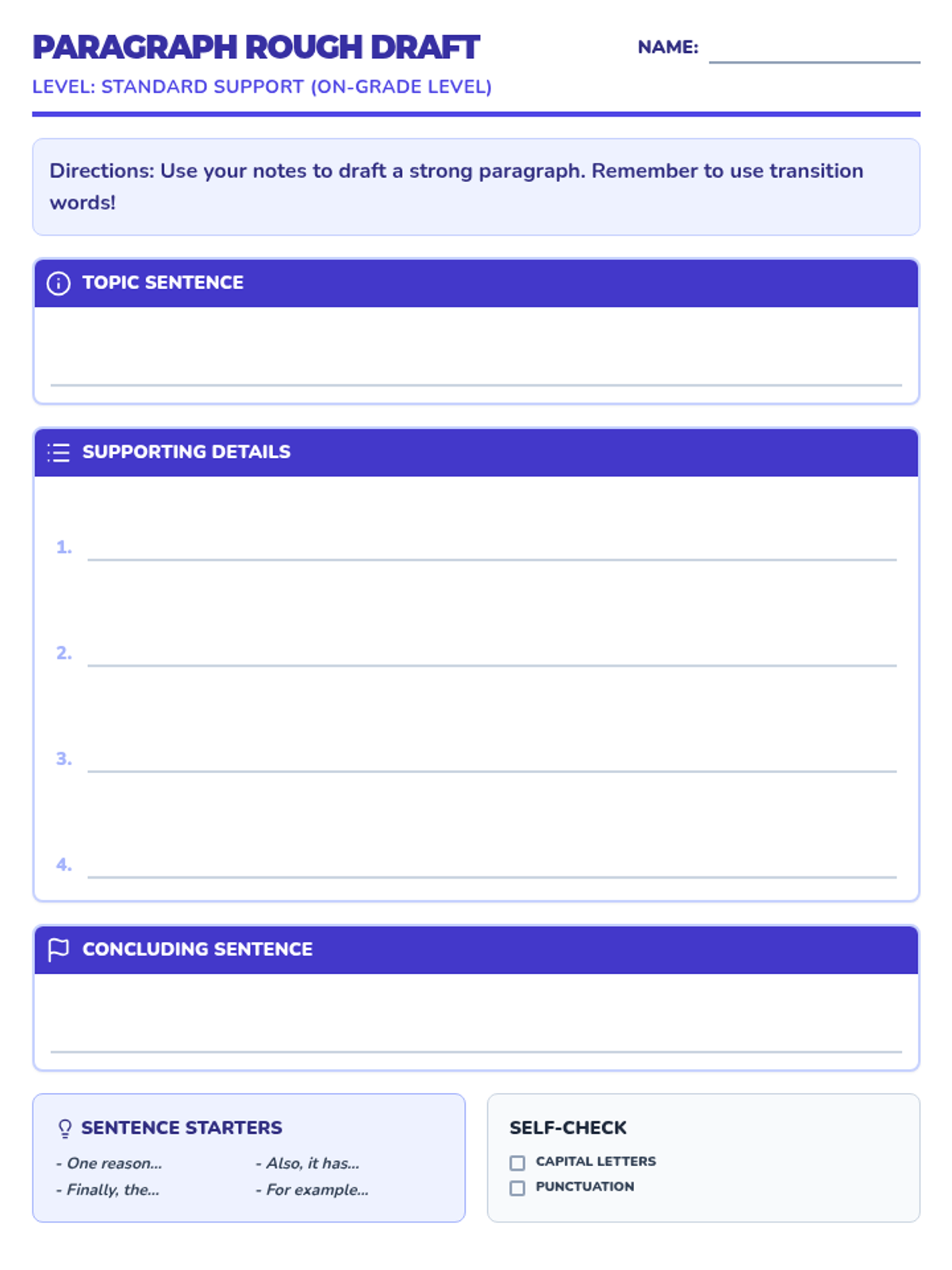
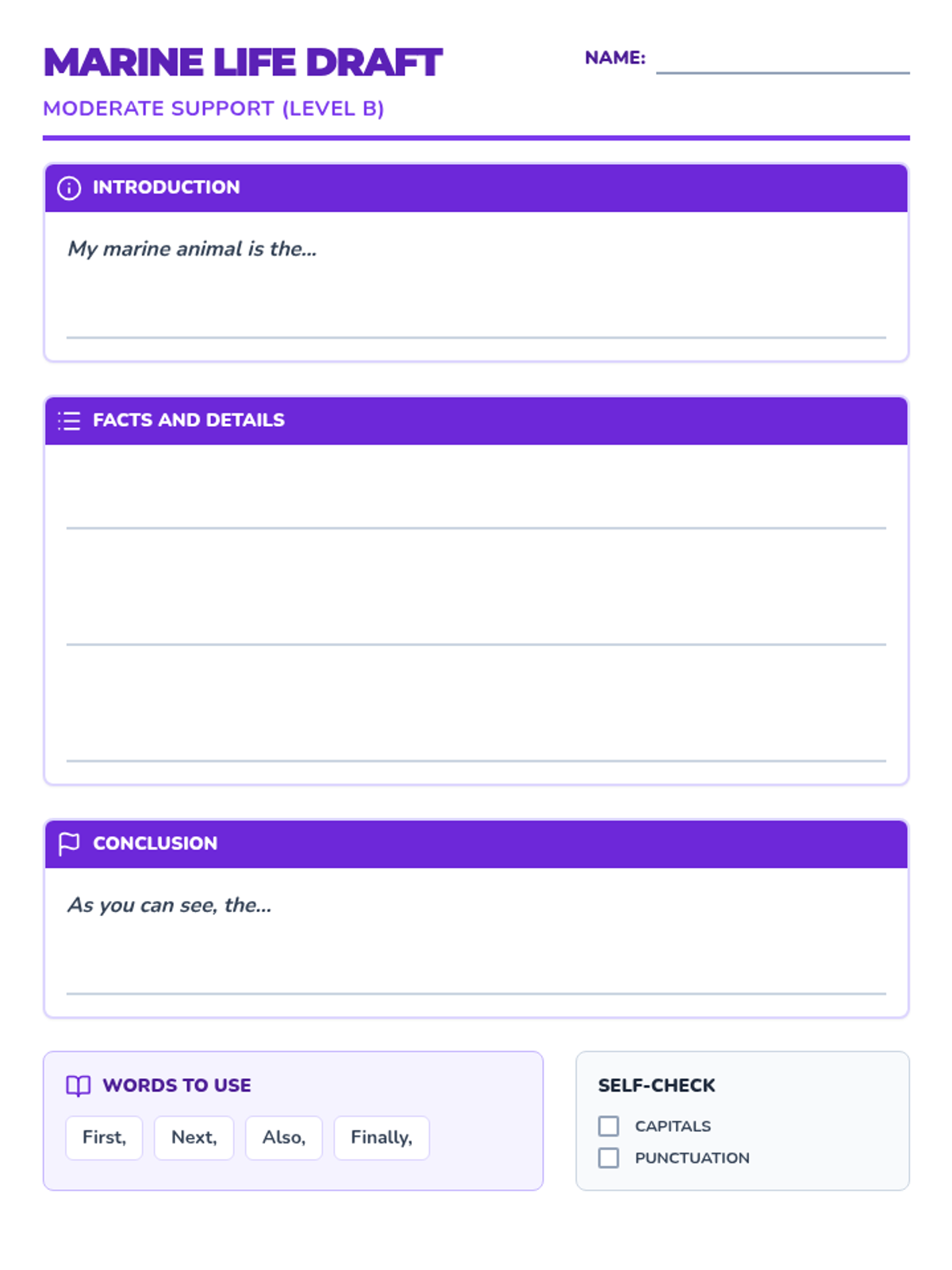
A research unit focused on the physical characteristics and adaptations of marine animals, designed for K-1 learners to build scientific observation and writing skills.
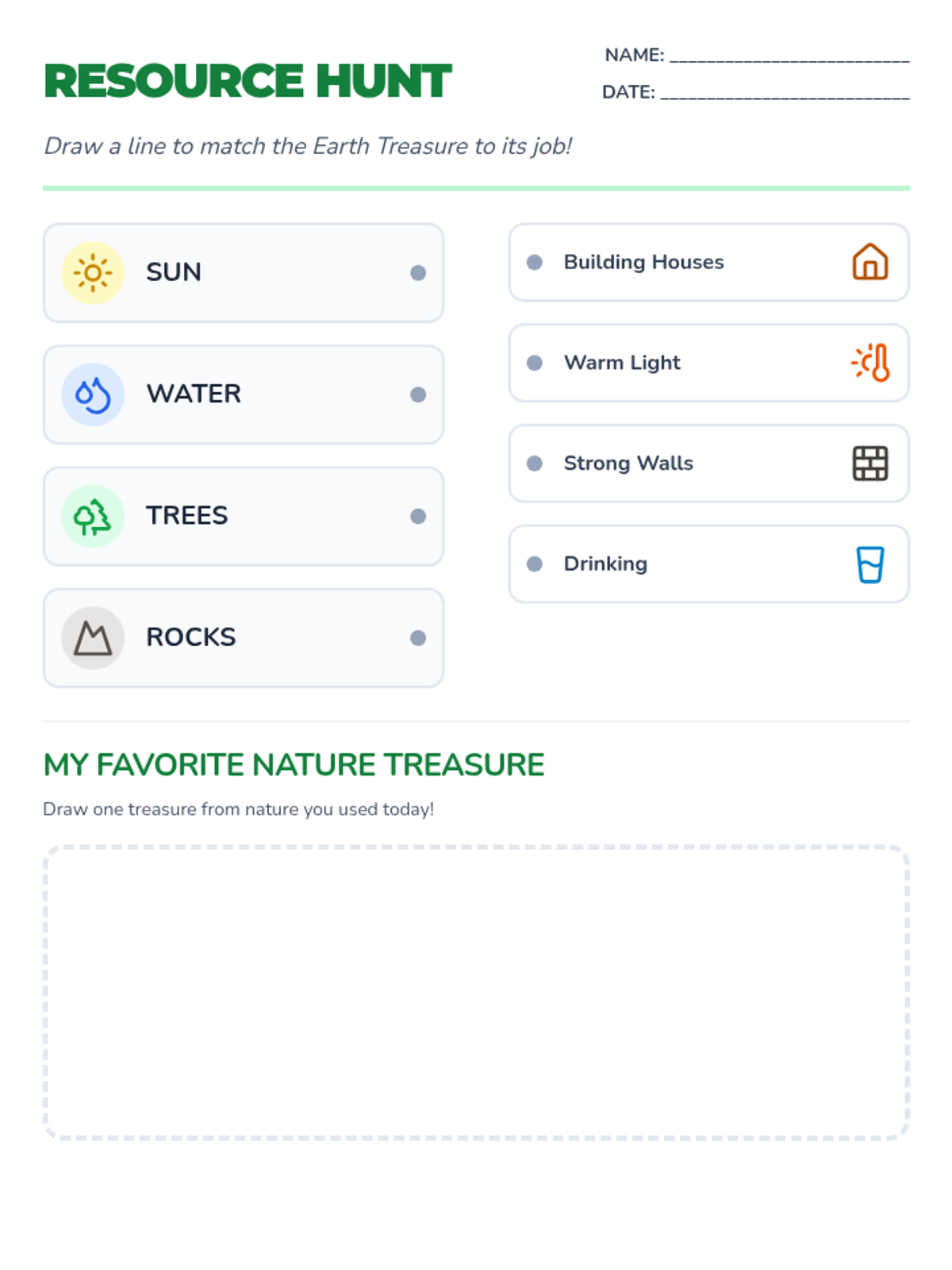
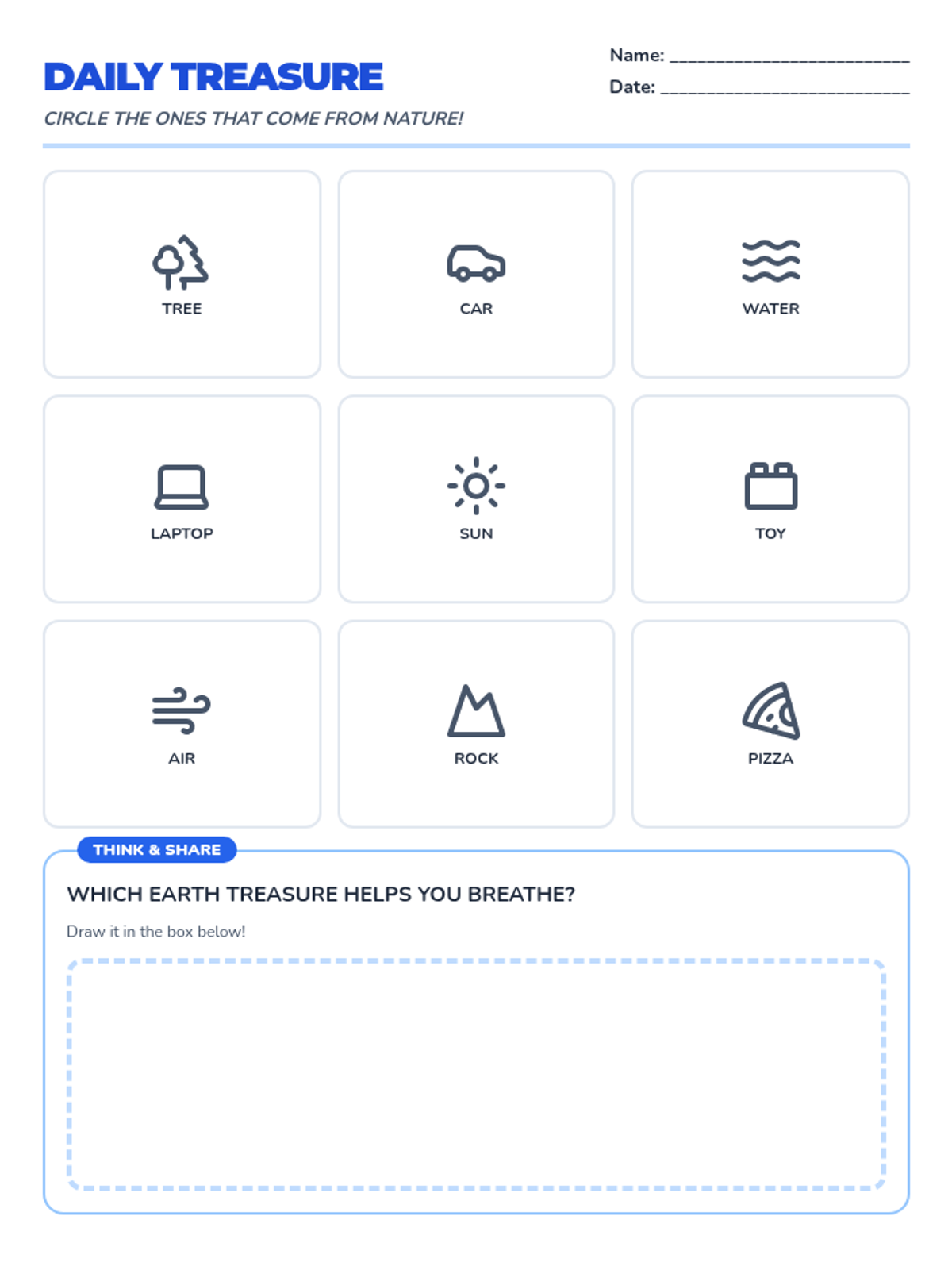
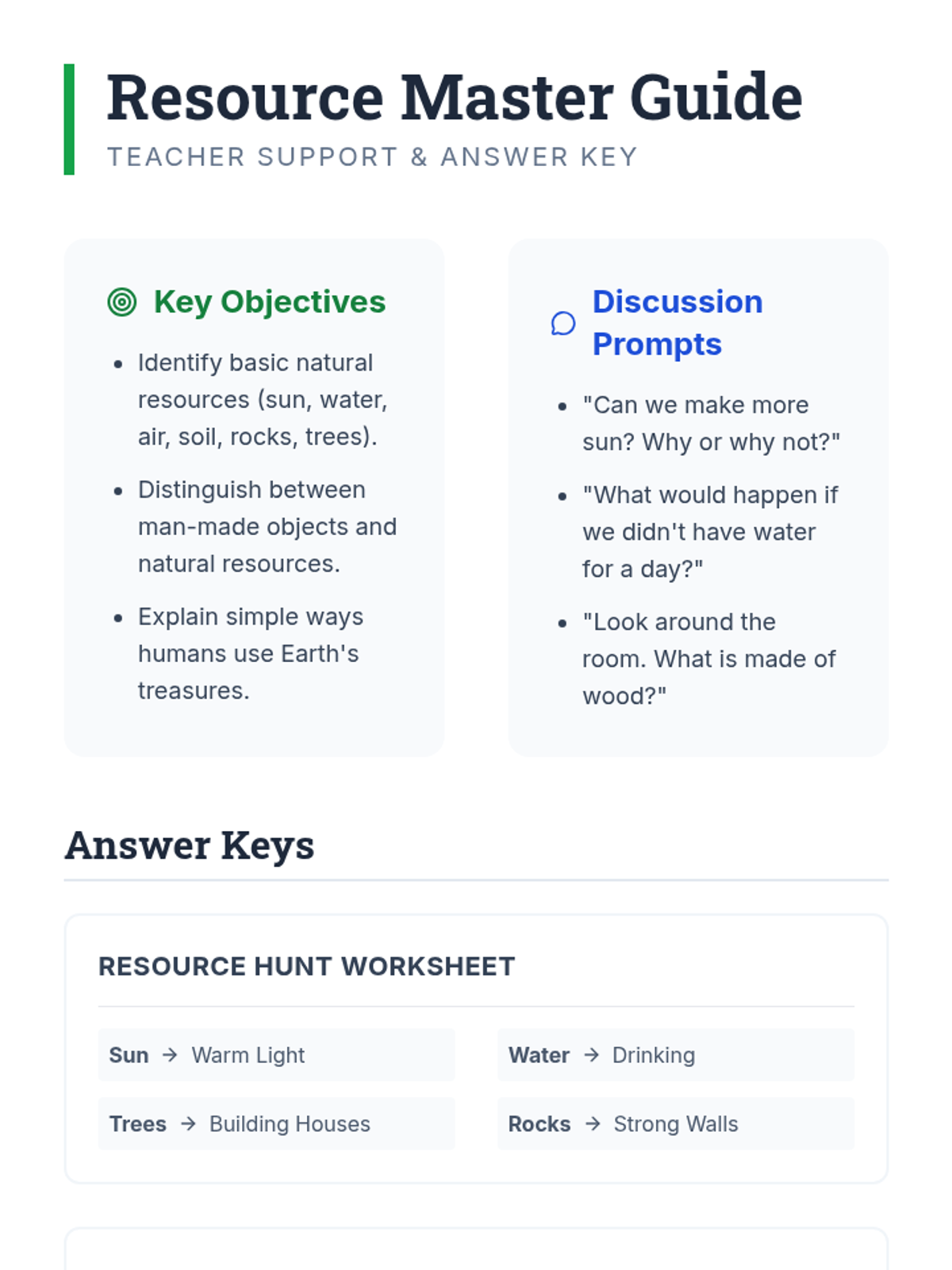
An introductory lesson for kindergarteners to identify and understand the importance of natural resources like sun, water, air, rocks, soil, and trees. Students will explore how these 'treasures' from Earth help us every day.
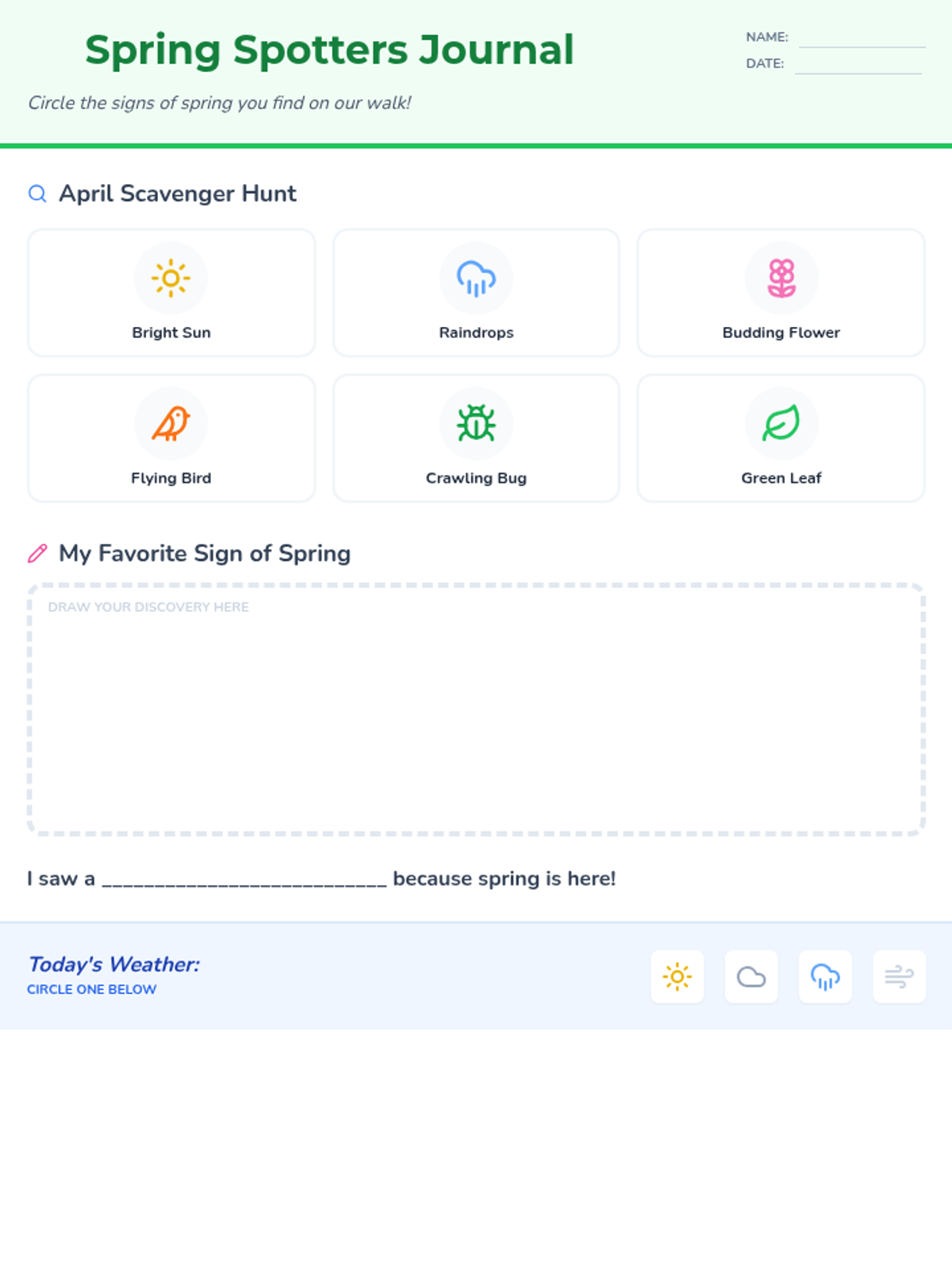
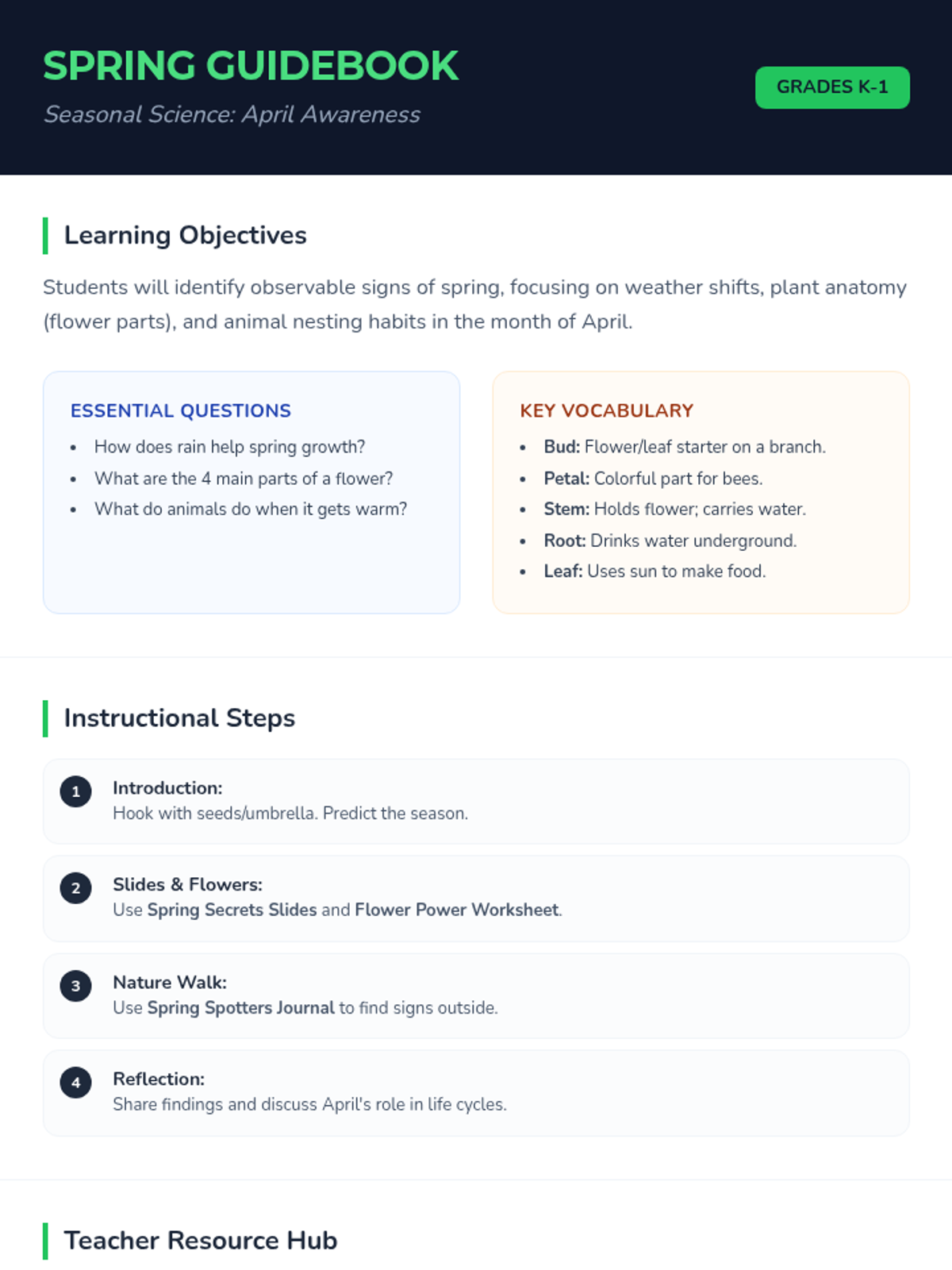
An introductory science lesson for K-1 students exploring the signs of spring in April, including weather patterns, plant growth, and animal activity.
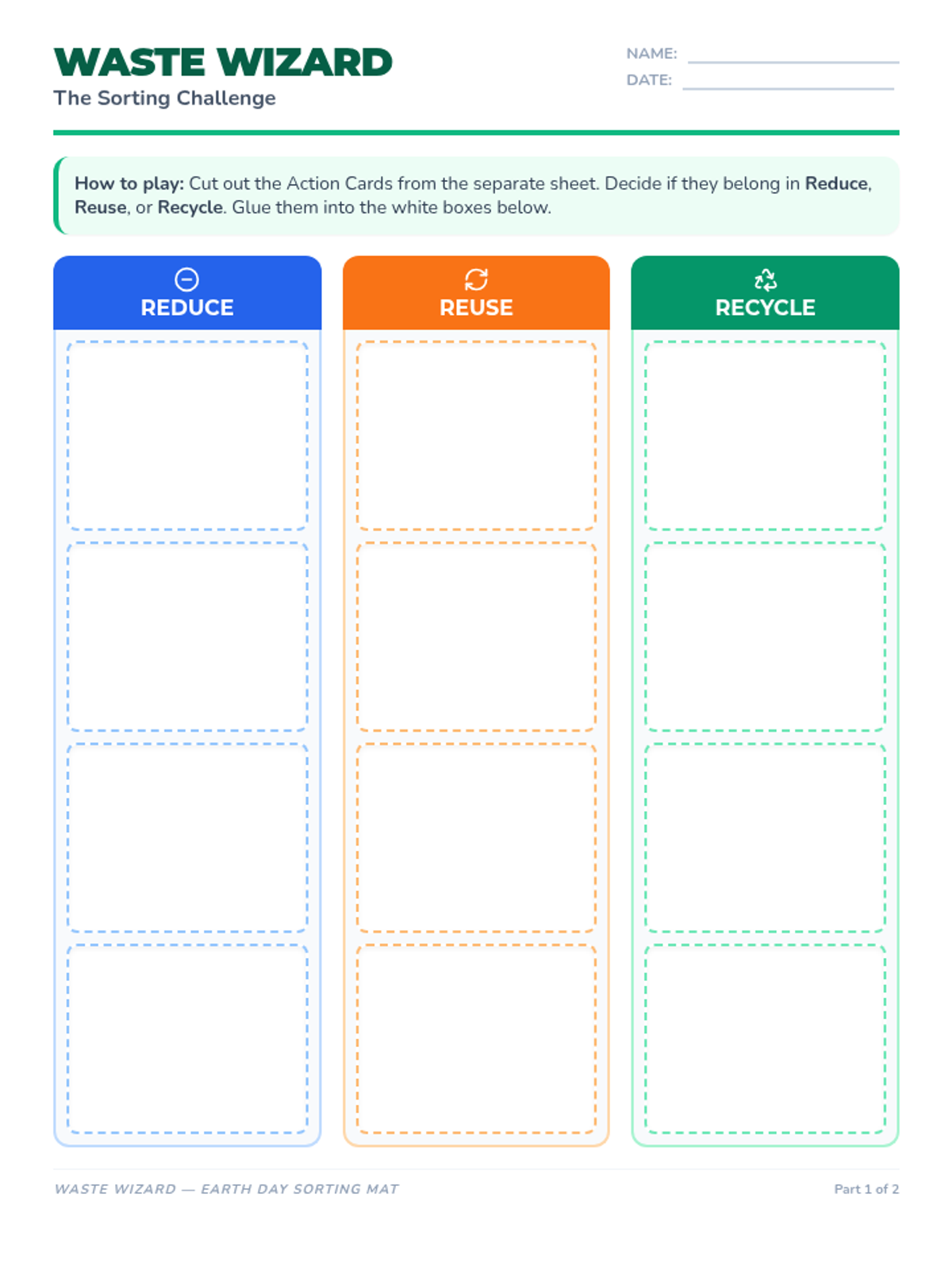
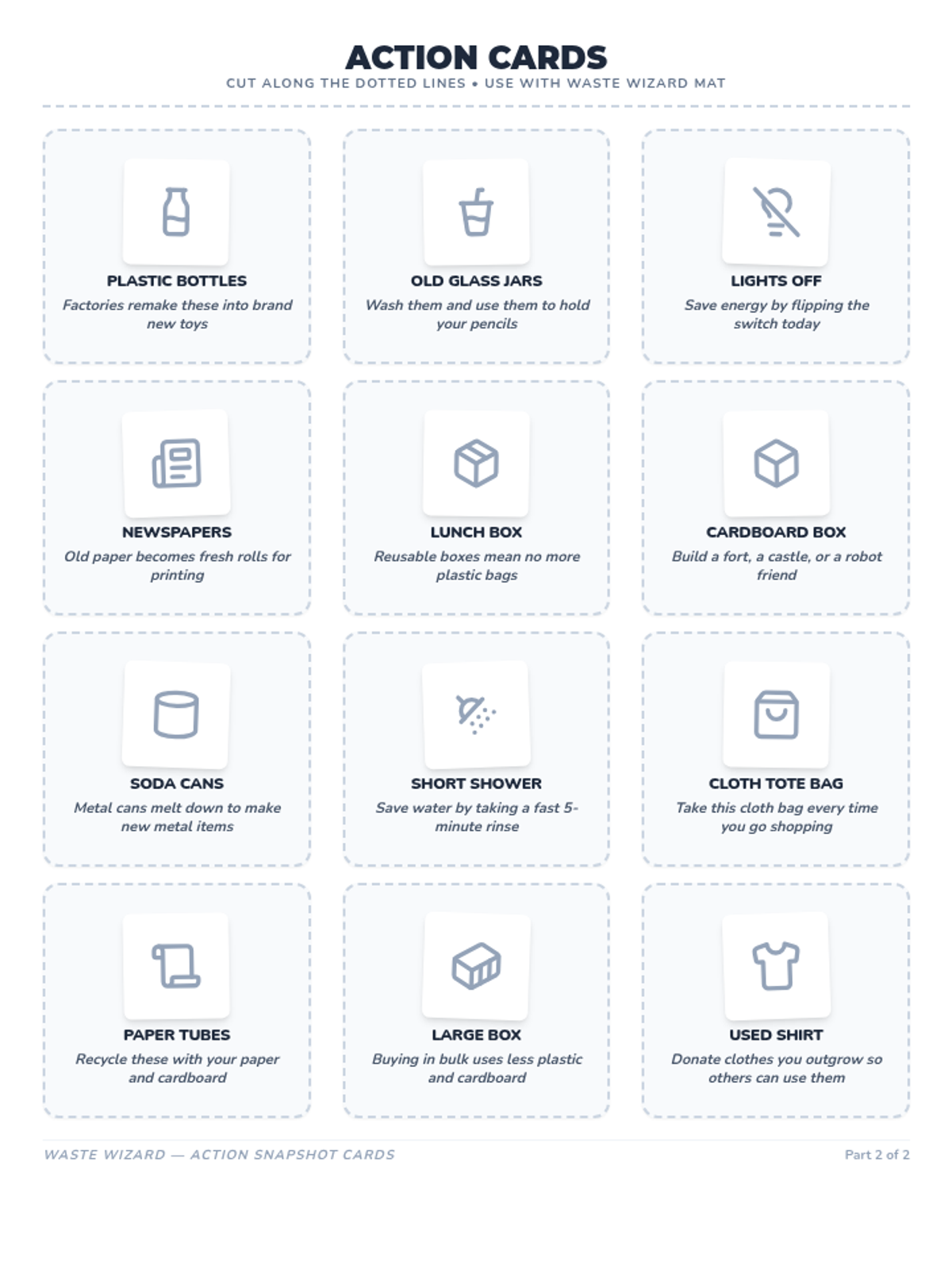
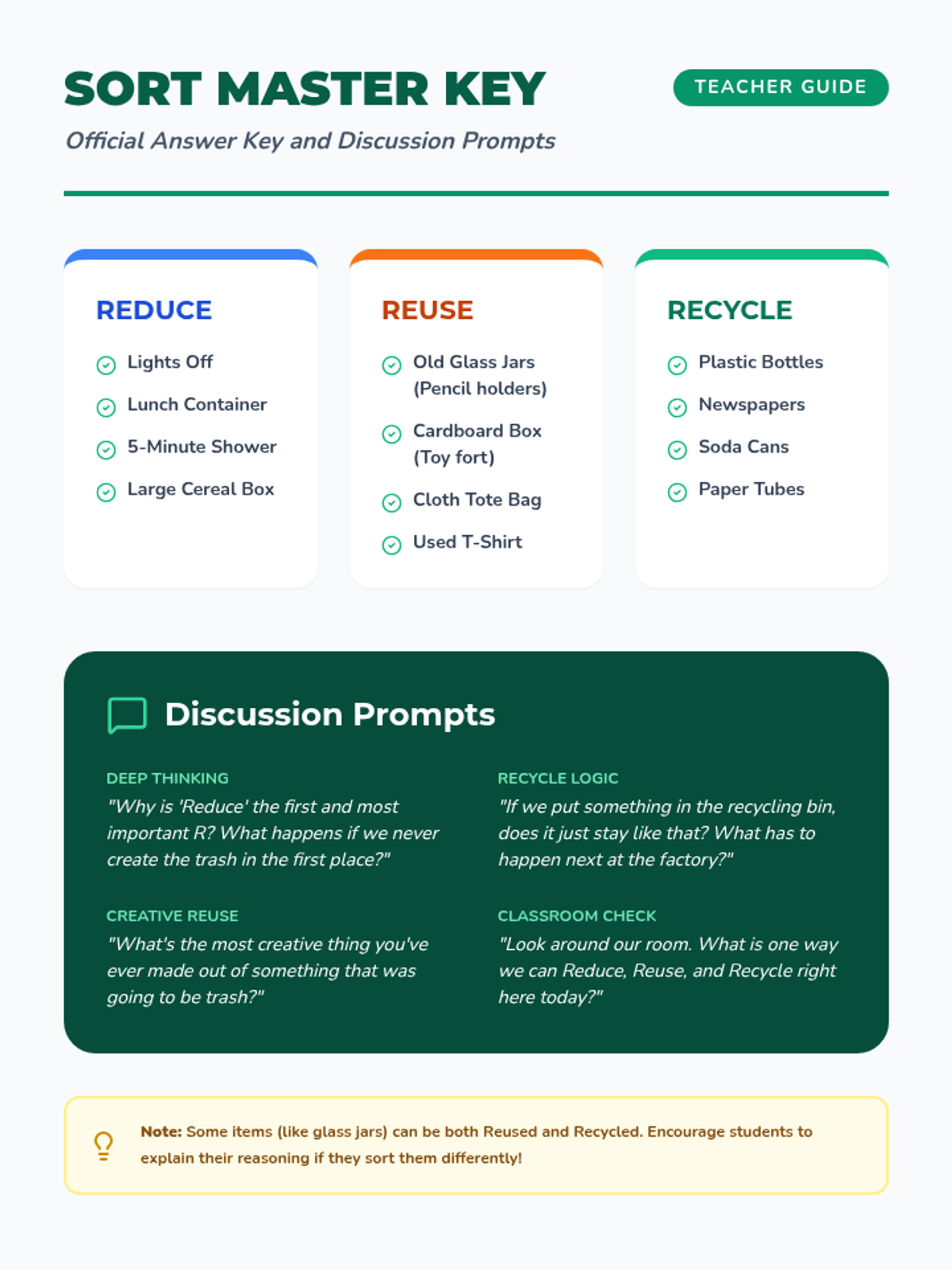
A hands-on lesson teaching students to differentiate between reducing, reusing, and recycling through visual identification and sorting.
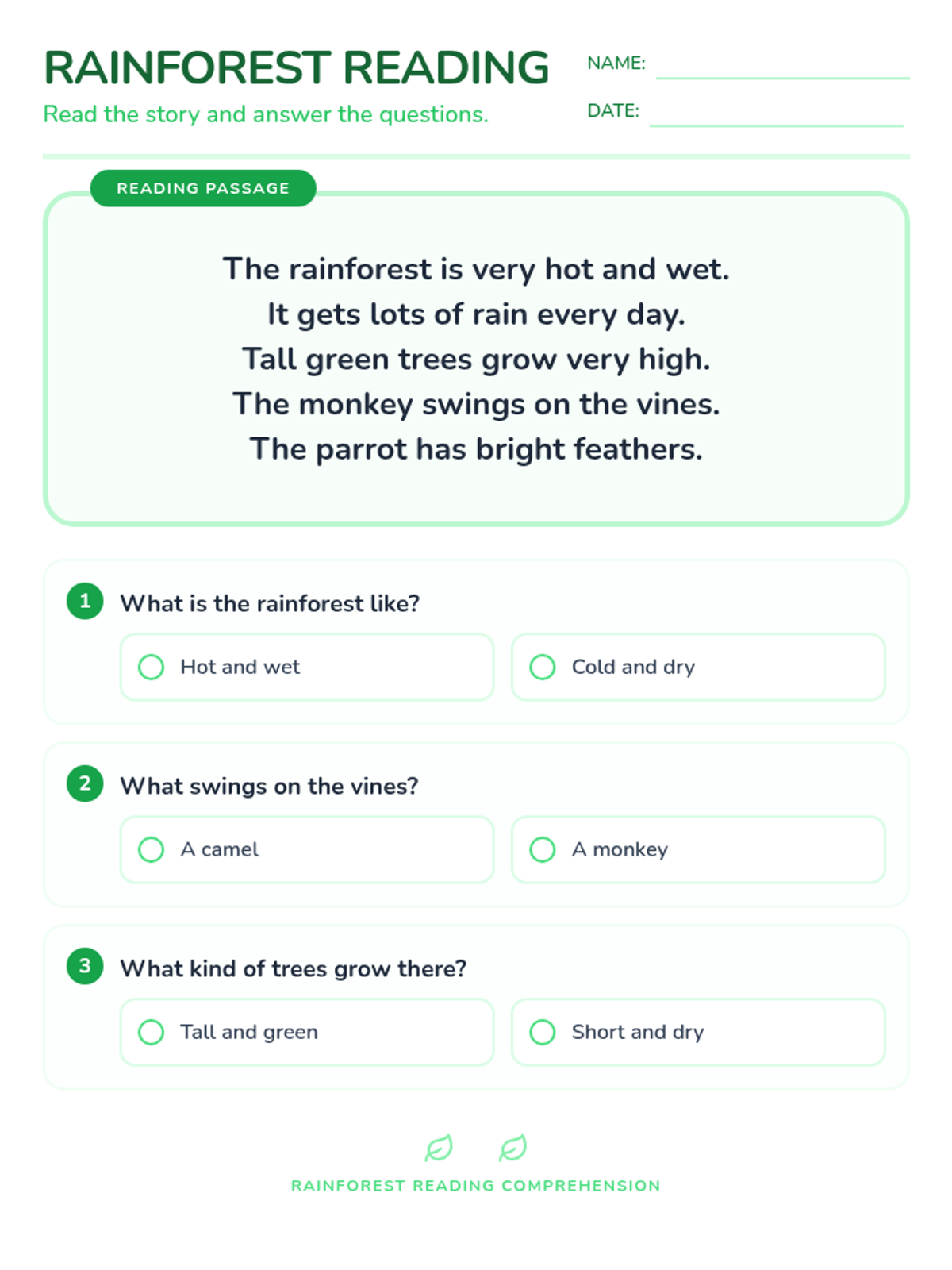
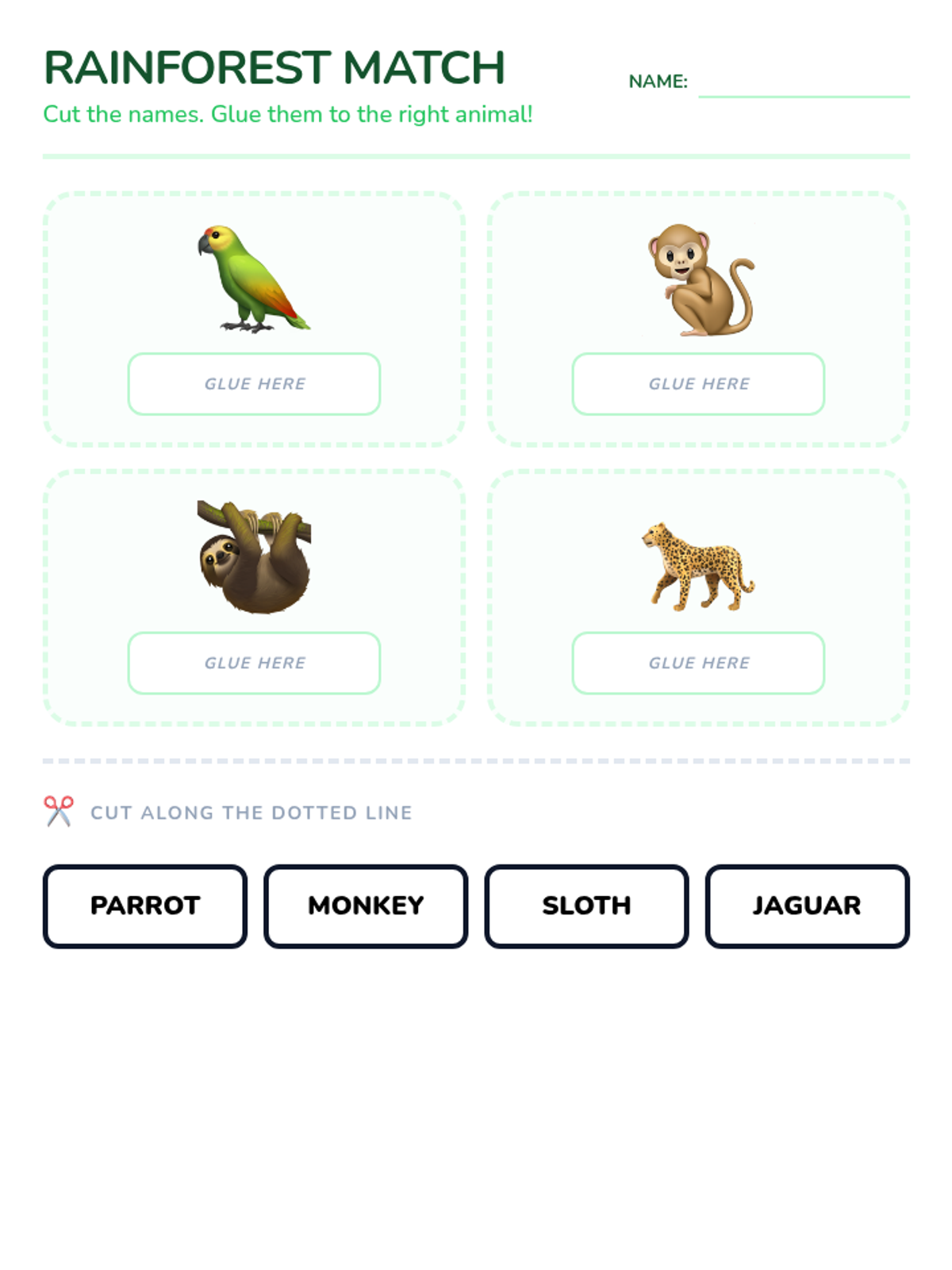
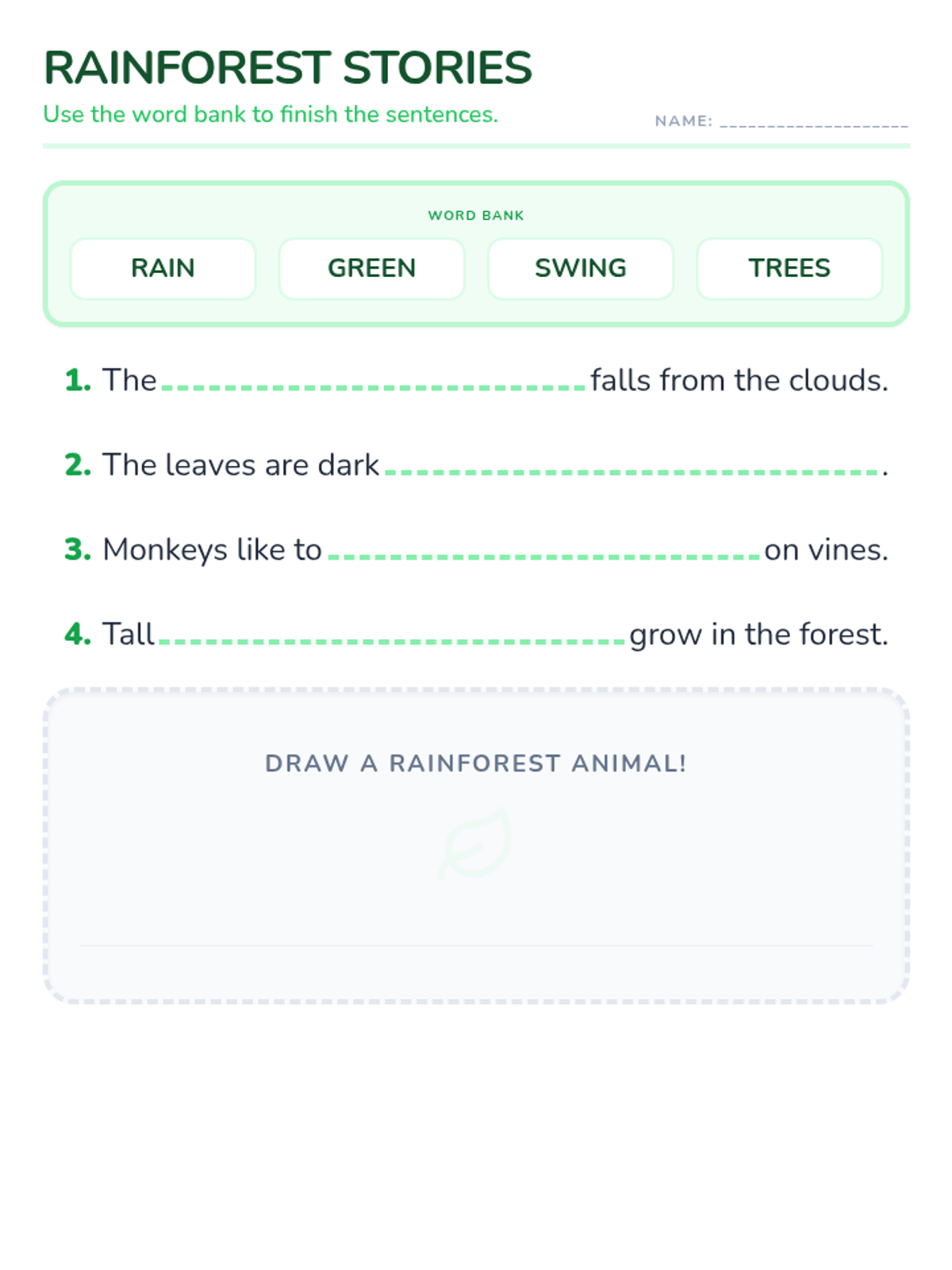
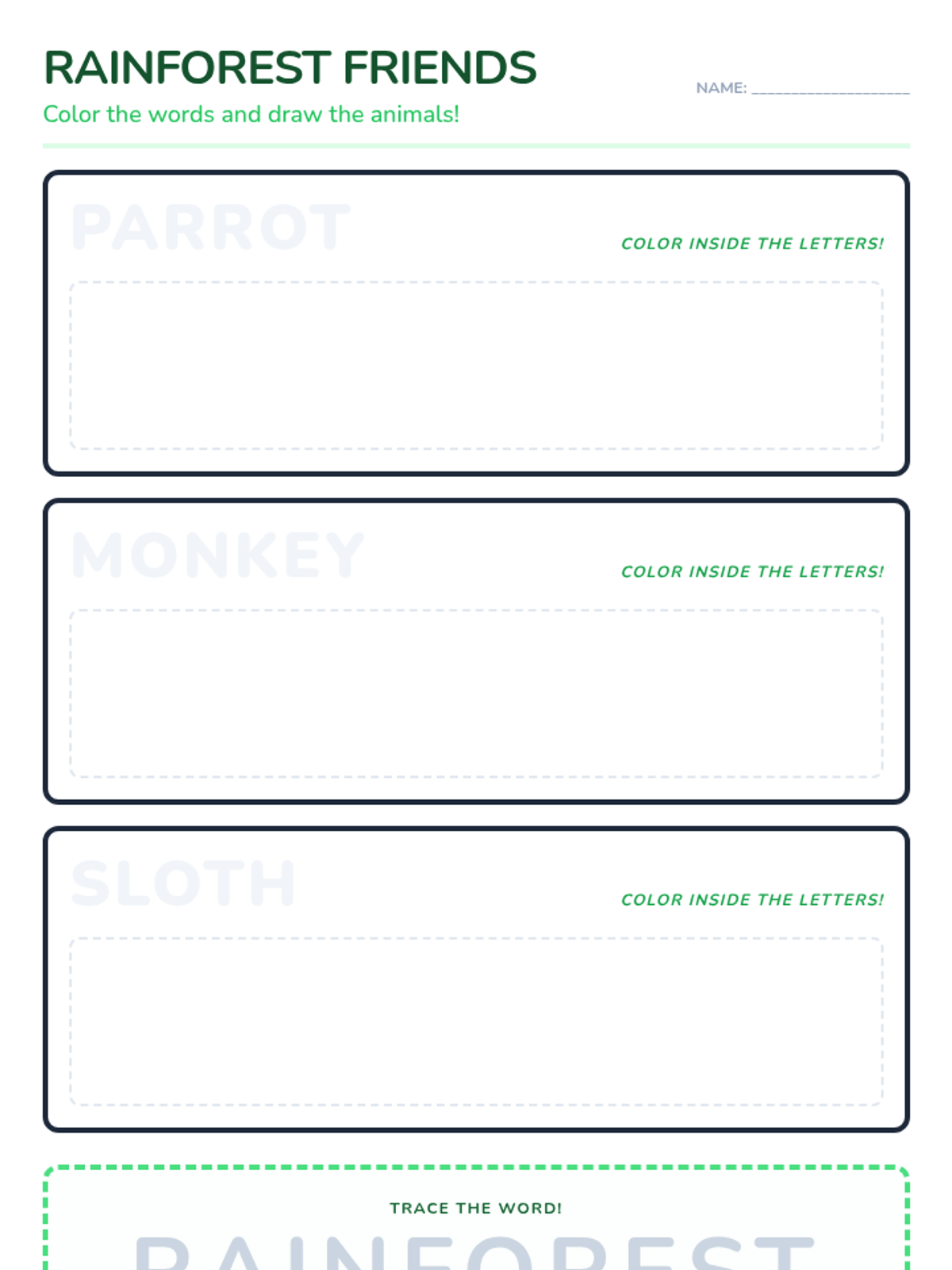
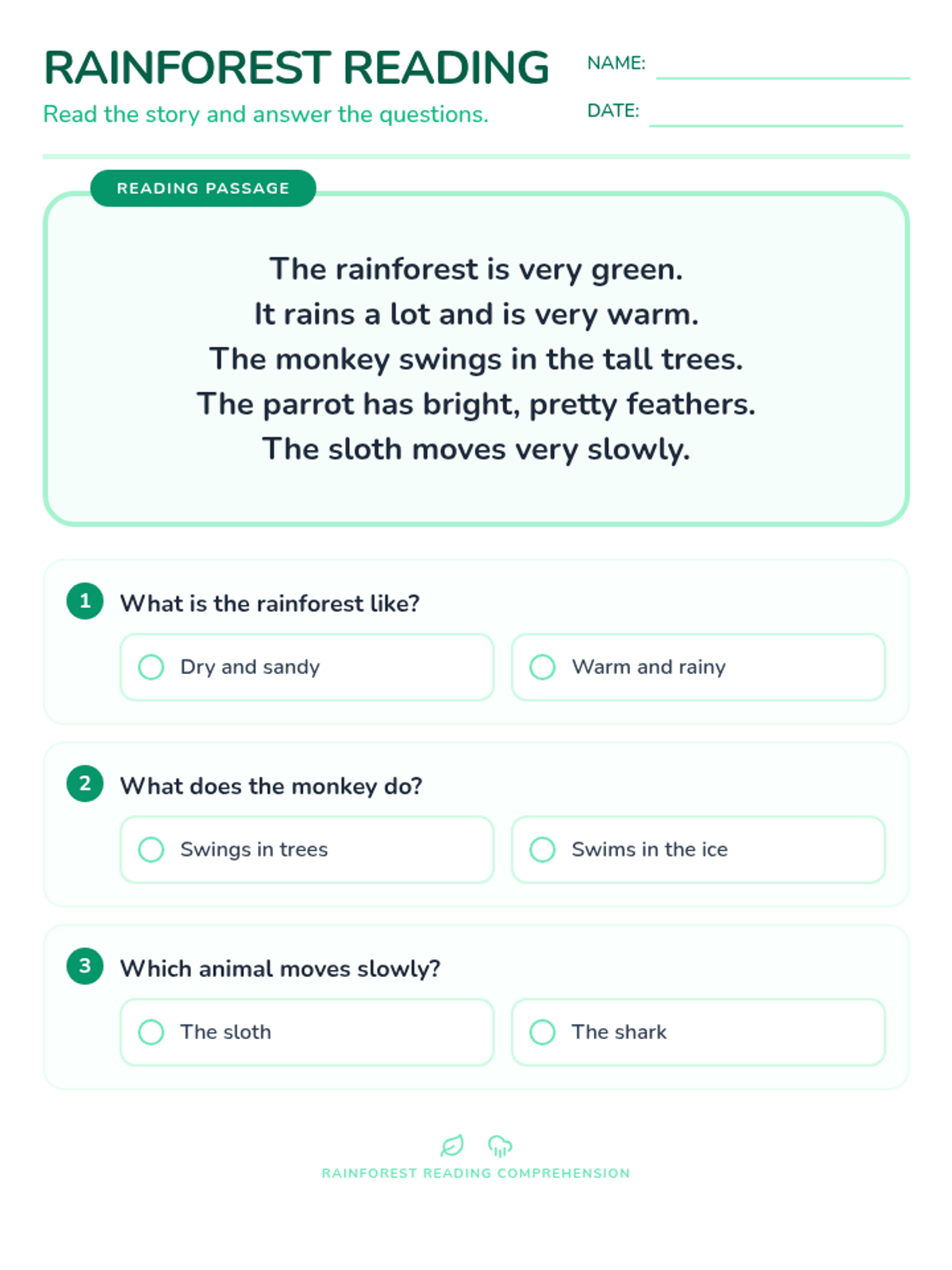
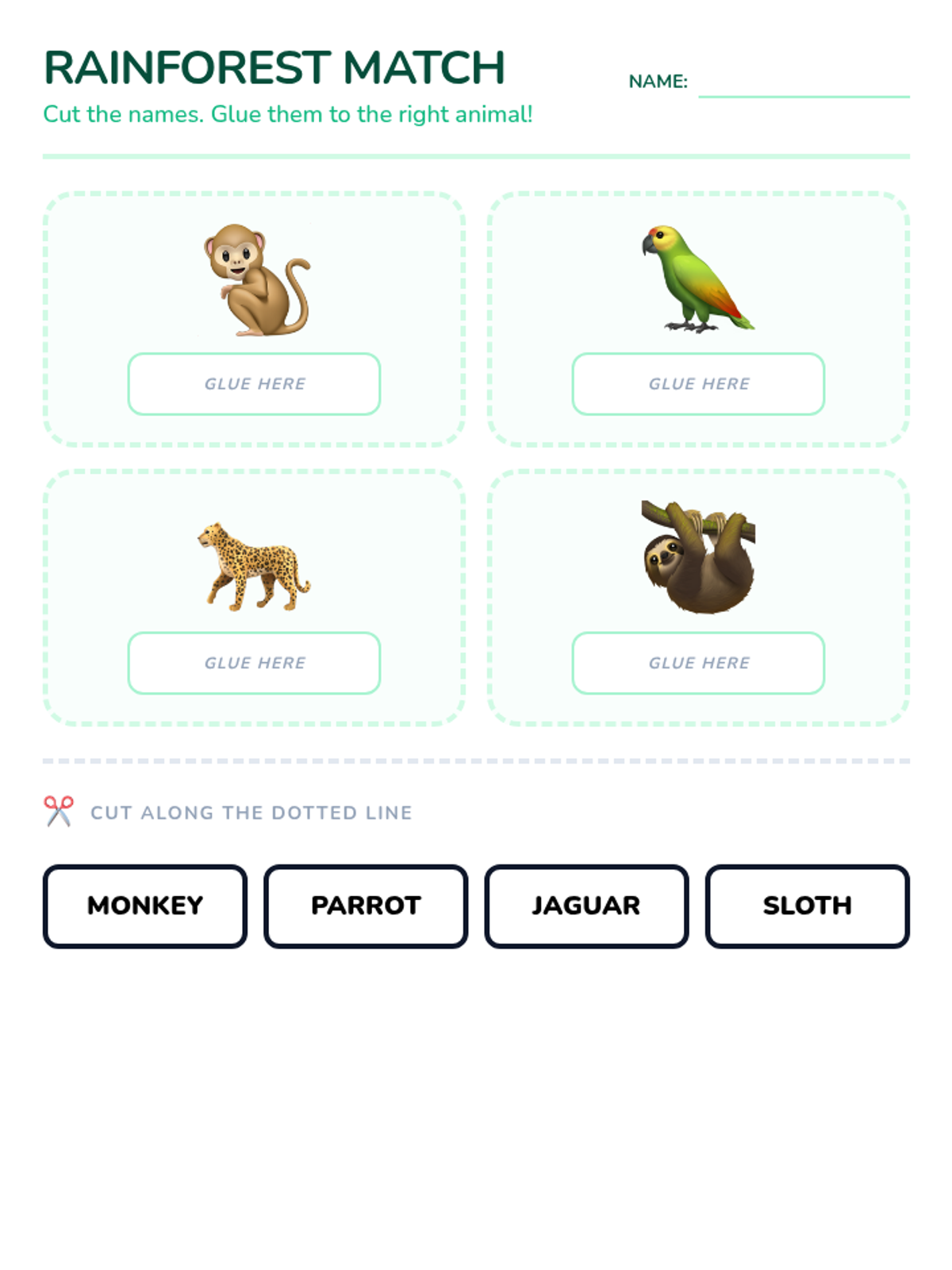
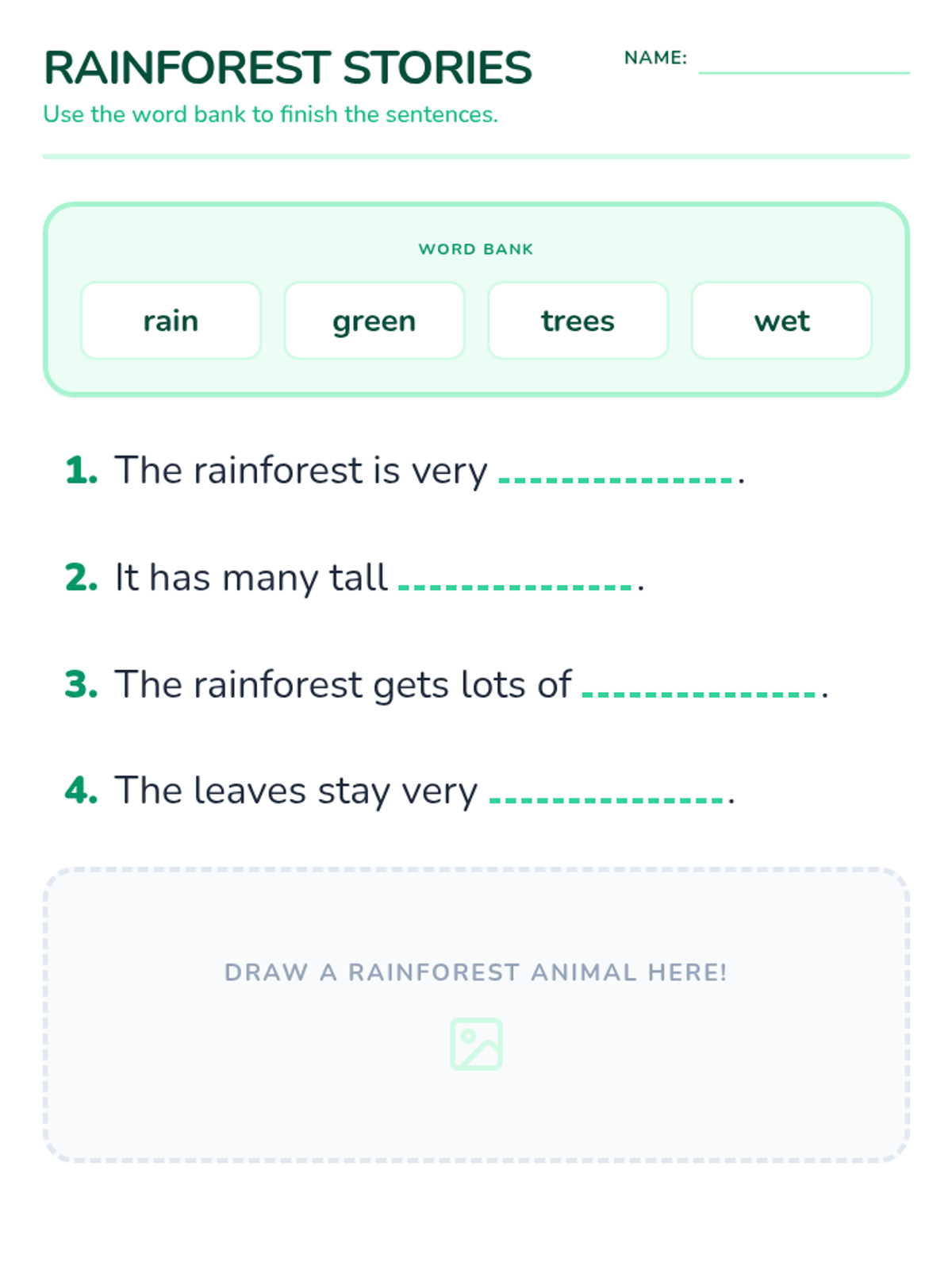
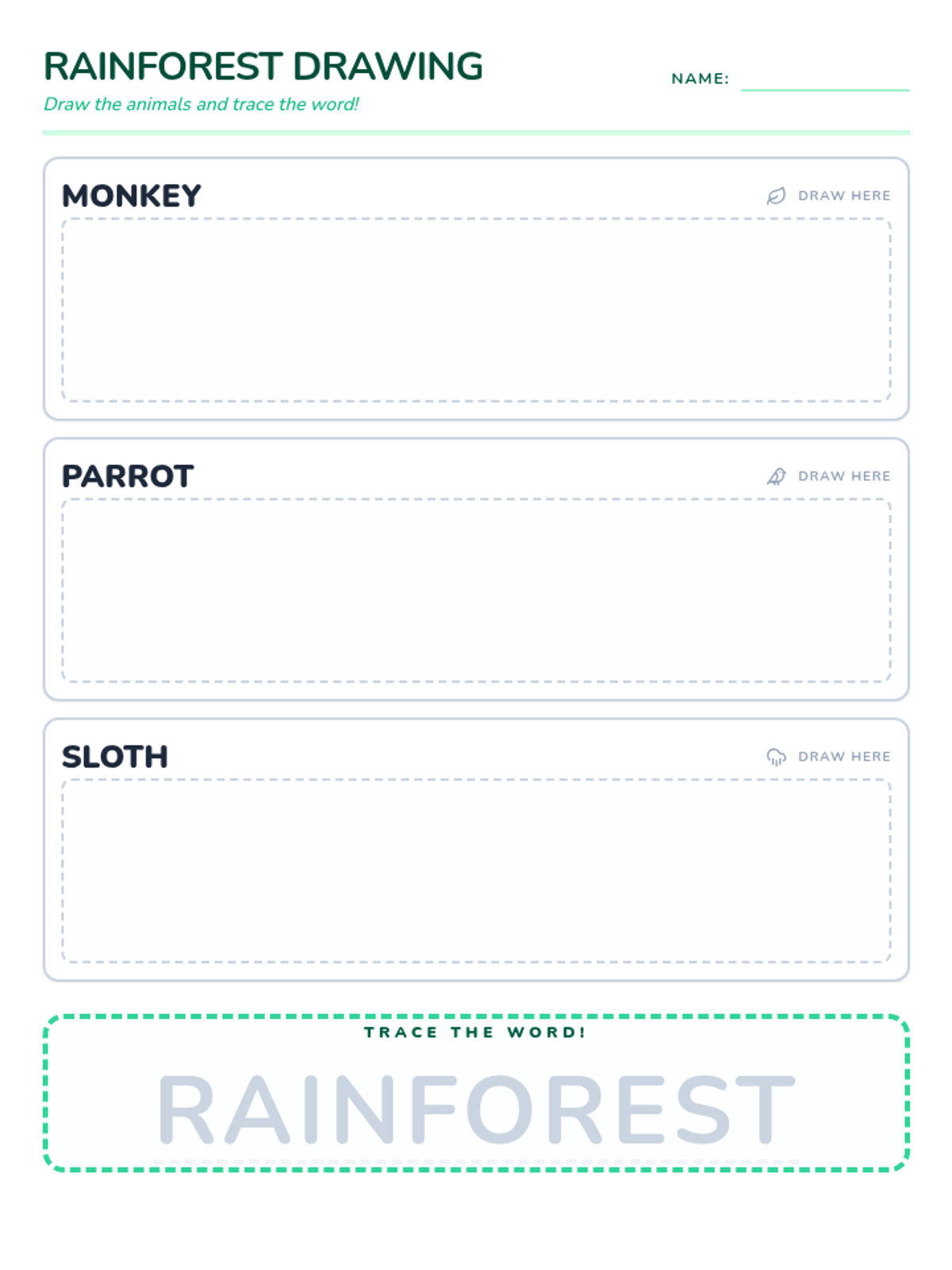
An exploration of the lush and rainy rainforest habitat, focusing on the layers of the forest and colorful animals like parrots and monkeys.
An exploration of the lush and rainy rainforest habitat, focusing on the layers of the forest and colorful animals like monkeys and parrots.
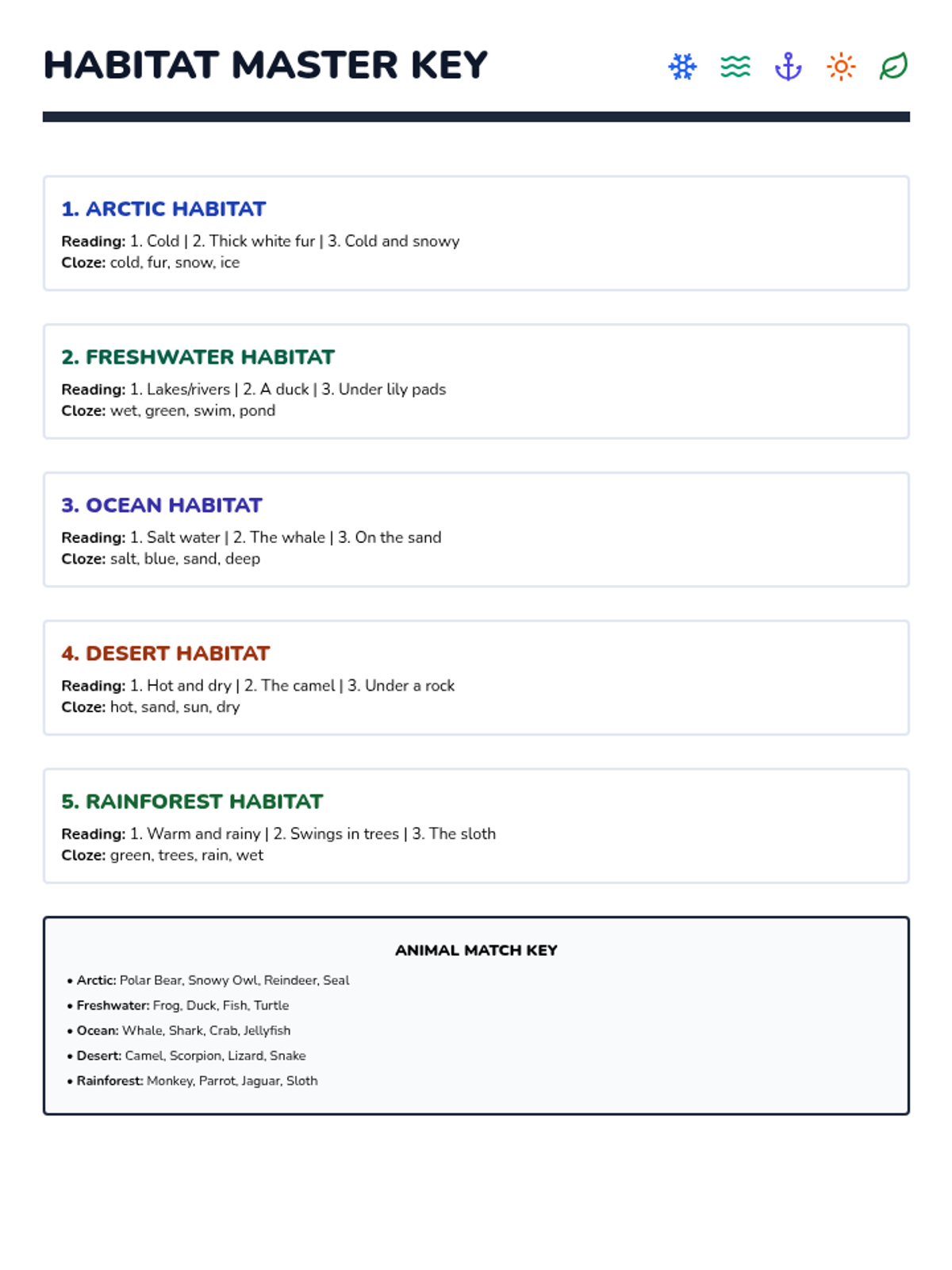
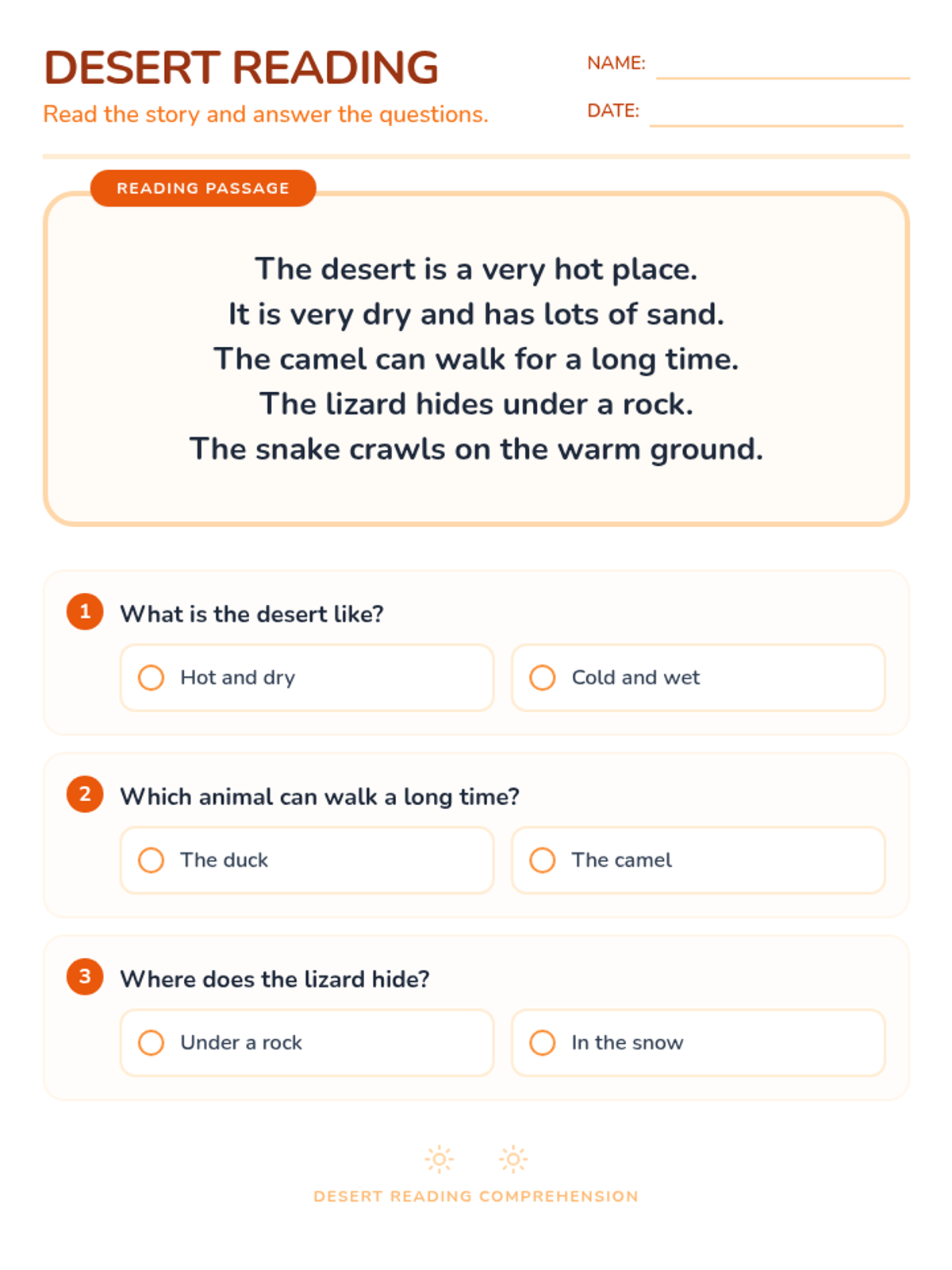
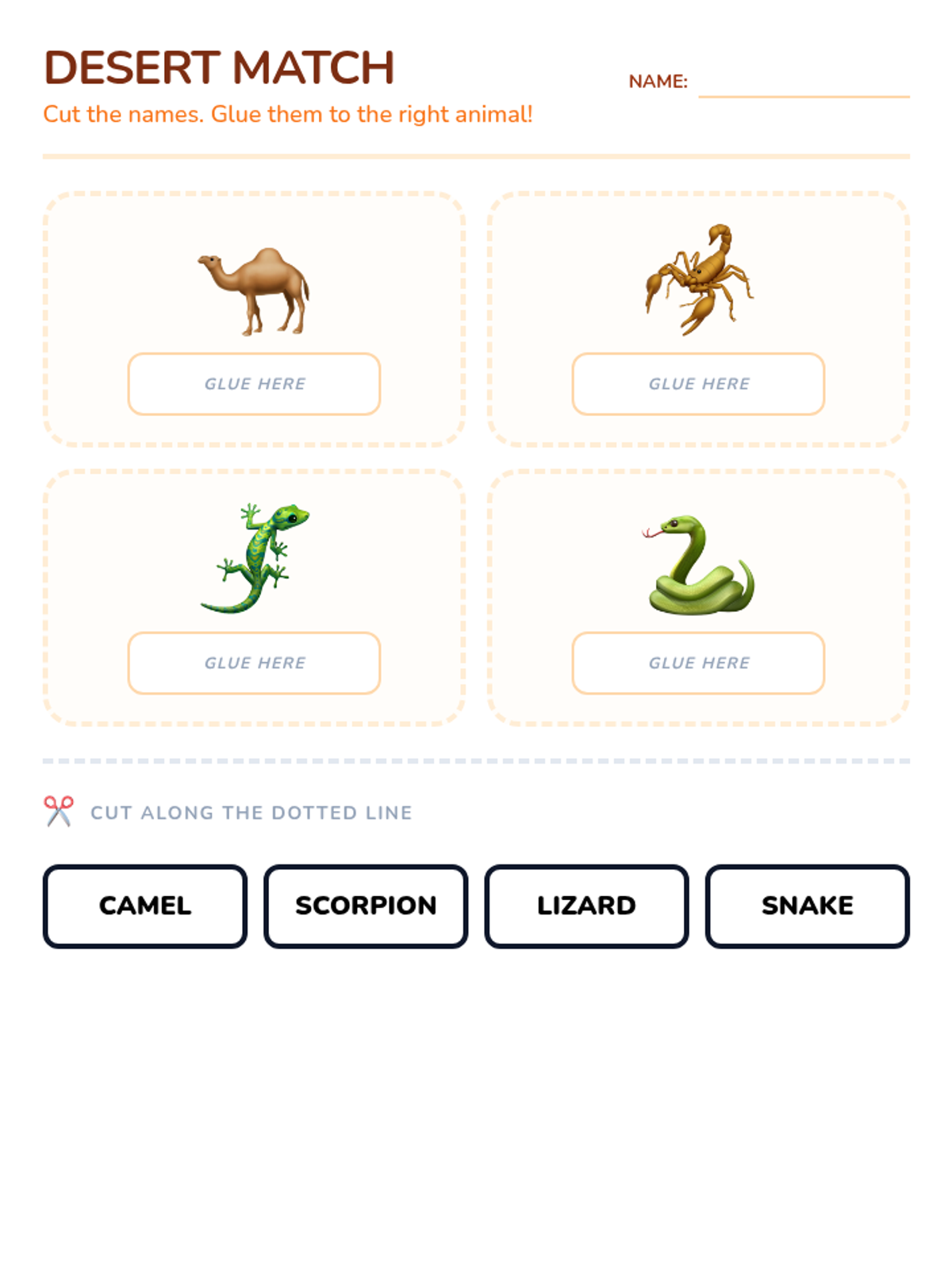
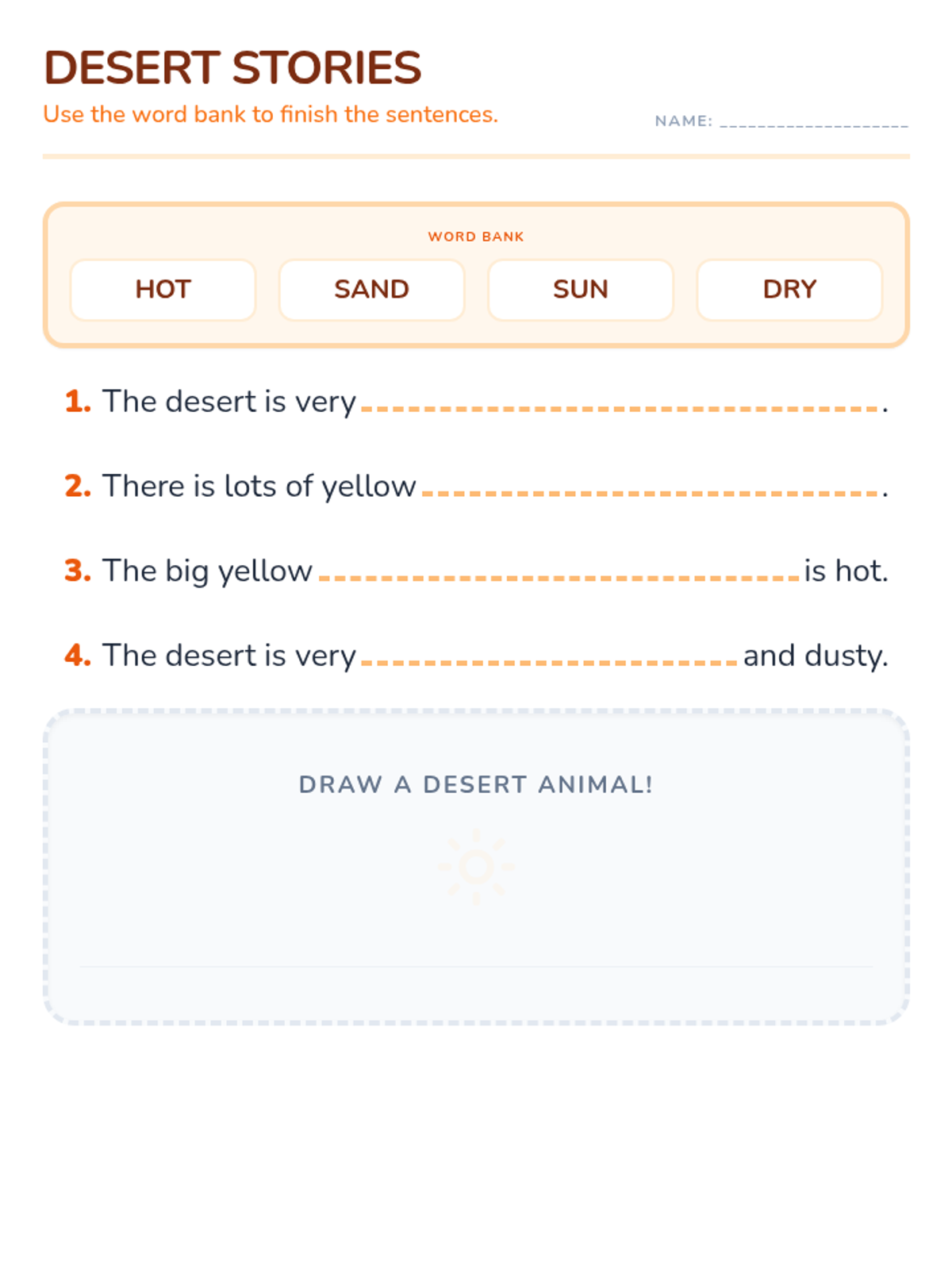
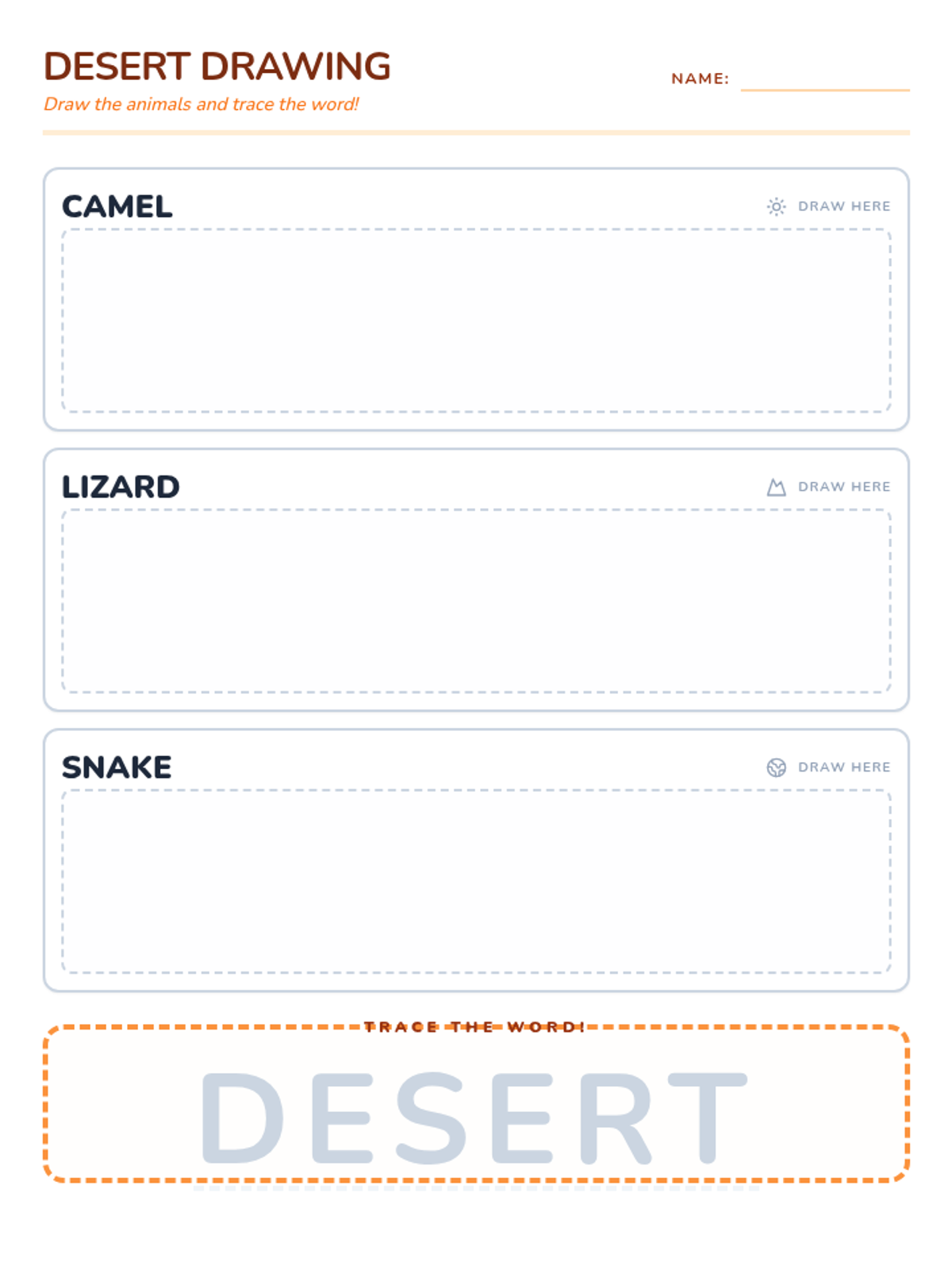
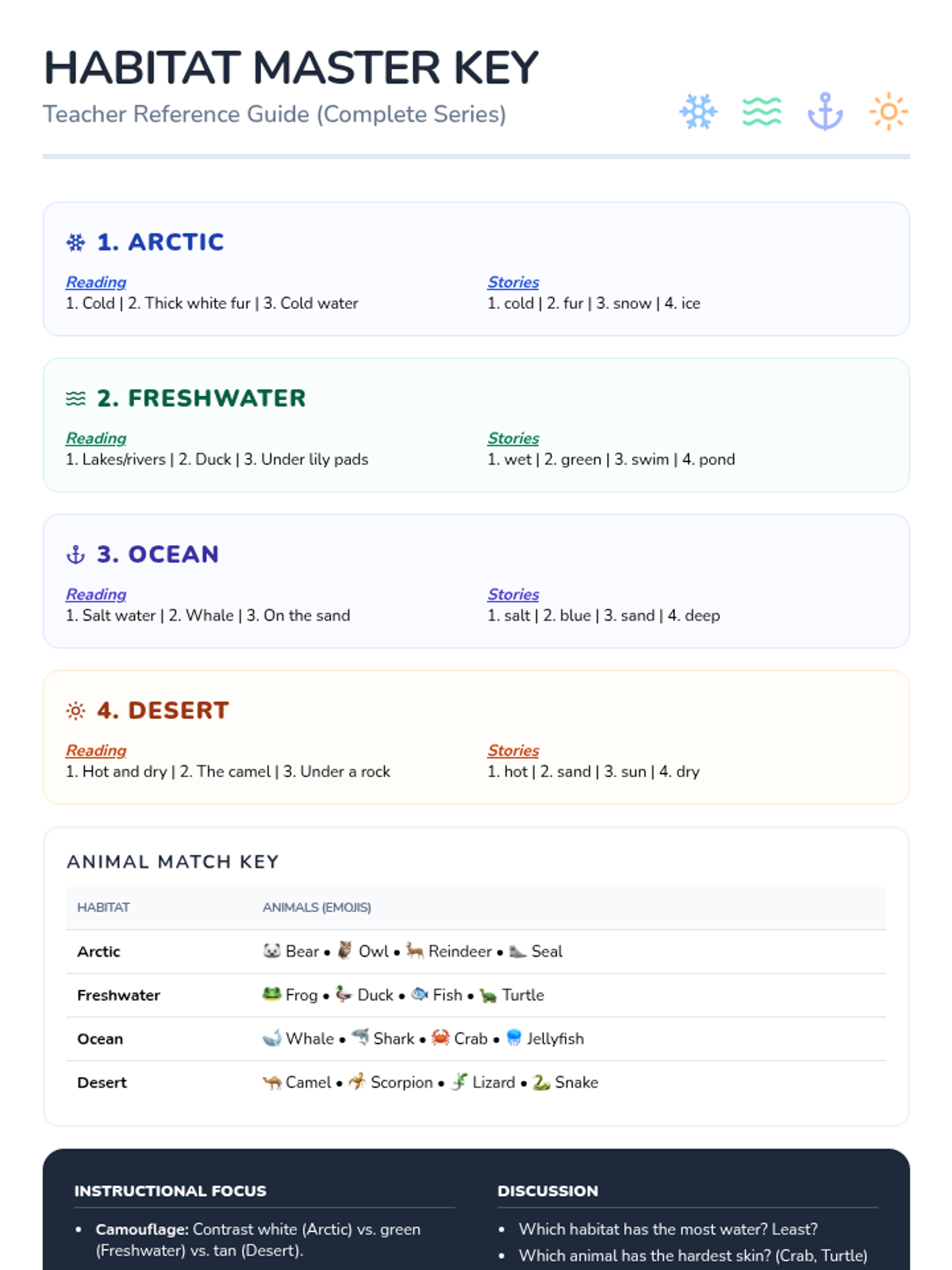
An exploration of the hot and dry desert habitat, focusing on how animals like camels and lizards survive with very little water.