An introductory lesson where students meet different insects, learn what makes an insect an insect, and explore the various places they call home.
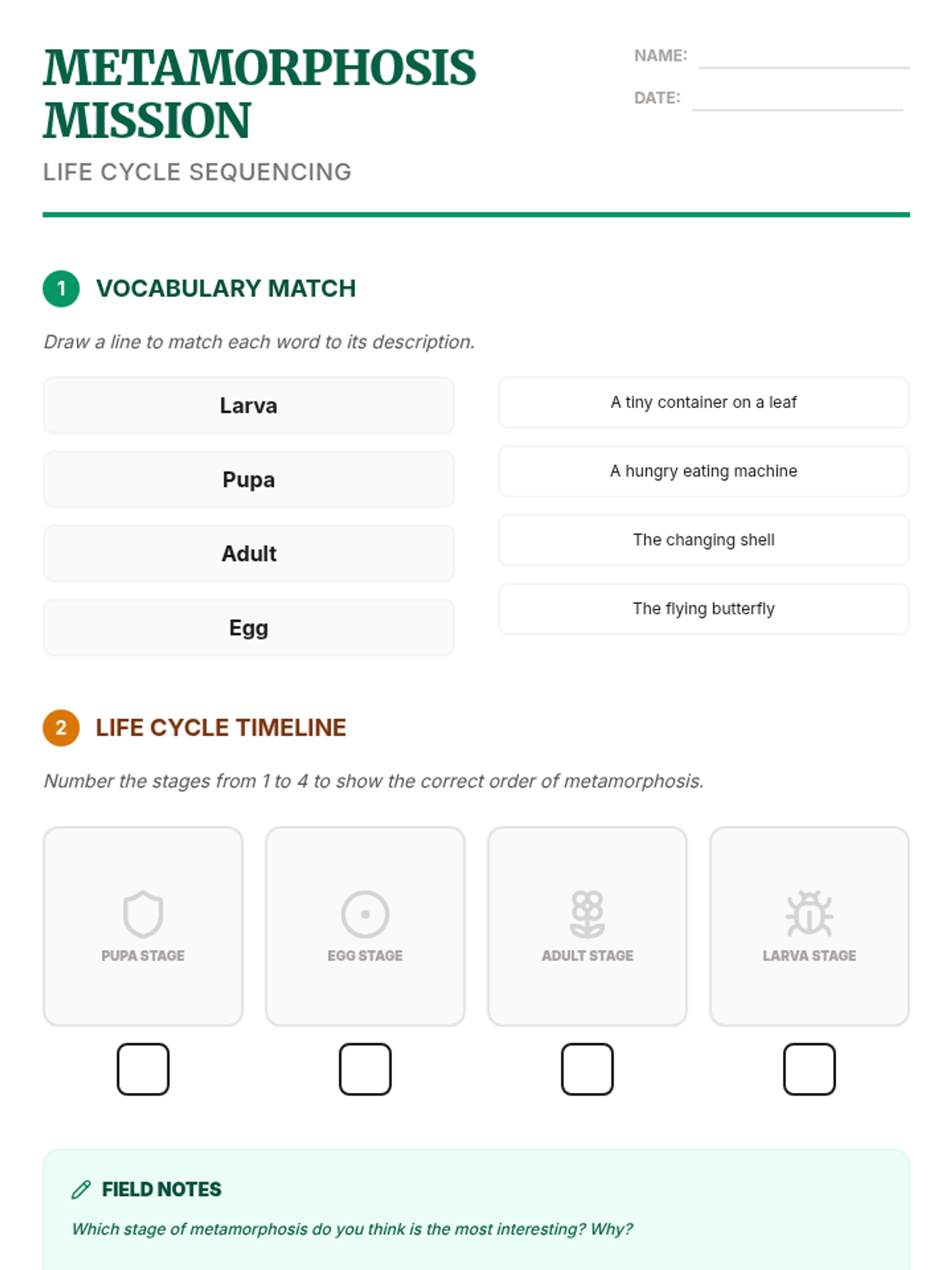
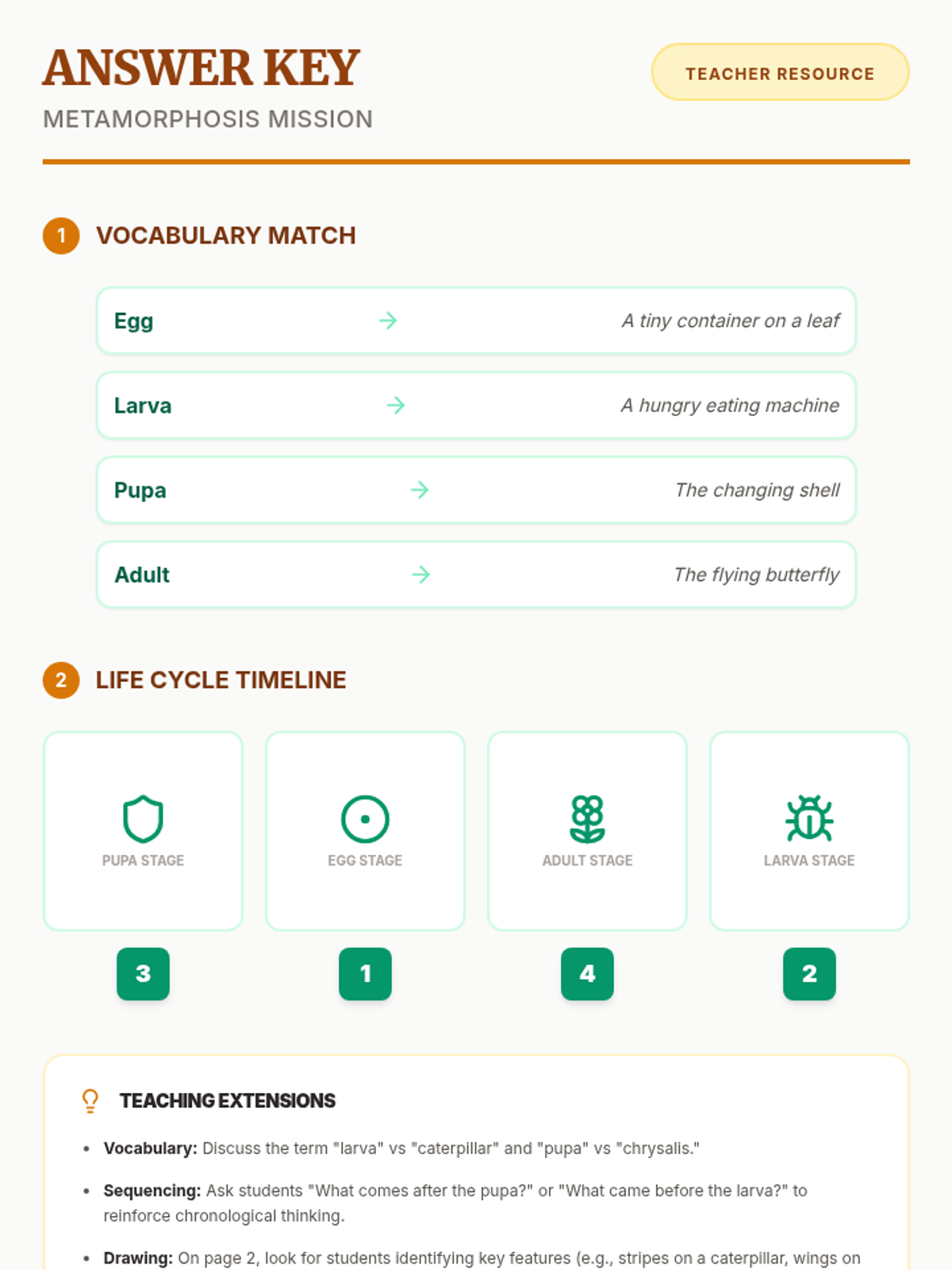
Students will learn the four distinct stages of a butterfly's life cycle and practice sequencing them in the correct chronological order.
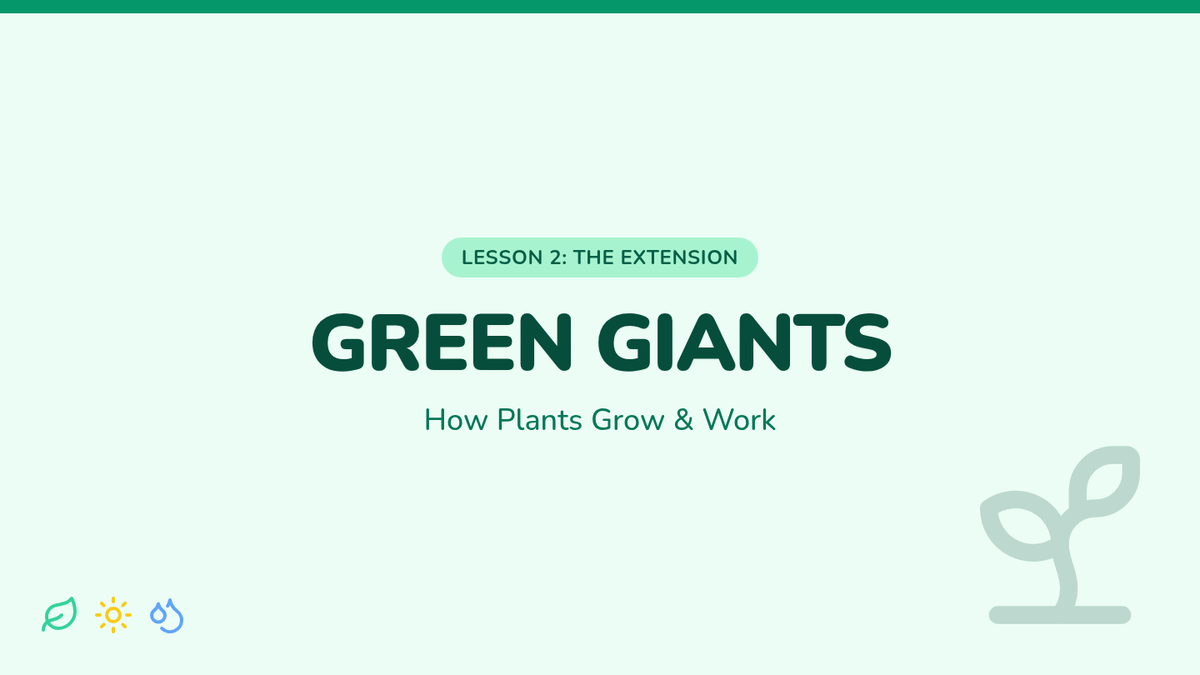
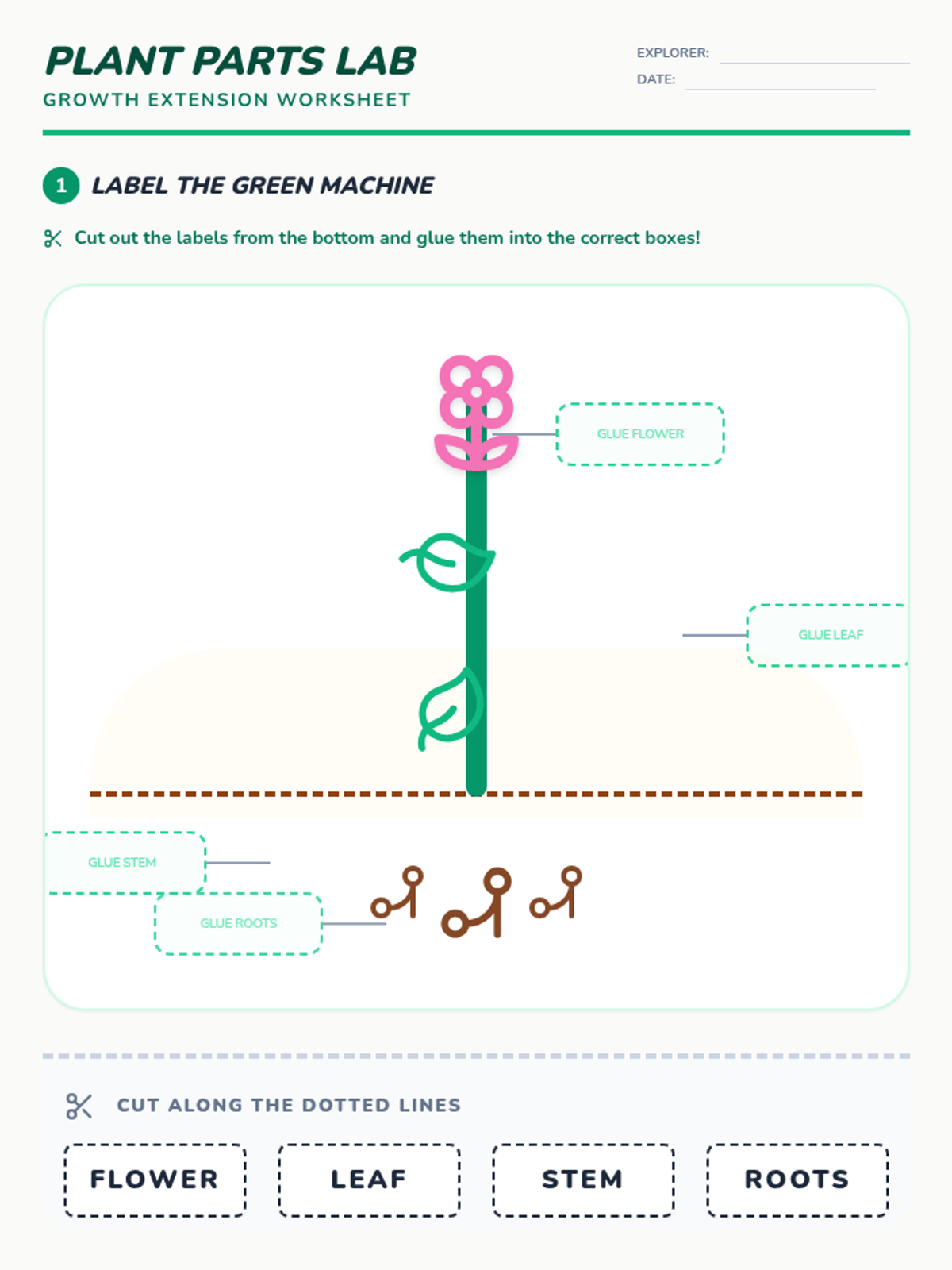
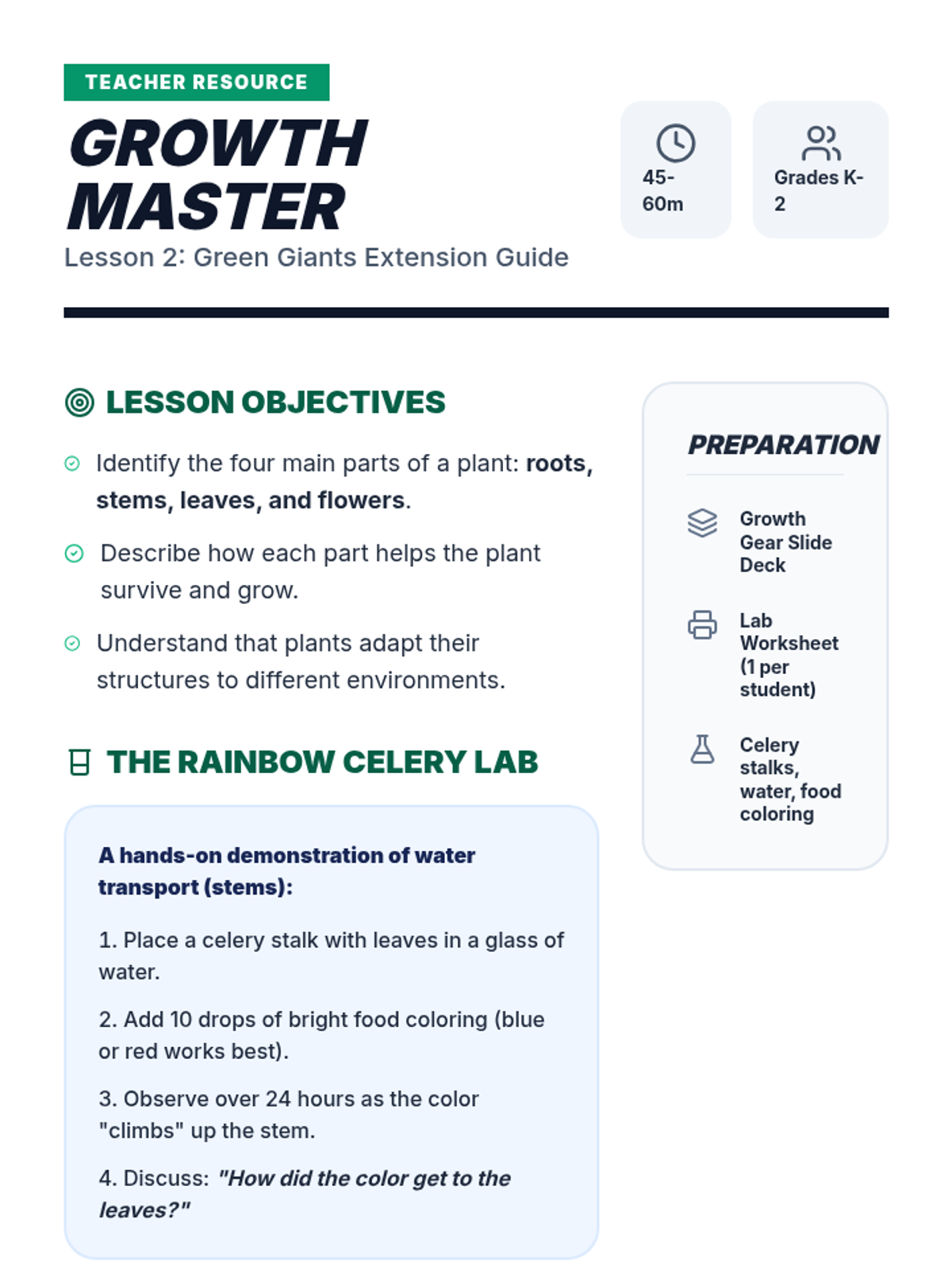
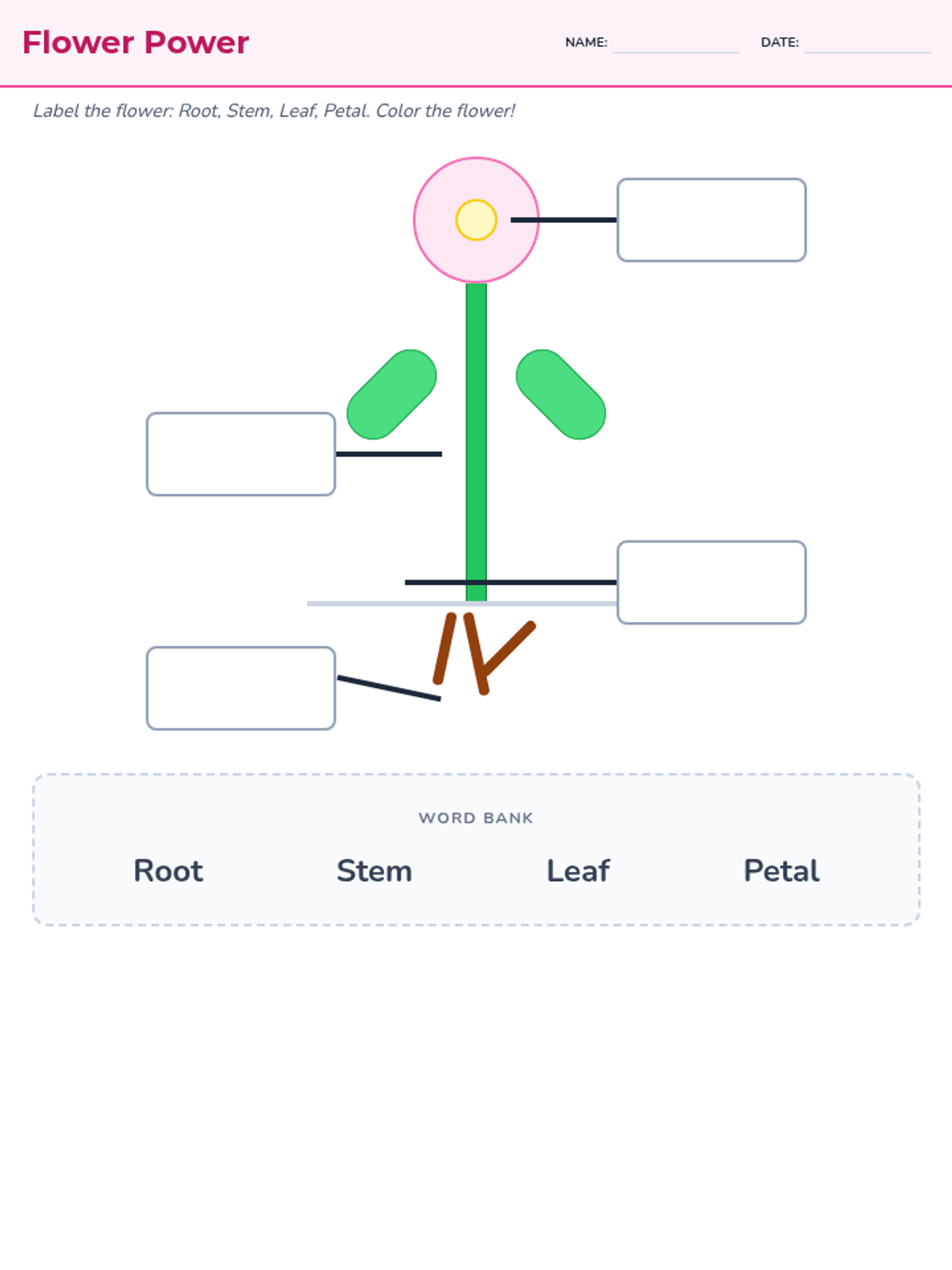
An extension lesson delving deeper into how plants grow, focusing on the specific functions of roots, stems, and leaves, as well as the essential nutrients found in soil.
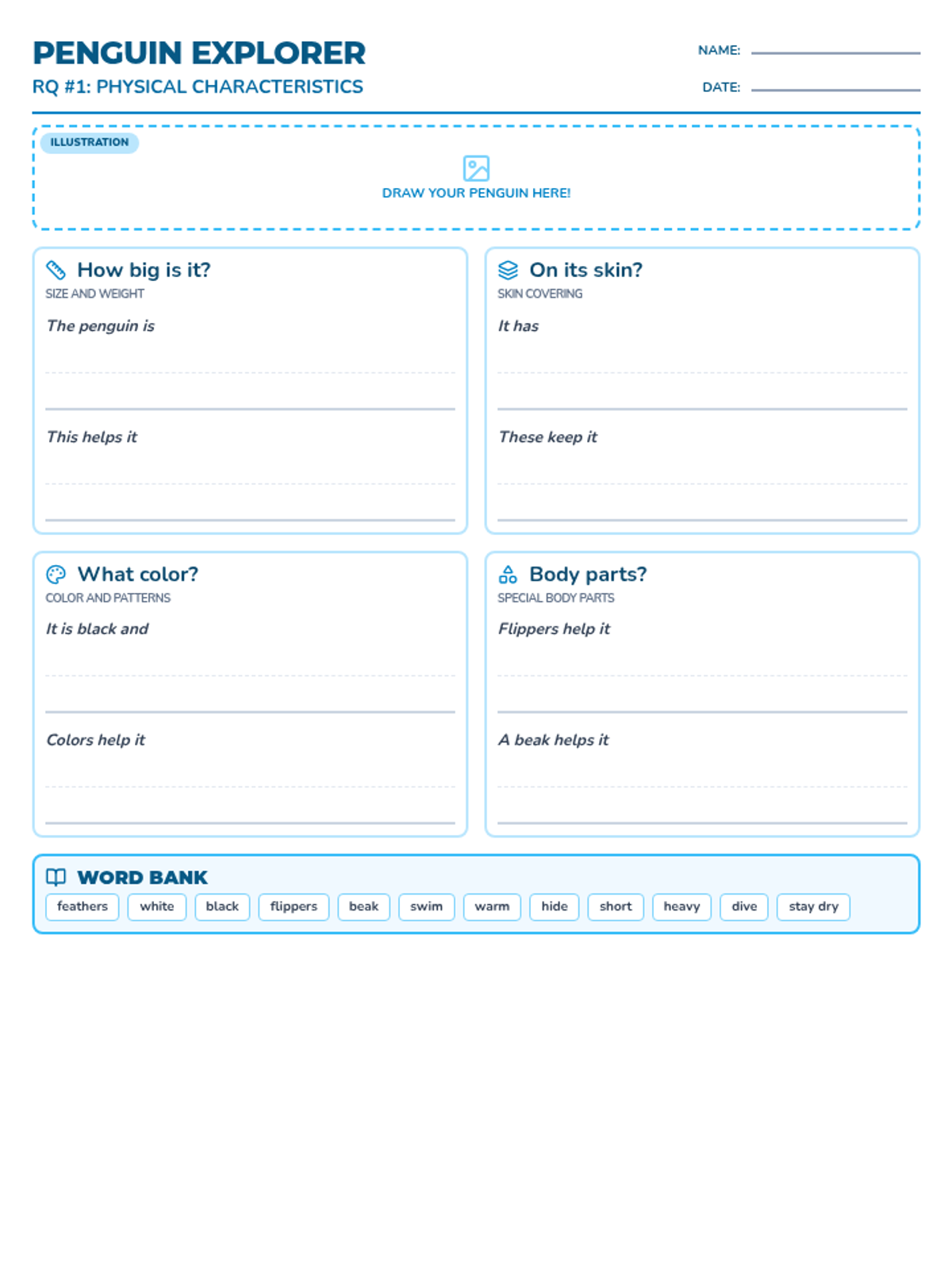
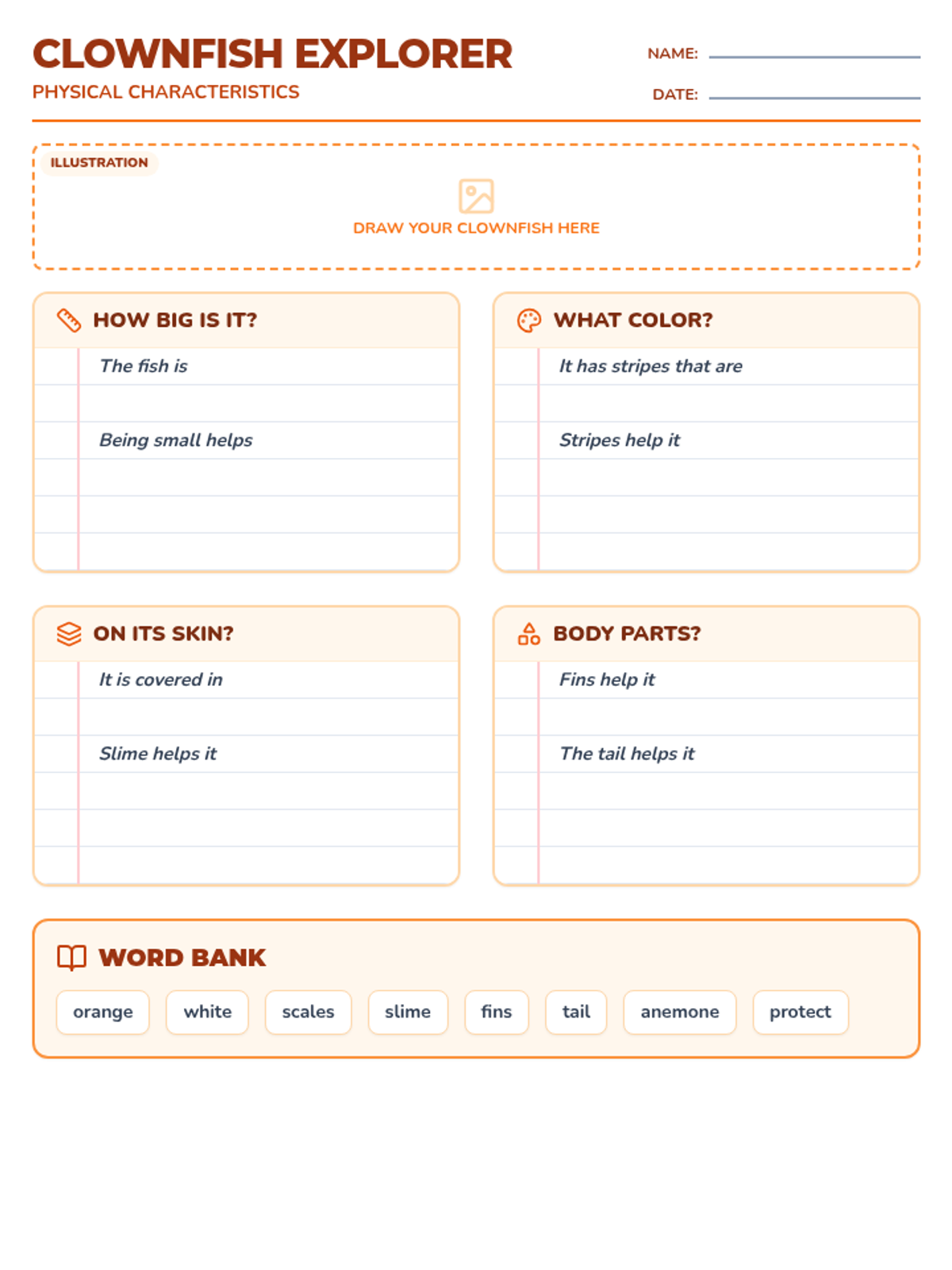
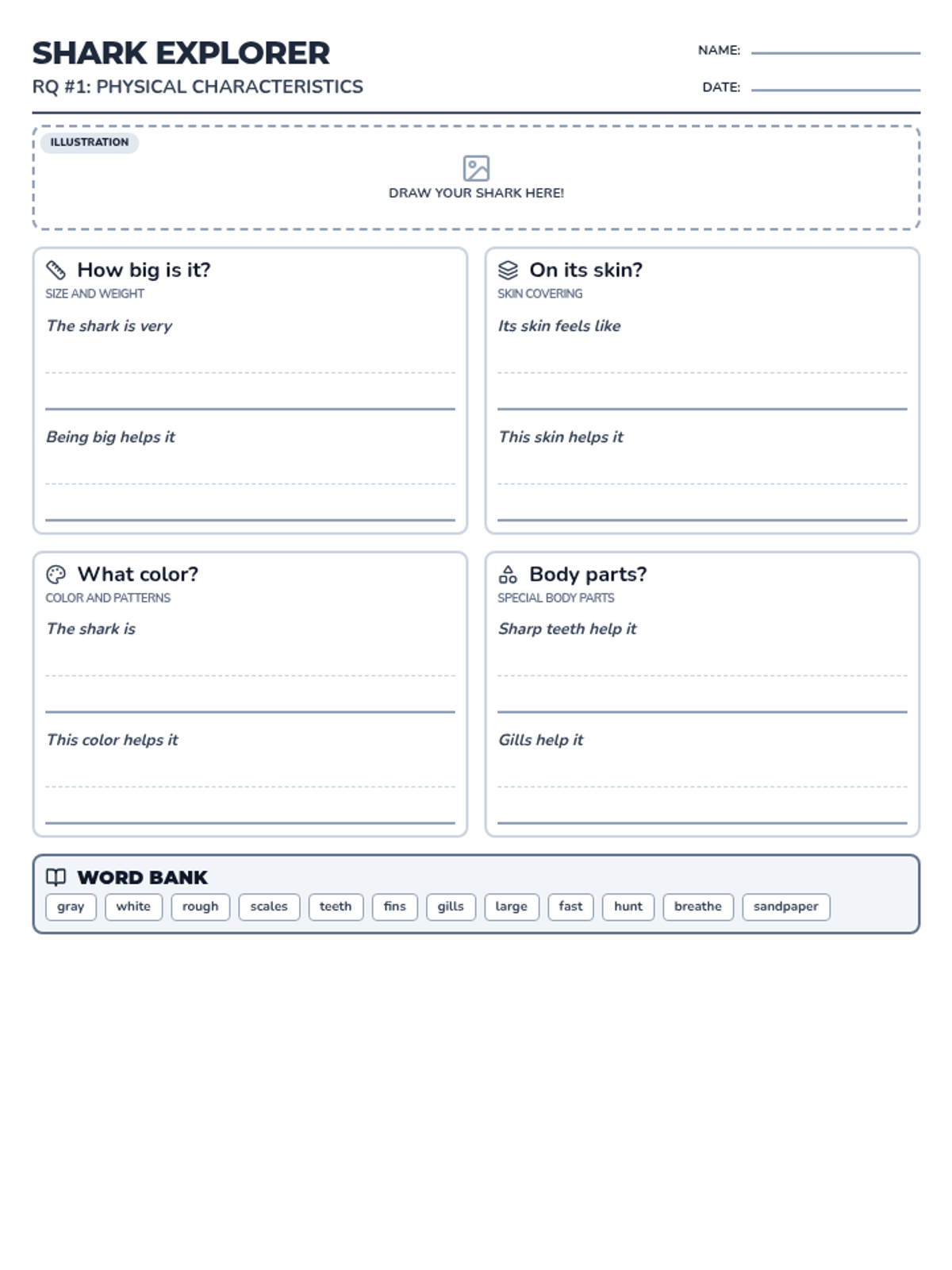
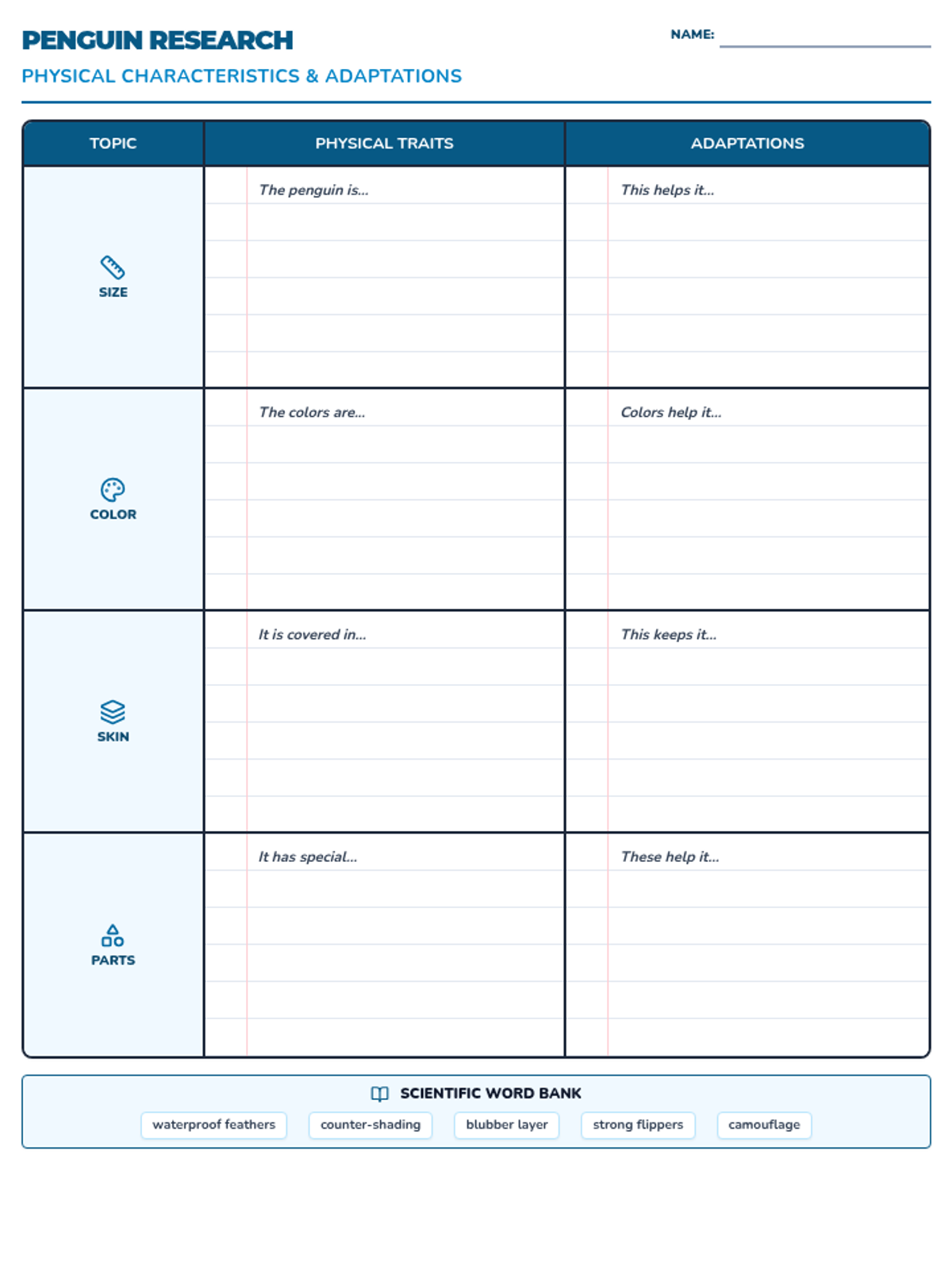
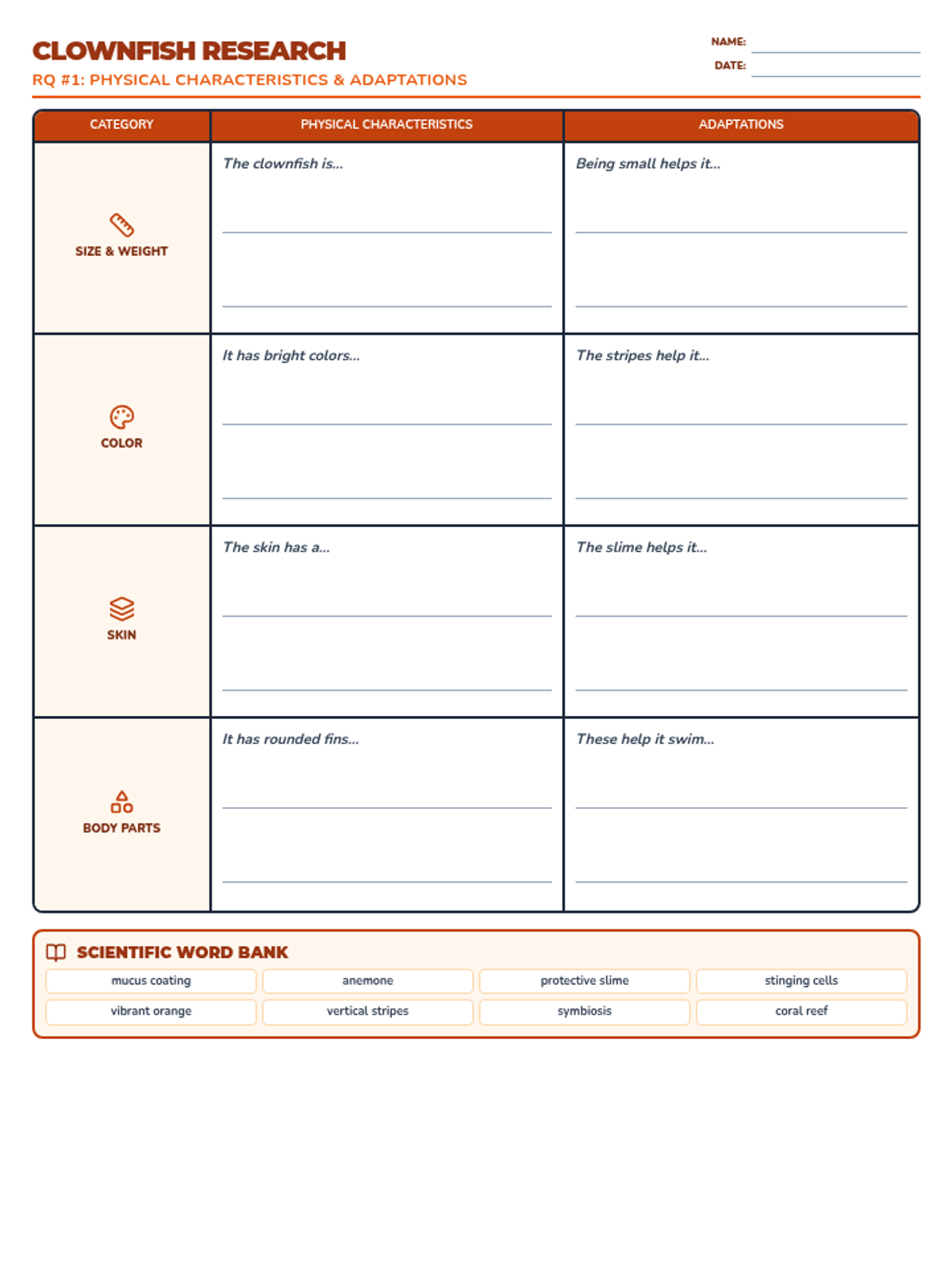
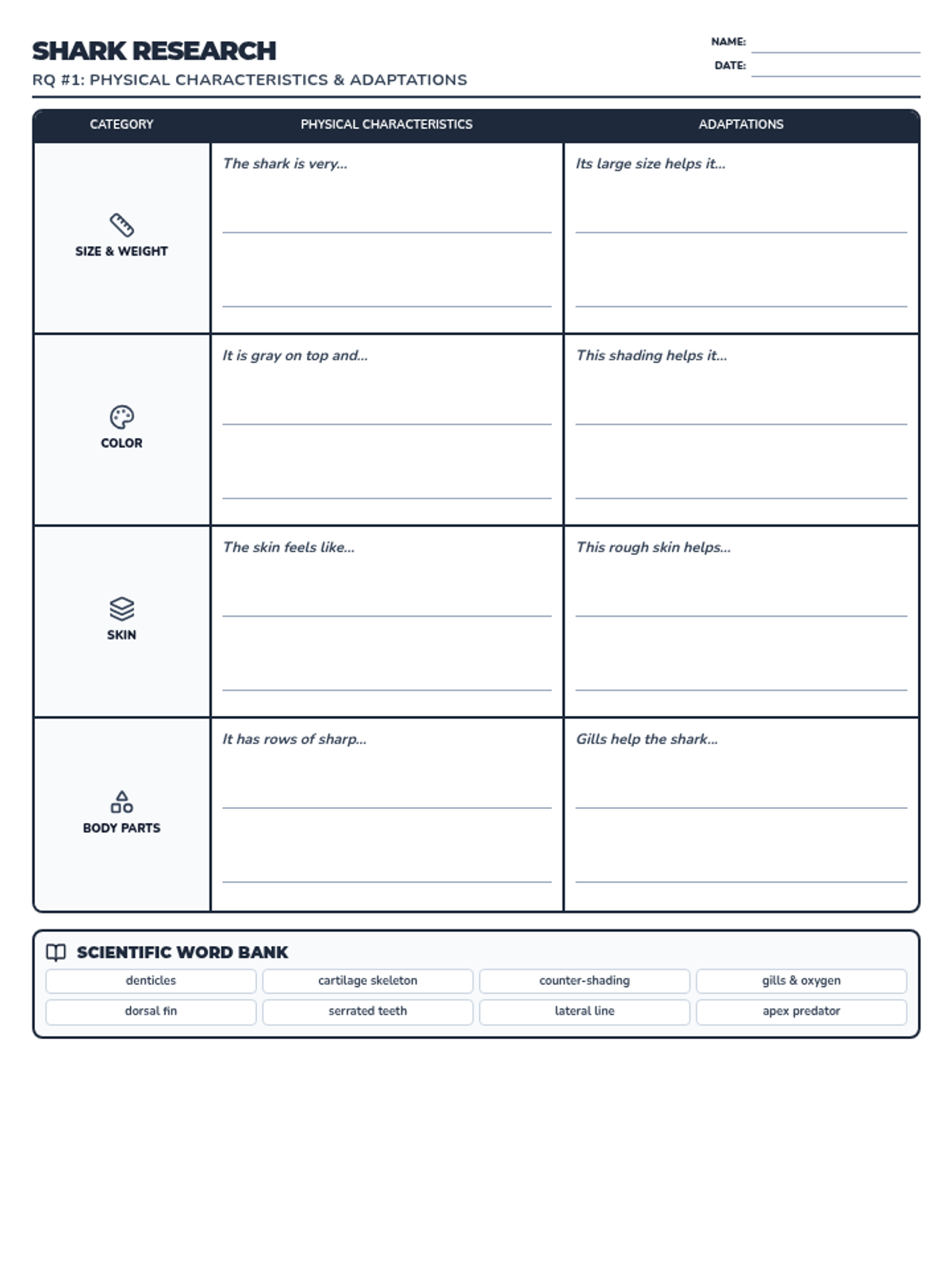
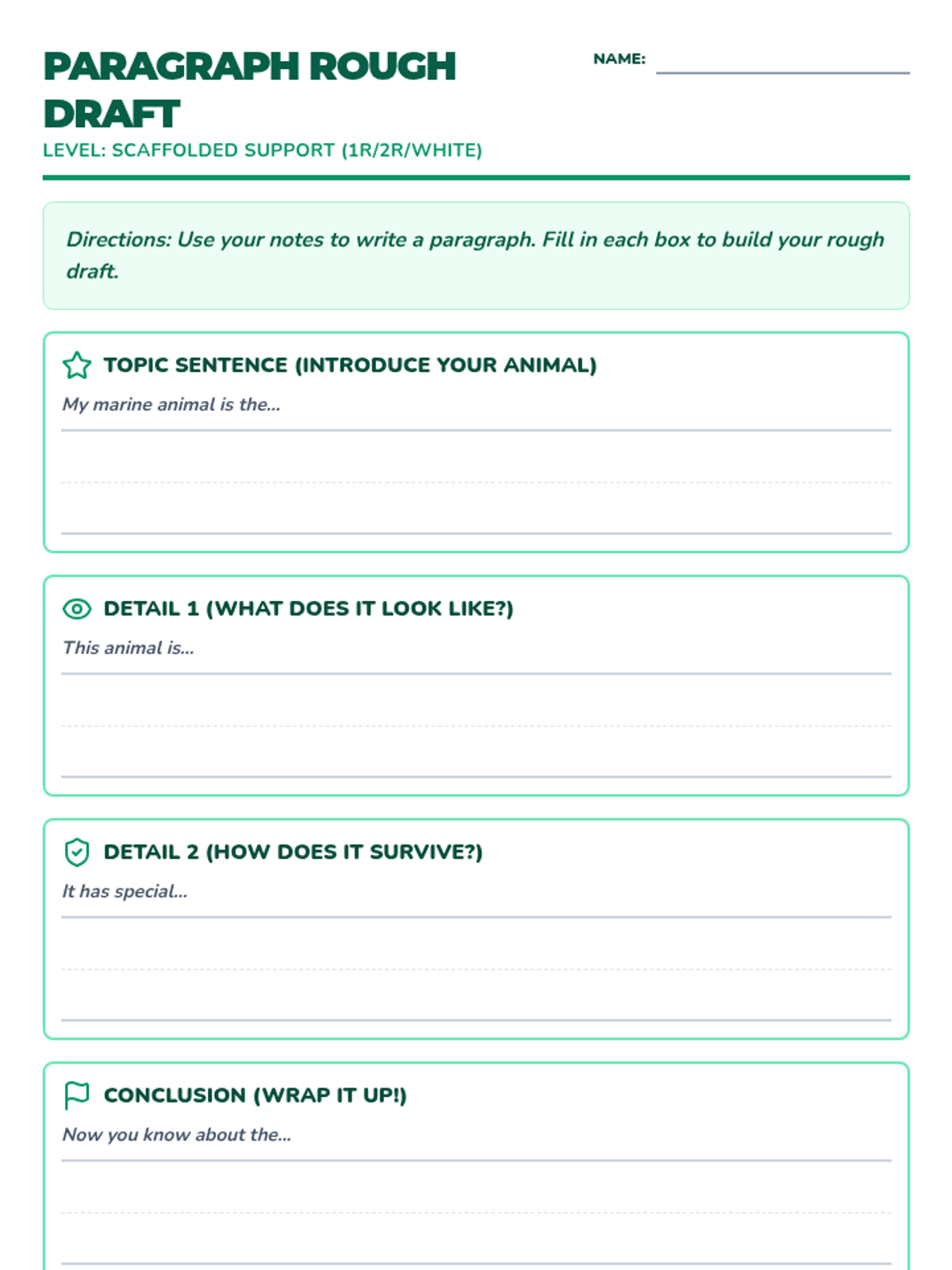
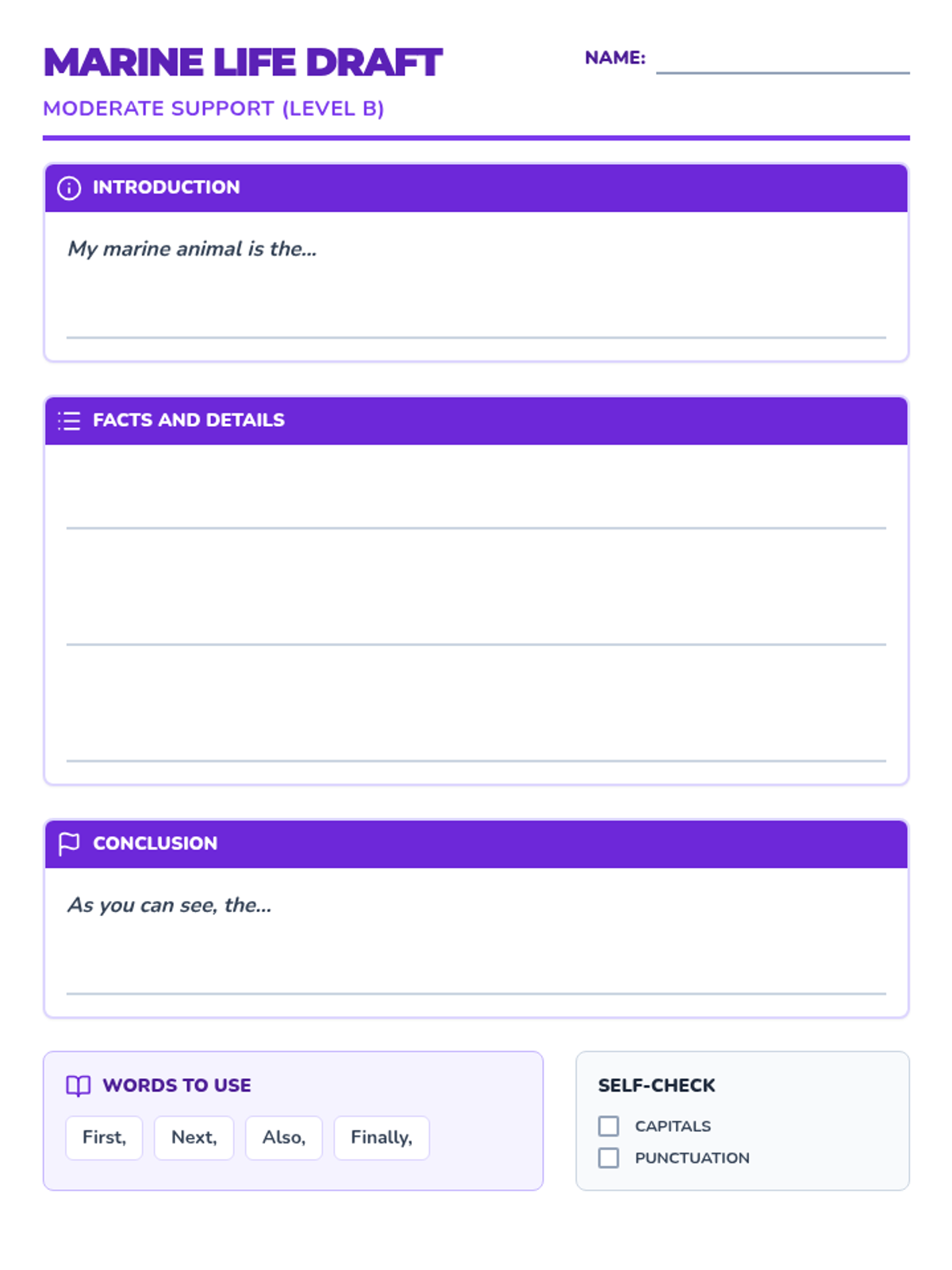
A research unit focused on the physical characteristics and adaptations of marine animals, designed for K-1 learners to build scientific observation and writing skills.
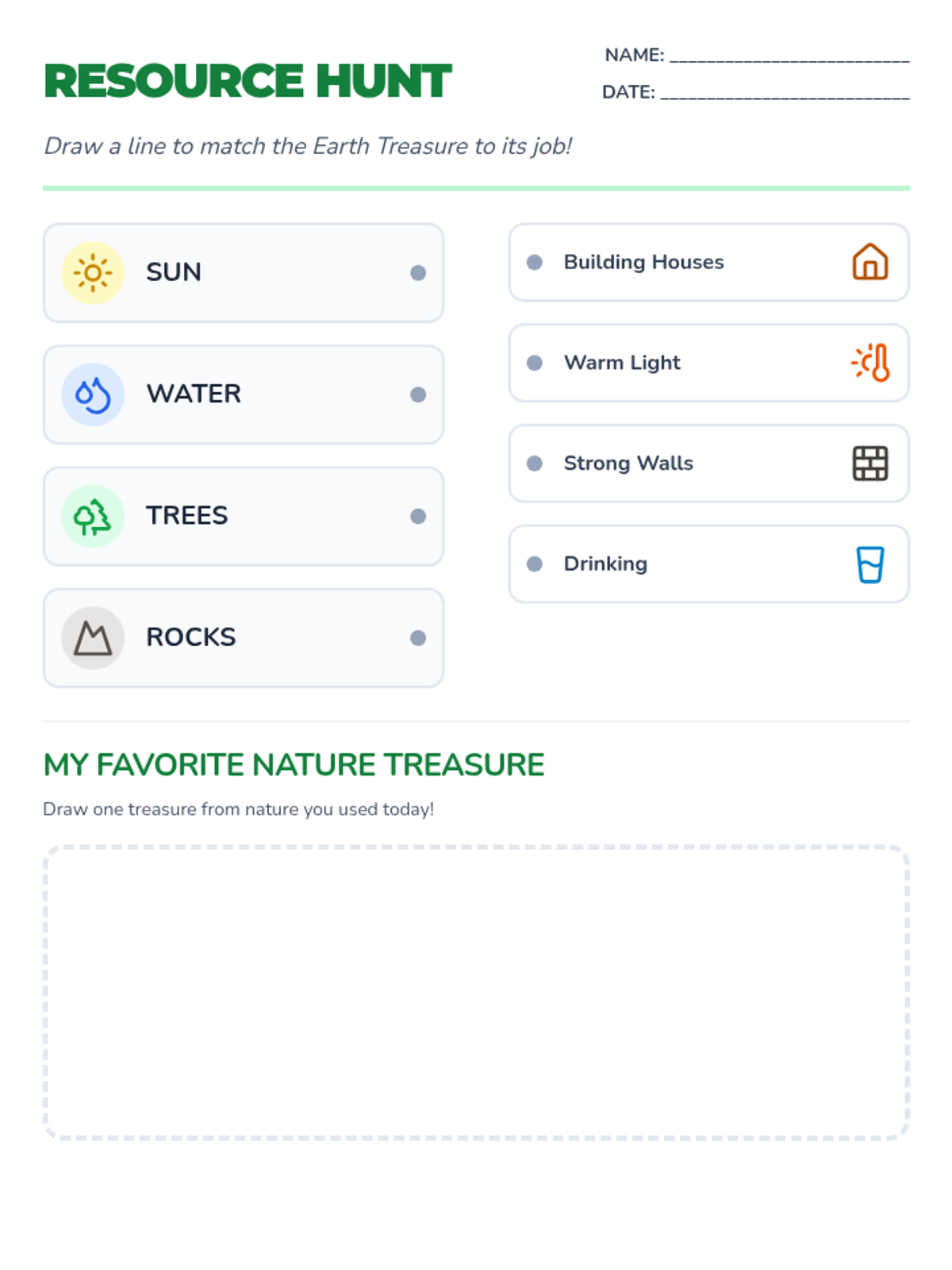
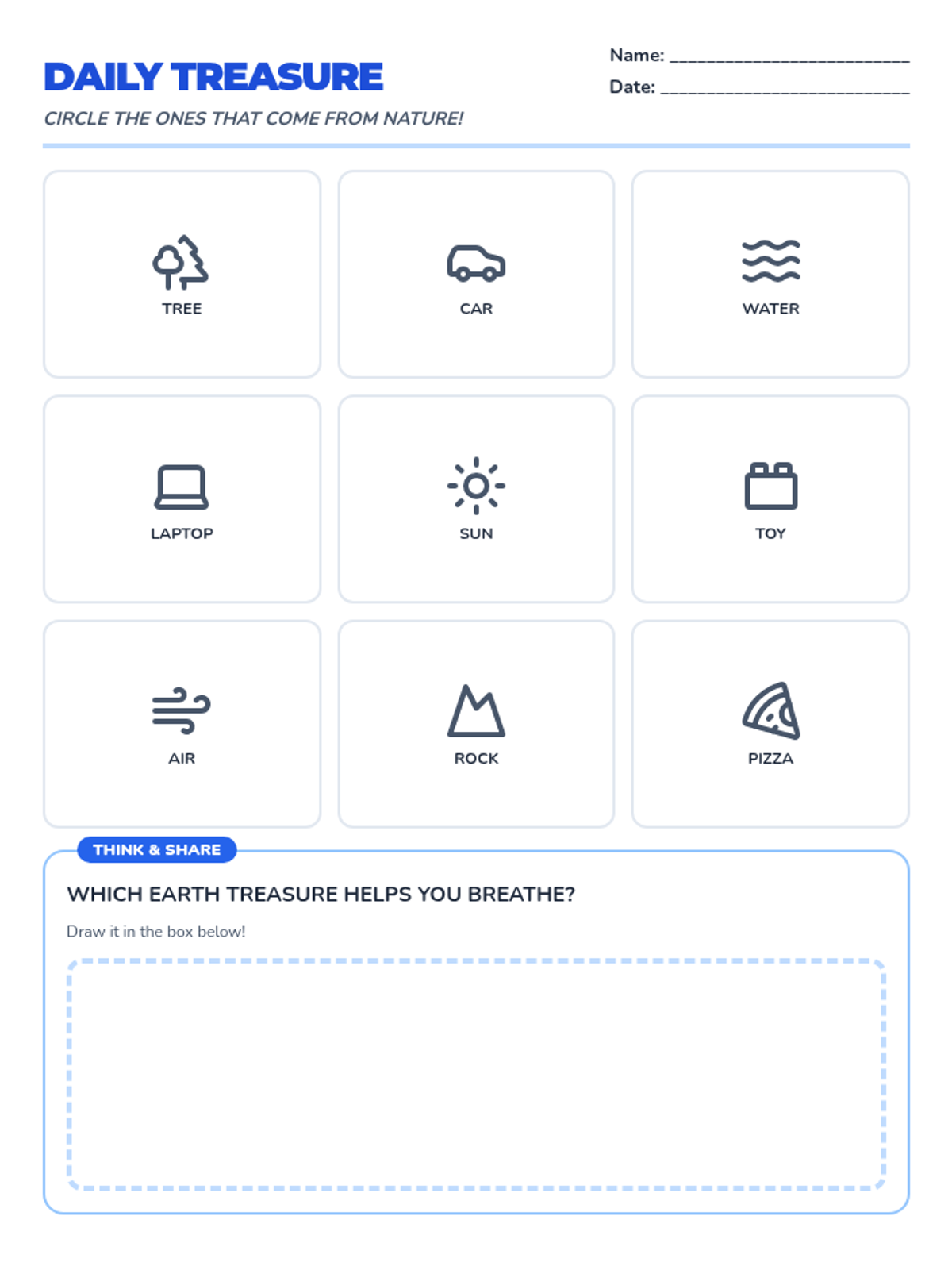
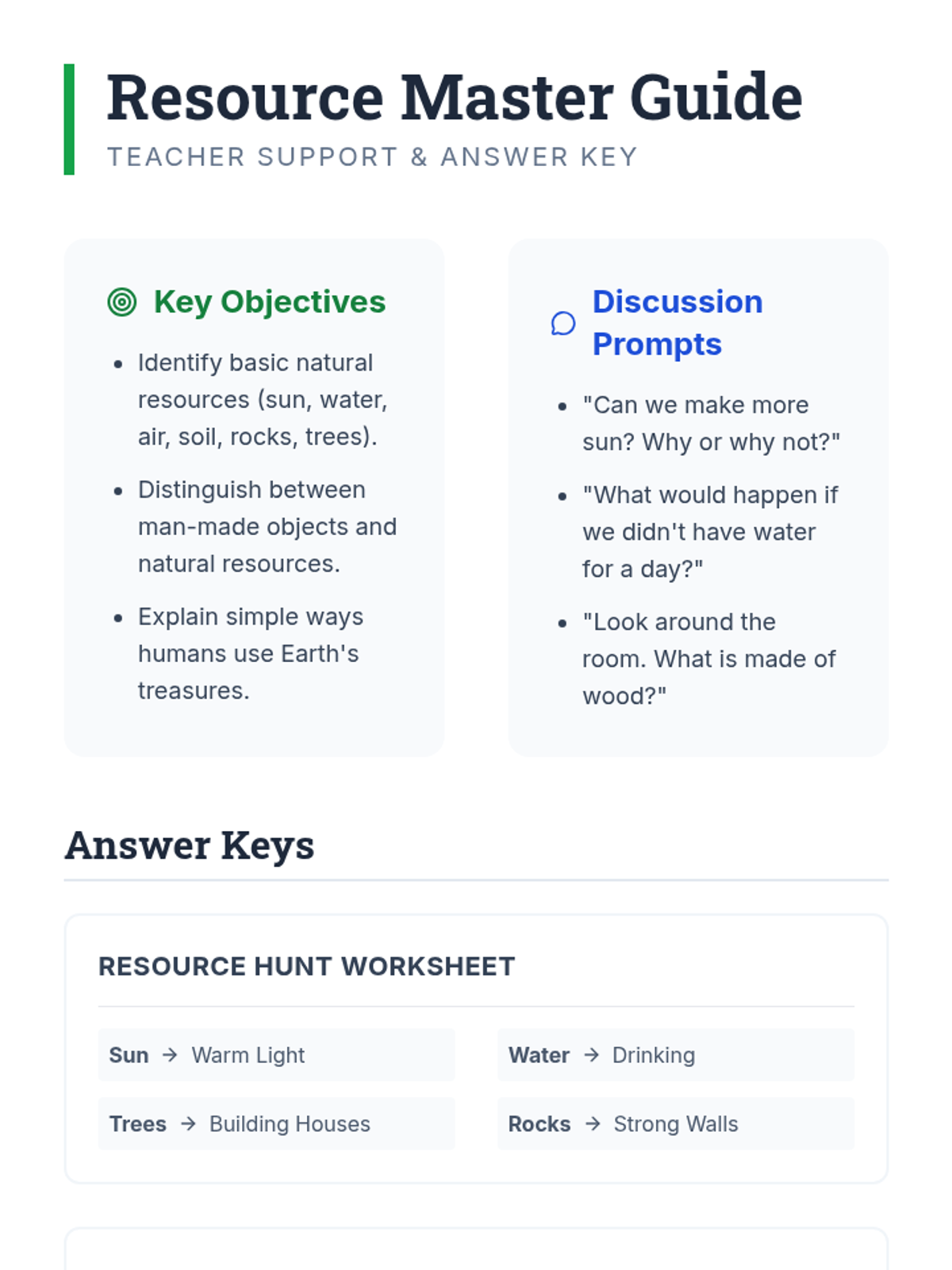
An introductory lesson for kindergarteners to identify and understand the importance of natural resources like sun, water, air, rocks, soil, and trees. Students will explore how these 'treasures' from Earth help us every day.
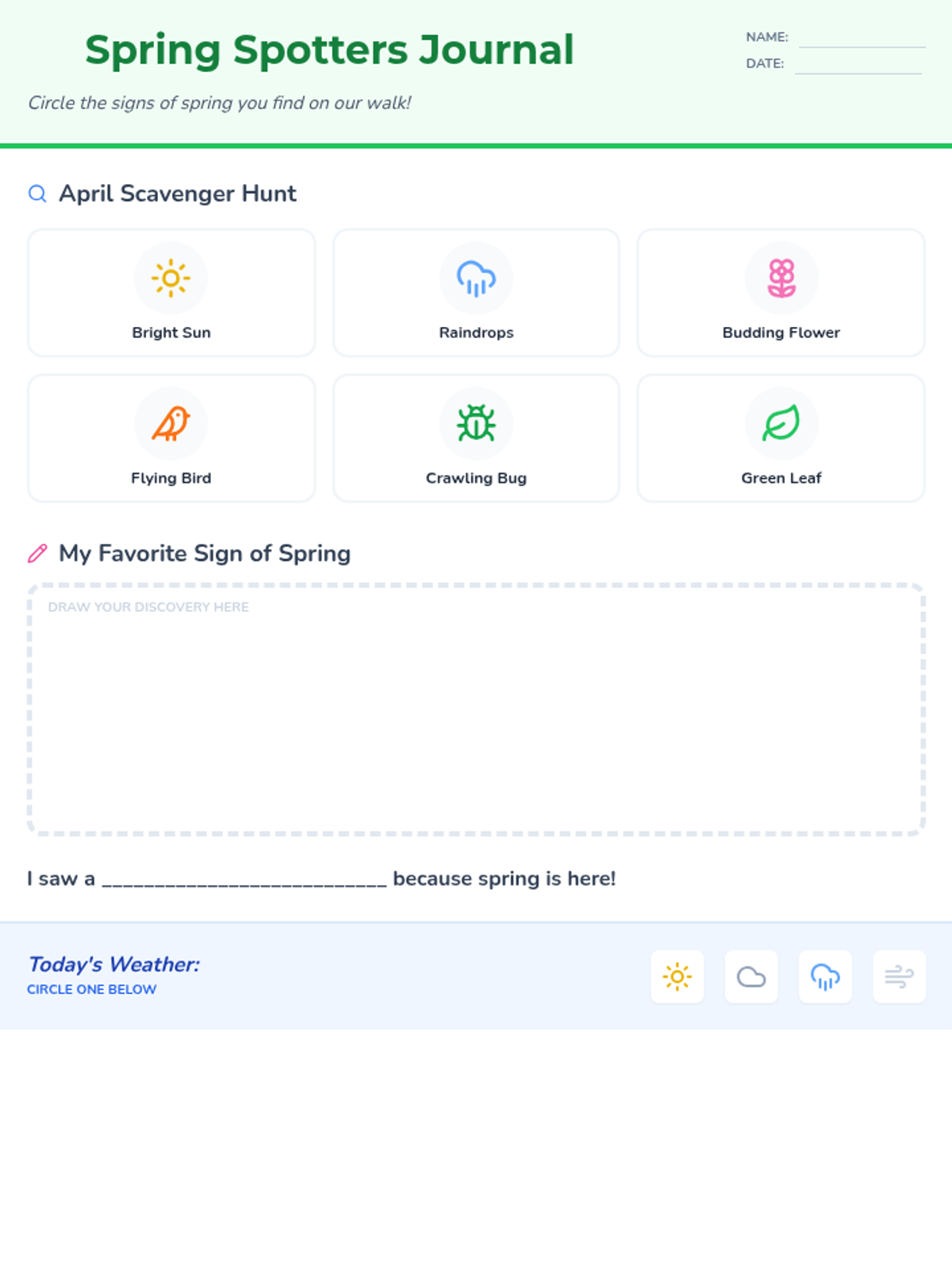
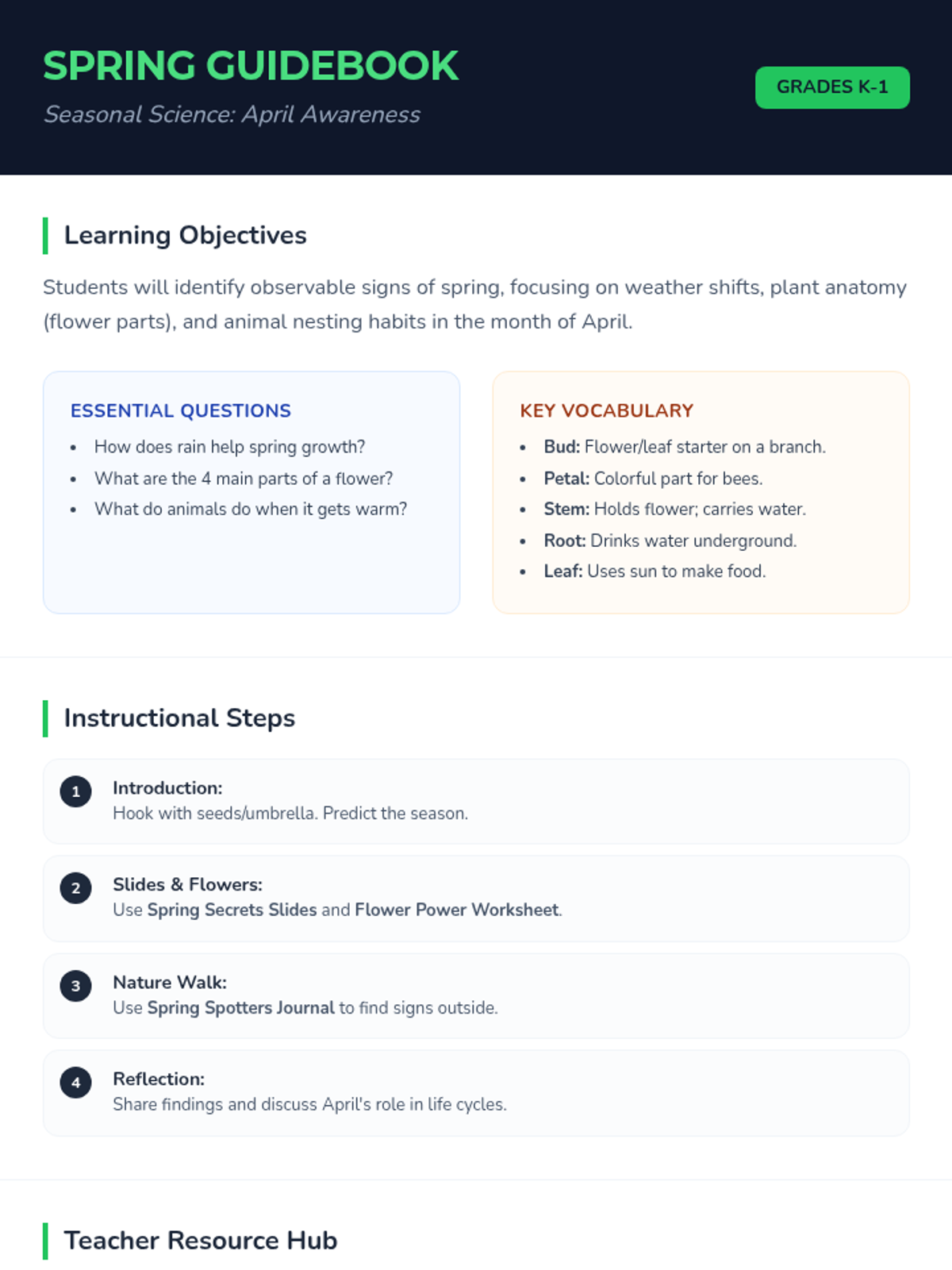
An introductory science lesson for K-1 students exploring the signs of spring in April, including weather patterns, plant growth, and animal activity.
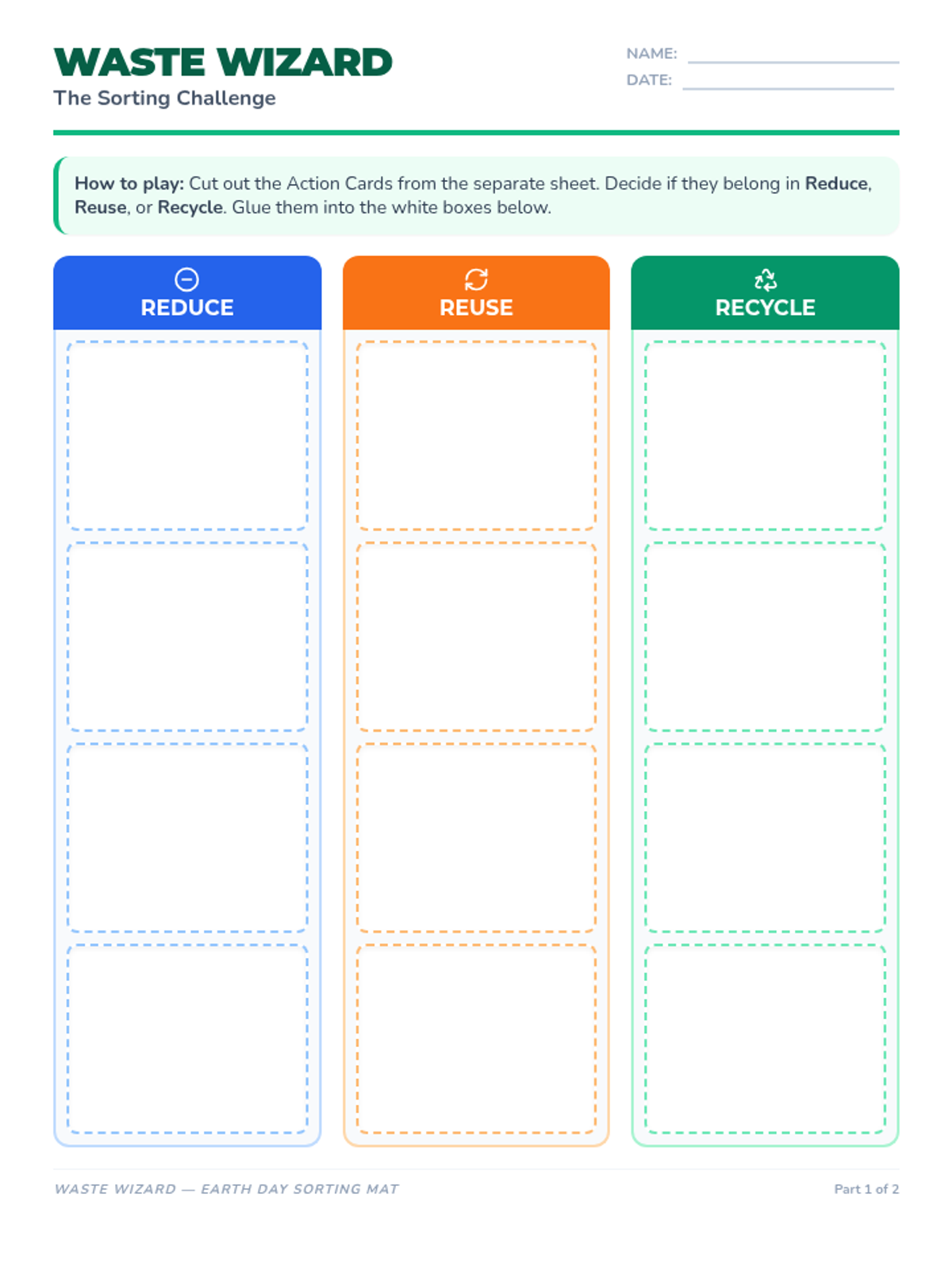
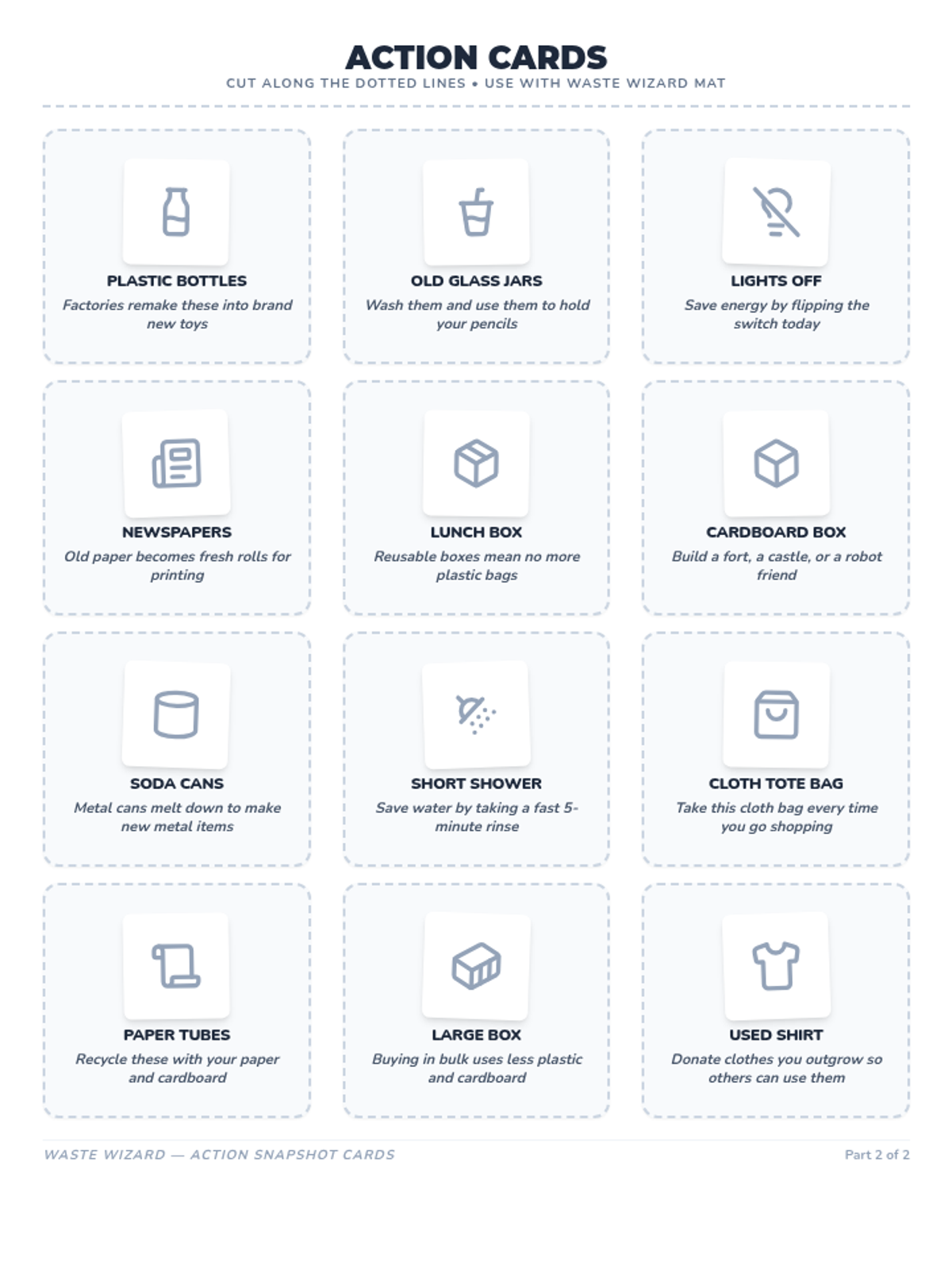
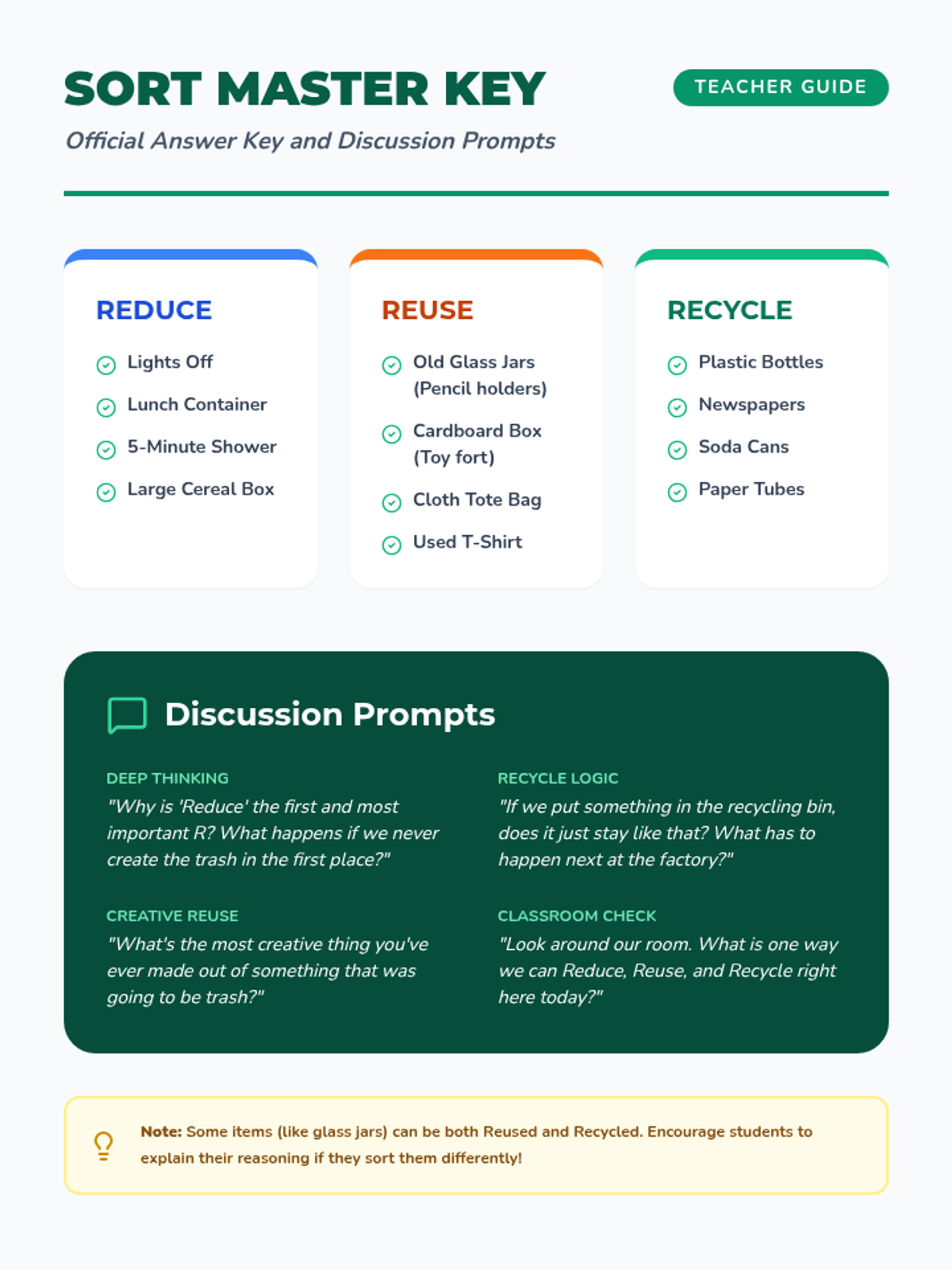
A hands-on lesson teaching students to differentiate between reducing, reusing, and recycling through visual identification and sorting.
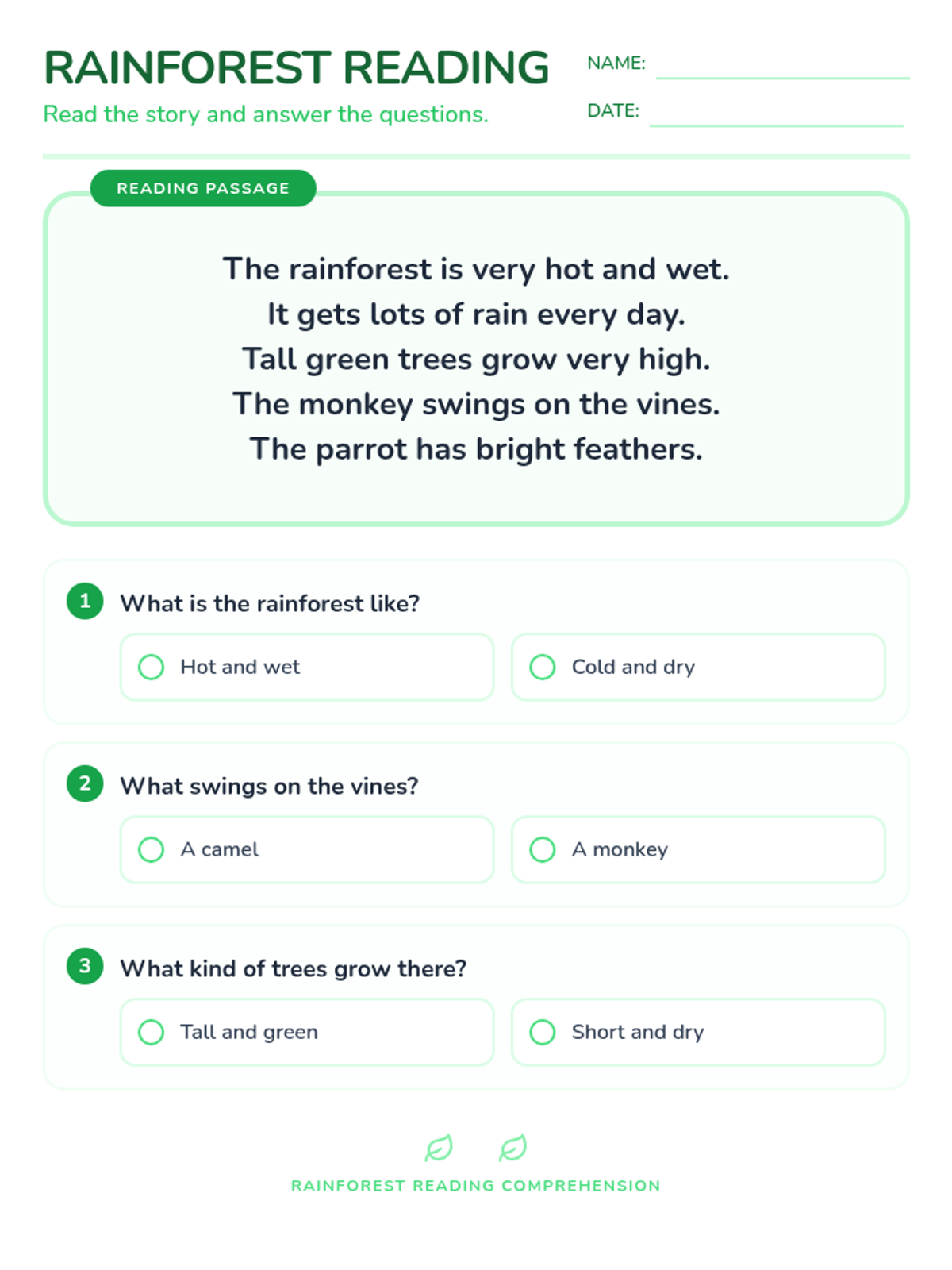
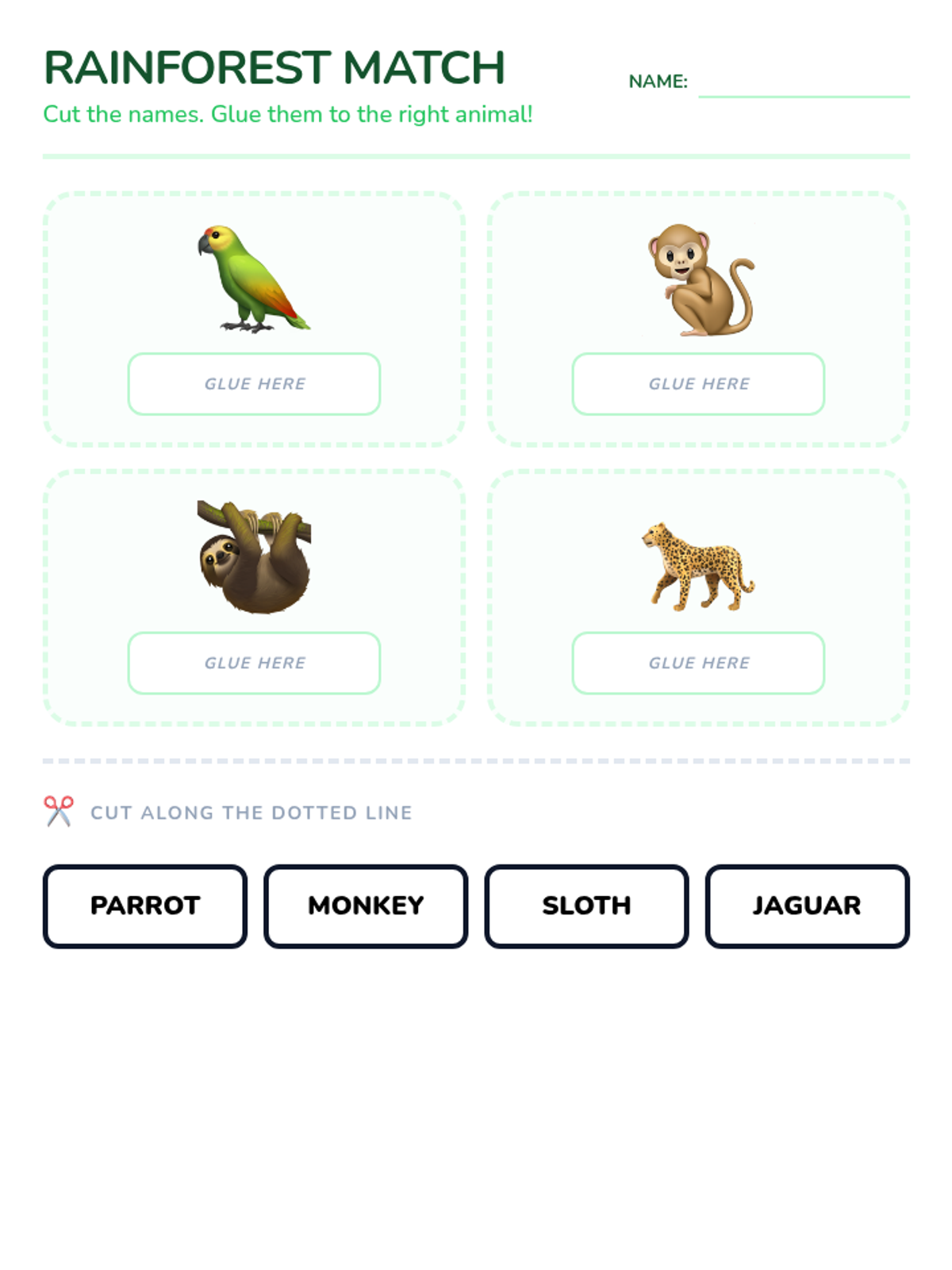
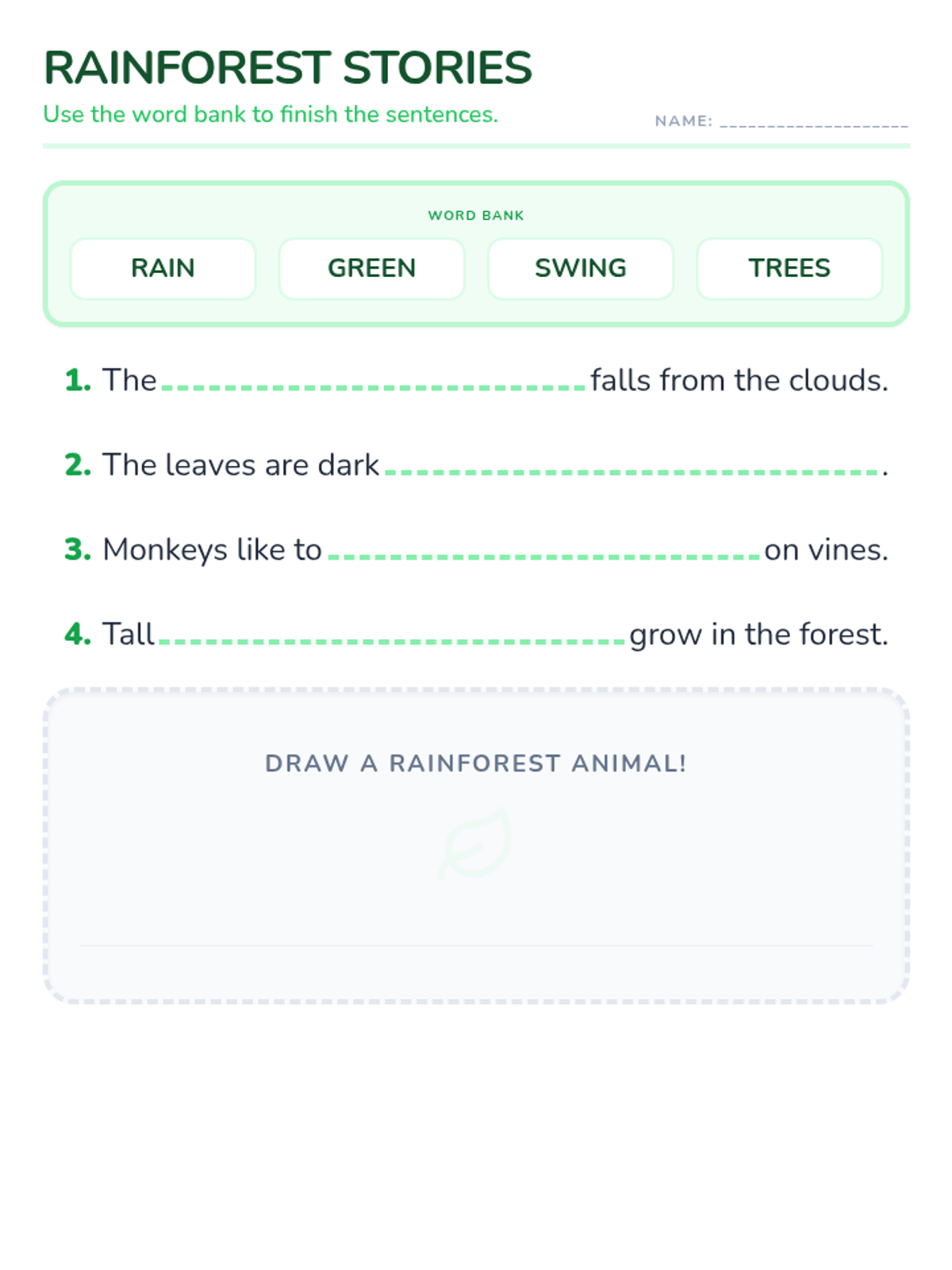
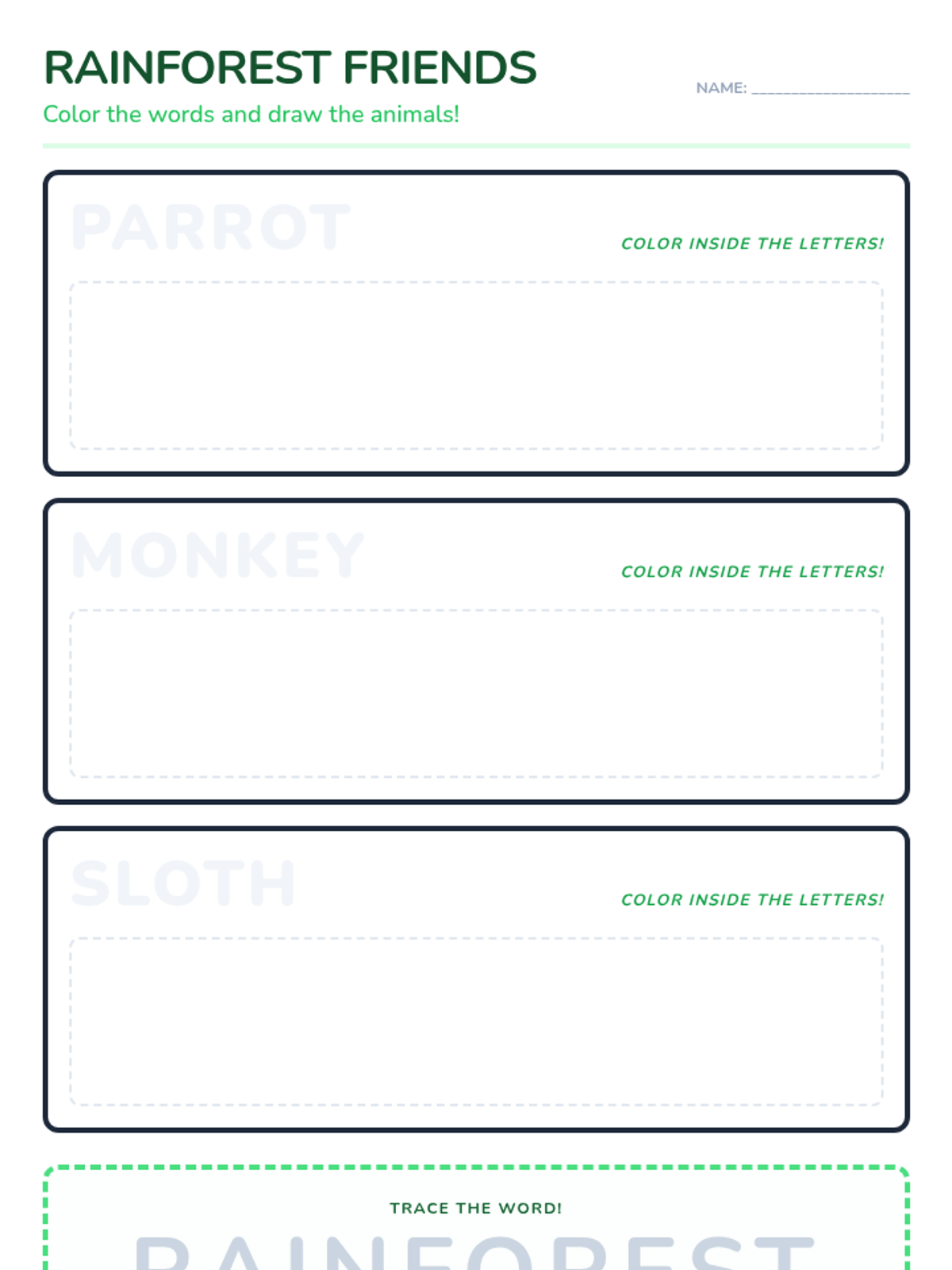
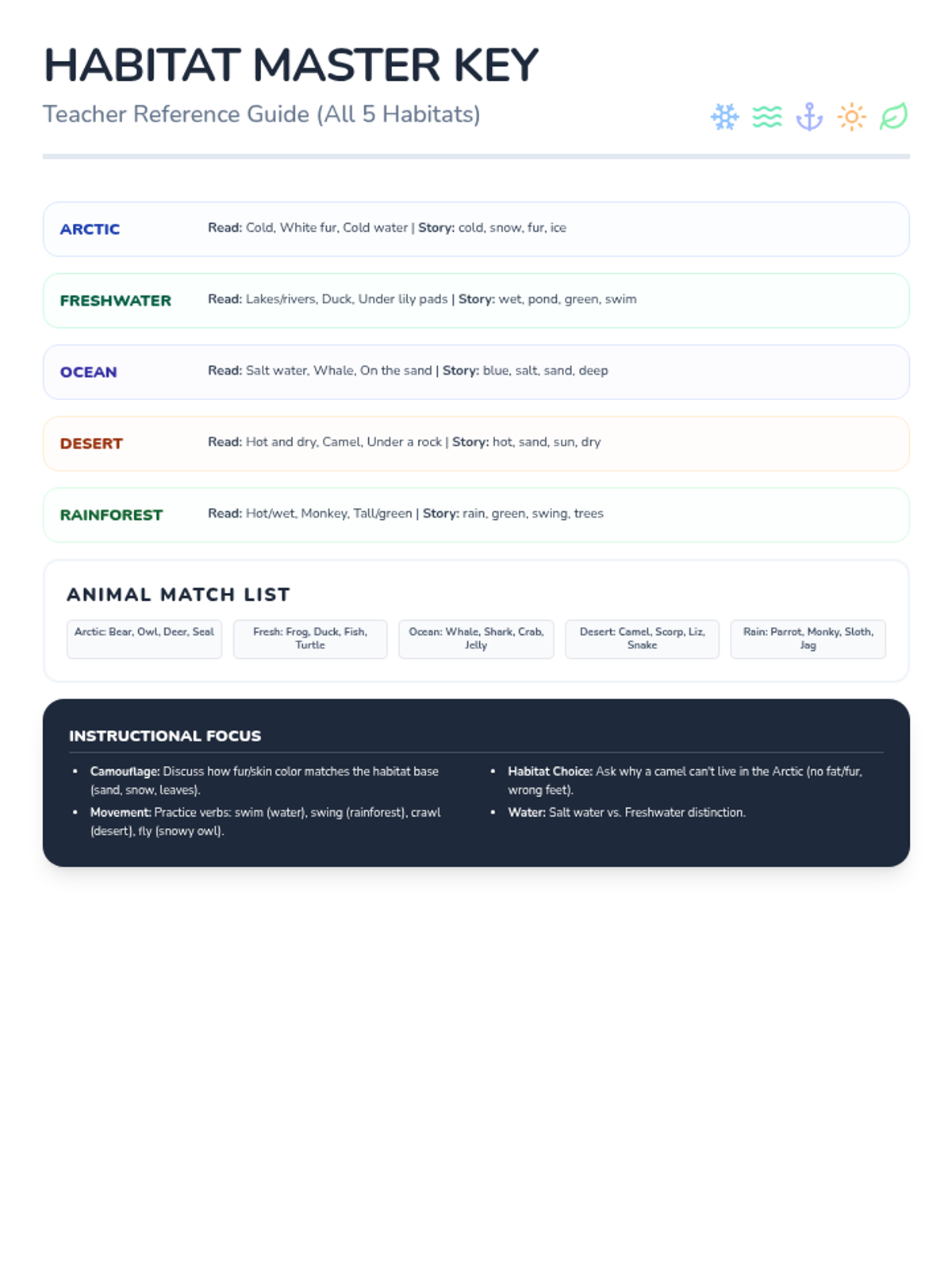
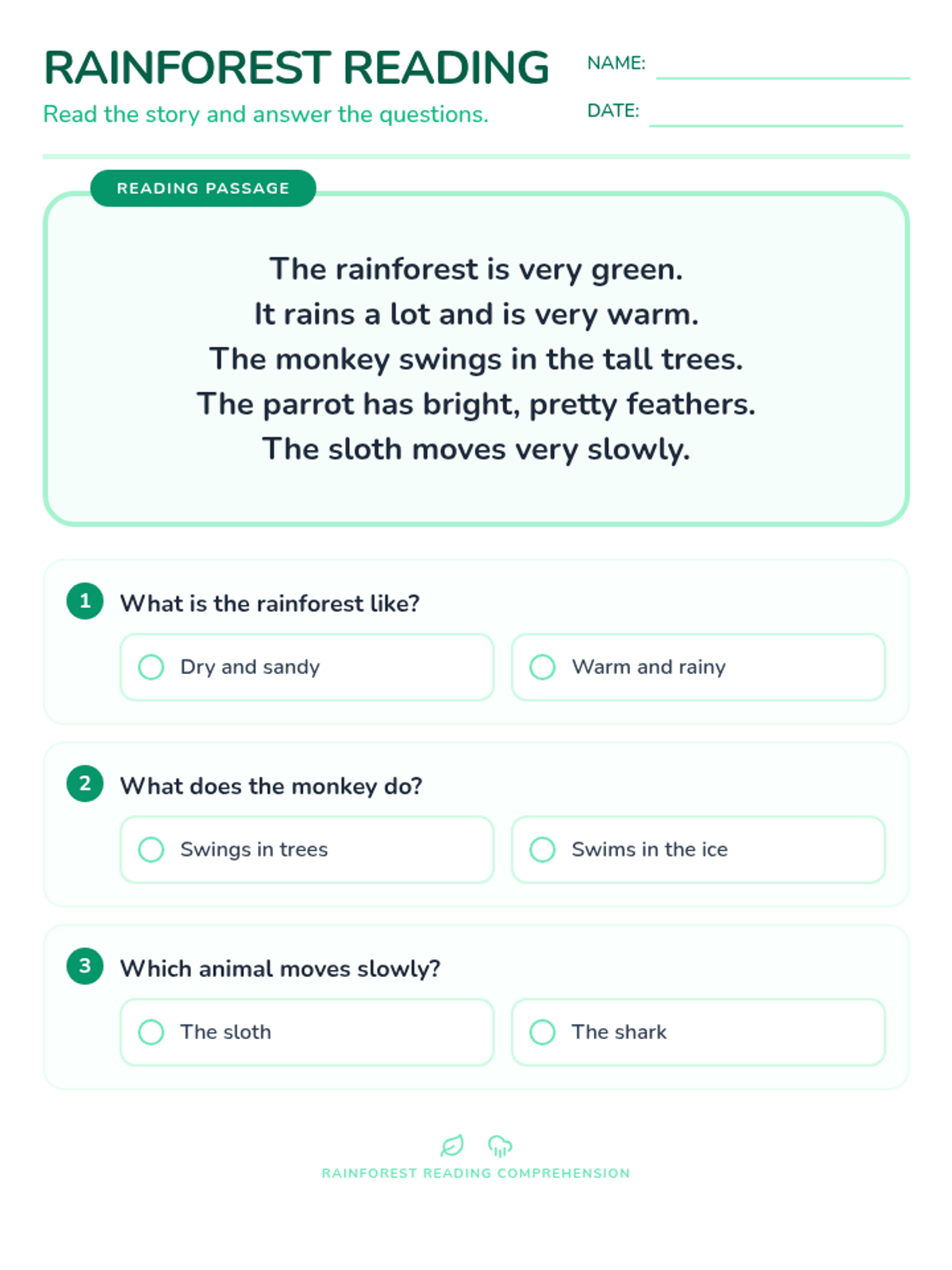
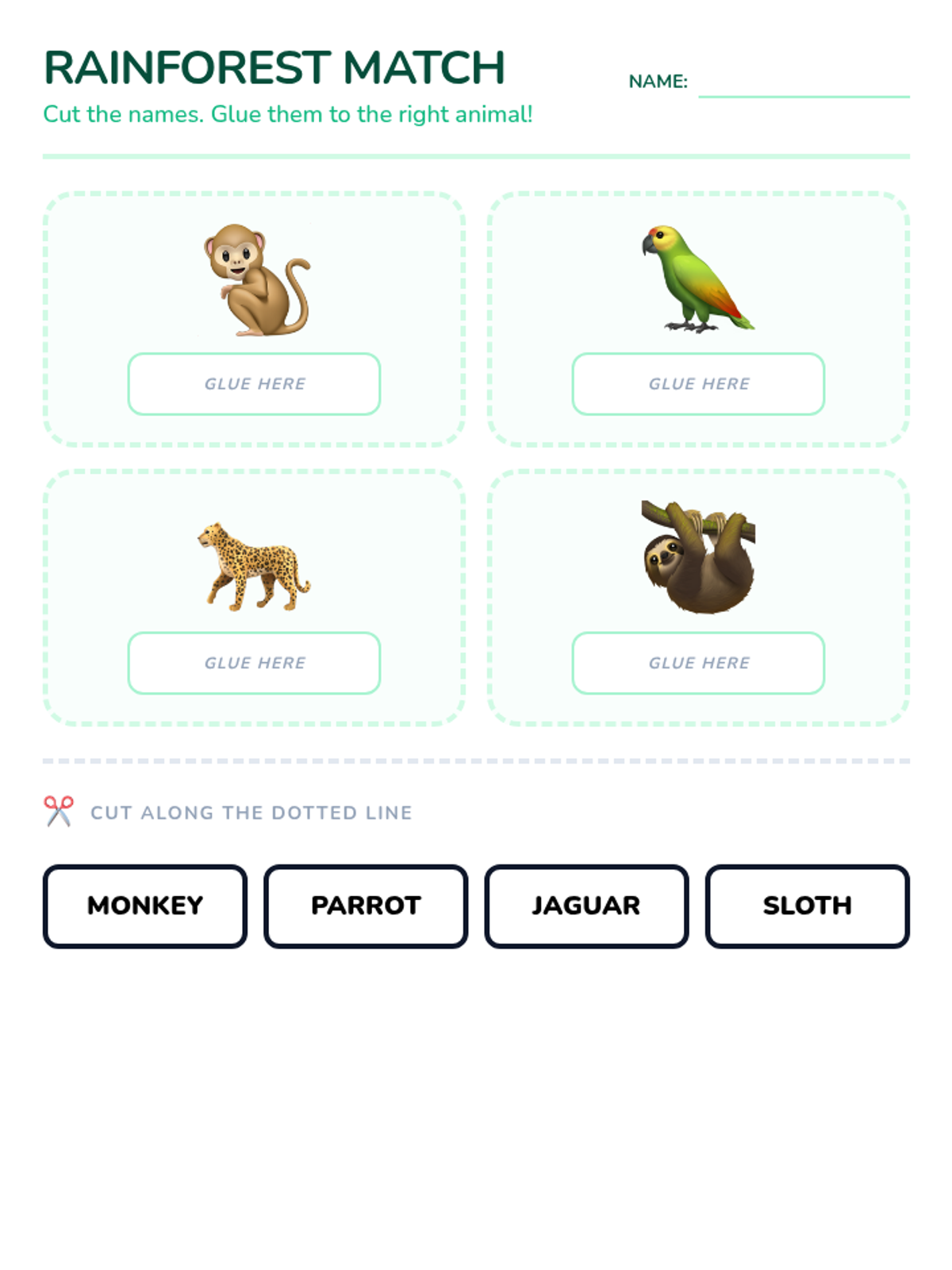
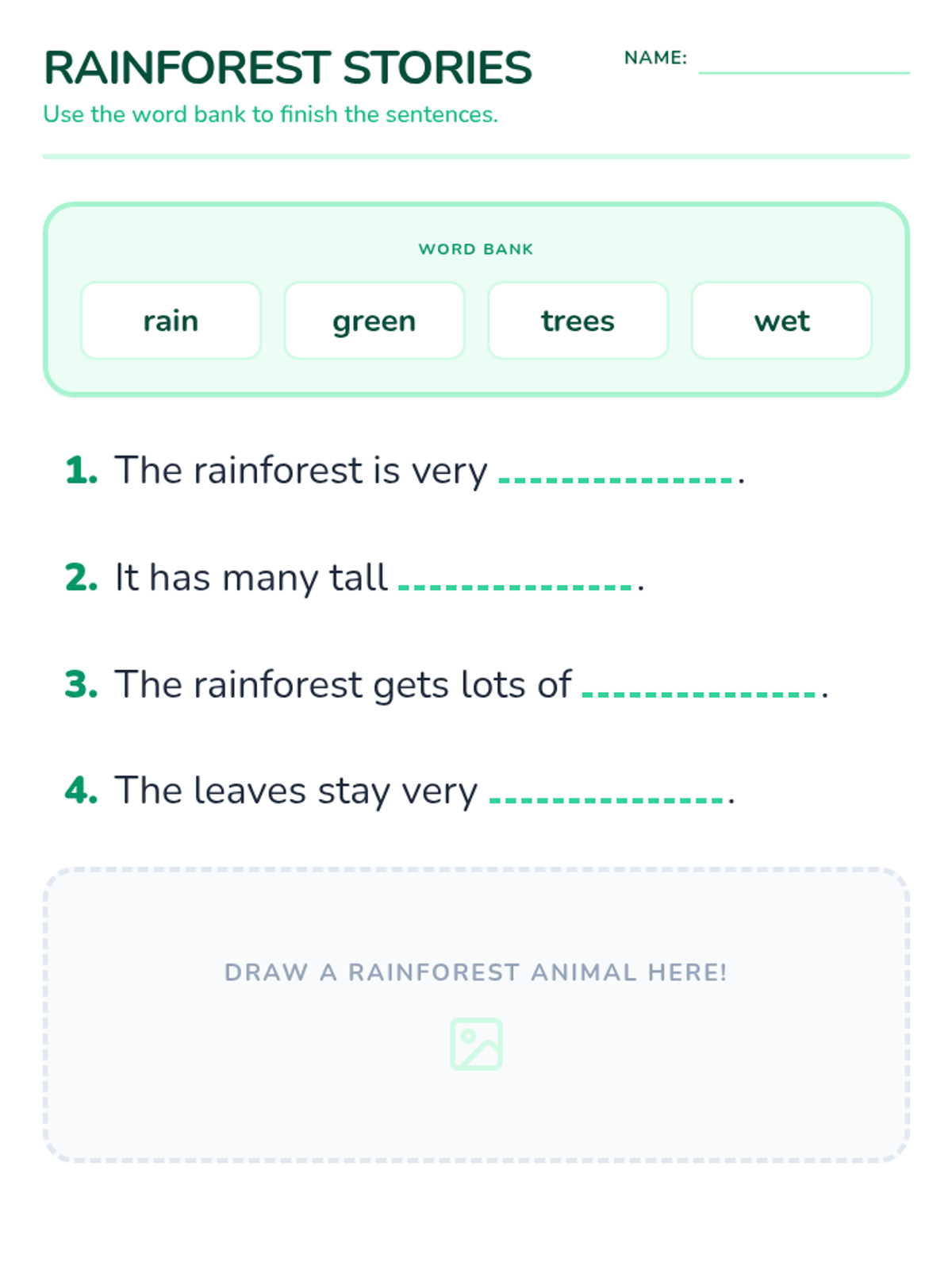
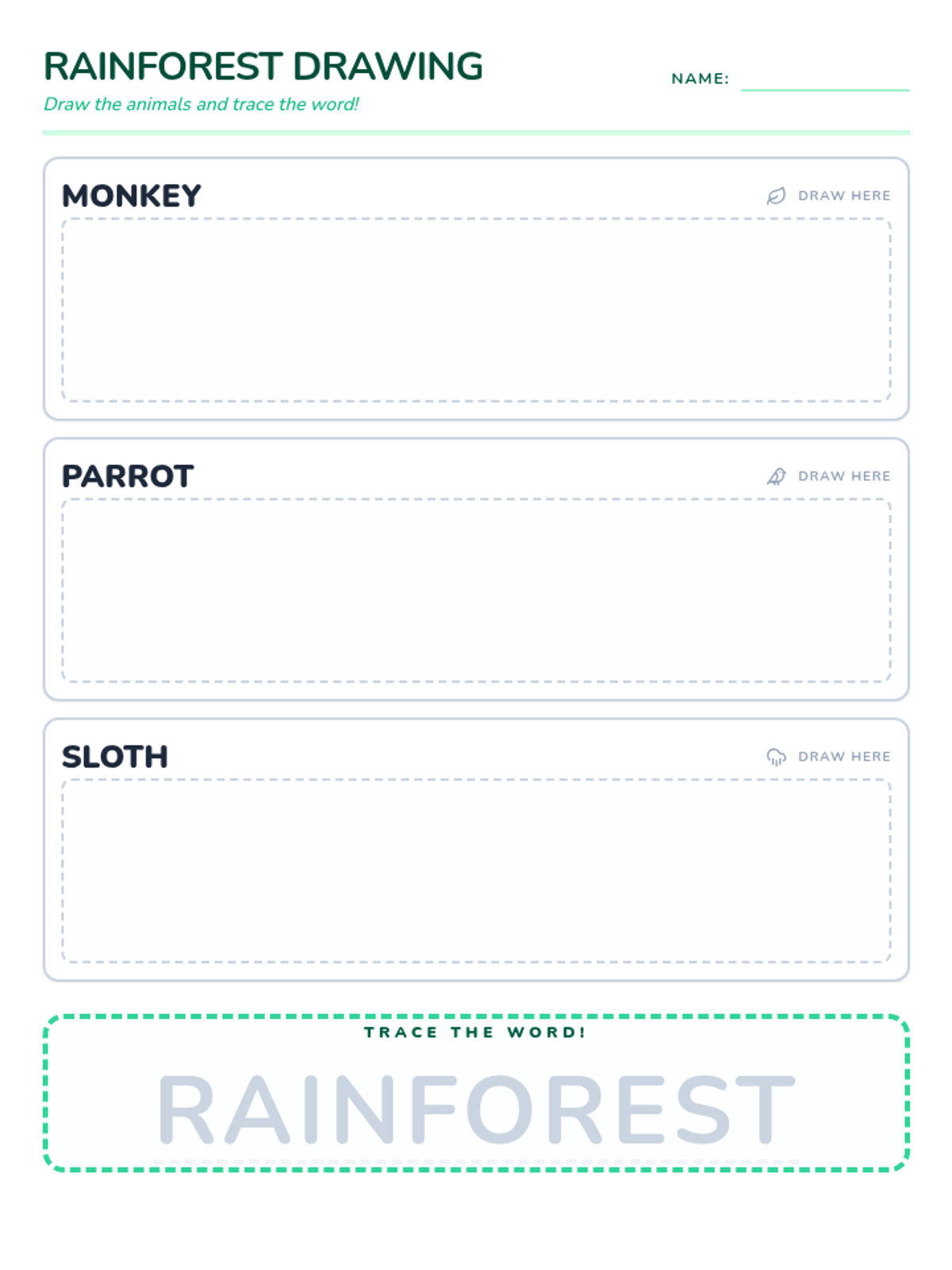
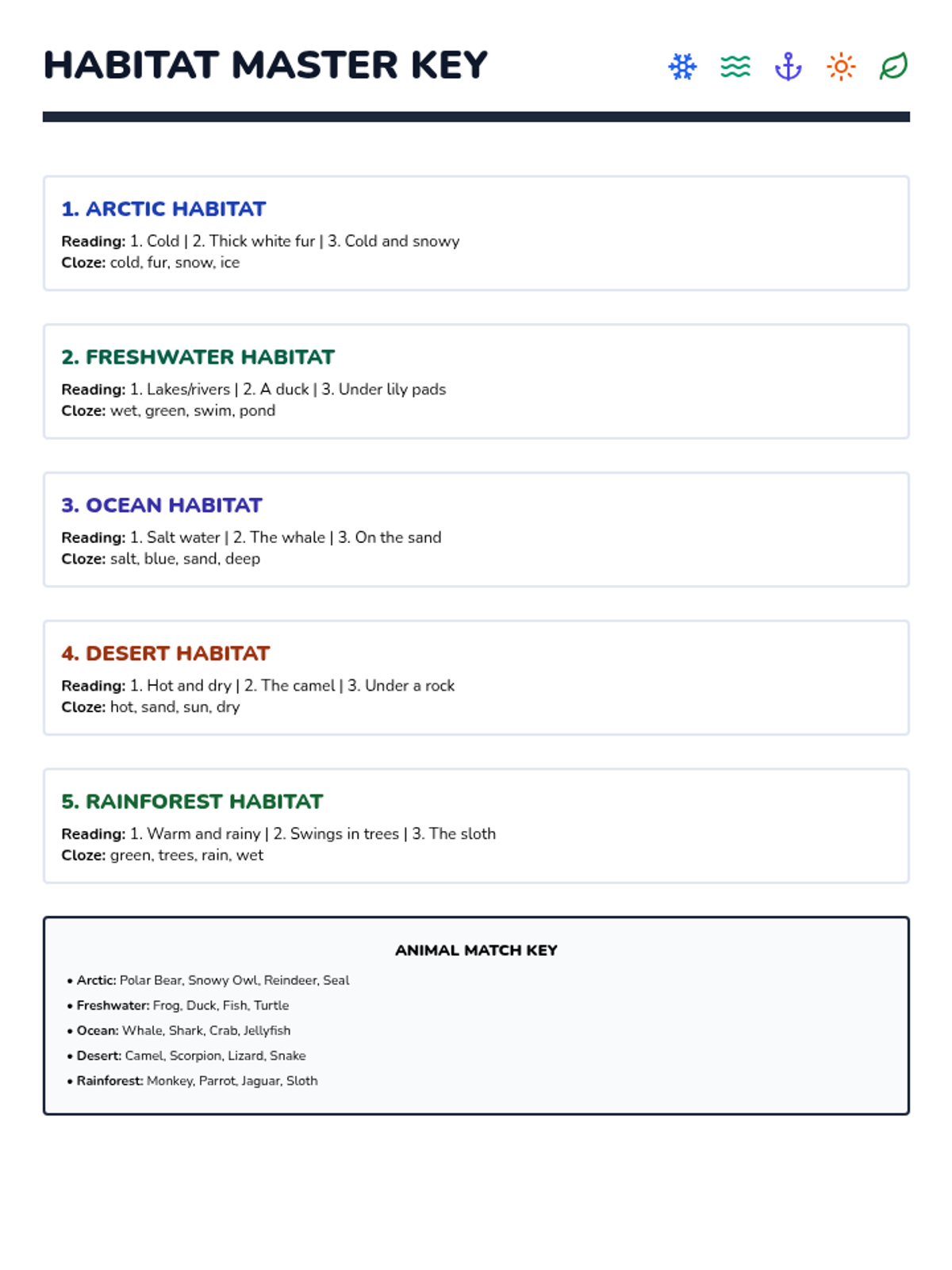
An exploration of the lush and rainy rainforest habitat, focusing on the layers of the forest and colorful animals like parrots and monkeys.
An exploration of the lush and rainy rainforest habitat, focusing on the layers of the forest and colorful animals like monkeys and parrots.
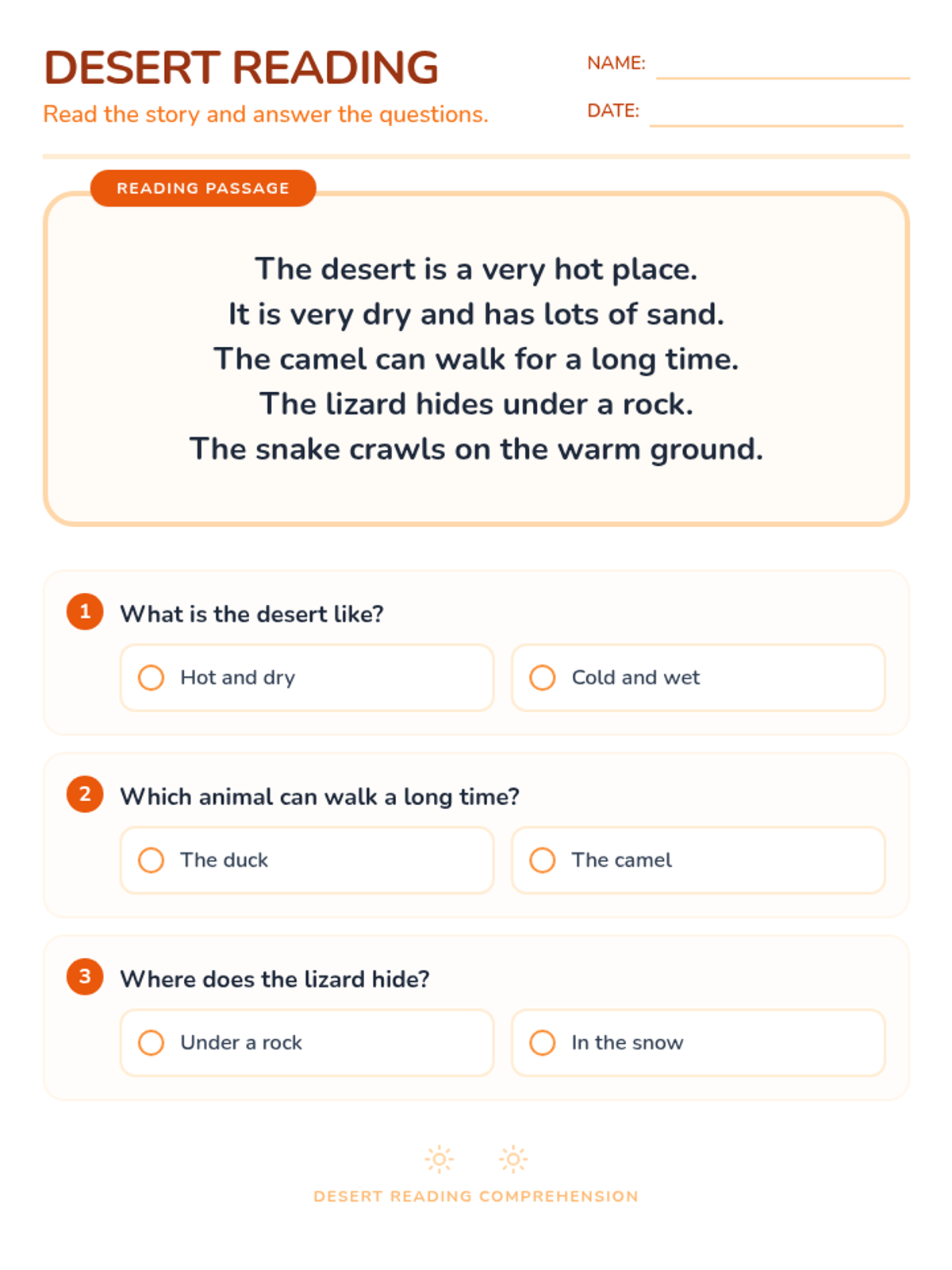
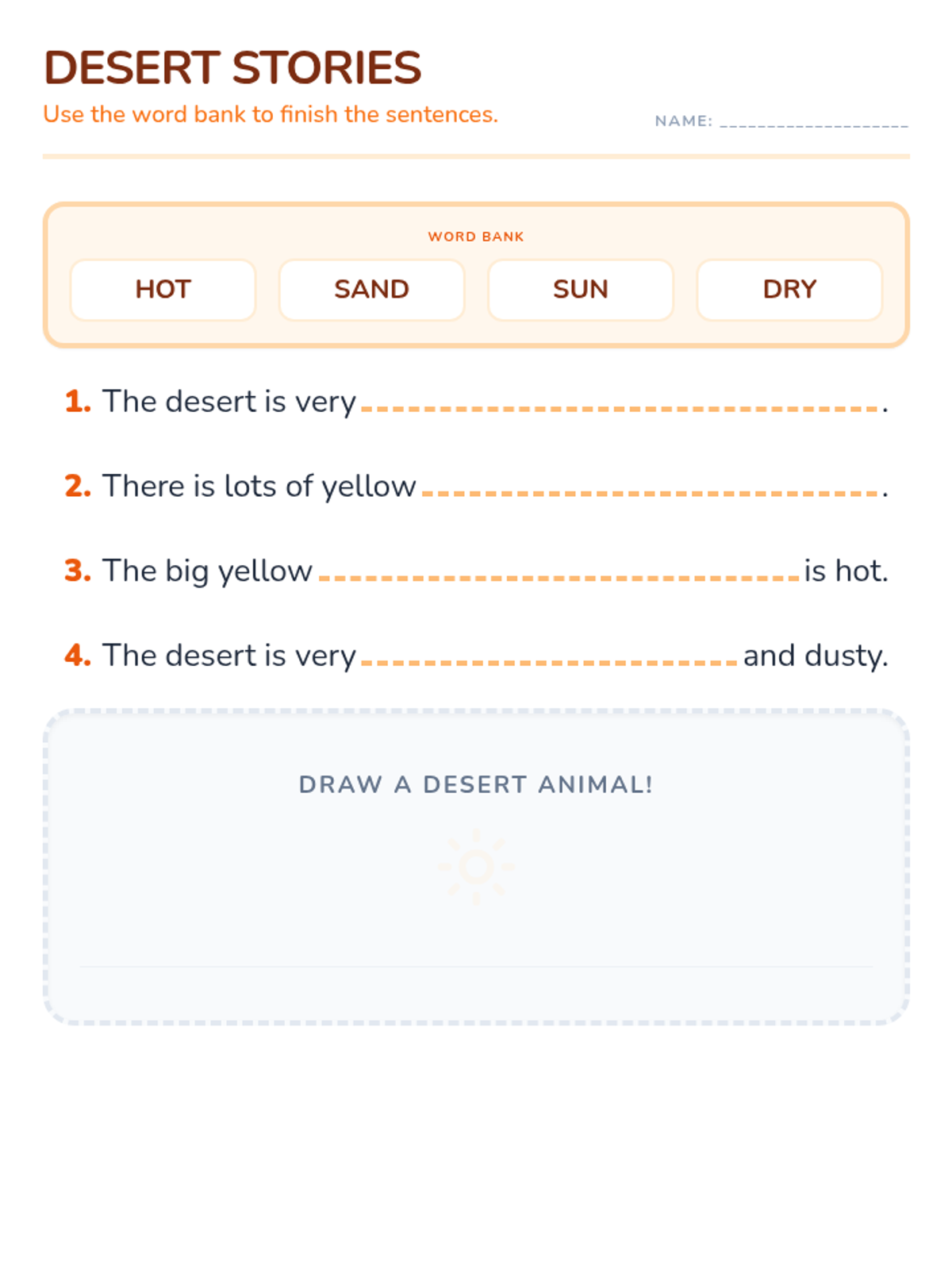
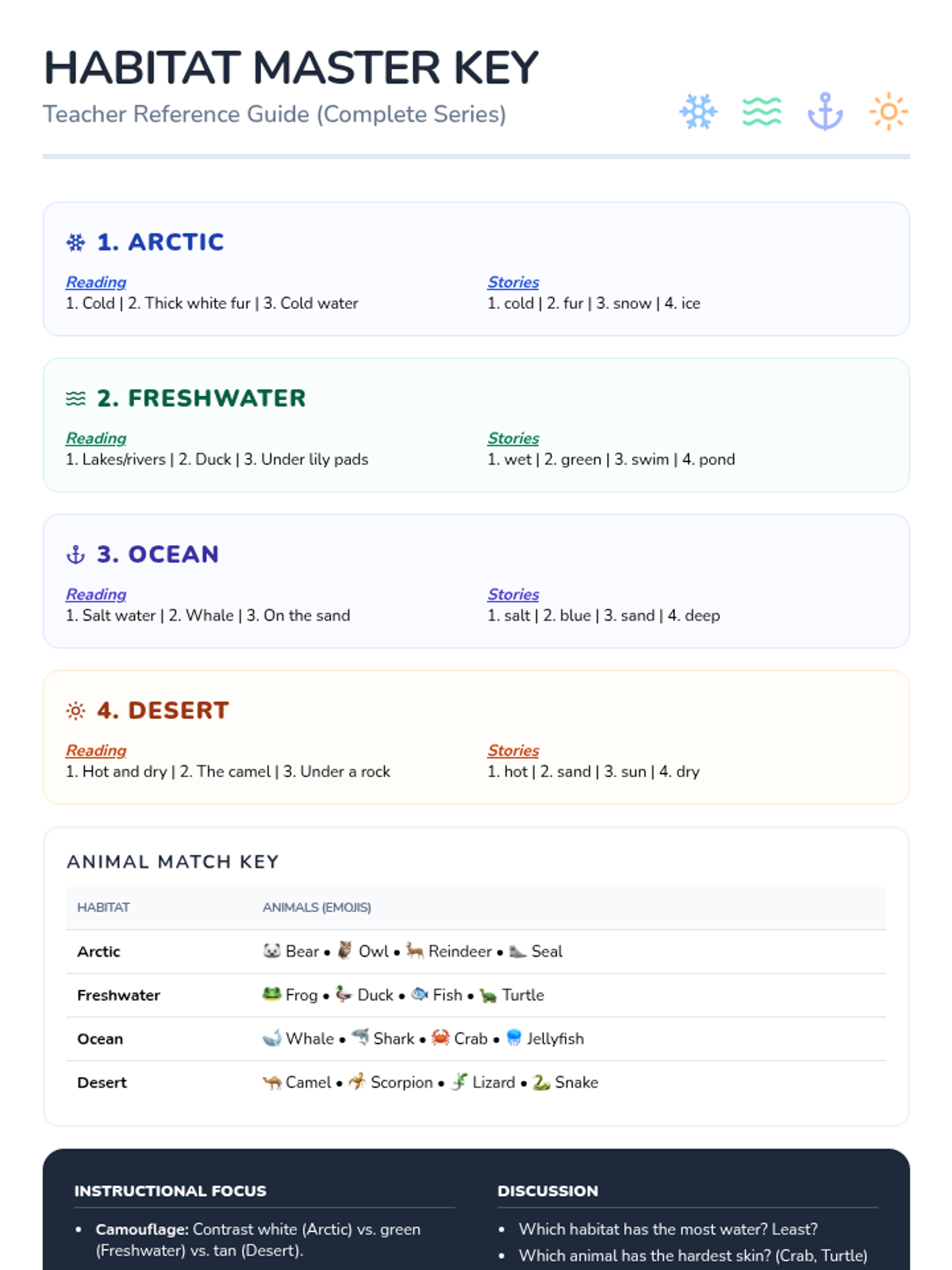
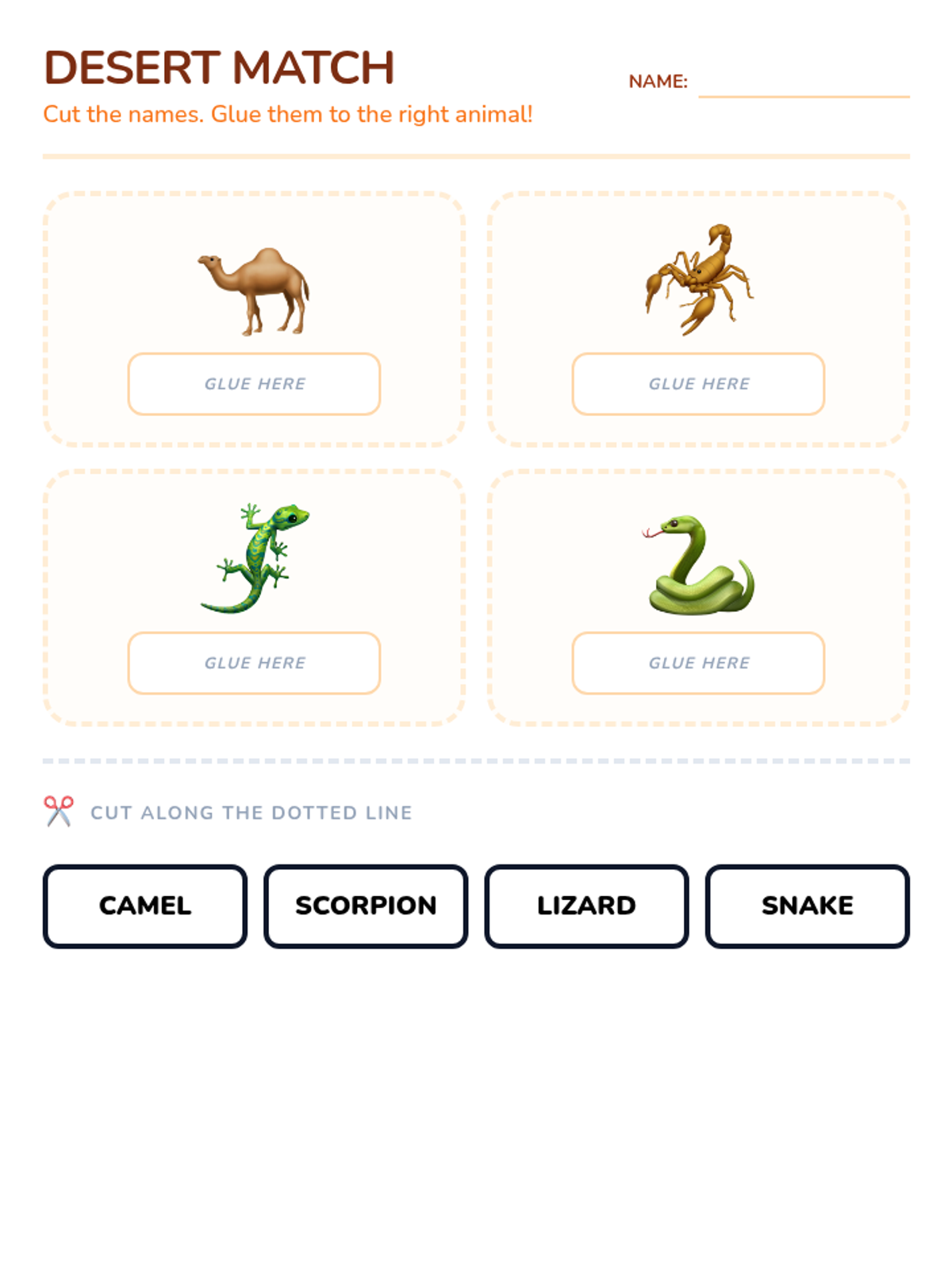
An exploration of the hot and dry desert habitat, focusing on how animals like camels and lizards survive with very little water.
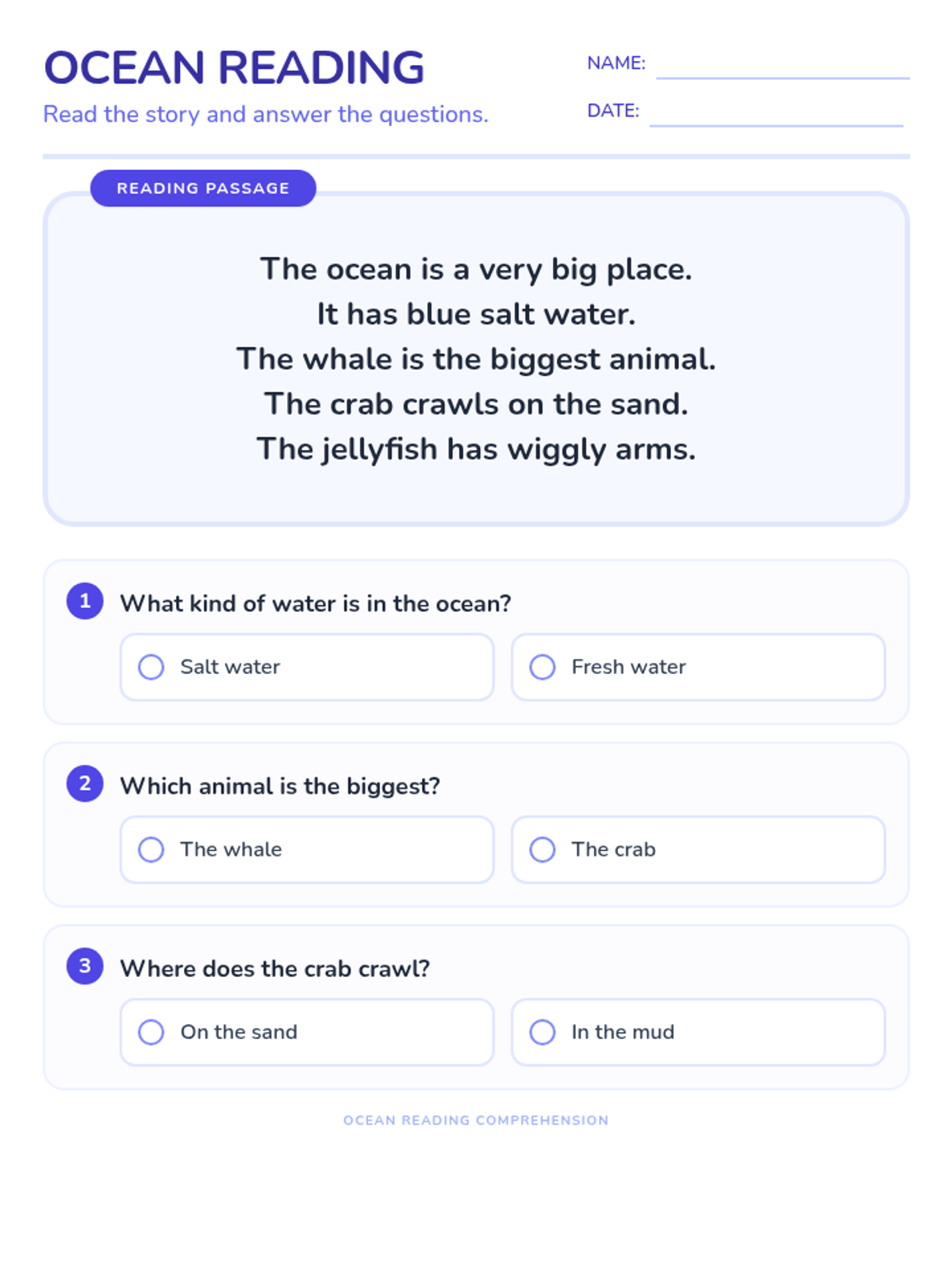
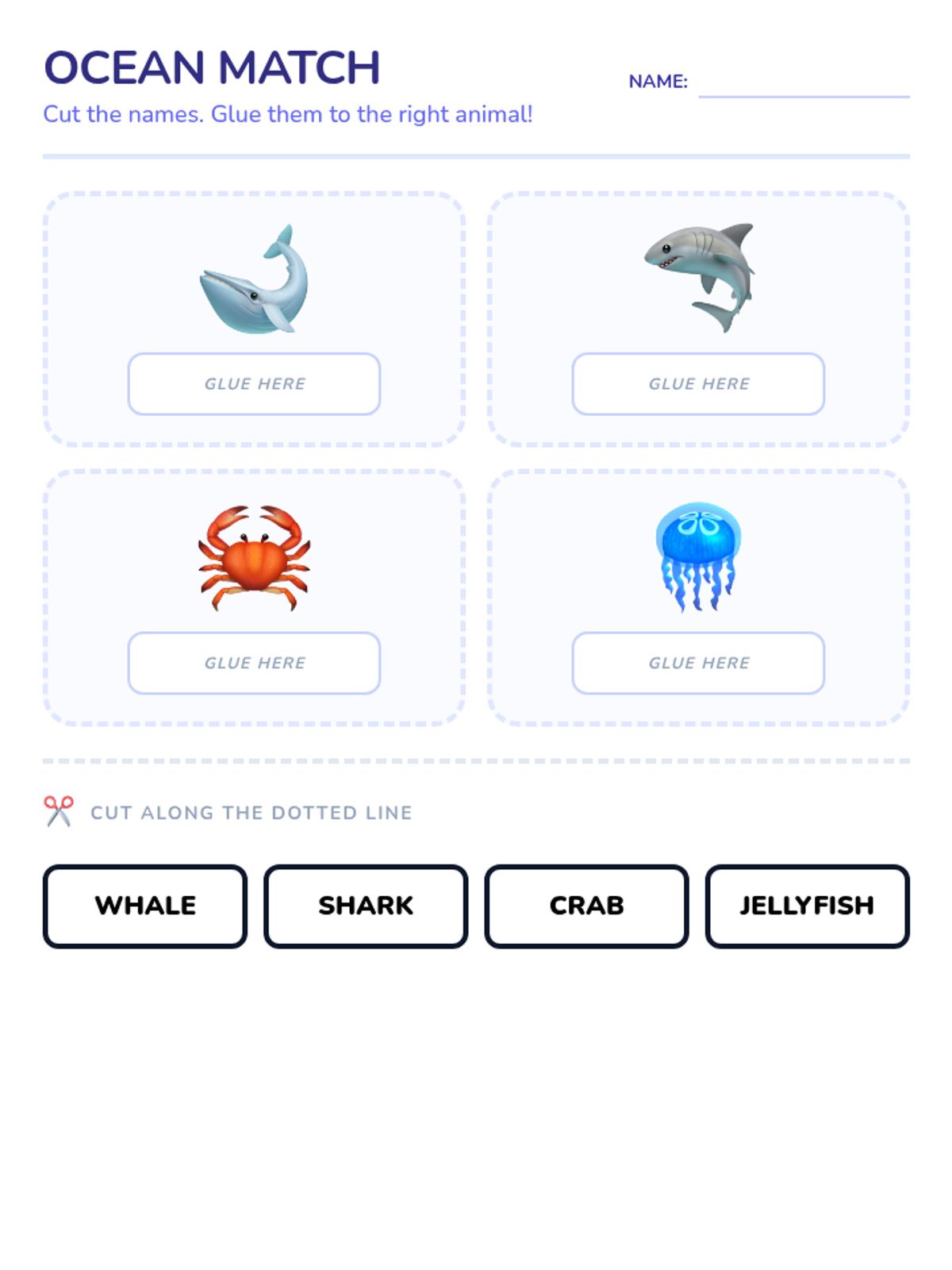
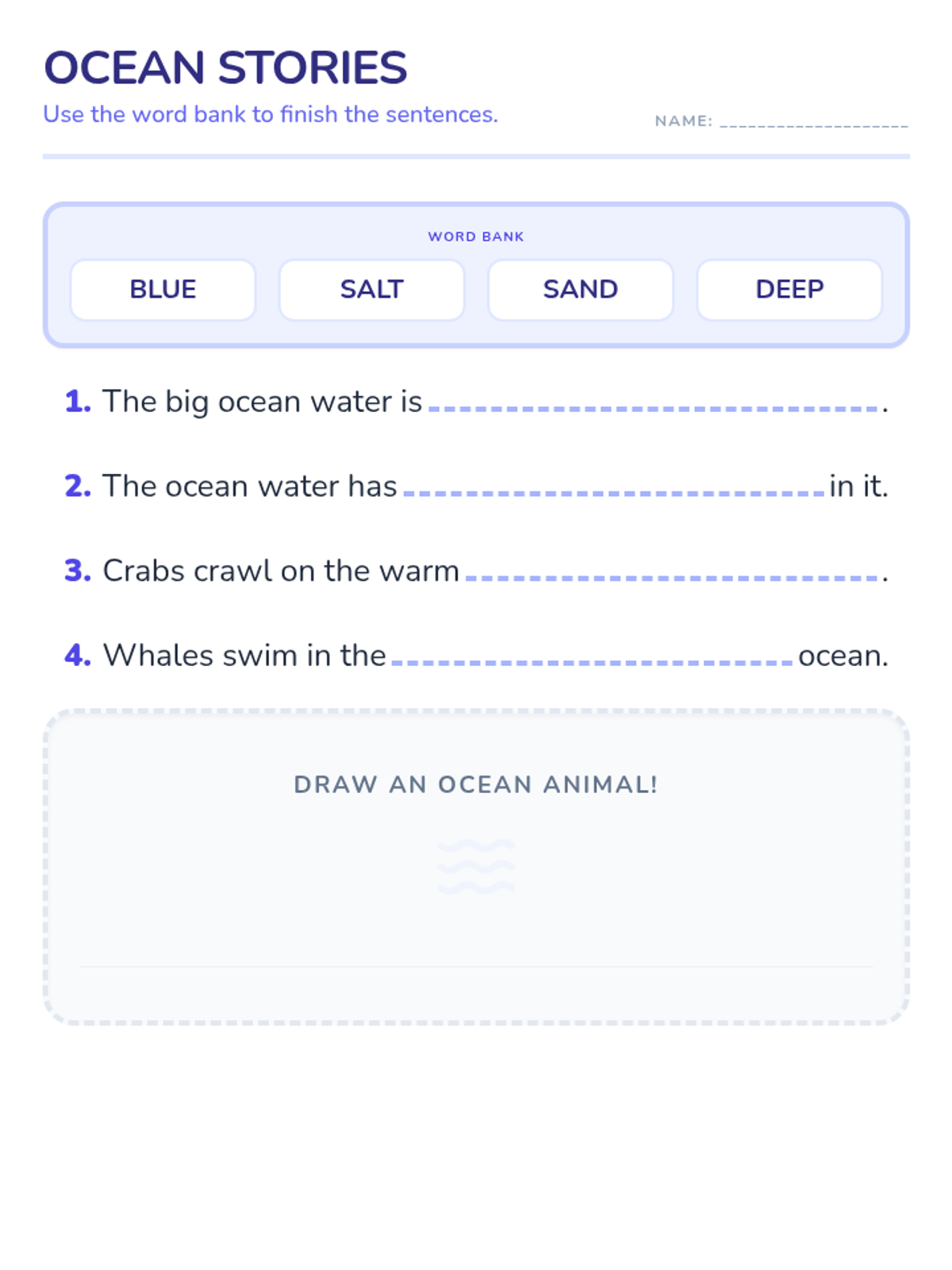
A captivating lesson for young explorers to discover the vast ocean habitat, focusing on salt water and amazing creatures like whales, sharks, and crabs.
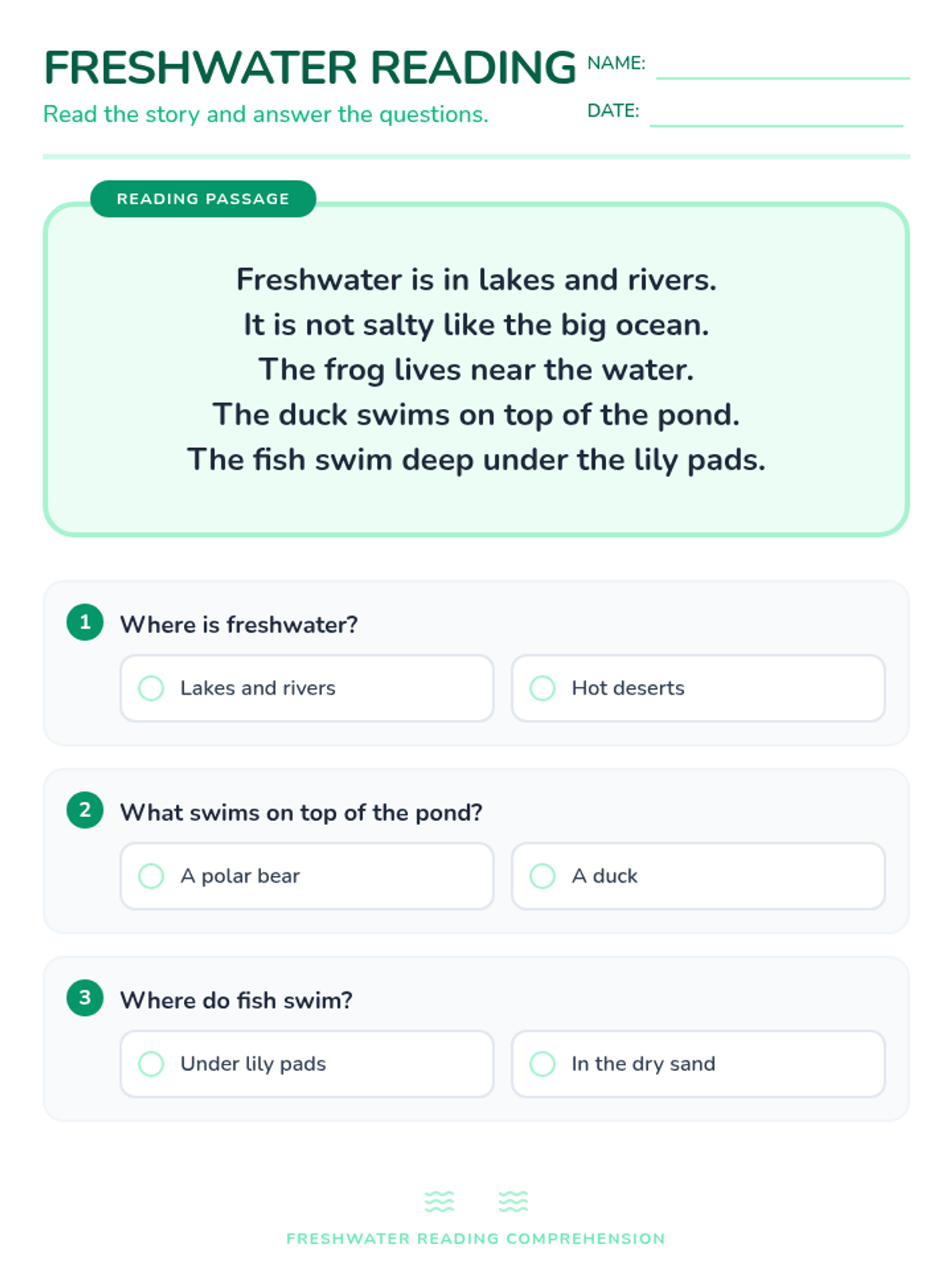
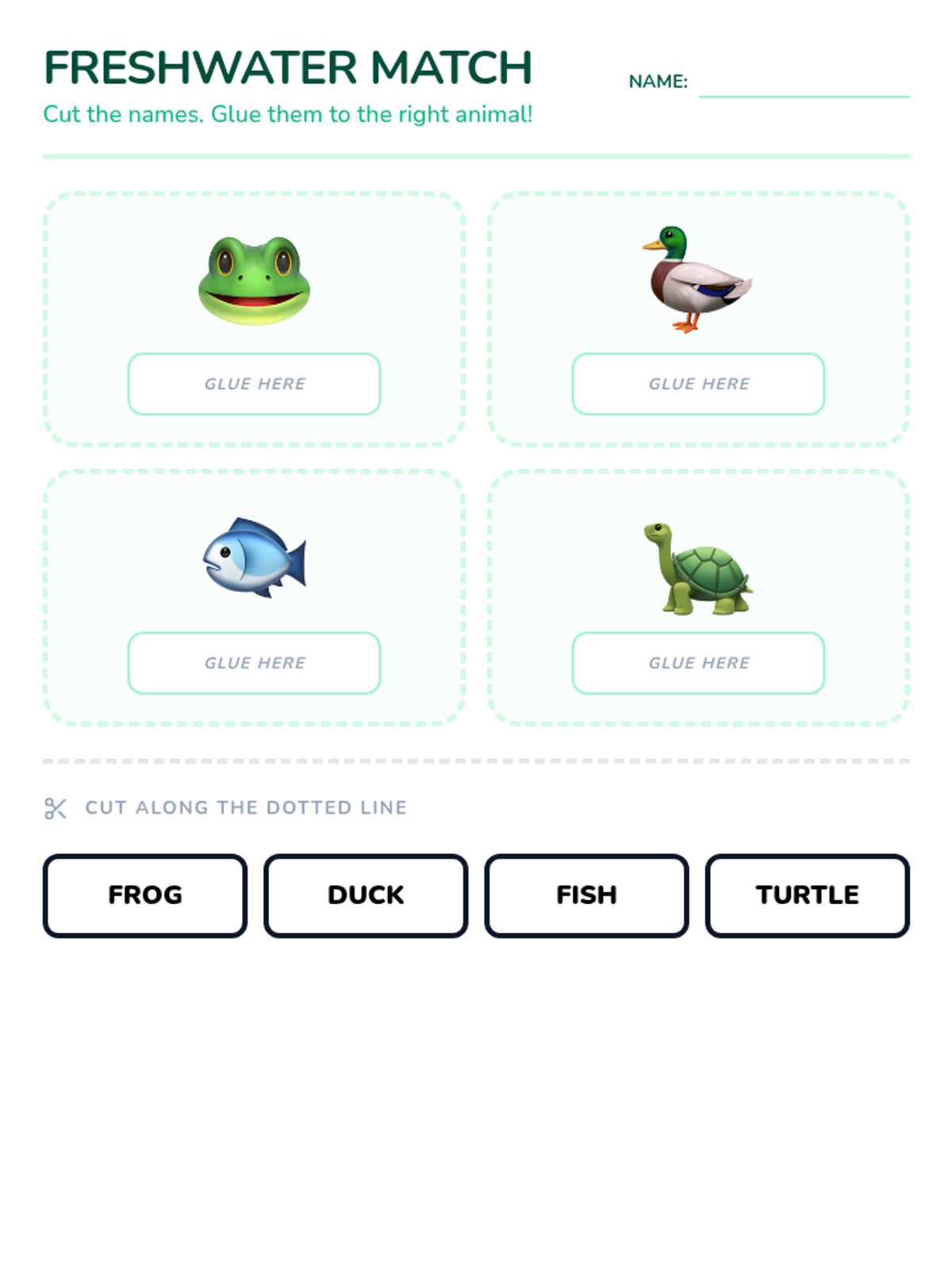
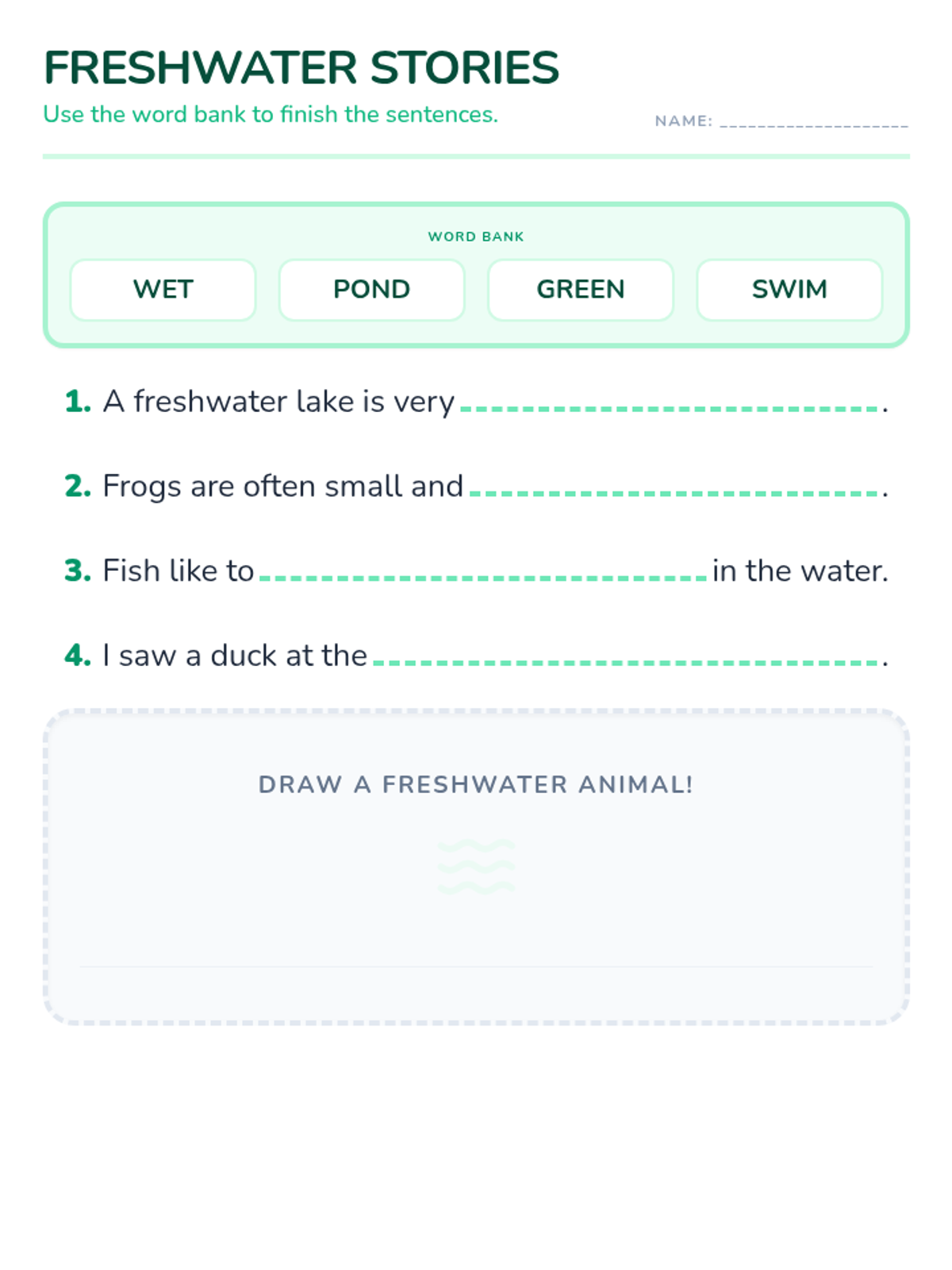
A foundational lesson for early elementary students exploring freshwater habitats like ponds and rivers, focusing on animals such as frogs, ducks, and fish.
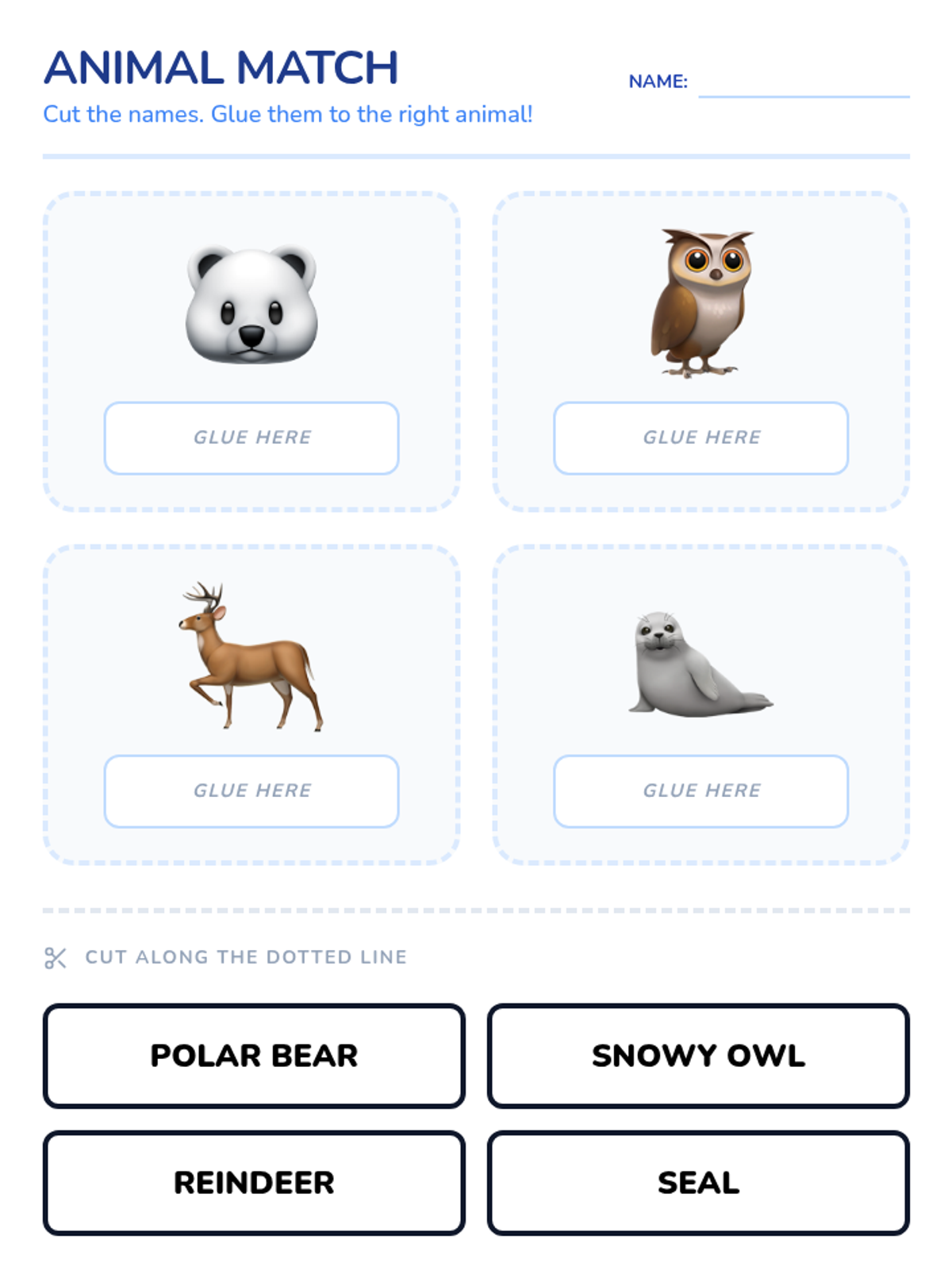
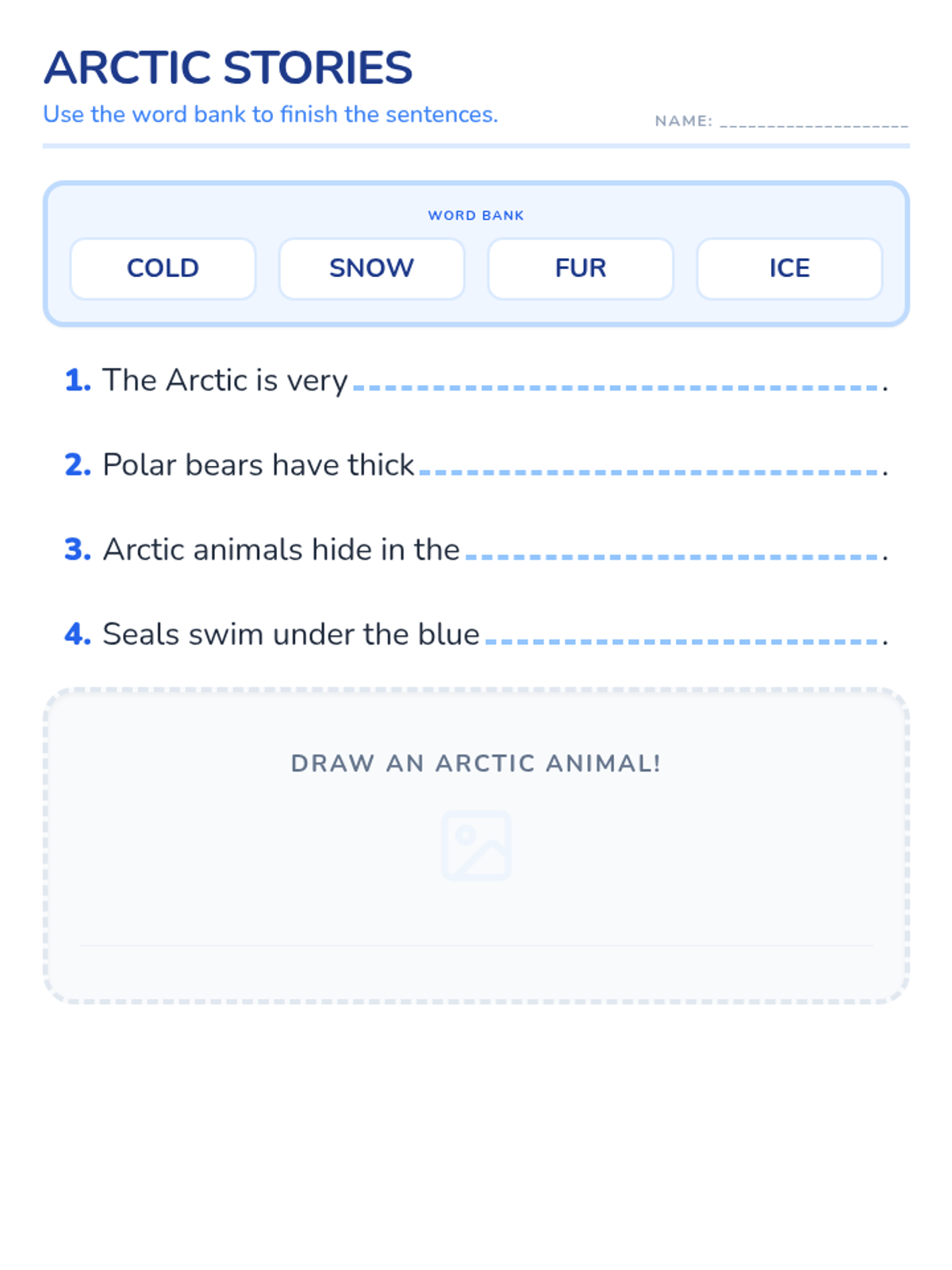
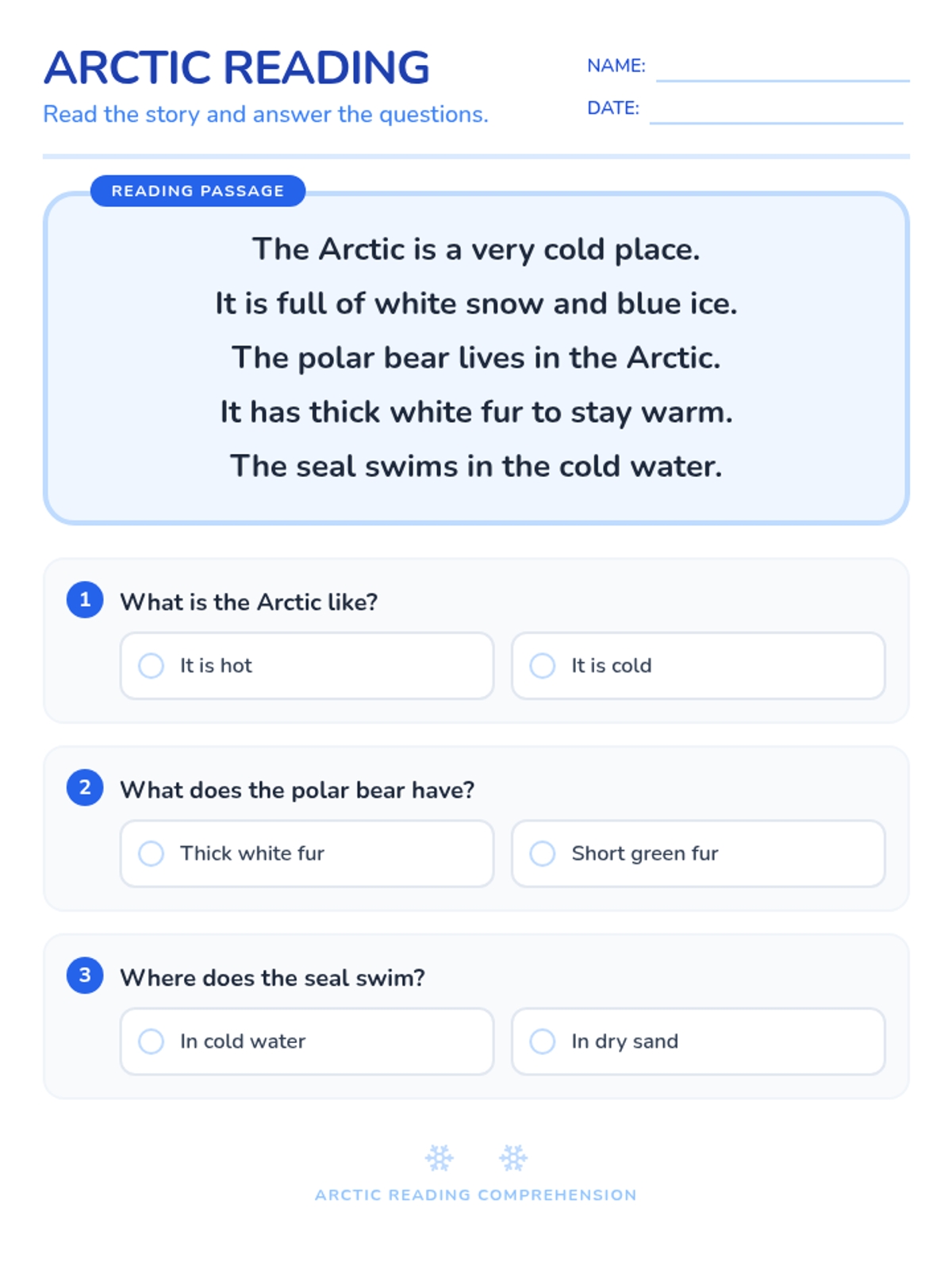
An introductory lesson for young learners about the Arctic habitat and the unique animals that call it home, focusing on adaptations like white fur and blubber.