An introductory lesson for young learners about the Arctic habitat and the unique animals that call it home, focusing on adaptations like white fur and blubber.
A hands-on lesson teaching students to differentiate between reducing, reusing, and recycling through visual identification and sorting.
A guided reading lesson exploring the solar system, focusing on scientific inquiry, planetary diversity, and the mechanics of Earth's orbit. Includes vocabulary focus on 'diverse' and 'dauntless' and a complete answer key for the student jot sheet.
A professional development session for teachers on leveraging Kami to transform static documents into interactive learning experiences, focusing on real-time feedback and collaboration.
An exploration of the lush and rainy rainforest habitat, focusing on the layers of the forest and colorful animals like parrots and monkeys.
An exploration of the lush and rainy rainforest habitat, focusing on the layers of the forest and colorful animals like monkeys and parrots.
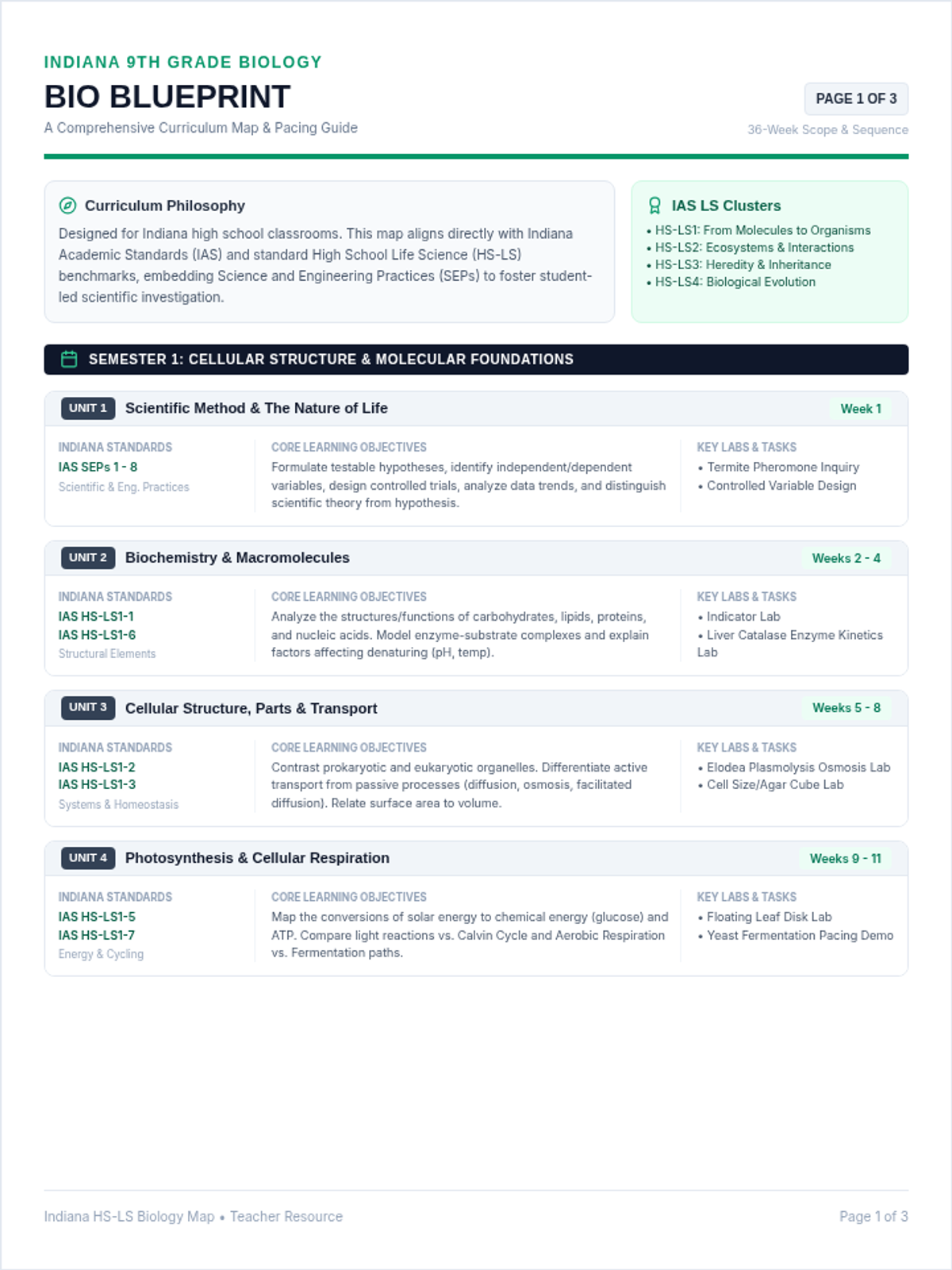
An in-depth look at the anatomical structures of the primary sensory organs, providing hands-on labeling and coloring activities to reinforce terminology.
An exploration of the hot and dry desert habitat, focusing on how animals like camels and lizards survive with very little water.
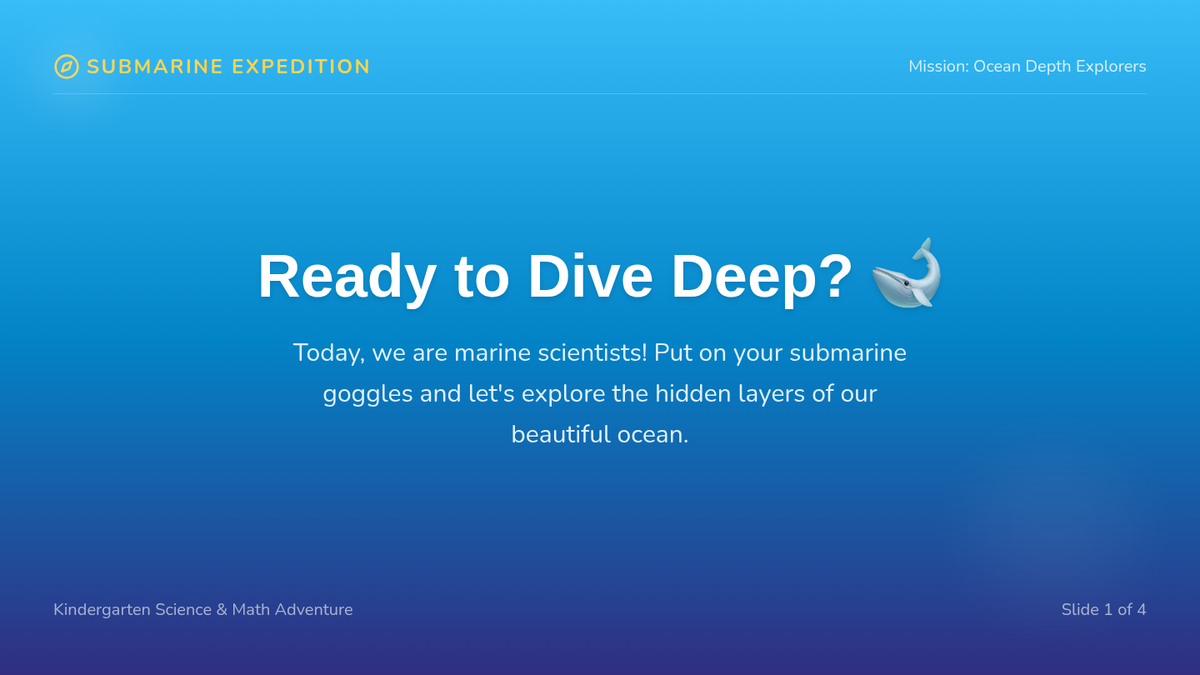
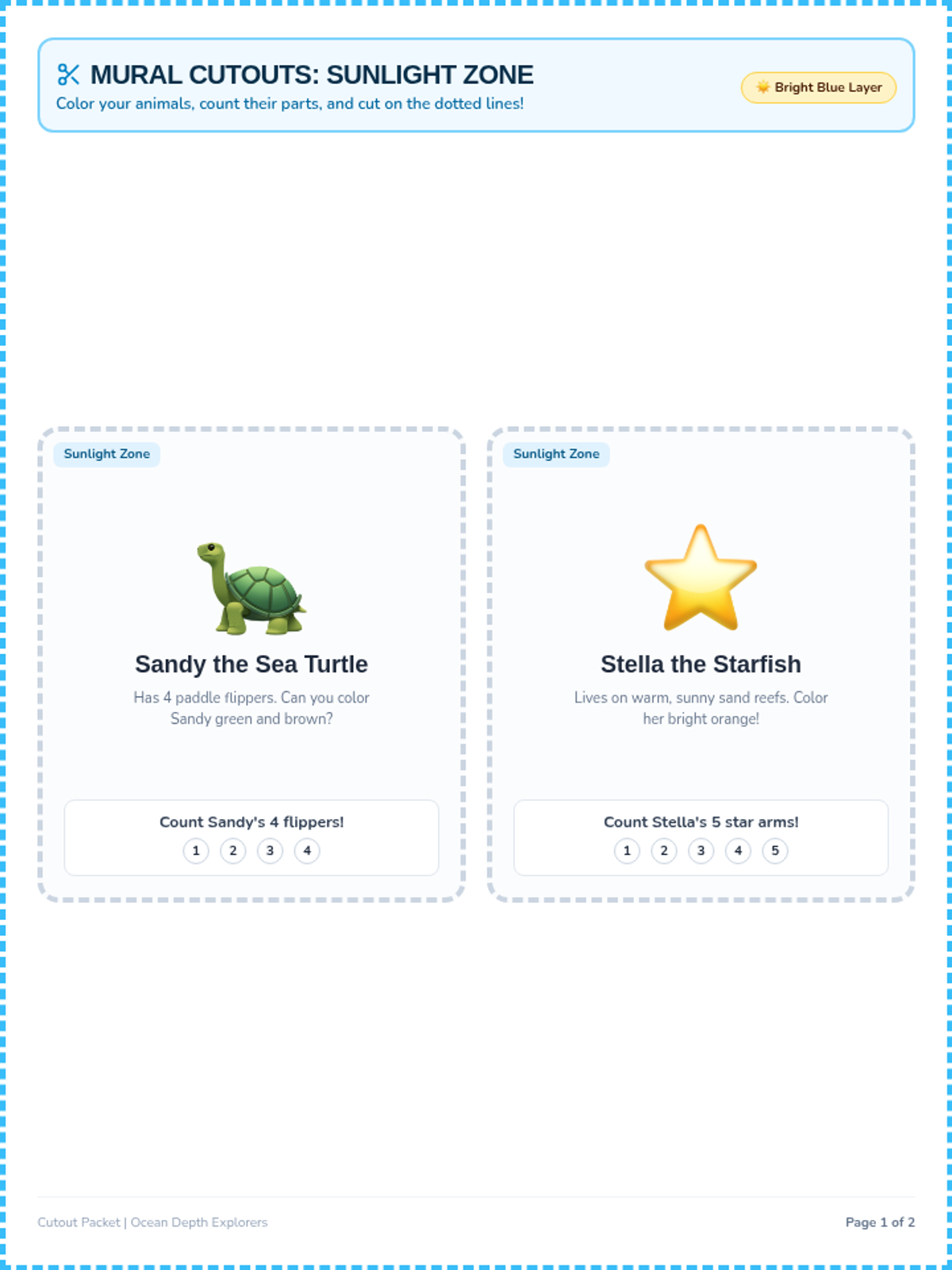
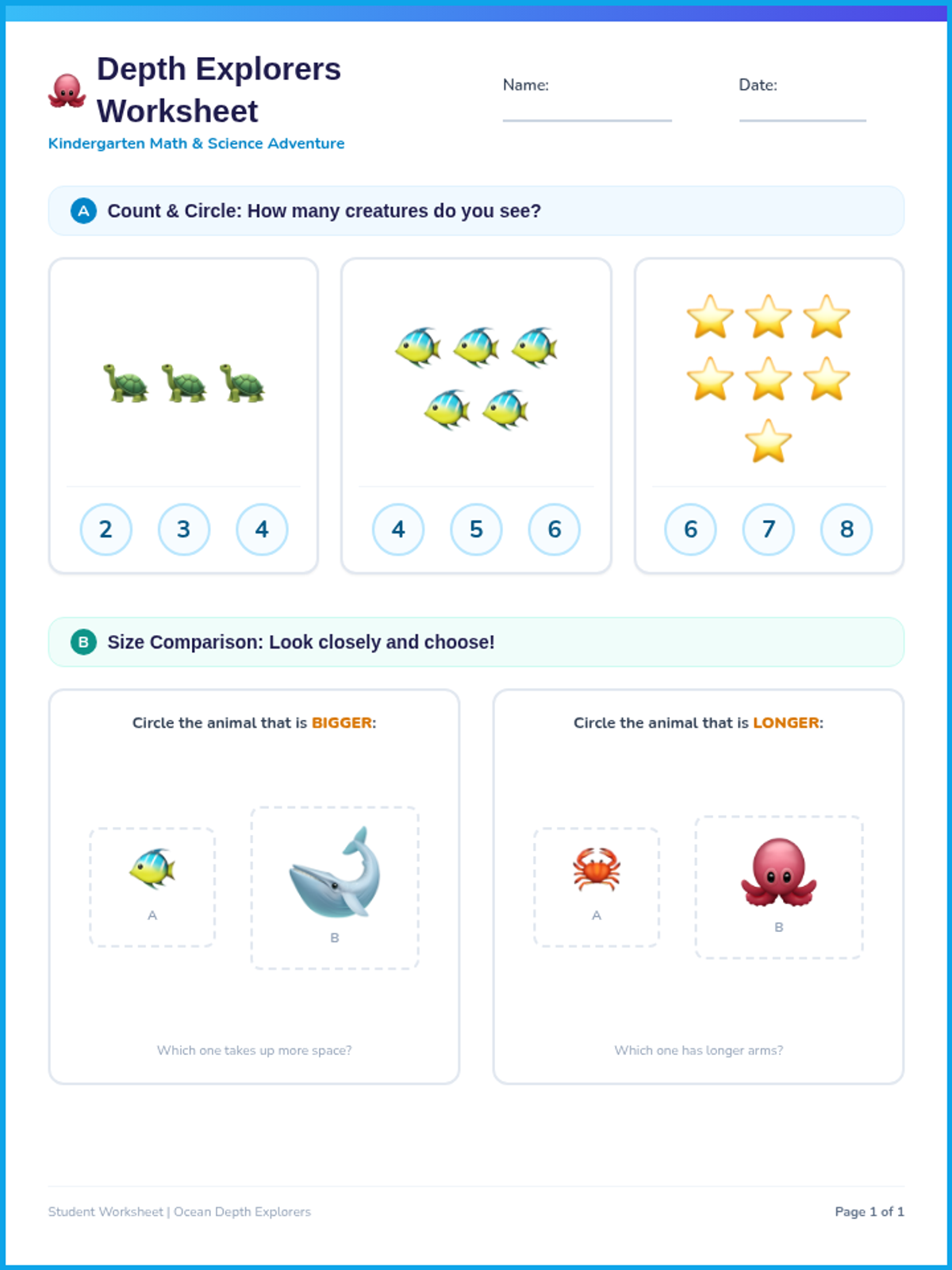
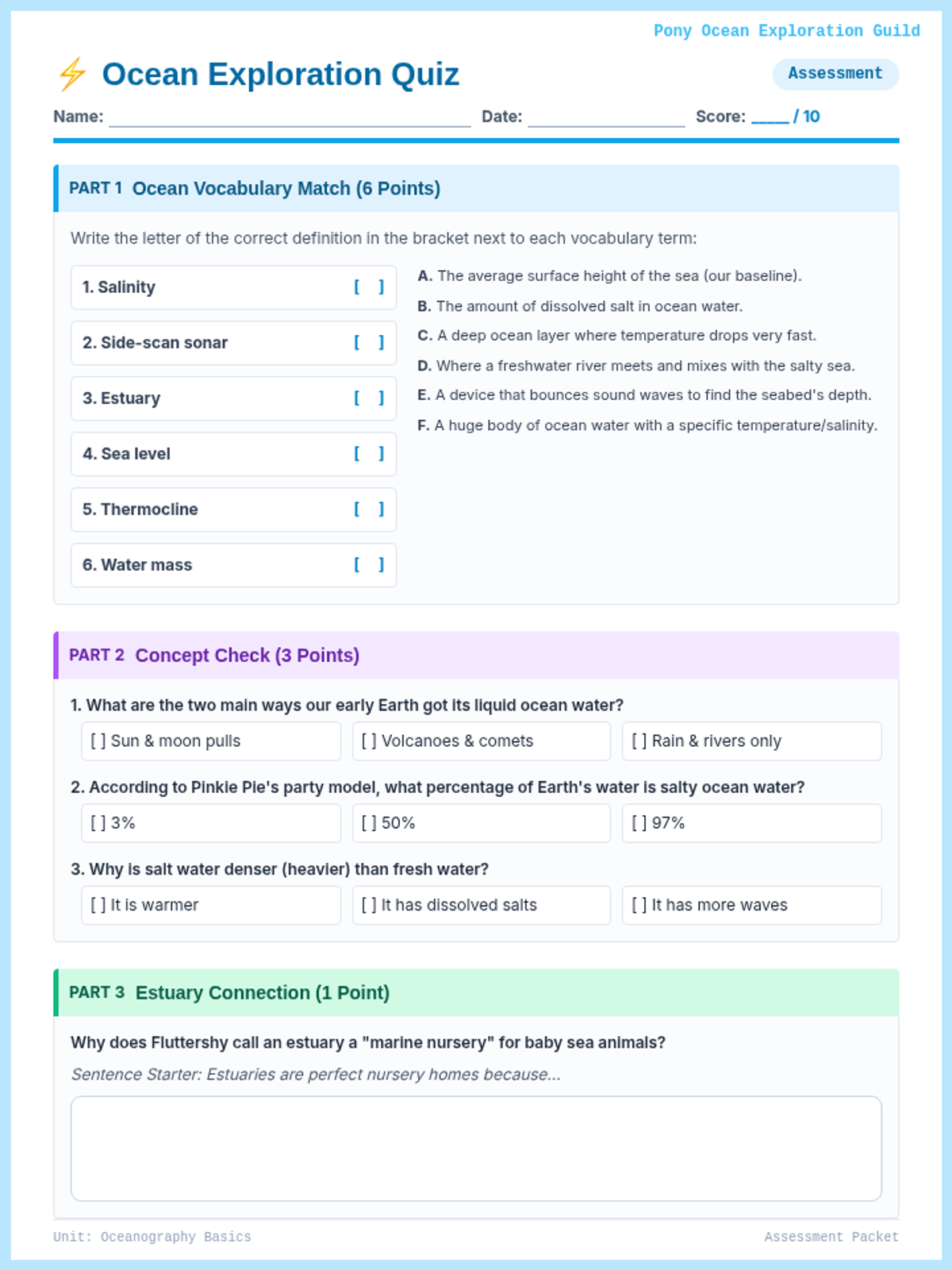
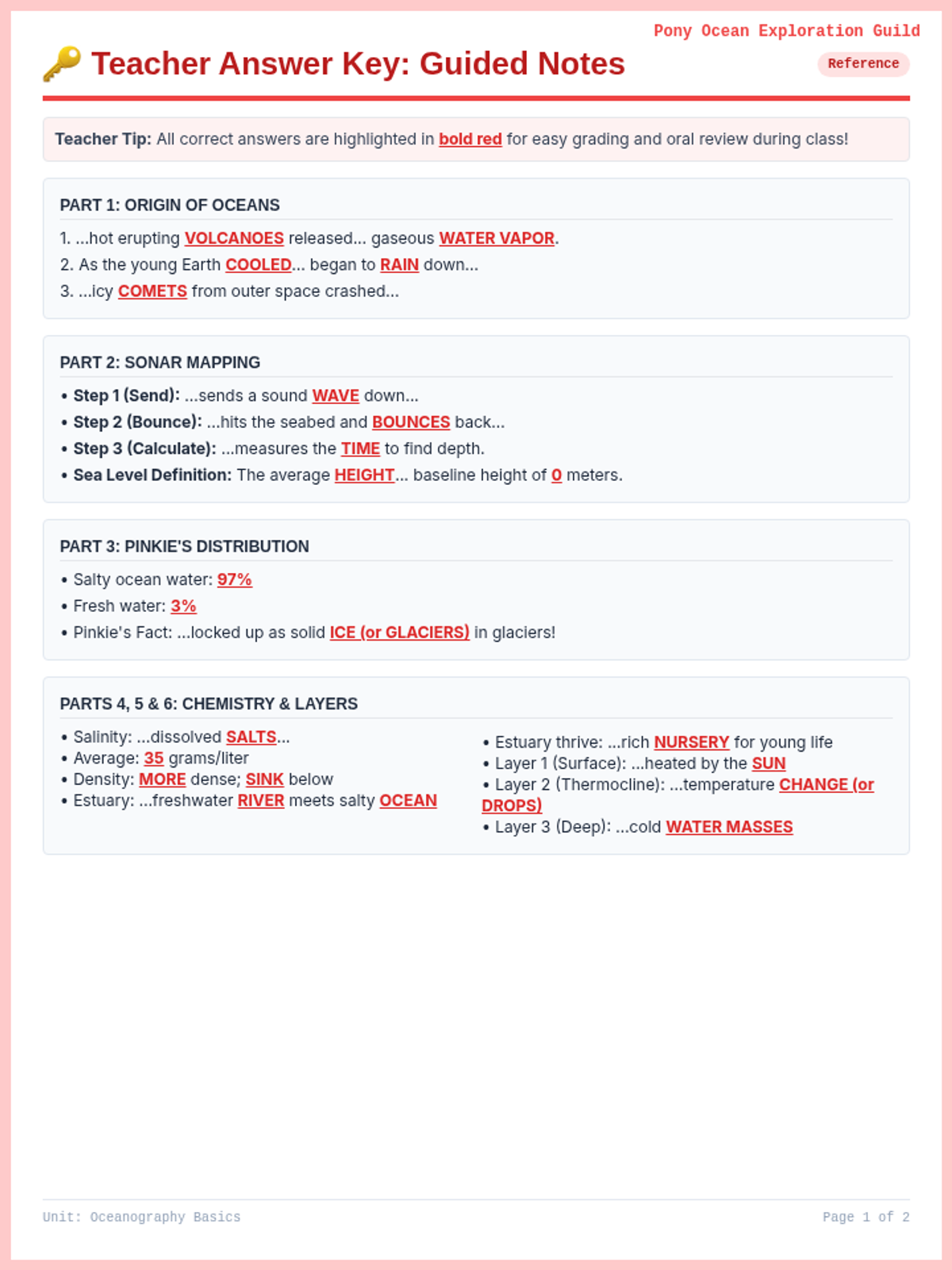
A captivating lesson for young explorers to discover the vast ocean habitat, focusing on salt water and amazing creatures like whales, sharks, and crabs.
A foundational lesson for early elementary students exploring freshwater habitats like ponds and rivers, focusing on animals such as frogs, ducks, and fish.
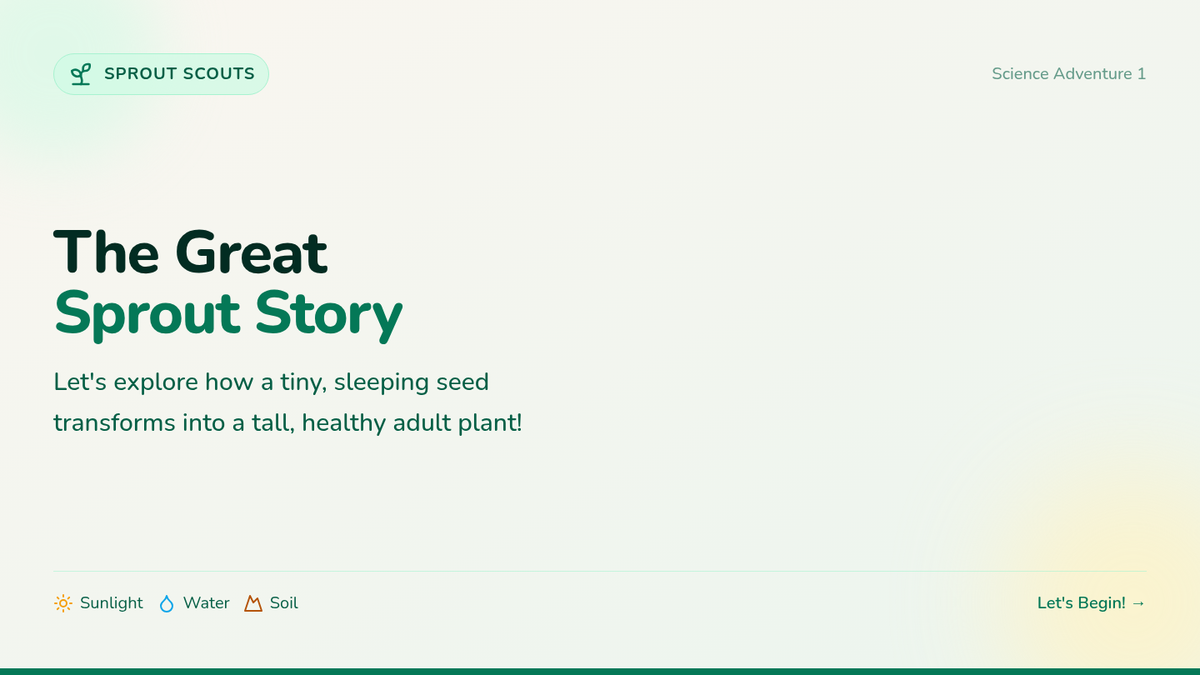
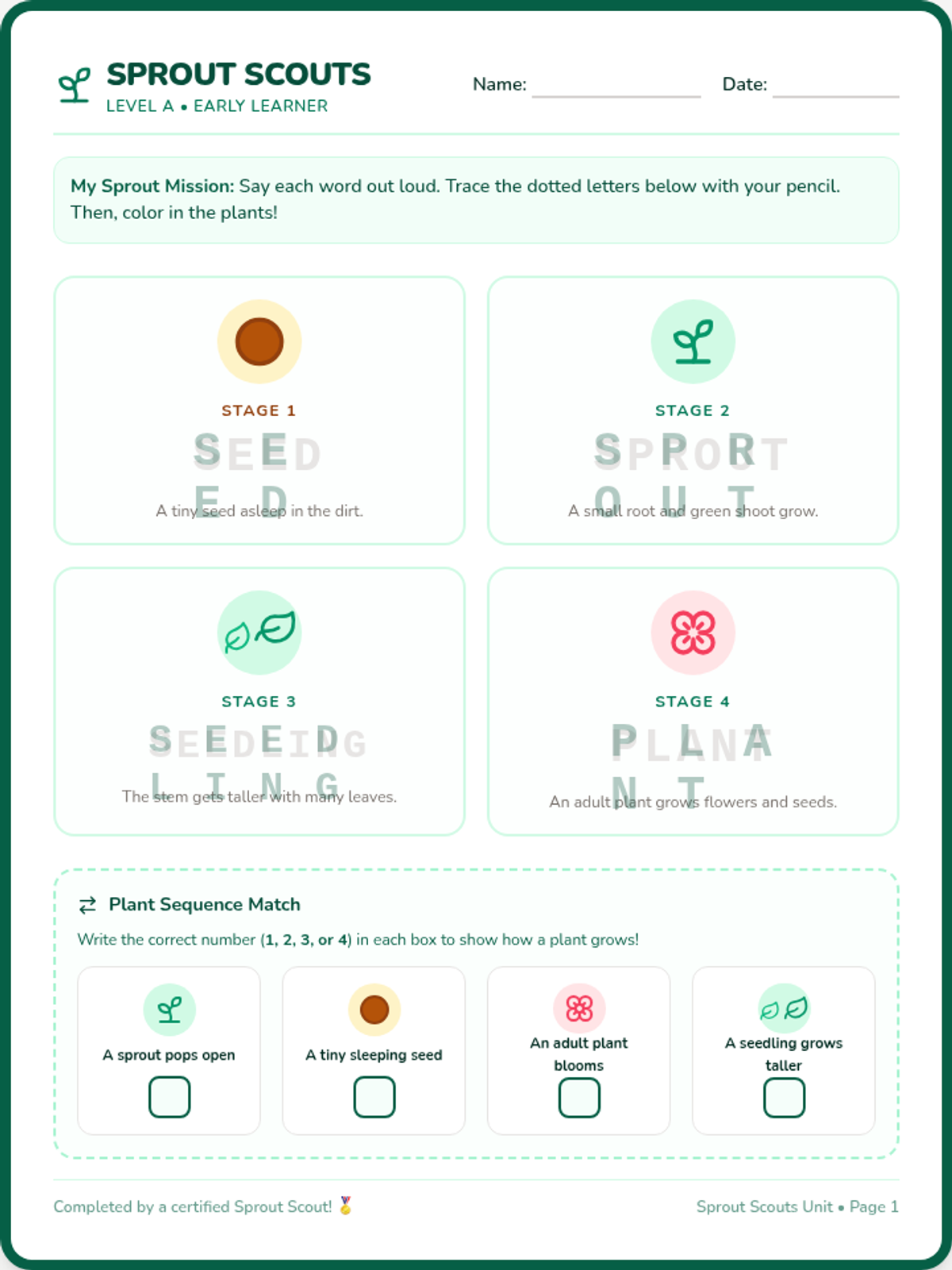
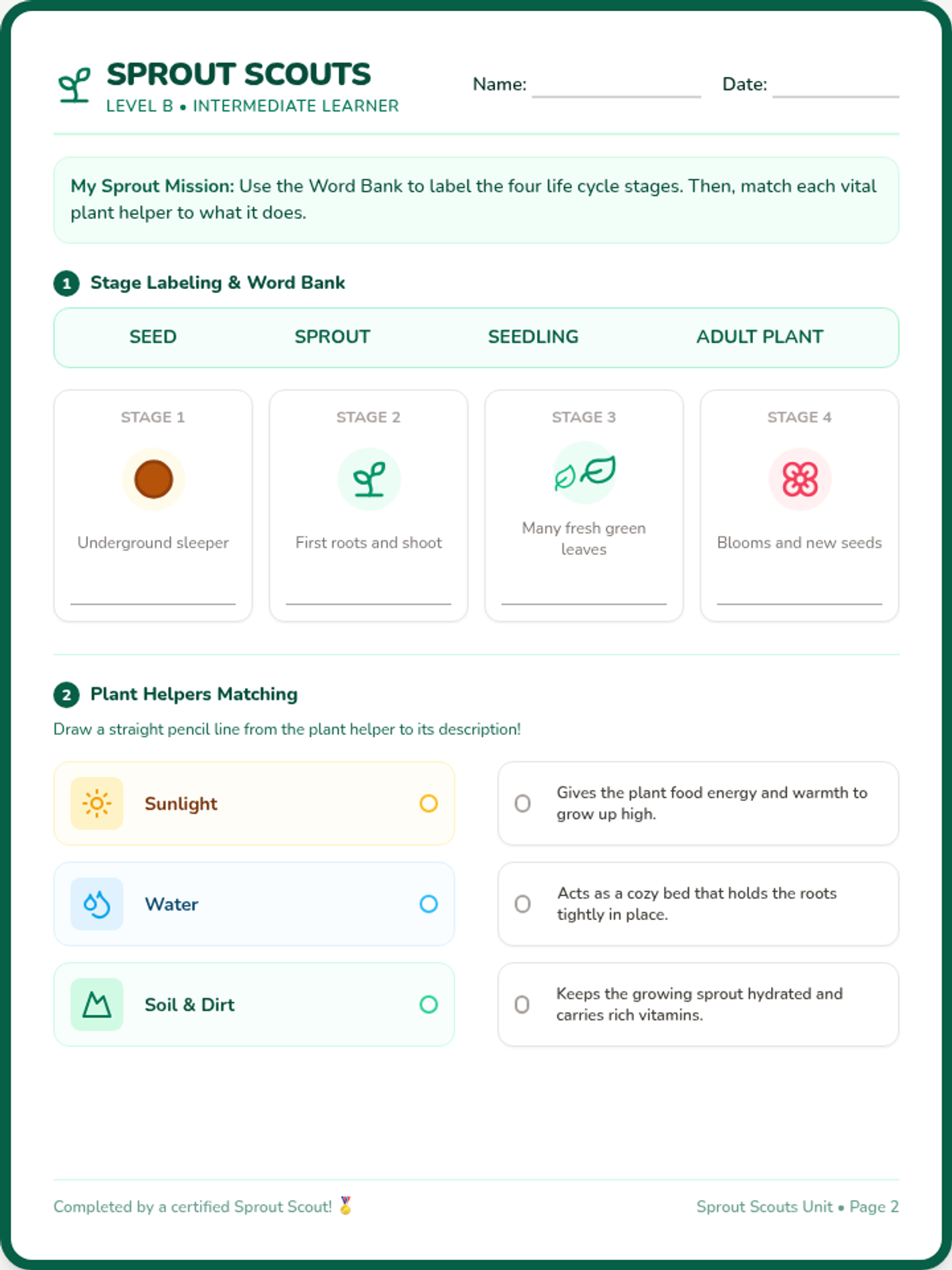
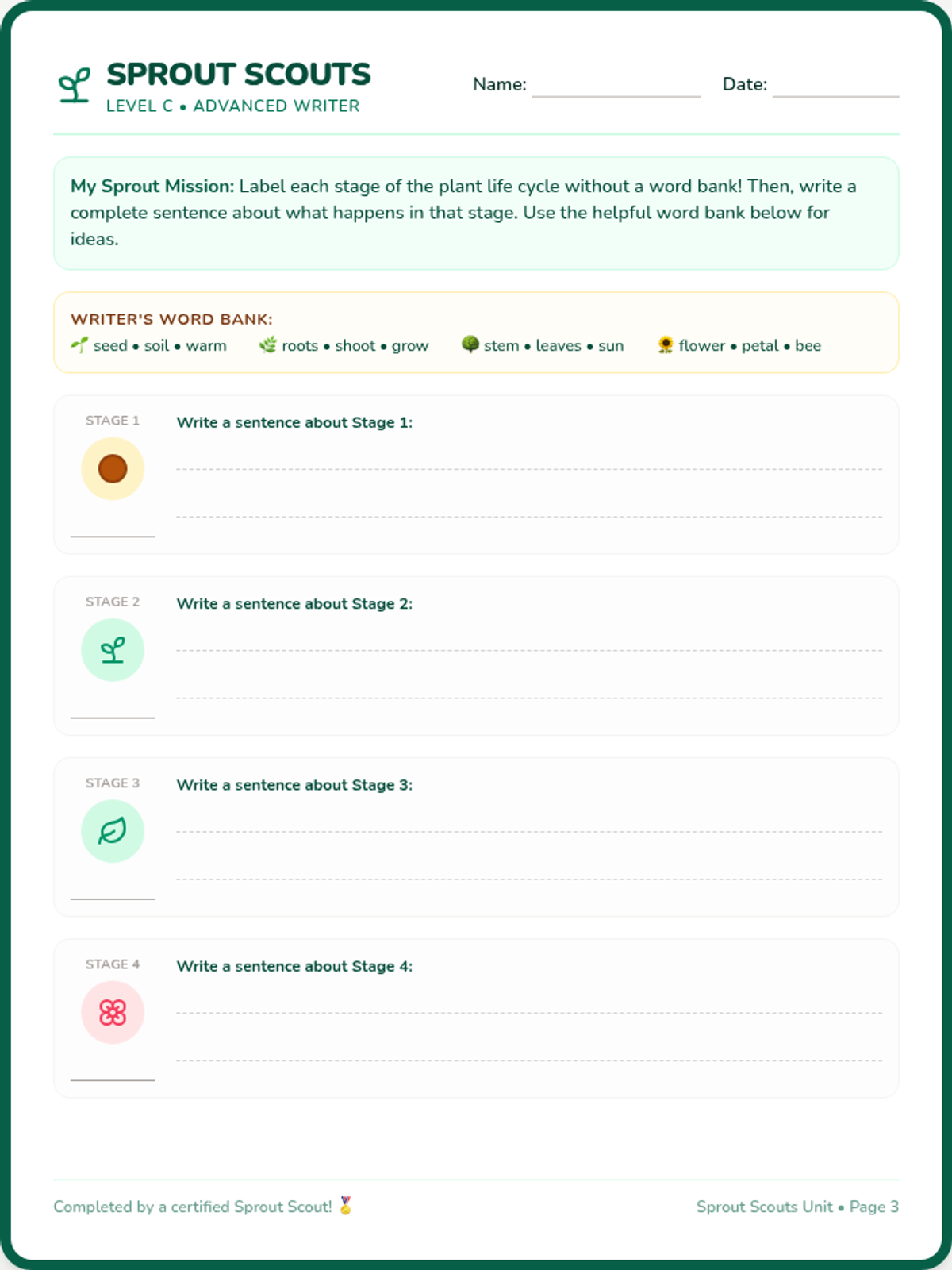
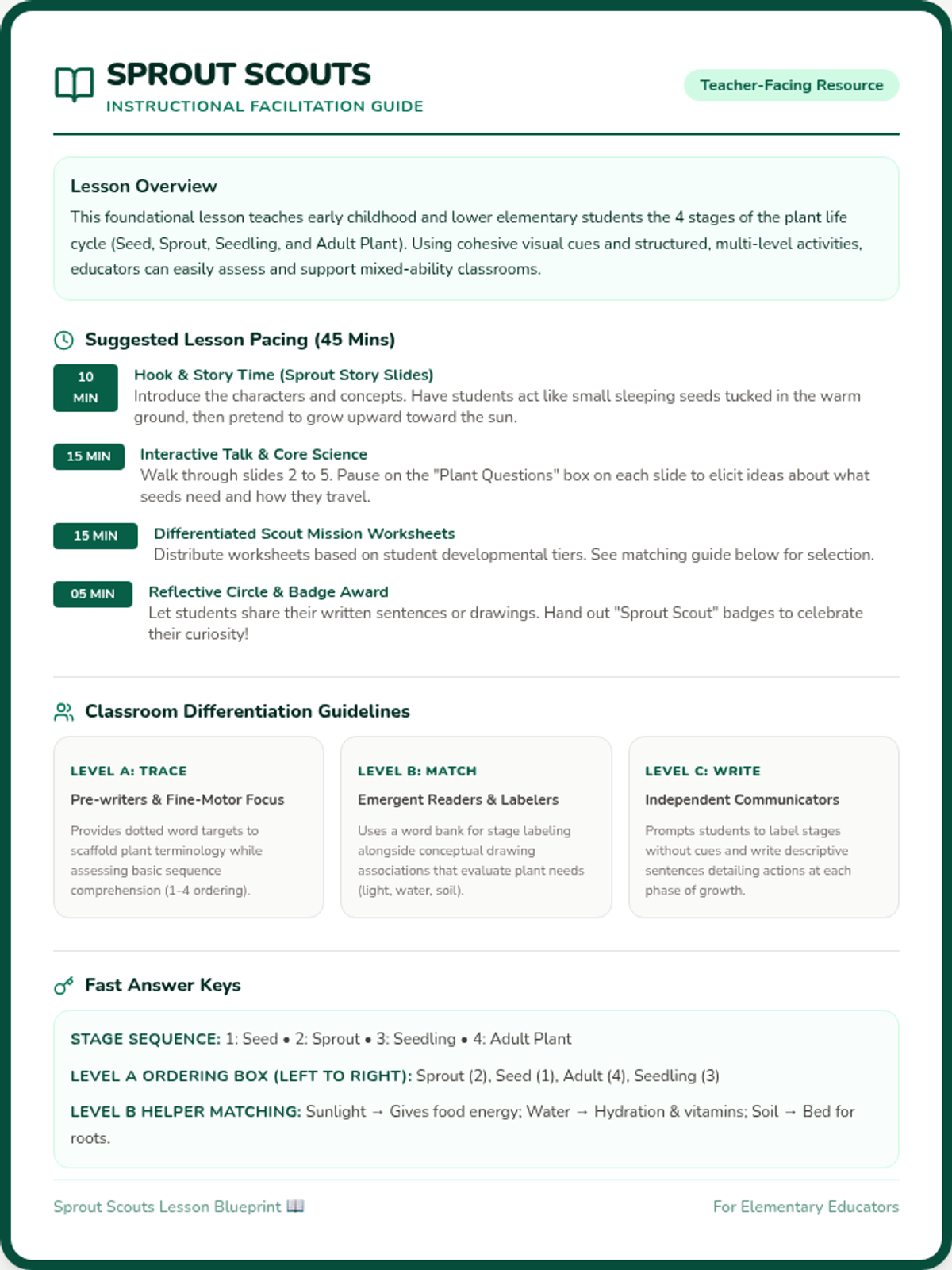
Students explore what plants need to survive and identify plant parts and their functions through hands-on activities and a classroom scavenger hunt.
A professional development session for high school teachers focused on reflecting on the implementation of learning science strategies in their classrooms. Participants analyze successes, troubleshoot challenges, and iterate on their action plans.
An introductory lesson on the water cycle specifically designed for 3rd-grade students with WIDA Level 2 English proficiency and autism. It focuses on clear visuals, simplified language, and predictable structures to explain how water moves through the environment.
A professional development session for grades 9-12 educators exploring cognitive science principles. Teachers will learn about cognitive load theory, retrieval practice, and dual coding to enhance classroom instruction.