An extension lesson delving deeper into how plants grow, focusing on the specific functions of roots, stems, and leaves, as well as the essential nutrients found in soil.
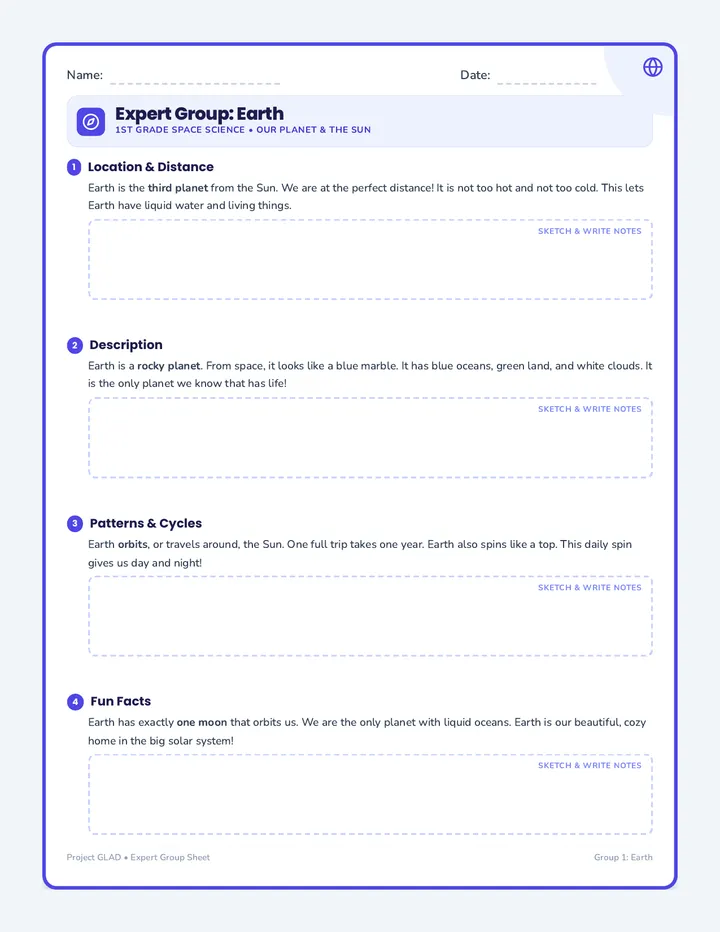
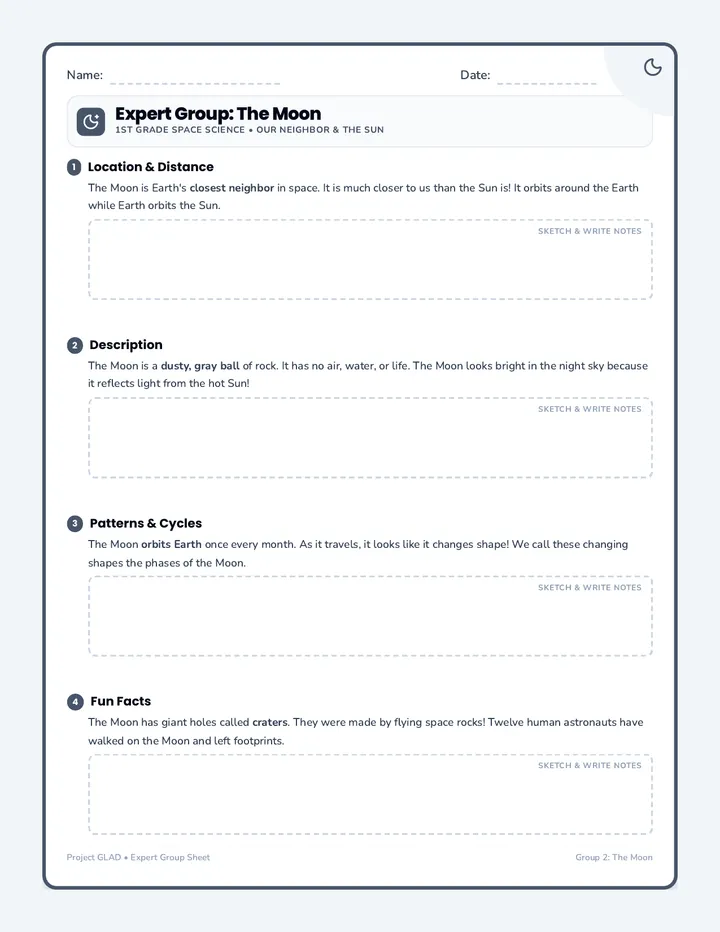
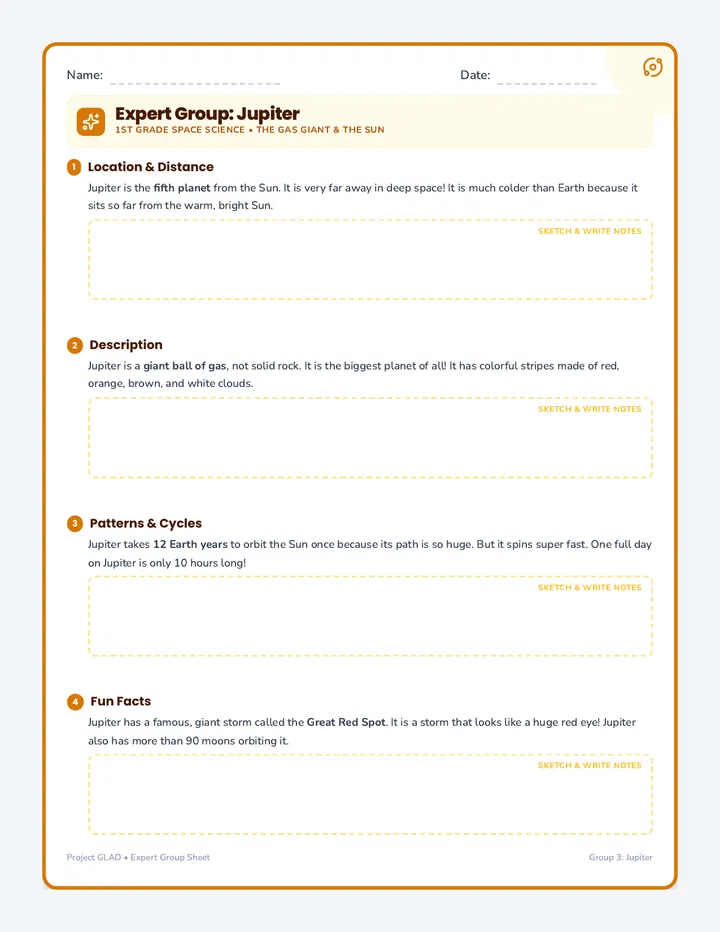
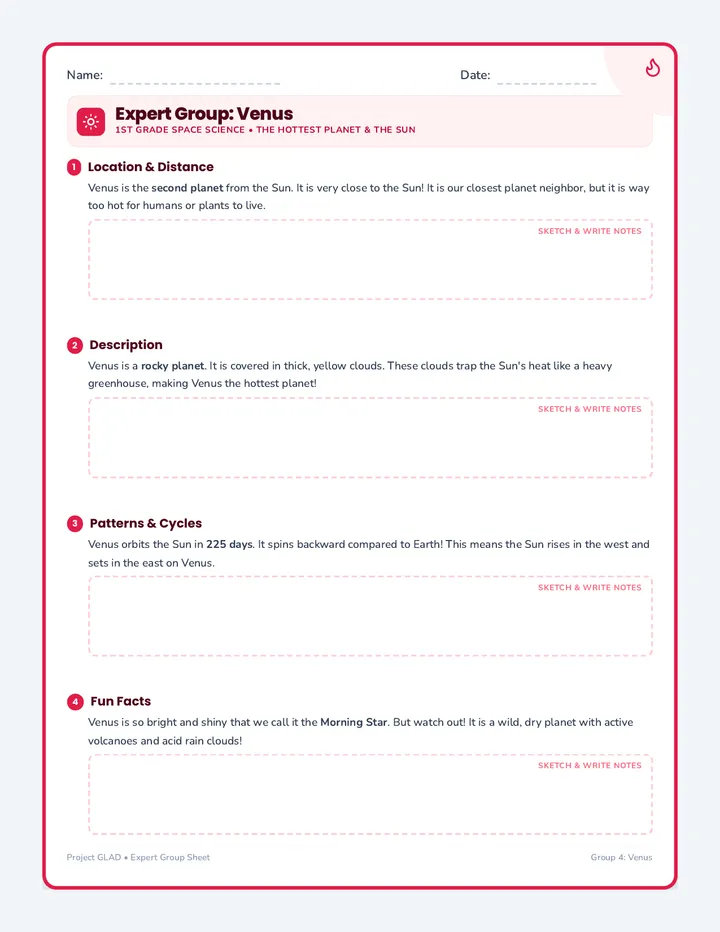
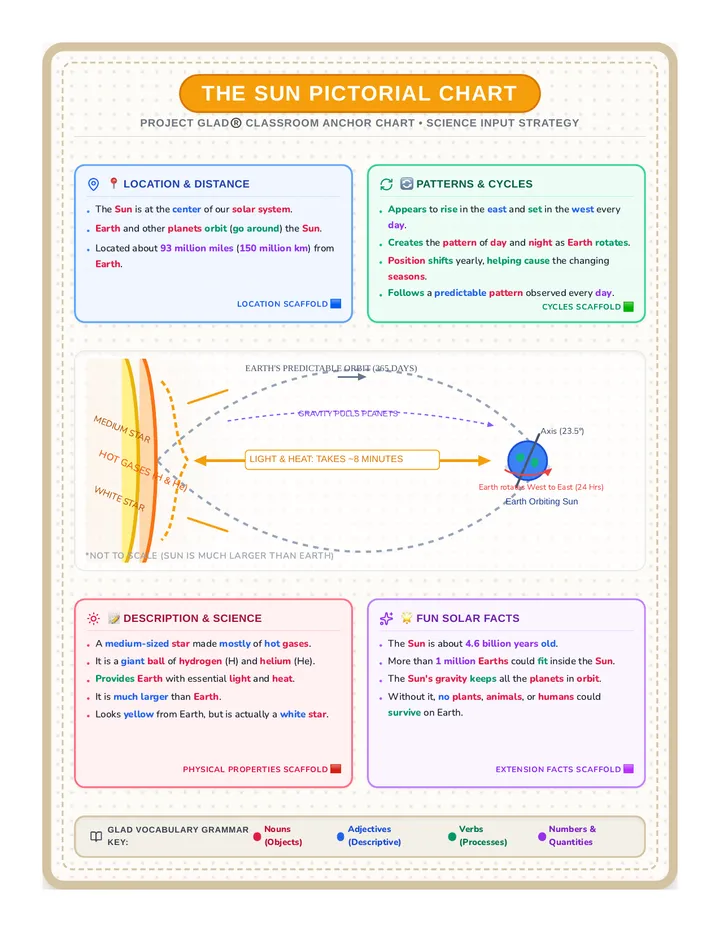
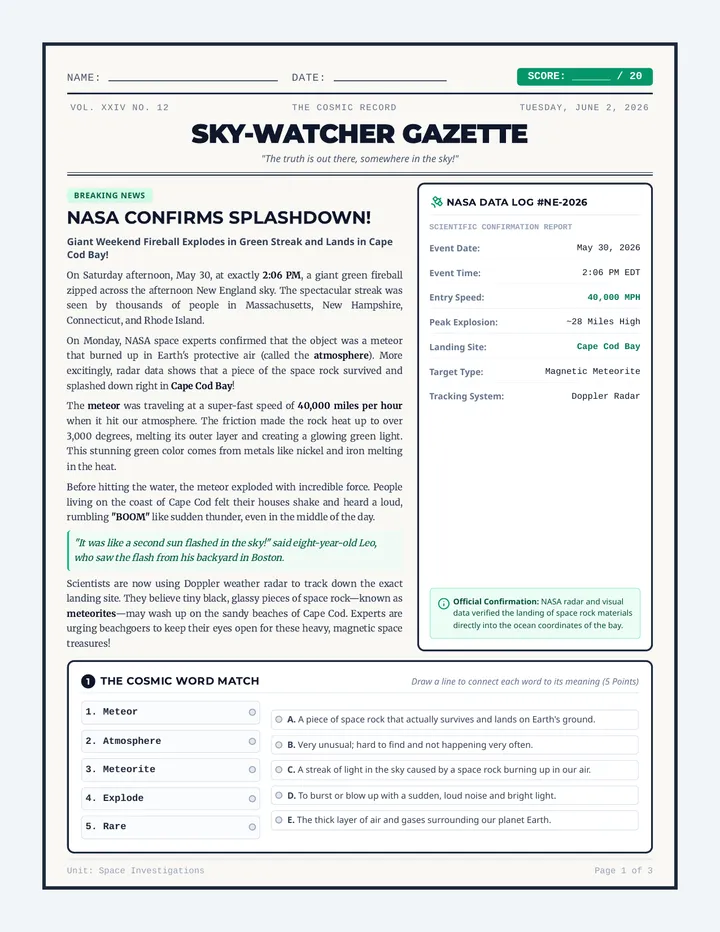
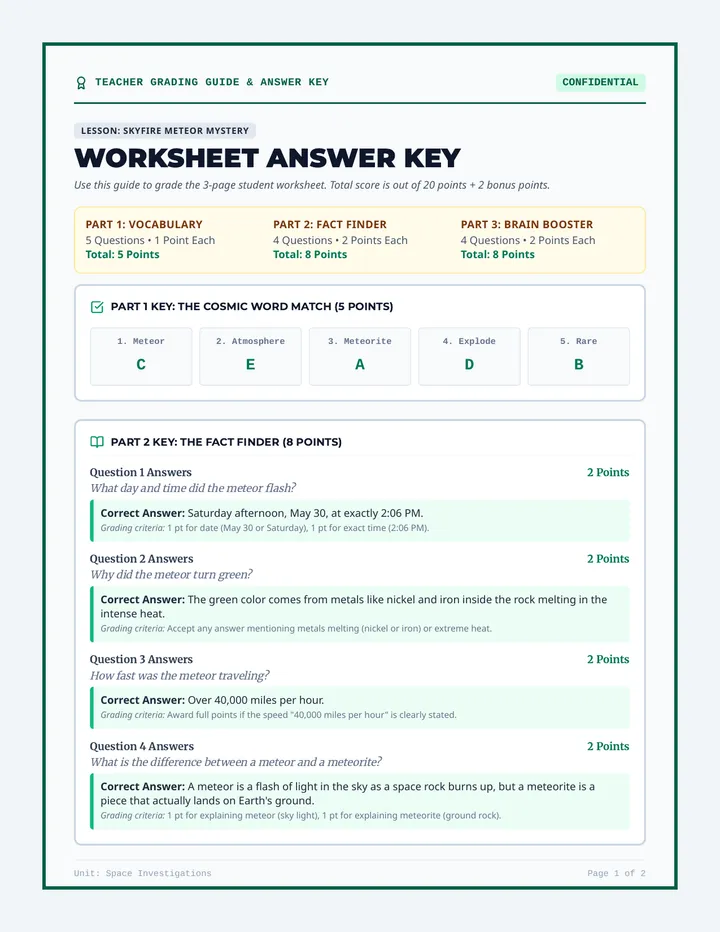
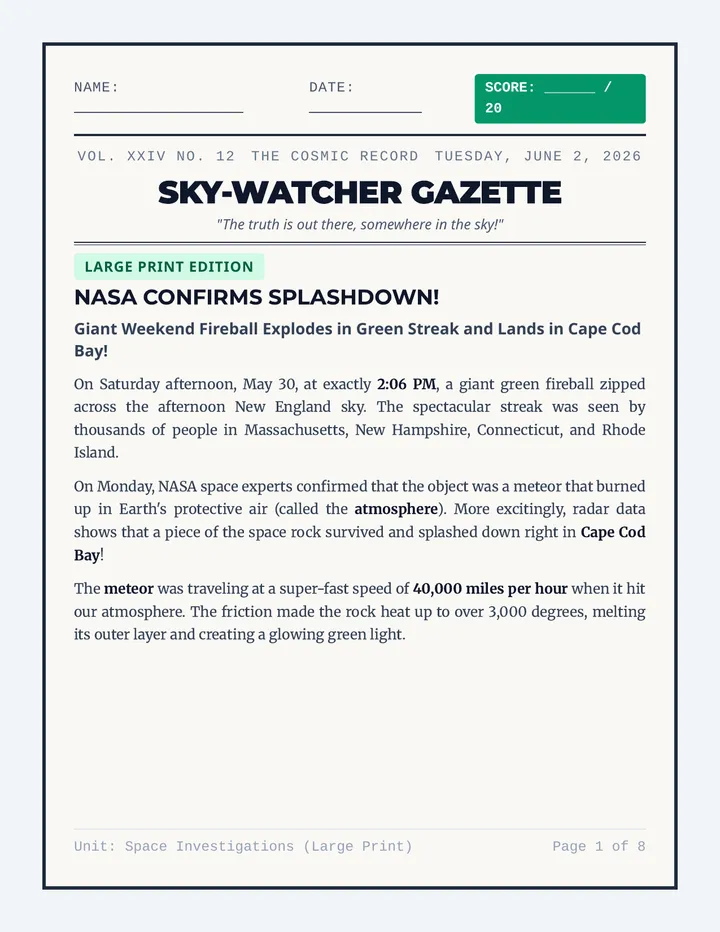
A lesson exploring the components of our solar system, focusing on reading comprehension, sequencing, and identifying key details from informational text.
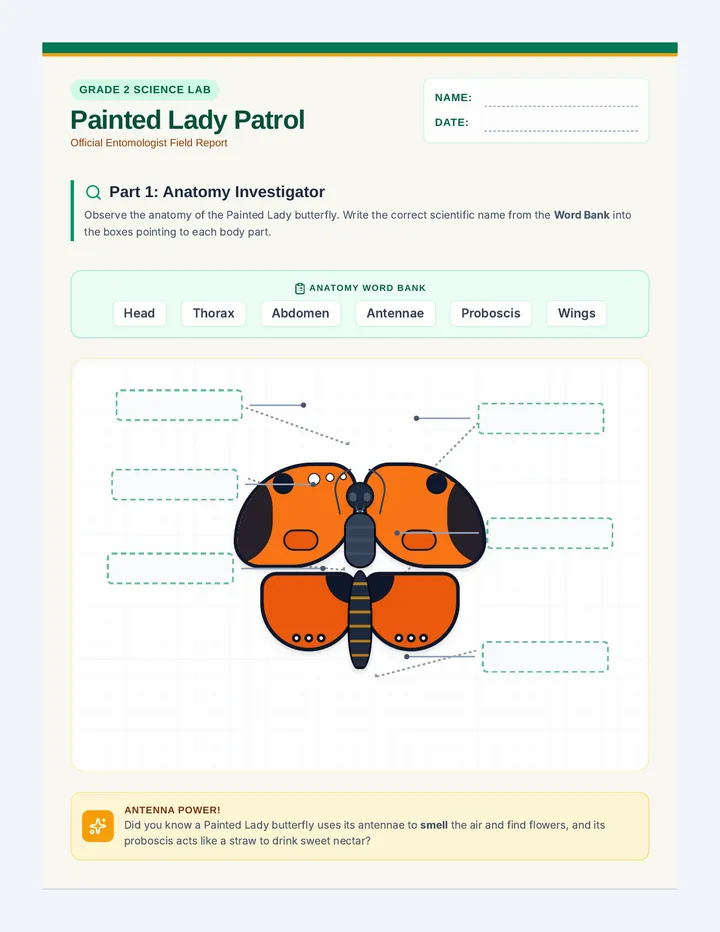
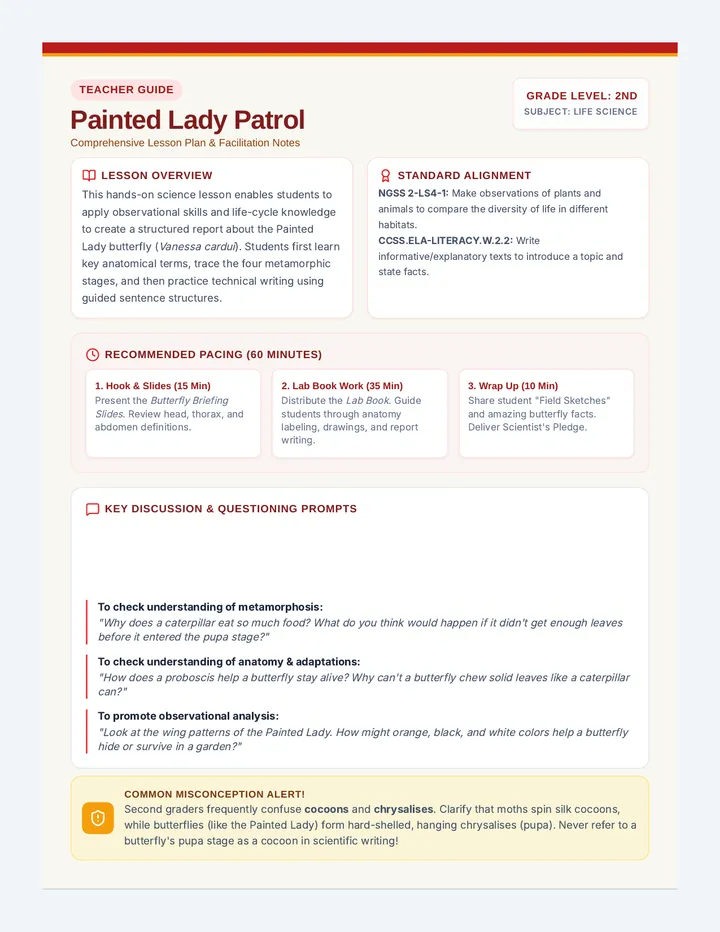
Students will learn the four distinct stages of a butterfly's life cycle and practice sequencing them in the correct chronological order.
A hands-on engineering lesson where 2nd graders design and test models of seeds to understand how plant structures aid in dispersal through wind, water, and animals.
Analyze the distinction between the rights granted to citizens and the responsibilities they hold within a community.
Explore the structure of the U.S. government, focusing on the roles and responsibilities of the Legislative, Executive, and Judicial branches.
Investigate the different forms of energy and the transition between potential and kinetic energy through real-world examples.
Discover how energy travels through waves, exploring sound, light, and water ripples through visual observations and hands-on mapping.
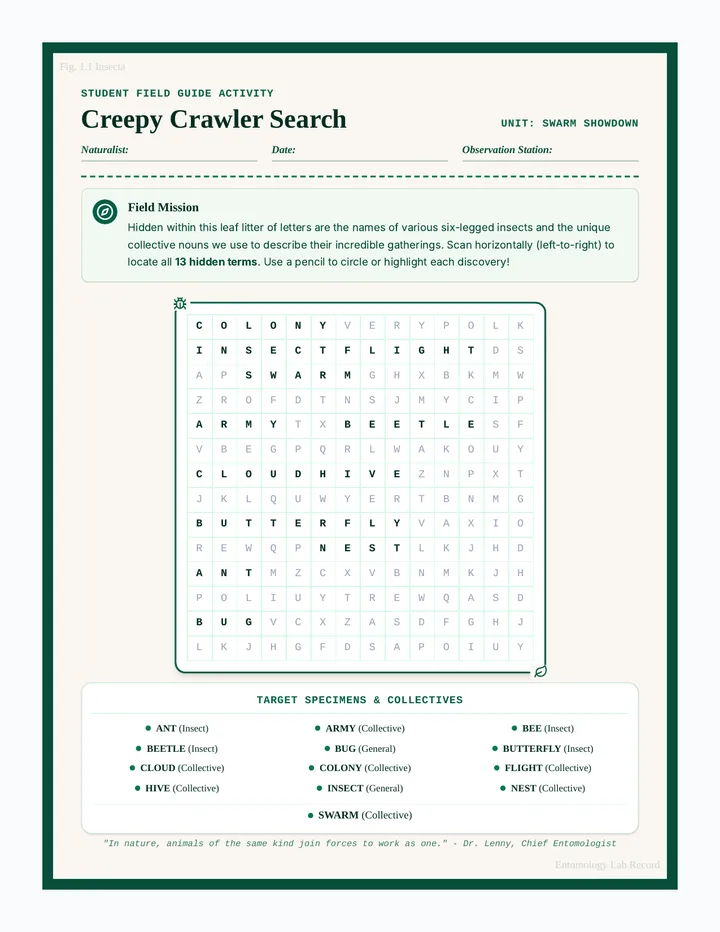
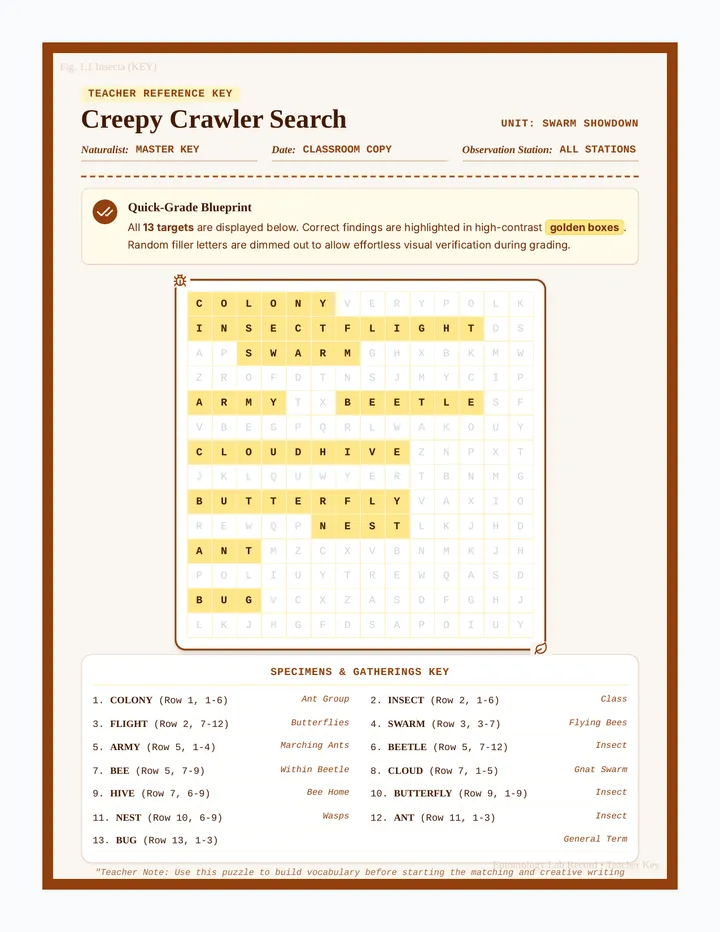
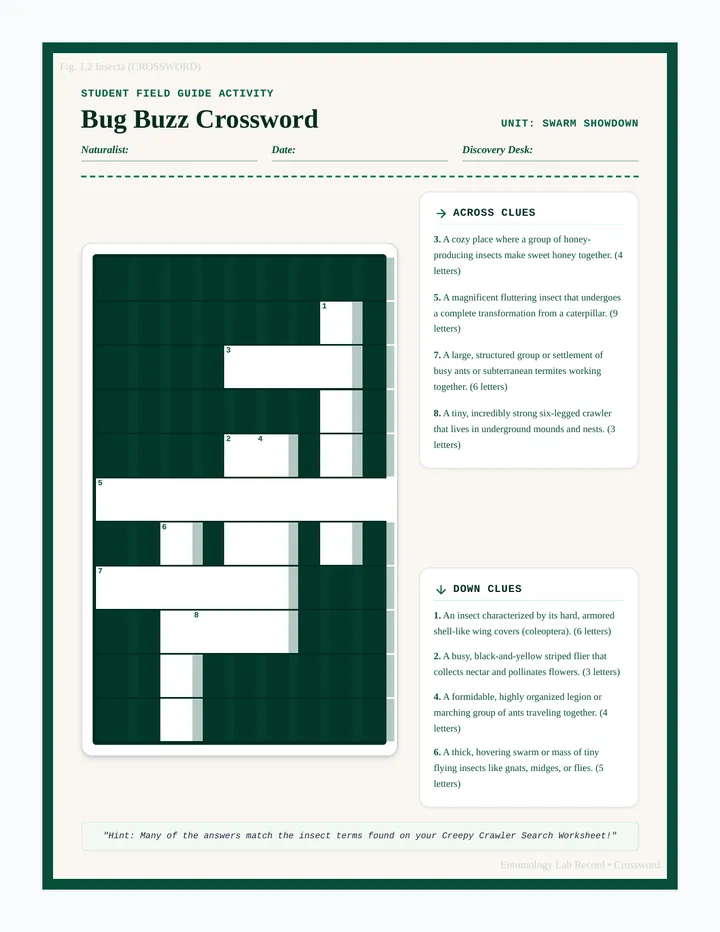
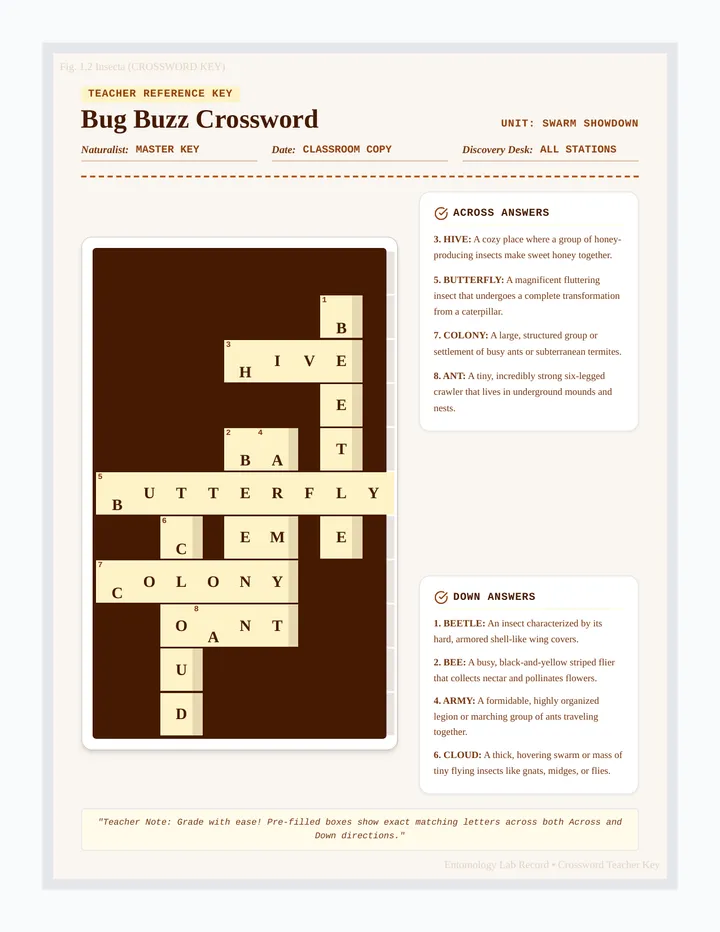
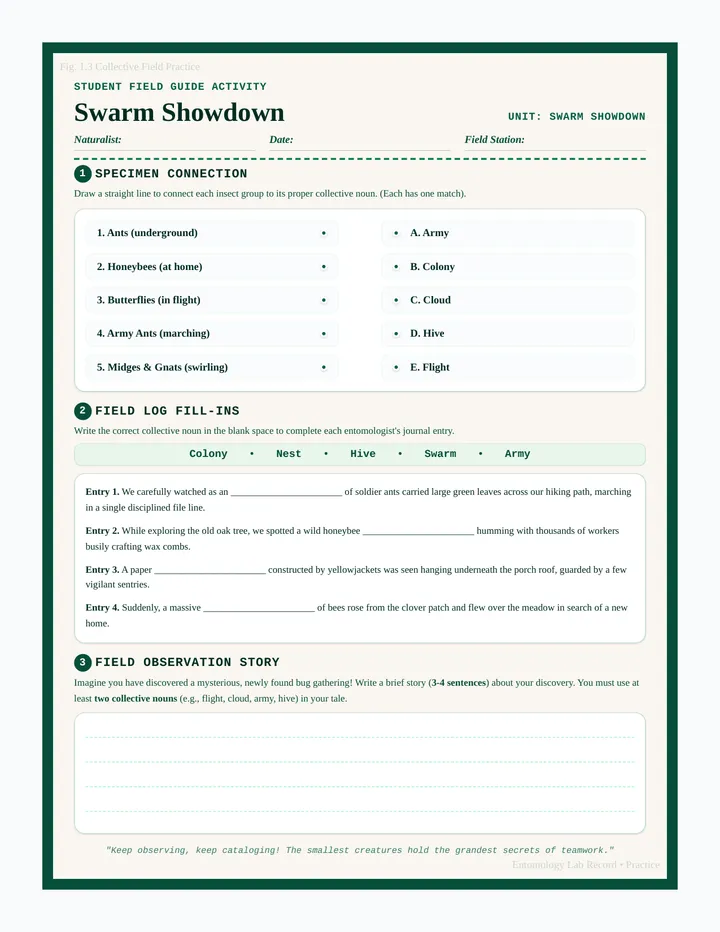
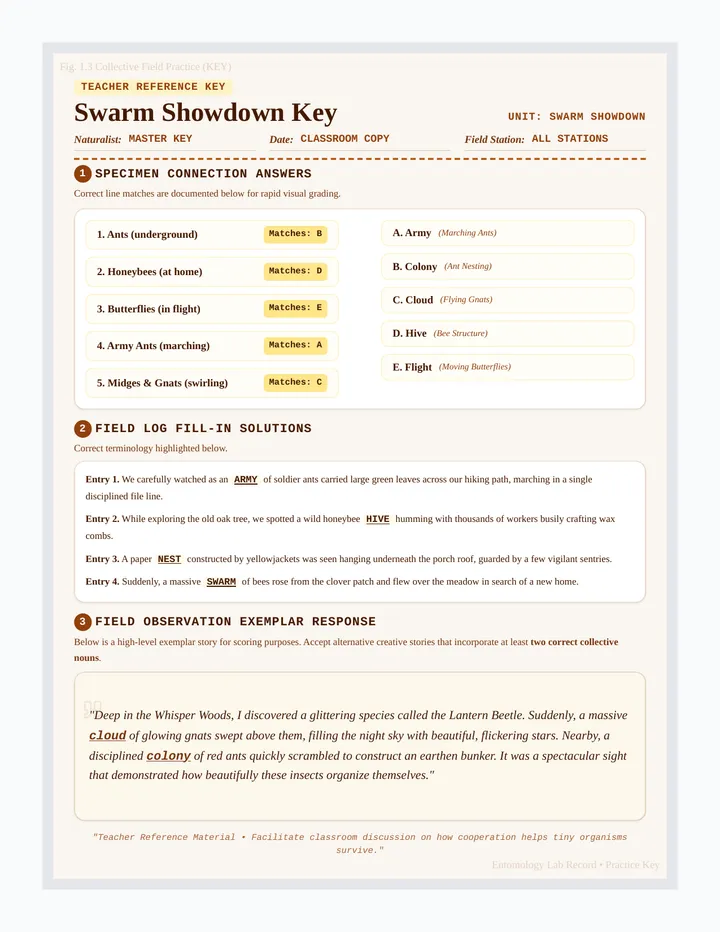
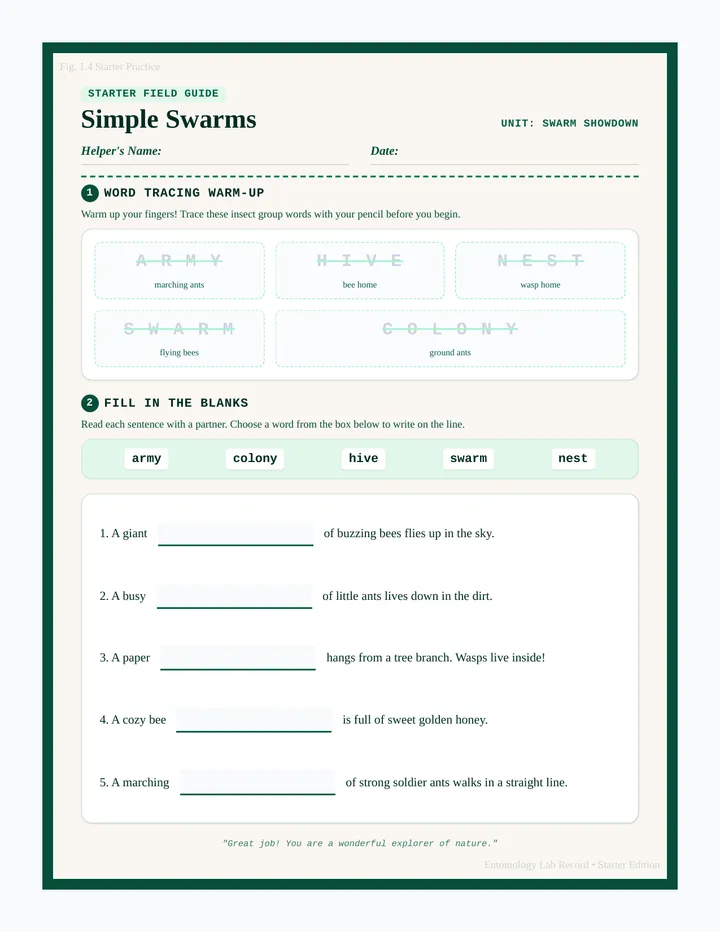
An introductory lesson where students meet different insects, learn what makes an insect an insect, and explore the various places they call home.
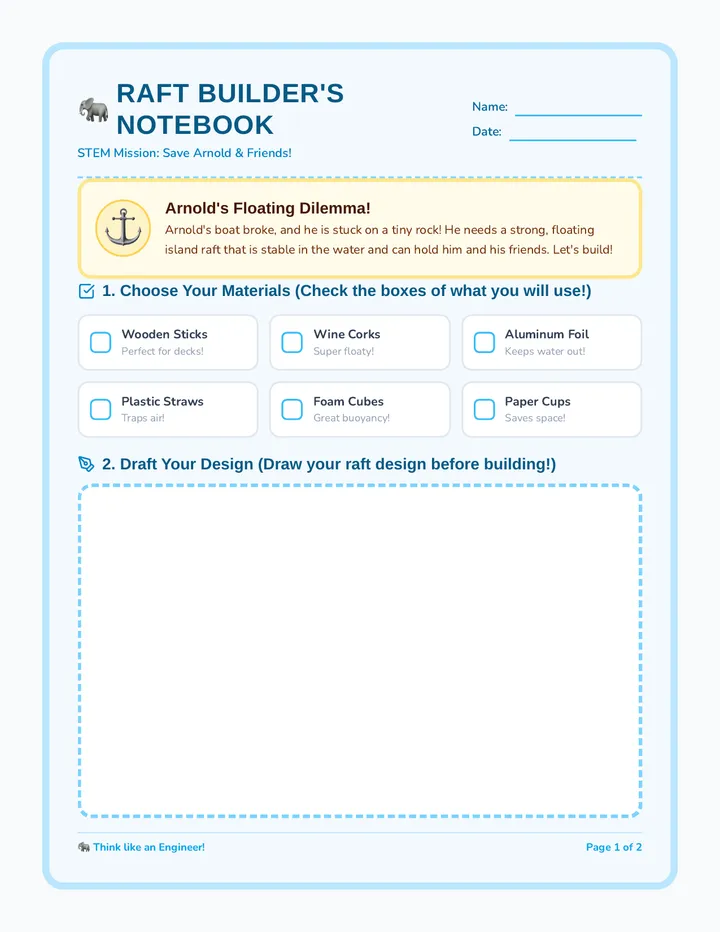
A hands-on STEM lesson where 1st graders design and build structural adaptations to help animals solve specific survival problems.
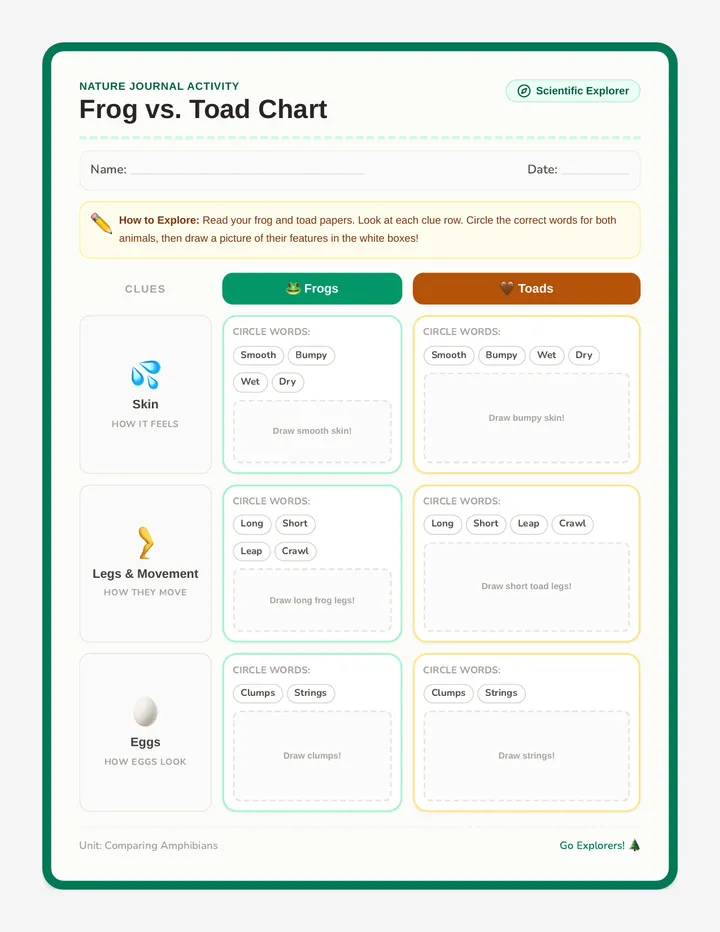
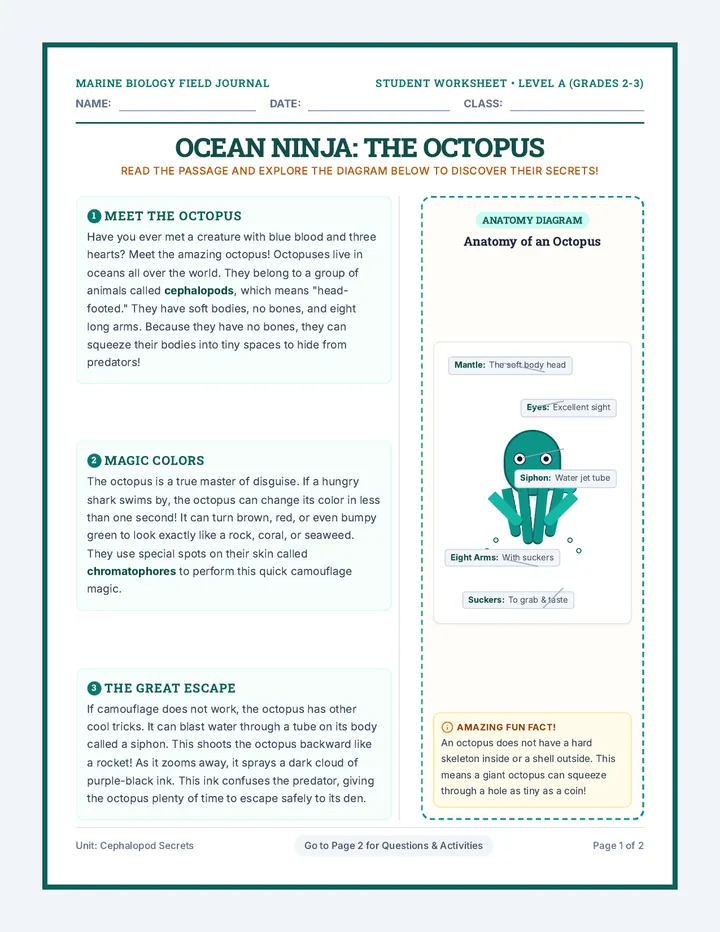
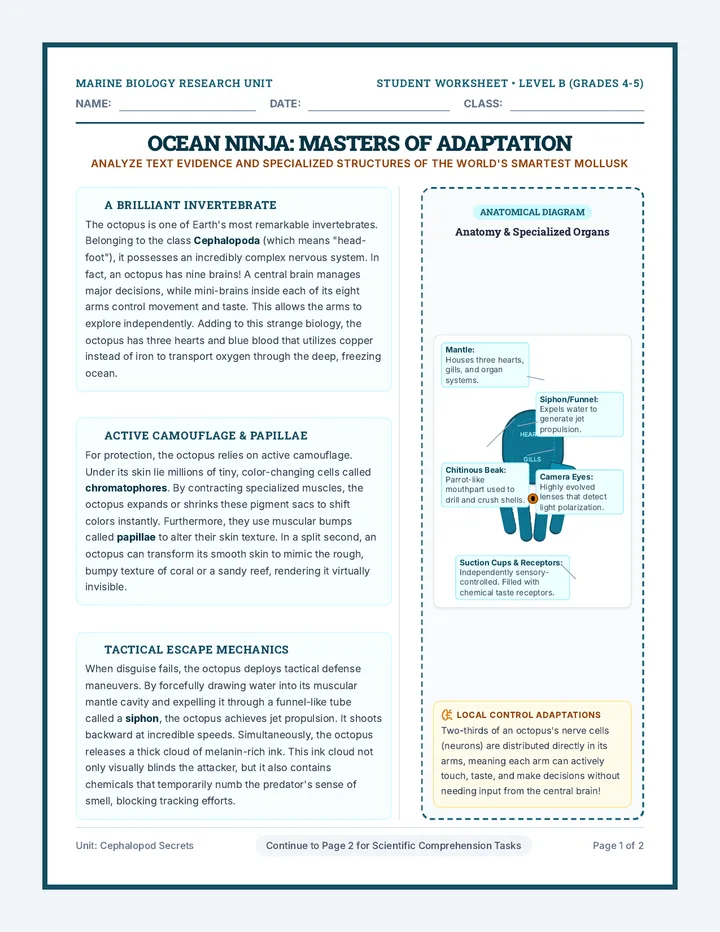
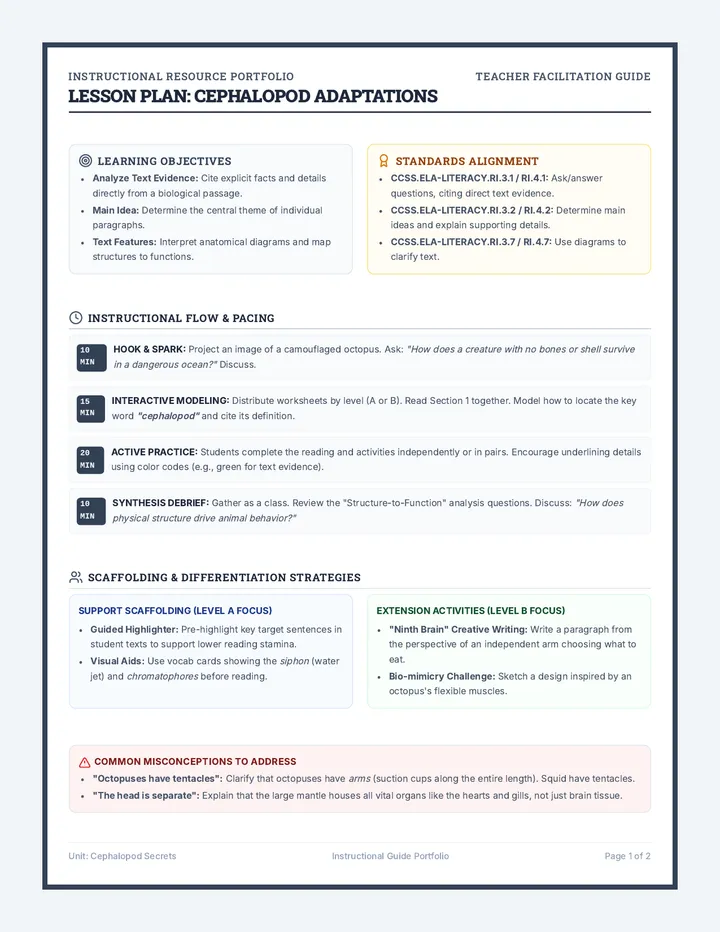
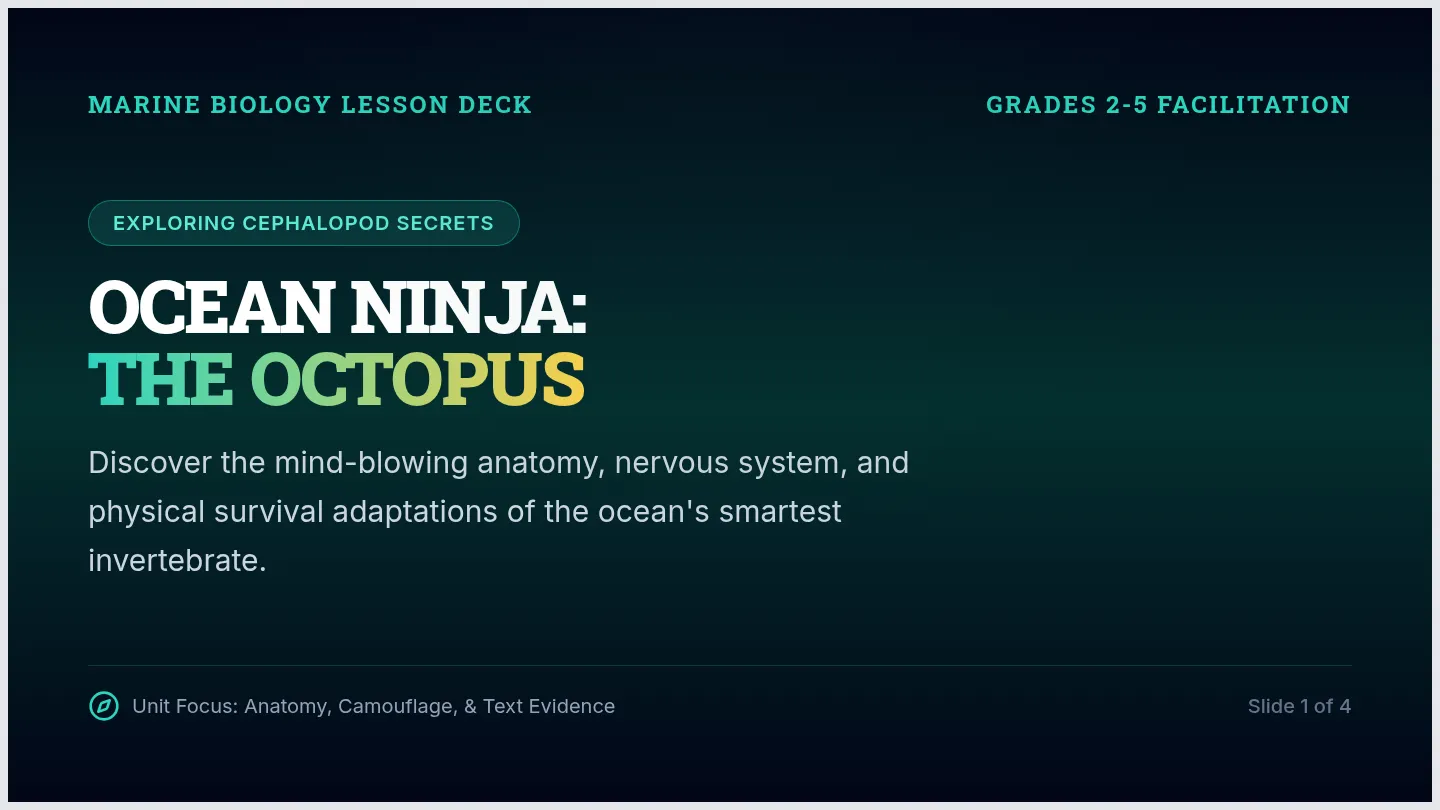
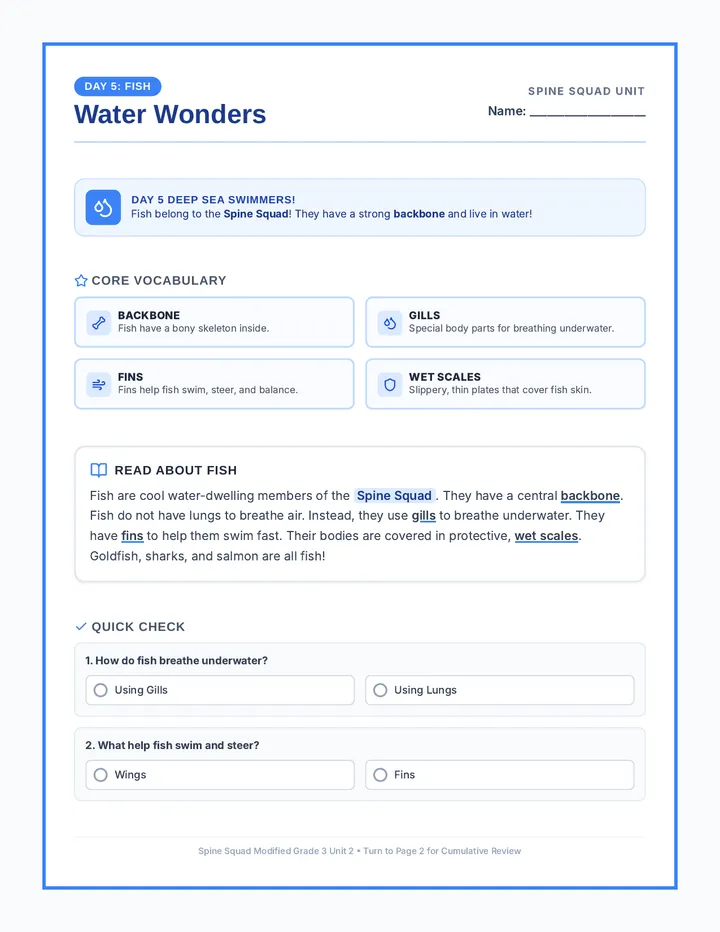
A research unit focused on the physical characteristics and adaptations of marine animals, designed for K-1 learners to build scientific observation and writing skills.
An introductory lesson for kindergarteners to identify and understand the importance of natural resources like sun, water, air, rocks, soil, and trees. Students will explore how these 'treasures' from Earth help us every day.
An introductory science lesson for K-1 students exploring the signs of spring in April, including weather patterns, plant growth, and animal activity.
A science lesson for 2nd grade students exploring how different insects like butterflies, beetles, and wasps contribute to pollination through their unique body structures and behaviors.
A sensory-based science exploration of plant life cycles where students plant seeds, record observations, and develop descriptive language skills.
A research-based lesson where students choose a bird species to investigate, focusing on habitat, diet, and unique characteristics through a field guide approach.