A foundational phonics lesson focused on identifying and matching initial consonant sounds through detective-themed activities and hands-on matching.
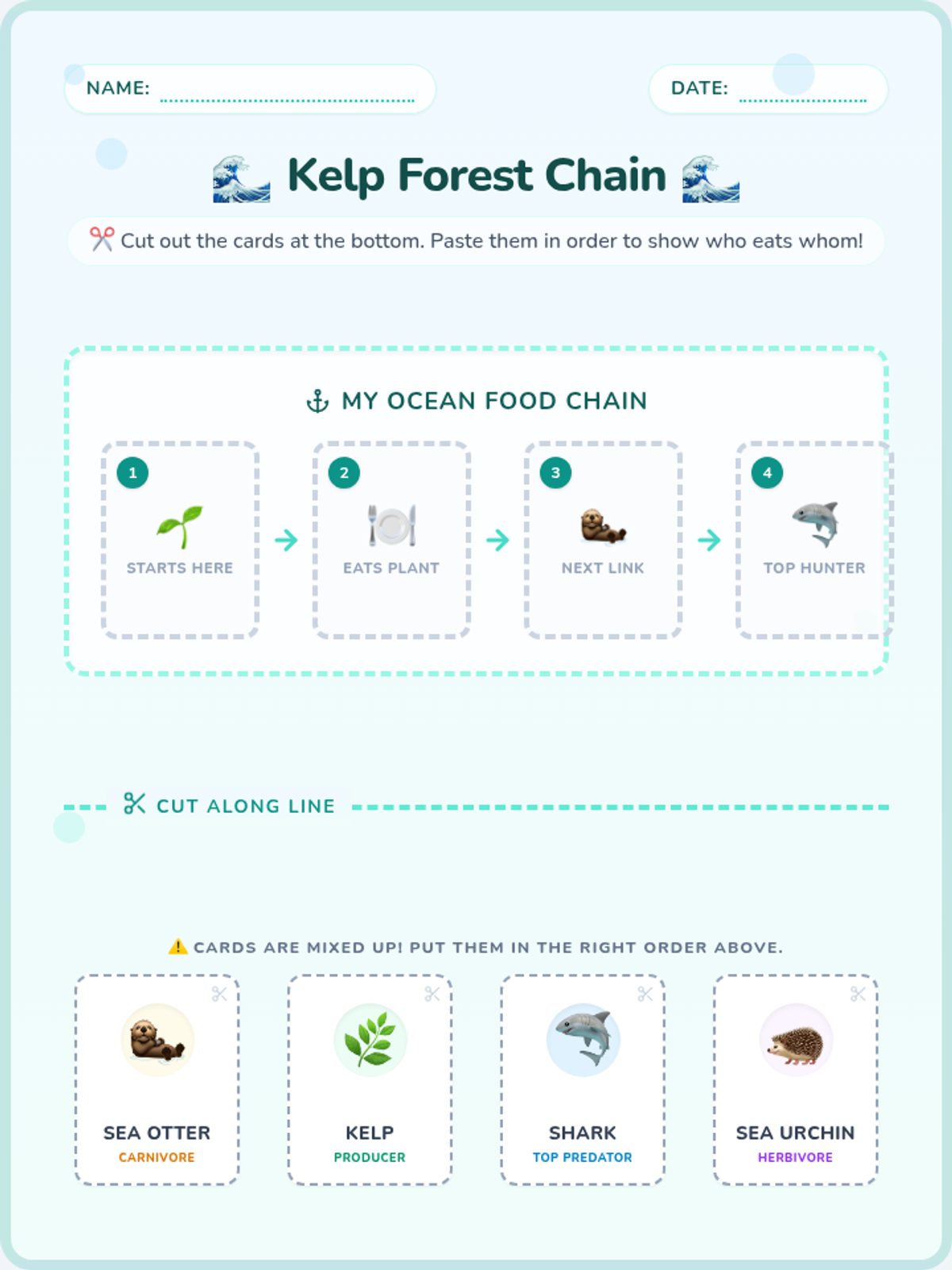
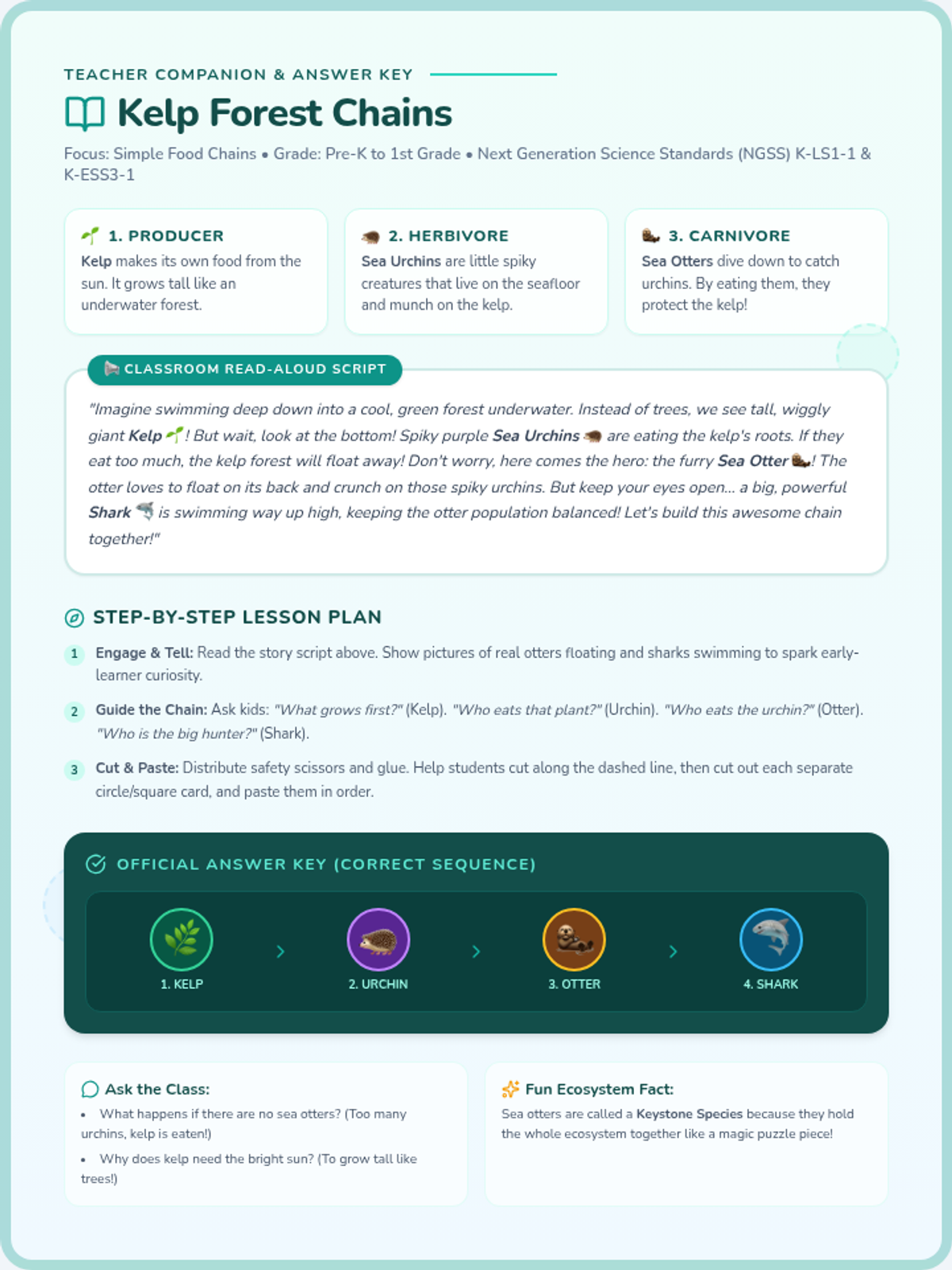
A hand-on science lesson for early learners (Pre-K to 1st grade) to understand simple ocean food chains using the kelp forest ecosystem. Students explore how energy moves from kelp to urchins, otters, and sharks through a tactile cut-and-paste activity.
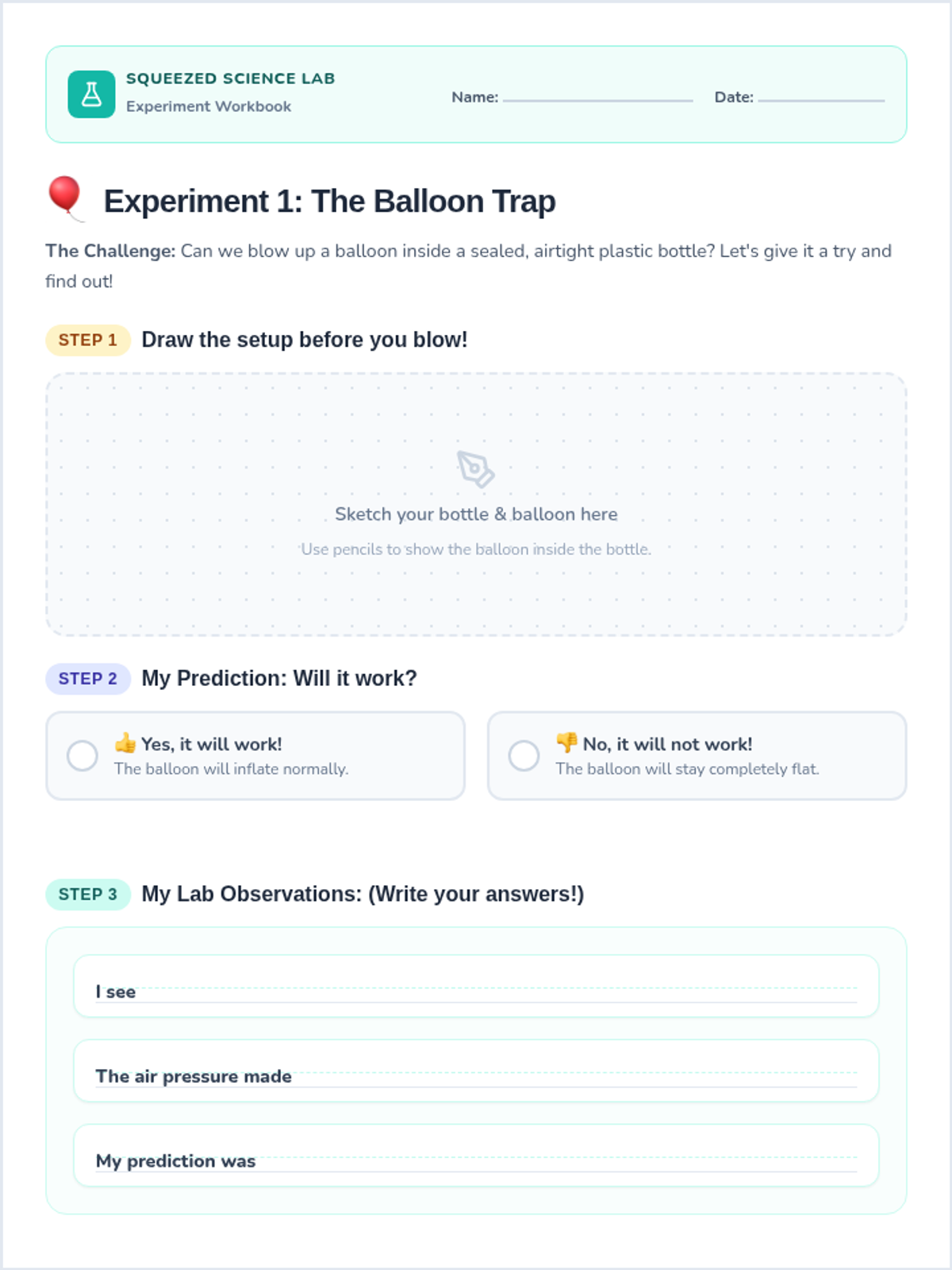
An early elementary science lesson about air pressure featuring three hands-on experiments: Balloon in a Bottle, Egg in a Bottle, and the Water Glass Trick. Students make predictions and record observations using a highly visual cut-and-paste workbook.
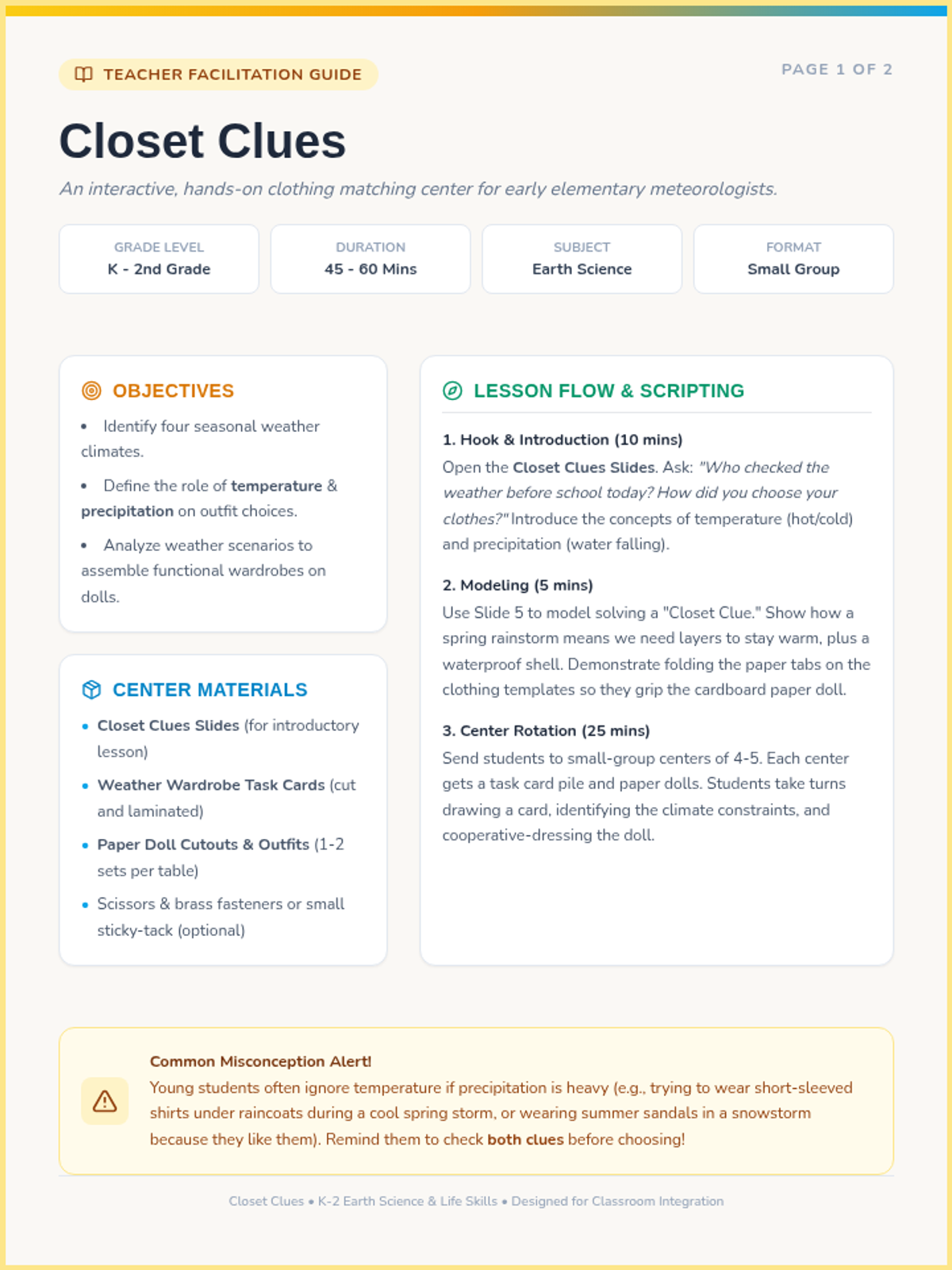
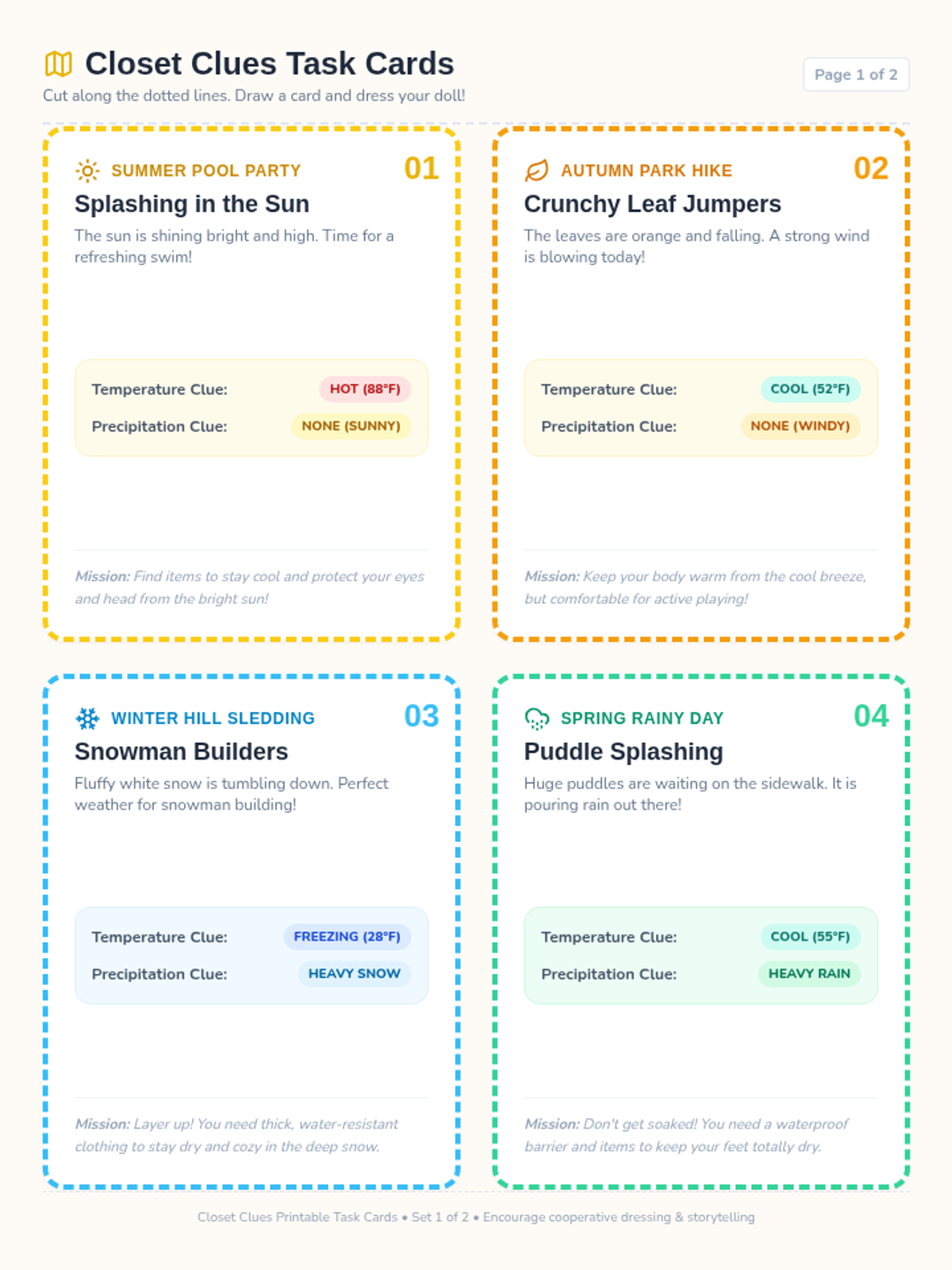
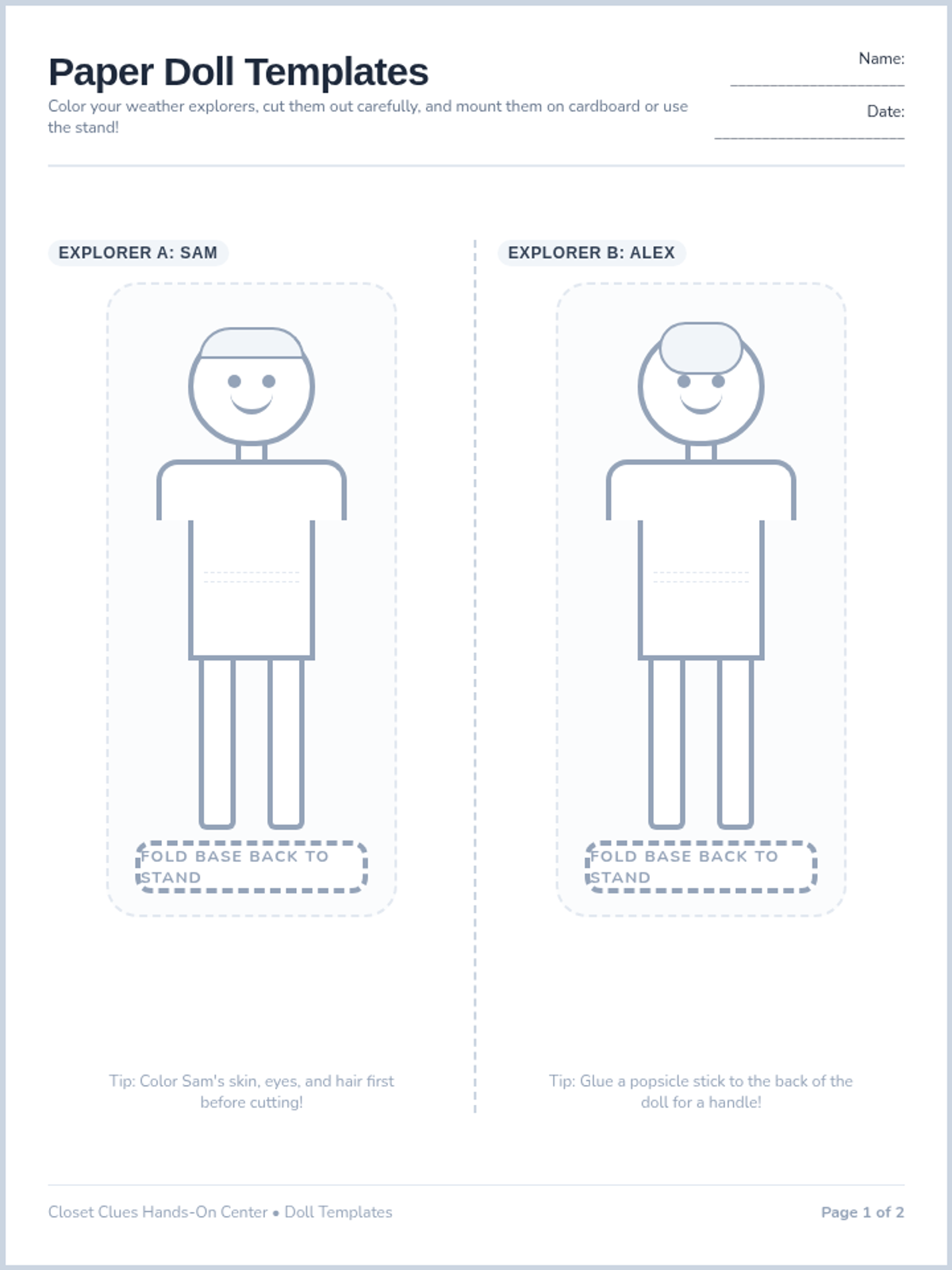
A hands-on, interactive lesson where students explore how to select appropriate clothing based on seasonal weather conditions, temperature, and precipitation. Using task cards and paper-doll cutouts, students practice matching wardrobes to real-world weather scenarios.
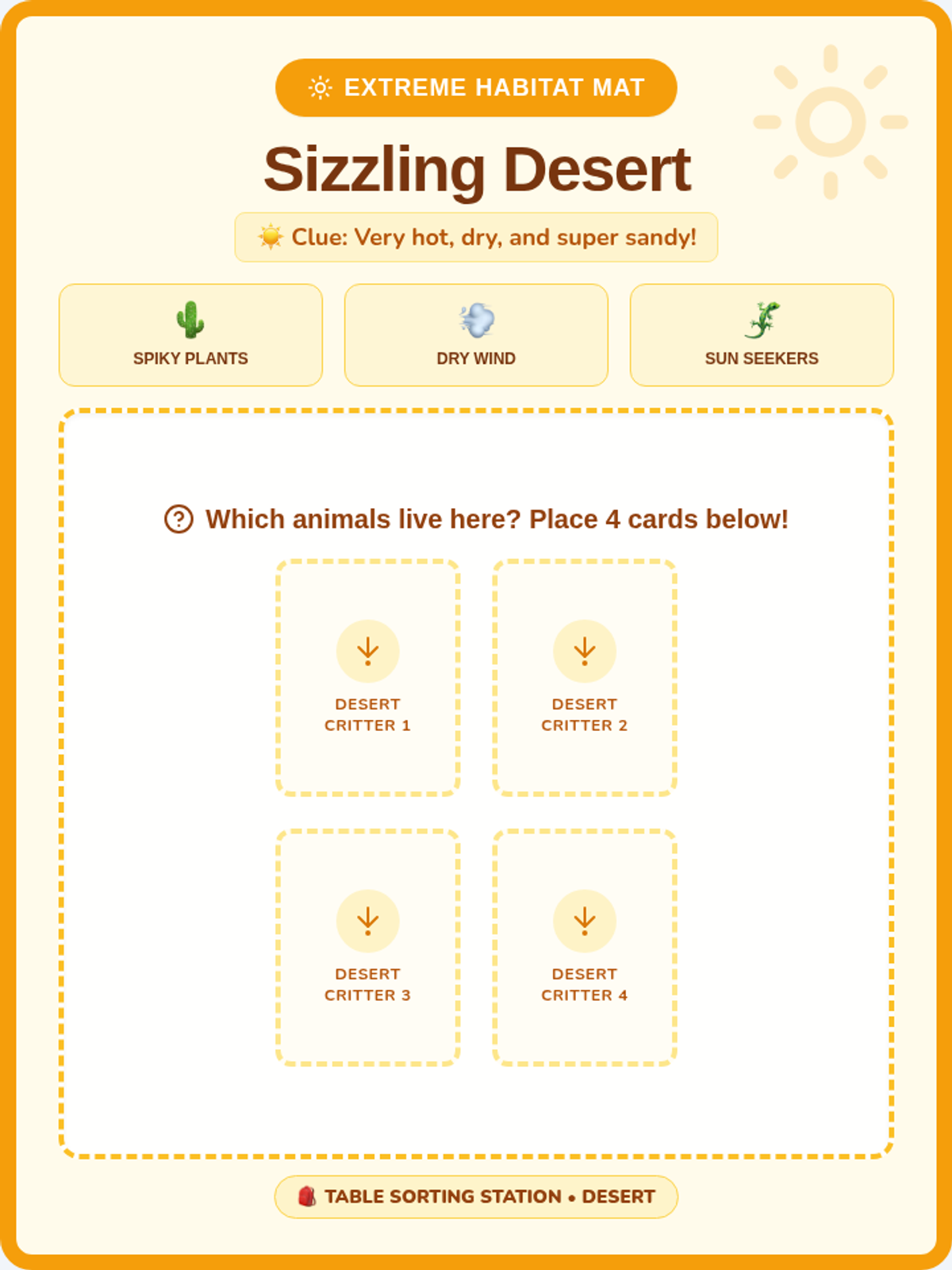
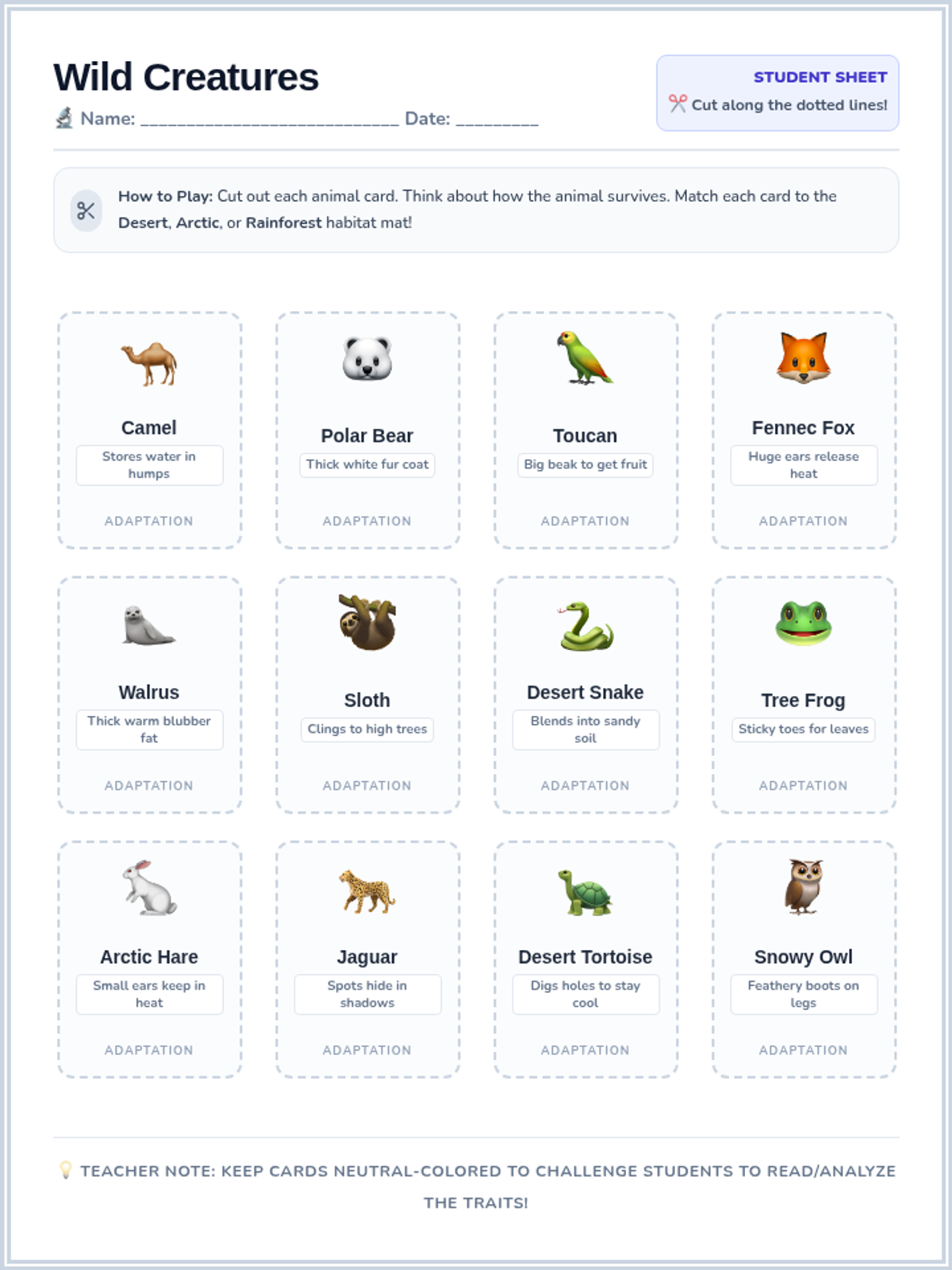
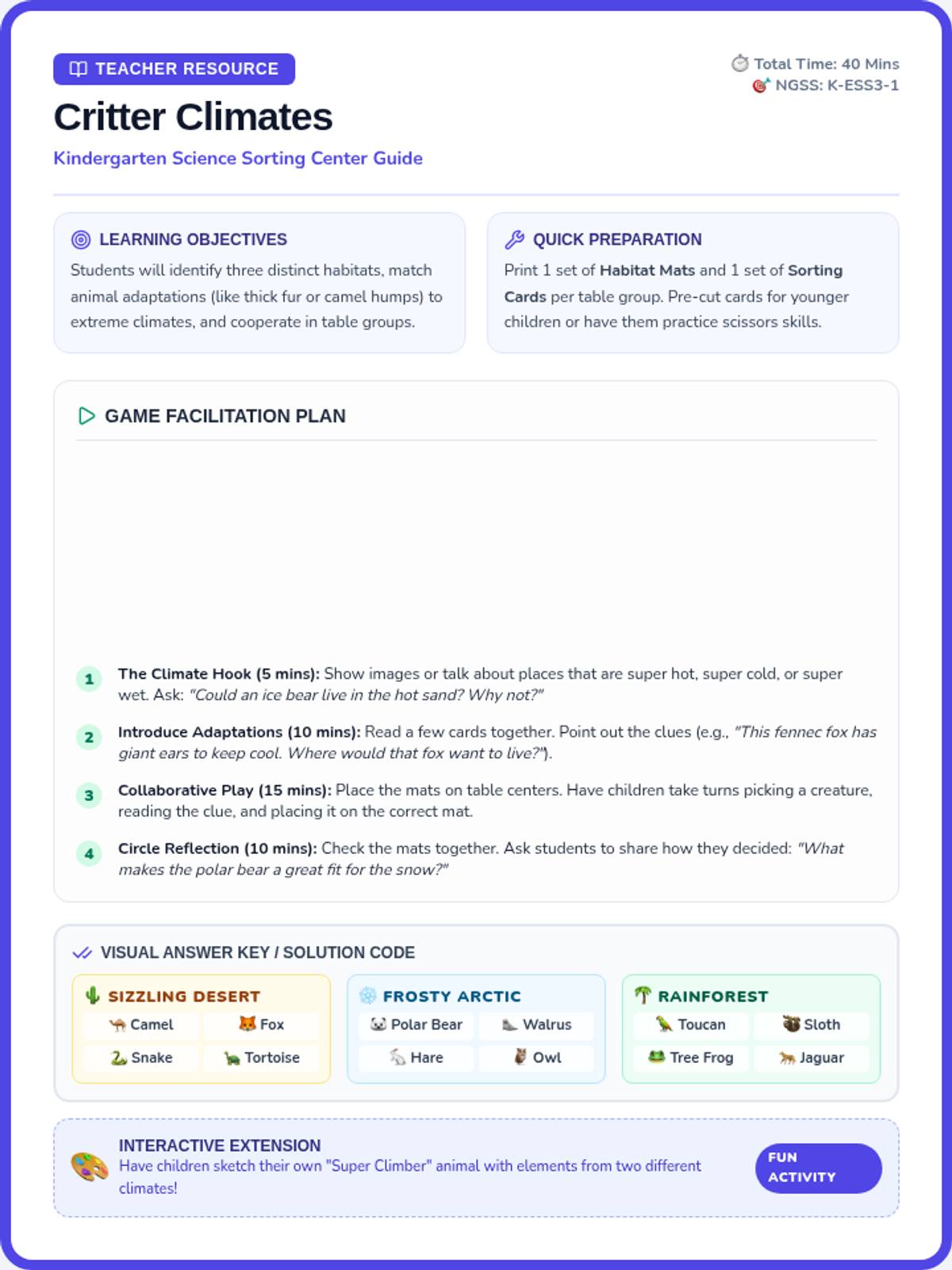
A hands-on kindergarten science game where students sort animals into three extreme habitats: Desert, Arctic, and Rainforest, learning about adaptations along the way.
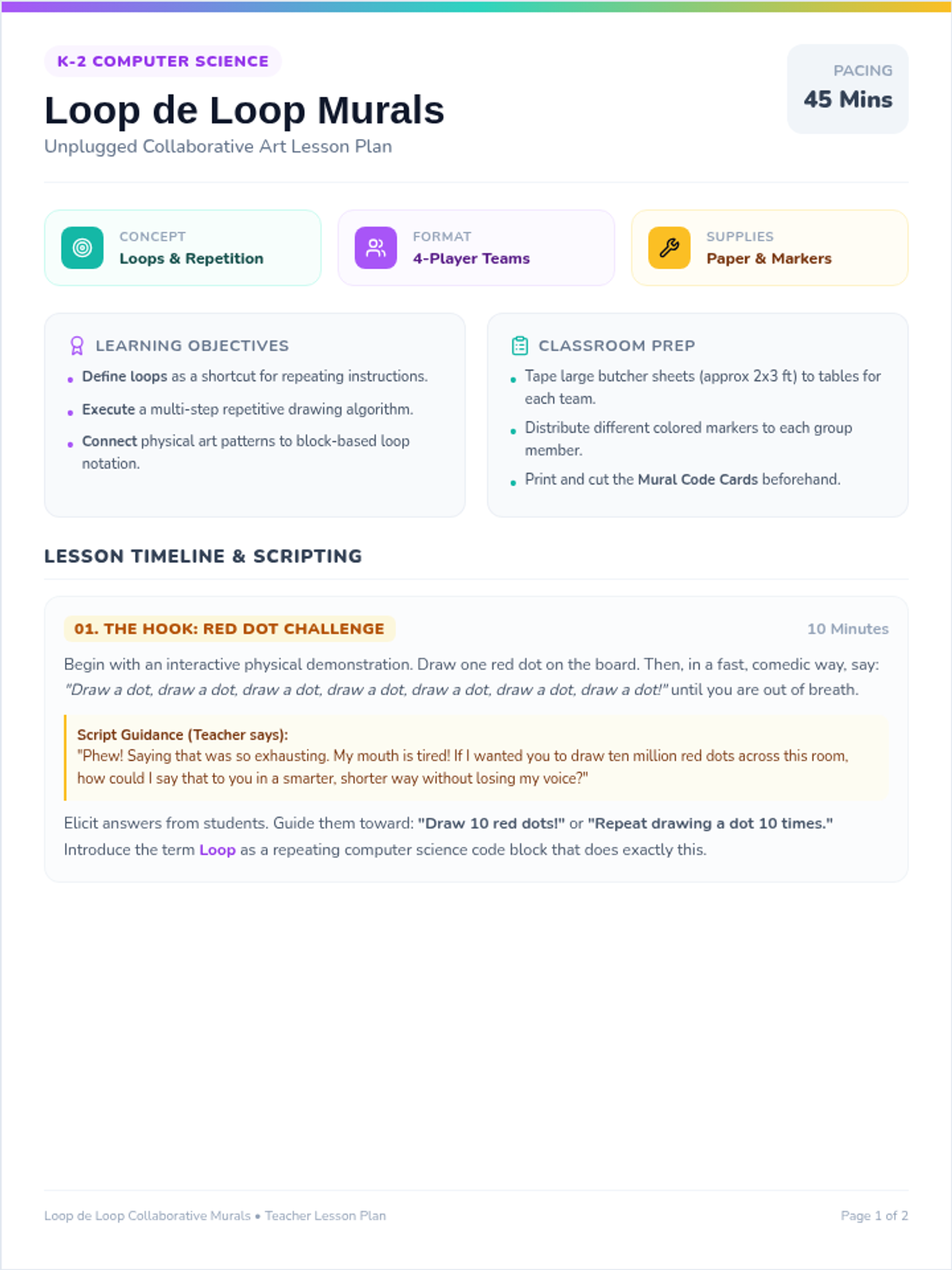
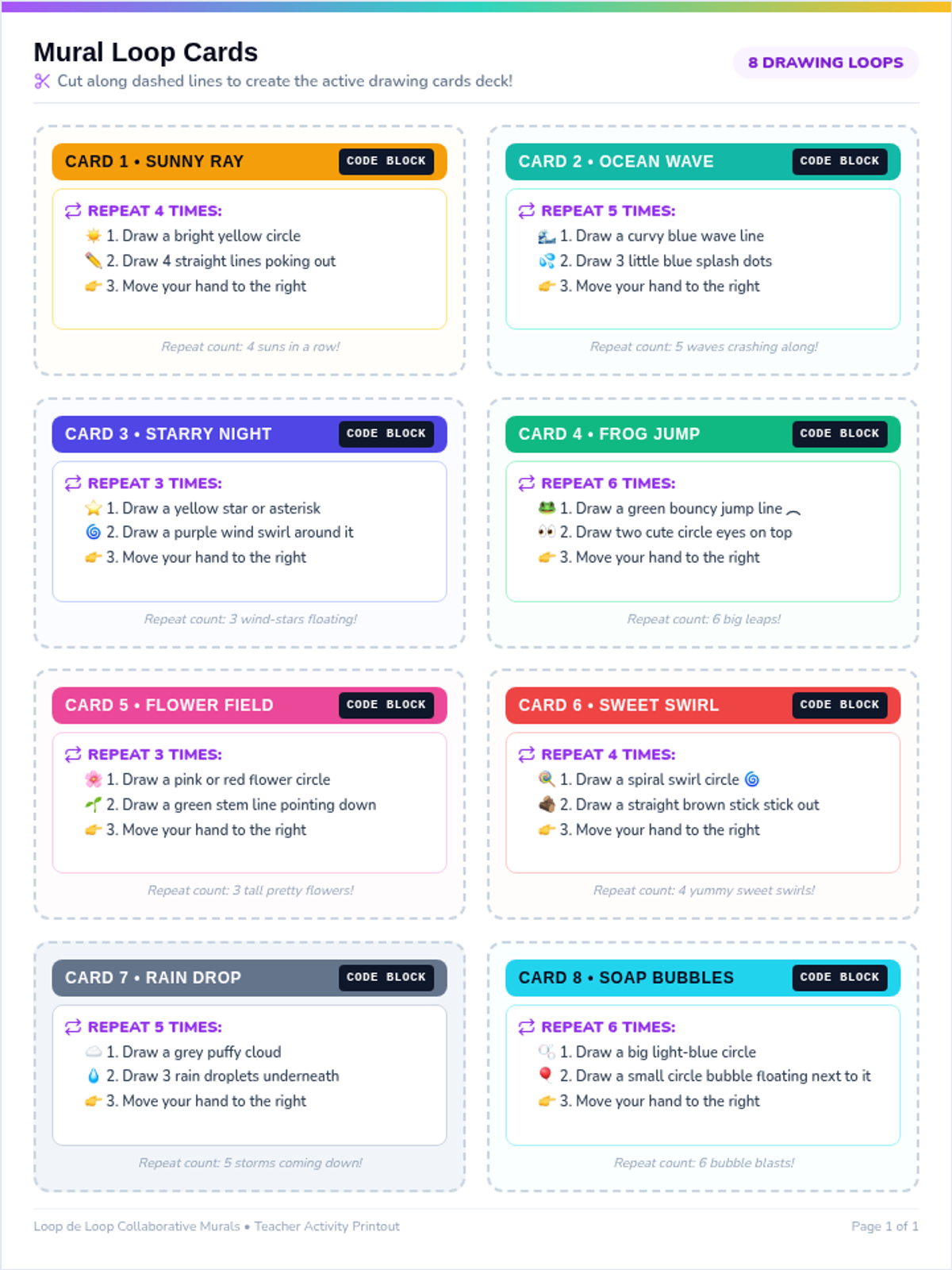
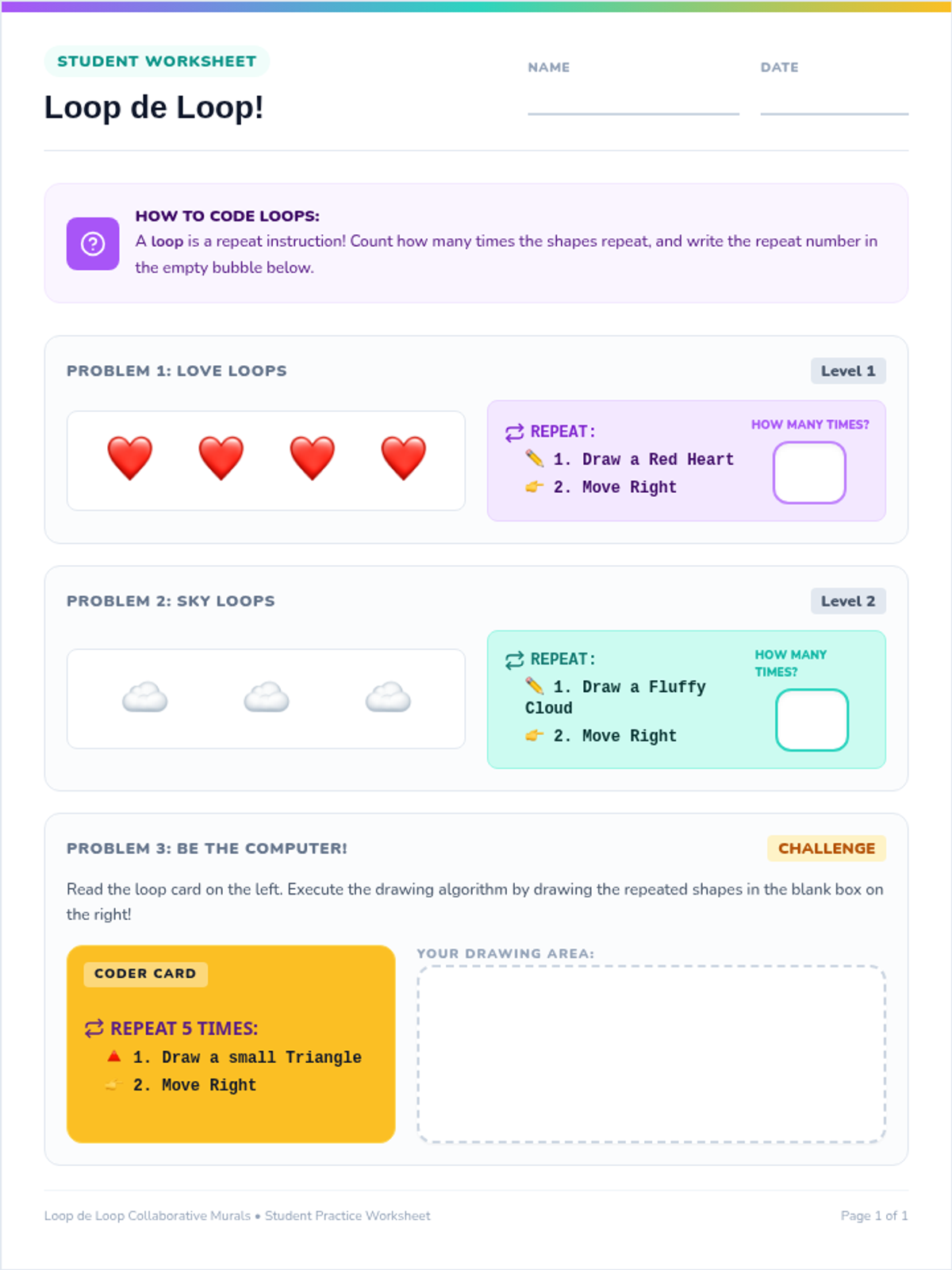
An active, hands-on unplugged computer science lesson for K-2 students. Students learn the concept of loops (repetition) by creating collaborative art masterpieces using simple drawing algorithms.
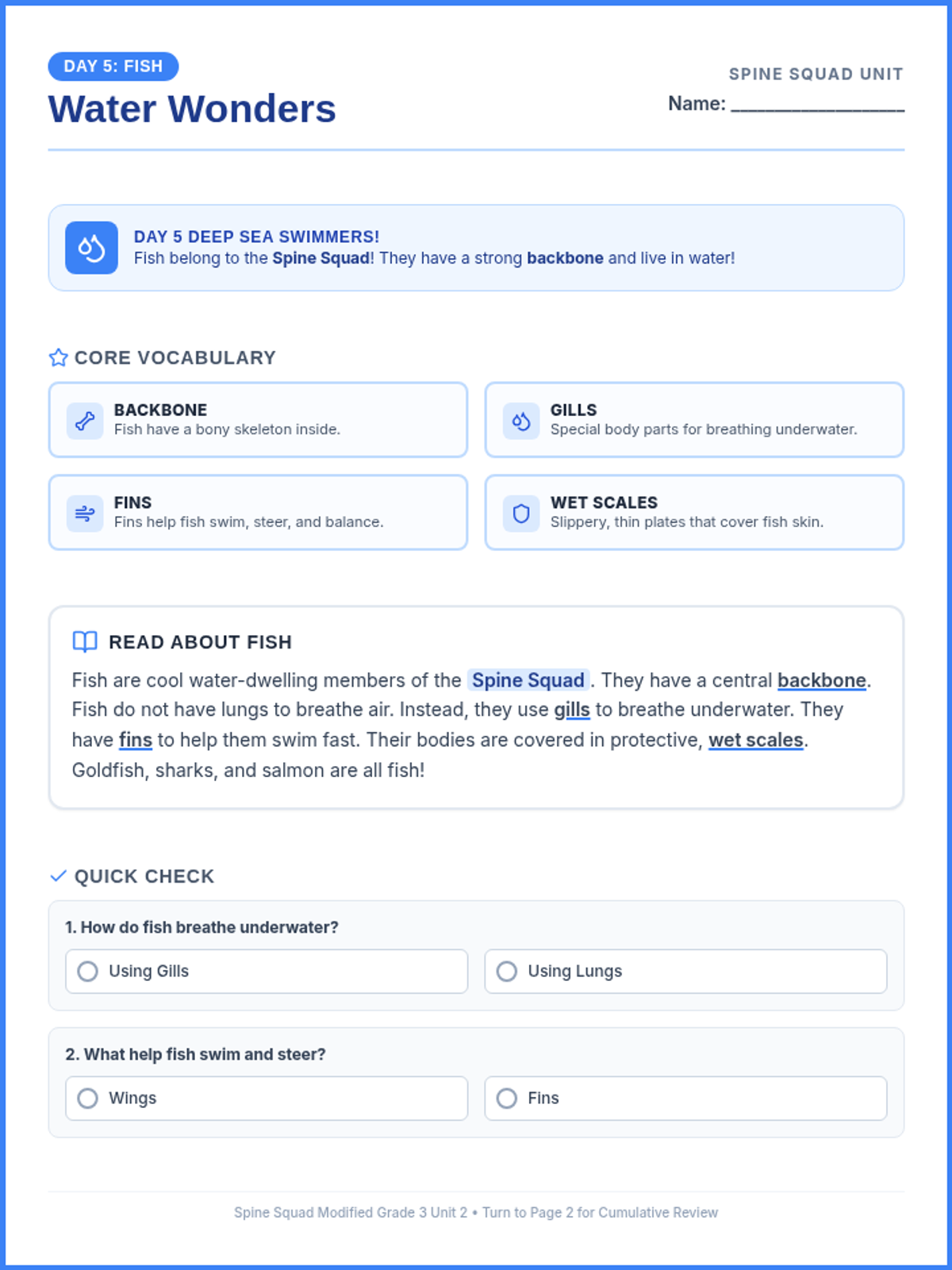
In this fifth and final lesson of the Spine Squad unit, students explore fish, focusing on gills, fins, scales, and underwater survival, with a final cumulative review of the five vertebrate groups.
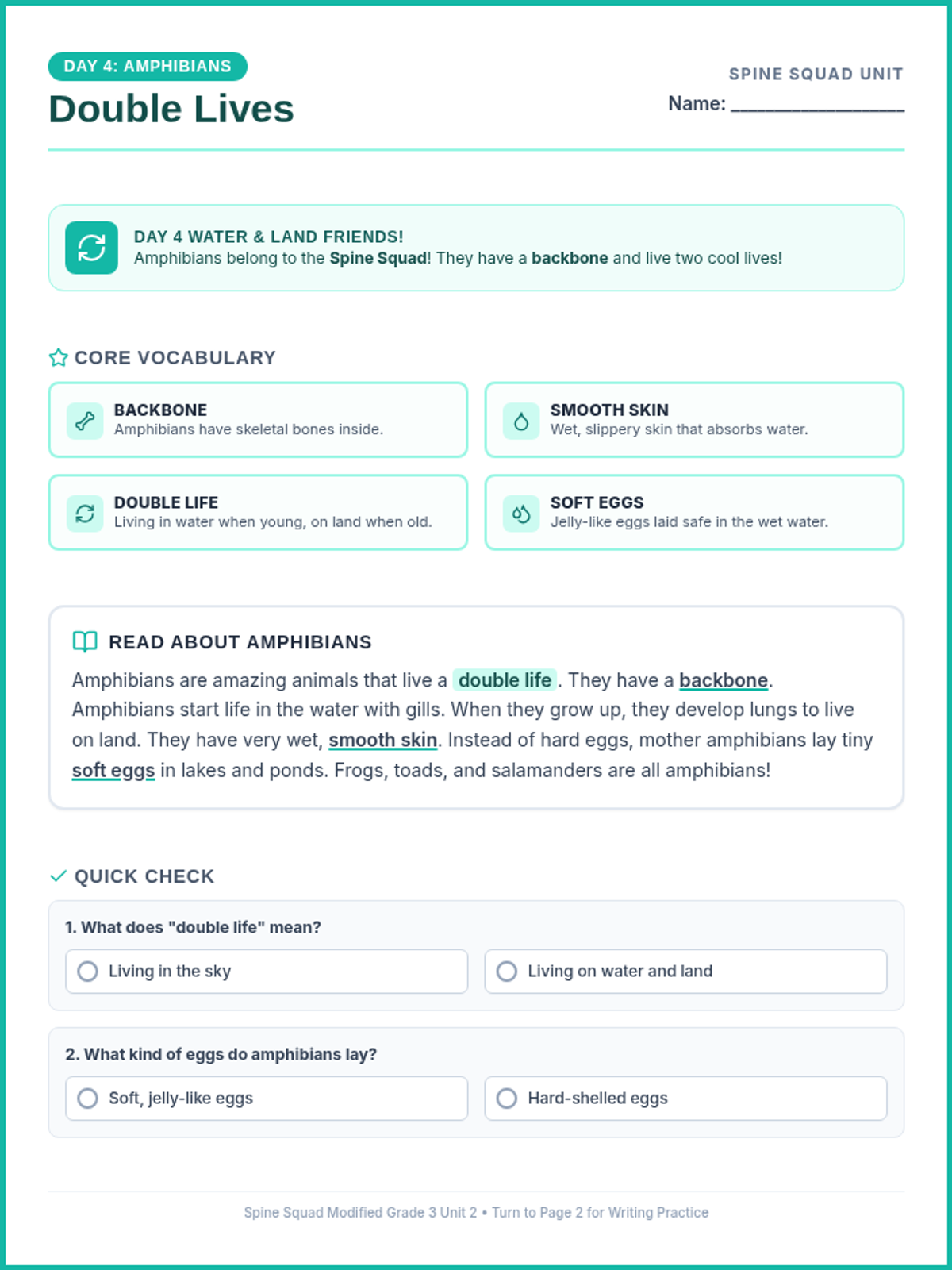
In this fourth lesson of the Spine Squad unit, students study amphibians, understanding how they live on water and land, lay soft eggs, and have smooth, wet skin, with scaffolded reading and tracing.
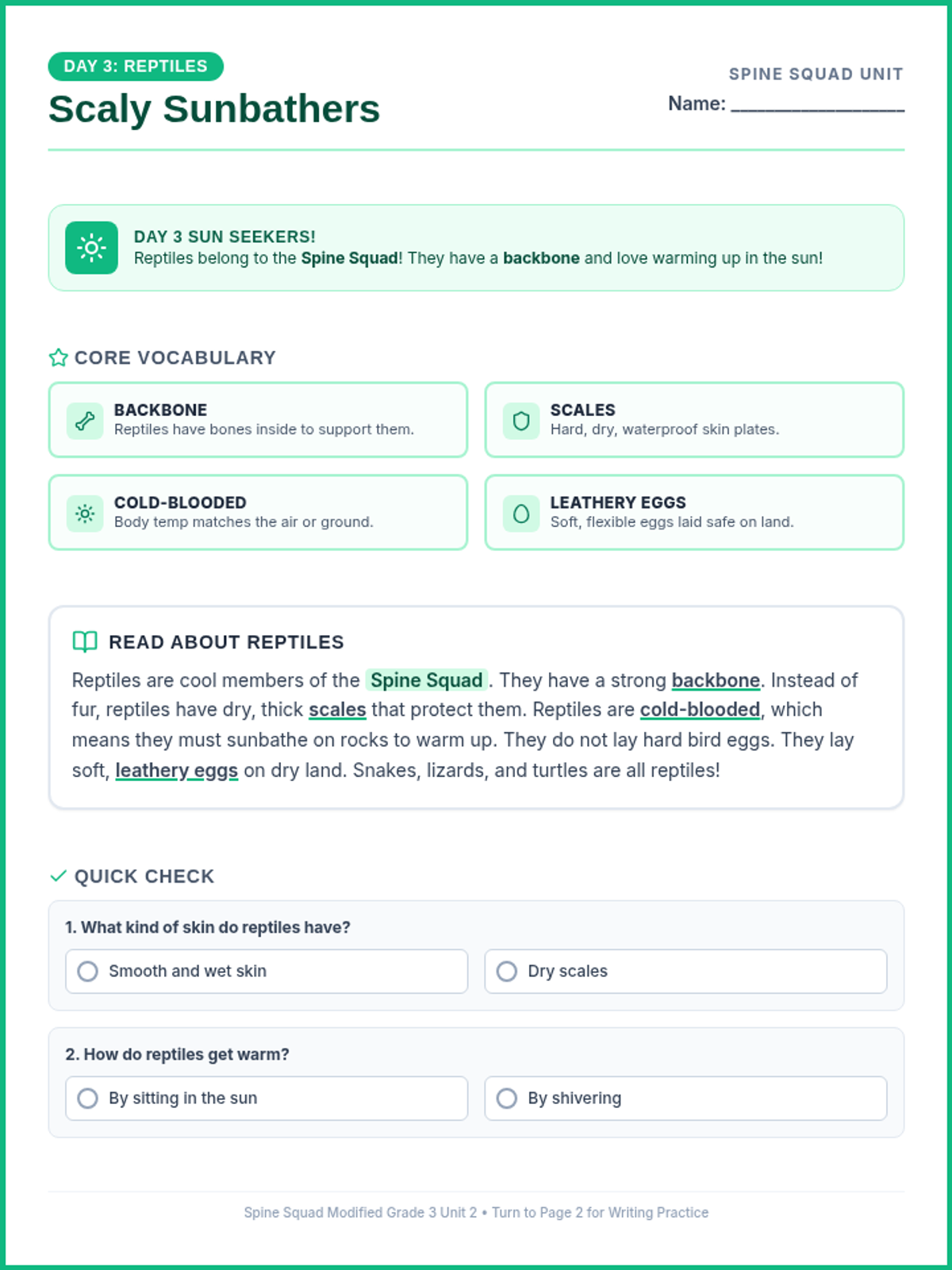
In this third lesson of the Spine Squad unit, students identify reptiles, exploring characteristics such as scales, cold-blooded regulation, and laying leathery eggs on land, supported by guided tracing.
In this second lesson of the Spine Squad unit, students examine the key characteristics of birds, including feathers, wings, and laying hard-shelled eggs, using scaffolded comprehension prompts and tracing.
In this first lesson of the Spine Squad unit, students explore the unique traits of mammals, focusing on fur/hair, live birth, and milk production with heavy visual support and tracing activities.
An interactive, visually rich lesson preparing Florida students for severe storms and hurricanes. Covers emergency kit building, weather alerts, home action plans, and sensory coping strategies to reduce storm anxiety.
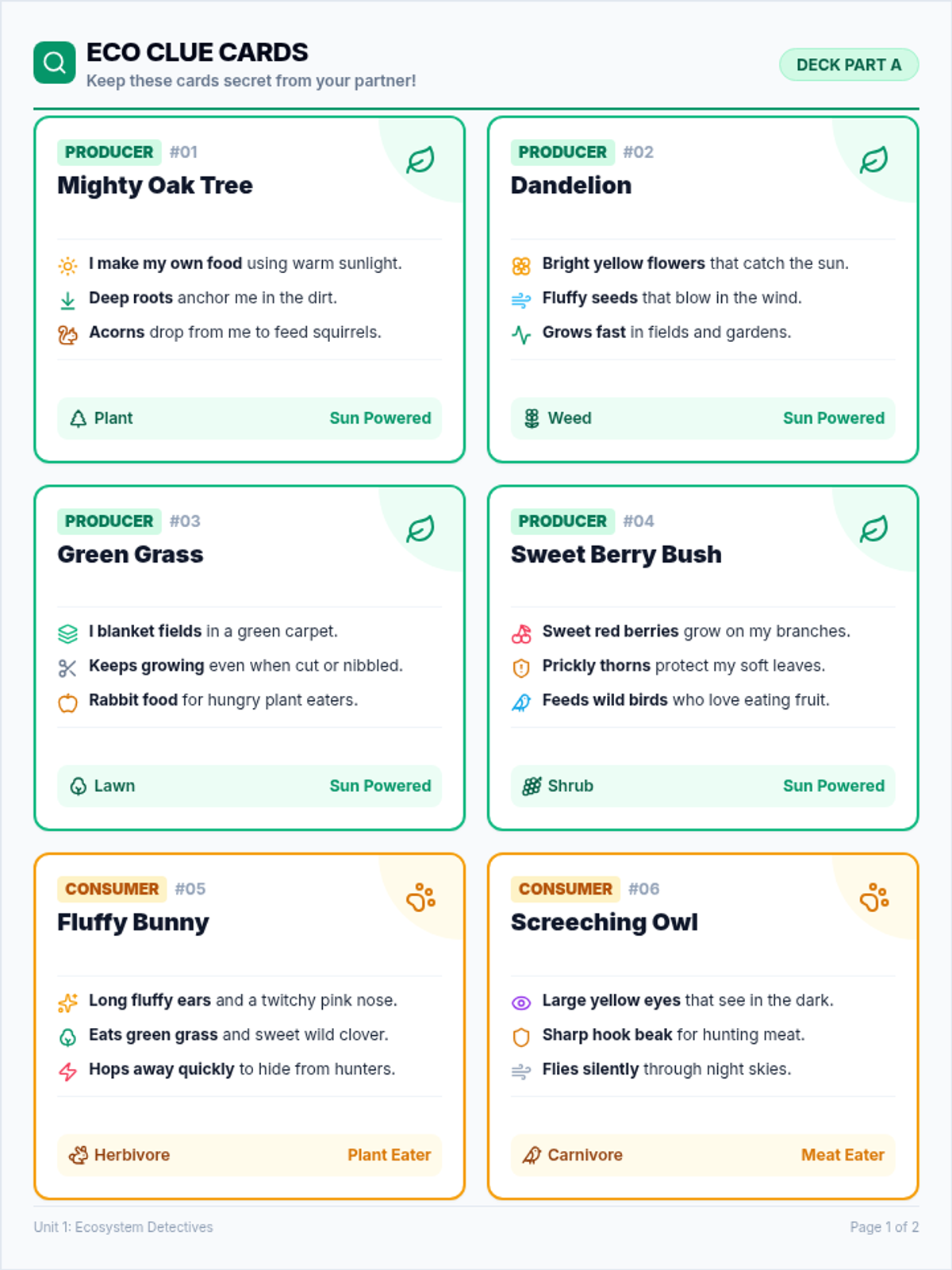
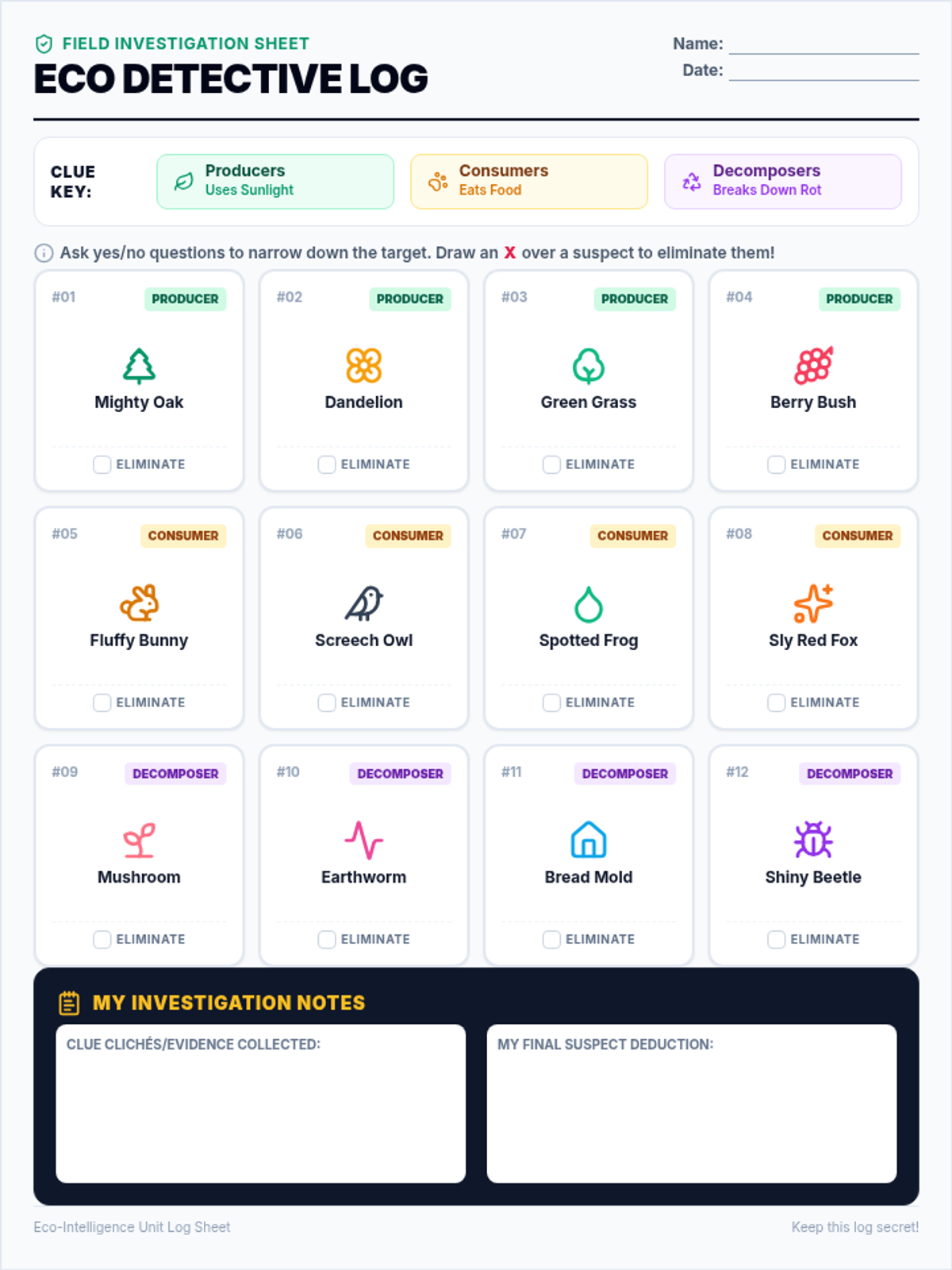
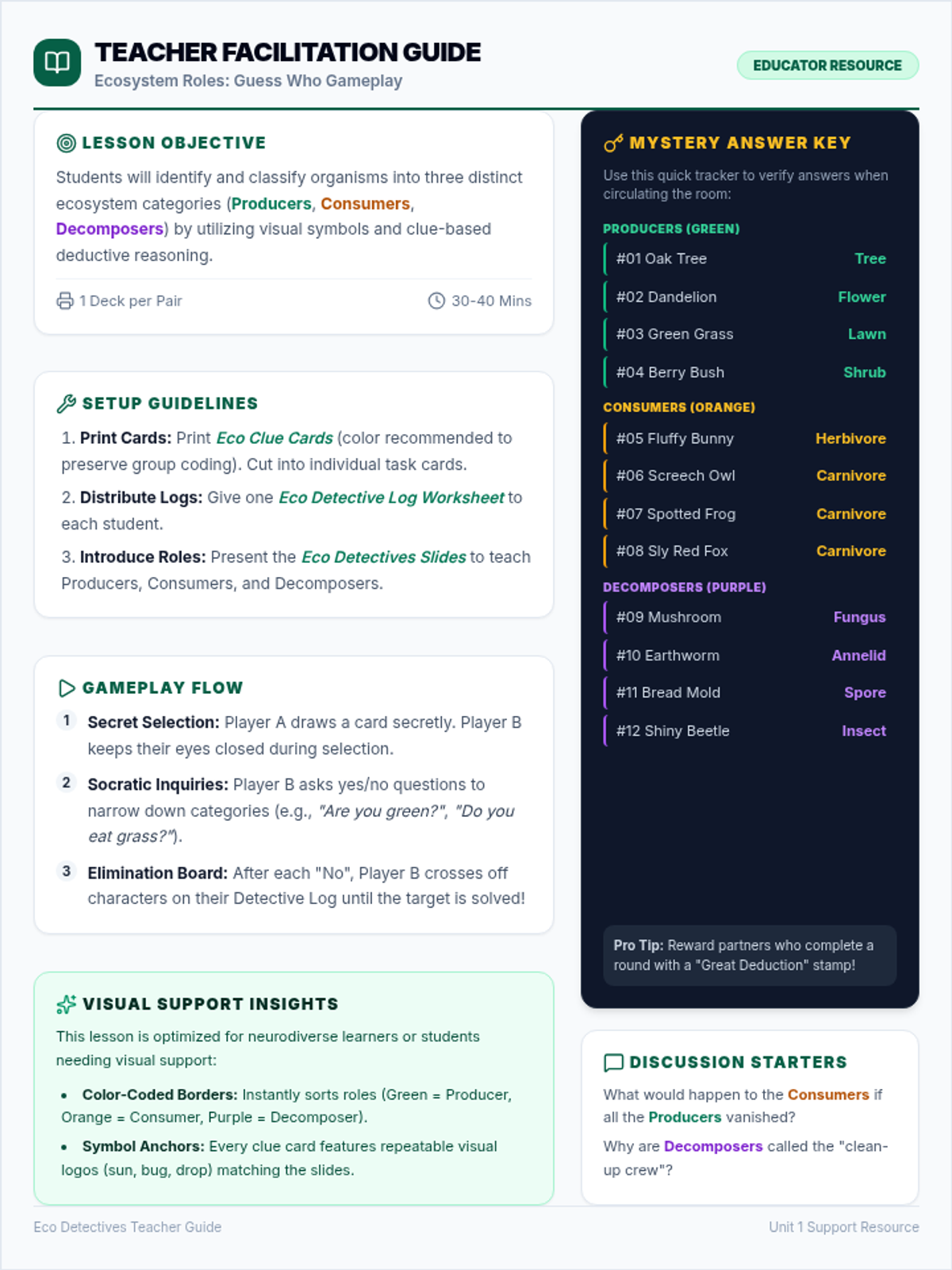
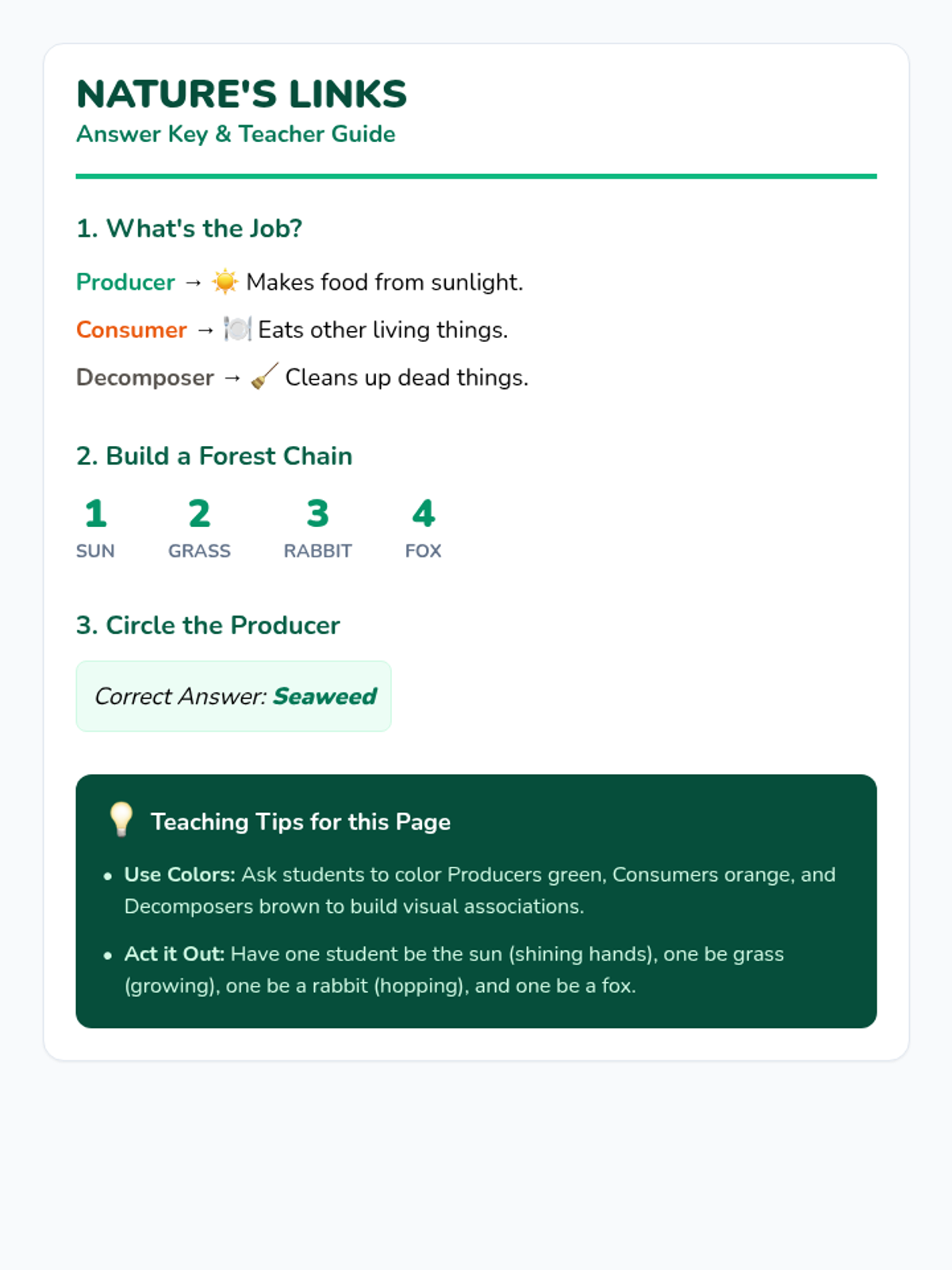
An interactive, visual-heavy lesson where students investigate ecosystem roles (producers, consumers, and decomposers) through an engaging 'Guess Who' style game. Includes visual-support clue cards, a detective tracking sheet, and a comprehensive teacher guide.
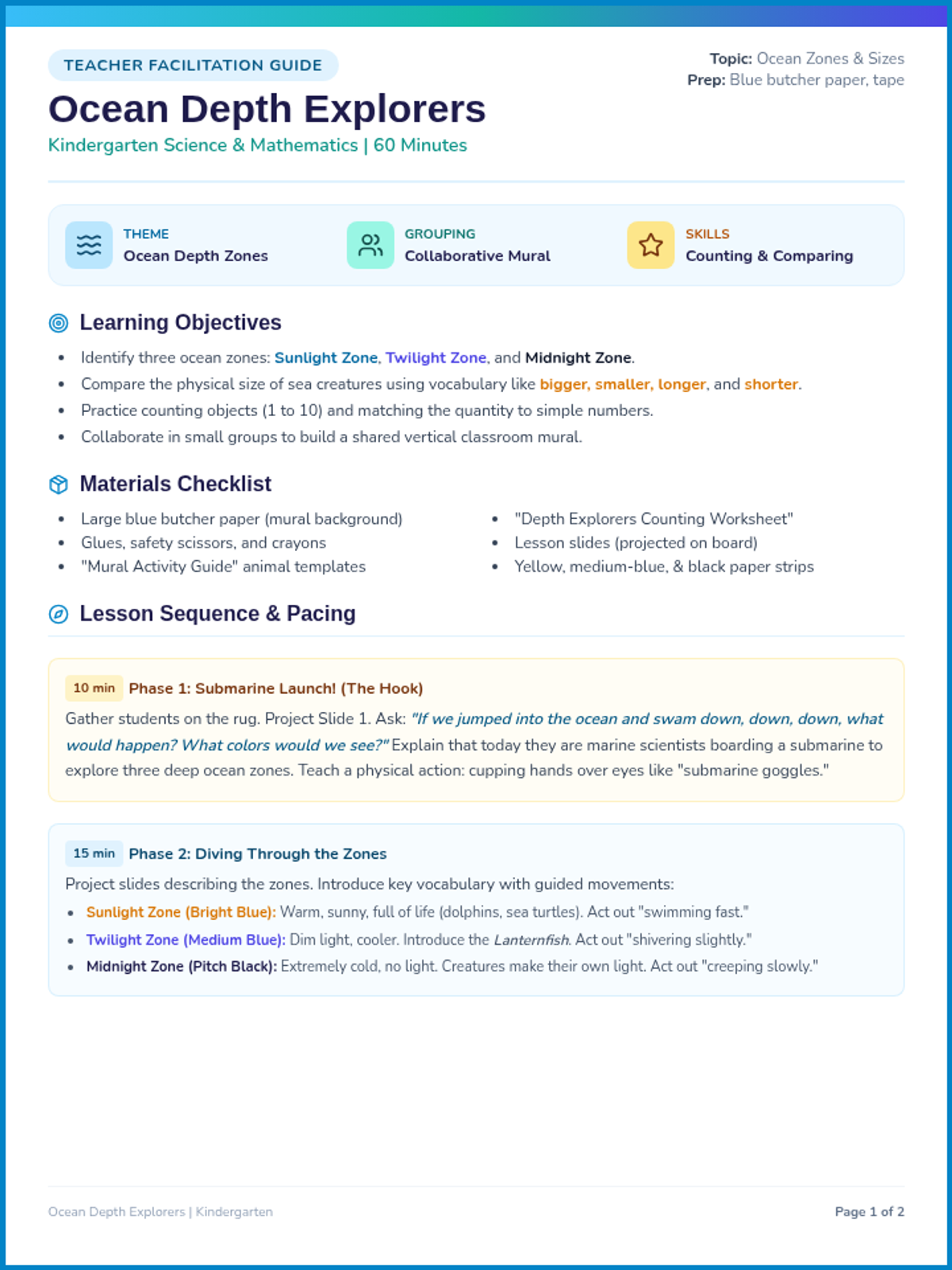
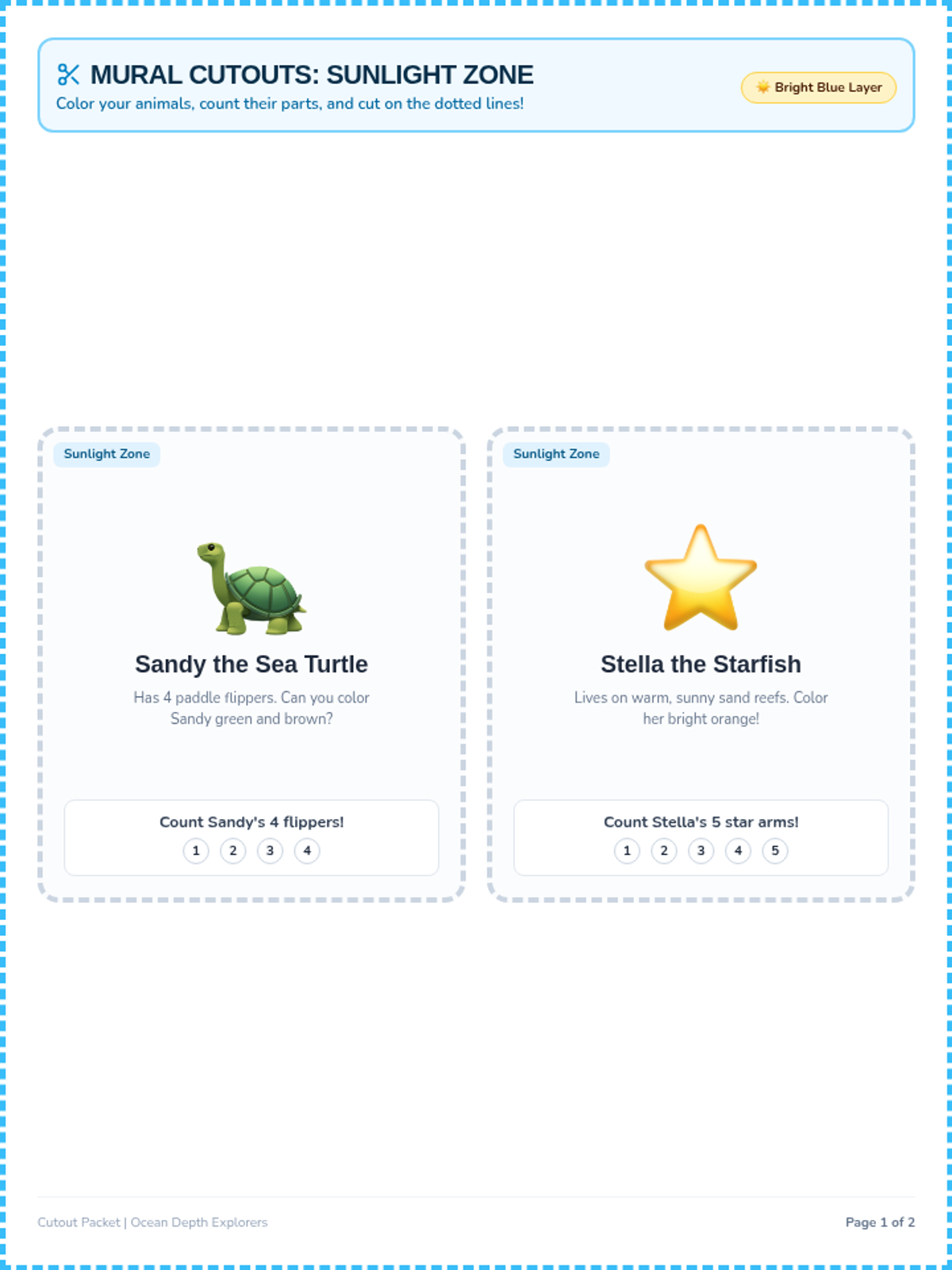
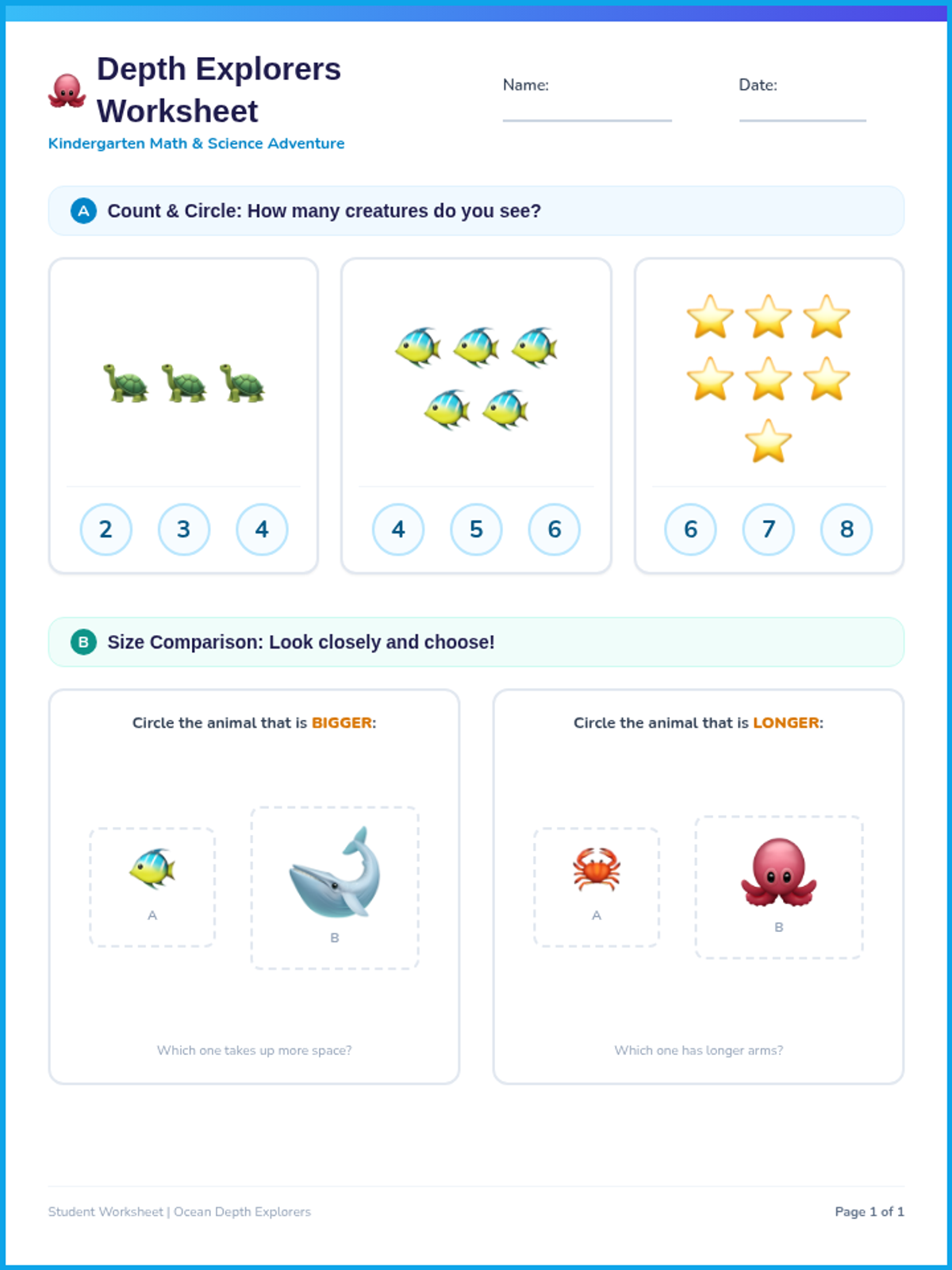
An interactive Kindergarten lesson where students explore ocean zones, compare marine animal sizes, and collaborate on a classroom ocean depth mural while practicing foundational counting and size comparison skills.
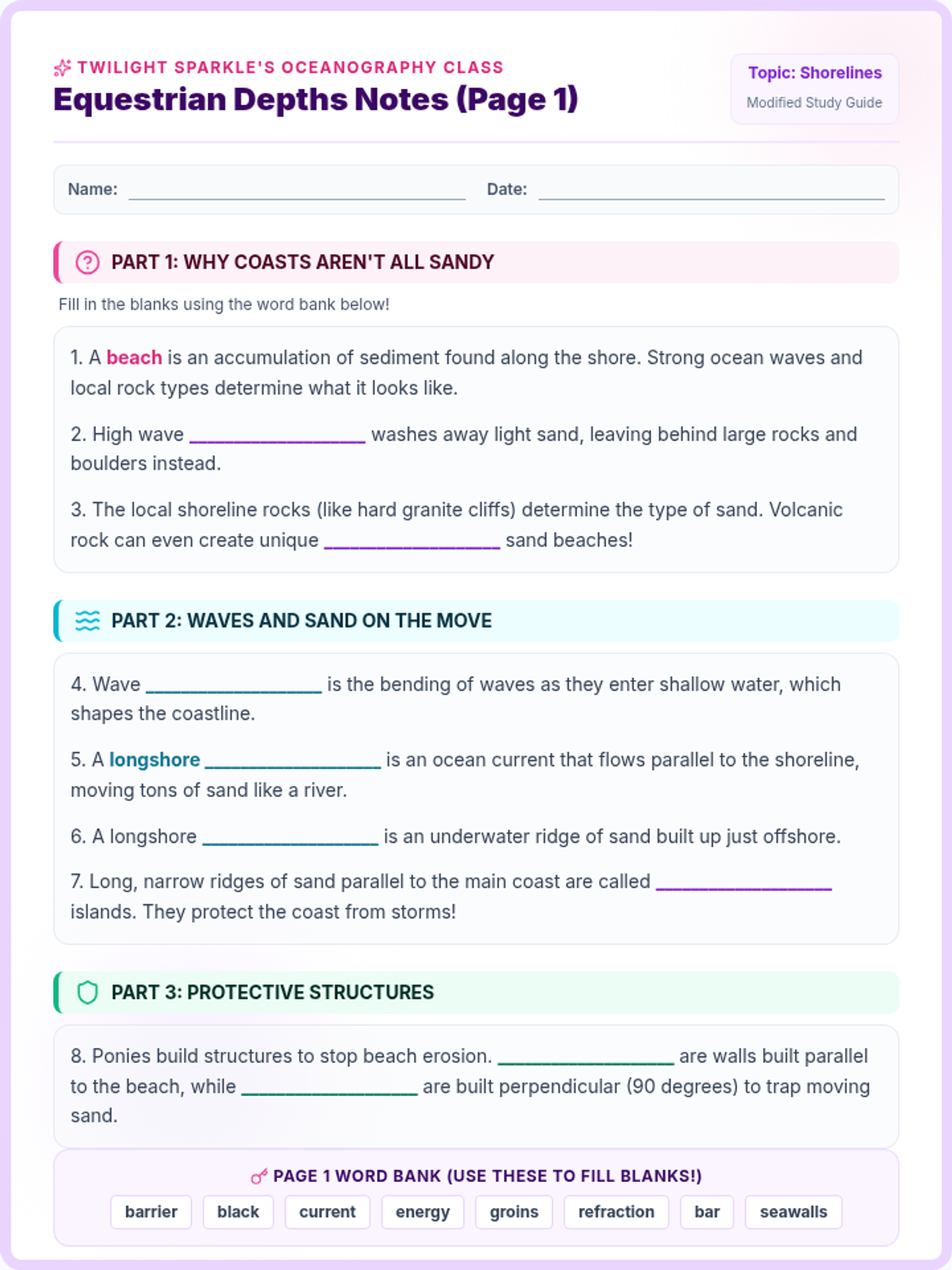
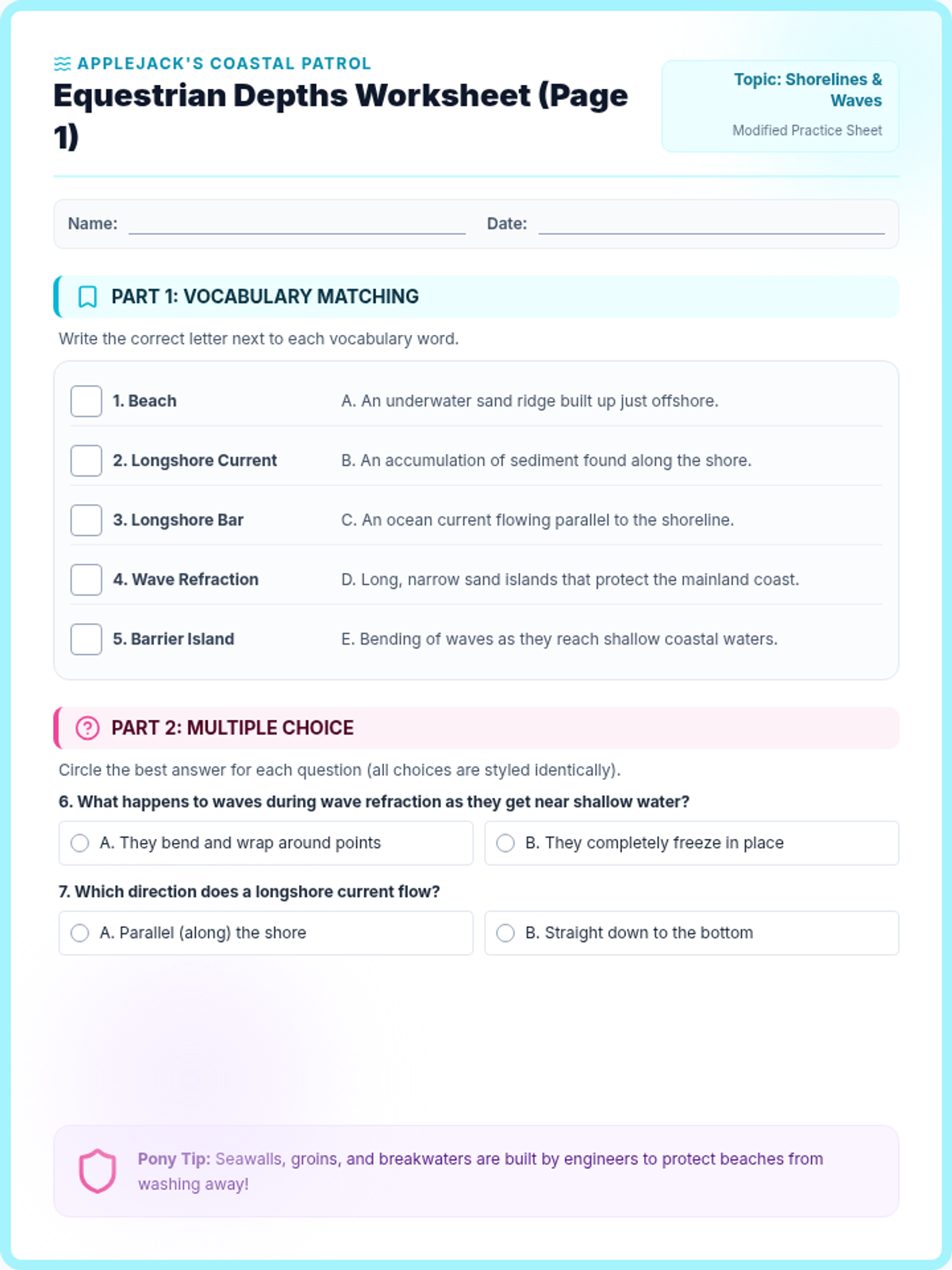
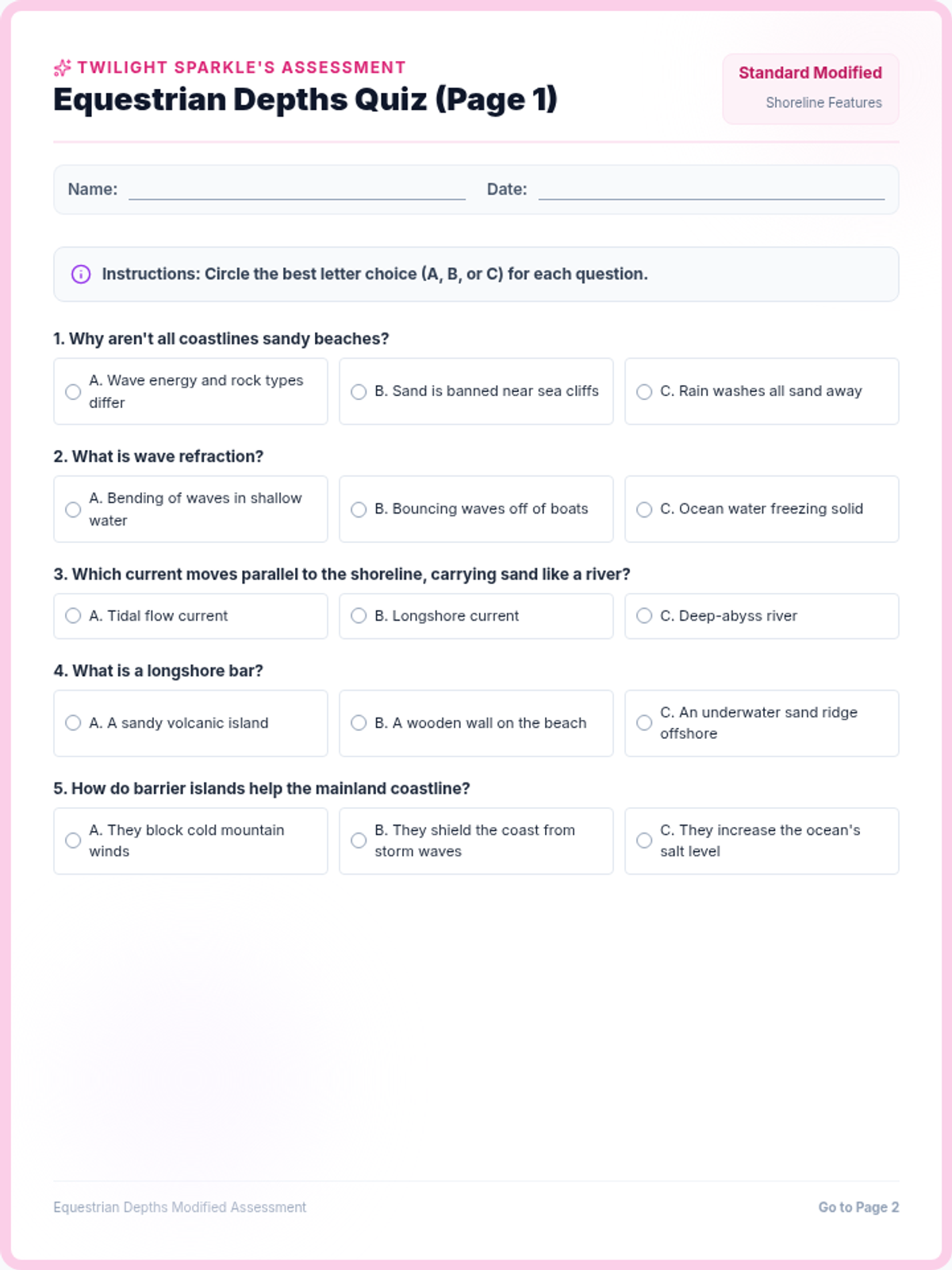
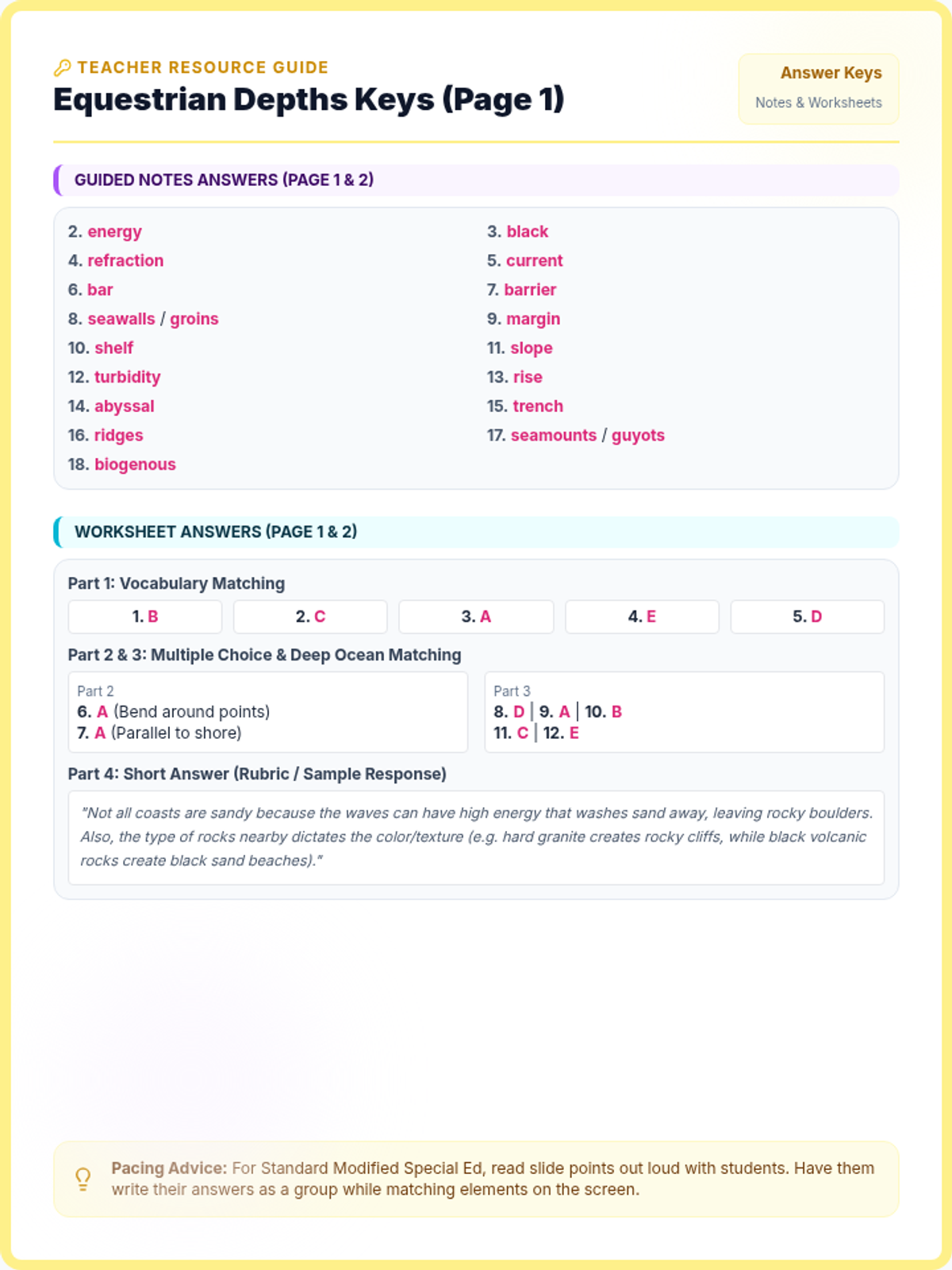
A lesson on oceanography covering shorelines, coastal features, and the deep seafloor, adapted with a friendly My Little Pony decorative theme and chunked, accessible text for Standard Modified Special Education students.
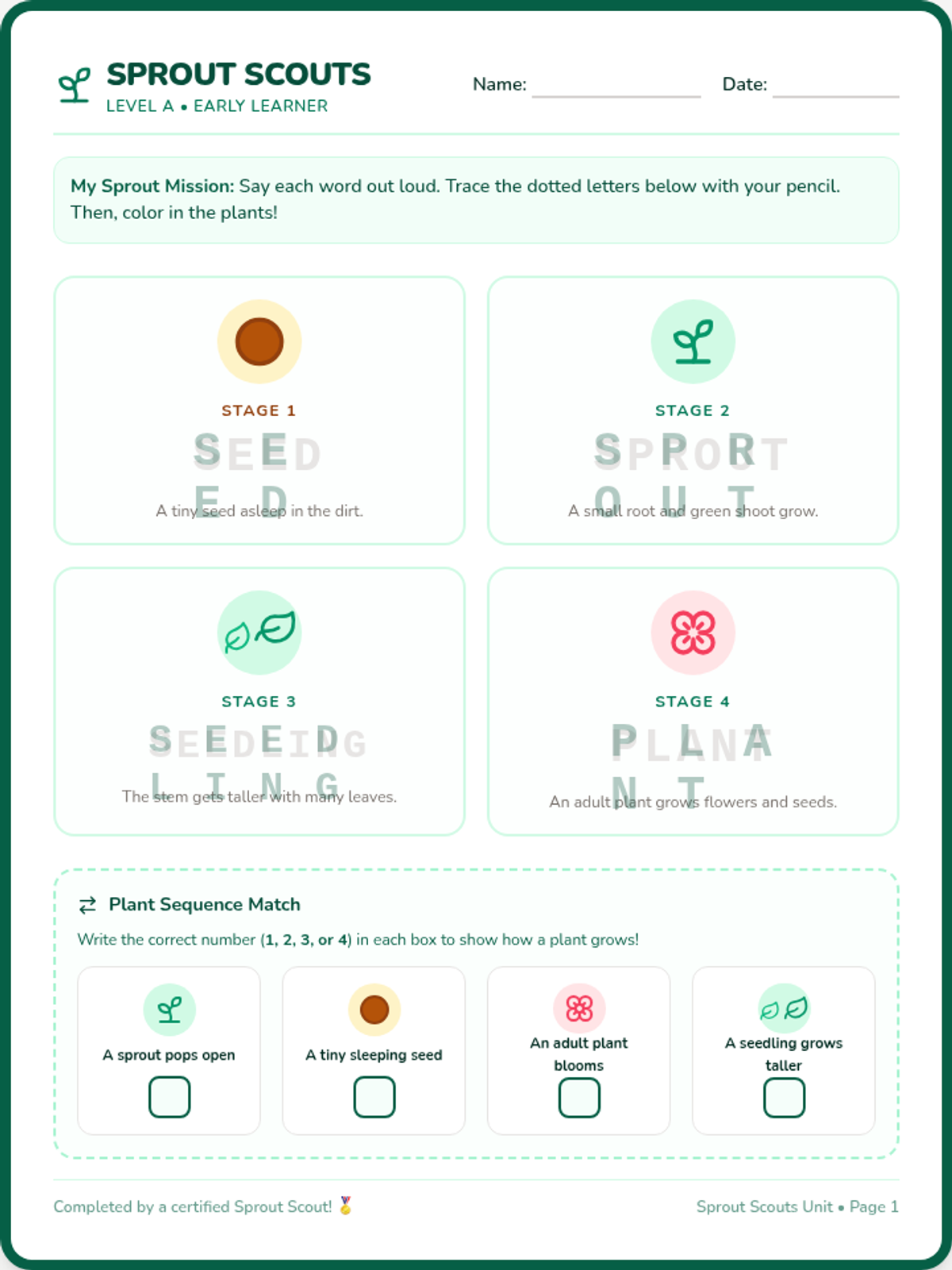
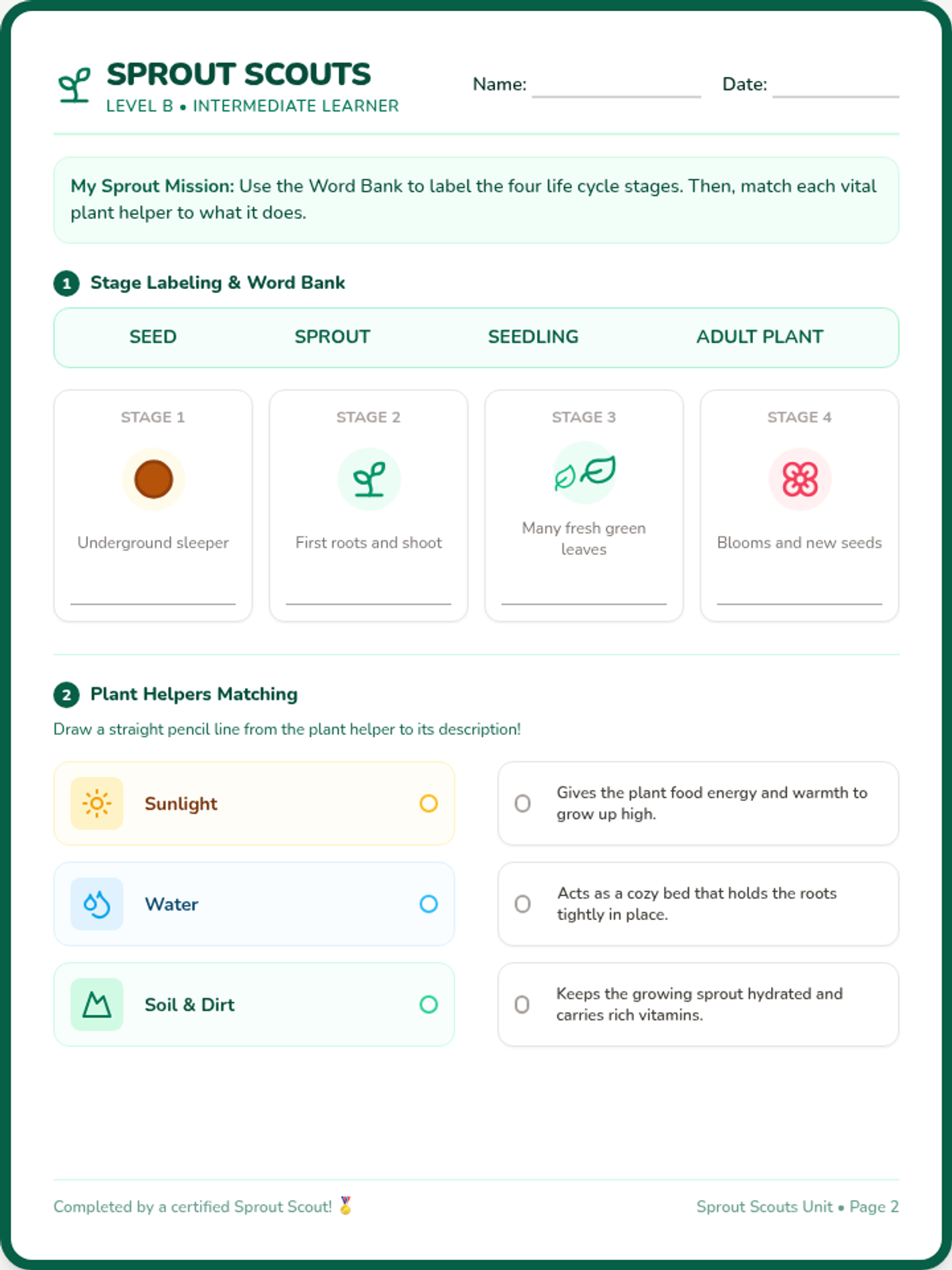
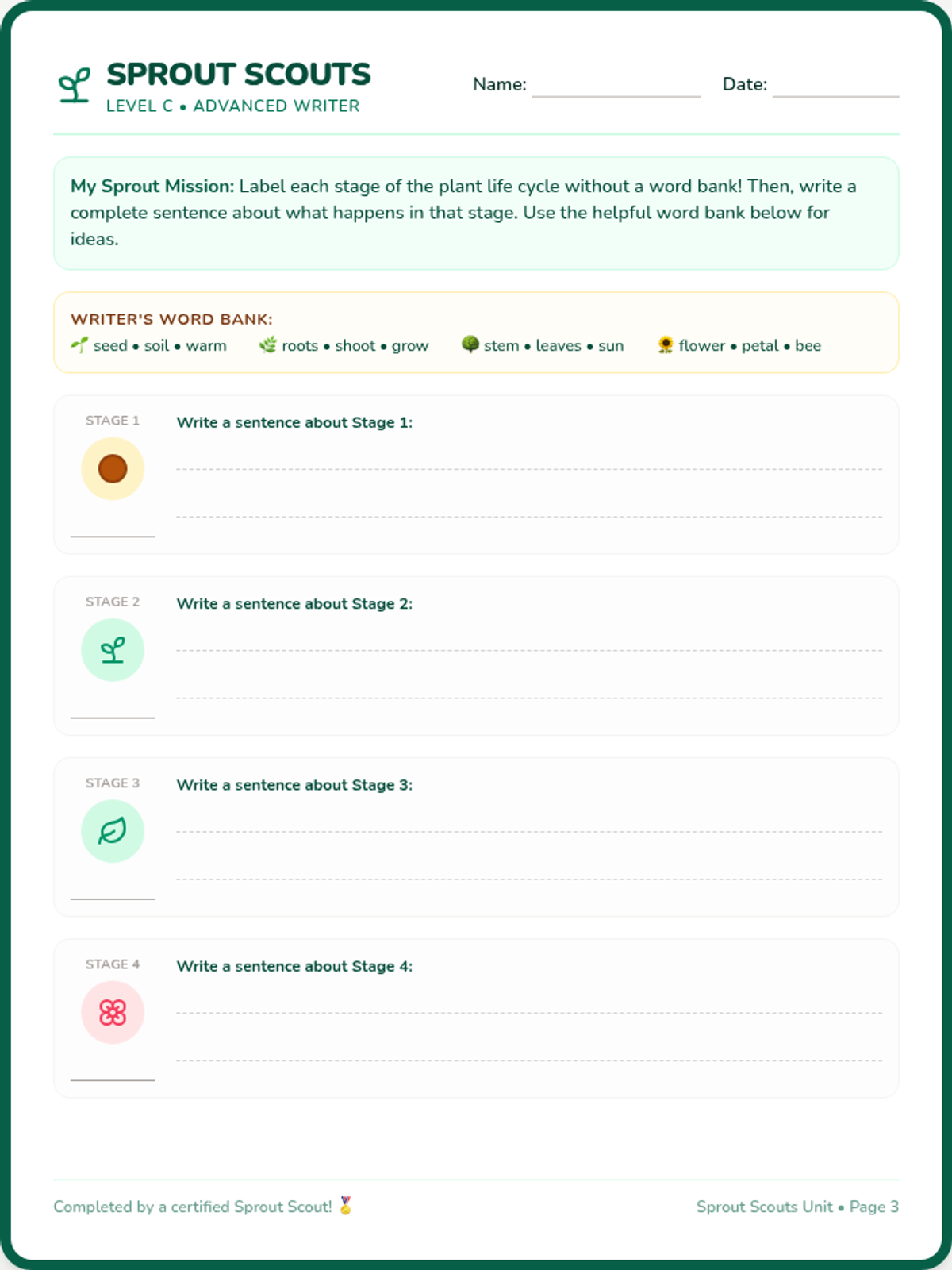
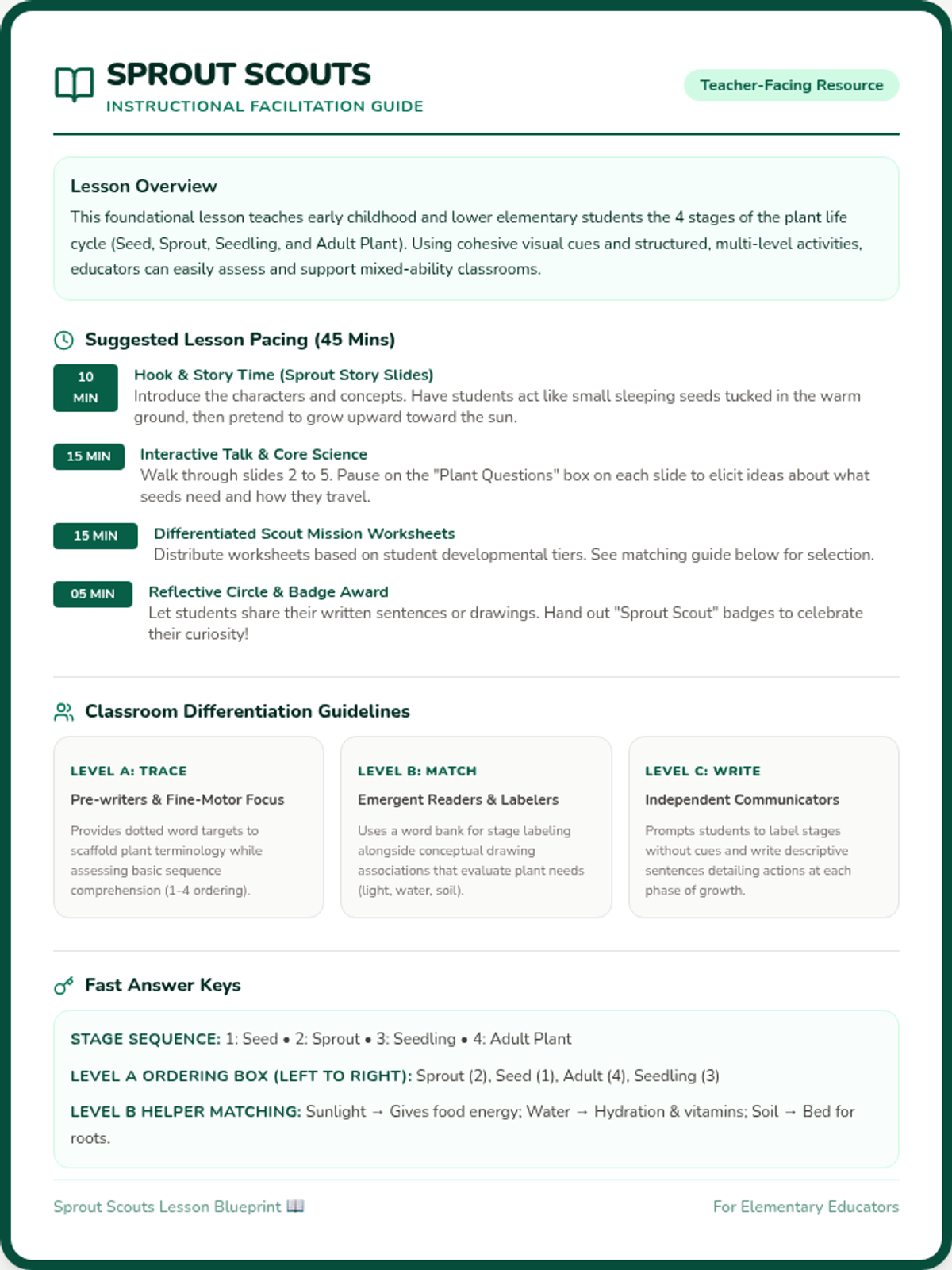
A foundational biology lesson exploring the simple life cycle of a plant from seed to sprout to adult. Includes interactive slides, a comprehensive teacher guide, and three tiers of differentiated worksheets to support early writers, matchers, and independent sentence-builders.
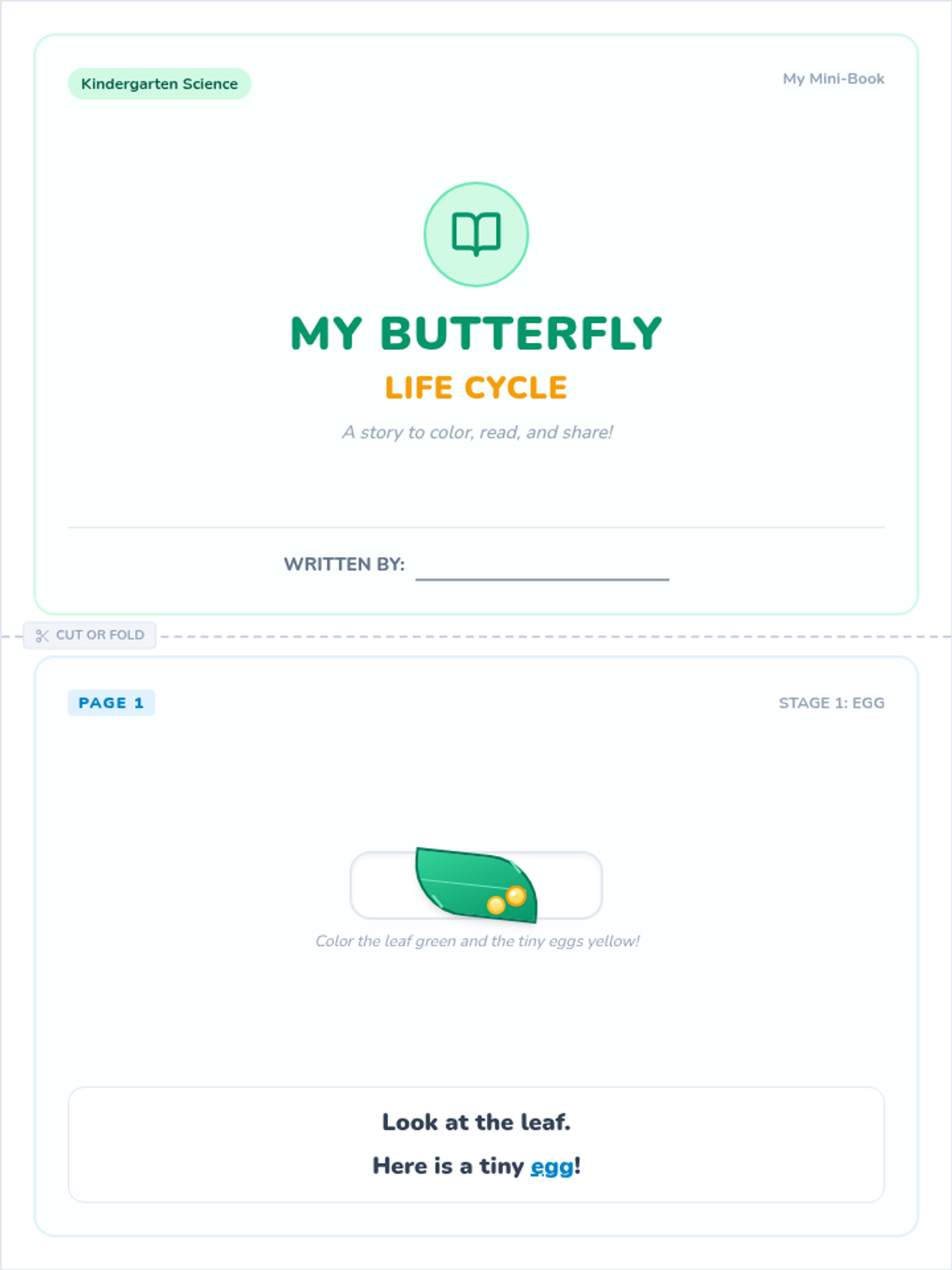
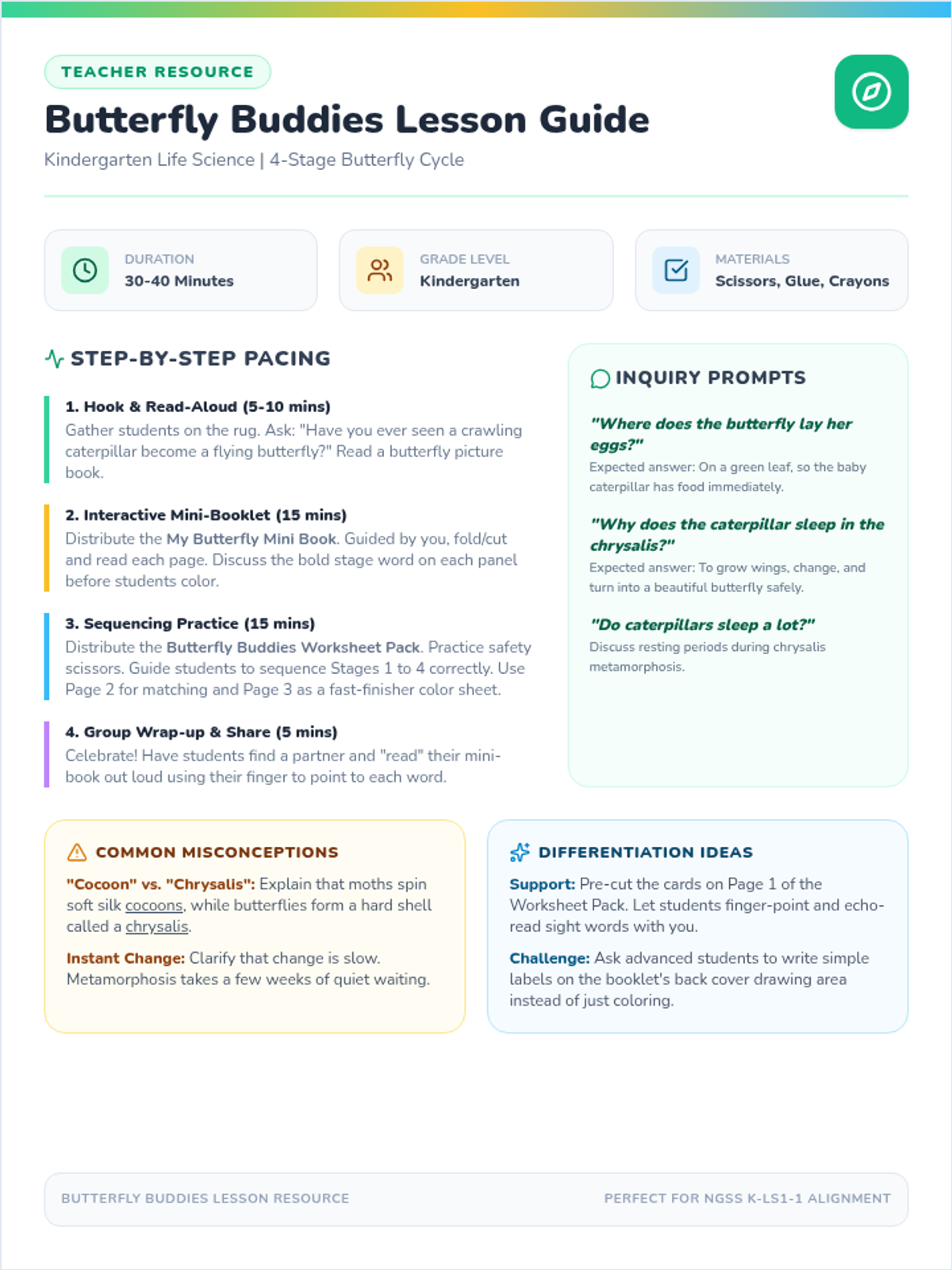
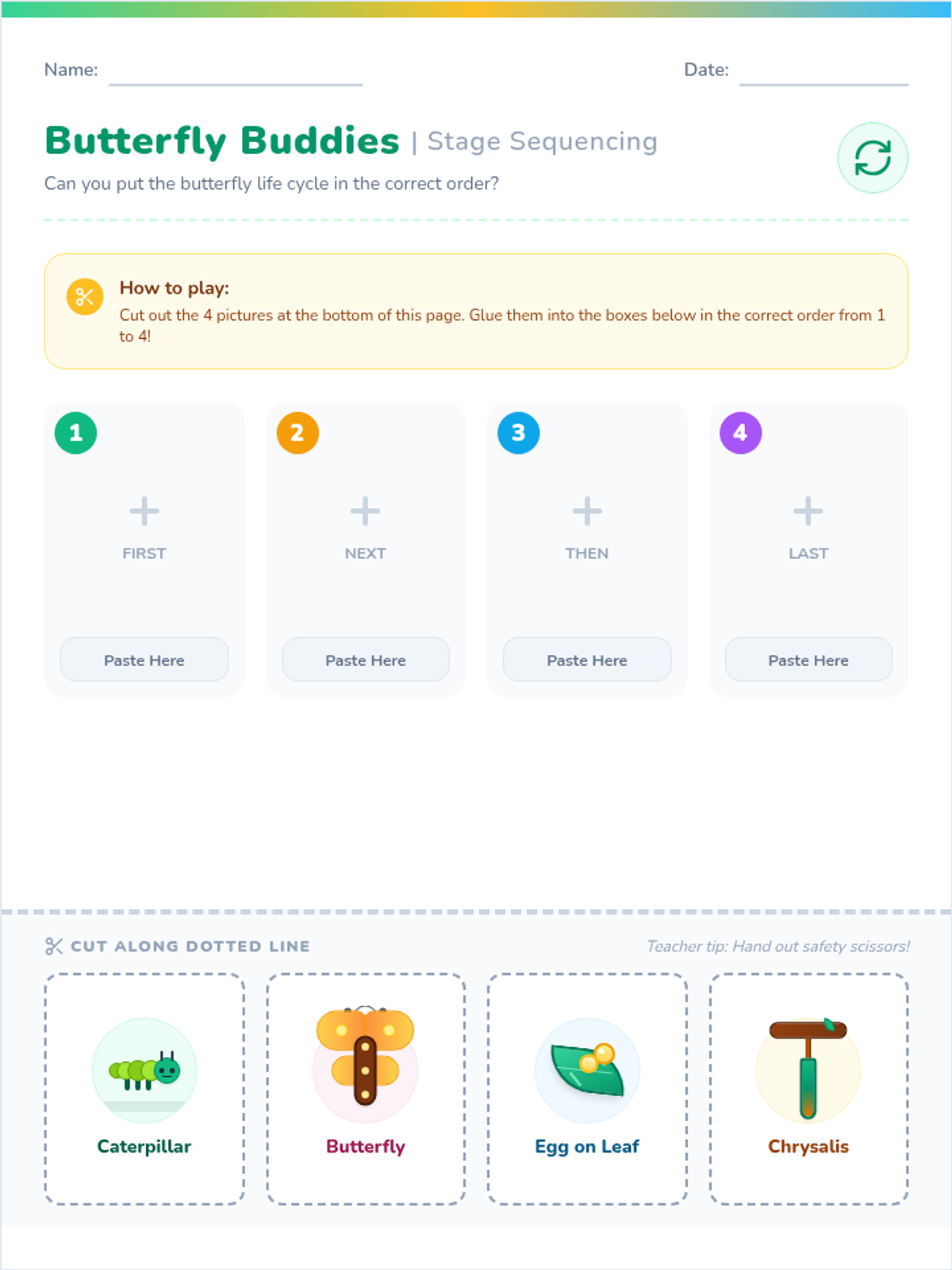
A friendly, hands-on kindergarten lesson exploring the four stages of a butterfly's life cycle: egg, caterpillar, chrysalis, and butterfly. Students learn through sequencing, labeling, coloring, and reading a foldable mini-booklet.
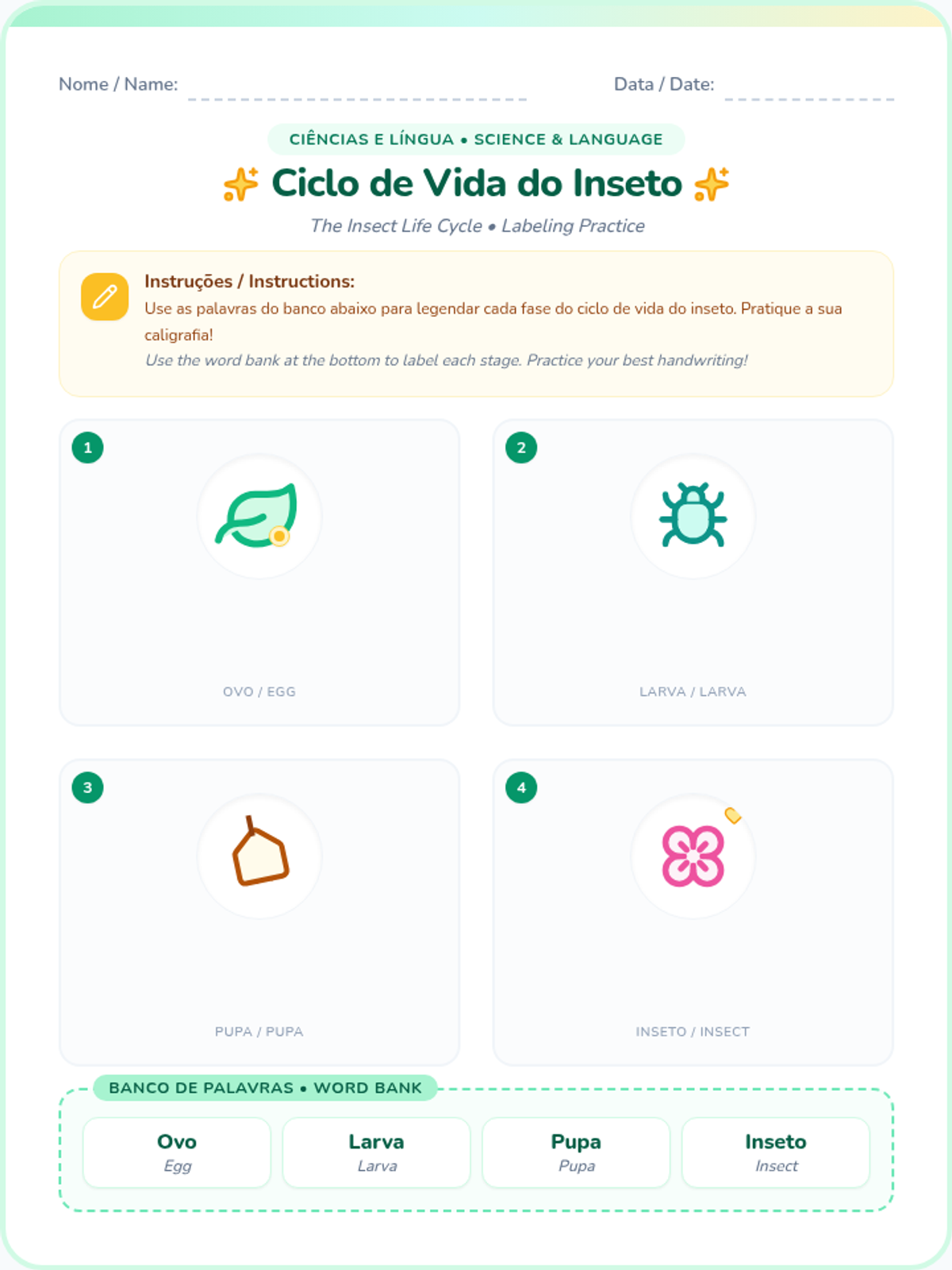
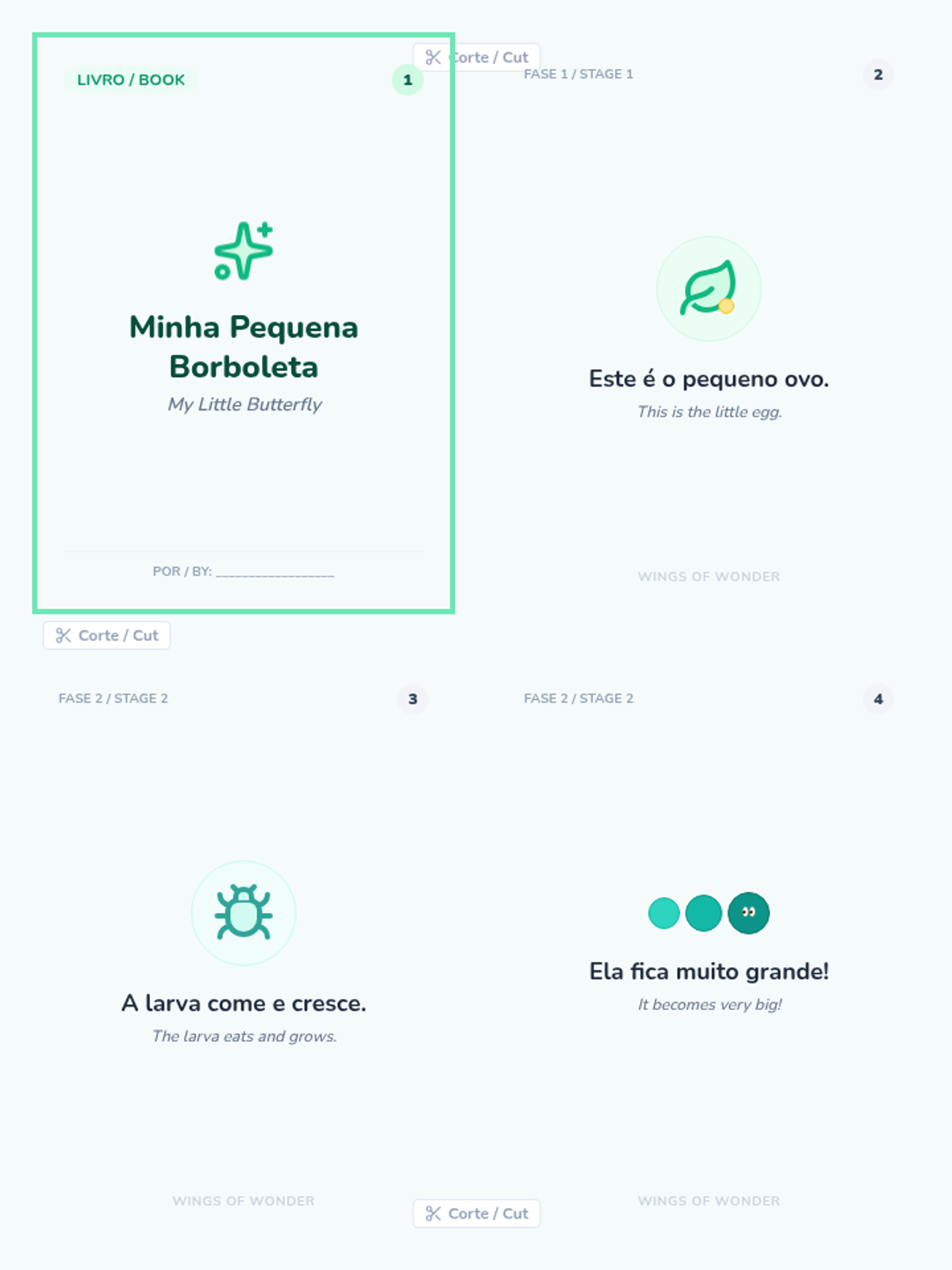
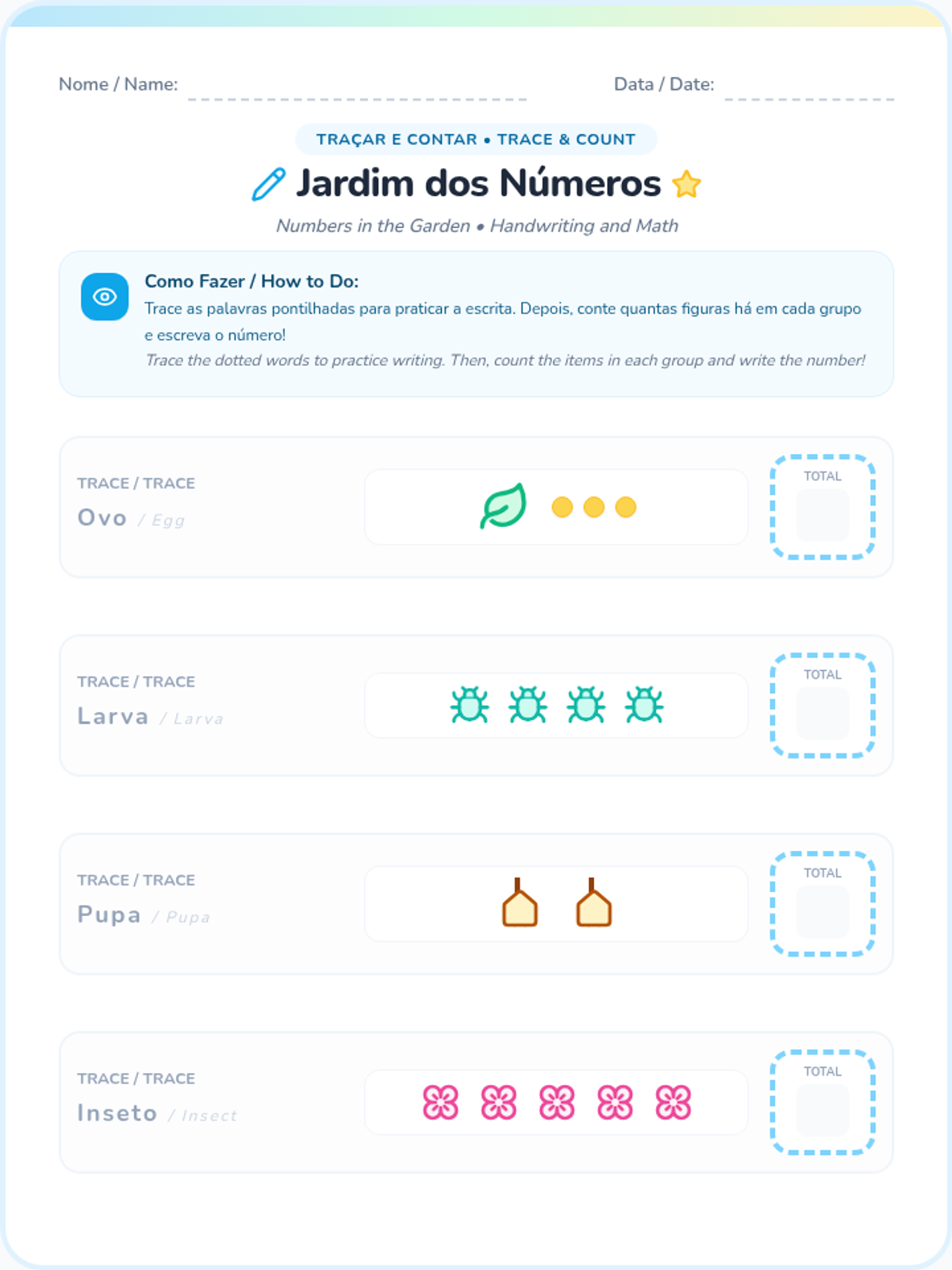
A bilingual kindergarten lesson exploring the magical life cycle of butterflies. Students practice sequencing, labeling, and reading simple bilingual English/Portuguese sentences.
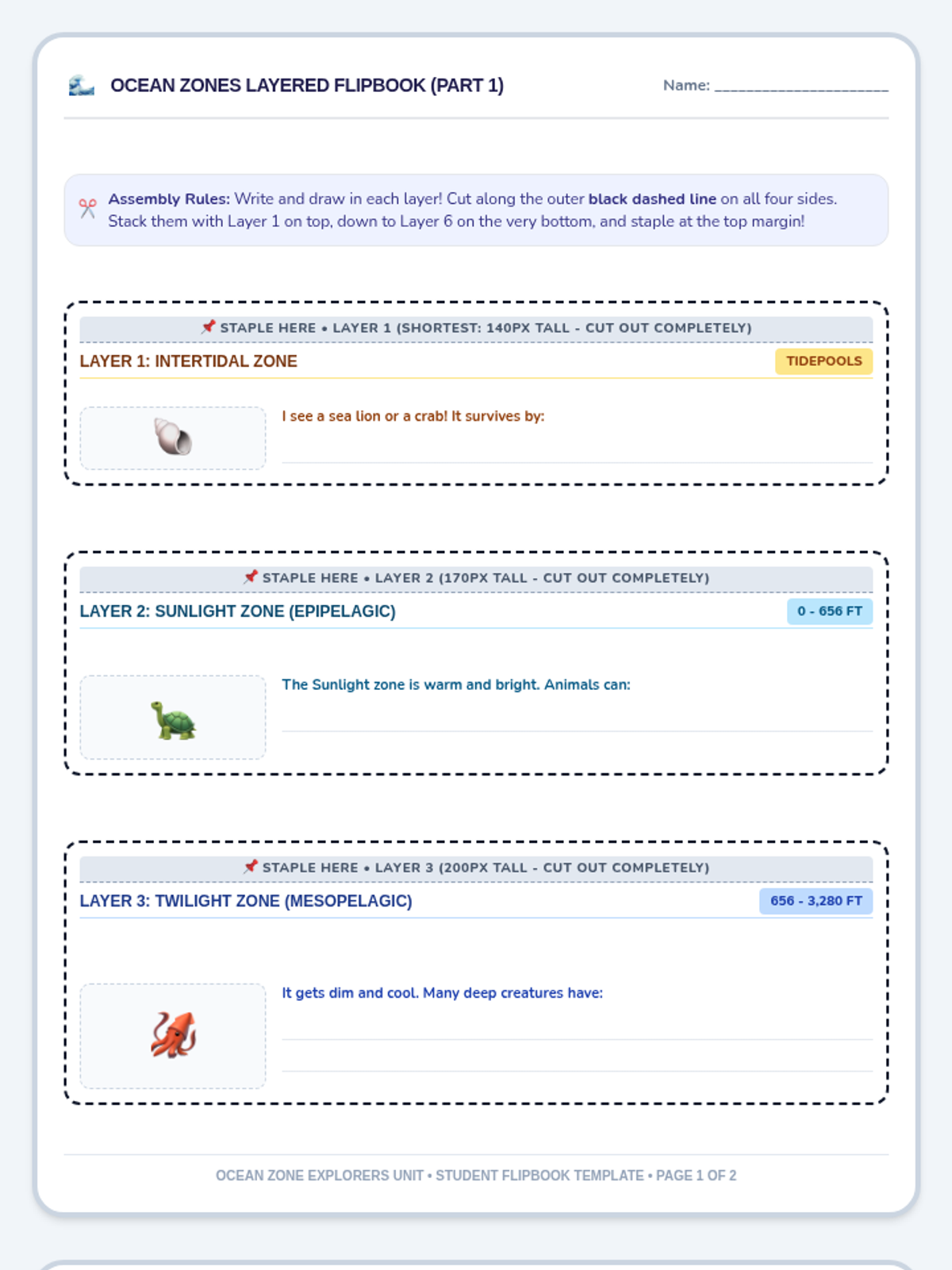
Express new expertise through a multi-page layered flipbook template and structured cooperative writing prompts.
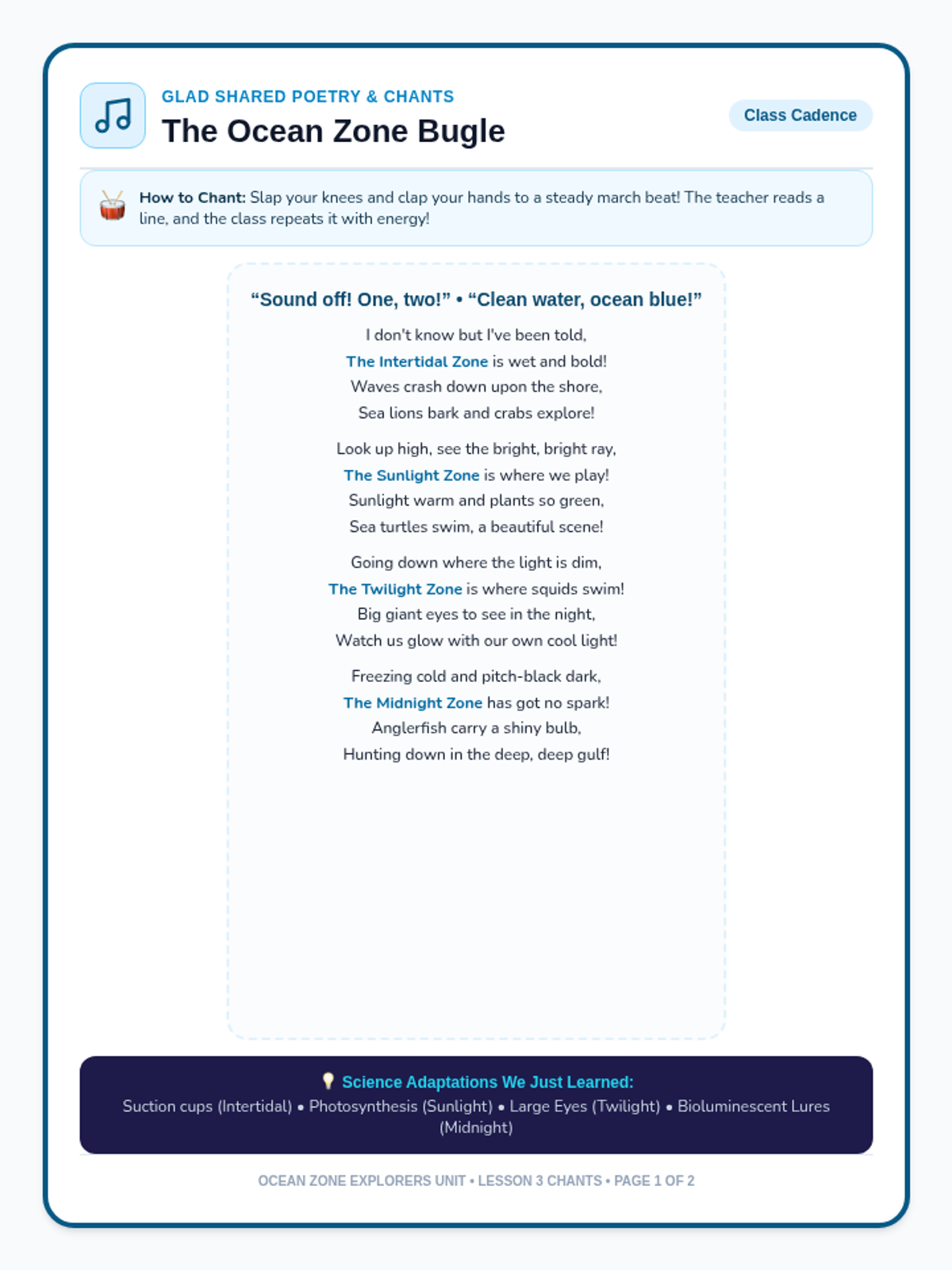
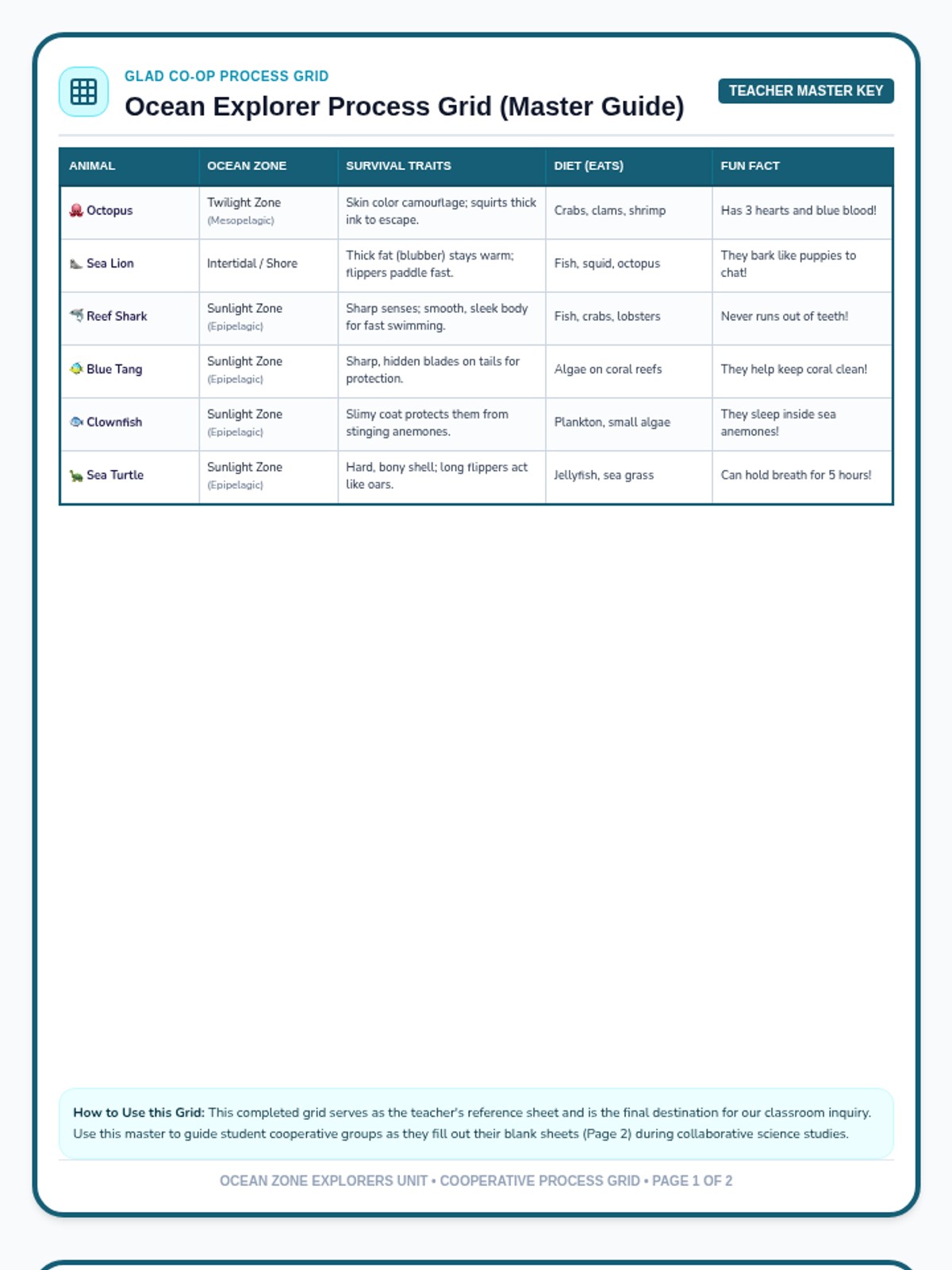
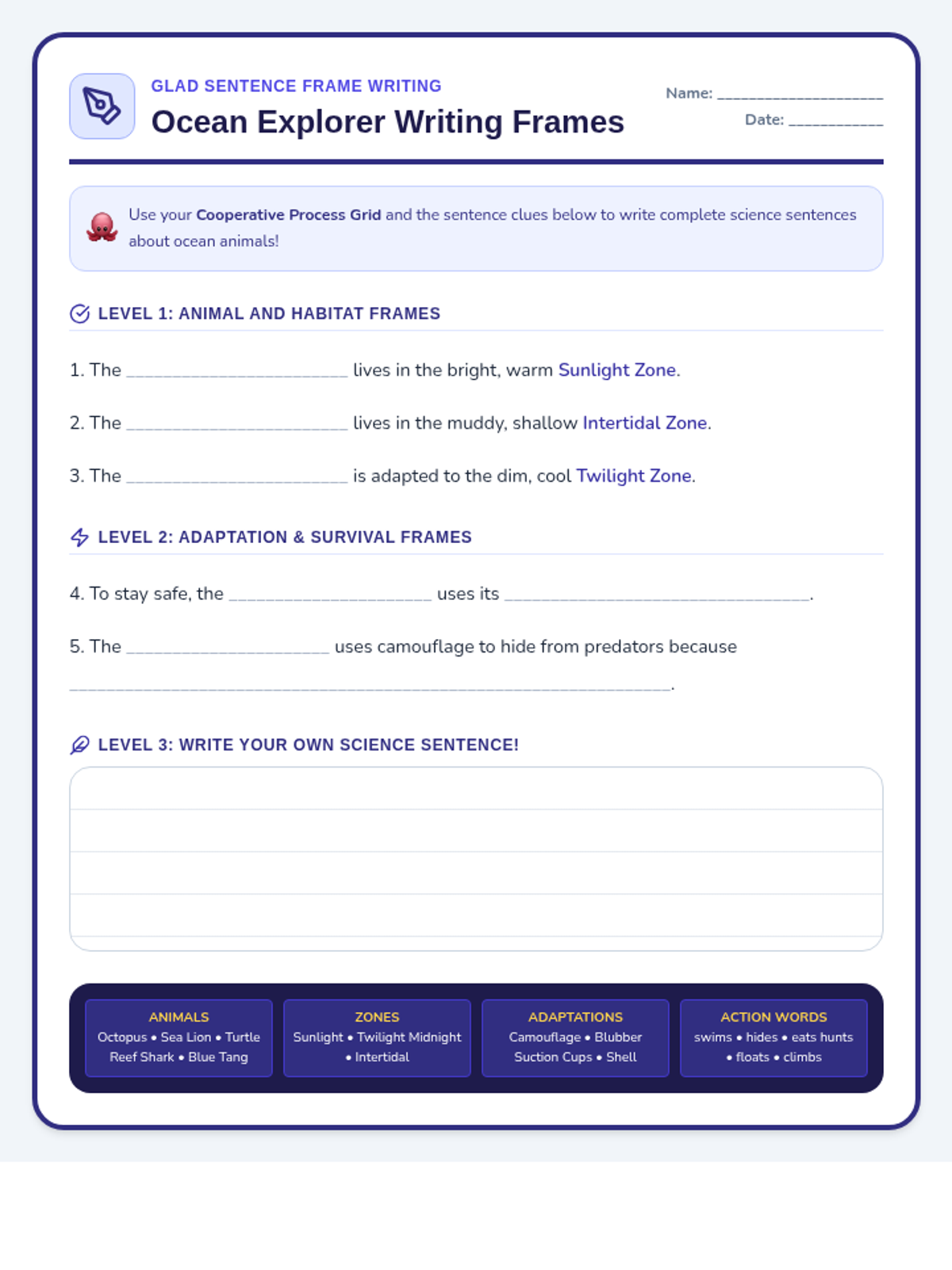
Sing and chant about ocean adaptations, fill out a collaborative Process Grid of focus animals, and use differentiated sentence frames for group writing.
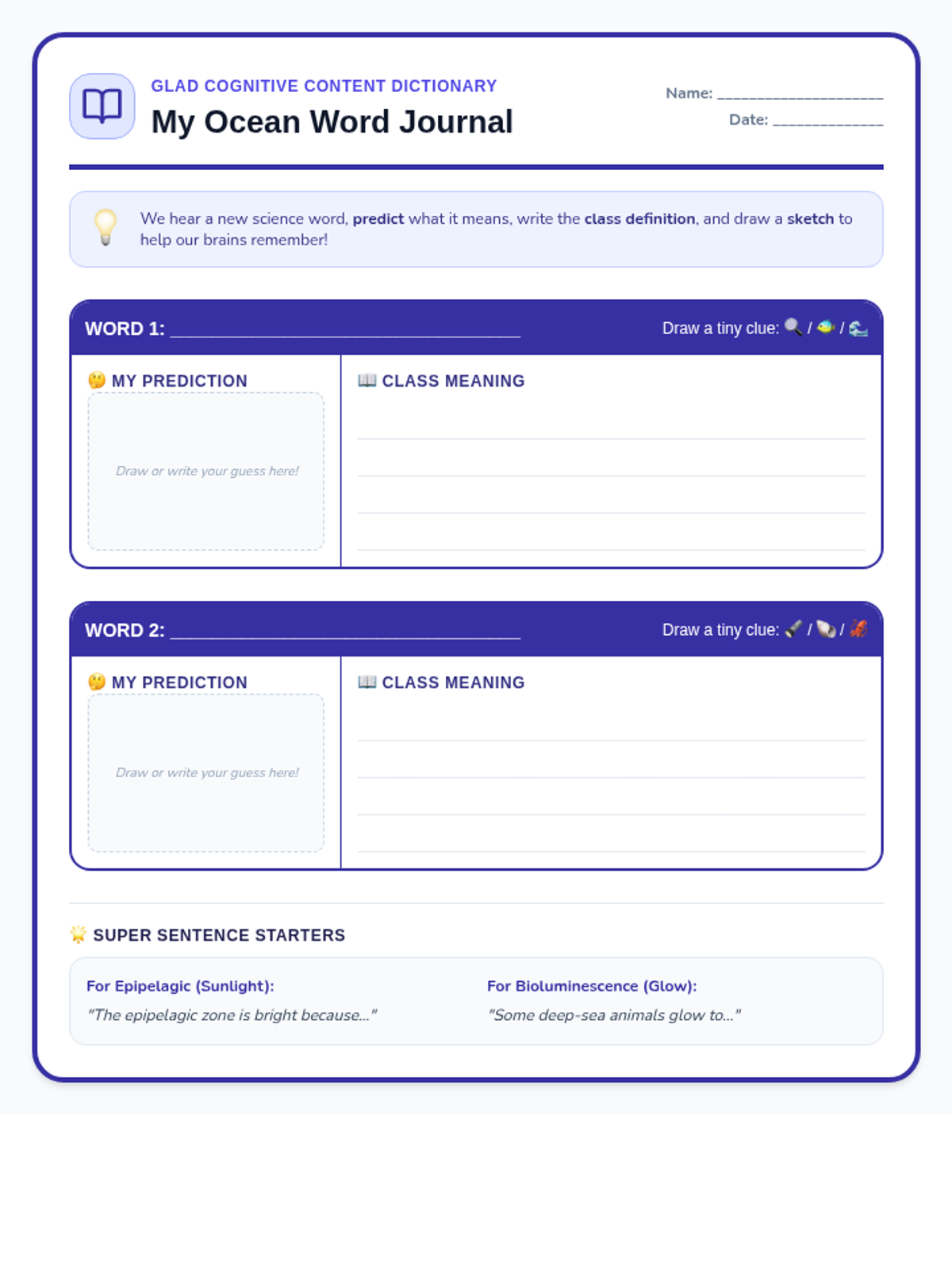
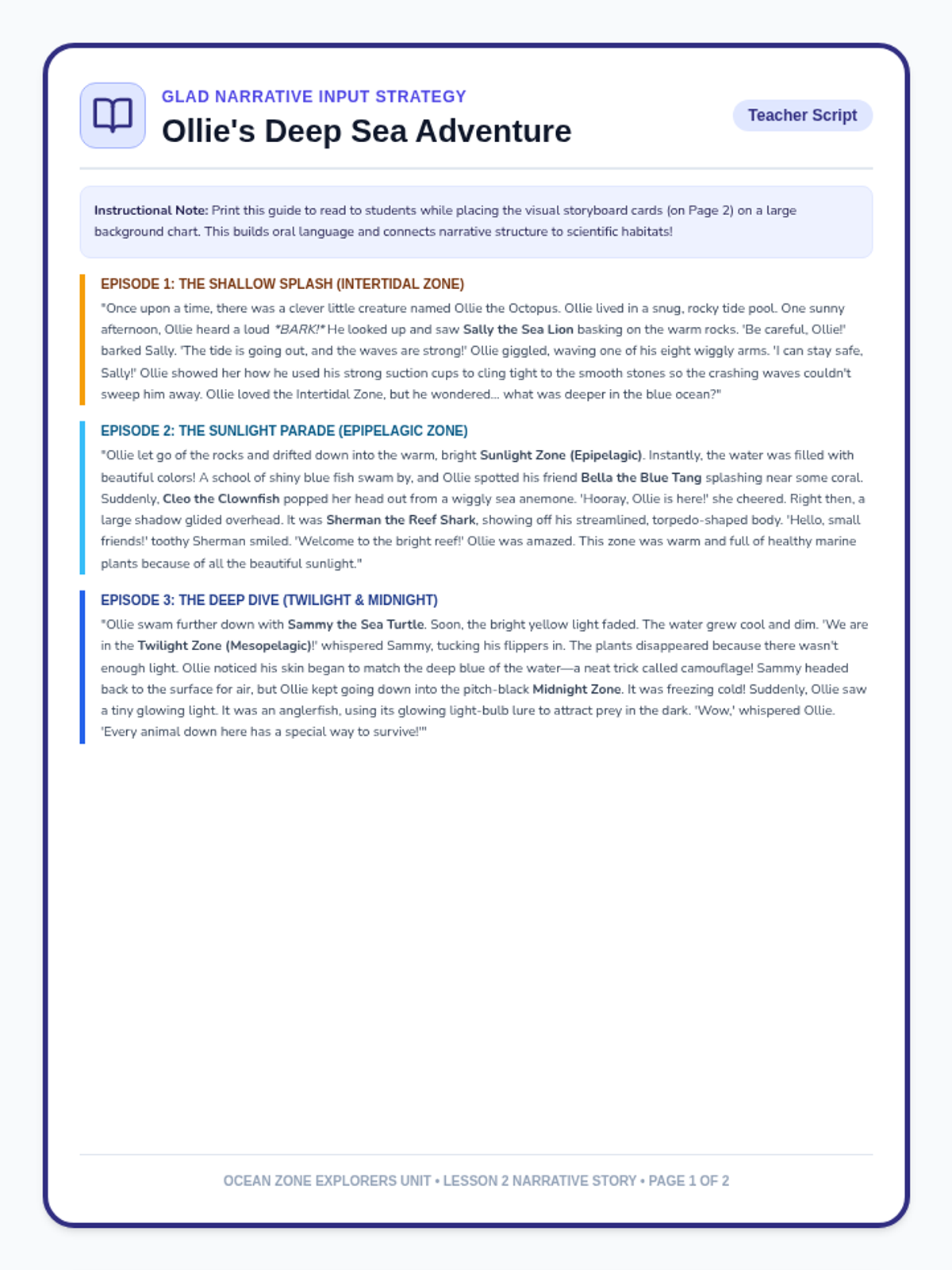
Build vocabulary and deep comprehension using a interactive Cognitive Content Dictionary (CCD) and the story of Ollie the Octopus's Deep Sea Adventure.
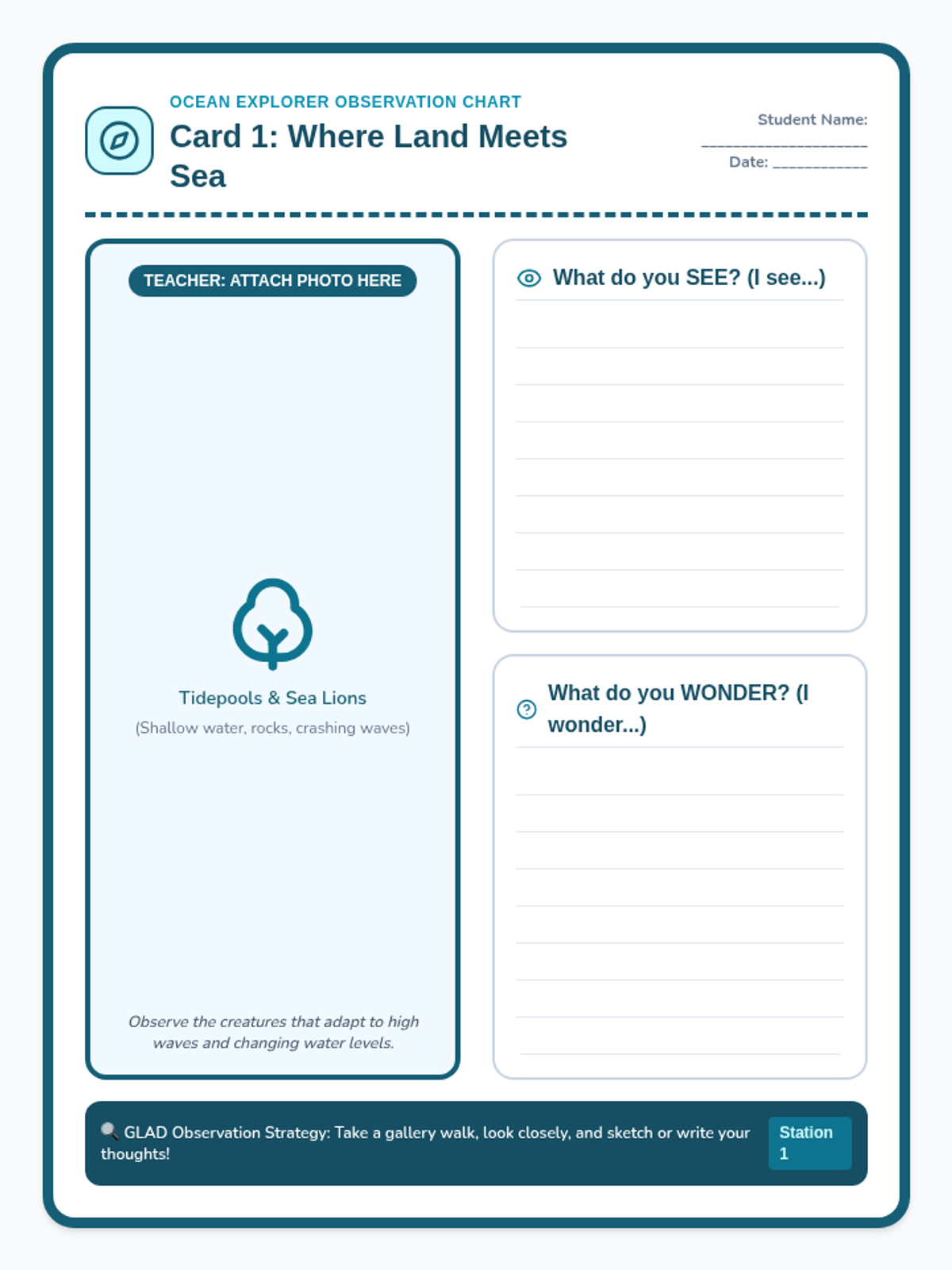
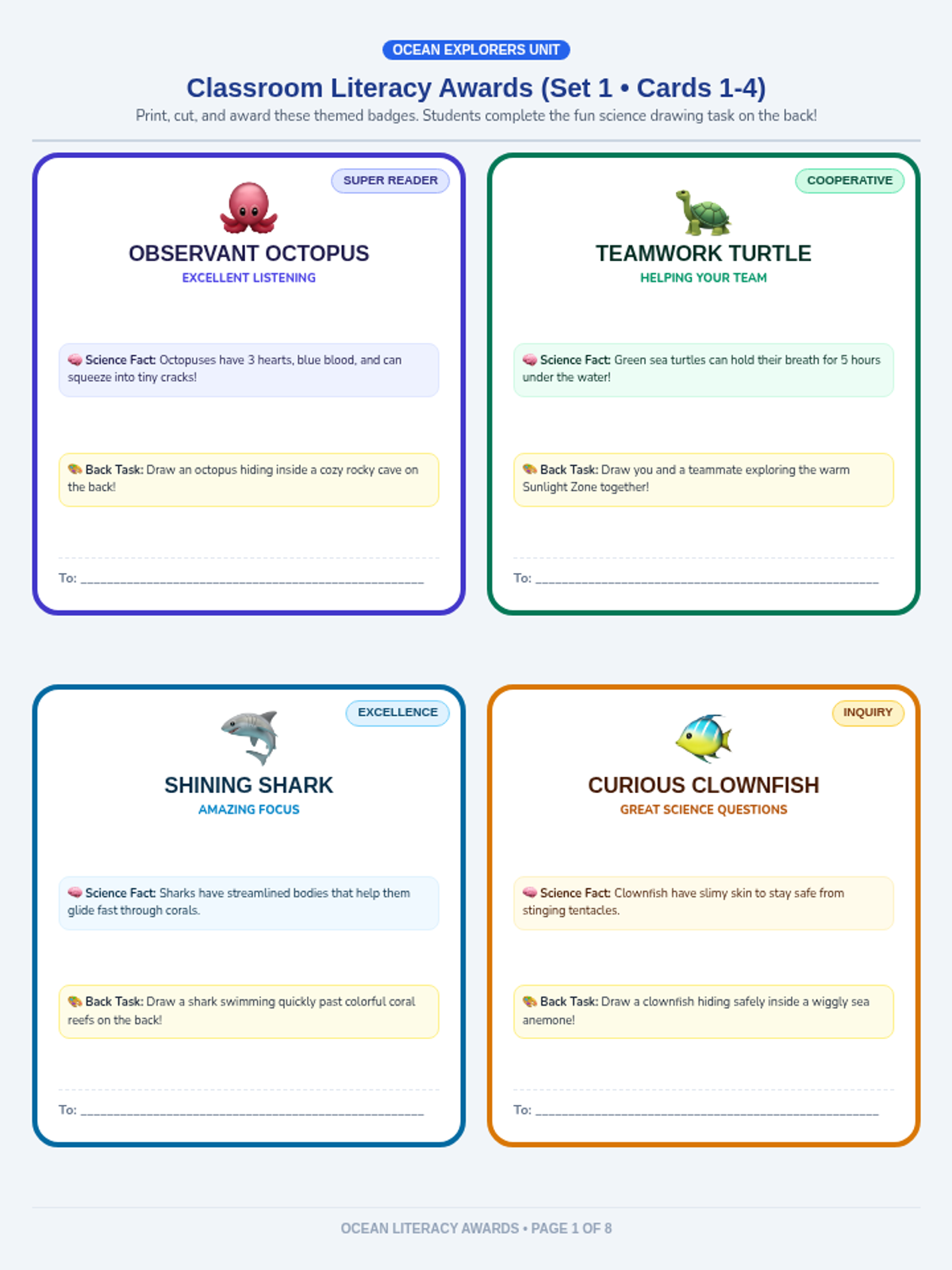
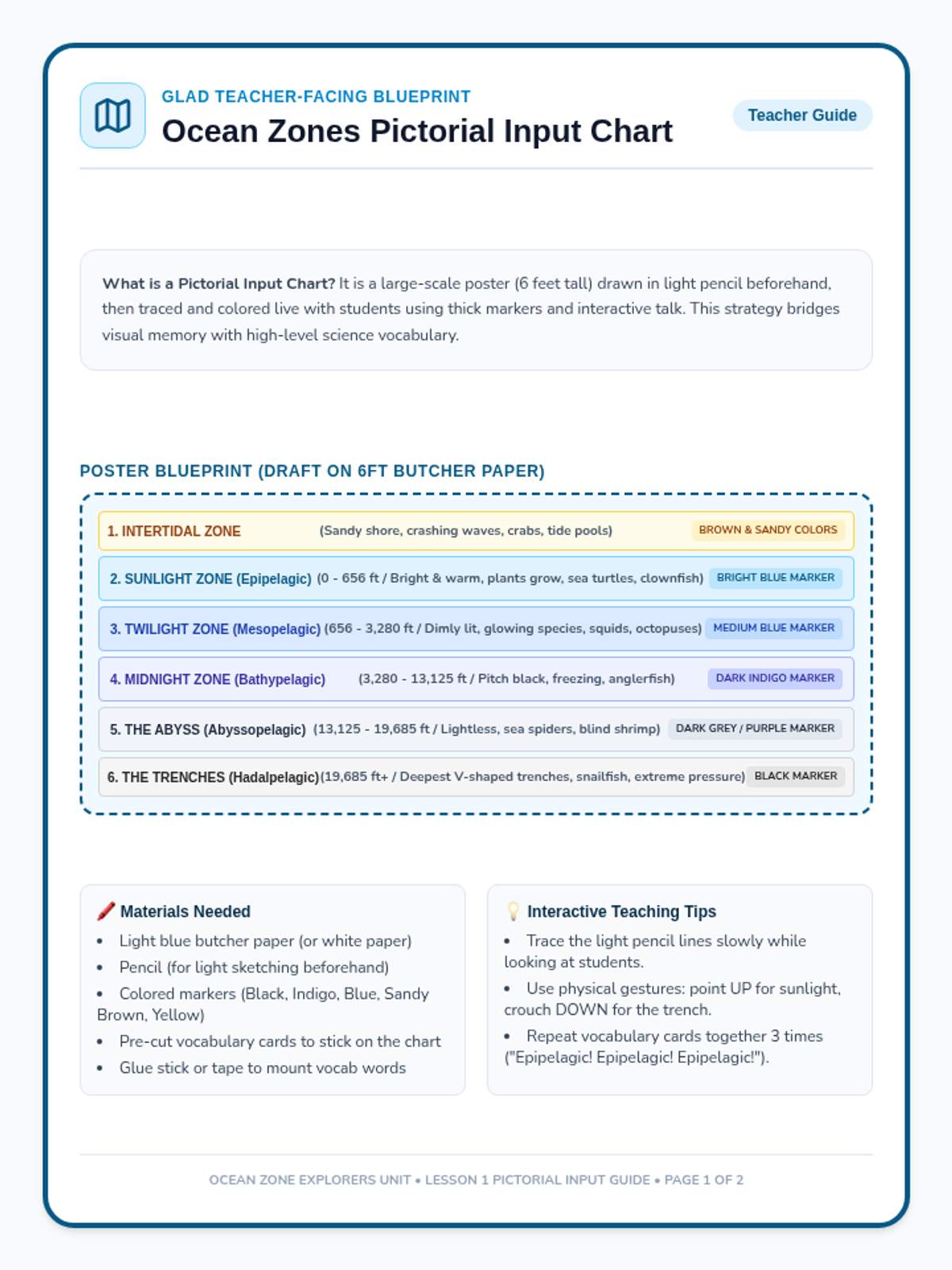
Spark curiosity with high-interest Observation Charts, positive-behavior Literacy Awards, and a large-scale visual blueprint for the multi-zone ocean chart.
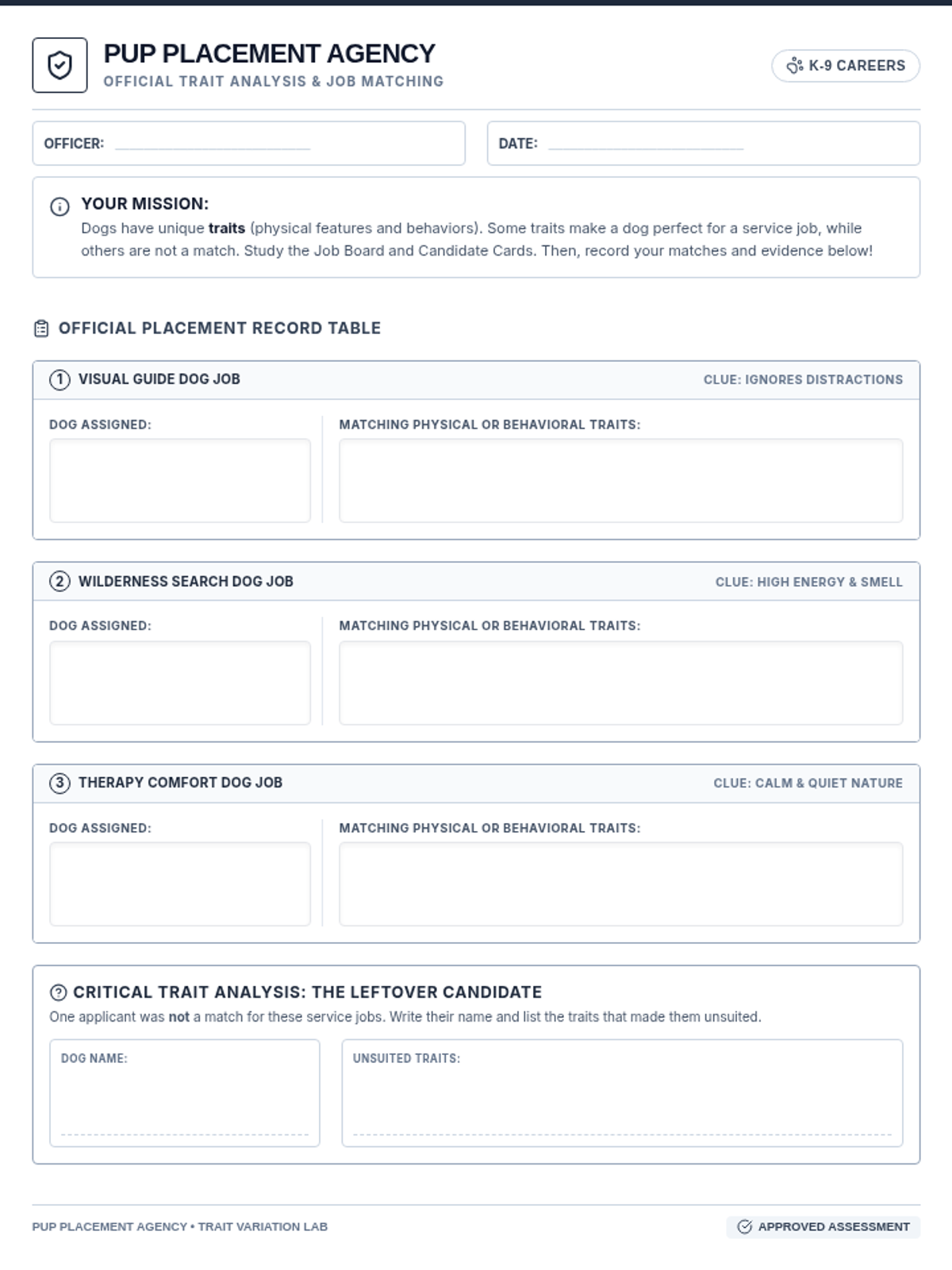
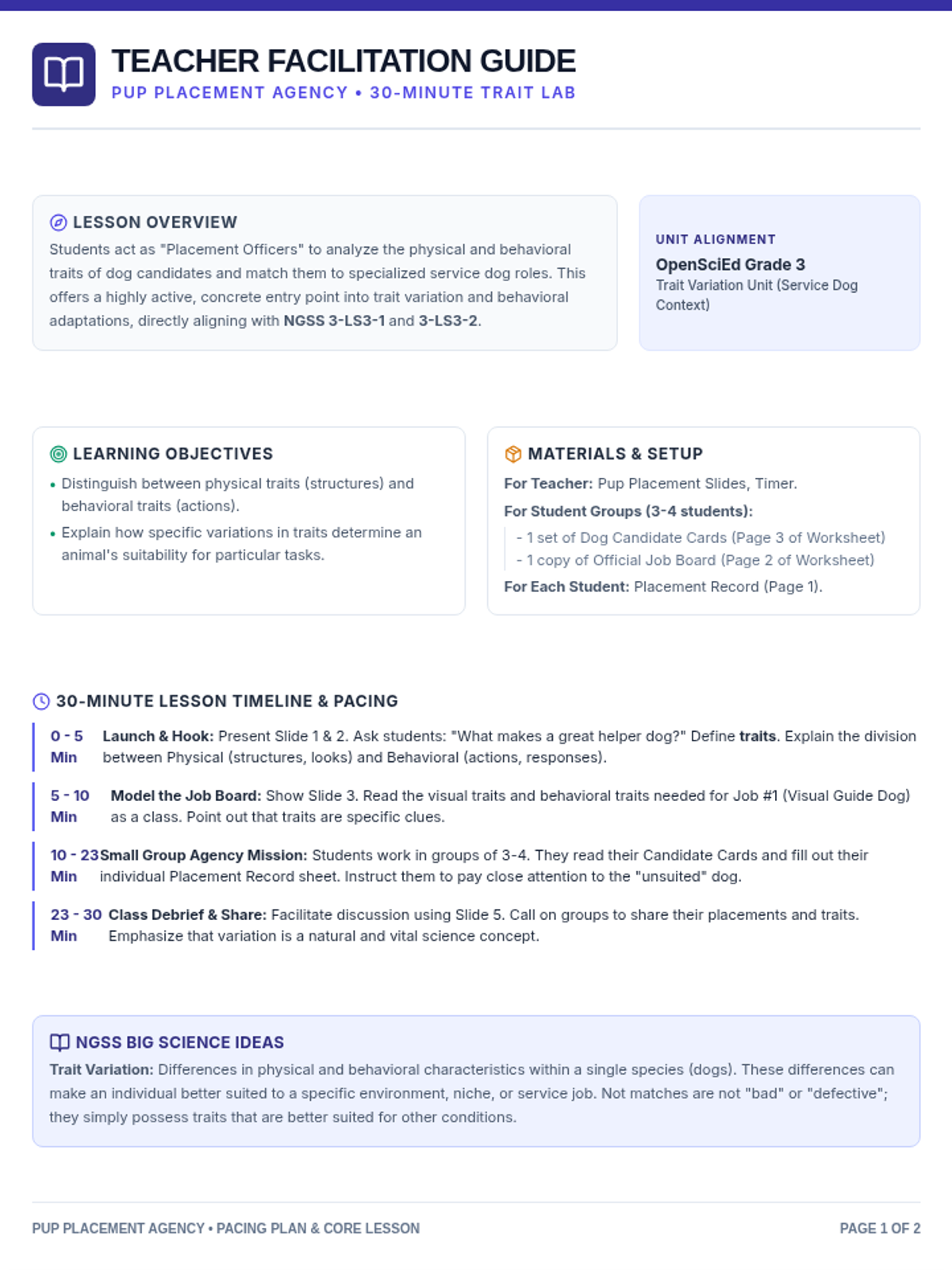
A highly differentiated 30-minute lesson where students act as 'Placement Officers' for the Pup Placement Agency. They analyze physical and behavioral traits of dog candidates and match them with appropriate service dog jobs, aligning with the OpenSciEd Grade 3 Trait Variation unit.
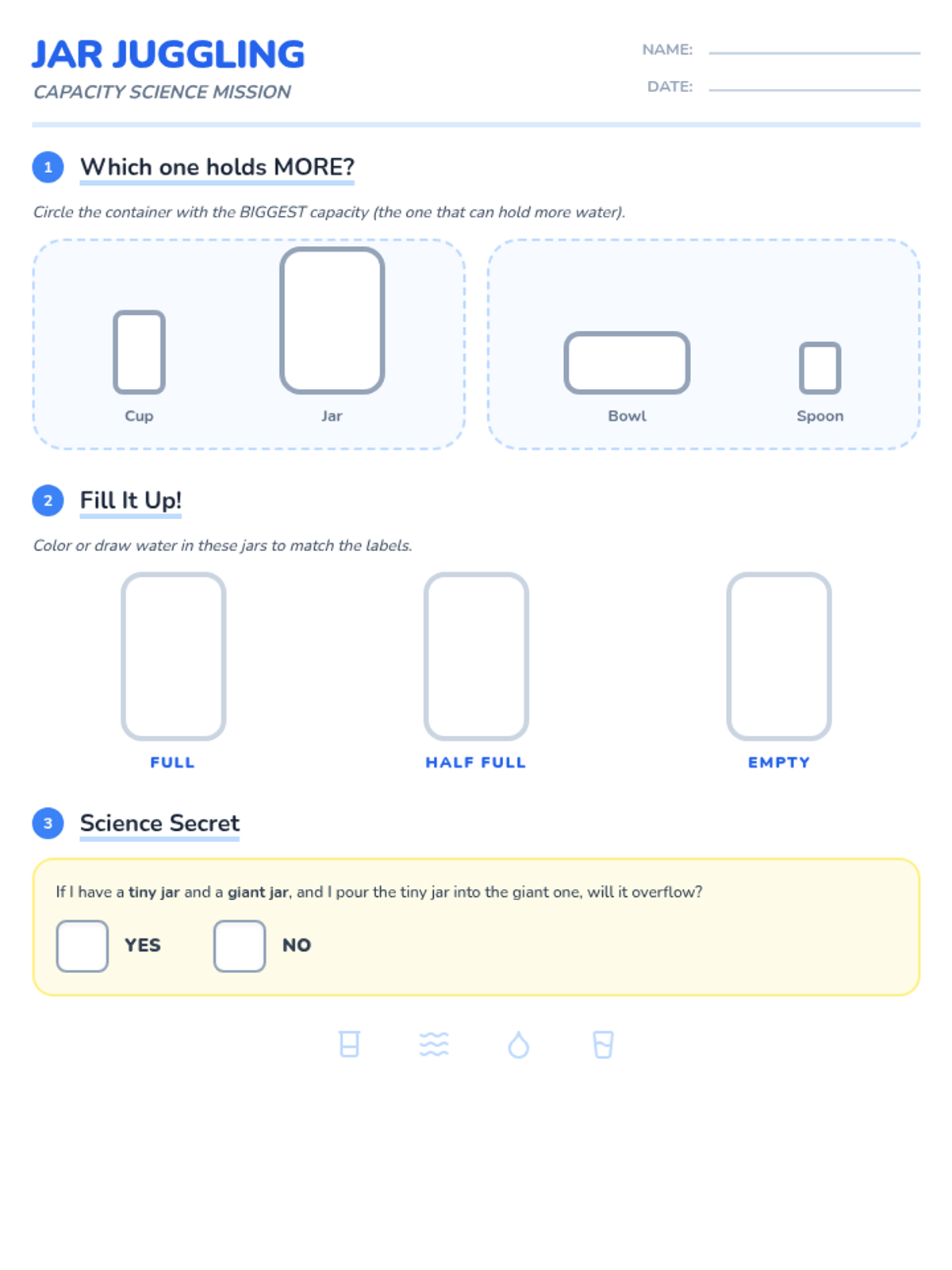
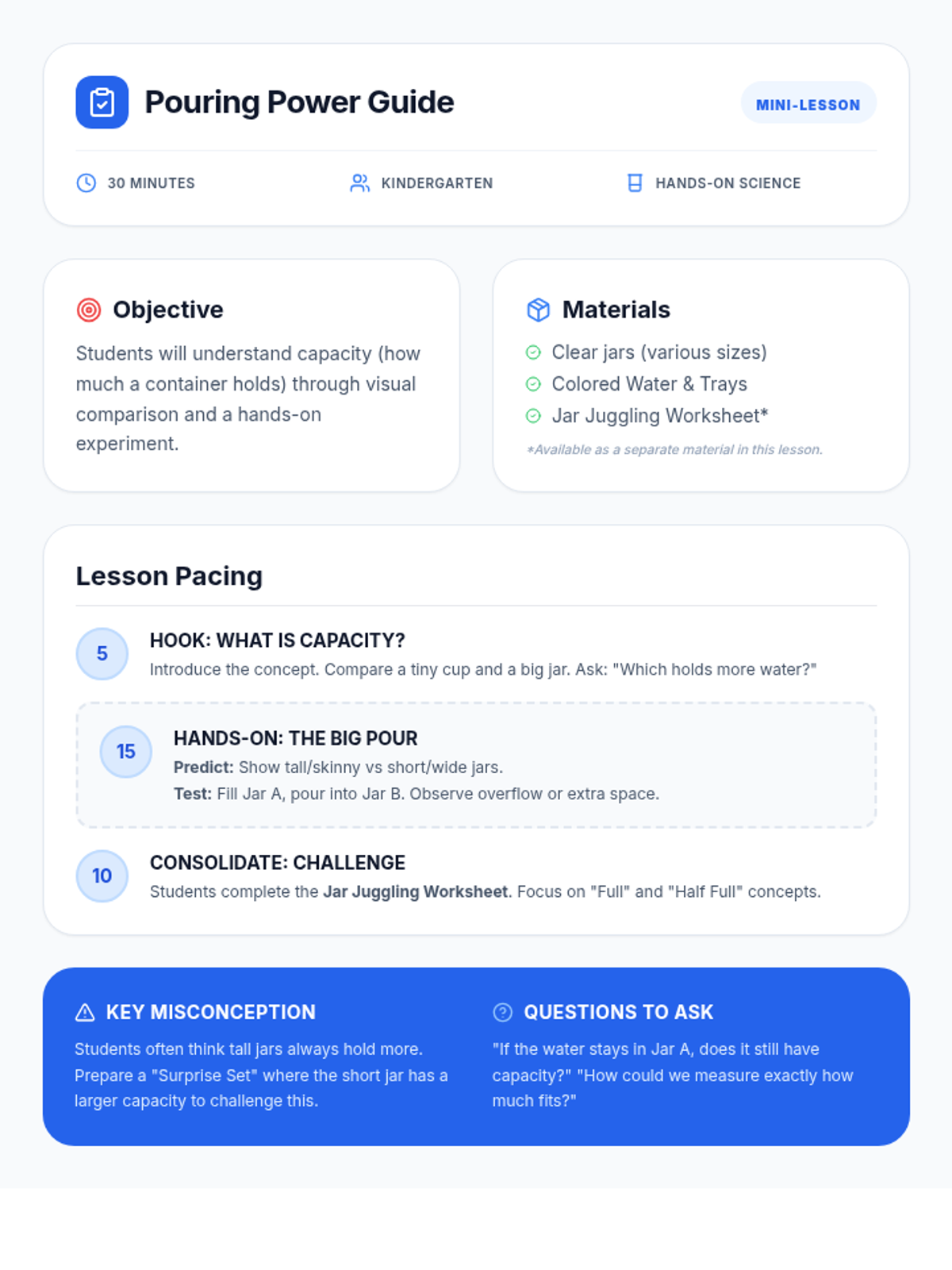
A 30-minute introductory lesson on container capacity for Kindergarten students, using hands-on exploration with water and jars to understand 'more', 'less', and 'full'.
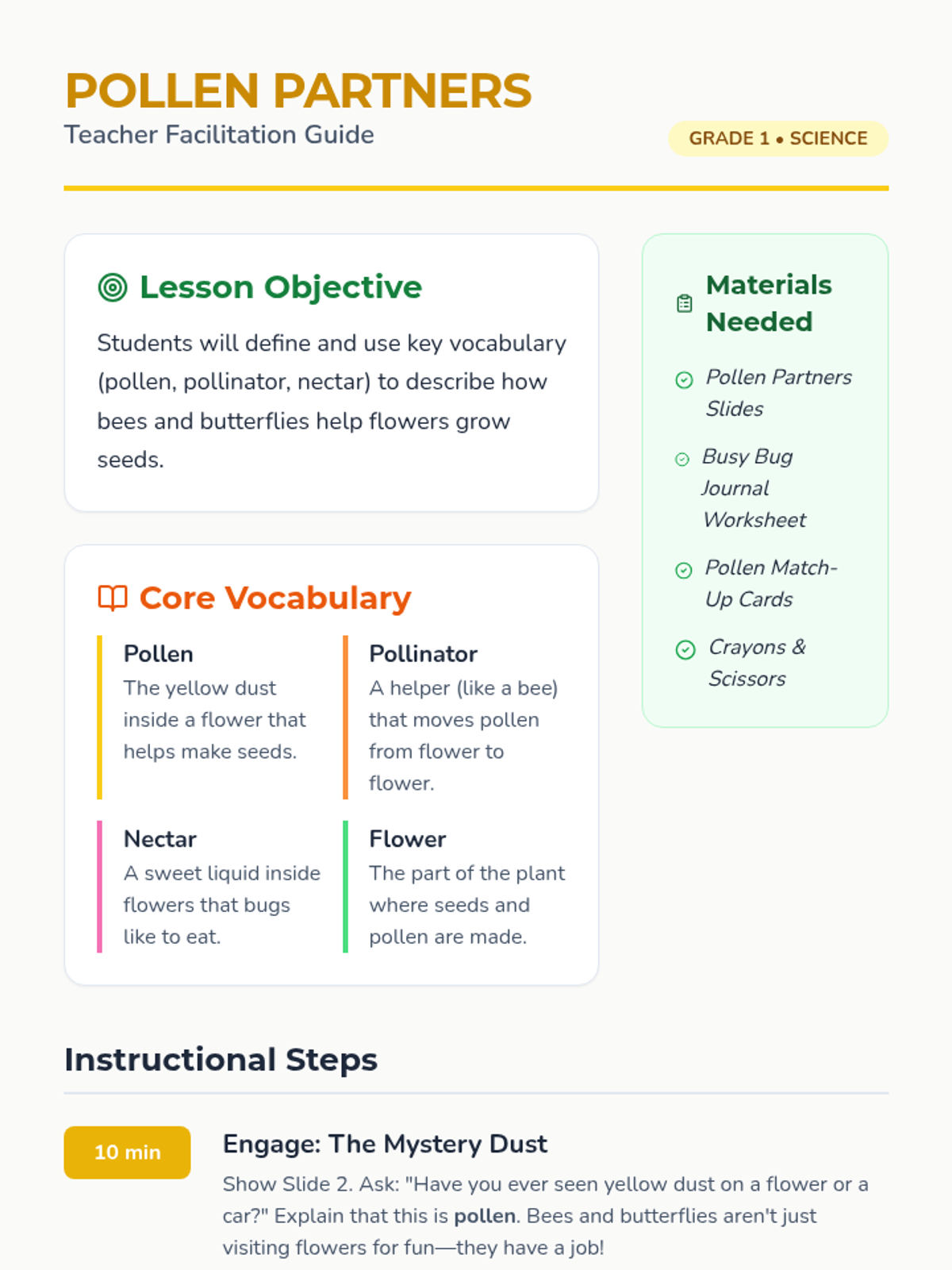
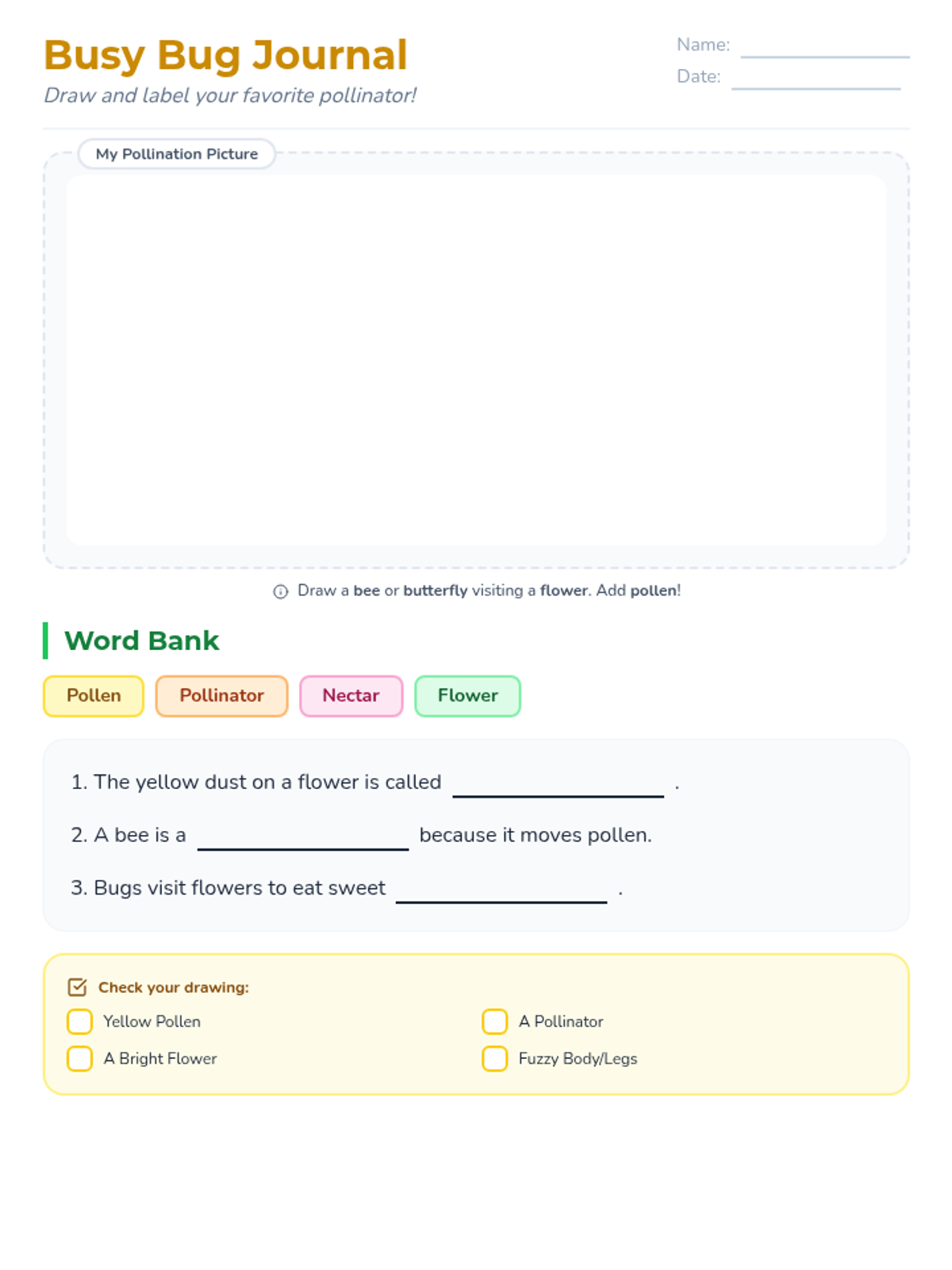
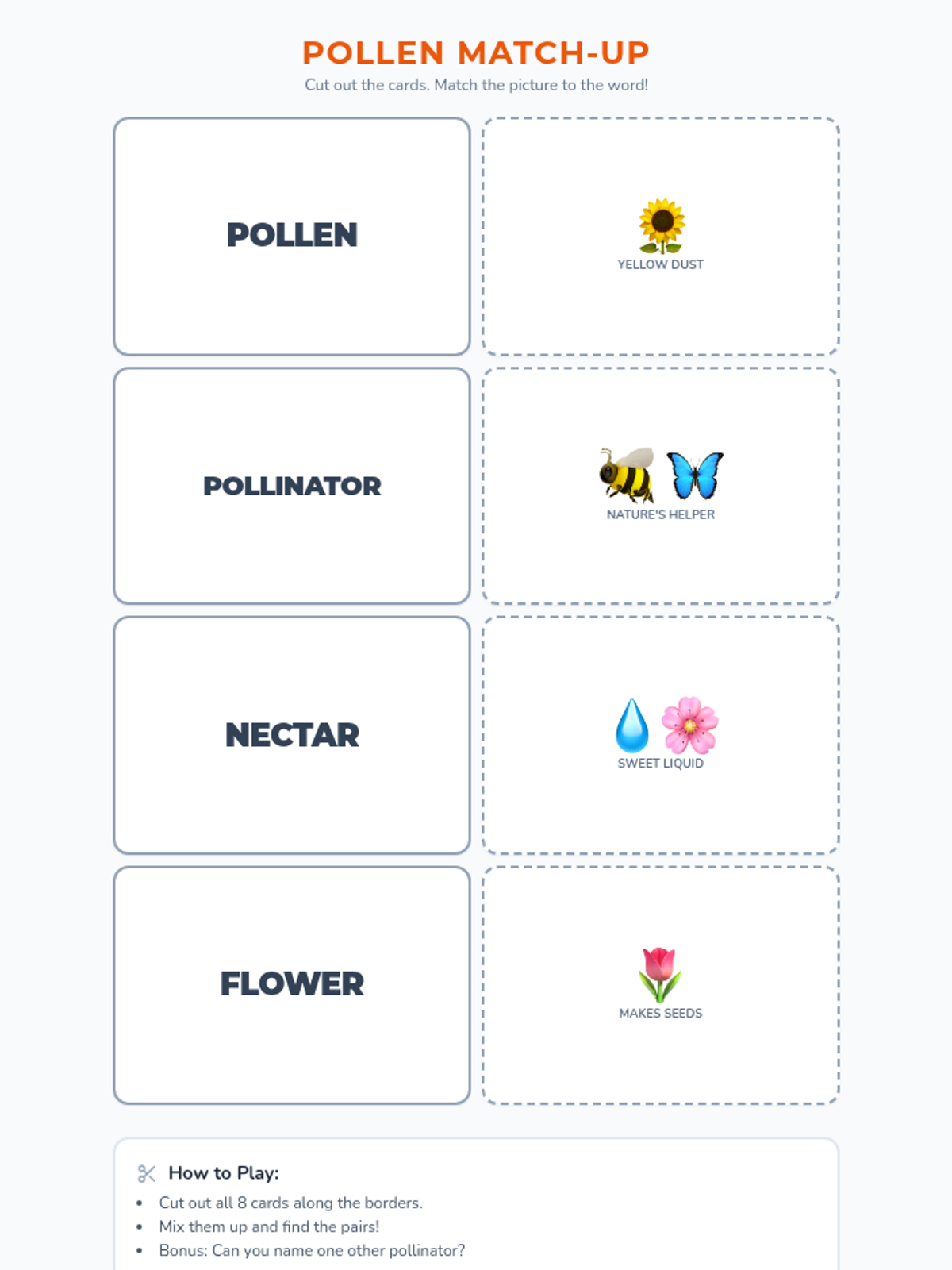
A hands-on follow-up lesson for first graders focusing on the vocabulary of pollination, specifically the roles of bees and butterflies as they move pollen between flowers.
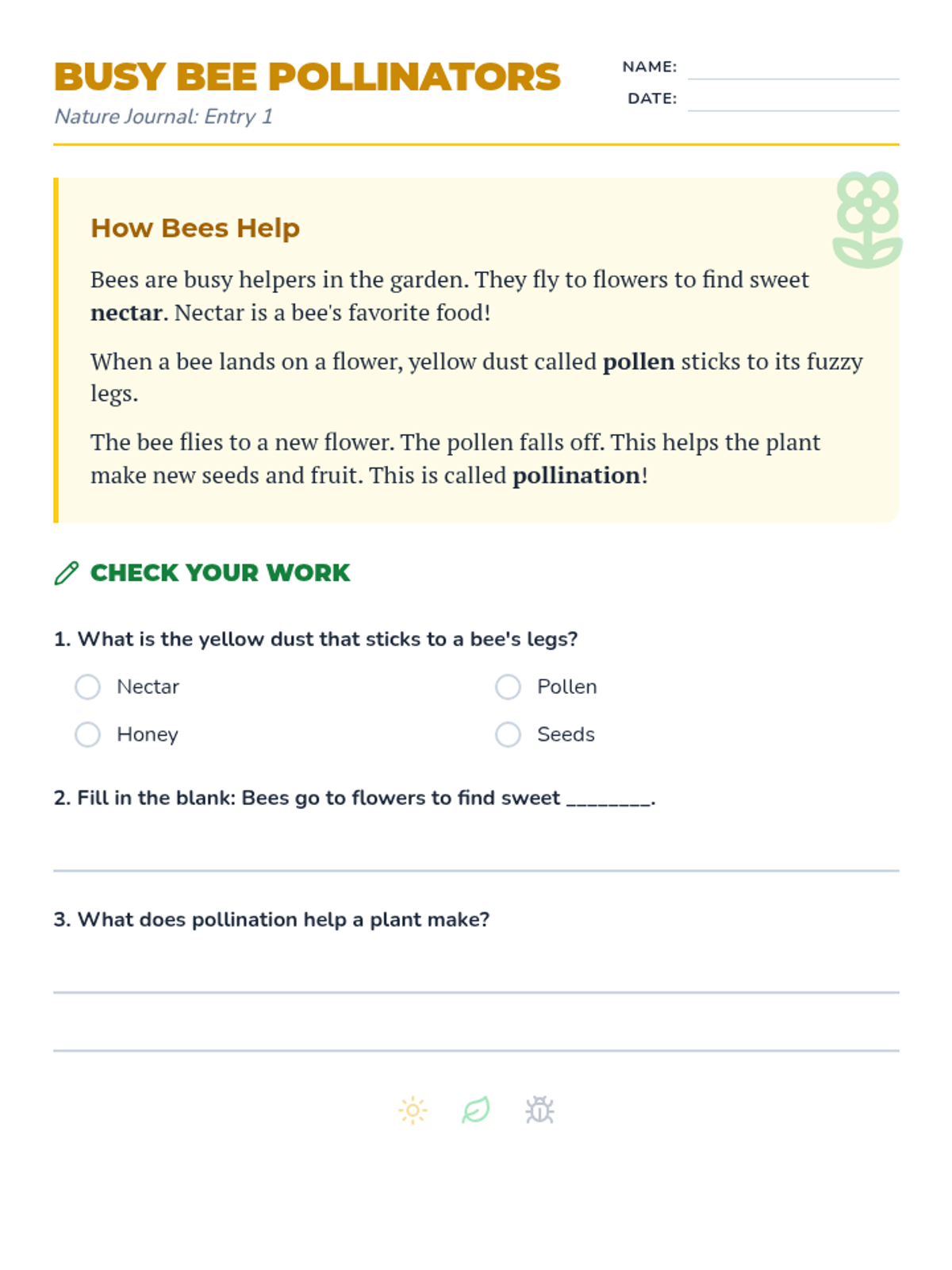
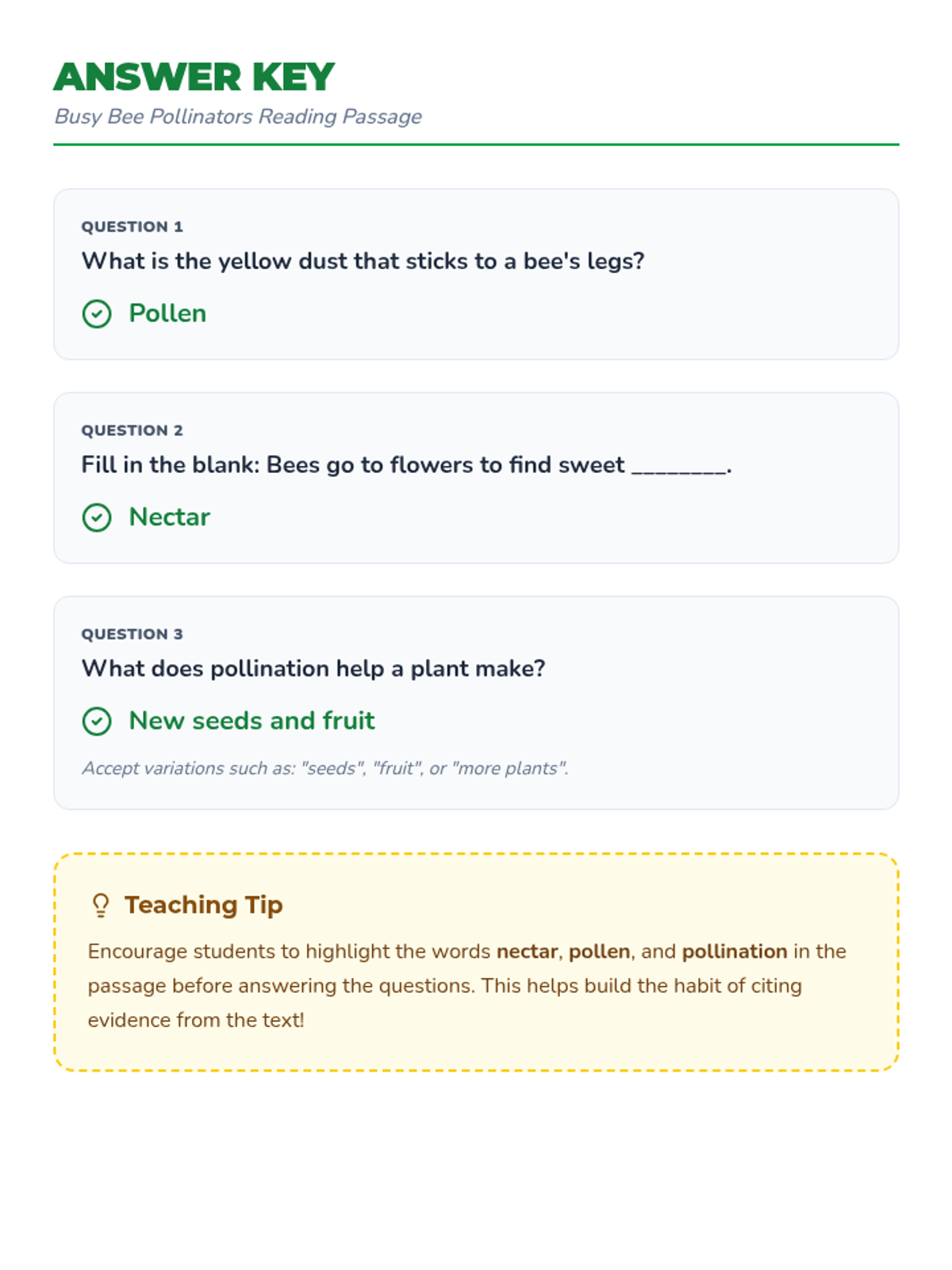
Students will learn how bees move pollen from flower to flower to help plants grow seeds and fruit.
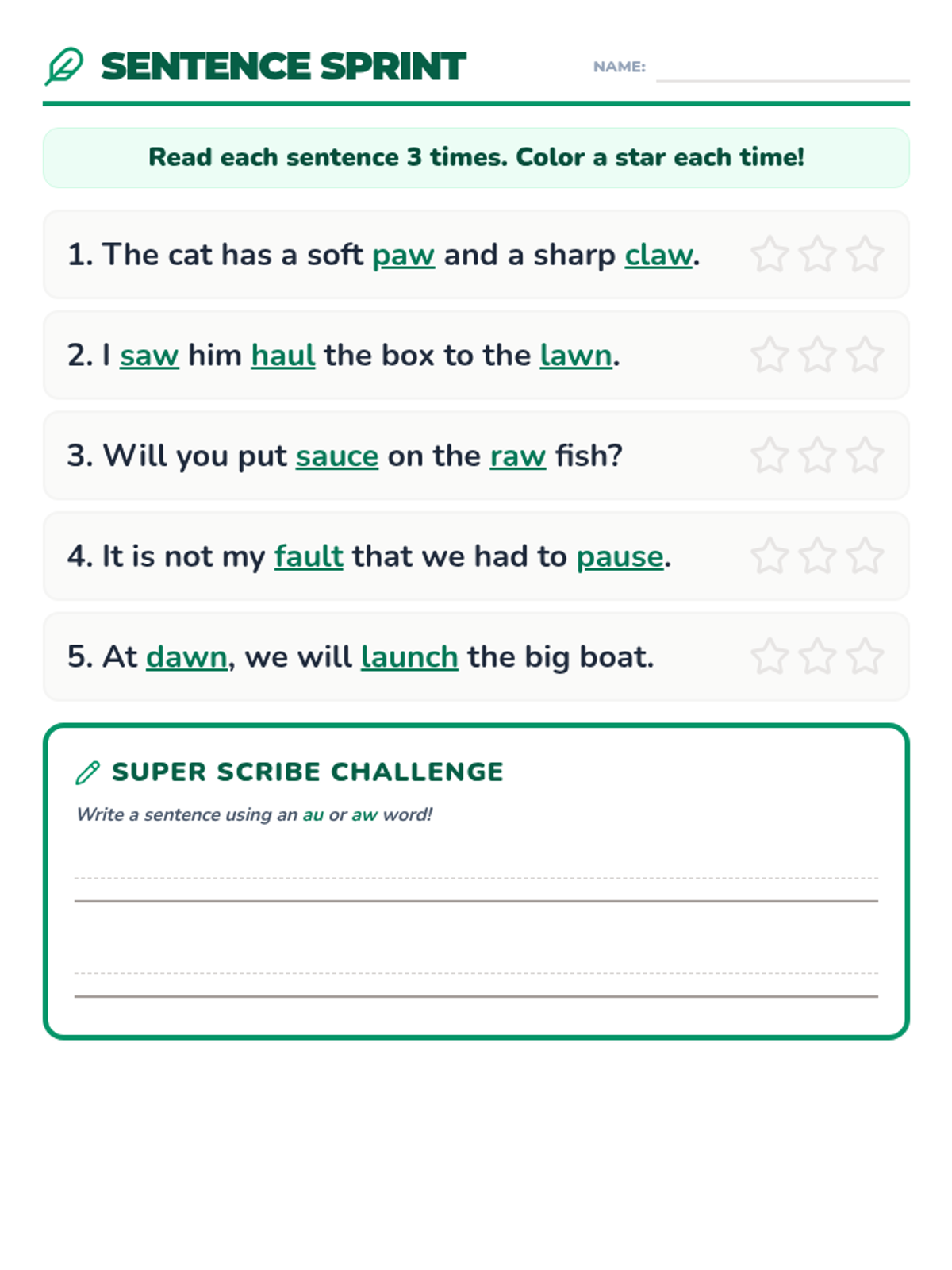
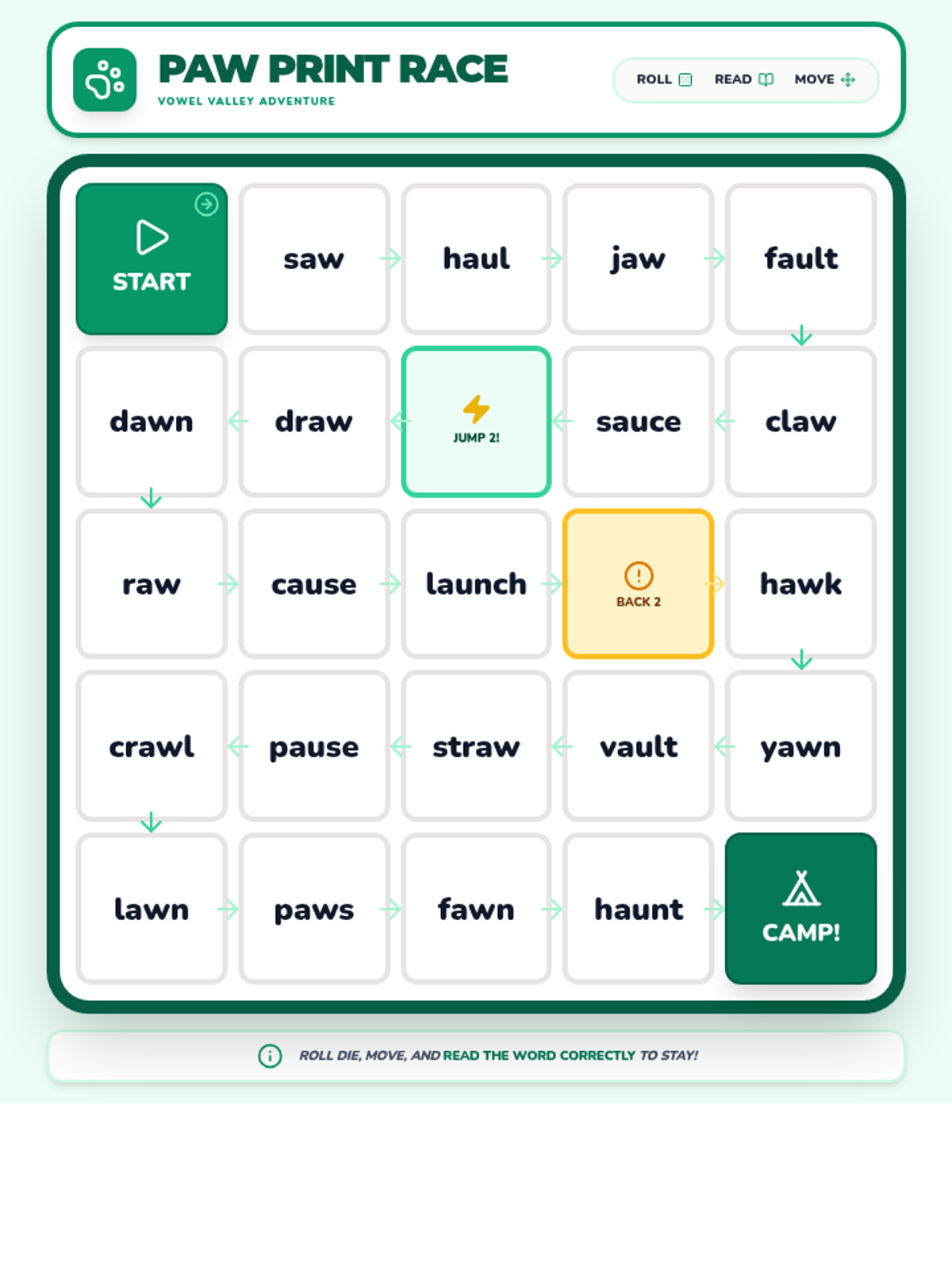
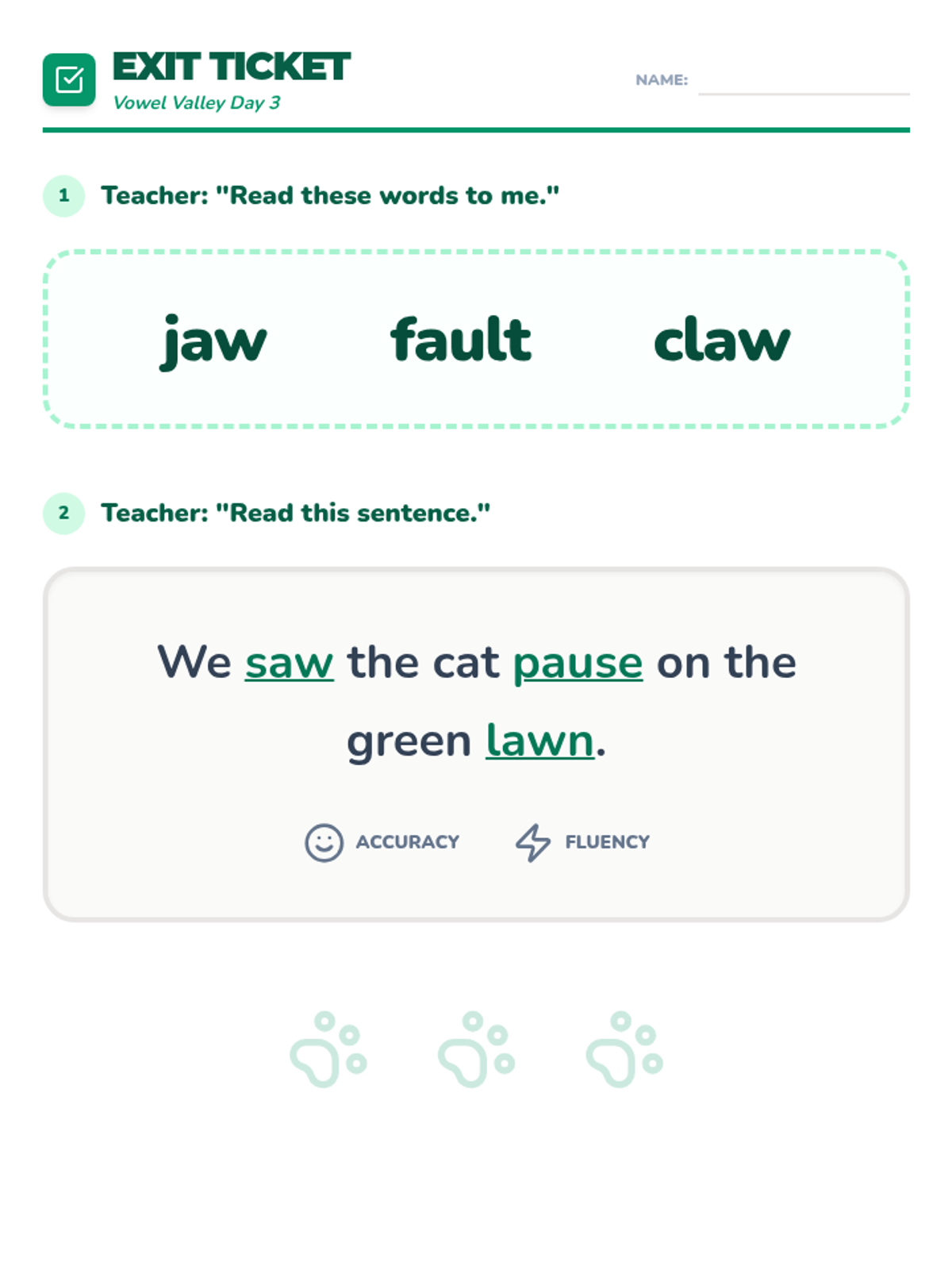
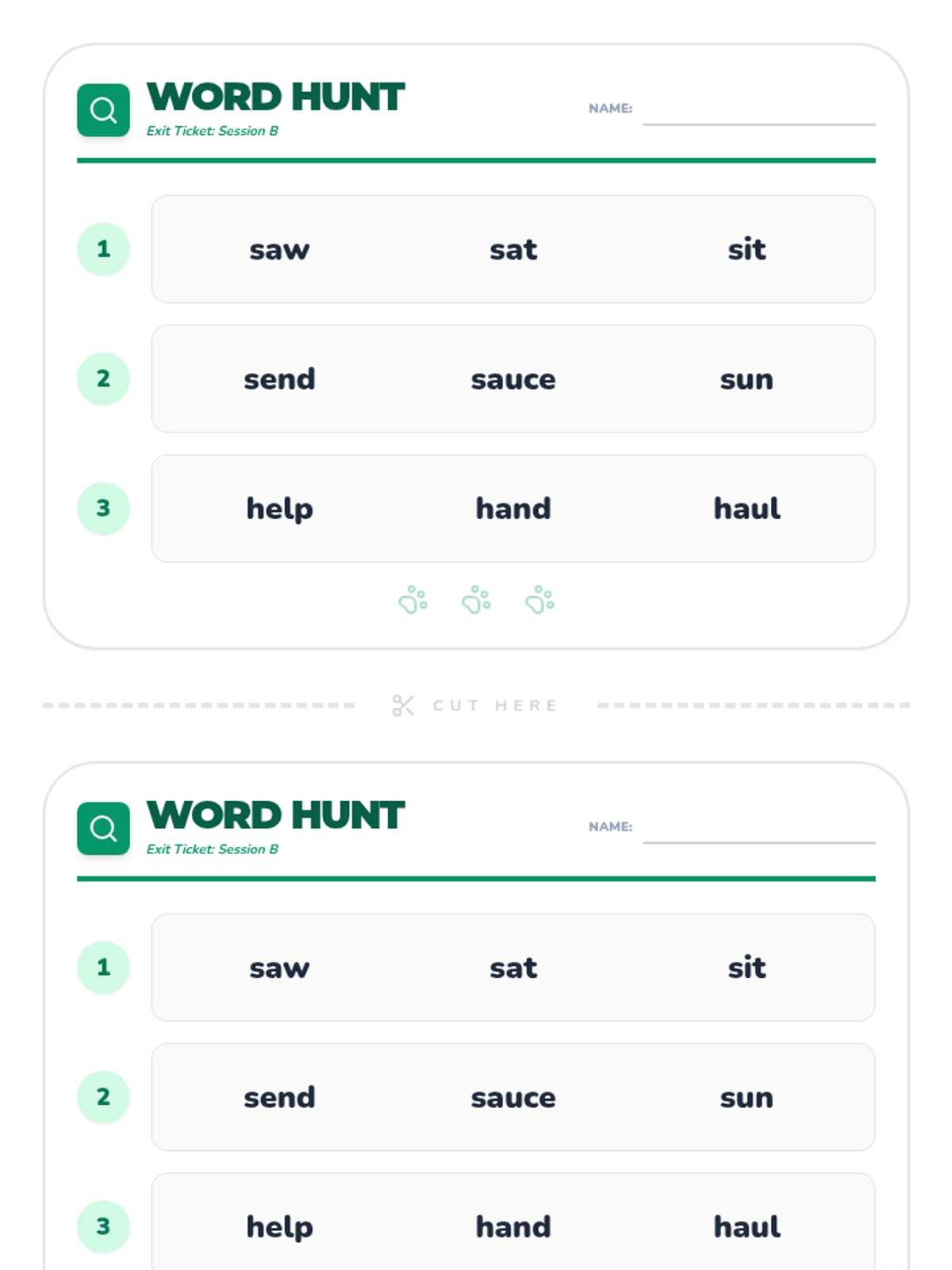
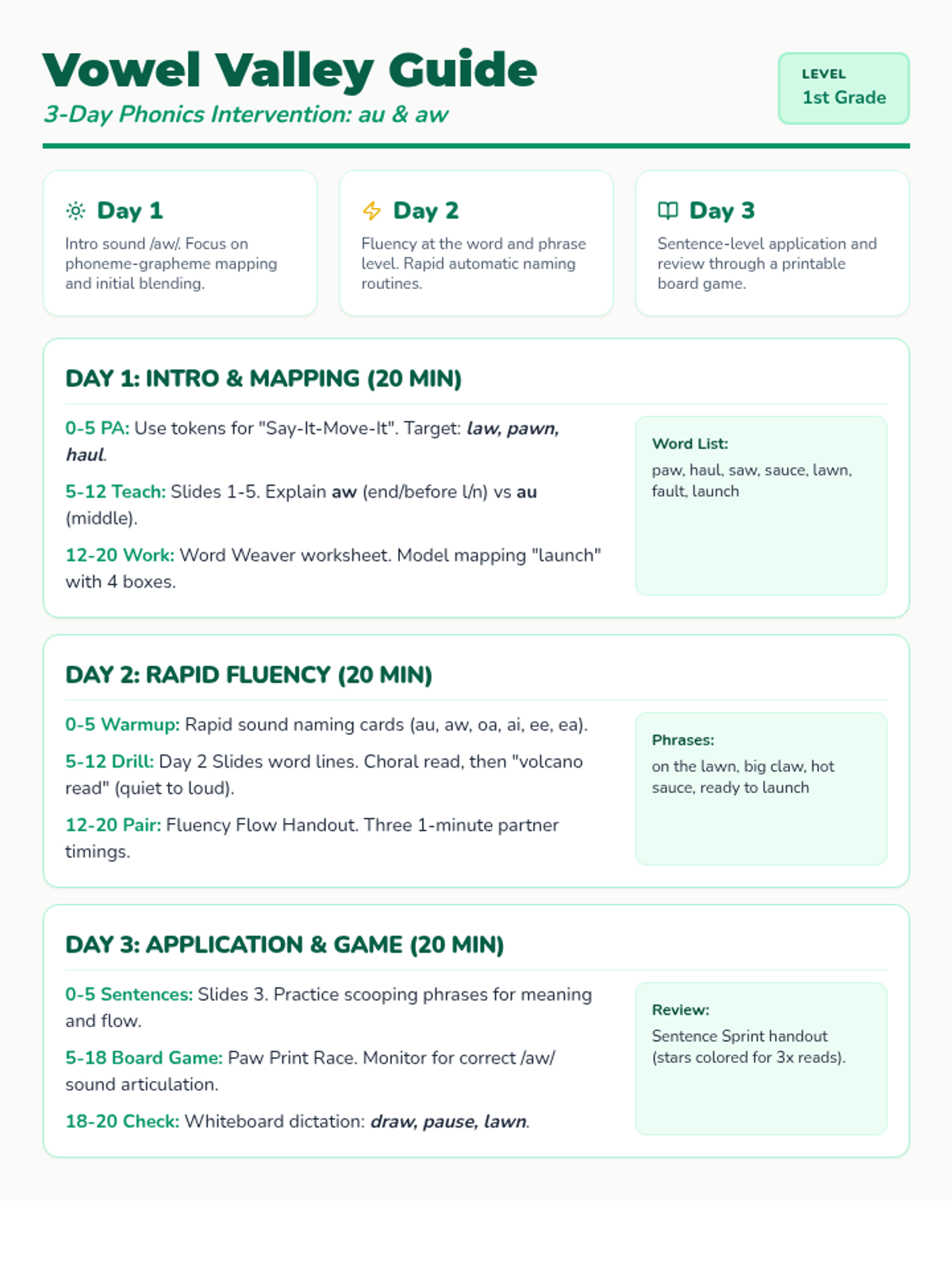
Applying 'au' and 'aw' knowledge to sentence reading and a collaborative board game review.
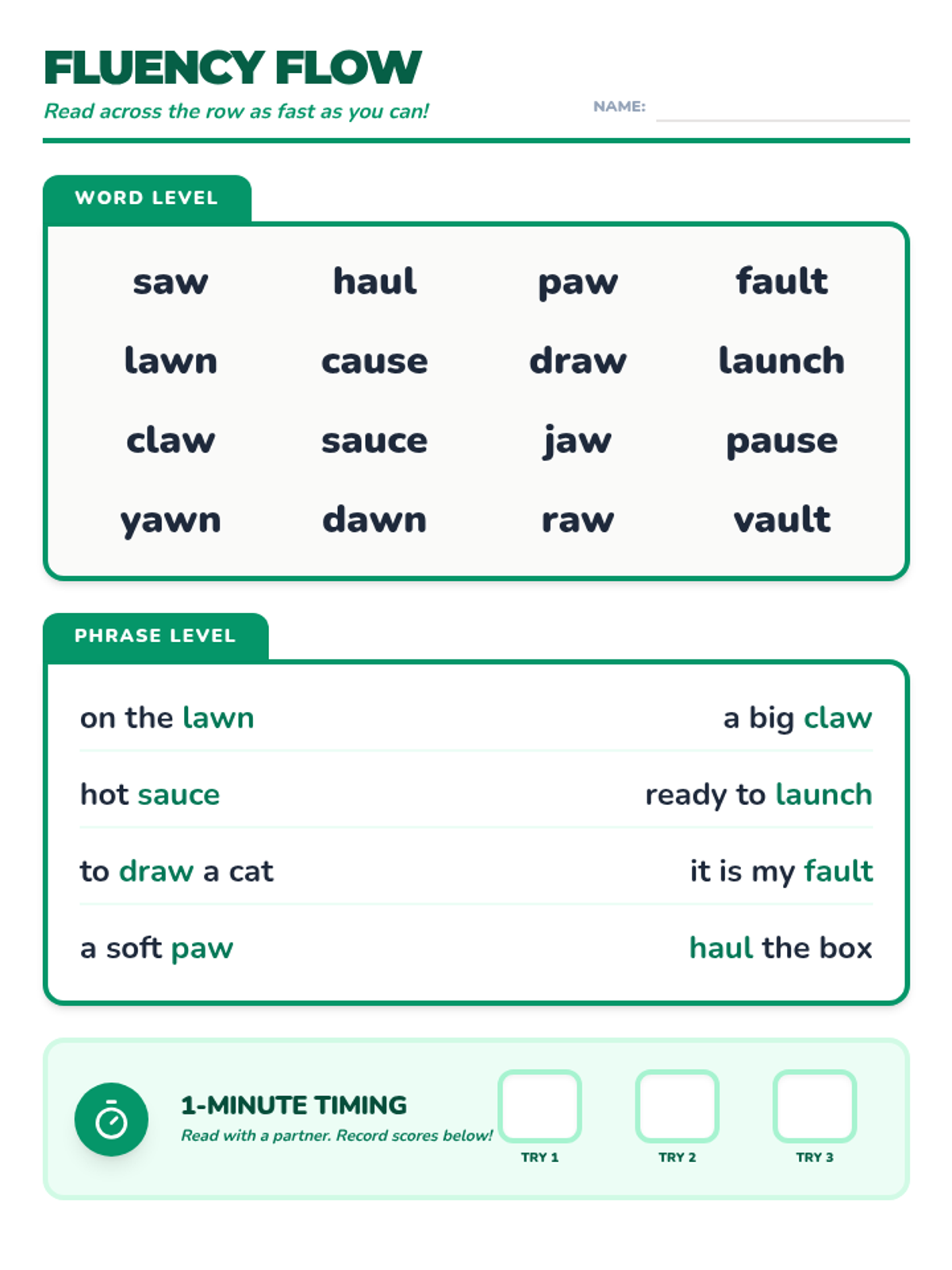
Building fluency with 'au' and 'aw' words and phrases through repetitive practice and blending routines.
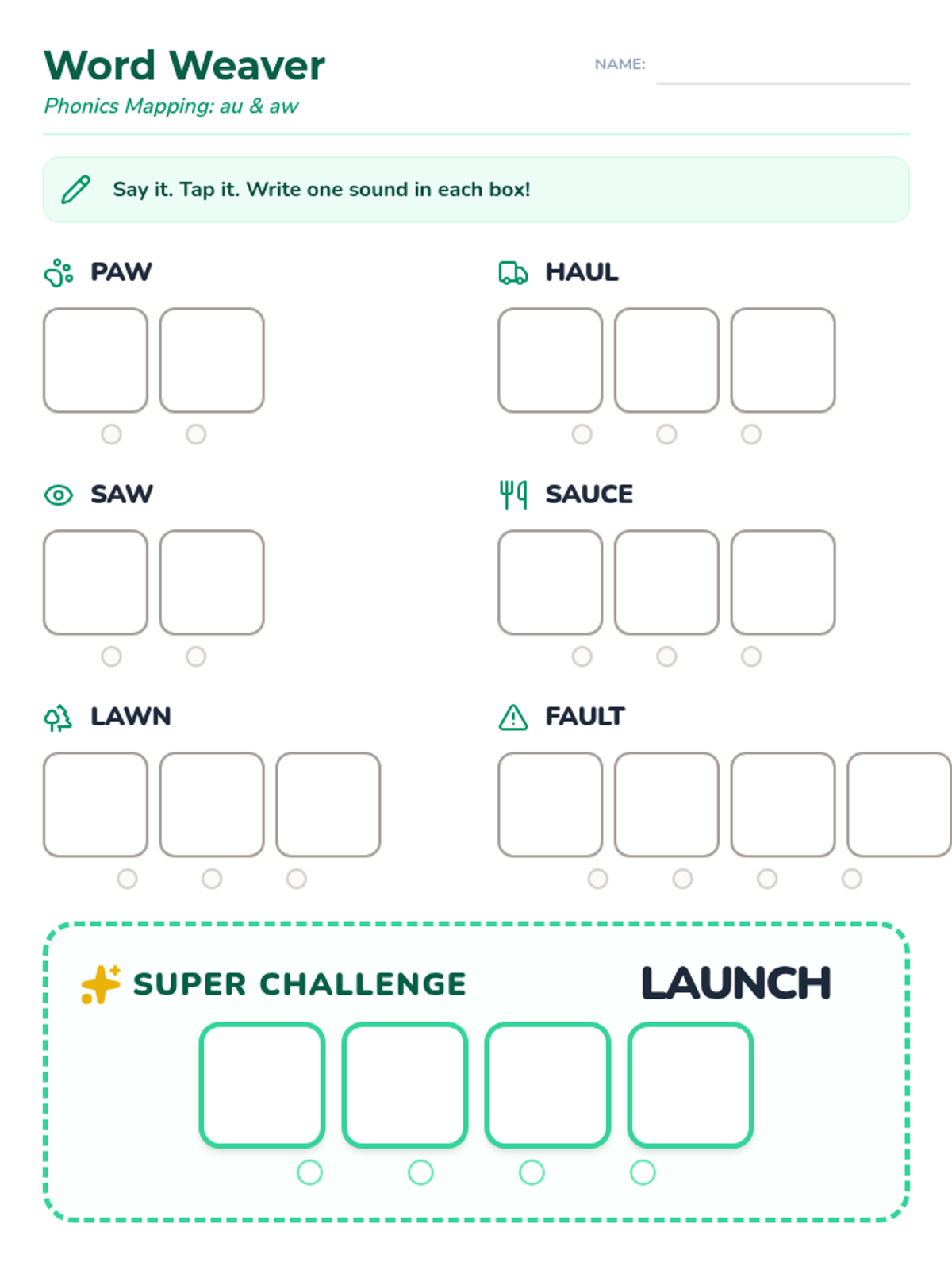
Introduction to the 'au' and 'aw' diphthongs, focusing on phoneme-grapheme mapping and initial word decoding.
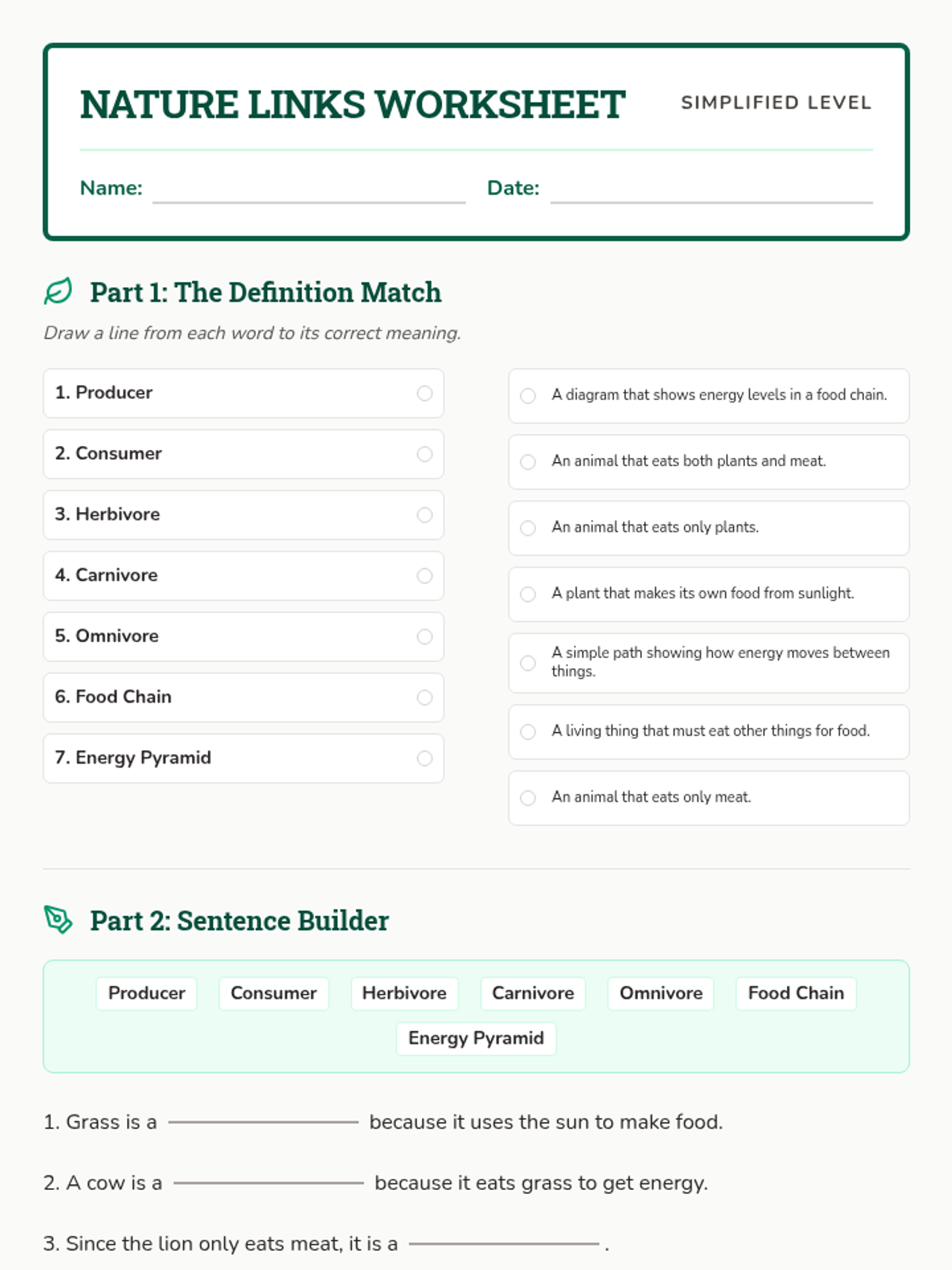
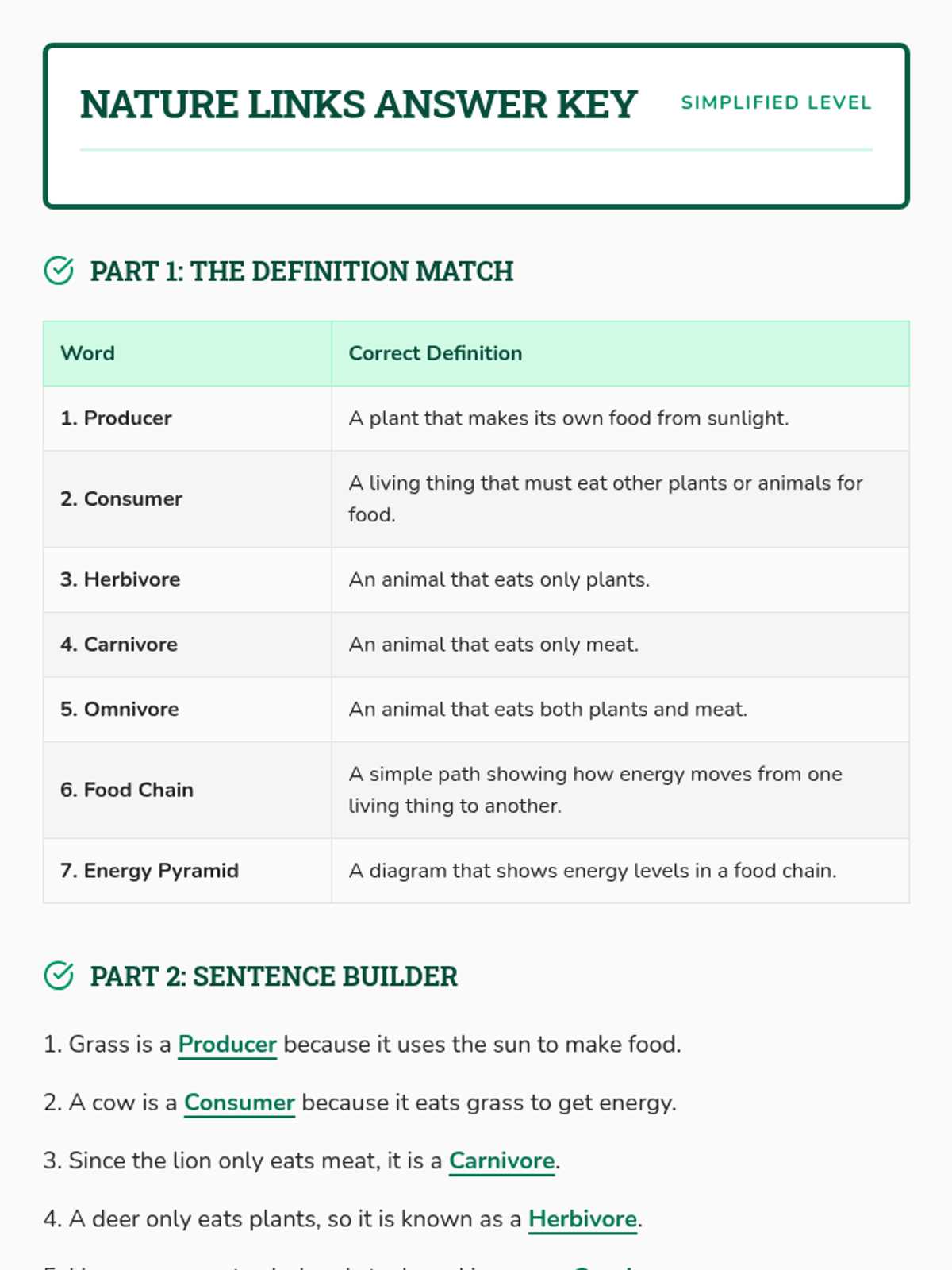
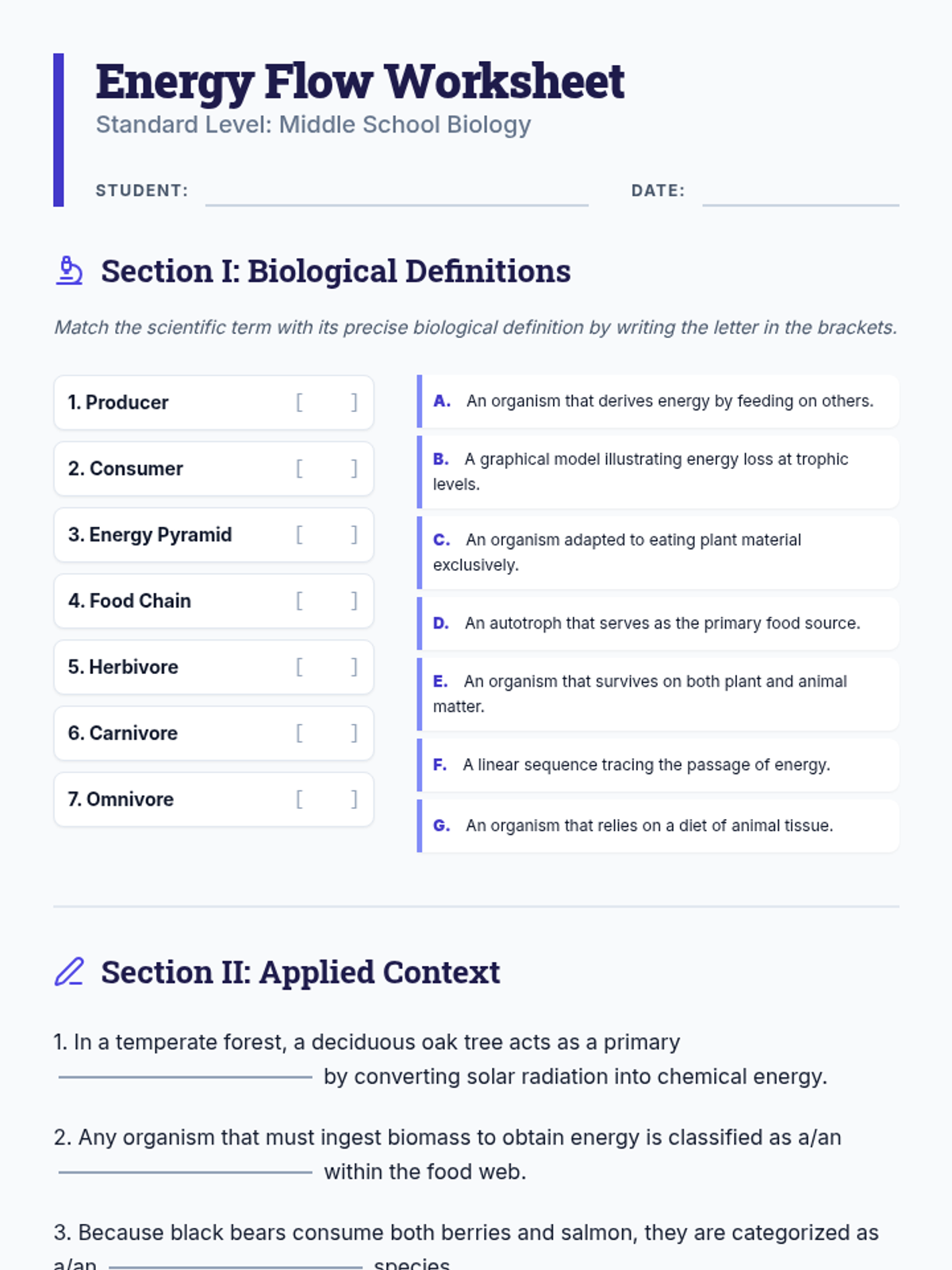
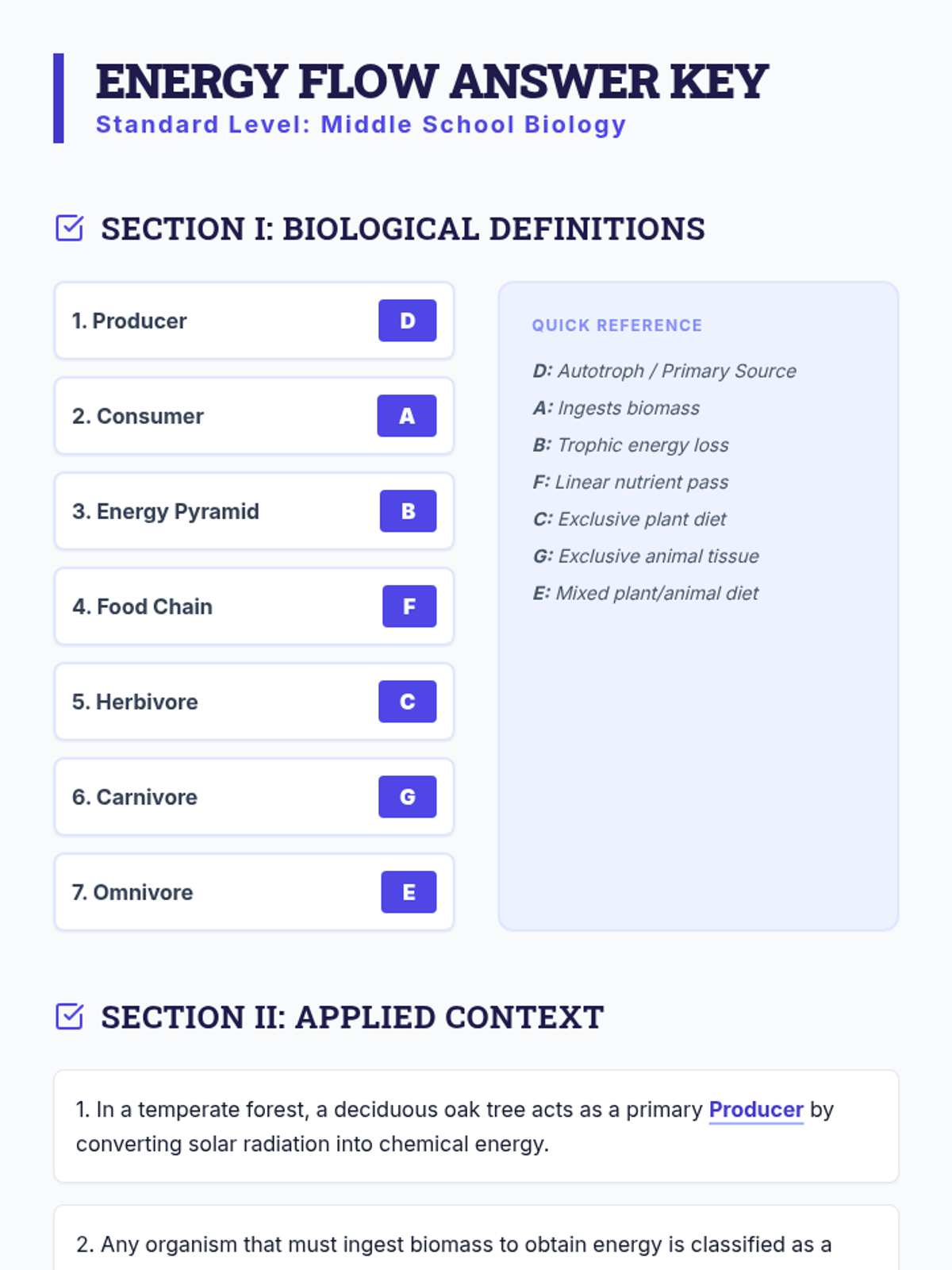
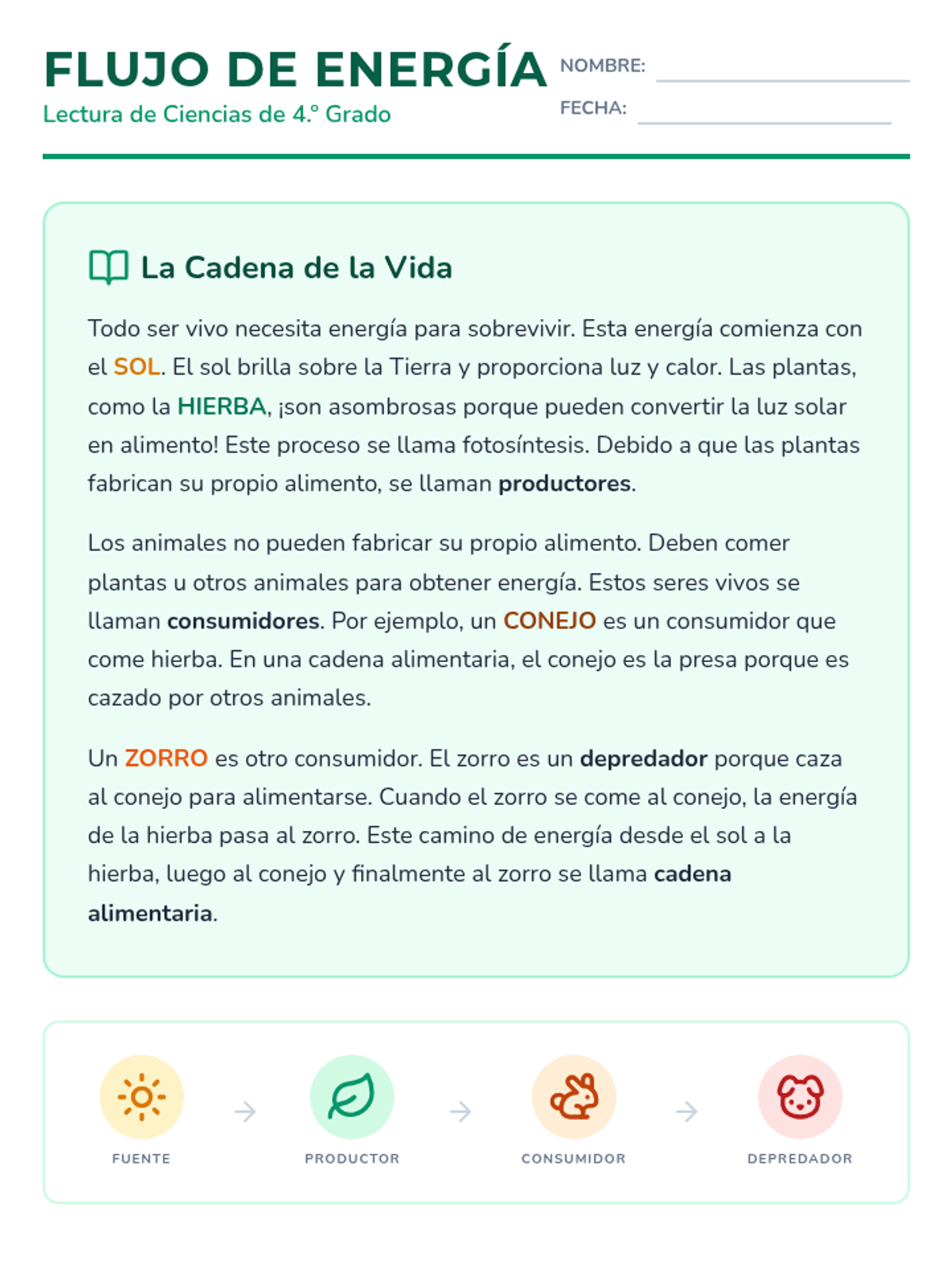
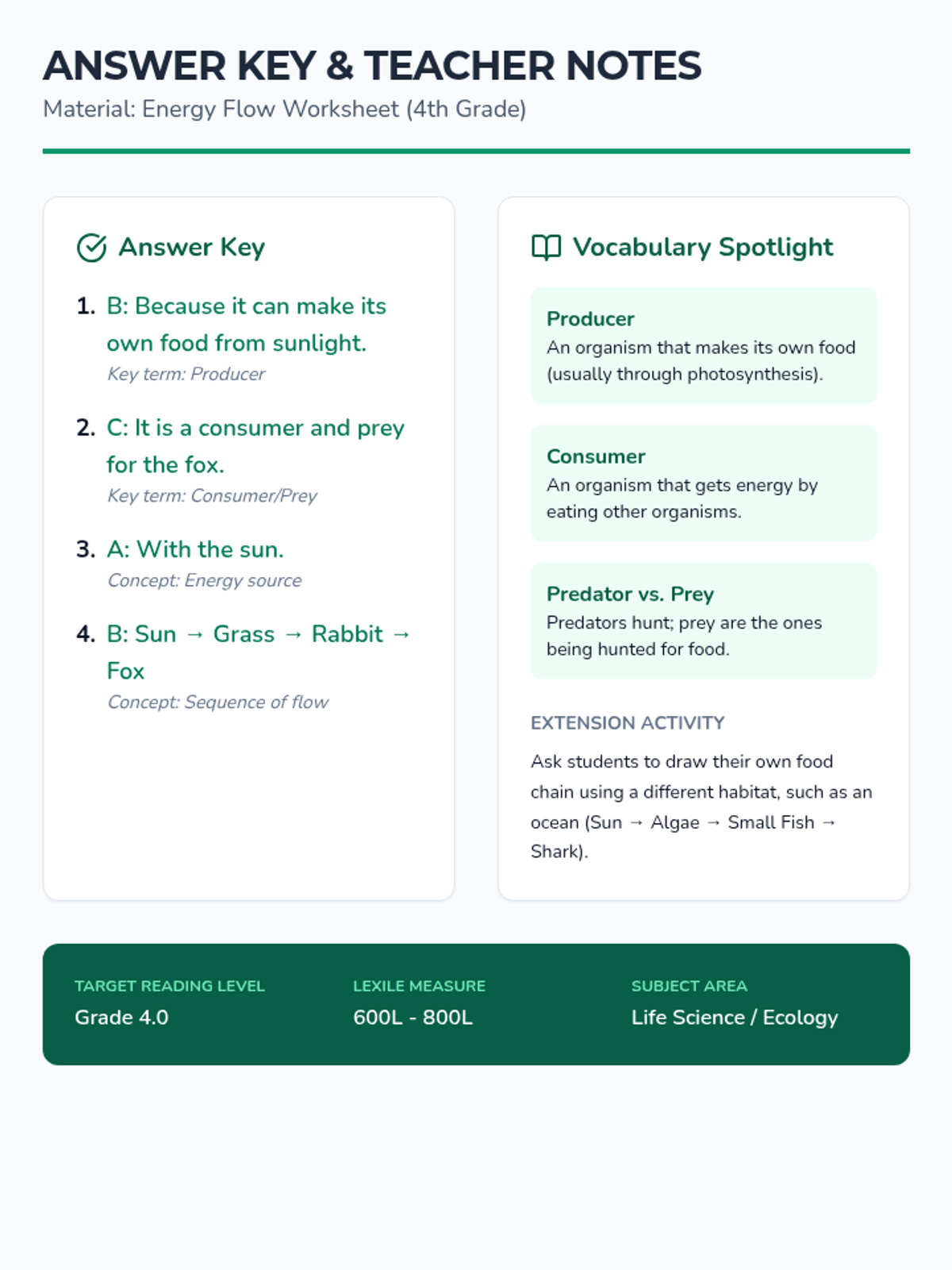
A lesson focusing on ecosystem vocabulary including producers, consumers, and energy flow through food chains and pyramids. Includes tiered materials for elementary and middle school levels.
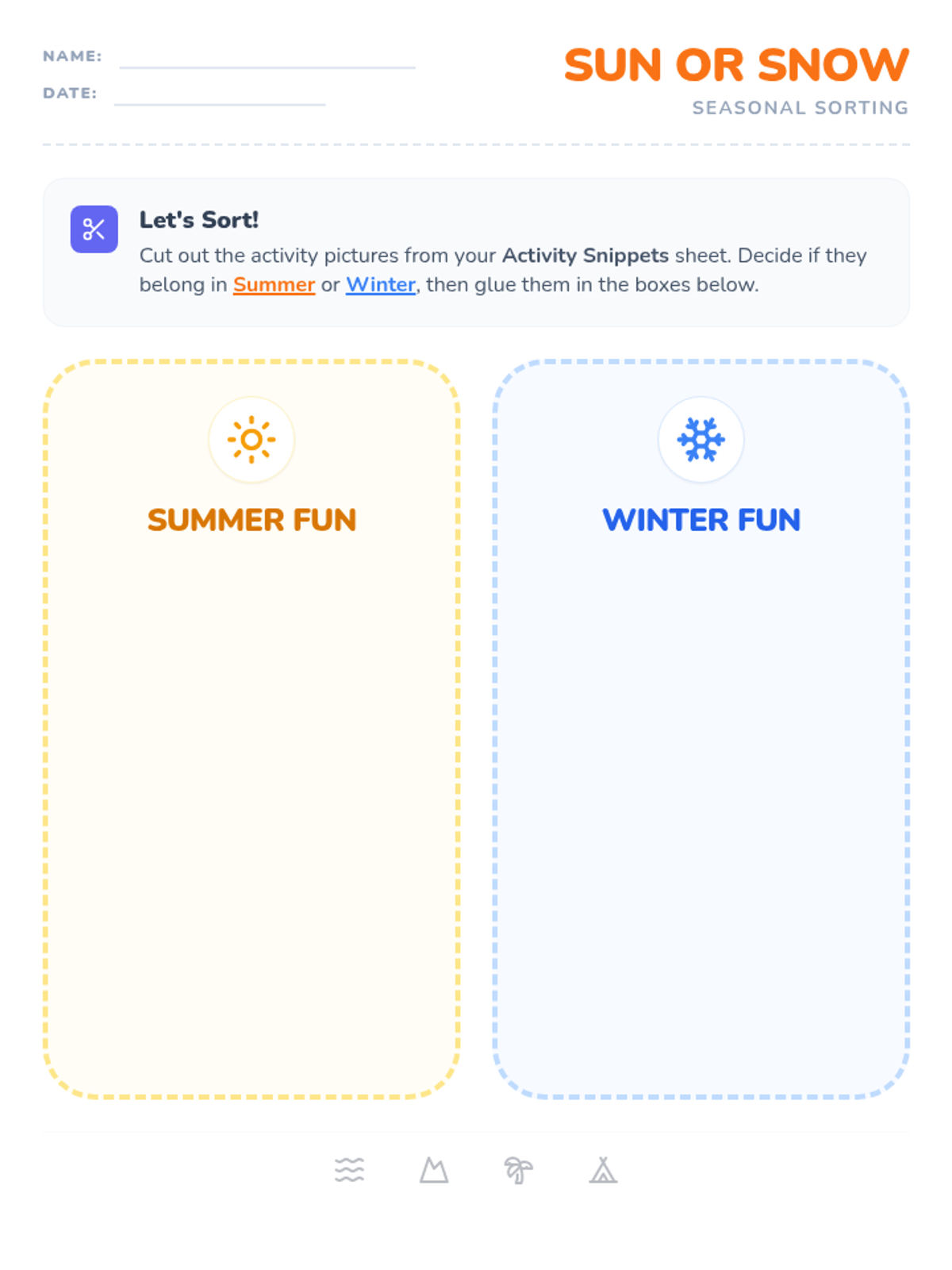
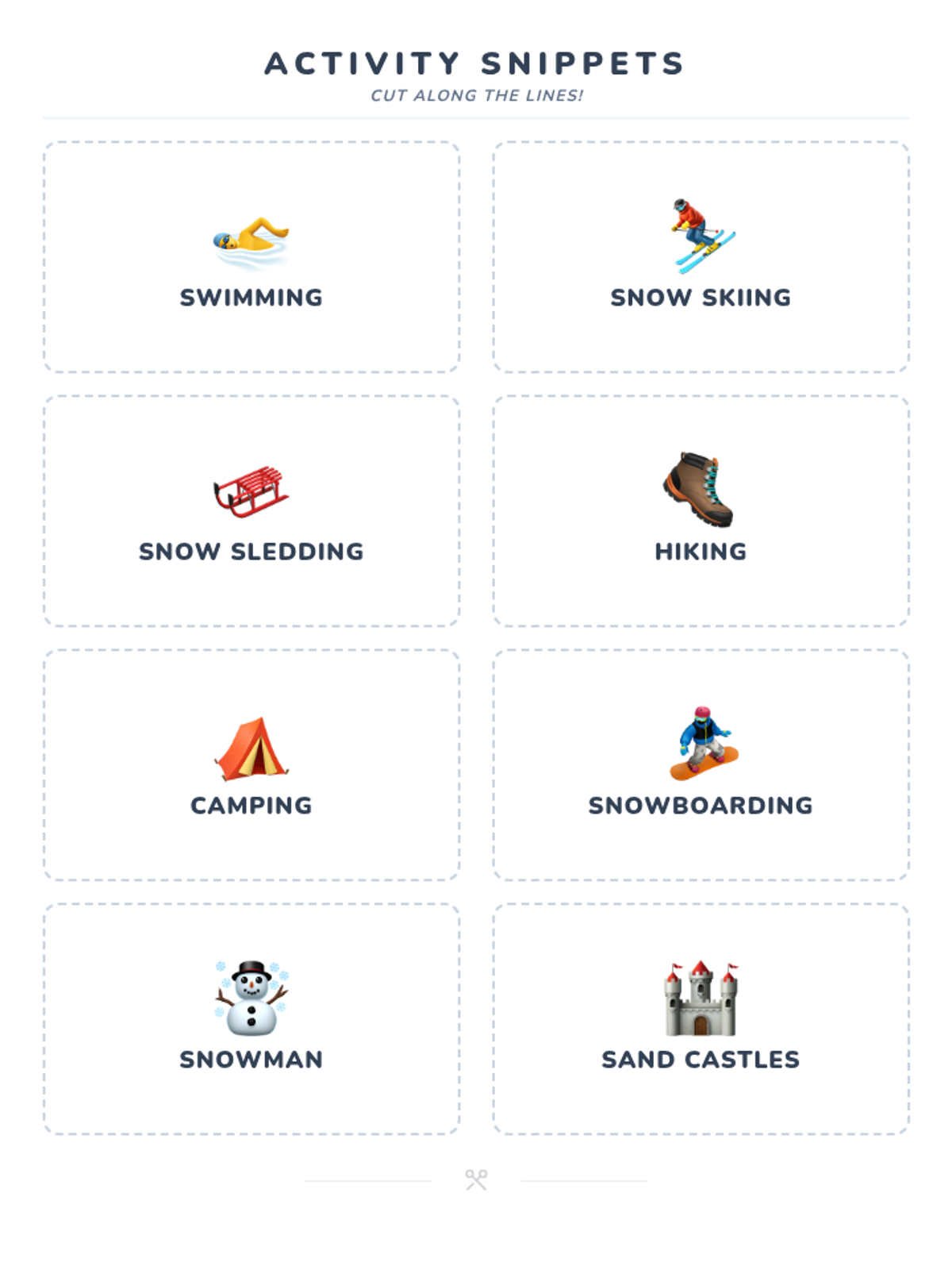
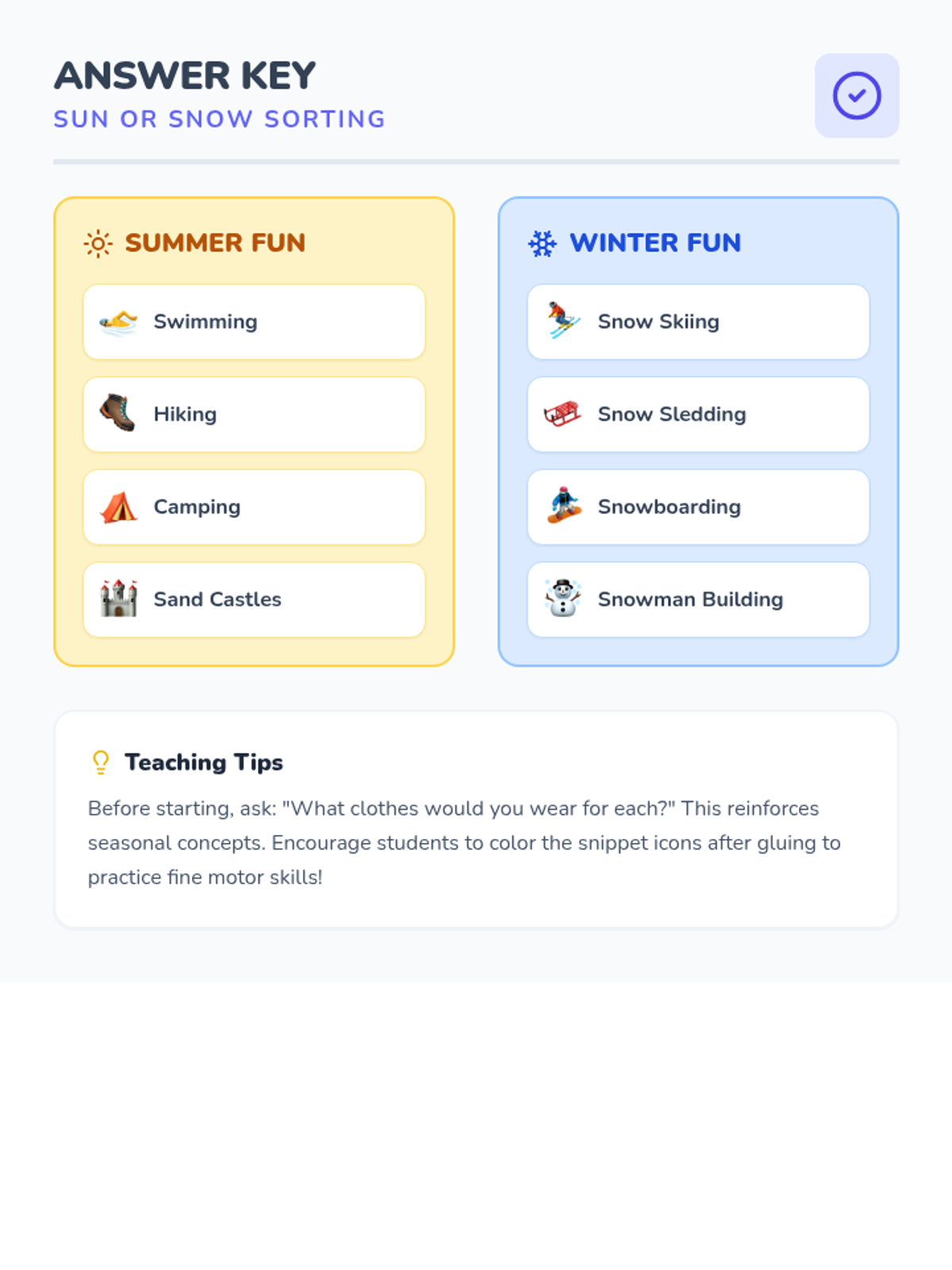
A hands-on categorization activity for kindergarteners to distinguish between summer and winter activities using cut-and-paste techniques.
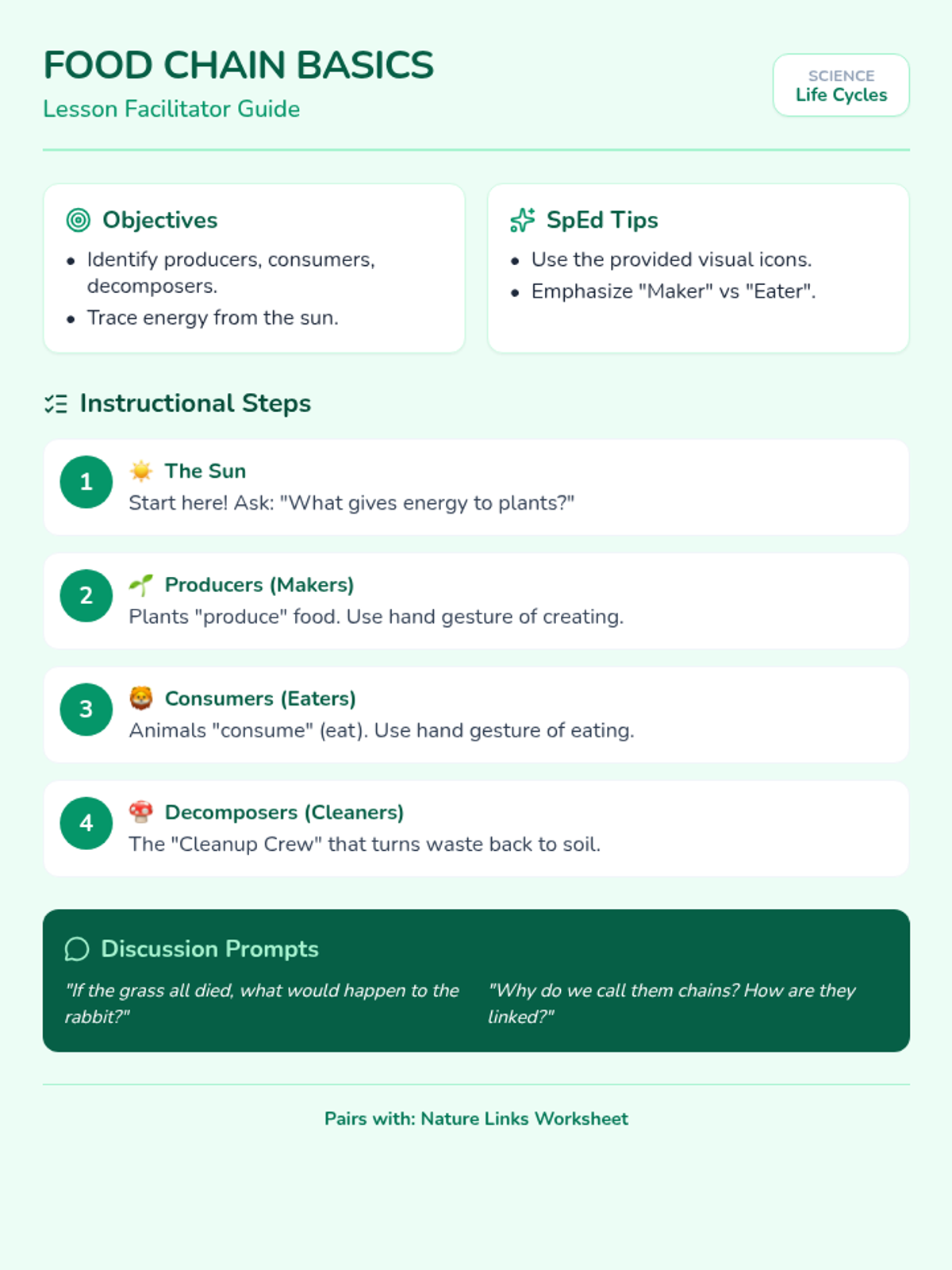
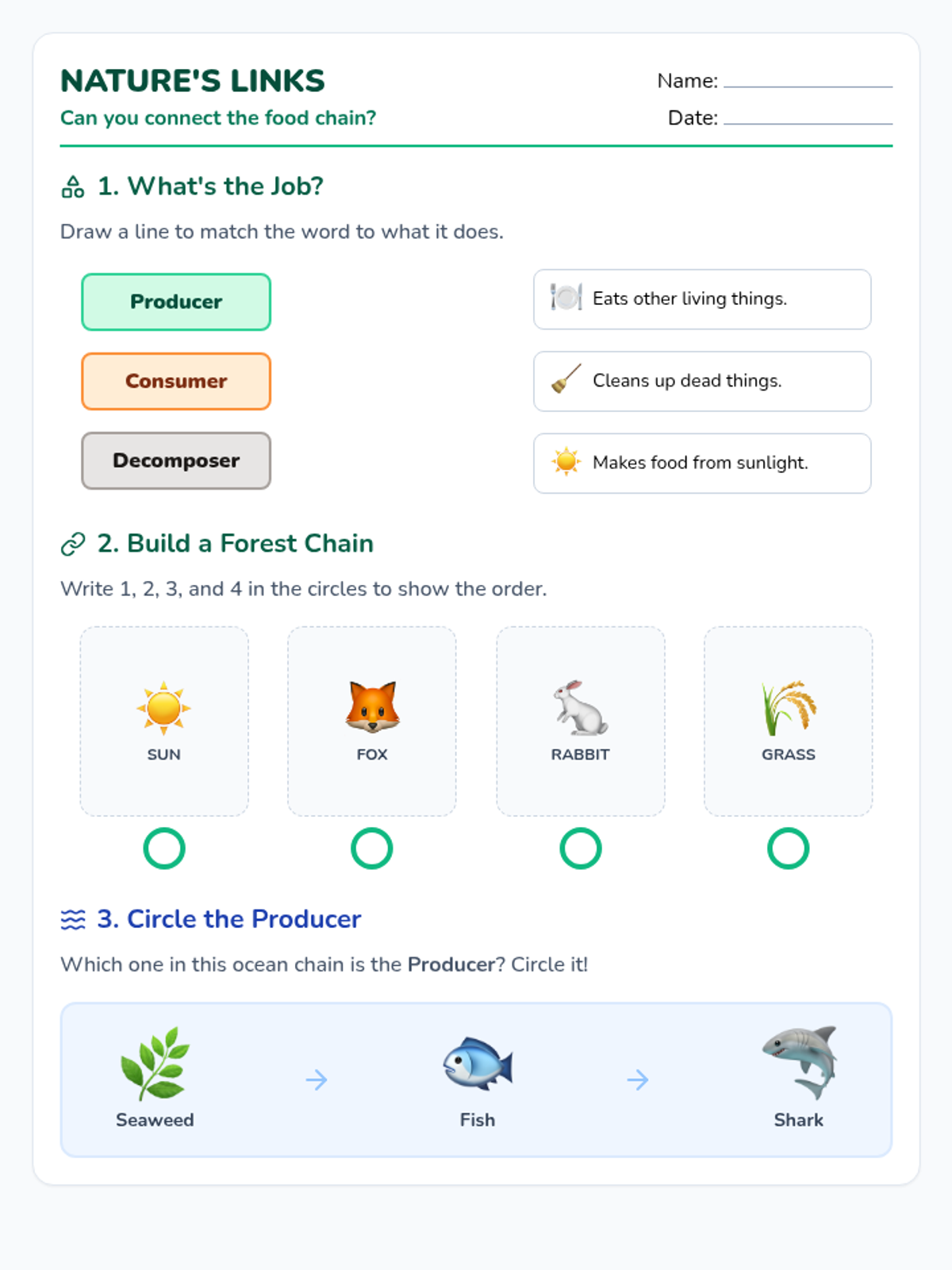
A foundational lesson on food chains across various ecosystems, specifically designed for special education students. Includes visual-heavy instruction on producers, consumers, and decomposers.
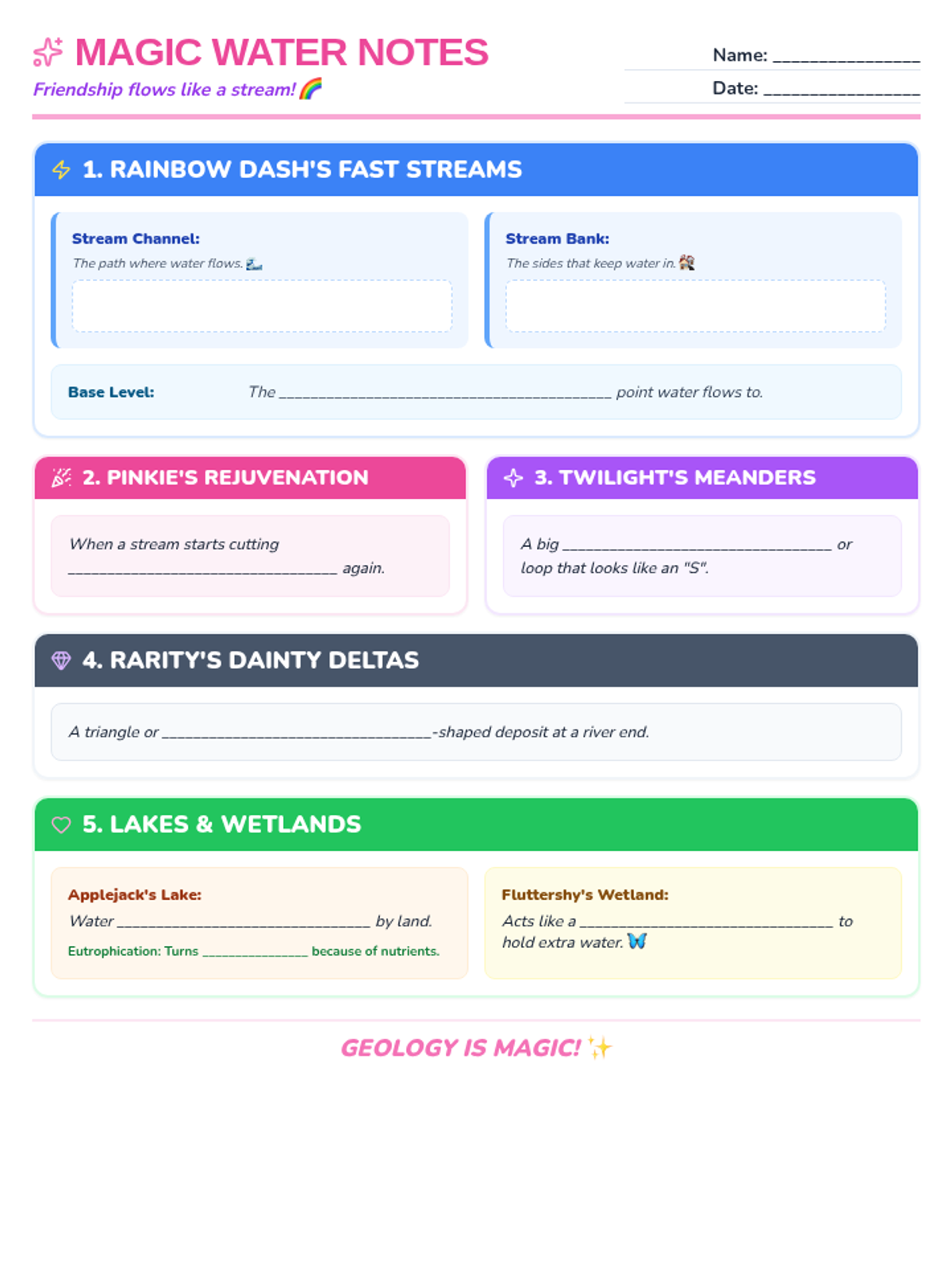
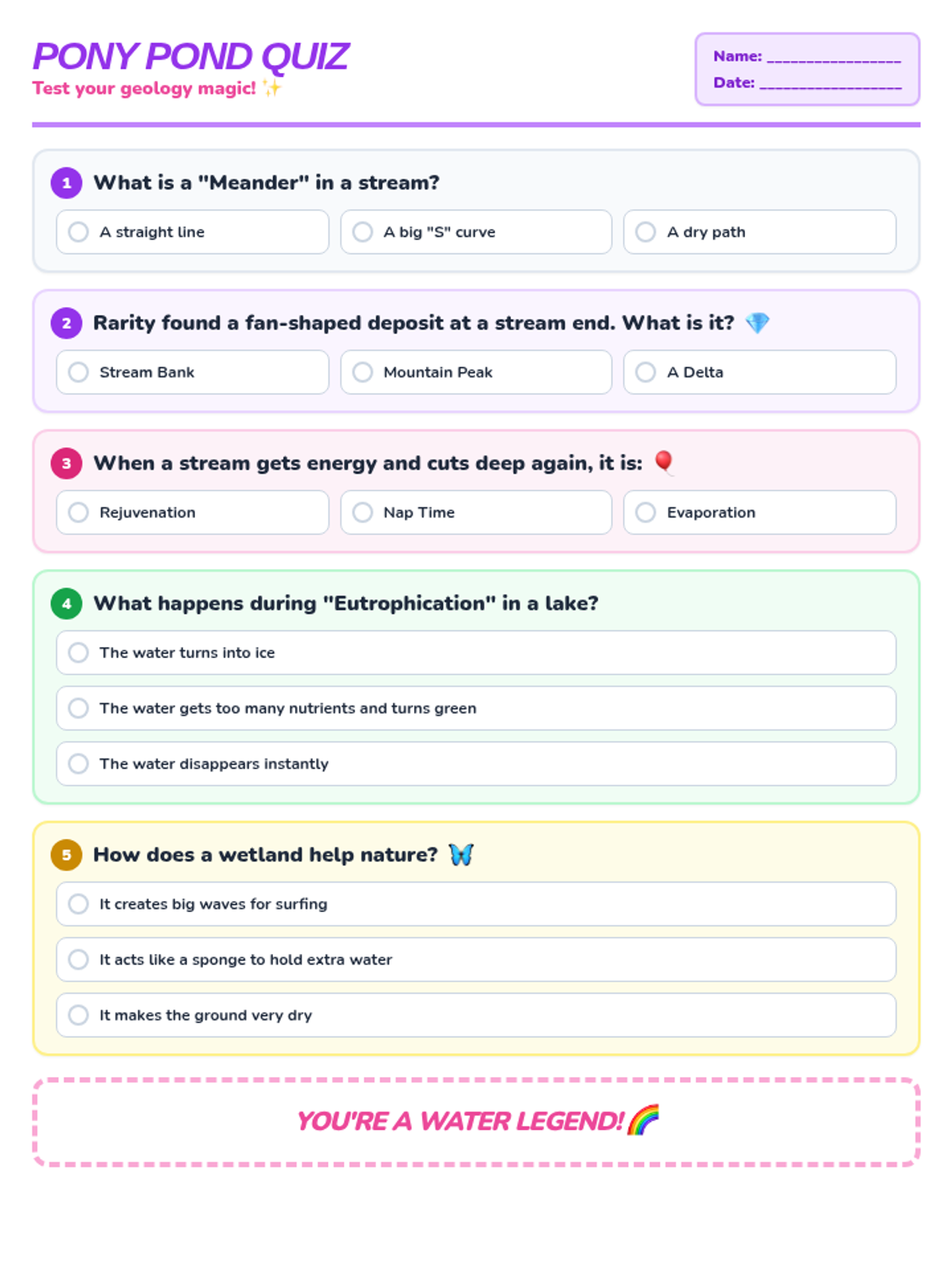
A lesson on surface water interactions with land, featuring My Little Pony characters to explain streams, lakes, and wetlands. Students learn key geological terms through simple bullet points and visual support.
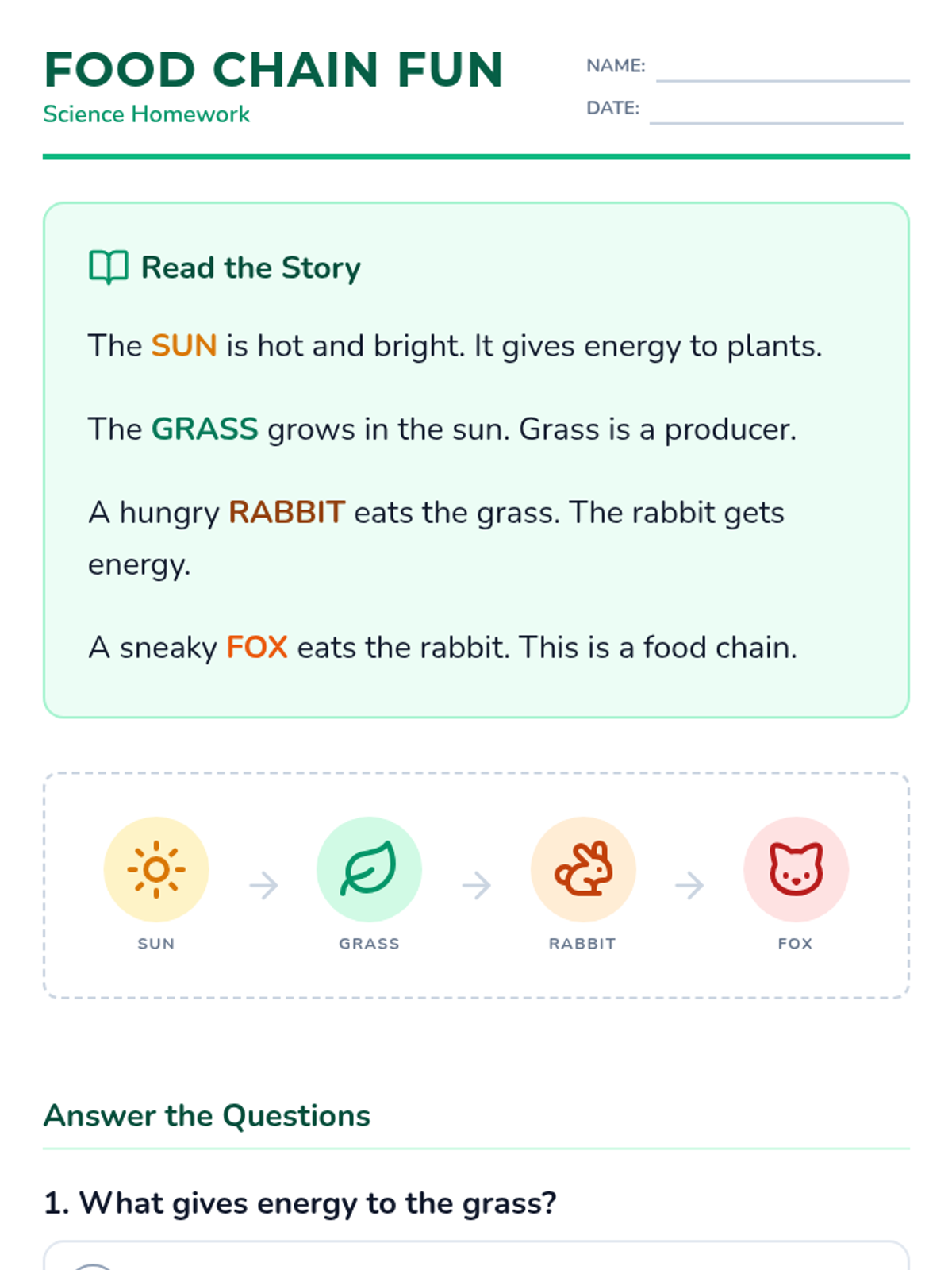
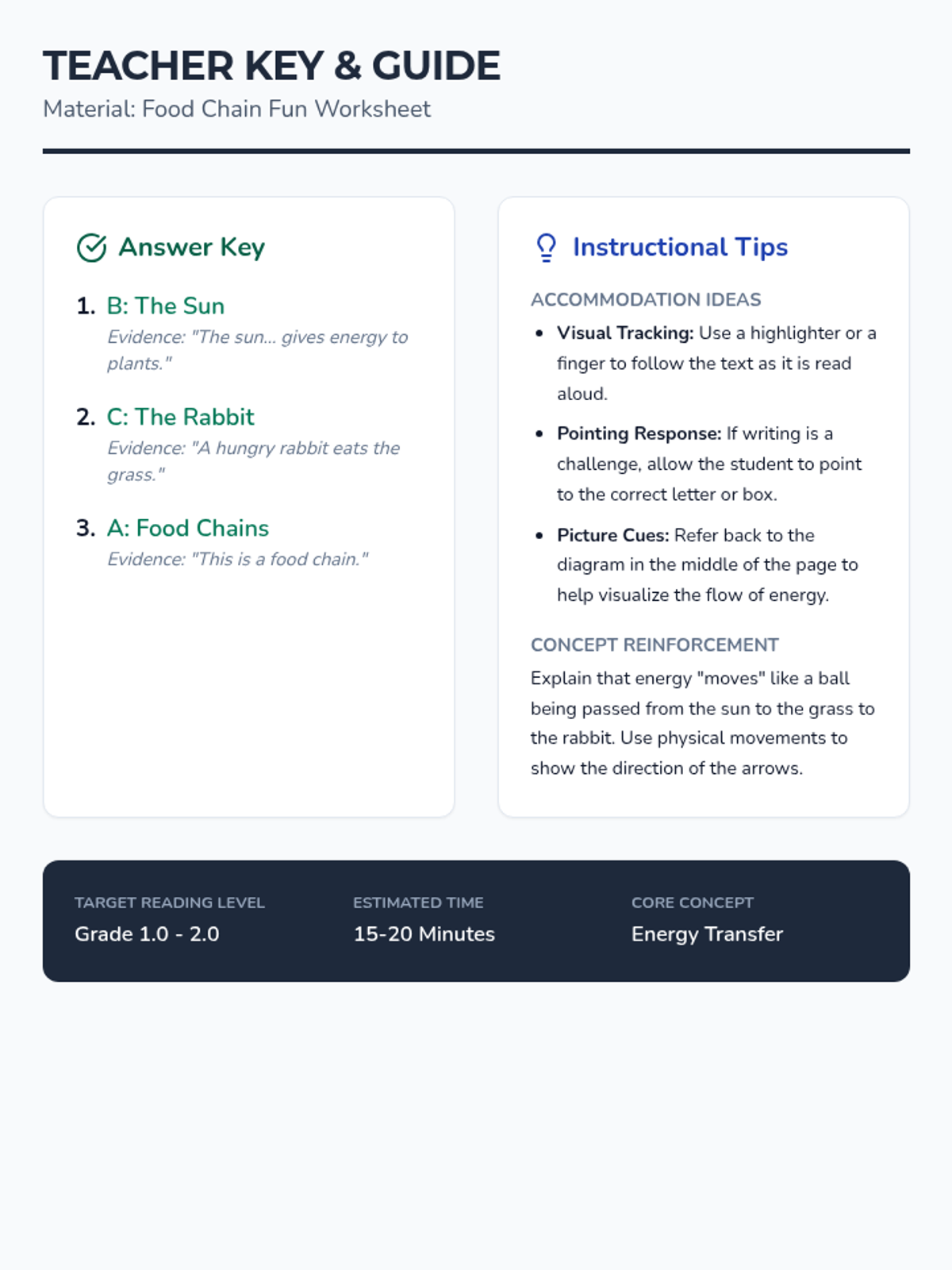
A simplified science lesson on food chains designed for 8th-grade students with severe disabilities, focusing on basic energy flow from sun to predator.
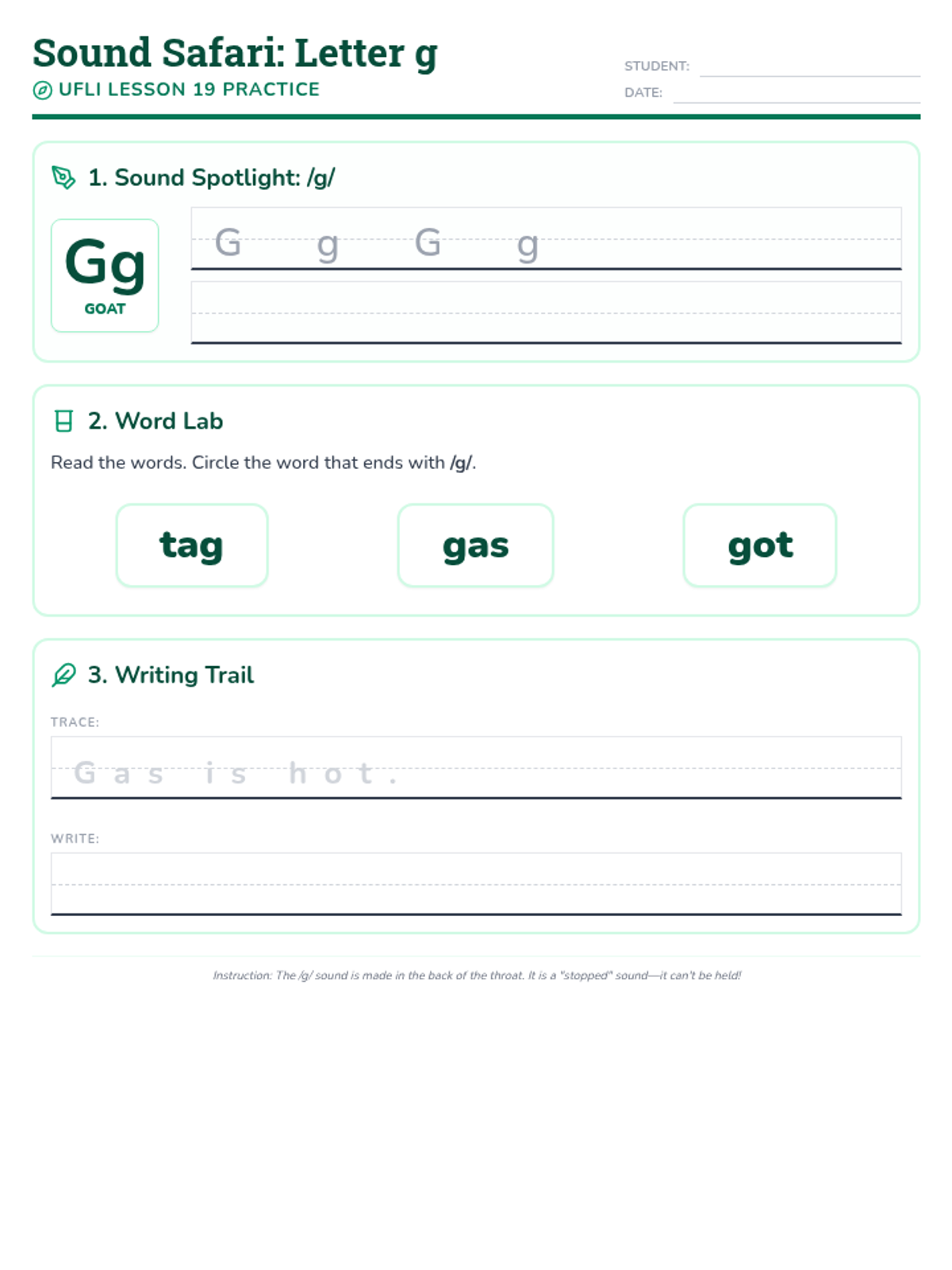
Introducing the letter 'g' and the /g/ sound. Students practice words like 'gas', 'gap', and 'tag'.
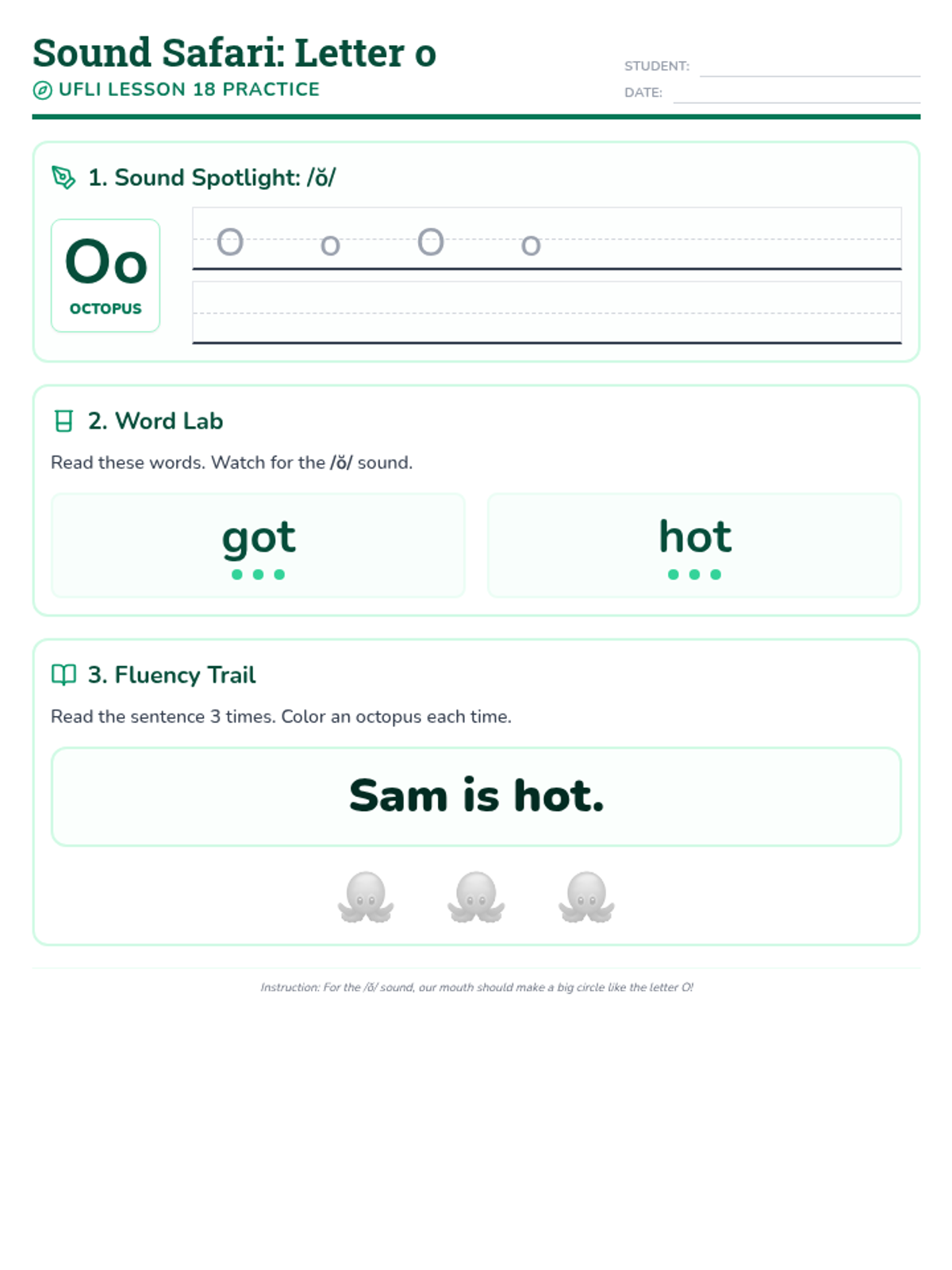
Introducing the letter 'o' and the short /o/ sound. Blending practice with 'got', 'hot', and 'mom'.
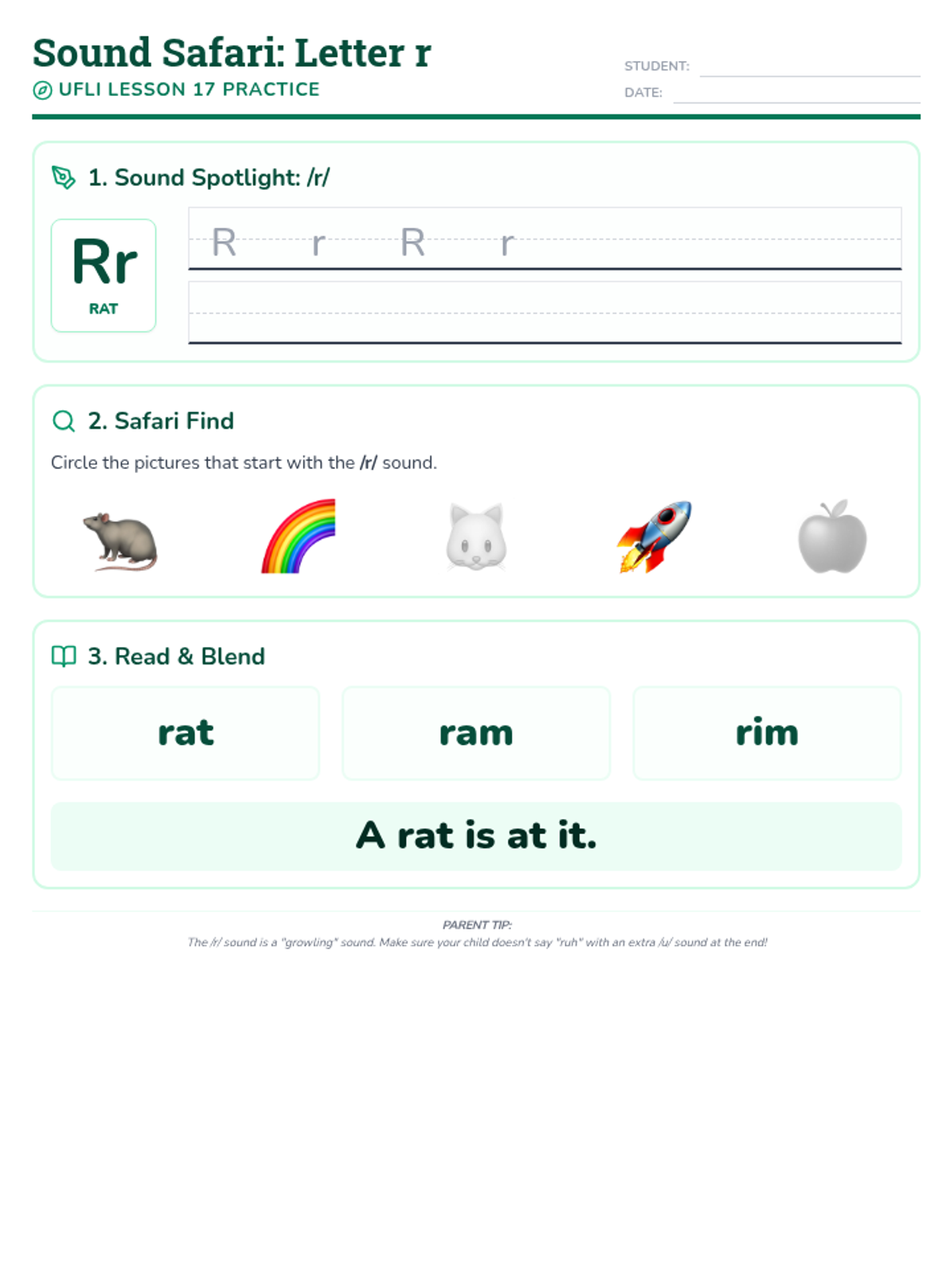
Introducing the letter 'r' and the /r/ sound. Students read and write words like 'rat', 'ram', and 'rid'.
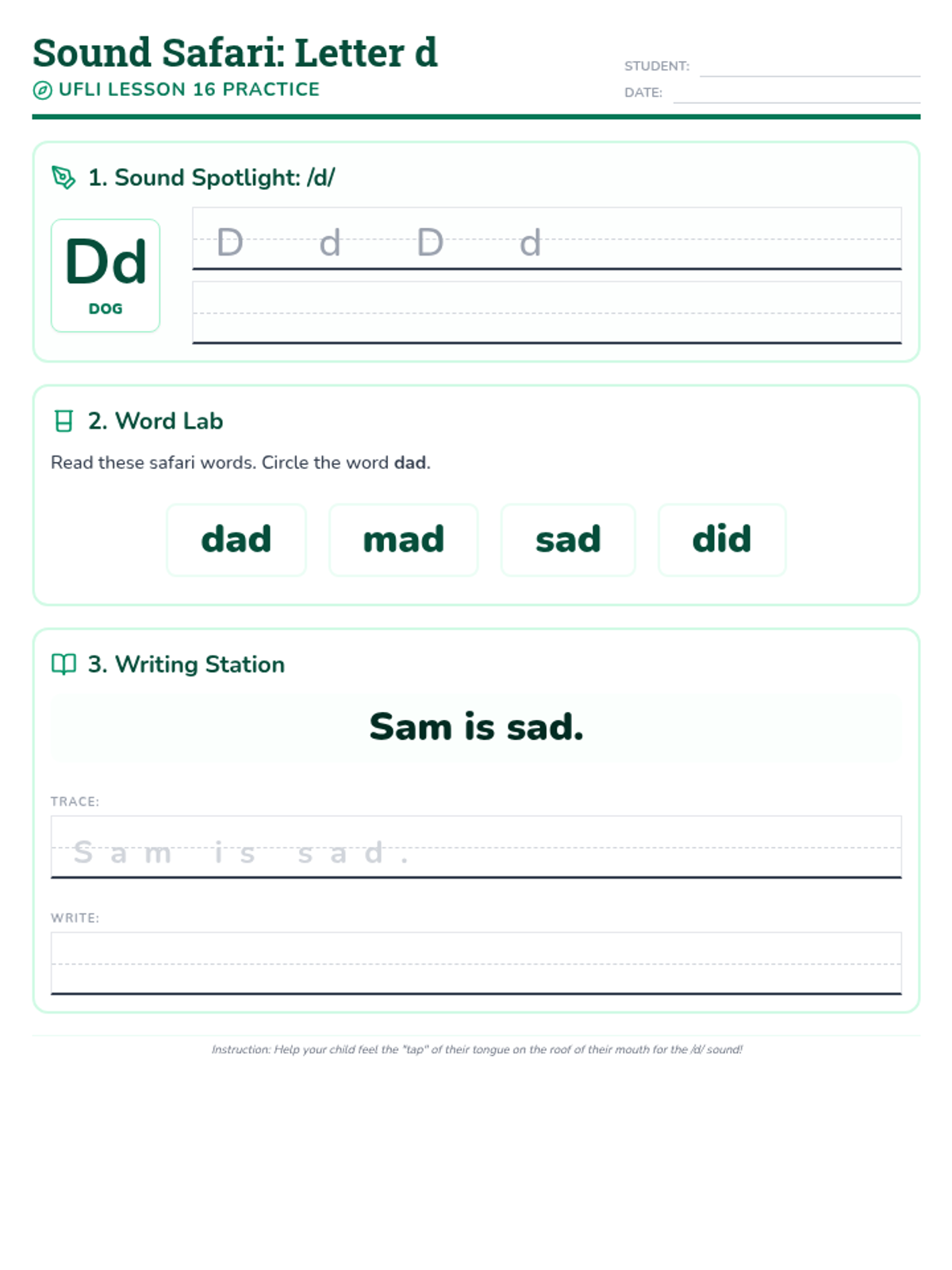
Introducing the letter 'd' and the /d/ sound. Practice includes 'dad', 'mad', and 'sad'.
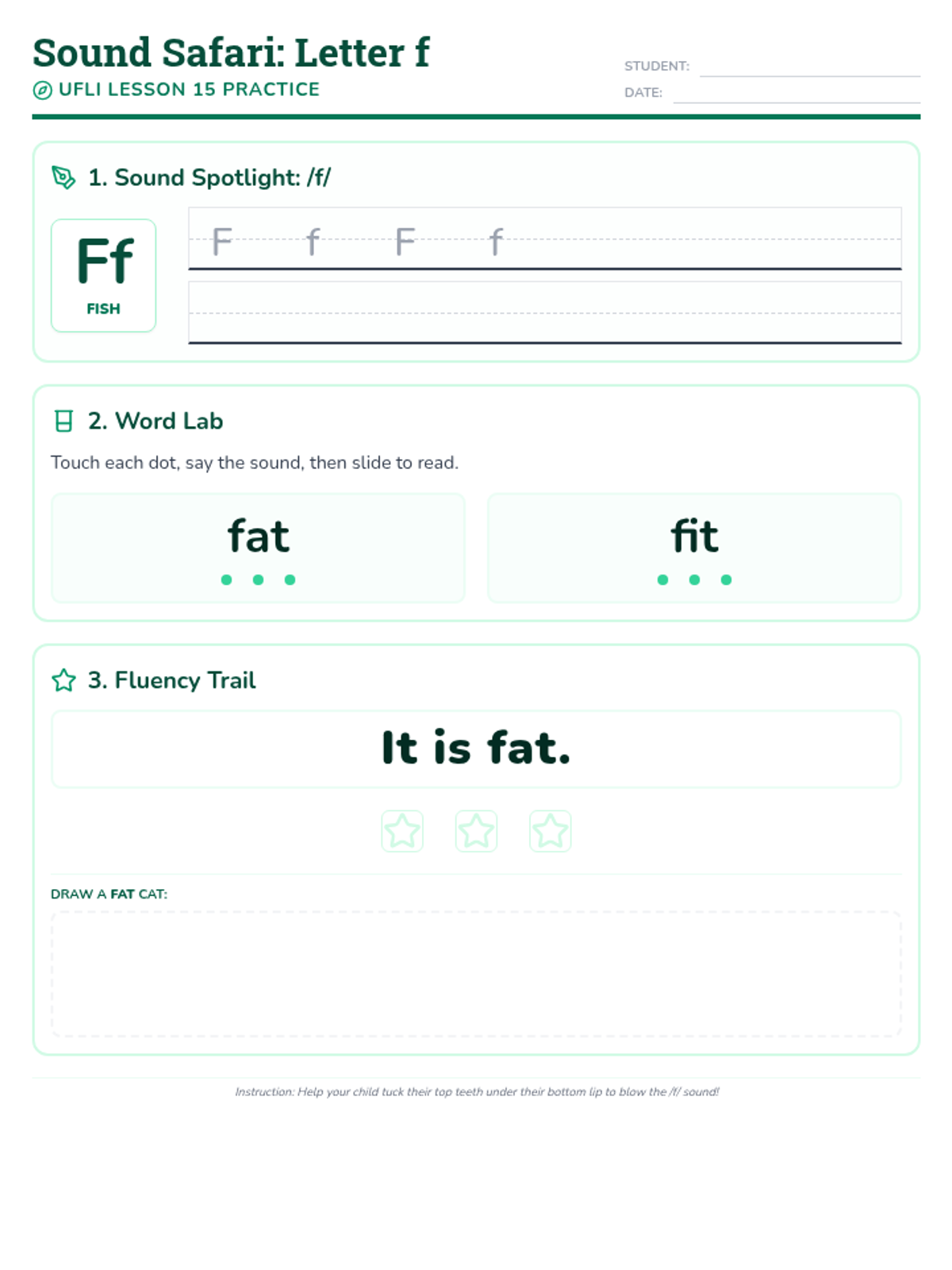
Introducing the letter 'f' and the /f/ sound. Students practice blending 'fat', 'fit', and 'if'.
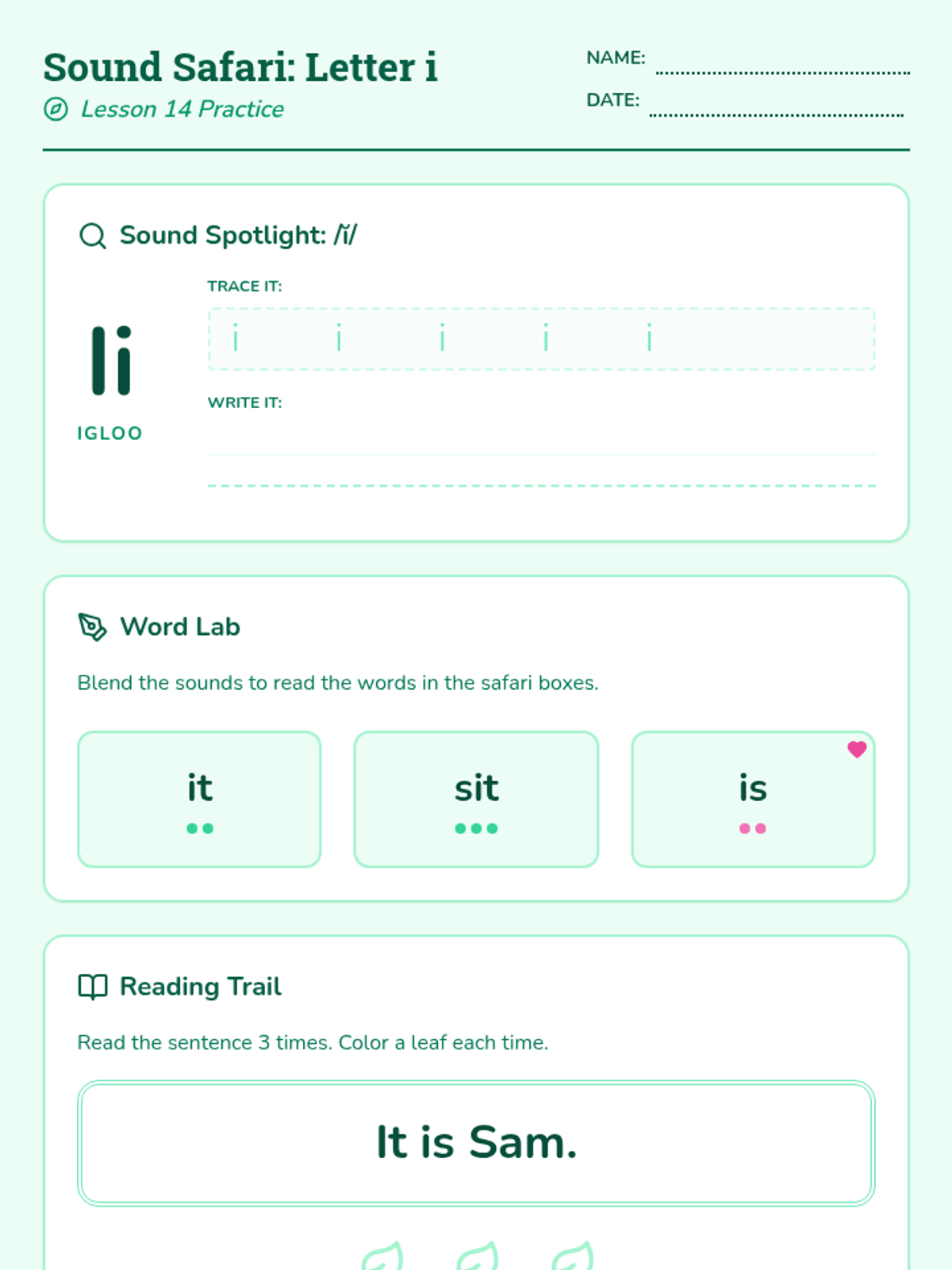
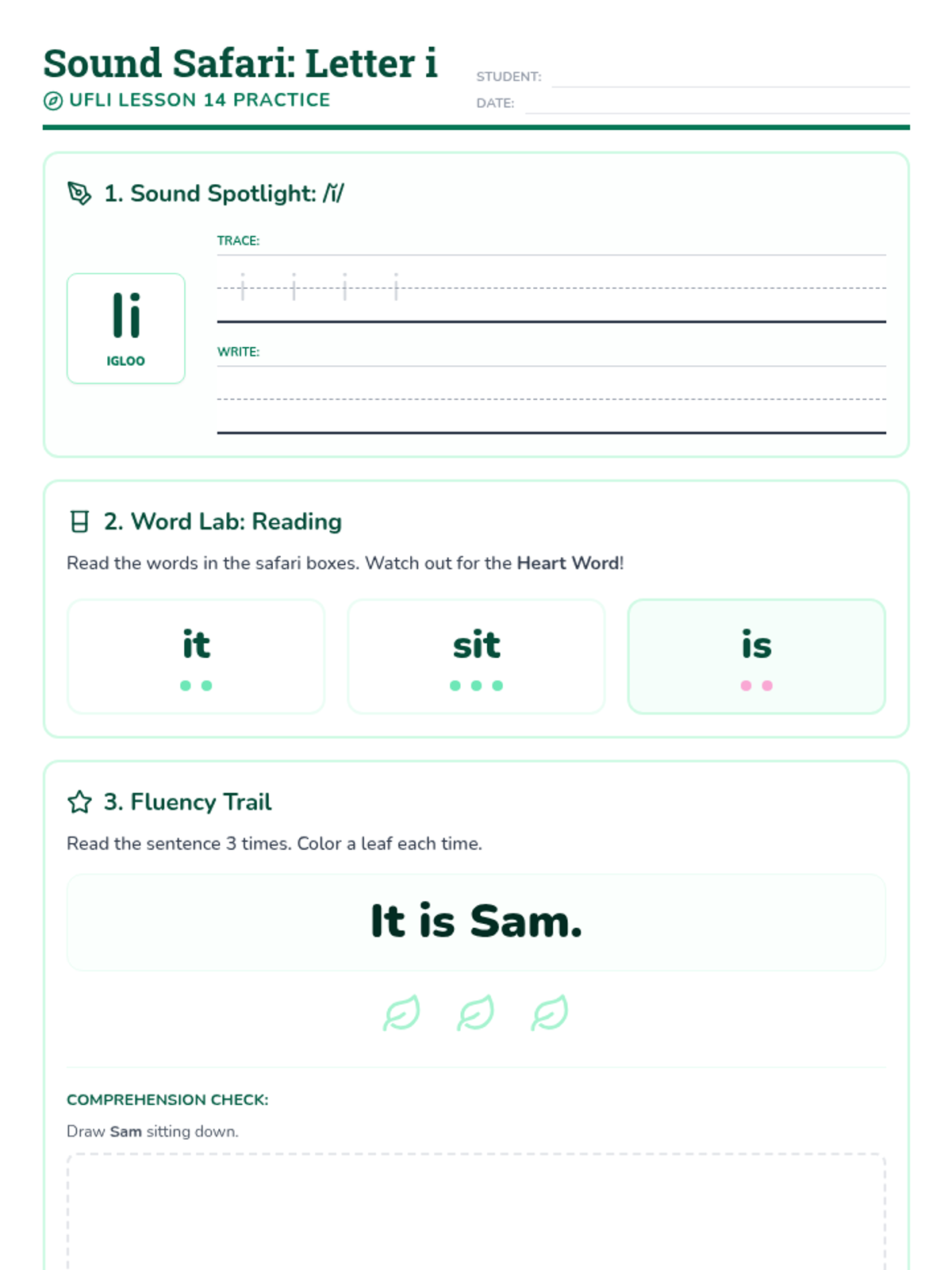
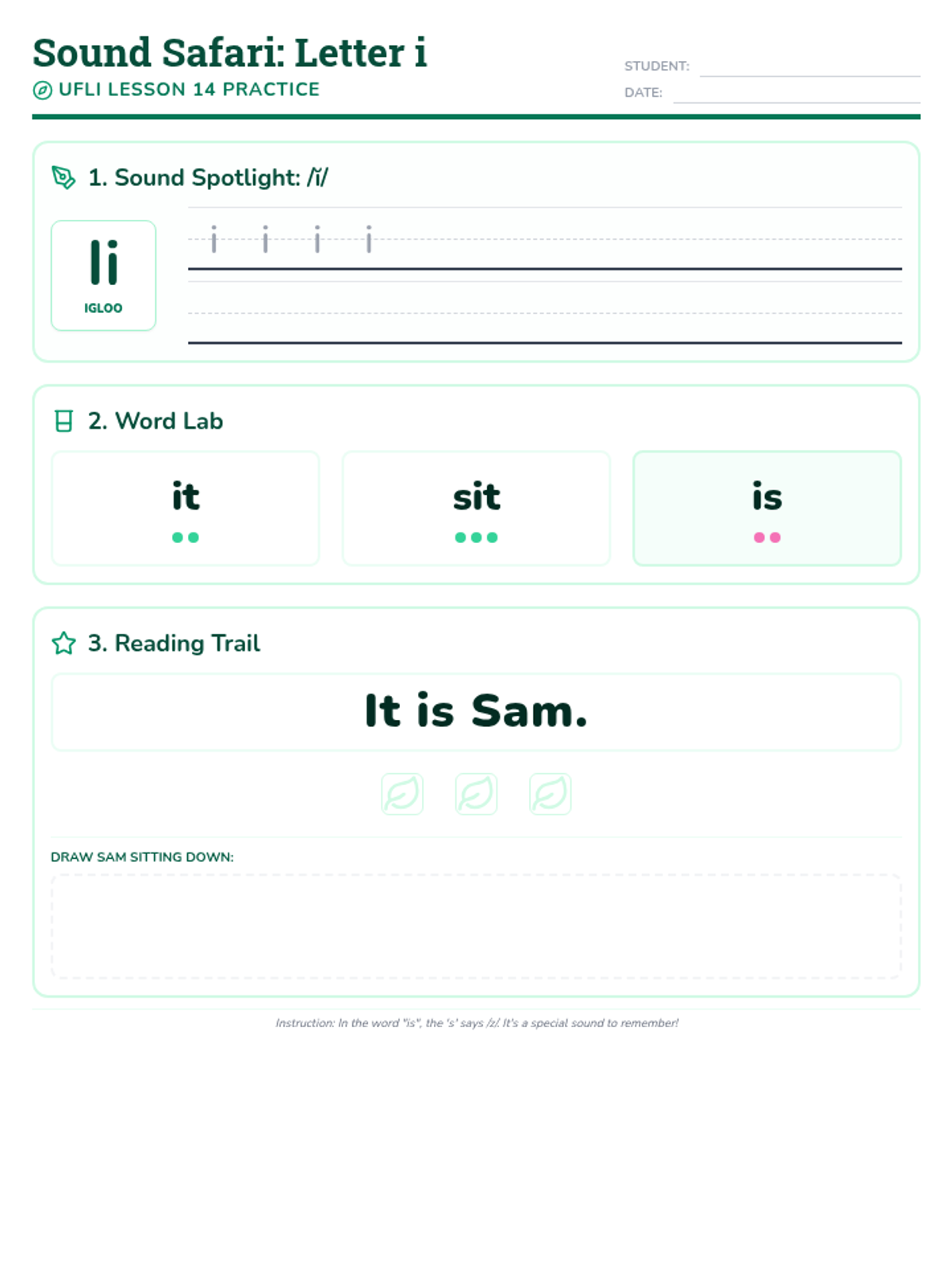
Introducing the letter 'i' and the short /i/ sound. Students read and write words like 'it', 'sit', and 'is'.
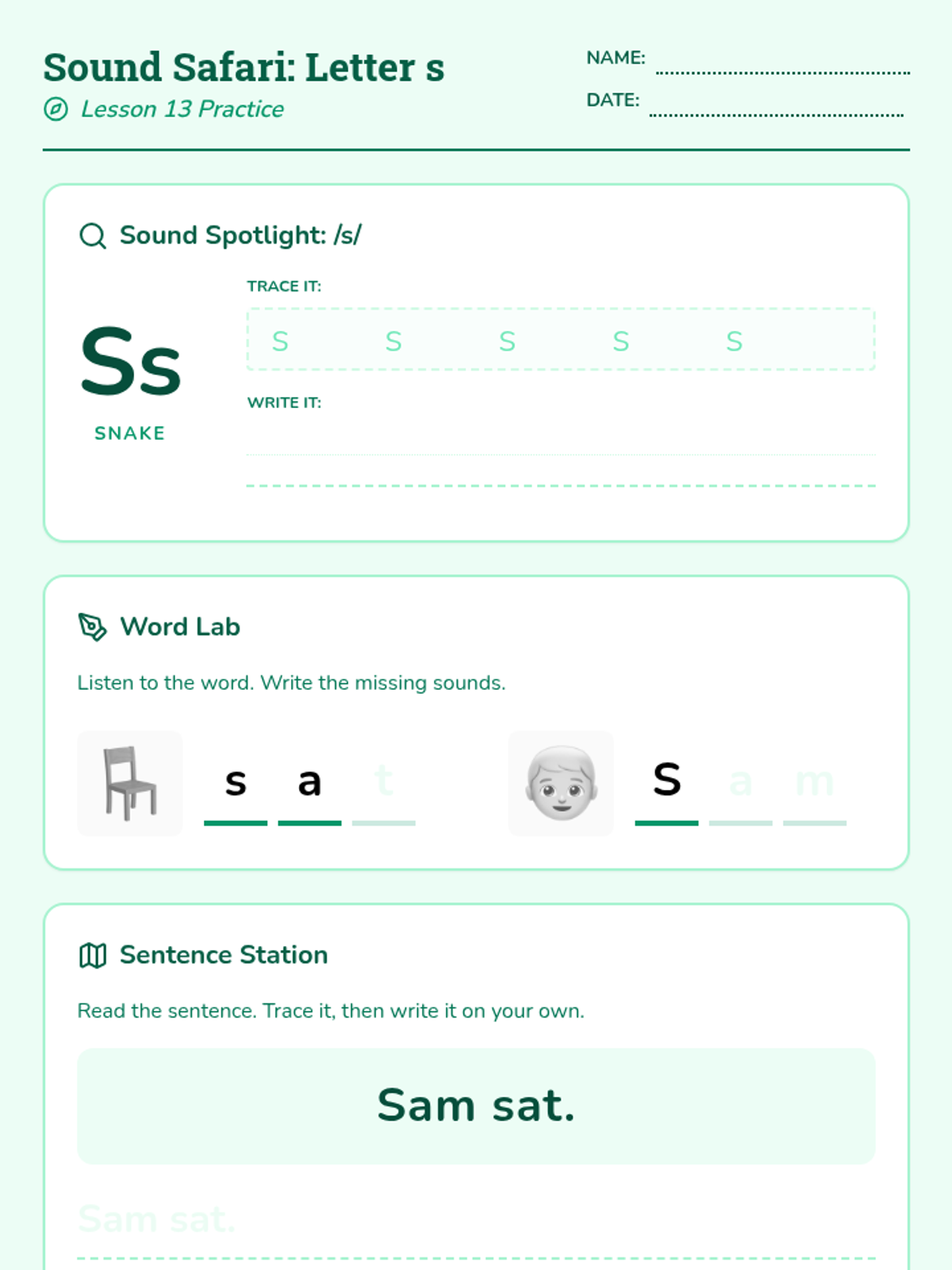
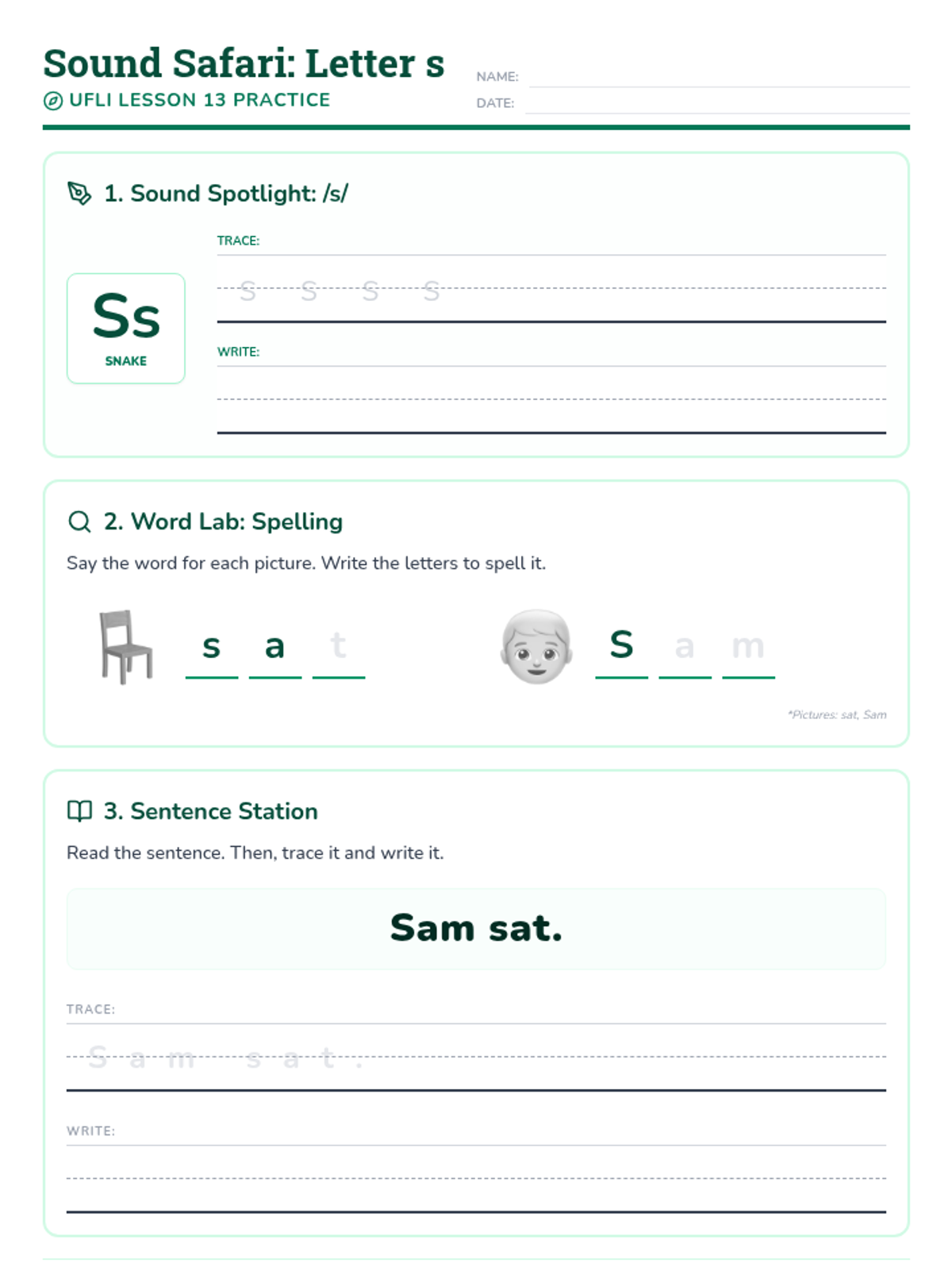
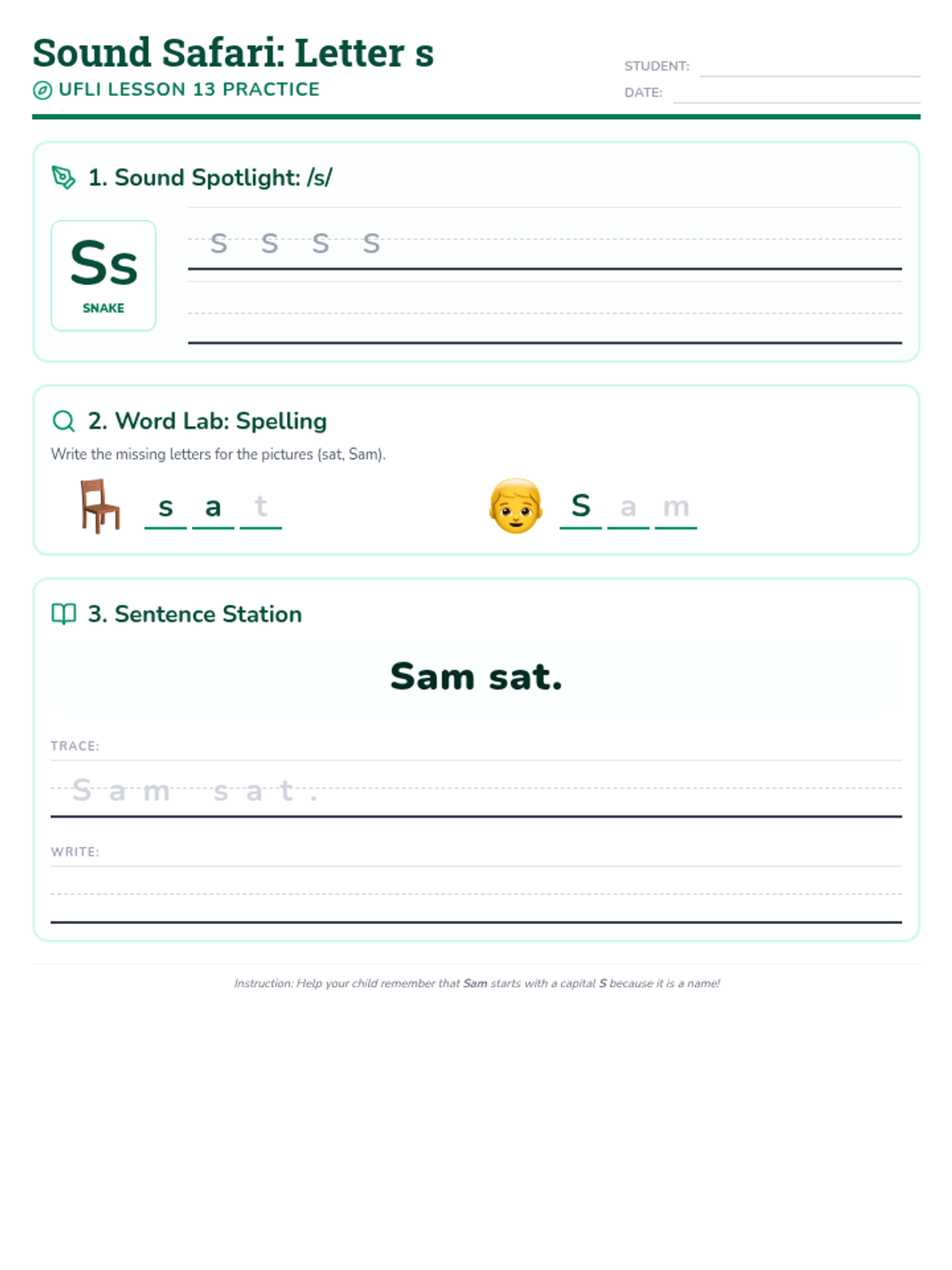
Introducing the letter 's' and the /s/ sound. Practice includes blending 'sat', 'mat', and 'Sam'.
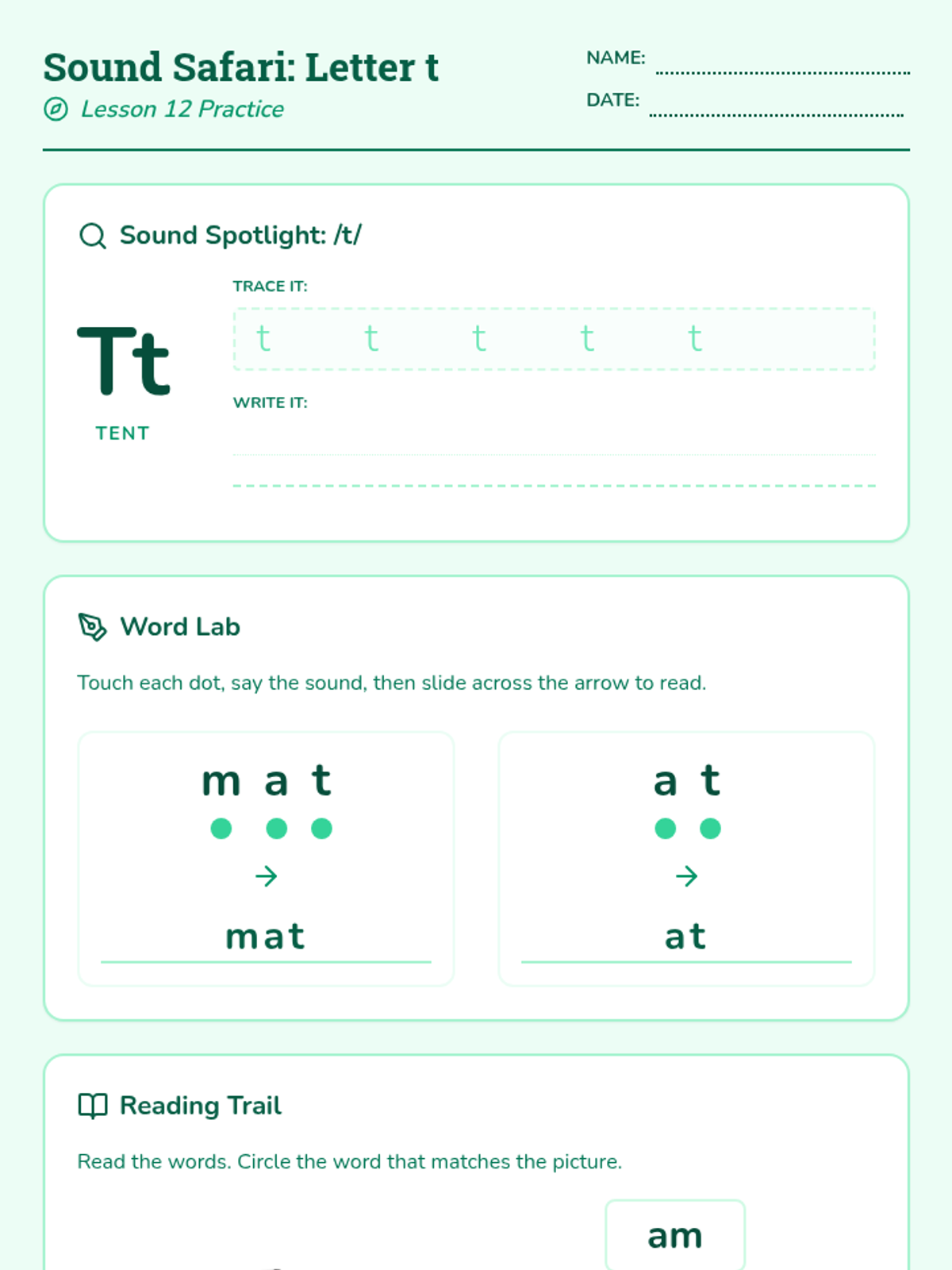
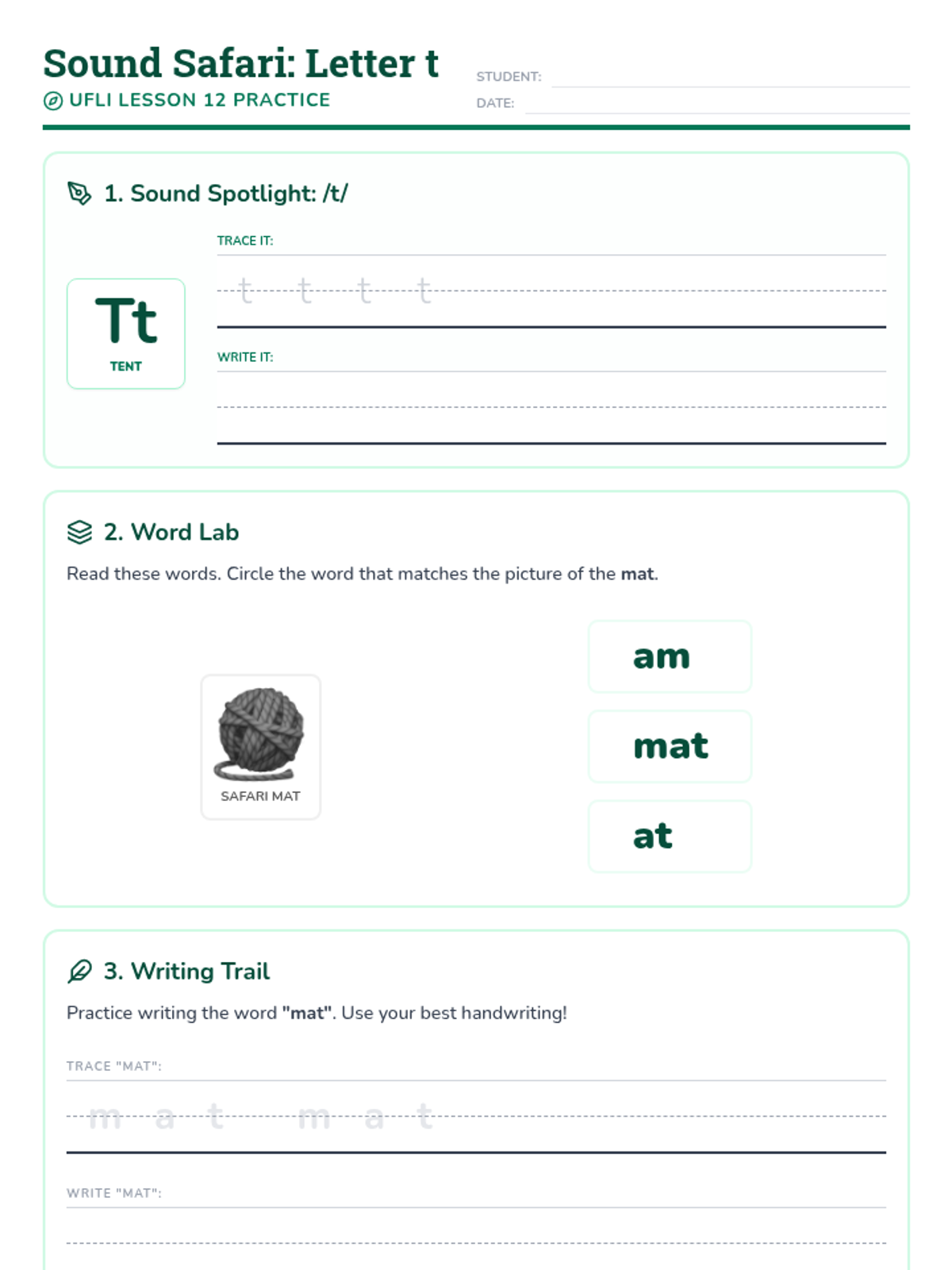
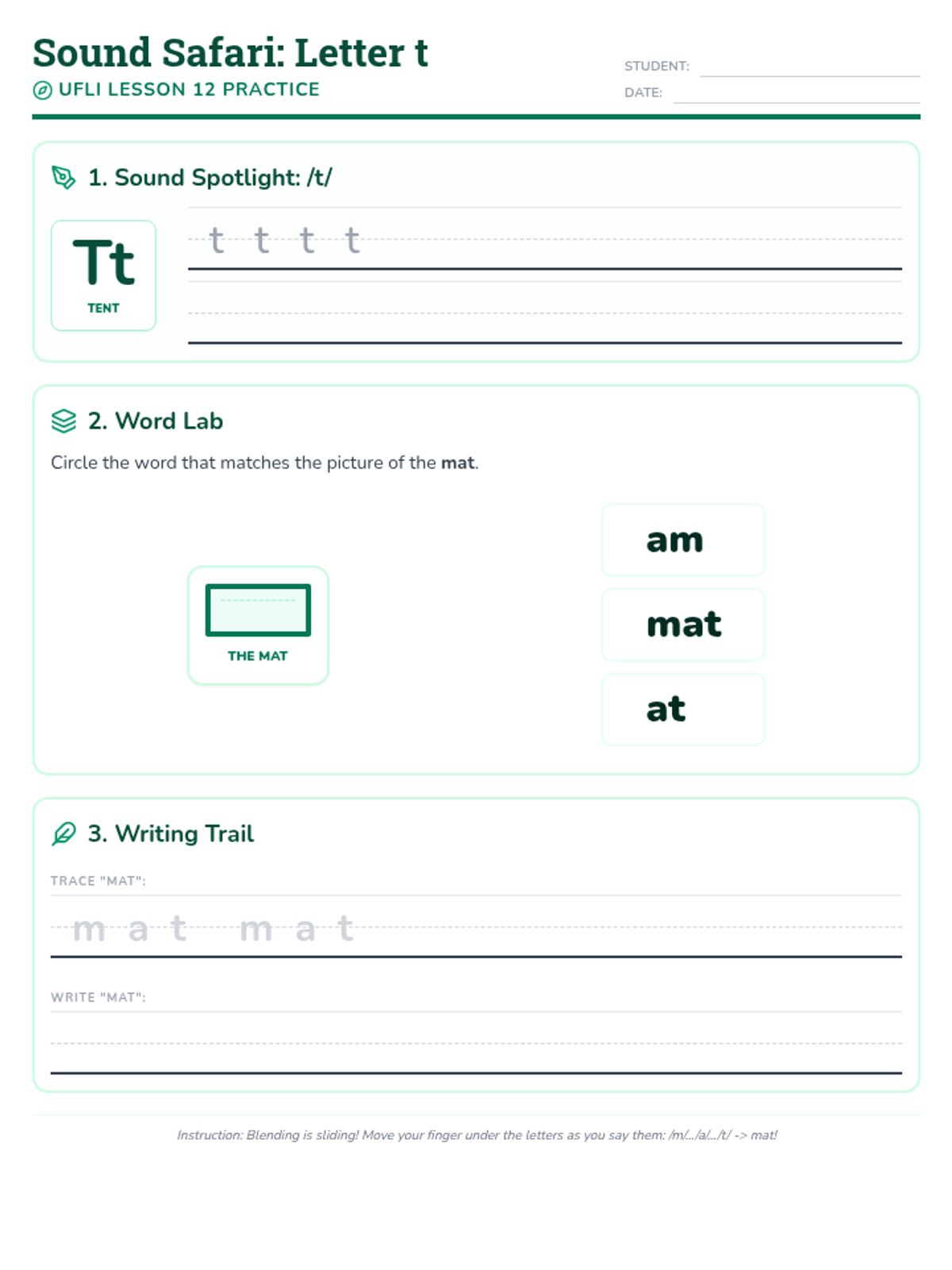
Introducing the letter 't' and the /t/ sound. Students practice blending CVC words like 'mat' and 'at'.
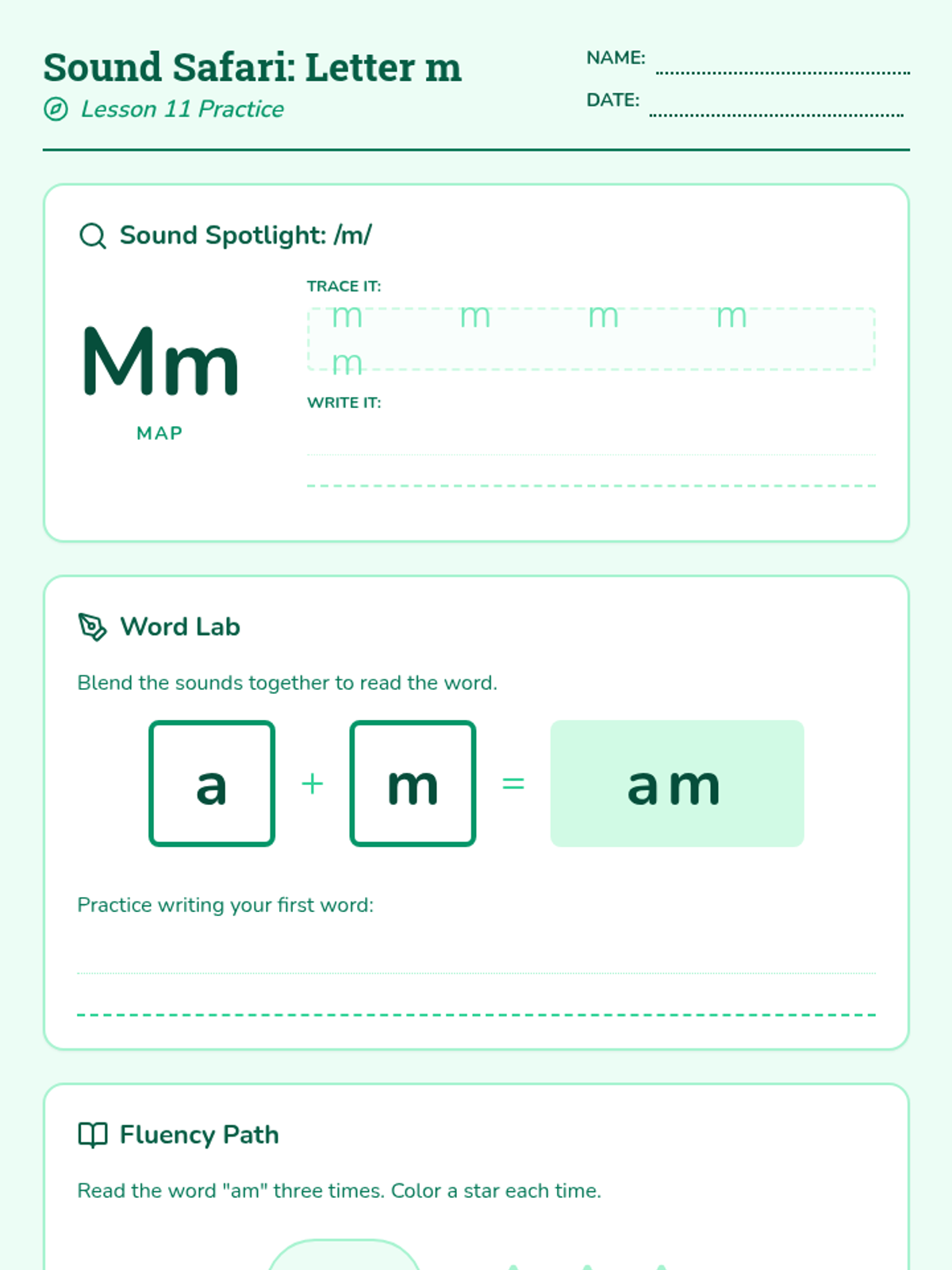
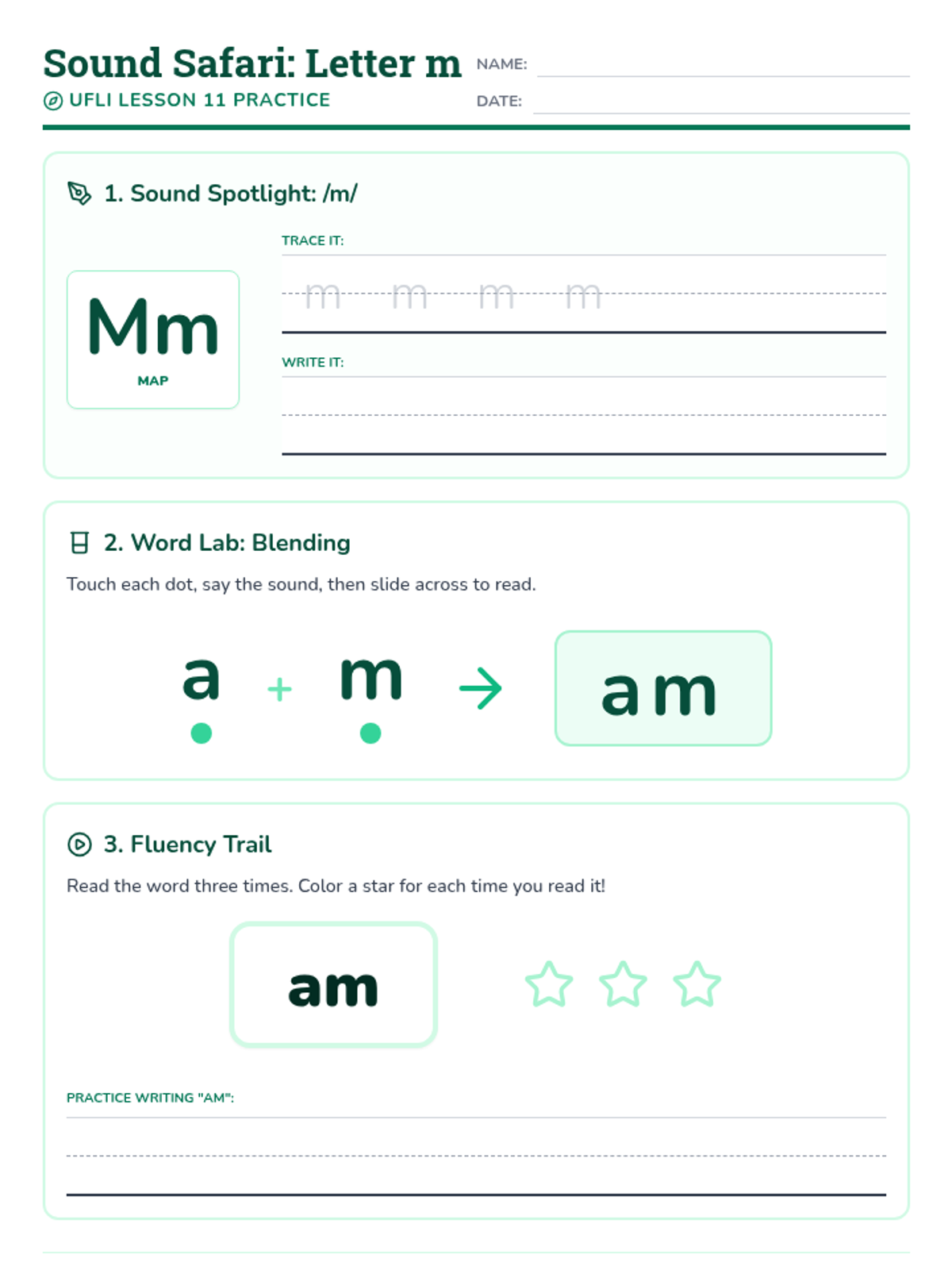
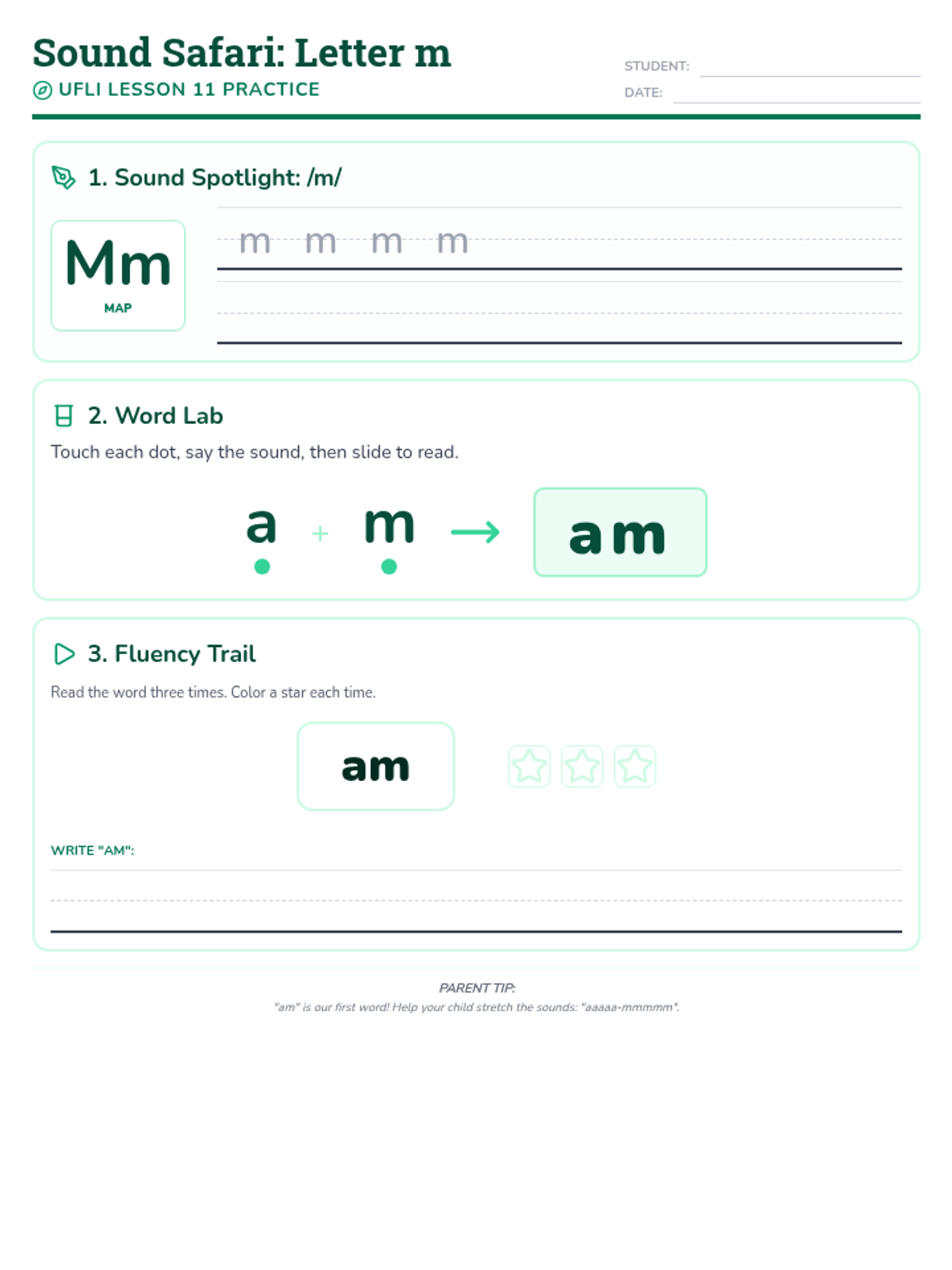
Introducing the letter 'm' and the /m/ sound. Students begin to blend 'a' and 'm' to read the word 'am'.
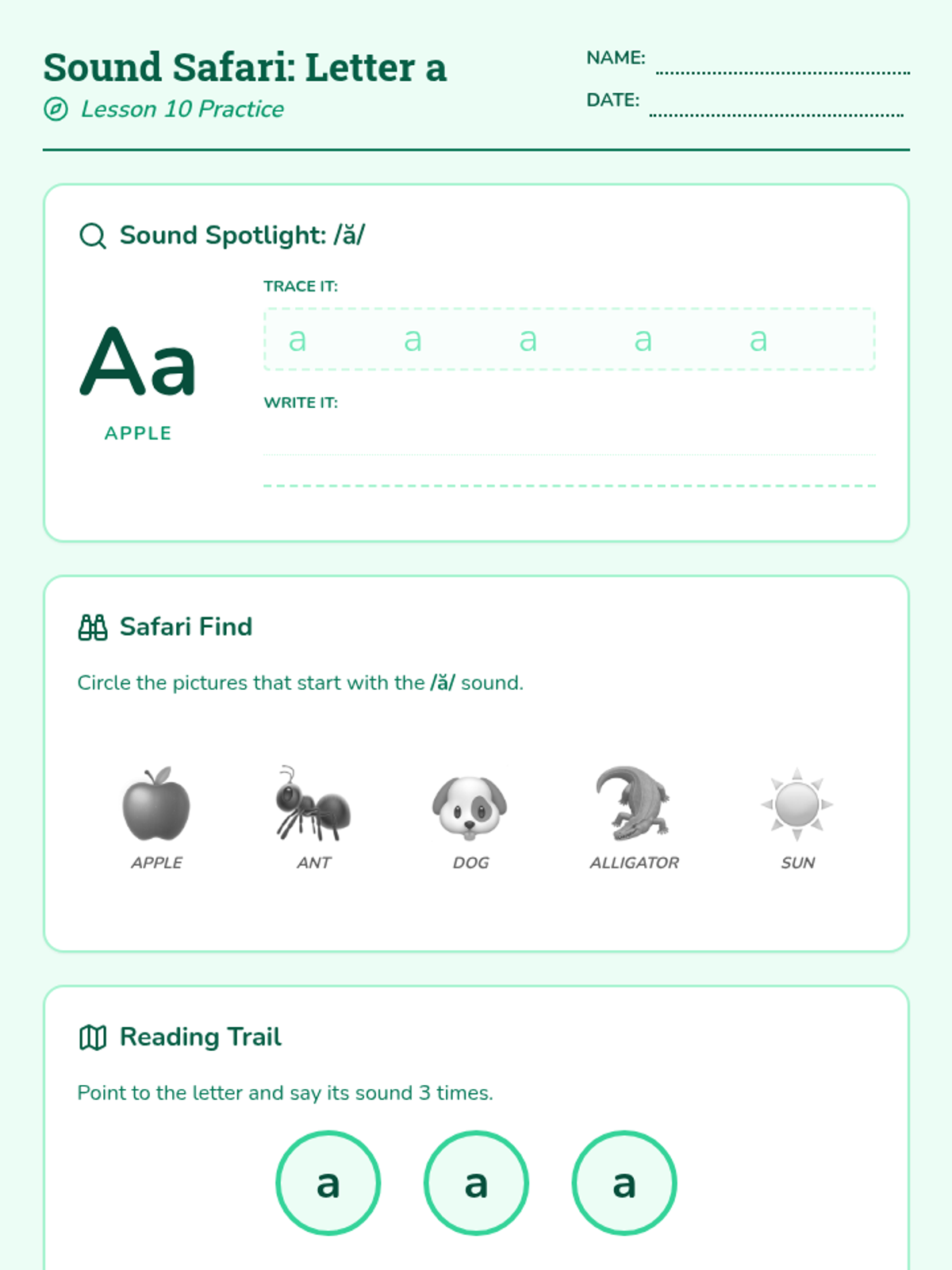
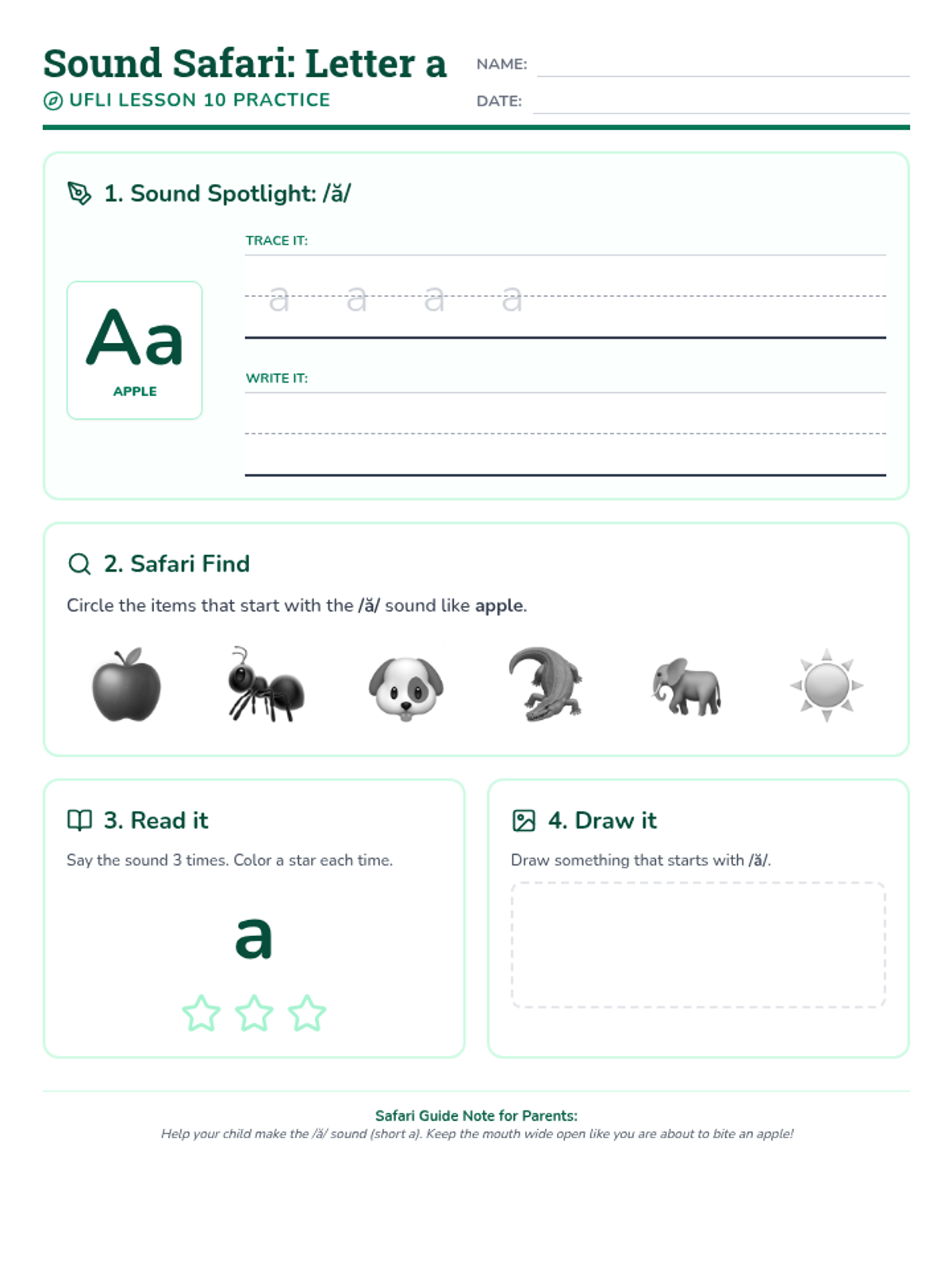
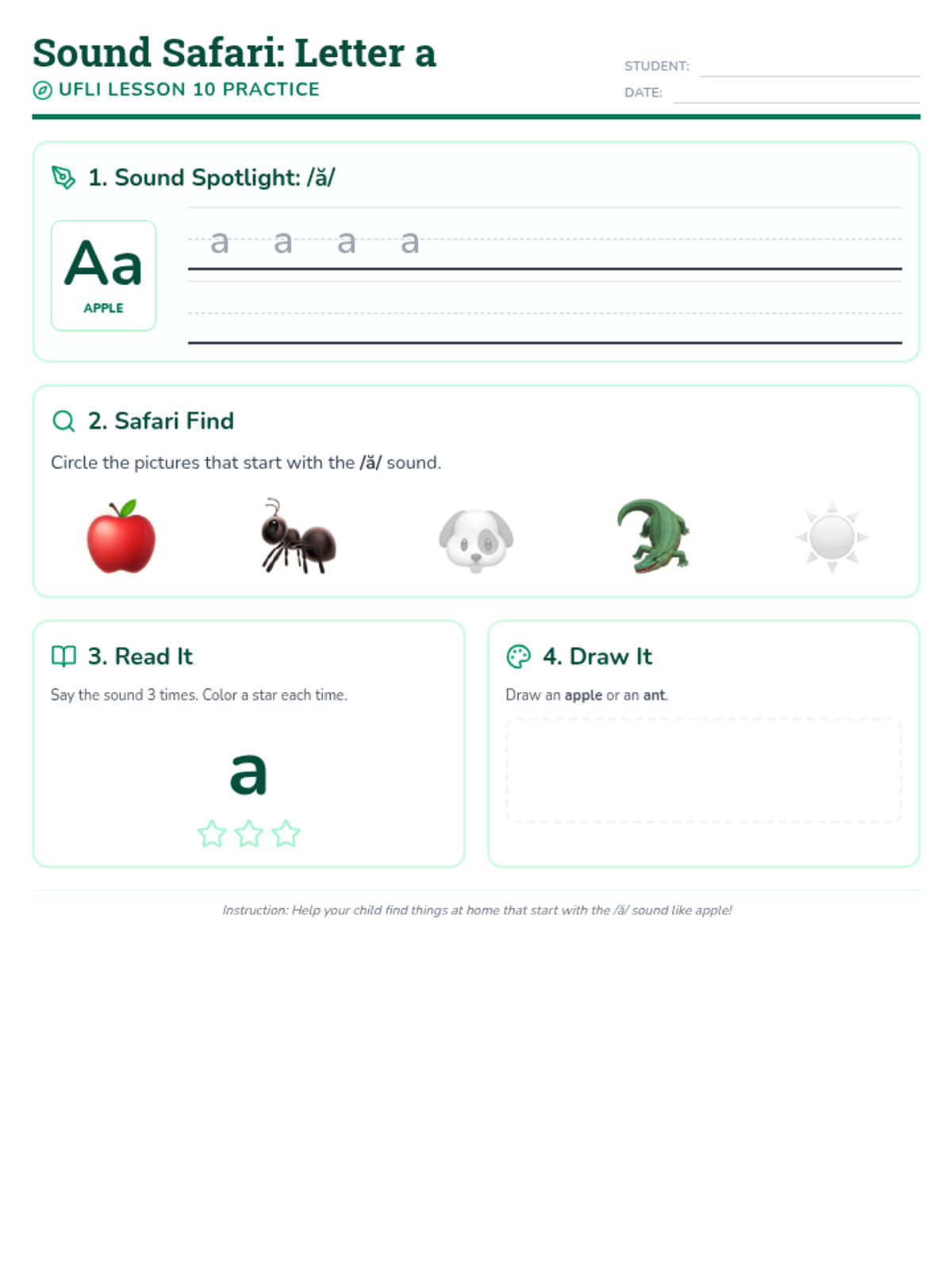
Introducing the letter 'a' and the short /a/ sound. Students practice letter formation and identifying the /a/ sound at the beginning of words.
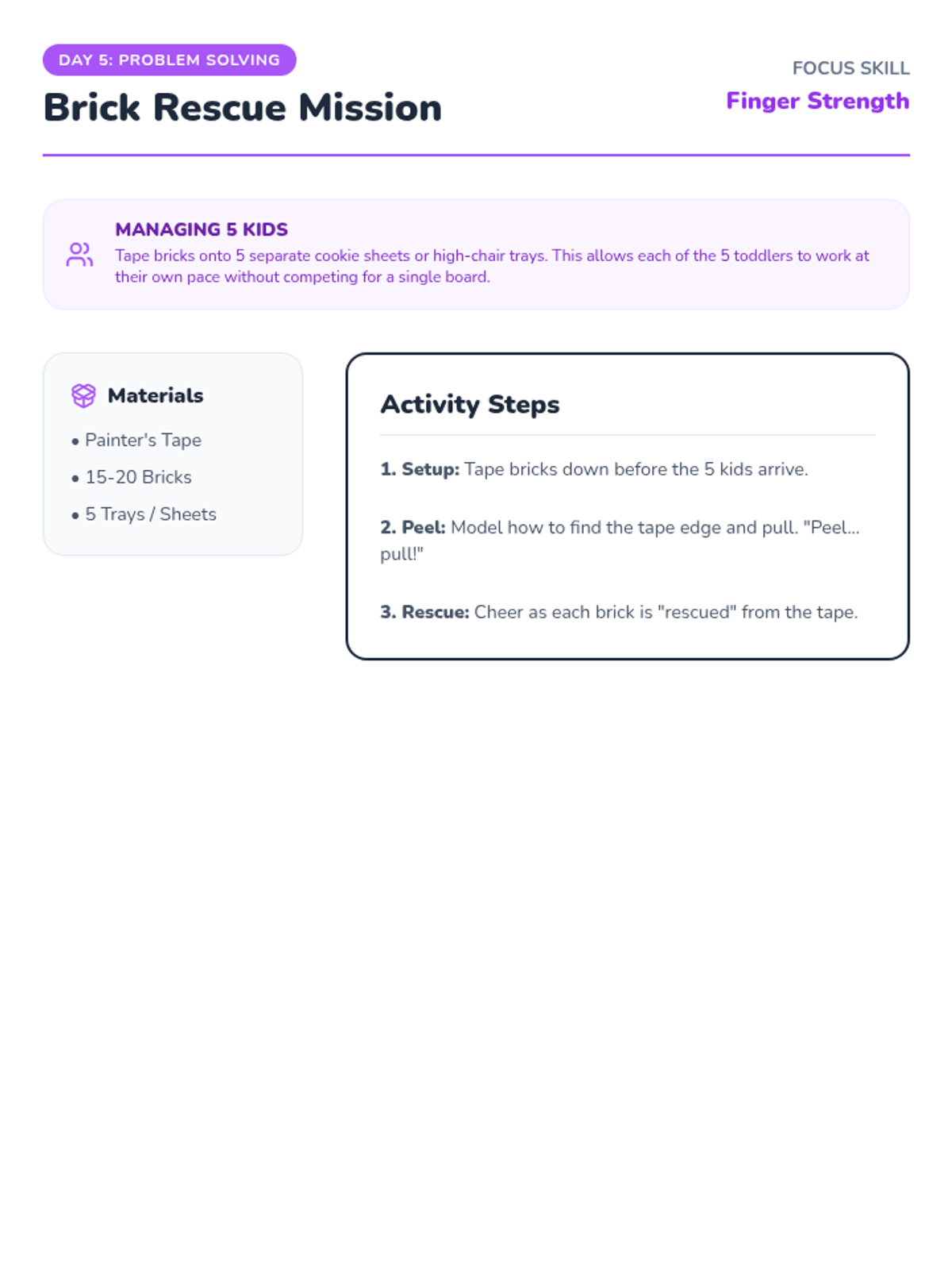
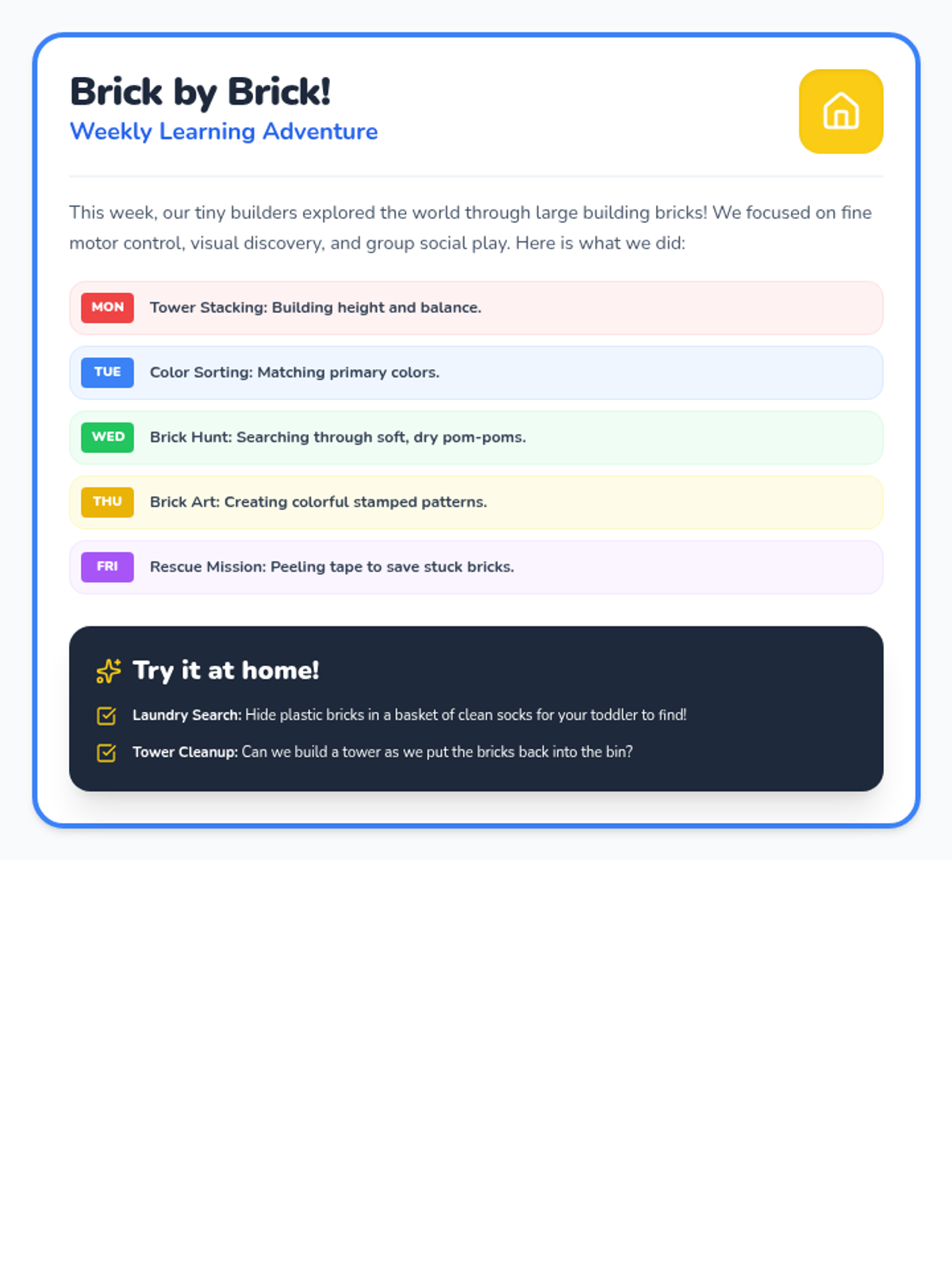
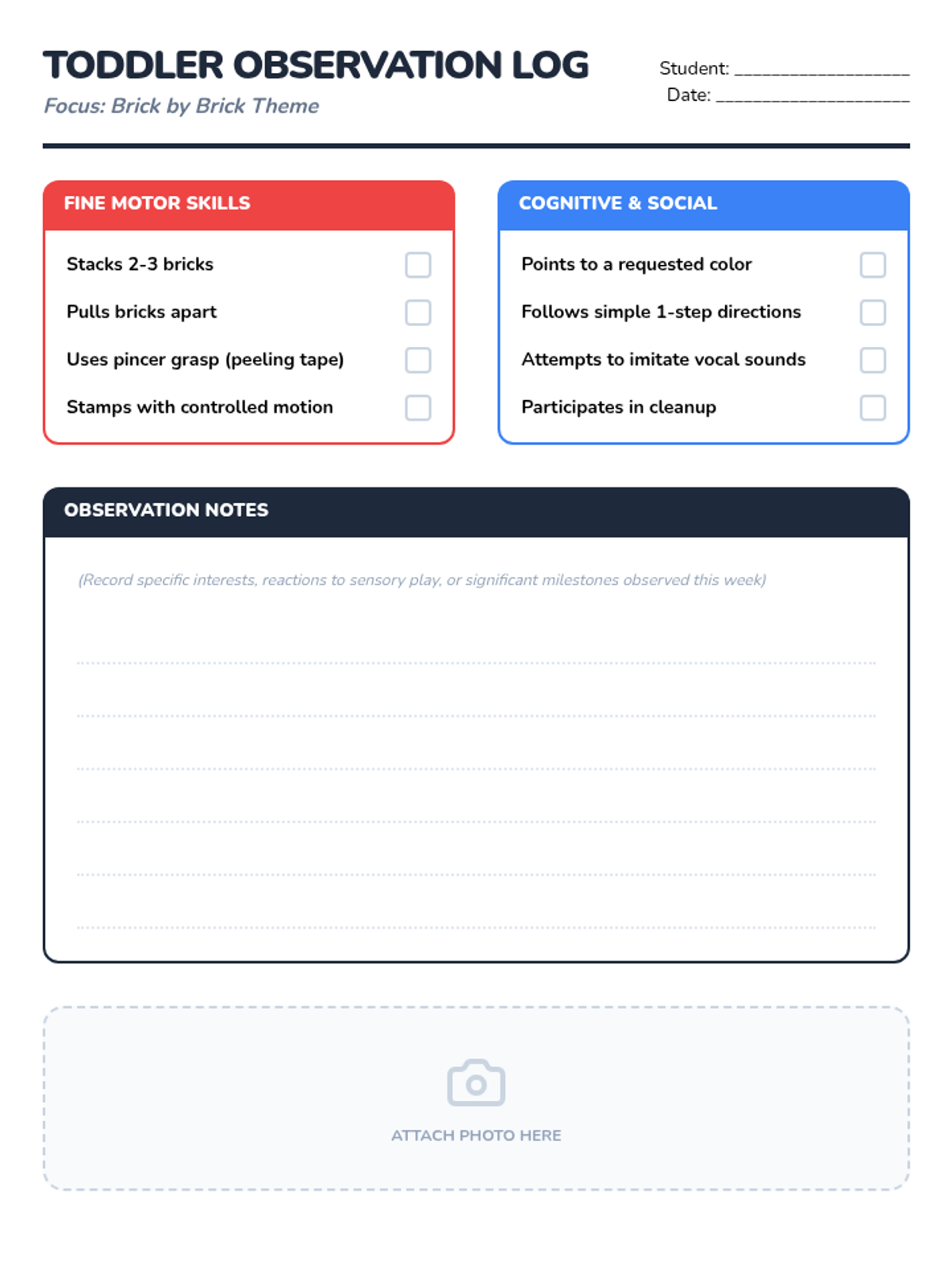
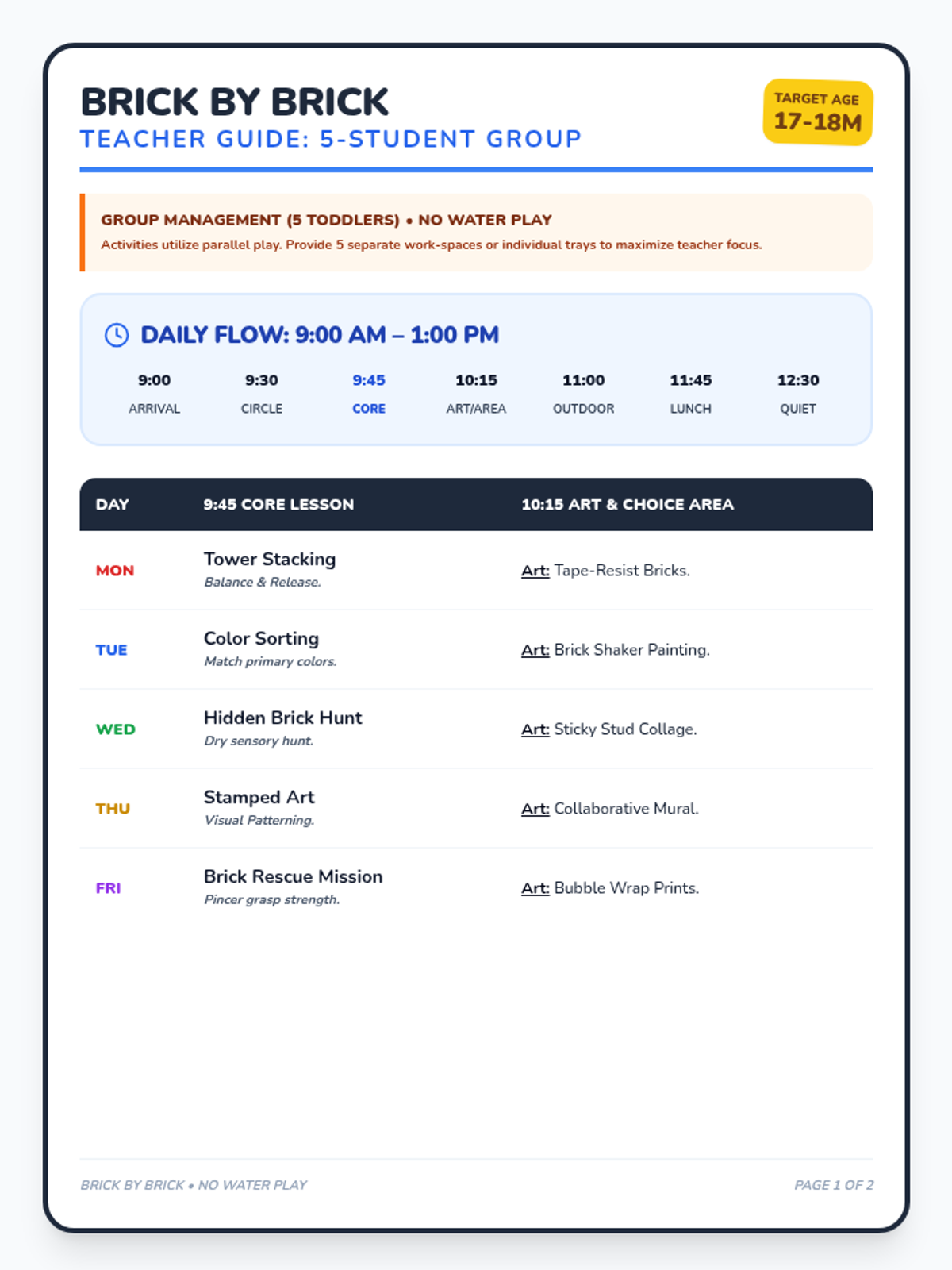
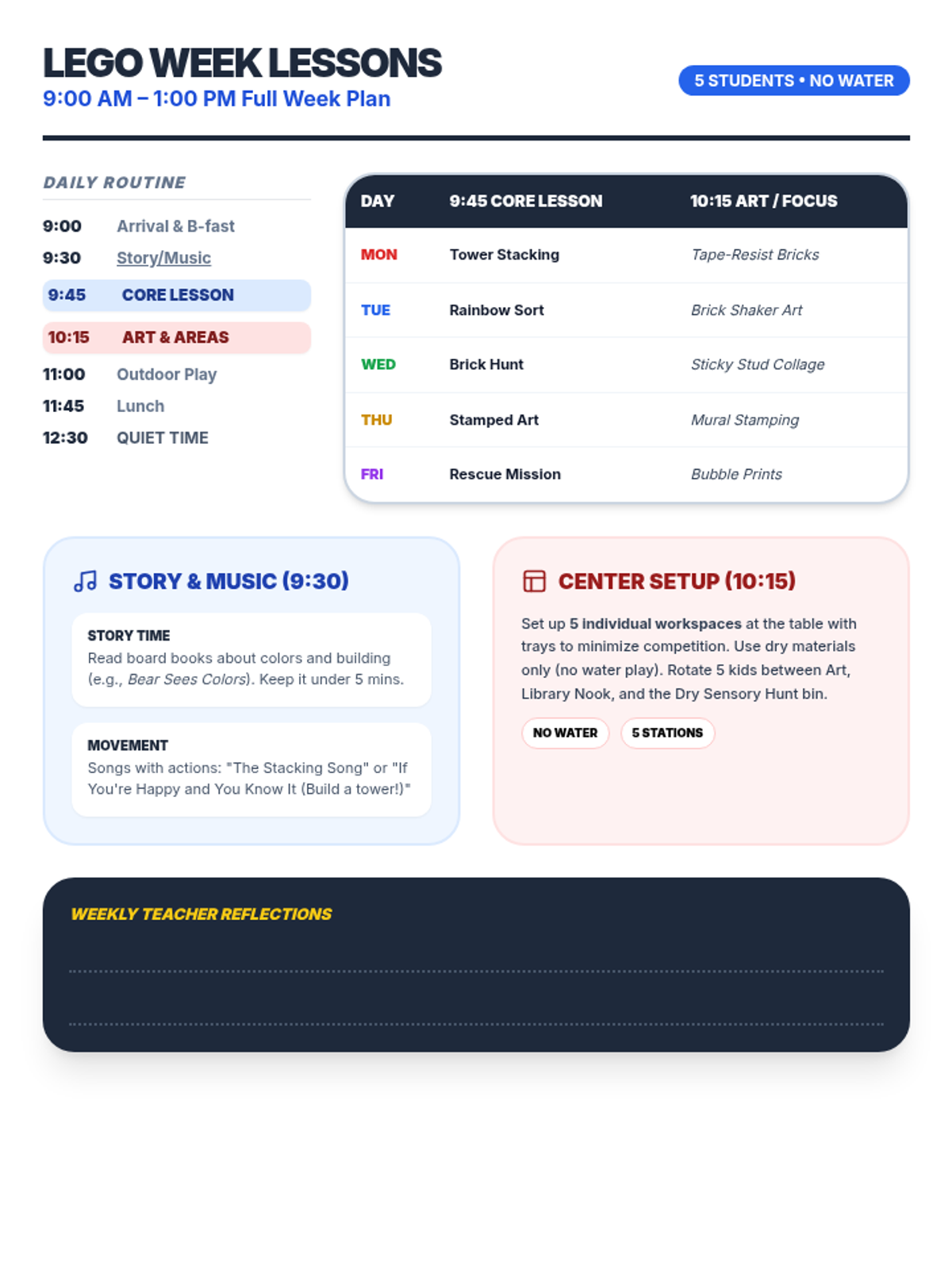
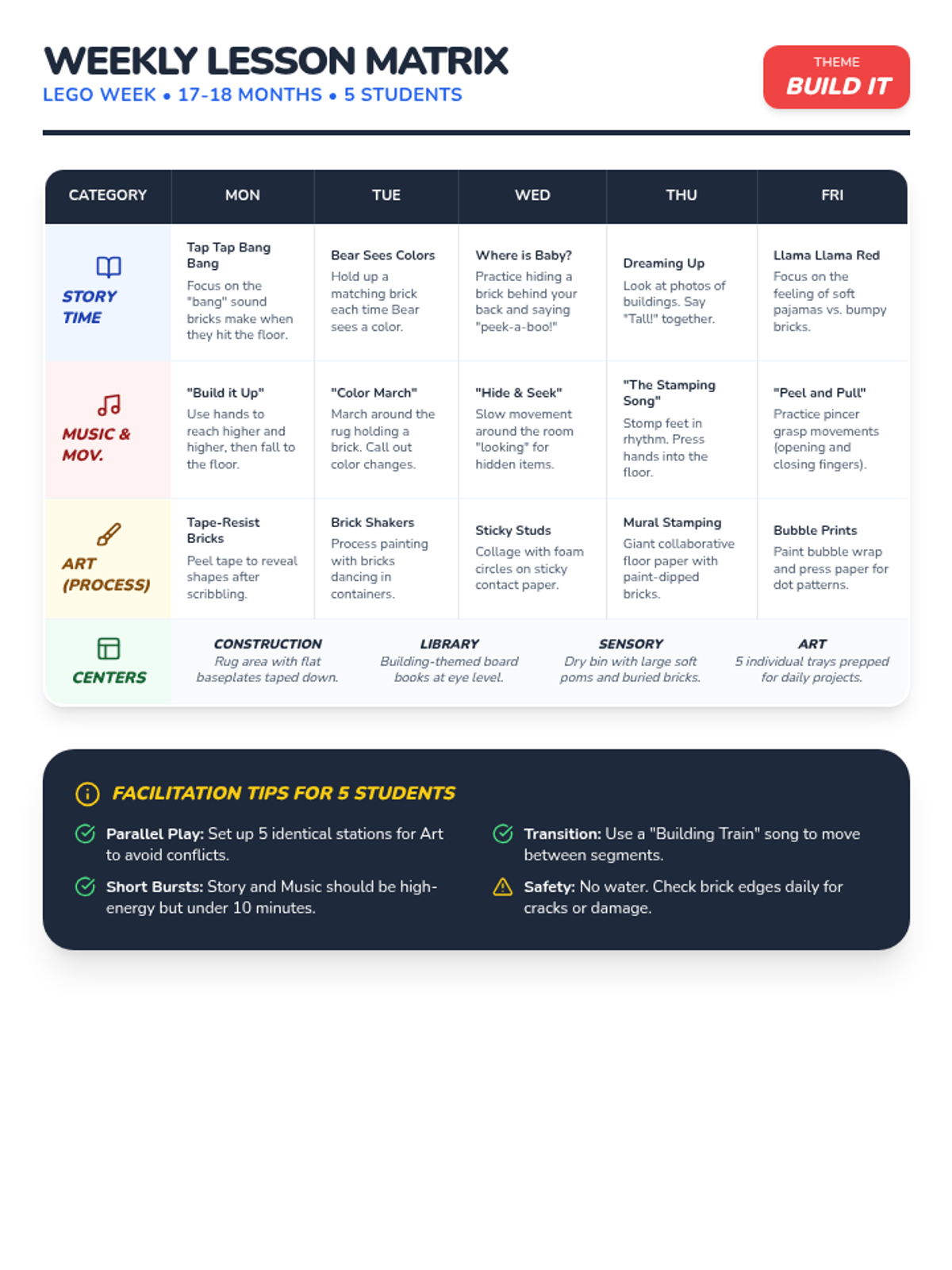
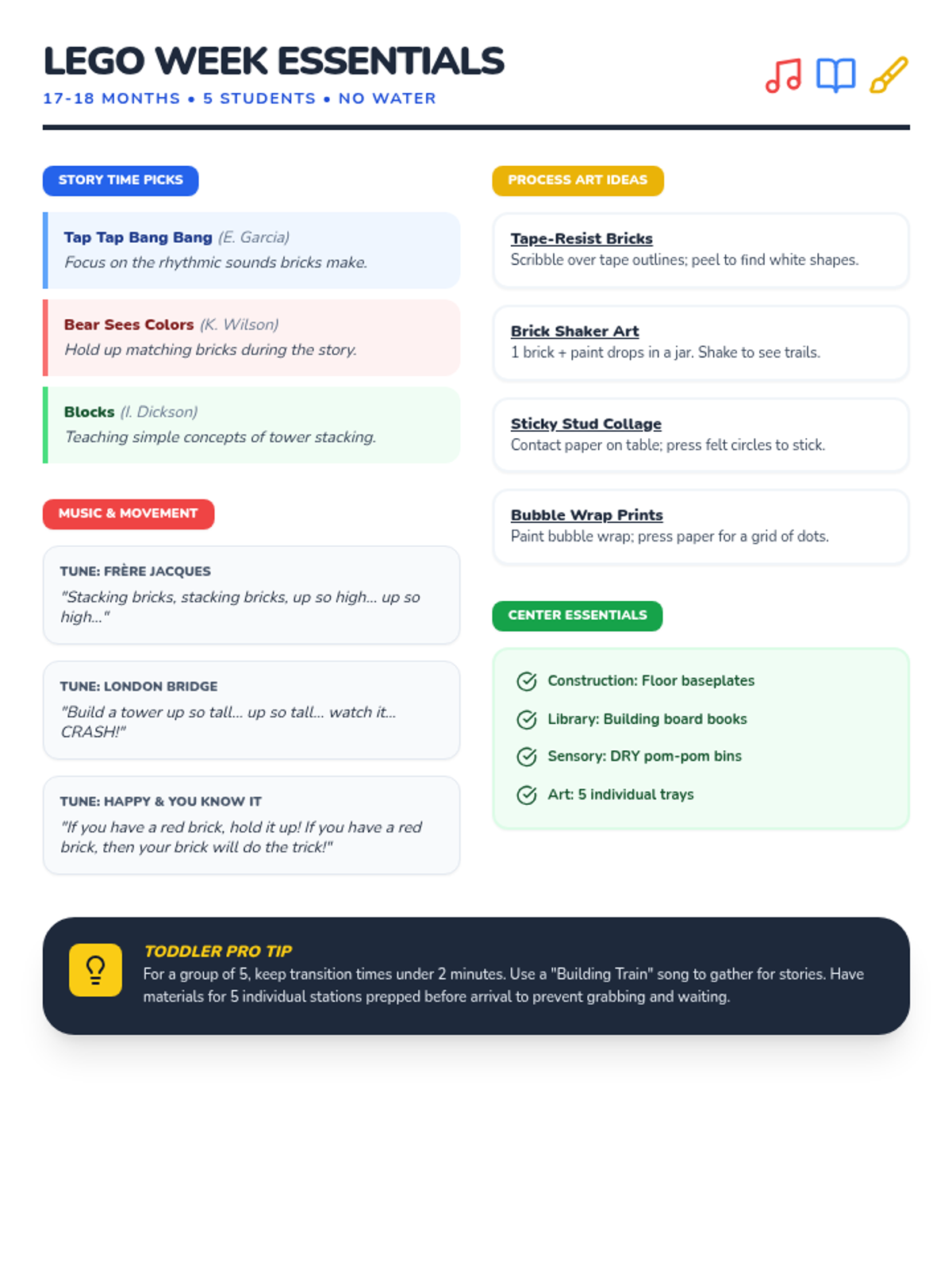
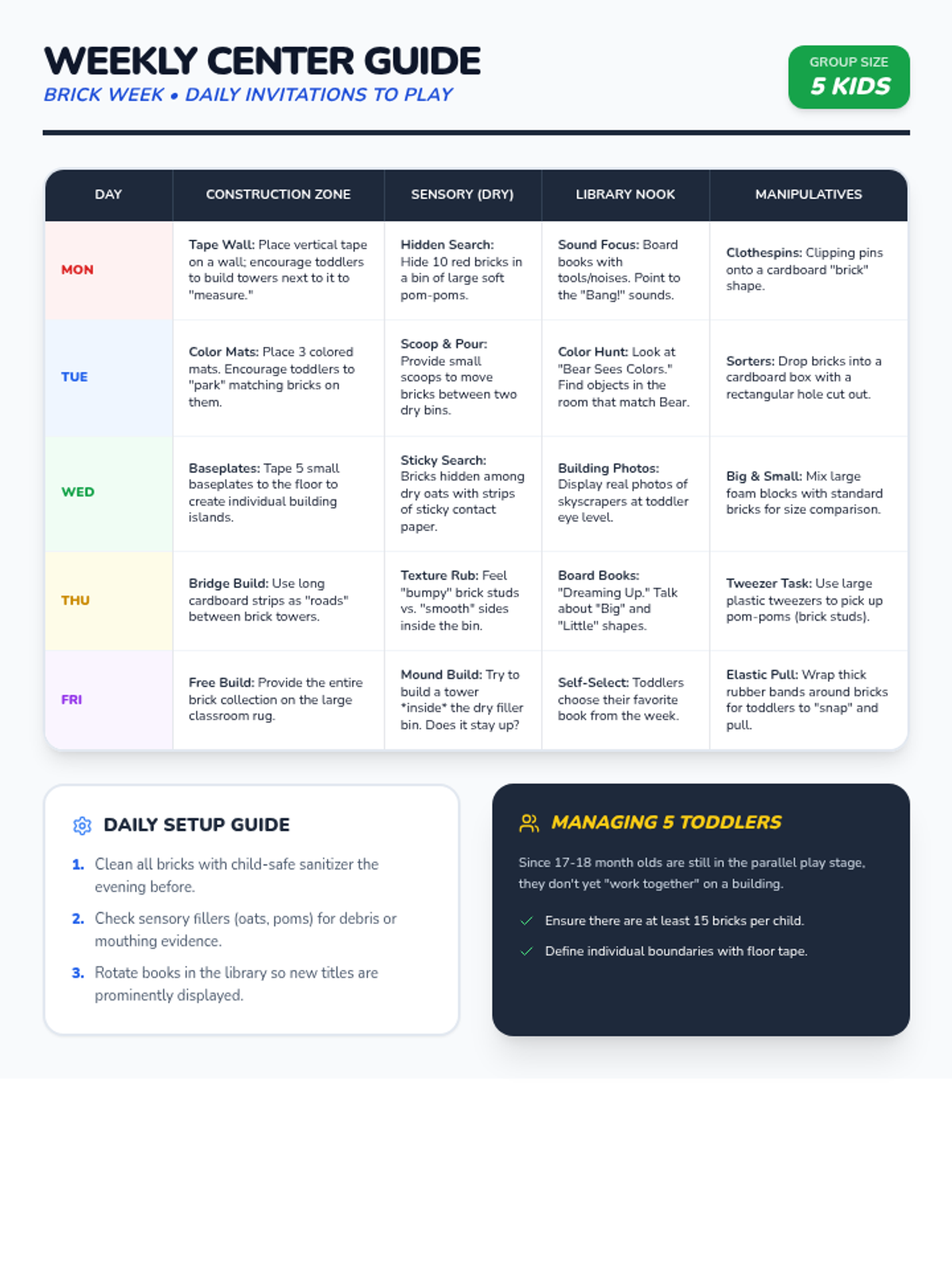
Challenges toddlers to use their problem-solving skills to 'rescue' bricks from different materials like tape or playdough, enhancing finger strength.
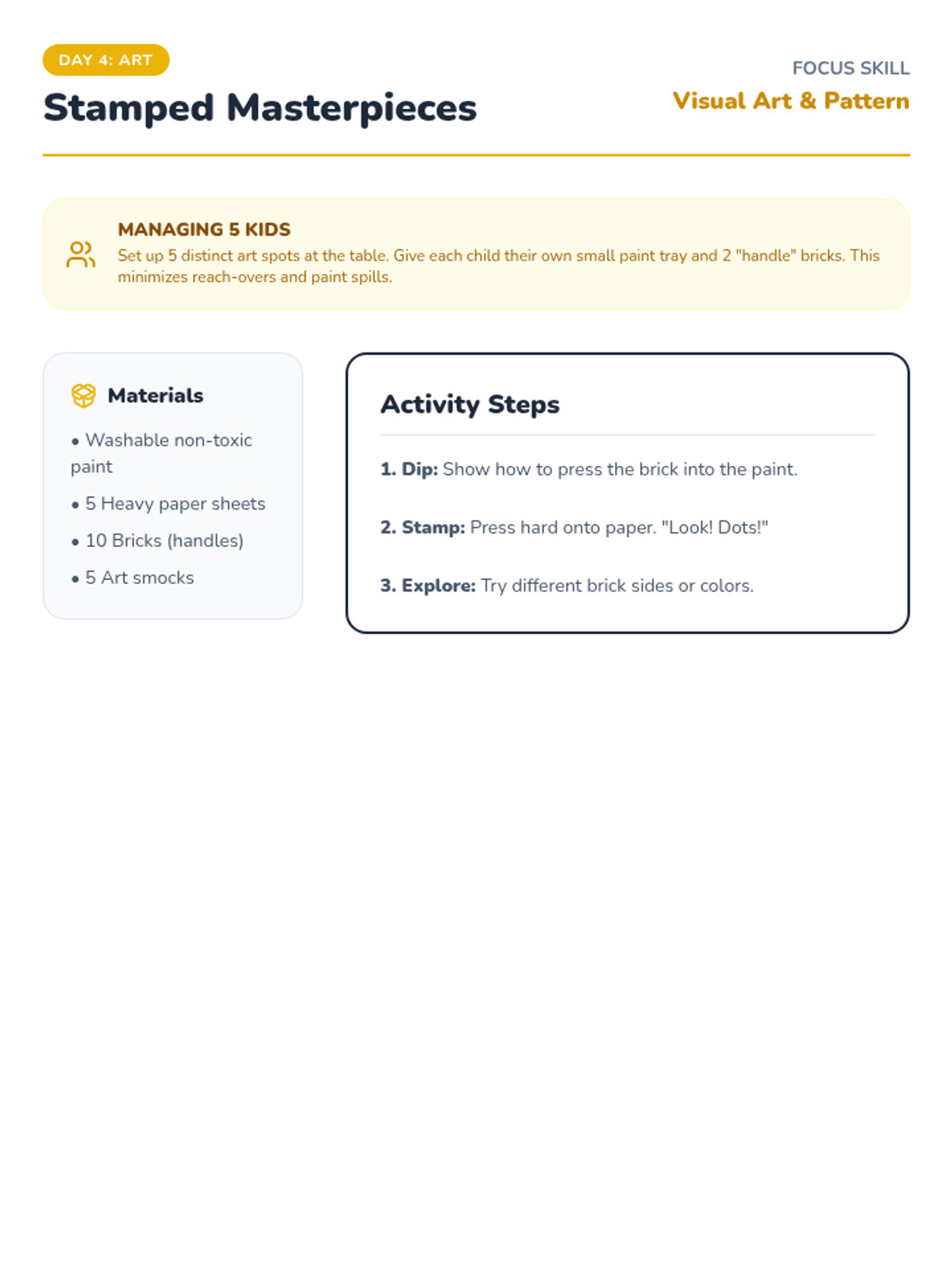
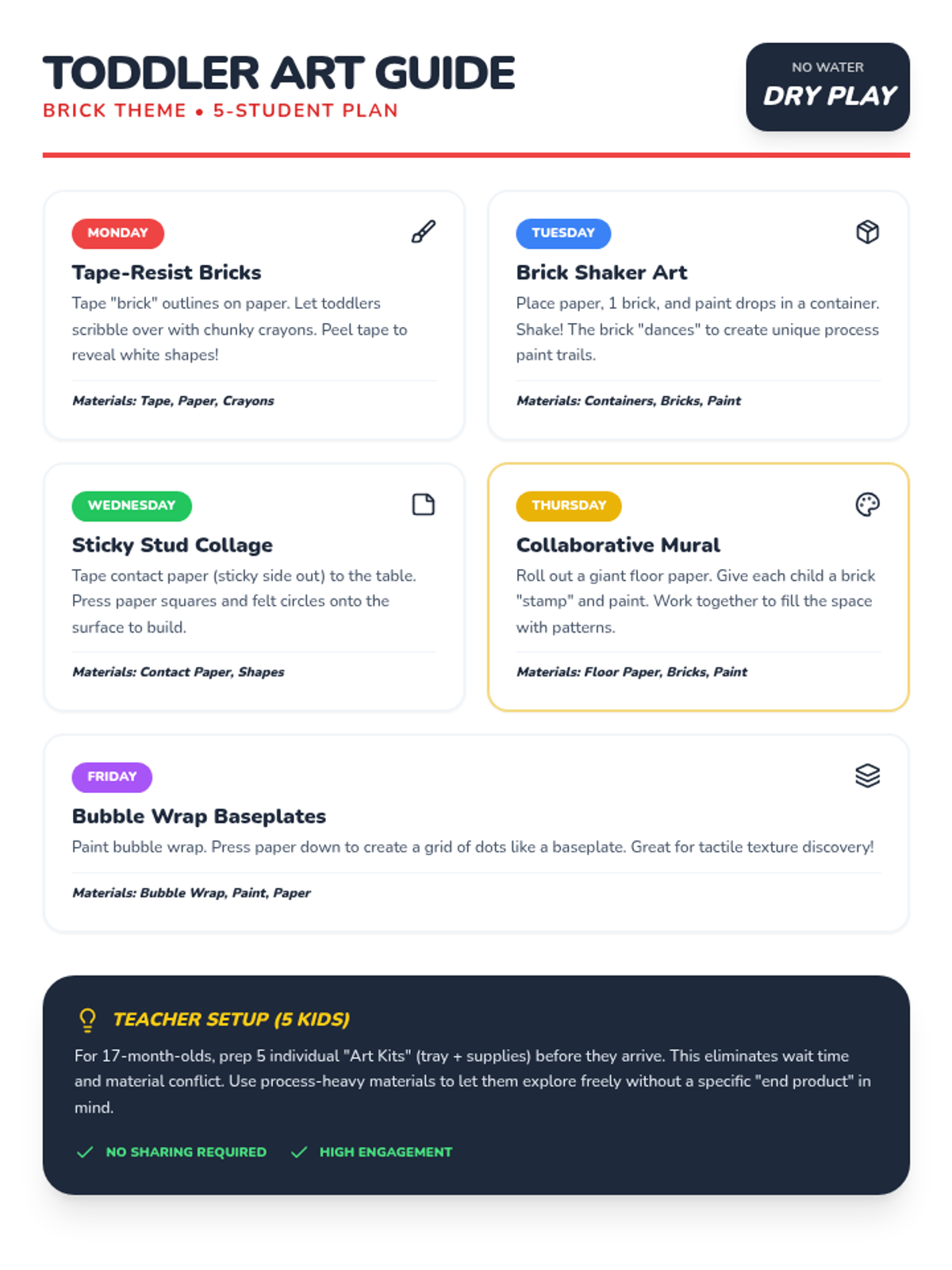
Uses bricks as unconventional tools for artistic expression. Toddlers learn about shapes and patterns through stamping and paint exploration.
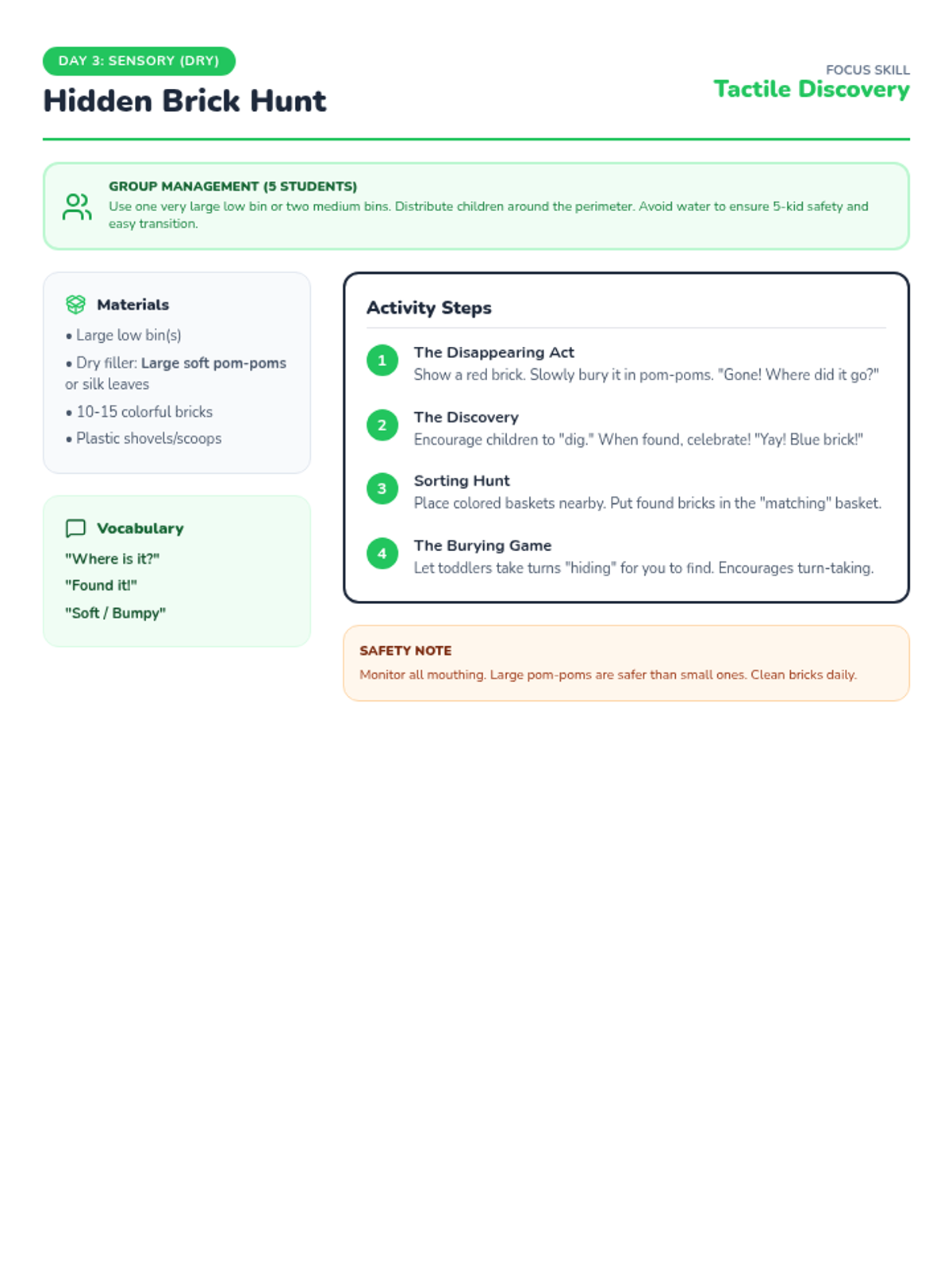
A dry sensory experience where toddlers search for bricks hidden among soft materials. Focuses on tactile exploration and object permanence.
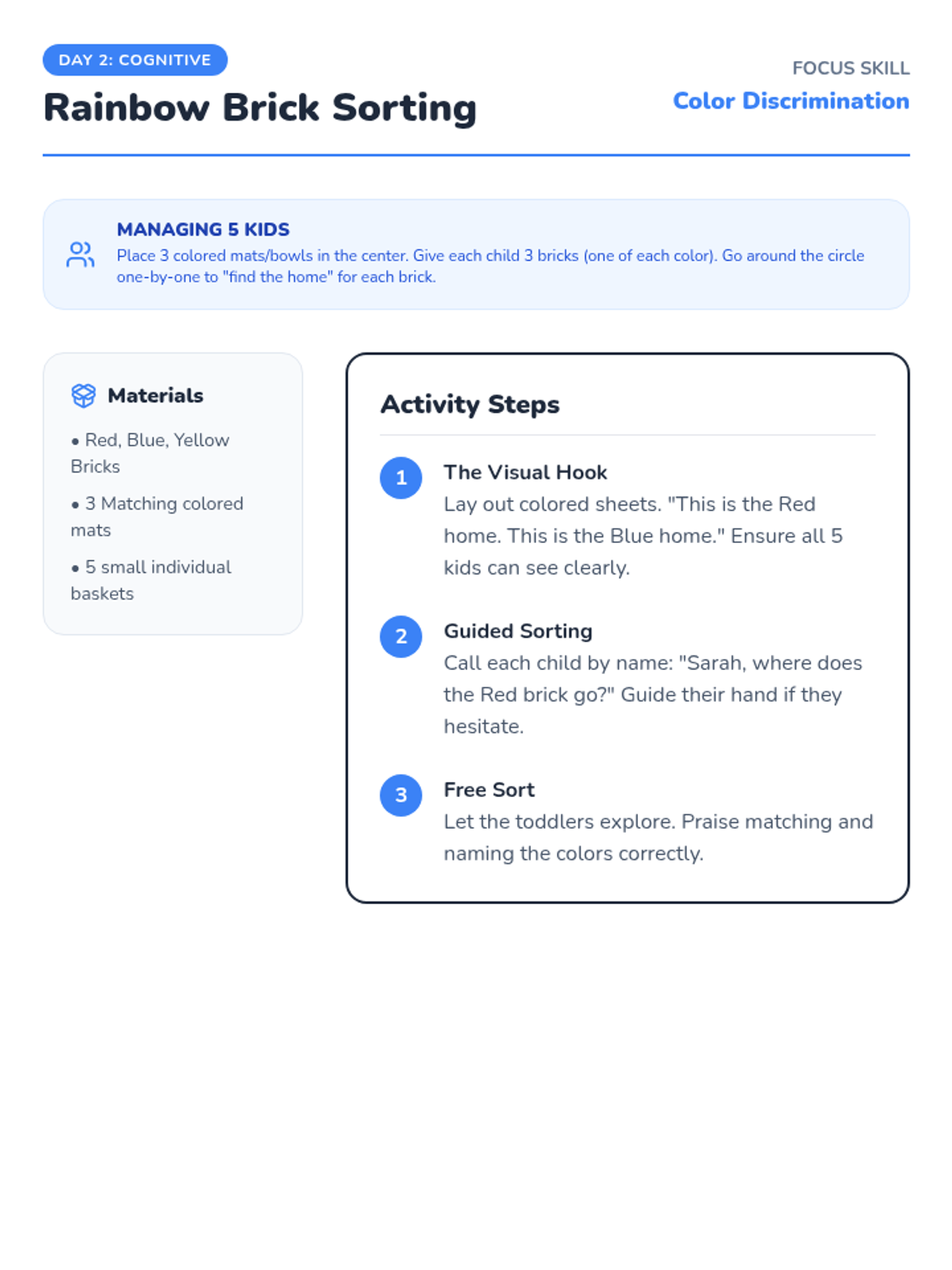
Introduces basic color identification using primary colored bricks. Toddlers explore grouping and matching in a low-pressure, playful environment.
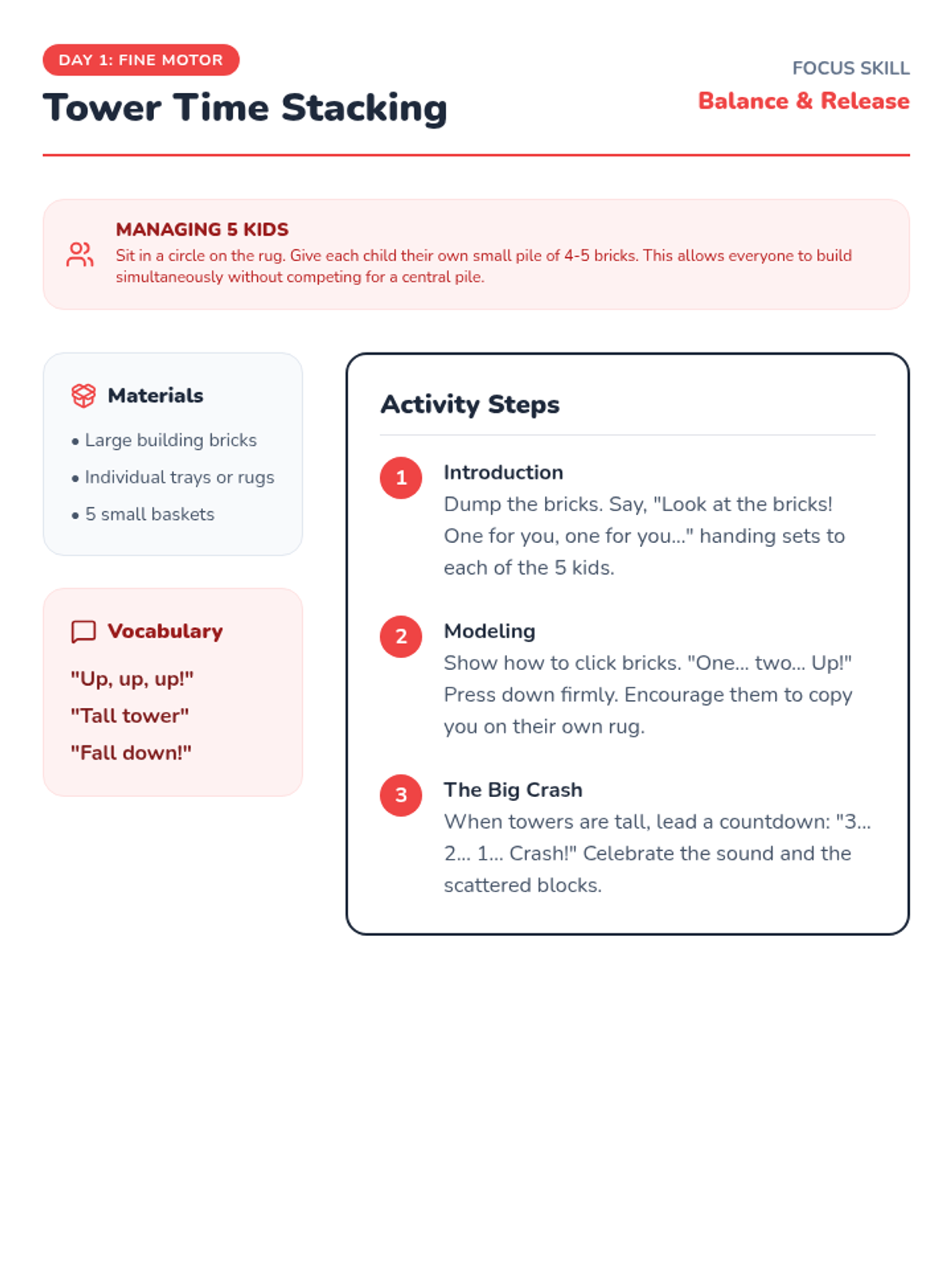
Focuses on the fundamental skill of vertical stacking and the concept of balance. Toddlers practice grasp and release while building coordination.
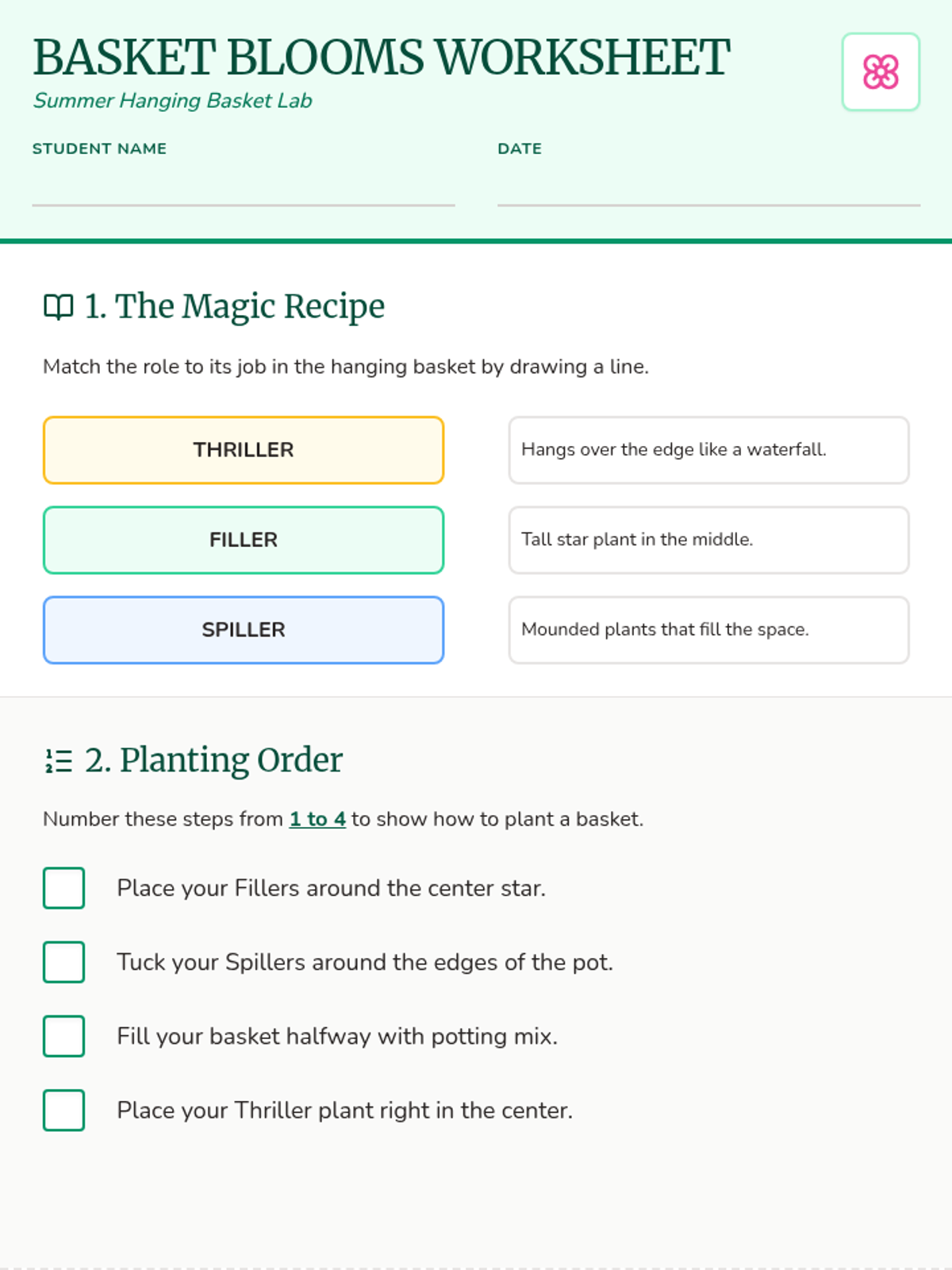
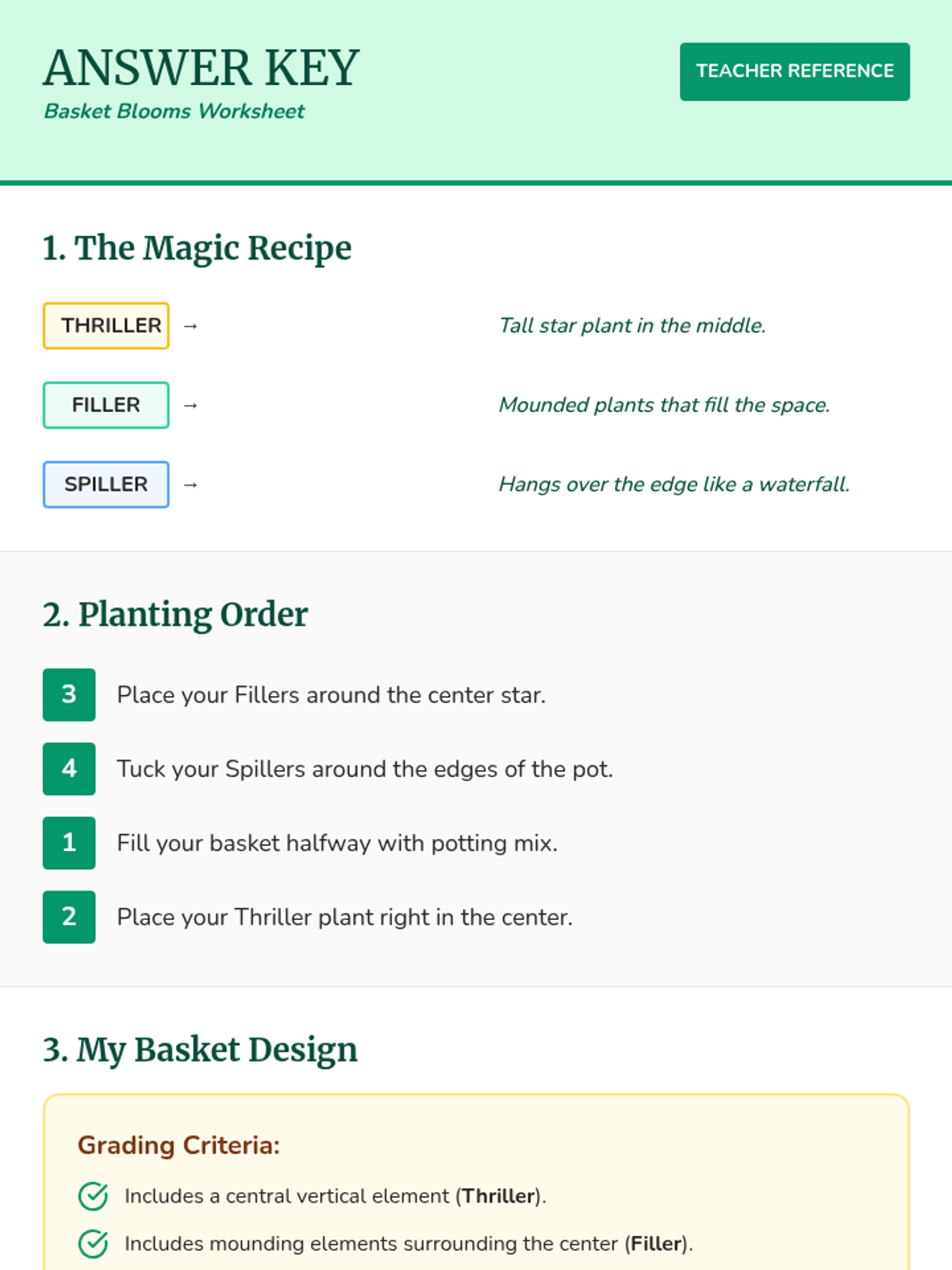
A hands-on lesson for elementary students on how to select plants and assemble a beautiful, healthy summer hanging basket using the 'Thriller, Filler, Spiller' method.
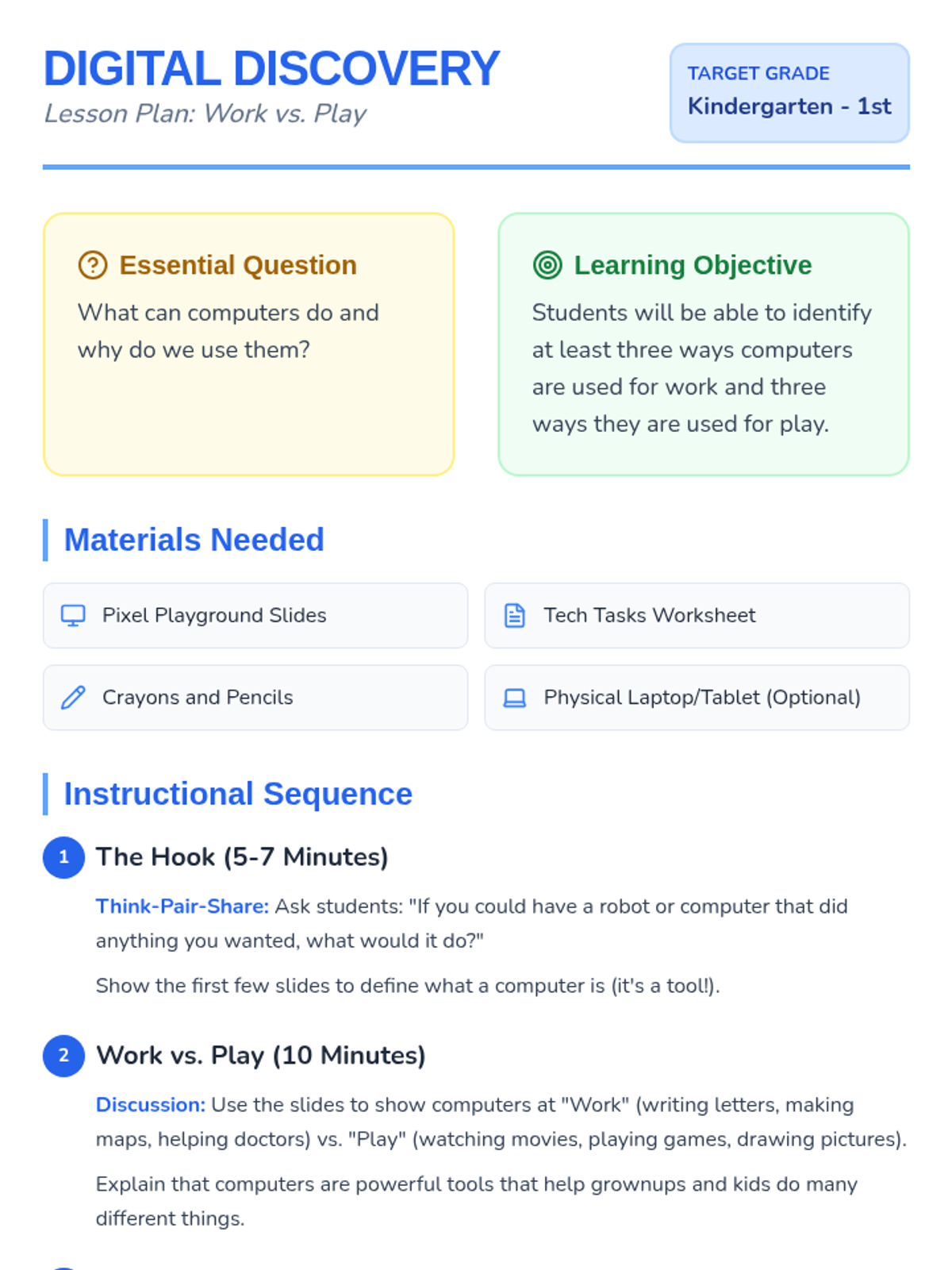
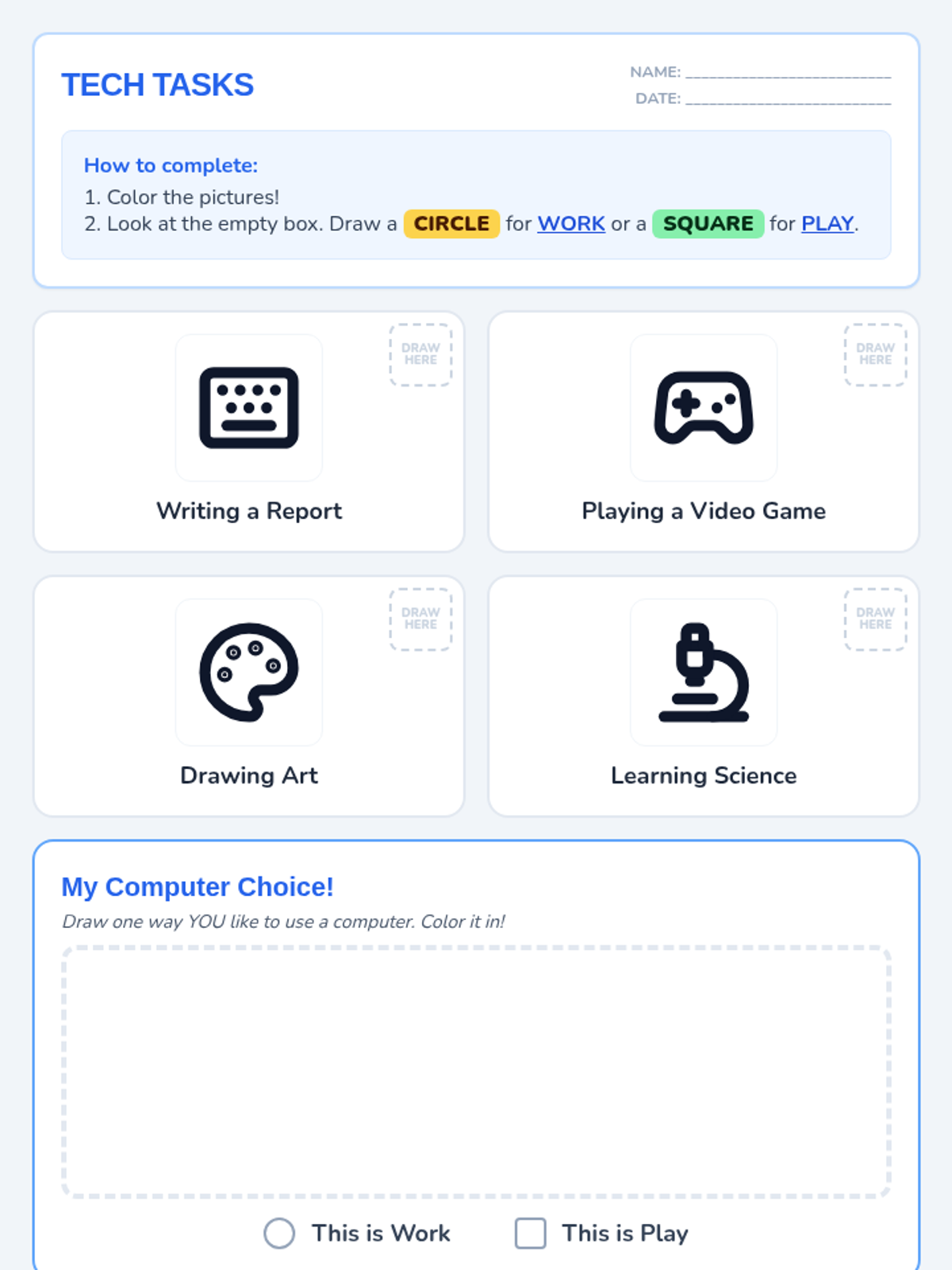
An introductory lesson for K-1 students exploring the versatile uses of computers in everyday life, focusing on the distinction between work and play.