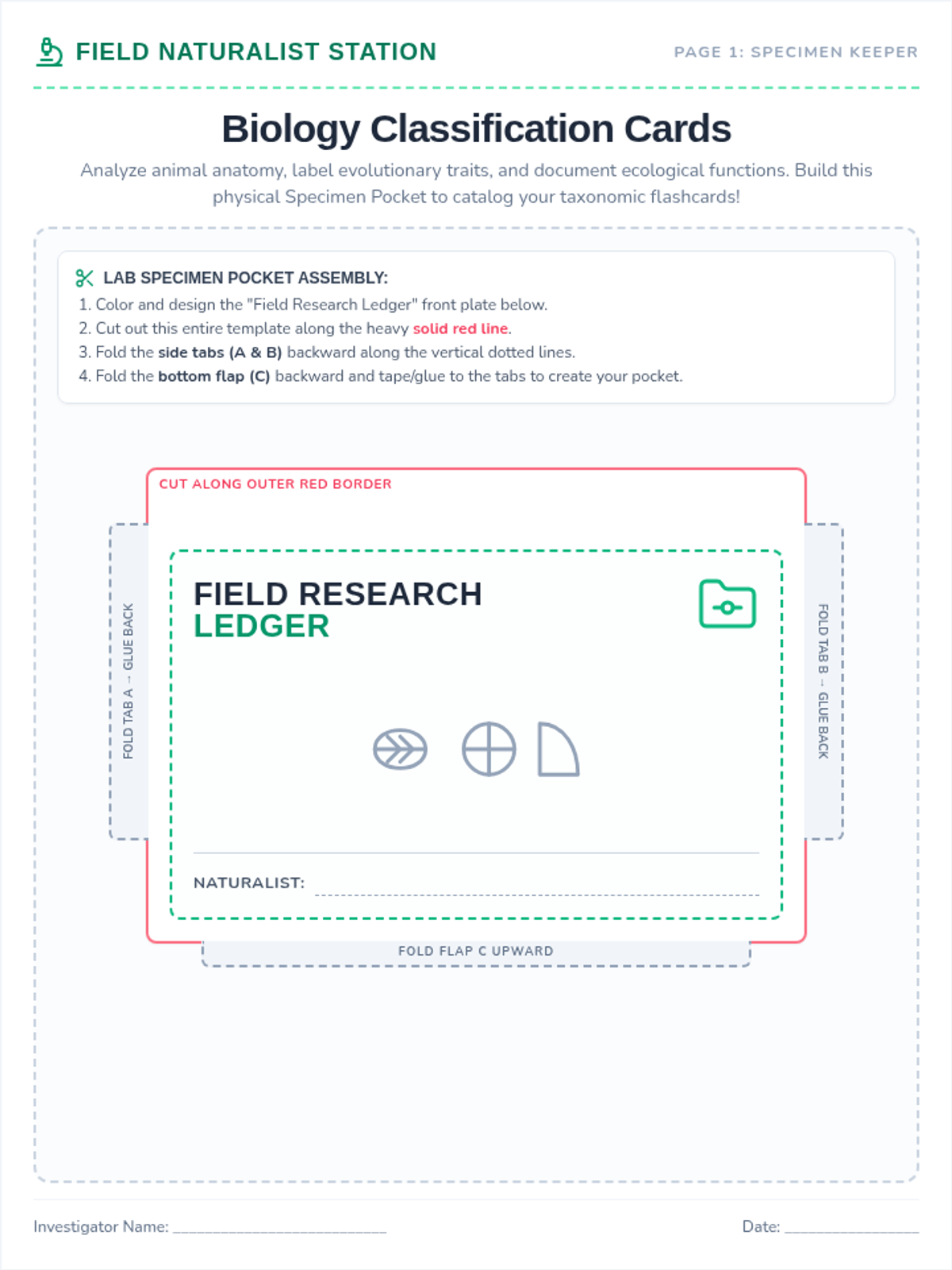
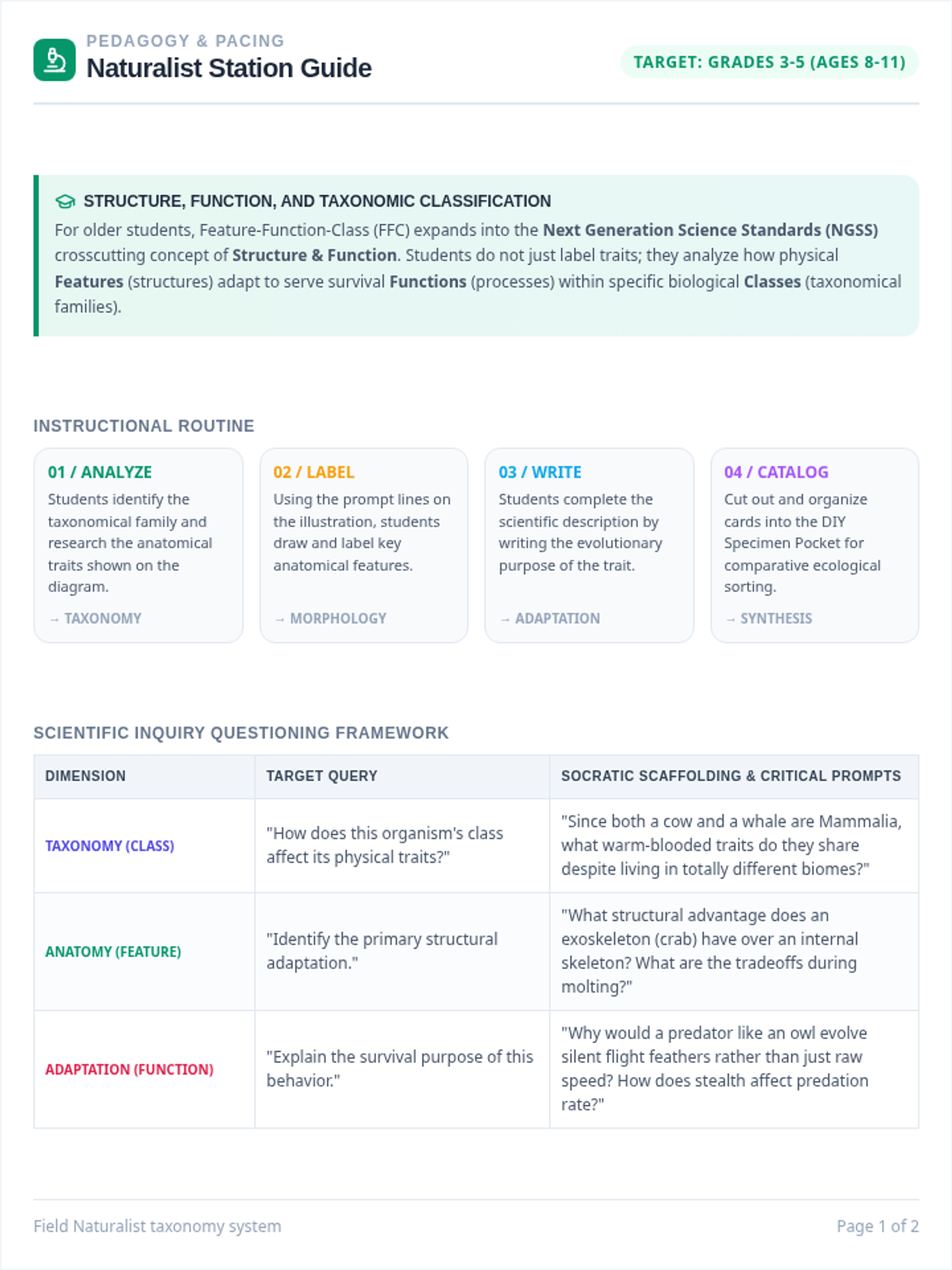
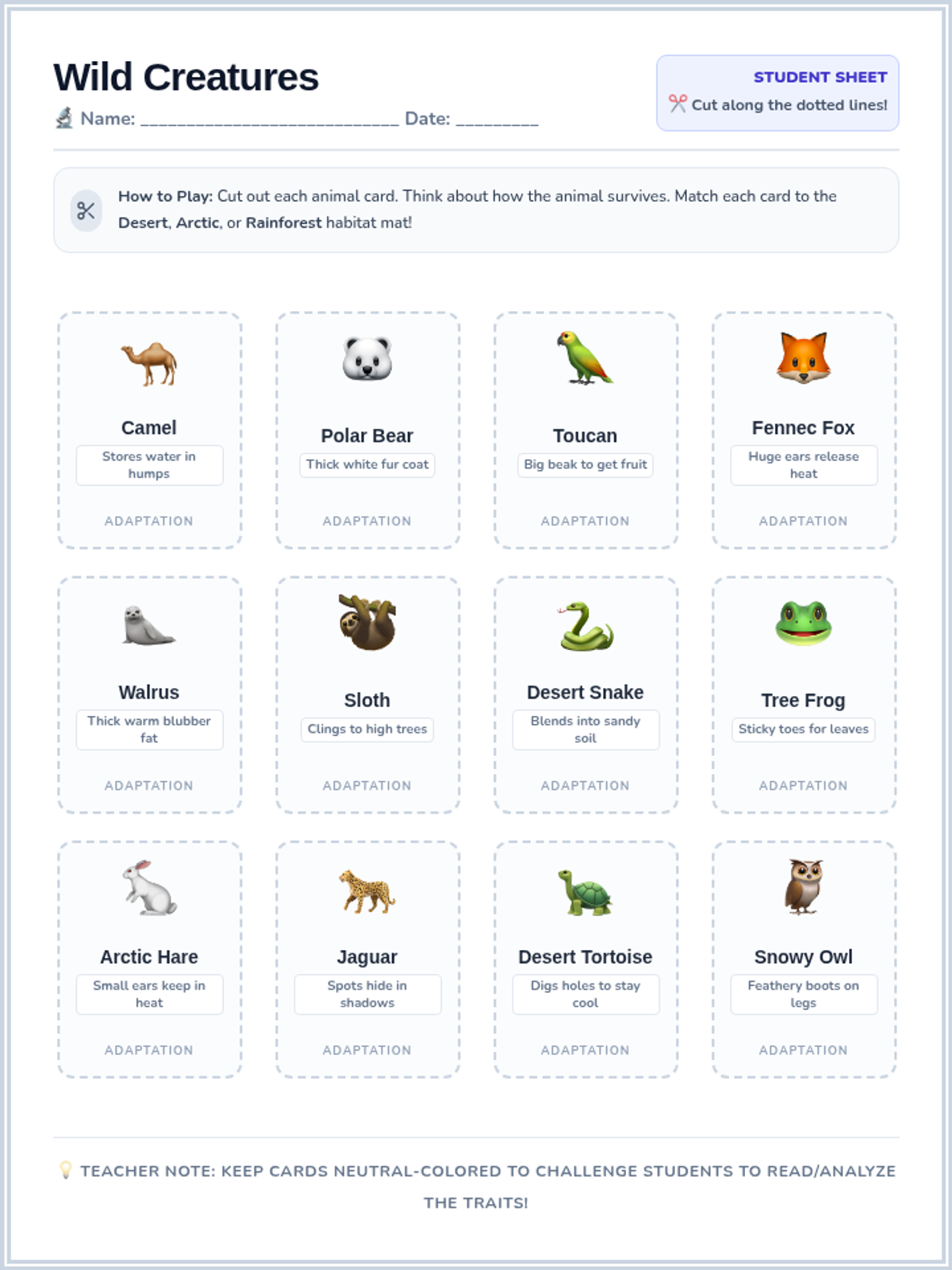
A hands-on sensory center lesson where students explore plastic animal toys to learn basic science concepts like classification, anatomy, and habitats while building descriptive vocabulary.
A science lesson for 2nd graders exploring the life cycle of a frog through reading, identifying main ideas, and interactive discussion. Students will learn the four key stages from egg to adult frog.
A hands-on science lesson for Kindergarten and 1st grade students to explore density and chemical reactions by creating a DIY lava lamp. Students will learn why oil and water don't mix and observe the 'magic' of gas bubbles.
A hands-on science lesson exploring density and chemical reactions through the creation of a DIY lava lamp. Students will learn why oil and water don't mix and how gas bubbles transport liquids.
A 3-hour collaborative STEM lesson where students build bridges (literally and figuratively) to get to know one another. Includes stations, a main engineering challenge, and reflection components.
An introduction to the heart and blood for kindergarteners, explaining how our blood travels through the body to keep us strong.
A foundational introduction to the five senses through simple reading and hands-on labeling activities designed for kindergarten learners.
This lesson empowers students, including Multilingual Learners, to lead sustainable lives by transforming their daily lunch habits. Through visual aids, scaffolded vocabulary, and collaborative activities, students identify environmental impacts and plan actionable eco-friendly changes.
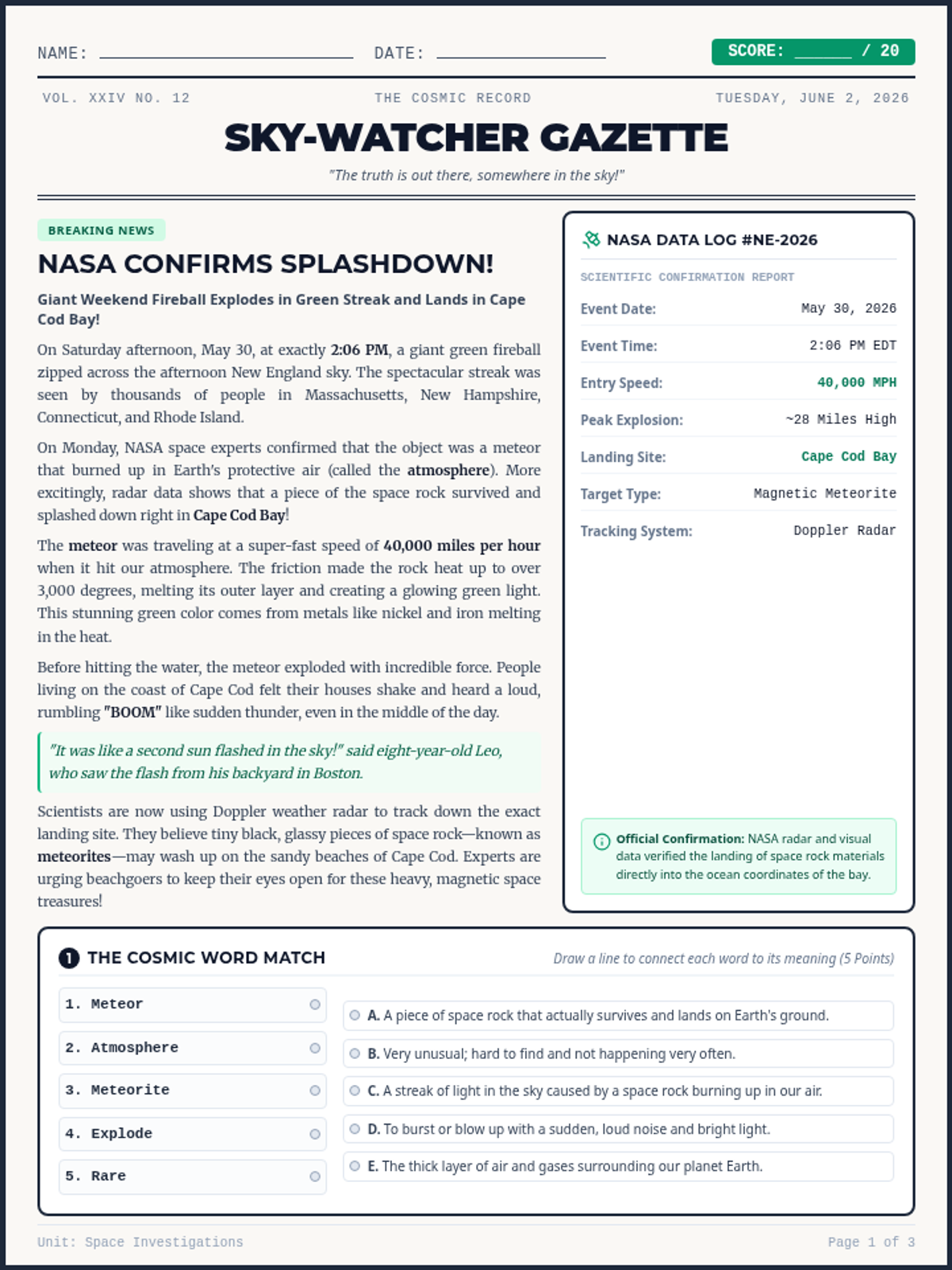
An introductory lesson for third graders exploring the eight planets in our solar system, their unique characteristics, and their order from the Sun.
A culminating interactive lesson where students analyze informational texts about renewable energy using Z-chart graphic organizers to synthesize their learning.
A phonics-based card game lesson where students practice reading words with short vowels, blends, digraphs, vowel teams, and various affixes through an Old Maid style game called Losing Lizard.
An introduction to the four main stages of the water cycle: evaporation, condensation, precipitation, and collection. Students will learn how water moves through our environment in a continuous loop.
A fun, interactive Jeopardy-style review game for the 2nd Grade CKLA Unit 10 on Human Body Systems, covering the skeletal, muscular, digestive, excretory, and circulatory systems.
A primary lesson introducing the concept of technology as tools that help people perform tasks, featuring sorting activities and creative drawing.
A lesson exploring the components of our solar system, focusing on reading comprehension, sequencing, and identifying key details from informational text.
This lesson focuses on sequencing the phases of the water cycle. Students will read an informational text describing the journey of water, identify temporal markers, and use textual evidence to explain the transition between stages.
Students will learn the four distinct stages of a butterfly's life cycle and practice sequencing them in the correct chronological order.
A hands-on engineering lesson where 2nd graders design and test models of seeds to understand how plant structures aid in dispersal through wind, water, and animals.
Analyze the distinction between the rights granted to citizens and the responsibilities they hold within a community.
Explore the structure of the U.S. government, focusing on the roles and responsibilities of the Legislative, Executive, and Judicial branches.
Investigate the different forms of energy and the transition between potential and kinetic energy through real-world examples.
Discover how energy travels through waves, exploring sound, light, and water ripples through visual observations and hands-on mapping.
Reviewing the edge of the solar system and wrapping up. Reading: Figurative language and theme. Writing: Opinion writing on Pluto and best planetary destinations.
Focusing on the inner and outer planets. Math: Multiplication, division, and multi-step word problems. Writing: Informational planet report.
Focusing on the Moon. Math: Fractions (2, 3, 4, 6, 8). Writing: Informational report on Moon phases.
Focusing on the Sun. Math: Addition and subtraction with regrouping within 1000. Reading: Context clues.
Introduction to the review week focusing on Earth. Math: Area of rectangles and composite figures. Reading: Main idea and details.
An extension lesson delving deeper into how plants grow, focusing on the specific functions of roots, stems, and leaves, as well as the essential nutrients found in soil.