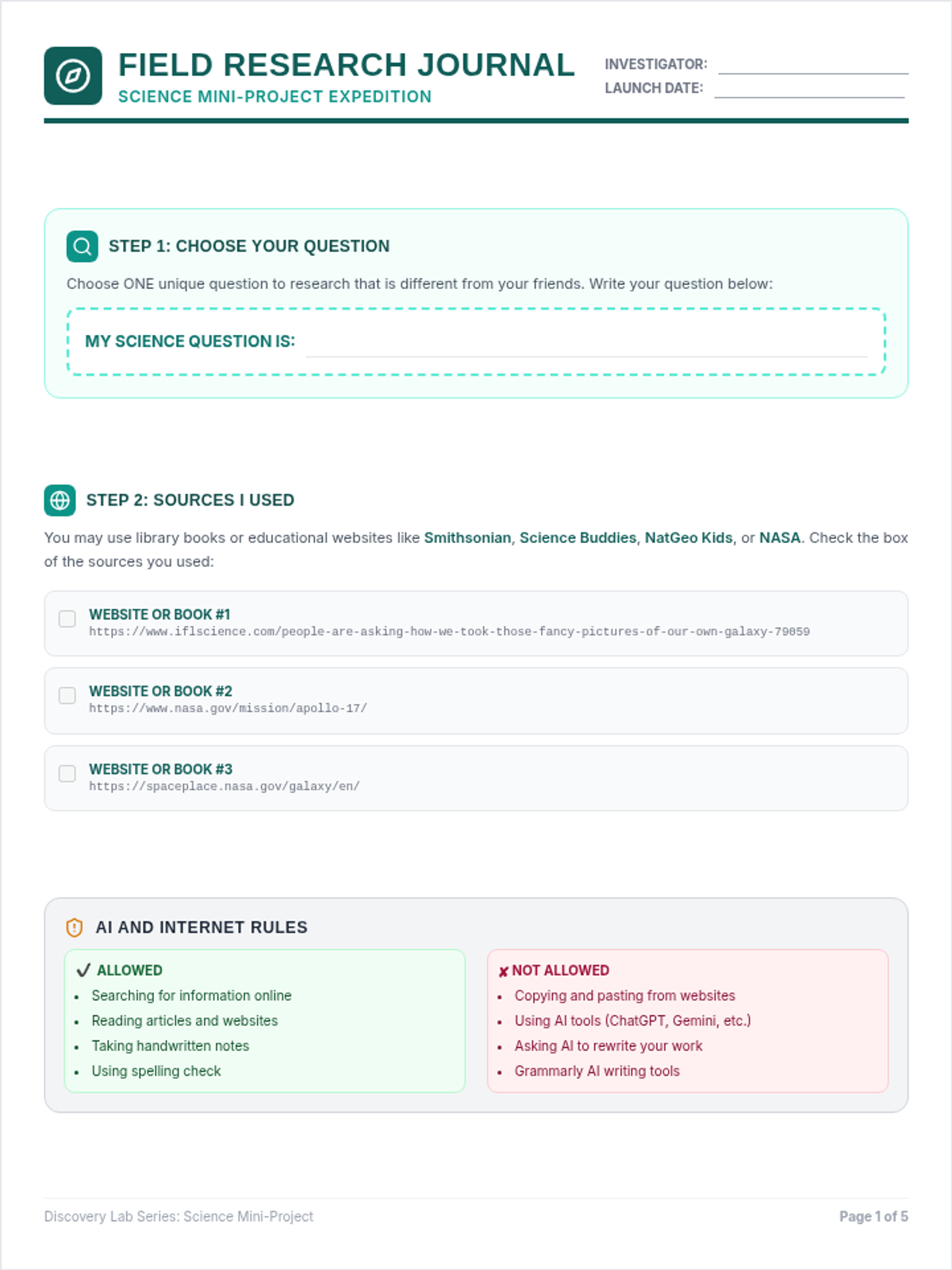
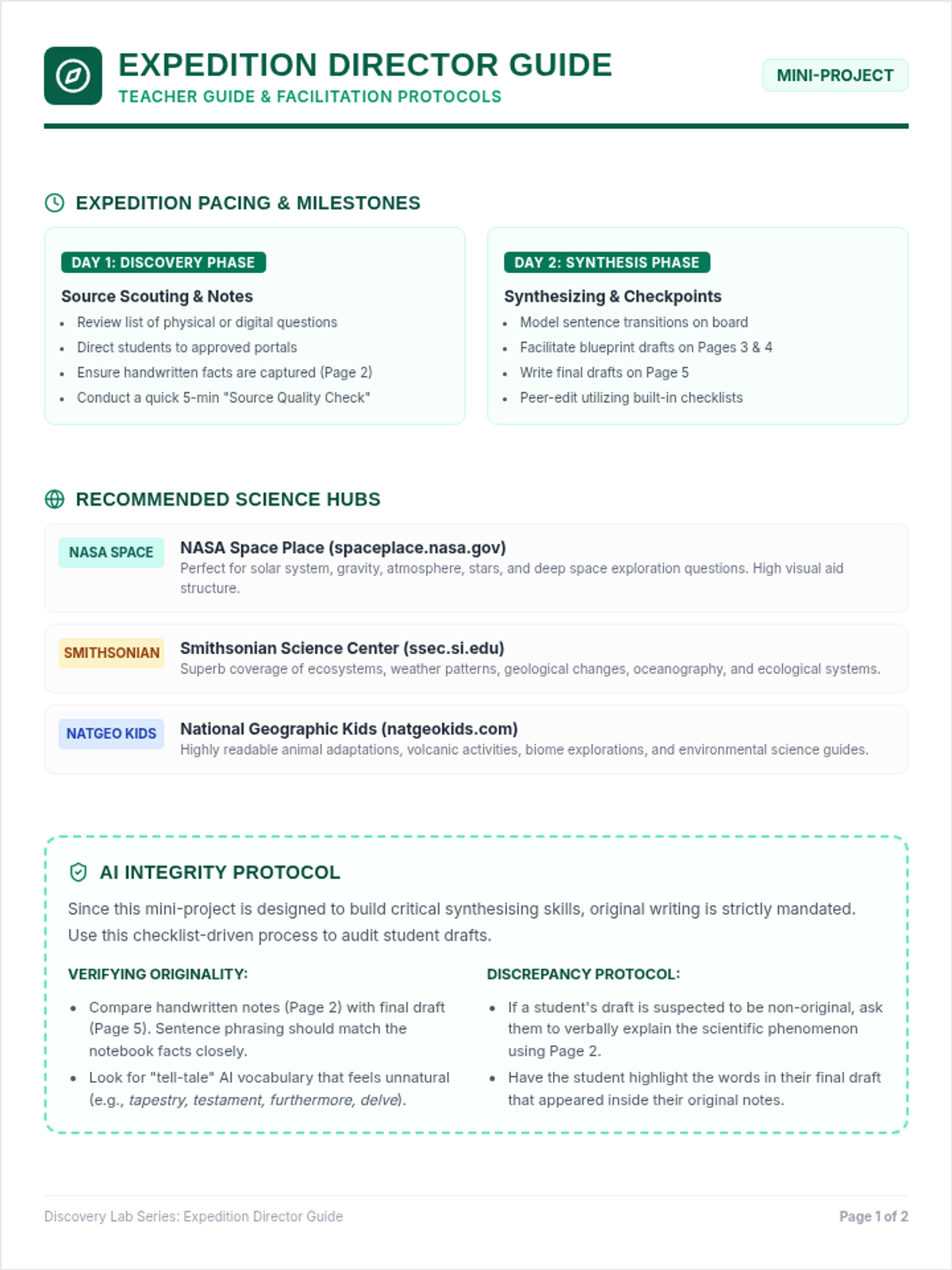
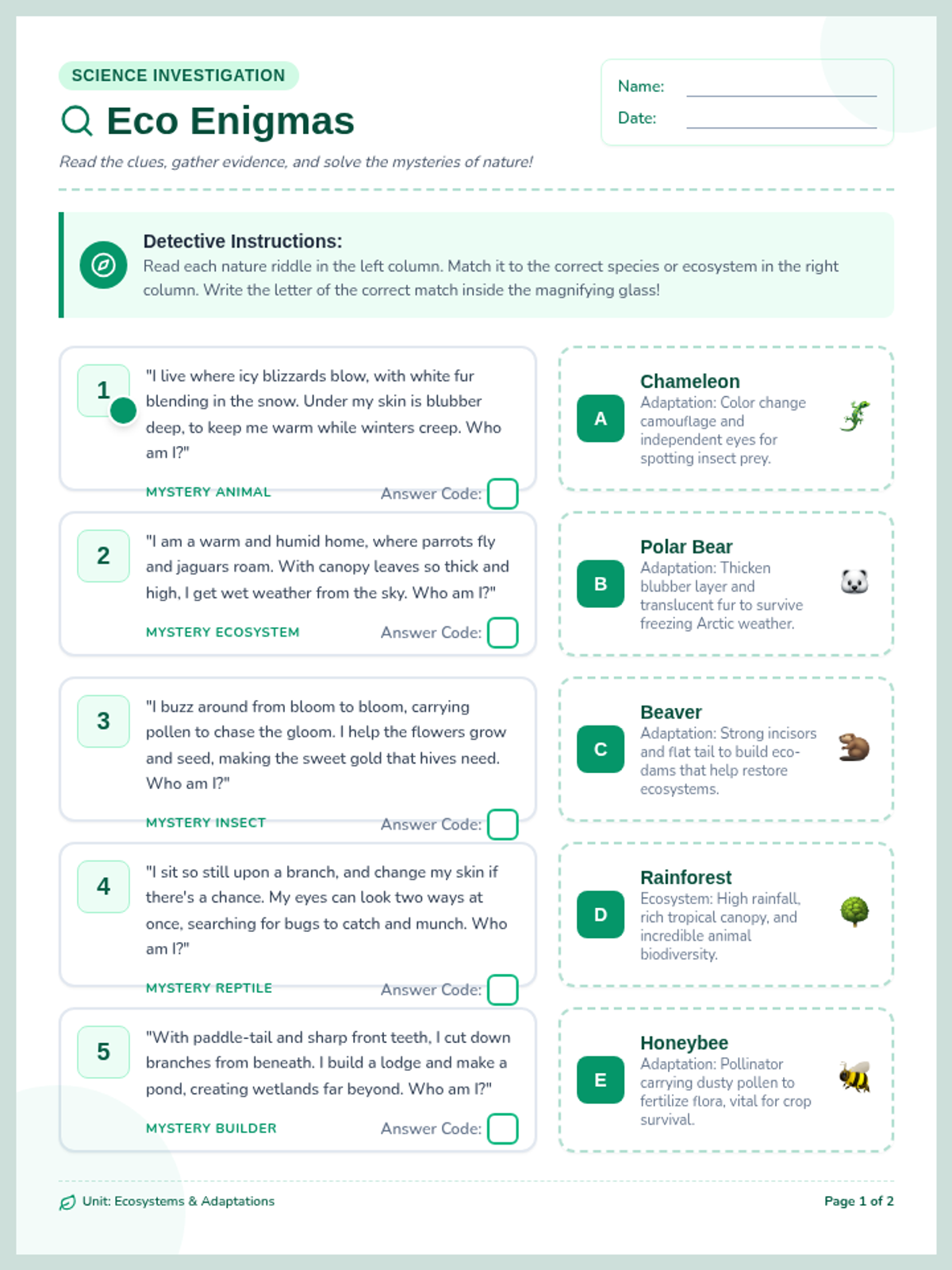
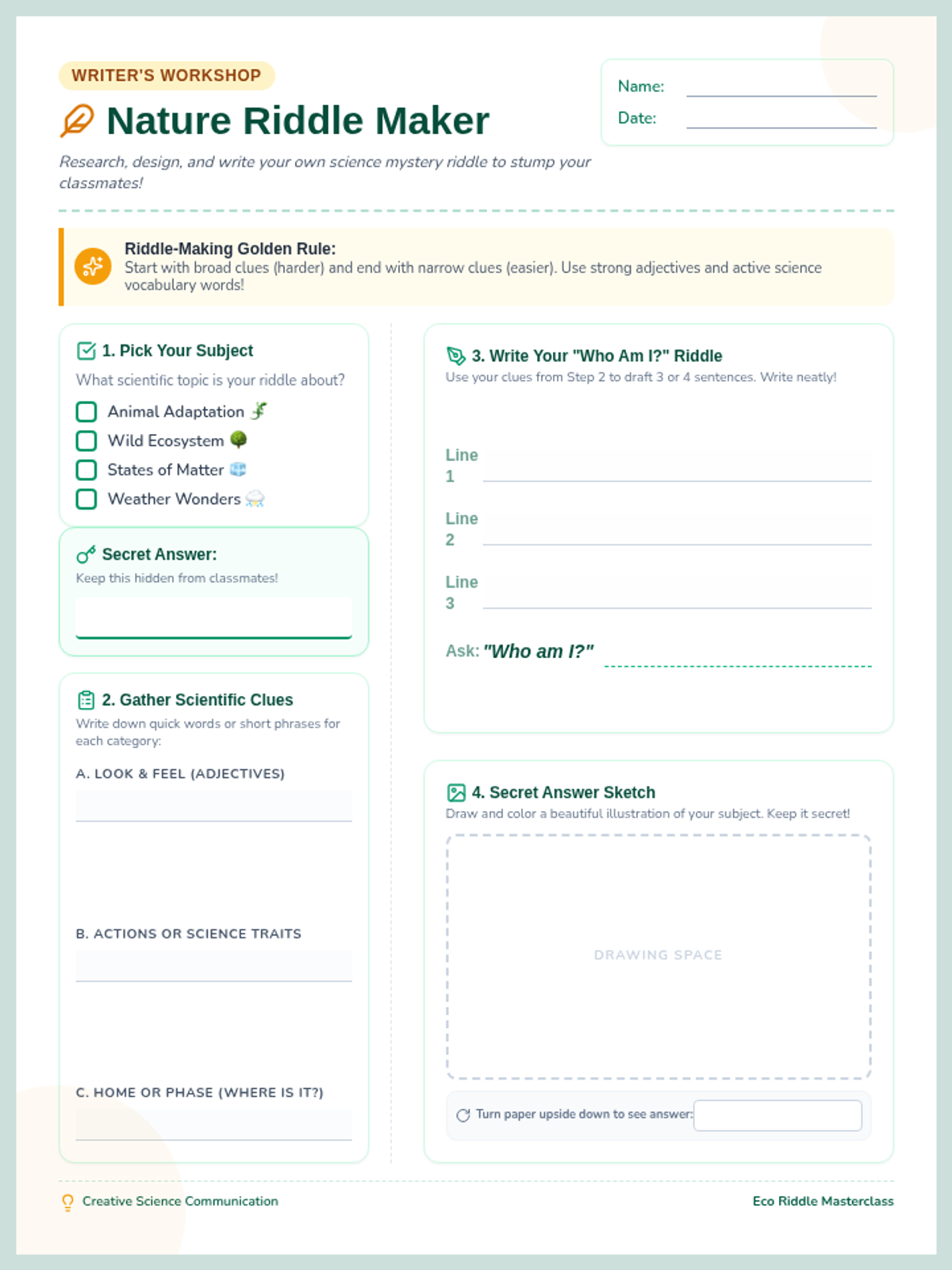
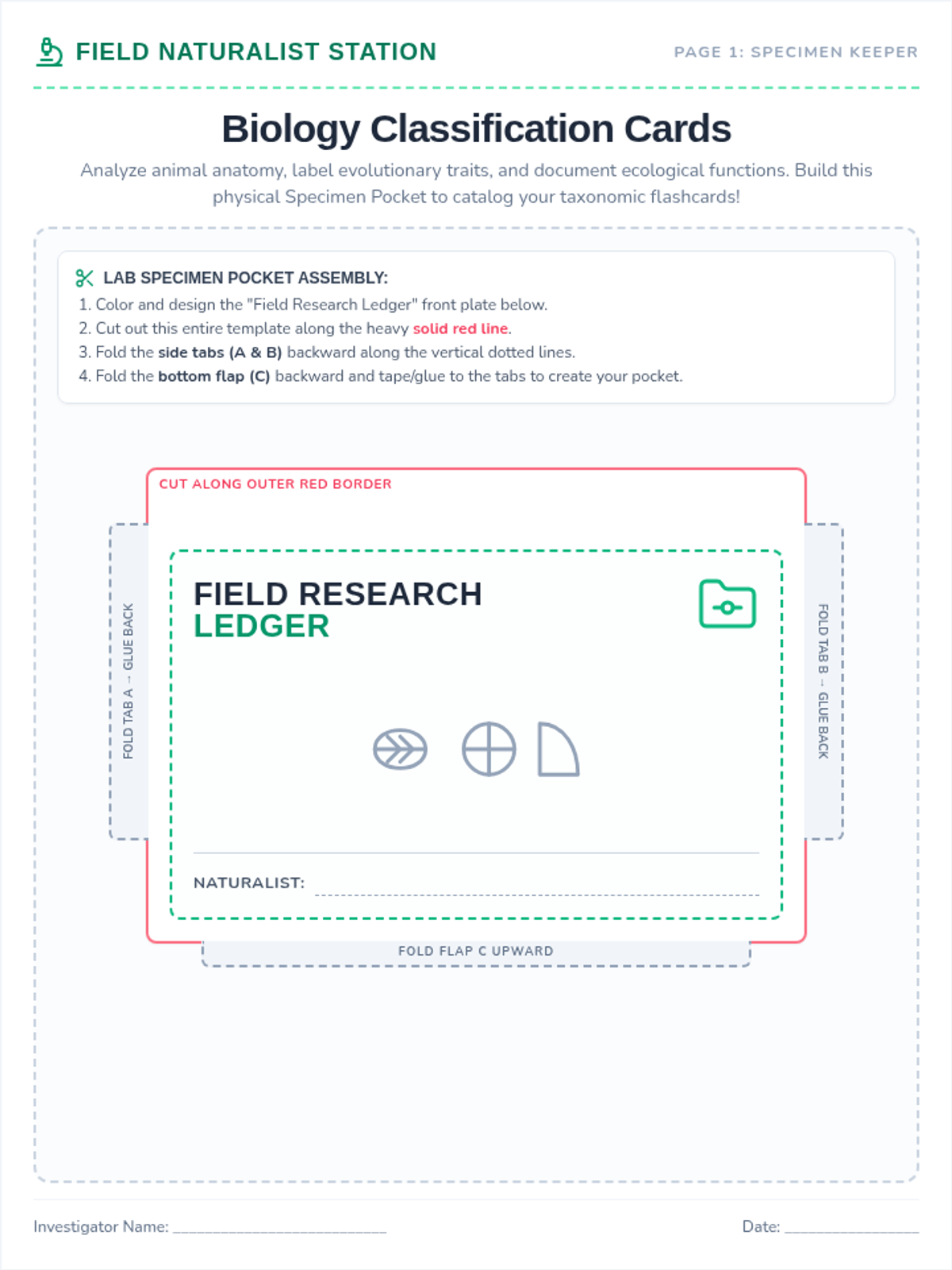
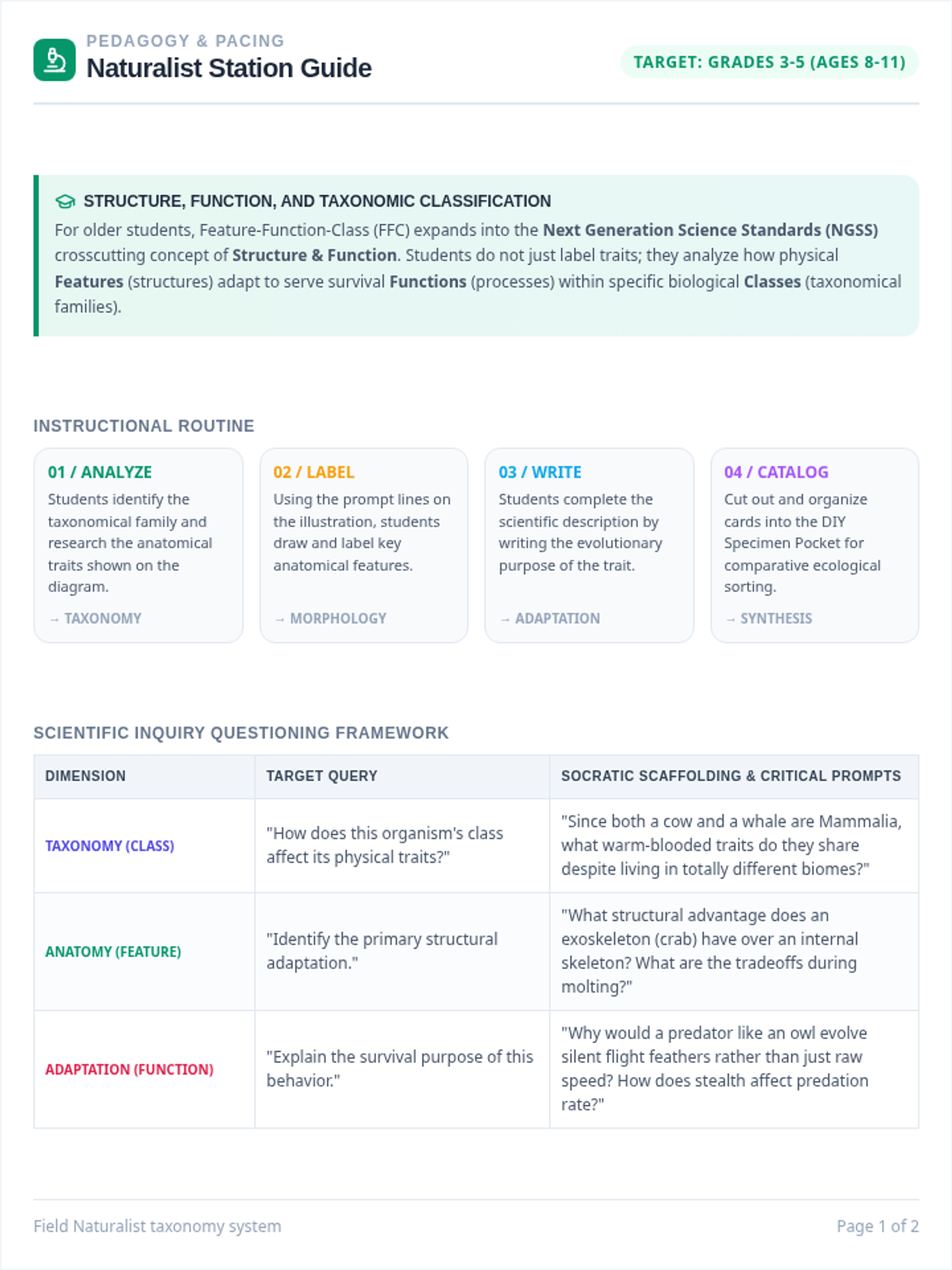
A fun and engaging animal-themed coloring book that encourages students to identify, draw, and color 51 different animals. This lesson focuses on animal diversity and recognition through a creative field-guide approach.
A beginner-friendly introduction to Mechanical, Electrical, and Light energy, featuring a hands-on classification activity.
A fast-paced, student-centered lesson where students explore the skeletal system through a collaborative jigsaw and a hands-on station rotation lab featuring a structural inquiry investigation.
An introductory lesson on the fundamental process of photosynthesis, focusing on the role of plant structures and the conversion of light energy into chemical energy.
A comprehensive week of instruction covering the introduction of ai and ay, multisensory practice, heart words, and connected text reading.
A foundational phonics lesson focused on identifying and matching initial consonant sounds through detective-themed activities and hands-on matching.
A foundational exploration of trace evidence—specifically hair, fiber, and paint—using a hands-on scavenger hunt approach to understand Locard's Exchange Principle.
In this lesson, students take on the role of forensic investigators to solve 'The Missing Card' mystery. They will analyze suspect profiles, evaluate evidence vs. inference, map out a crime timeline, and use deductive reasoning to identify the thief through a formal CER (Claim, Evidence, Reasoning) framework.
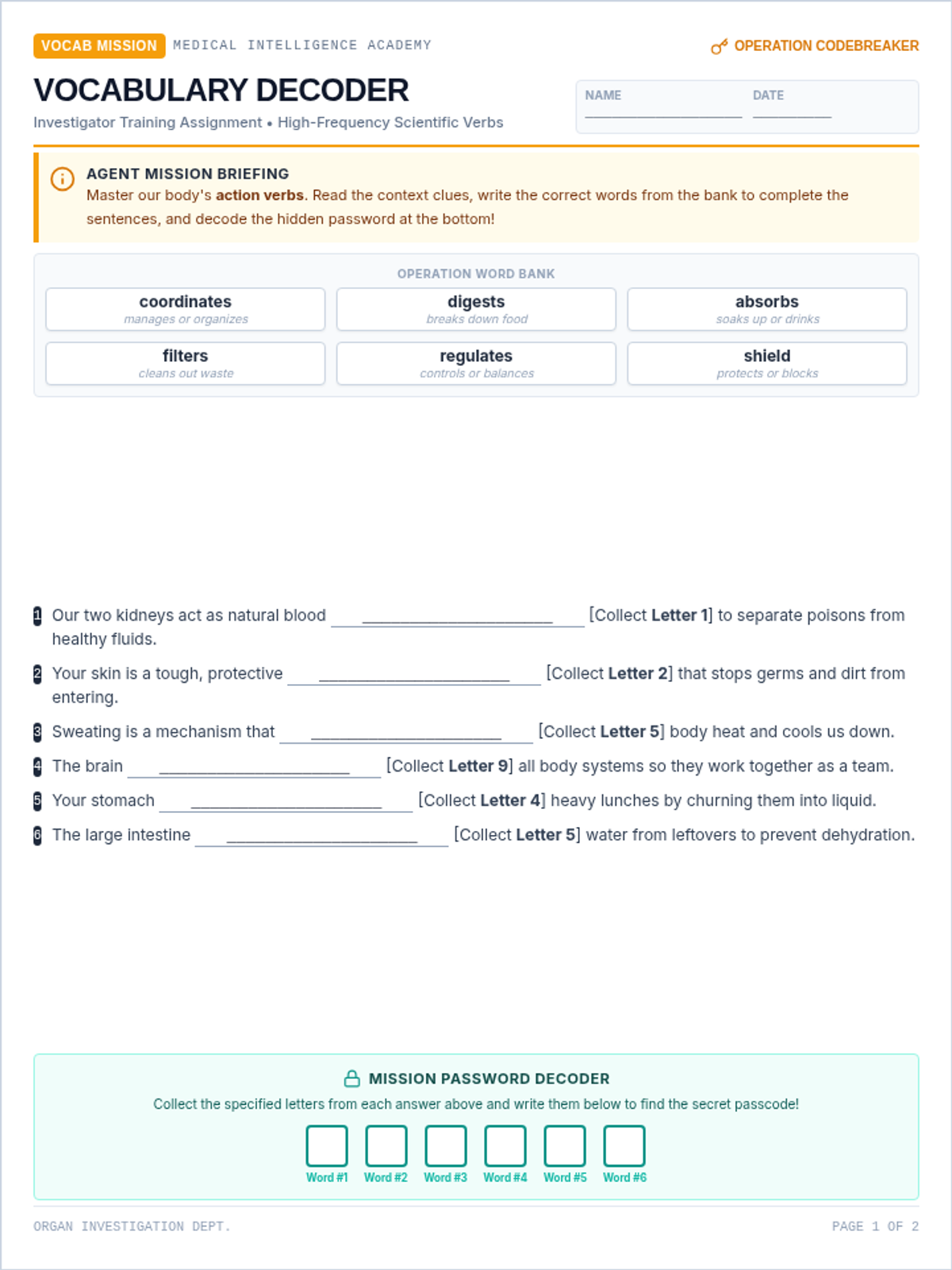
A comprehensive review of 5th Grade NC Life Science standards, covering unicellular/multicellular organisms, human body systems, ecosystems, and genetics.
A focused activity on identifying and distinguishing between vowels and consonants using the visual style of plastic reading rods.
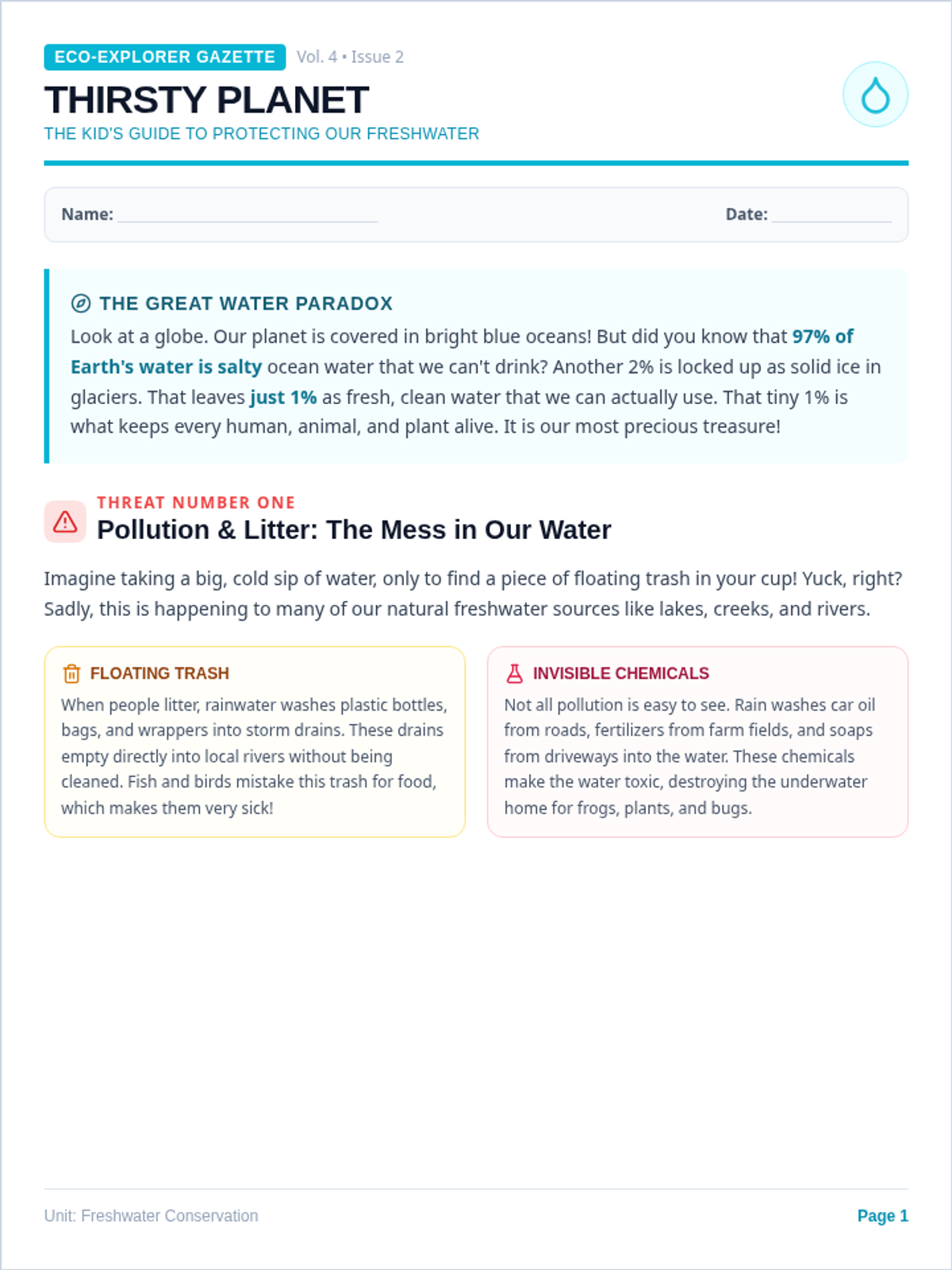
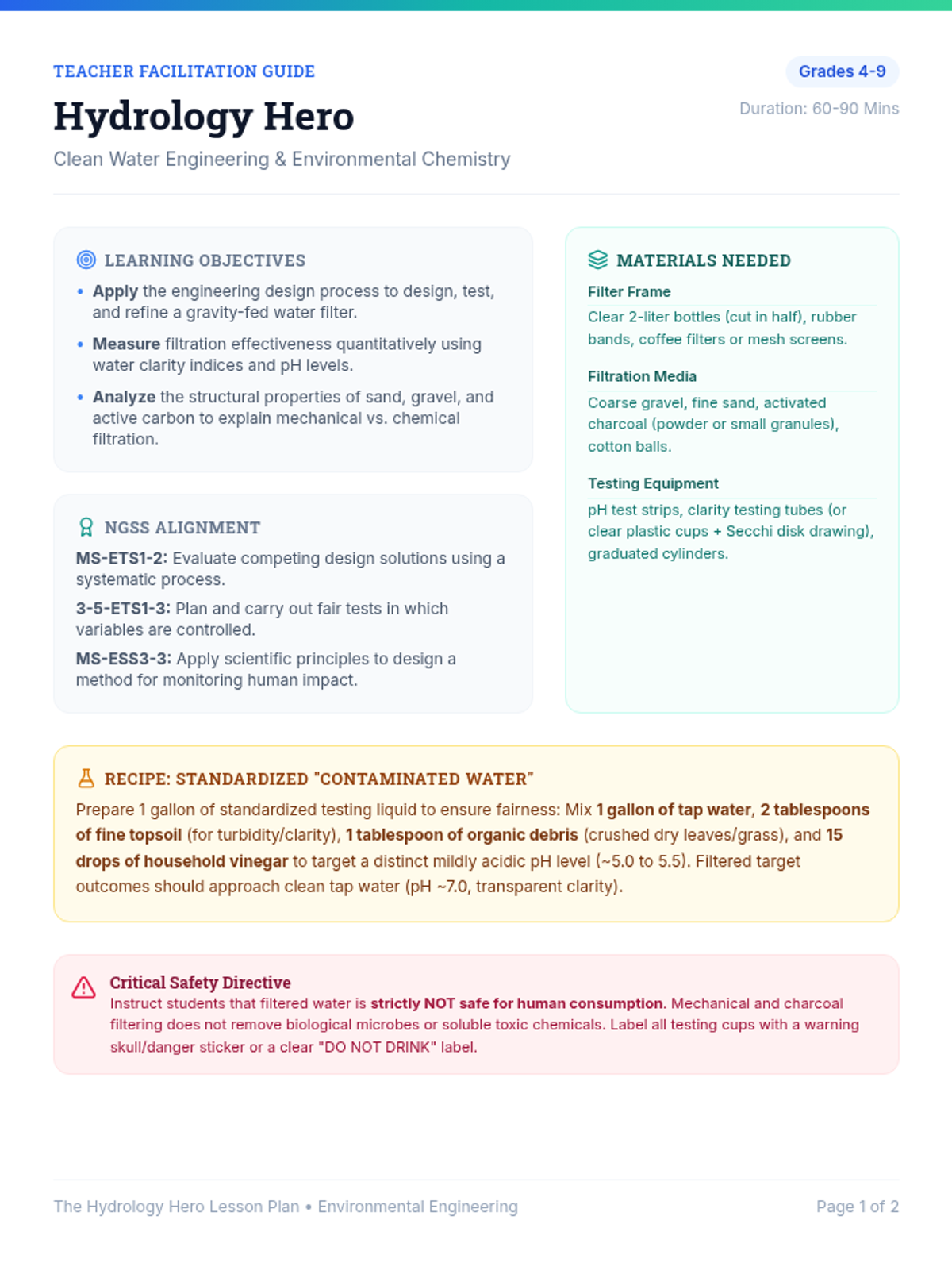
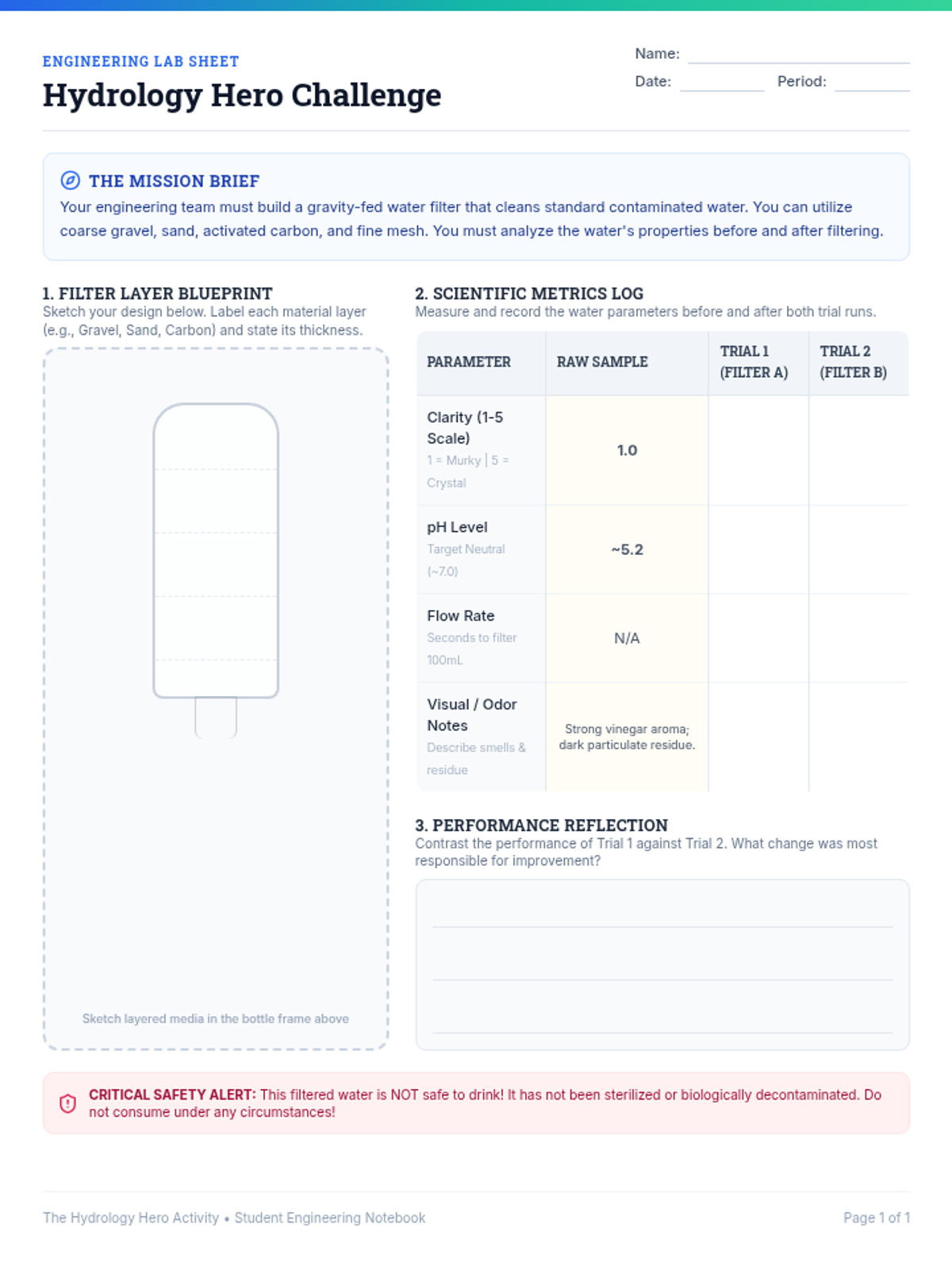
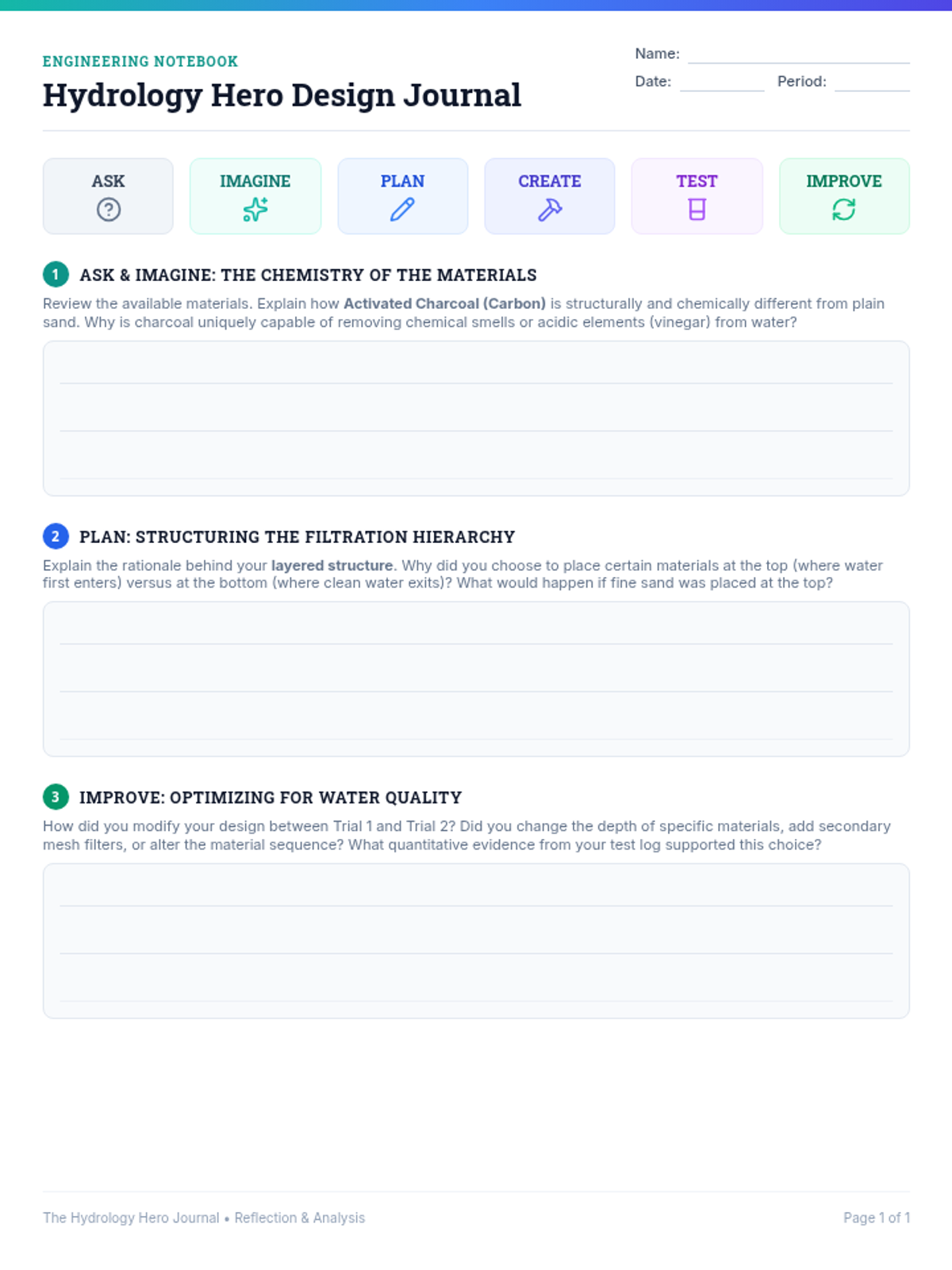
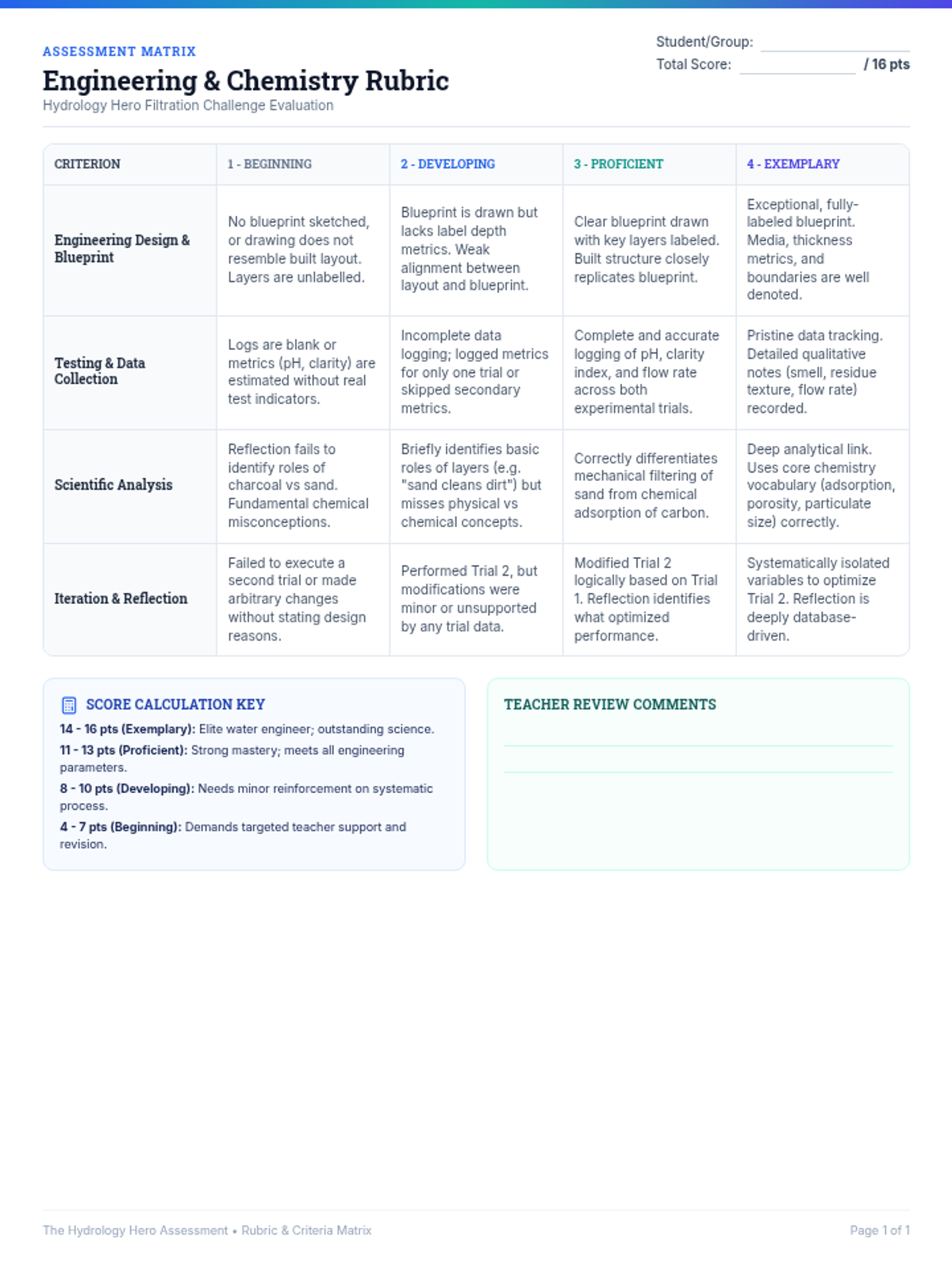
An introductory lesson on hydrology covering water distribution, the water cycle, molecular structure, and conservation efforts through a reading passage and comprehension activity.
An introduction to the endocrine system for kindergarteners, explaining how our body sends "special messages" to help us grow and feel.
An introduction to the immune system for kindergarteners, explaining how our white blood cells and skin protect us from germs.
An introduction to the brain and nerves for kindergarteners, explaining how our nervous system sends messages to help us think and move.
An introduction to the digestive system for kindergarteners, exploring how our bodies turn food into energy.
An introduction to muscles and movement for kindergarteners, explaining how our muscles pull on bones to help us move.
An introduction to bones and the skeleton for kindergarteners, explaining how our bones support and protect our bodies.