A fun-filled, competitive trivia challenge centered around the history, mechanics, and recent community updates of the sensation Geometry Dash. Perfect for gaming clubs, brain breaks, or student-led activities.
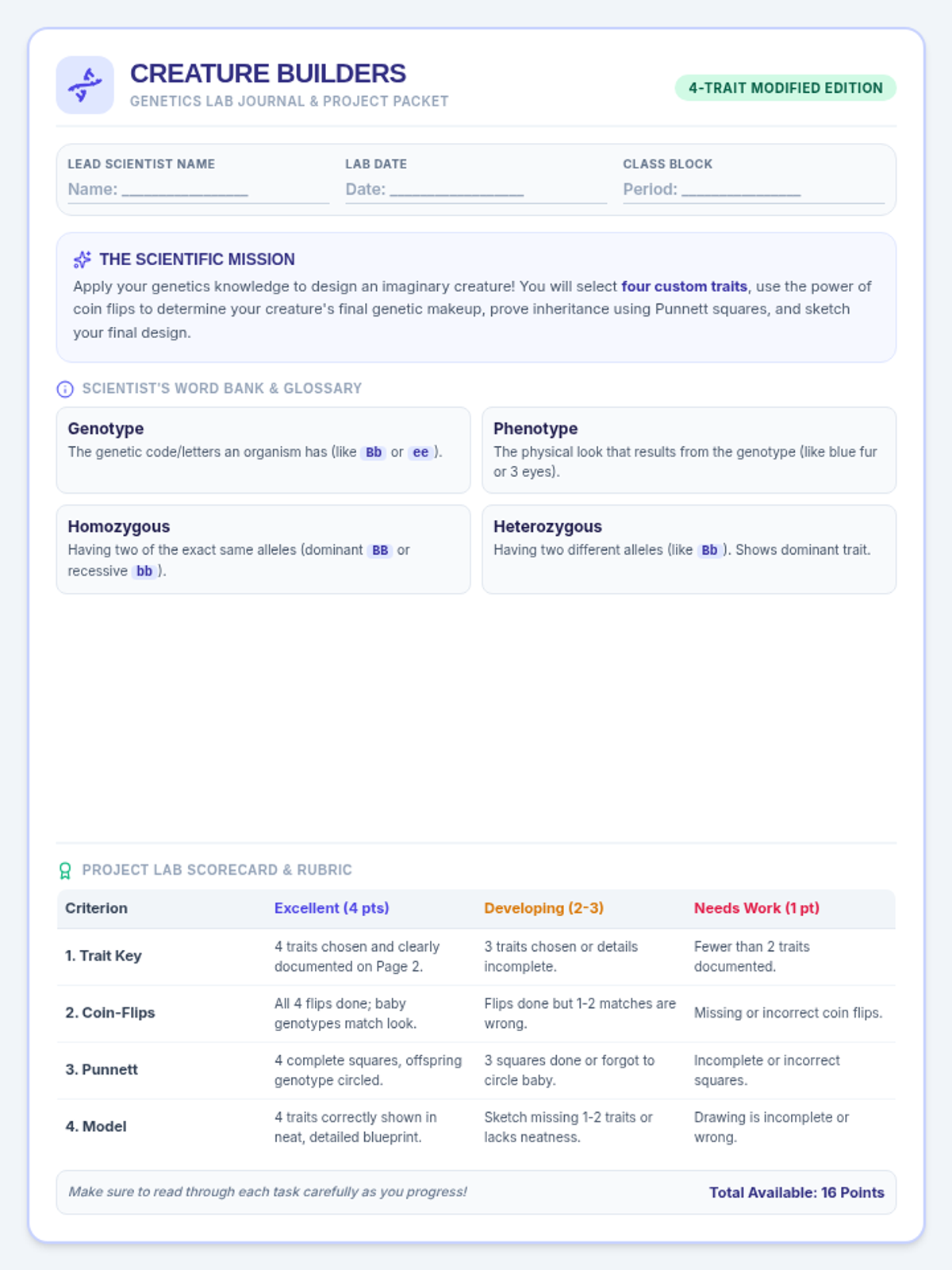
A multi-day hands-on genetics project where students choose traits, flip coins to determine genotypes, solve Punnett squares, and build a model of their designed species.
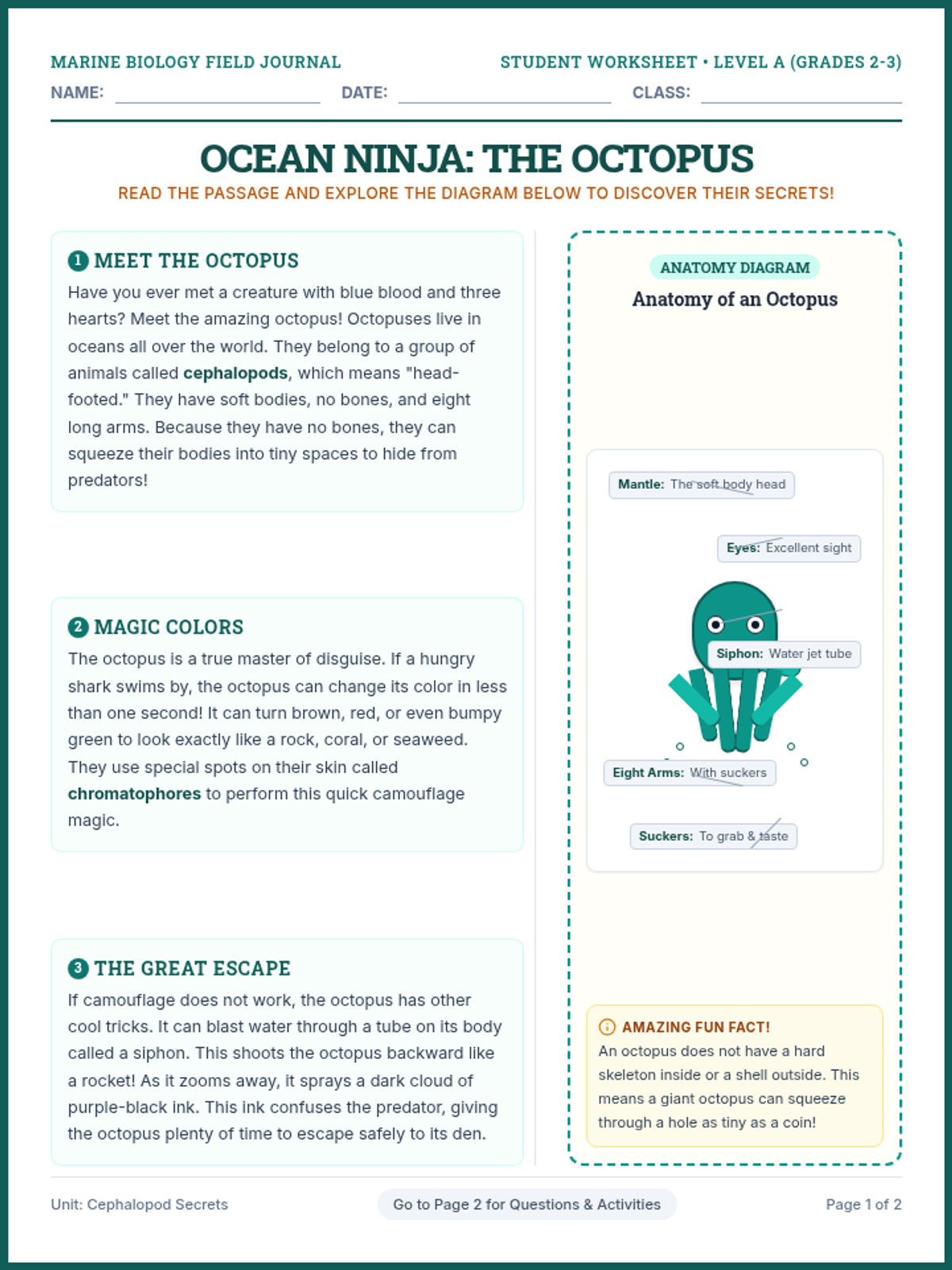
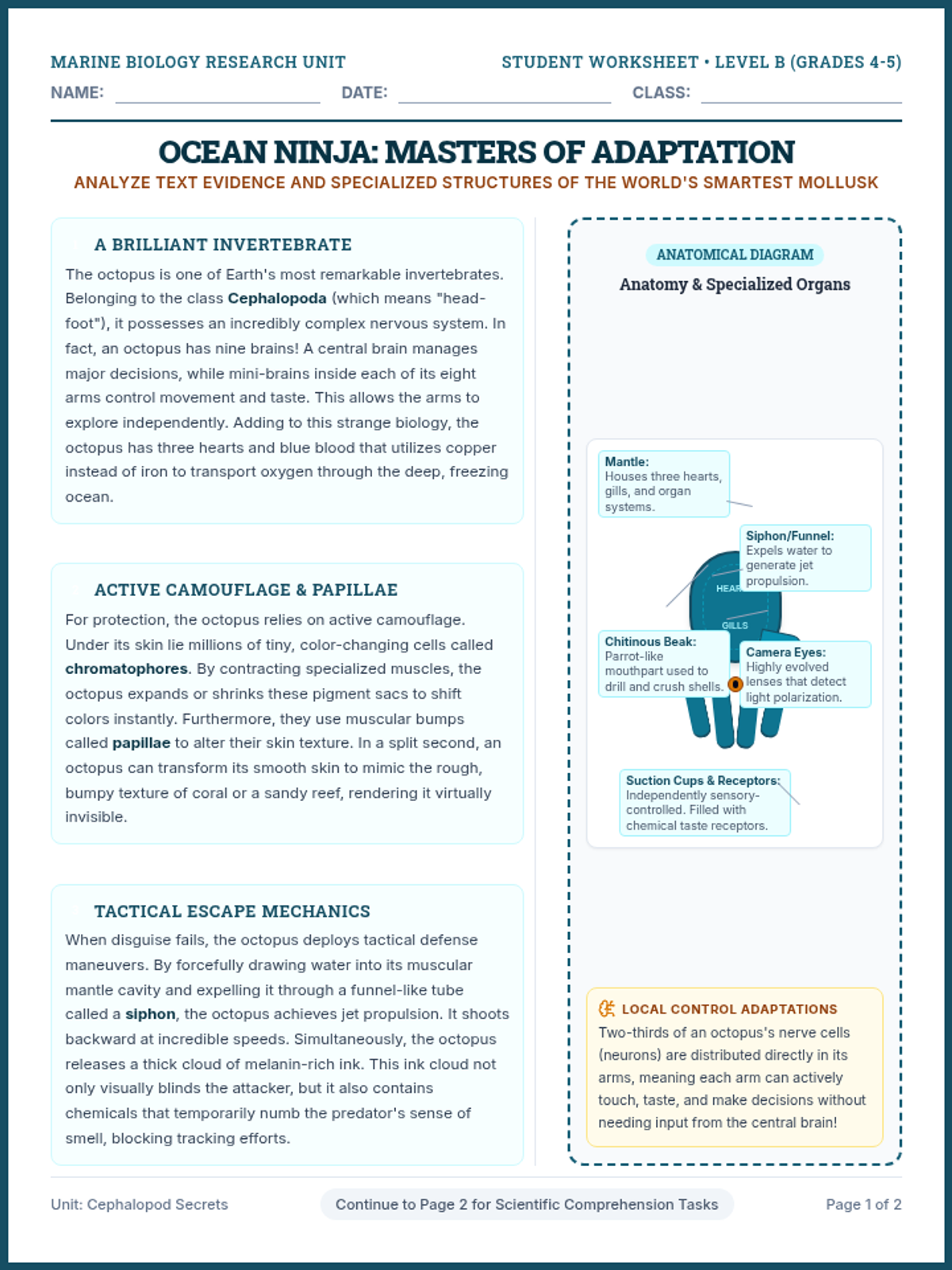
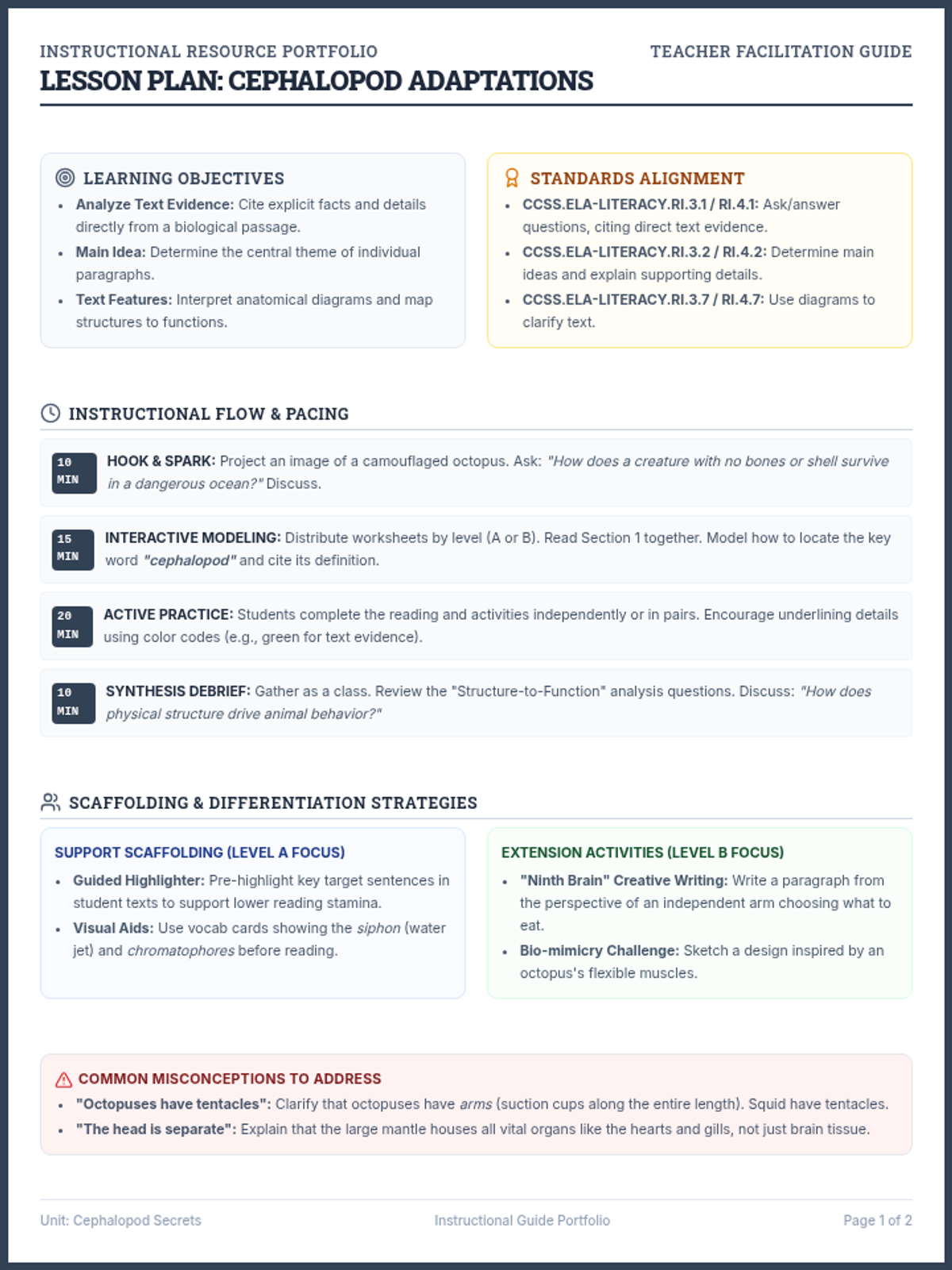
A differentiated reading comprehension unit focusing on the fascinating adaptations, anatomy, and intelligence of octopuses. Students read level-adjusted passages, analyze text-feature diagrams, and practice finding direct text evidence and summarizing main ideas.
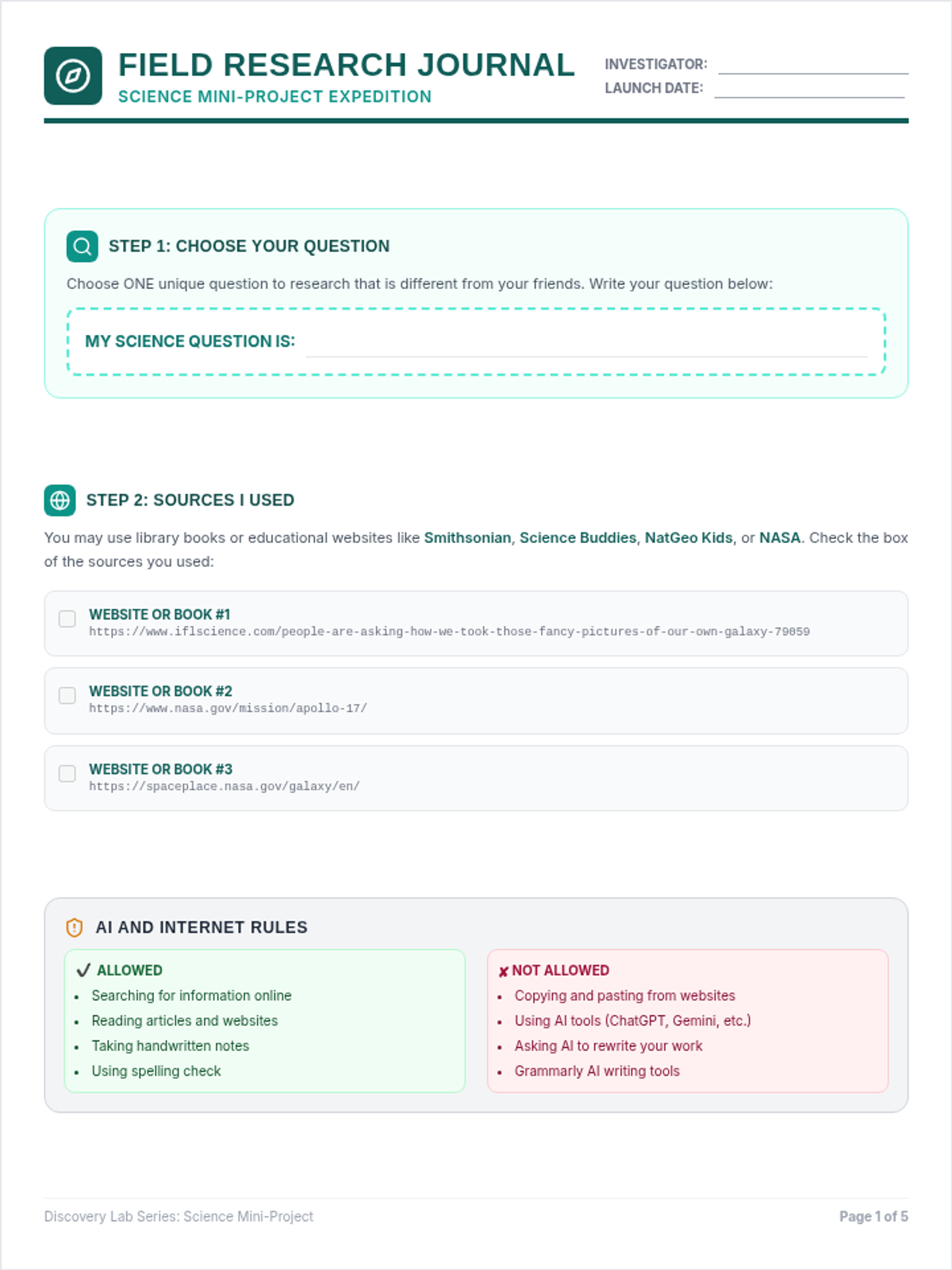
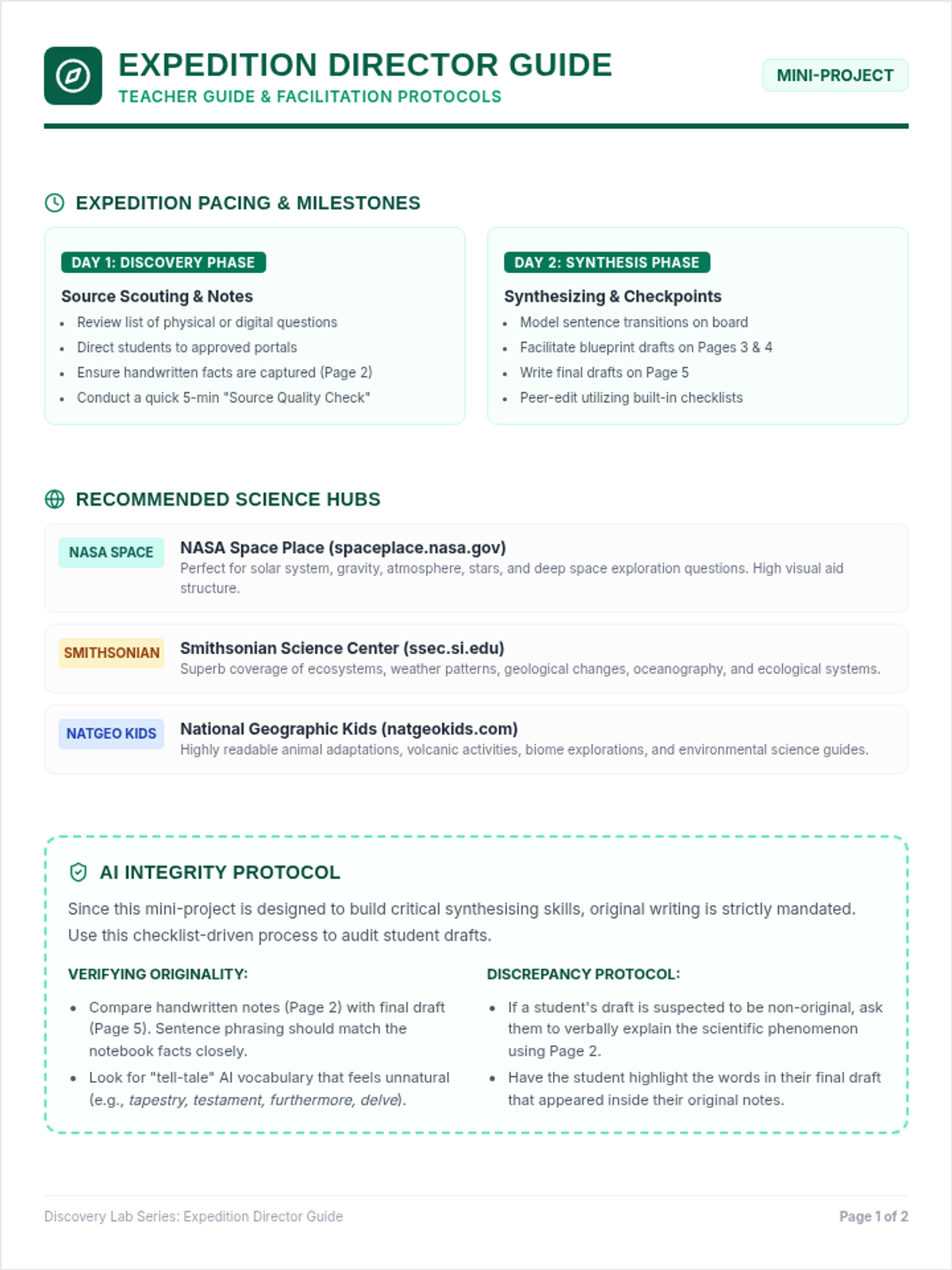
A student-led research project where students choose a science question, evaluate reliable sources, gather evidence, and draft a 3-4 paragraph explanation. Includes moderate visual scaffolding and structured checklists to guide independent inquiry and writing.
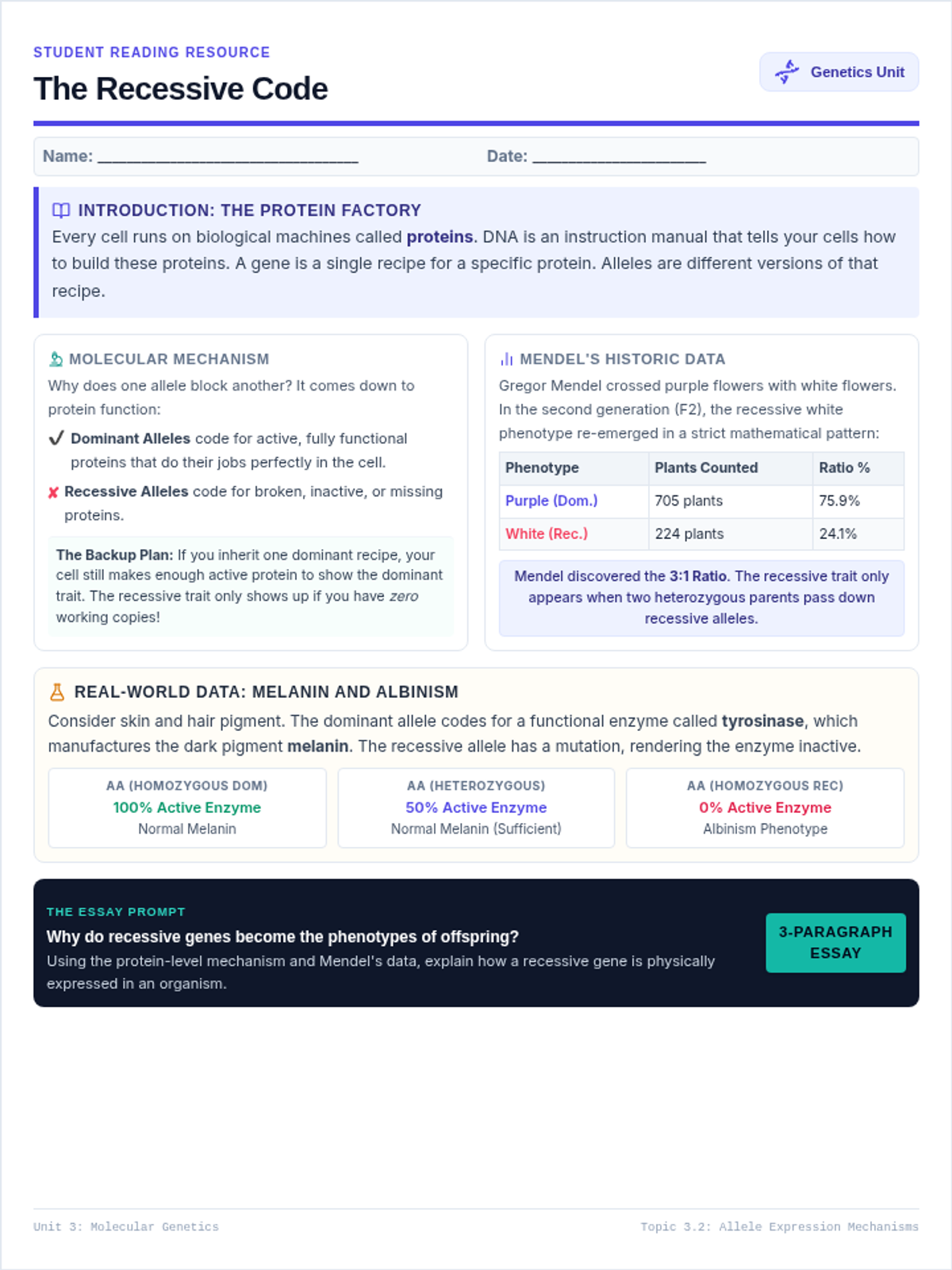
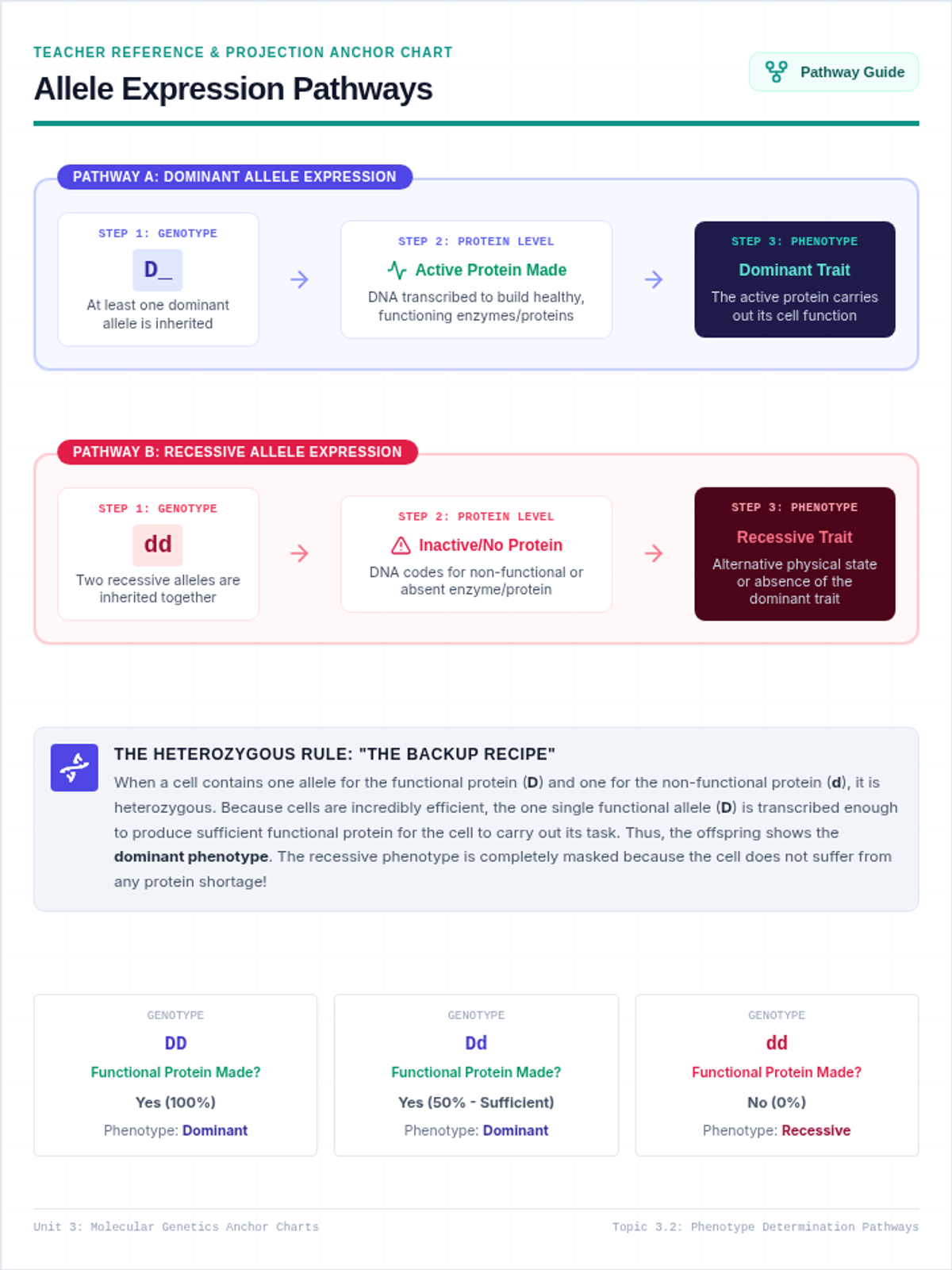
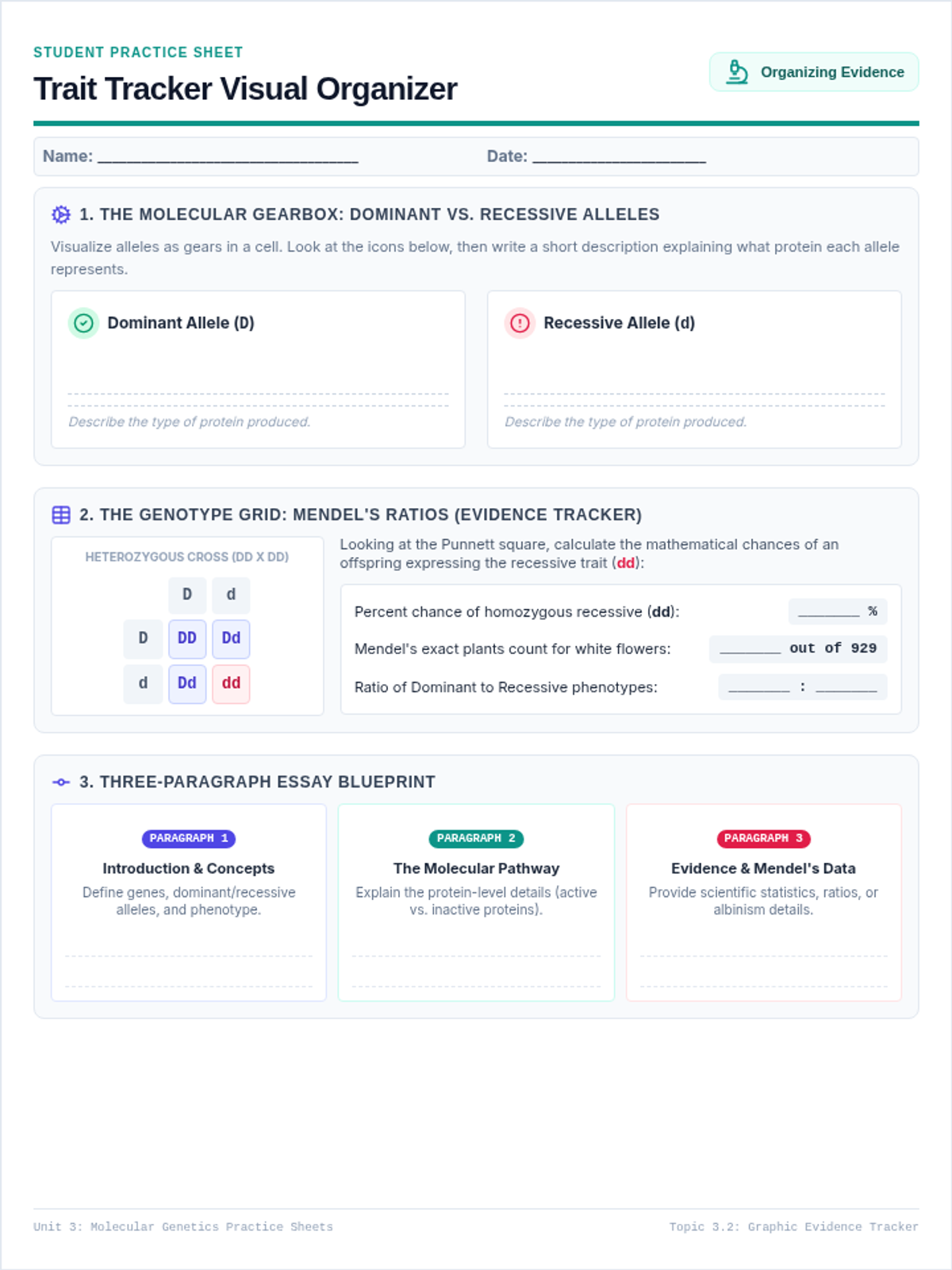
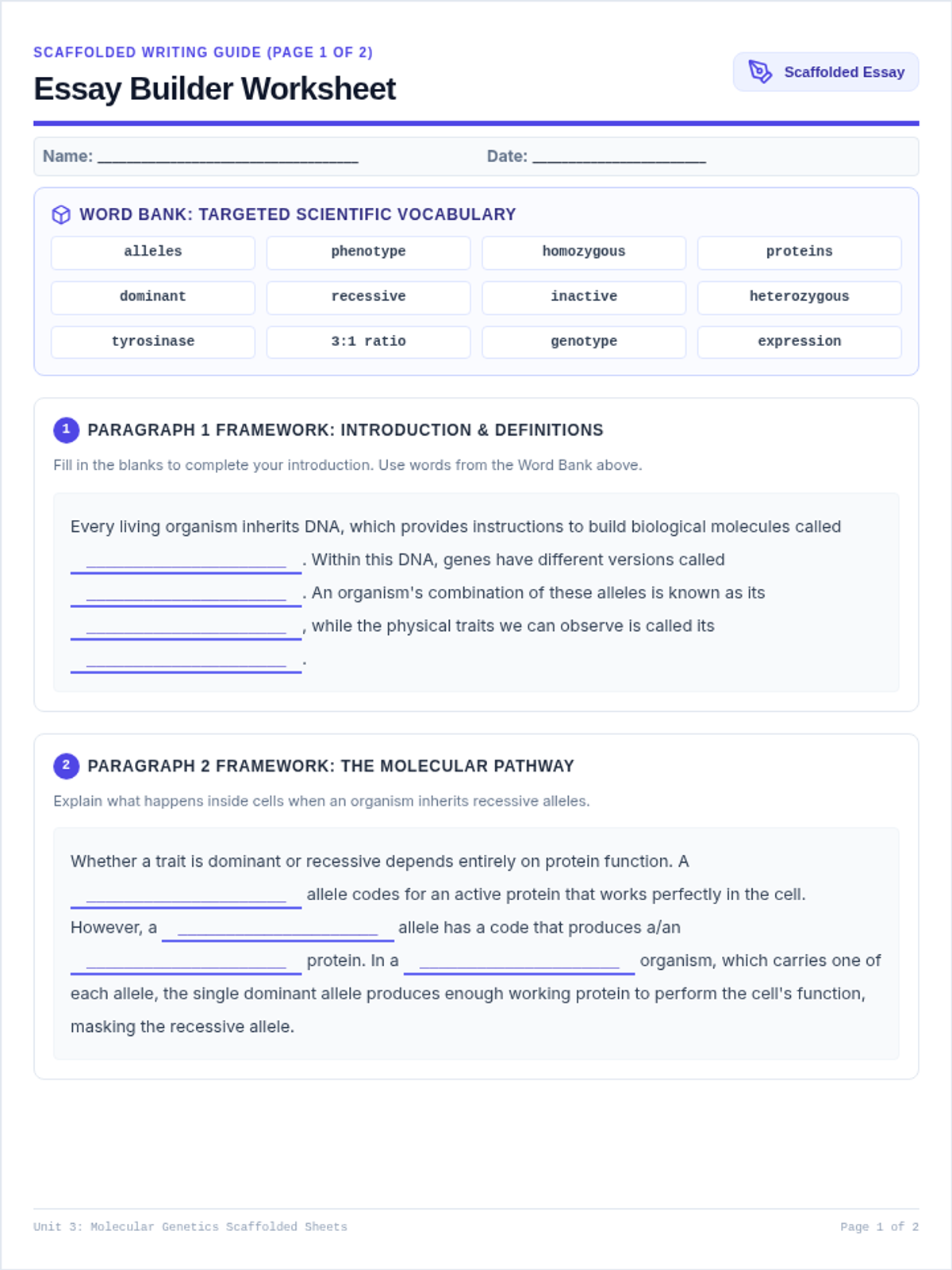
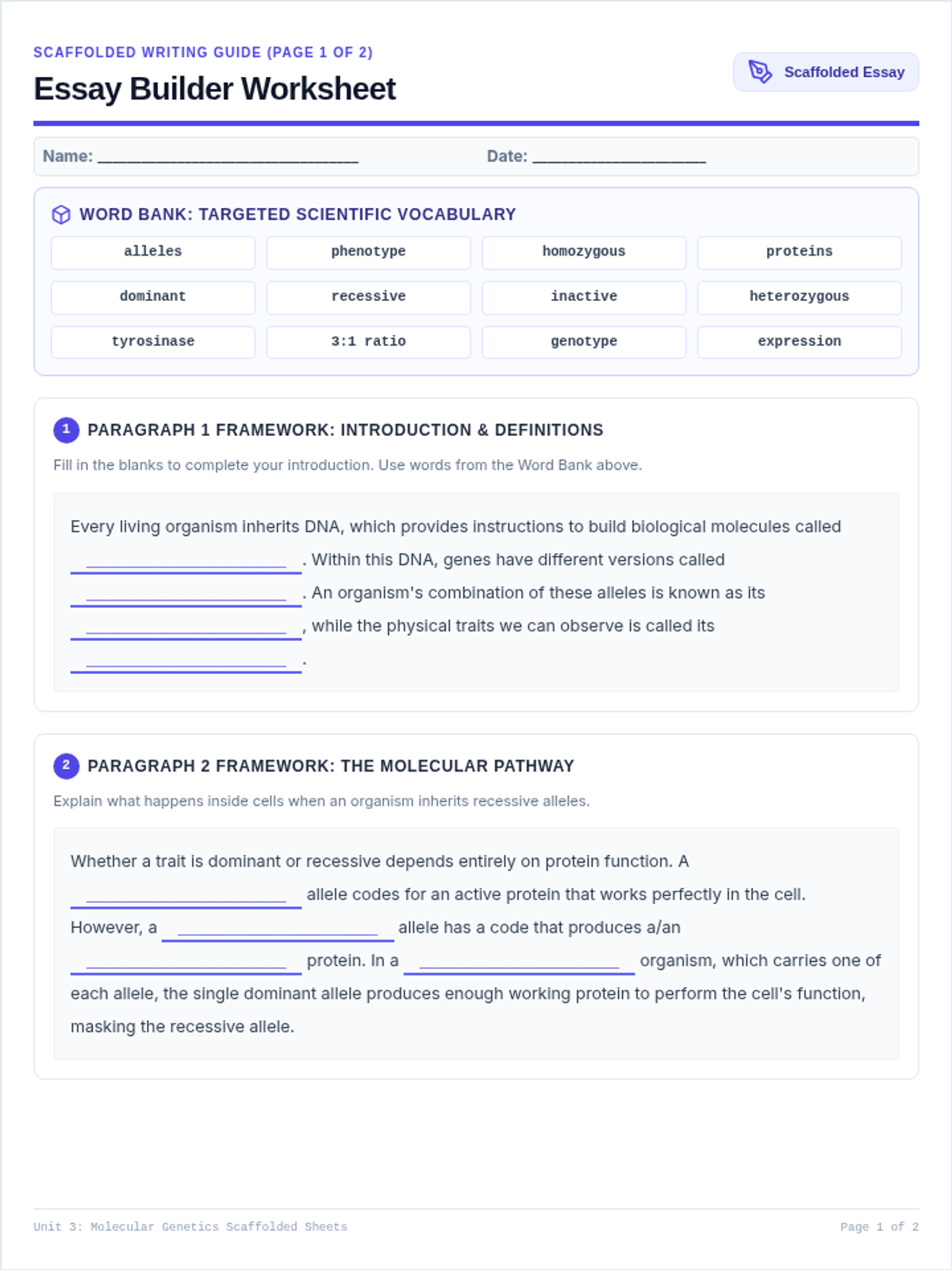
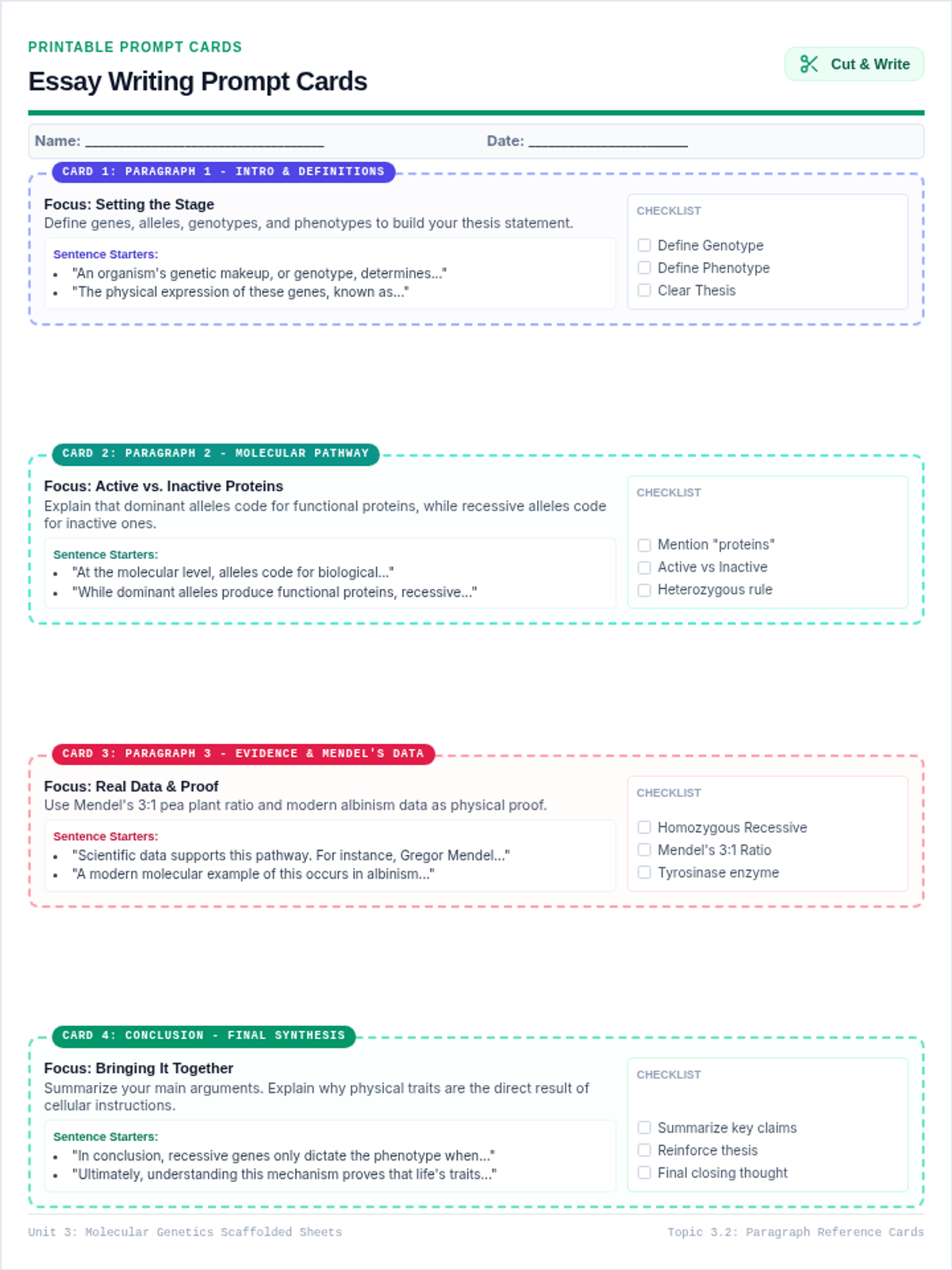
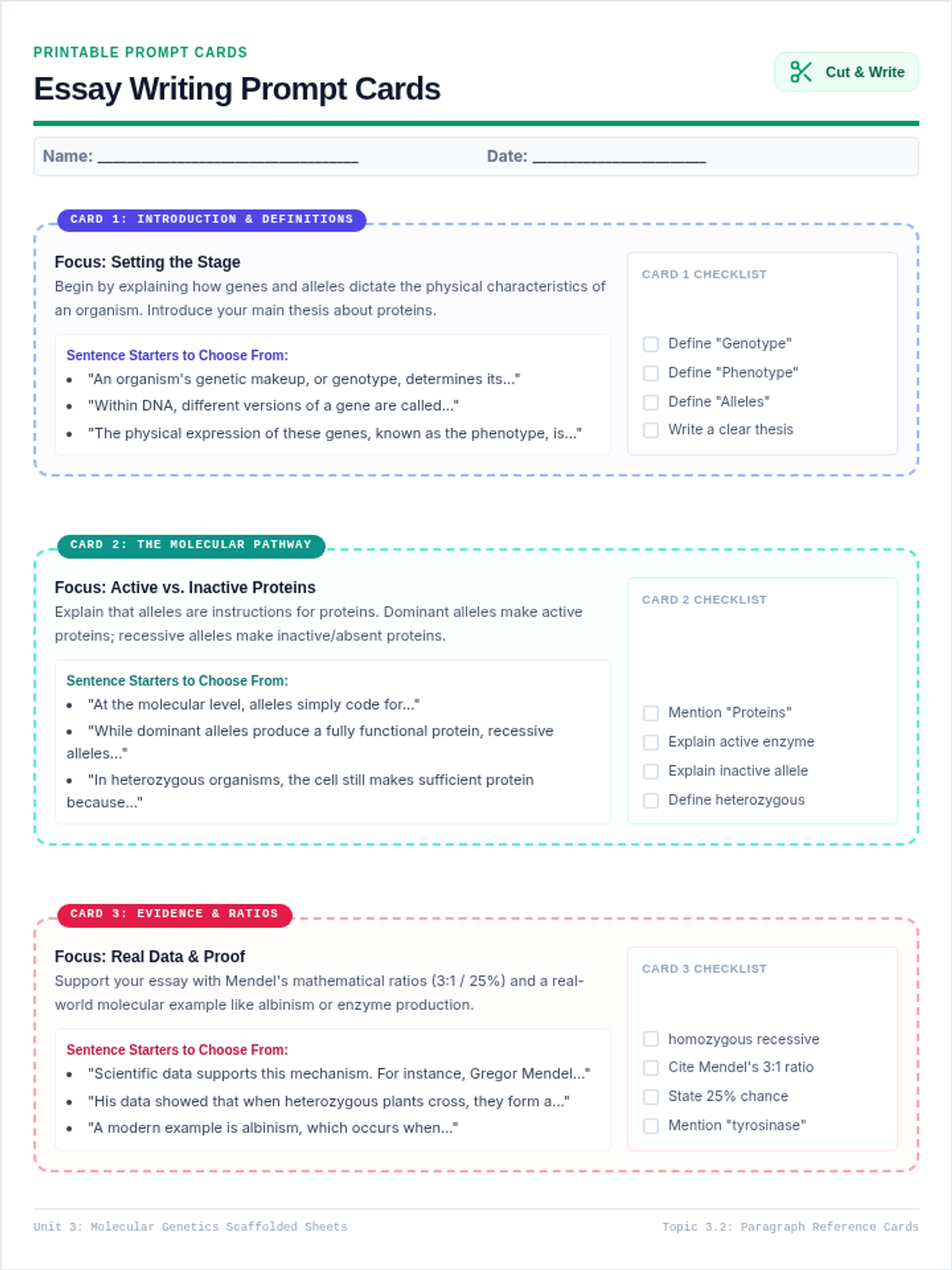
A comprehensive genetics lesson scaffolding the science of recessive gene expression. Students analyze molecular pathways, Mendel's data, and complete a structured three-paragraph essay using visual guides and sentence starters.
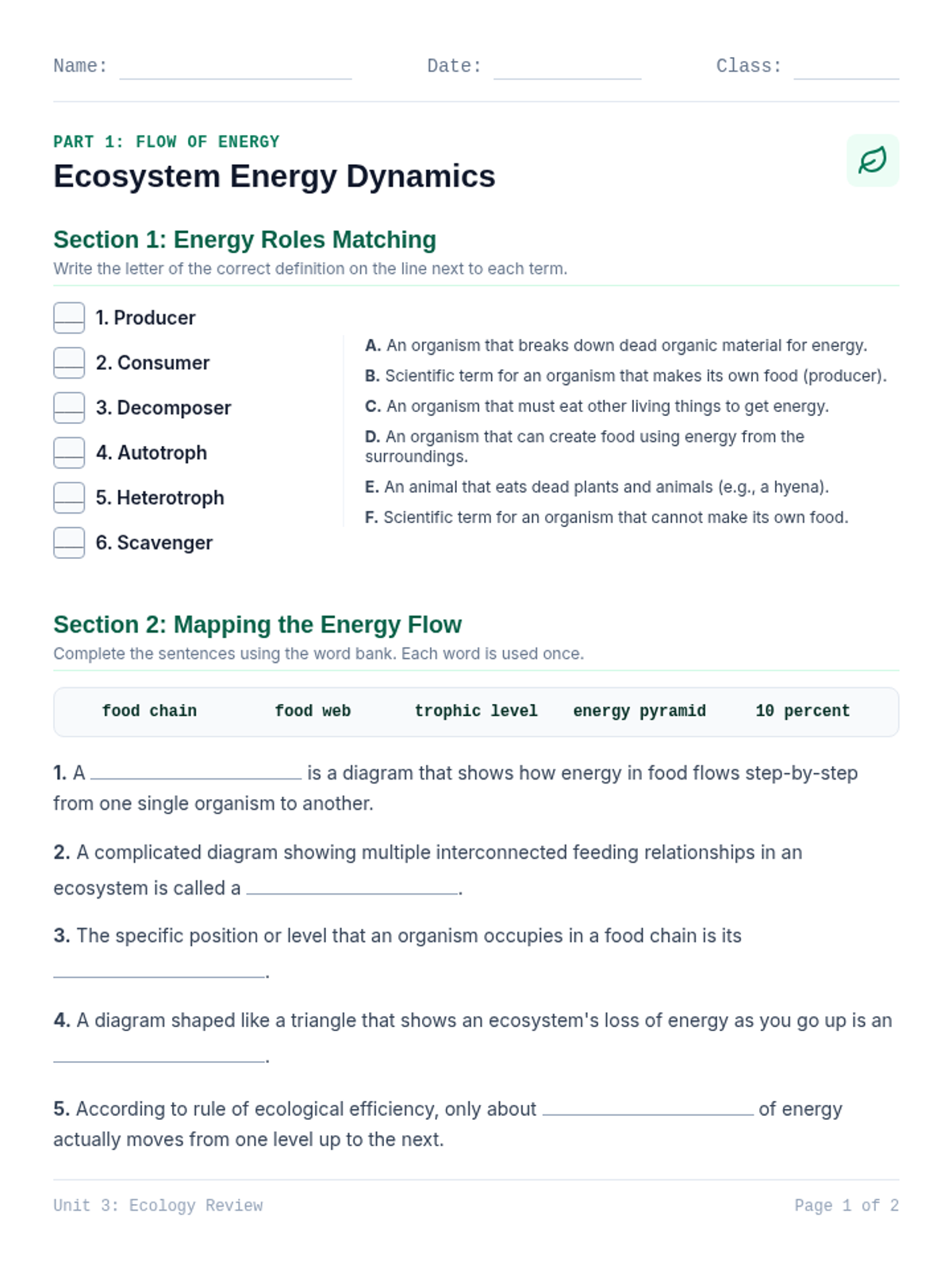
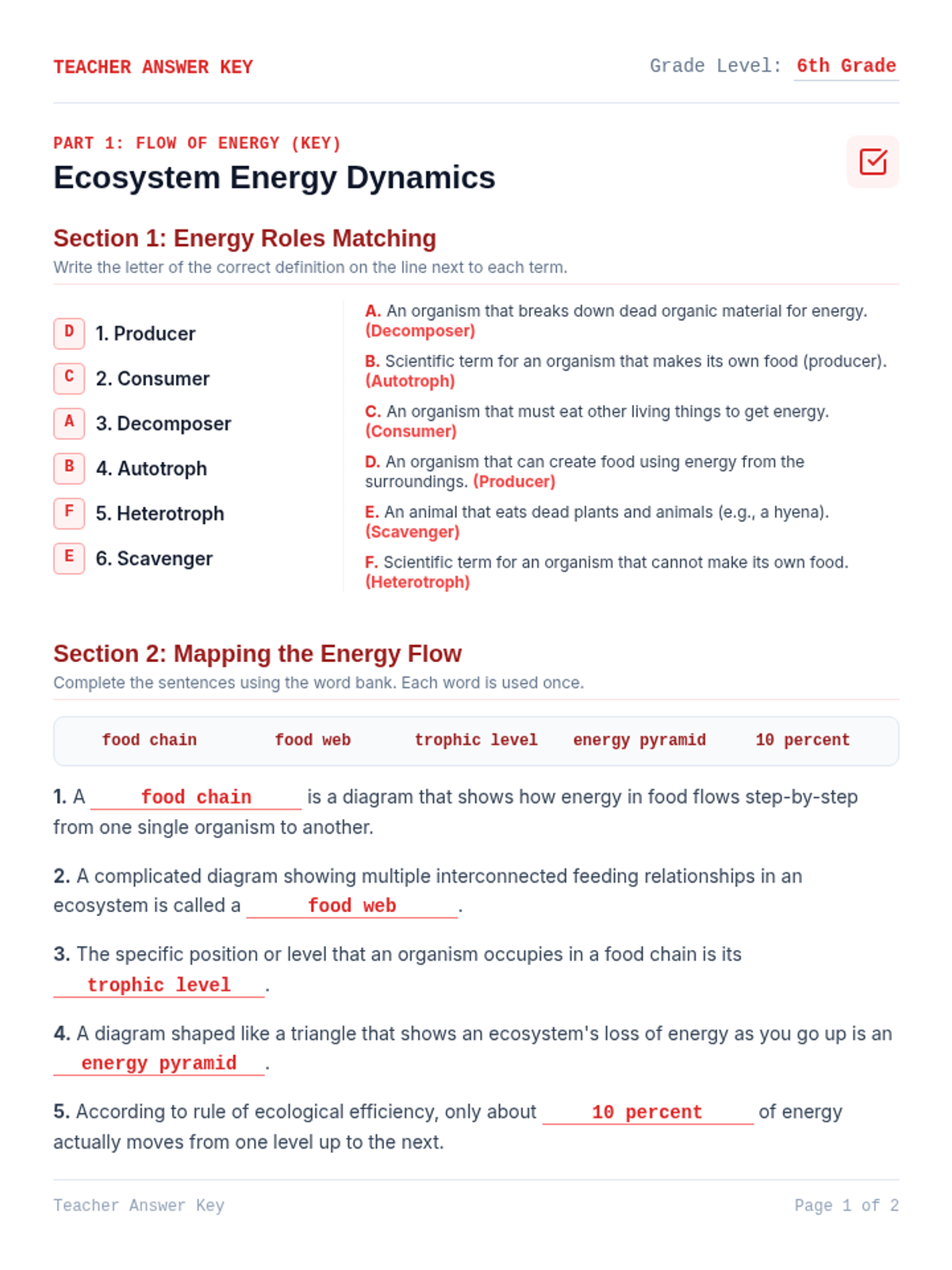
A lesson covering energy flow dynamics (producers, consumers, decomposers, food chains, webs, pyramids) and symbiotic relationships (mutualism, commensalism, parasitism, competition, predator-prey) for sixth-grade students.
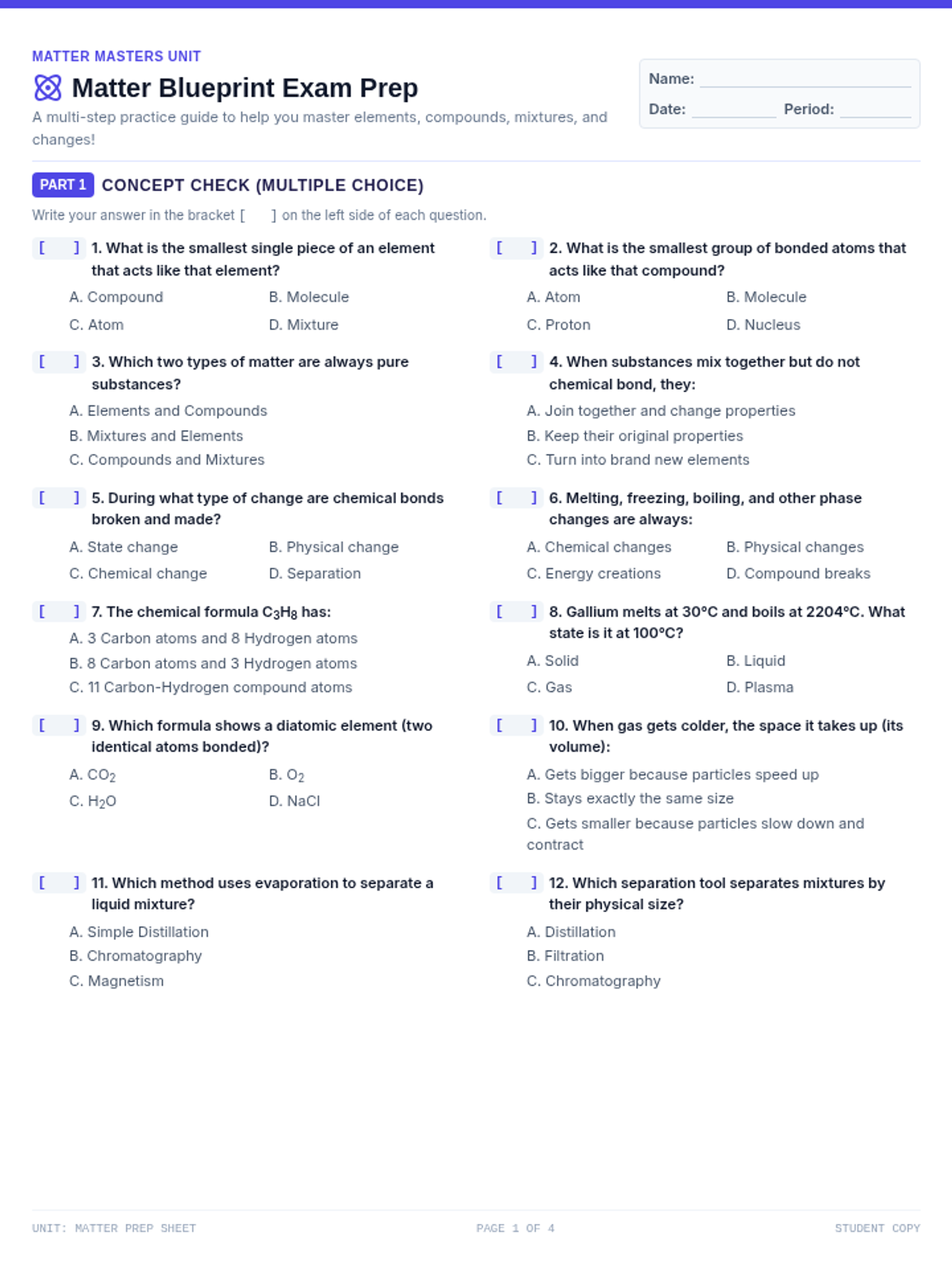
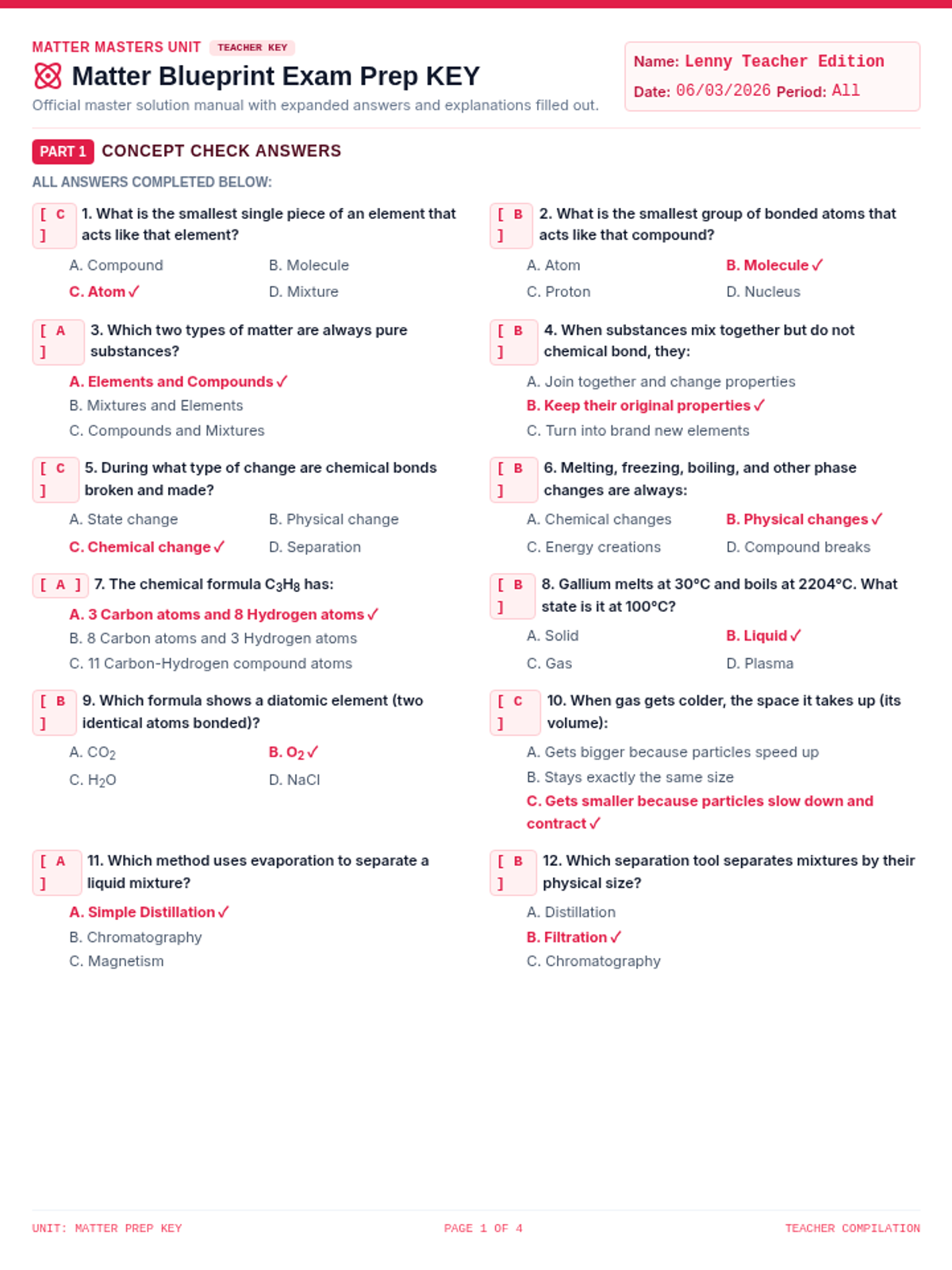
An introductory unit on the properties, classifications, and phases of matter. Students explore elements, compounds, mixtures, phase changes, and chemical reactions through visual and hands-on activities.
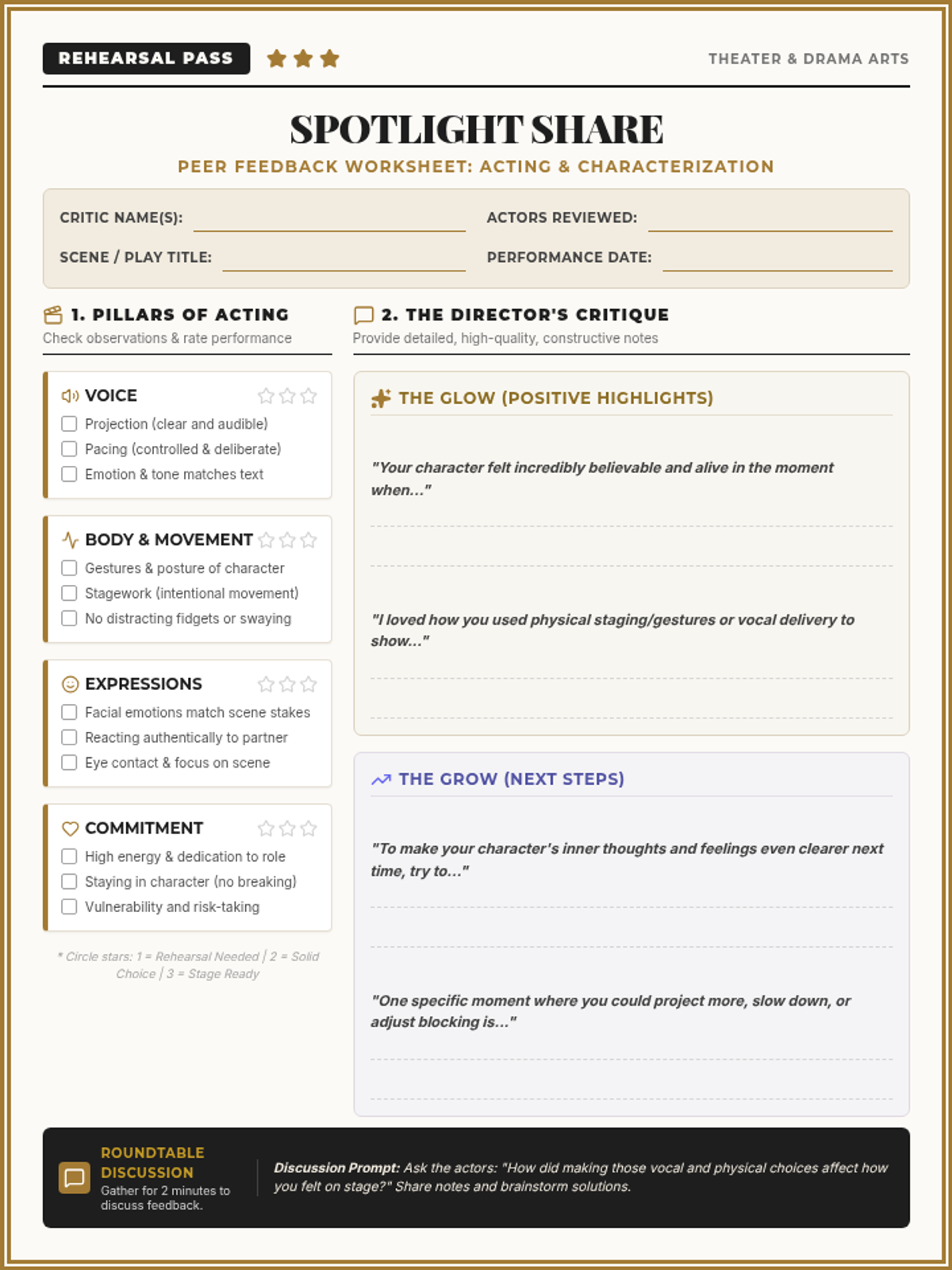
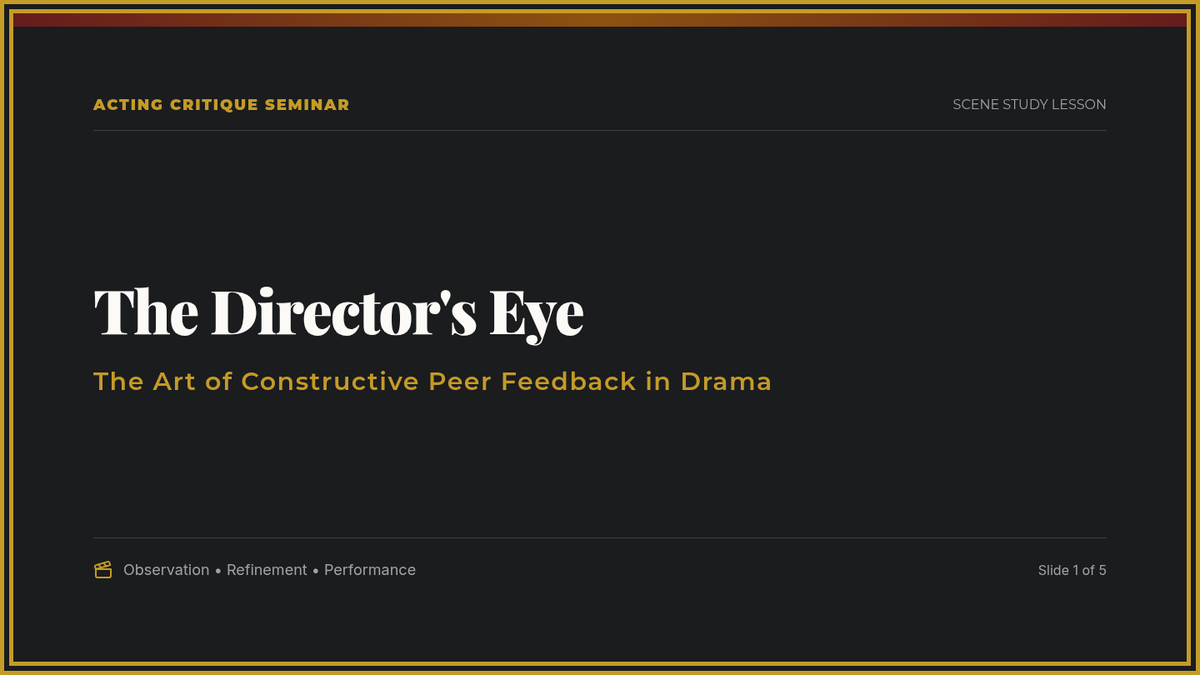
A lesson centered on scene work, characterization, and dramatic performance. Students analyze characters, rehearse scripts, and engage in peer feedback to elevate their physical and vocal choices before final performance.
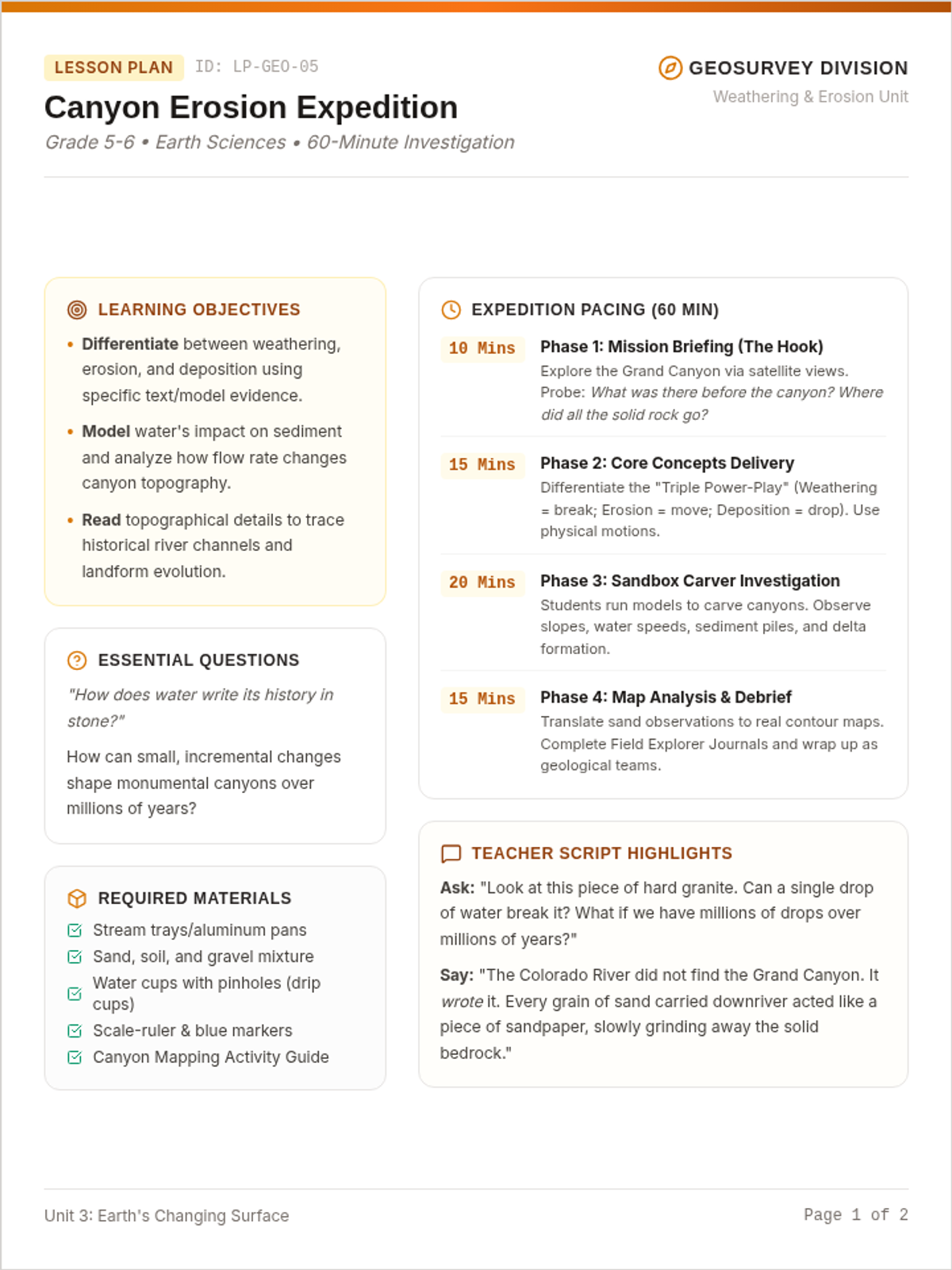
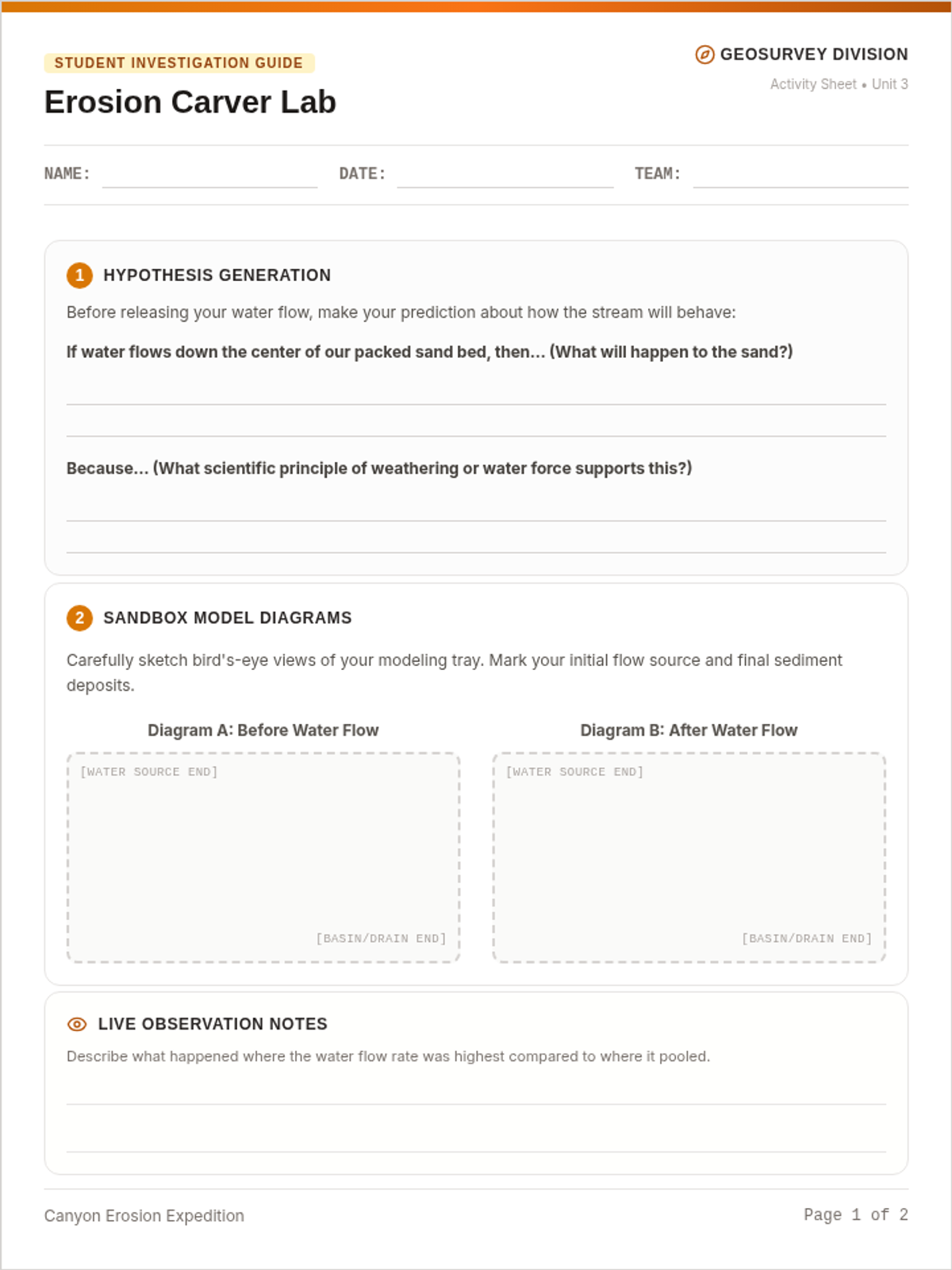
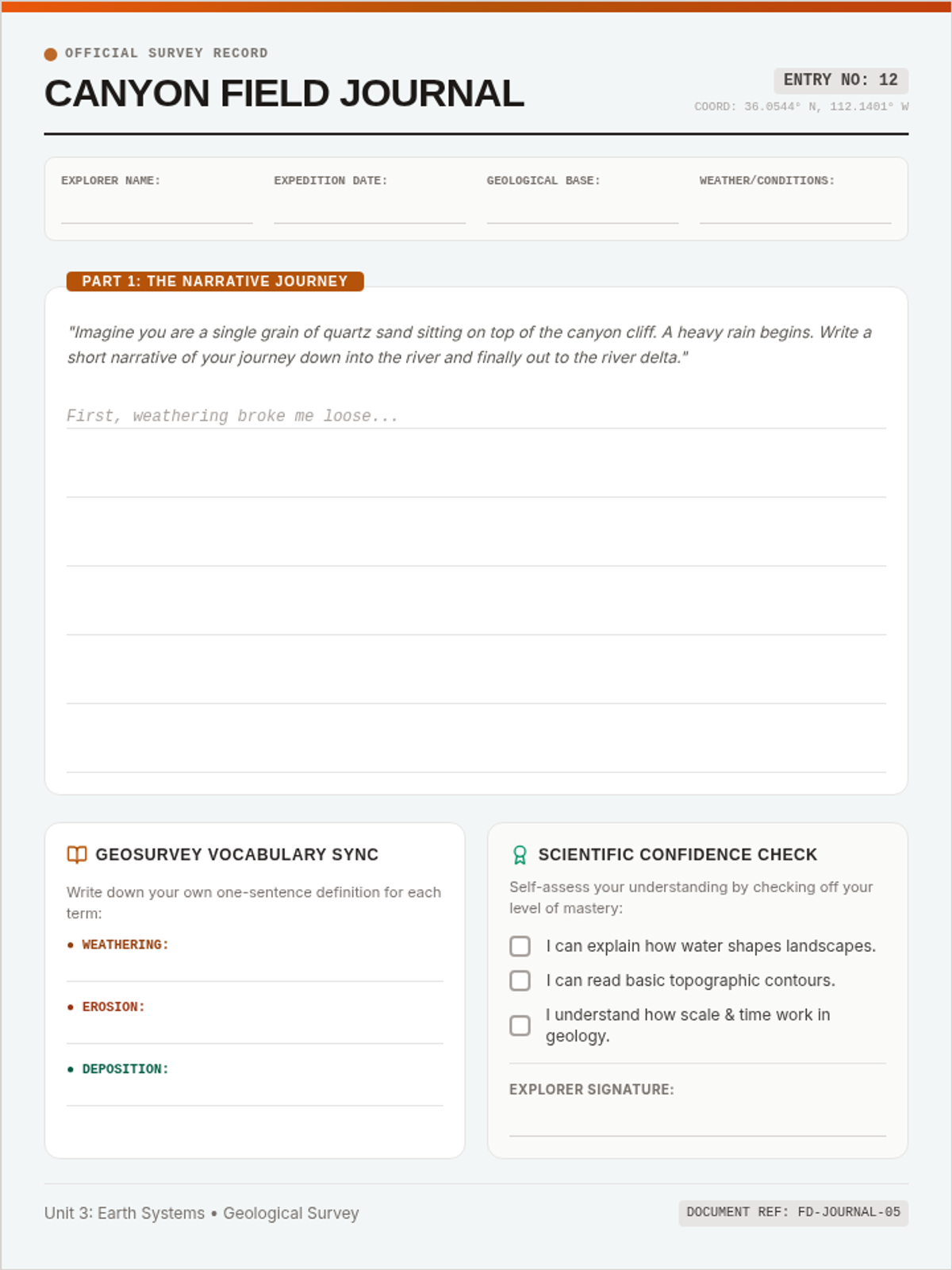
An immersive geological investigation where 5th and 6th-grade students study weathering and erosion. Students analyze canyon maps, model erosional forces, and keep a scientific field journal.
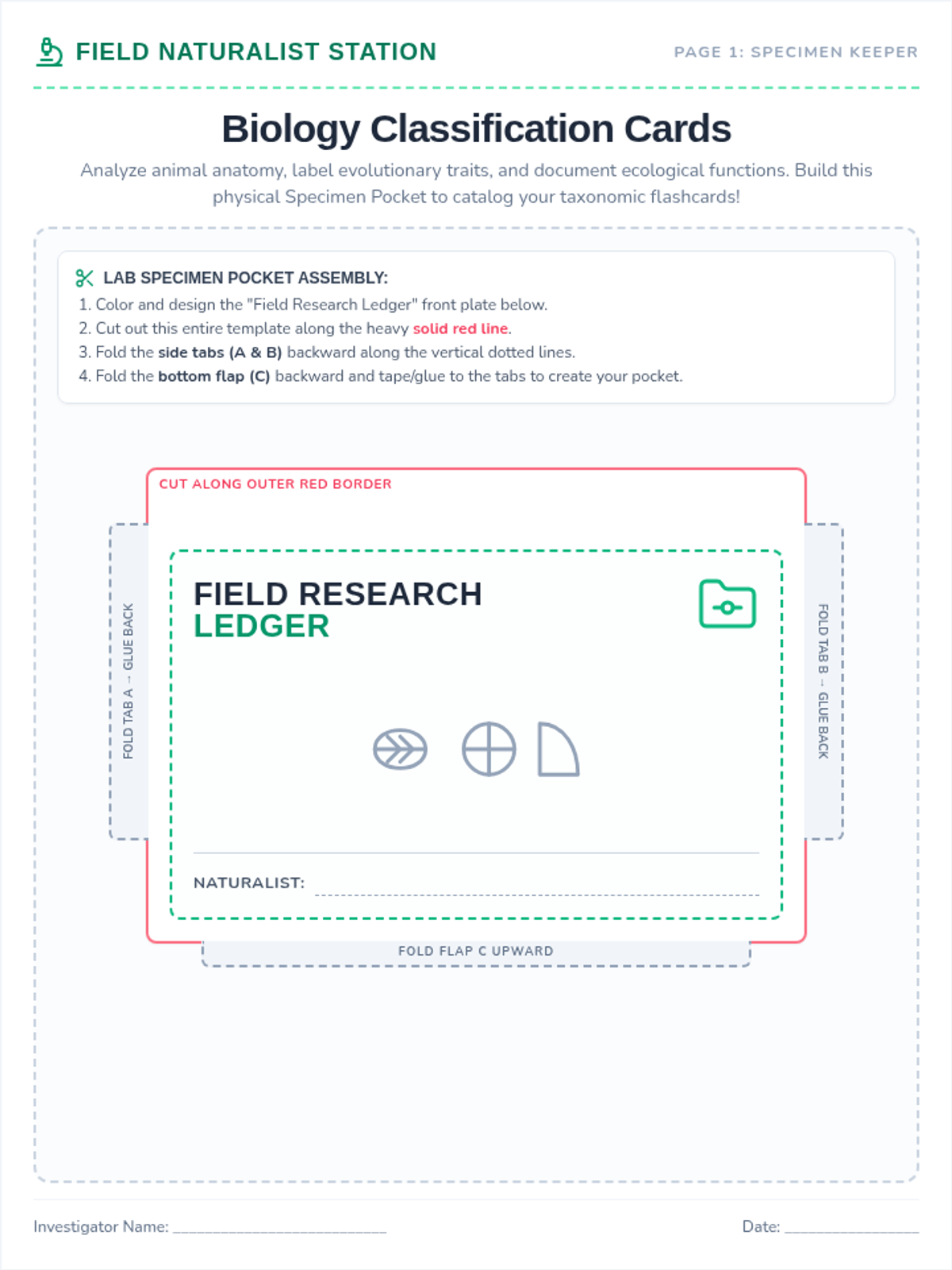
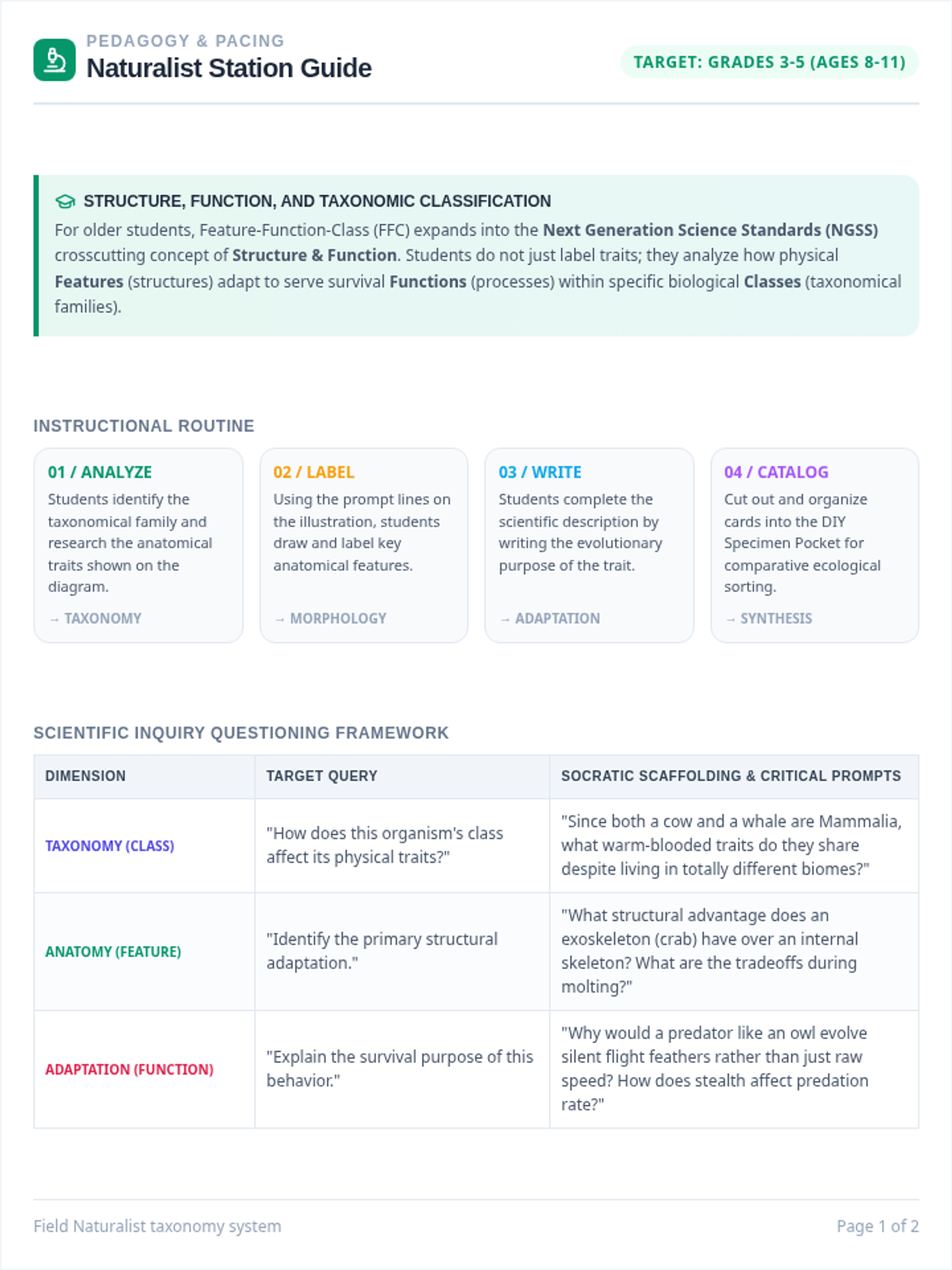
A biology and taxonomy sorting system designed for older kids (Grades 3-5). Students analyze evolutionary adaptations, label critical anatomical features, and categorize specimens by their taxonomic classes, habitats, and ecological functions.
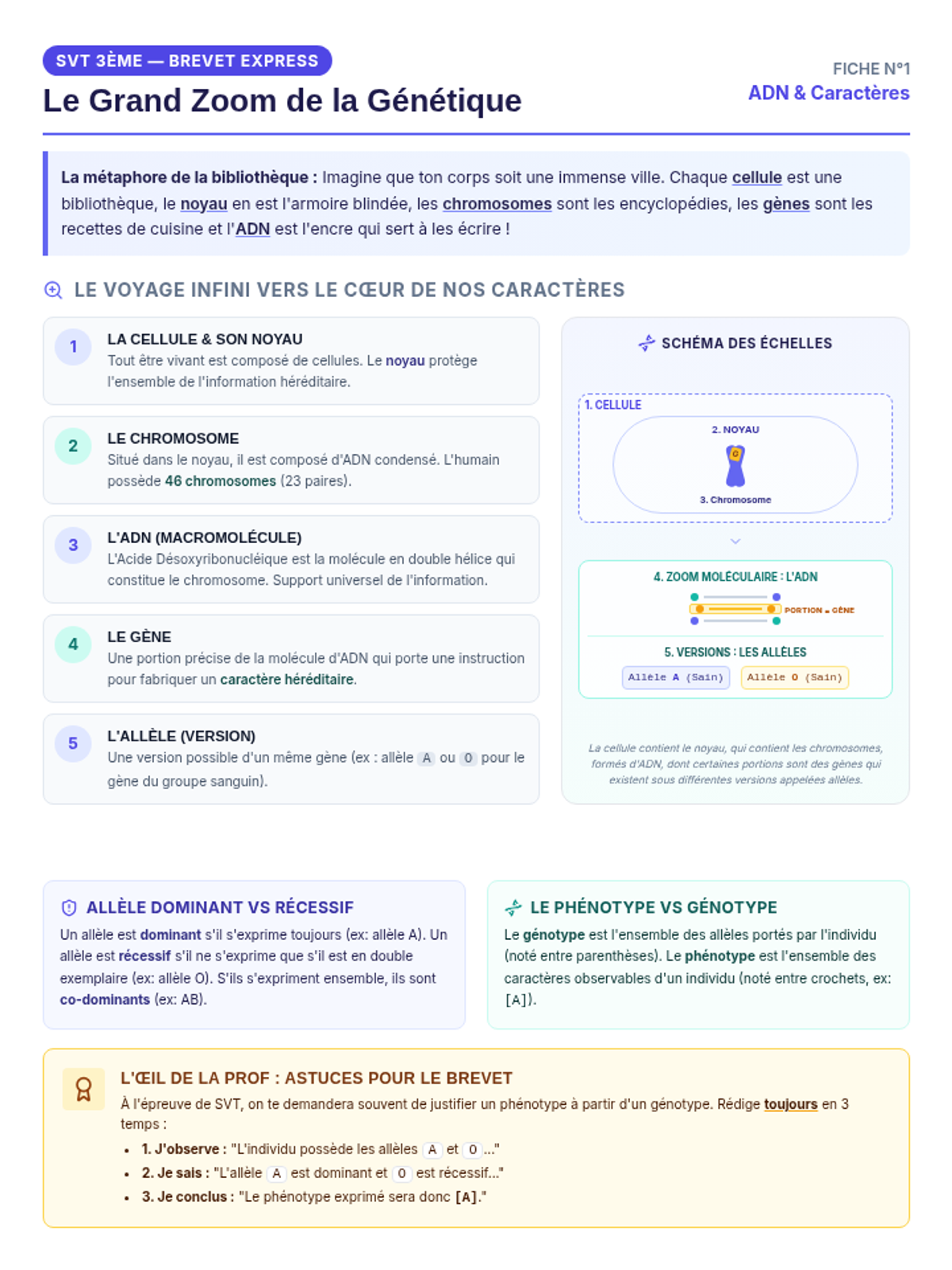
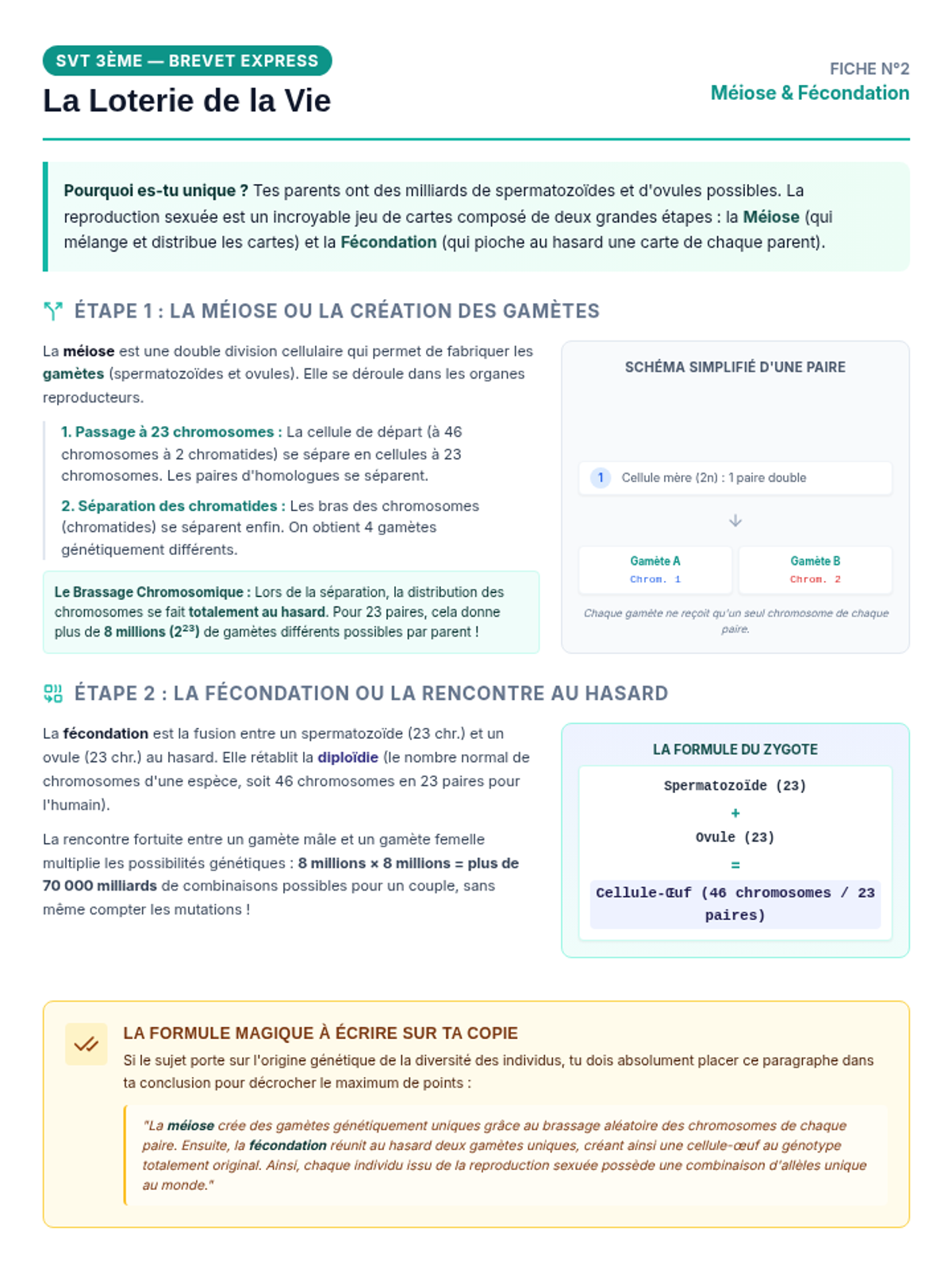
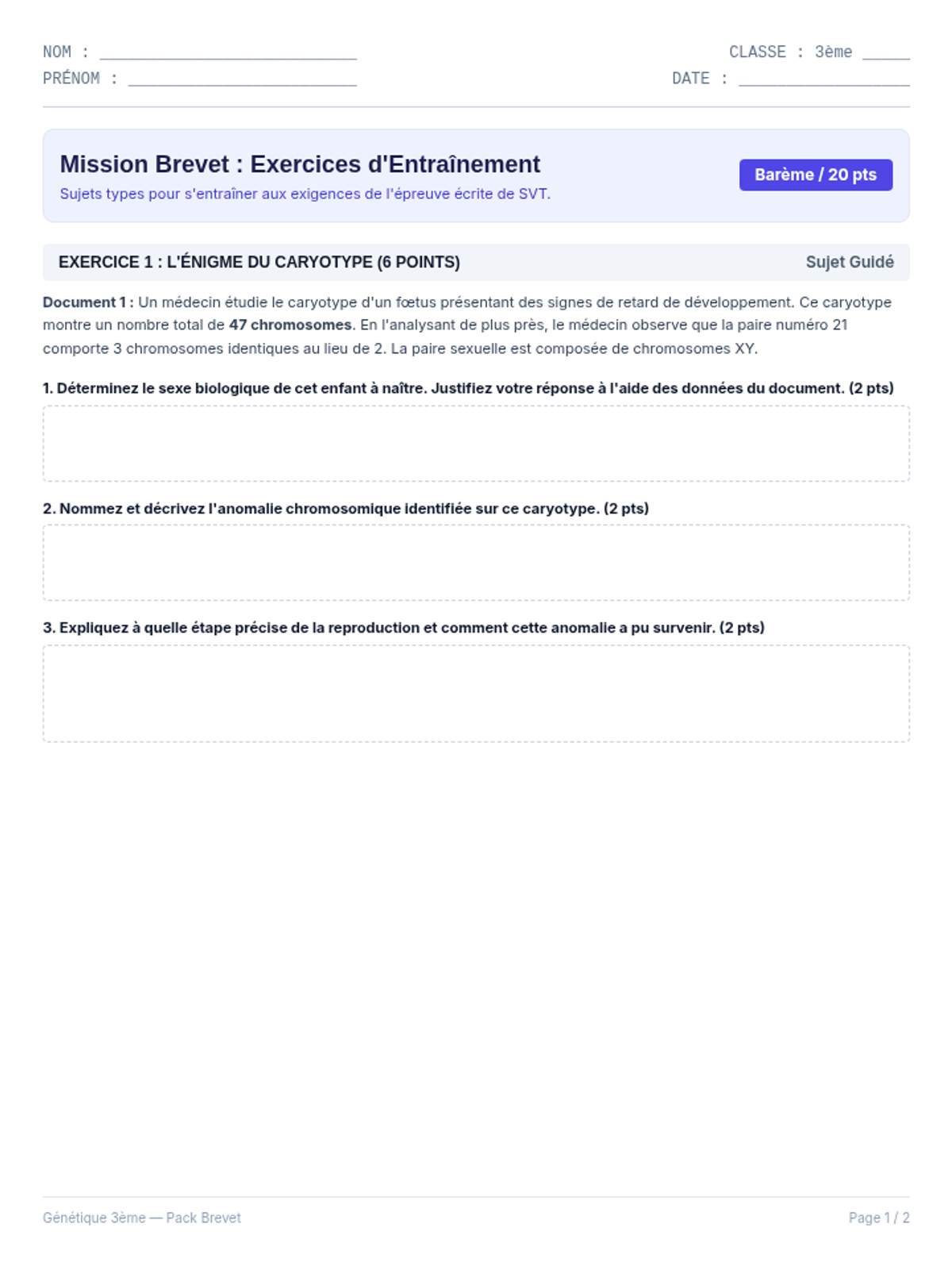
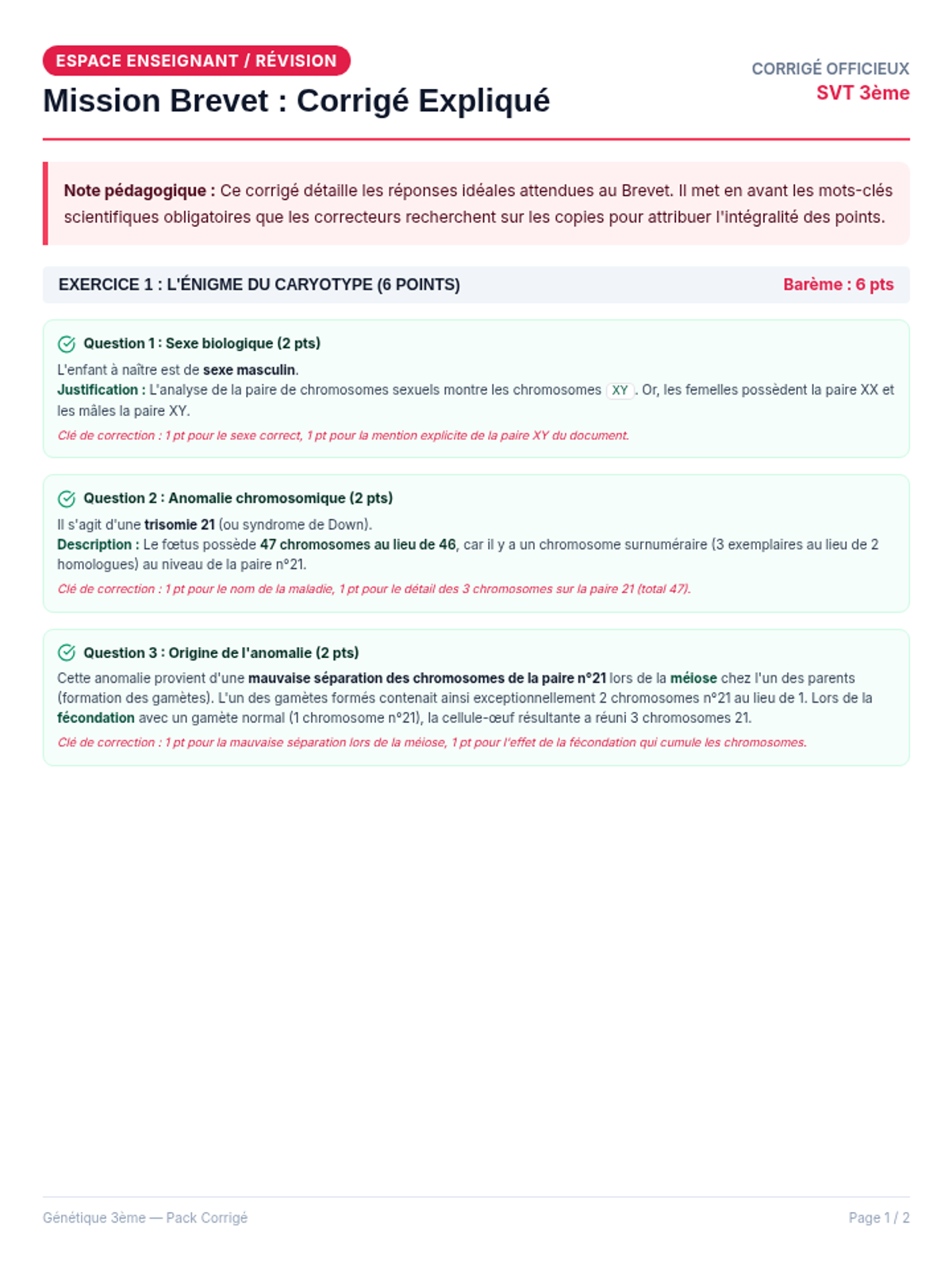
Un pack pédagogique complet sur la génétique en SVT 3ème pour réviser efficacement et réussir l'épreuve du Brevet. Il comprend des fiches de cours visuelles sur l'ADN et la méiose, ainsi que des exercices d'entraînement types brevet avec leur correction détaillée.
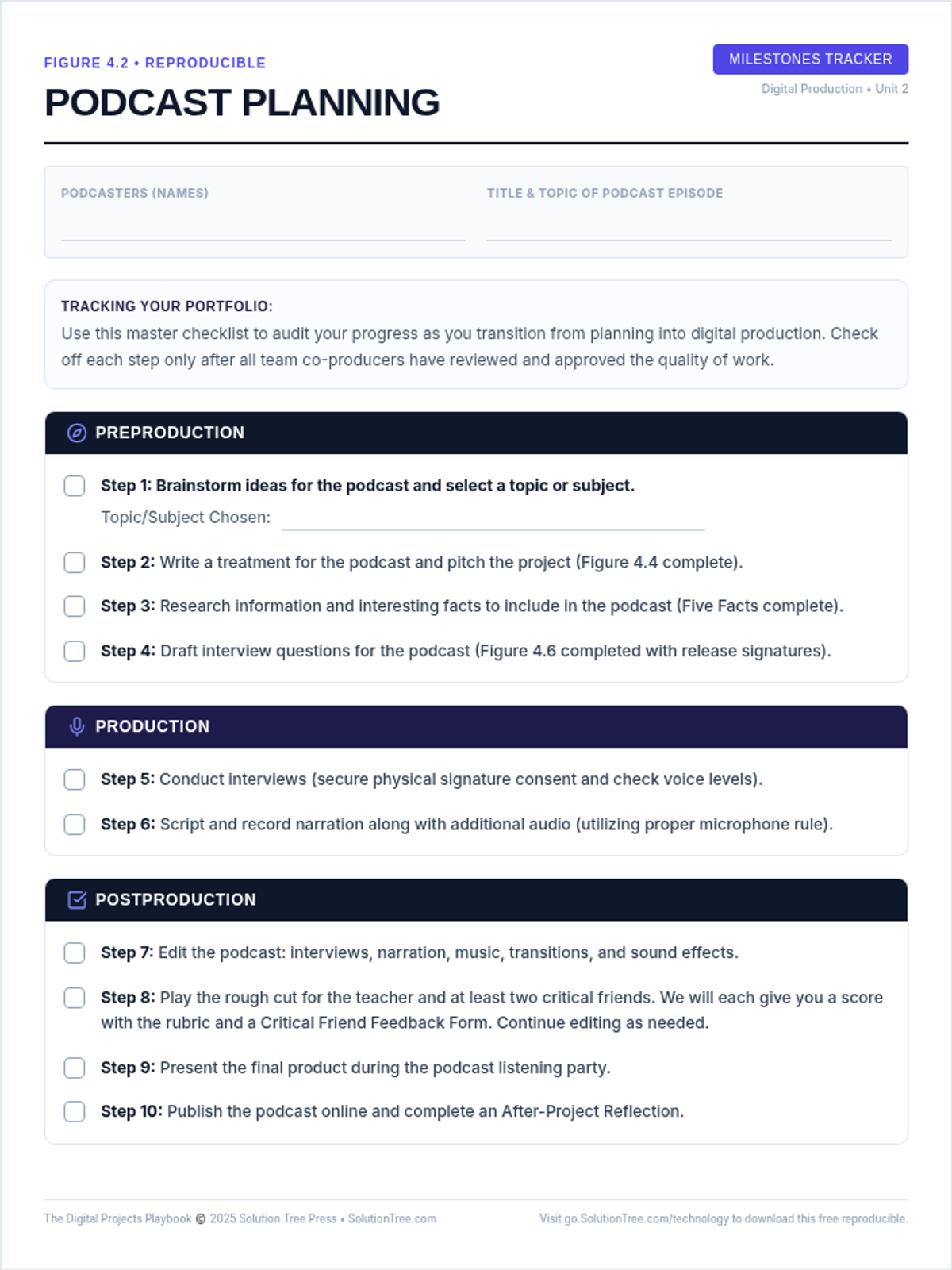
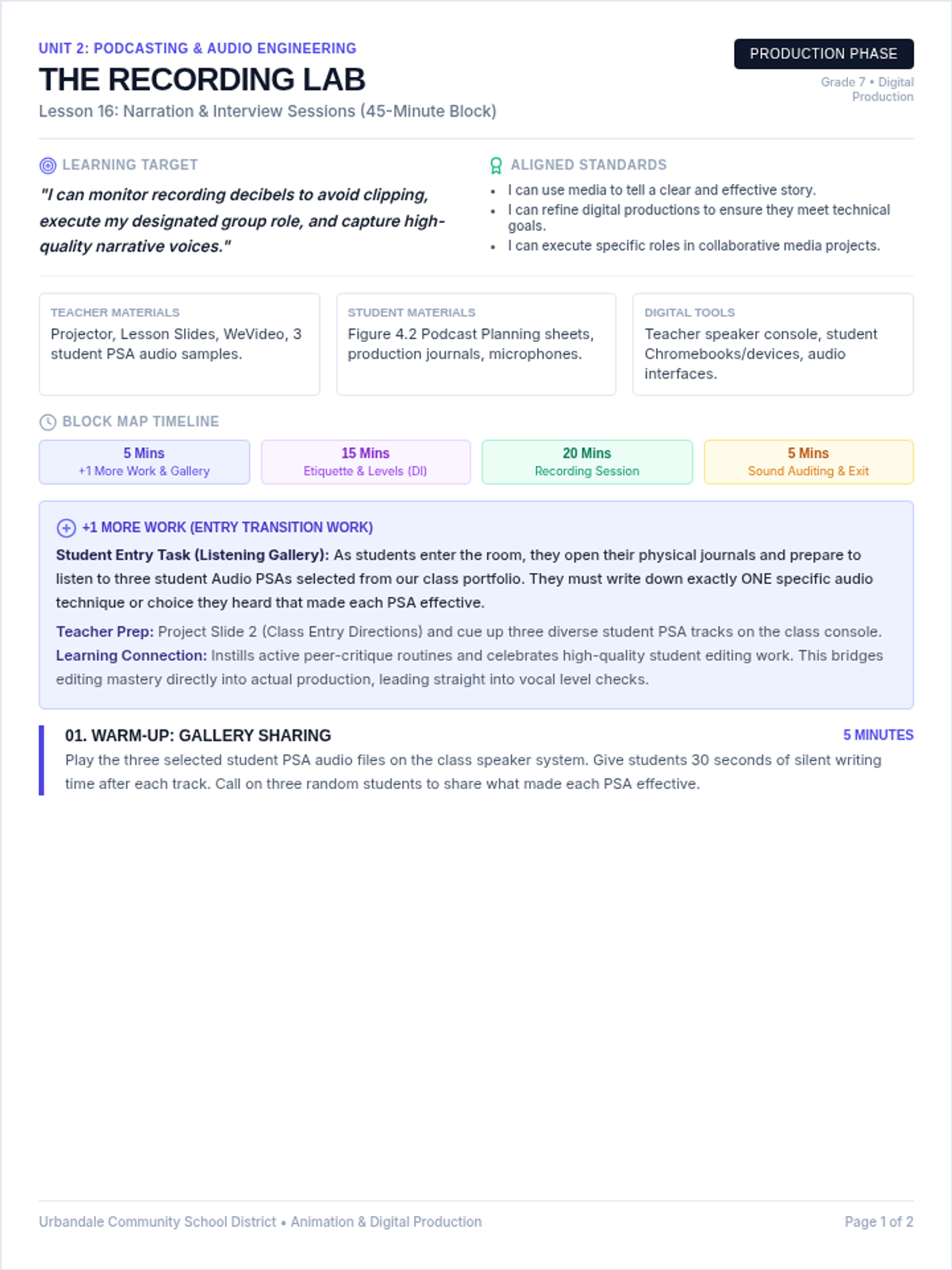
Students transition from planning to production. They explore recording etiquette, monitor input decibels to avoid 'The Red Zone' clipping, and conduct interviews and narration recordings following Figure 4.2 Steps 5 and 6.
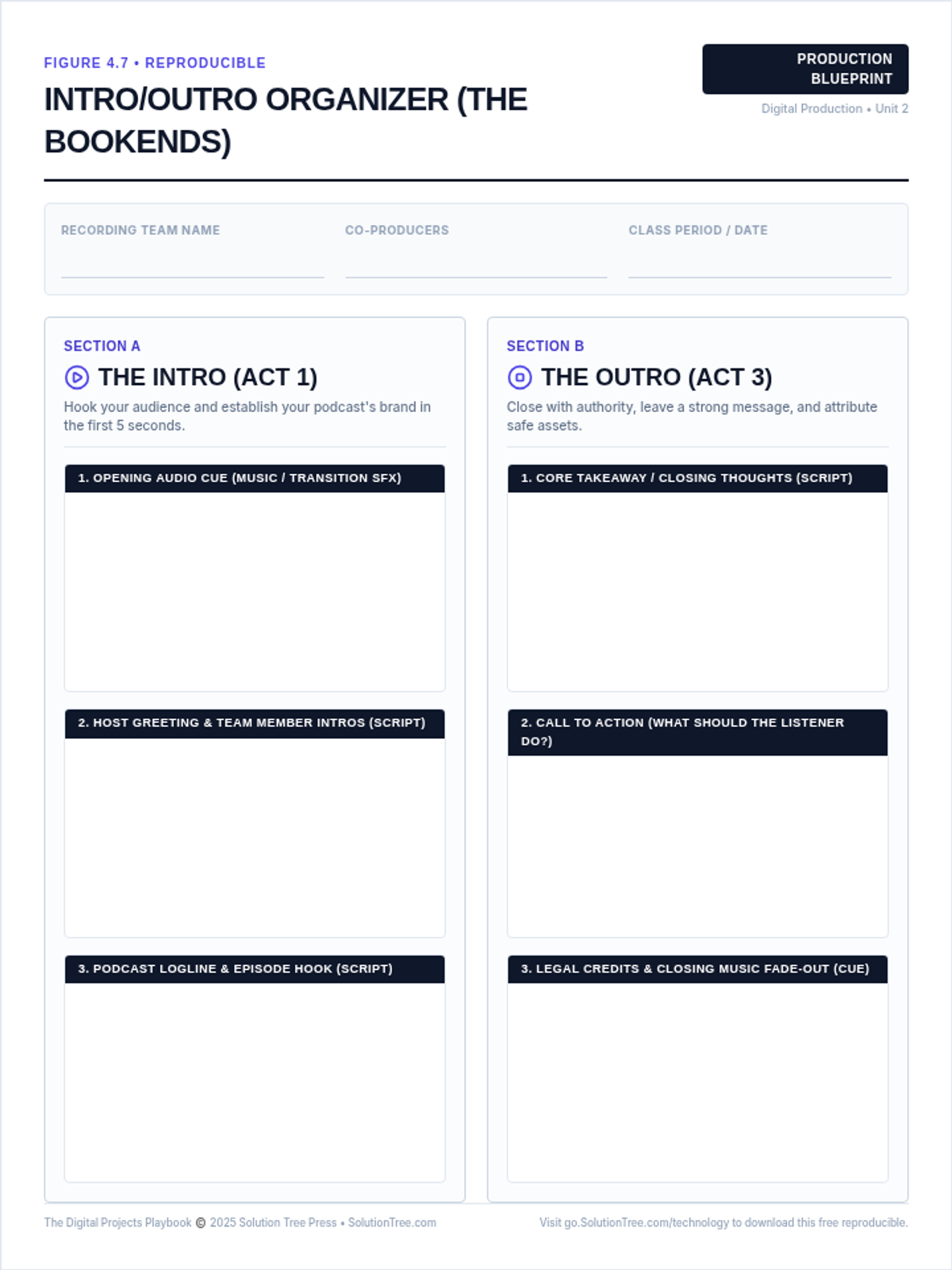
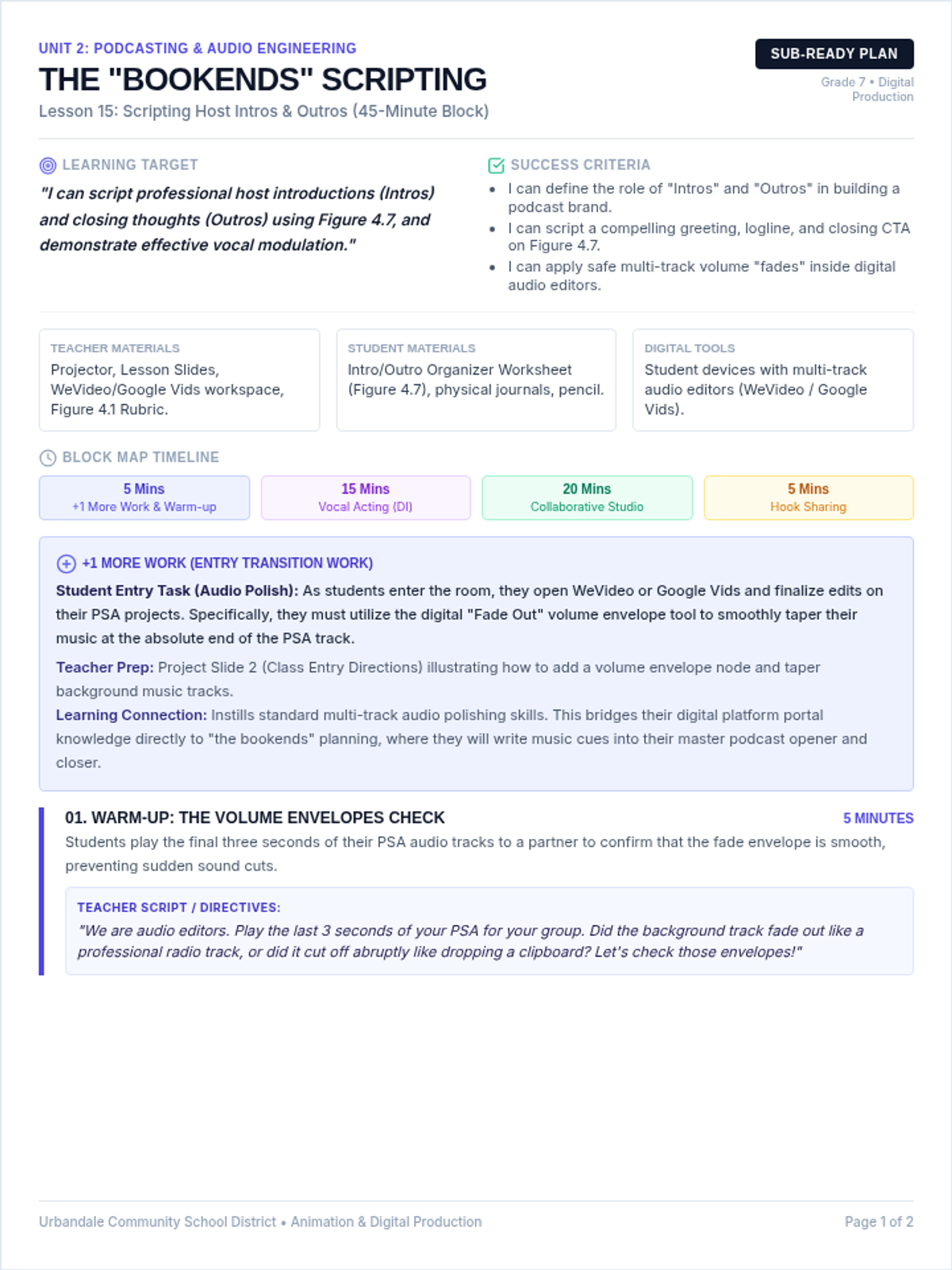
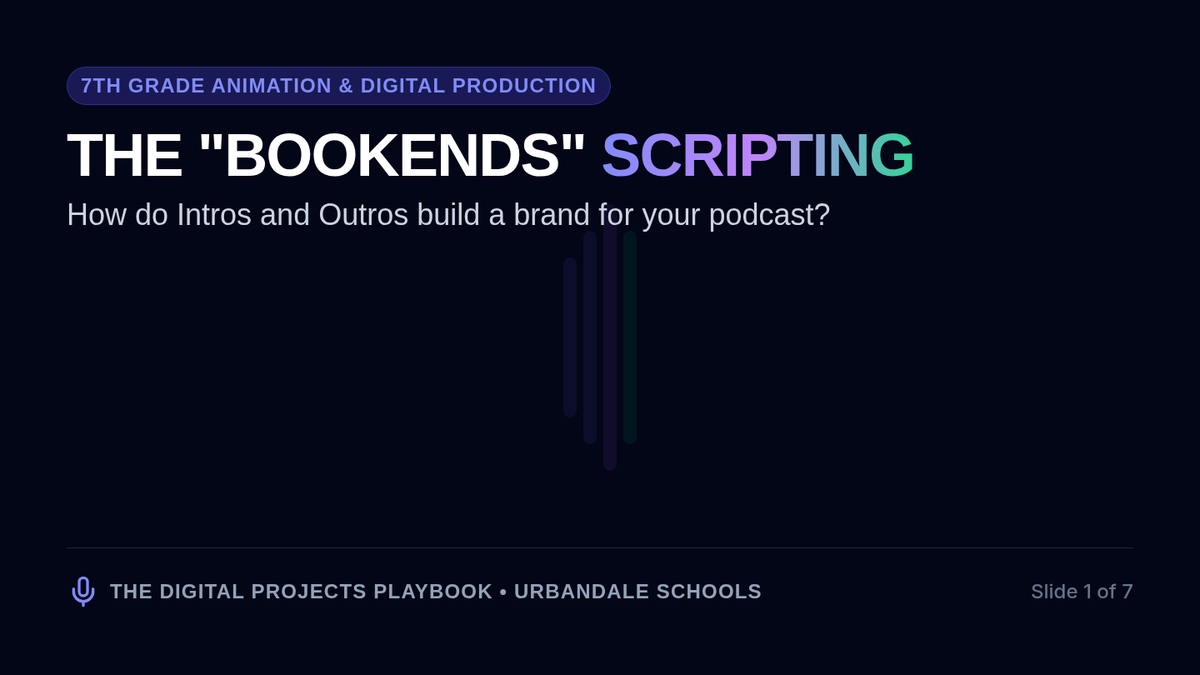
Students script their podcast host introductions (Intros) and closing thoughts (Outros) using Figure 4.7 (Intro/Outro Organizer). Teachers model vocal modulation and review Figure 4.1 Rubric standards.
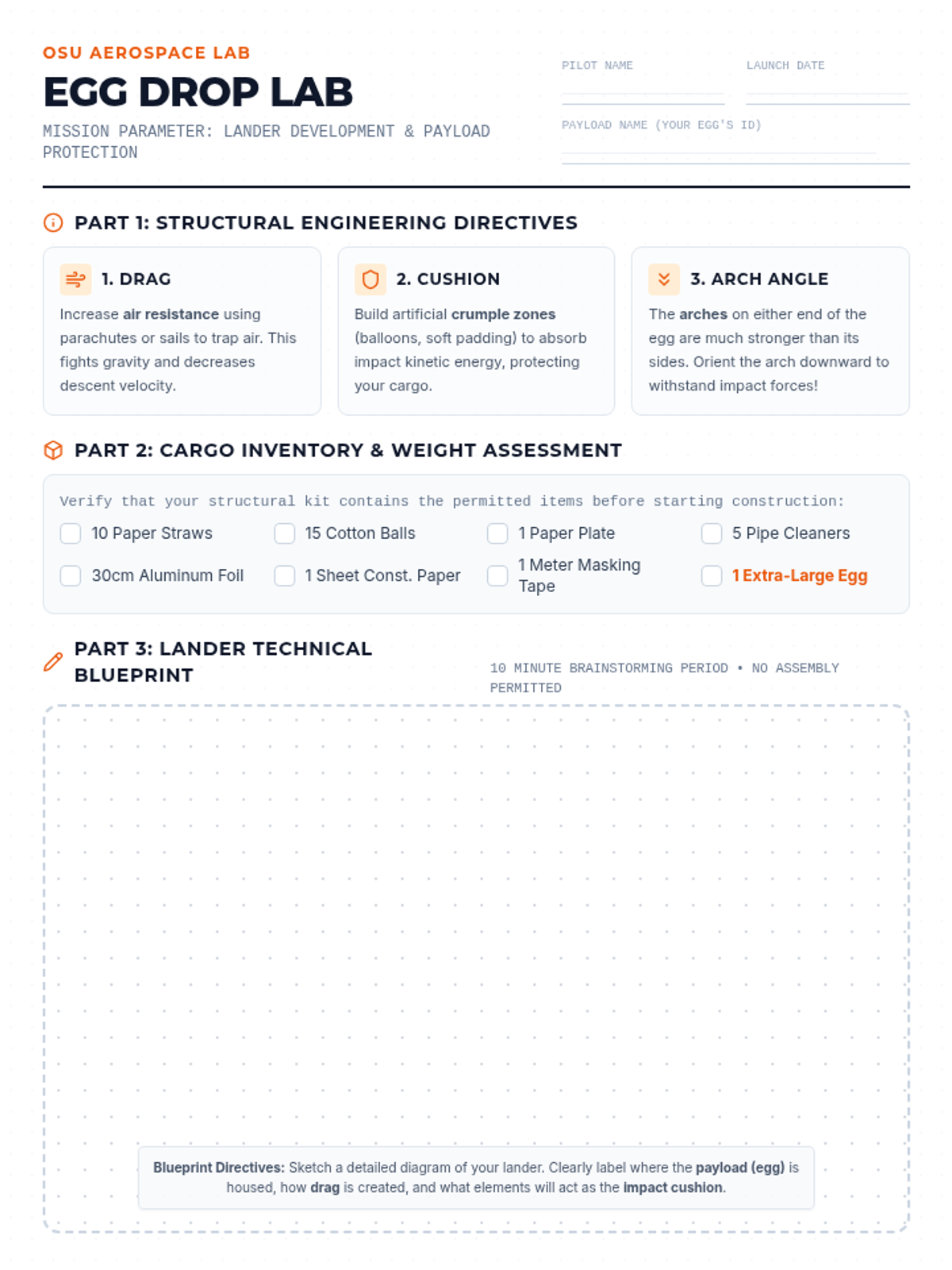
An engaging, hands-on physics and engineering lesson where students design, build, and test protective landing craft for fragile payloads (eggs), exploring forces, deceleration, and structural integrity.
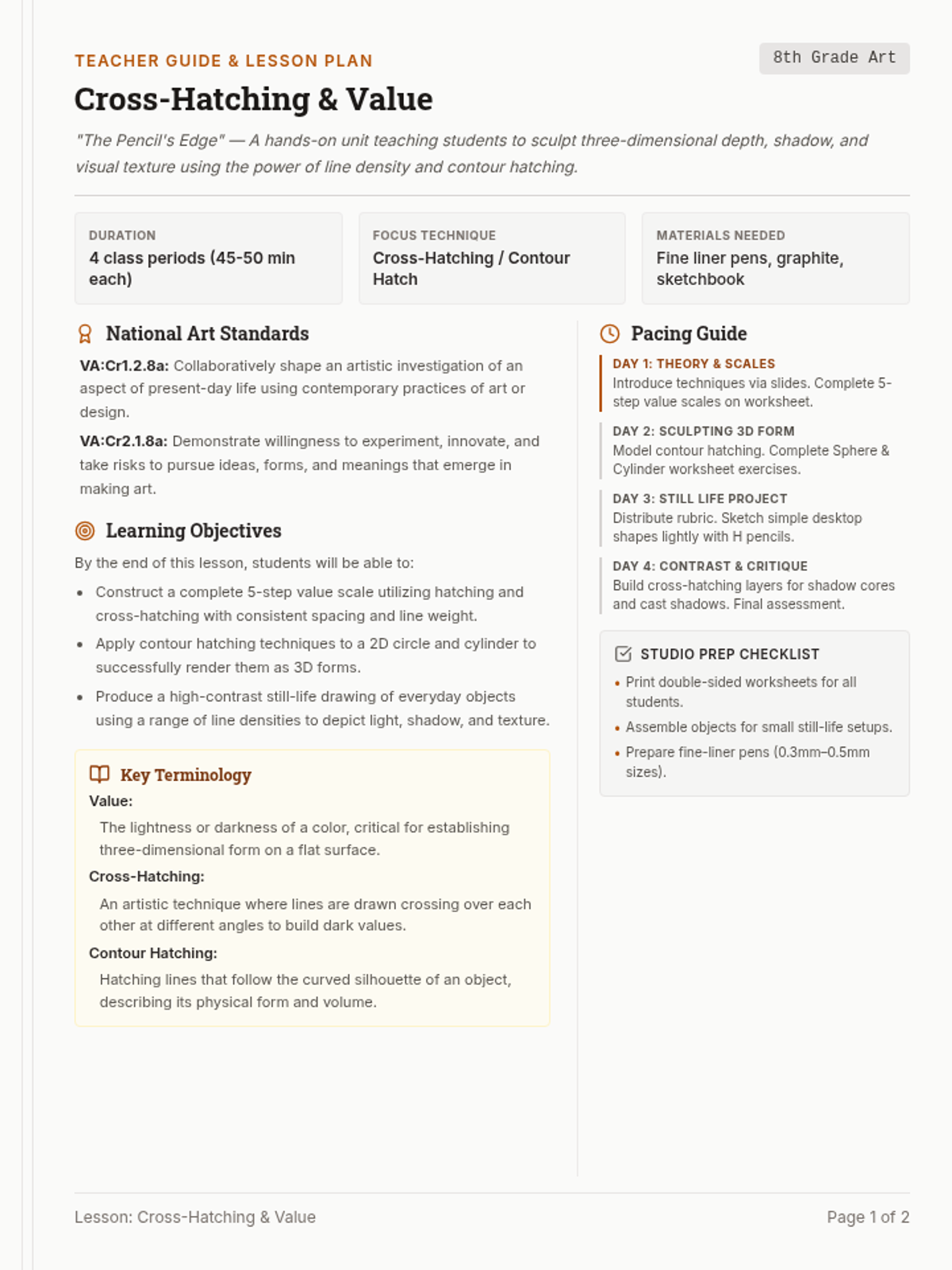
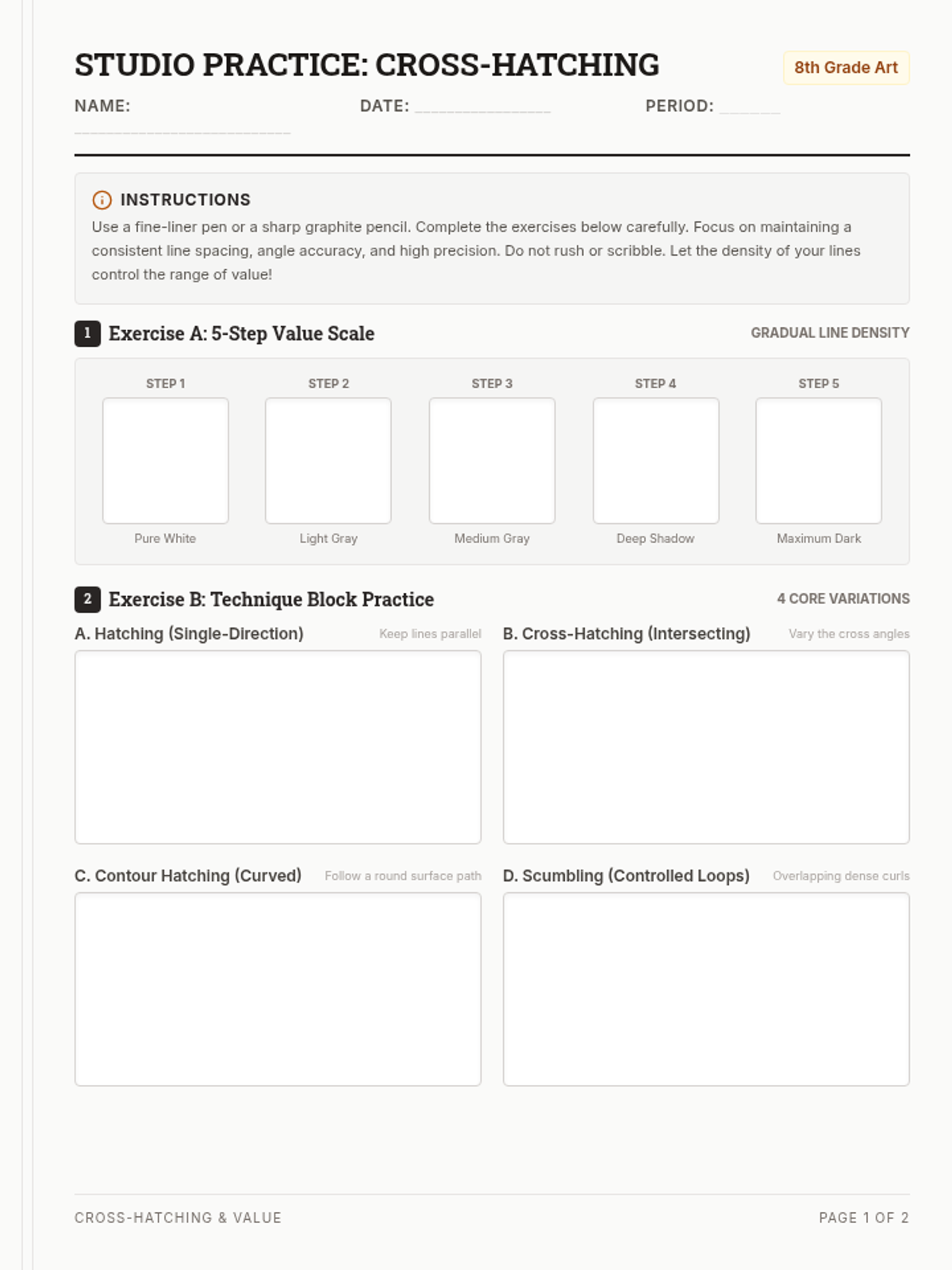
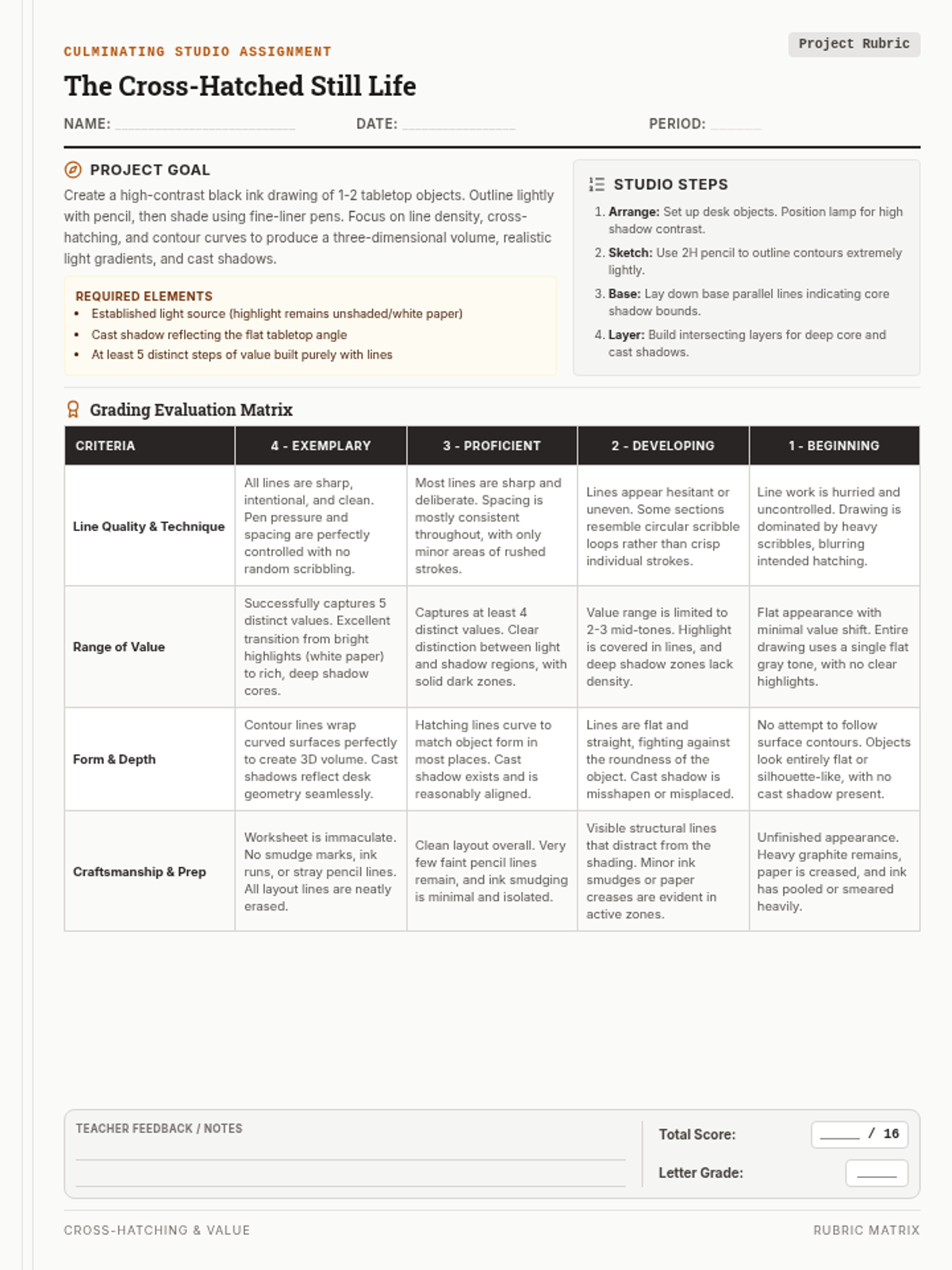
An introductory 8th-grade studio art lesson focused on cross-hatching and value. Students learn how to control line density, spacing, and layers to create a five-step value scale, apply contour hatching to 3D forms, and complete a still-life project evaluated with a comprehensive rubric.
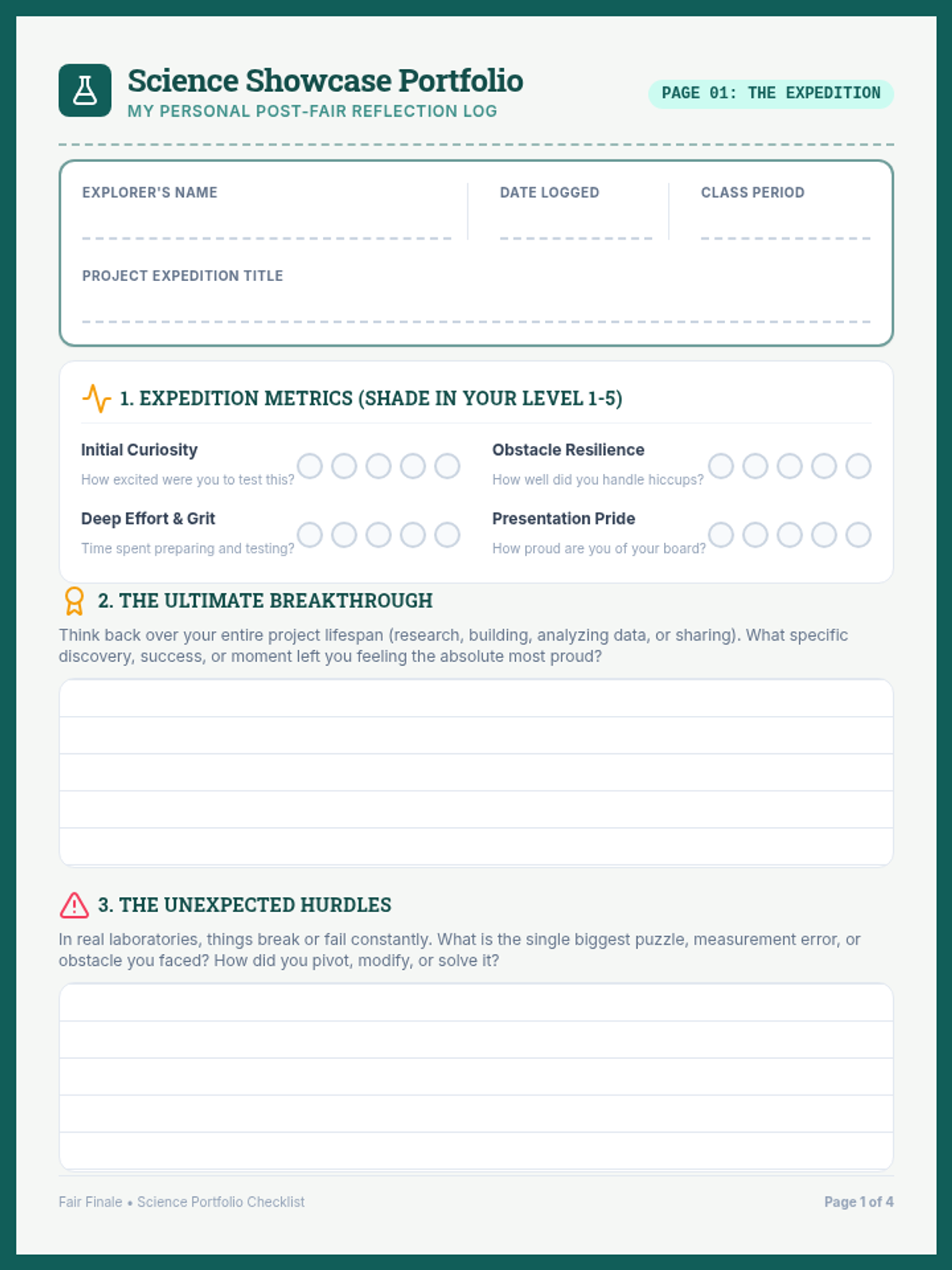
A reflection-focused lesson designed to guide students through evaluating their own science fair projects, reviewing their peers' work, and outlining future experimental improvements.
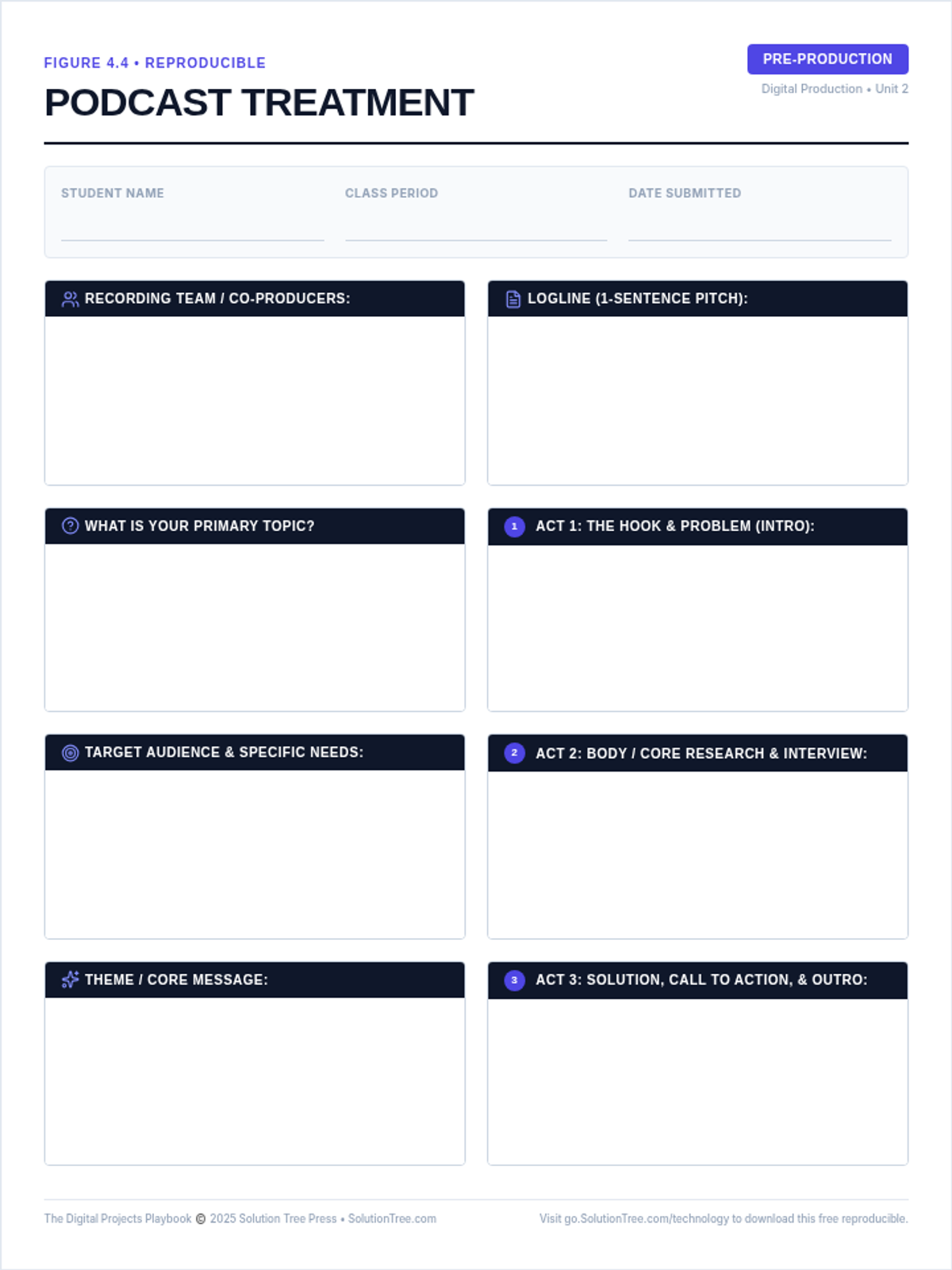
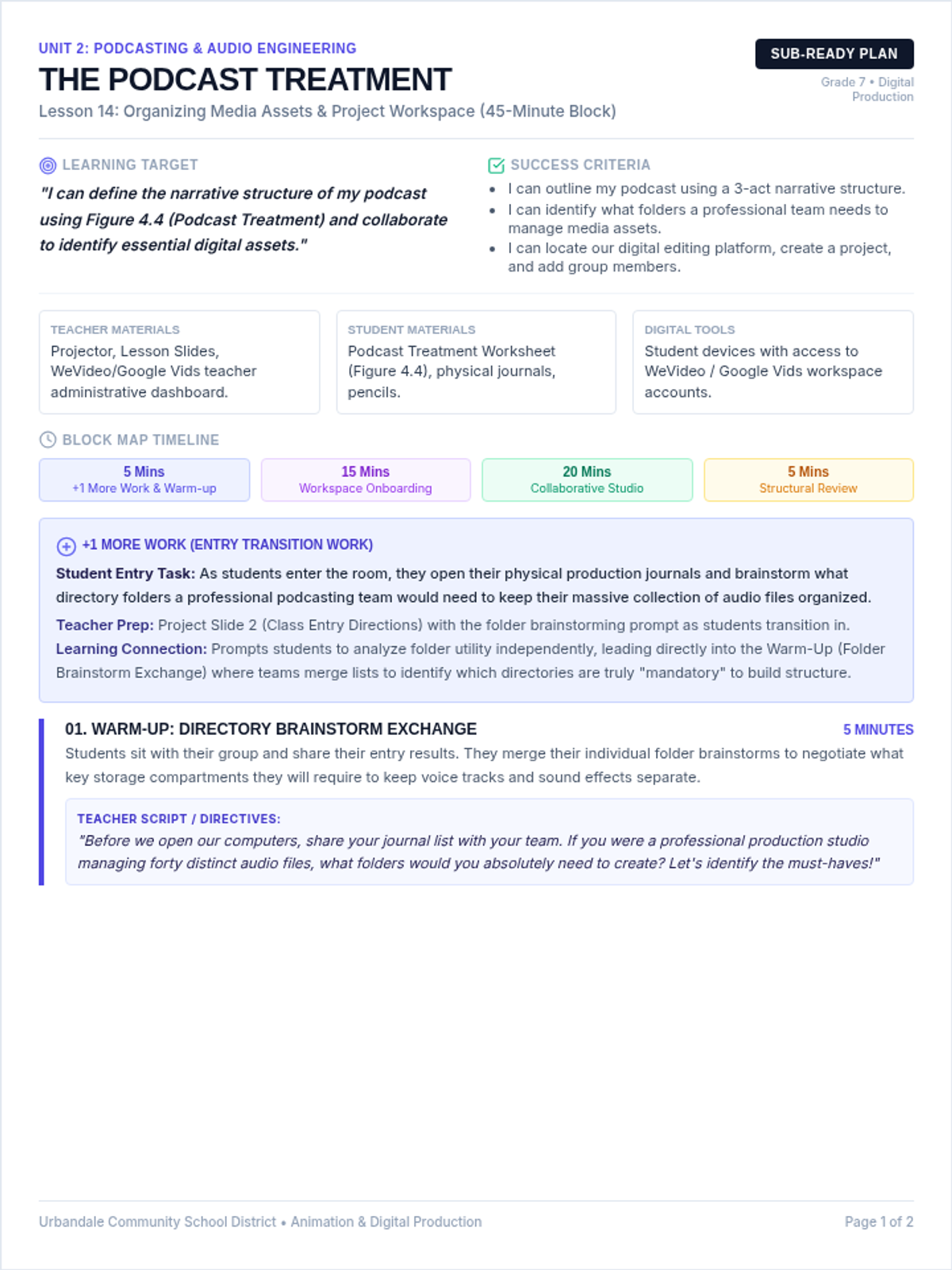
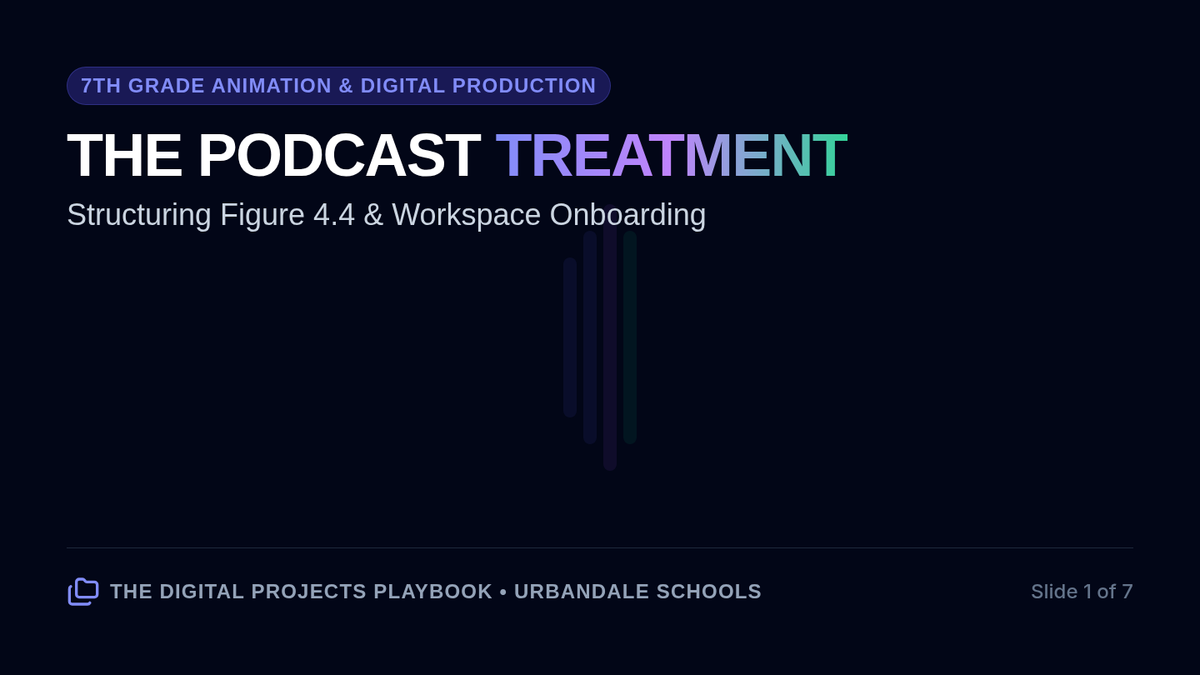
Students define the narrative structure of their podcast using Figure 4.4 (Podcast Treatment), organizing their show into a three-act structure. Teachers introduce WeVideo/Google Vids workspace setup and establish asset organization expectations.
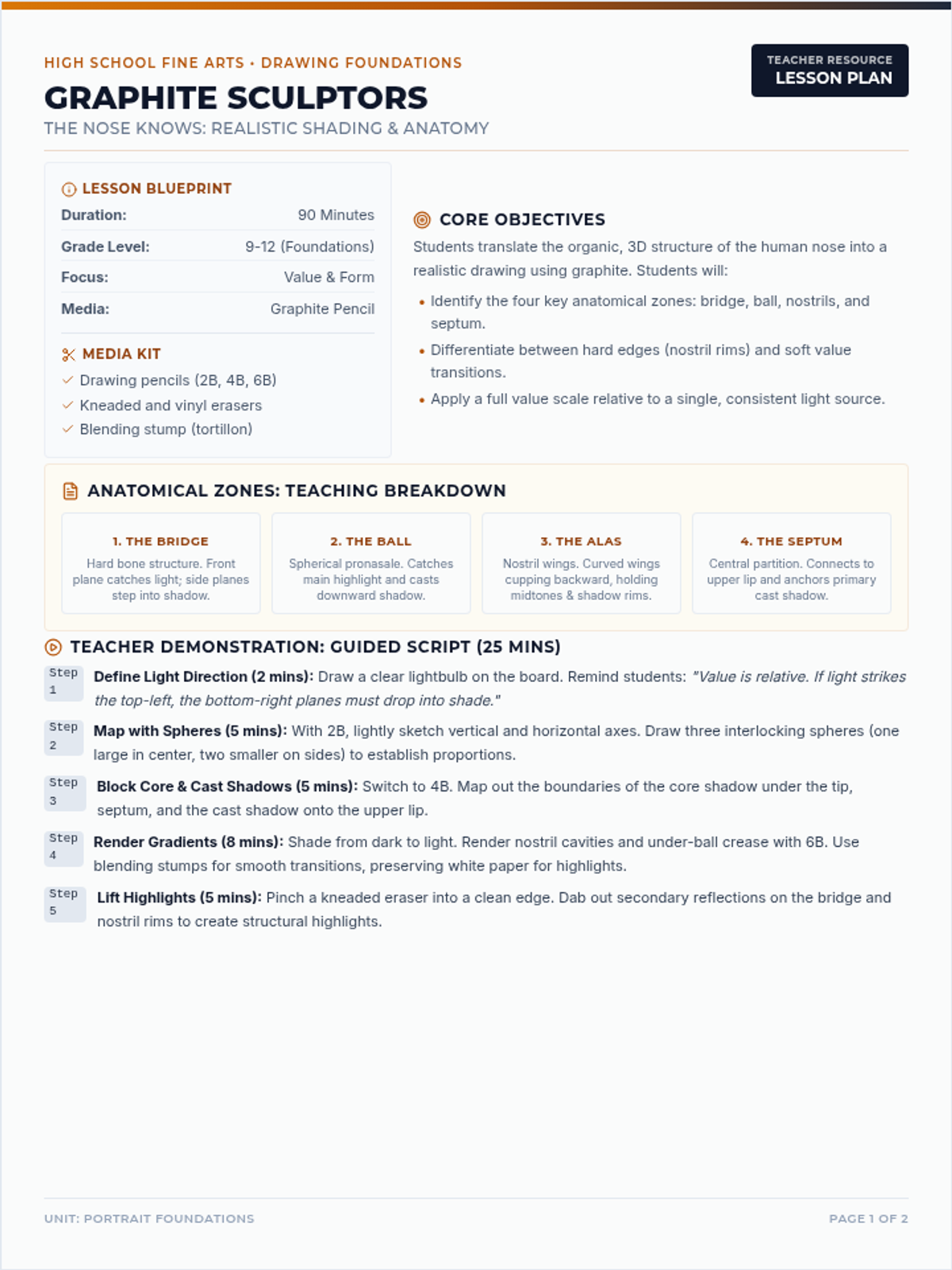
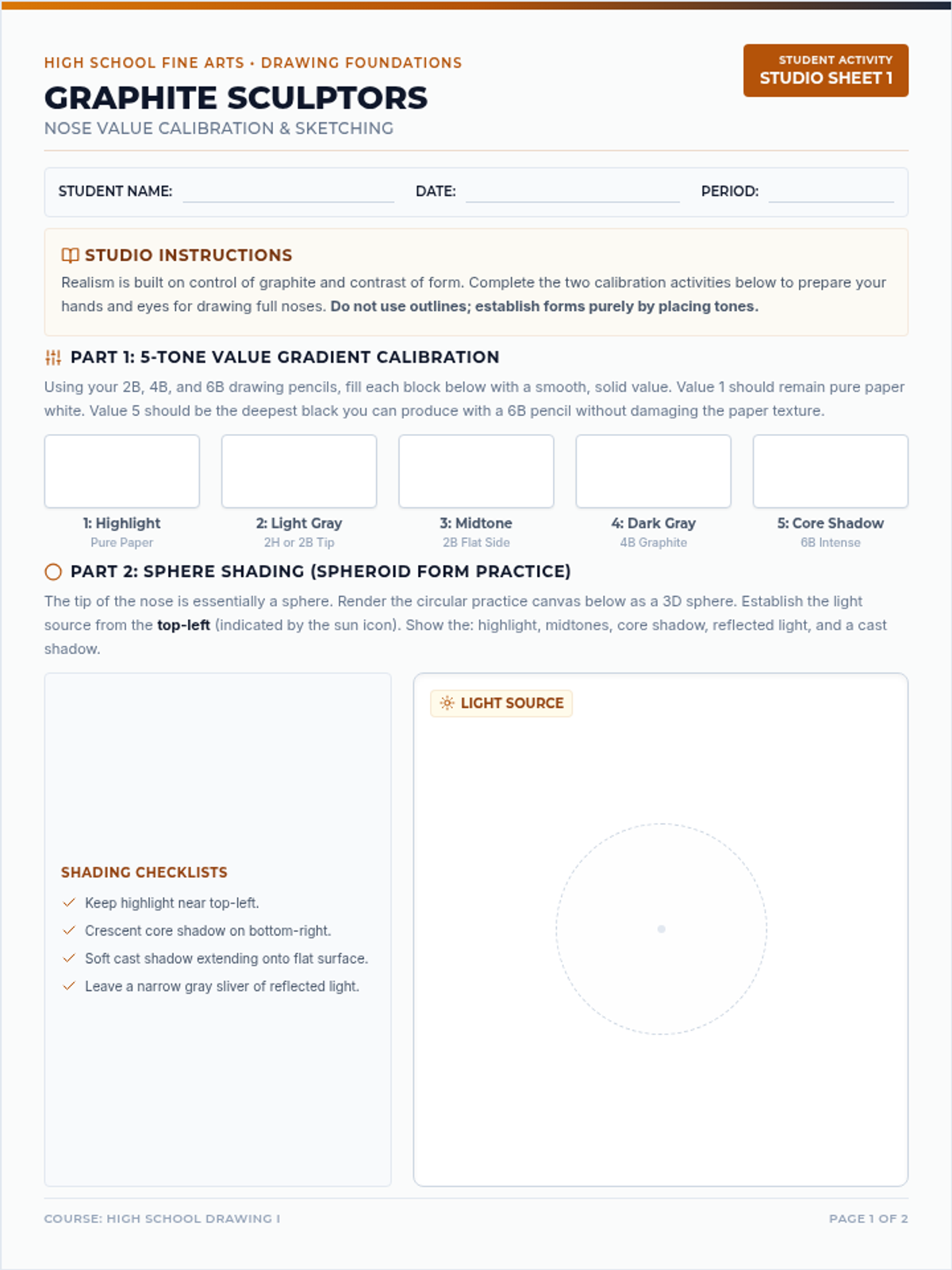
A foundational high school art lesson focusing on realistic value shading to draw three-dimensional noses. Students learn anatomical structures, light behavior, and graphite techniques to render form, highlights, and core shadows.
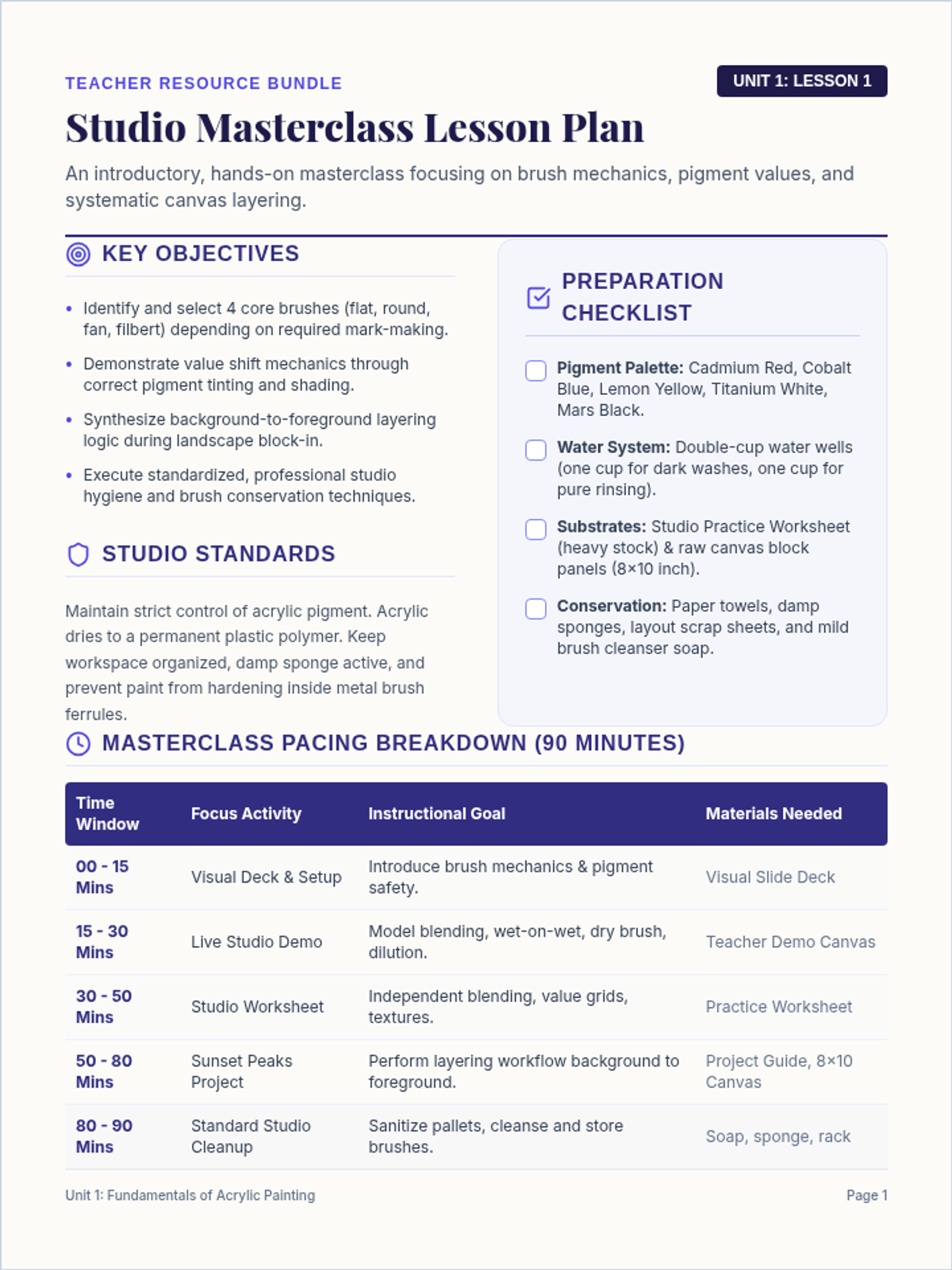
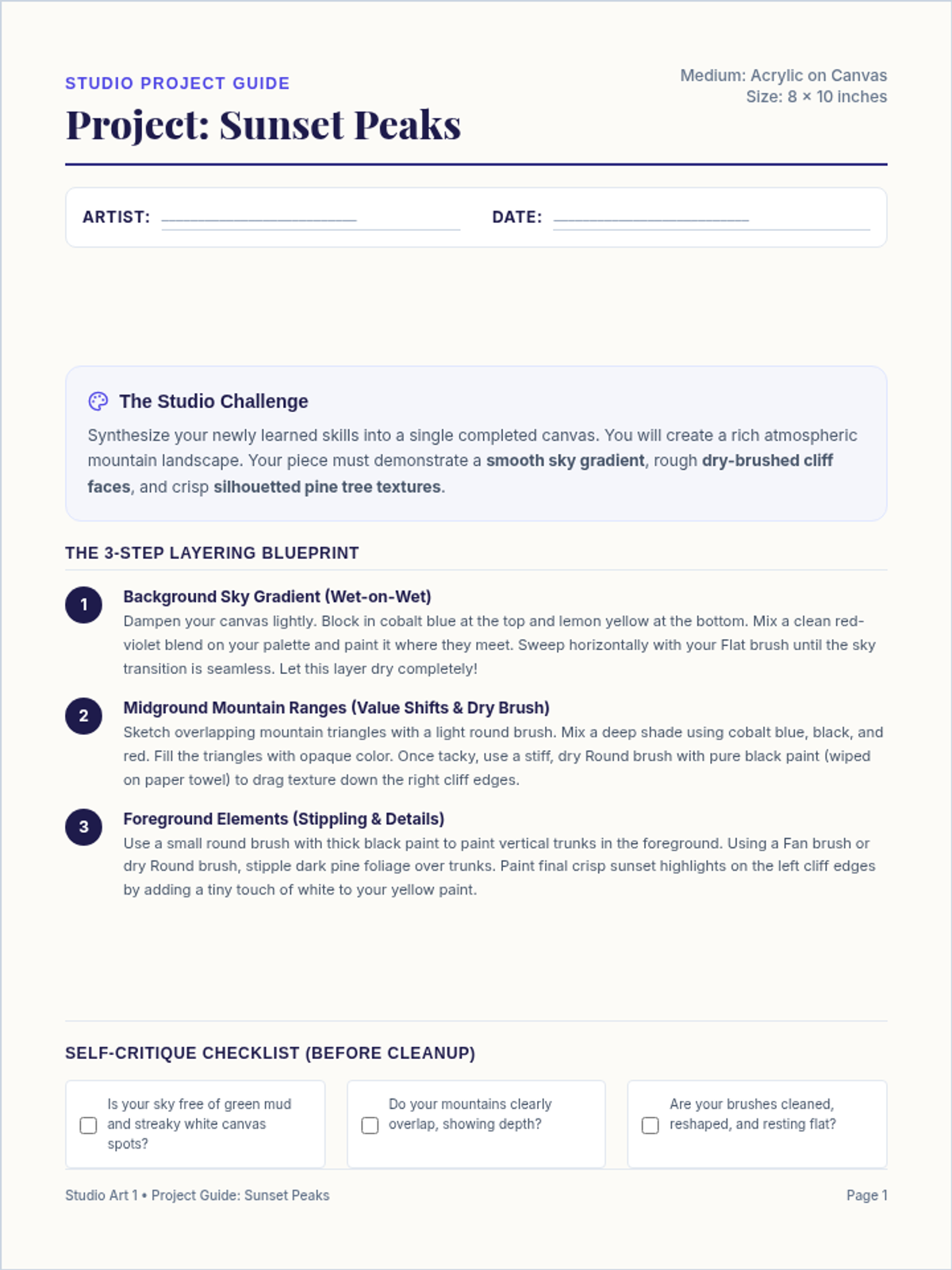
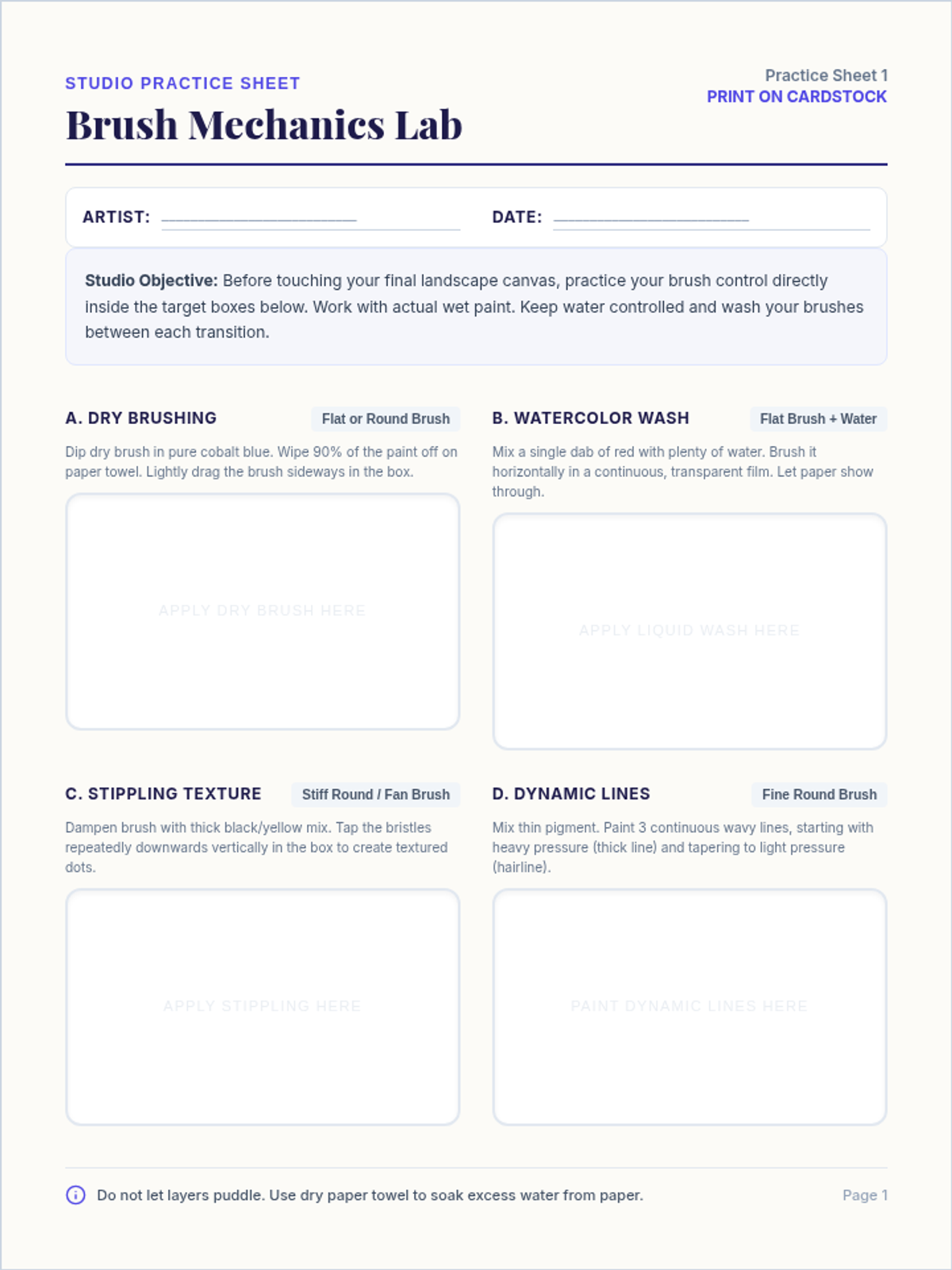
An introductory studio lesson on the fundamentals of acrylic painting. Students explore brushwork textures, color mixing mechanics, and structural layering through hands-on practice and a guided landscape project.
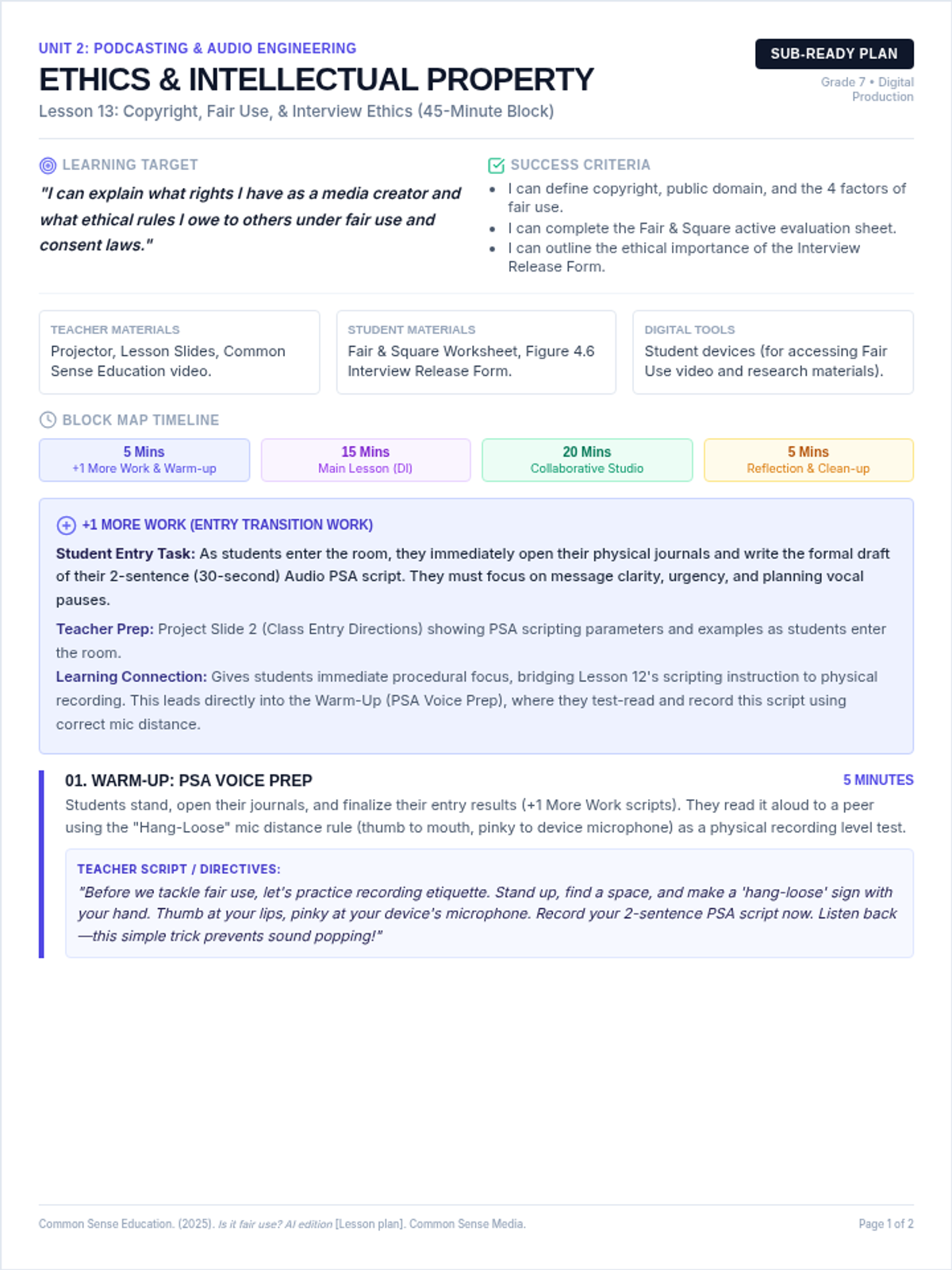
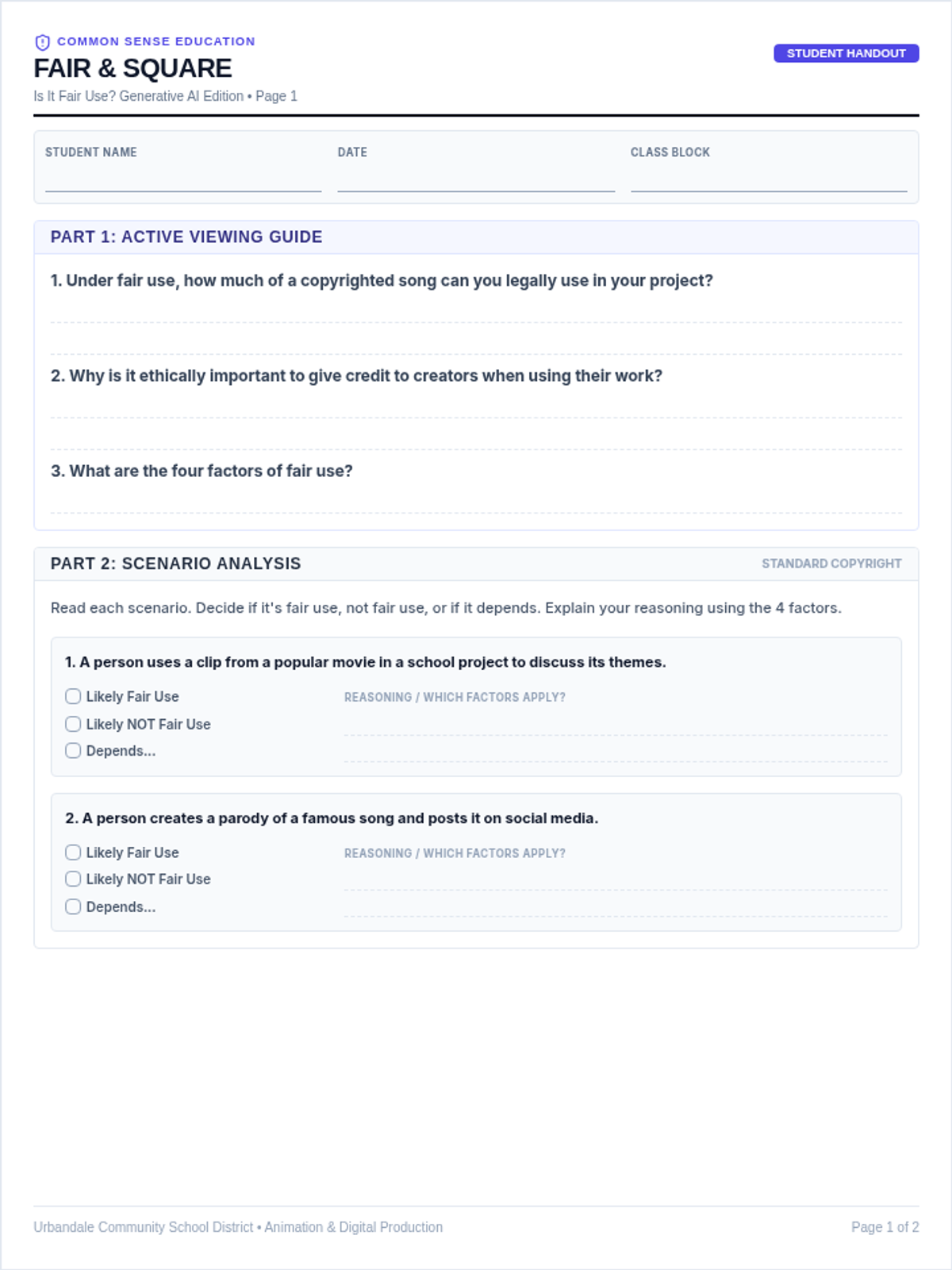
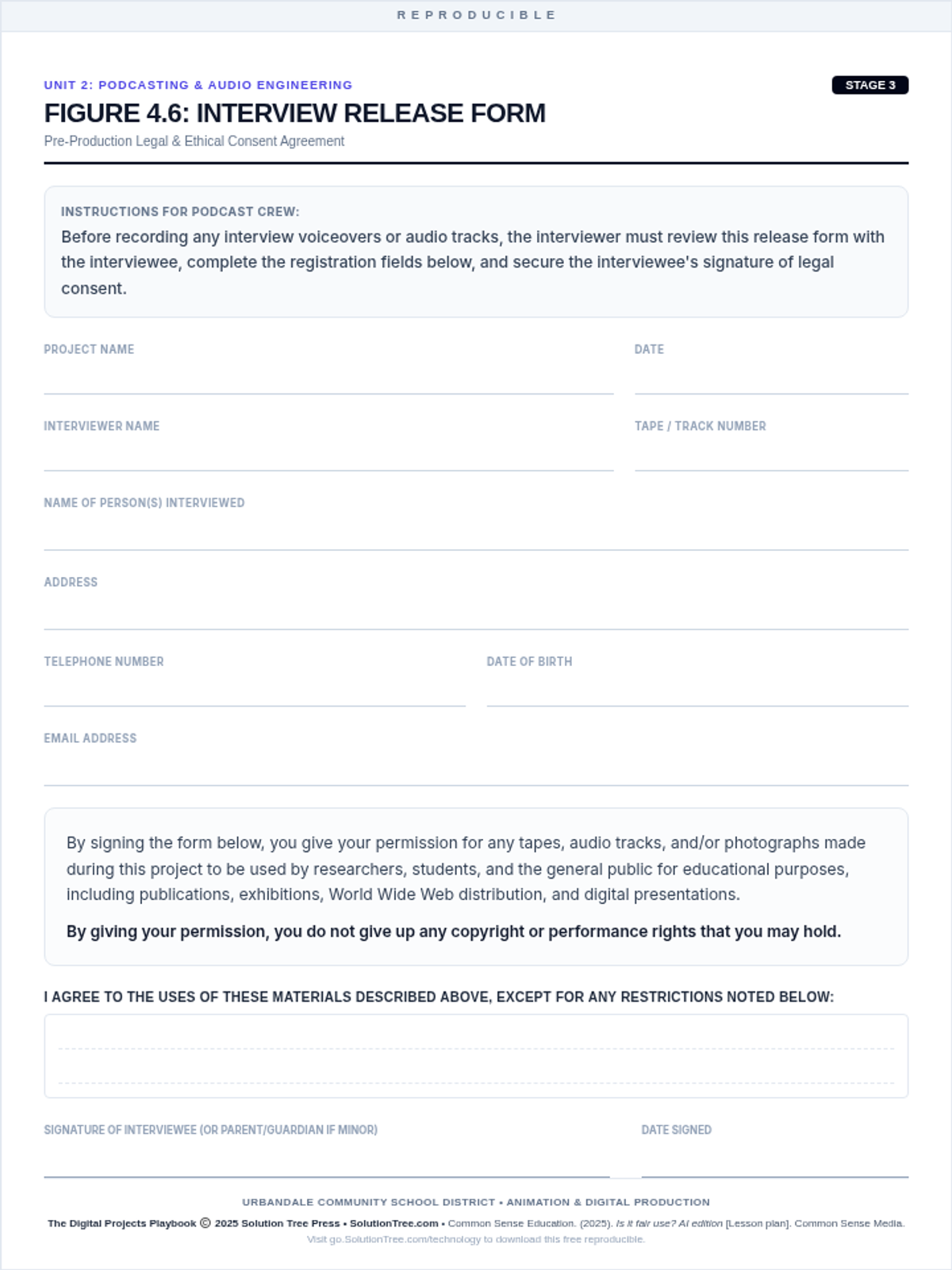
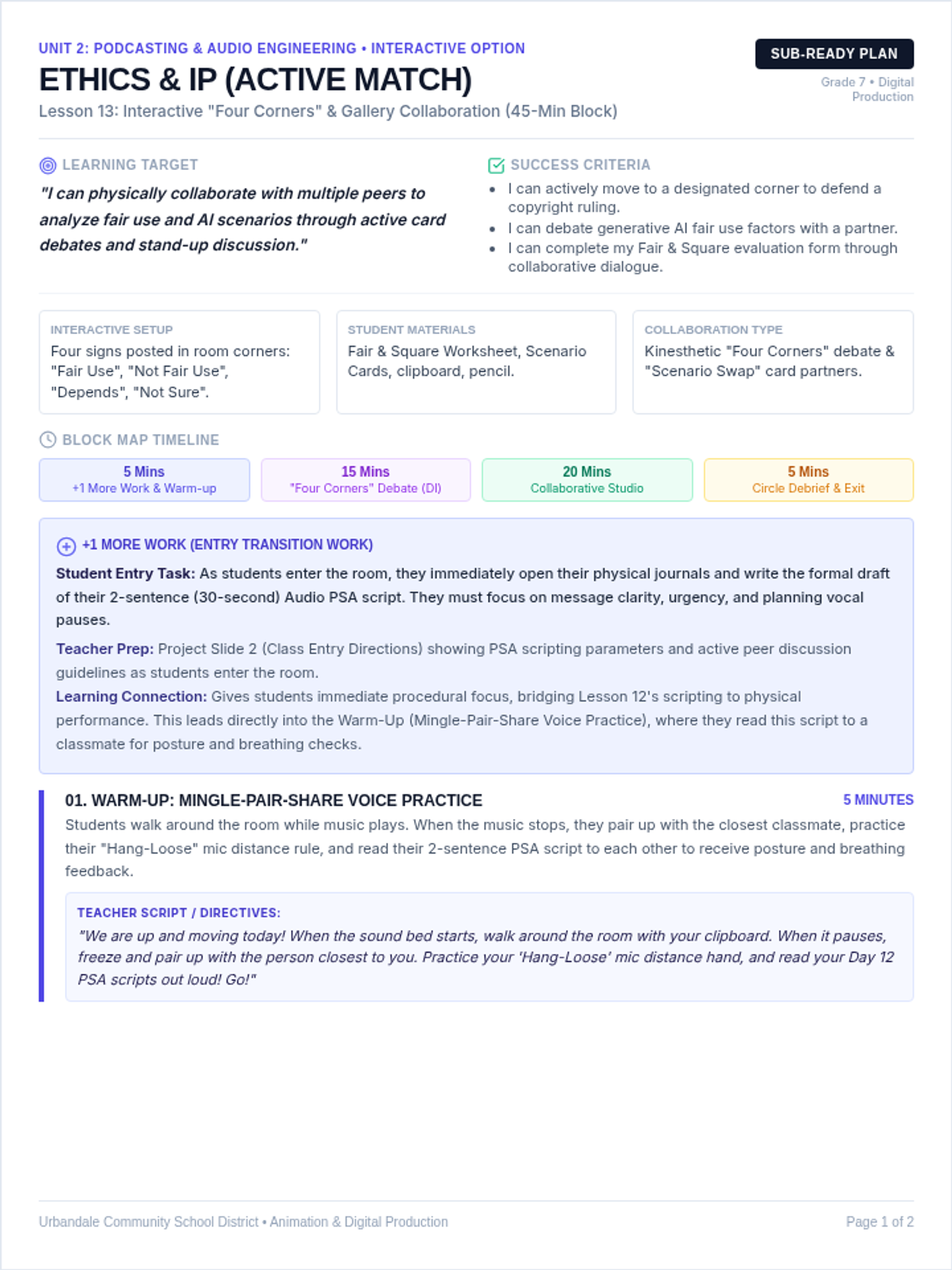
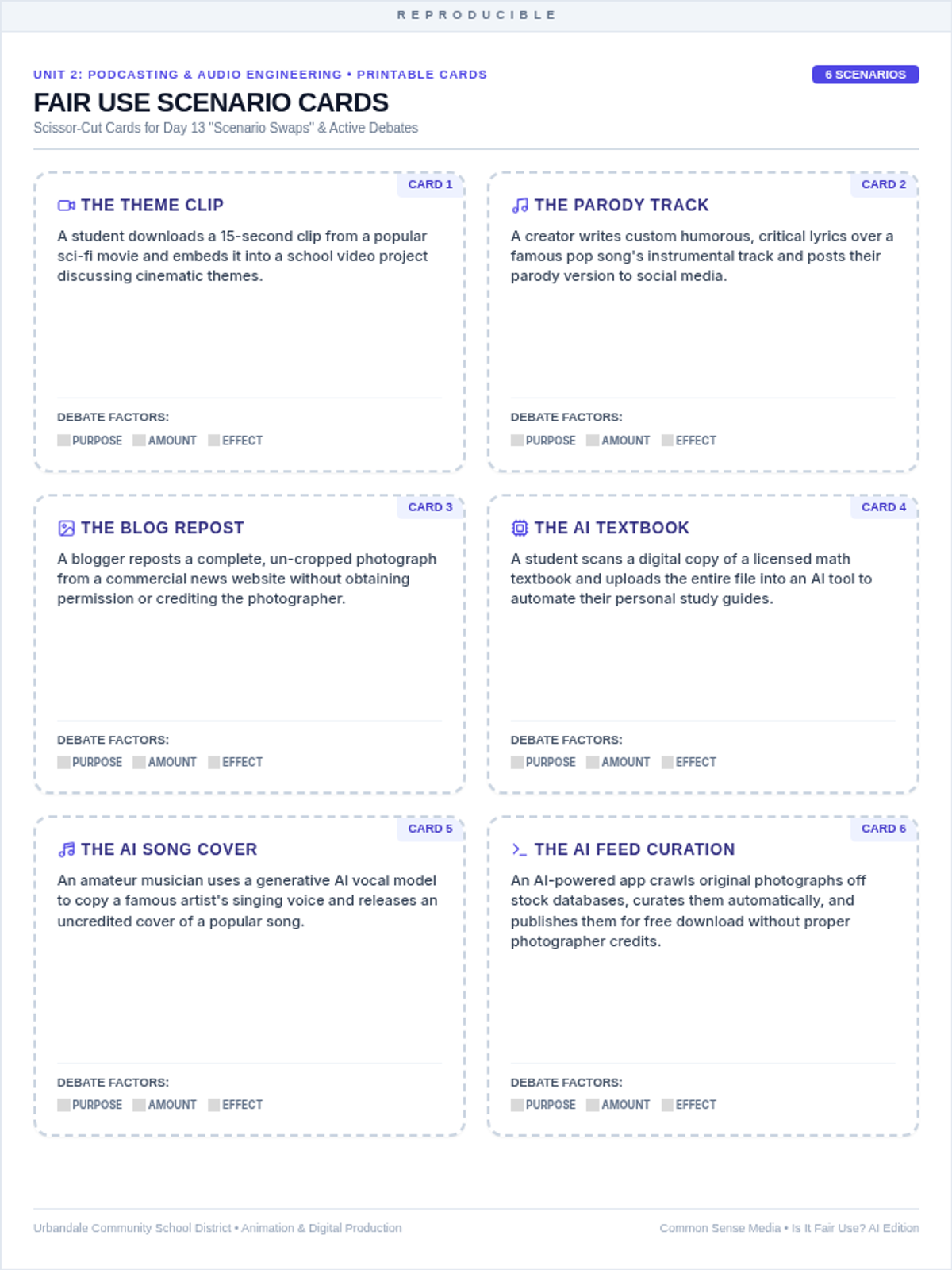
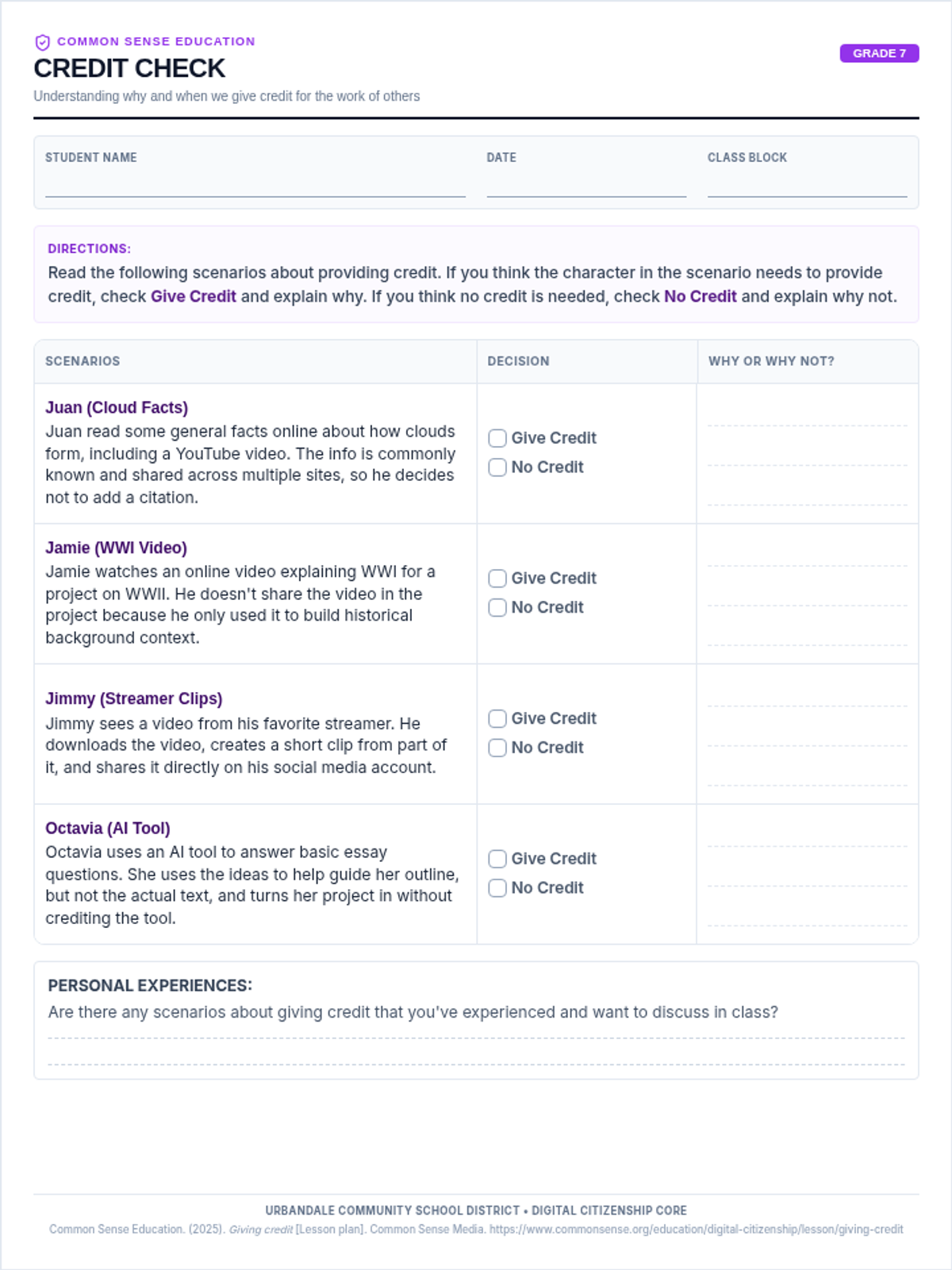
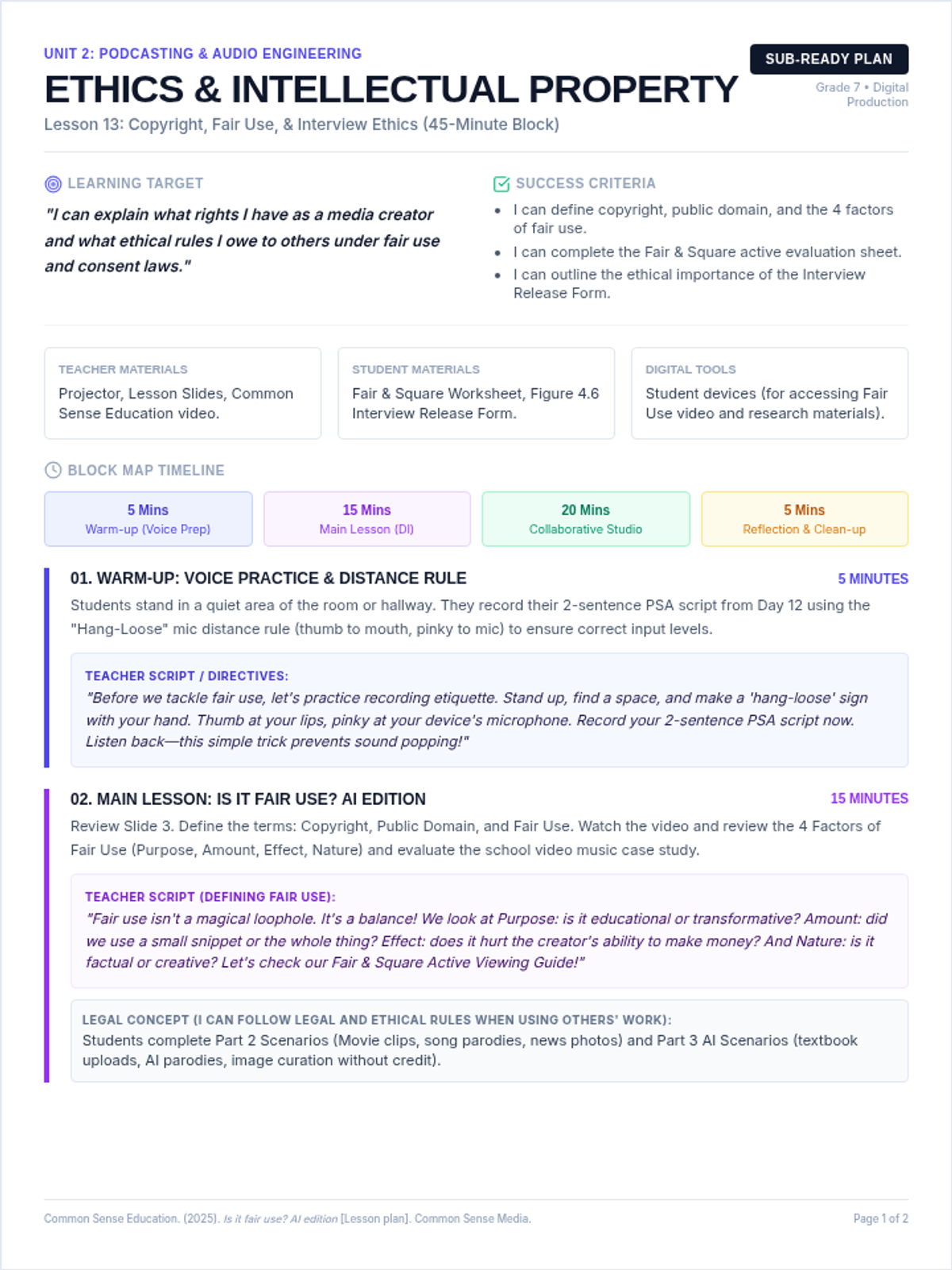
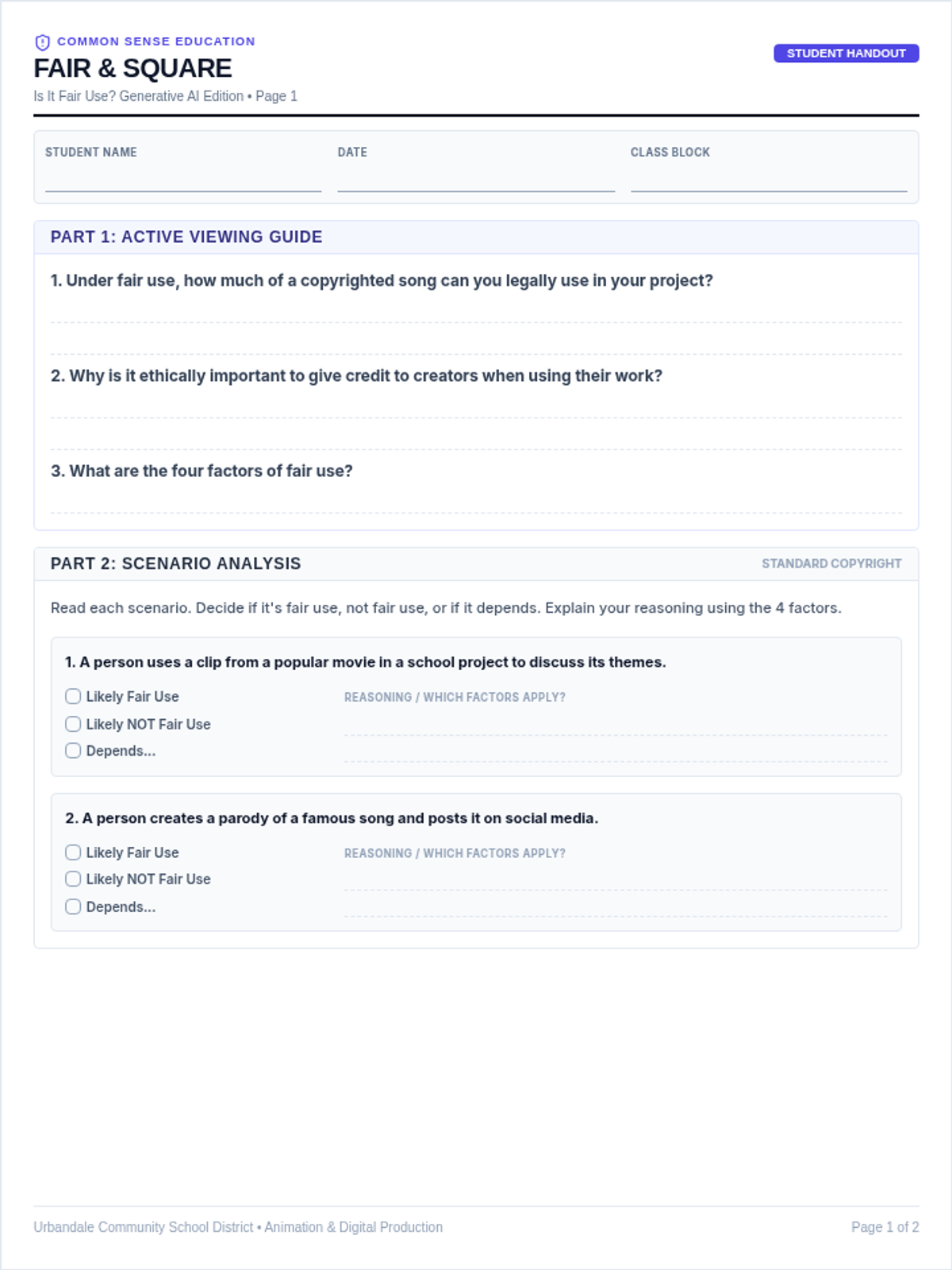
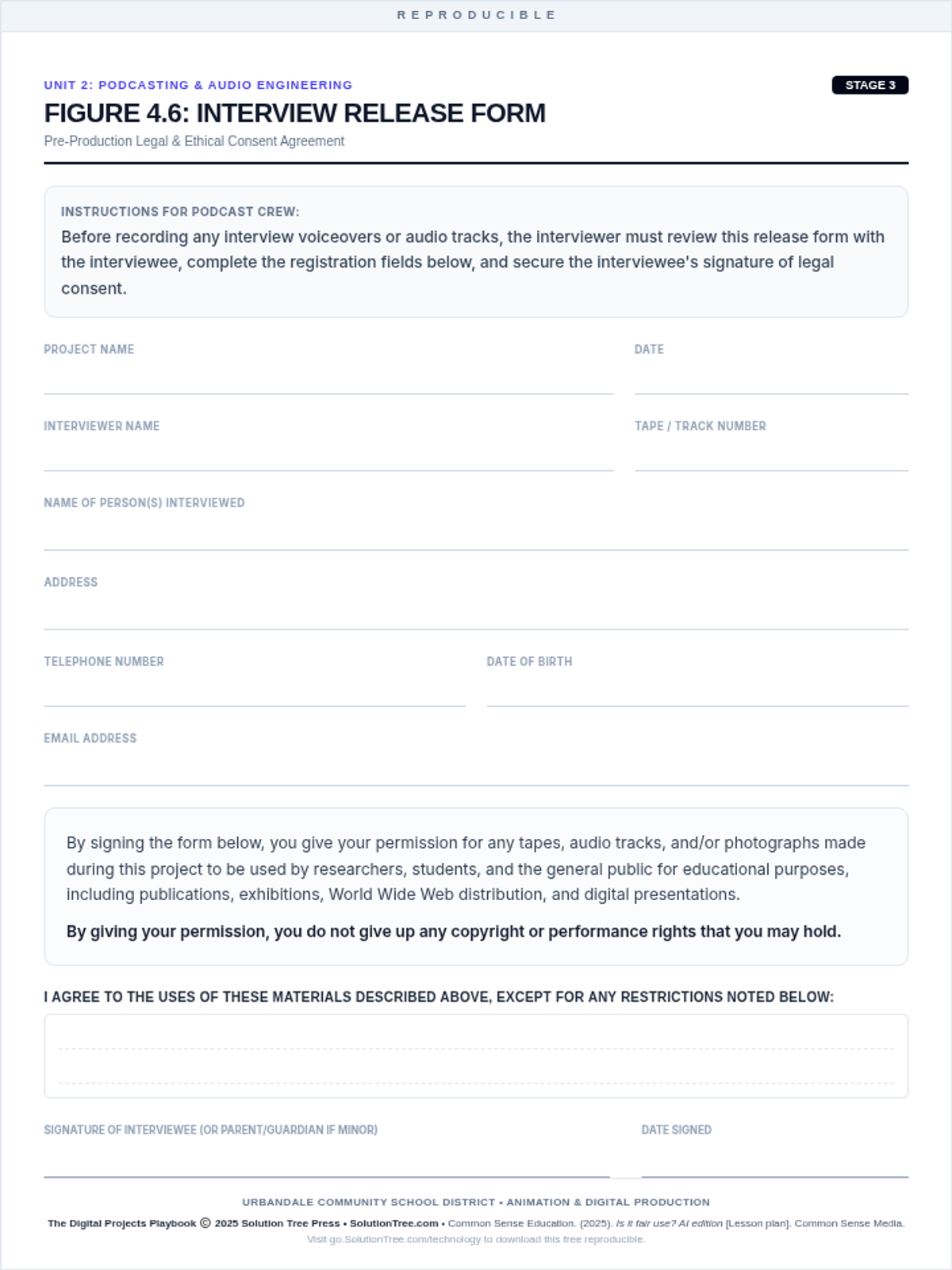
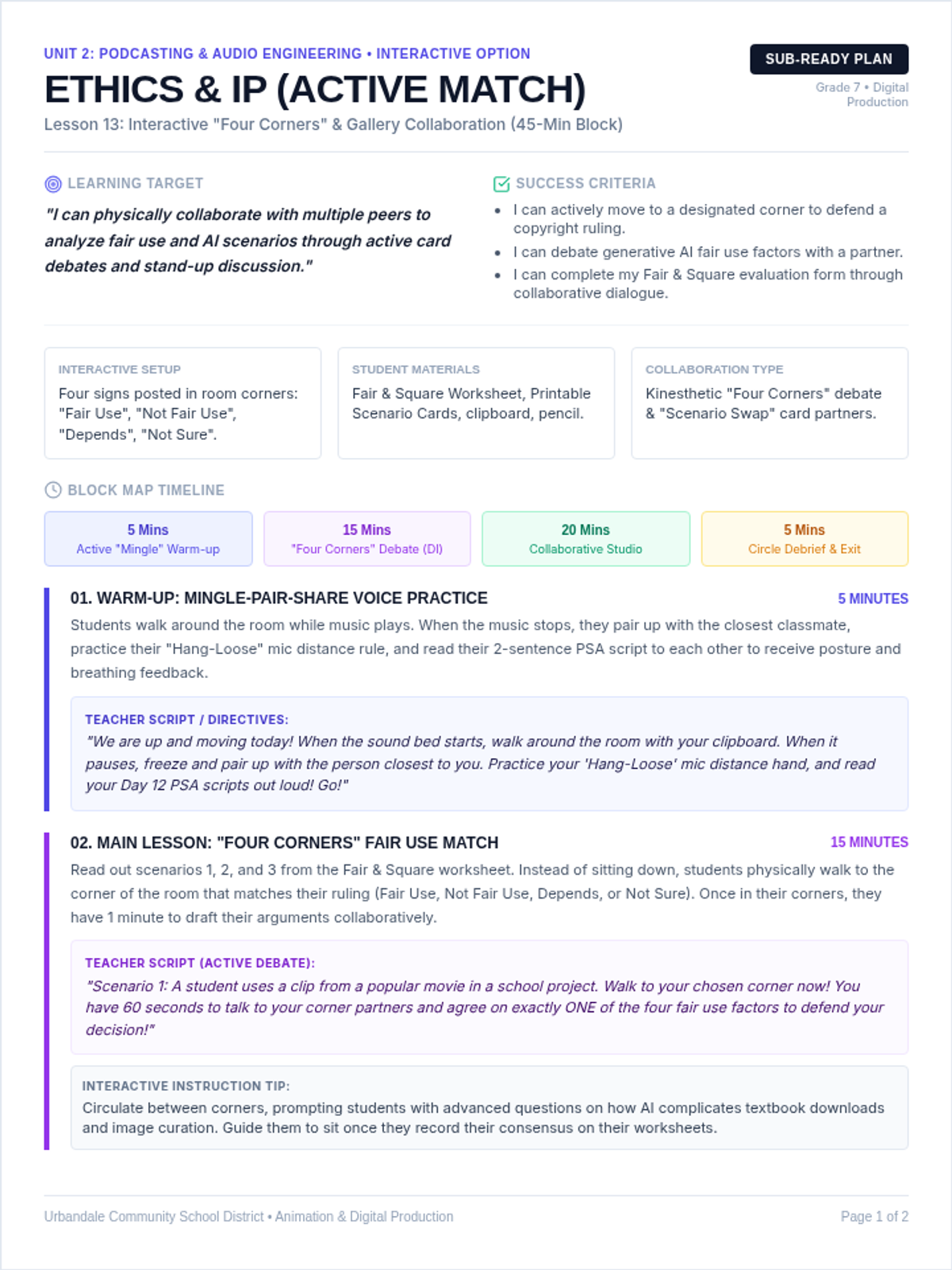
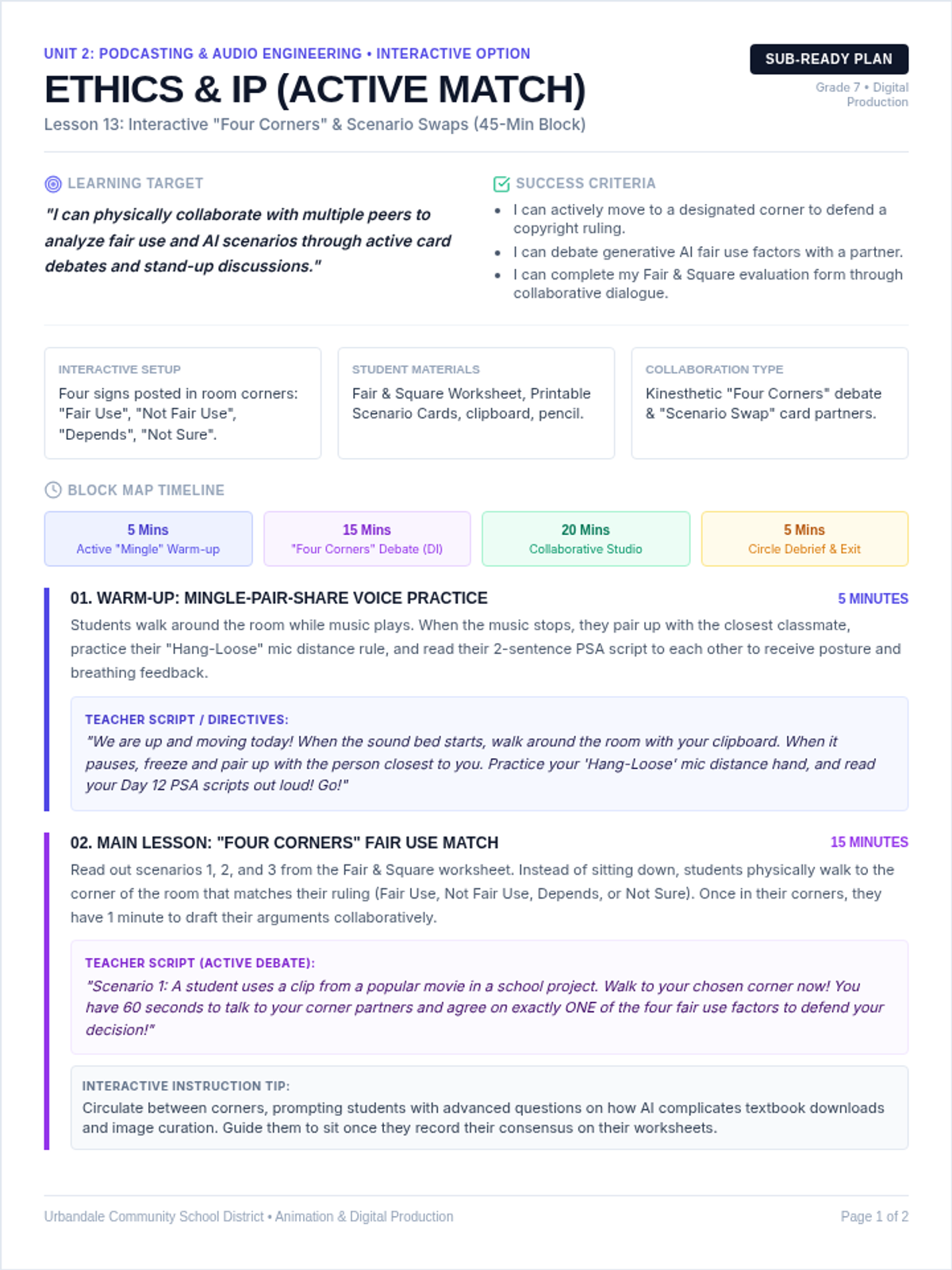
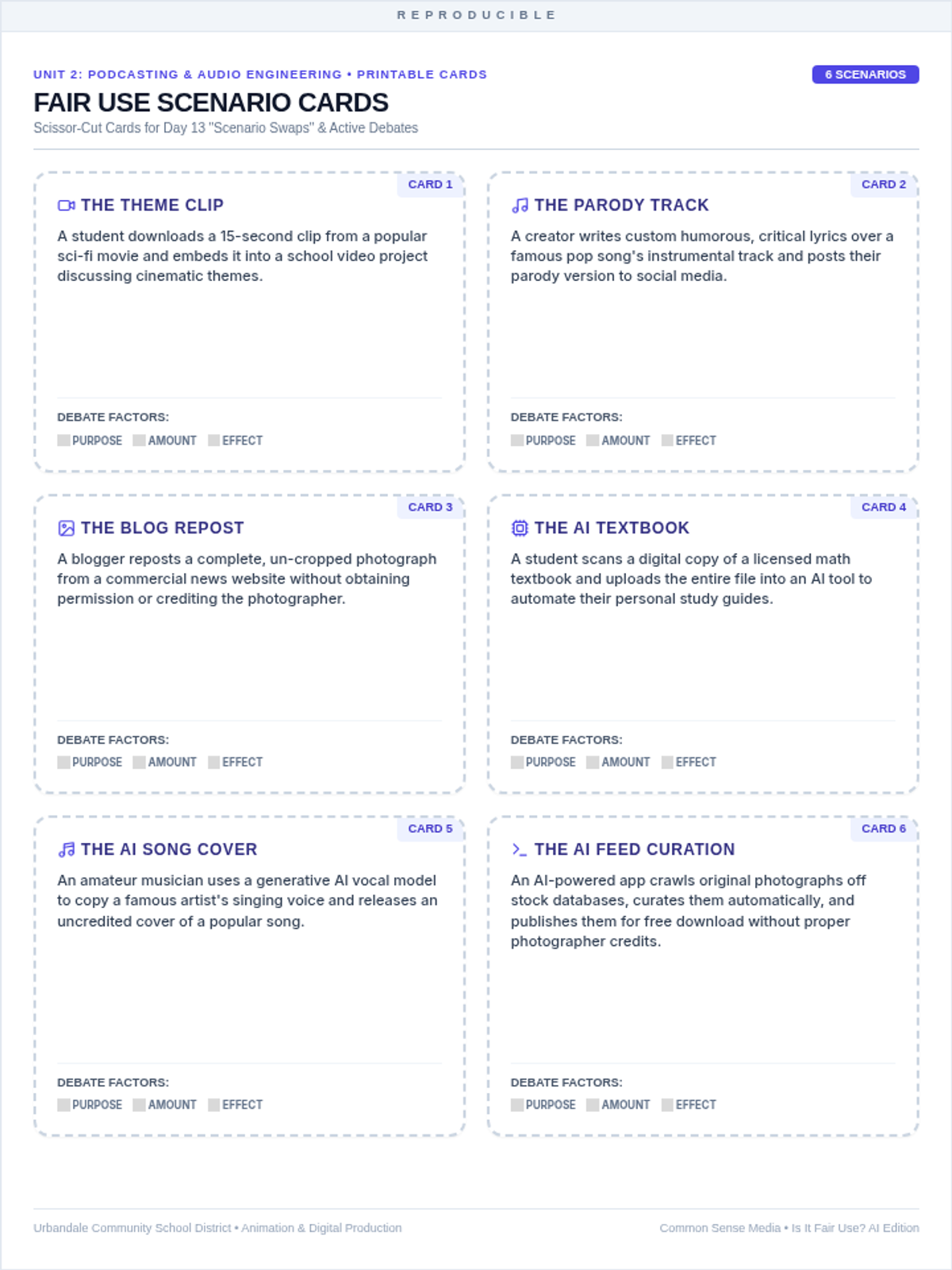
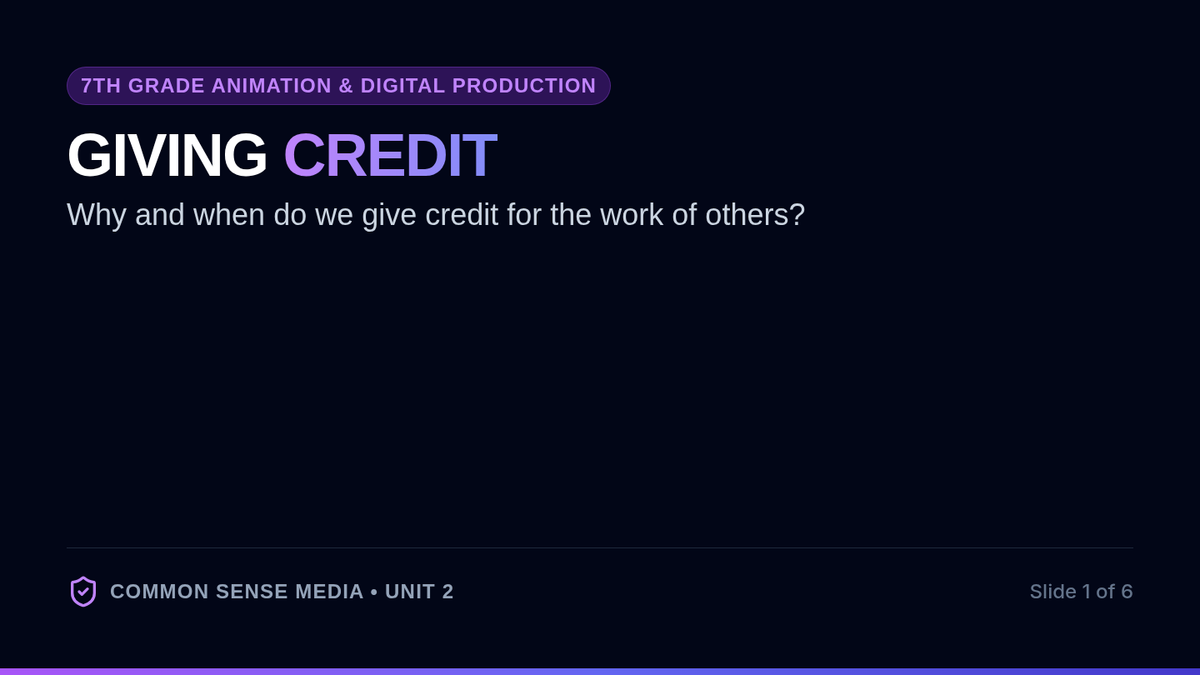
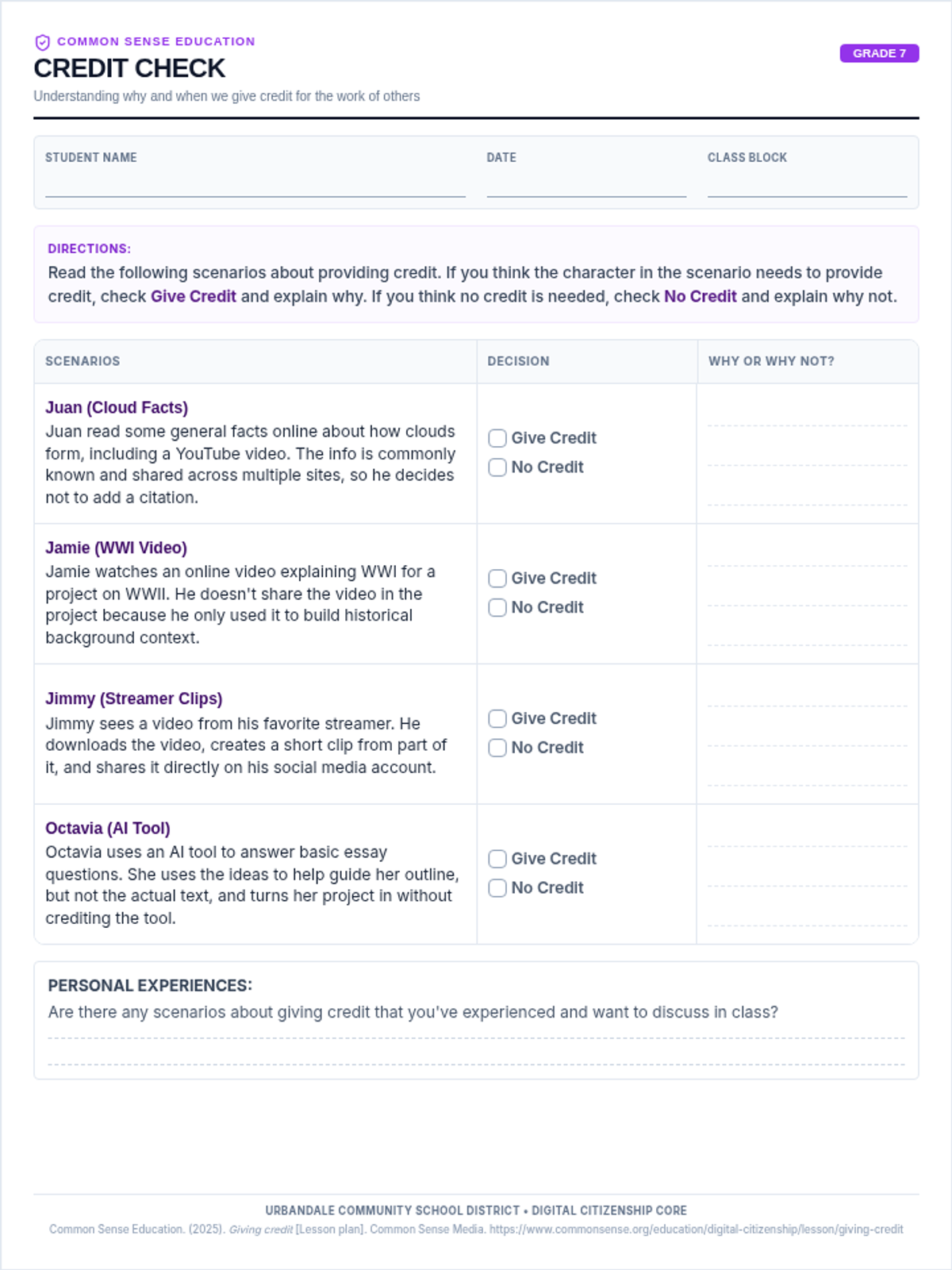
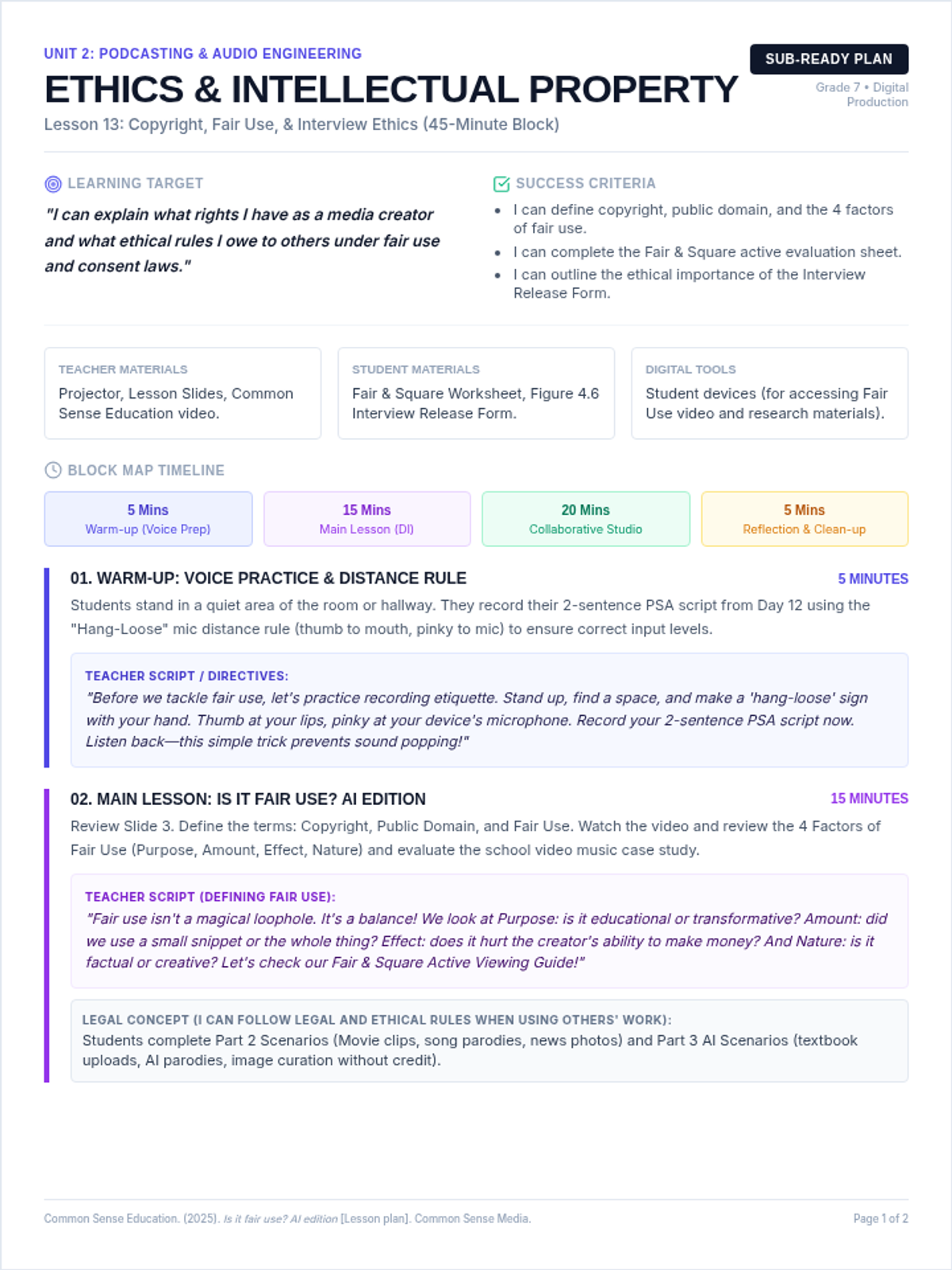
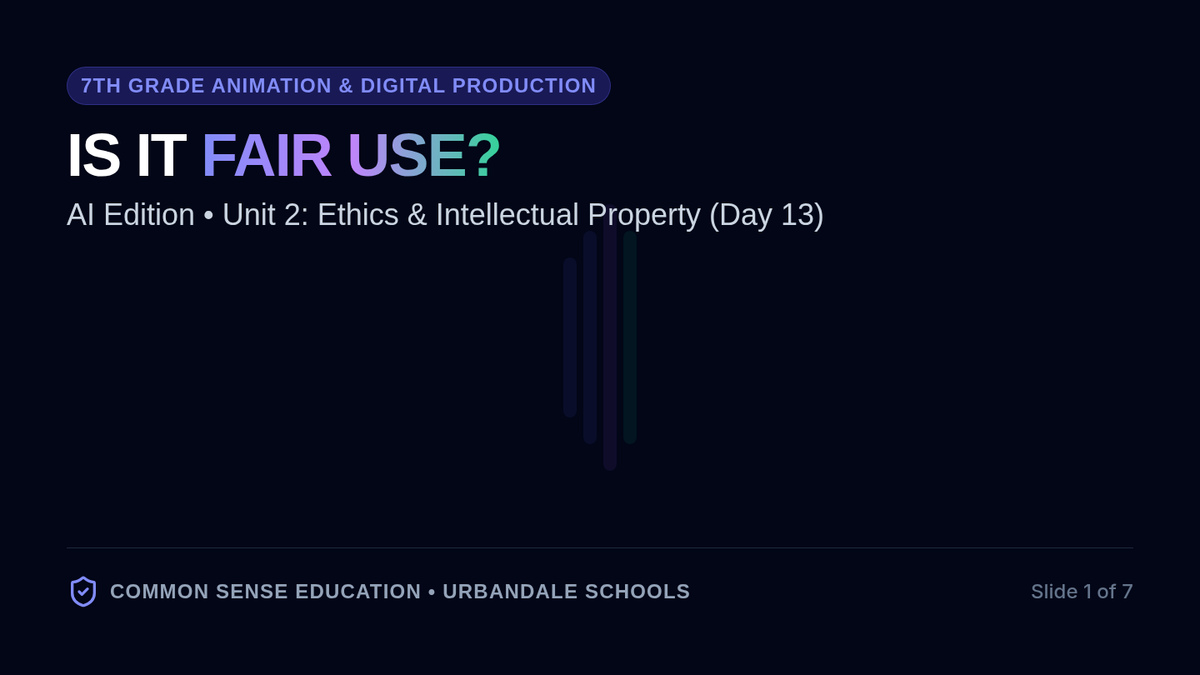
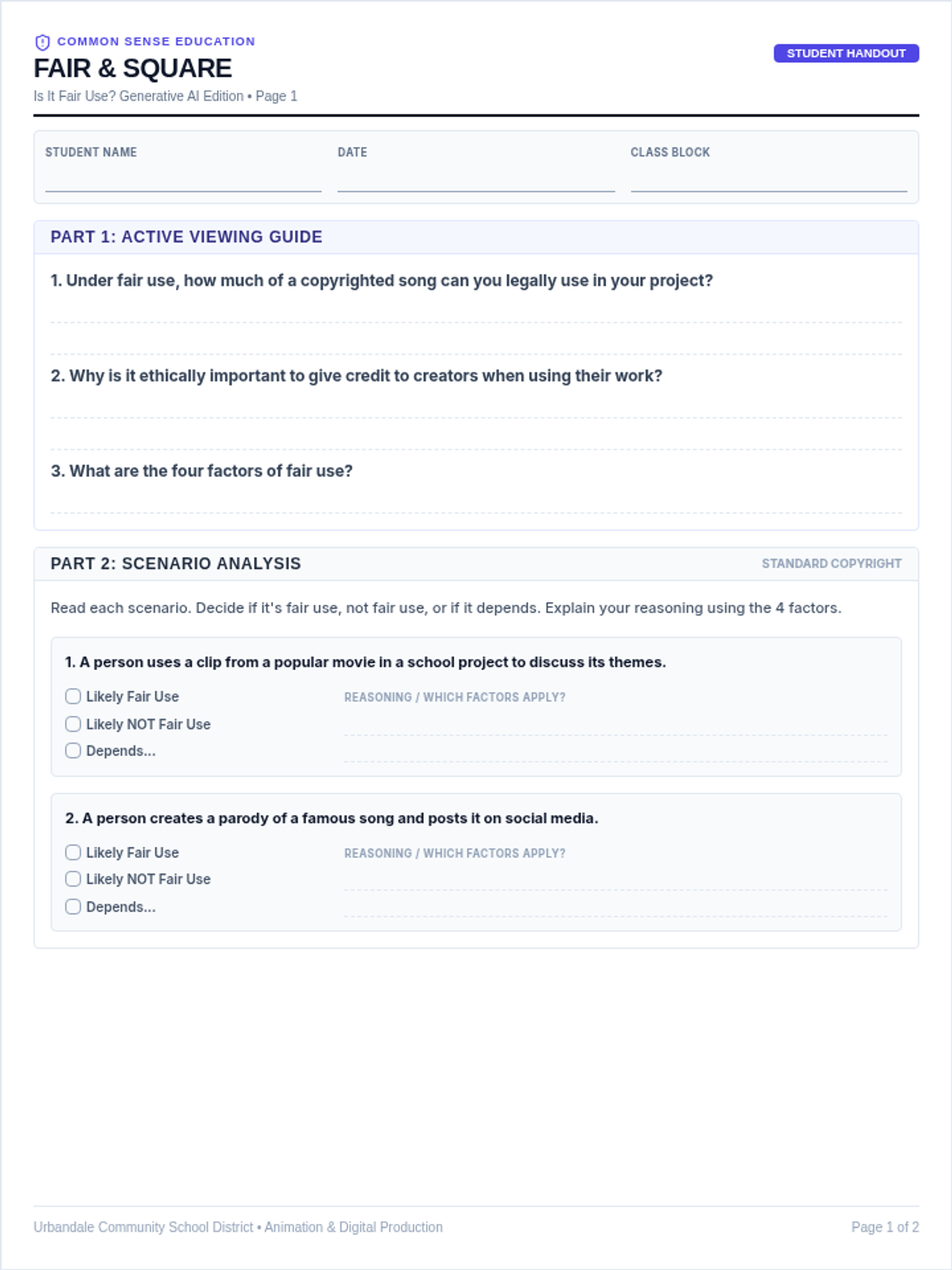
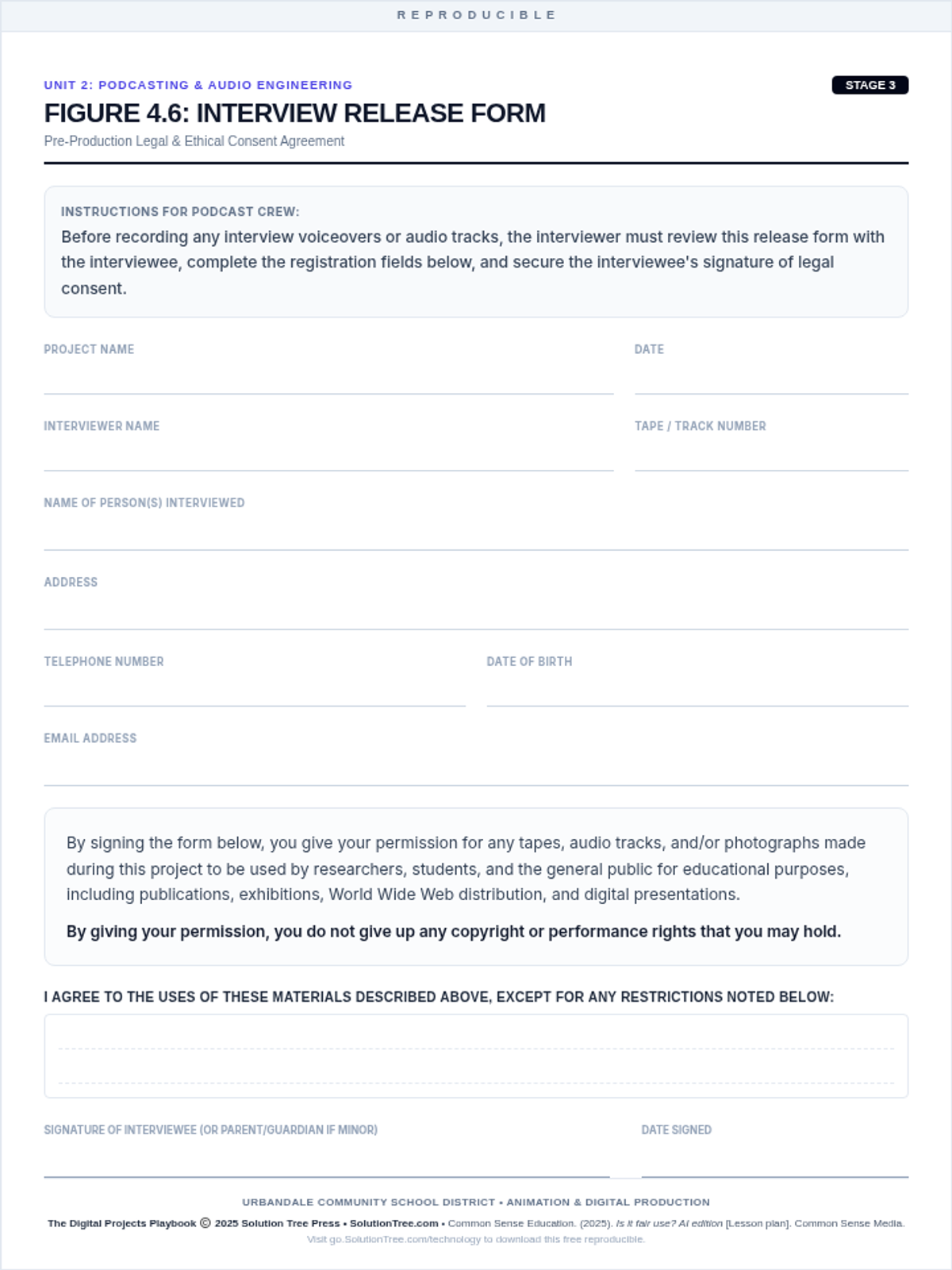
Introduce students to copyright, public domain, the four factors of fair use, generative AI complications, and interview release ethics.
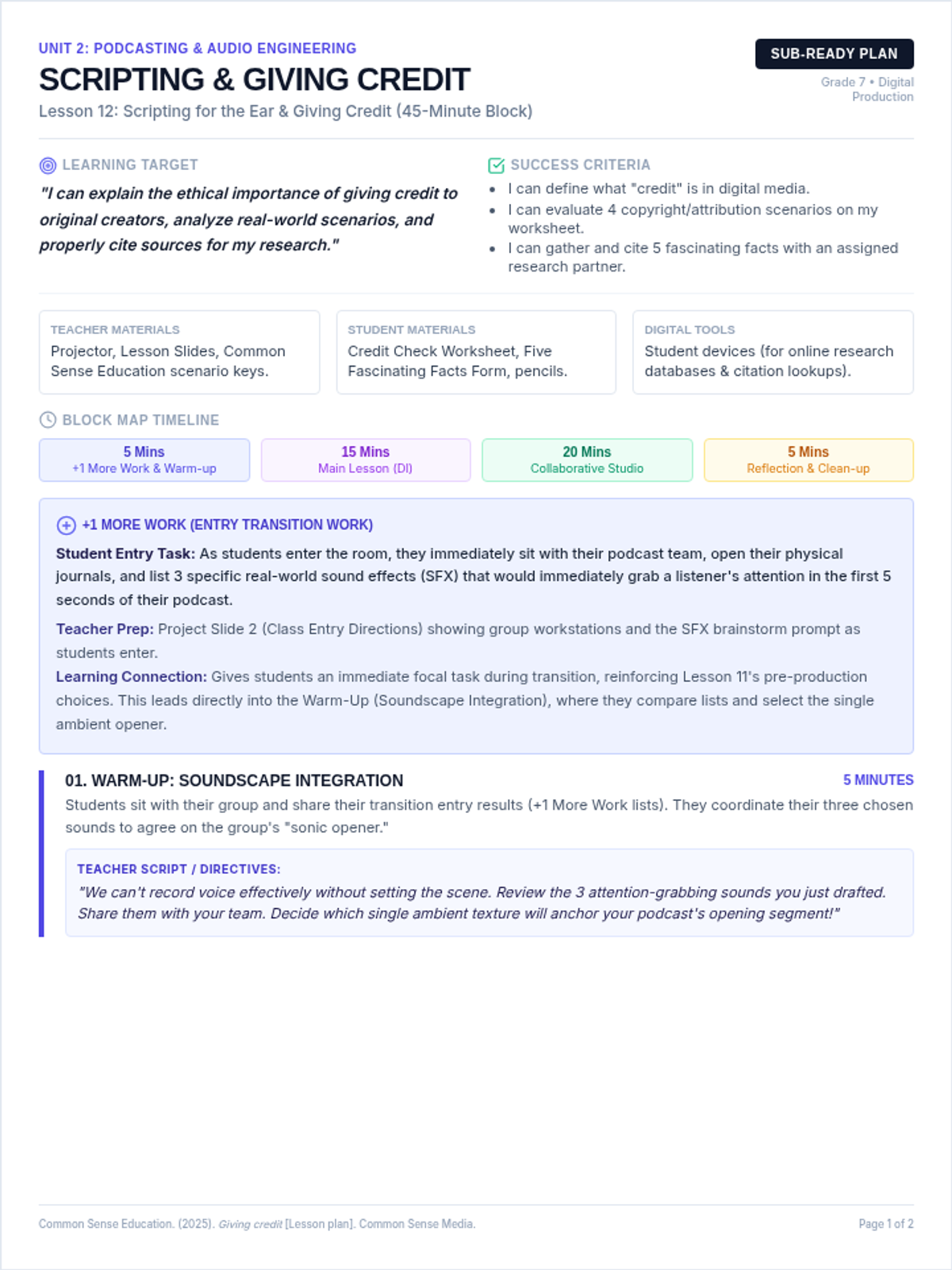
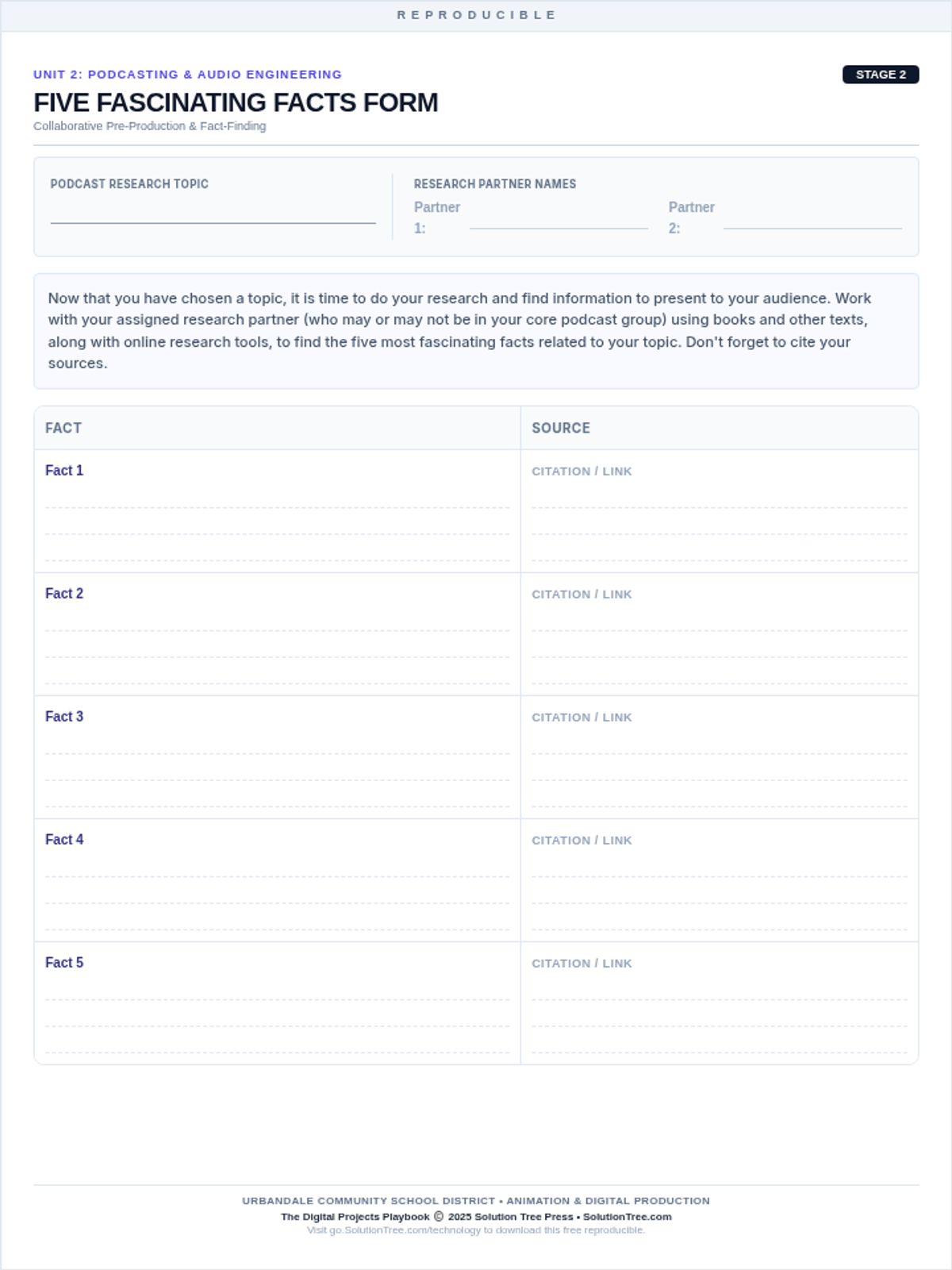
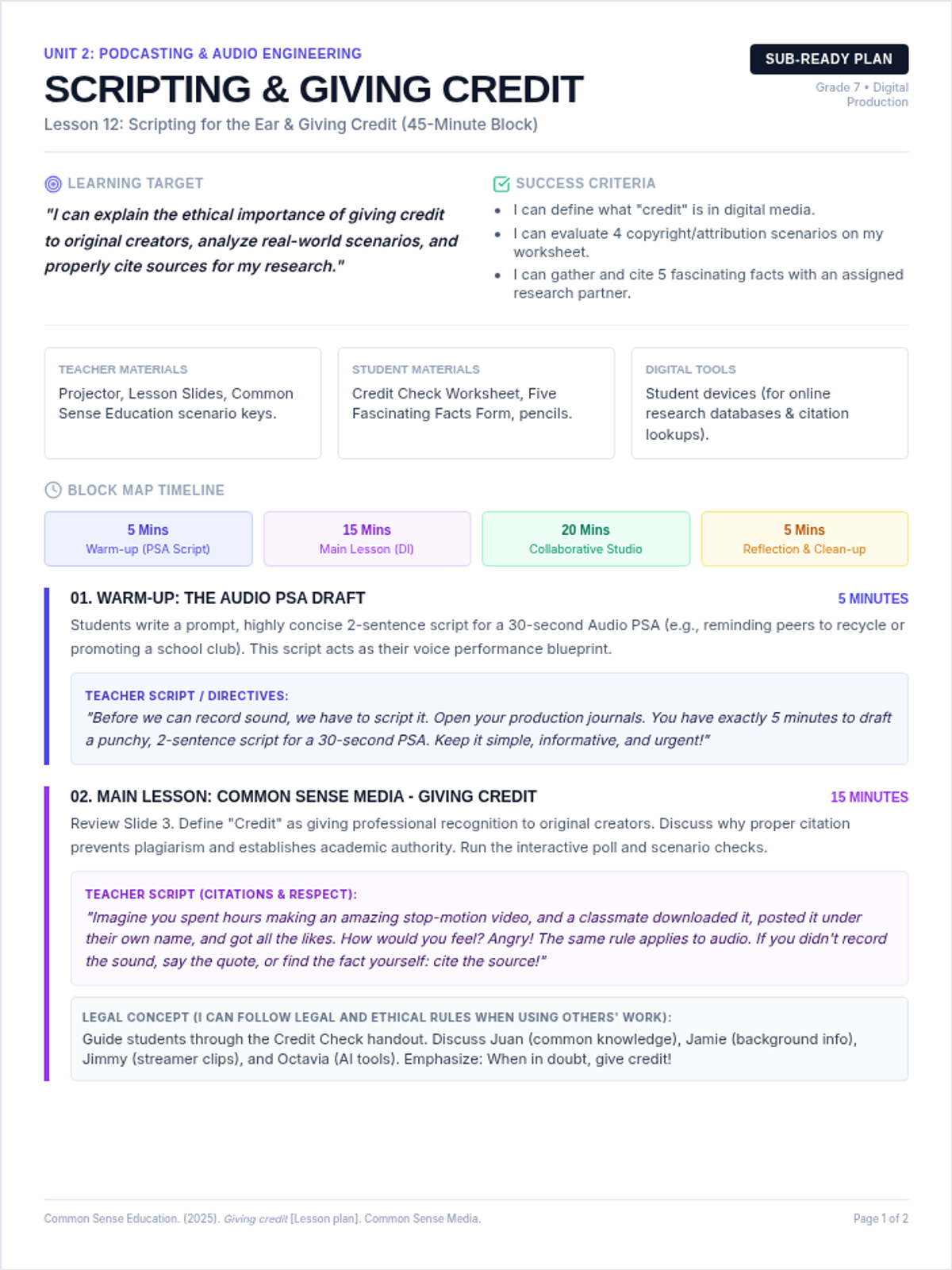
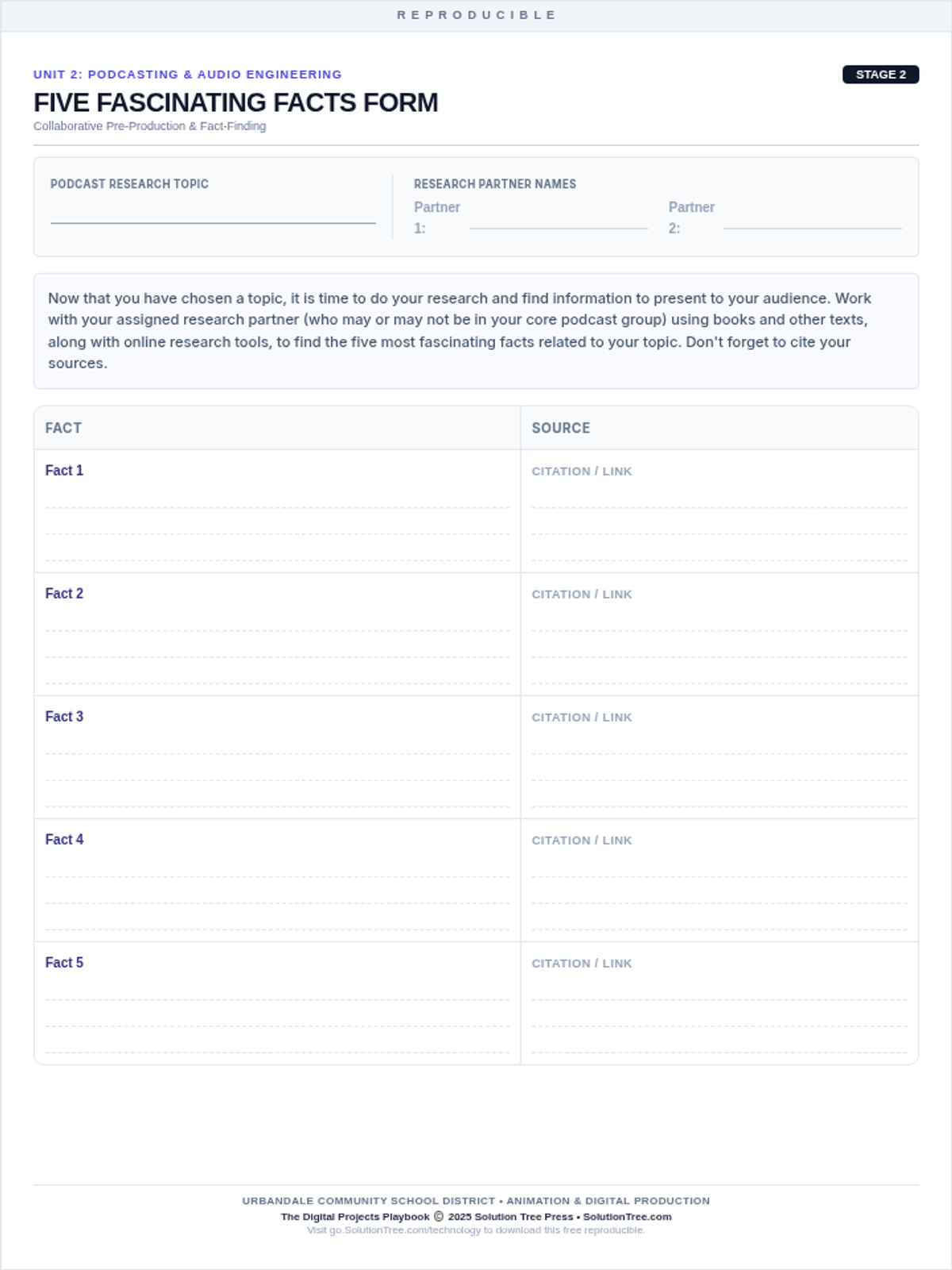
Learn the ethical and technical aspects of scripting for audio, focusing on writing for the ear, citing audio sources, and research fact-finding using the Five Fascinating Facts Form.
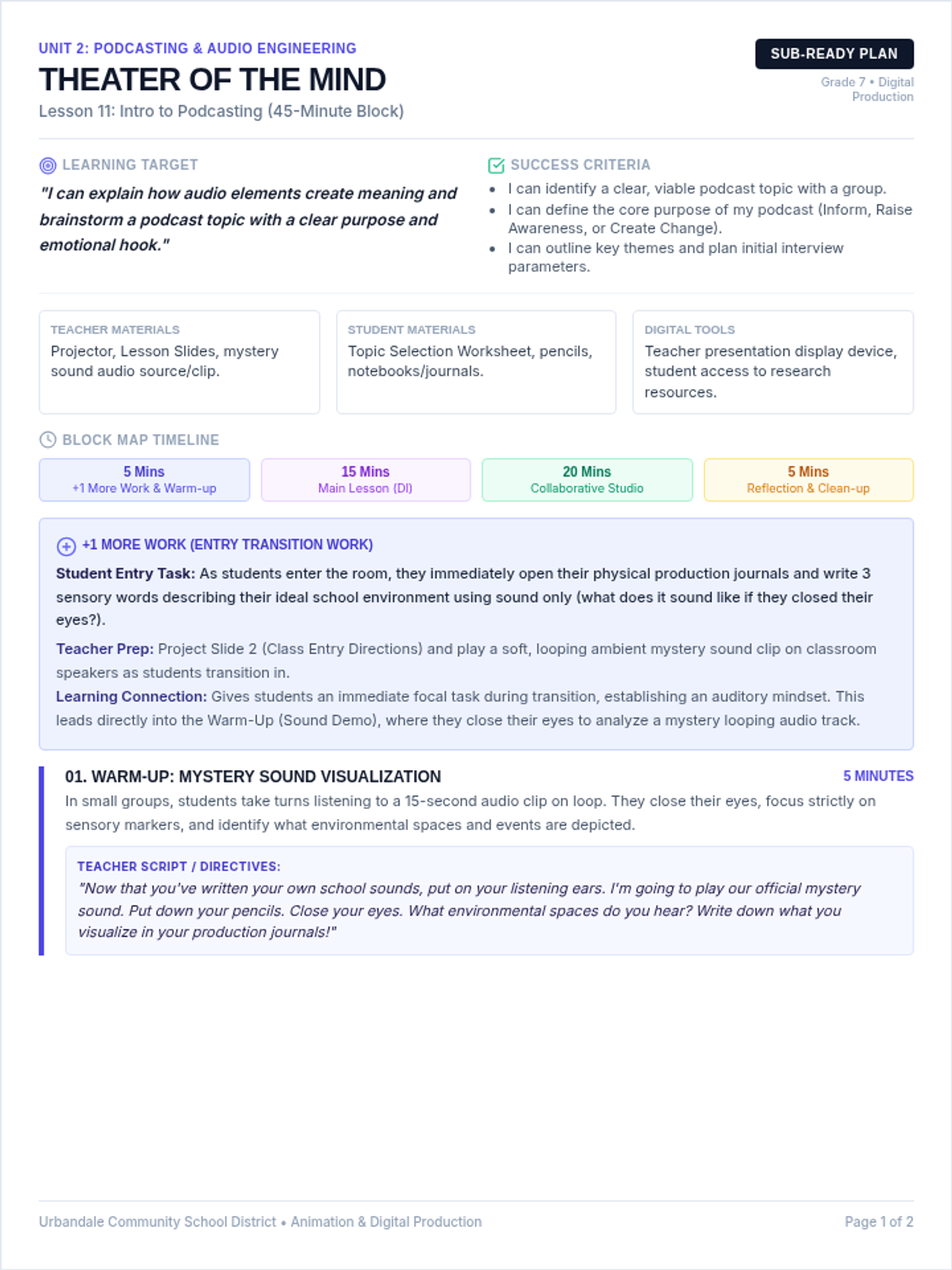
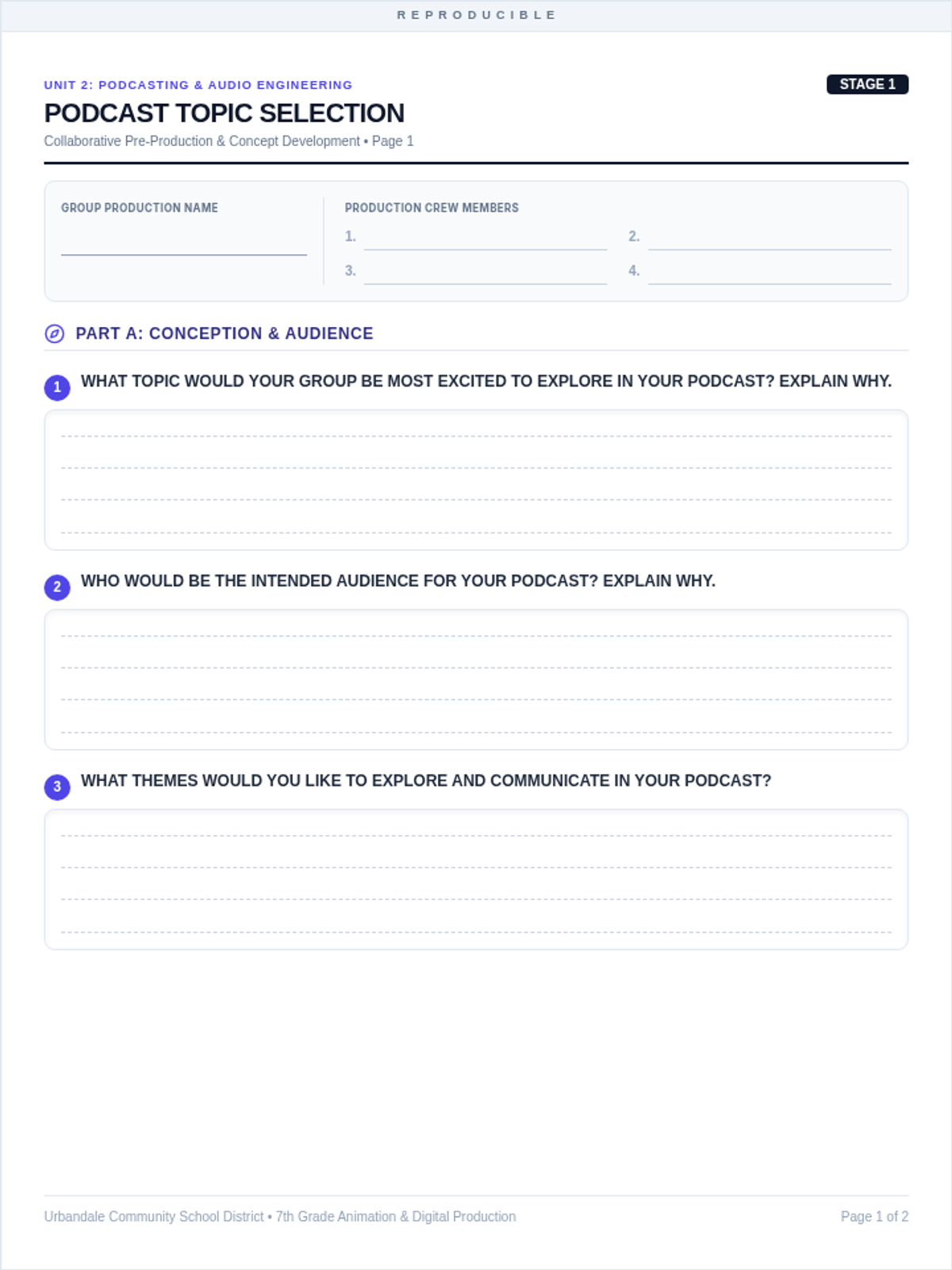
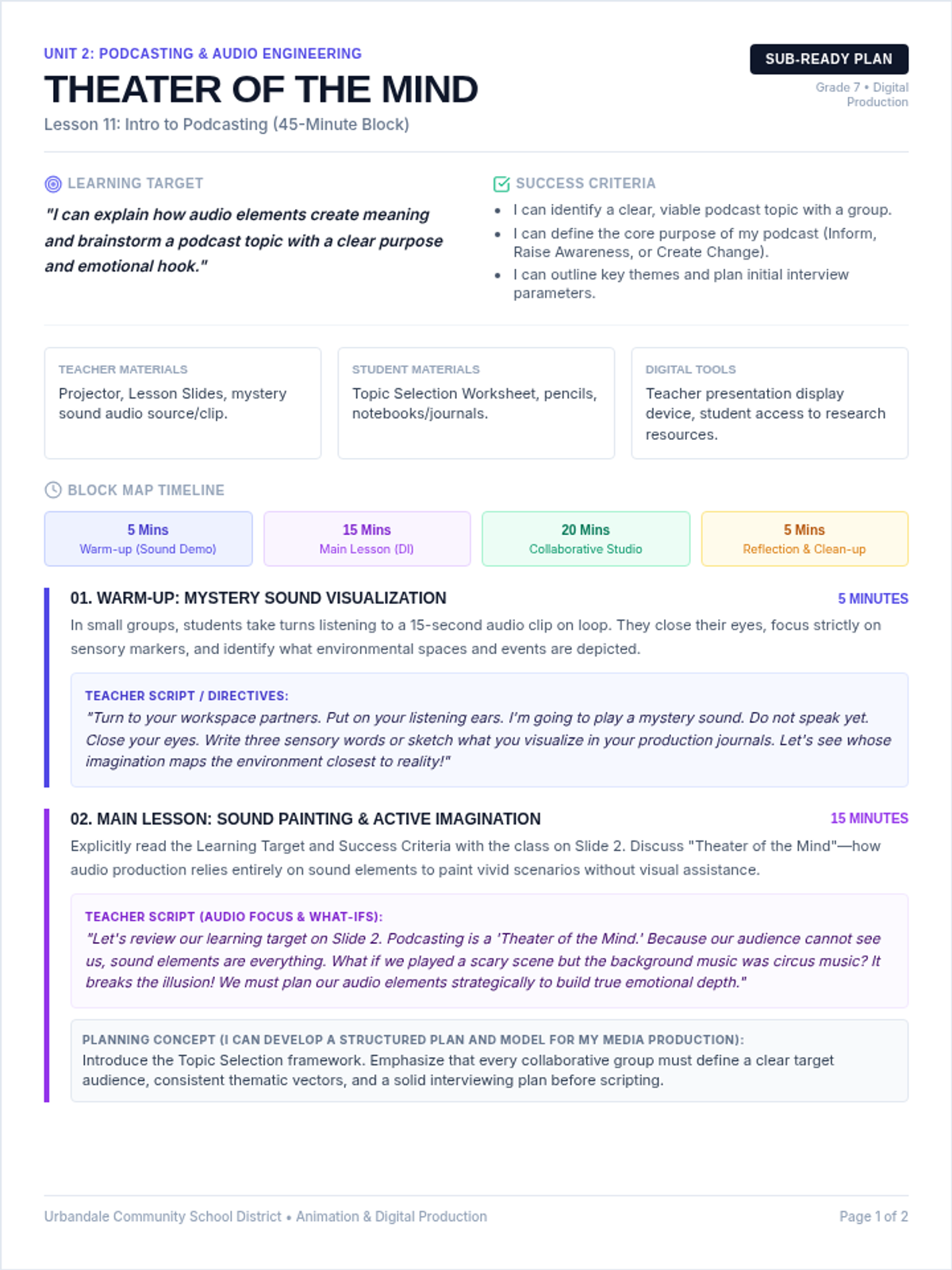
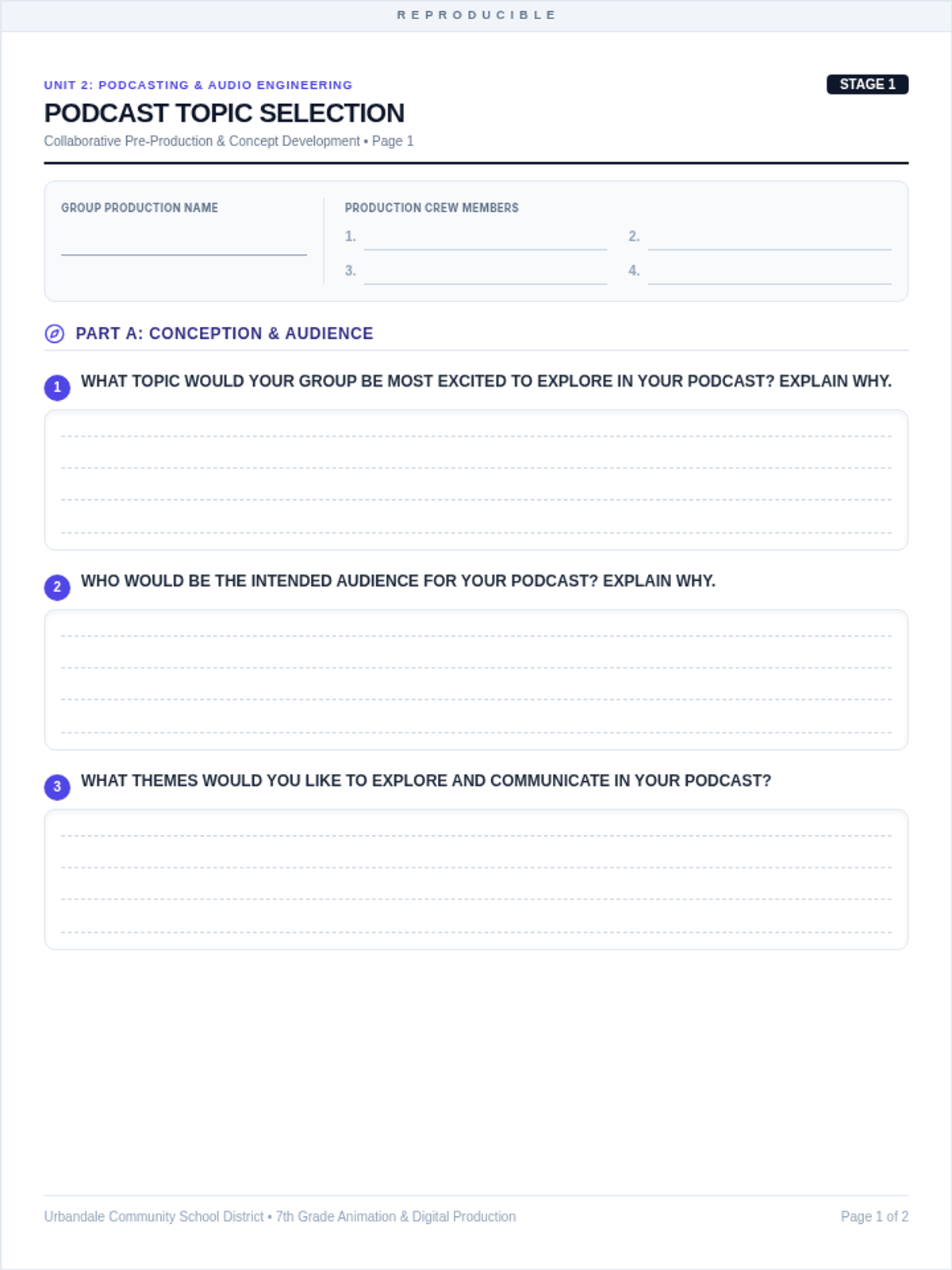
Introduce students to podcasting and the concept of 'Theater of the Mind.' Students explore how sound paints pictures, select topics, form groups, and complete Figure 4.3 (Topic Selection).
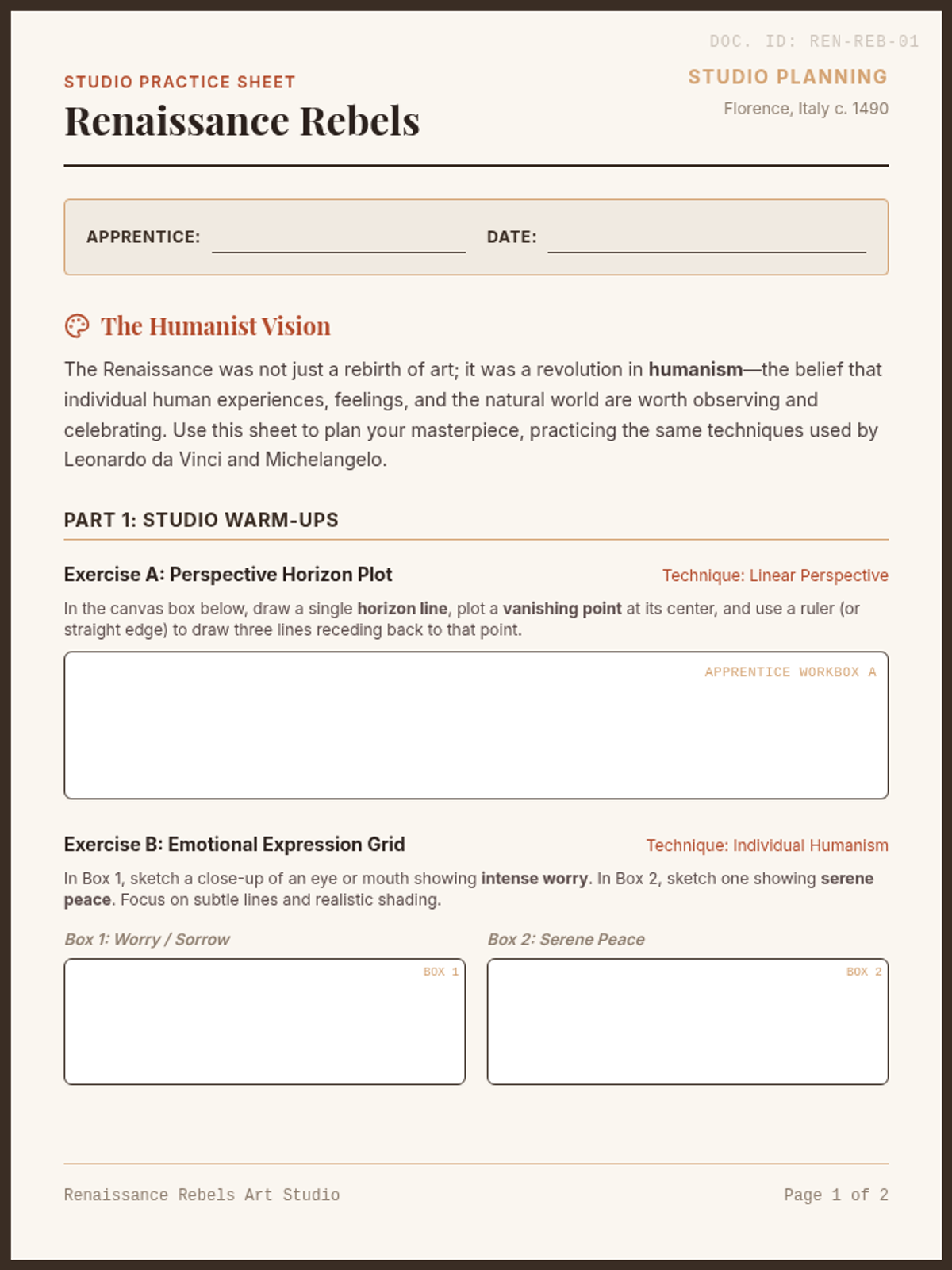
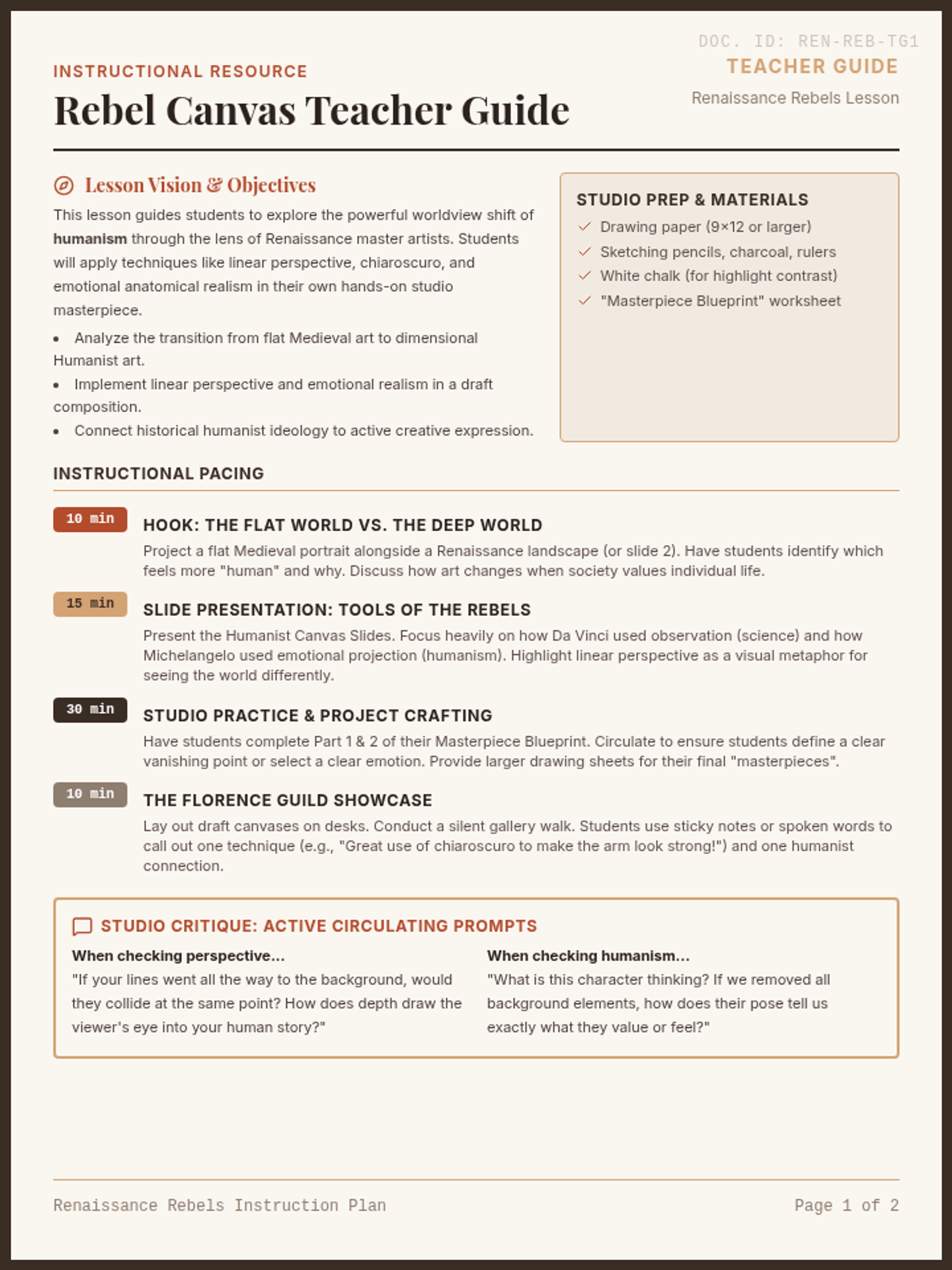
An art and history lesson exploring how Renaissance artists like Da Vinci and Michelangelo used humanism to shift the world's perspective, culminating in a hands-on student art project.
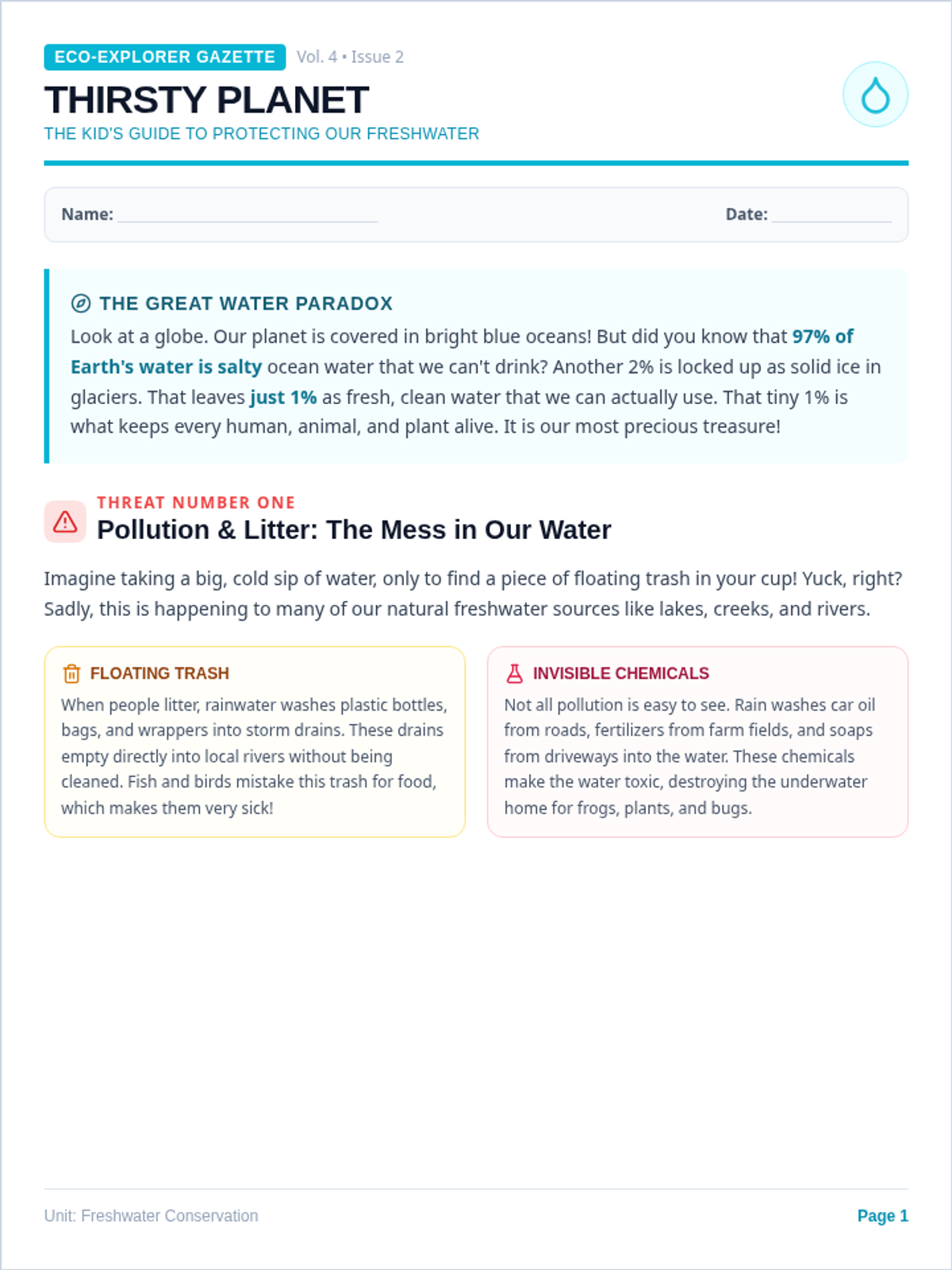
A lesson focused on understanding the primary threats to our freshwater supply, featuring an engaging, student-friendly explorer article on pollution, home water waste, droughts, and growing demand.
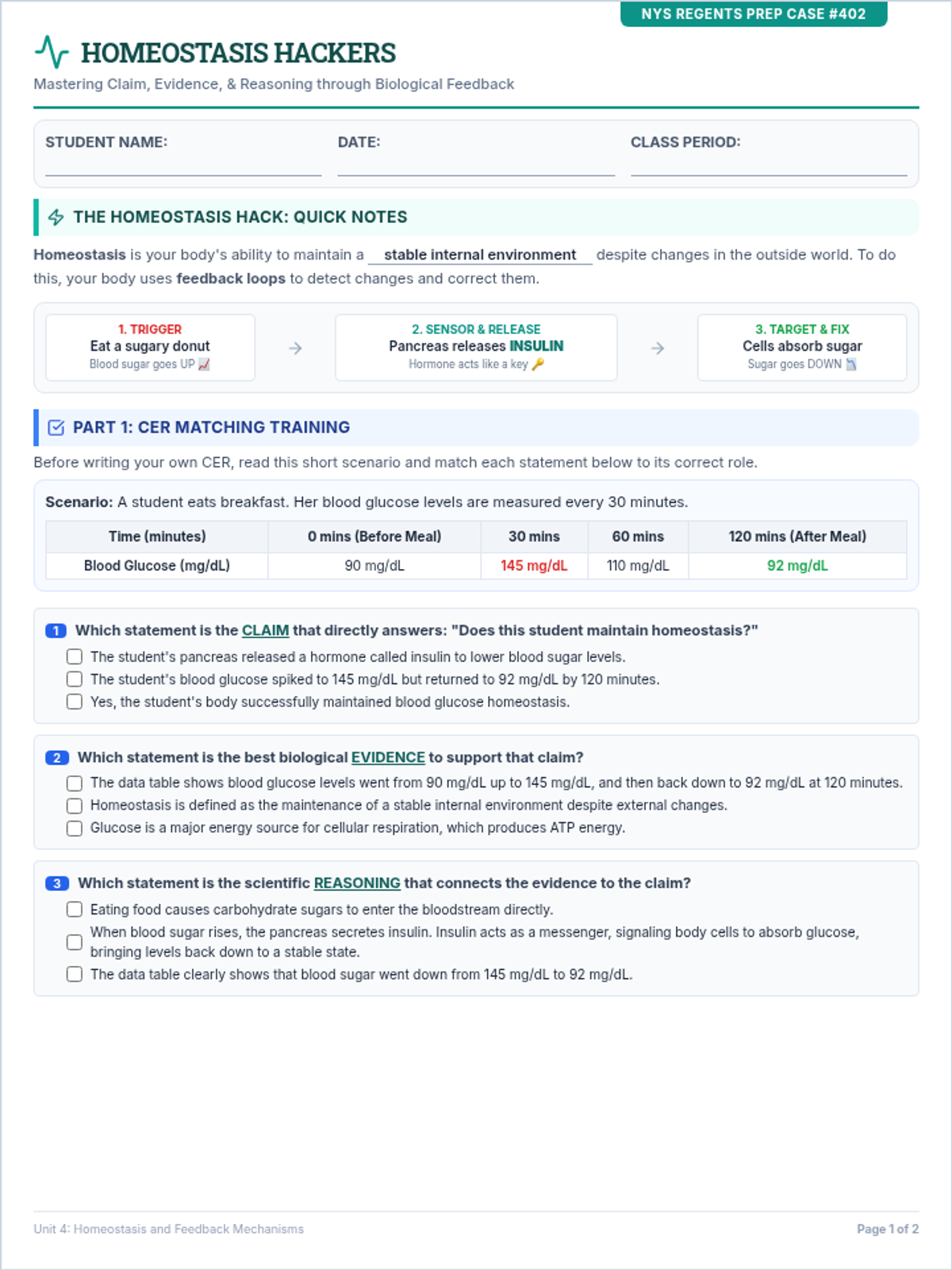
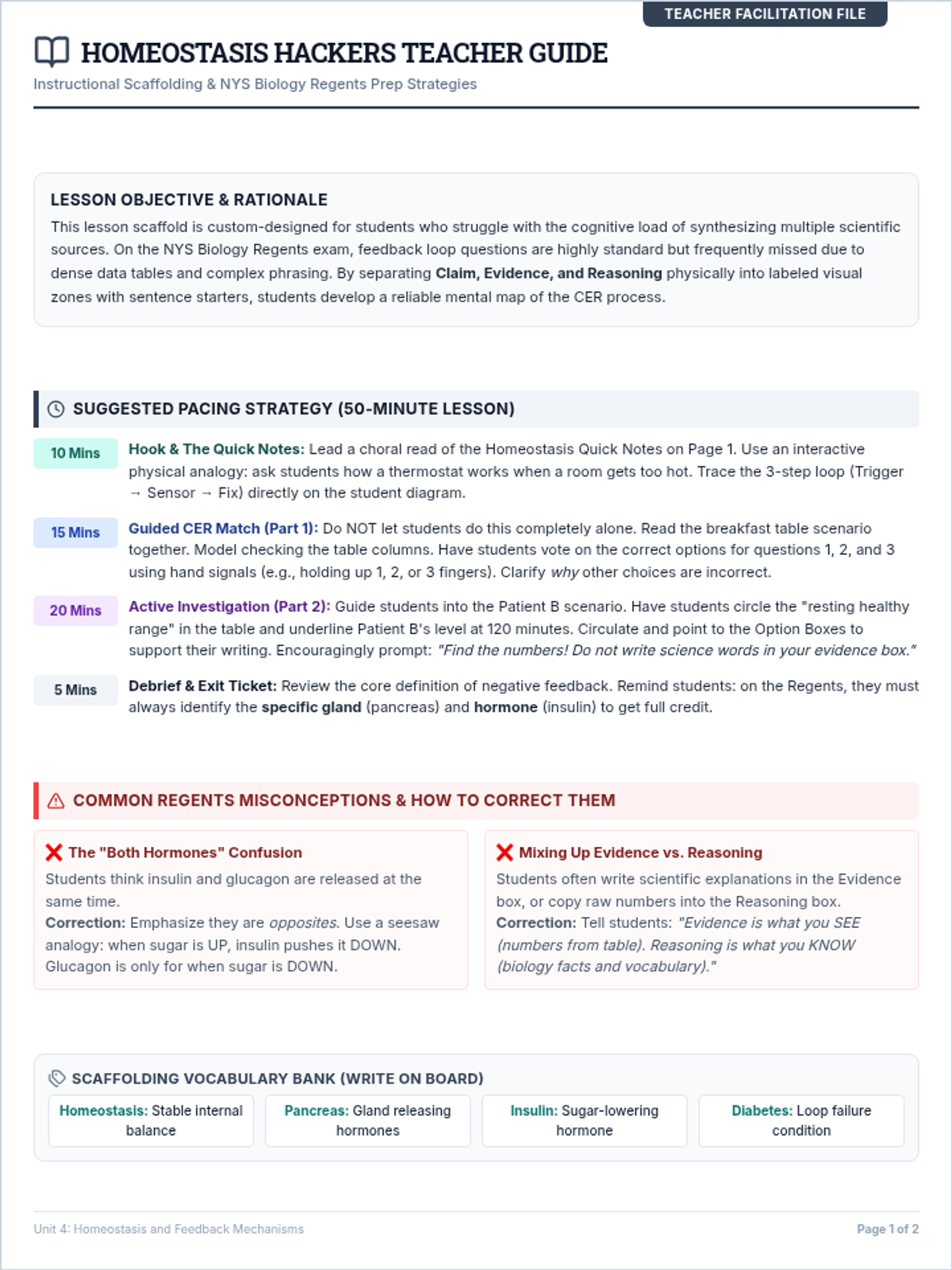
A comprehensive NYS Biology Regents preparation lesson focused on mastering the Claim-Evidence-Reasoning (CER) framework through the lens of Homeostasis and Feedback Mechanisms (specifically blood glucose regulation). Designed with heavy scaffolding, visual organizers, and multiple-choice matching for struggling learners.
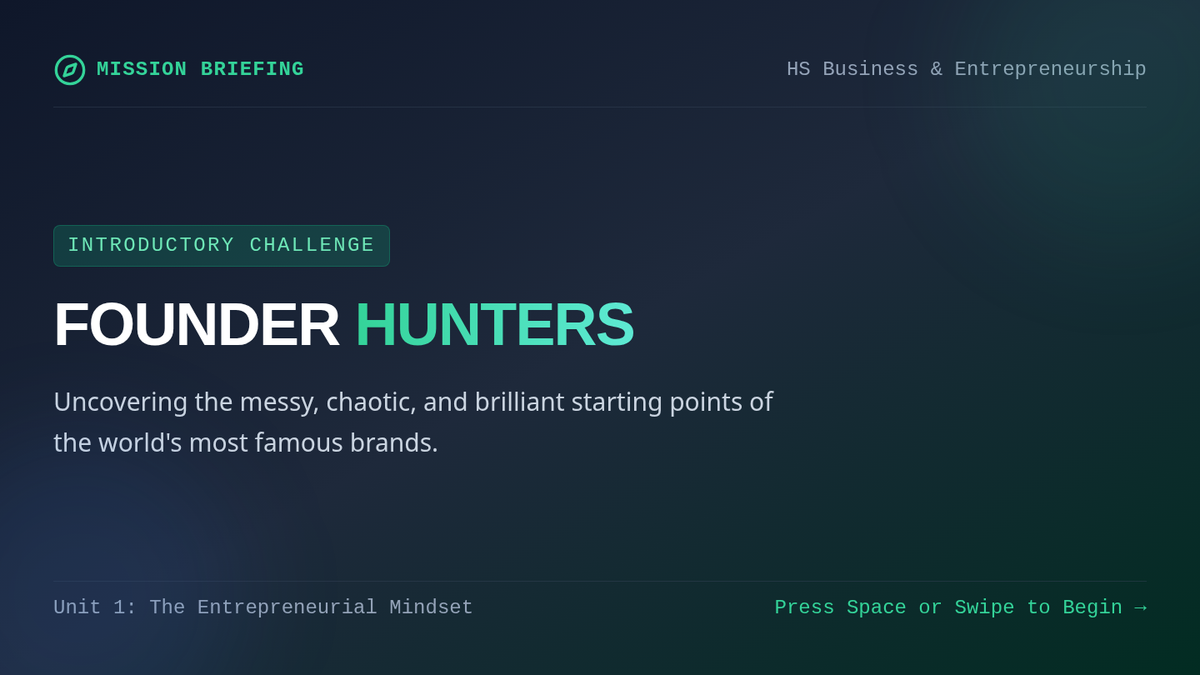
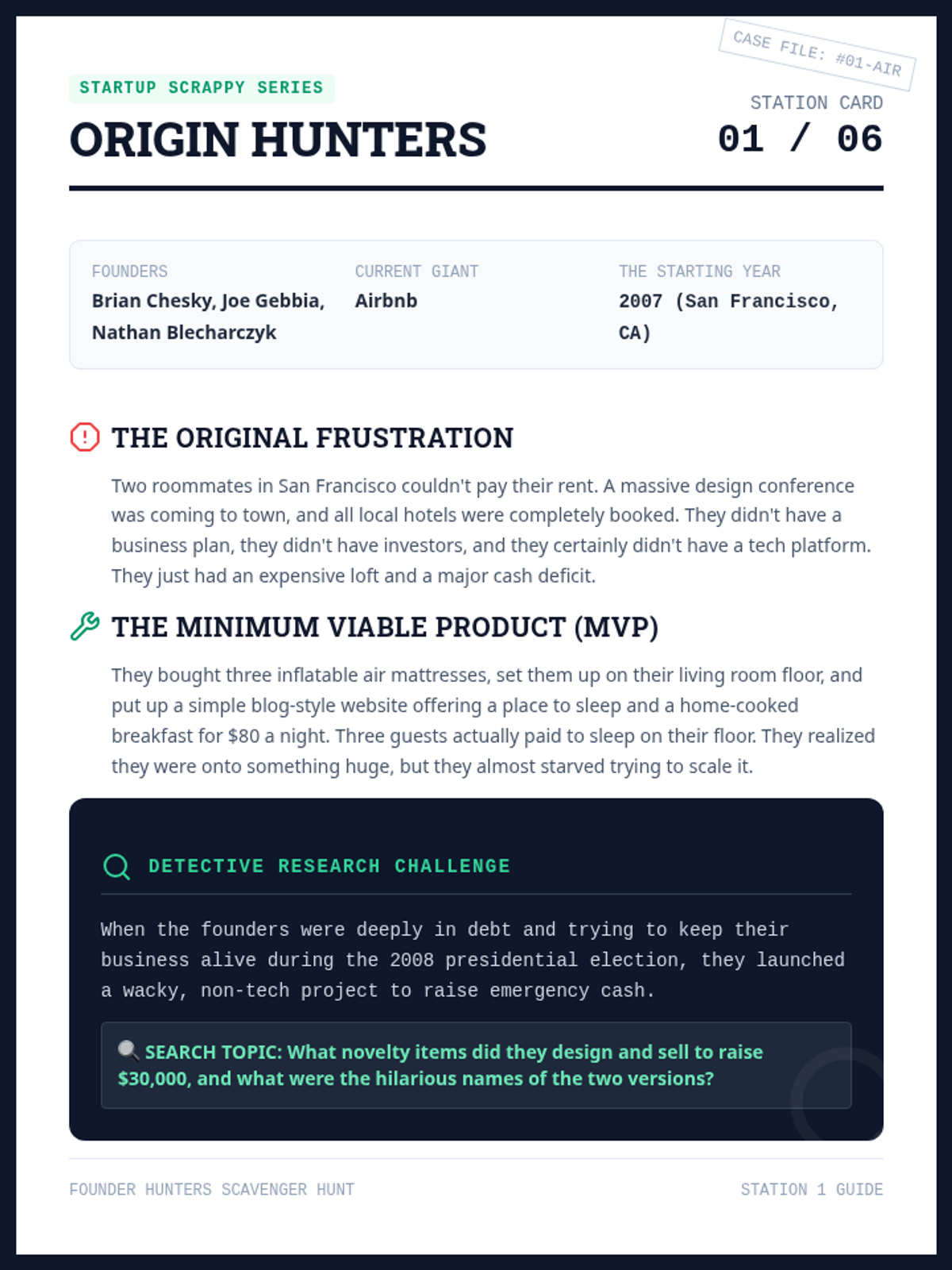
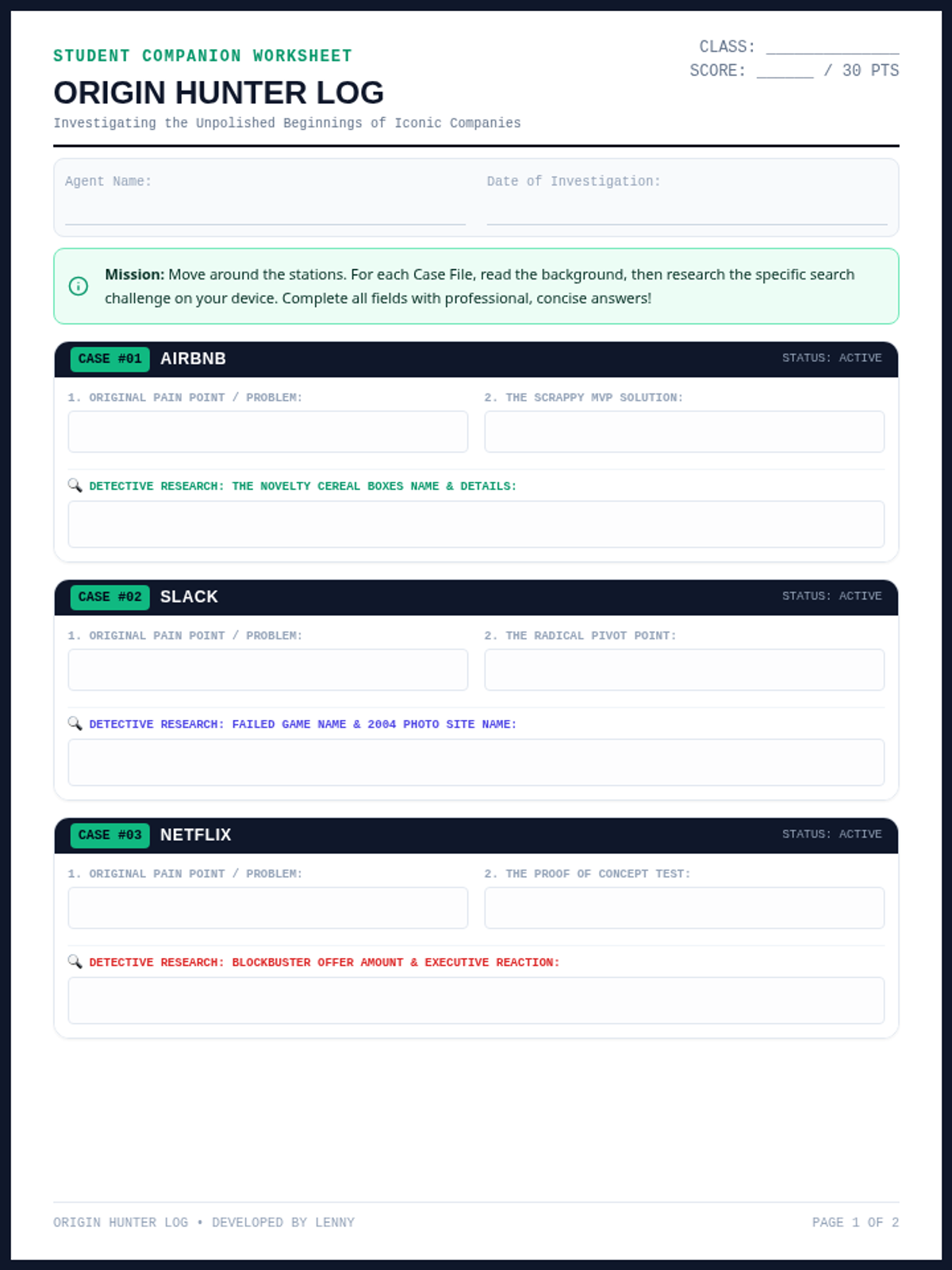
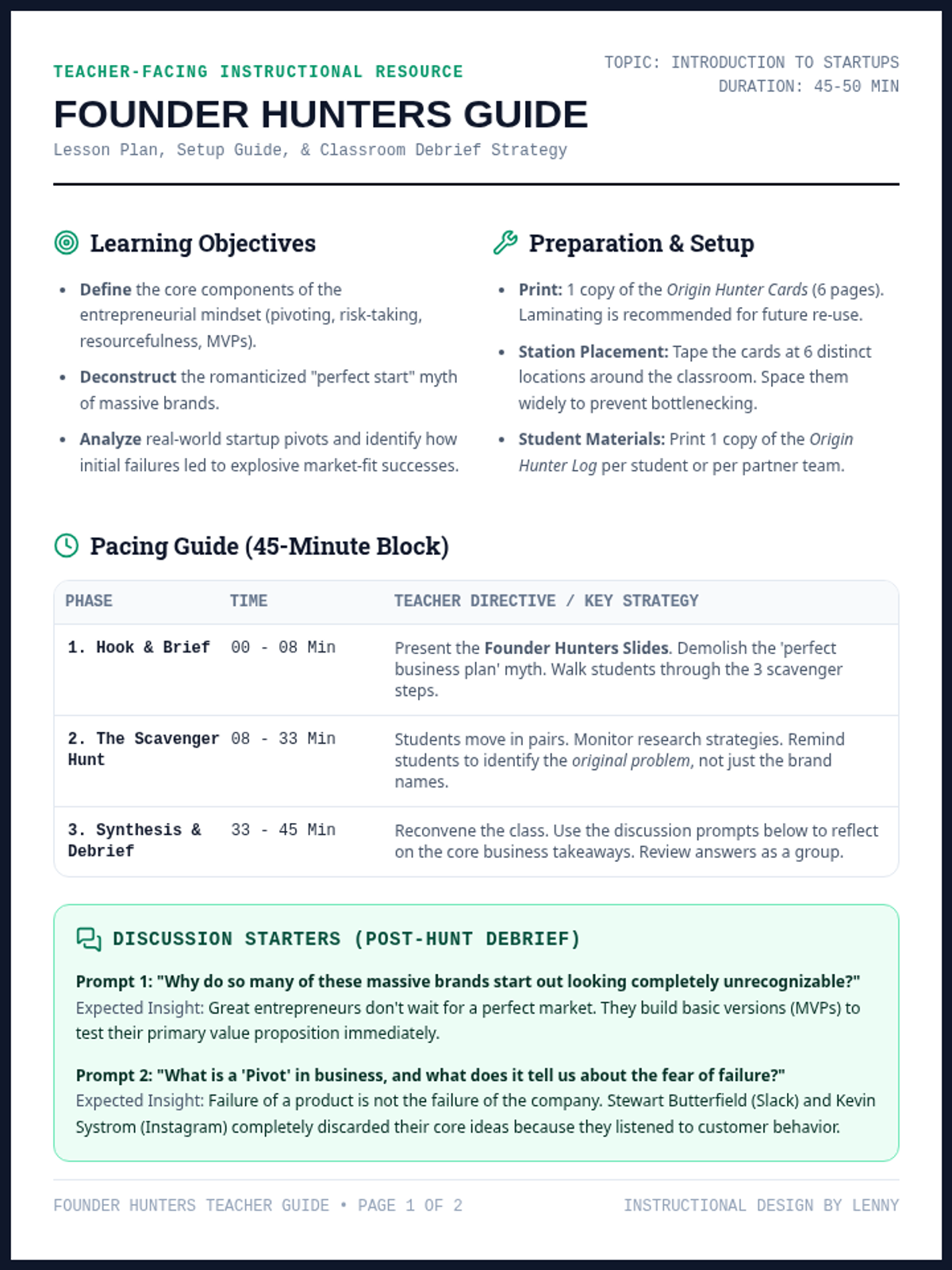
A high-energy, collaborative introductory lesson on entrepreneurship where students become 'Origin Hunters,' investigating the real-world, messy, and inspiring starting points of famous household brands.
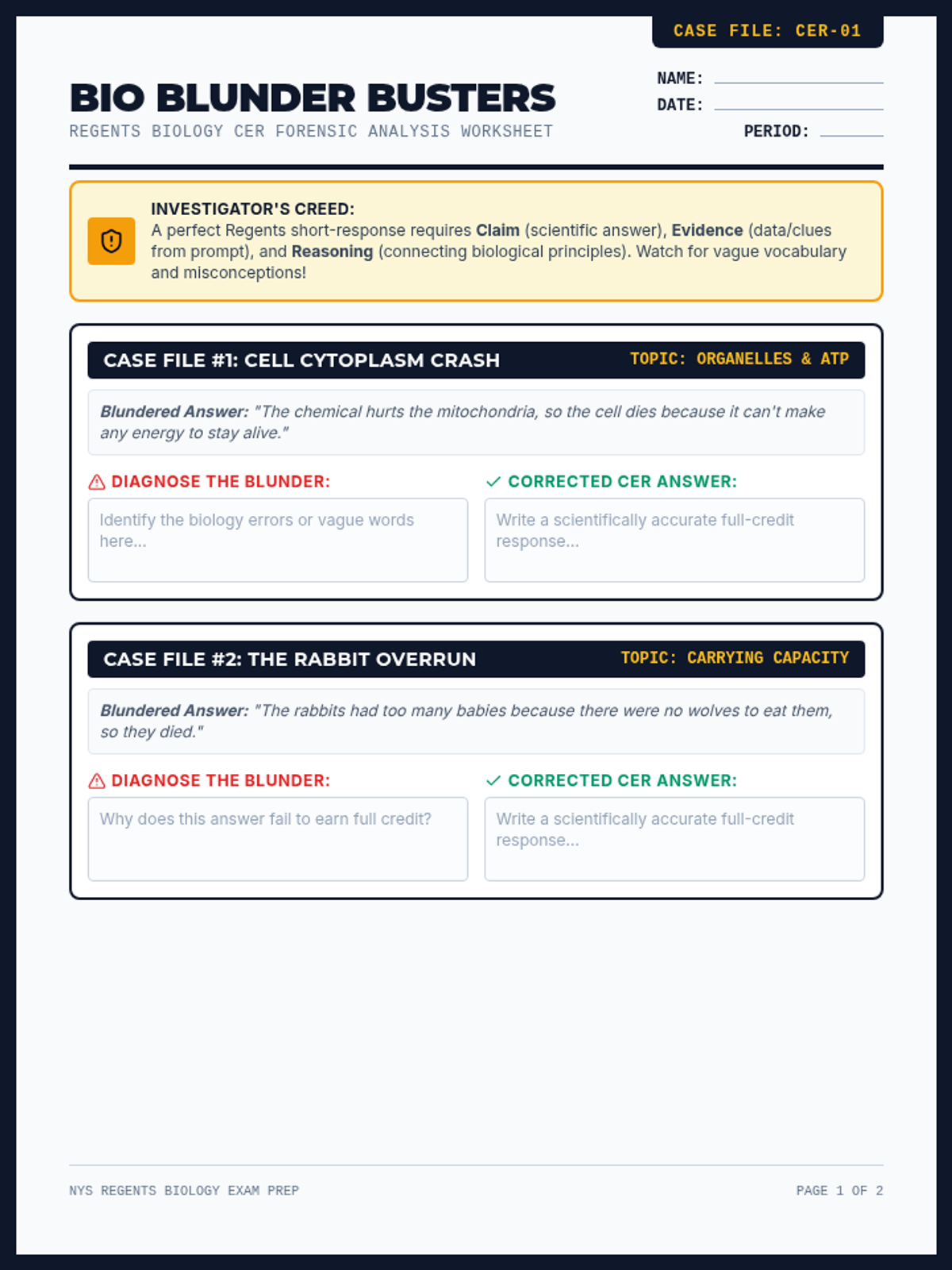
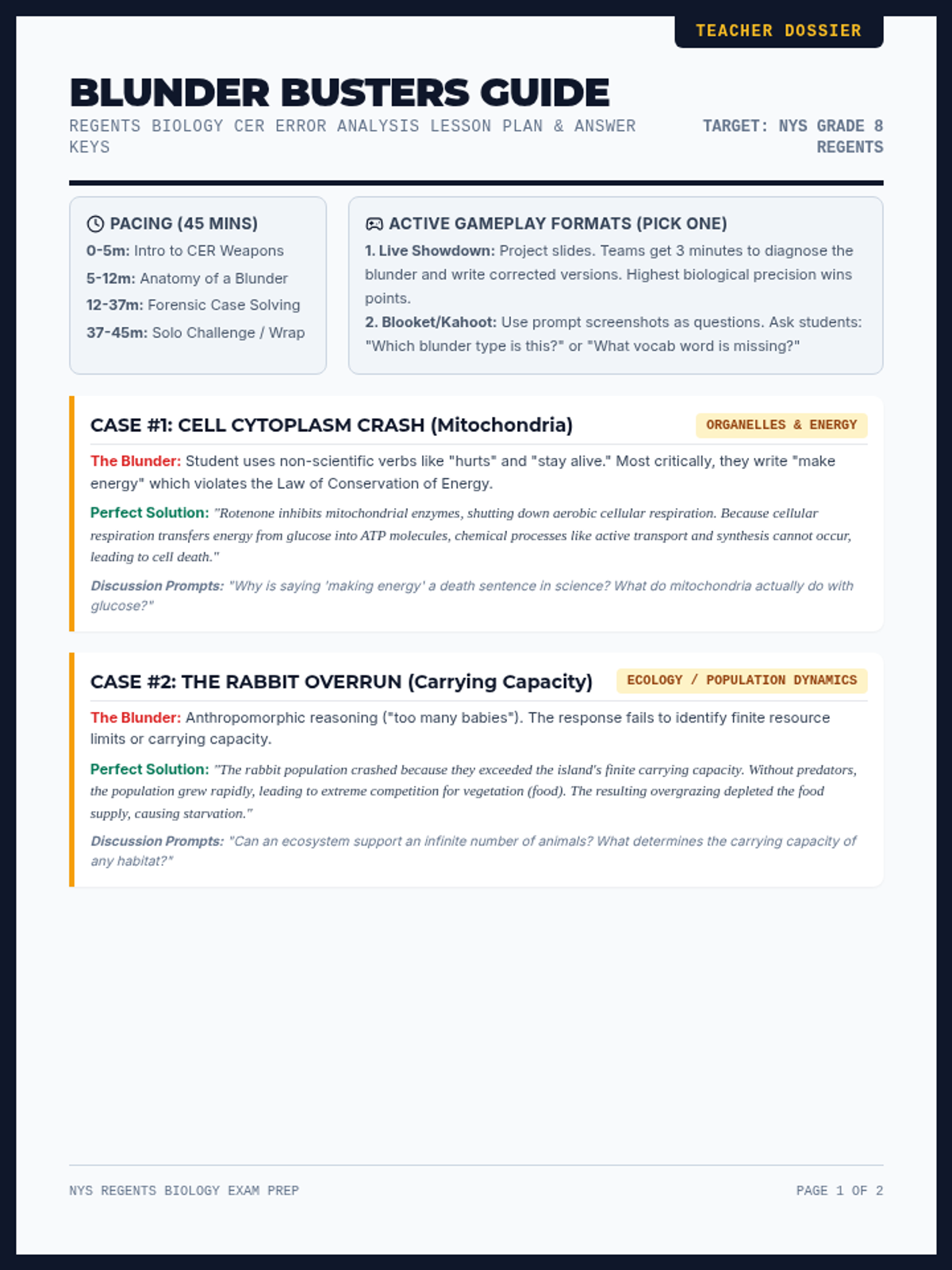
A highly engaging Regents Biology lesson focused on Claim-Evidence-Reasoning (CER) error analysis. Students act as science detectives to identify, analyze, and correct common exam blunders across major biology topics like ecology, cell division, and human impact.
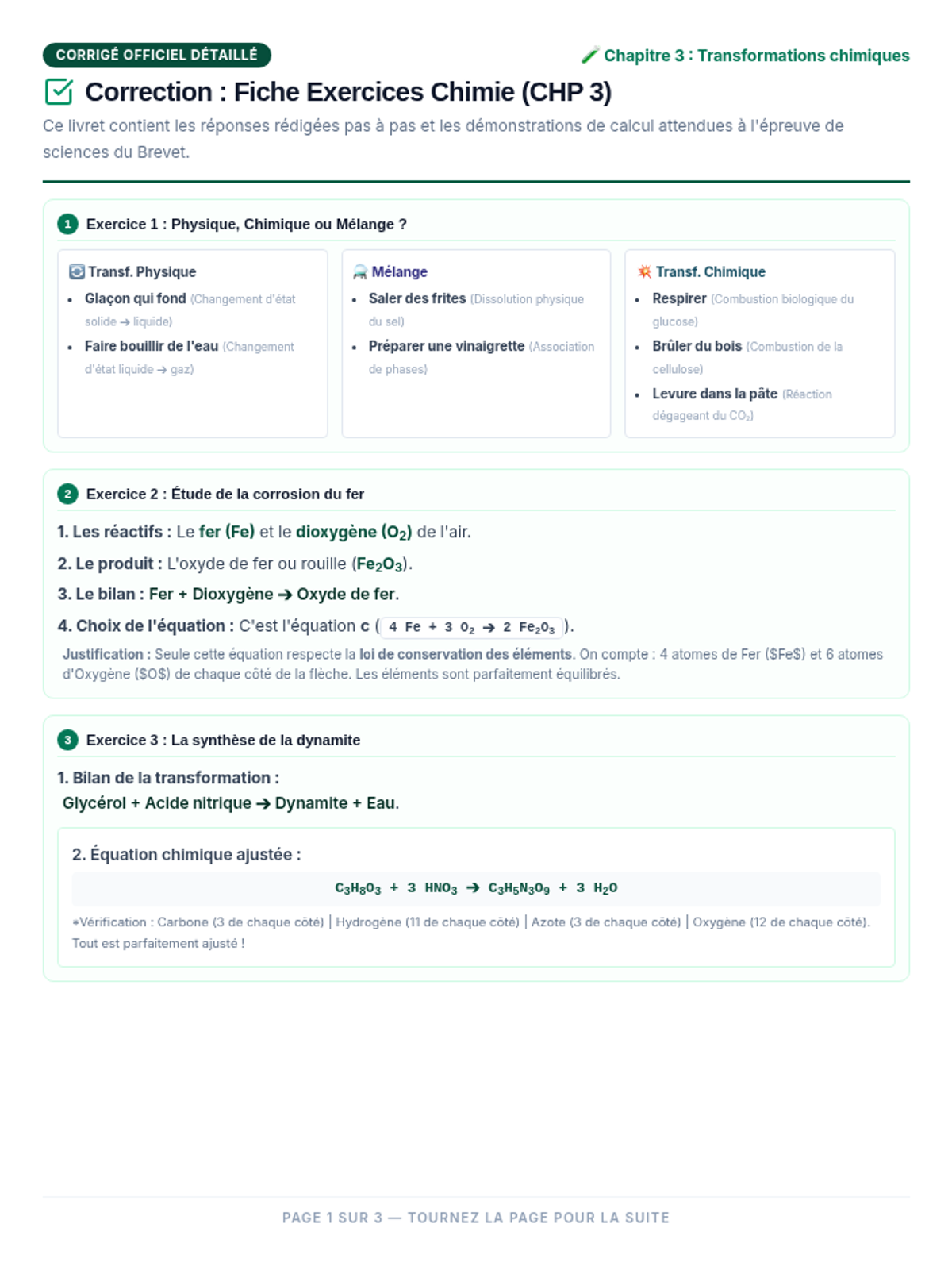
Une leçon complète de physique-chimie de niveau 3ème pour maîtriser les transformations chimiques, la conservation de la masse, les équations de réaction, le pH et la rédaction de protocoles expérimentaux pour le Brevet.
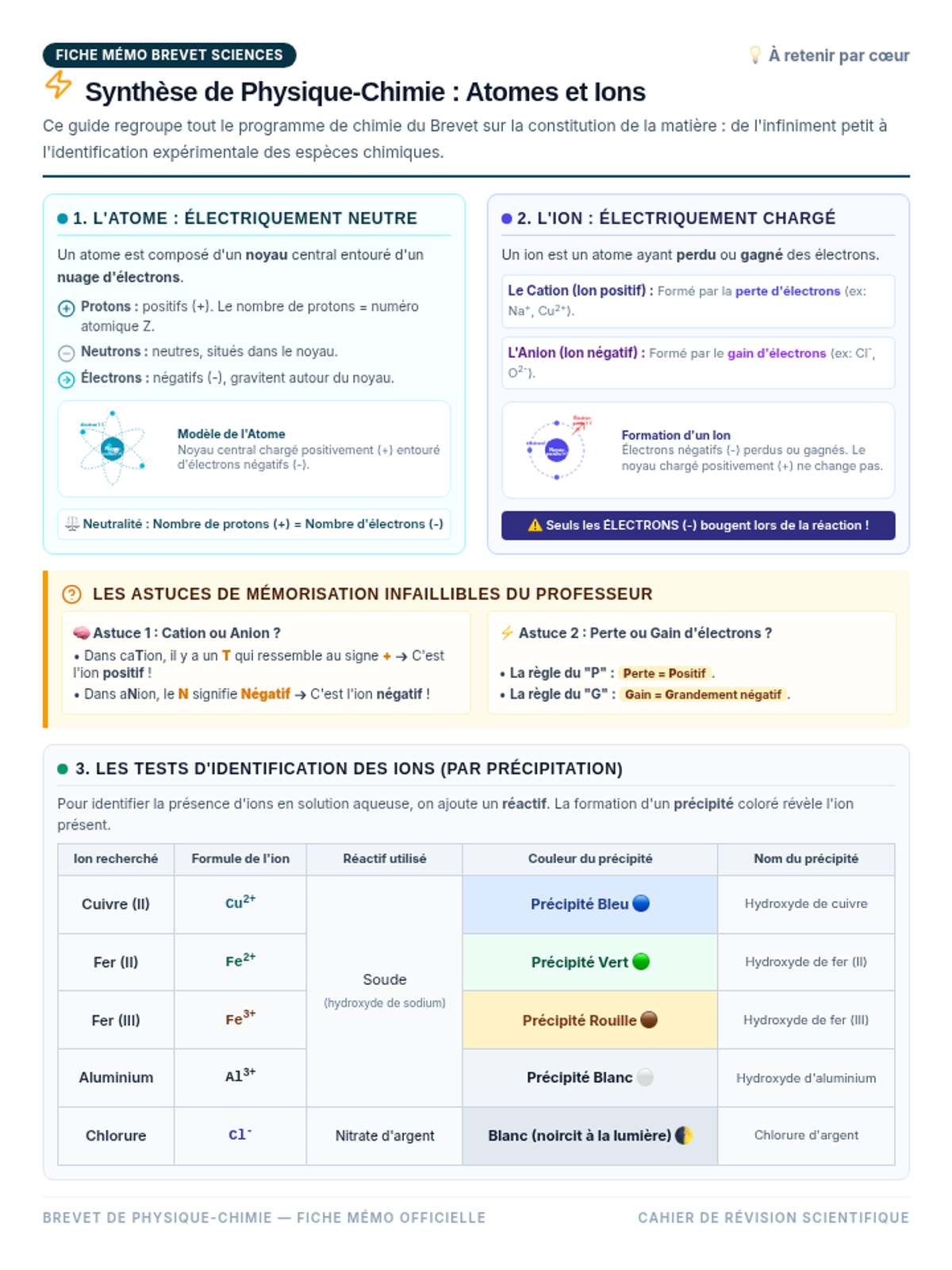
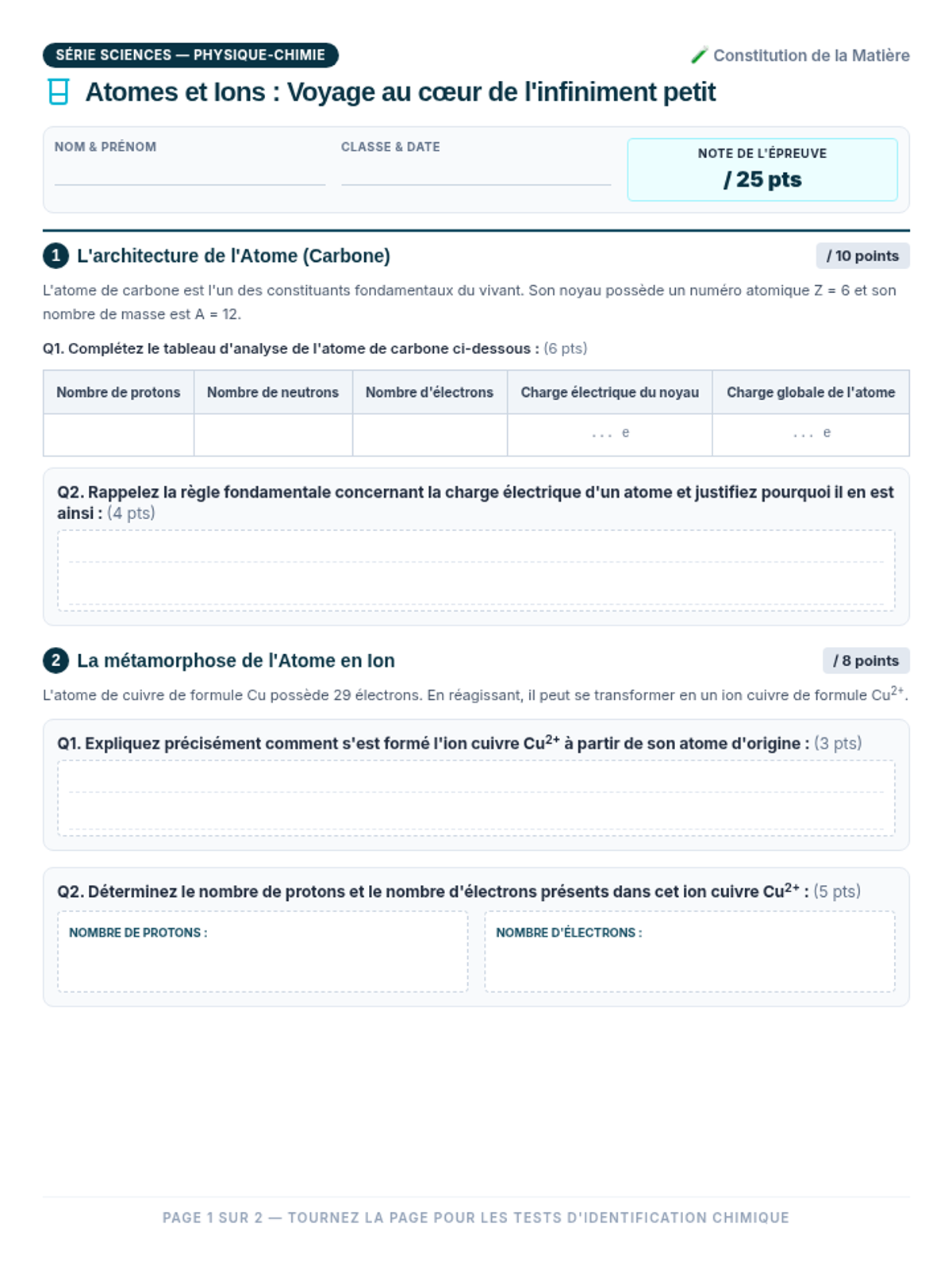
Une leçon de physique-chimie de niveau 3ème pour maîtriser la structure des atomes, la formation des ions et les tests d'identification chimique du Brevet.
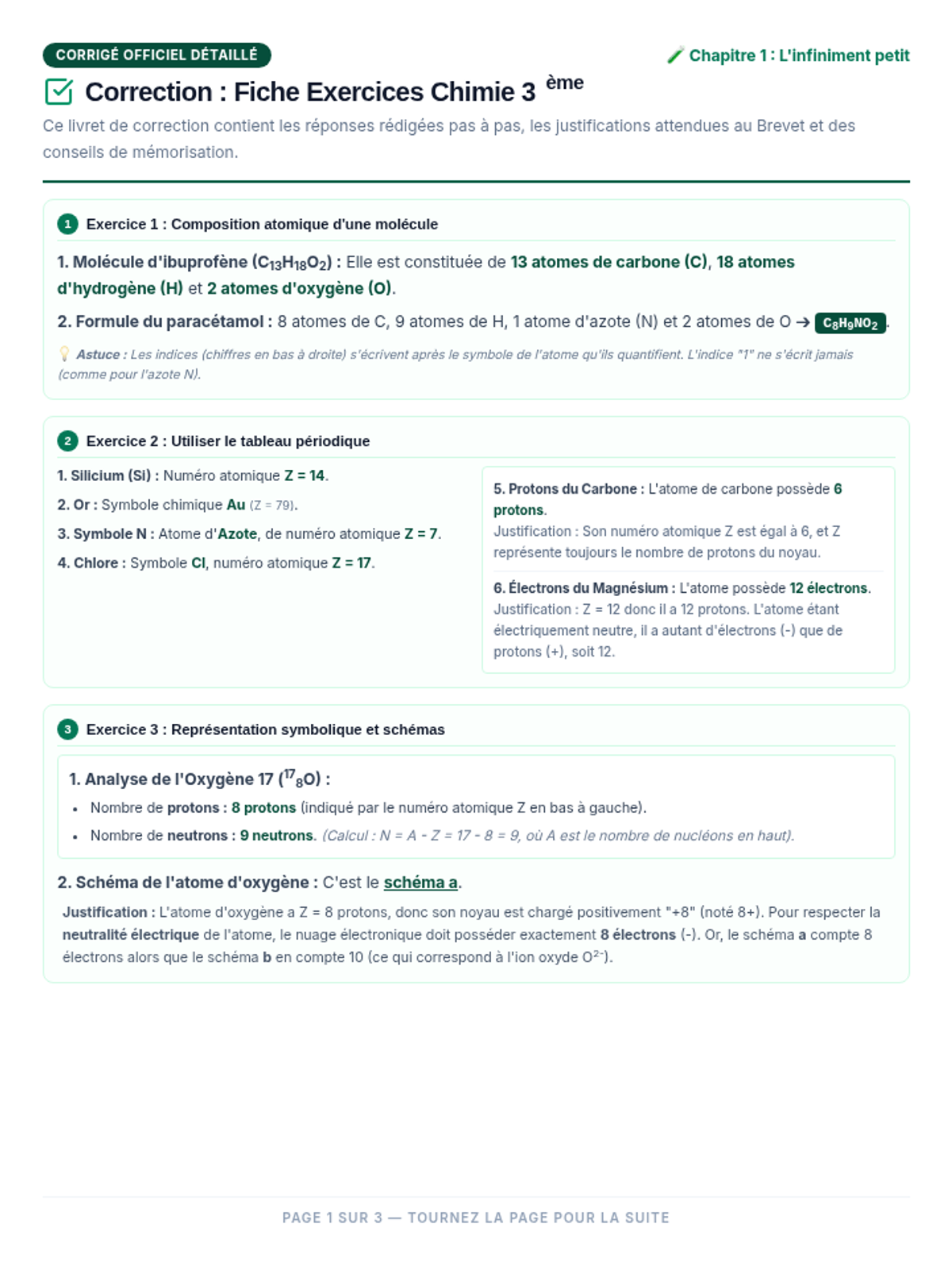
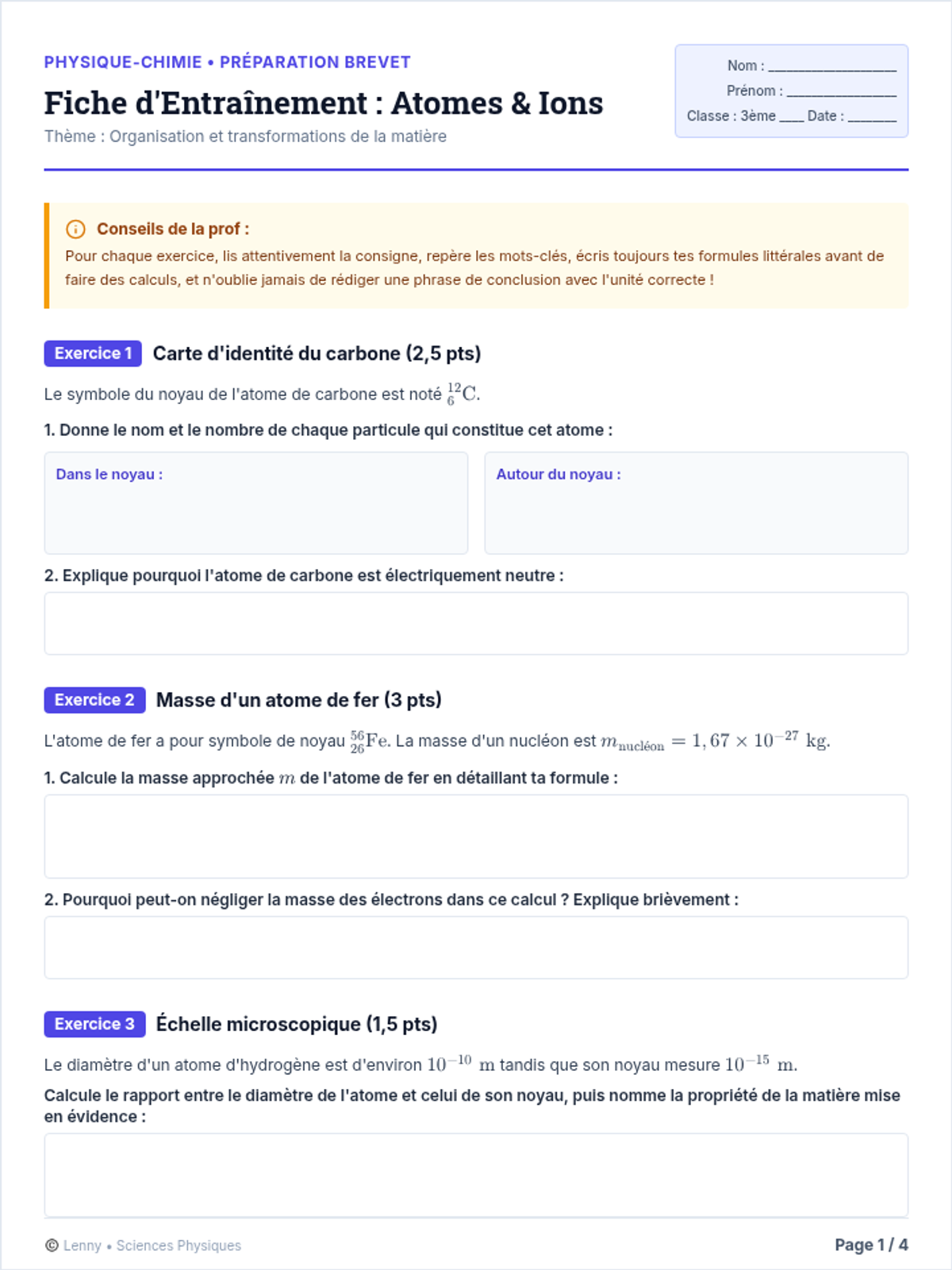
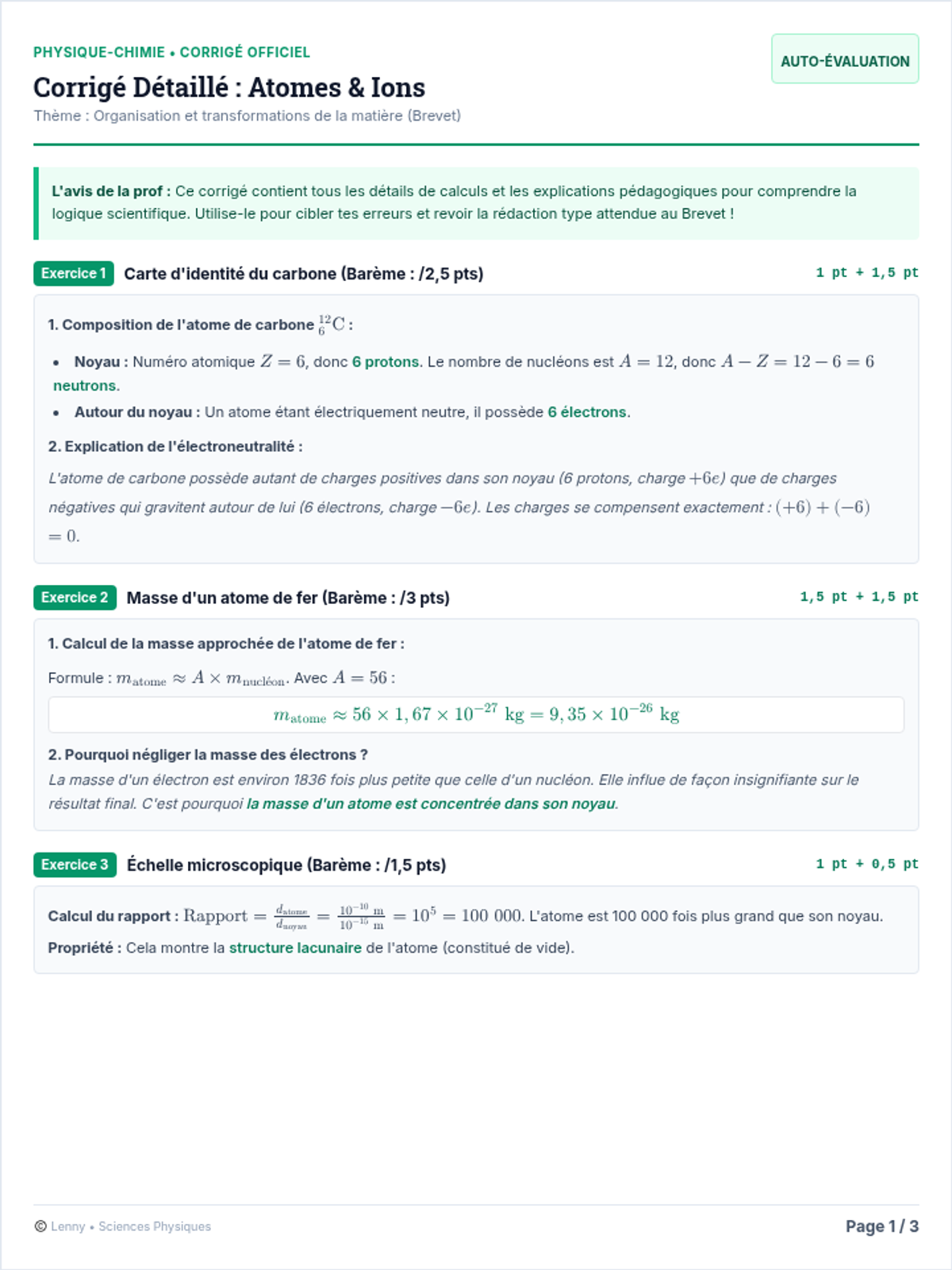
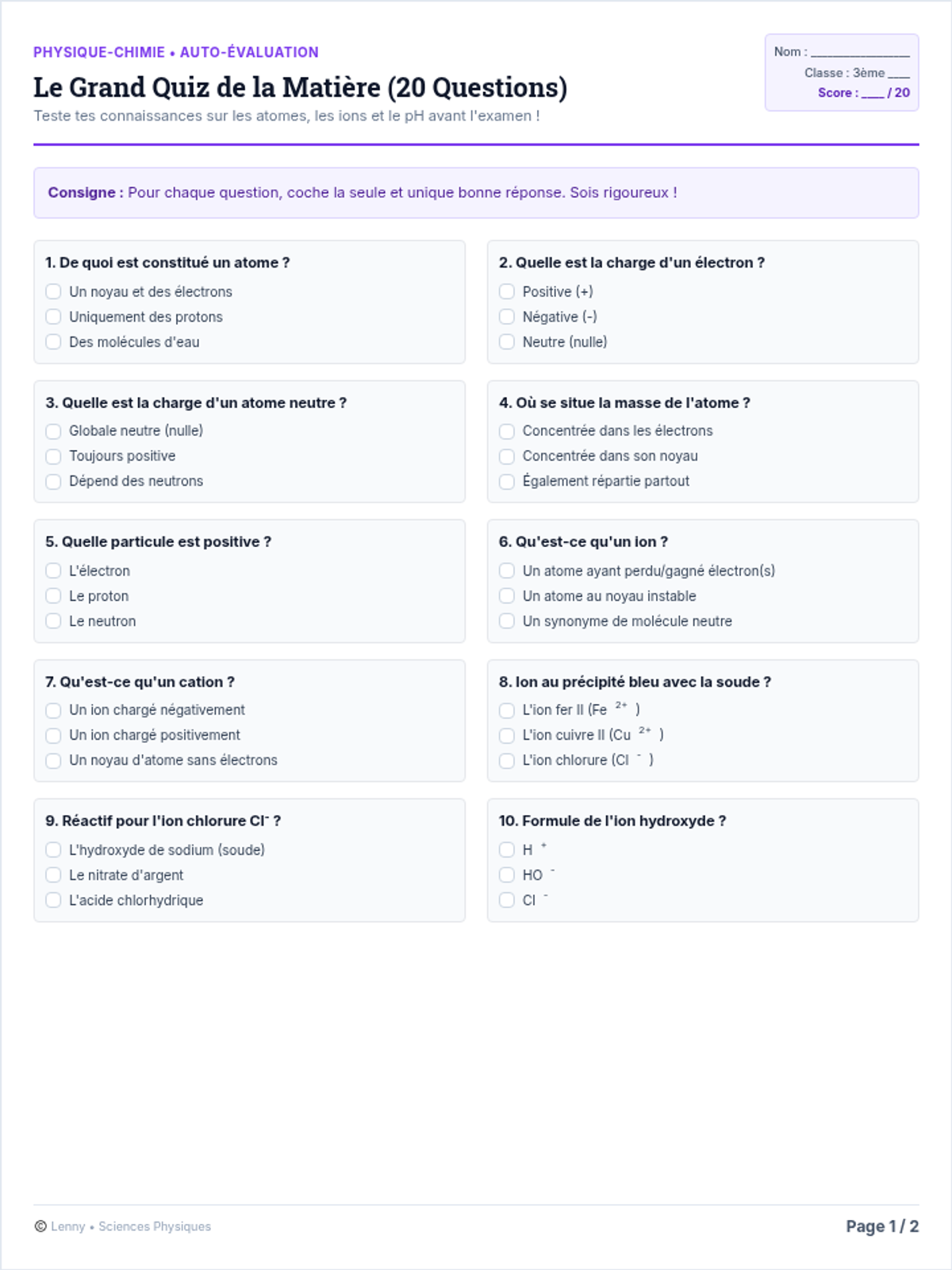
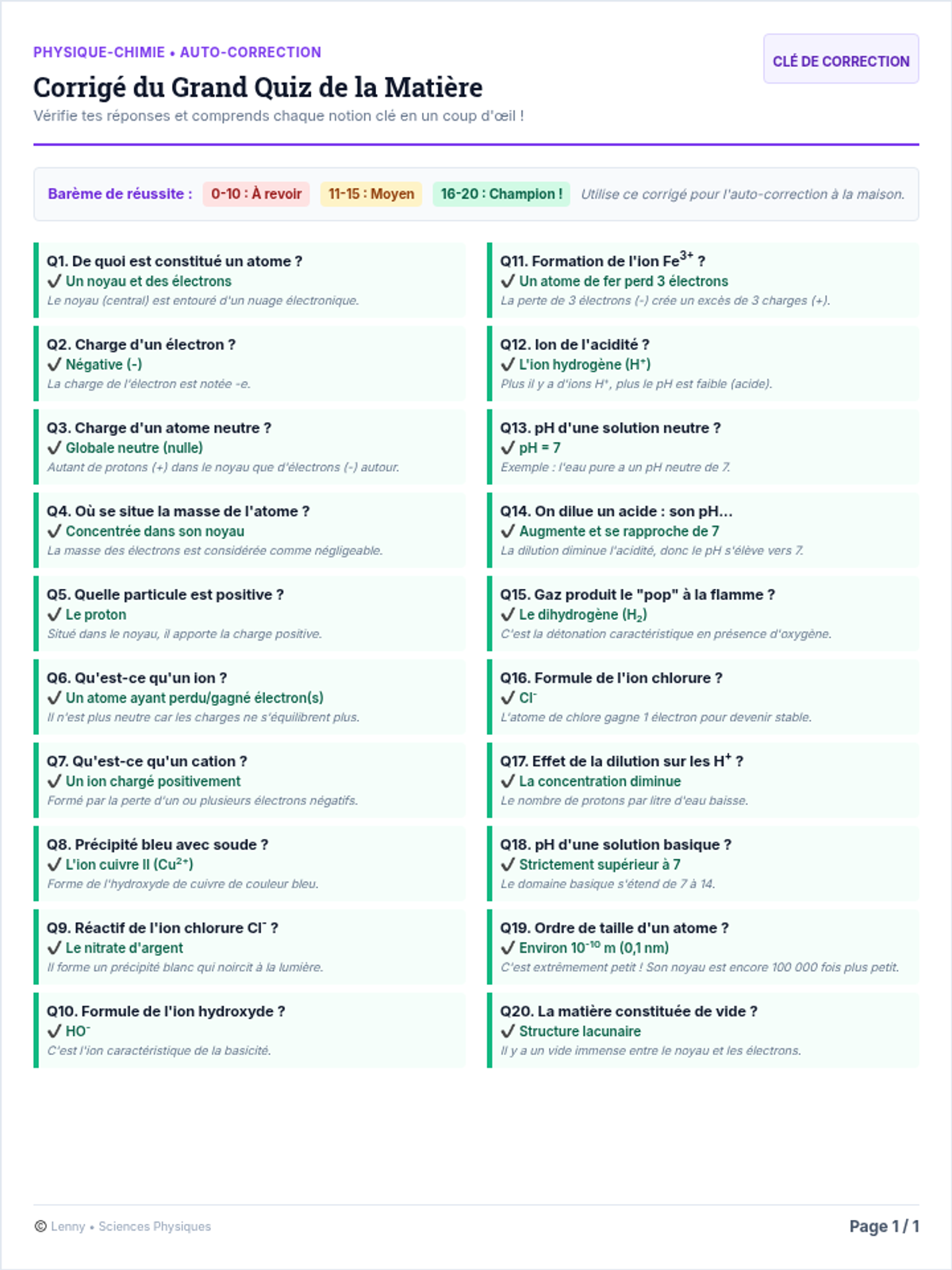
Une série complète de ressources pour maîtriser le thème des atomes, des ions et de la constitution de la matière au Brevet, comprenant des exercices types et un quiz complet avec leurs corrigés détaillés.
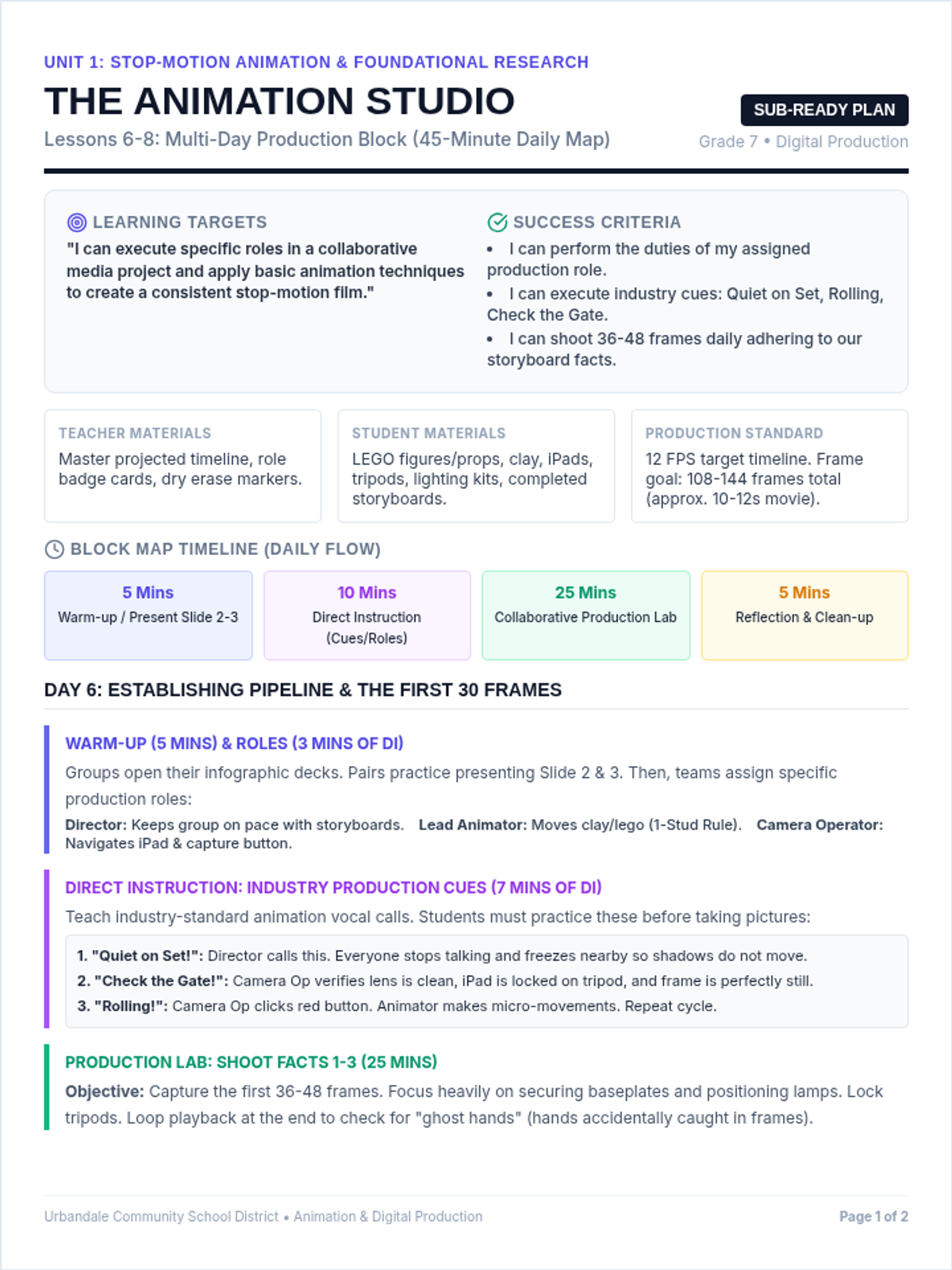
Unit 1, Lesson 6: The Animation Studio - Day 6. Teams establish collaborative group norms and class safety norms, delegate professional roles, and capture the first 30 frames.
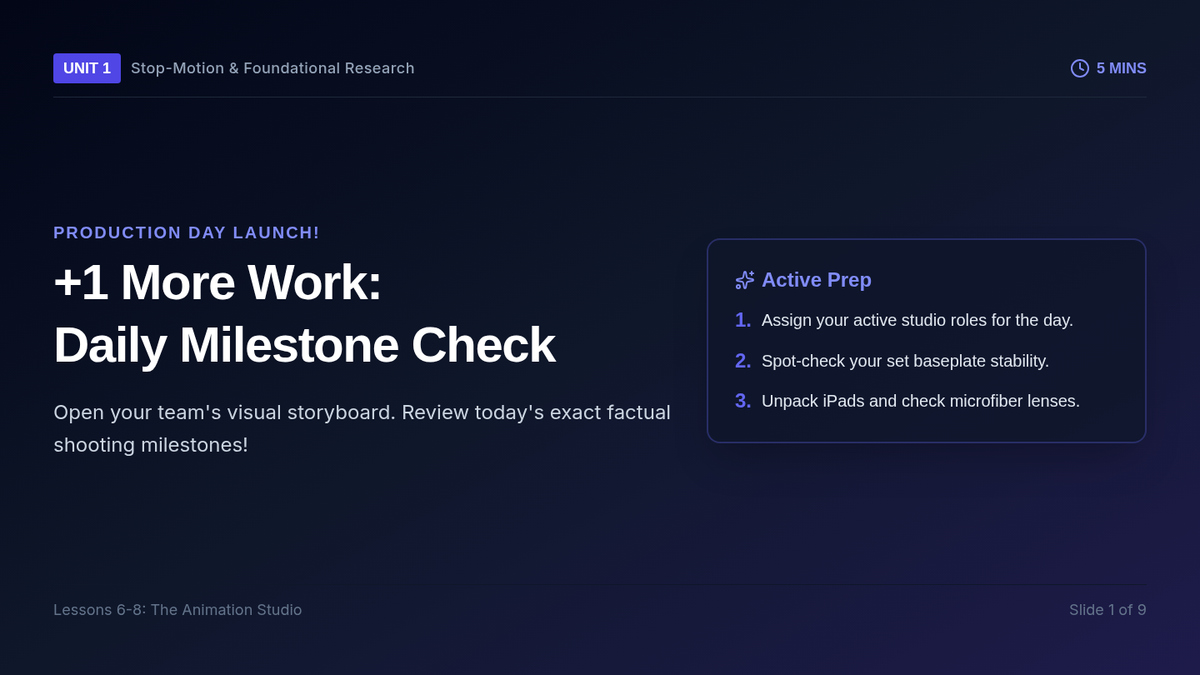
Unit 1, Lessons 6-8: Multi-day animation studio production block. Teams establish student roles, execute industry production cues, and shoot their 10-fact historical stop-motion animations on iPads.
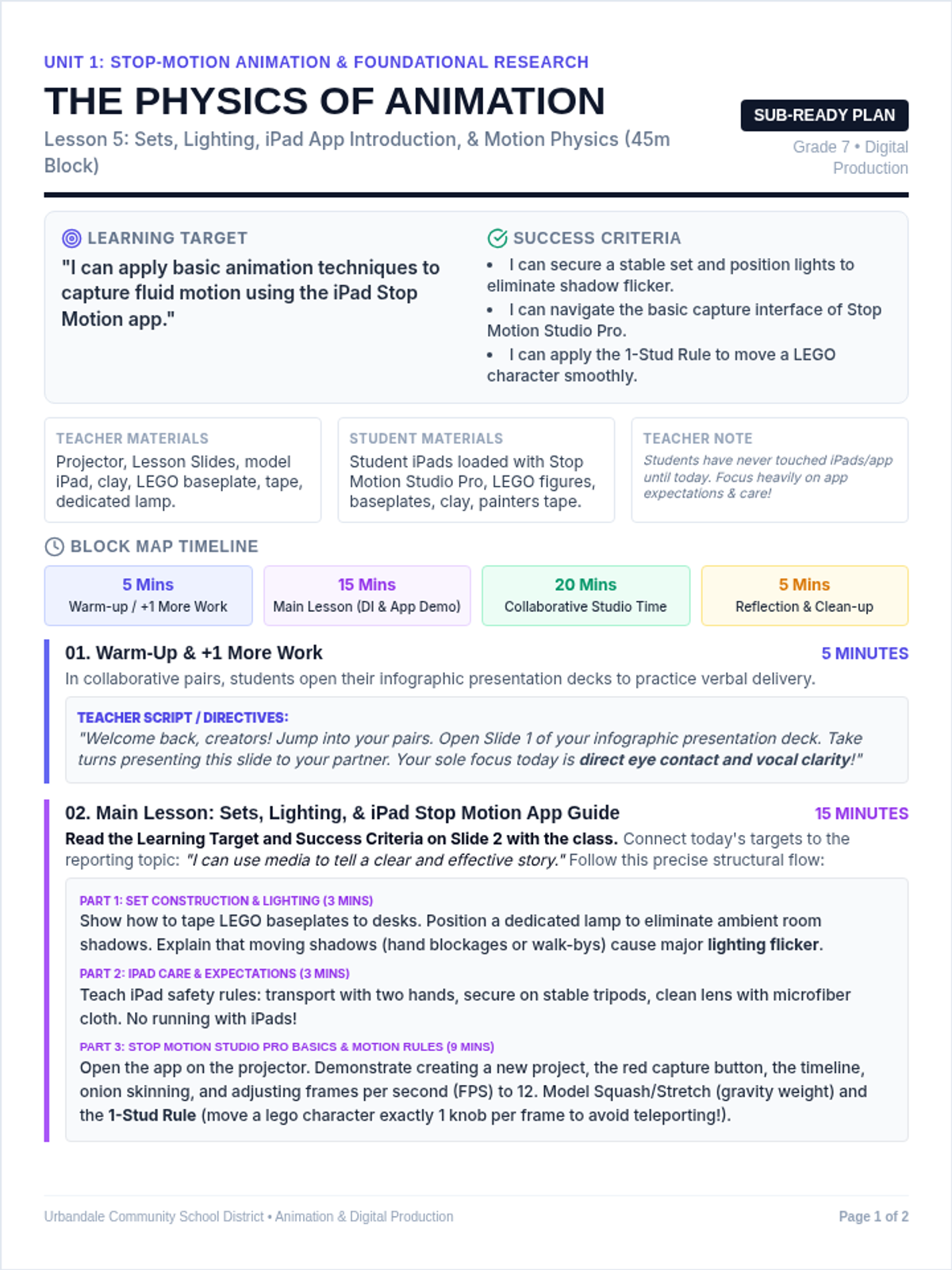
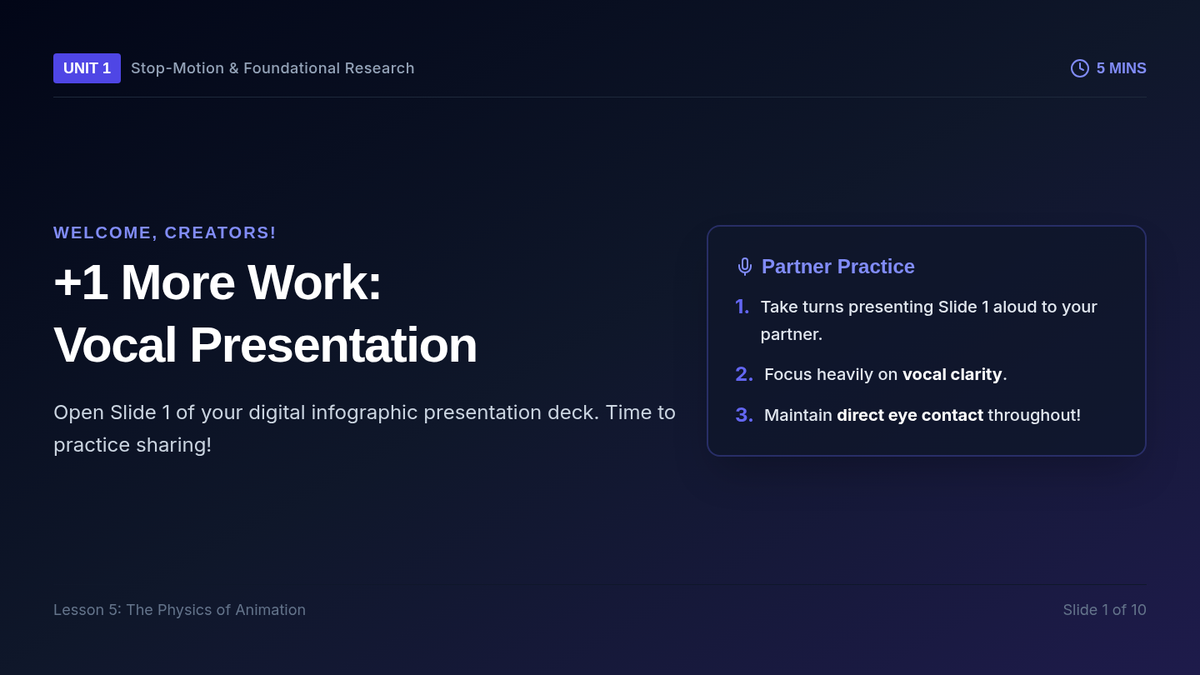
Unit 1, Lesson 5: The Physics of Animation. Combining Squash and Stretch, the 1-Stud Rule, set construction stability, lighting consistency, and storyboard revision.
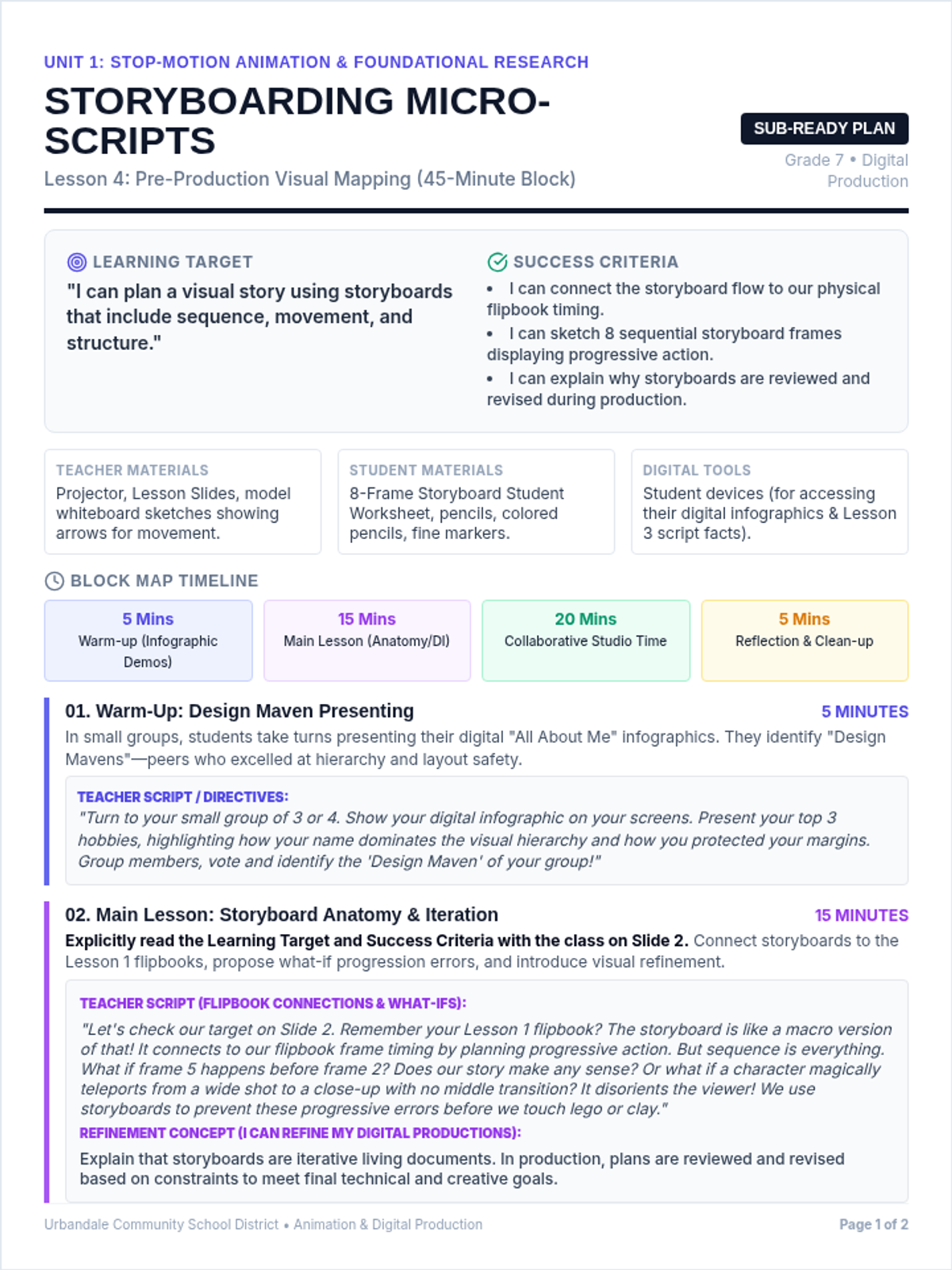
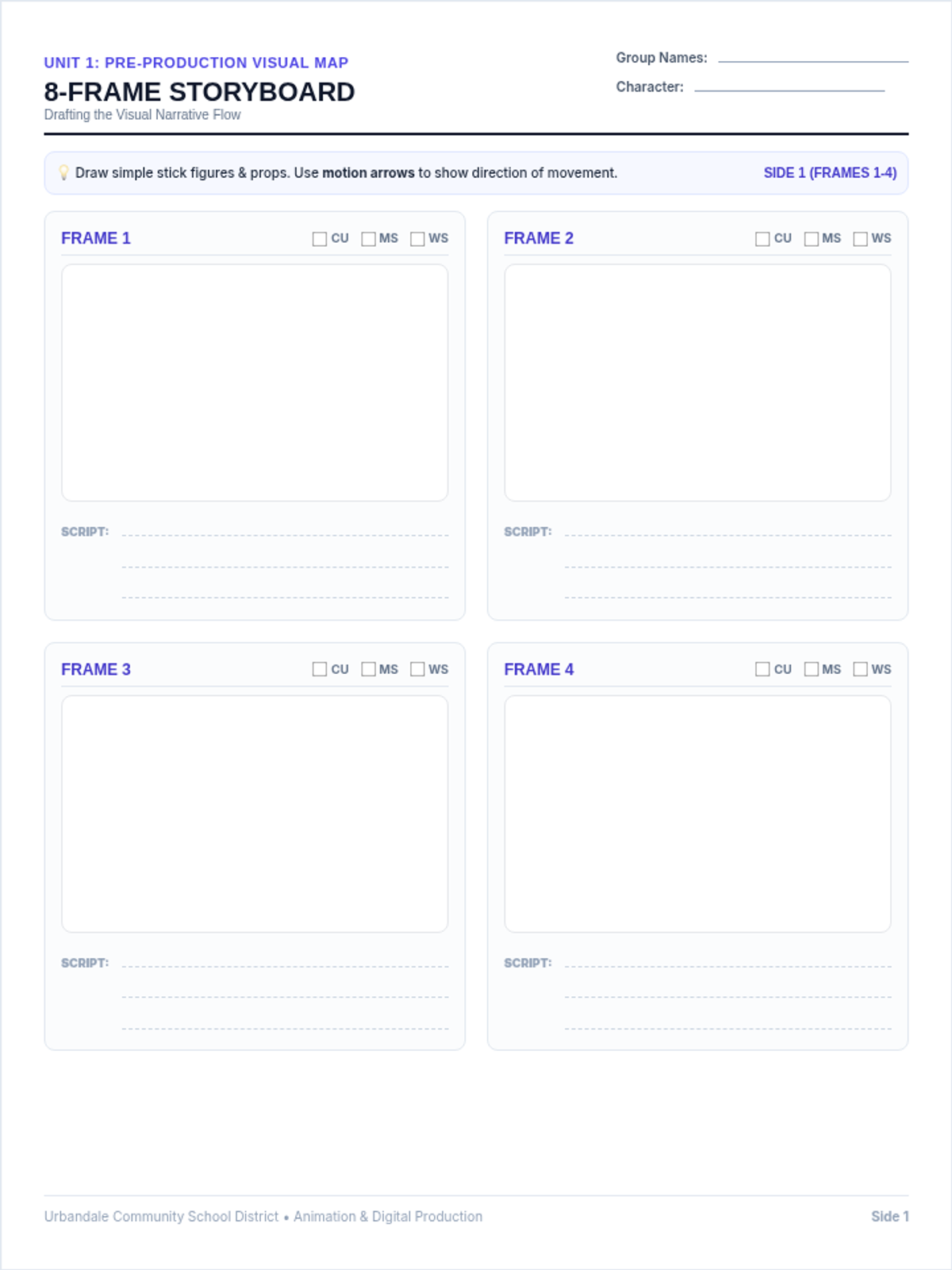
Unit 1, Lesson 4: Introducing the anatomy of a storyboard, exploring visual action, camera shot directions, and drafting an 8-frame visual storyboard plan for the stop-motion animation.