A reflection-focused lesson designed to guide students through evaluating their own science fair projects, reviewing their peers' work, and outlining future experimental improvements.
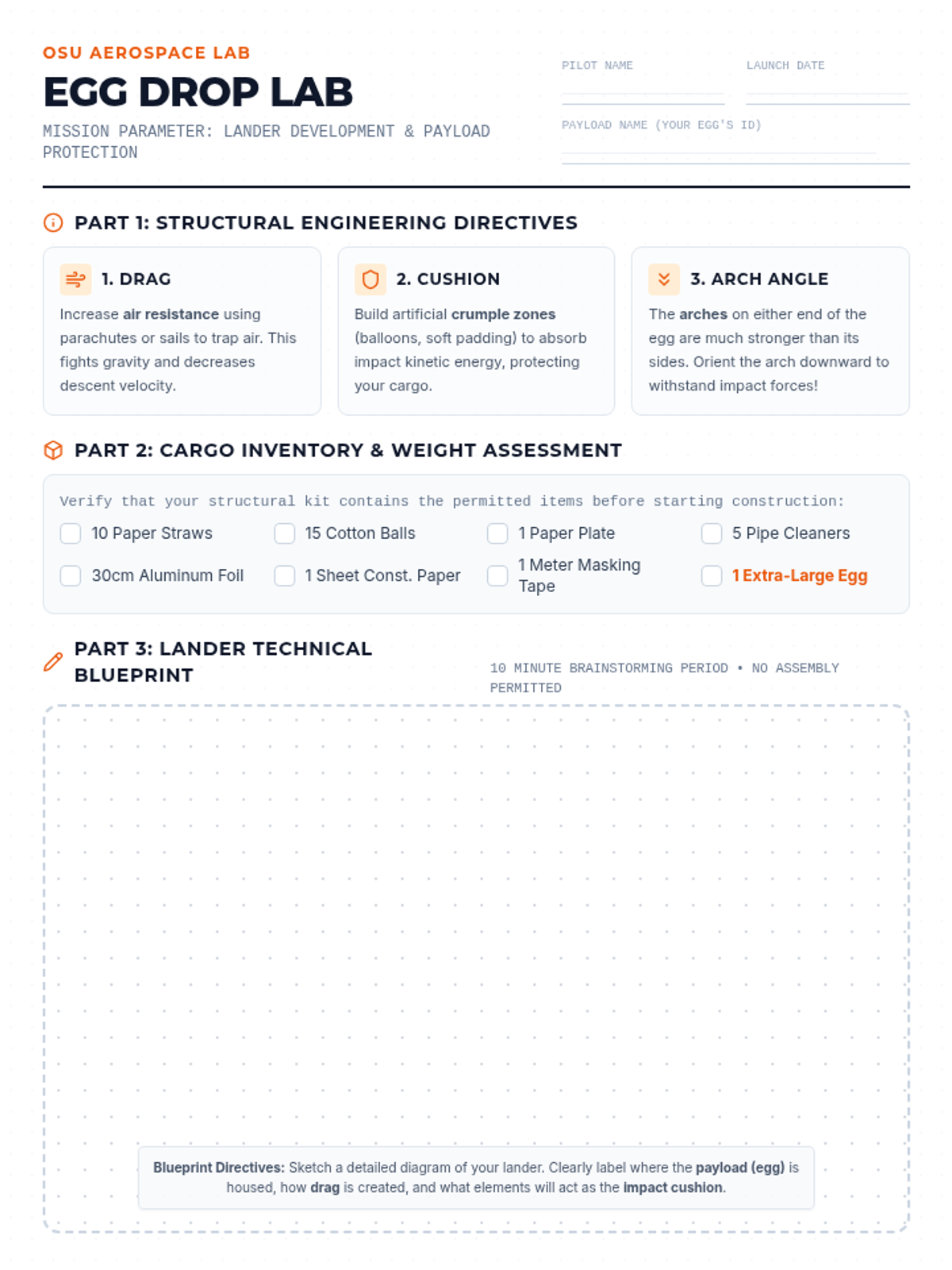
An engaging, hands-on physics and engineering lesson where students design, build, and test protective landing craft for fragile payloads (eggs), exploring forces, deceleration, and structural integrity.
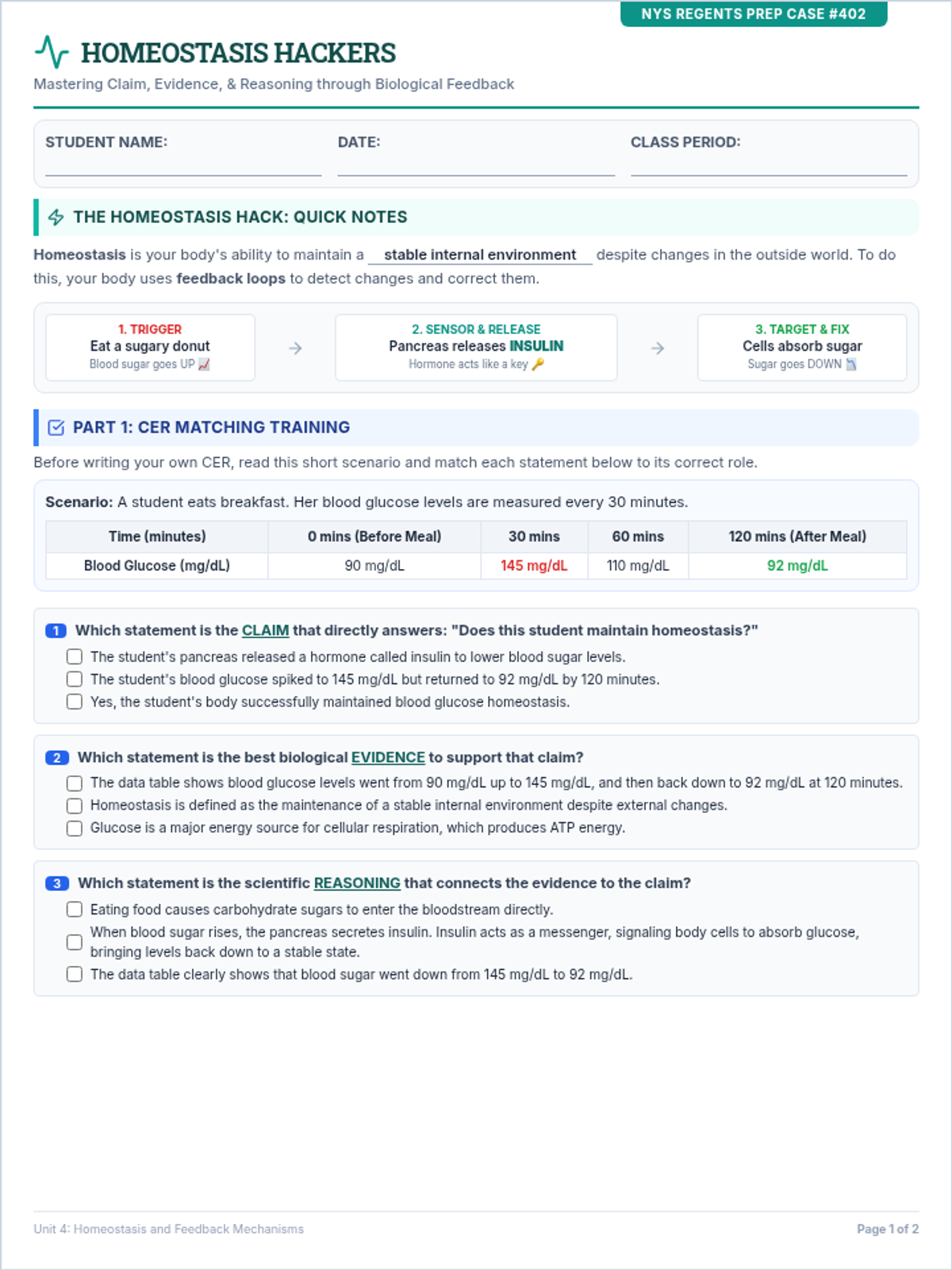
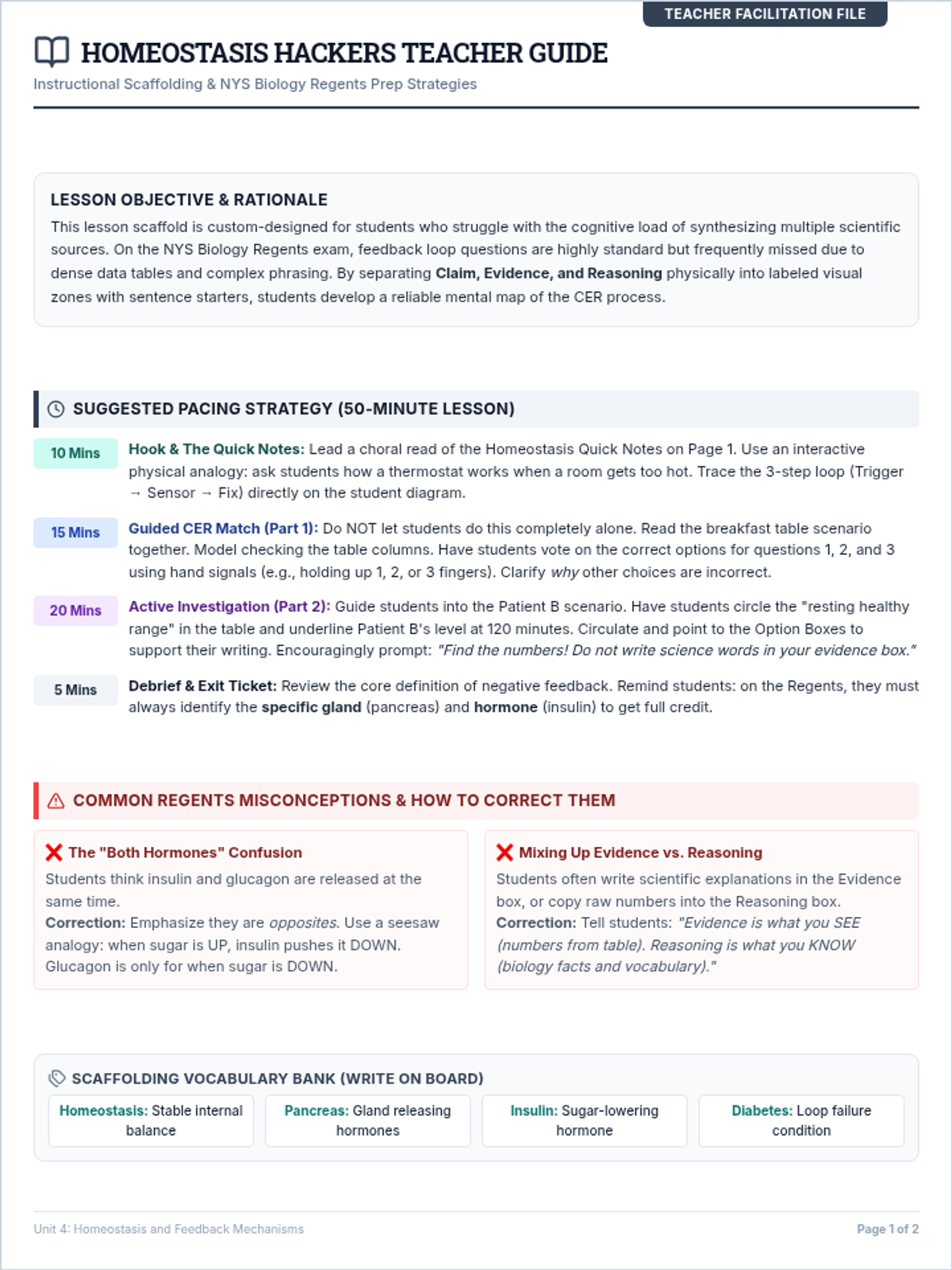
A comprehensive NYS Biology Regents preparation lesson focused on mastering the Claim-Evidence-Reasoning (CER) framework through the lens of Homeostasis and Feedback Mechanisms (specifically blood glucose regulation). Designed with heavy scaffolding, visual organizers, and multiple-choice matching for struggling learners.
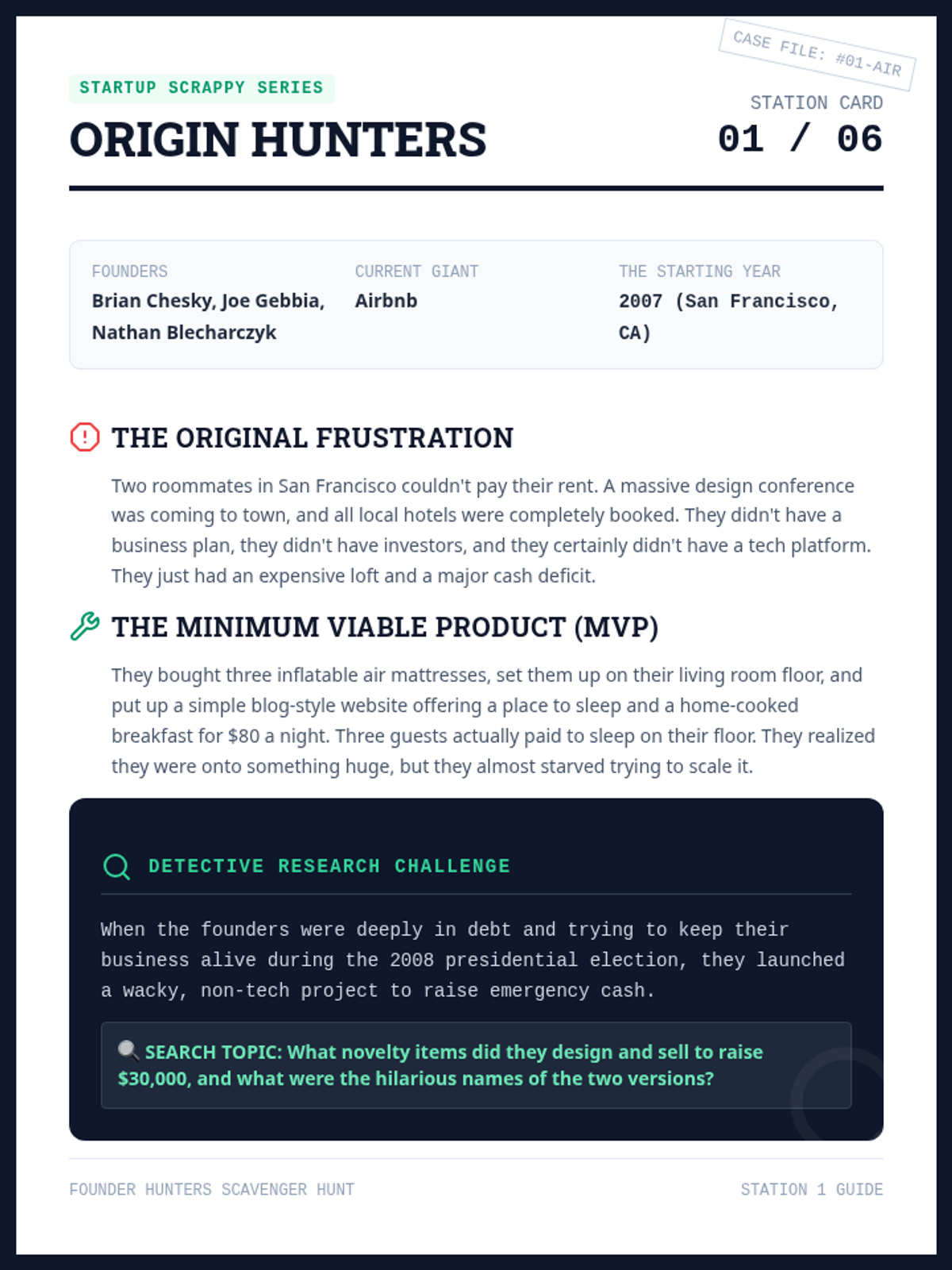
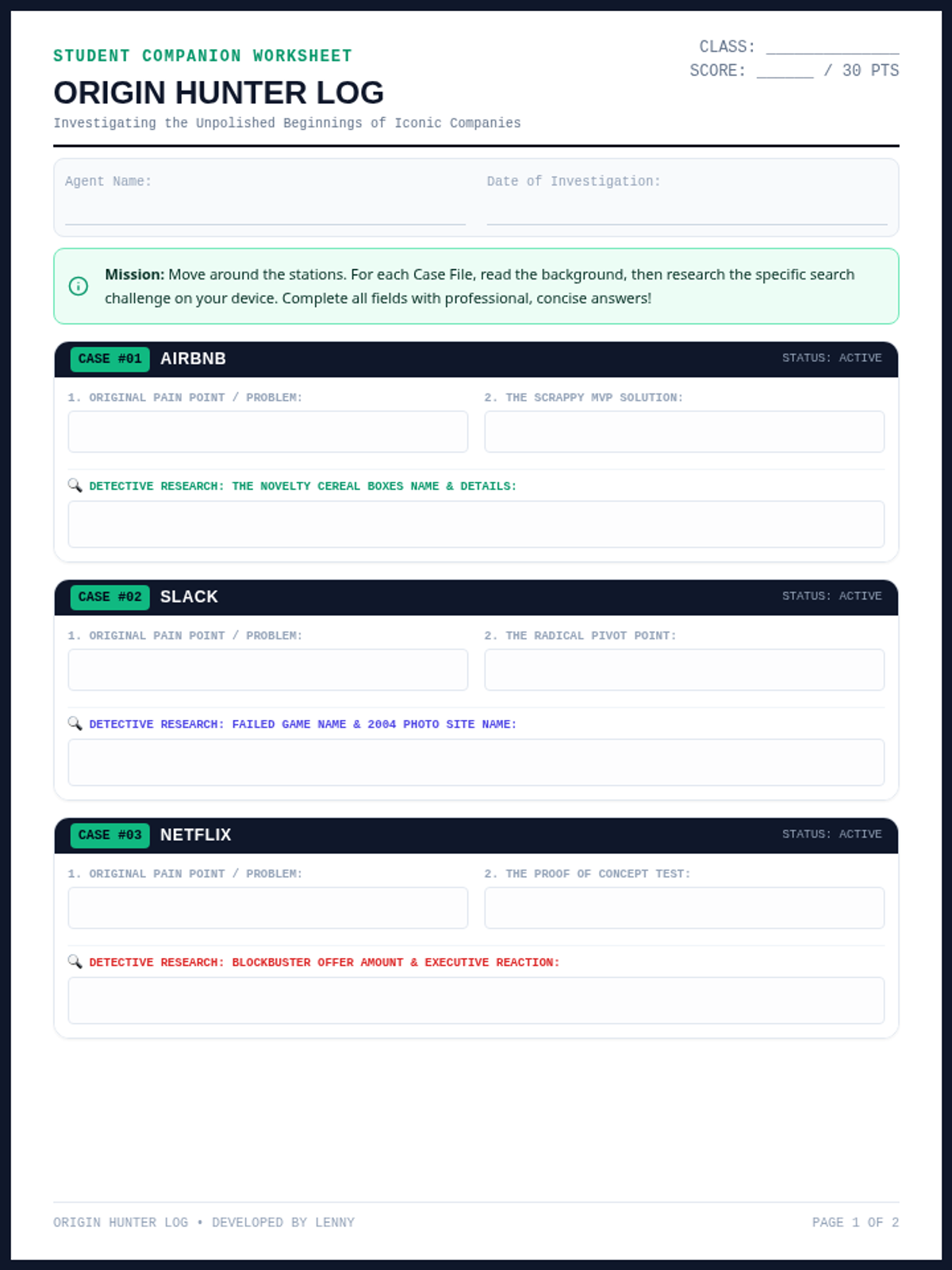
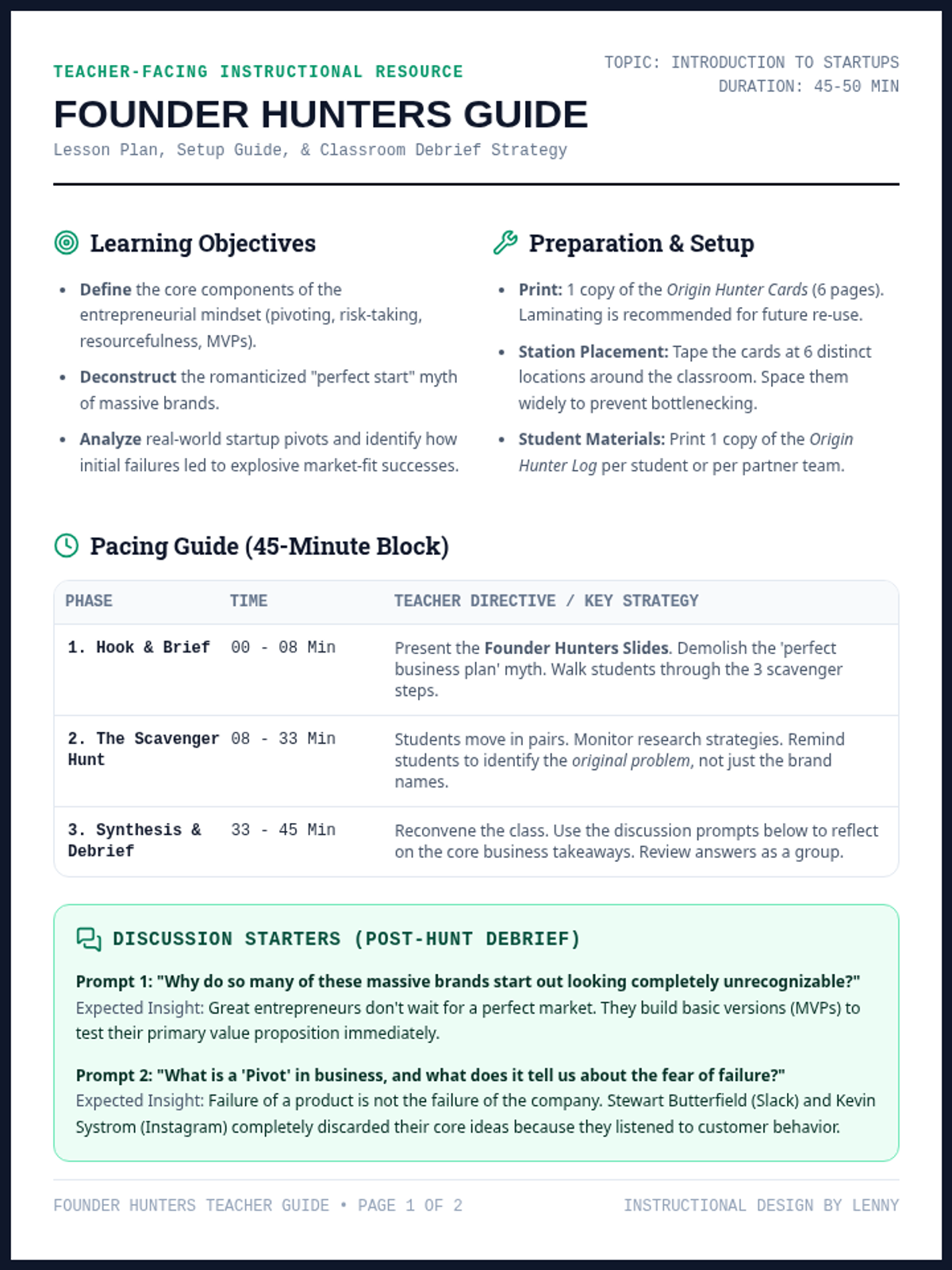
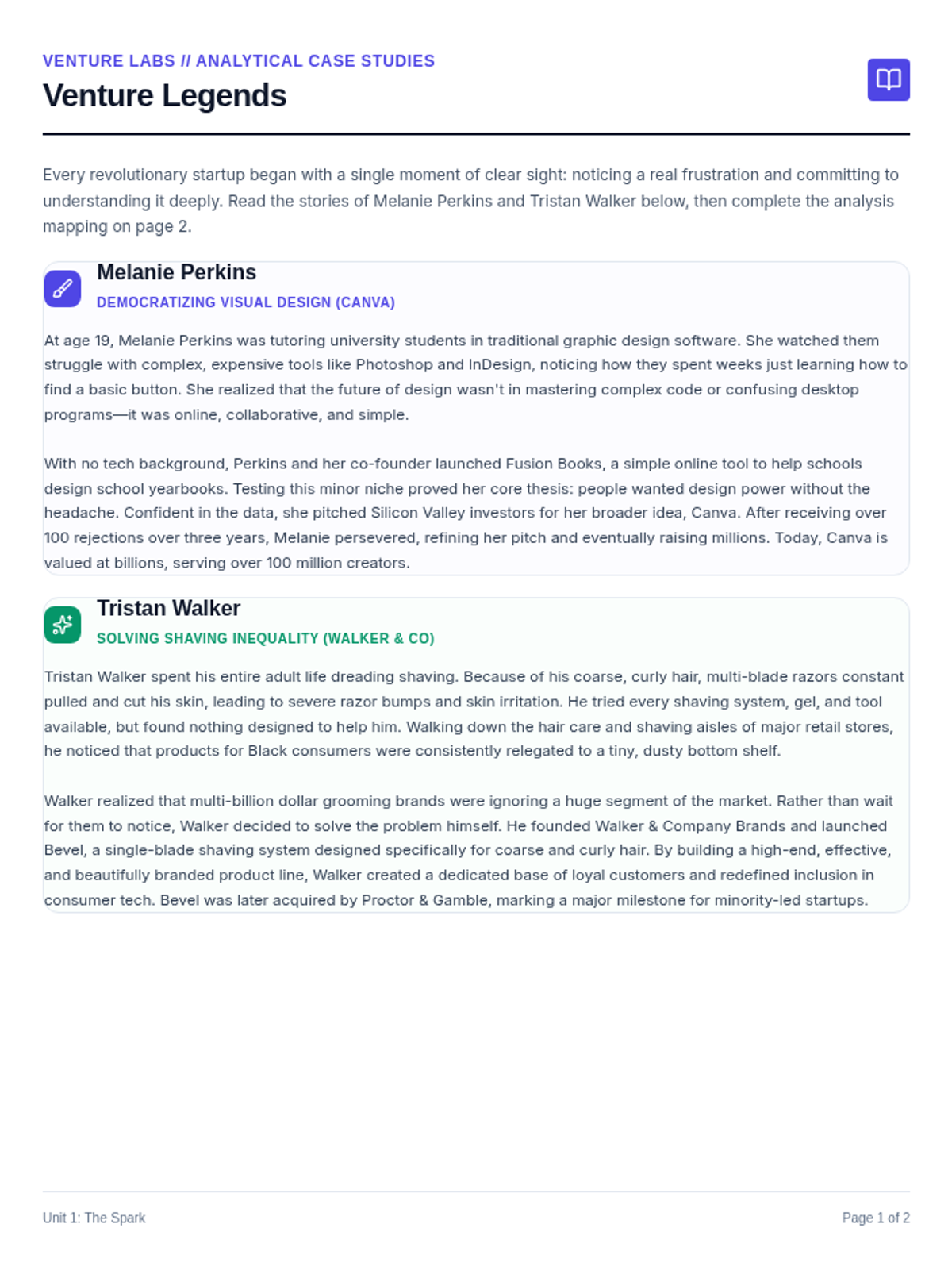
A high-energy, collaborative introductory lesson on entrepreneurship where students become 'Origin Hunters,' investigating the real-world, messy, and inspiring starting points of famous household brands.
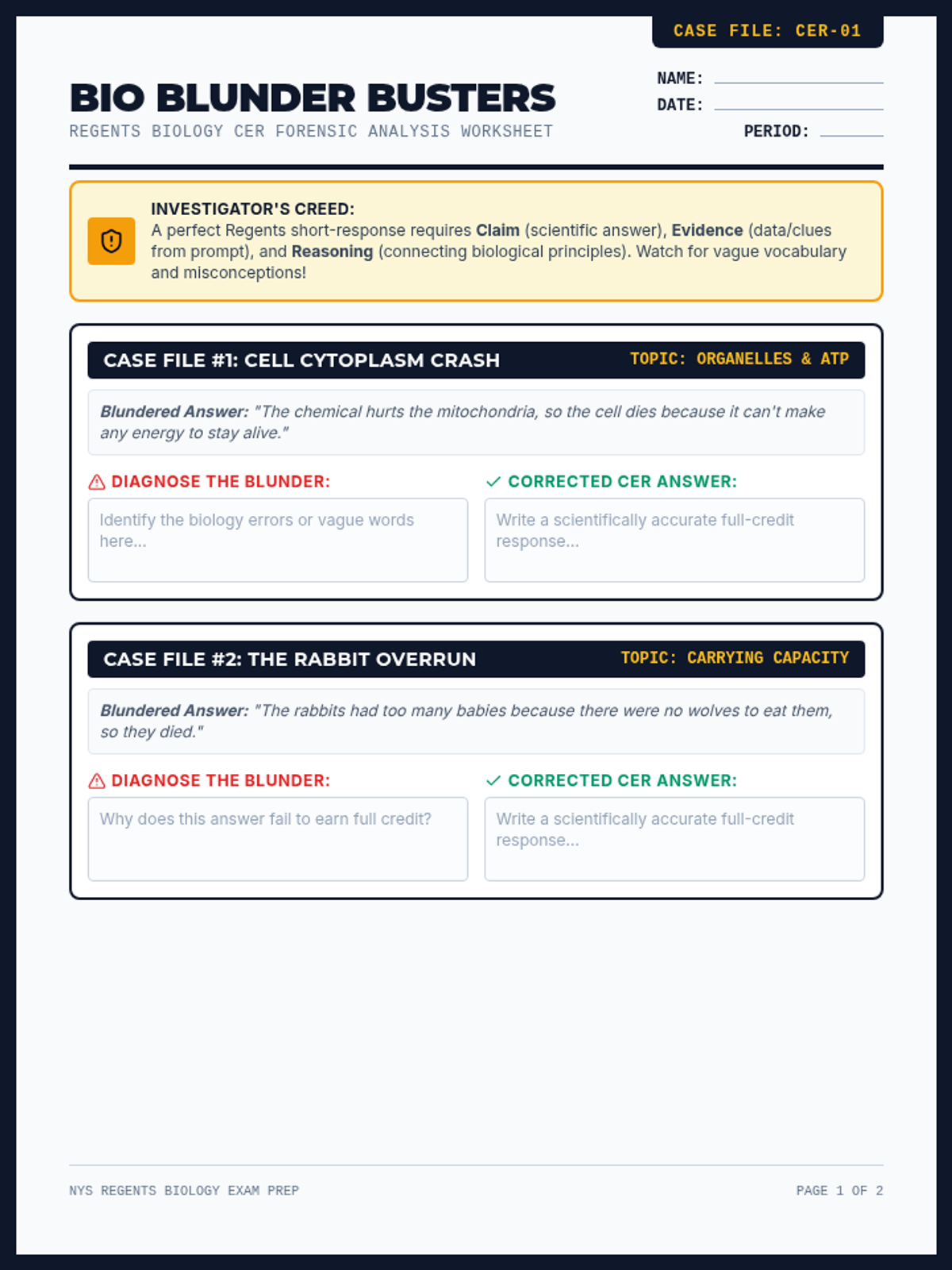
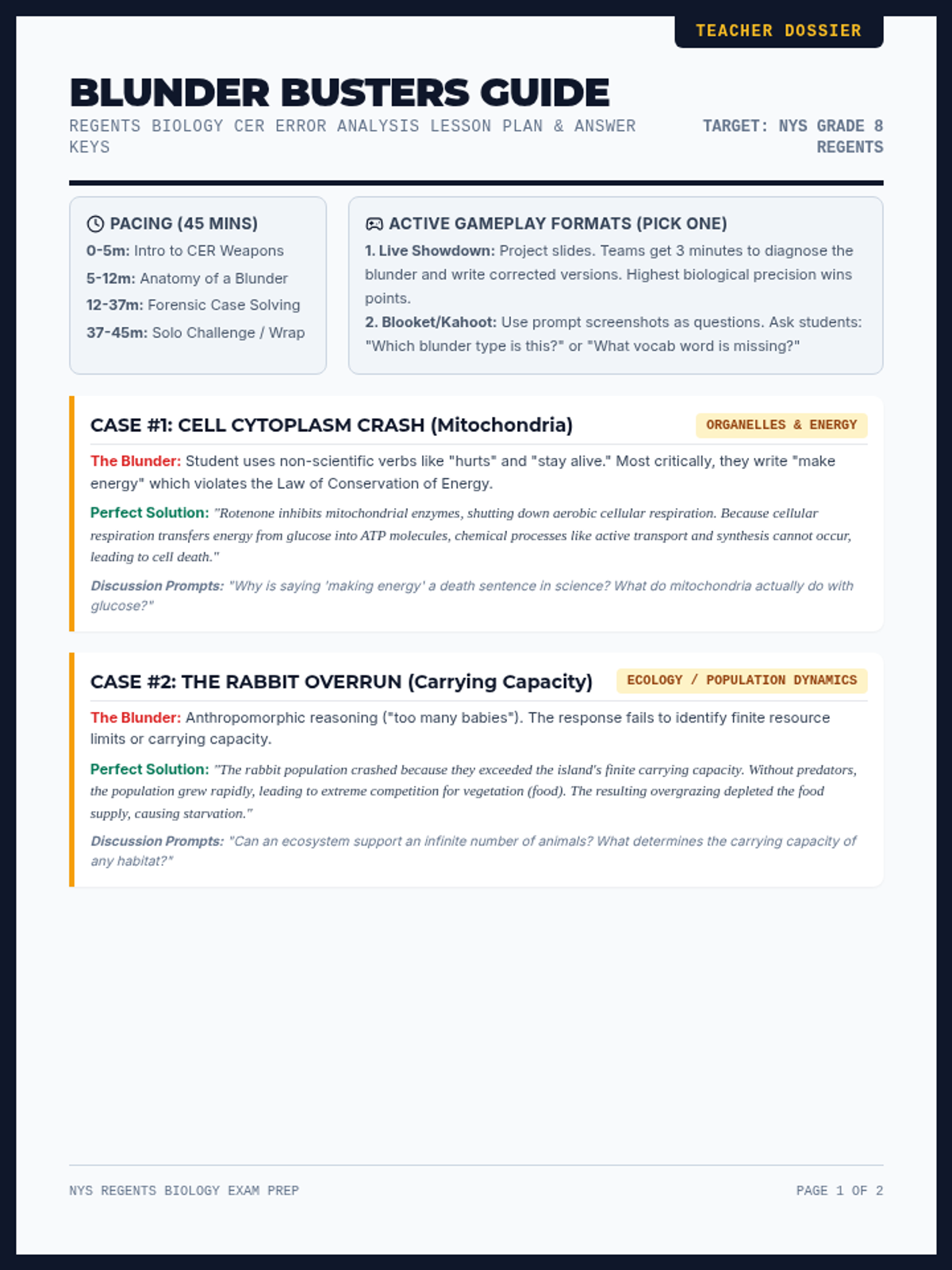
A highly engaging Regents Biology lesson focused on Claim-Evidence-Reasoning (CER) error analysis. Students act as science detectives to identify, analyze, and correct common exam blunders across major biology topics like ecology, cell division, and human impact.
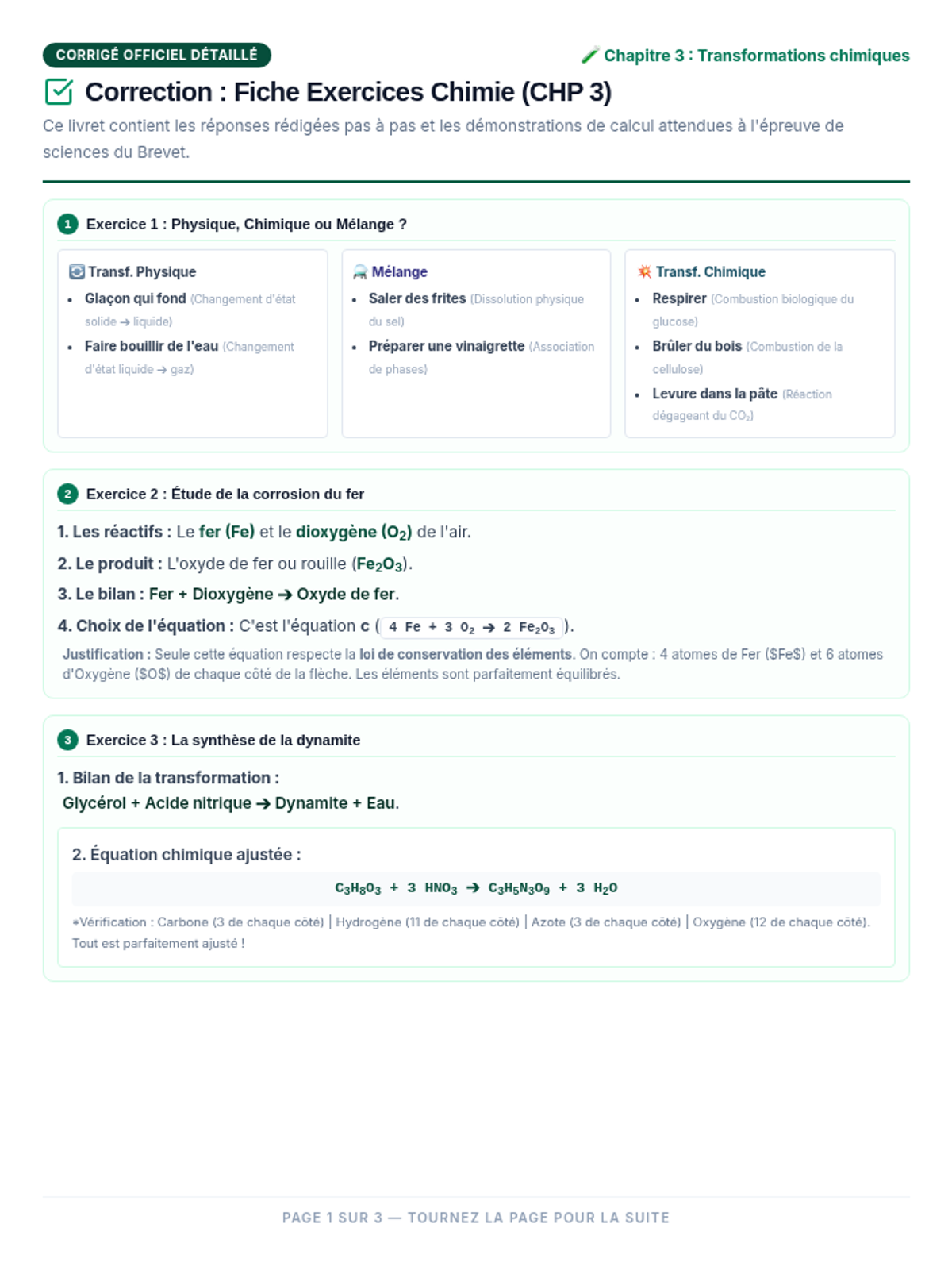
Une leçon complète de physique-chimie de niveau 3ème pour maîtriser les transformations chimiques, la conservation de la masse, les équations de réaction, le pH et la rédaction de protocoles expérimentaux pour le Brevet.
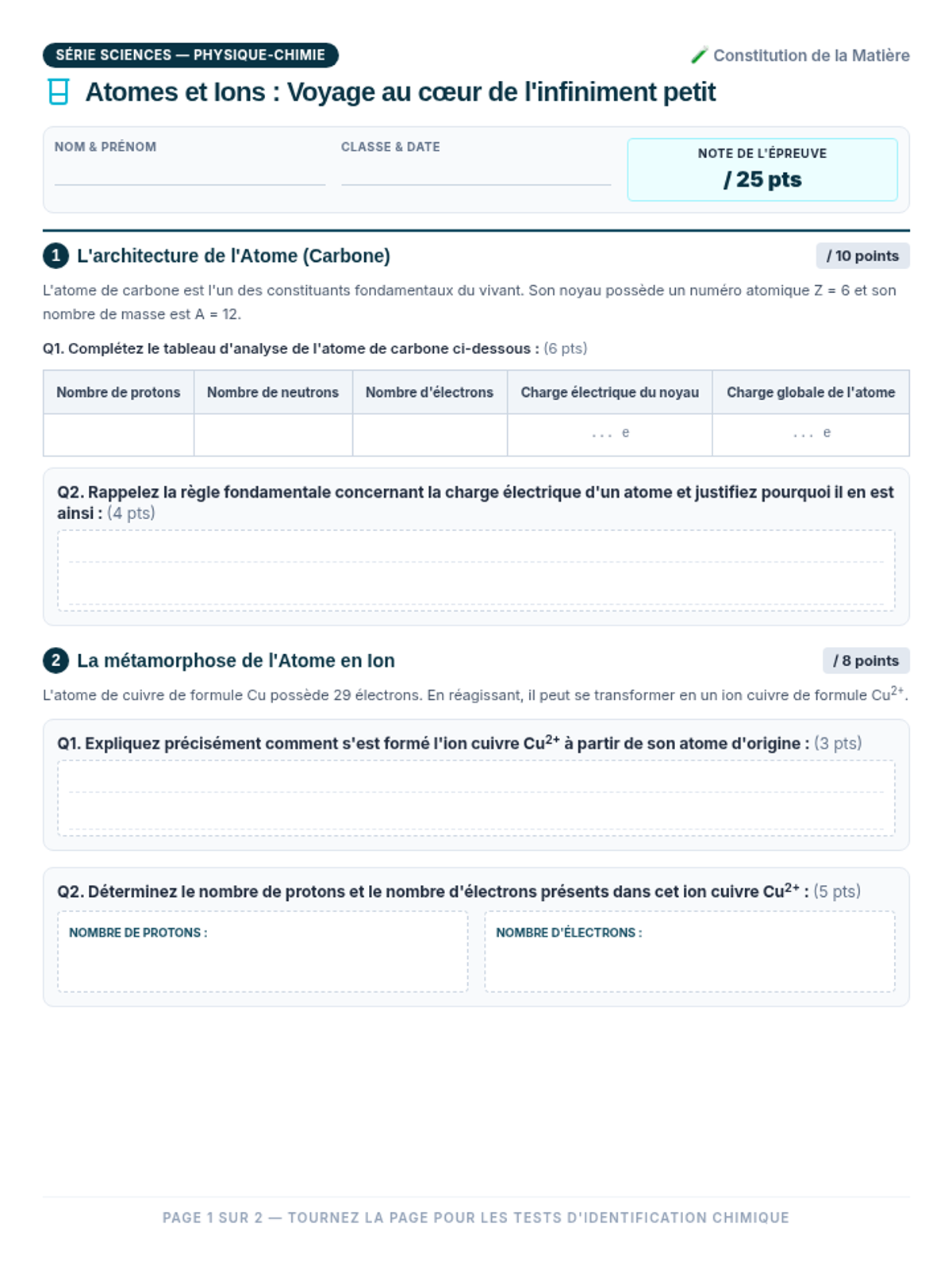
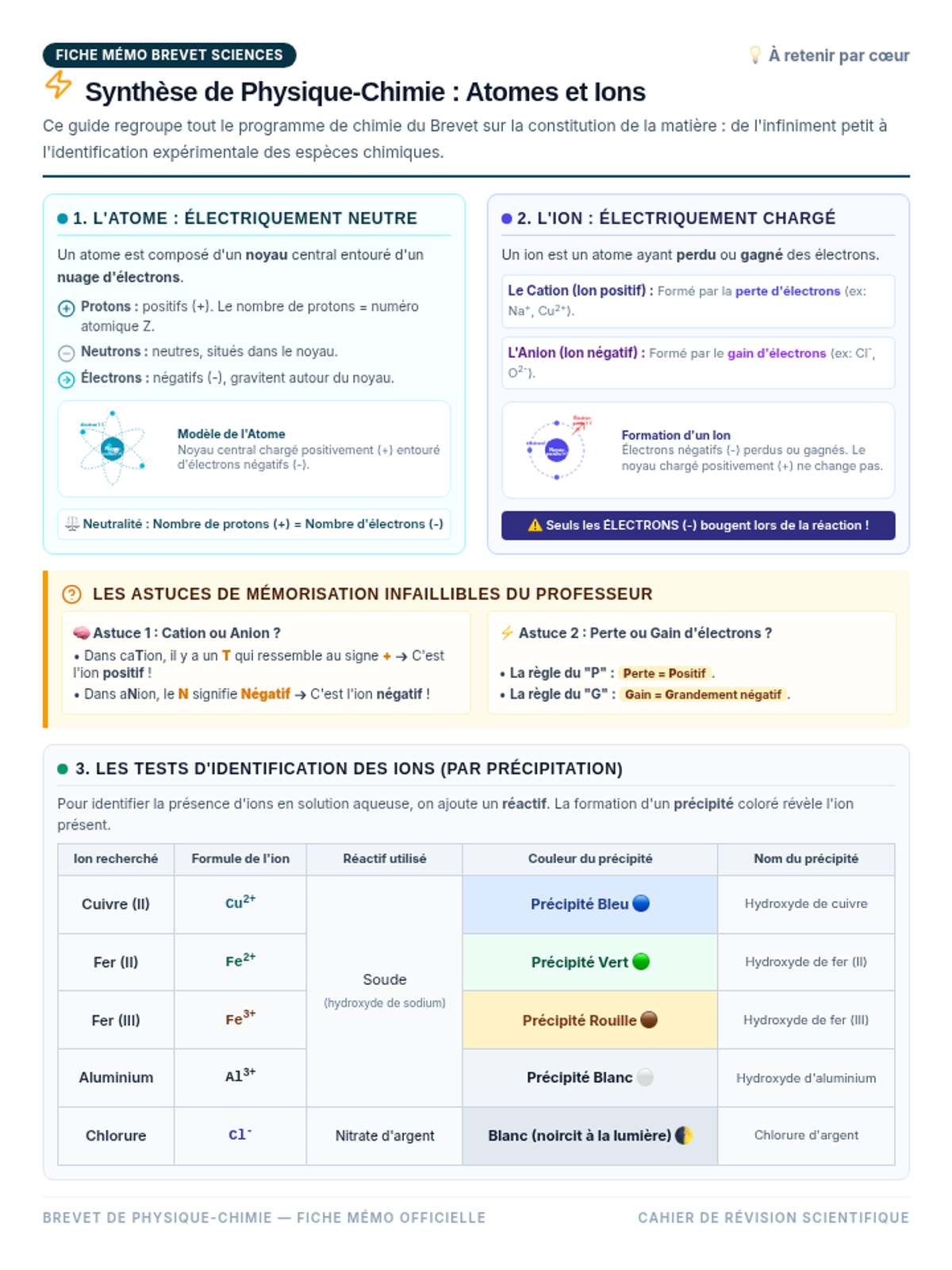
Une leçon de physique-chimie de niveau 3ème pour maîtriser la structure des atomes, la formation des ions et les tests d'identification chimique du Brevet.
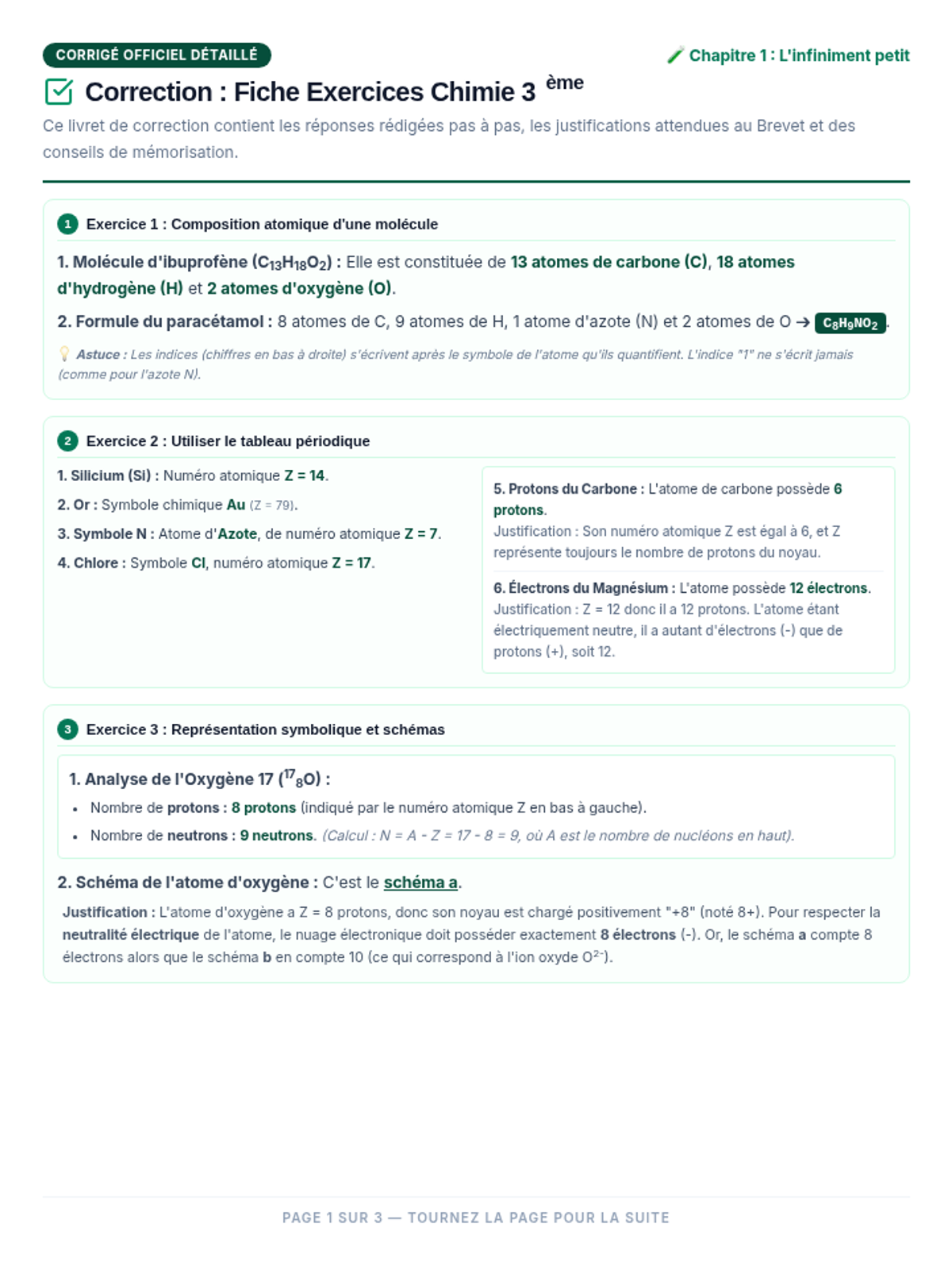
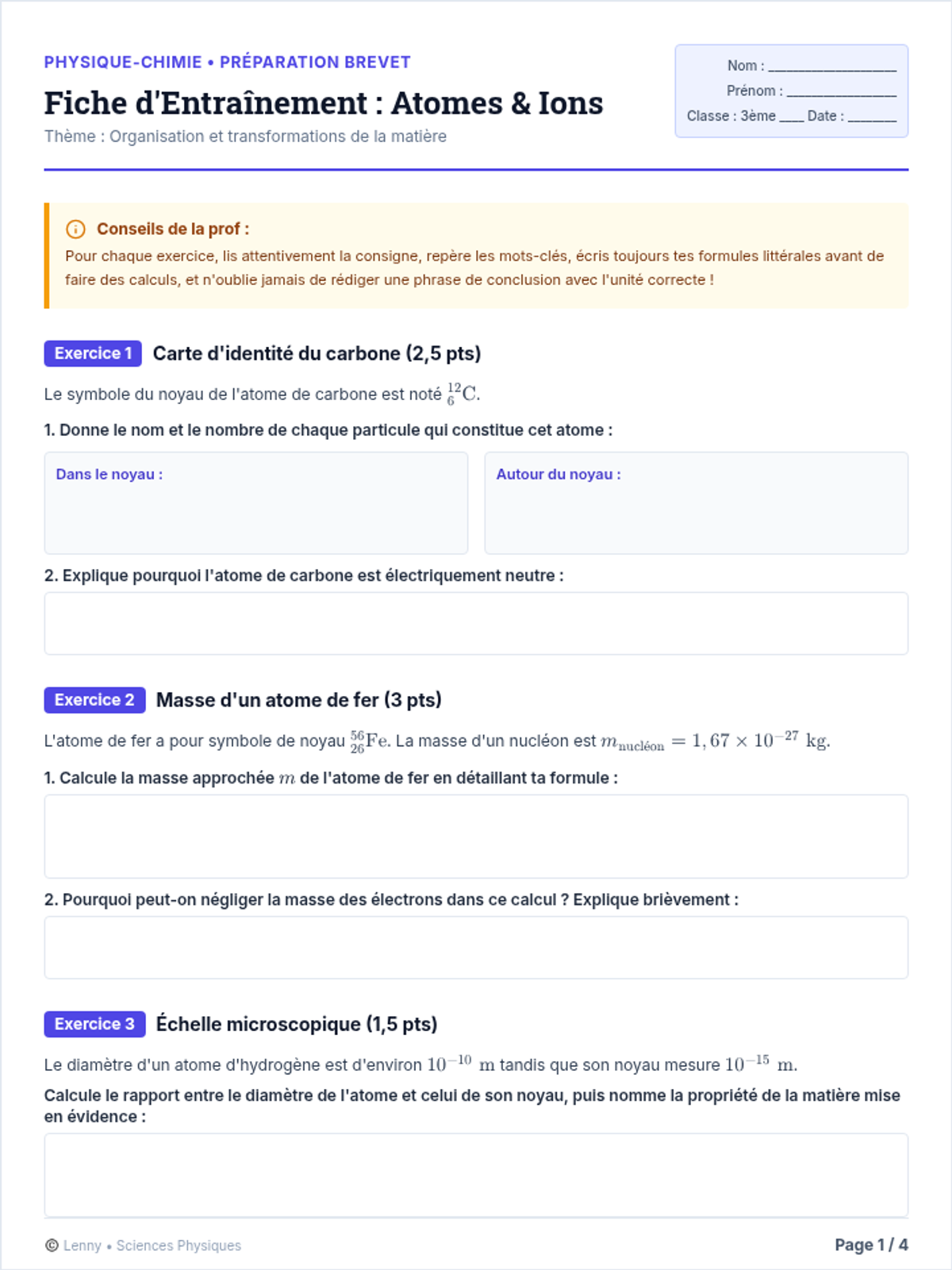
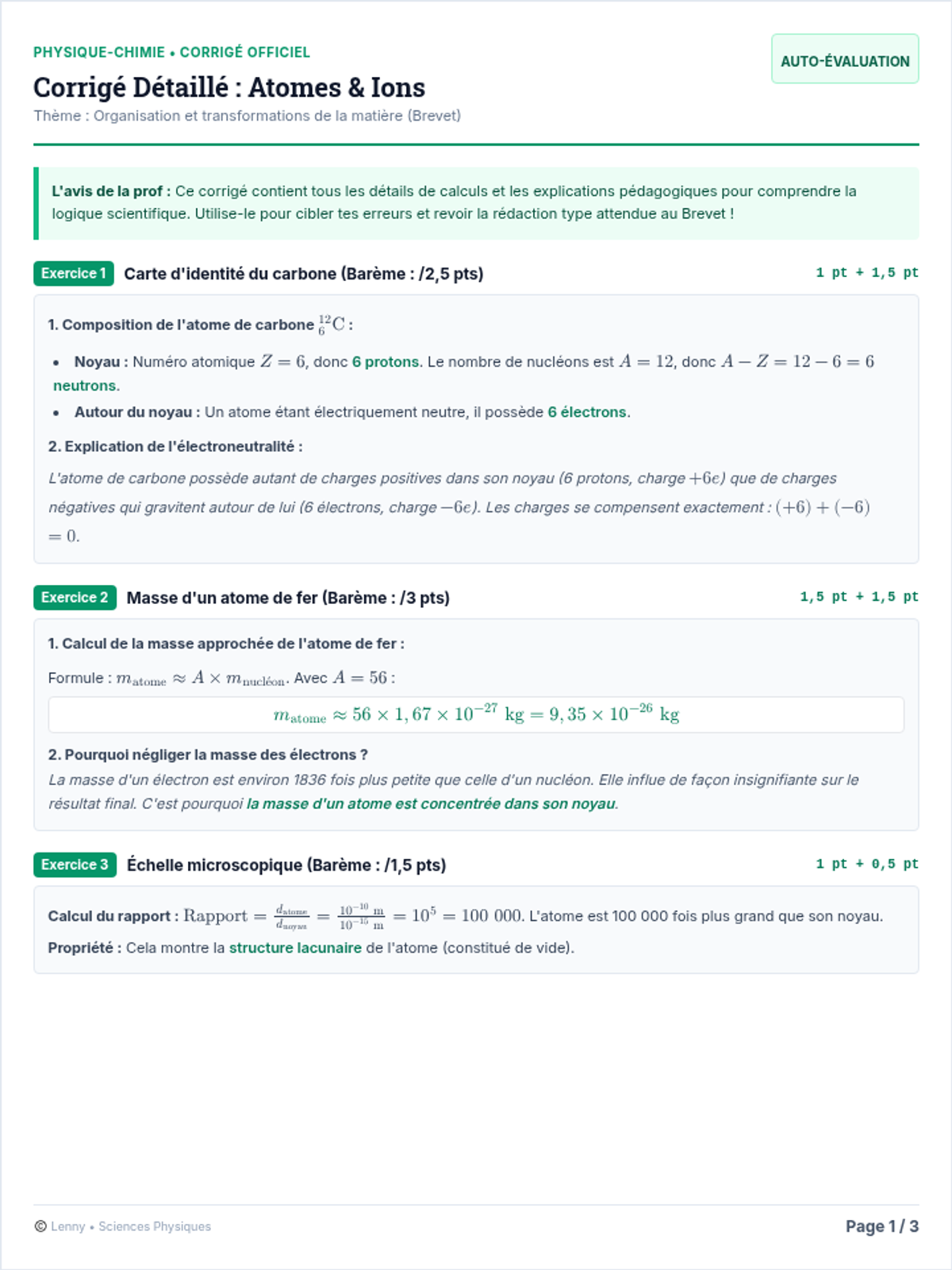
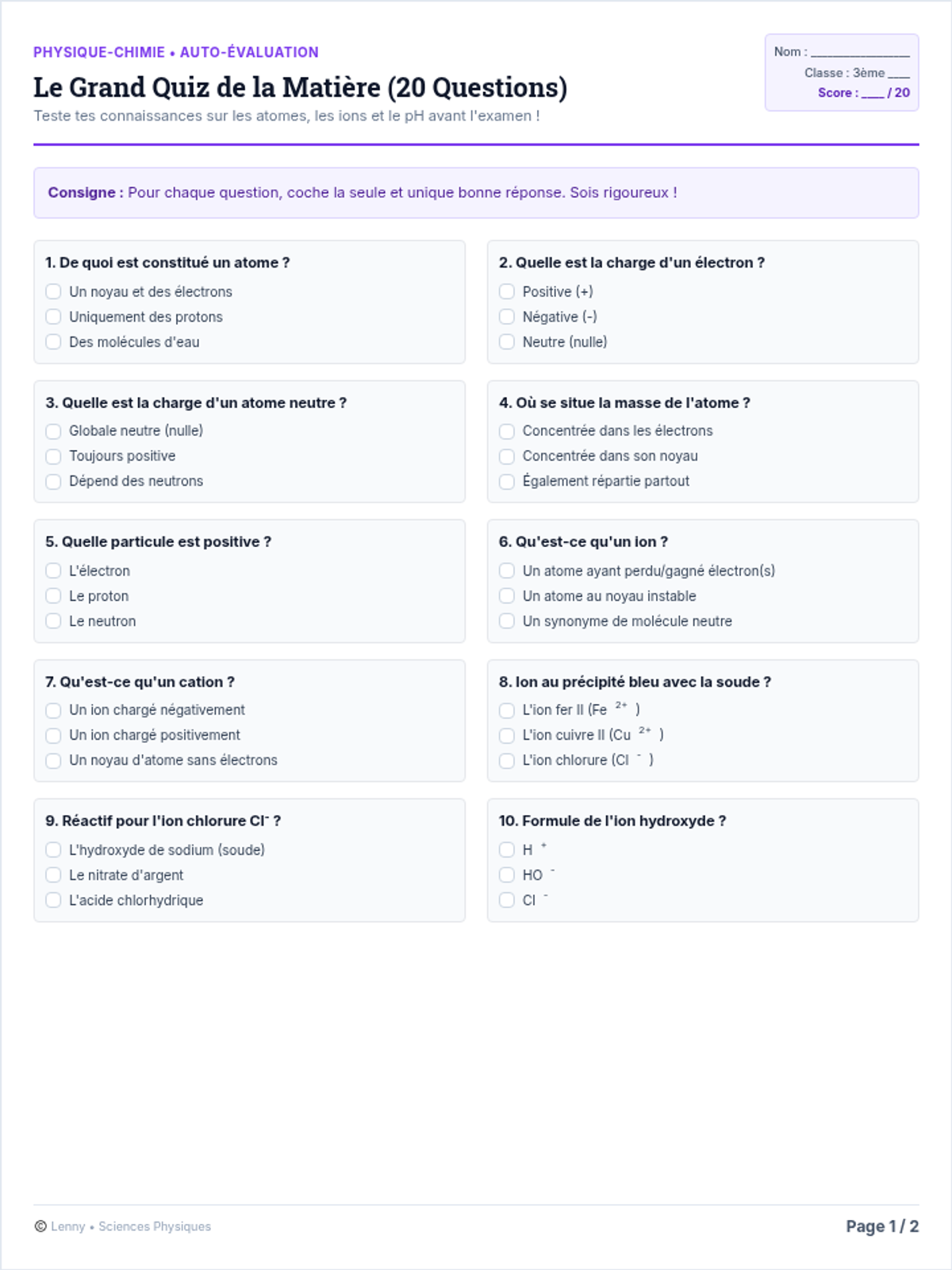
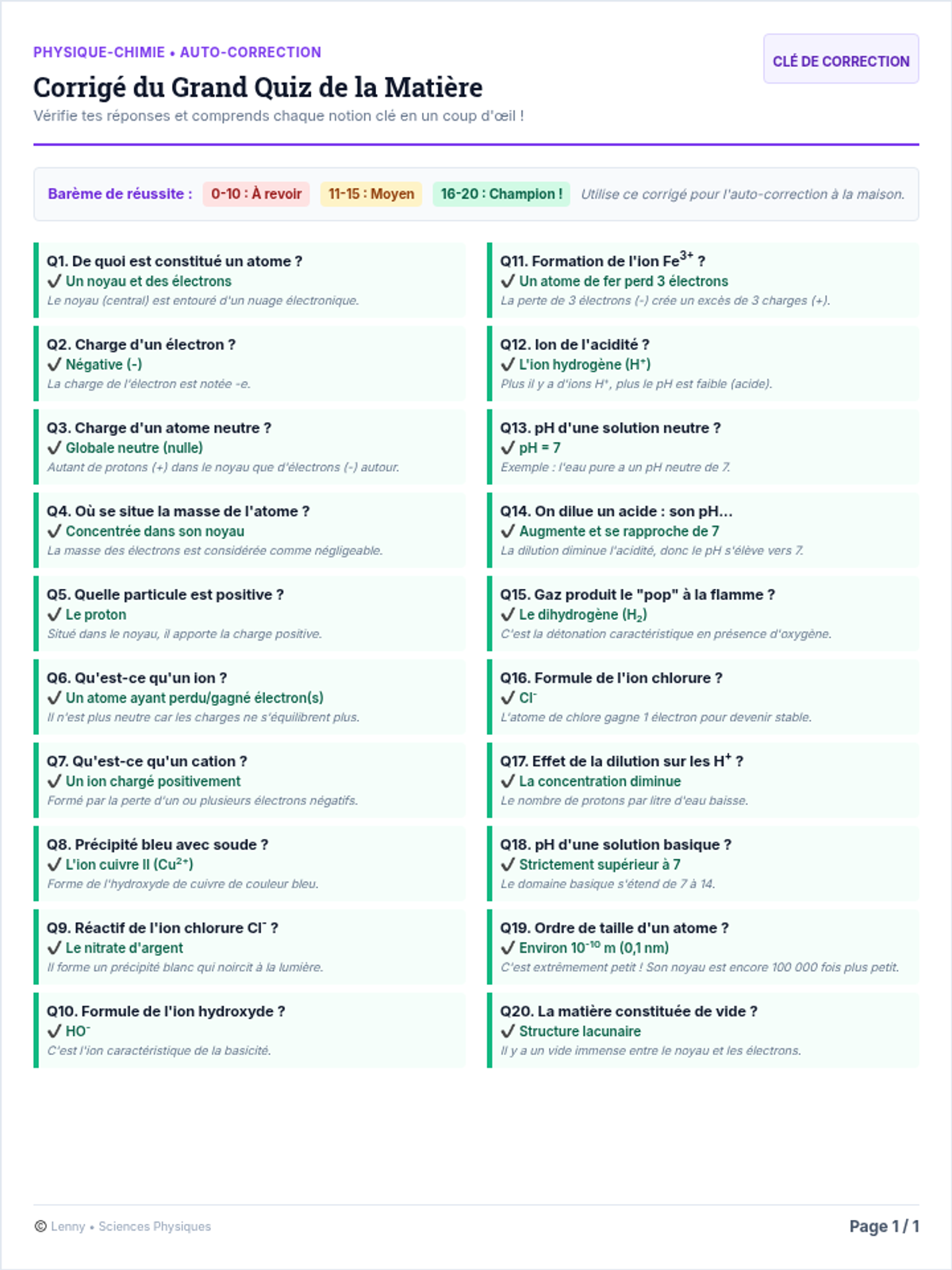
Une série complète de ressources pour maîtriser le thème des atomes, des ions et de la constitution de la matière au Brevet, comprenant des exercices types et un quiz complet avec leurs corrigés détaillés.
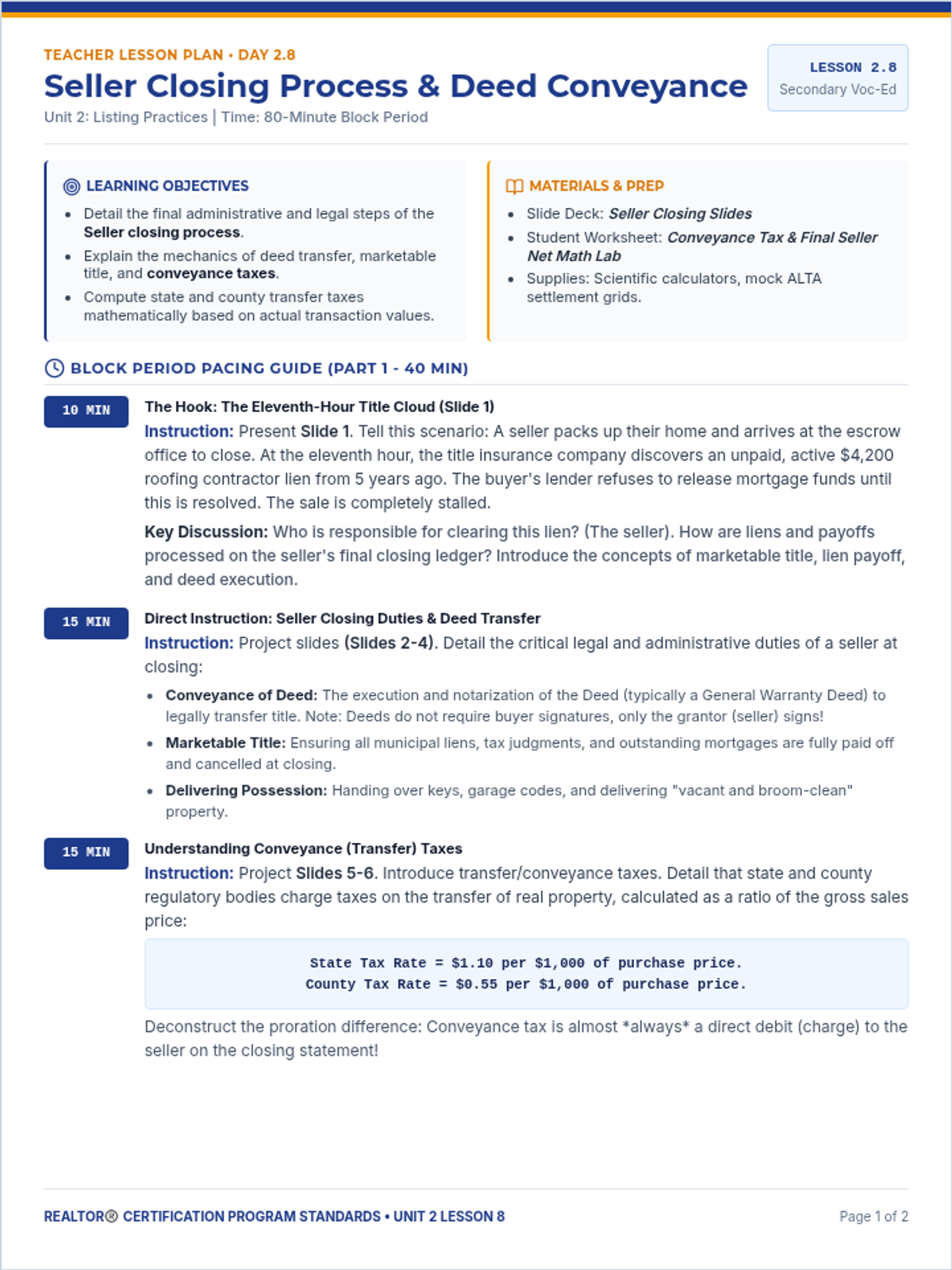
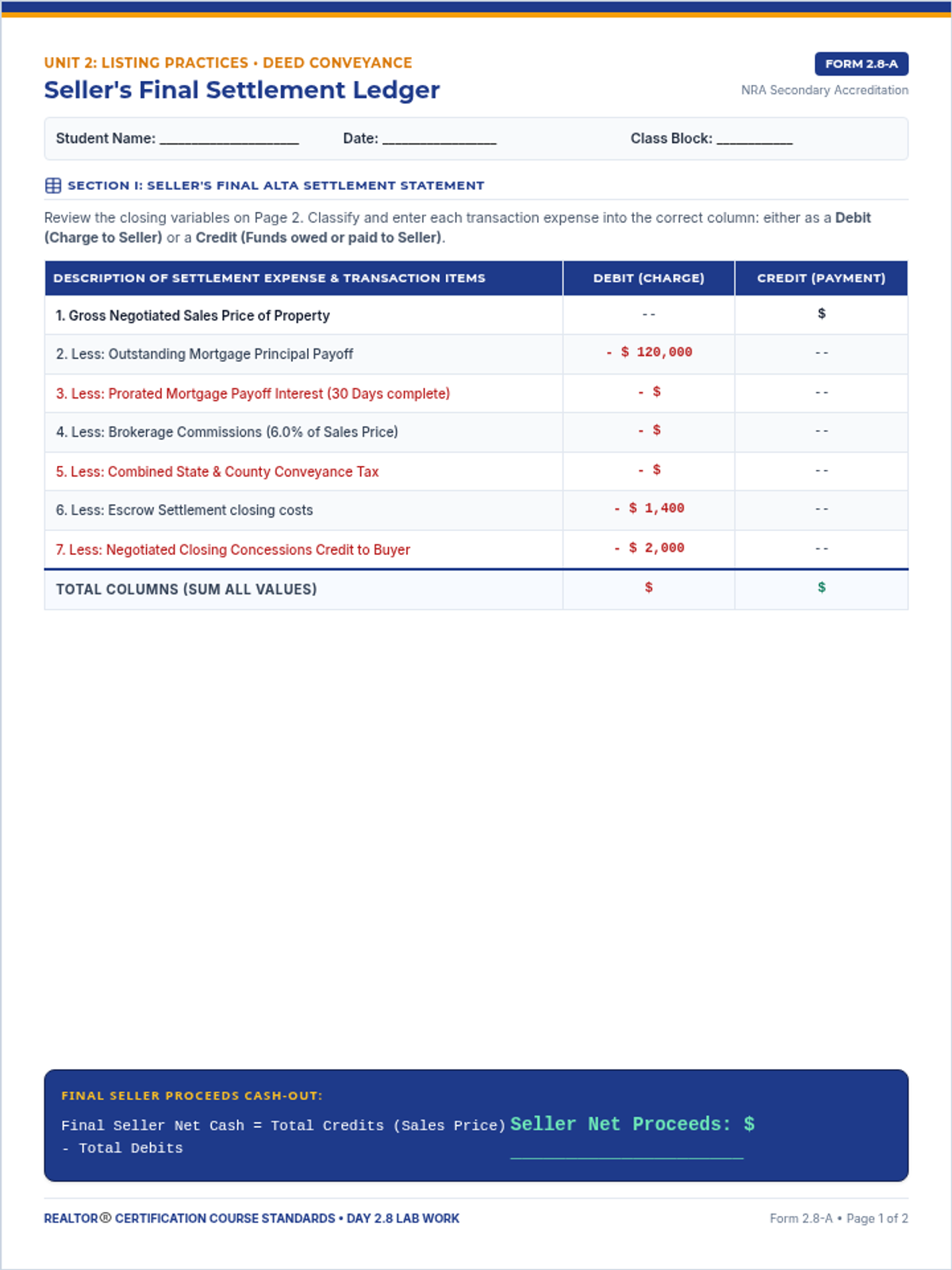
Materials for Day 2.8 of listing practices, focused on the seller's final closing steps, executing deed transfers and conveyances, paying off mortgage balances, and reviewing for the final licensing certification.
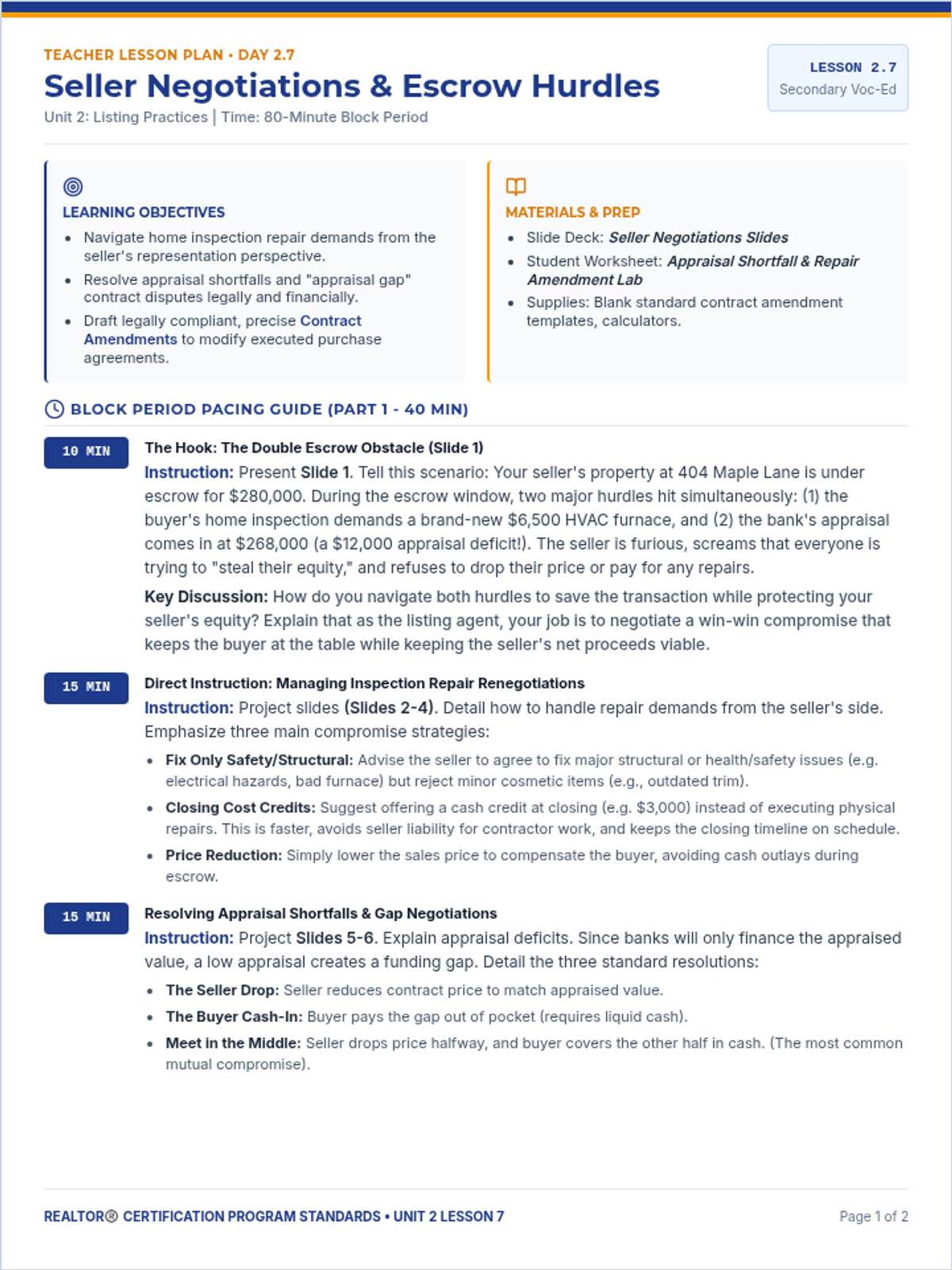
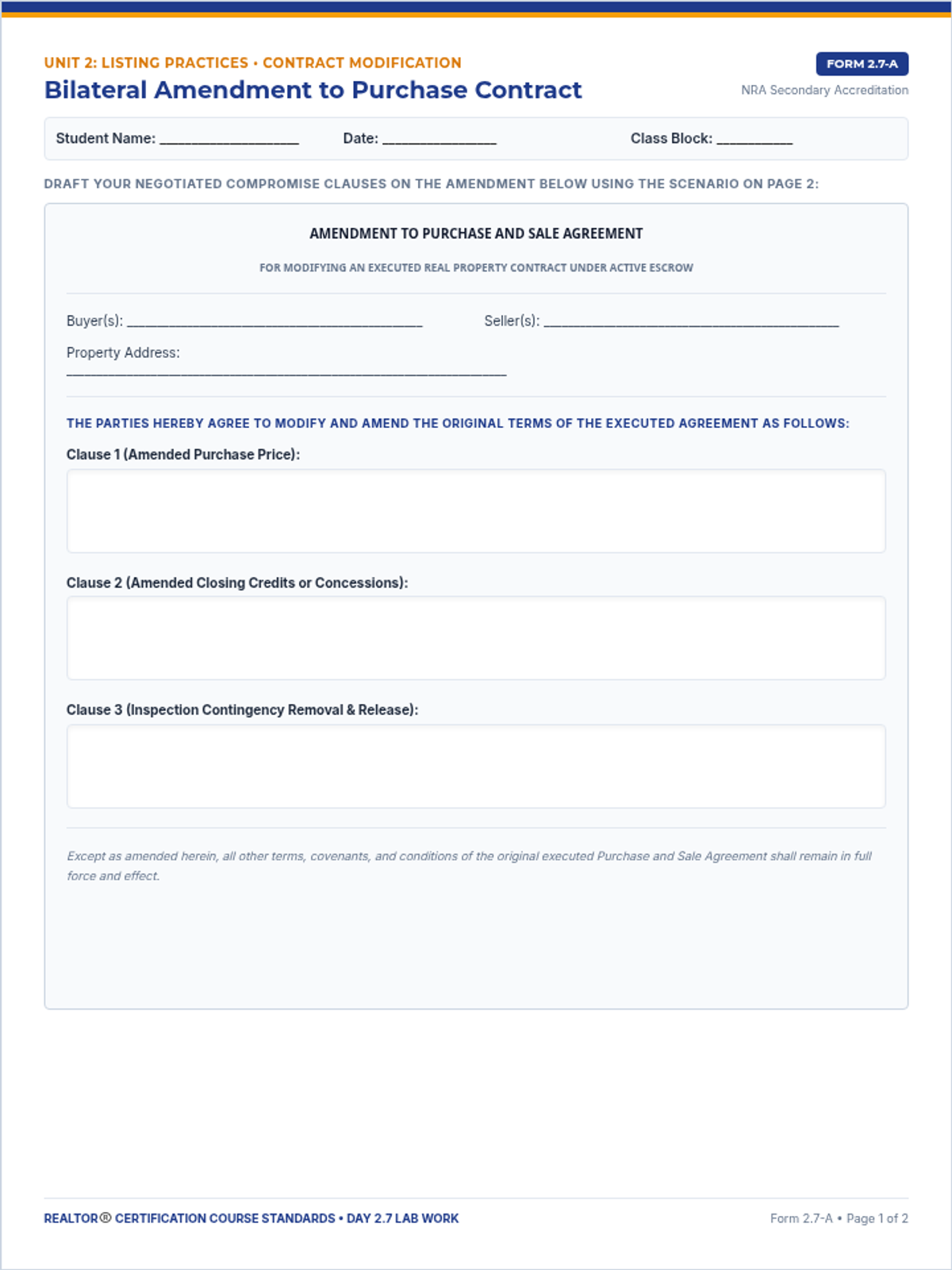
Materials for Day 2.7 of listing practices, focused on navigating inspection repair demands and appraisal shortfalls from the listing side, managing seller objections, and drafting contract amendments.
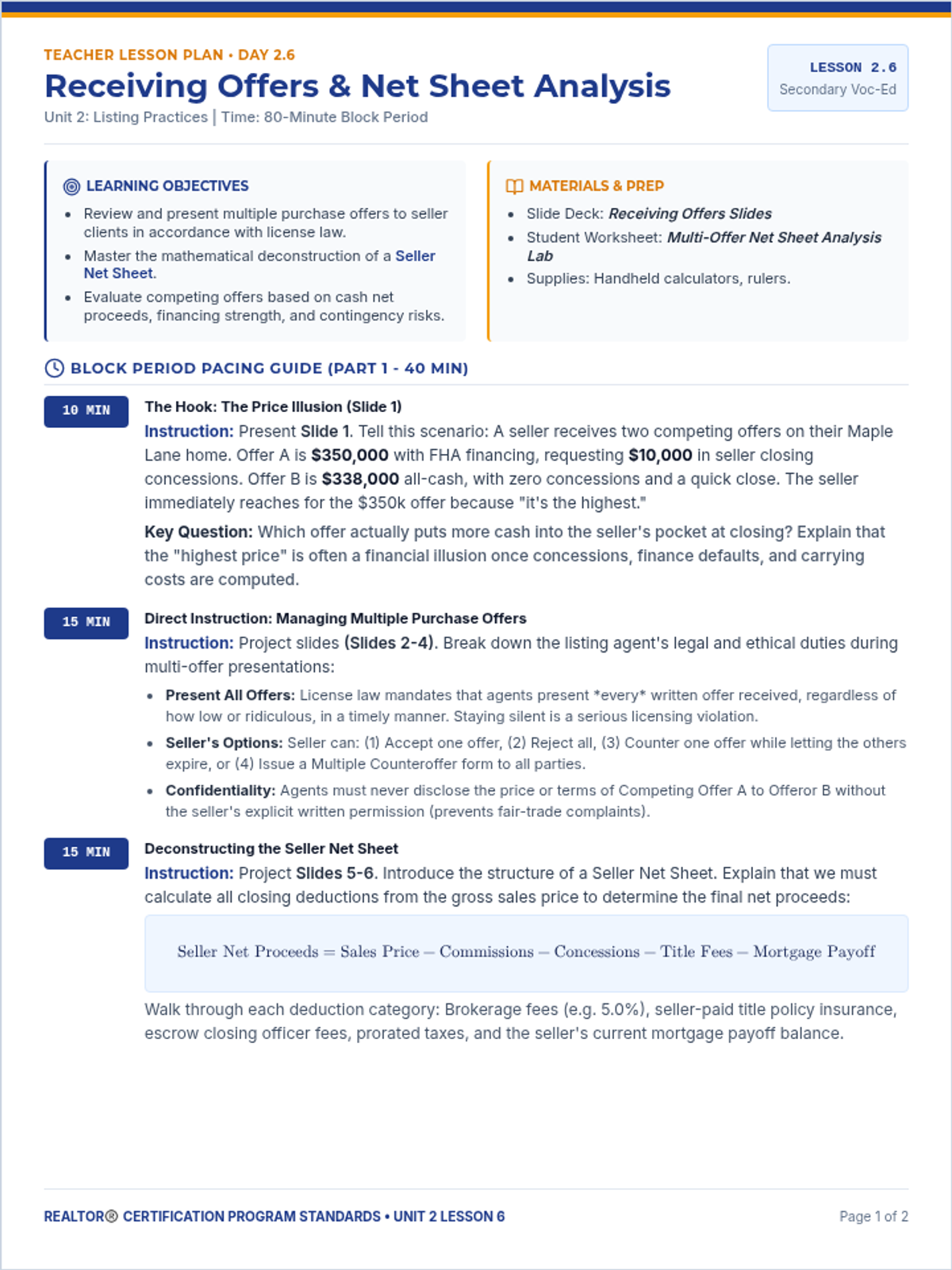
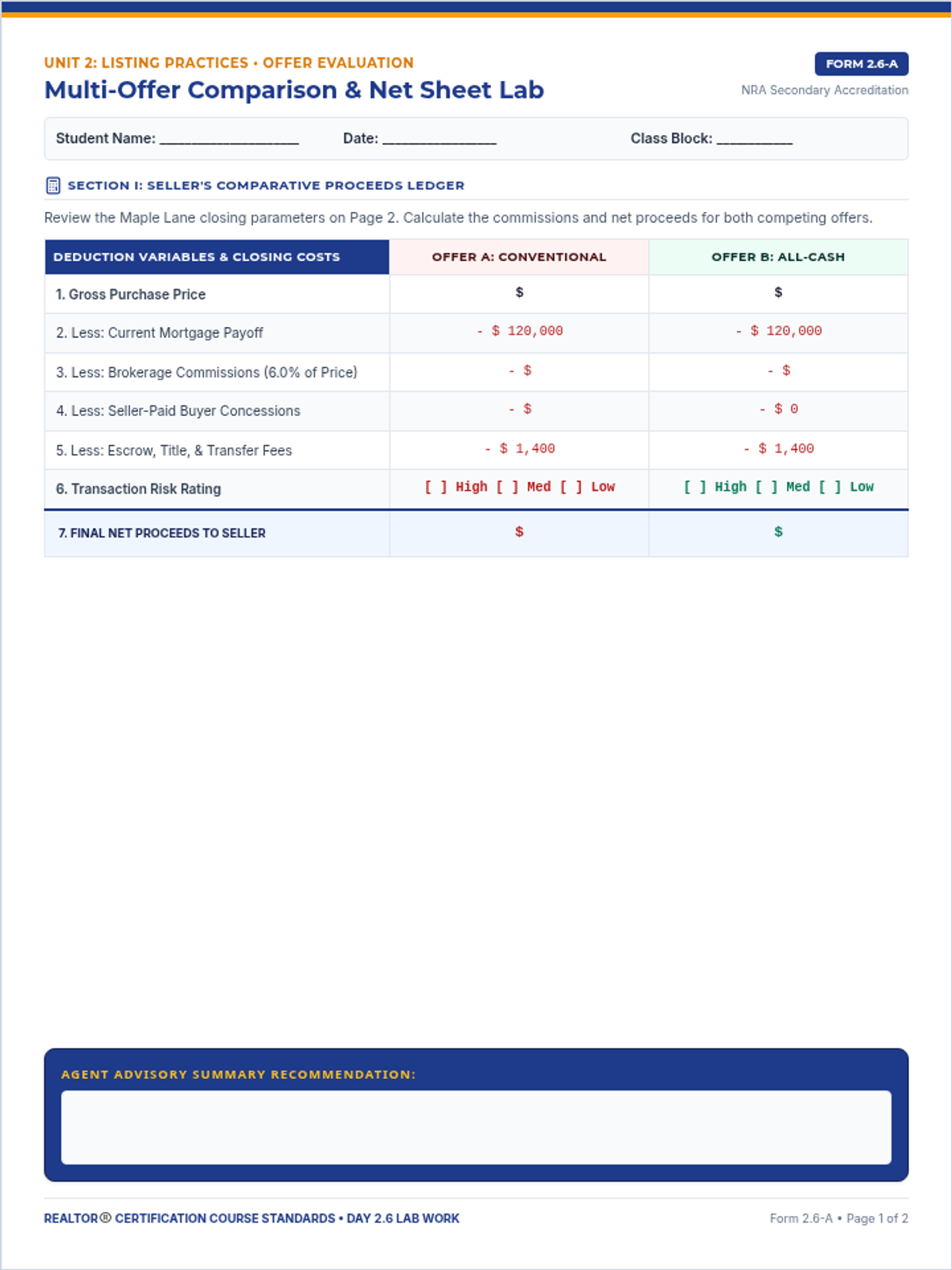
Materials for Day 2.6 of listing practices, focused on analyzing multiple purchase offers, completing seller net sheets, and managing competitive bidding wars.
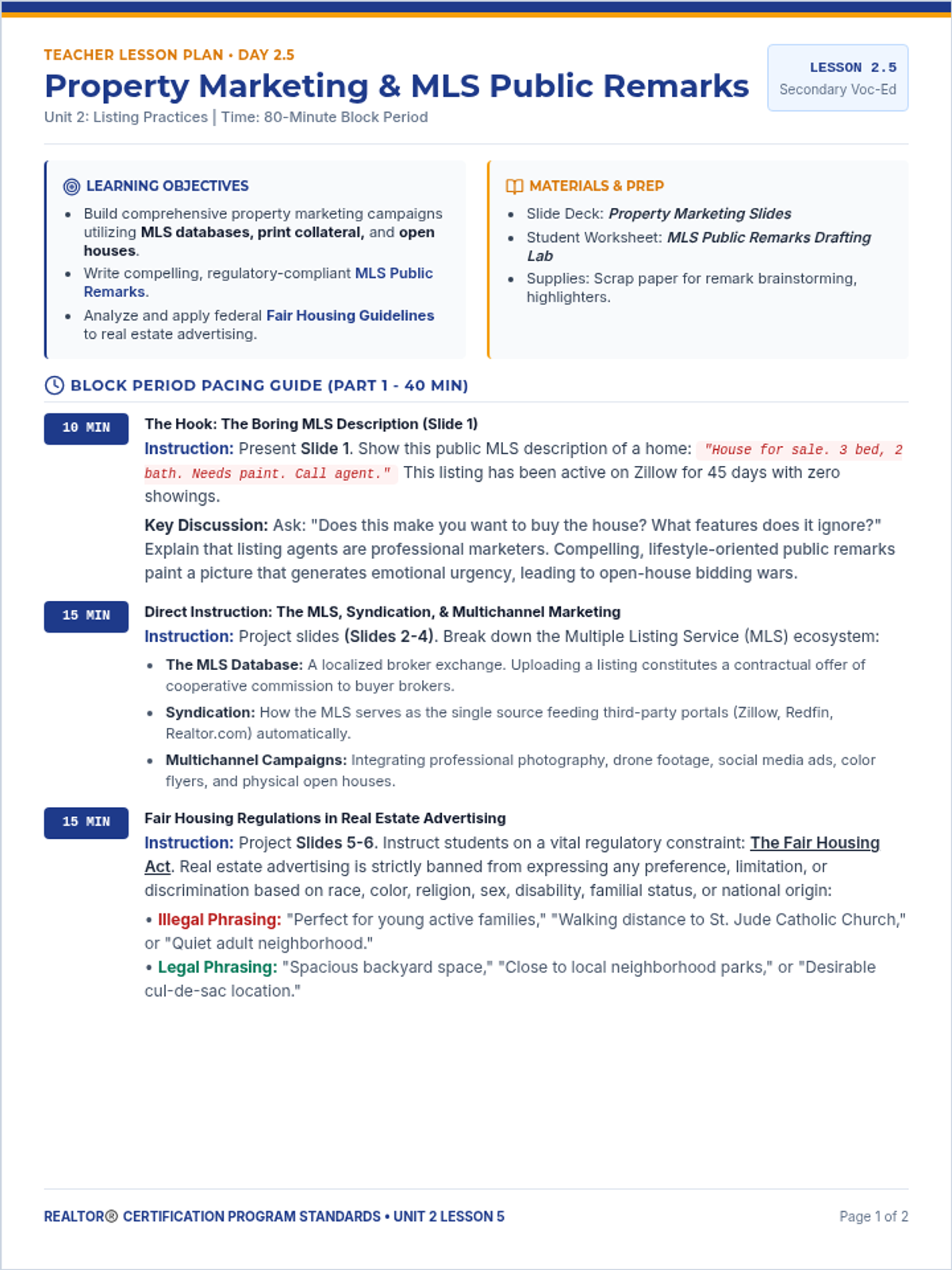
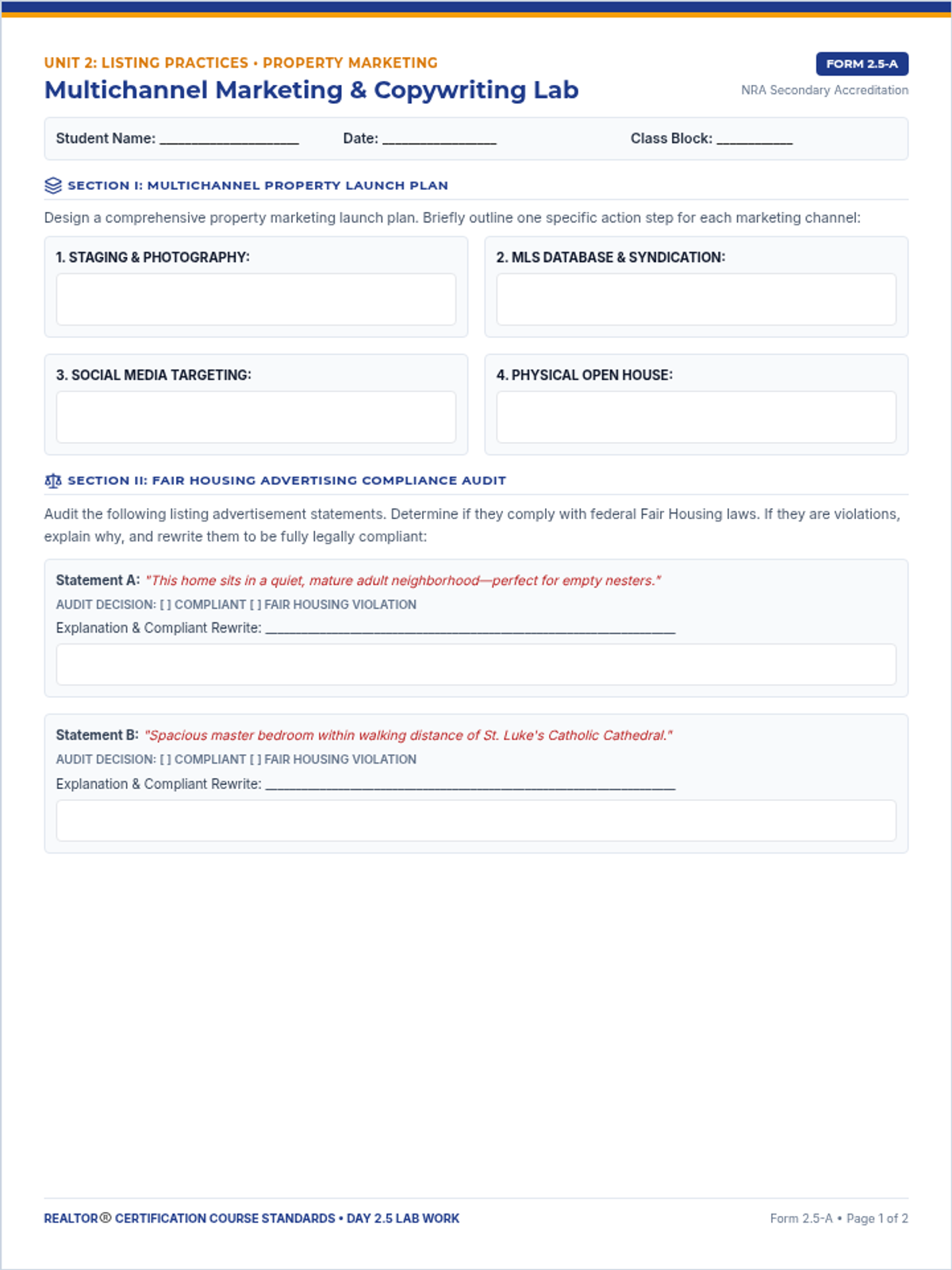
Materials for Day 2.5 of listing practices, focused on building comprehensive property marketing campaigns, navigating the MLS database, syndication, open houses, and writing compelling MLS public remarks.
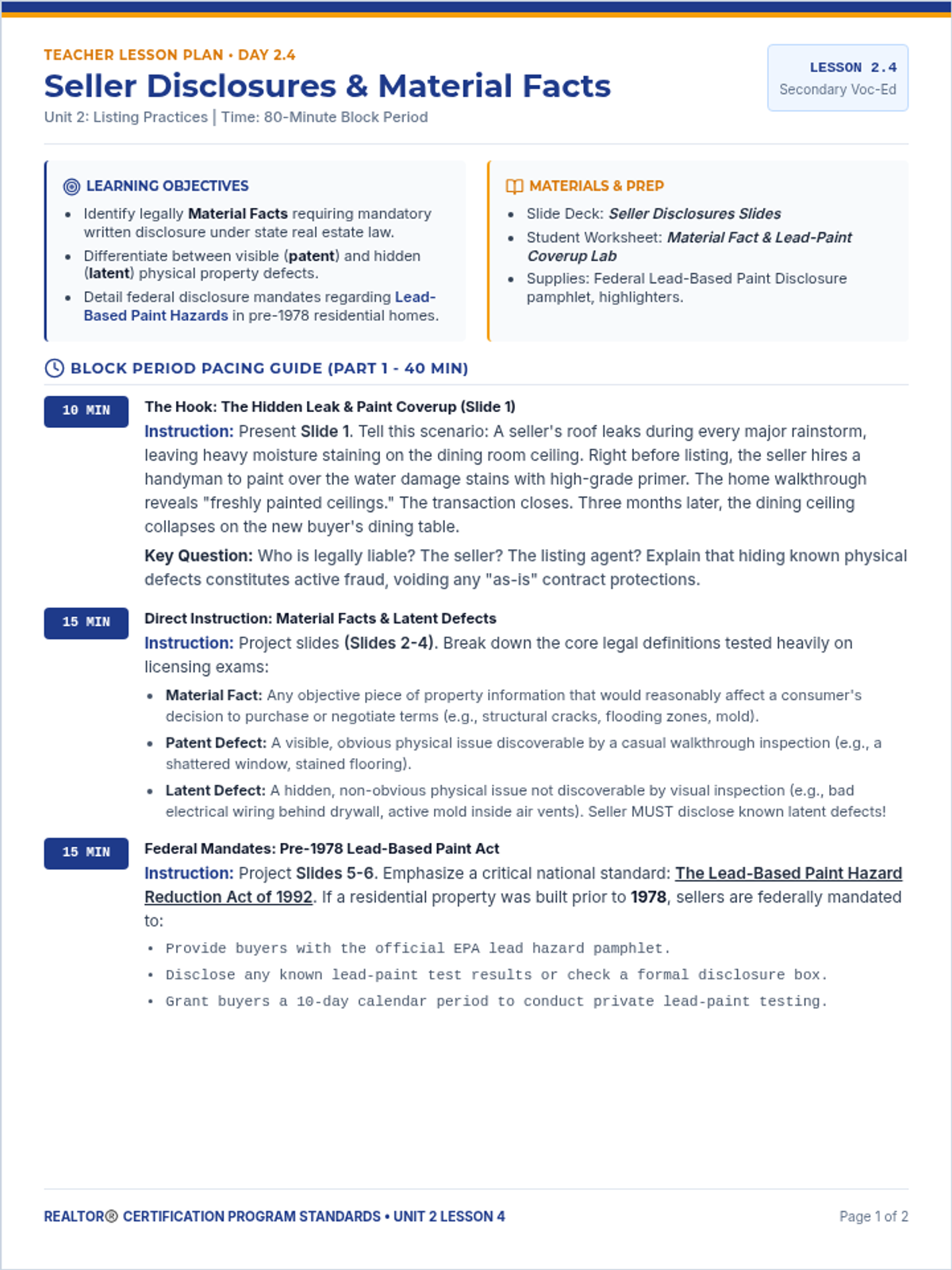
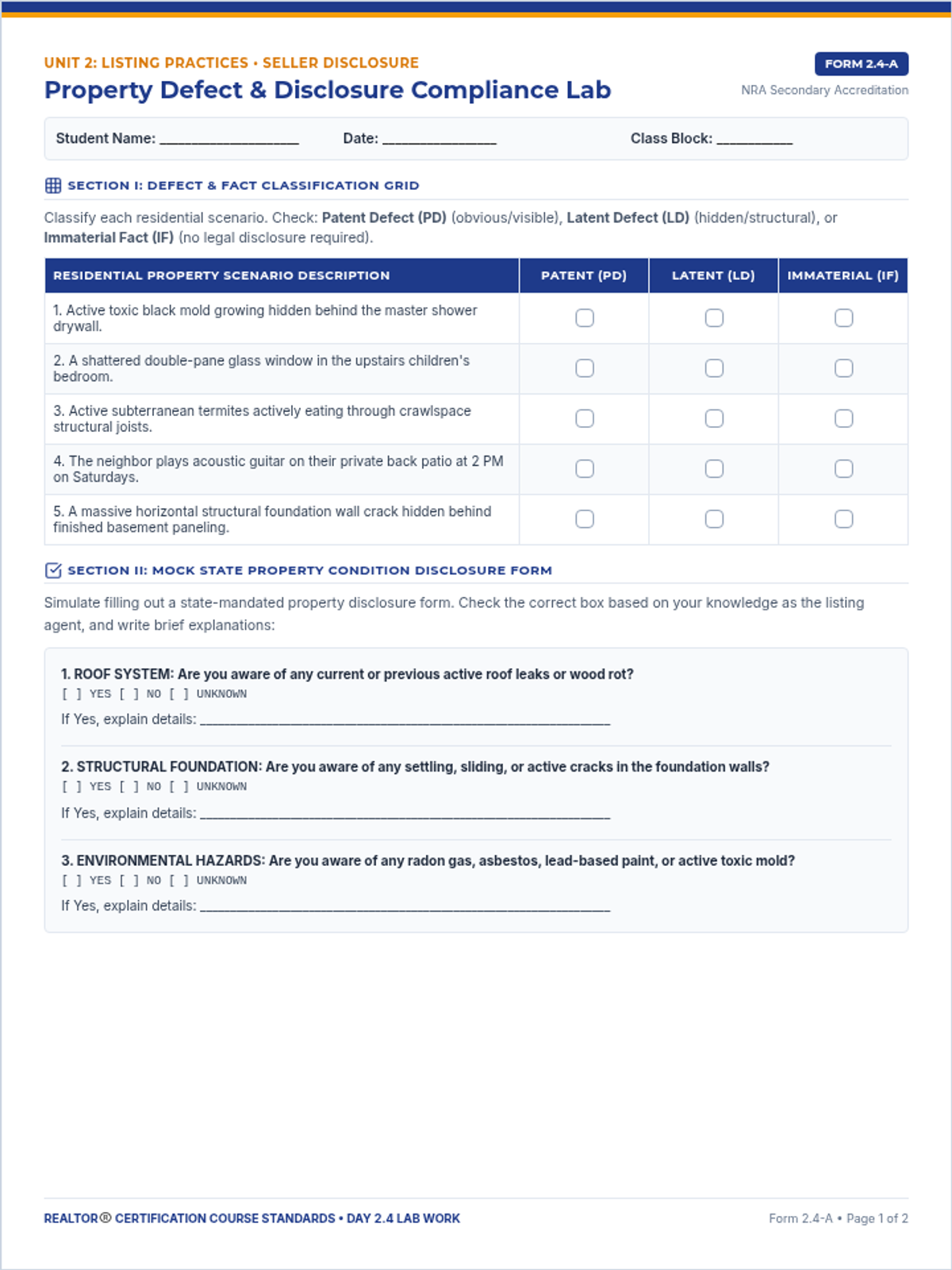
Materials for Day 2.4 of listing practices, focused on identifying legally material facts requiring written disclosure, avoiding misrepresentation, and analyzing structural and hazardous defects.
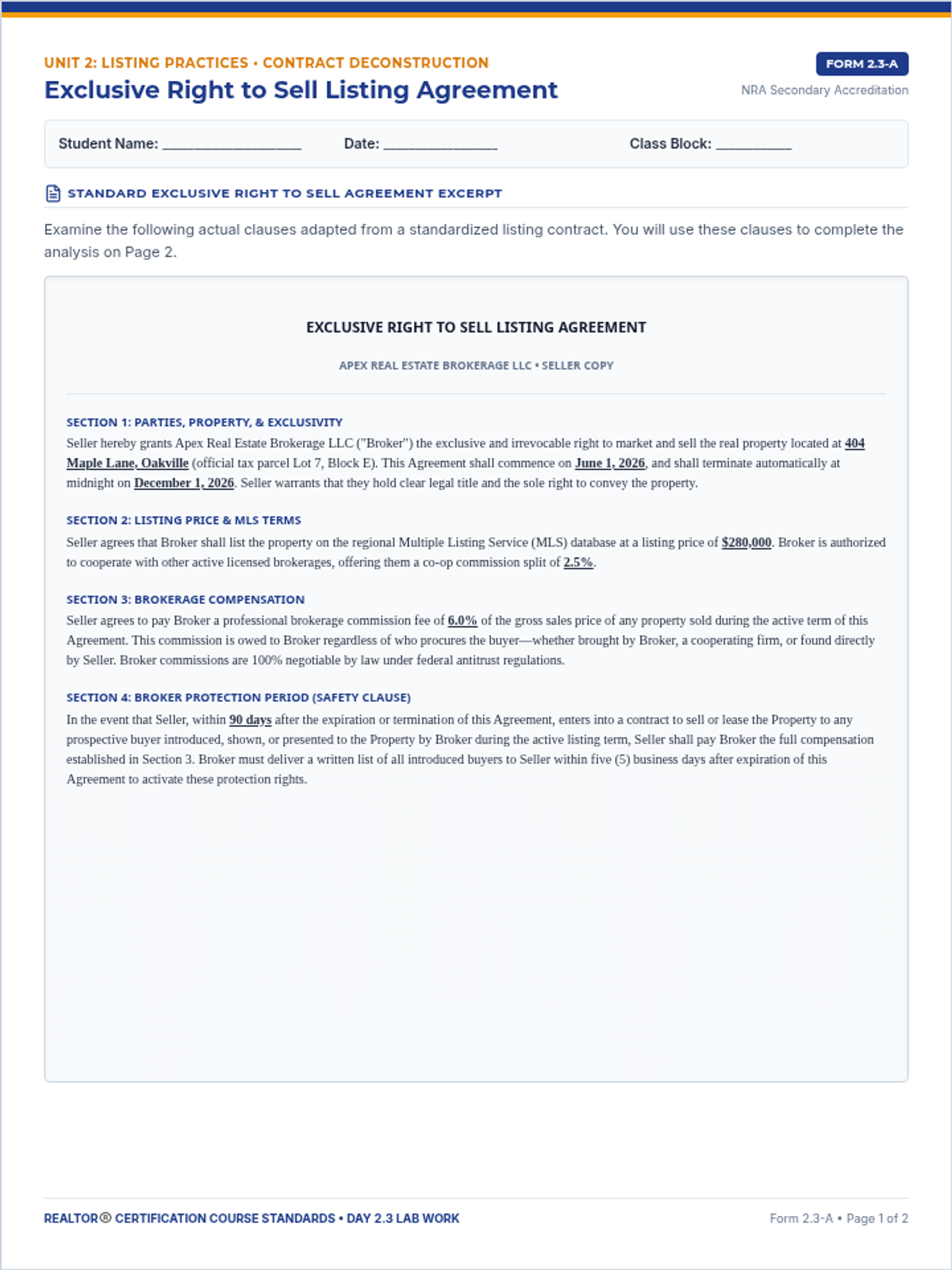
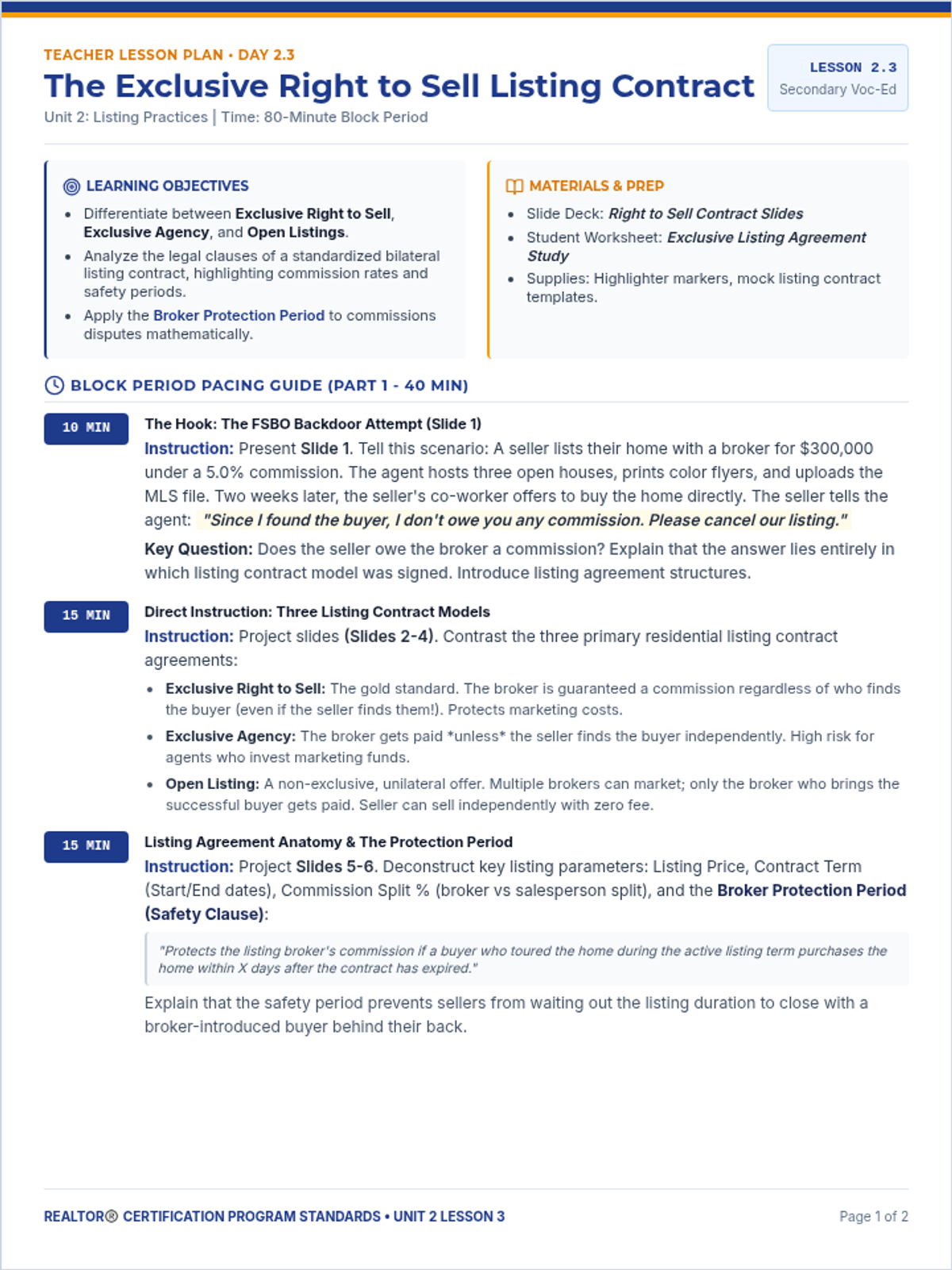
Materials for Day 2.3 of listing practices, focused on analyzing and completing the standard Exclusive Right to Sell Listing Agreement, listing commissions, and safety clauses.
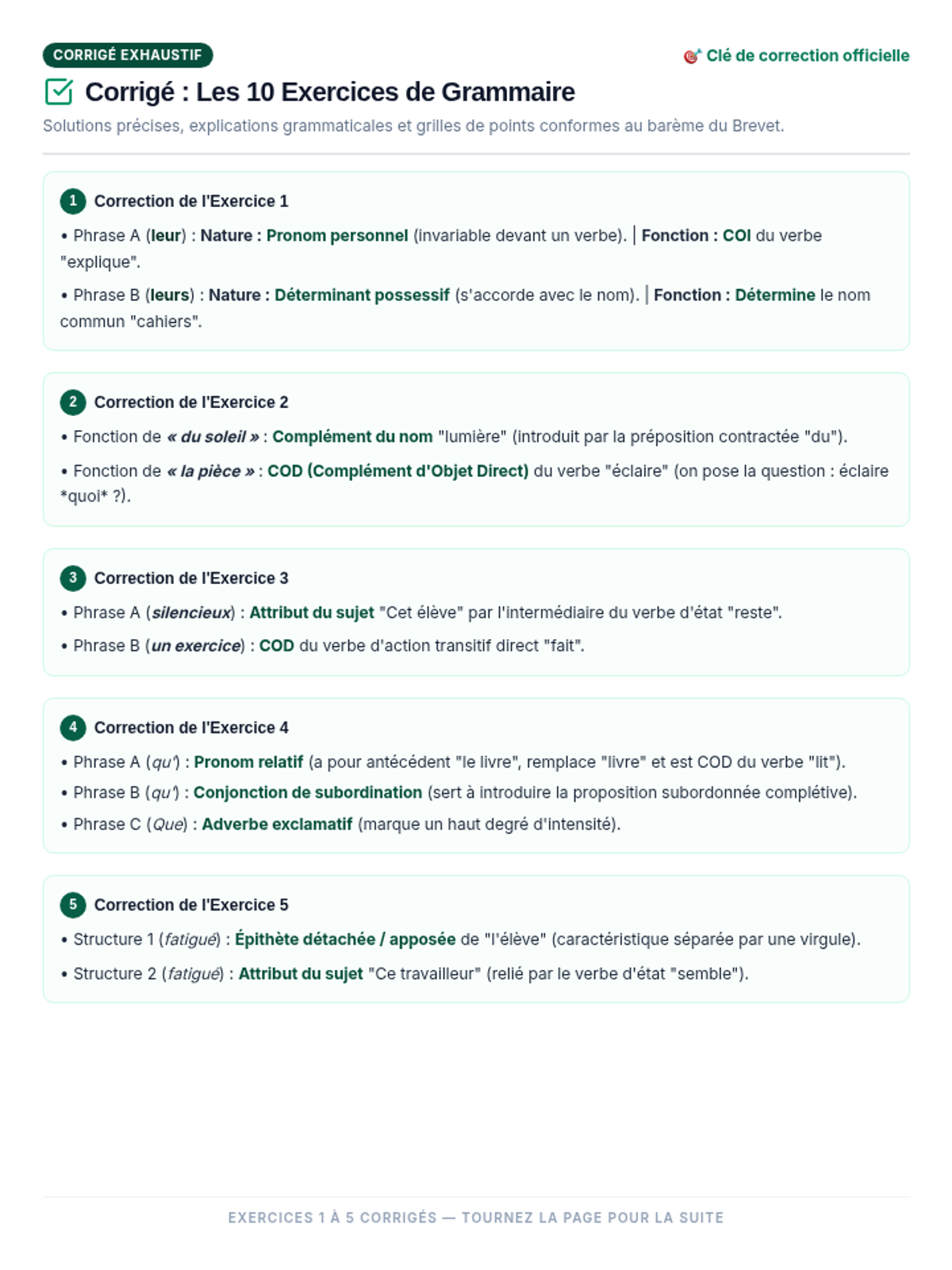
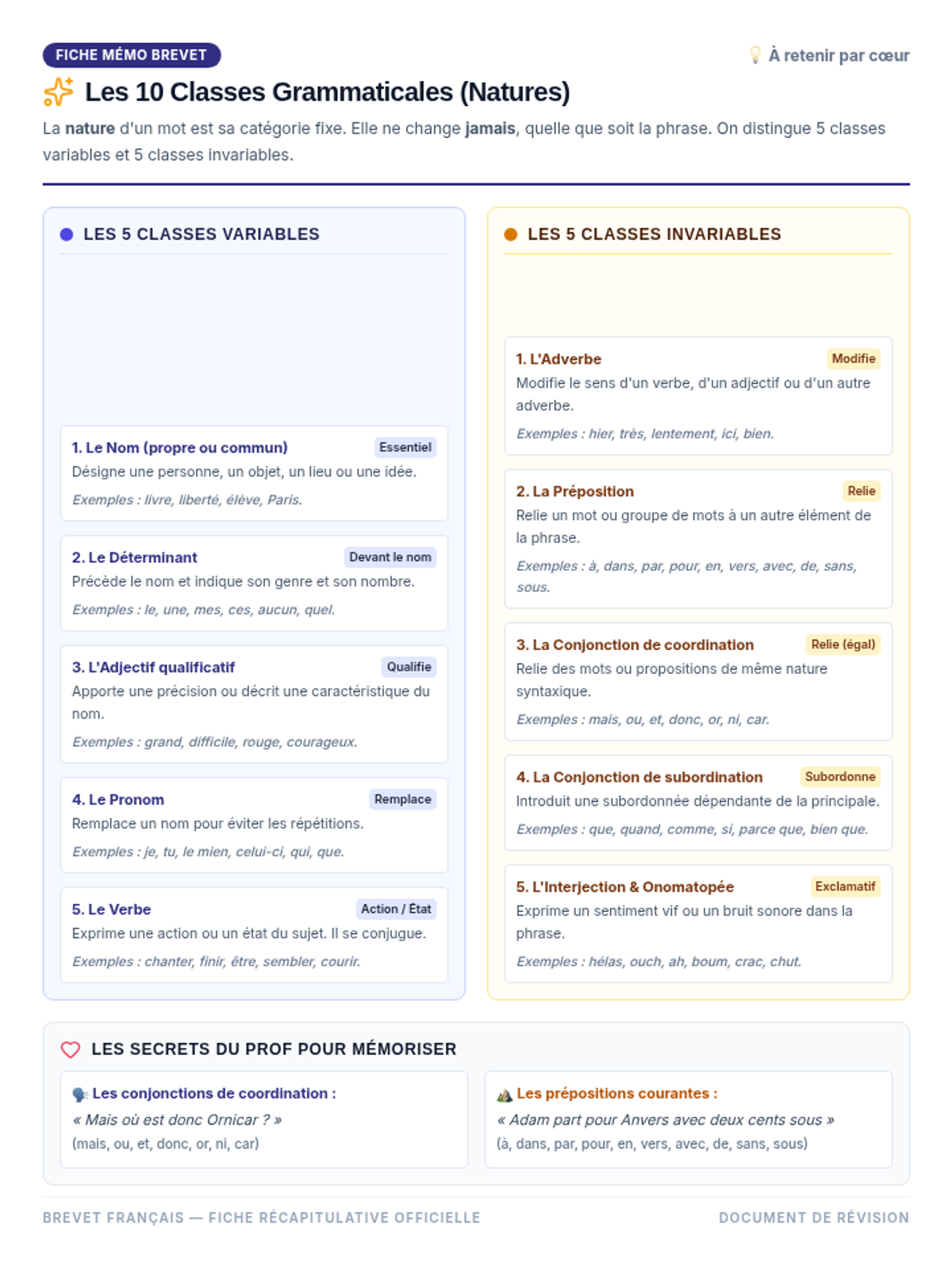
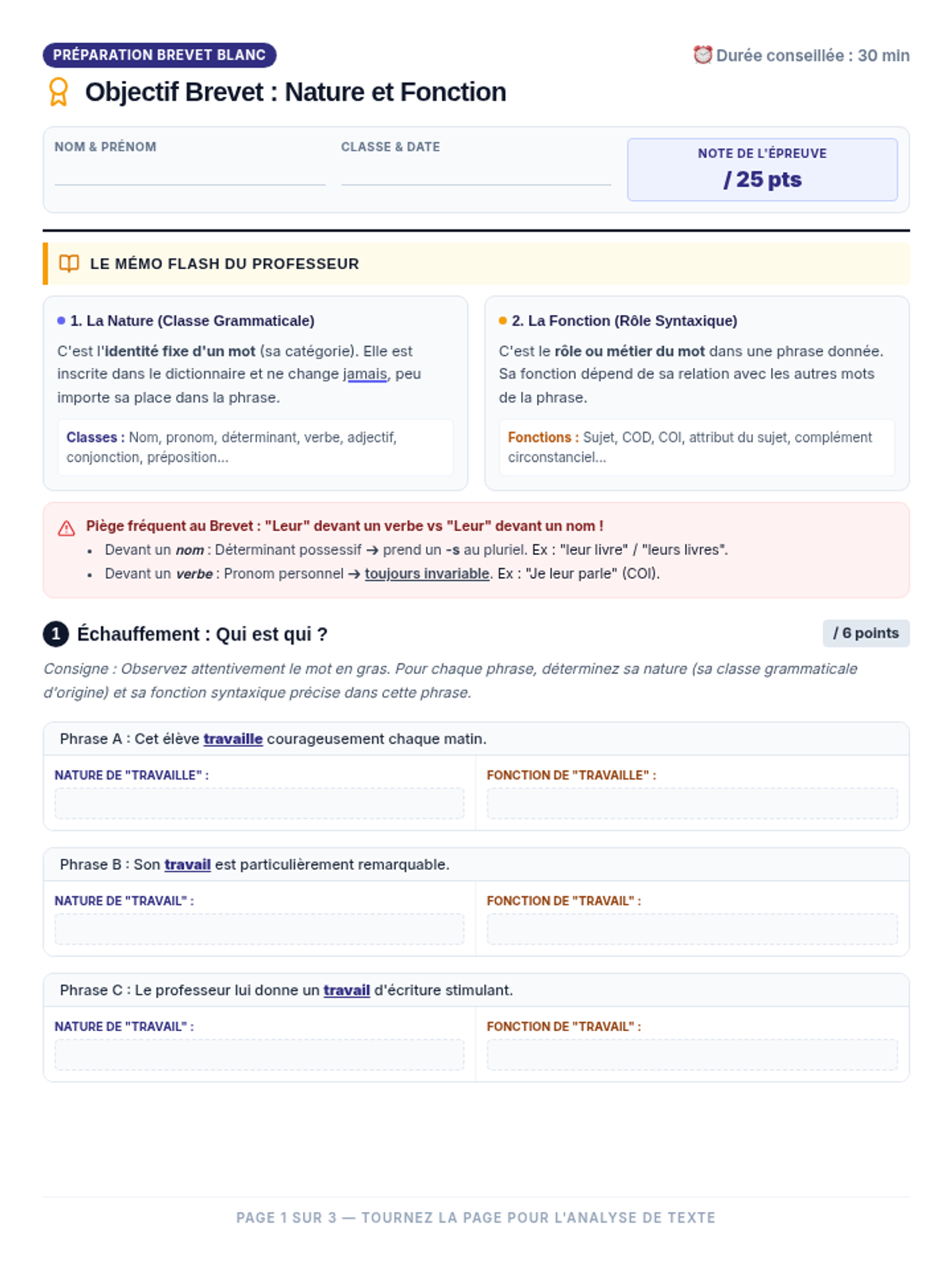
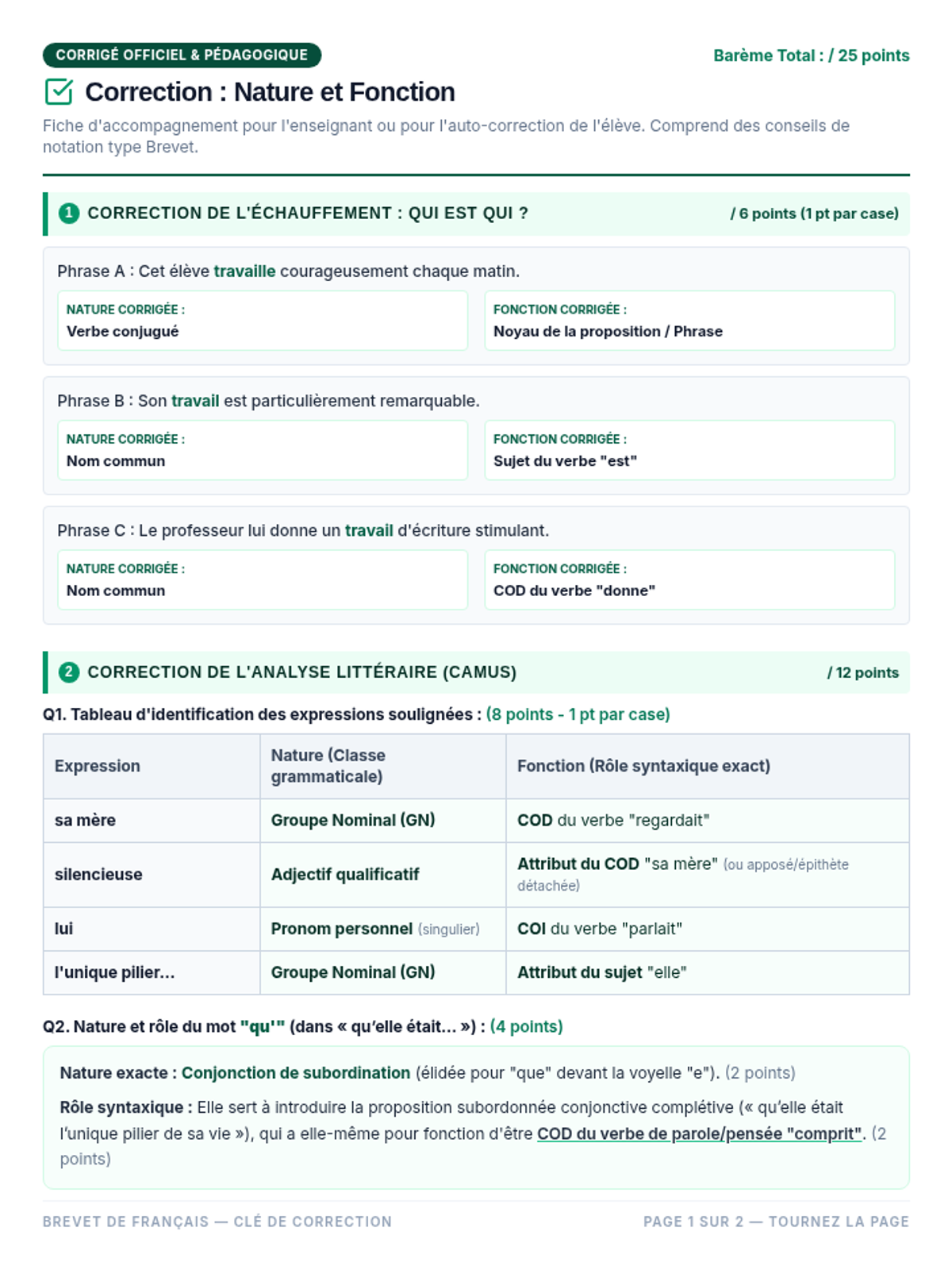
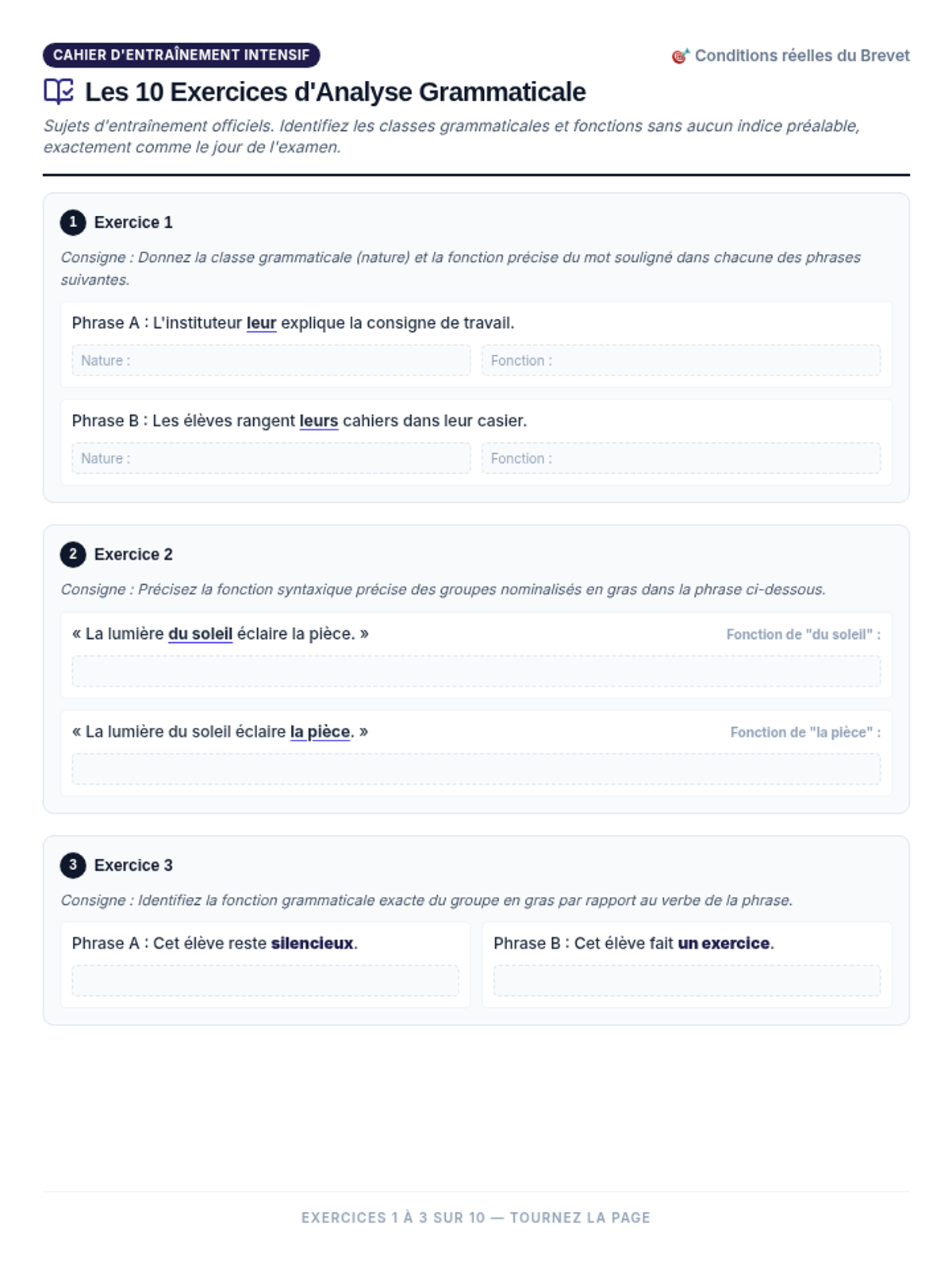
Séance d'entraînement intensive de 30 minutes conçue par un professeur pour maîtriser la distinction cruciale entre nature et fonction au brevet de français, accompagnée de sa correction détaillée.
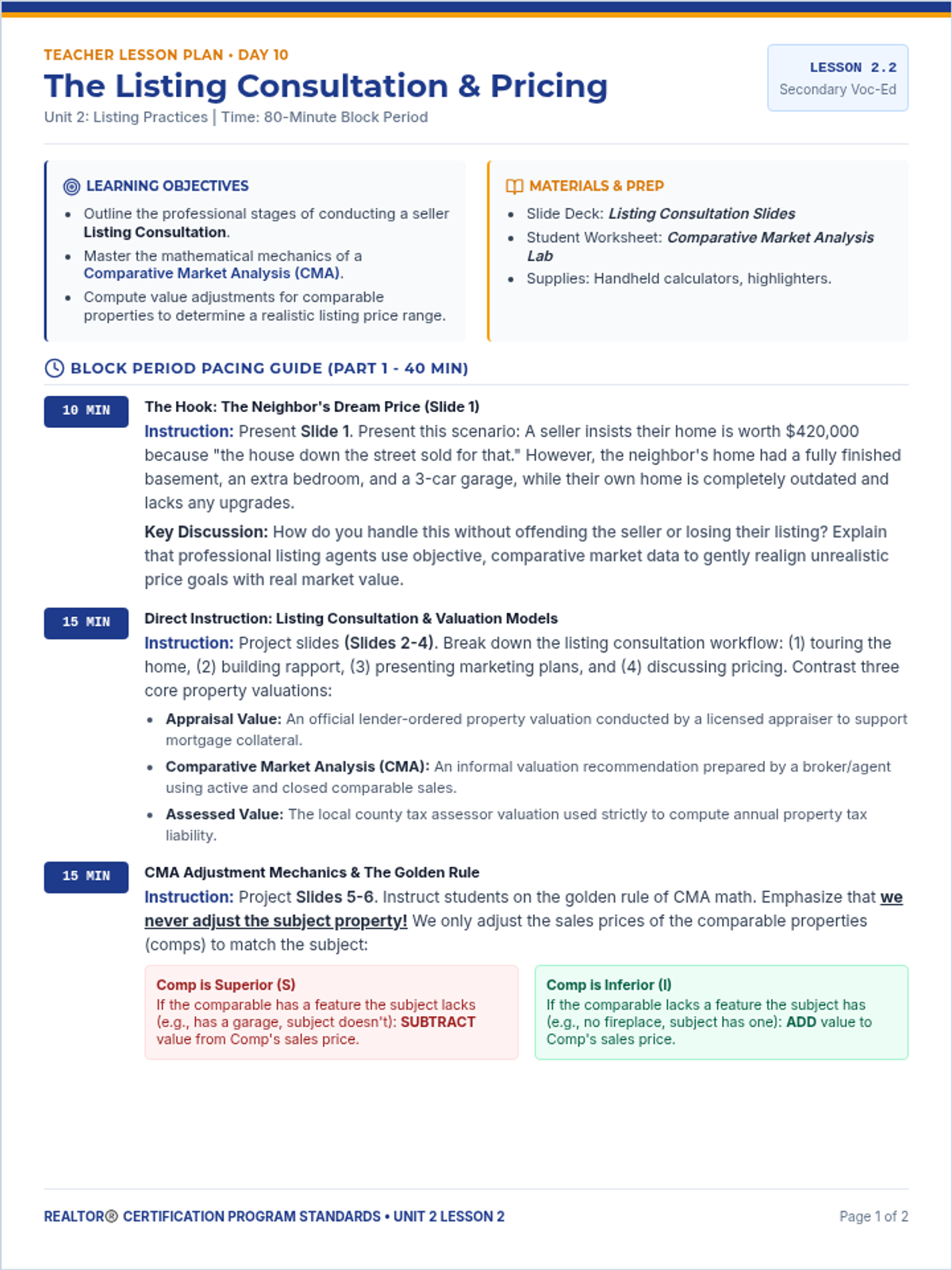
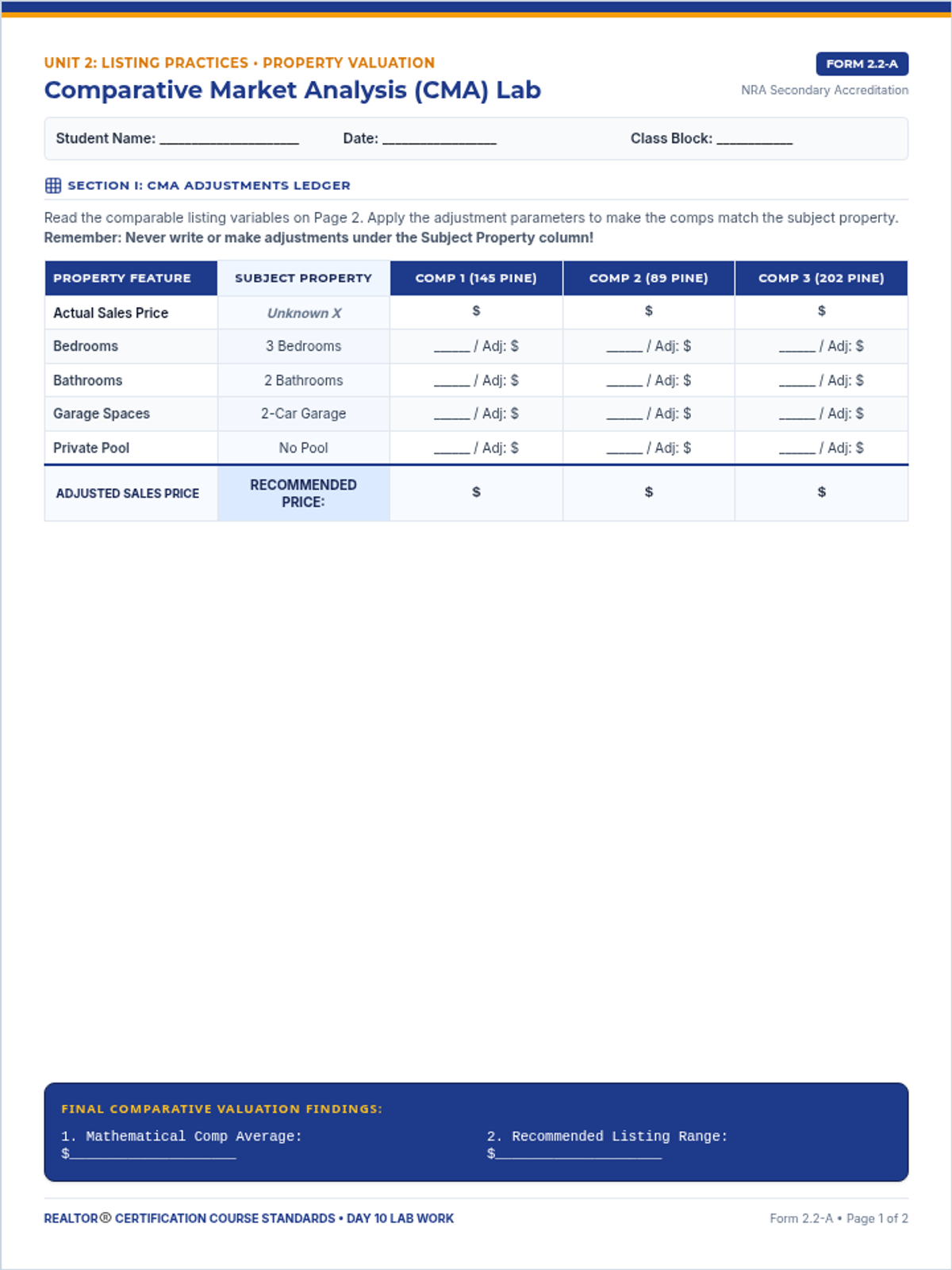
Instructional resources and student practice worksheets for Day 10, focusing on the professional listing consultation, pricing strategies, and conducting a Comparative Market Analysis (CMA).
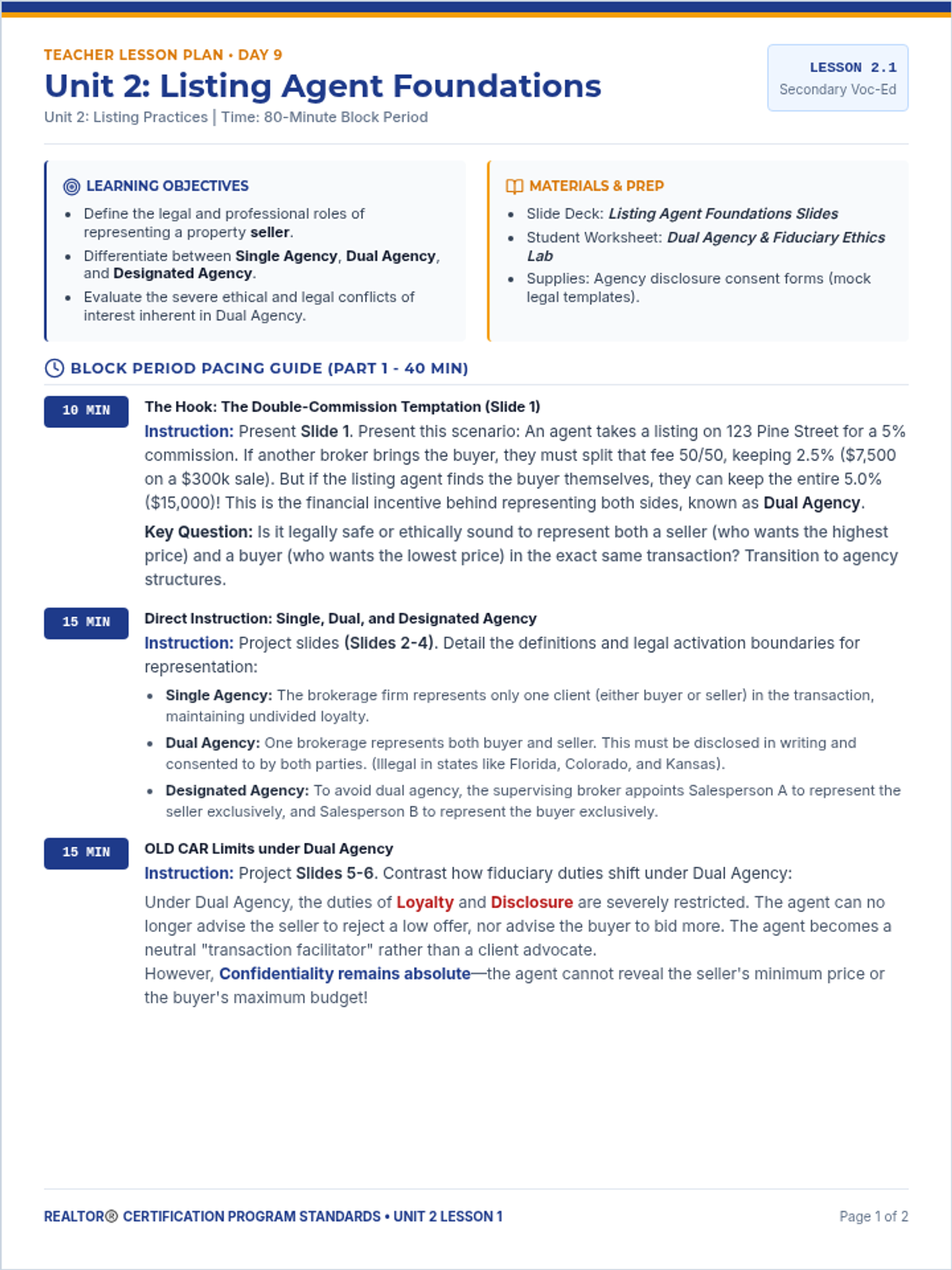
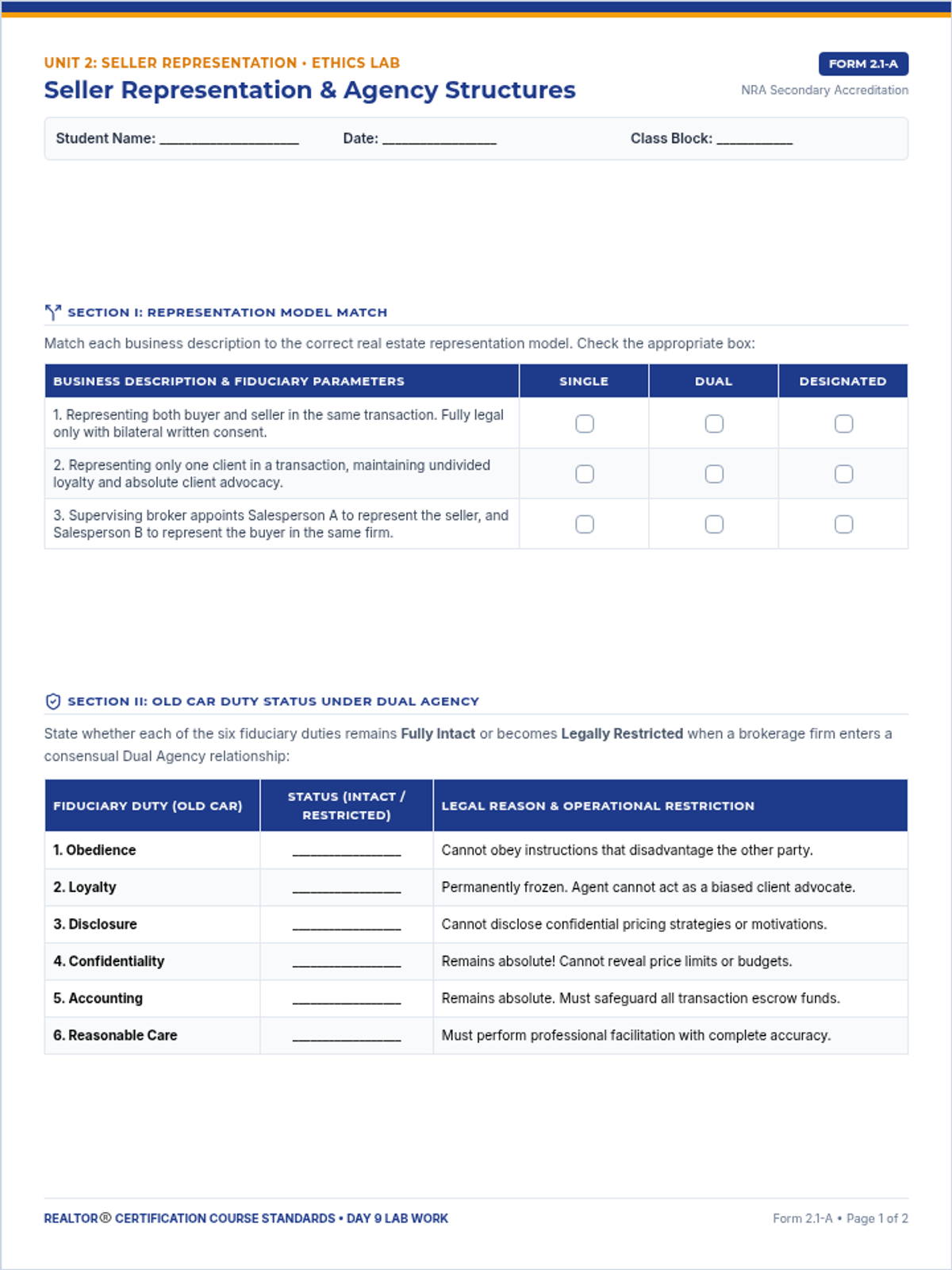
Materials for Day 9 of the Realtor course (Unit 2 Lesson 1), focusing on seller representation, single vs. dual agency, and navigating ethical boundaries in listing practices.
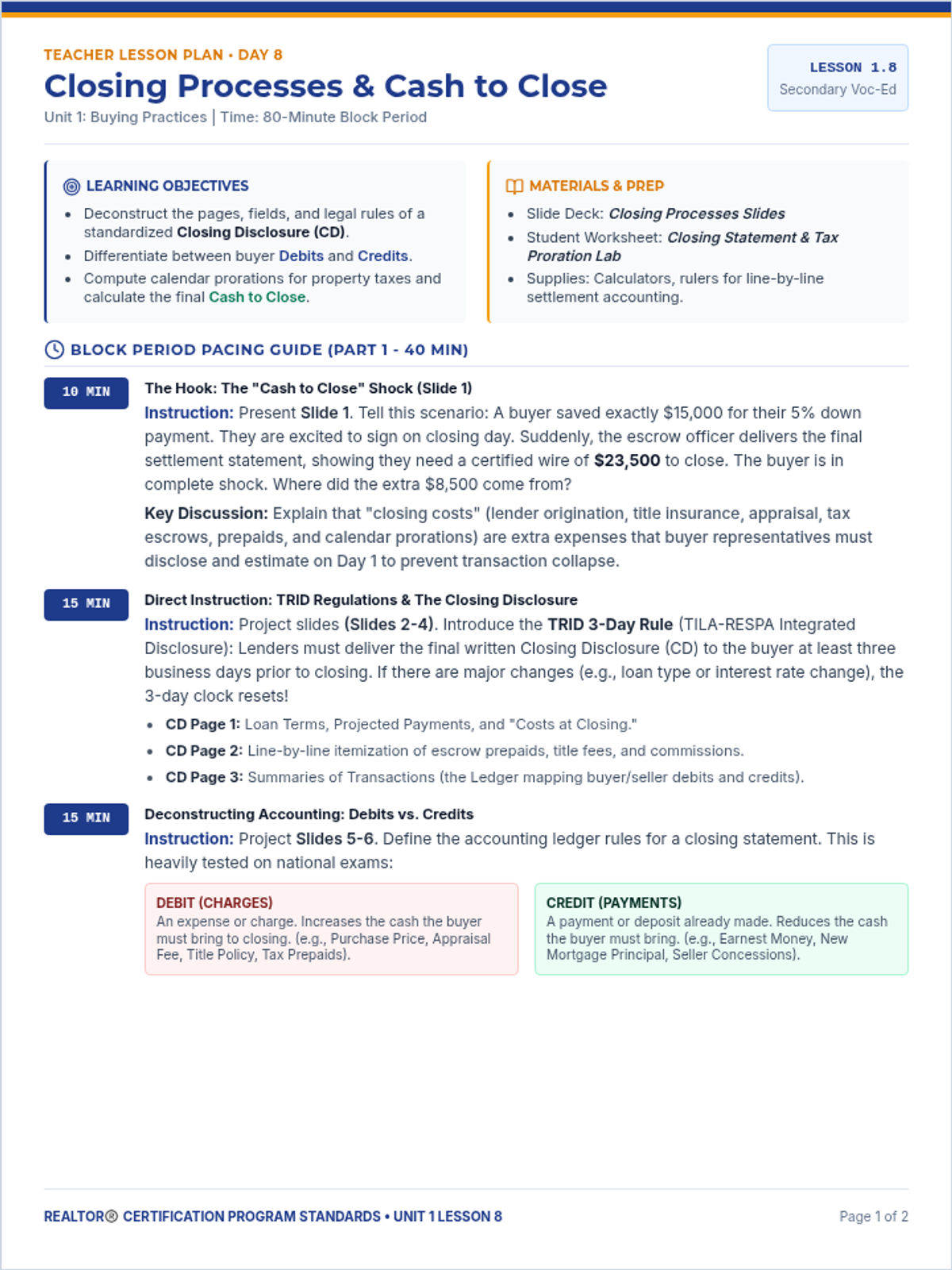
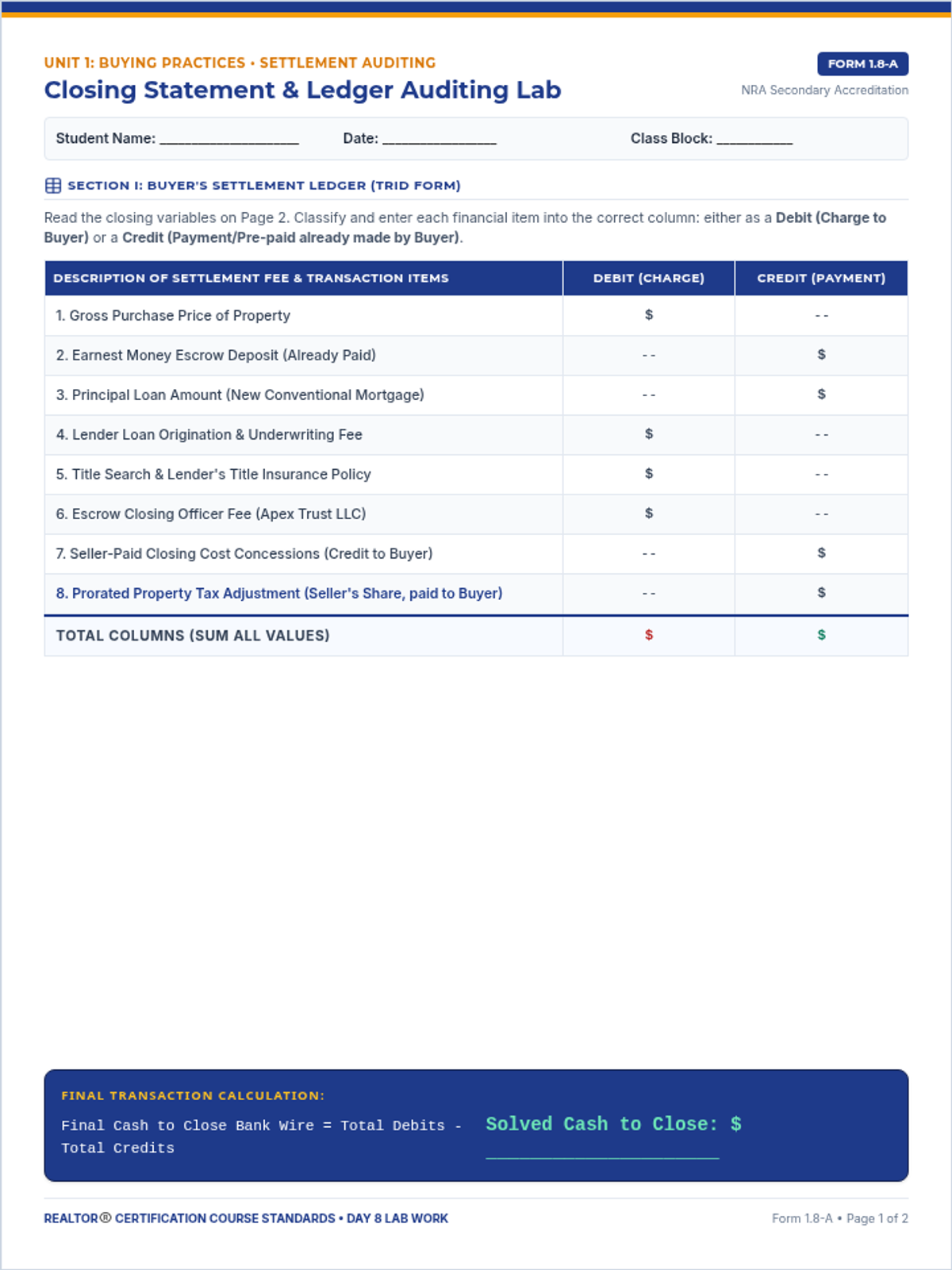
Materials for Day 8 of buying practices, focused on analyzing and auditing the Closing Disclosure (CD), calculating debits, credits, and property tax prorations, and completing the transaction.
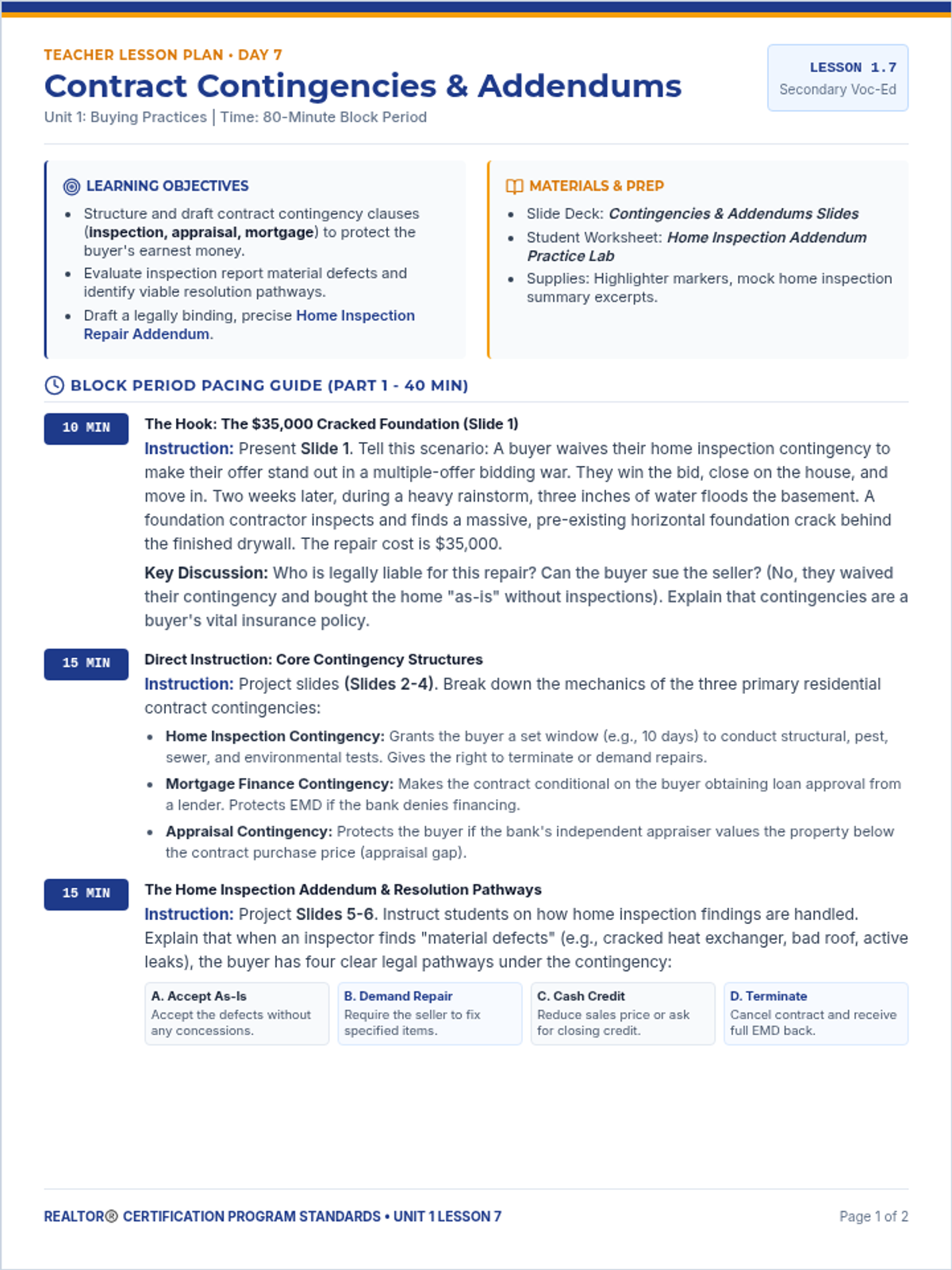
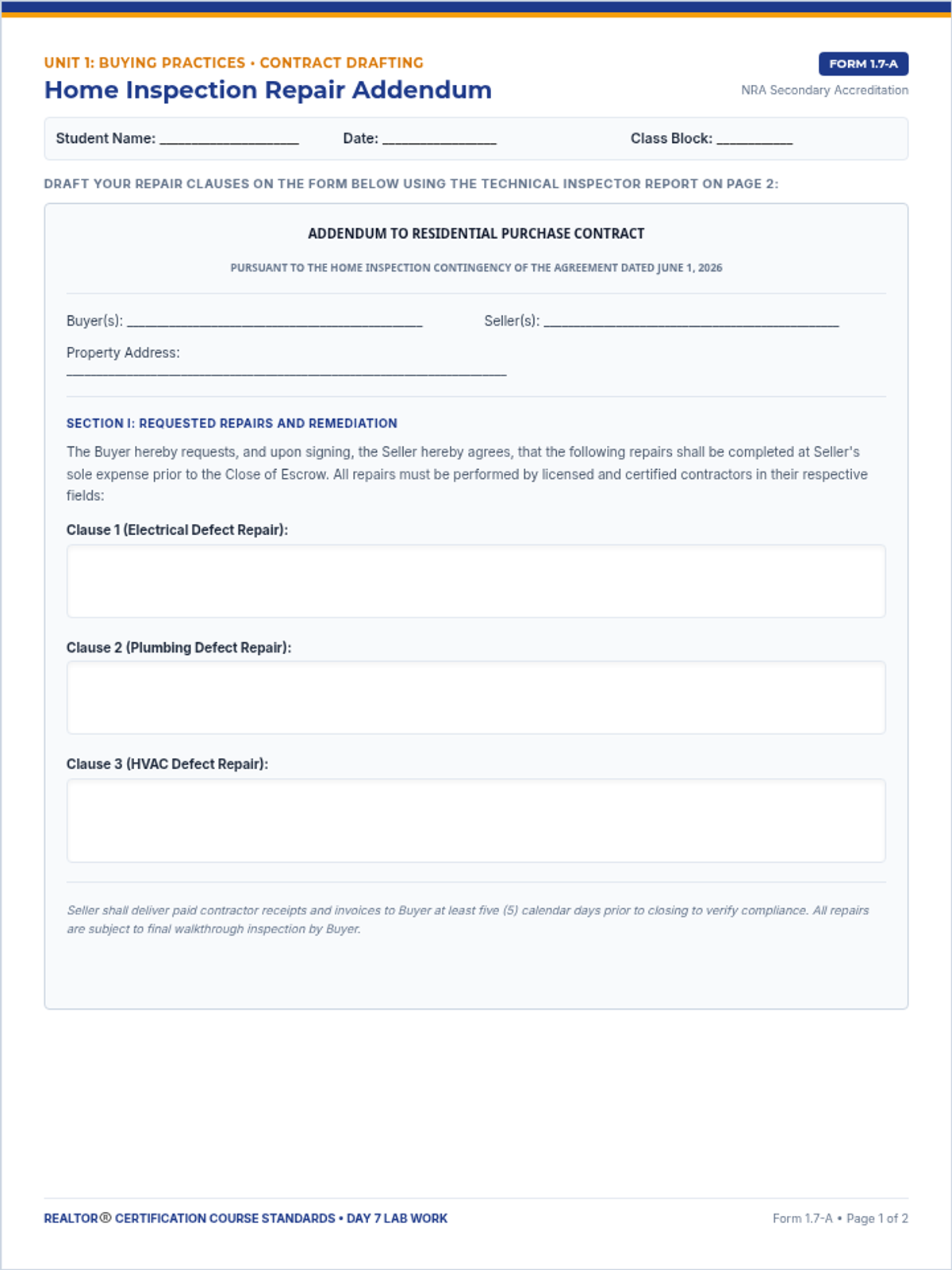
Materials for Day 7 of buying practices, focused on structuring and drafting contract contingency clauses (inspection, appraisal, mortgage) and writing custom home inspection addendums to protect the buyer.
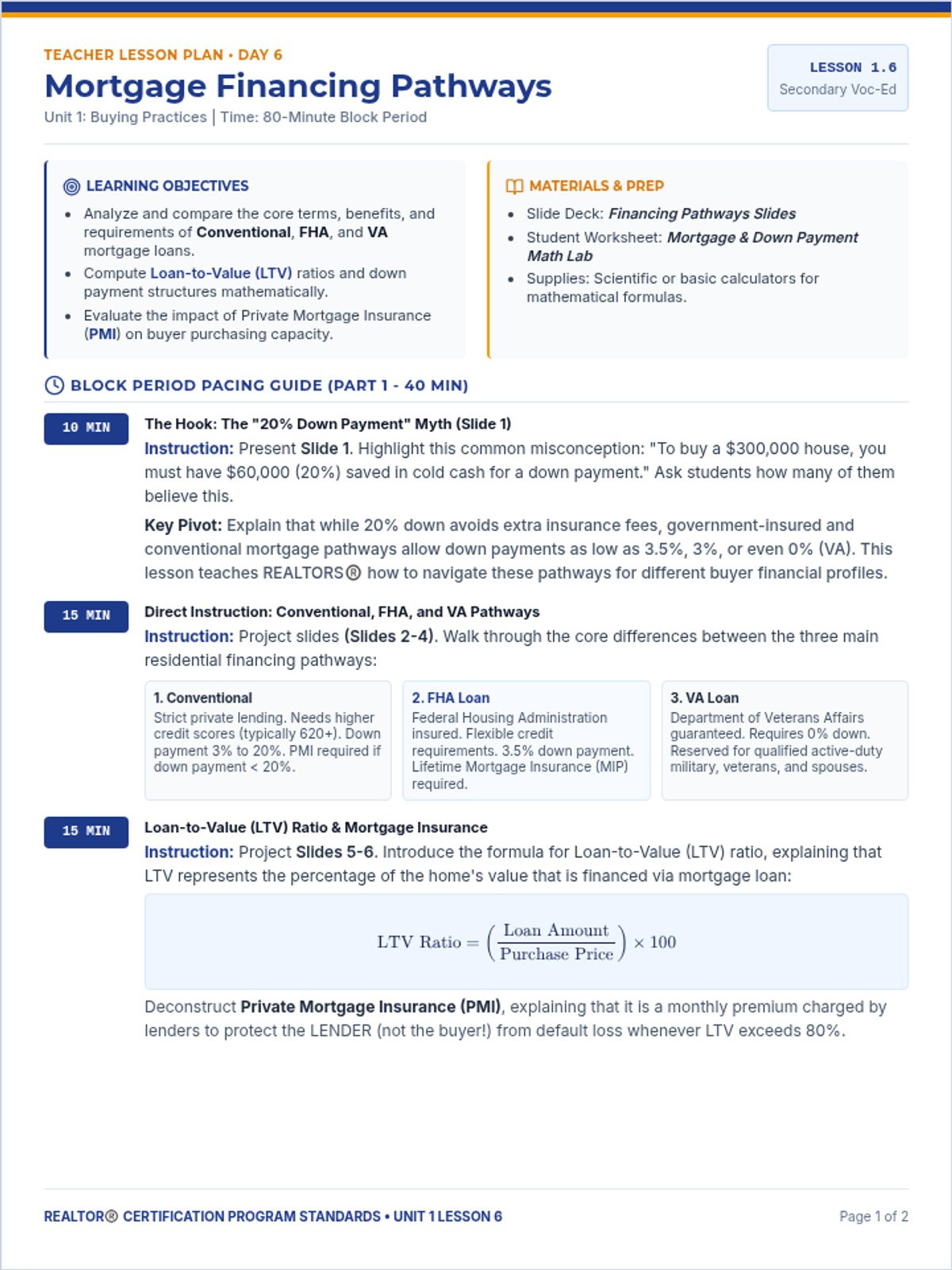
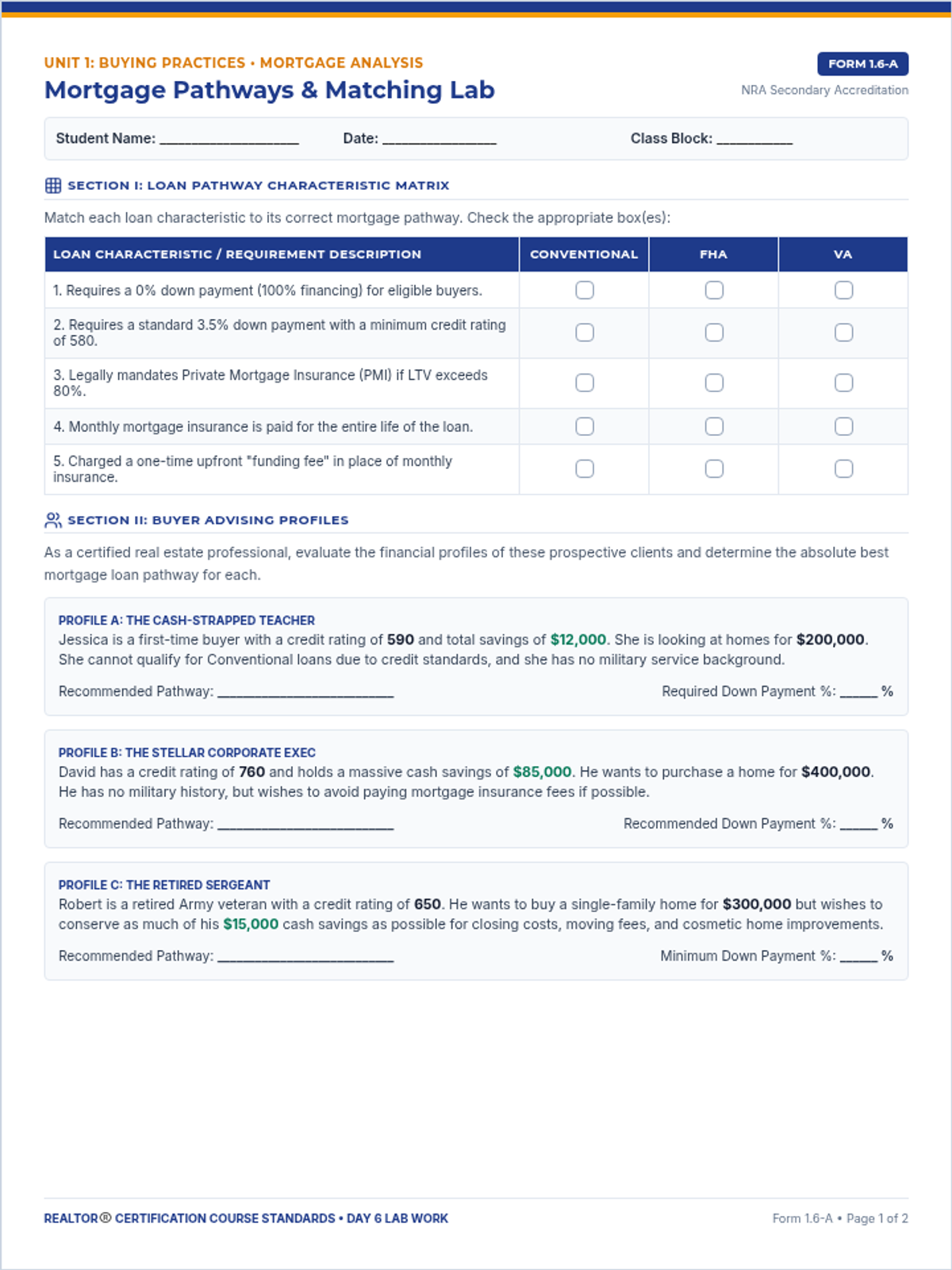
Materials for Day 6 of buying practices, focused on analyzing and comparing Conventional, FHA, and VA mortgage loans and computing down payments and Loan-to-Value (LTV) ratios.
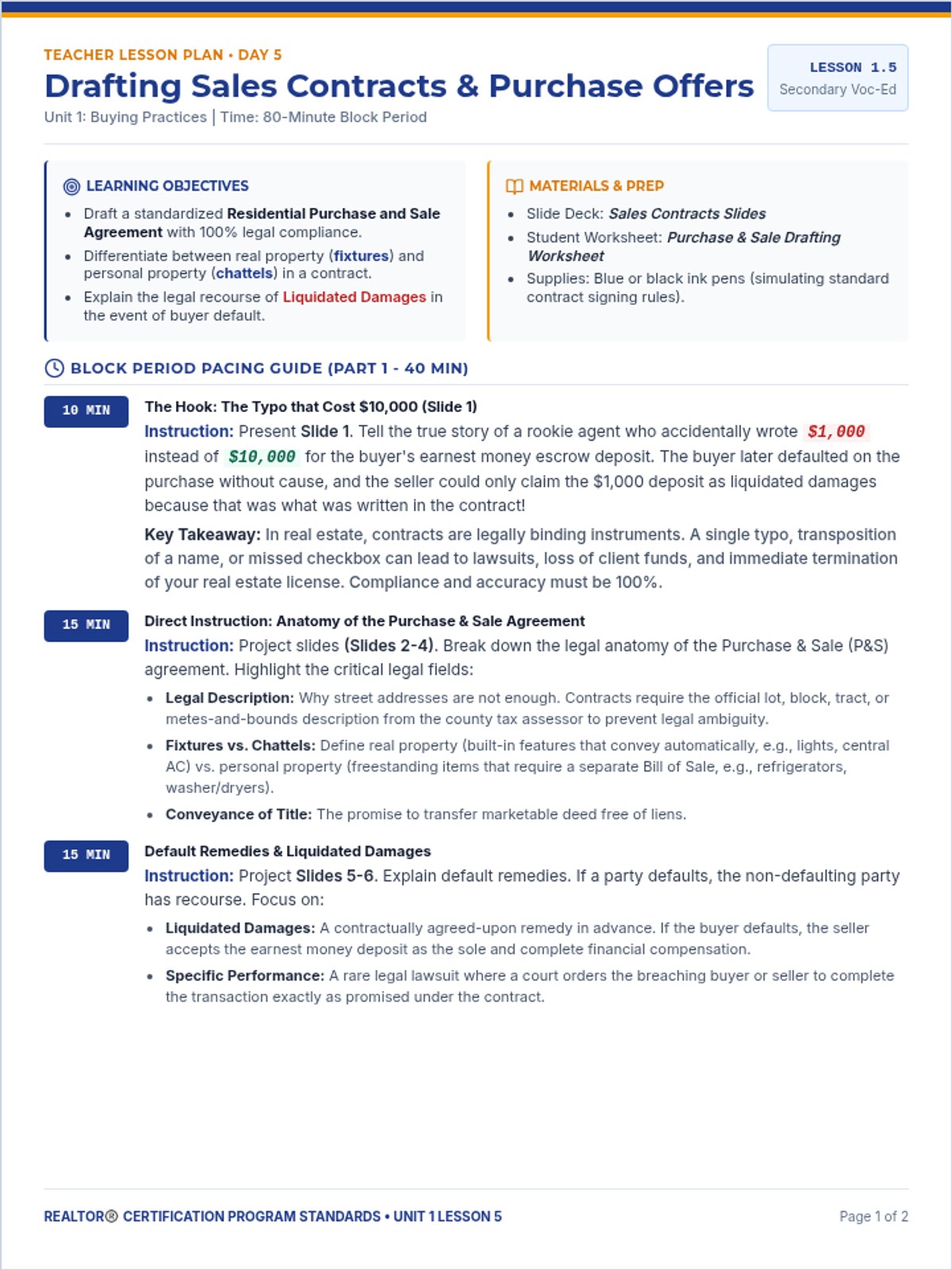
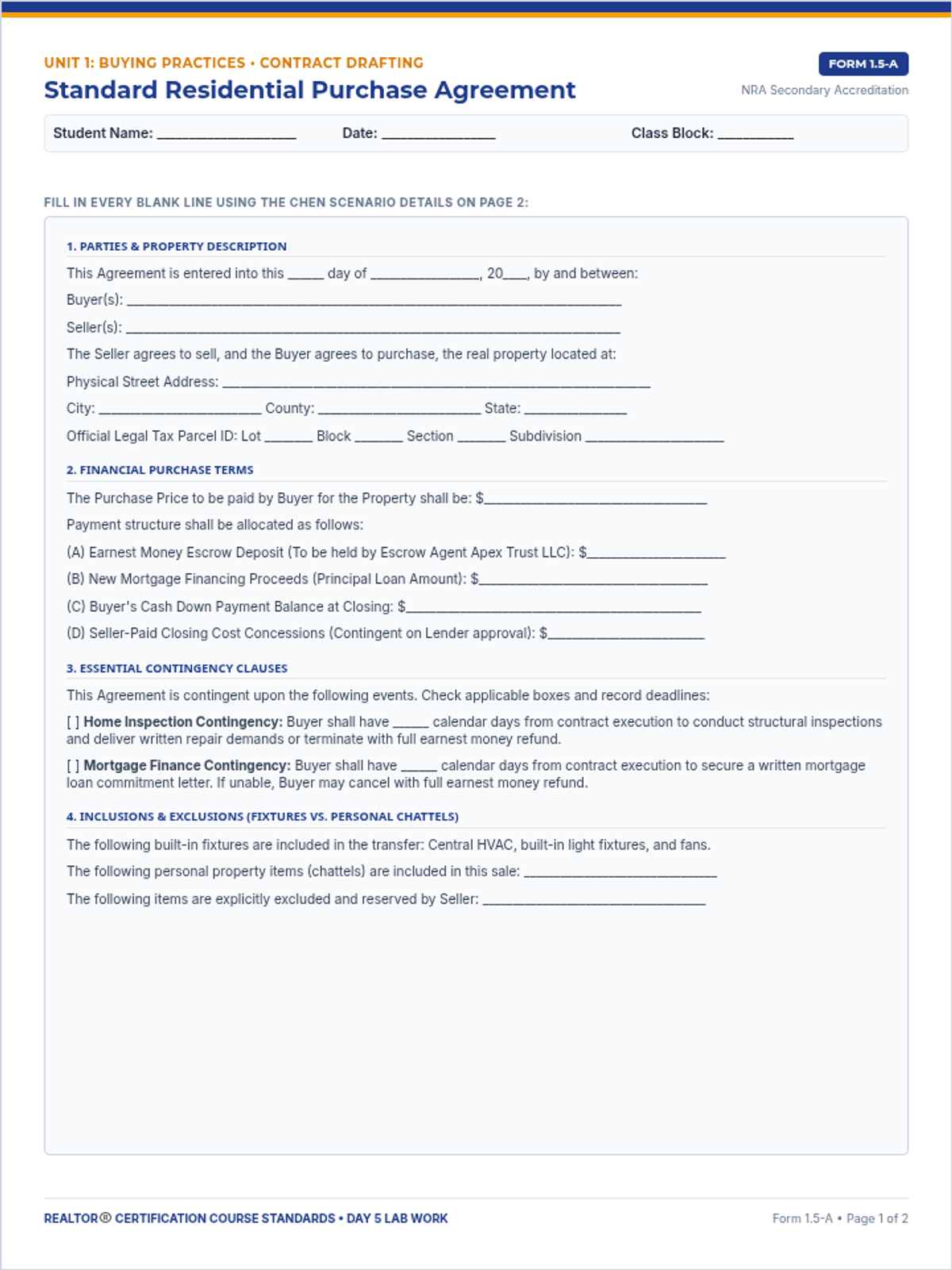
Materials for Day 5 of buying practices, focused on the legal deconstruction and hands-on completion of the standard Residential Purchase and Sale Agreement.
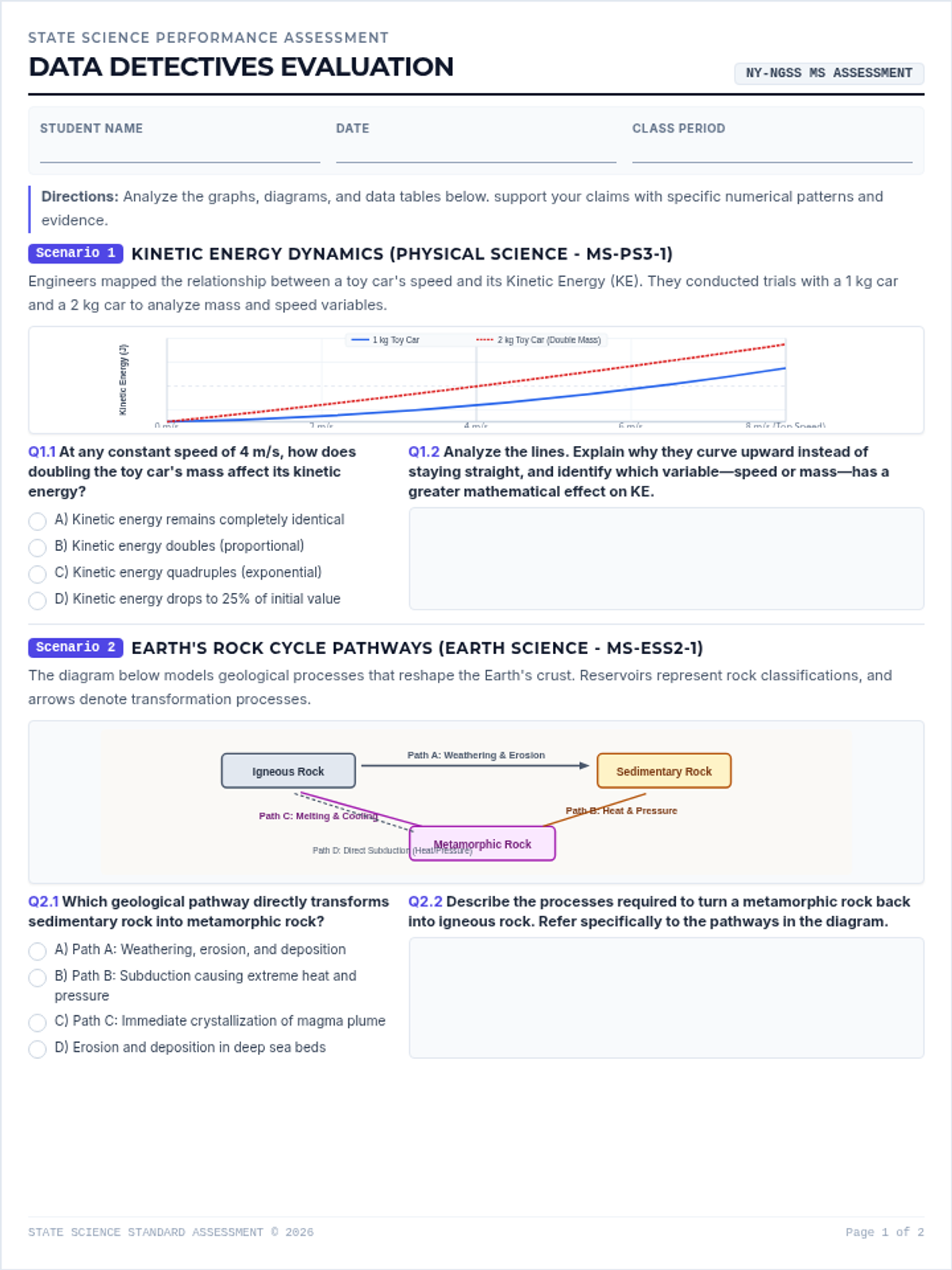
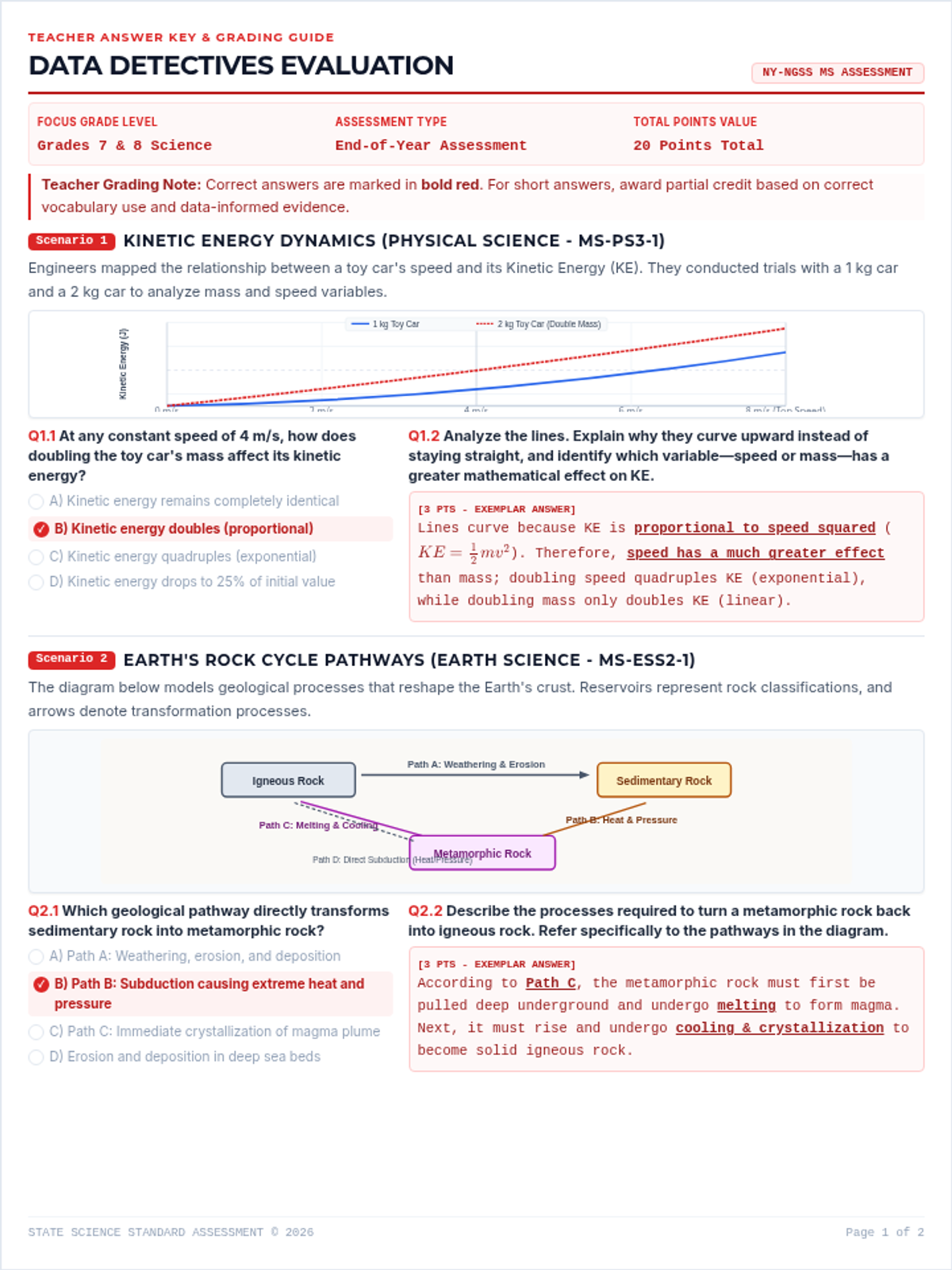
An end-of-year middle school science assessment focused on analyzing complex data sets, graphs, and diagrams across Life, Physical, and Earth science contexts, aligned with NY NGSS standards. Includes a student printable test and a matching teacher answer key.
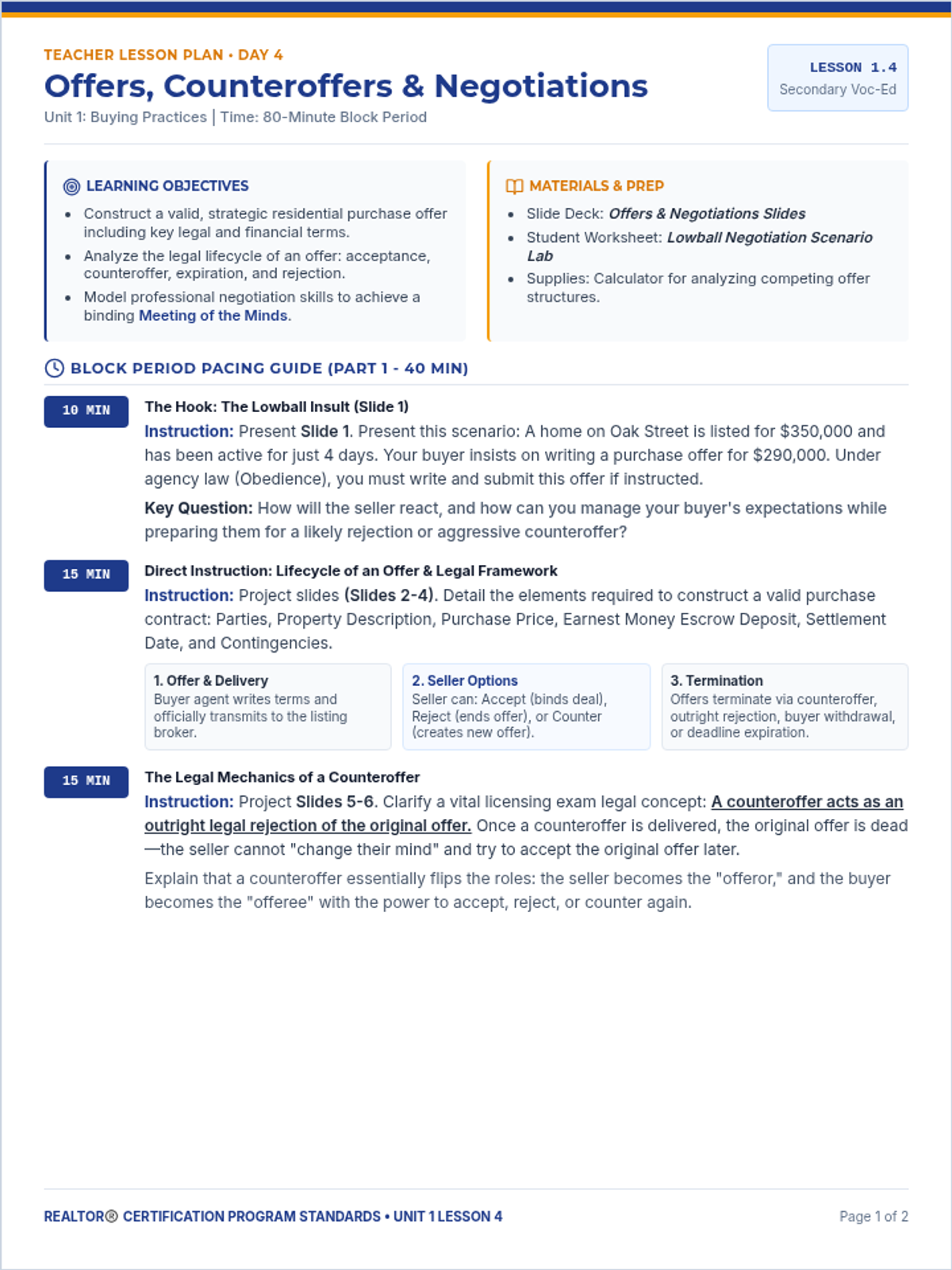
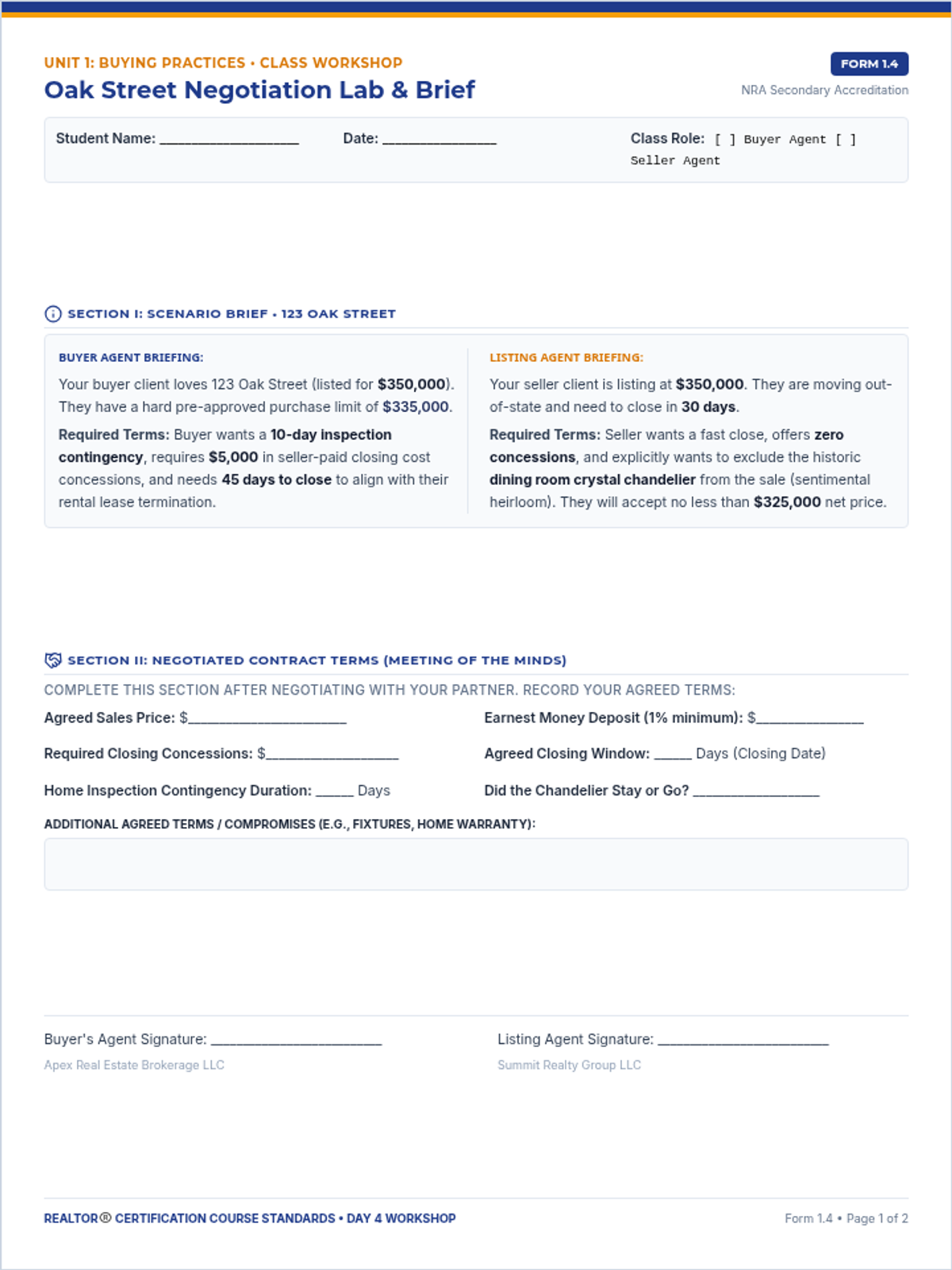
Materials for Day 4 of buying practices, focused on developing strategic residential purchase offers, creating persuasive counteroffers, and simulating seller negotiations.
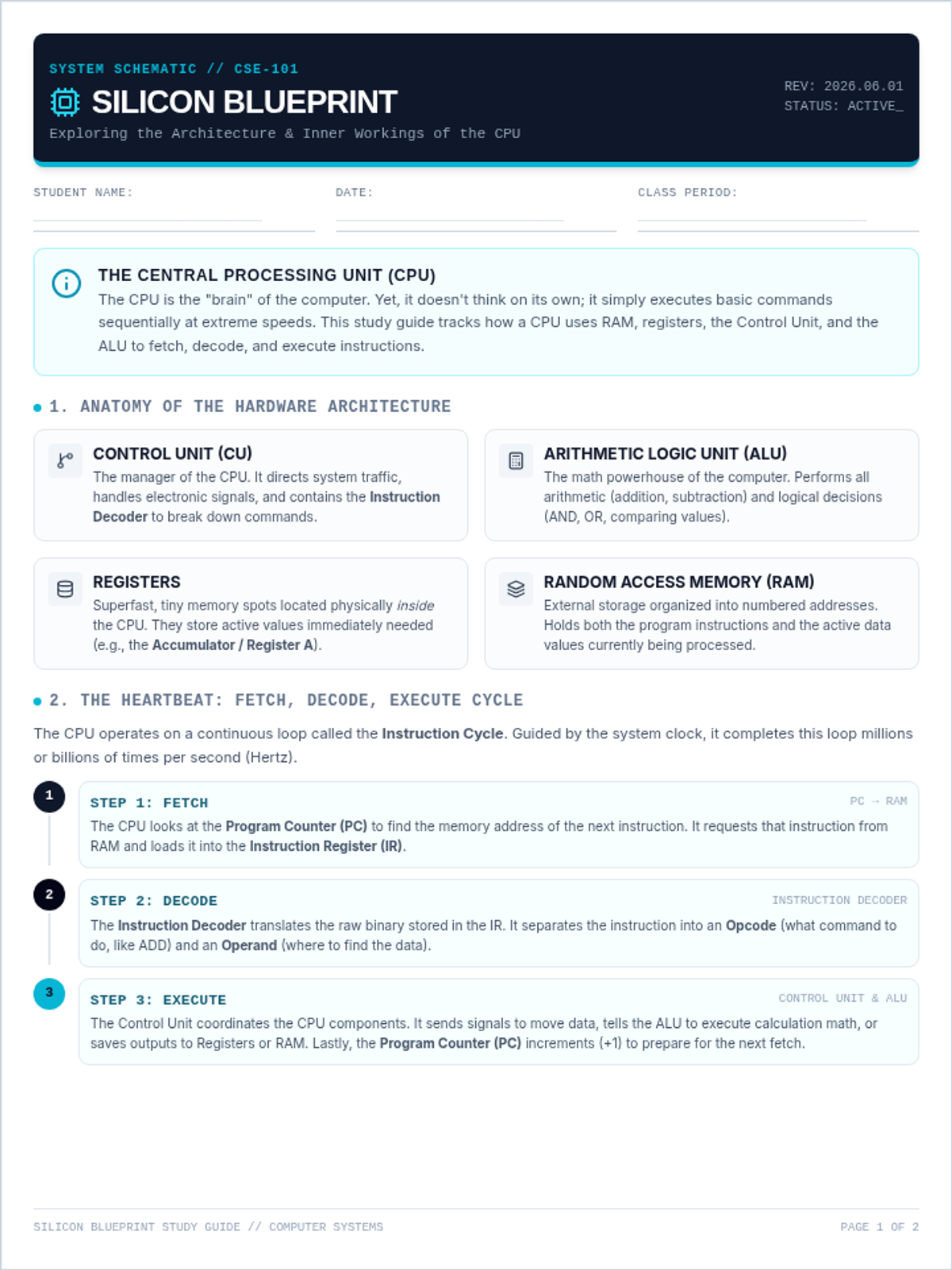
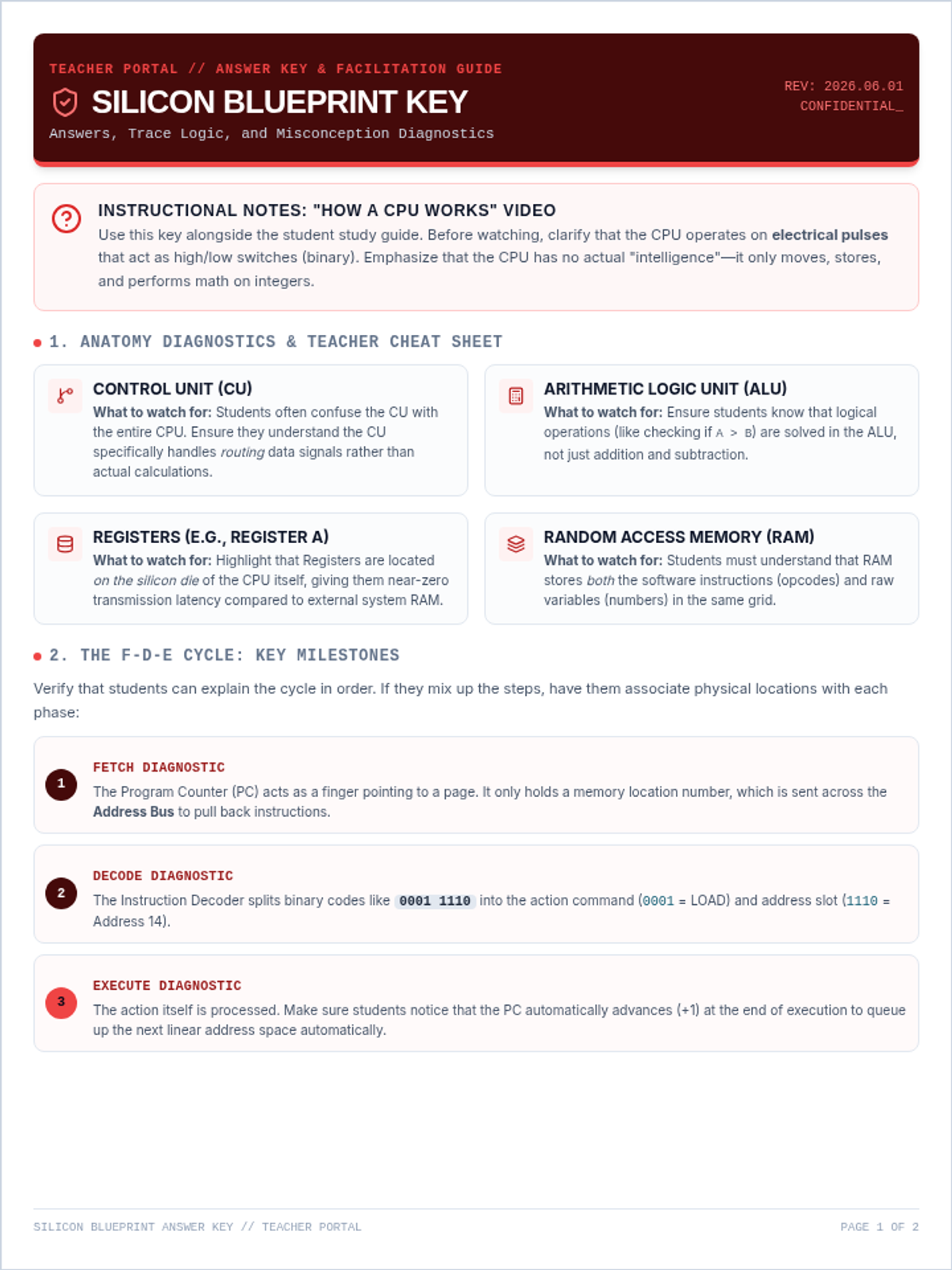
A comprehensive introduction to computer architecture, focusing on the CPU, internal registers, RAM, and the Fetch-Decode-Execute instruction cycle. Features a student-facing schematic study guide and a detailed teacher answer key with program trace steps.
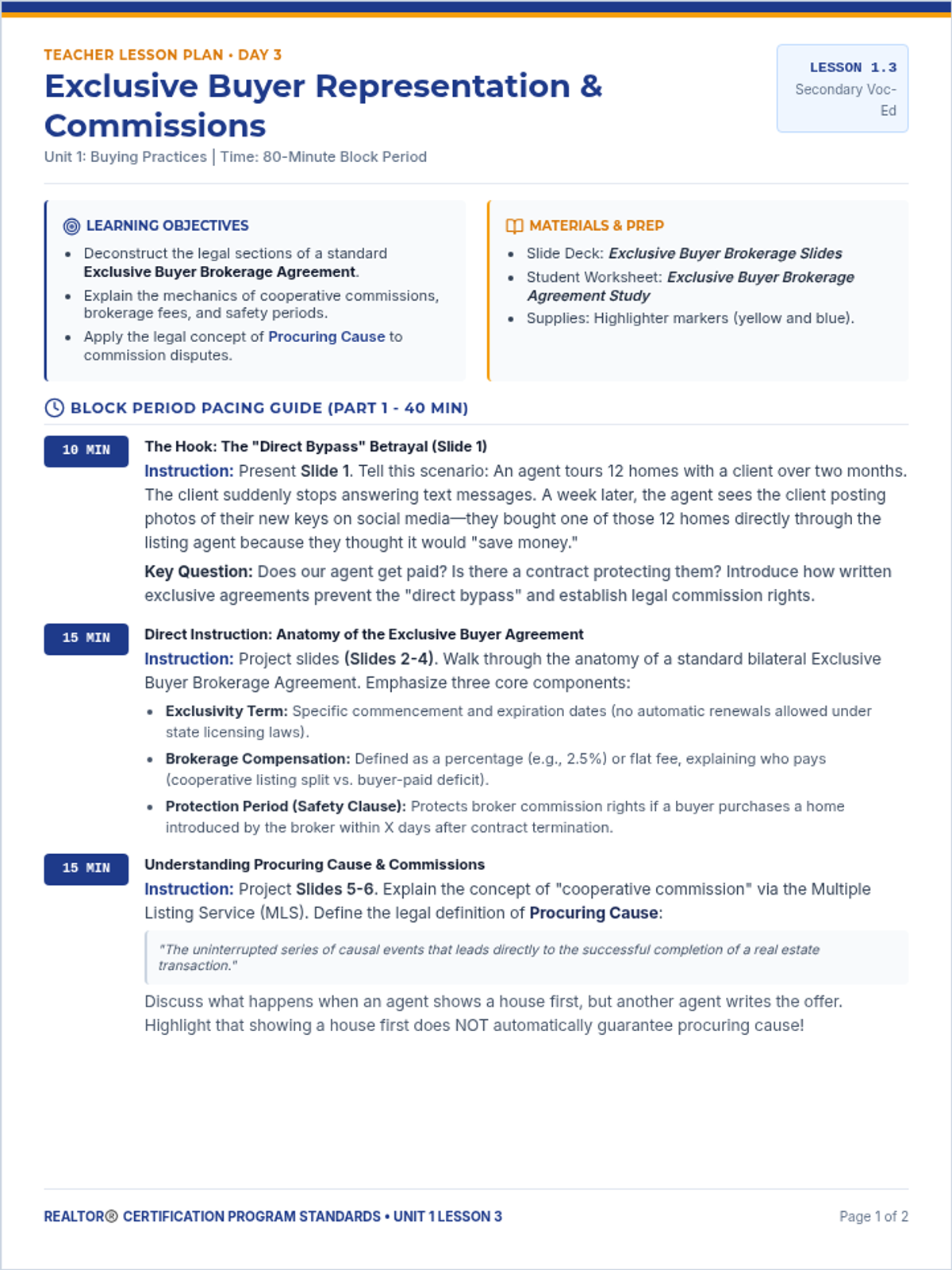
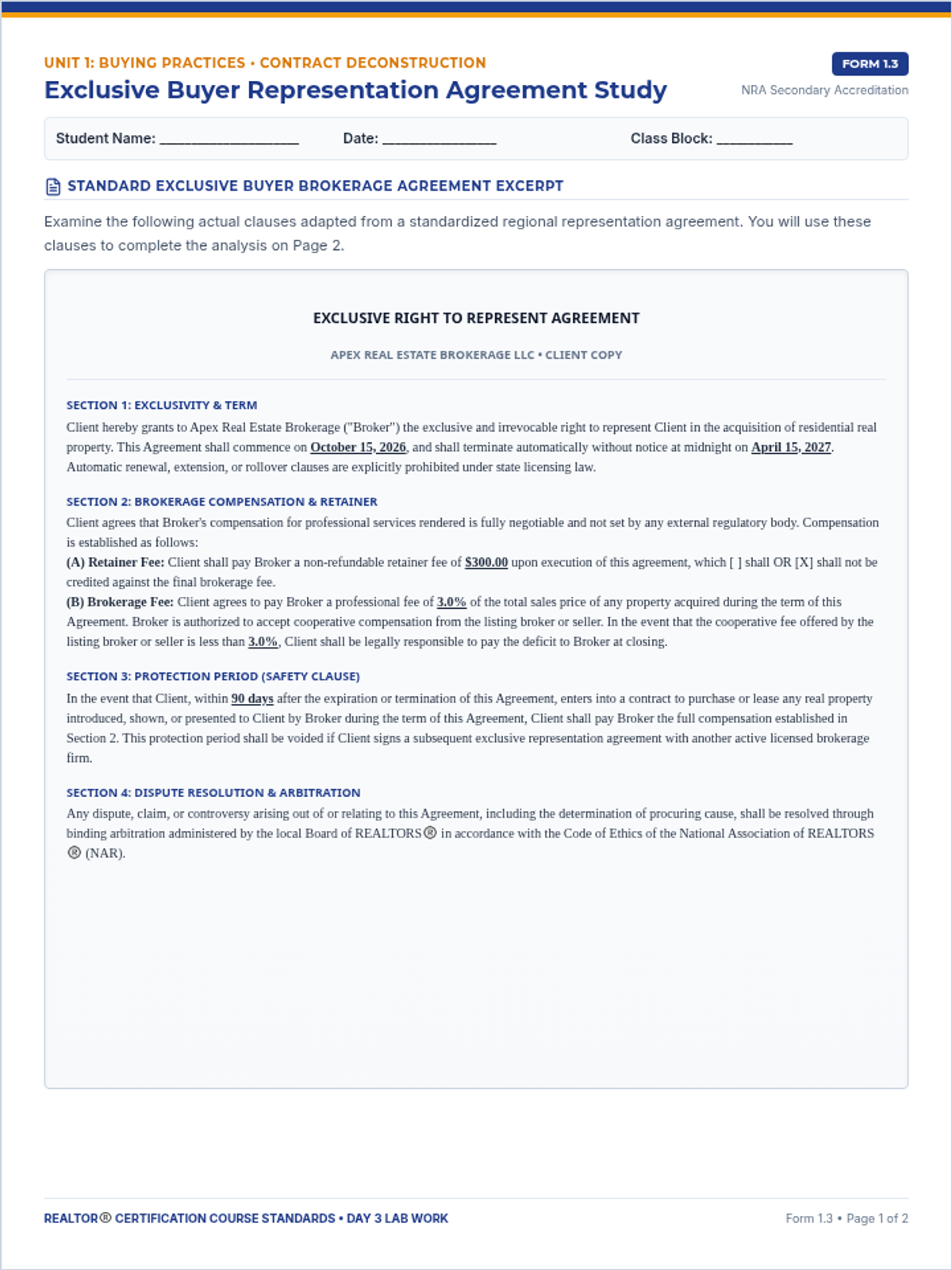
Materials for Day 3 of buying practices, deconstructing the legally binding Exclusive Buyer Brokerage Agreement, broker commissions, and the concept of procuring cause.
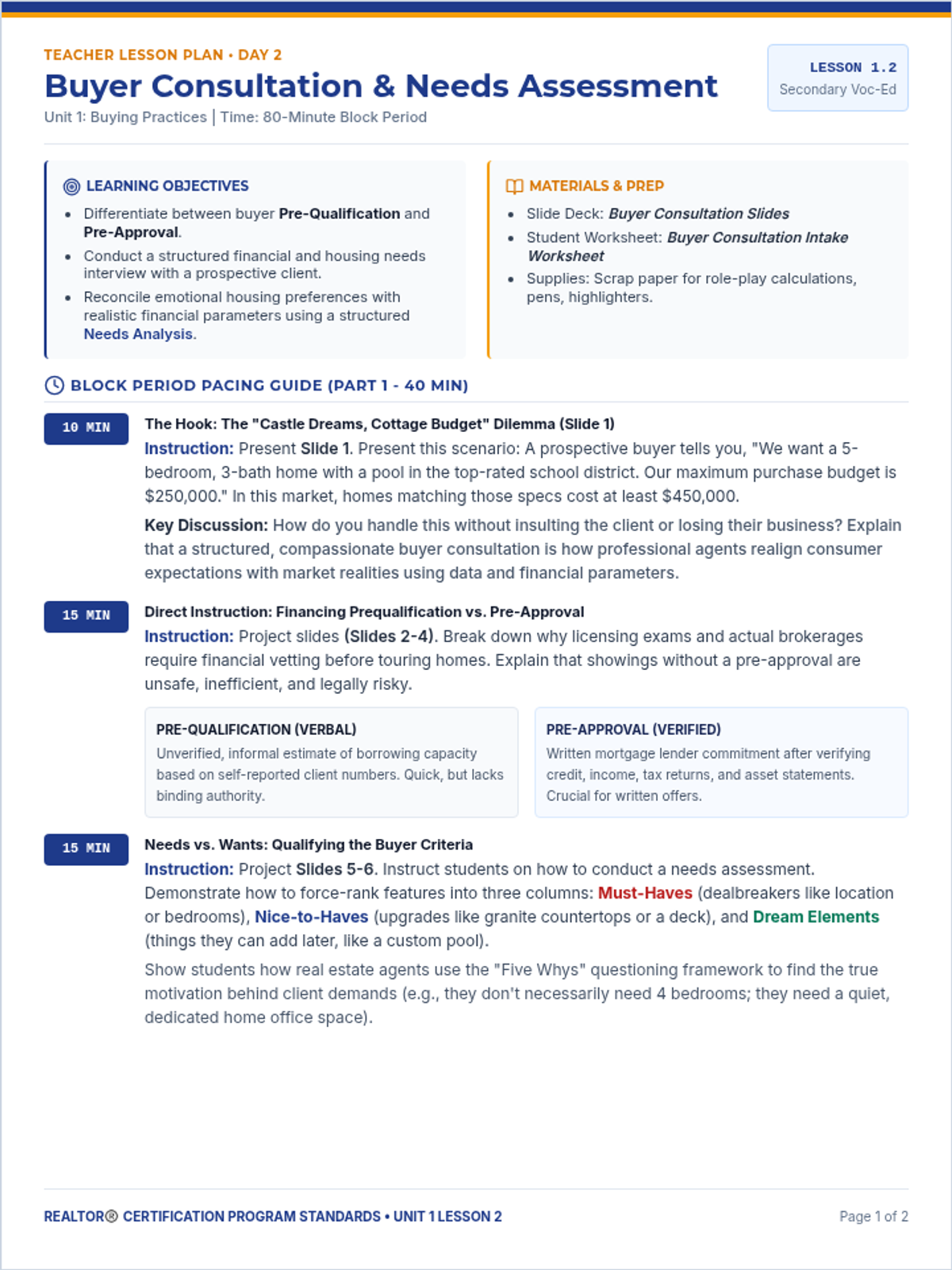
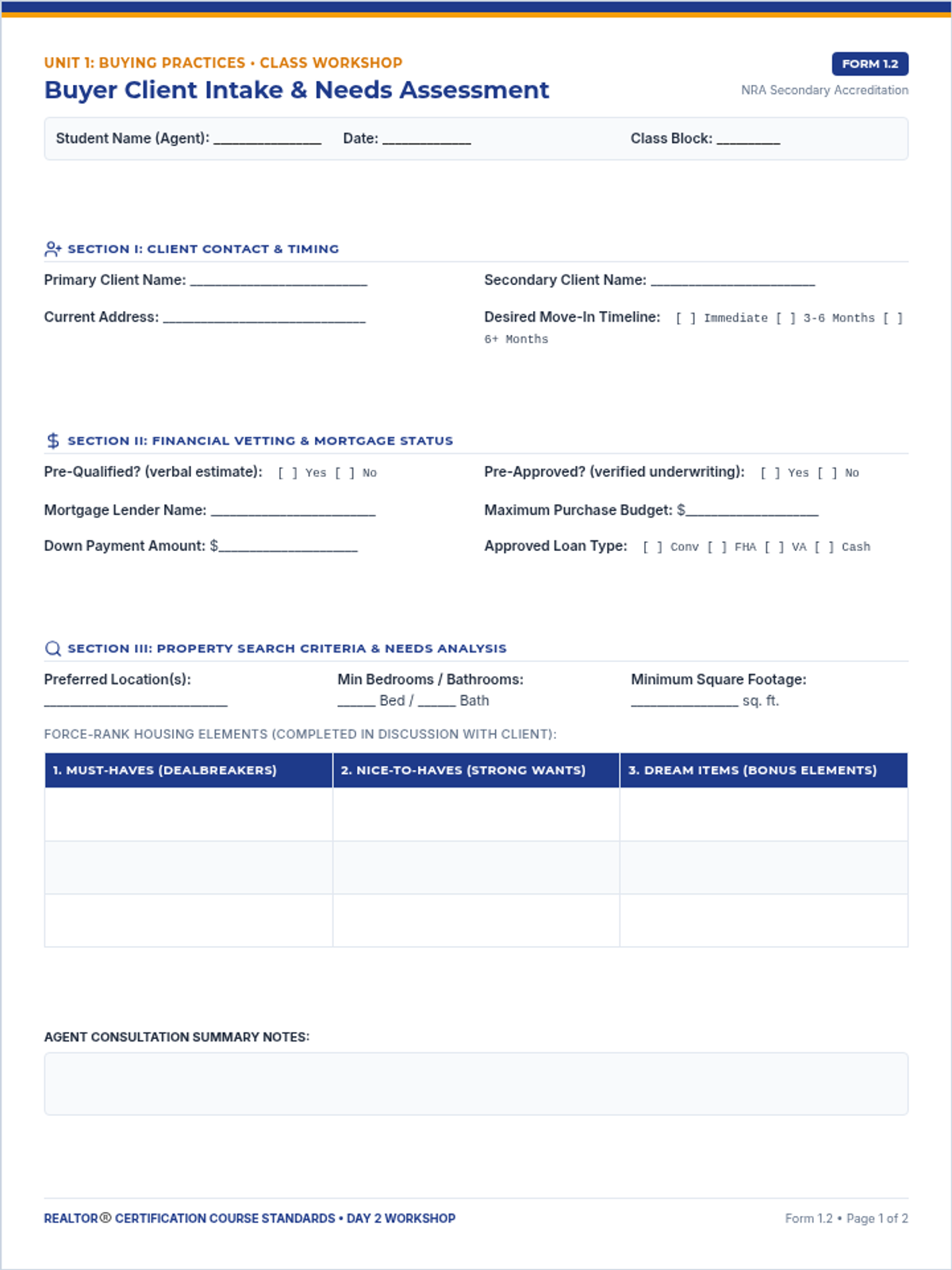
Instructional resources and student practice worksheets for Day 2, focusing on the professional buyer consultation, financial pre-qualification, and buyer needs assessment.
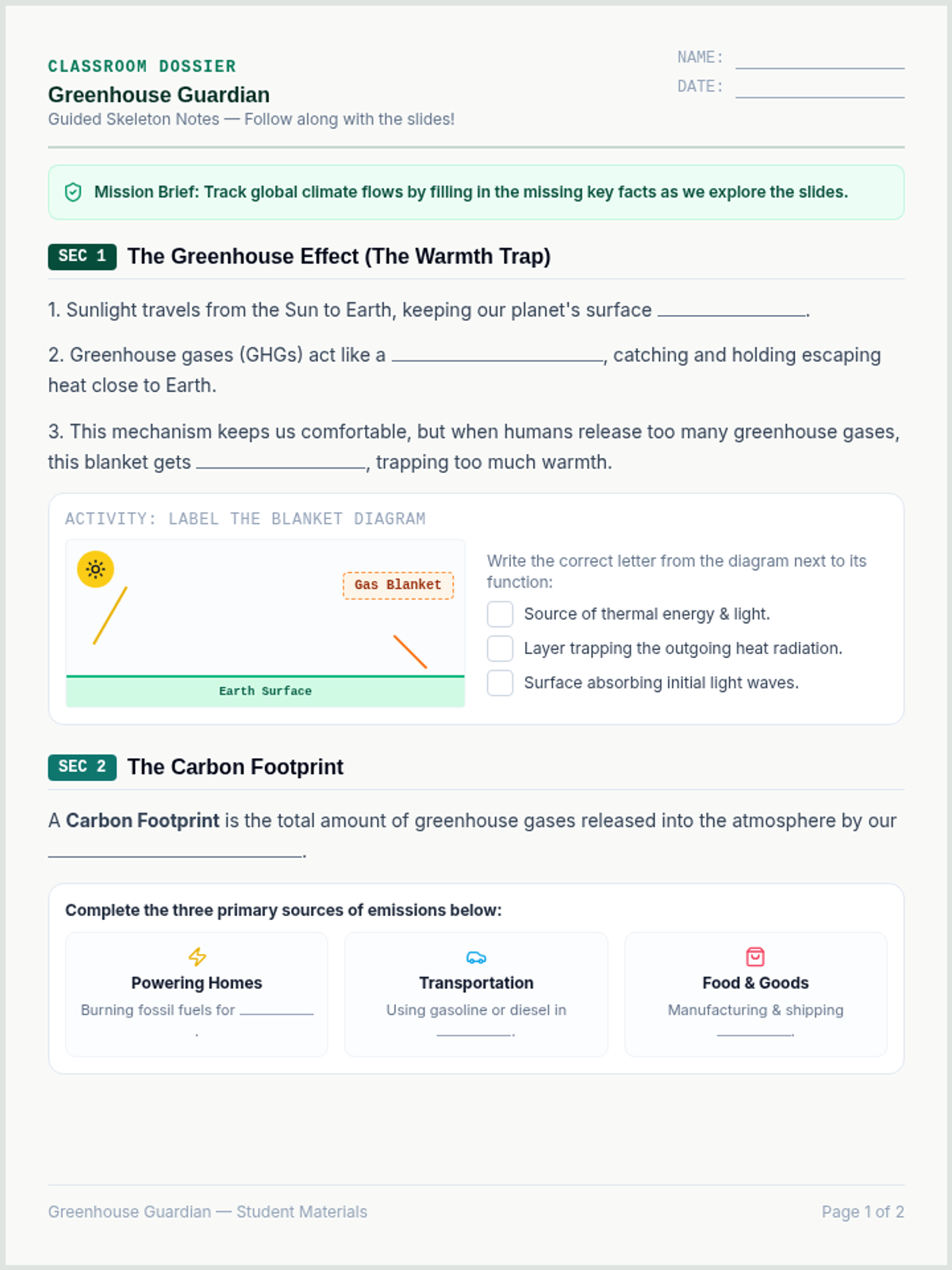
An introductory lesson exploring the greenhouse effect, carbon footprints, and deforestation. Includes an engaging visual slideshow and printable guided skeleton notes to keep students active and focused during instruction.
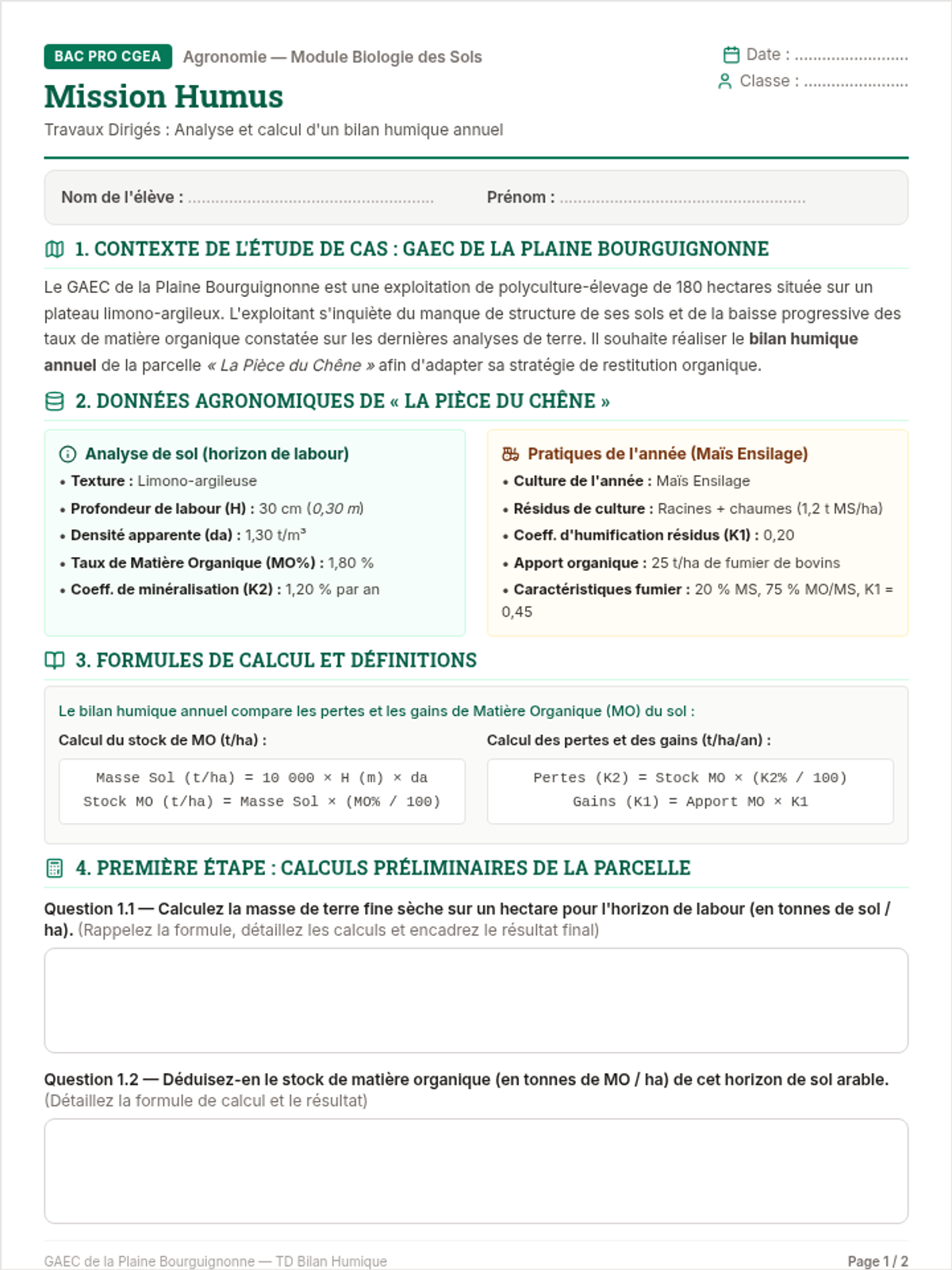
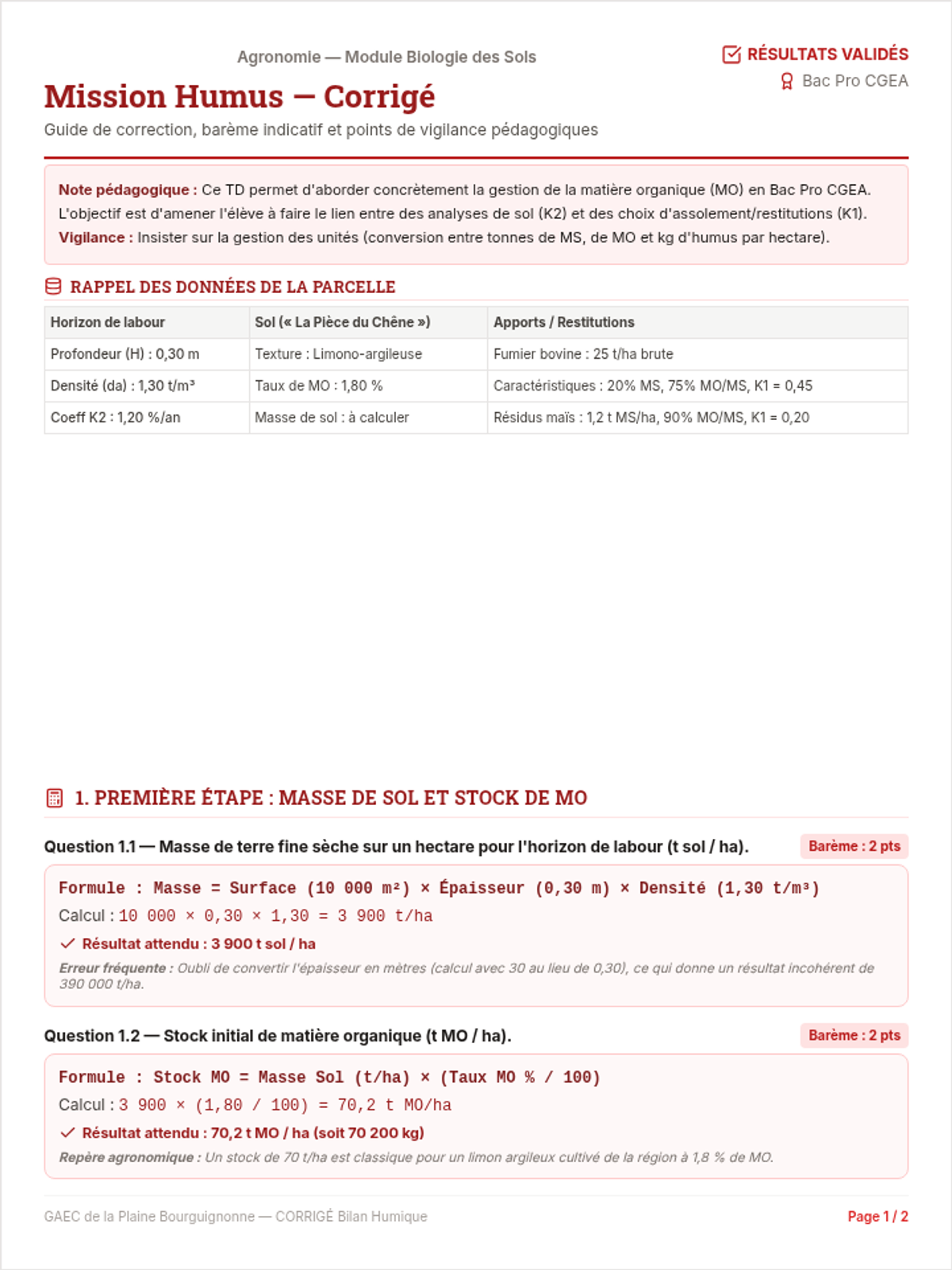
Travaux dirigés (TD) et corrigé sur le bilan humique en Bac Pro CGEA. Permet de maîtriser les concepts clés de minéralisation (K2), d'humification (K1) et d'évolution de la matière organique à travers l'étude de cas réelle d'une exploitation agricole de polyculture-élevage.
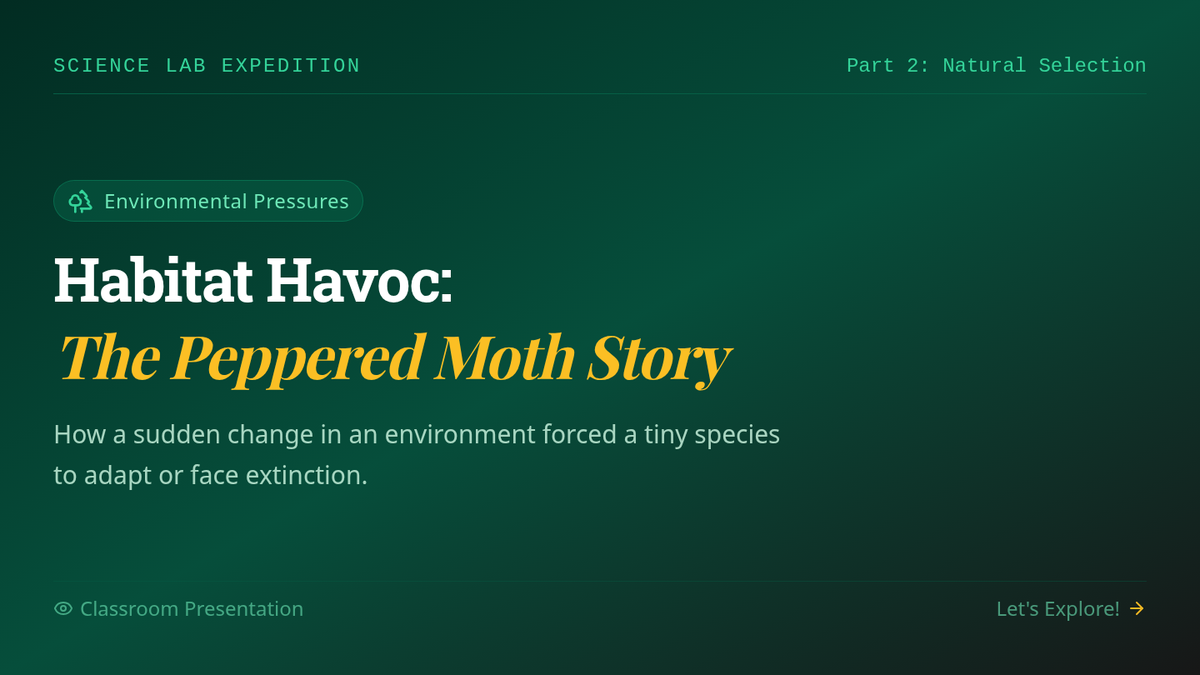
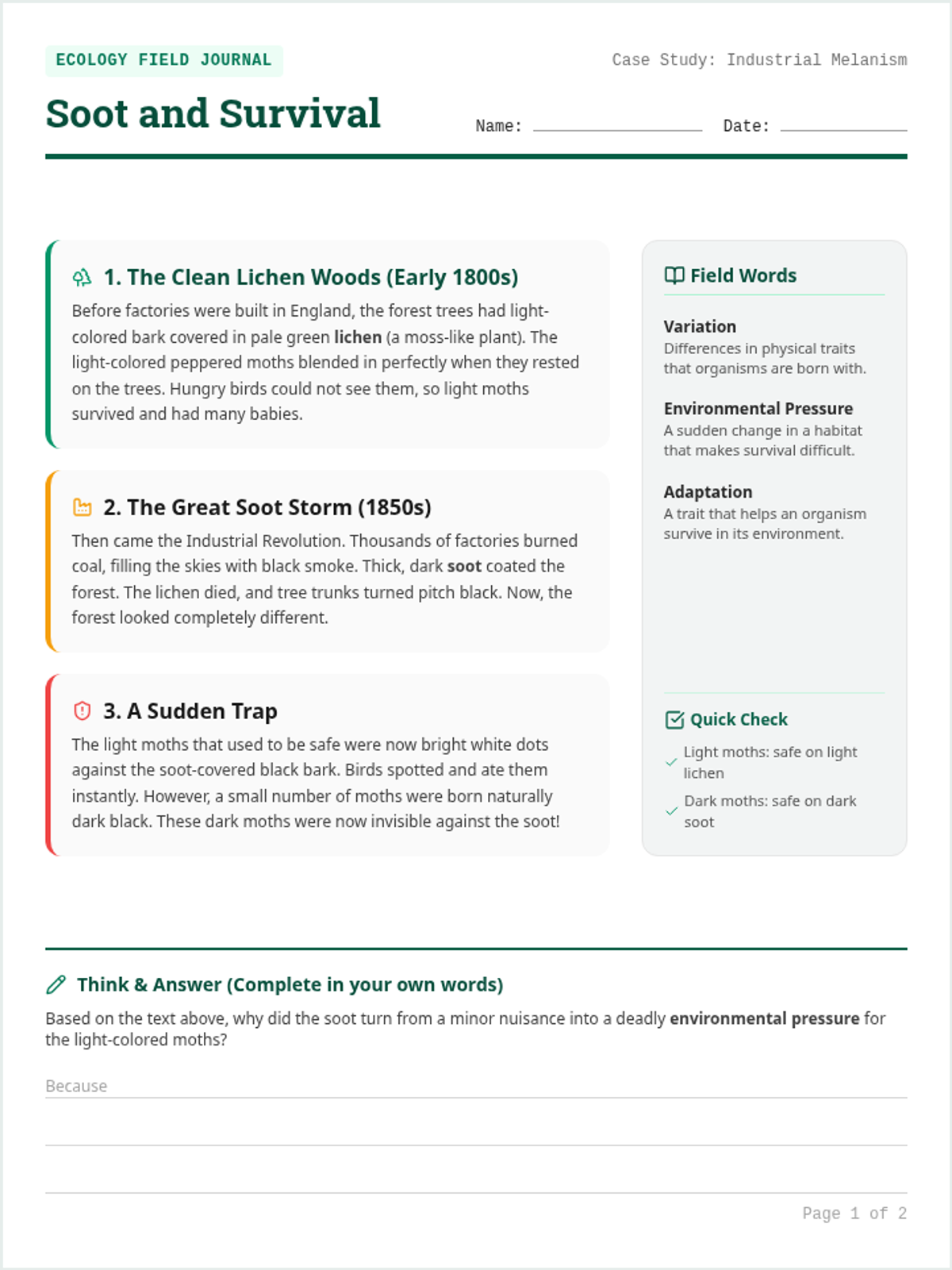
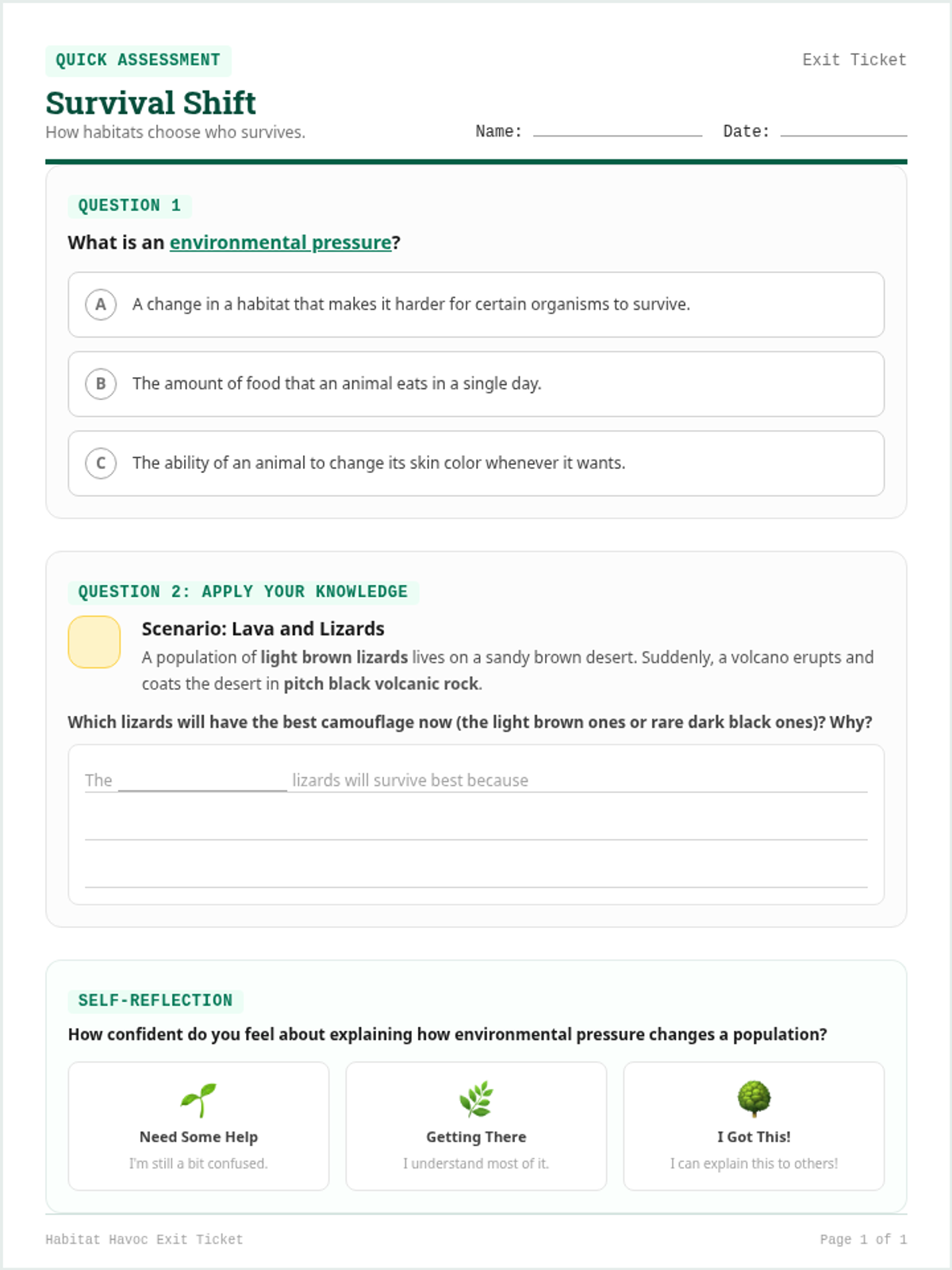
An extension lesson focusing on environmental pressures and natural selection using the classic peppered moth case study. Designed with scaffolding, visual aids, and clear graphic organizers for 9-10th grade special education students.
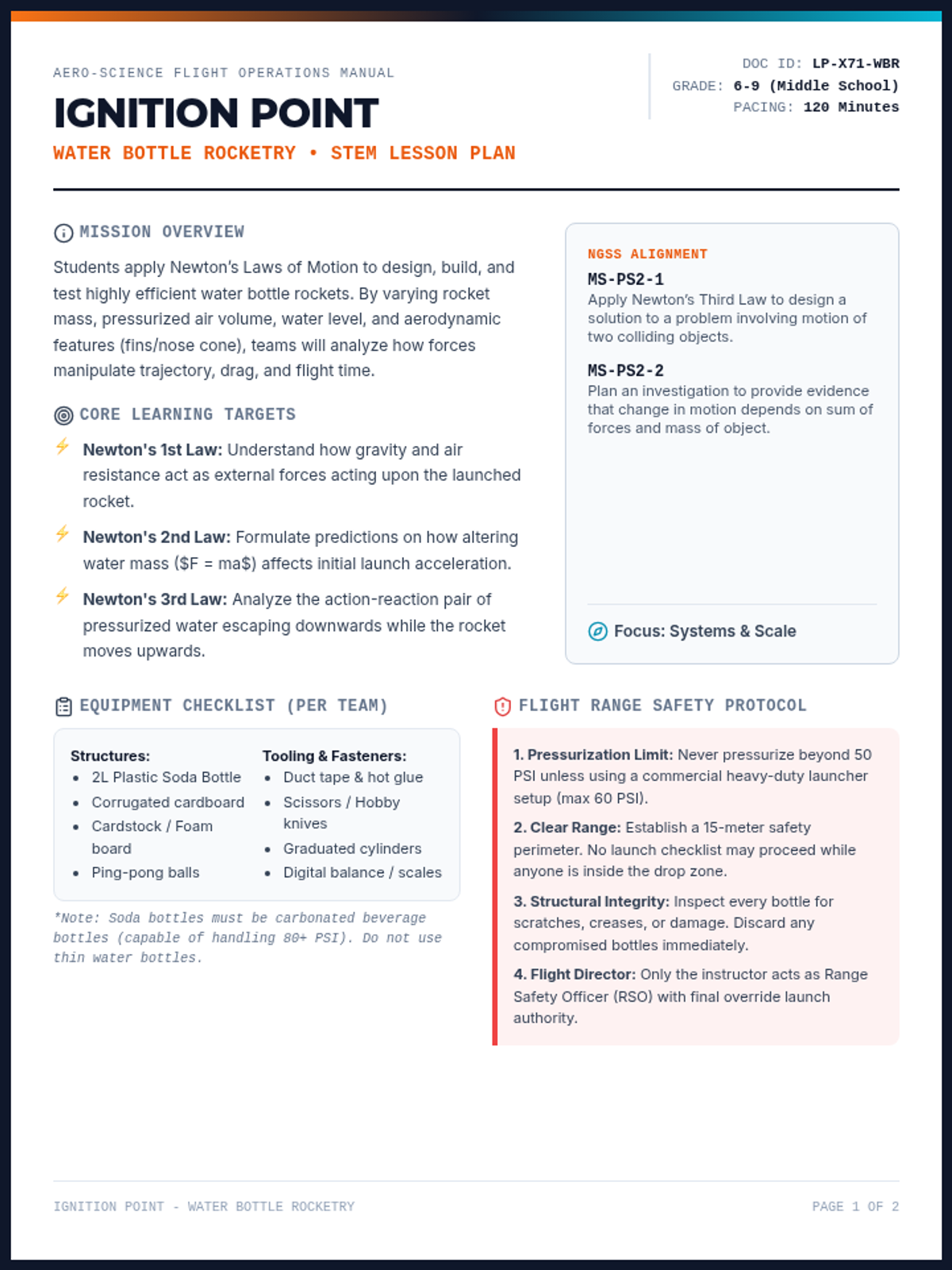
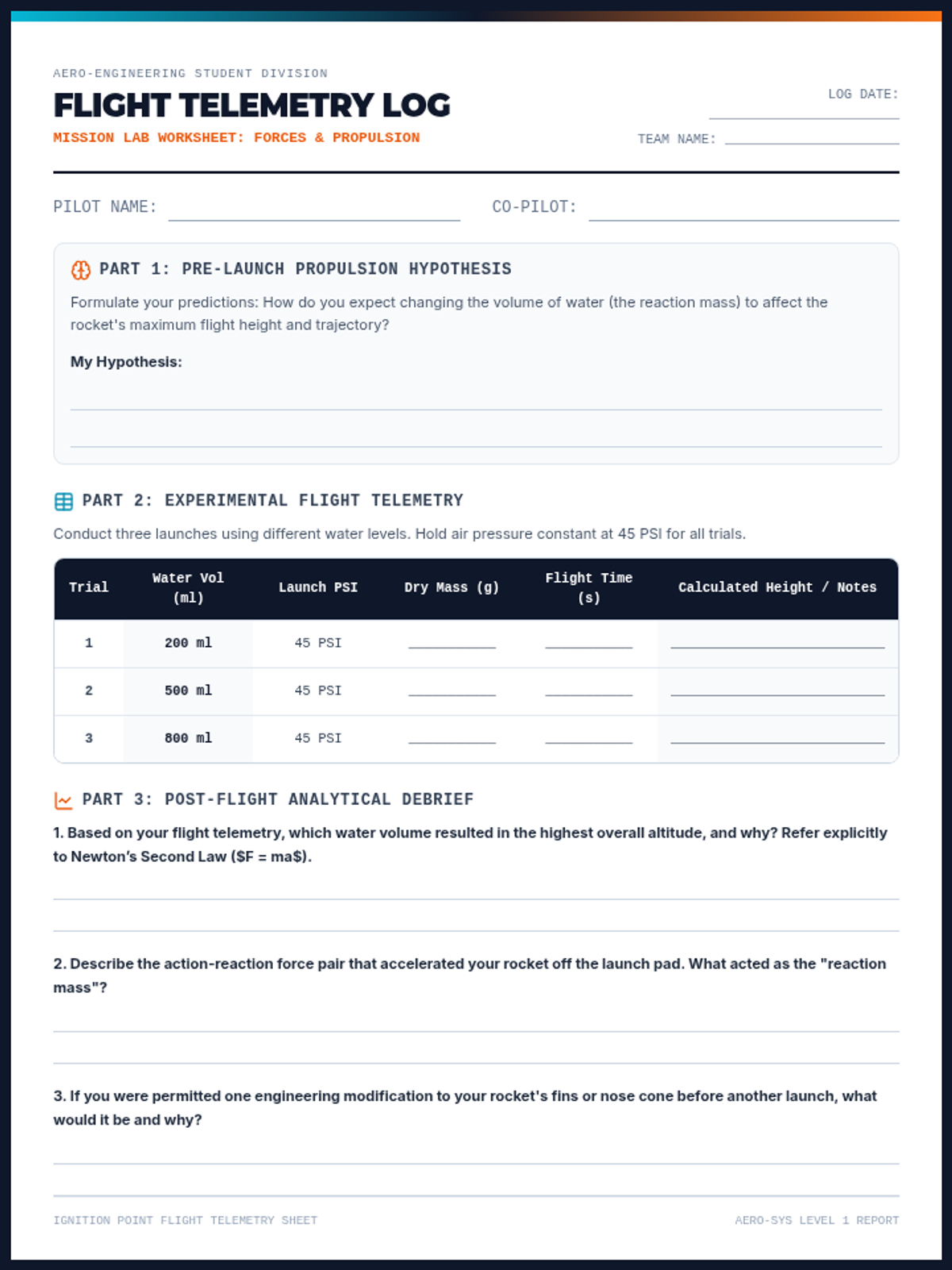
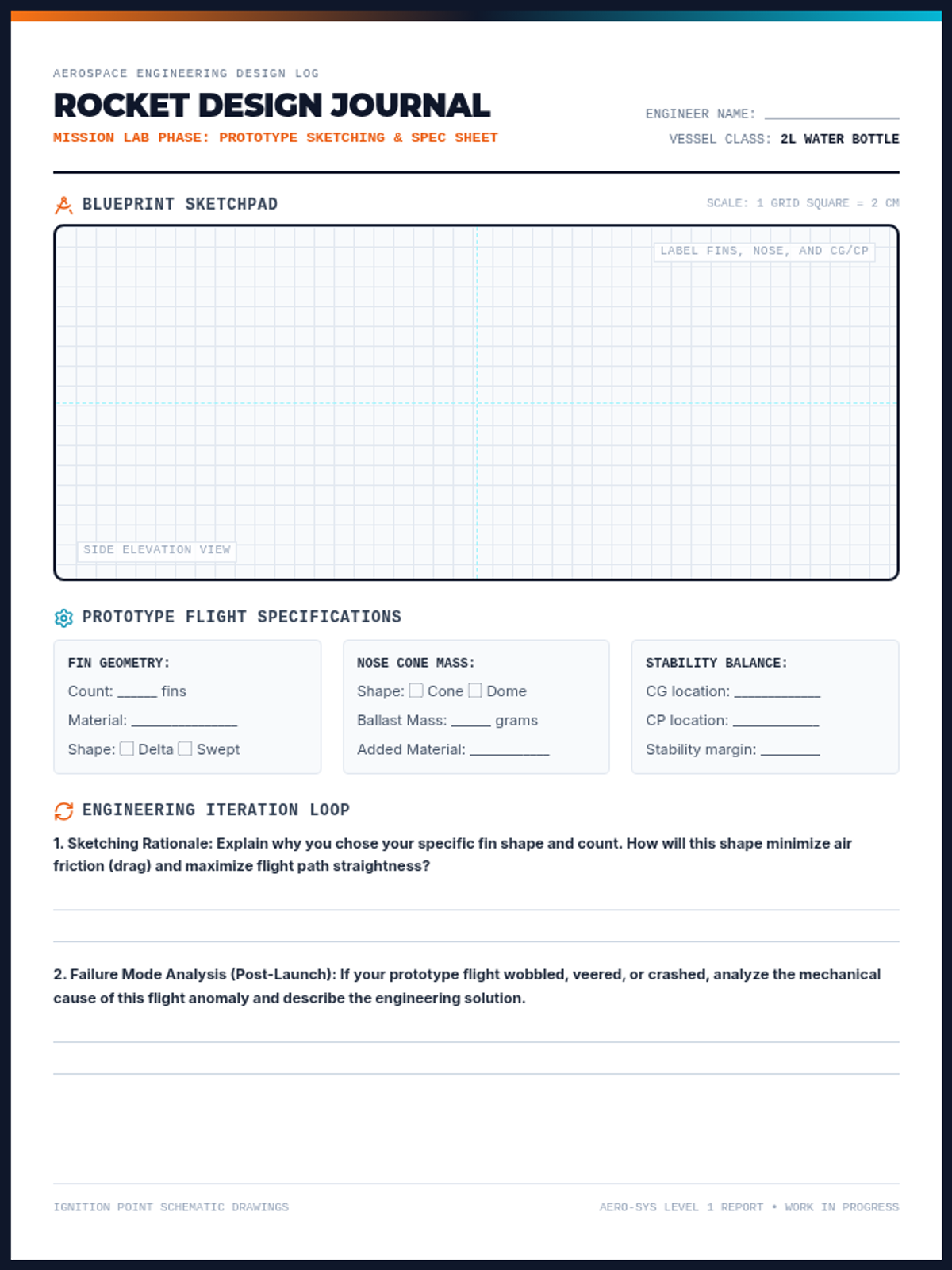
A hands-on STEM lesson where students design, build, and launch water bottle rockets. They apply Newton's Laws of Motion to optimize force, mass, and aerodynamics for maximum flight distance.
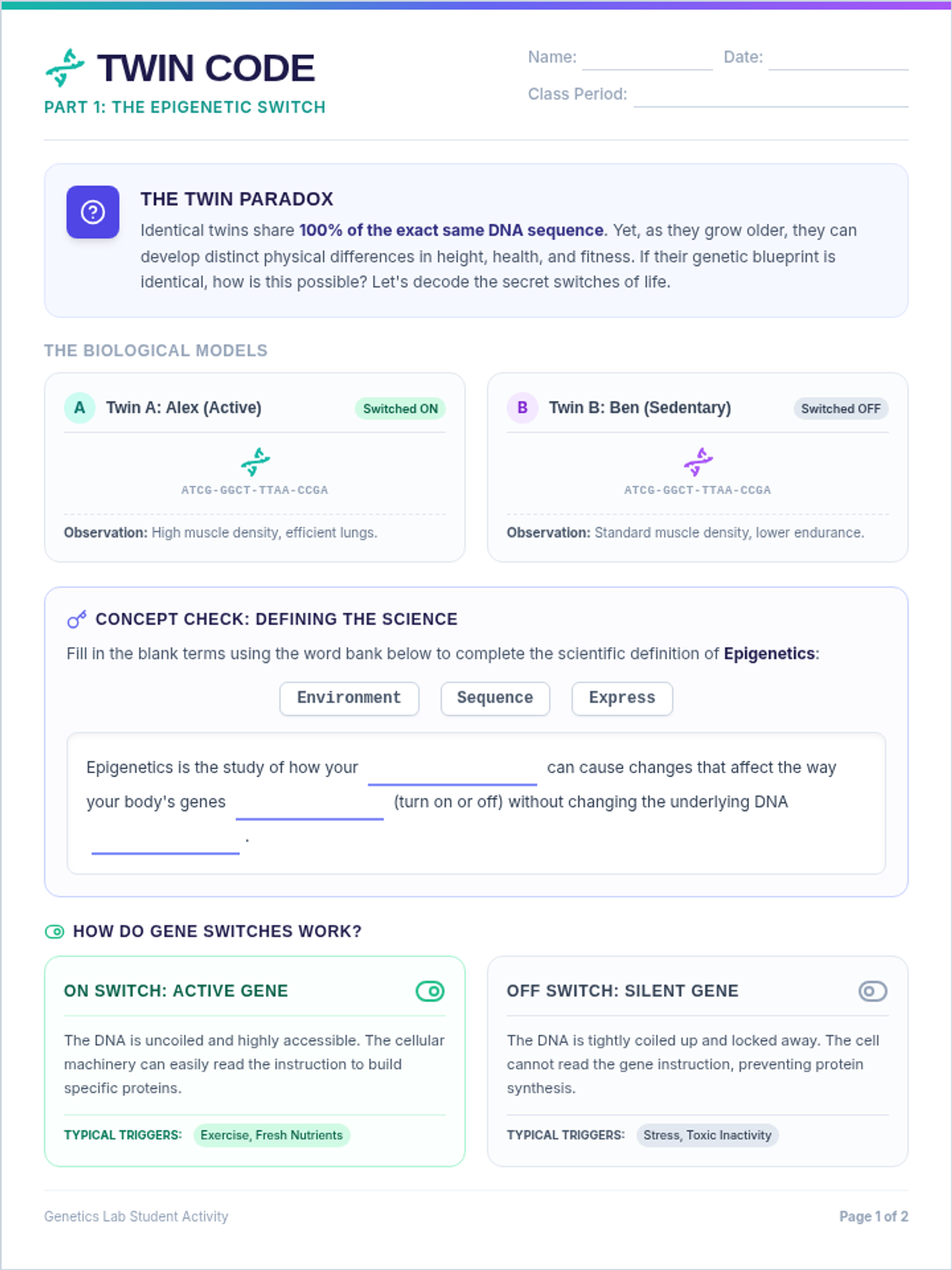
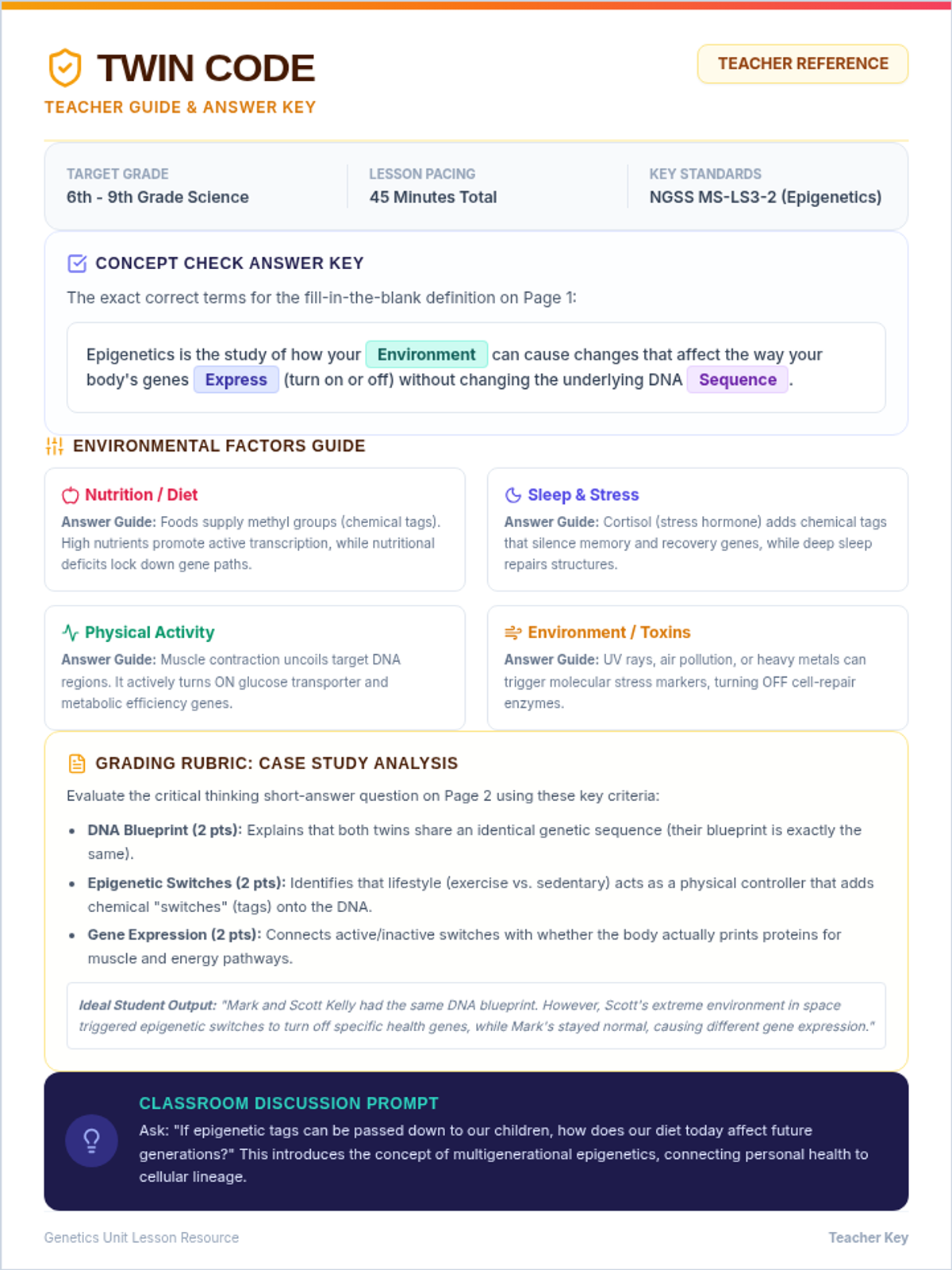
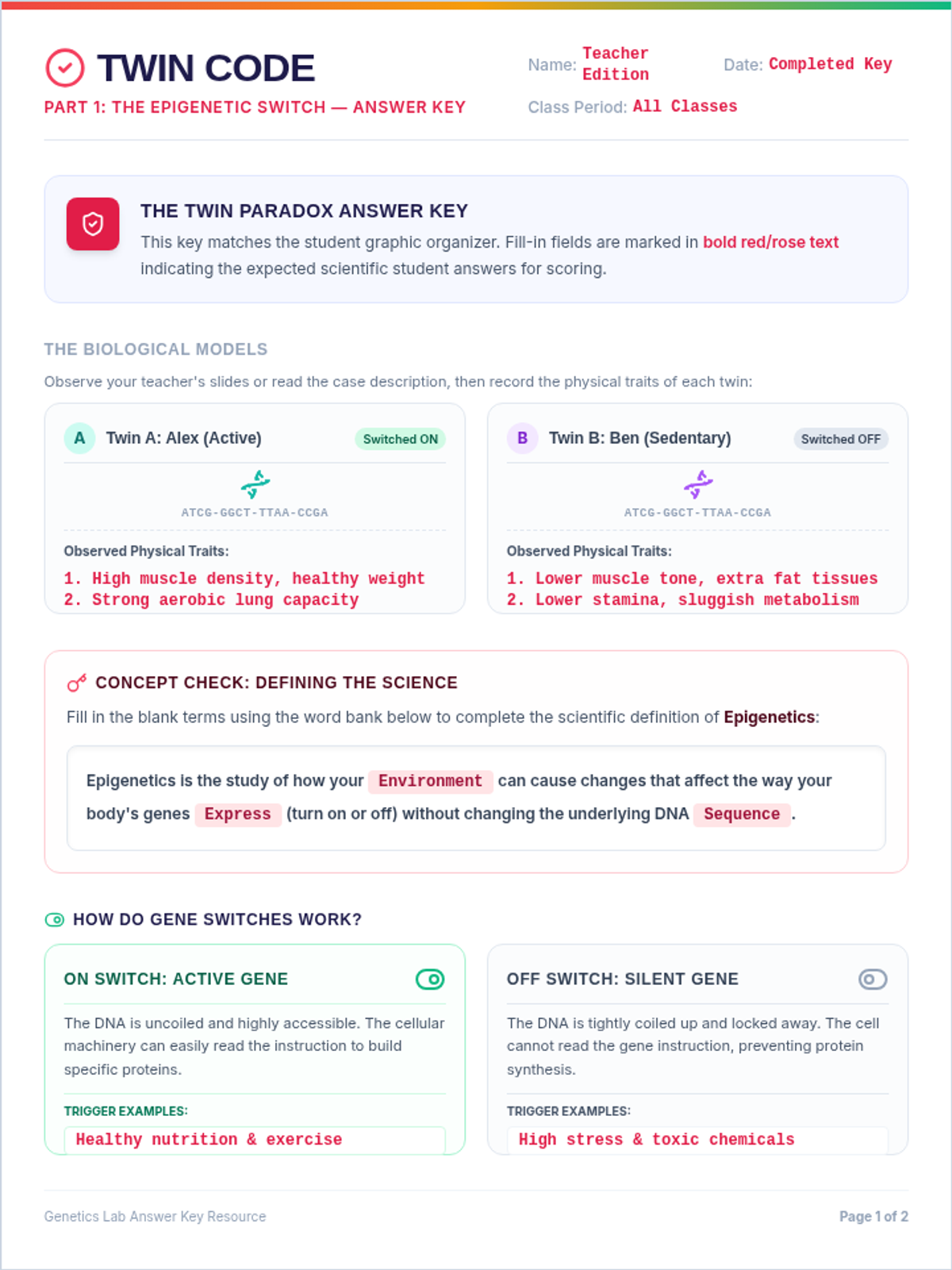
A comprehensive science lesson introducing epigenetics and gene expression. Students investigate how environmental triggers like stress, nutrition, and exercise can turn genetic switches on and off in identical twins.
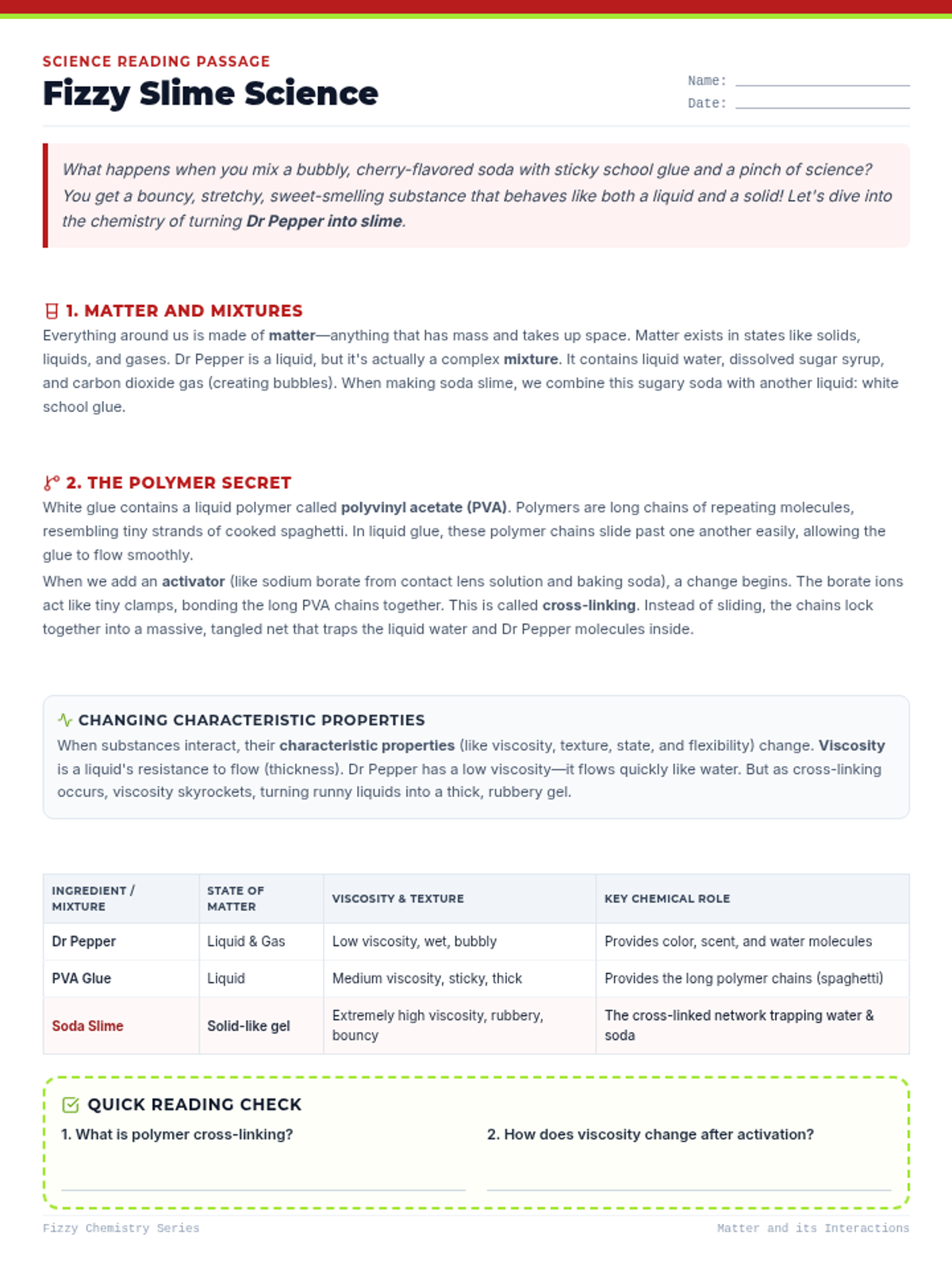
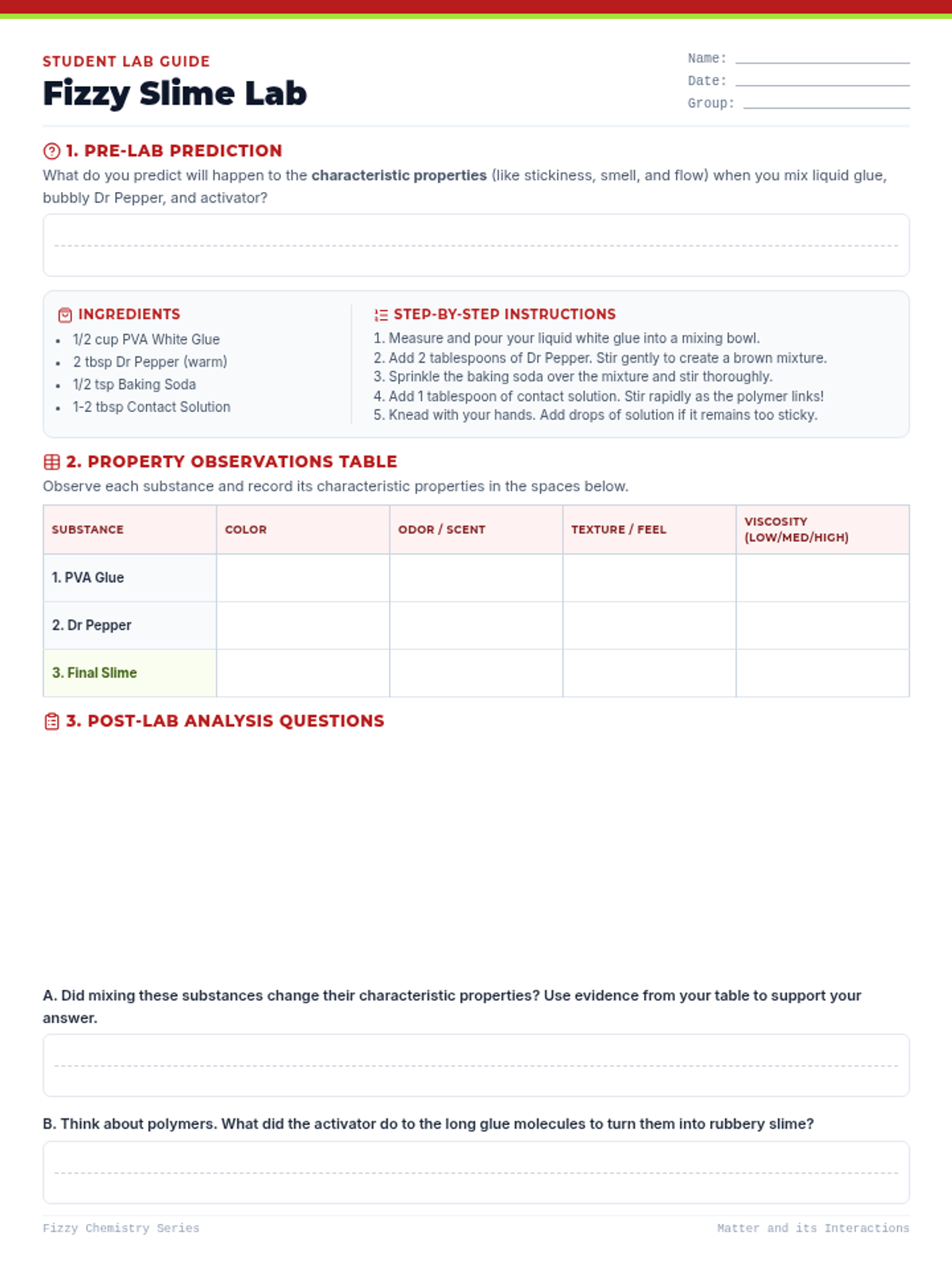
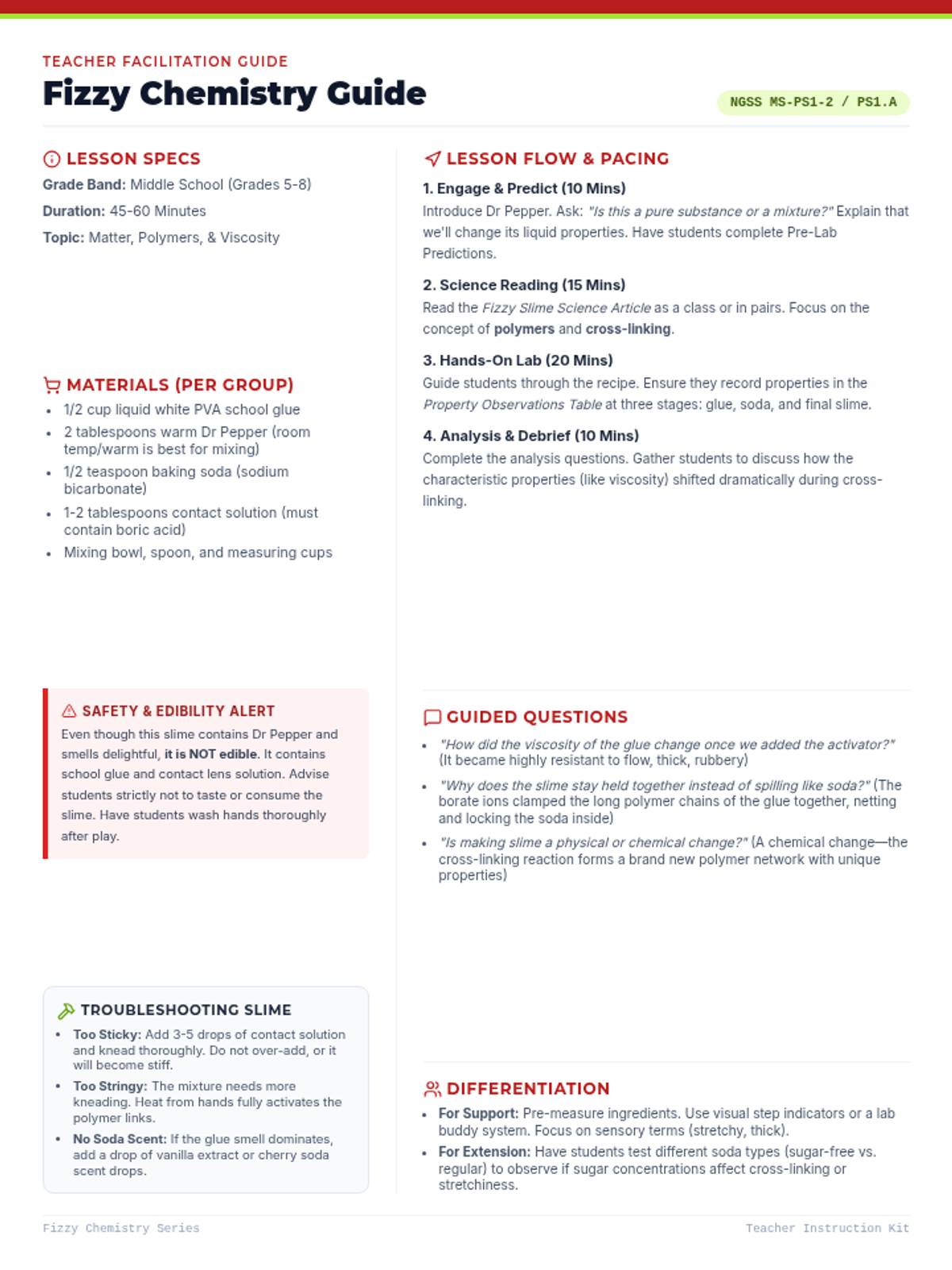
An interactive chemistry lesson investigating matter and its interactions by transforming Dr. Pepper into custom slime. Students examine how mixing substances changes their characteristic properties.
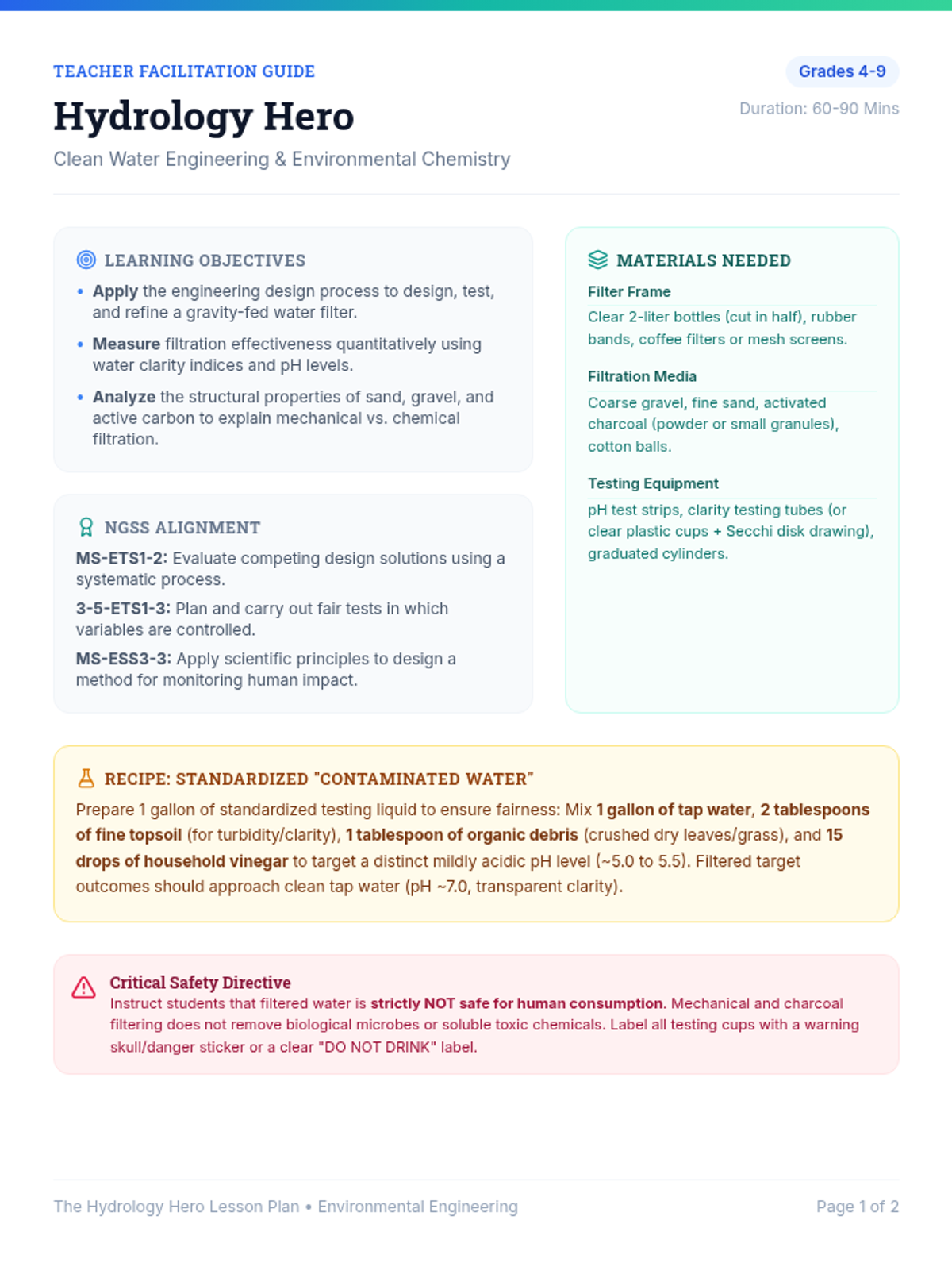
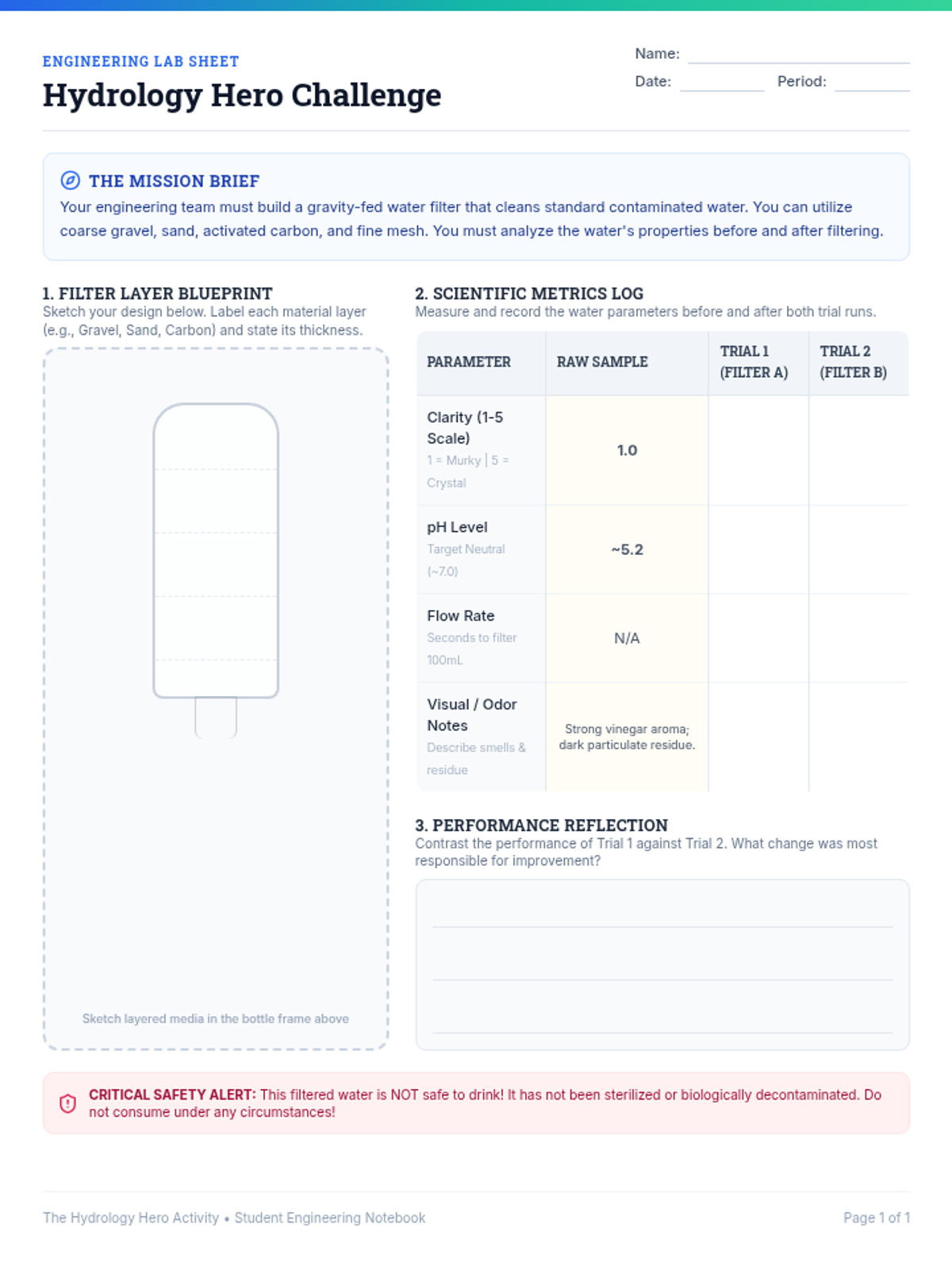
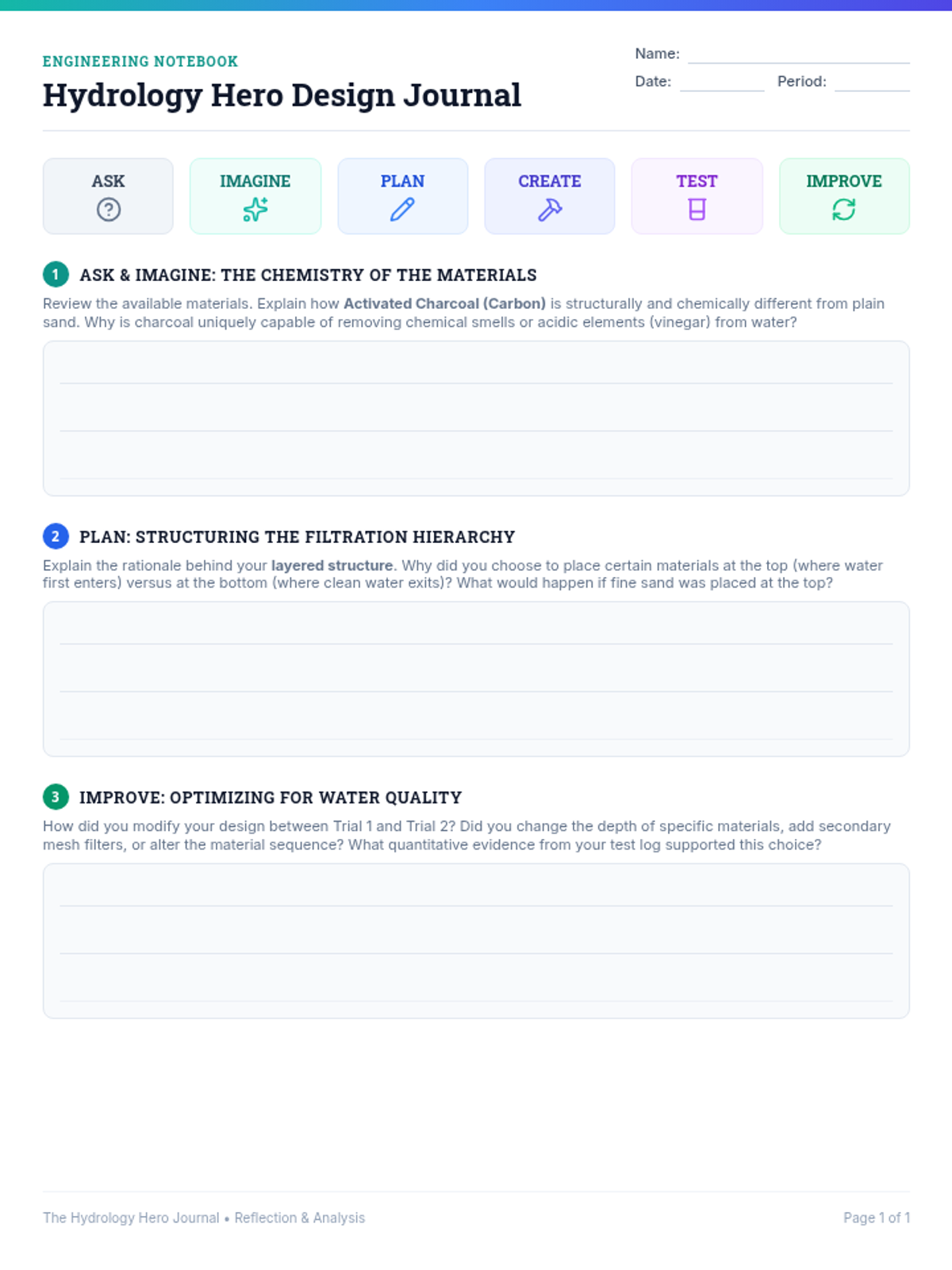
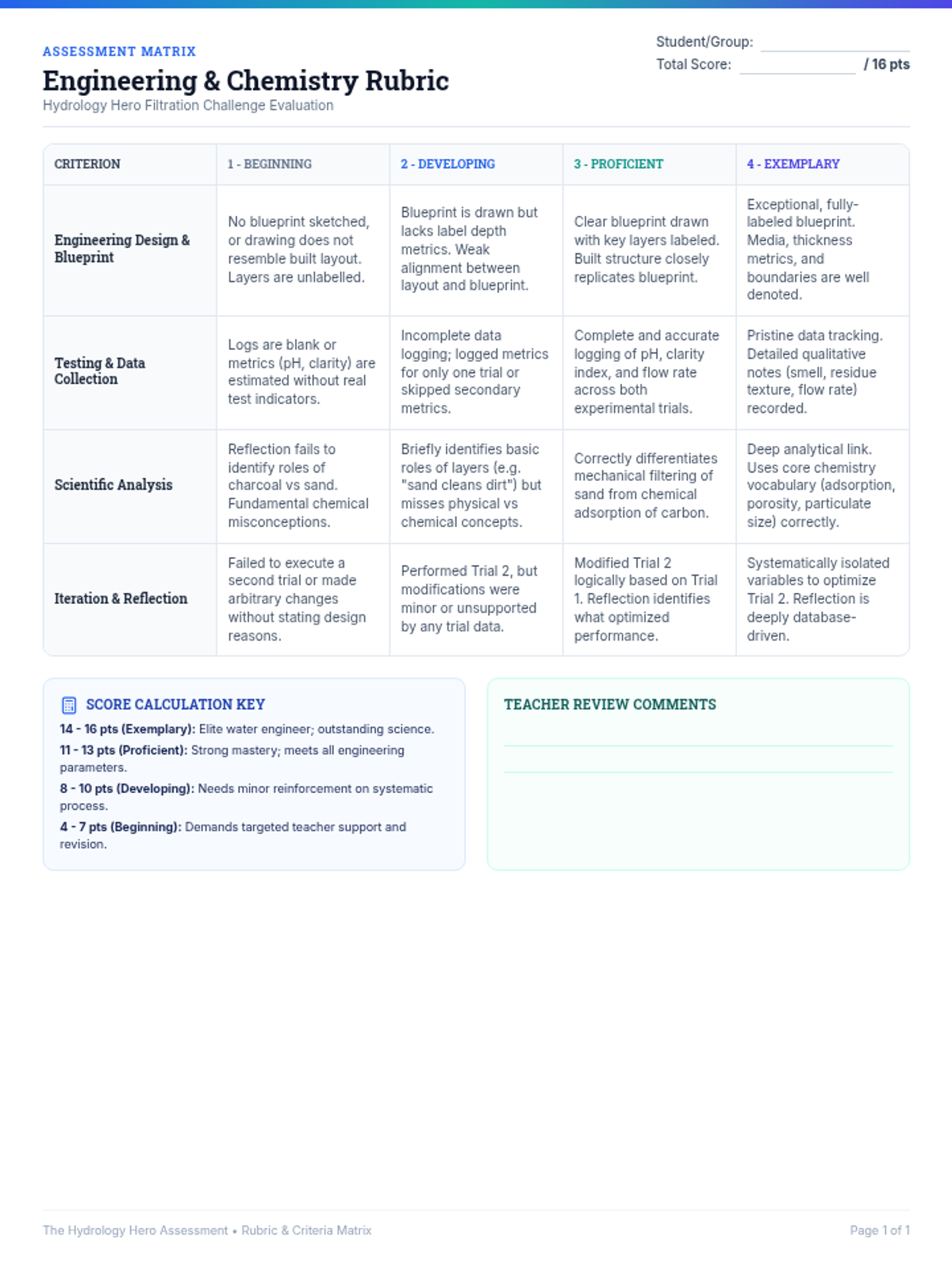
A comprehensive hands-on engineering lesson where students design and test gravity-fed filtration systems to explore water scarcity and water quality testing.
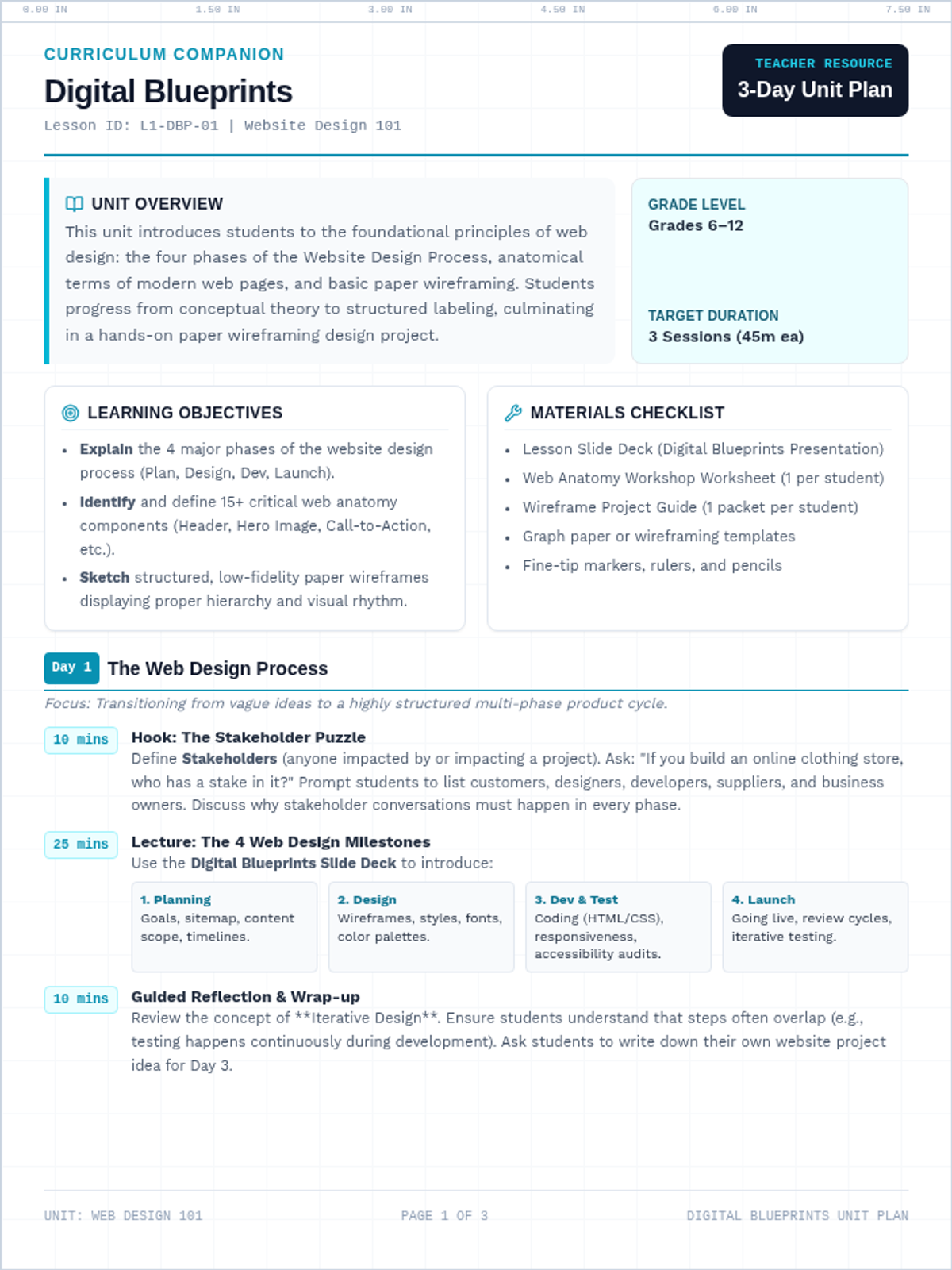
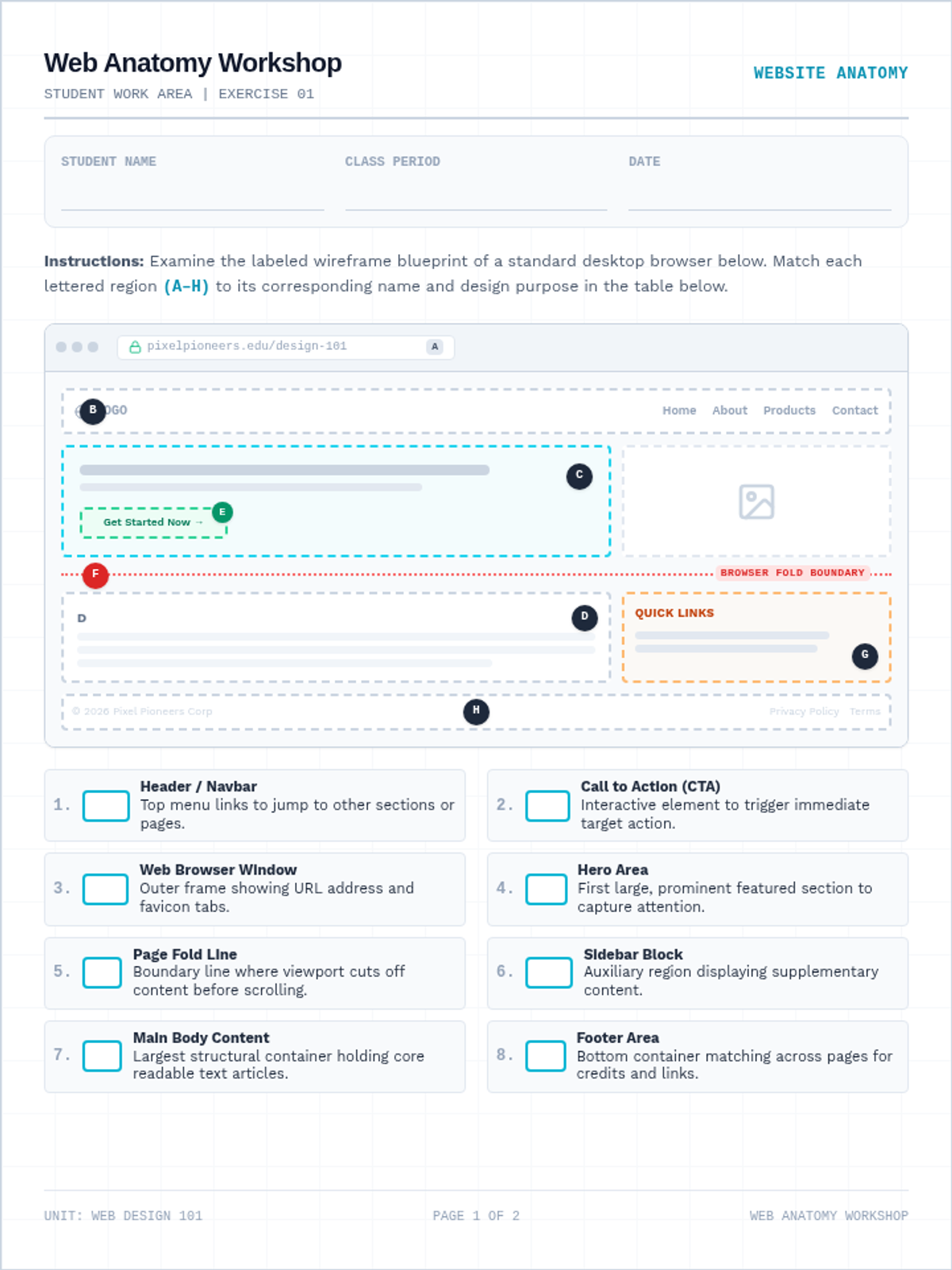
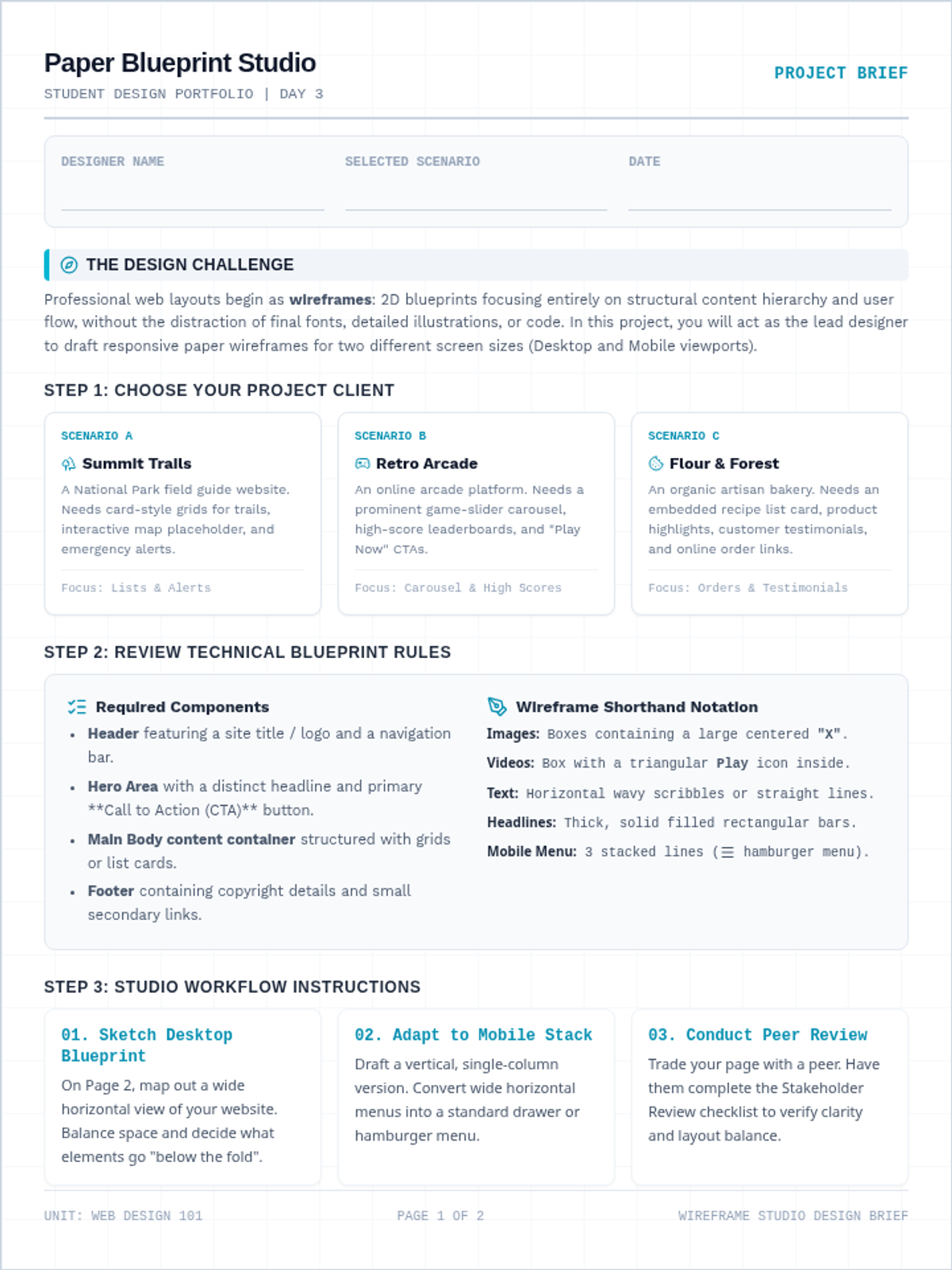
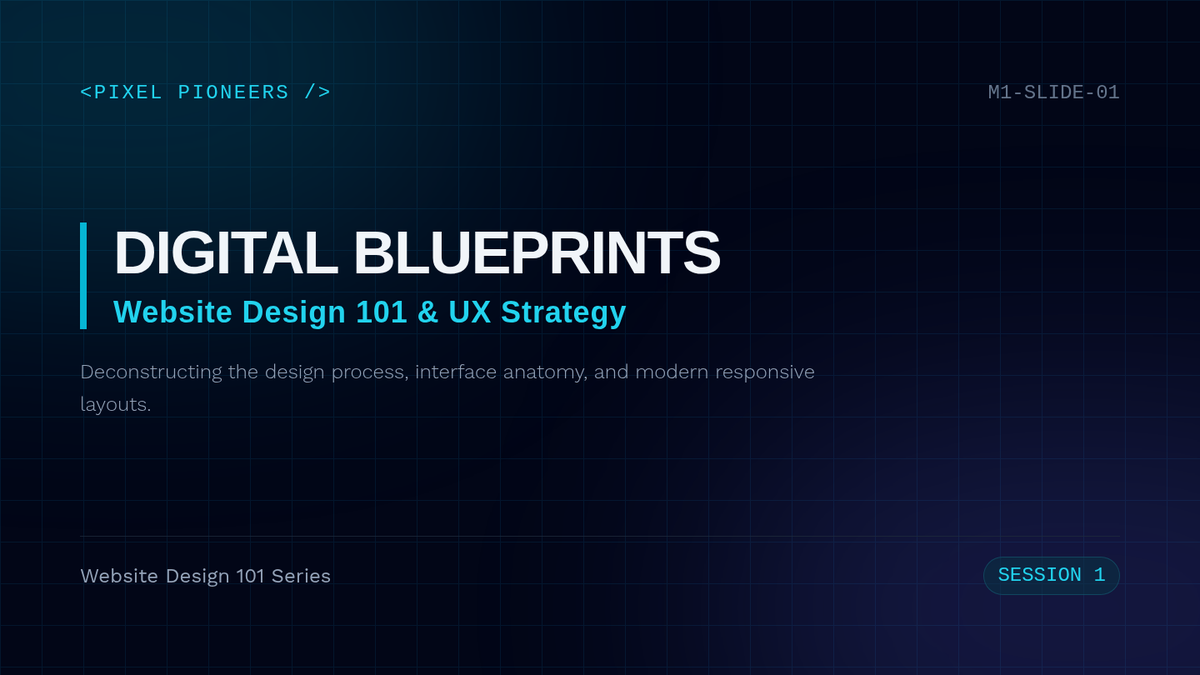
An introductory lesson on web design principles, covering the website design process, anatomy of a webpage, and paper wireframe sketching. Includes interactive slides, an anatomy and vocabulary worksheet, a paper-based wireframing project guide, and a comprehensive teacher guide.
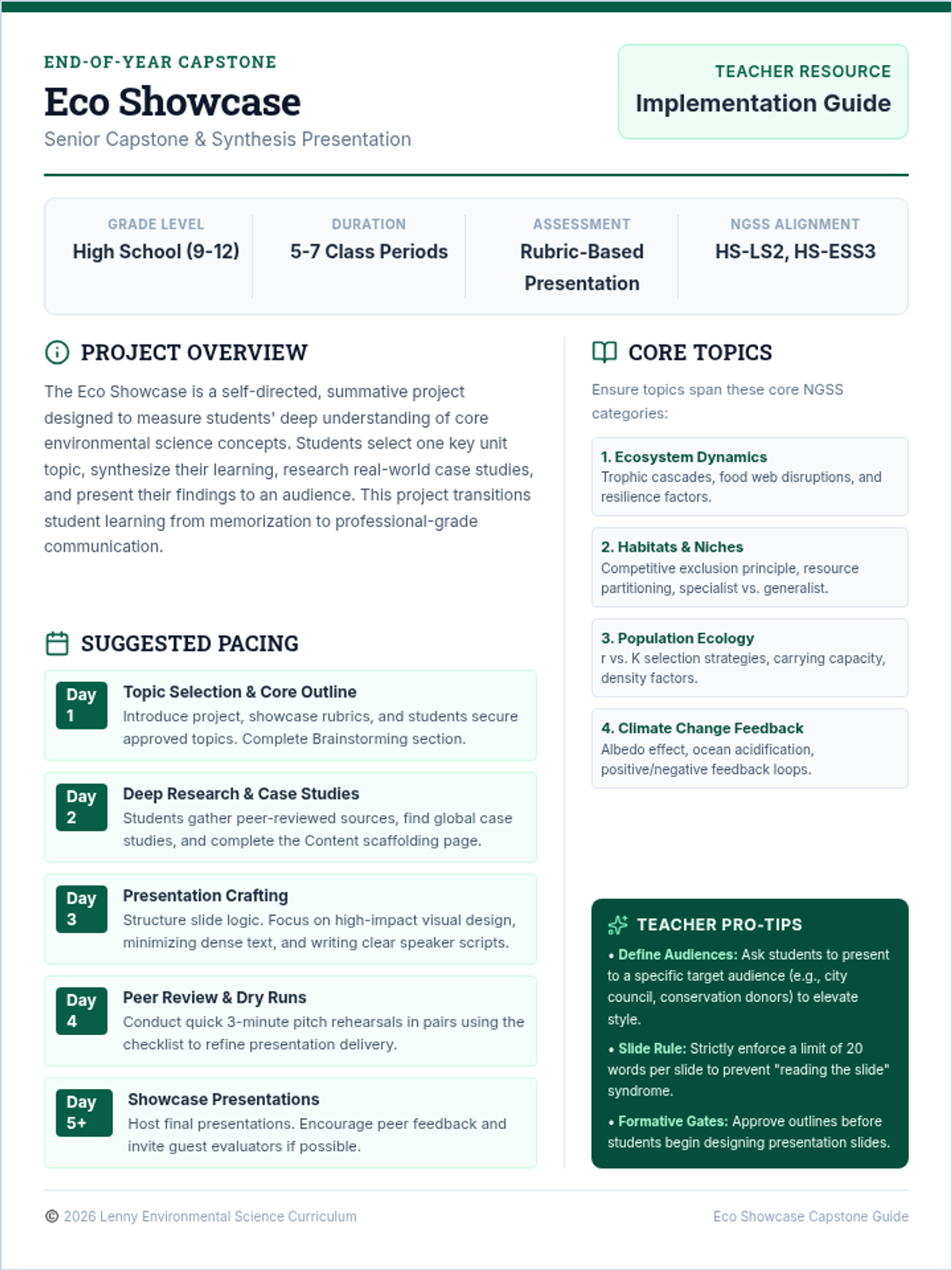
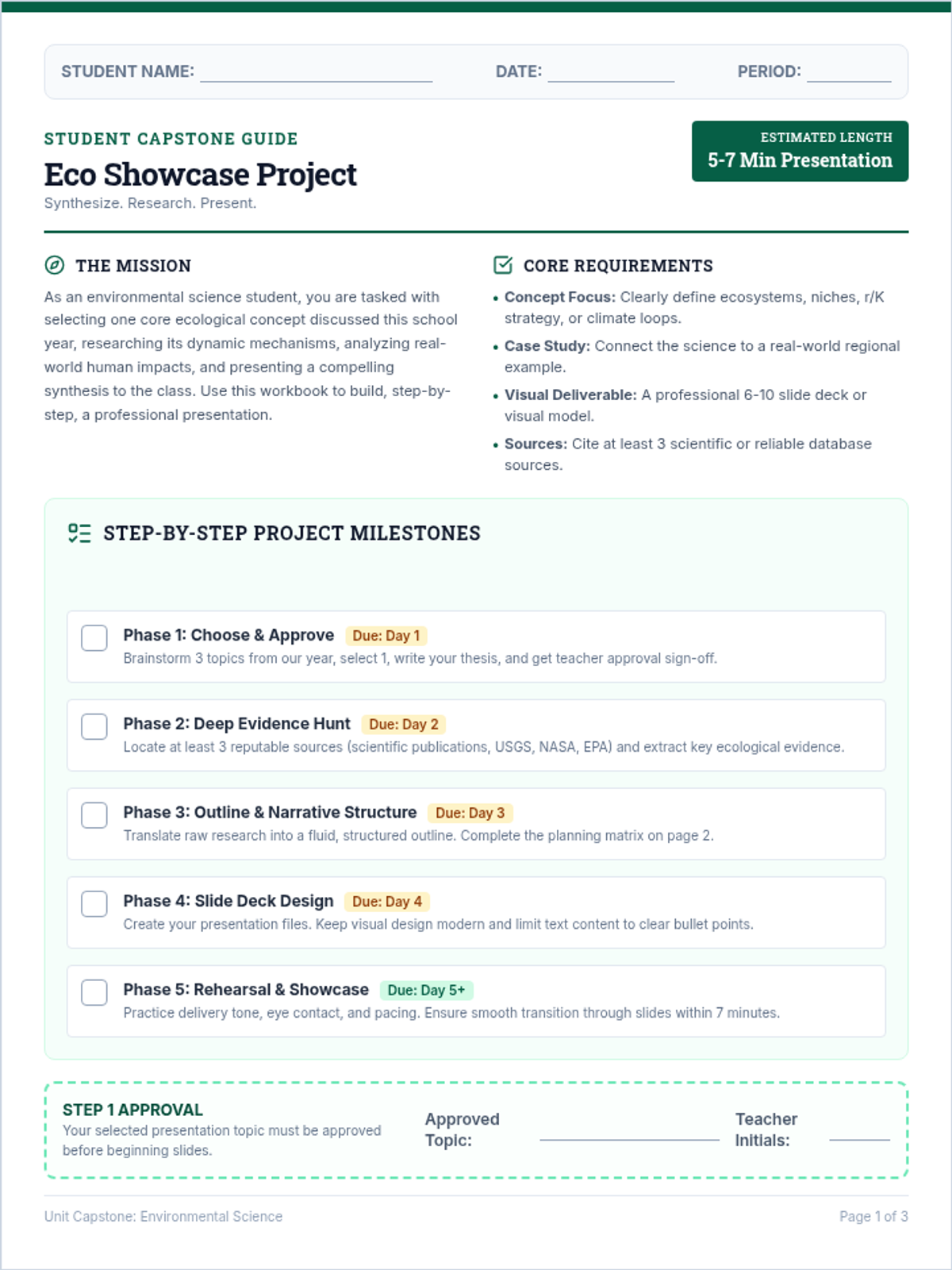
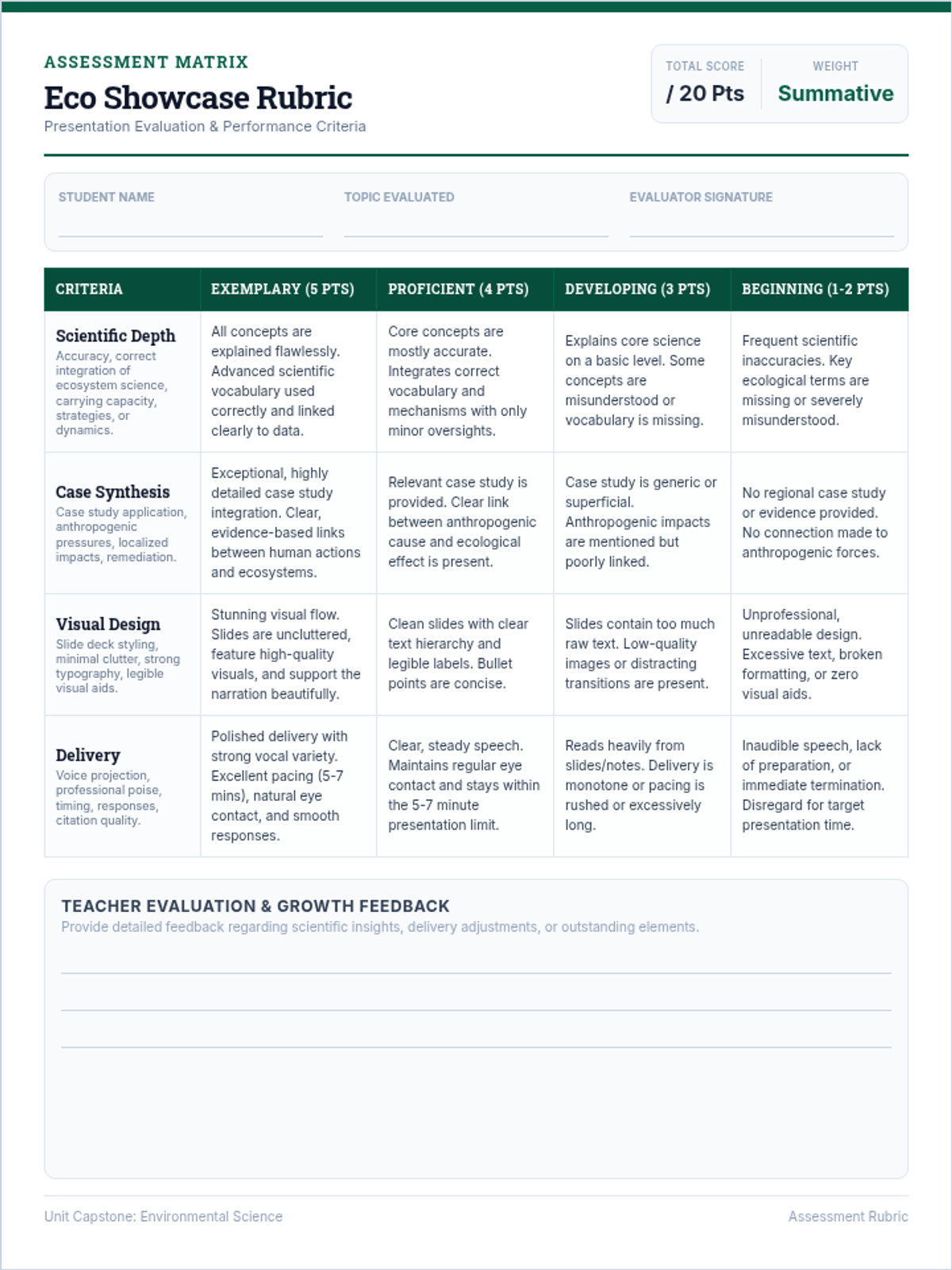
A comprehensive end-of-year capstone project where students select an environmental science topic, conduct in-depth synthesis, and design a professional presentation. This packet contains a detailed teacher guide, student planning pages, checklist, and a grading rubric.
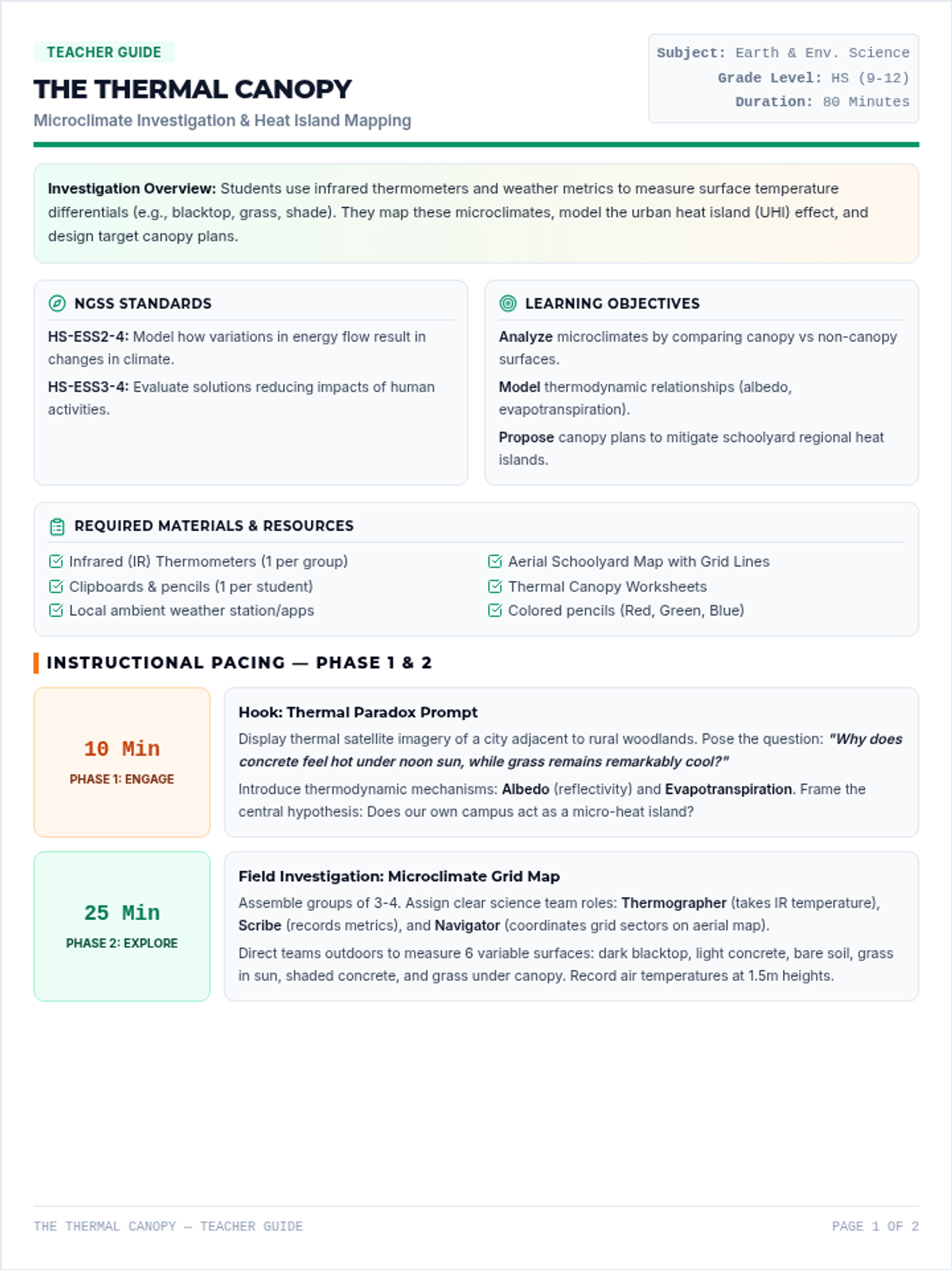
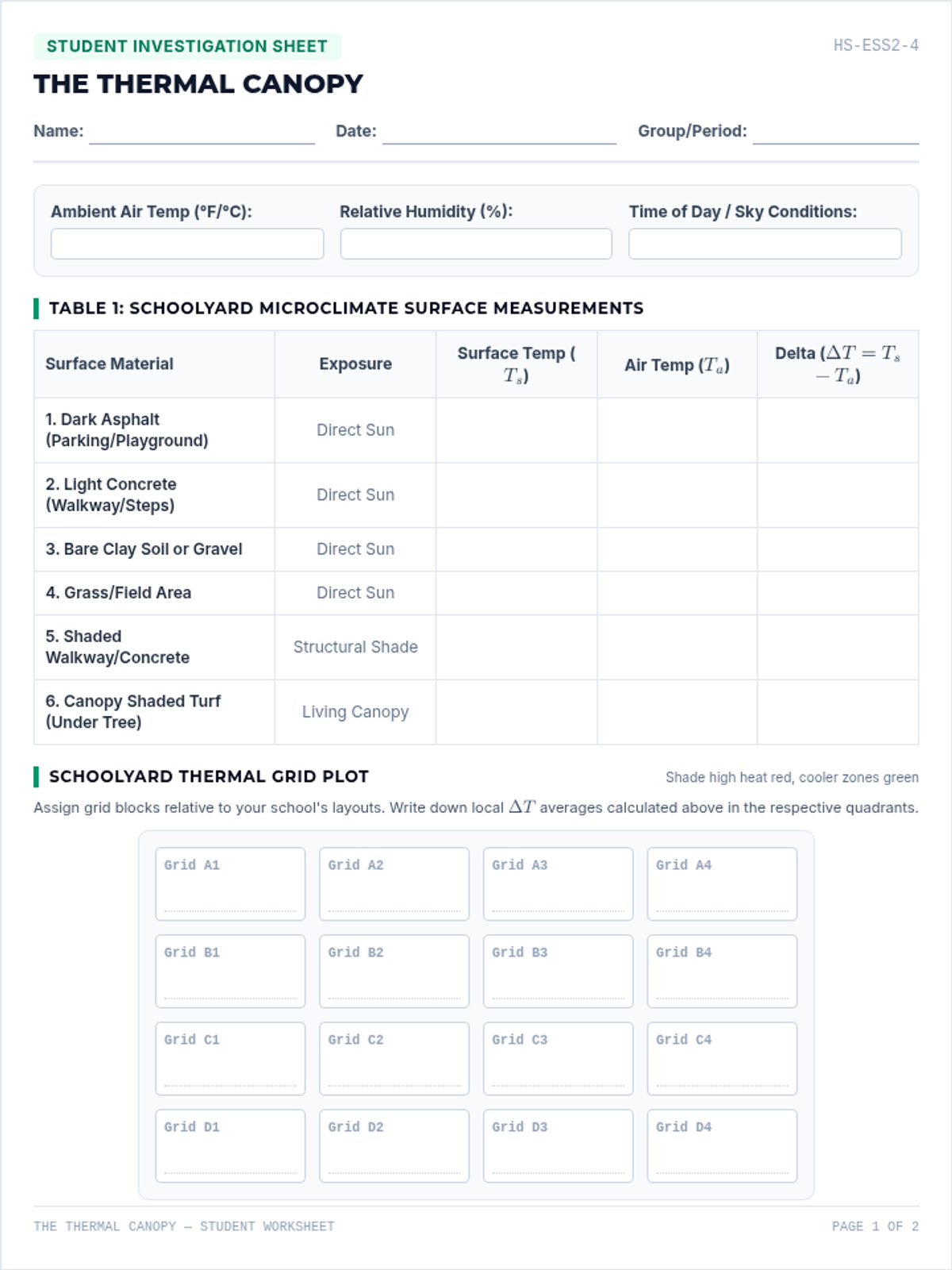
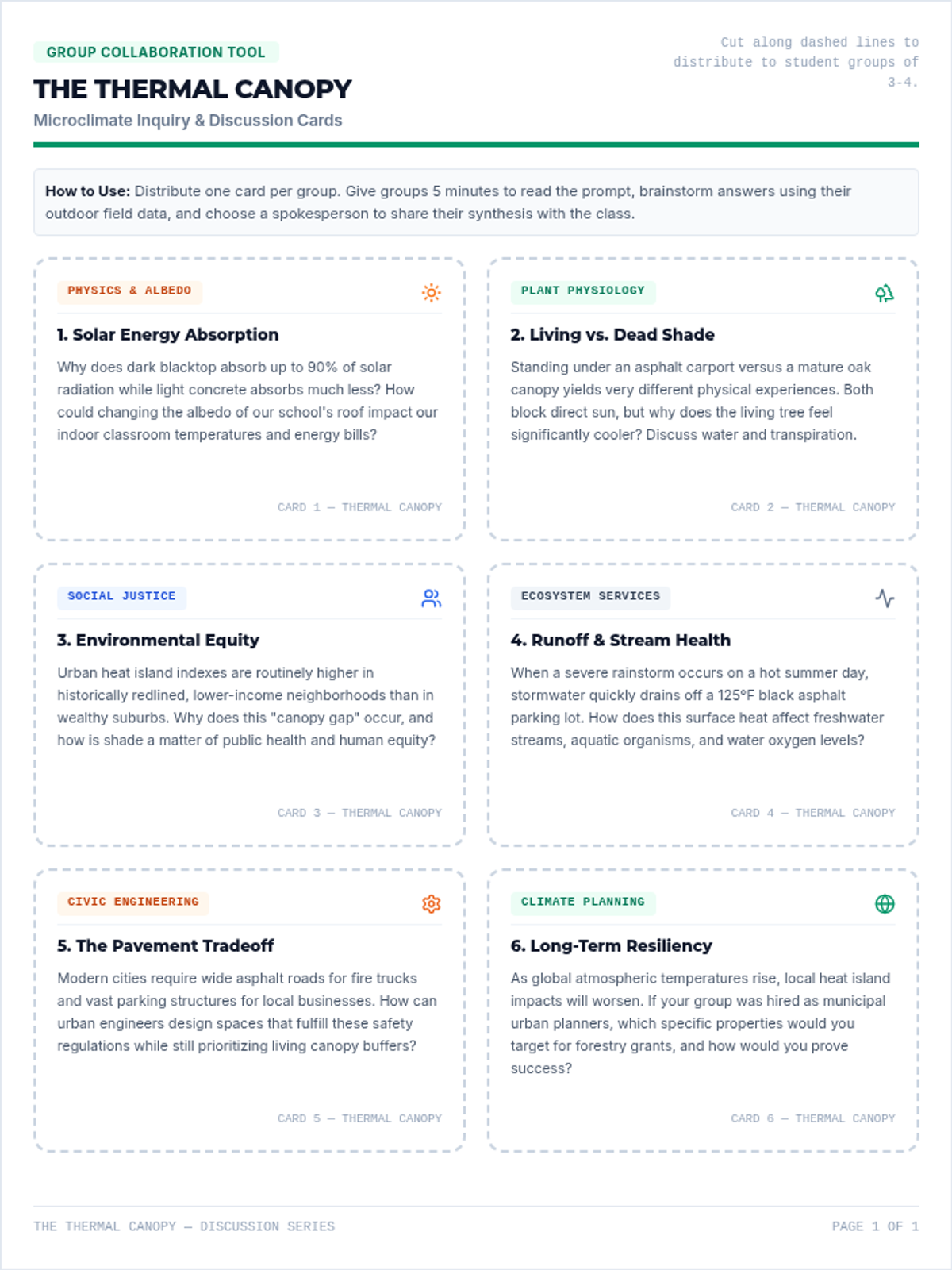
A hands-on environmental science lesson where high school students investigate schoolyard microclimates using temperature mapping and weather data, analyzing the local urban heat island effect and proposing canopy-based mitigation.
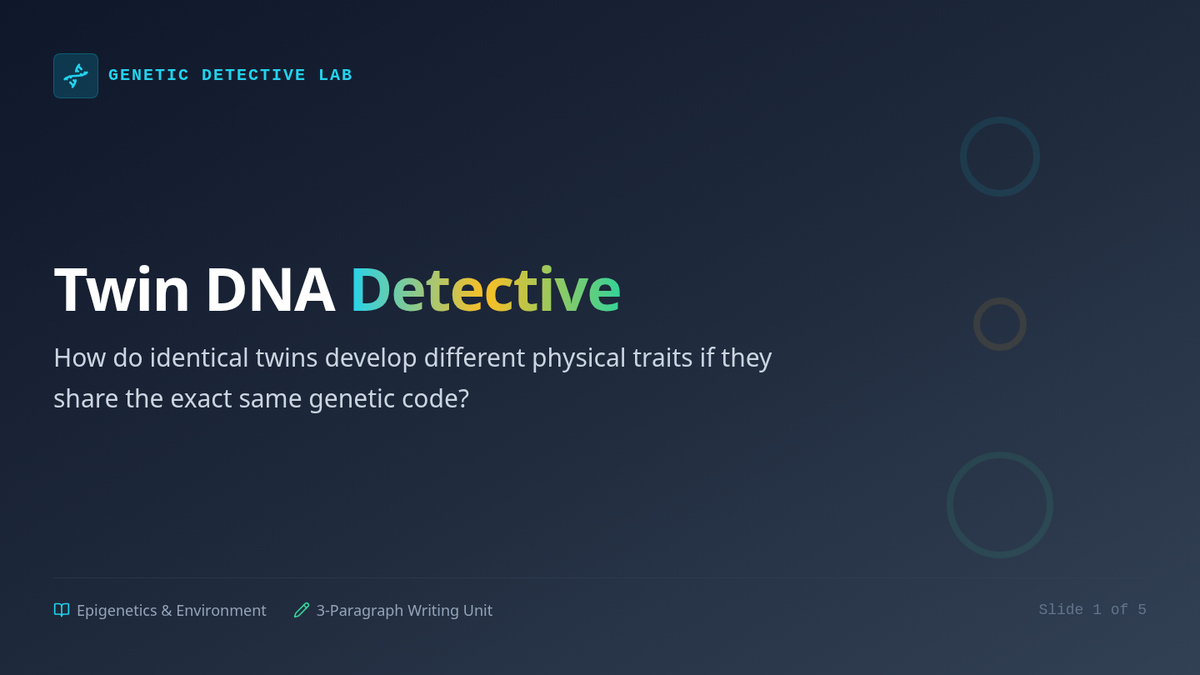
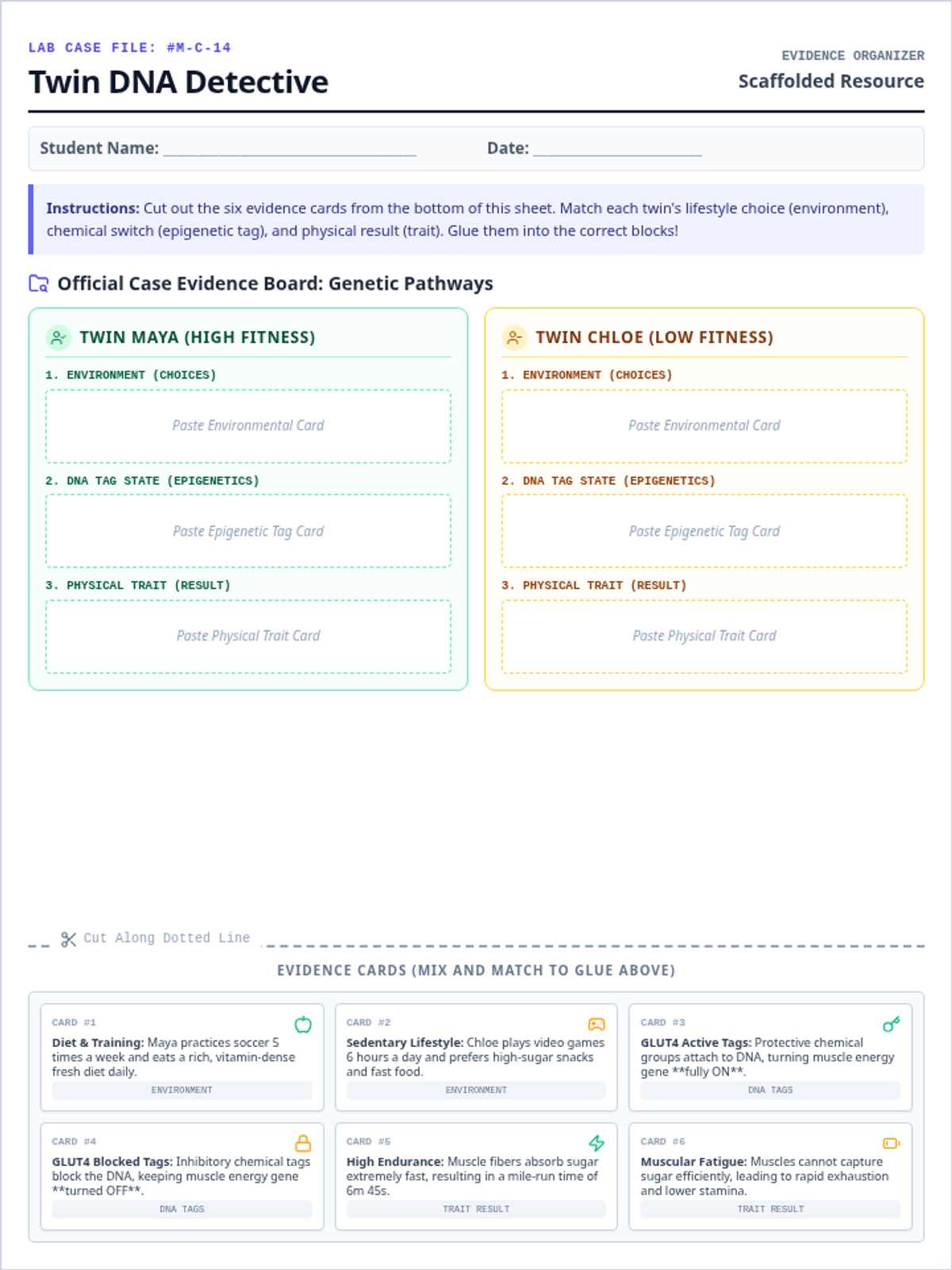
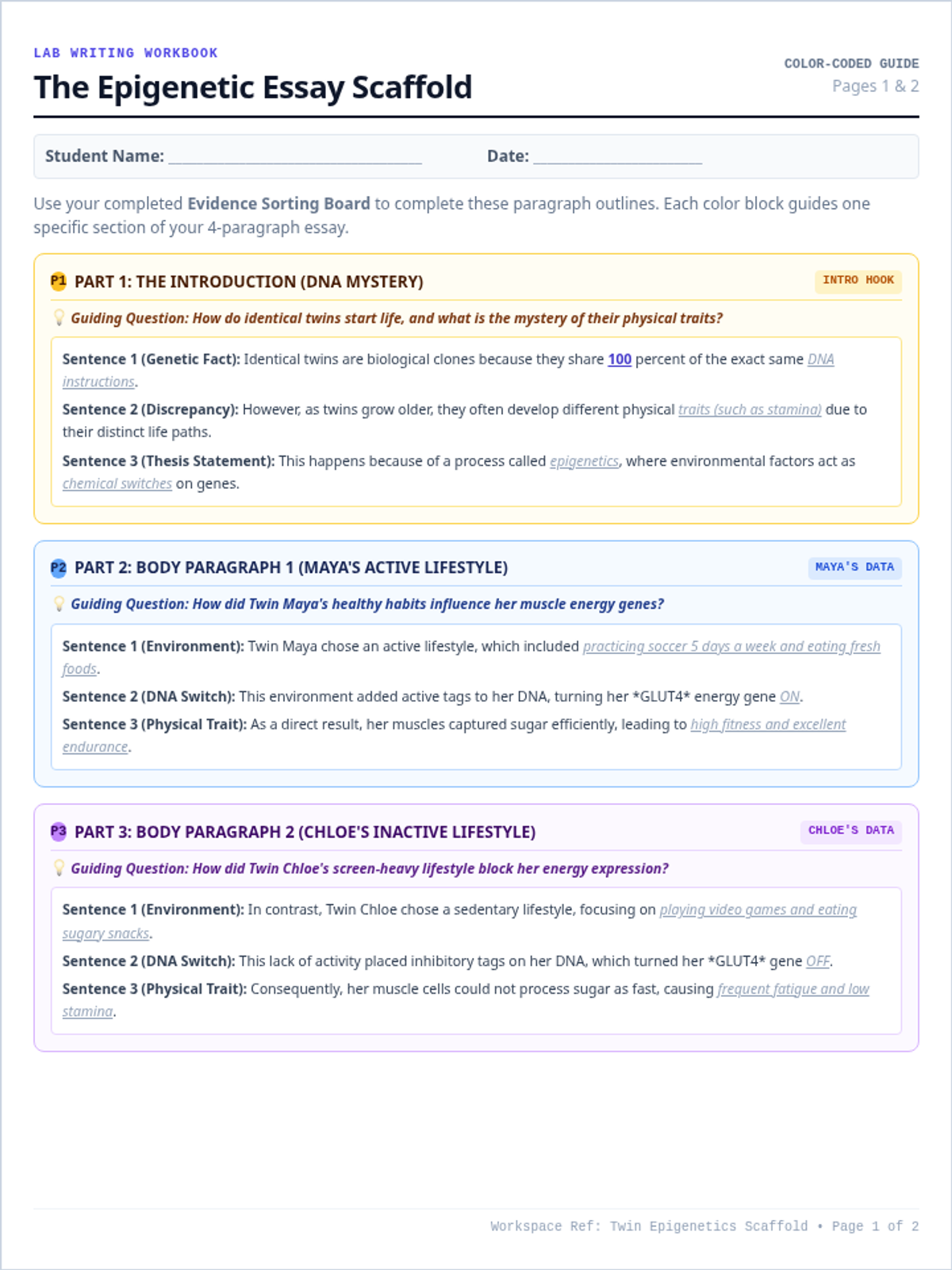
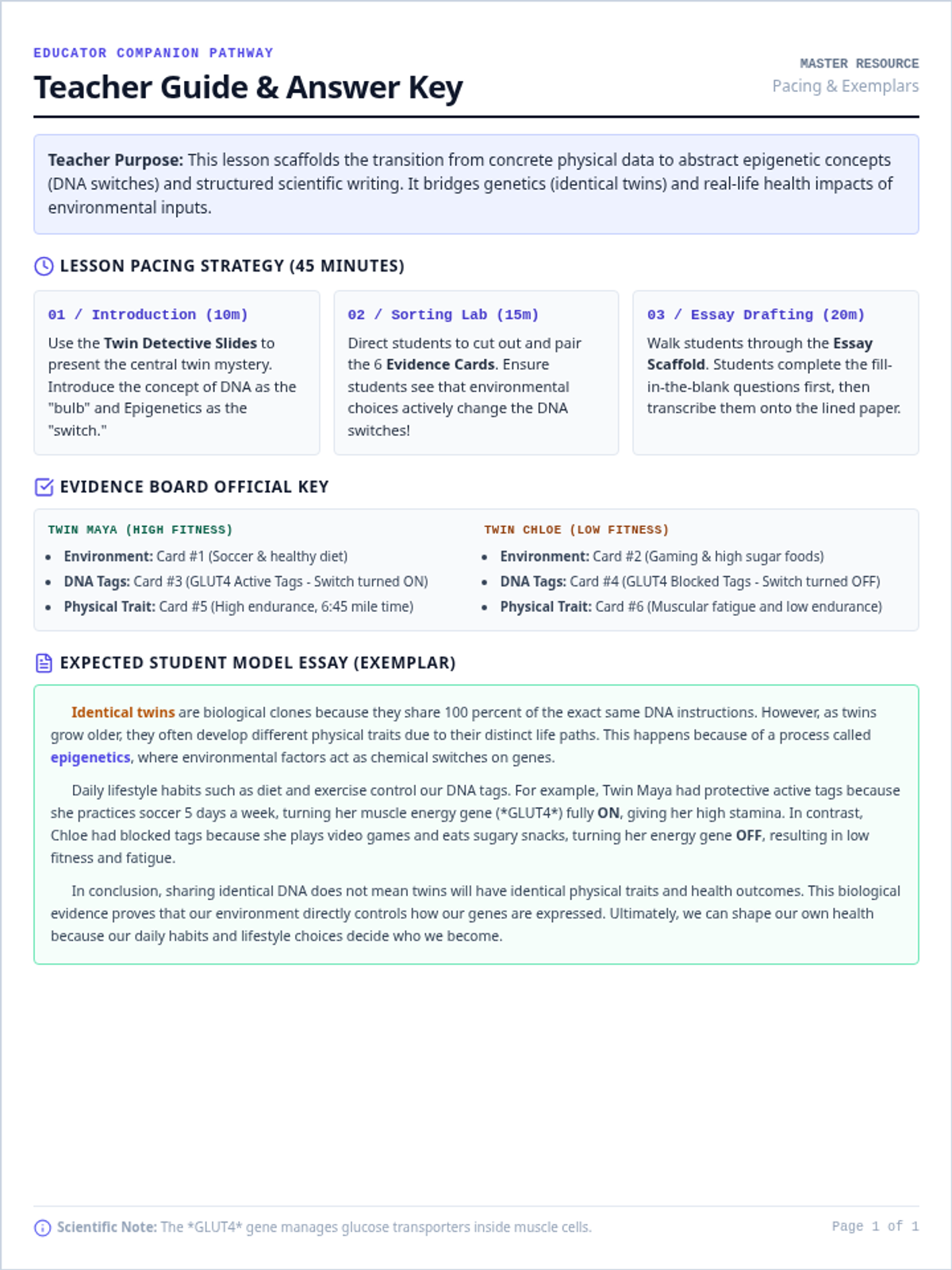
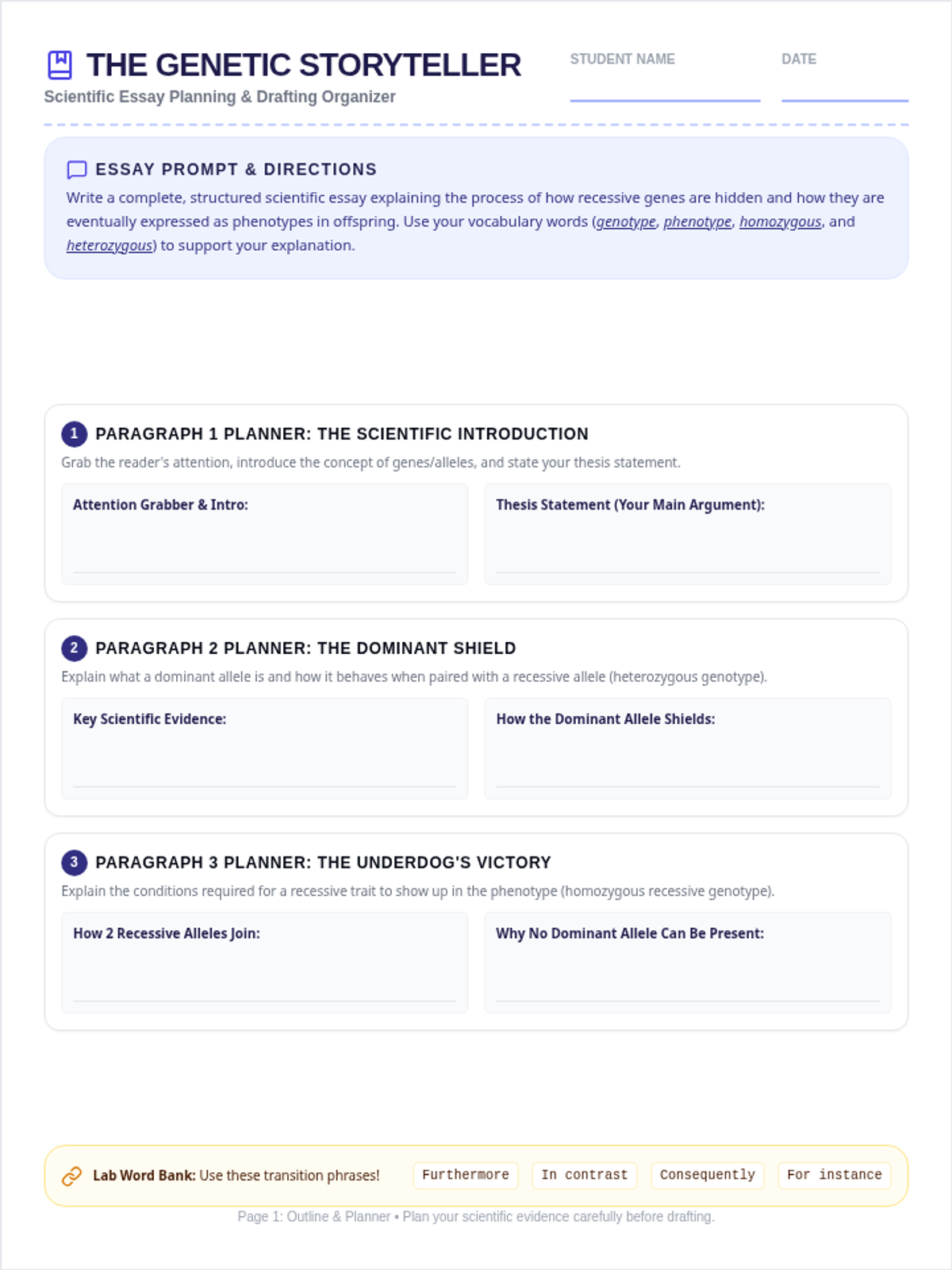
Students investigate how identical twins with identical DNA can develop different physical traits due to epigenetics. Through color-coded data sorting and sentence-by-sentence graphic organizers, students draft a complete three-paragraph scientific explanation.
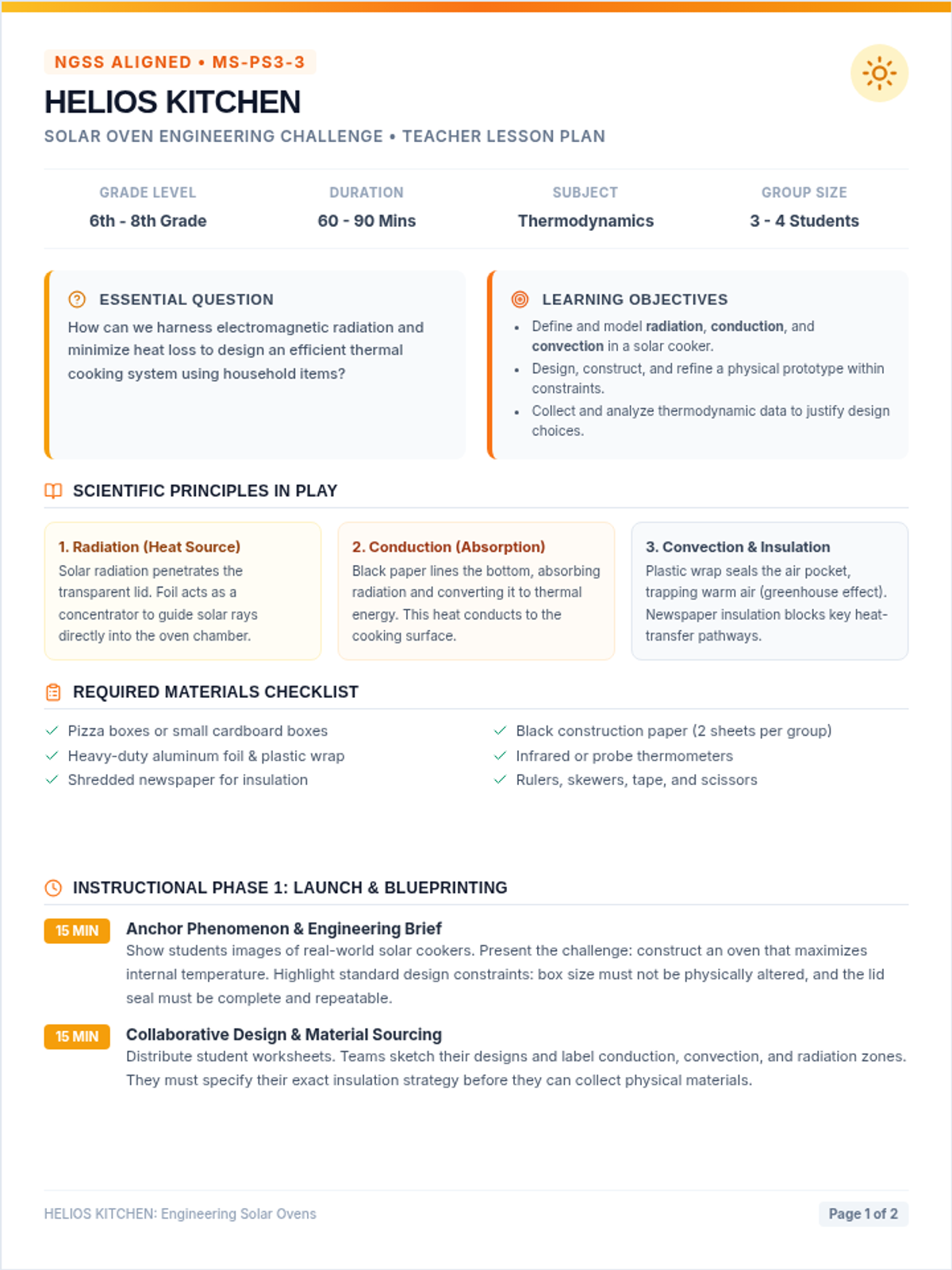
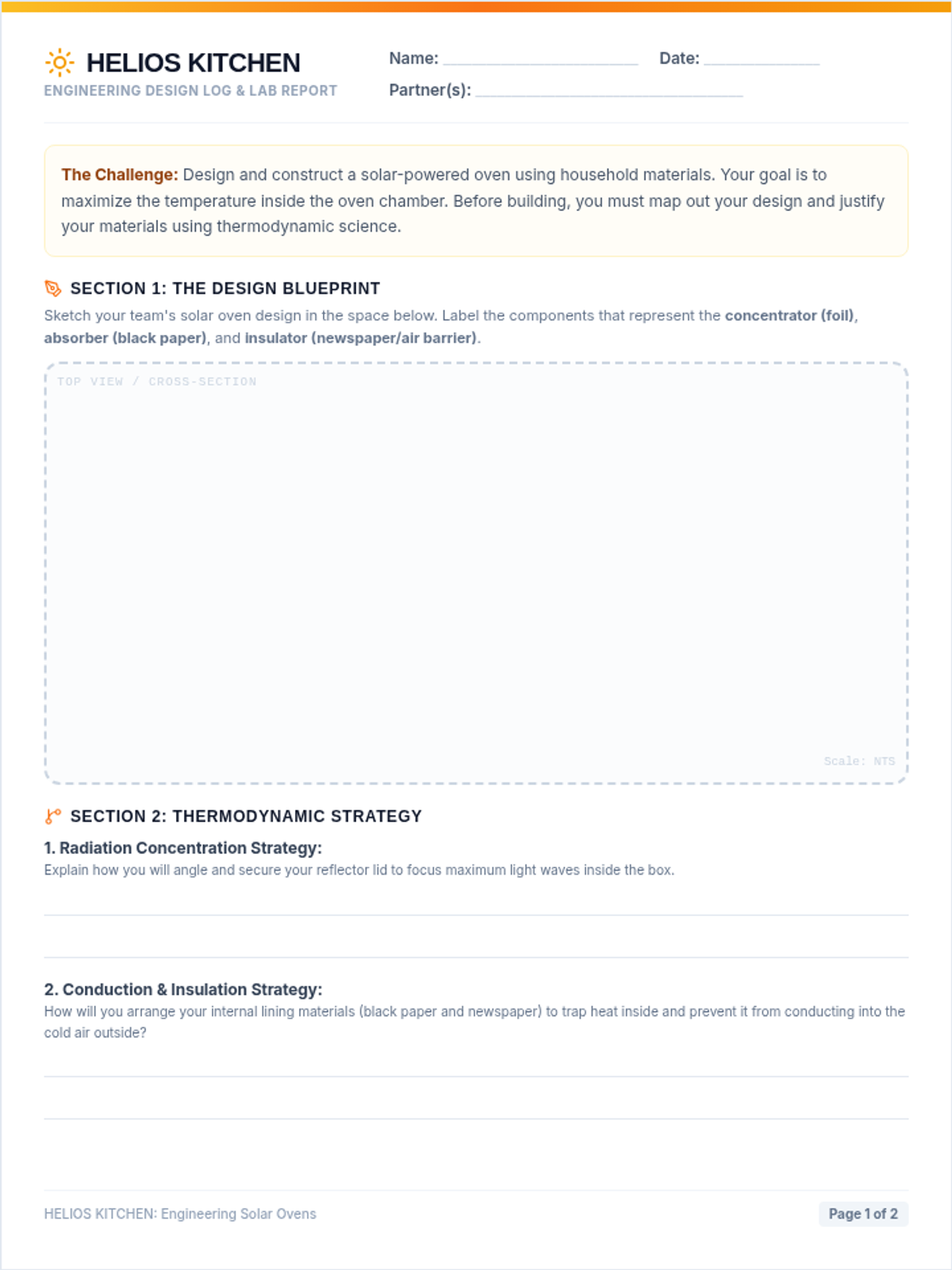
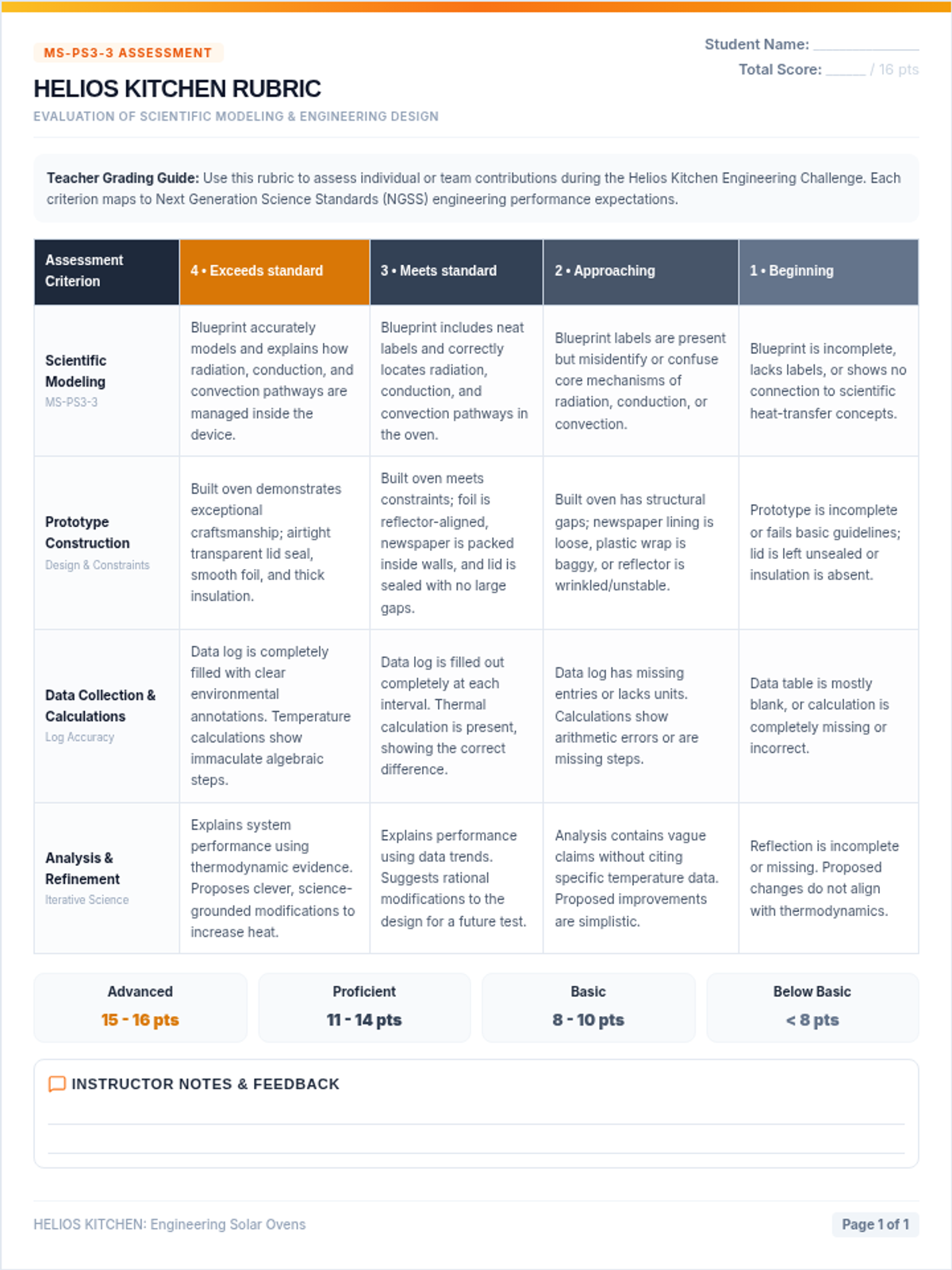
A hands-on middle school engineering challenge where students design, build, and test solar-powered ovens to investigate heat transfer and thermal insulation.
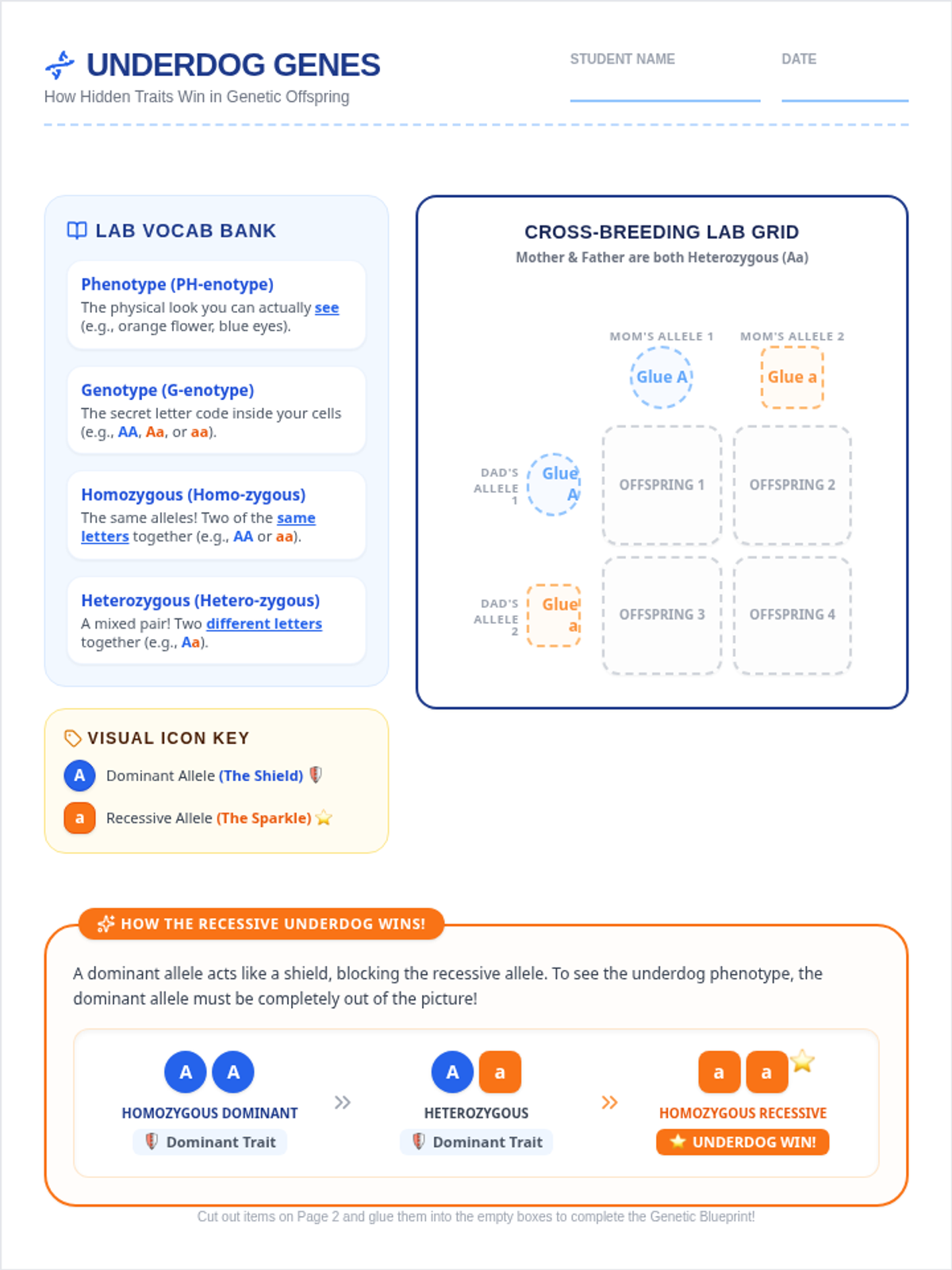
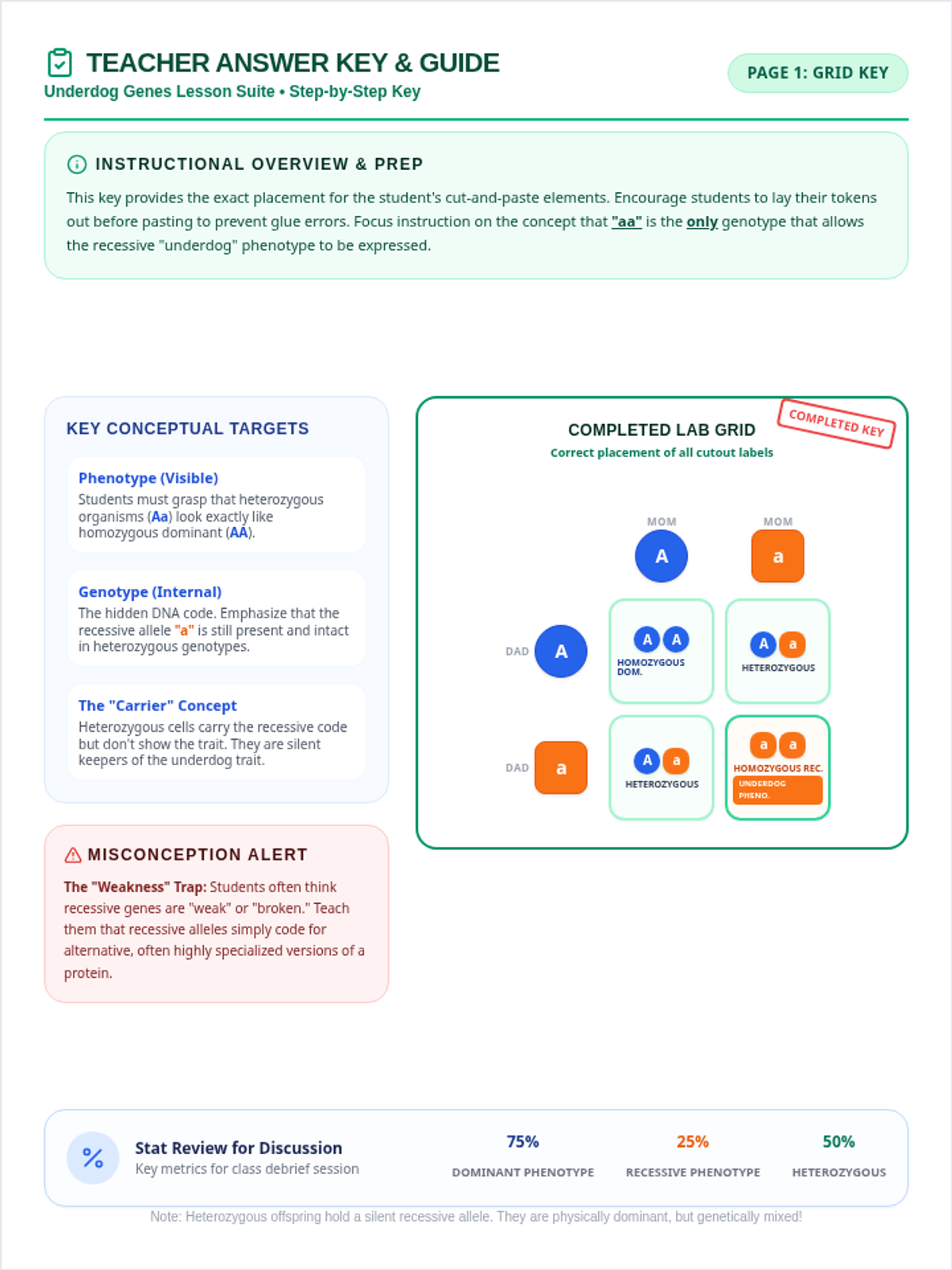
A hands-on, highly scaffolded science lesson exploring how recessive alleles express their phenotypes. Students use visual icon coding, cut-and-paste labels, a simplified vocabulary bank, and guided paragraph frames to explain genetic expression step-by-step.
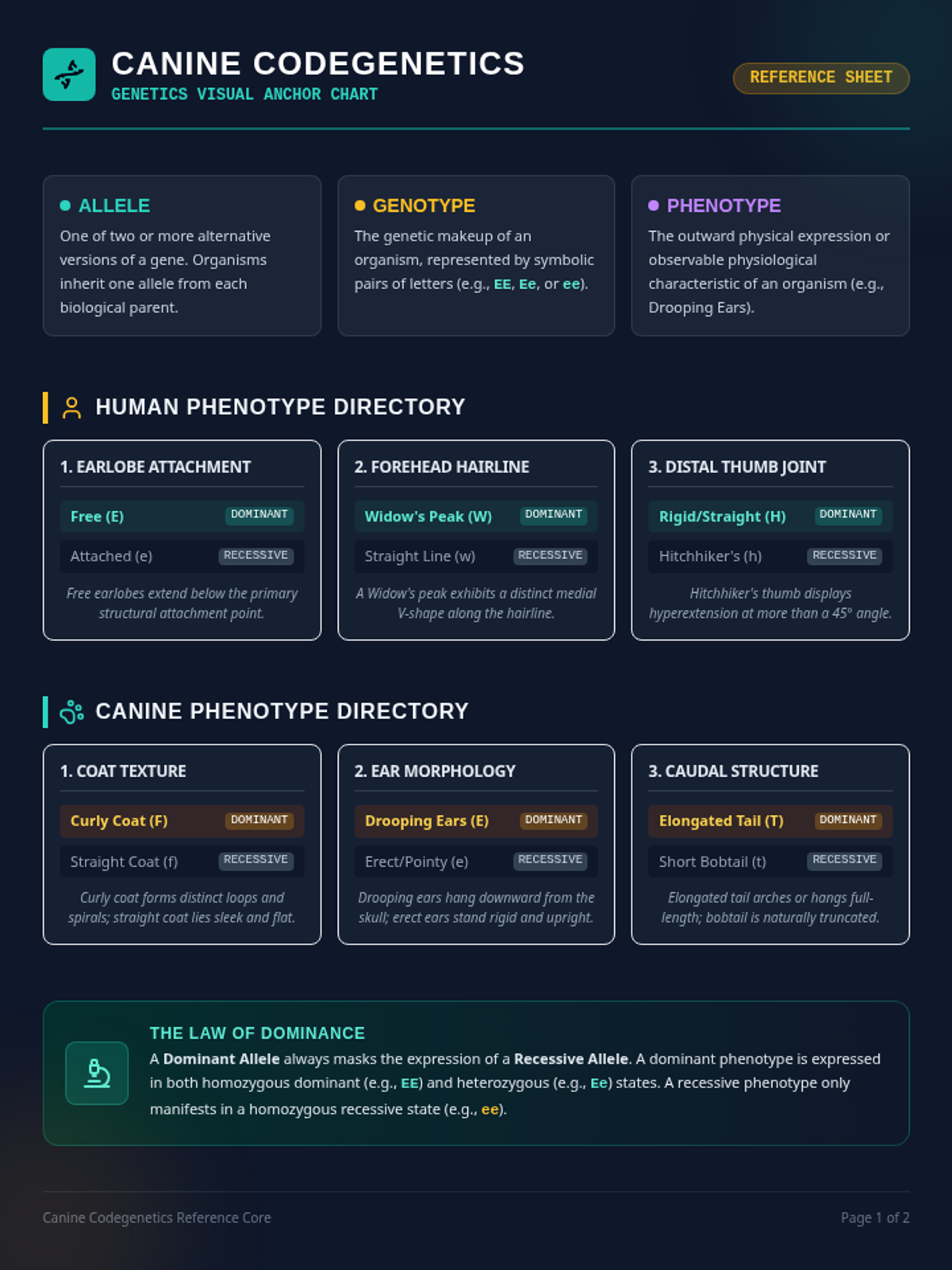
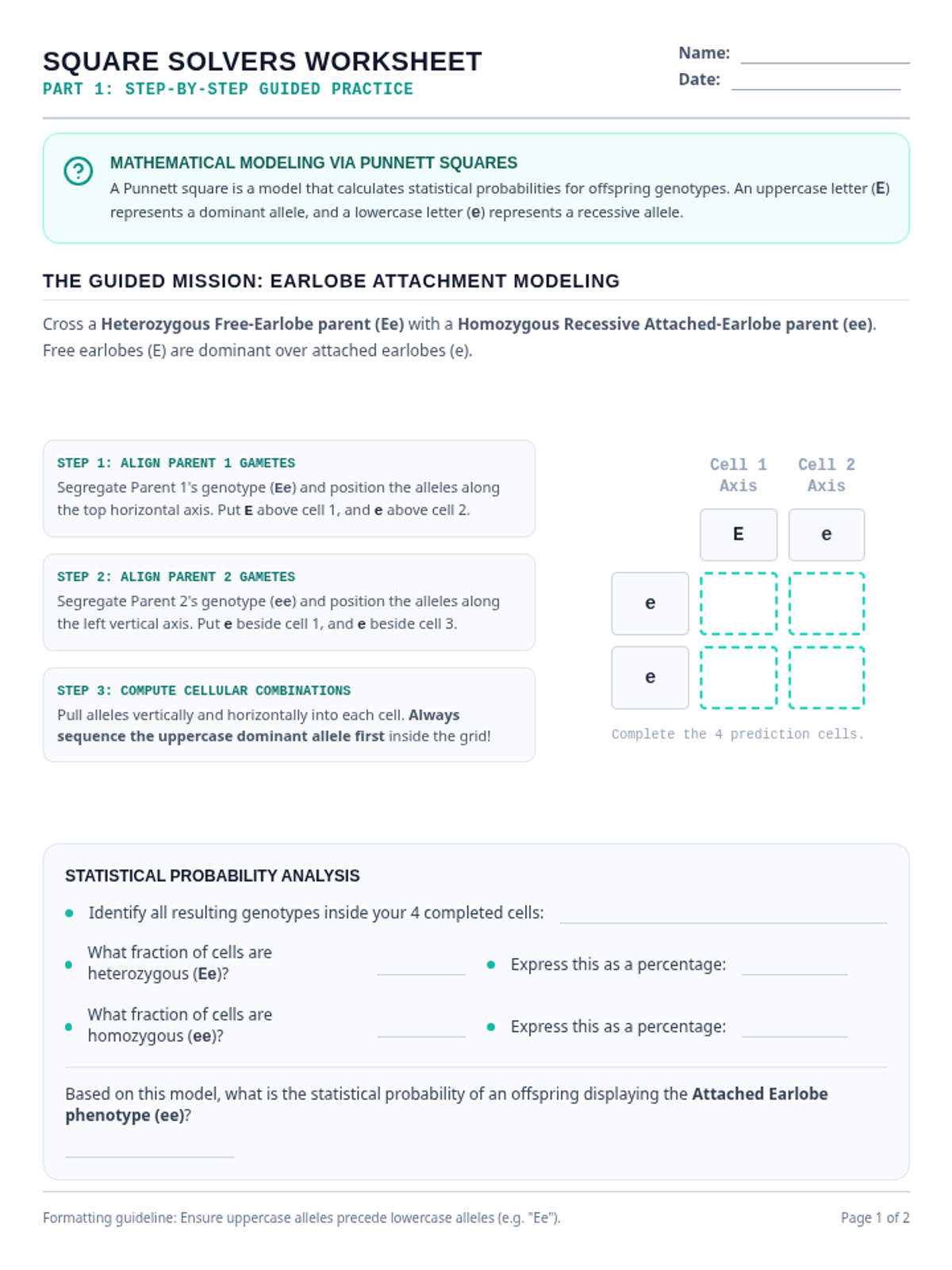
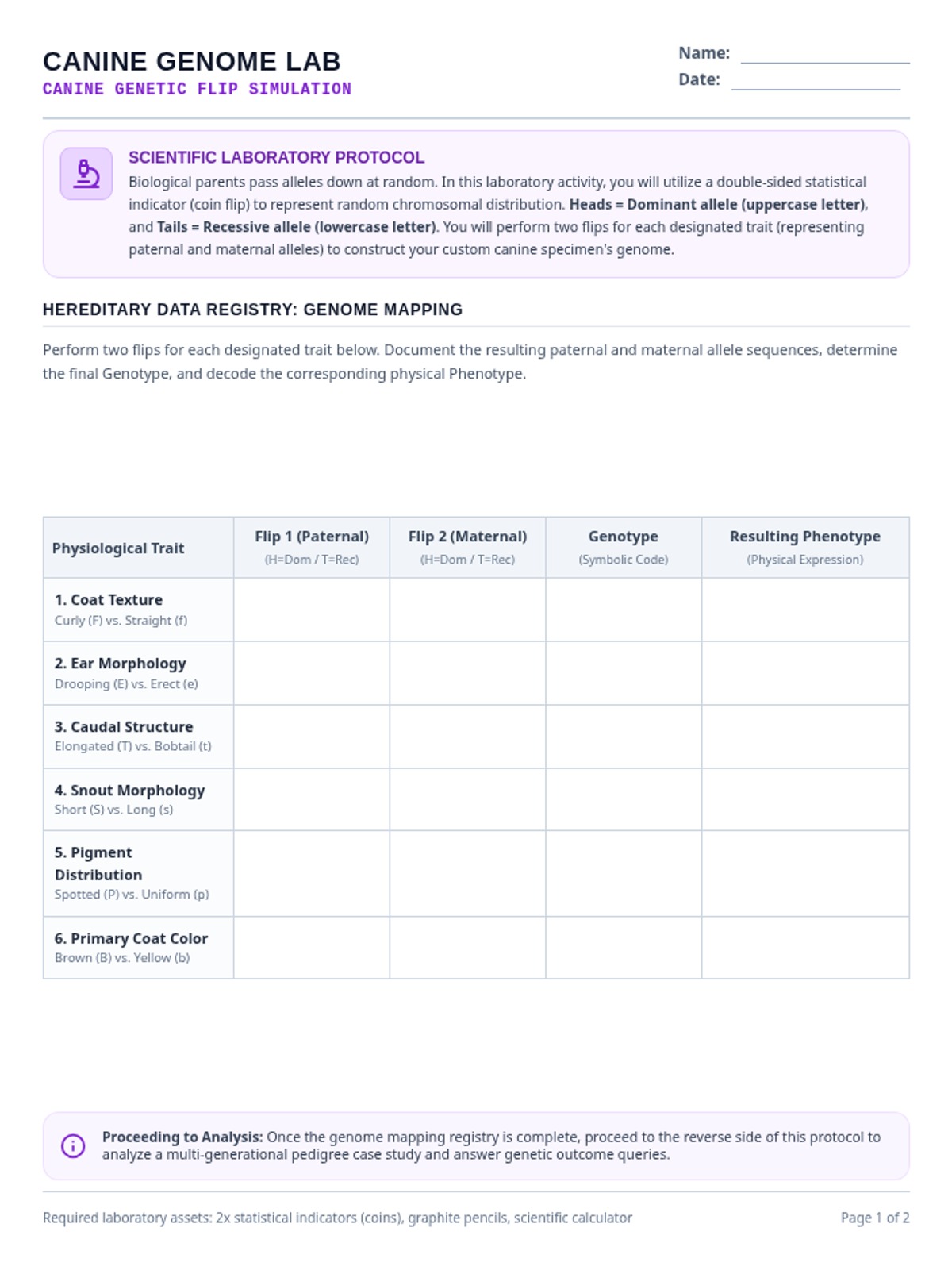
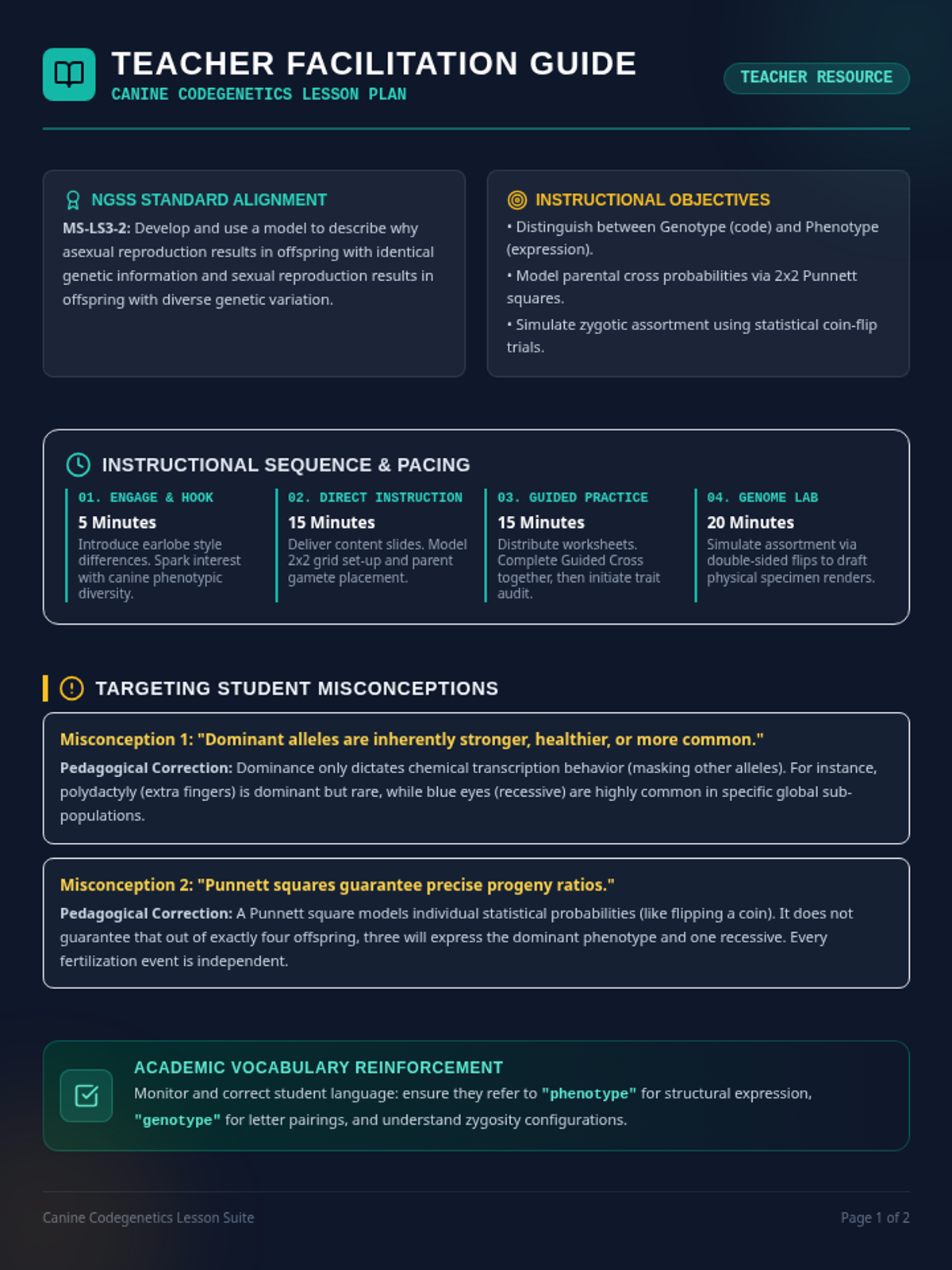
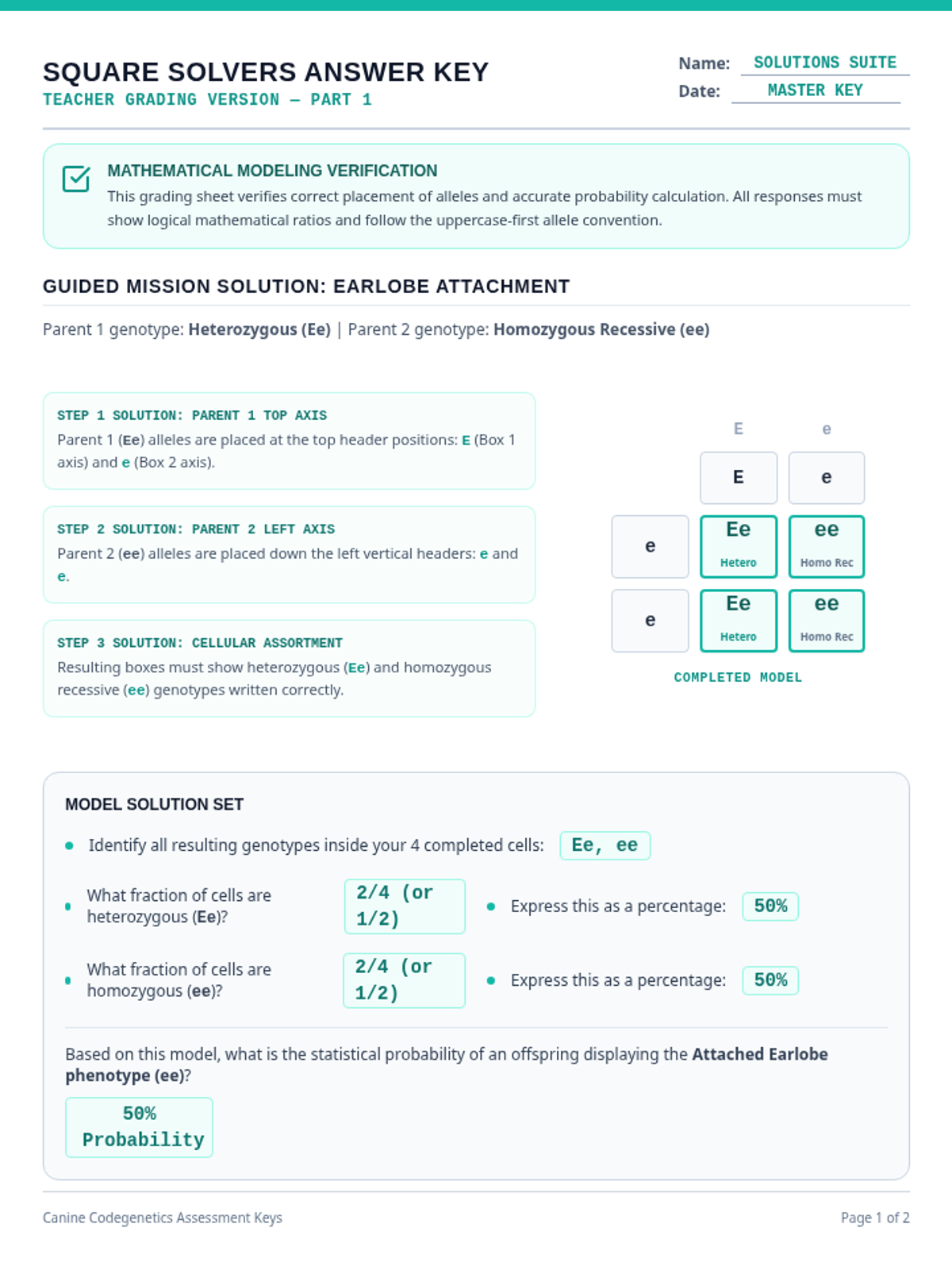
A scientifically rigorous 7th-grade lesson on traits and heredity. Students explore dominant and recessive allele patterns in human and canine specimens, master simplified 2x2 Punnett square genetic forecasting models, and simulate inheritance combinations in a canine genome lab.
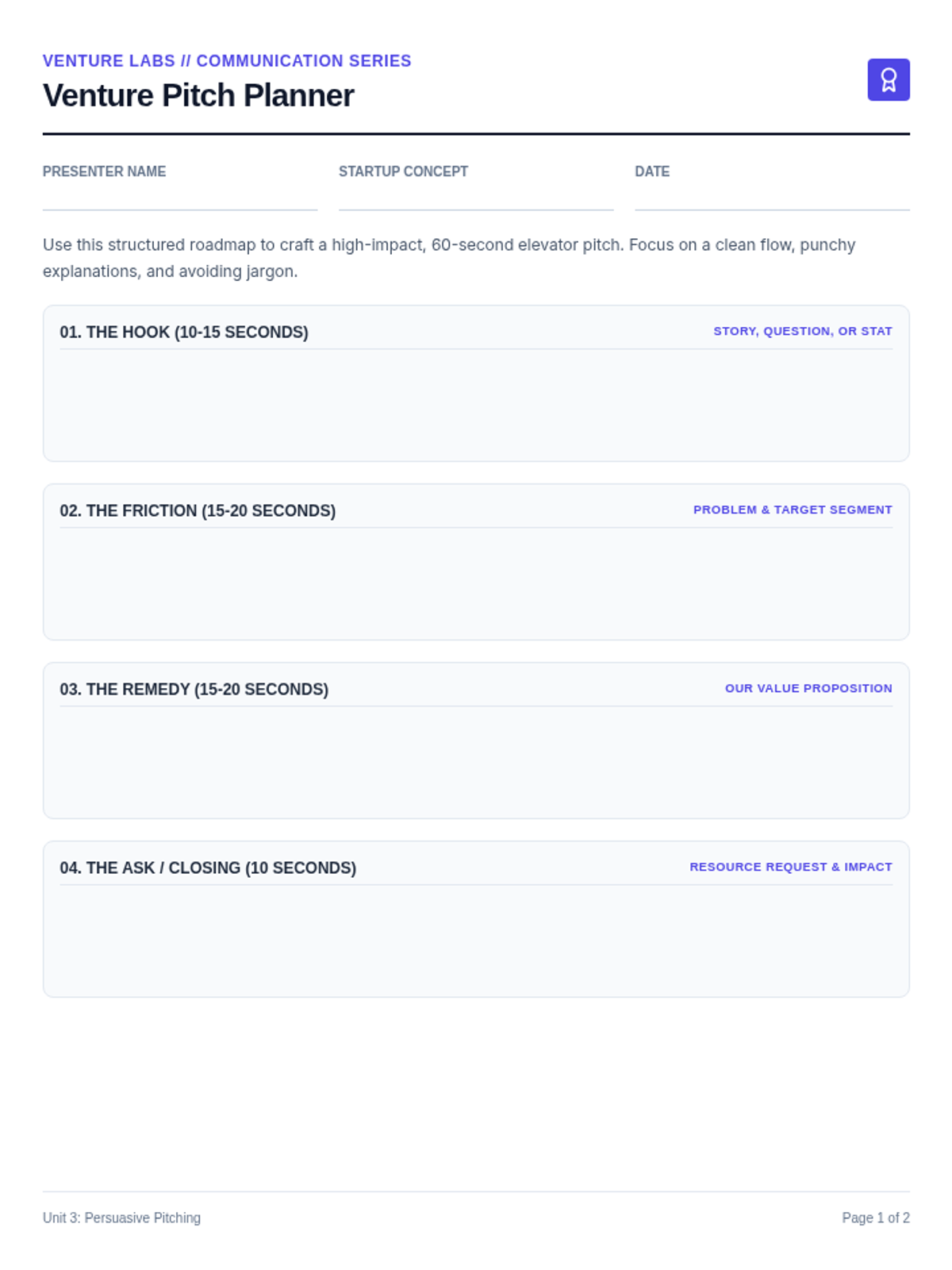
Craft a persuasive business pitch and deliver/review startup presentations to simulate a real-world investor round.
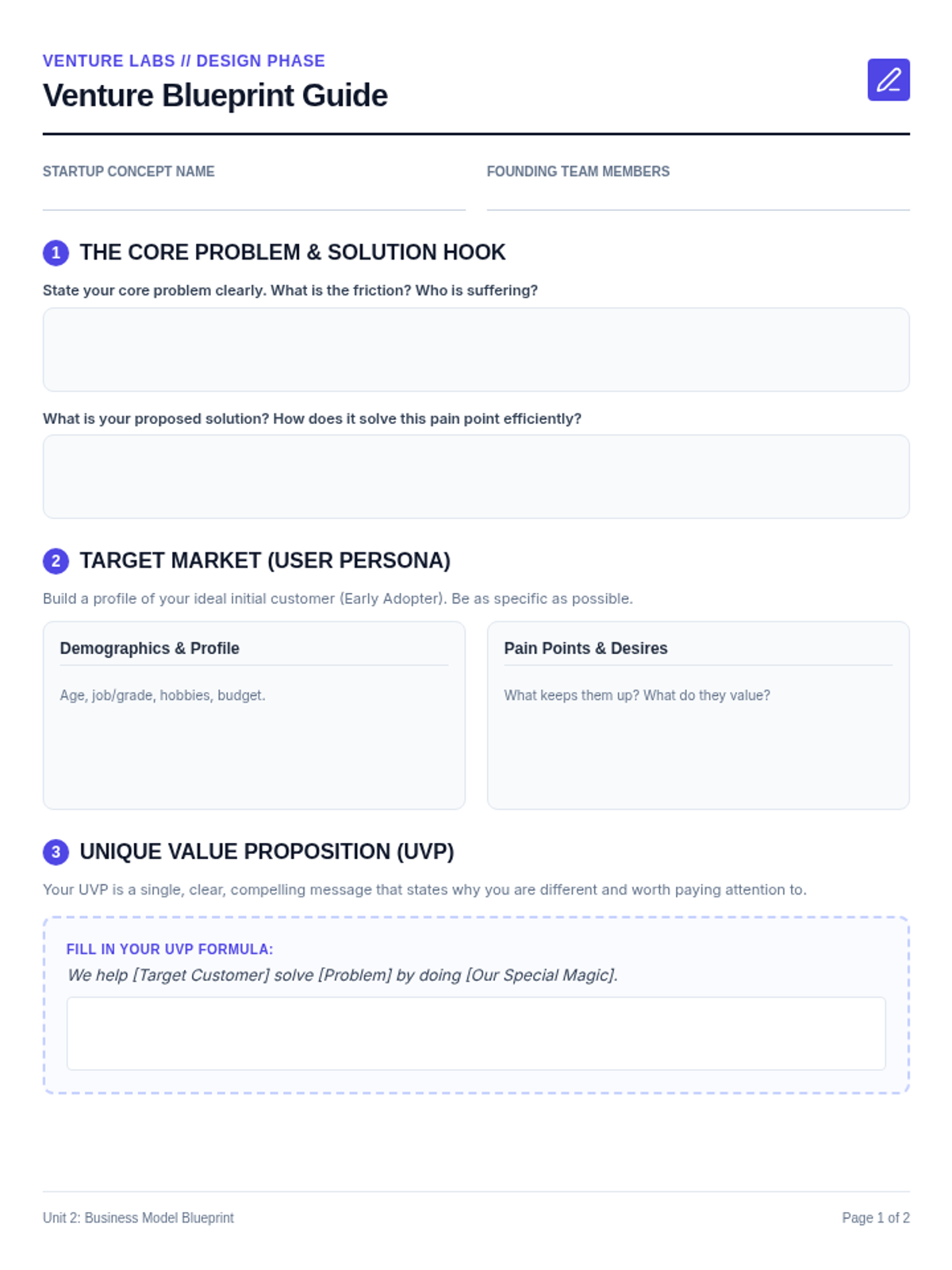
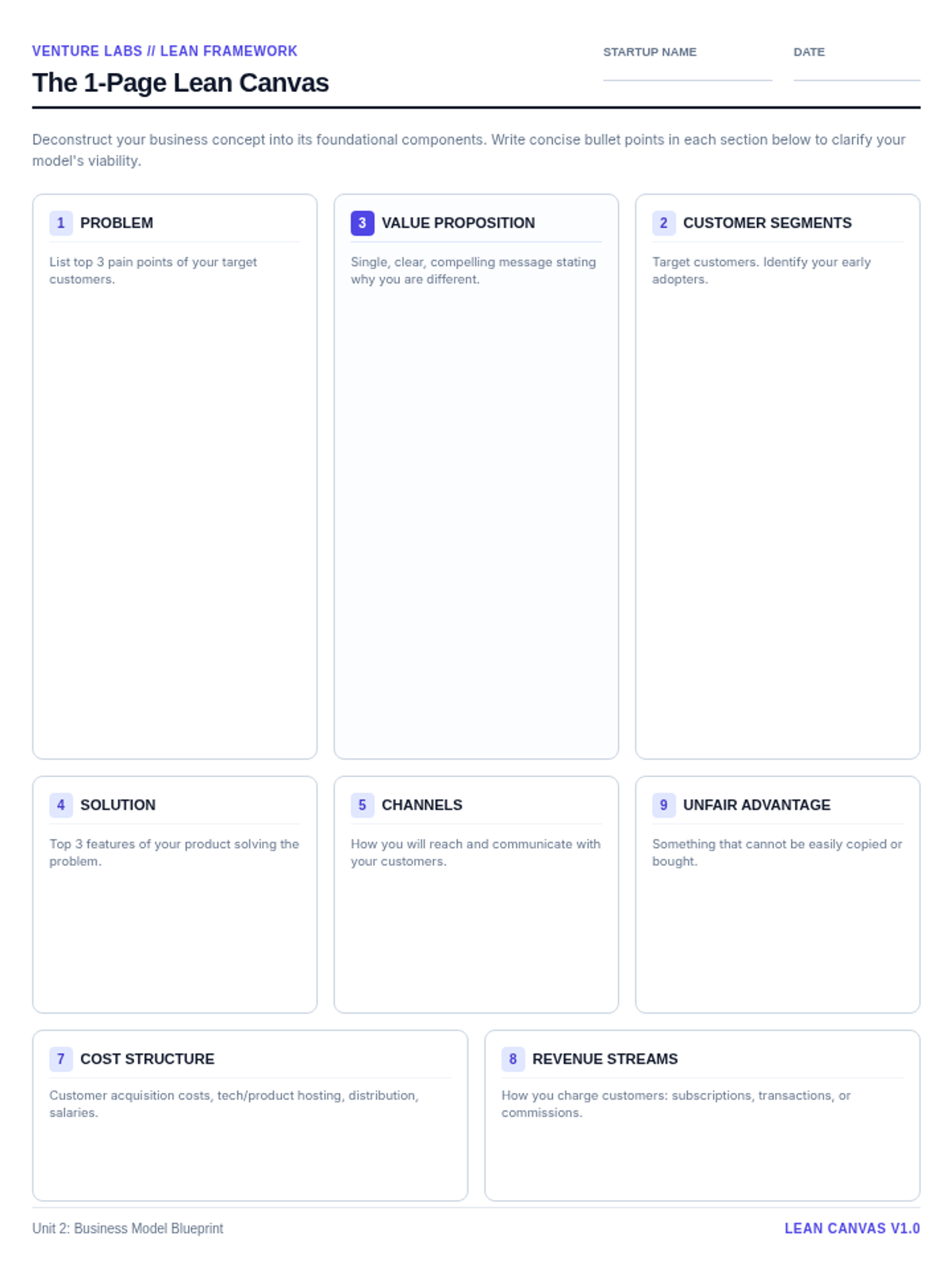
Deconstruct business model basics and complete a streamlined Lean Canvas for a student-led venture concept.
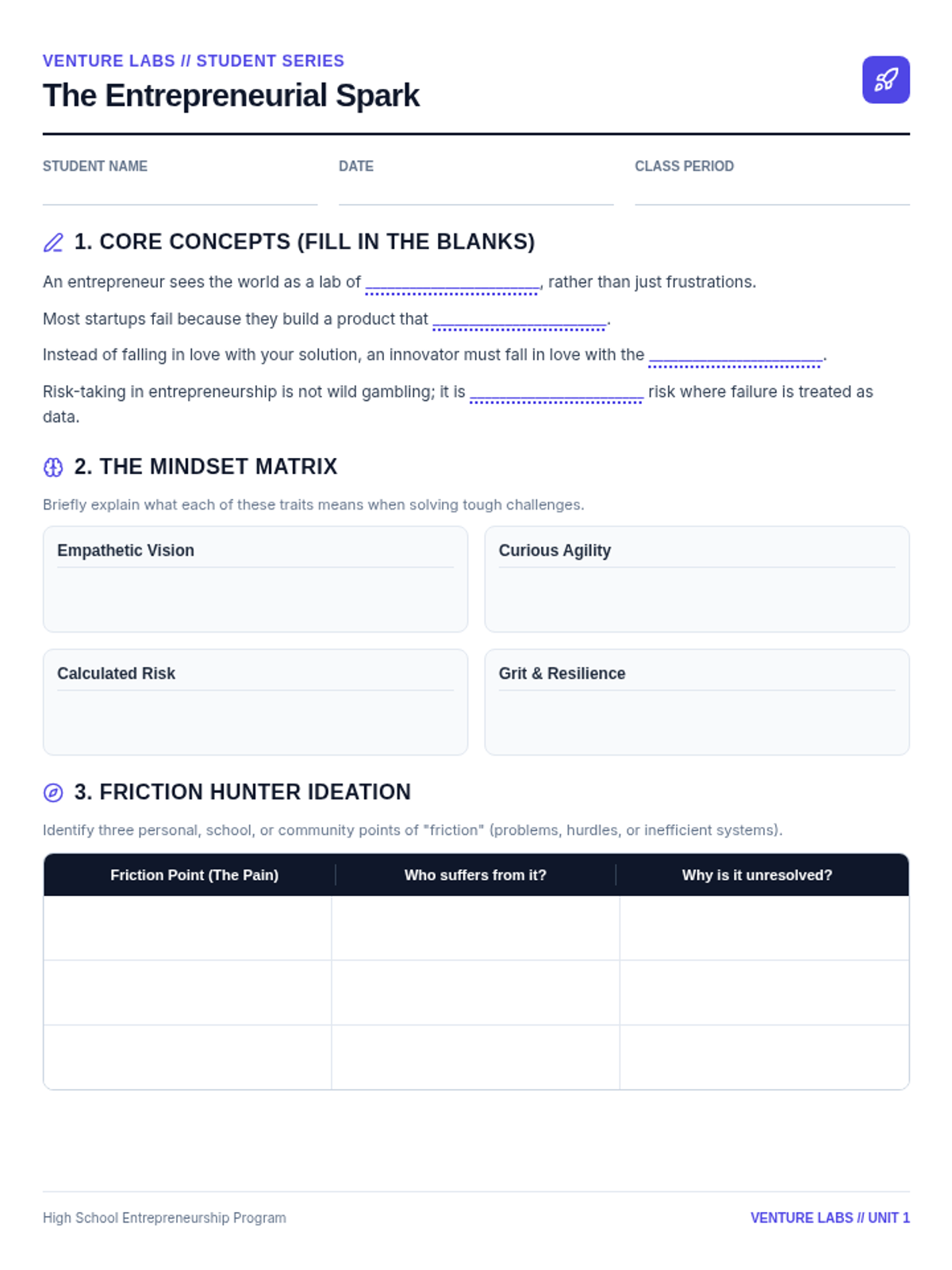
Explore the entrepreneurial mindset, identify real-world problems, and brainstorm innovative startup solutions.
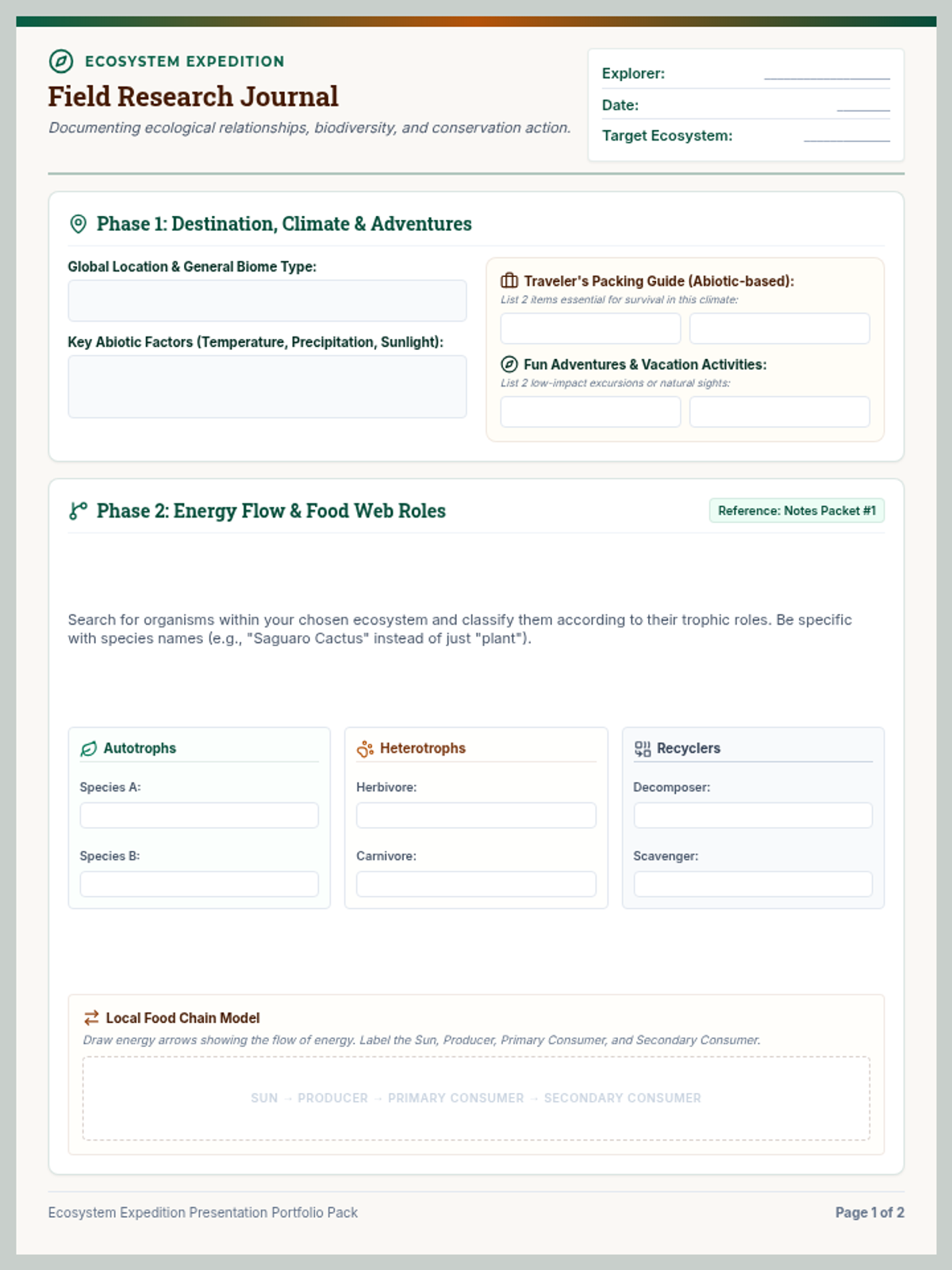
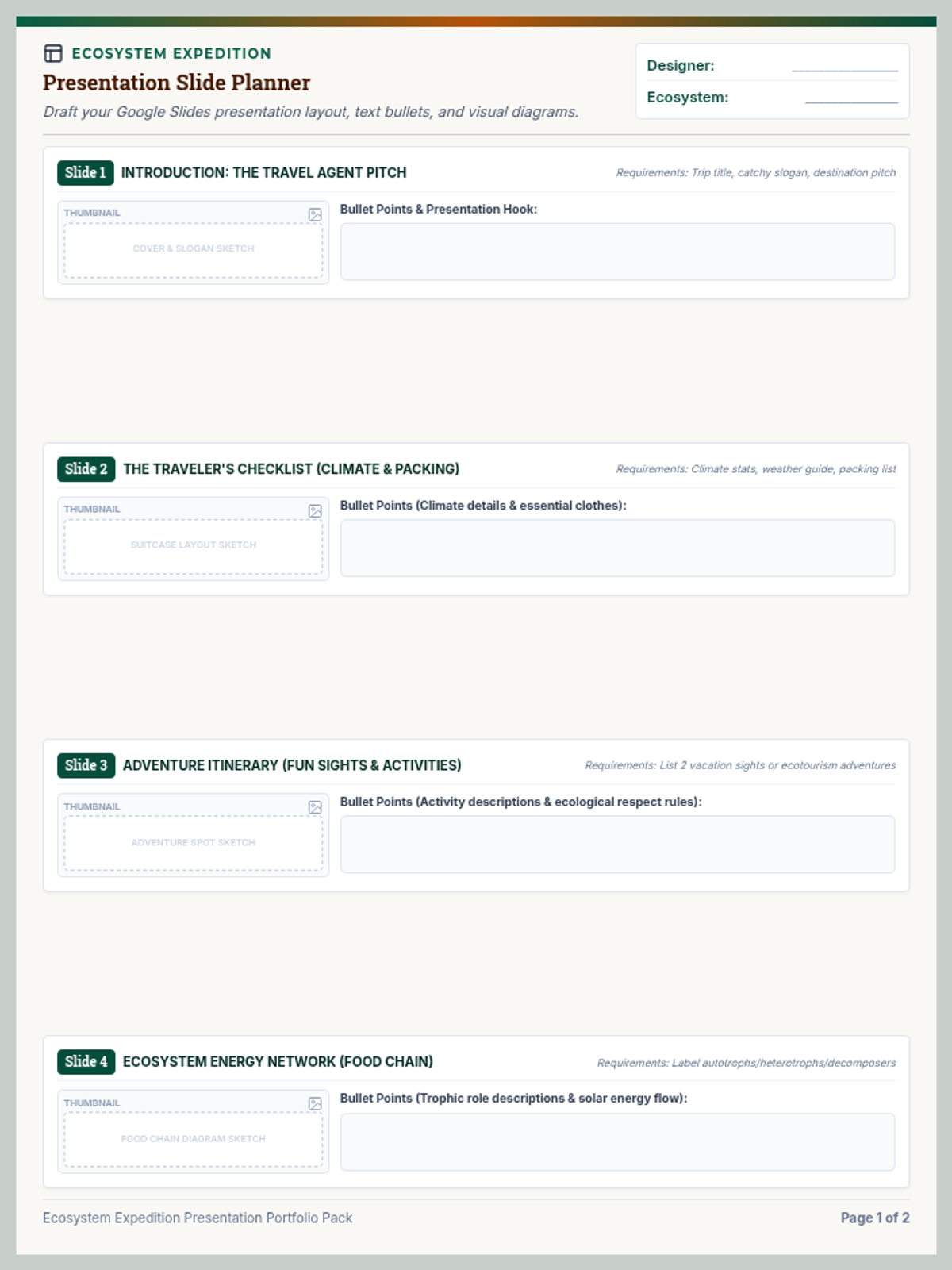
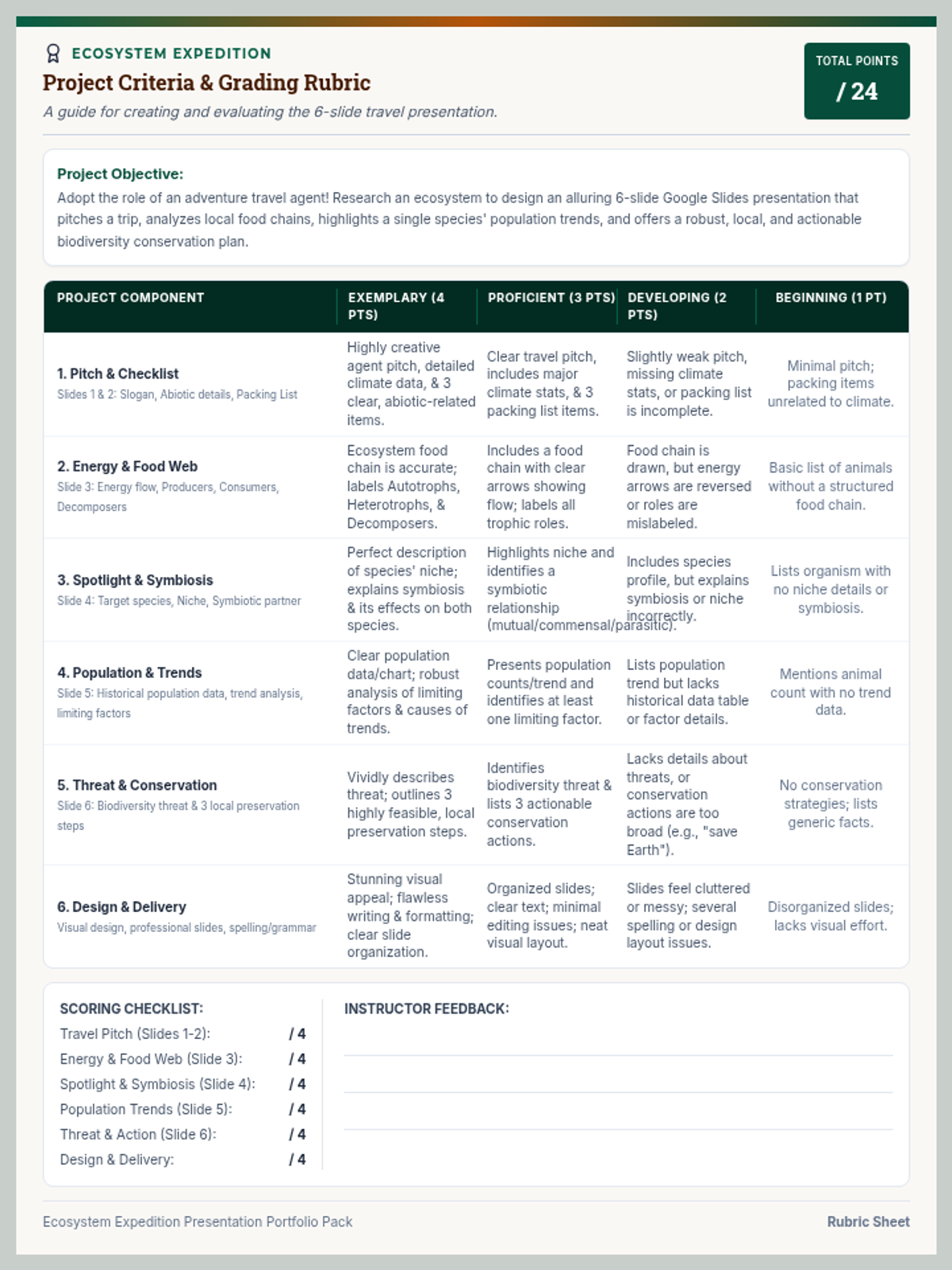
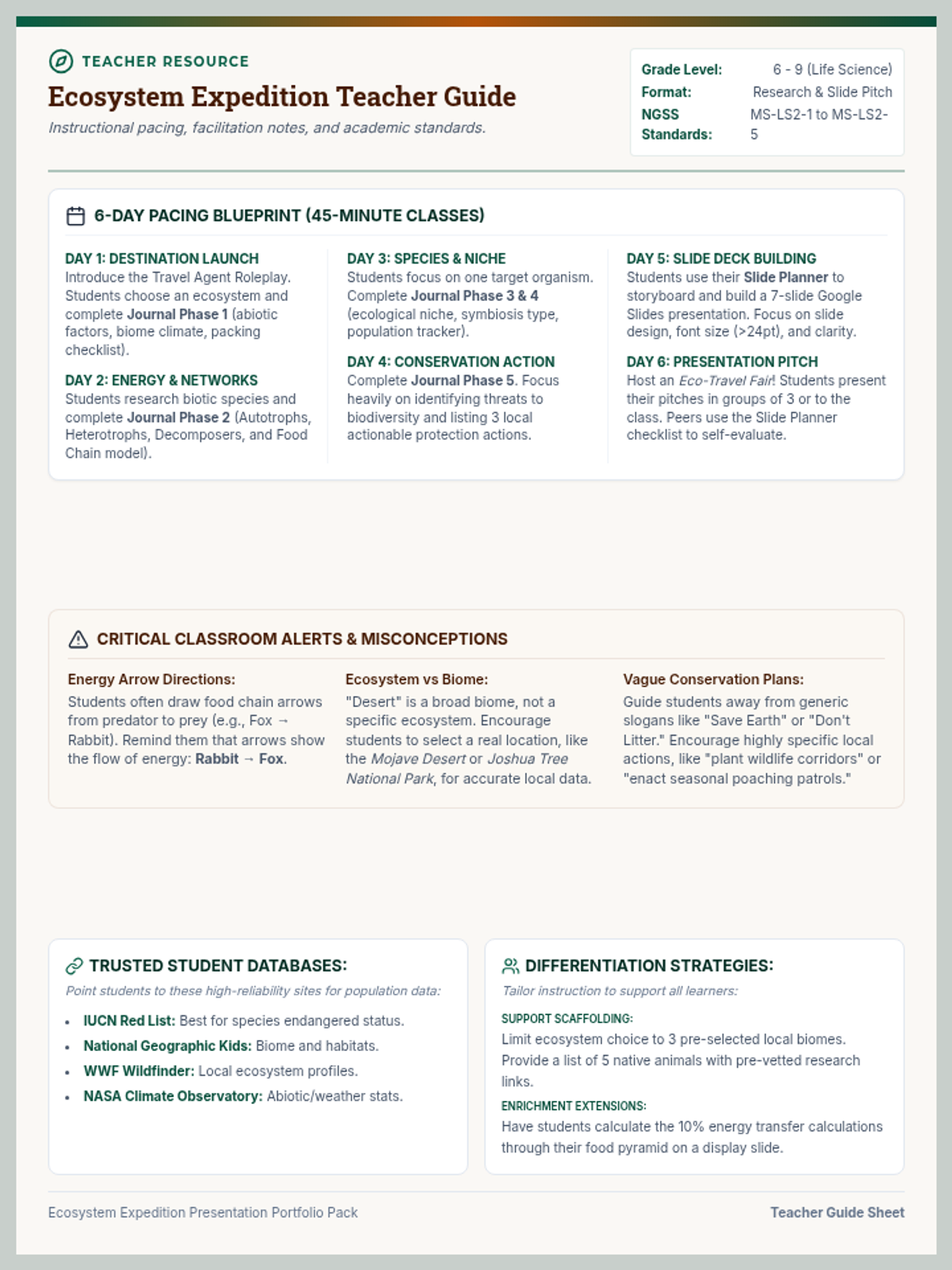
A project-based lesson where students research a chosen ecosystem, analyze its energy flow and biodiversity, focus on a specific species' population, and design a 'travel pitch' slide presentation with an actionable conservation plan.
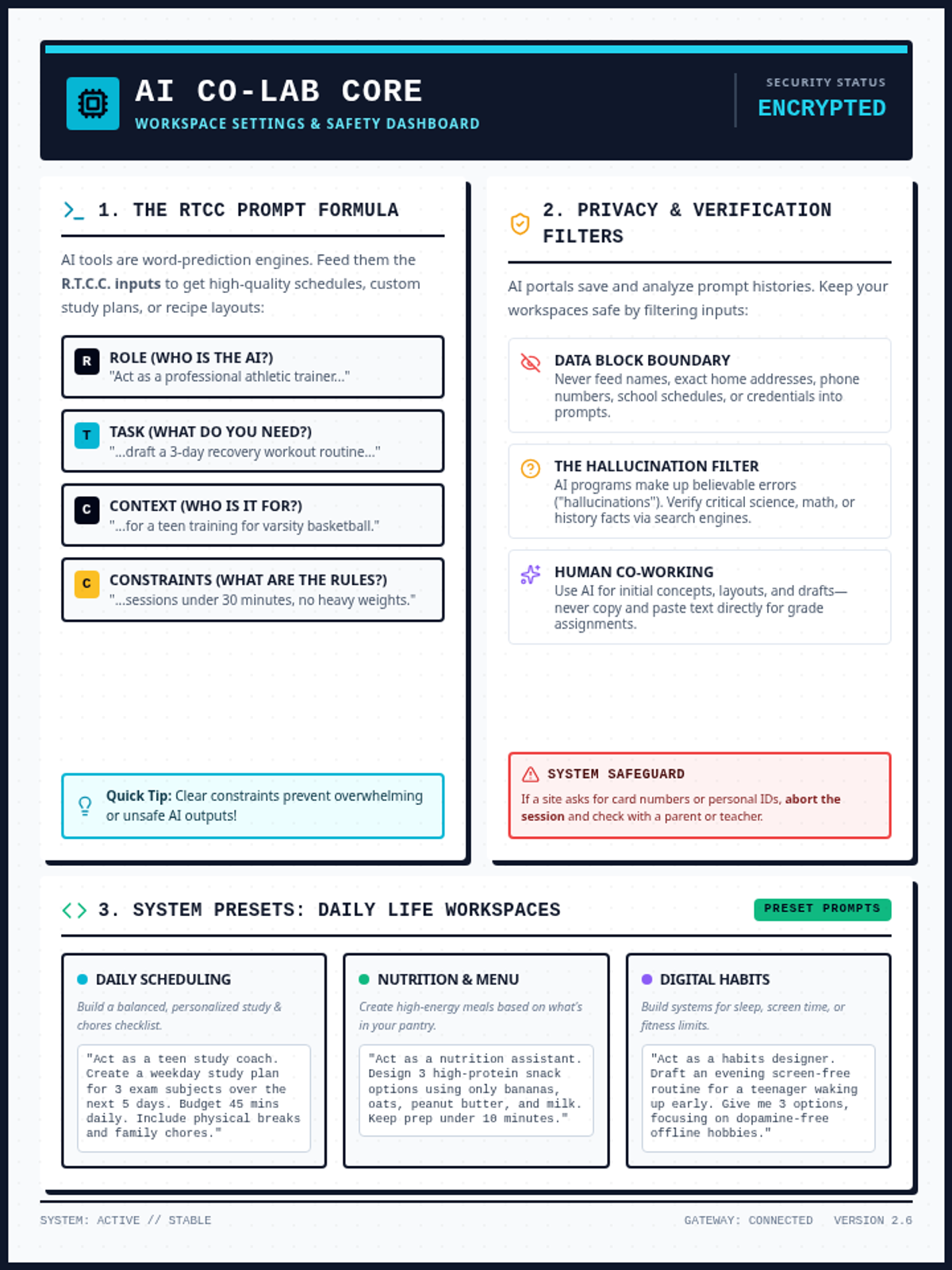
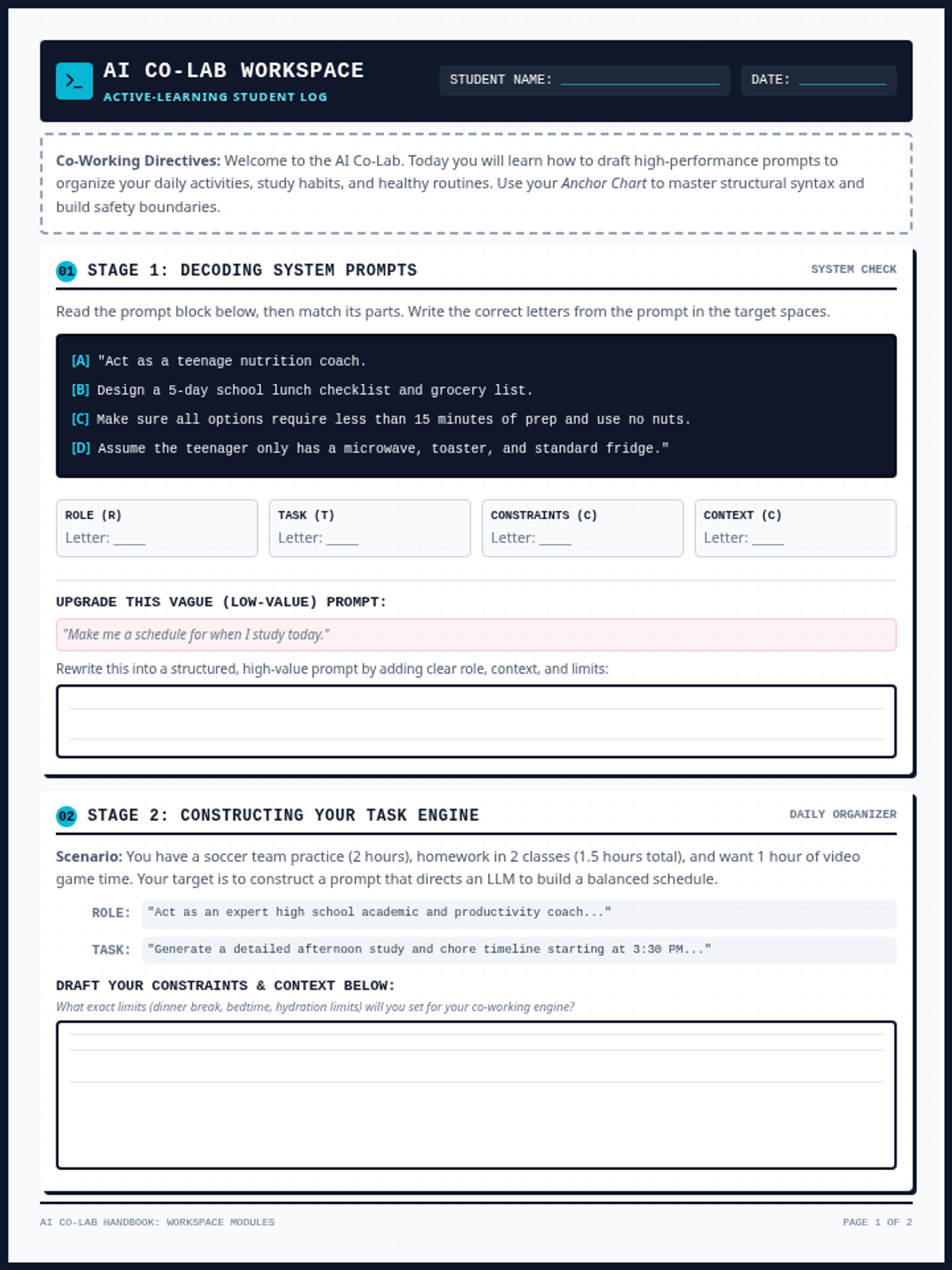
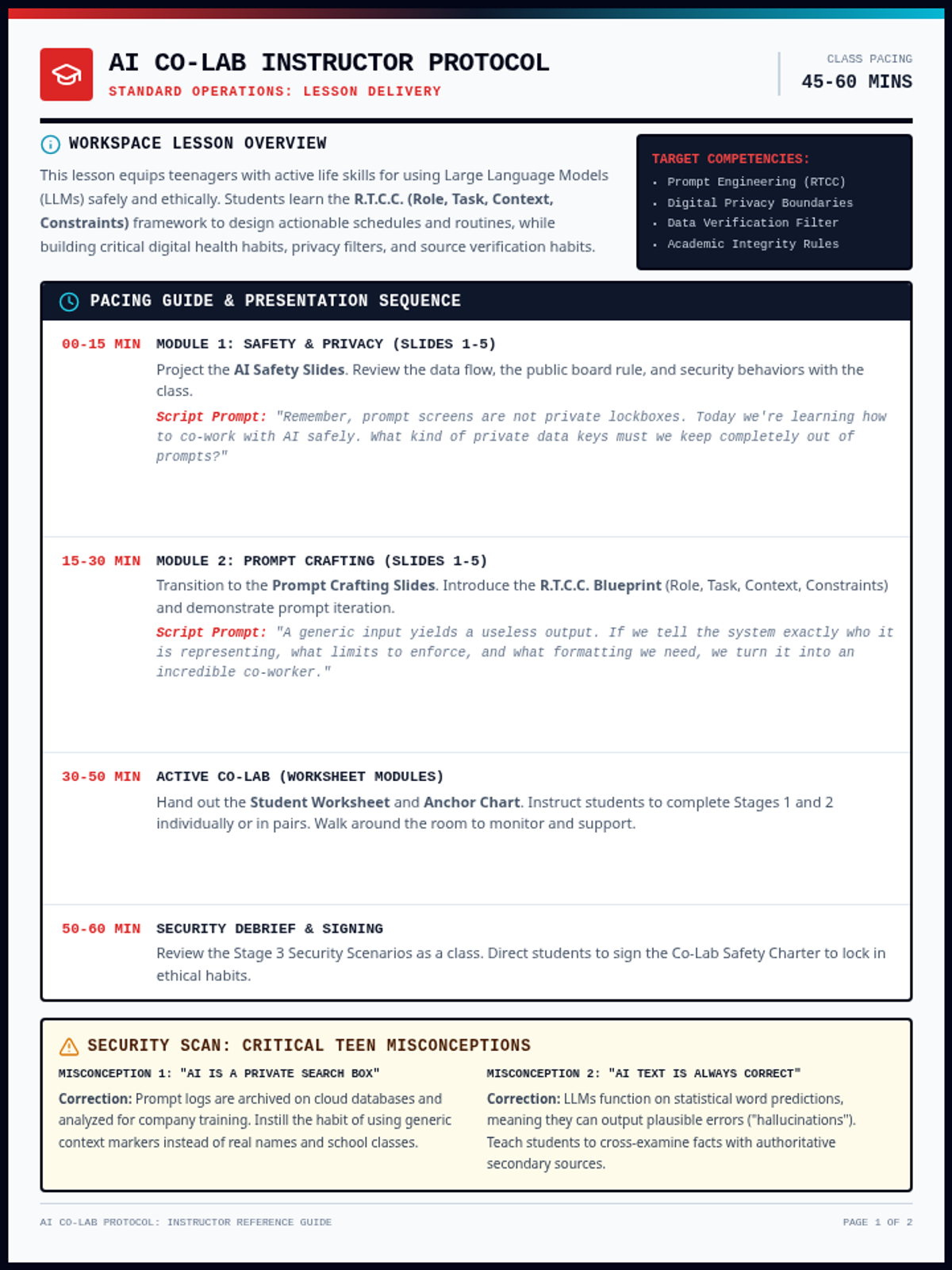
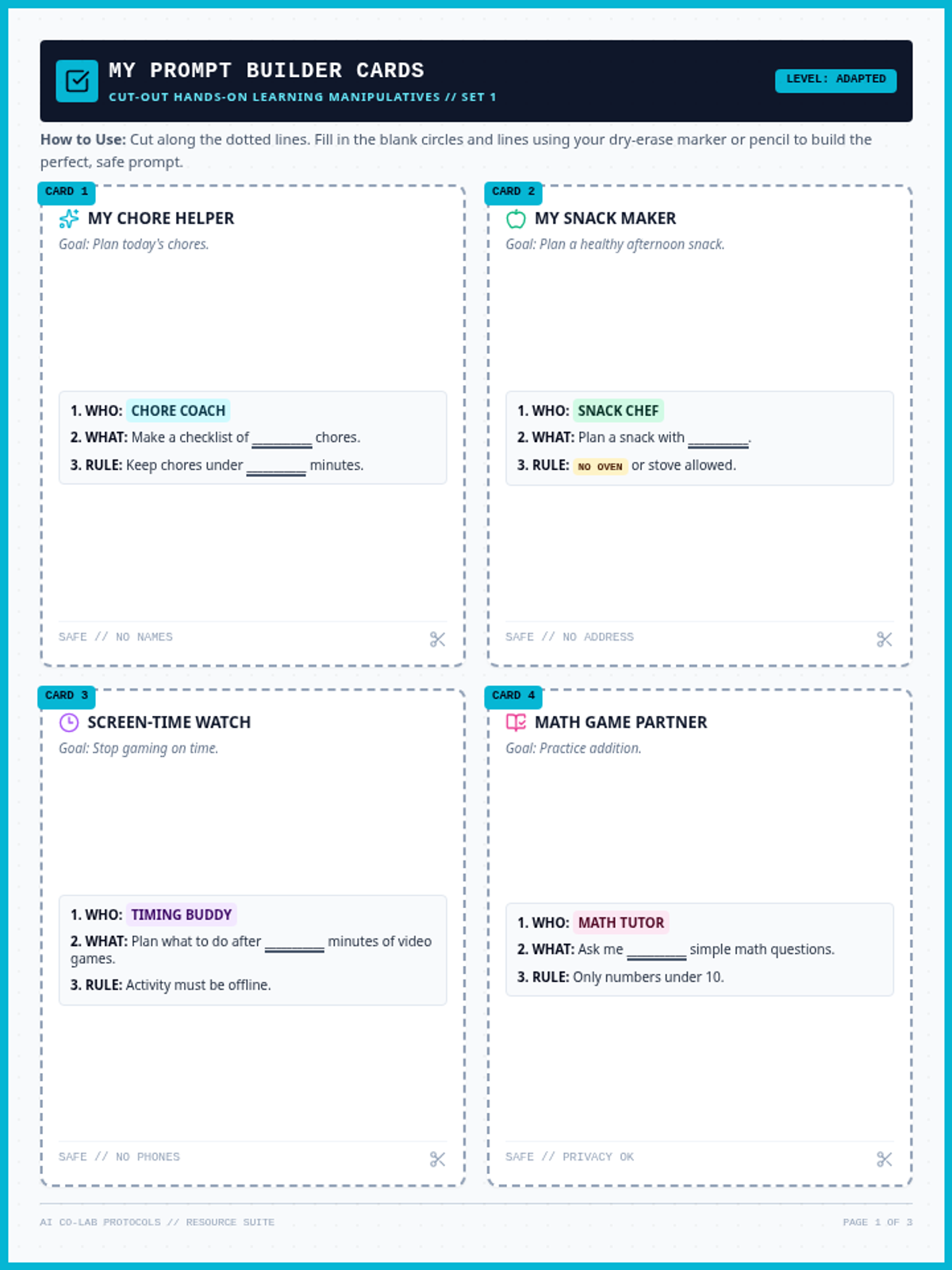
A complete guide for teenagers to responsibly use AI for everyday learning tasks, mastering critical safety habits, privacy boundaries, and advanced prompting techniques.
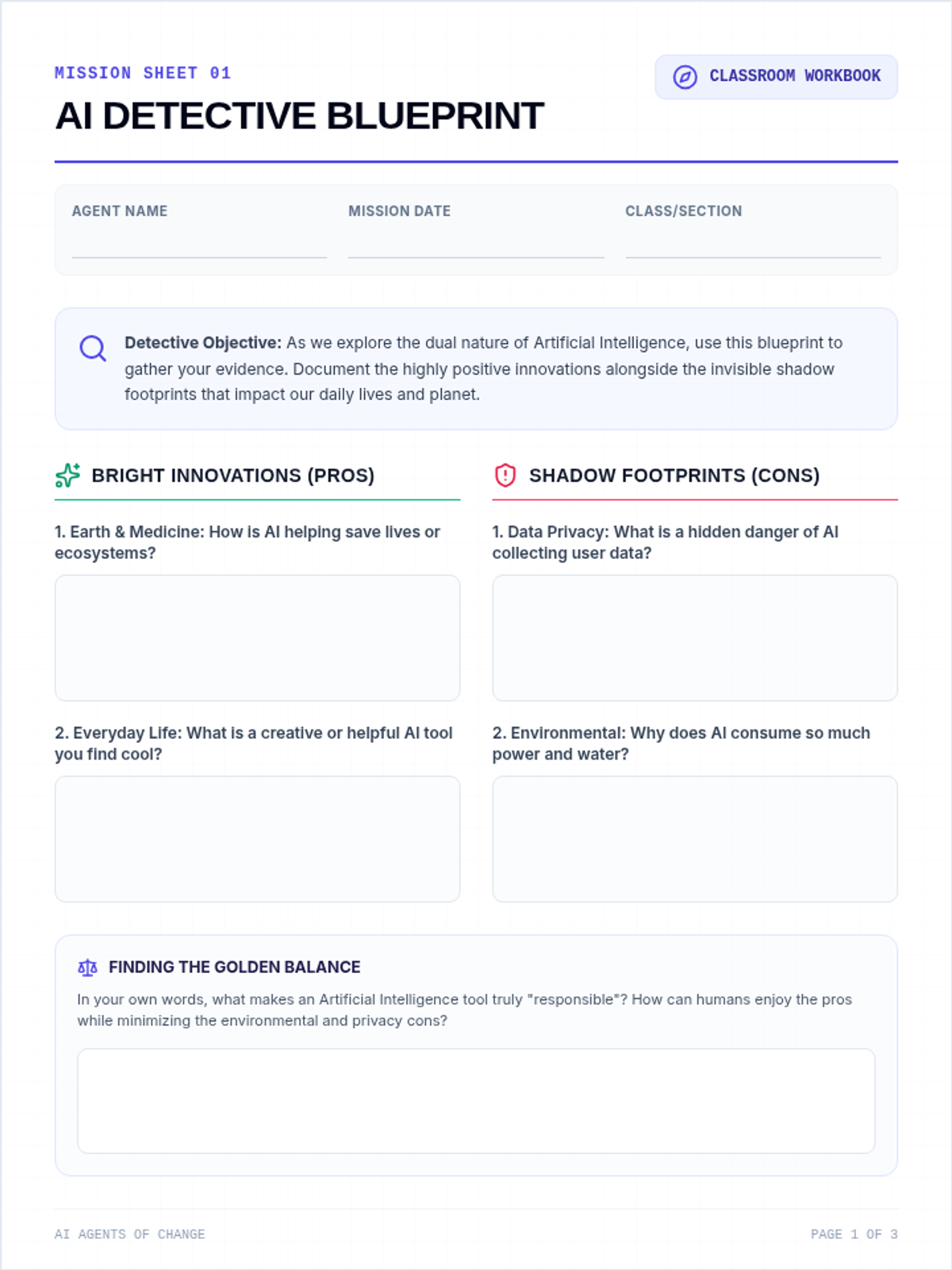
A balanced, highly engaging lesson for upper elementary and middle school students exploring the dual nature of AI. Students discover cutting-edge AI innovations in science and accessibility, examine the digital footprint of data centers, and learn practical digital citizenship skills regarding data privacy.
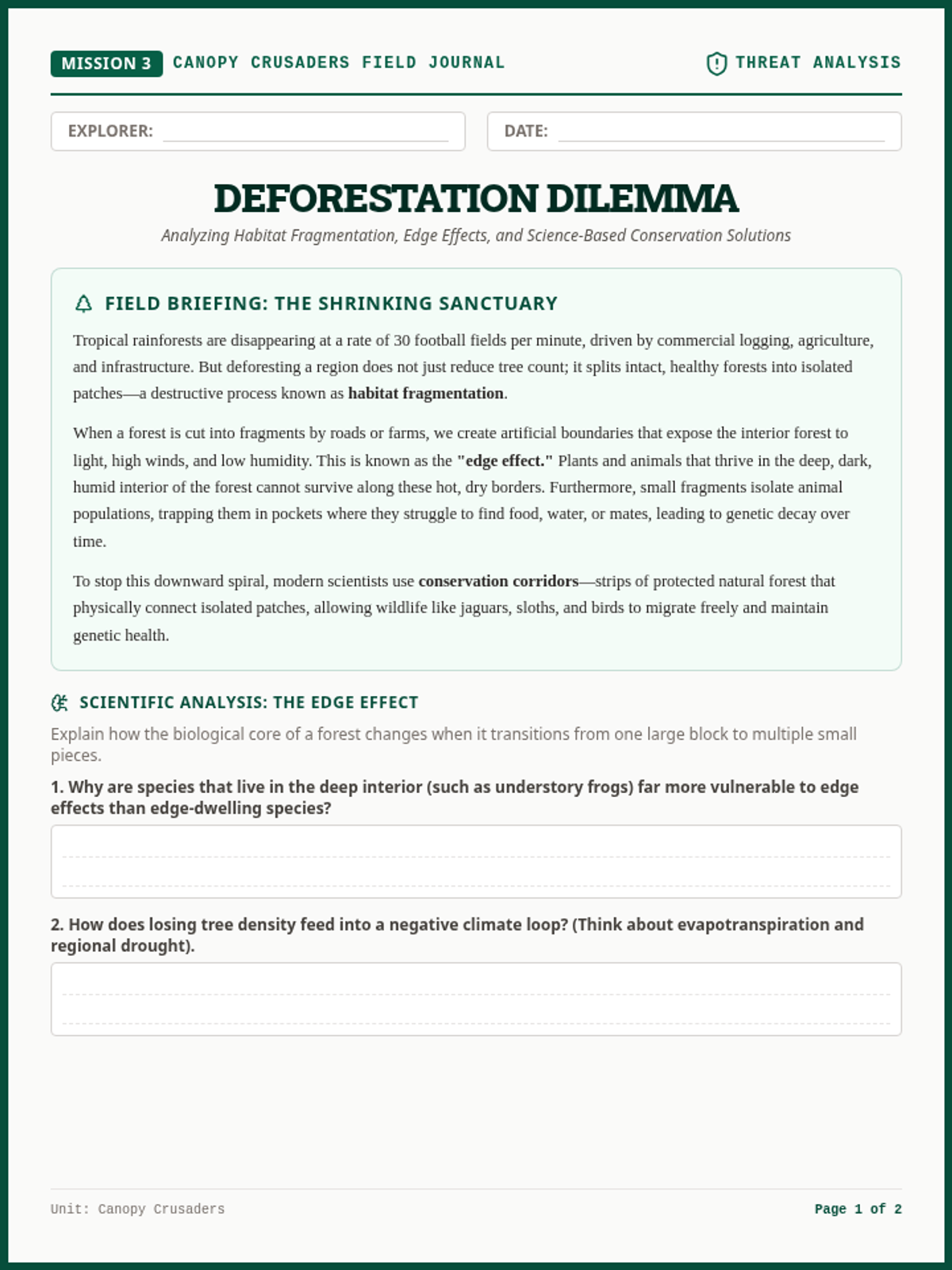
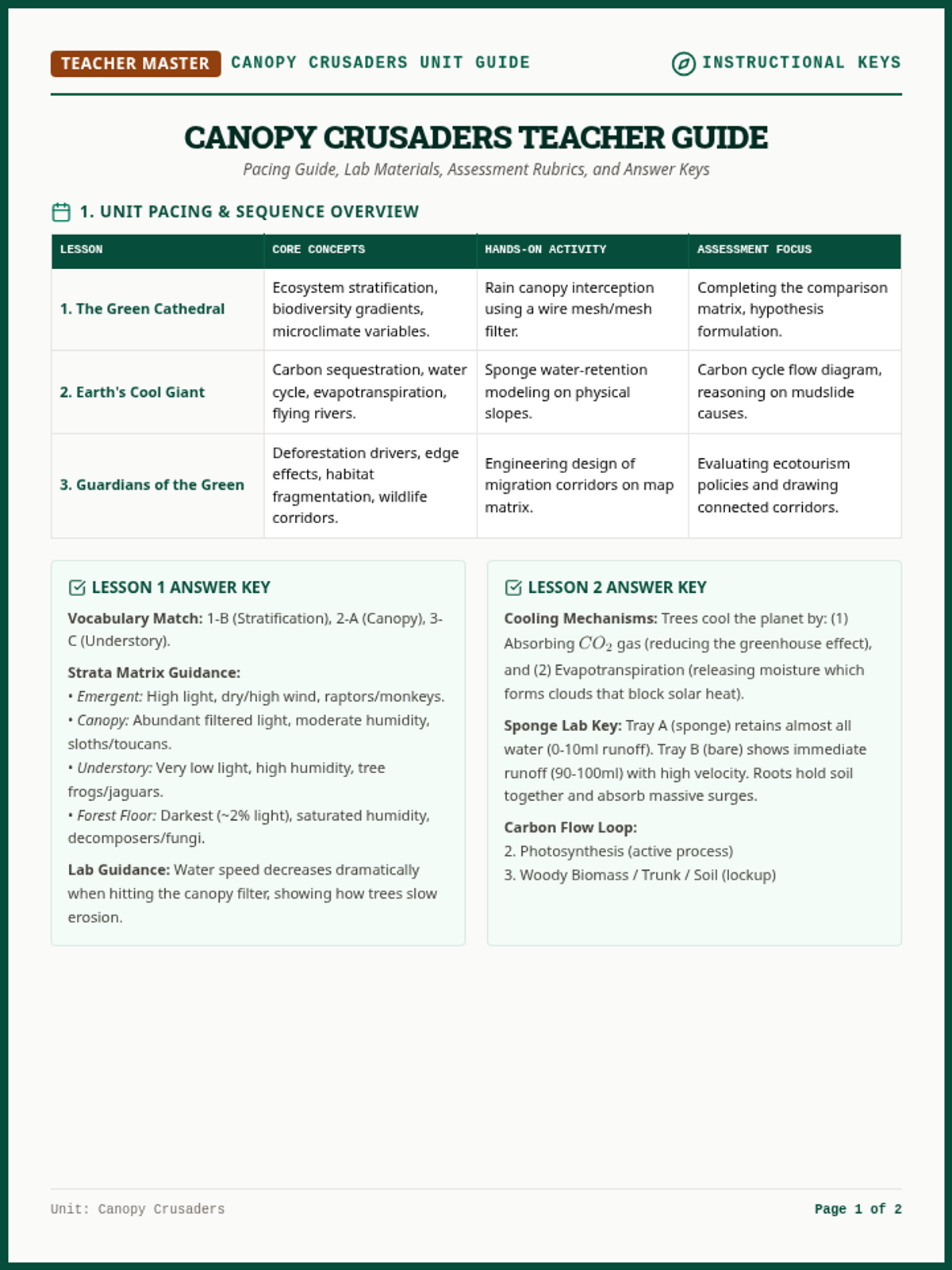
Students analyze the causes and consequences of deforestation, mapping habitat fragmentation and designing collaborative, science-based conservation solutions.
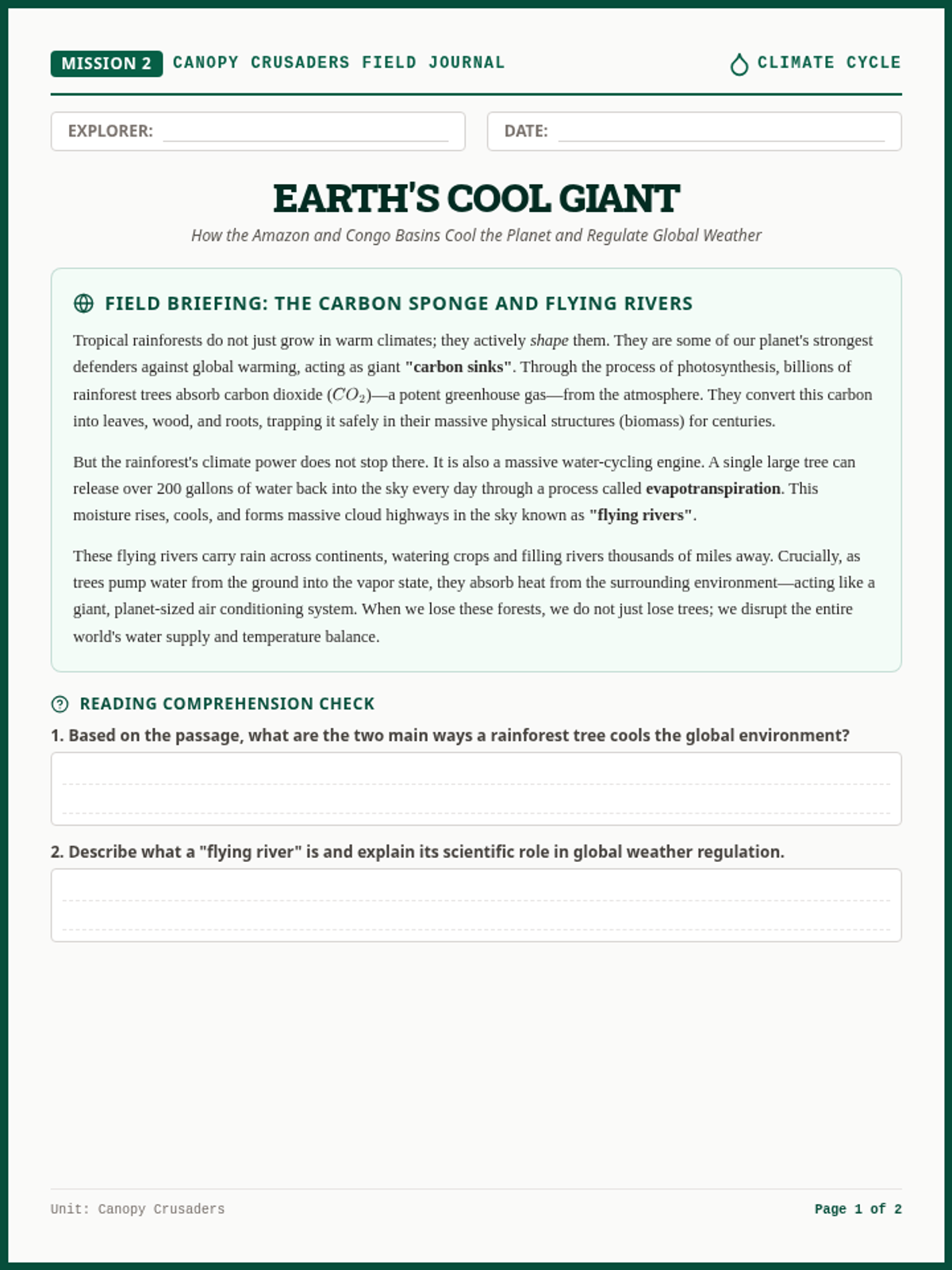
Students investigate the rainforest as a massive climate-control engine, analyzing how evapotranspiration regulates weather and how trees act as vital global carbon sinks.
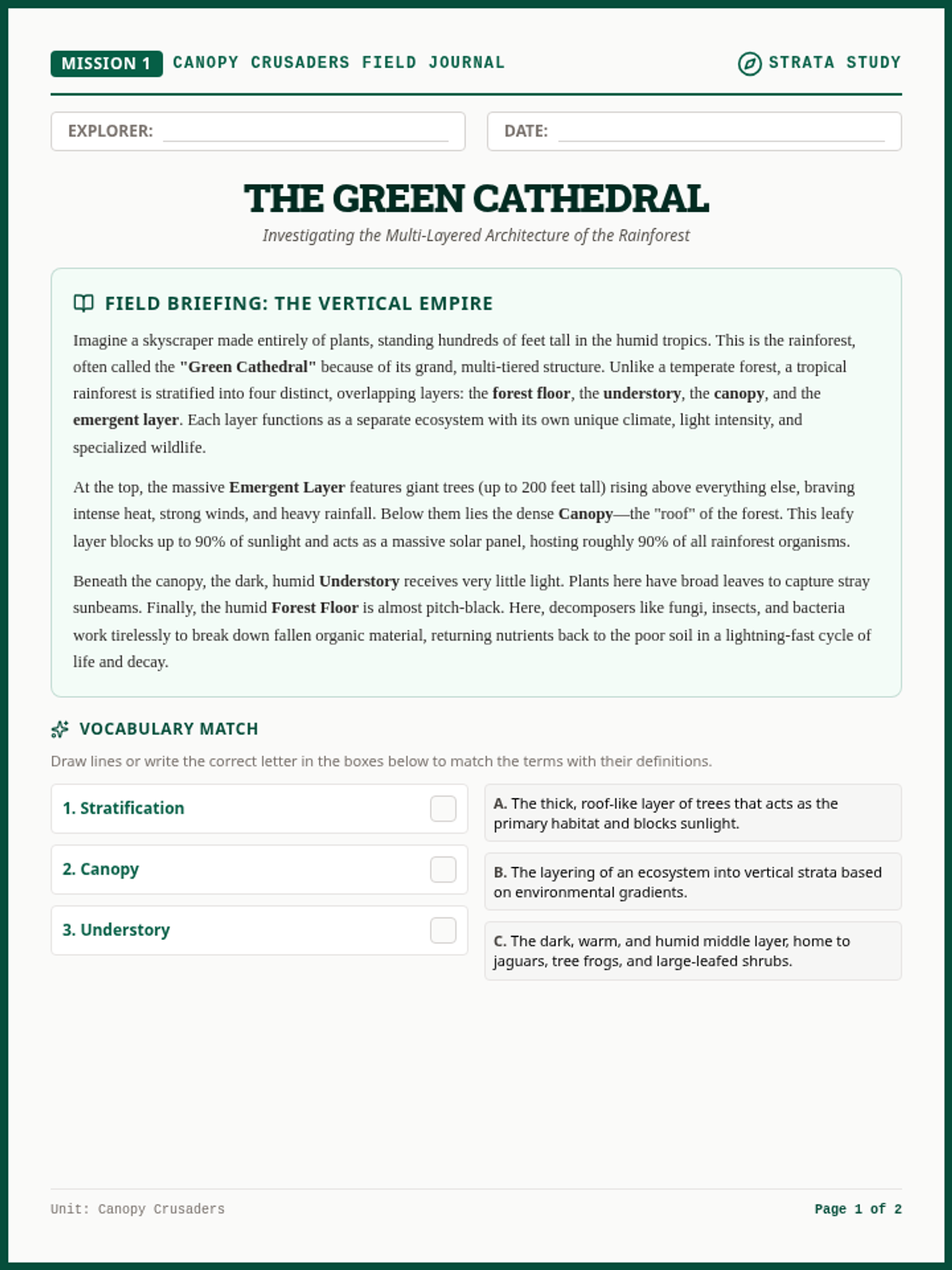
Students explore the structural layers of the rainforest (forest floor, understory, canopy, emergent layer) and model biodiversity and physical conditions across these strata.
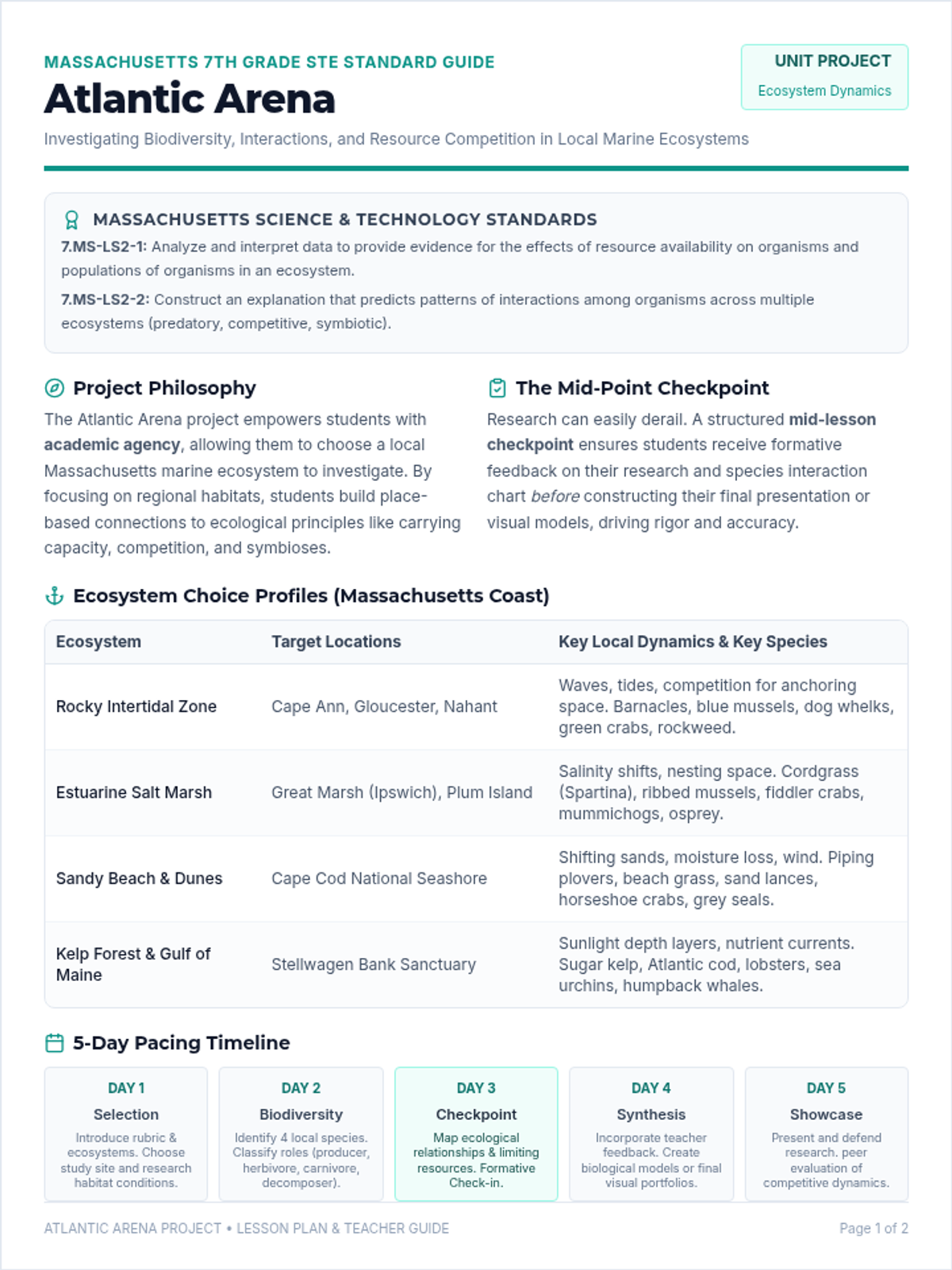
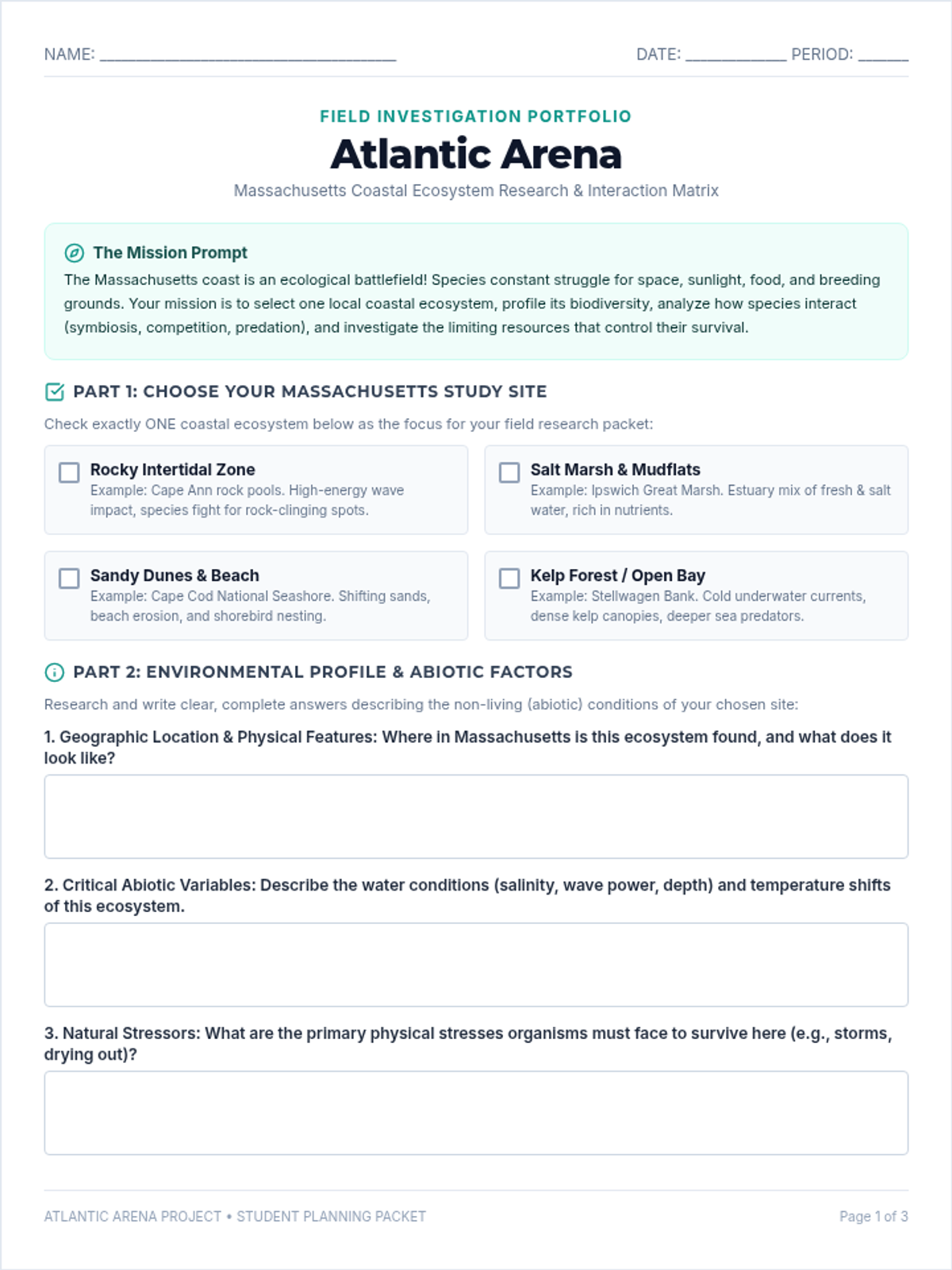
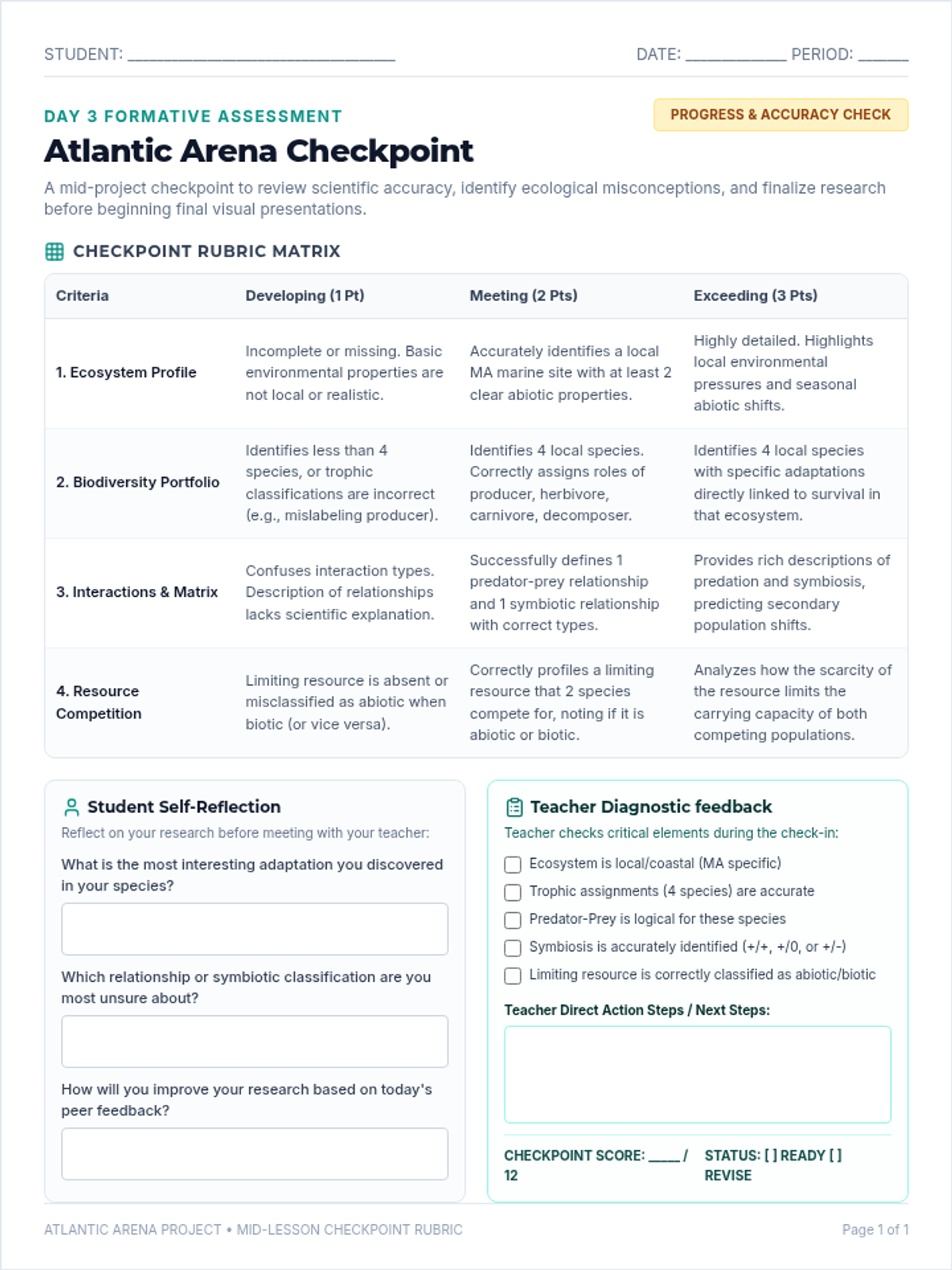
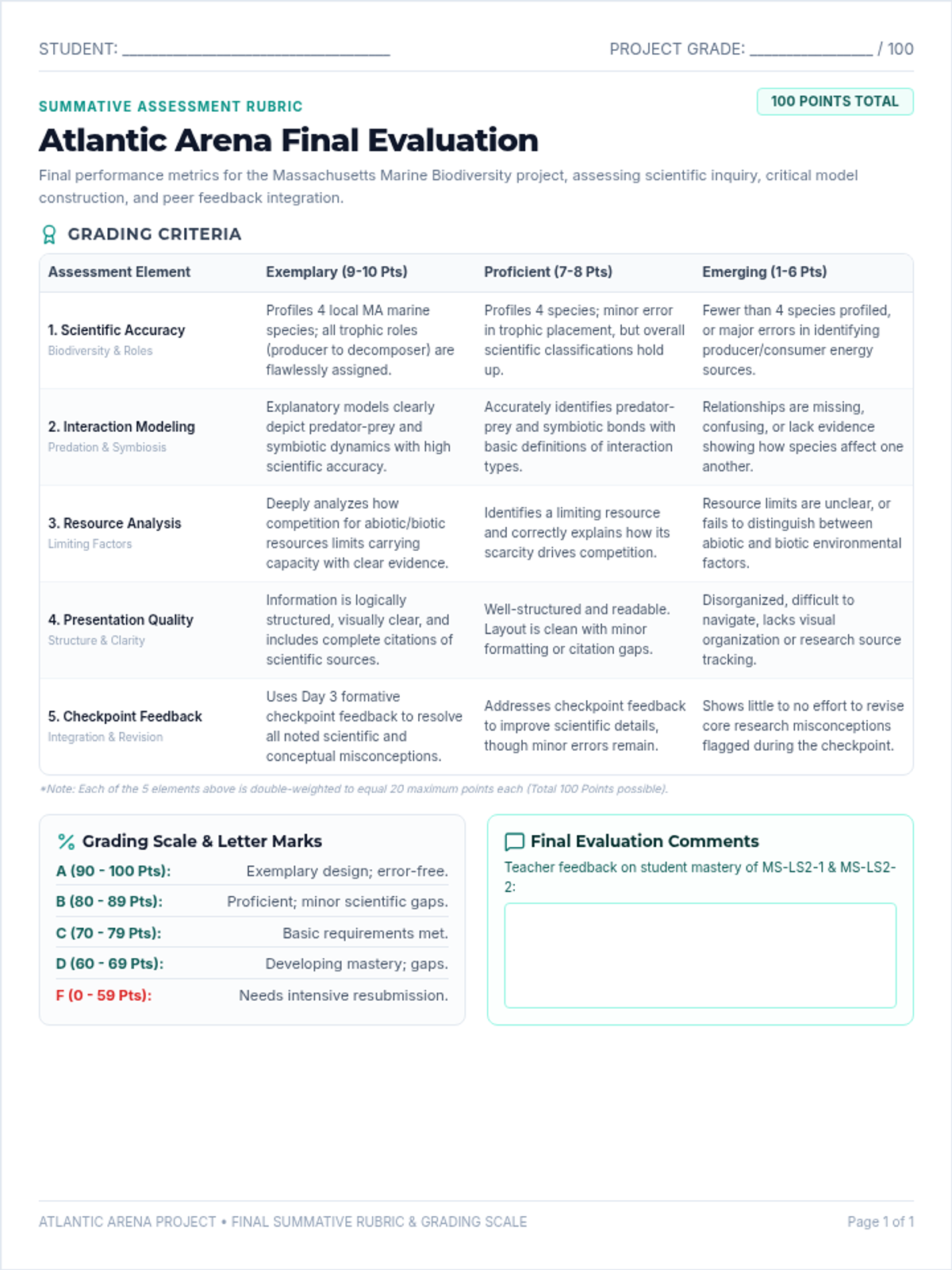
An investigative project-based lesson for 7th-grade students exploring Massachusetts marine ecosystems. Students choose a local coastal ecosystem, research resident species, analyze competitive and symbiotic interactions, and demonstrate understanding of resource availability.
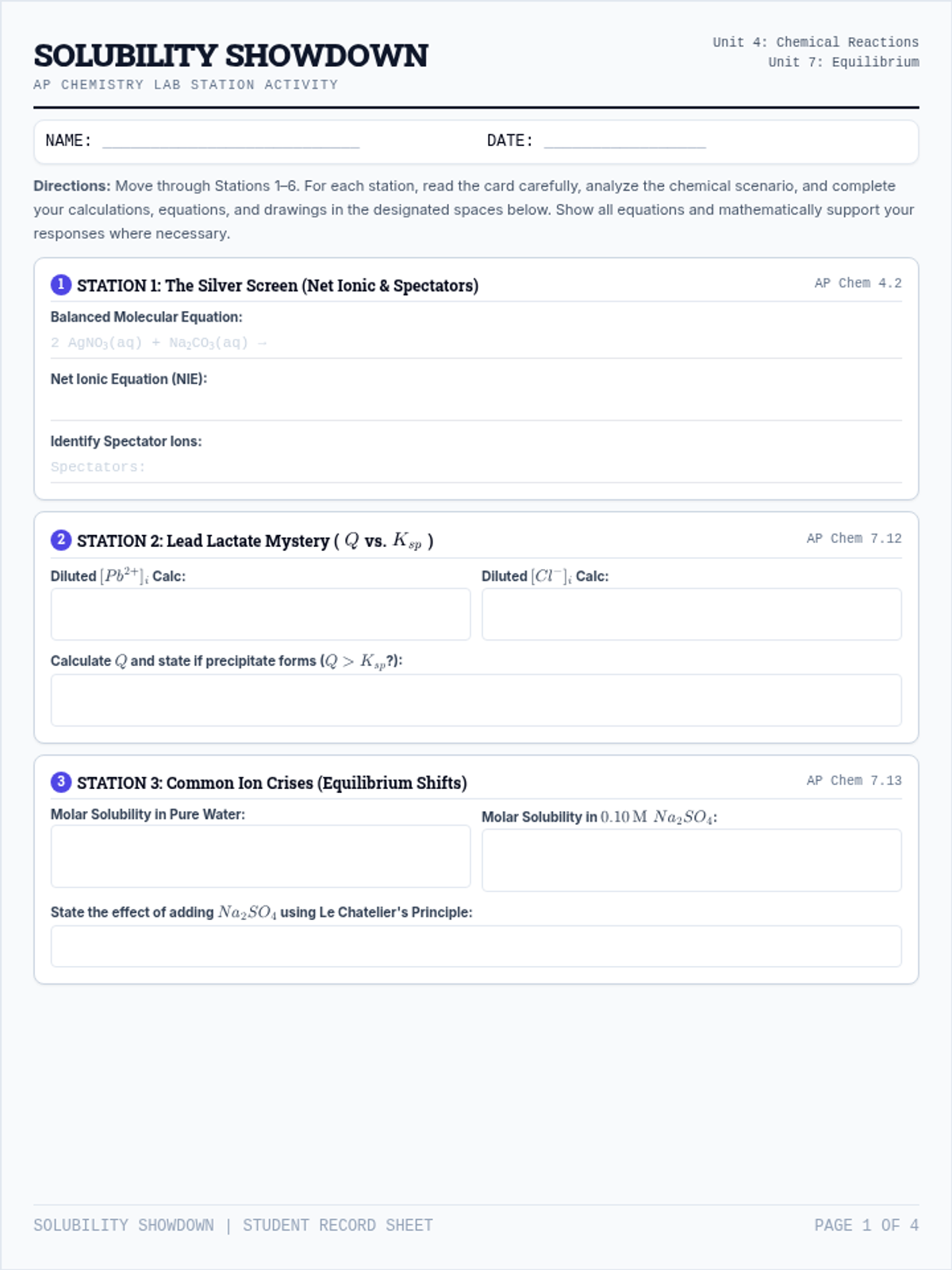
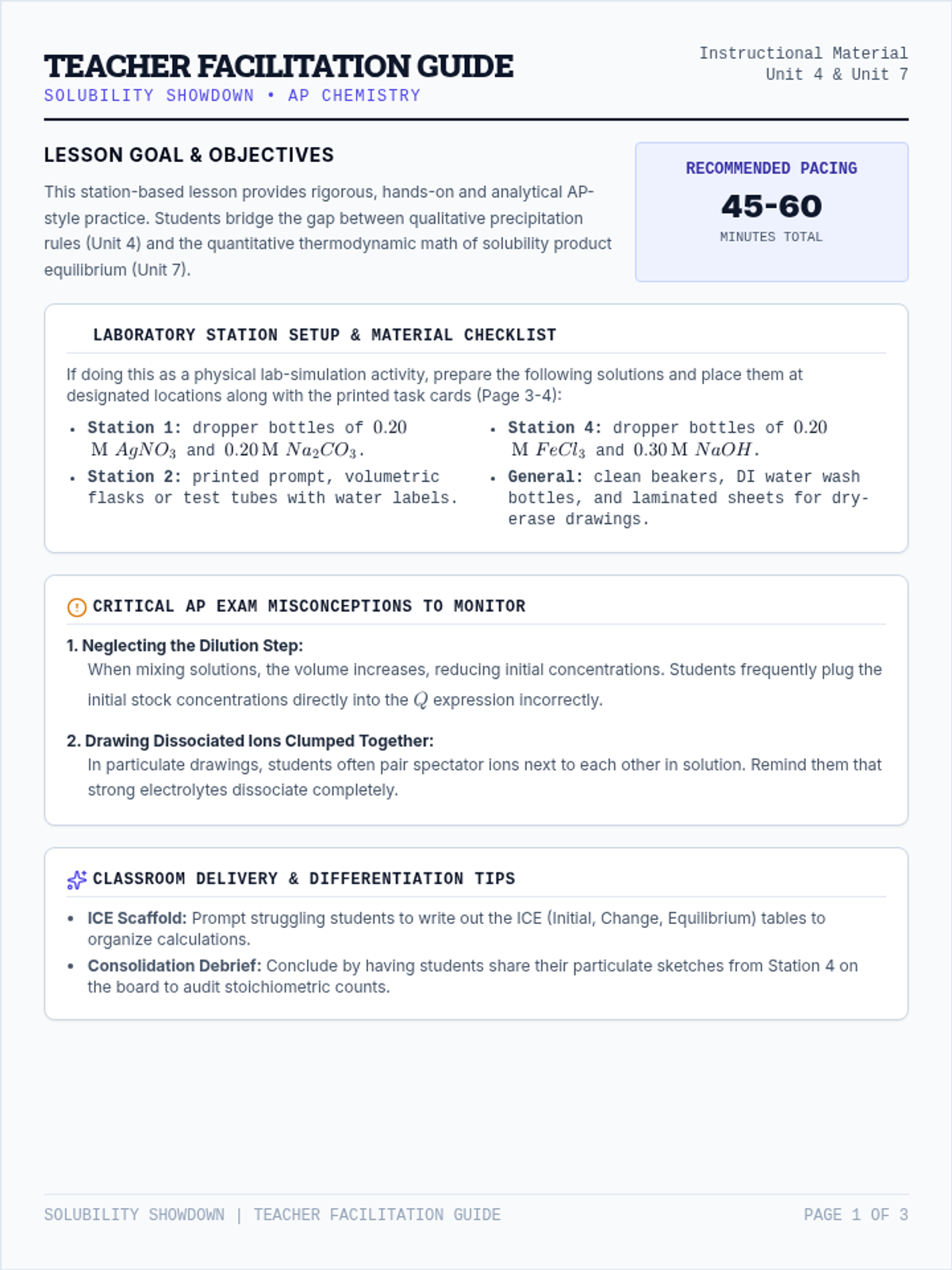
An AP Chemistry lesson exploring solubility rules, net ionic equations, particulate representations, and the mathematical link to Ksp and equilibrium shifts. Students engage with interactive station-based task cards simulating real laboratory precipitates.