A complete guide for teenagers to responsibly use AI for everyday learning tasks, mastering critical safety habits, privacy boundaries, and advanced prompting techniques.
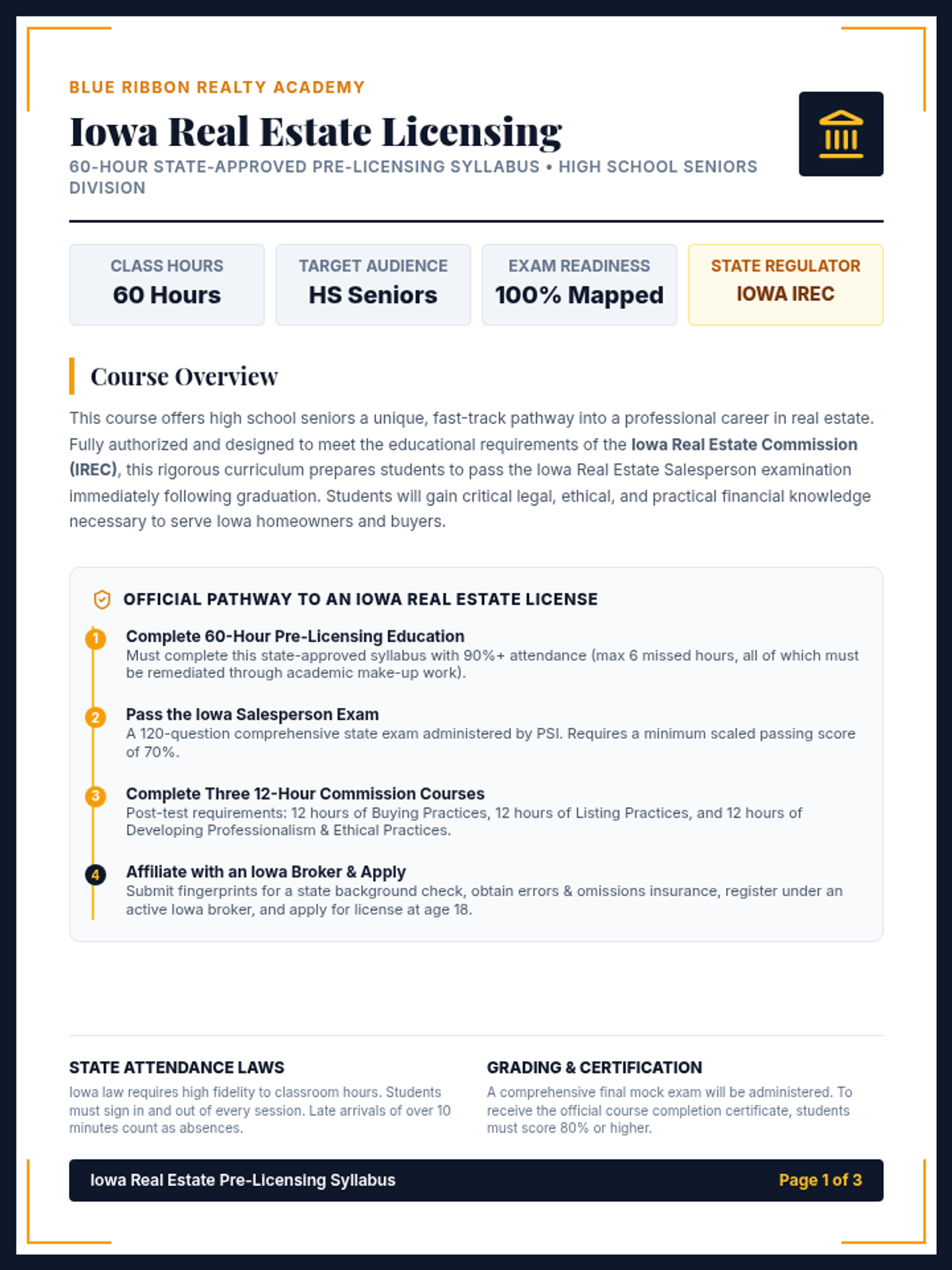
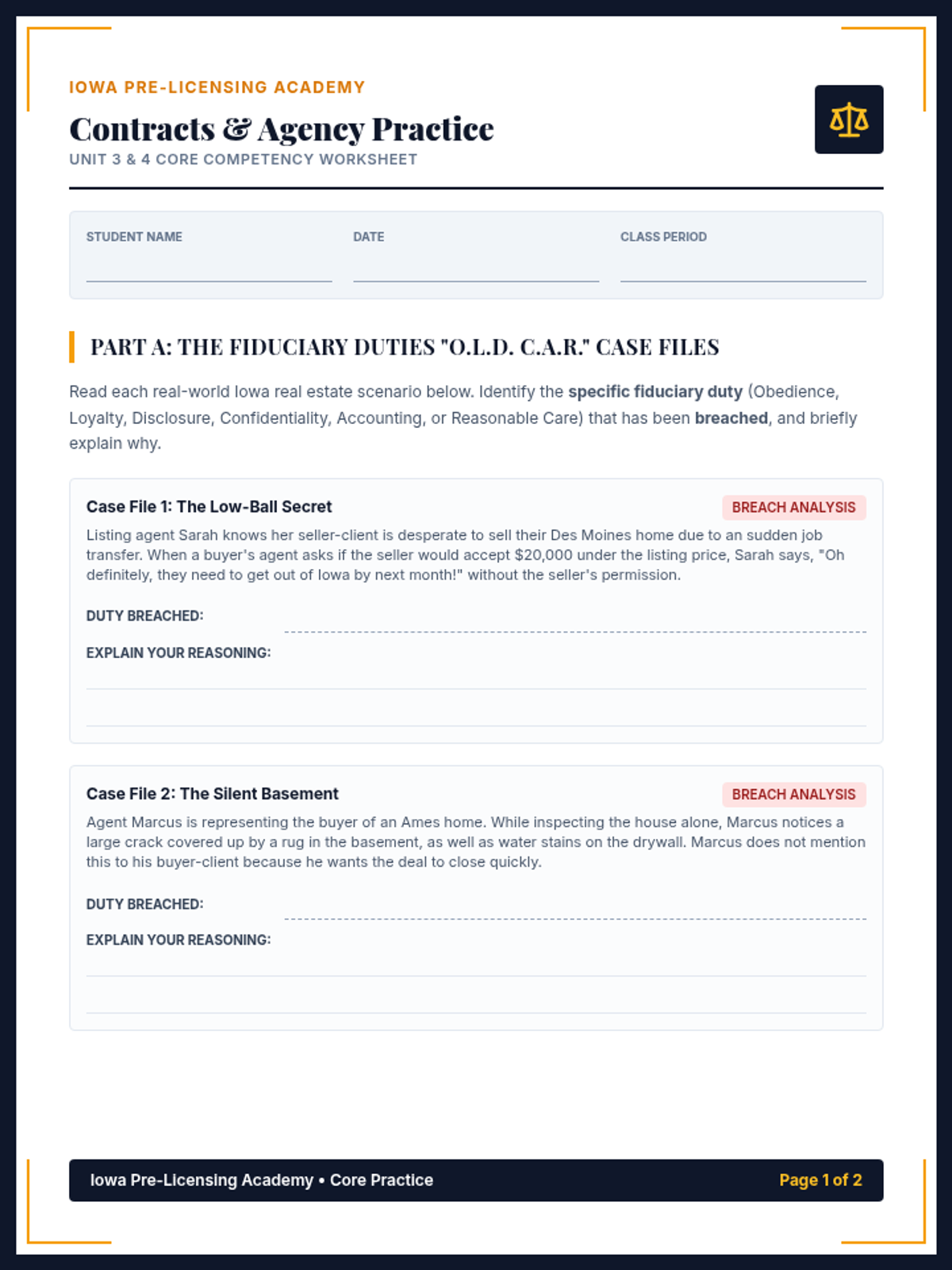
A comprehensive introduction and syllabus lesson for the Iowa High School Real Estate Pre-Licensing course, mapping out the 60-hour state-required curriculum with a deep-dive focus on Contracts and Agency Relationships.
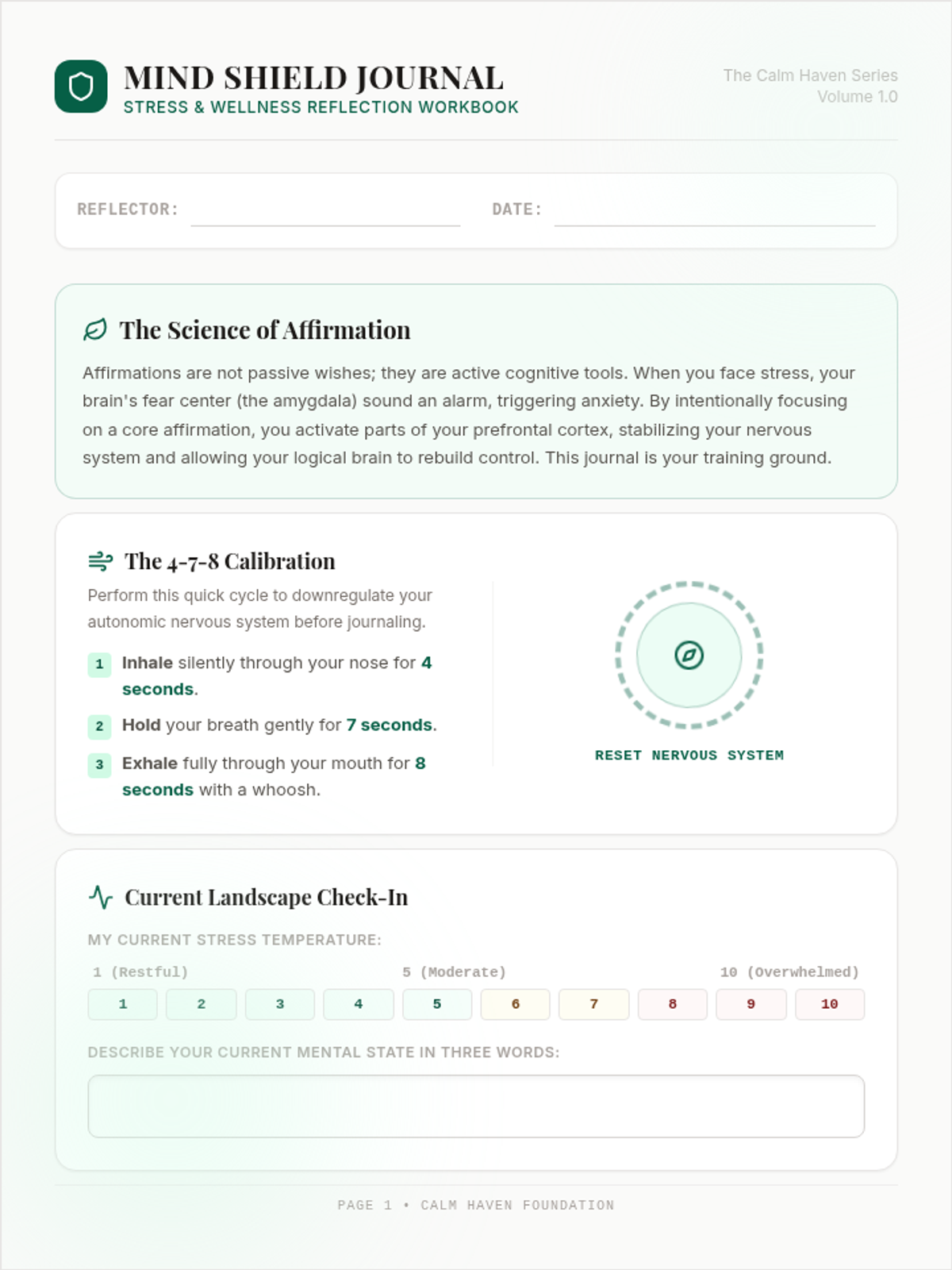
A reflective lesson designed to introduce students or individuals to stress management, anxiety reduction, and work-life balance through the practice of structured affirmations and mindful self-reflection.
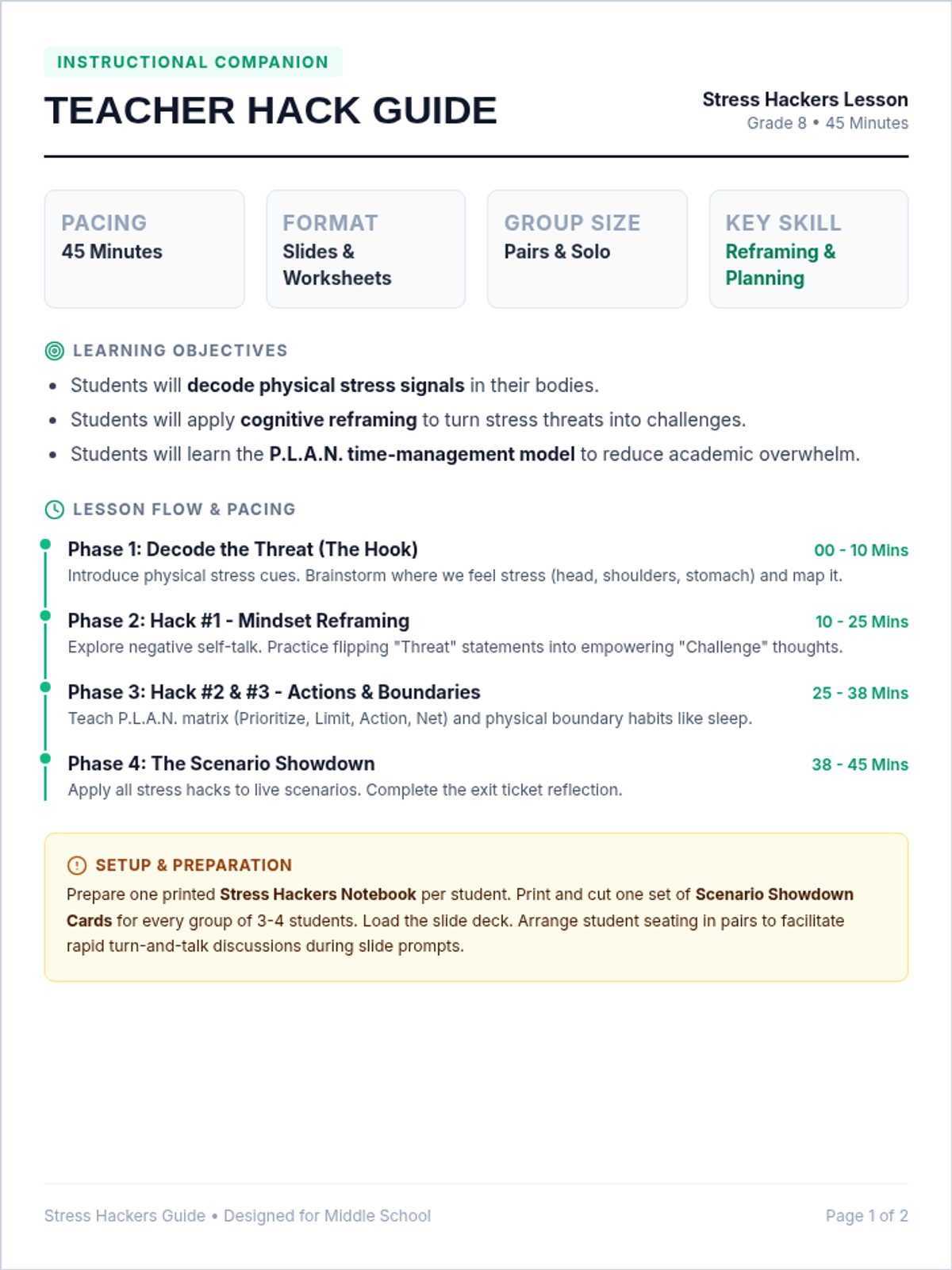
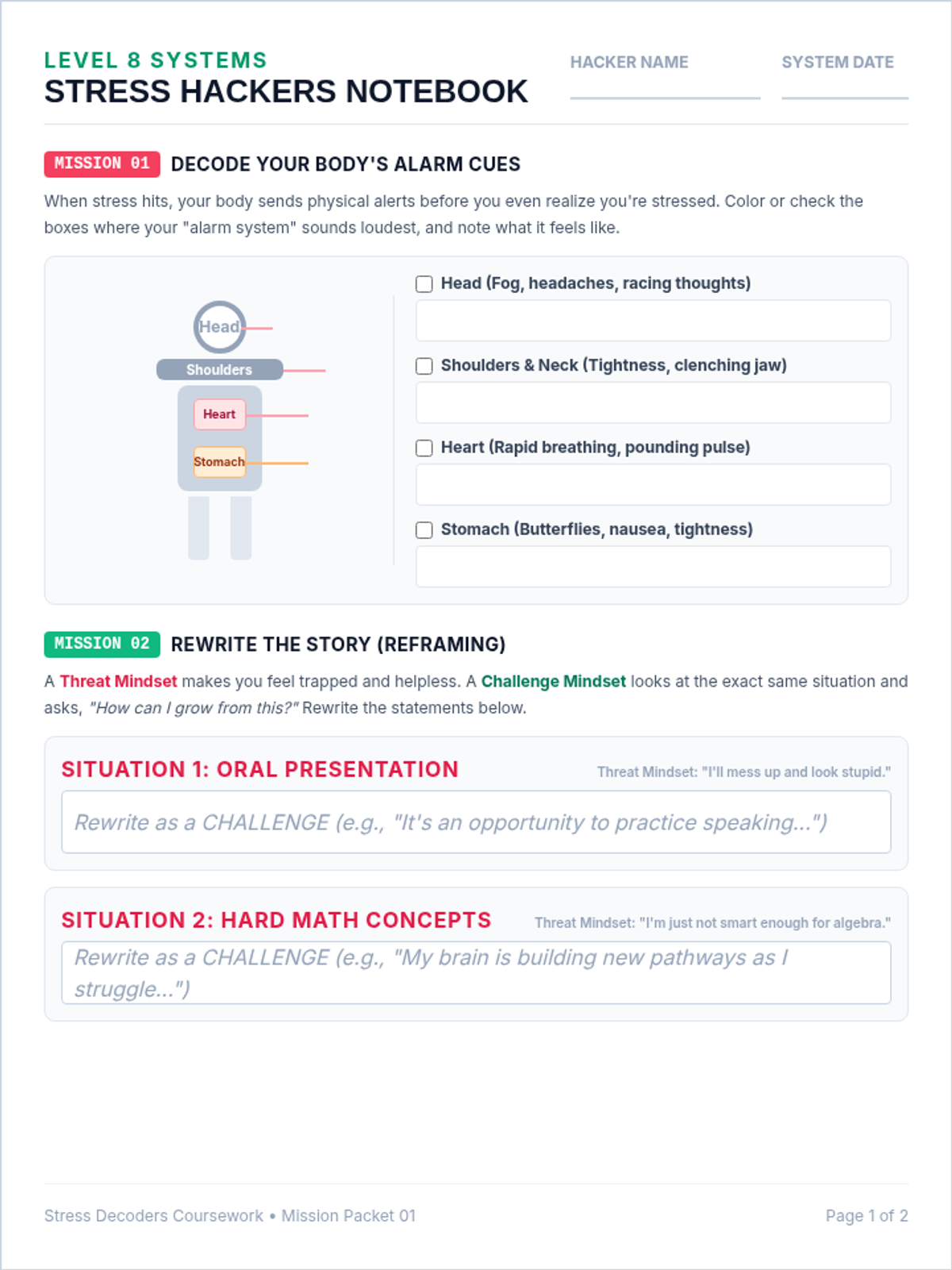
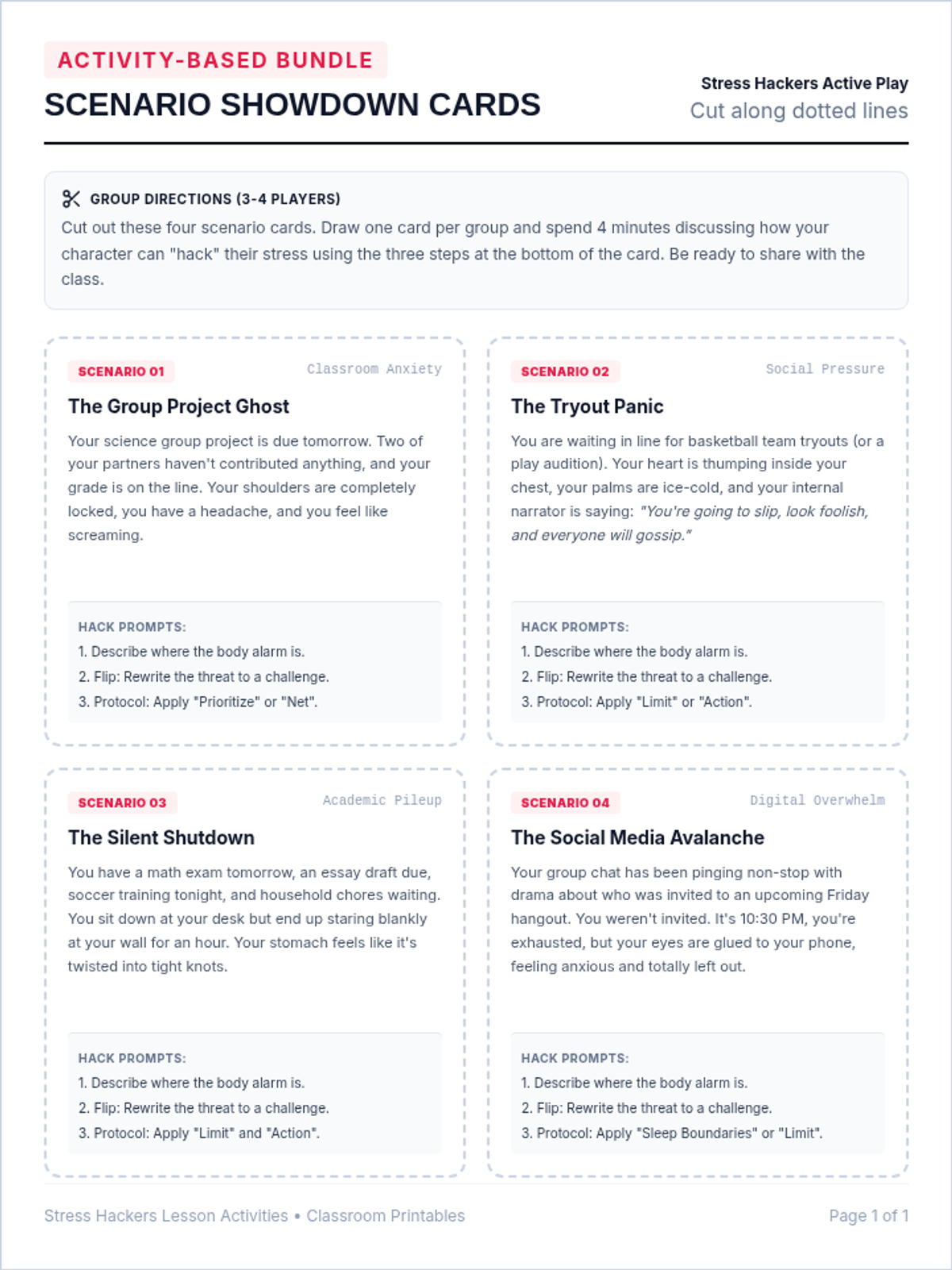
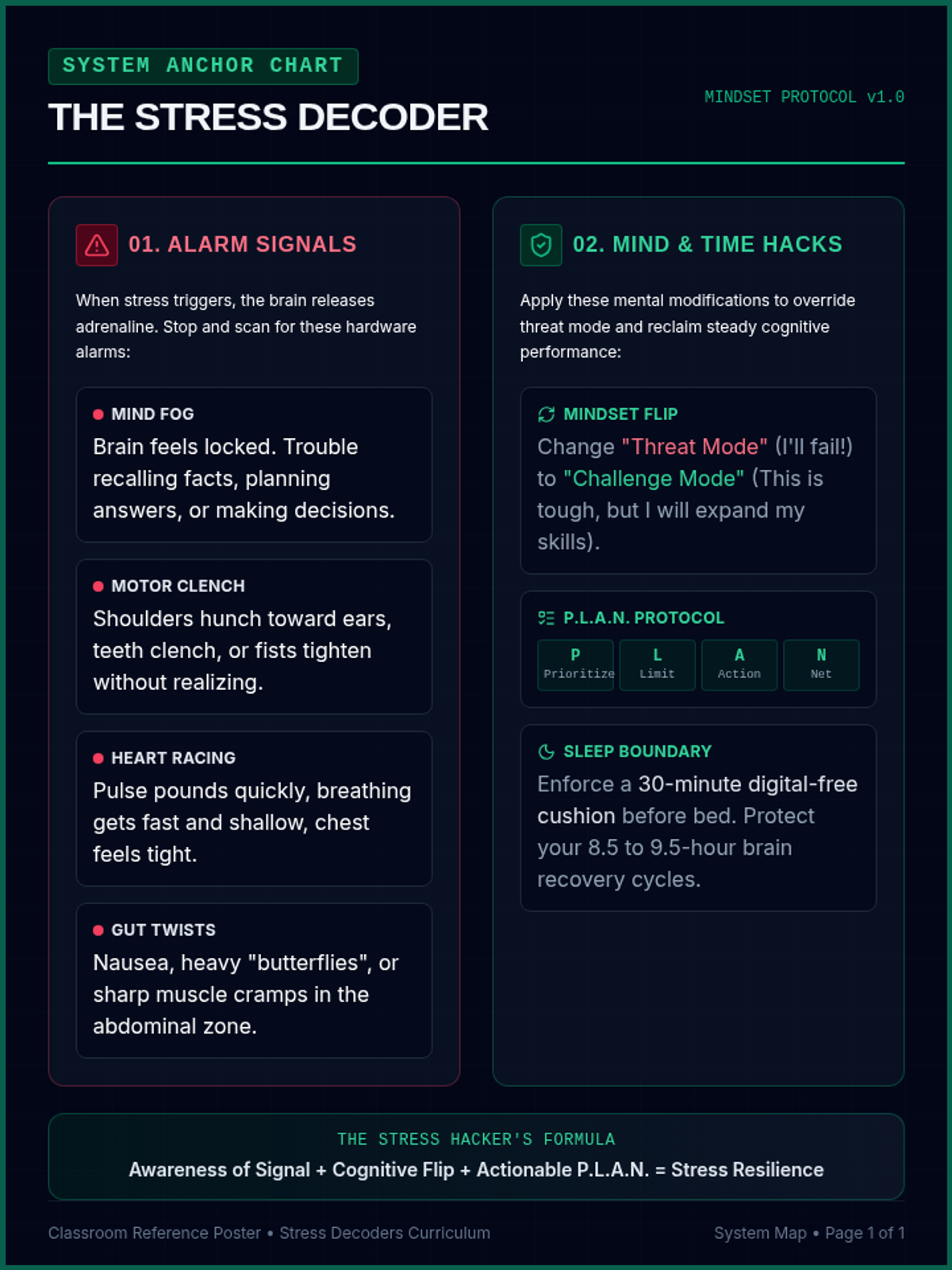
An interactive, comprehensive 45-minute lesson for 8th-grade students on stress management. Students learn to decode stressors, apply cognitive reframing, practice time management, and build boundaries through interactive slides, reflective worksheets, activity cards, and visual maps.
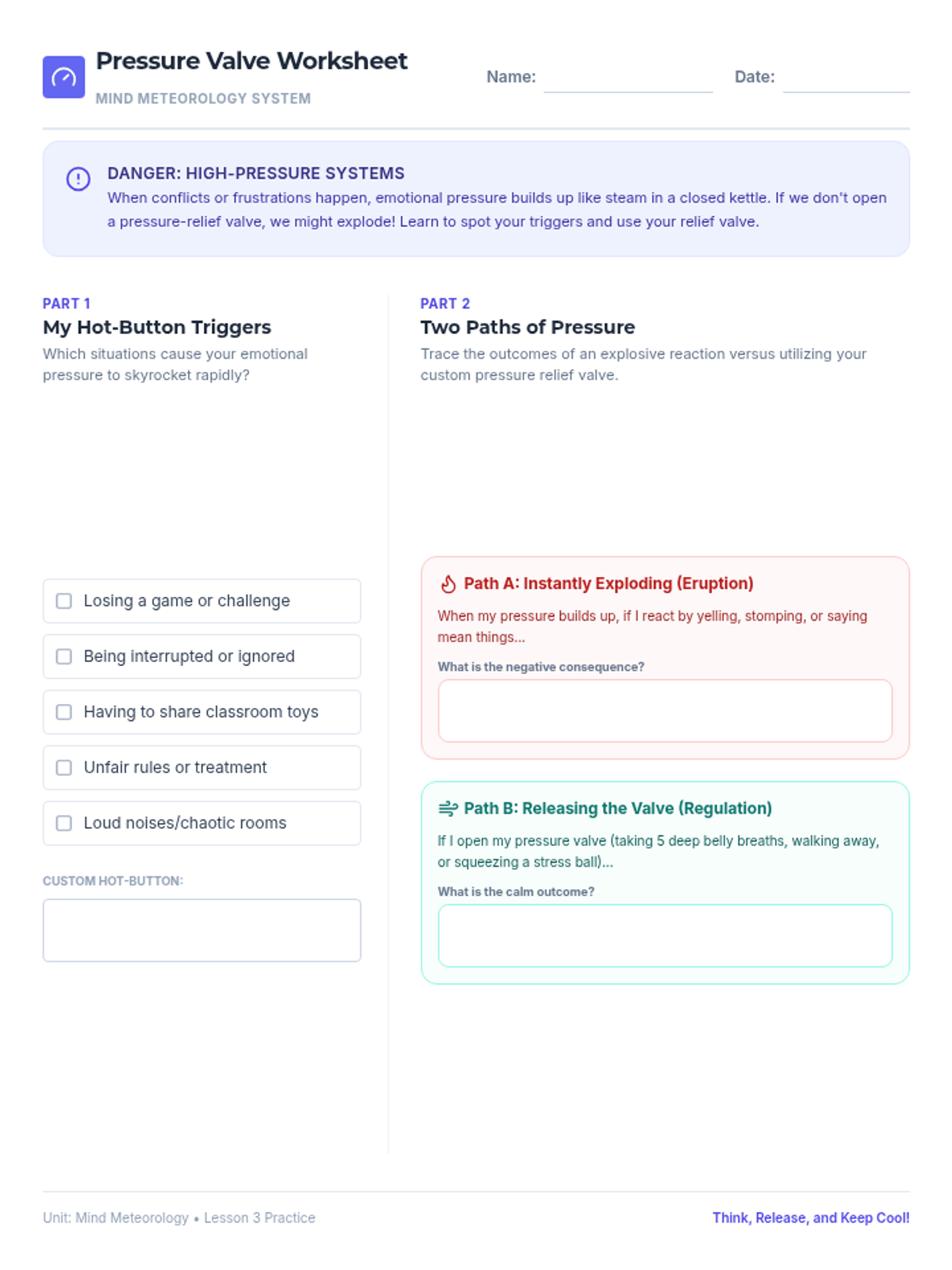
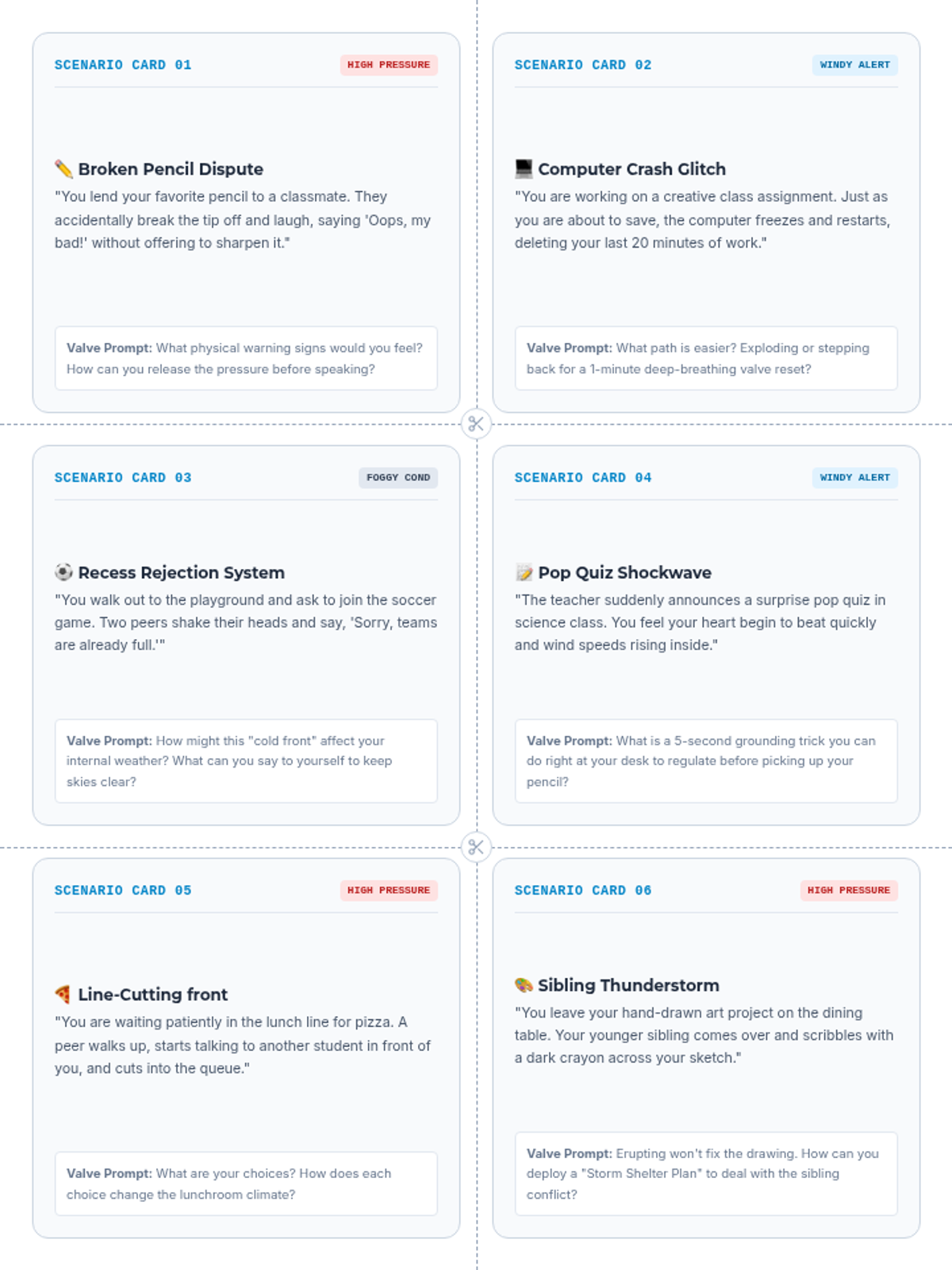
Focuses on responsible decision-making during high-stress conflicts, helping students identify hot-button triggers, evaluate action-consequences, and apply 'pressure relief valve' strategies.
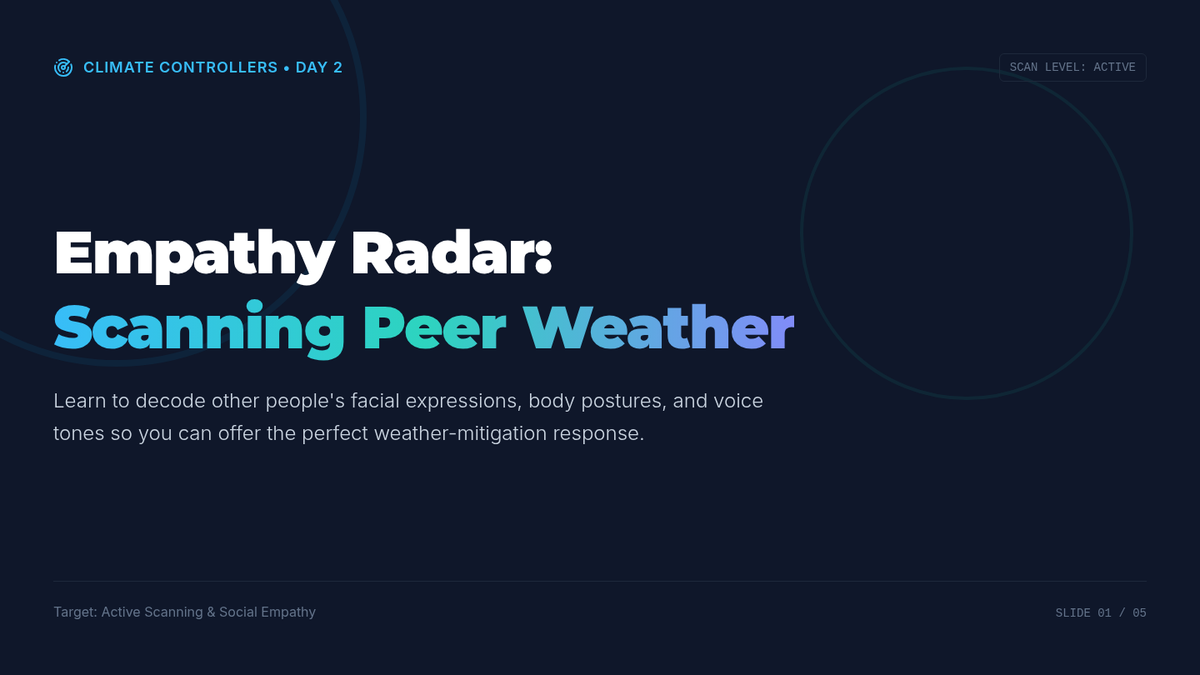
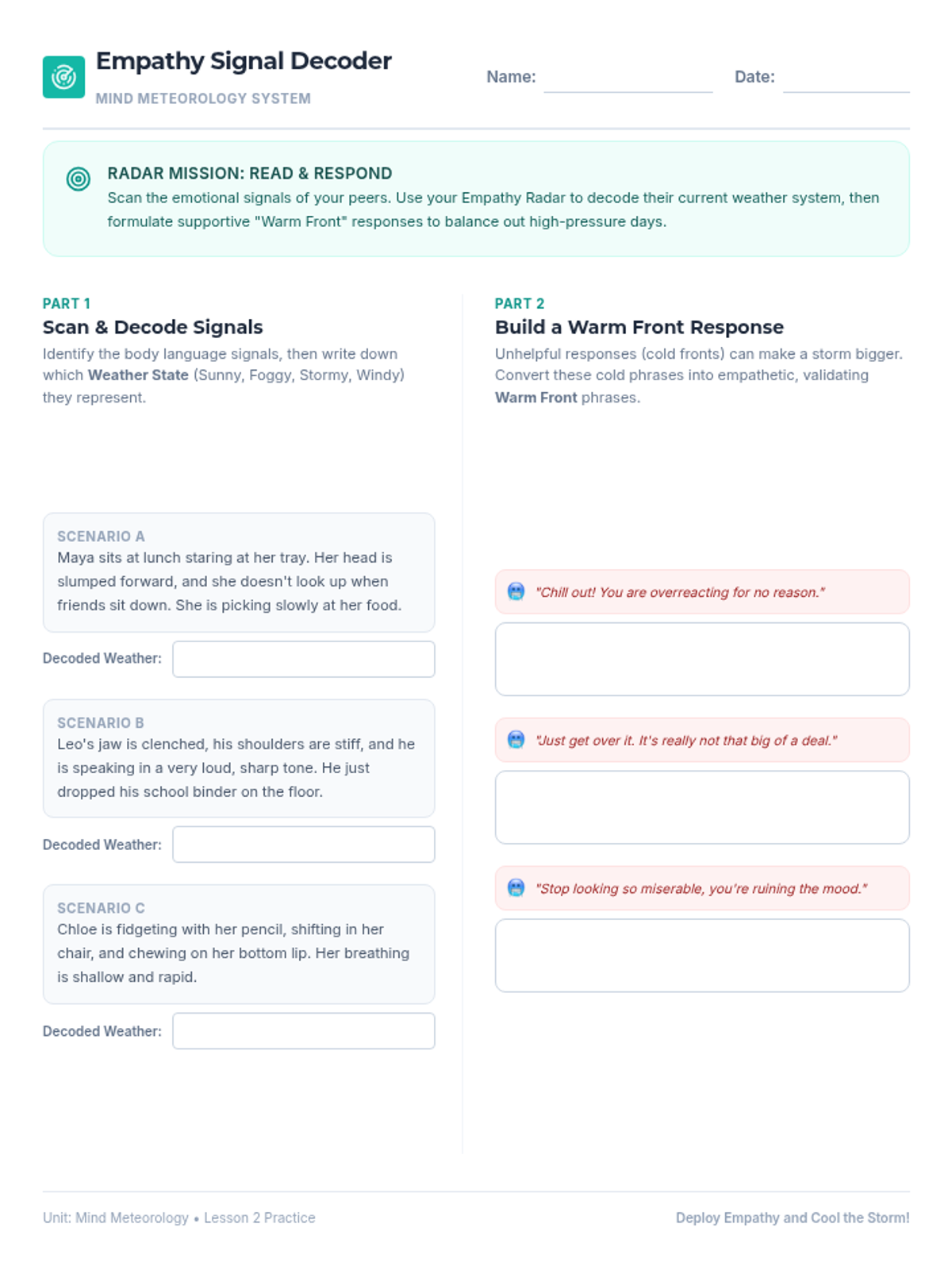
Focuses on active listening, reading other people's emotional signals (body language, tone), and matching our response to their weather state with empathy and validation.
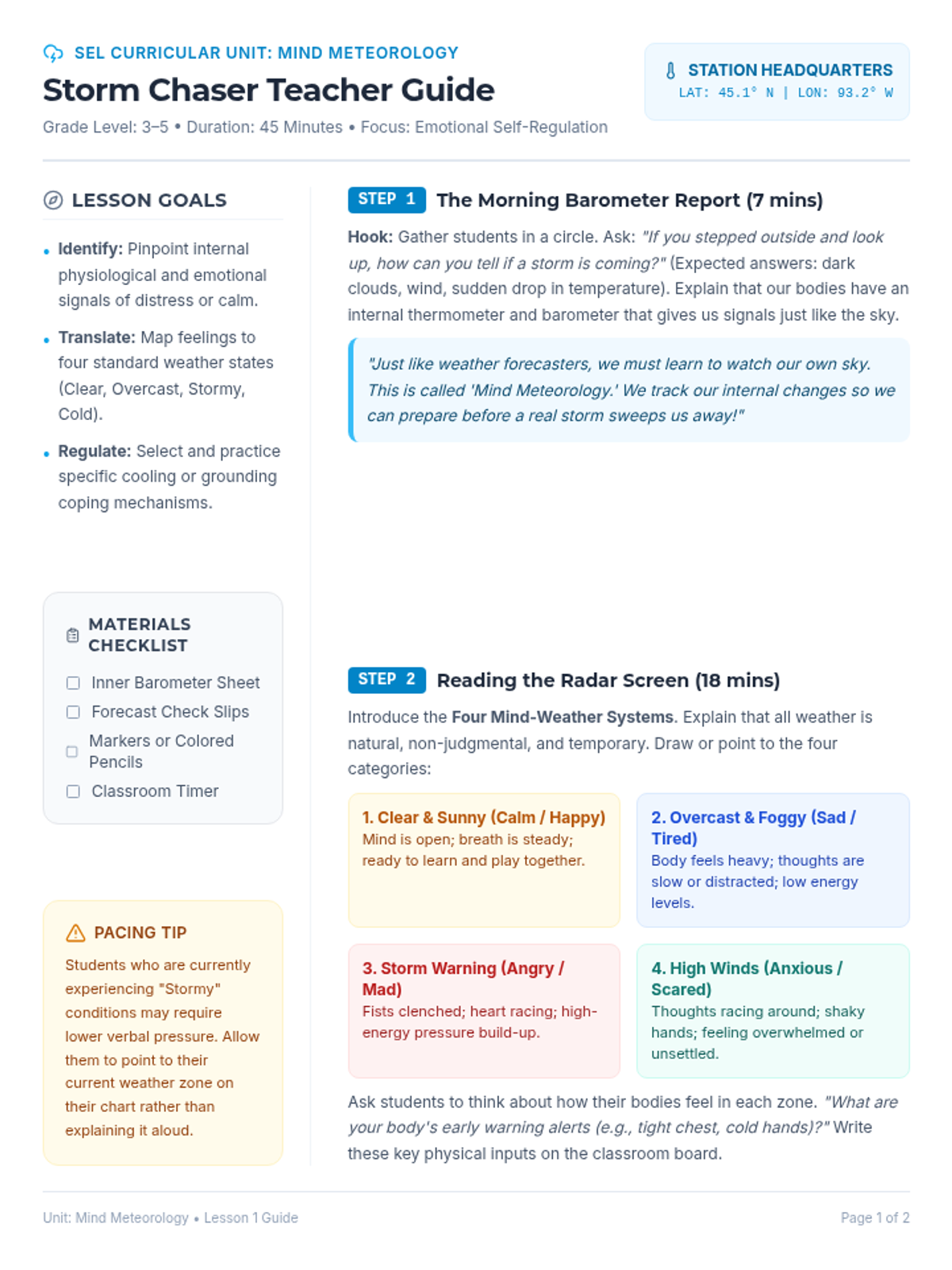
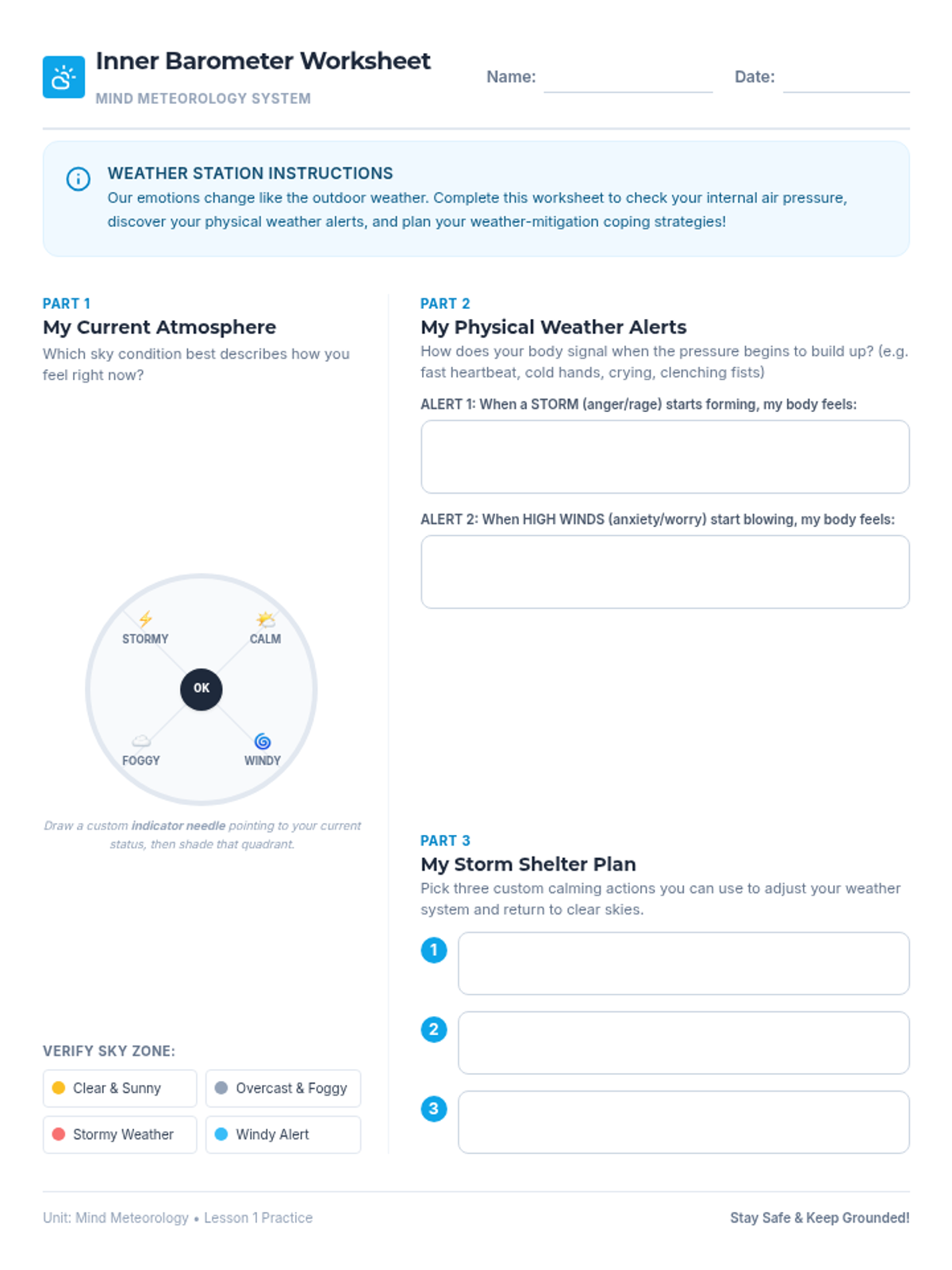
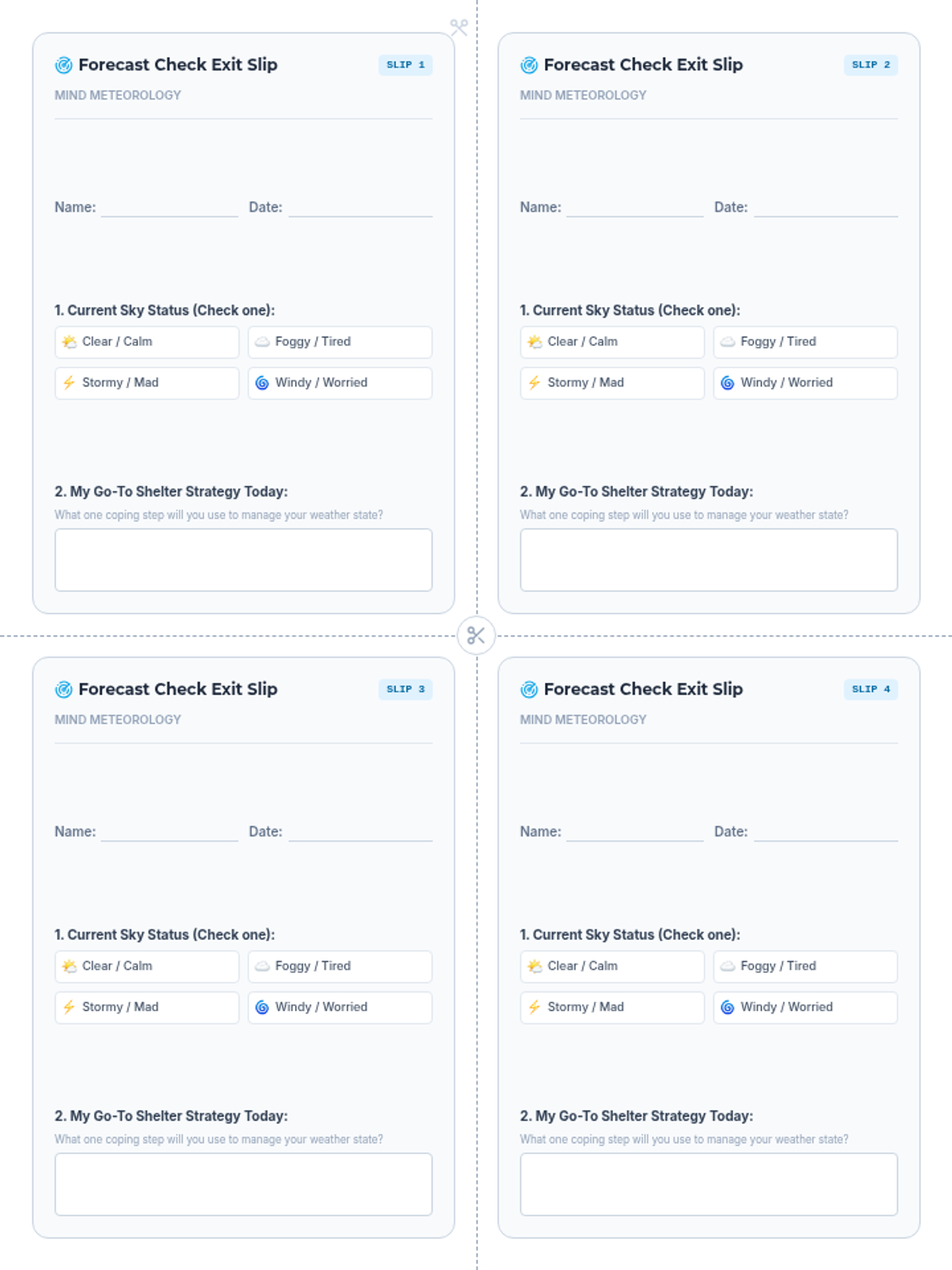
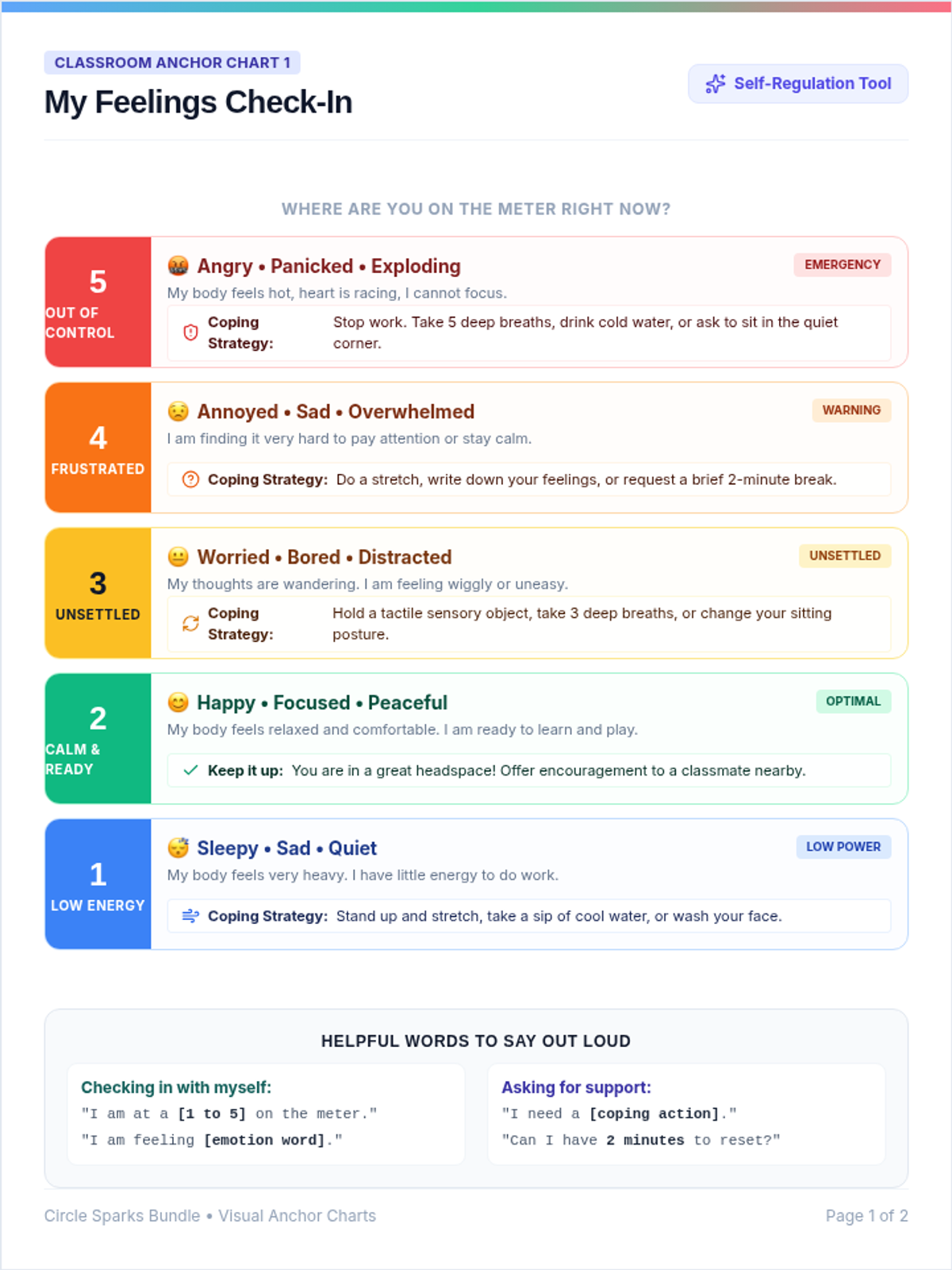
An engaging social-emotional learning lesson that teaches students to identify their emotional states as internal weather patterns and apply self-regulation coping strategies to return to calm, clear skies.
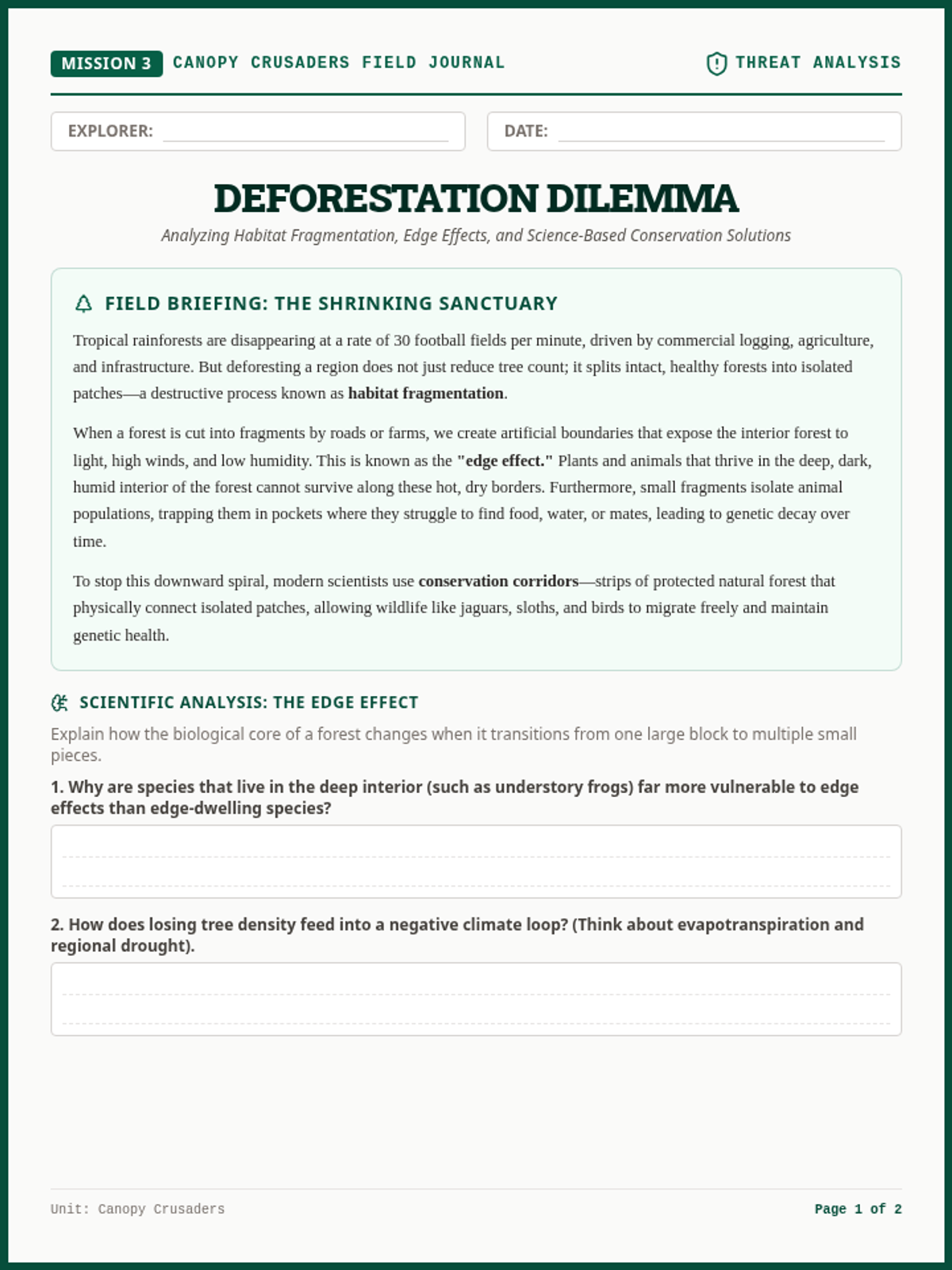
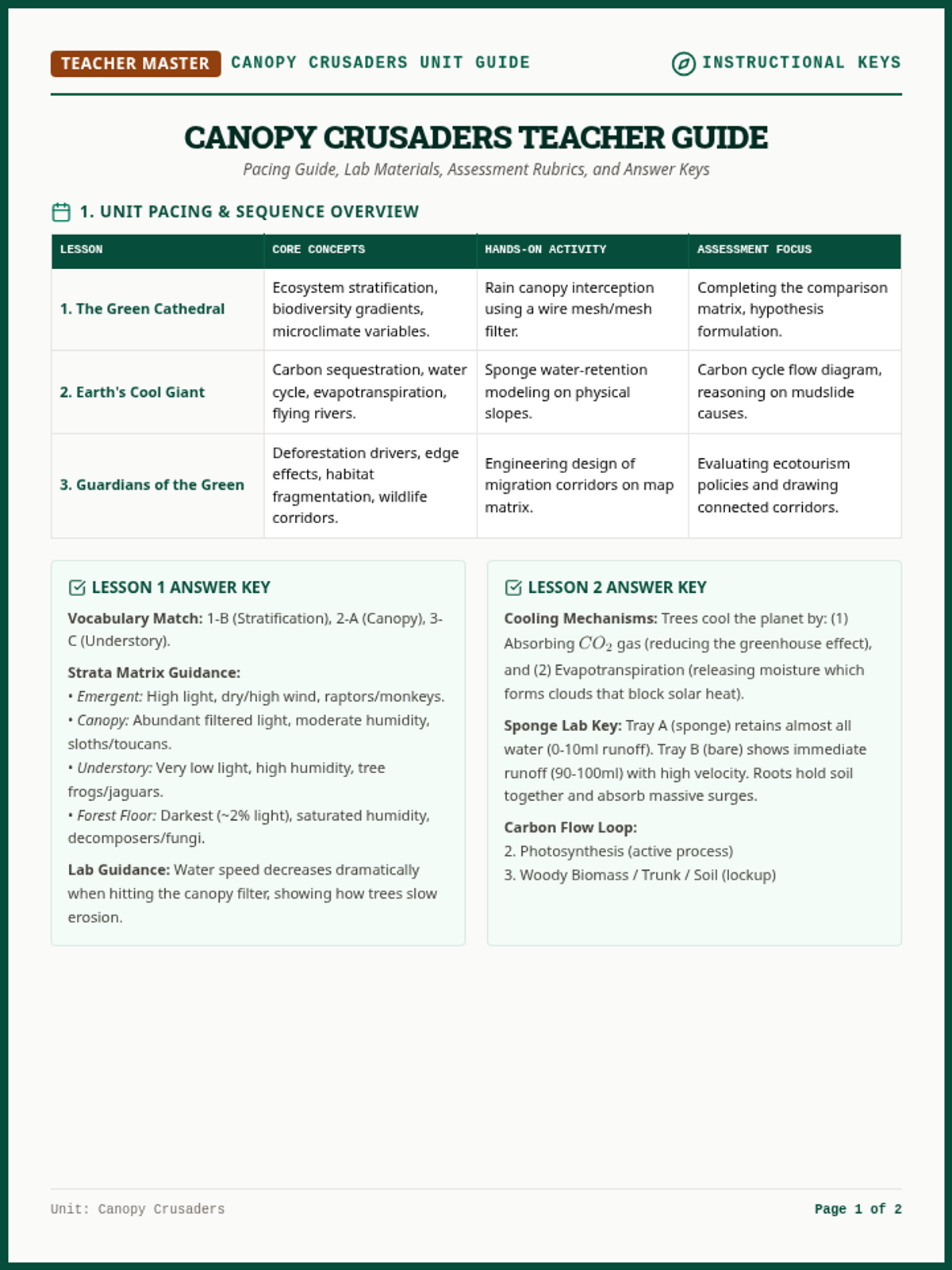
Students analyze the causes and consequences of deforestation, mapping habitat fragmentation and designing collaborative, science-based conservation solutions.
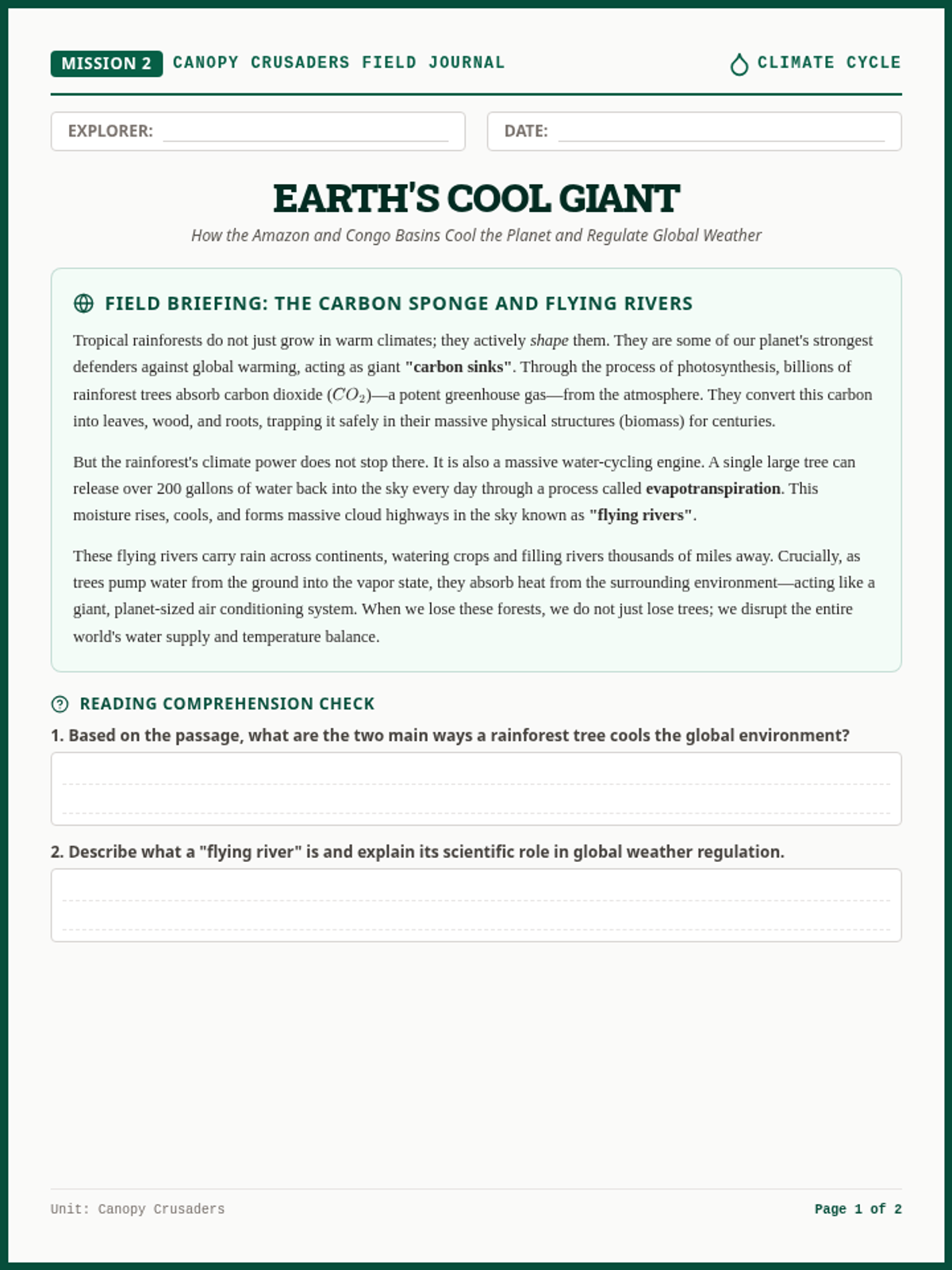
Students investigate the rainforest as a massive climate-control engine, analyzing how evapotranspiration regulates weather and how trees act as vital global carbon sinks.
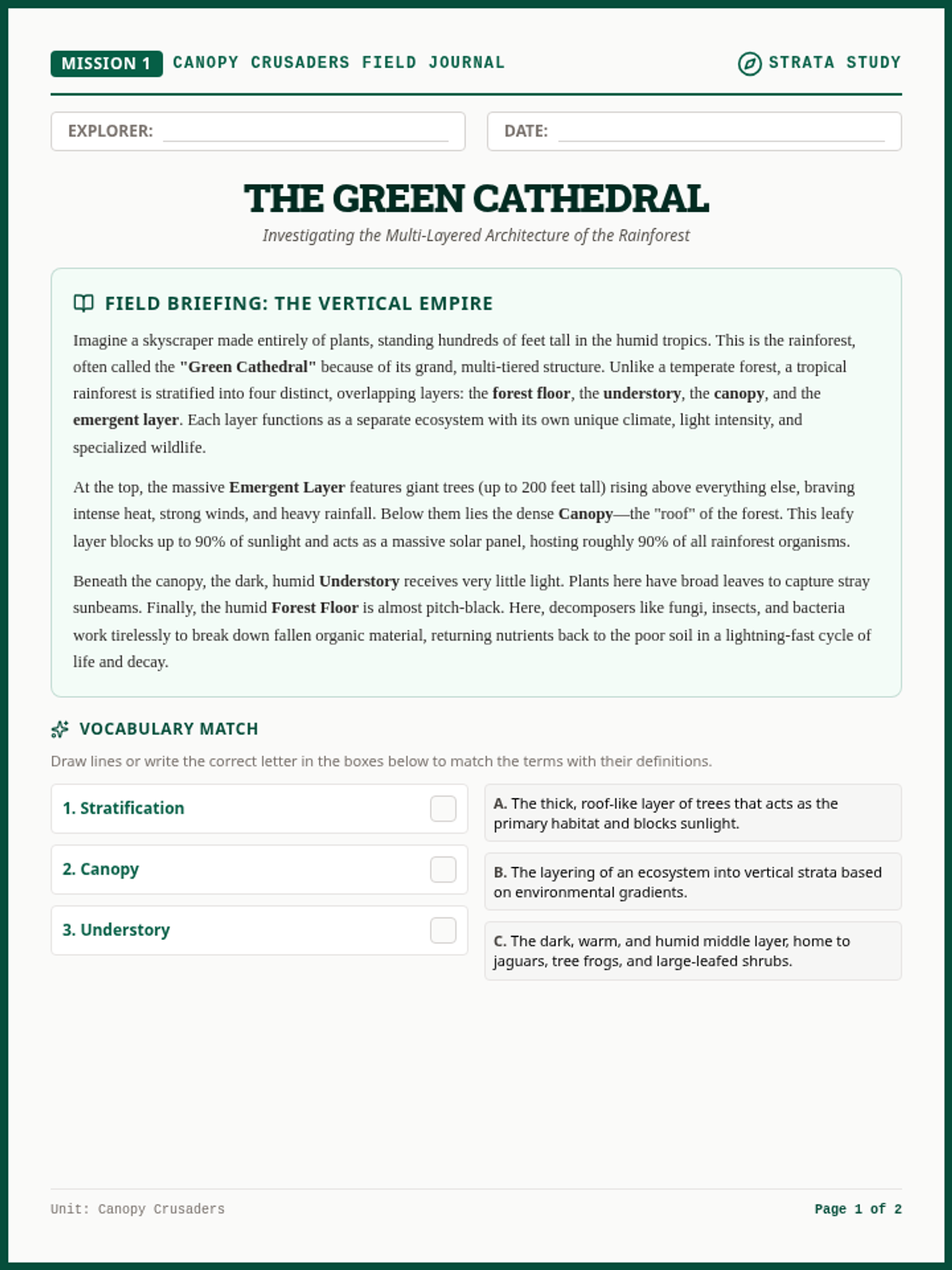
Students explore the structural layers of the rainforest (forest floor, understory, canopy, emergent layer) and model biodiversity and physical conditions across these strata.
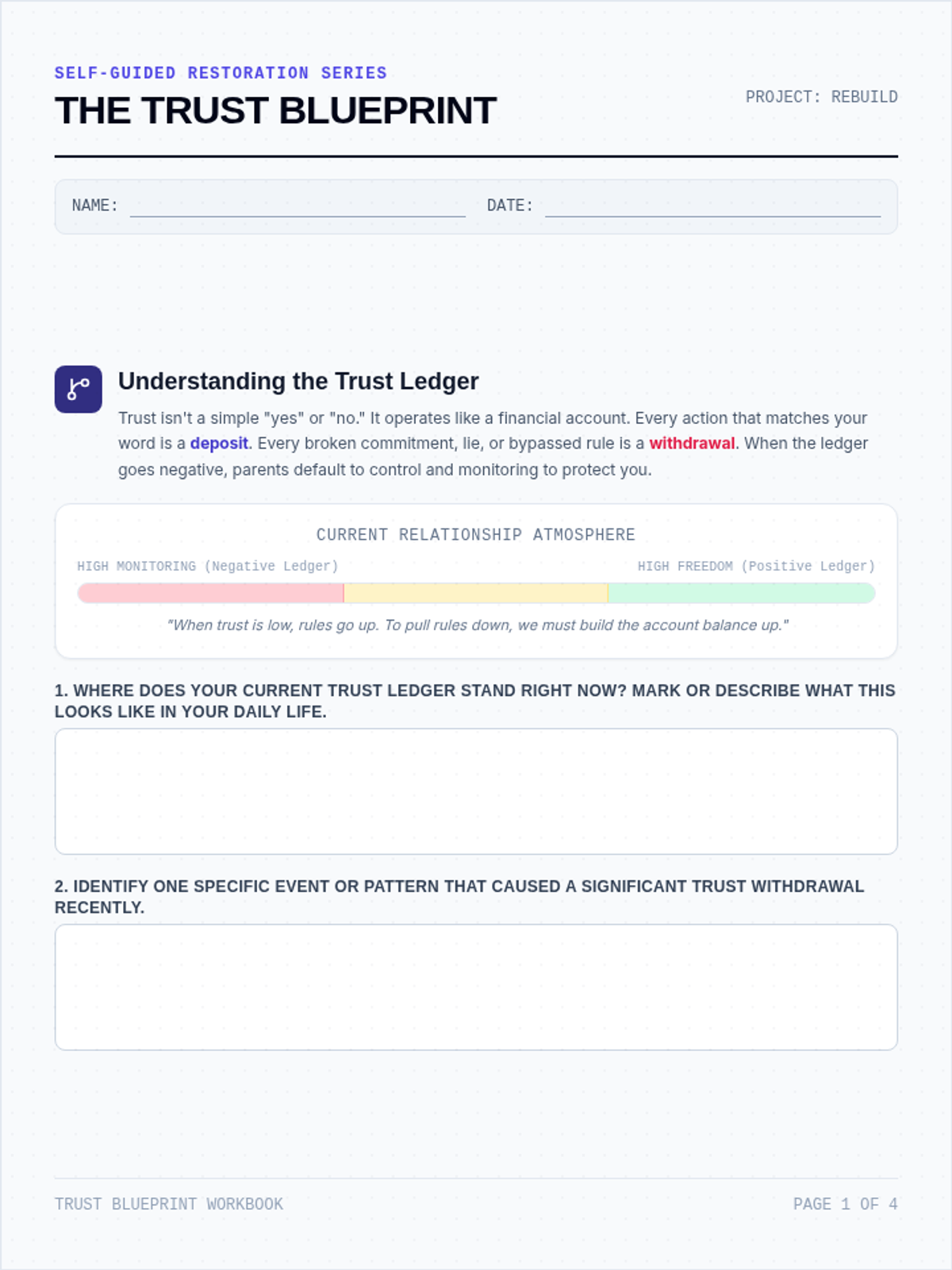
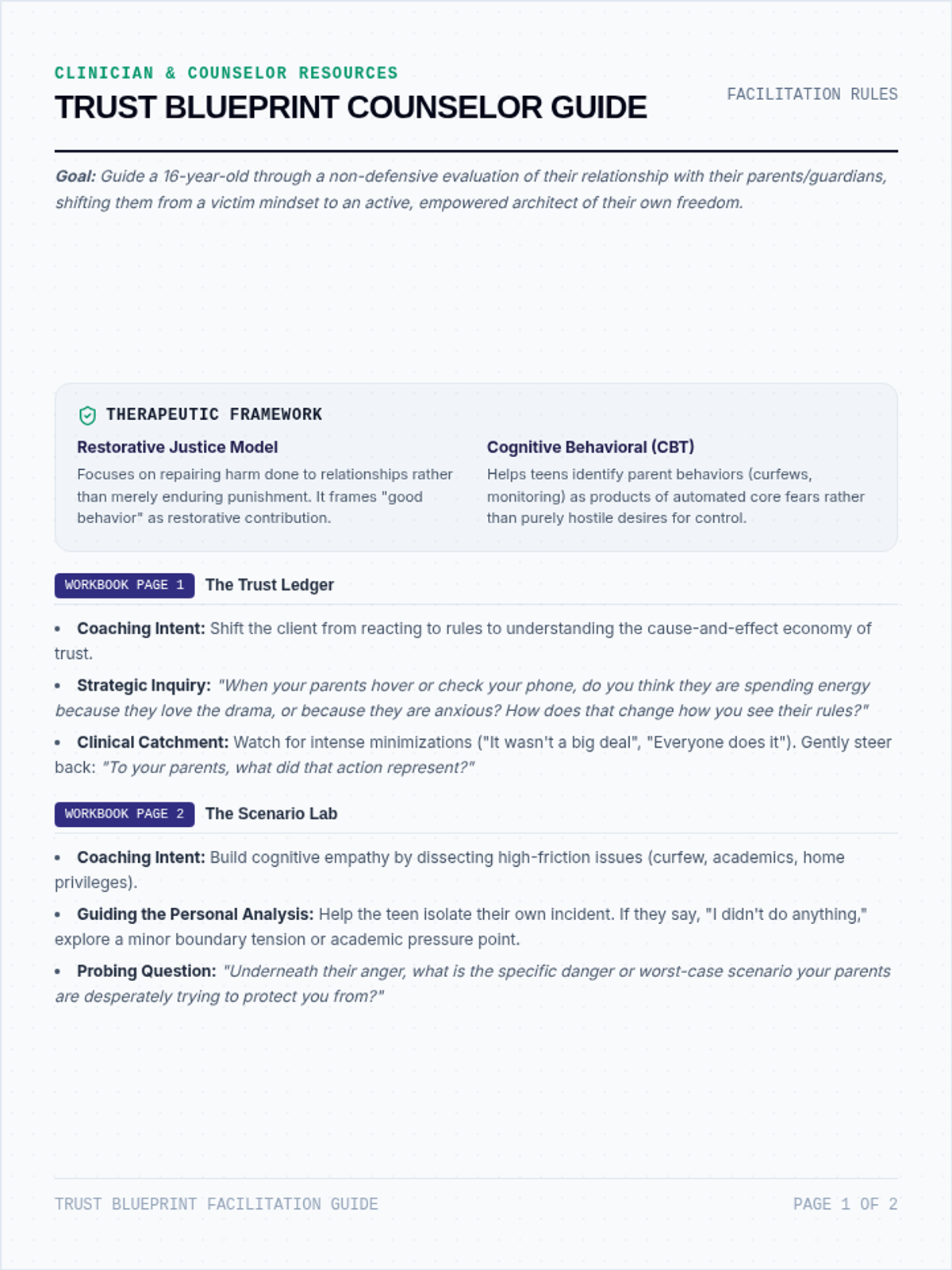
A counselor-led guide and interactive reflection workbook for 16-year-olds working to rebuild trust with parents or guardians. The lesson covers the mechanics of trust, realistic scenario analysis around curfew, academic honesty, and privileges, and provides an actionable path forward.
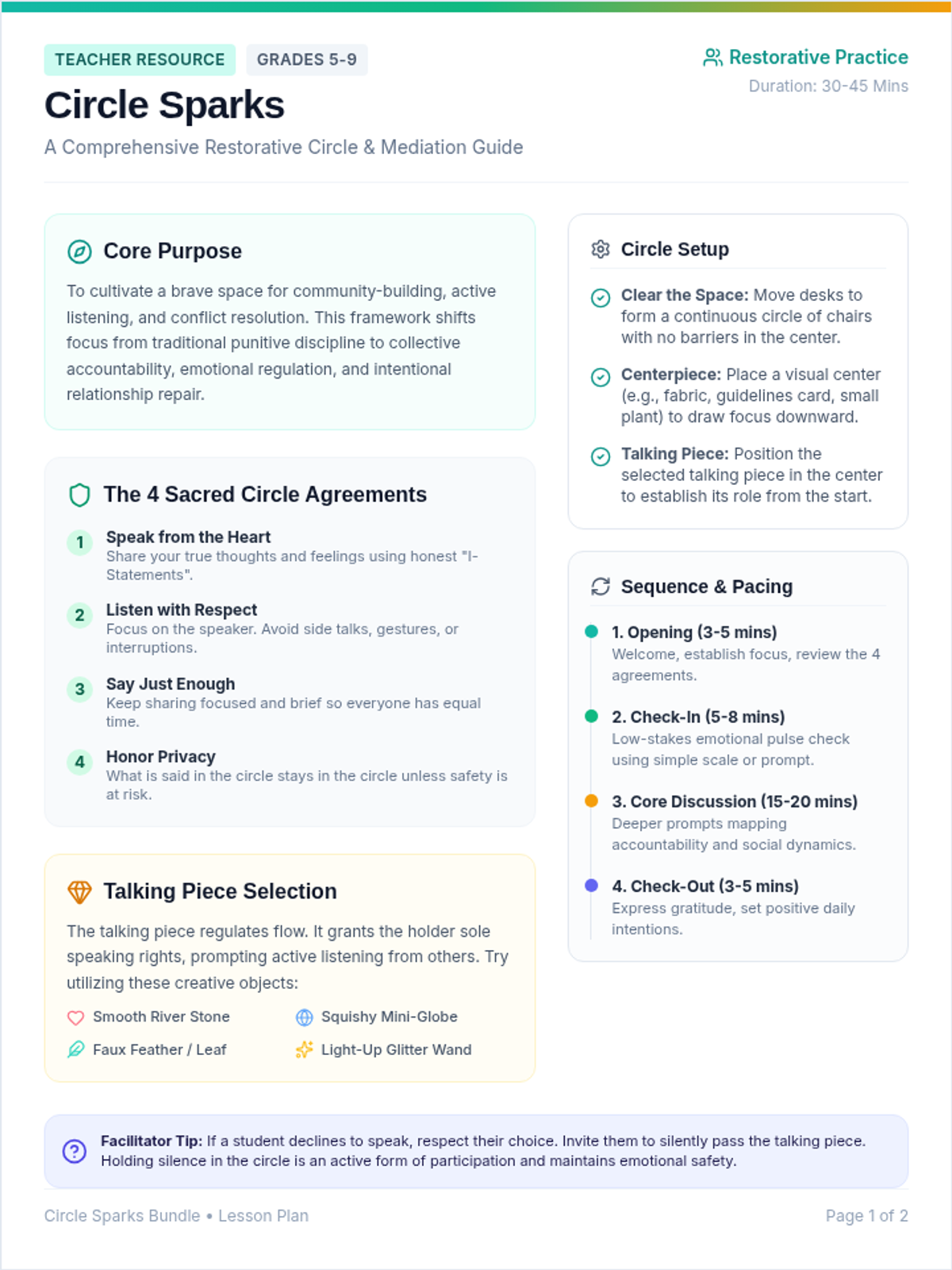
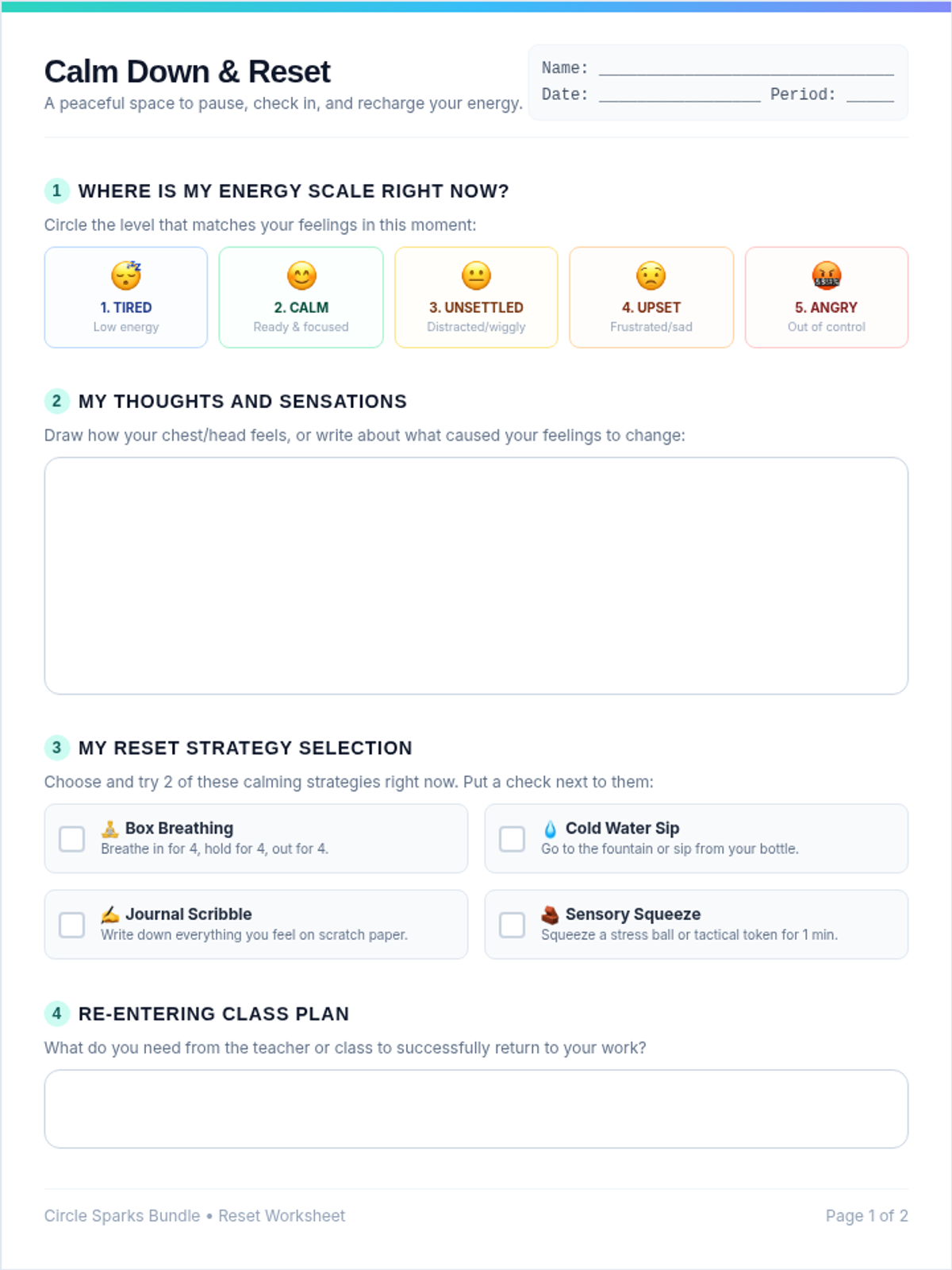
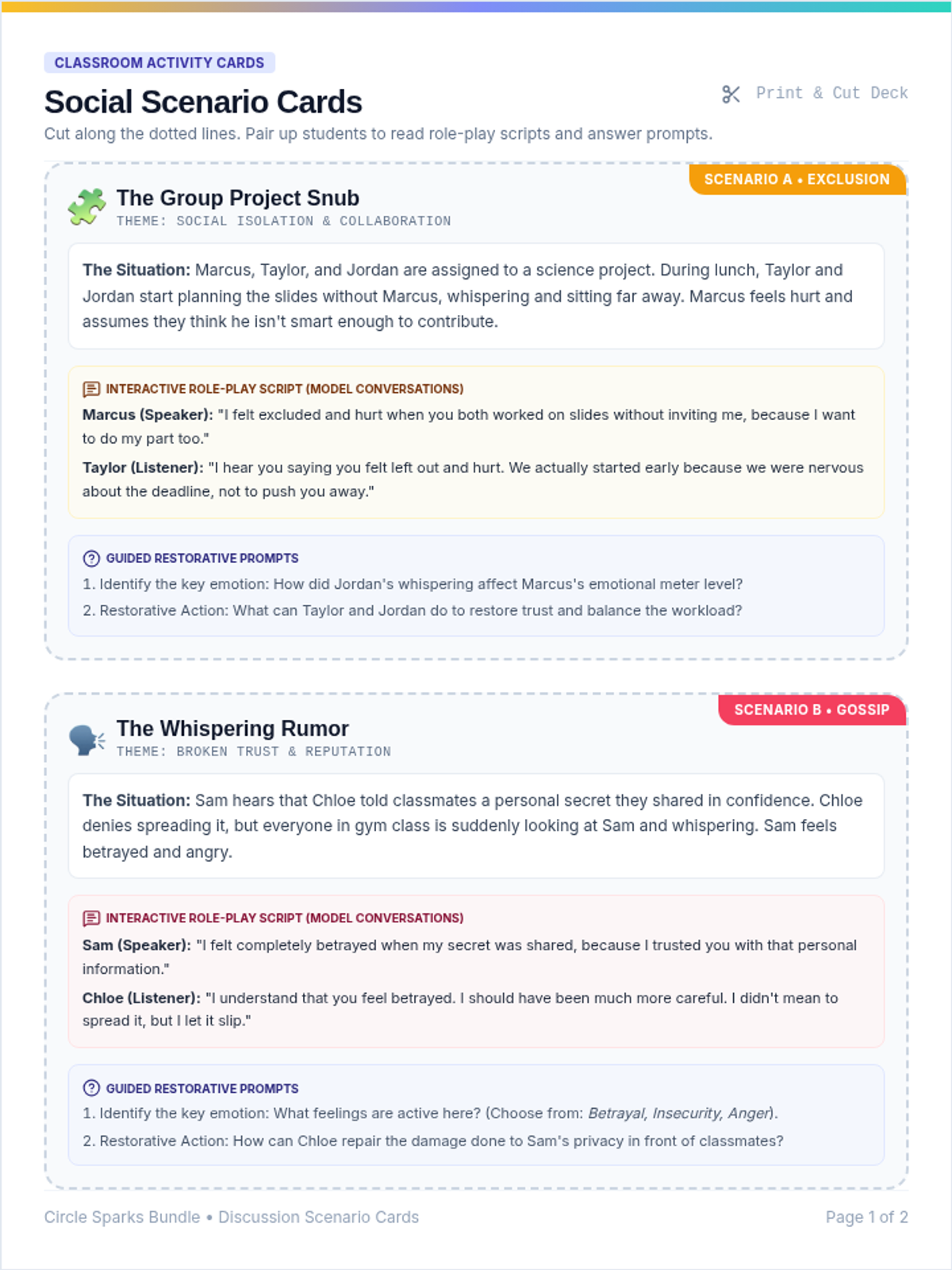
A comprehensive restorative justice lesson bundle designed to foster social-emotional learning, conflict resolution, and self-regulation through structured circle practices, visual anchor charts, visual reflection sheets, and real-world peer scenarios.
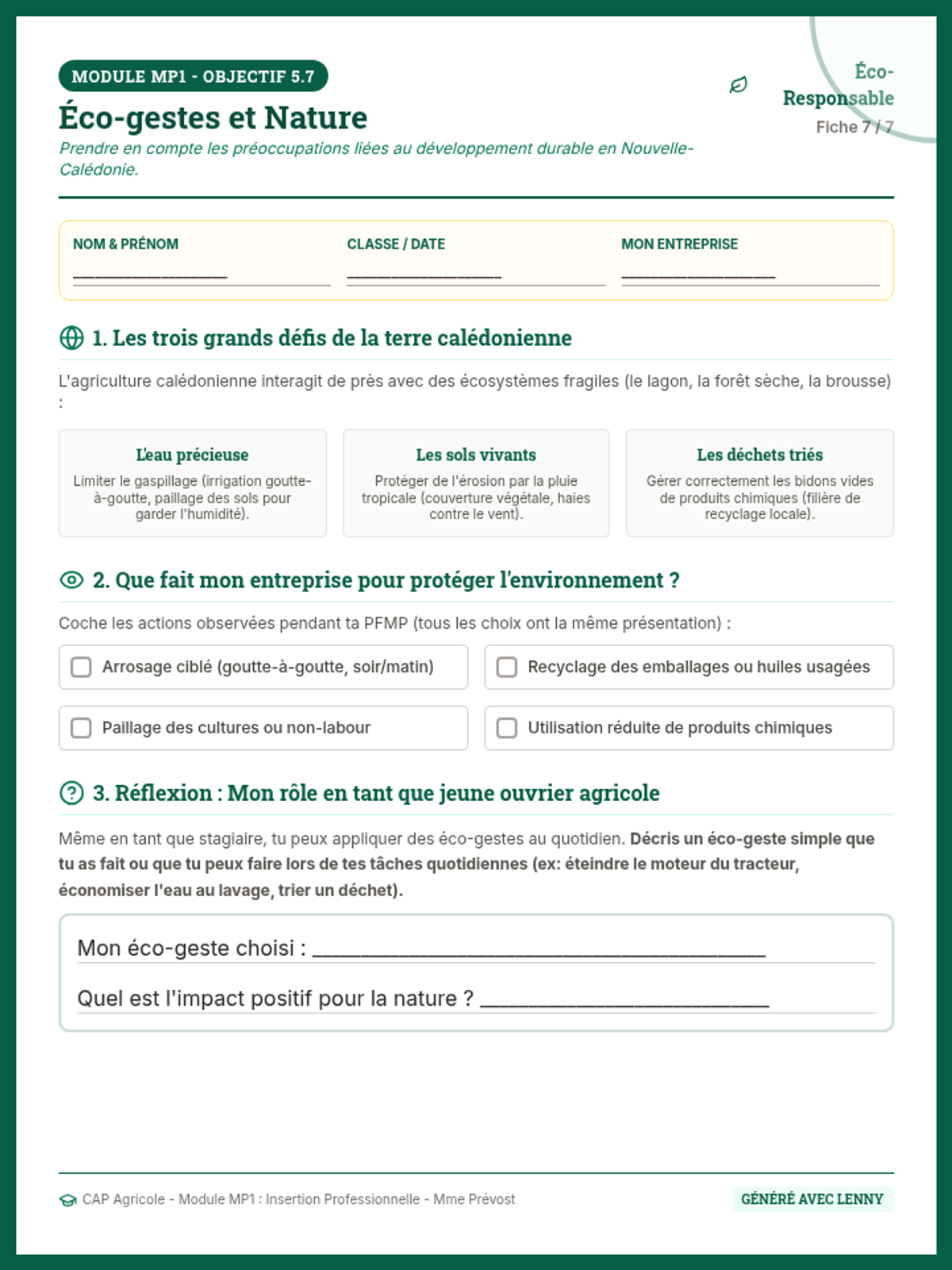
Session 7 du passeport PFMP. Les élèves découvrent comment l'agriculture calédonienne s'adapte aux préoccupations environnementales océaniennes (sol, eau, biodiversité, déchets).
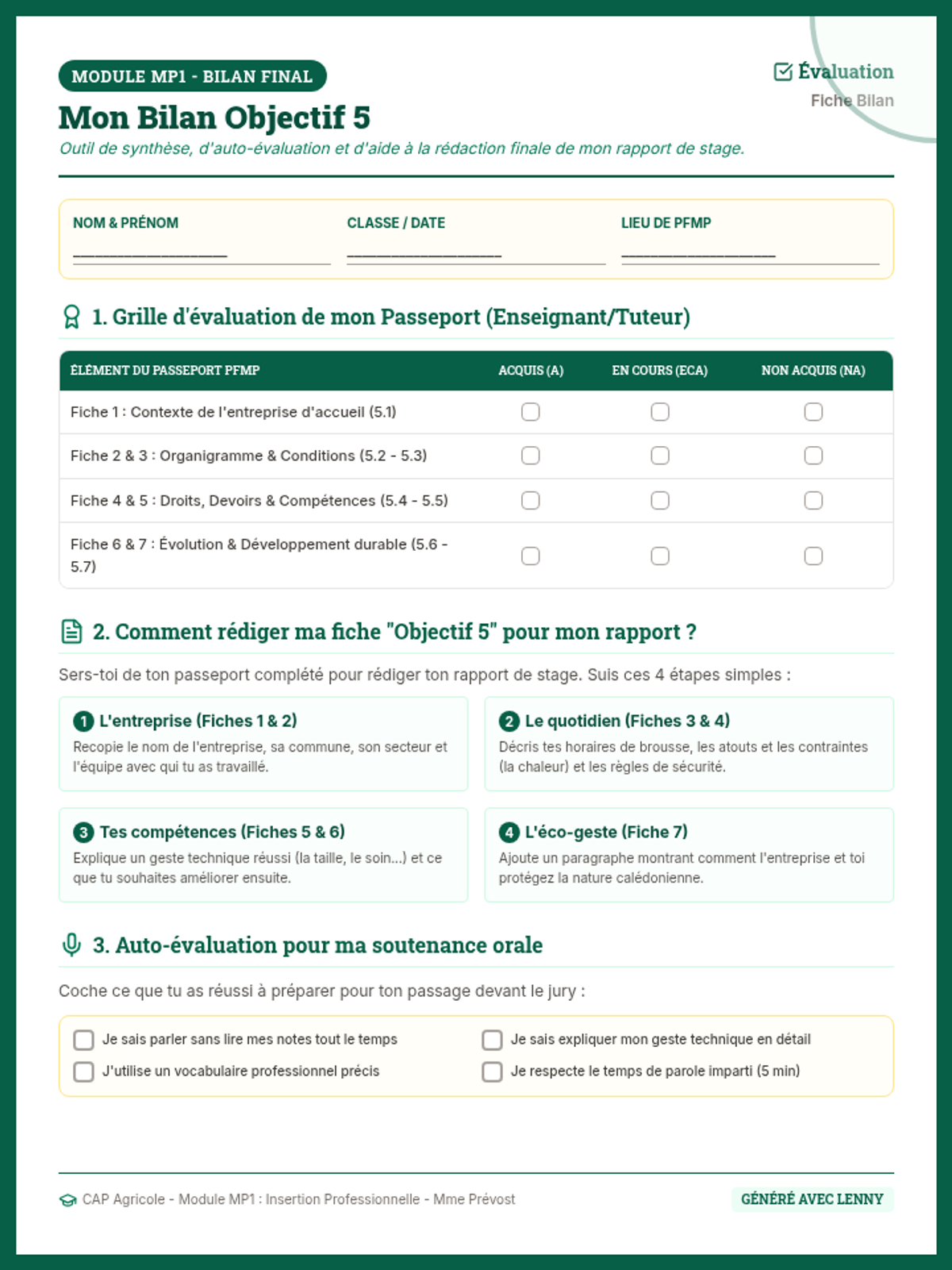
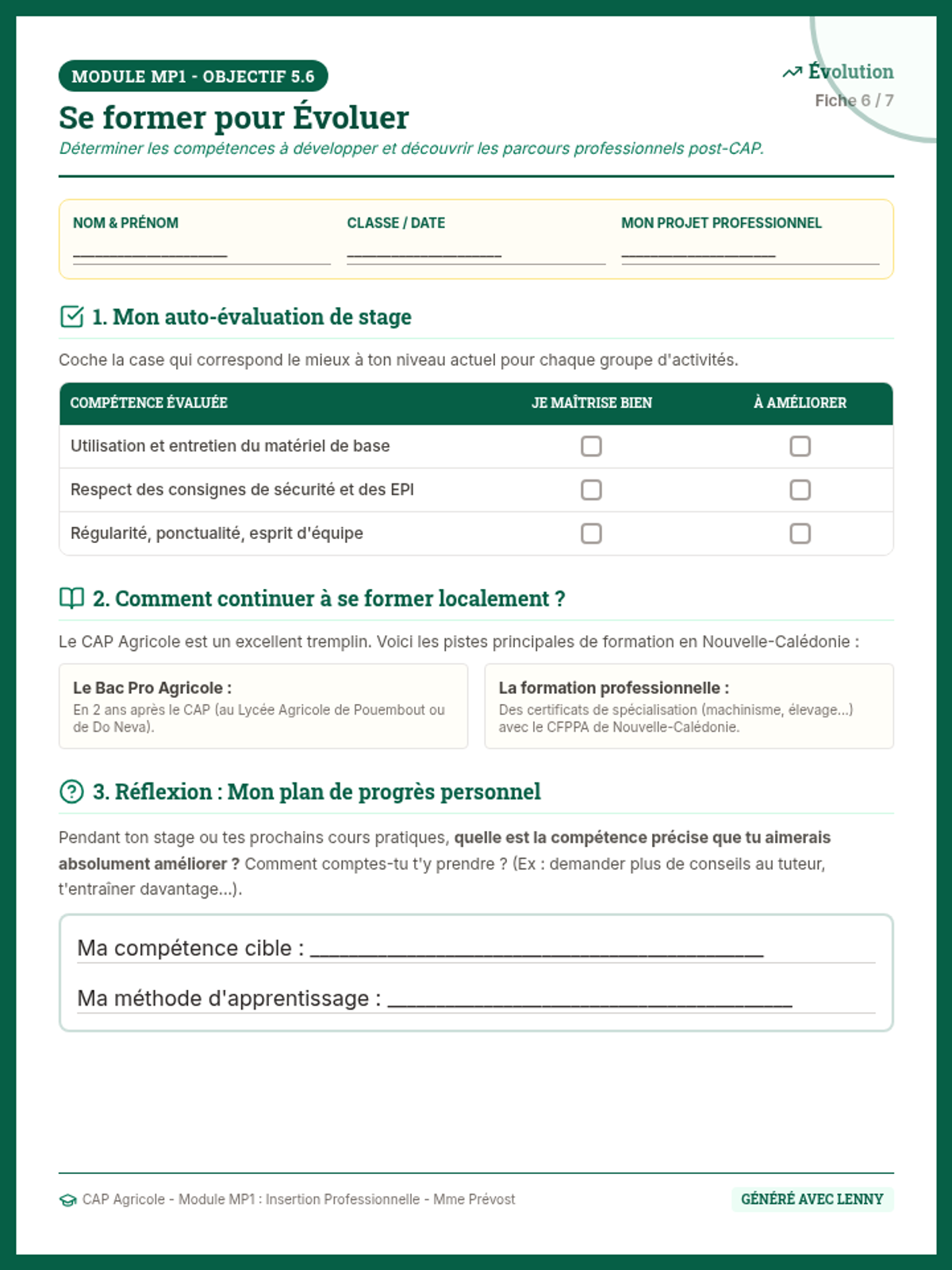
Session 6 du passeport PFMP. Les élèves réfléchissent aux compétences qu'ils aimeraient développer ou améliorer et découvrent les perspectives de formation et d'évolution de carrière.
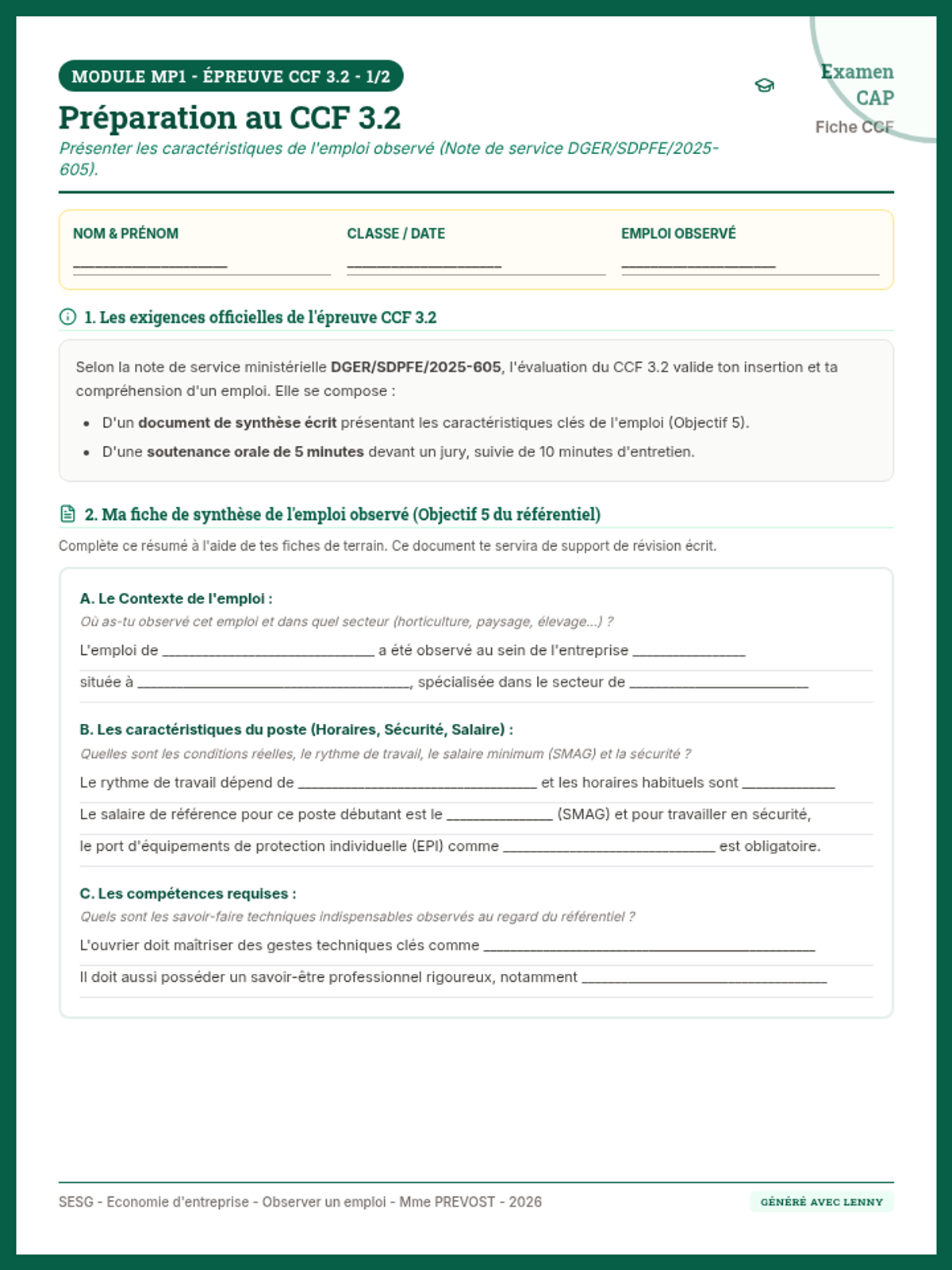
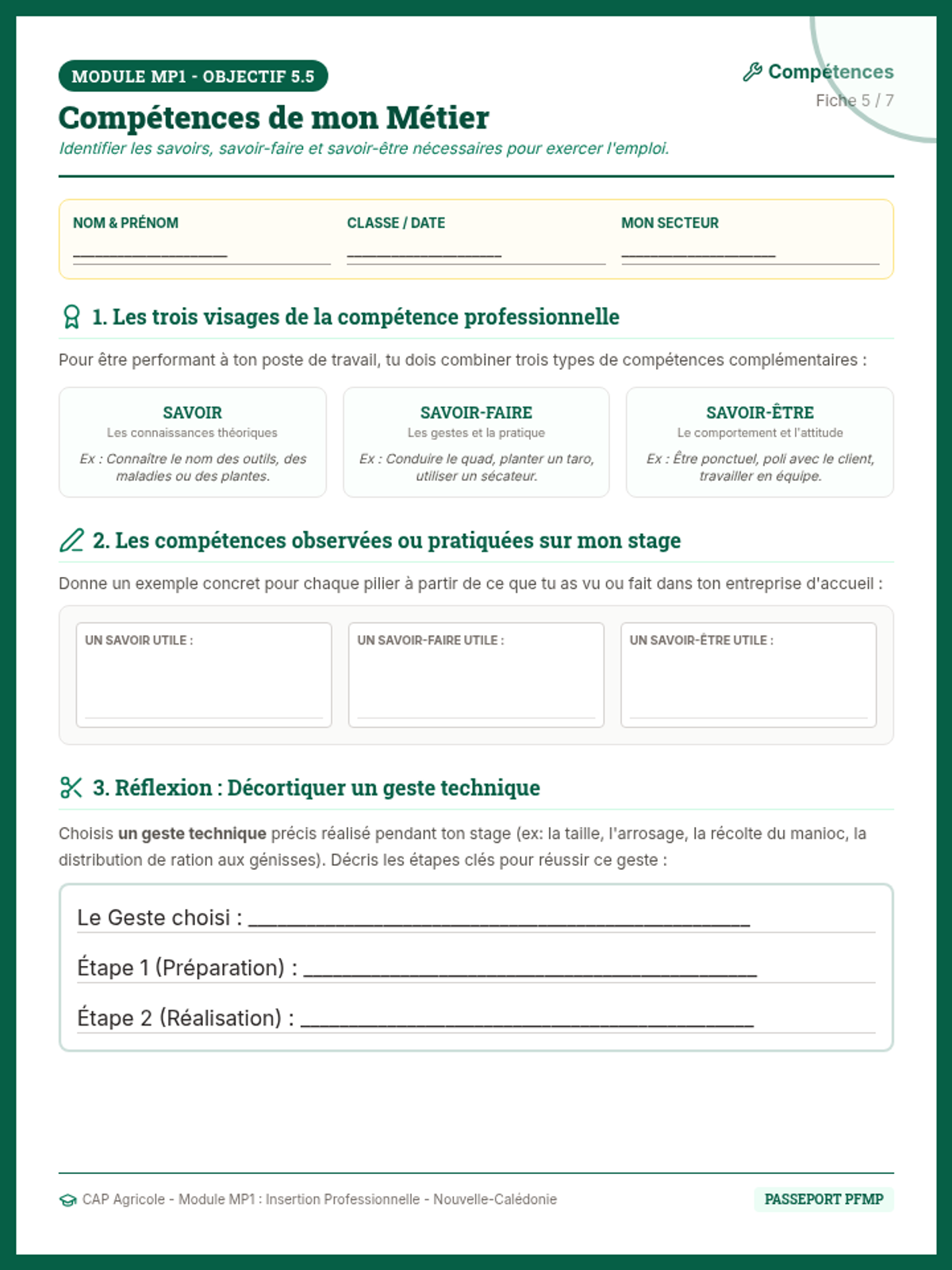
Session 5 du passeport PFMP. Les élèves découvrent et identifient les compétences requises (savoirs, savoir-faire techniques, savoir-être) pour exercer l'emploi observé.
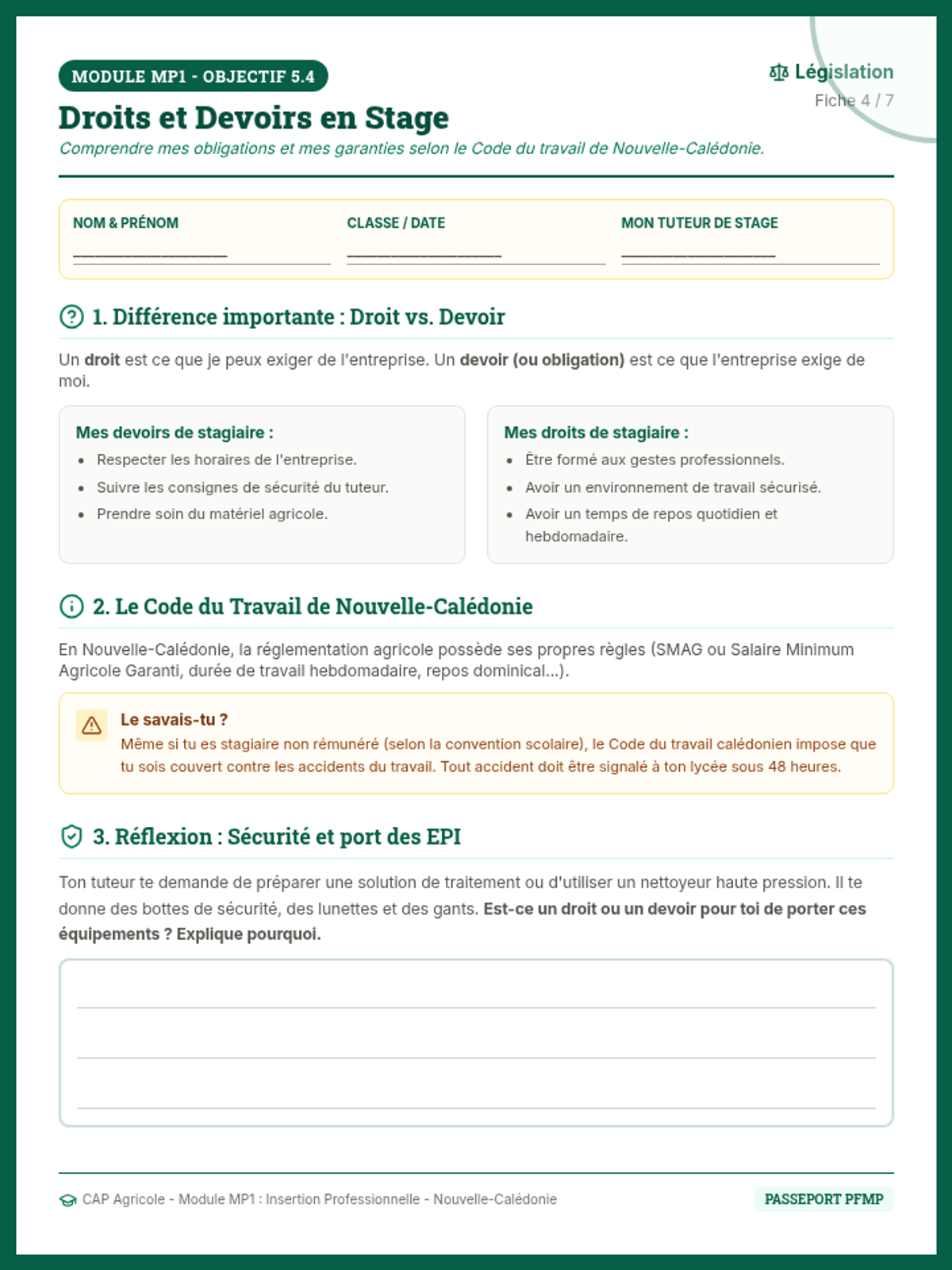
Session 4 du passeport PFMP. Les élèves découvrent les droits, les devoirs du salarié et du stagiaire, ainsi que les règles du Code du travail de Nouvelle-Calédonie et la sécurité.
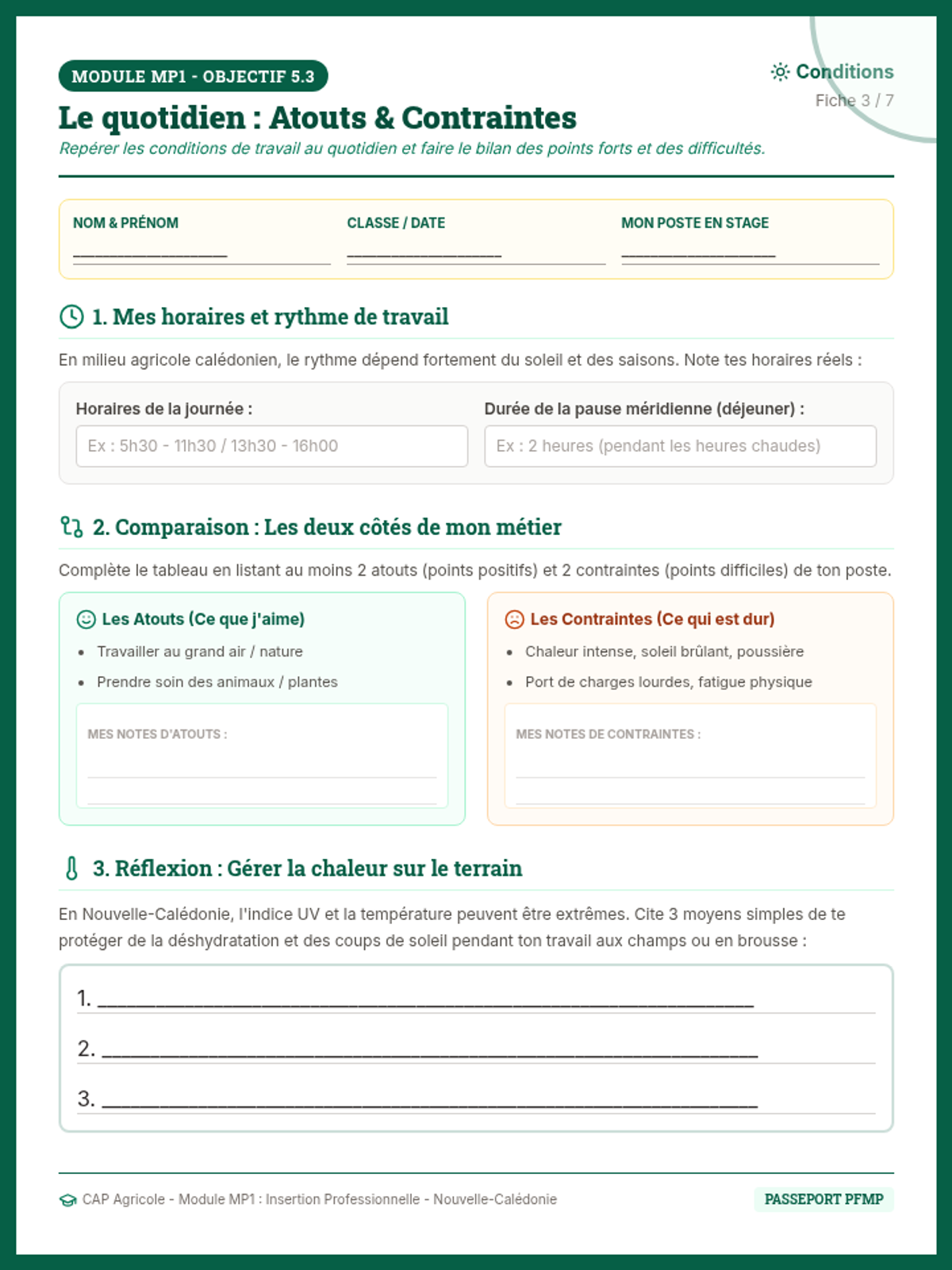
Session 3 du passeport PFMP. Les élèves apprennent à identifier les conditions réelles de travail, à analyser les contraintes d'un poste agricole et à apprécier ses atouts.
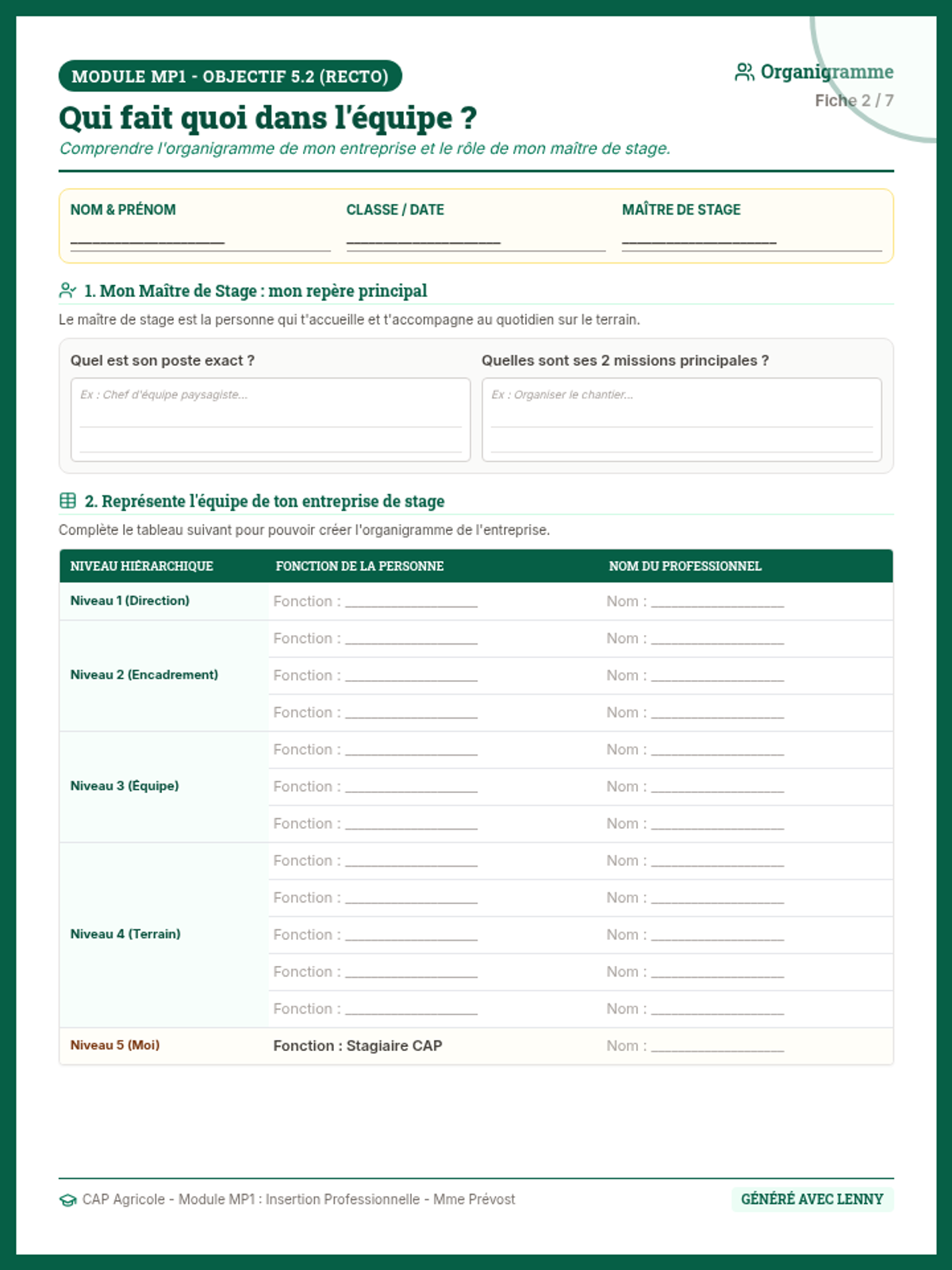
Session 2 du passeport PFMP. Les élèves apprennent à identifier l'organigramme de l'entreprise, à repérer leur maître de stage et à comprendre les fonctions et attributions de chaque salarié.
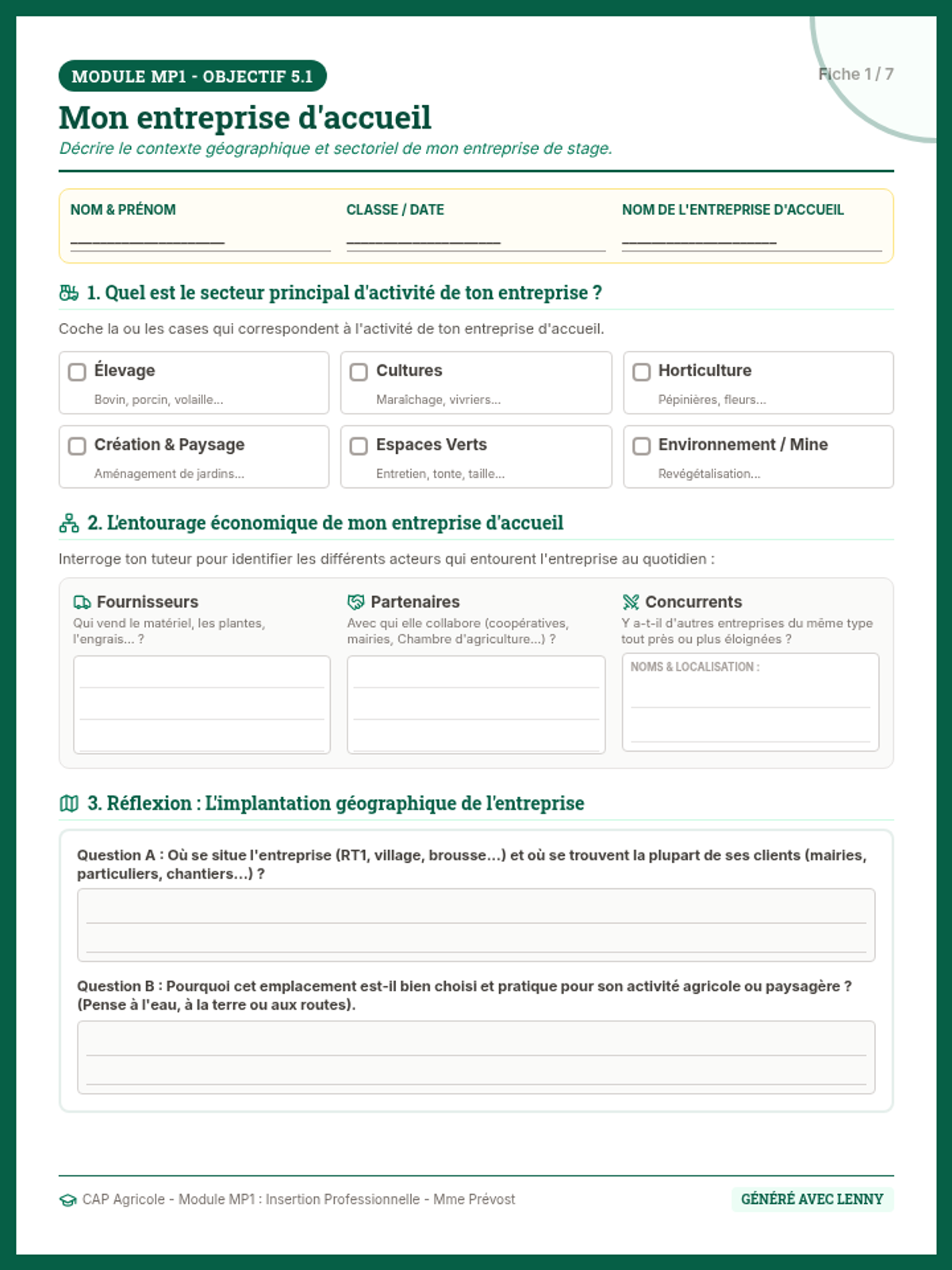
Session 1 du passeport PFMP. Les élèves apprennent à identifier et à décrire le contexte géographique, sectoriel et juridique de leur entreprise d'accueil en Nouvelle-Calédonie.
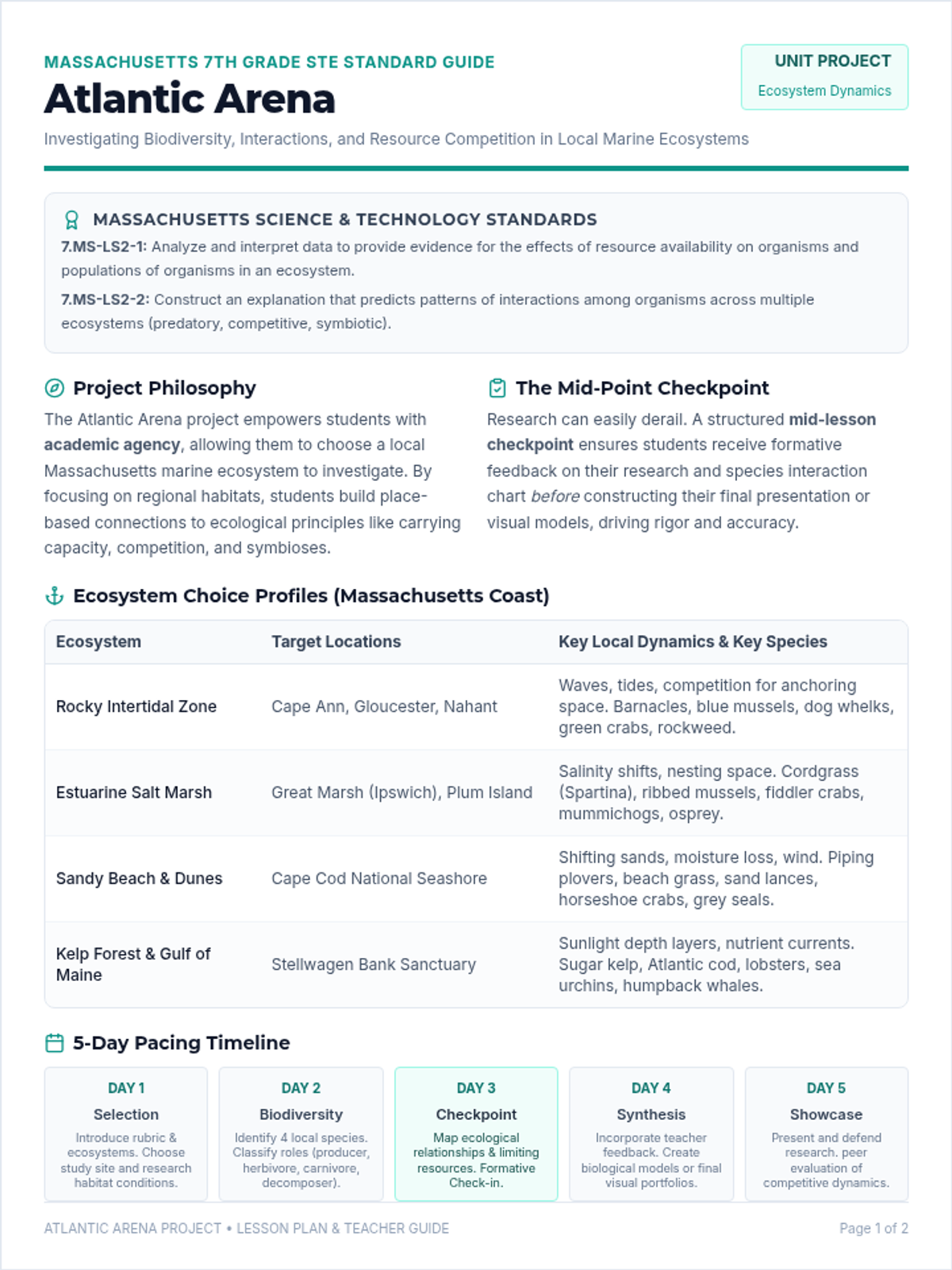
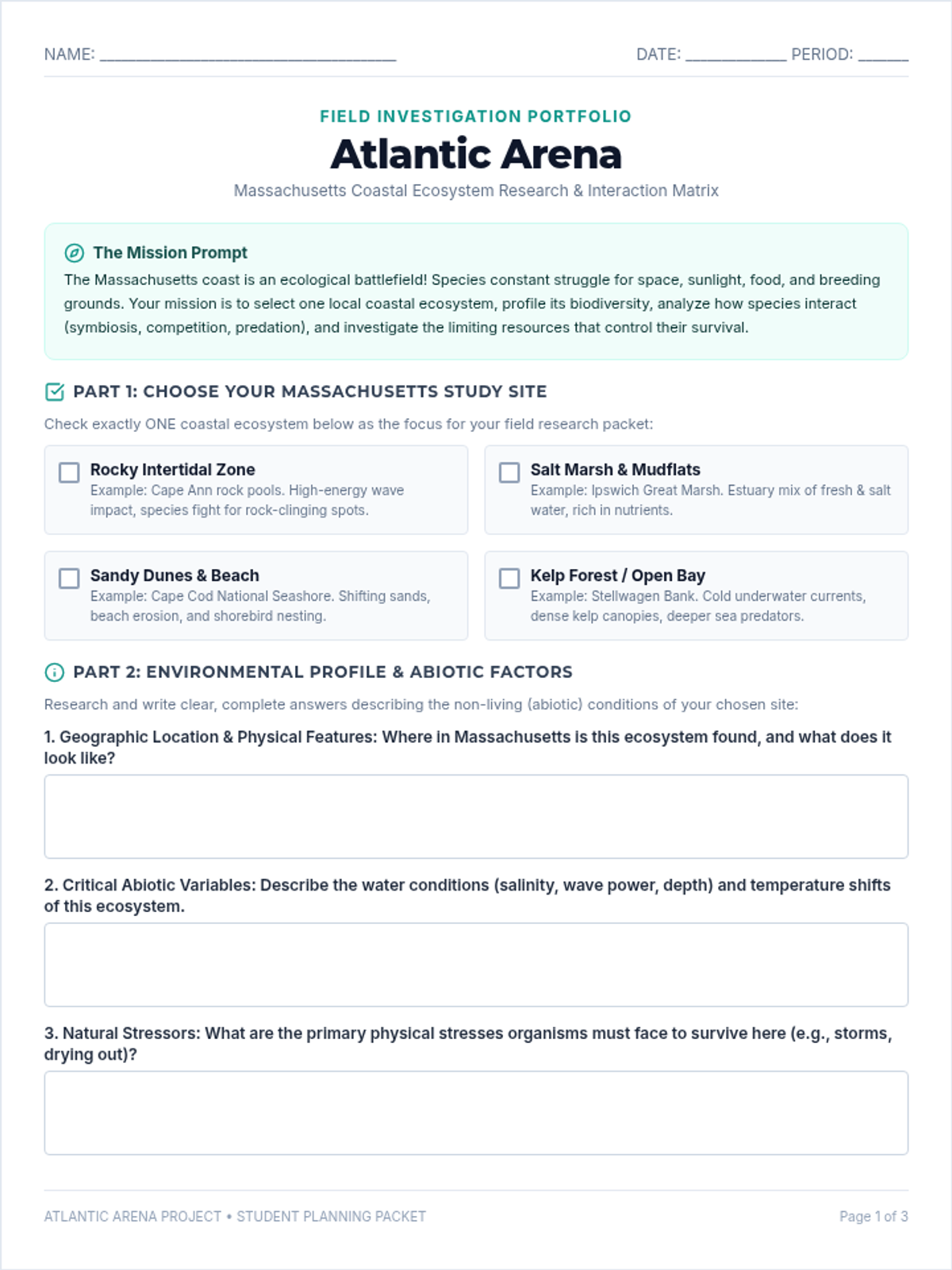
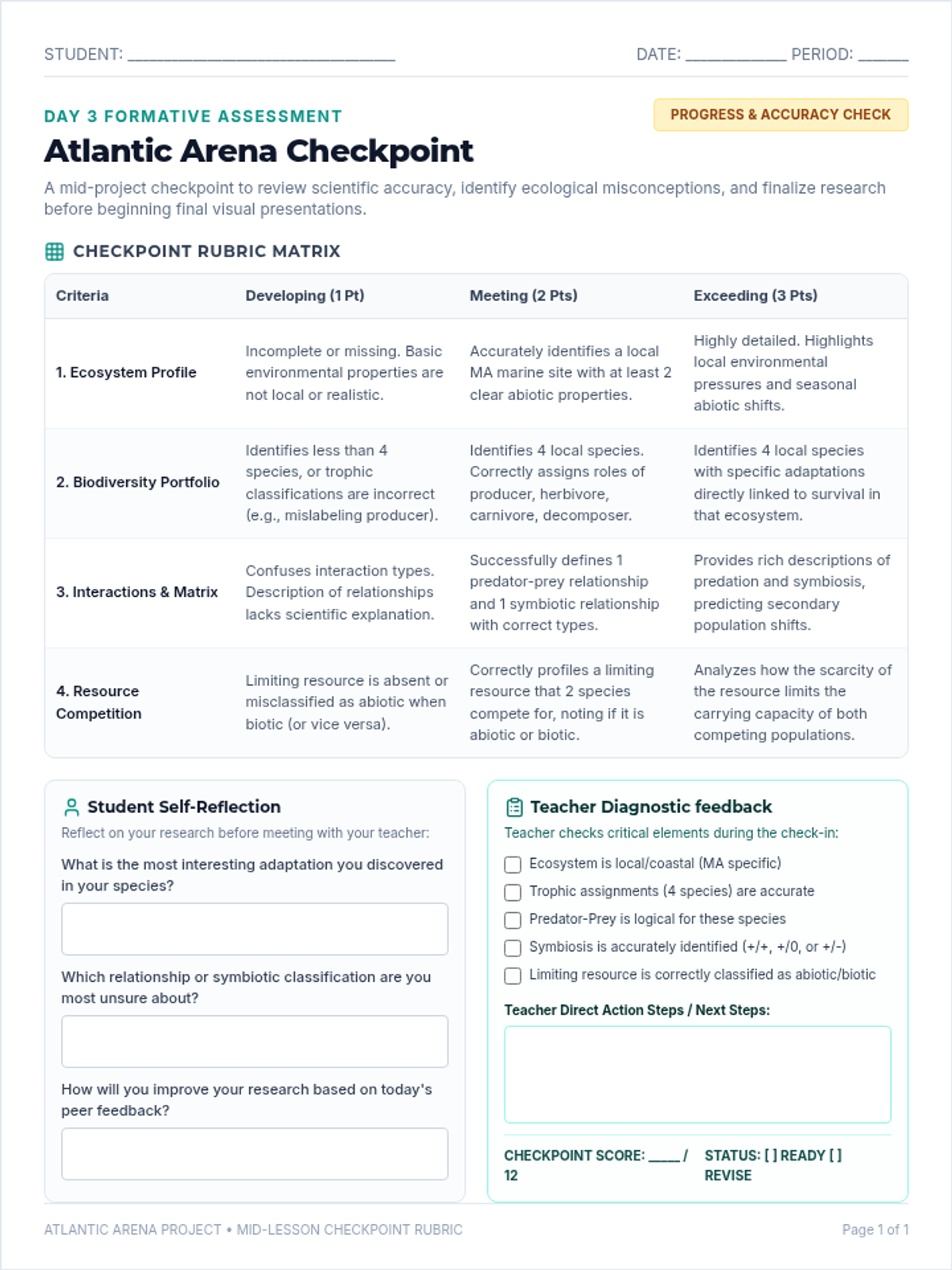
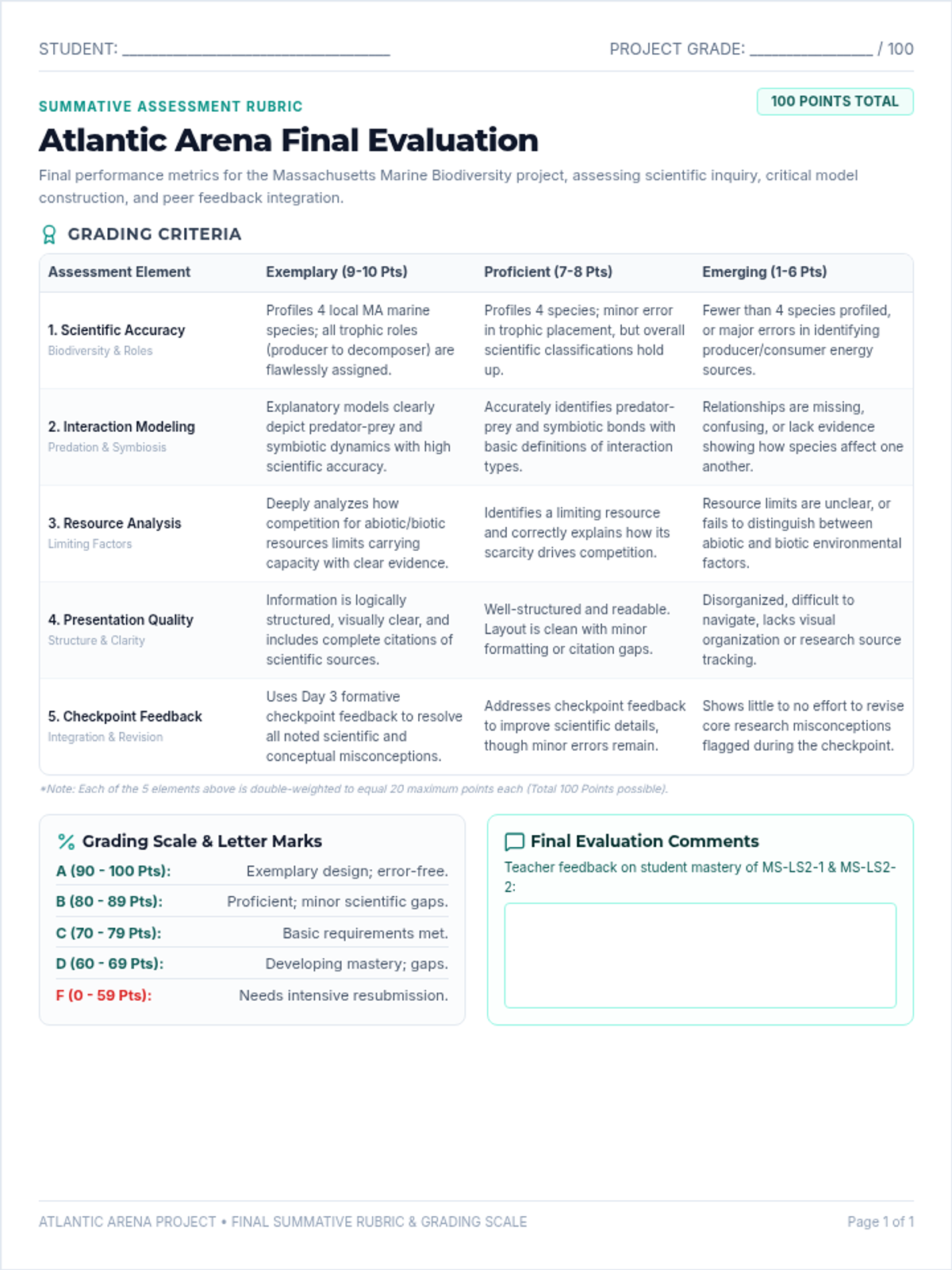
An investigative project-based lesson for 7th-grade students exploring Massachusetts marine ecosystems. Students choose a local coastal ecosystem, research resident species, analyze competitive and symbiotic interactions, and demonstrate understanding of resource availability.
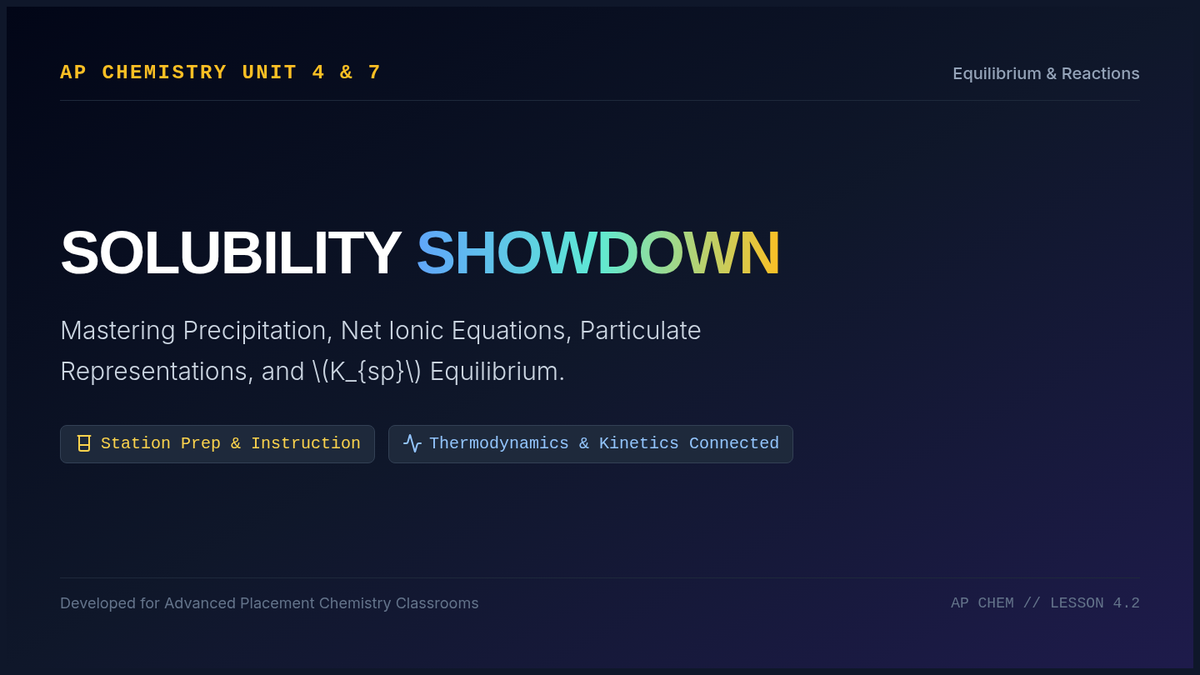
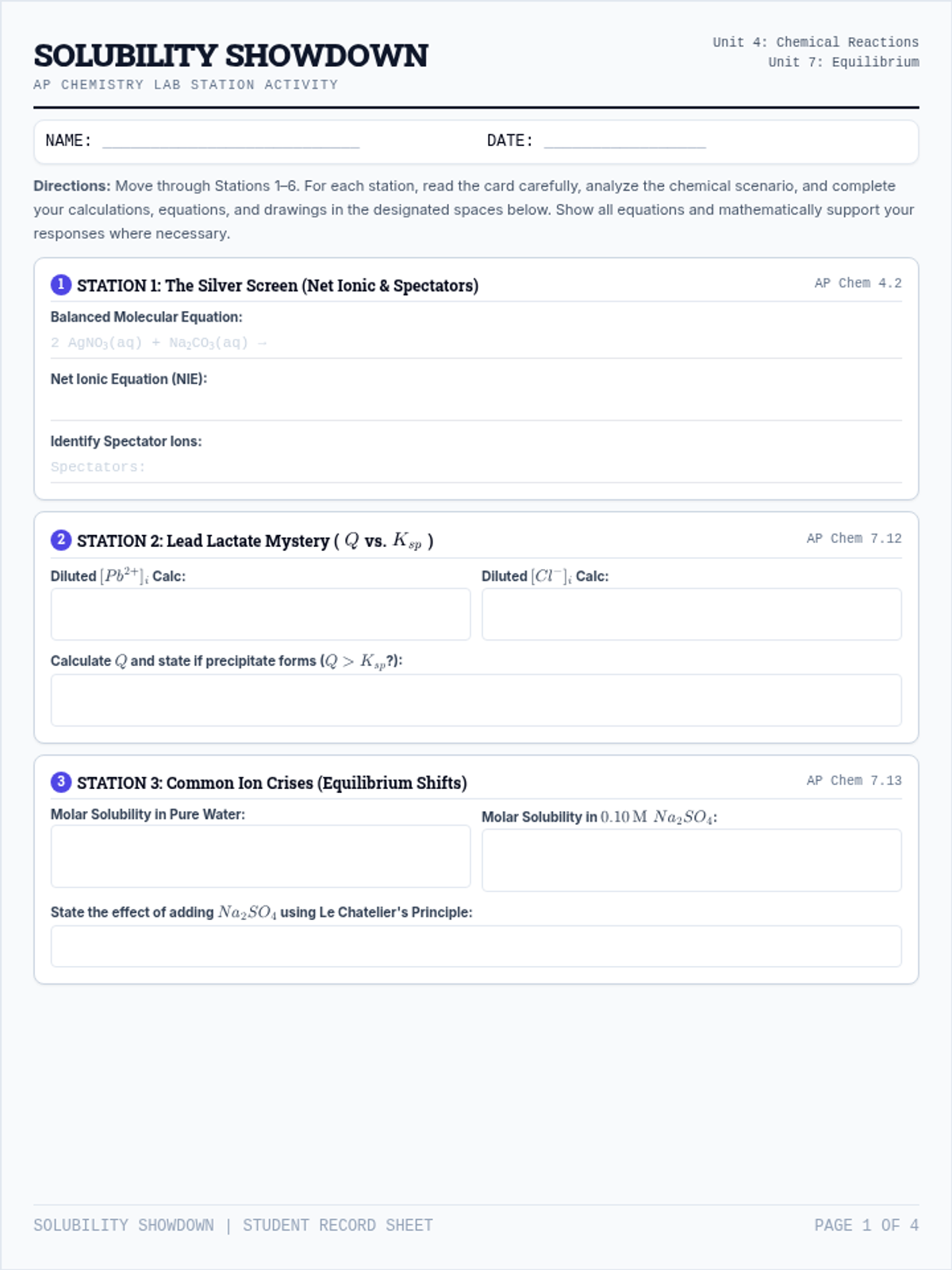
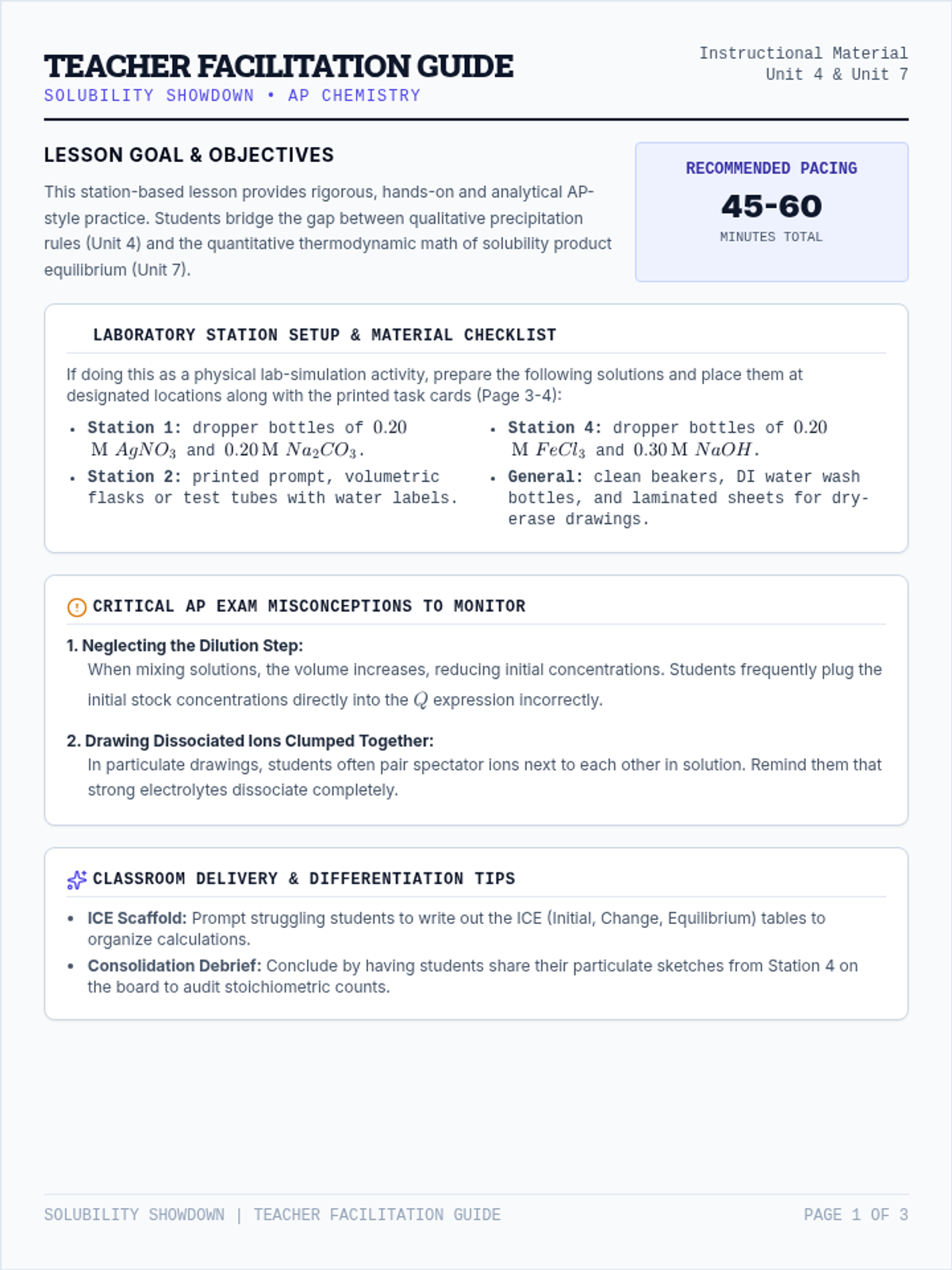
An AP Chemistry lesson exploring solubility rules, net ionic equations, particulate representations, and the mathematical link to Ksp and equilibrium shifts. Students engage with interactive station-based task cards simulating real laboratory precipitates.
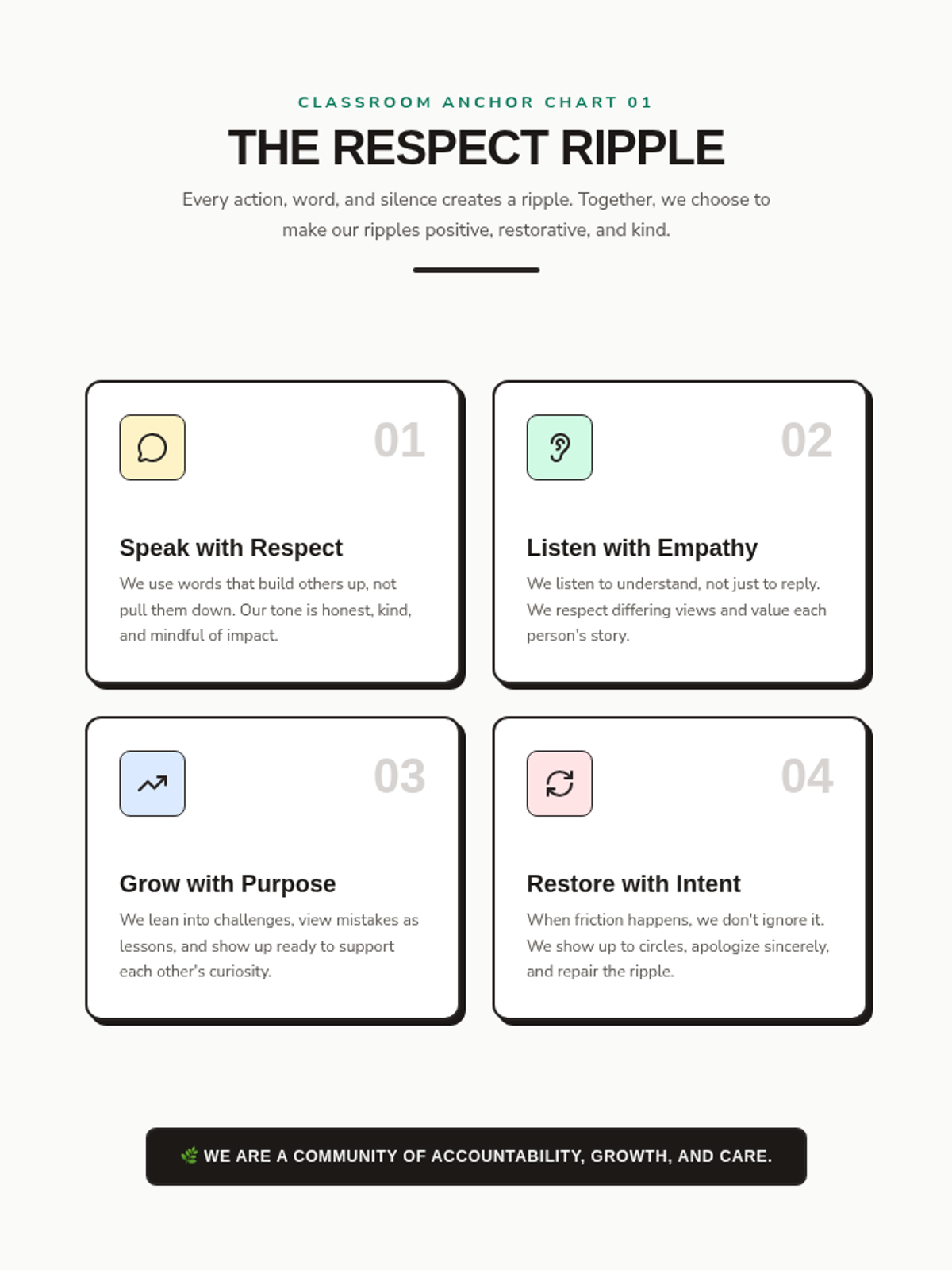
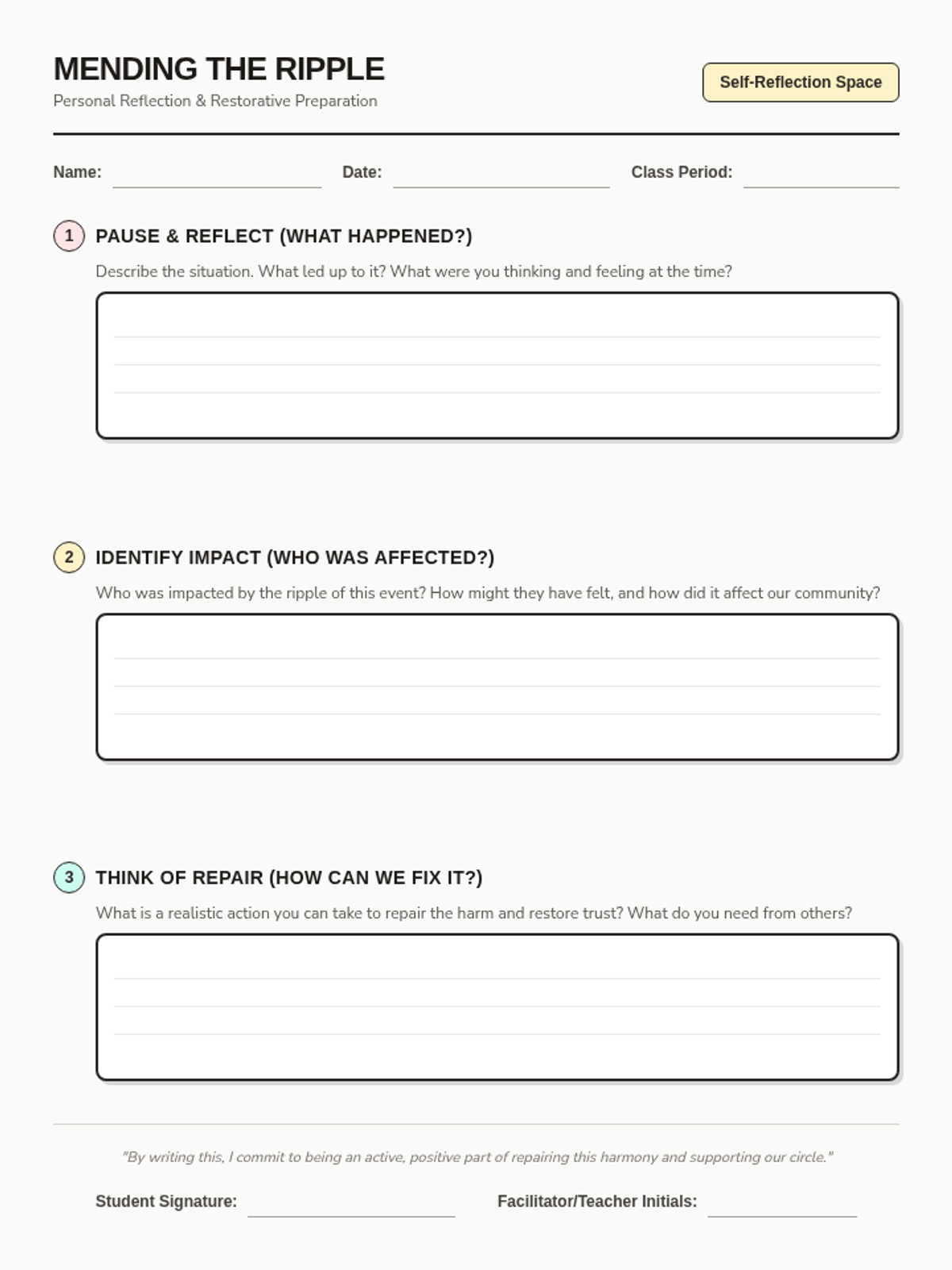
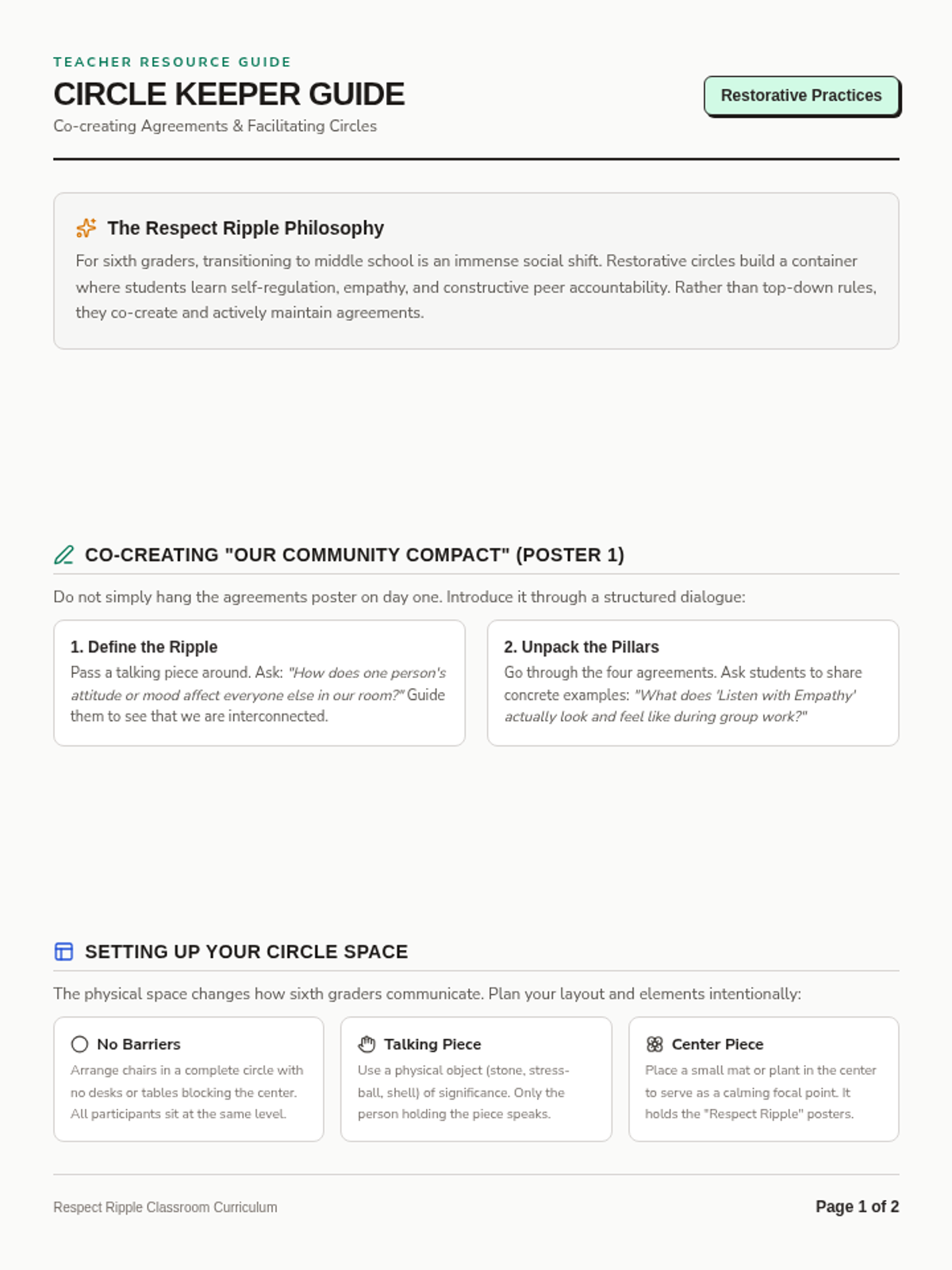
A restorative, community-focused set of materials for 6th grade classrooms. Includes large, clean visual anchor charts (posters) for agreements, restorative dialogue, and repairing harm, plus a student reflection worksheet and a teacher guide for hosting circle discussions.
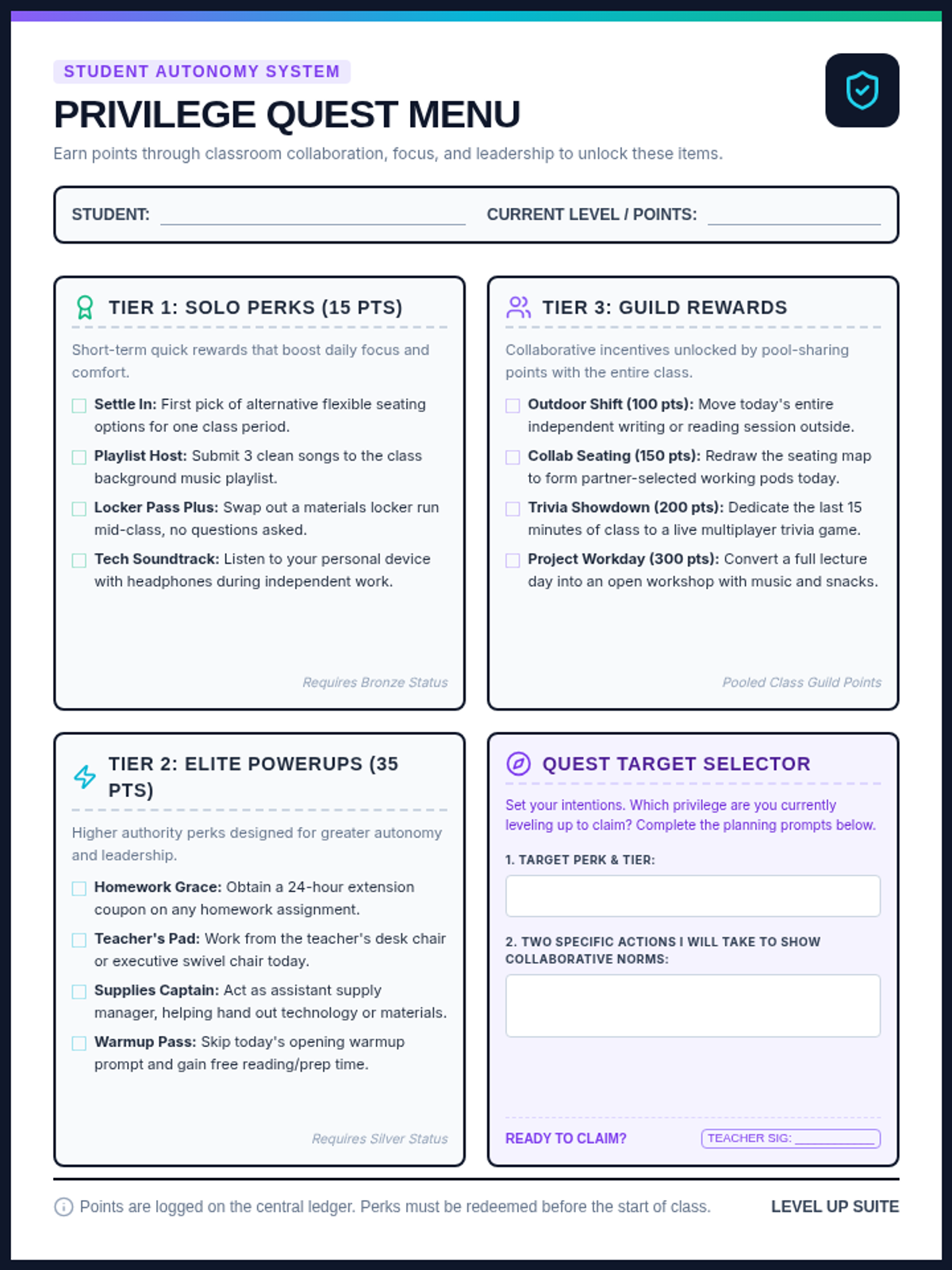
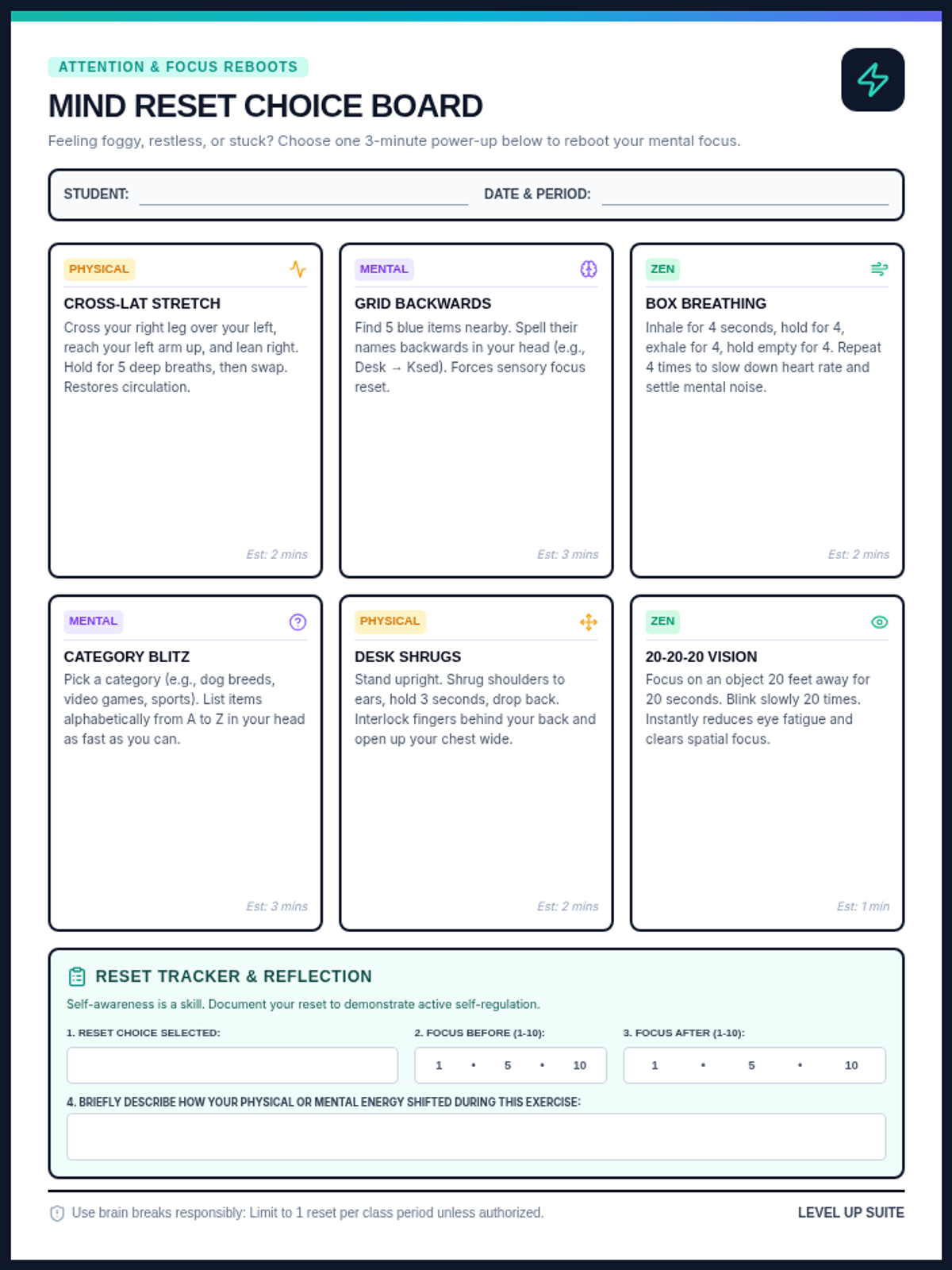
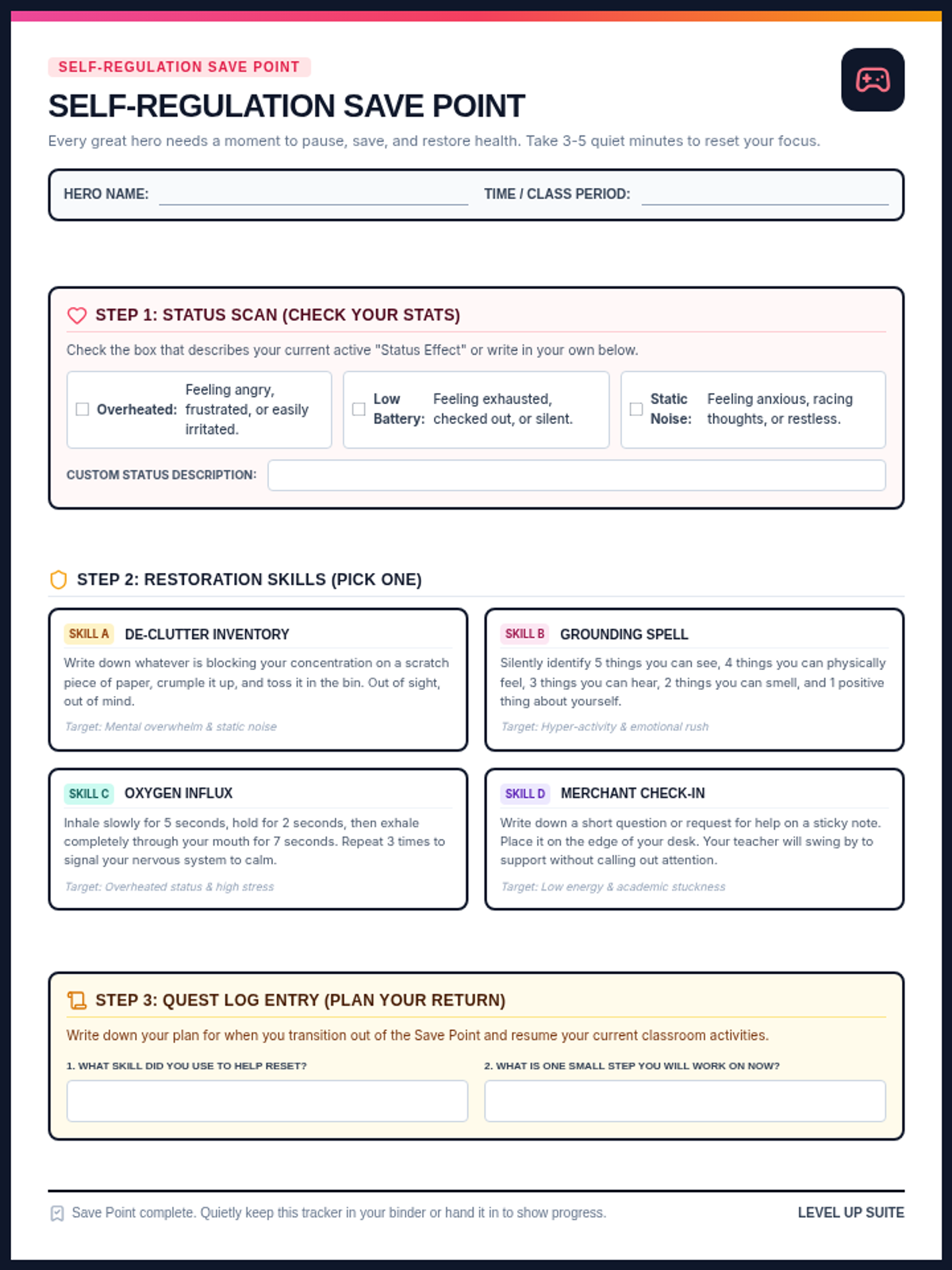
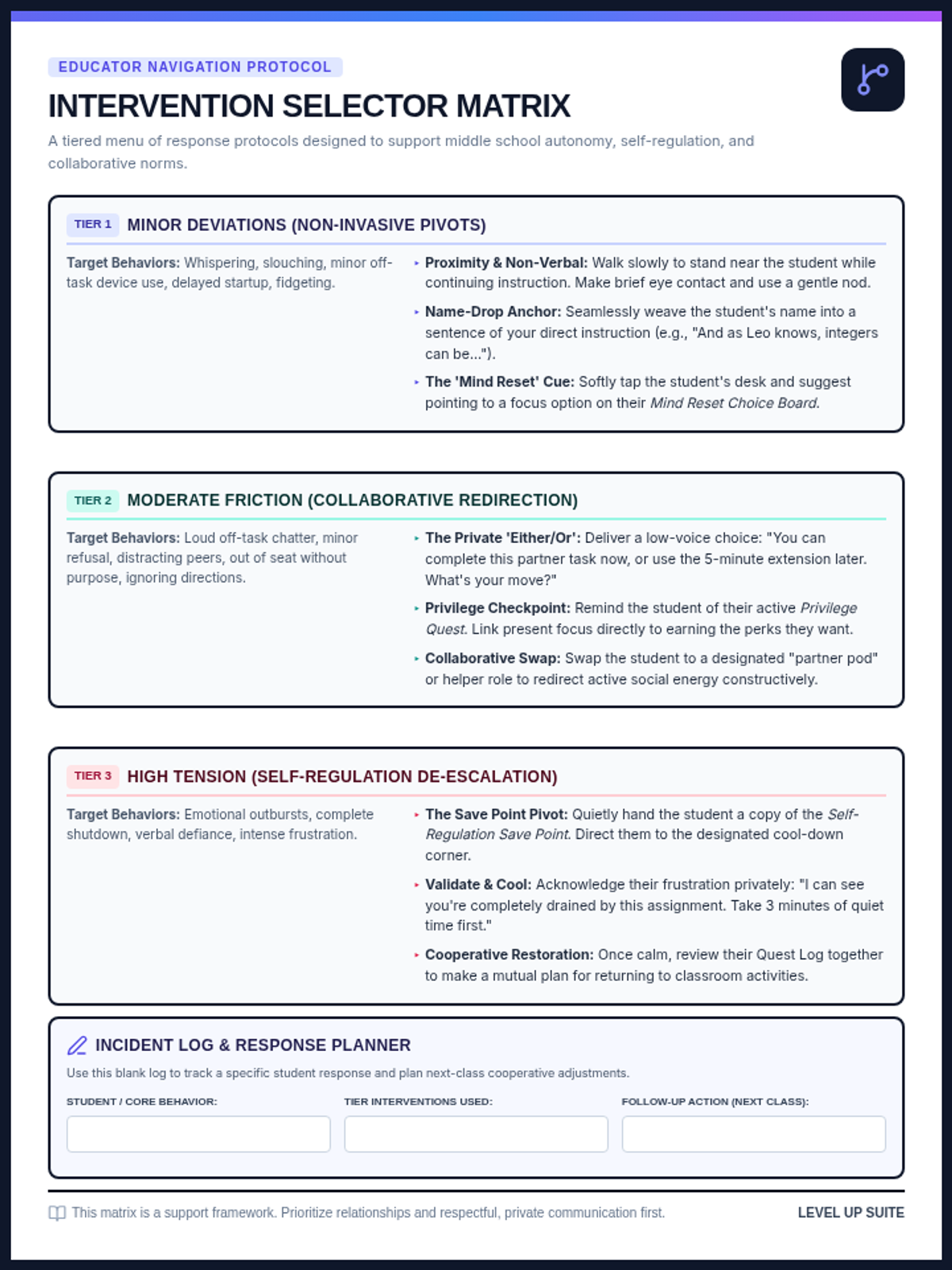
A comprehensive classroom management toolkit designed specifically for middle schoolers, emphasizing autonomy, self-regulation, and collaborative norms. It contains a privilege menu, a brain-break choice board, a student coping guide, and a teacher intervention selector.
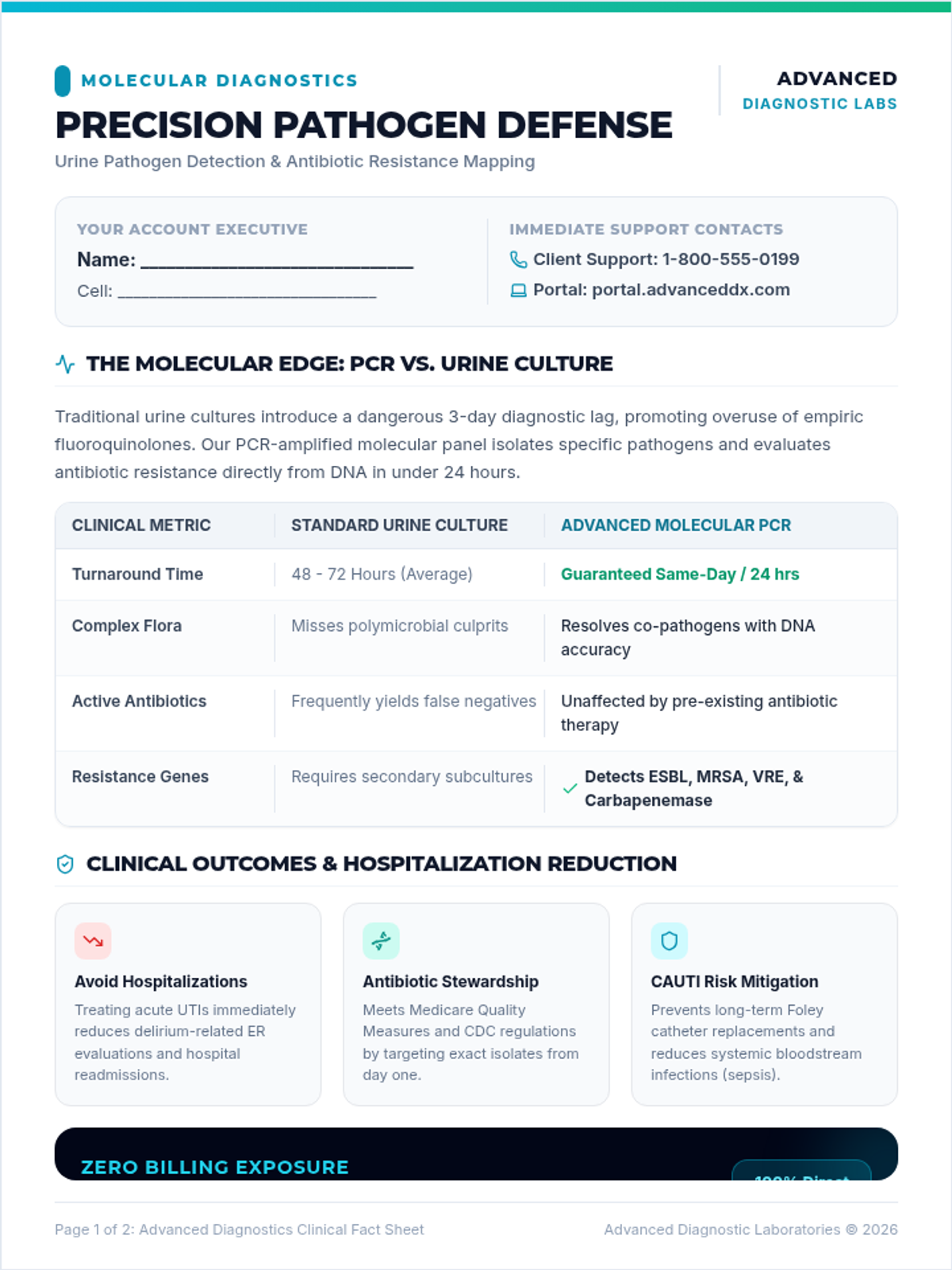
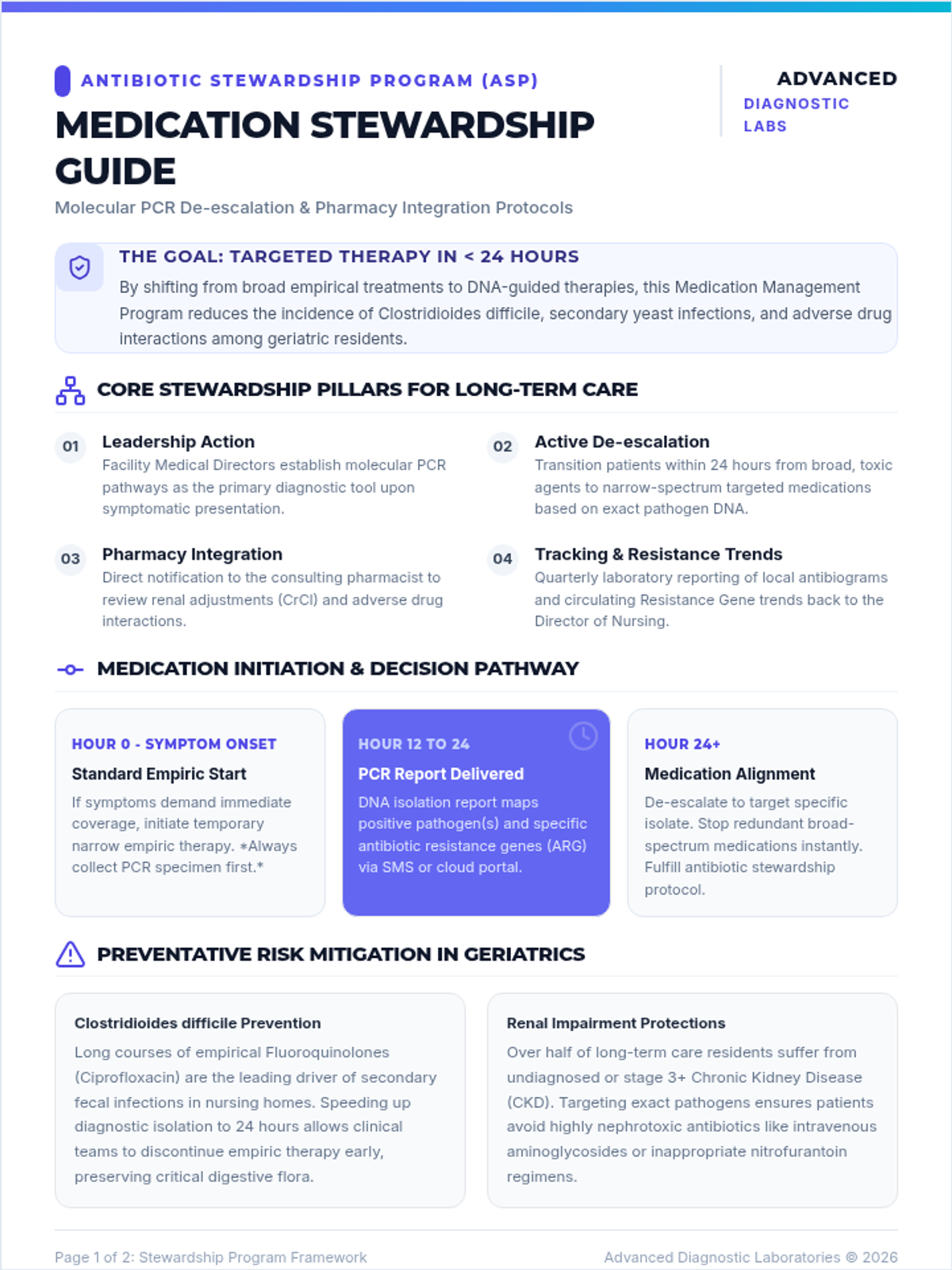
A comprehensive sales and educational package designed to pitch advanced molecular UTI testing services to long-term care and nursing home administrators, highlighting clinical and operational benefits.
A capstone lesson for 12th graders to finalize their transition toolkits, complete a post-survey to measure growth, and set concrete immediate action steps for their post-secondary launch.
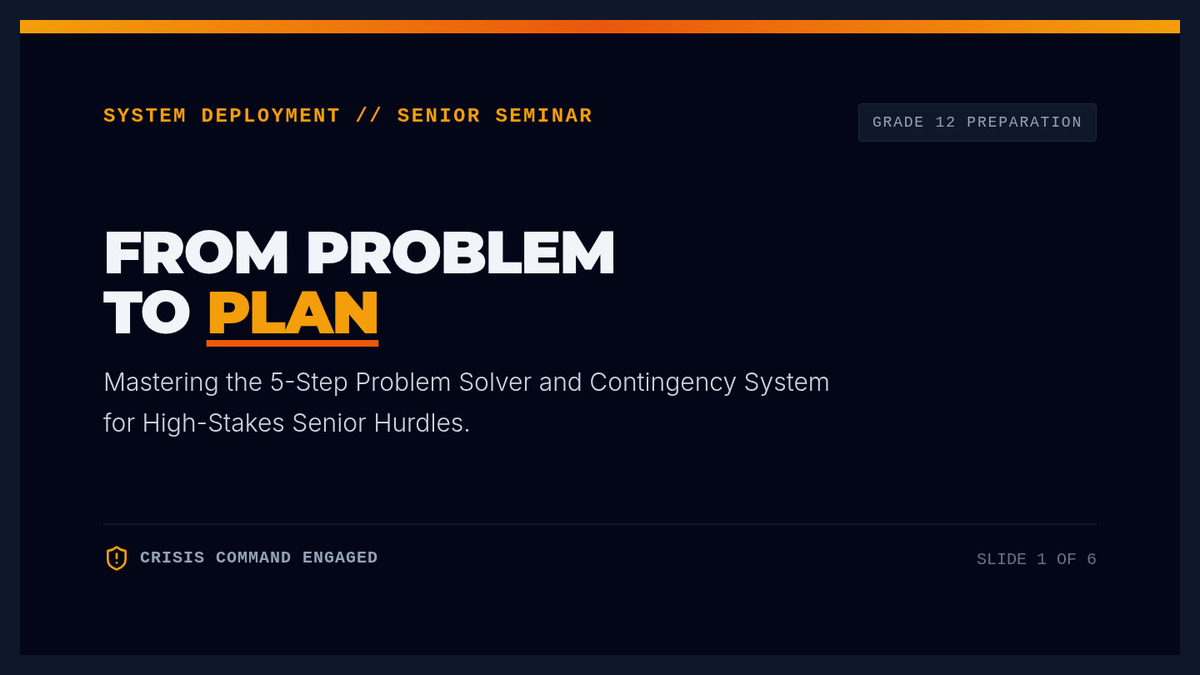
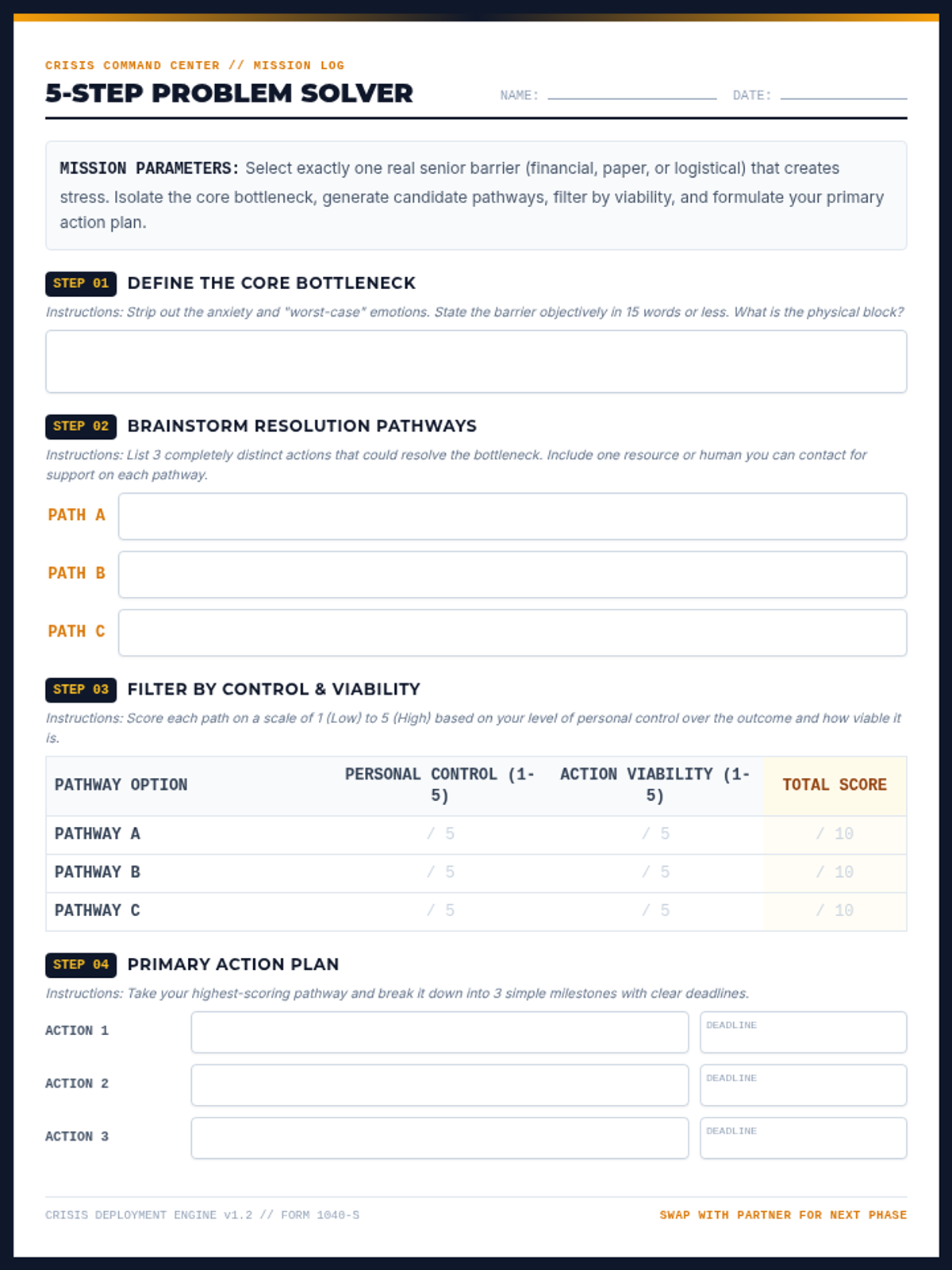
A high-impact 45-minute lesson for 12th graders to master problem-solving under pressure. Students learn a structured 5-step framework, analyze common senior barriers (financial, logistical, time), and build actionable backup plans with concrete contingencies.
A high-impact 45-minute lesson for 12th graders that bridges professional career readiness (interviews, thank-you emails) with personal empowerment (assertiveness and boundary-setting in school and workplace settings). Students engage in interactive mock interviews, construct professional follow-ups, and practice direct, respectful language for self-advocacy and privacy.
A 45-minute lesson designed for 12th graders to analyze their punctuality habits, understand the high stakes of reliability in high school and the workplace, and build a concrete, personalized reliability plan.
A introductory lesson for 12th graders to launch their senior transition planning. Students explore postsecondary pathways, align them with personal values, and complete a baseline self-efficacy pre-survey to guide their future planning and academic success.
A 45-minute lesson for 12th graders to audit graduation status and build a senior timeline with backward planning, tracking application, testing, and financial aid milestones.
A 45-minute workshop lesson for 11th graders on applying a structured 5-step decision-making model to real-world dilemmas, examining tradeoffs, and making justified choices.