A lesson covering energy flow dynamics (producers, consumers, decomposers, food chains, webs, pyramids) and symbiotic relationships (mutualism, commensalism, parasitism, competition, predator-prey) for sixth-grade students.
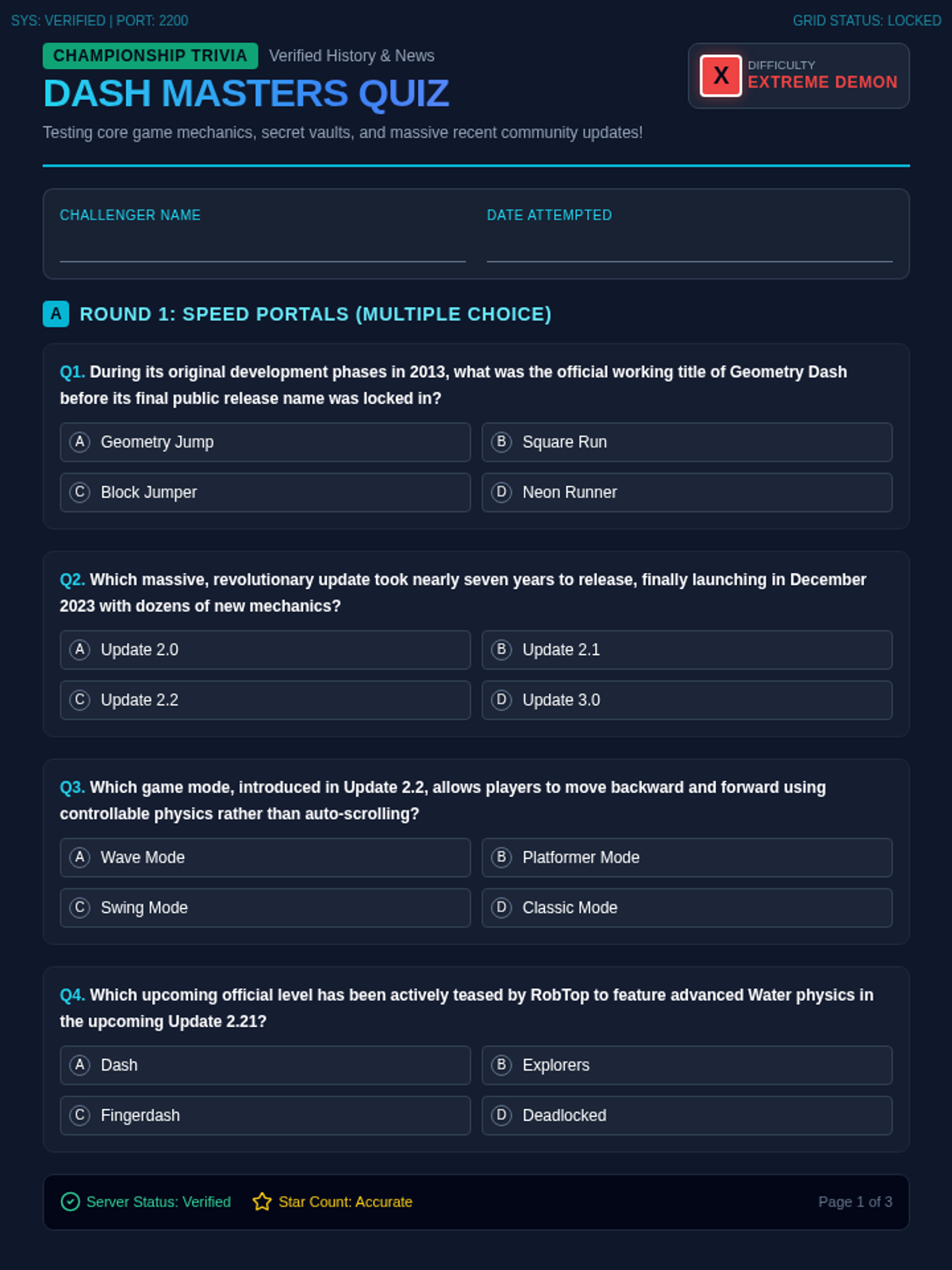
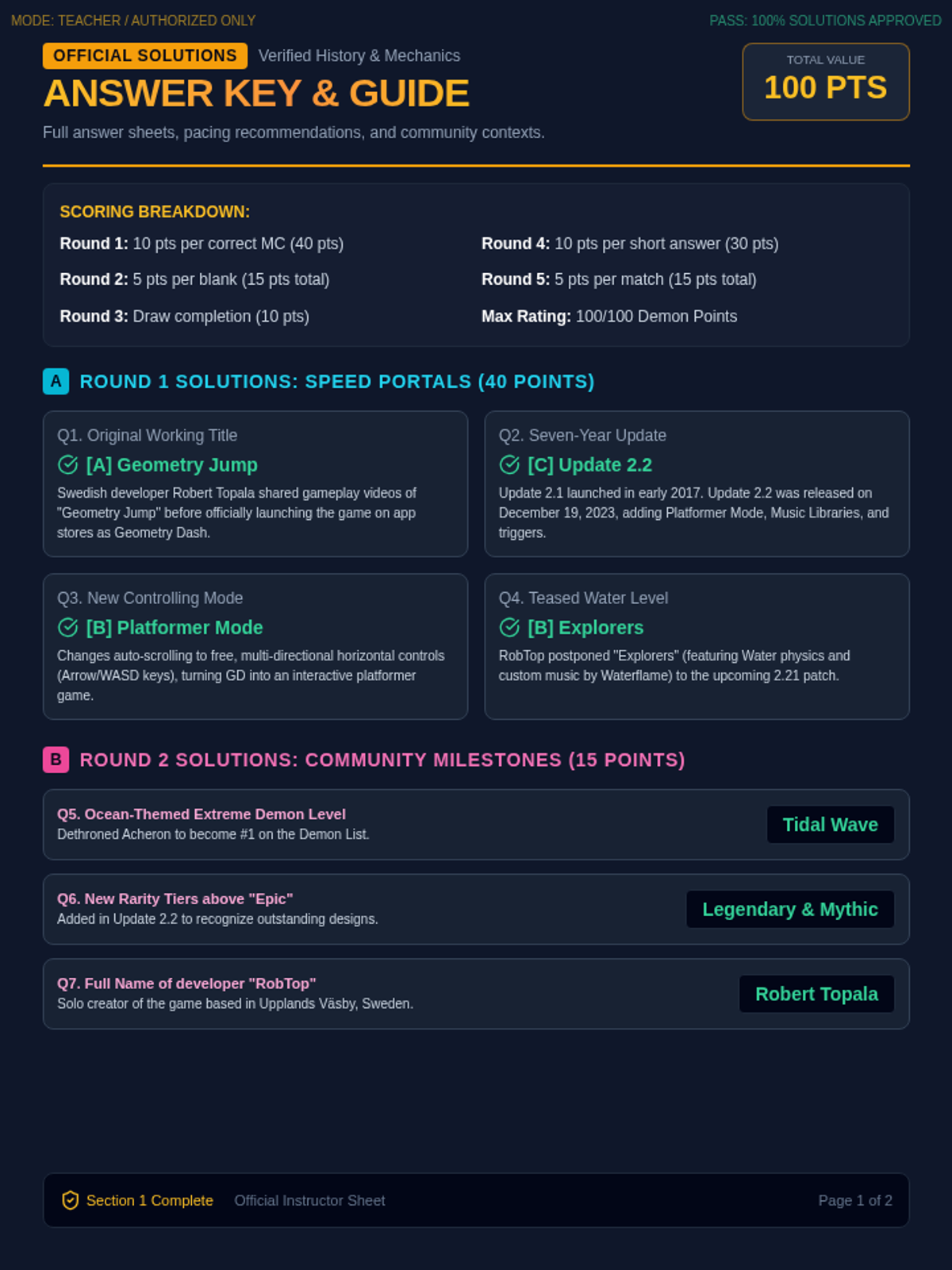
A fun-filled, competitive trivia challenge centered around the history, mechanics, and recent community updates of the sensation Geometry Dash. Perfect for gaming clubs, brain breaks, or student-led activities.
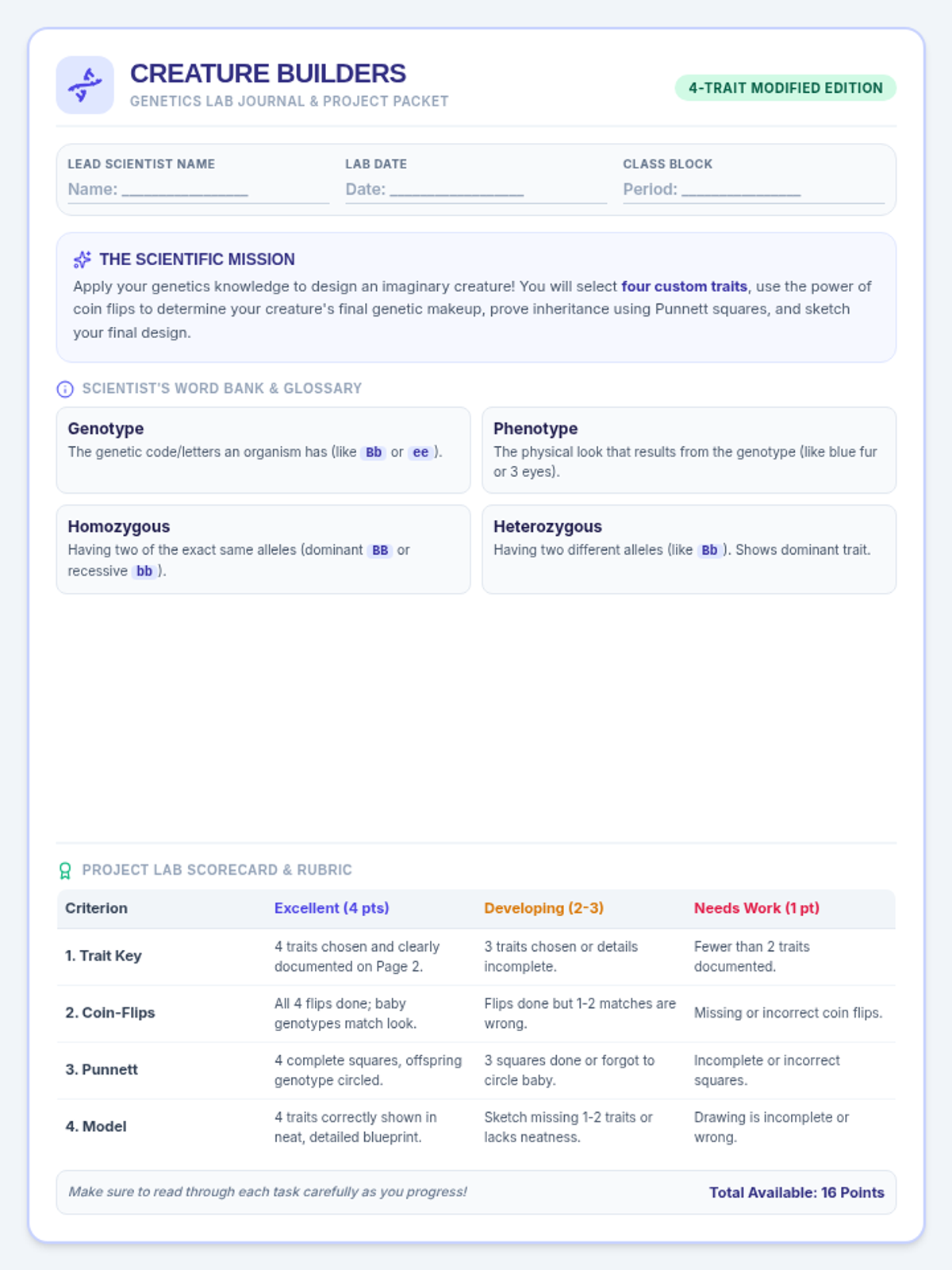
A multi-day hands-on genetics project where students choose traits, flip coins to determine genotypes, solve Punnett squares, and build a model of their designed species.
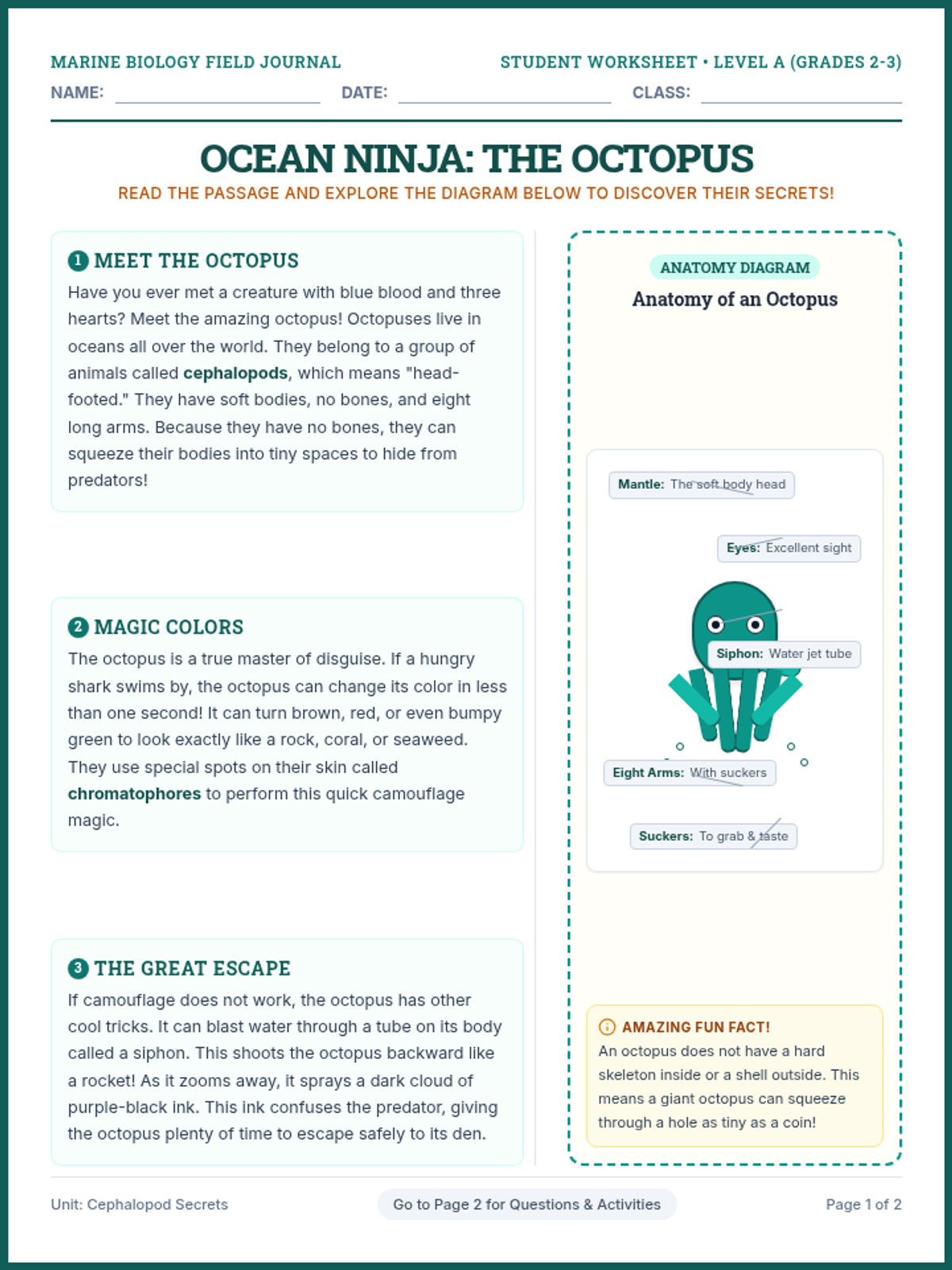
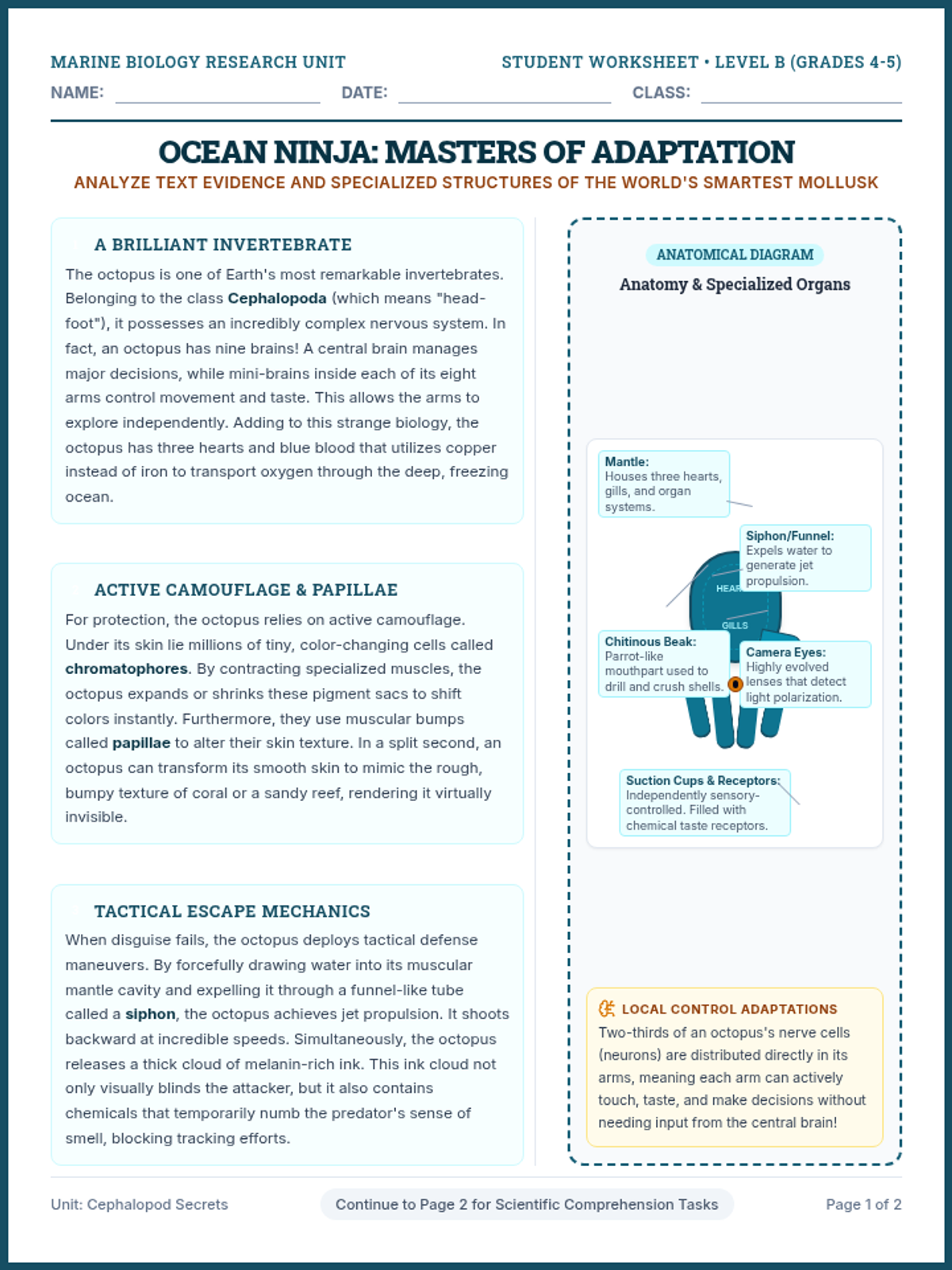
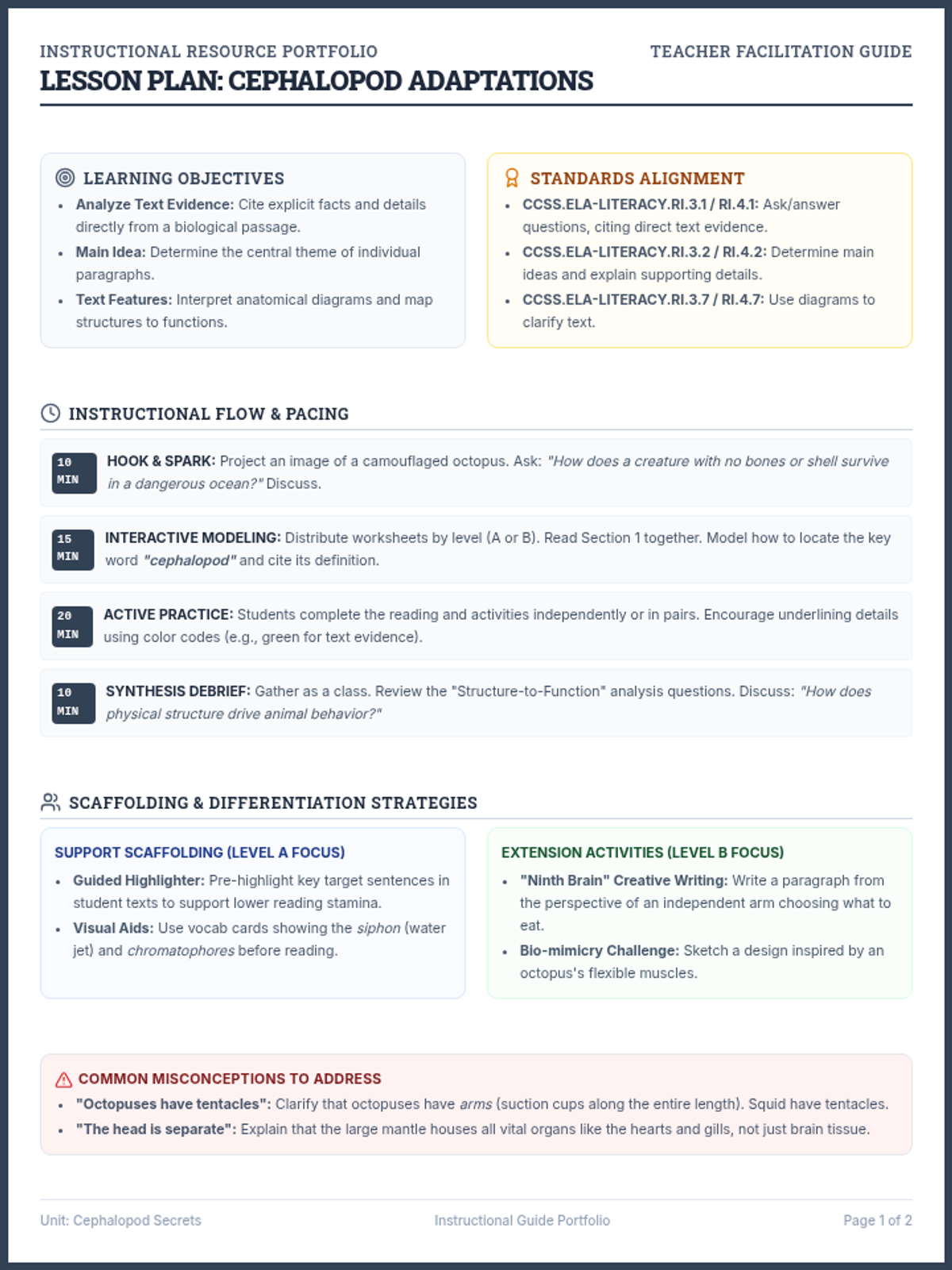
A differentiated reading comprehension unit focusing on the fascinating adaptations, anatomy, and intelligence of octopuses. Students read level-adjusted passages, analyze text-feature diagrams, and practice finding direct text evidence and summarizing main ideas.
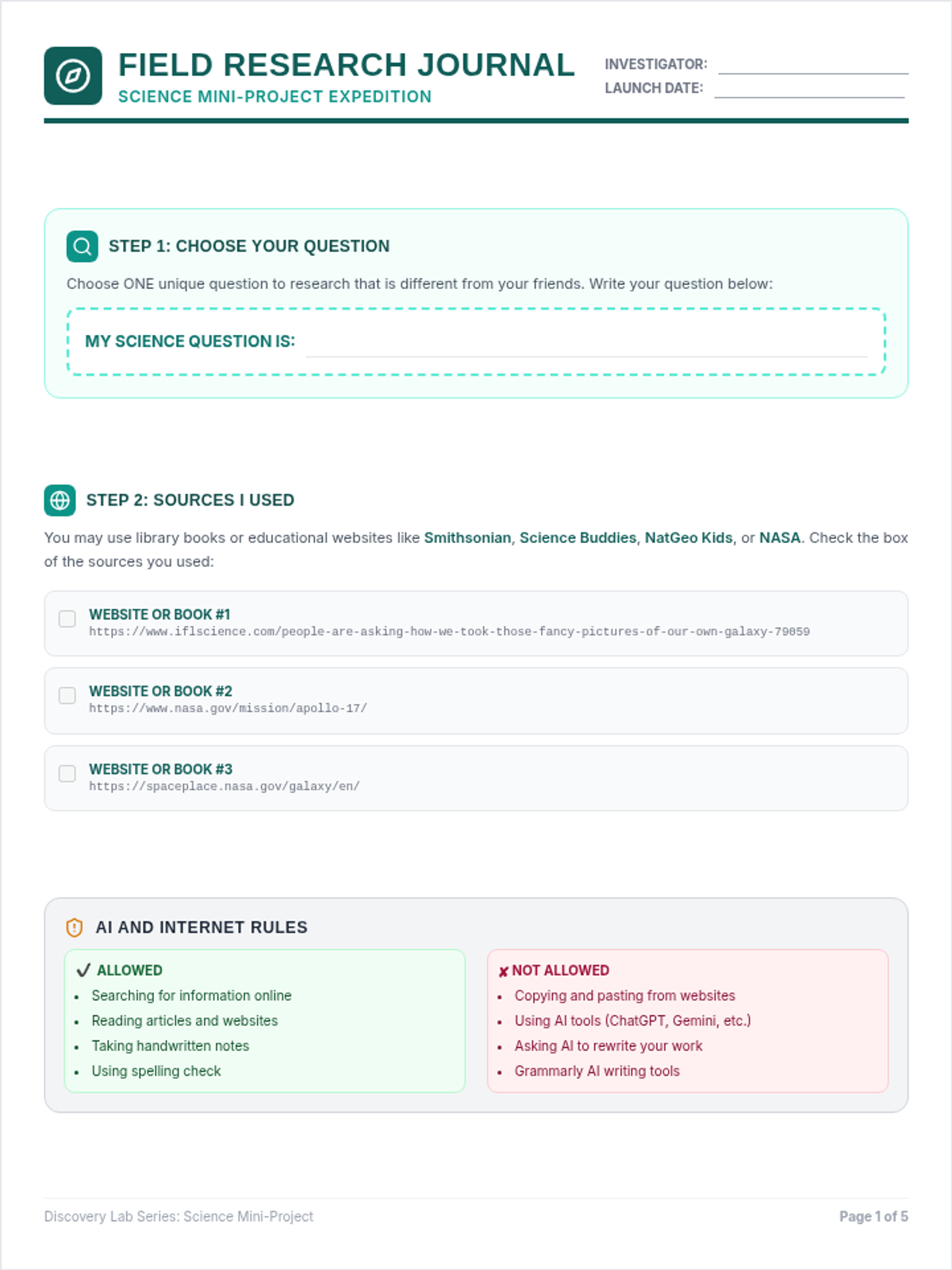
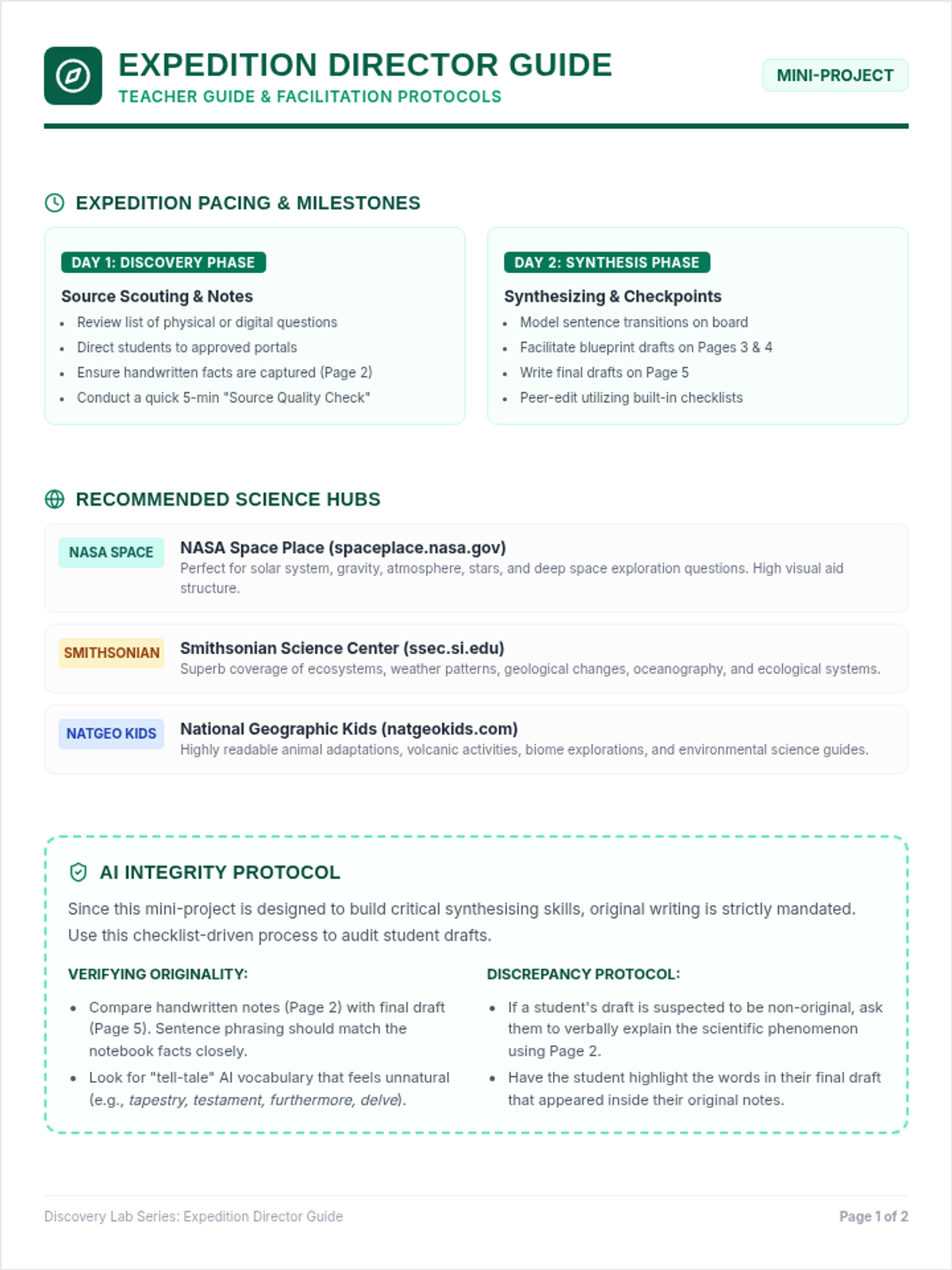
A student-led research project where students choose a science question, evaluate reliable sources, gather evidence, and draft a 3-4 paragraph explanation. Includes moderate visual scaffolding and structured checklists to guide independent inquiry and writing.
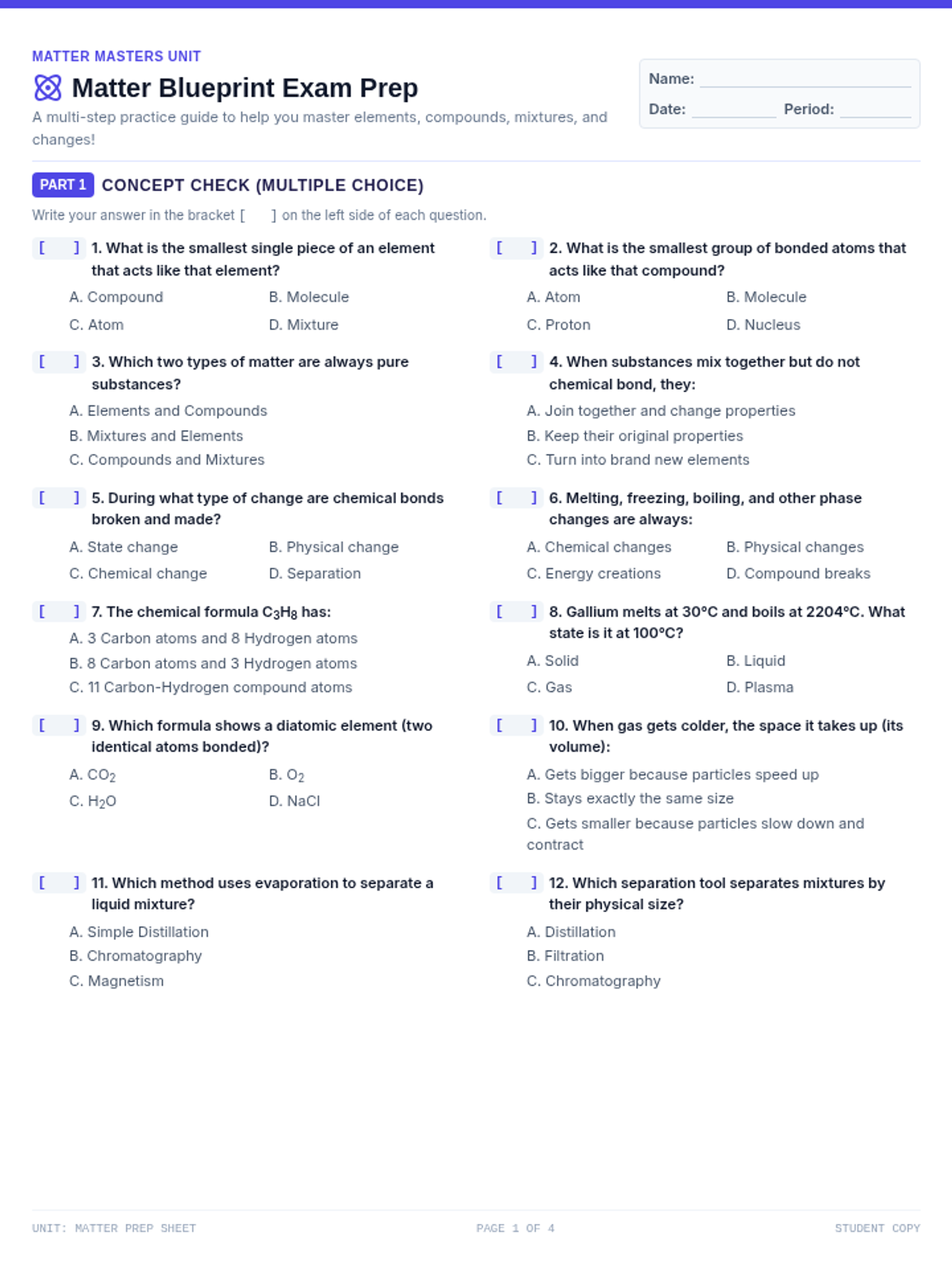
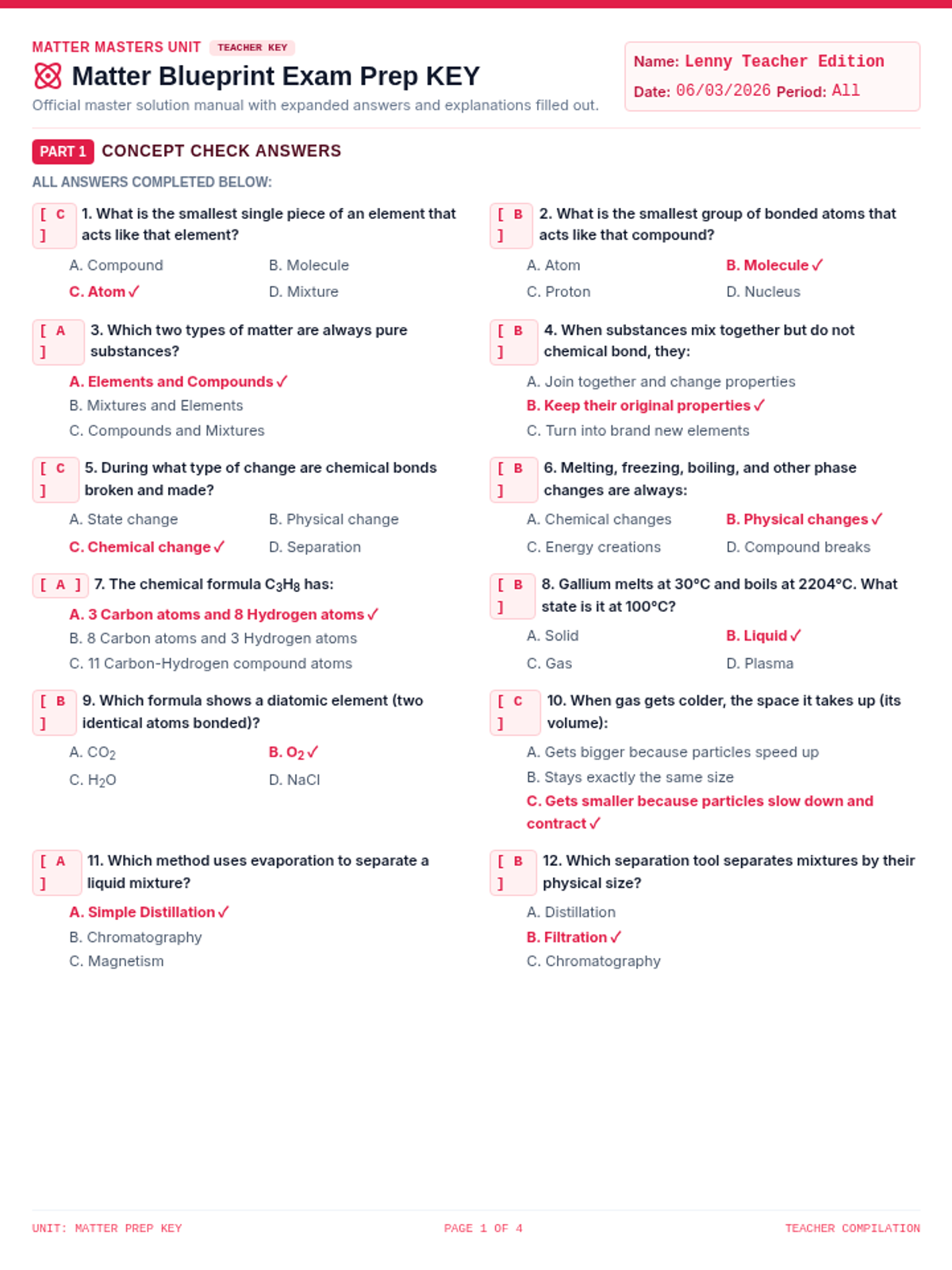
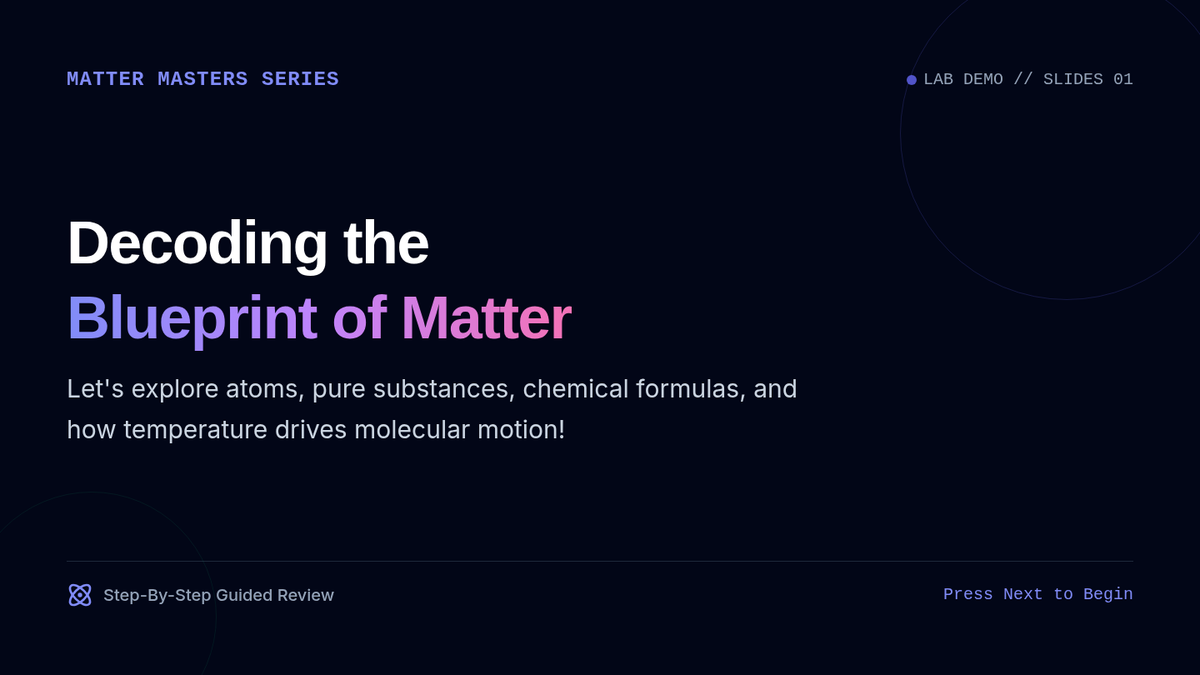
An introductory unit on the properties, classifications, and phases of matter. Students explore elements, compounds, mixtures, phase changes, and chemical reactions through visual and hands-on activities.
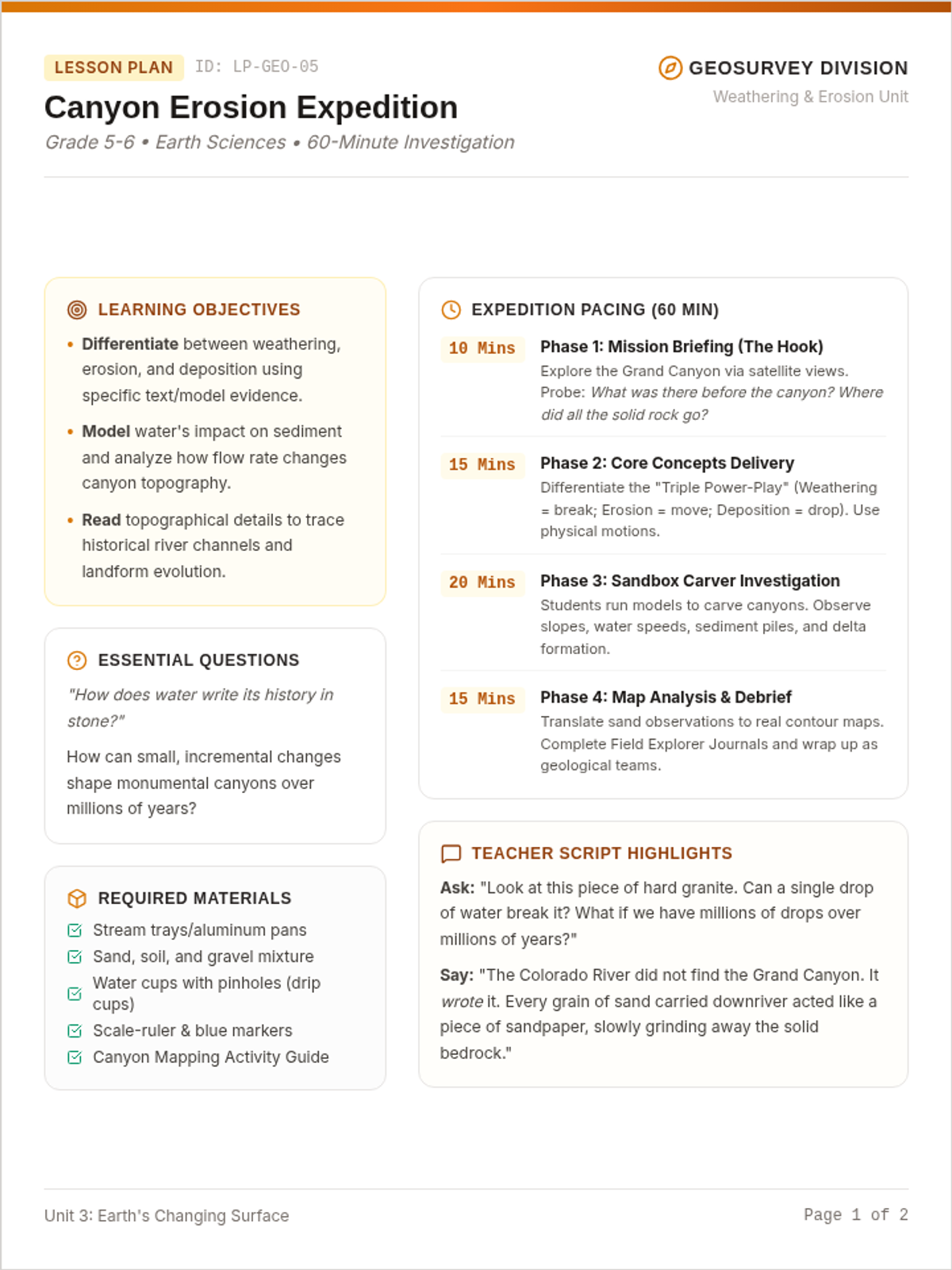
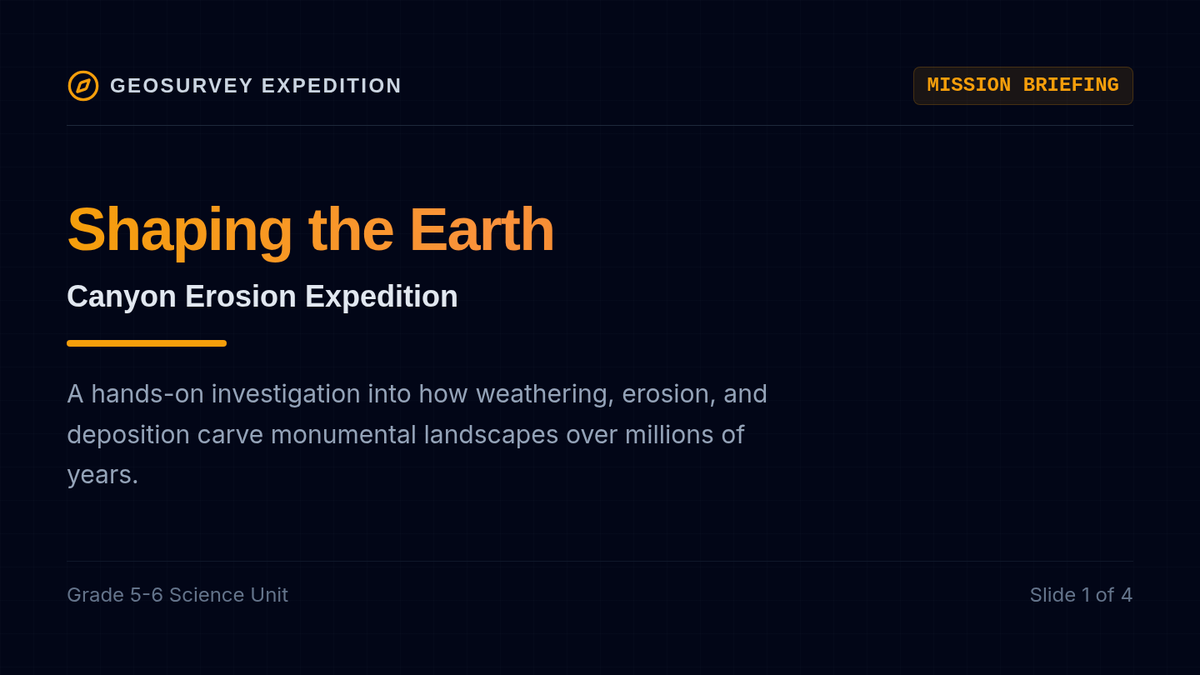
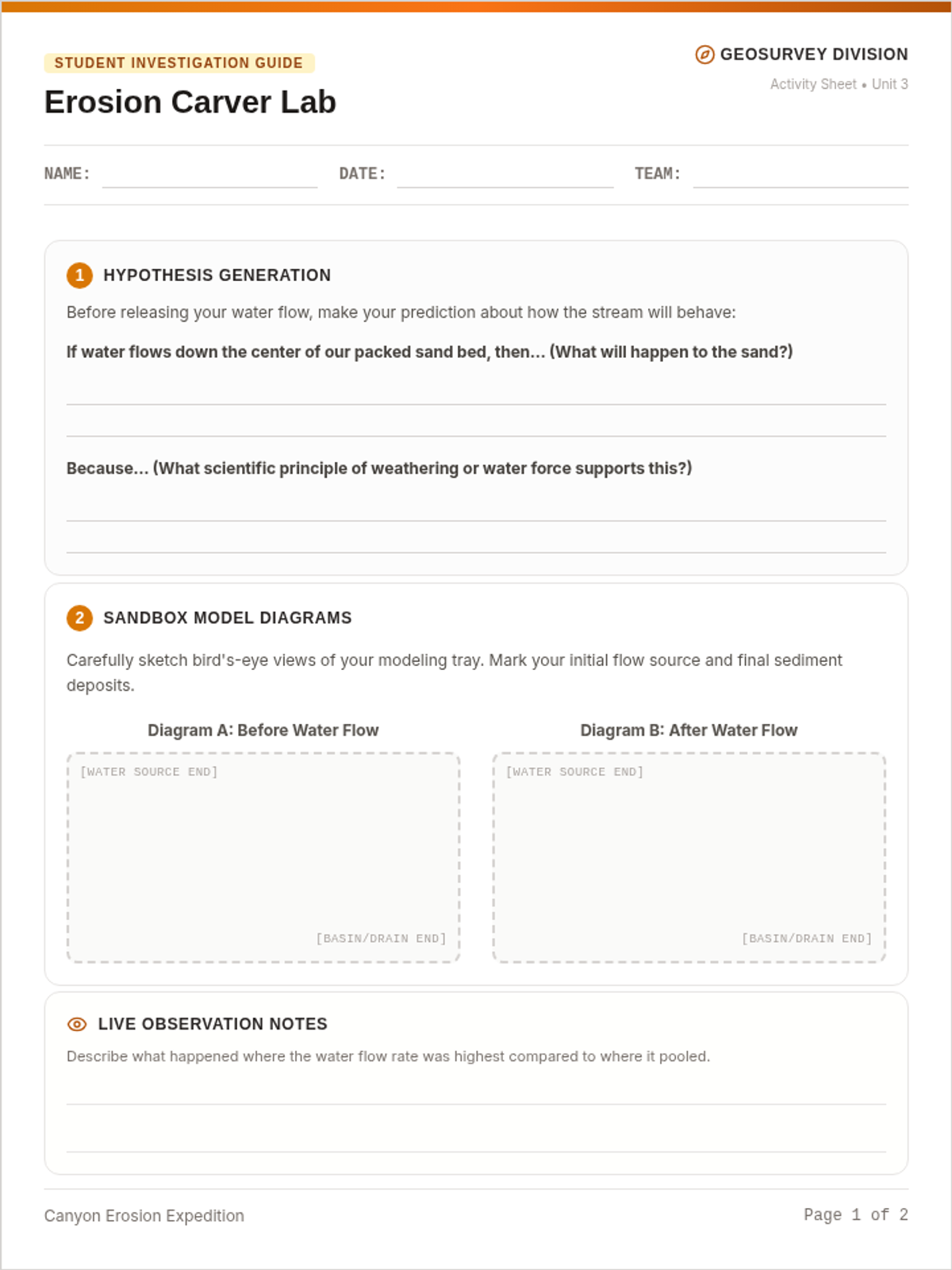
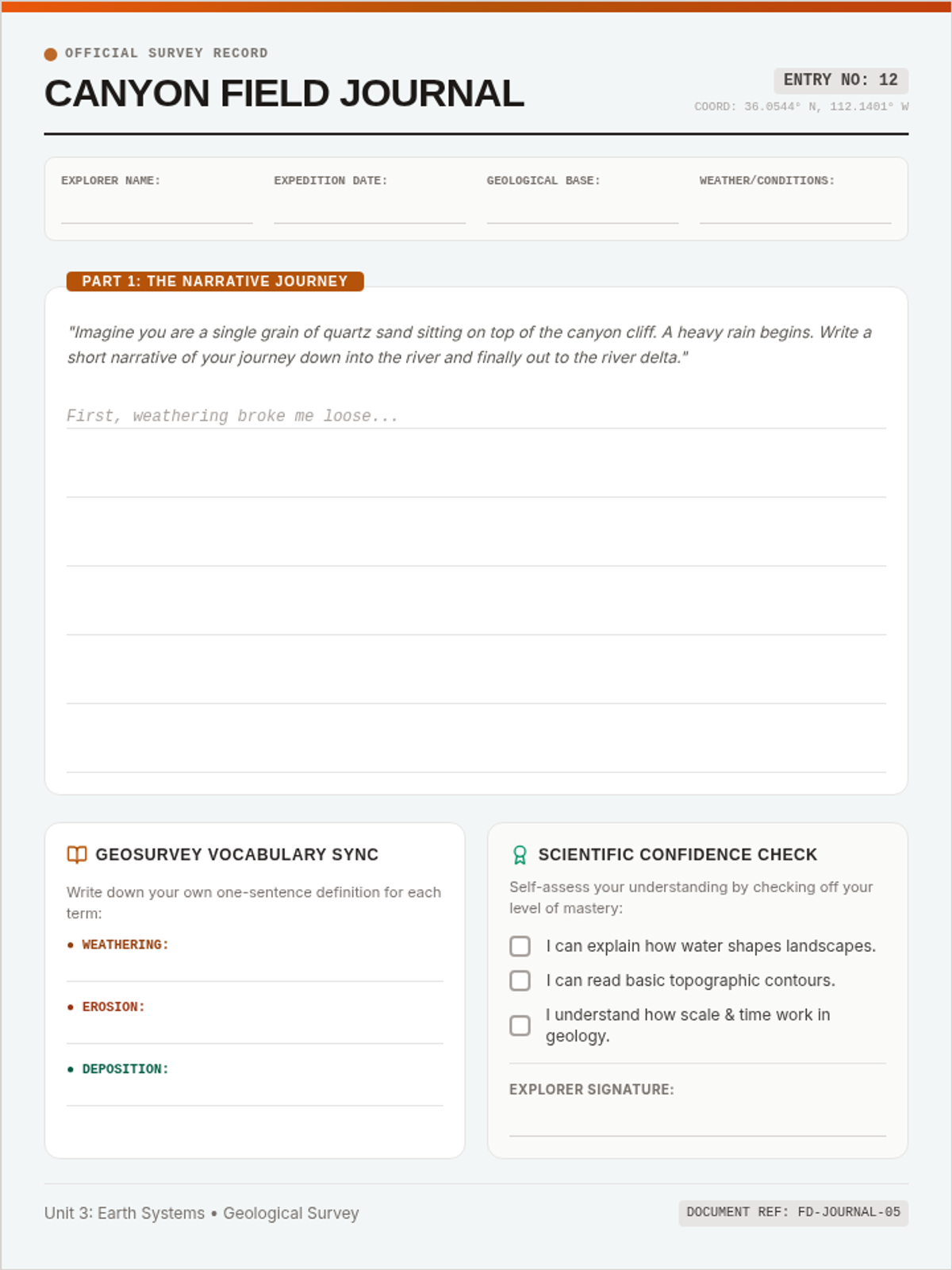
An immersive geological investigation where 5th and 6th-grade students study weathering and erosion. Students analyze canyon maps, model erosional forces, and keep a scientific field journal.
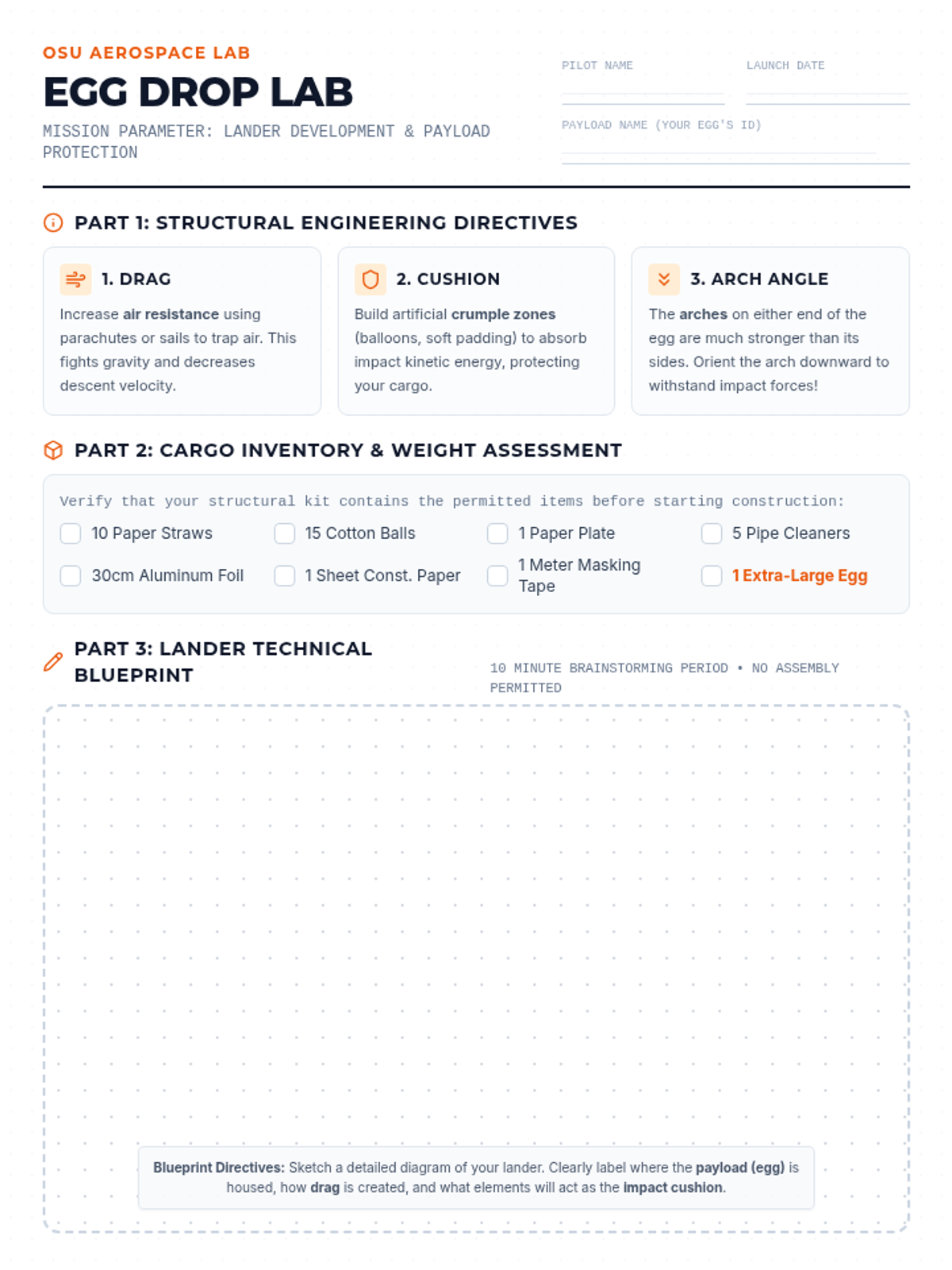
An engaging, hands-on physics and engineering lesson where students design, build, and test protective landing craft for fragile payloads (eggs), exploring forces, deceleration, and structural integrity.
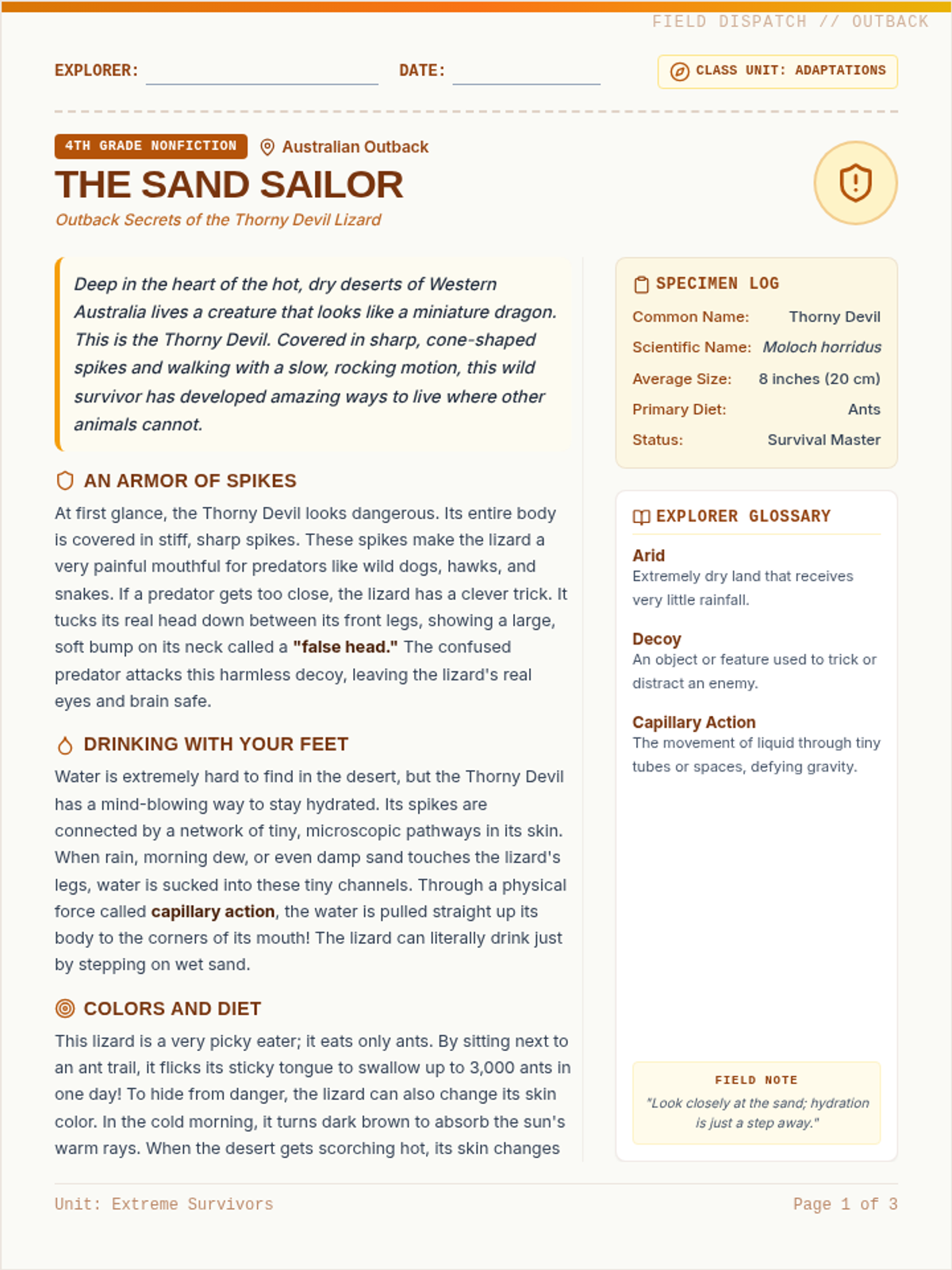
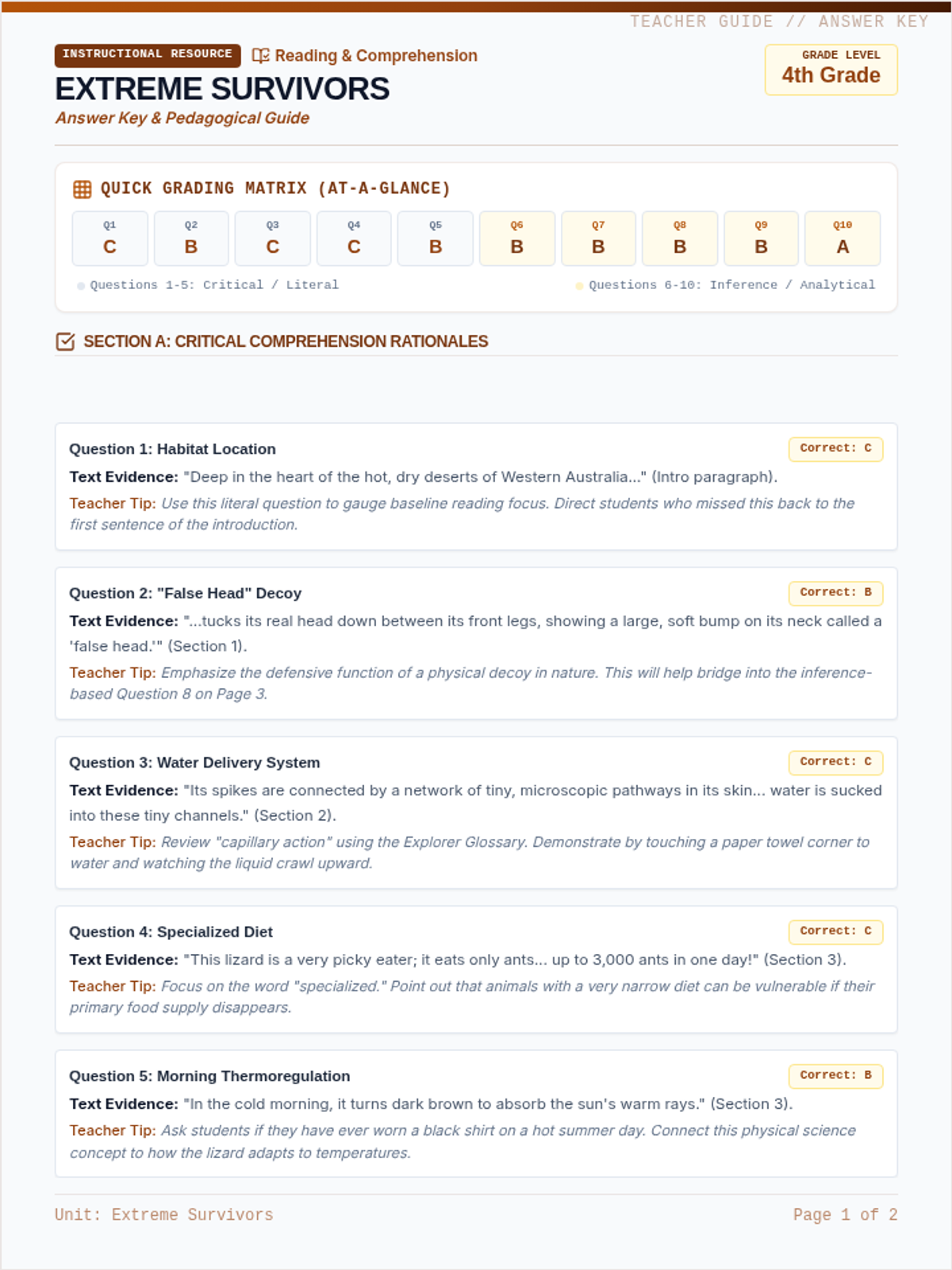
An on-grade level reading and comprehension unit focusing on how extreme desert animals, specifically the Thorny Devil, utilize highly specialized physical and behavioral adaptations to survive in the arid Australian Outback.
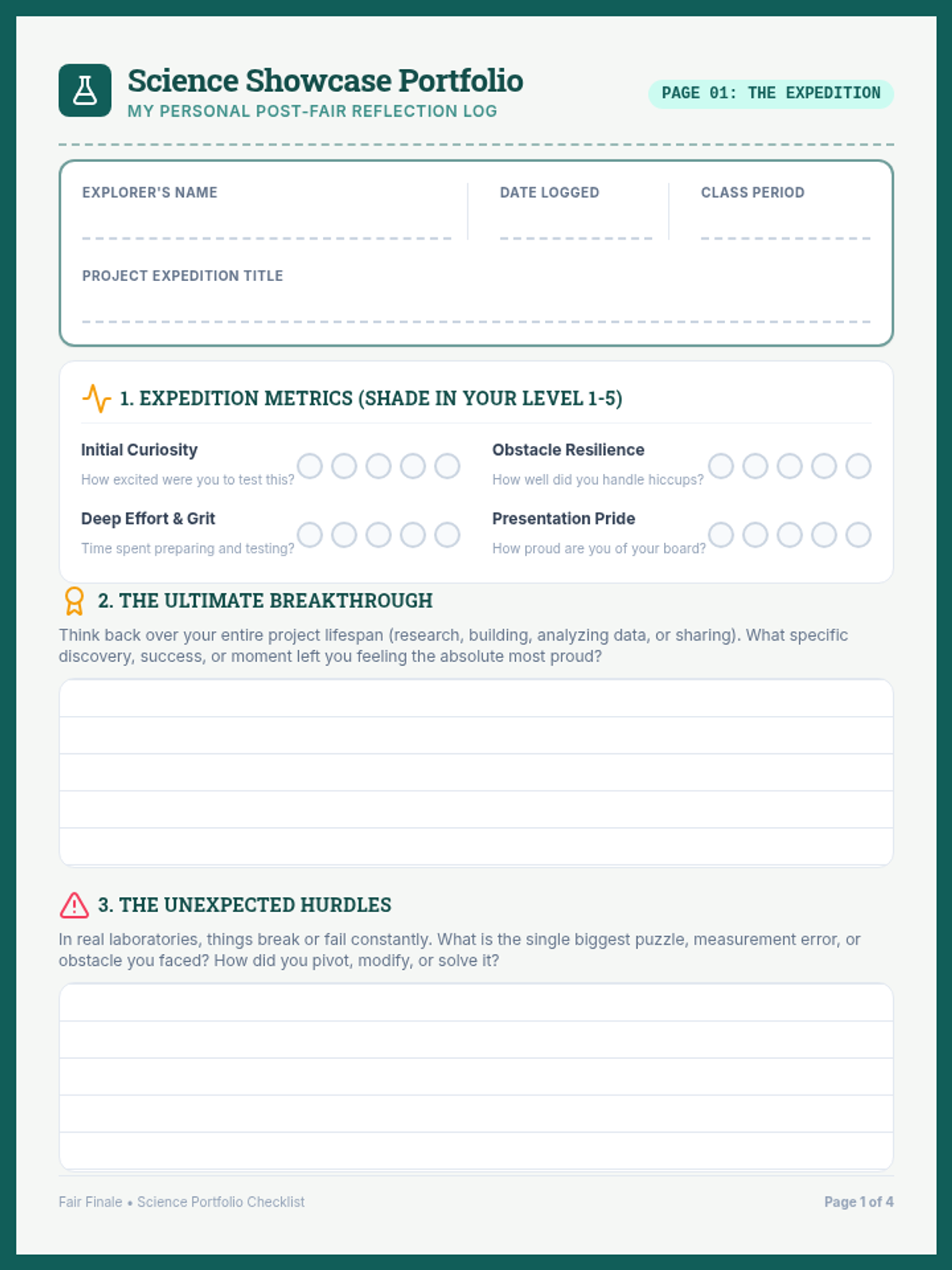
A reflection-focused lesson designed to guide students through evaluating their own science fair projects, reviewing their peers' work, and outlining future experimental improvements.
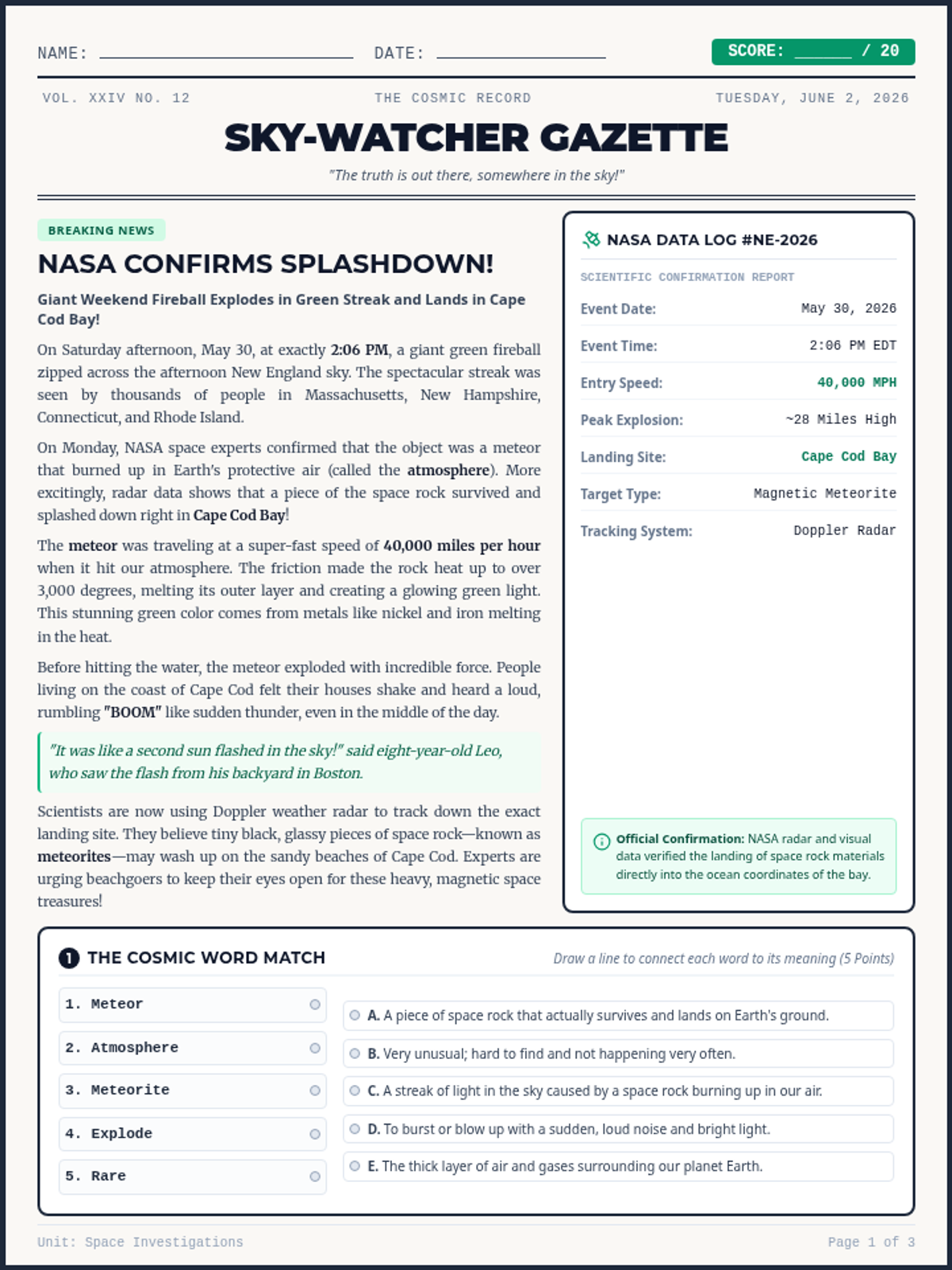
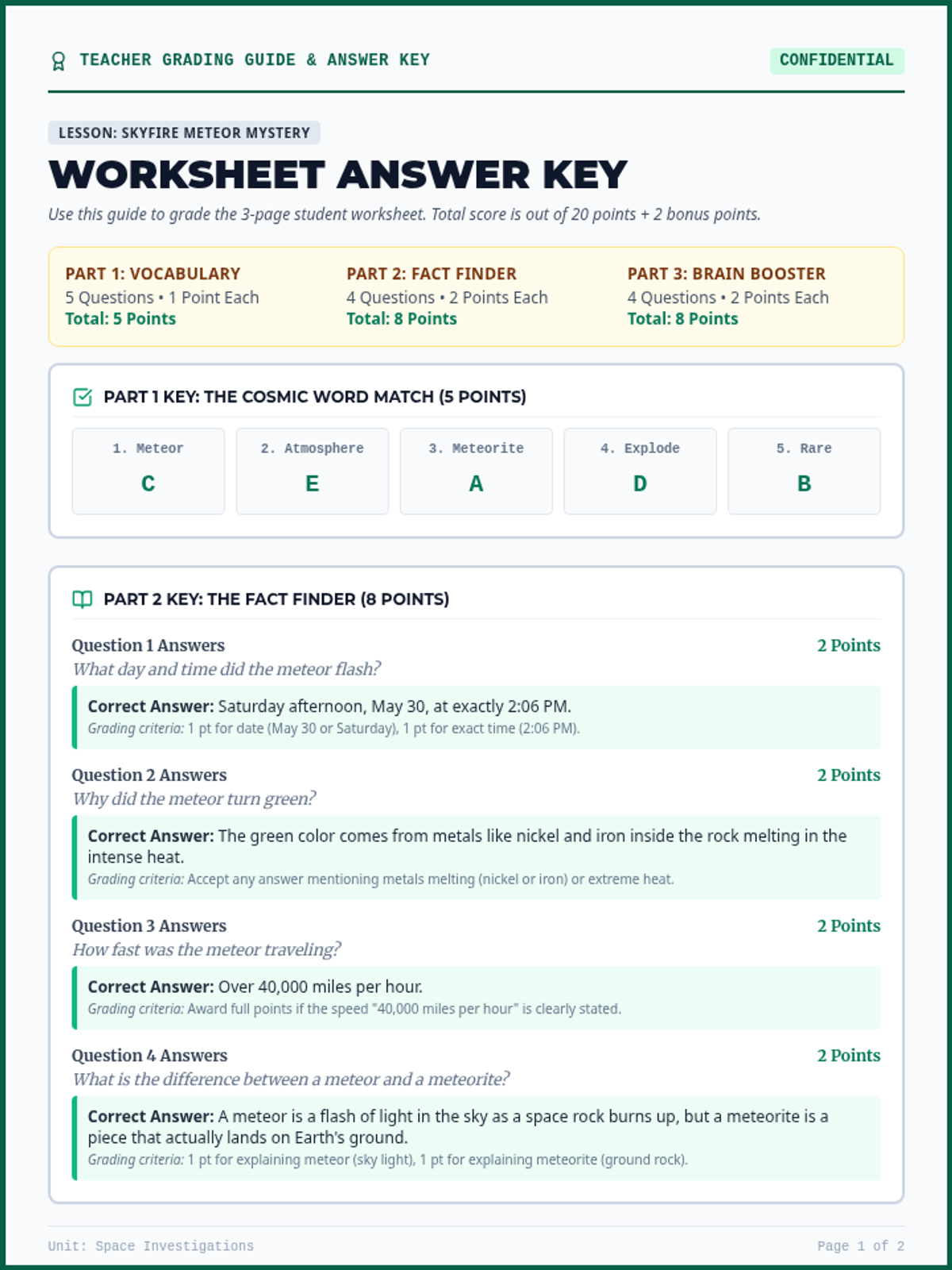
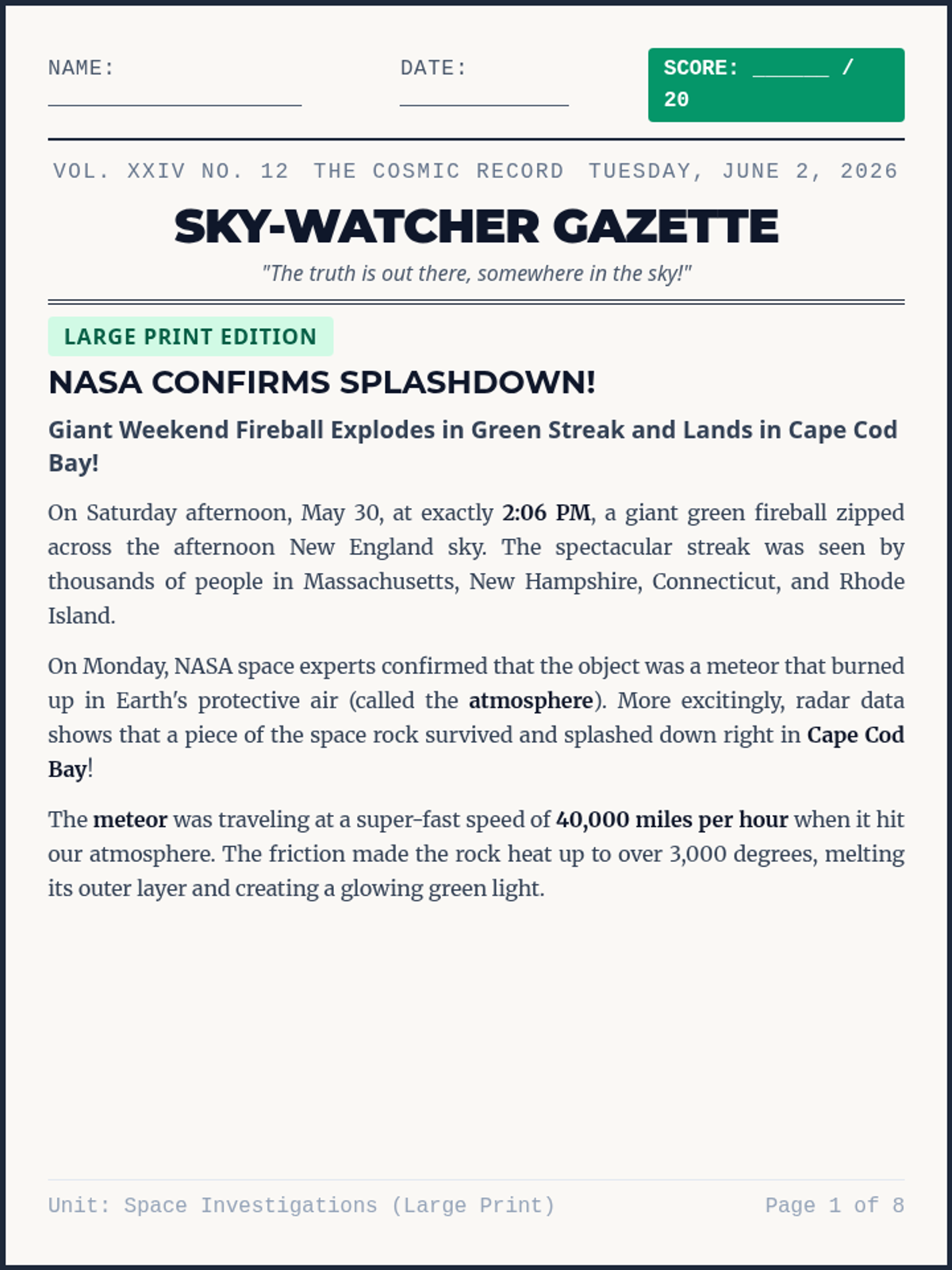
A reading comprehension lesson for 2nd and 3rd-grade students based on the spectacular meteor explosion over New England. Features engaging news-style reading, vocabulary challenges, comprehension questions, and a creative activity.
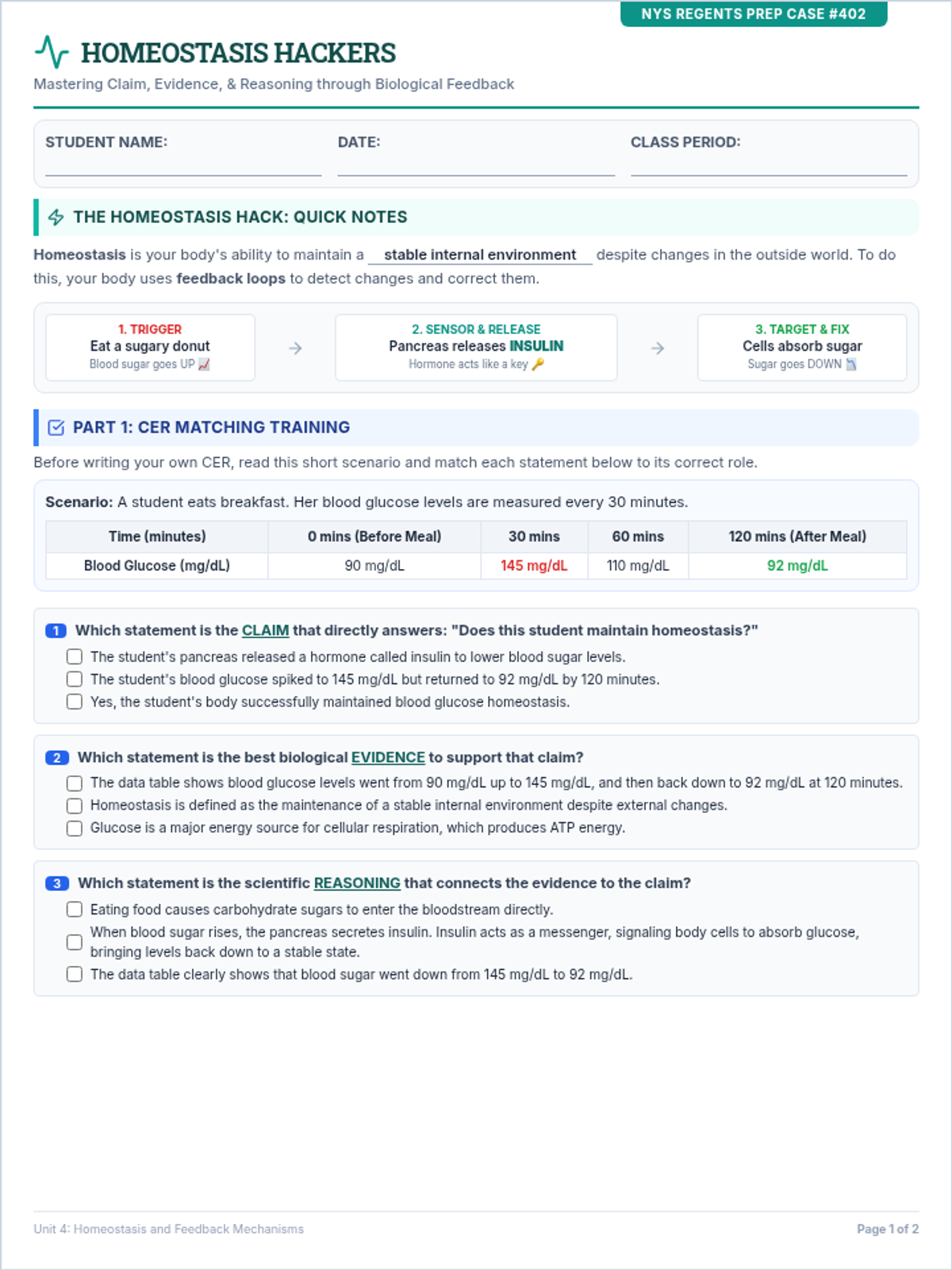
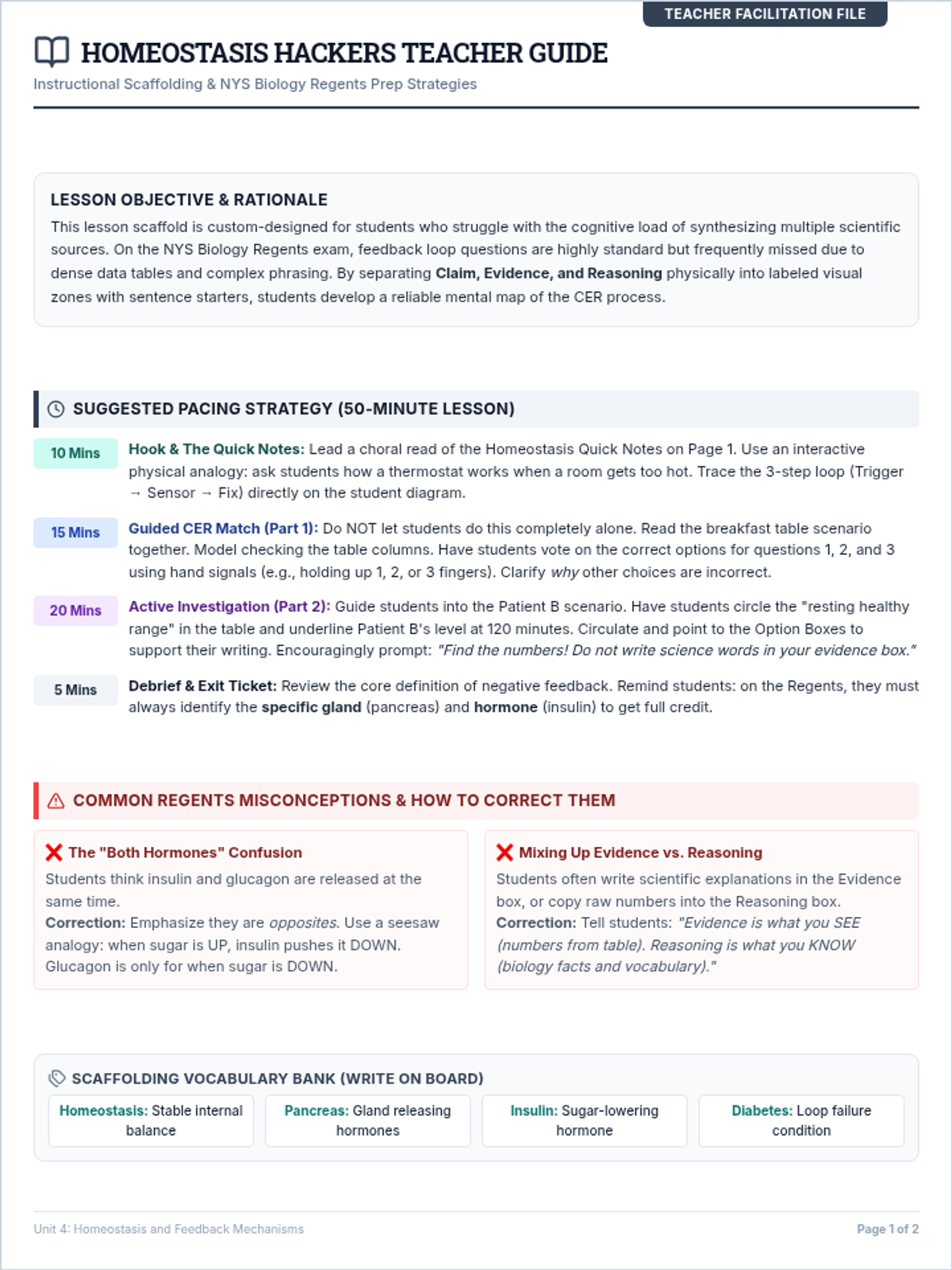
A comprehensive NYS Biology Regents preparation lesson focused on mastering the Claim-Evidence-Reasoning (CER) framework through the lens of Homeostasis and Feedback Mechanisms (specifically blood glucose regulation). Designed with heavy scaffolding, visual organizers, and multiple-choice matching for struggling learners.
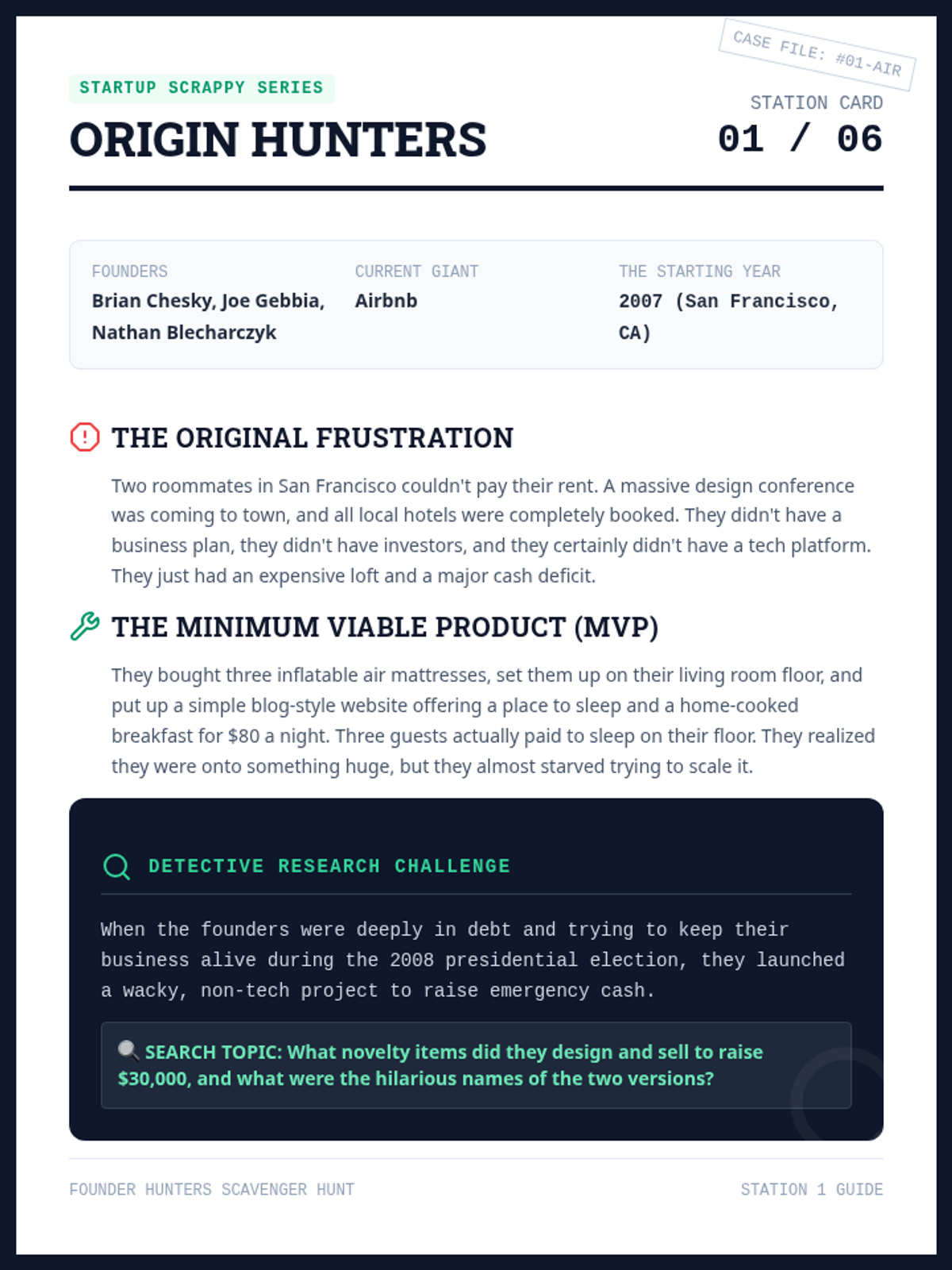
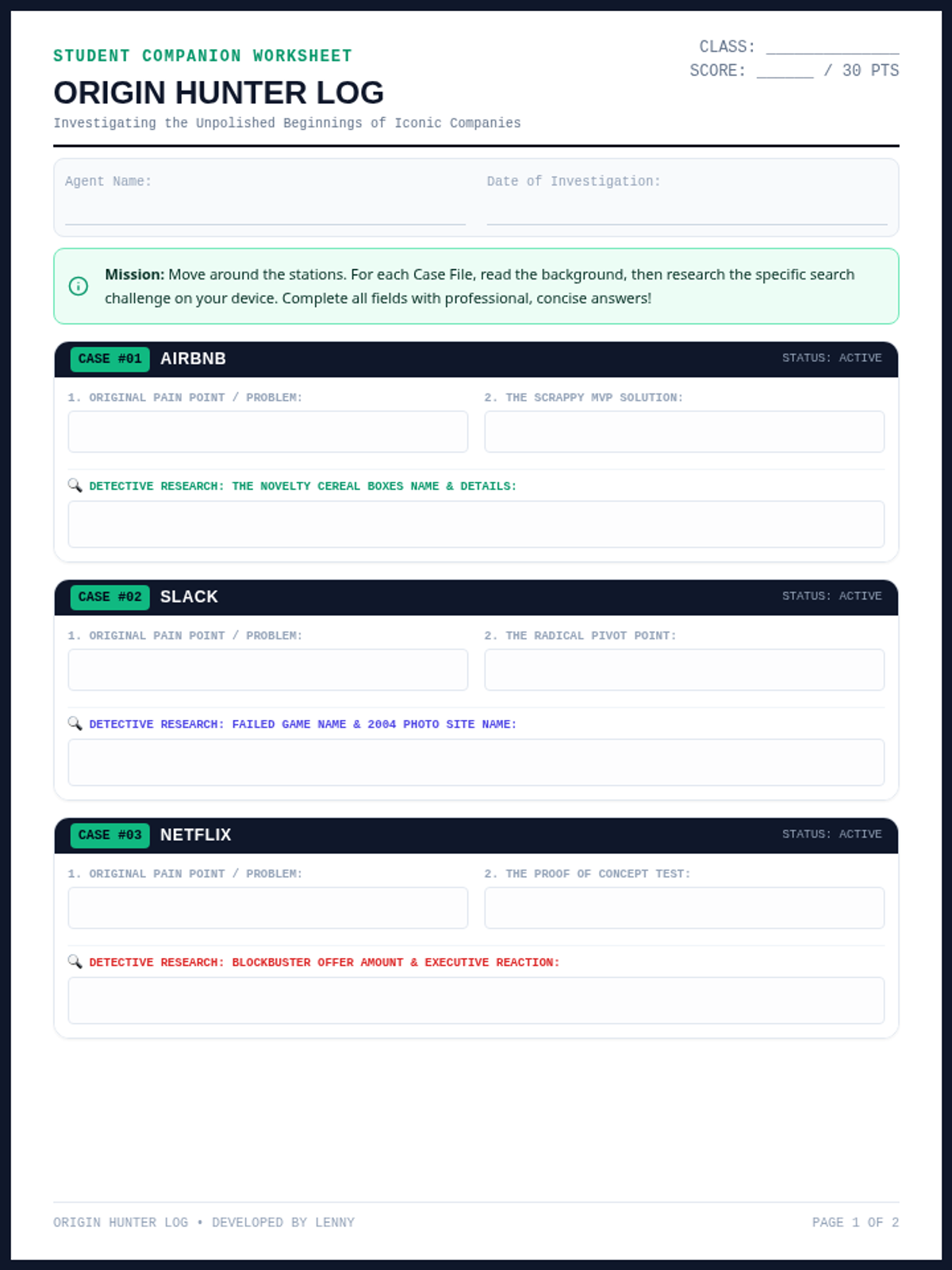
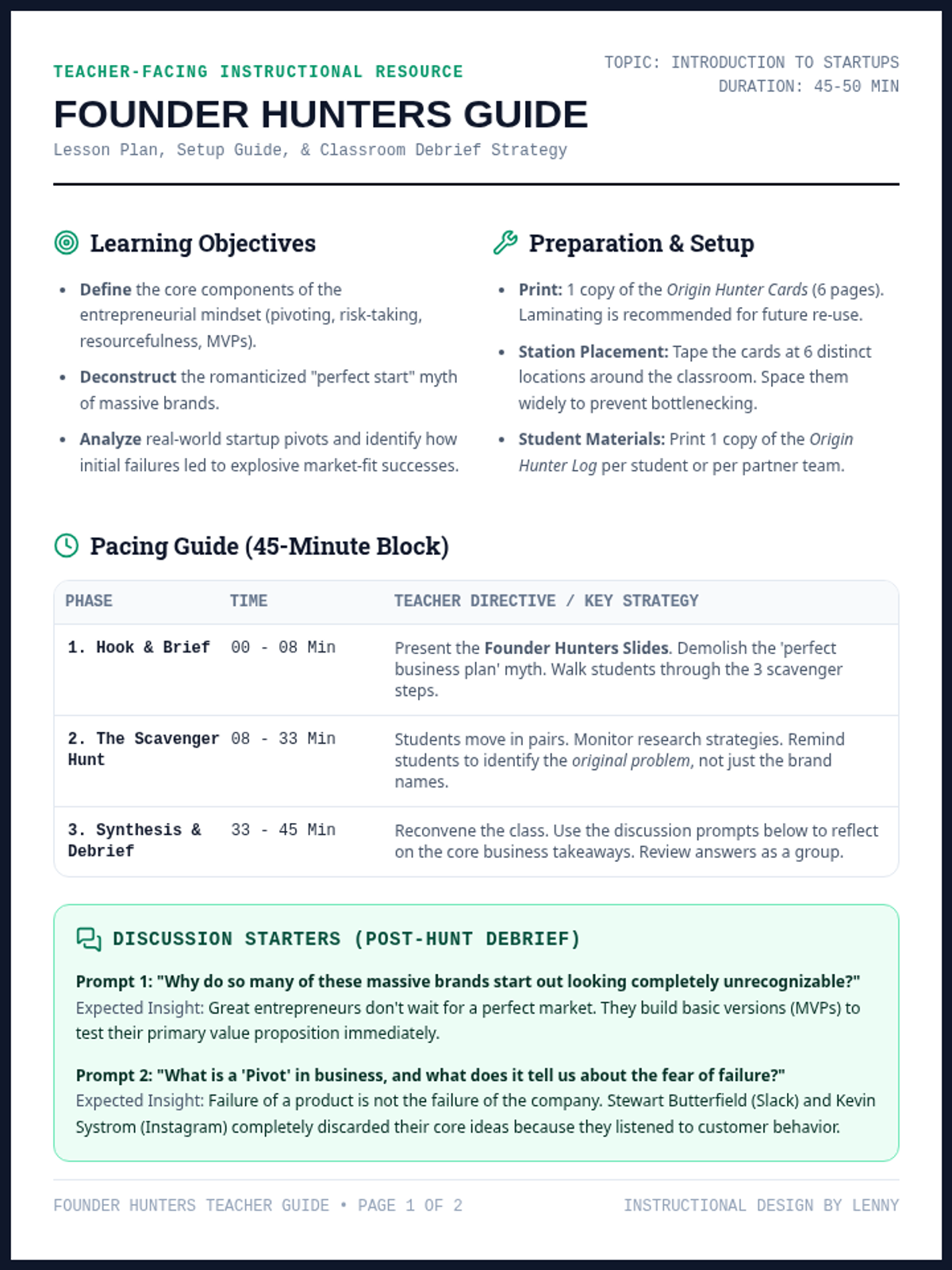
A high-energy, collaborative introductory lesson on entrepreneurship where students become 'Origin Hunters,' investigating the real-world, messy, and inspiring starting points of famous household brands.
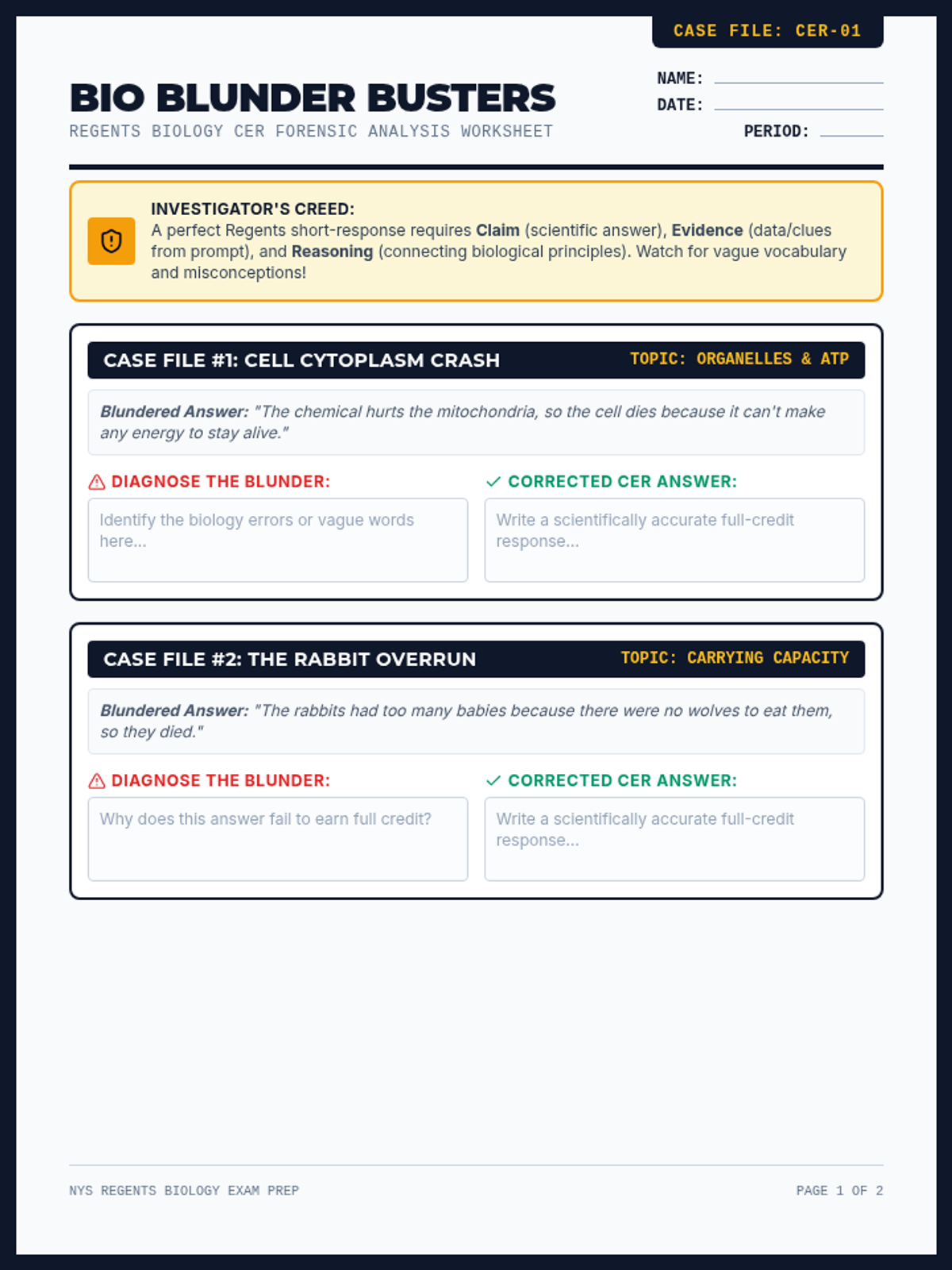
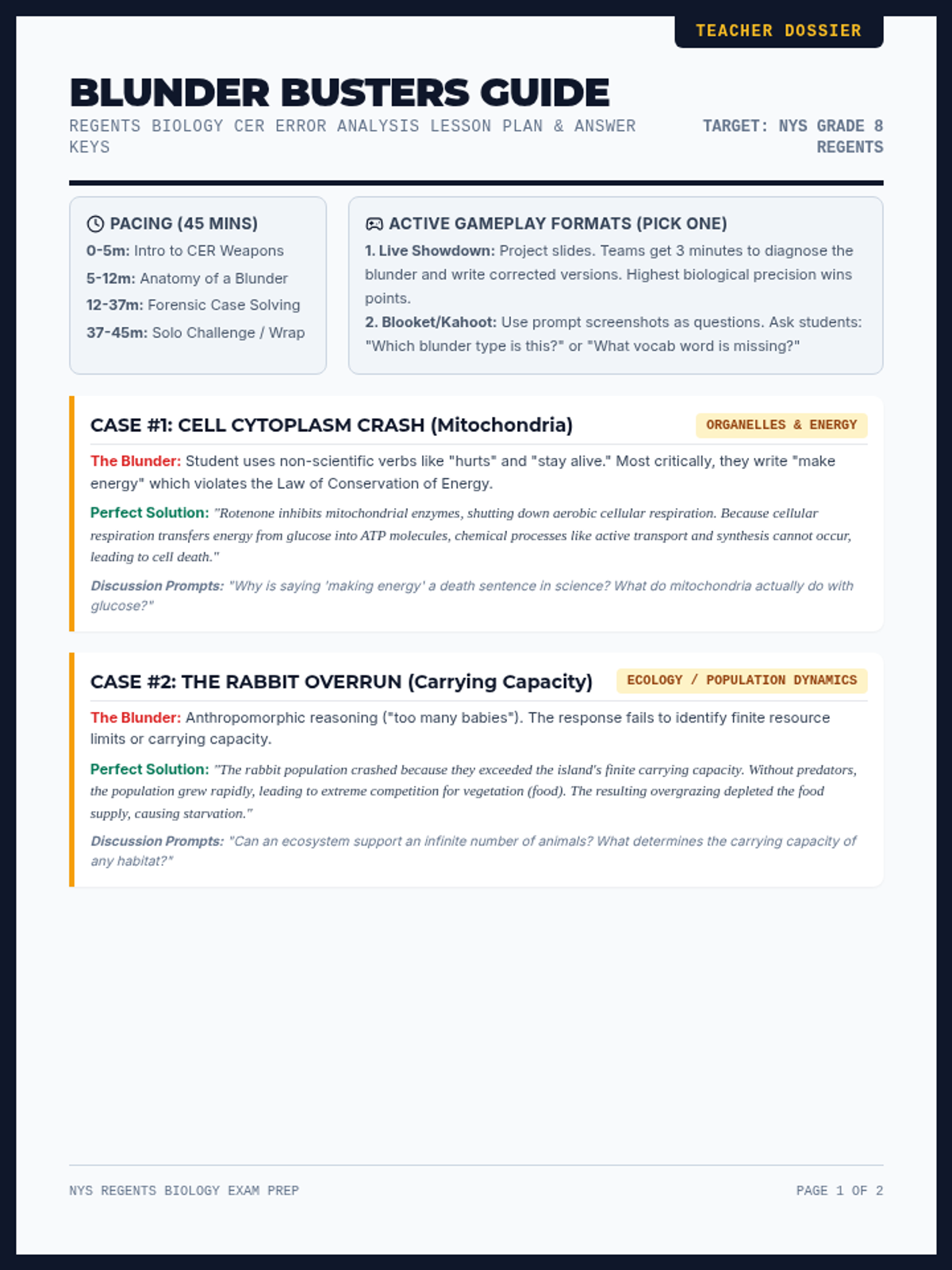
A highly engaging Regents Biology lesson focused on Claim-Evidence-Reasoning (CER) error analysis. Students act as science detectives to identify, analyze, and correct common exam blunders across major biology topics like ecology, cell division, and human impact.
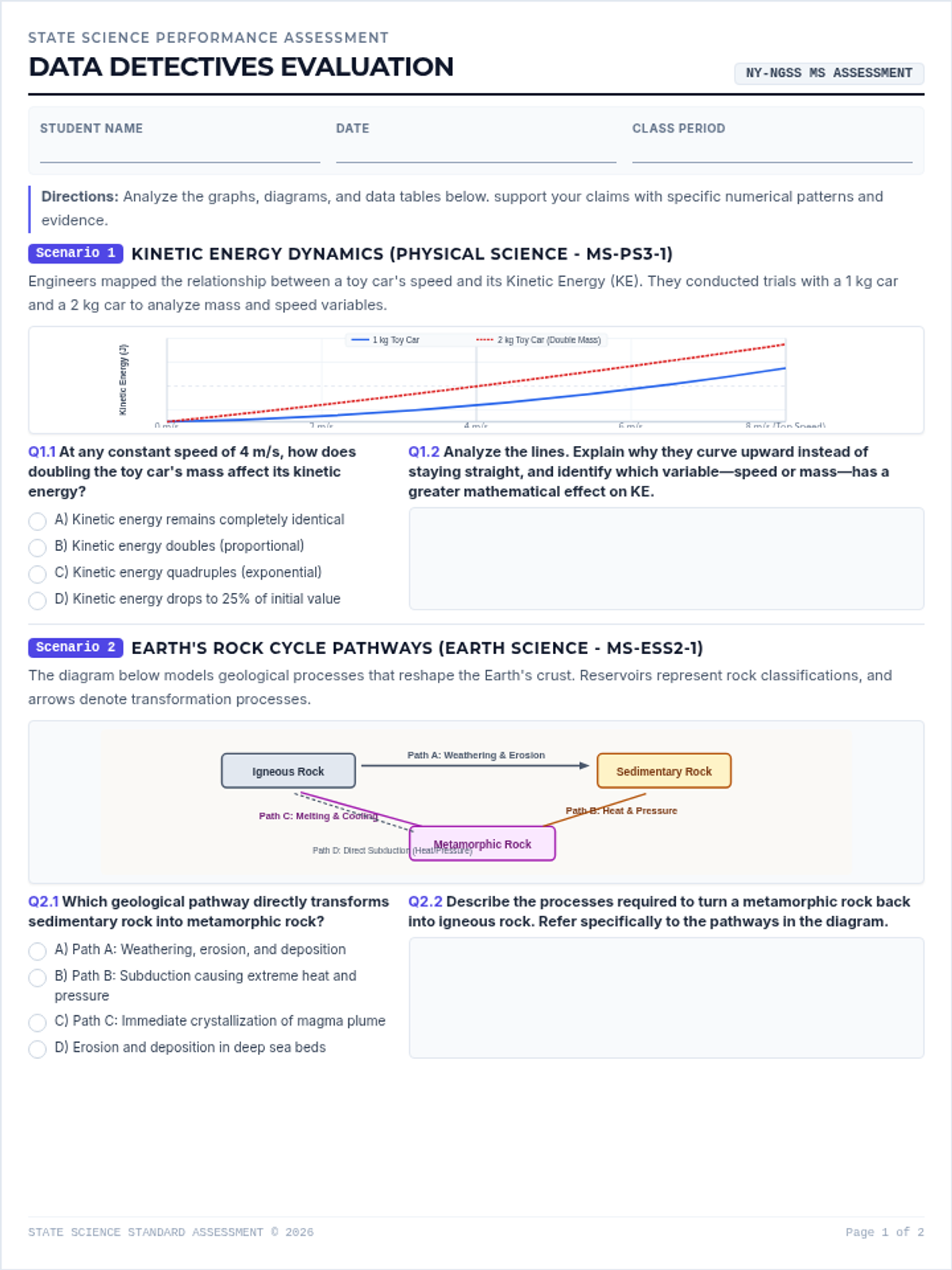
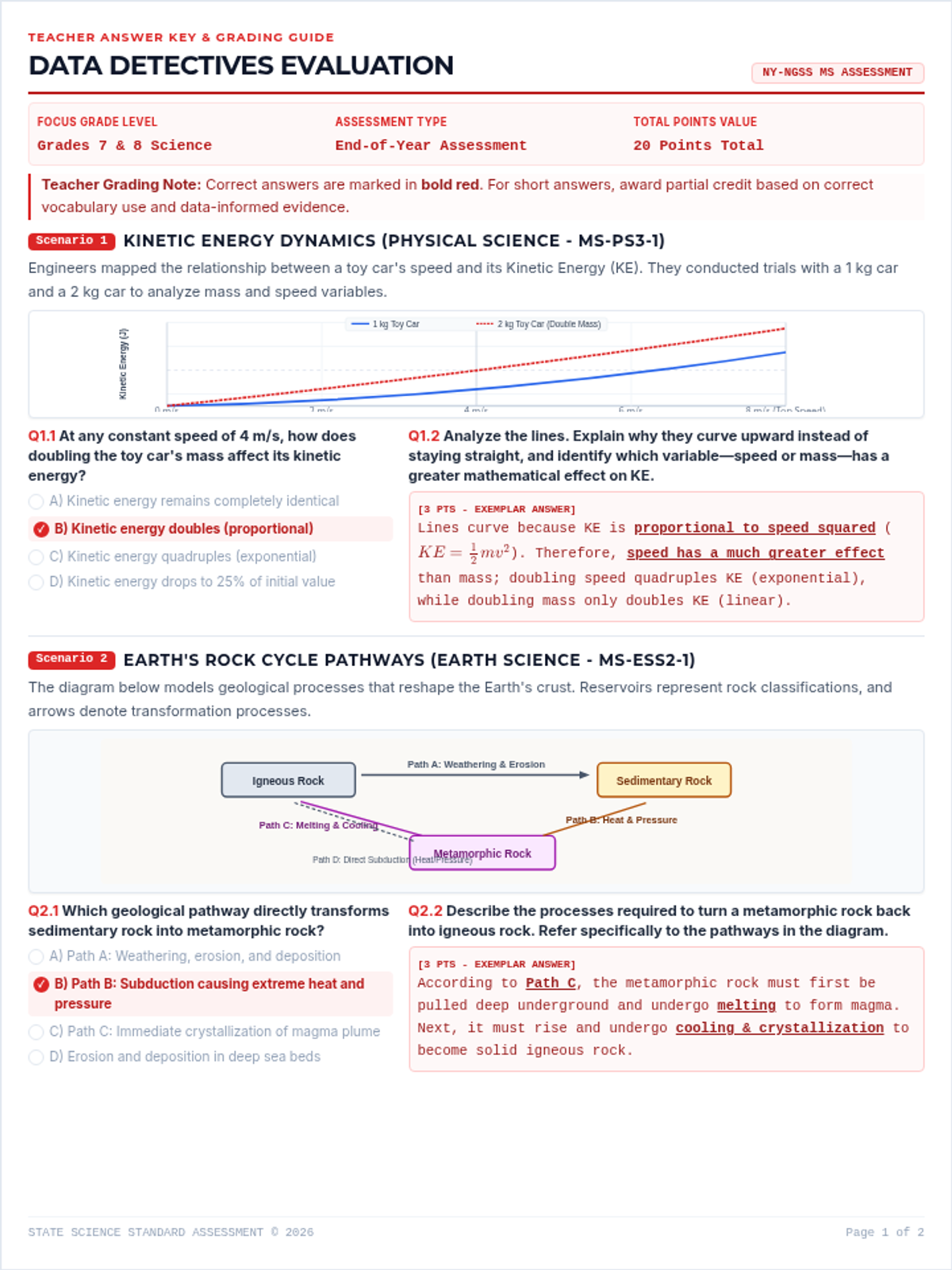
An end-of-year middle school science assessment focused on analyzing complex data sets, graphs, and diagrams across Life, Physical, and Earth science contexts, aligned with NY NGSS standards. Includes a student printable test and a matching teacher answer key.
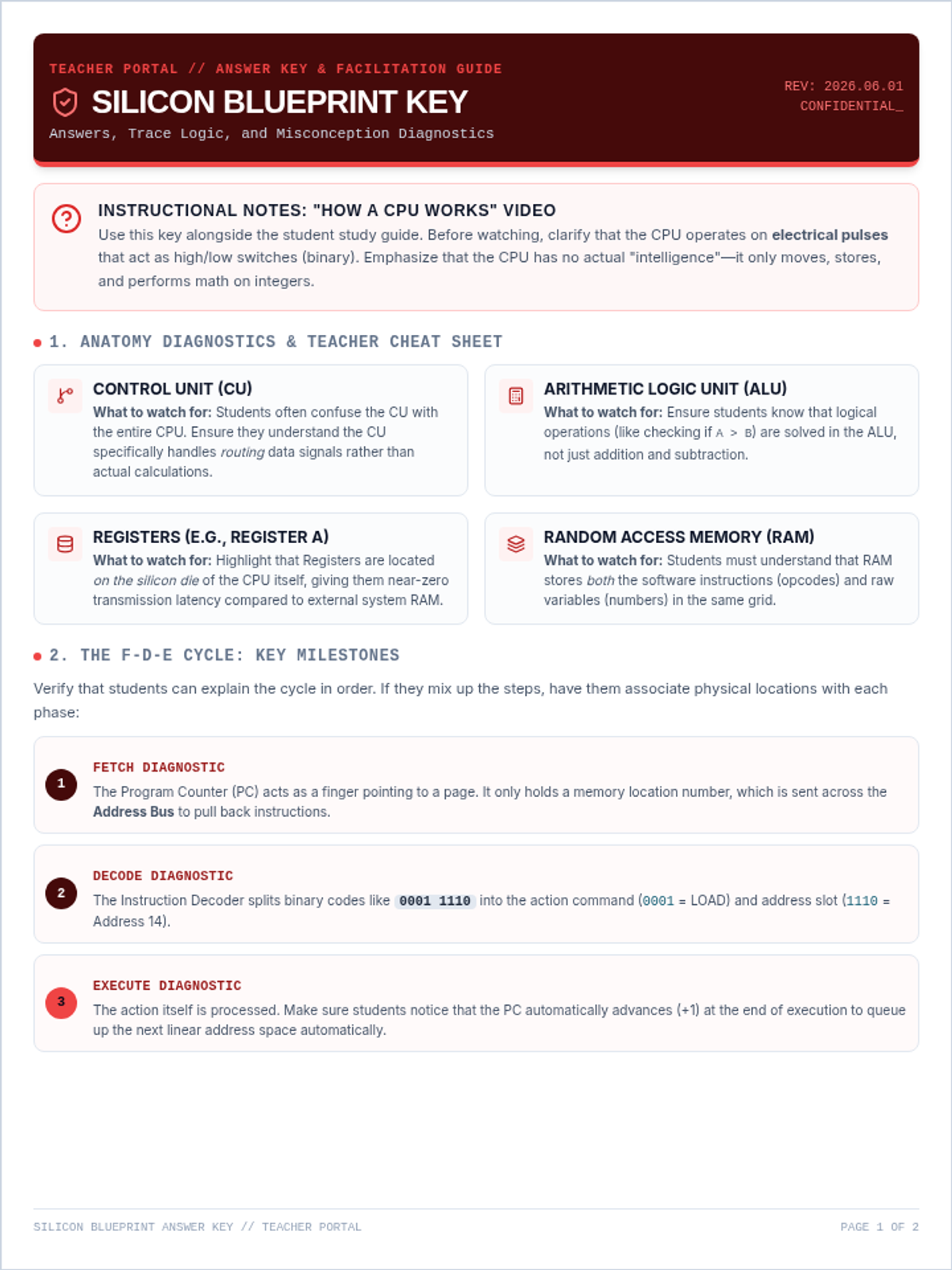
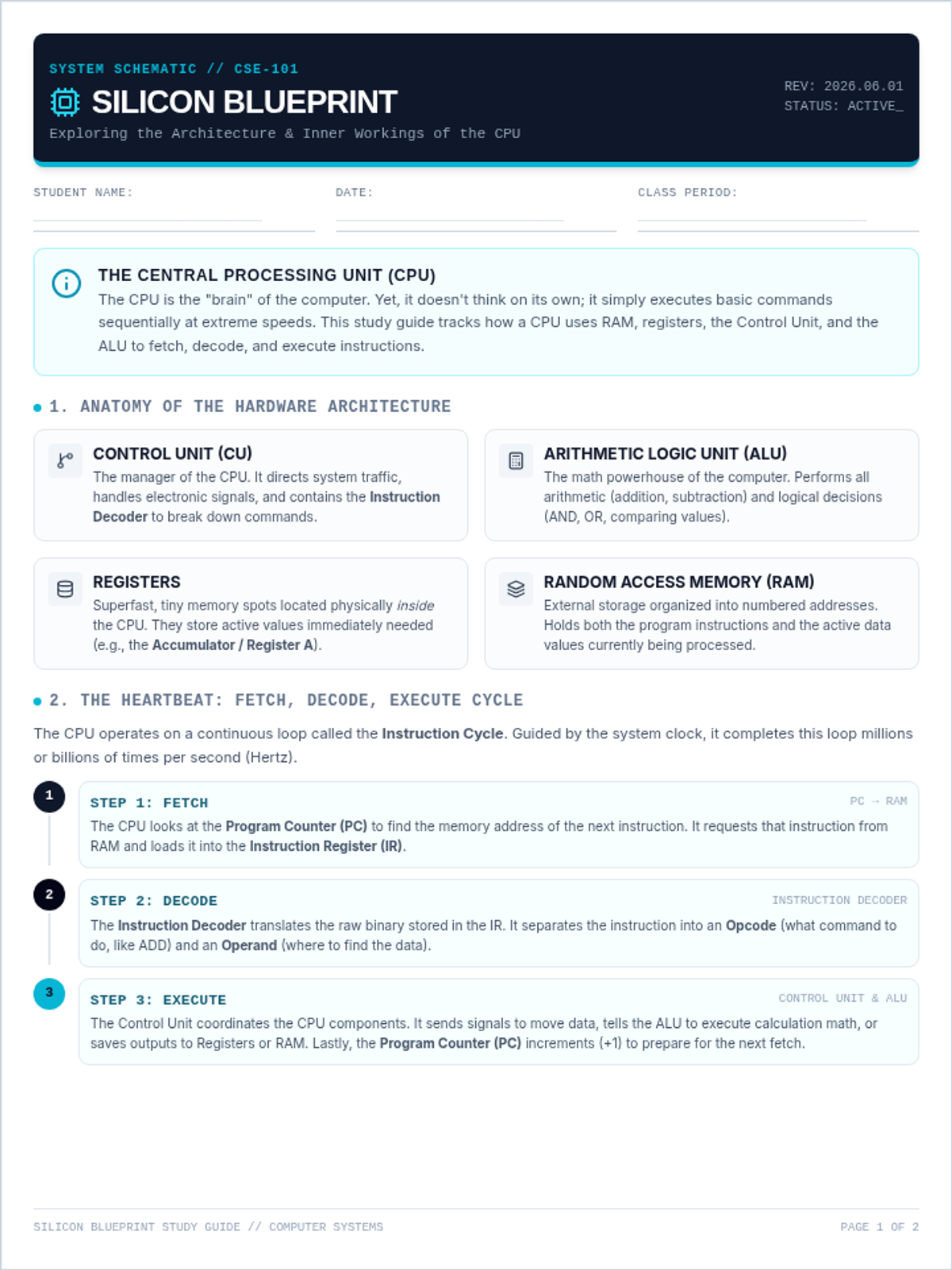
A comprehensive introduction to computer architecture, focusing on the CPU, internal registers, RAM, and the Fetch-Decode-Execute instruction cycle. Features a student-facing schematic study guide and a detailed teacher answer key with program trace steps.
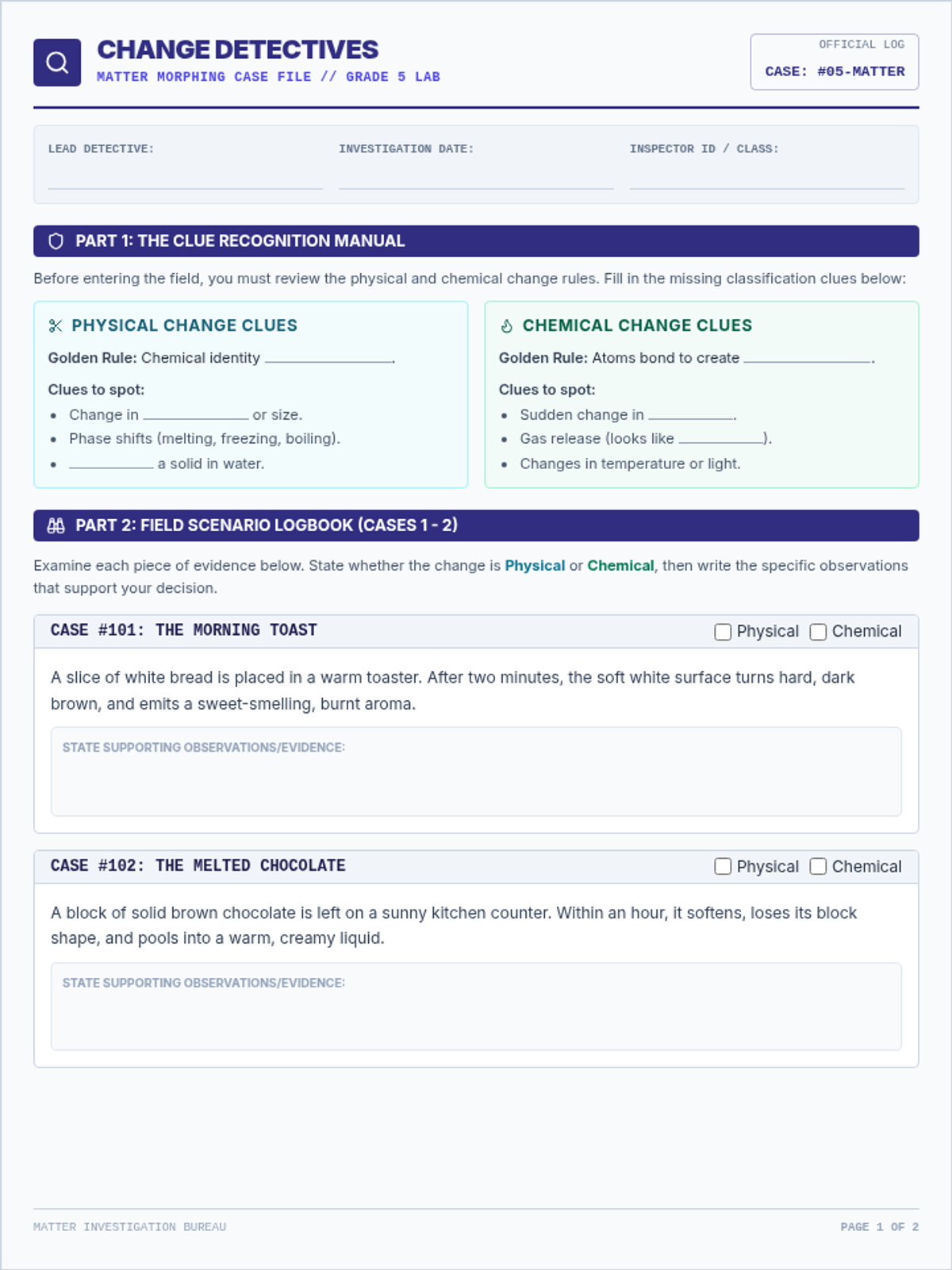
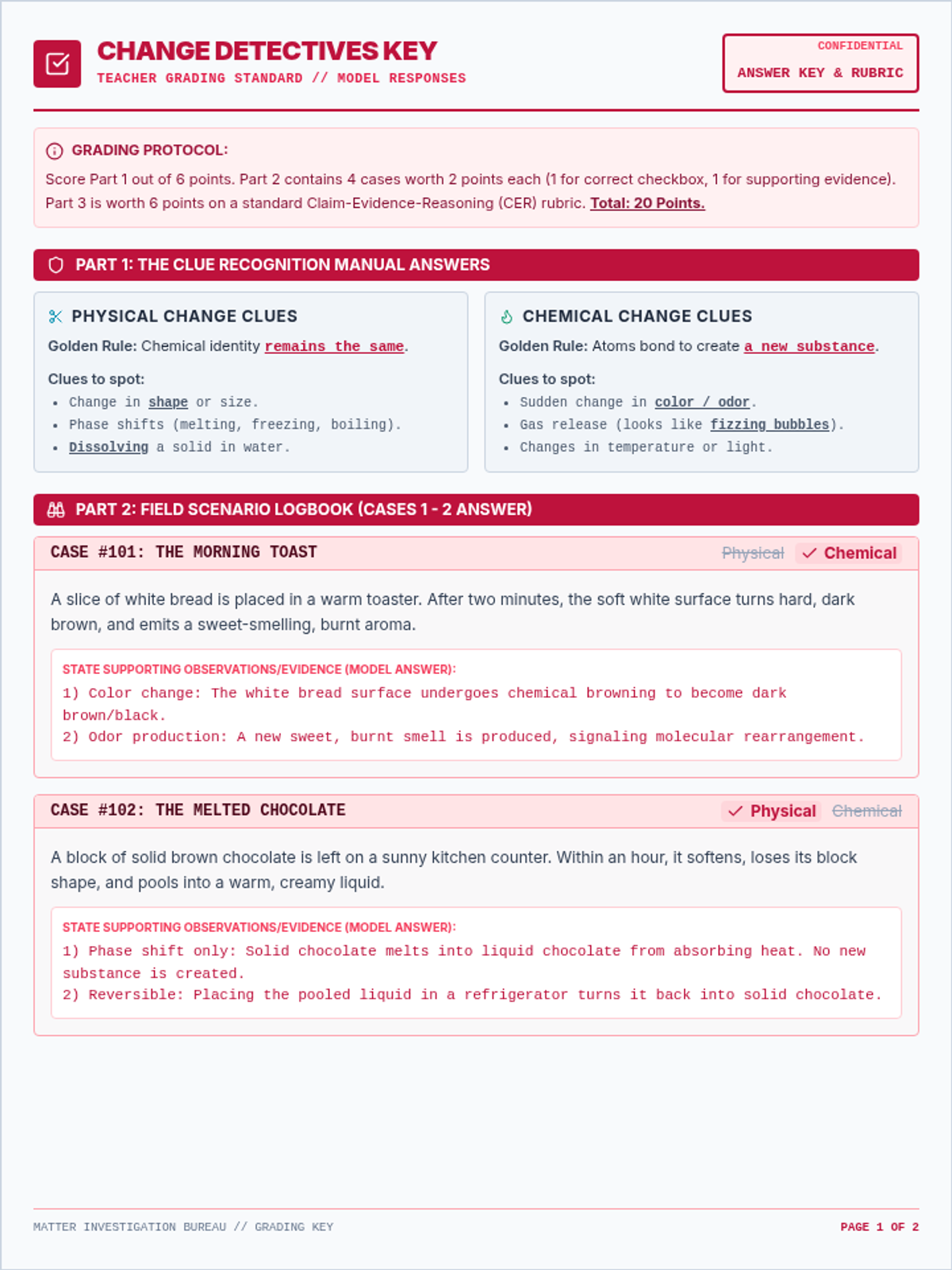
An interactive 5th-grade science lesson introducing physical and chemical changes. Students act as "change detectives," examining clues to classify alterations in matter and investigating real-world scenarios.
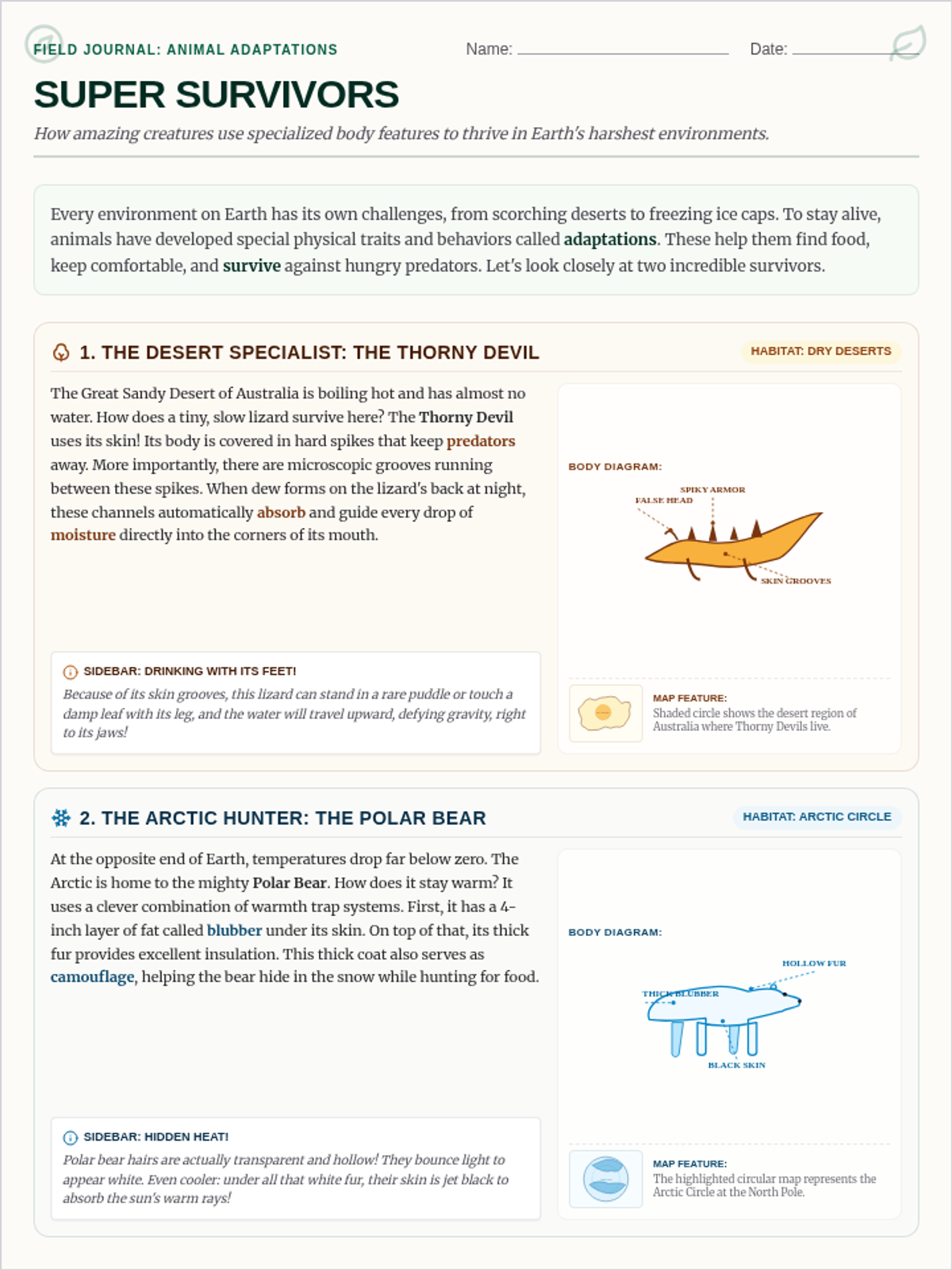
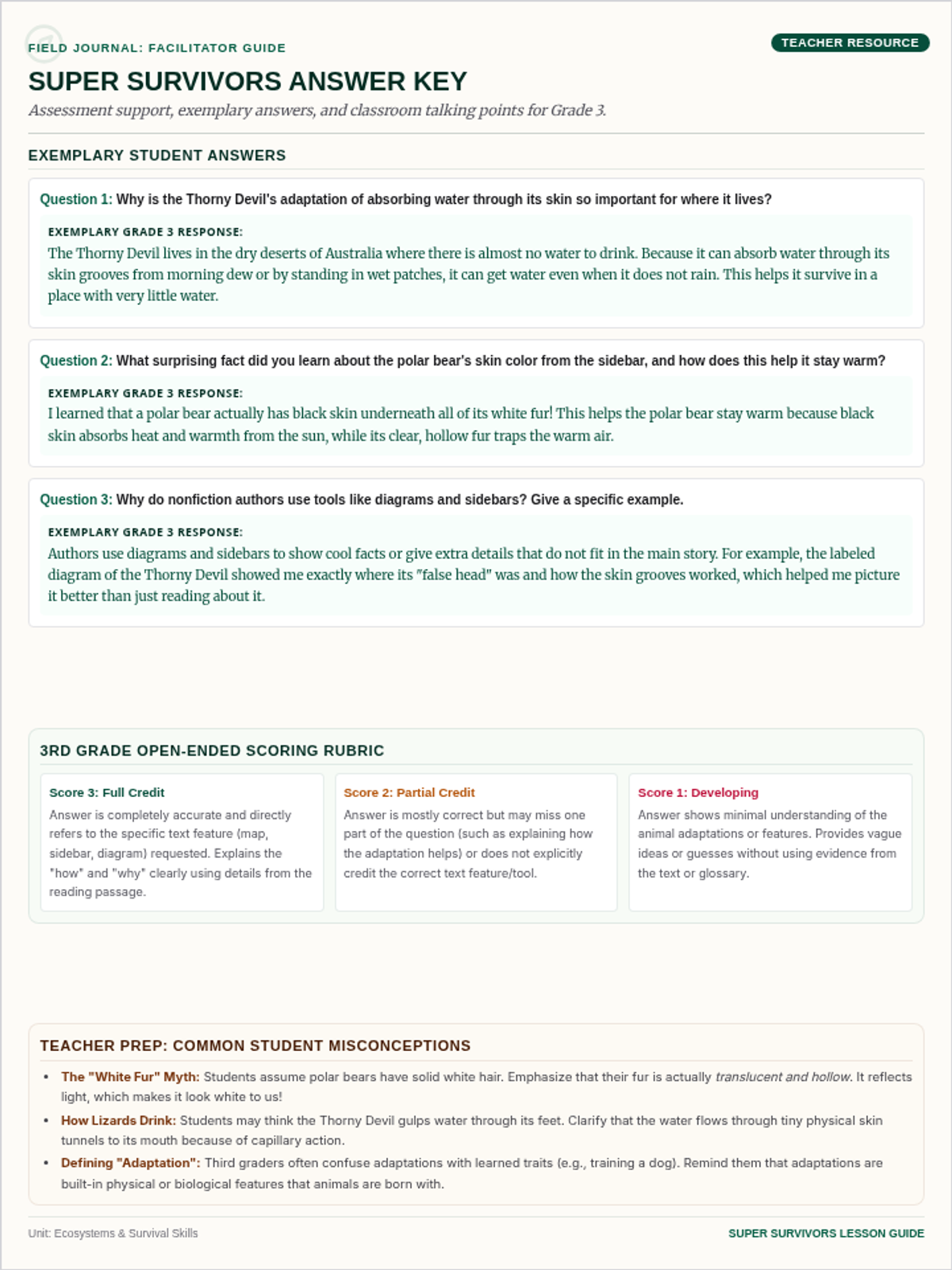
An engaging lesson on animal adaptations featuring a visual nonfiction reading passage and text feature hunt. Students learn about the Thorny Devil and Polar Bear, analyze geographic maps, look up key terms in a glossary, and answer deep comprehension questions.
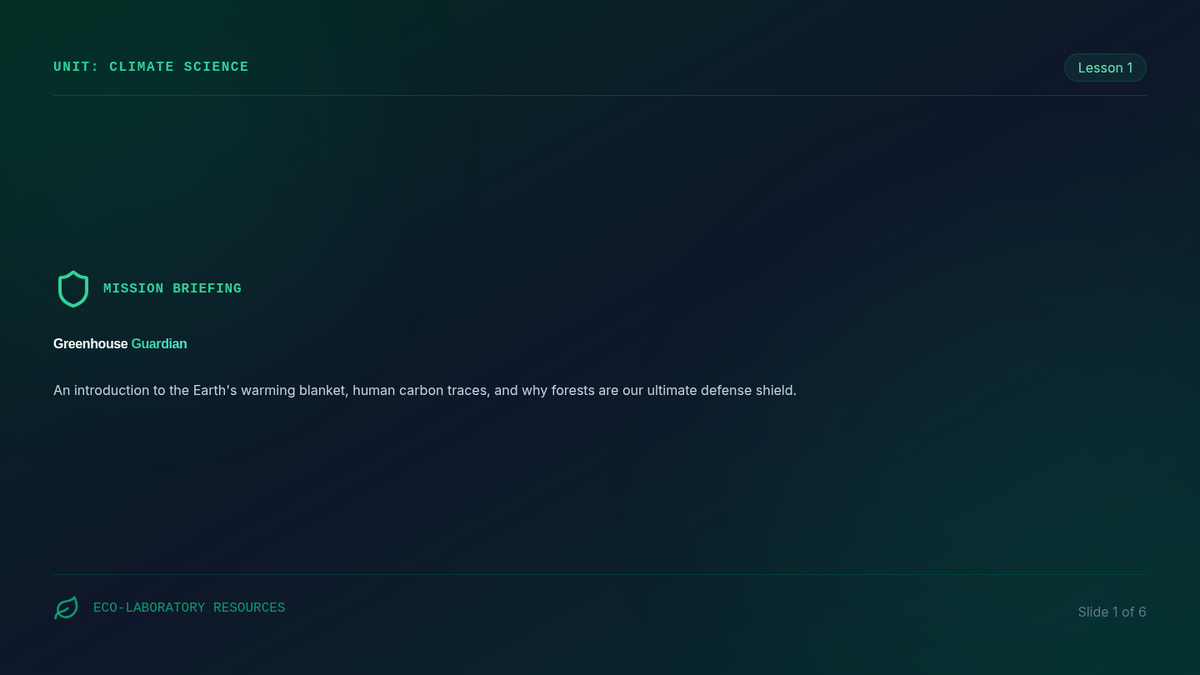
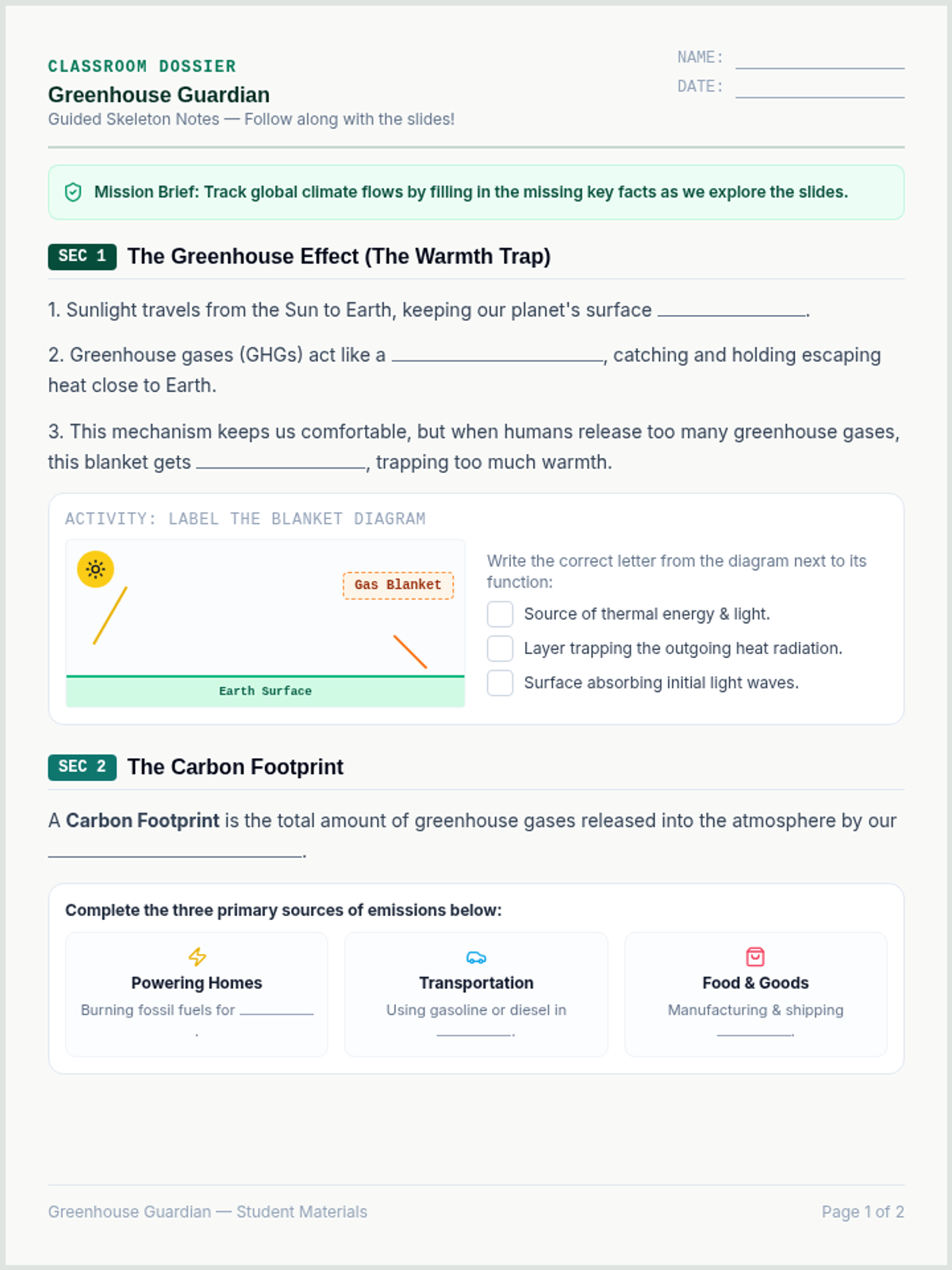
An introductory lesson exploring the greenhouse effect, carbon footprints, and deforestation. Includes an engaging visual slideshow and printable guided skeleton notes to keep students active and focused during instruction.
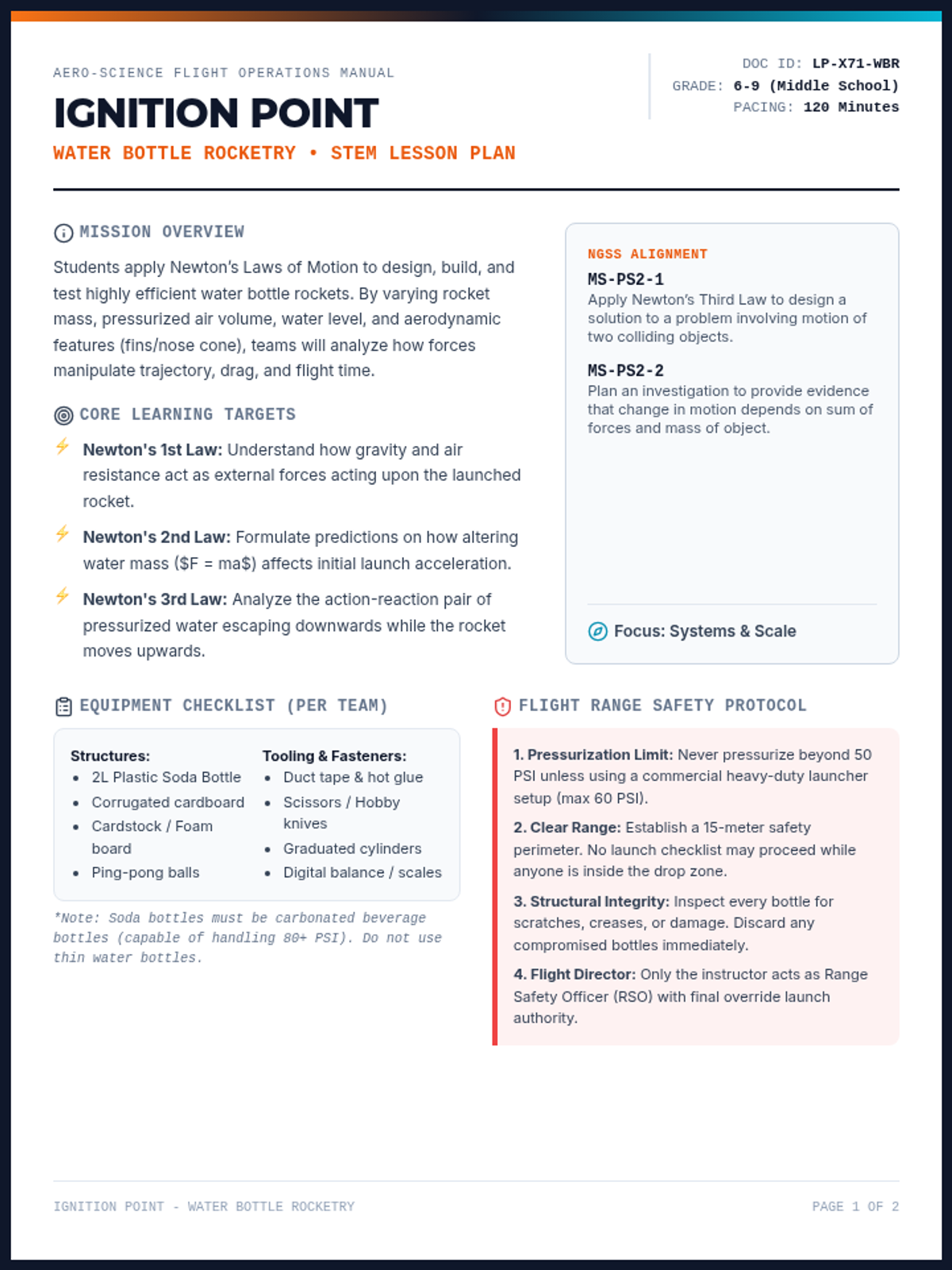
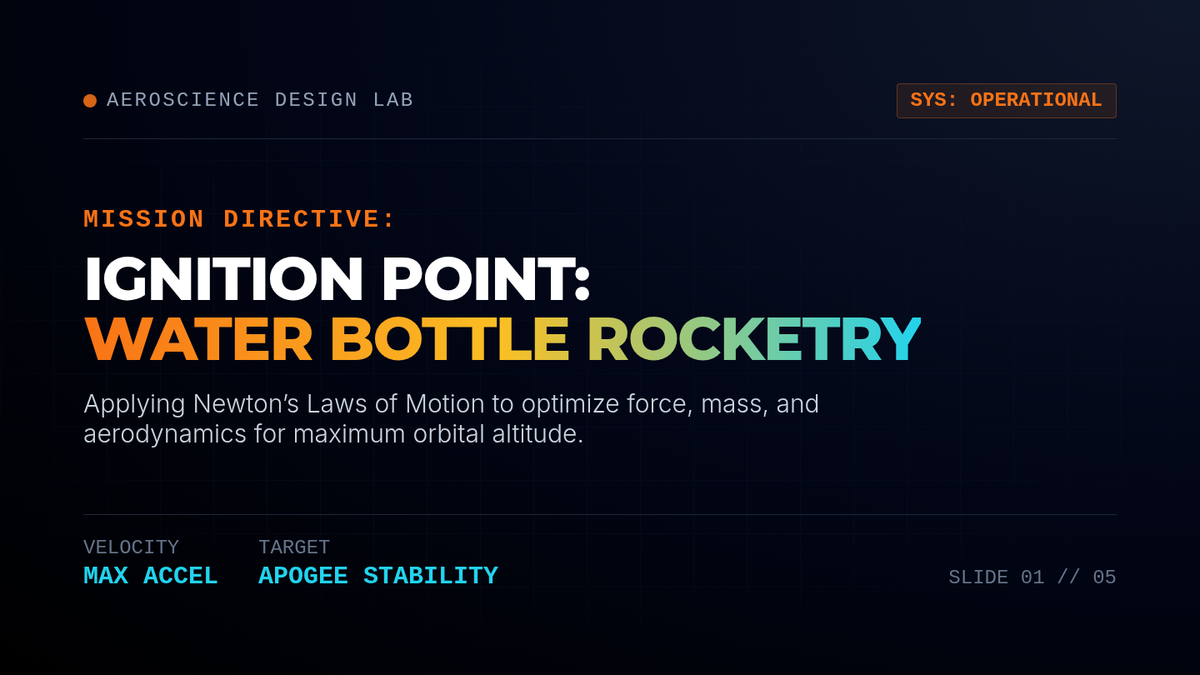
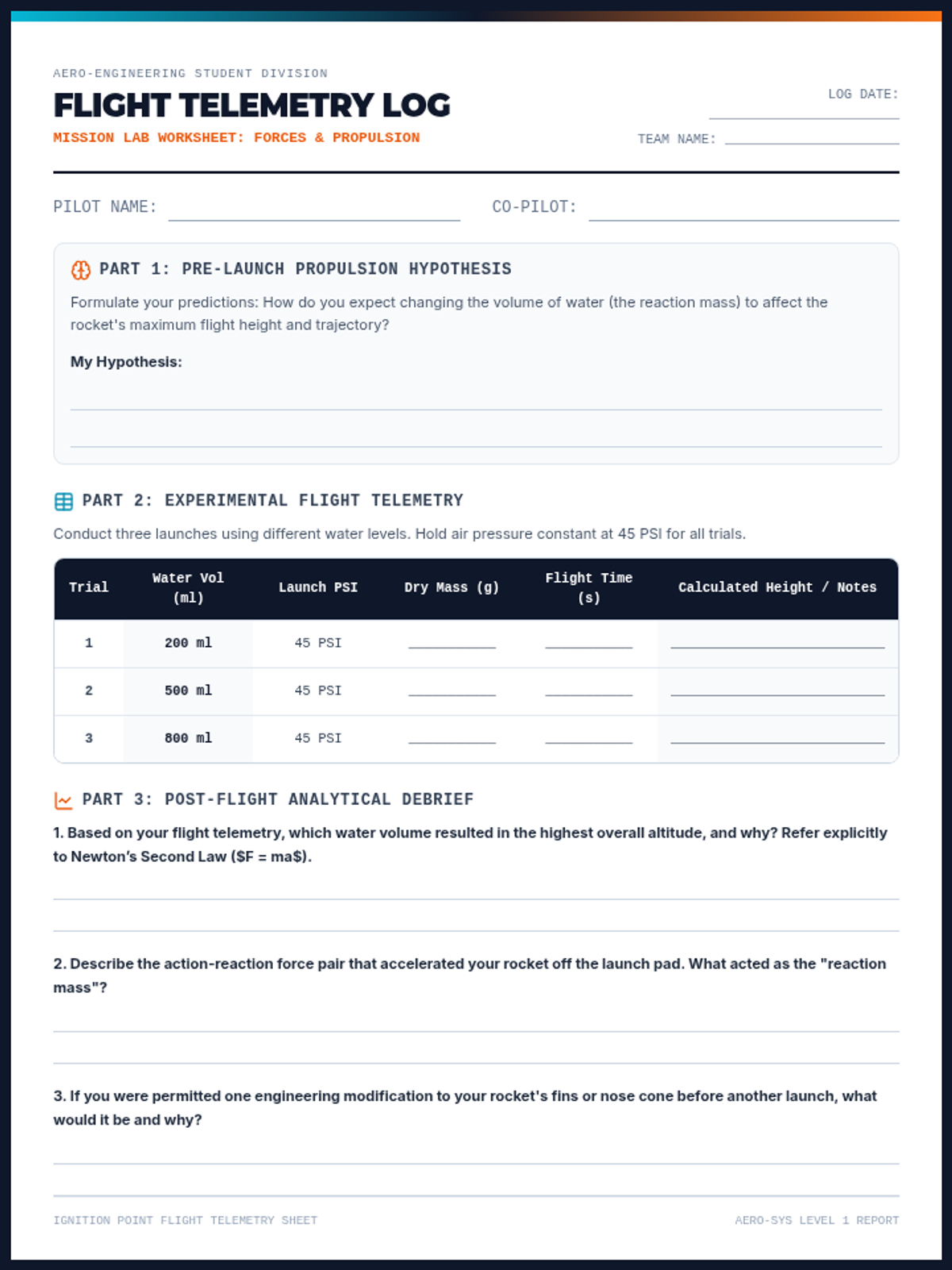
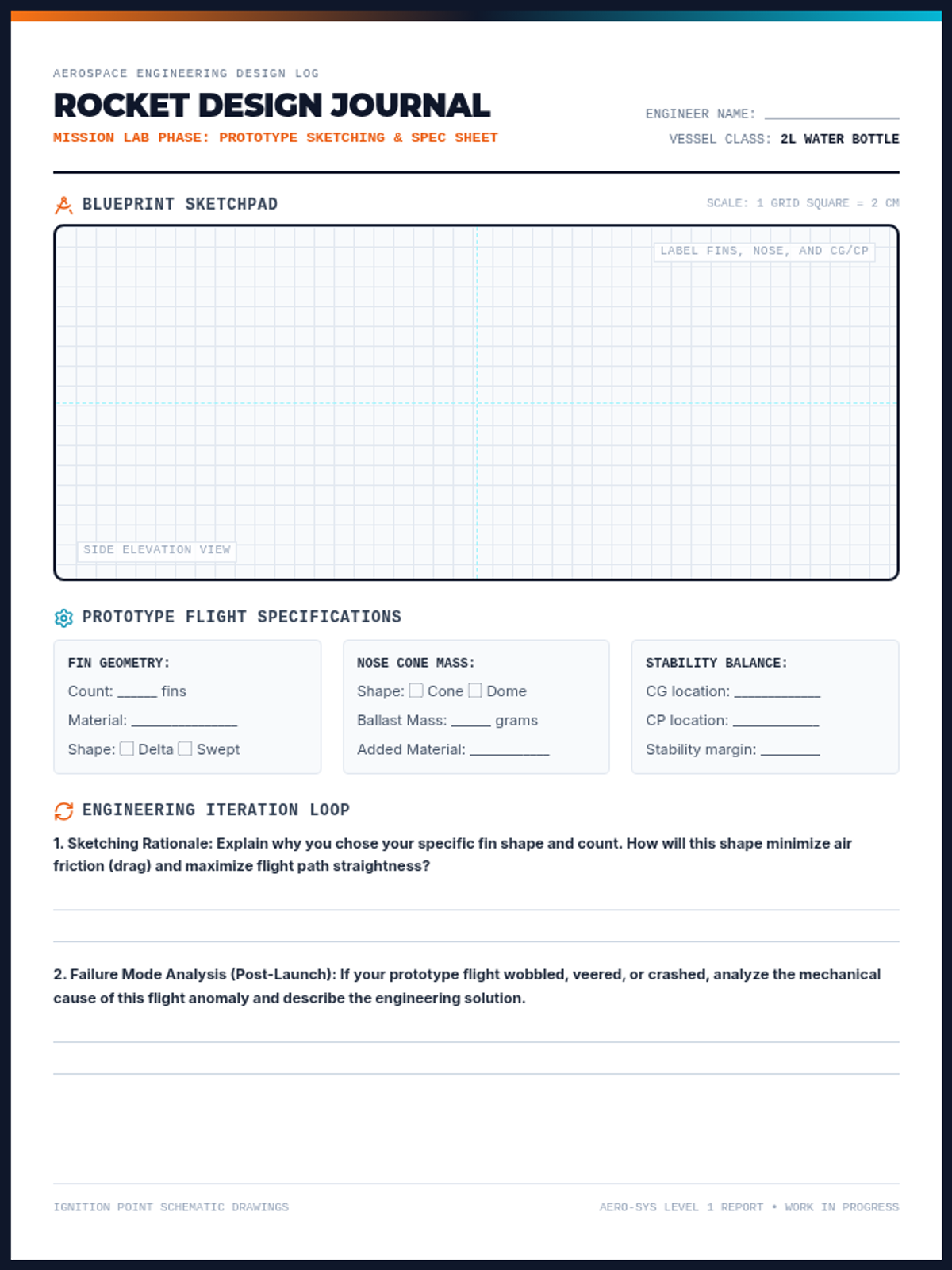
A hands-on STEM lesson where students design, build, and launch water bottle rockets. They apply Newton's Laws of Motion to optimize force, mass, and aerodynamics for maximum flight distance.
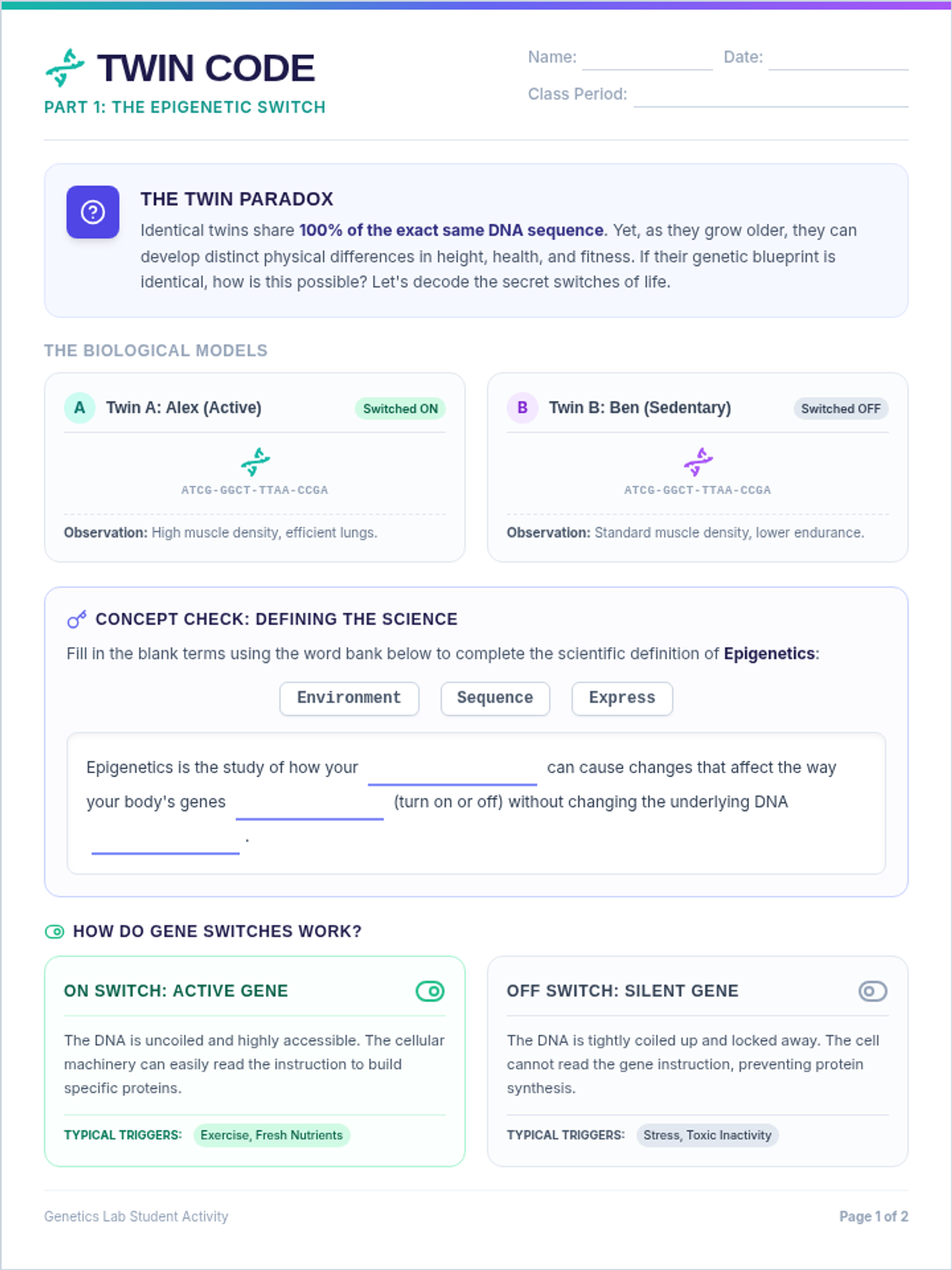
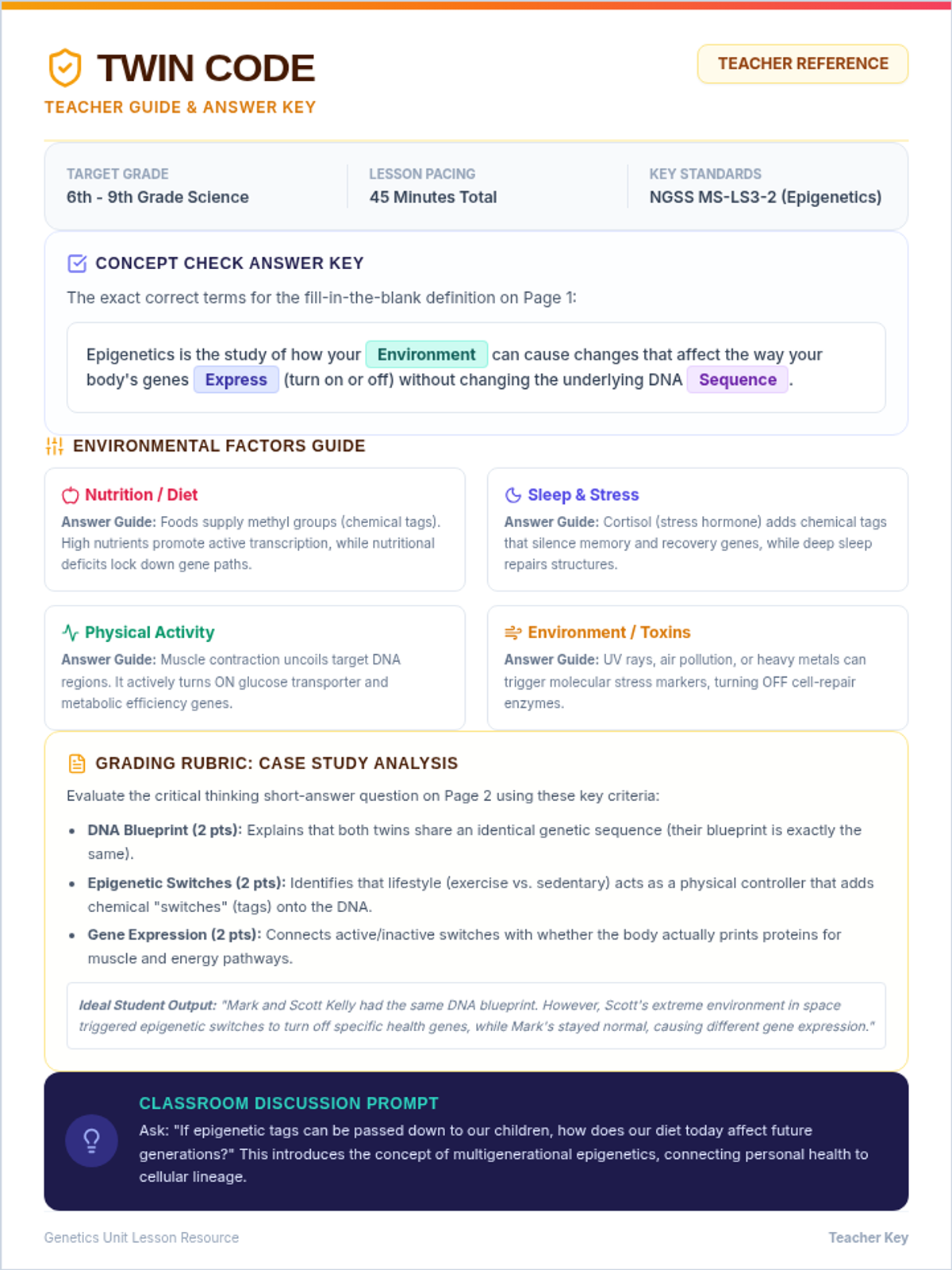
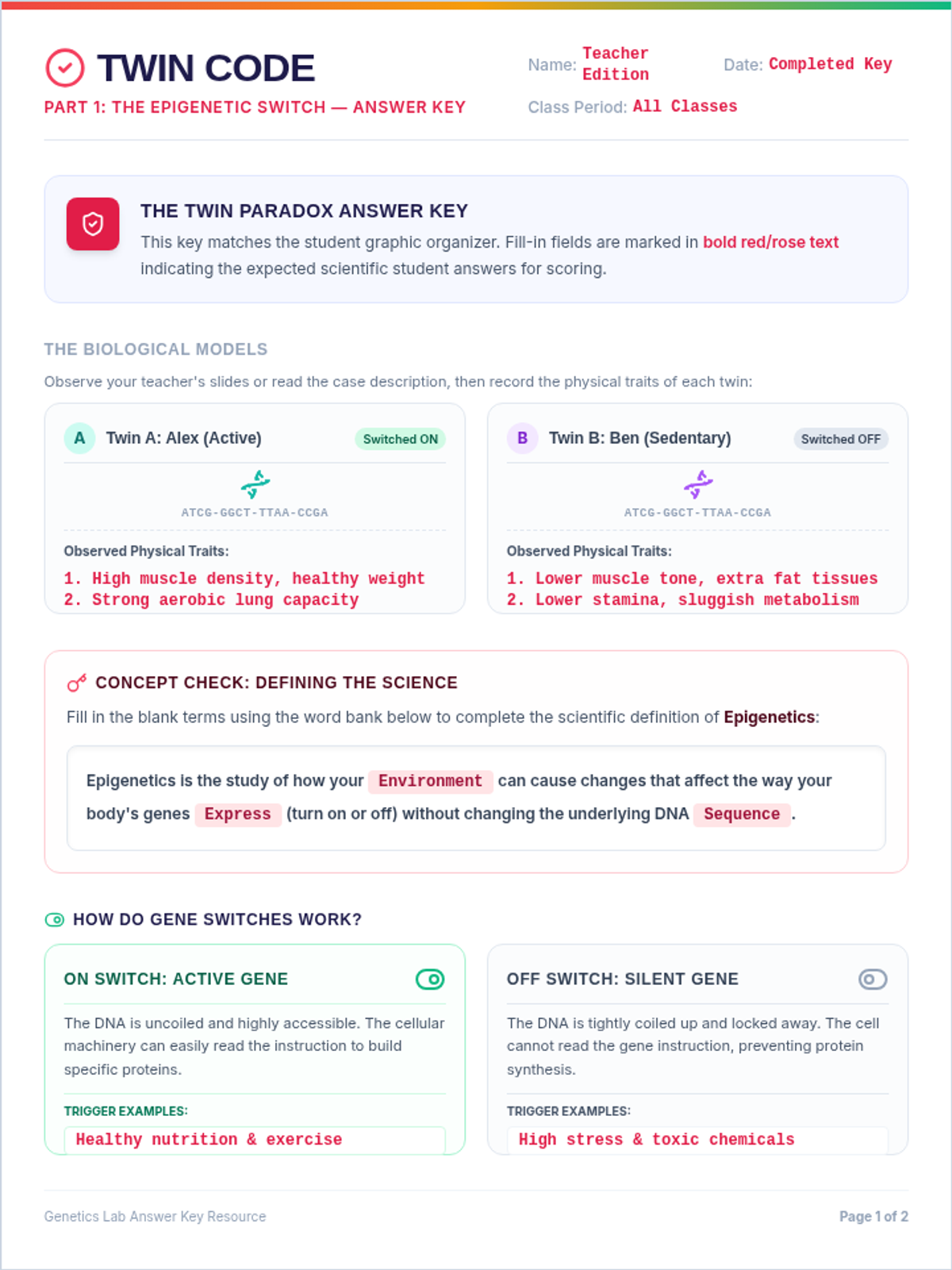
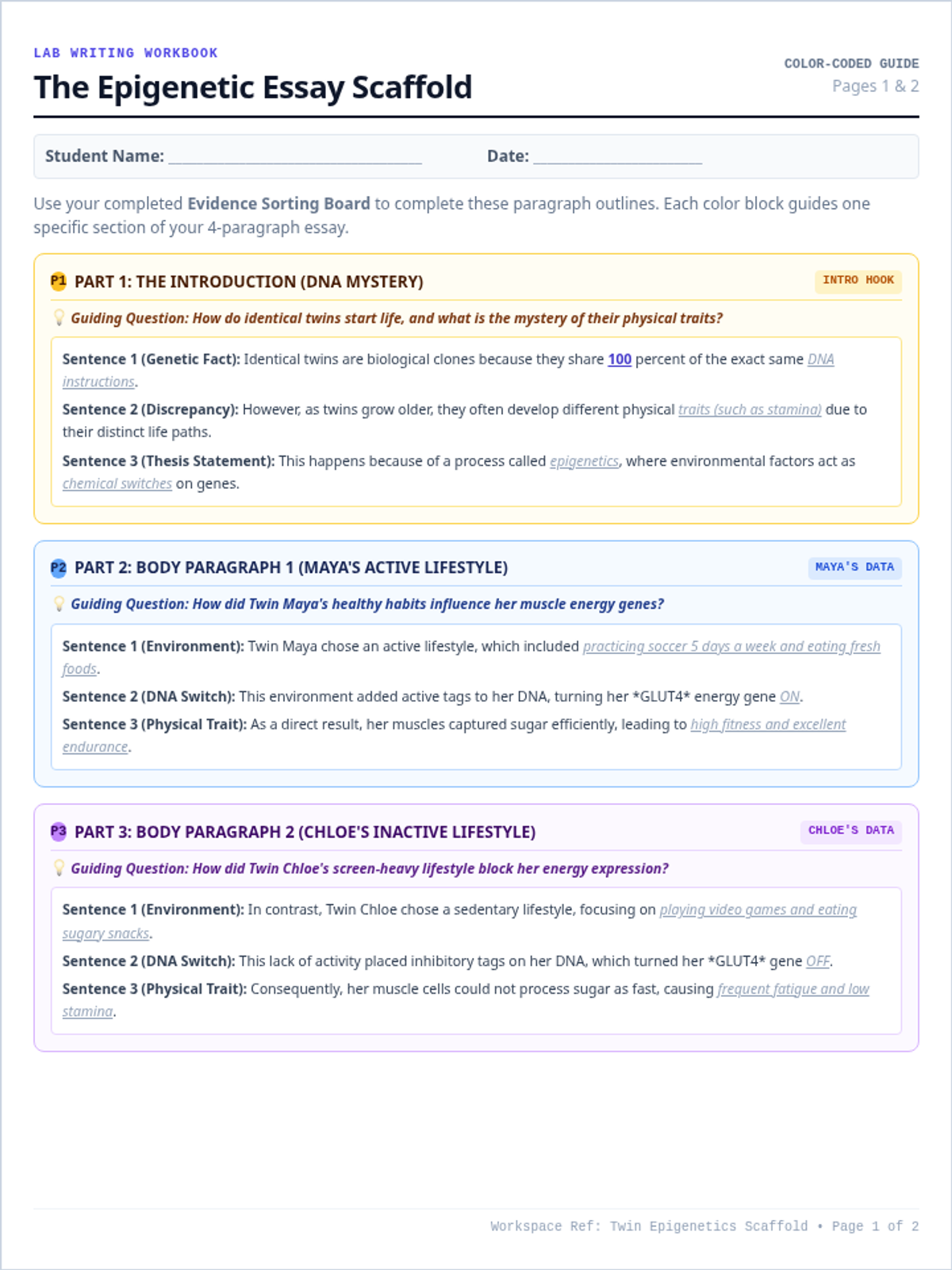
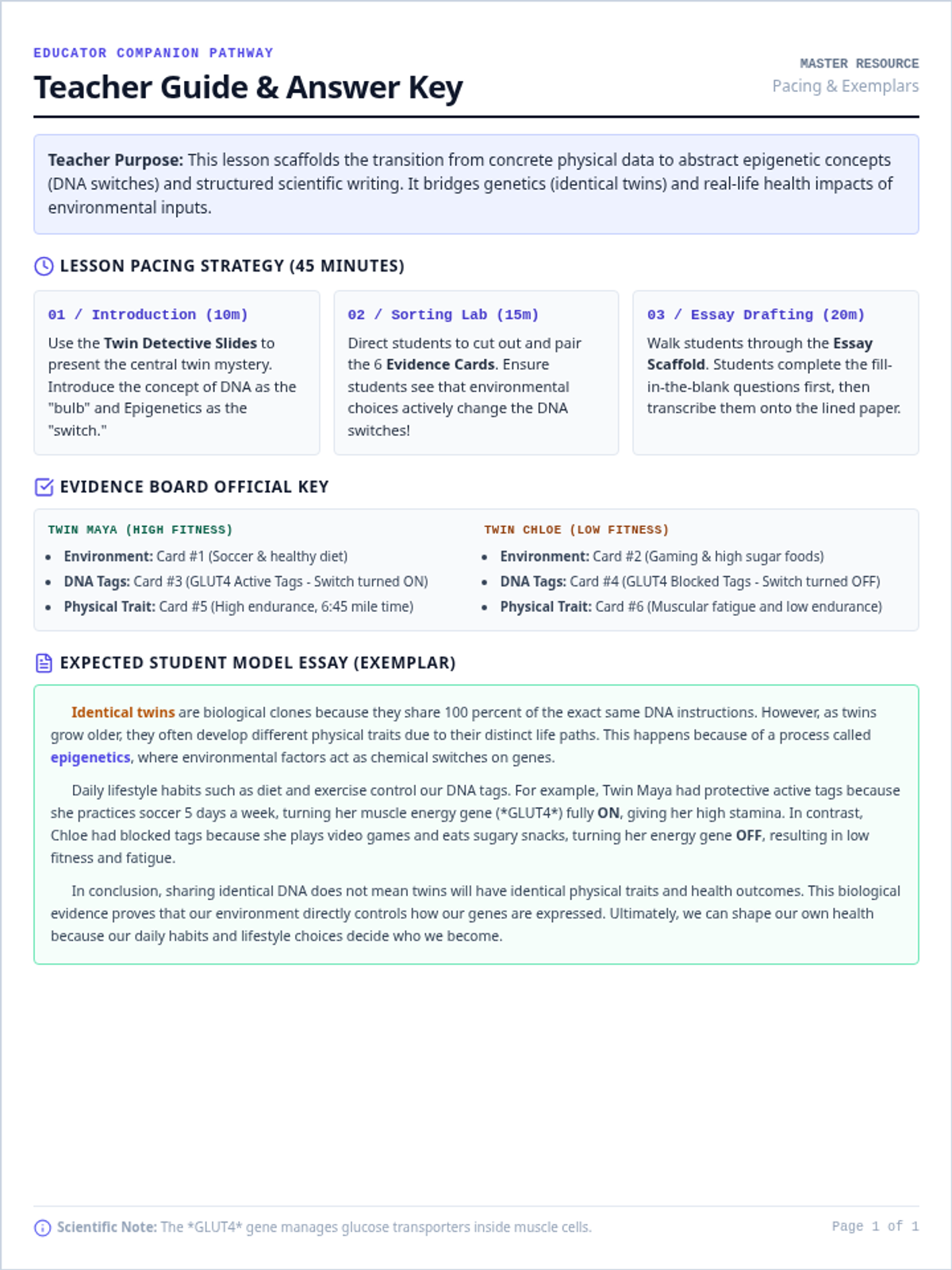
A comprehensive science lesson introducing epigenetics and gene expression. Students investigate how environmental triggers like stress, nutrition, and exercise can turn genetic switches on and off in identical twins.
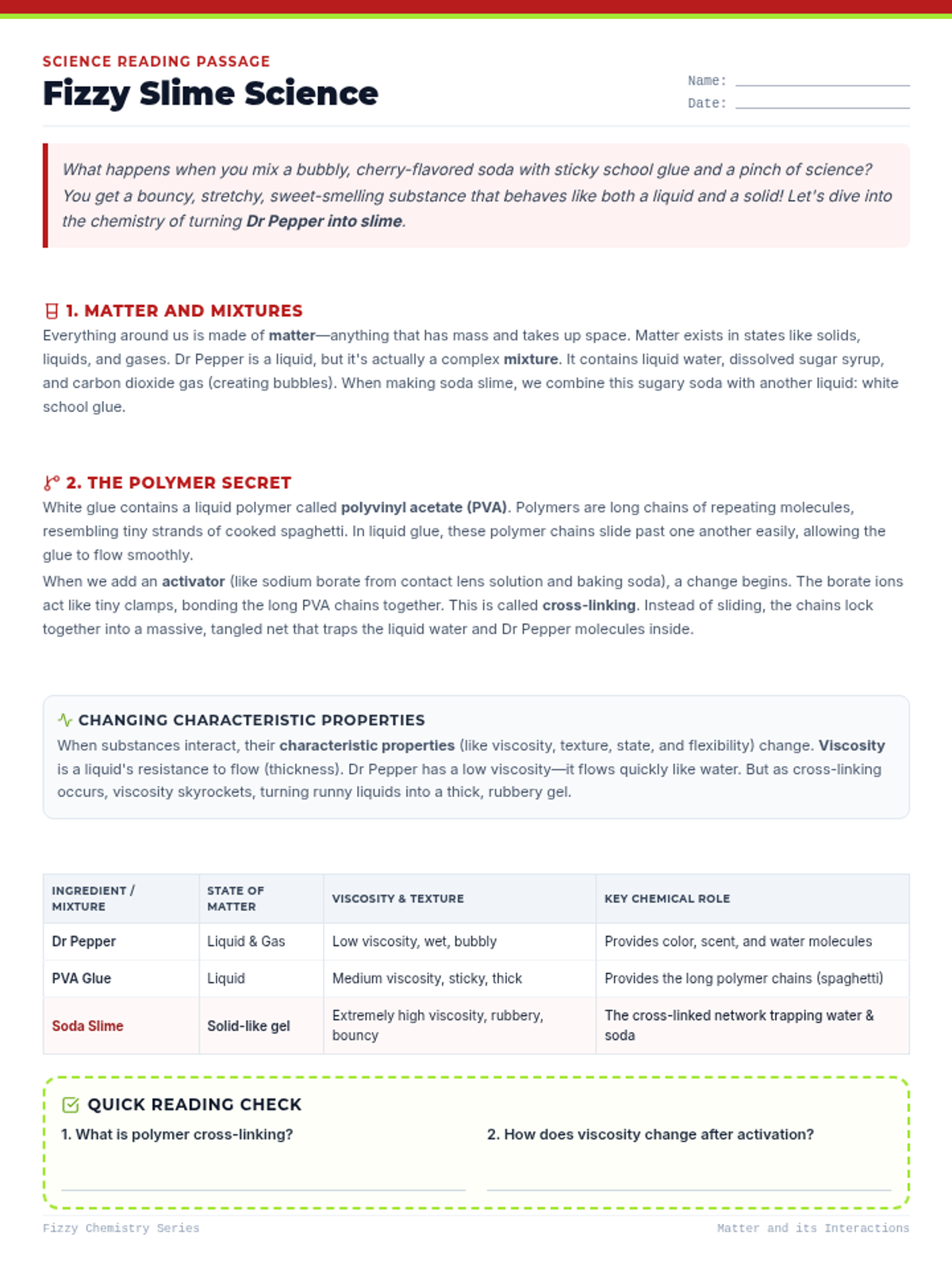
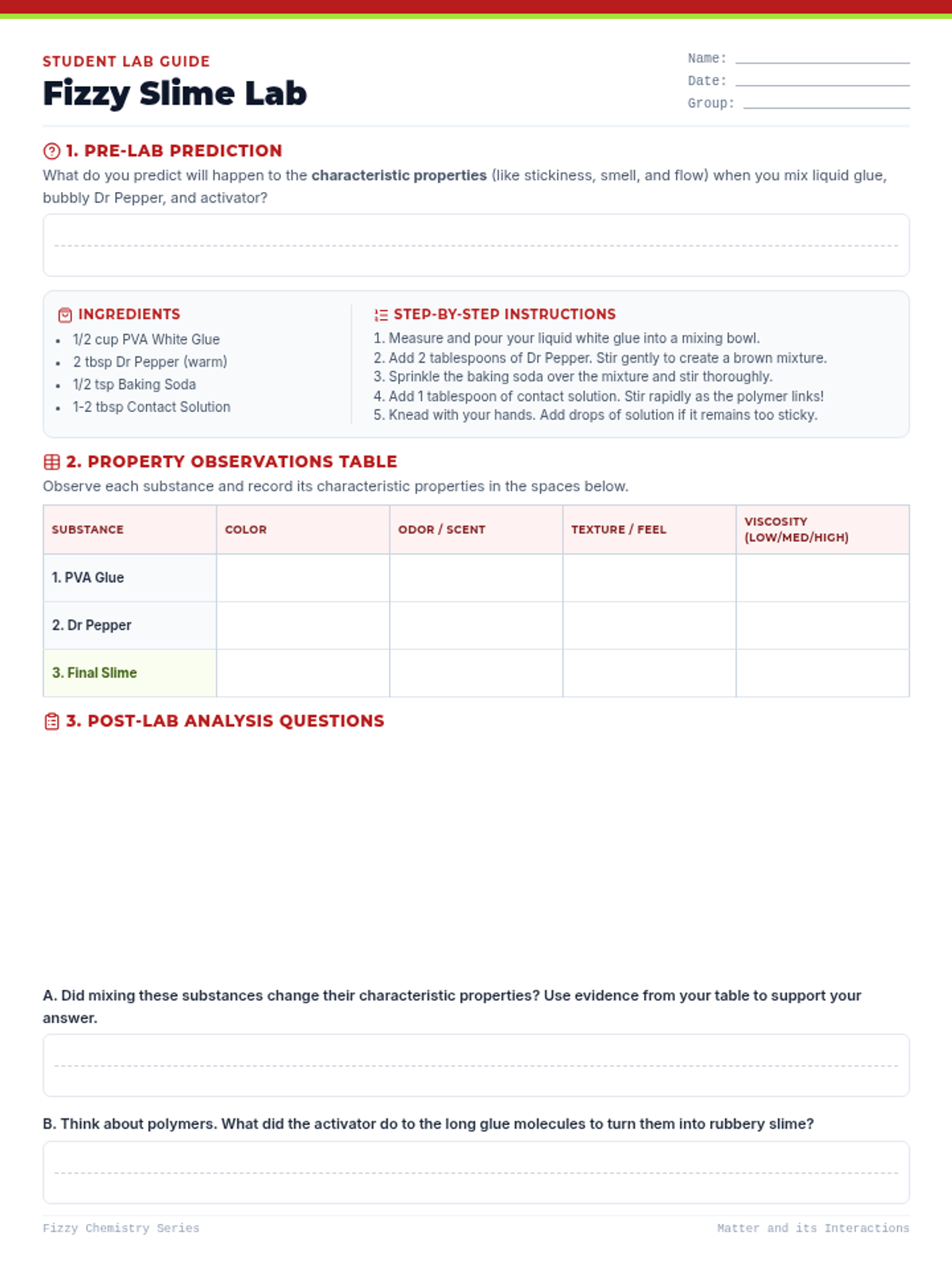
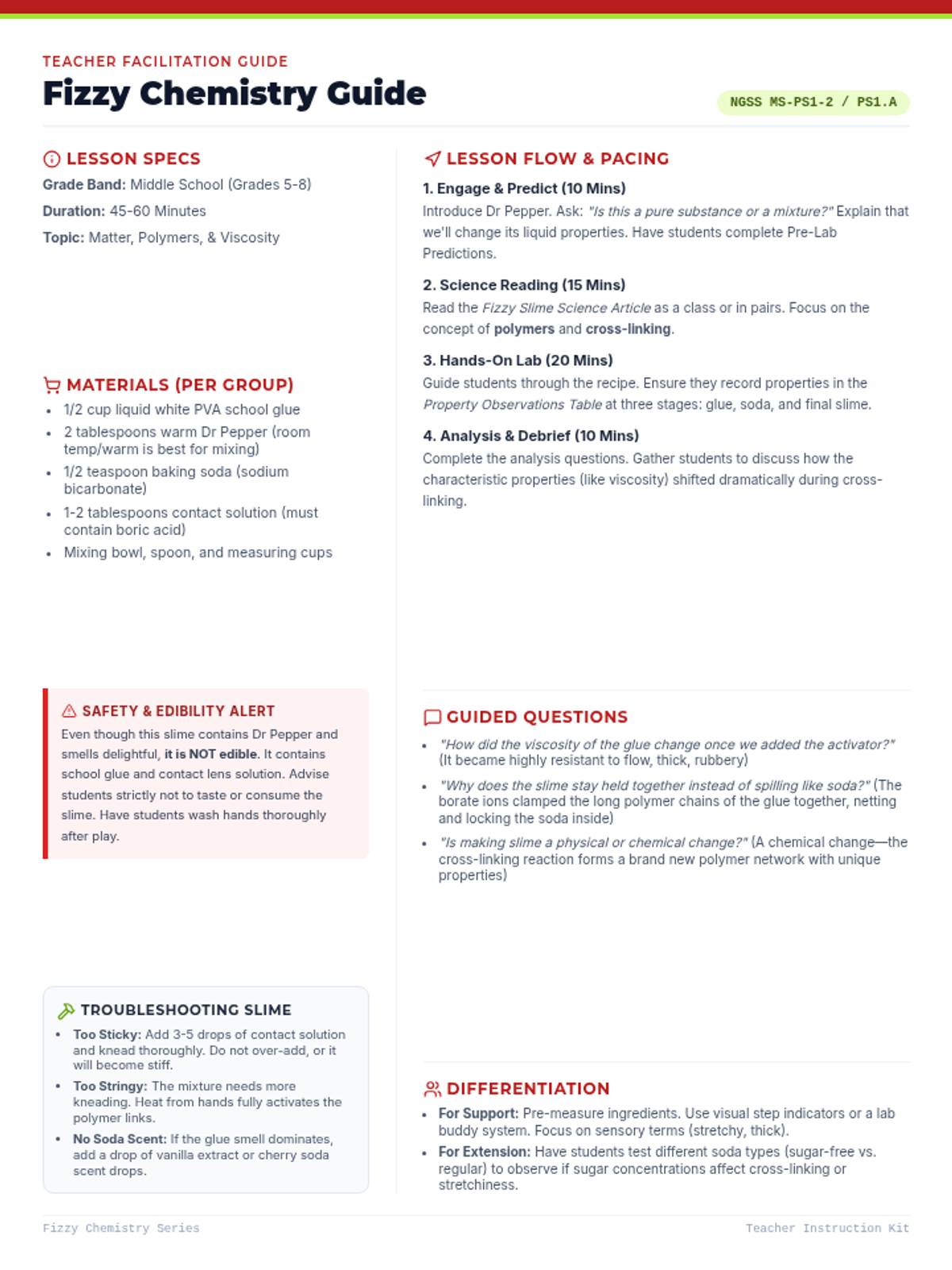
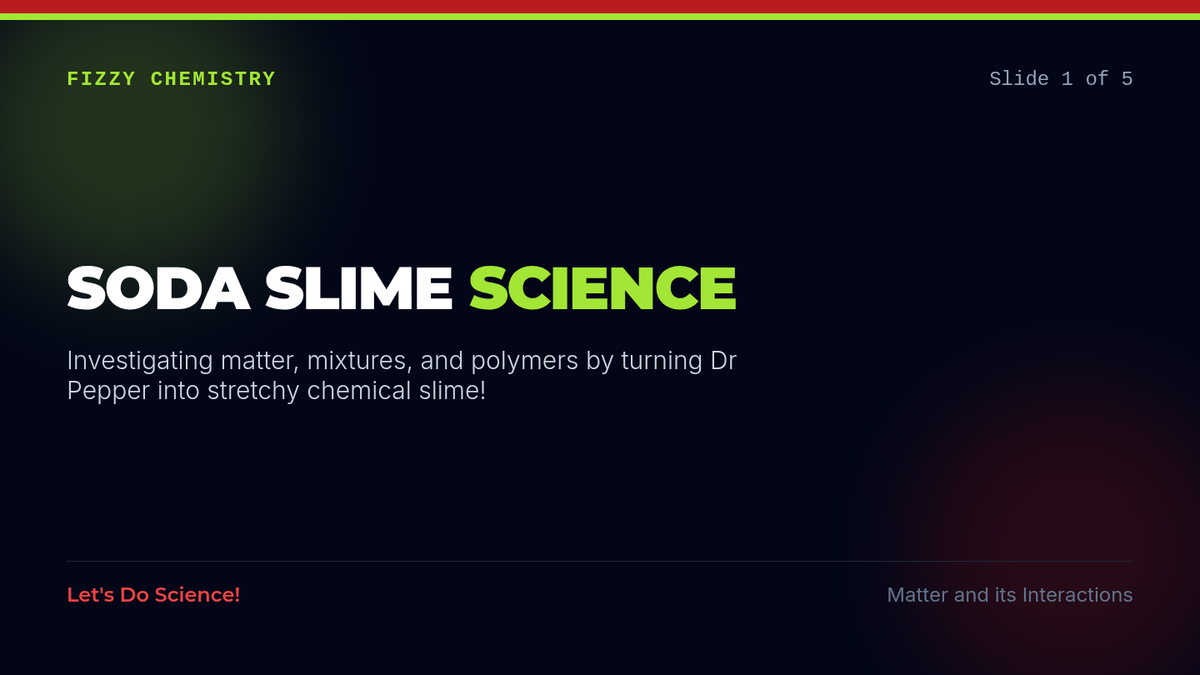
An interactive chemistry lesson investigating matter and its interactions by transforming Dr. Pepper into custom slime. Students examine how mixing substances changes their characteristic properties.
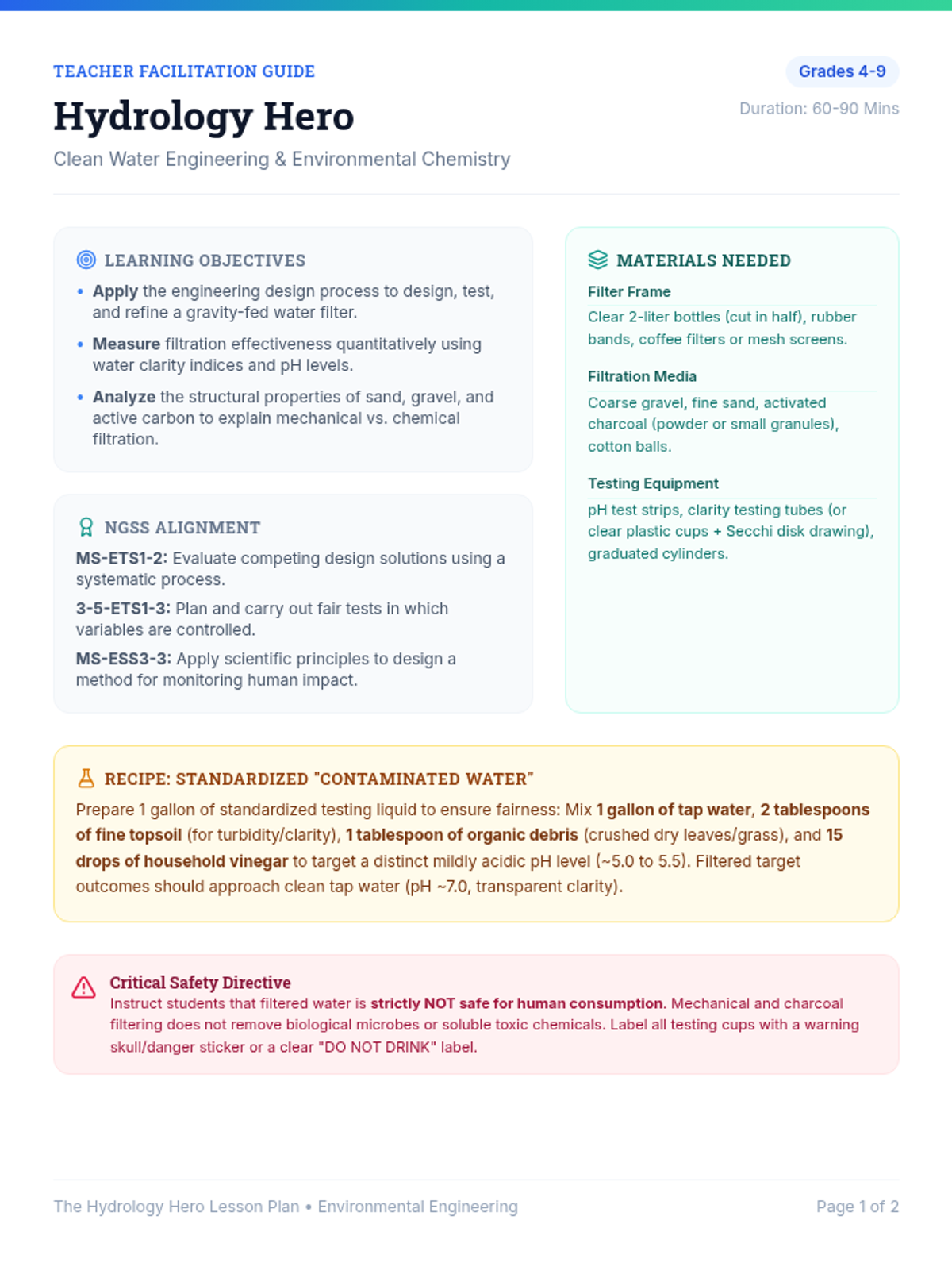
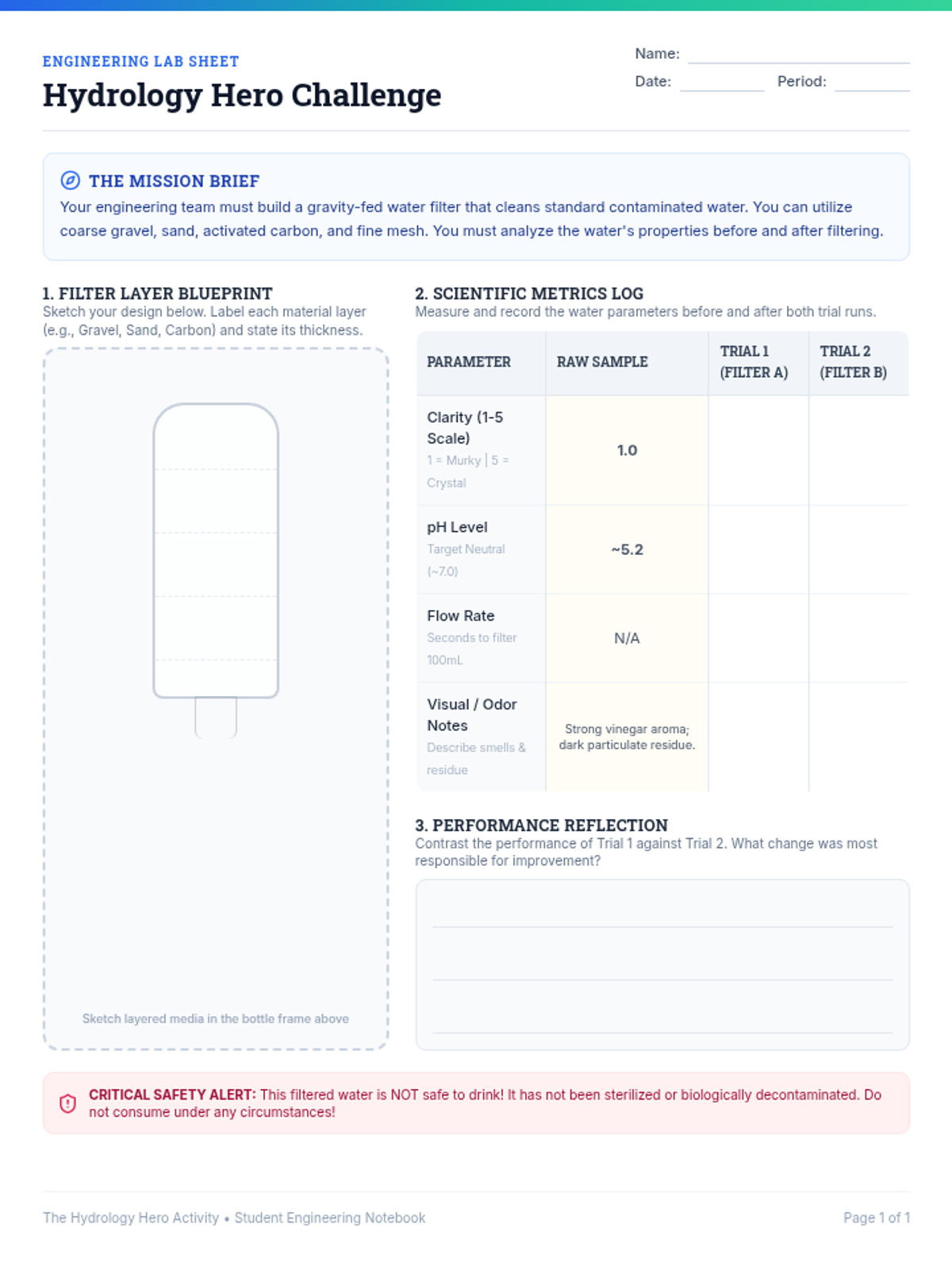
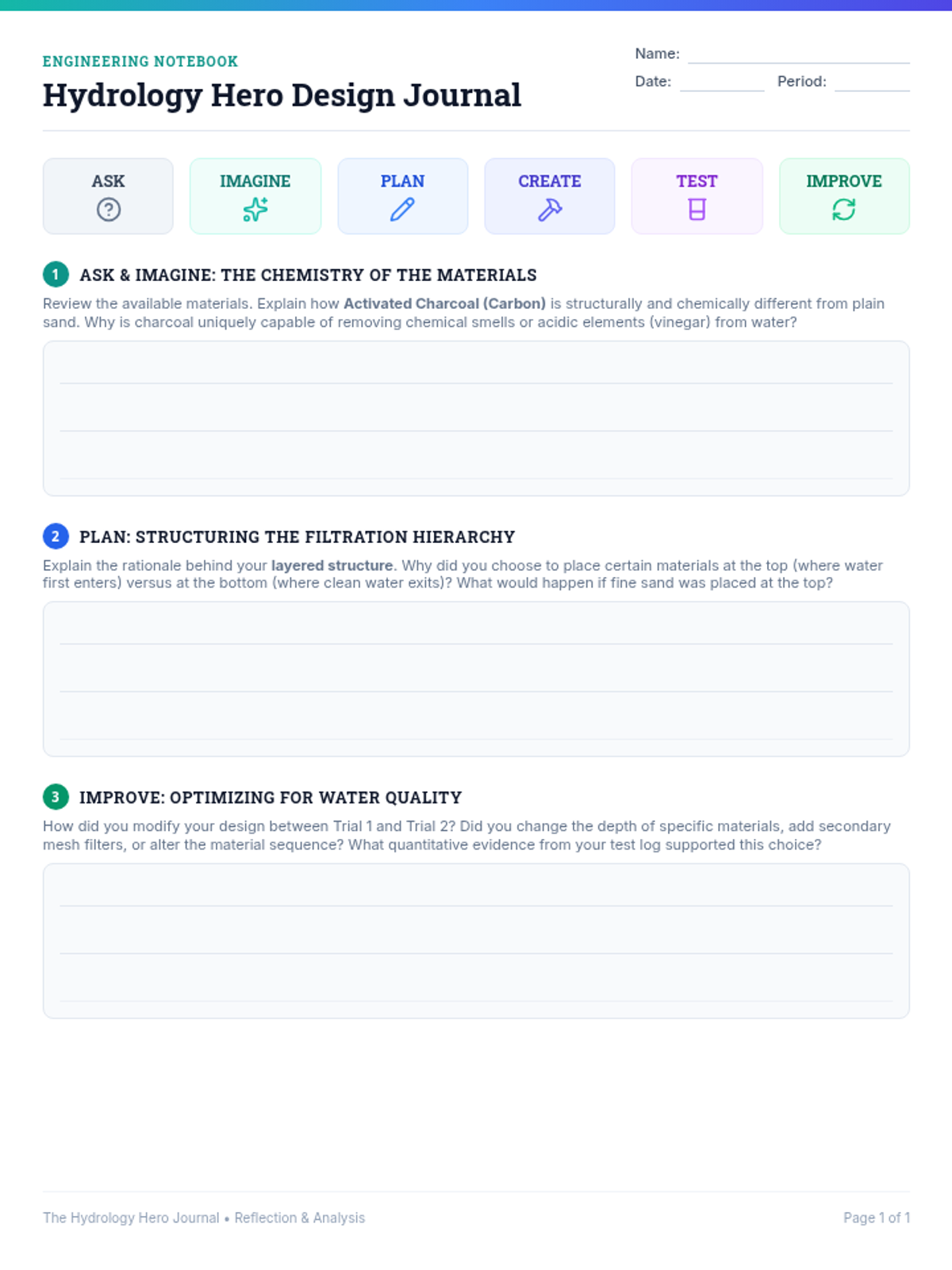
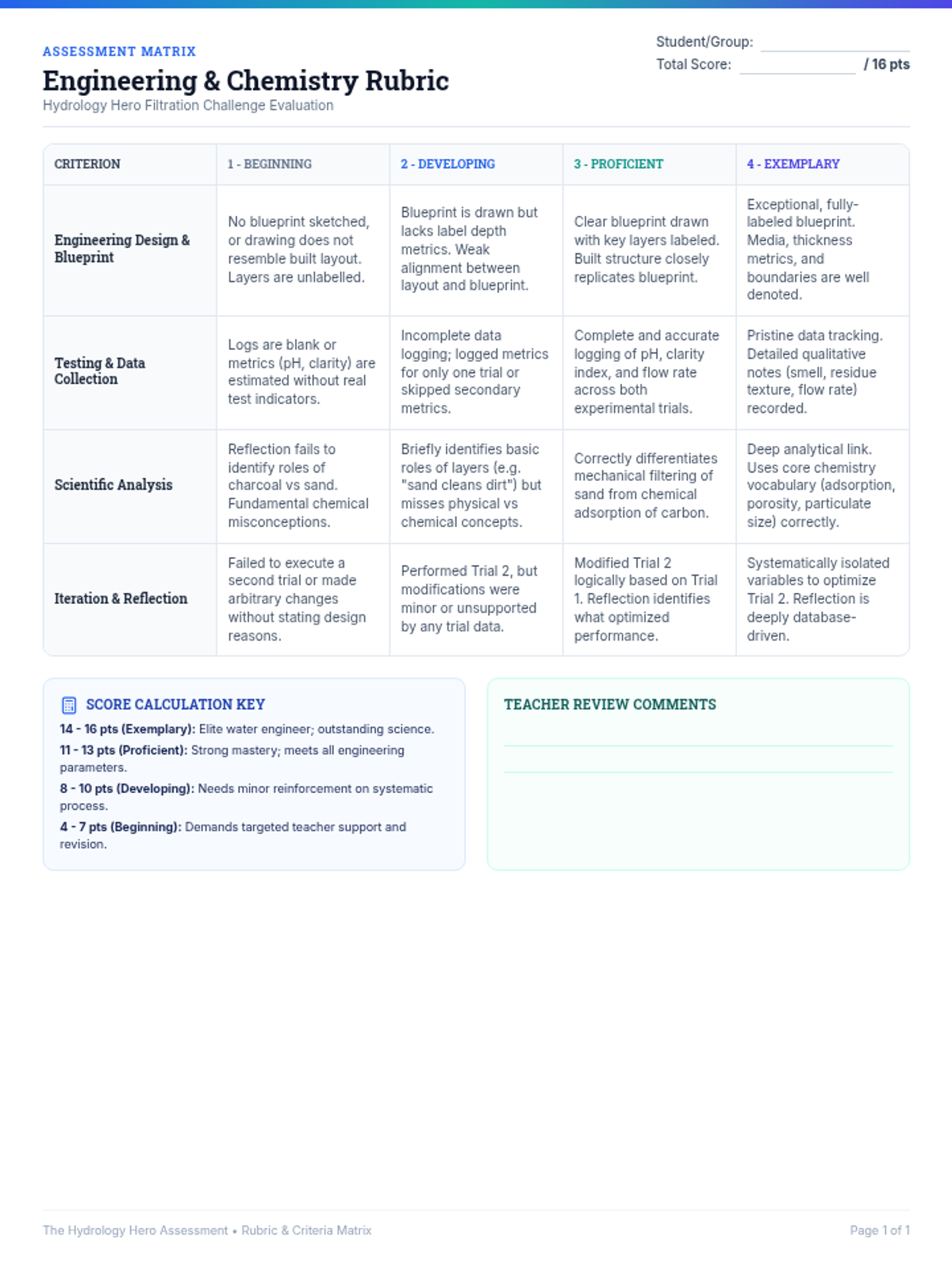
A comprehensive hands-on engineering lesson where students design and test gravity-fed filtration systems to explore water scarcity and water quality testing.
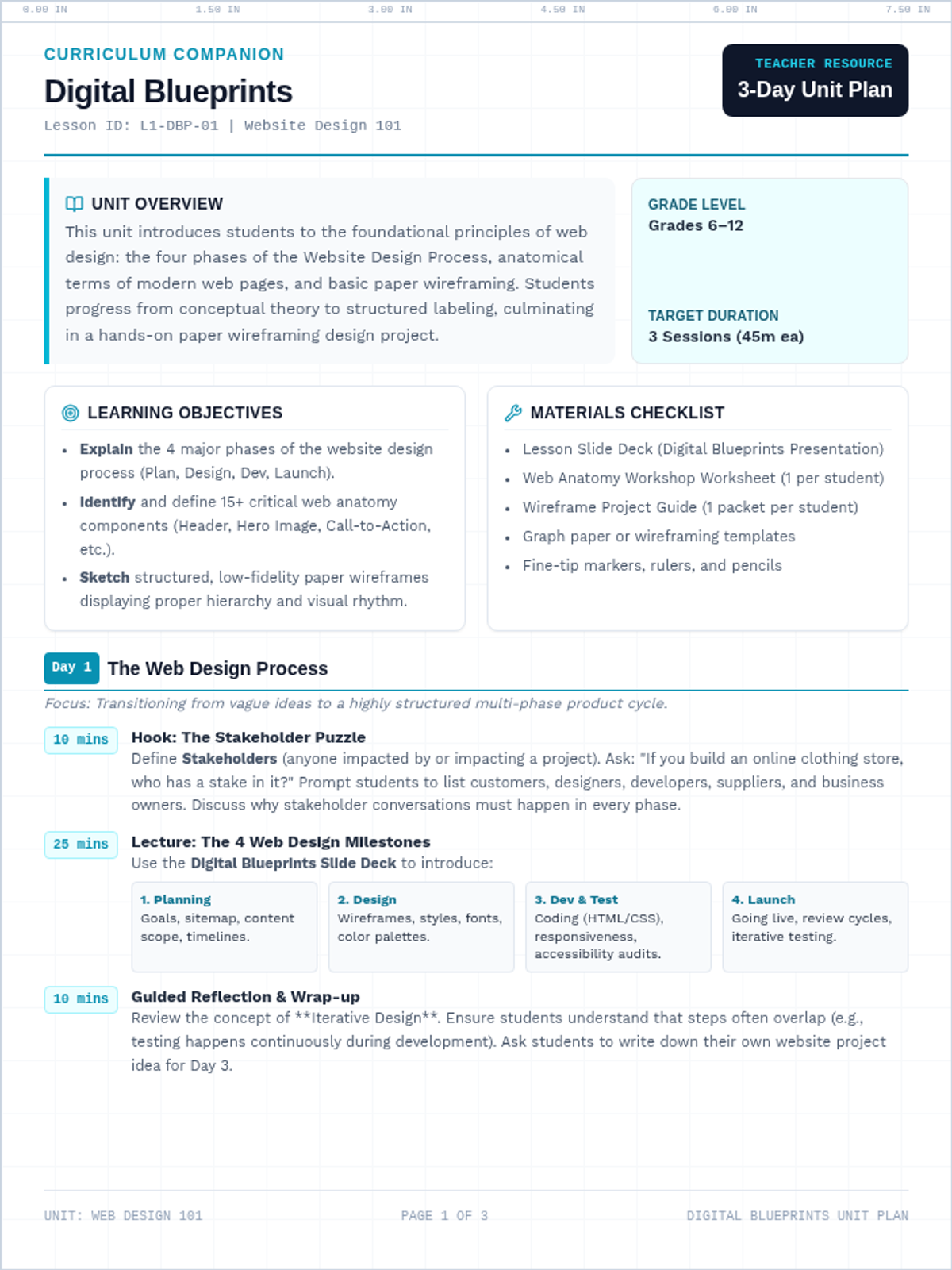
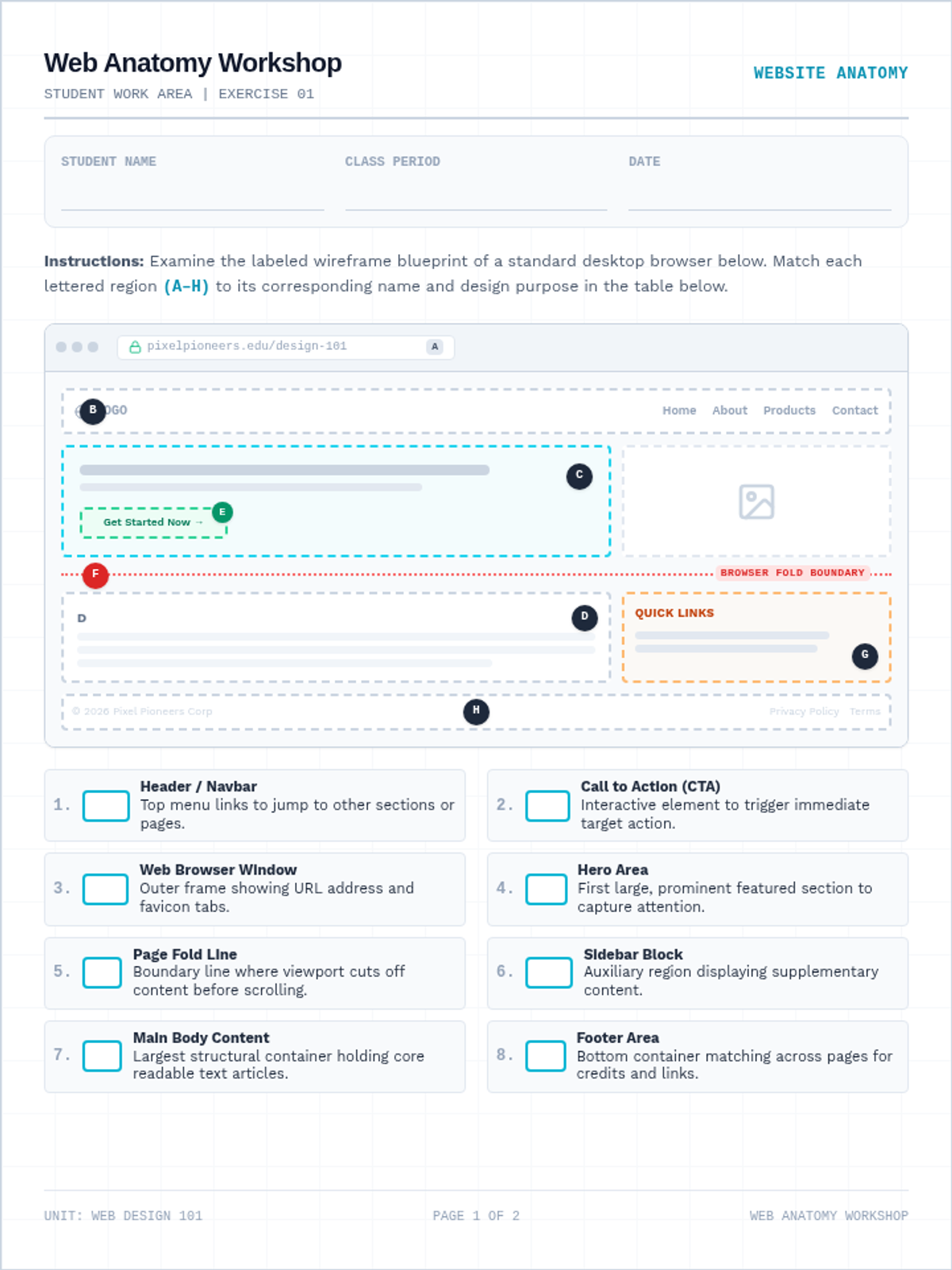
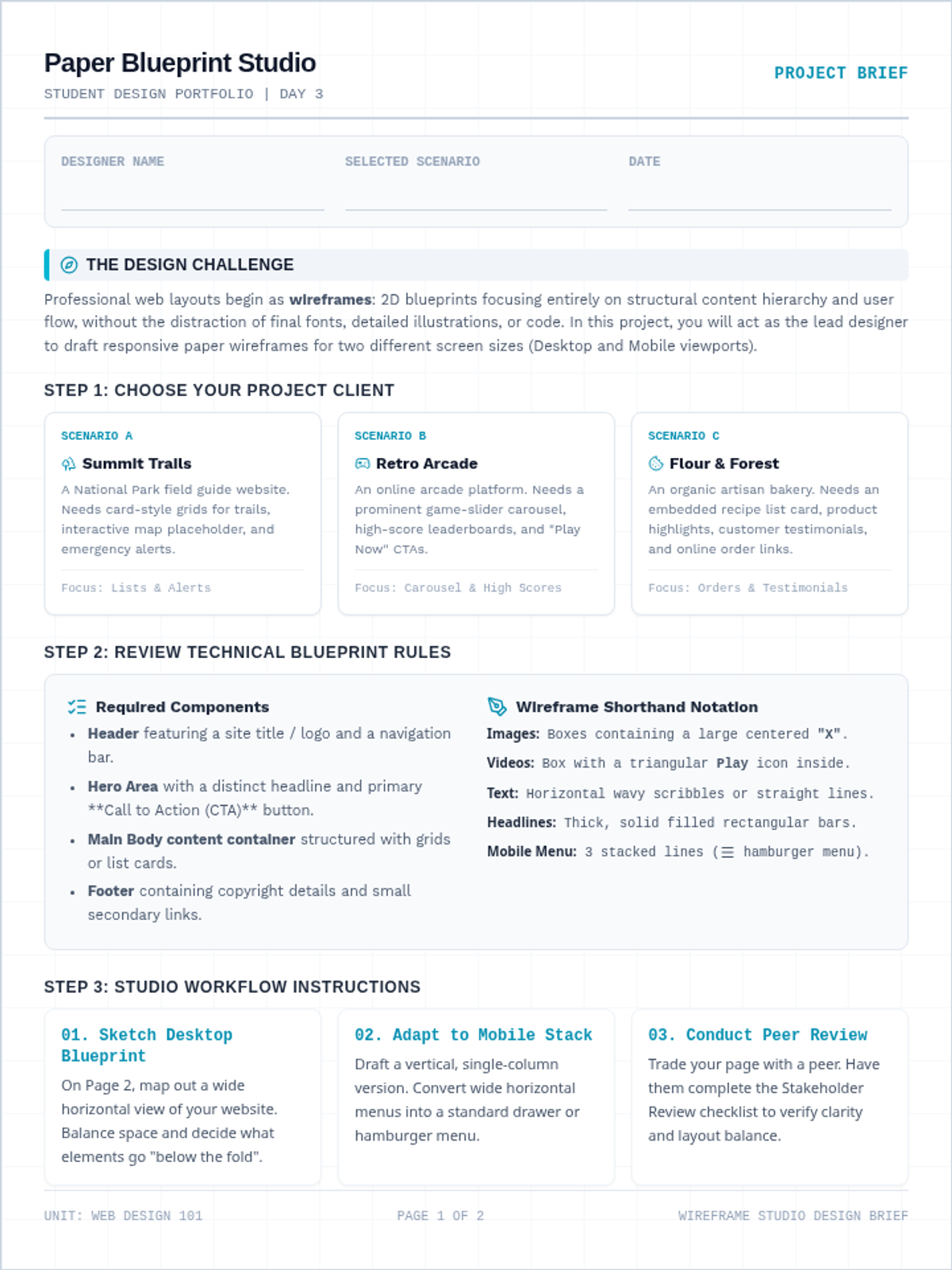
An introductory lesson on web design principles, covering the website design process, anatomy of a webpage, and paper wireframe sketching. Includes interactive slides, an anatomy and vocabulary worksheet, a paper-based wireframing project guide, and a comprehensive teacher guide.
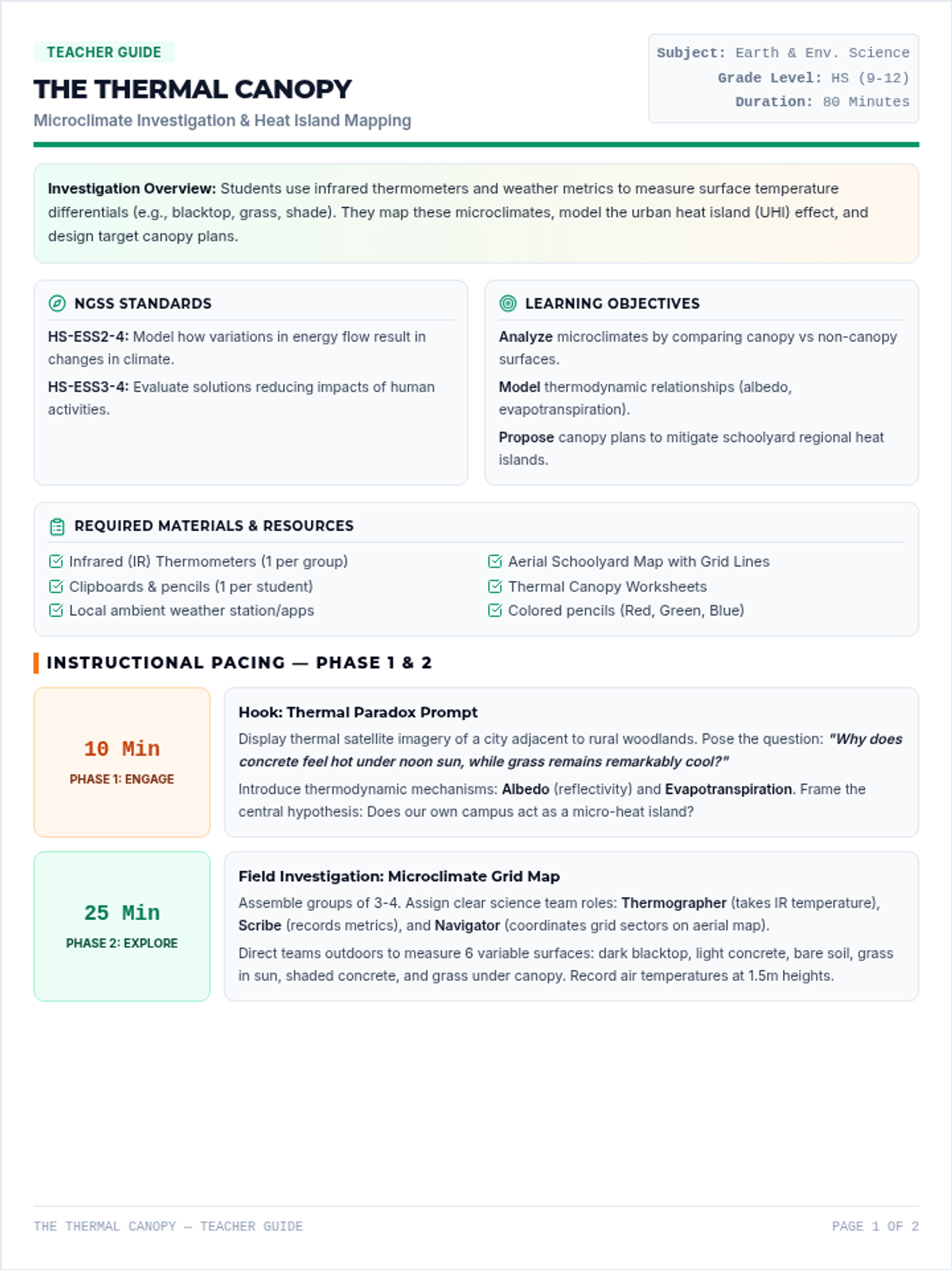
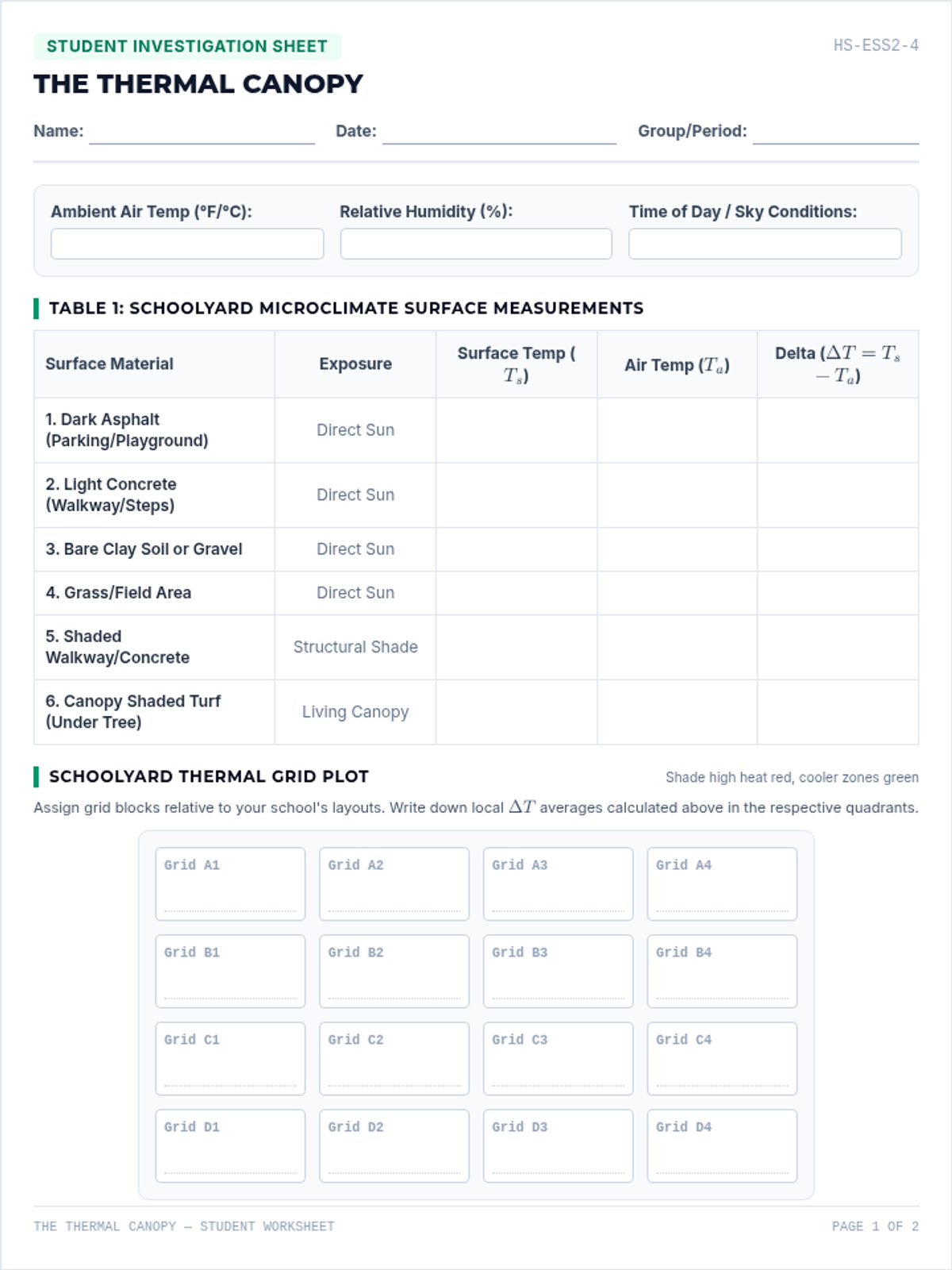
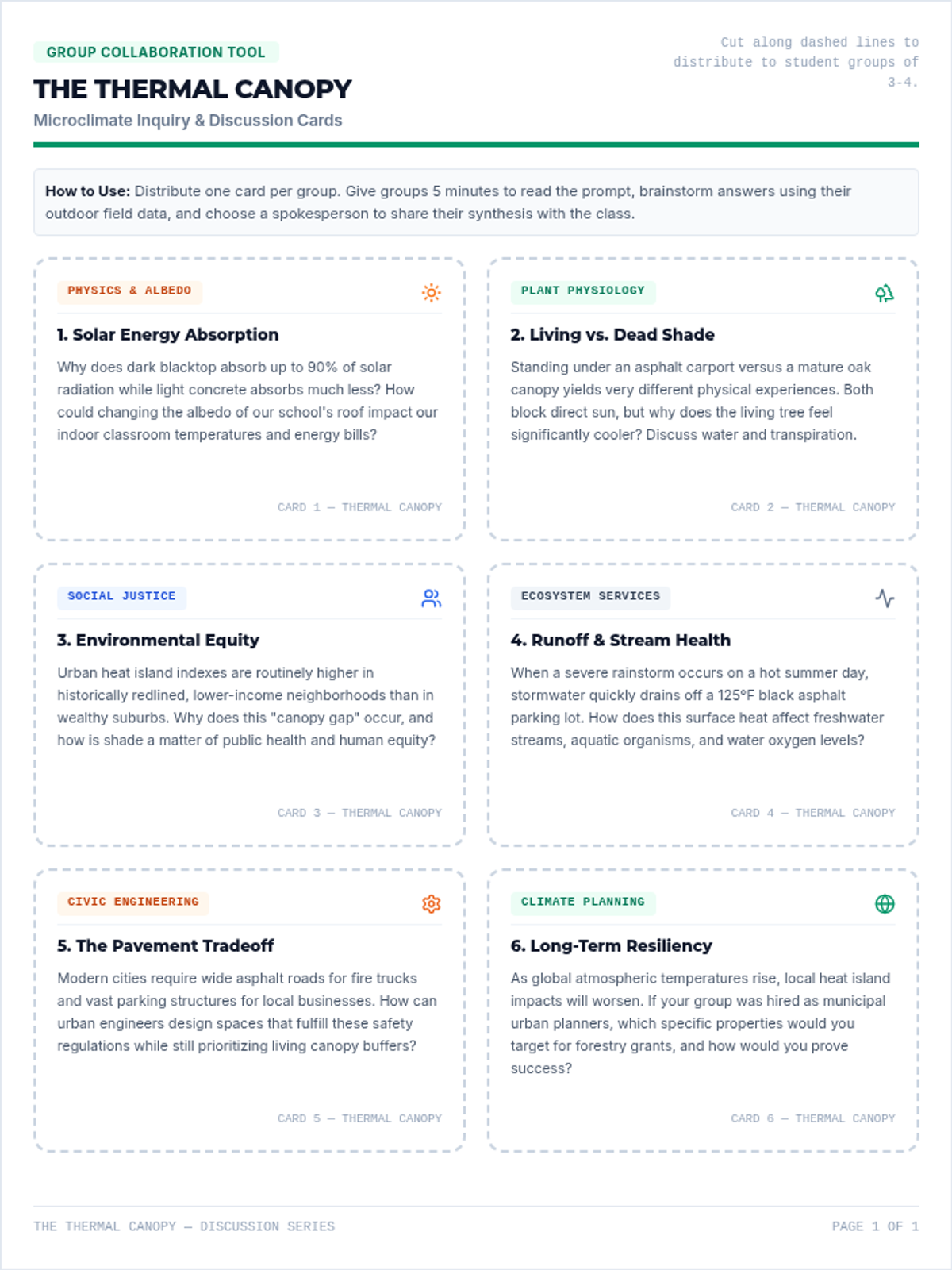
A hands-on environmental science lesson where high school students investigate schoolyard microclimates using temperature mapping and weather data, analyzing the local urban heat island effect and proposing canopy-based mitigation.
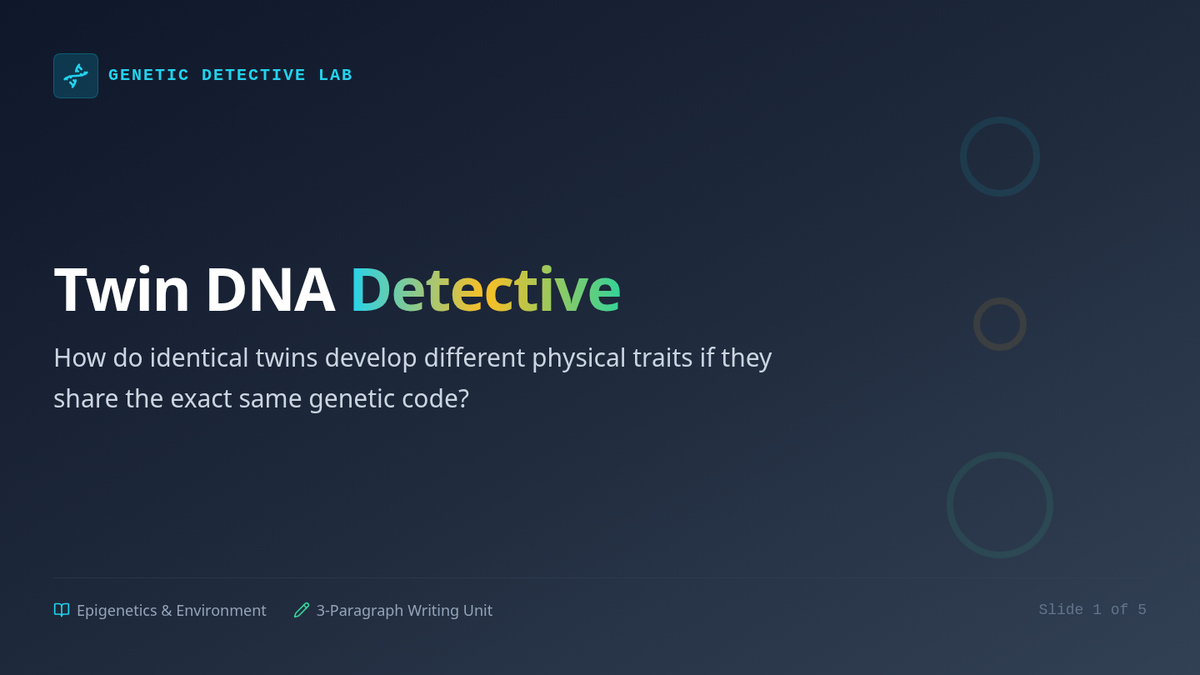
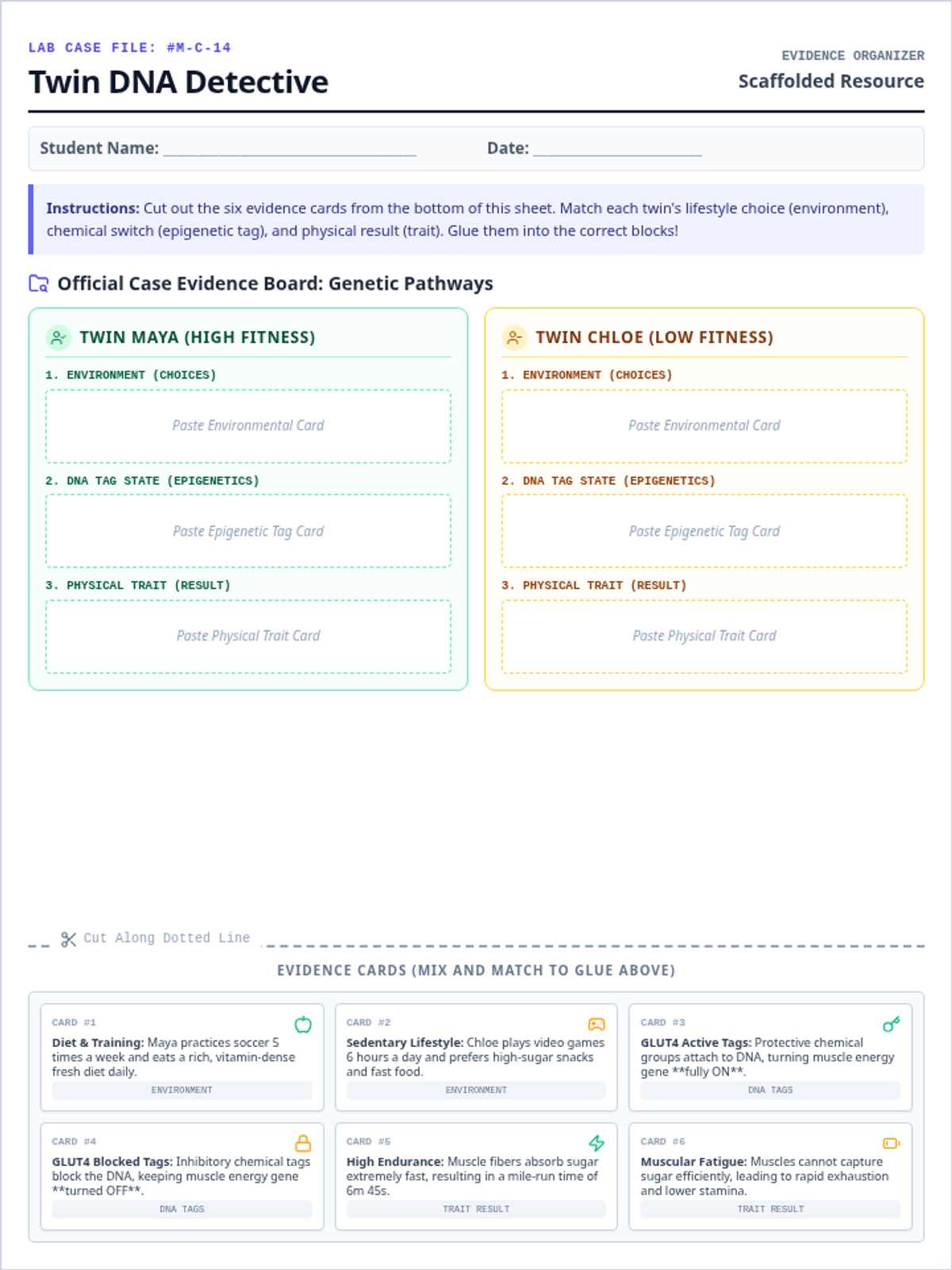
Students investigate how identical twins with identical DNA can develop different physical traits due to epigenetics. Through color-coded data sorting and sentence-by-sentence graphic organizers, students draft a complete three-paragraph scientific explanation.
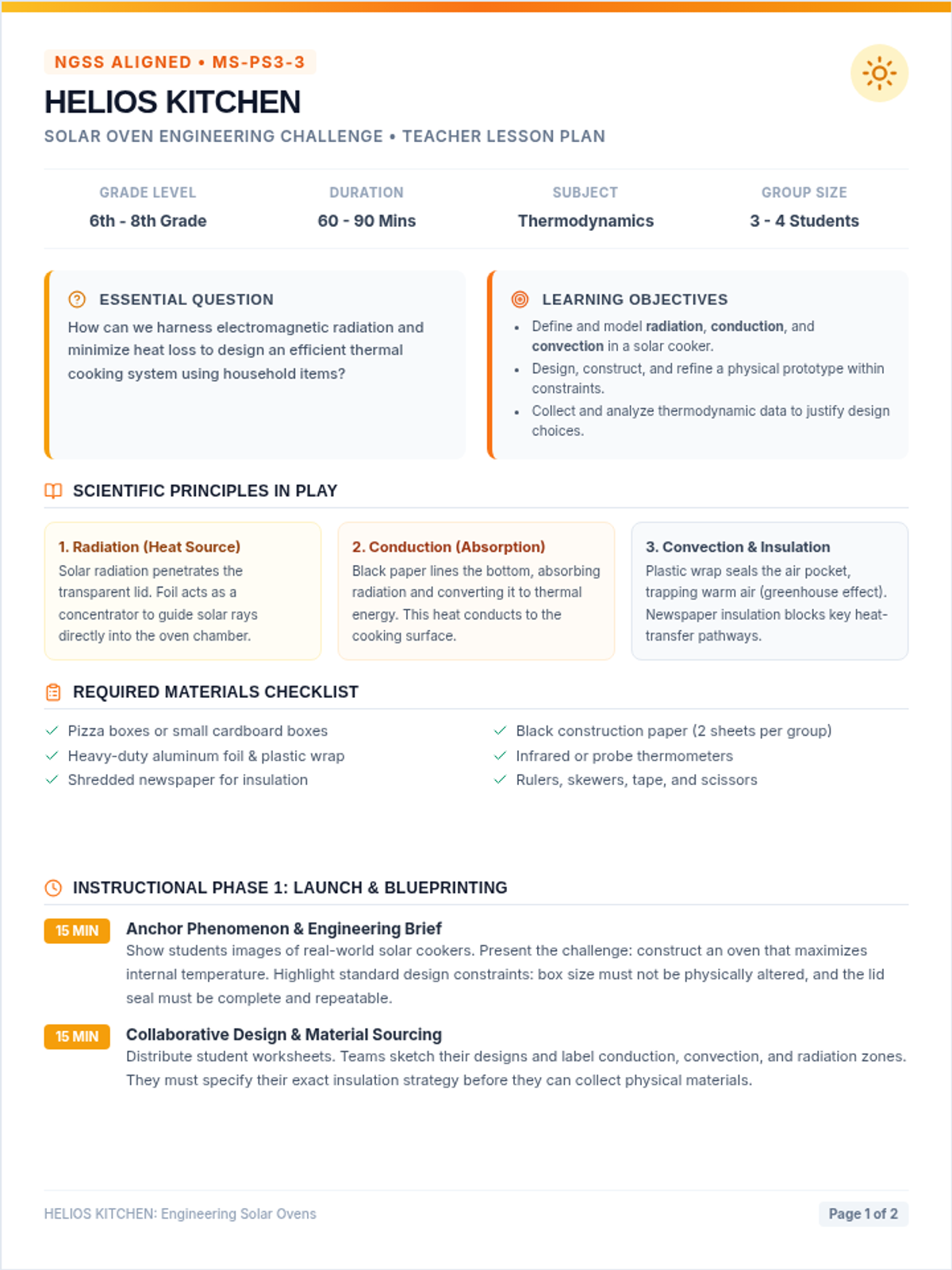
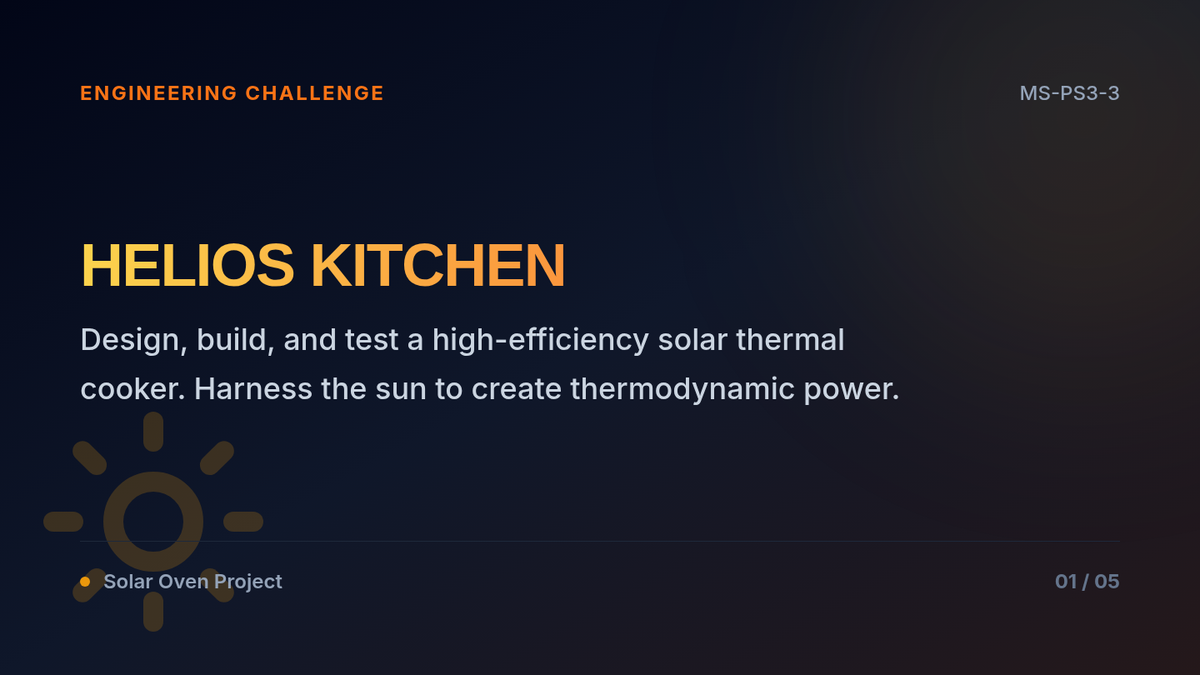
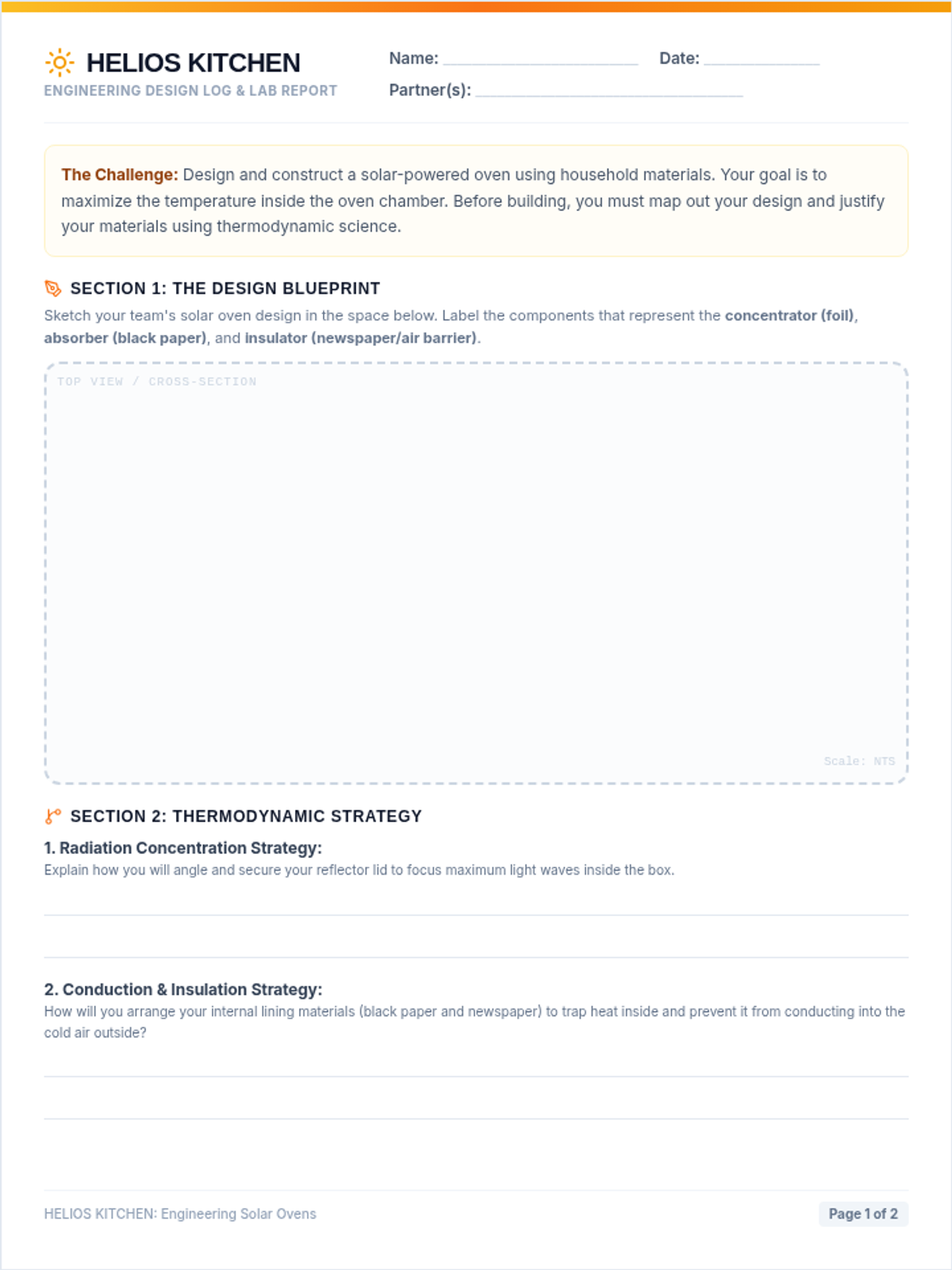
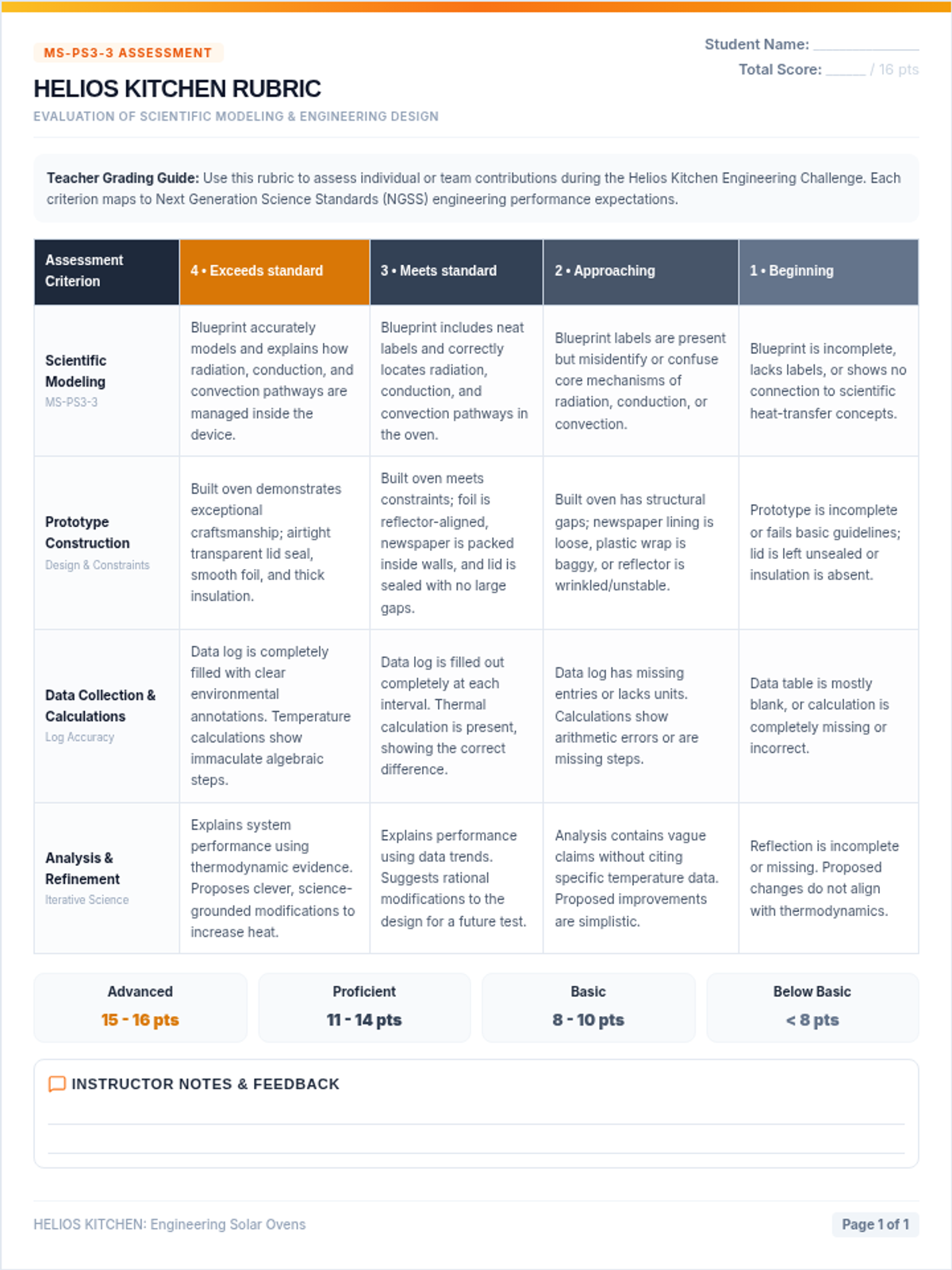
A hands-on middle school engineering challenge where students design, build, and test solar-powered ovens to investigate heat transfer and thermal insulation.
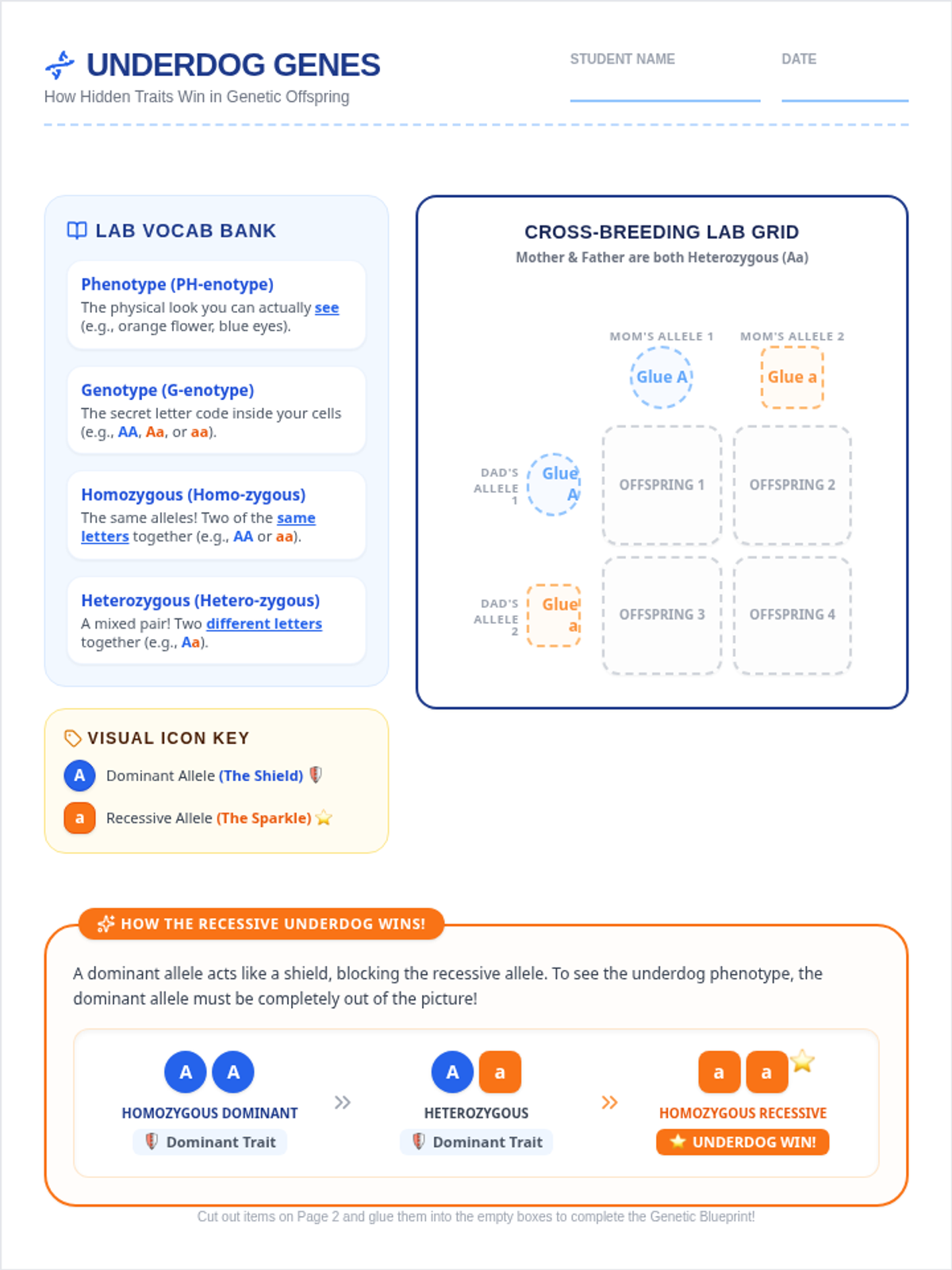
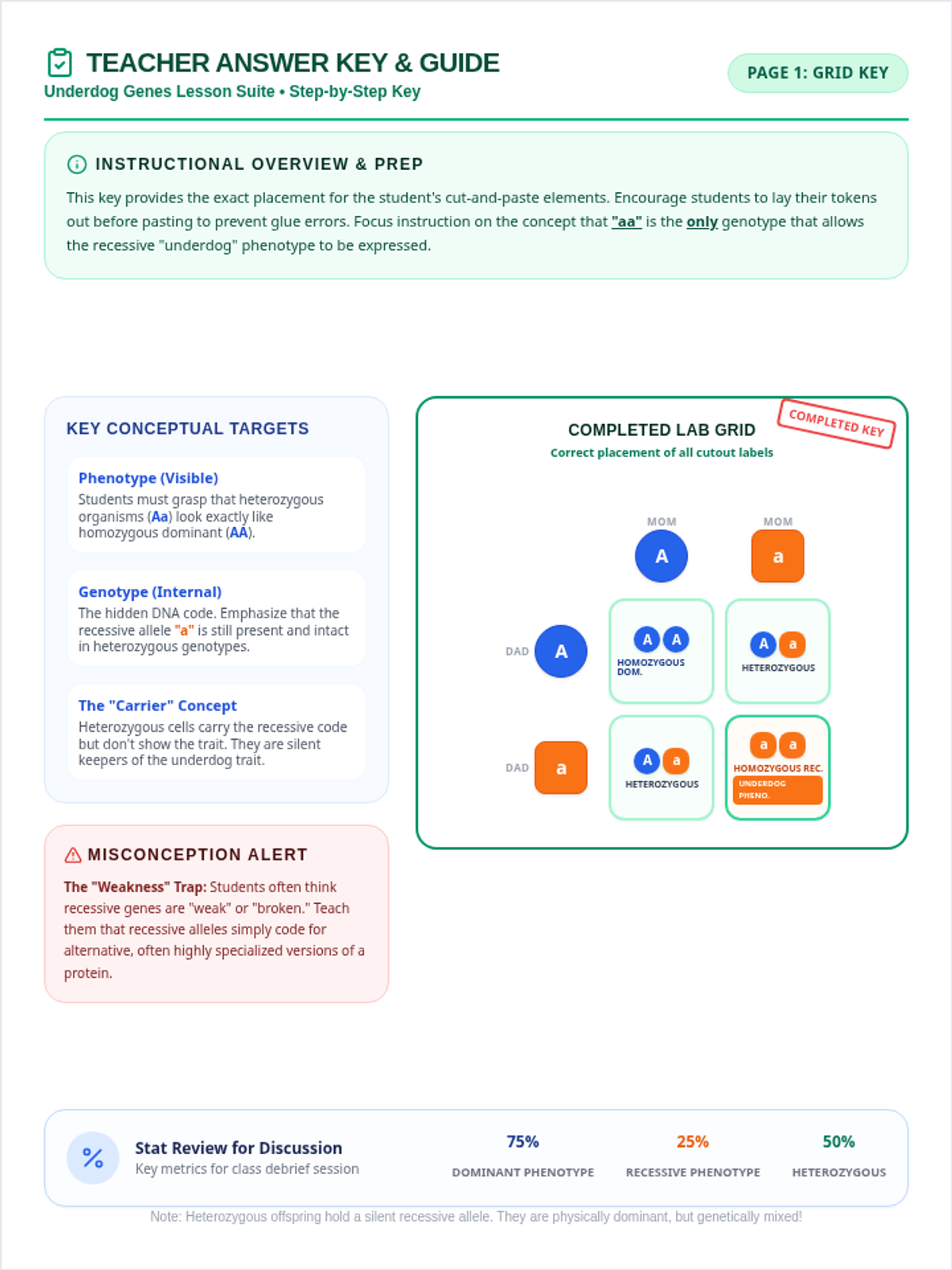
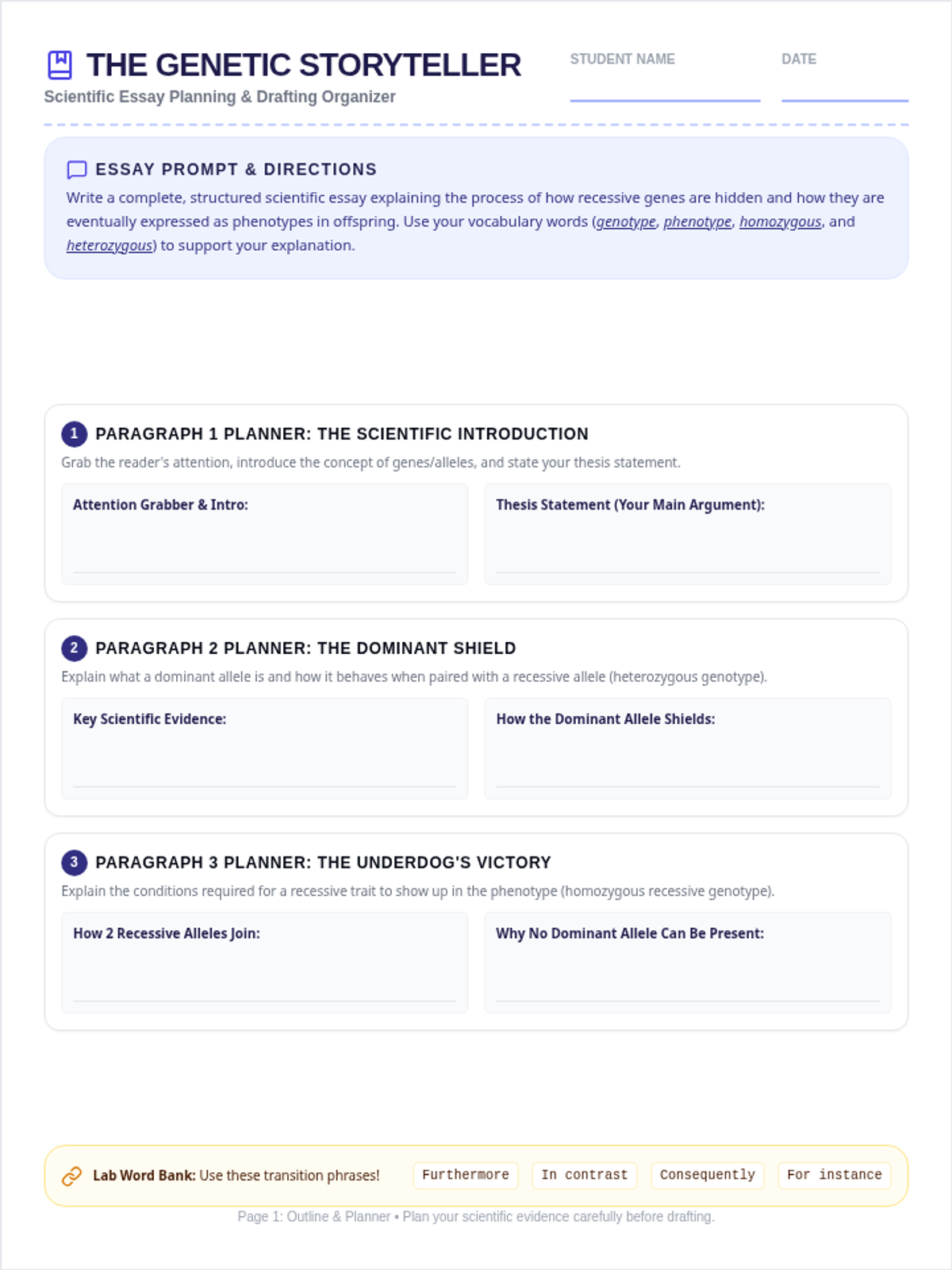
A hands-on, highly scaffolded science lesson exploring how recessive alleles express their phenotypes. Students use visual icon coding, cut-and-paste labels, a simplified vocabulary bank, and guided paragraph frames to explain genetic expression step-by-step.
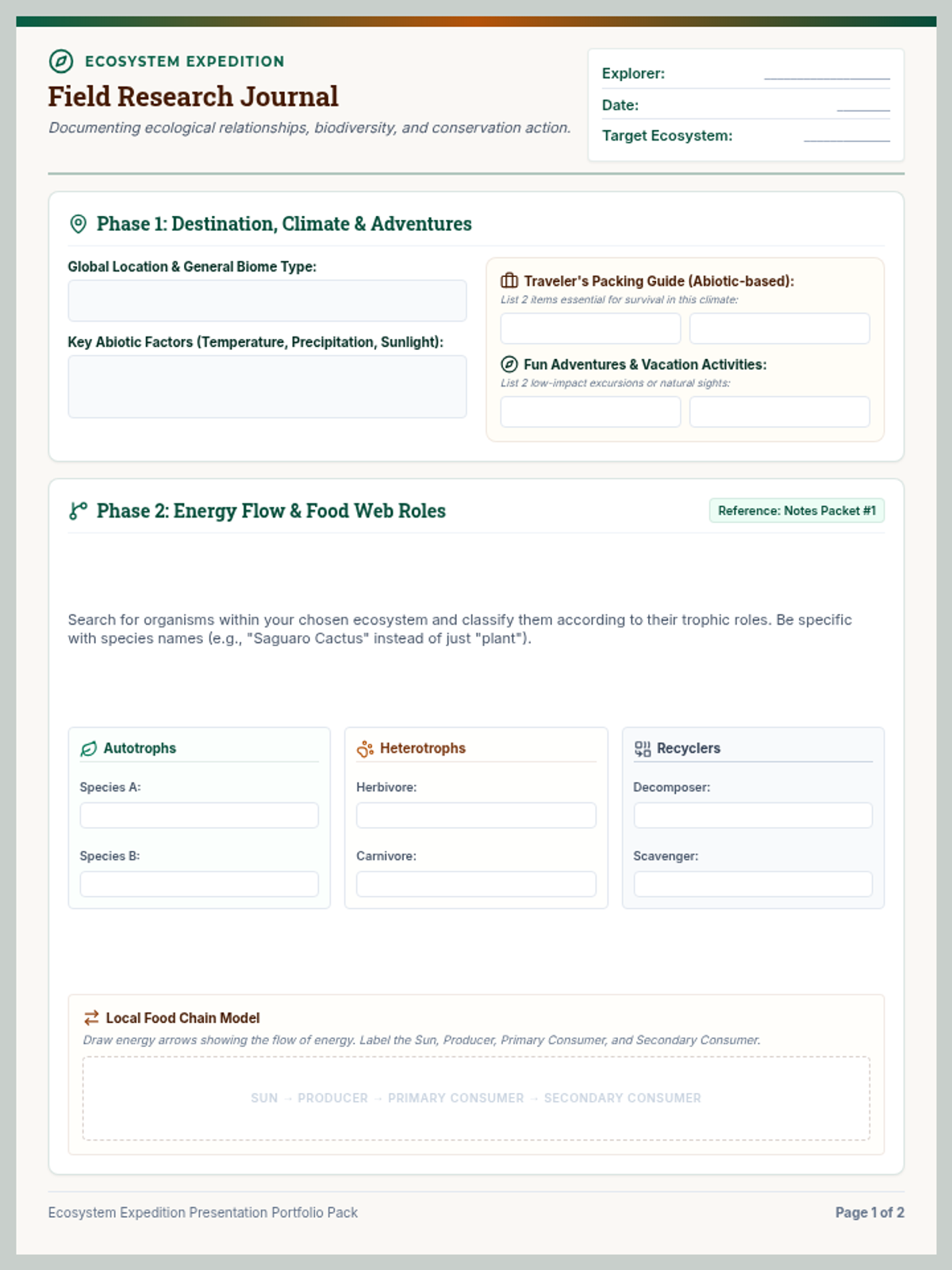
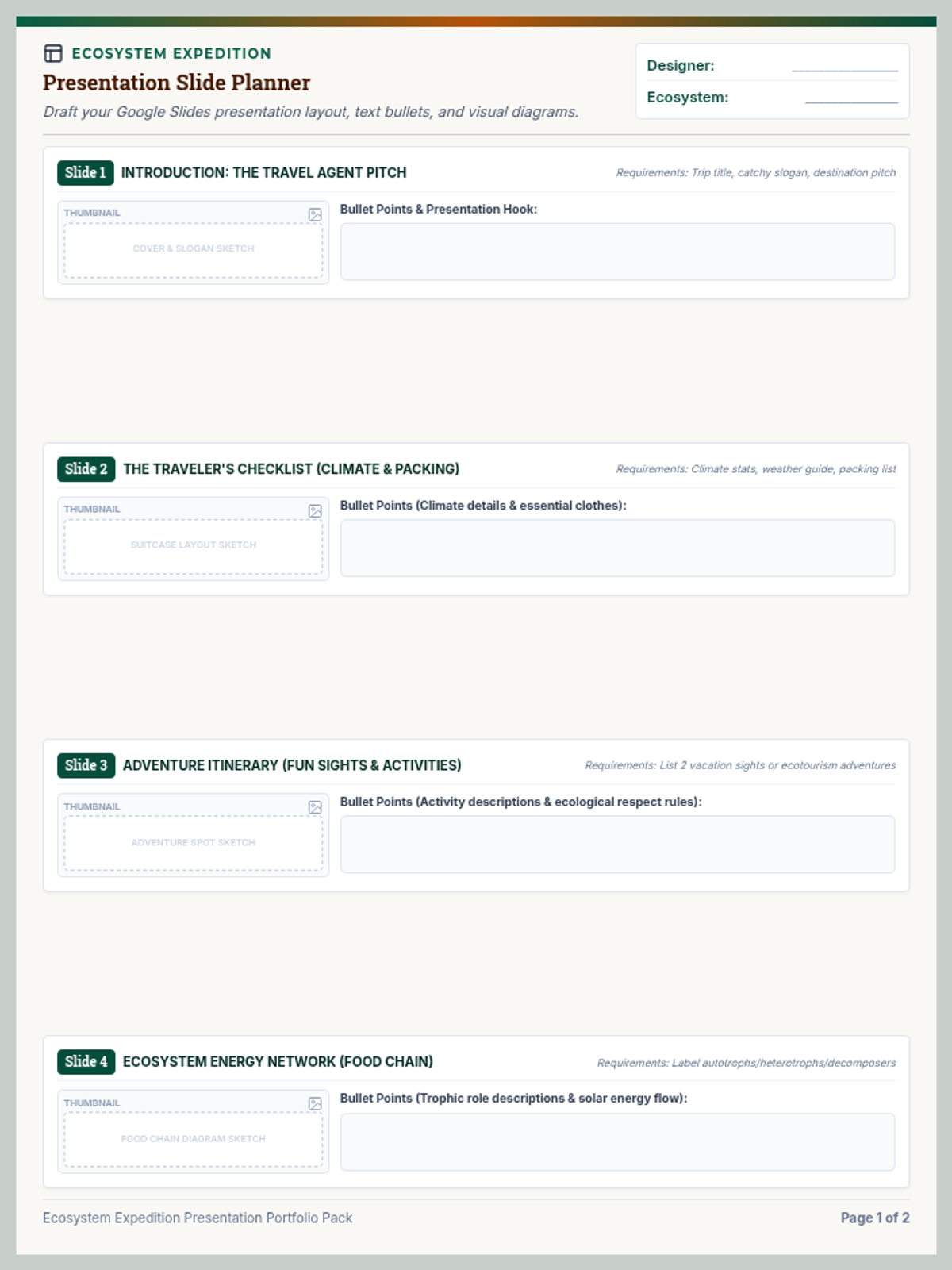
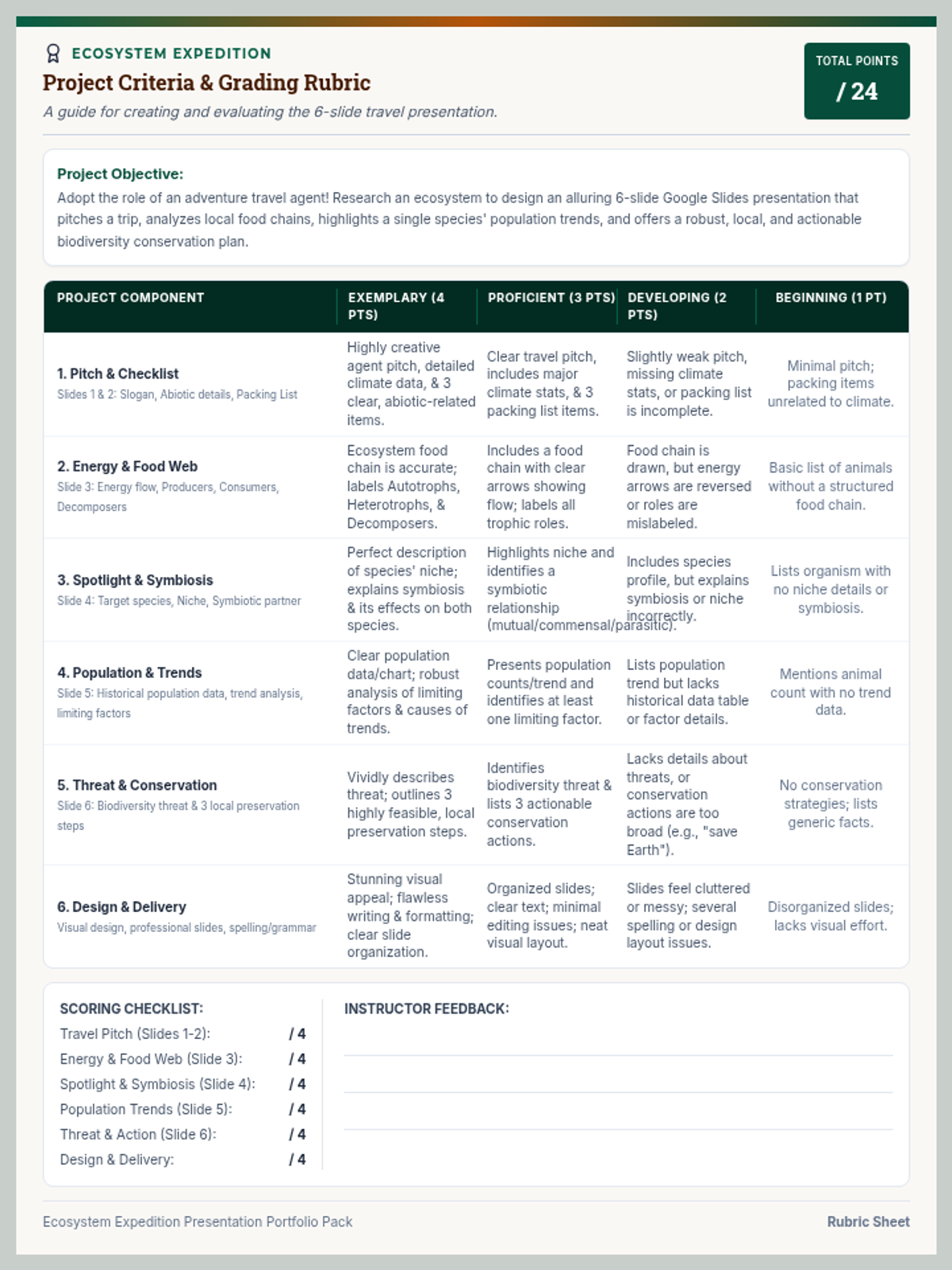
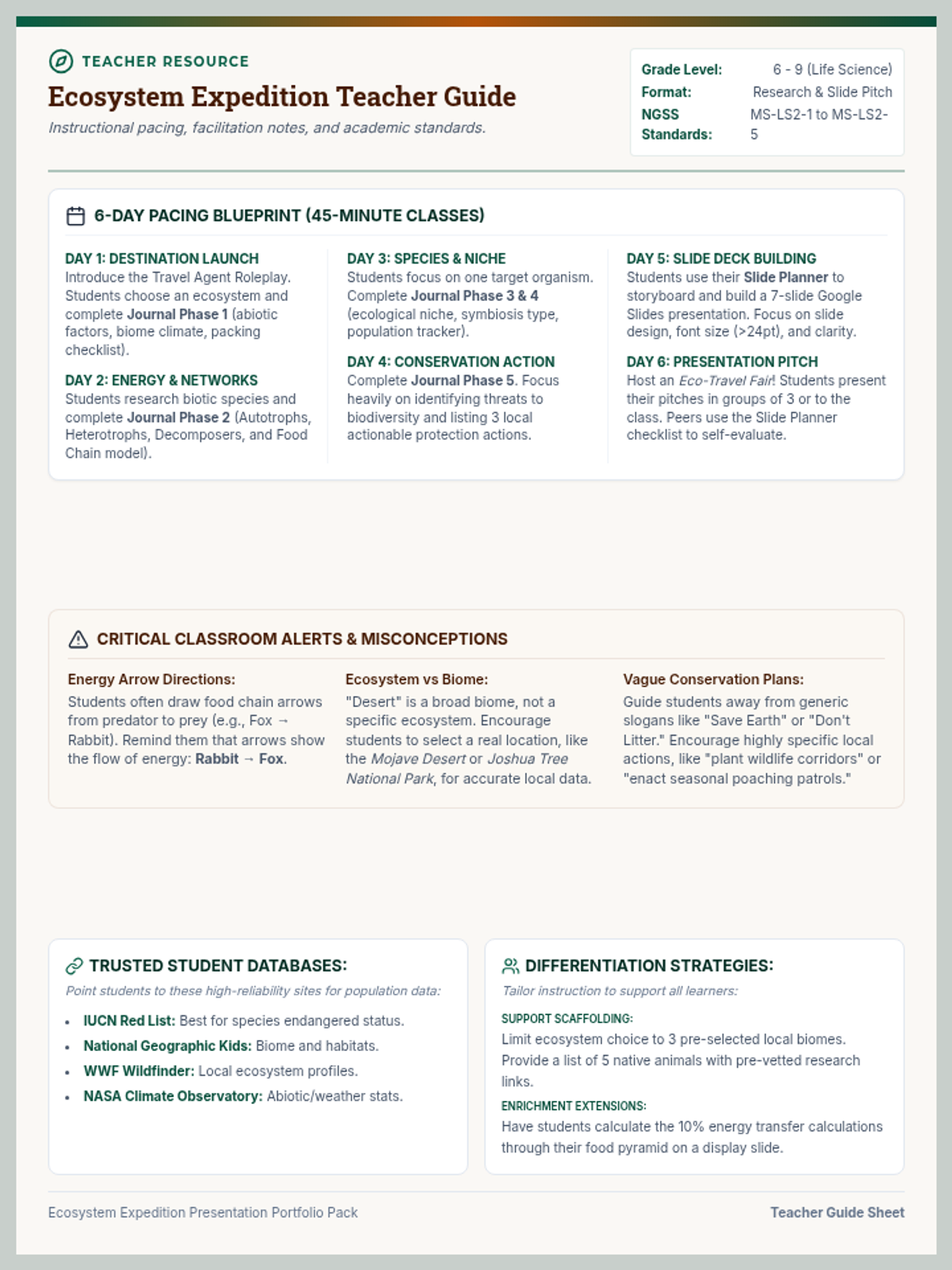
A project-based lesson where students research a chosen ecosystem, analyze its energy flow and biodiversity, focus on a specific species' population, and design a 'travel pitch' slide presentation with an actionable conservation plan.