Students use a glitter simulation to visualize how germs spread through physical contact and shared surfaces, identifying high-risk touchpoints in the classroom.
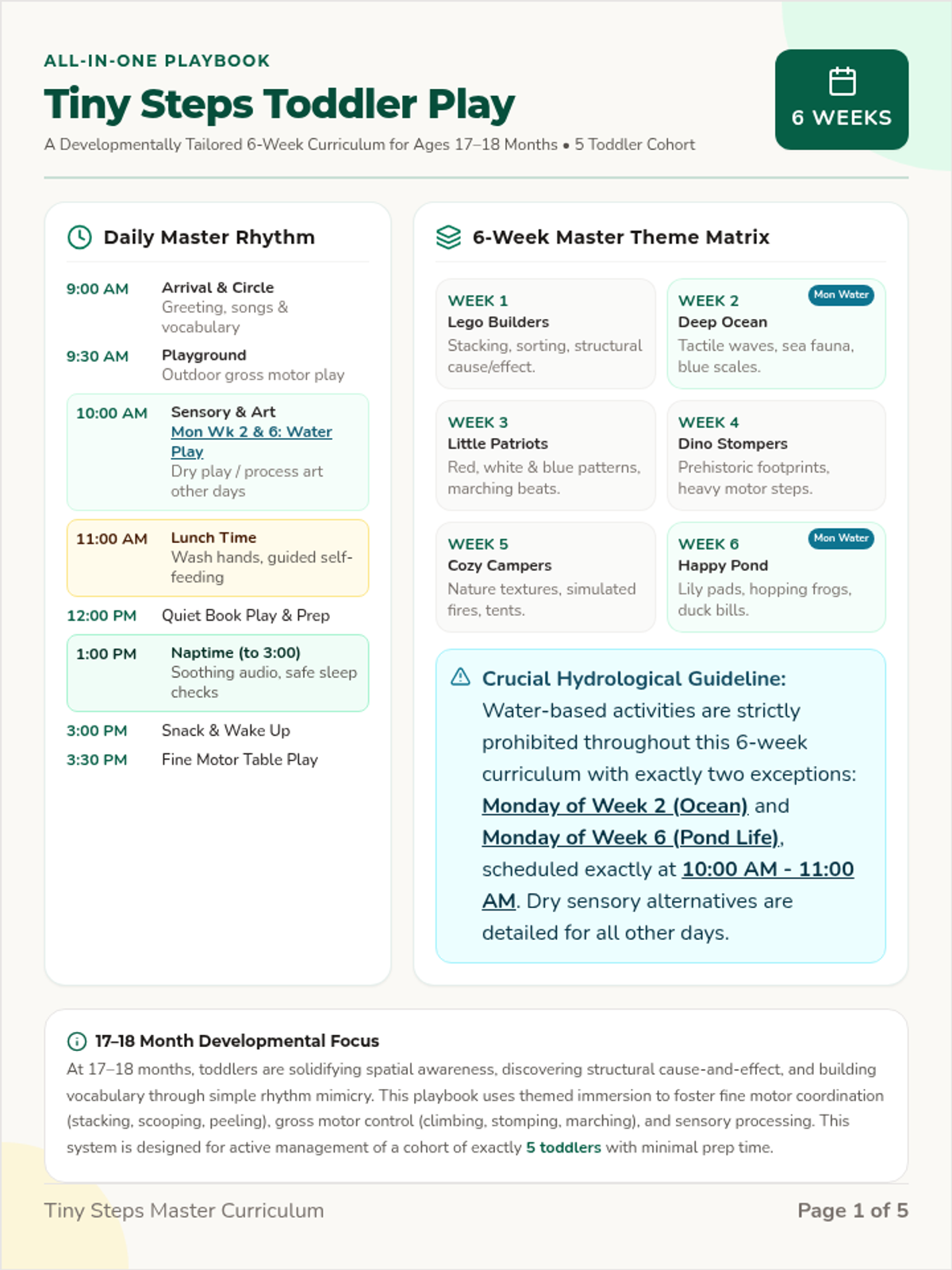
A comprehensive curriculum layout and resource set designed for toddlers aged 17-18 months, focusing on developmental play across six thematic weeks.
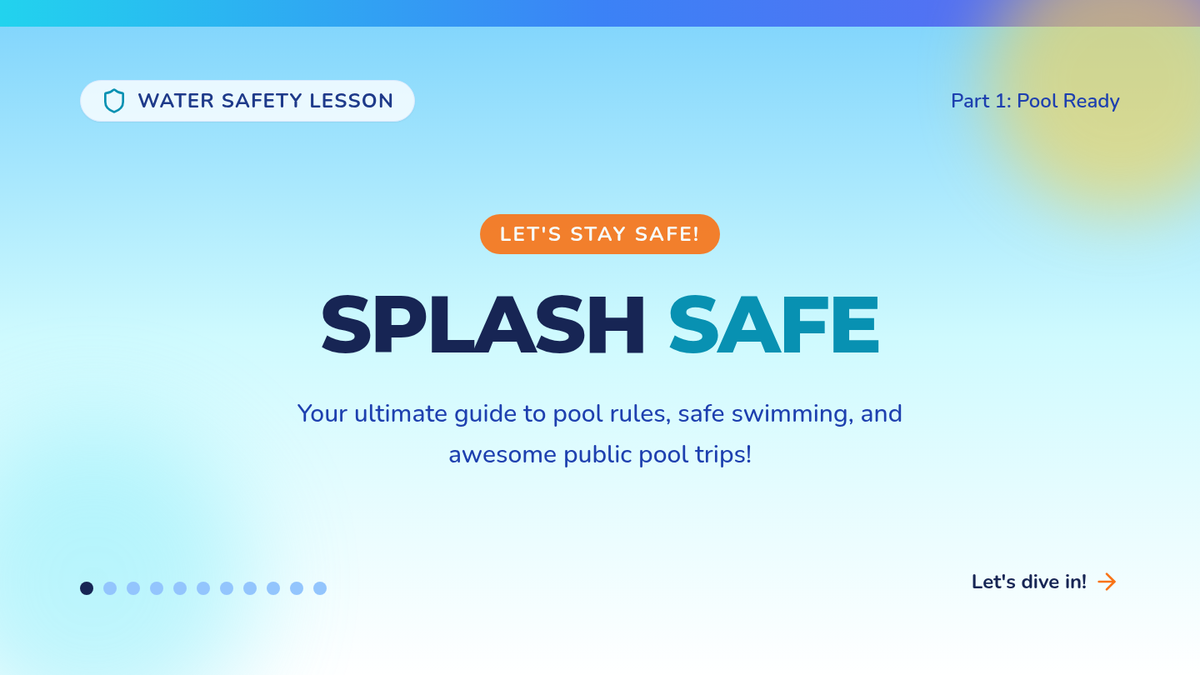
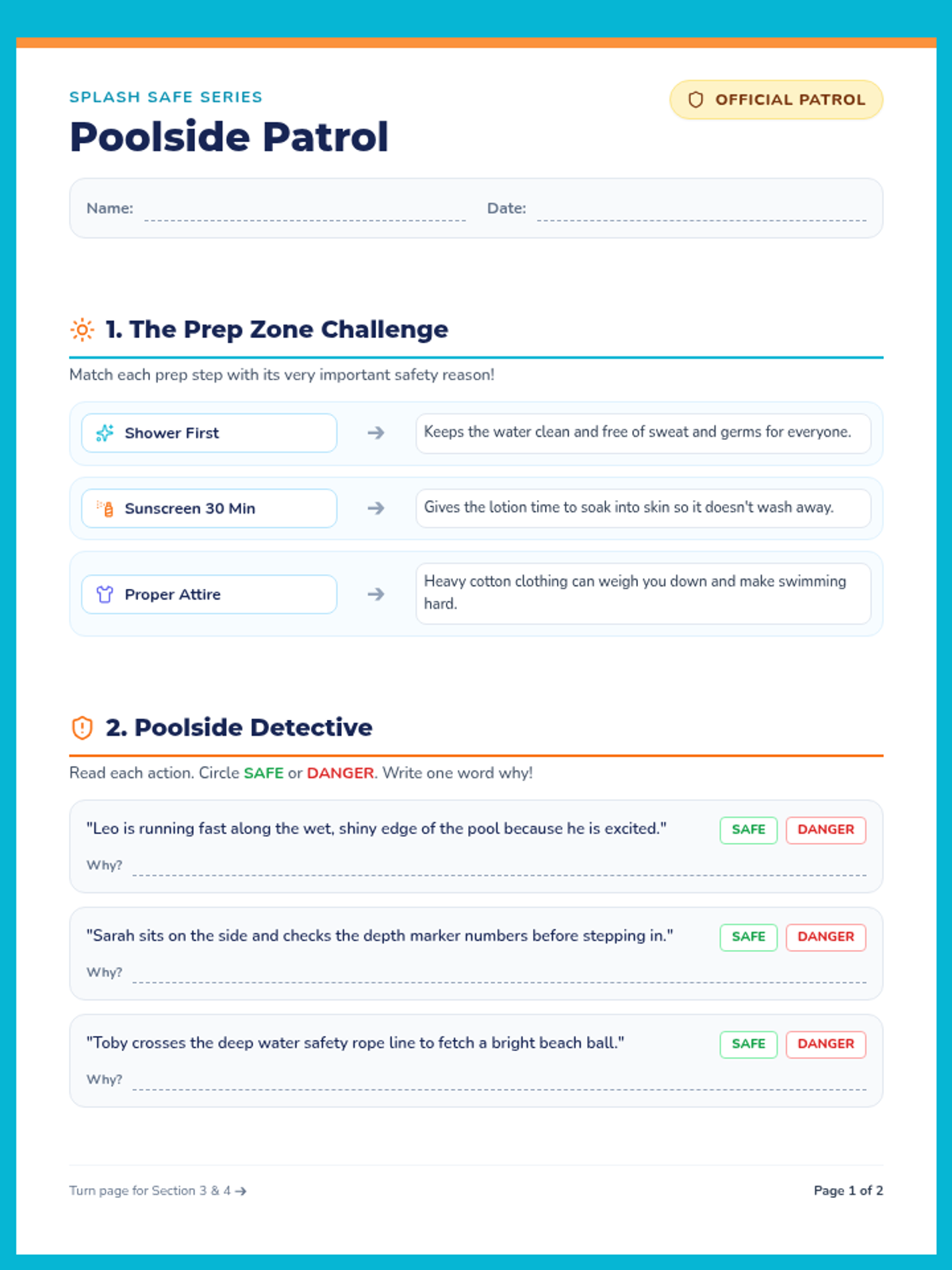
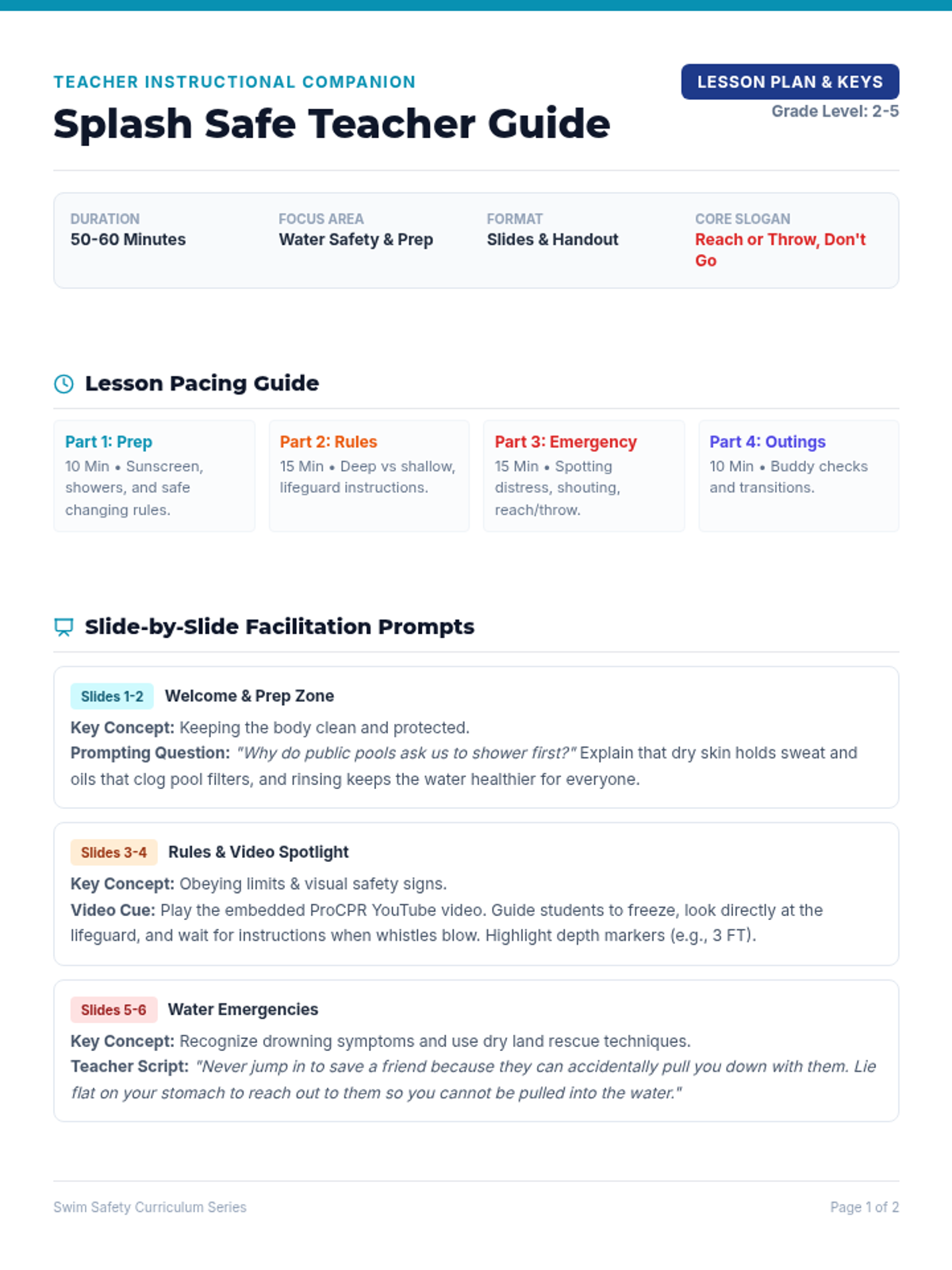
A comprehensive lesson on swimming safety covering preparation, pool rules, water emergencies, and community outing routines. Designed to equip students with practical safety habits through visual slides, scenario discussions, and a structured practice guide.
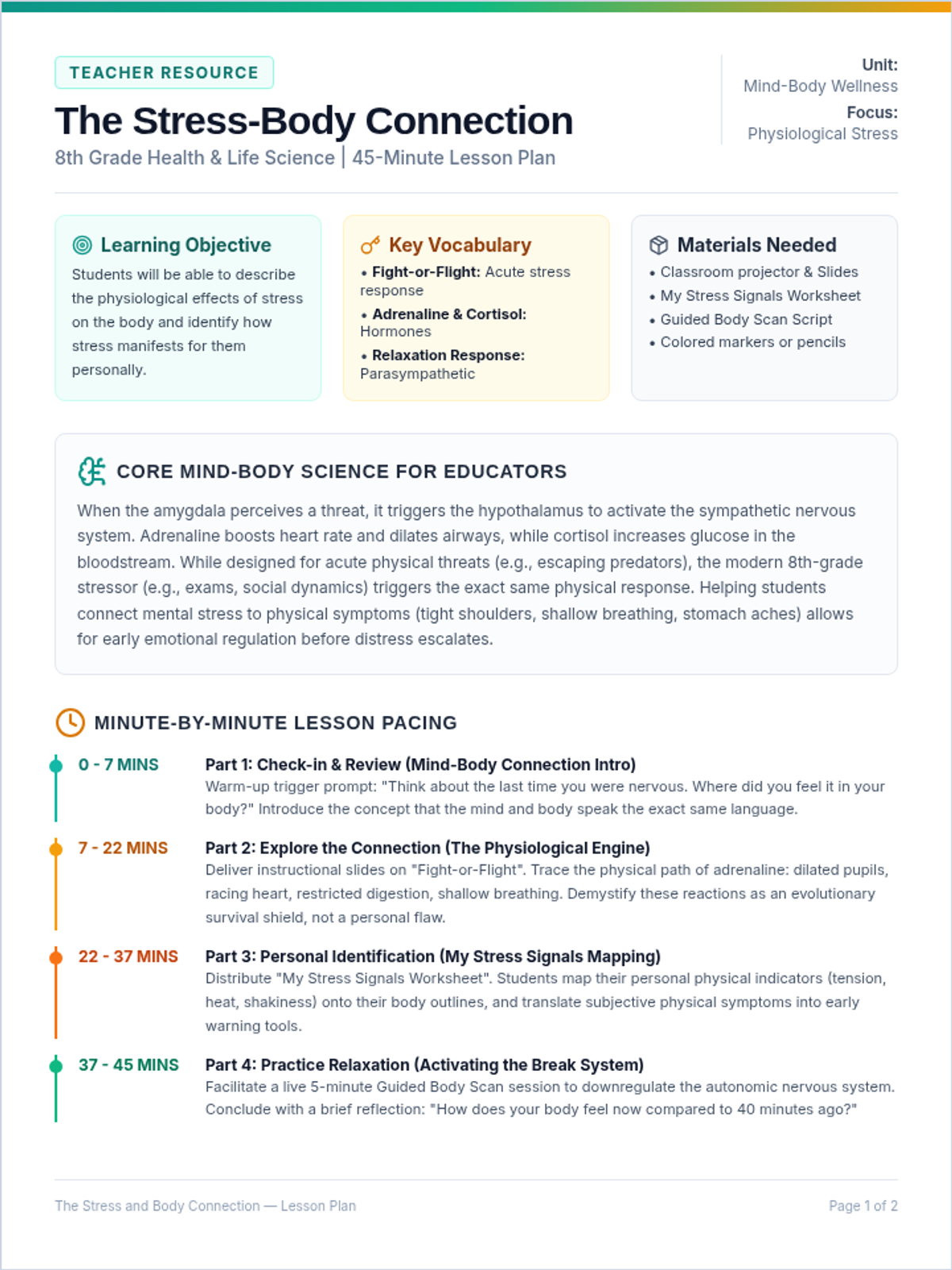
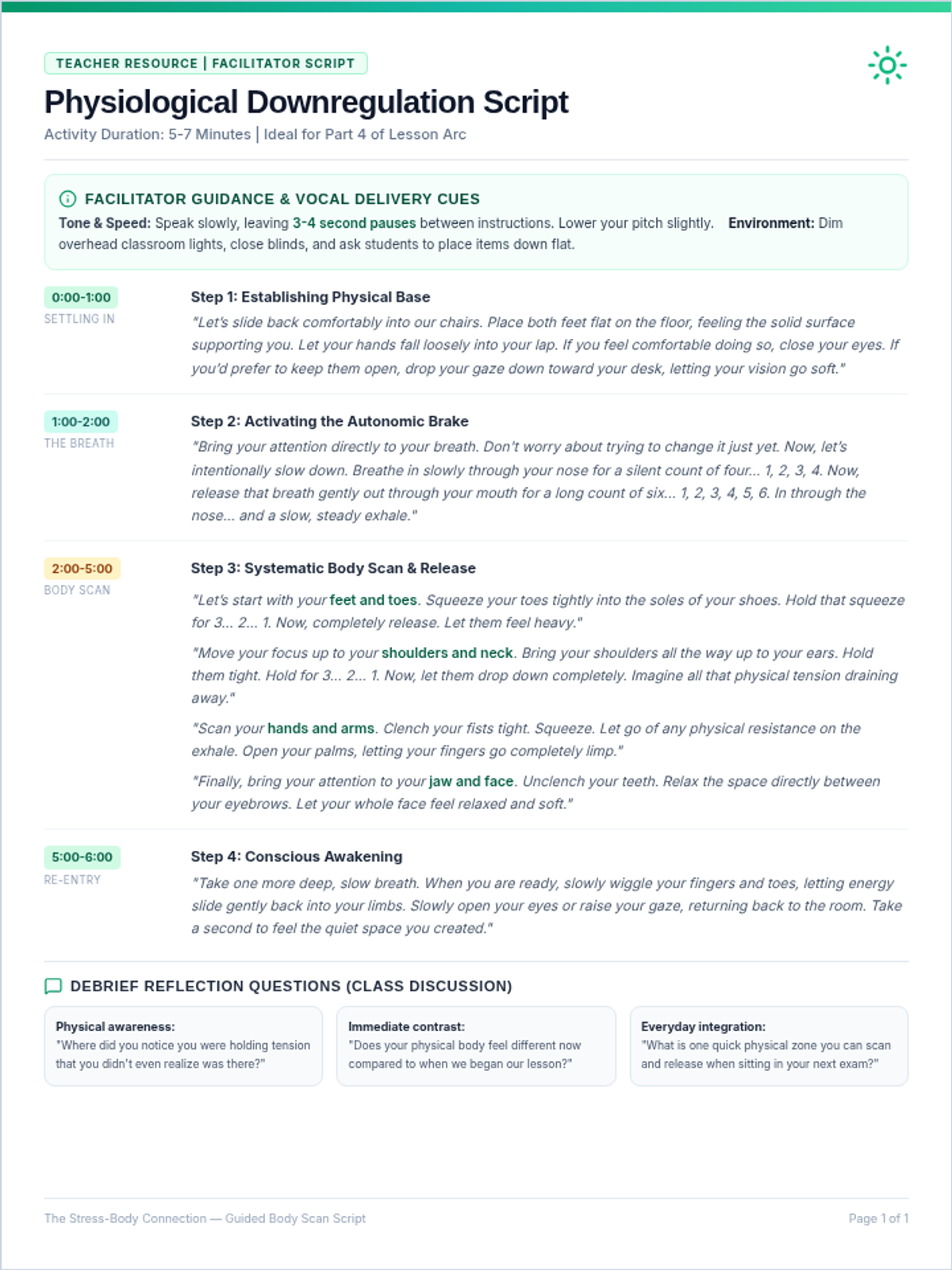
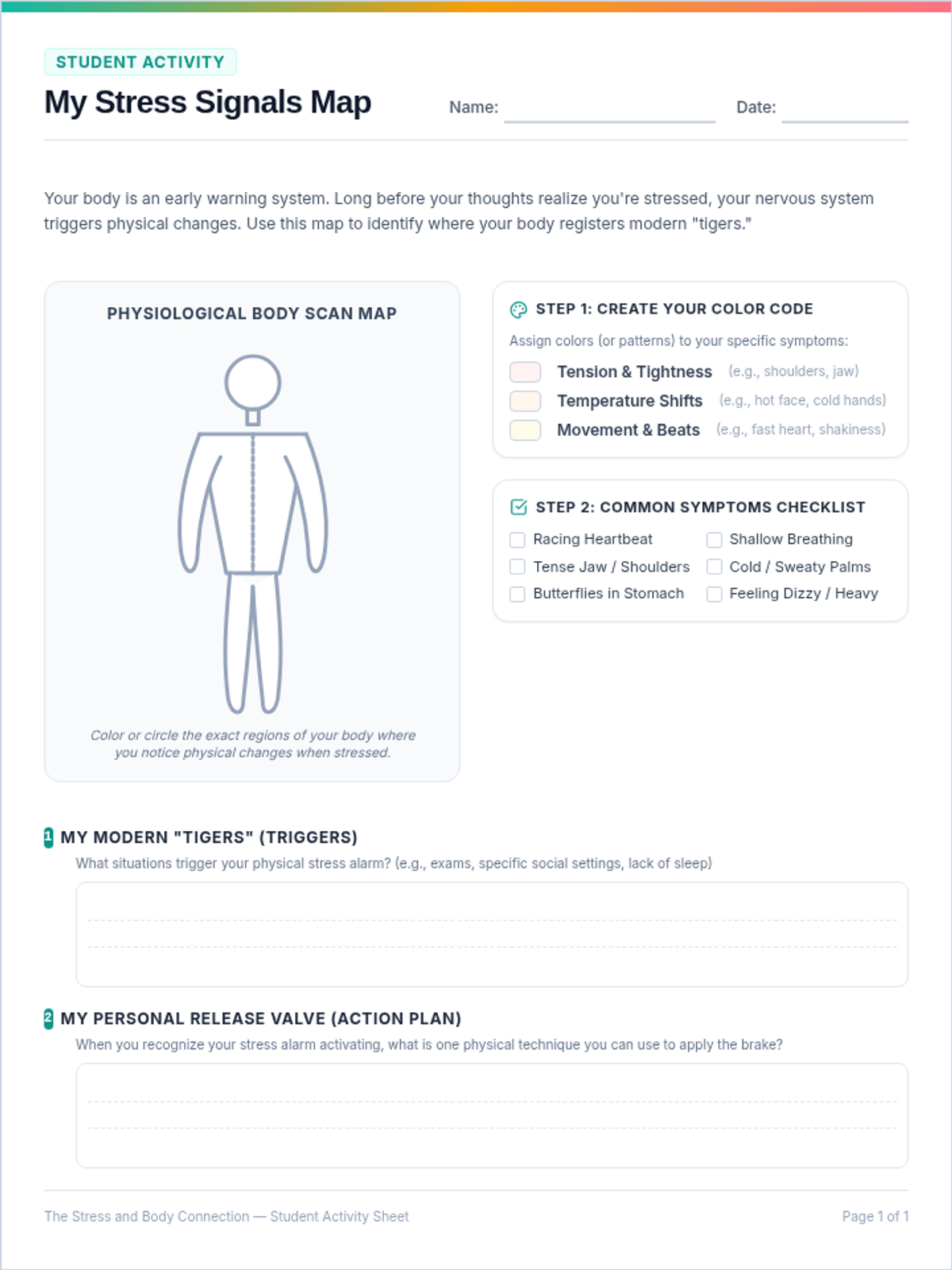
A 45-minute health and science lesson for 8th grade that explores how stress impacts the physical body, introducing fight-or-flight biology, personal symptoms identification, and relaxation techniques.
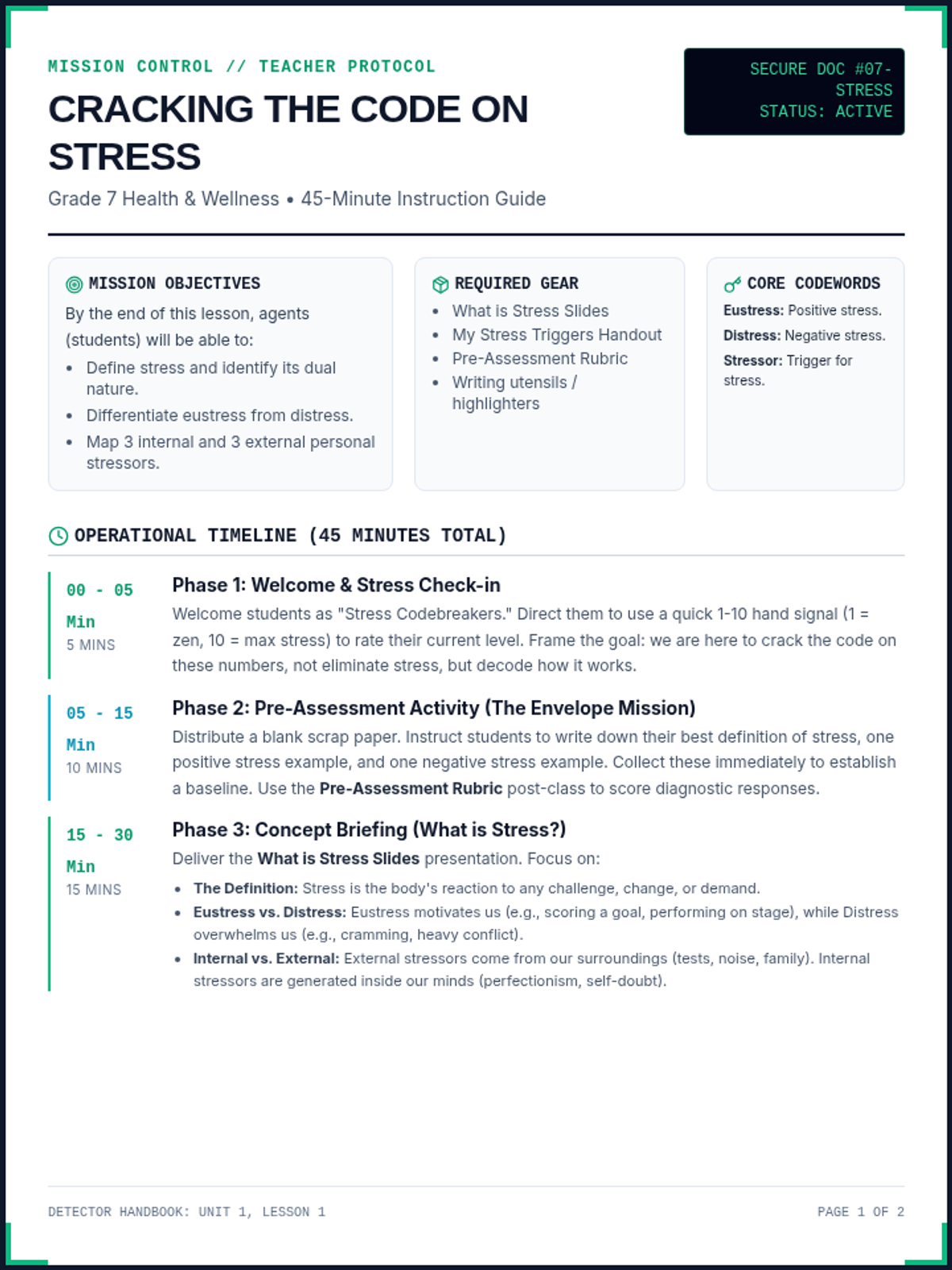
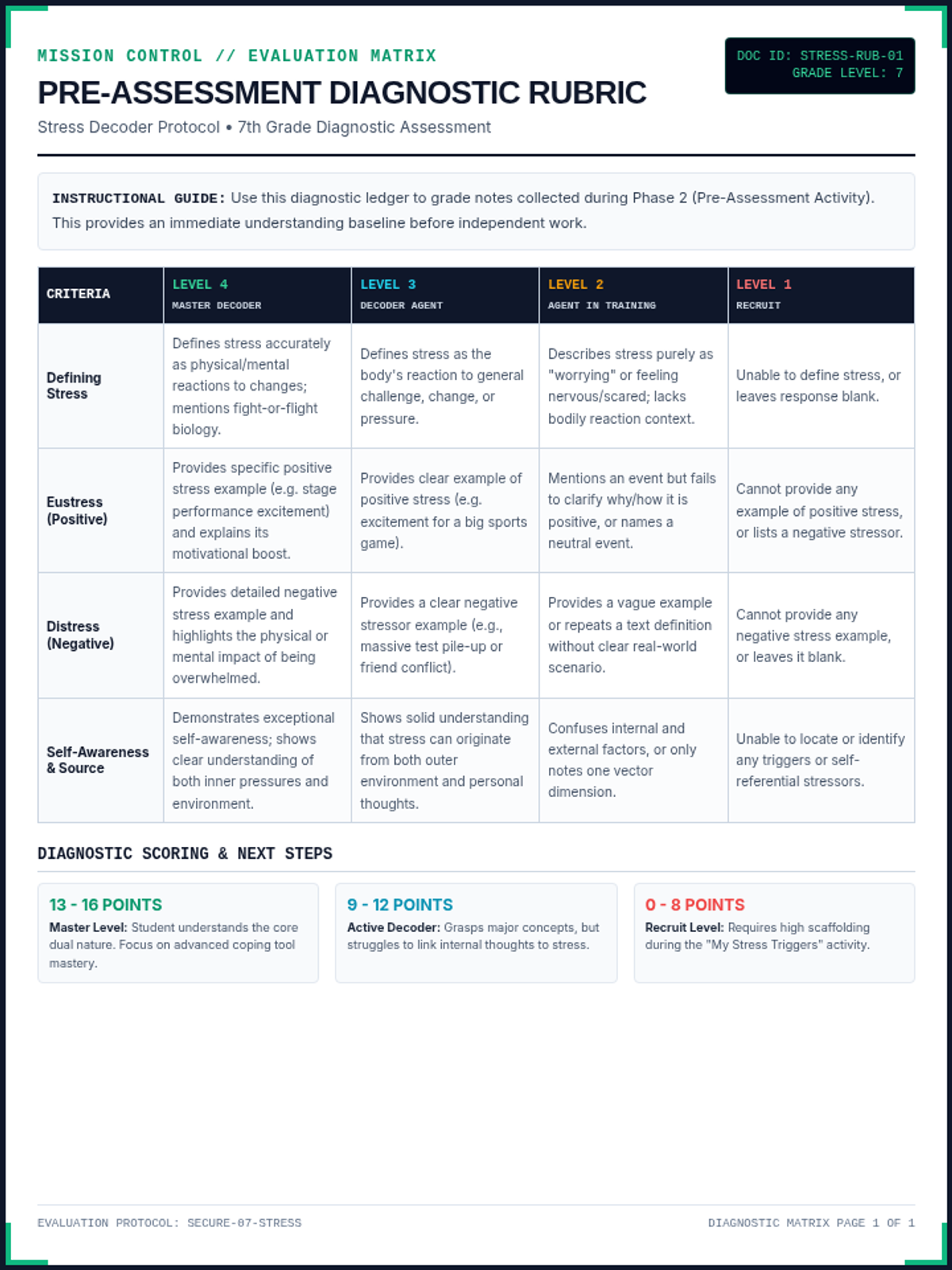
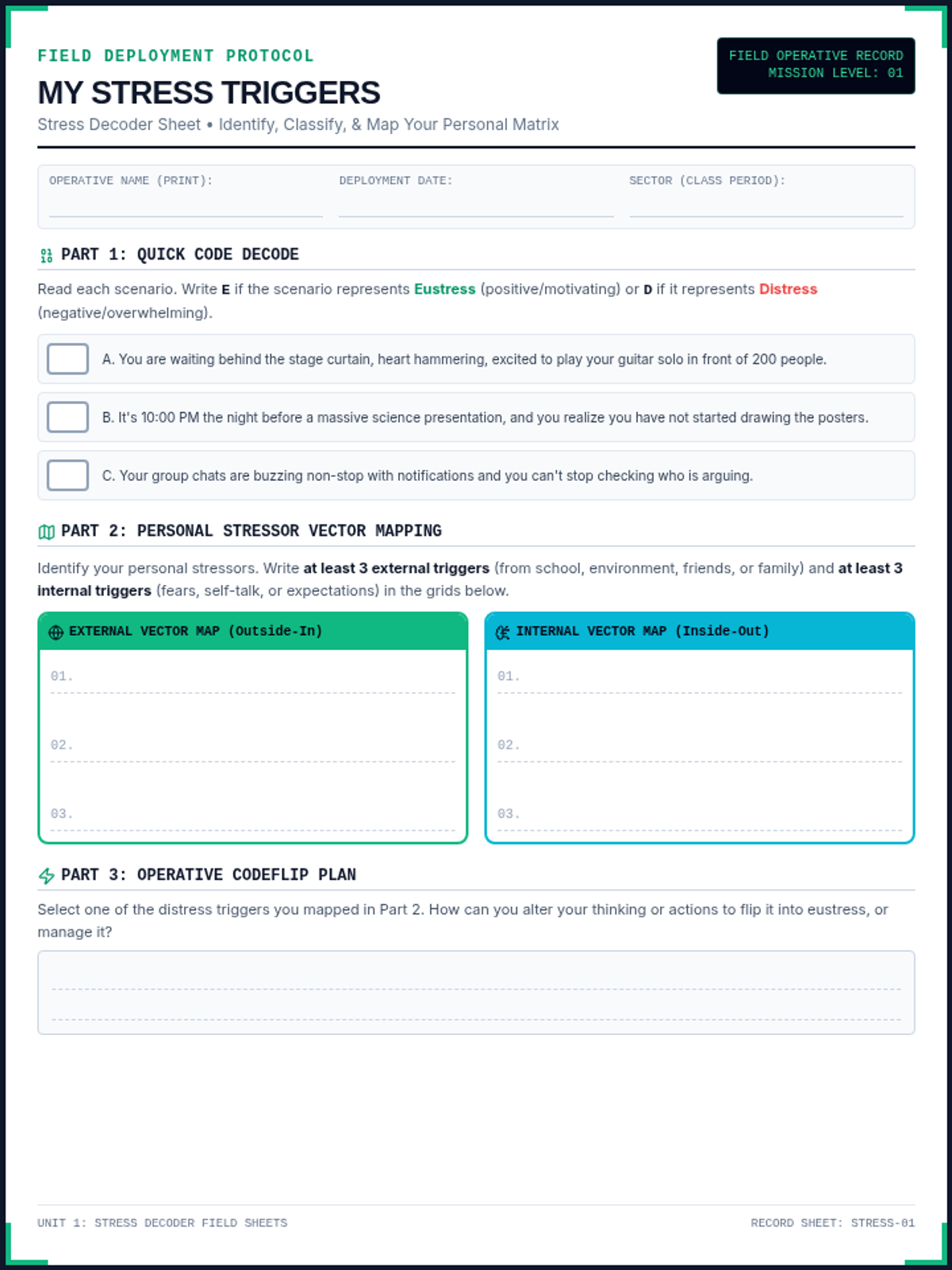
A comprehensive 45-minute health and wellness lesson plan for 7th grade students. Students learn to decode stress by defining it, distinguishing between eustress (positive stress) and distress (negative stress), and mapping their personal internal and external stressors.
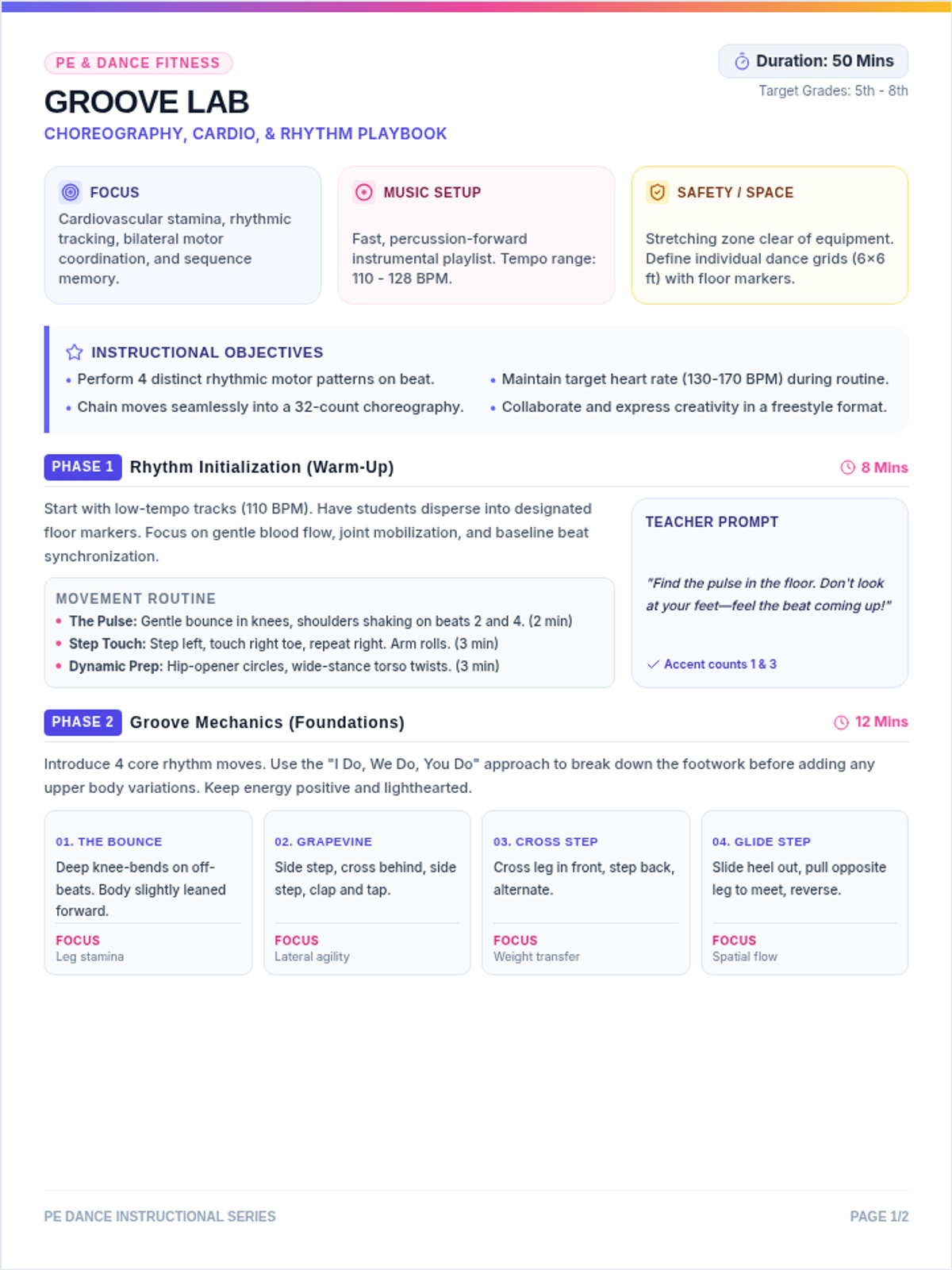
An energetic, dance-infused physical education lesson plan focusing on cardiovascular endurance, rhythm tracking, and motor coordination through structured choreography and creative movement.
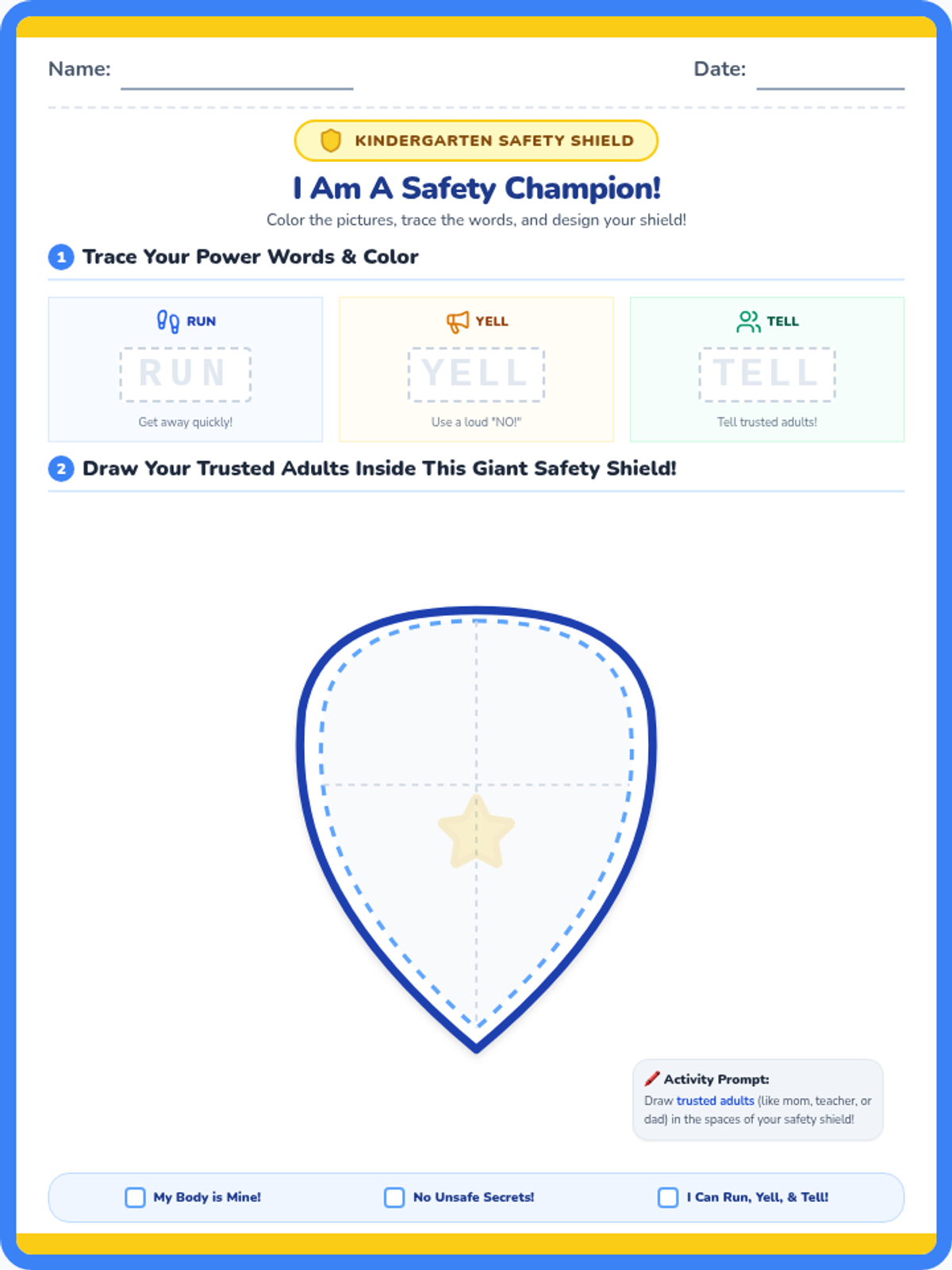
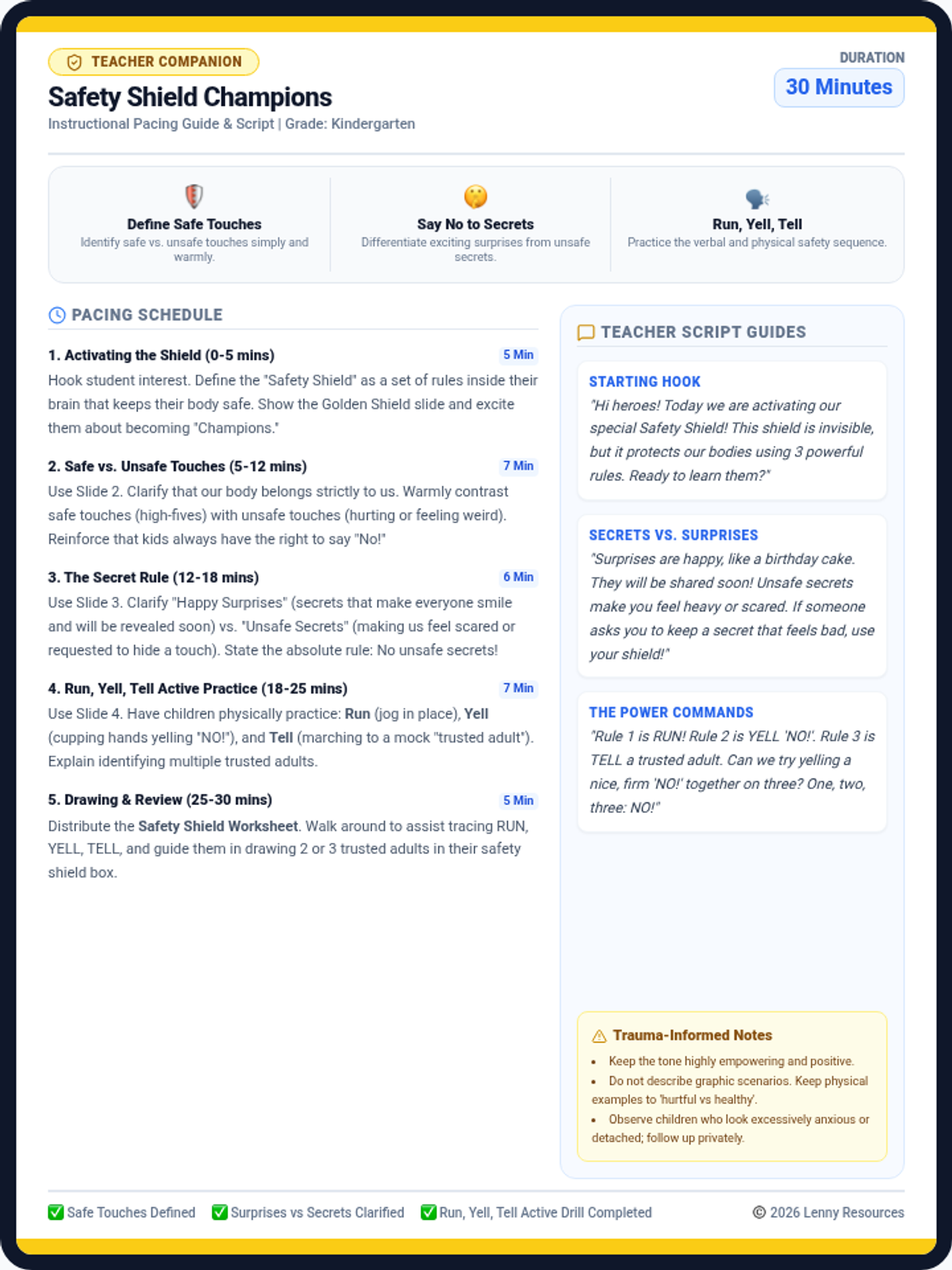
An empowering 30-minute personal safety lesson for kindergarteners using the 'Safety Shield' framework (Run, Yell, Tell, and Safe Touches) to teach them how to identify unsafe secrets and take action.
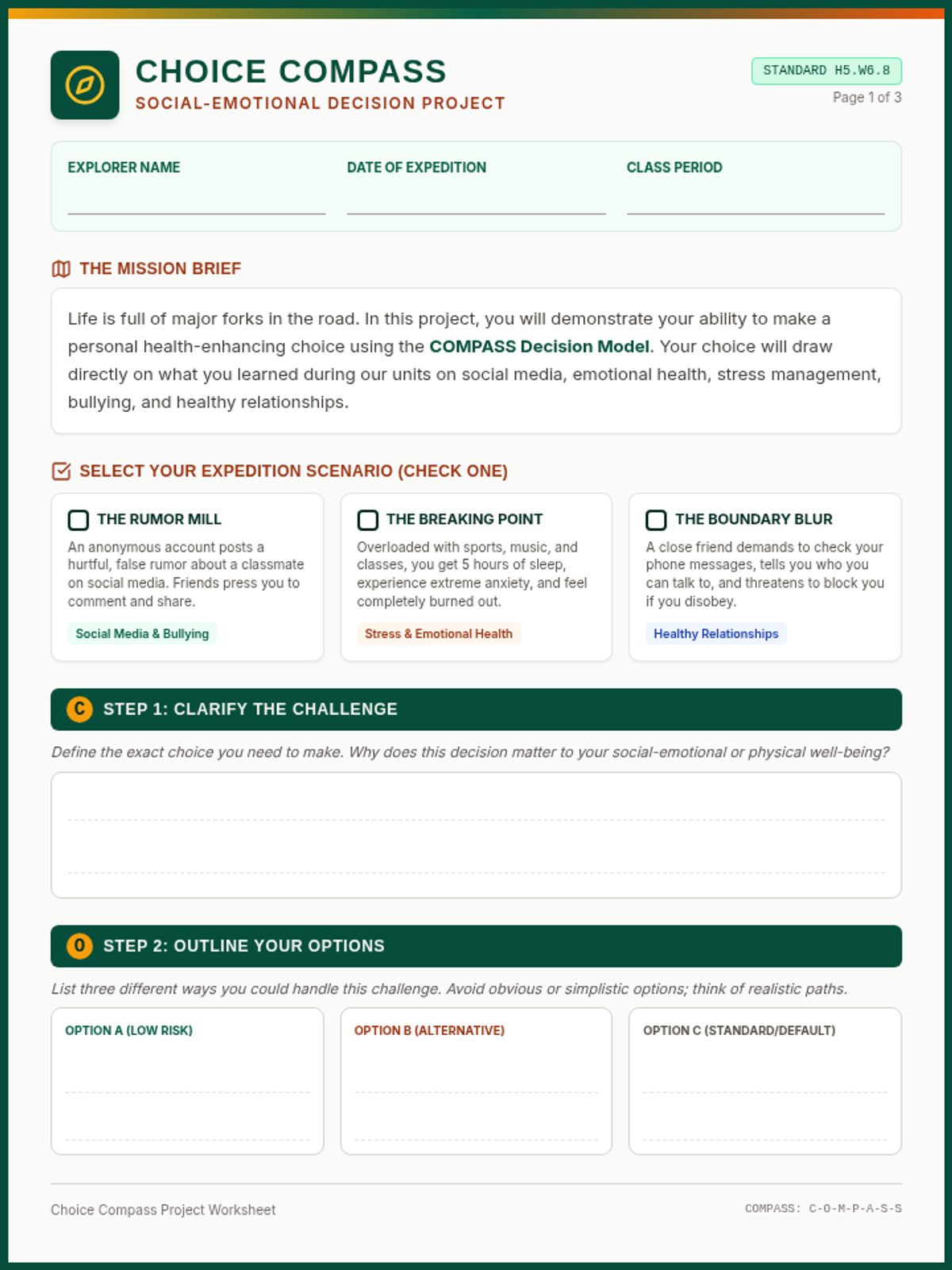
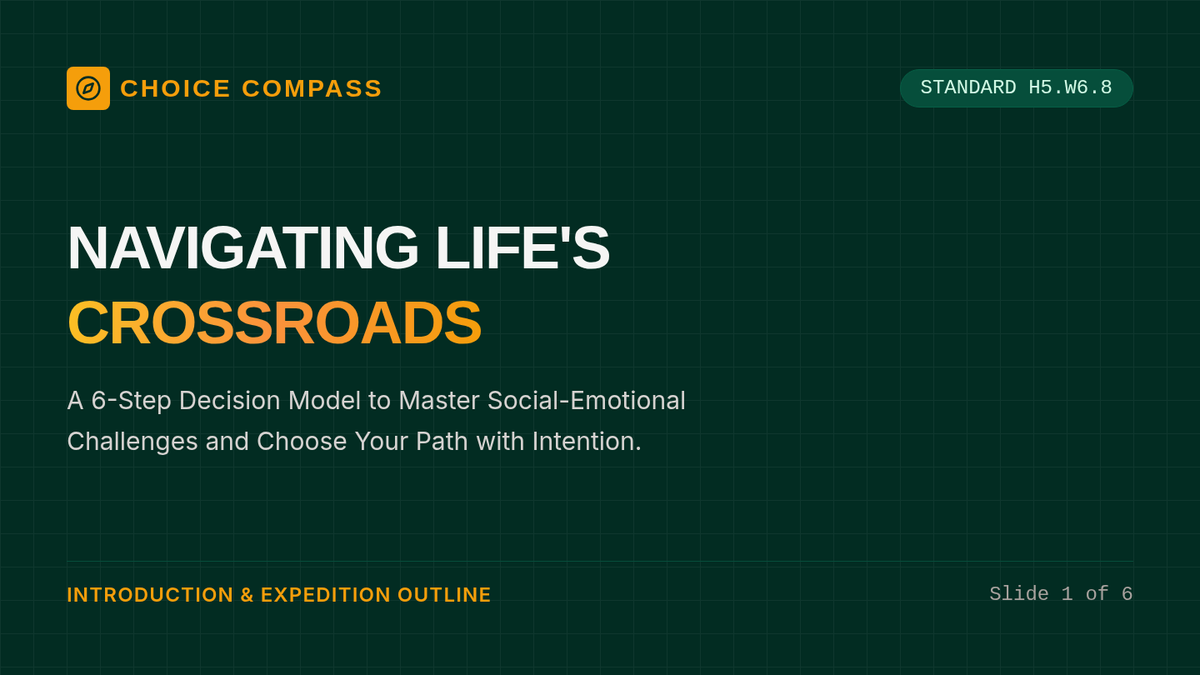
A health-focused project where students master a 6-step decision-making model to navigate high-stakes social-emotional challenges like peer pressure, digital boundaries, and stress management.
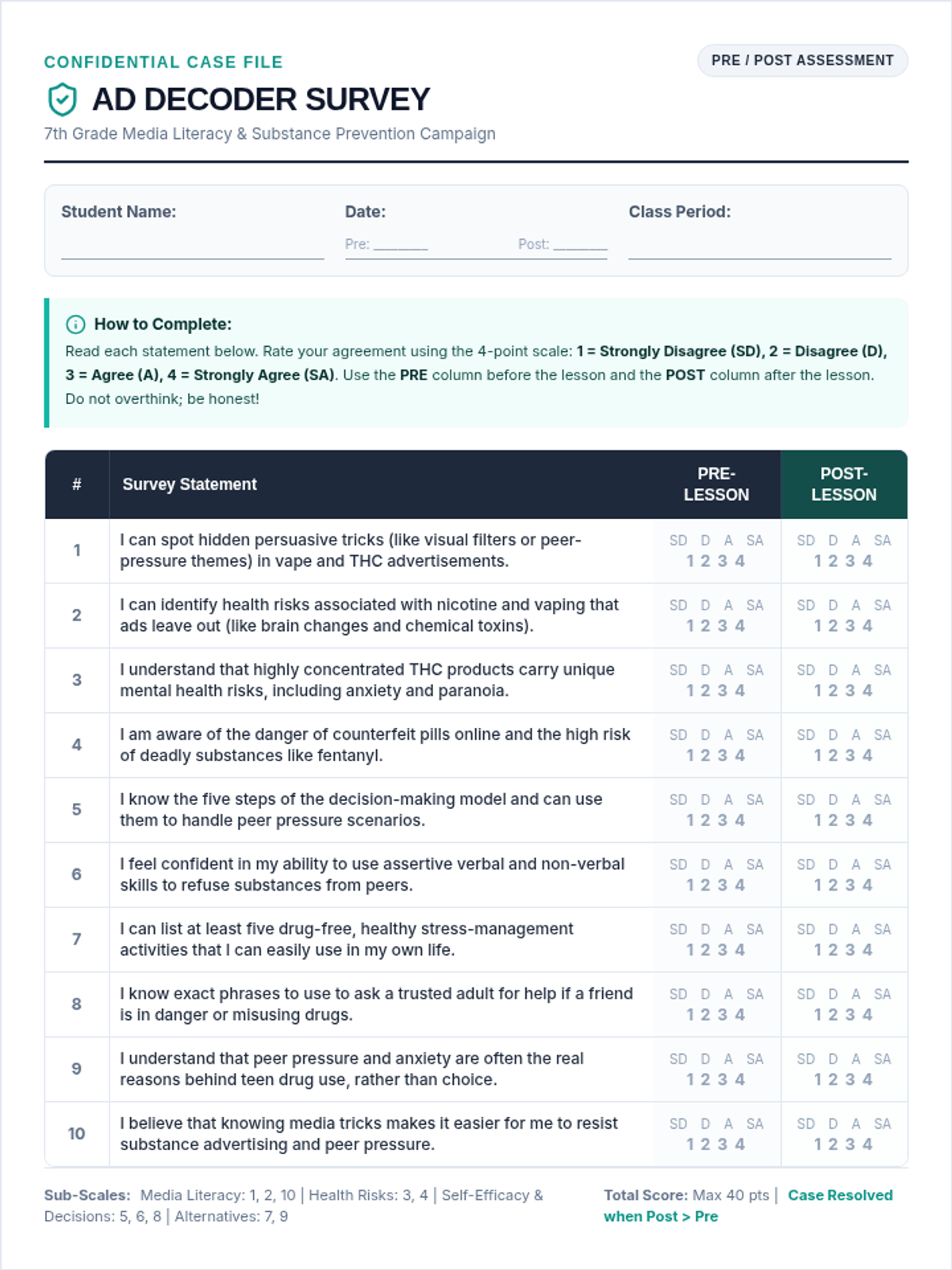
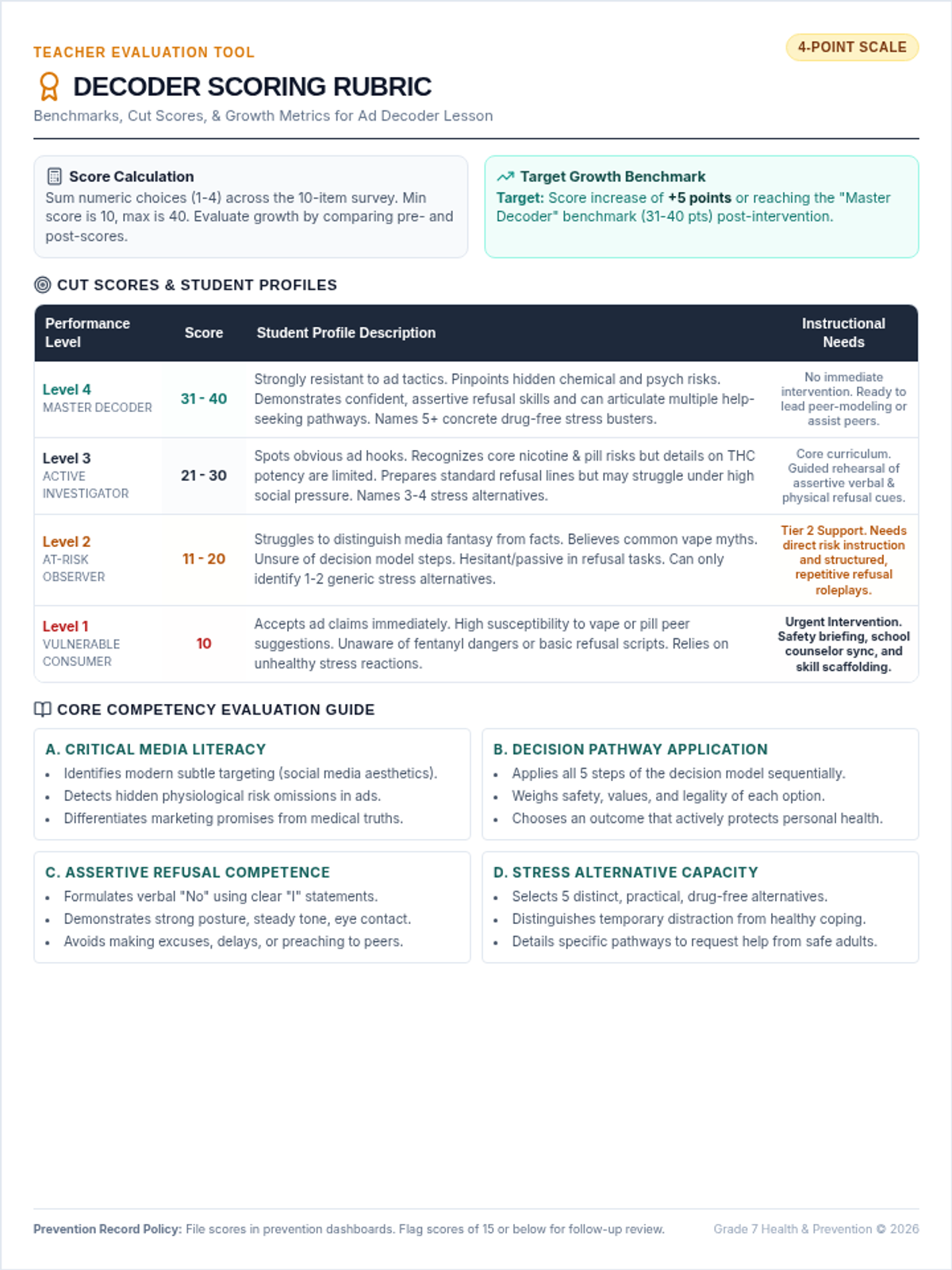
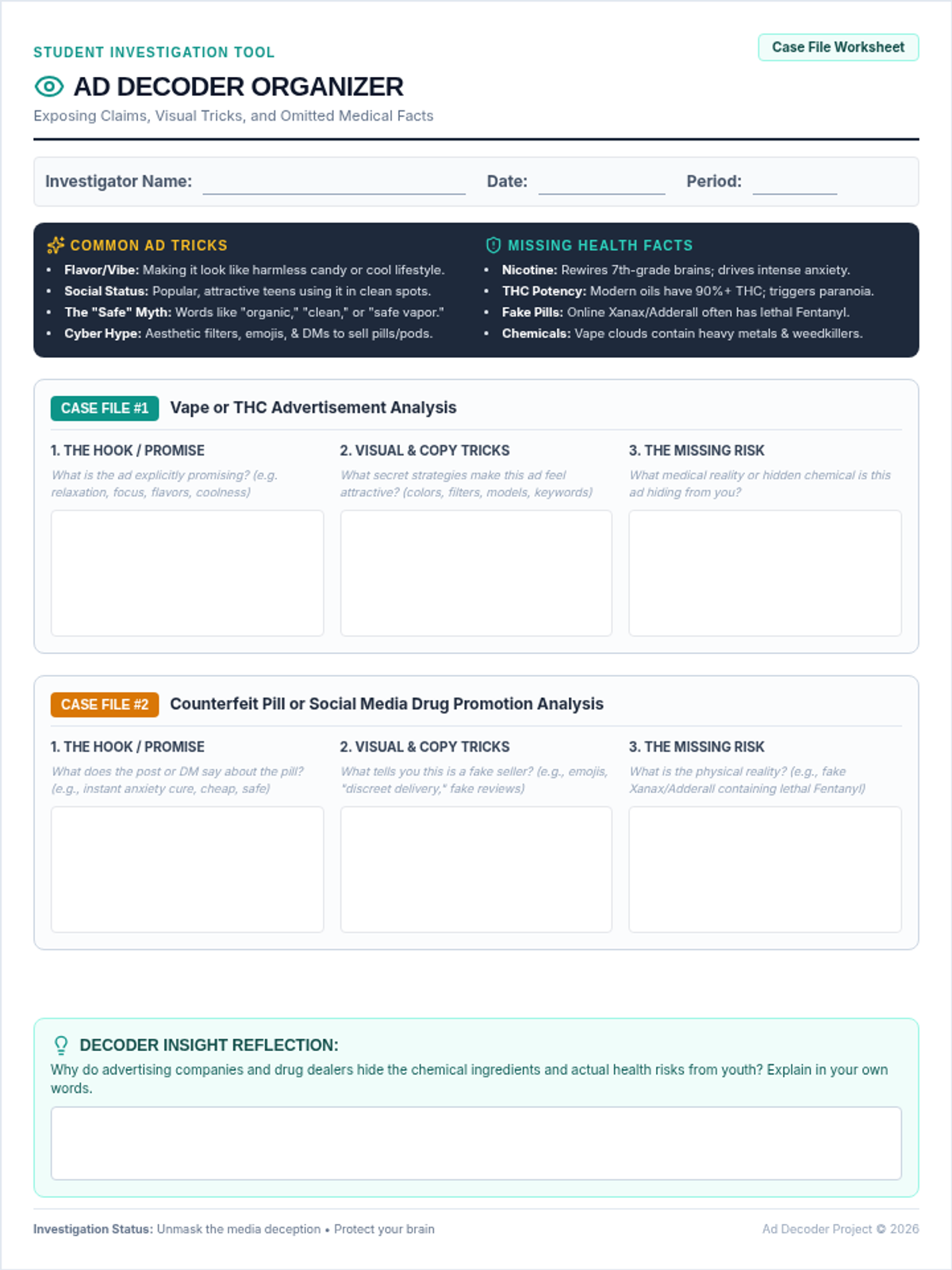
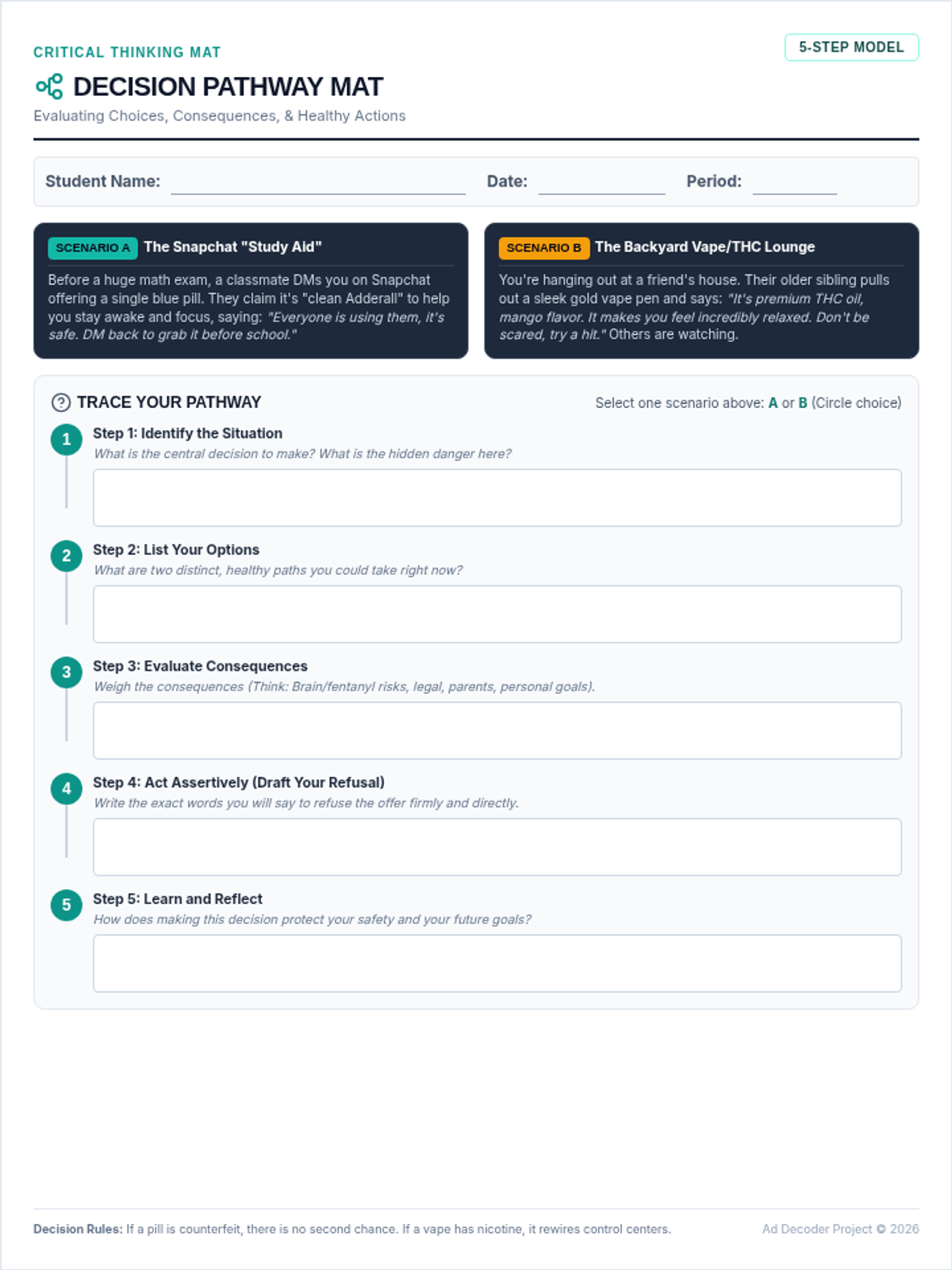
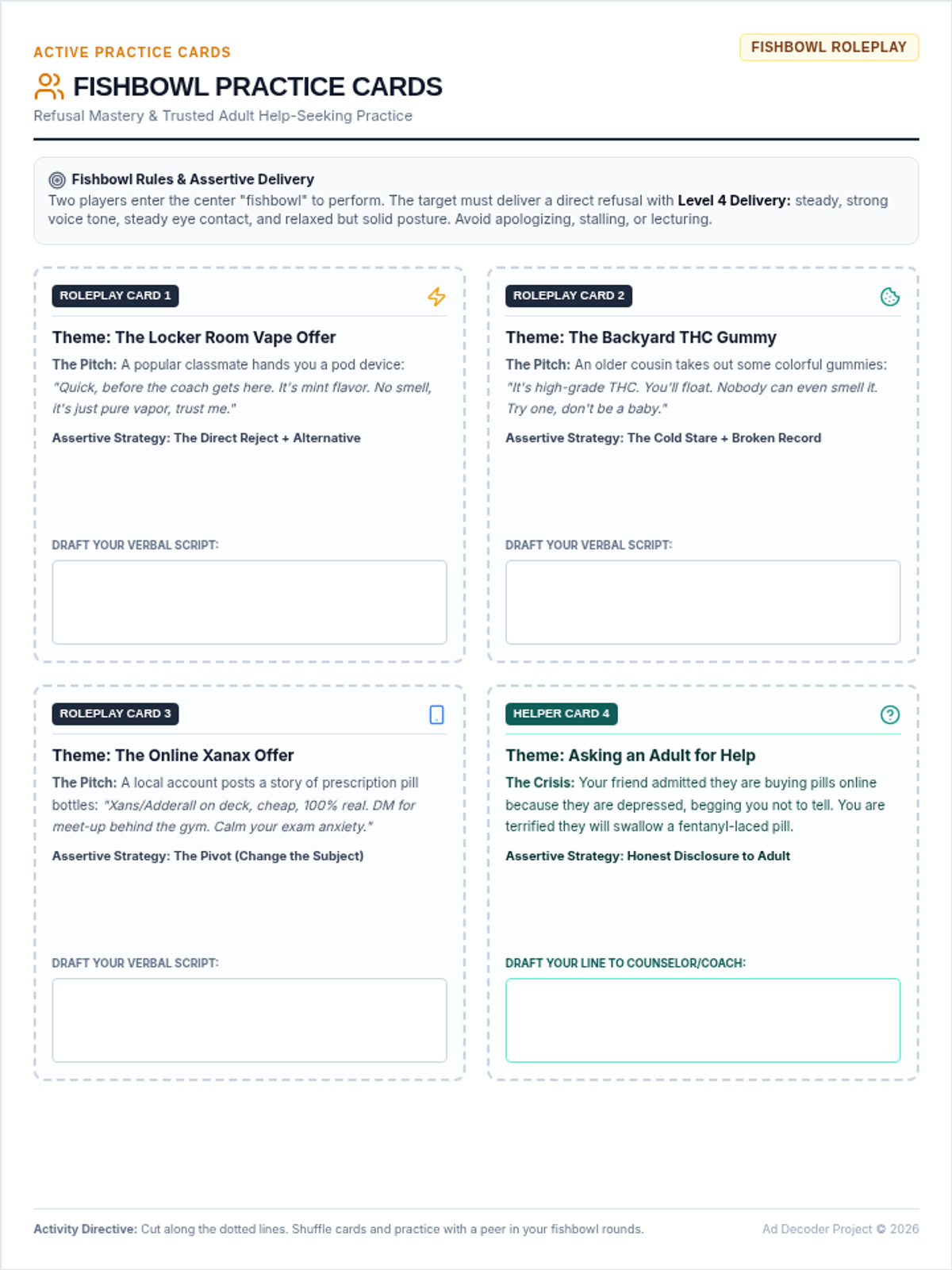
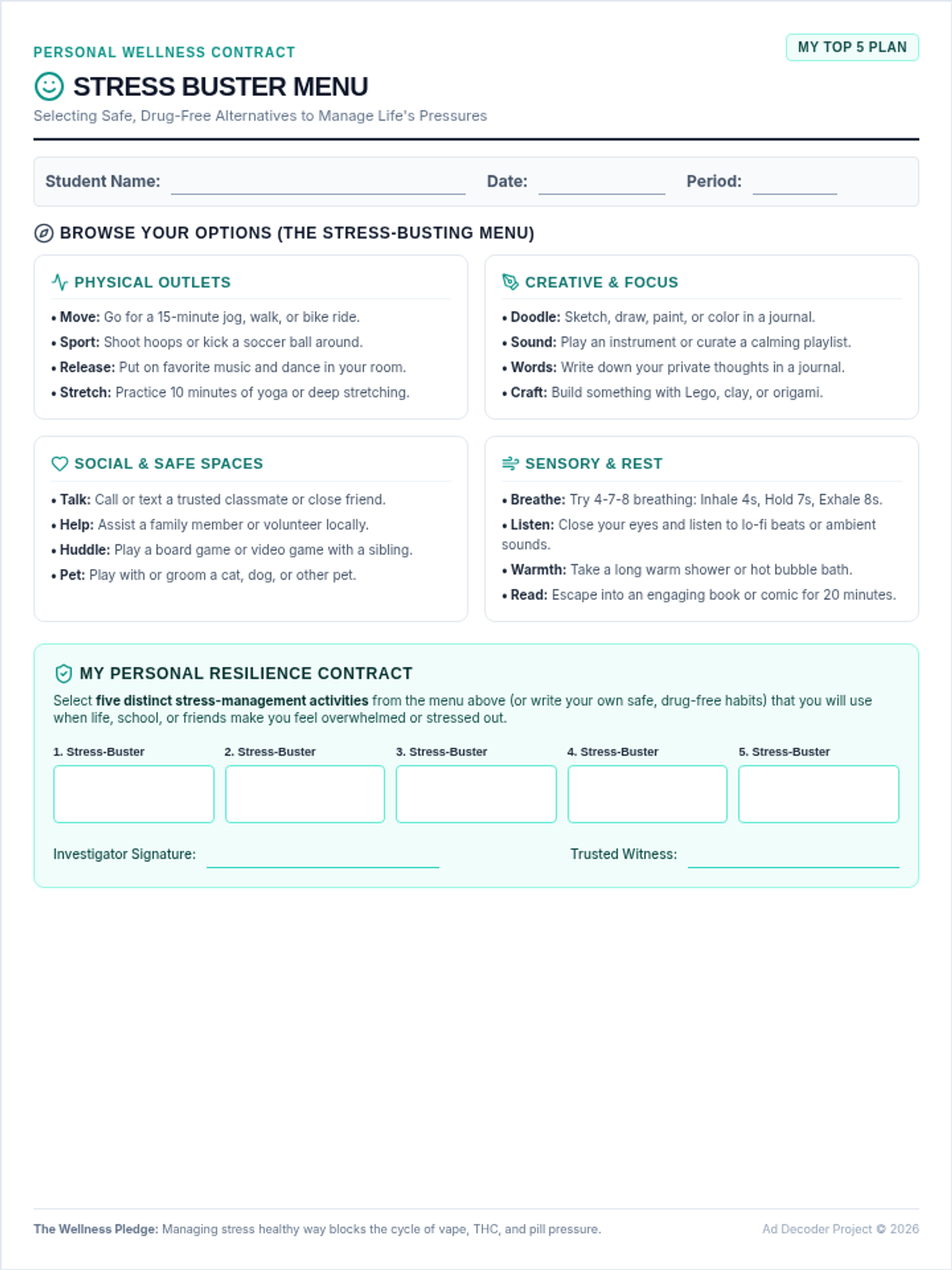
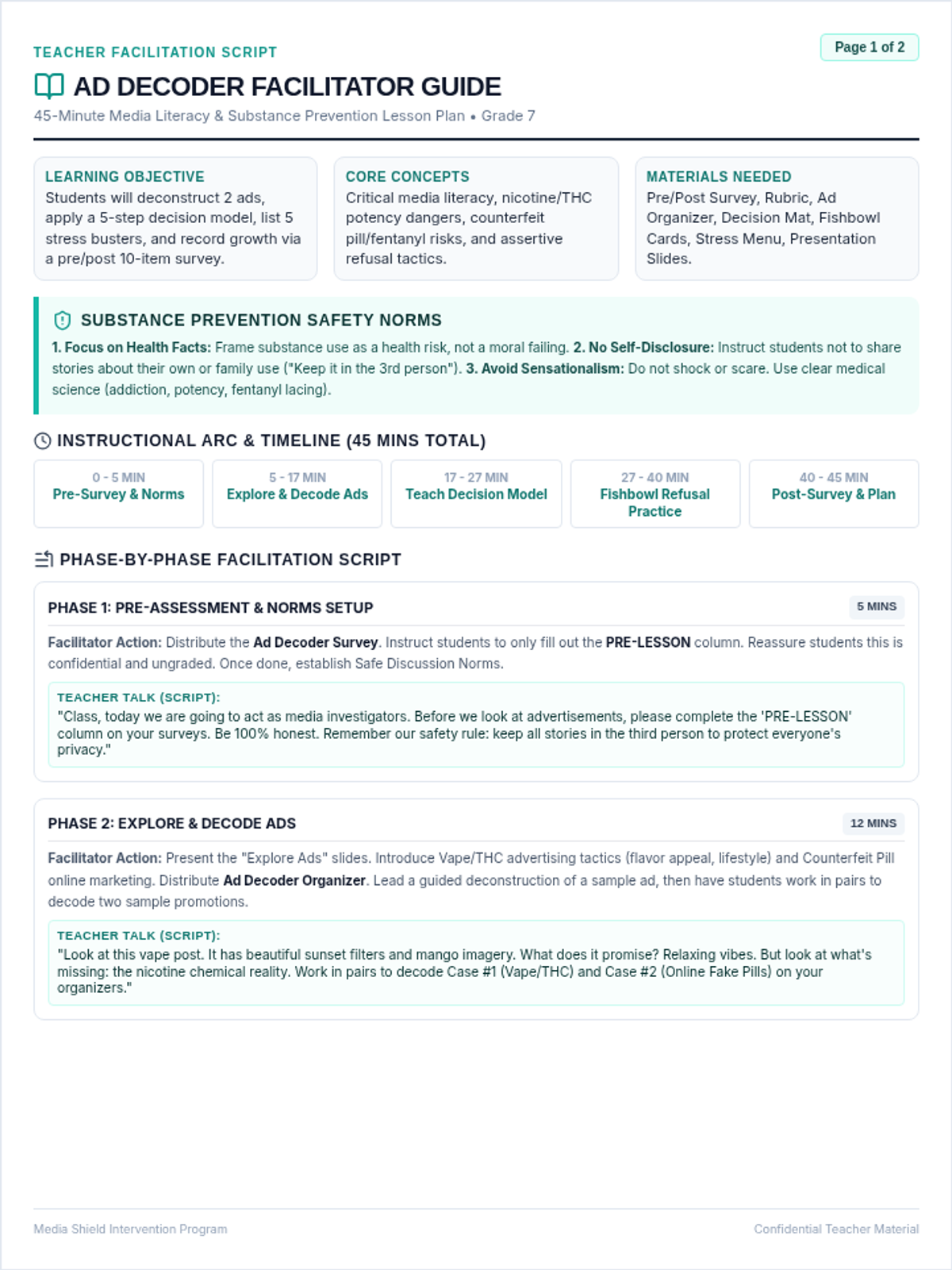
A 45-minute media literacy and substance prevention lesson for 7th grade. Students decode vape, THC, and pill advertisements, apply a 5-step decision-making model, and practice assertive refusal skills and healthy stress-management alternatives.
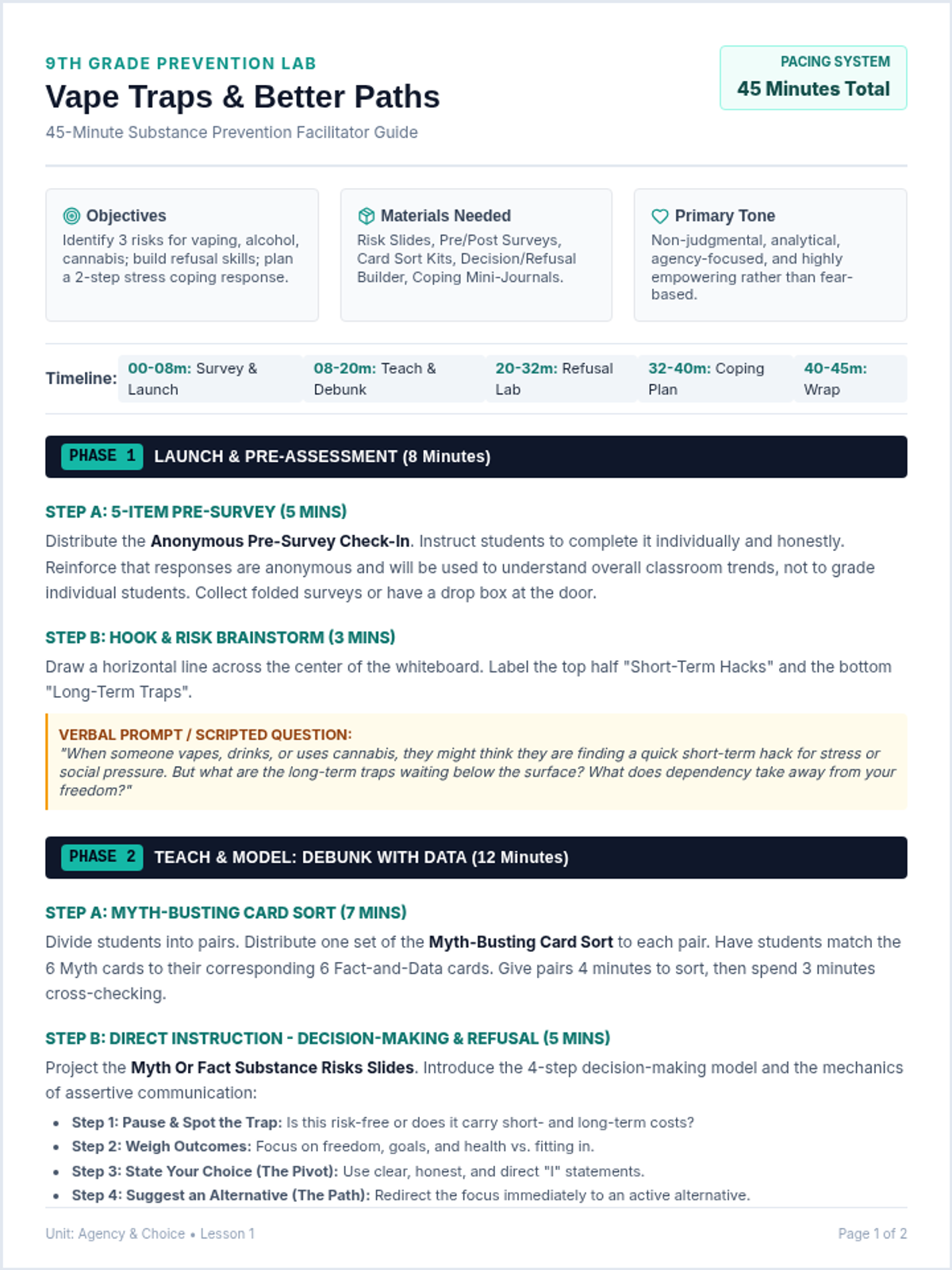
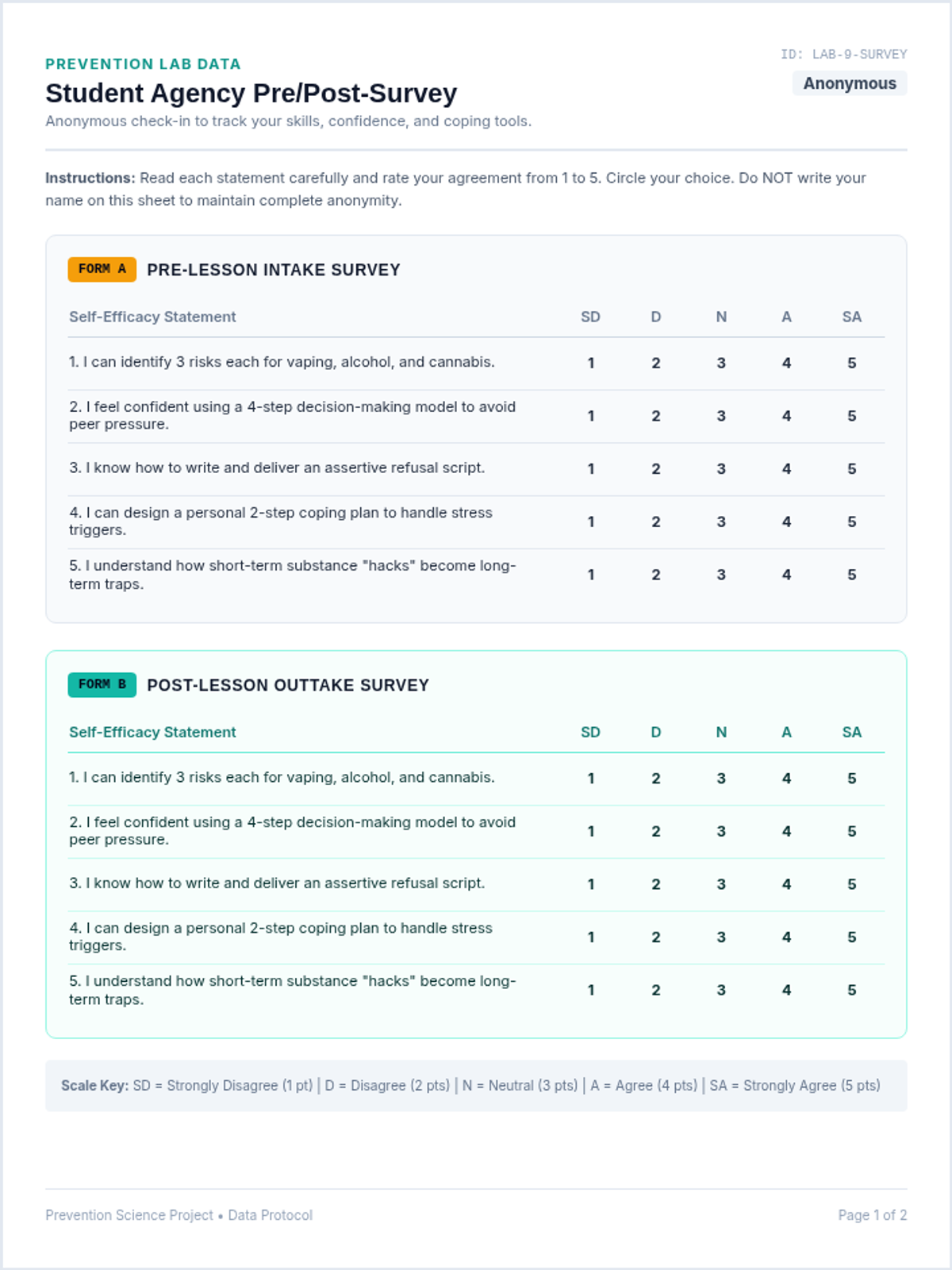
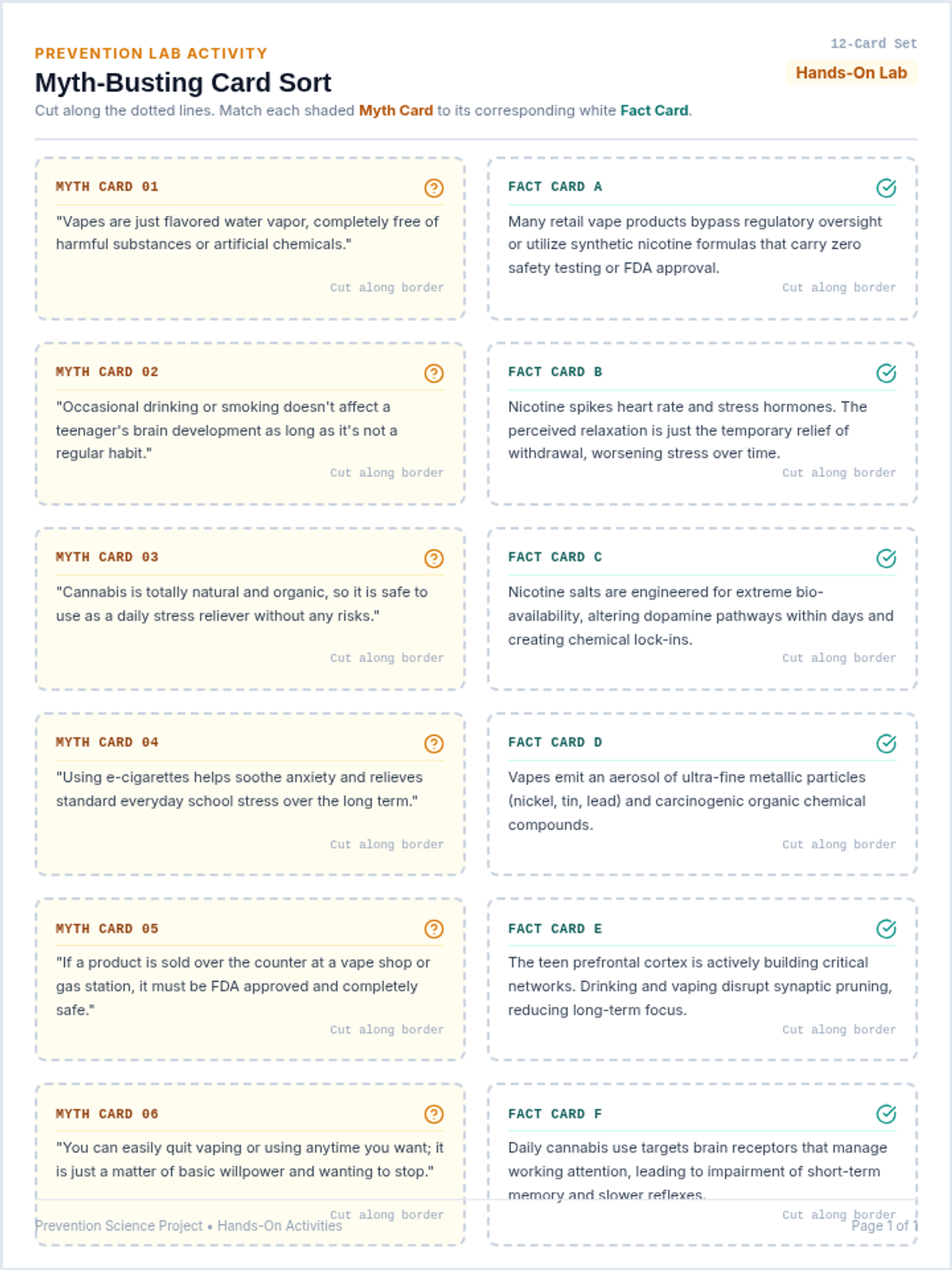
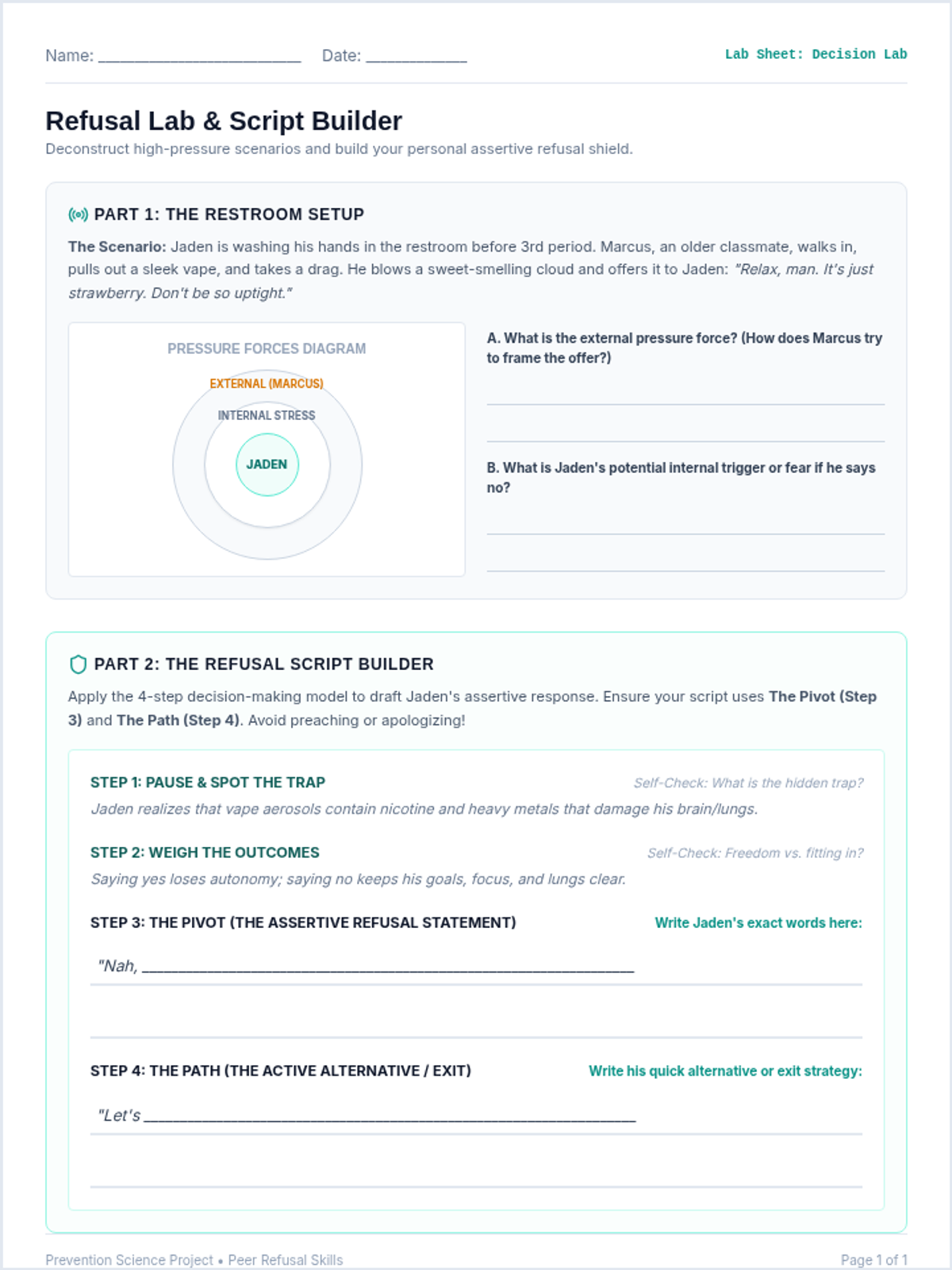
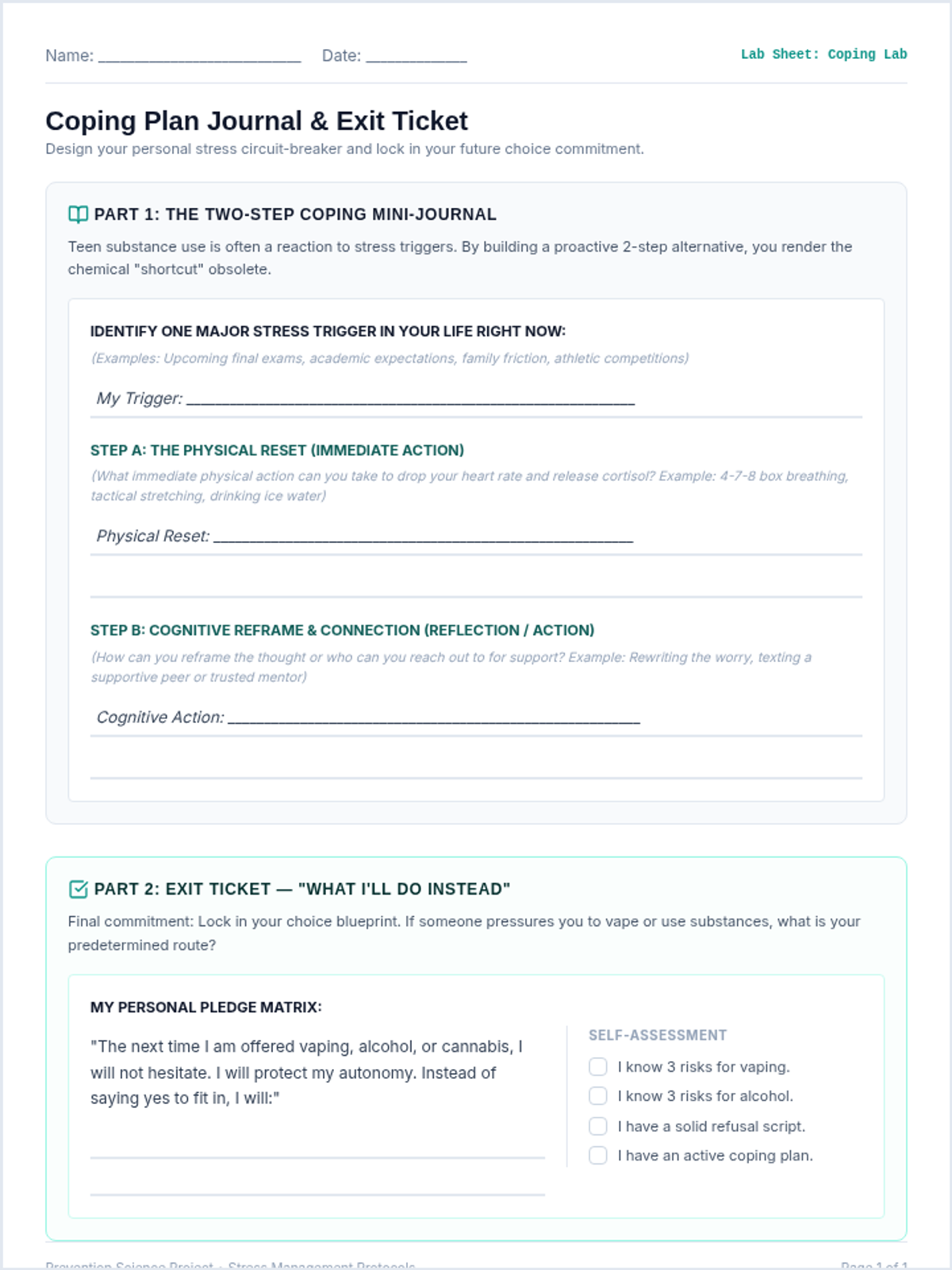
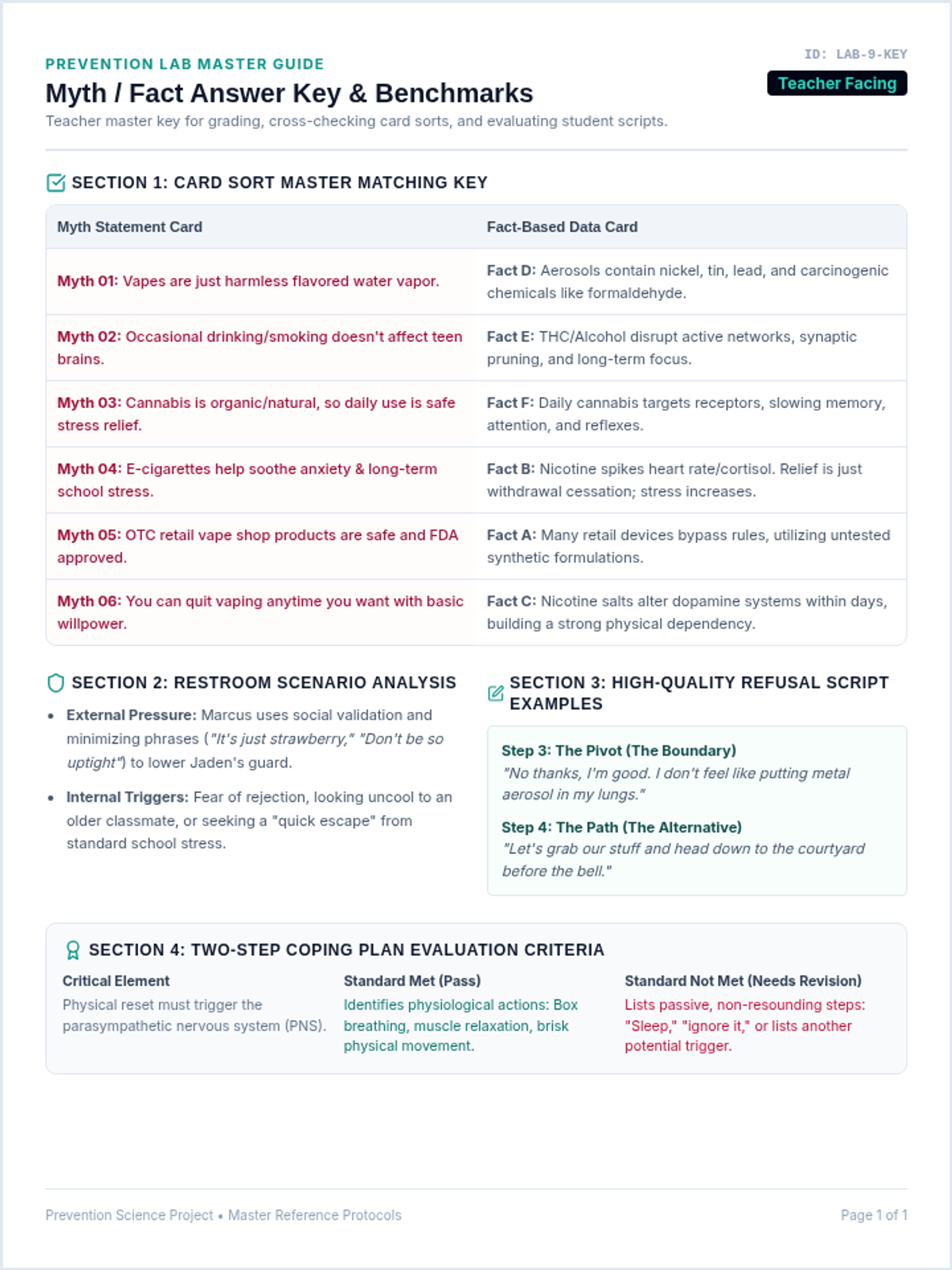
A comprehensive 45-minute substance prevention lesson for 9th-grade students. It builds critical awareness of vaping, alcohol, and cannabis risks while equipping students with a four-step decision-making model, assertive refusal scripts, and a personal stress-coping plan.
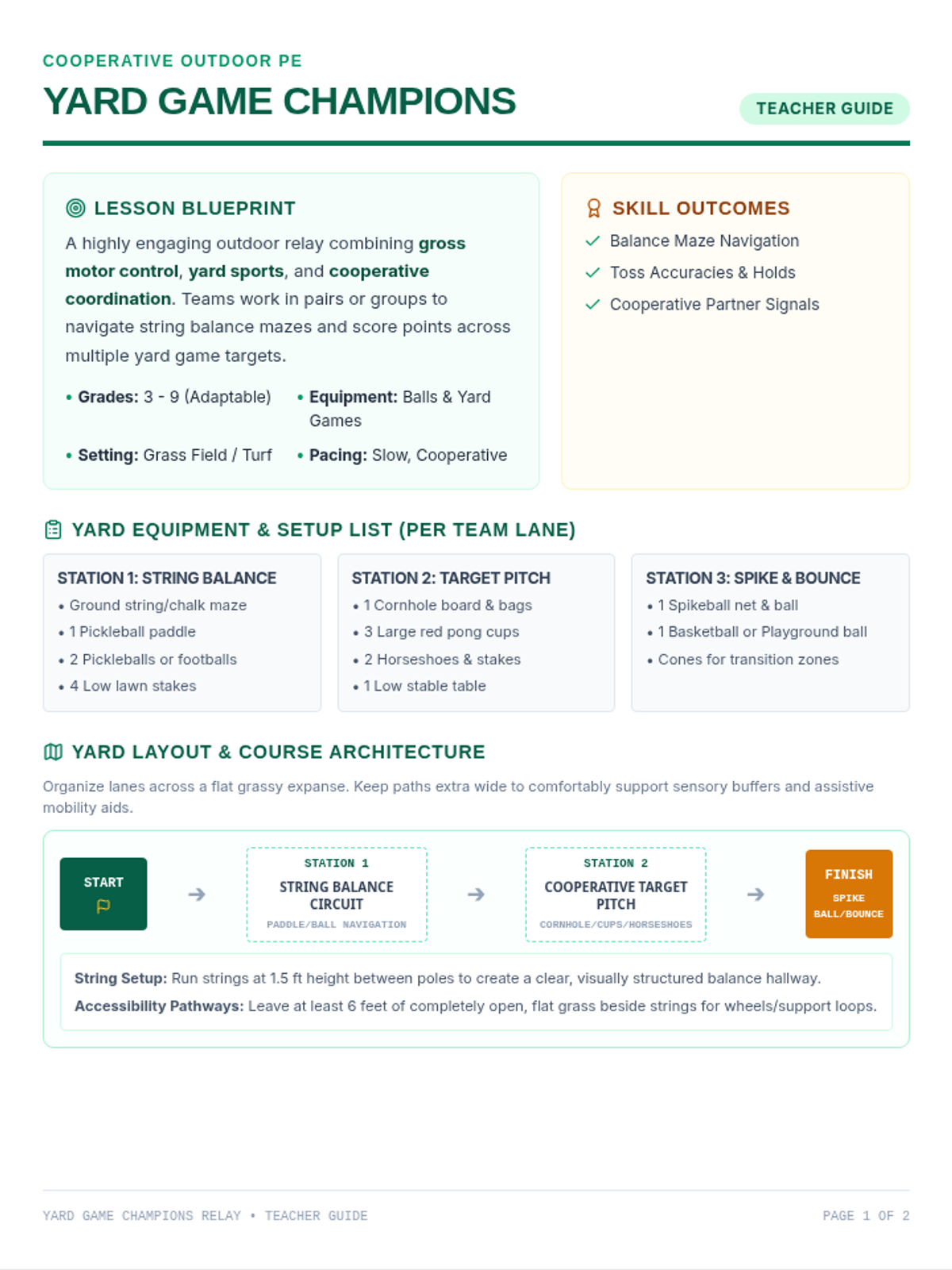
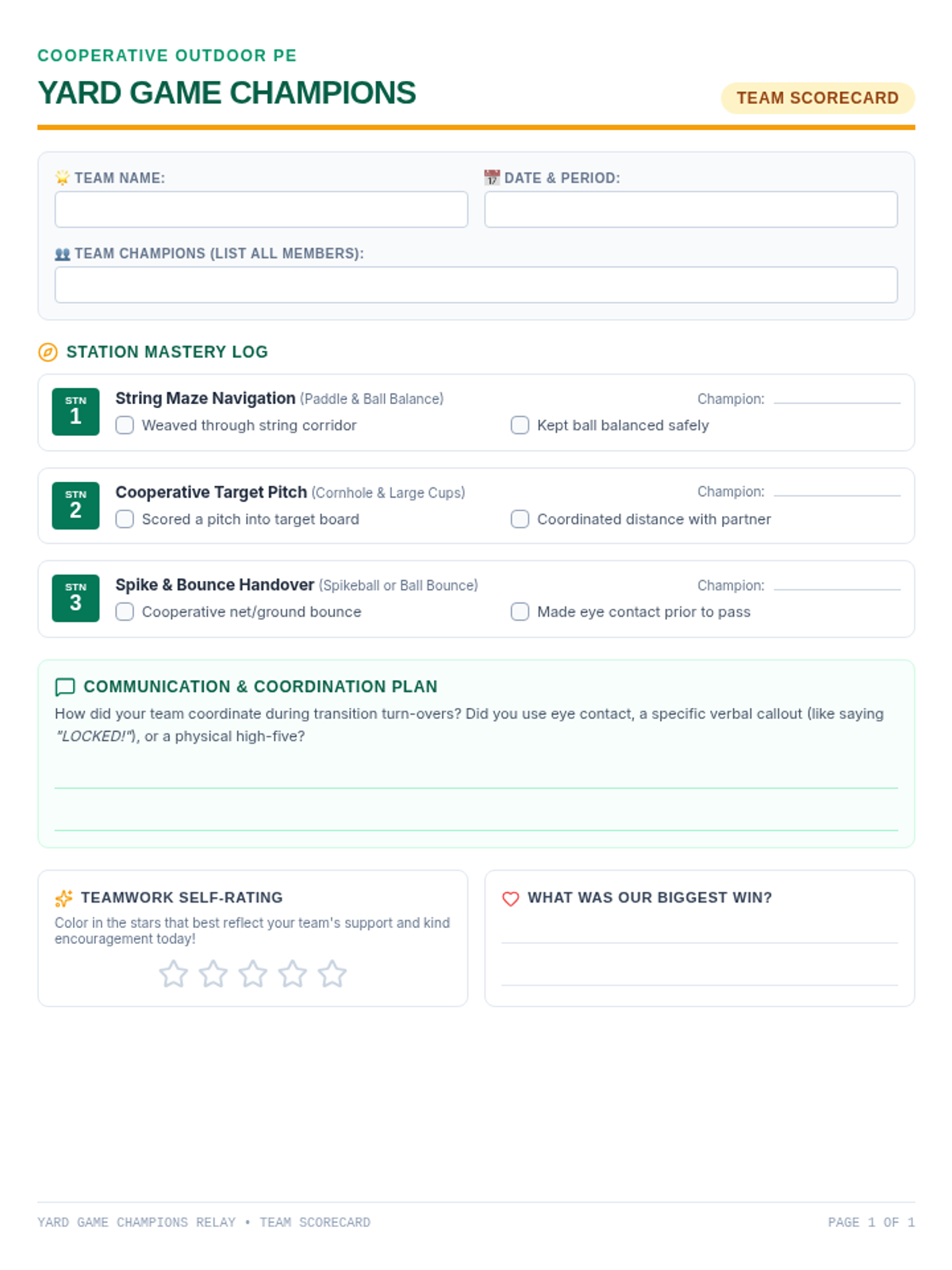
An outdoor cooperative relay race utilizing yard games, balls, and string balance circuits, designed with low-impact adaptations to ensure full class inclusion.
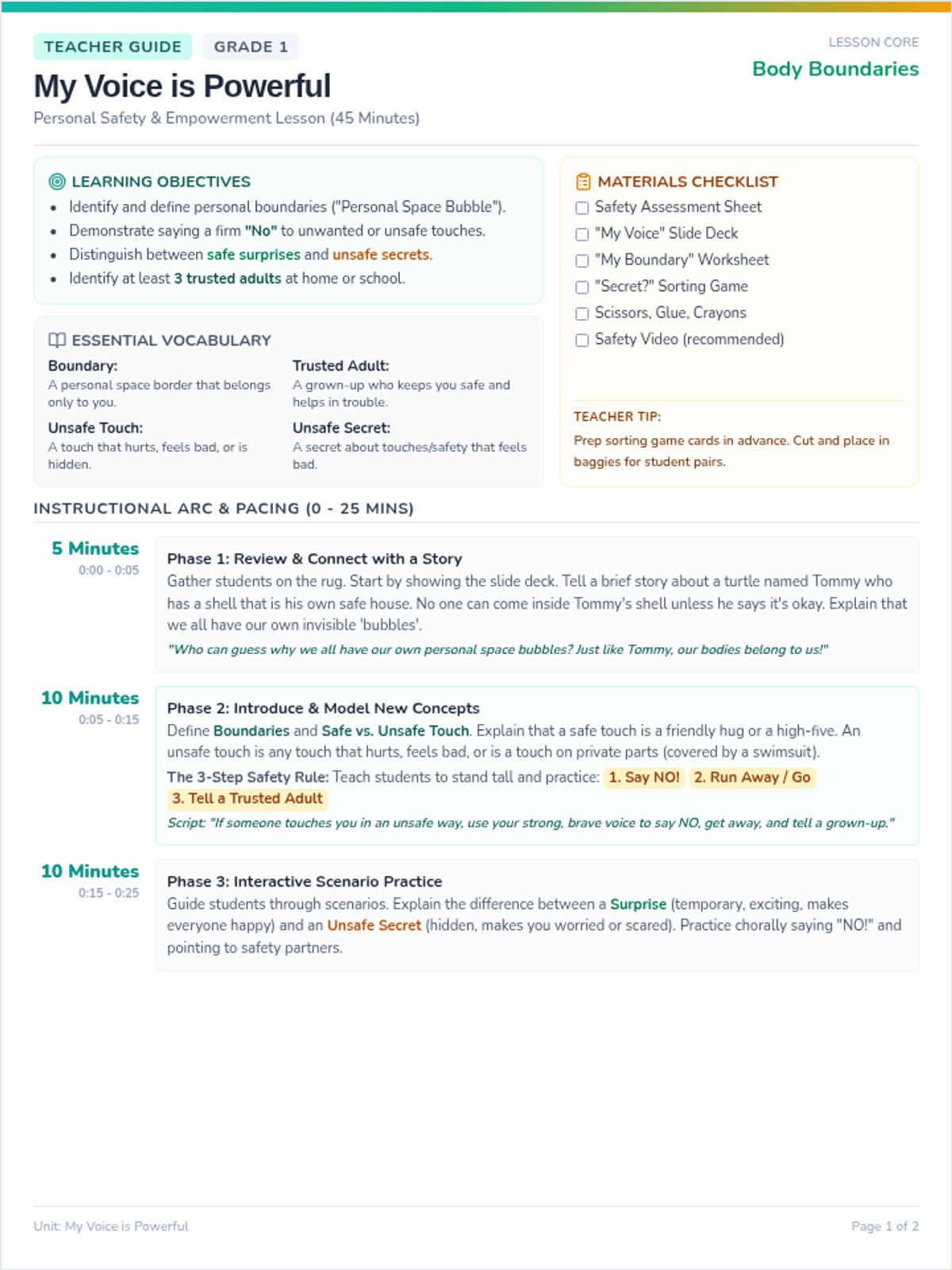
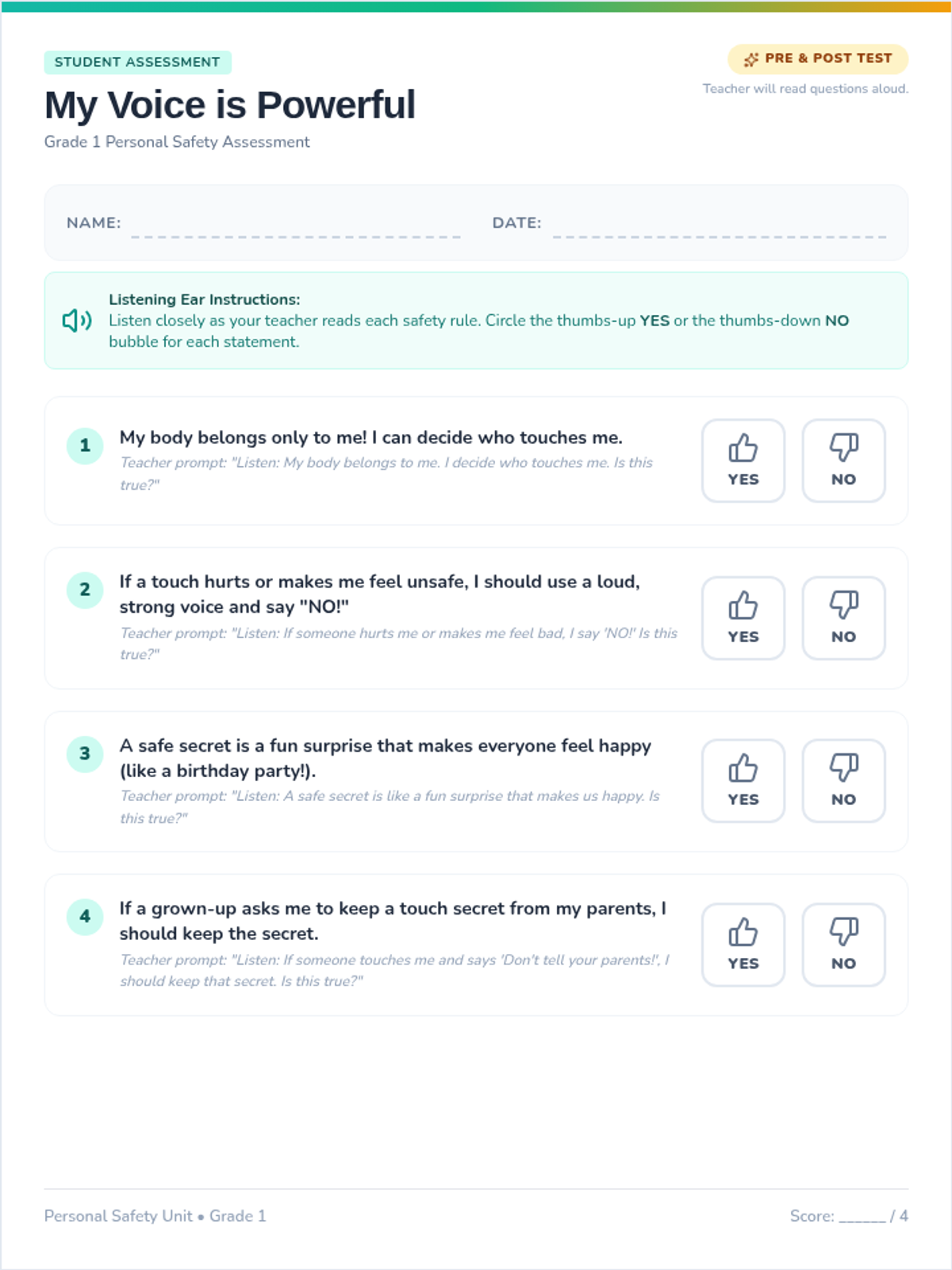
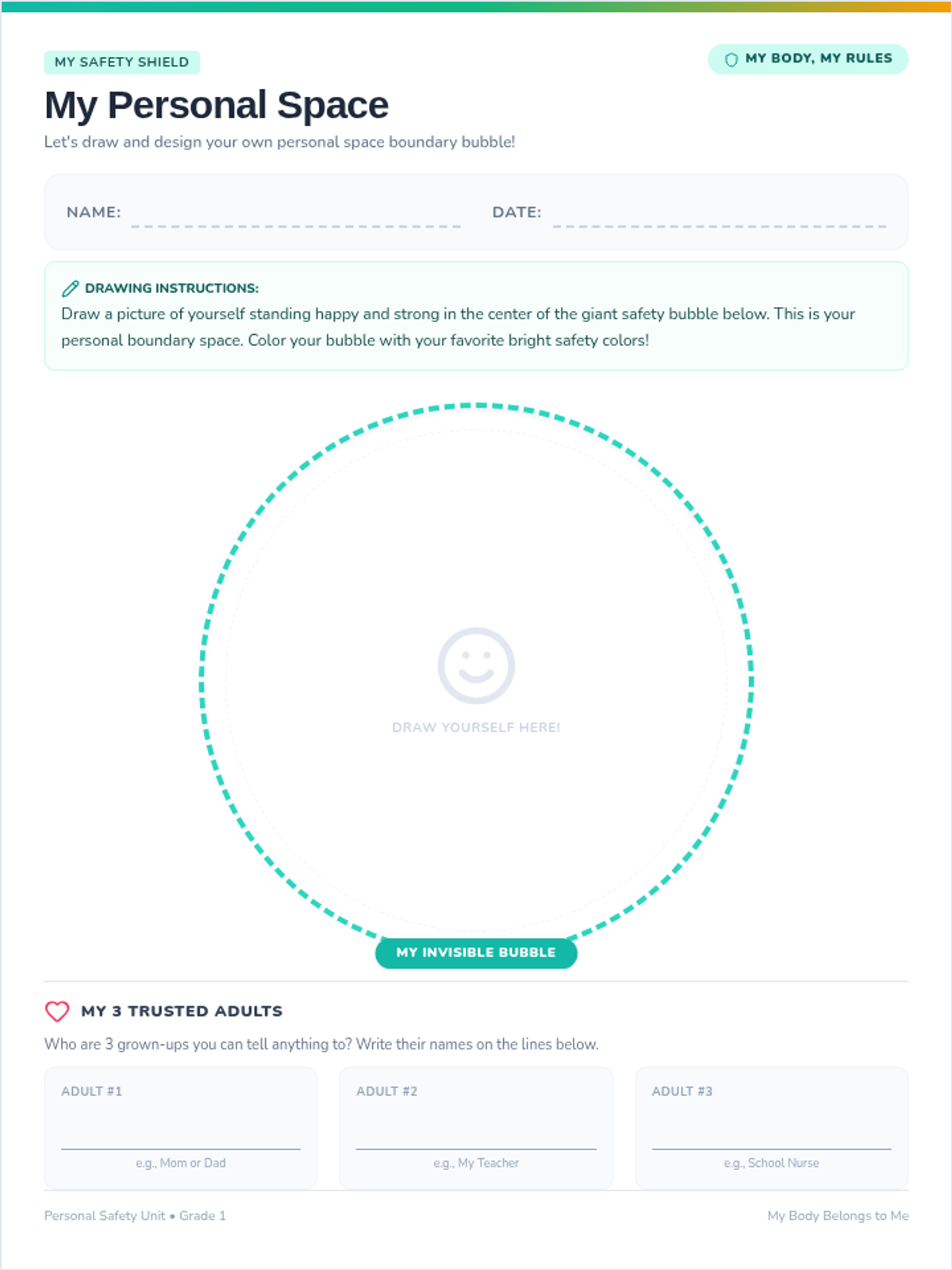
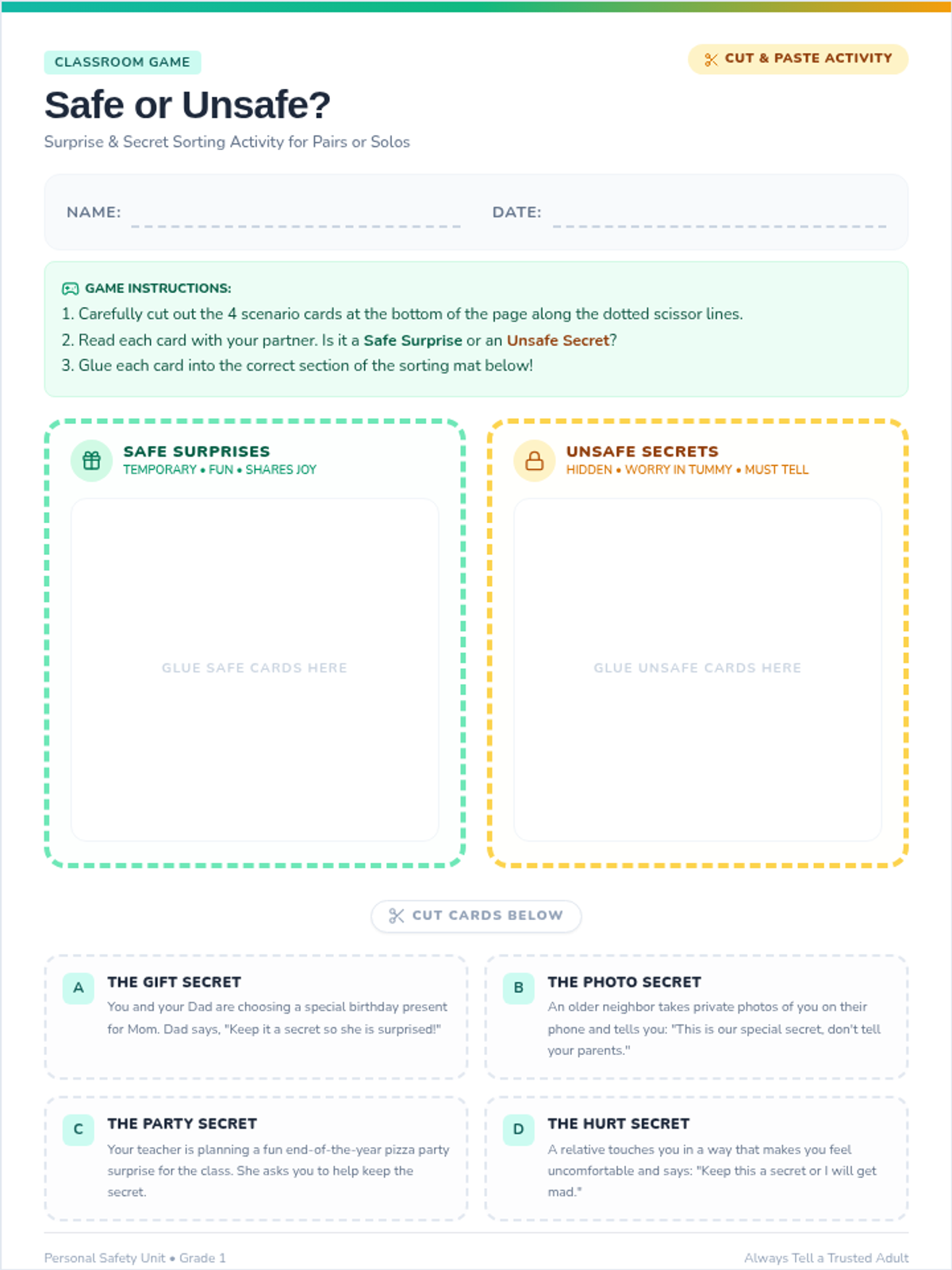
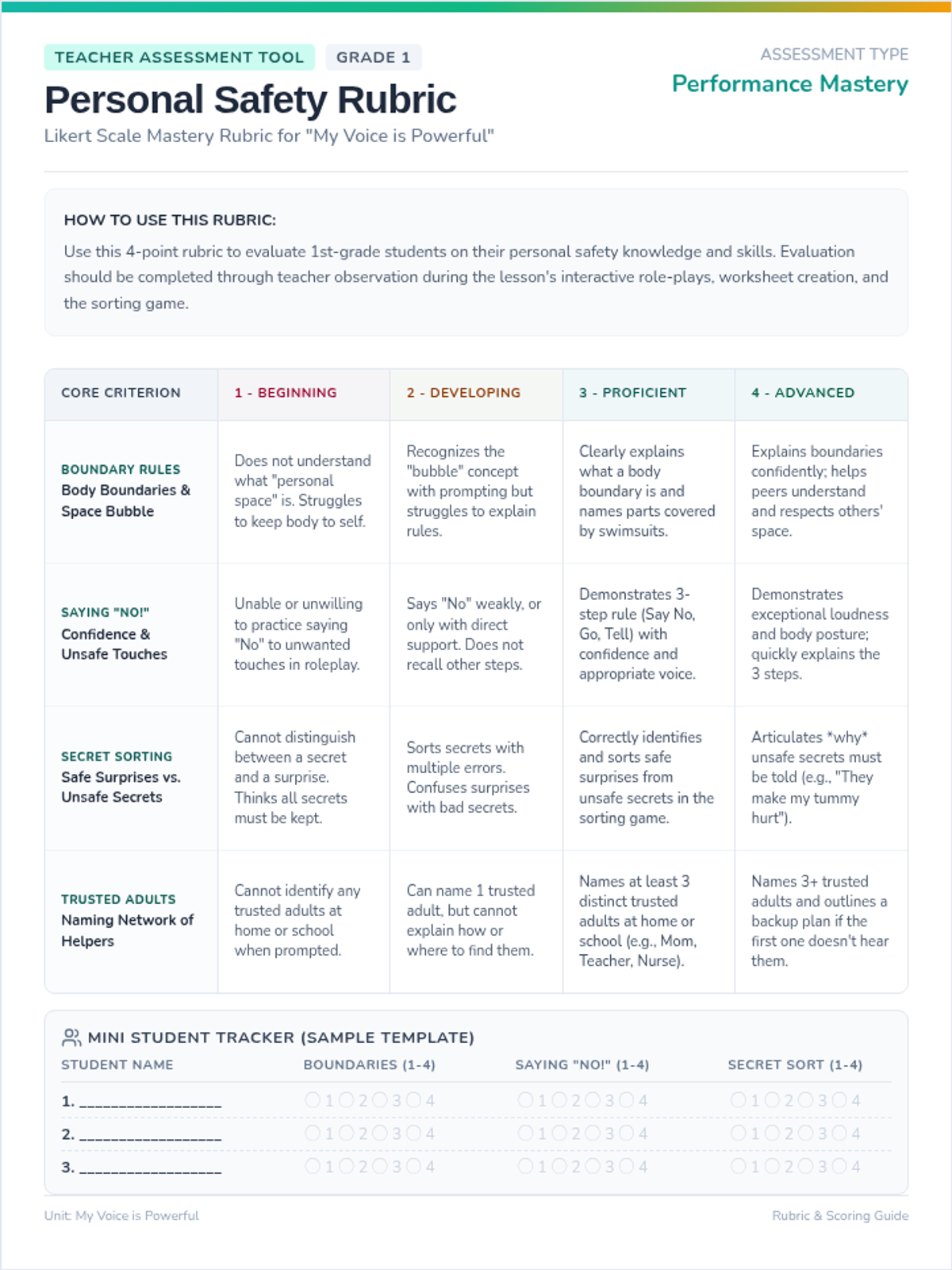
A comprehensive 45-minute personal safety lesson for 1st-grade students. It focuses on empowering children to understand their personal boundaries, confidently say 'no' to unsafe touches, distinguish between safe and unsafe secrets, and identify trusted adults.
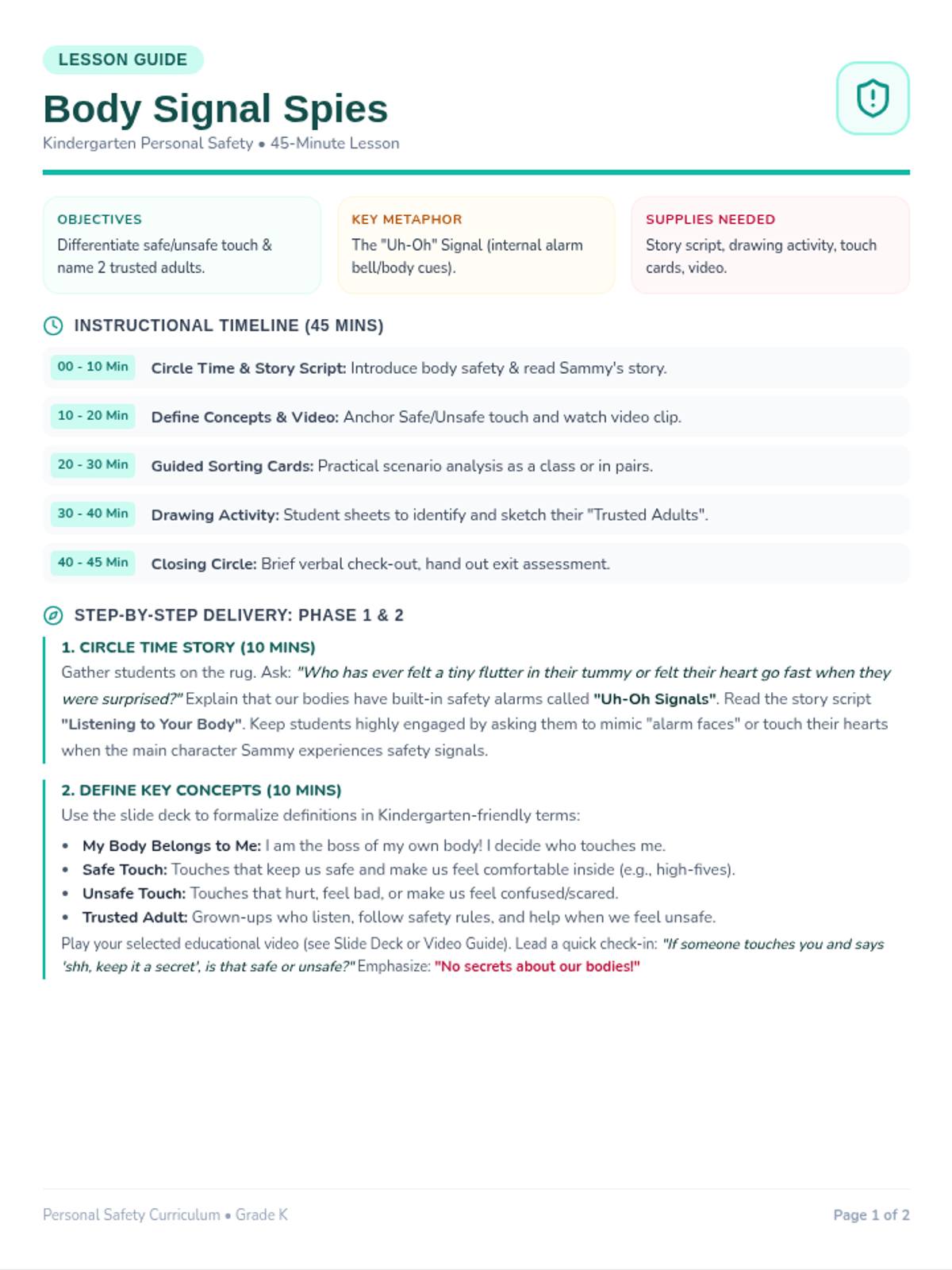
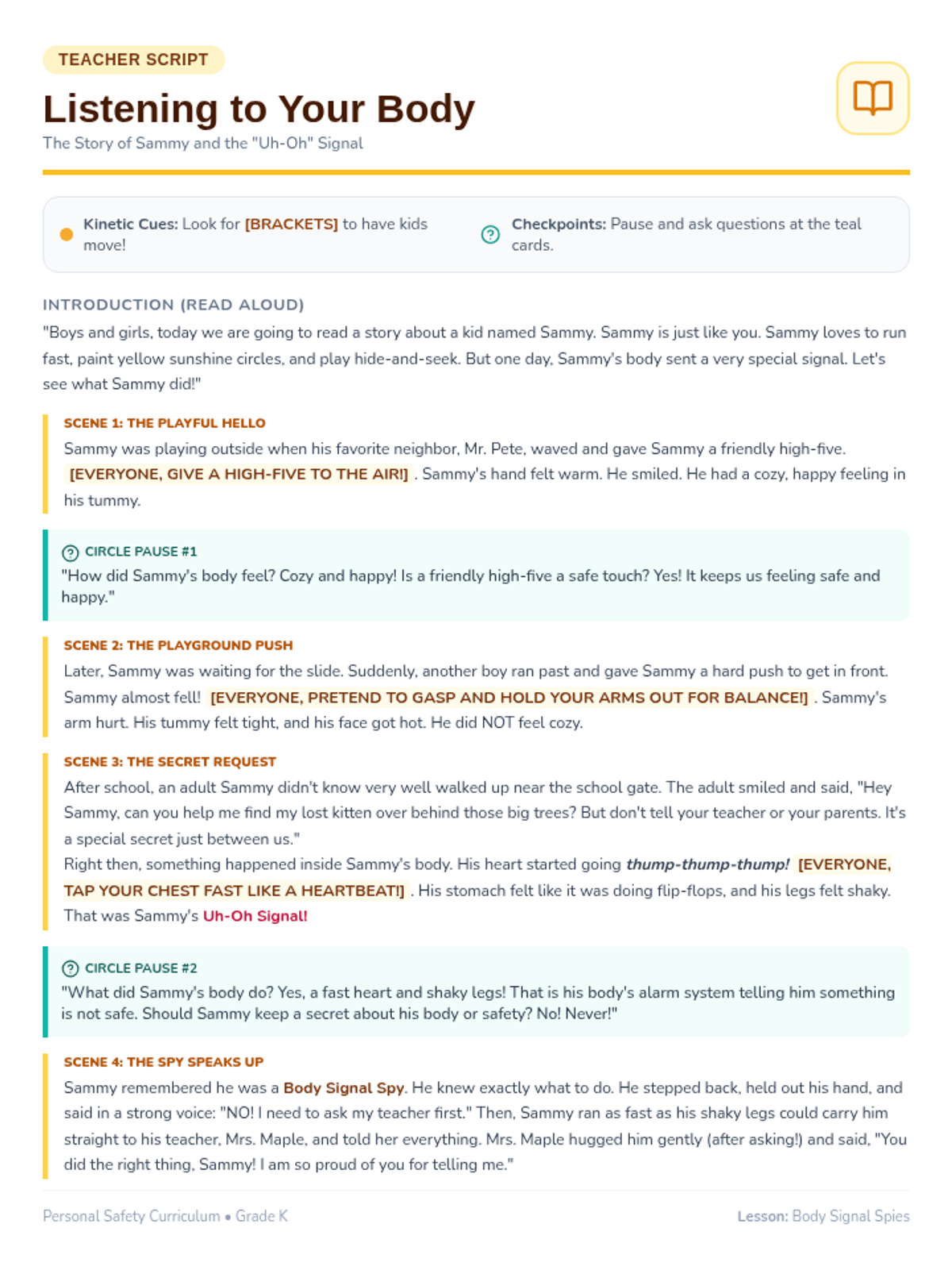
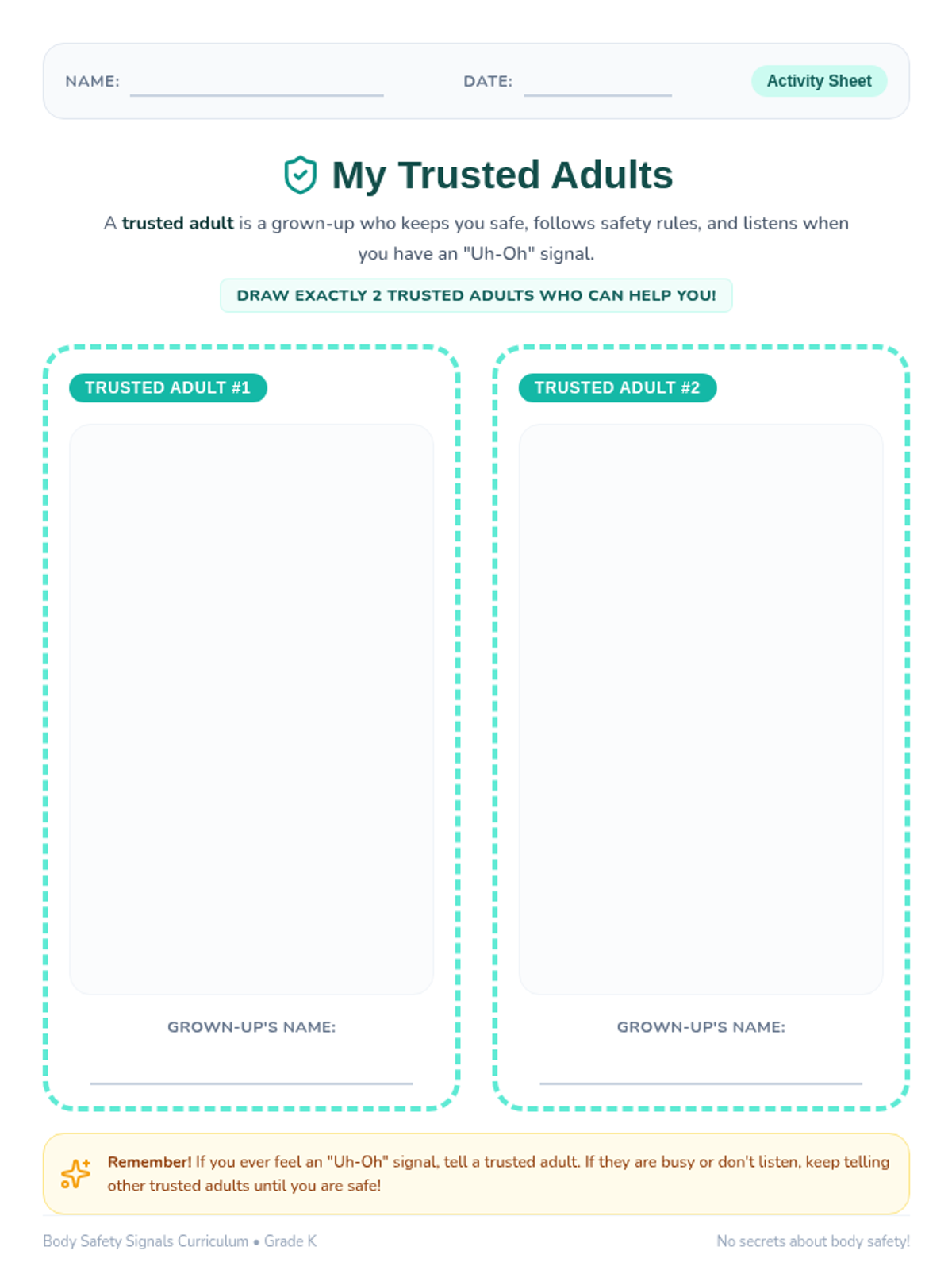
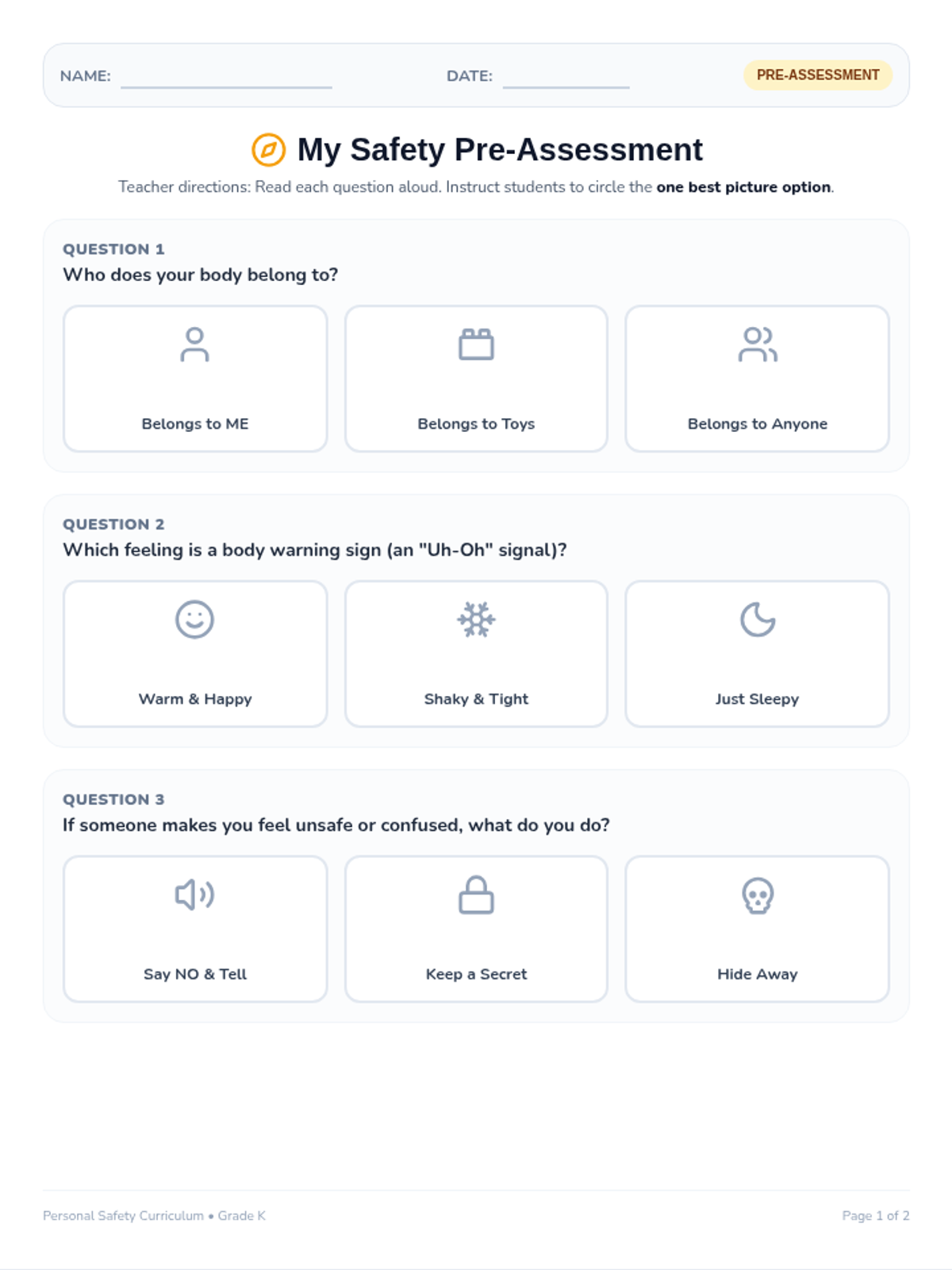
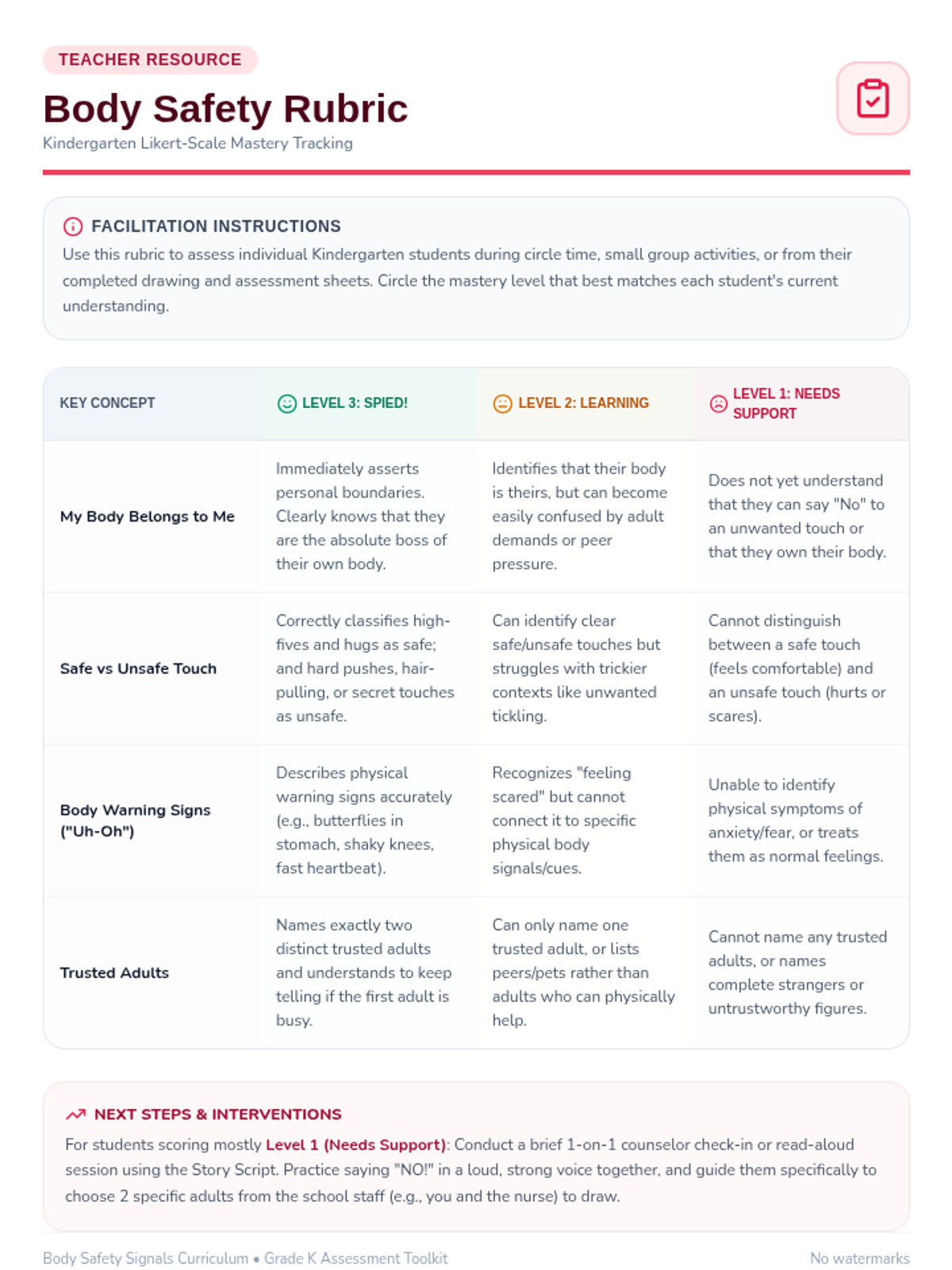
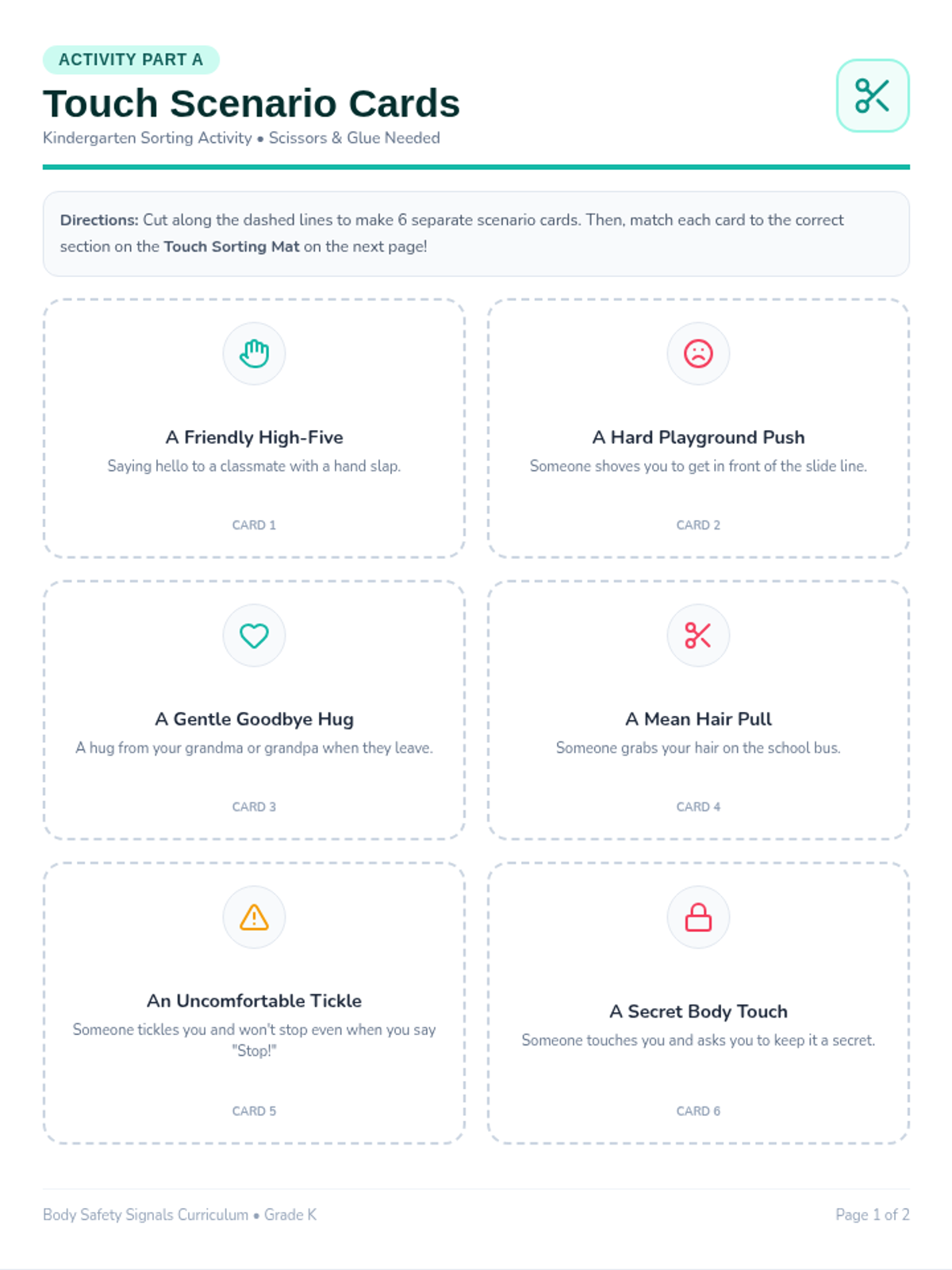
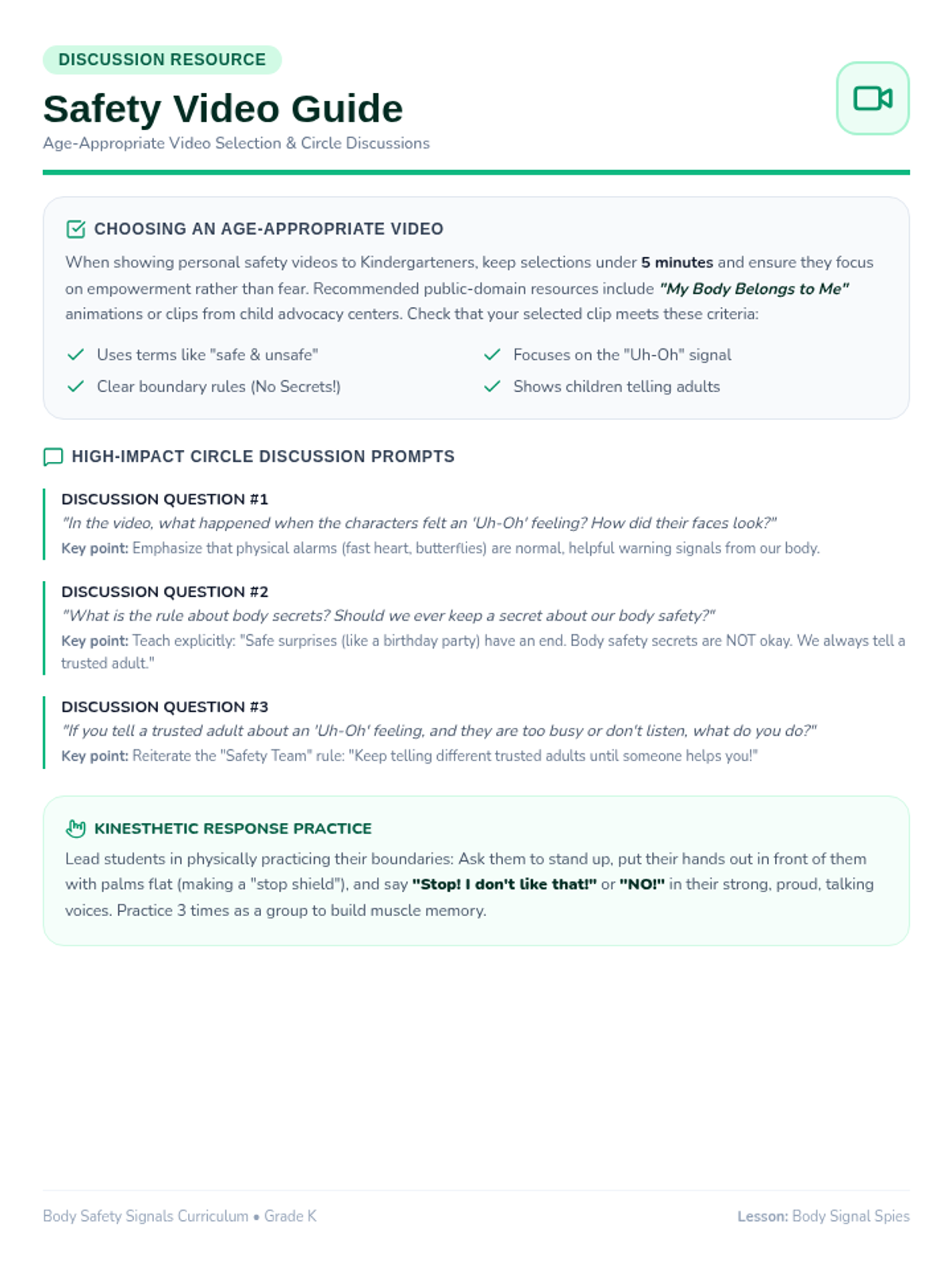
A comprehensive Kindergarten body safety lesson that teaches students to recognize physical warning signs ('uh-oh' feelings), differentiate between safe and unsafe touch, and identify trusted adults.
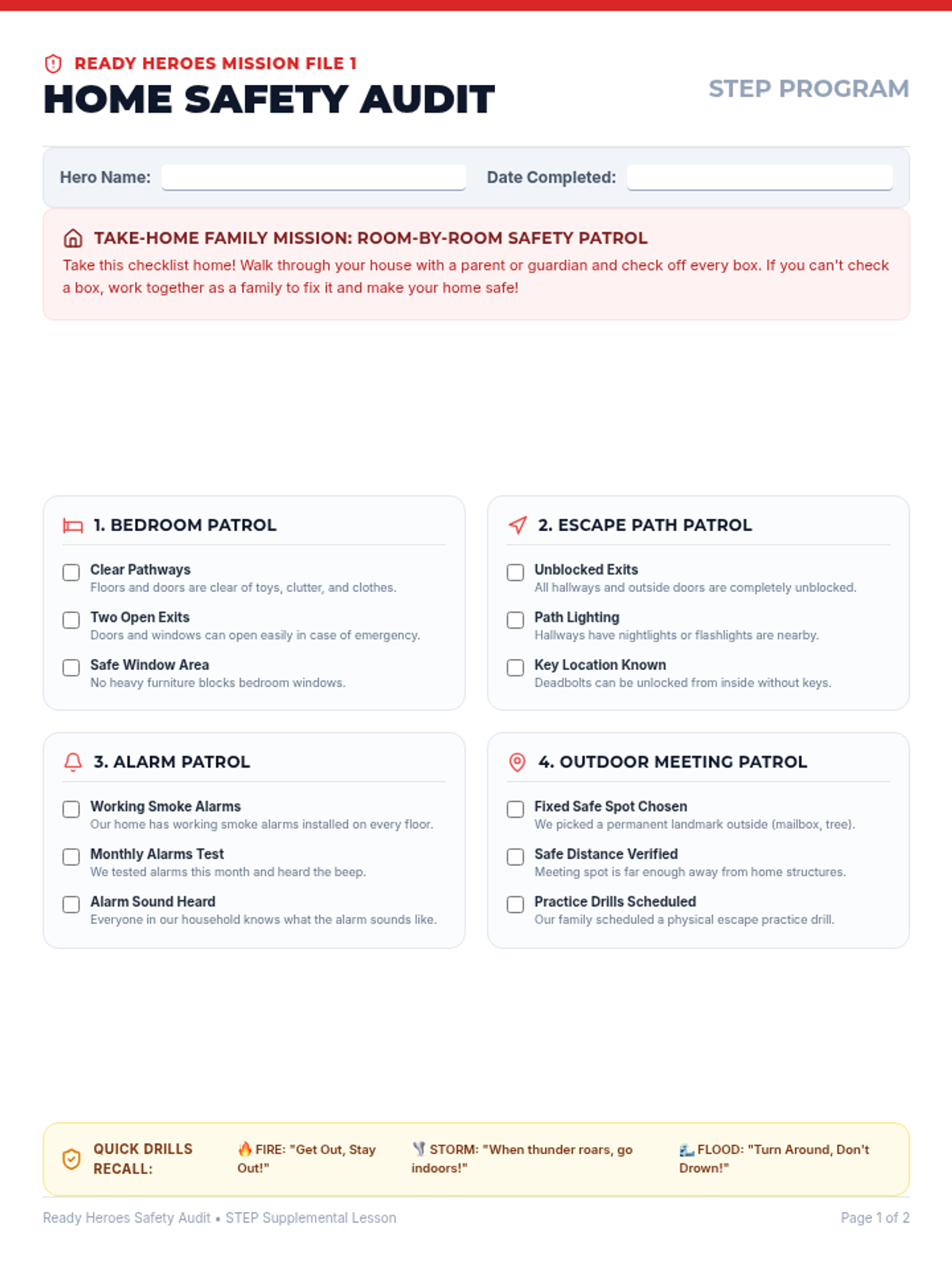
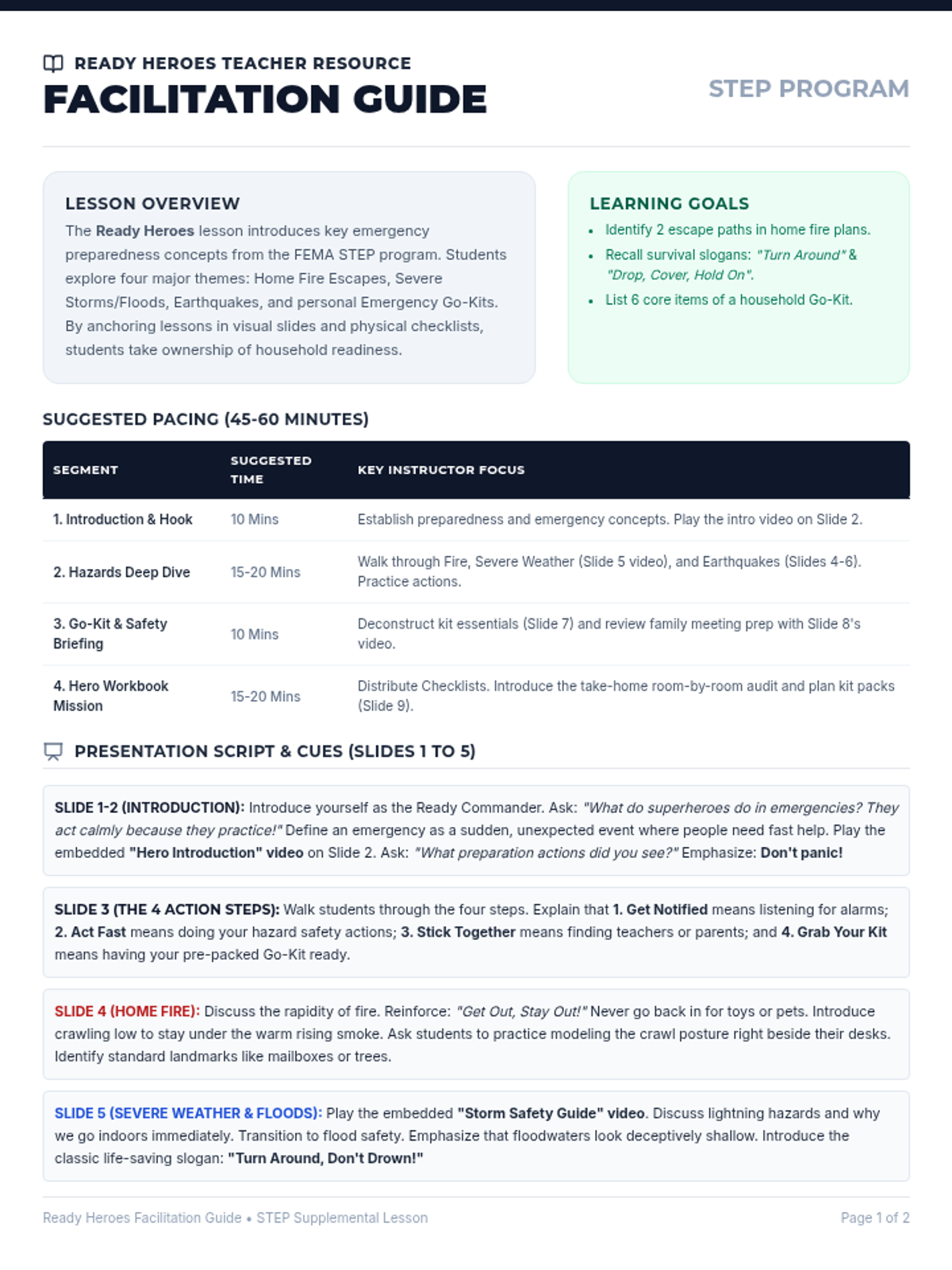
A highly visual, action-oriented emergency preparedness lesson teaching students how to stay safe during fires, severe weather, floods, and earthquakes. Includes hands-on planning for emergency go-kits and home escape plans.
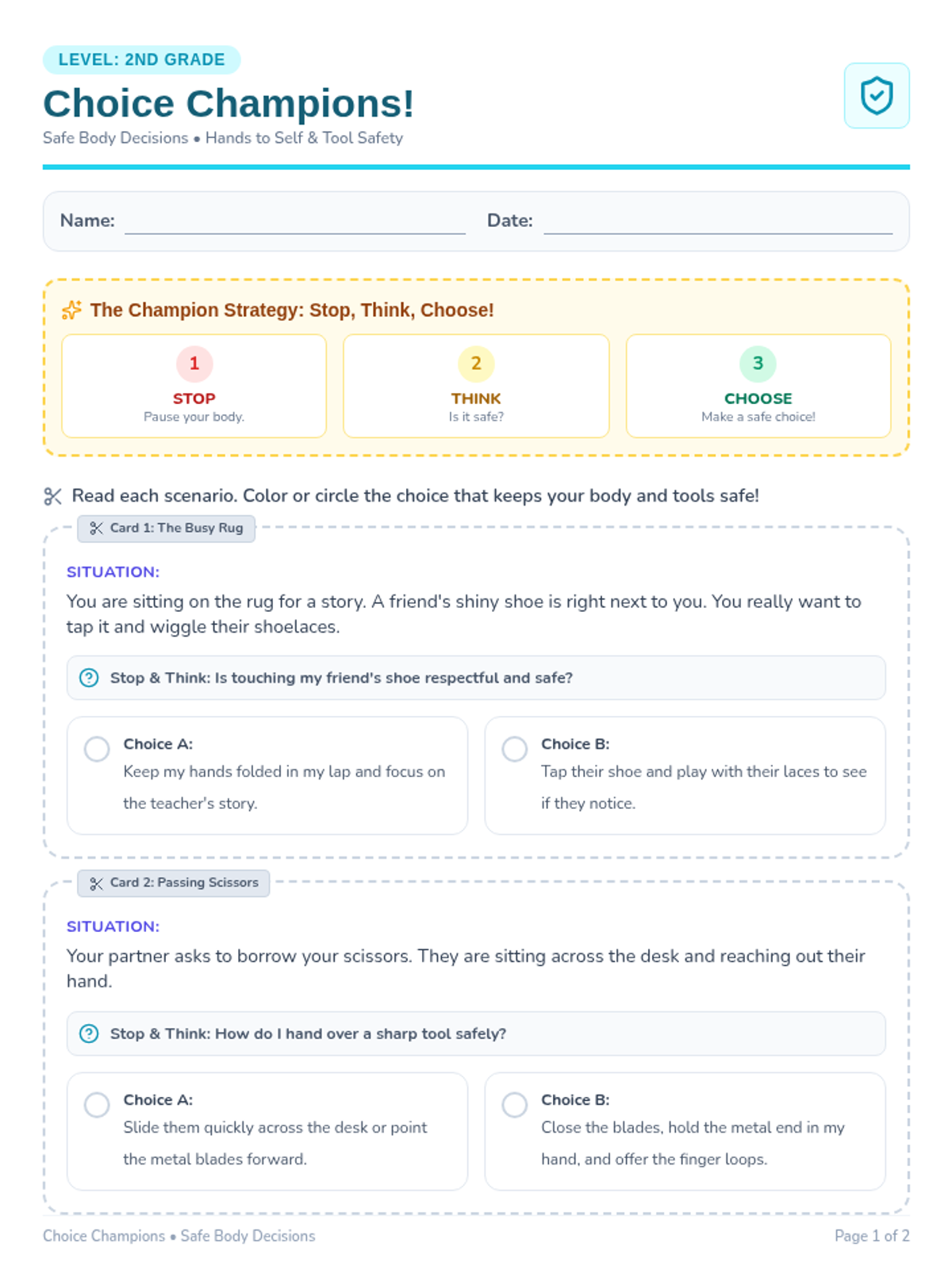
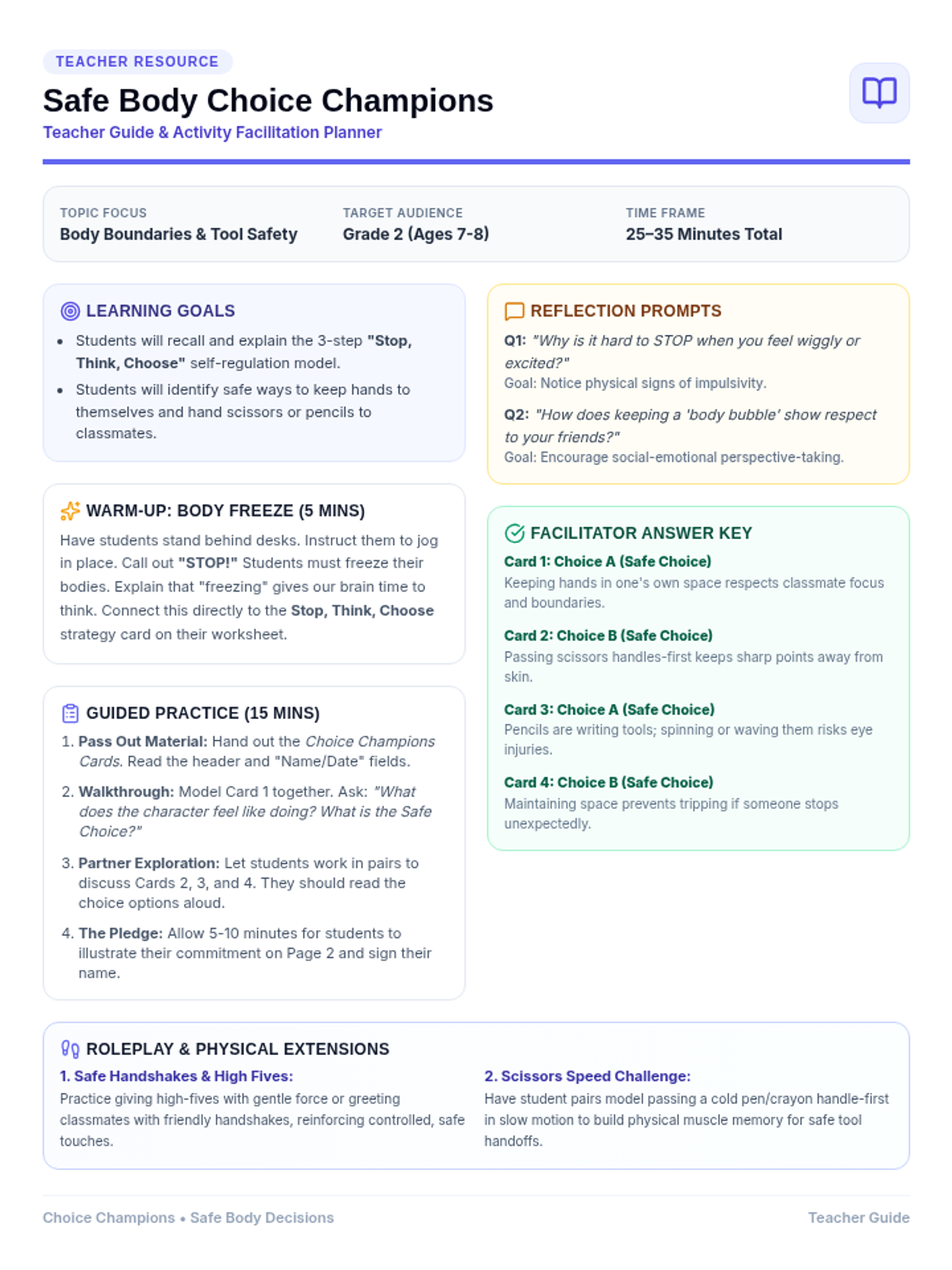
A lesson for 2nd graders to learn and practice making safer choices in the classroom using interactive 'Stop, Think, Choose' cards. It teaches students to keep their hands to themselves and use classroom tools safely.
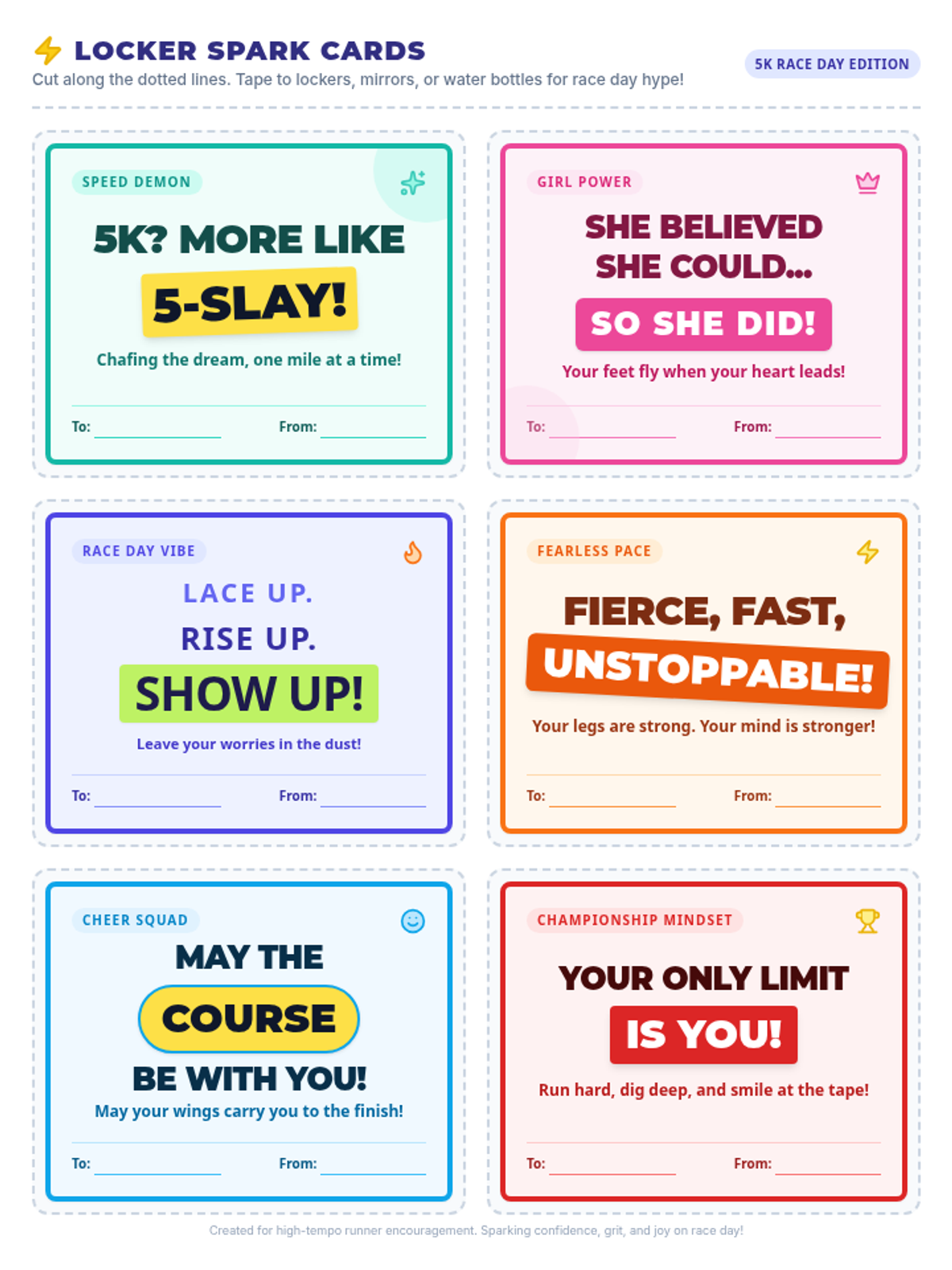
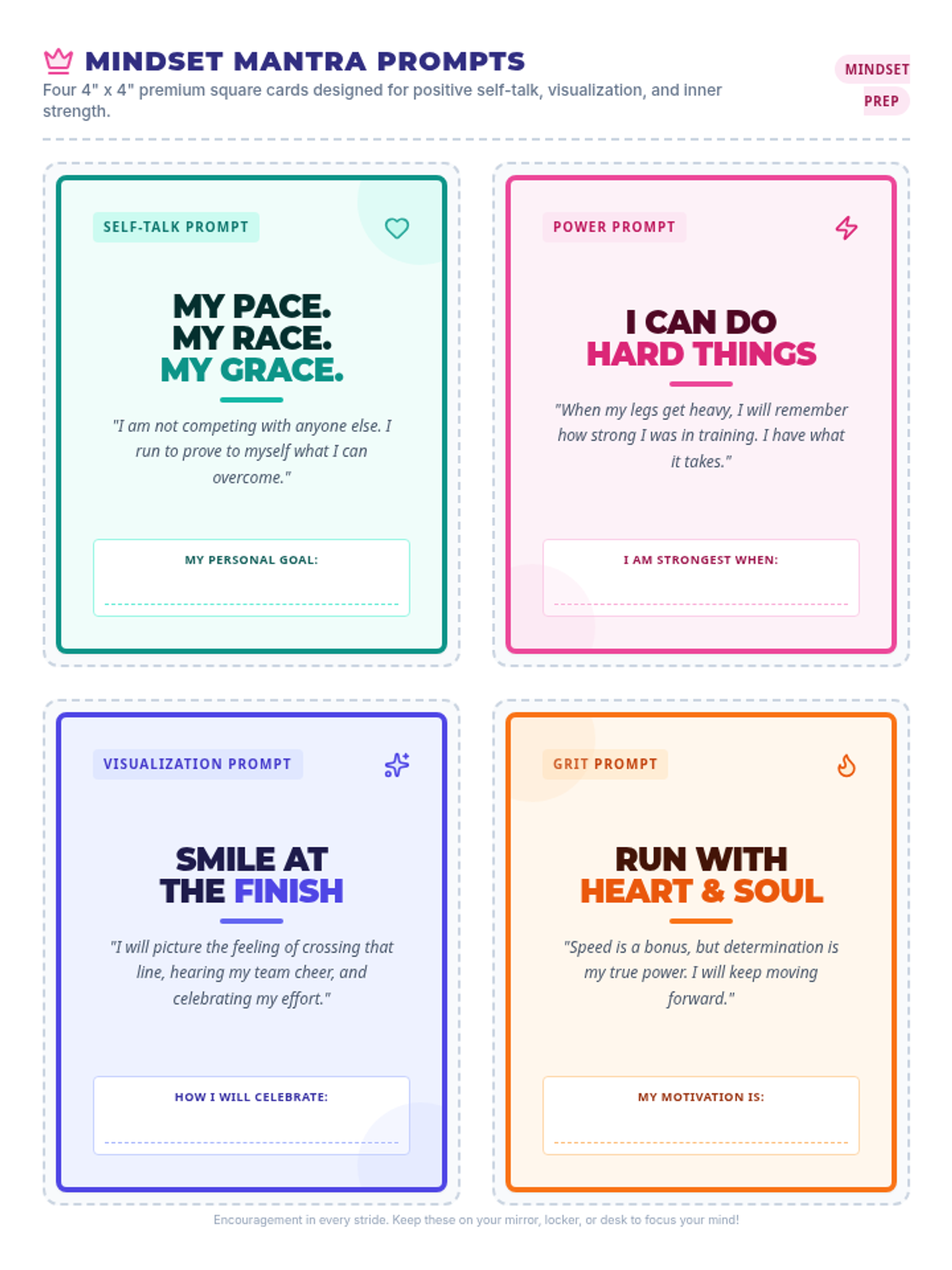
A short lesson focused on boosting runner morale and building community hype for the upcoming 5k race through personalized, high-energy motivation.
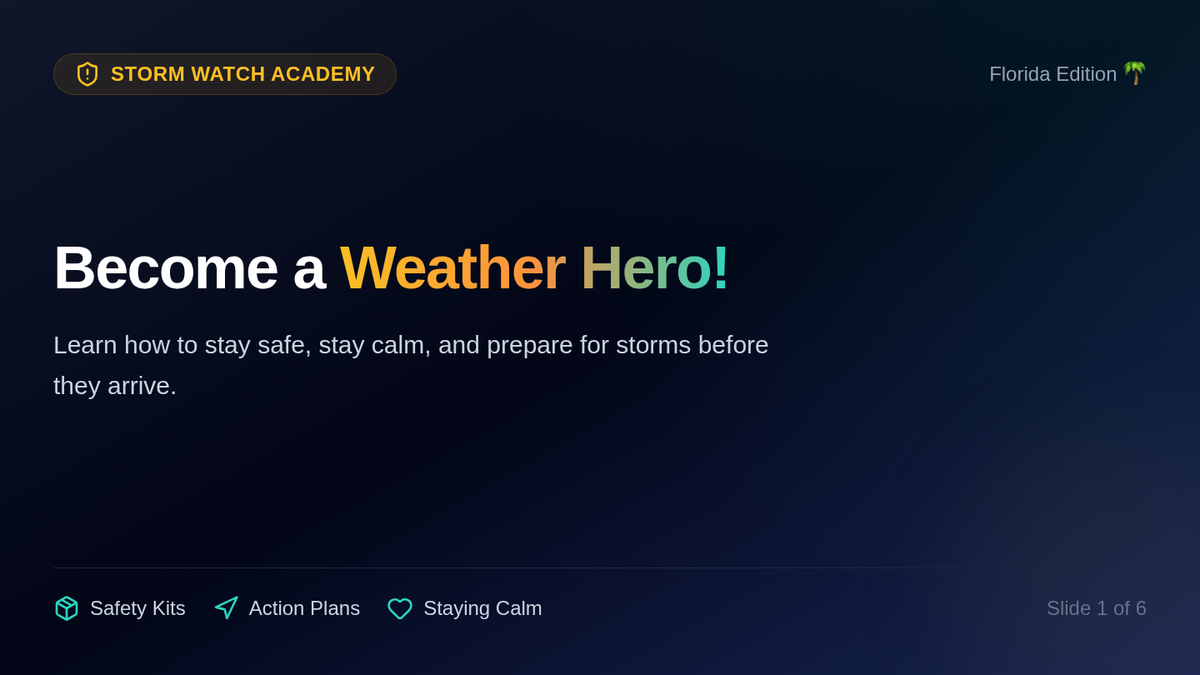
An interactive, visually rich lesson preparing Florida students for severe storms and hurricanes. Covers emergency kit building, weather alerts, home action plans, and sensory coping strategies to reduce storm anxiety.
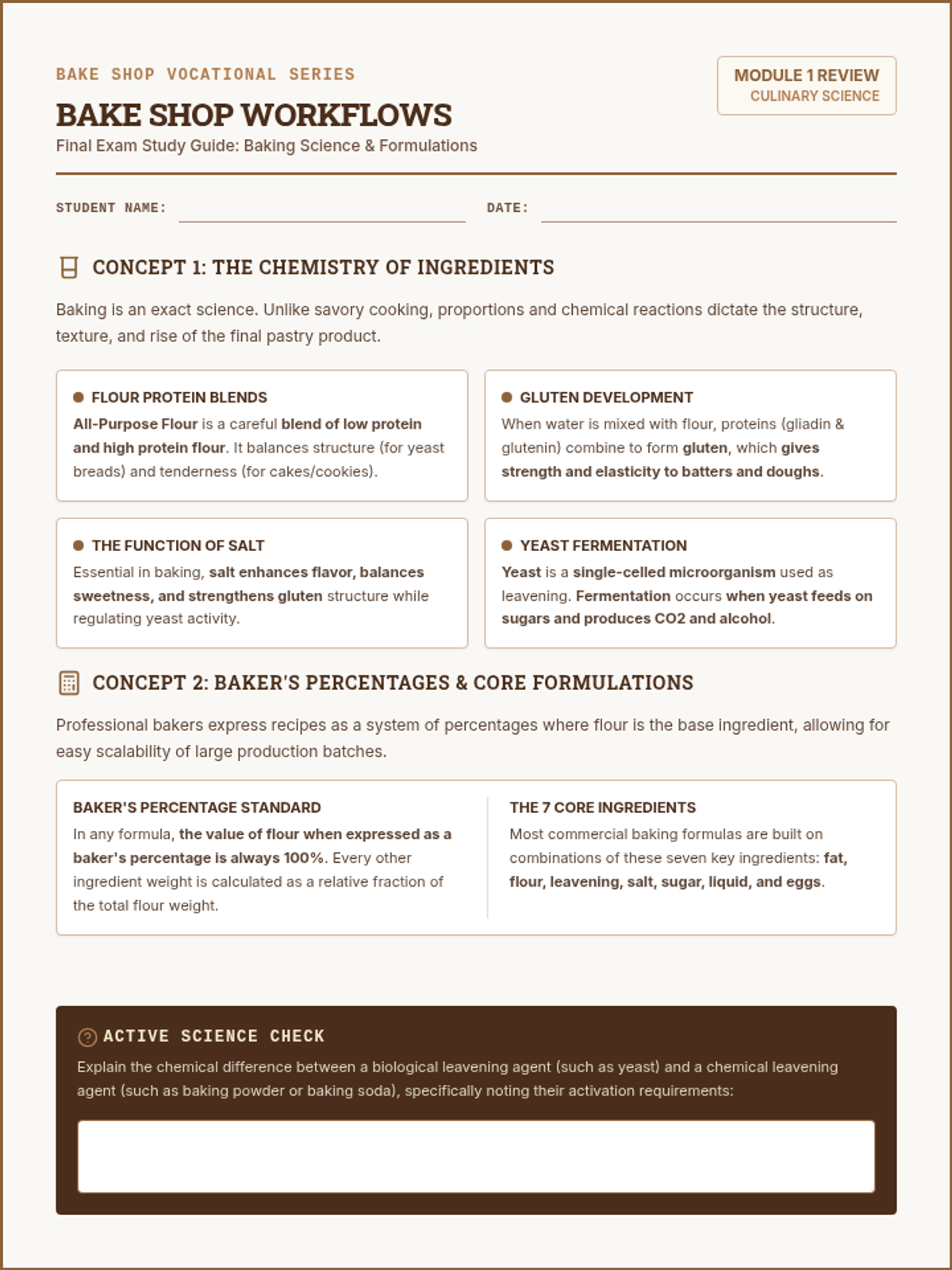
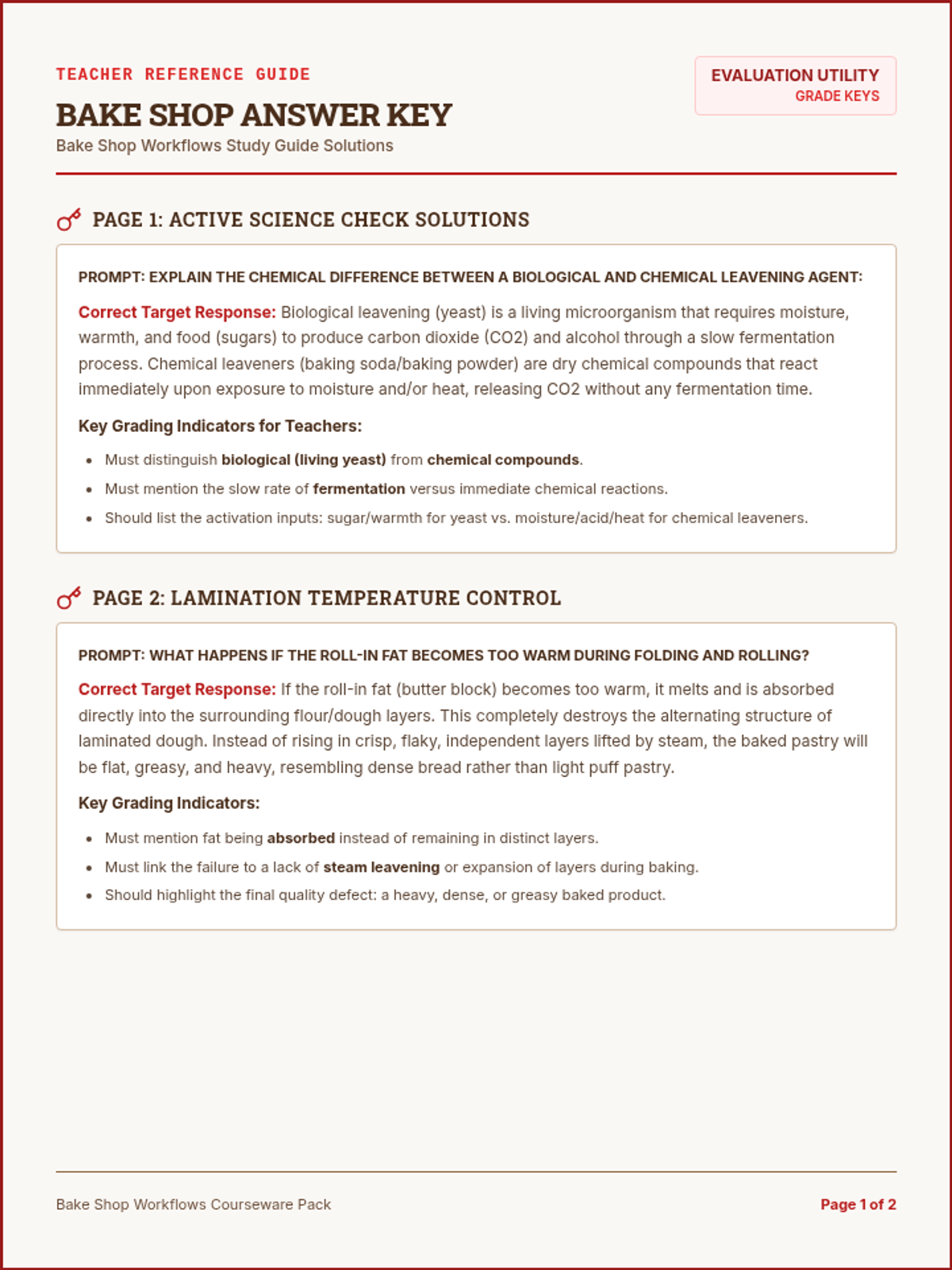
A high-yield vocational lesson focusing on commercial baking science, pastry production techniques, laminated doughs, and professional bake shop workflows.
A hands-on health lesson where students learn about the core components of a healthy life—nutrition, movement, hygiene, and rest—and design their own personalized healthy daily routine.
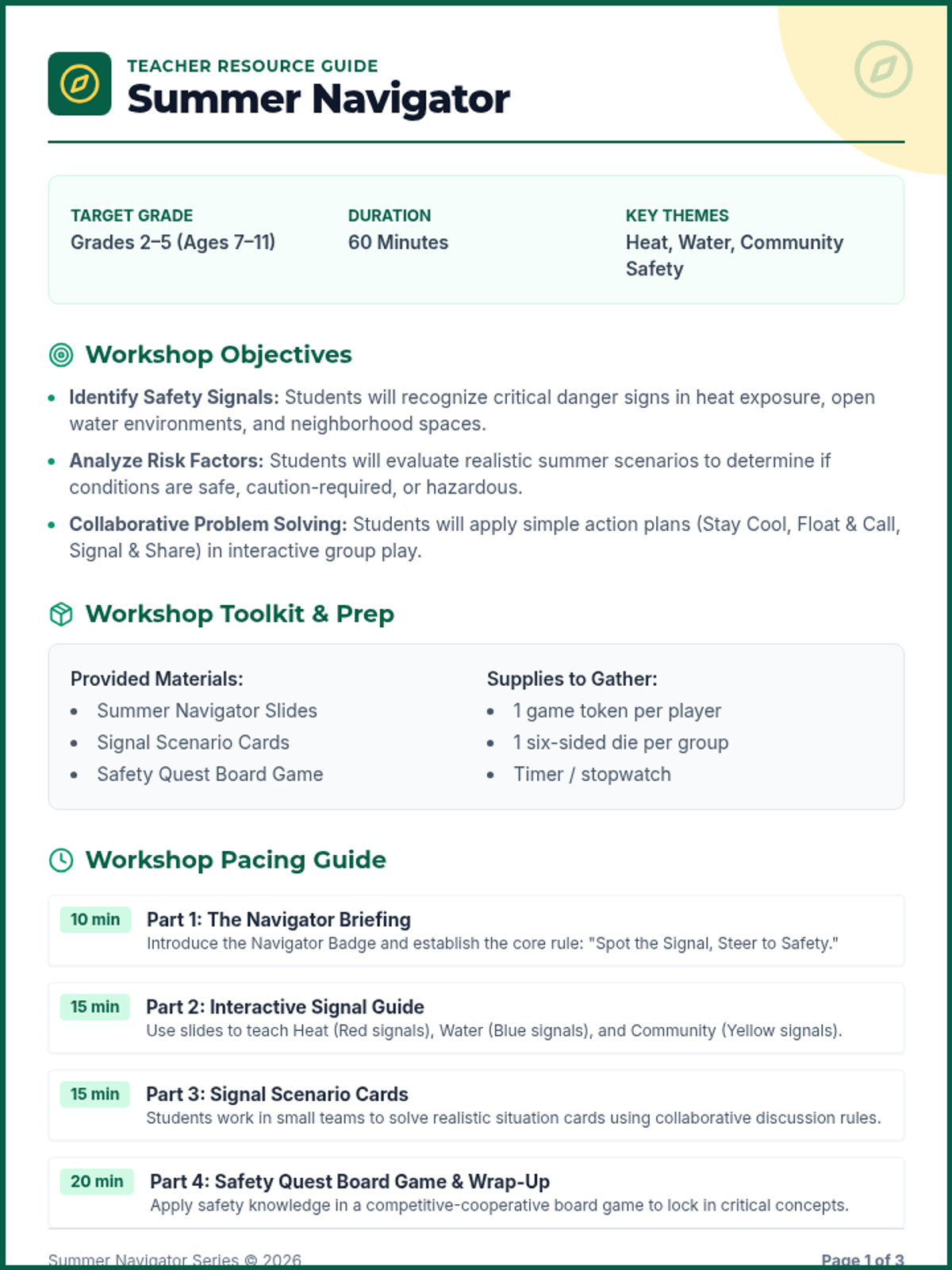
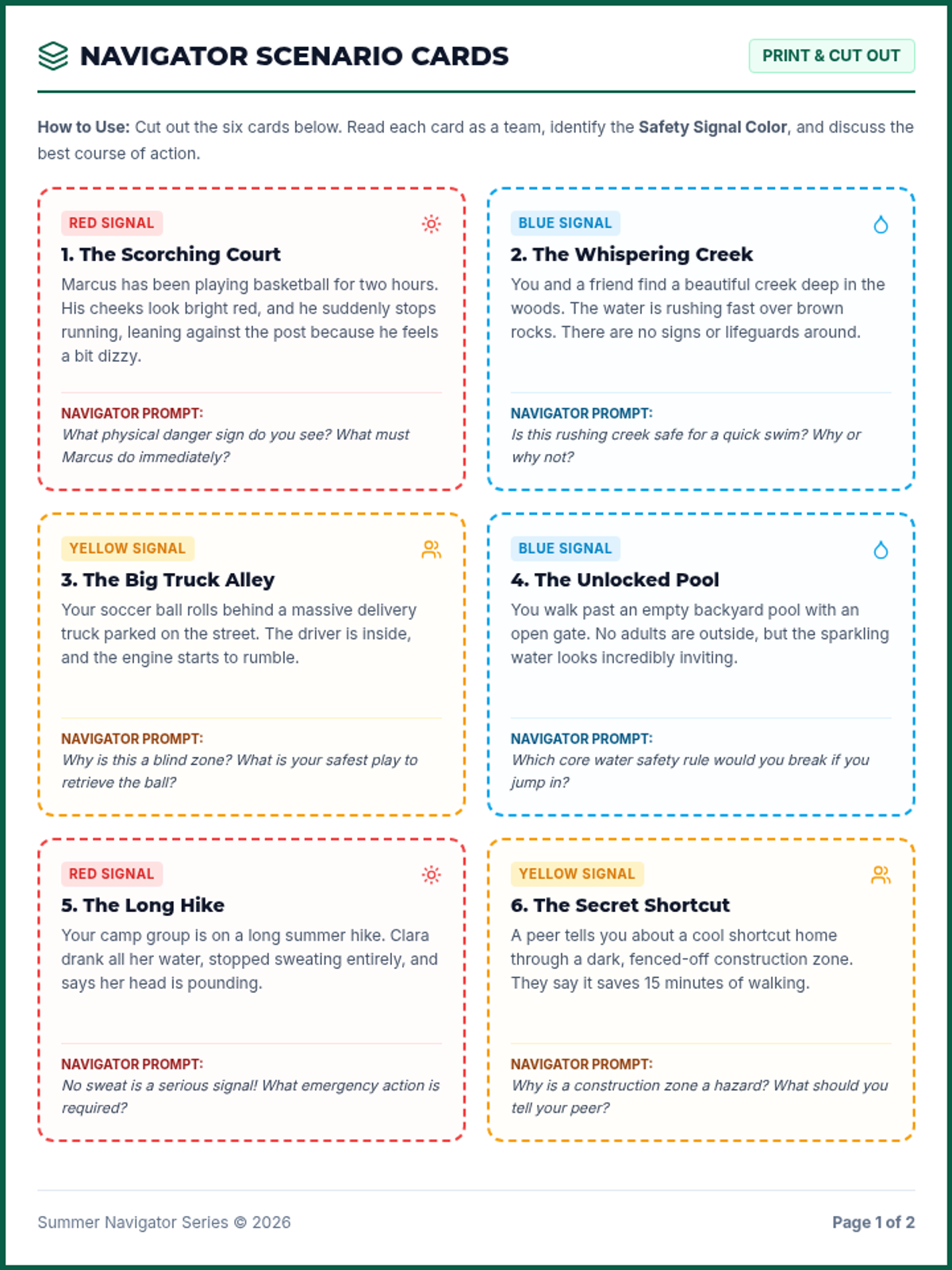
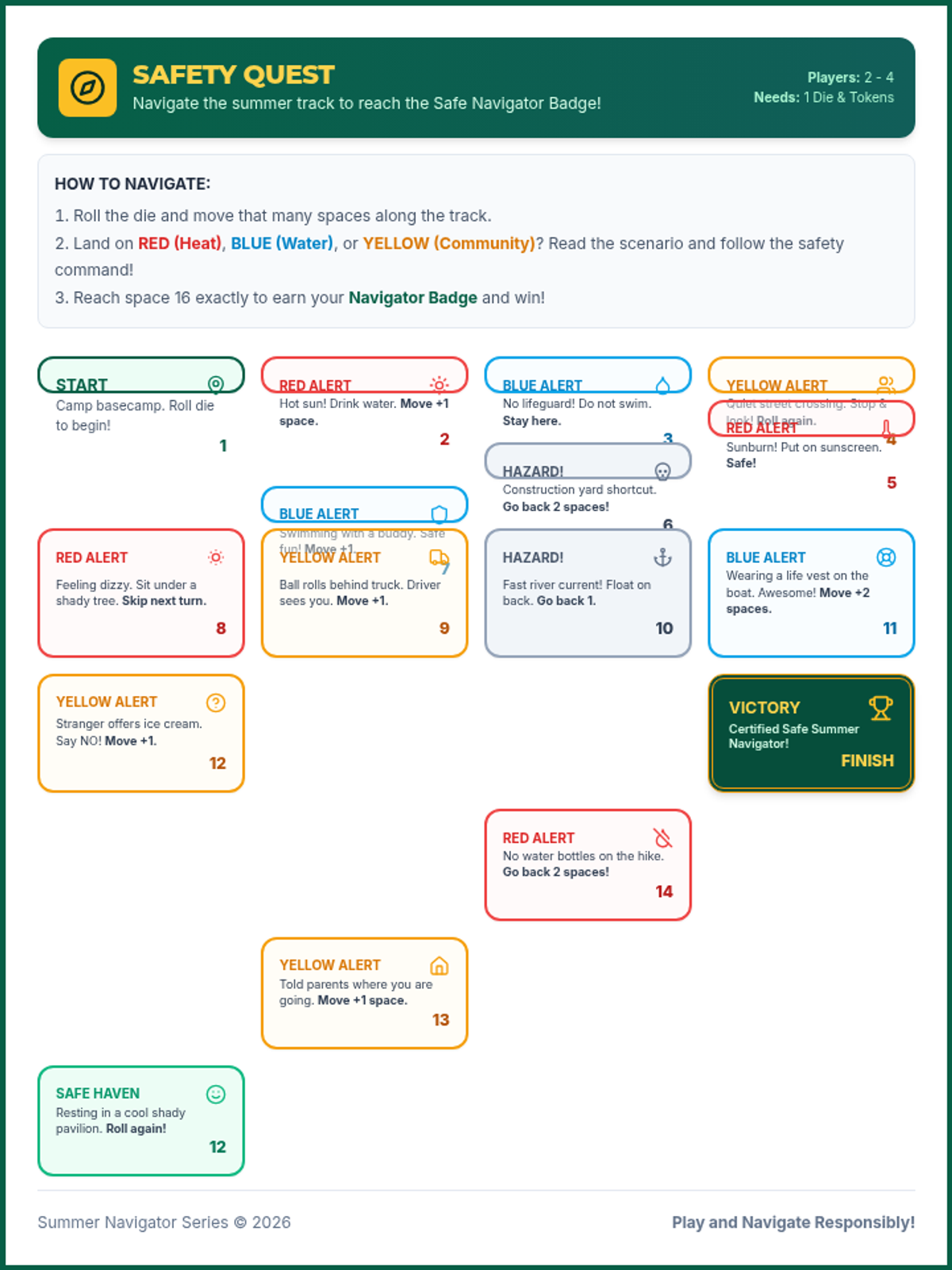
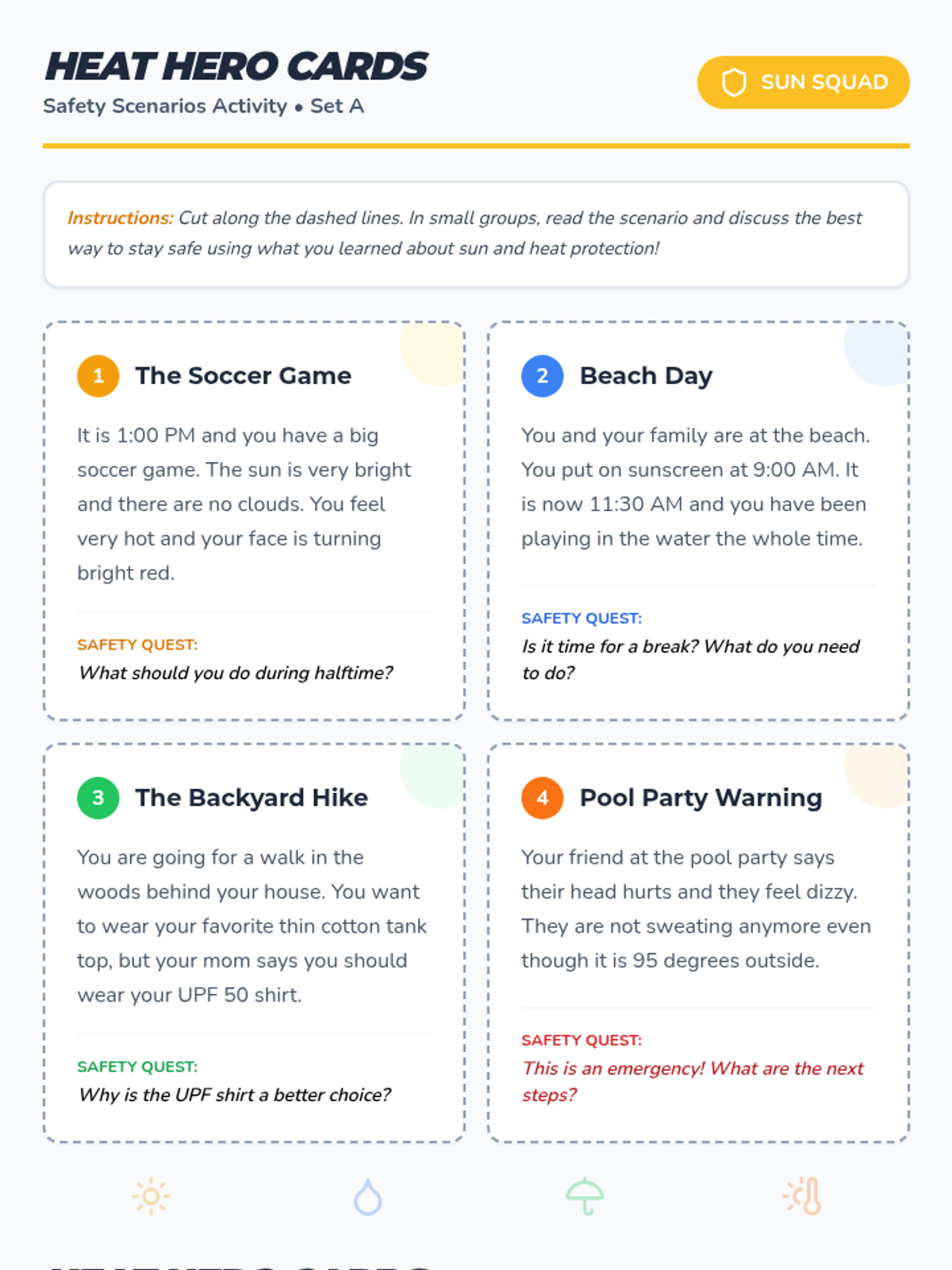
A life-skills workshop for grades 2-5 teaching heat, water, and community safety through a collaborative 'Summer Navigator' framework. Includes an instructional lesson plan, interactive slides, collaborative scenario discussion cards, and a safety quest board game.
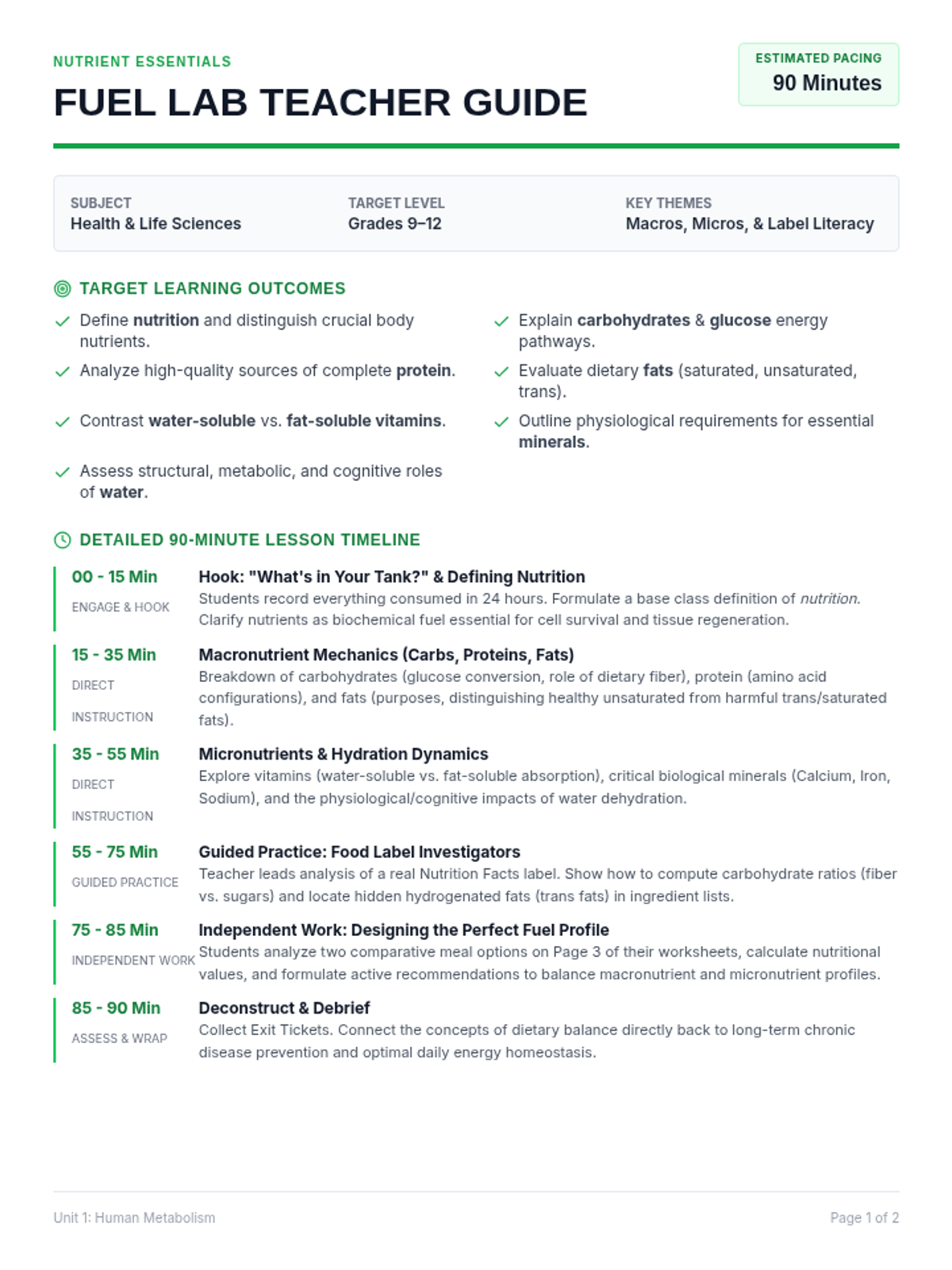
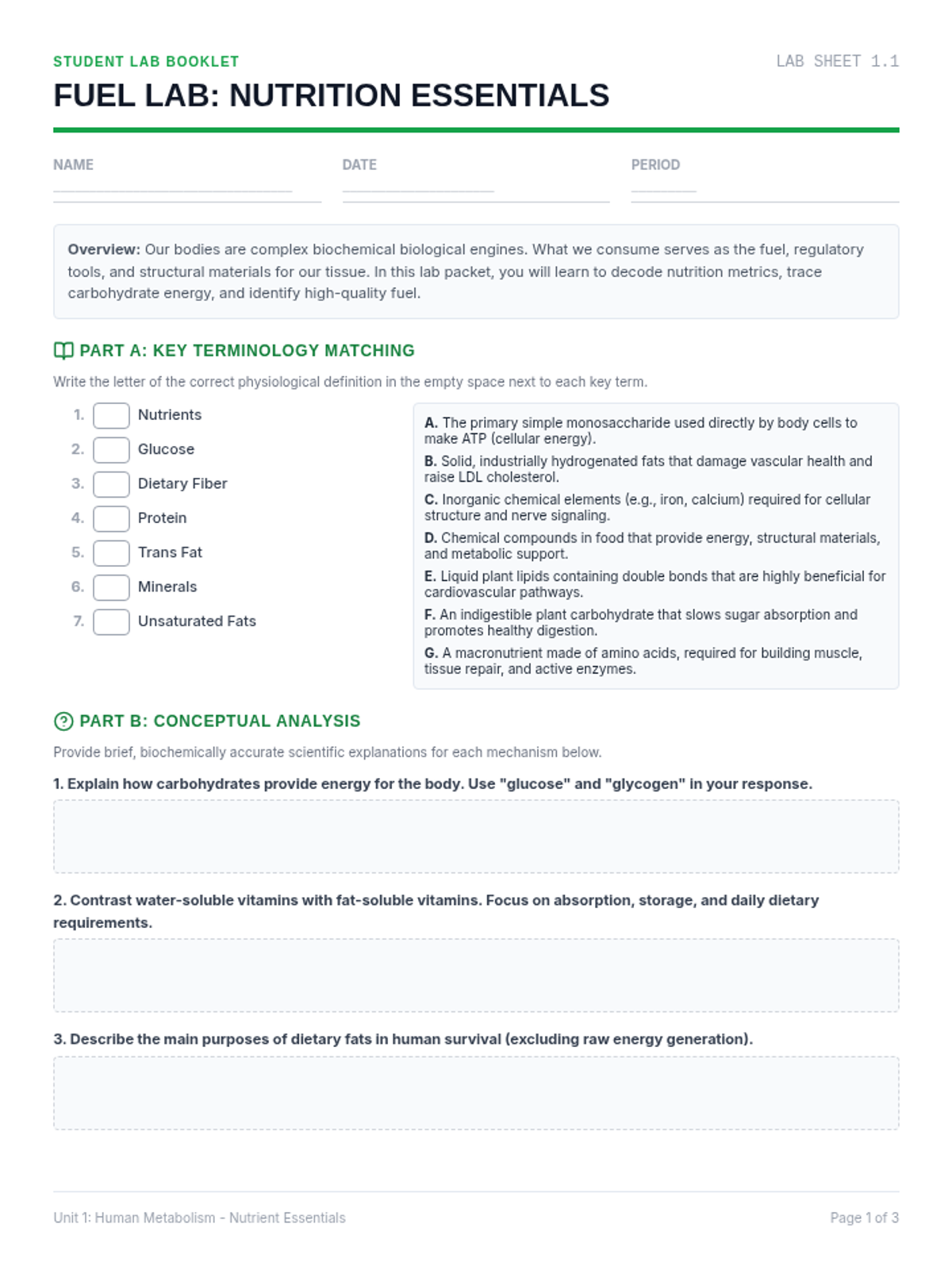
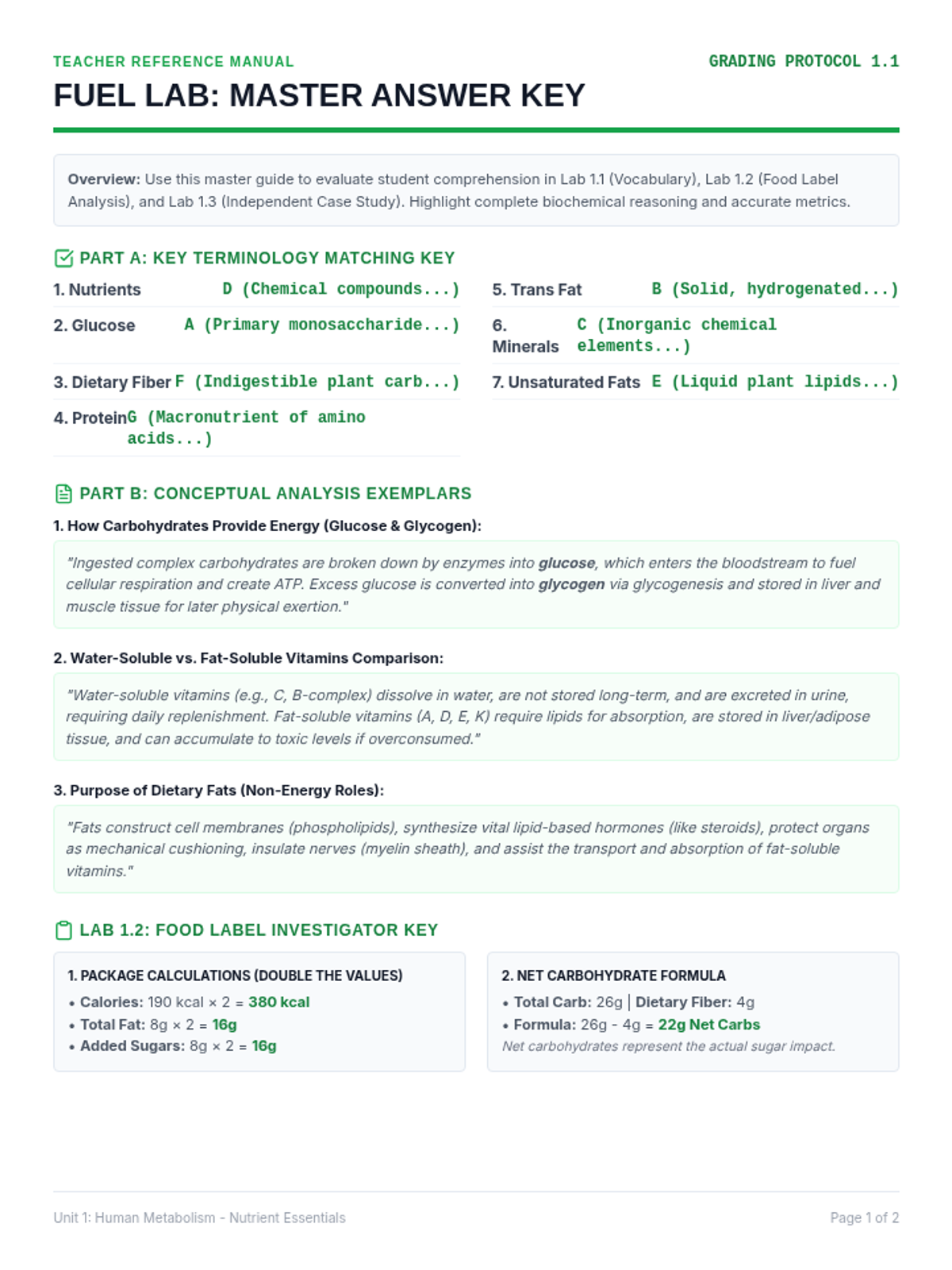
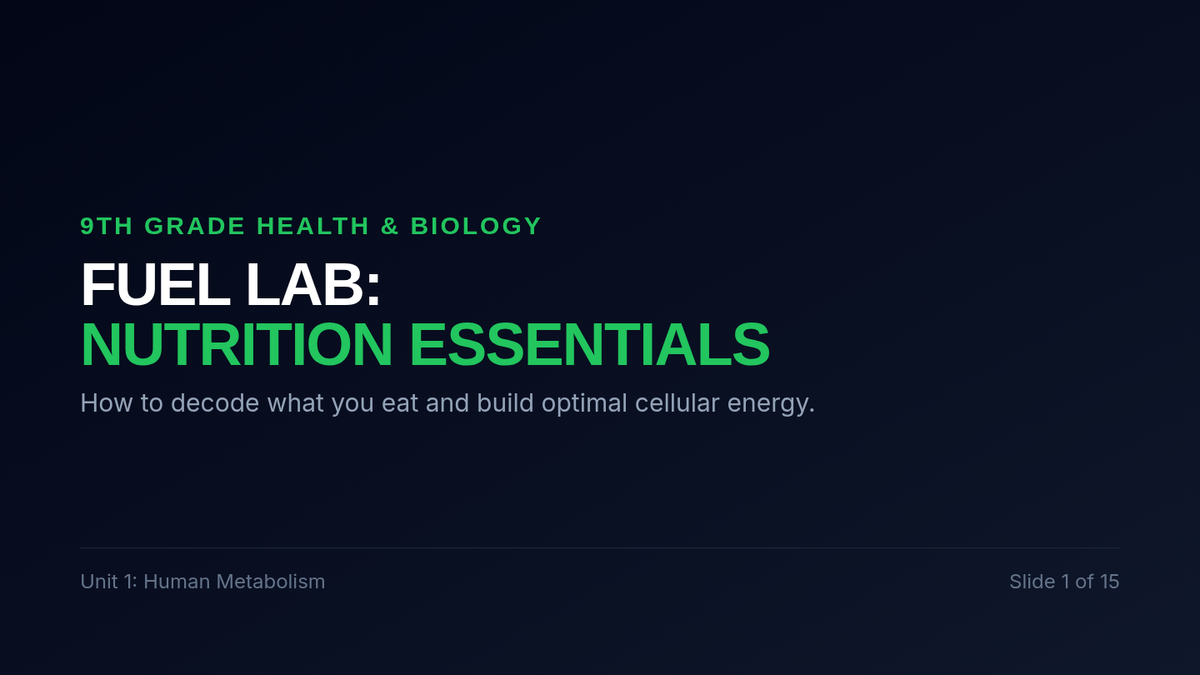
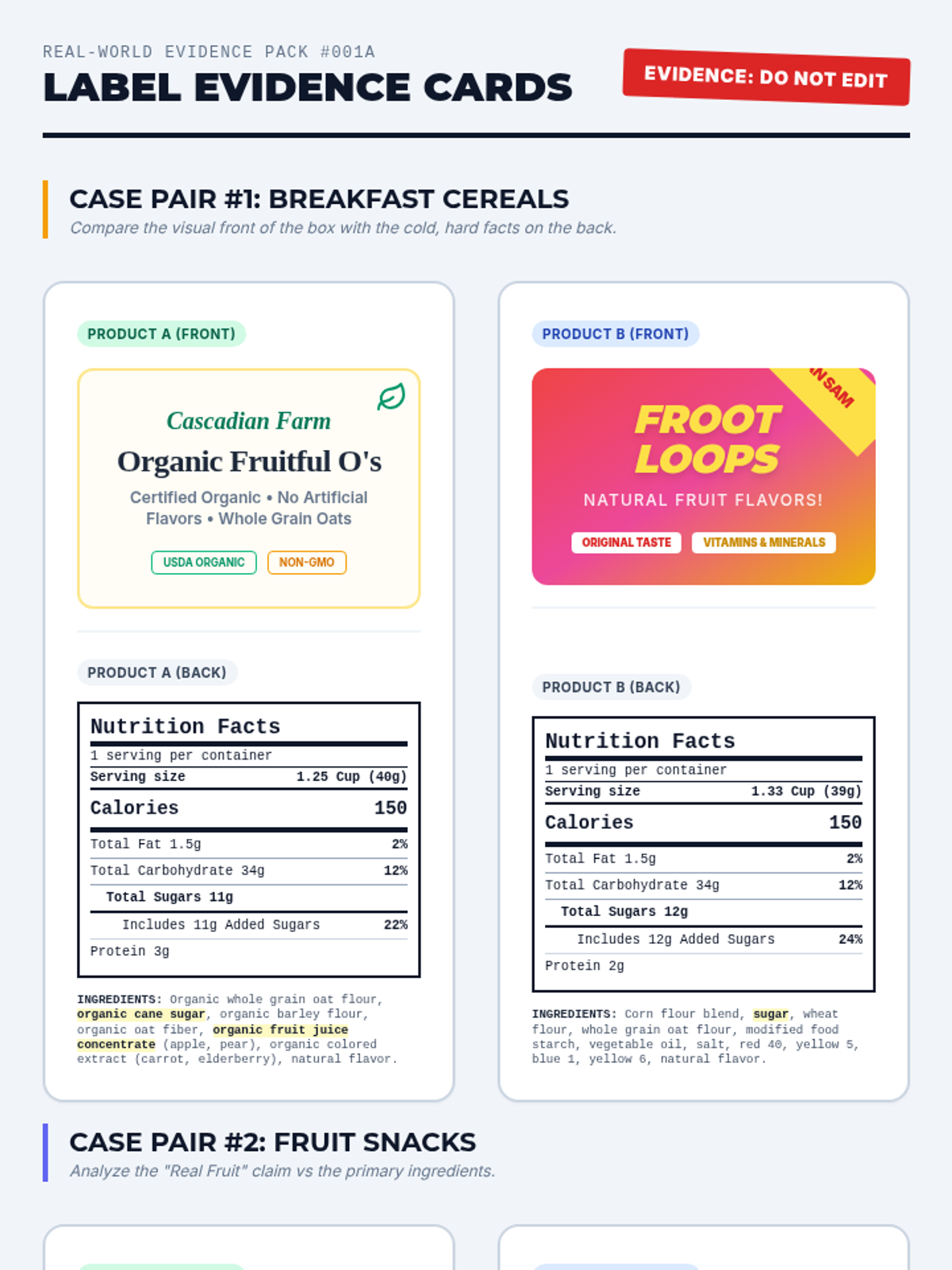
A 90-minute lesson plan package focusing on human nutrition, exploring macronutrients (carbs, proteins, fats), micronutrients (vitamins, minerals), and hydration through direct instruction and scaffolded food label analysis activities.
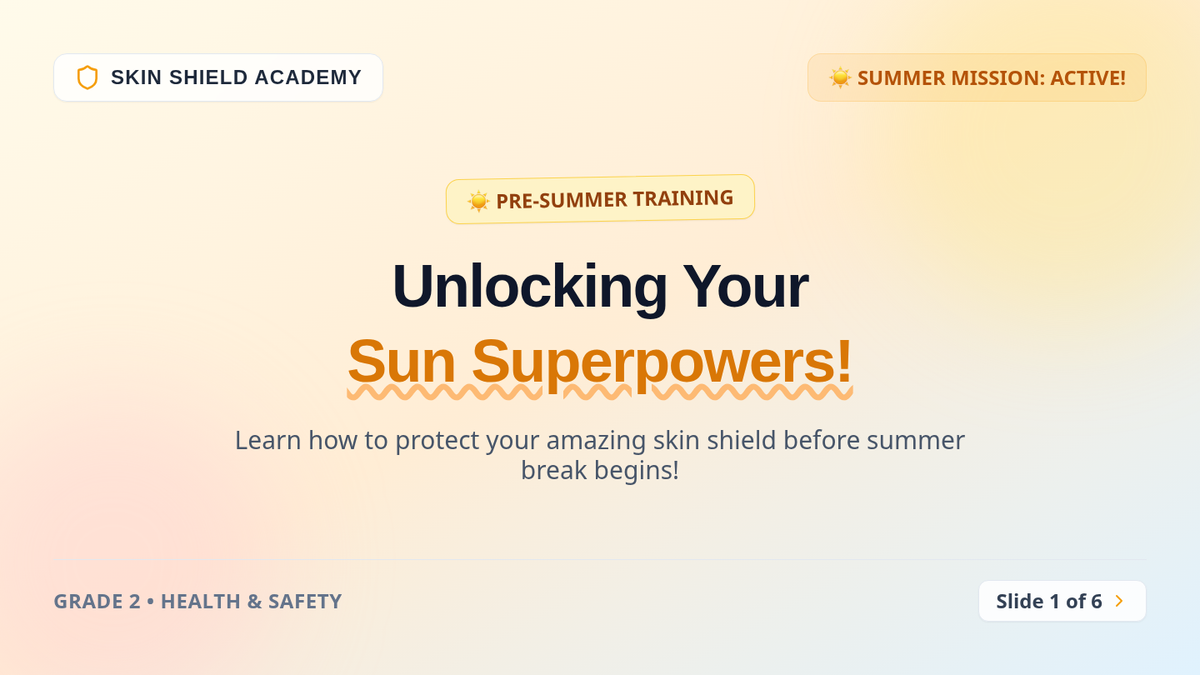
A quick, highly engaging presentation for second graders to learn essential sun safety habits before summer break, using a fun superhero theme.
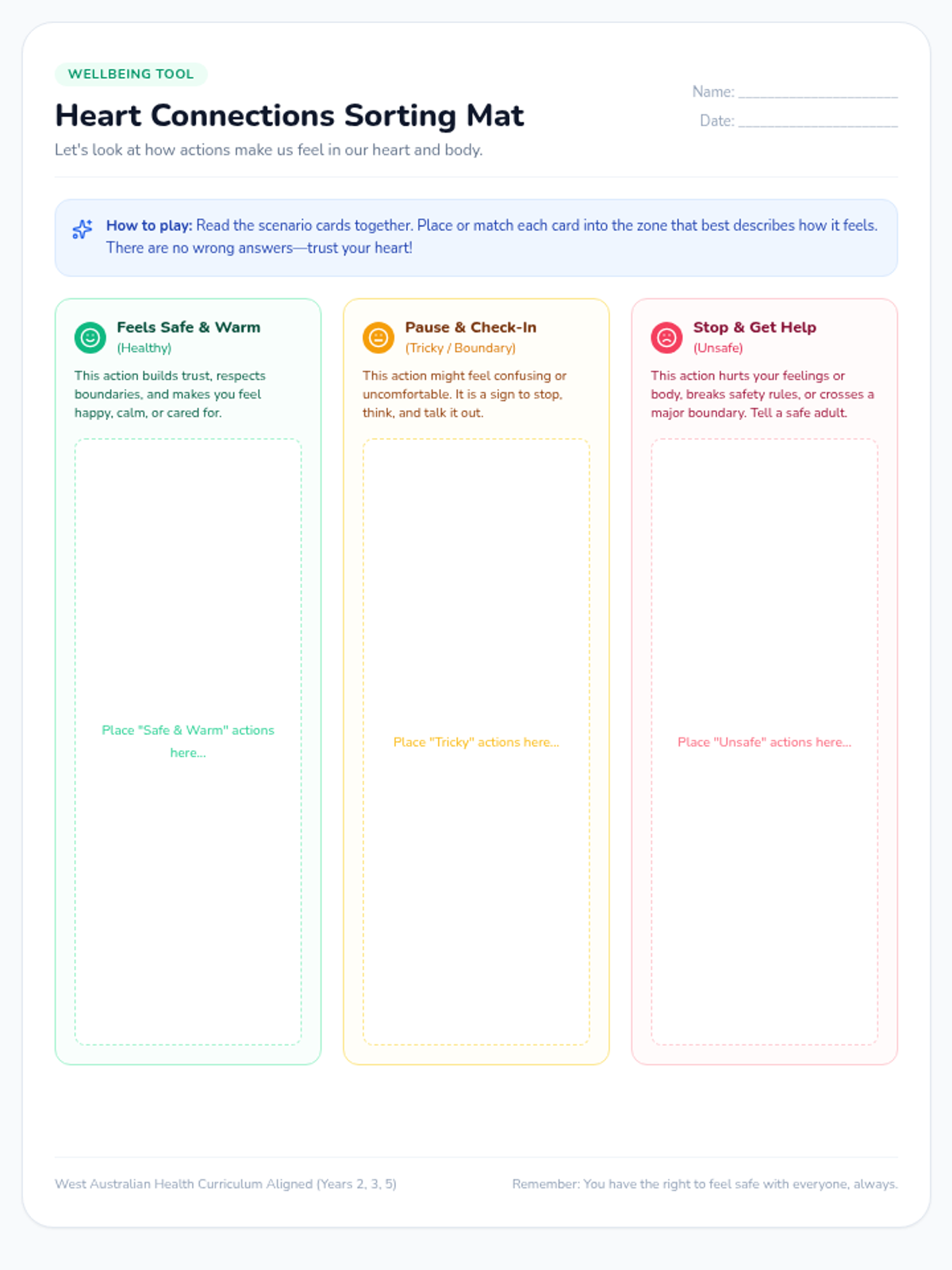
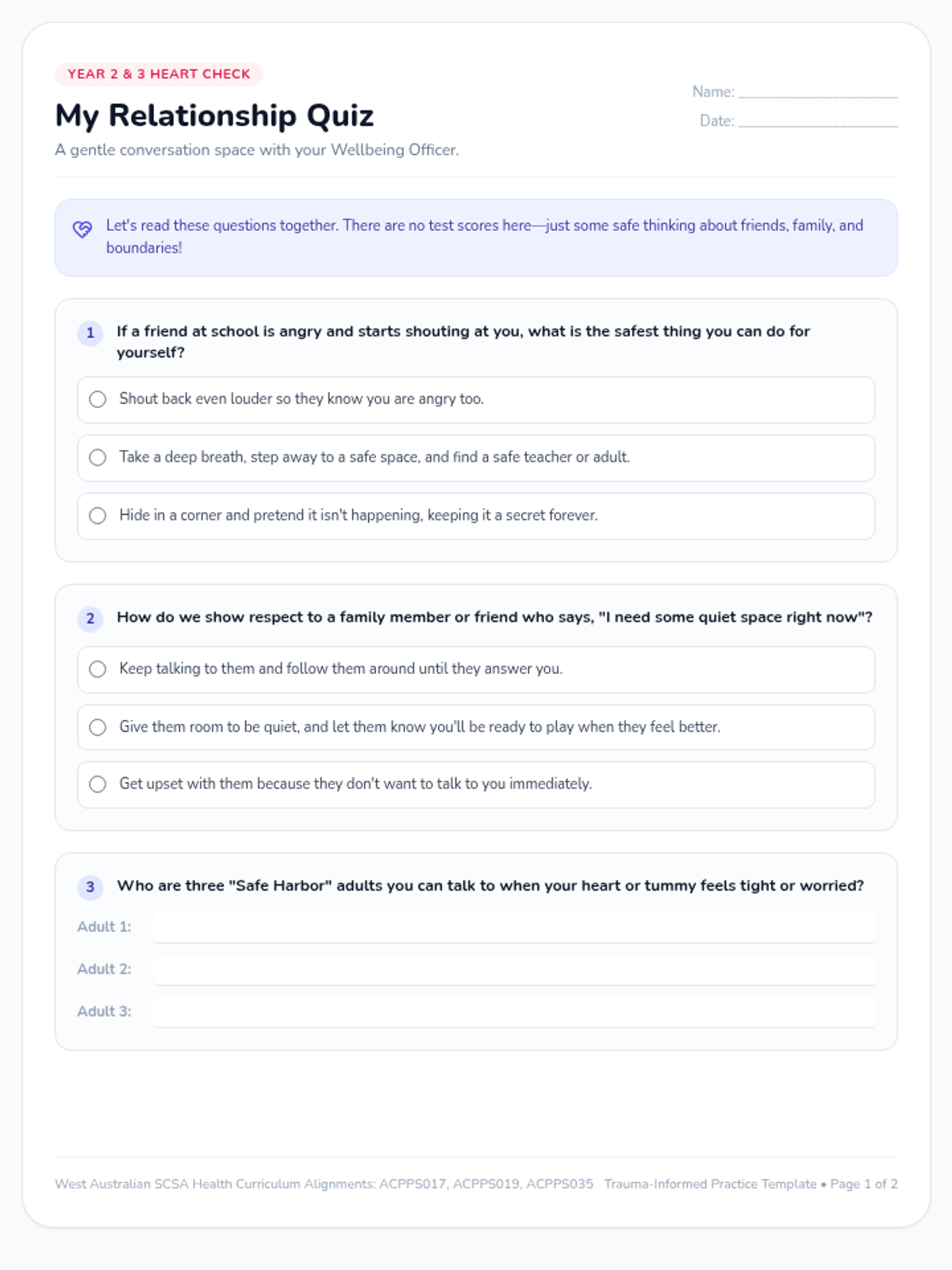
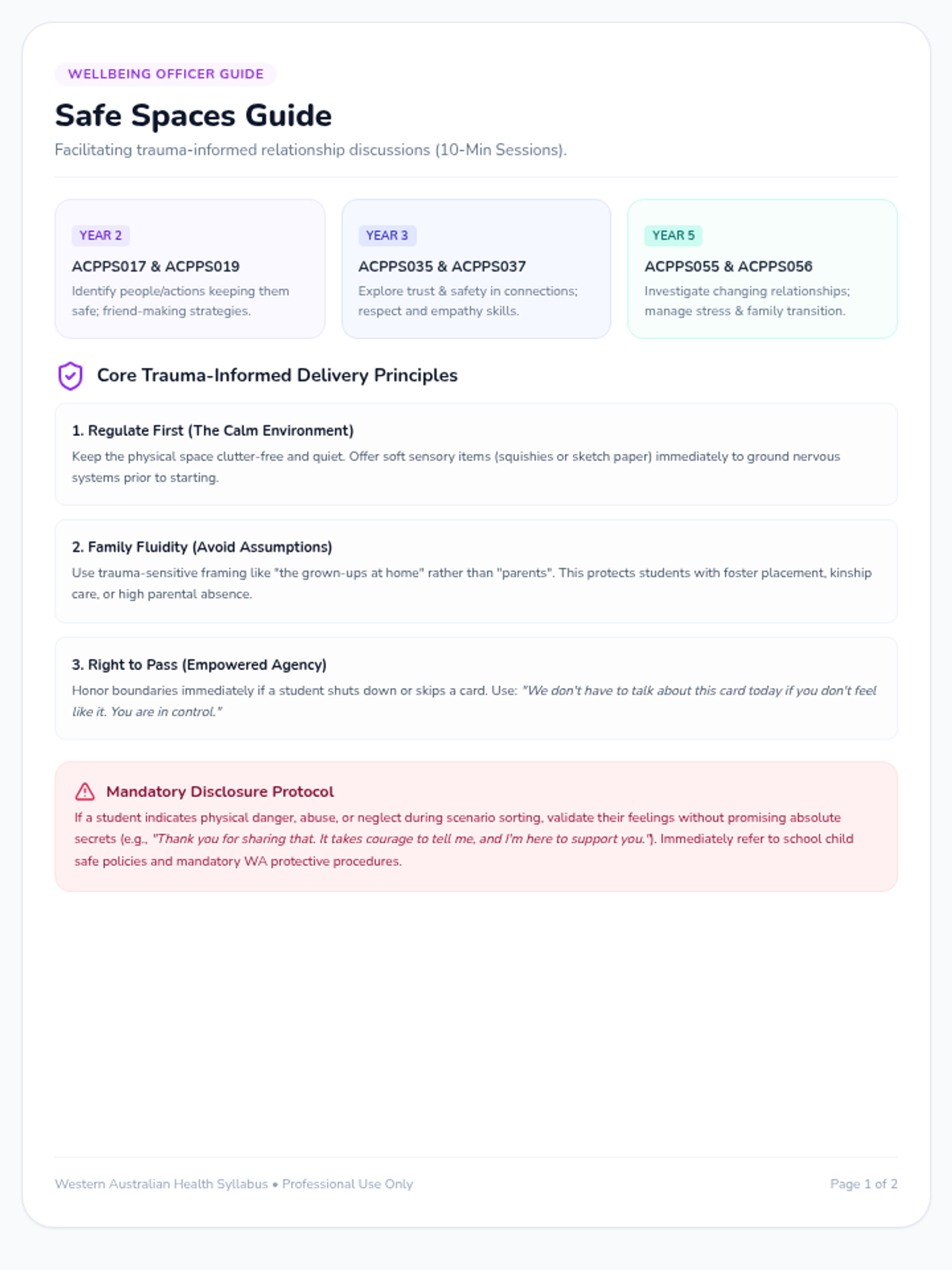
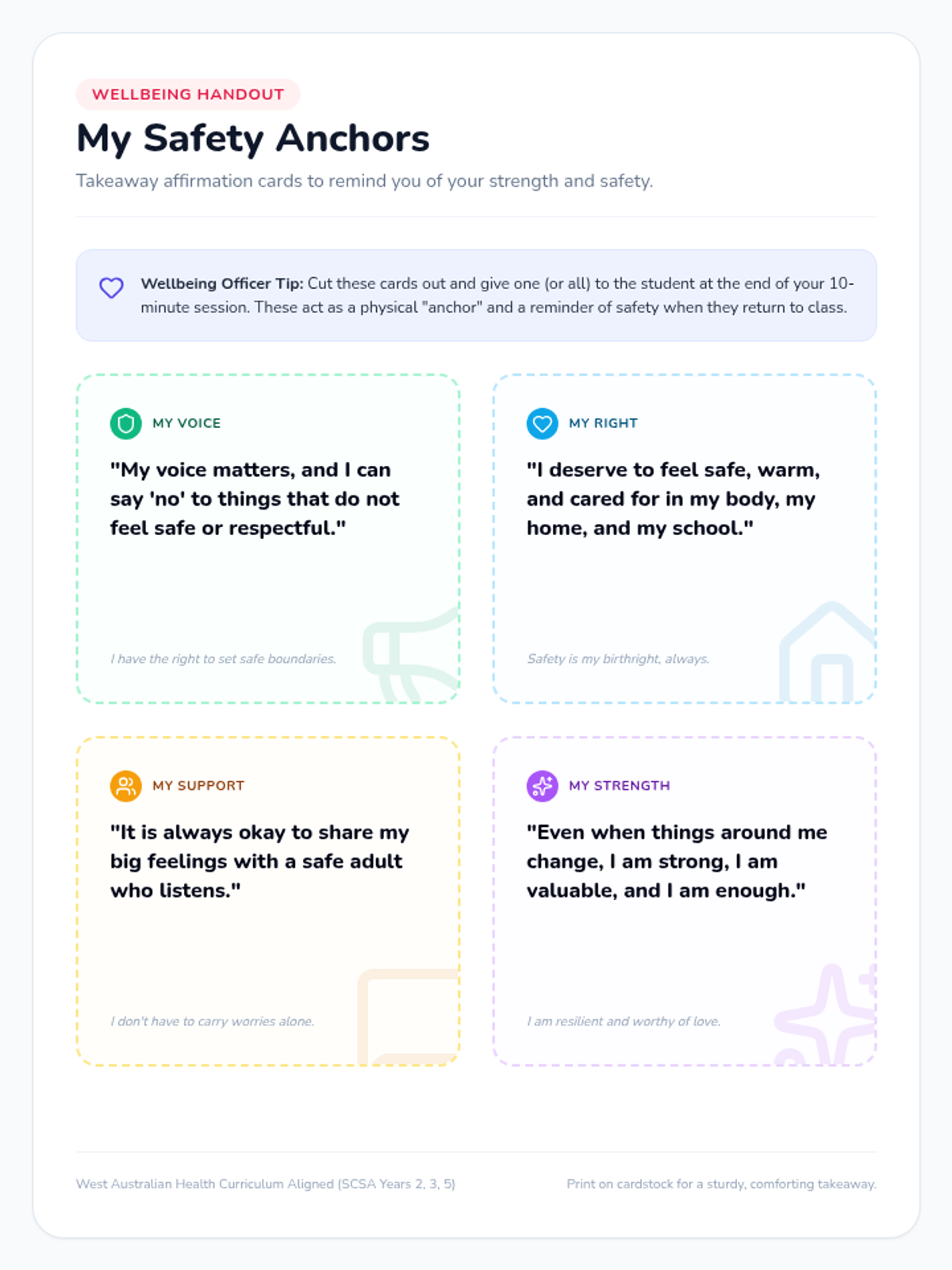
A trauma-informed wellbeing lesson focused on healthy relationships, family dynamics, and safe social interactions for Year 2, 3, and 5 students. Aligned to the Western Australian SCSA Health curriculum, this resource features visual sorting tasks and conversational quizzes designed for quick, impactful 1:1 sessions.
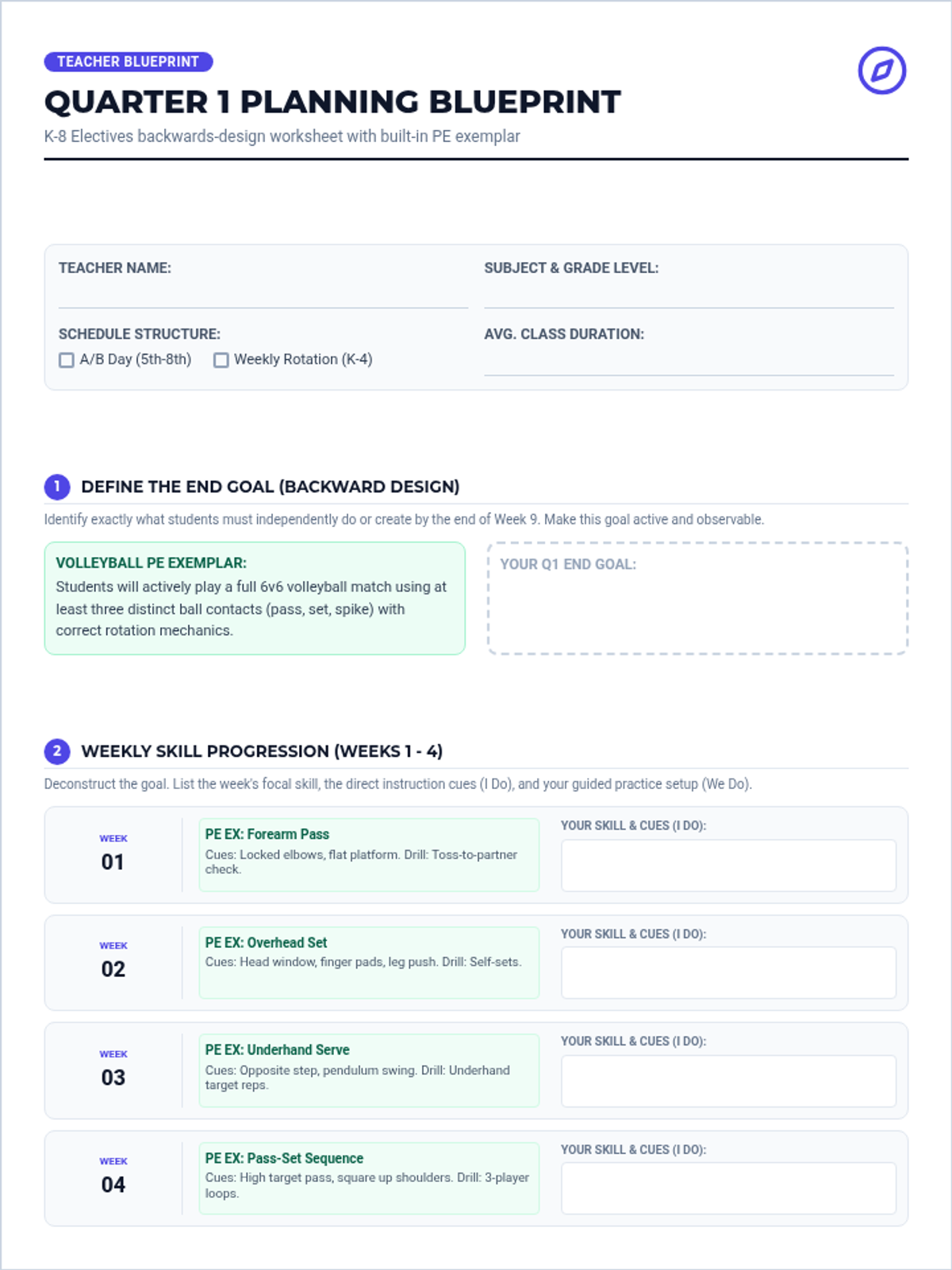
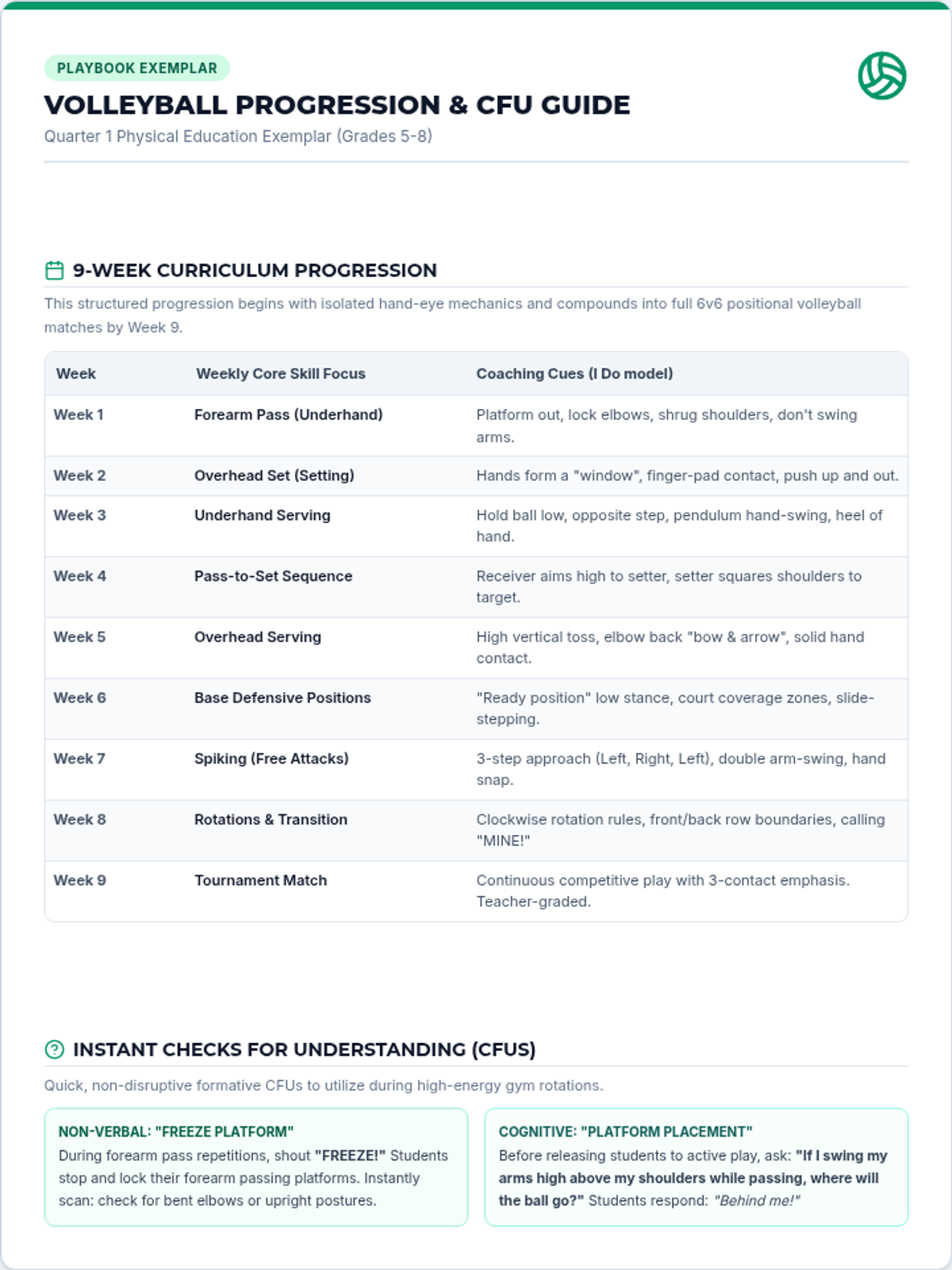
A professional development session and toolset for K-8 Electives teachers. It covers backward design, splitting schedules for A/B days and weekly rotations, mapping weekly skill progressions using the 'I Do, We Do, You Do' model, and creating checks for understanding and proficiency rubrics.
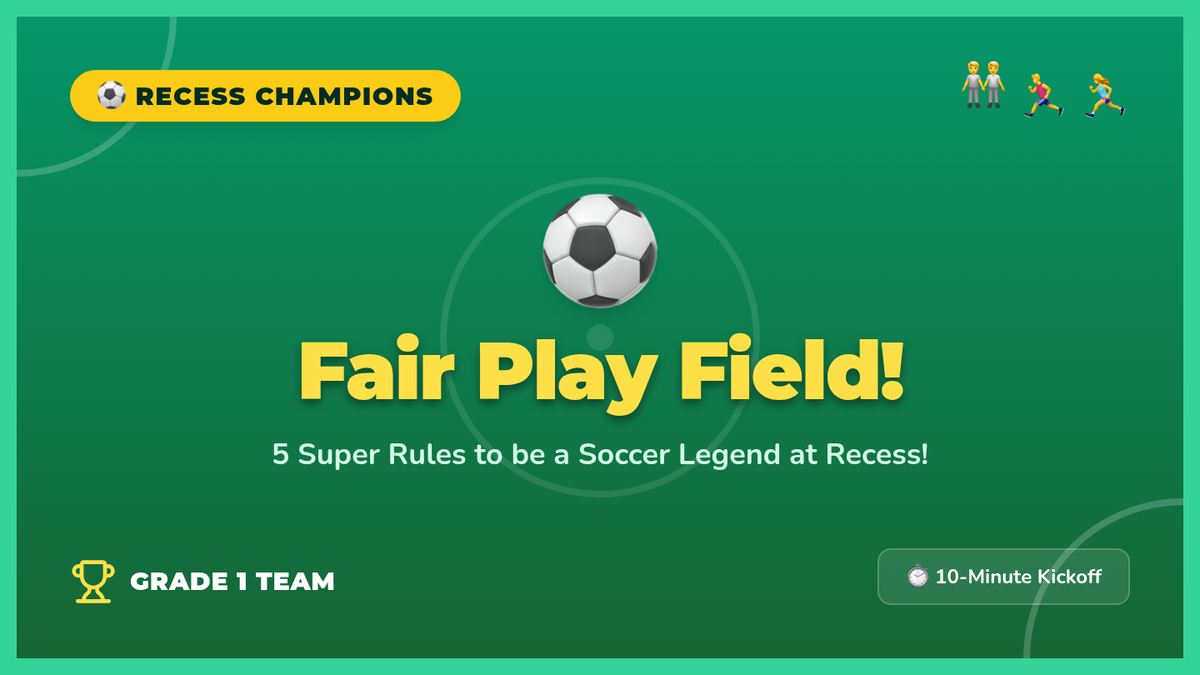
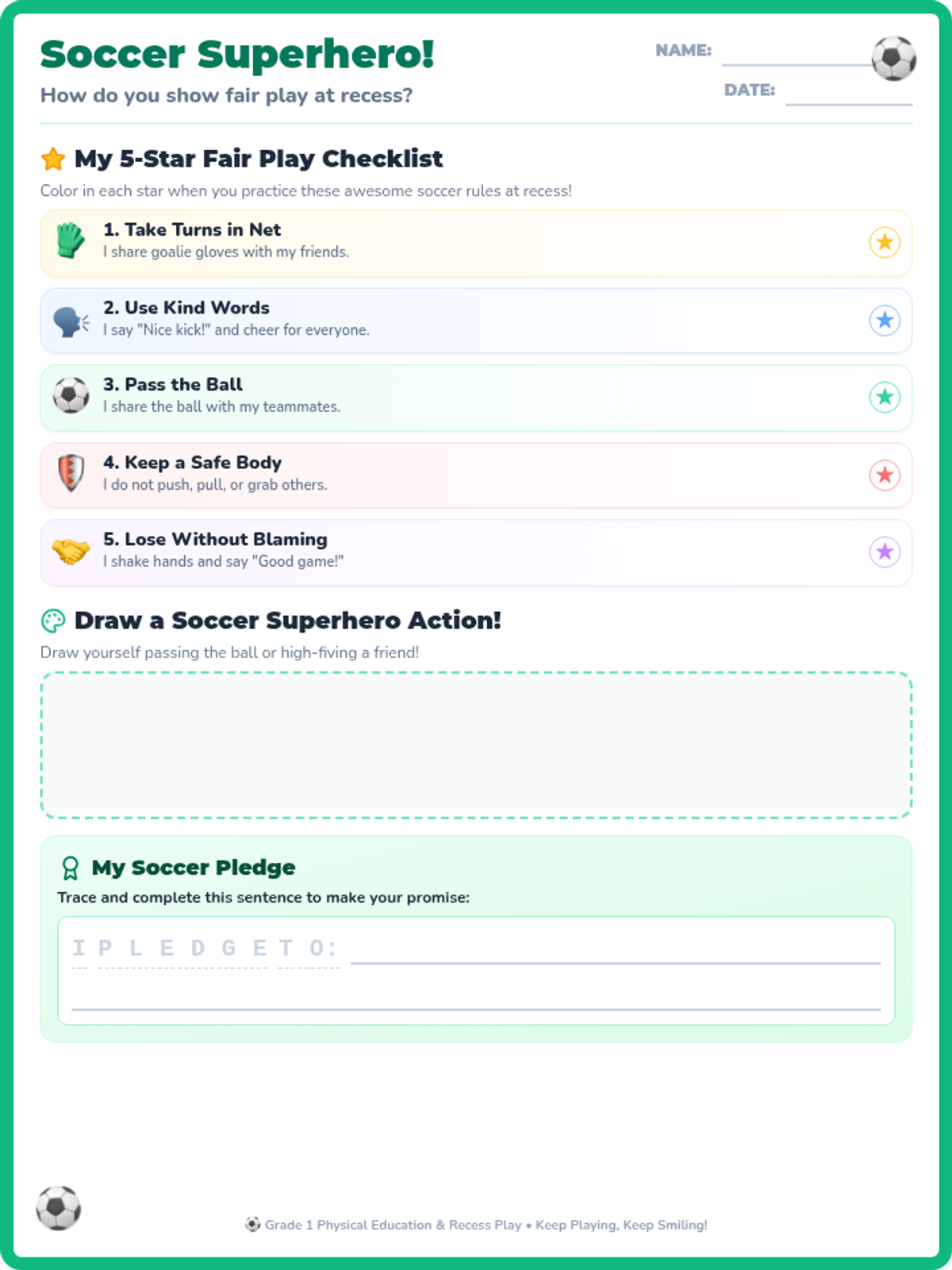
An interactive, high-energy lesson designed for first graders to learn and practice five key sportsmanship behaviors during recess soccer, utilizing engaging visuals and real-world recess scenarios.
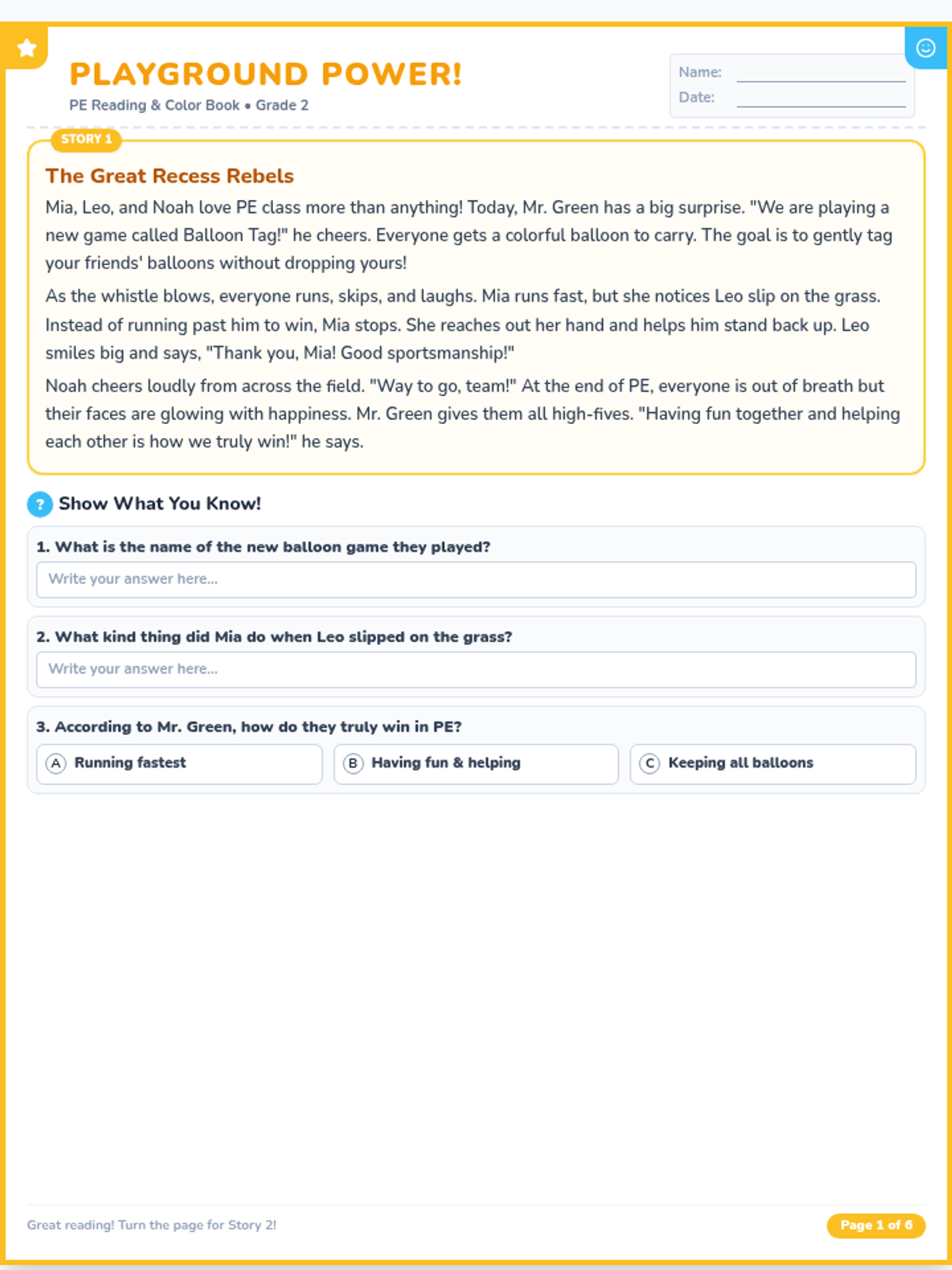
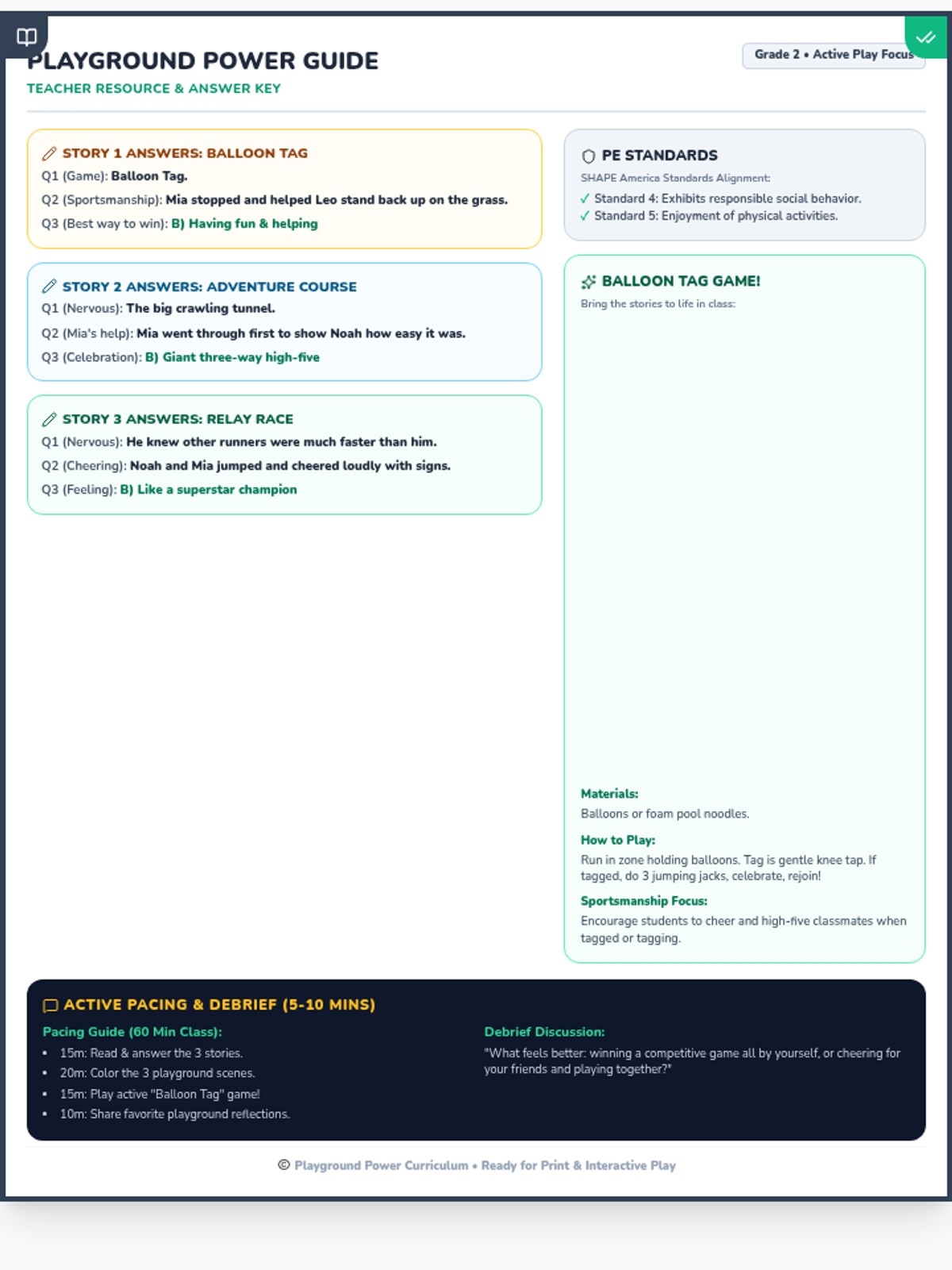
A vibrant, high-energy reading comprehension and puzzle packet for 2nd graders, focusing on active play, dynamic PE games, and the true joy of having fun together.
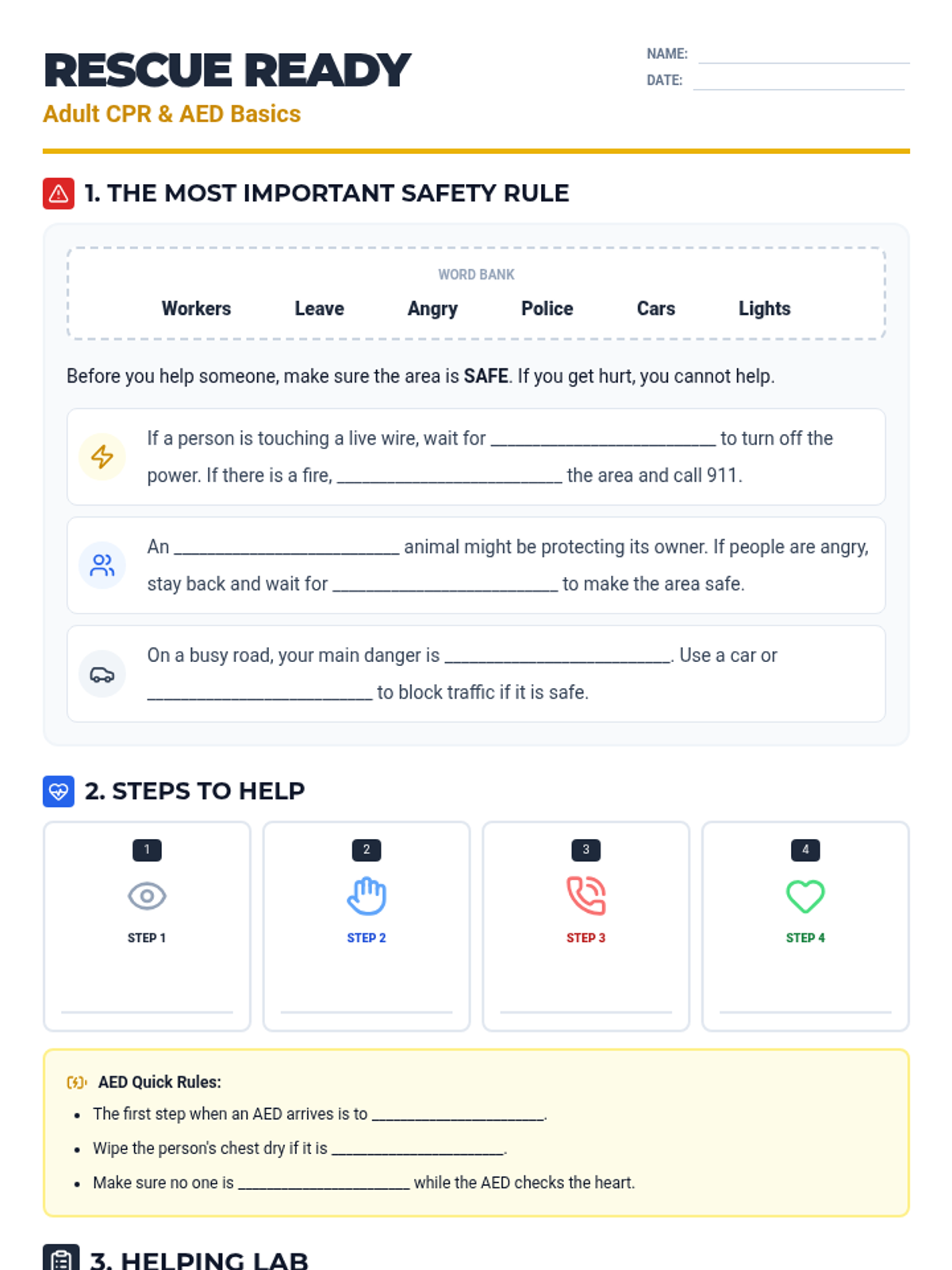
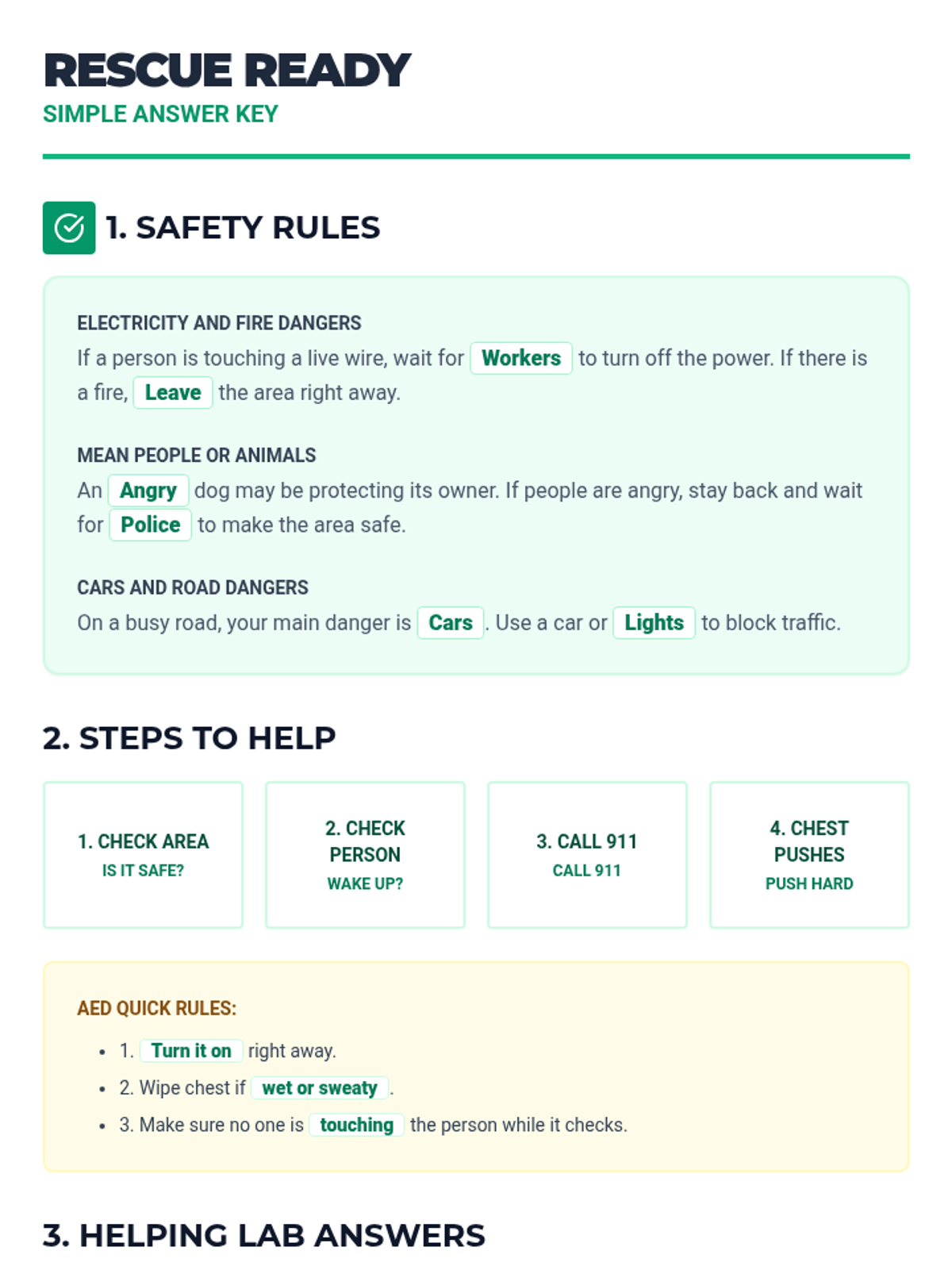
A comprehensive lesson on adult CPR and AED usage, with a specific focus on identifying and managing environmental hazards before rendering aid.
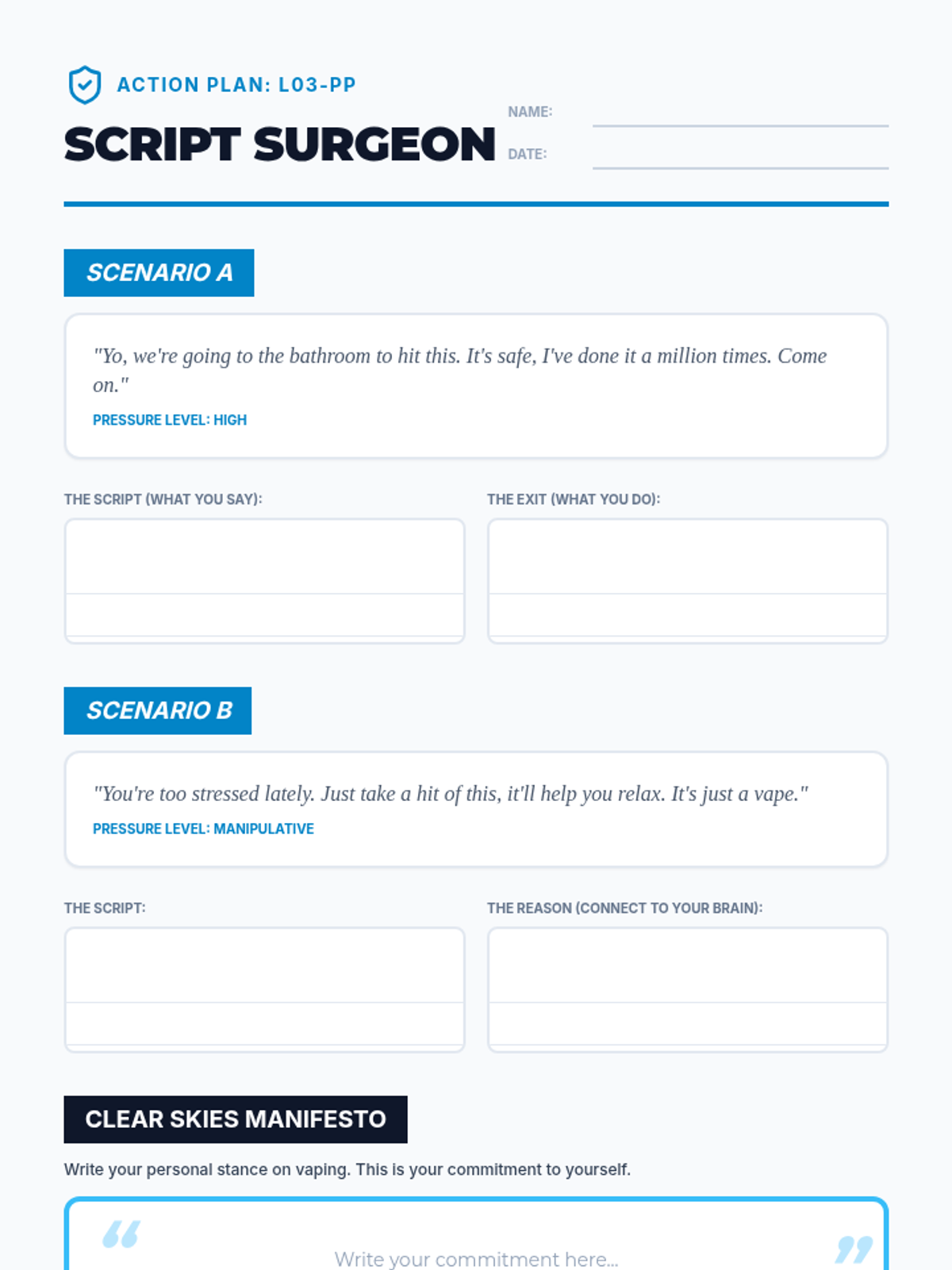
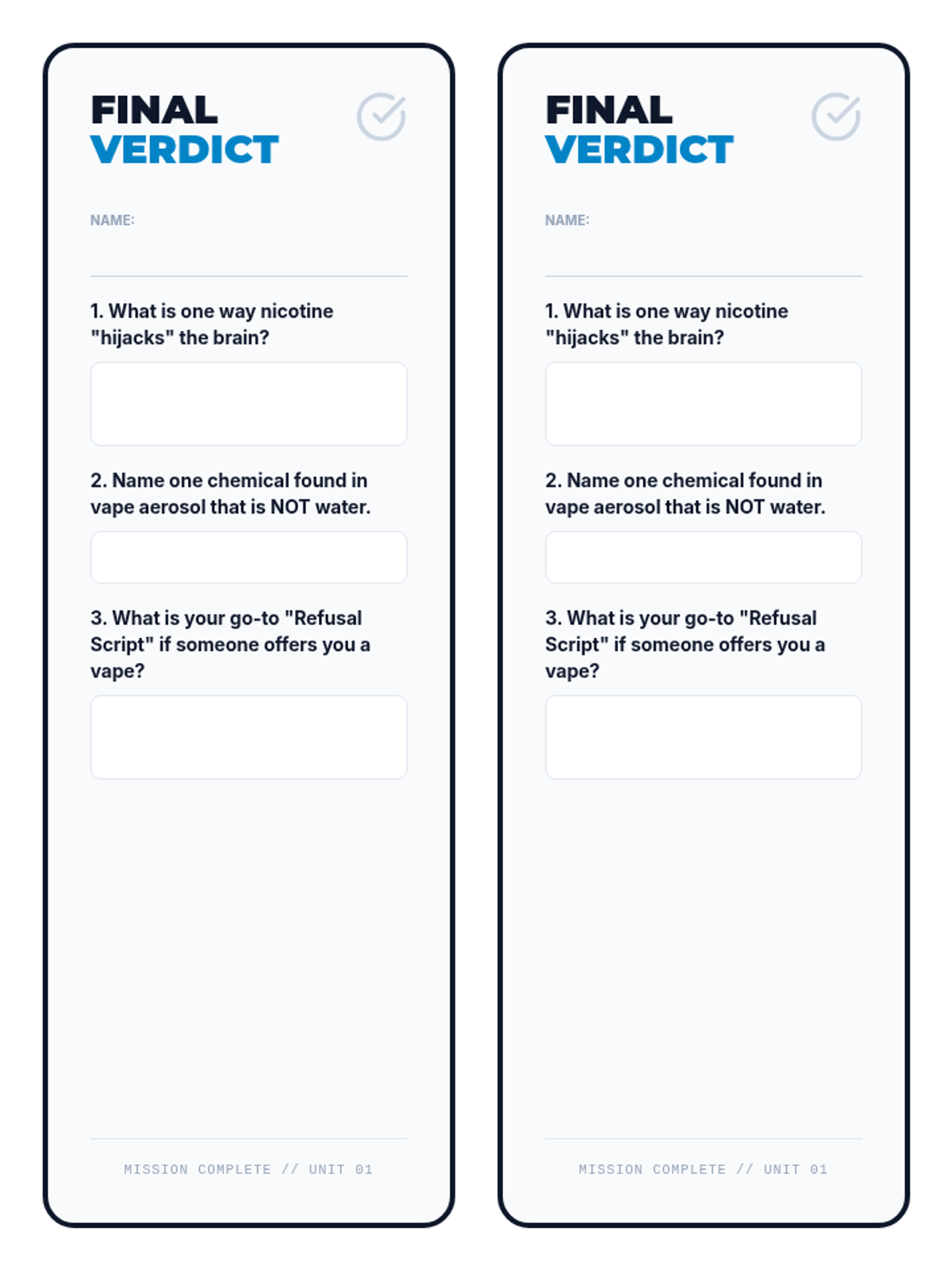
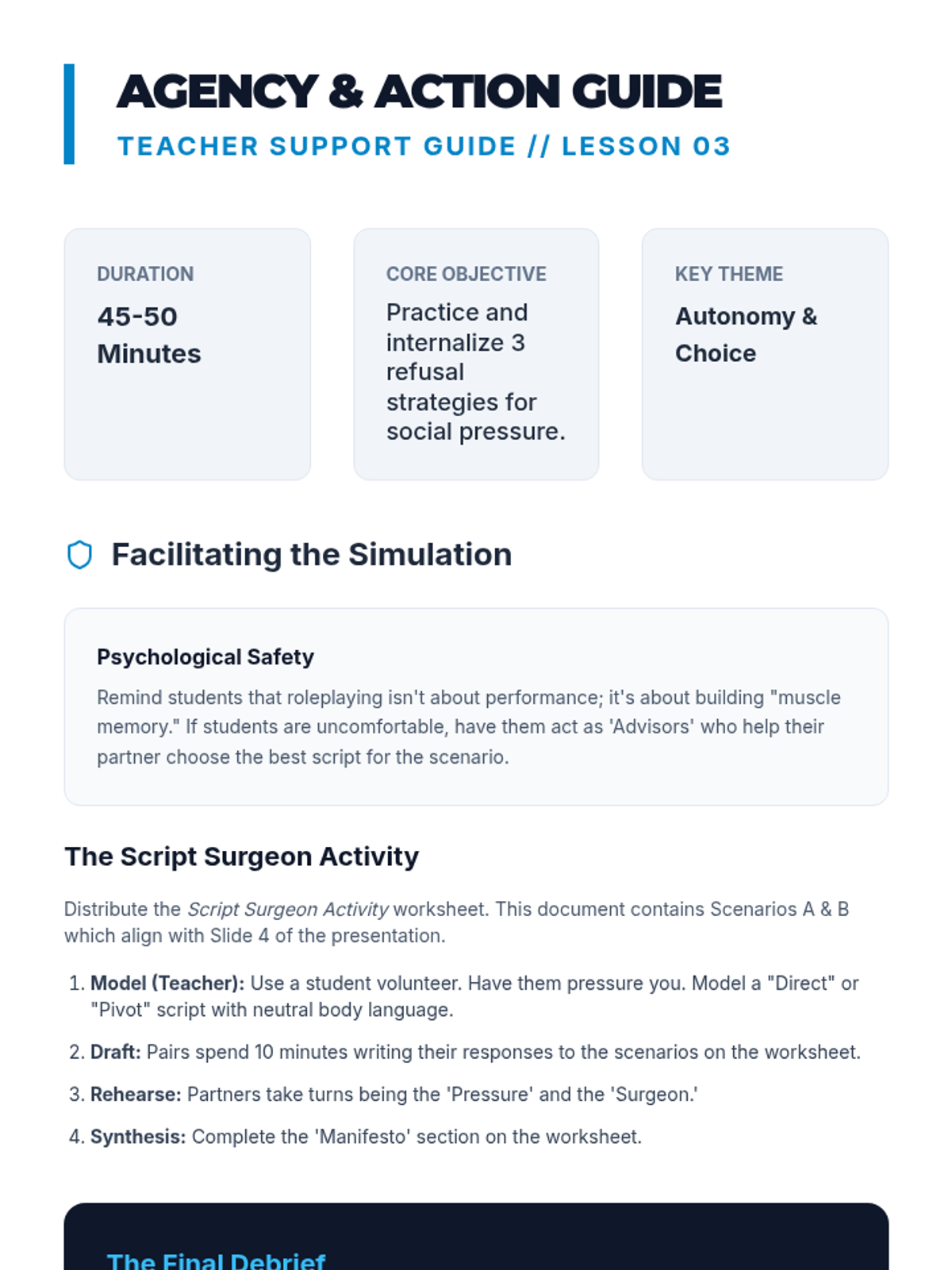
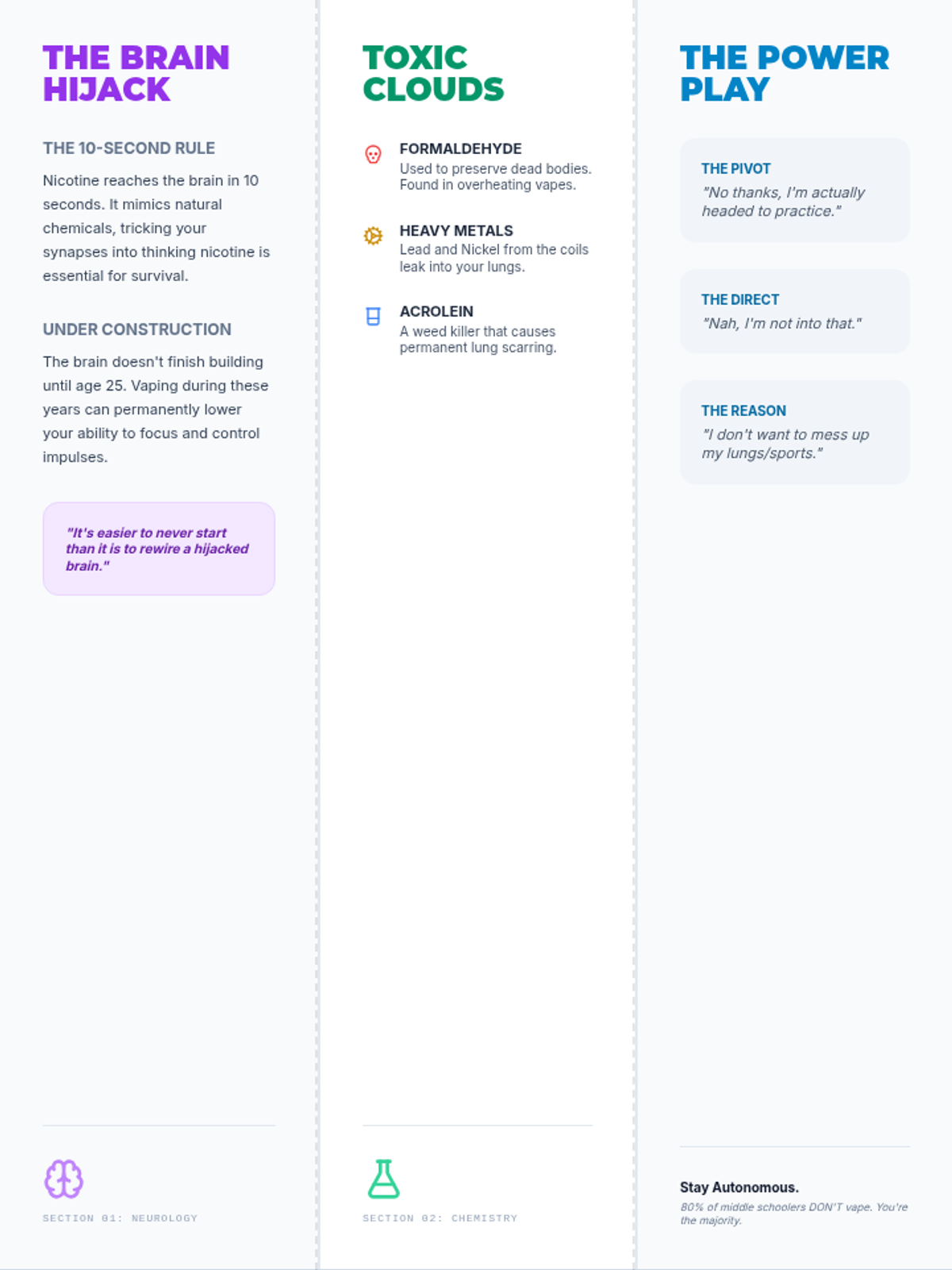
Equip students with the social tools to resist peer pressure and the agency to choose a vape-free future. Students practice refusal scripts and reflect on their personal values.
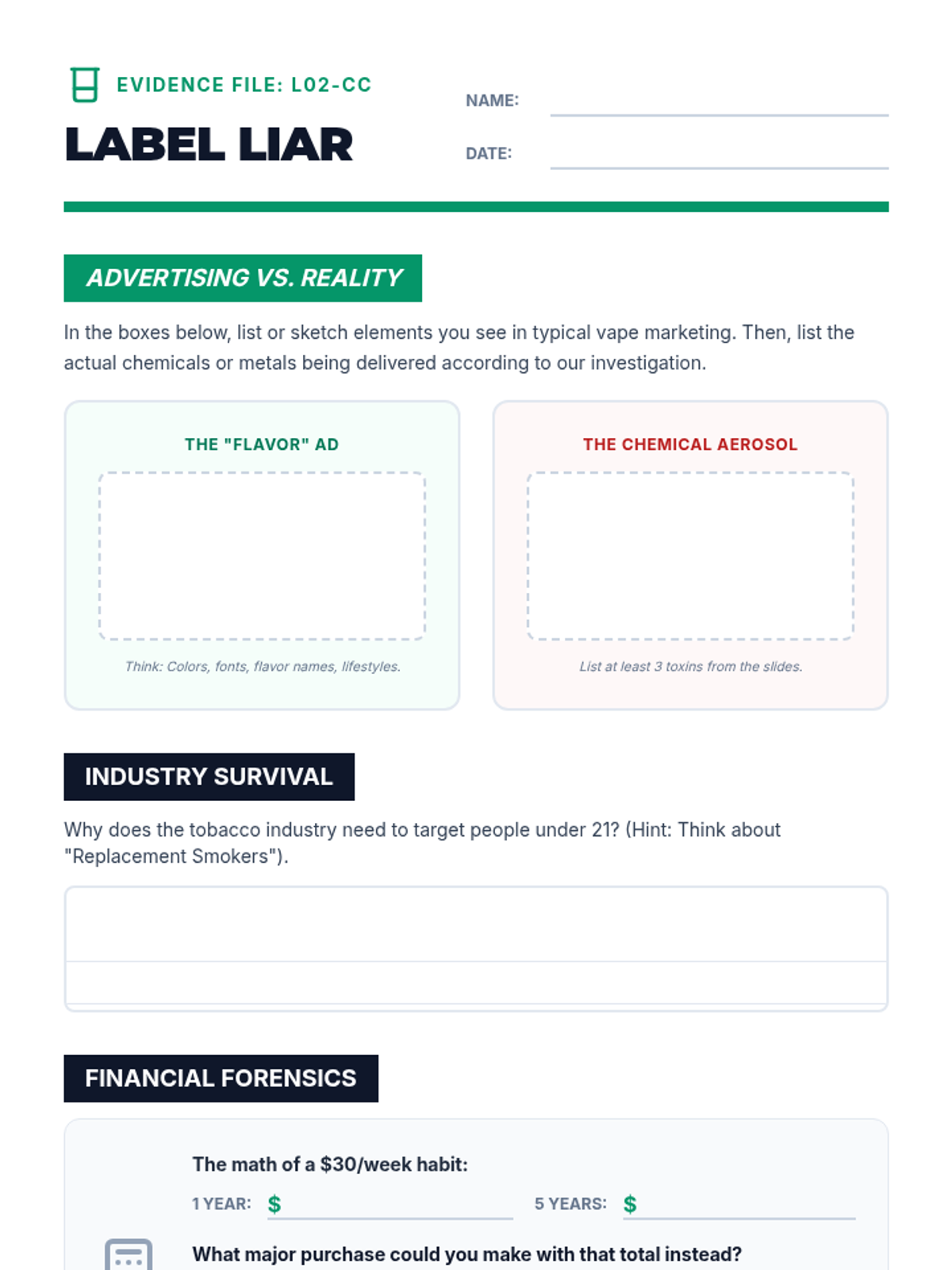
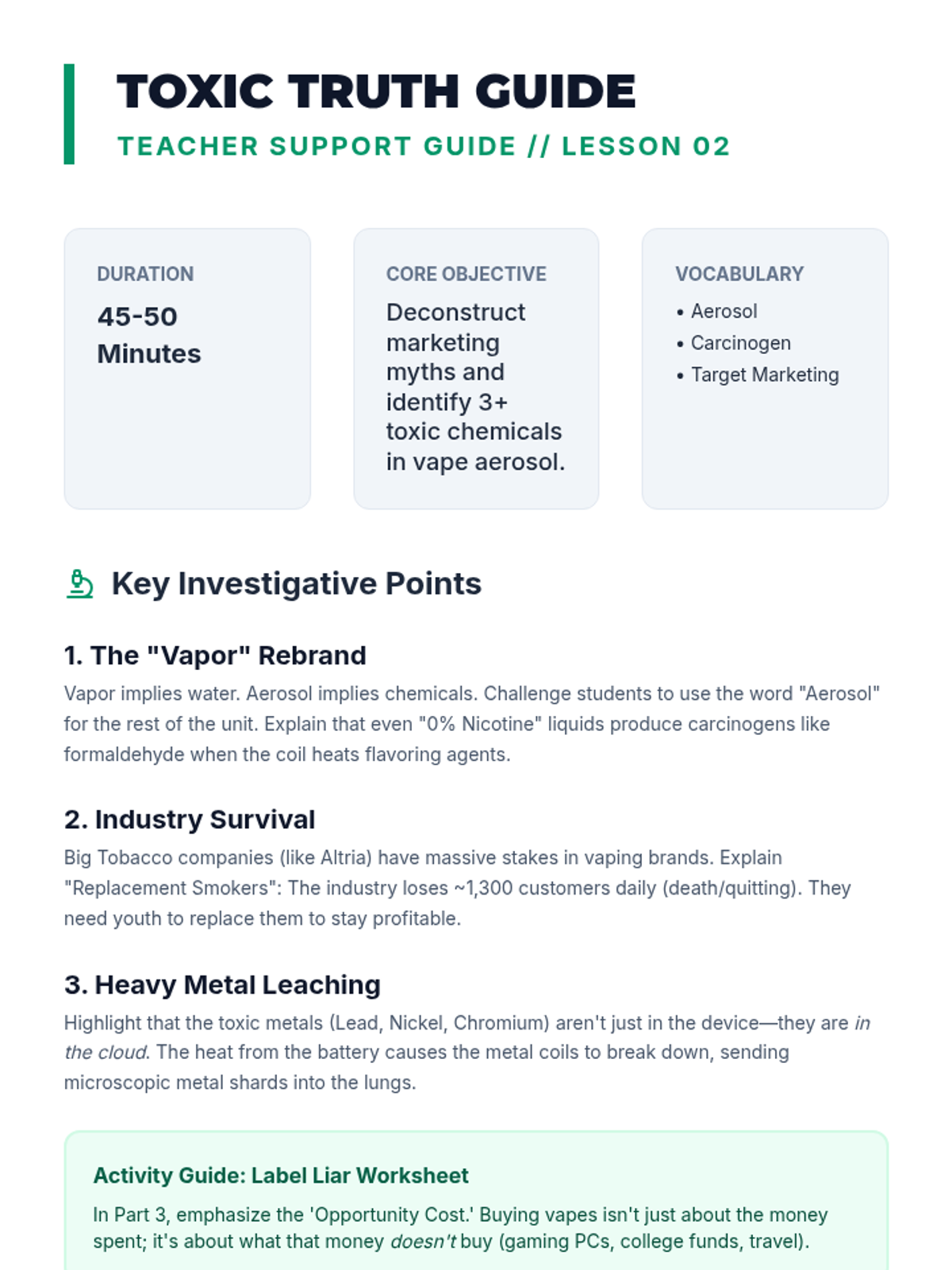
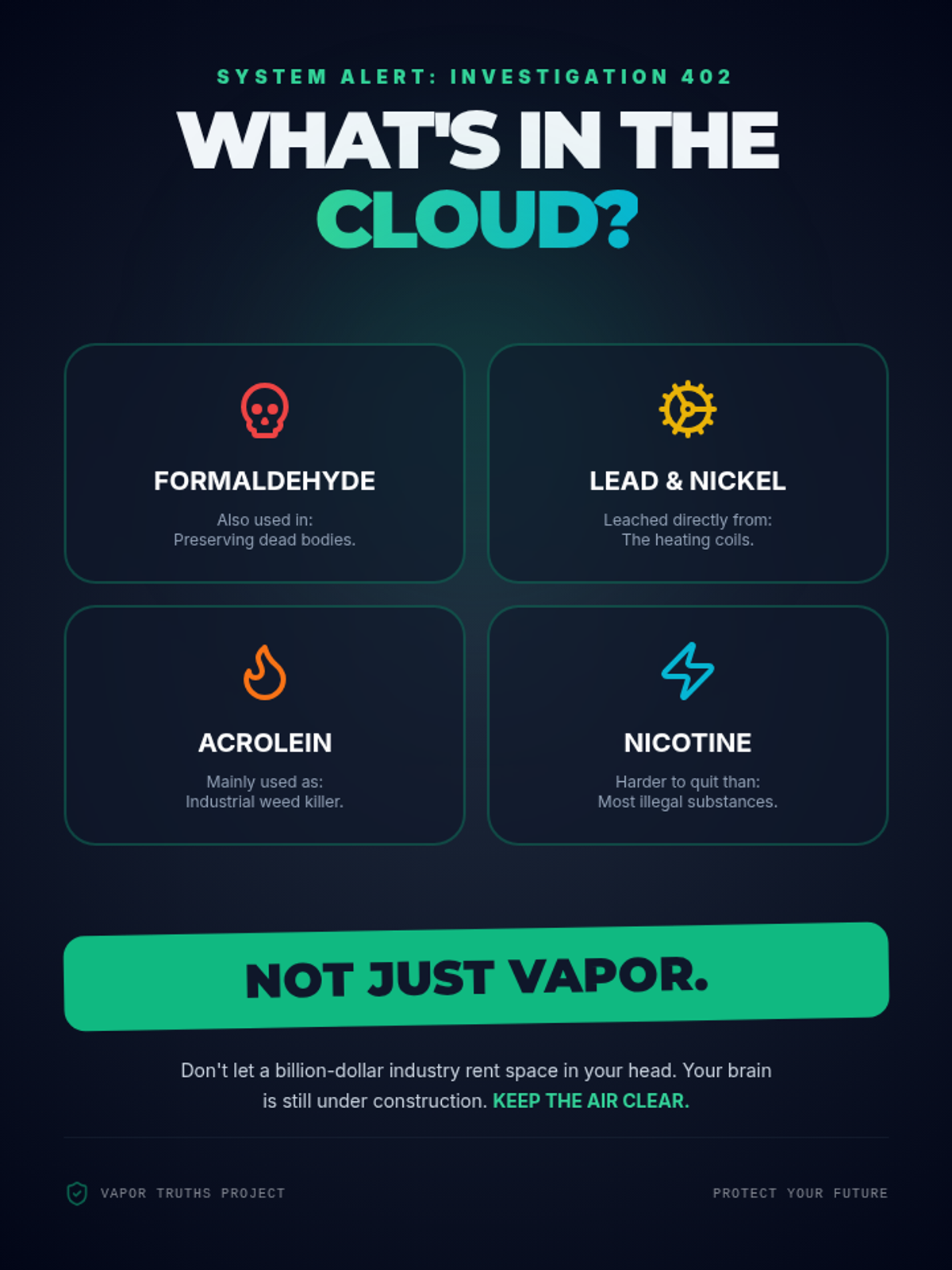
Uncover the toxic truth behind aerosol ingredients and the deceptive marketing tactics used to target youth. Students analyze the disparity between "flavor" branding and chemical reality.
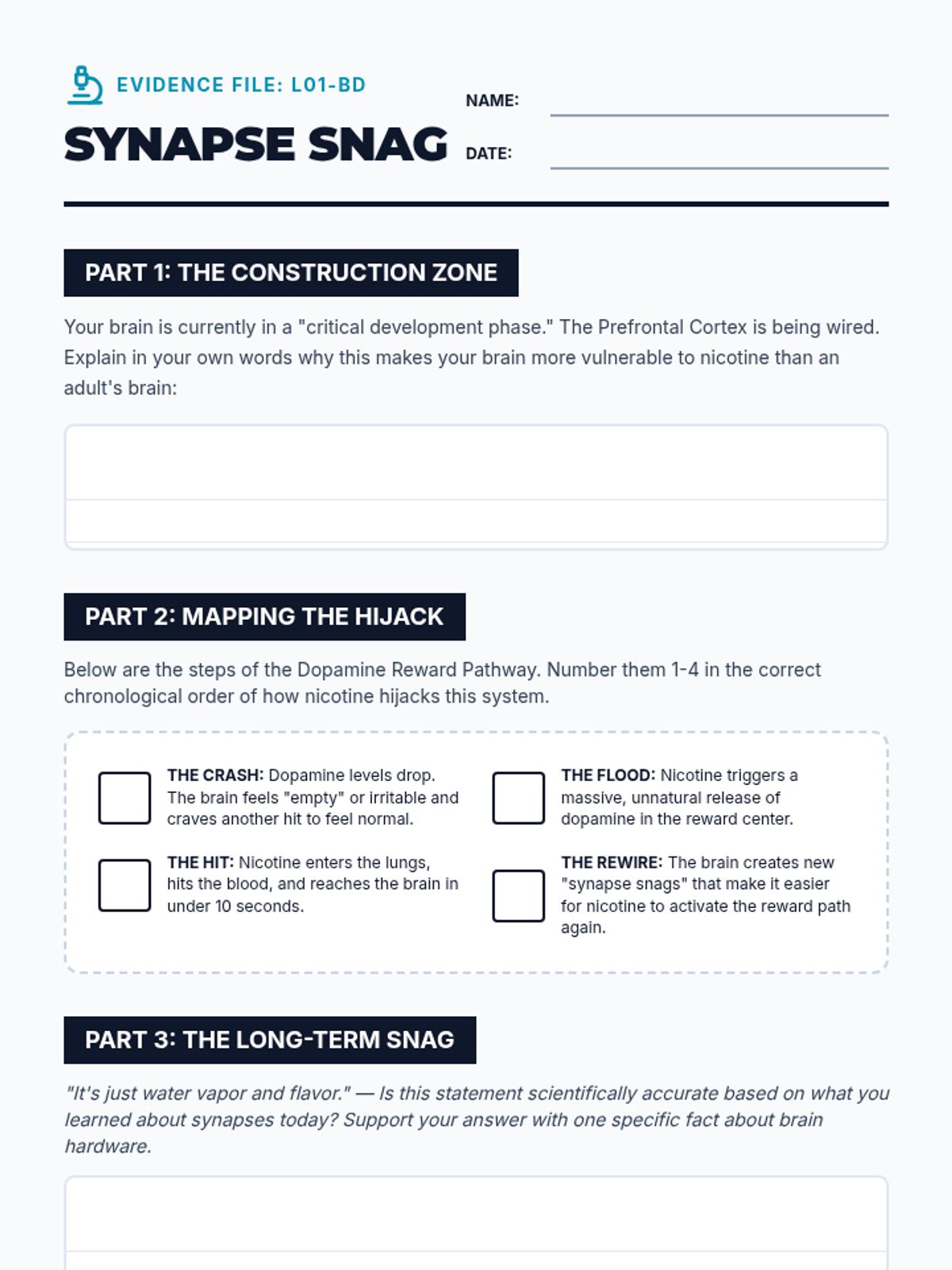
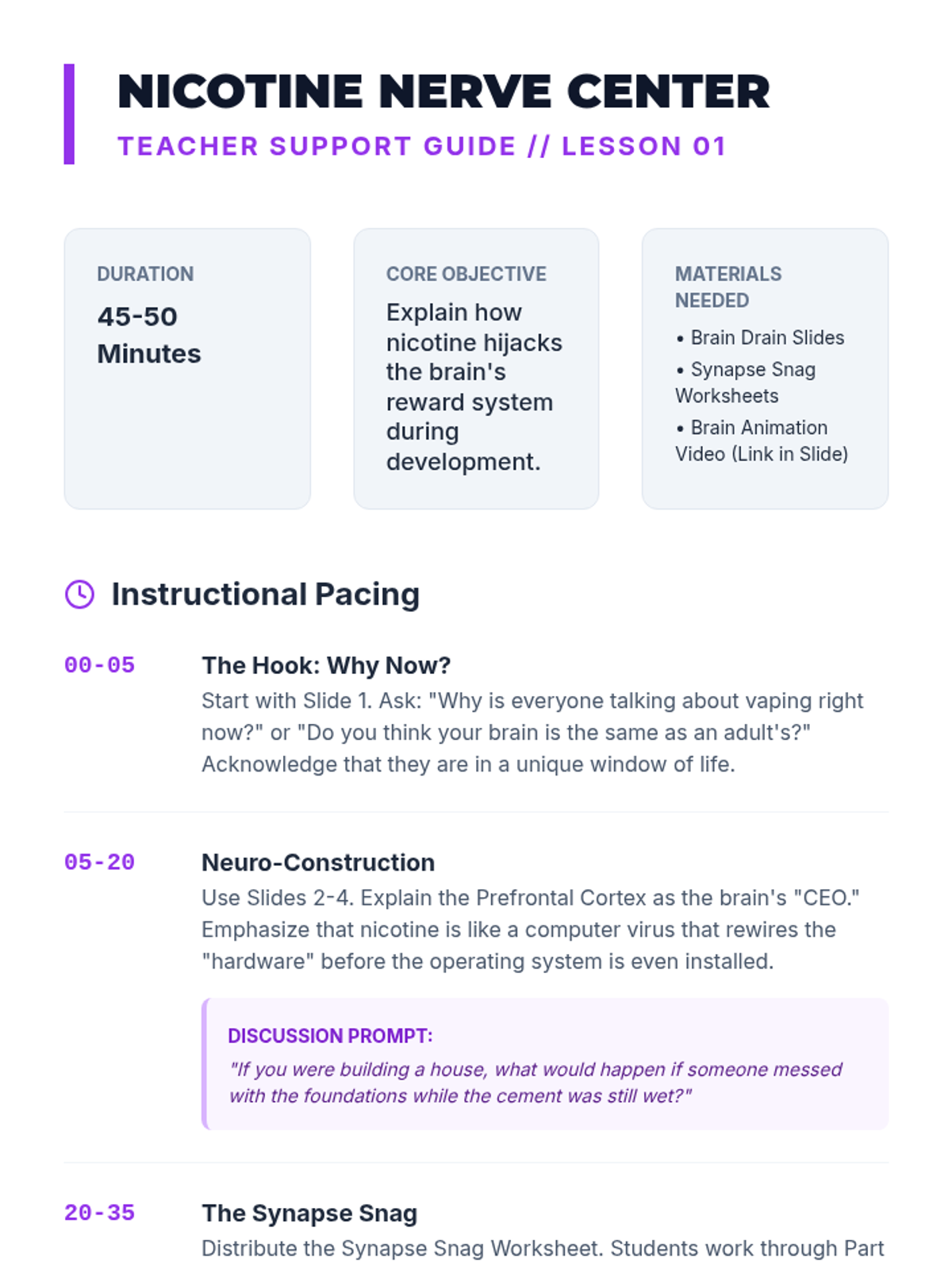
Investigate how nicotine hijacks the developing middle school brain and the science of the reward system. Students map the neural pathways affected by addiction and explore why young brains are particularly vulnerable.
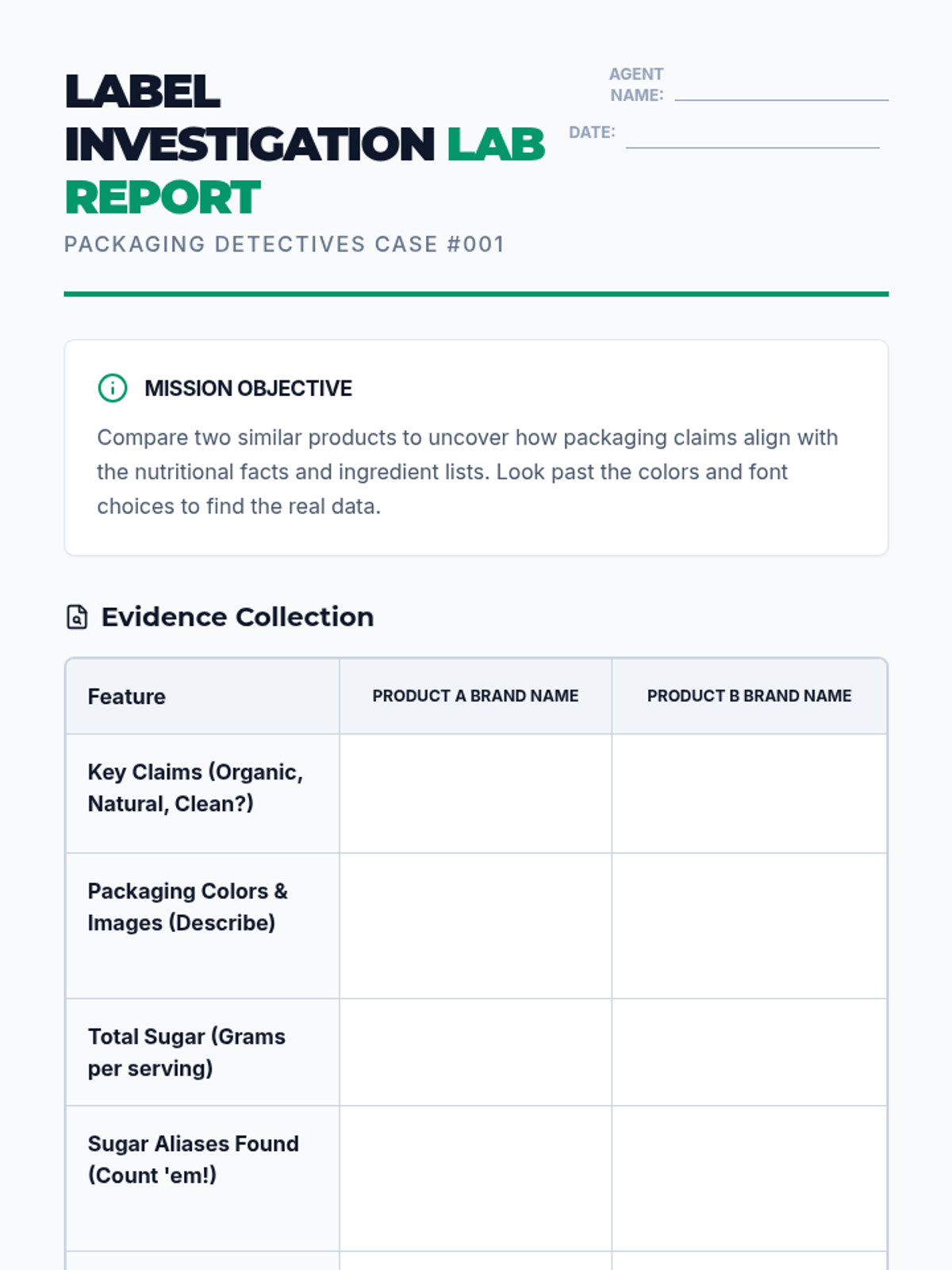
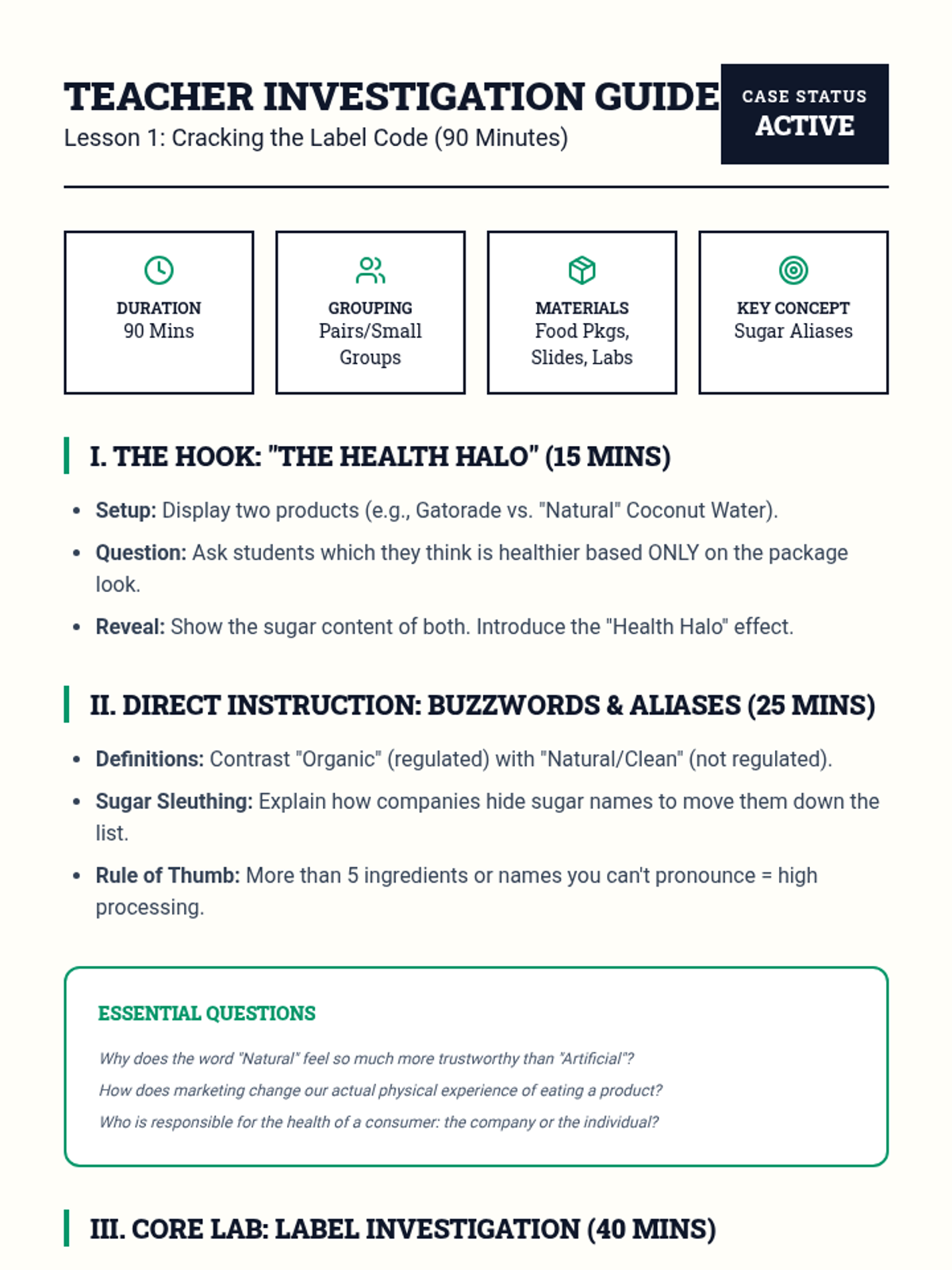
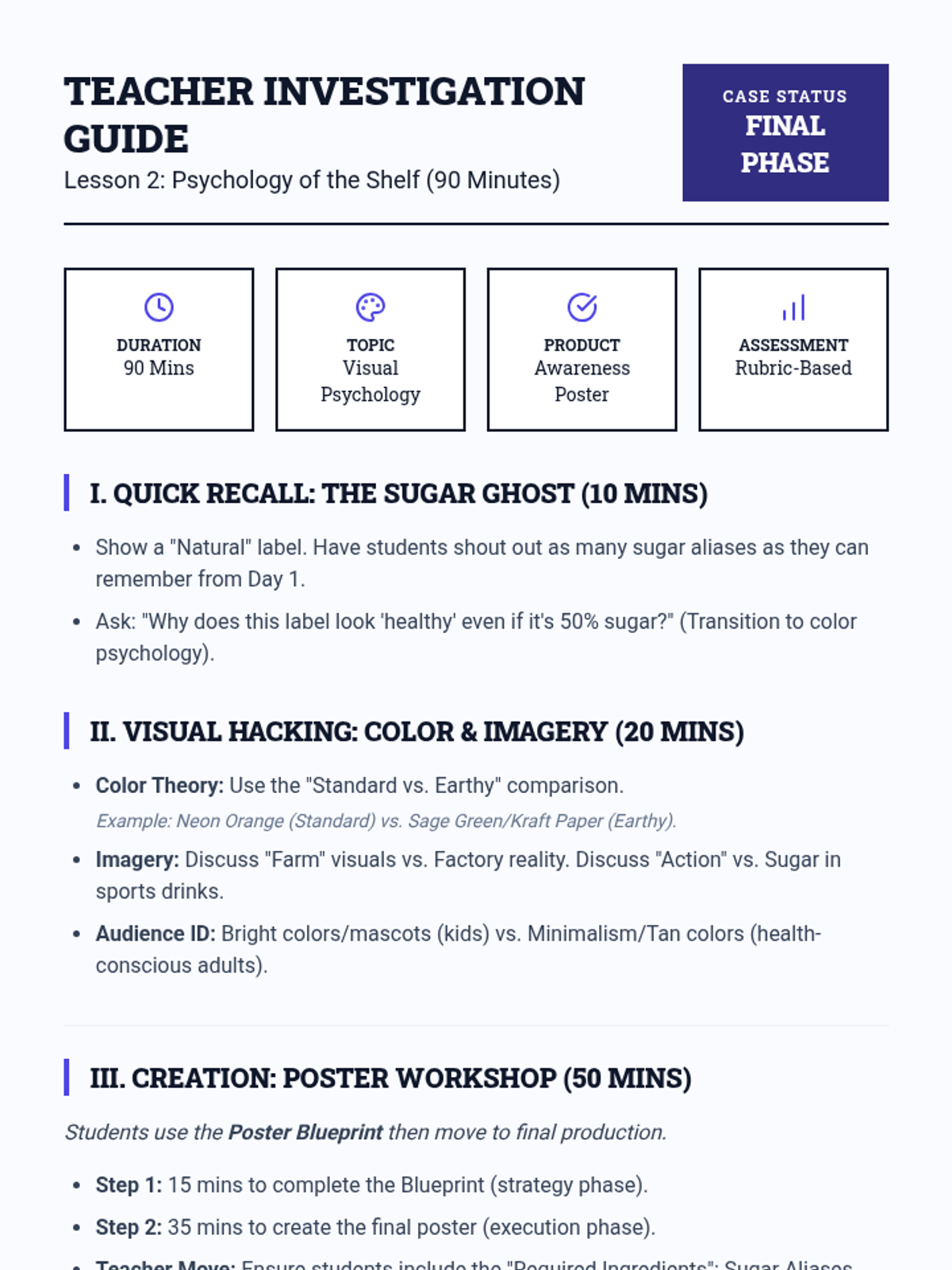
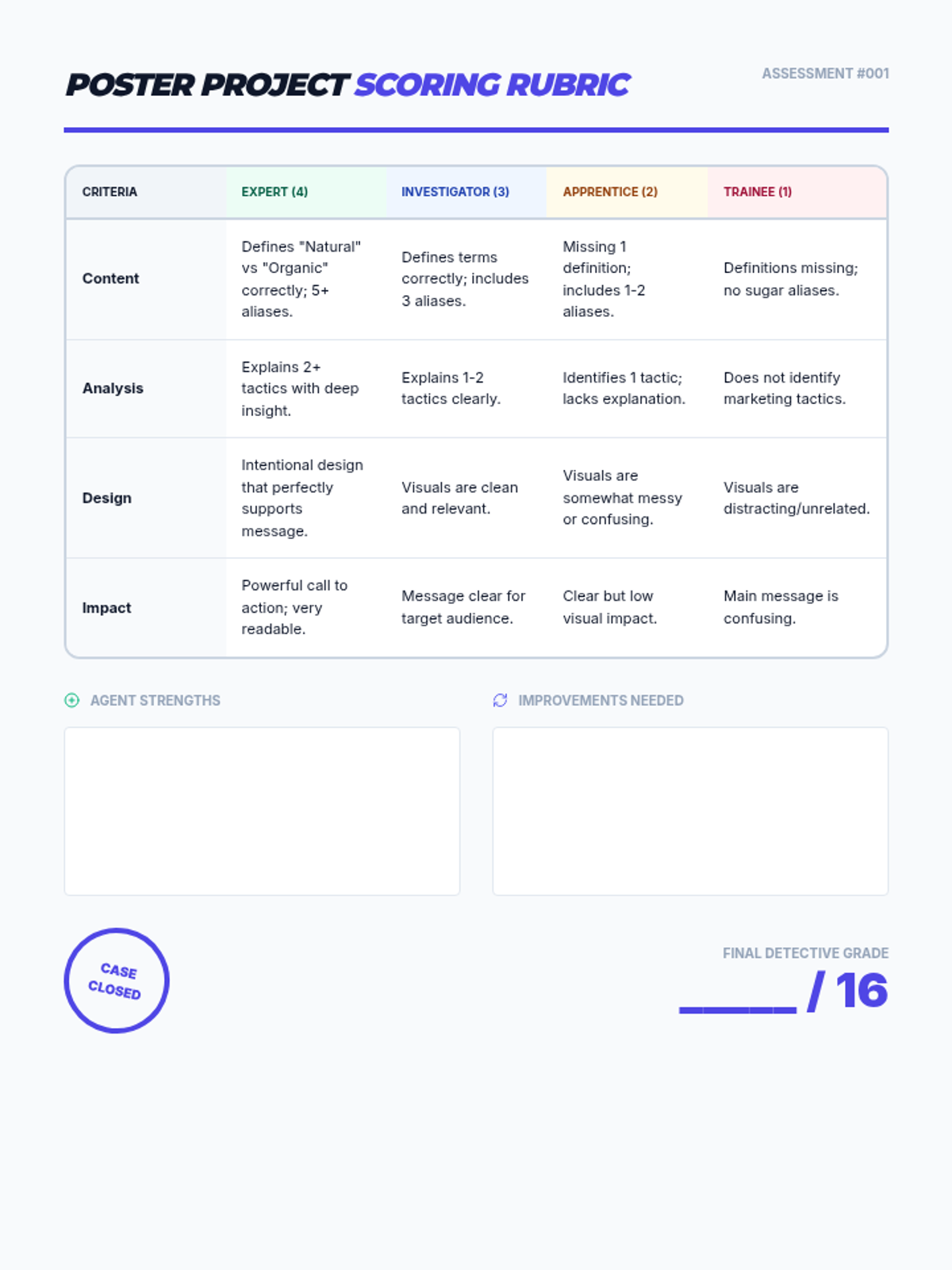
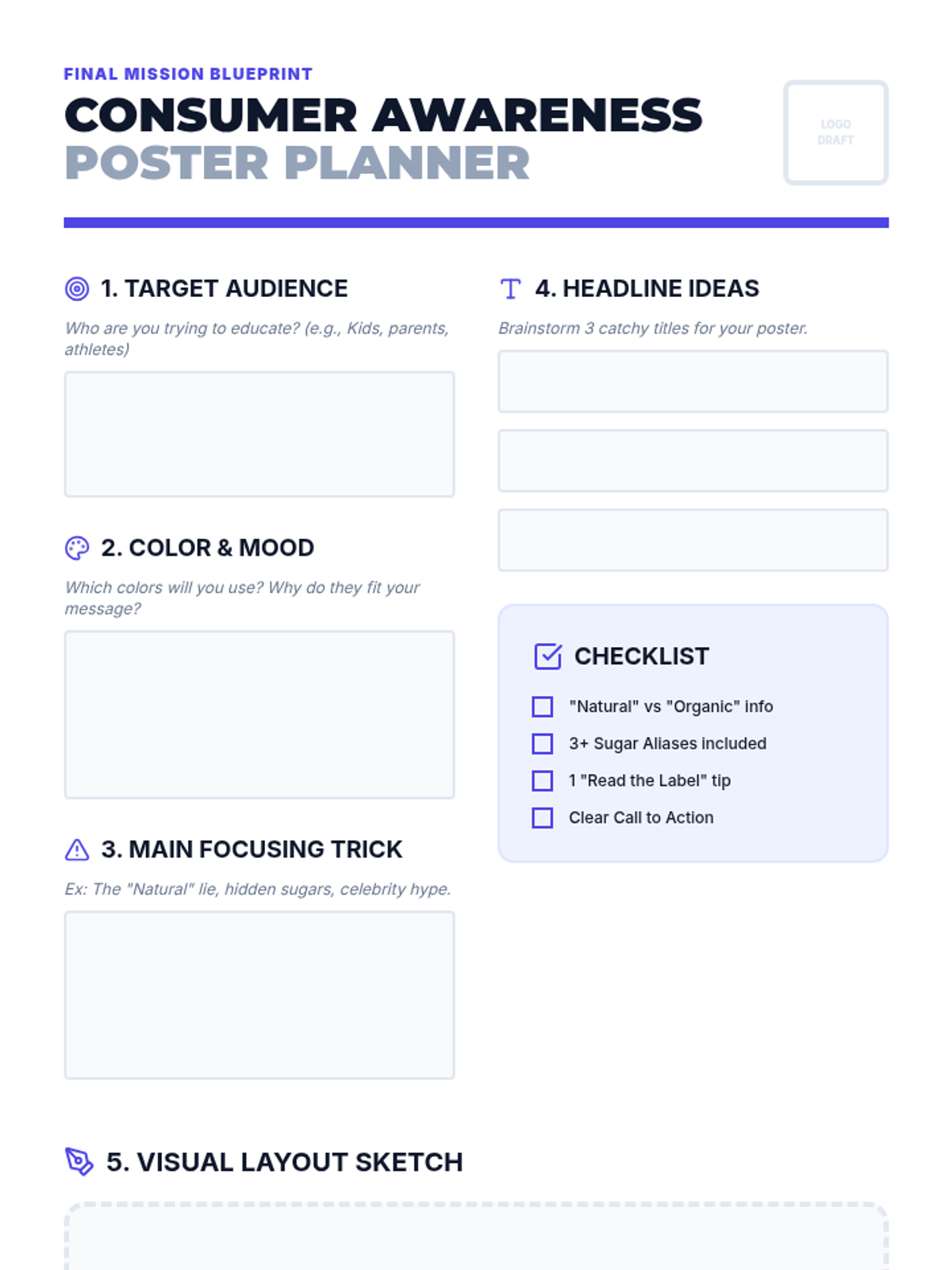
Students analyze the visual and psychological tactics used in marketing, from color theory to celebrity endorsements, and create a consumer awareness poster to educate others.
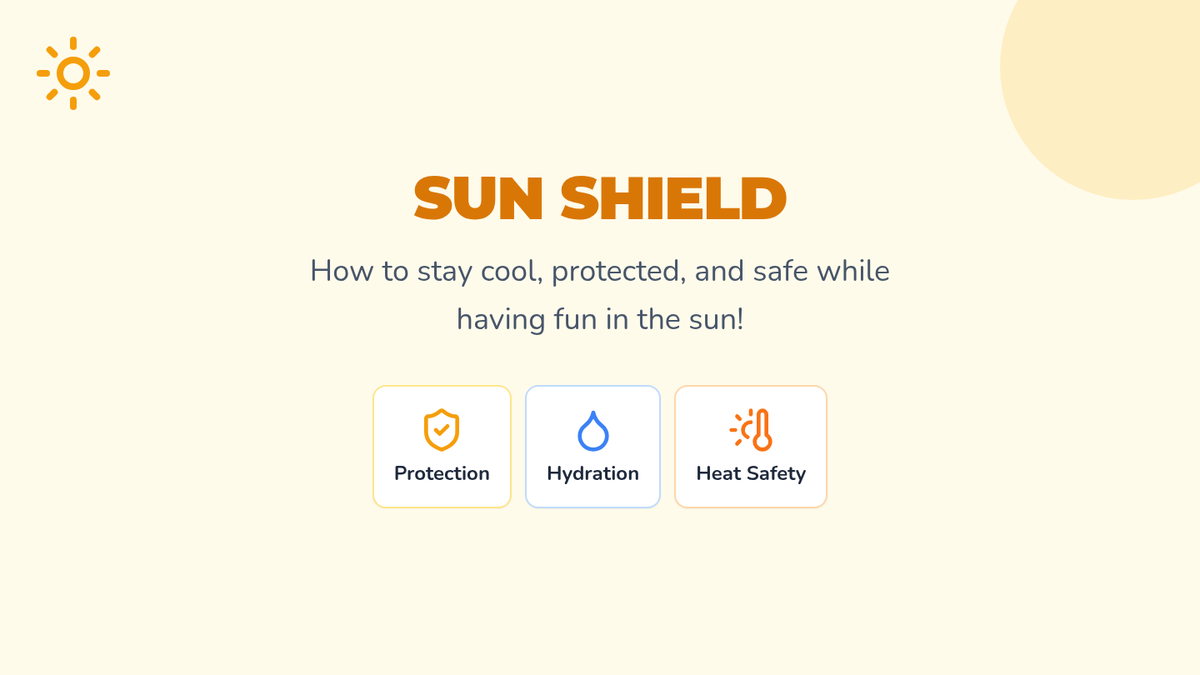
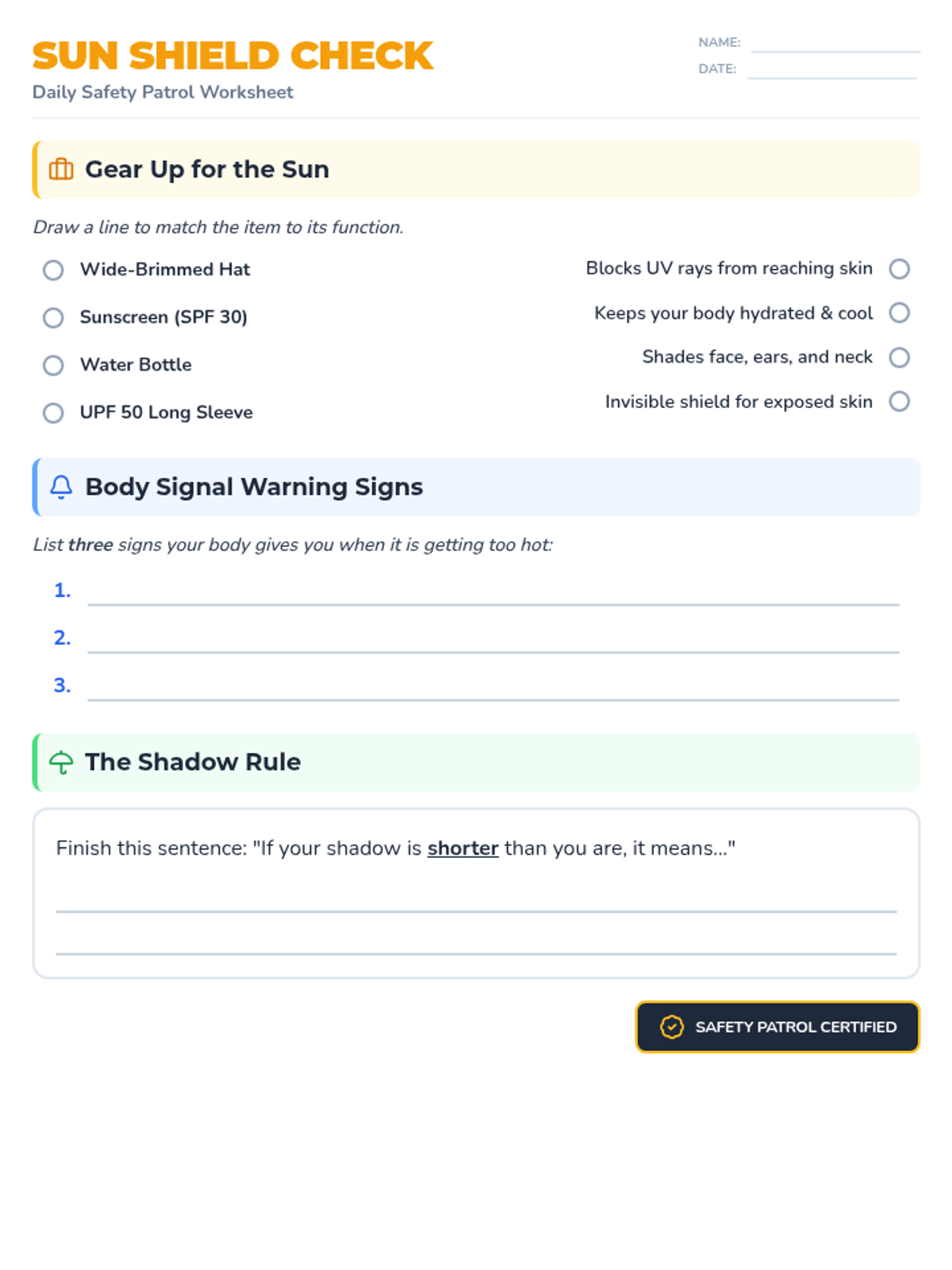
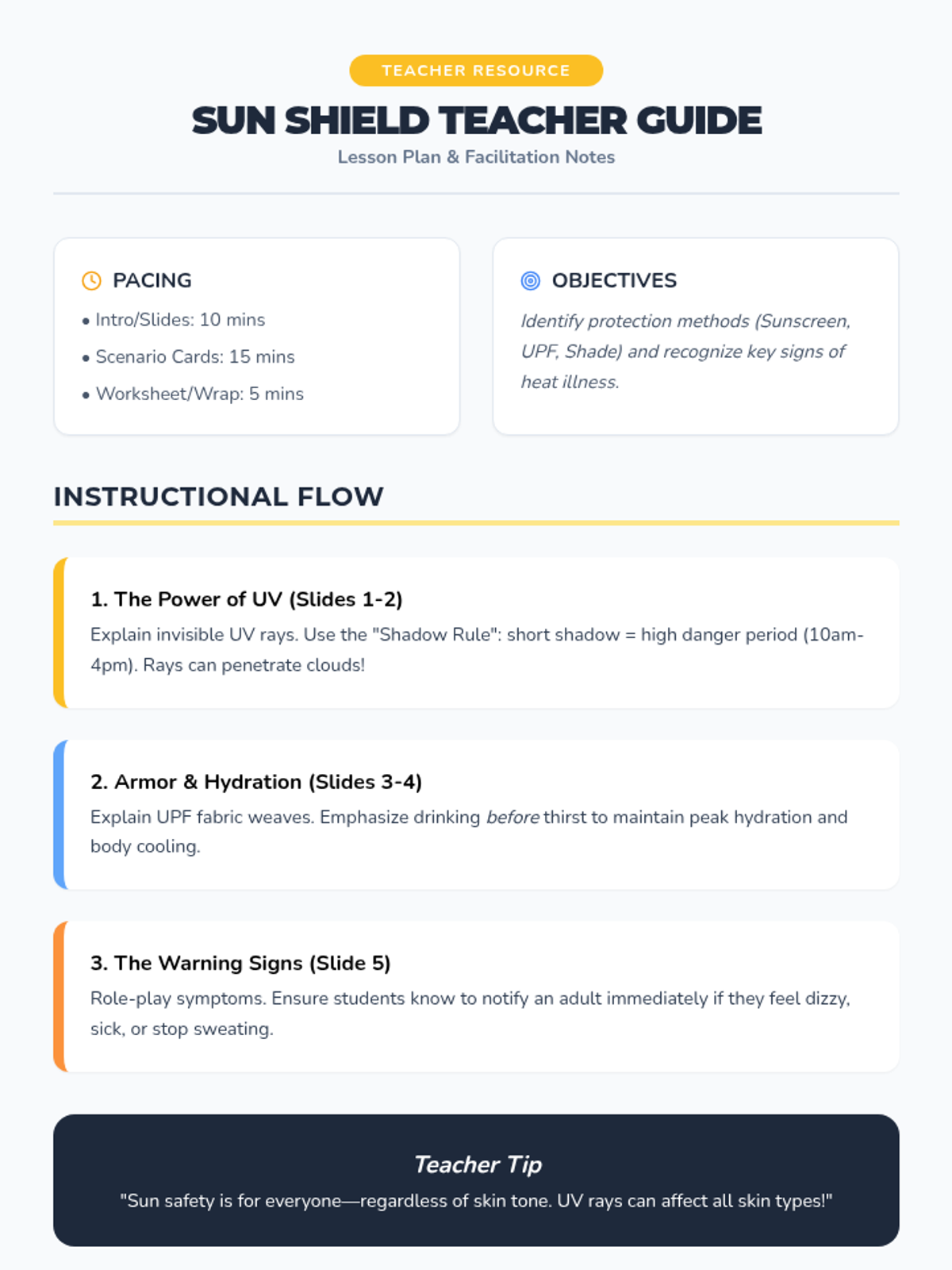
A 30-minute interactive lesson for 3rd graders on staying safe in the sun and heat, covering protection, hydration, and heat illness signs.
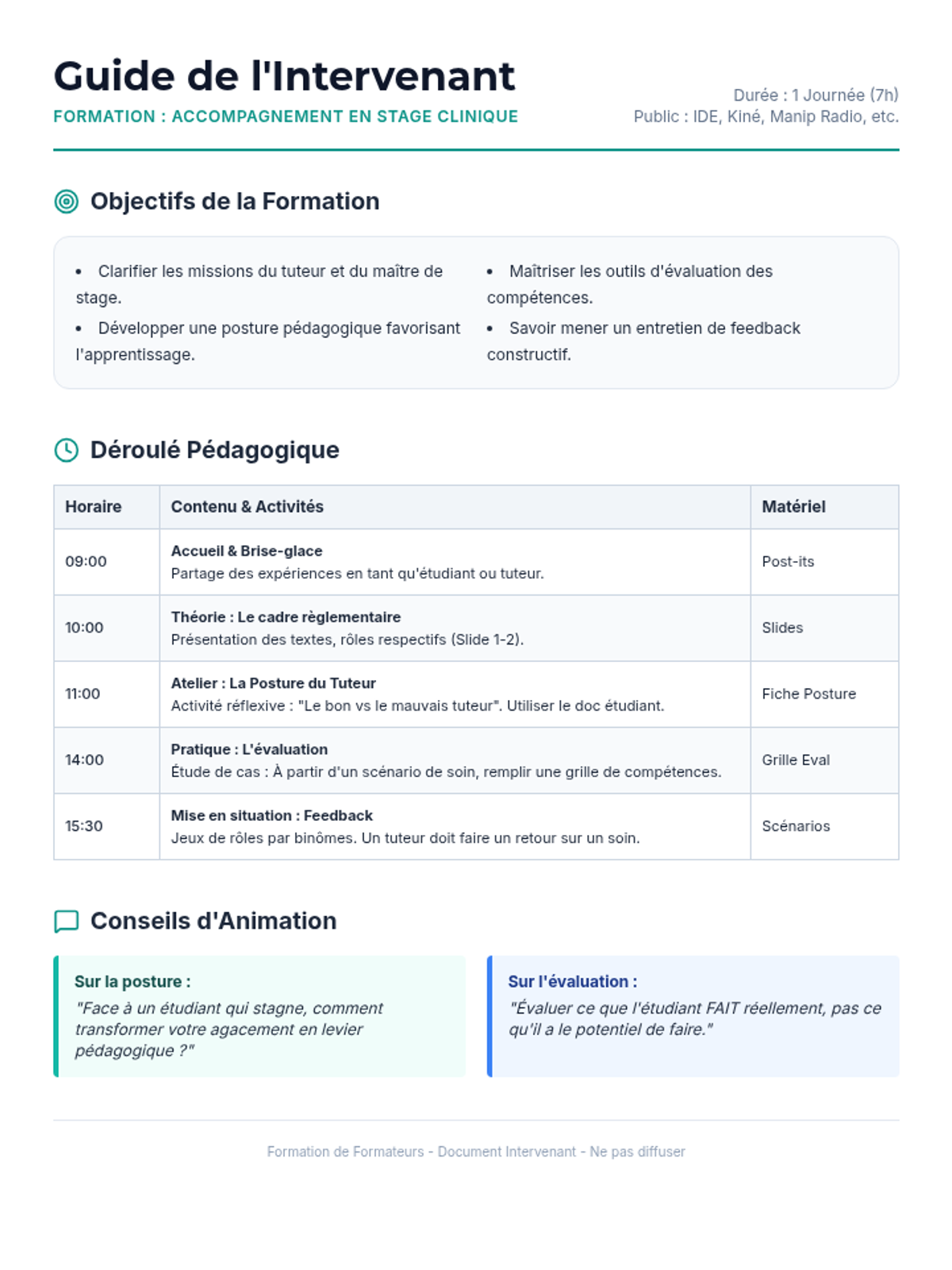
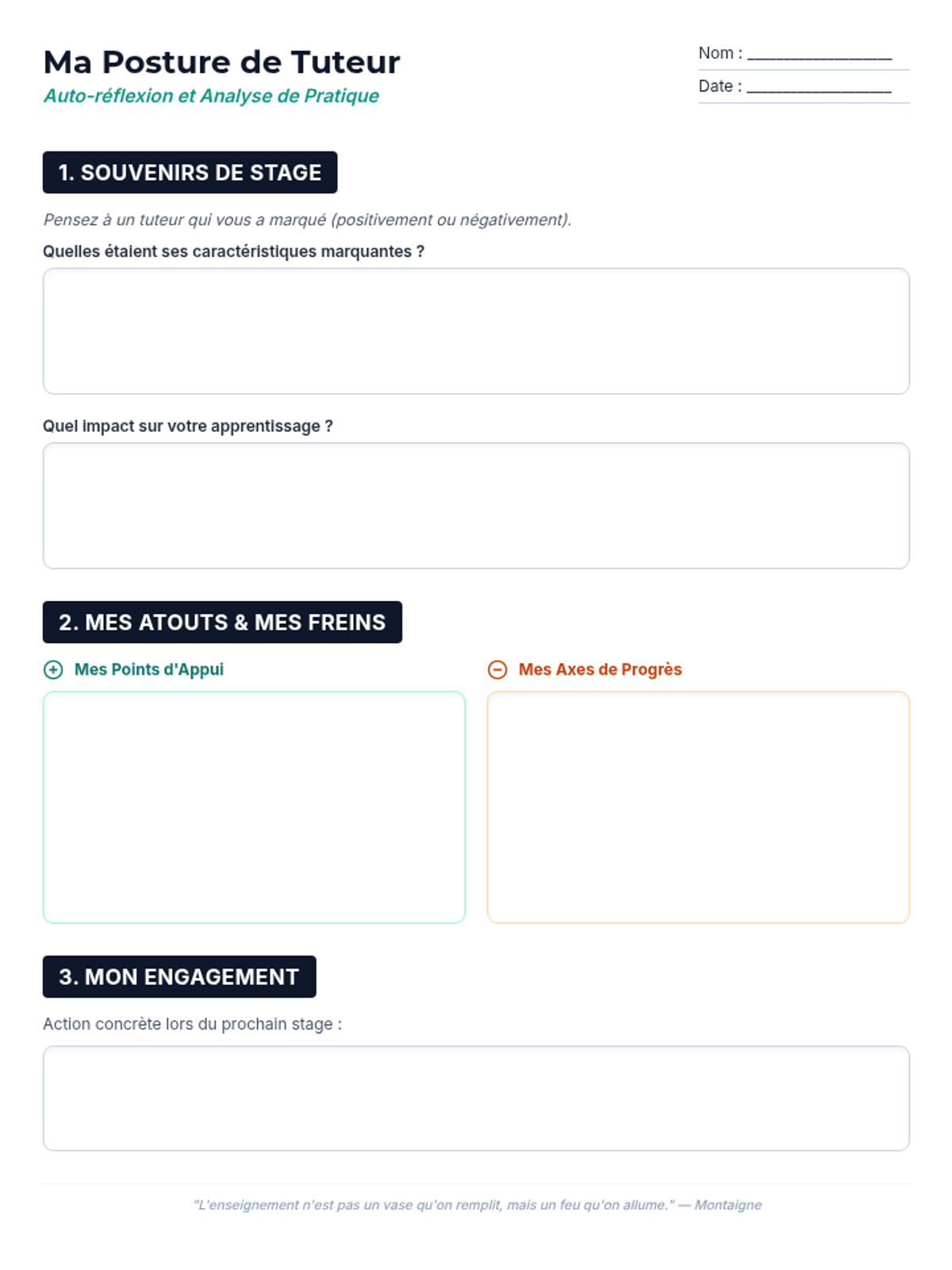
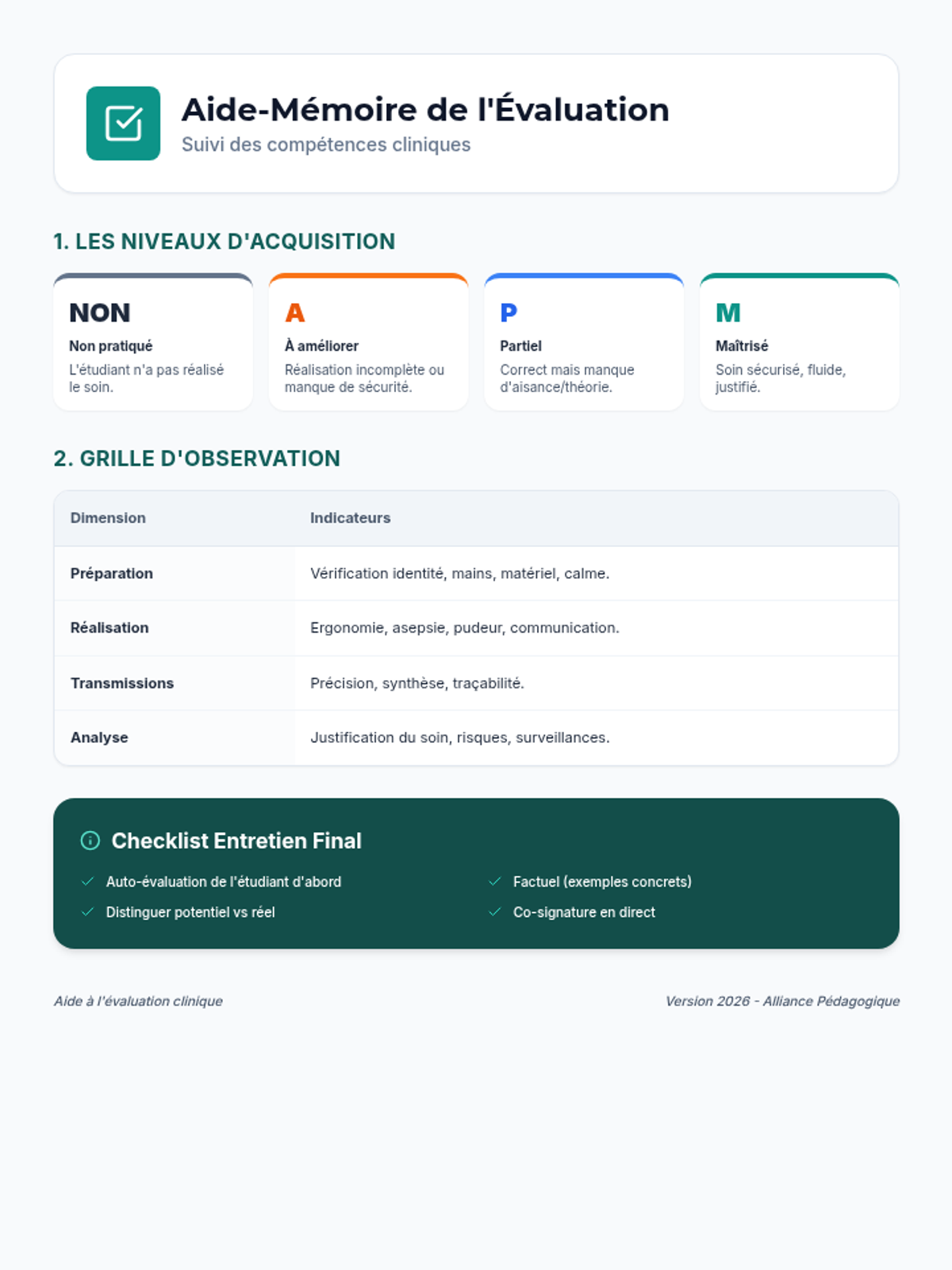
Cette leçon vise à former les professionnels de santé aux fonctions de tuteur et de maître de stage, en abordant la posture pédagogique, l'accompagnement de l'étudiant et l'évaluation des compétences en milieu clinique.