Students explore the Monotone Convergence Theorem. They learn to prove convergence by establishing that a sequence is both monotonic and bounded, even when the specific limit value is difficult to compute.
A lesson focused on calculating the margin of error for population means when the population standard deviation is known. Students practice using z-scores for different confidence levels.
A focused practice session on constructing z-confidence intervals for the mean using raw data and known population standard deviations.
A lesson focused on calculating and interpreting confidence intervals for population means when the population standard deviation is known. Students practice identifying key statistics and applying the Z-interval formula to real-world scenarios.
A practice lesson focusing on the relationship between confidence levels and interval width. Students analyze sets of intervals to identify specific confidence levels based on their precision.
Applies geometry and arithmetic to everyday tasks like cooking measurements, home DIY projects, and travel planning.
Covers the financial aspects of independent living, including renting, utility usage math, and basic insurance concepts.
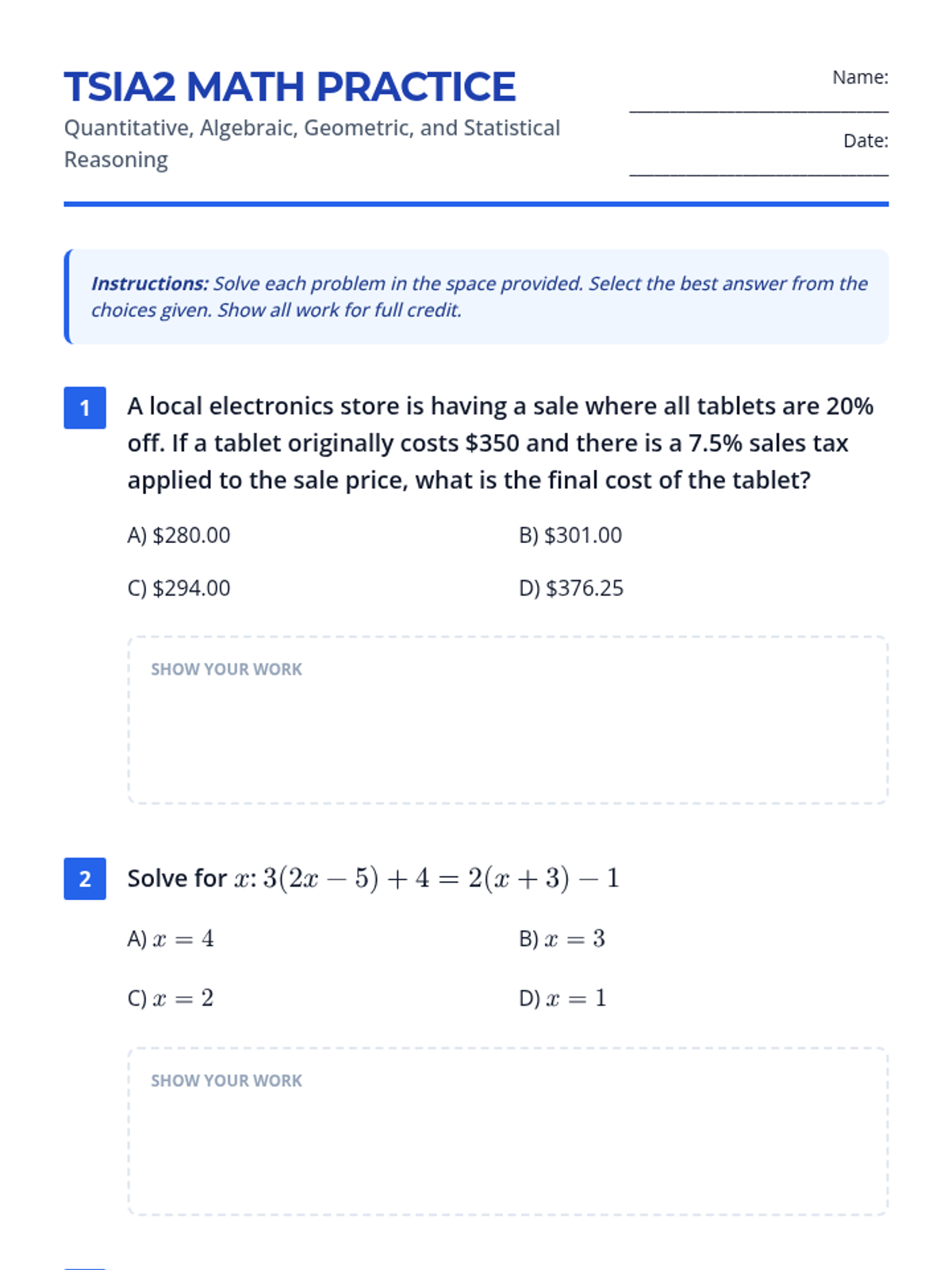
Practical applications of percentages and ratios in shopping, including sales tax, discounts, tips, and unit price comparisons.
Explores the math behind interest rates (APR), credit card statements, and the long-term impact of debt.
Teaches students how to categorize expenses, use the 50/30/20 rule, and build a sustainable monthly budget.
Focuses on understanding gross vs. net pay, reading paystubs, and calculating common tax deductions to prepare students for their first professional earnings.
A comprehensive lesson on identifying and calculating vertical asymptotes, horizontal asymptotes, and removable discontinuities (holes) in rational functions. Students will practice factoring and simplifying functions to reveal their underlying structure.
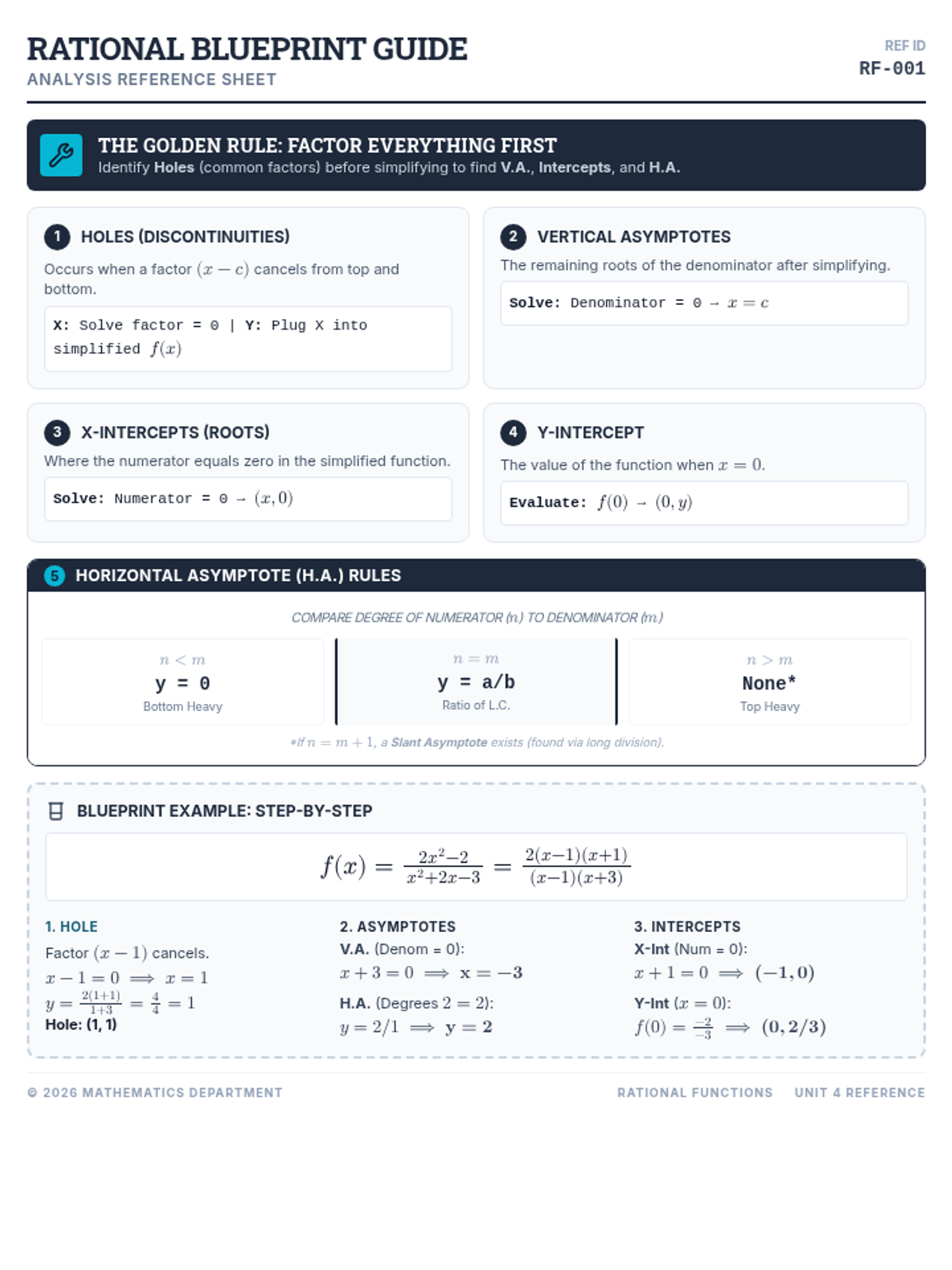
A lesson comparing the structural attributes of exponential and rational functions, focusing on asymptotes, domain, and range.
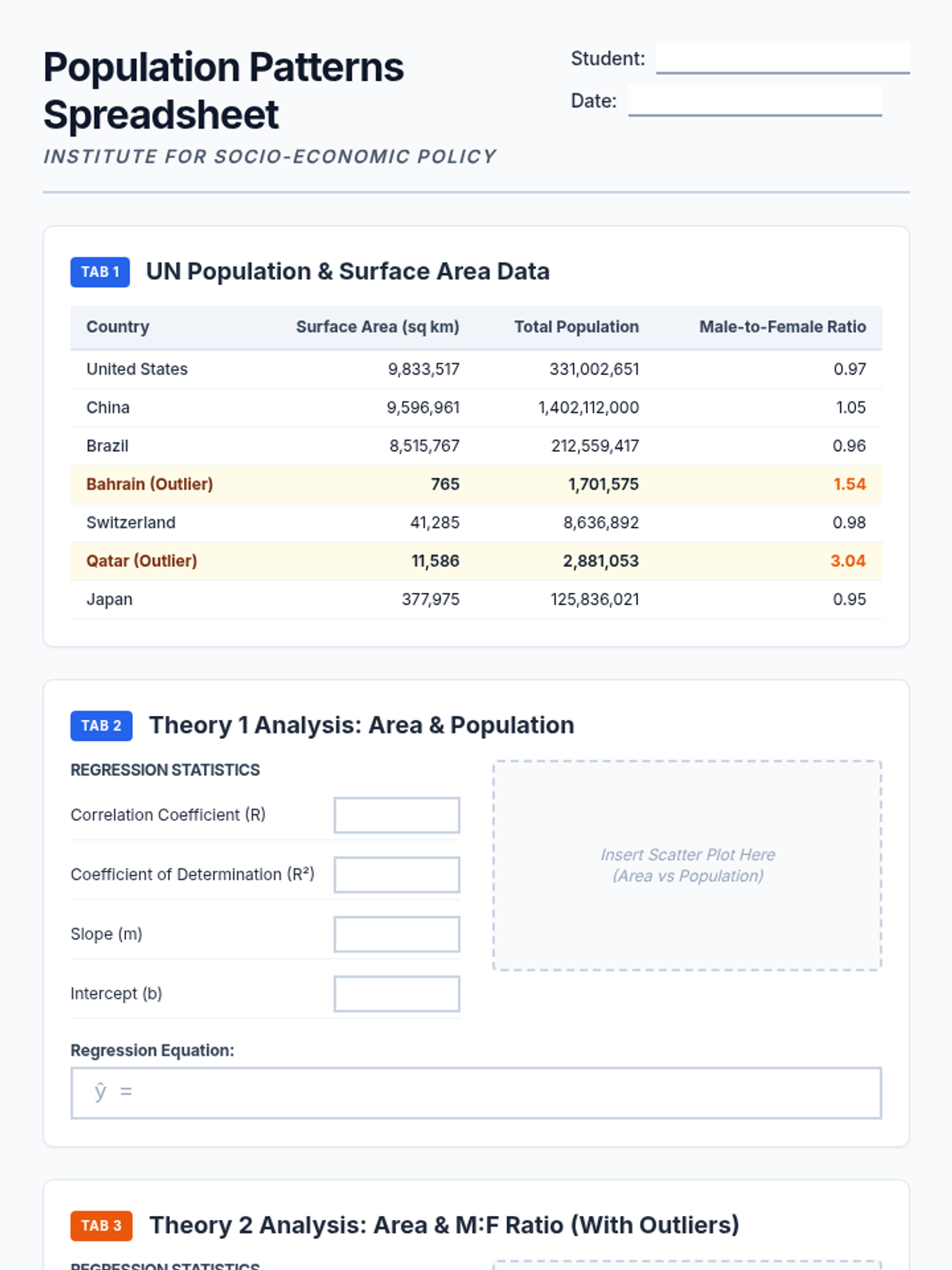
A lesson focused on identifying the domain and range of rational functions using set-builder notation. Students analyze various horizontal and vertical asymptotes to determine functional constraints.
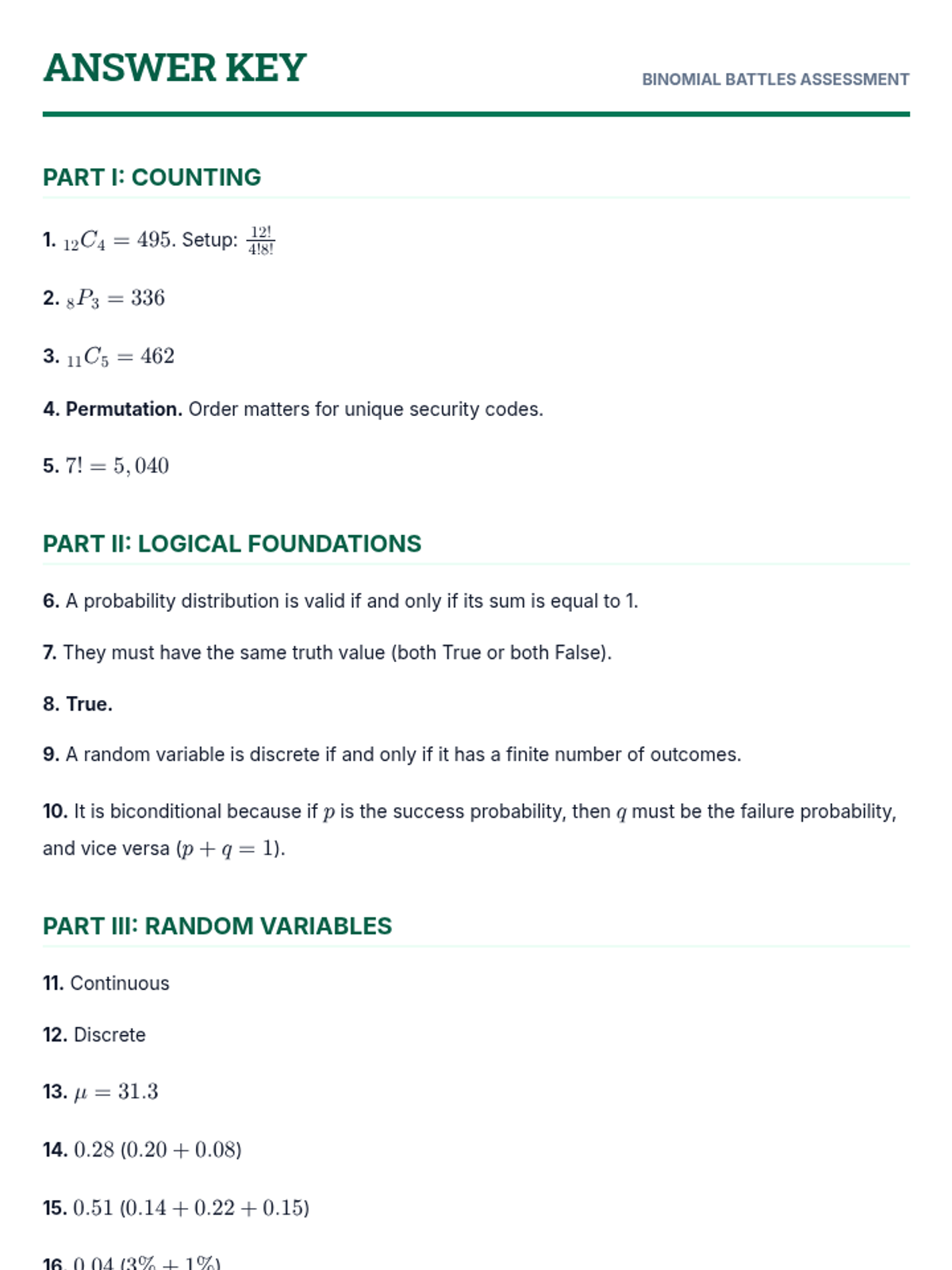
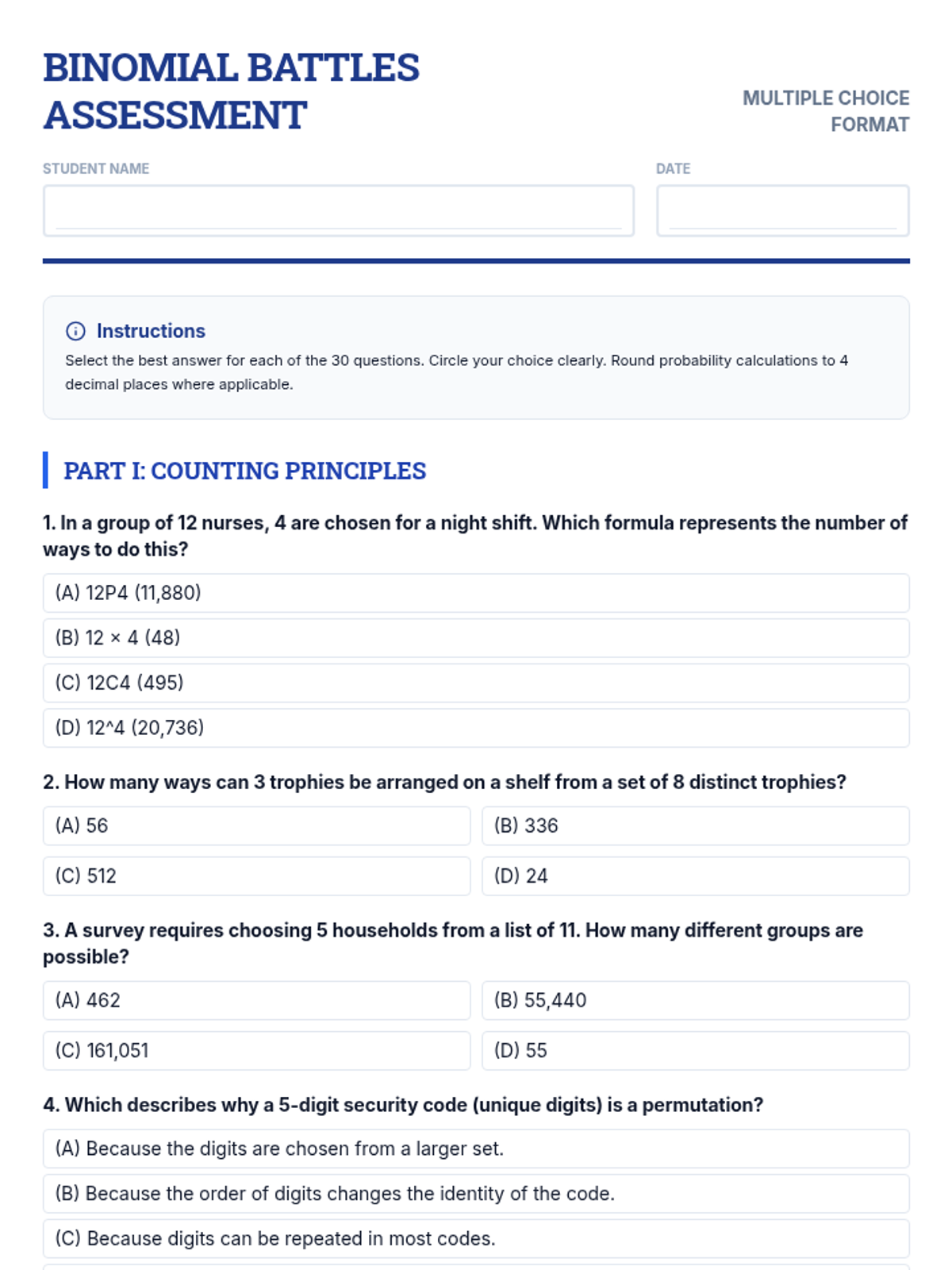
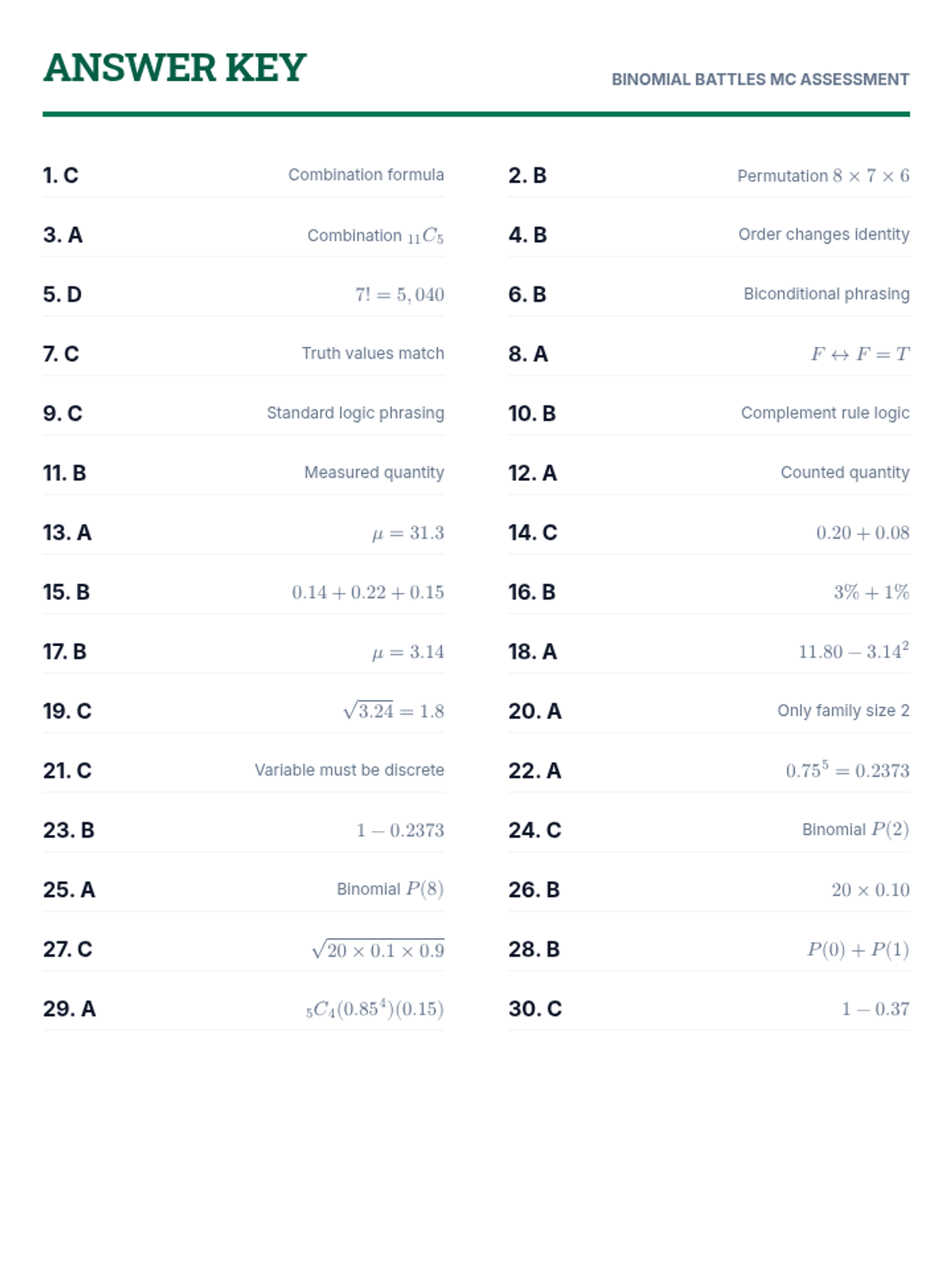
Students explore discrete probability distributions through the lens of arcade games and challenges, learning to model random events and calculate probabilities.
A vibrant, spring-themed 'Price is Right' game show featuring seasonal items, interactive rounds, and a high-stakes Showcase Showdown.
A comprehensive lesson on identifying random variable types, working with discrete probability distributions, and visualizing data through histograms.
An introductory exploration of random variables, probability distributions, and statistical measurements including mean, standard deviation, and linear transformations.
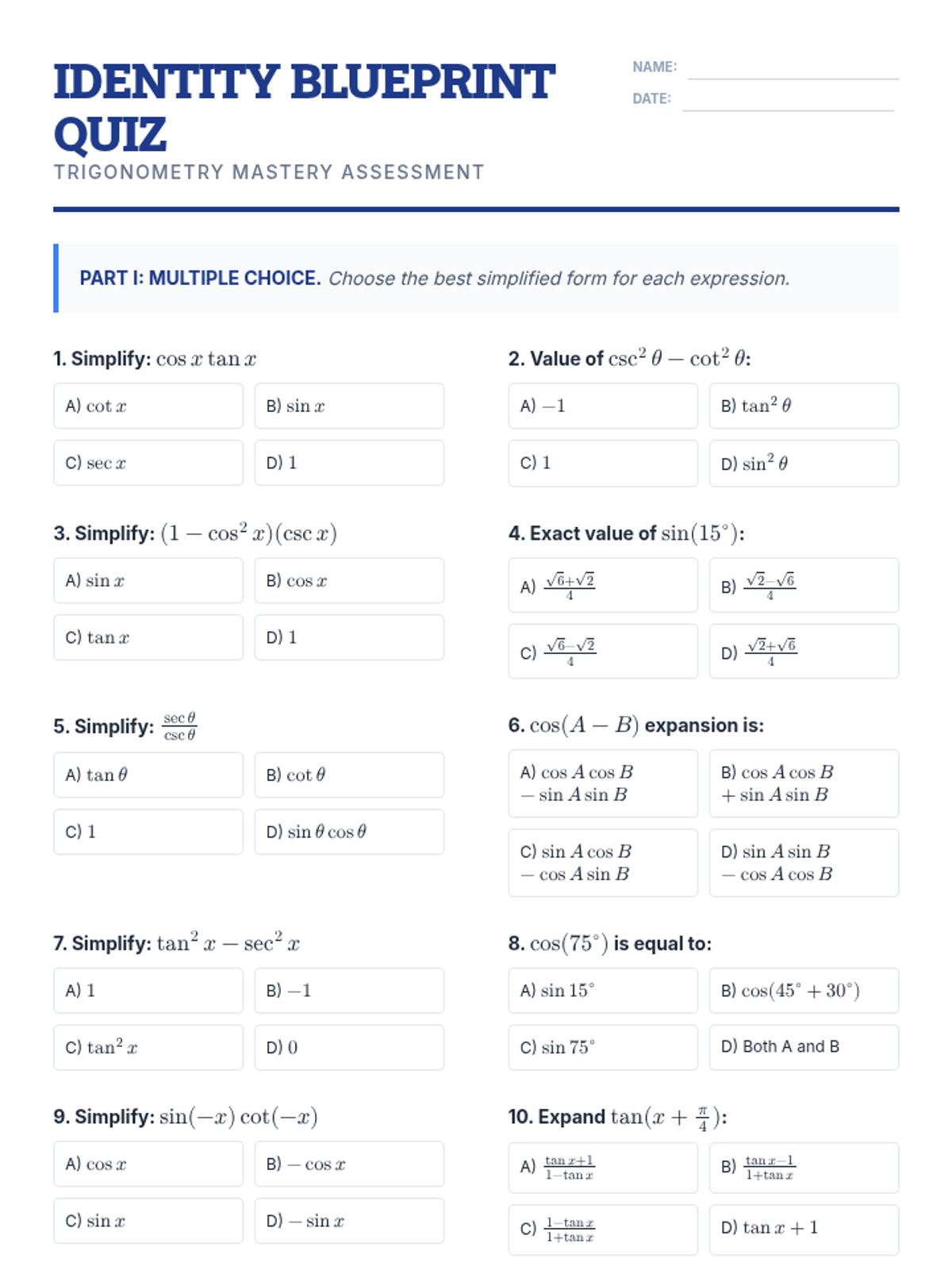
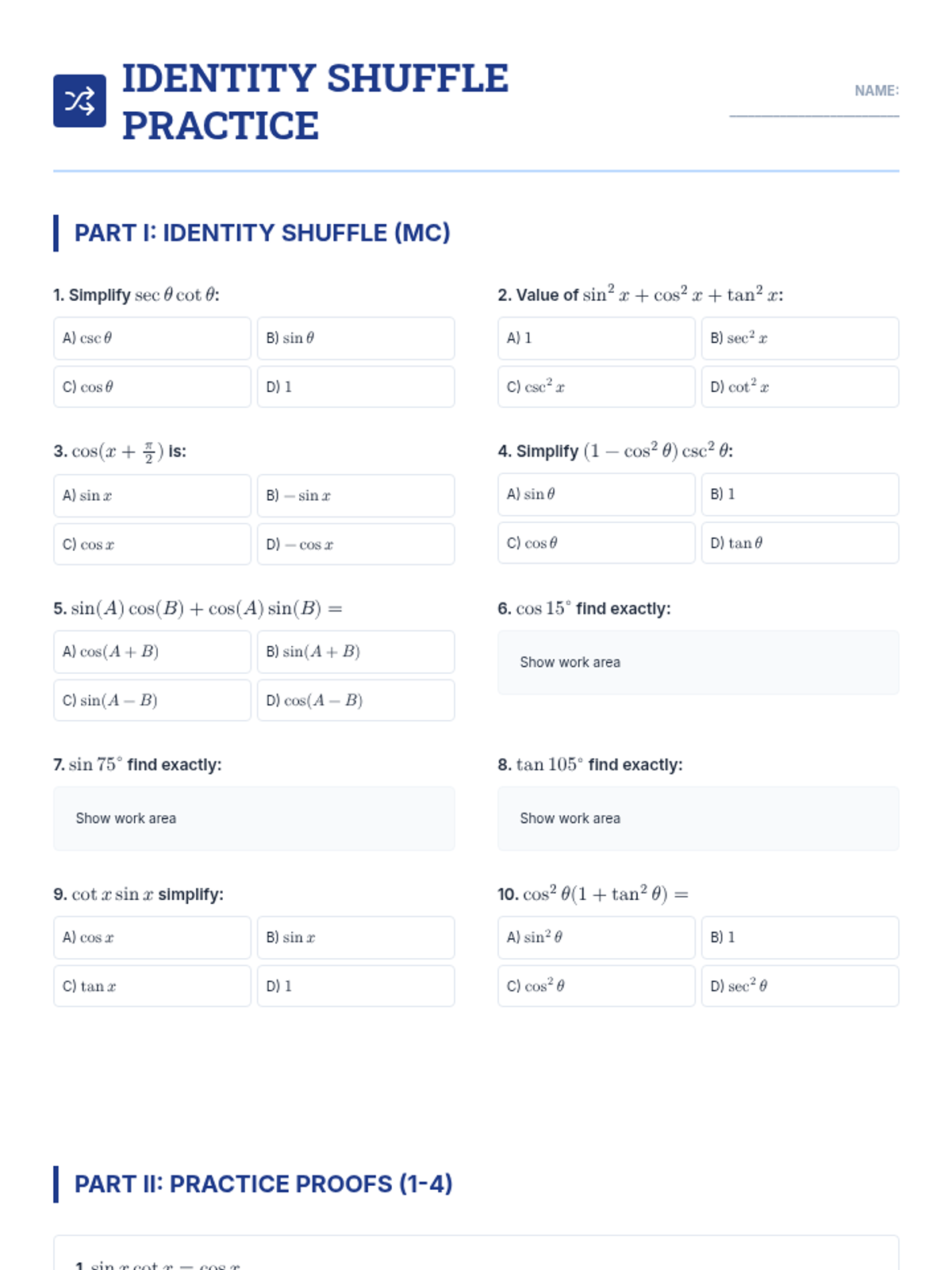
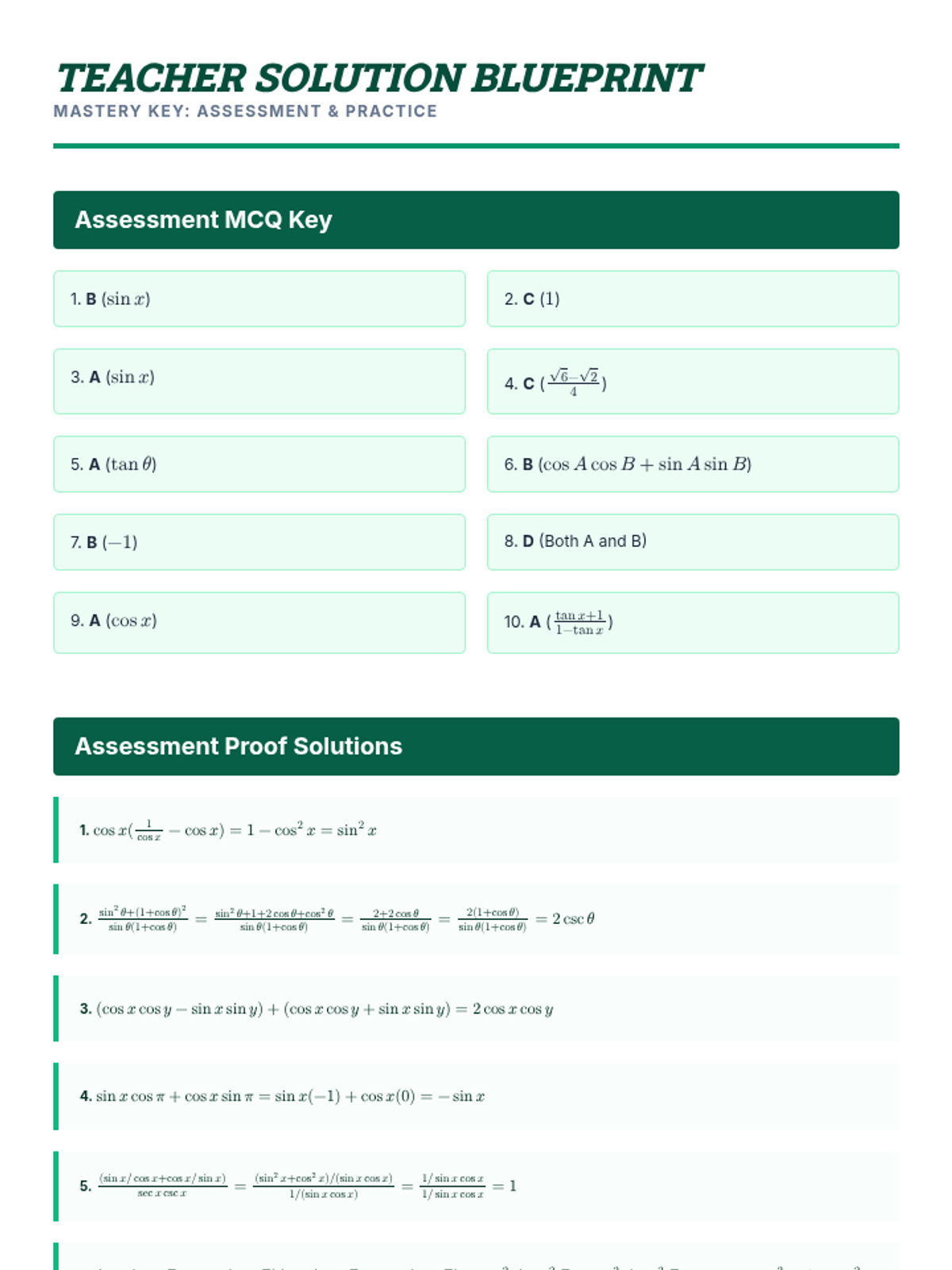
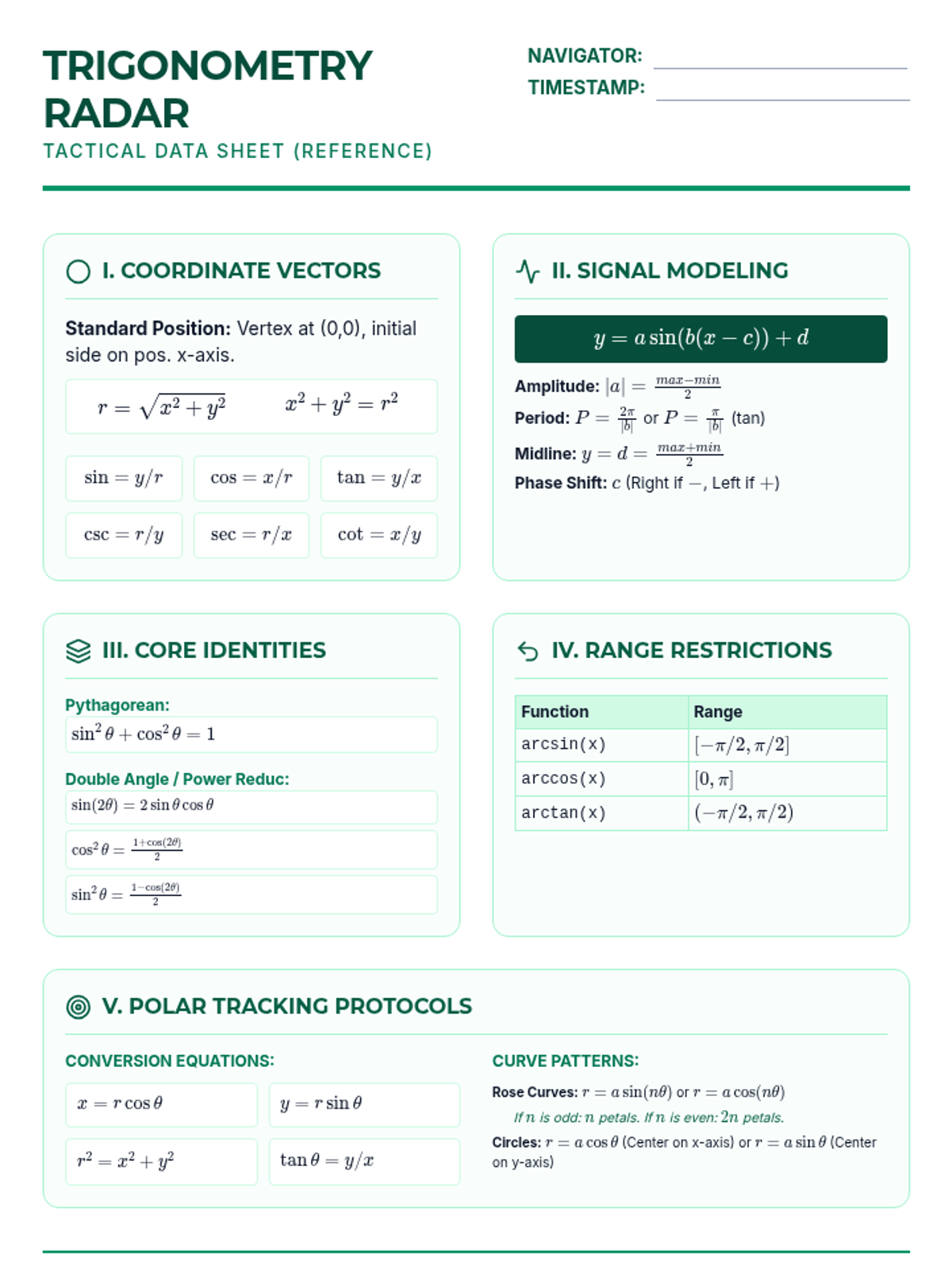
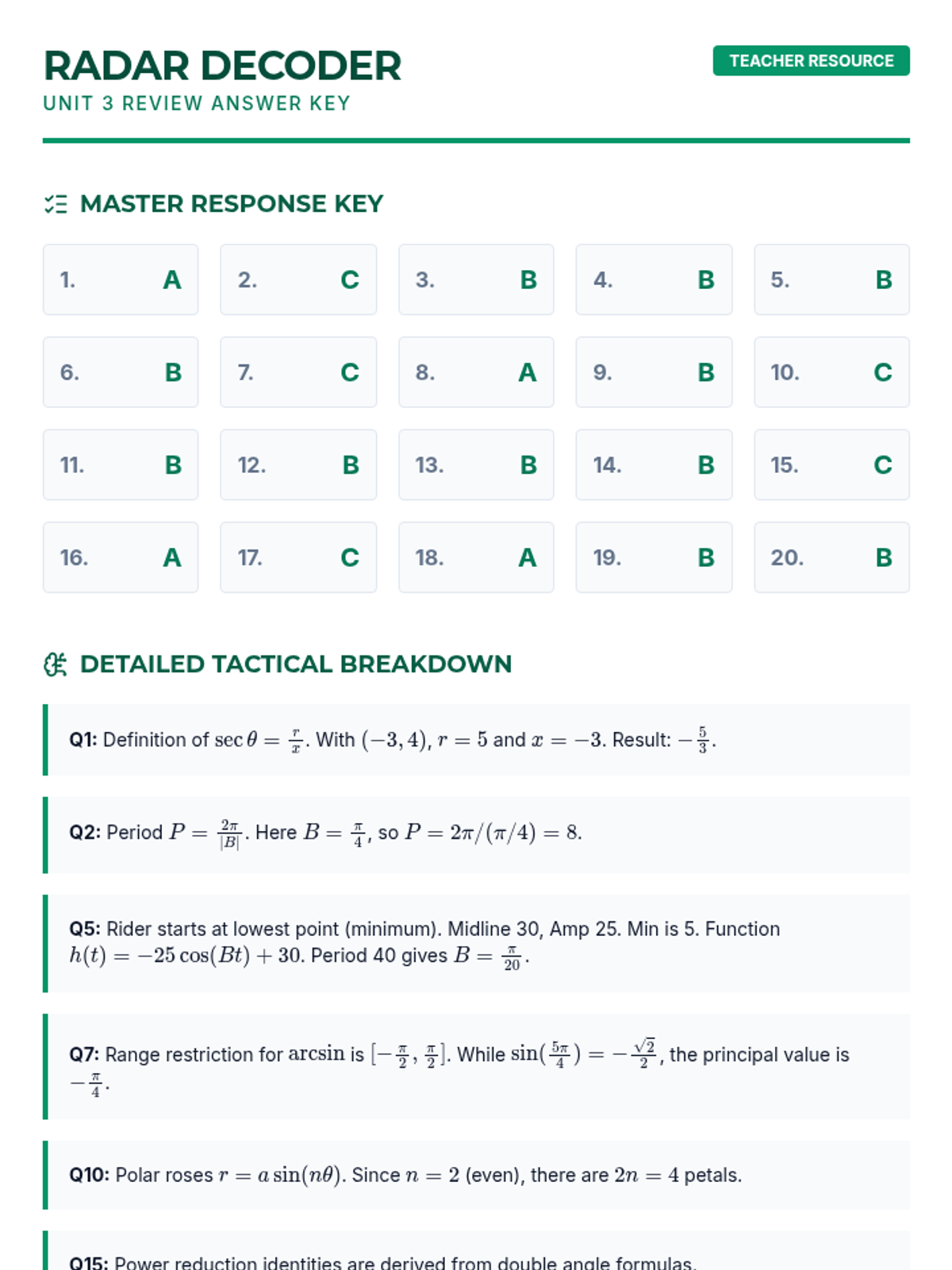
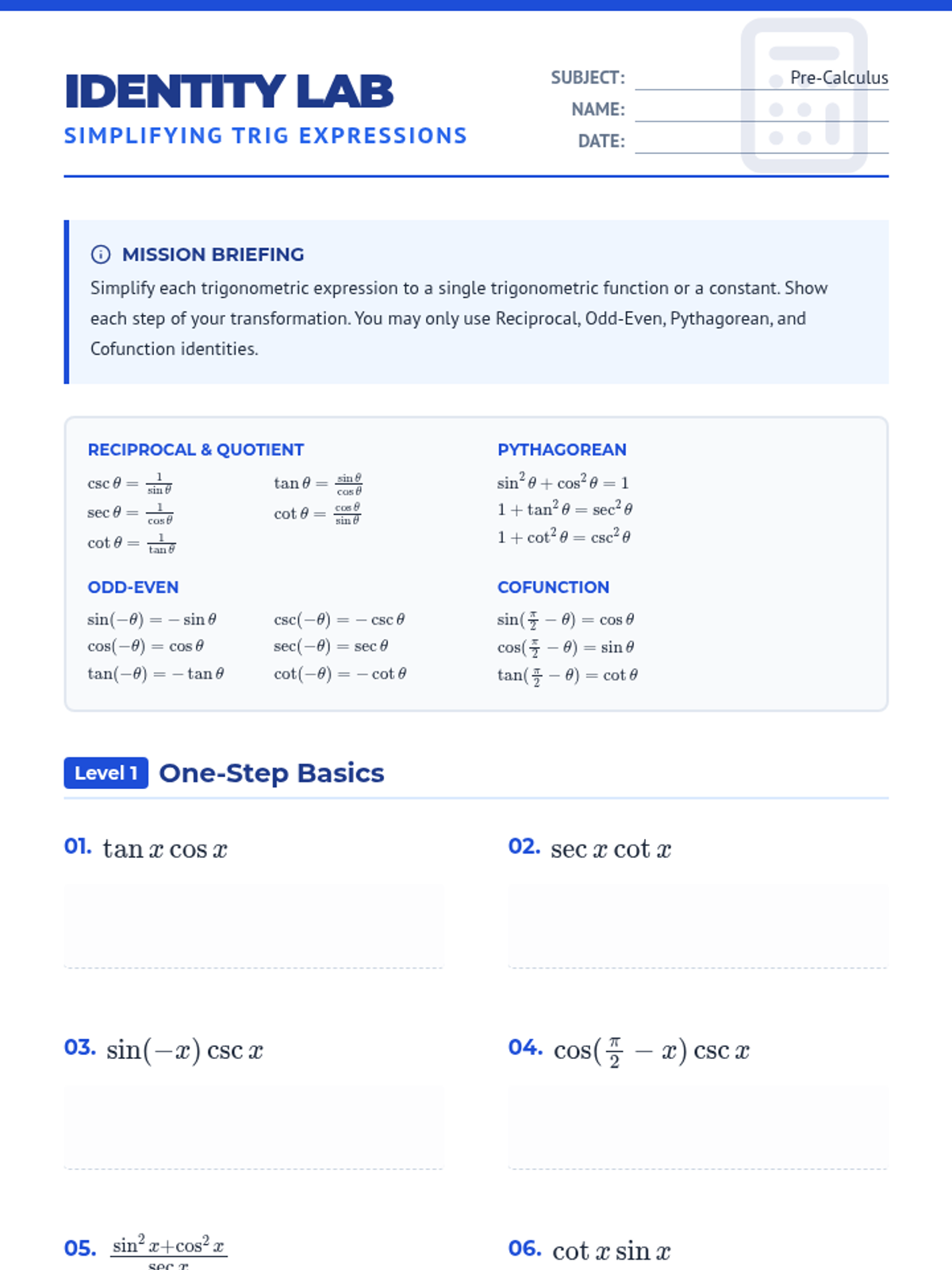
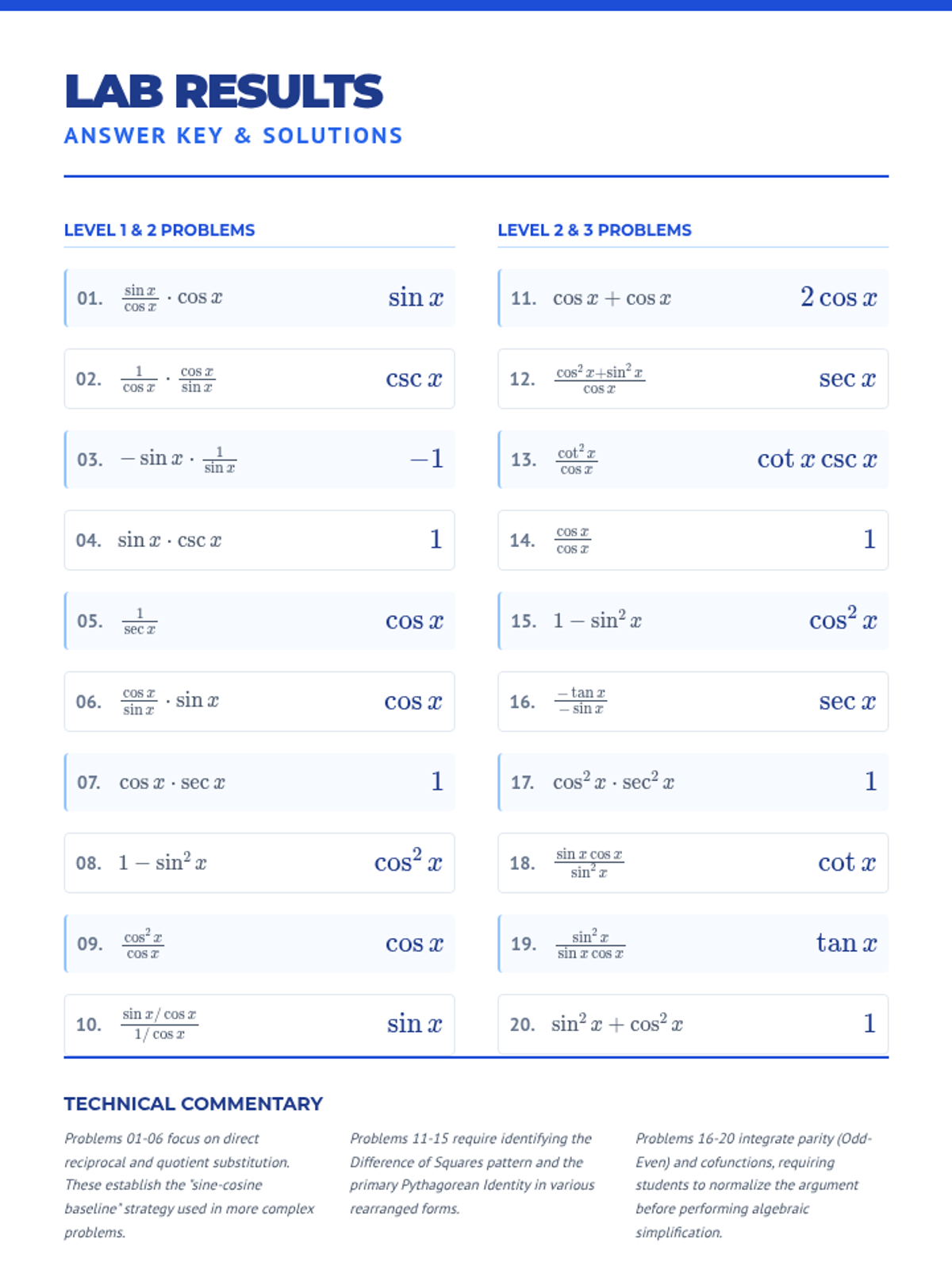
A comprehensive assessment and review lesson on fundamental trigonometric identities, including Pythagorean, reciprocal, and quotient identities. Students will practice simplifying expressions and proving identities.
An introduction to random variables, distinguishing between discrete and continuous types, graphing probability distributions, and calculating mean and standard deviation.
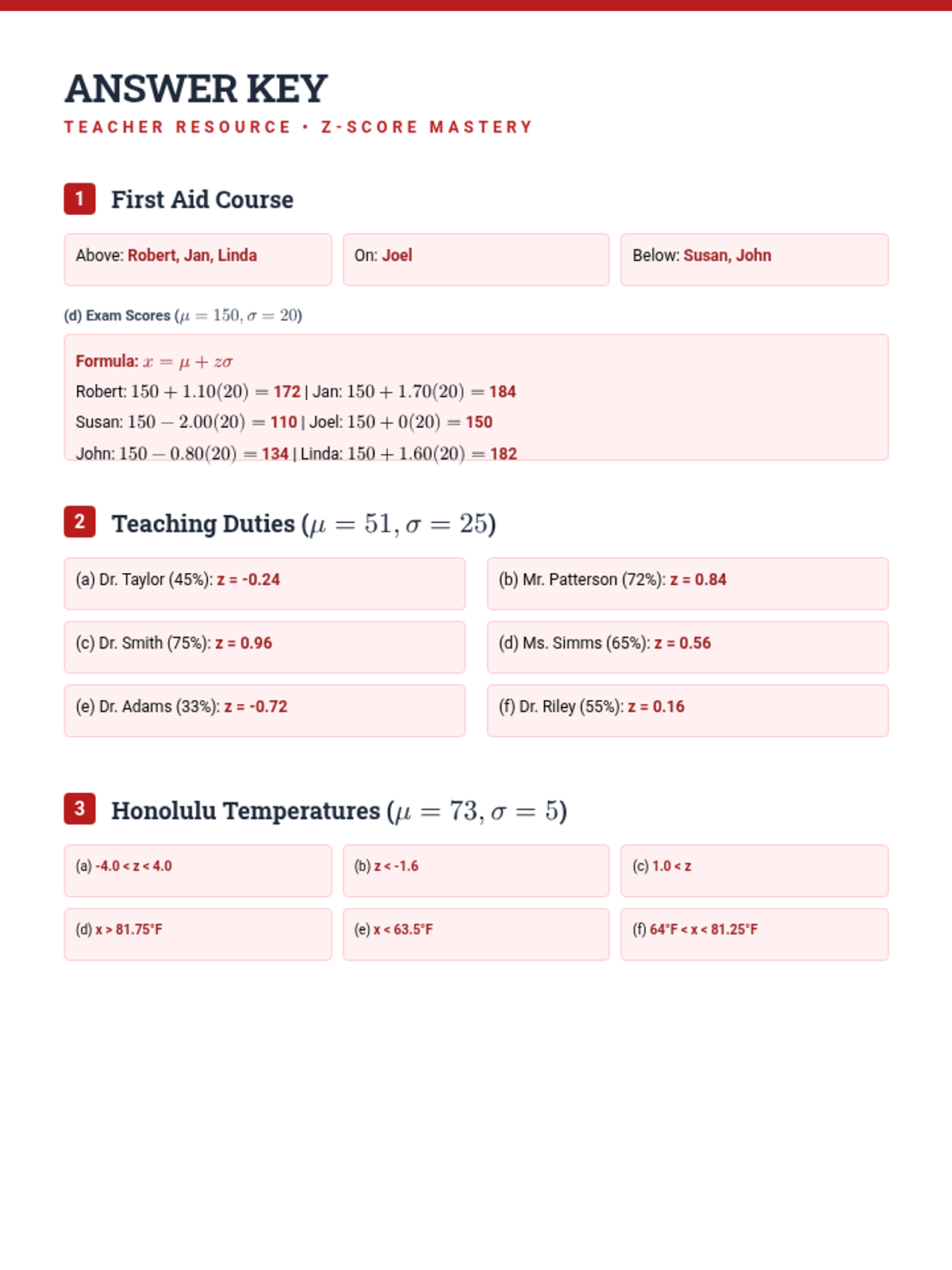
A comprehensive review of normal distribution calculations, including z-score conversion and probability determination for various real-world scenarios. Students will calculate left-tail, right-tail, and interval probabilities and evaluate the rarity of events.
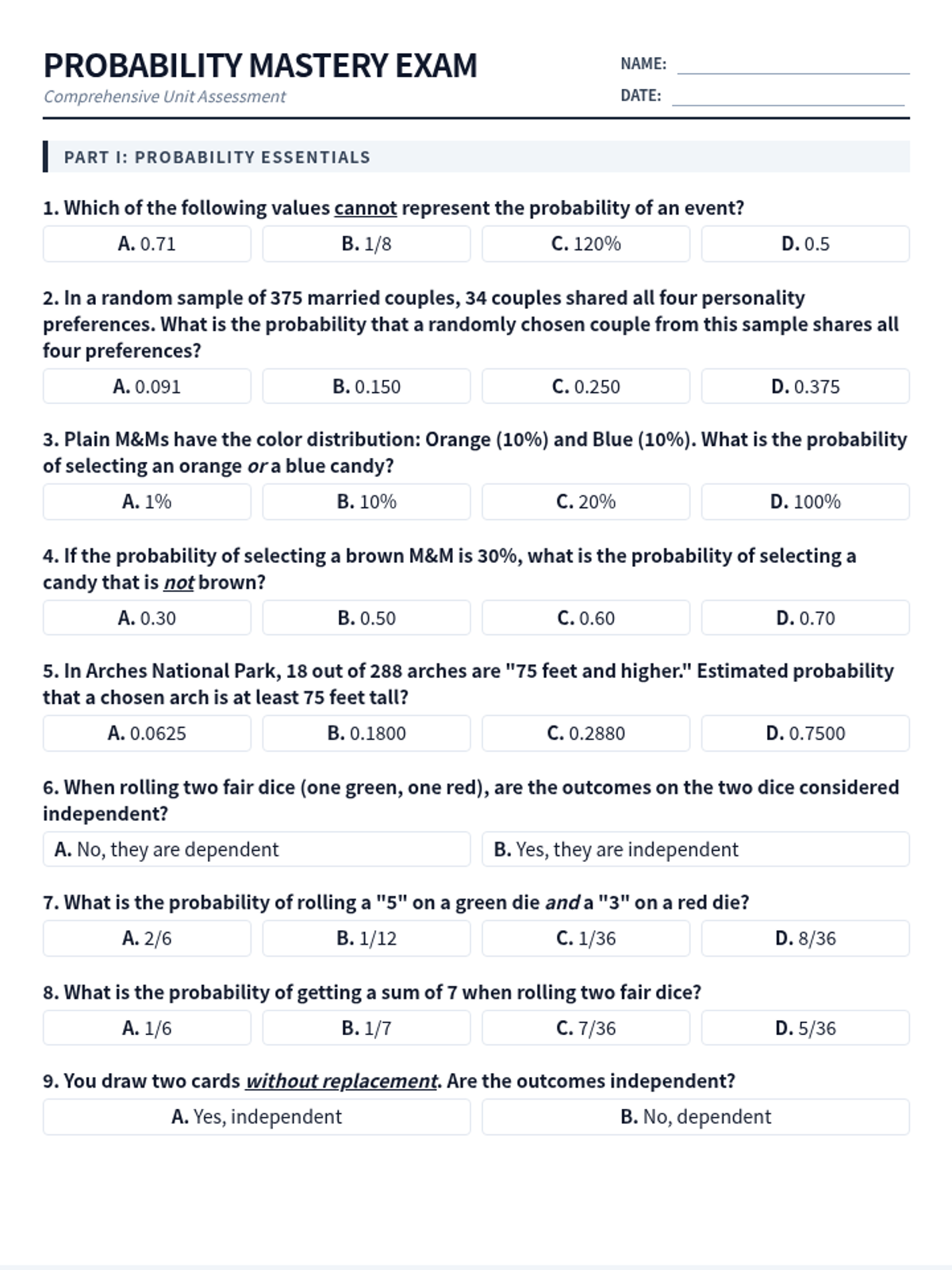
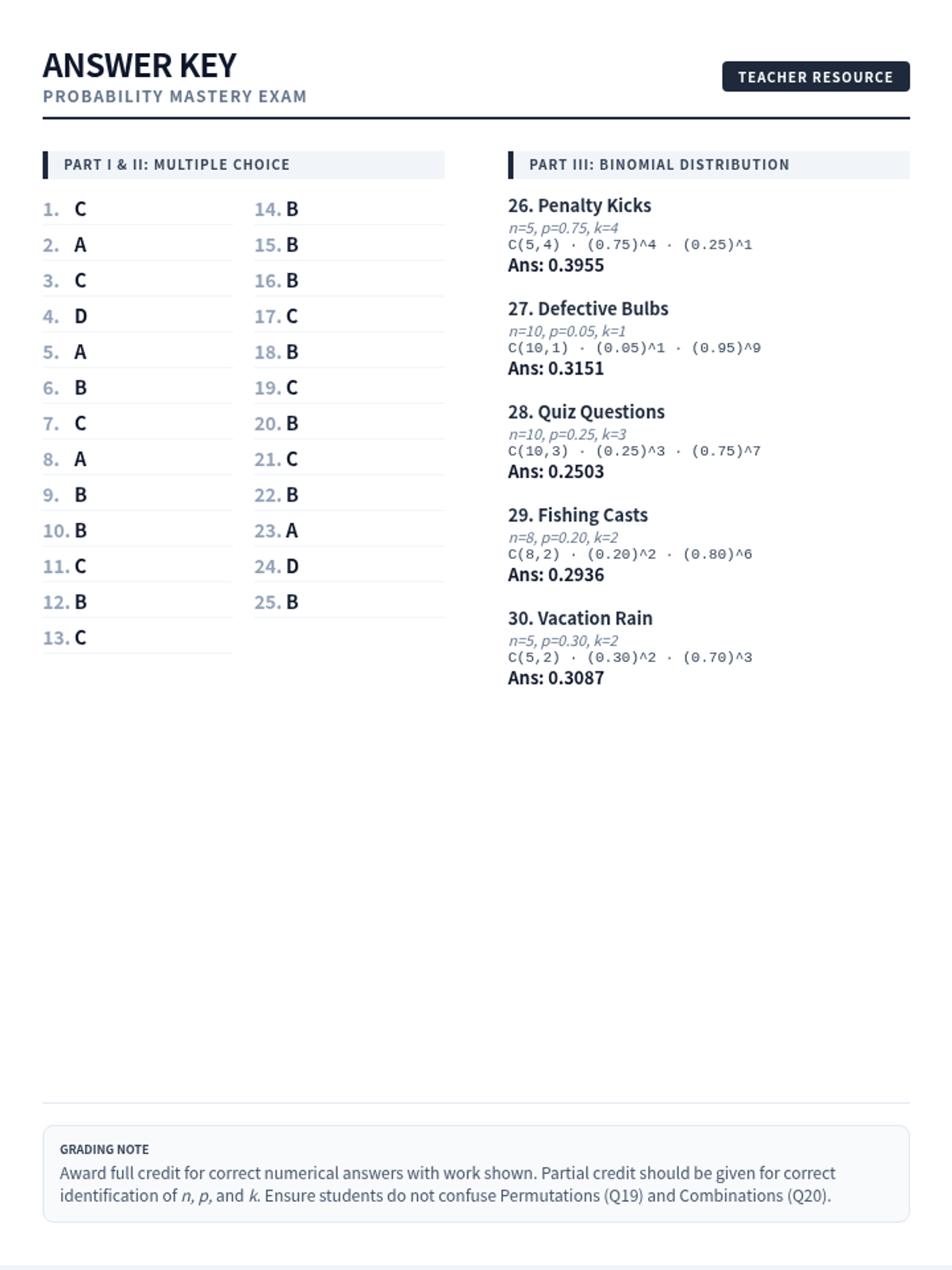
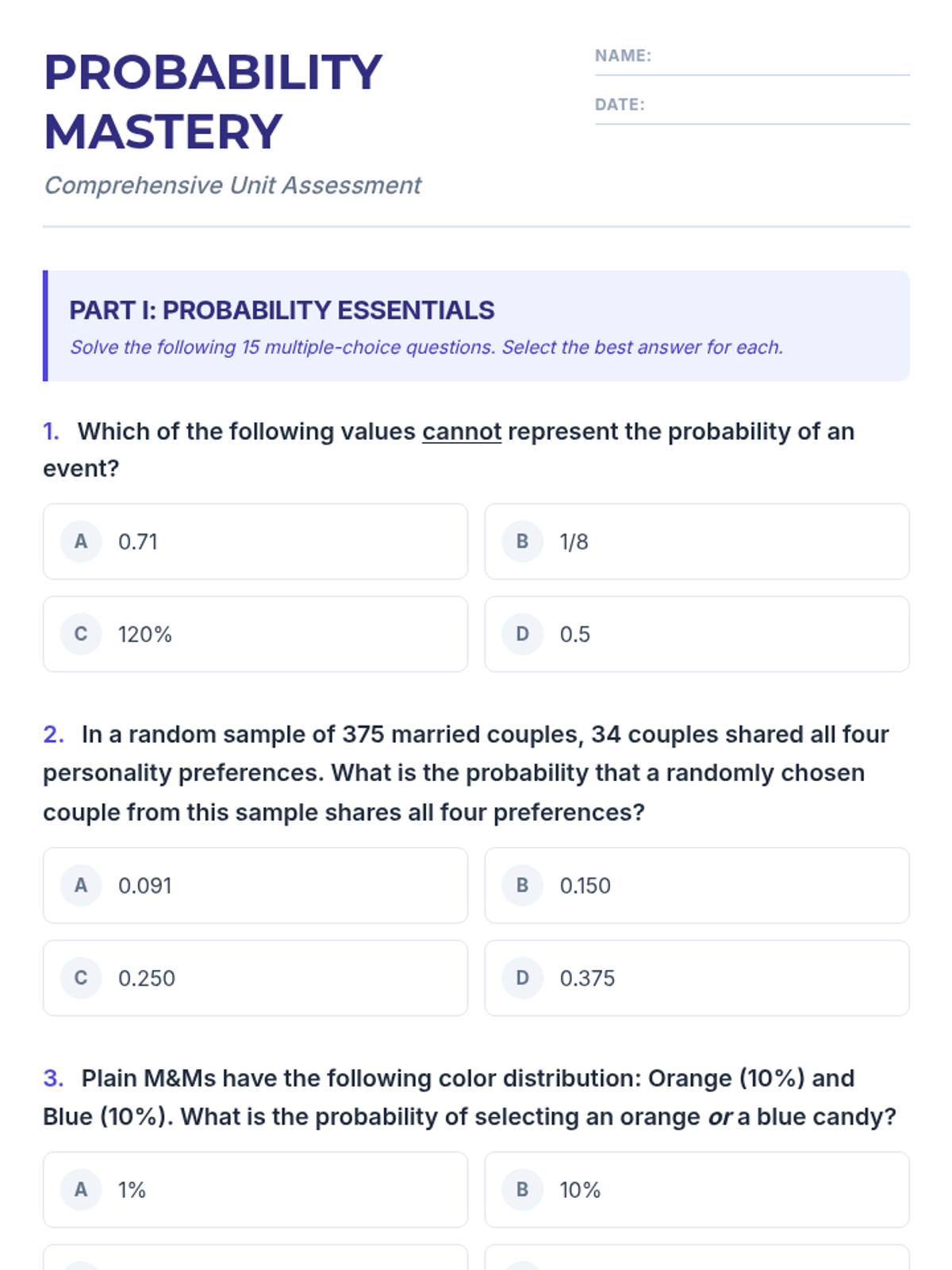
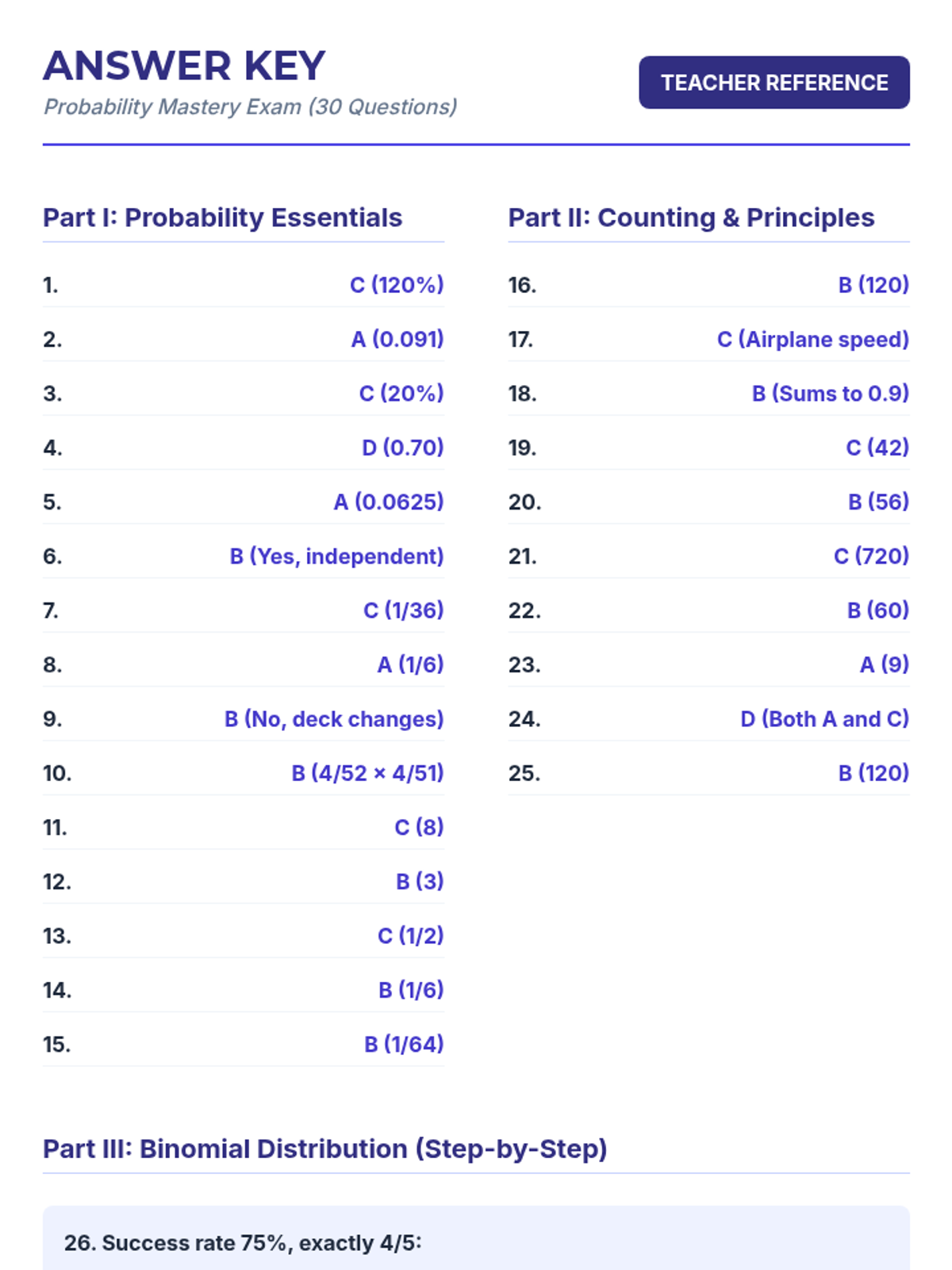
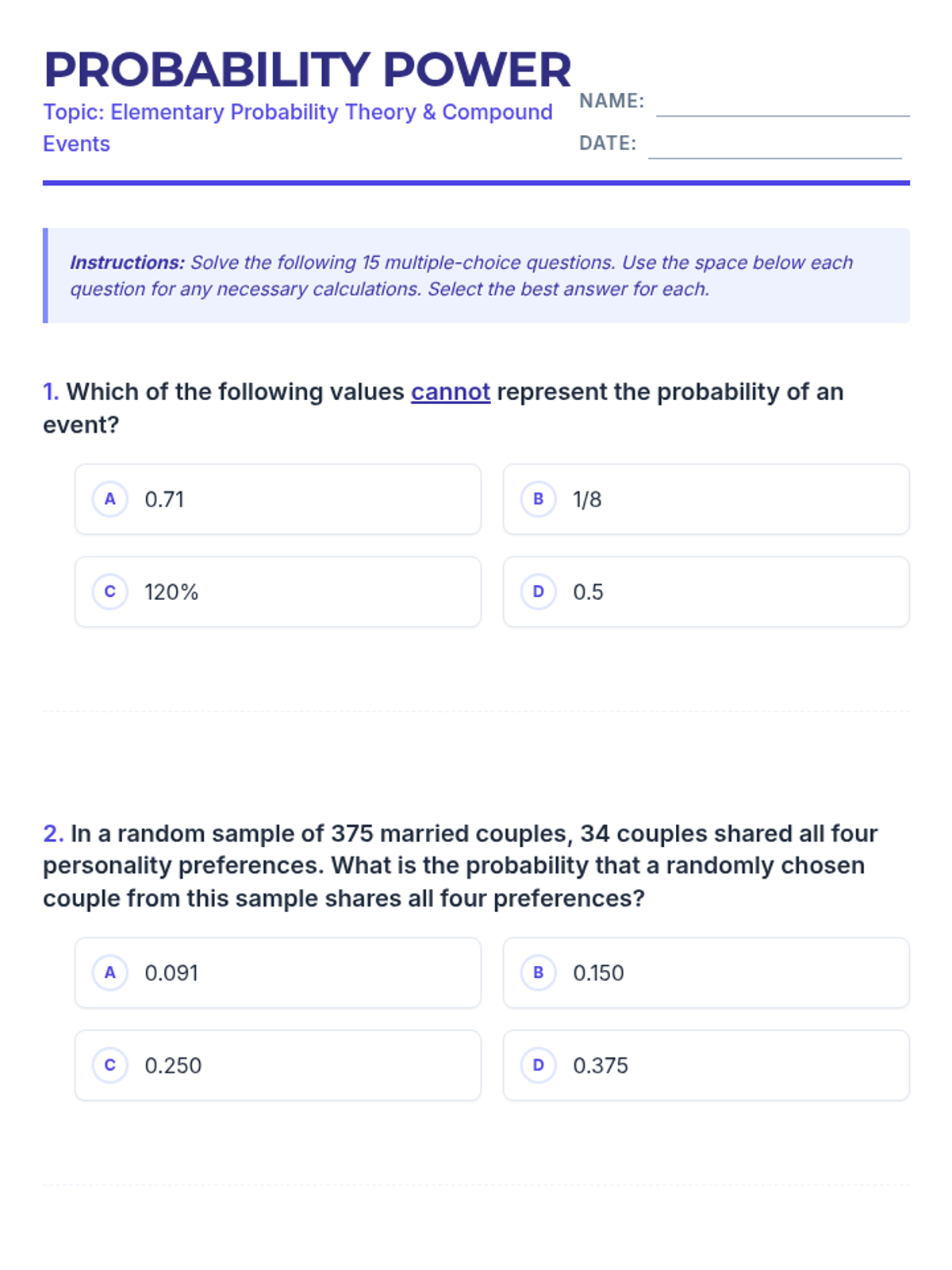
A comprehensive assessment covering descriptive statistics, data distributions, measures of variation, and basic probability theory including tree diagrams.
A focused practice set on calculating confidence intervals for means, finding critical values, and determining minimum sample sizes for specific margins of error.
A comprehensive lesson focusing on constructing and interpreting confidence intervals for population means, specifically targeting how various factors like sample size and confidence level influence the margin of error.
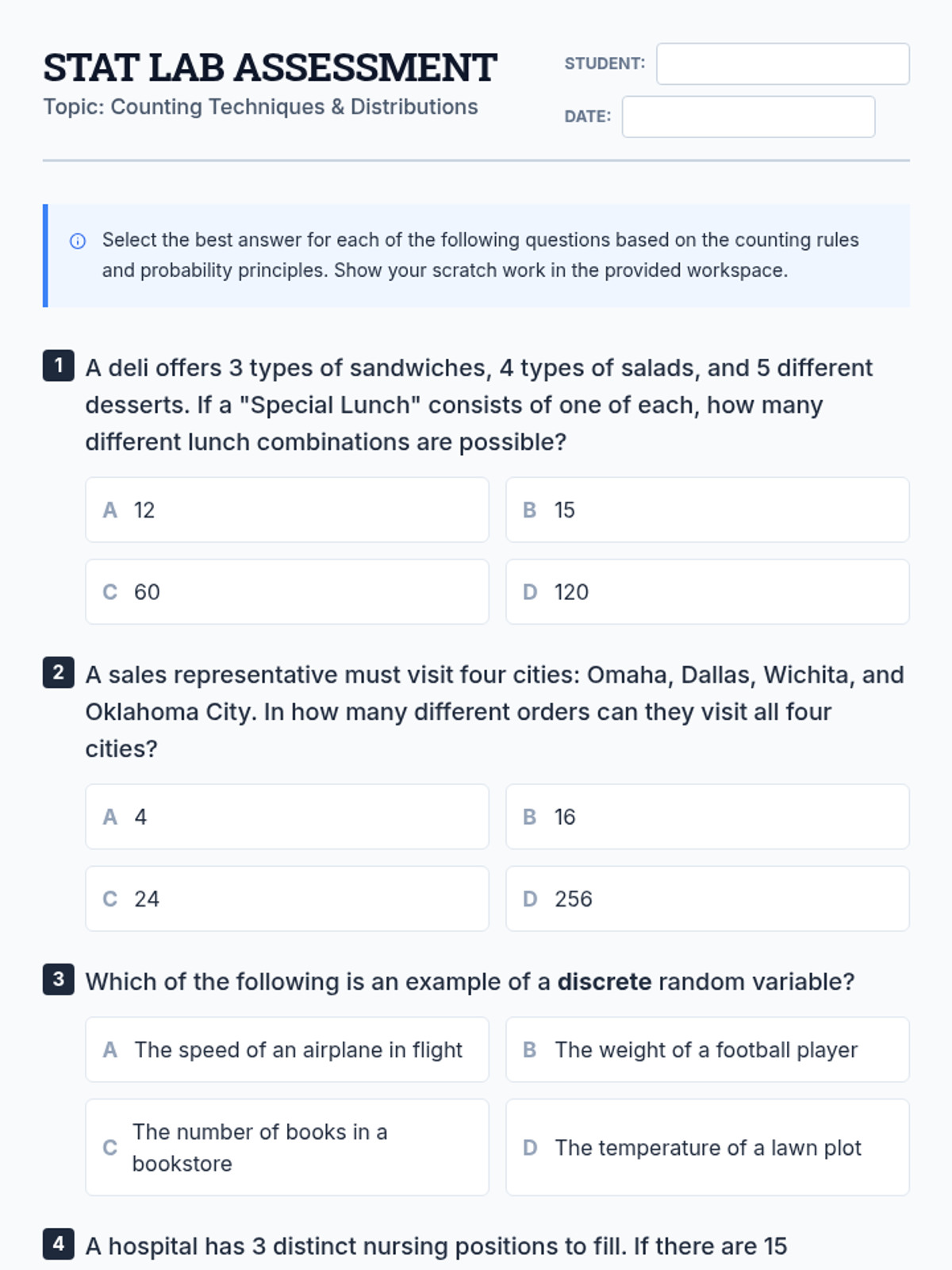
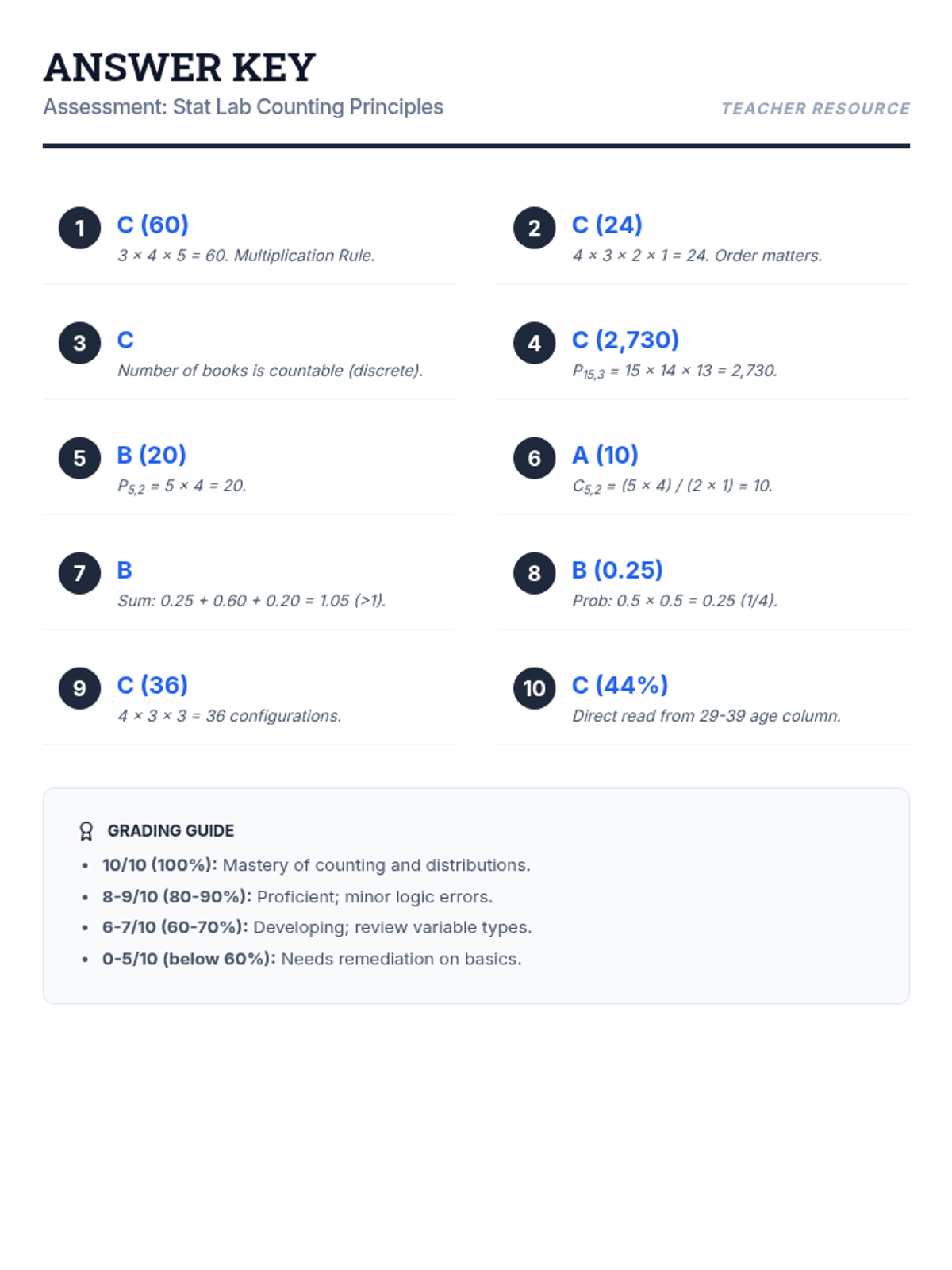
A comprehensive 3rd-quarter statistics assessment combining data interpretation, central tendency, variation, probability, and counting techniques. Students analyze real-world scenarios including justice system data, tax polls, and probability models.
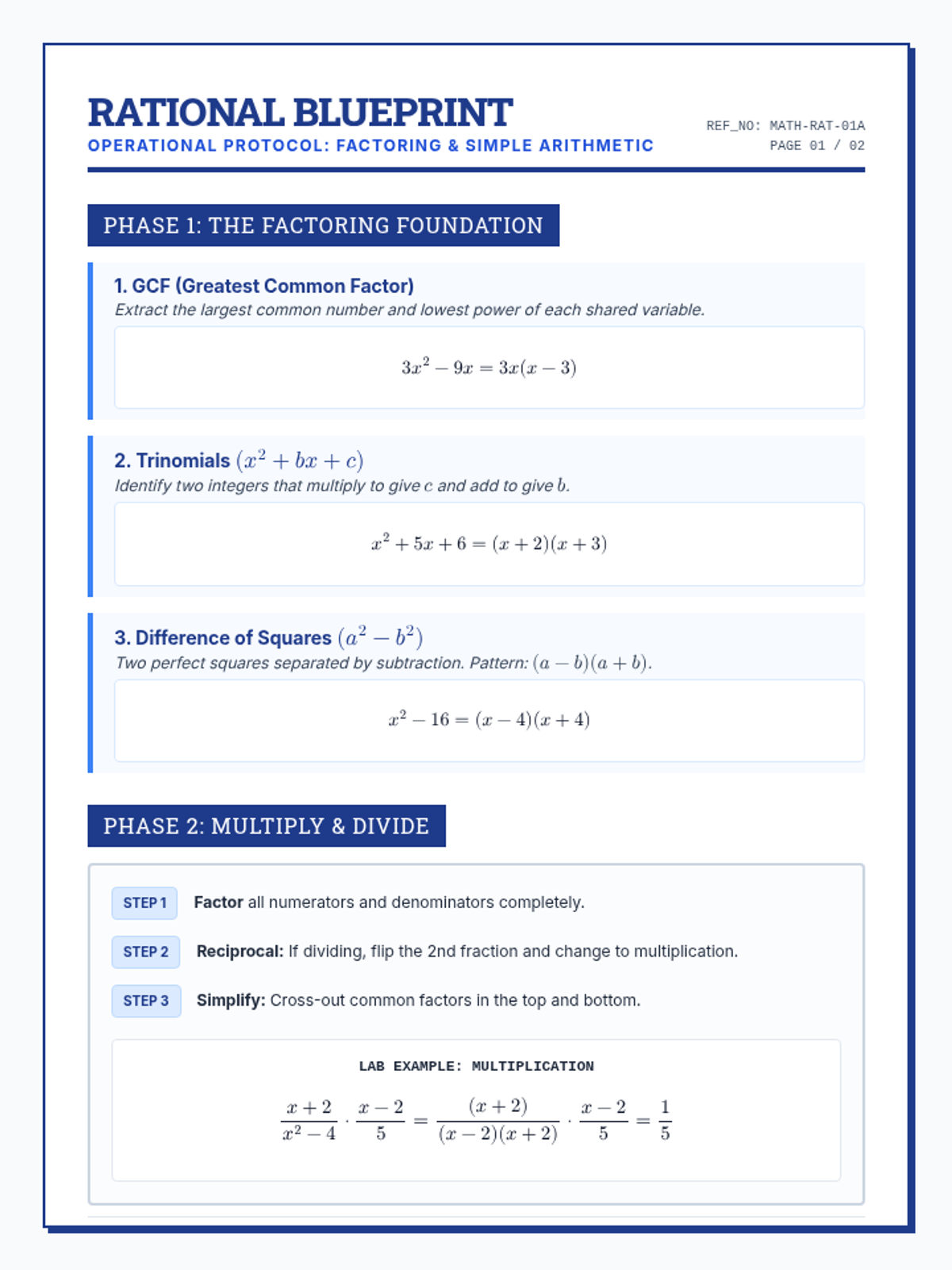
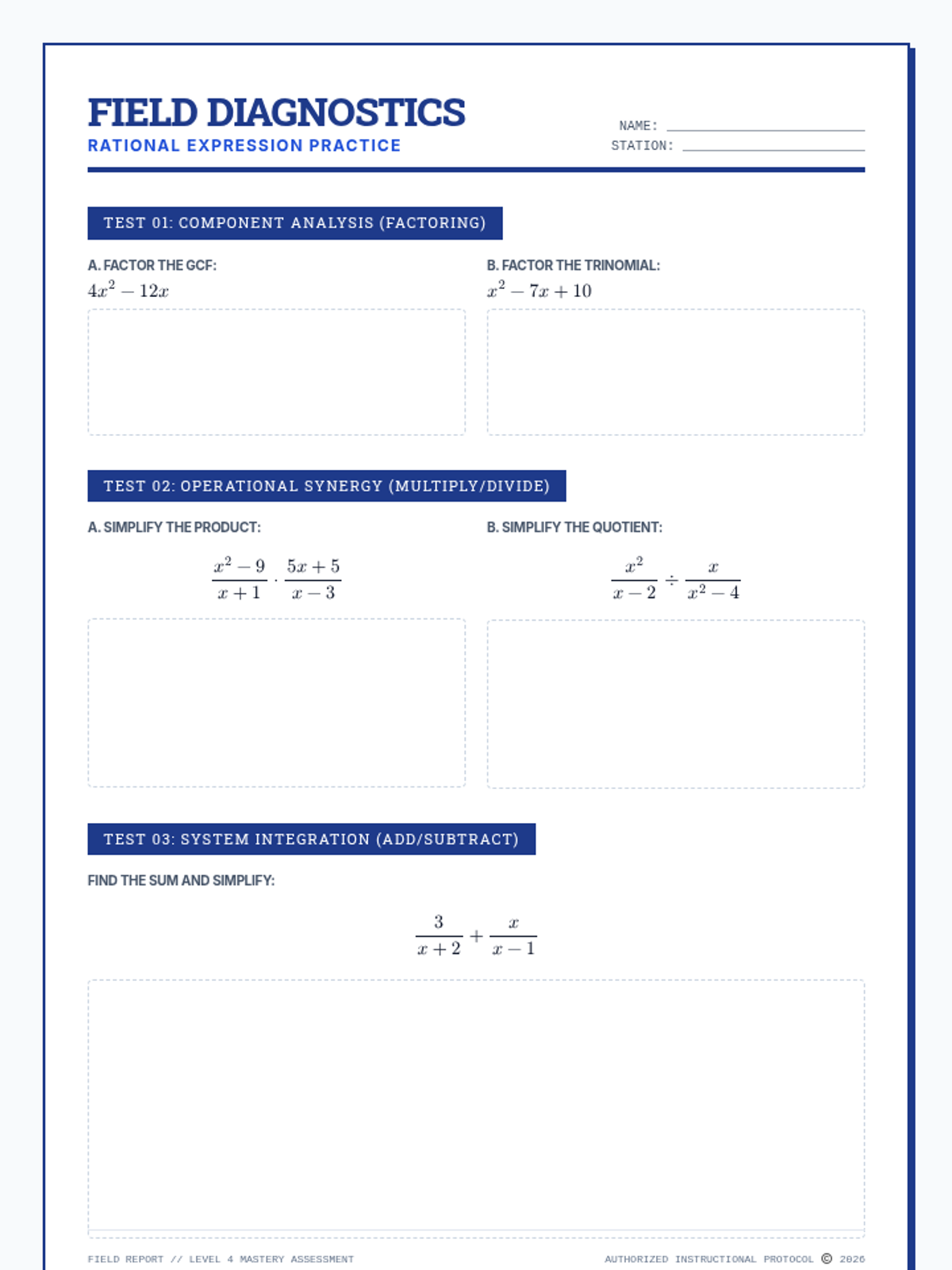
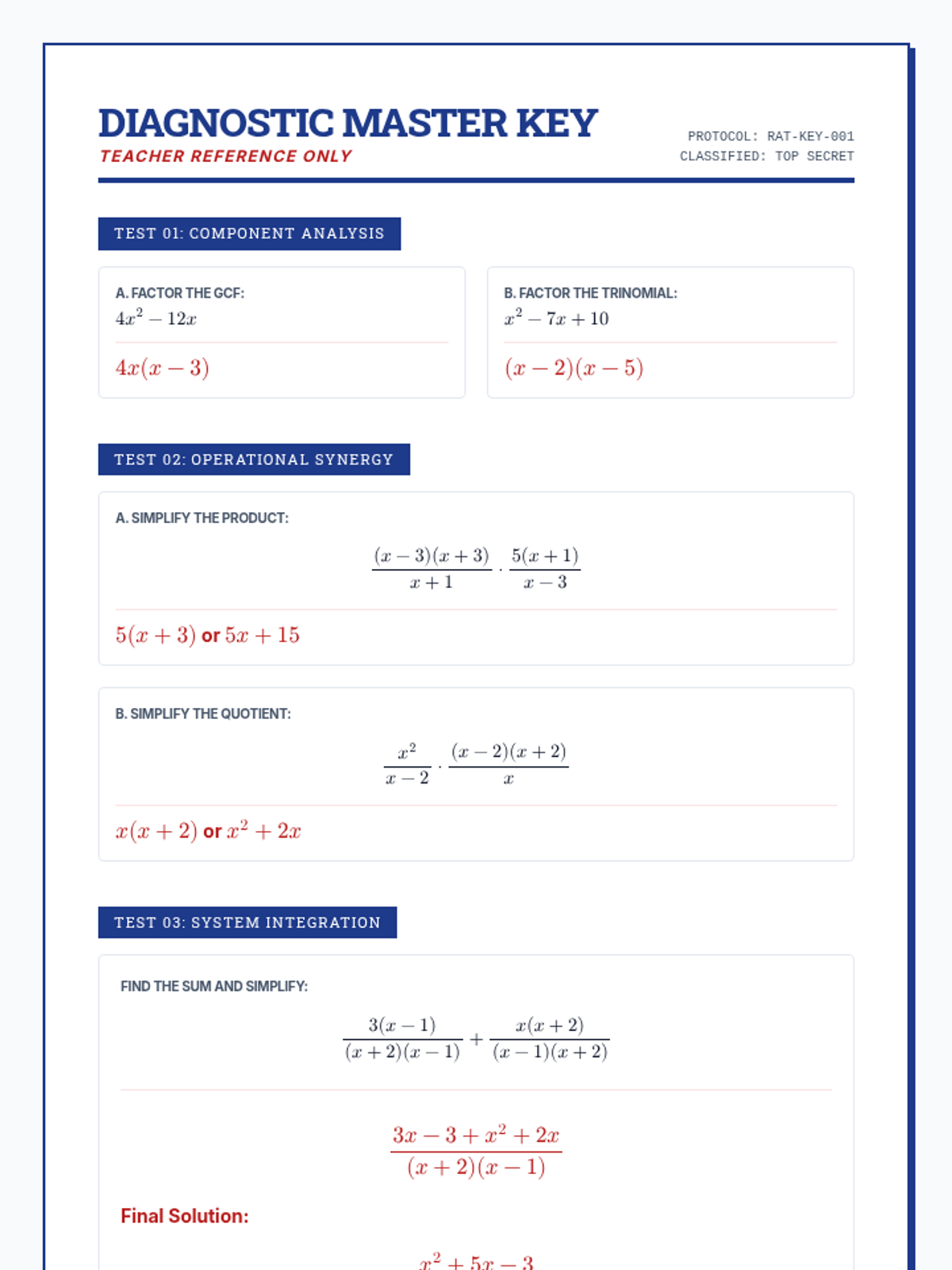
A comprehensive introduction to factoring quadratic expressions where the leading coefficient is one, using a step-by-step graphic organizer and visual slides.
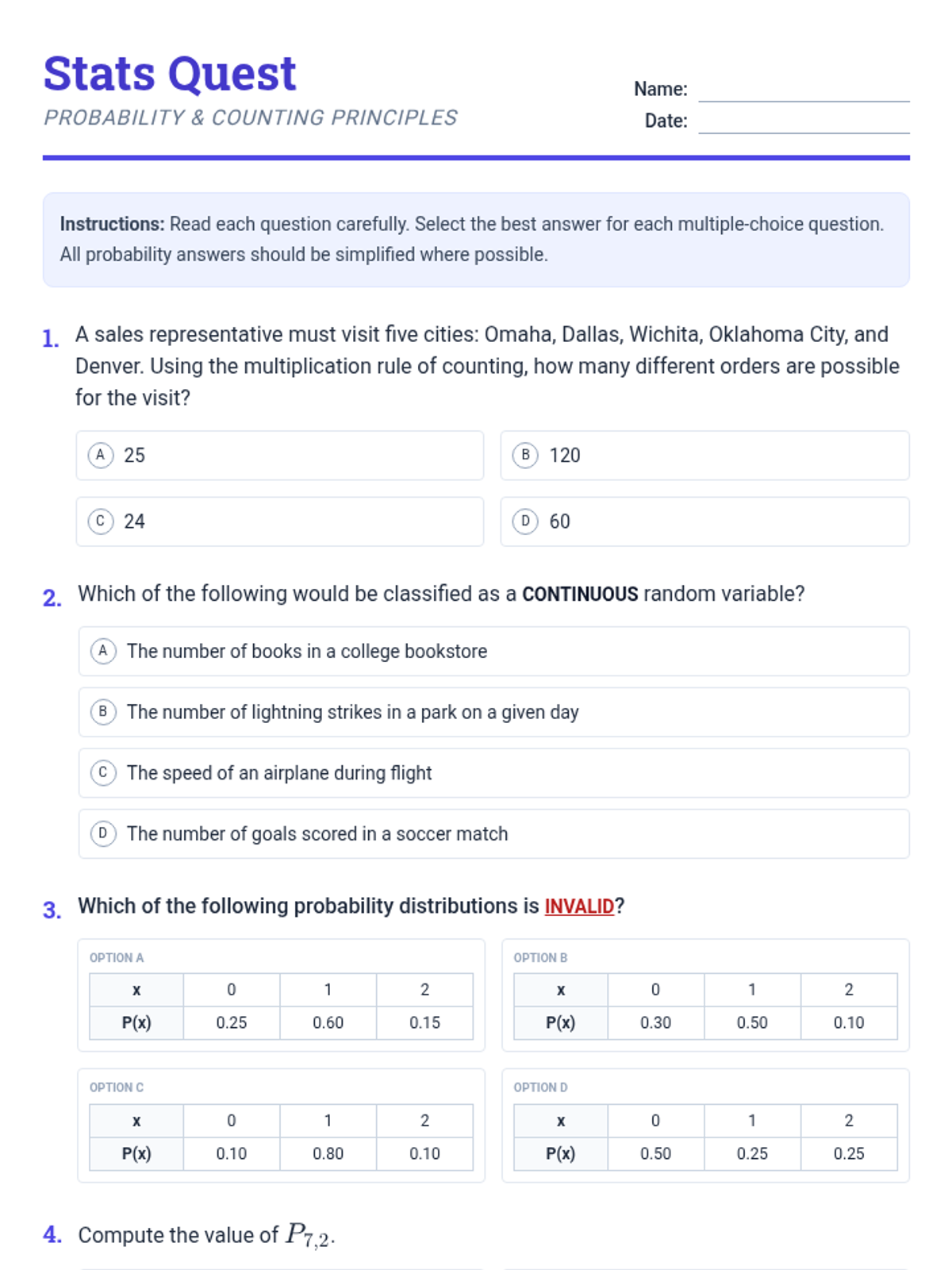
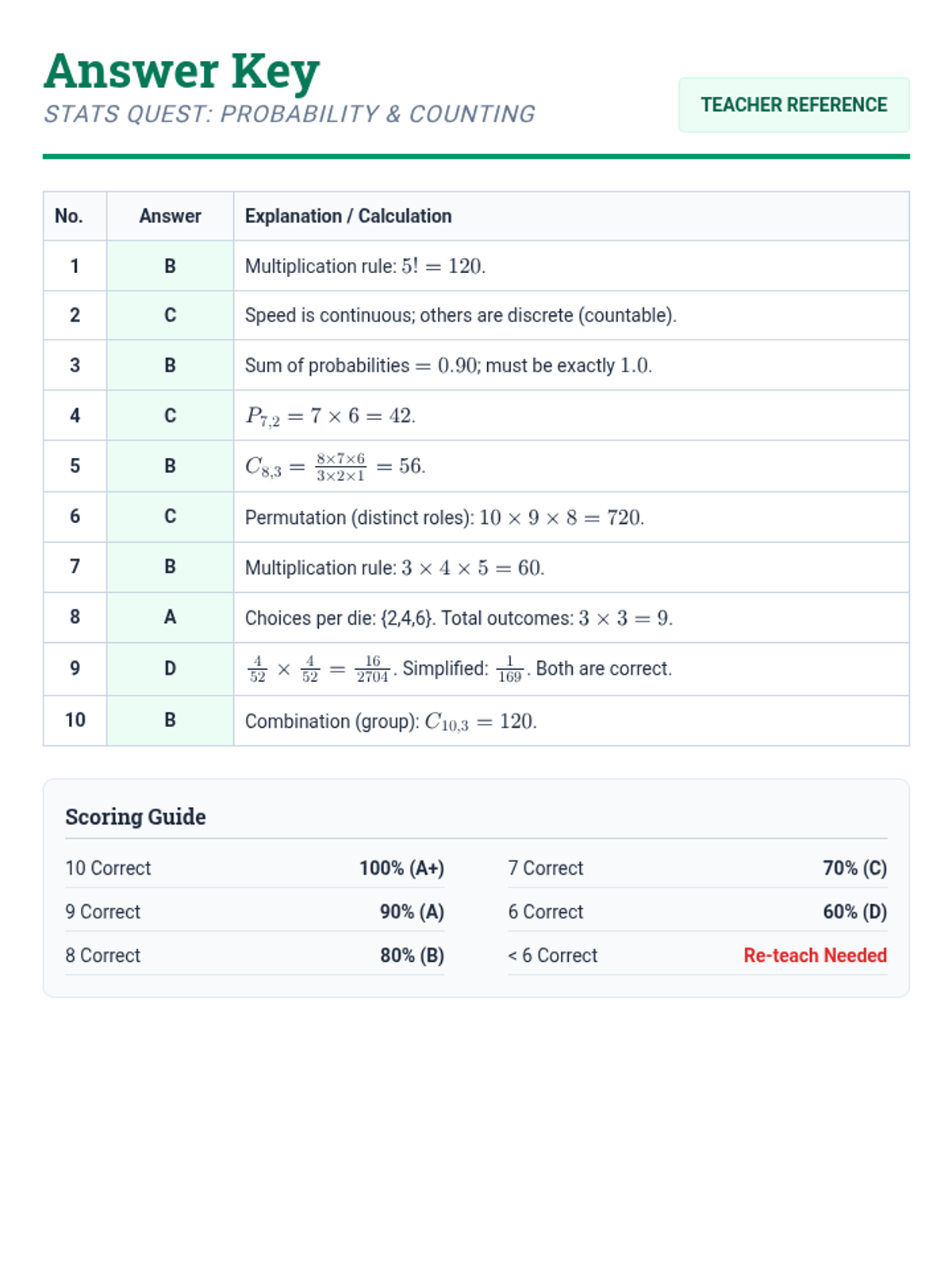
A comprehensive 40-question review covering descriptive statistics, elementary probability, and counting techniques based on Algebra 1 and Statistics curriculum.
A lesson focused on interpreting and analyzing real-world data from criminal justice, tax returns, and law enforcement statistics using calculations like rates of change, percentages, and frequency distributions.
A comprehensive introduction to the fundamental concepts of statistics, including data classification, sampling methods, and experimental design.
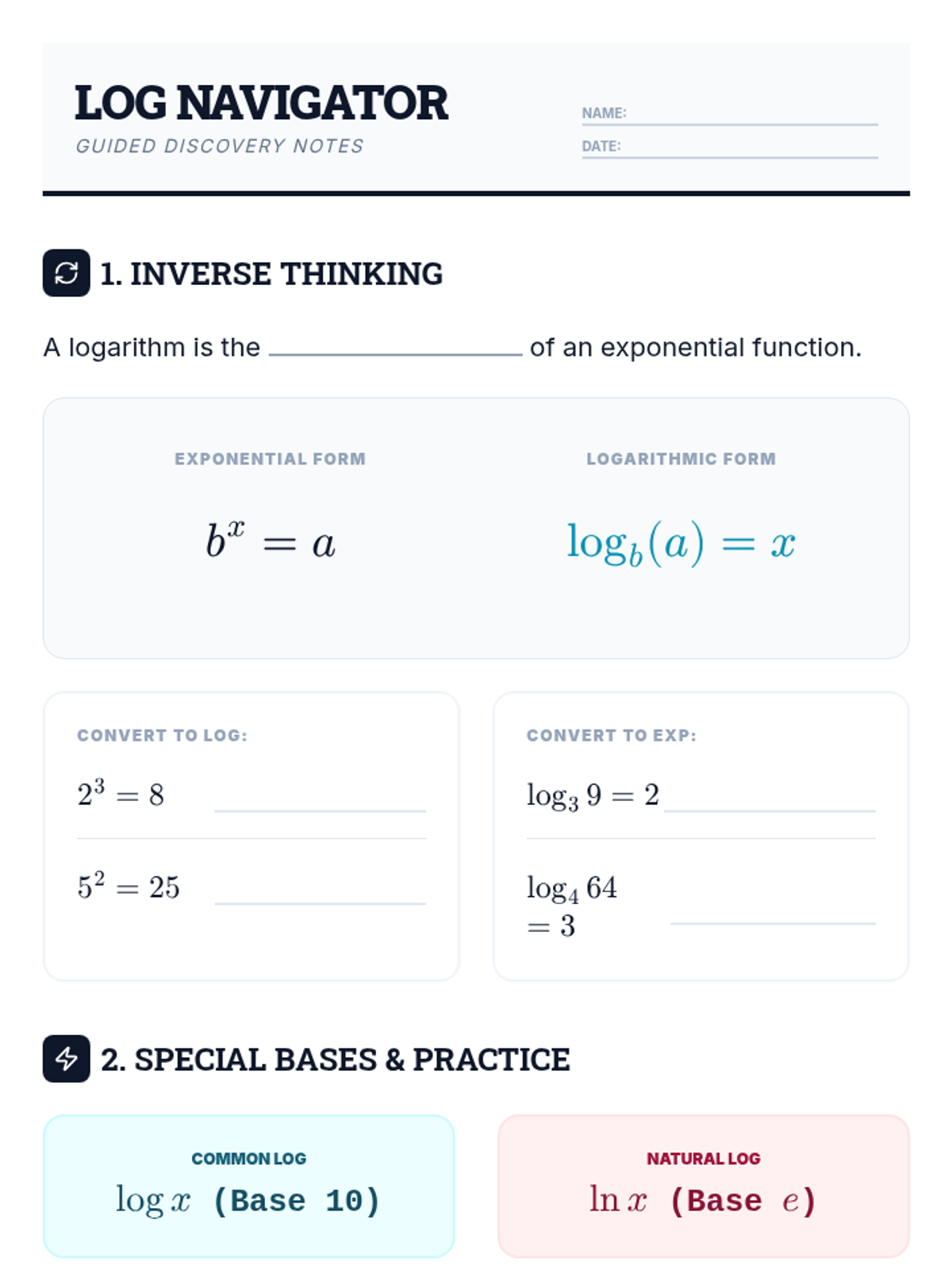
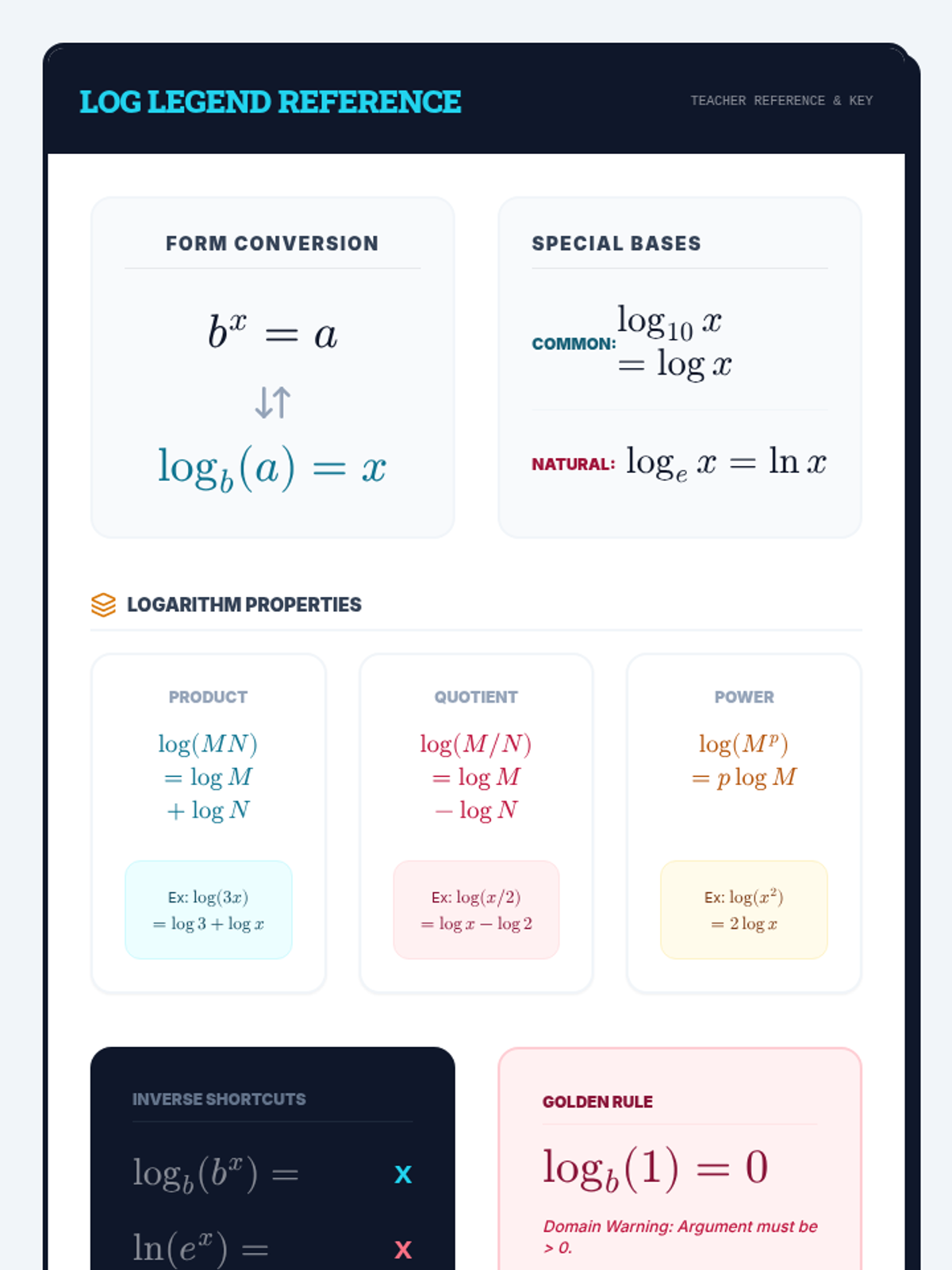
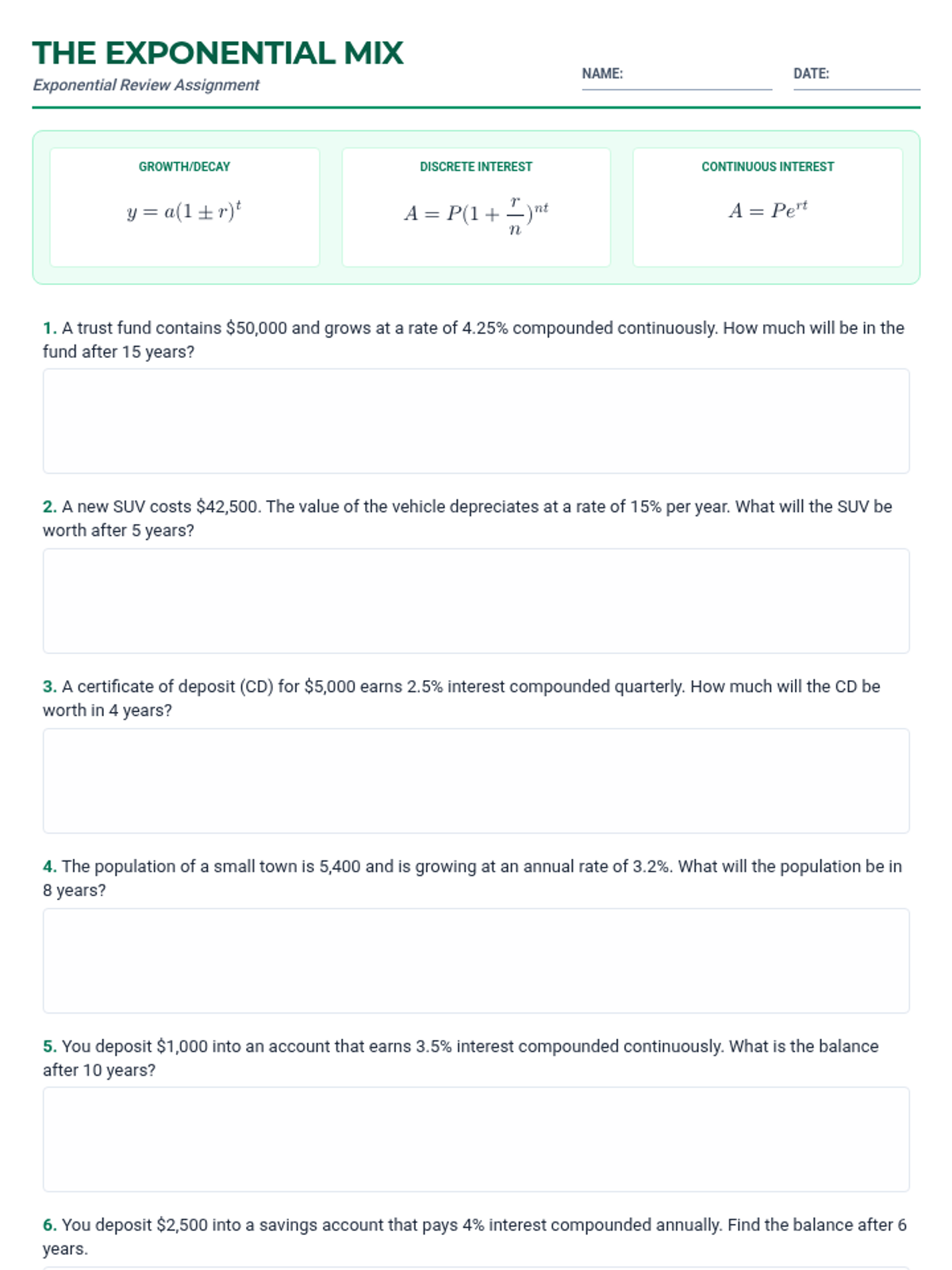
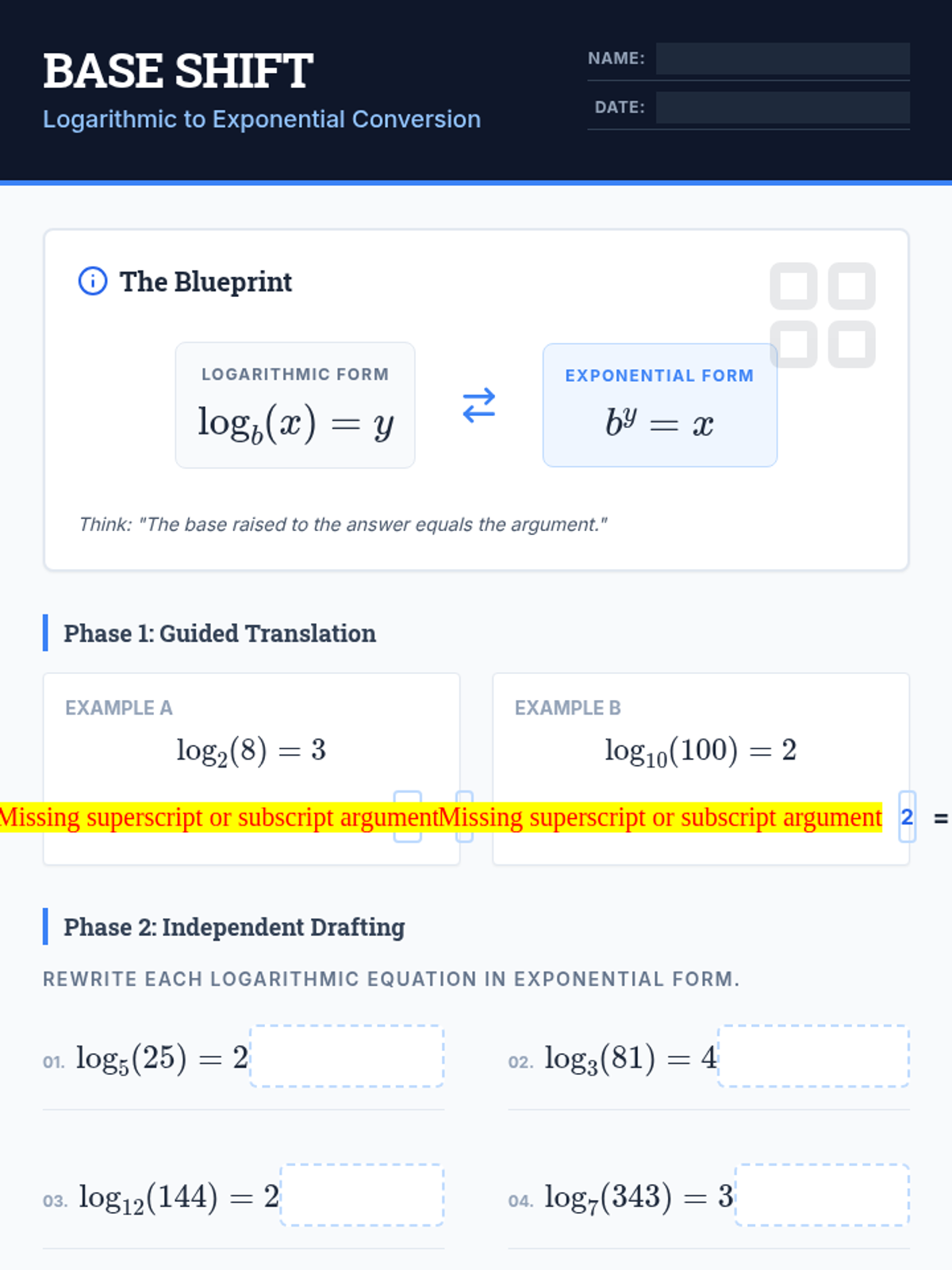
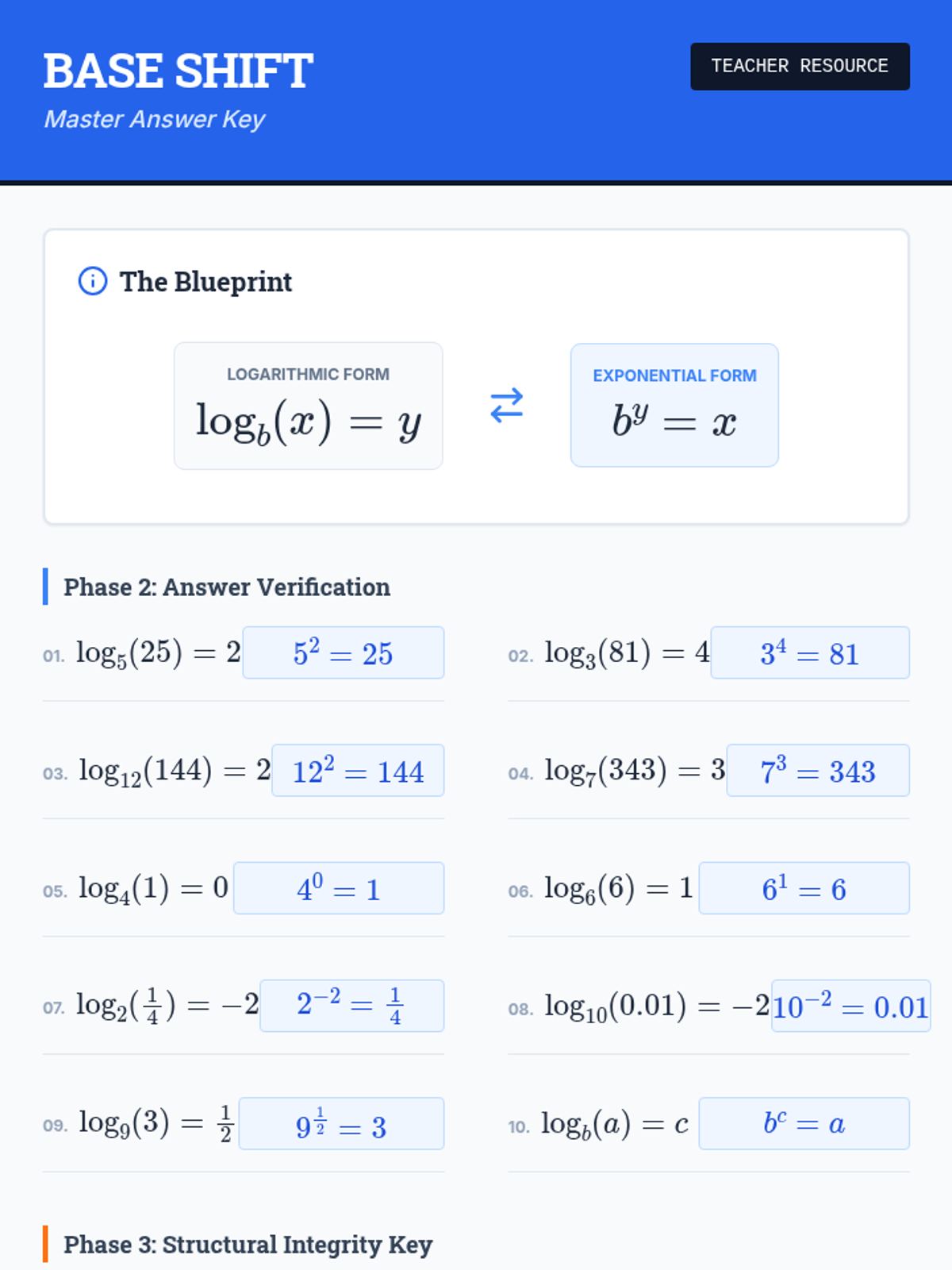
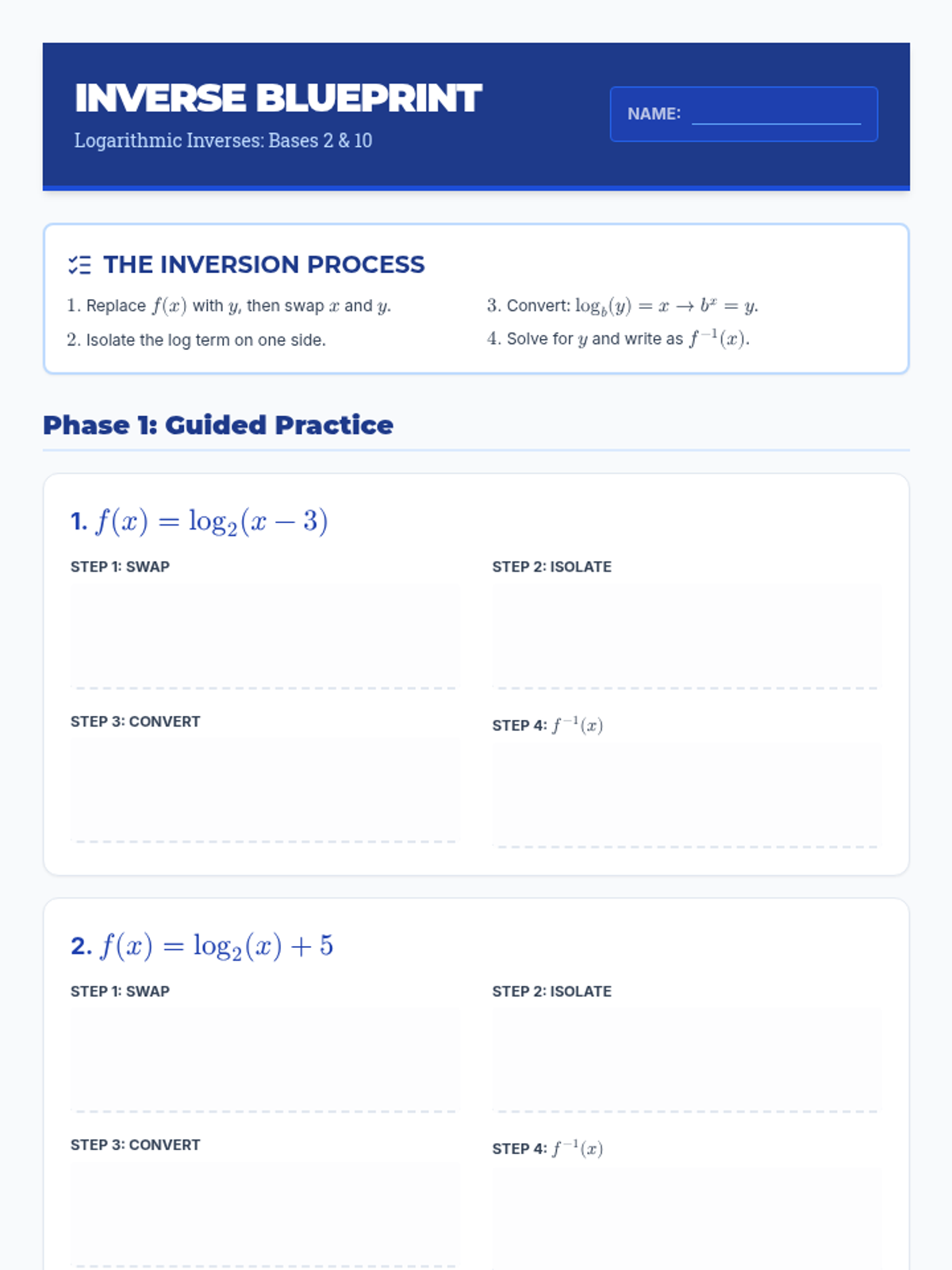
A comprehensive assessment covering logarithms, exponential transformations, and equation solving based on Chapter 6 materials. Includes a 30-question multiple-choice quiz and a detailed answer key.
A visual exploration of 2D geometric shapes, focusing on identifying names and properties through an architectural-themed Tarsia puzzle.
A deep dive into the theoretical physics of infinite resistor networks, focusing on superposition and Green's functions to calculate equivalent resistance.
An introductory lesson on basic addition for early learners, using dinosaur-themed visuals to teach simple sums like 1+1.
A deep dive into higher-level mathematical notation, focusing on calculus, set theory, and Greek symbols through a complex Tarsia challenge.
A hands-on lesson focusing on the recognition and application of mathematical symbols in numbers and operations through a collaborative Tarsia puzzle activity.
A comprehensive review lesson that synthesizes all the skills learned in the Real World Math series. Students will complete a final assessment covering multi-digit operations, decimals, fractions, and percentages through a variety of workplace and financial scenarios.
Understanding the power of percentages in finance and data. Students will solve for parts, wholes, and percentages in contexts like sales tax, interest rates, discounts, and performance statistics.
Developing a strong grasp of fractions in practical contexts such as construction, cooking, and time management. This lesson covers simplifying, adding/subtracting with unlike denominators, and multiplying/dividing fractions.
Mastering decimals through the lens of currency and precise measurements. Students learn to add, subtract, multiply, and divide decimals to calculate unit prices, handle cash transactions, and interpret technical specifications.
A foundational lesson on multi-digit multiplication and division focused on workplace budgeting and large-scale inventory management. Students will practice these operations through realistic scenarios like calculating monthly revenue and distributing supplies across departments.
Teacher answer keys for the Real World Math series.
Instructional slides for the Real World Math series.
Master the art of solving real-world rational function equations, focusing on clinical drug concentration models and rate-based applications. Students will learn to translate verbal scenarios into rational equations and apply algebraic techniques to find precise solutions.
Une leçon complète sur le calcul intégral appliqué à l'économie, couvrant l'intégration par parties, l'indice de Gini et les surplus du consommateur et du producteur.
A comprehensive assessment and reference set for Tier 1 plumbing apprentices covering essential trade mathematics, including offsets, volumes, and conversions.