A comprehensive introduction to logarithmic and exponential equations, focusing on form conversion, logarithmic properties, and natural logs using a 'Cipher Lab' theme.
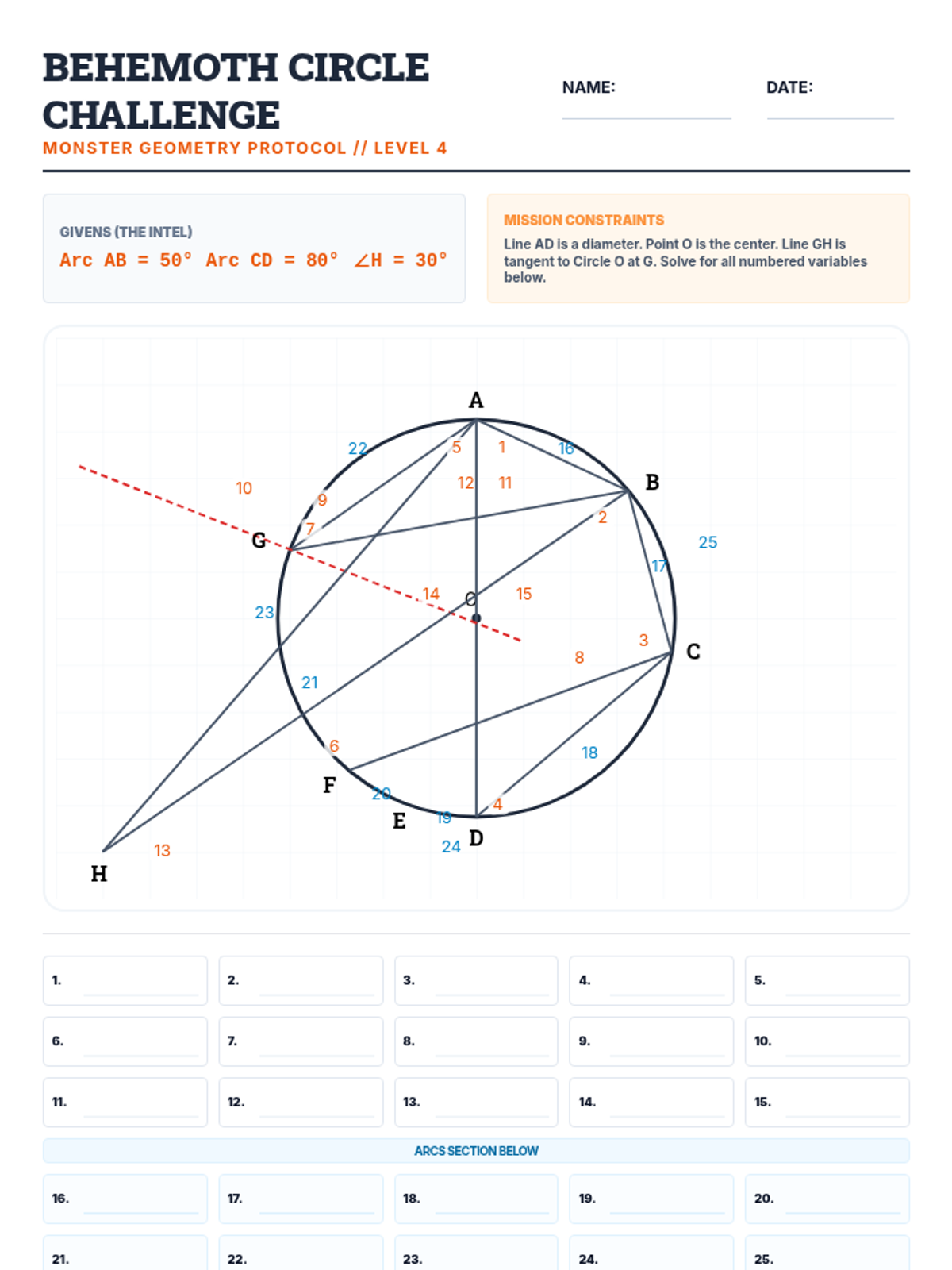
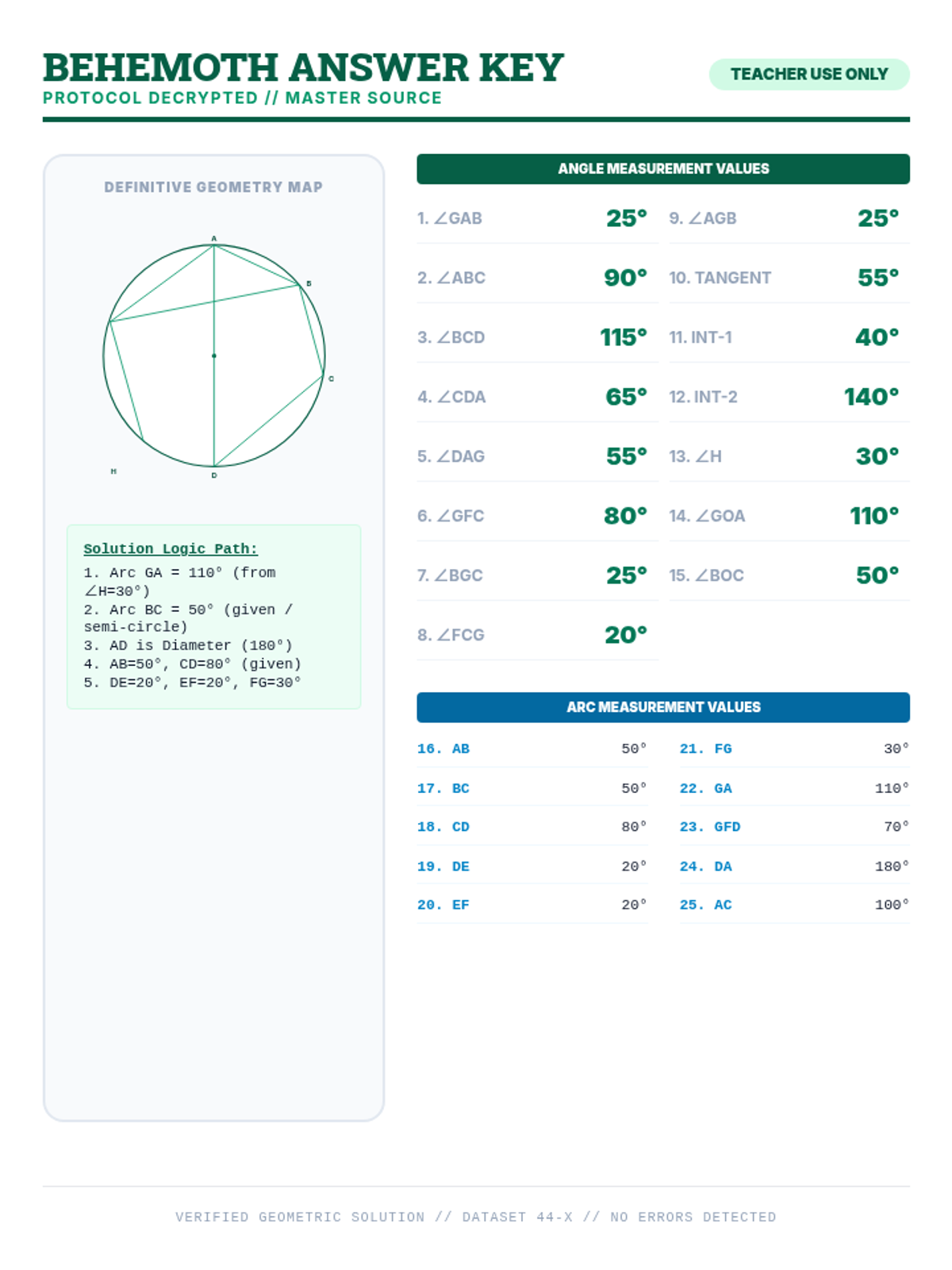
A high-intensity geometry lesson centered around a 'Monster Circle' challenge, where students apply all circle theorems to solve a single complex diagram.
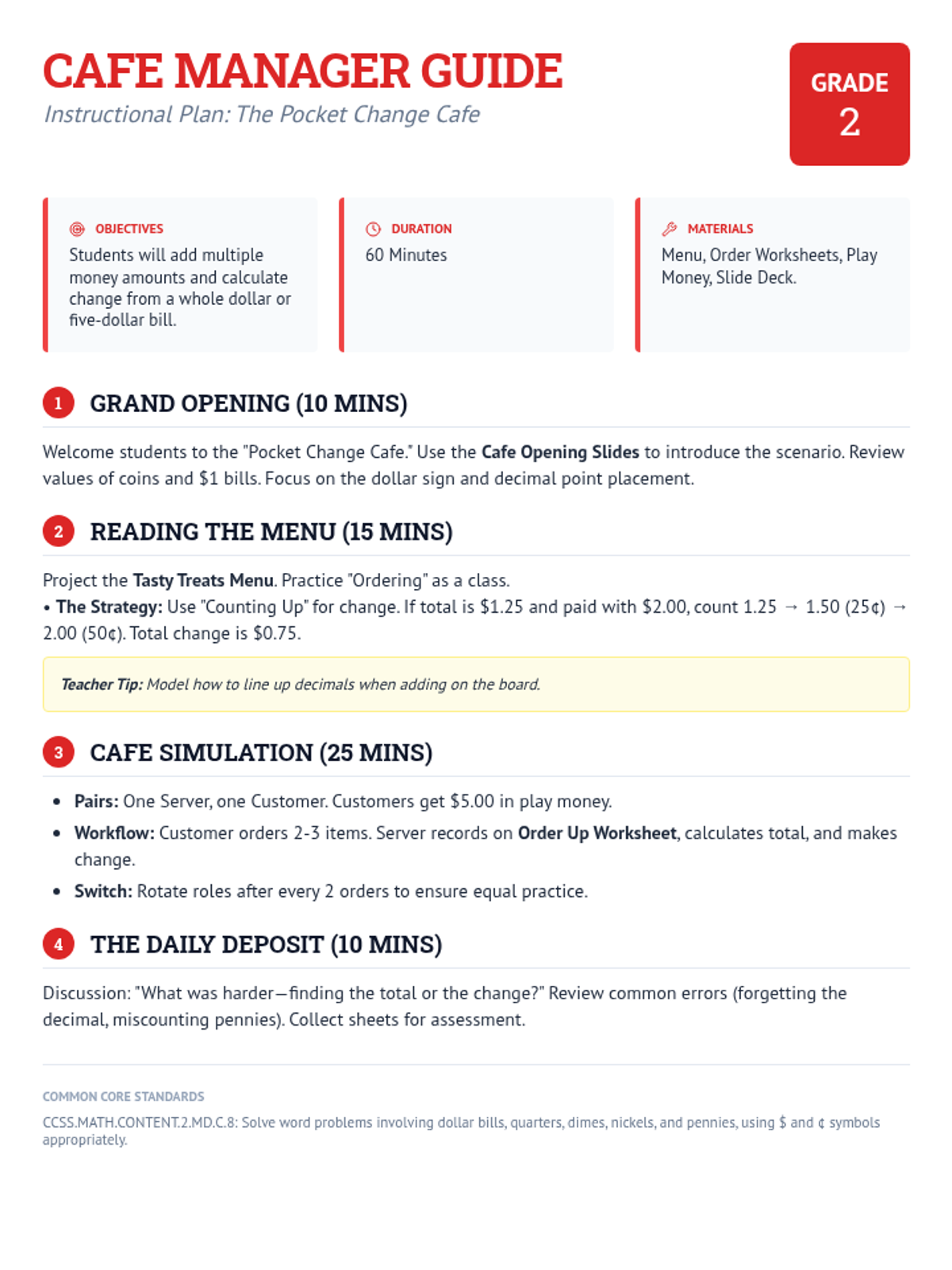
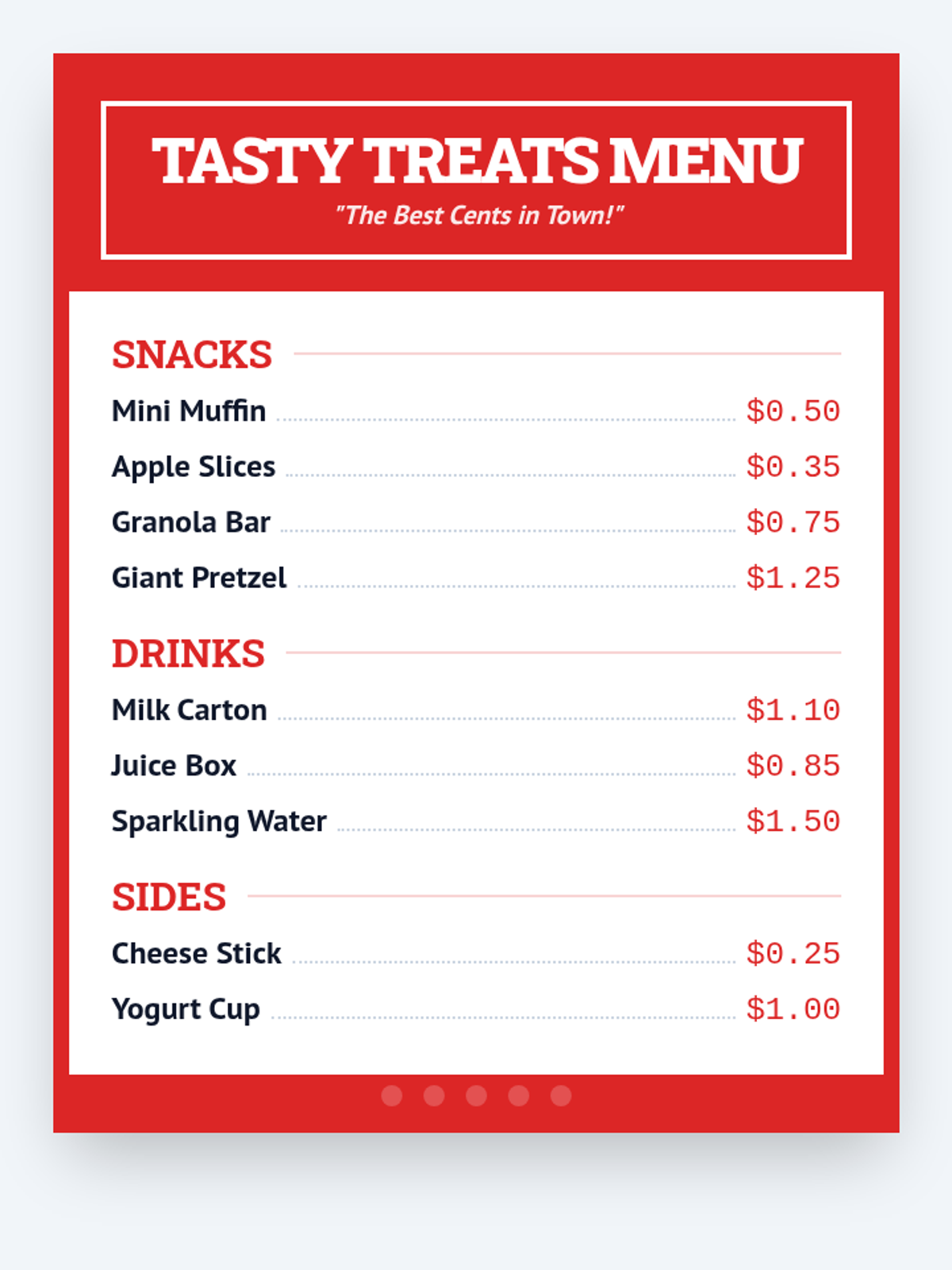
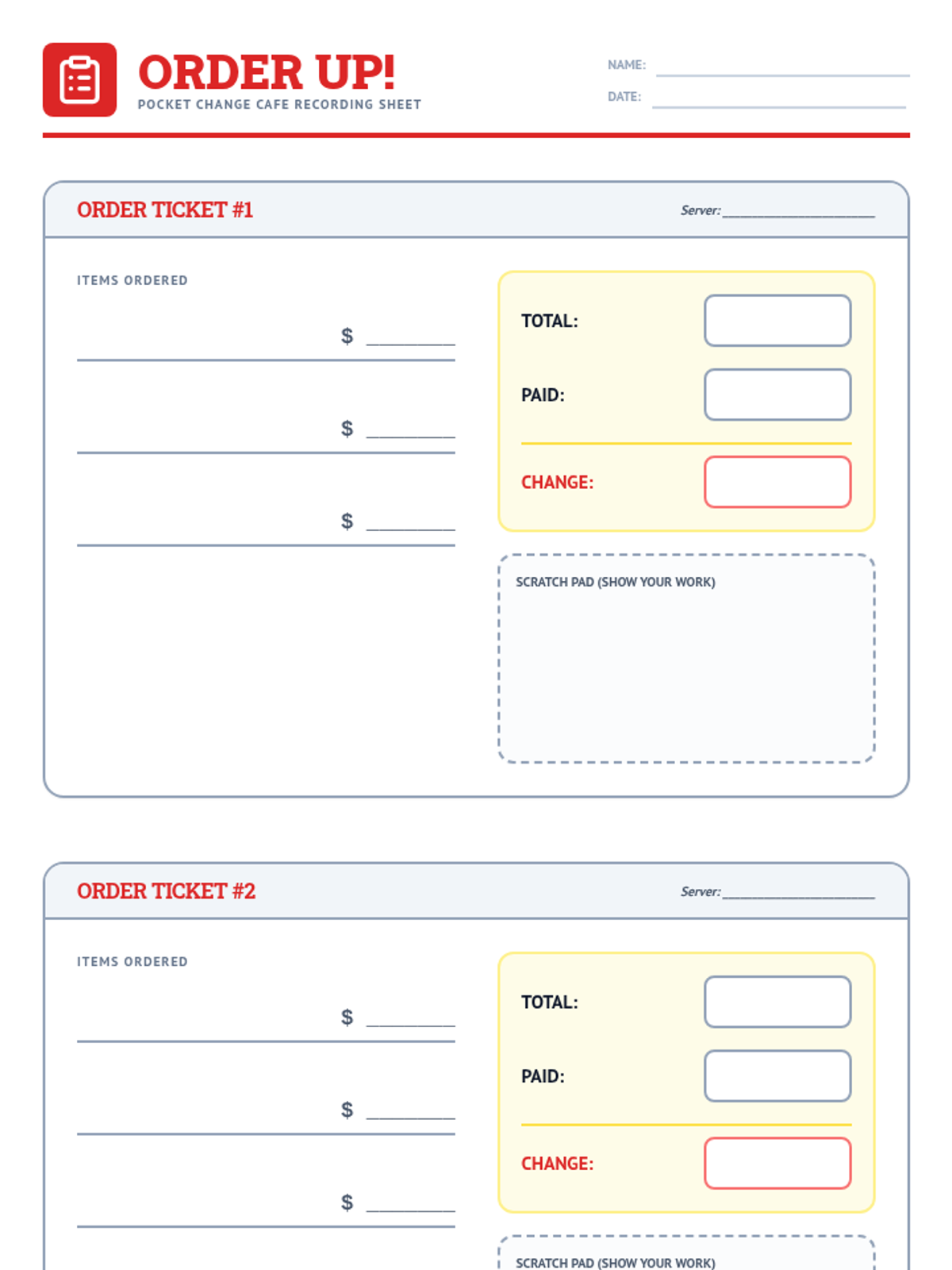
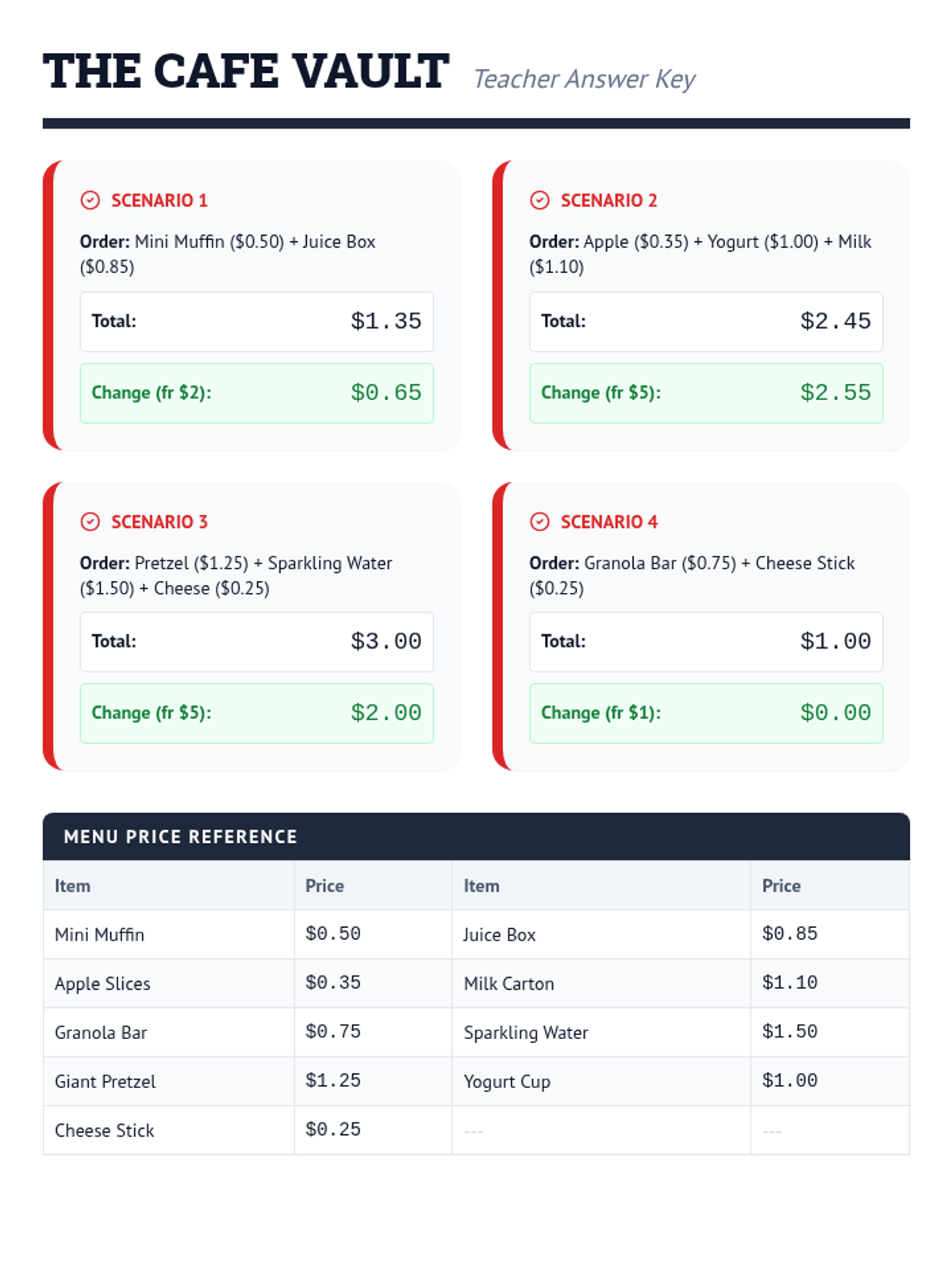
A hands-on math lesson where second graders practice adding and subtracting money by running a simulated diner. Students role-play as servers and customers to calculate totals and provide correct change.
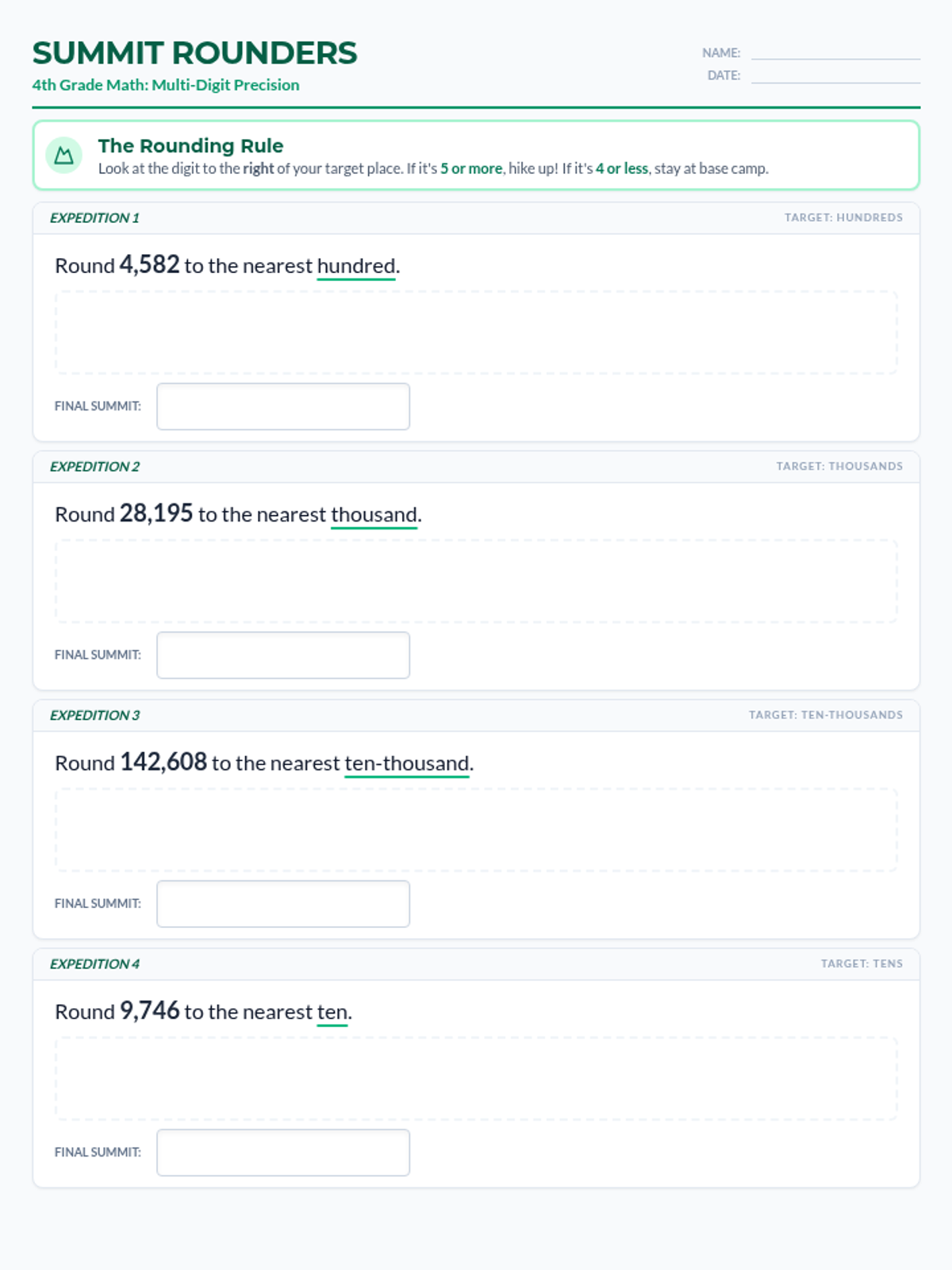
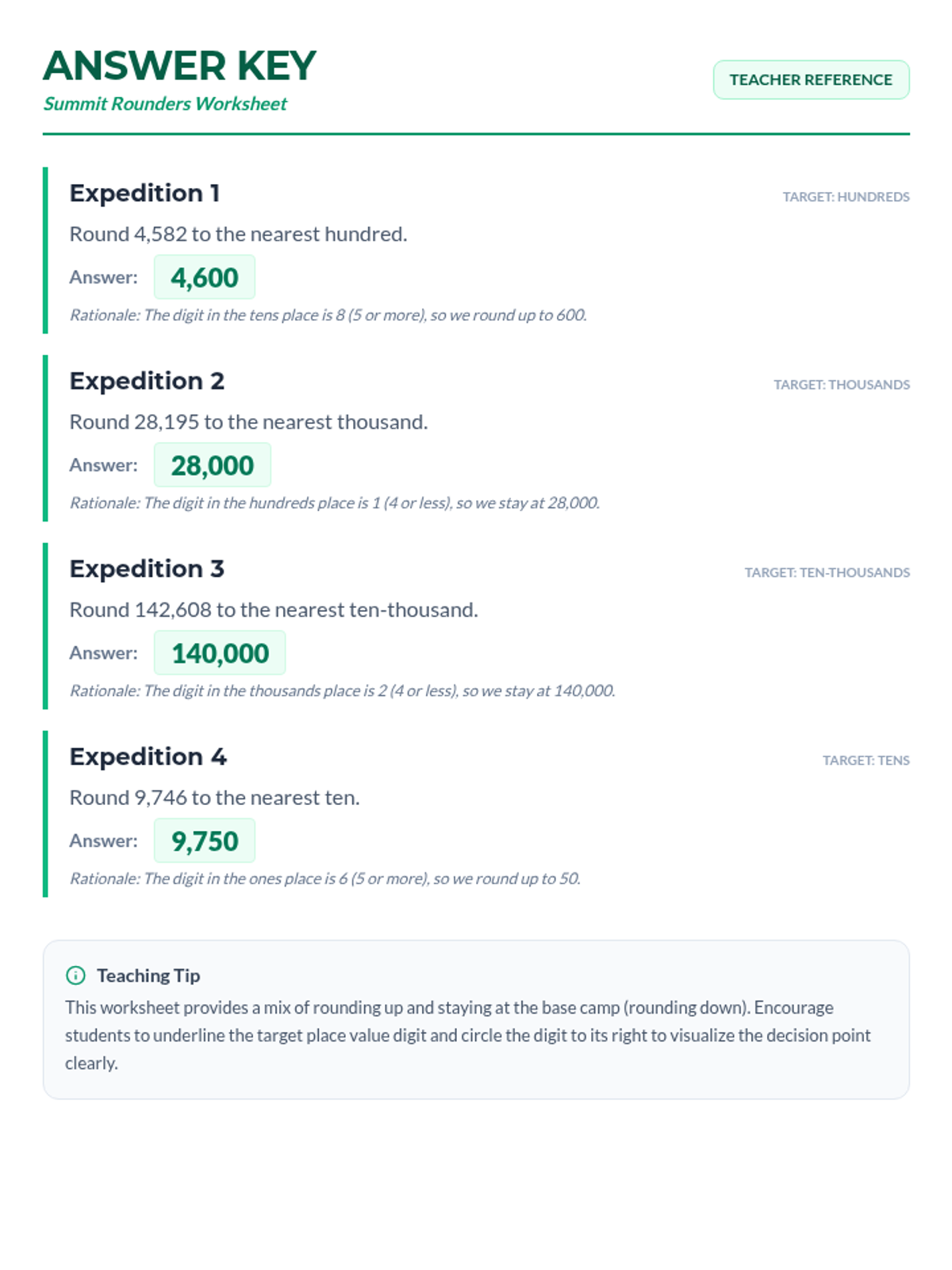
A lesson focused on rounding multi-digit numbers to various place values using a mountain summit theme to visualize rounding up or down.
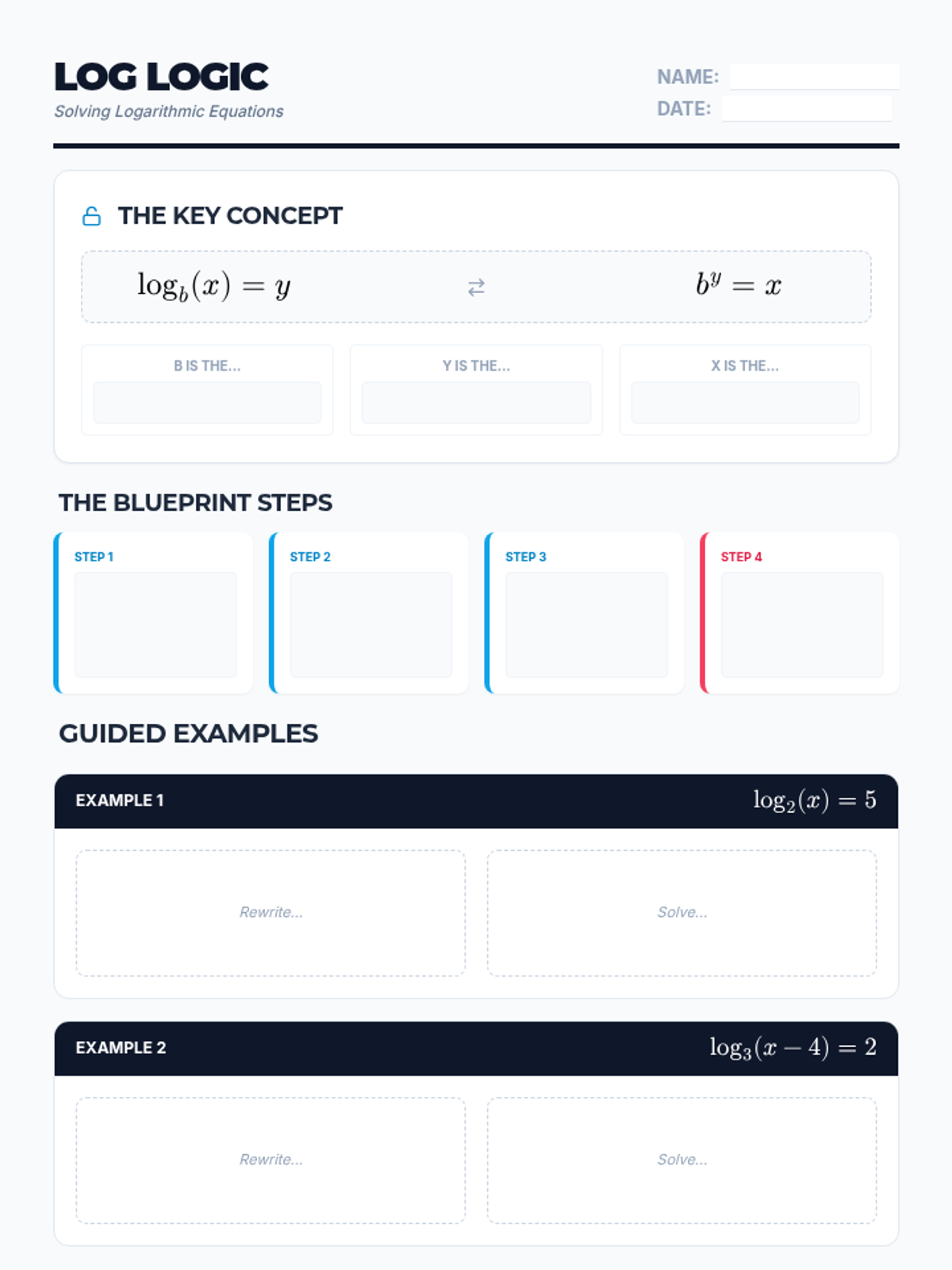
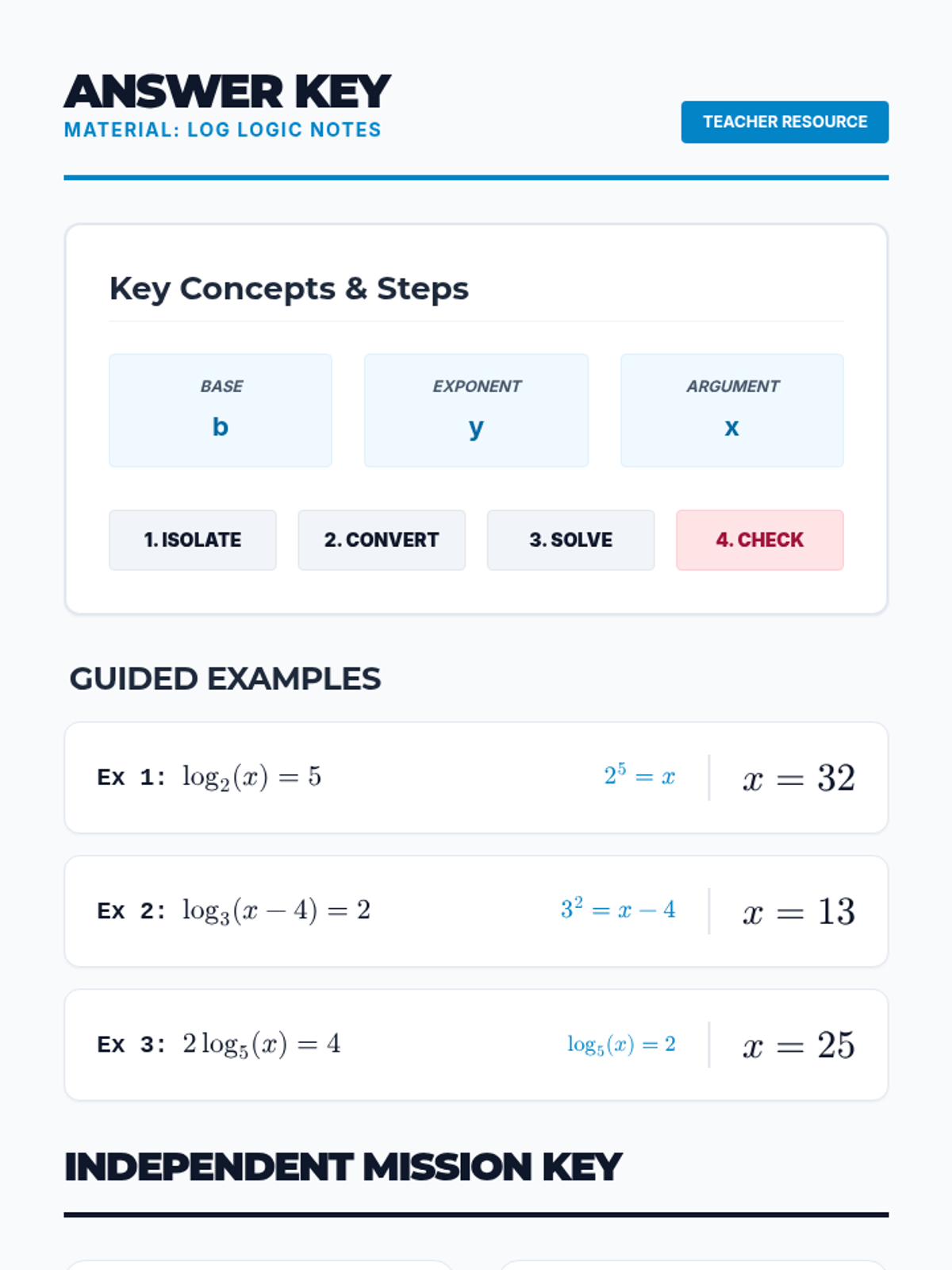
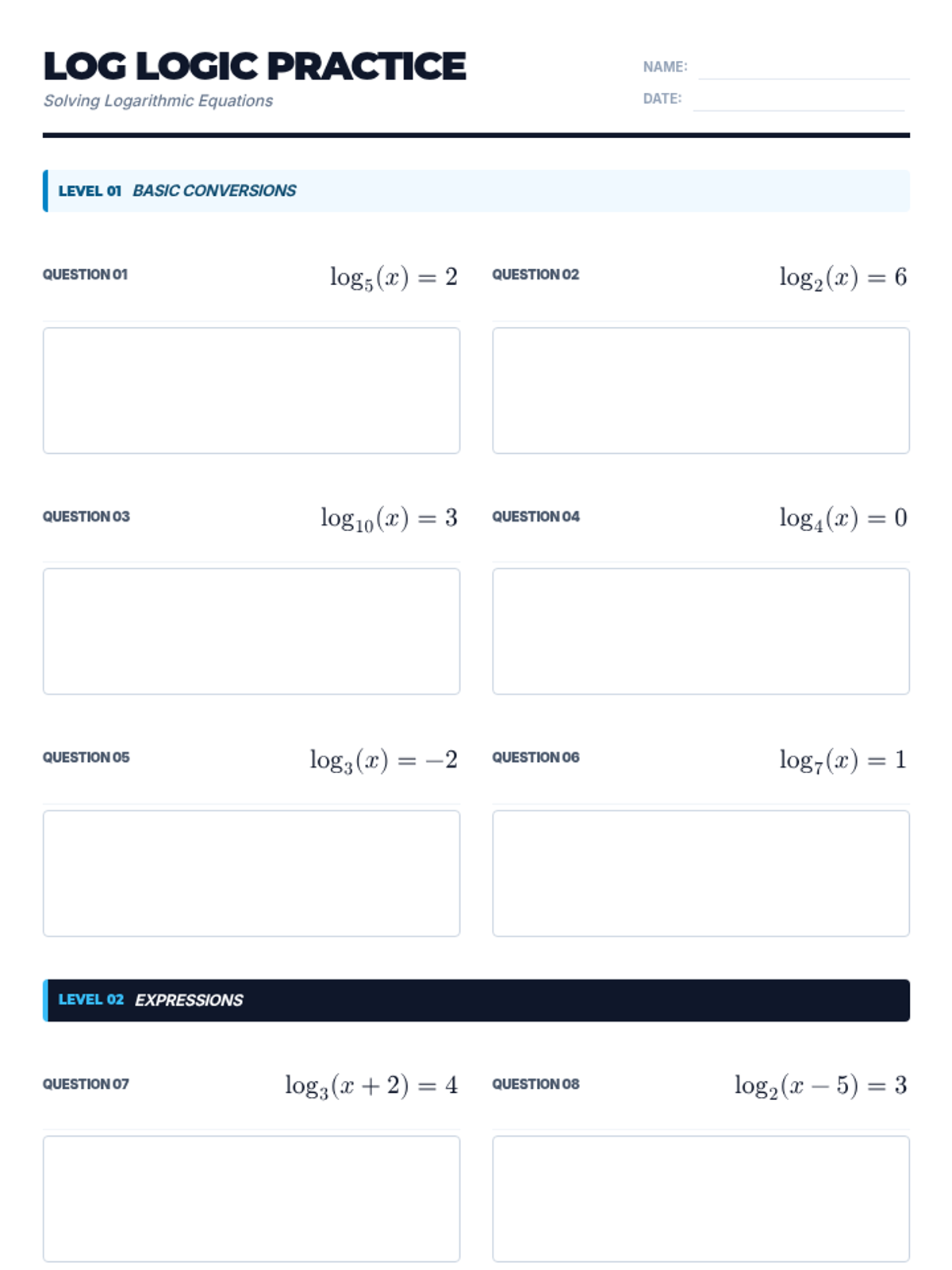
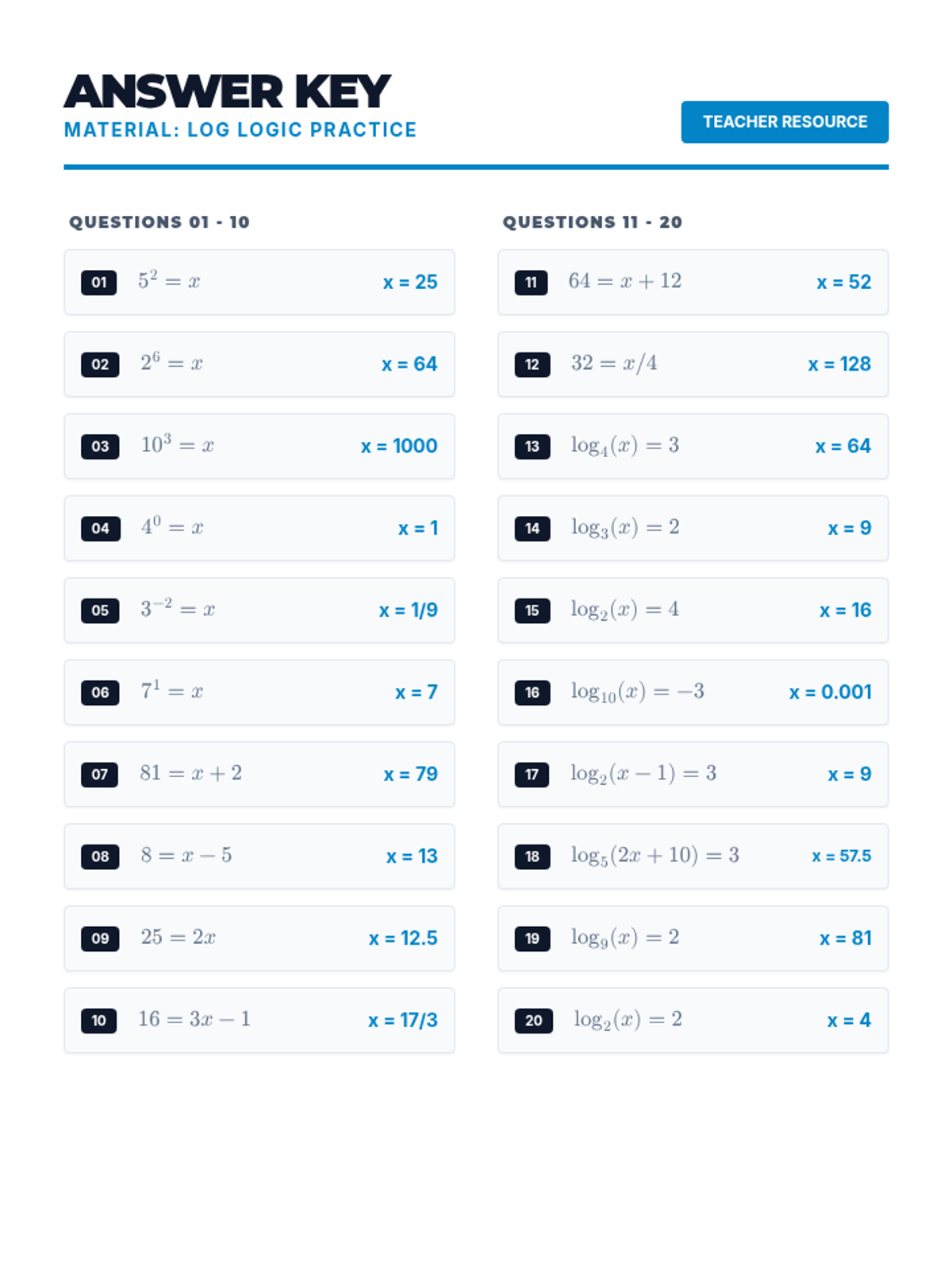
A comprehensive lesson on solving logarithmic equations by converting them to exponential form. Includes guided notes, a visual slide deck, and a complete answer key.
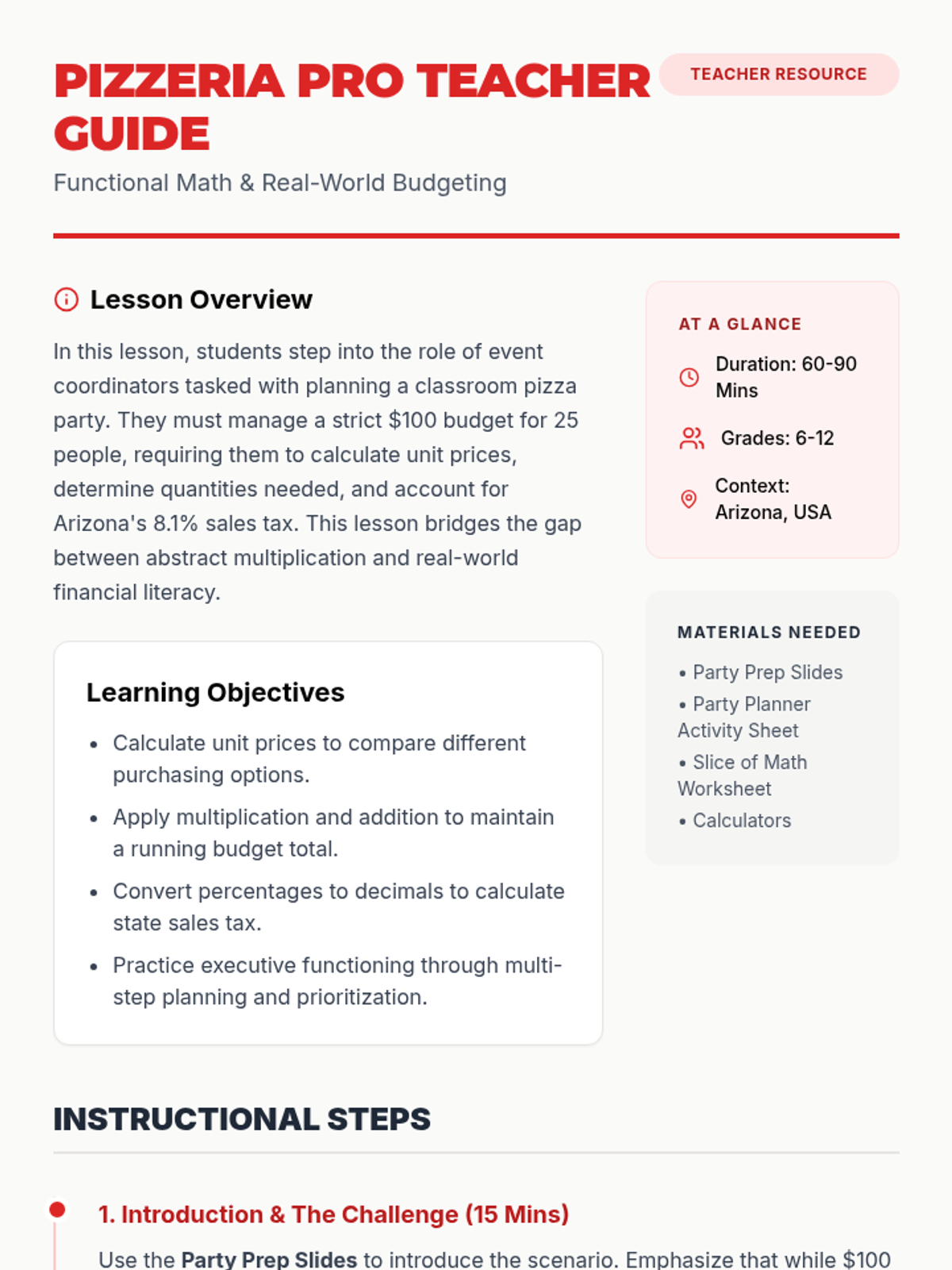
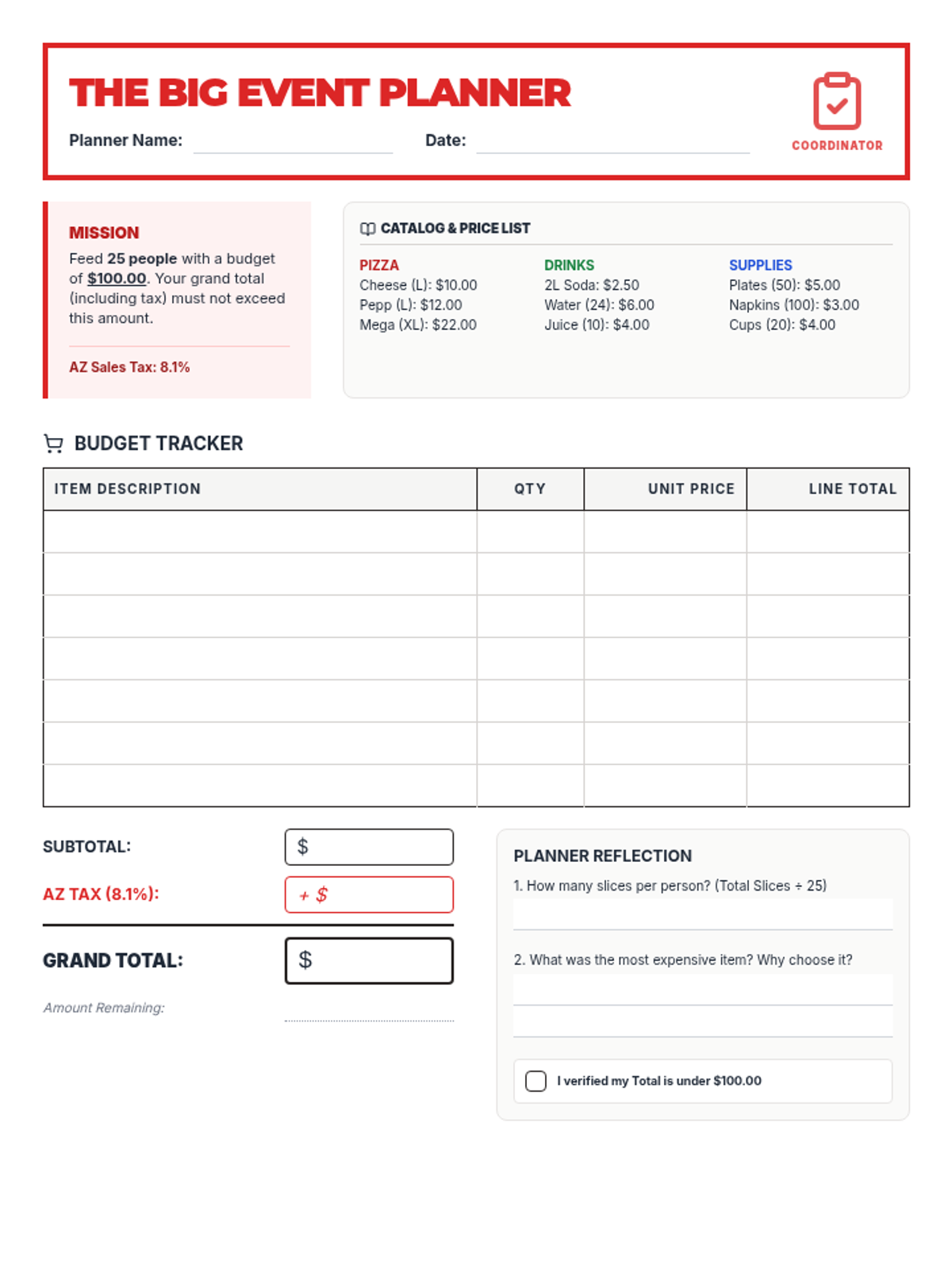
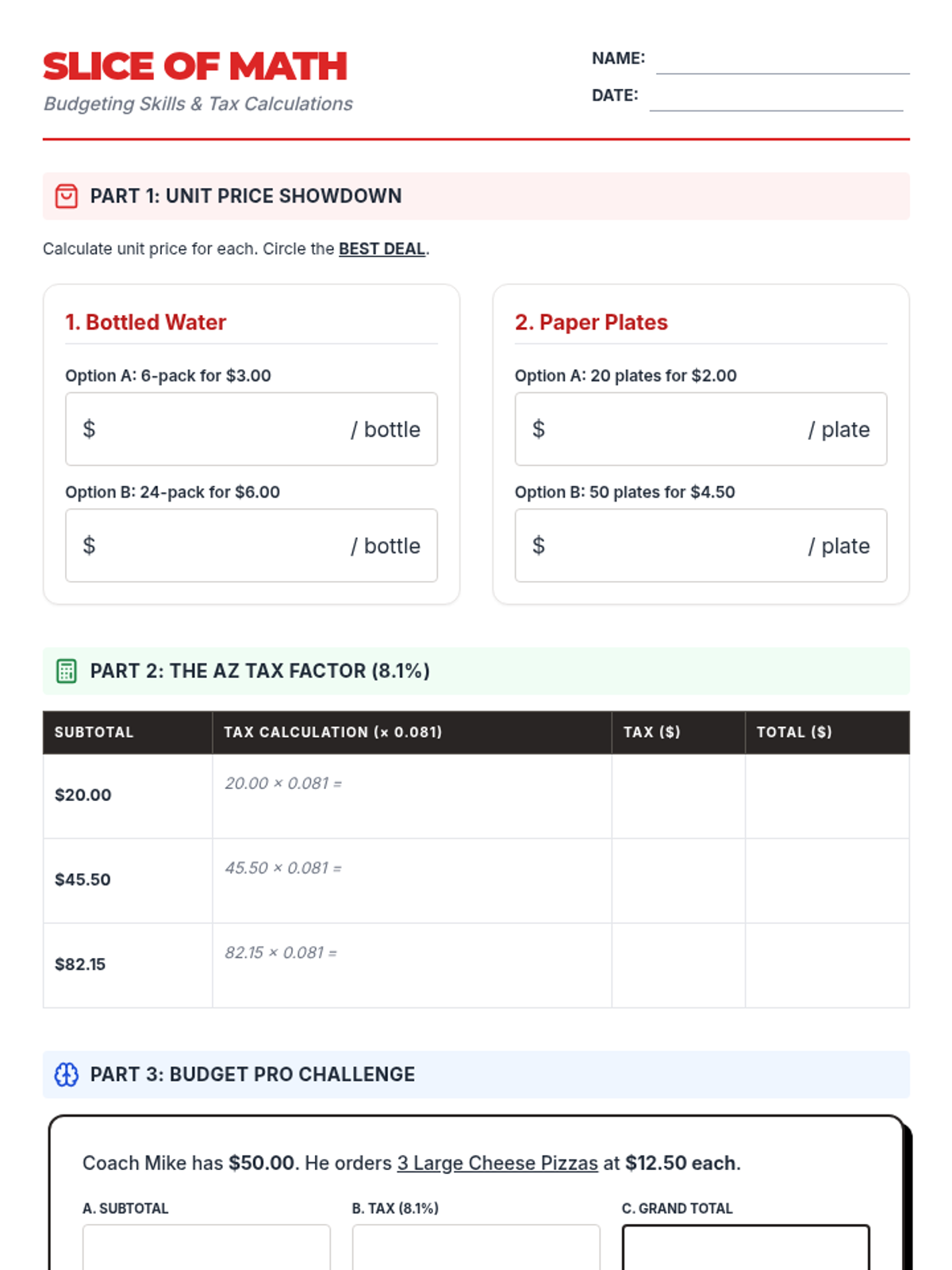
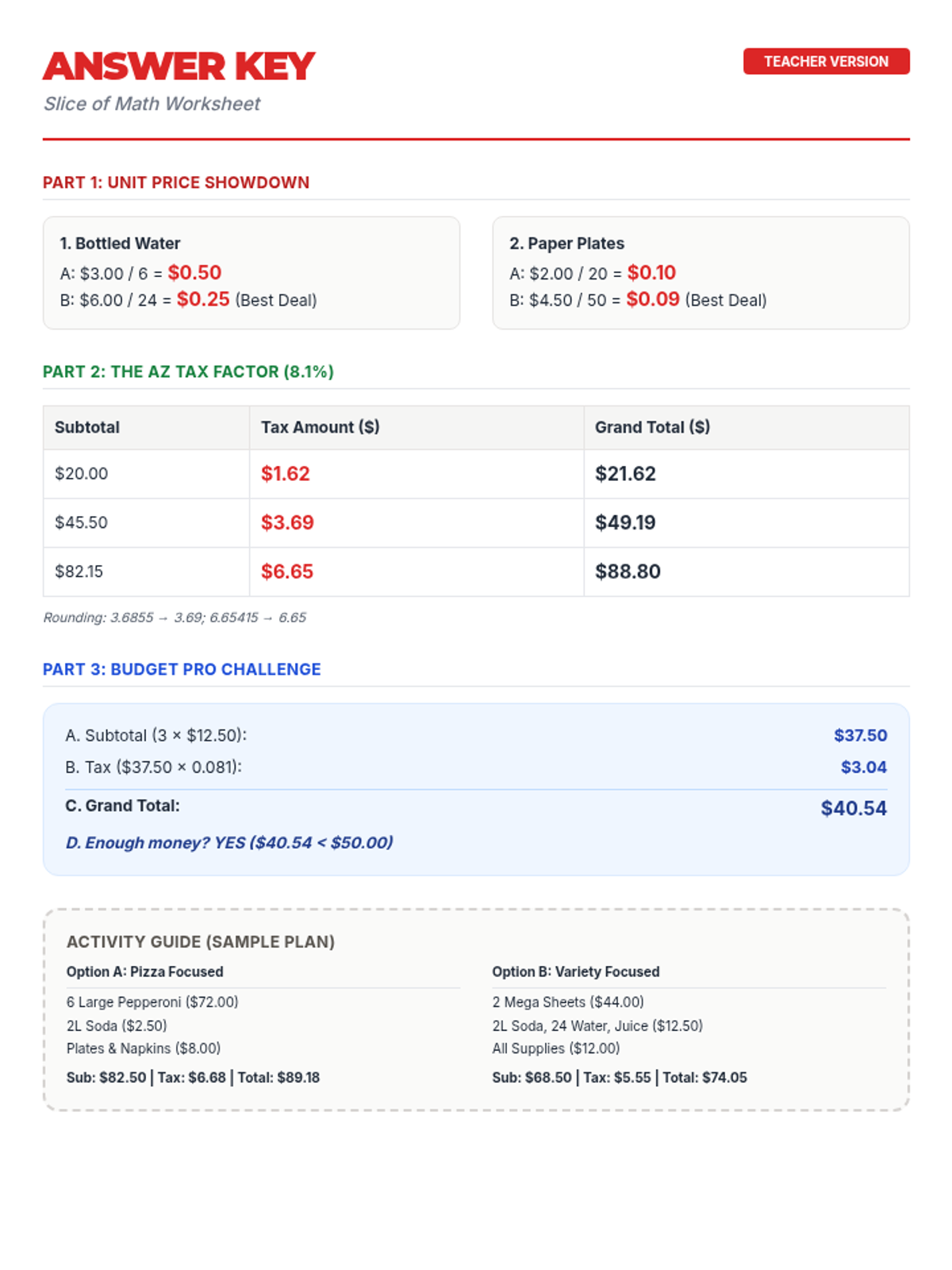
Students take on the role of event planners to organize a classroom pizza party. They must navigate a $100 budget, compare unit prices for the best deals, and calculate Arizona sales tax to ensure they stay within their financial limits.
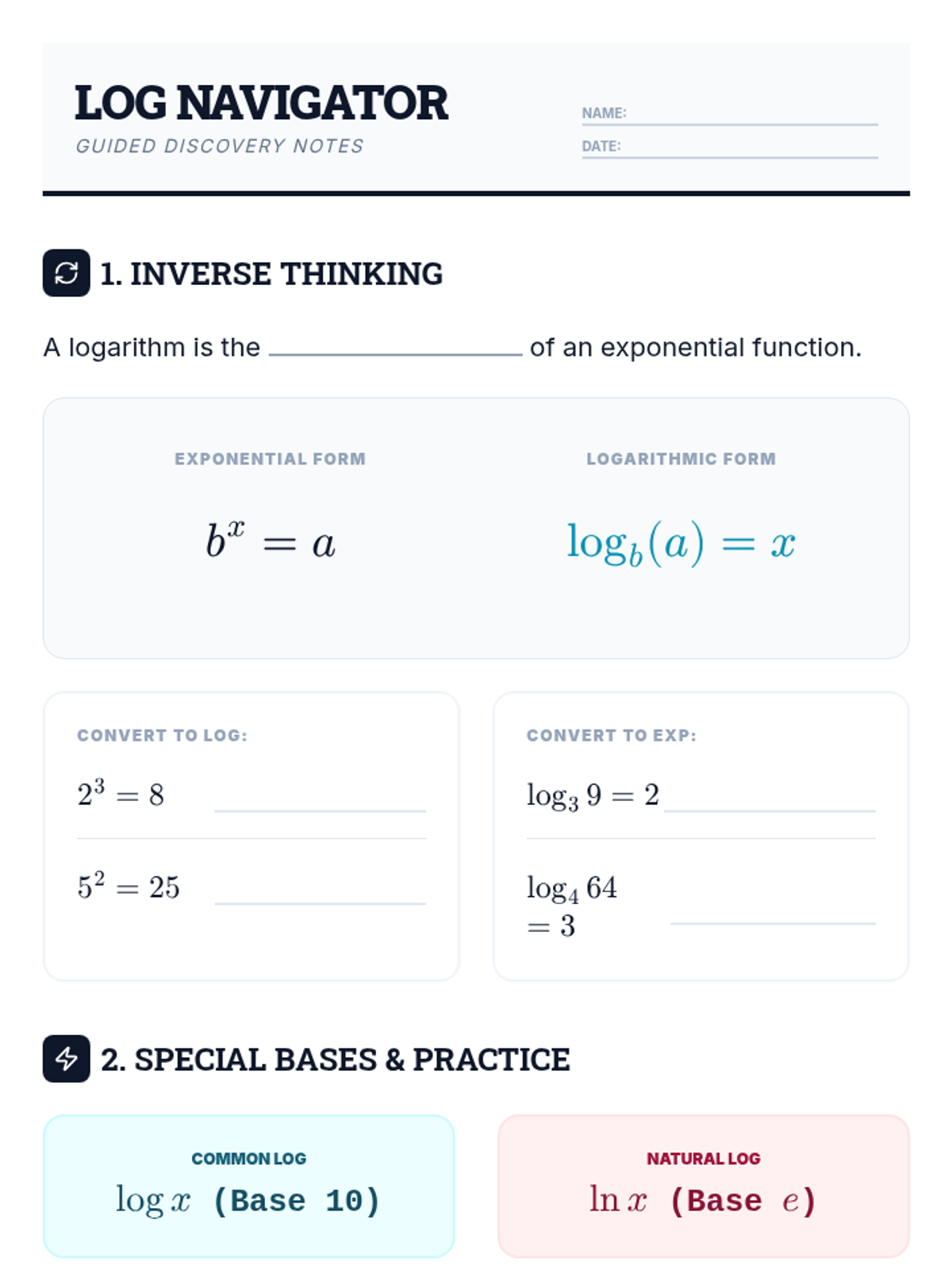
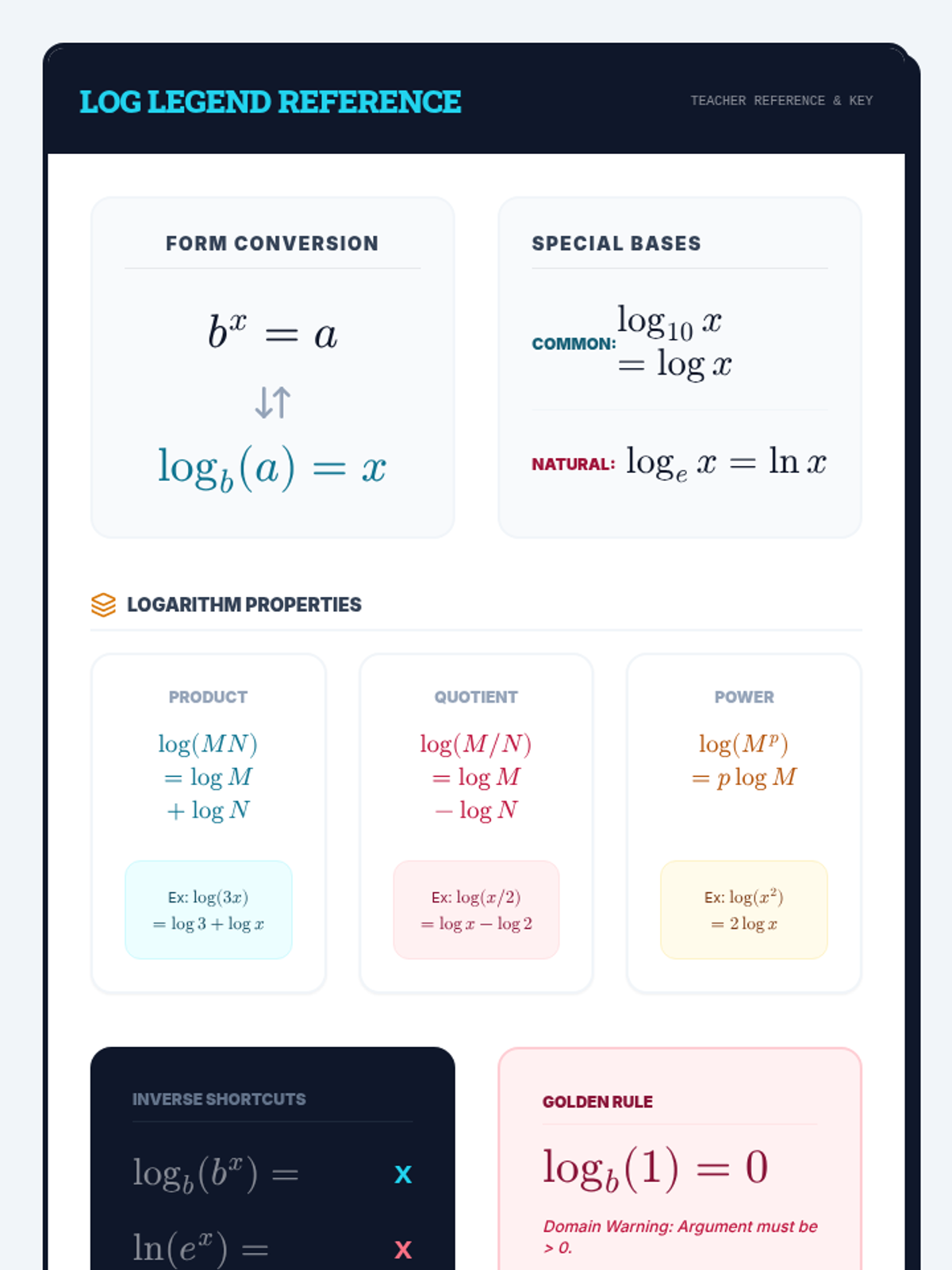
An introductory lesson on logarithmic functions, covering conversion between forms, evaluating basic logs, natural logarithms with 'e', and the fundamental properties of logs.
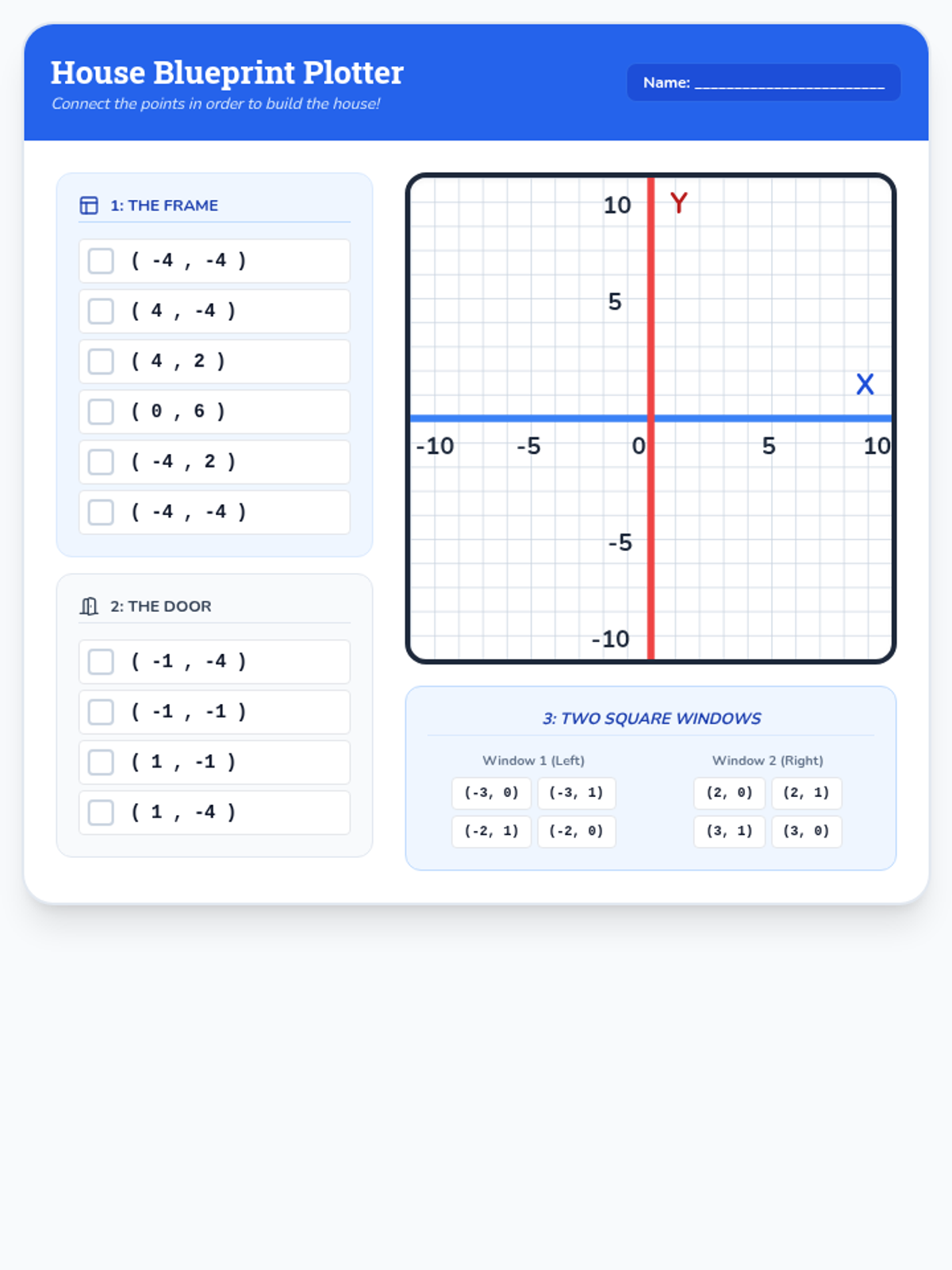
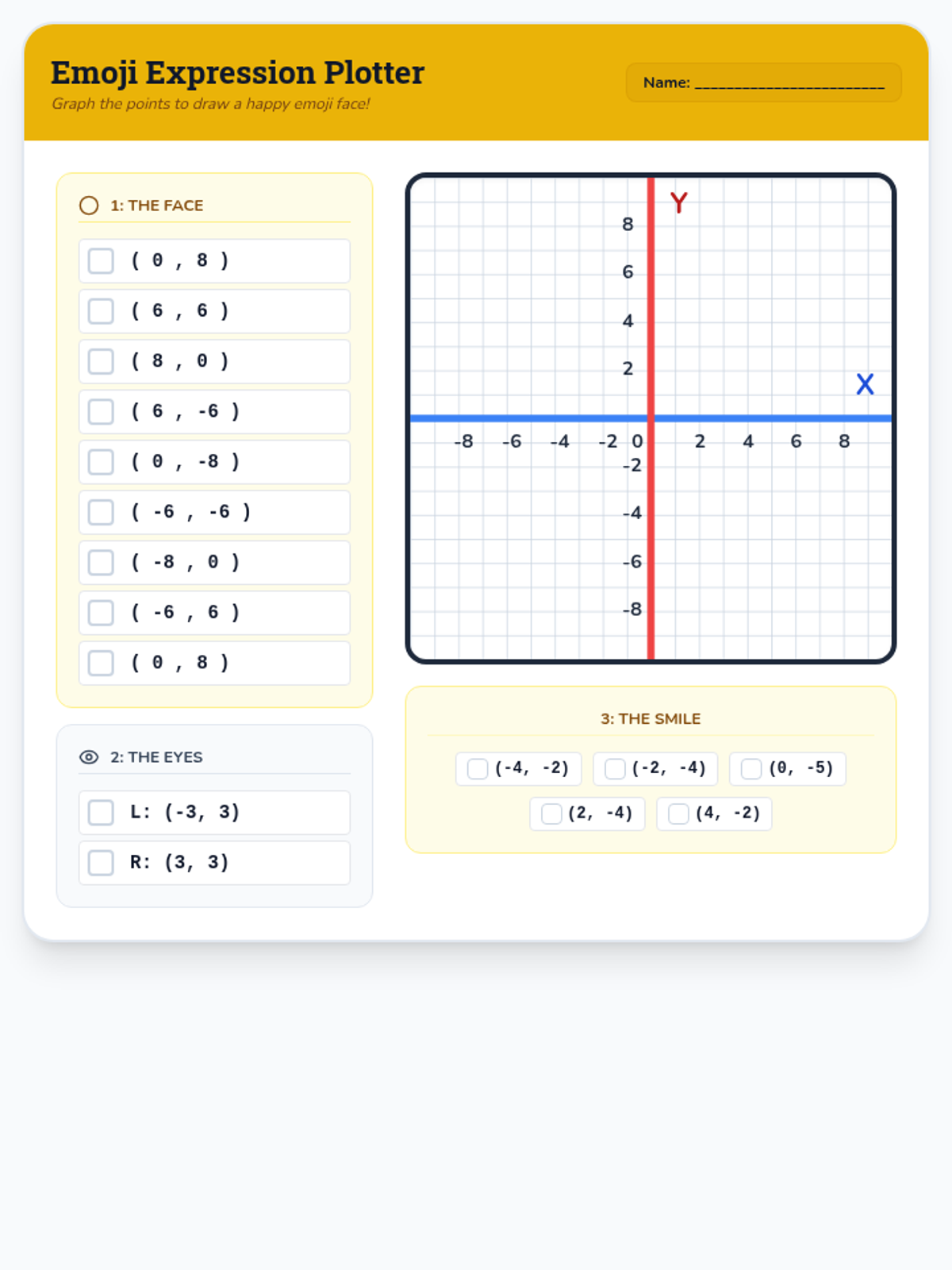
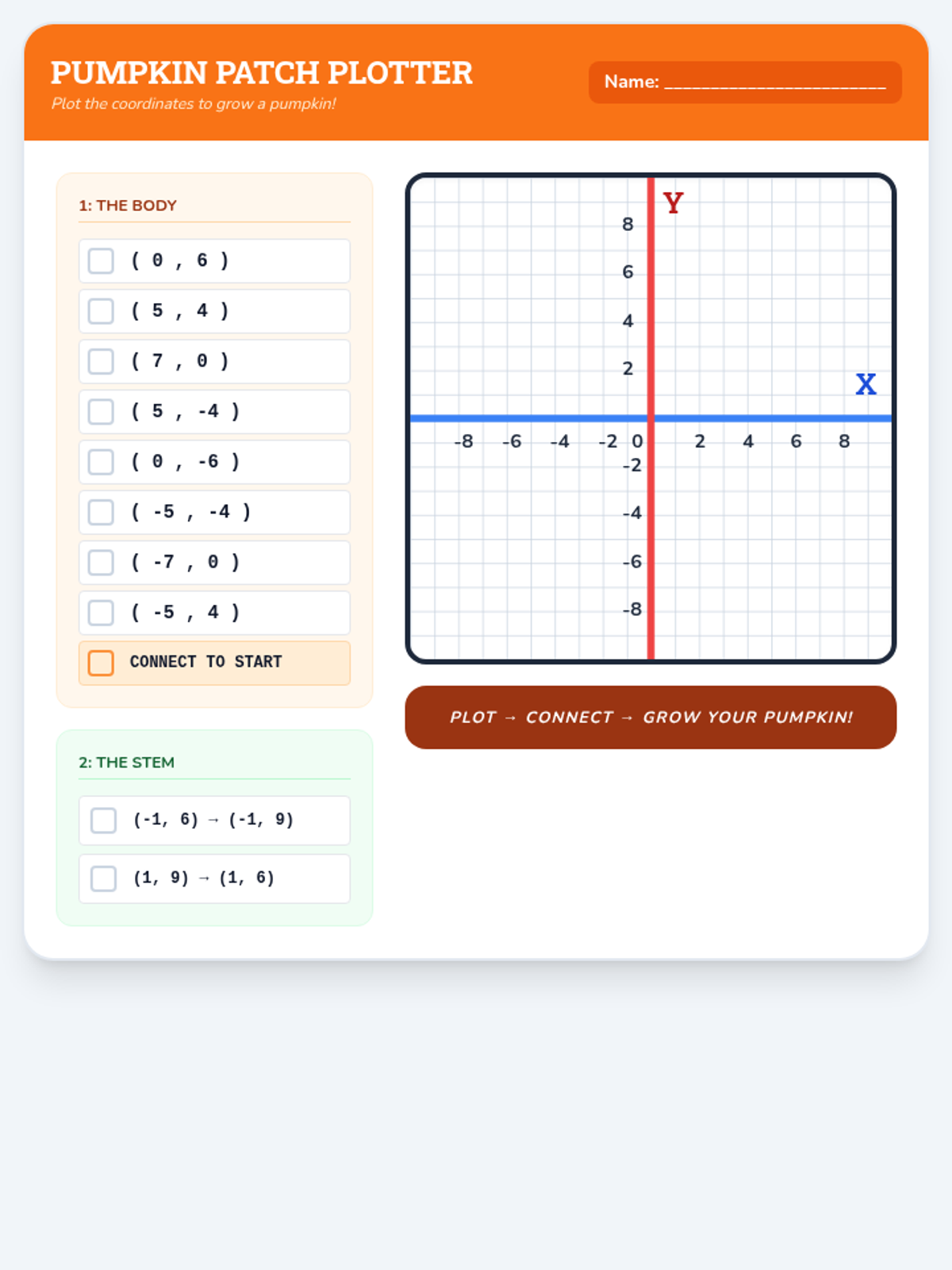
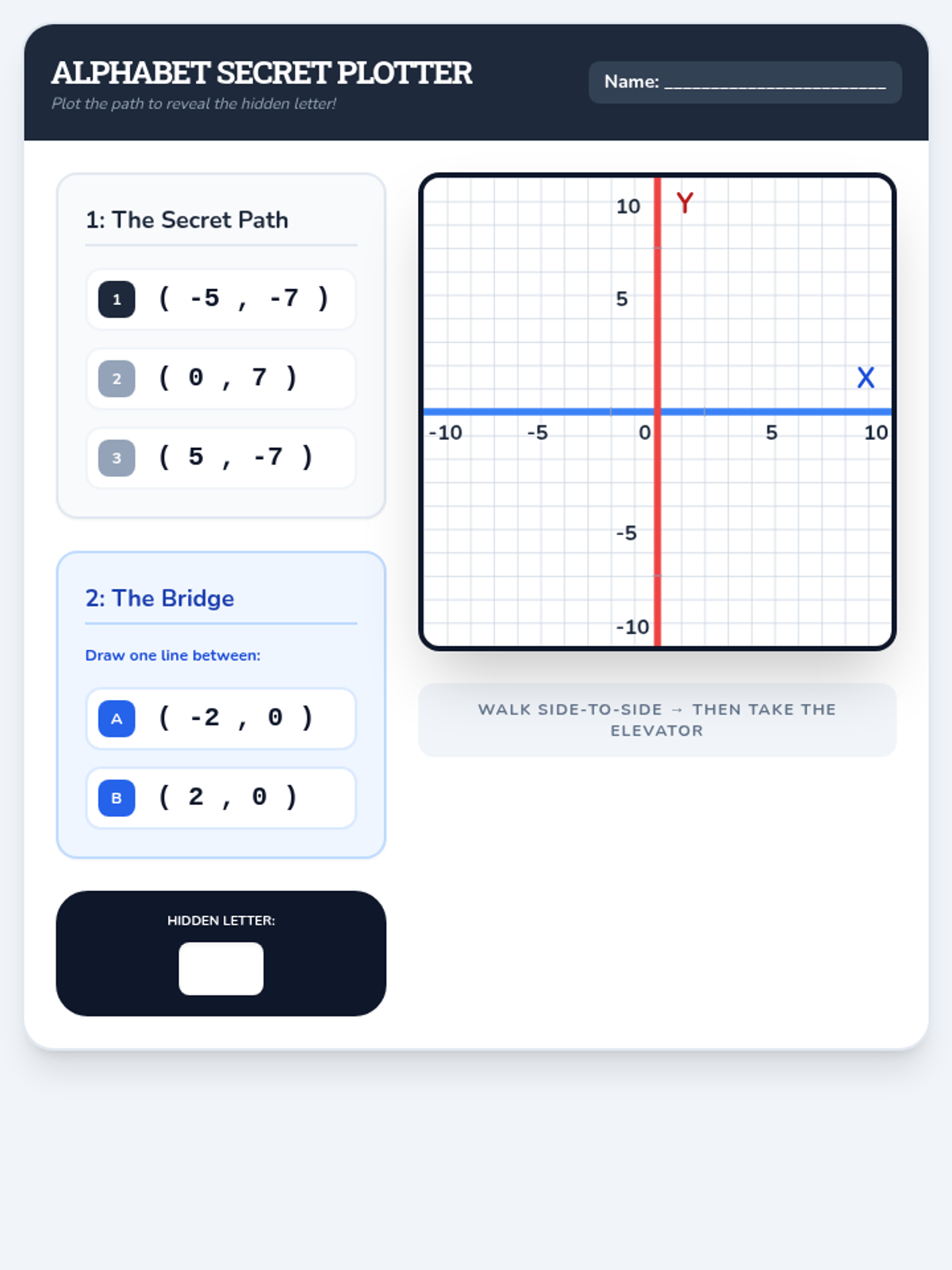
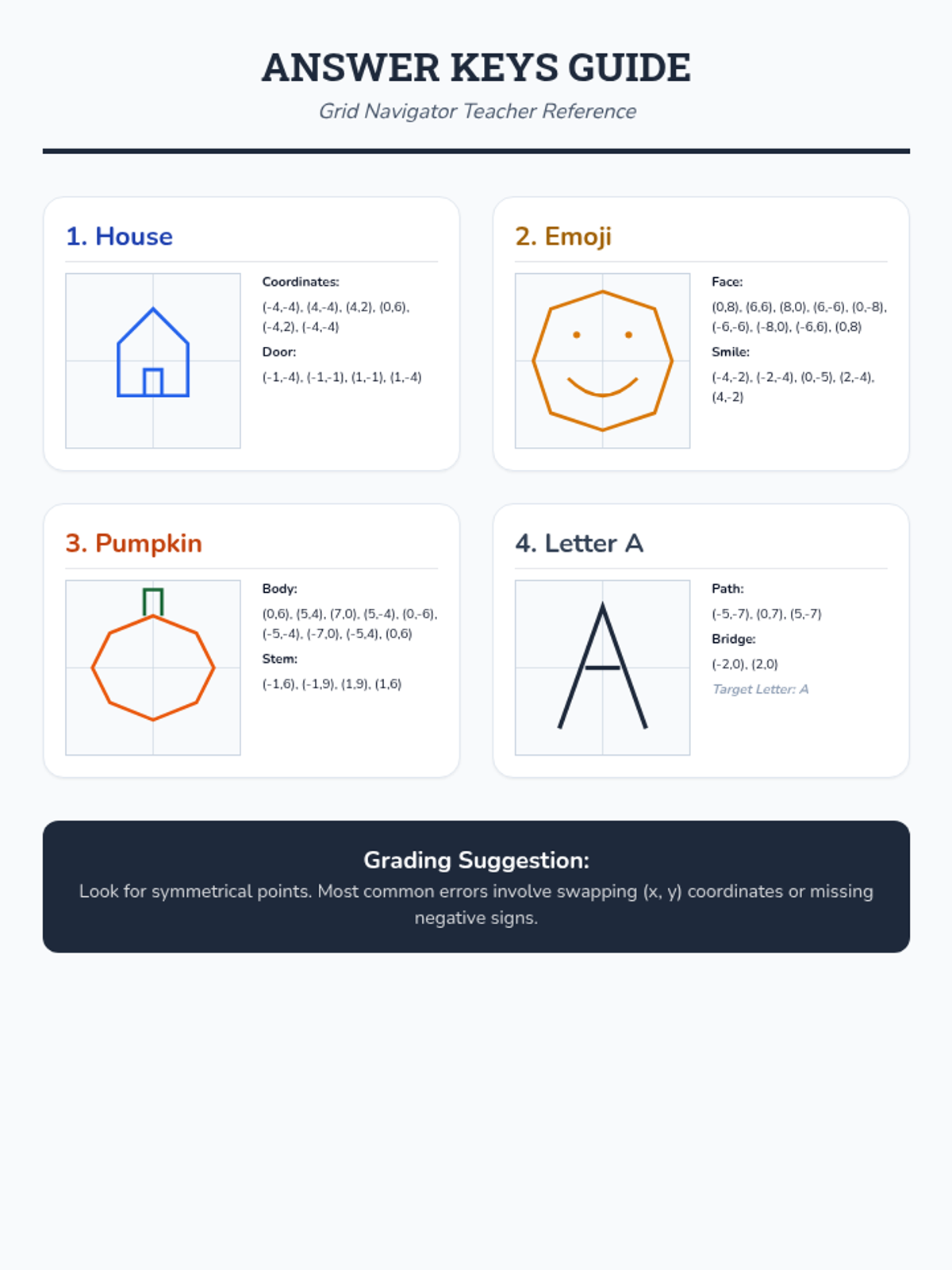
A foundational lesson on plotting points in all four quadrants, specifically designed with scaffolds for students with IEPs. Students will create four different images: a house, an emoji, a pumpkin, and a letter.
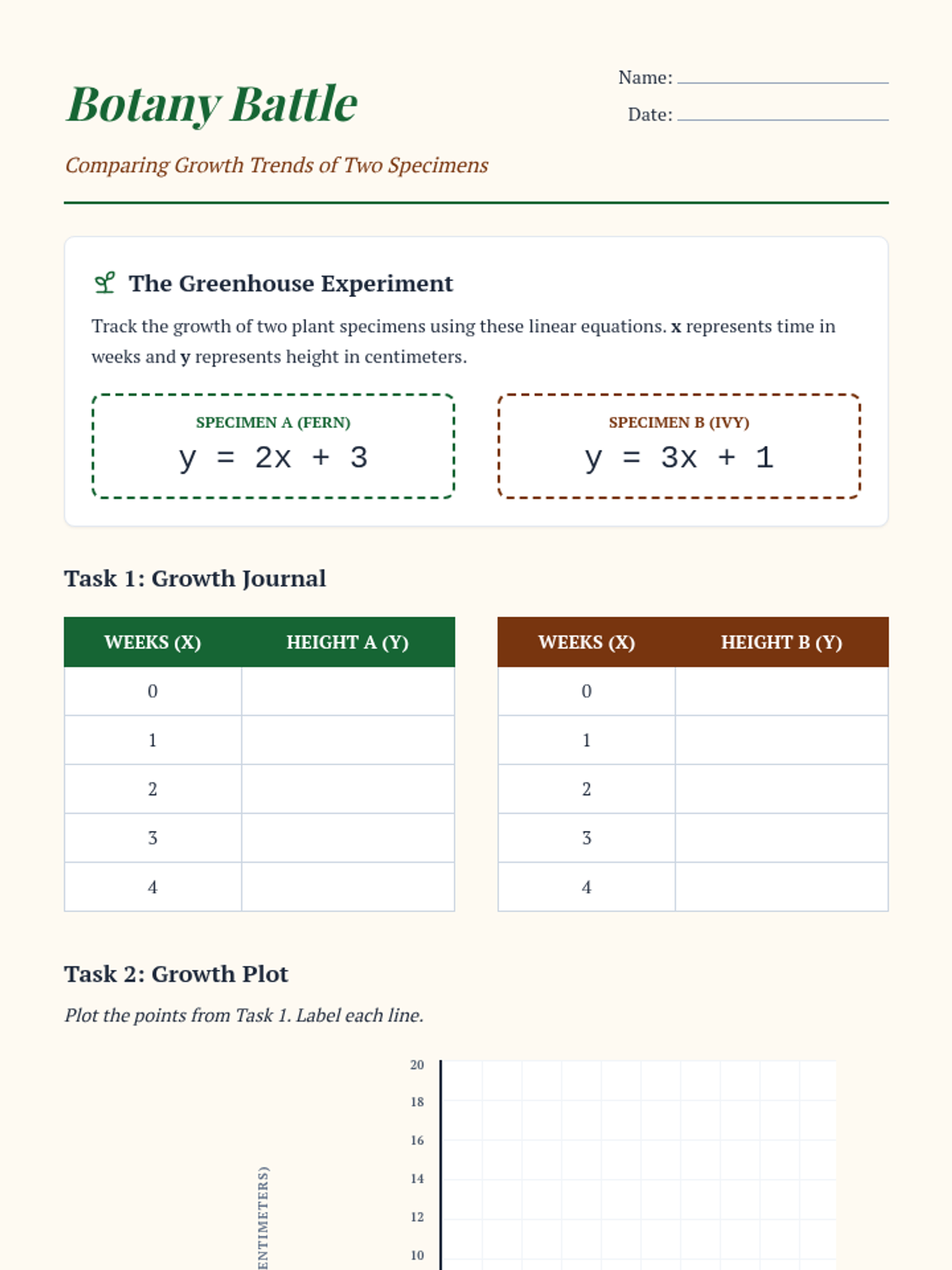
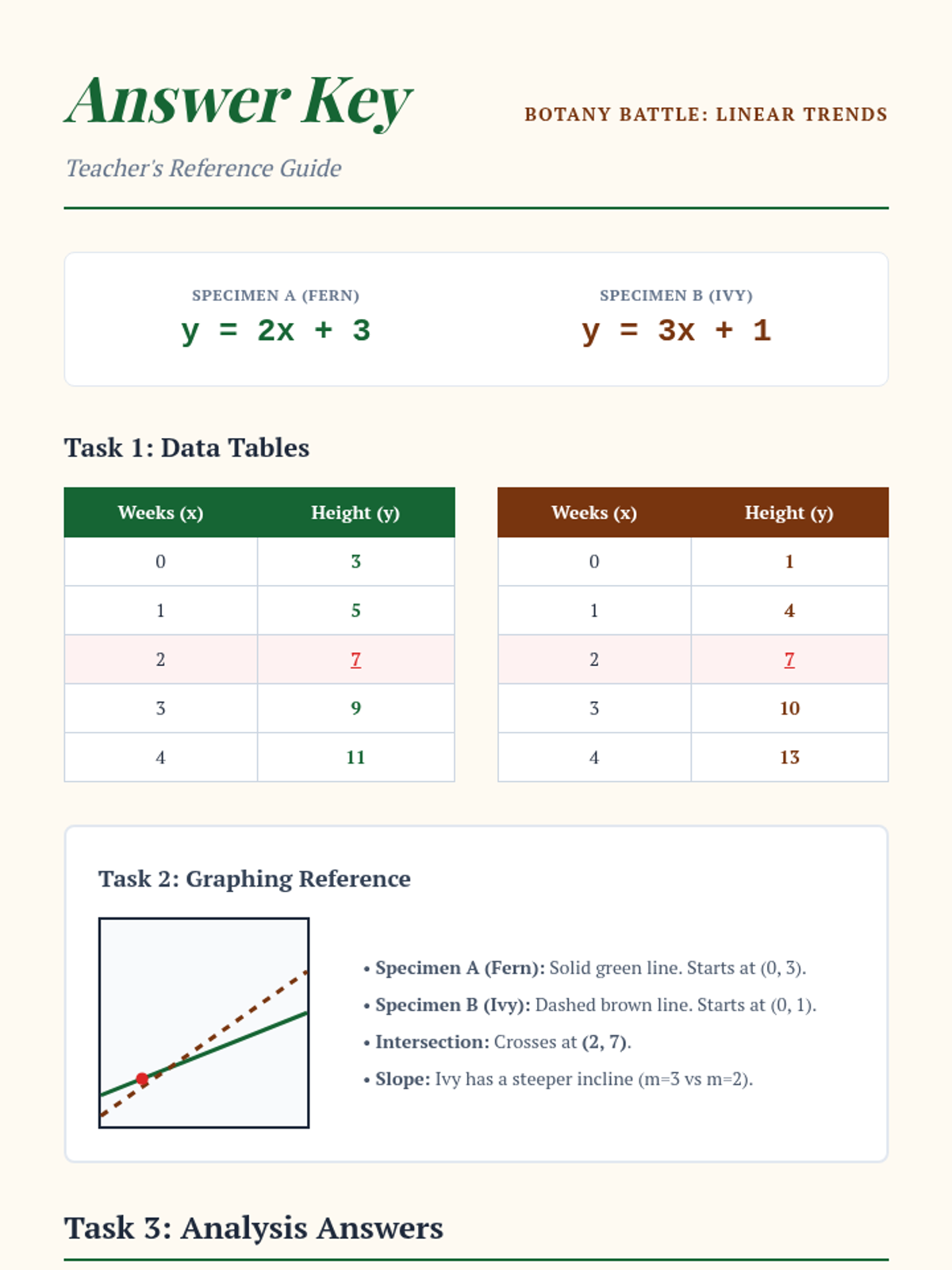
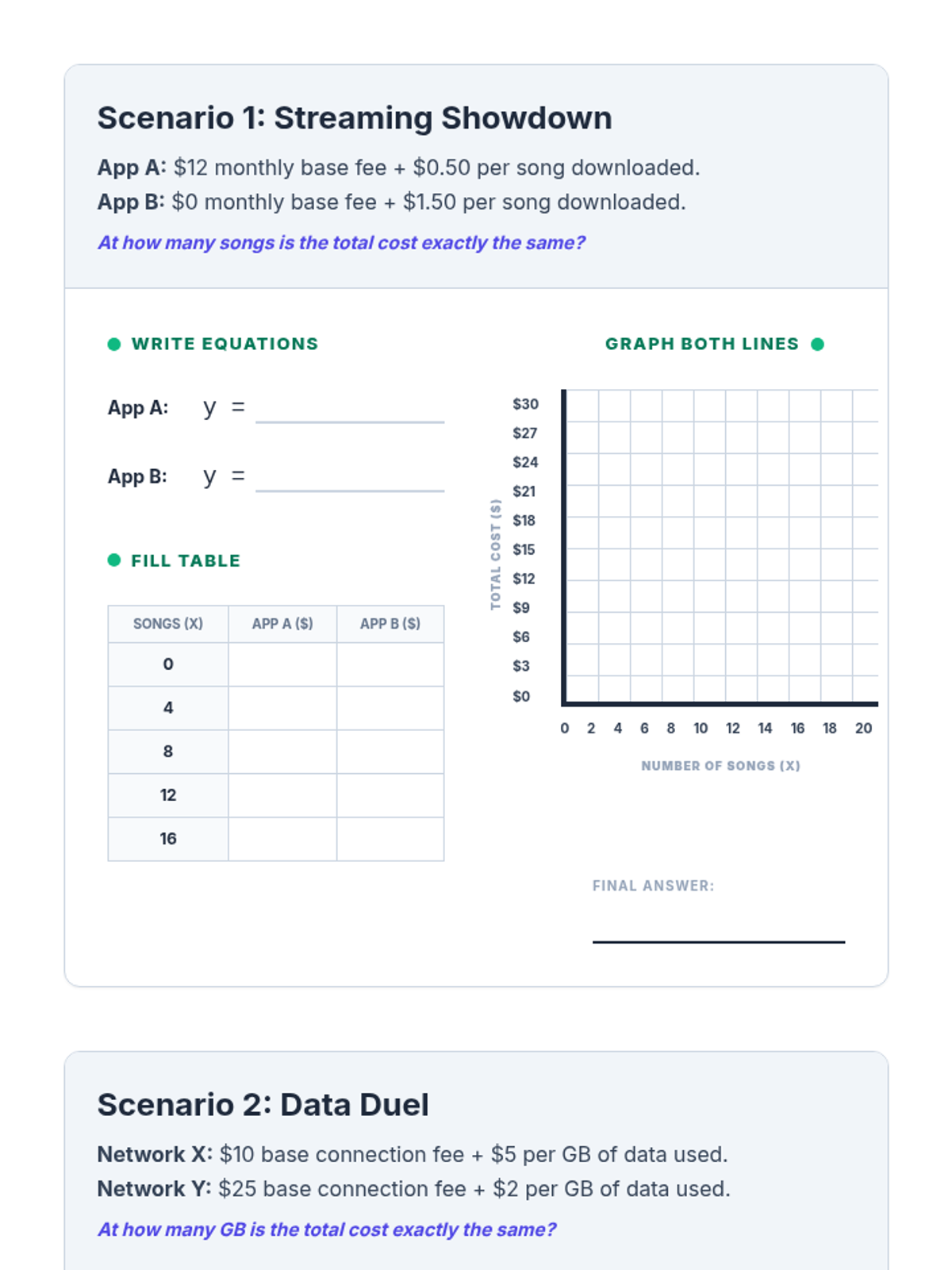
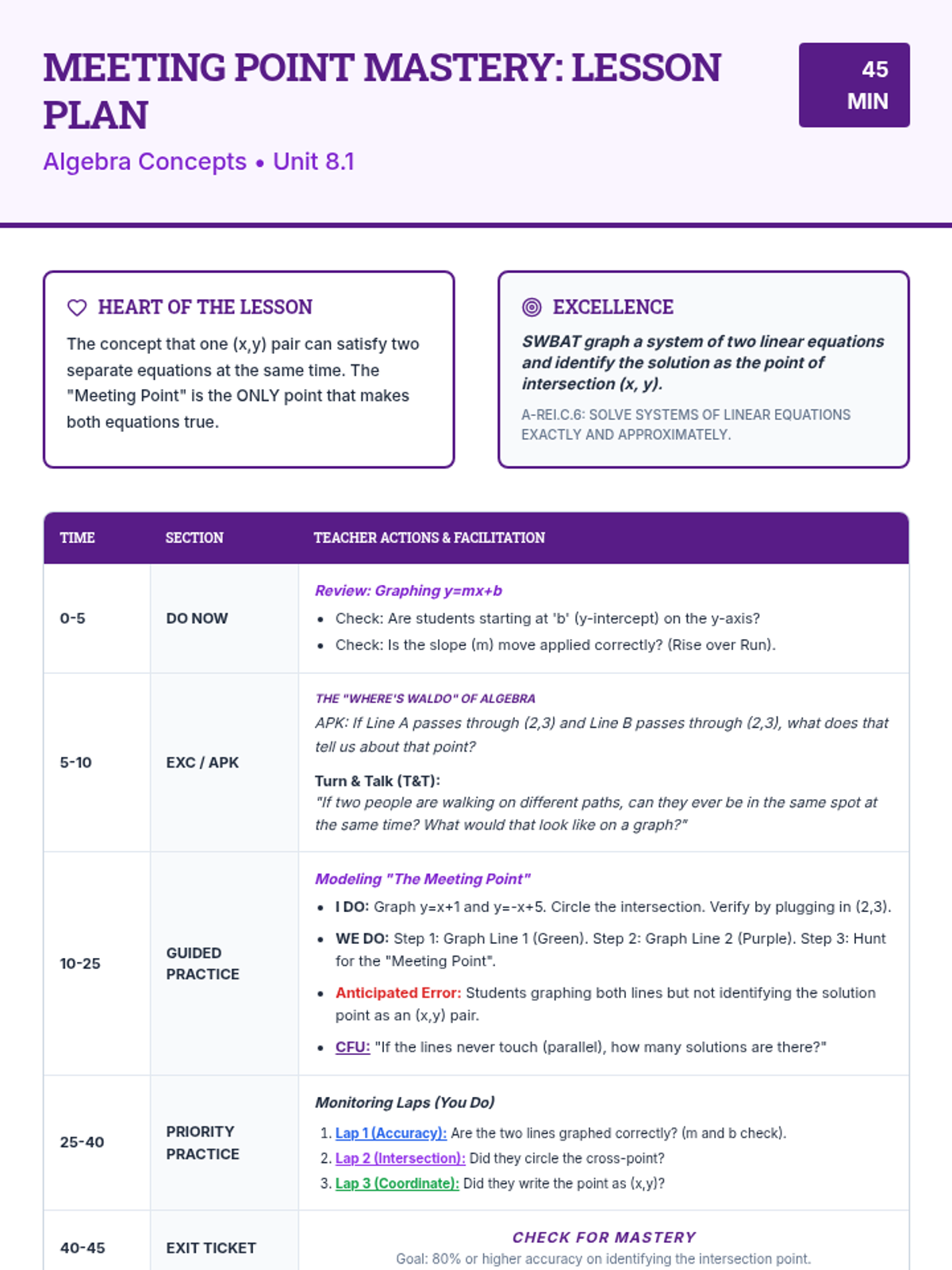
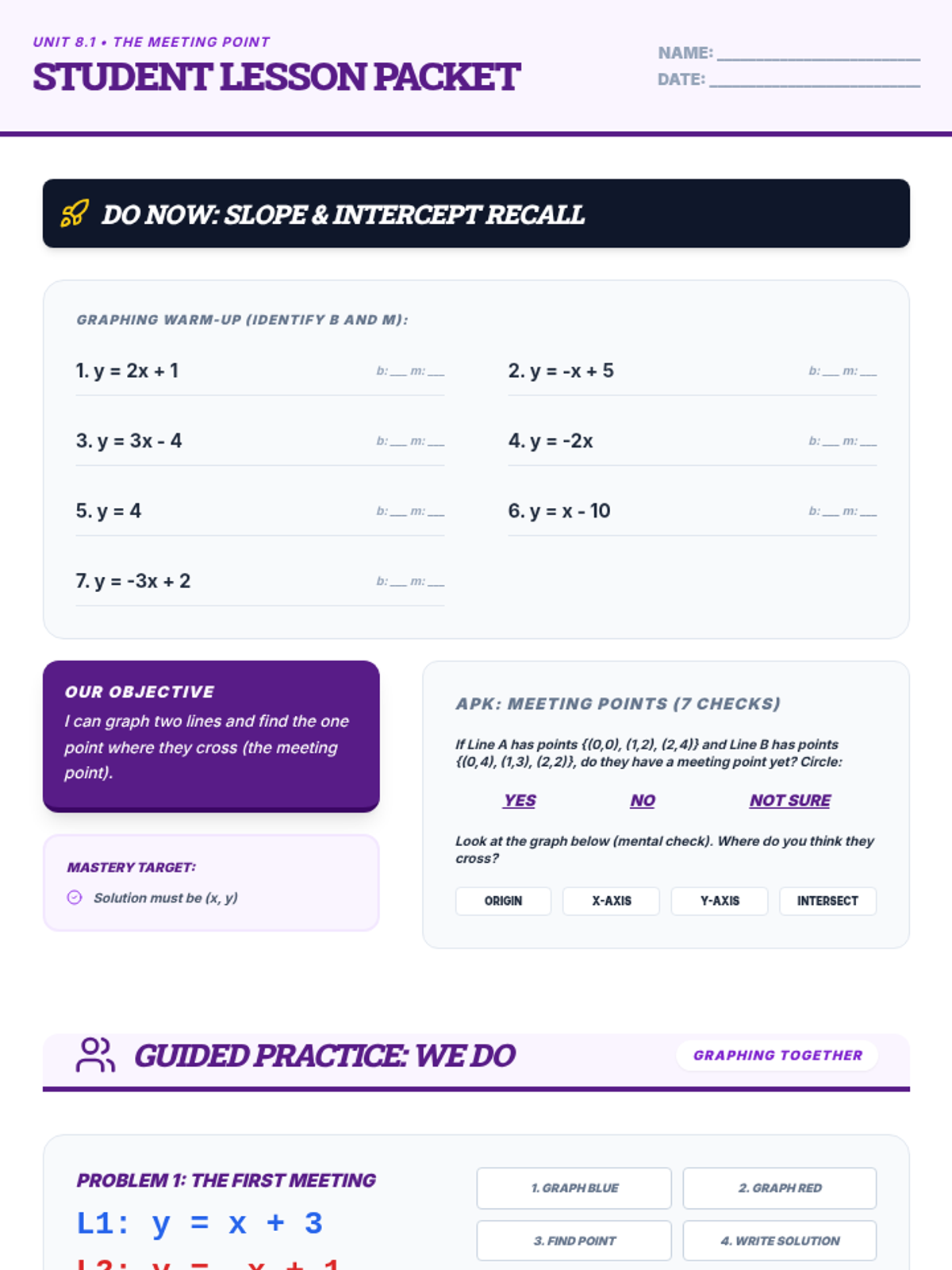
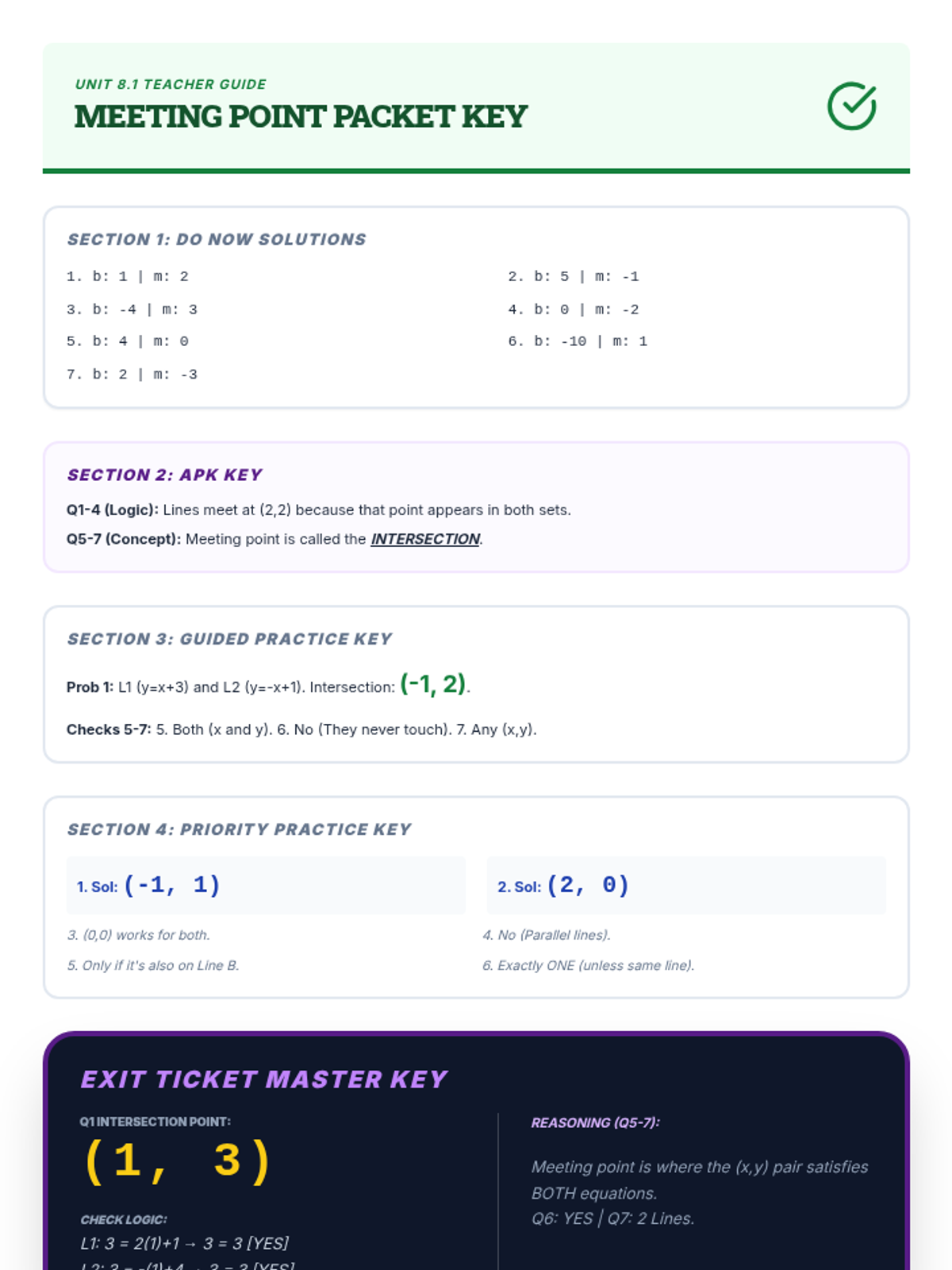
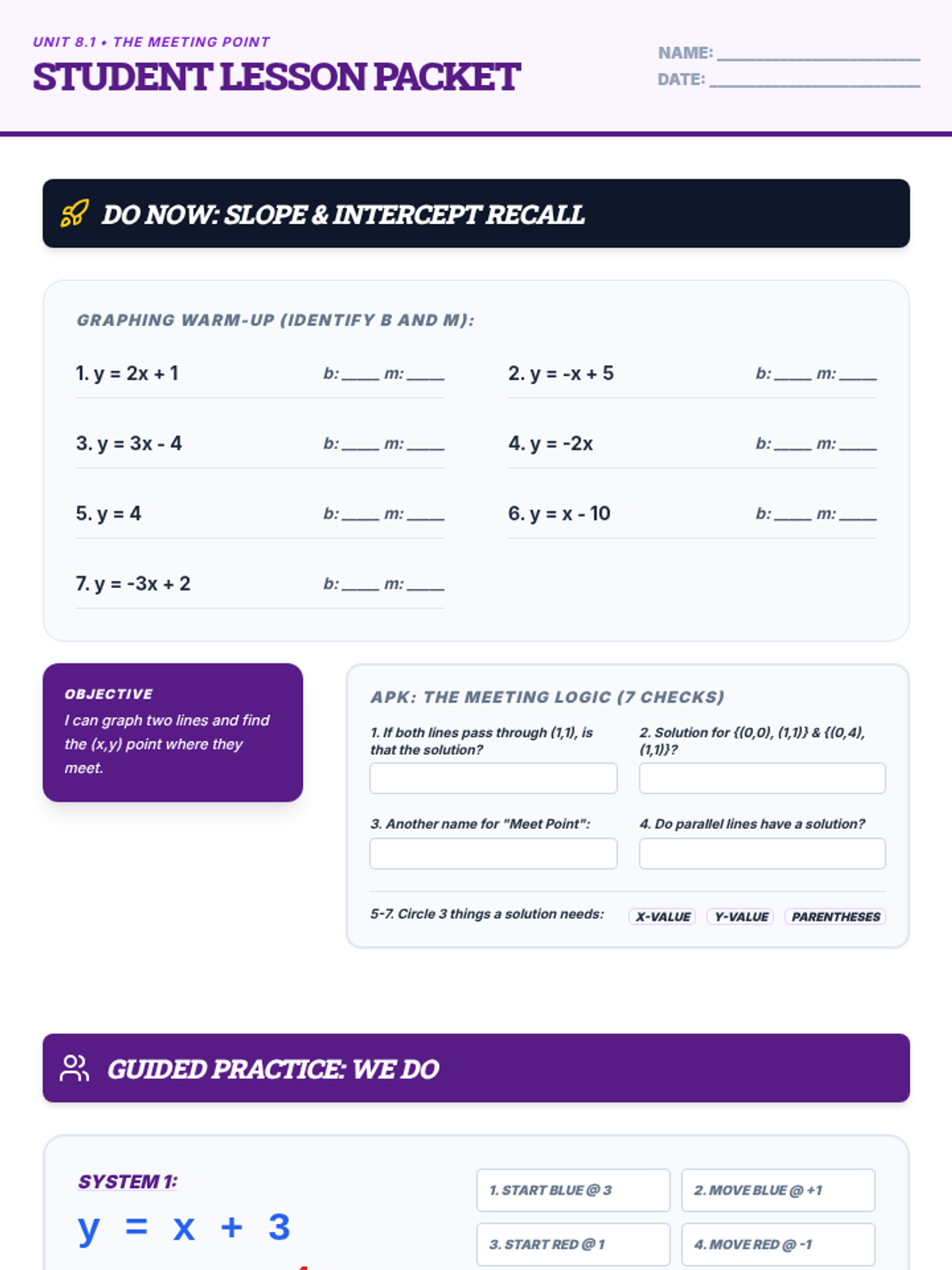
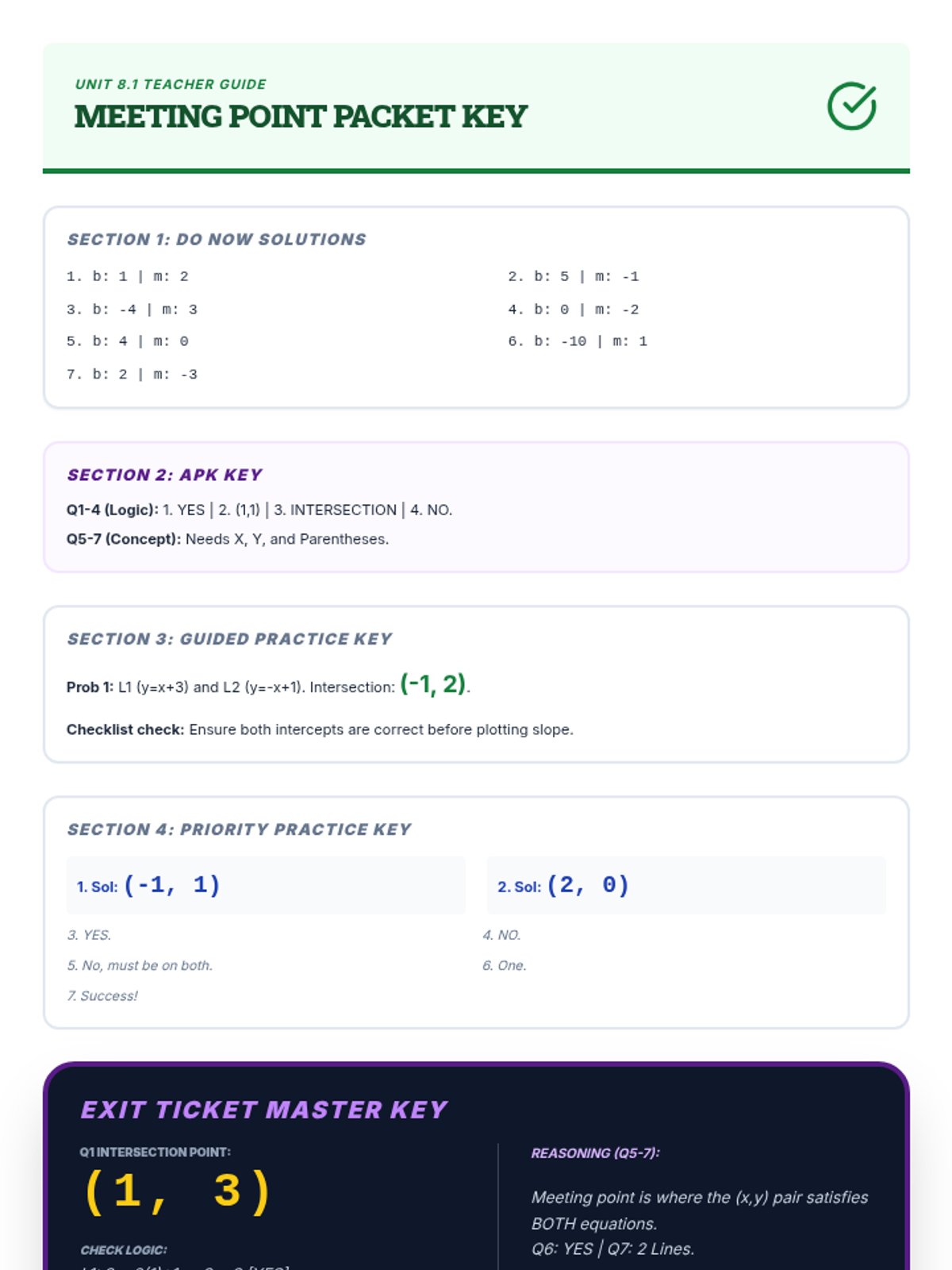
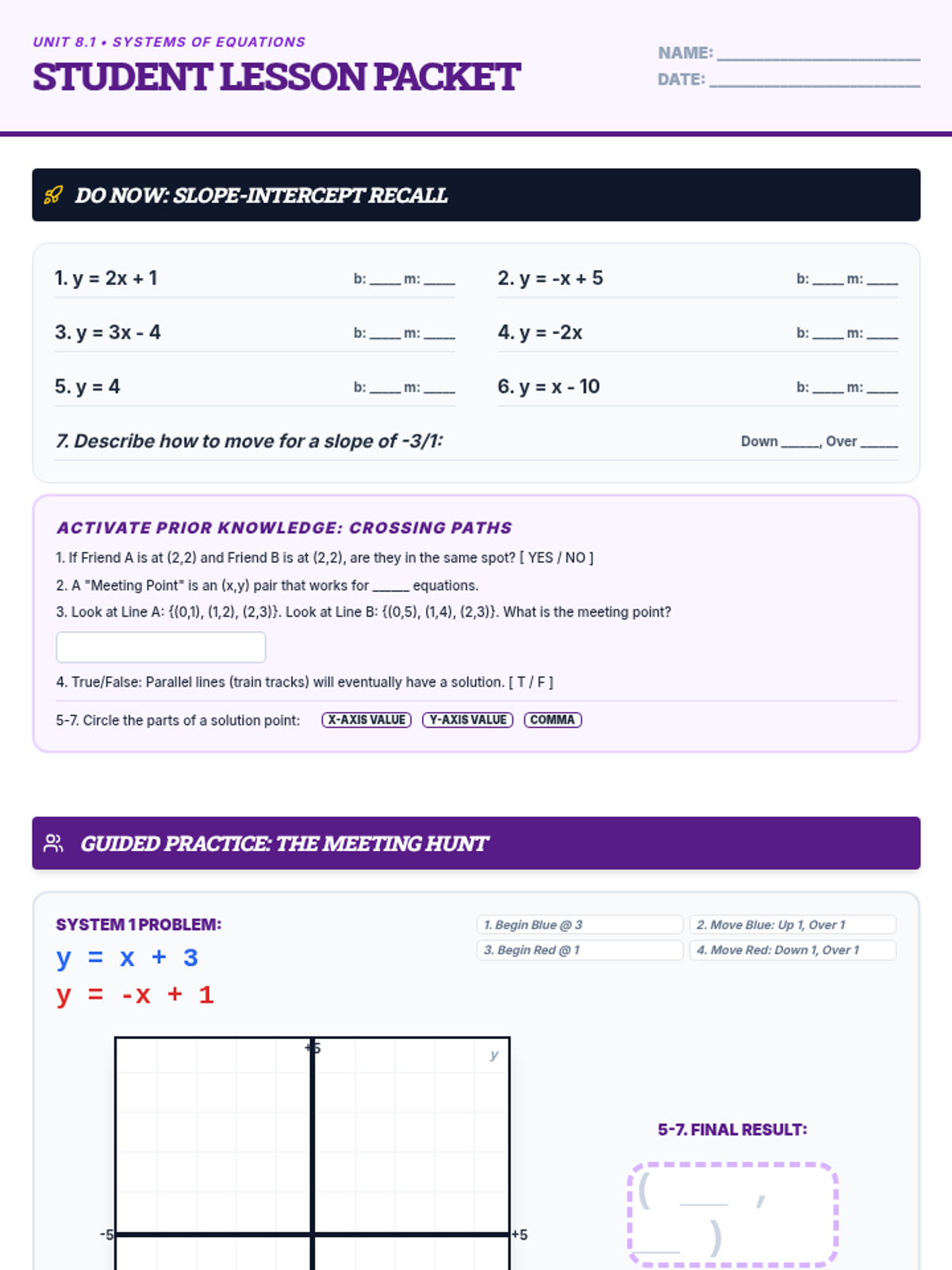
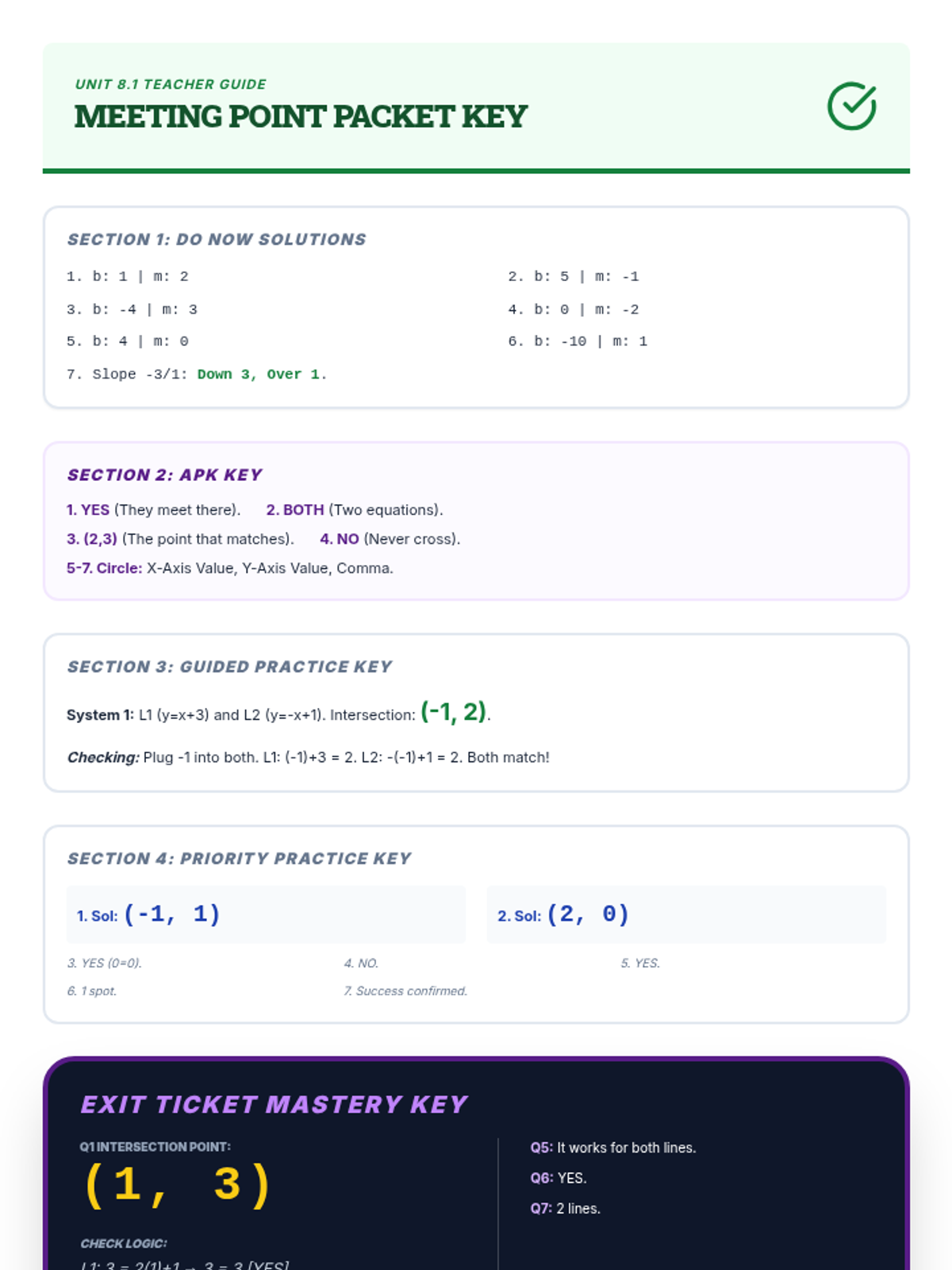
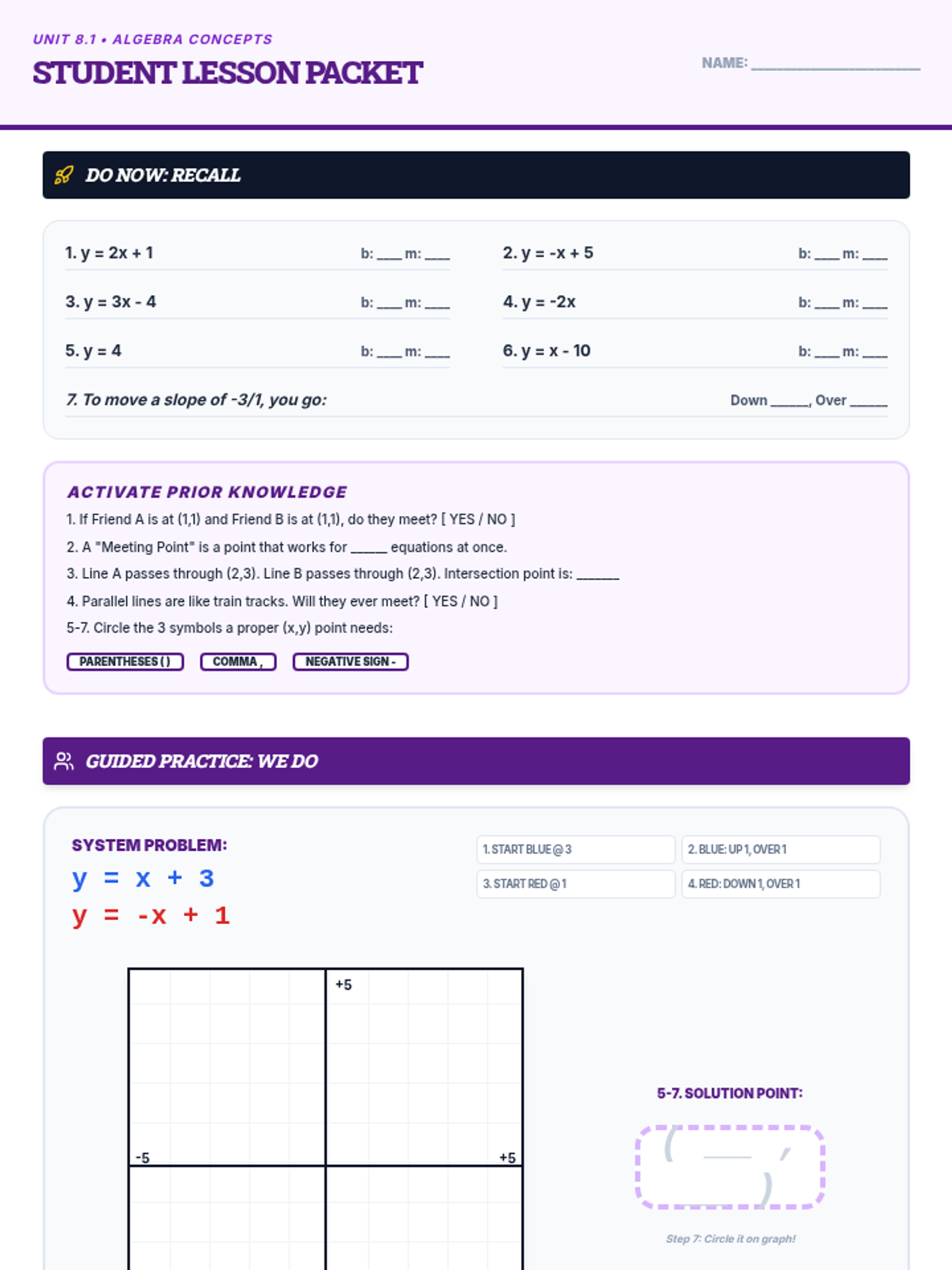
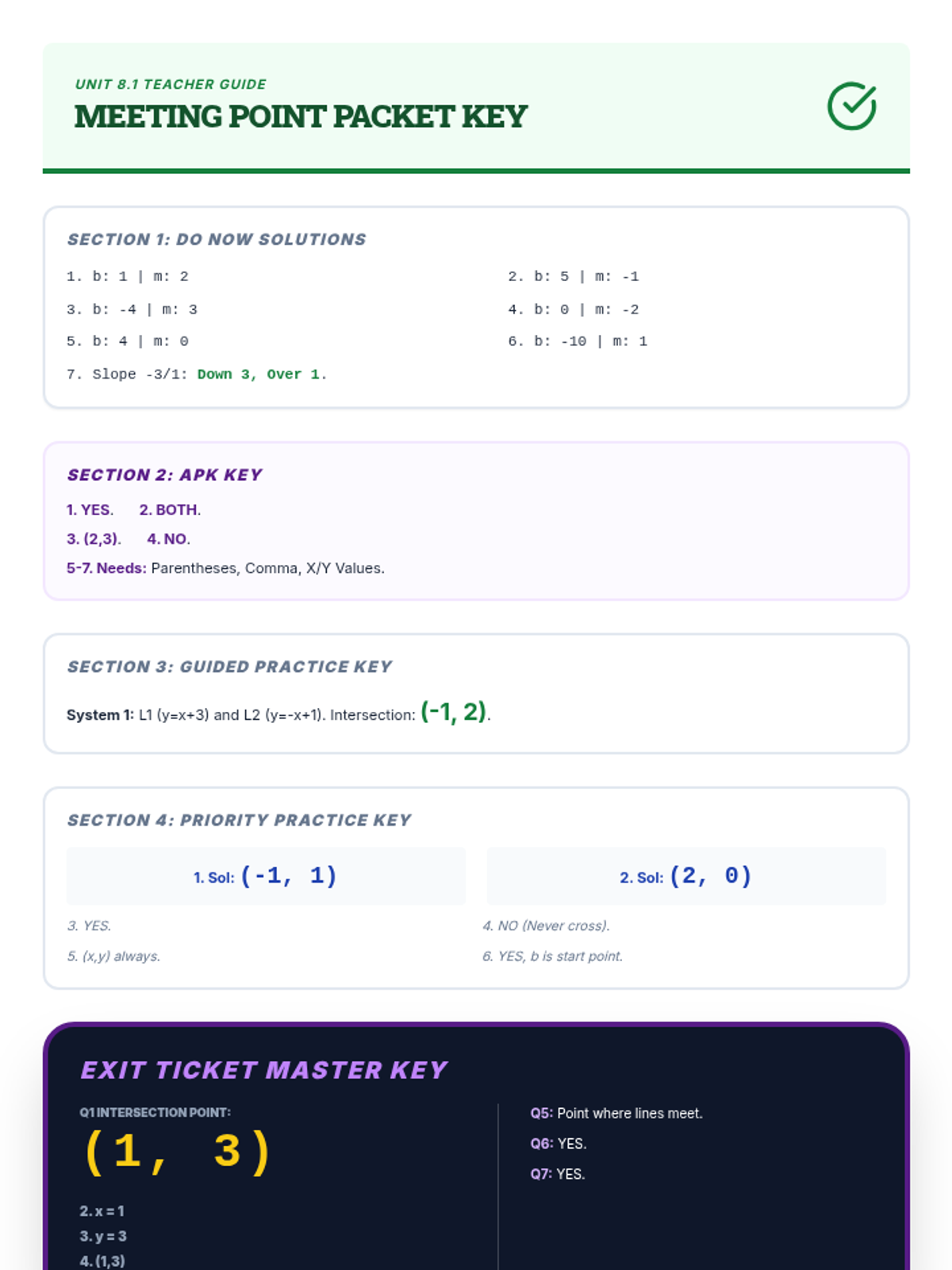
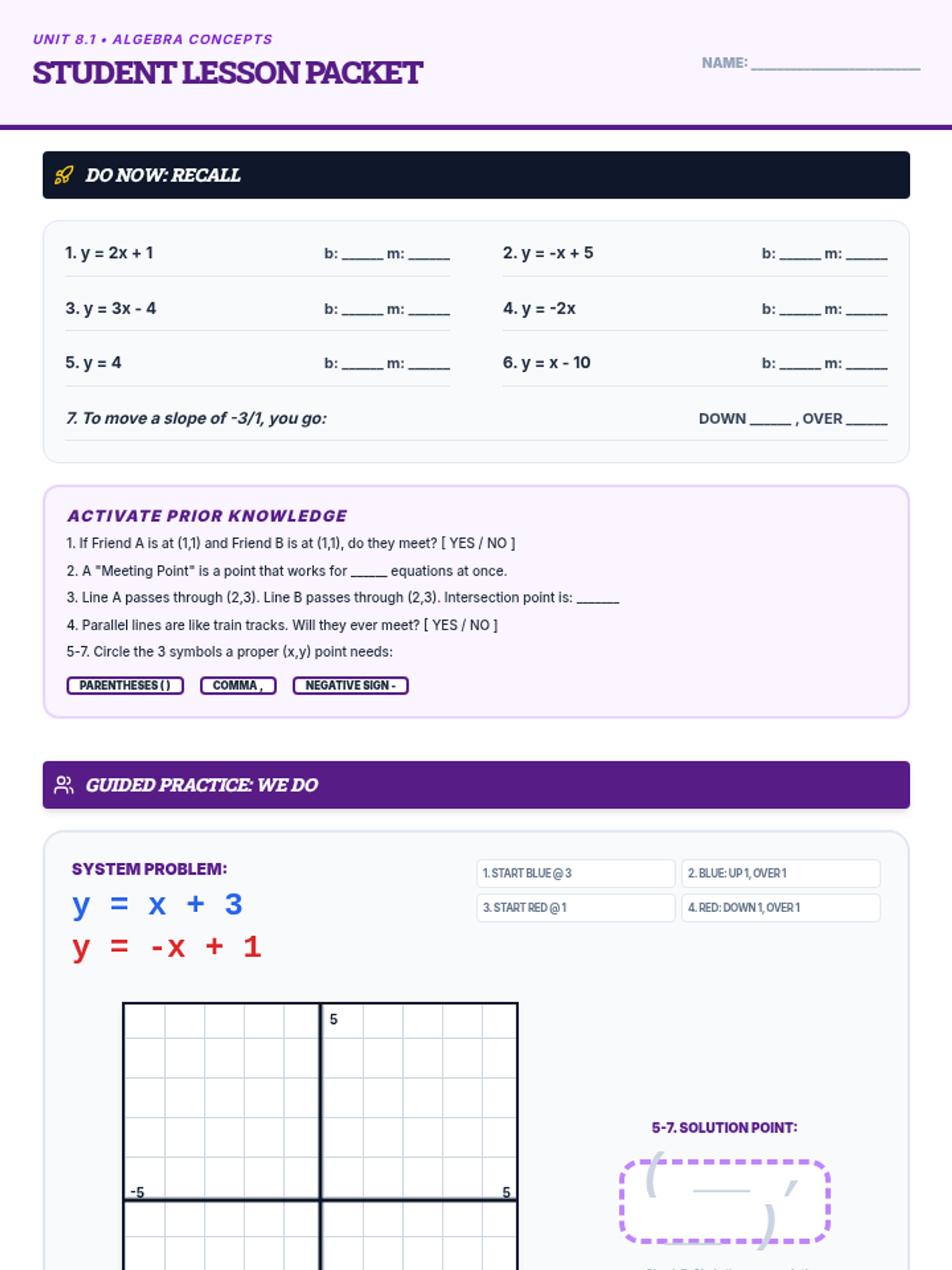
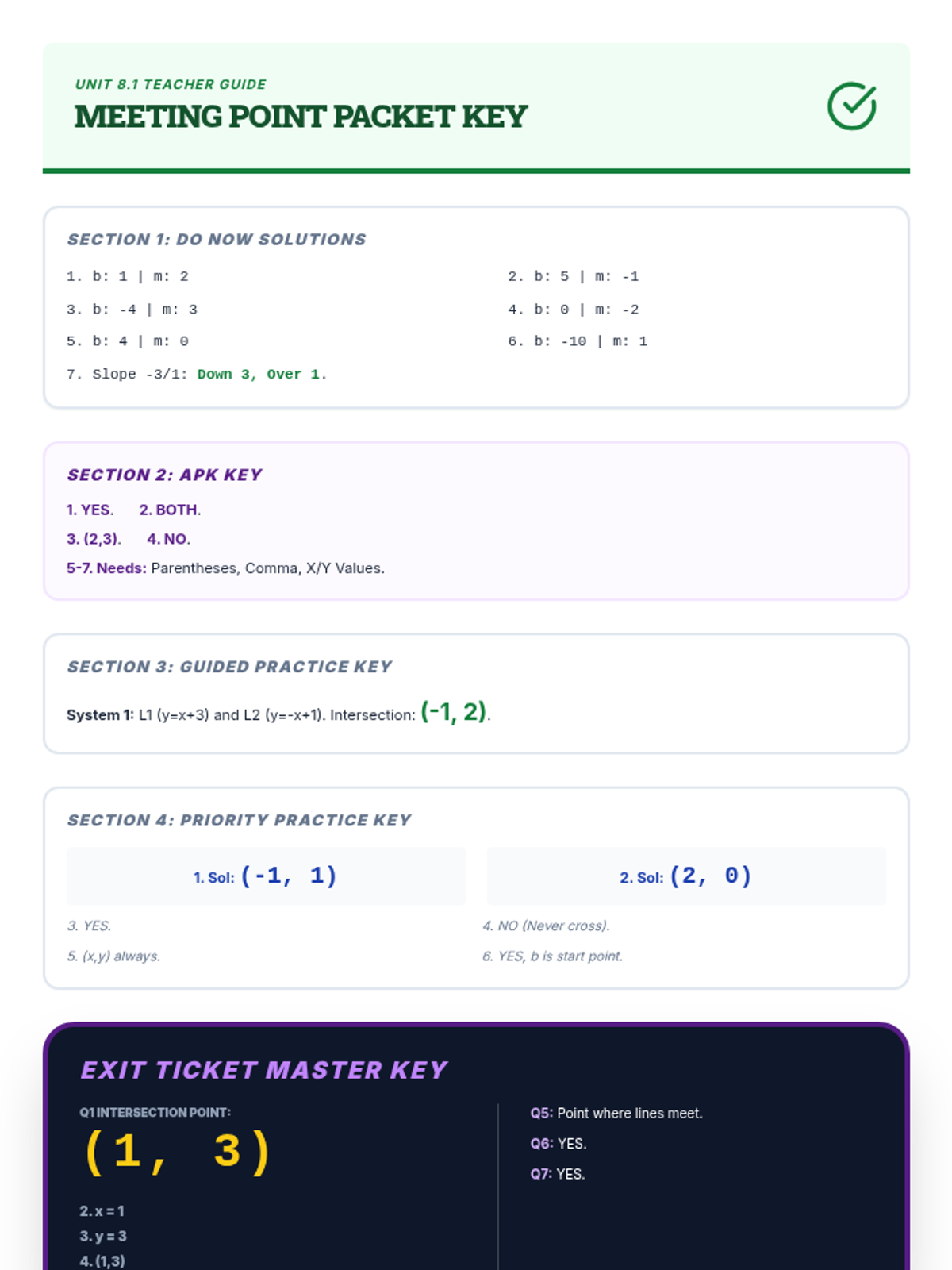
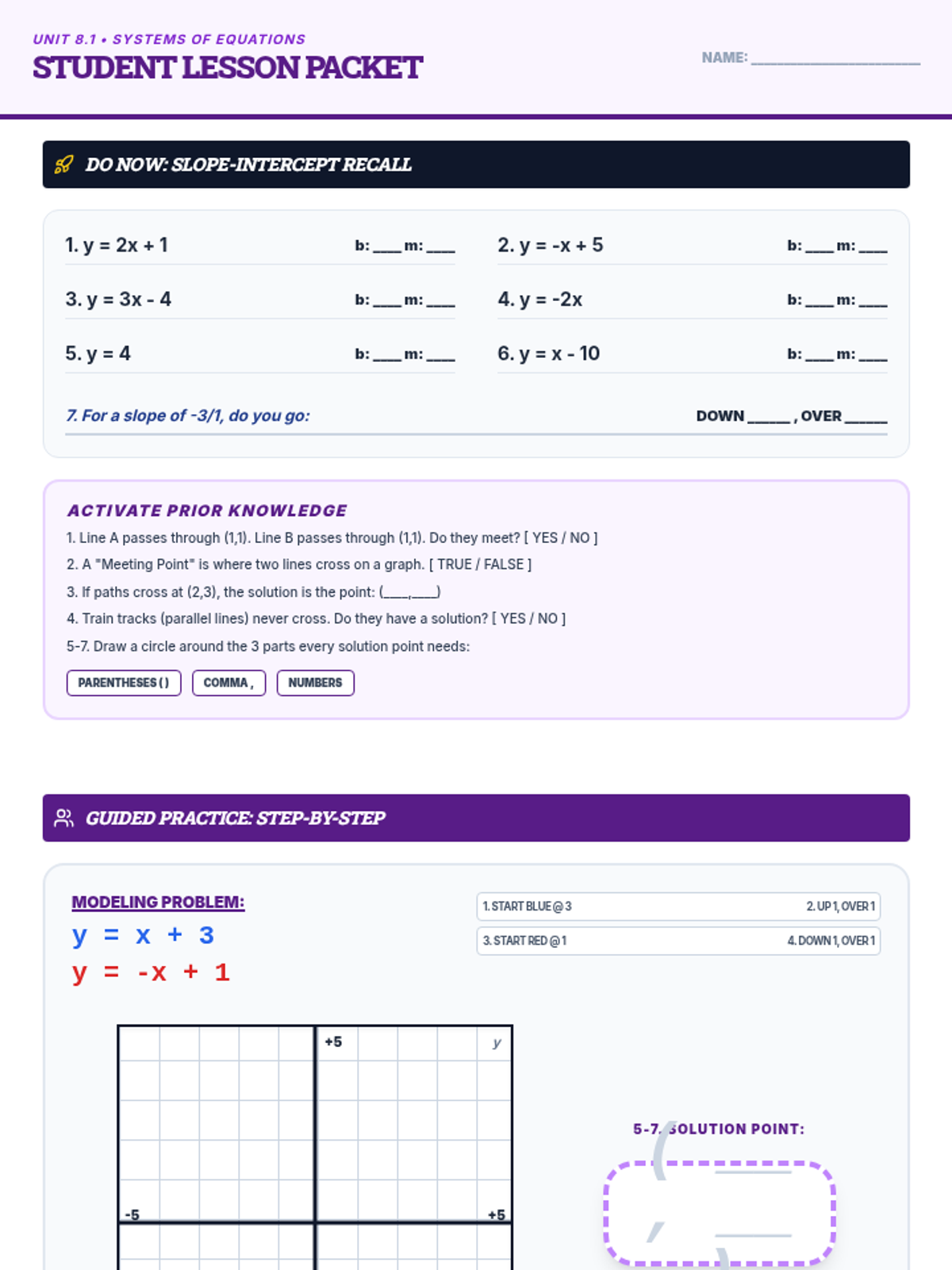
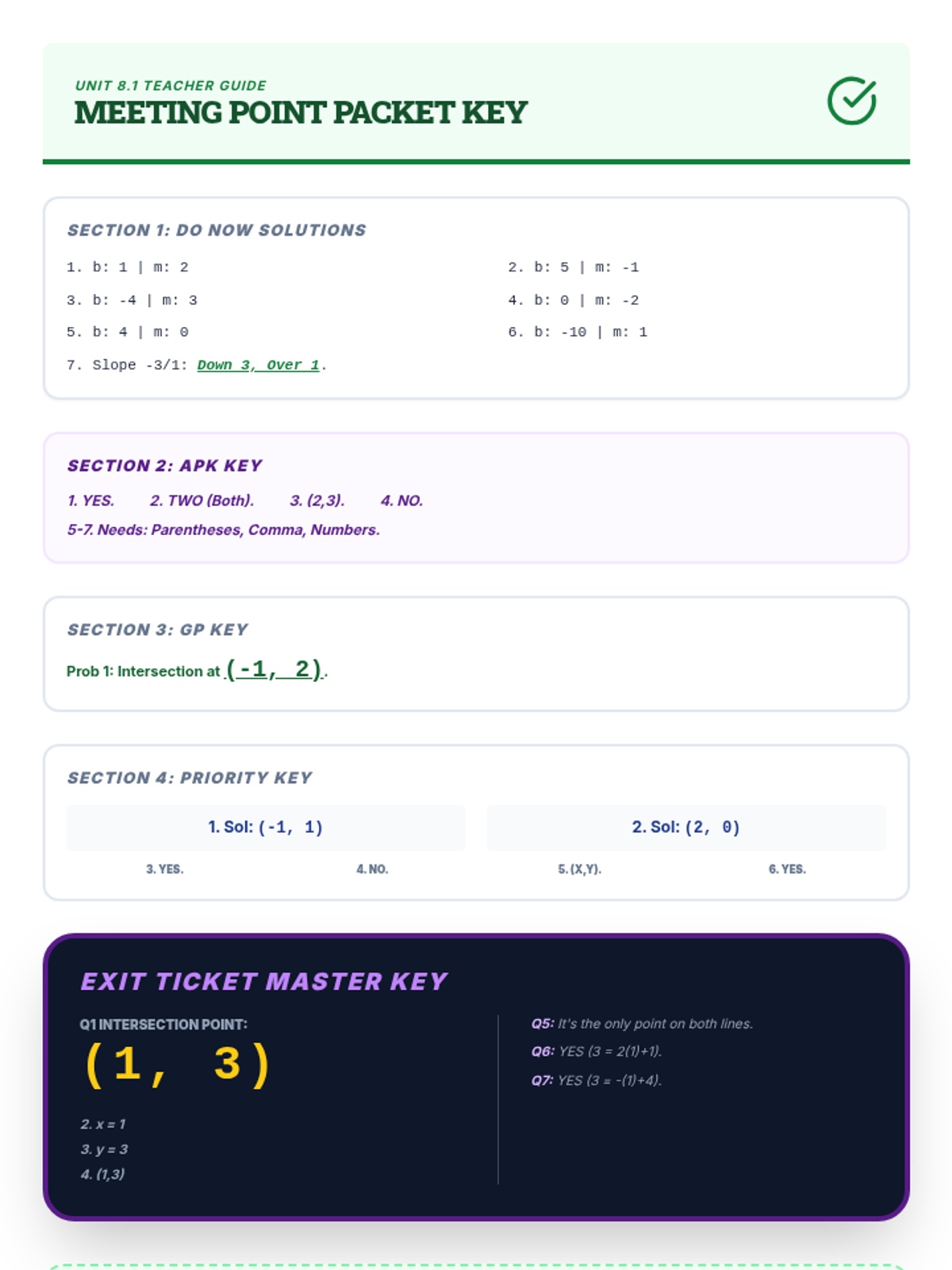
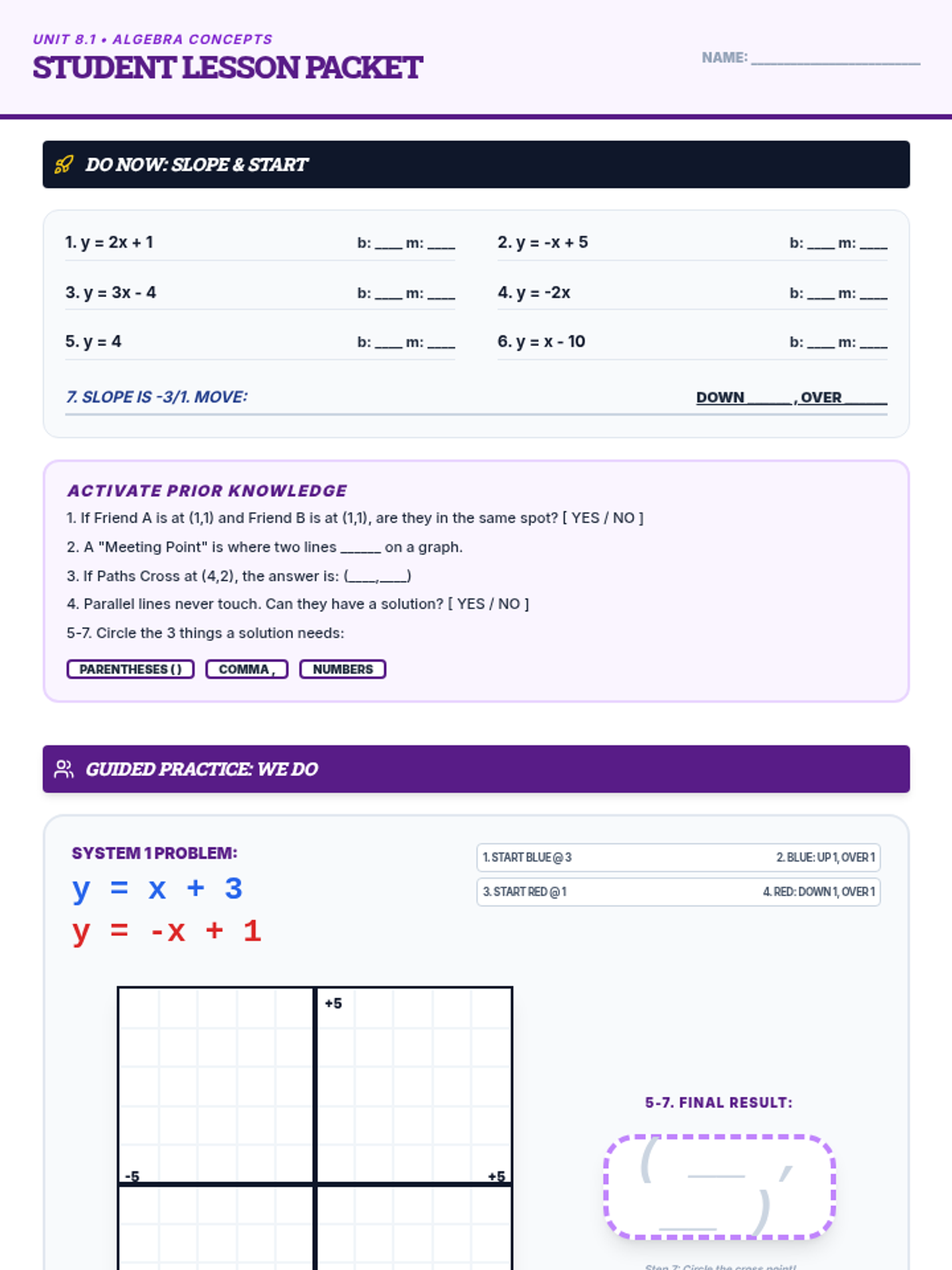
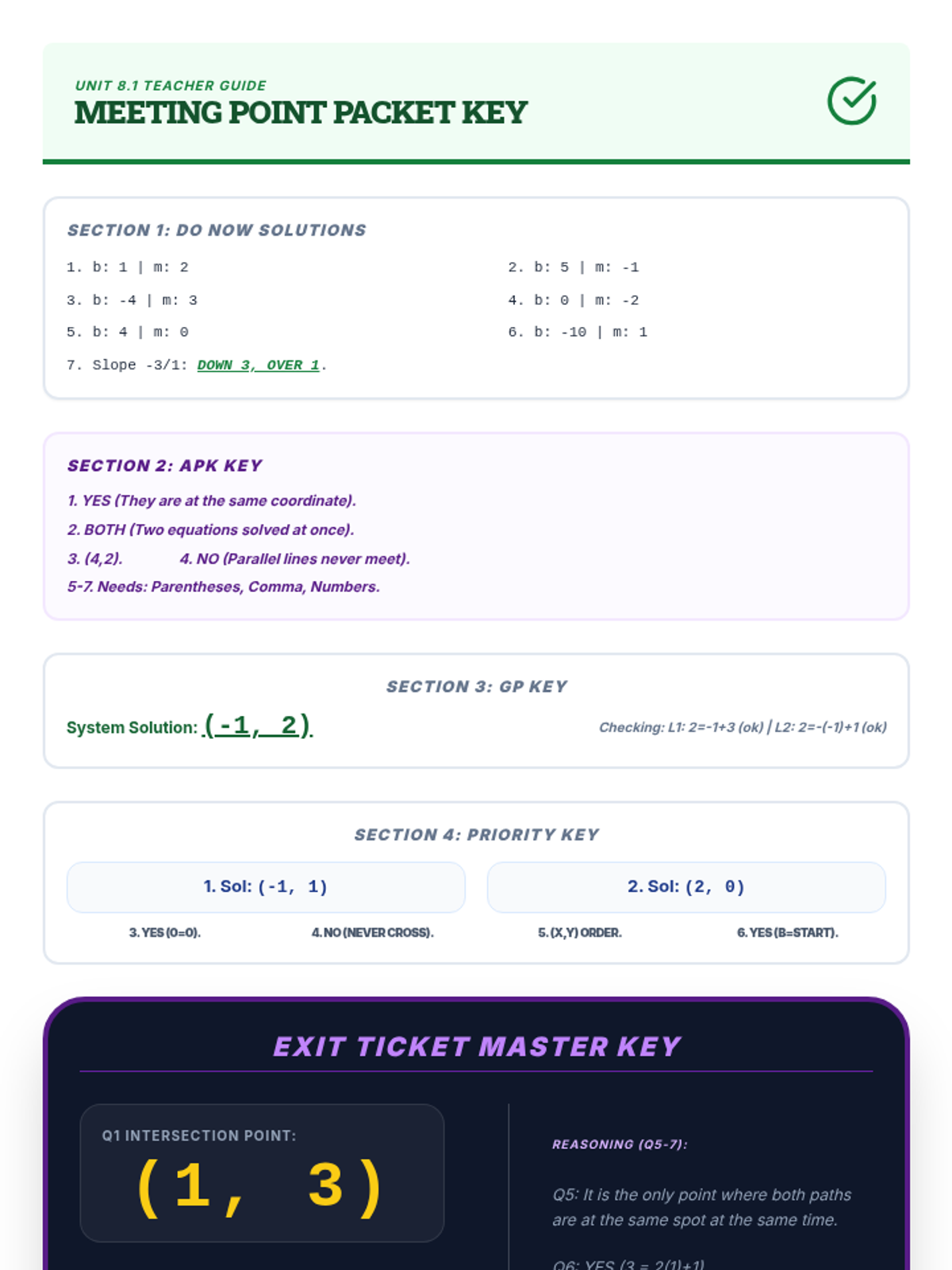
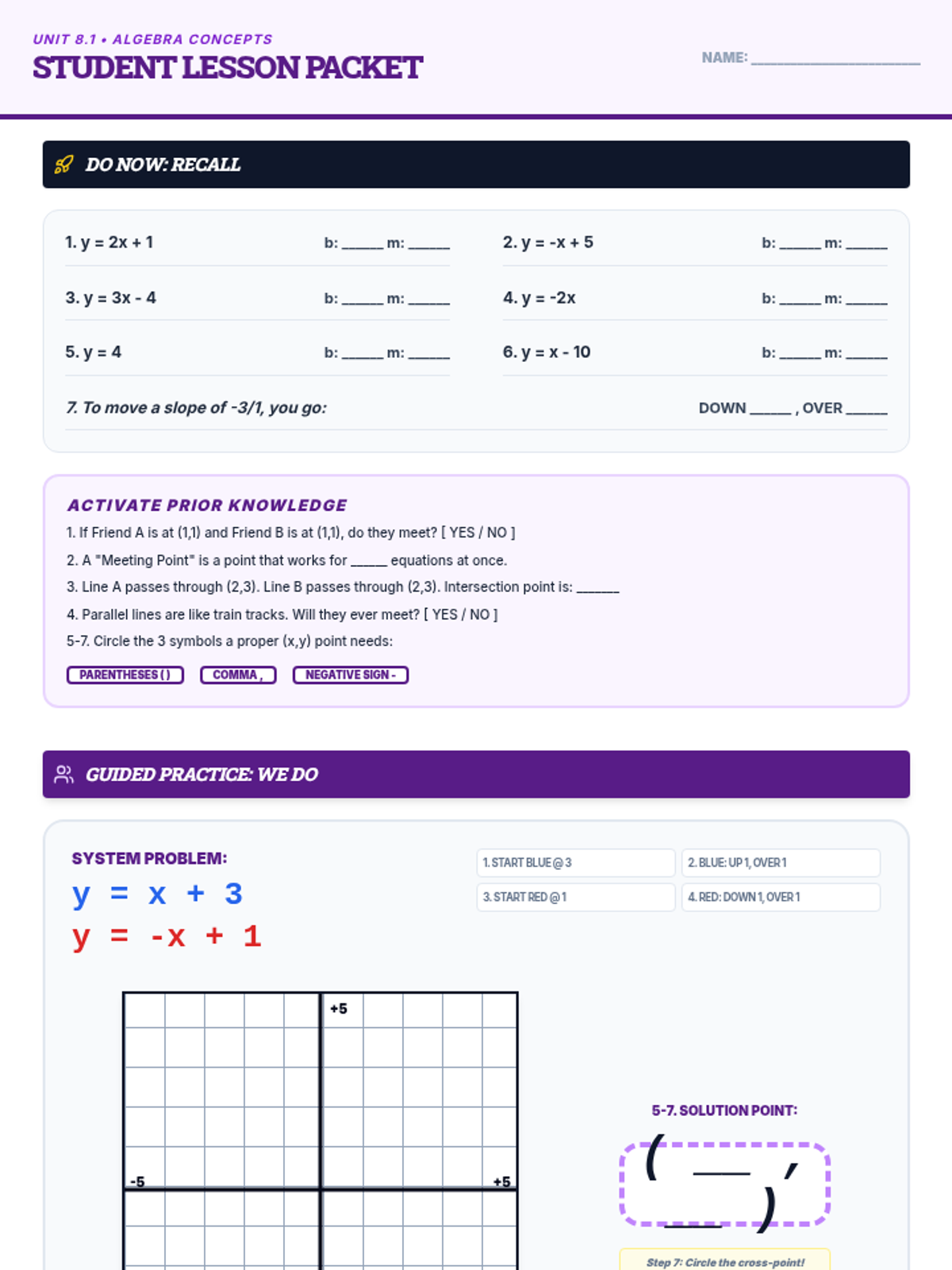
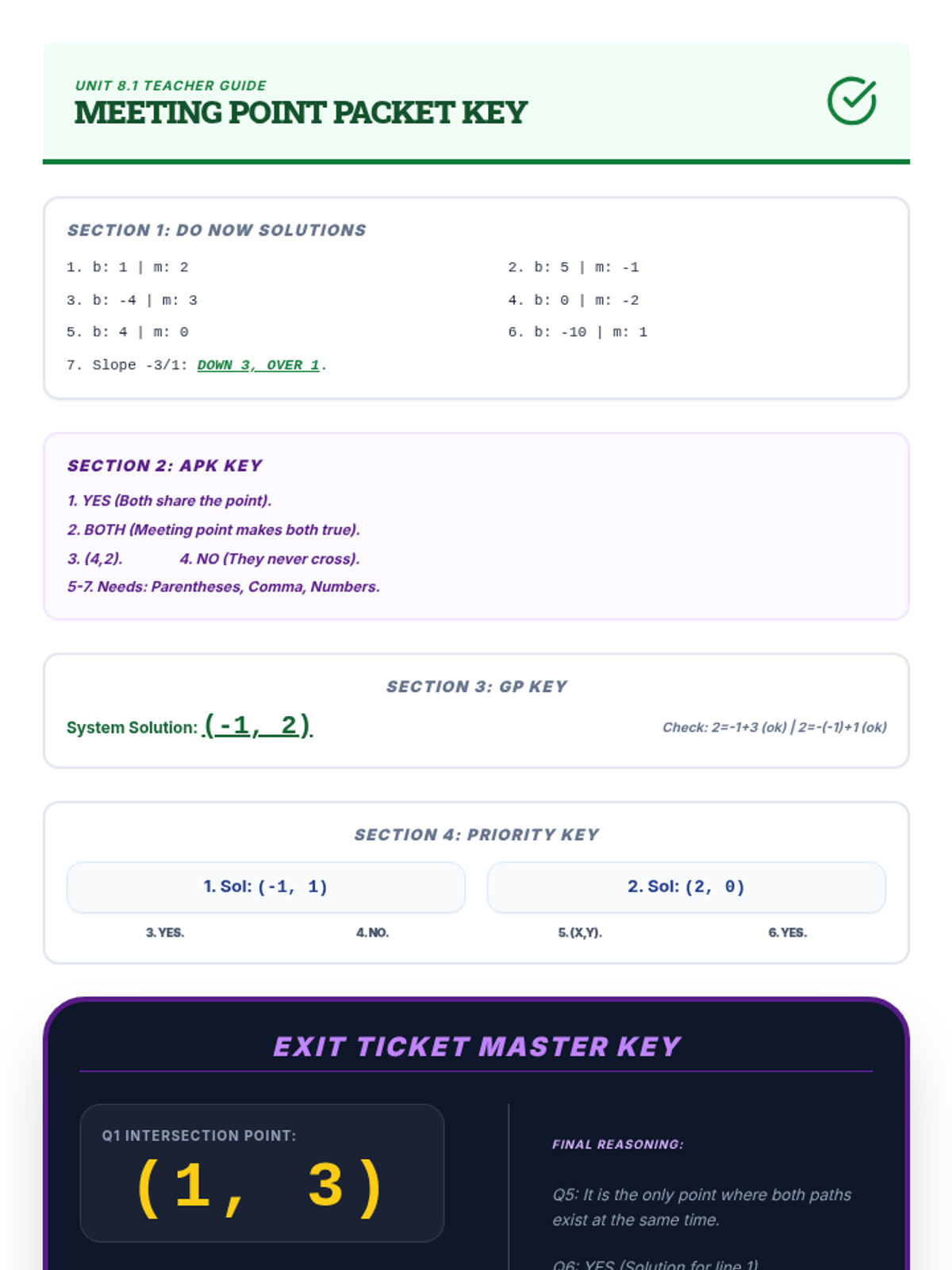
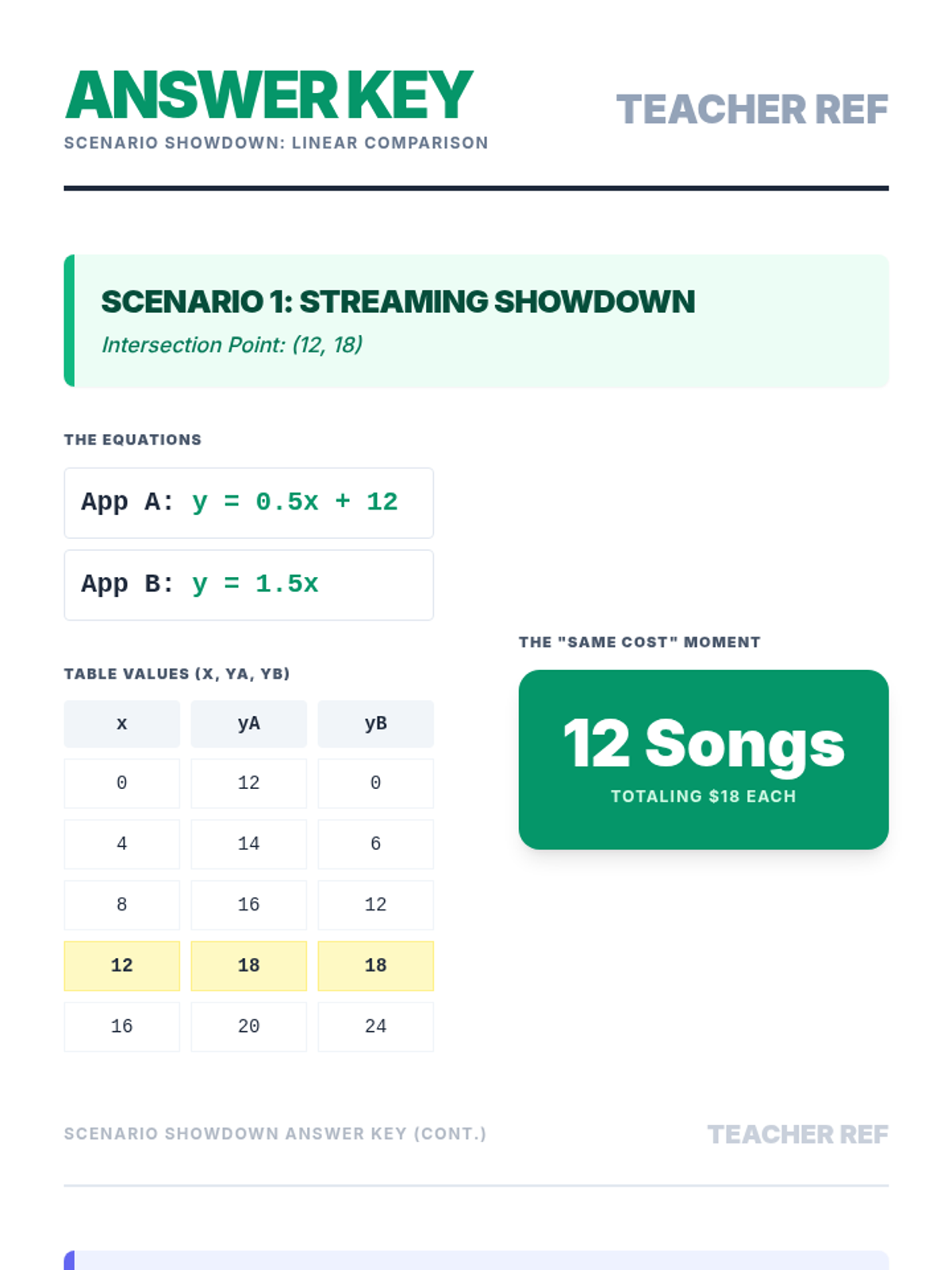
A lesson focused on graphing two linear equations on the same coordinate plane to compare growth trends over time. Students will identify starting points, rates of growth, and points of intersection.
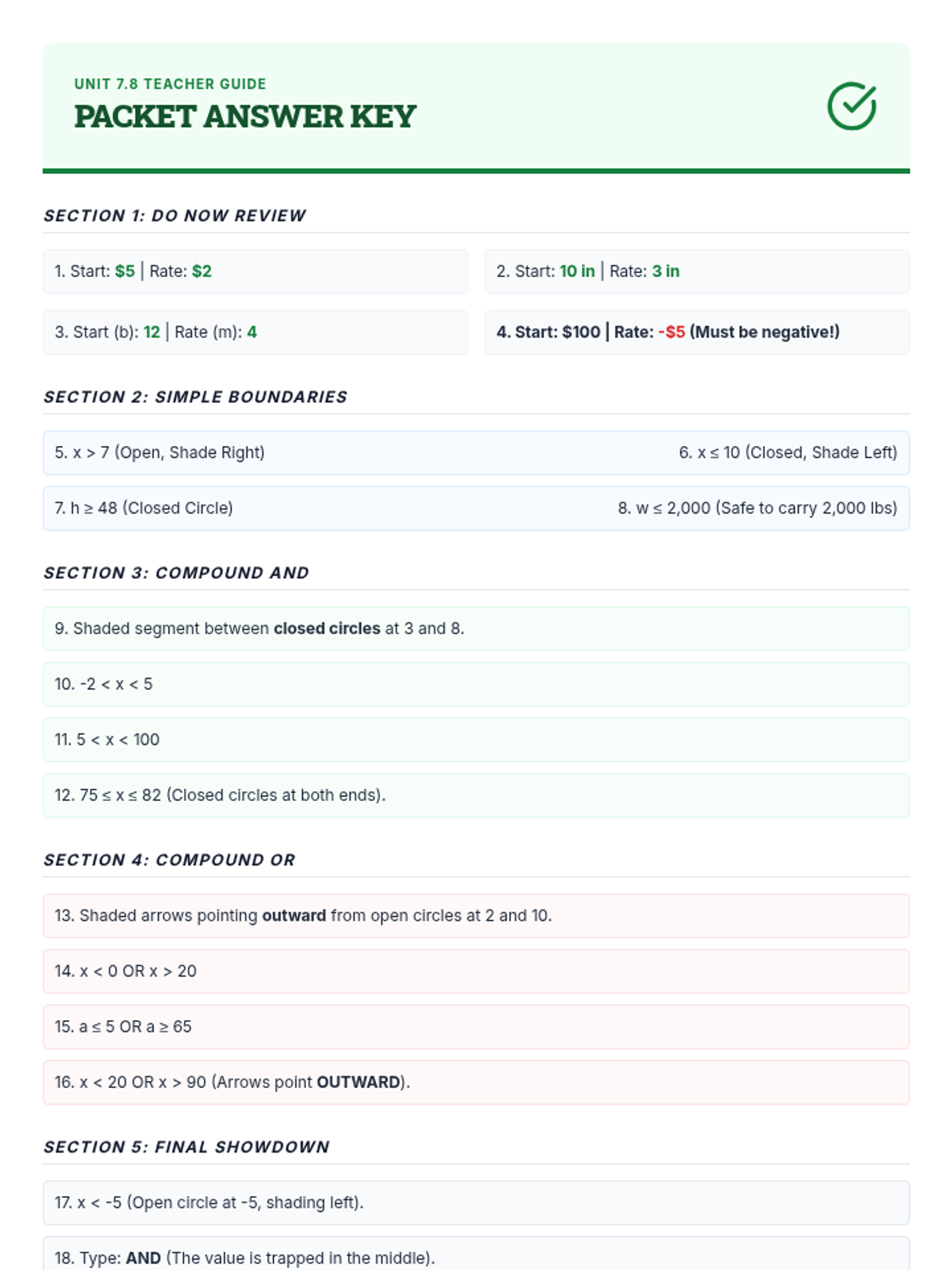
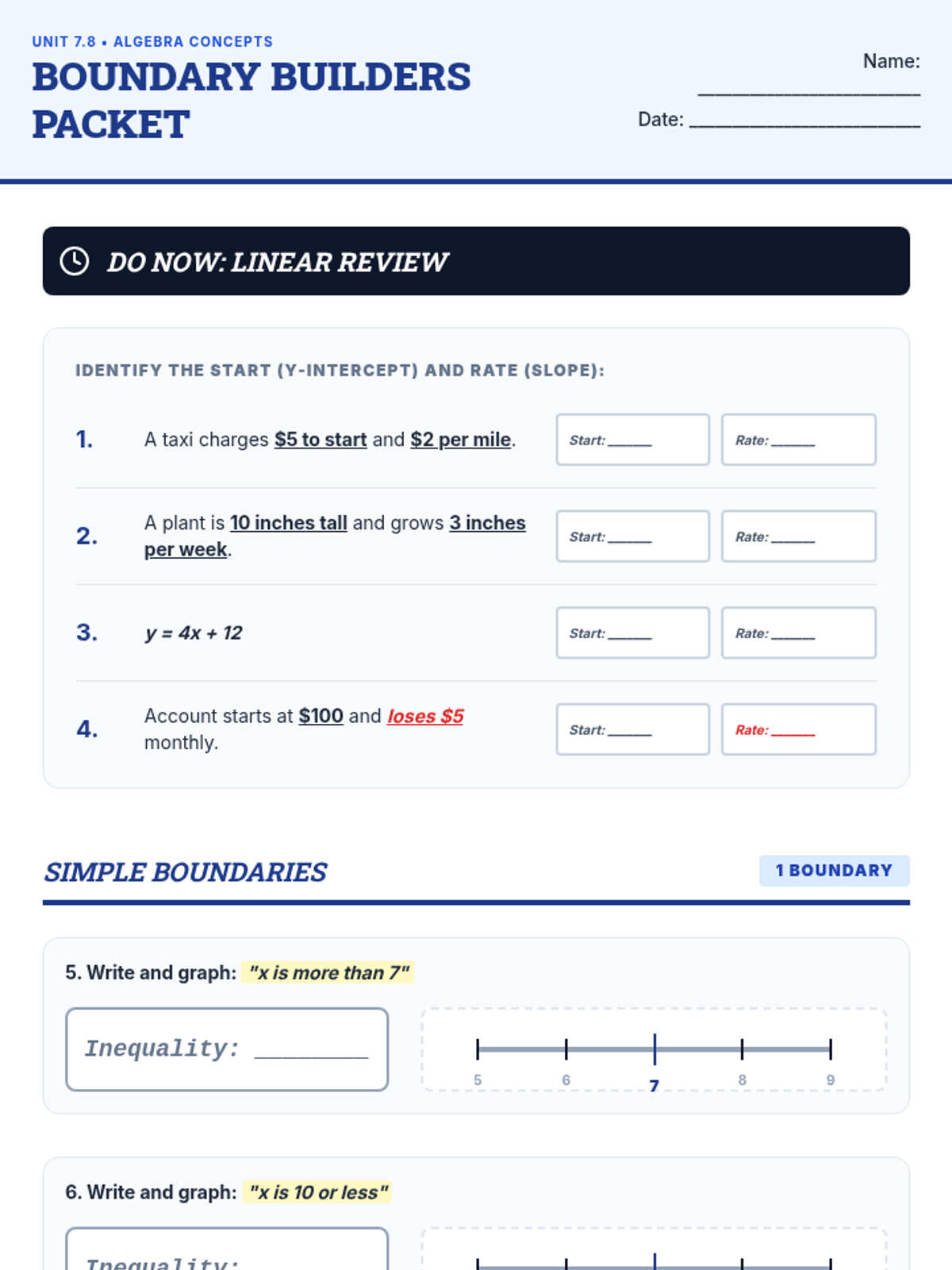
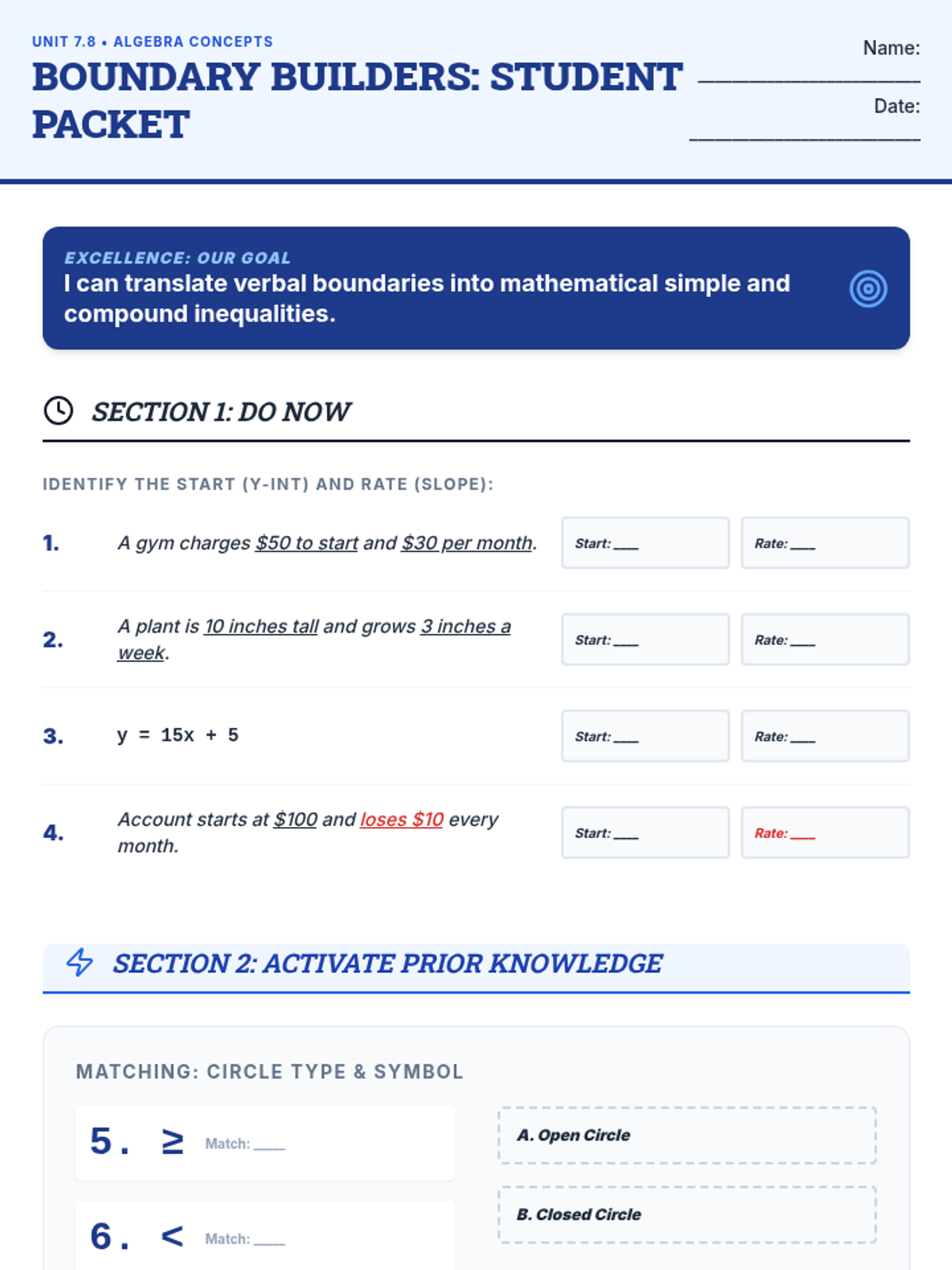
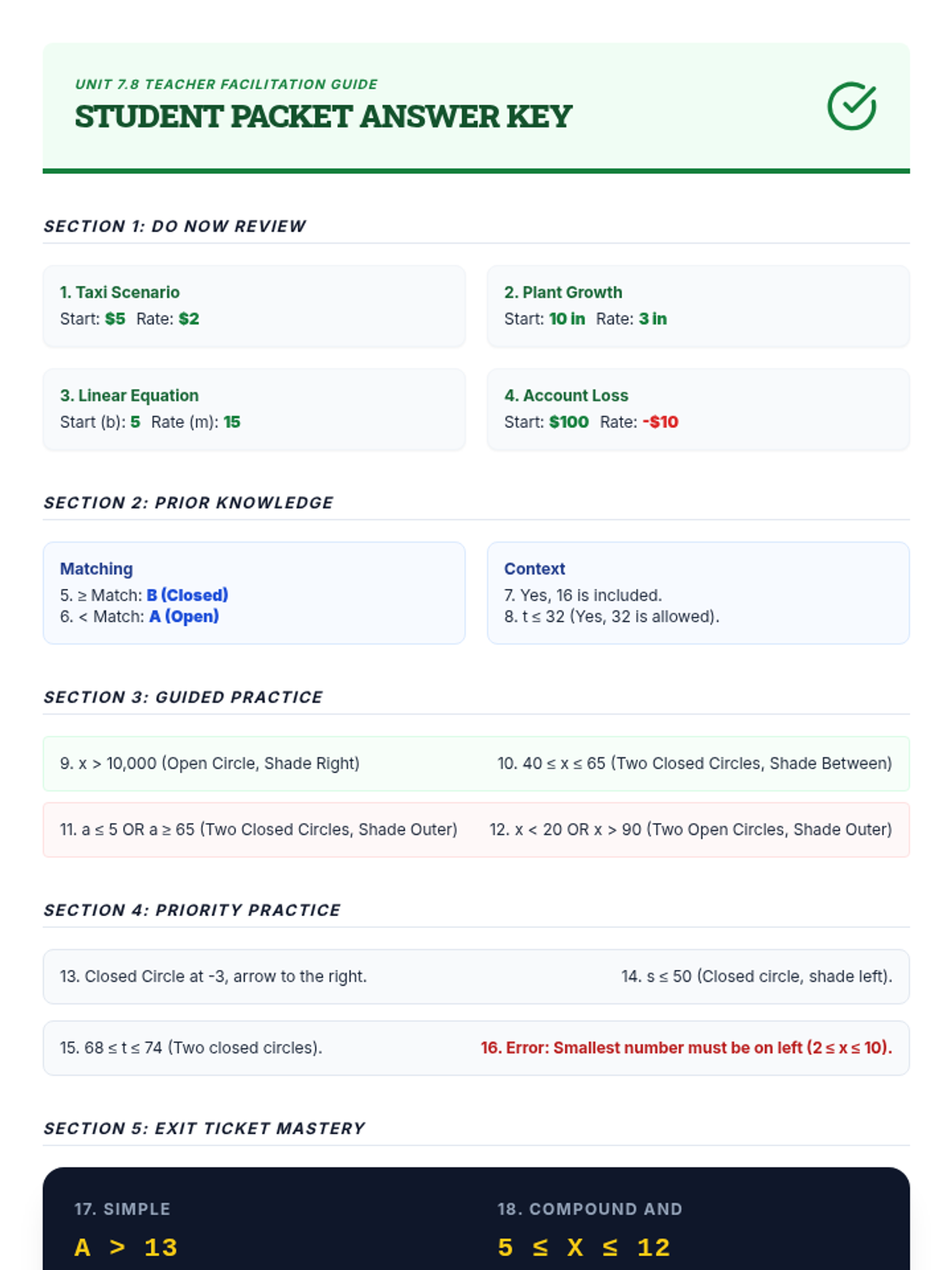
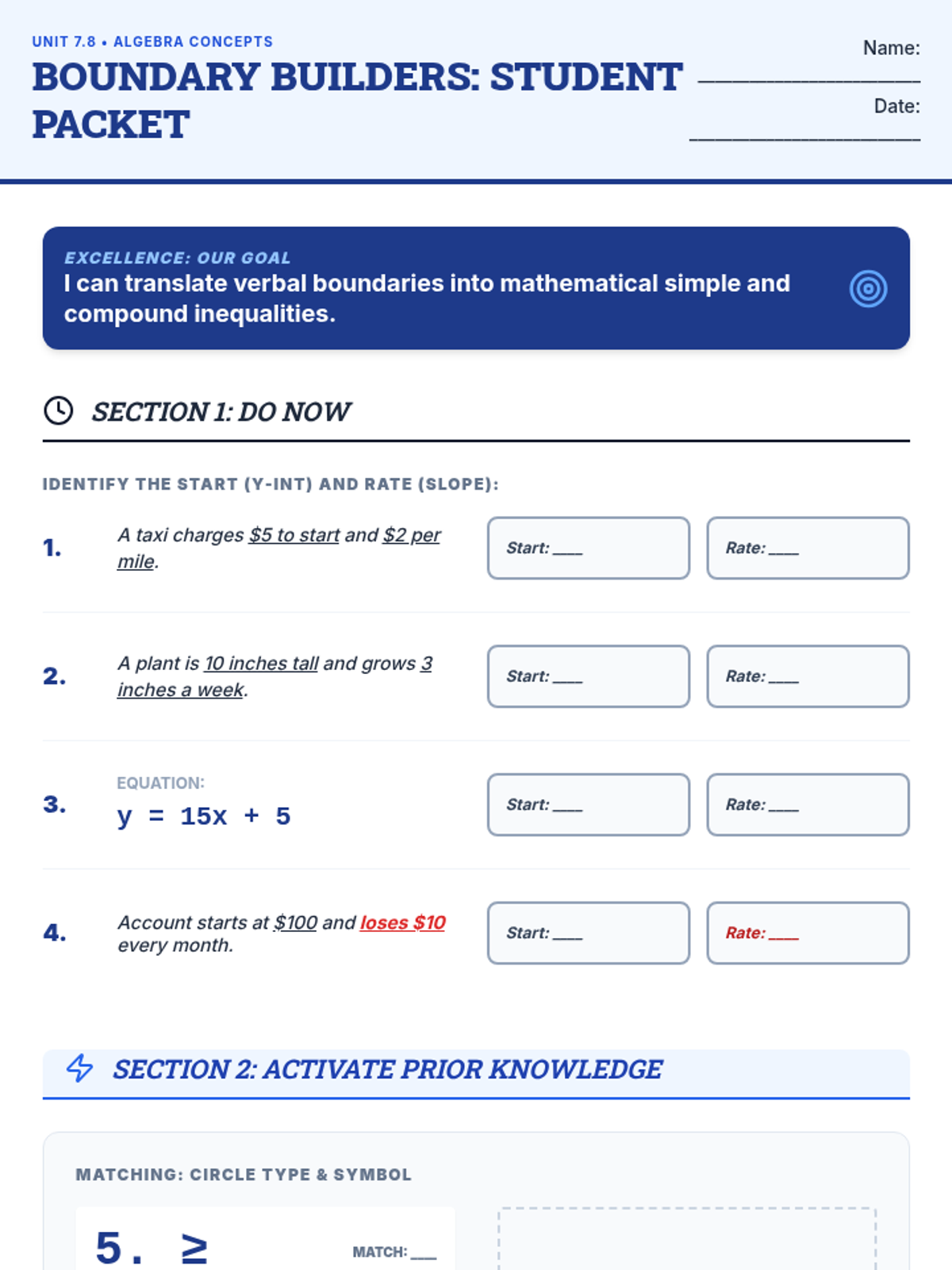
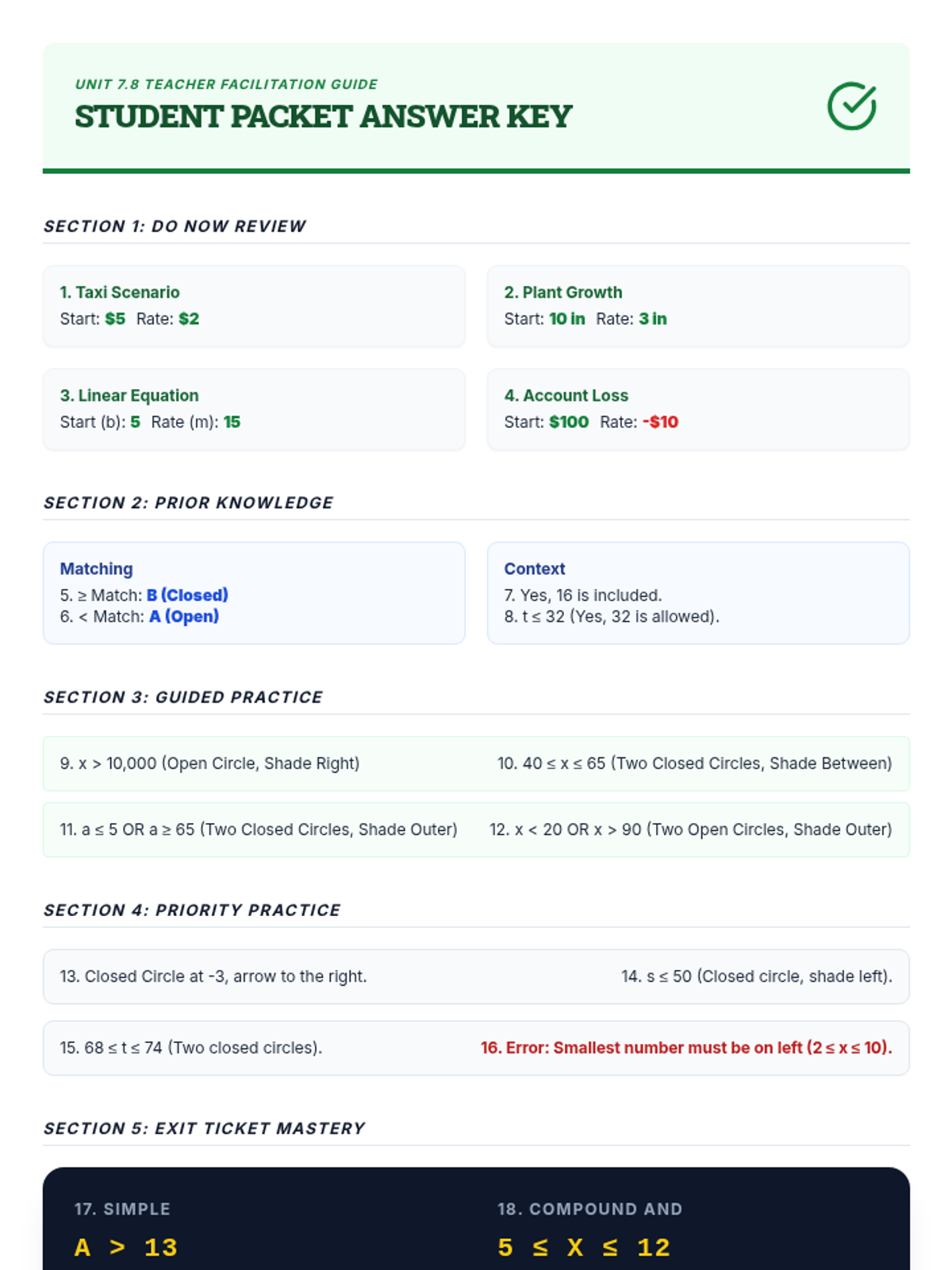
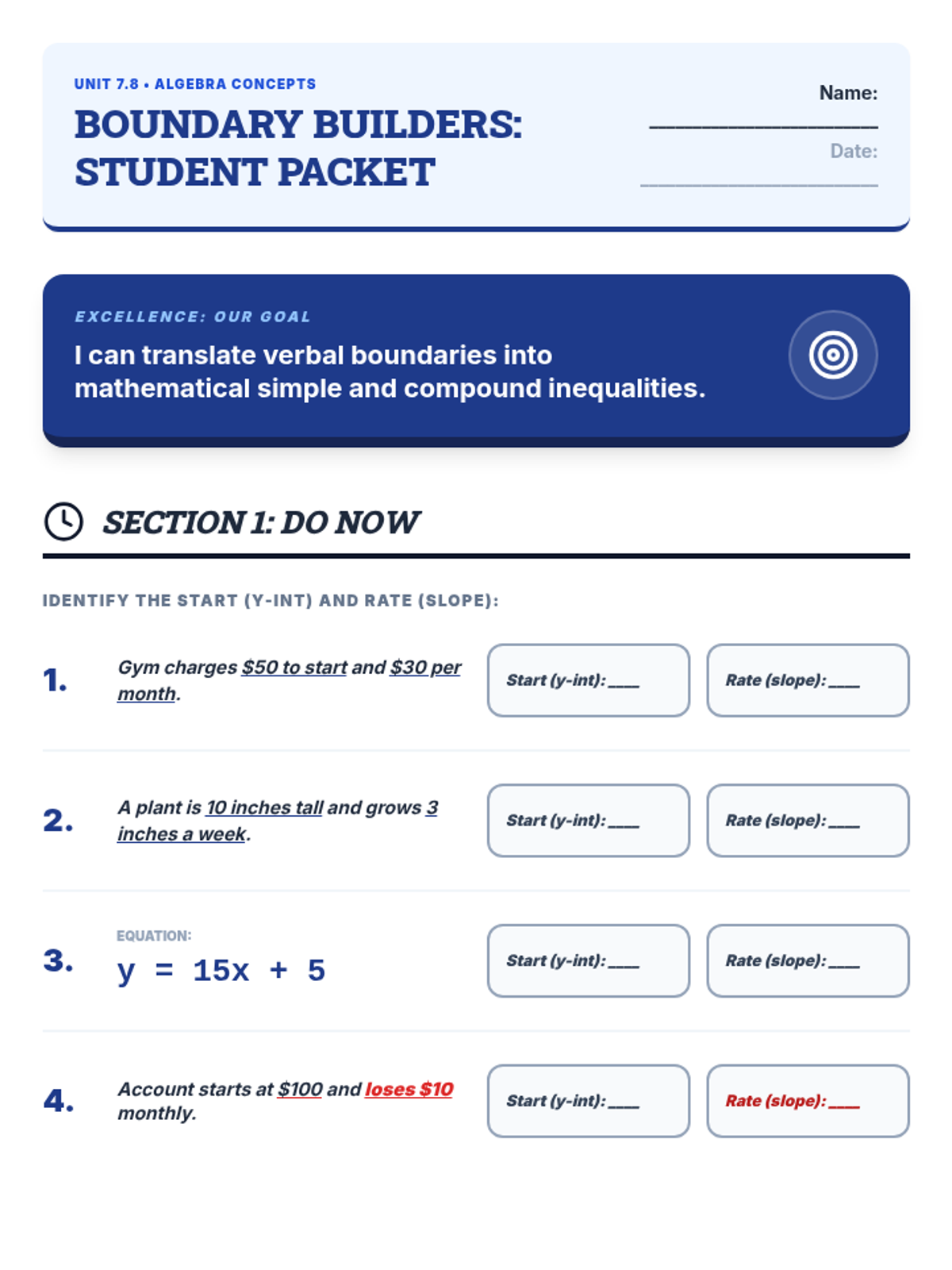
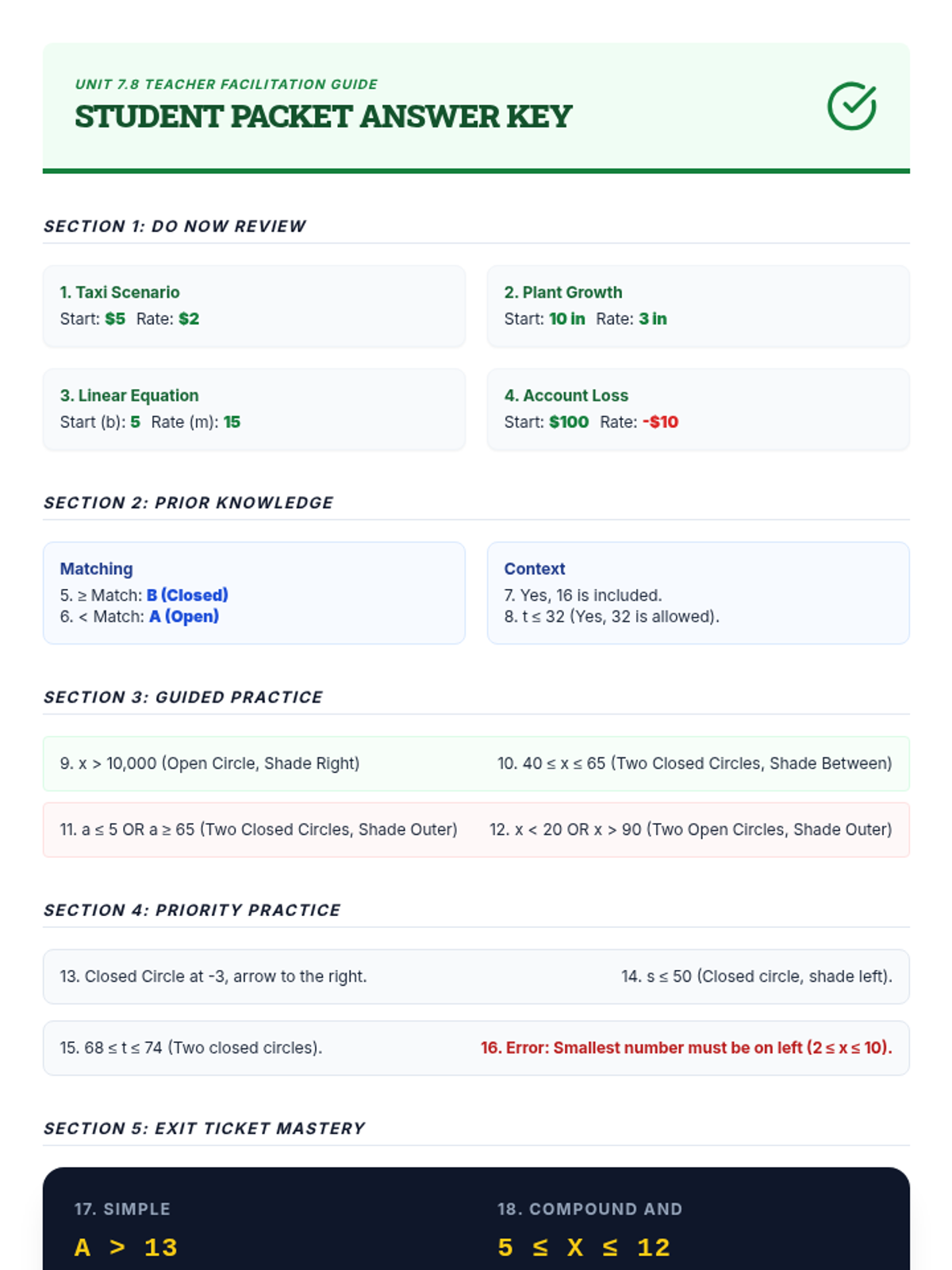
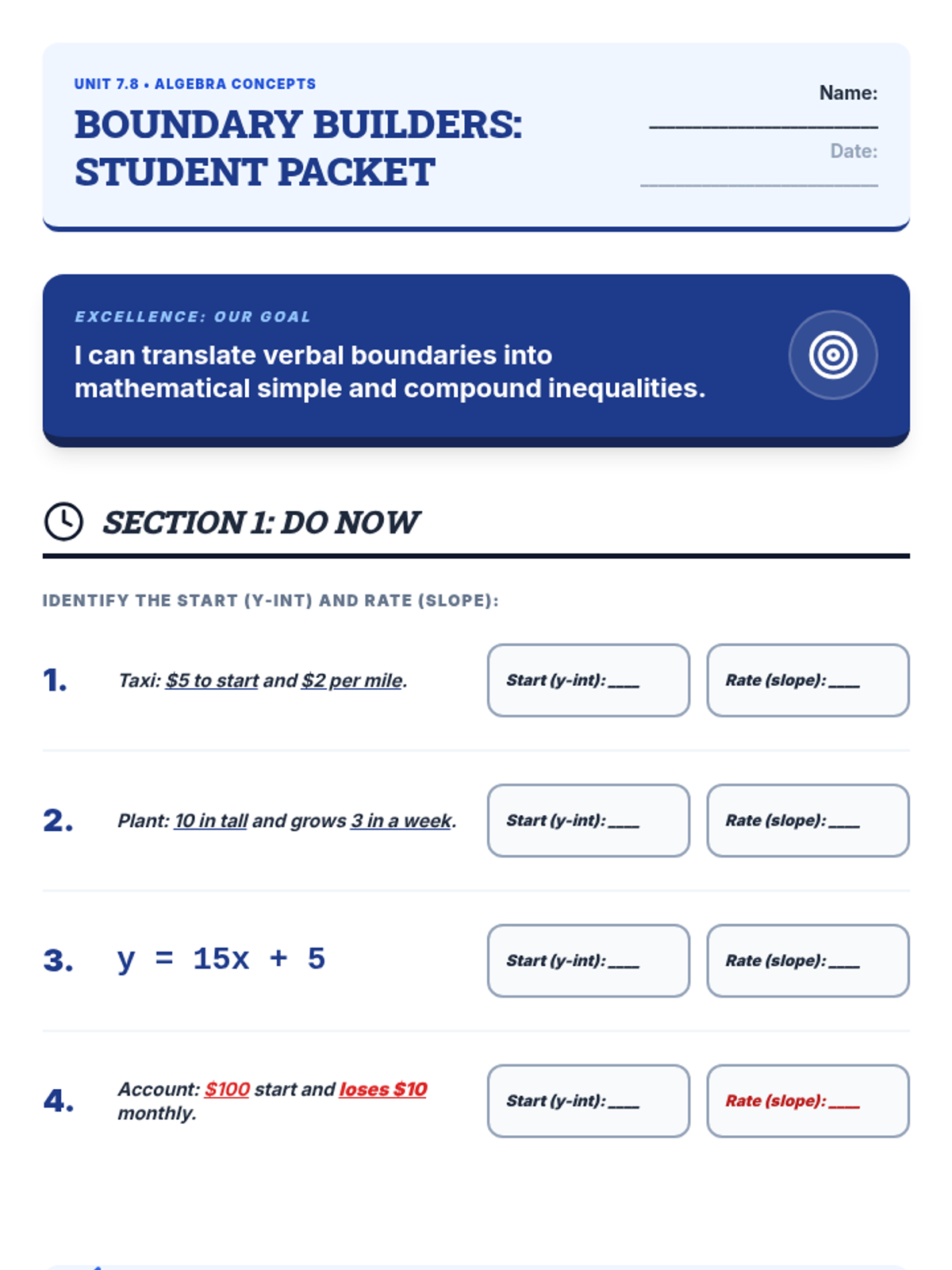
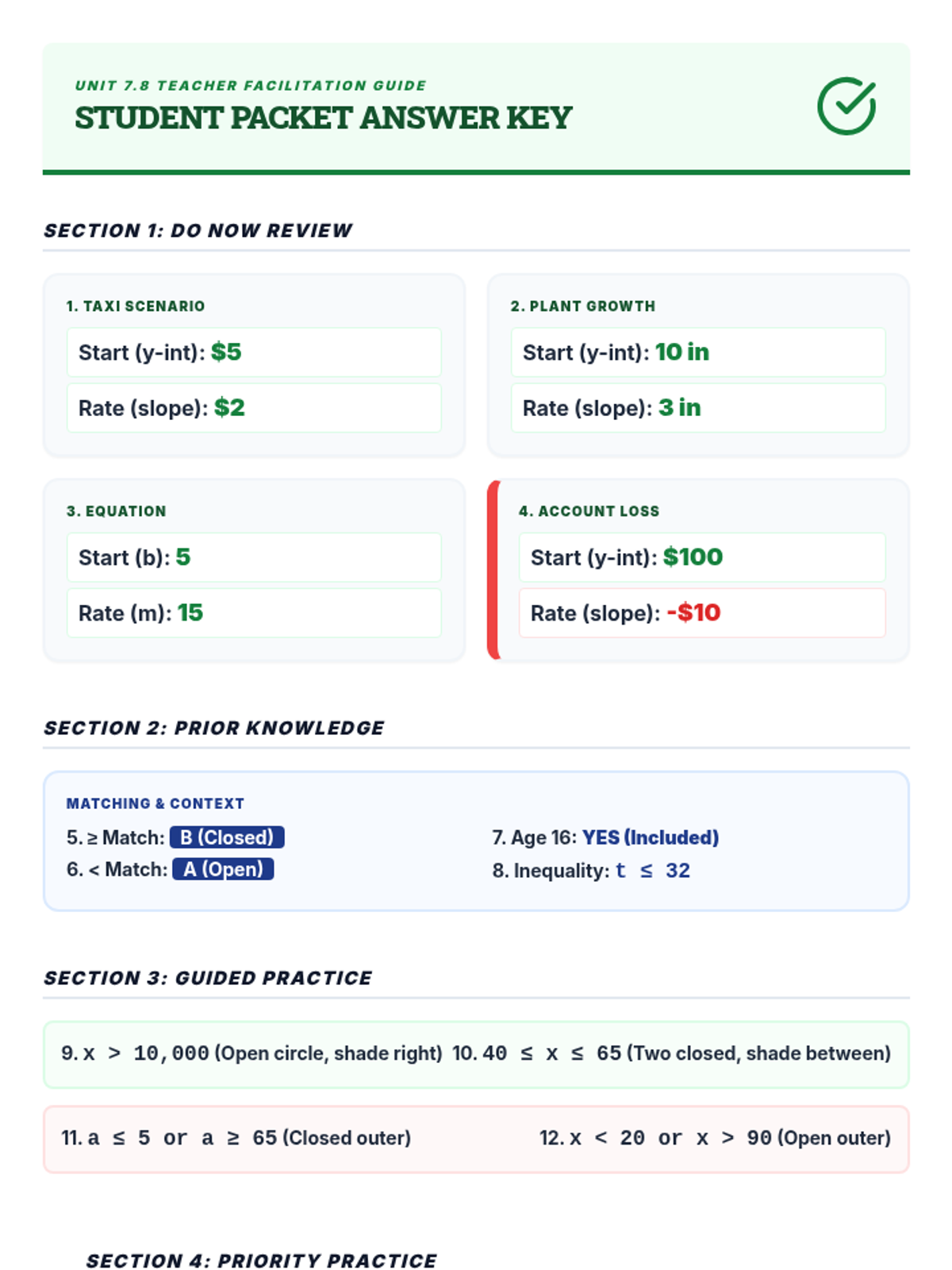
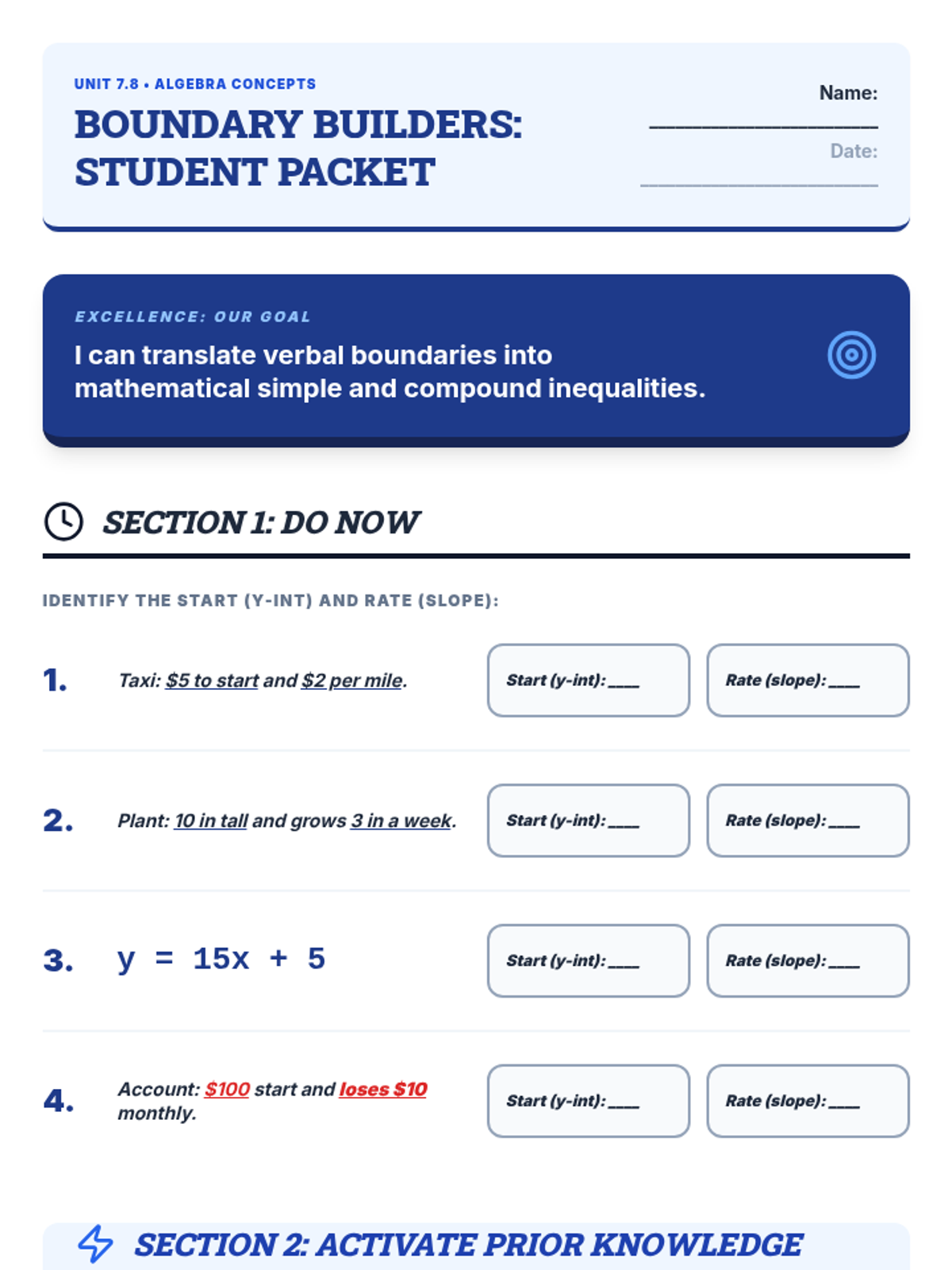
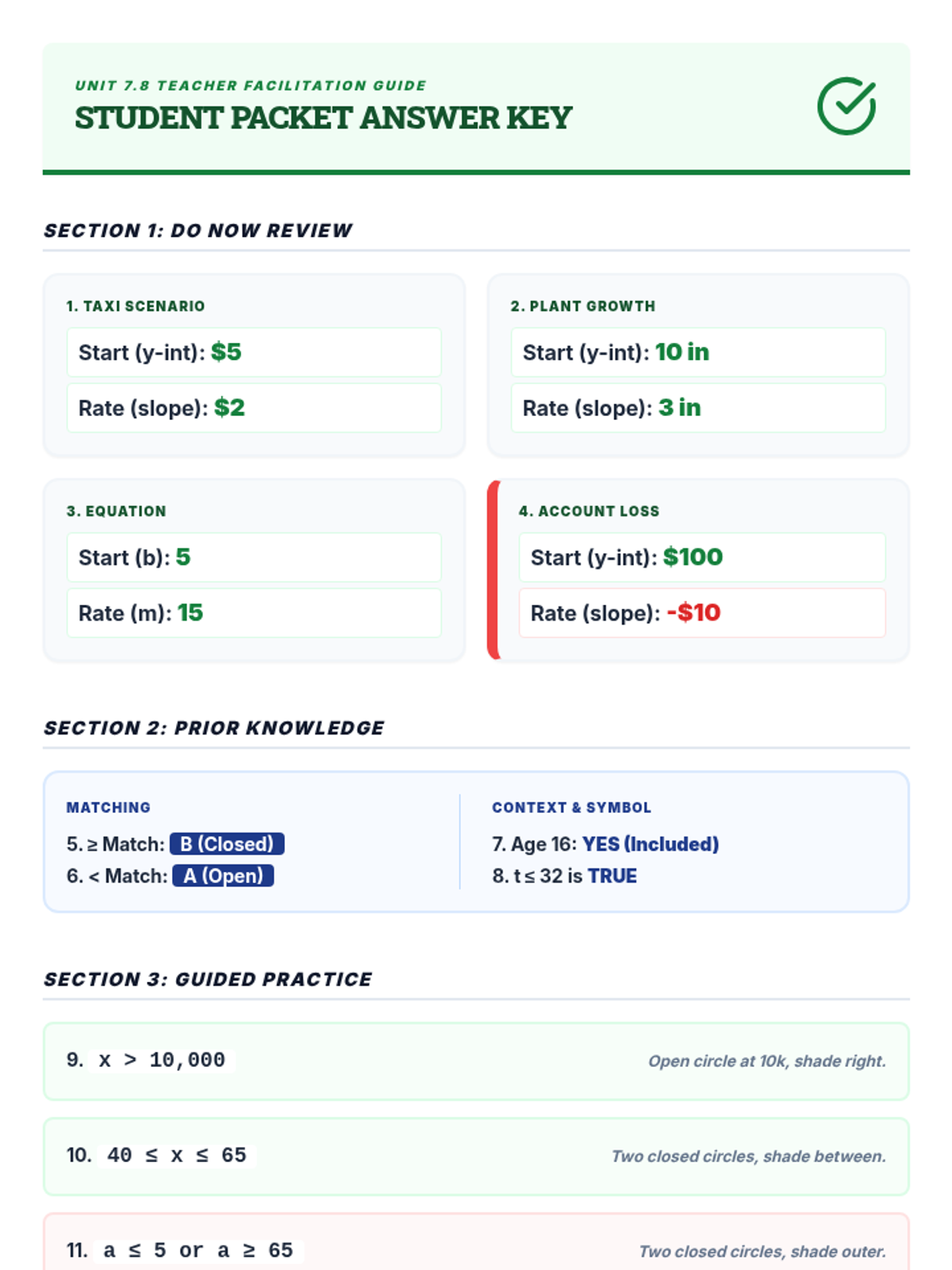
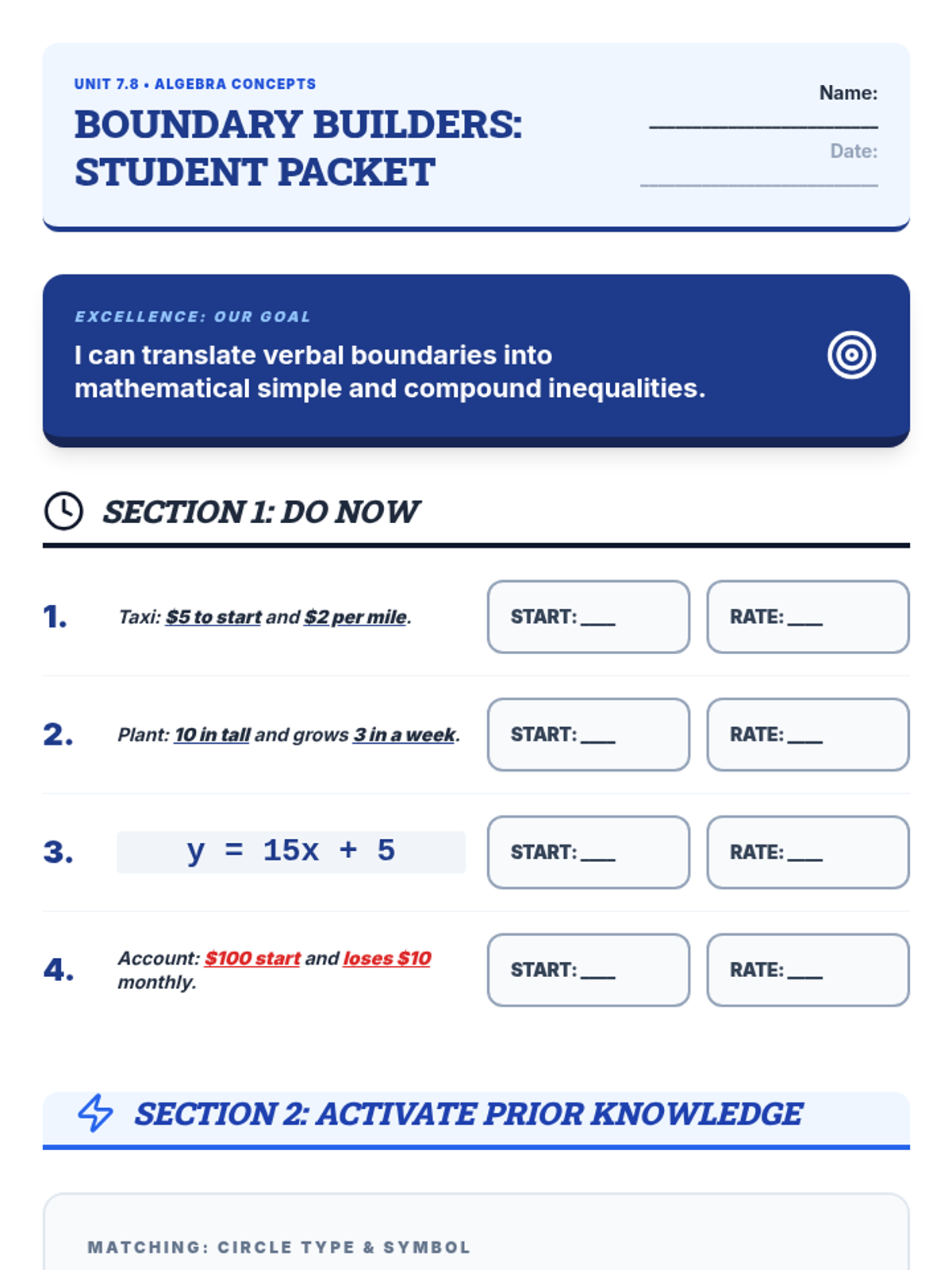
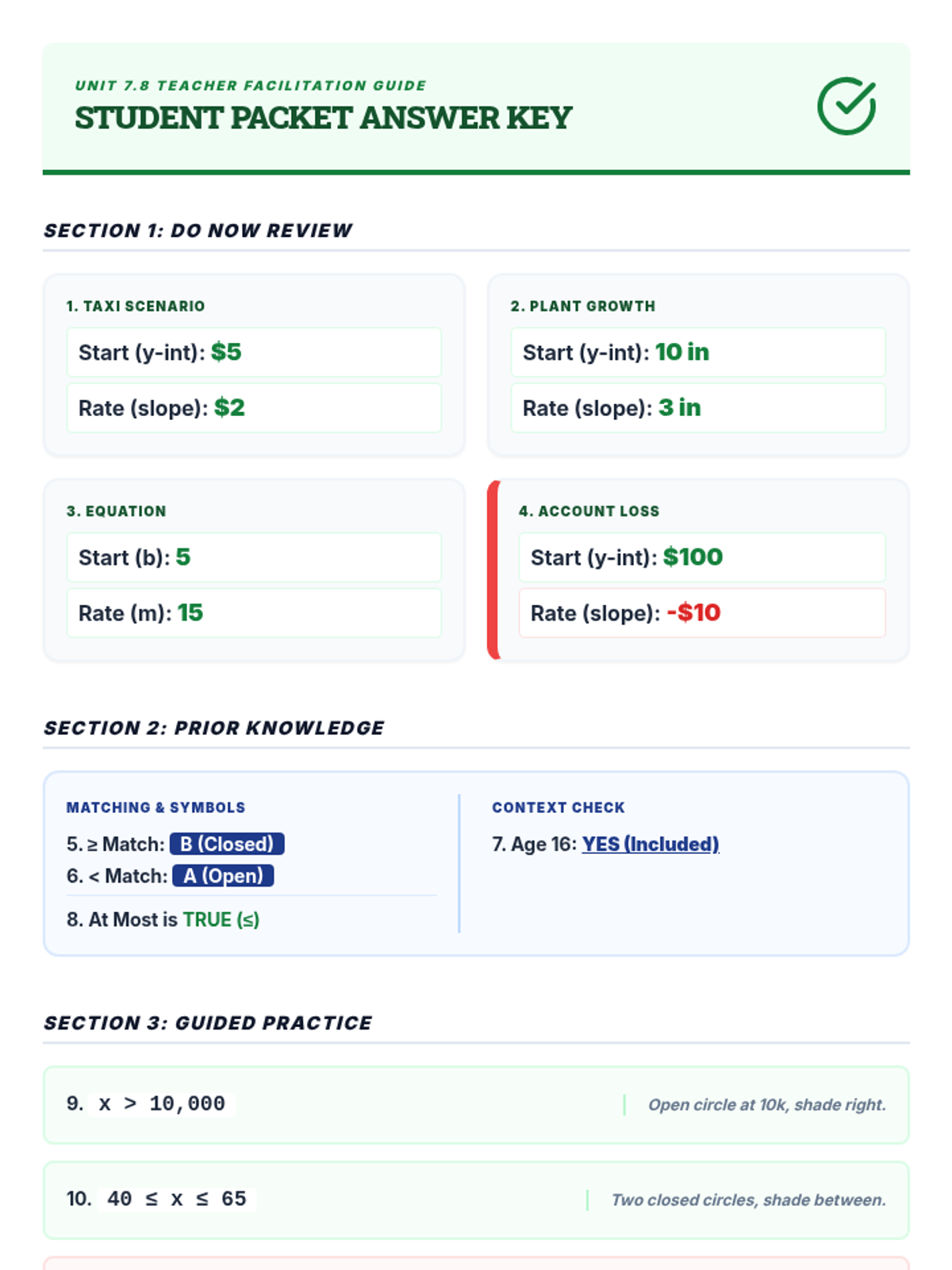
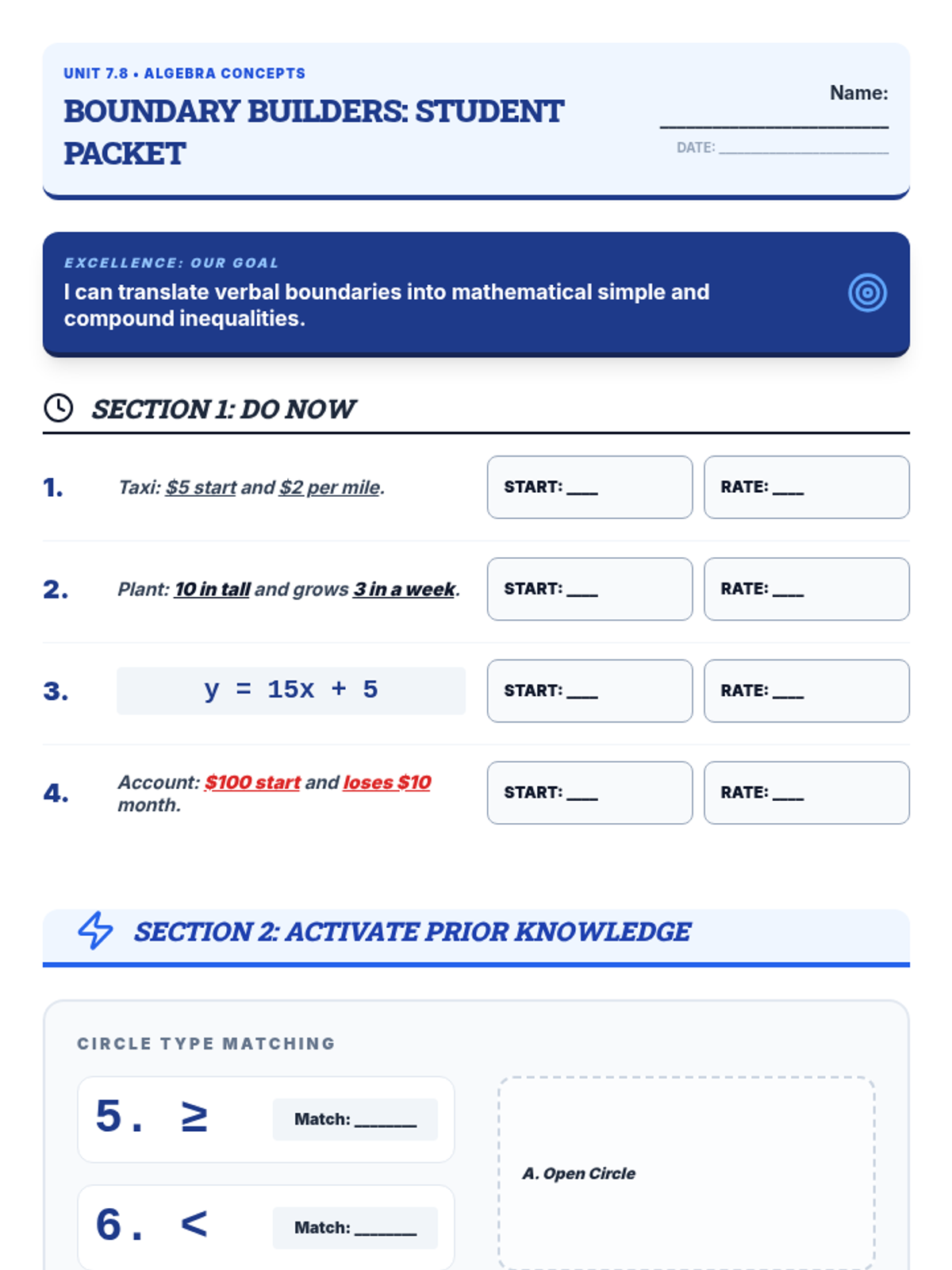
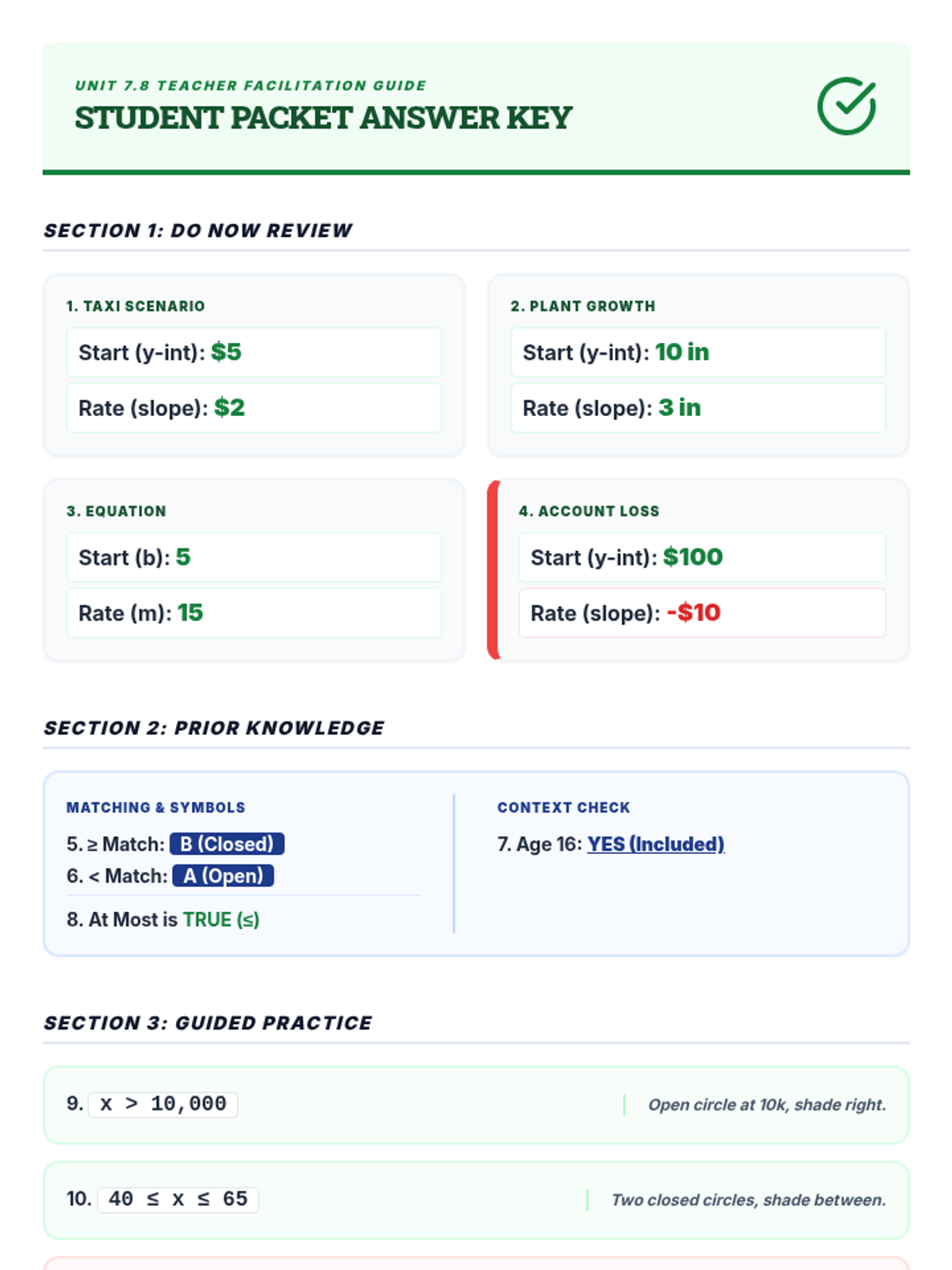
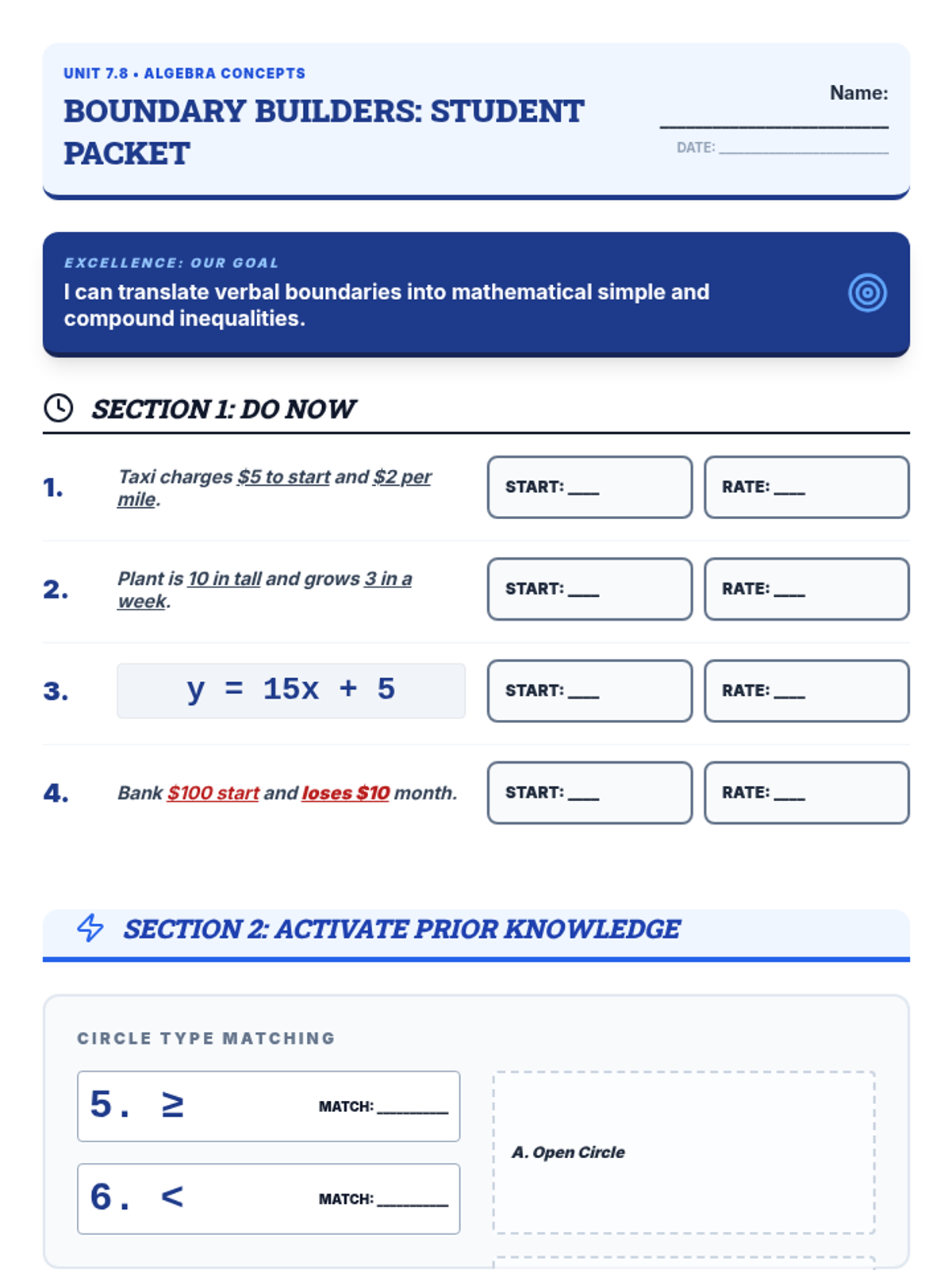
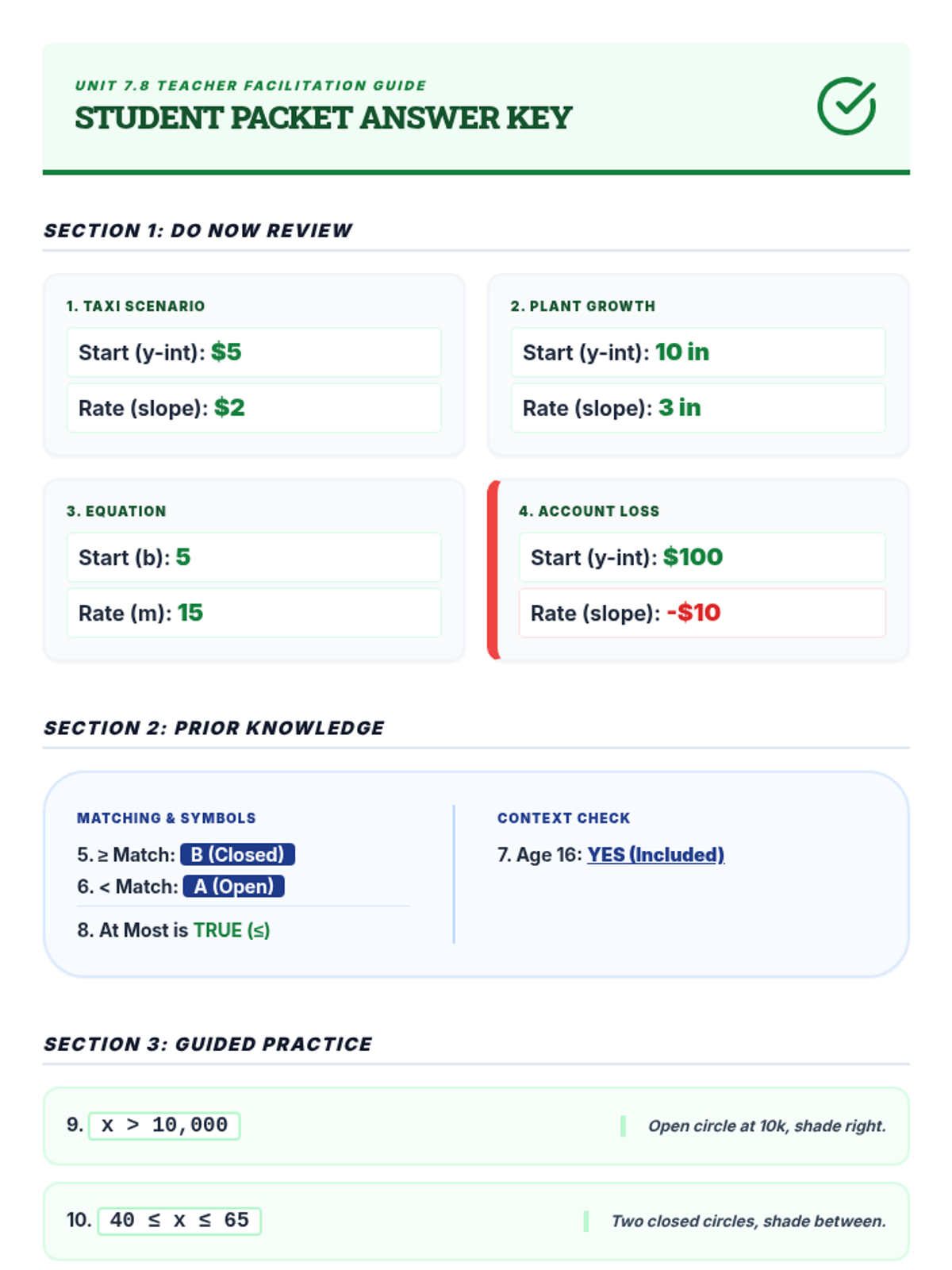
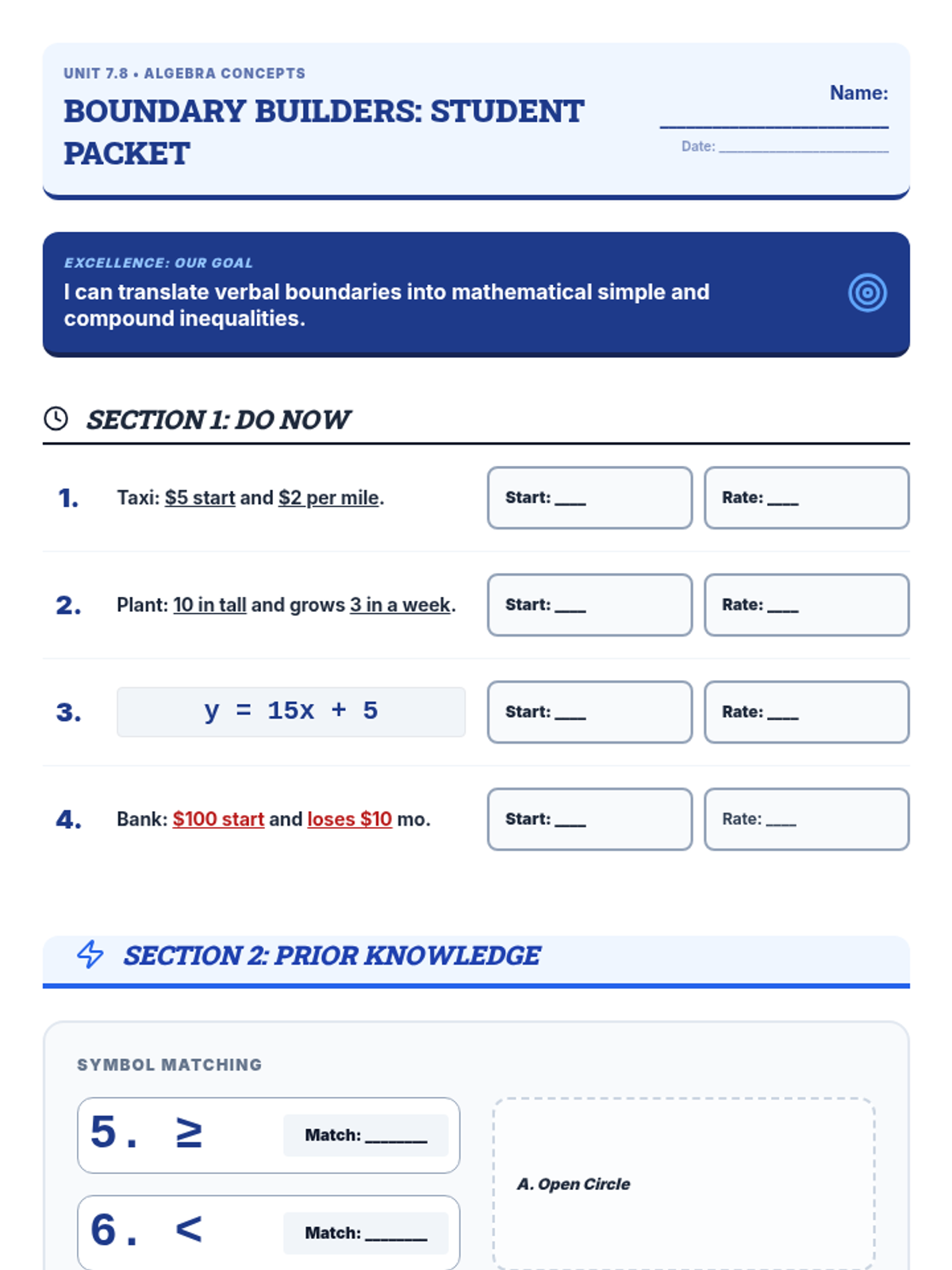
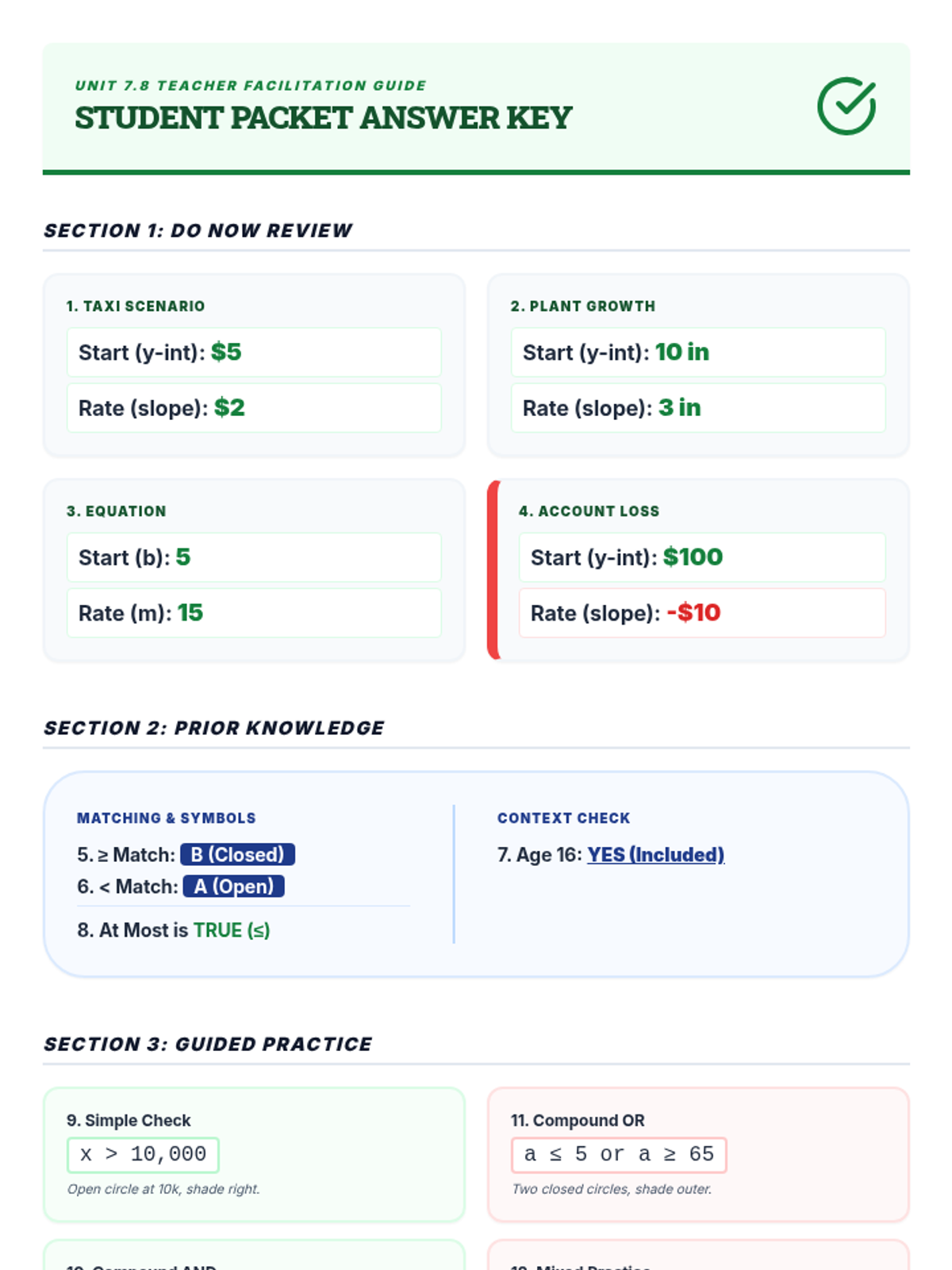
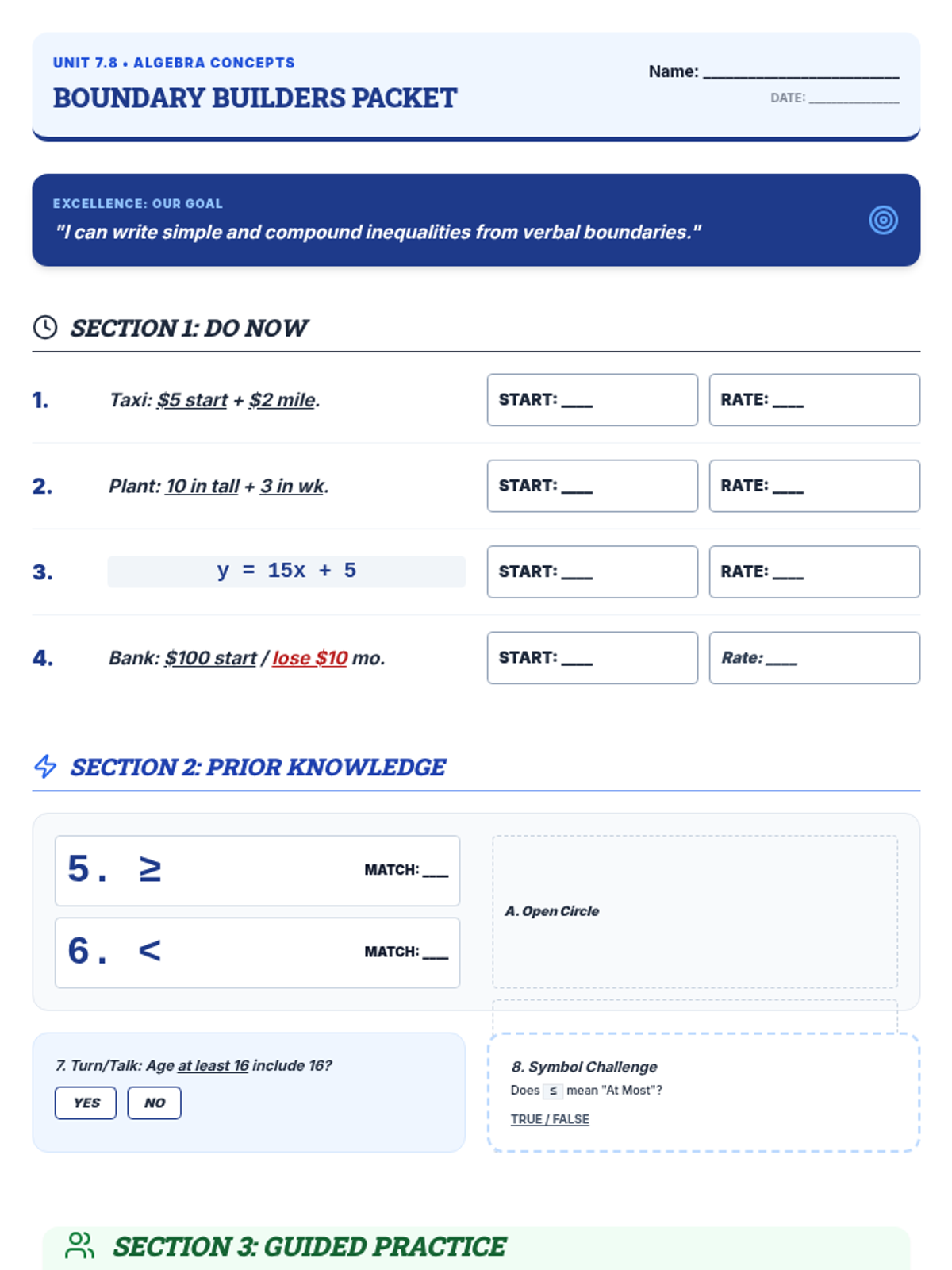
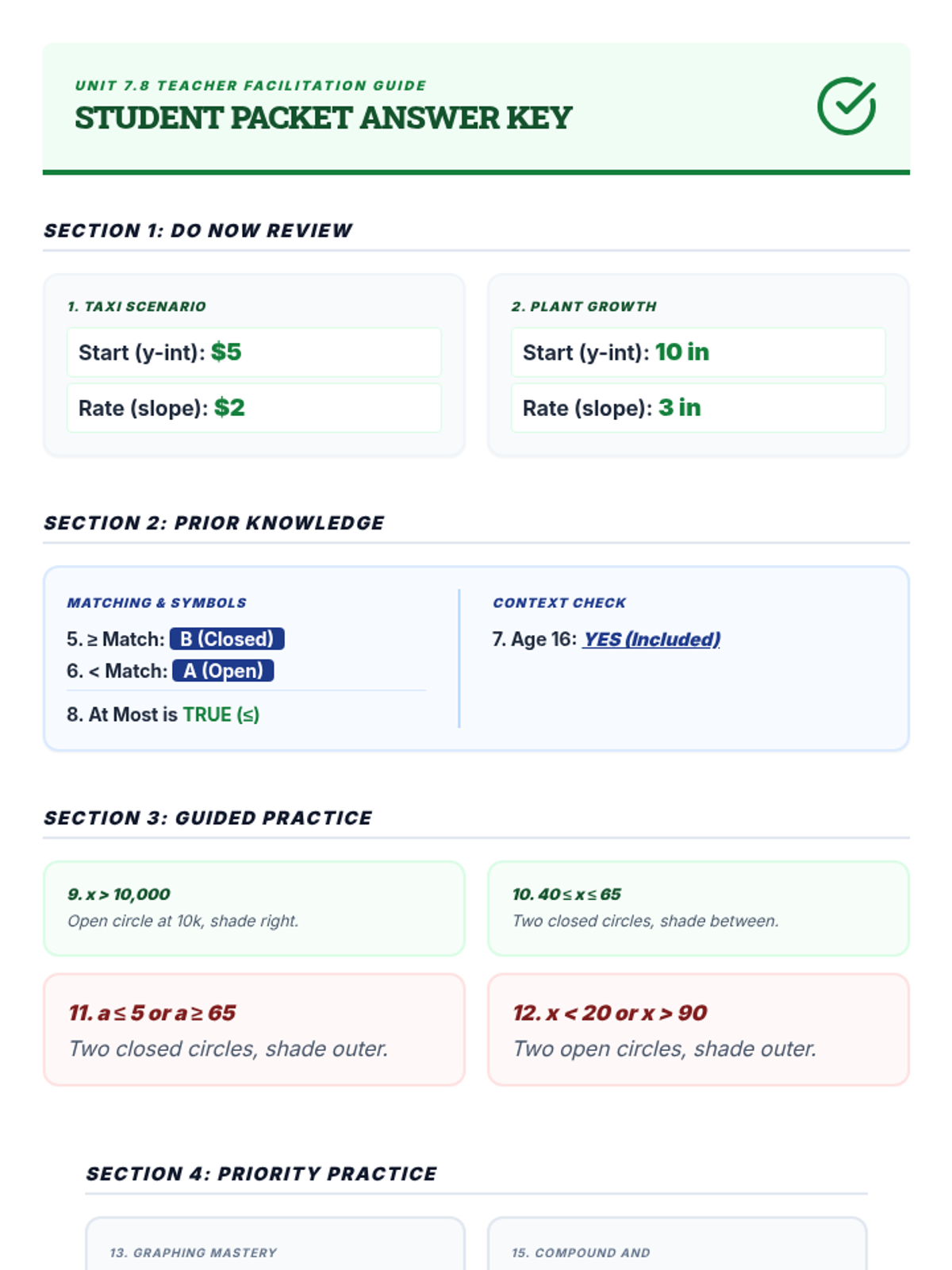
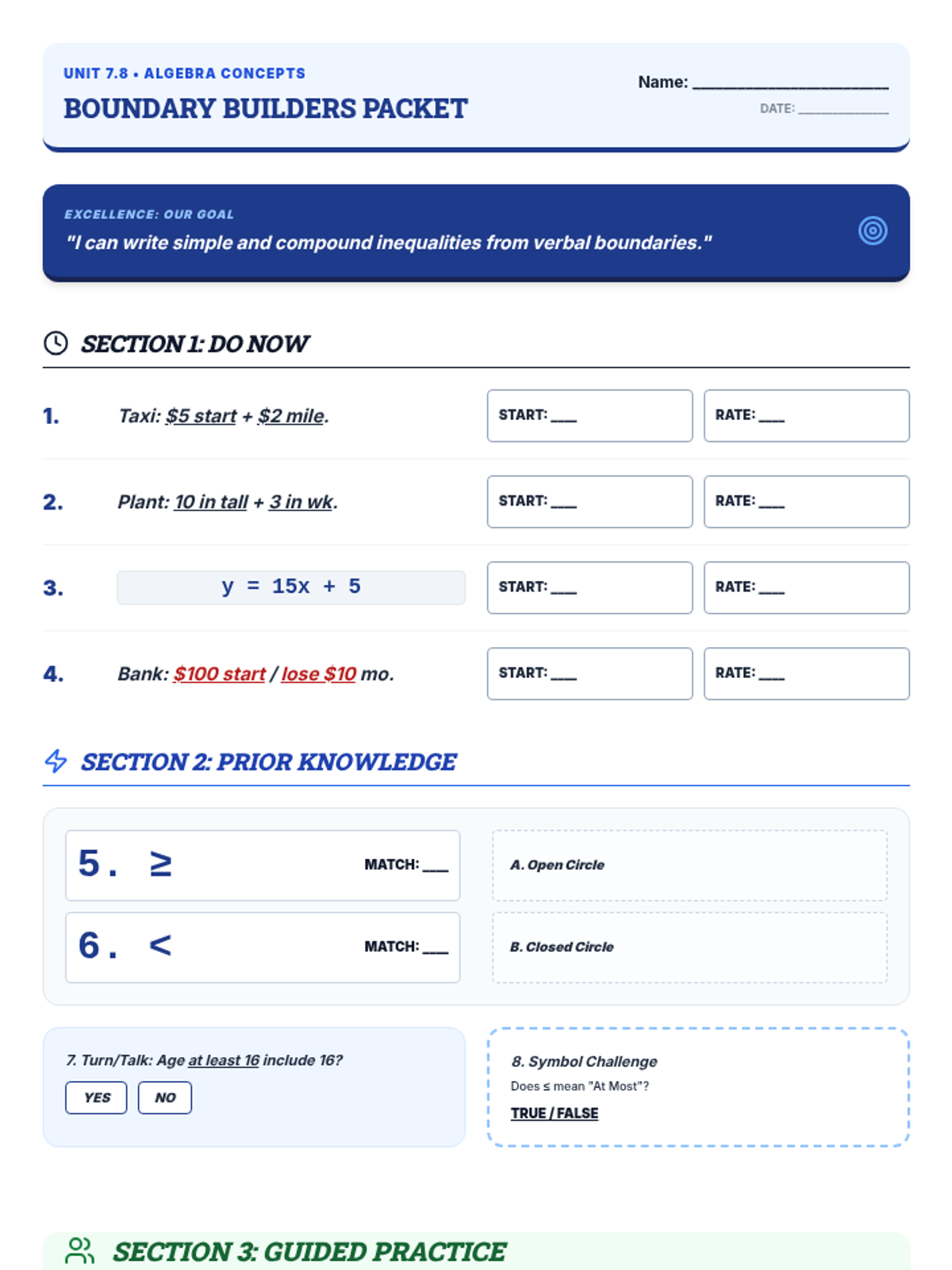
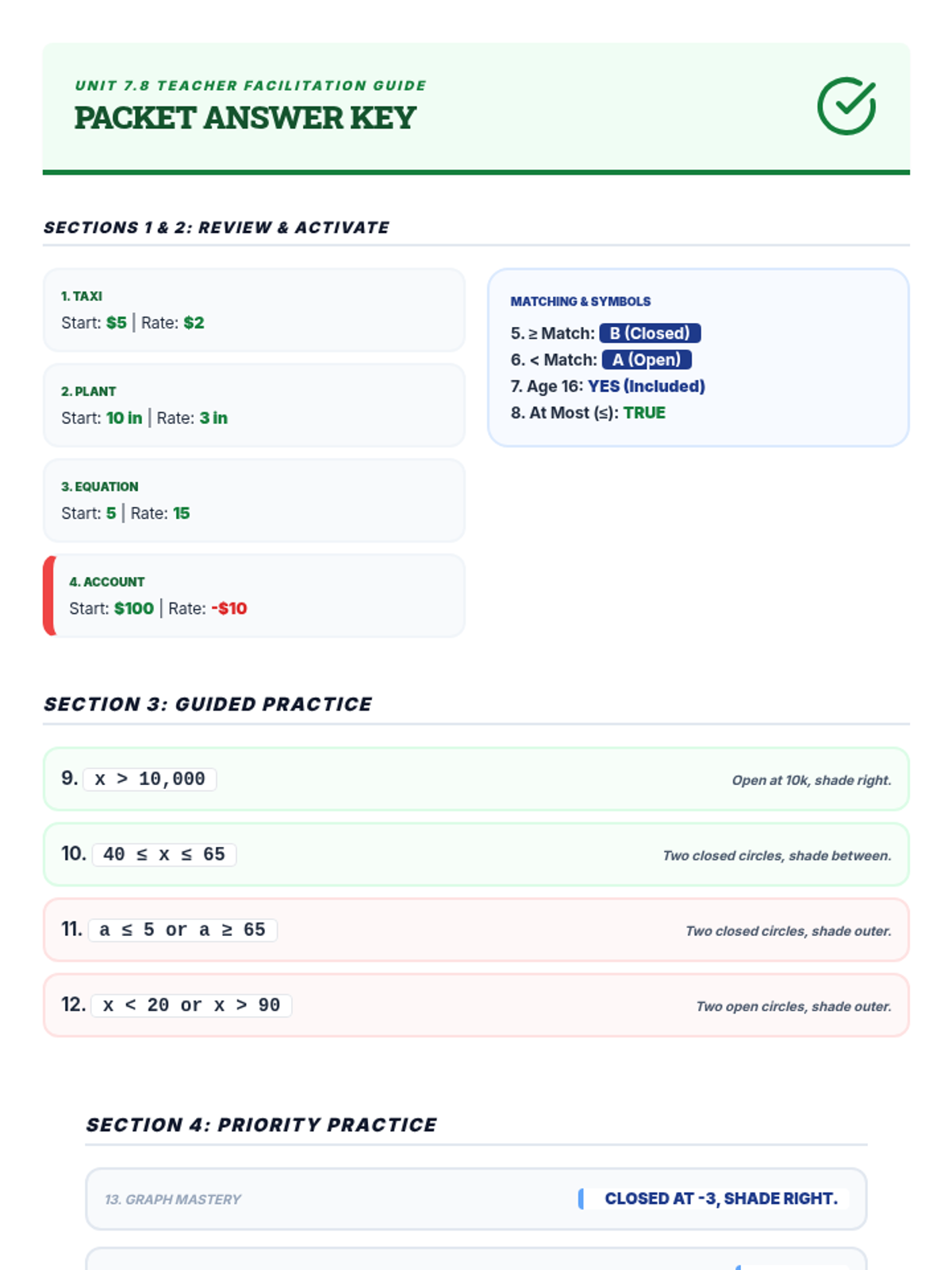
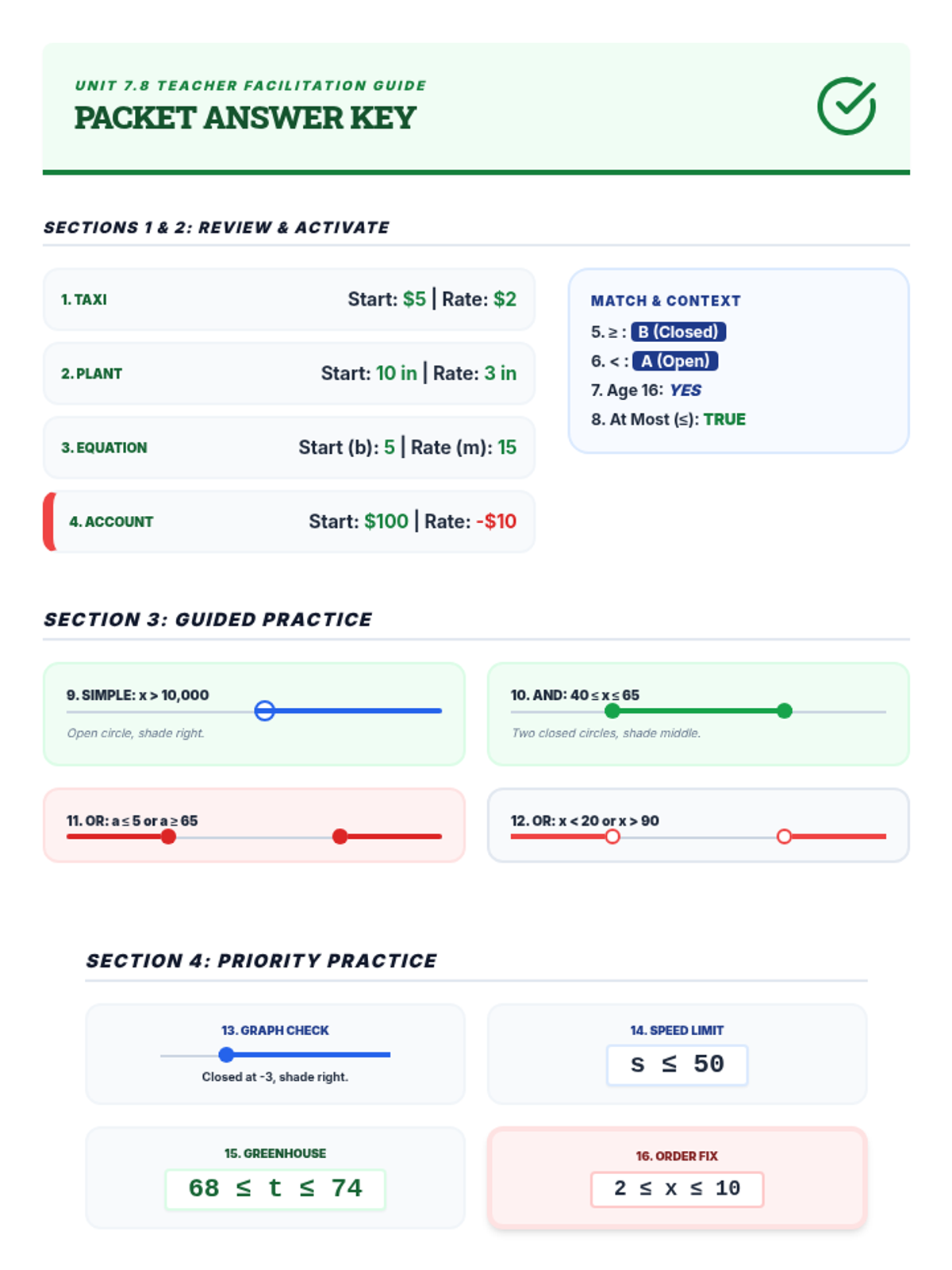
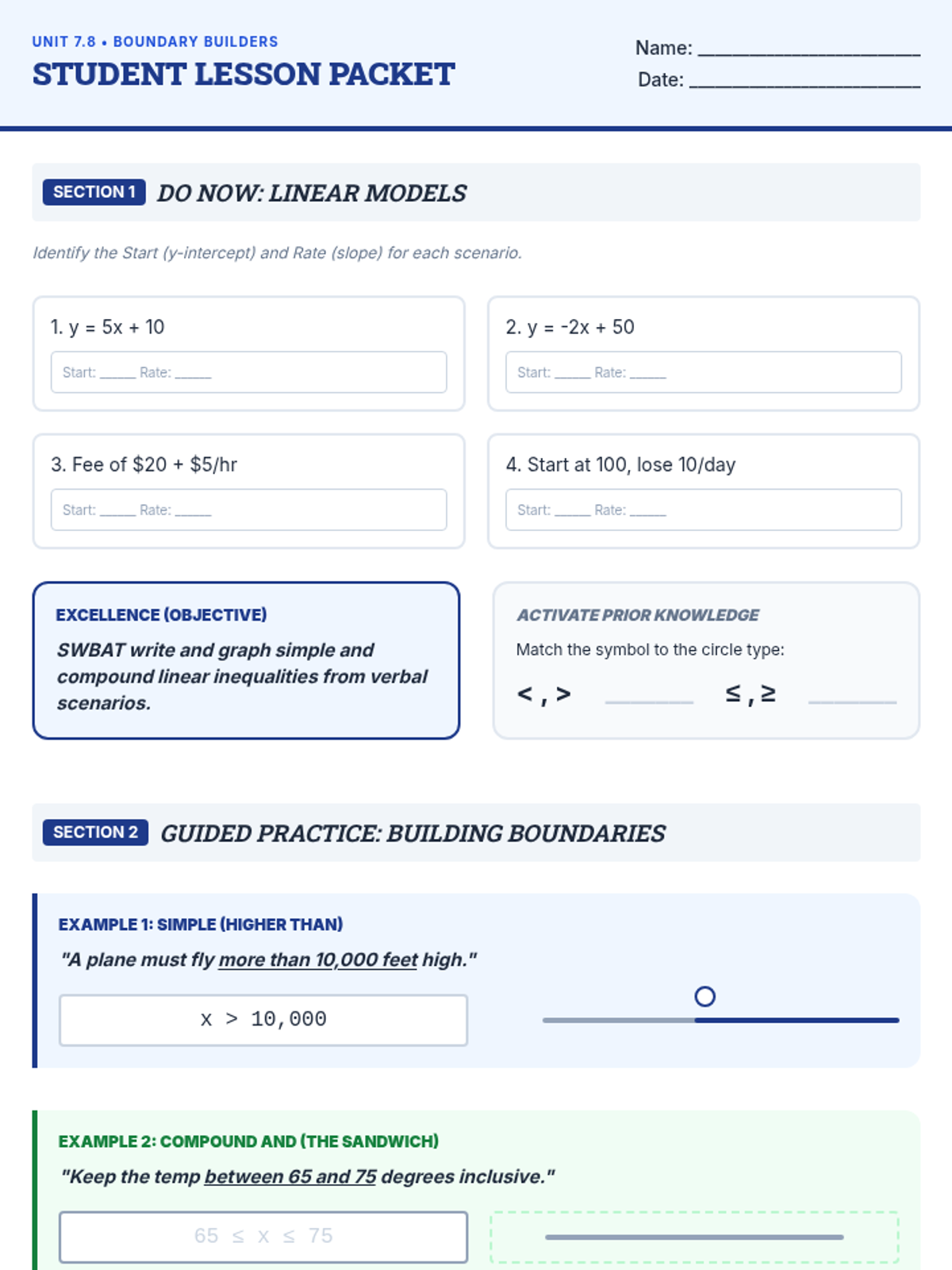
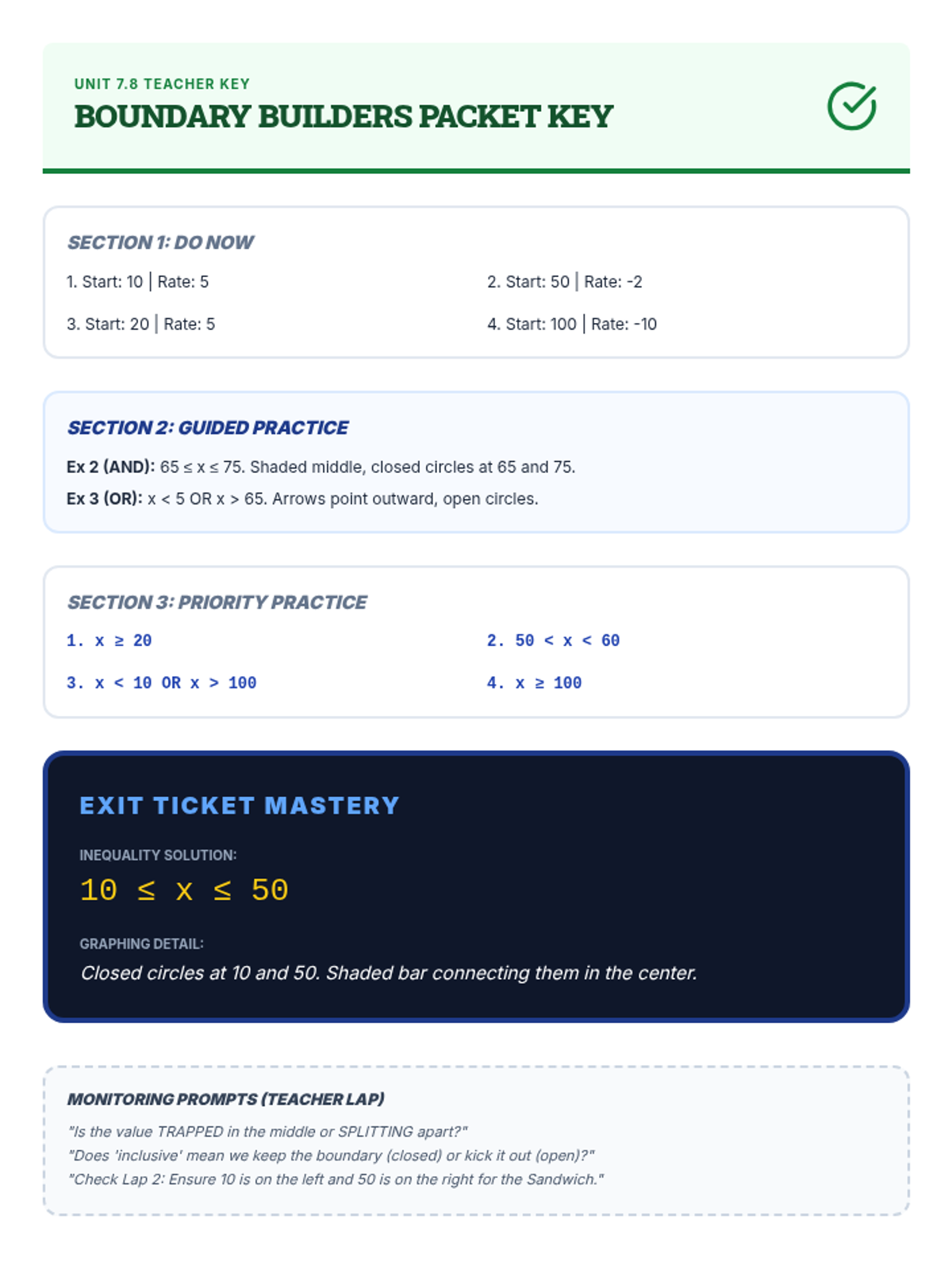
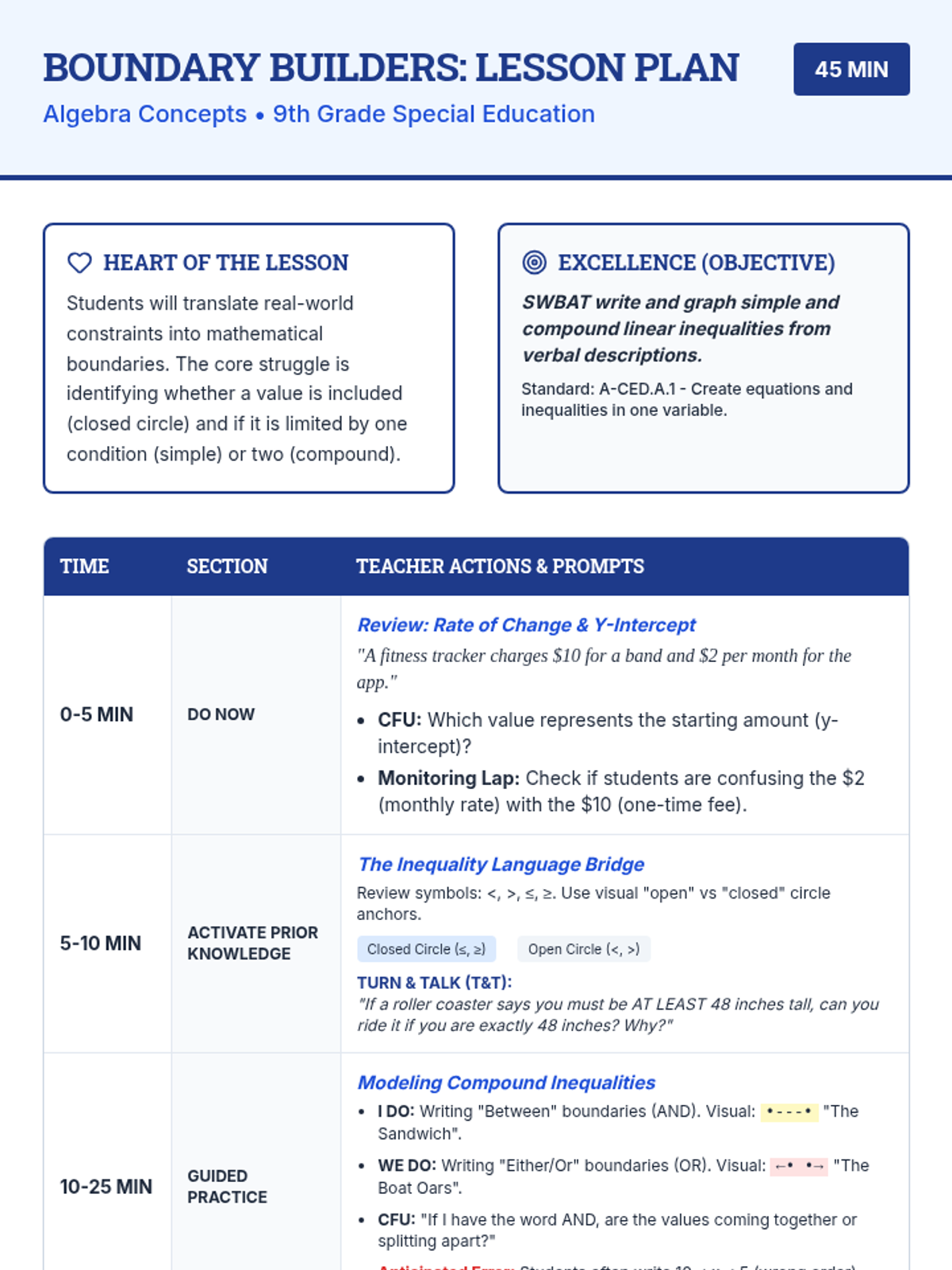
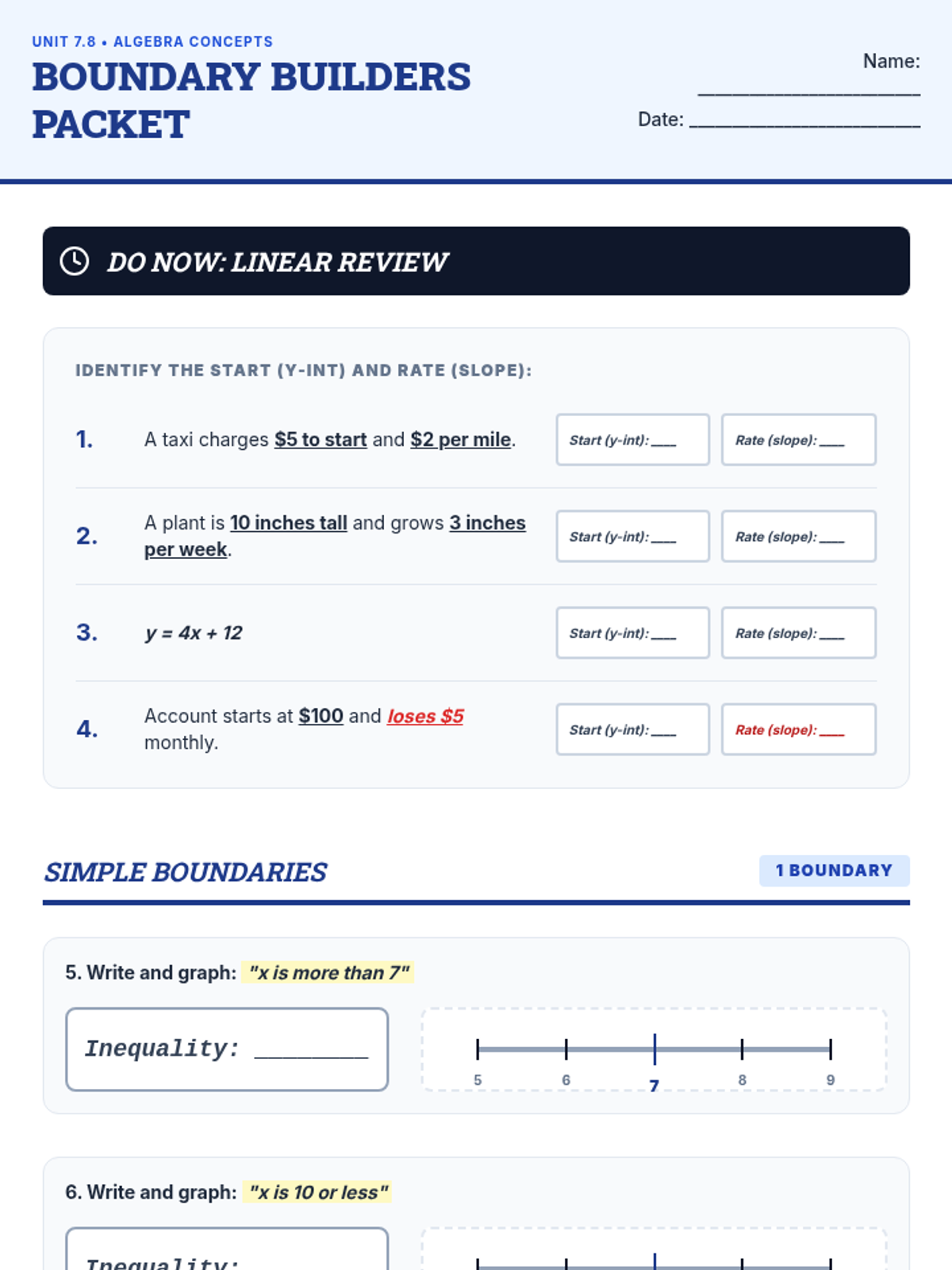
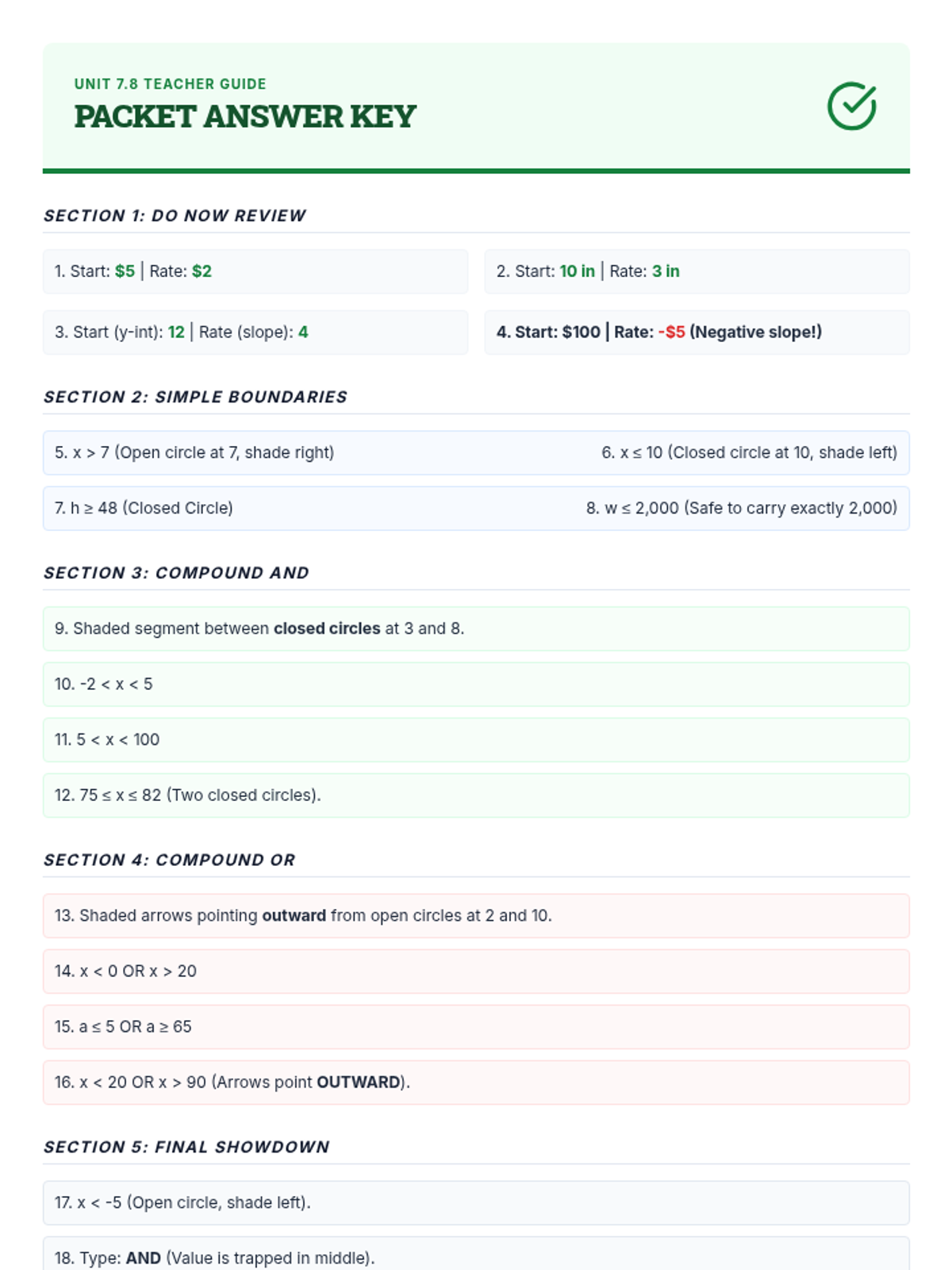
A 45-minute Algebra lesson for 9th-grade IEP students focused on writing simple and compound linear inequalities. This North Star Academy-style lesson uses visual aids and structured scaffolds to help students translate verbal scenarios into mathematical boundaries.
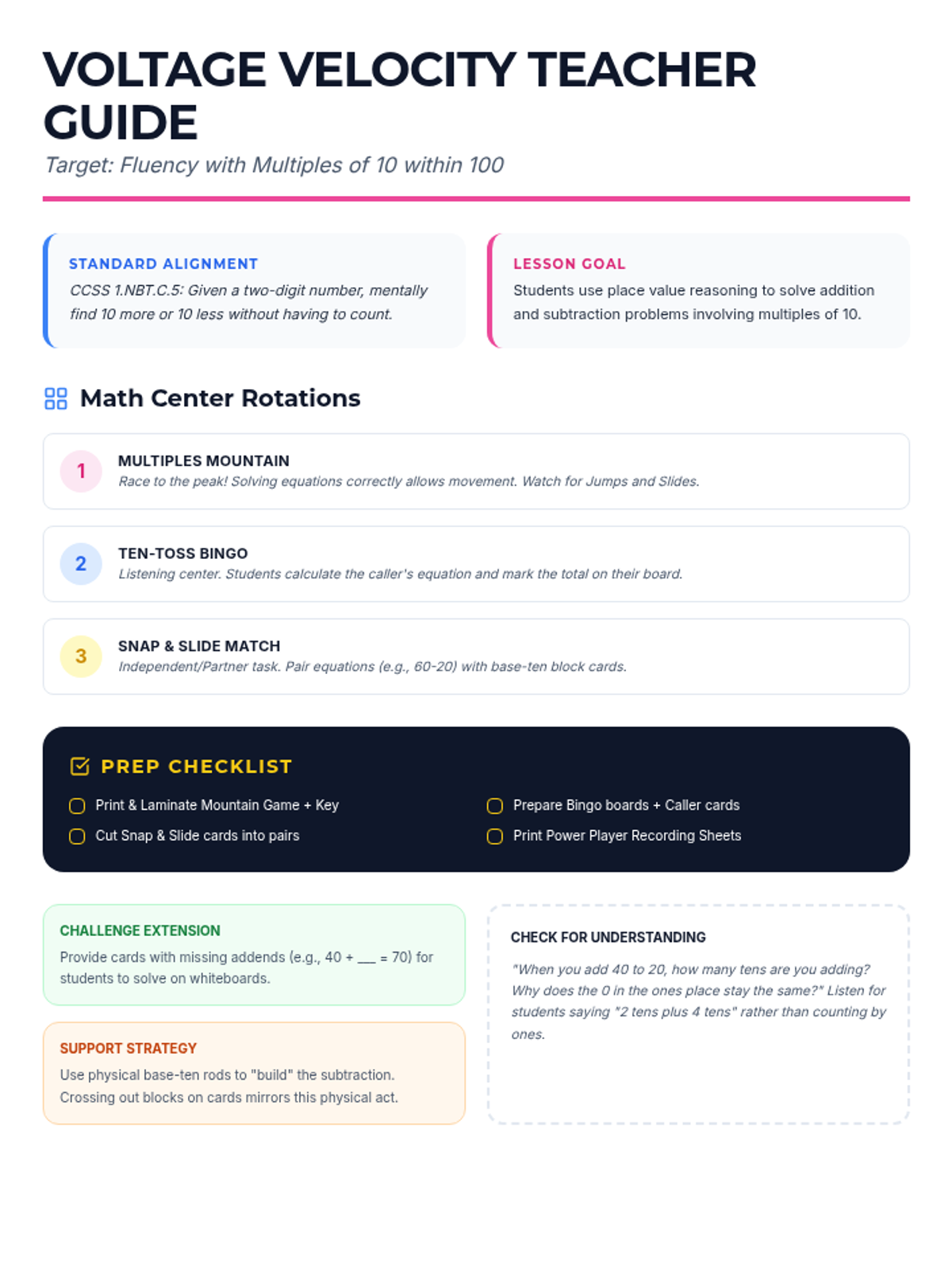
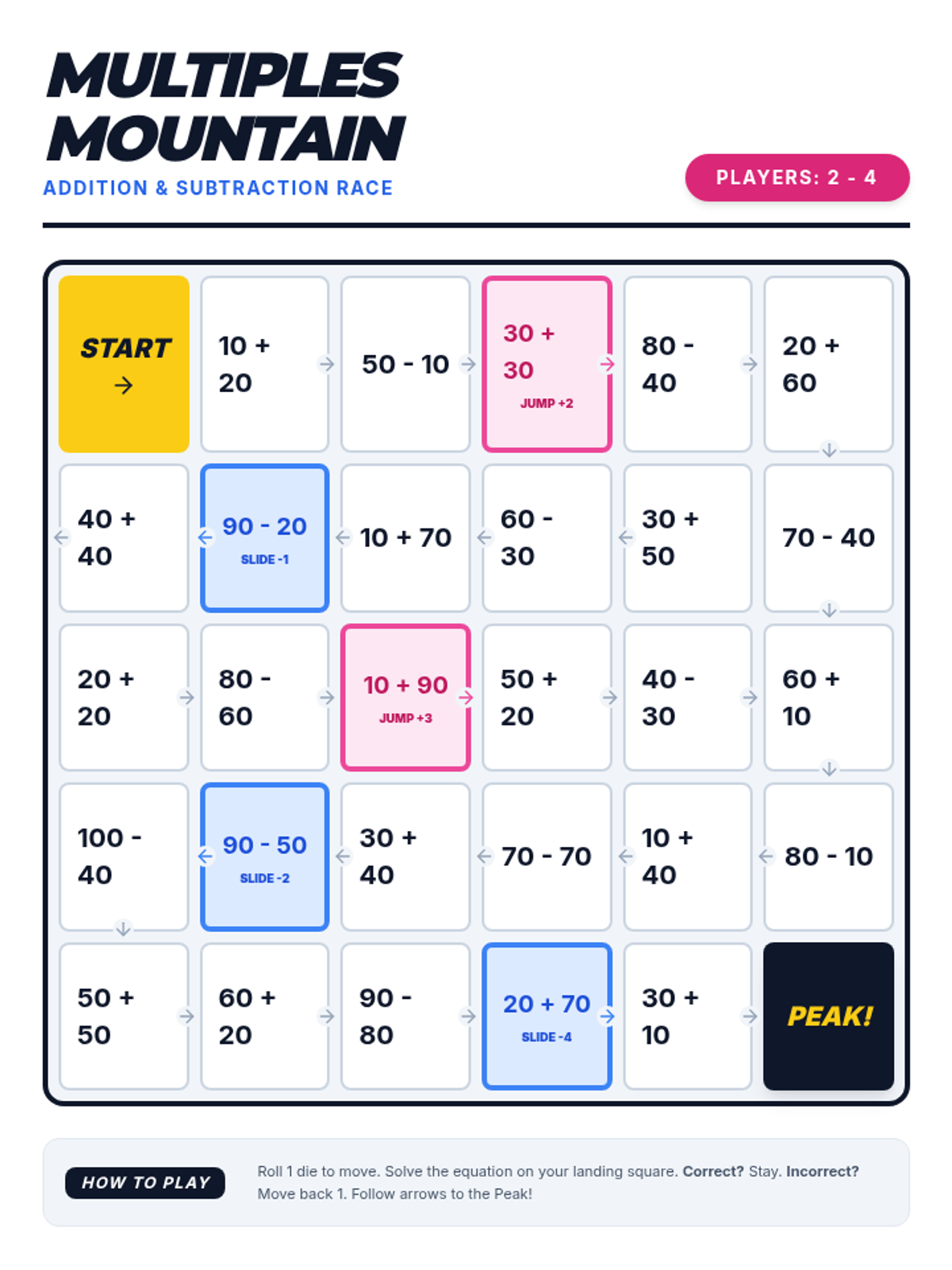
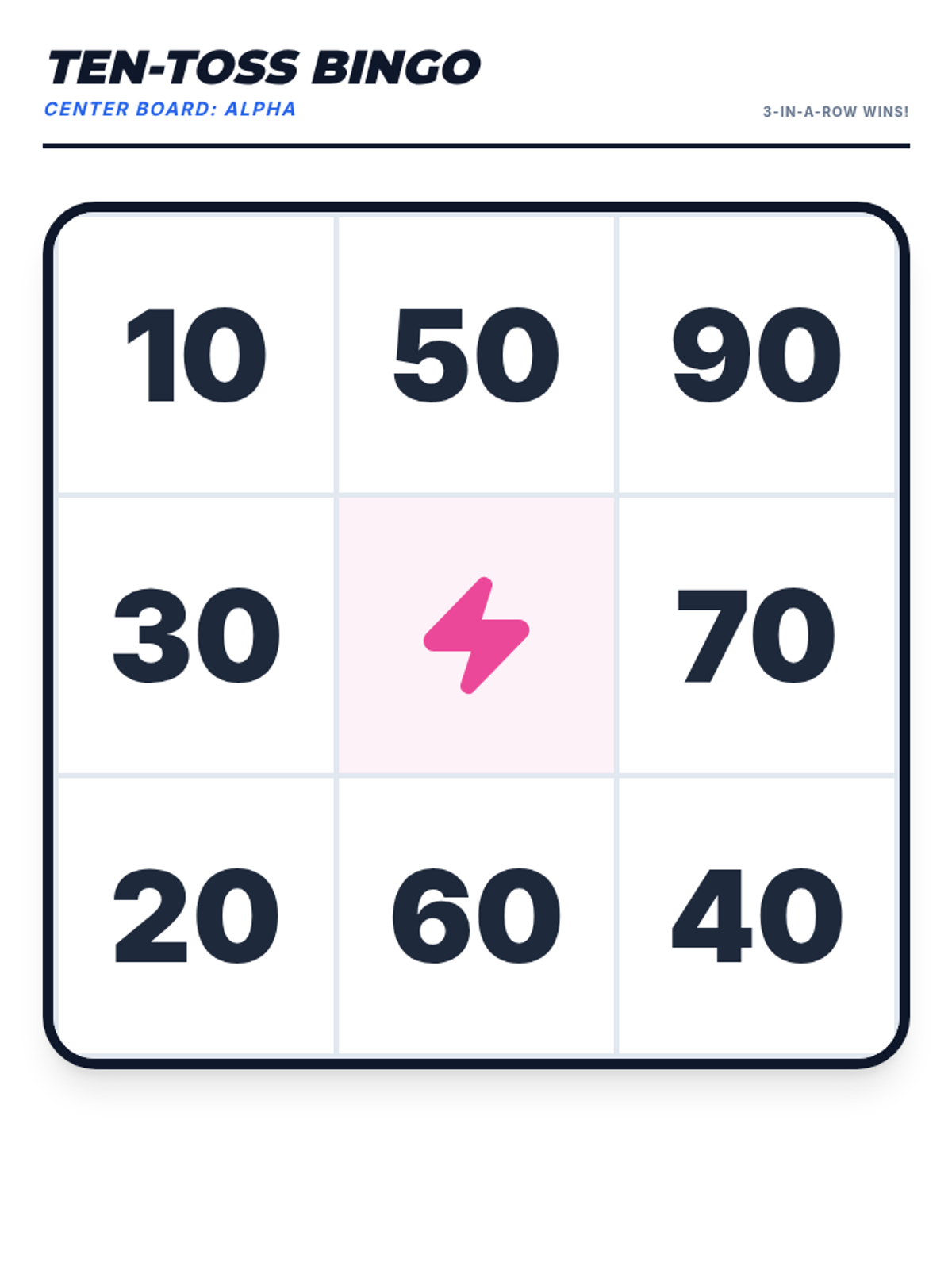
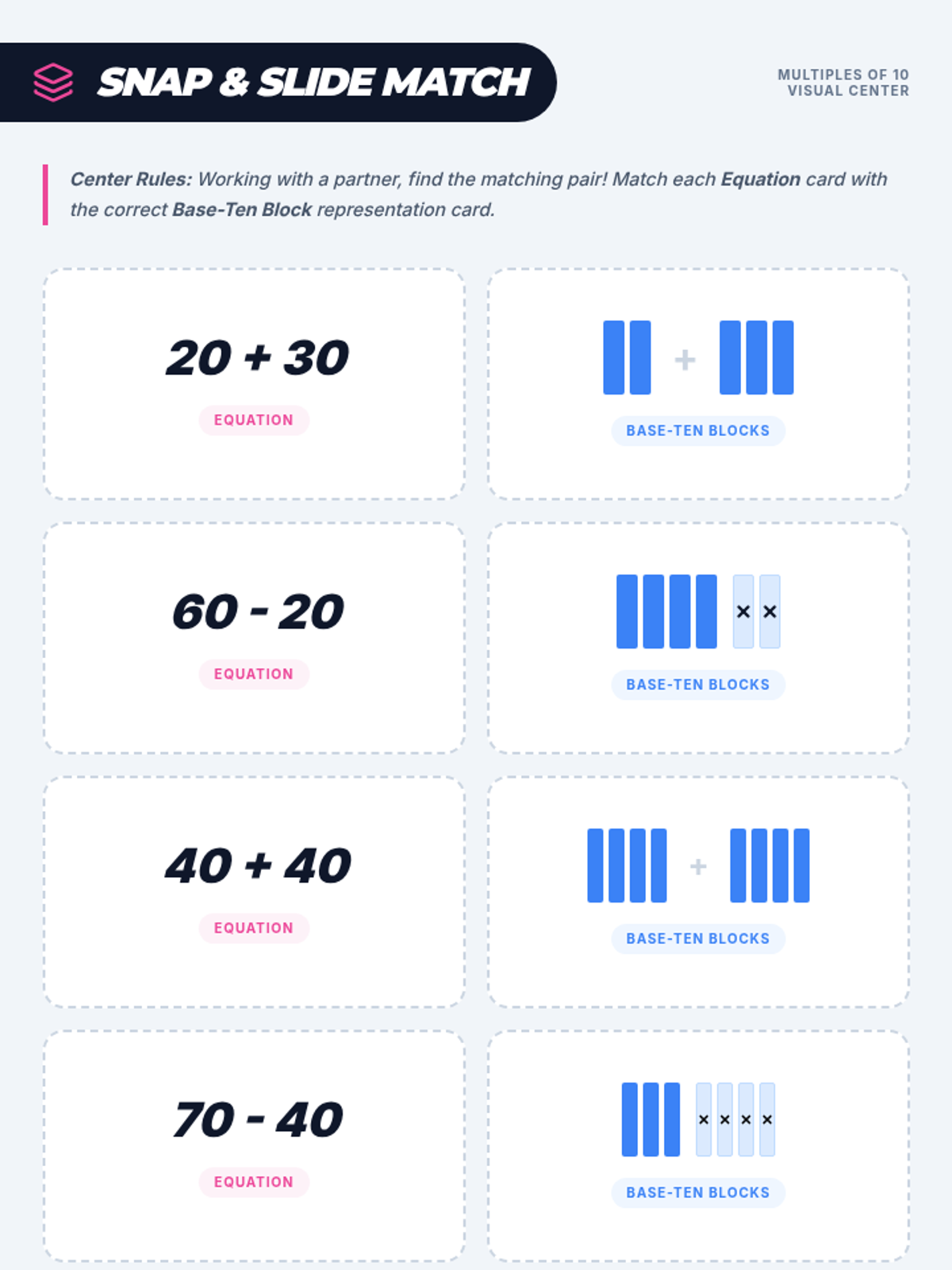
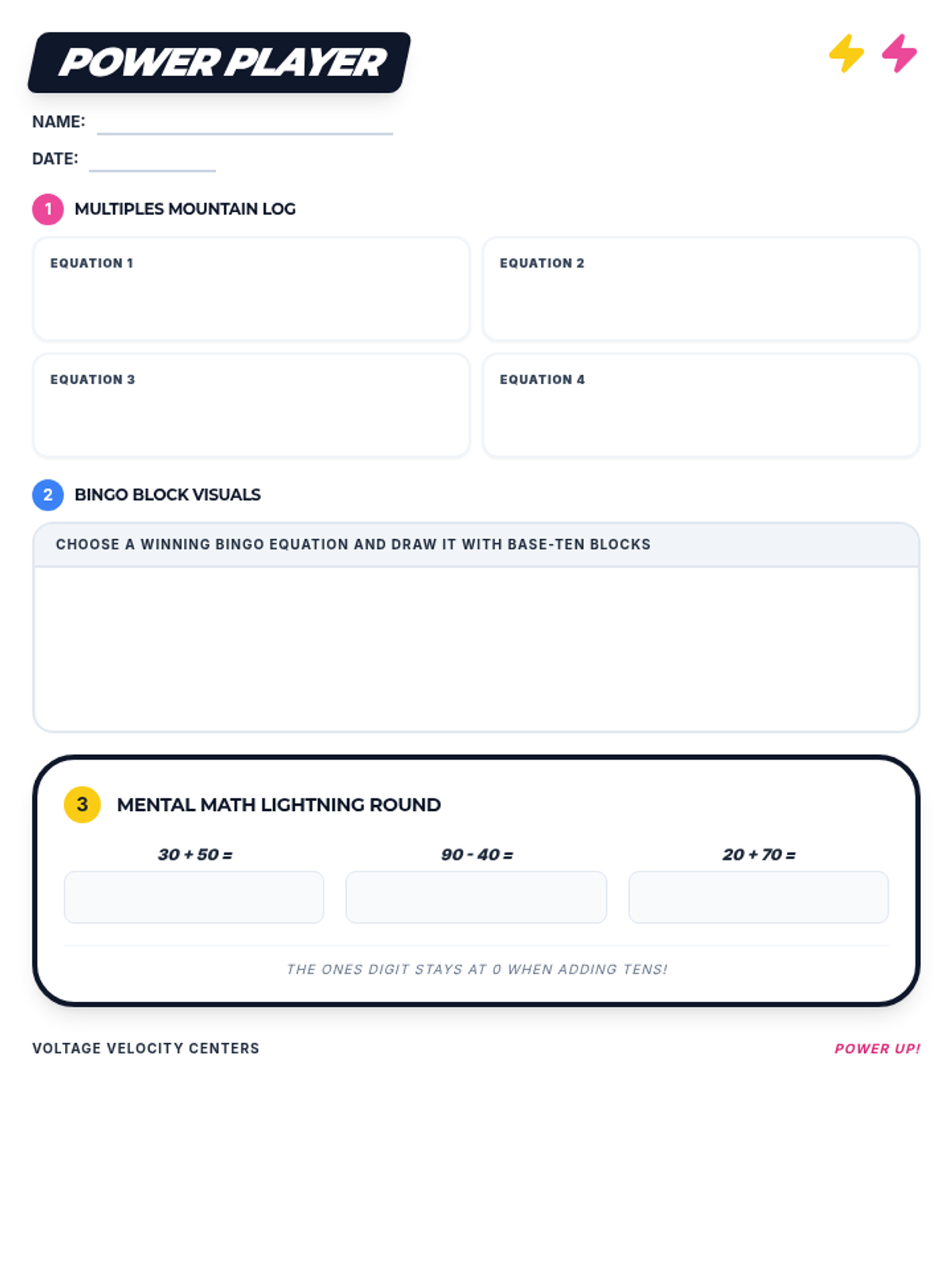
A collection of high-energy math center games designed to help students master adding and subtracting multiples of 10 within 100 through play and peer interaction.
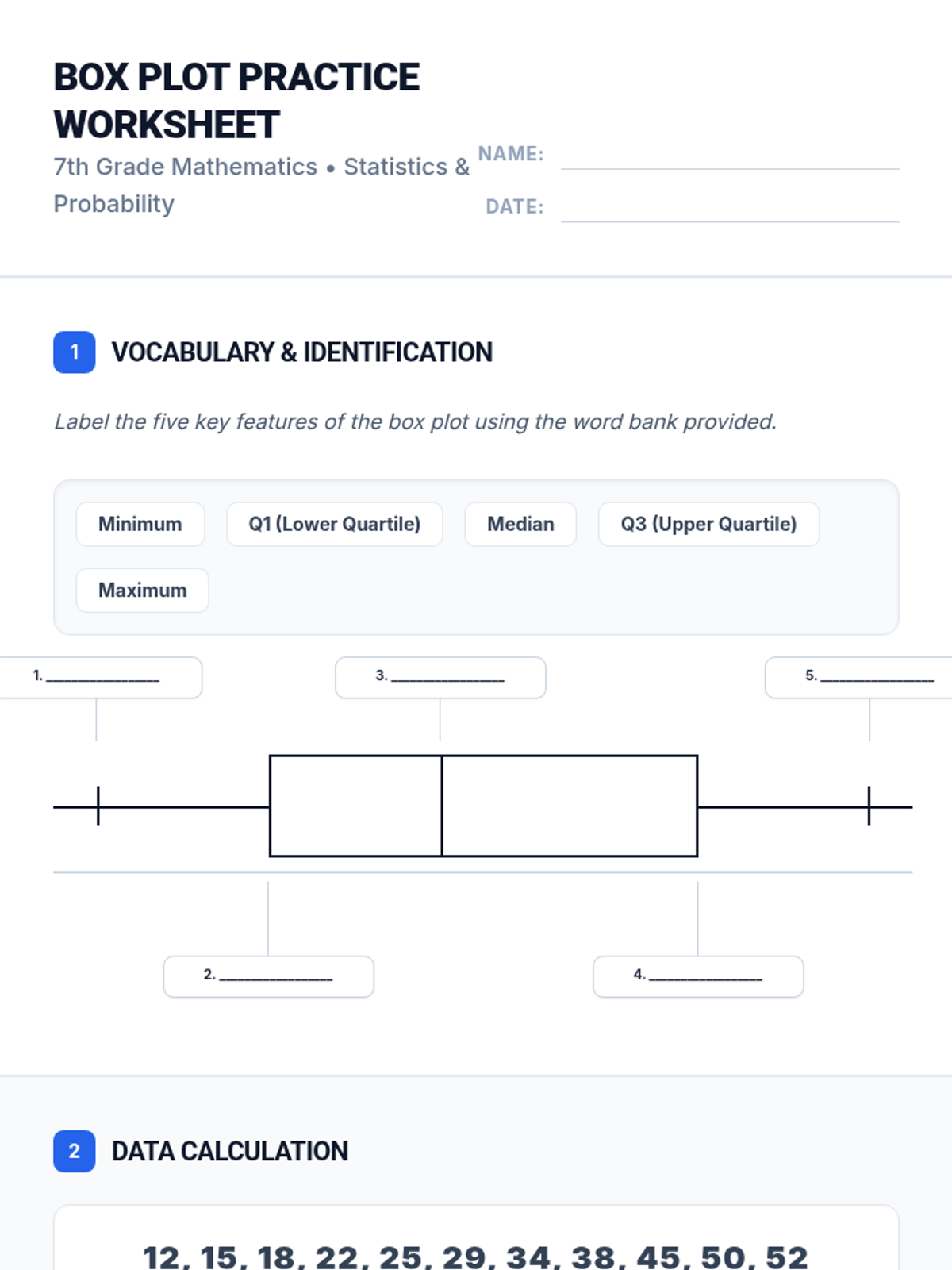
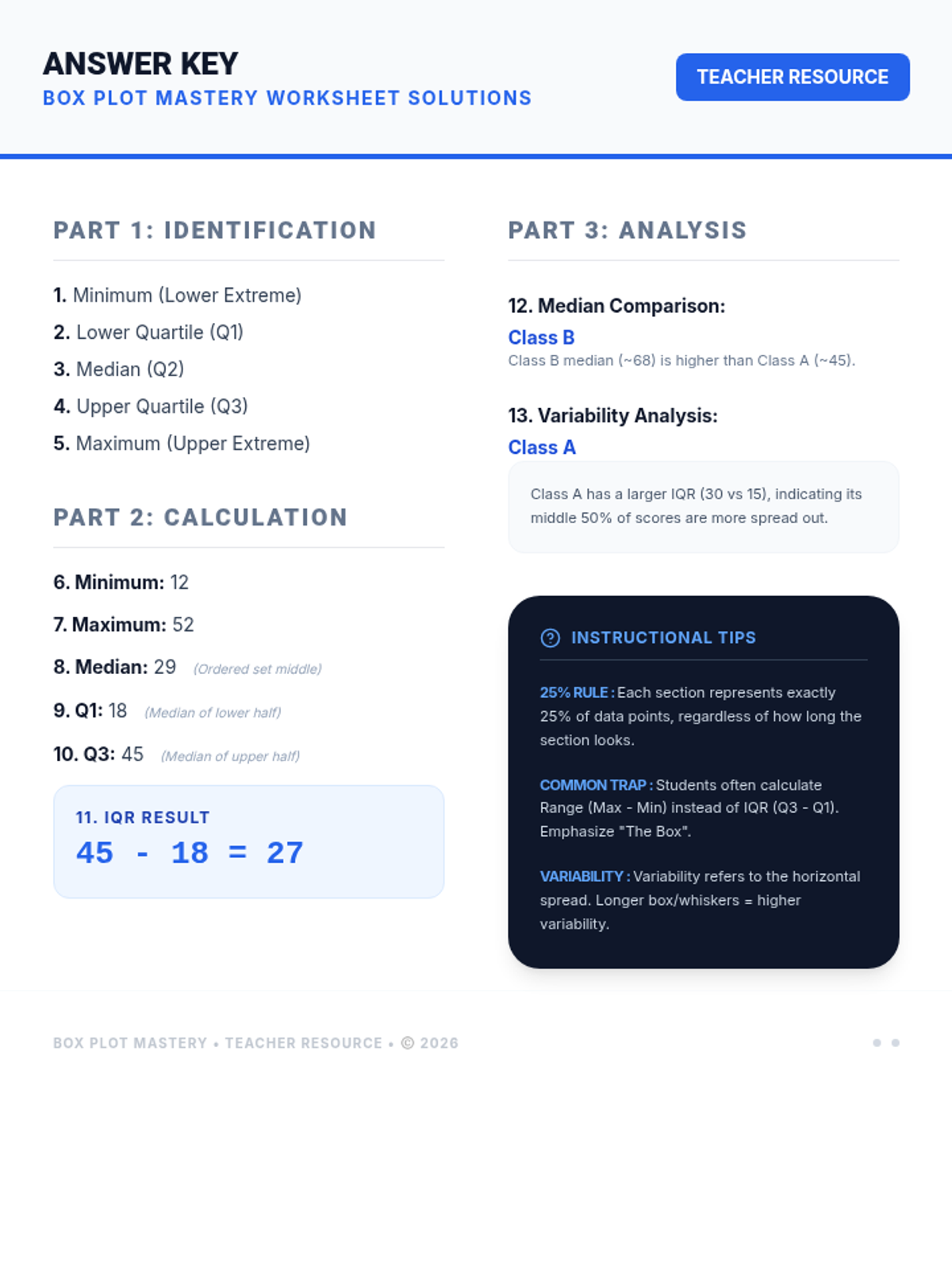
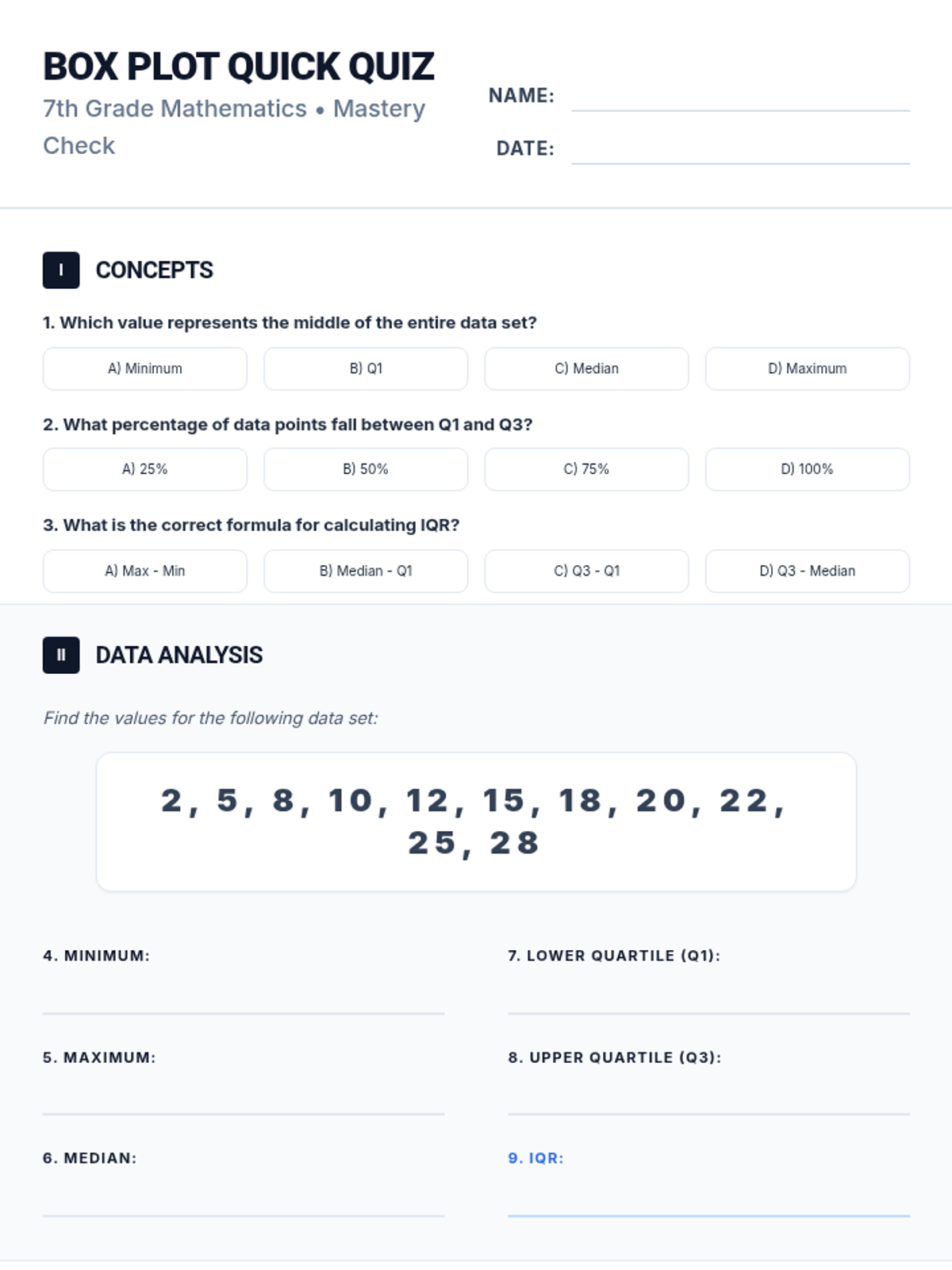
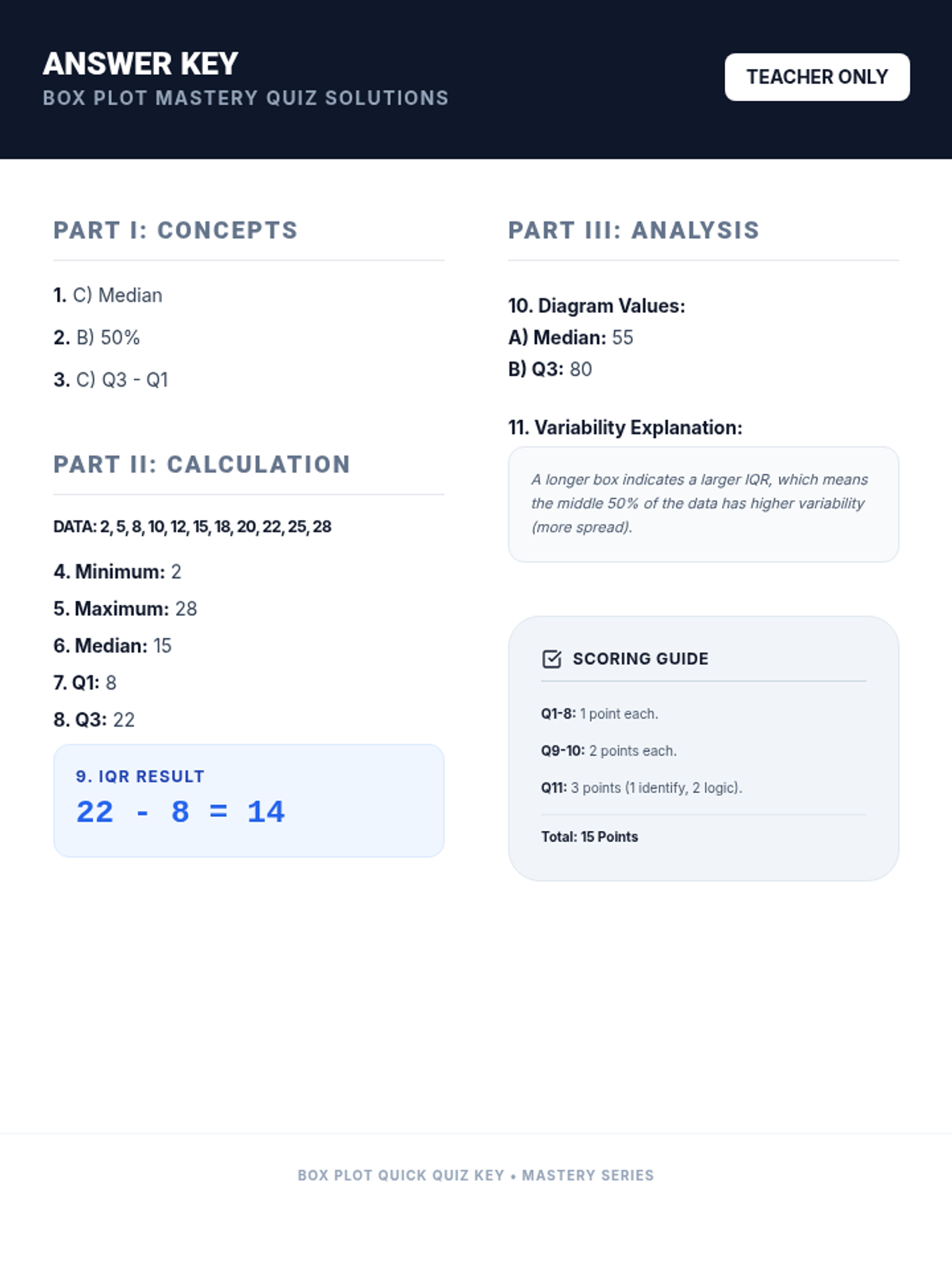
A 7th-grade math lesson focused on mastering the five-number summary and interquartile range for box-and-whisker plots, specifically designed for MCAS preparation.
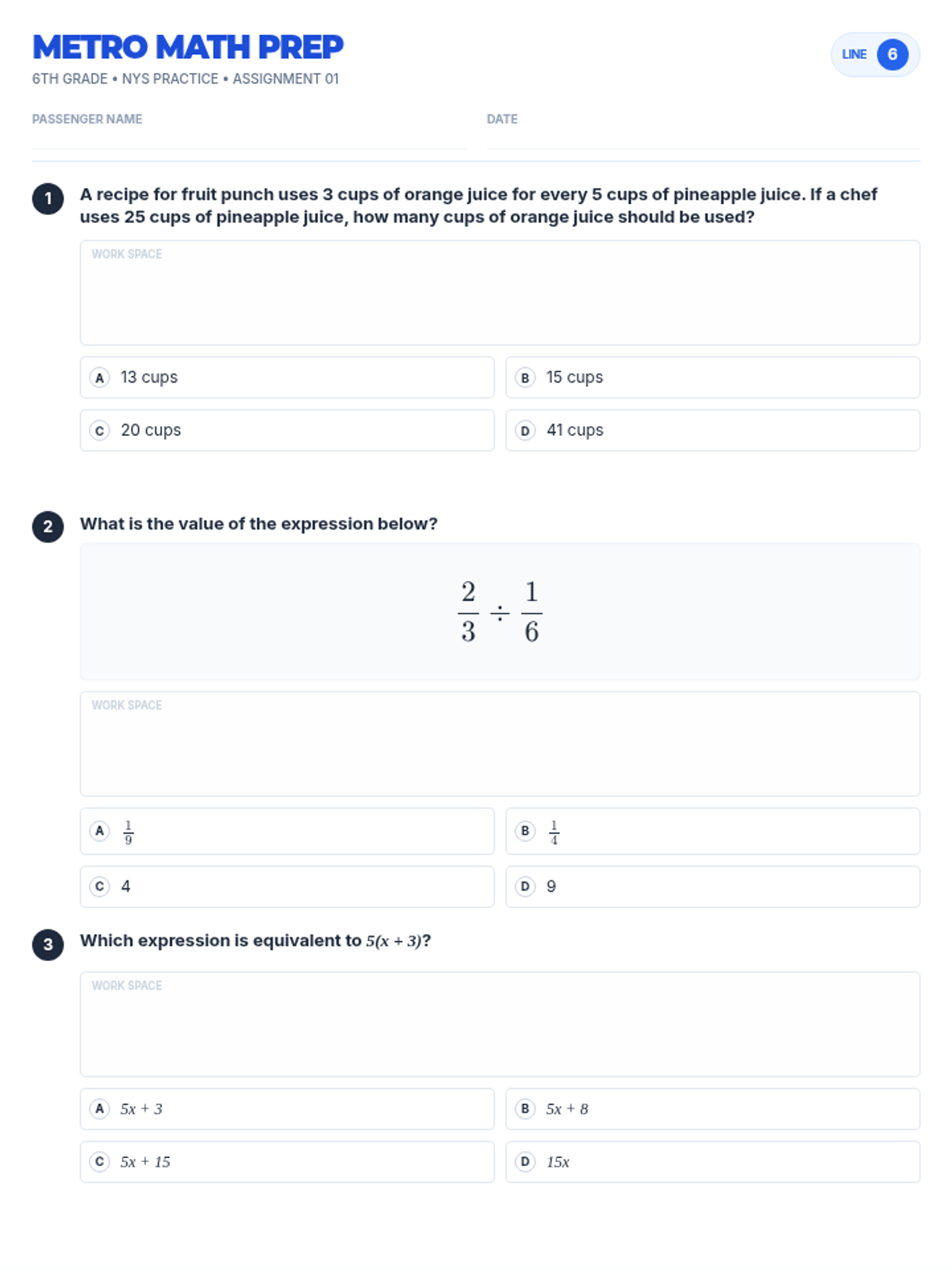
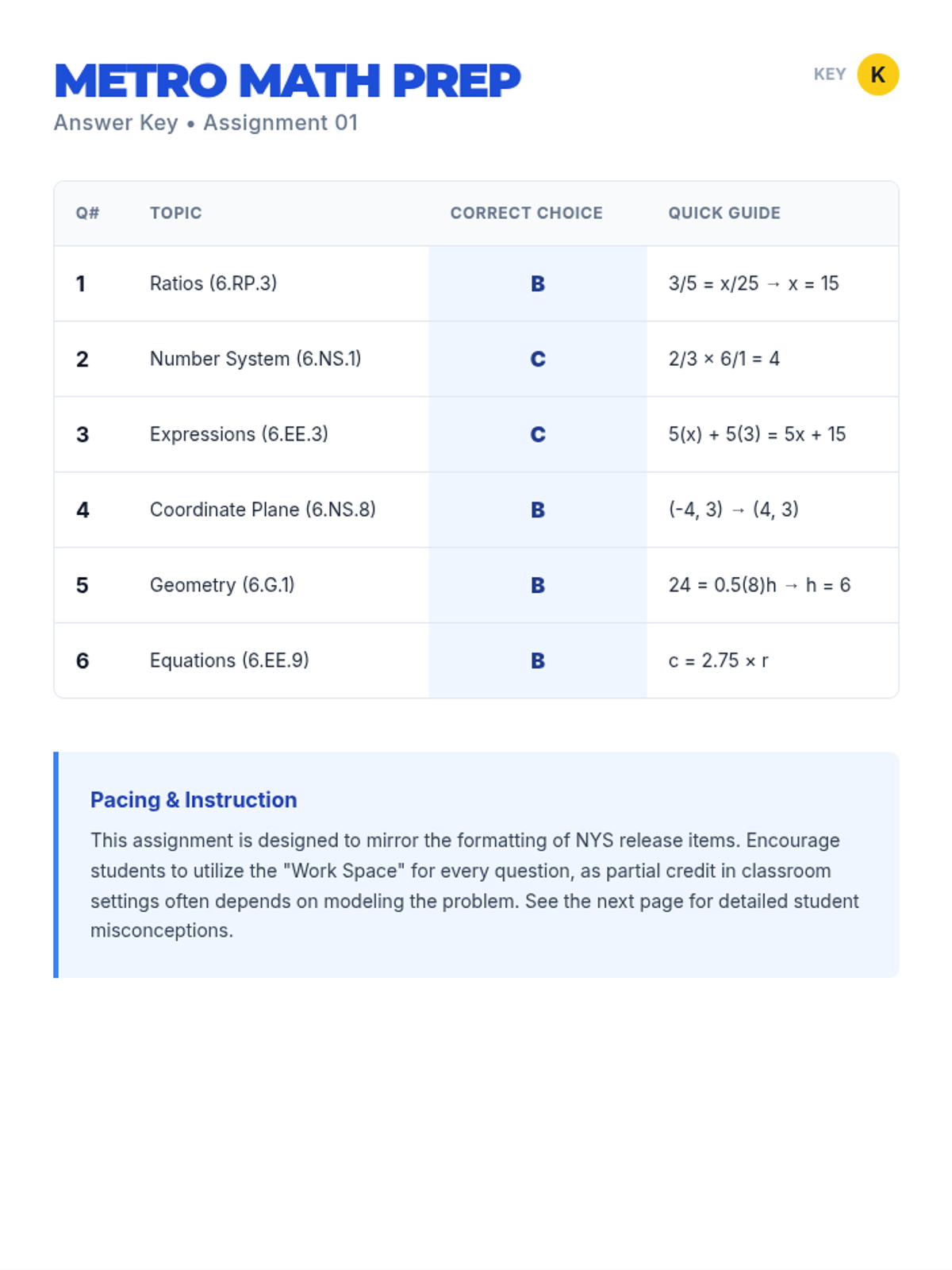
A targeted 6th-grade math review focused on New York State exam standards, excluding statistics. This lesson provides high-alignment practice problems in a multiple-choice format with ample space for student work.
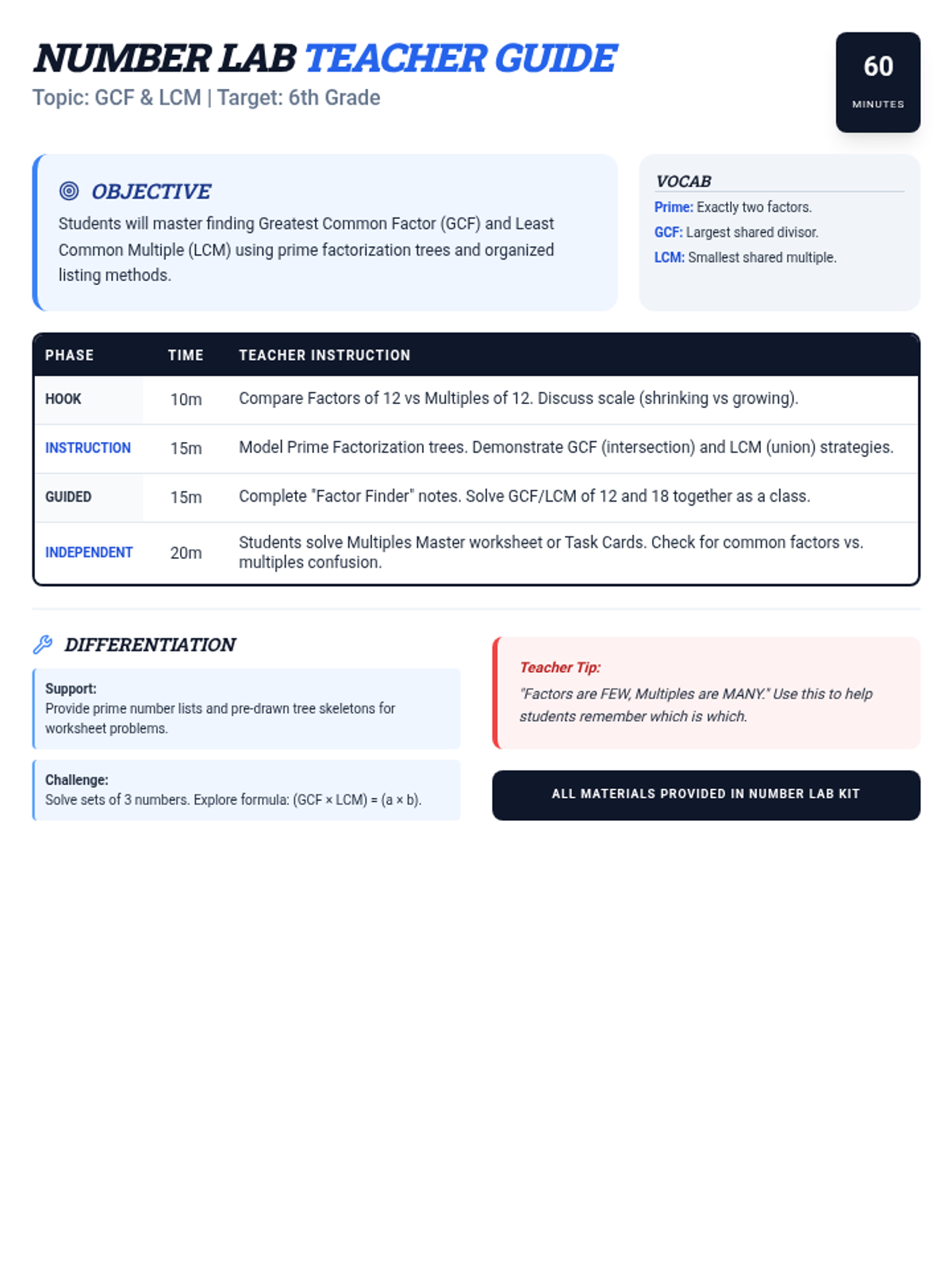
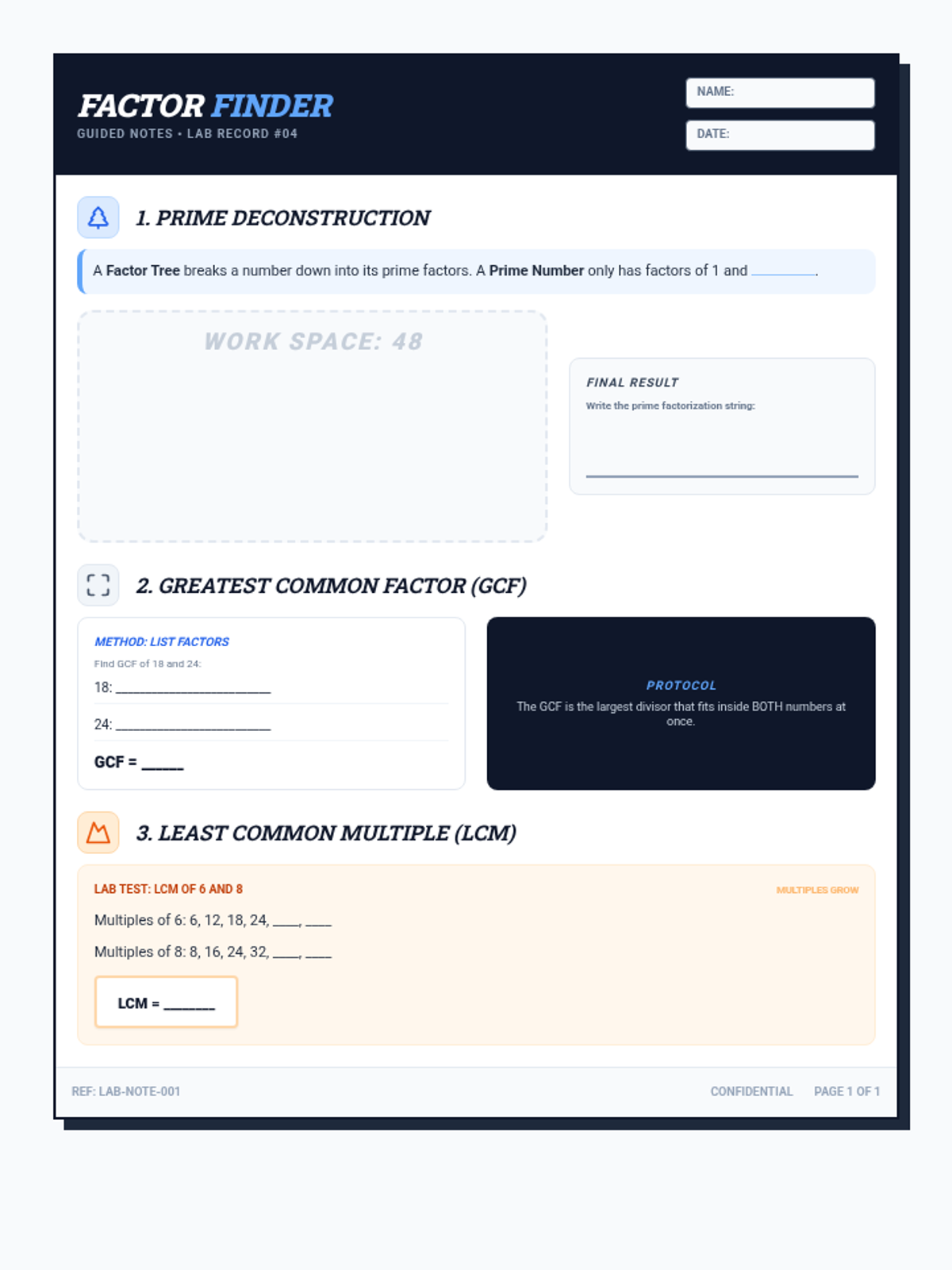
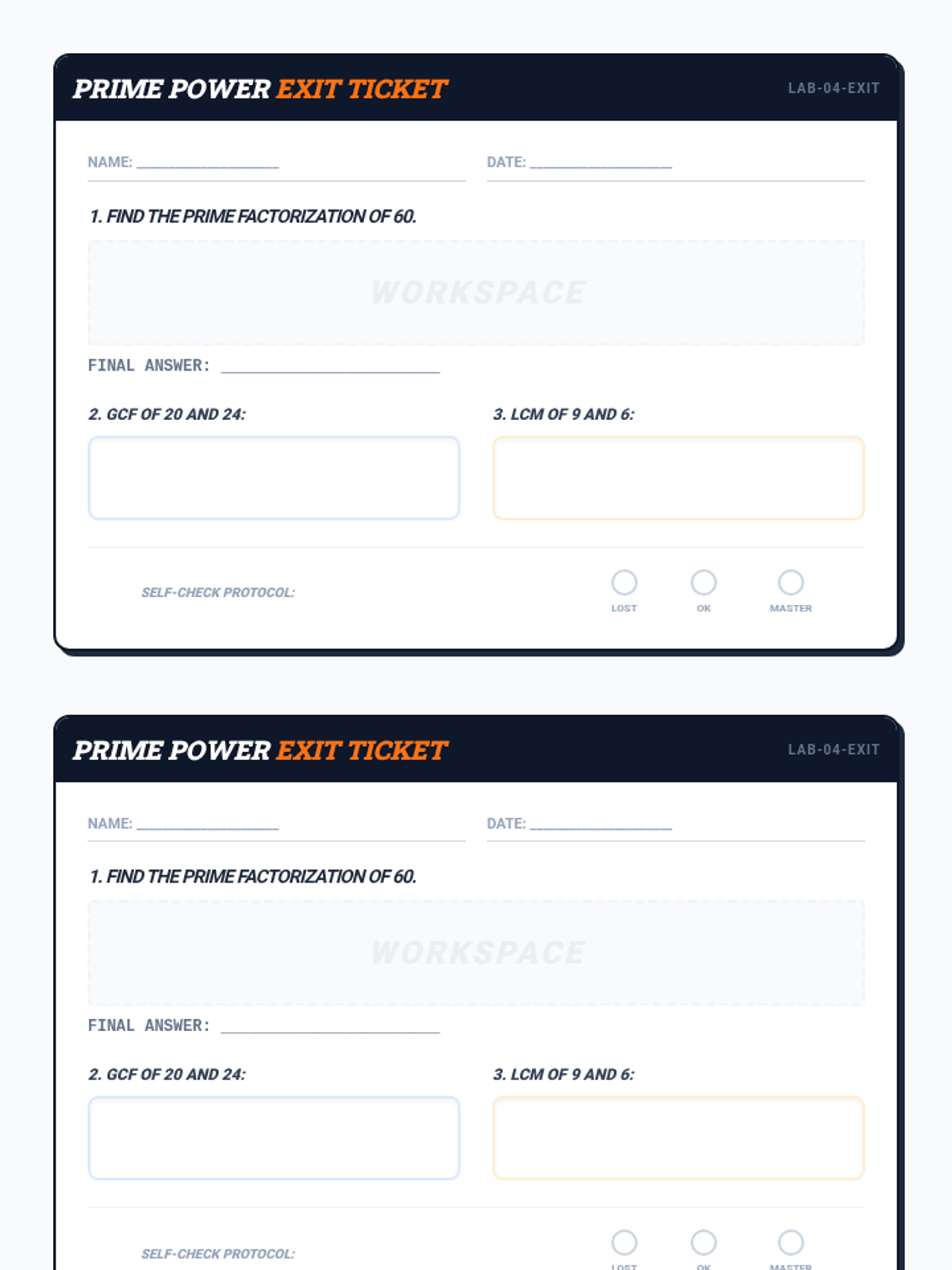
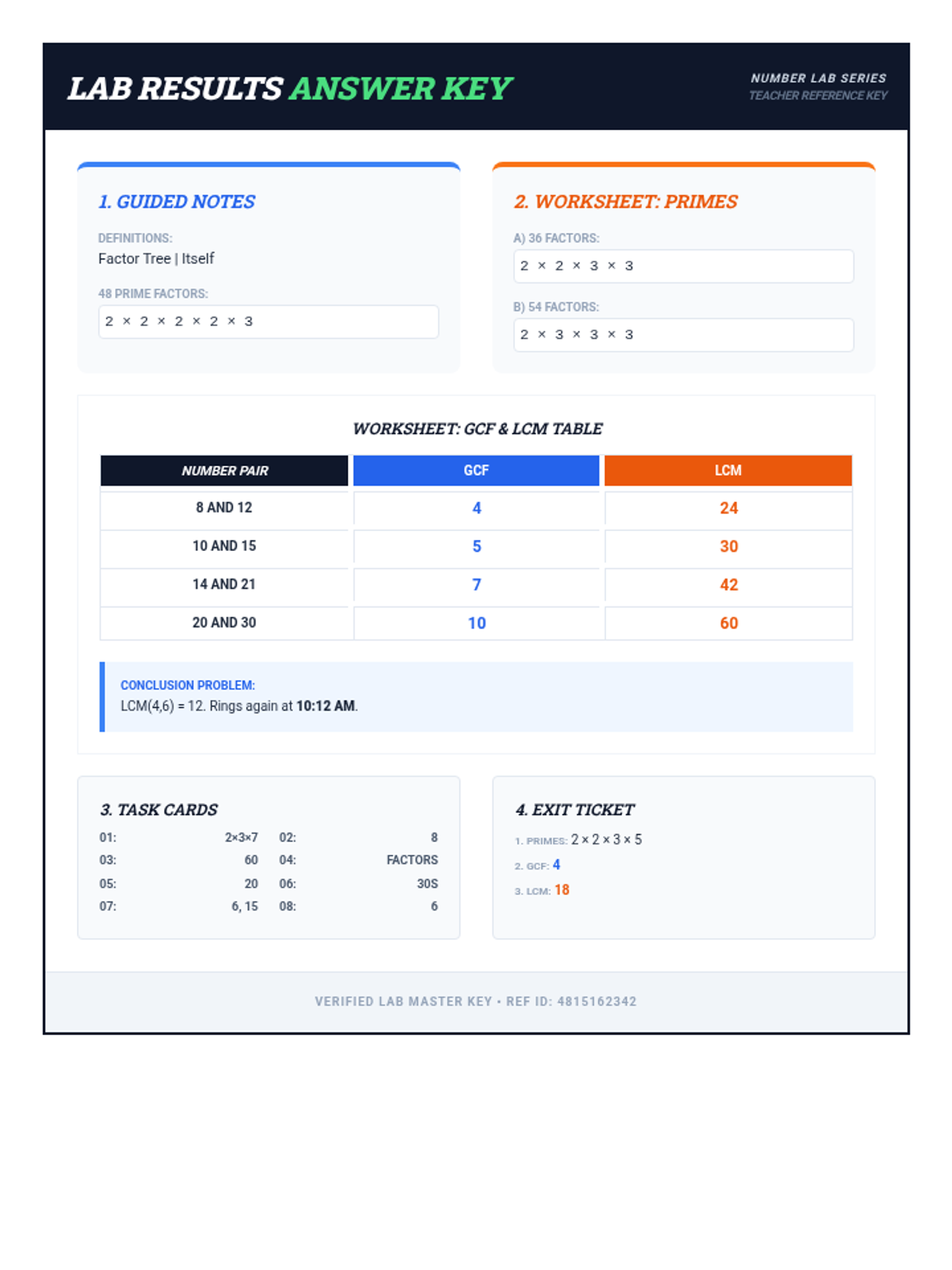
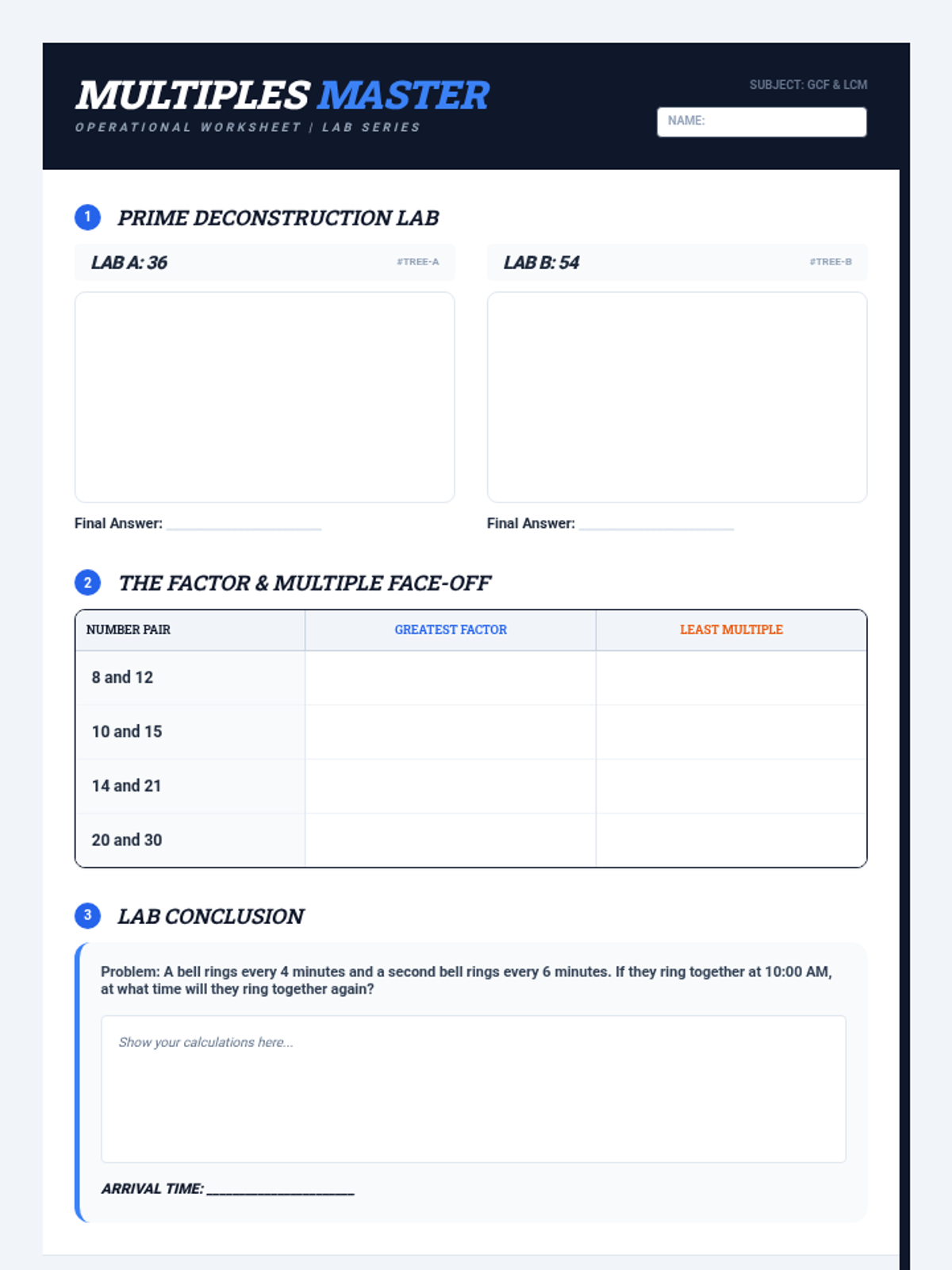
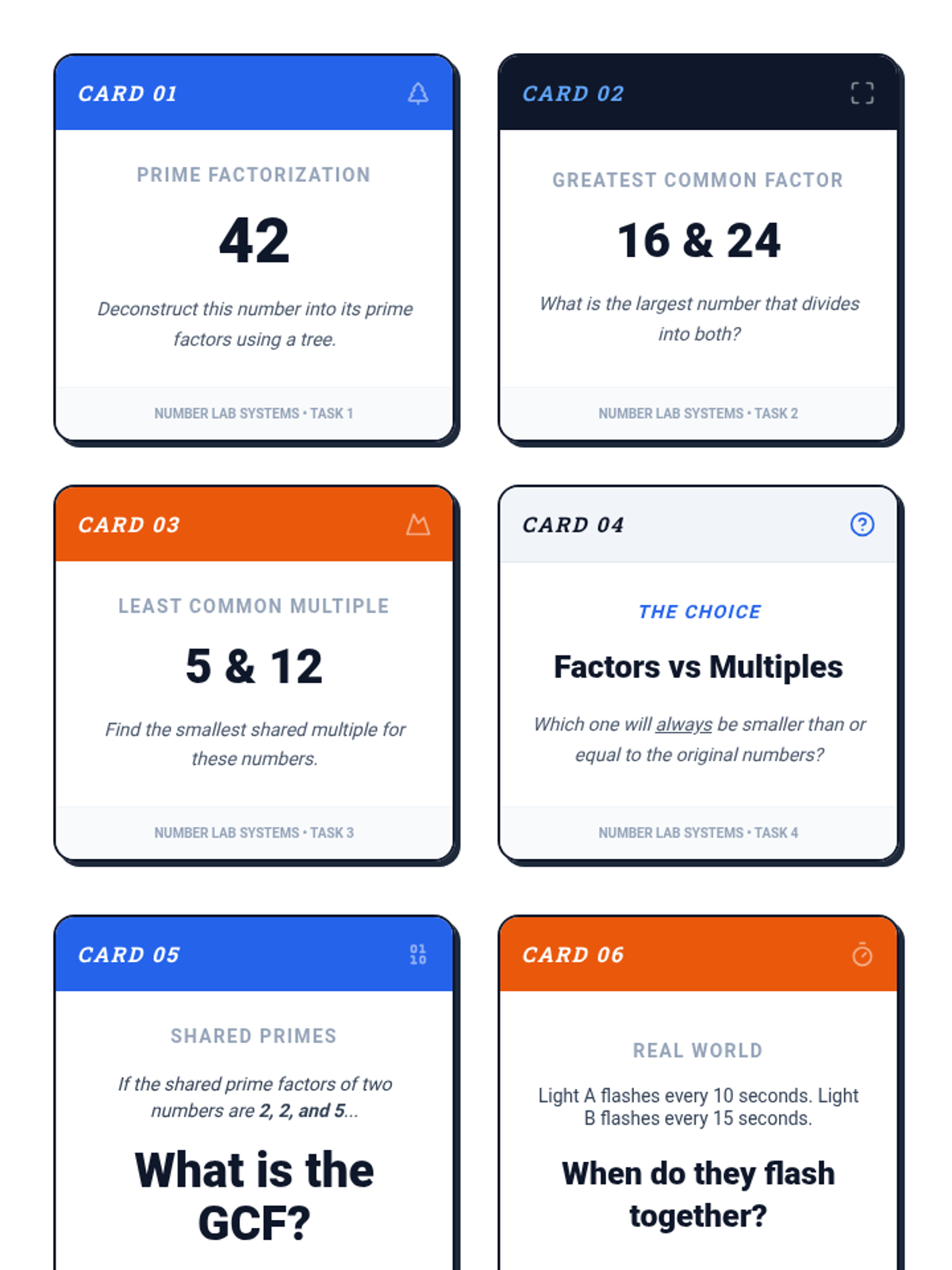
A comprehensive lesson on finding GCF and LCM using factor trees and lists, set in a 'Number Lab' technical theme. Students will master prime factorization and apply it to find common factors and multiples.
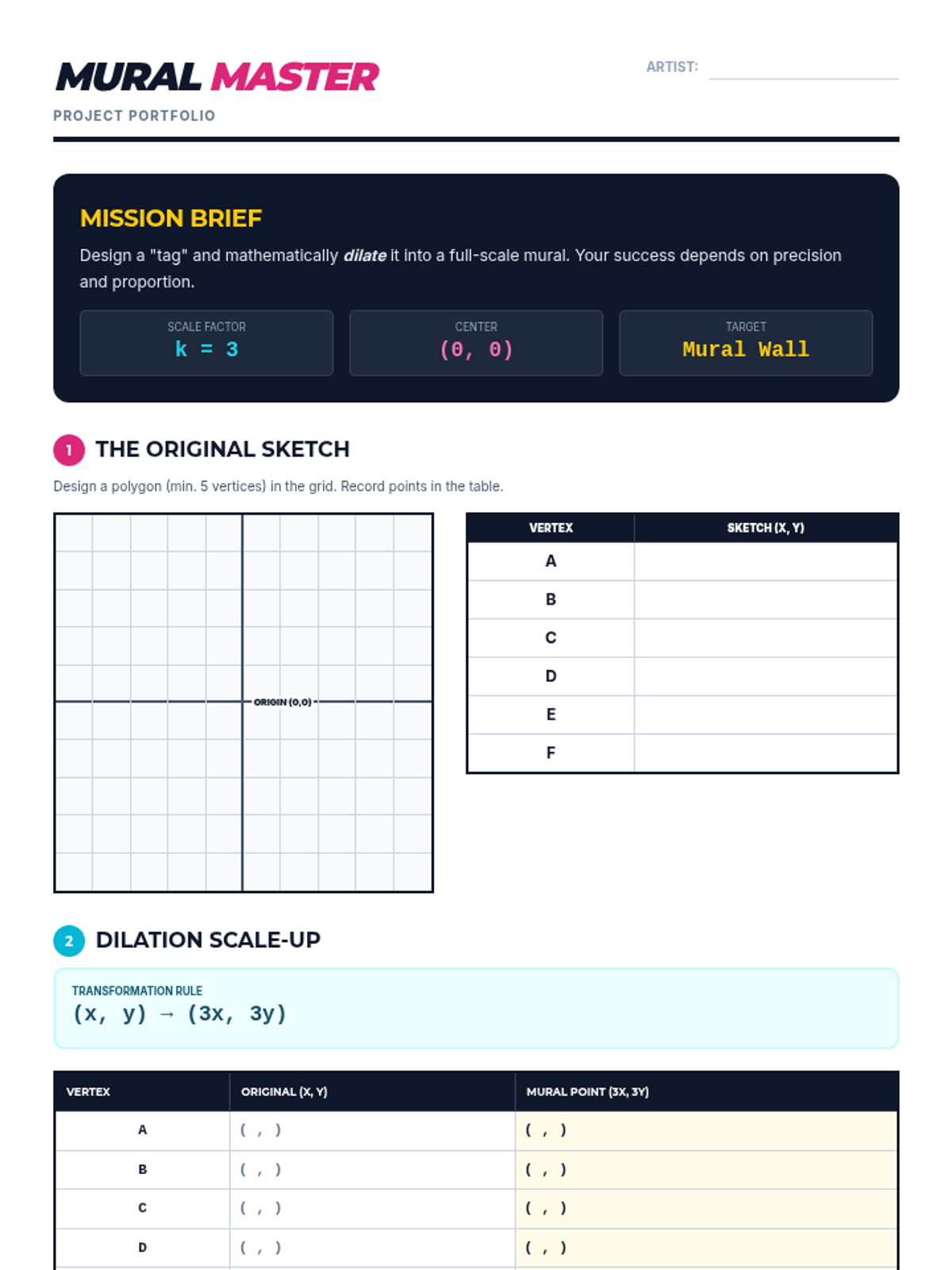
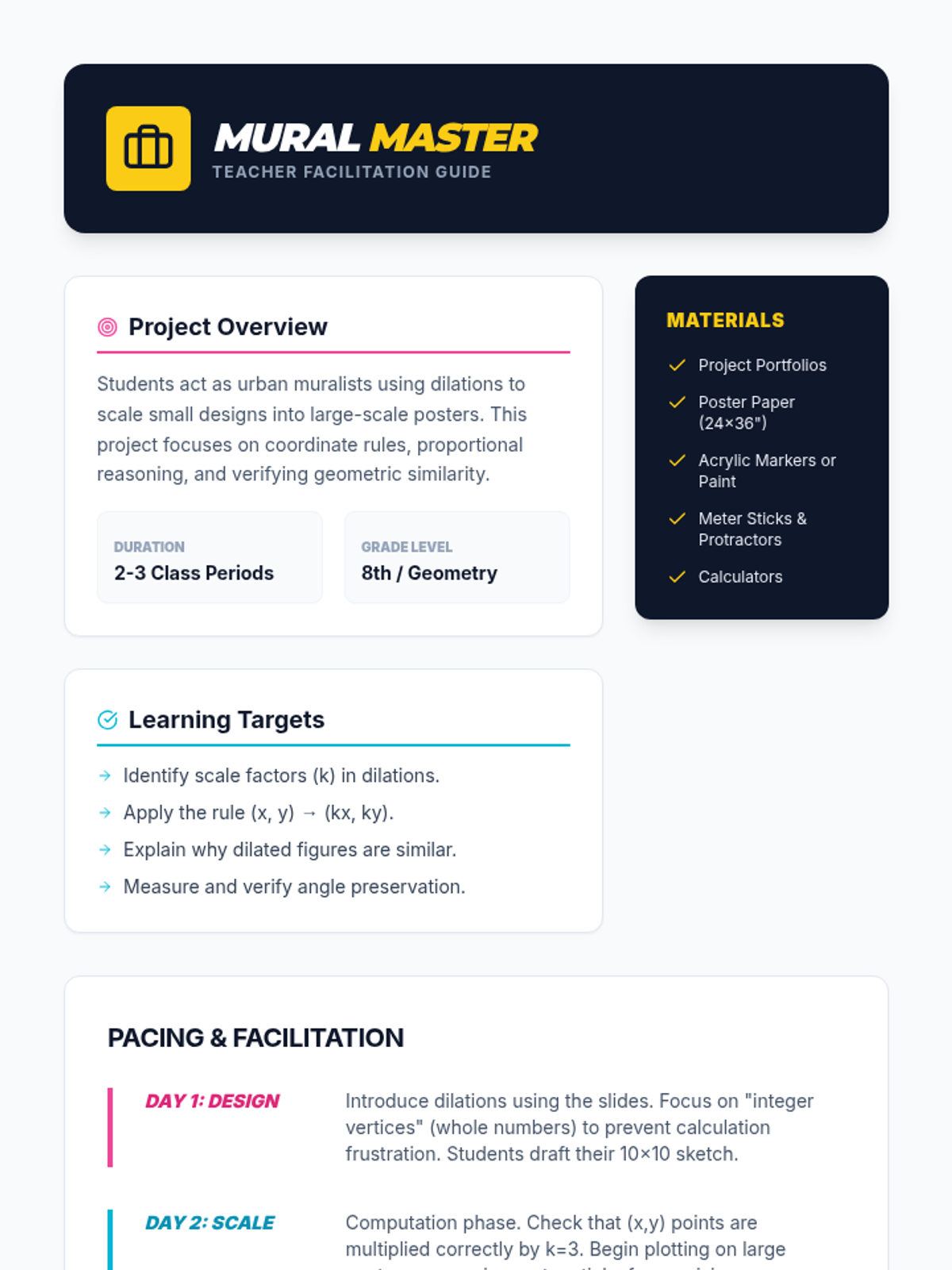
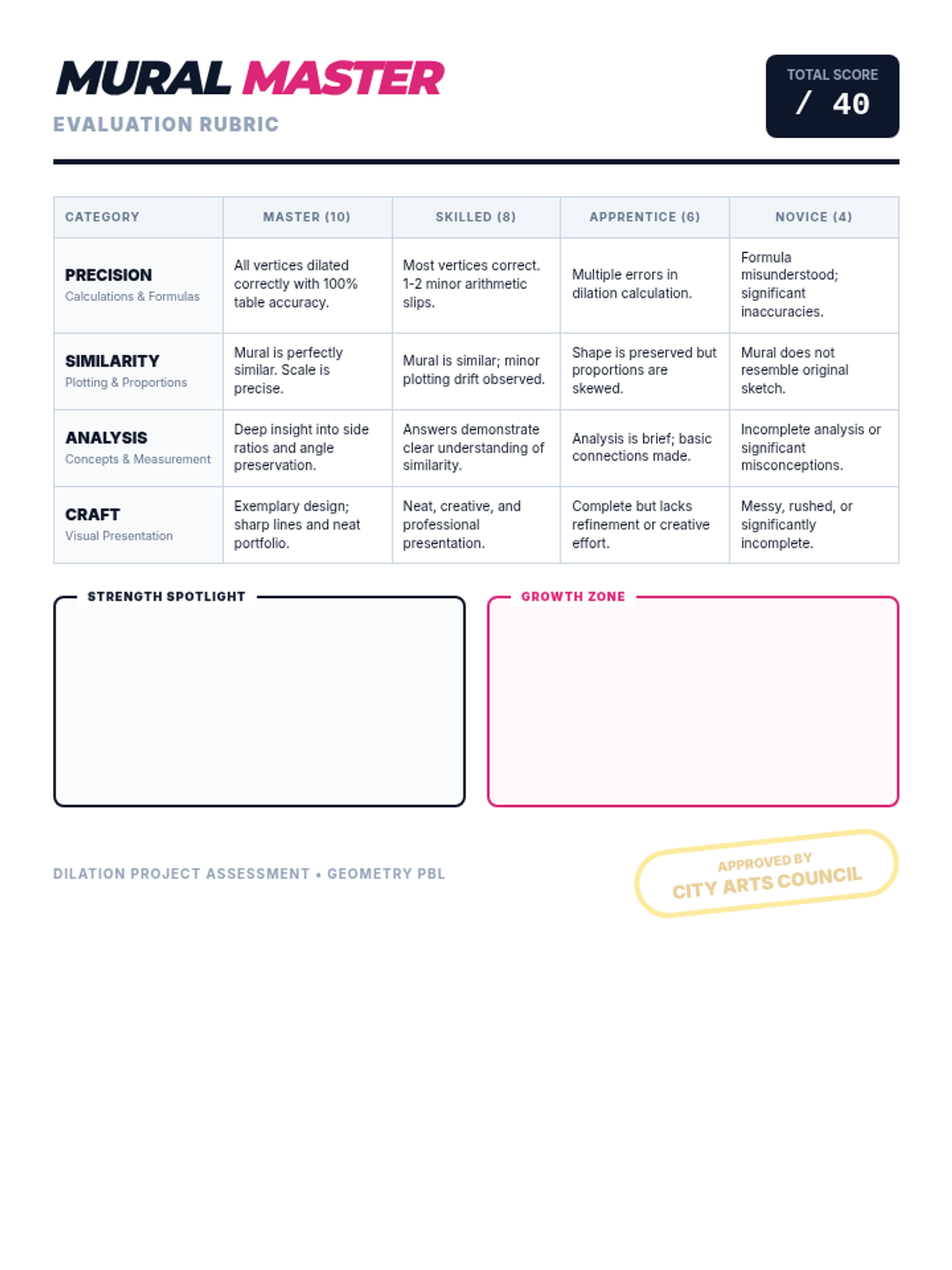
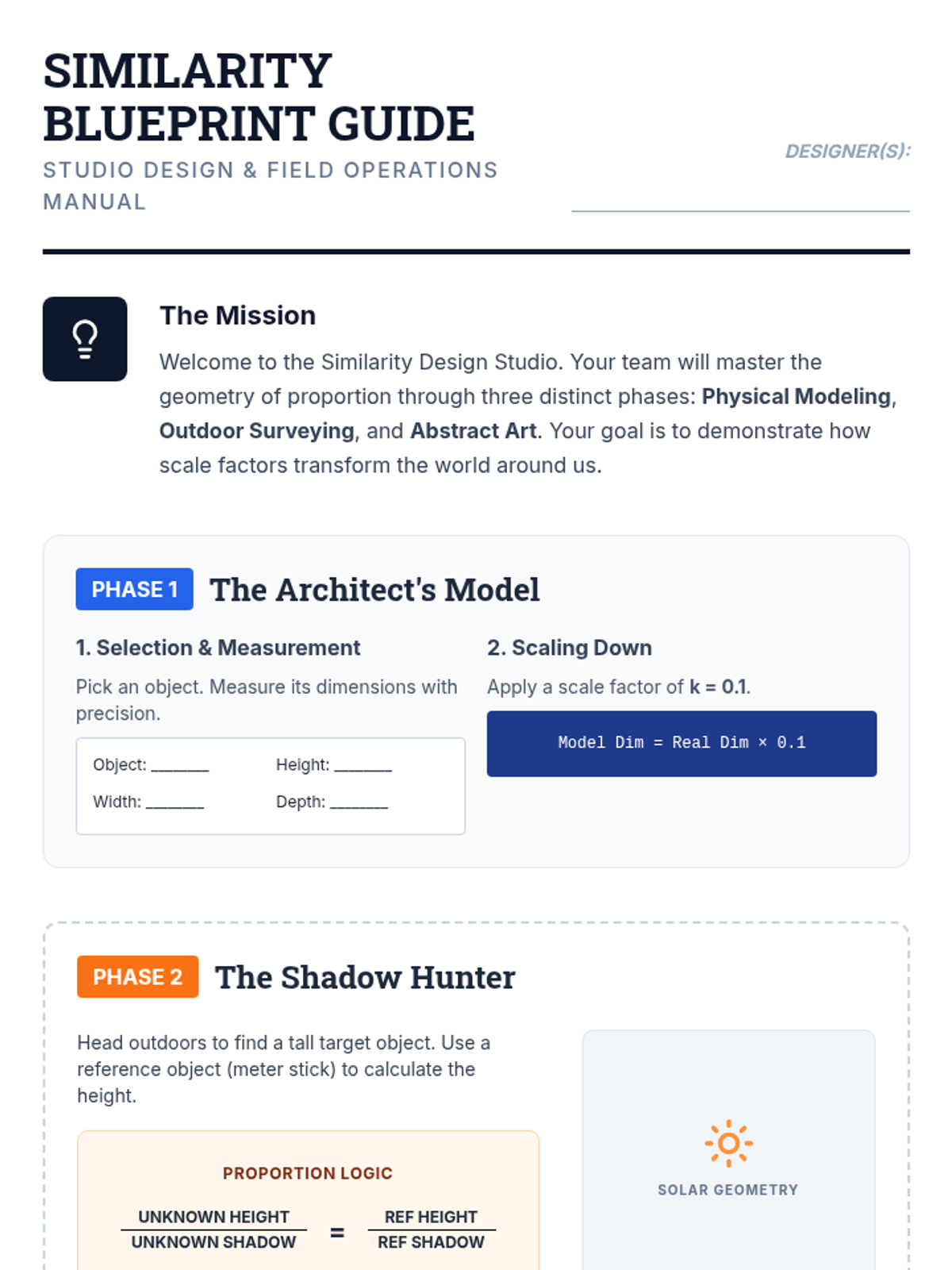
A Project-Based Learning unit where students act as muralists, using dilations and scale factors to transform small sketches into large-scale urban art. Students master coordinate transformations and geometric similarity through hands-on design.
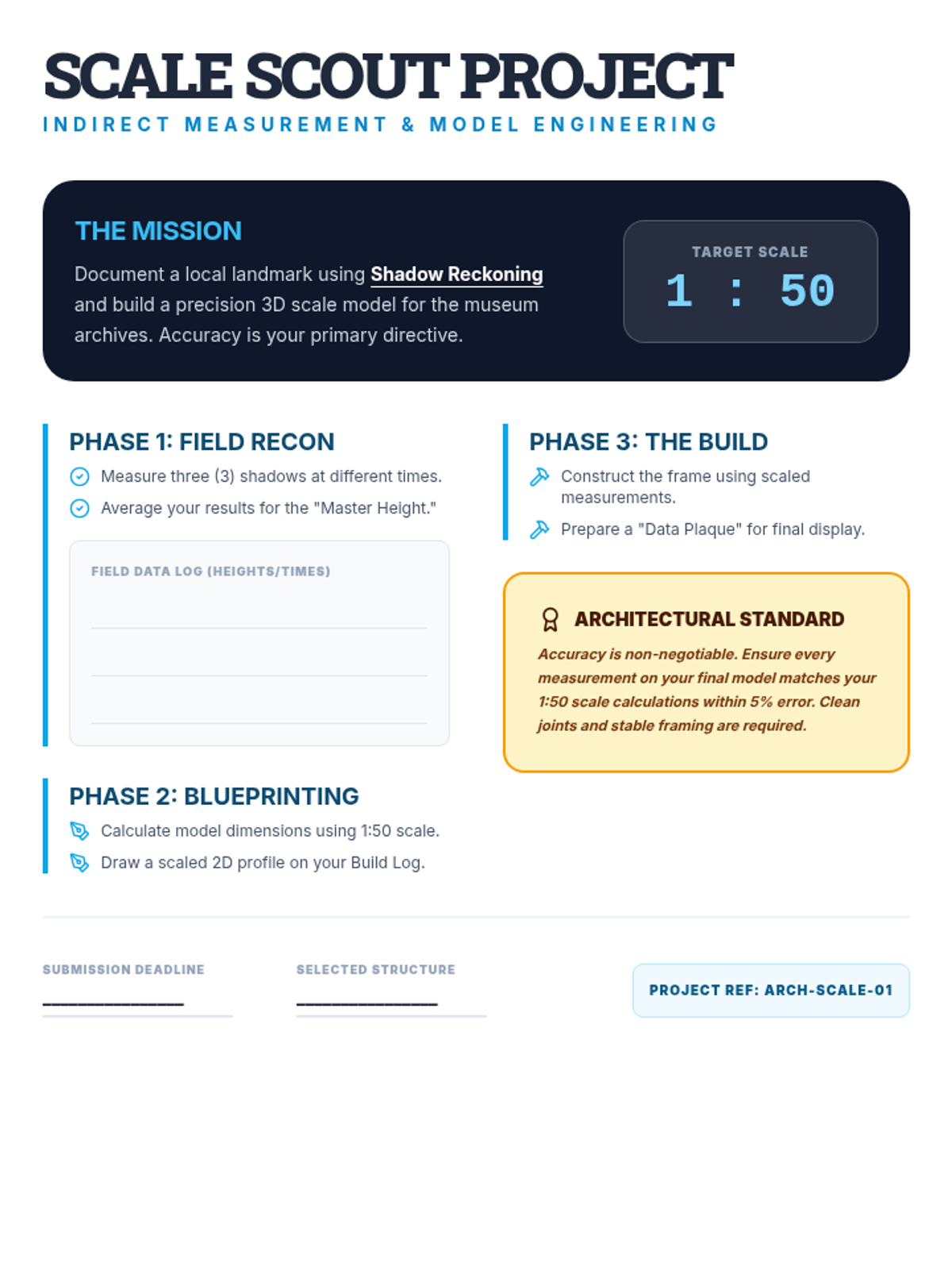
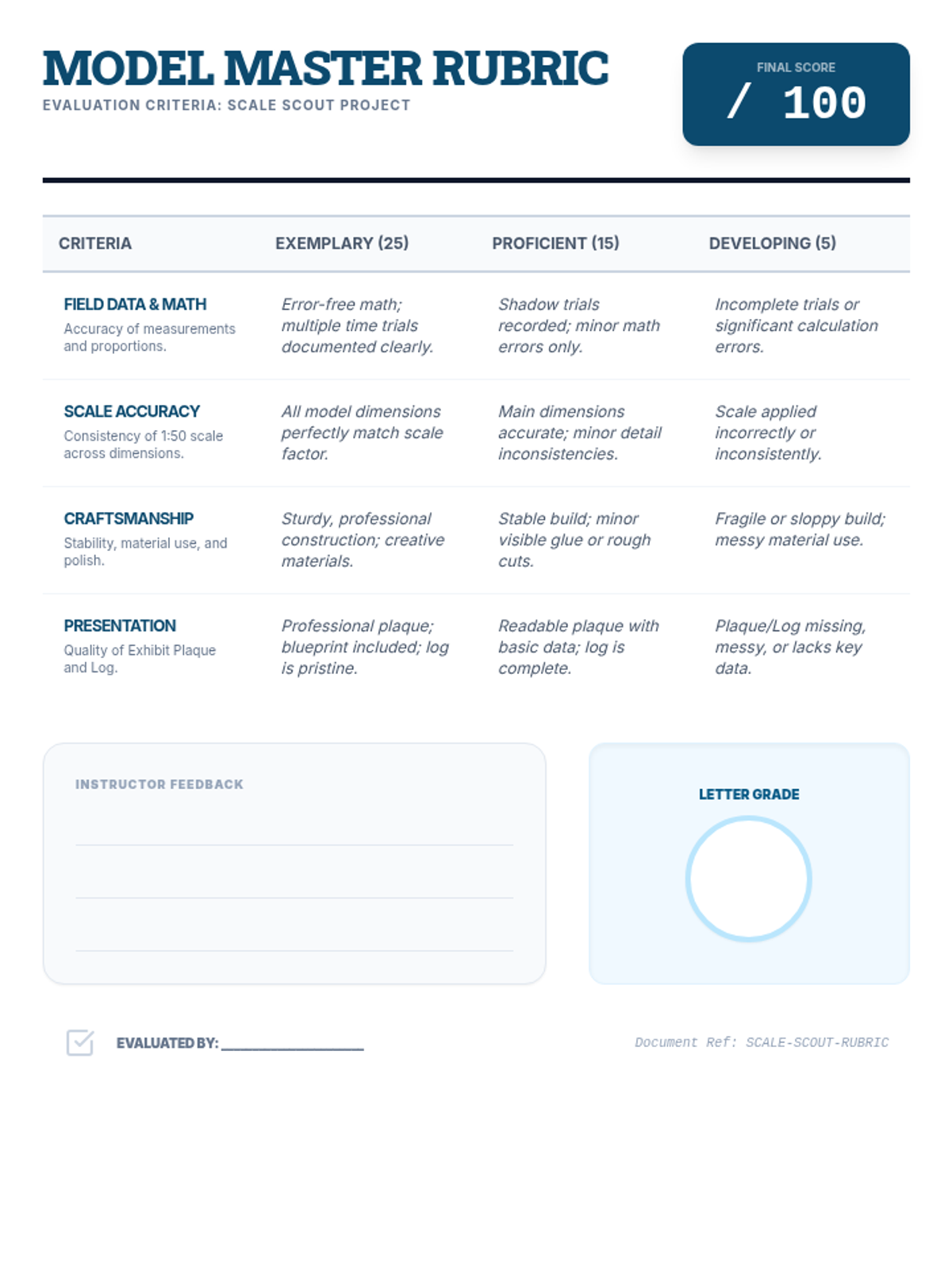
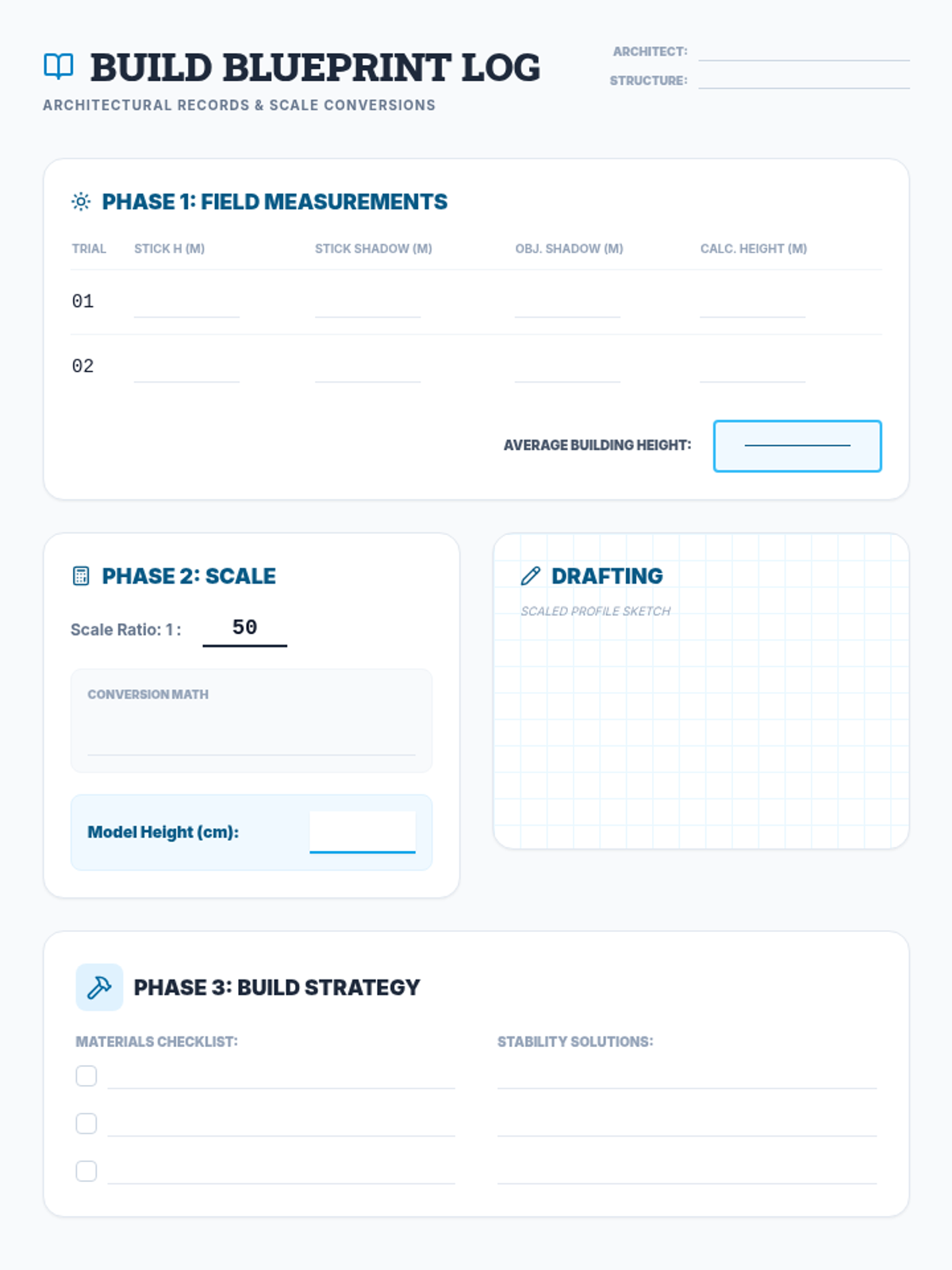
Students apply their indirect measurement skills to a real-world object, calculate scale factors, and construct a precision scale model of their chosen structure.
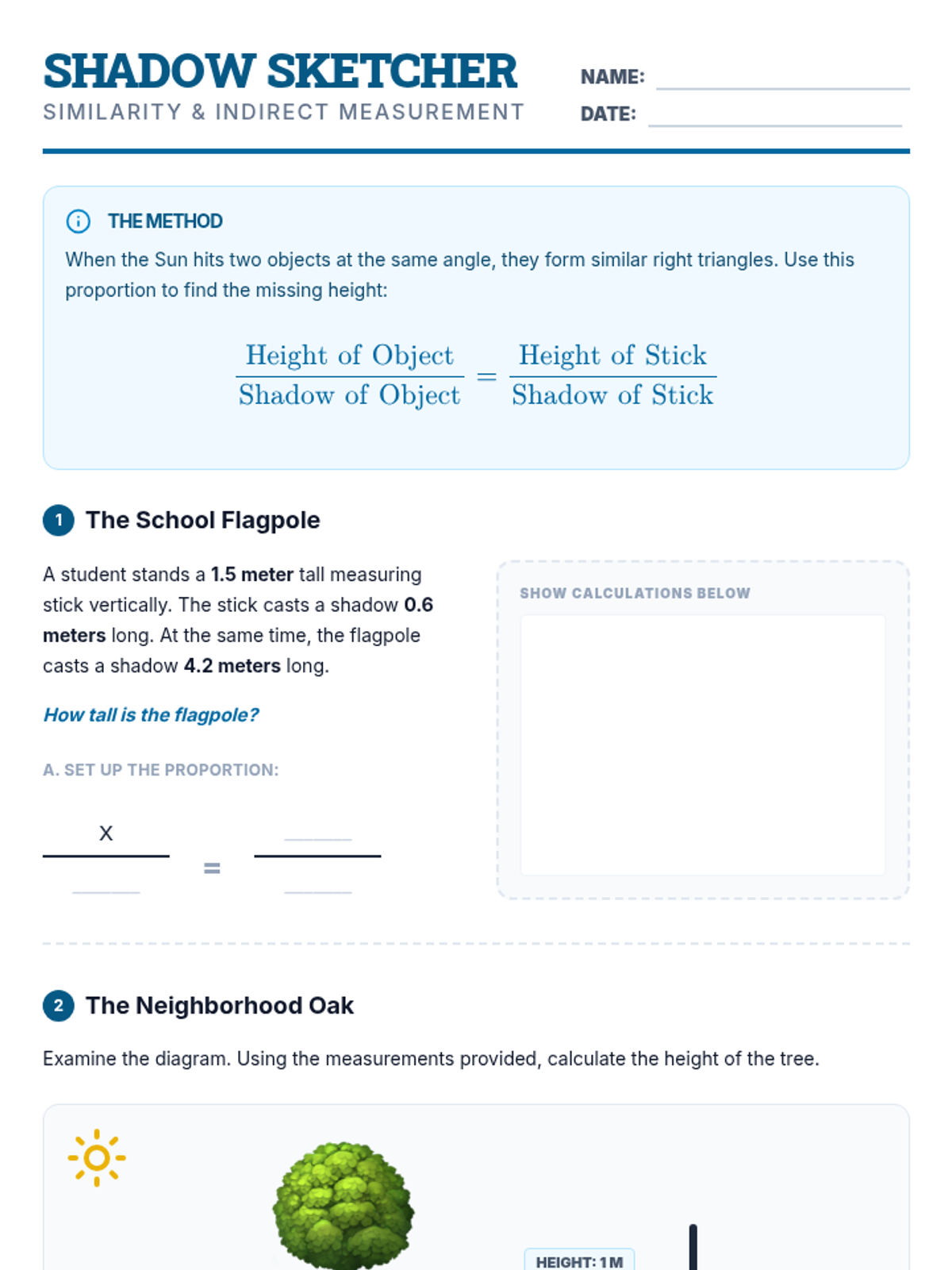
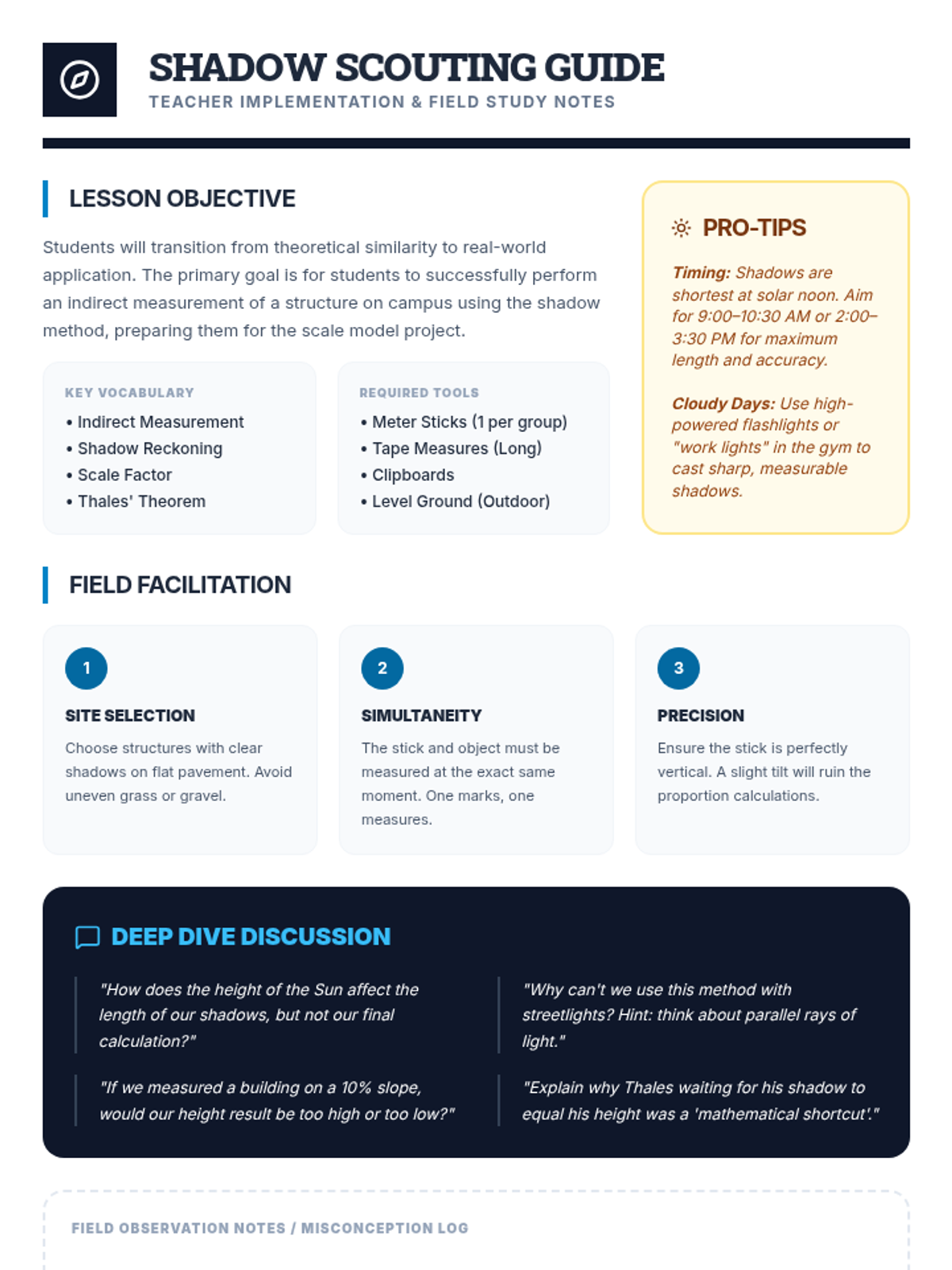
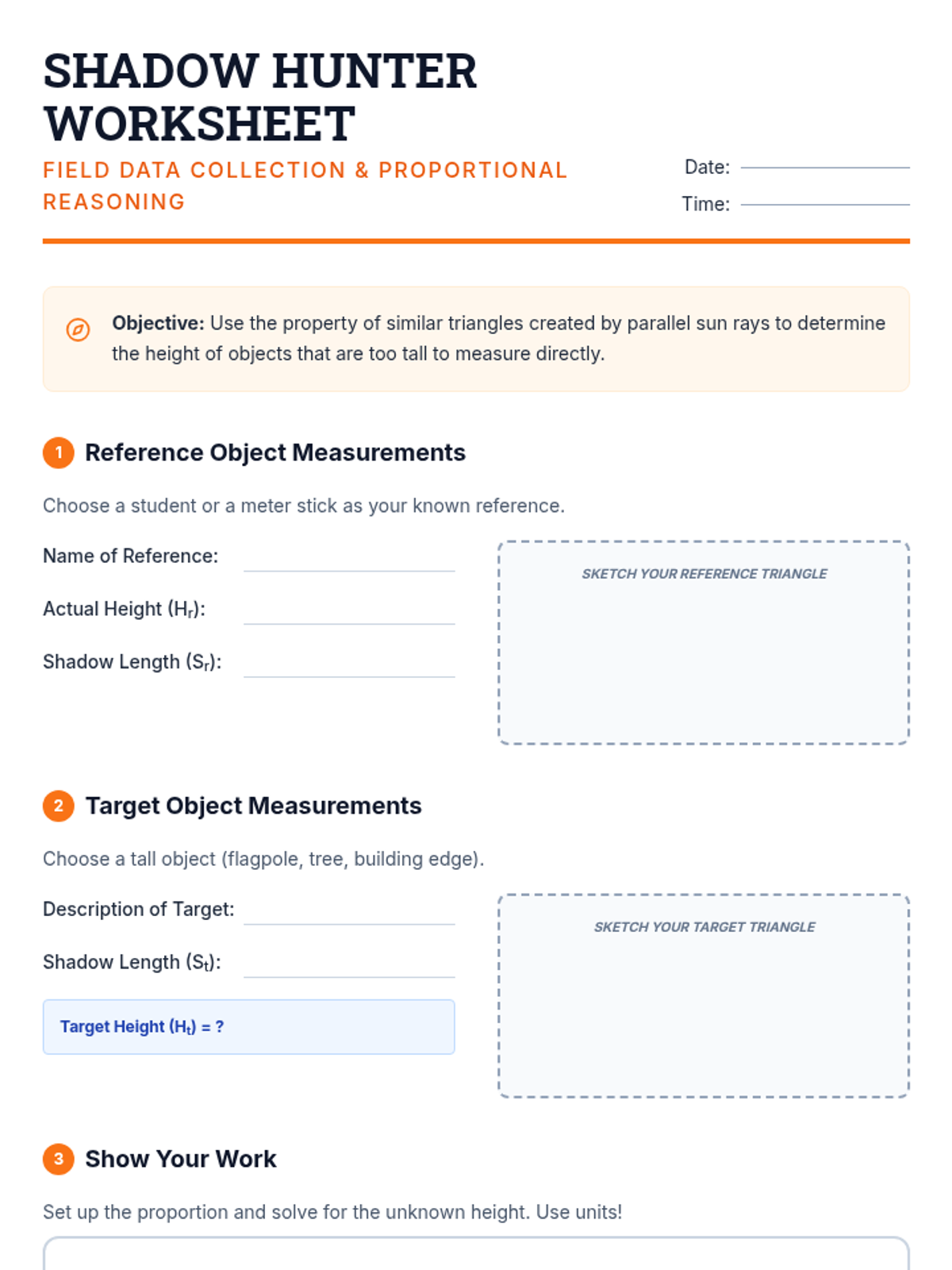
Students learn the mathematical principles of similarity and the shadow method for indirect measurement through guided practice and outdoor exploration.
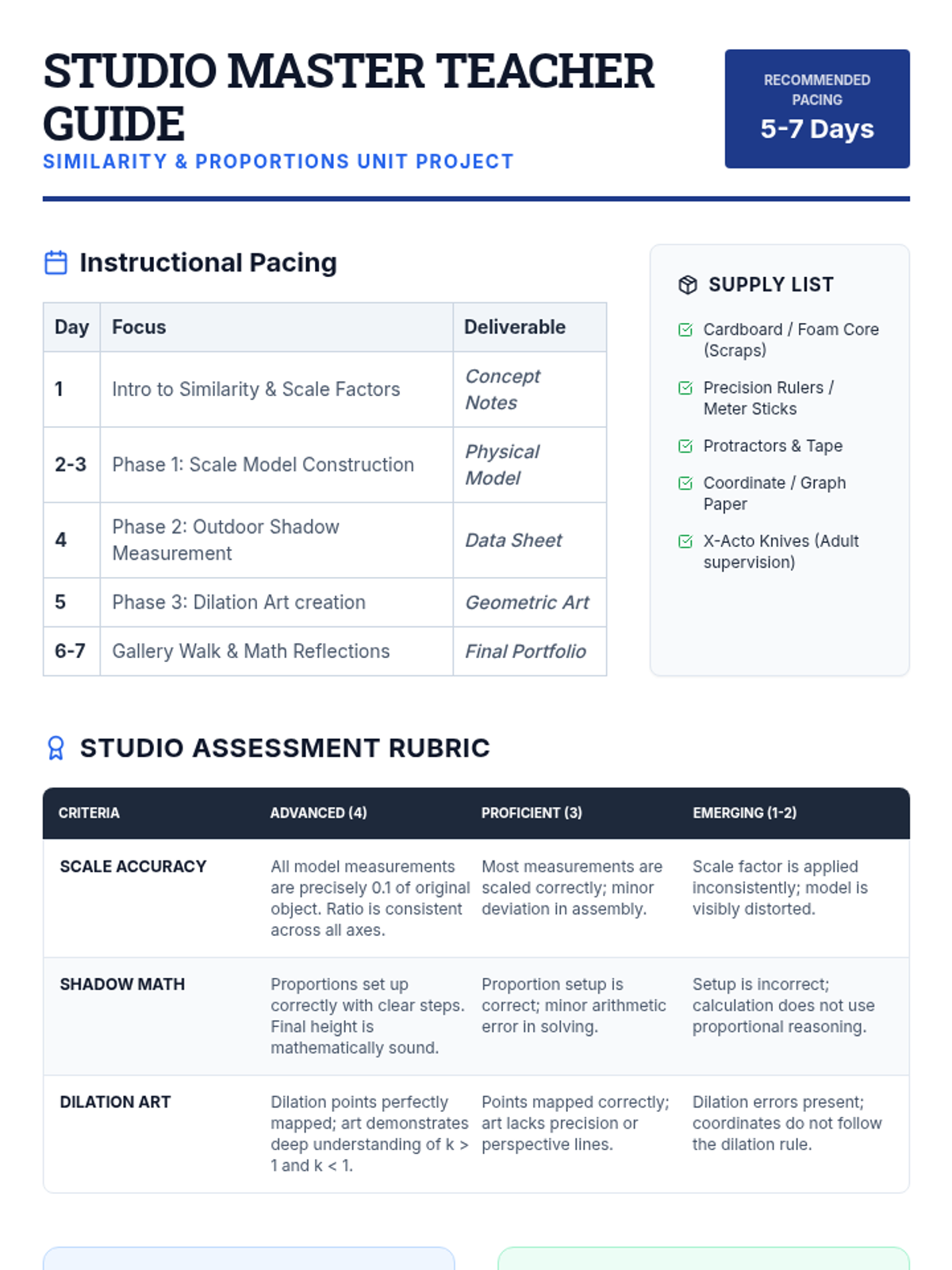
A comprehensive geometry project where students explore similarity through scale modeling, outdoor shadow measurement, and artistic dilations. This lesson integrates hands-on construction with real-world mathematical applications.
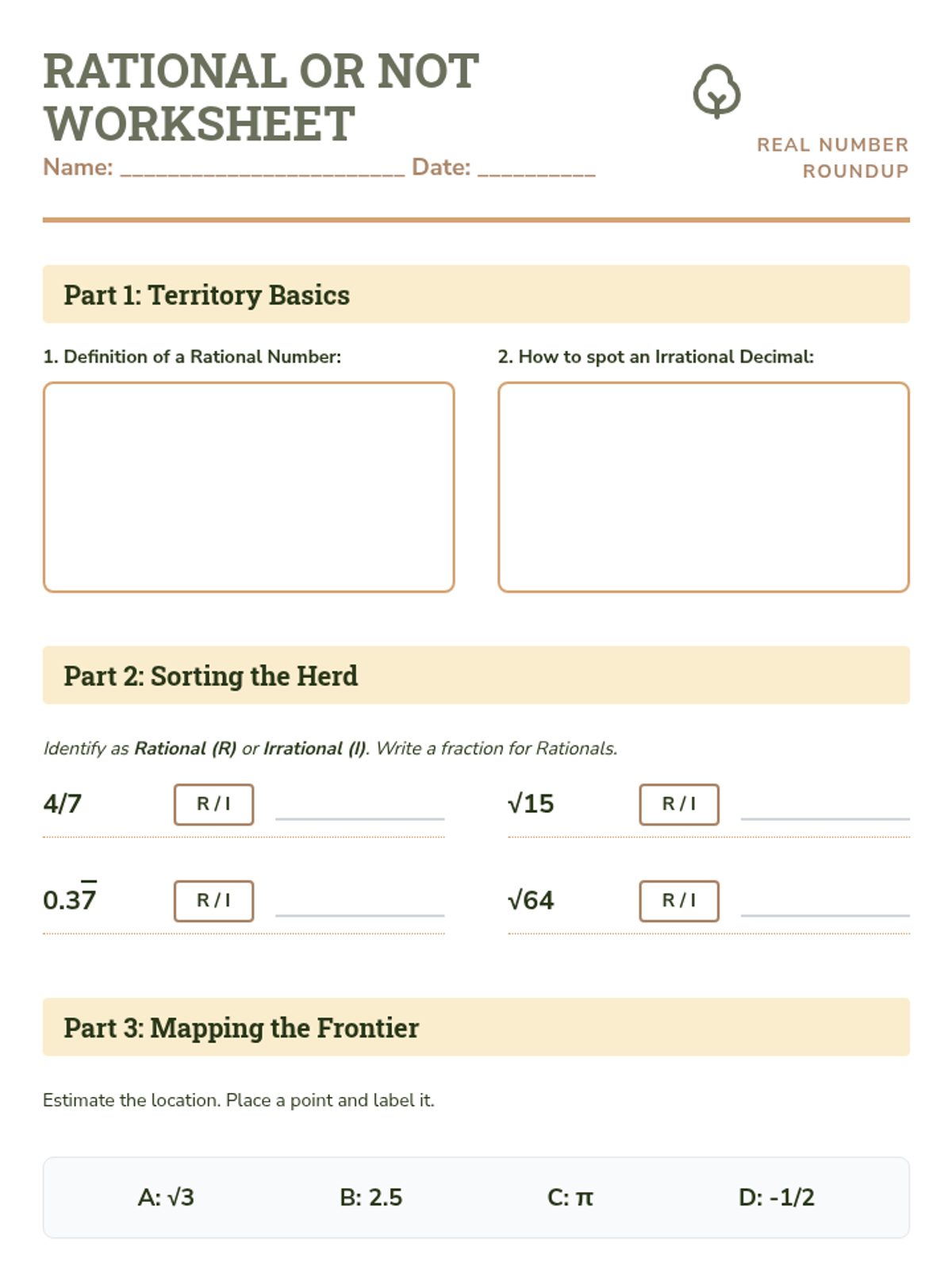
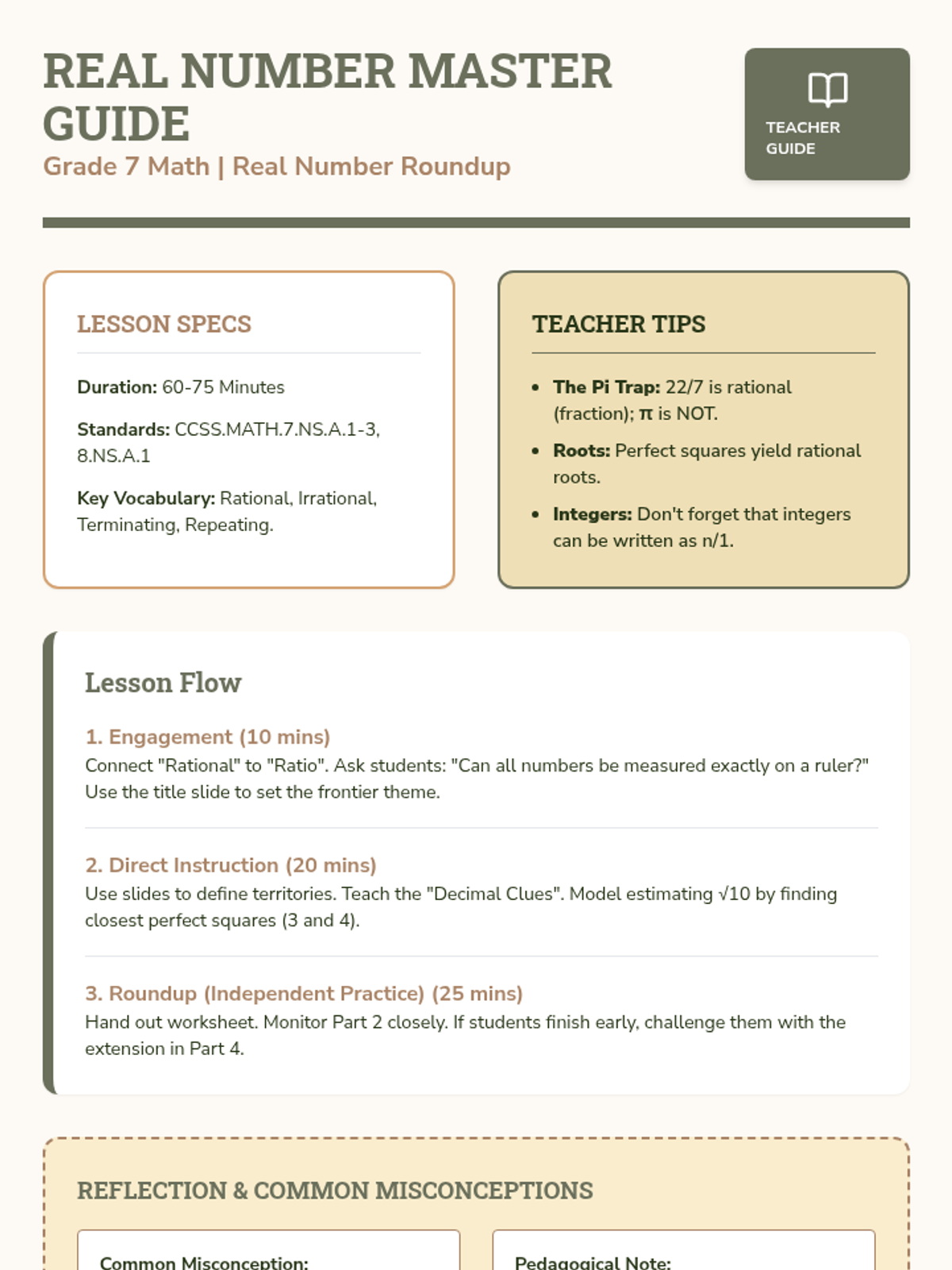
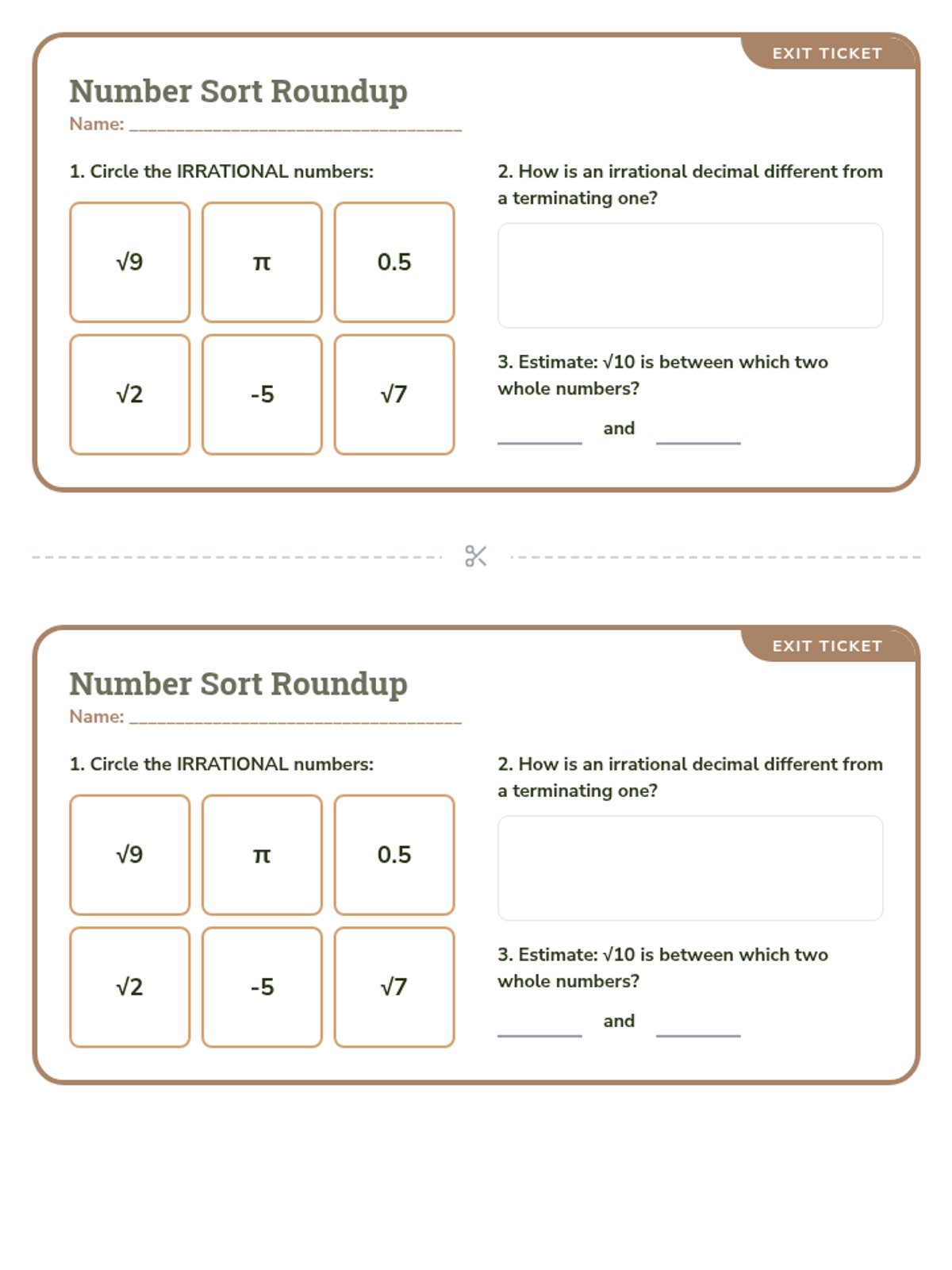
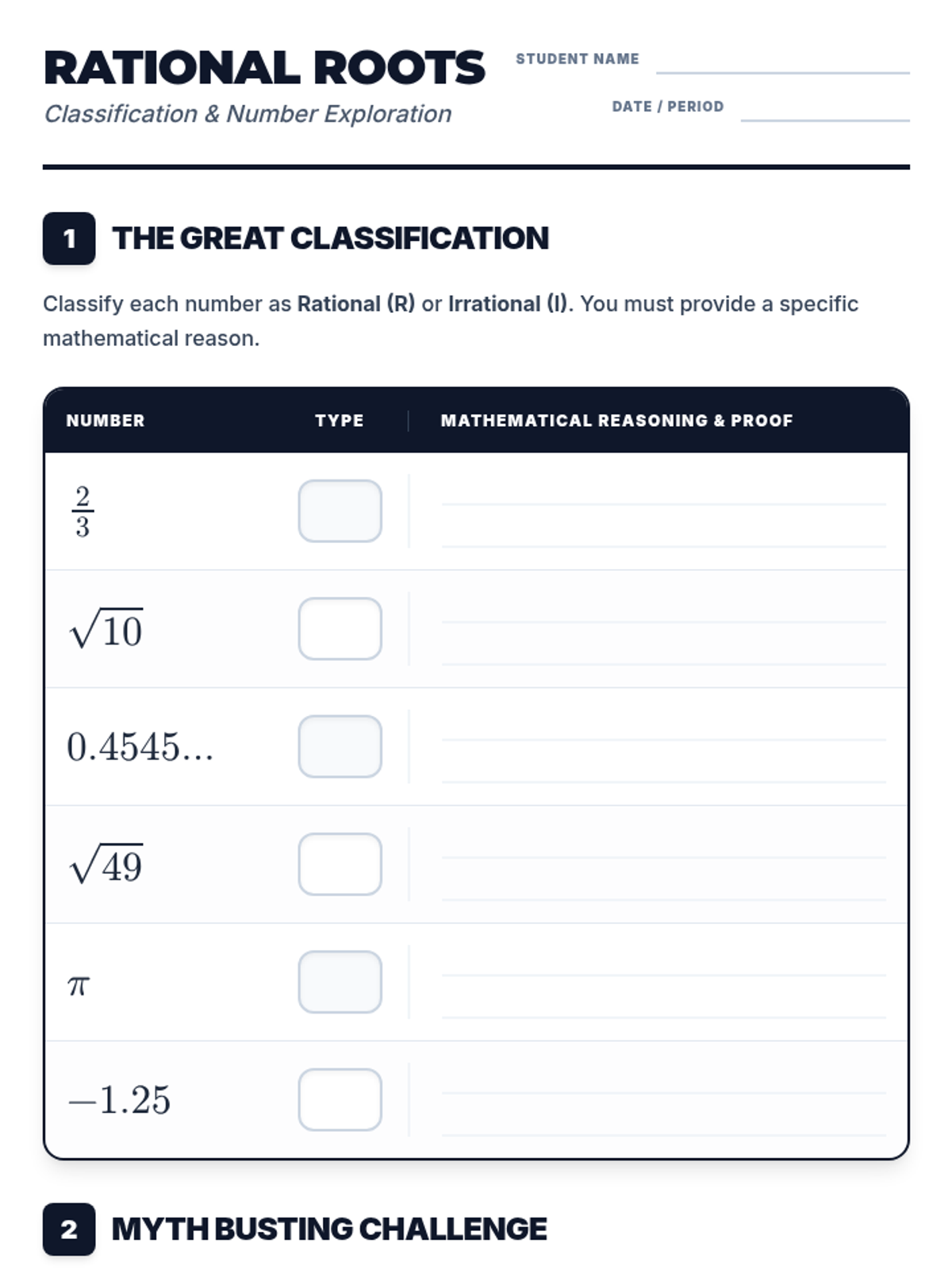
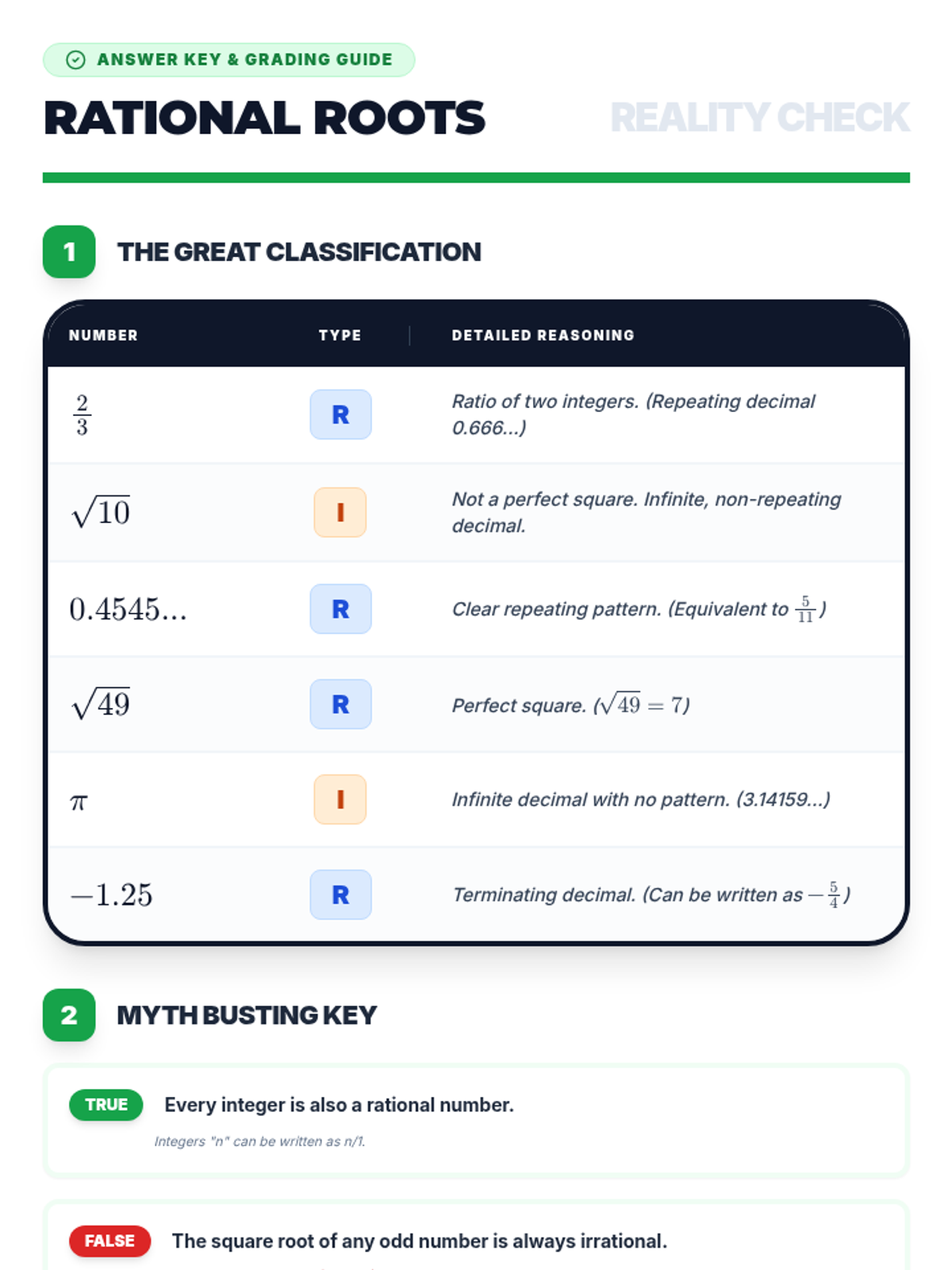
A comprehensive introduction to the Real Number System, focusing on distinguishing between rational and irrational numbers through the lens of a Western frontier theme. Students will learn to categorize numbers, understand decimal expansions, and locate values on a number line.
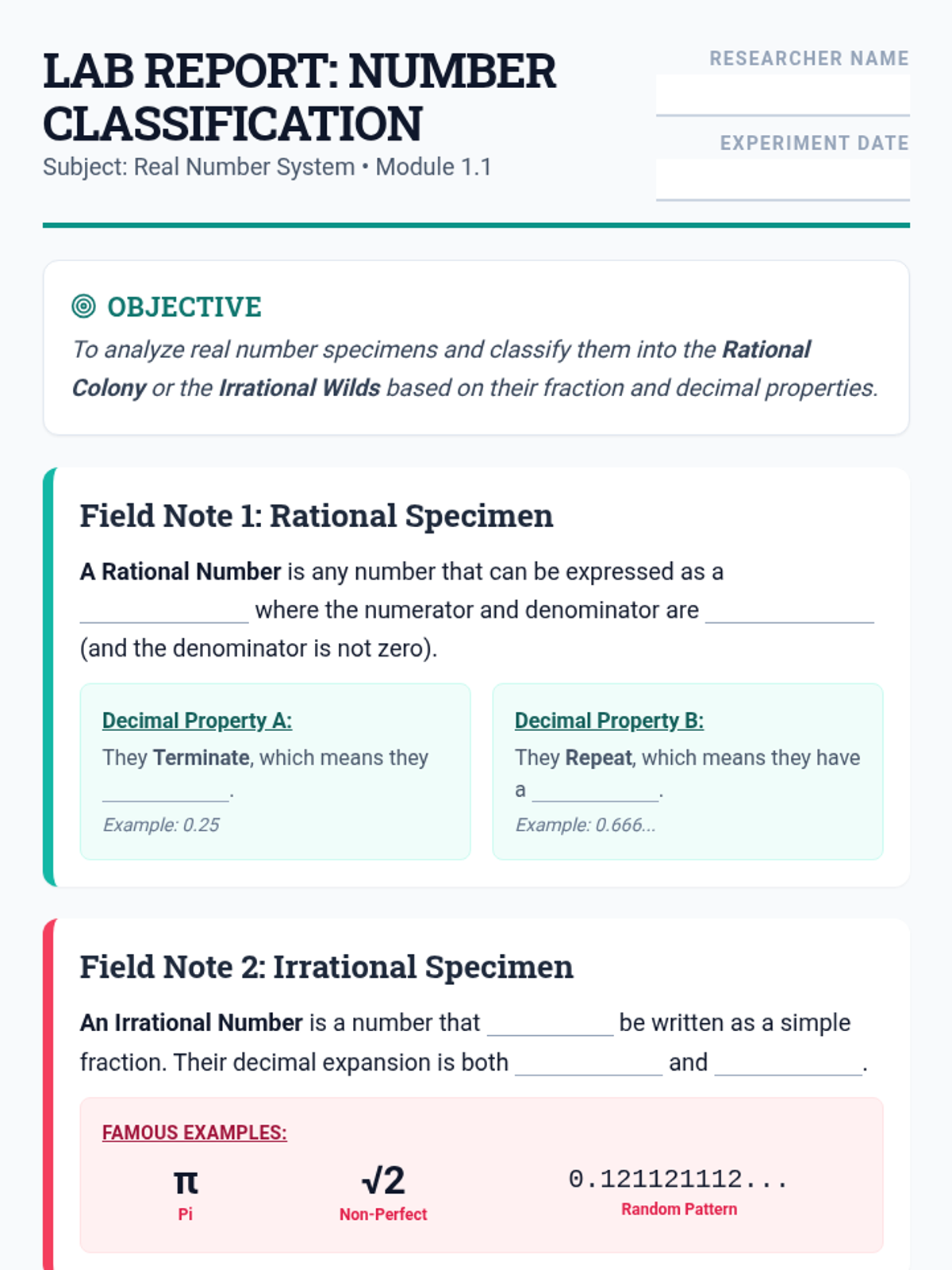
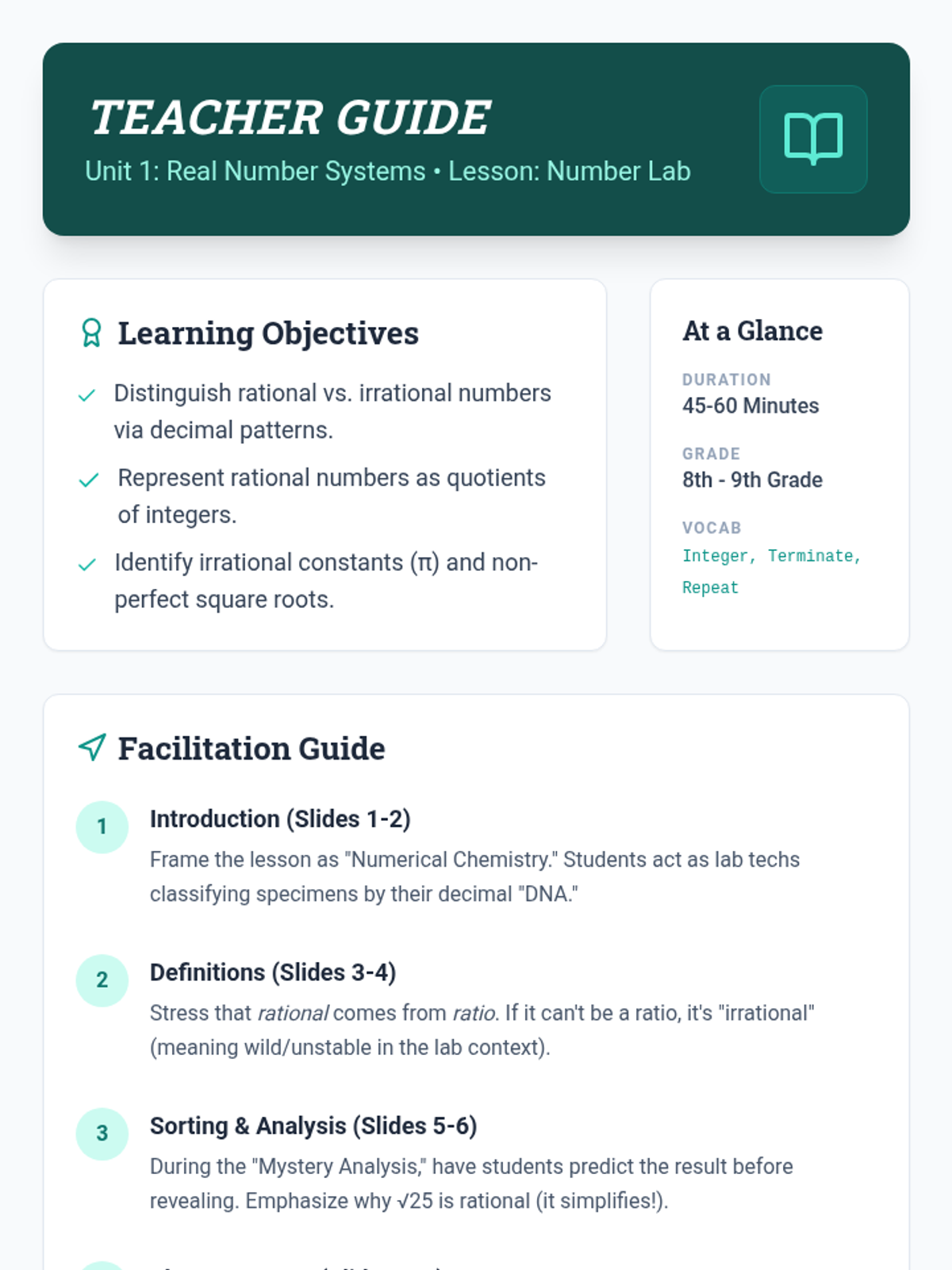
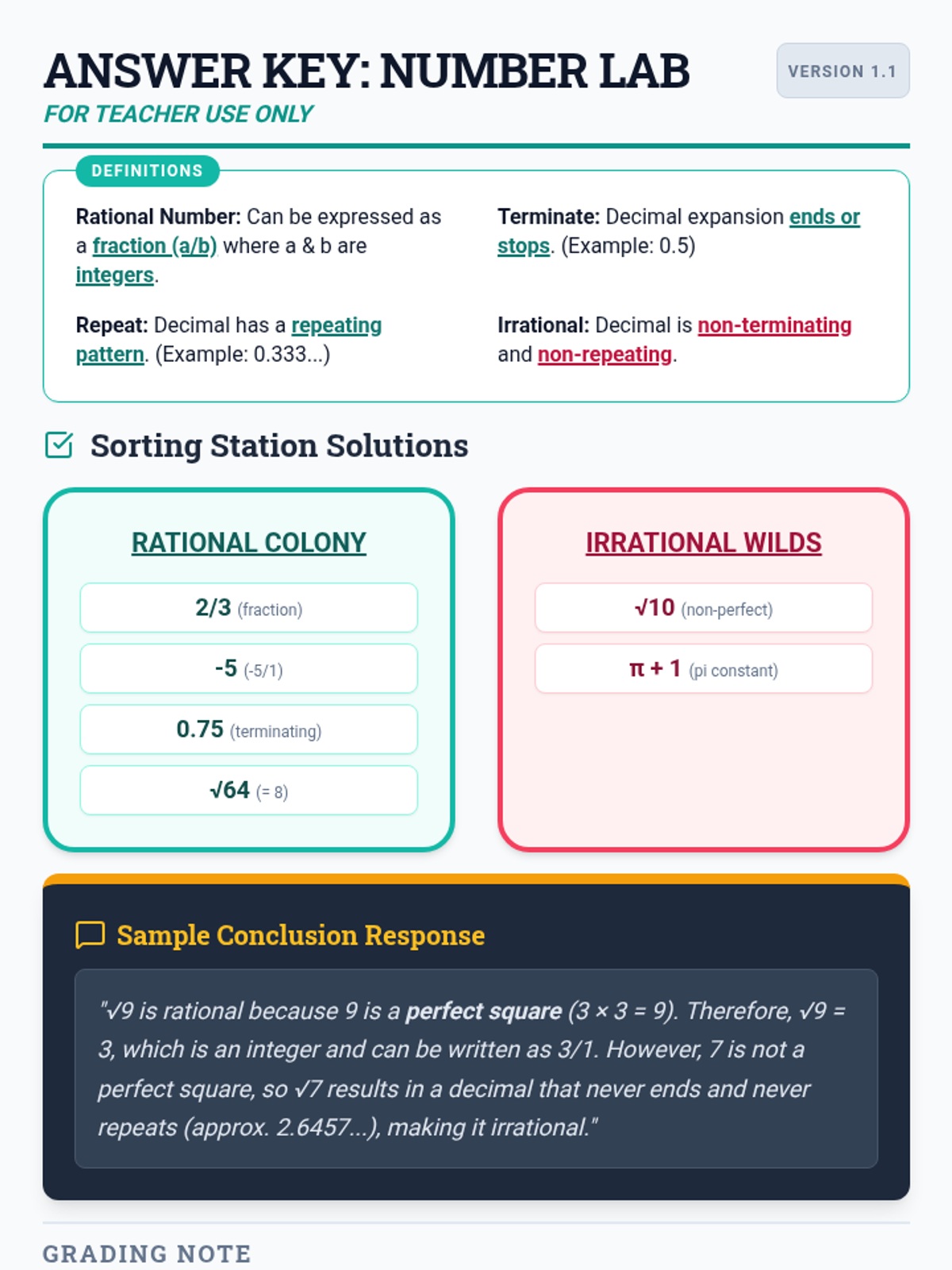
A comprehensive lesson exploring the differences between rational and irrational numbers through a scientific 'Number Lab' lens, featuring interactive classification activities and guided note-taking.
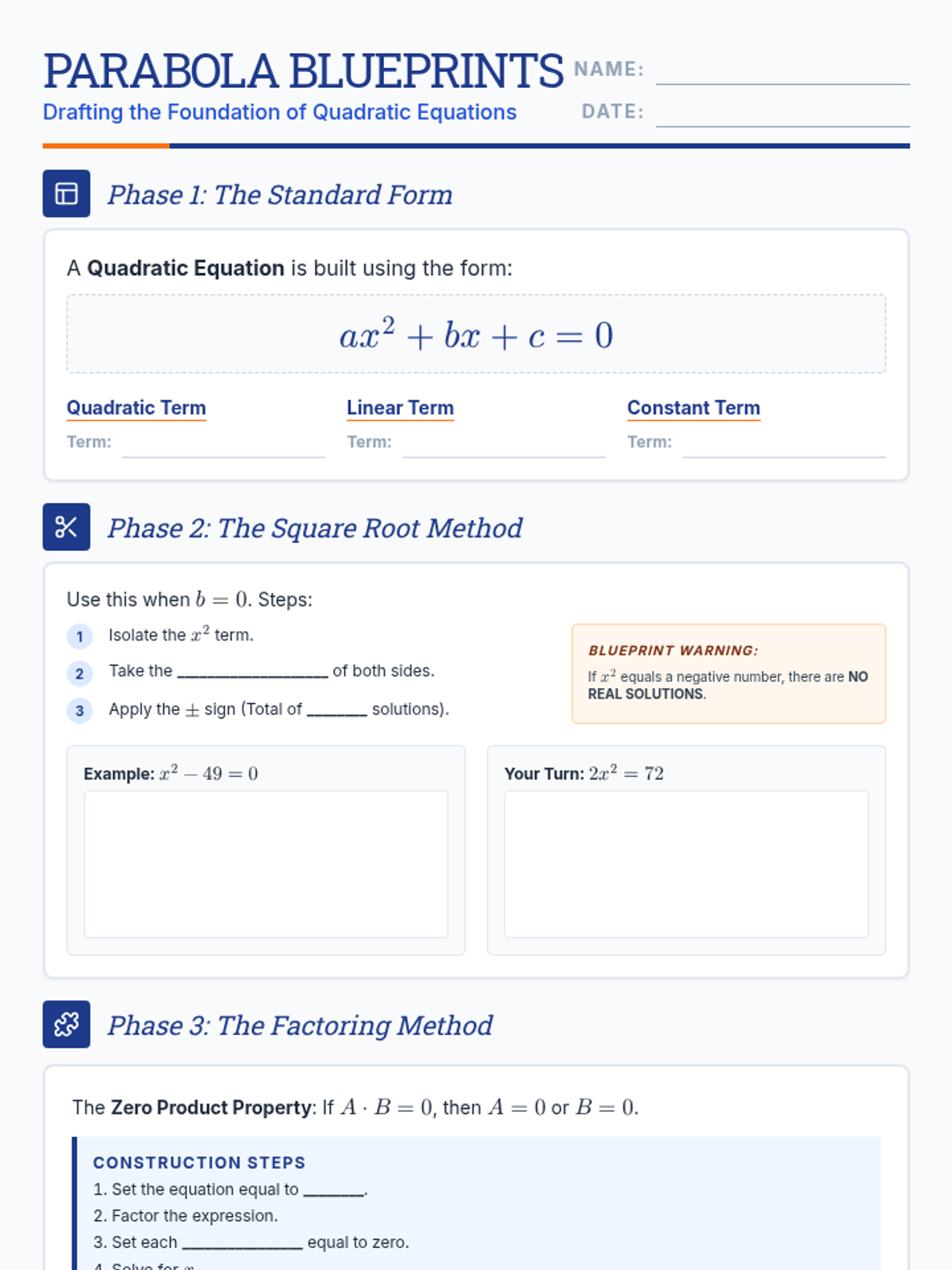
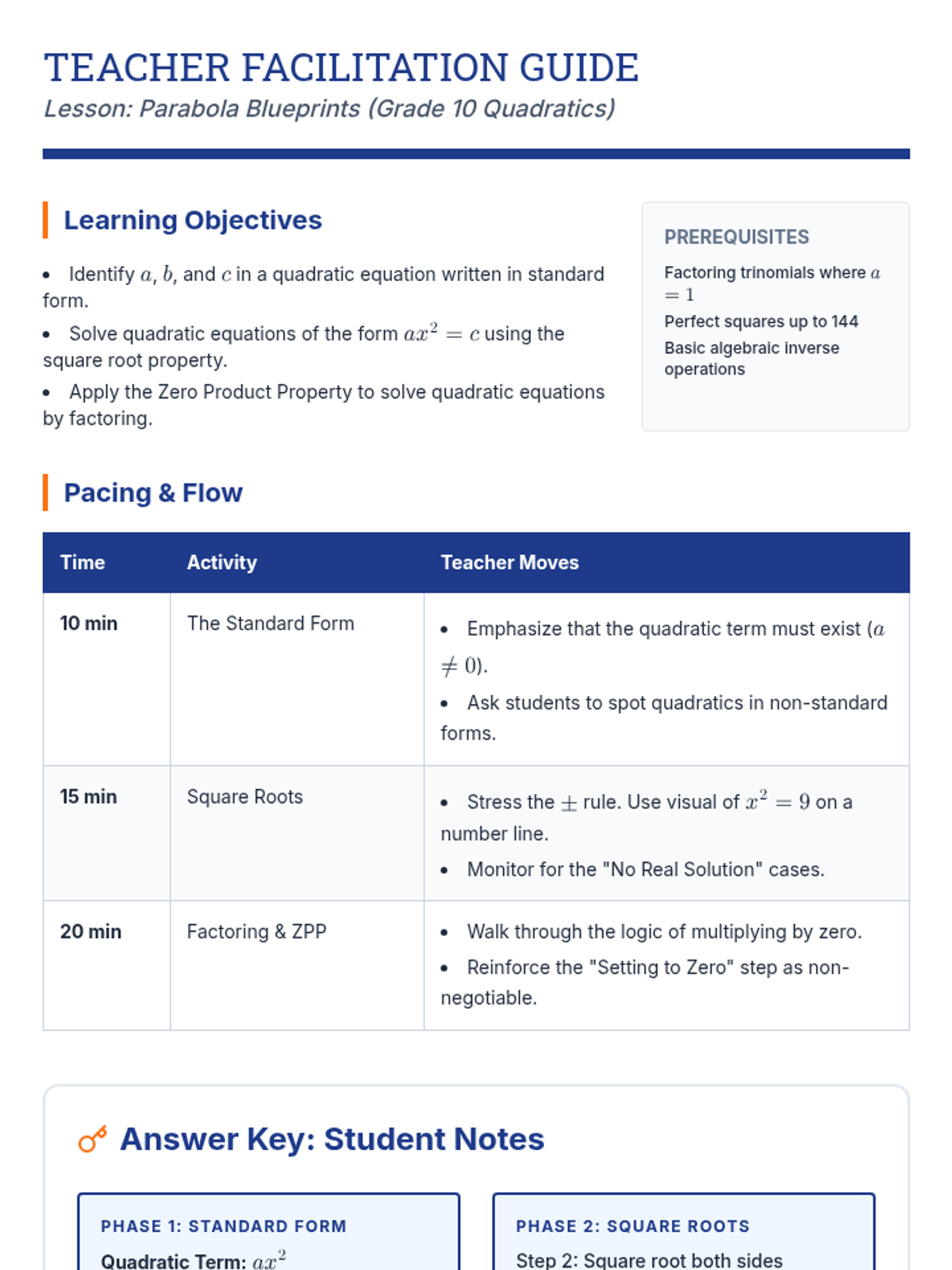
A foundational lesson introducing quadratic equations in standard form and solving them using the square root property and factoring. Students will build a 'blueprint' for understanding these U-shaped functions.
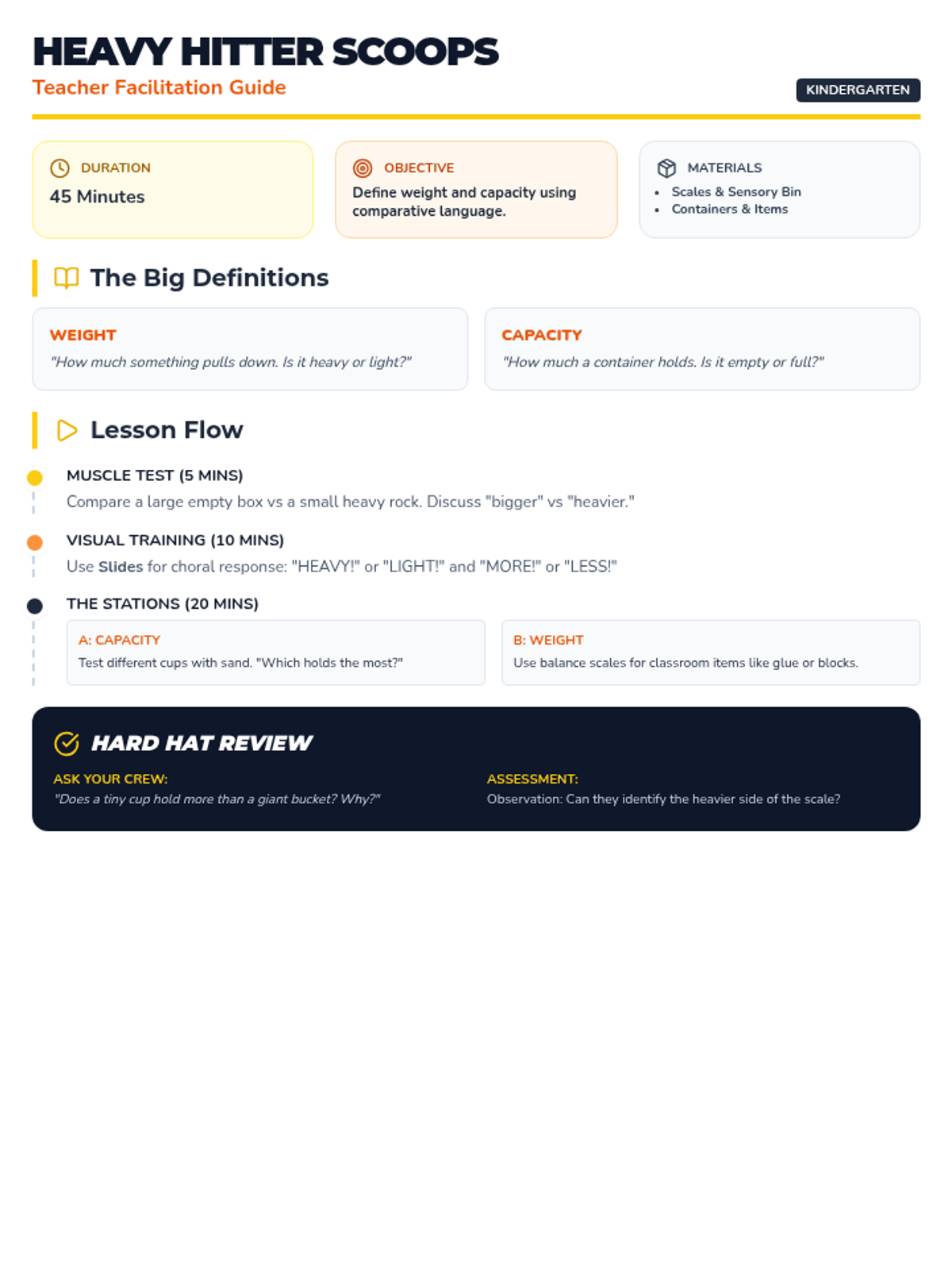
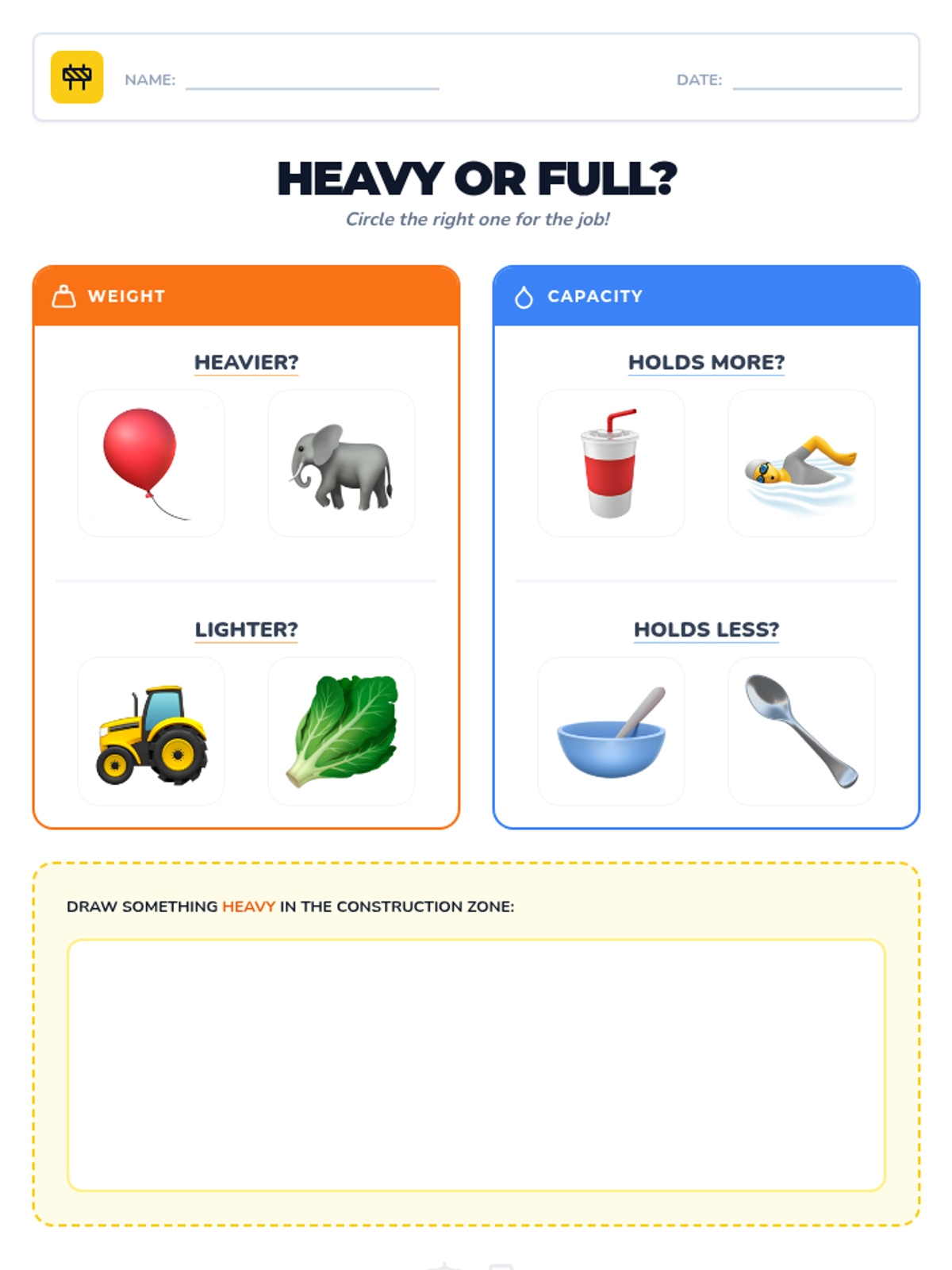
A hands-on kindergarten lesson introducing the concepts of weight (how heavy something is) and capacity (how much a container can hold) using interactive demonstrations and visual comparisons.
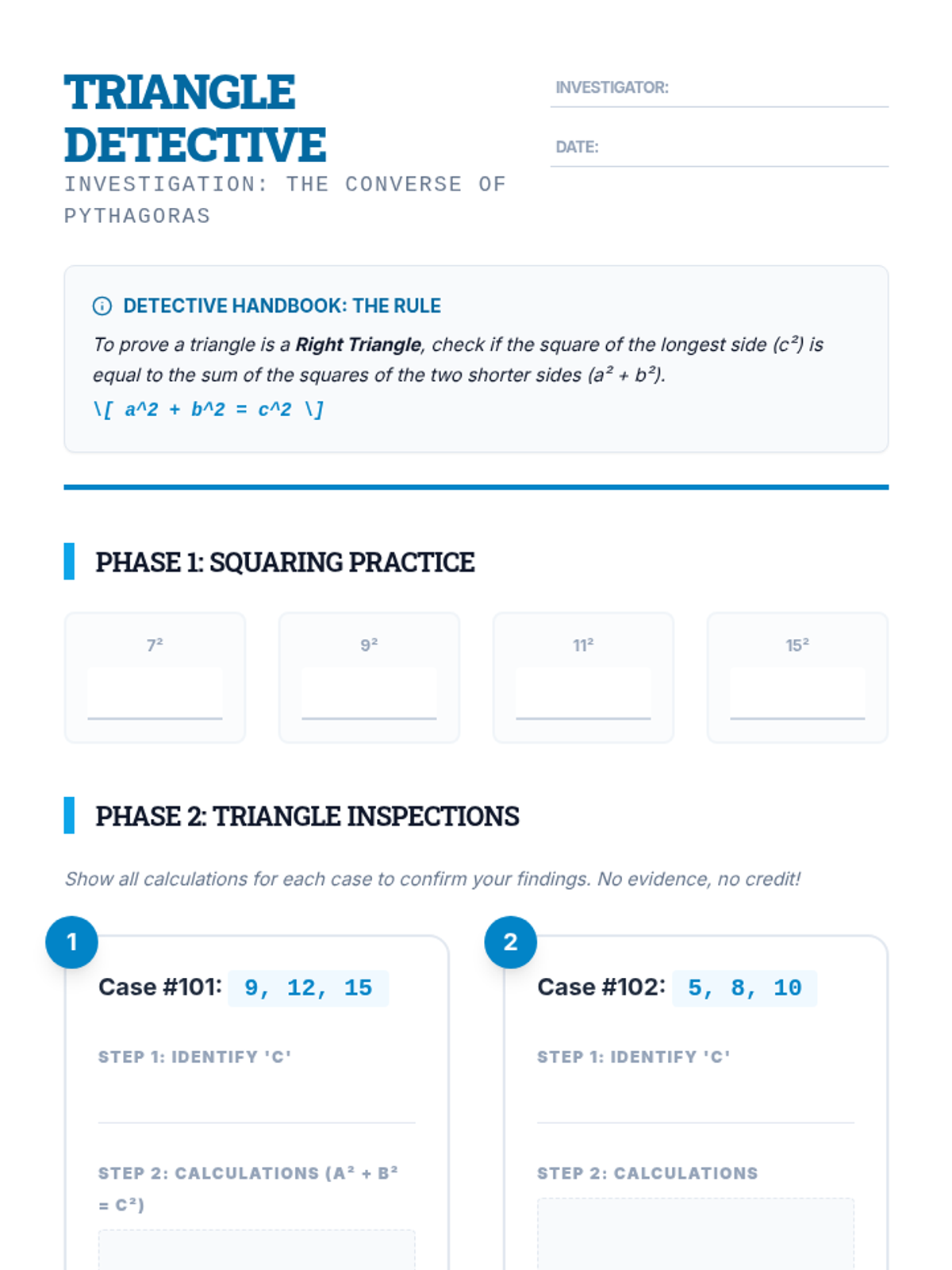
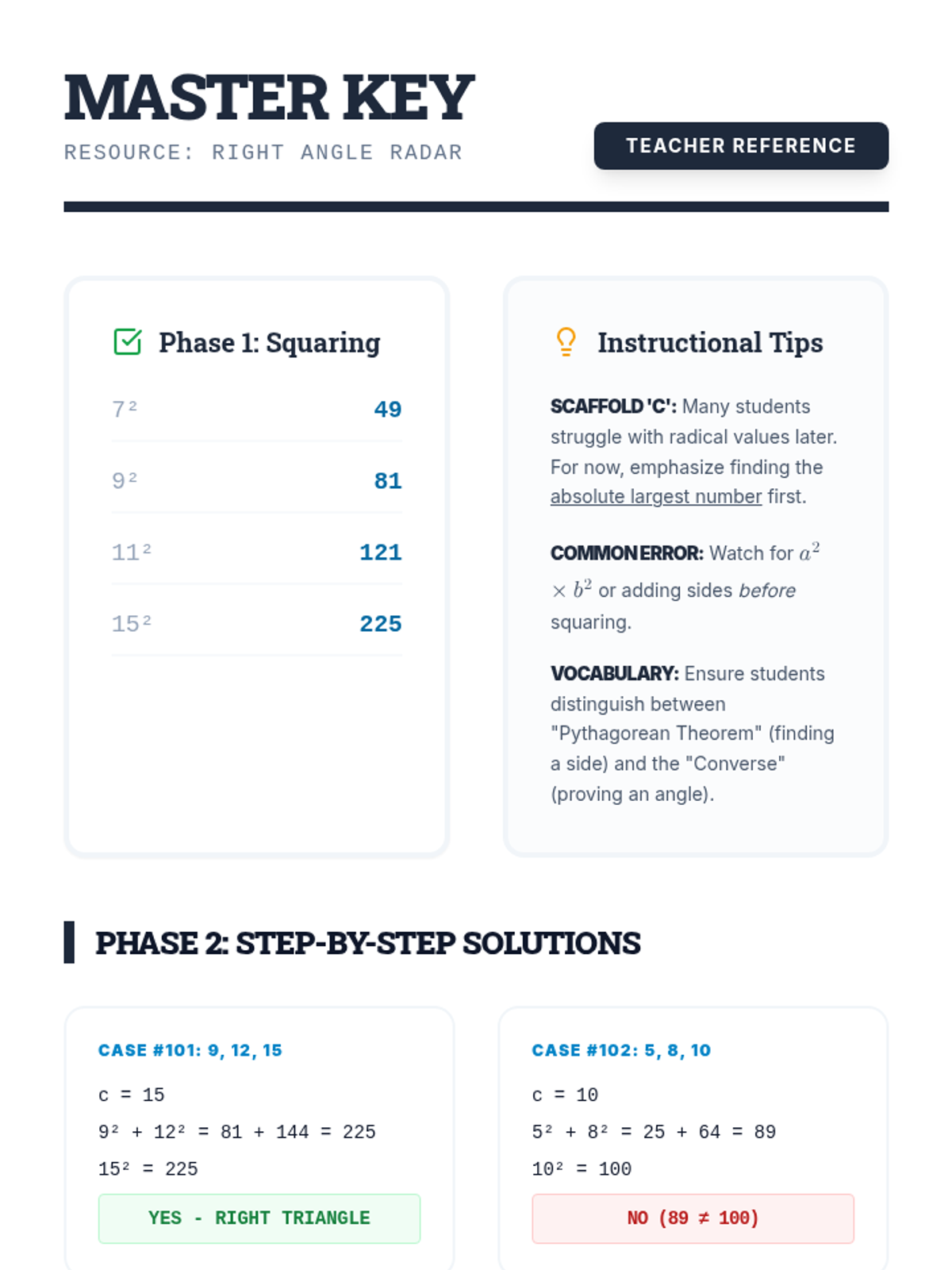
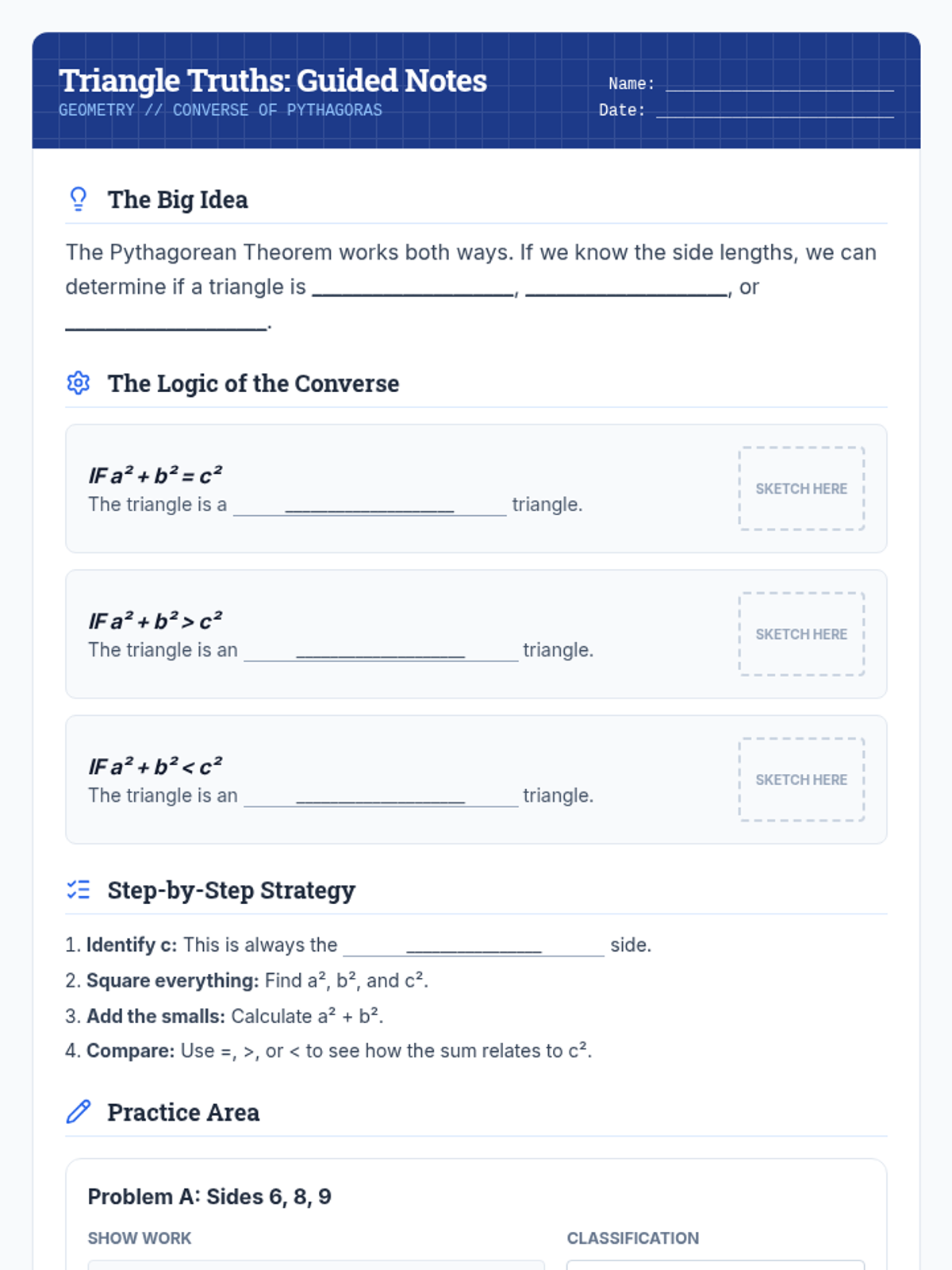
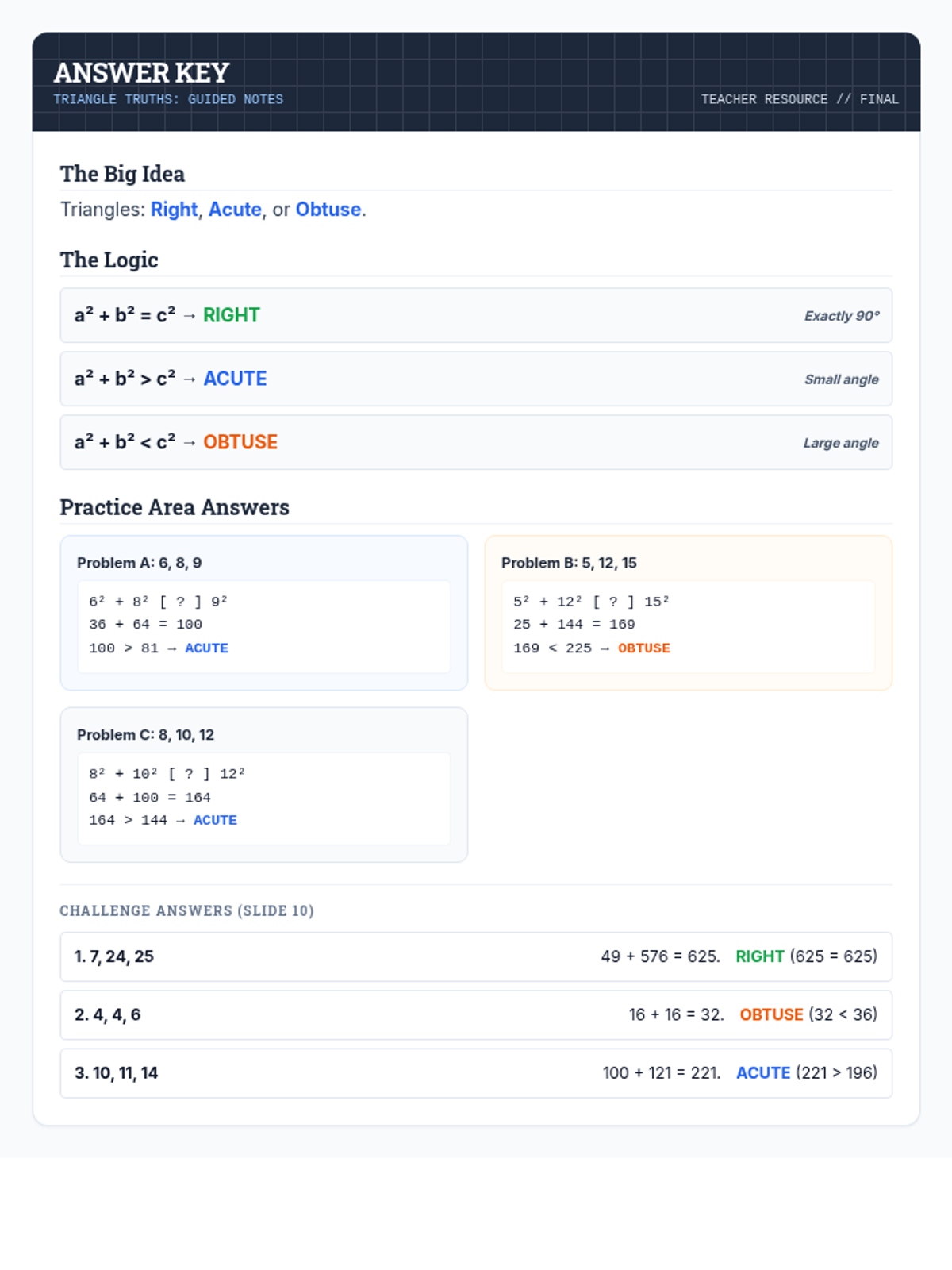
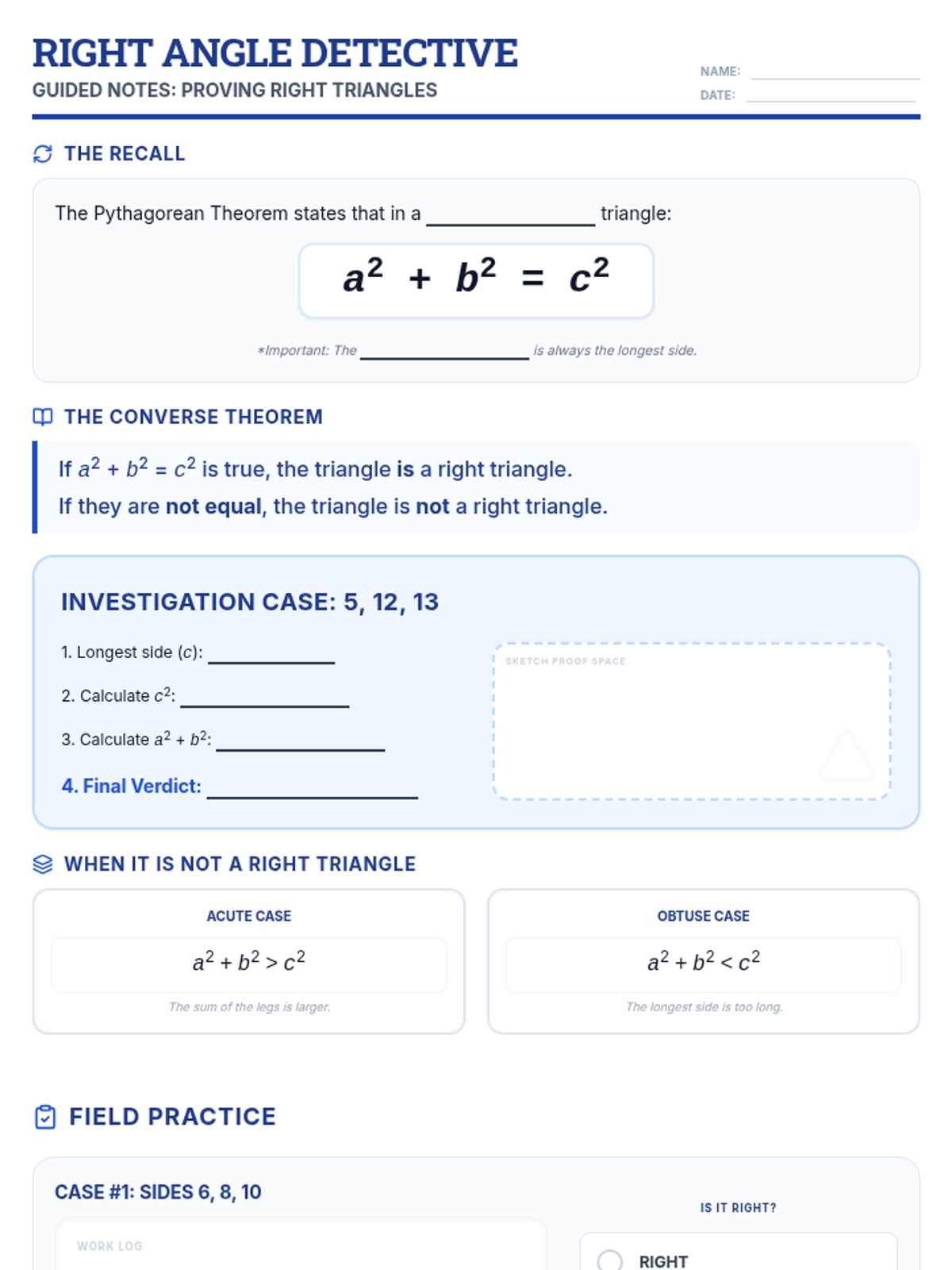
This lesson introduces students to the converse of the Pythagorean Theorem, empowering them to use mathematical evidence to determine if a triangle contains a perfect right angle.
A foundational lesson on classifying real numbers into rational and irrational categories using definitions, visual models, and practice scenarios.
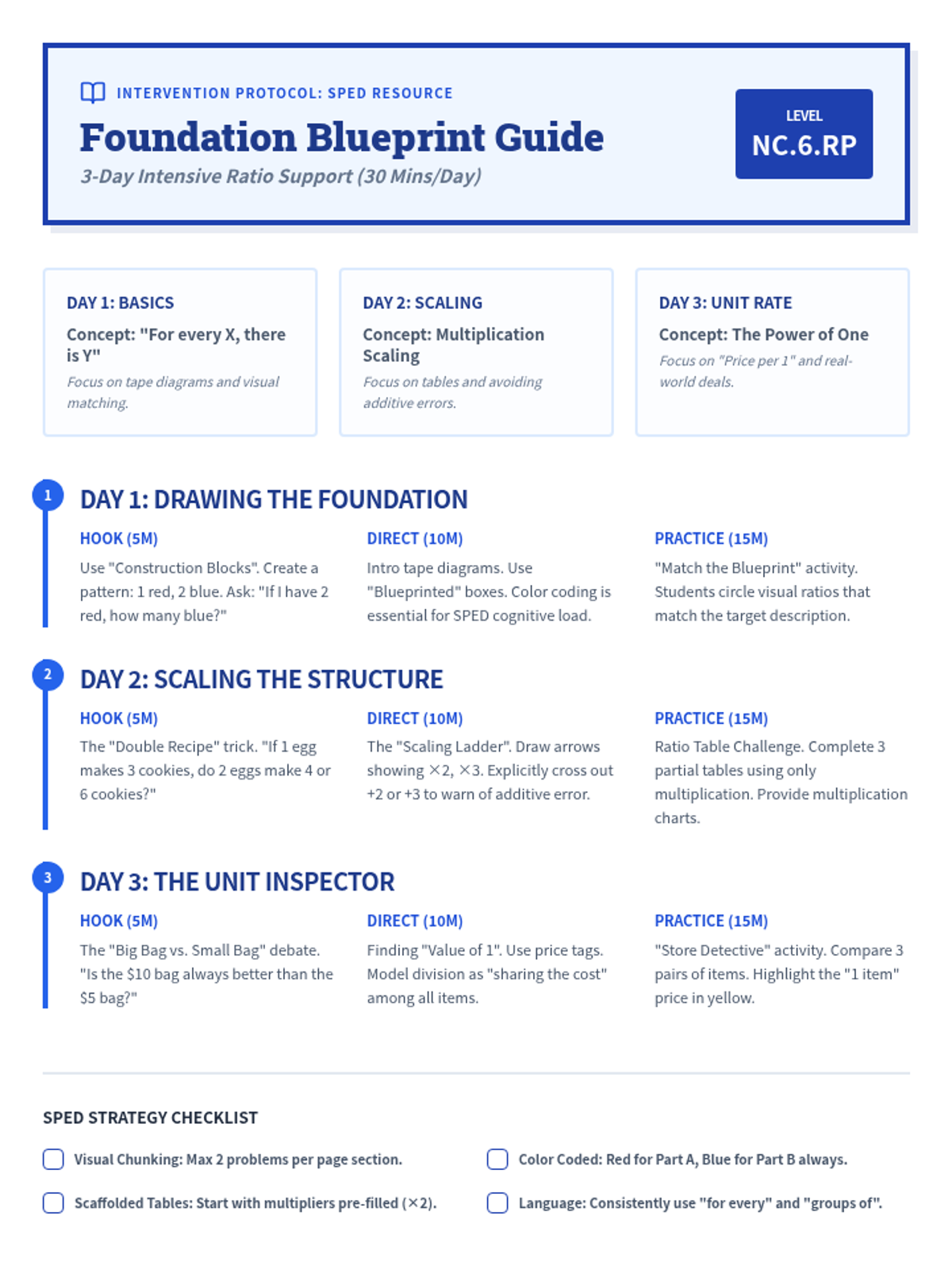
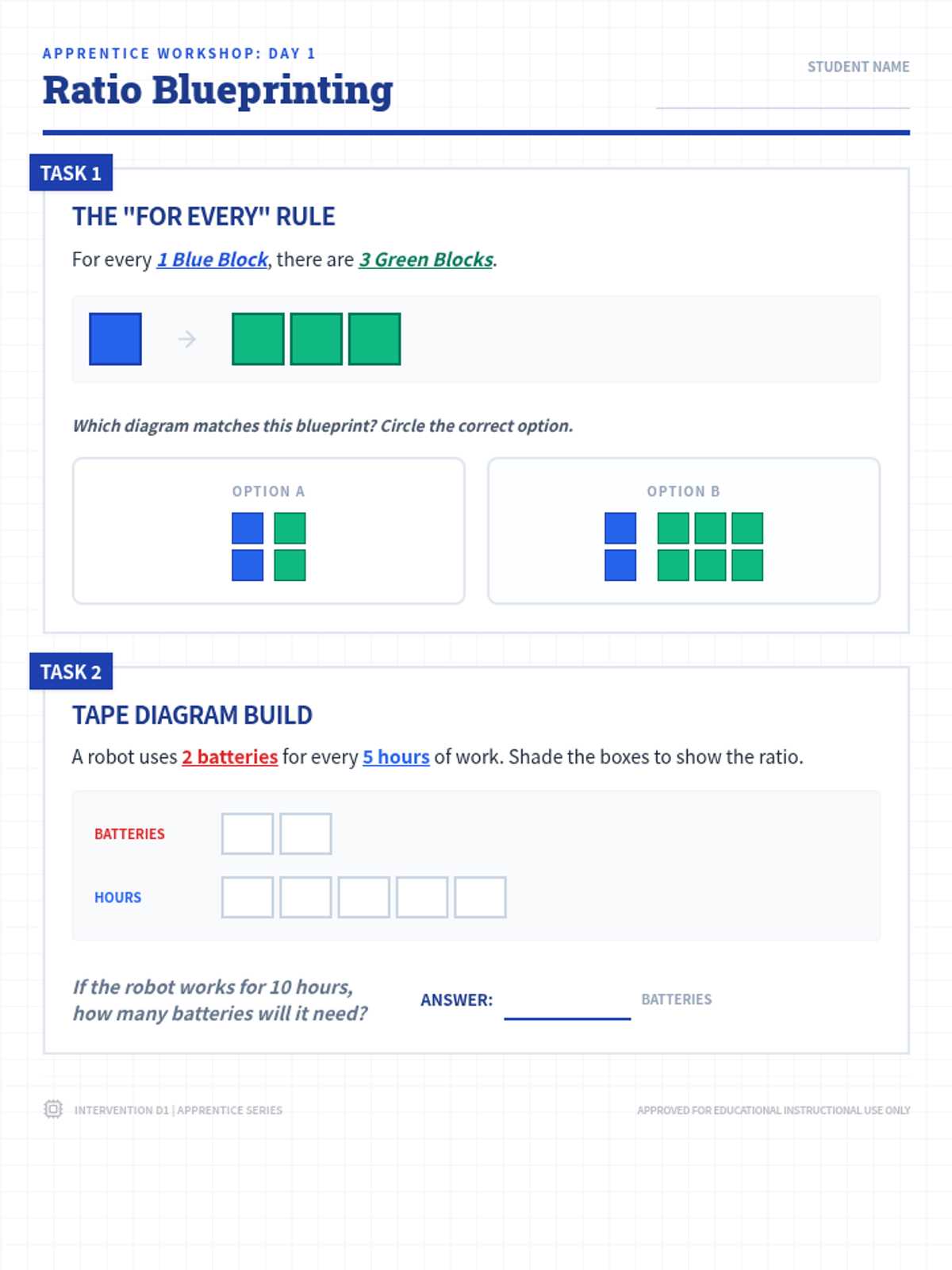
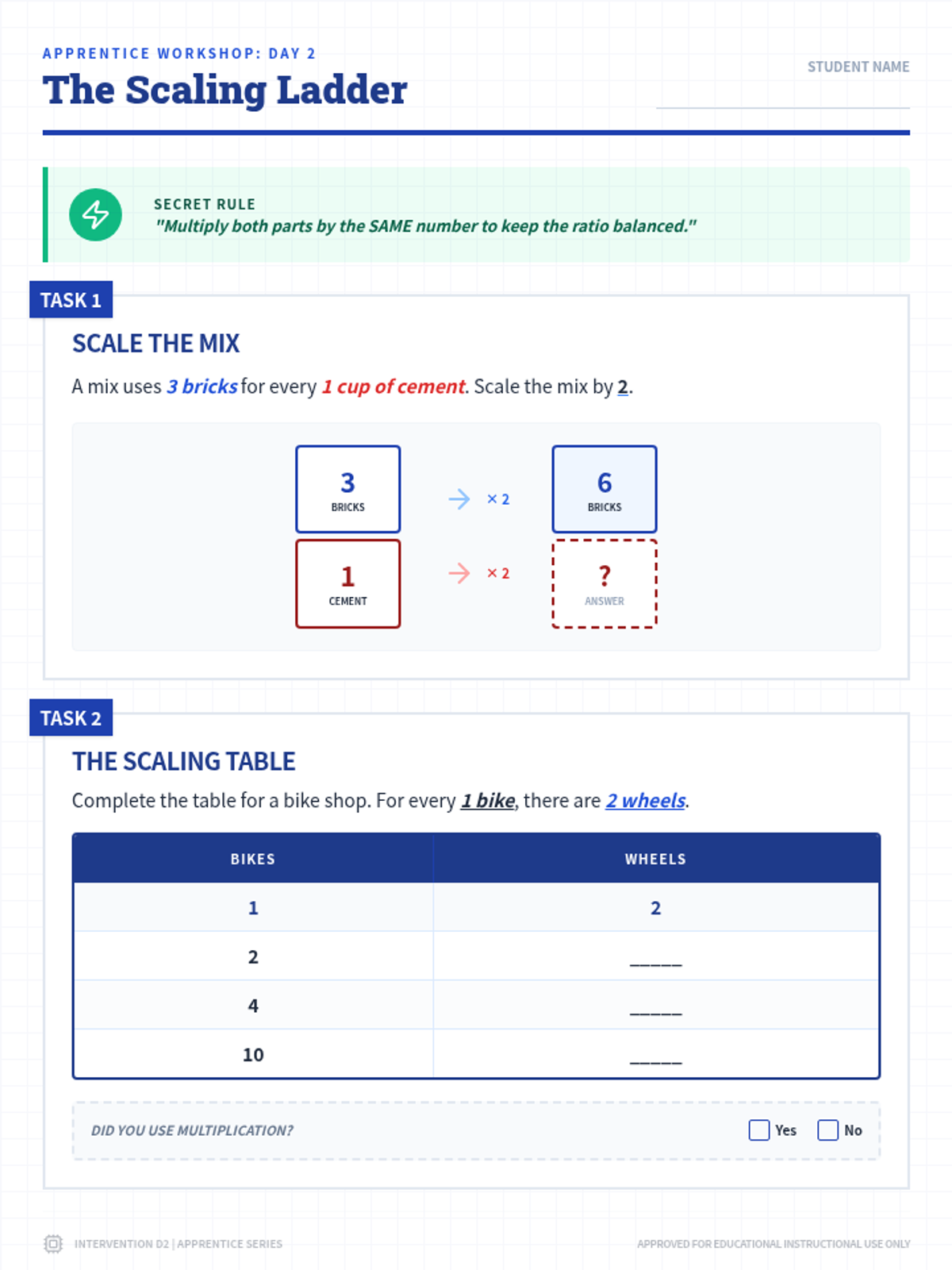
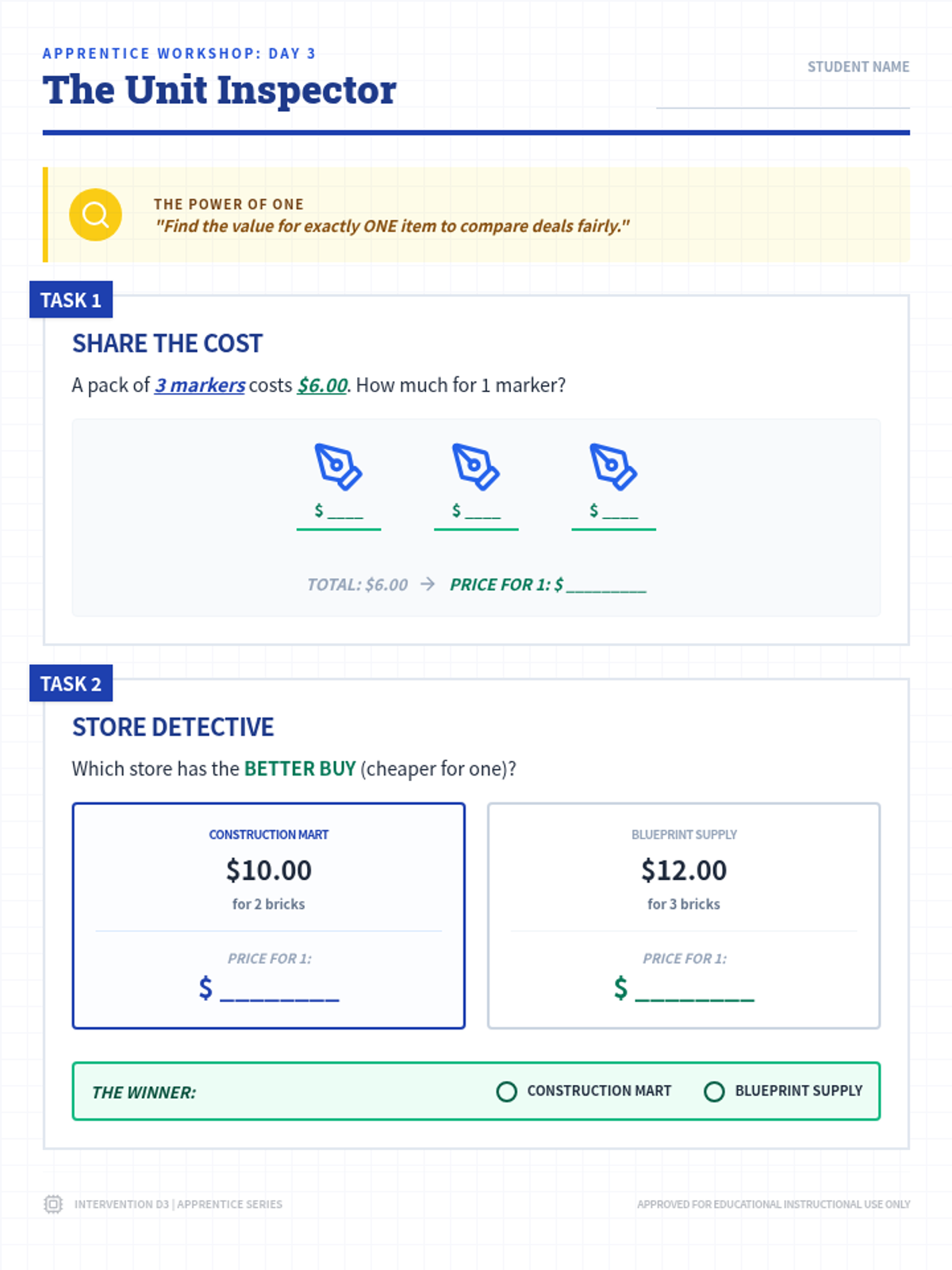
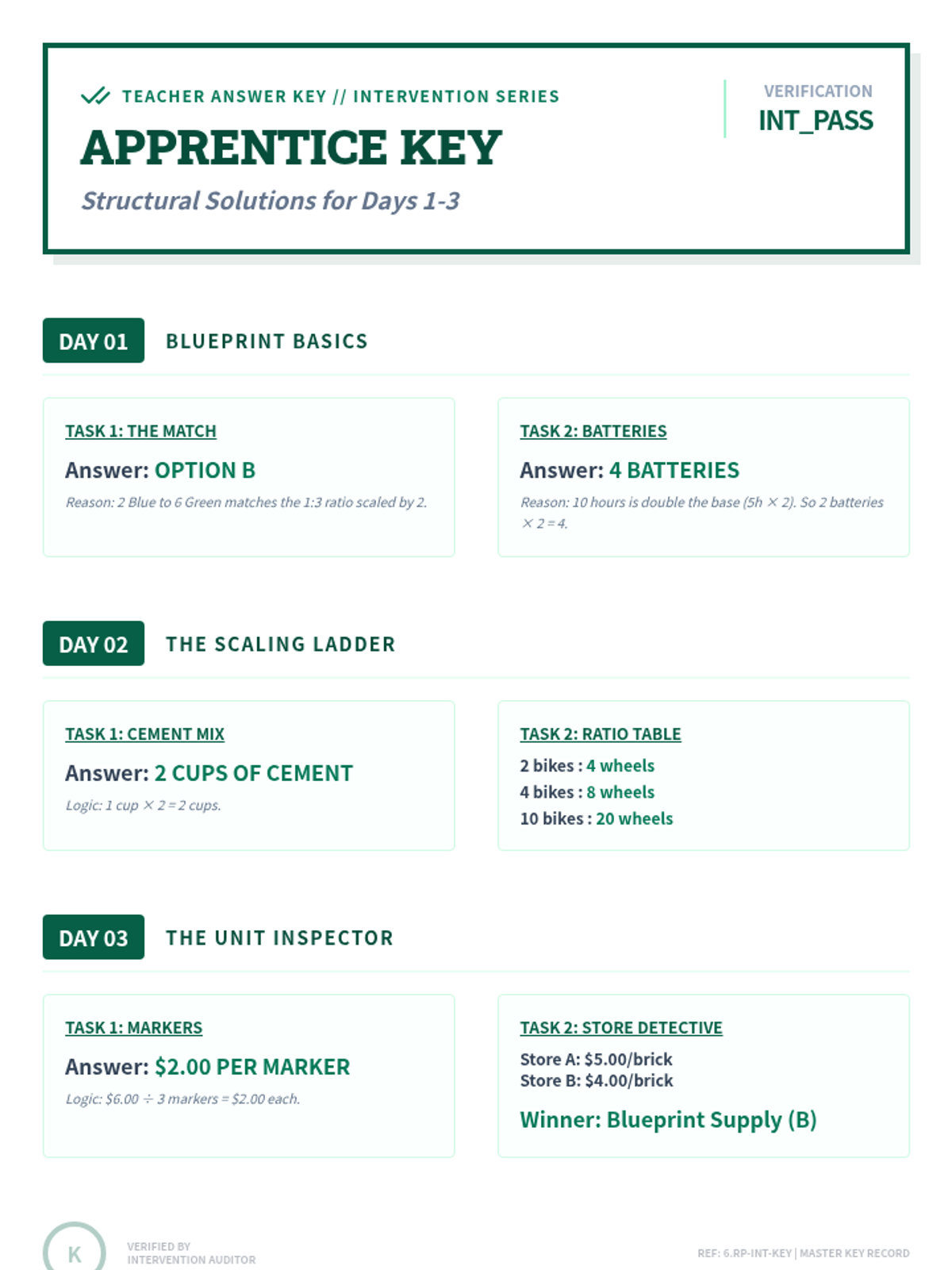
A focused 3-day intervention sequence for SPED resource students to master Grade 6 ratio concepts, specifically designed for 30-minute sessions with high visual support and simplified language.
A lesson exploring the Converse of the Pythagorean Theorem, teaching students how to classify triangles as right, acute, or obtuse based on side lengths.
A lesson exploring the Converse of the Pythagorean Theorem to prove right angles and classify triangles as acute, obtuse, or right based on side lengths.