A Pre-K lesson focused on identifying and categorizing objects and activities associated with daytime and nighttime. Students will develop fine motor skills through cutting and pasting while building early science and observation skills.
Une leçon d'éveil sensoriel pour les élèves de maternelle, centrée sur la découverte des textures à travers le toucher. Les élèves apprennent à identifier et nommer les sensations : dur, mou, doux et piquant.
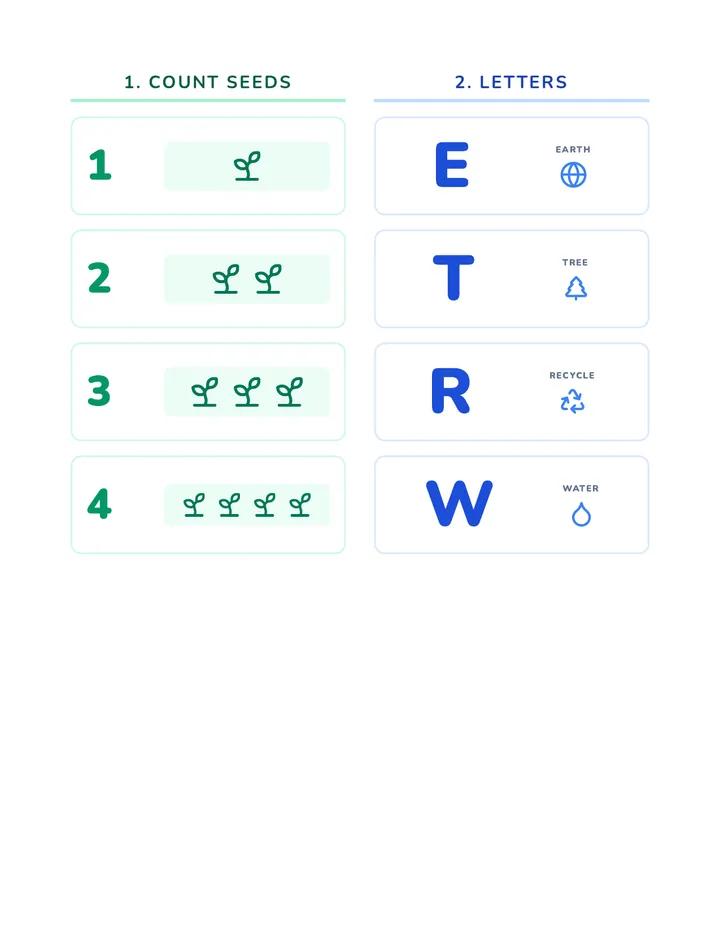
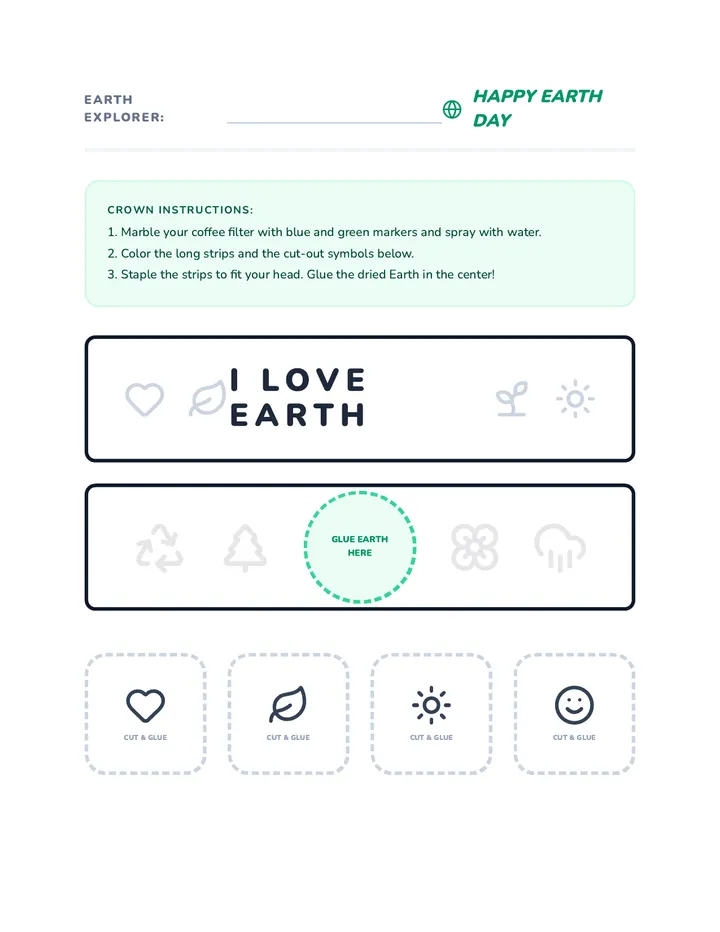
A full-day Earth Day adventure for Pre-K students exploring measurement (heavy vs. light), sorting recyclables, and celebrating our planet through art and play centers.
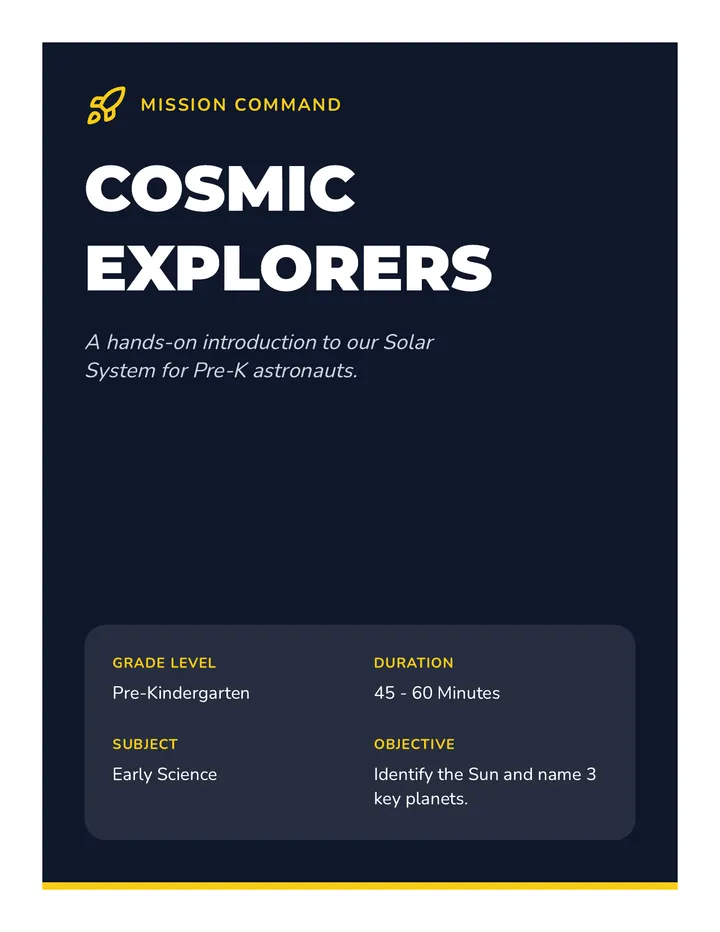
An introductory lesson for Pre-K students to explore the Sun, Moon, and eight planets through music, movement, and hands-on activities.
Meeting the new chicks and learning about gentle care and observation.
A dramatic play and movement-based lesson exploring the physical effort of hatching.
A focus on communication and sound as chicks begin to peep and tap within their shells.
Exploring what happens inside the egg through fine motor play and visual aids.
An introduction to the incubator and the concept of 'waiting' for life, focusing on sensory warmth and careful observation.
A sensory-focused lesson for Pre-K students to explore garden textures like soft, smooth, and prickly through hands-on exploration and visual aids.
A review lesson where students sort various chores into push or pull categories and participate in a class-wide 'Chore Challenge' game.
An introduction to the concept of 'Pull' through tasks like opening drawers, raking leaves, and pulling a wagon.
An introduction to the concept of 'Push' through common household tasks like sweeping, vacuuming, and pushing a grocery cart.
A fun and engaging animal-themed coloring book that encourages students to identify, draw, and color 51 different animals. This lesson focuses on animal diversity and recognition through a creative field-guide approach.
A foundational phonics lesson focused on identifying and matching initial consonant sounds through detective-themed activities and hands-on matching.
A focused activity on identifying and distinguishing between vowels and consonants using the visual style of plastic reading rods.
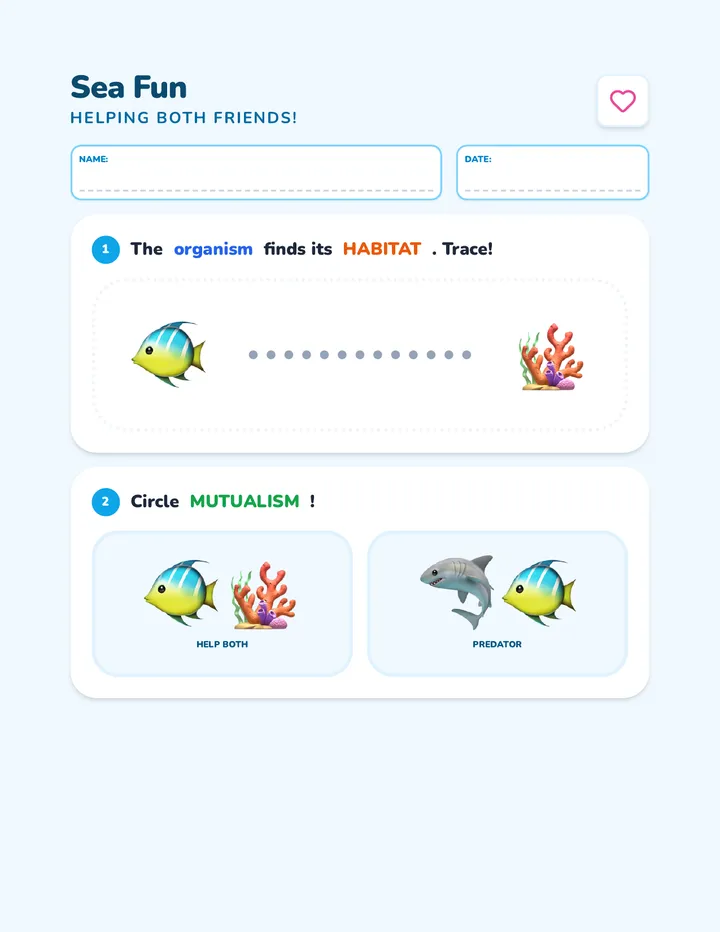
A hands-on sensory center lesson where students explore plastic animal toys to learn basic science concepts like classification, anatomy, and habitats while building descriptive vocabulary.
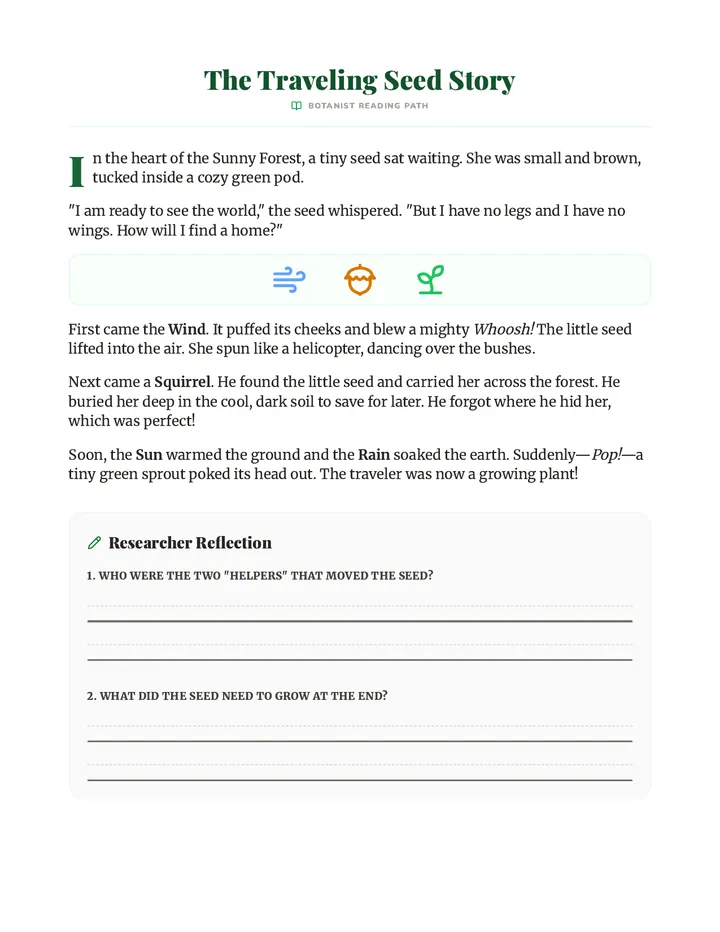
A comprehensive life science lesson for Pre-K to 2nd grade focused on seed dispersal, plant needs, and hands-on observation. Students act as junior botanists to explore how seeds move and what they need to grow into healthy plants.
A fun, interactive lesson designed for preschoolers to explore physical similarities and differences through a detective-themed investigation. Students will identify traits like hair color, eye color, and clothing patterns to find "matches" among their peers.
A synthesis lesson where students compare and sort the needs of all living things to identify patterns.
Explores the survival requirements of animals and humans, highlighting food, water, air, and shelter.
Focuses on what plants need to grow and thrive, including sunlight, water, air, and soil.
A cumulative review where students demonstrate their understanding by sorting various clothing items into the correct weather categories.
An exploration of rainy weather, focusing on the gear needed to stay dry and the fun of puddle jumping.
Focusing on pleasant, warm weather, students explore outdoor activities and comfortable clothing for sunny days.
Students identify characteristics of hot and cold weather and learn about the specific clothing needed for extreme temperatures.
An introductory lesson on bird anatomy where students learn to identify and label five key body parts: eye, beak, wing, feathers, and claws.
Pre-K students become little scientists to explore primary colors and the magic of mixing them using water and food coloring. This lesson builds fine motor skills and introduces the concept of cause and effect through hands-on play.
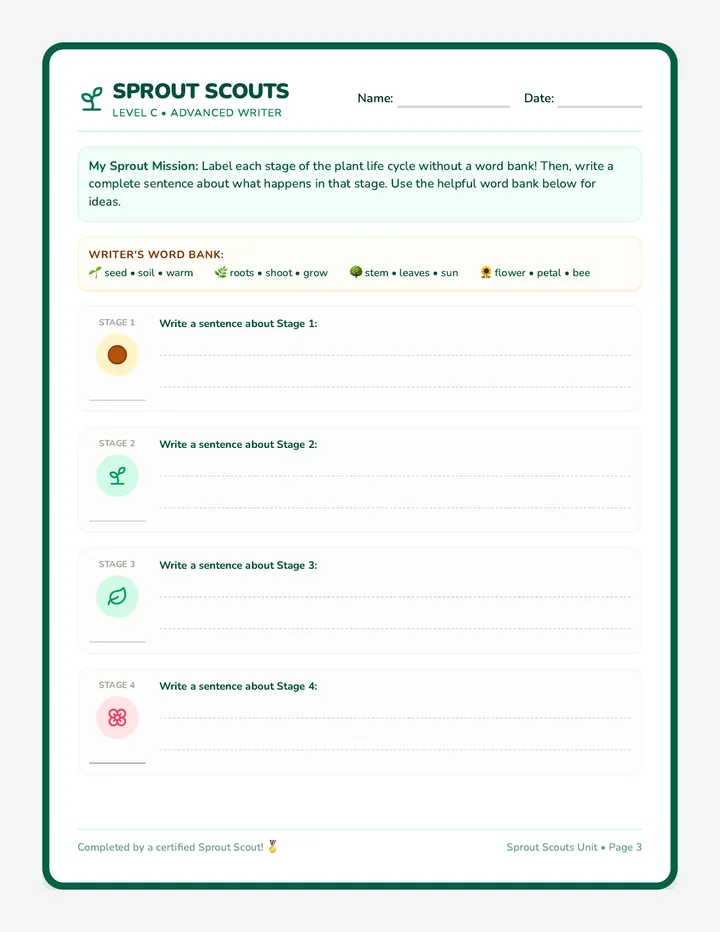
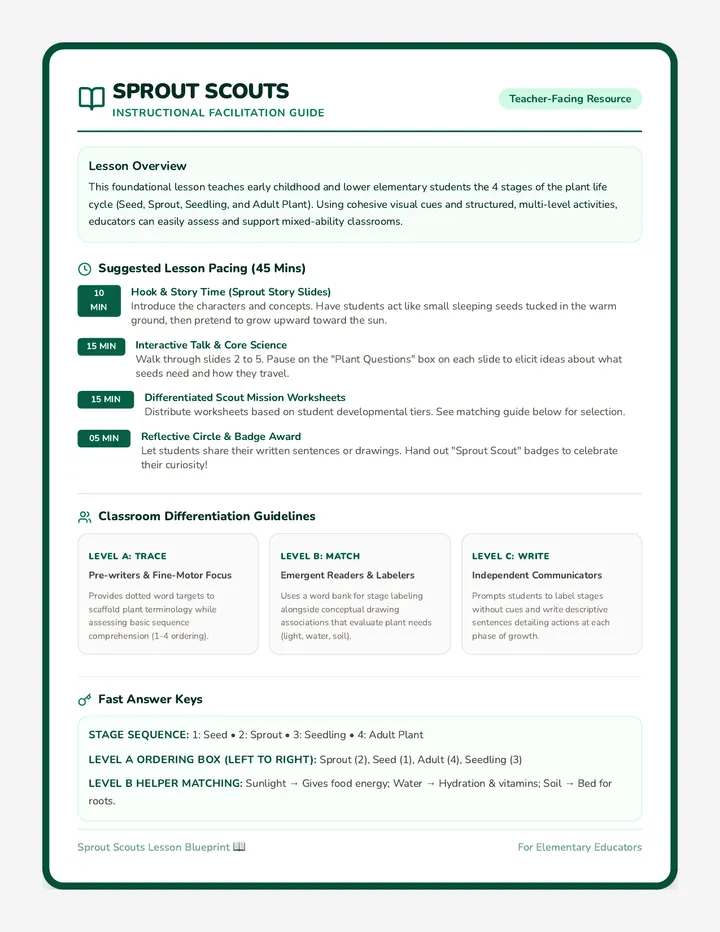
A hands-on lesson exploring the four primary stages of a sunflower's life cycle through visual instruction and a cut-and-paste sequencing activity.
A fun, interactive lesson introducing elementary students to the four seasons through observation and play. Students will identify key characteristics of spring, summer, autumn, and winter using visual cues and interactive bingo.
Students will learn to distinguish between living and nonliving things by identifying key characteristics like growth and basic needs. The lesson includes a visual presentation, a hands-on sorting worksheet, and an outdoor exploration guide.
A lesson focused on animal characteristics and habitats, helping students build descriptive vocabulary.
Students design and build a STEM leprechaun trap inspired by 'How to Catch a Leprechaun', focusing on multi-step directions and problem-solving through the engineering design process.
An introductory science lesson comparing a live goldfish to a goldfish cracker to help students identify the characteristics of living and non-living things.
A nature-themed exploration of the letter N, focusing on lowercase and uppercase identification, the /n/ sound, and nature-based vocabulary like nests, nuts, and newts.
A foundational lesson for early learners to identify and name common fruits using visual aids and matching activities.
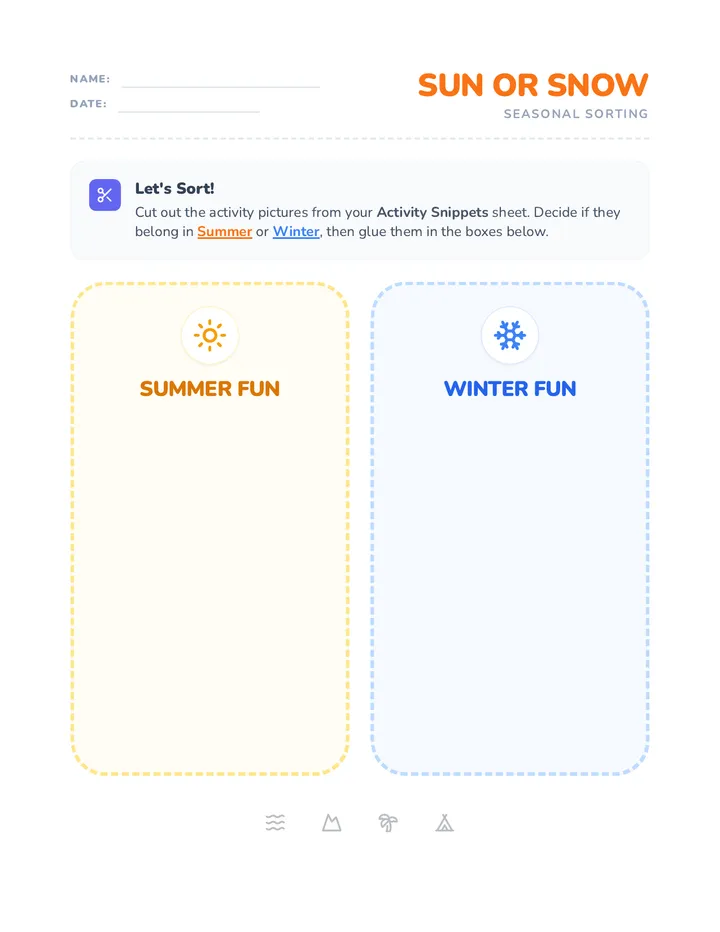
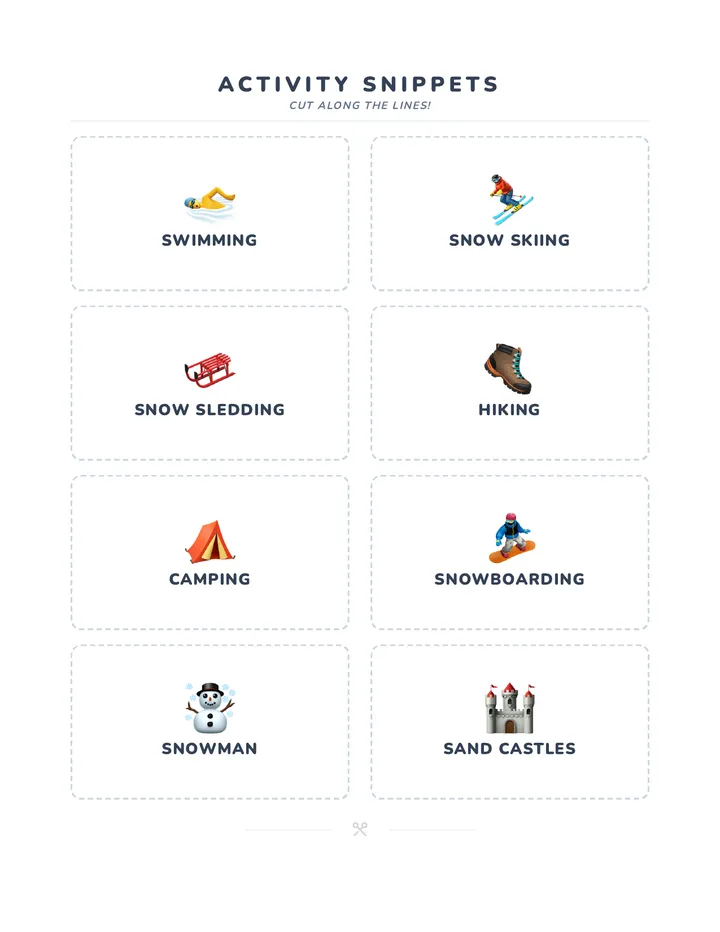
Synthesizes weather patterns into the cycle of the four seasons. Students will learn to distinguish Summer, Fall, Winter, and Spring through visual changes in nature and a sorting activity.
Explores how air moves (wind) and introduces cold weather patterns (snow) through creative 'blow painting' and seasonal clothing sorting.
Introduces students to basic weather types (sunny, rainy, cloudy) through visual observation and a hands-on 'rain cloud in a jar' experiment.
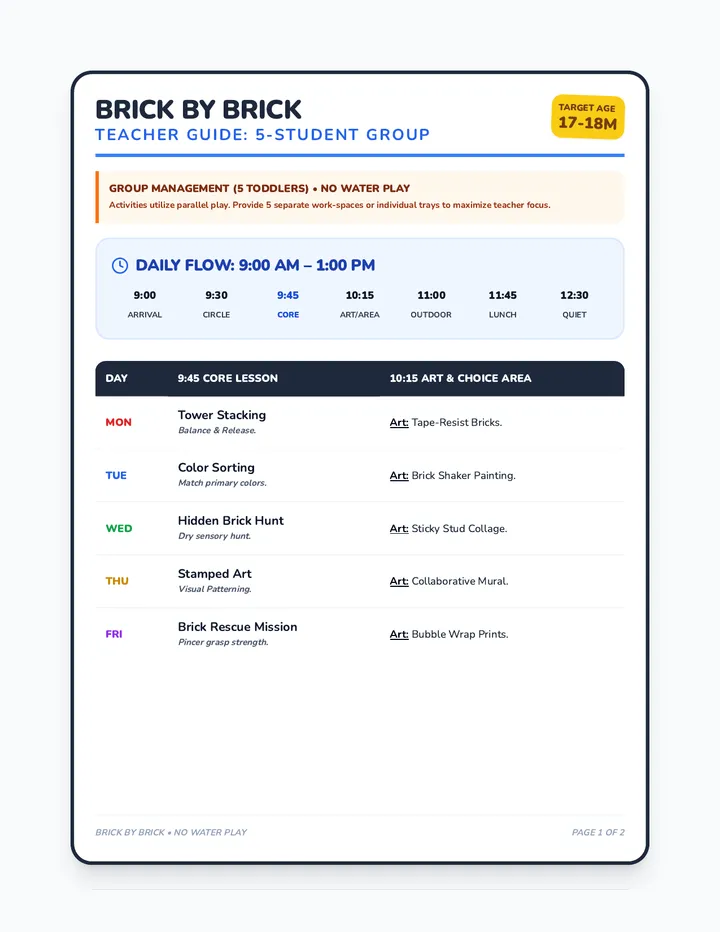
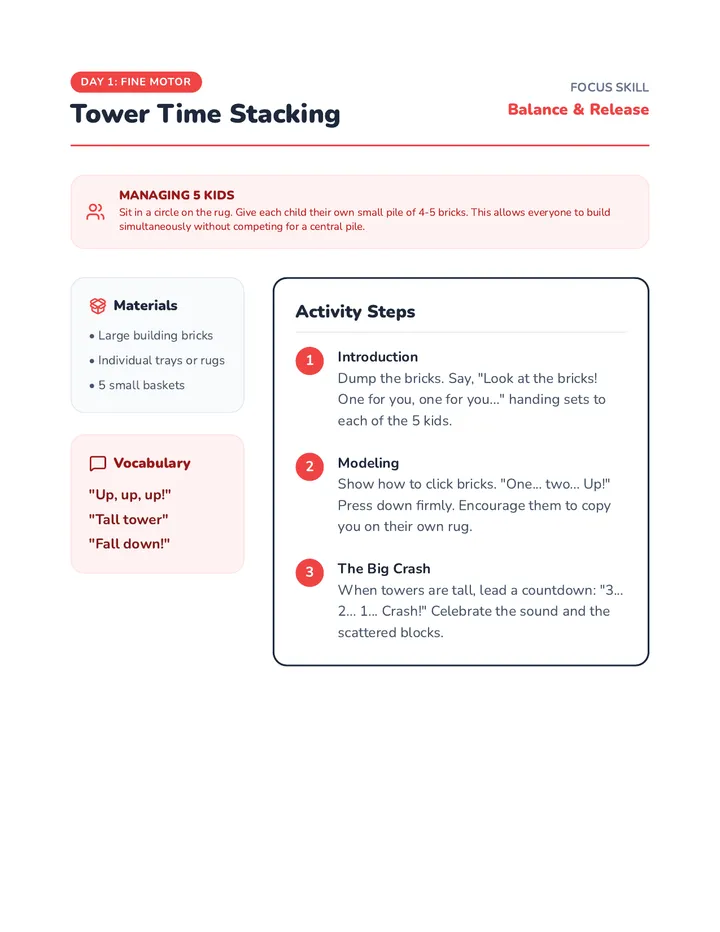
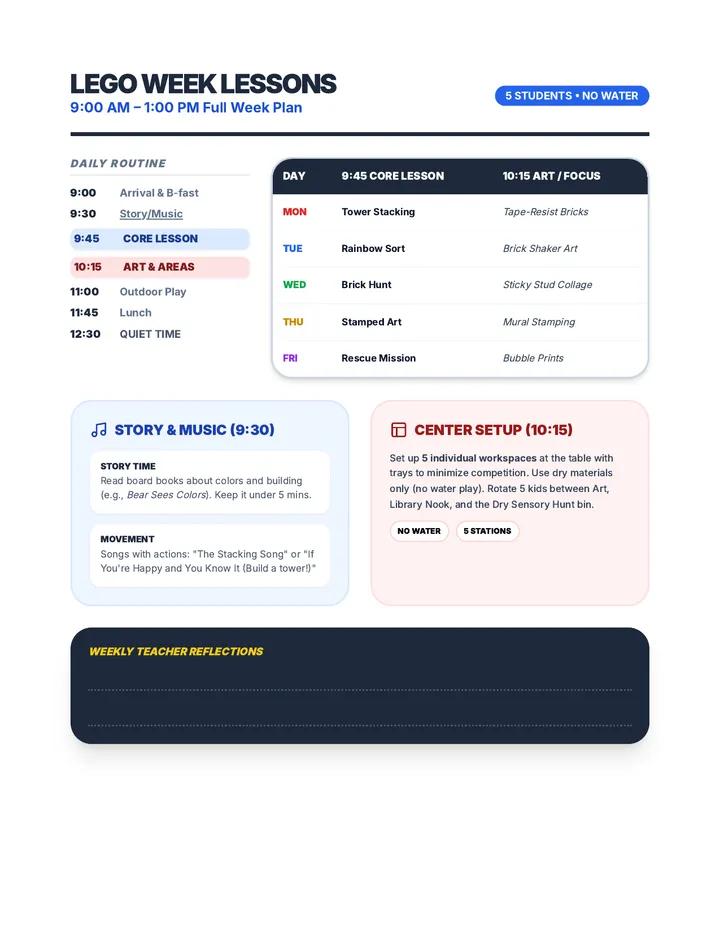
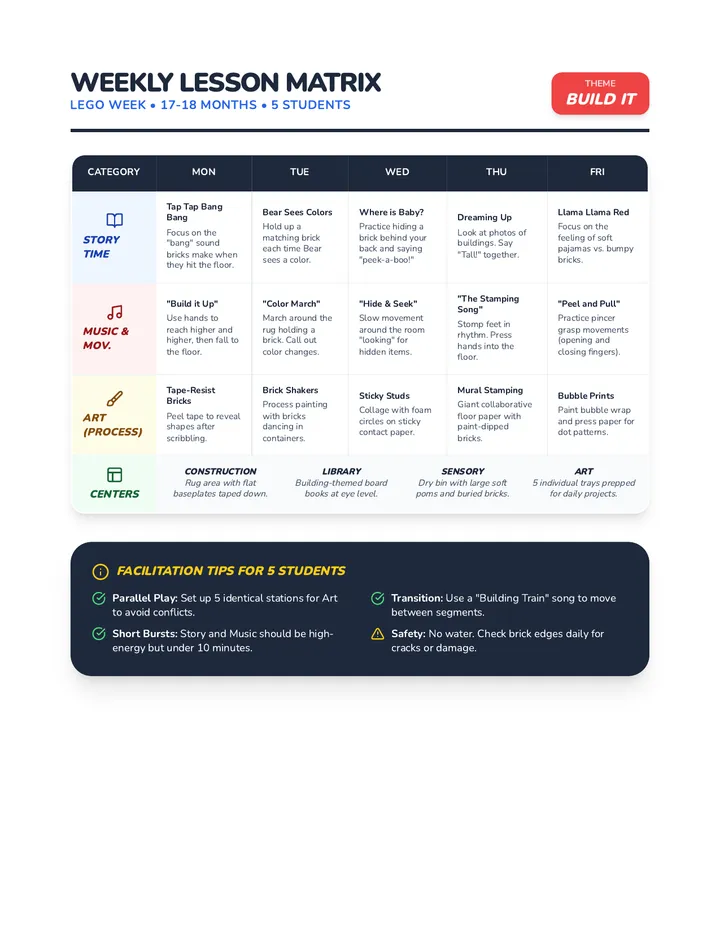
A fun, playful building challenge for early learners. Small teams work together to build the tallest tower they can using simple materials, focusing on sharing, taking turns, and trying again.