A comprehensive life science lesson for Pre-K to 2nd grade focused on seed dispersal, plant needs, and hands-on observation. Students act as junior botanists to explore how seeds move and what they need to grow into healthy plants.
A beginner's look at how humans changed over millions of years, focusing on bipedalism and brain growth through visual storytelling.
A Grade 2 lesson exploring the story of human evolution through reading comprehension and sequencing activities. Students will travel through time to meet early ancestors and discover how humans changed over millions of years.
A sensory-rich lesson for K-3 students focusing on fine motor skills and plant life cycles through tactile seed sorting and indoor gardening. Students practice pincer grasps and follow visual directions to start their own sprout journey.
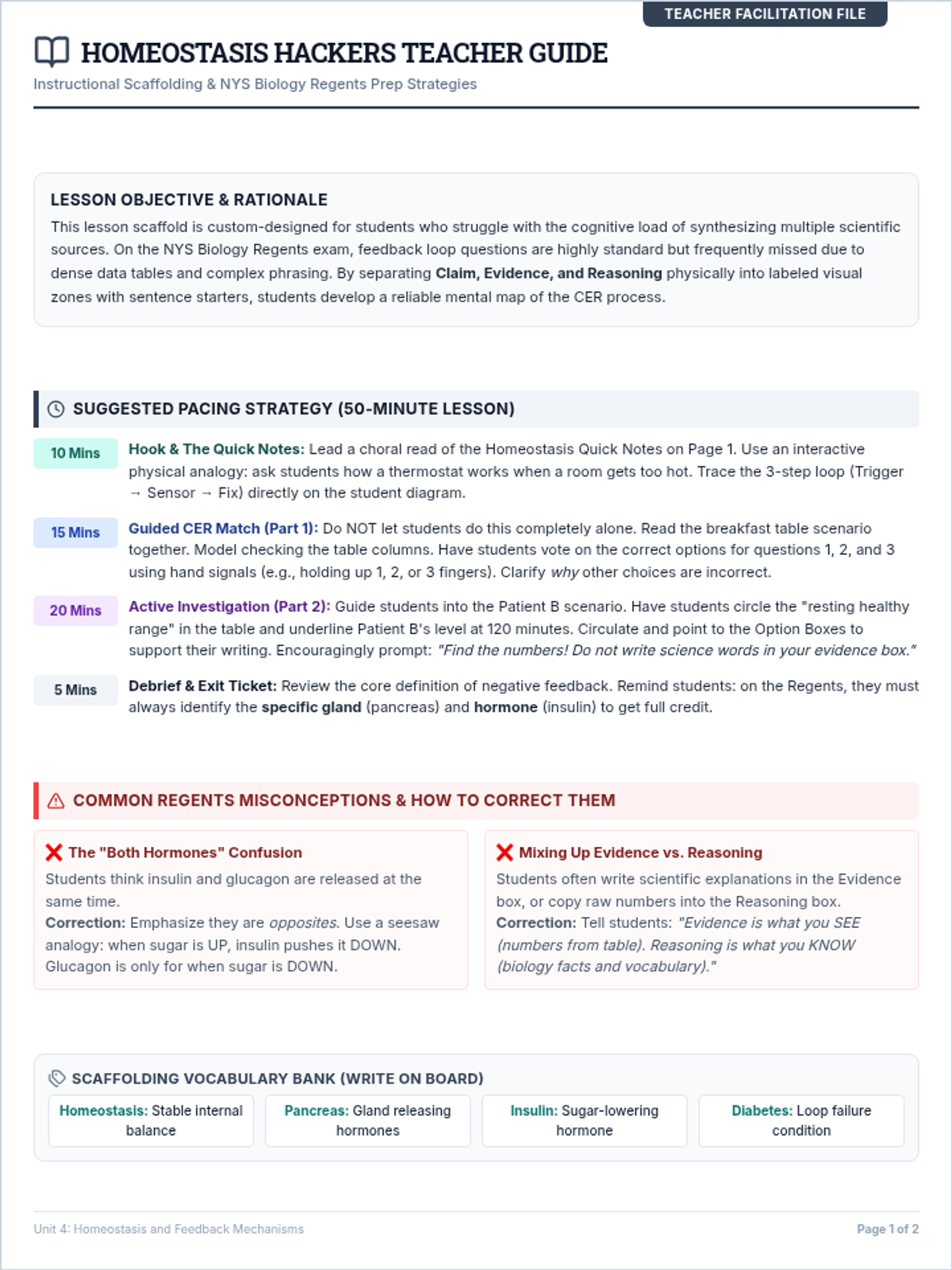
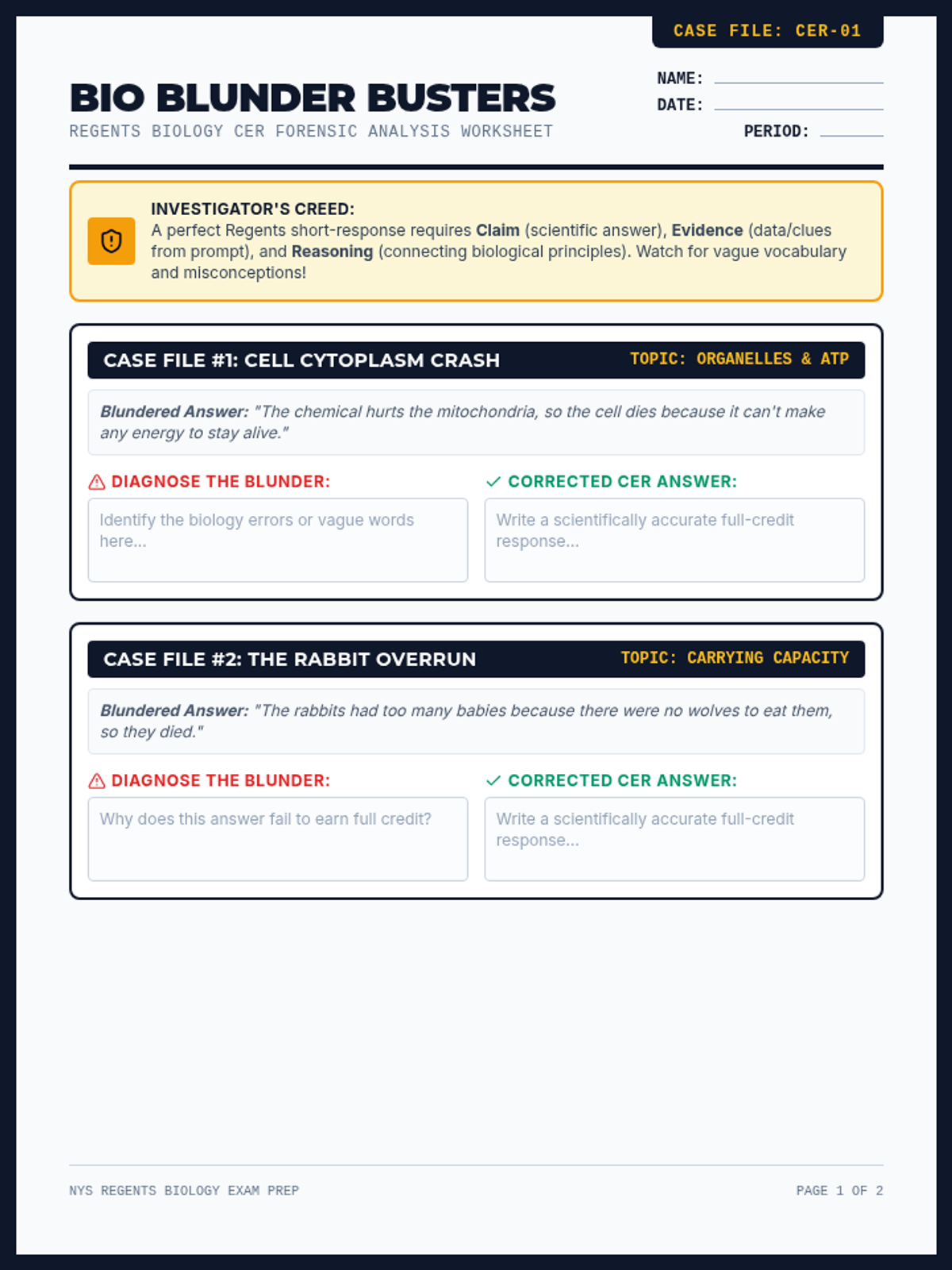
This lesson explores the biochemical pathways of the human stress response, focusing on the endocrine system's role in maintaining homeostasis. Students will analyze the HPA axis, the specific effects of cortisol and norepinephrine, and the unique physiological vulnerabilities of the developing adolescent brain.
A kindergarten lesson exploring hibernation through repetitive text, simple comprehension questions, and a sorting activity.
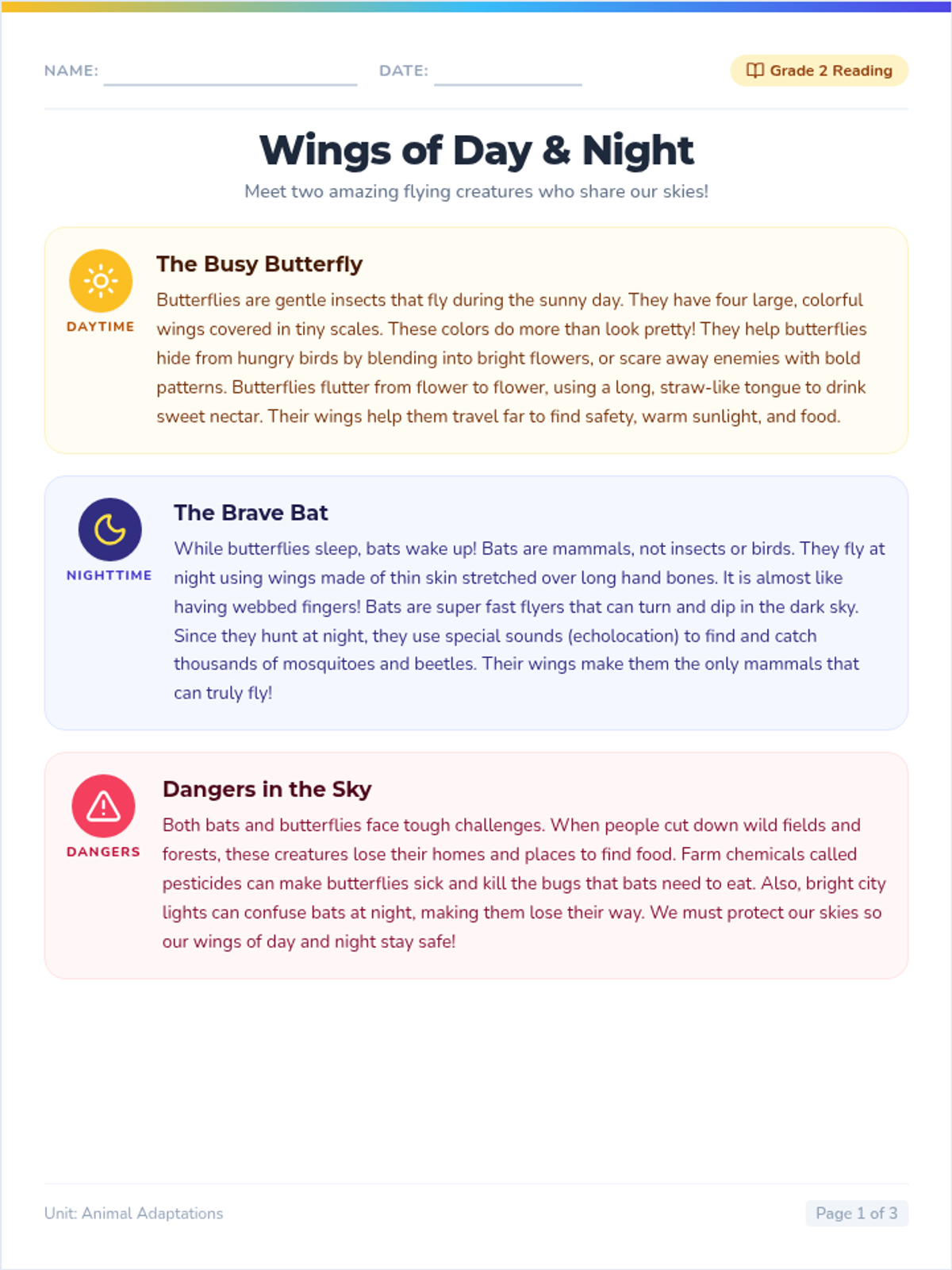
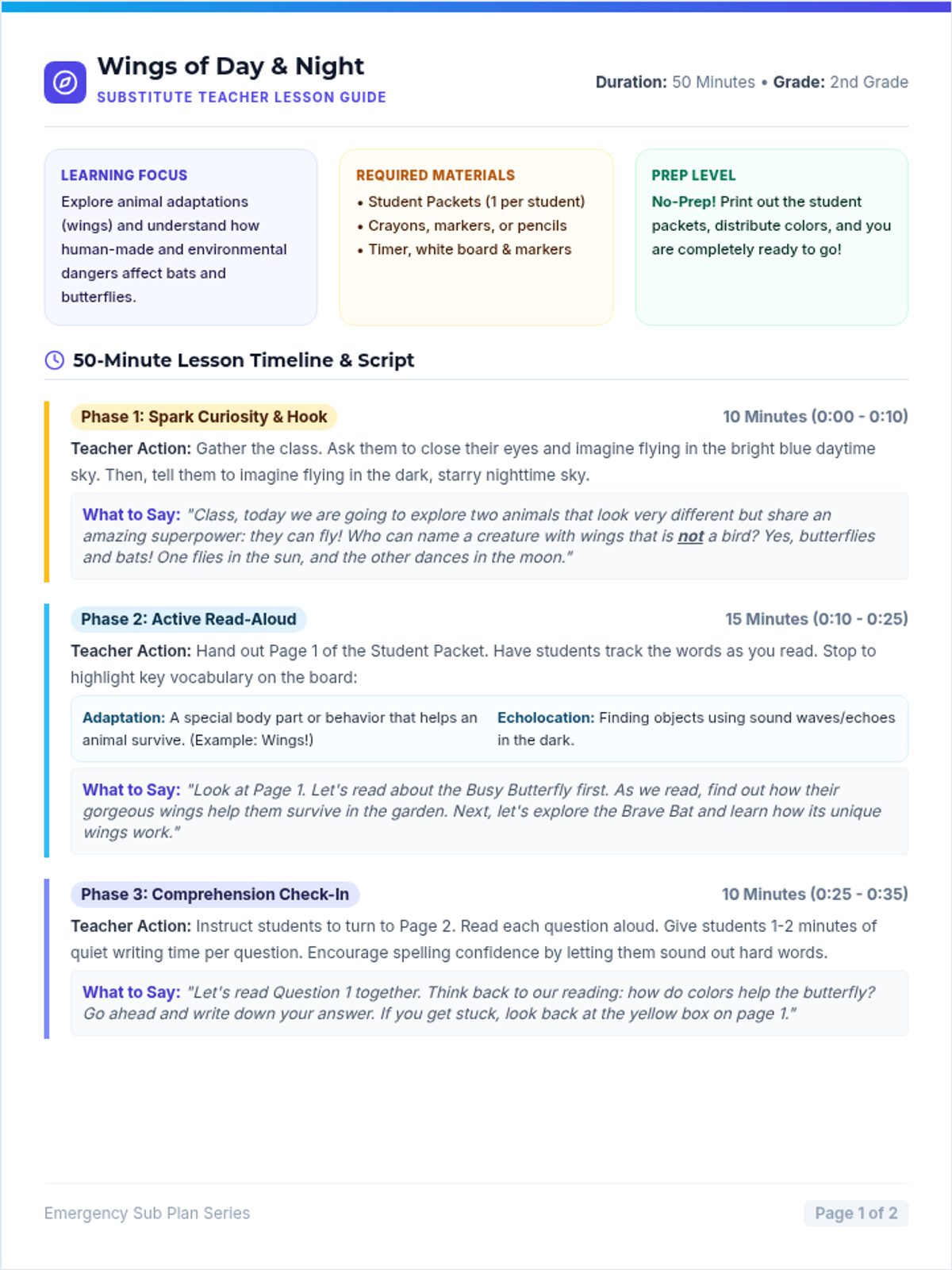
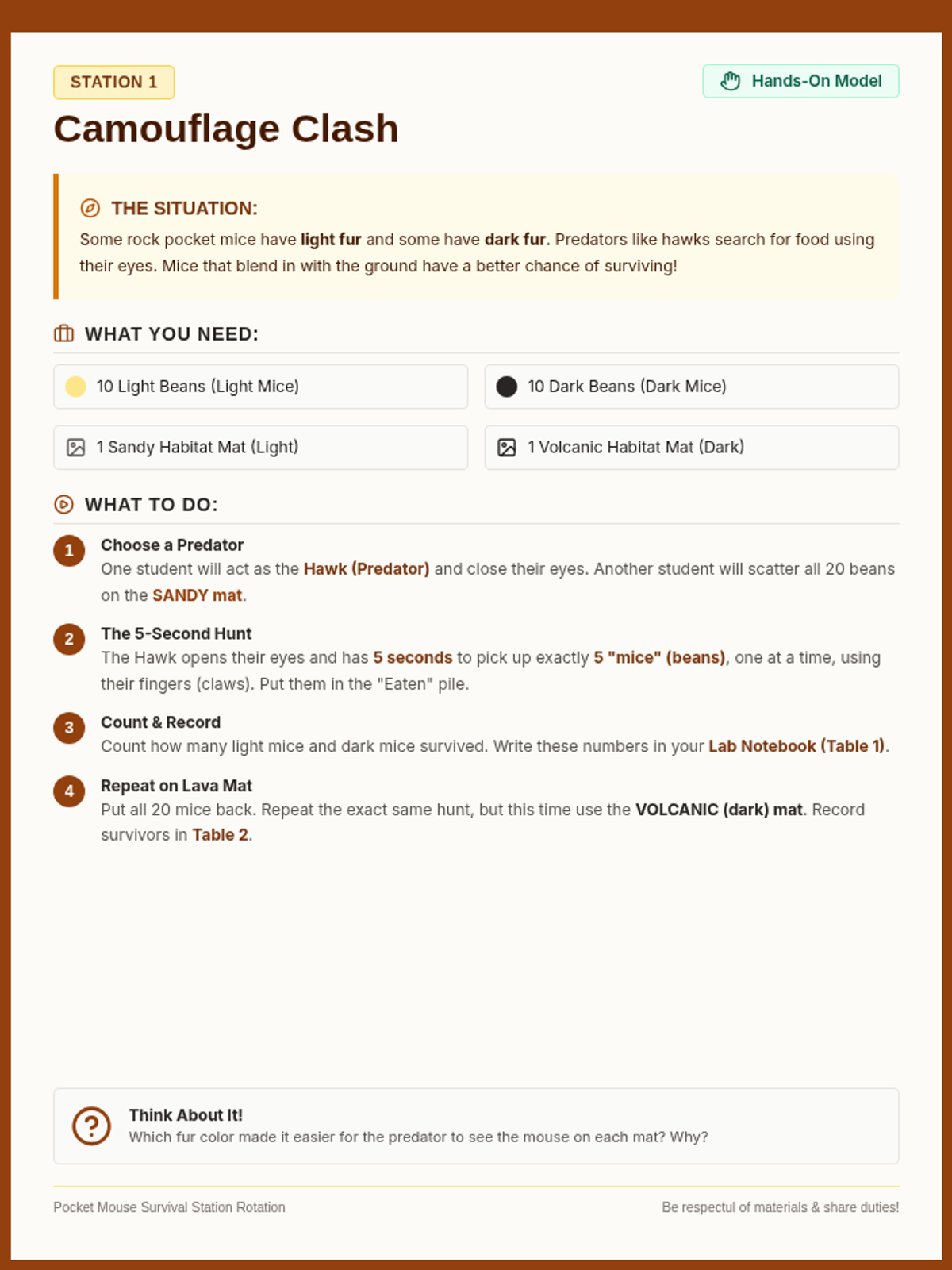
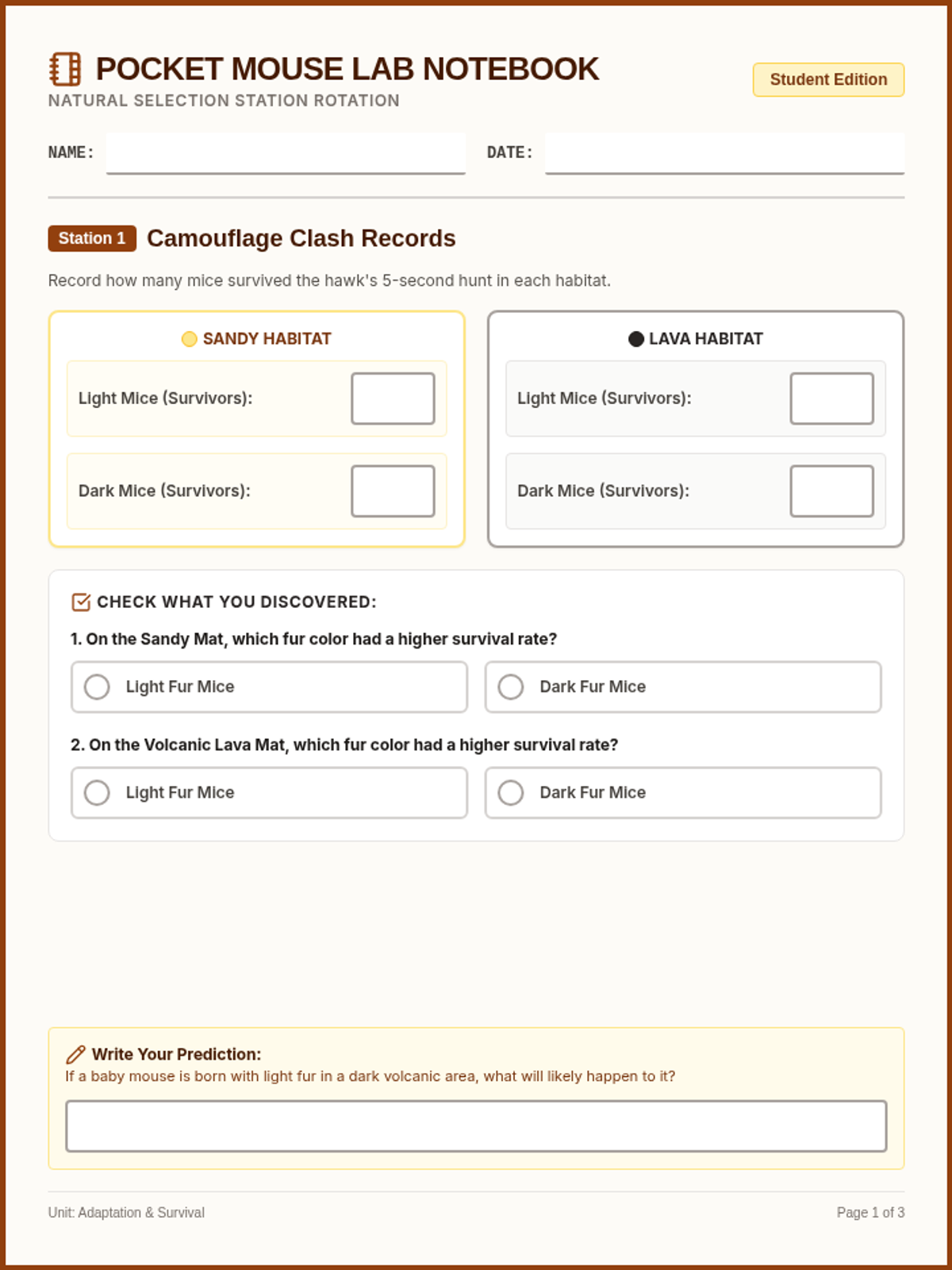
A kindergarten lesson exploring how animals use camouflage to hide in their environments using repetitive text and hands-on matching.
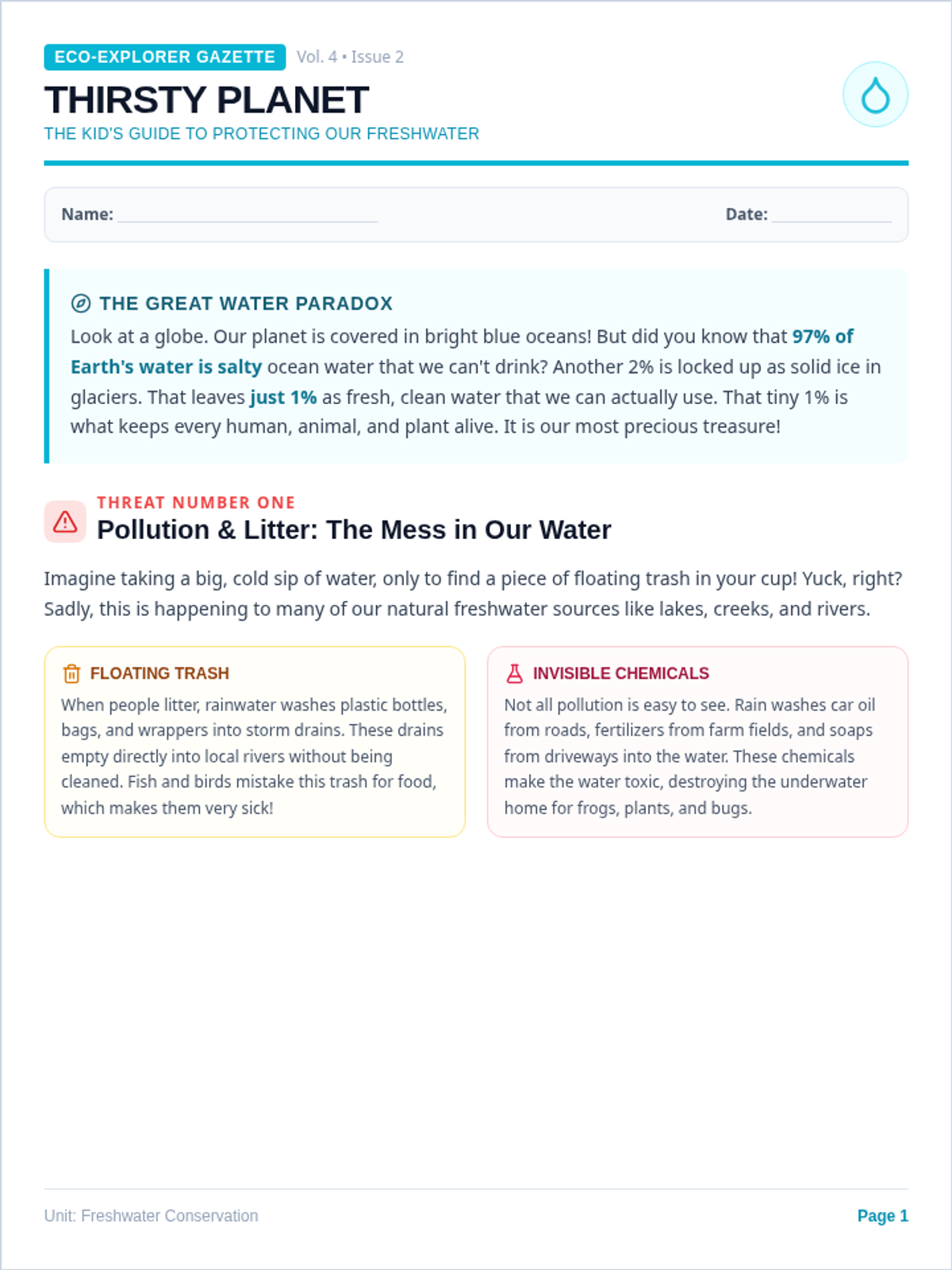
A comprehensive lesson to inspire and equip students to organize their own neighborhood or park cleanup for Earth Day. Includes background on Earth Day, the impact of waste, and a practical planning framework for student-led action.
A chemistry-meets-art lesson where students use aluminum foil and cola to explore hydrophobia and surface tension through lithographic printmaking. Students create their own hand-drawn designs and produce multiple editions while learning the molecular science behind the process.
这是一套关于动物细胞结构的教学资源,包括课堂演示文稿、标注练习和功能匹配活动,重点讲解细胞核、核糖体、高尔基体和溶酶体。
A comprehensive lesson on color theory specifically for cosmetology, covering the laws of color, the color wheel, and practical hair color formulation steps.
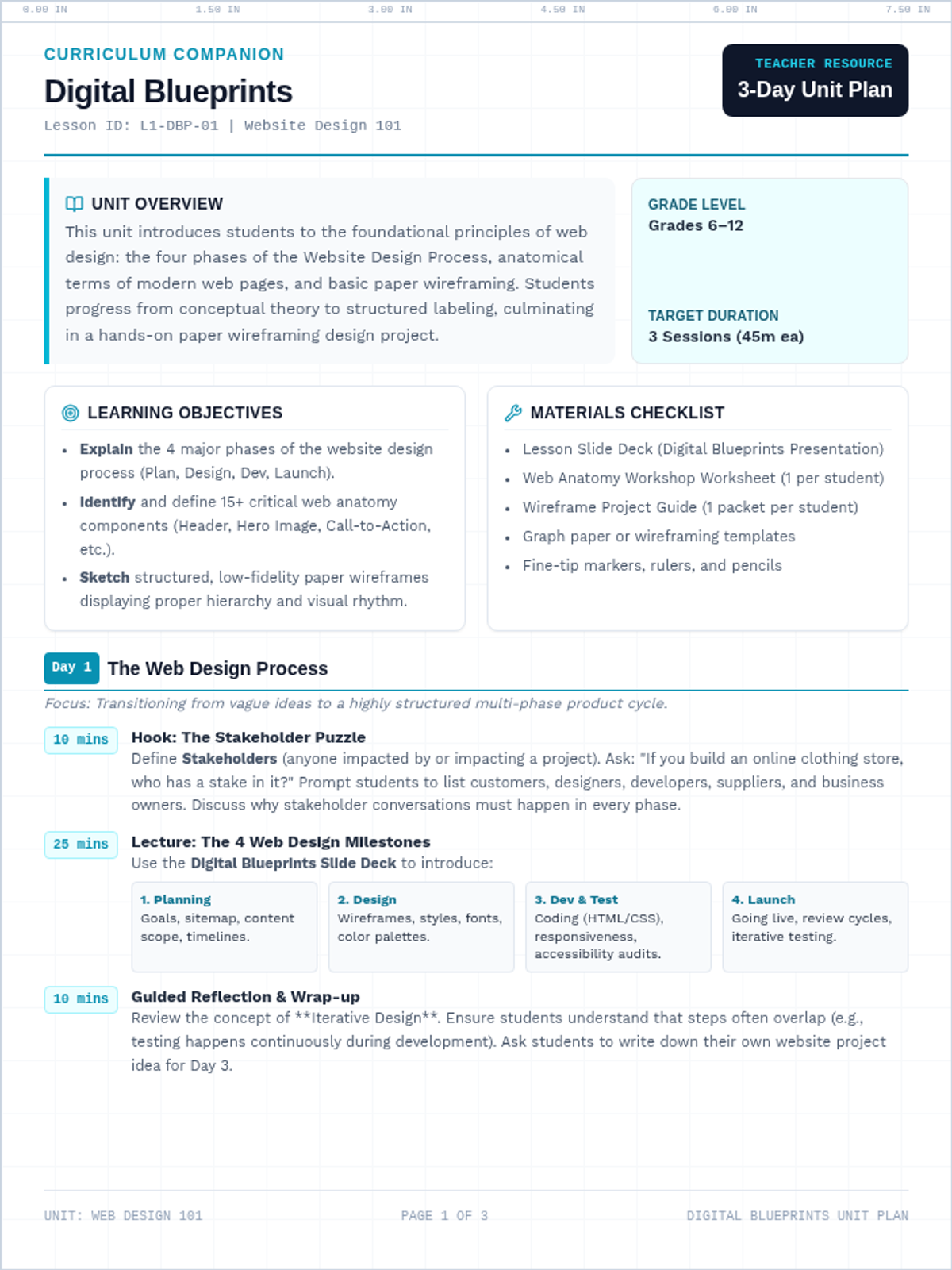
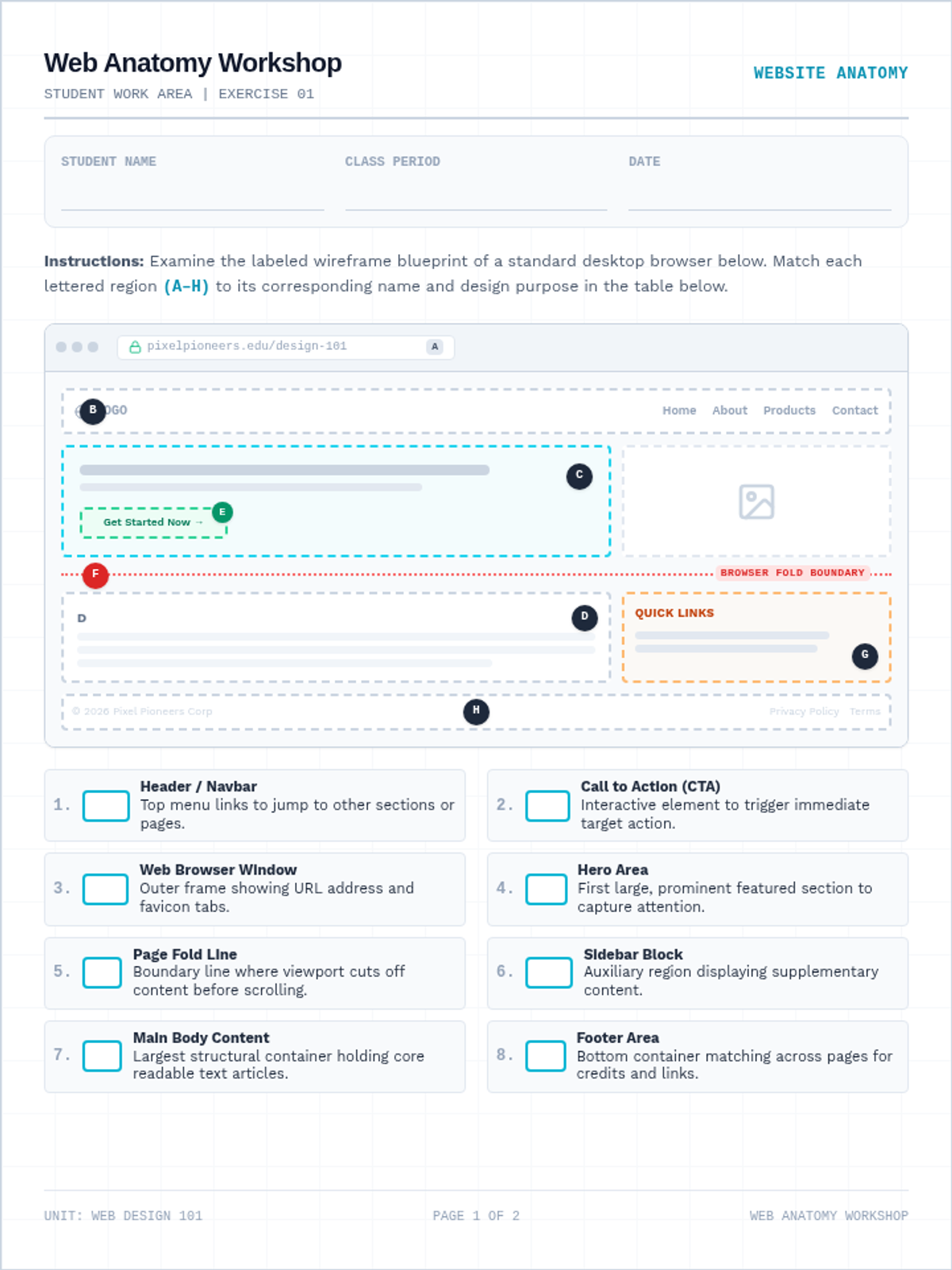
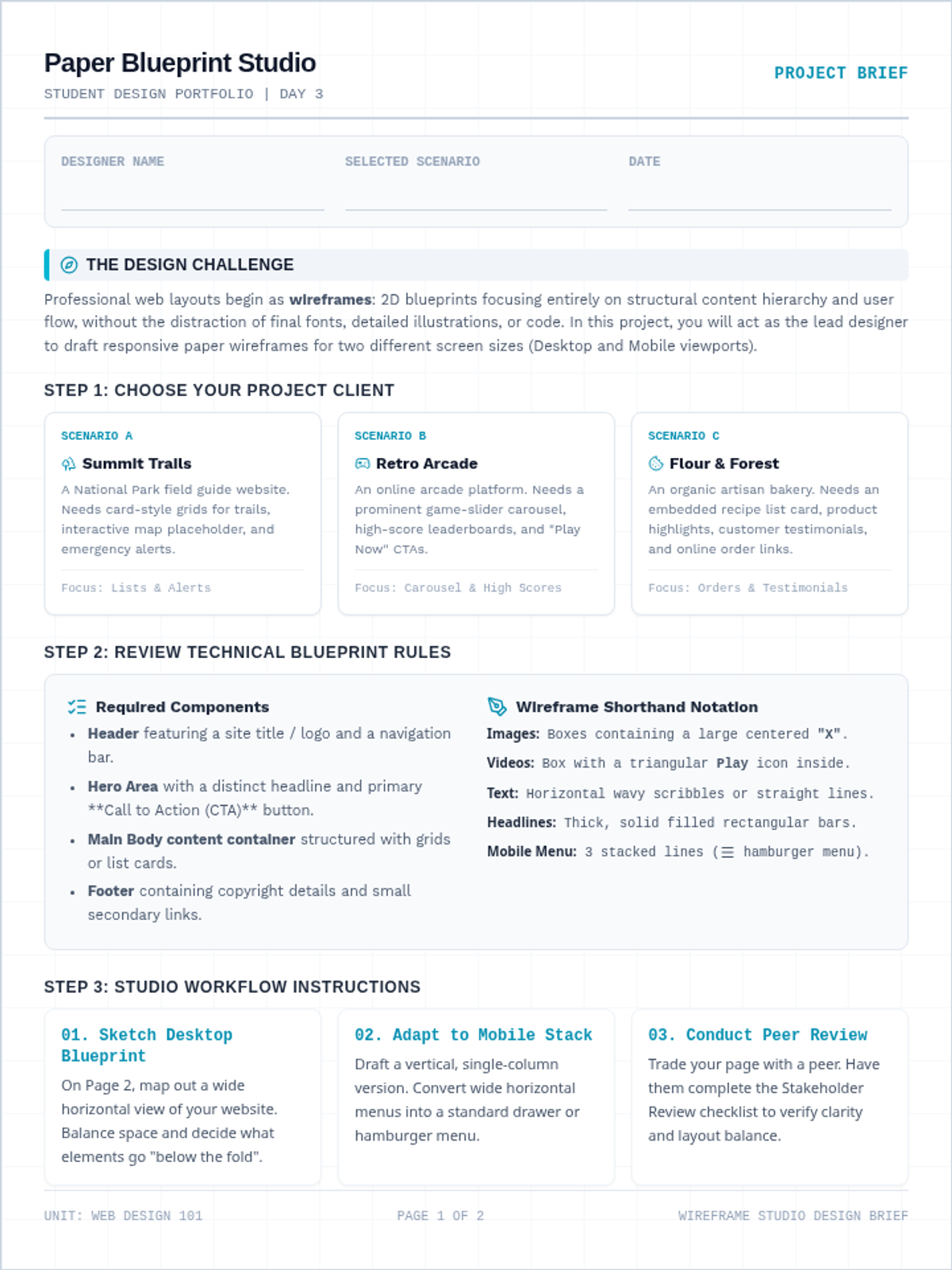
Students learn the fundamentals of digital site architecture by planning and building the framework for their digital publication, focusing on navigation, page hierarchy, and cohesive theme selection.
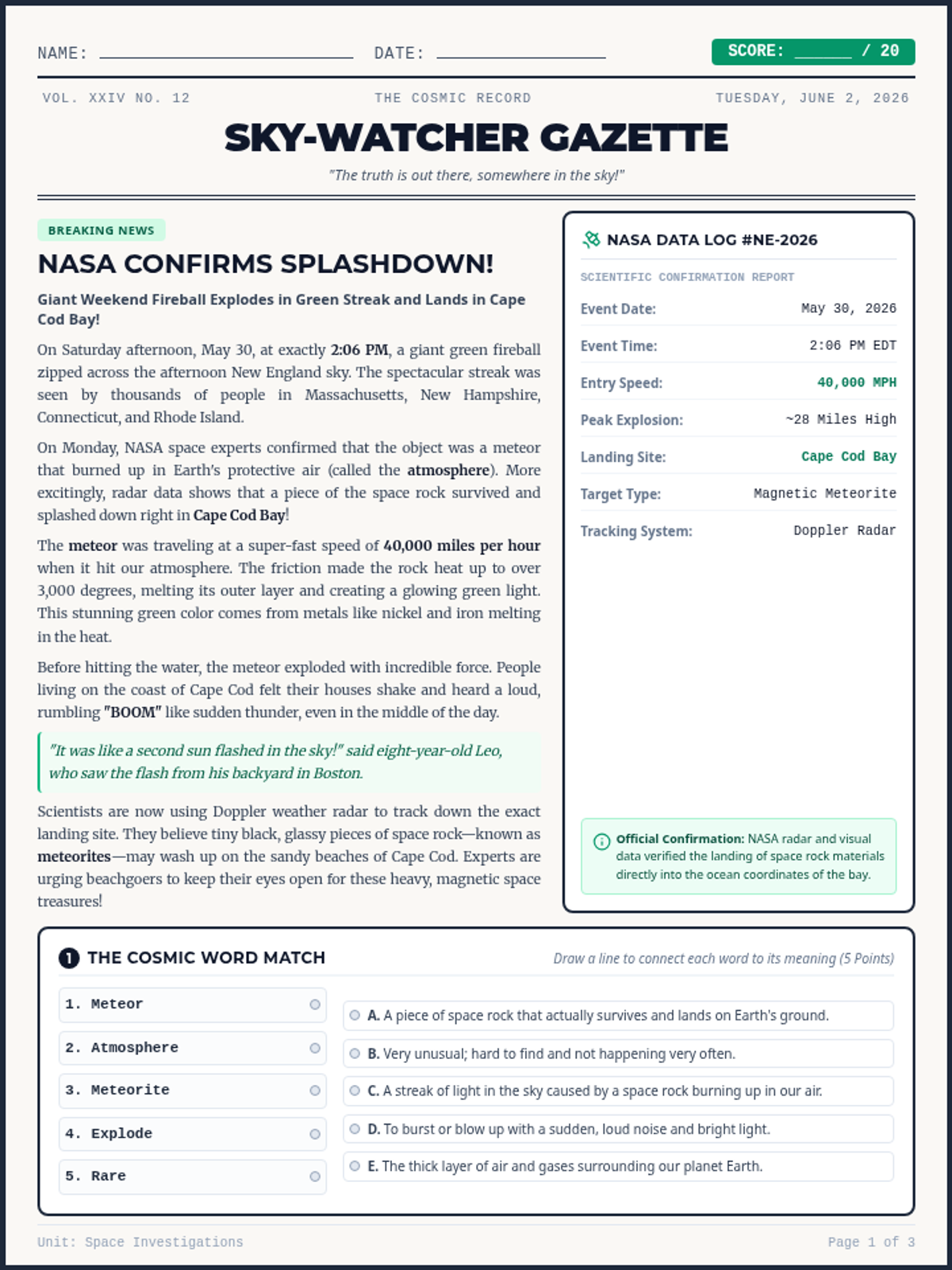
An exploration of stars, constellations, and the technology humans use to study deep space.
A simplified tour of the eight planets in our solar system, categorized into rocky inner planets and gas giant outer planets.
An introduction to our nearest neighbors in space: the Sun and the Moon, focusing on their basic characteristics and roles.
In this lesson, students are introduced to the concept of decomposition by tackling a 'Messy Mountain' of unsorted books. They work in collaborative 'Sorting Squads' to break the big problem into smaller tasks: categorizing, shelf-finding, and alphabetizing.
A fun, interactive lesson designed for preschoolers to explore physical similarities and differences through a detective-themed investigation. Students will identify traits like hair color, eye color, and clothing patterns to find "matches" among their peers.
Master the art of resolving conflict with educational stakeholders through structured case study analysis frameworks.
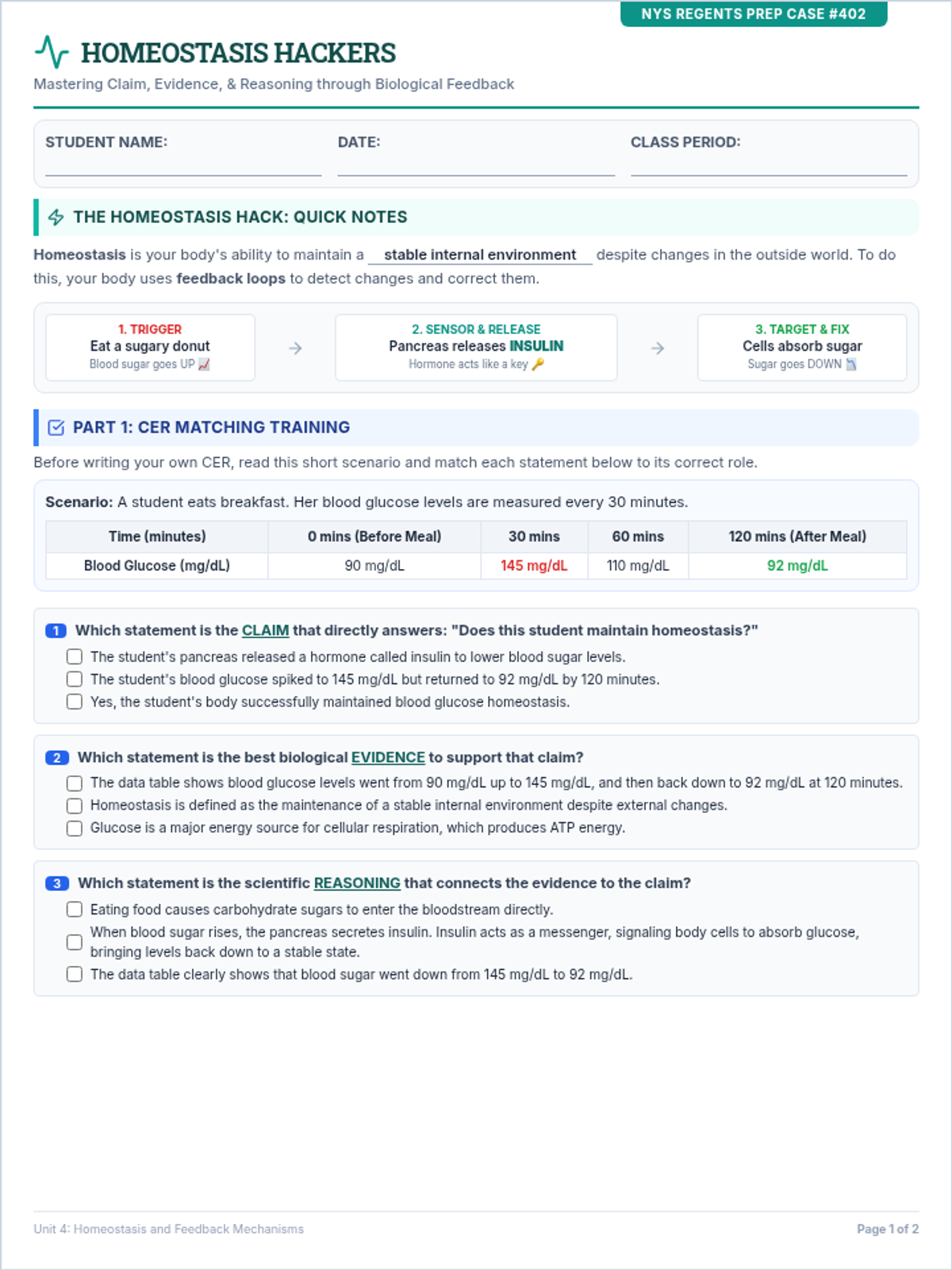
Explore Mendelian inheritance and master Punnett squares through interactive reference guides and practice problems.
Une leçon d'introduction à la puberté pour les élèves de 4ème, se concentrant sur les transformations physiques et le passage de l'enfance à l'âge adulte.
Students culminate their AI literacy journey by designing an AI solution for a real-world problem. They focus on responsible design, identifying potential biases, and ensuring societal benefit.
Students analyze the ethical implications of AI on privacy and identity. They explore deepfakes, facial recognition, and the balance between security and personal freedom.
Middle school students dive into the mechanics of Large Language Models (LLMs). They learn about tokenization, probability, and how AI "predicts" the next word in a sequence.
Students explore the "ingredients" of AI: datasets. They learn how biased or incomplete data can lead to unfair or inaccurate AI systems and practice creating a balanced dataset.
Students learn to critically evaluate AI outputs by identifying "hallucinations" and factual errors. They explore why AI sometimes makes mistakes and how to verify information.
Students explore Generative AI and the importance of prompt engineering. They learn how to communicate effectively with AI to create specific images and text.
Students discover how AI works as a "smart assistant" in daily life. They identify AI in common devices and reflect on how it helps people solve problems.
Students explore the foundation of AI learning: pattern recognition. They learn that computers need many examples (data) to understand rules and make predictions.
Introduces the concept of AI by distinguishing between a robot's physical body and its digital 'brain'. Students explore how AI 'thinks' differently than humans and machines.
A high-school level exploration of how the human brain processes music, focusing on the neurological pathways for pitch, rhythm, and the emotional responses that trigger memory and physiological sensations like 'chills'. Students engage in scientific analysis and auditory testing to map the mind's ear.