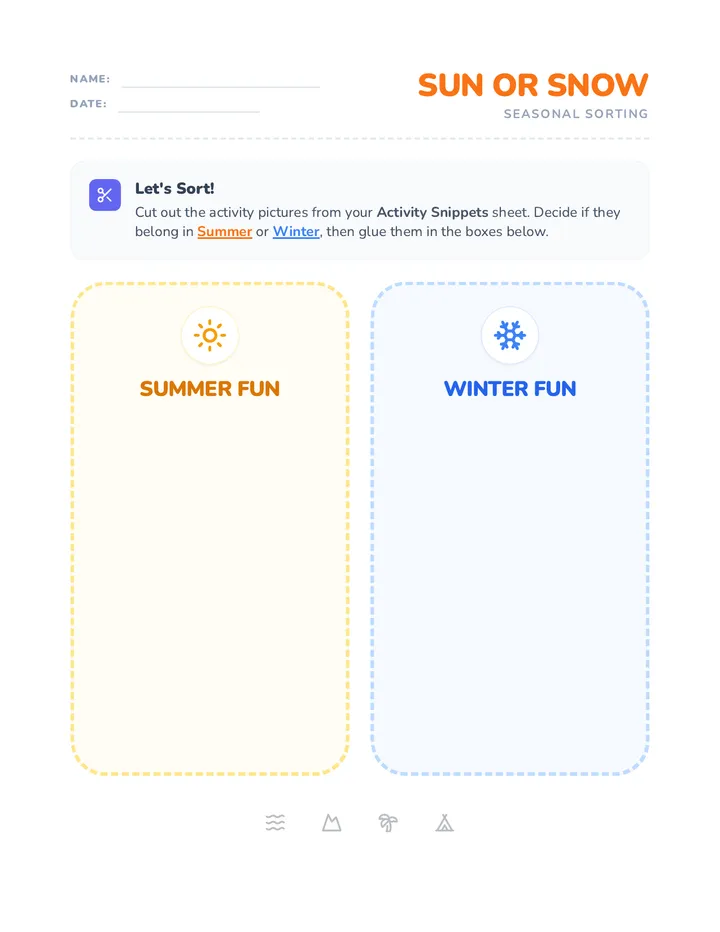
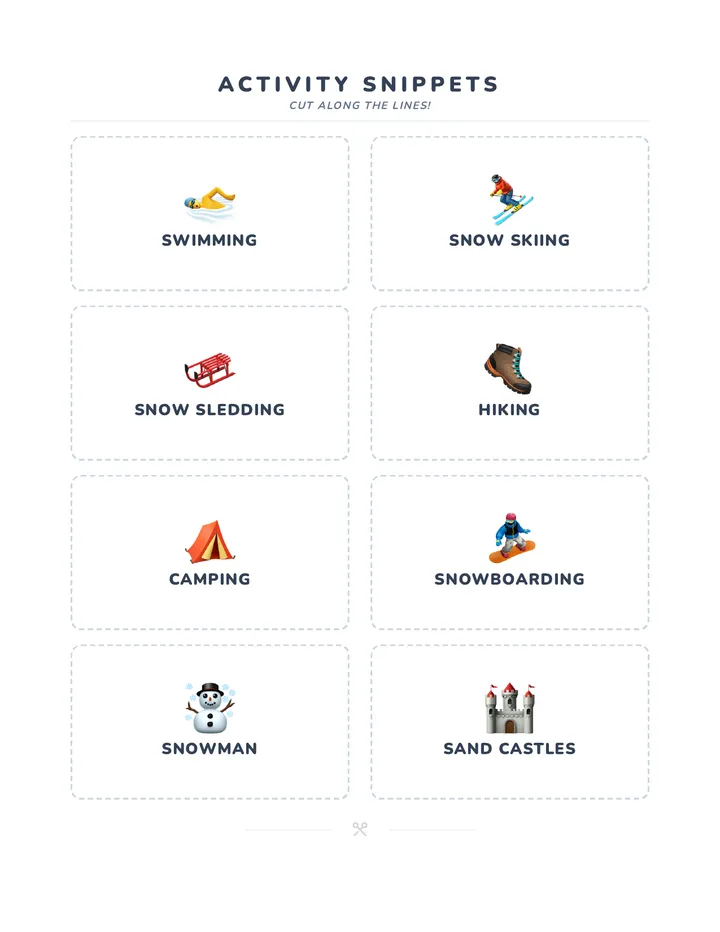
Synthesizes weather patterns into the cycle of the four seasons. Students will learn to distinguish Summer, Fall, Winter, and Spring through visual changes in nature and a sorting activity.
A foundational science lesson for Kindergarten students to identify and demonstrate the forces of pushing and pulling through visual aids and hands-on movement.
An introductory lesson on the importance of native plants for local ecosystems, designed for K-2 students. Includes hands-on garden design projects and visual aids for ecosystem services.
An outdoor sensory experience where students use natural materials to create 'mud pies,' focusing on texture, composition, and imaginative play.
Students compare and contrast the textures and molding properties of homemade playdough and kinetic sand through tactile exploration.
A deep dive into non-Newtonian fluids as students mix cornstarch and water to create oobleck, exploring how it changes from solid to liquid.
Students explore density and mixtures by creating mesmerizing sensory bottles using oil, water, and various floating objects.
A Pre-K lesson focused on identifying and categorizing objects and activities associated with daytime and nighttime. Students will develop fine motor skills through cutting and pasting while building early science and observation skills.
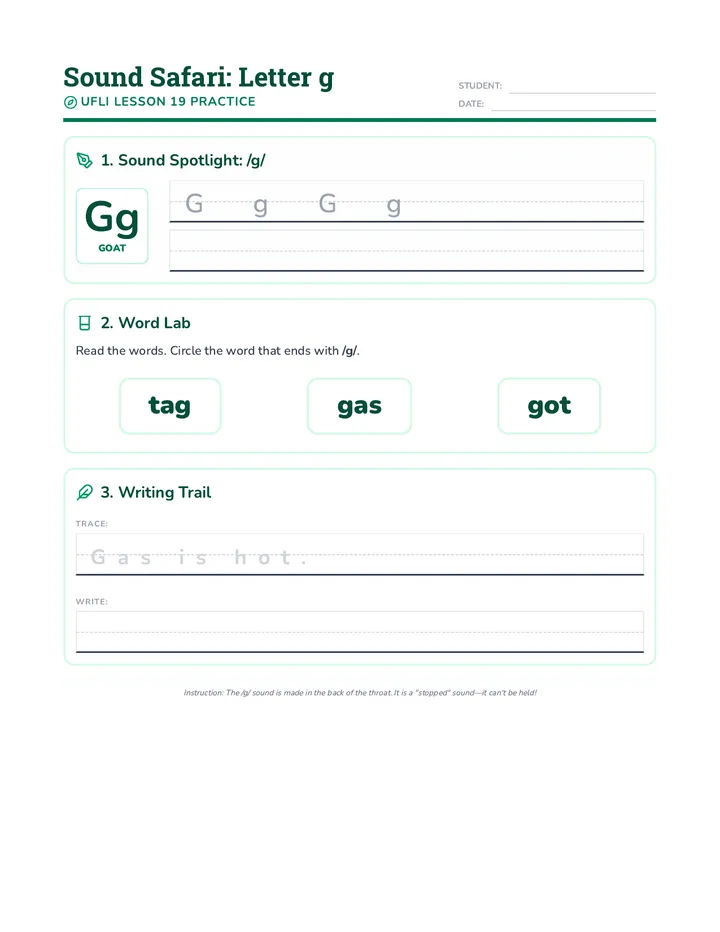
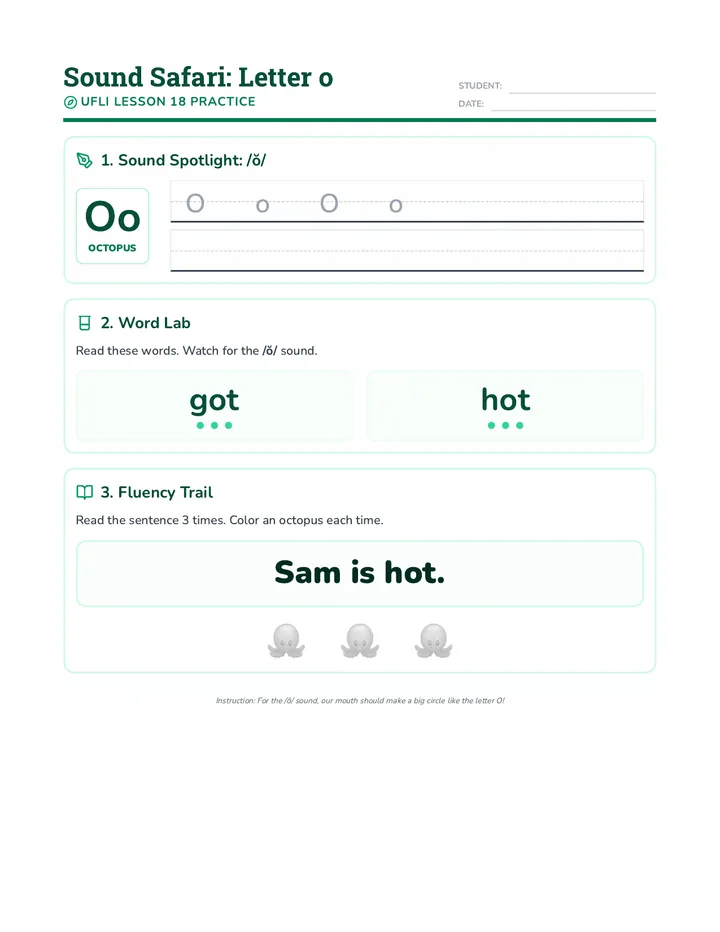
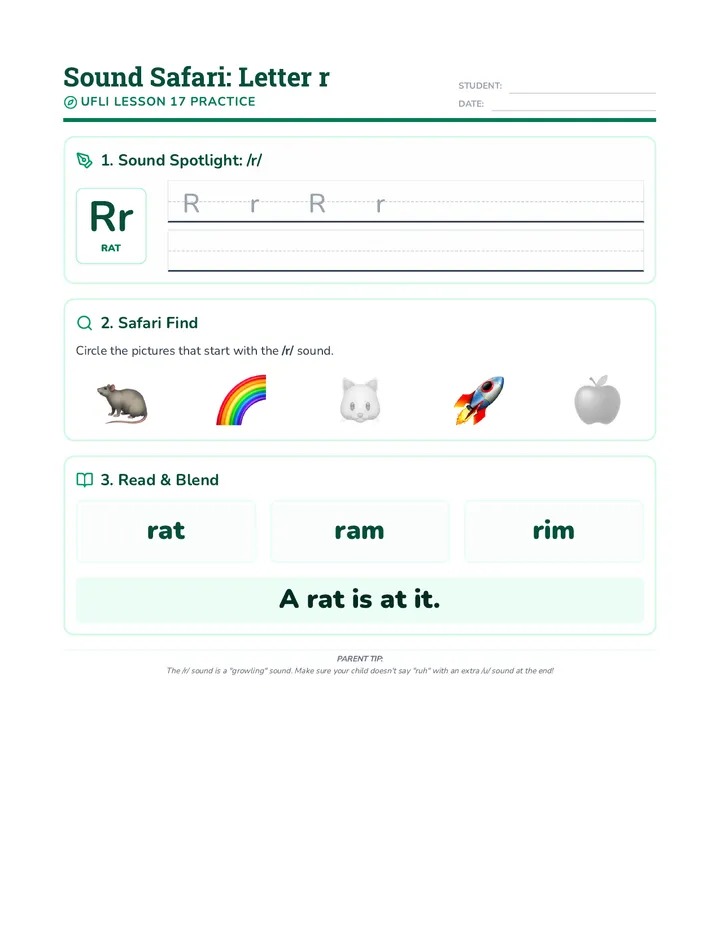
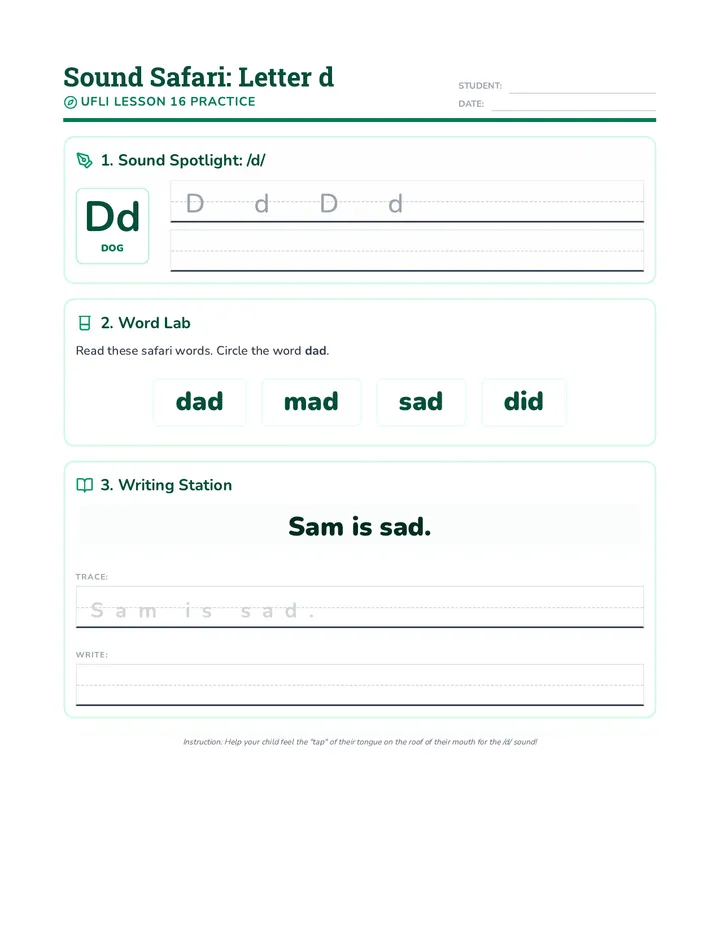
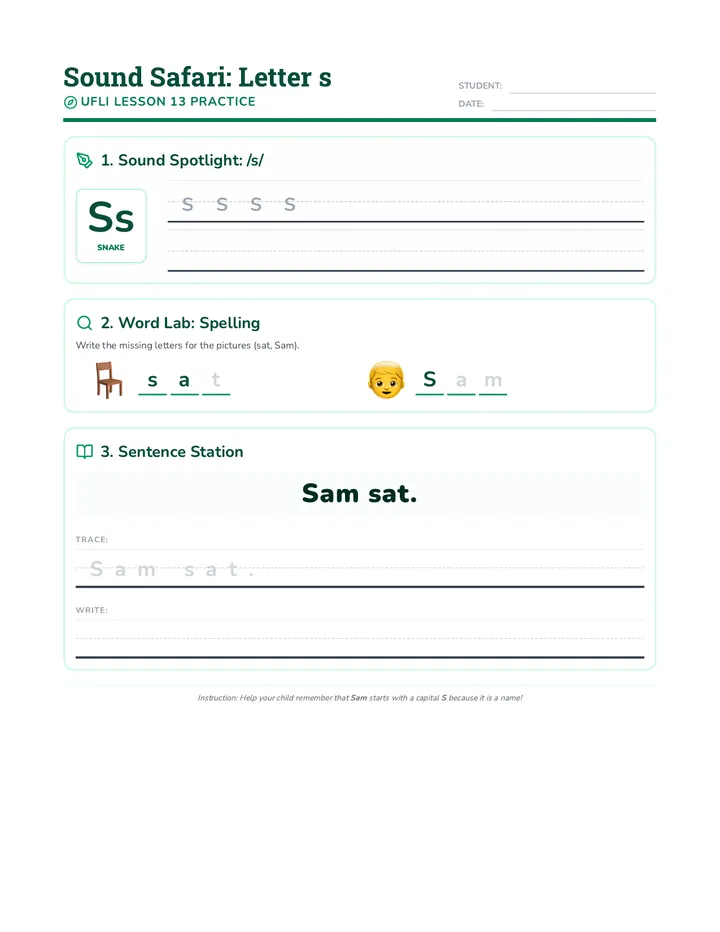
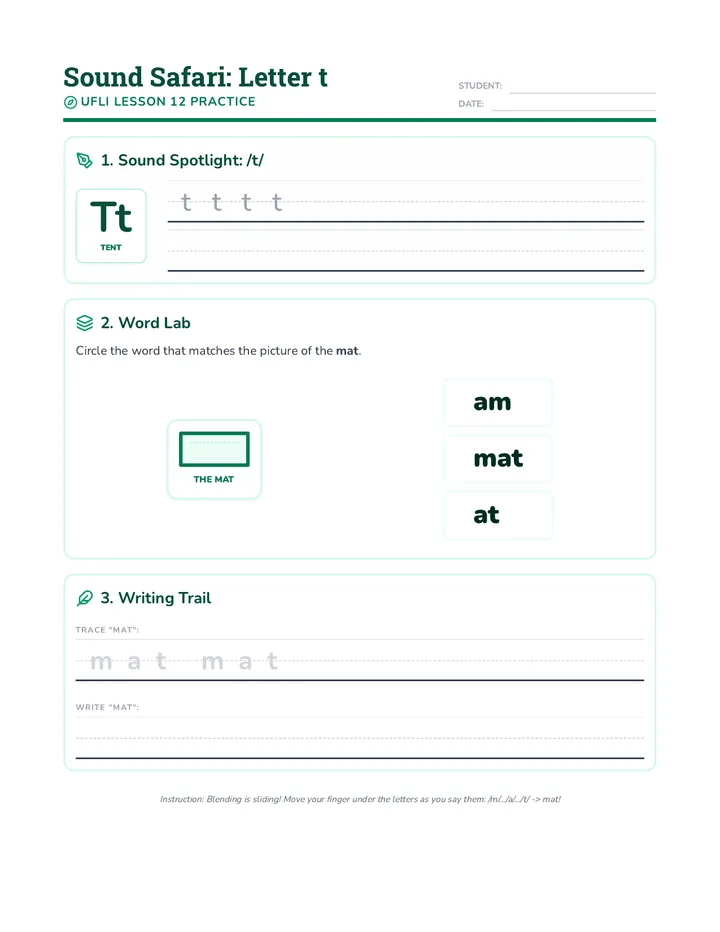
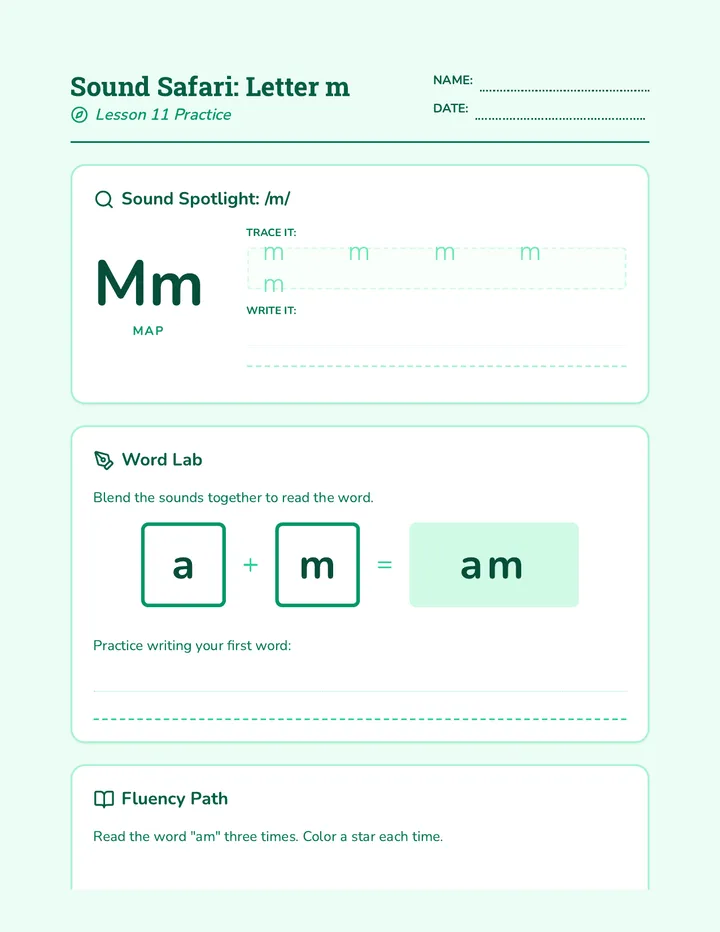
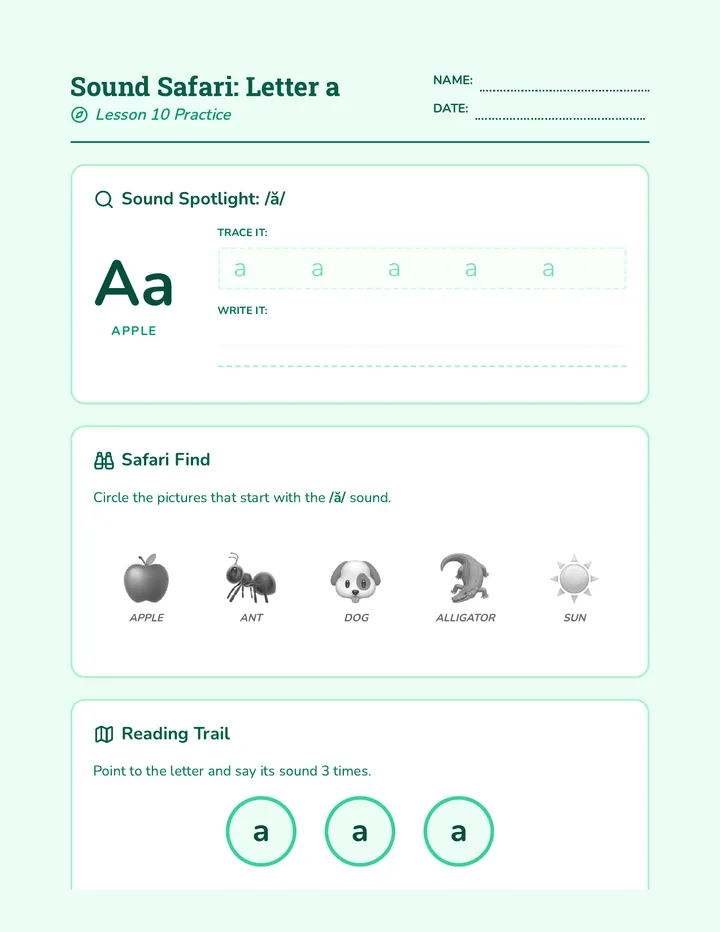
A structured literacy lesson focused on the letter C /k/ and glued sounds -an and -am, using the decodable text 'The Cat Can'. This lesson follows a backwards planning approach to ensure students can decode and encode CVC words and nasalized vowels.
A vibrant introduction to weather patterns for Kindergarteners, focusing on observation and daily tracking. Students explore different types of weather through visual aids, movement, and a weekly weather journal.
Explores how air moves (wind) and introduces cold weather patterns (snow) through creative 'blow painting' and seasonal clothing sorting.
Introduces students to basic weather types (sunny, rainy, cloudy) through visual observation and a hands-on 'rain cloud in a jar' experiment.
A high-impact, 10-minute small group lesson focusing on the vowel teams ew, ue, and ui, following Science of Reading principles including explicit instruction and orthographic mapping.
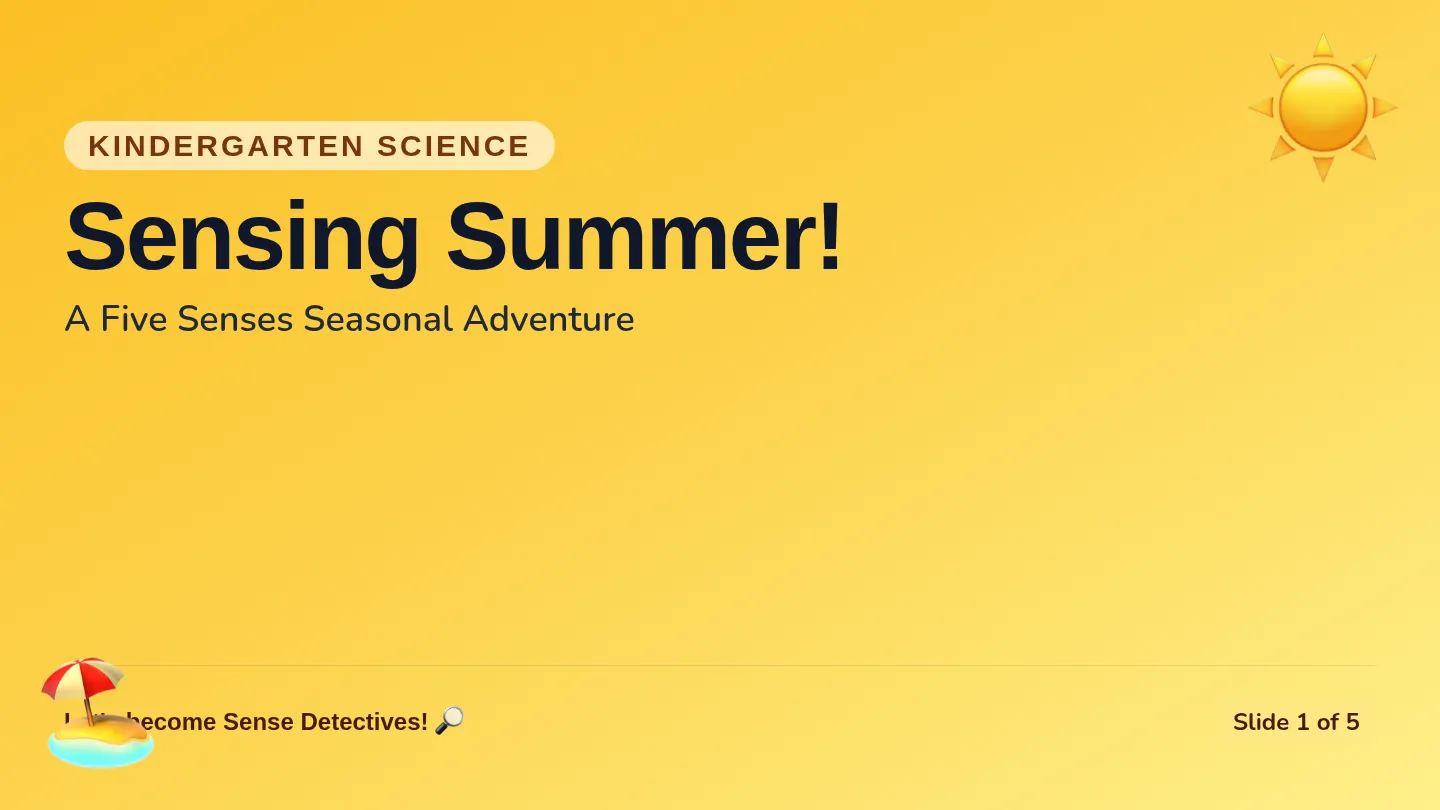
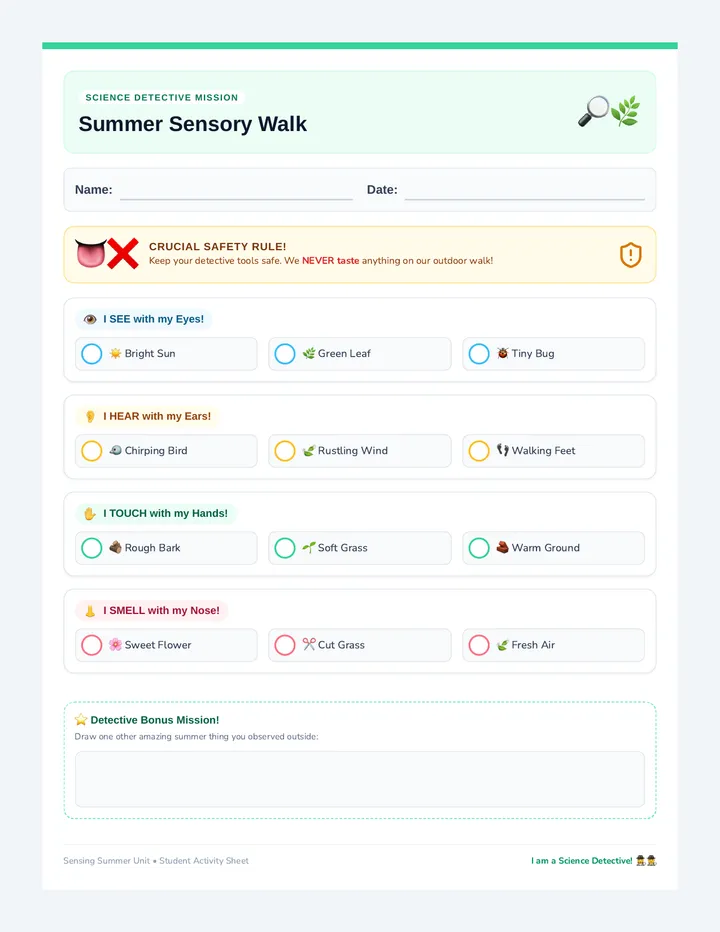
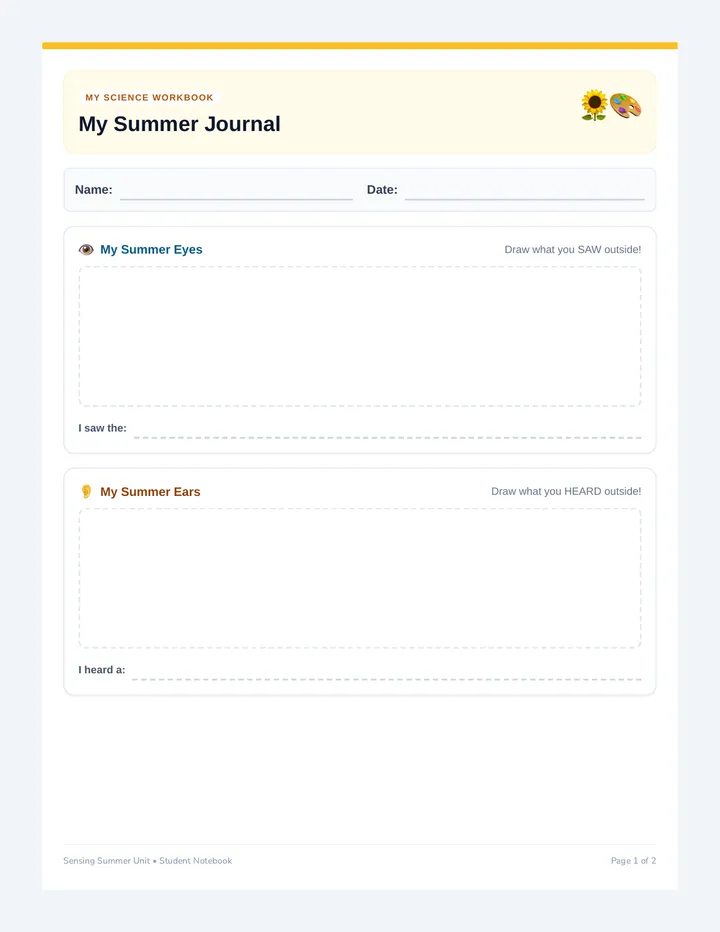
An inquiry-based science lesson for kindergarten students to explore the natural world using their five senses, aligned with benchmark SC.K.N.1.2. Students will act as 'Nature Detectives' to observe and describe their environment.
A K-2 lesson introducing students to the unique biodiversity of island ecosystems through storytelling and visual exploration, emphasizing species identification and environmental care.
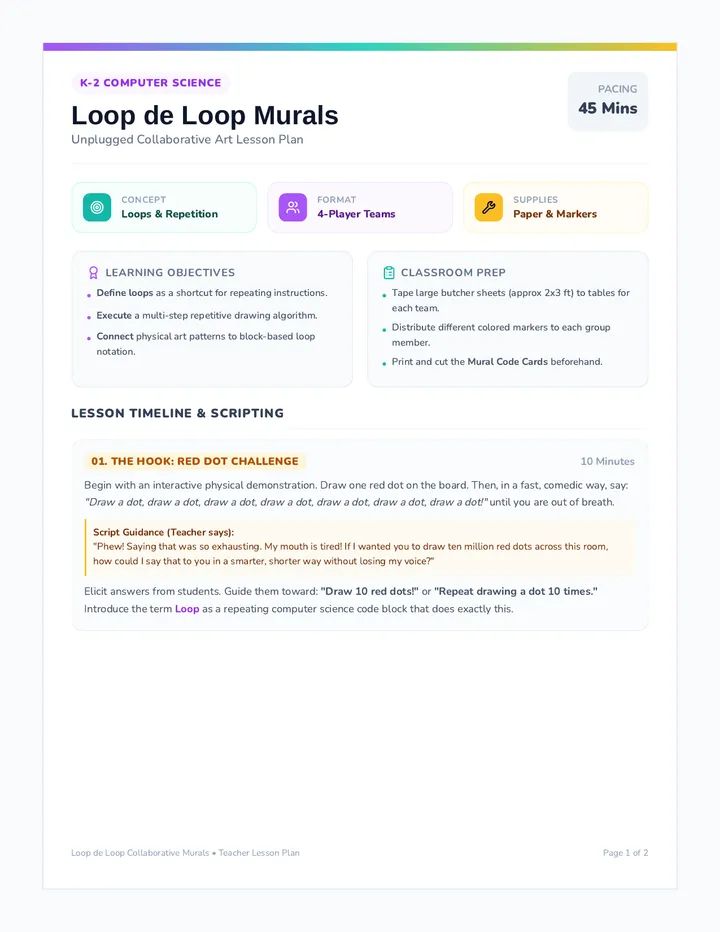
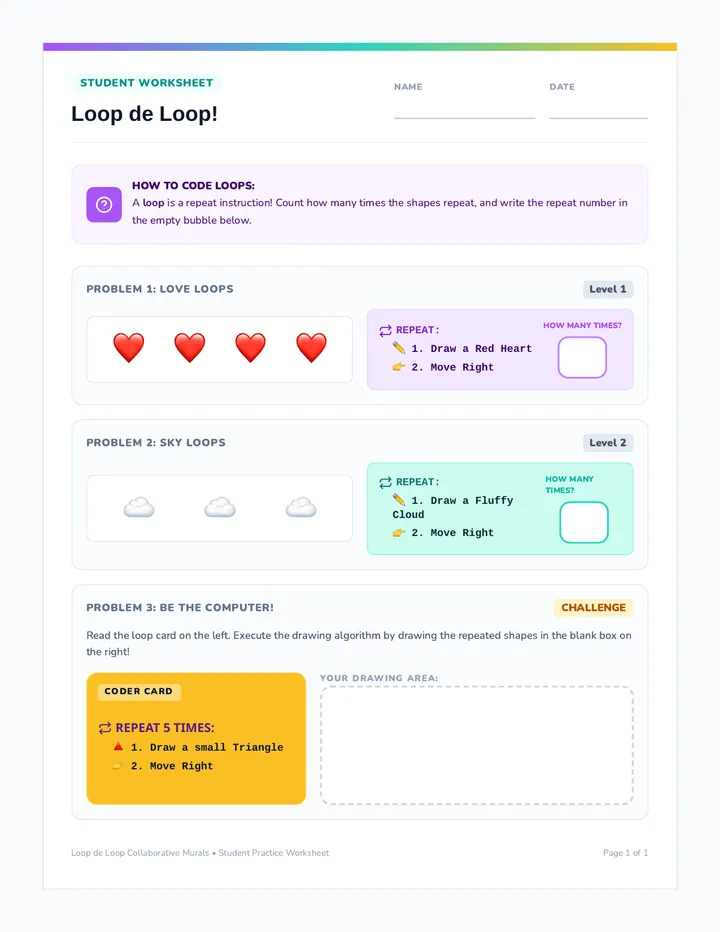
A hands-on introduction to algorithmic thinking for K-2 students, using the metaphor of recipes to explain how computers follow specific sequences of instructions.
A comprehensive lesson introducing K-1st grade students to debugging through the lens of Kodable. Students identify, circle, and fix errors in directional code sequences to help their Fuzz friends navigate grids.
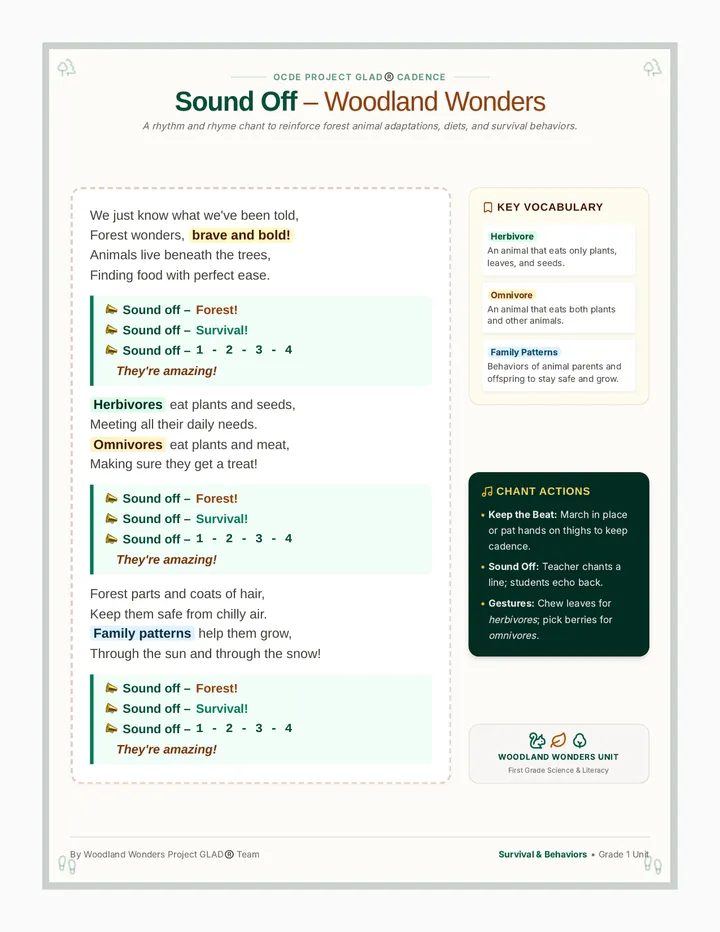
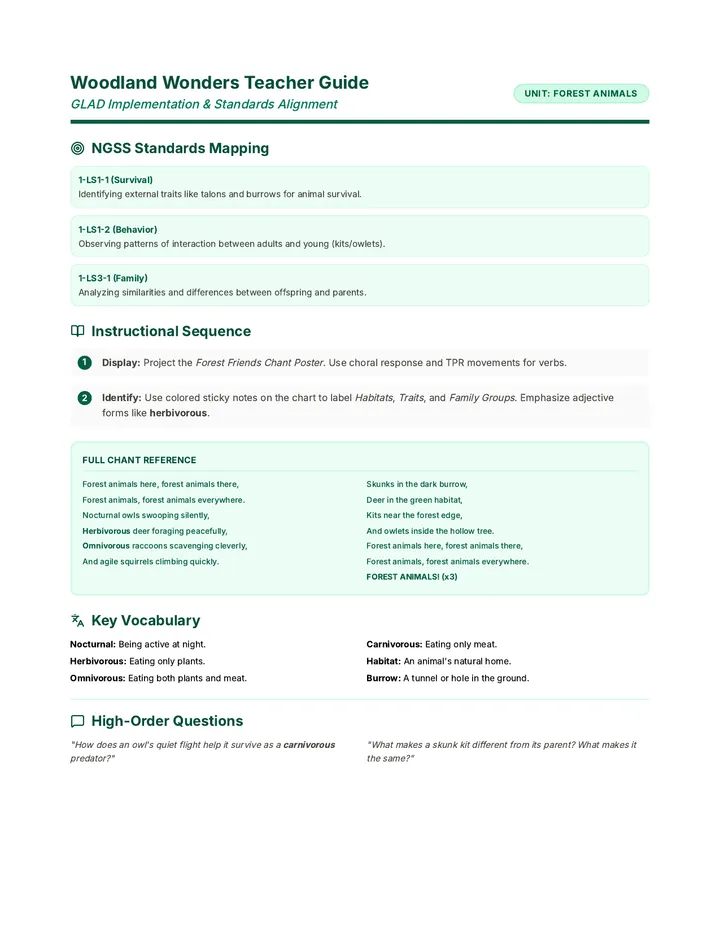
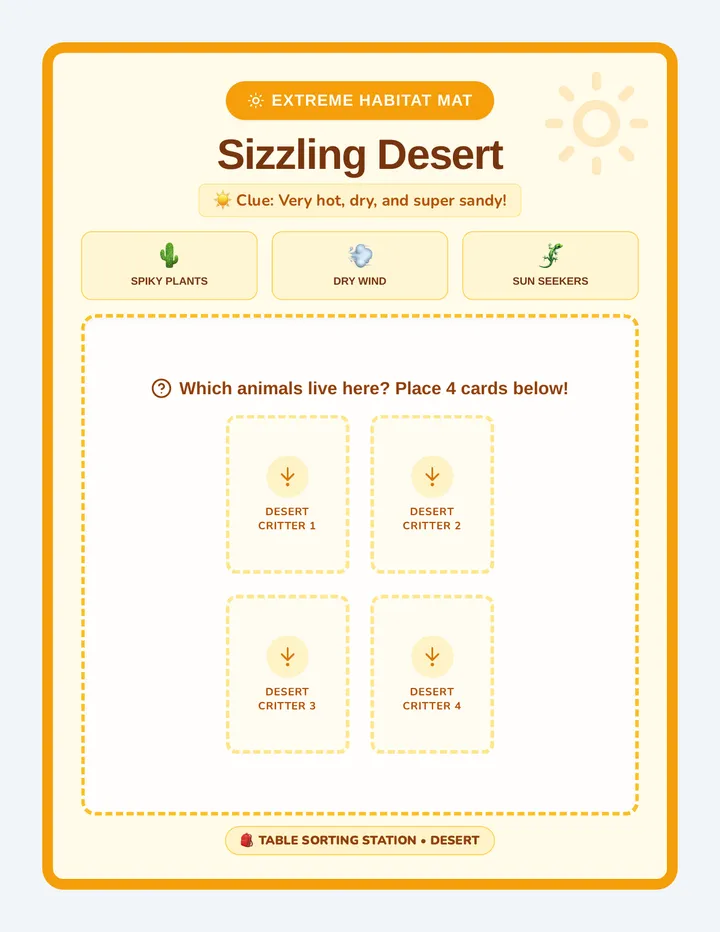
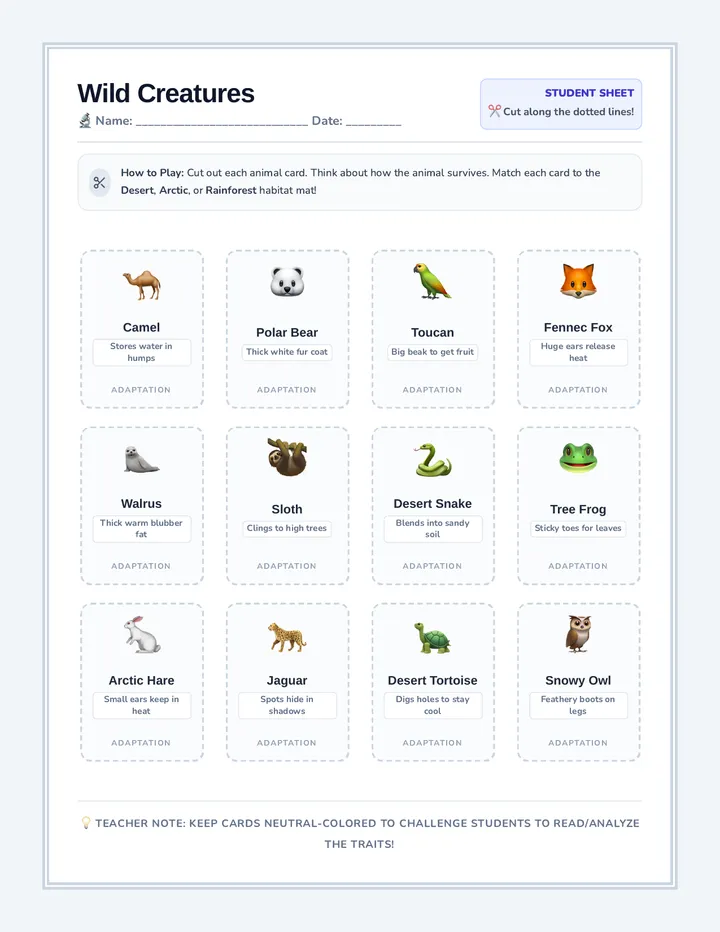
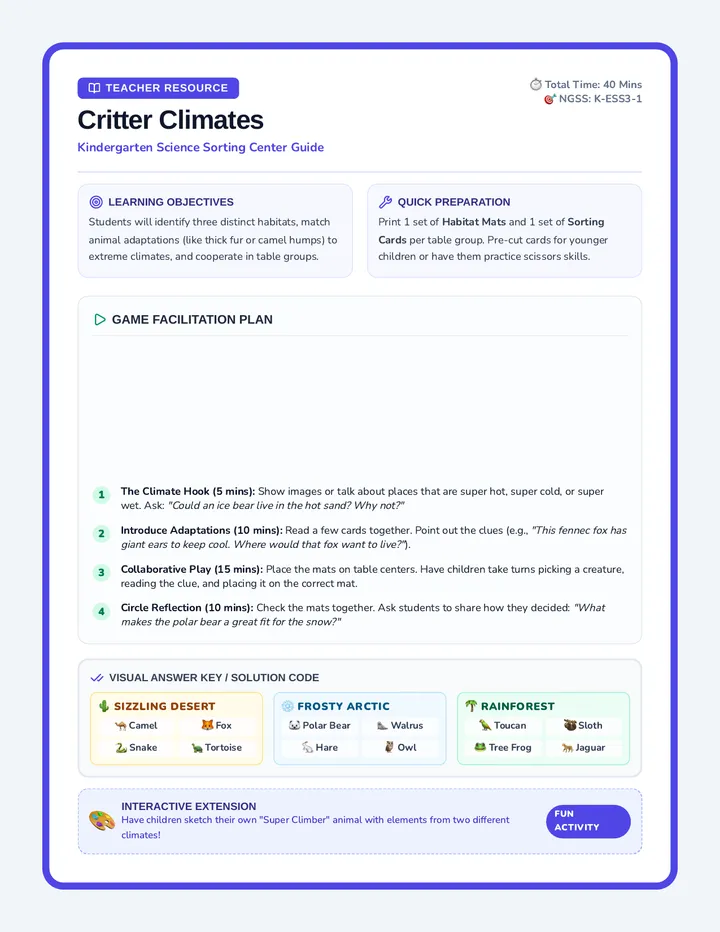
A playful exploration of animal habitats and characteristics using students' own stuffed animals to bridge the gap between imagination and scientific observation.
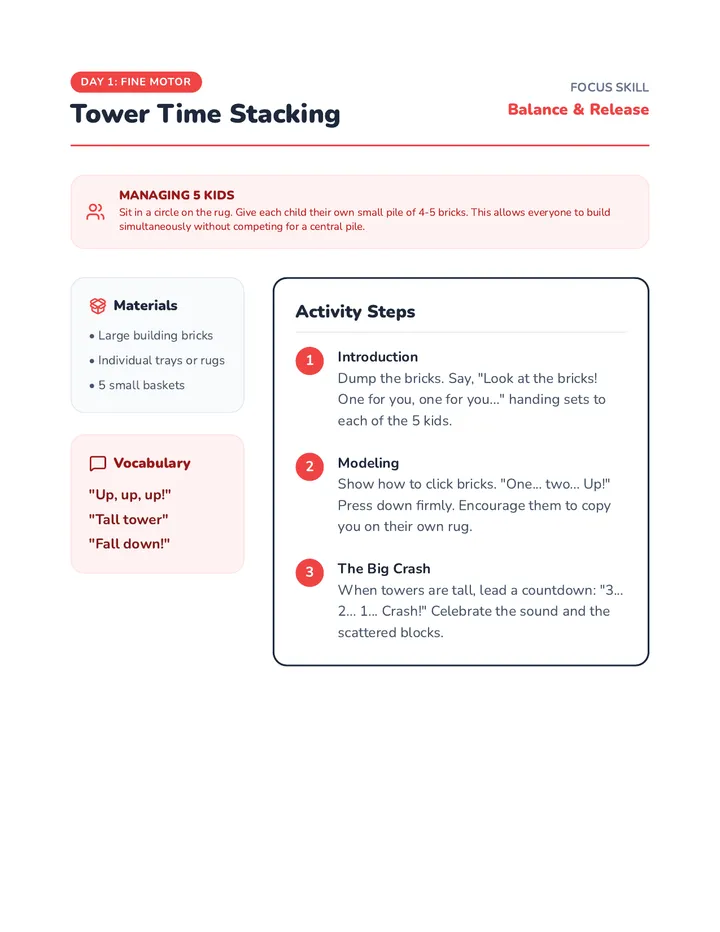
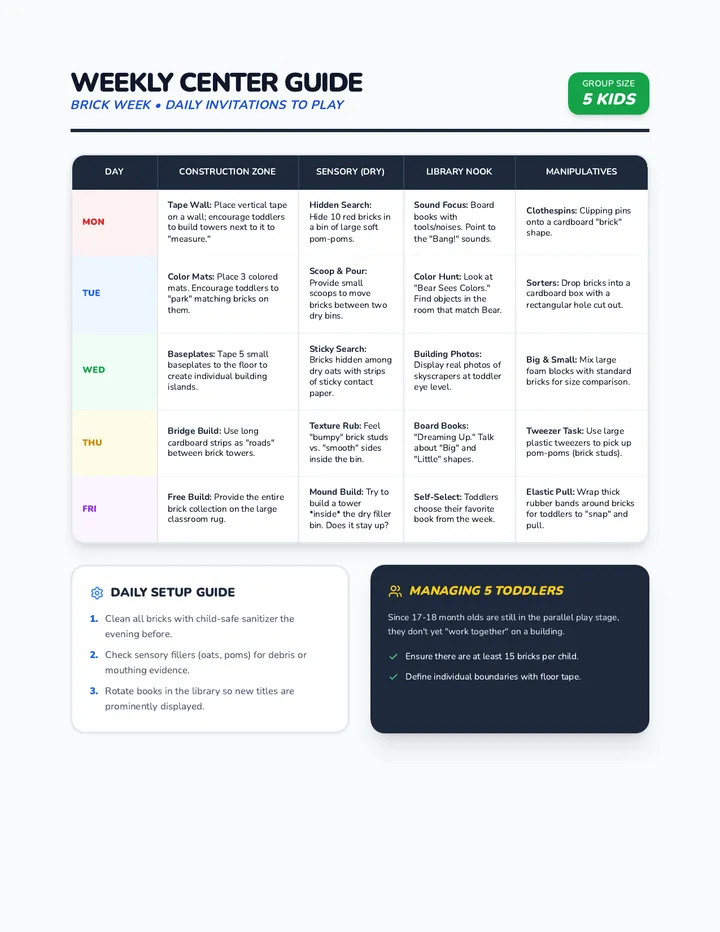
A fun, playful building challenge for early learners. Small teams work together to build the tallest tower they can using simple materials, focusing on sharing, taking turns, and trying again.
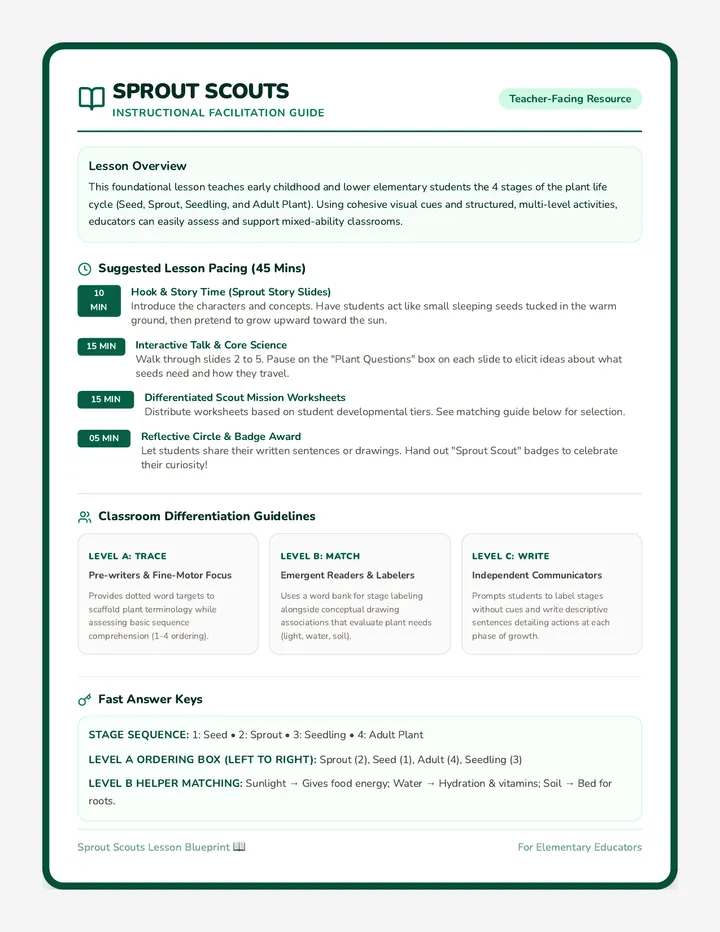
A fun, hands-on lesson for kindergarteners to learn about plant parts and what plants need to grow through movement, games, and exploration.
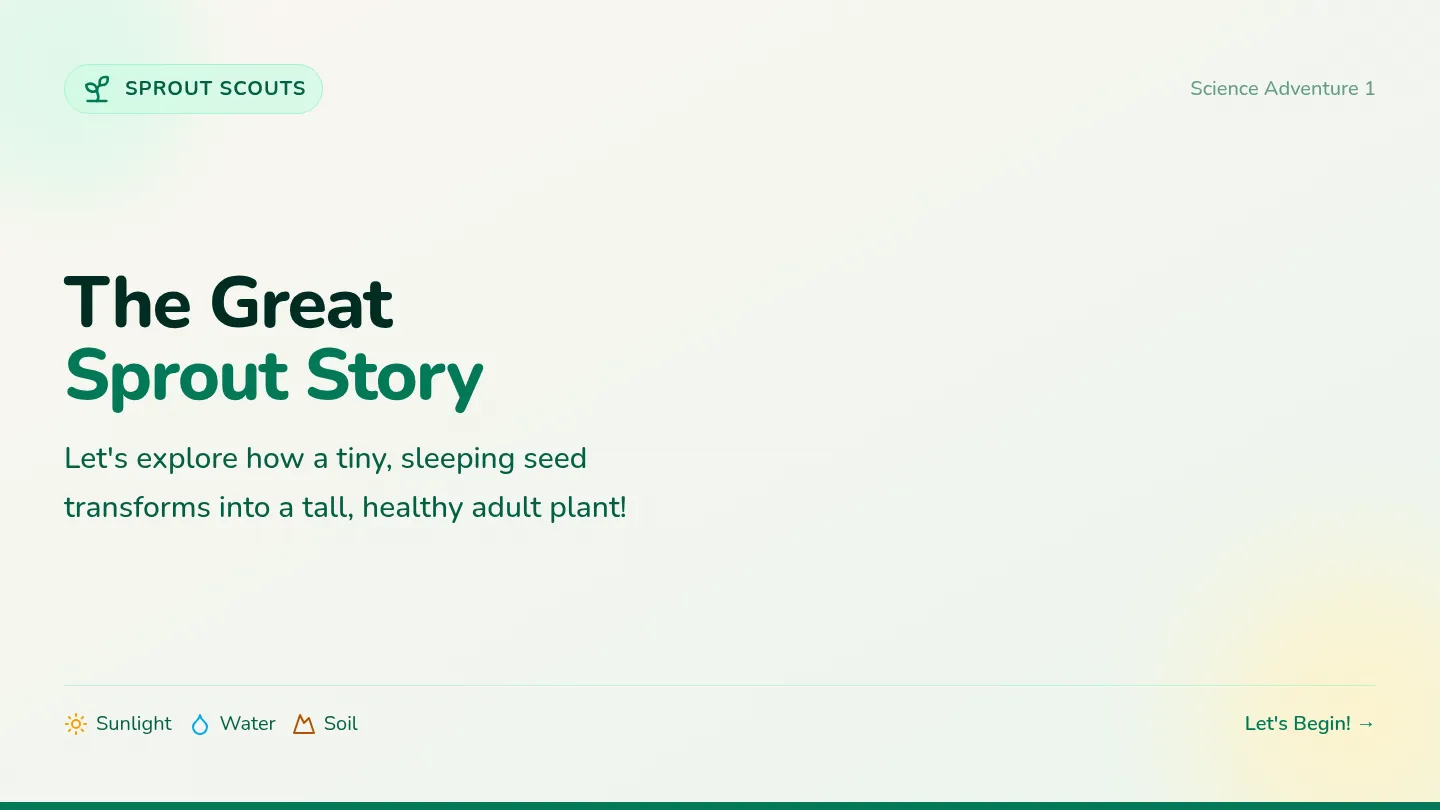
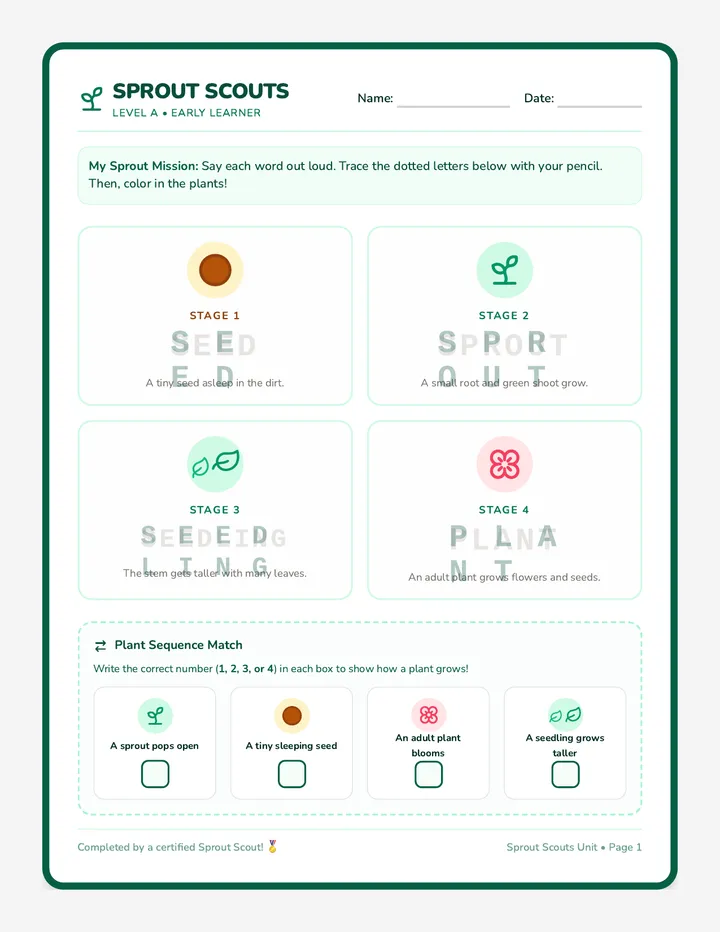
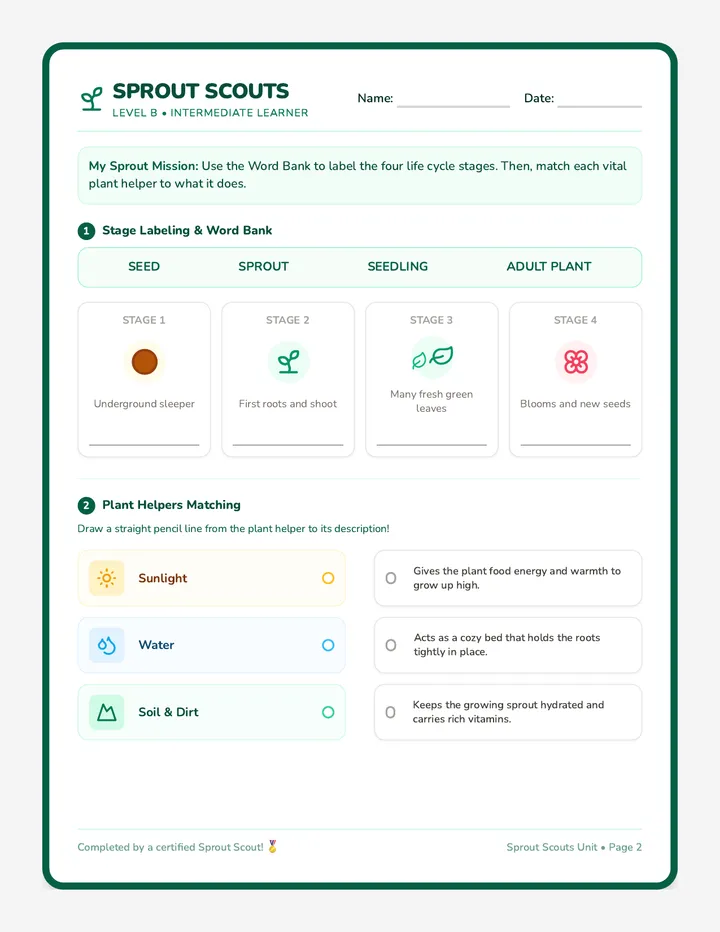
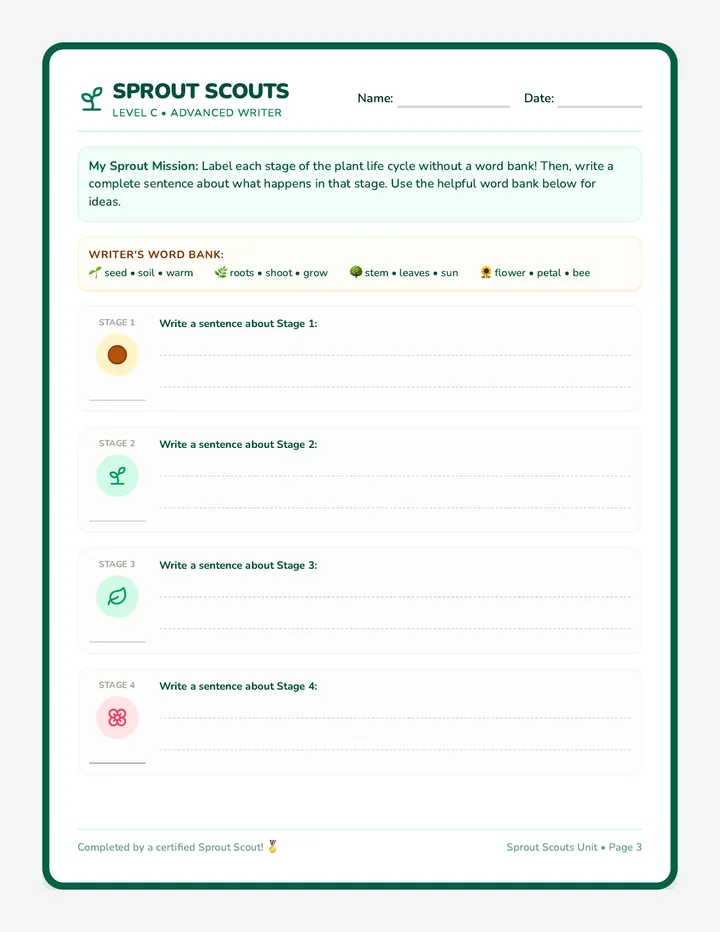
A foundational science lesson for Kindergarteners exploring the life cycle of a plant from seed to flower and the basic needs required for growth. Students will observe visual stages of growth and identify what plants need to survive.
A lesson exploring the diverse animals that call trees their home, focusing on identification and the specific parts of the tree they inhabit.
Students explore the ecosystem beneath the forest floor, focusing on animals that create tunnels and live among tree roots.
An outdoor exploration where students become 'Baby Detectives' to find and observe different types of babies in nature, including human, animal, and plant life. Students will learn that all living things start small and require care and specific environments to grow.
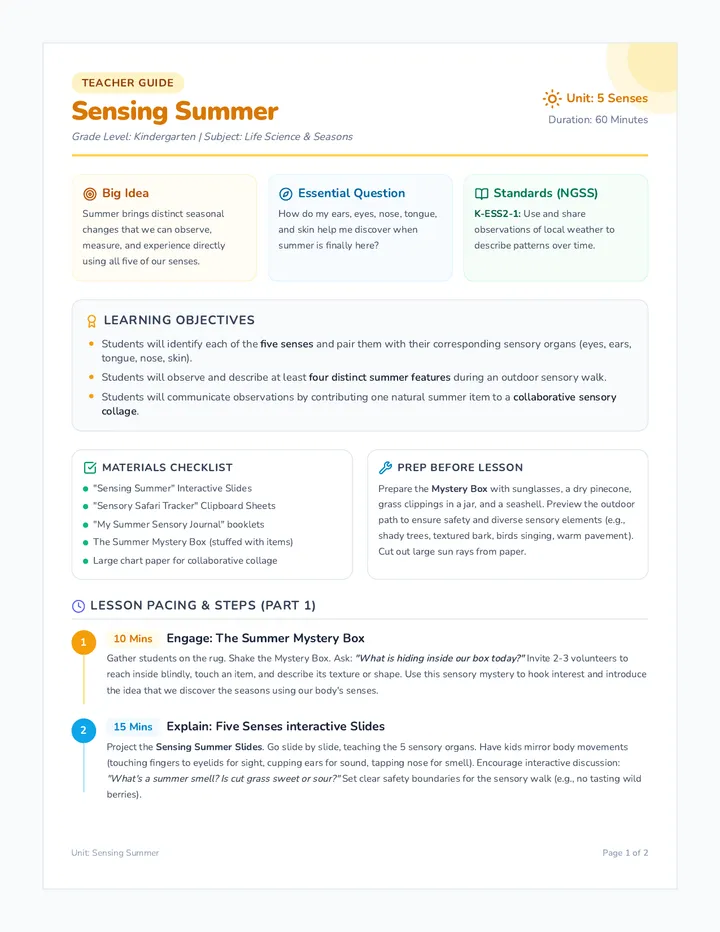
Students will identify the five sense organs and explain how they help humans perceive and interact with the world around them through reading and assessment.
An introductory lesson for kindergarten students to learn about the basic needs of plants (sun, water, soil) through interactive play.
An introductory lesson for K-2 students focusing on the major bones of the human body and their primary functions through movement and visual labeling.
An interactive kindergarten lesson where students become 'Nature Detectives' to identify living and non-living things through observation and a hands-on sorting game.
A kindergarten lesson exploring the characteristics of living things through observation and sorting. Students use 'detective skills' to categorize items and discuss tricky cases like seeds and fire.
A visual, snowman-themed lesson designed for autistic elementary students to explore the three states of matter (solid, liquid, gas) through hands-on experimentation and clear visual aids.
An introductory lesson for Pre-K students to observe, identify, and describe daily weather patterns and how they affect our lives.