Students select skills and draft their formal routine composition, ensuring all technical requirements are met.
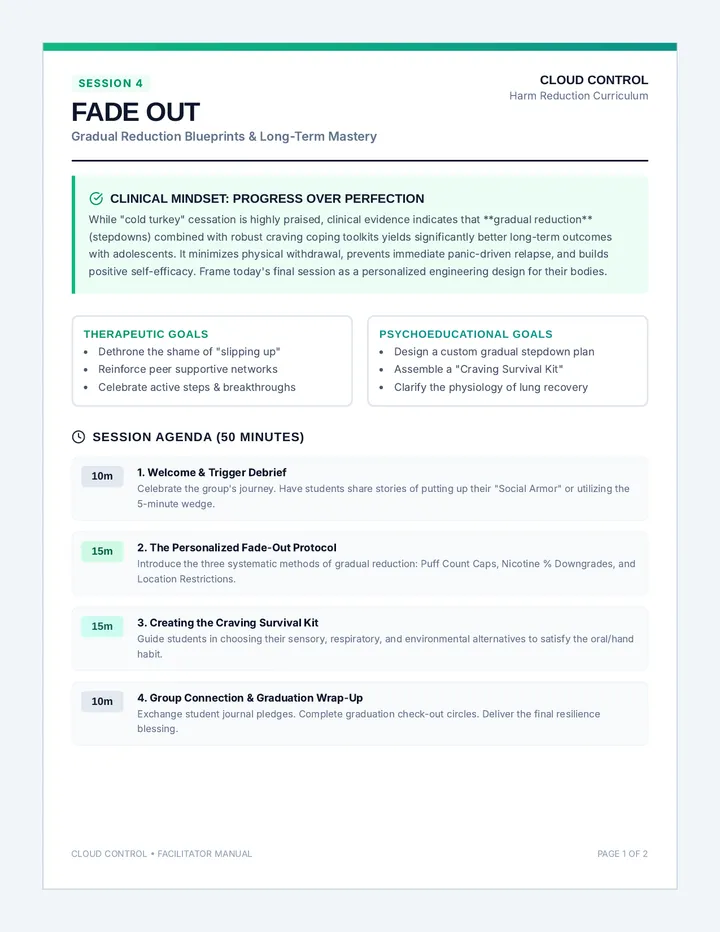
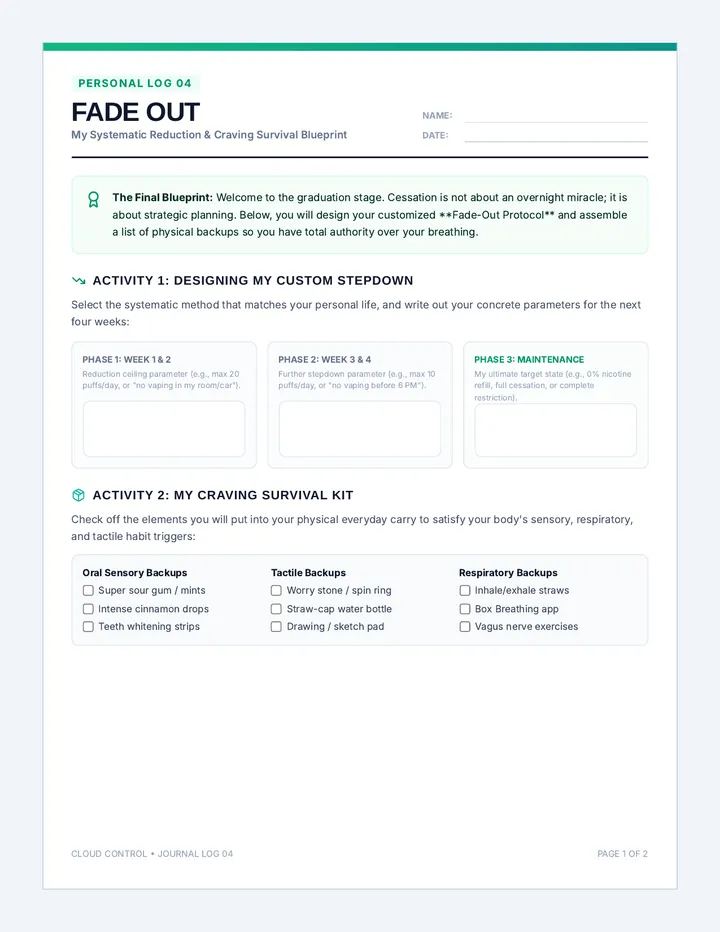
Session 4 equips students with personalized, gradual-reduction plans, craving-management toolkits, and peer support systems for sustained progress.
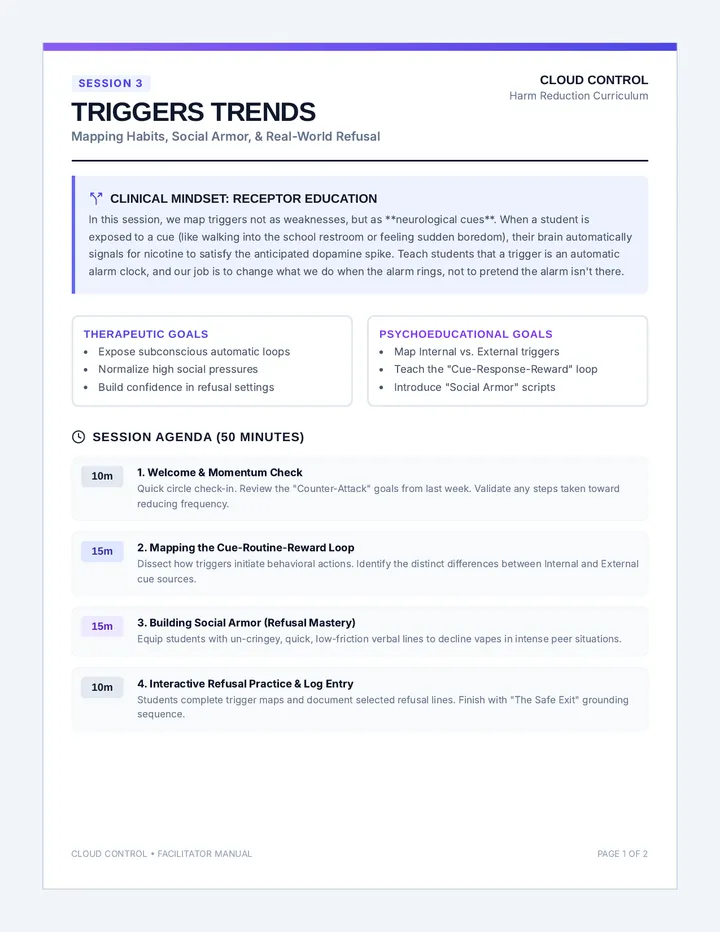
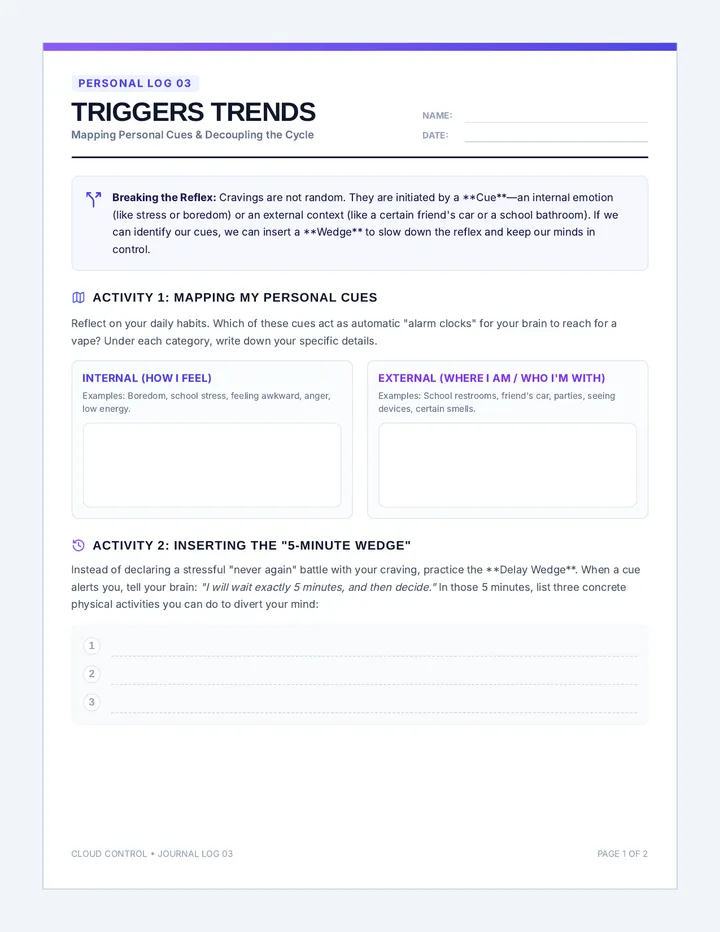
Session 3 focuses on identifying situational and emotional triggers, navigating social pressure, and practicing refusal skills in real-world scenarios.
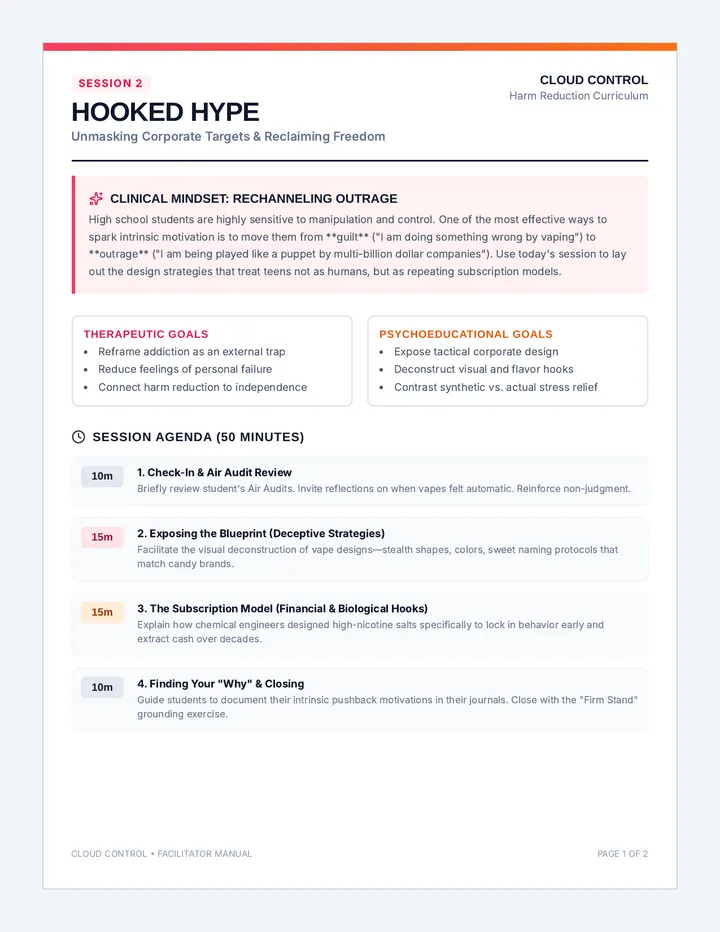
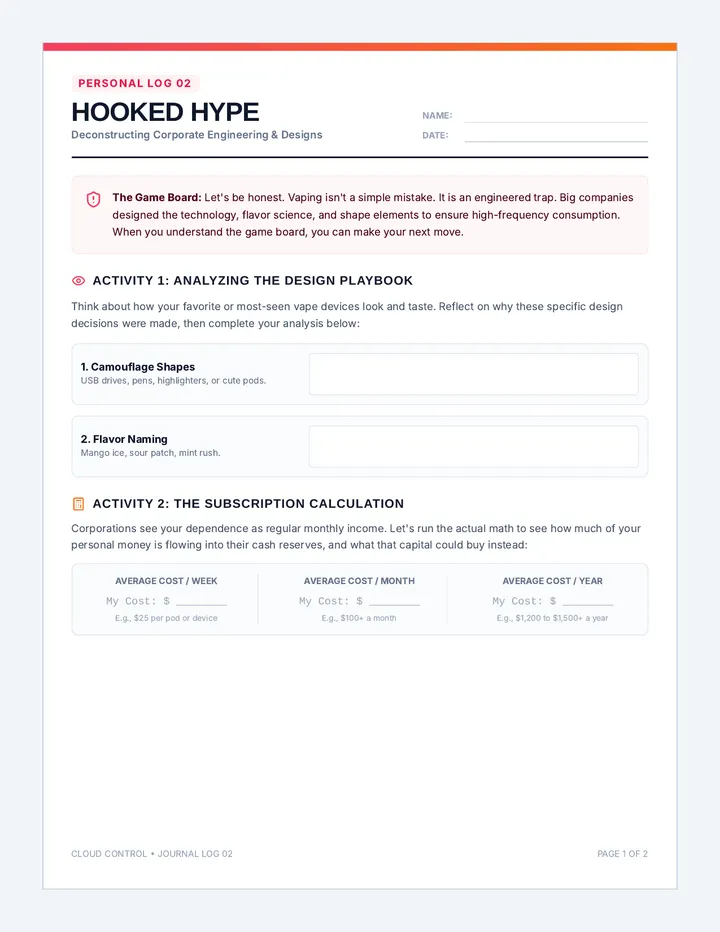
Session 2 exposes the targeted marketing tactics used by e-cigarette corporations and helps students identify their own intrinsic motivators to reclaim control.
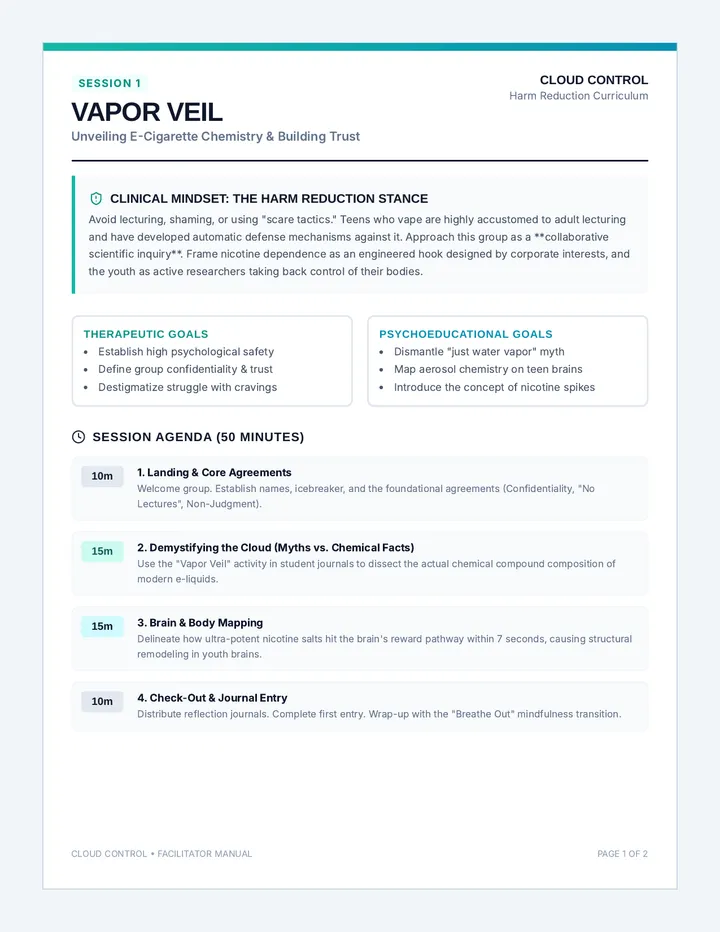
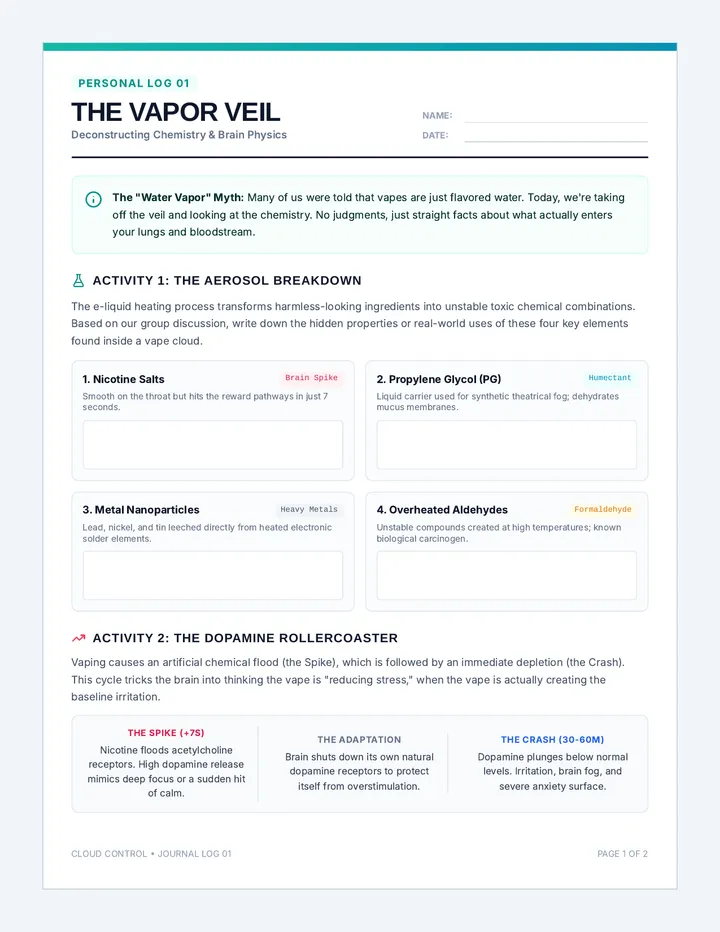
Session 1 introduces the group, establishes trust, and dismantles misconceptions around vape chemistry and its physical impact on the teen brain and body.
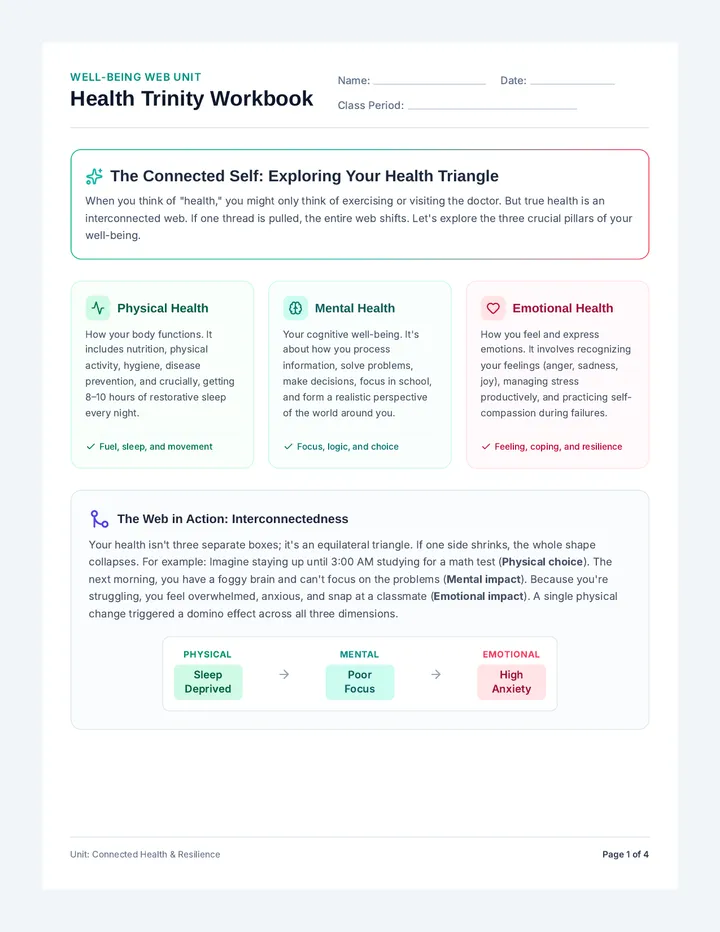
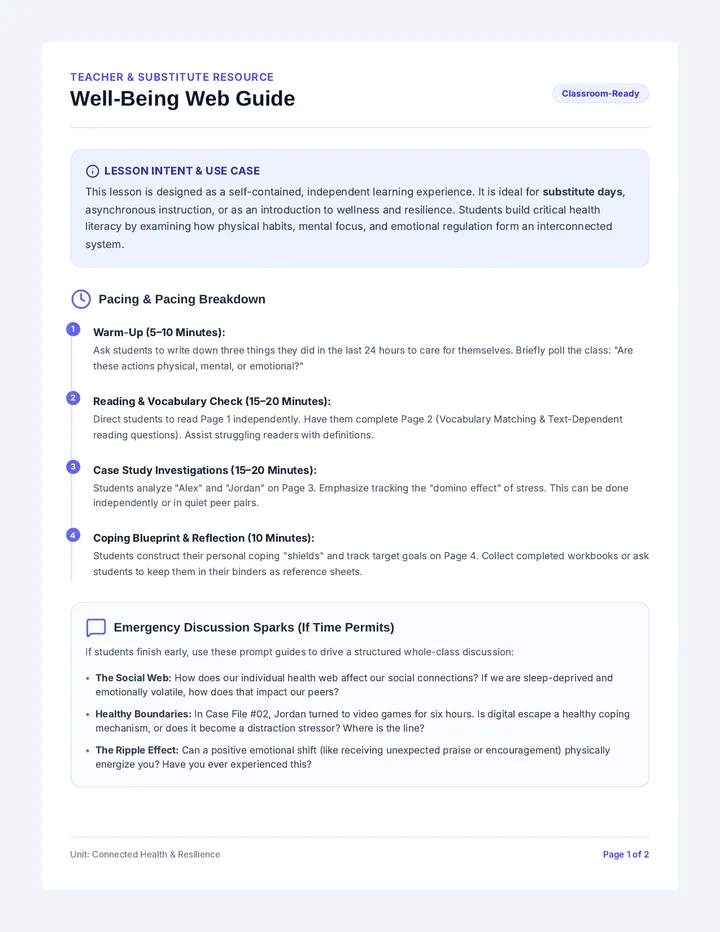
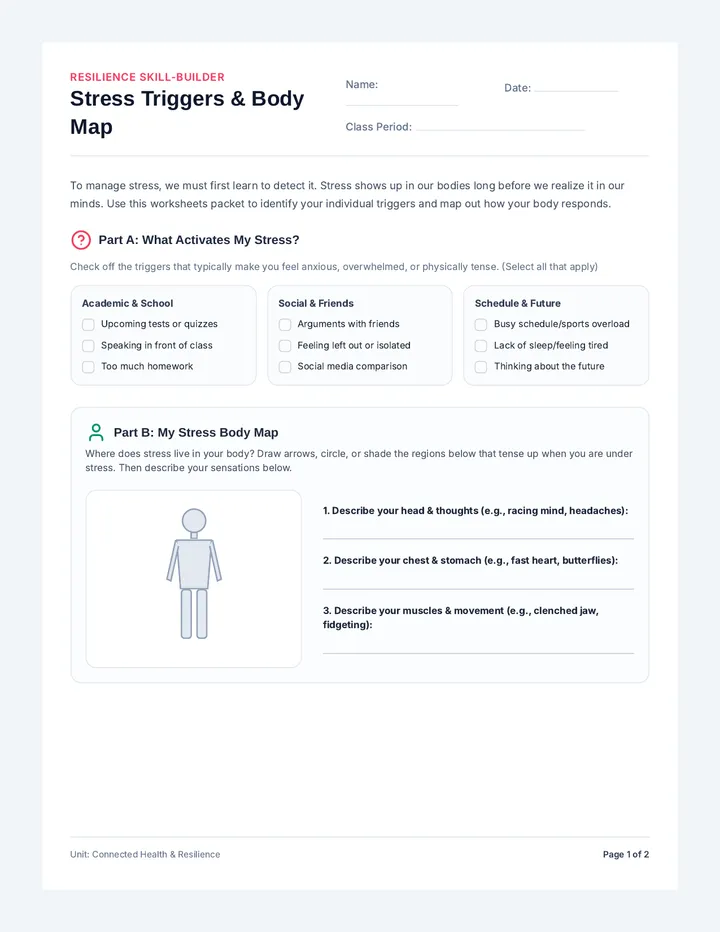
An independent substitute packet focusing on the interconnectedness of physical, mental, and emotional health. Students analyze real-world scenarios, complete guided readings, and practice stress-management and coping strategies.
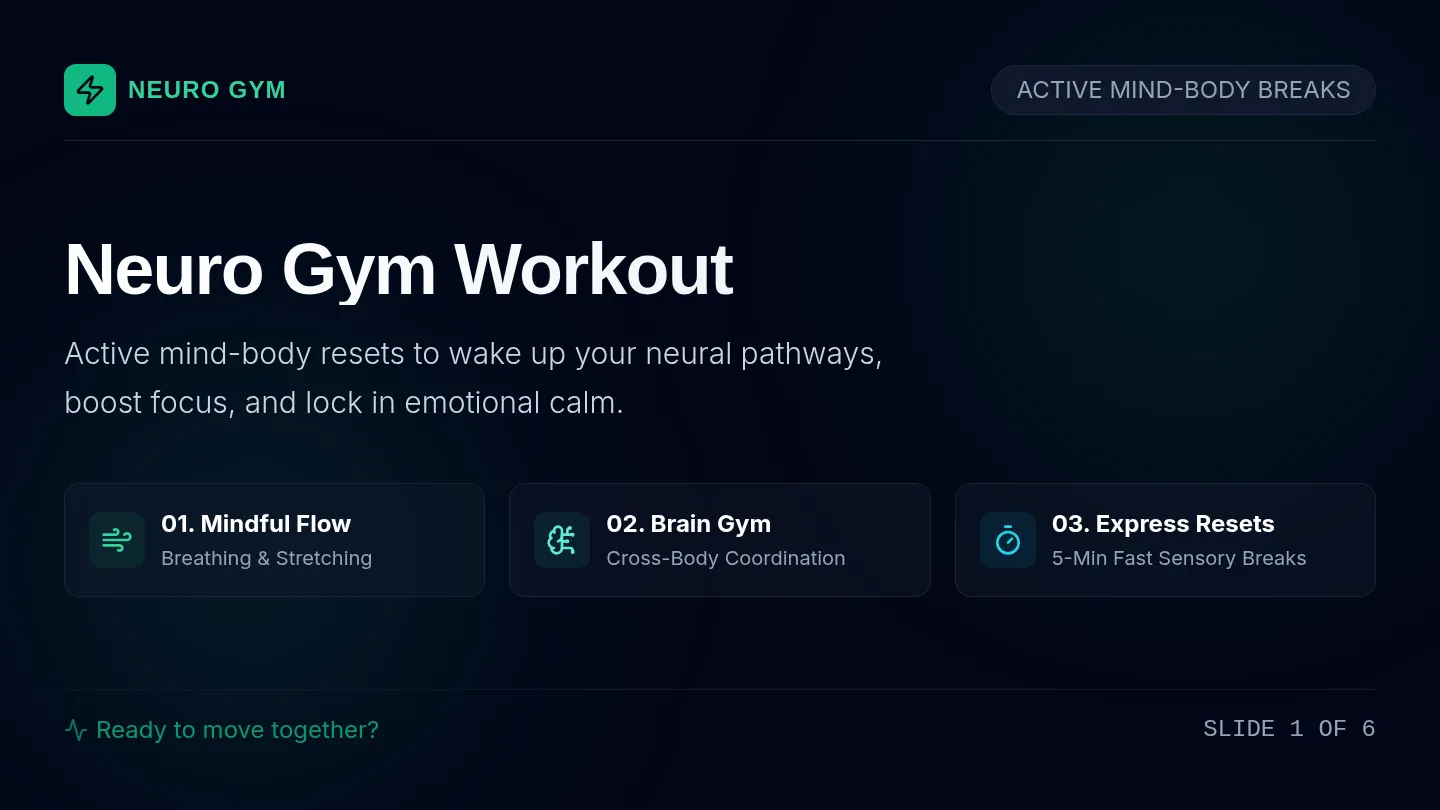
An active mindfulness and coordination lesson that combines low-impact yoga, cross-body brain gym exercises, and express sensory resets to optimize student focus and well-being.
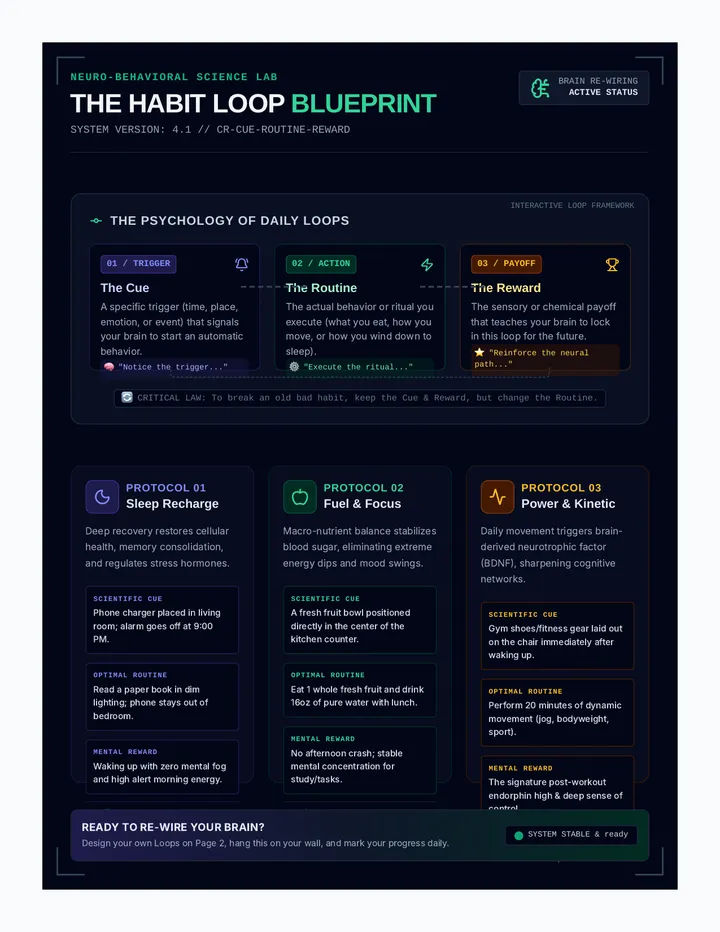
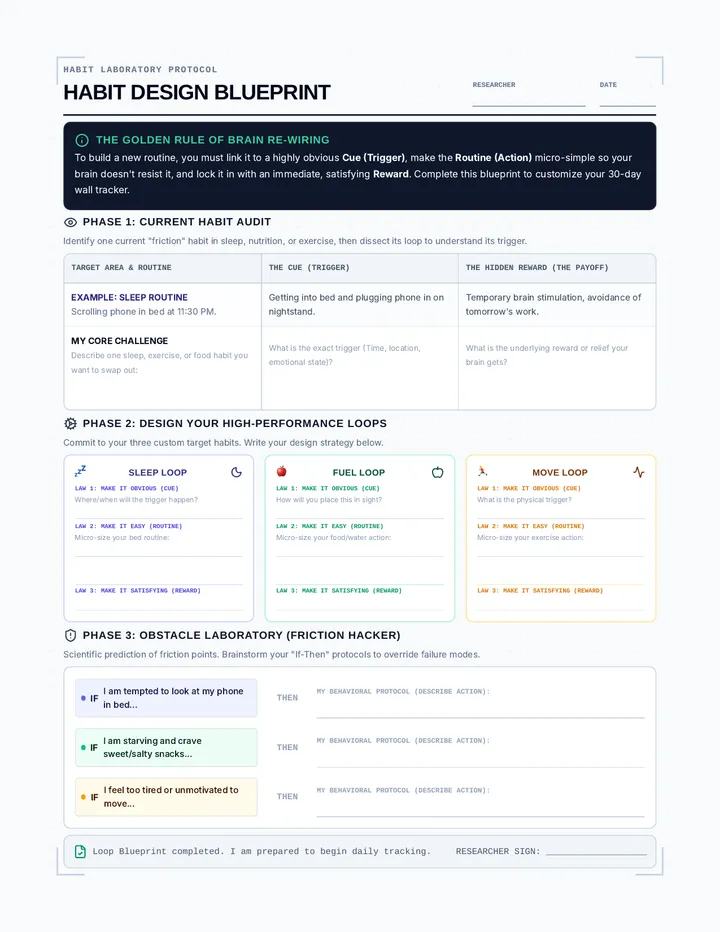
A hands-on guide and tracking system grounded in behavioral science to help students build lasting sleep, exercise, and nutrition habits. Students explore the psychology of cues, routines, and rewards to design and stick to their personal health goals.
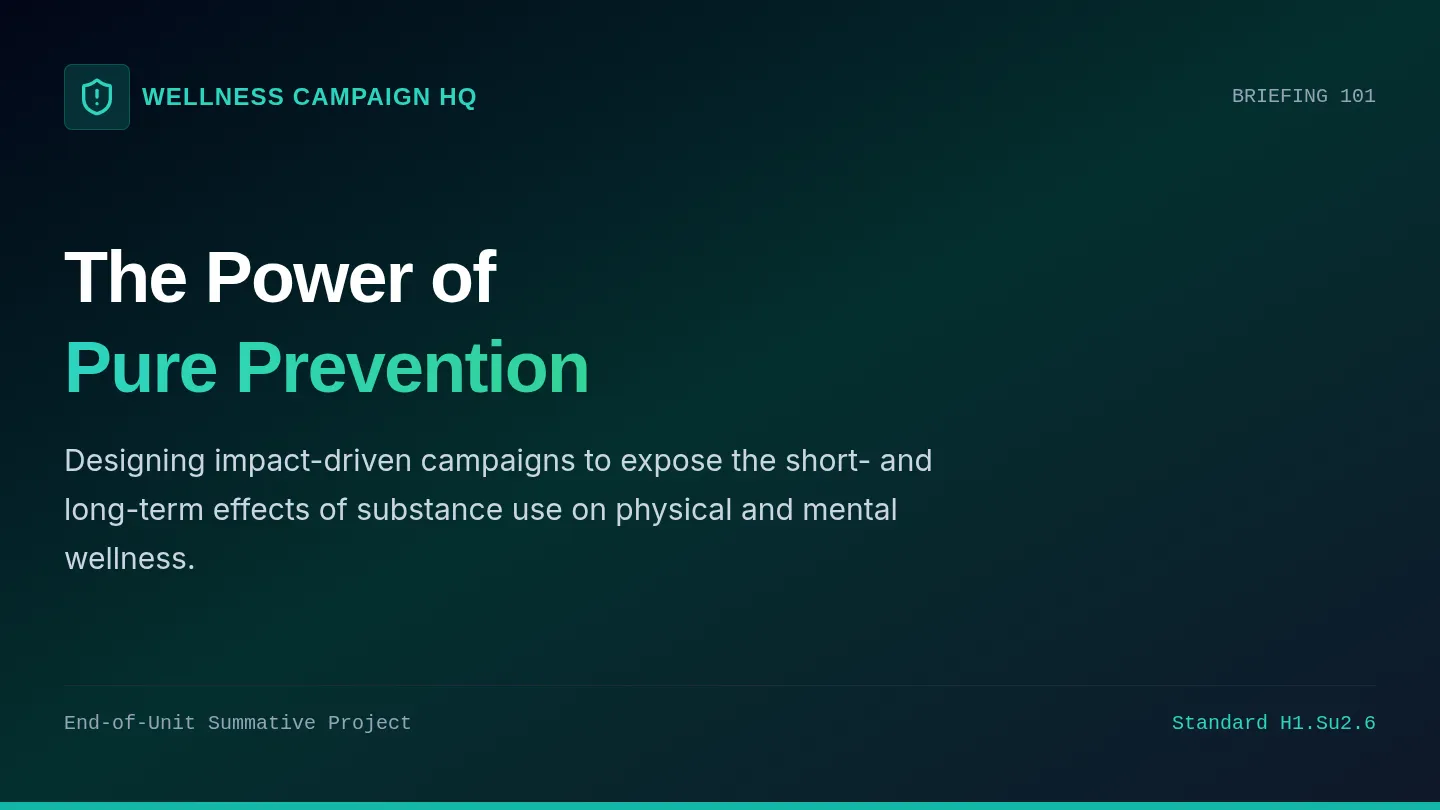
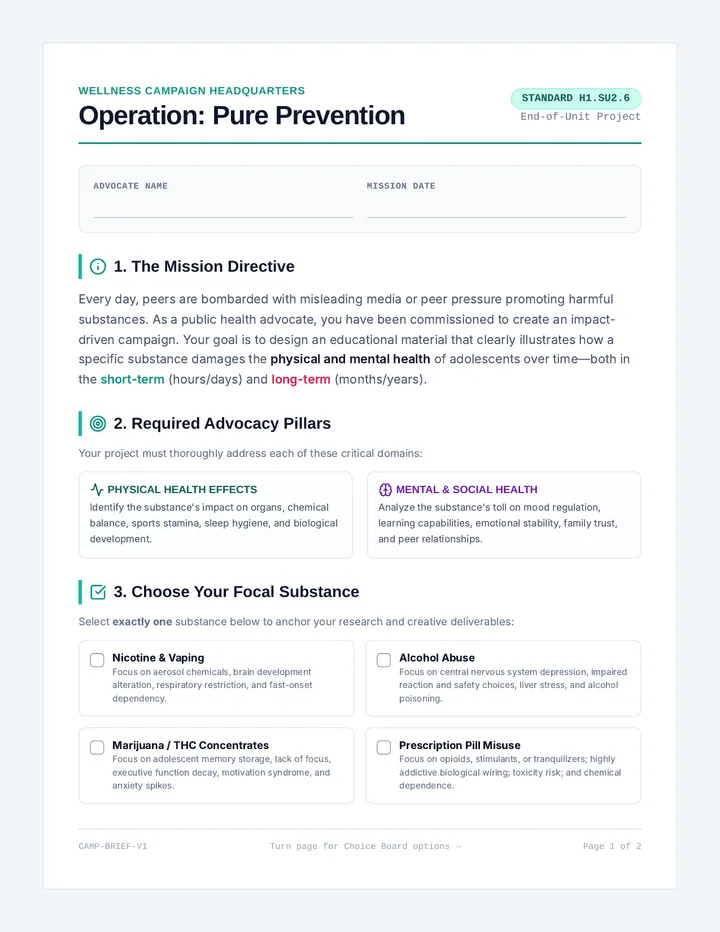
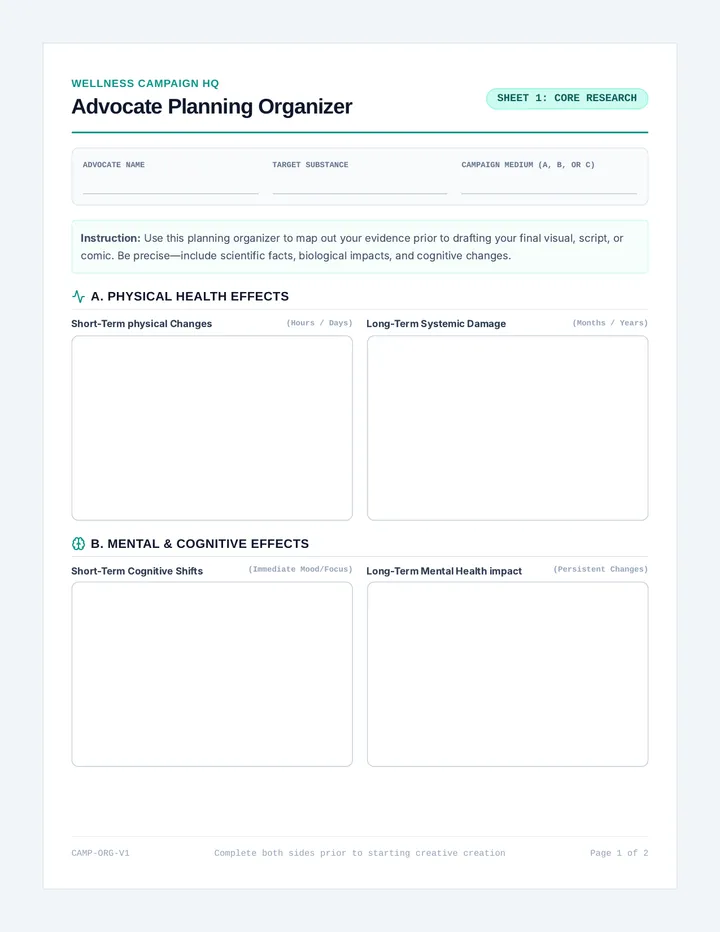
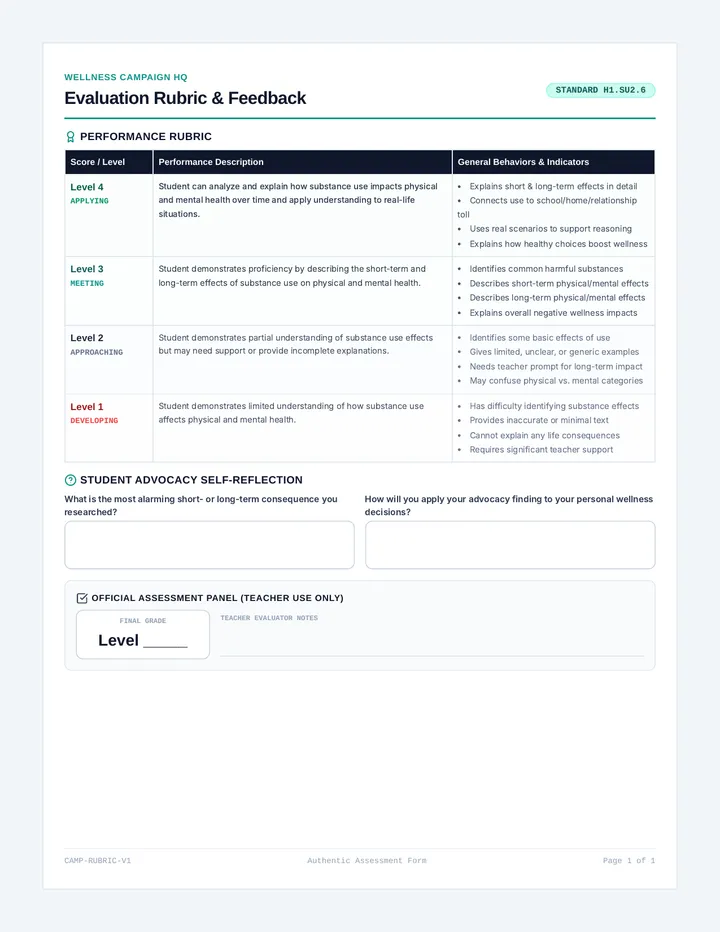
An end-of-unit project bundle where students act as public health advocates to design a PSA or select from a creative choice board, analyzing the short- and long-term physical and mental health effects of substance use.
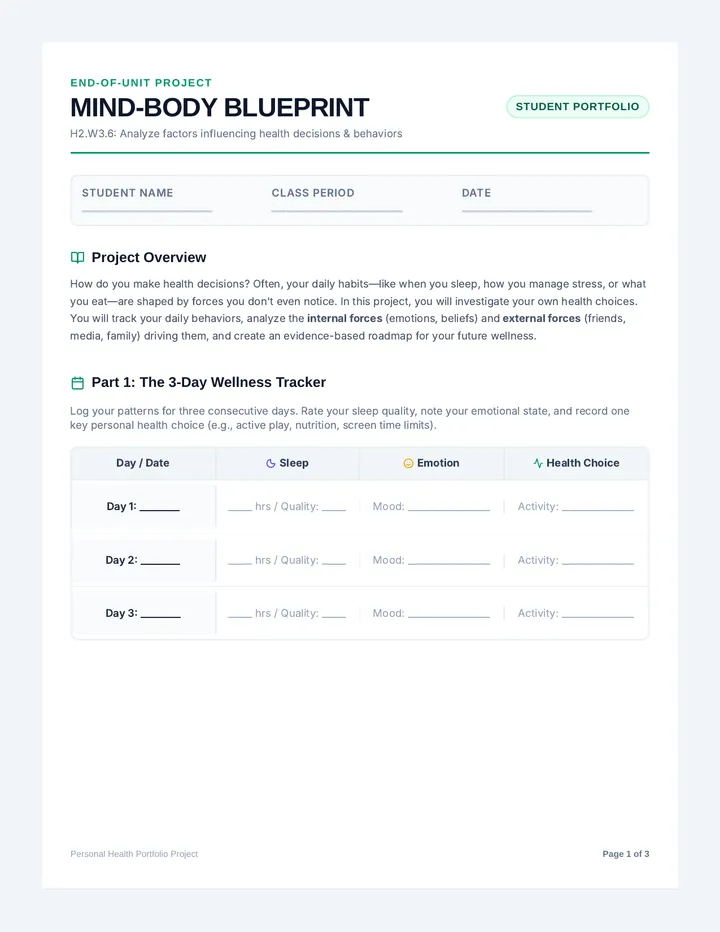
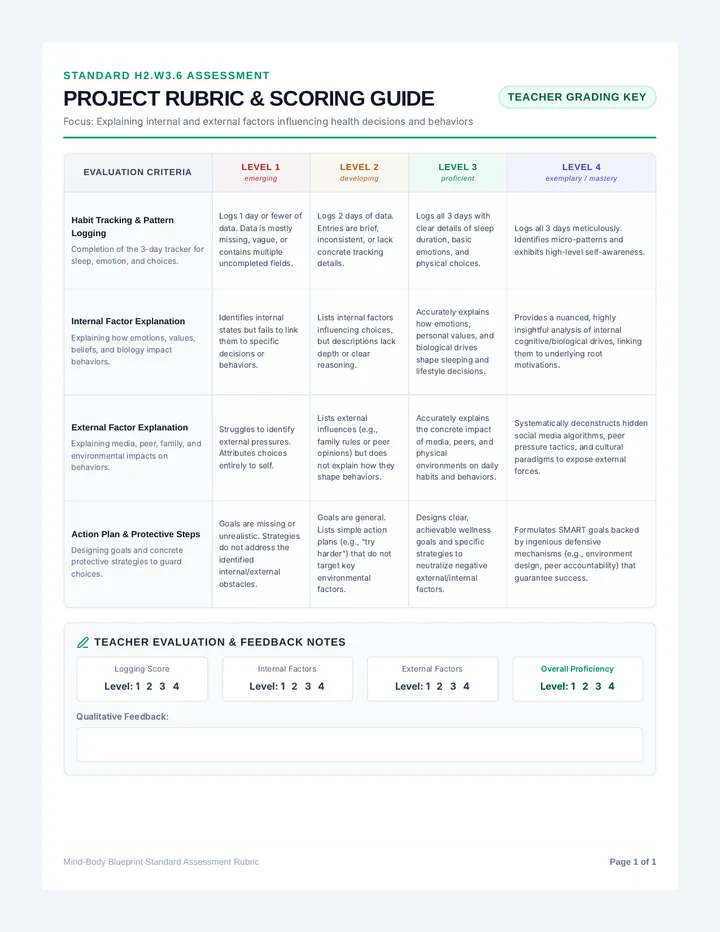
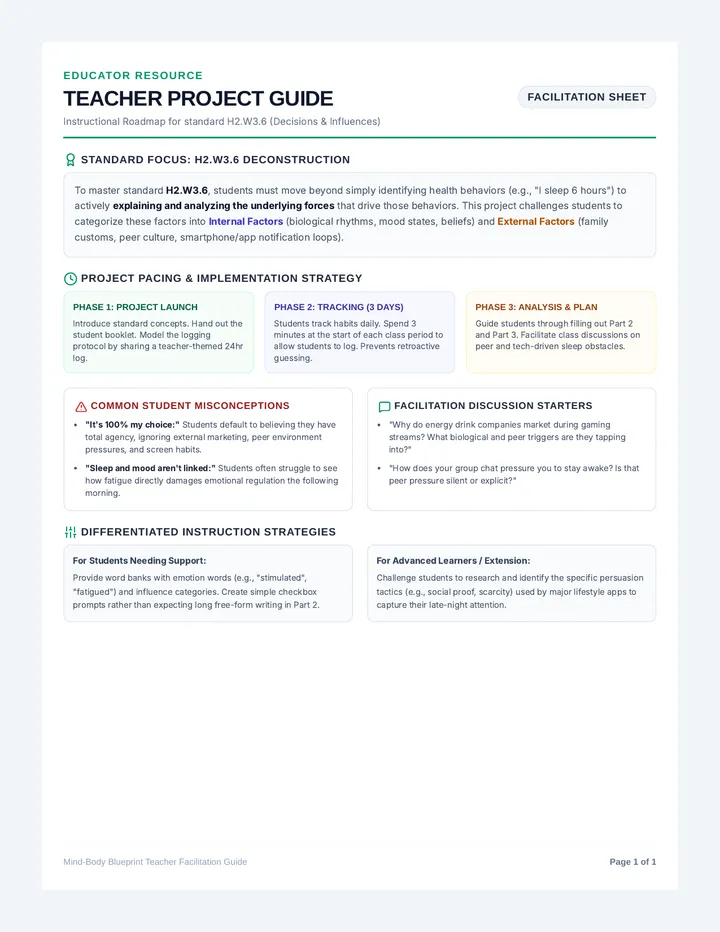
A comprehensive health portfolio project where students log their sleep, emotional regulation, and personal choices, analyze the internal and external factors influencing their behaviors, and design a personalized action plan. Includes student logs, an analytical rubric, and a teacher facilitation guide.
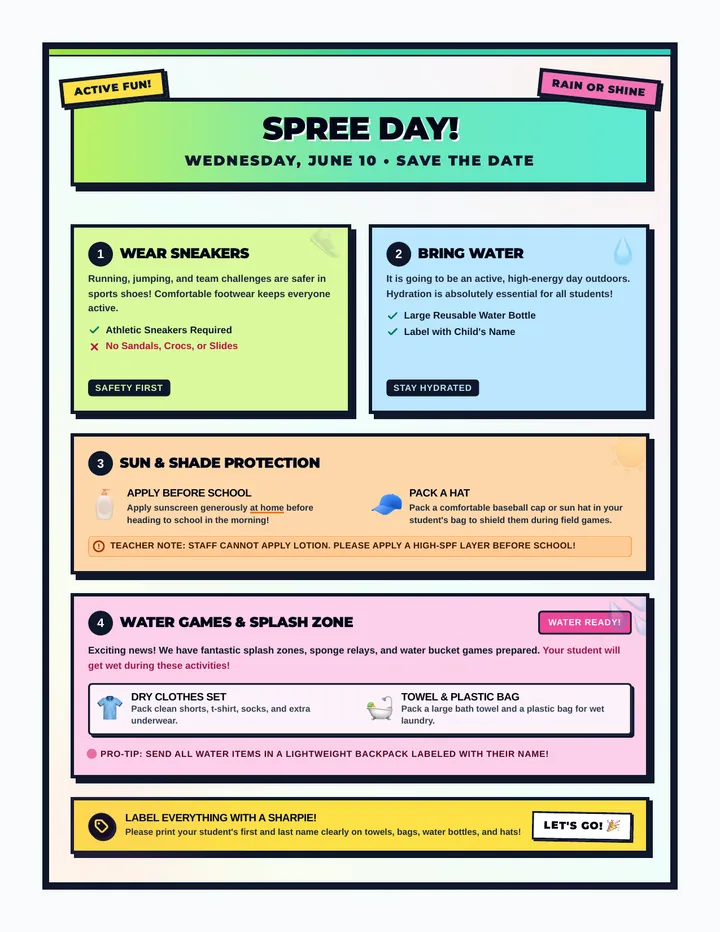
Resources and materials to help students, families, and teachers prepare for Spree Day, an energetic, outdoor, action-packed school field day.
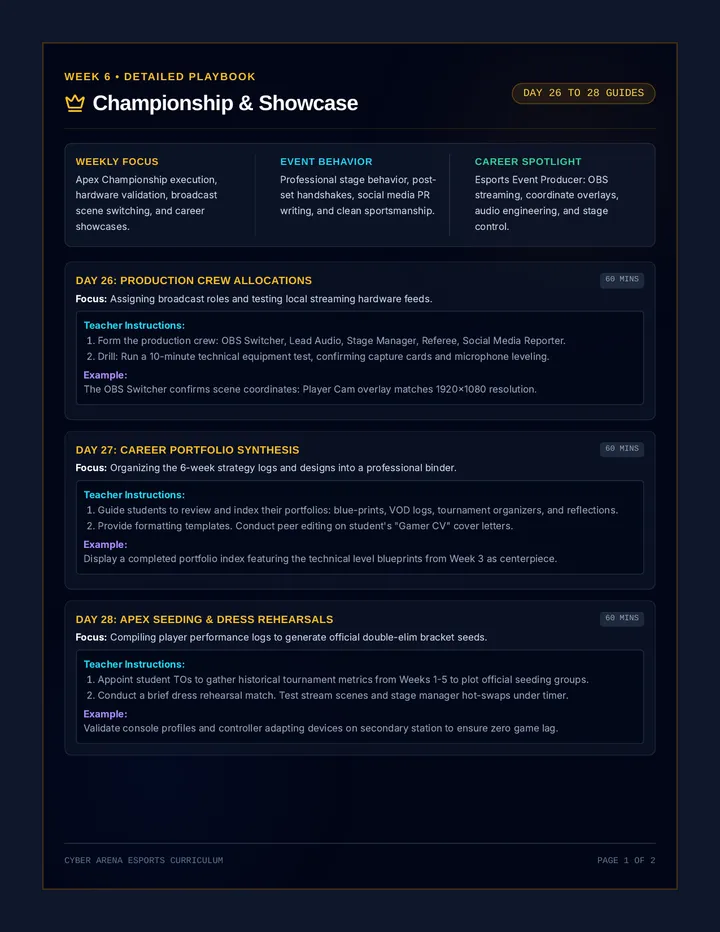
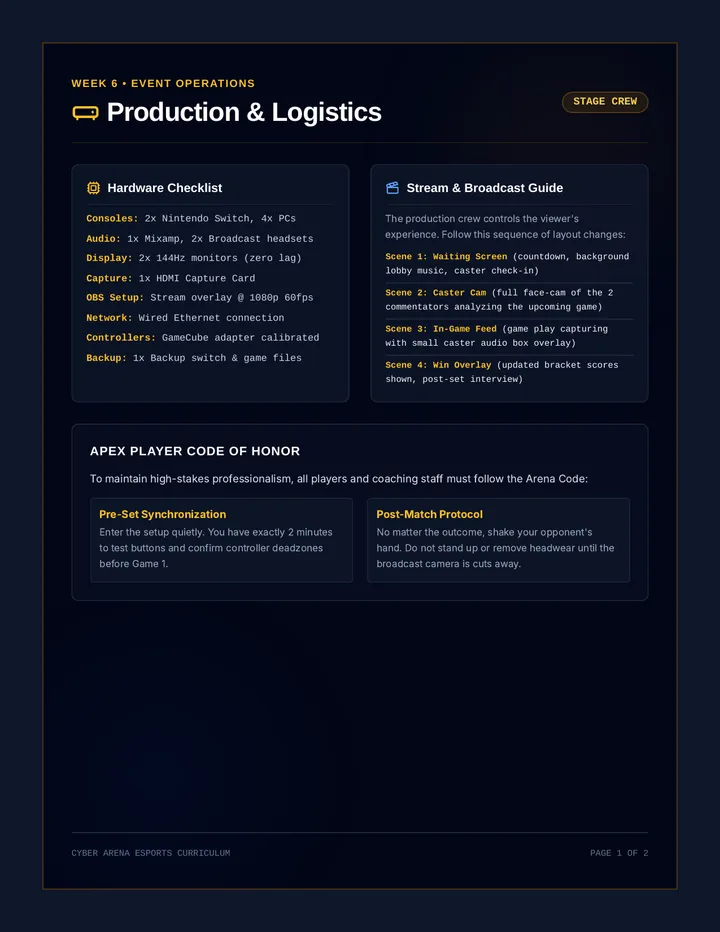
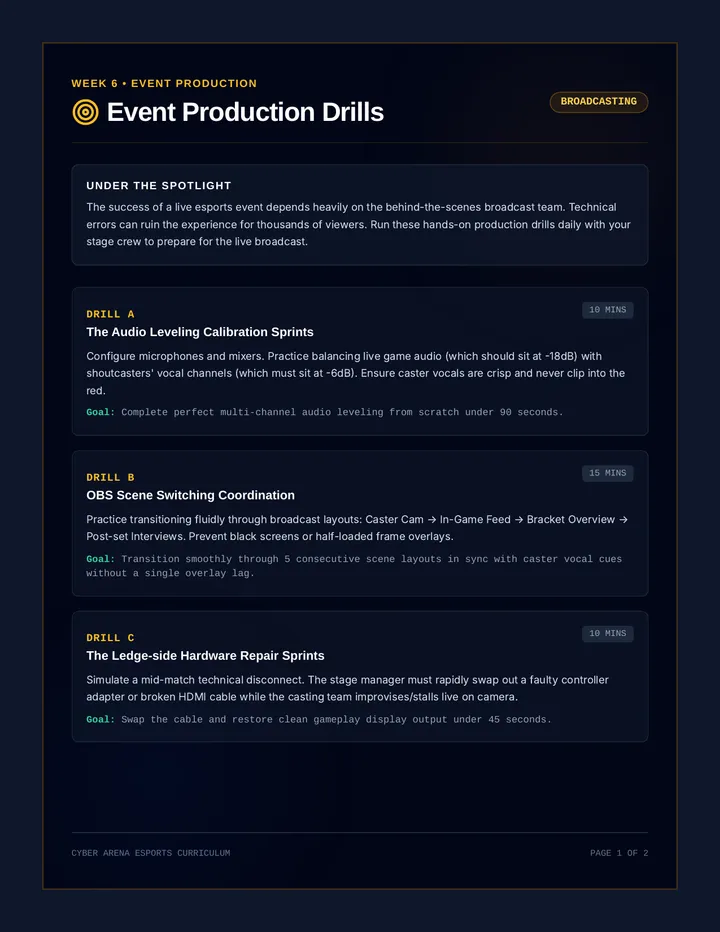
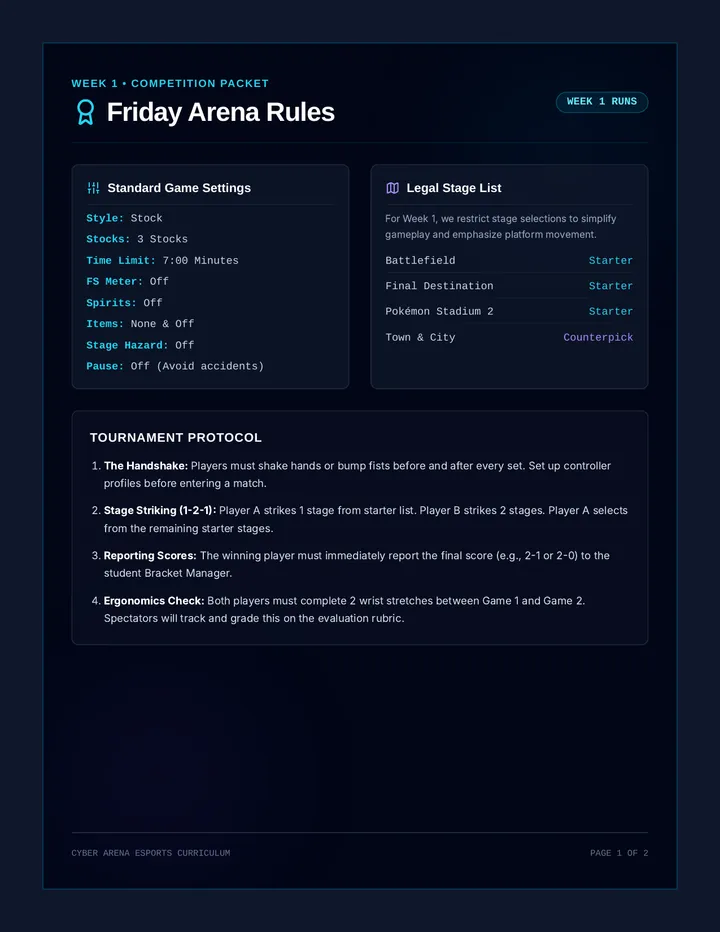
The grand finale week of the curriculum. Students execute a massive live bracket tournament and showcase their esports career portfolios.
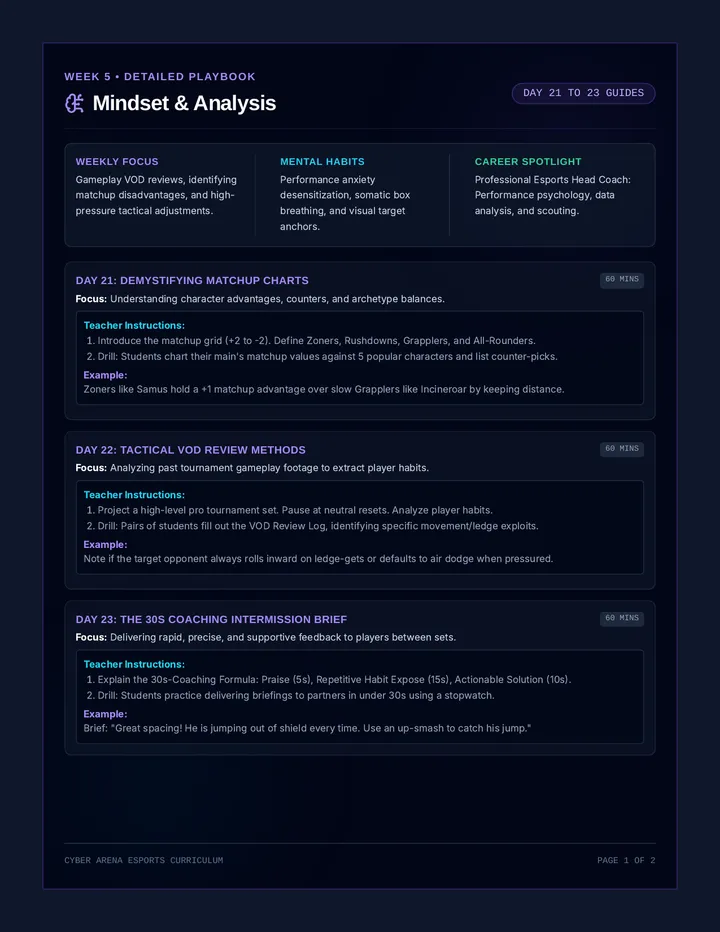
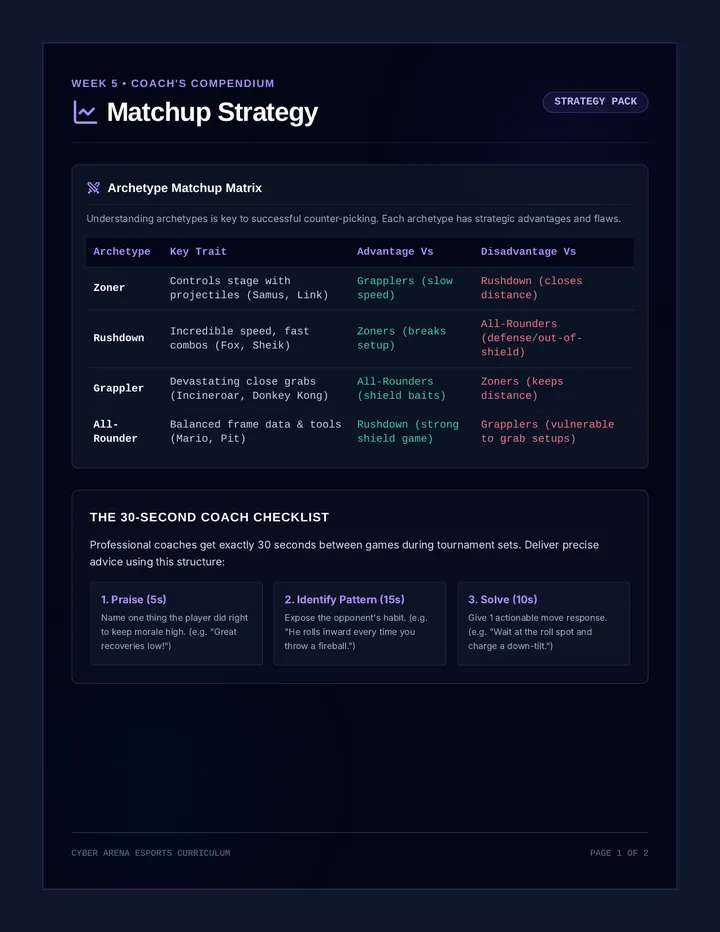
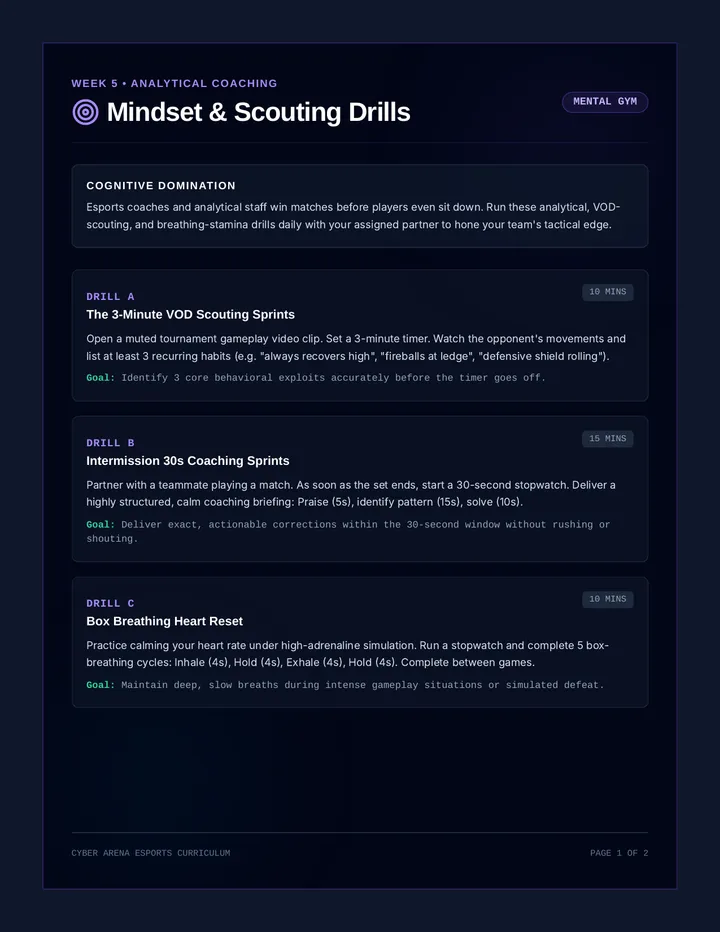
Covers mental stamina, character matchup analysis, and competitive coaching roles. Students learn how to analyze gameplay video (VOD review) and support team members mentally.
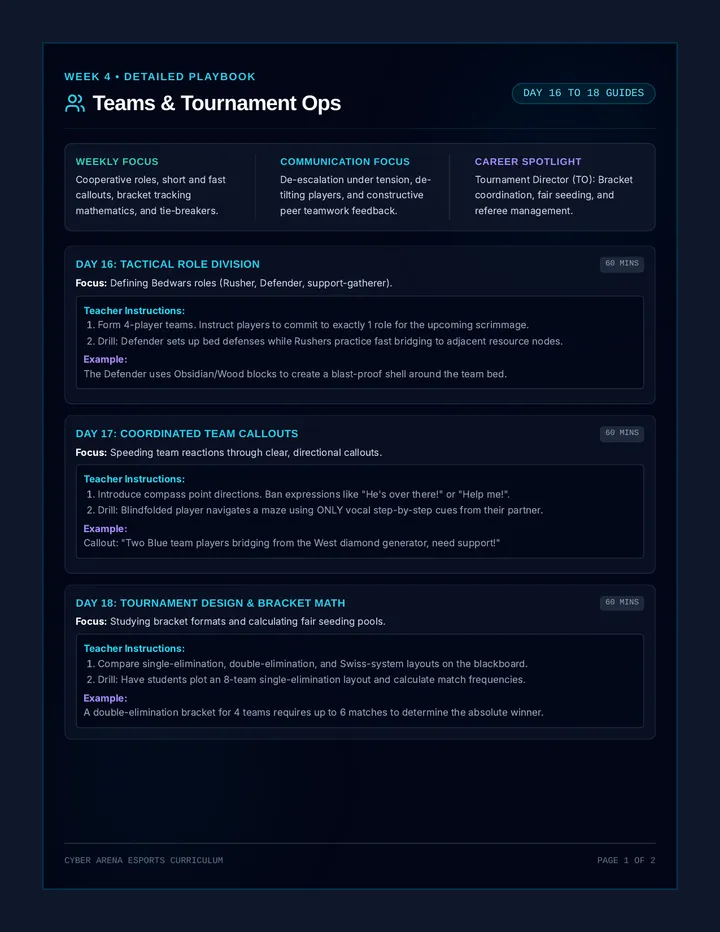
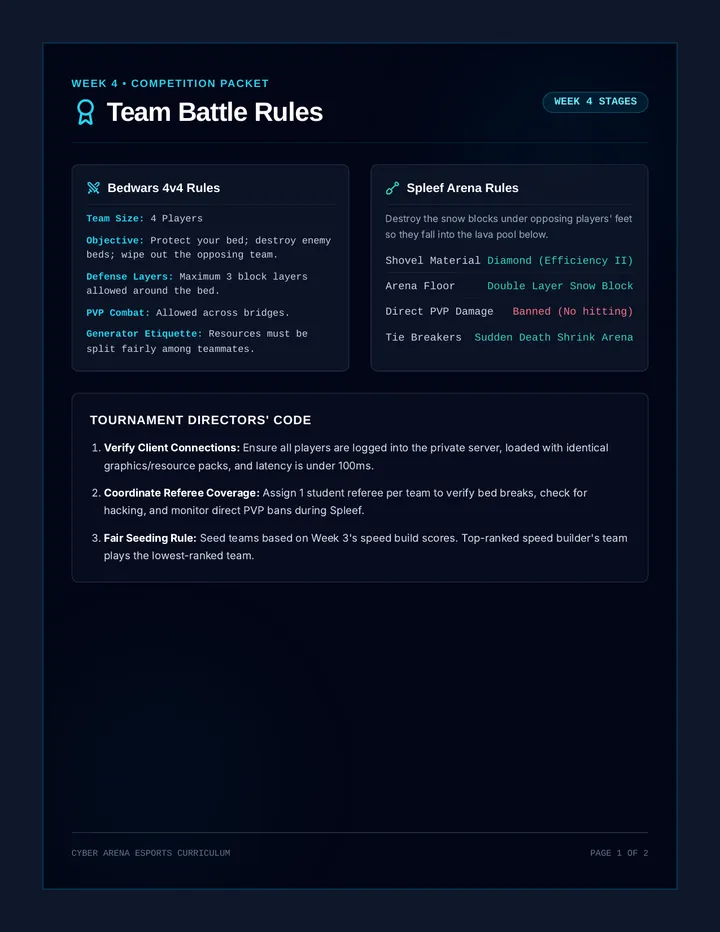
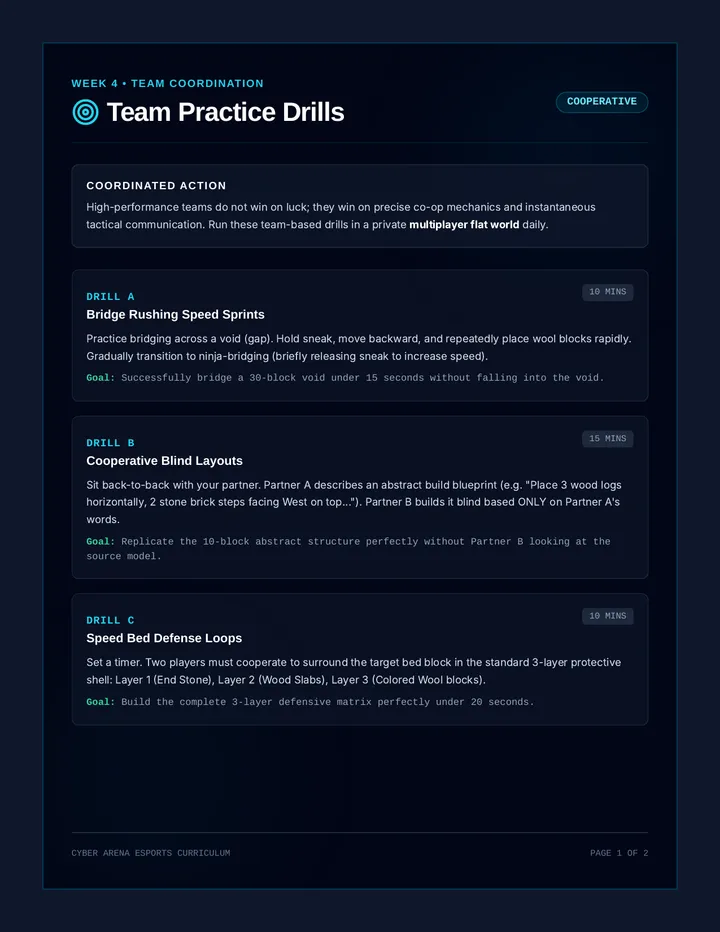
Team-based competitive Minecraft gameplay including Bedwars, Spleef, and build-offs. Teaches communication, tournament coordination, brackets, and conflict resolution.
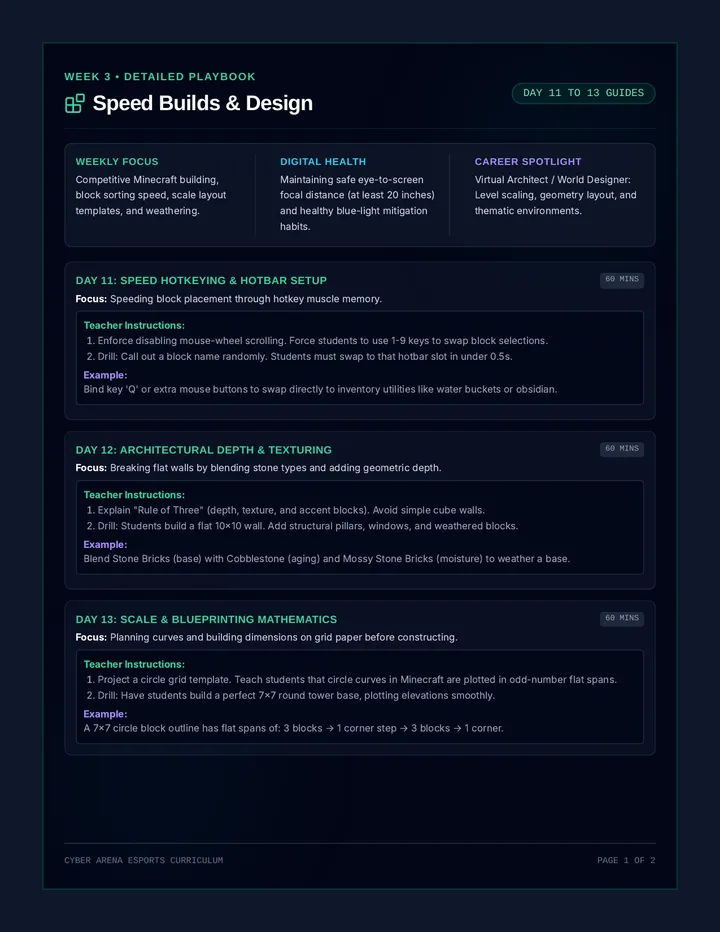
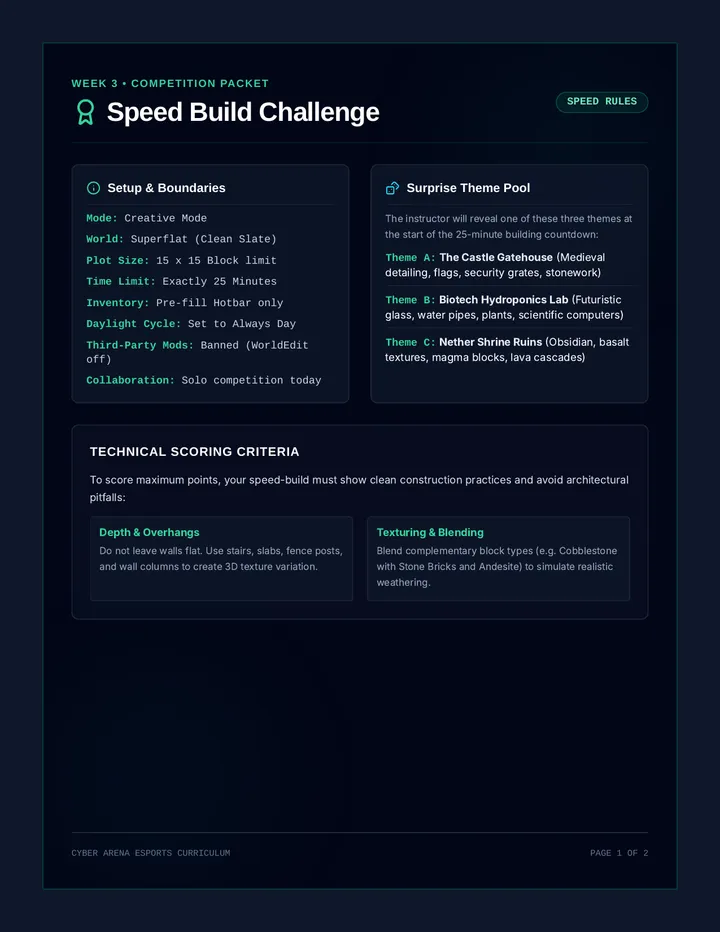
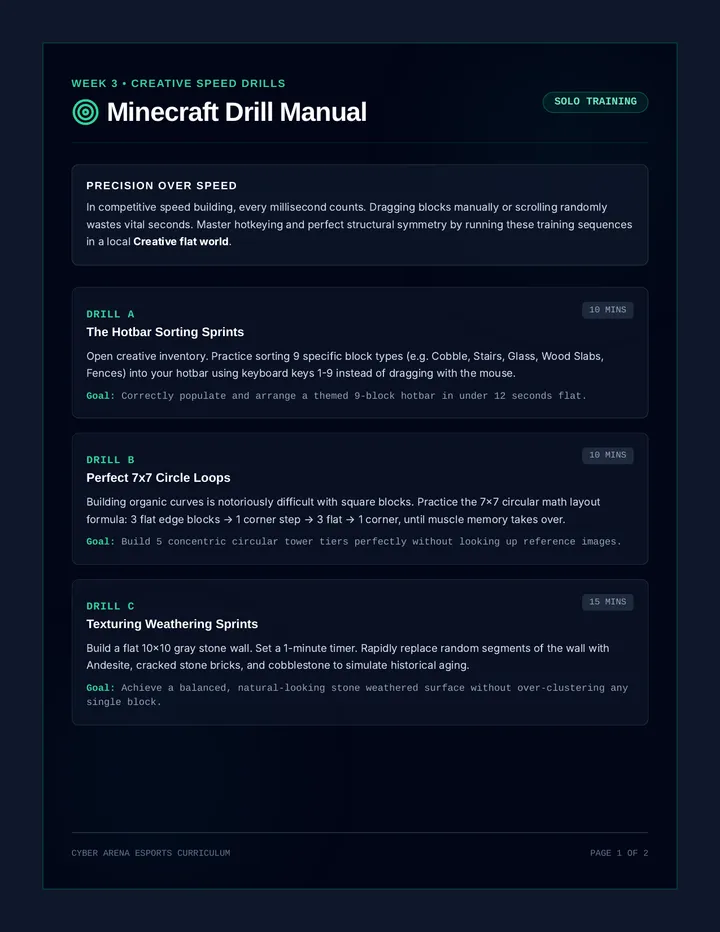
Introduction to competitive Minecraft building and speed builds. Explores the career of game design, map making, and spatial visualization.
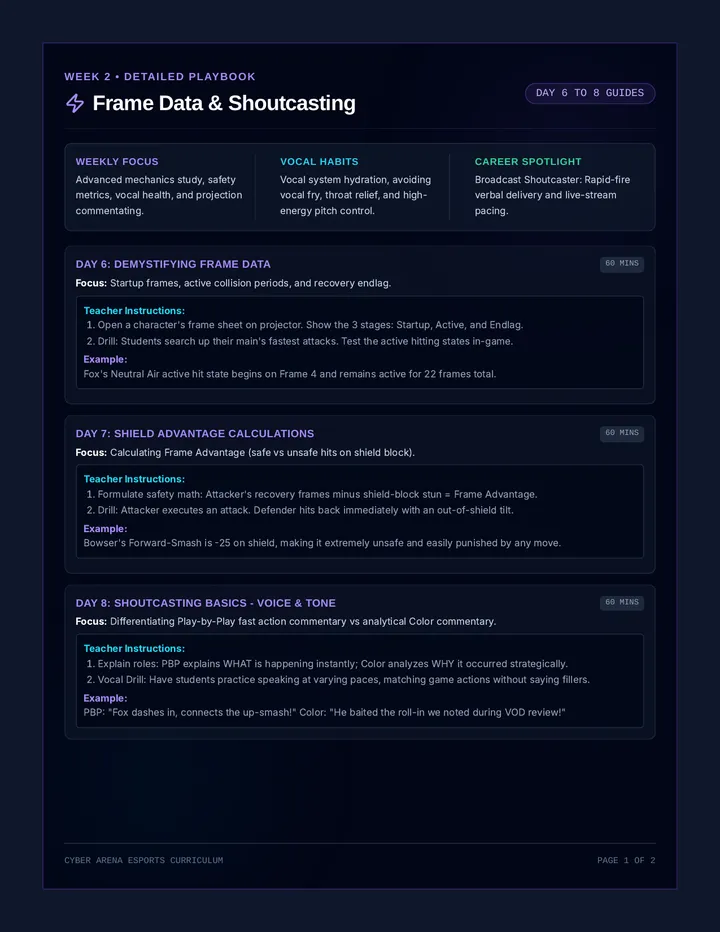
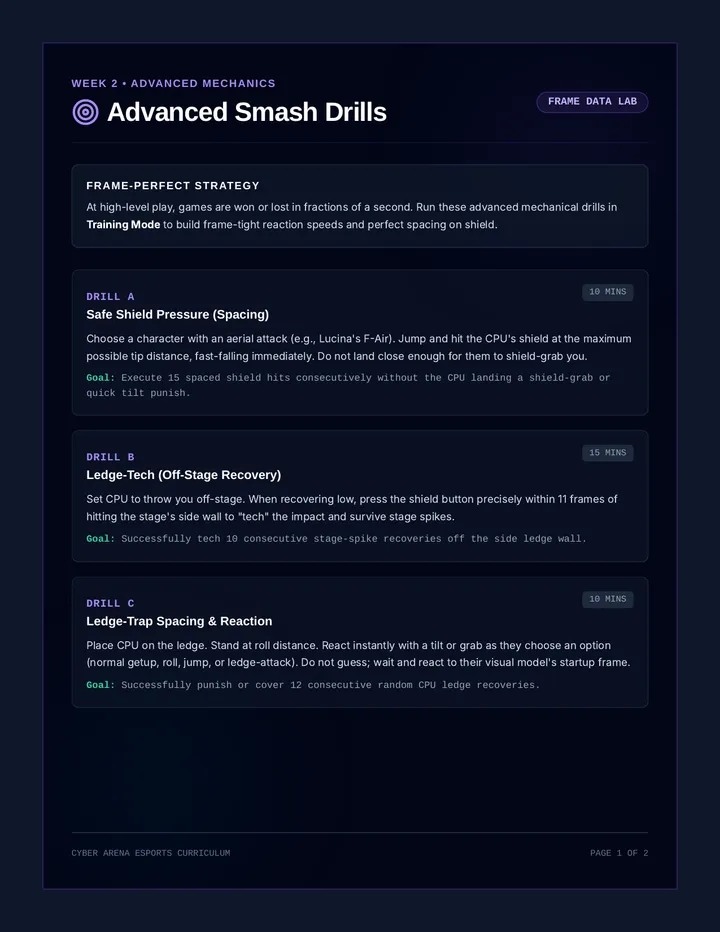
Advanced mechanical study of Smash Ultimate focusing on frame data, hitboxes, and stage control. Integrates shoutcasting, live commentary skills, and vocal health.
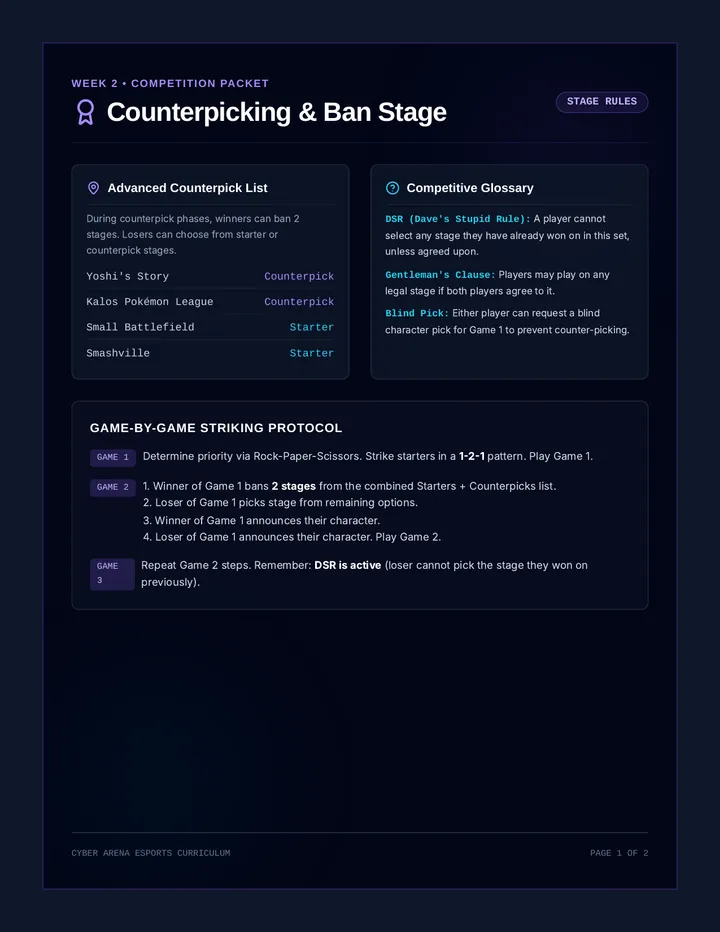
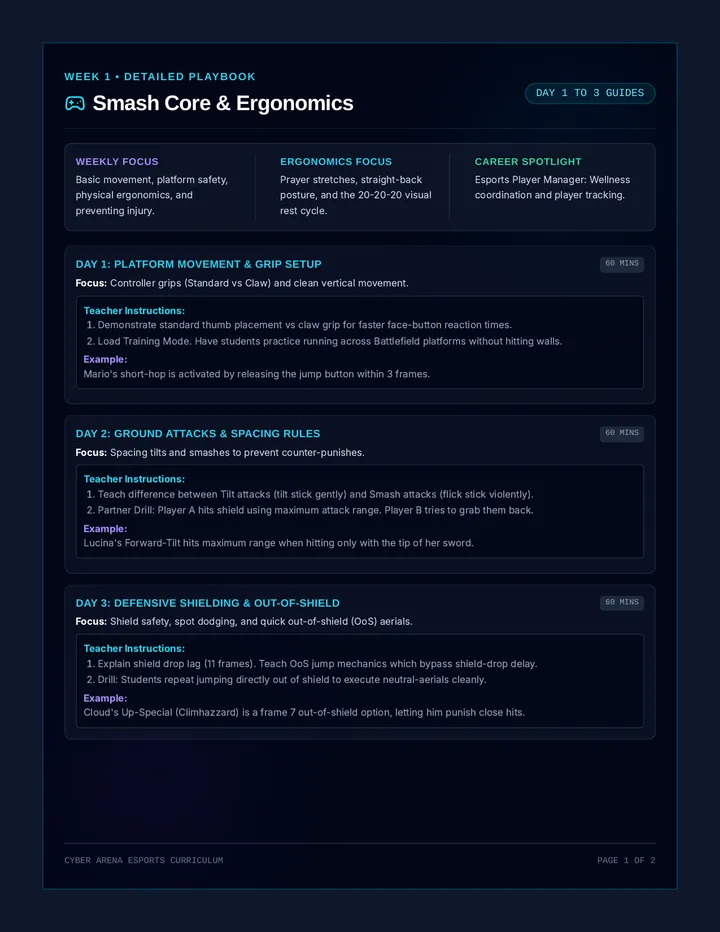
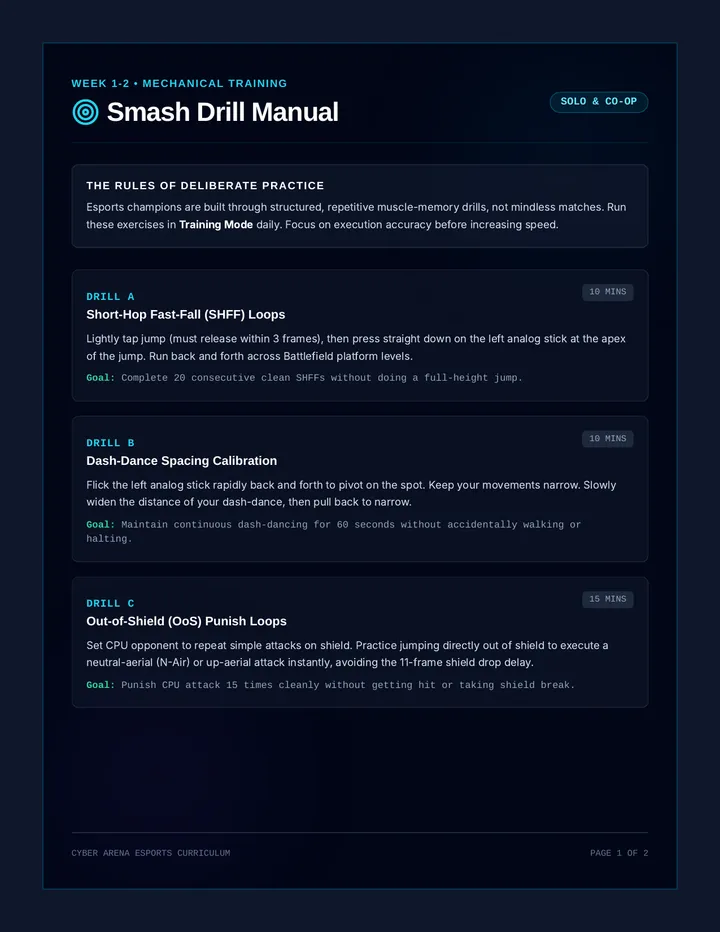
Introduction to competitive Super Smash Bros. Ultimate and basic movement options. Focuses on healthy physical habits (ergonomics, stretches) and team management careers.
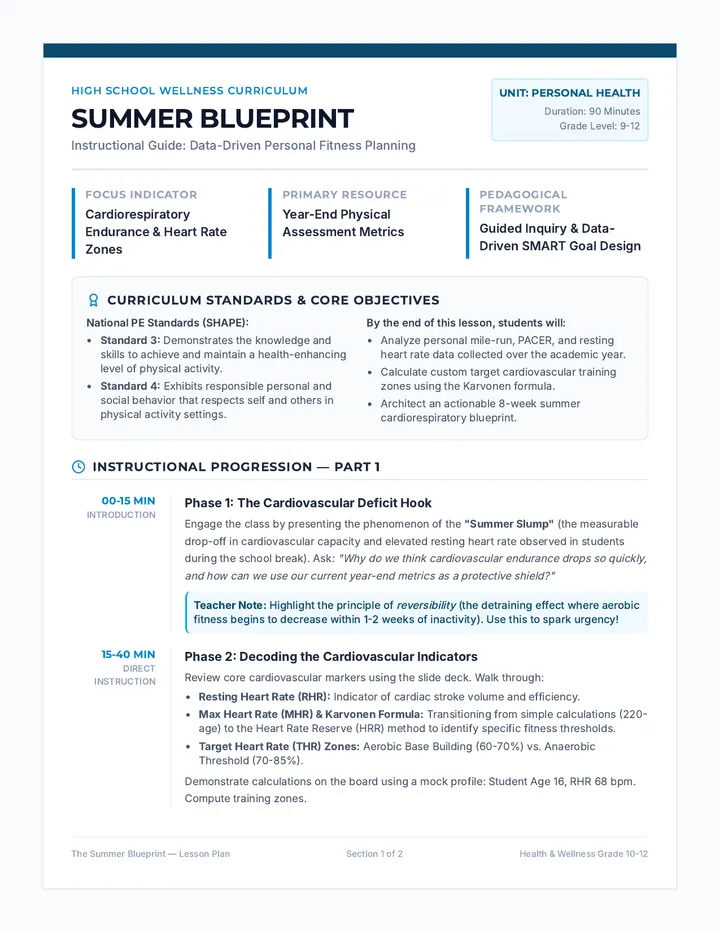
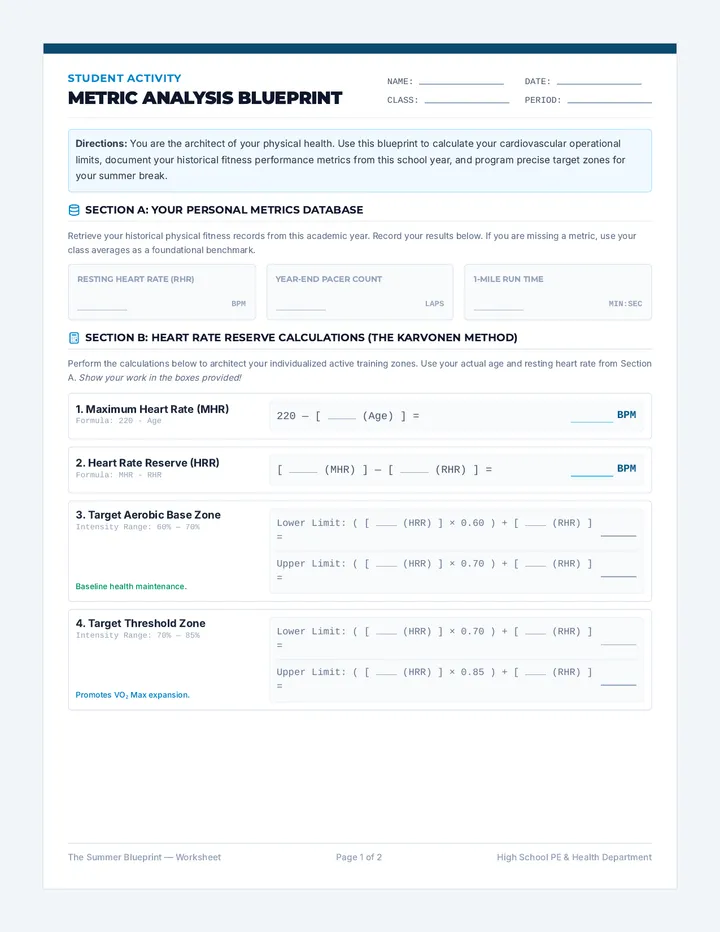
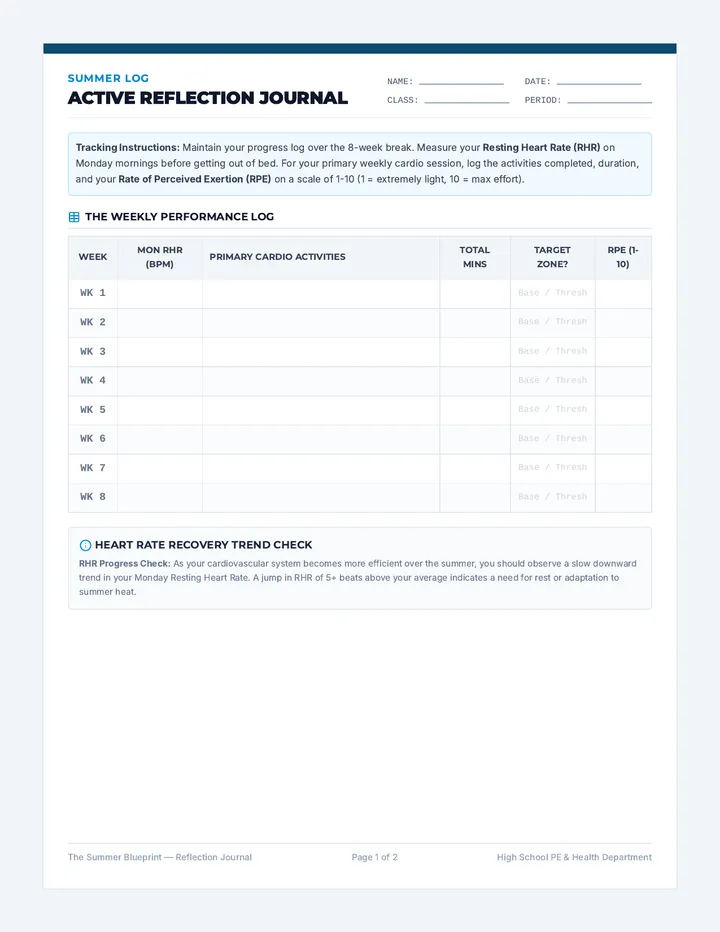
A data-driven wellness lesson where high school students analyze their year-long fitness metrics to architect a personalized, cardiovascular-focused summer health plan.
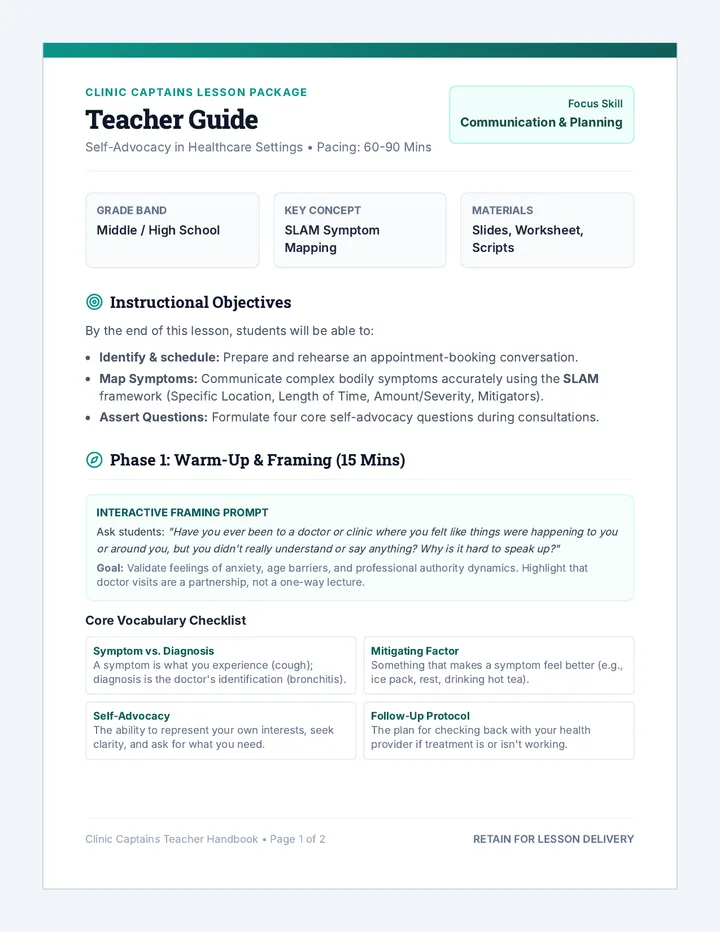
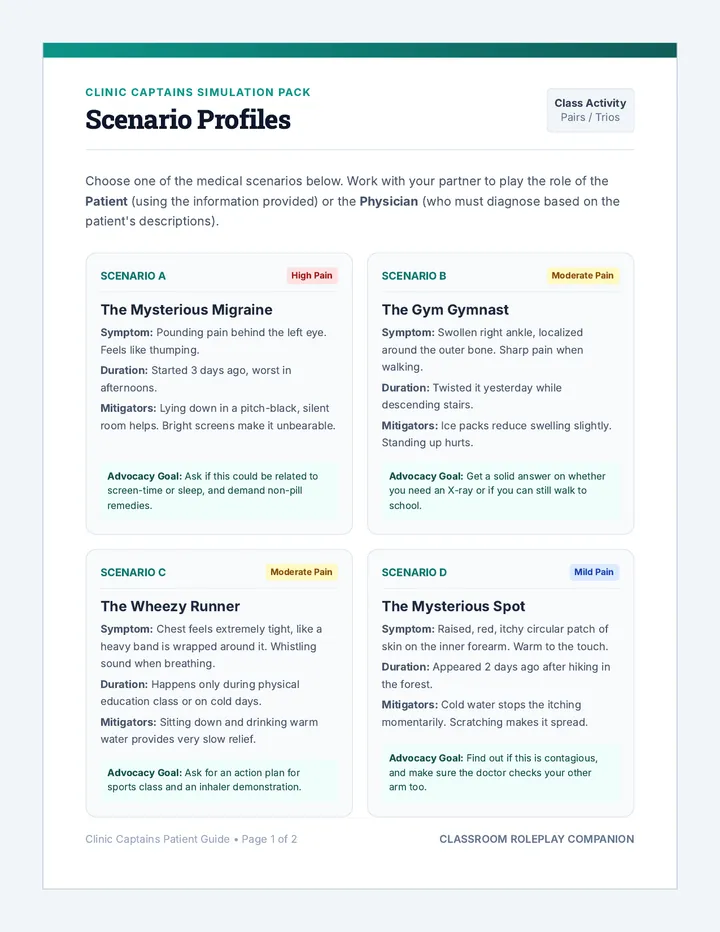
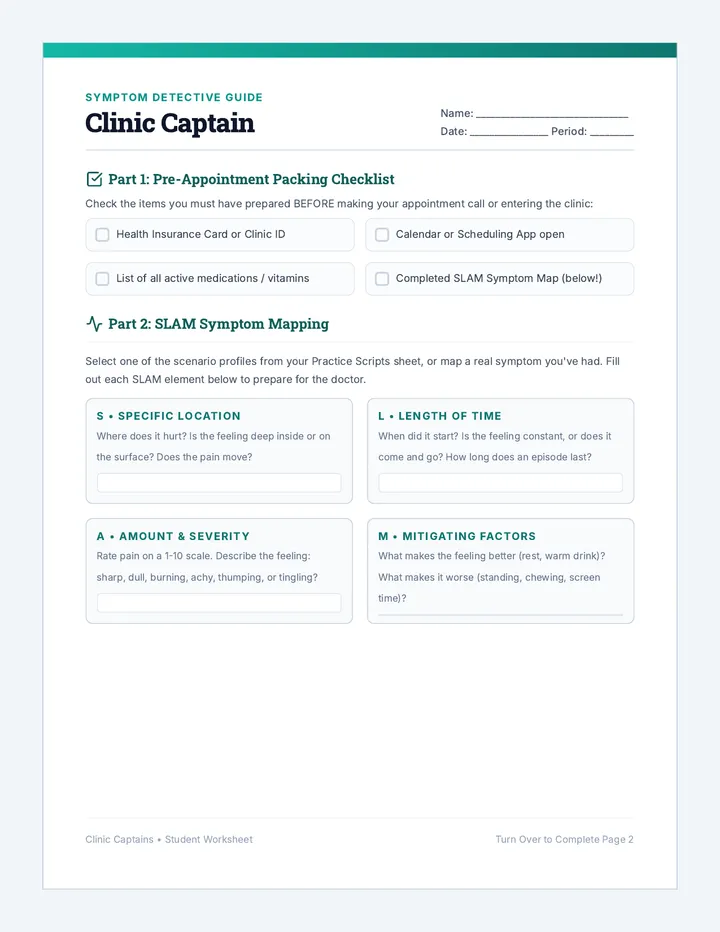
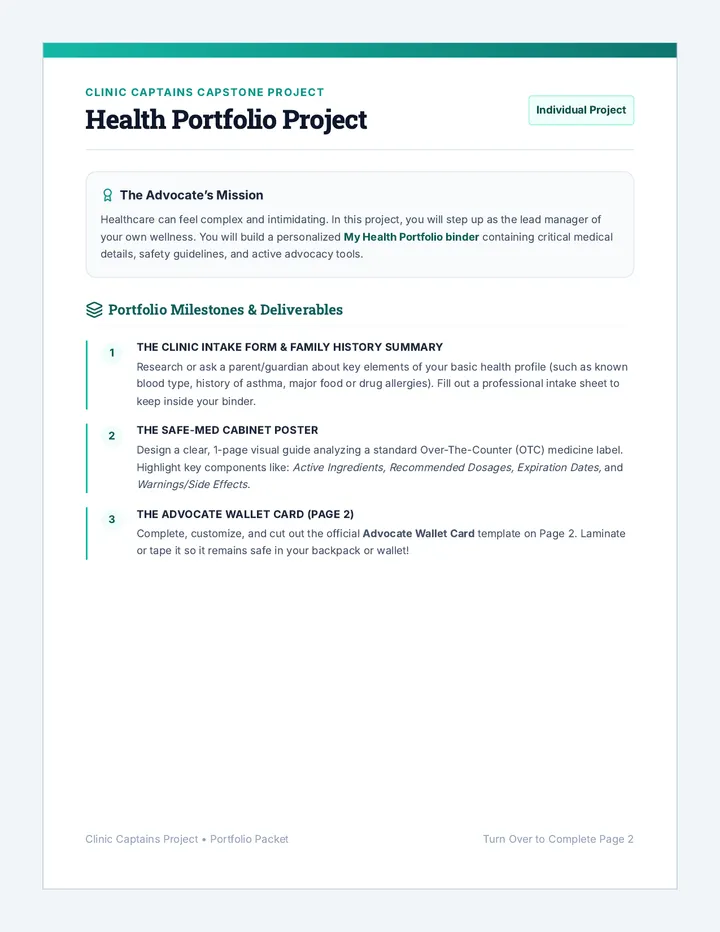
A practical, hands-on lesson designed to empower students with self-advocacy skills in medical settings. Students learn how to book appointments, describe physical symptoms accurately using precise vocabulary, and prepare targeted questions for healthcare providers through collaborative role-play scenarios.
A high school science and wellness lesson exploring the physiological pathways of stress and the mind-body connection. Students learn to trace physical symptoms of stress and practice the Guided Body Scan technique for self-regulation.
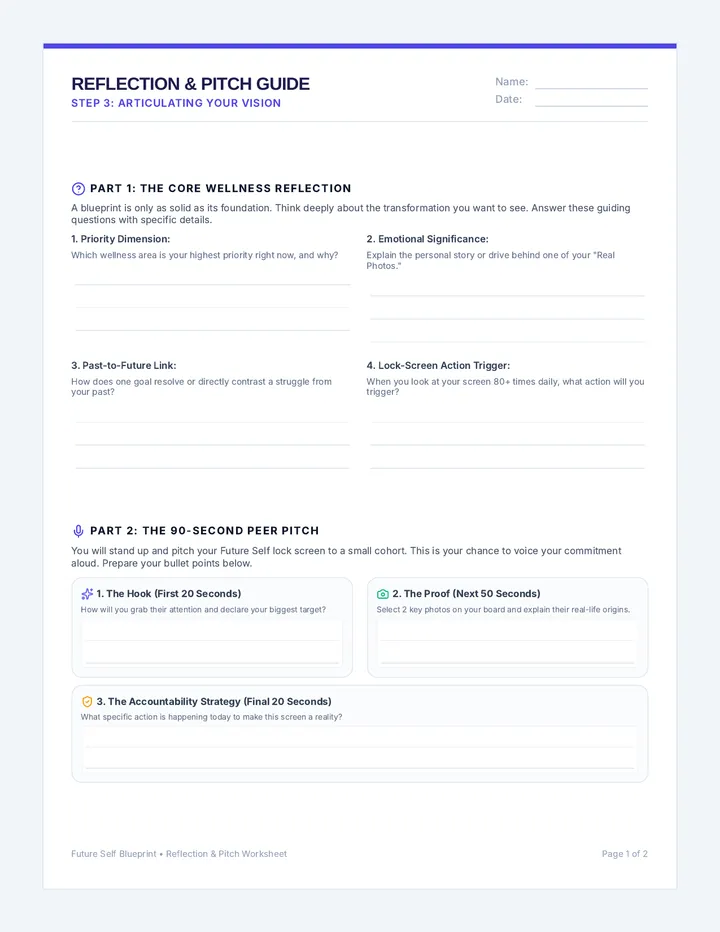
A final project lesson where students design a phone screen-saver vision board using authentic, non-stock photography to document their growth across eight dimensions of wellness. Includes introduction slides, planning worksheets, brainstorming organizers, and evaluation rubrics.
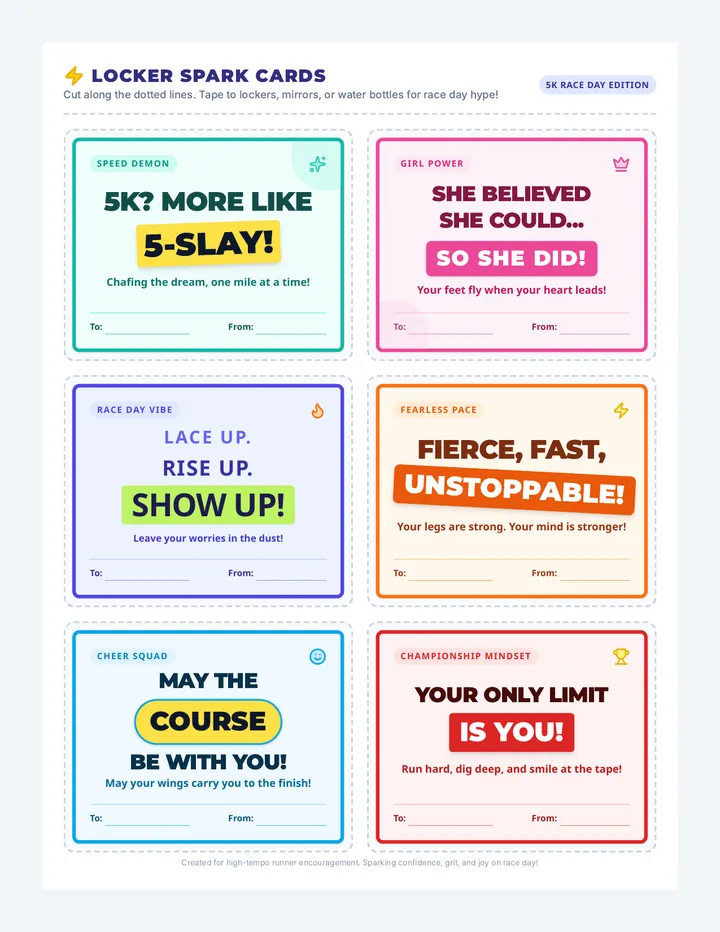
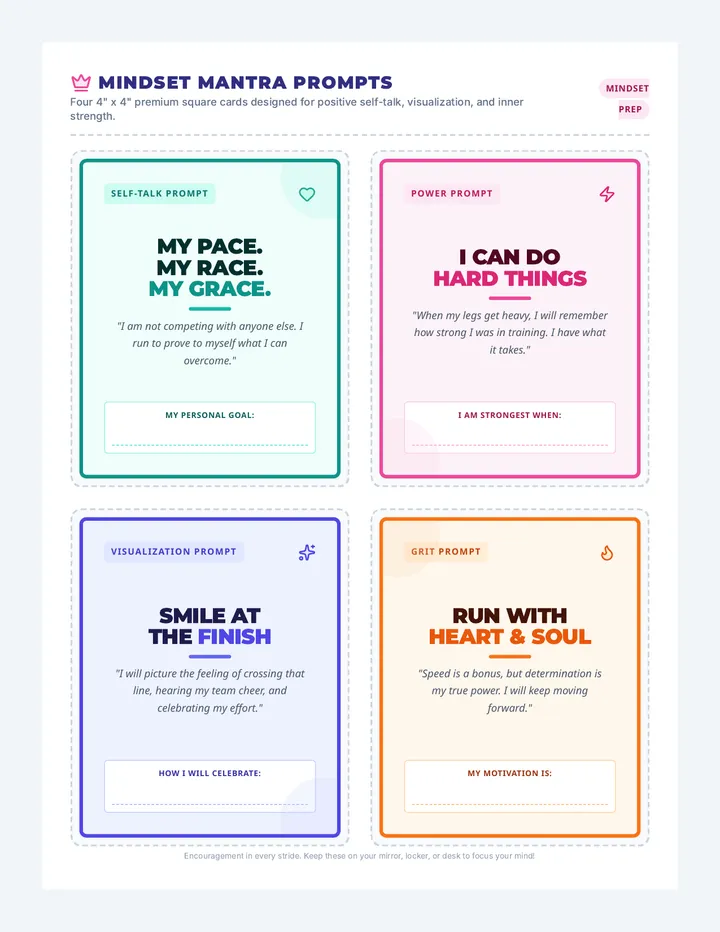
A short lesson focused on boosting runner morale and building community hype for the upcoming 5k race through personalized, high-energy motivation.
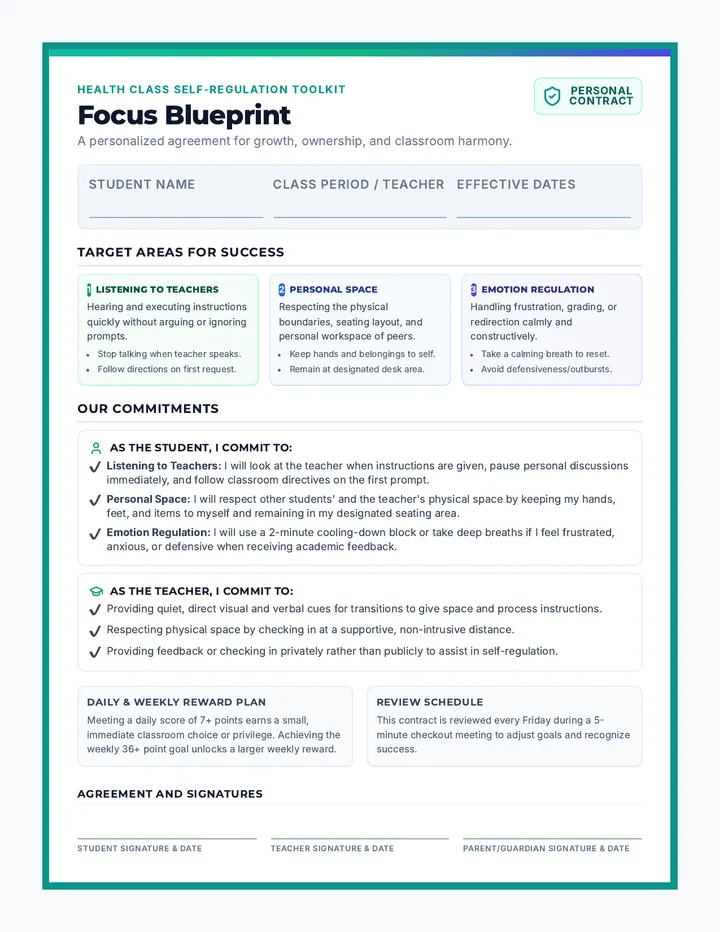
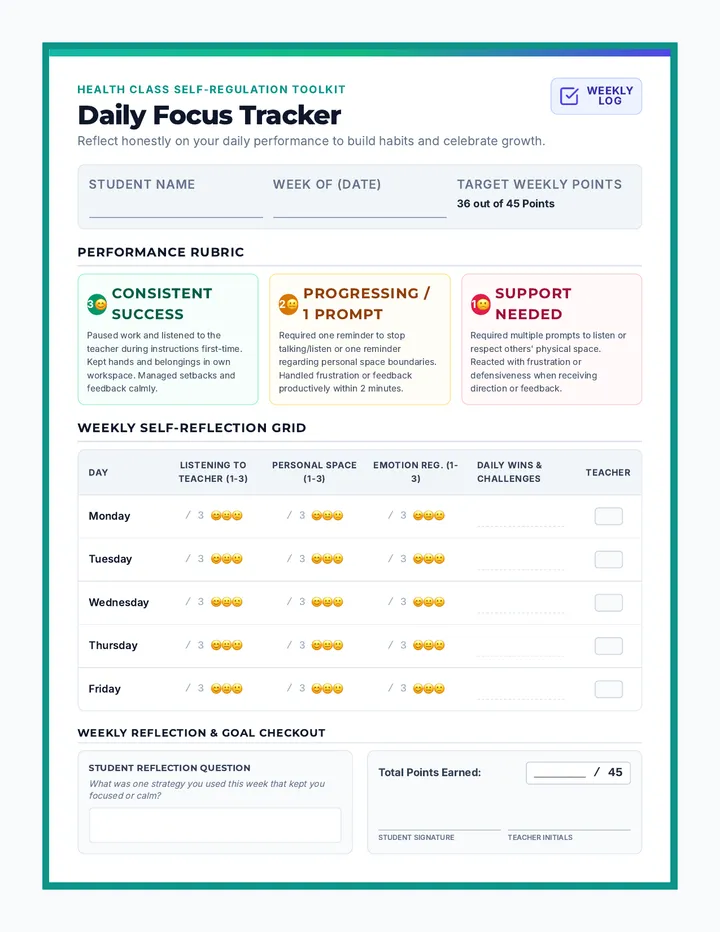
A self-regulation and goal-setting toolkit designed for high school health class, featuring a personalized behavior contract and a self-monitoring tracker. These resources help students build self-awareness, improve work completion, and develop emotional regulation strategies.
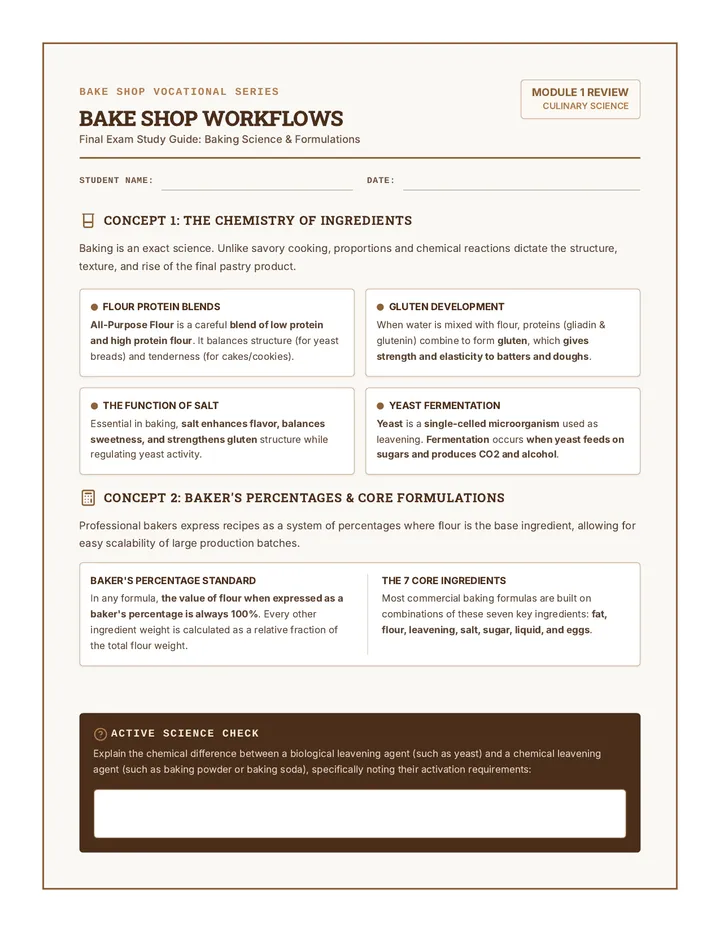
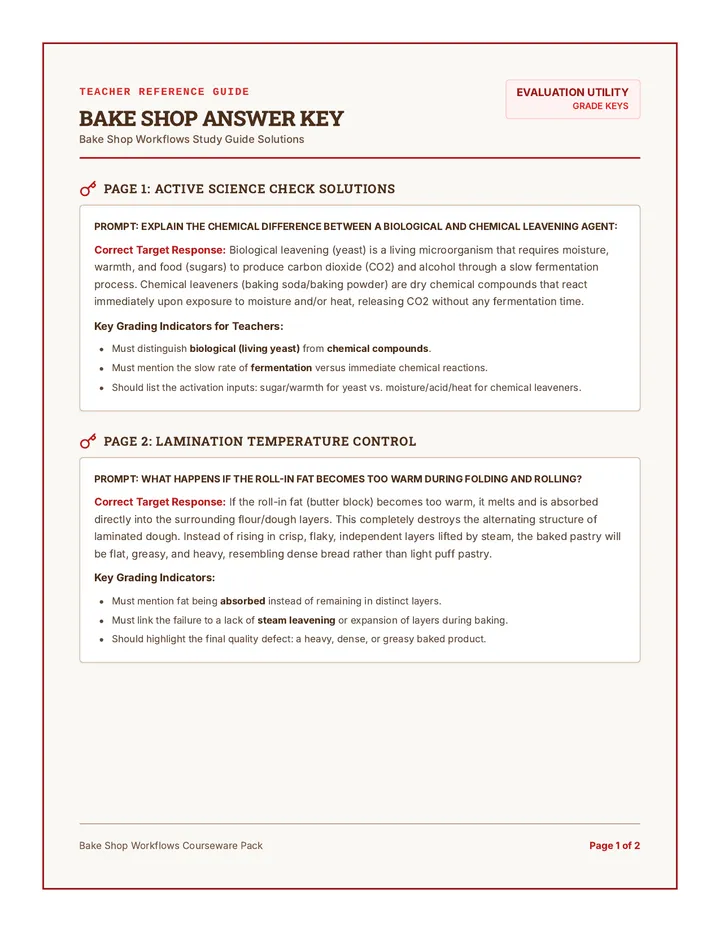
A high-yield vocational lesson focusing on commercial baking science, pastry production techniques, laminated doughs, and professional bake shop workflows.
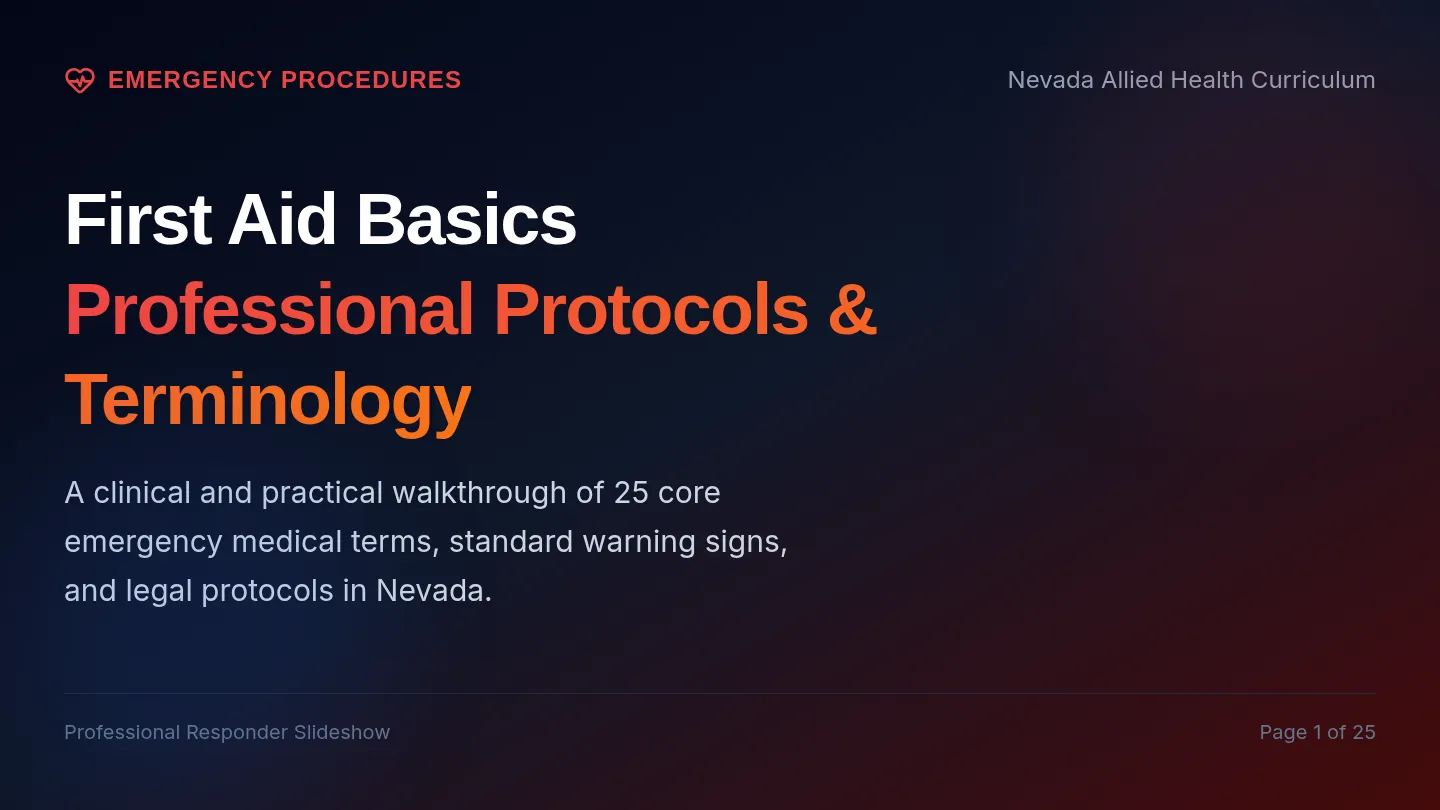
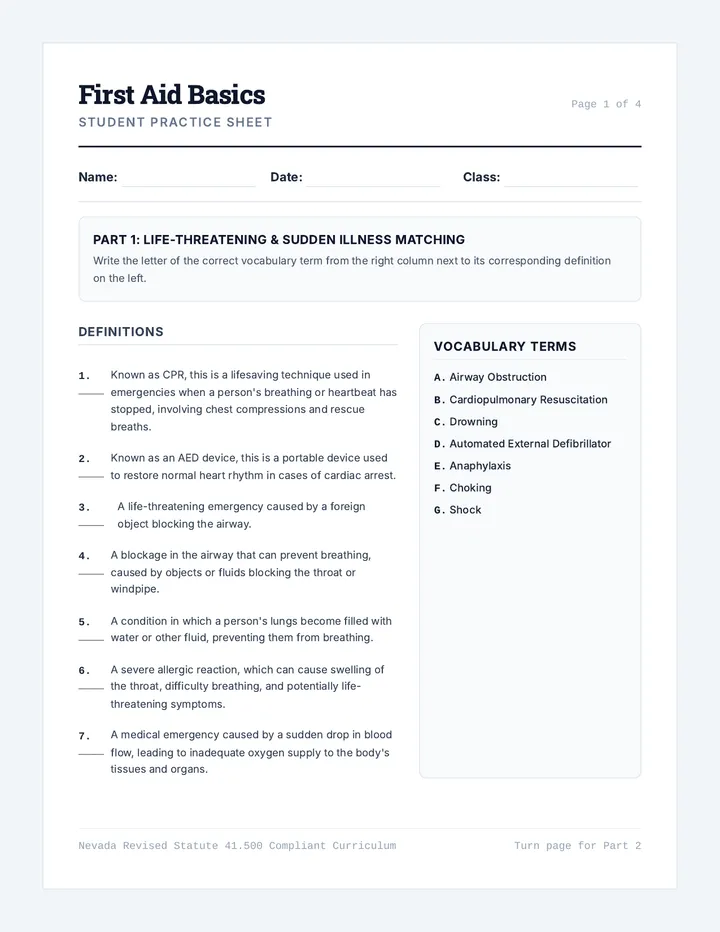
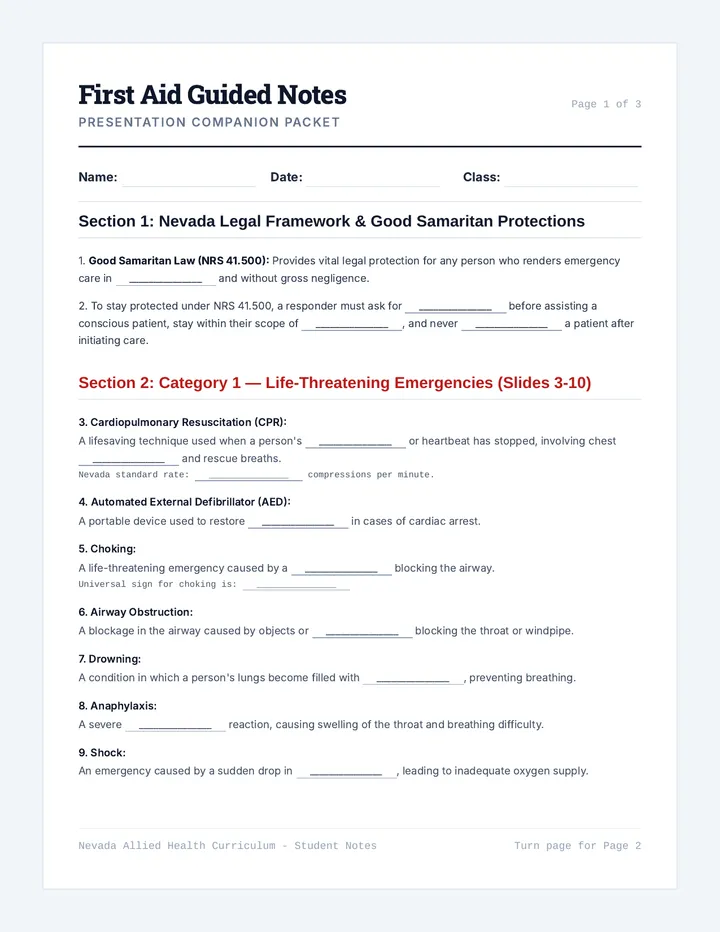
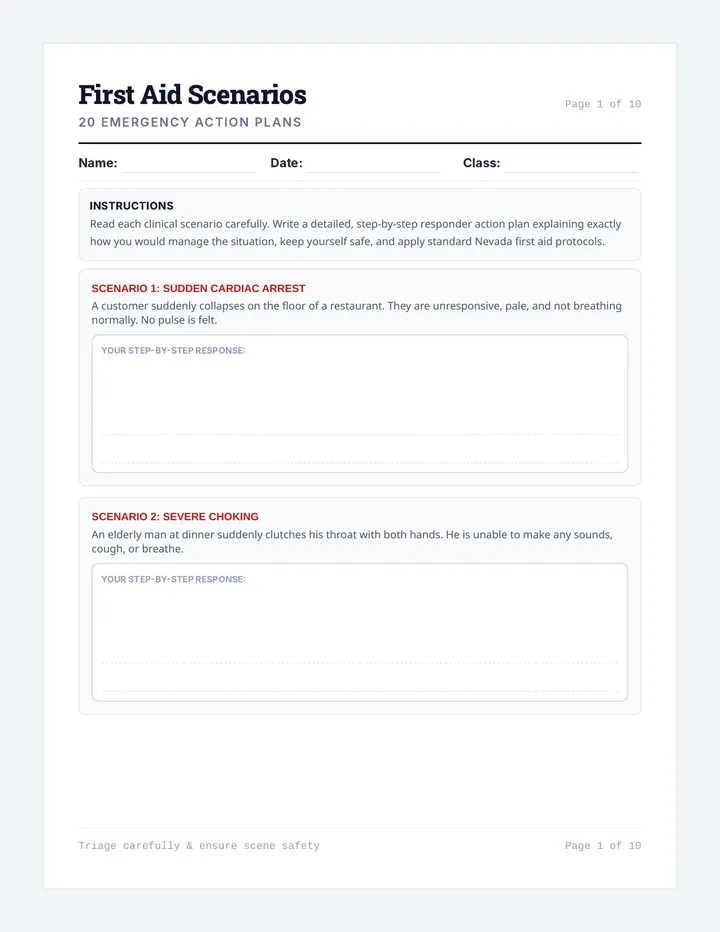
A comprehensive guide covering 25 essential first aid and emergency terms, organized by urgency and category. Students learn definitions, warning signs, and standard immediate actions.
A comprehensive lesson on basic first aid and the Heimlich maneuver for adults, children, and infants following American Red Cross standards. Includes a structured slide deck and matching visual guided notes.
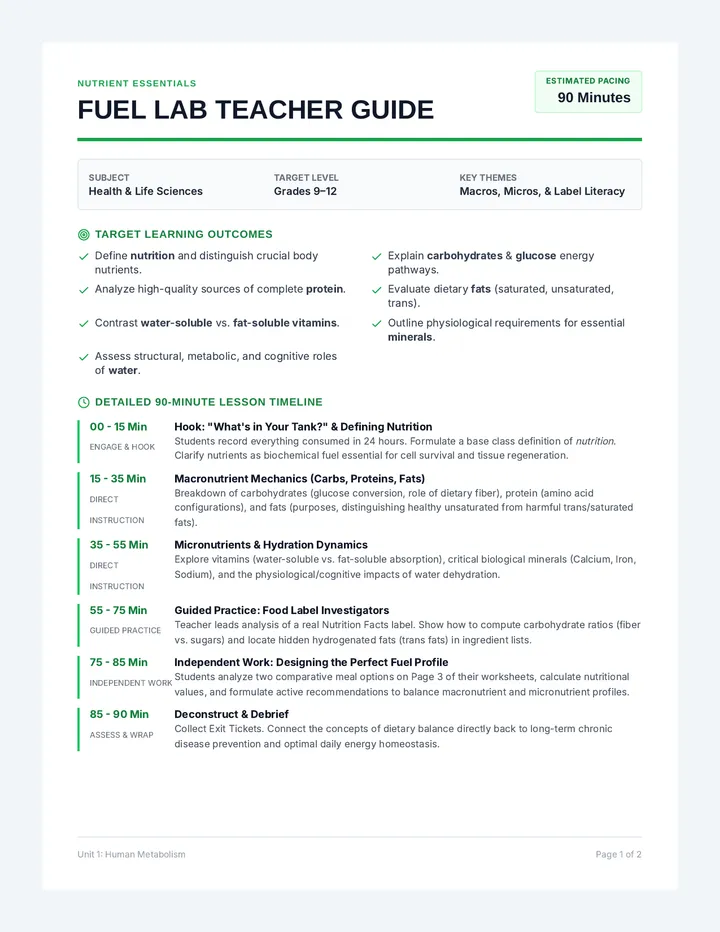
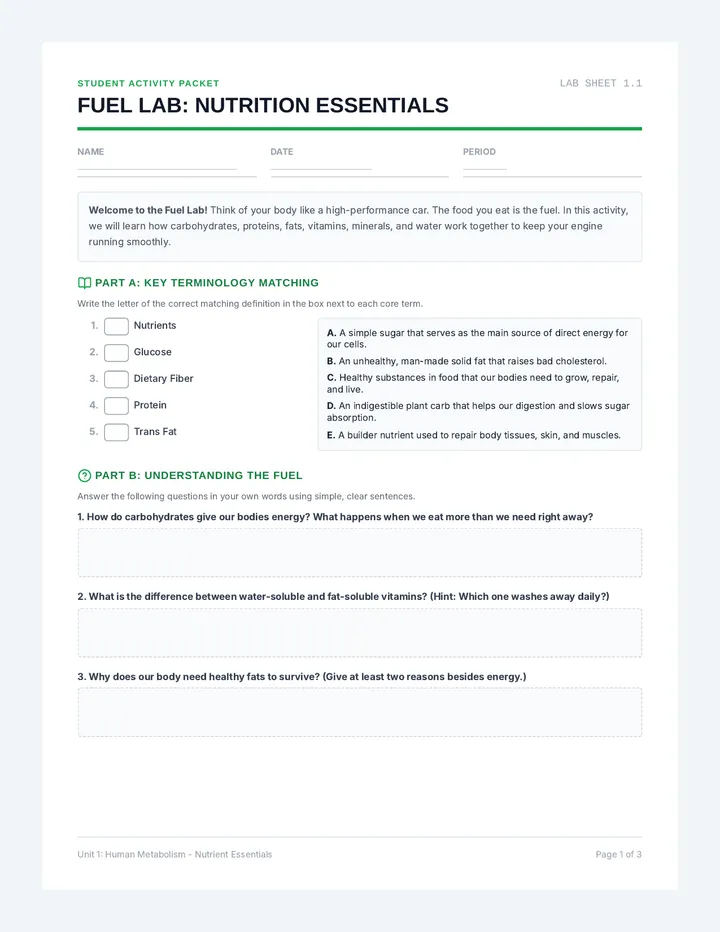
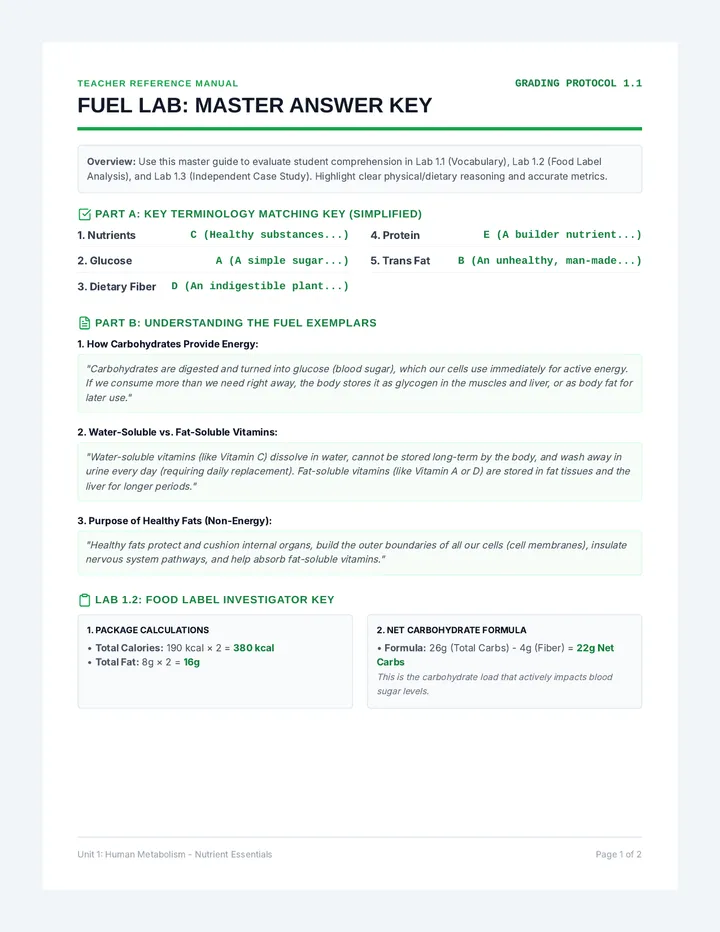
A 90-minute lesson plan package focusing on human nutrition, exploring macronutrients (carbs, proteins, fats), micronutrients (vitamins, minerals), and hydration through direct instruction and scaffolded food label analysis activities.
An immersive lesson designed for weight training and fitness elective students, exploring sleep as the ultimate recovery and muscle-building lever. Students investigate the physiology of deep sleep, debunk sleep myths, and design personal optimization protocols to maximize strength, focus, and wellness.
A teen-focused sleep and mood tracking suite that combines physical tracking with mindfulness. Includes a 1-Page Weekly Tracker, Pocket-Sized Mini Trackers for phone cases/wallets, and a 7-Day Guided Daily Journal with deep reflection prompts. Helps teens identify connections between screen time, caffeine, physical activity, and sleep quality.
A comprehensive lesson on adult CPR and AED usage, with a specific focus on identifying and managing environmental hazards before rendering aid.
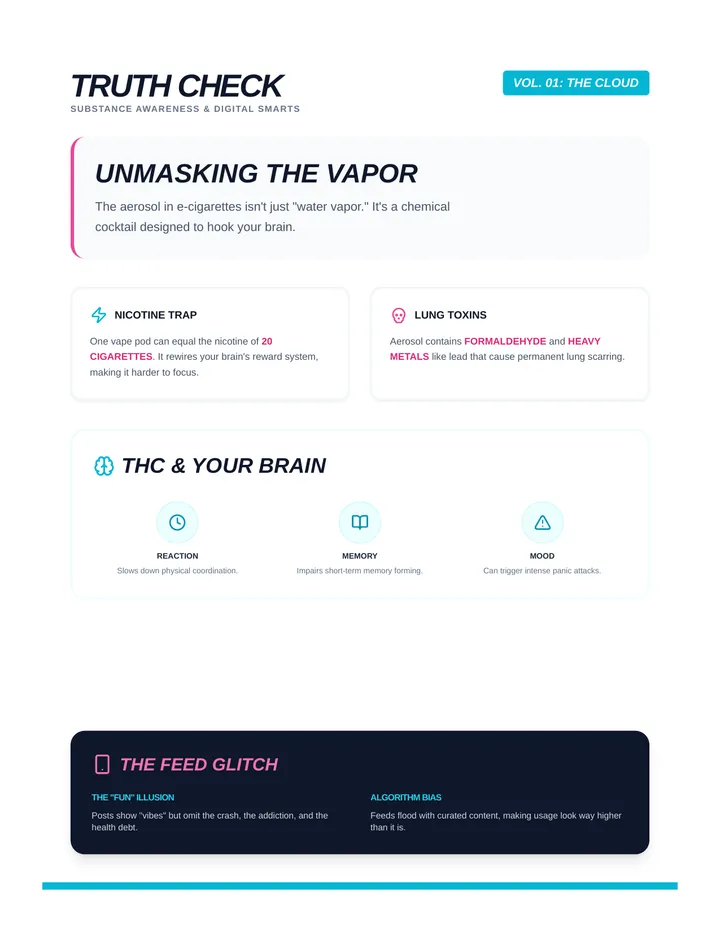
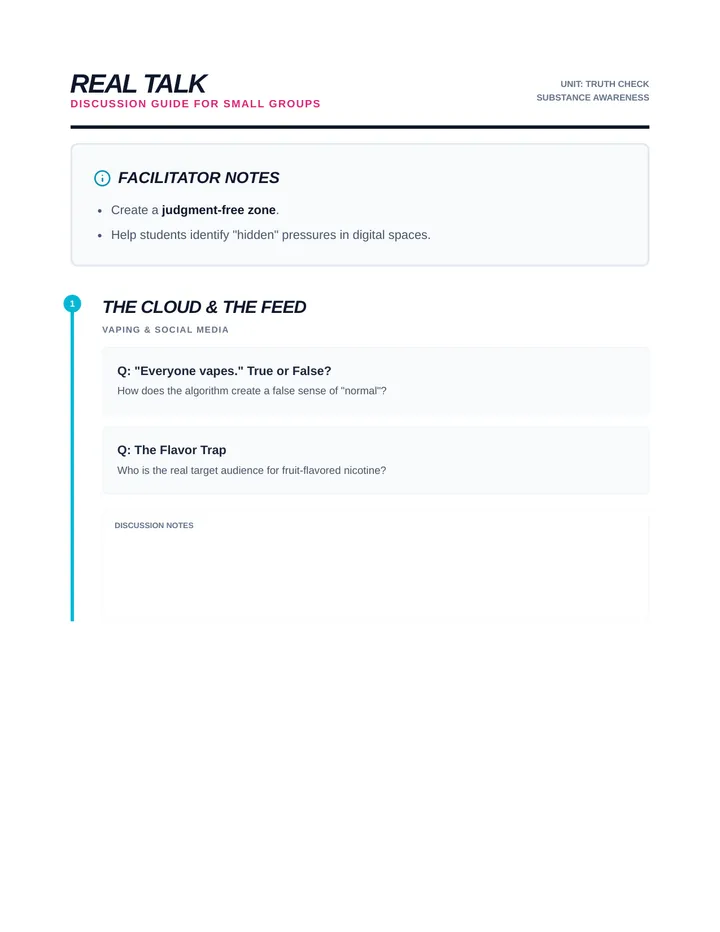
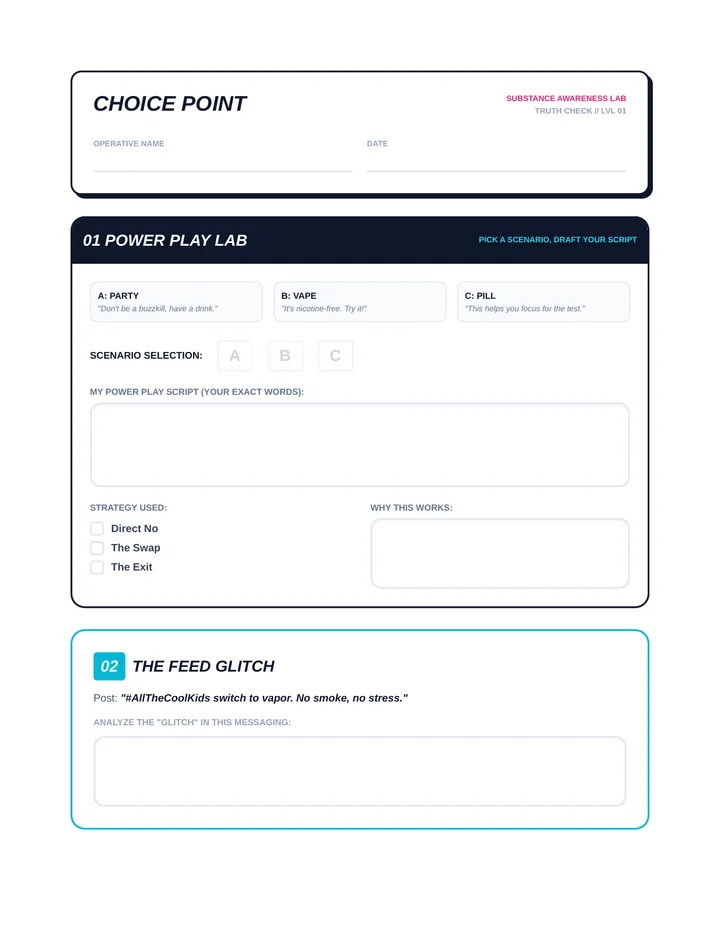
A comprehensive drug prevention lesson covering vaping, THC, alcohol, and the influence of social media, featuring refusal skills and scenario-based learning.
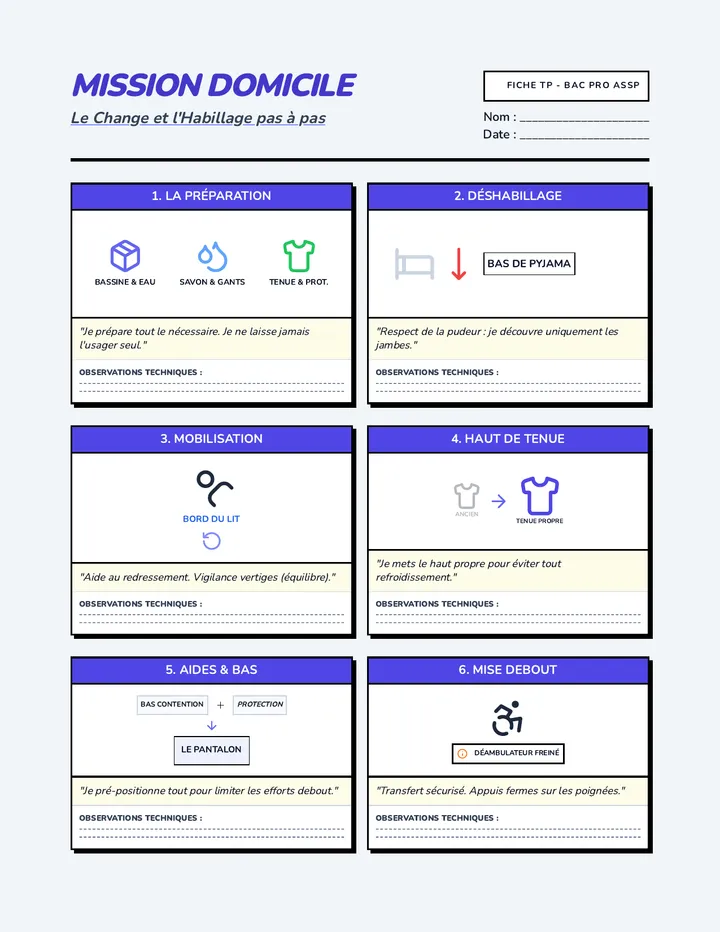
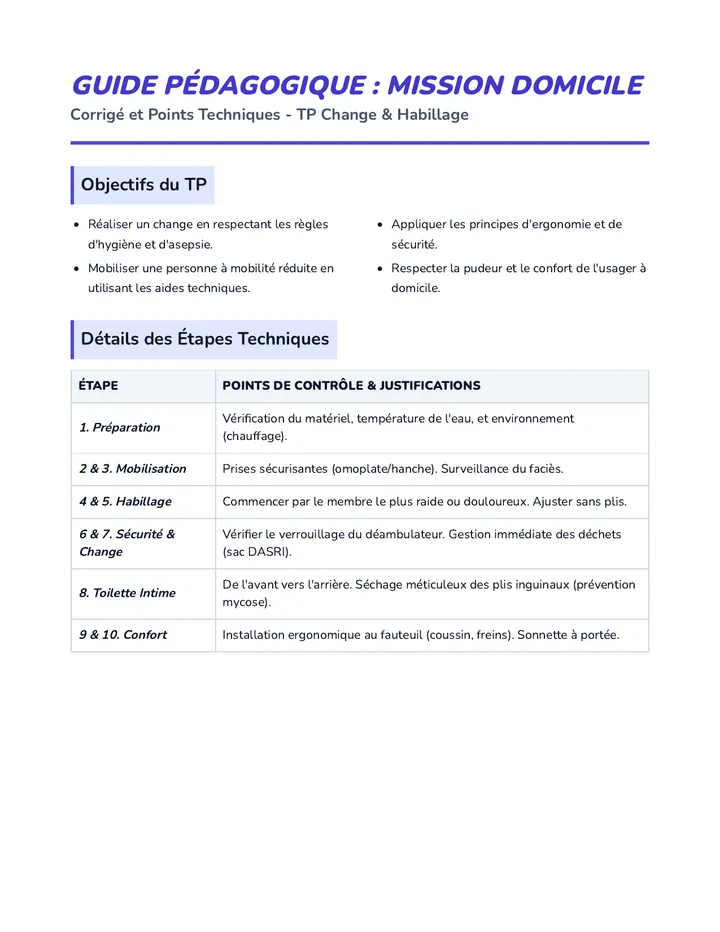
Cette leçon porte sur les techniques de change et d'habillage d'une personne âgée à mobilité réduite à domicile, en mettant l'accent sur l'ergonomie, l'hygiène et le respect de la dignité. Elle prépare les élèves de Bac Pro ASSP aux situations concrètes du domicile.
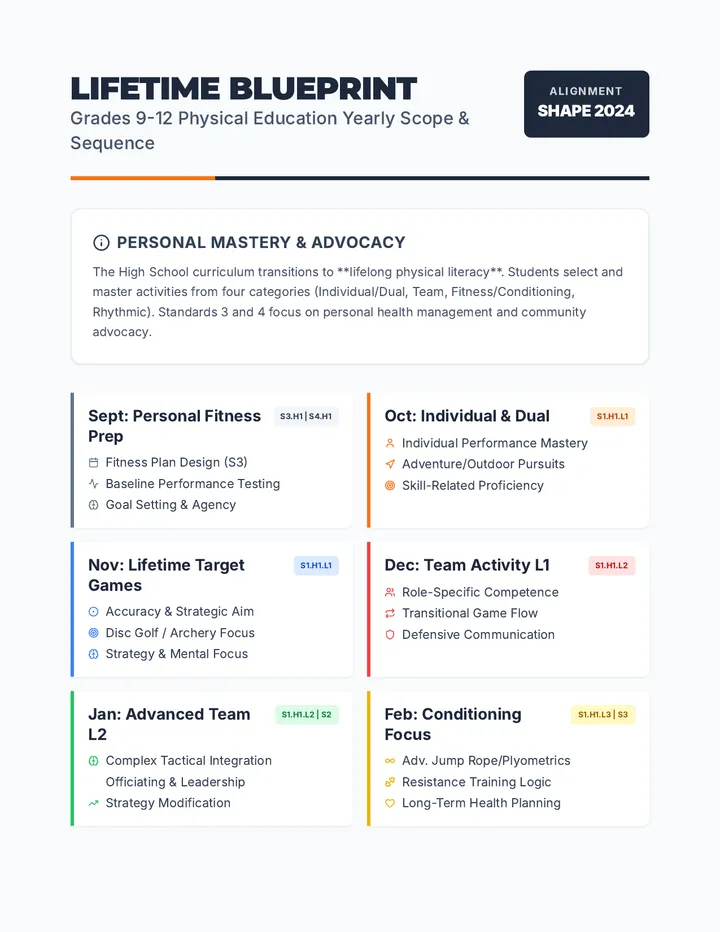
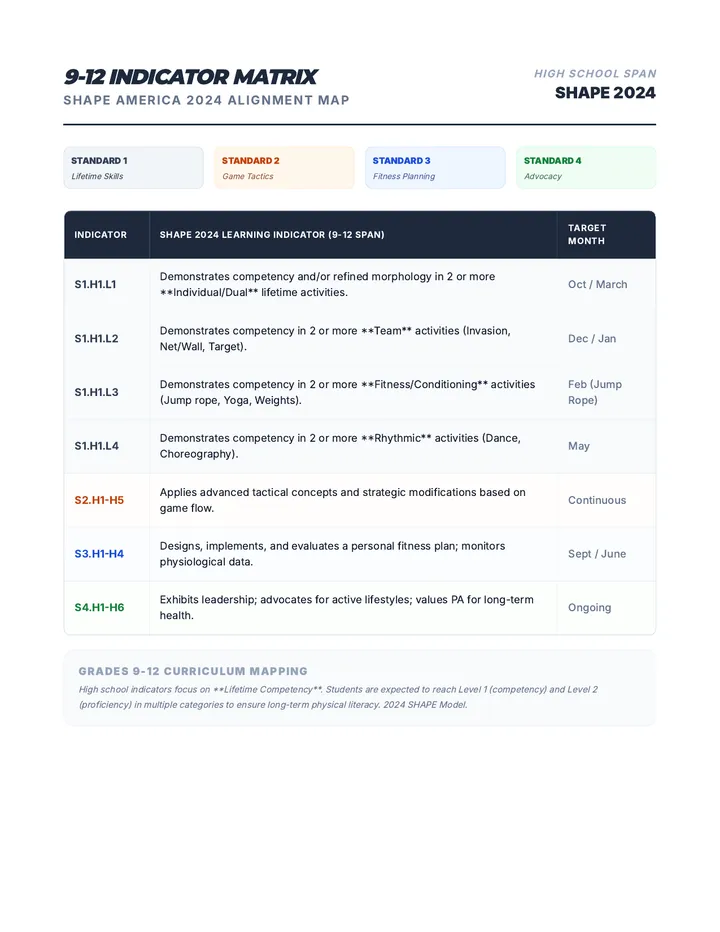
Designing and implementing personal fitness plans and mastering lifetime activities for Grades 9-12.
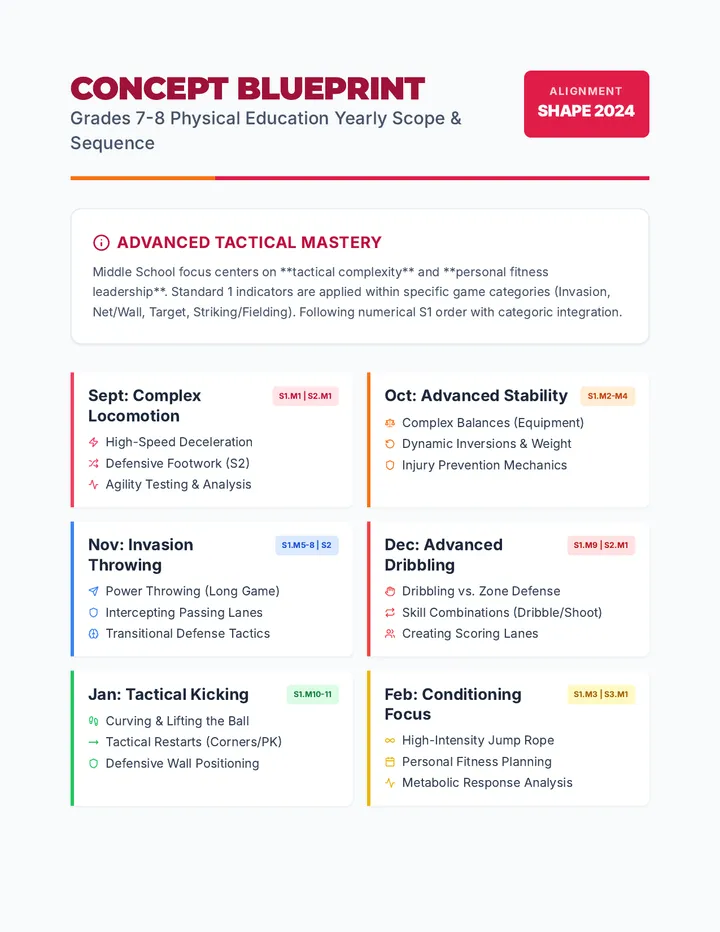
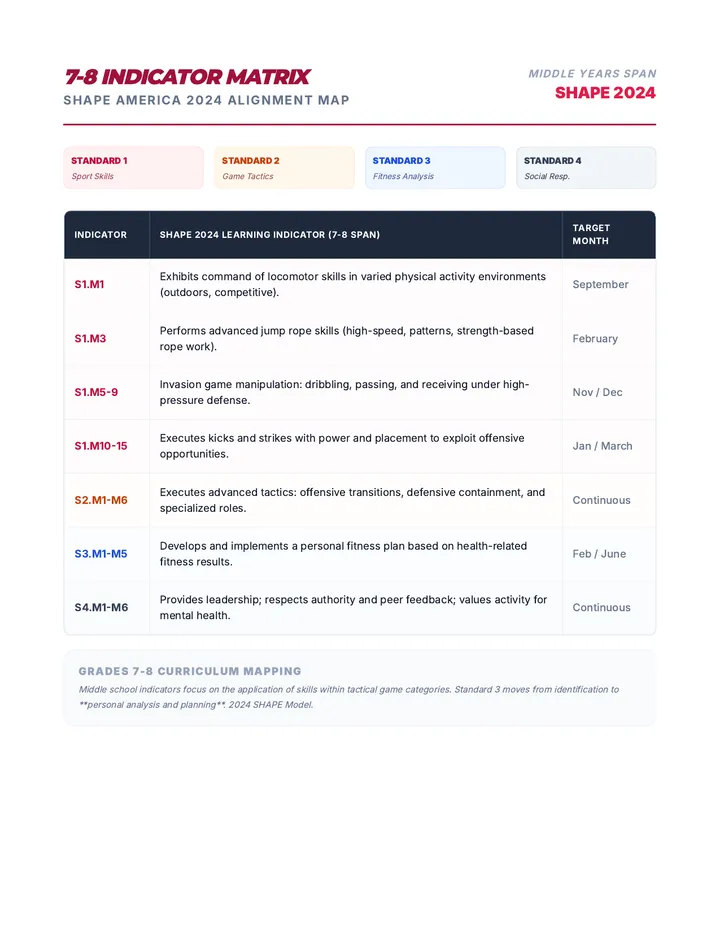
Applying advanced tactical principles and health-related fitness analysis for Grades 7-8.