This technical skill lesson teaches students how to read volume markers on beakers and graduated cylinders. Students learn to place the tool on a flat surface and look at eye level to get an accurate reading, avoiding common parallax errors.
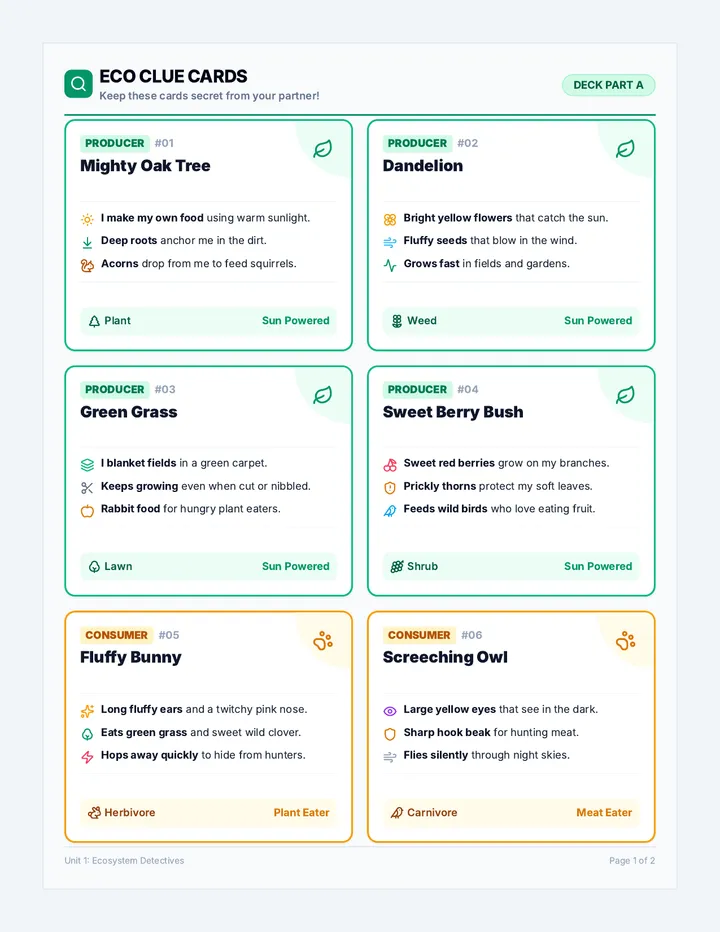
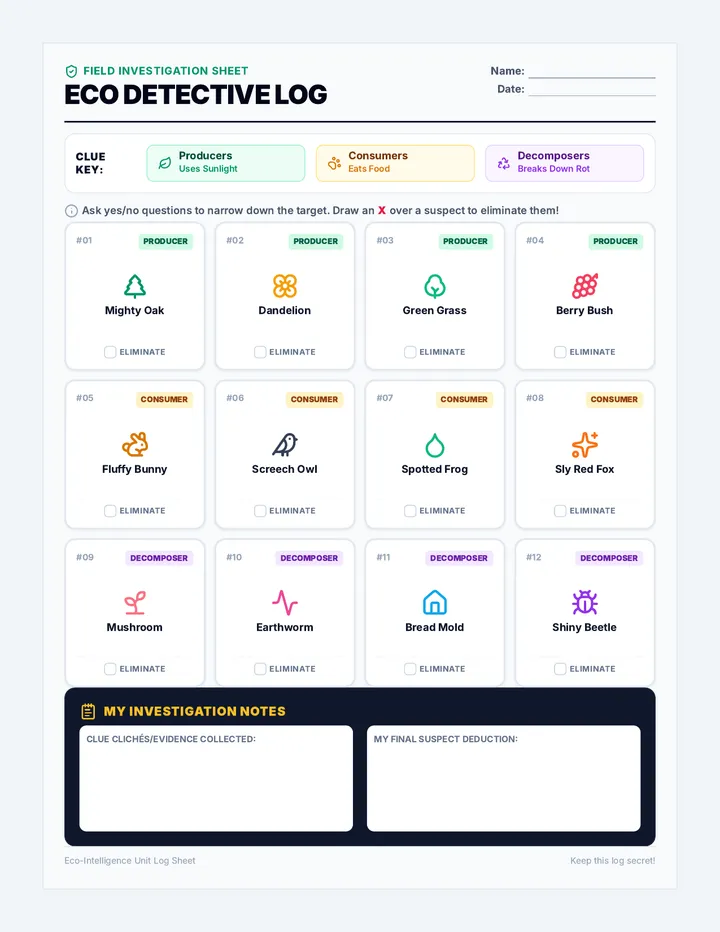
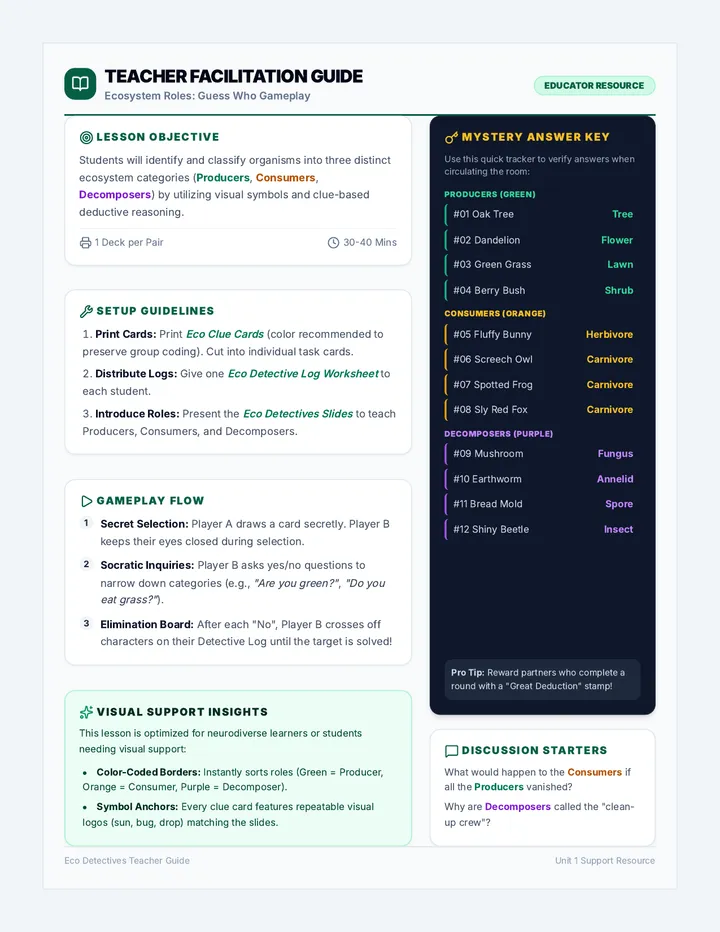
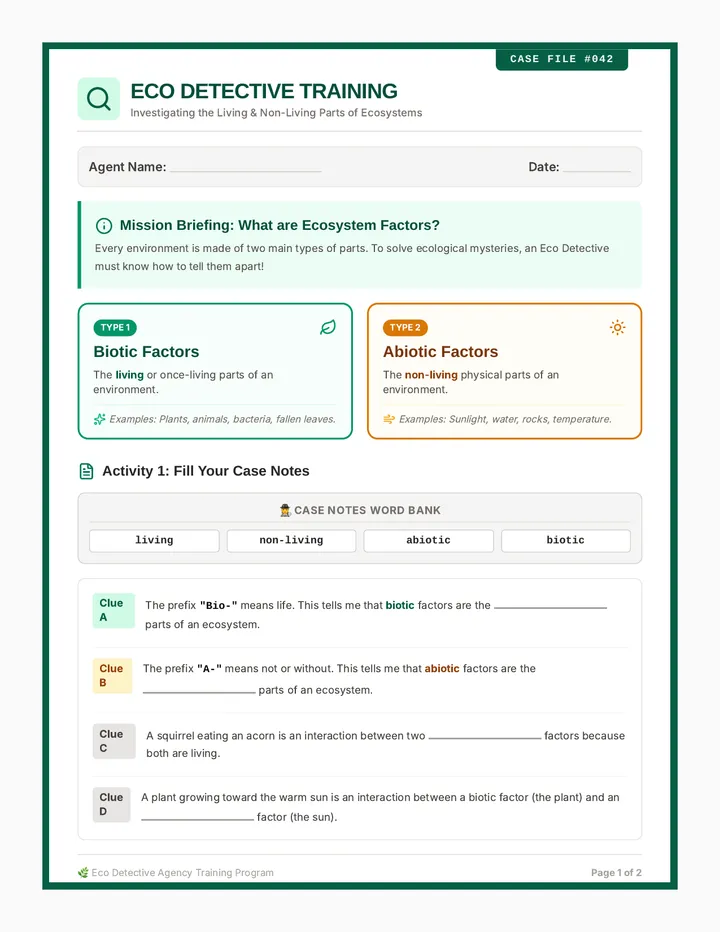
An interactive lesson exploring how energy flows through different ecosystems using 3rd-grade appropriate concepts of producers, consumers, and decomposers. Students will identify food chains in eight distinct habitats.
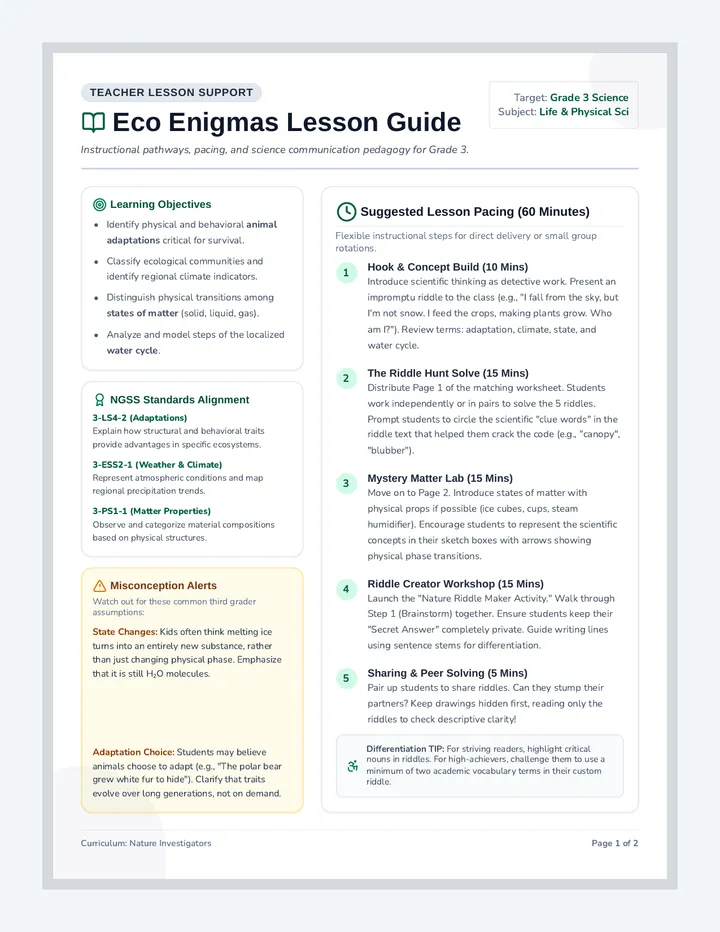
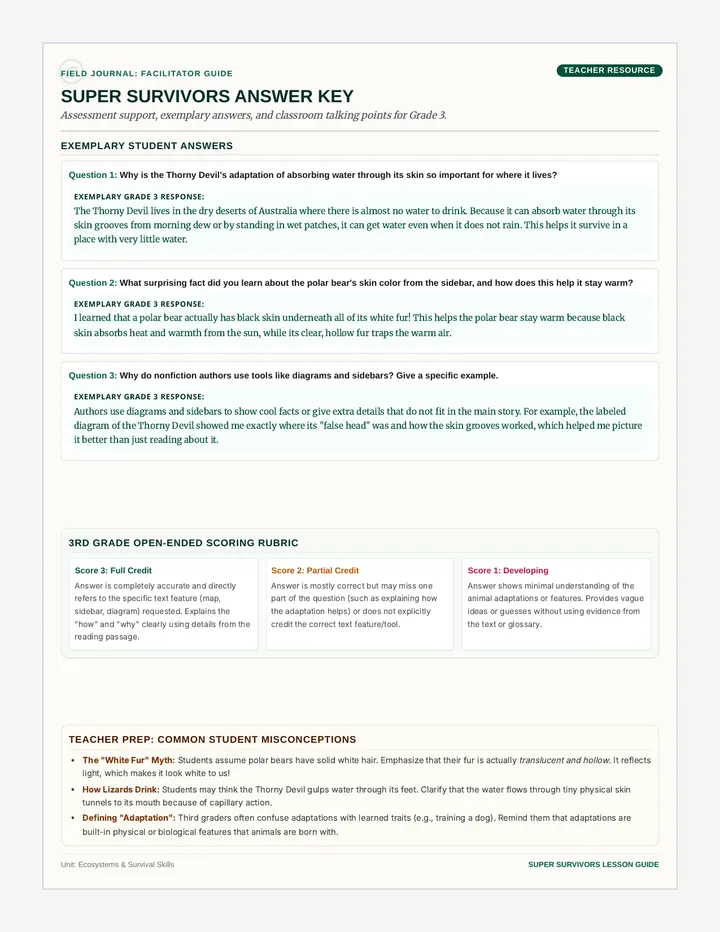
In this lesson, students dive into the water cycle while mastering RI.3.1 by asking and answering 'How' and 'Why' questions. They will explore the continuous journey of water through reading and evidence-based inquiry.
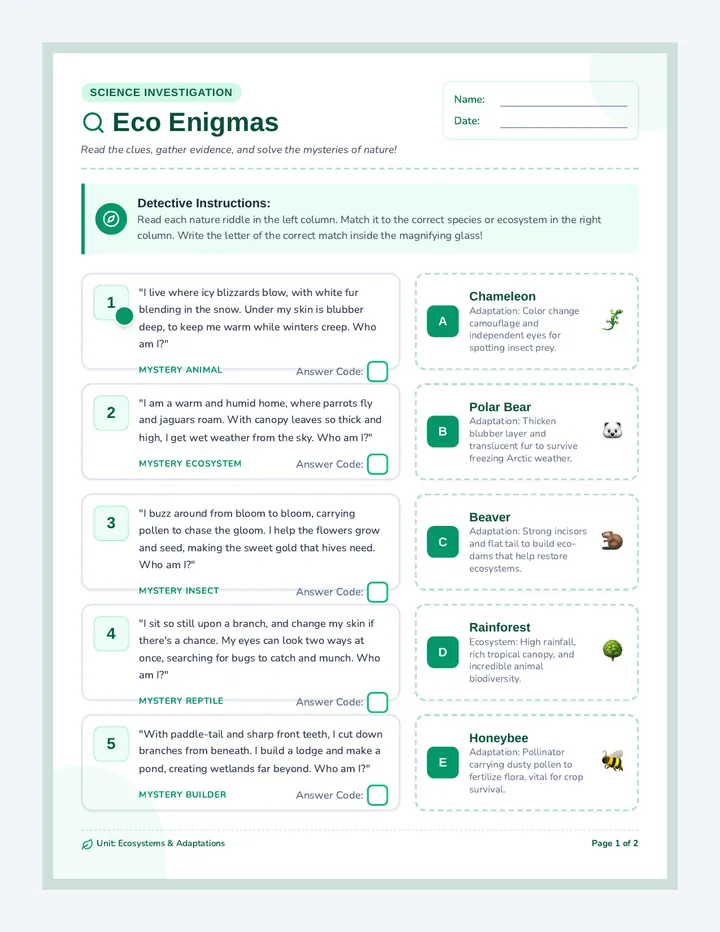
Students explore five major world habitats—Forest, Ocean, Desert, Arctic, and Rainforest—identifying key characteristics and the animals that call them home through visual presentation and hands-on sorting activities.
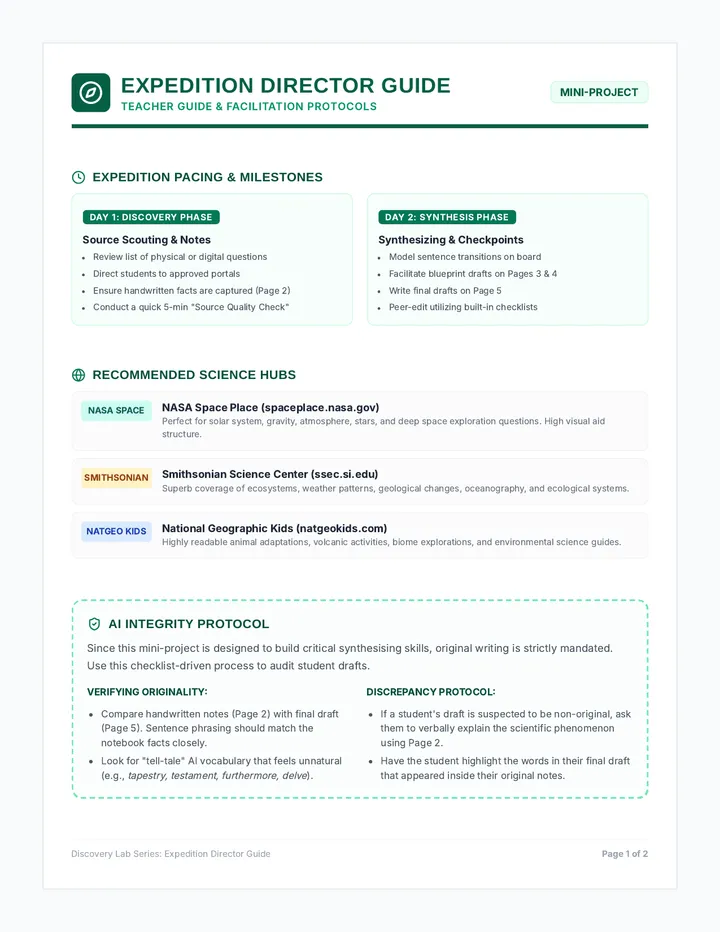
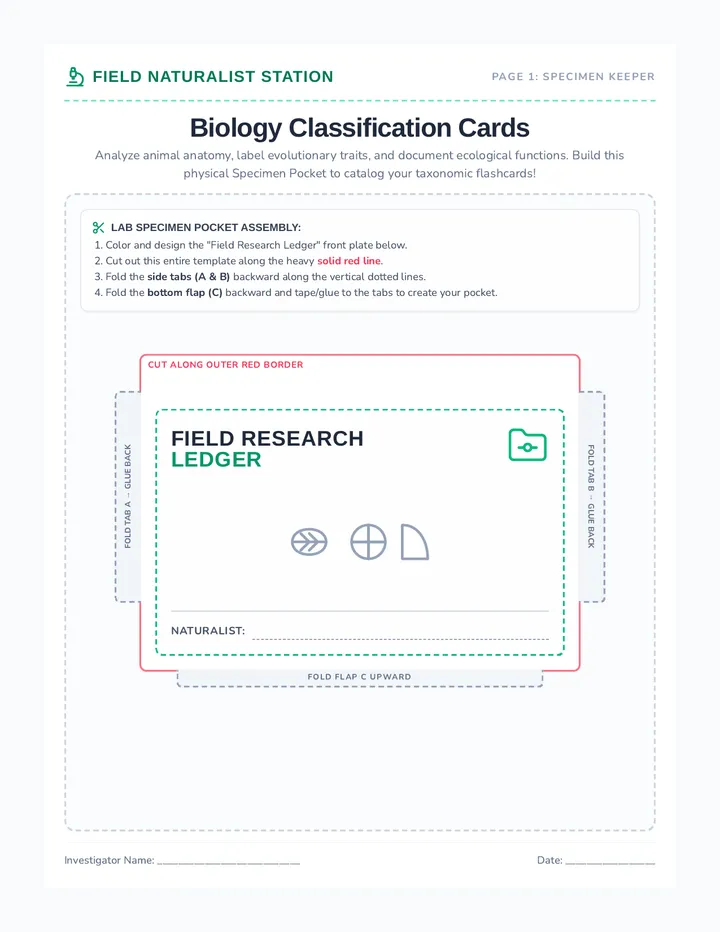
A creative project where students design and build a 3D biome model in a box, then document their scientific findings.
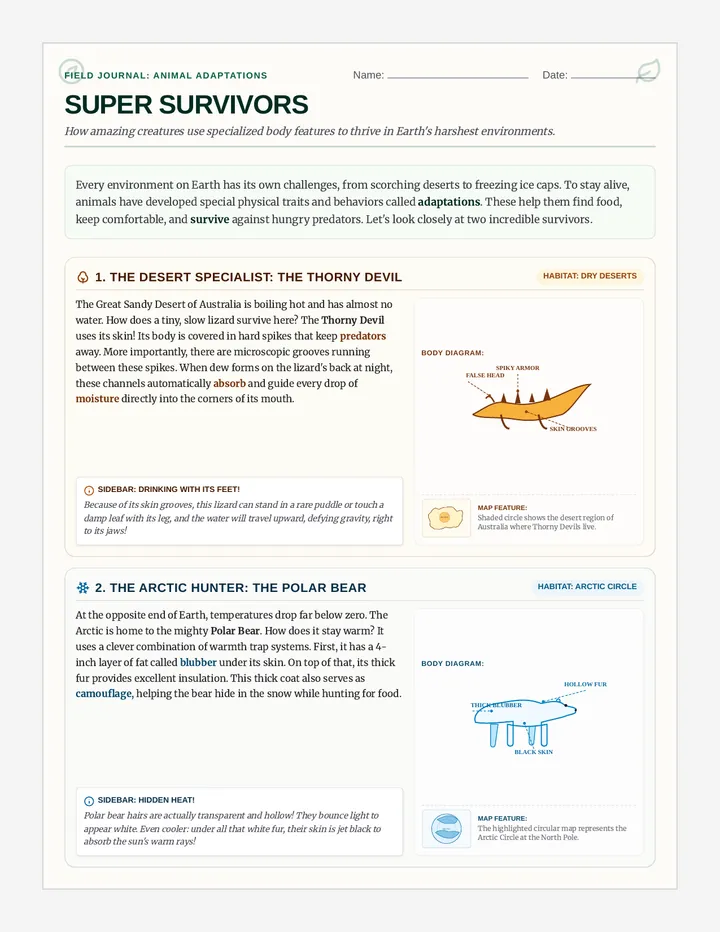
A lesson focused on the Anglerfish and its bioluminescent trap, designed for early elementary students with IEP supports. Students will learn about deep-sea adaptations through a simple reading passage and structured comprehension activities.
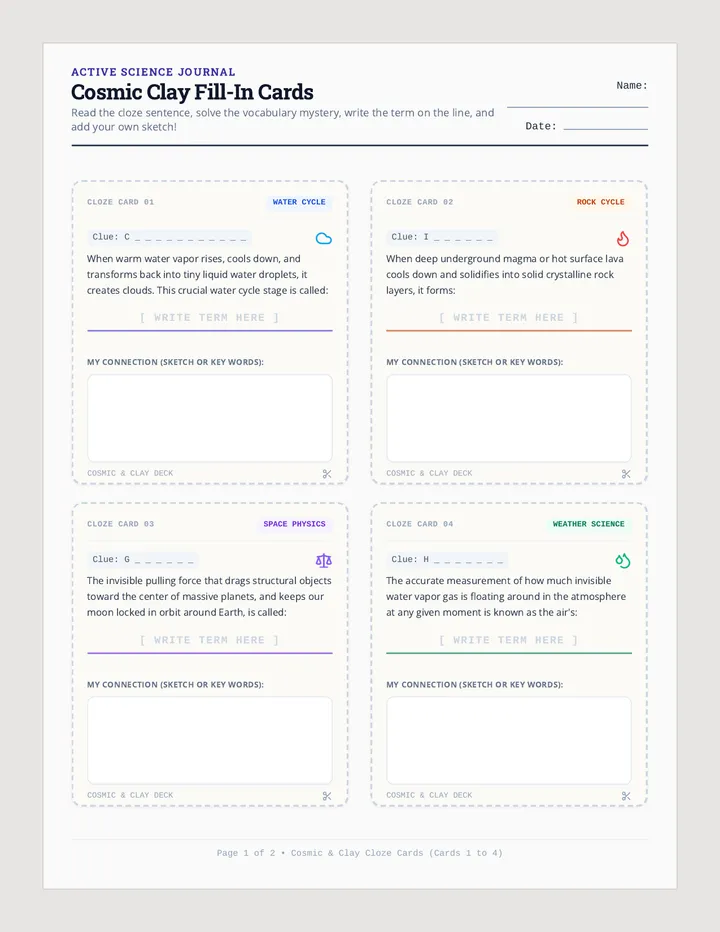
A lesson exploring the continuous movement of water on Earth through a detailed diagram of the water cycle, focusing on the roles of energy and gravity.
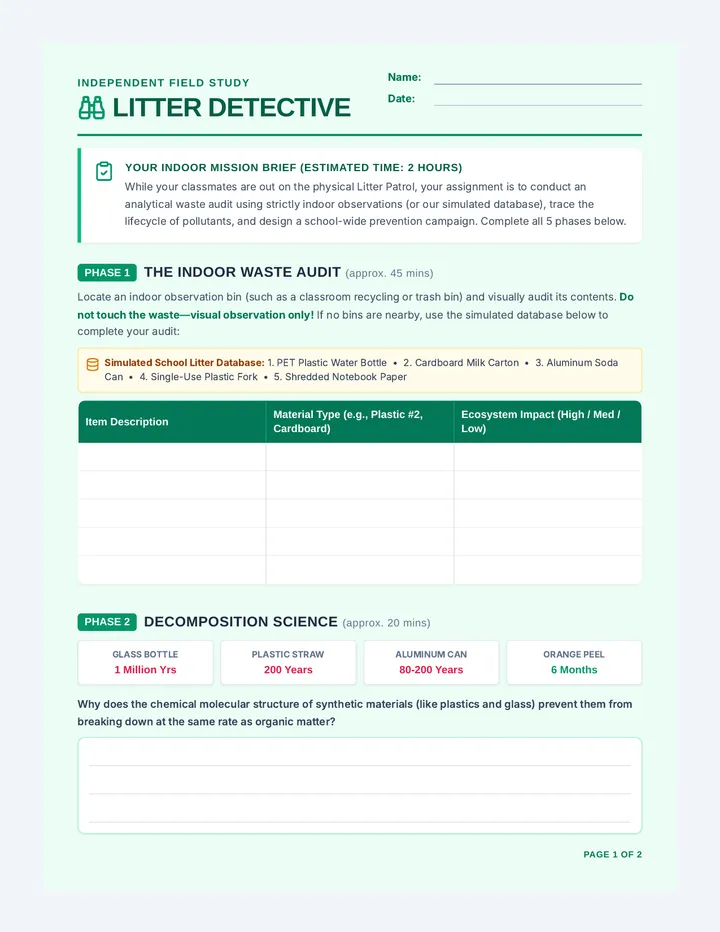
An introductory lesson on waste management and recycling where students practice sorting materials and learning key environmental vocabulary.
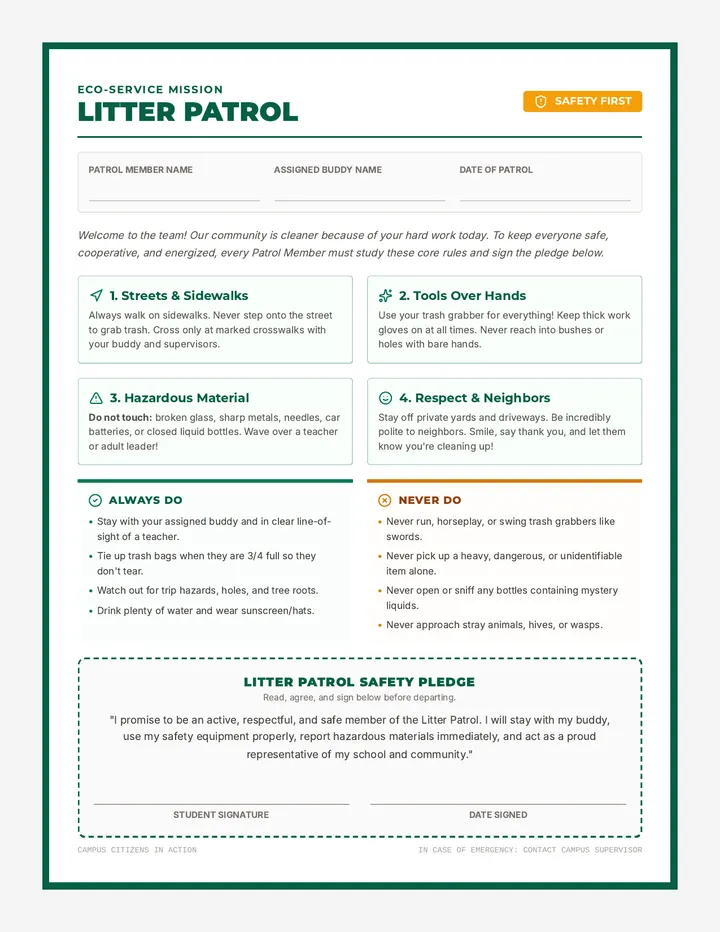
A fun, differentiated Earth Day celebration for 2nd-4th graders and life skills students, featuring hands-on missions to protect the planet after a week of testing.
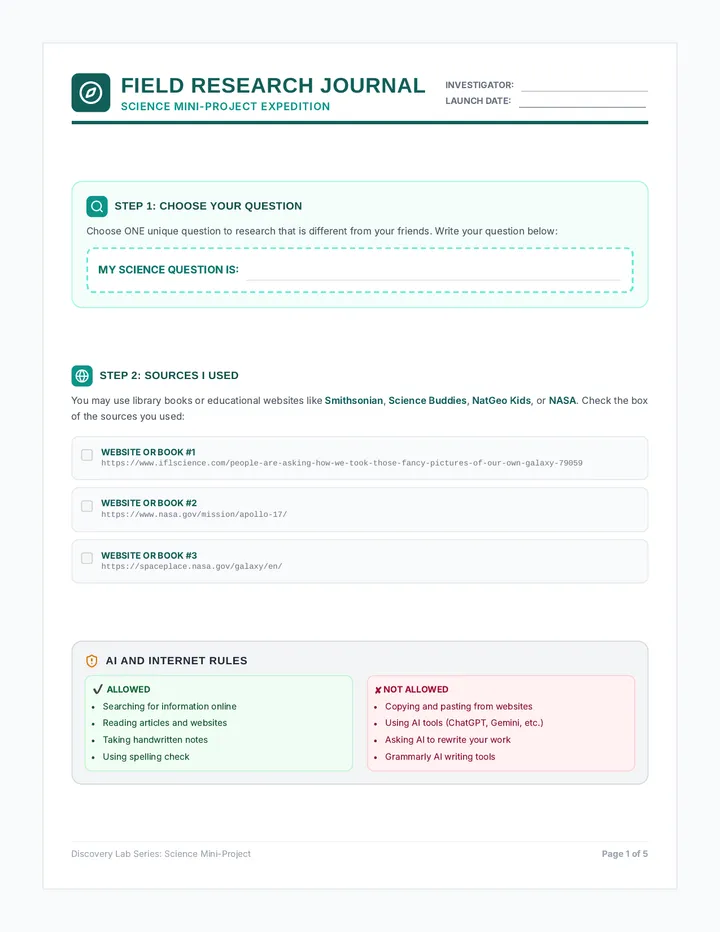
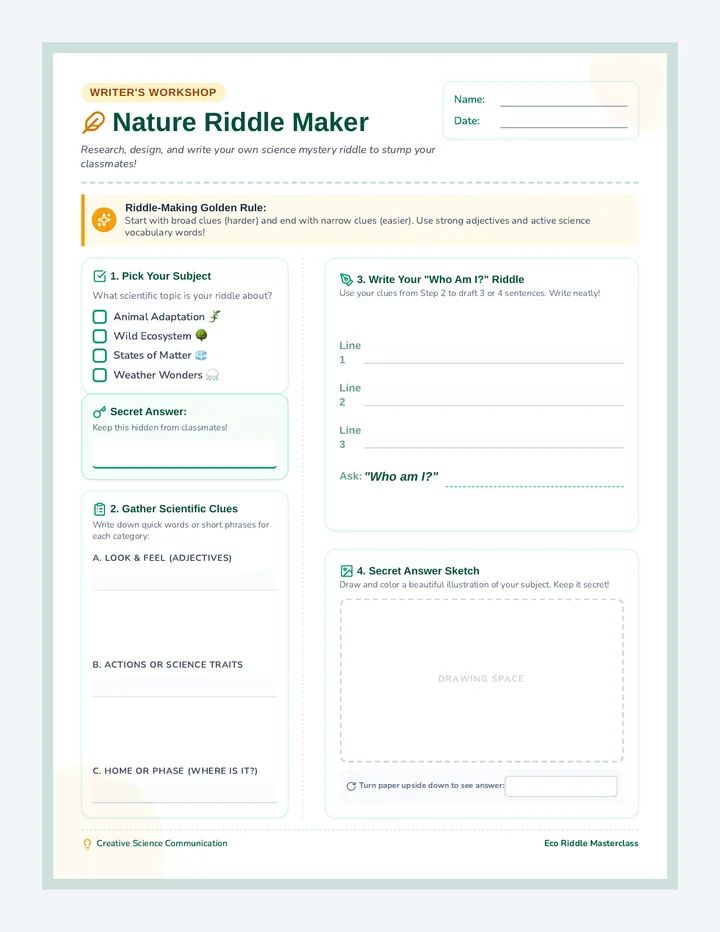
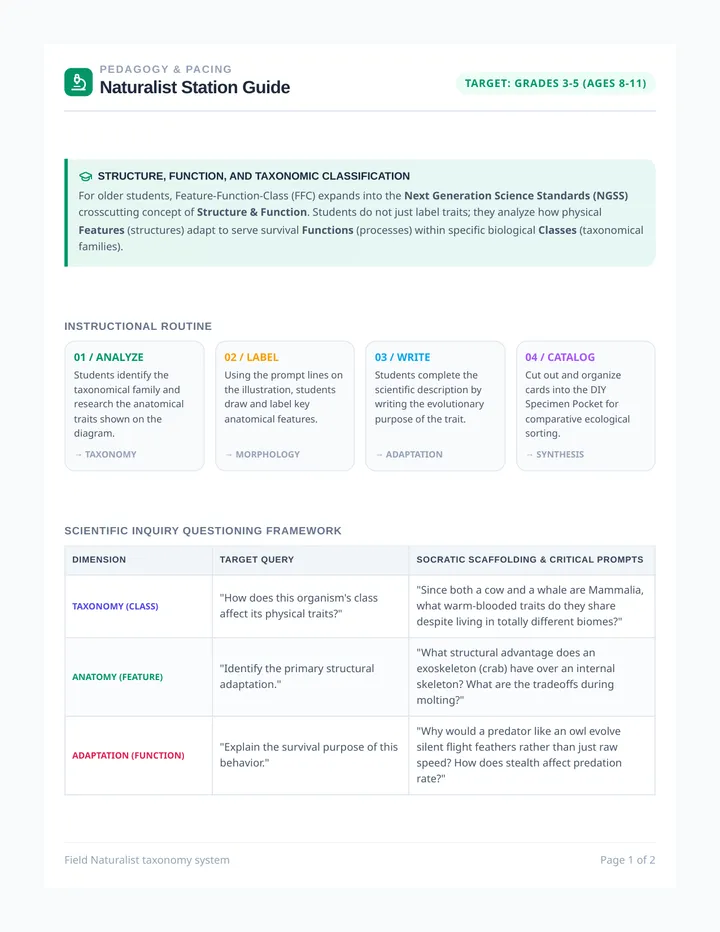
A research-focused lesson where students step into the shoes of a wildlife biologist to document the physical traits, habitats, and behaviors of a mammal of their choice.
A lesson focused on simple, actionable steps students can take to reduce energy consumption at home and school.
A beginner-friendly exploration of the four stages of a butterfly's life cycle, featuring a reading passage and comprehension activities focused on sequencing and Wh- questions.
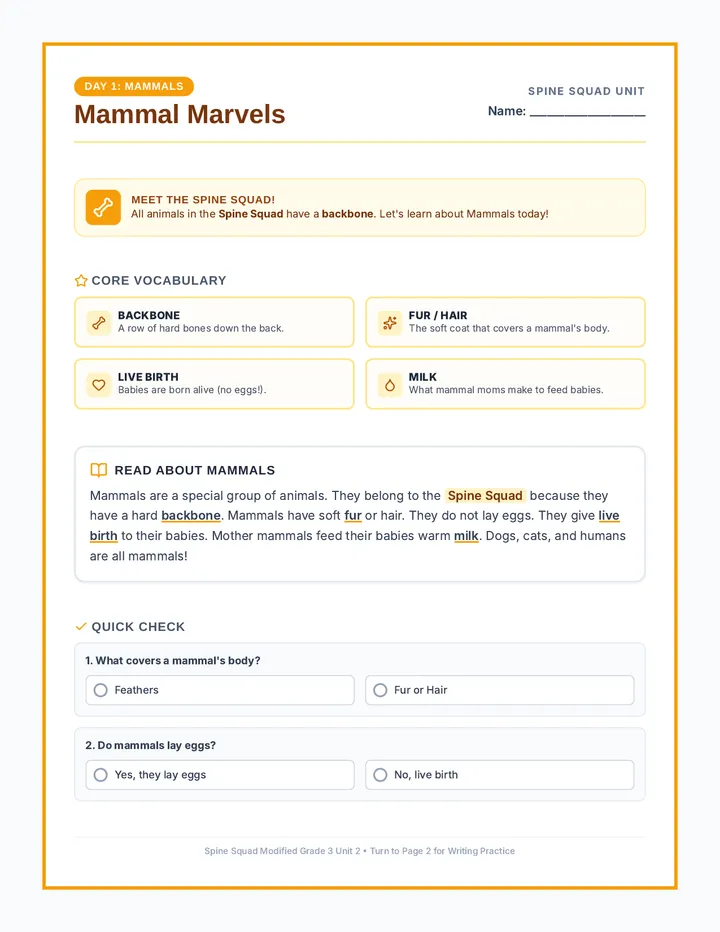
An in-depth exploration of diverse mammals, focusing on informational text features, main ideas, and vocabulary acquisition through a comprehensive field guide and activity set.
A lesson on identifying and forming plural nouns. Students learn the standard rules for regular plurals (-s, -es, -ies, -ves) and investigate 'rule-breaking' irregular nouns like mice, children, and people.
A reading comprehension-focused lesson for Earth Day, designed for upper elementary students in a resource classroom. Students will explore the history of Earth Day and identify ways they can contribute to environmental conservation through an informational passage and guided discussion.
A comprehensive set of practice materials for the ILEARN assessment focusing on vowel and consonant patterns (CVC, CCVC, CVCe, etc.). Includes grouped practice, a mixed test, task cards, and an answer key.
A lesson focused on mastering syllable division patterns through interactive tracking and assessment.
A comprehensive lesson exploring the critical role of bees in our ecosystem for Earth Day 2026, focusing on pollination, food security, and human impacts like pesticides and climate change.
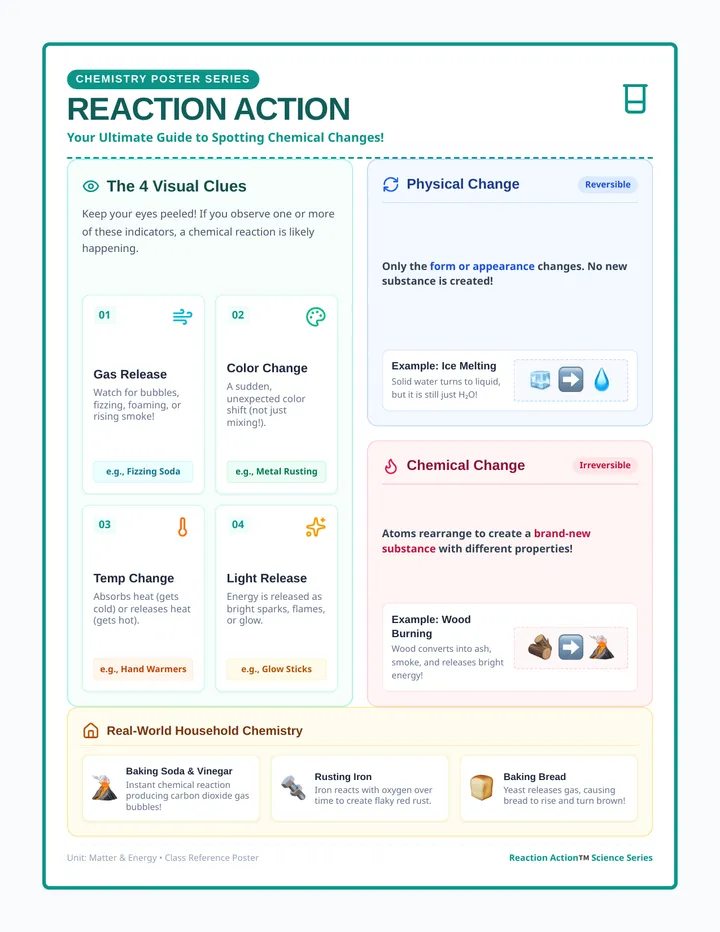
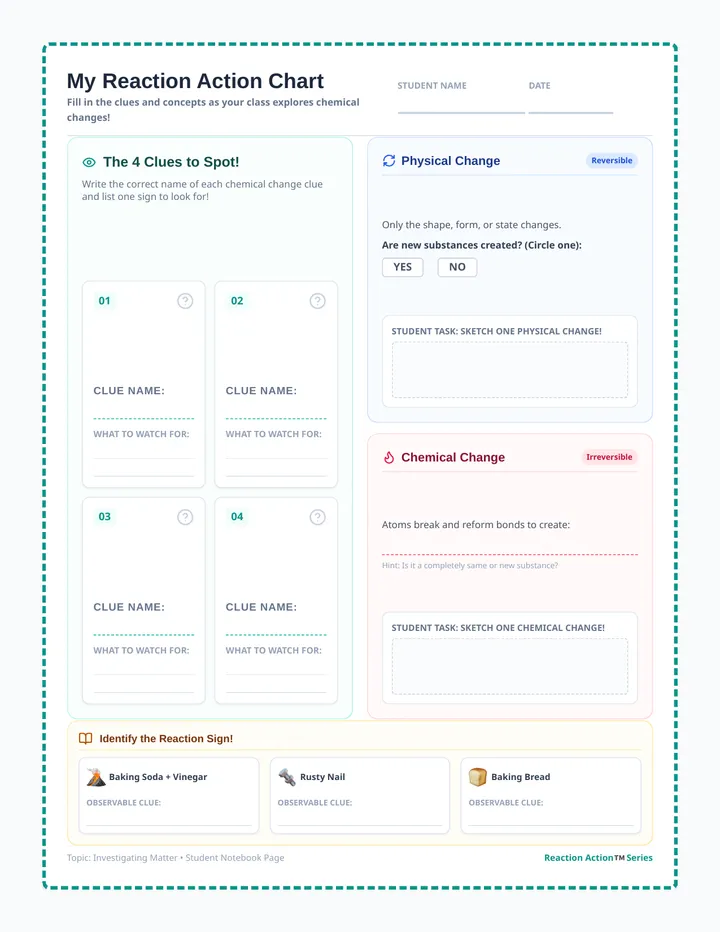
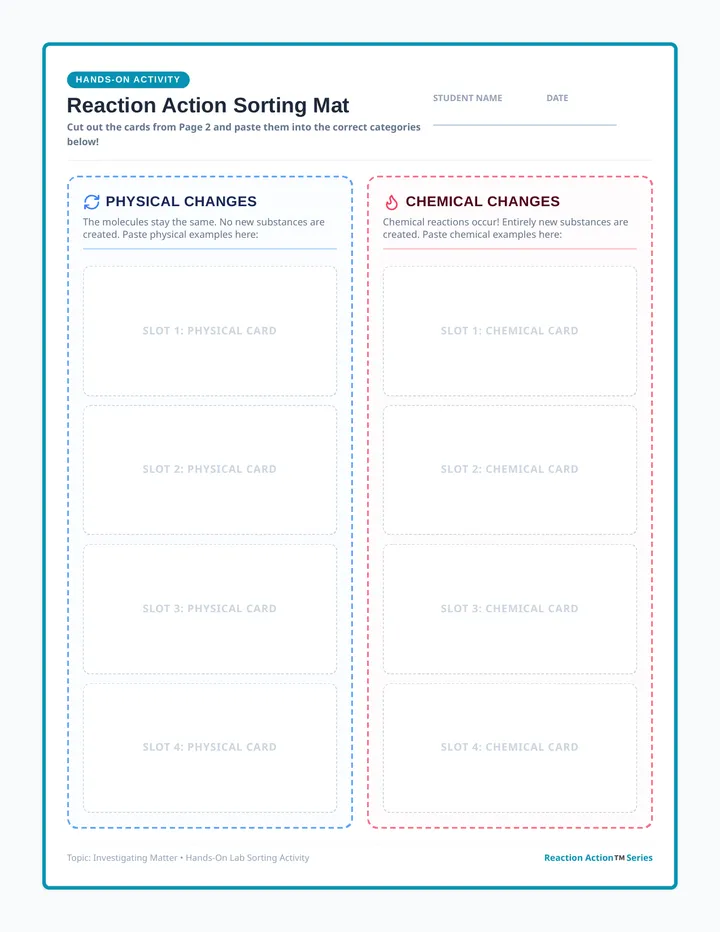
In this lesson, students explore the physical and chemical properties of matter through two detailed informational passages. They will practice identifying main ideas, citing evidence, and mastering scientific vocabulary.
A high-energy 3rd-grade lesson where students become 'Planet Protectors' by mastering the 3 R's and learning how to safeguard their local ecosystems through movement and collaborative play.
A high-stakes research project where students choose an environmental challenge to solve. Using the David Attenborough video as inspiration, students research, plan, and create a model or presentation to rescue our planet.
A field trip exploration guide for the Anne Kolb Nature Center, featuring a scavenger hunt BINGO activity and a counselor answer key.
A set of activities based on a Newsela article about the discovery of 290-million-year-old fossilized vomit, designed for 3rd-grade students to practice comprehension, vocabulary, and writing.
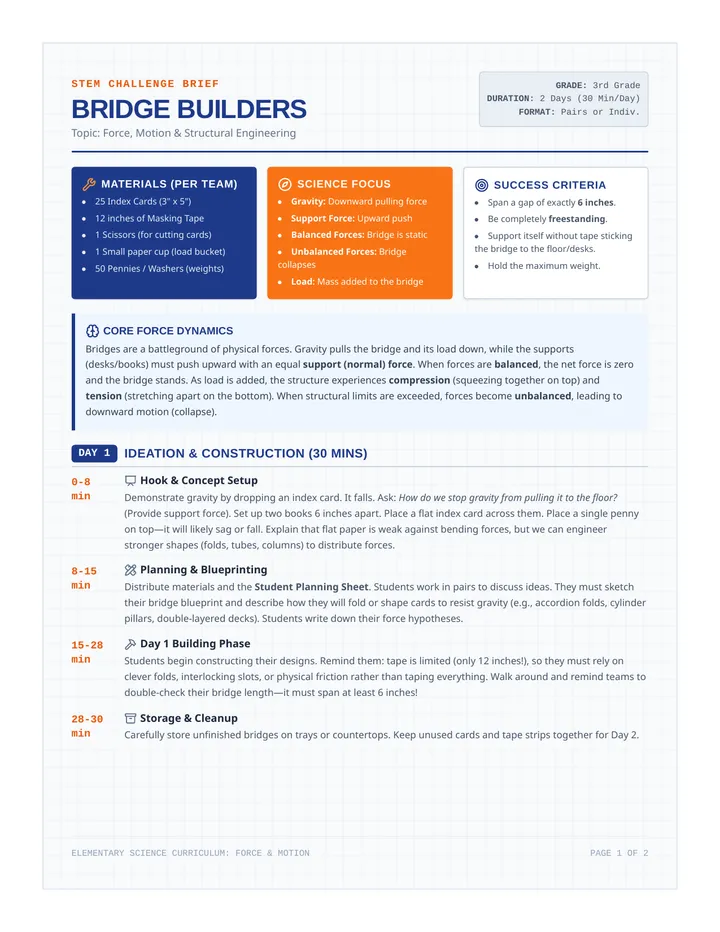
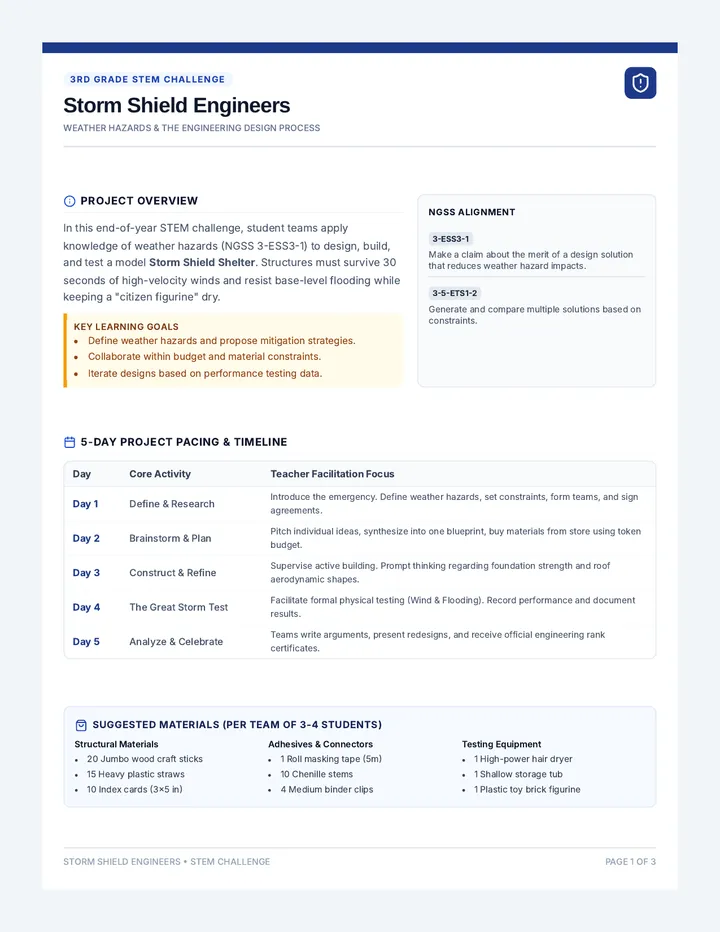
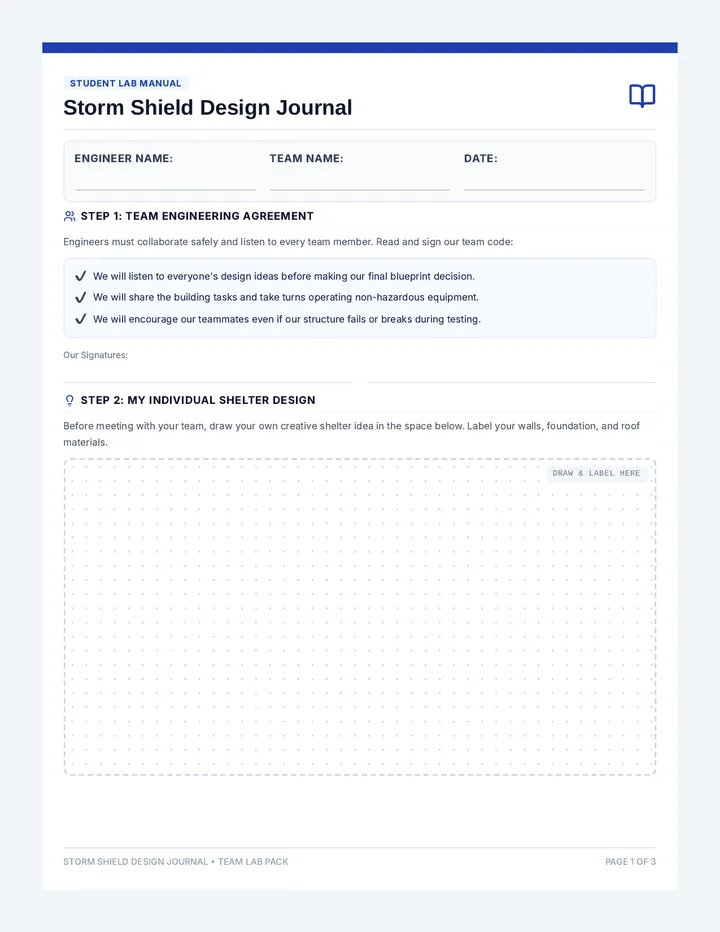
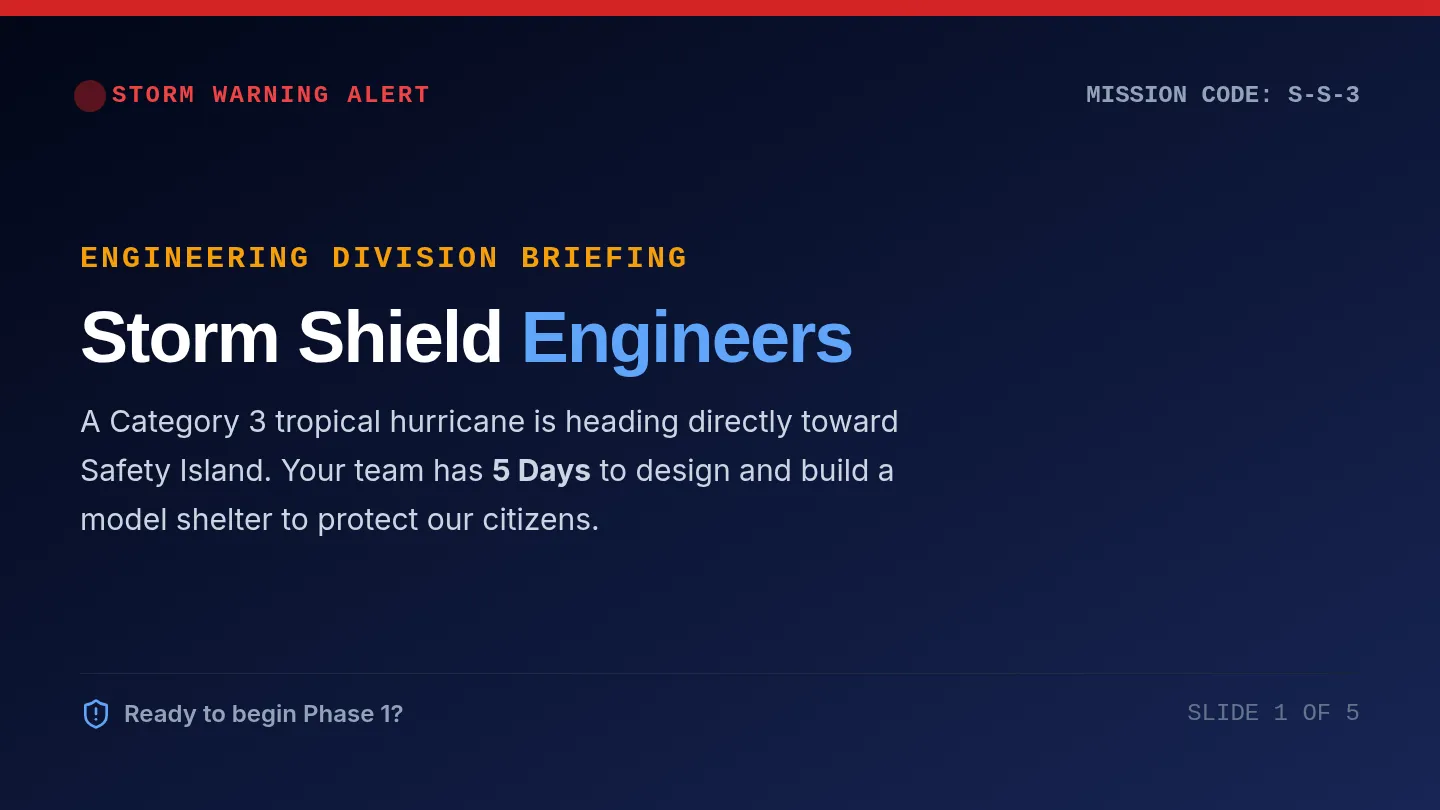
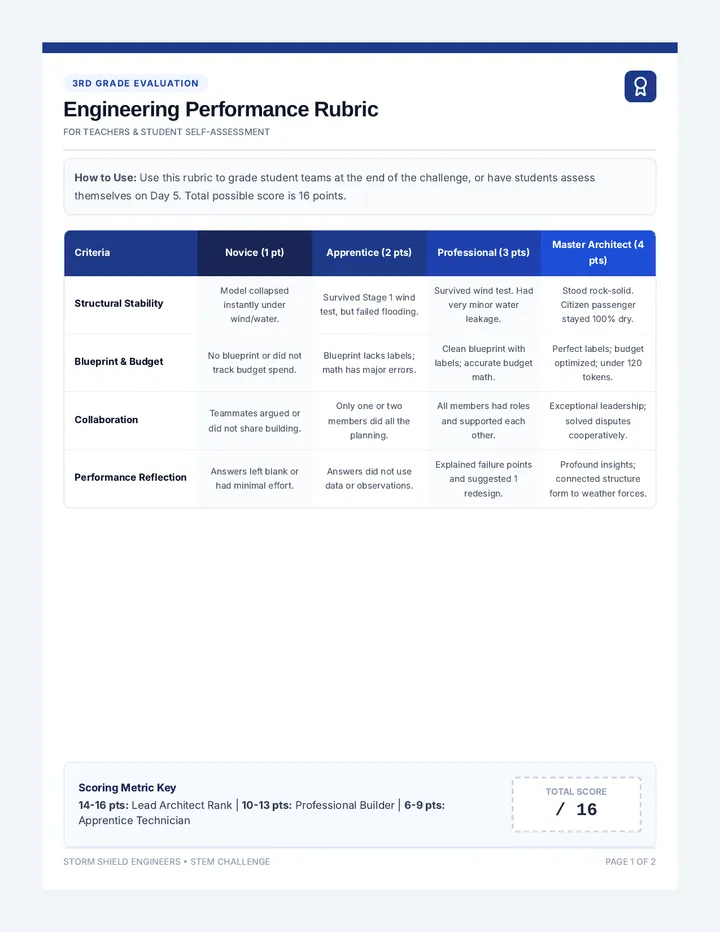
An Earth Day engineering challenge where 3rd graders design, build, and test solar ovens to explore renewable energy and heat transfer. Students apply the engineering design process to harness solar radiation for cooking simple snacks.
Students apply their knowledge of energy flow by researching a specific habitat and creating a comprehensive food web project.
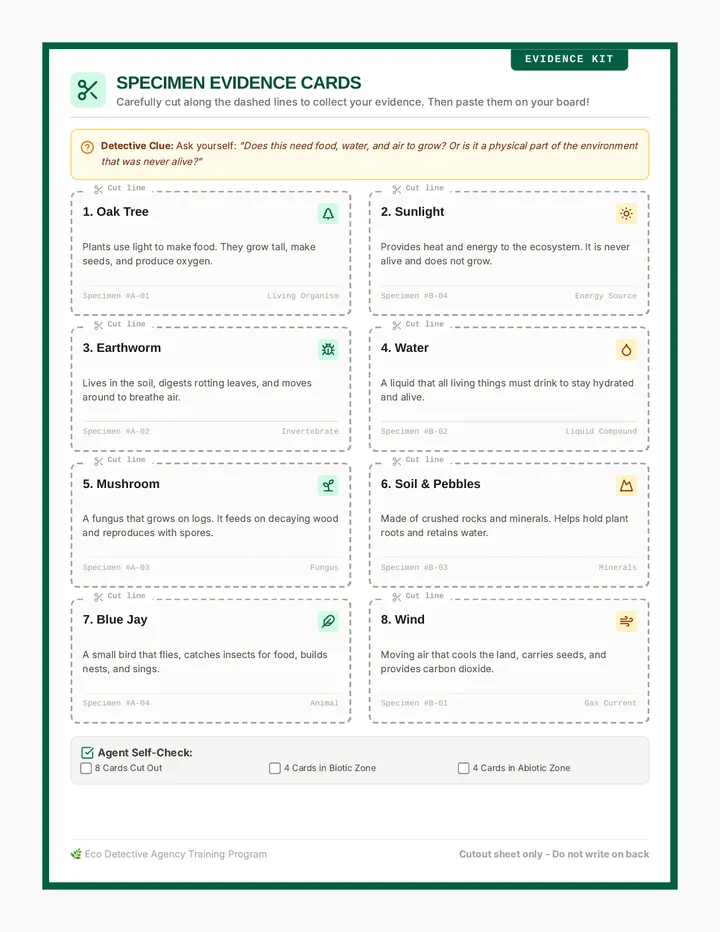
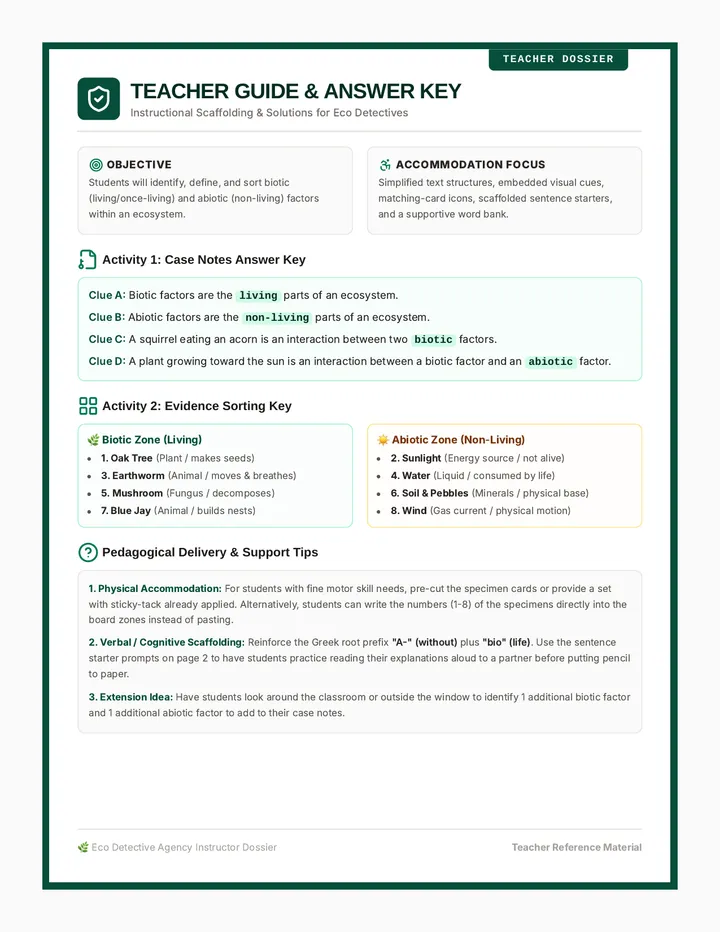
Students explore how multiple food chains connect to create complex food webs, illustrating the interdependence of living things in an ecosystem.
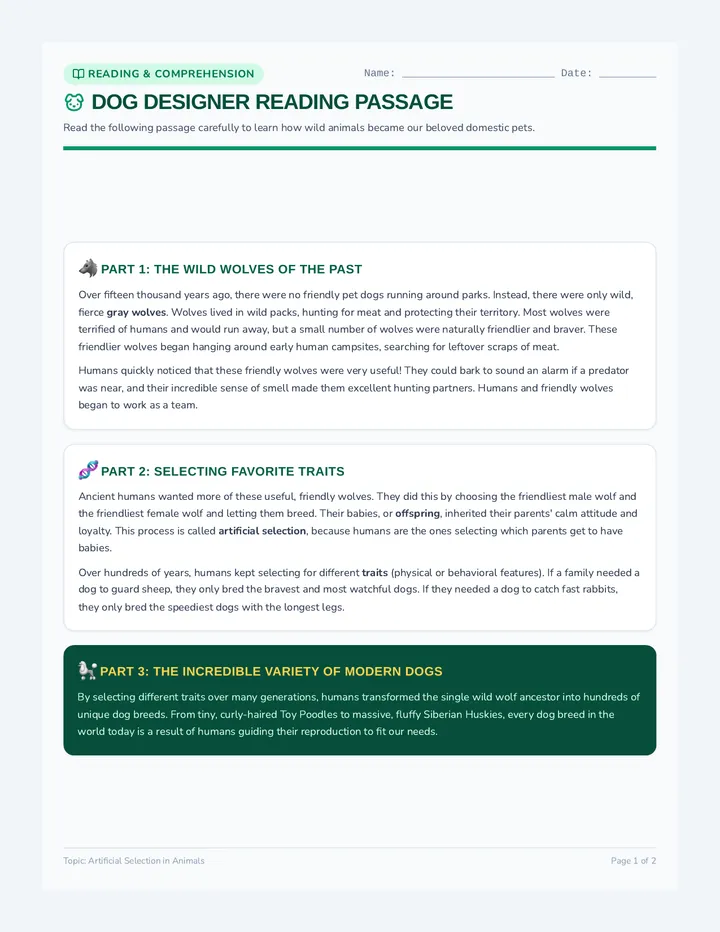
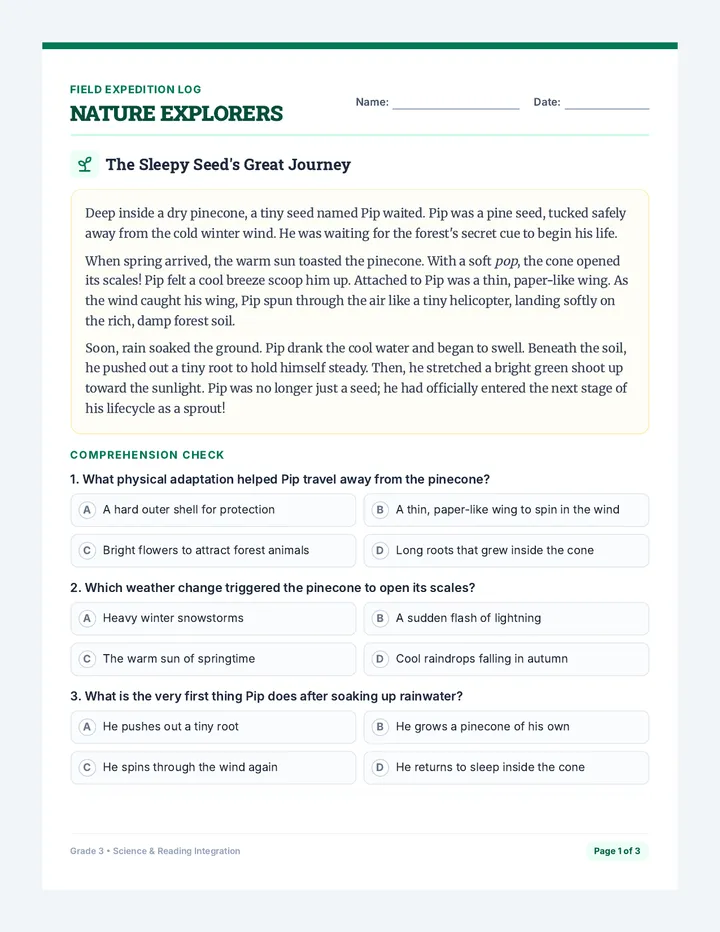
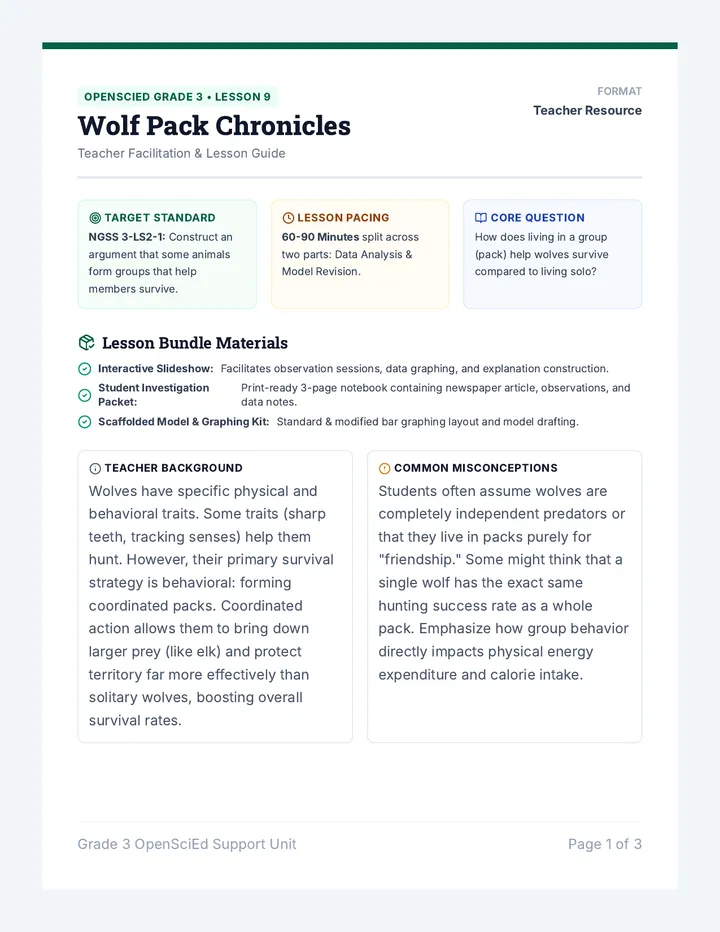
Students learn about producers and consumers, discovering how energy flows from the sun through a single path in a food chain.
A lesson for Primary 3 students to explore and categorize technology used in domestic and educational settings, focusing on how these tools assist daily life.
A high-energy, immersive lesson where students 'travel' to different biomes using 360-degree video footage. They record observations in a field journal to compare the characteristics of temperate and tropical forests and grasslands.
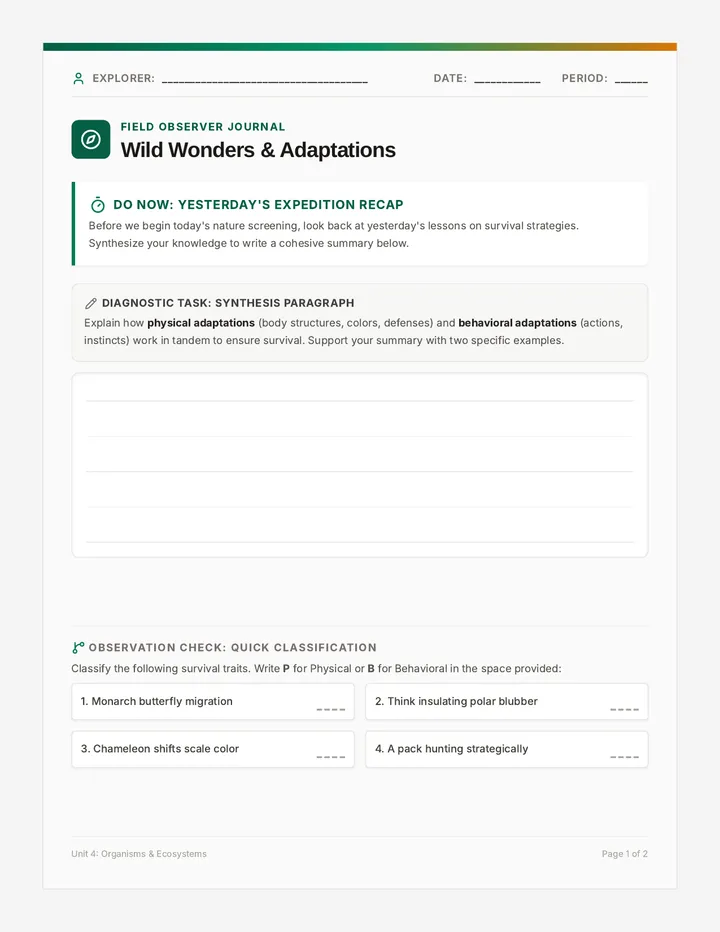
A 3rd-grade science lesson exploring the Arctic biome and the specialized adaptations of animals that live there. Students will research three specific animals and document their findings in a field journal format.
A high-energy, 10-minute Earth Day activation designed to inspire immediate student action through impactful visuals and a personal pledge.
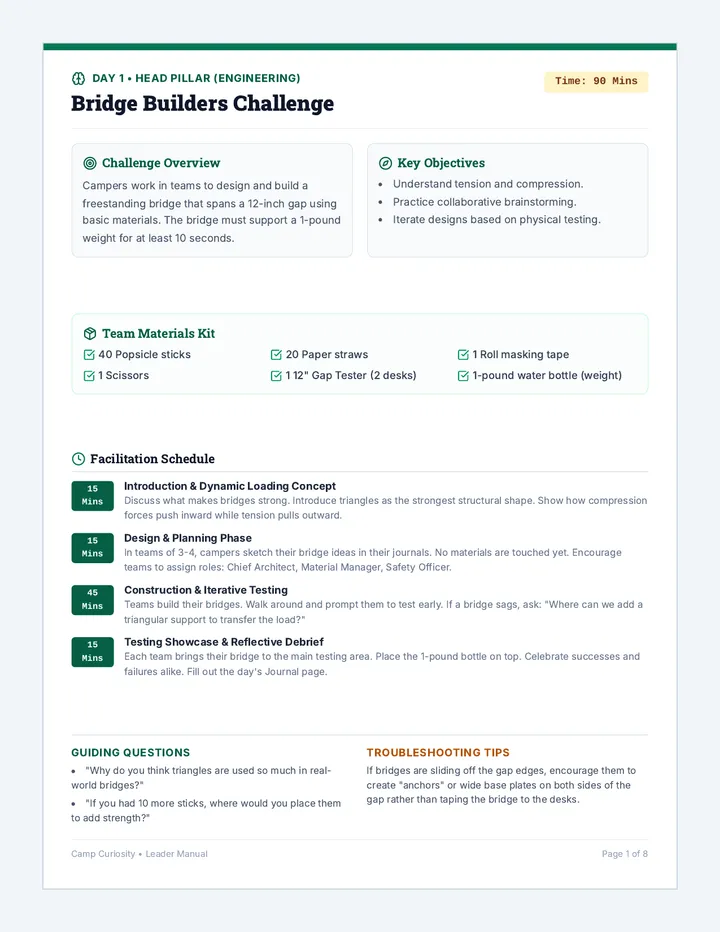
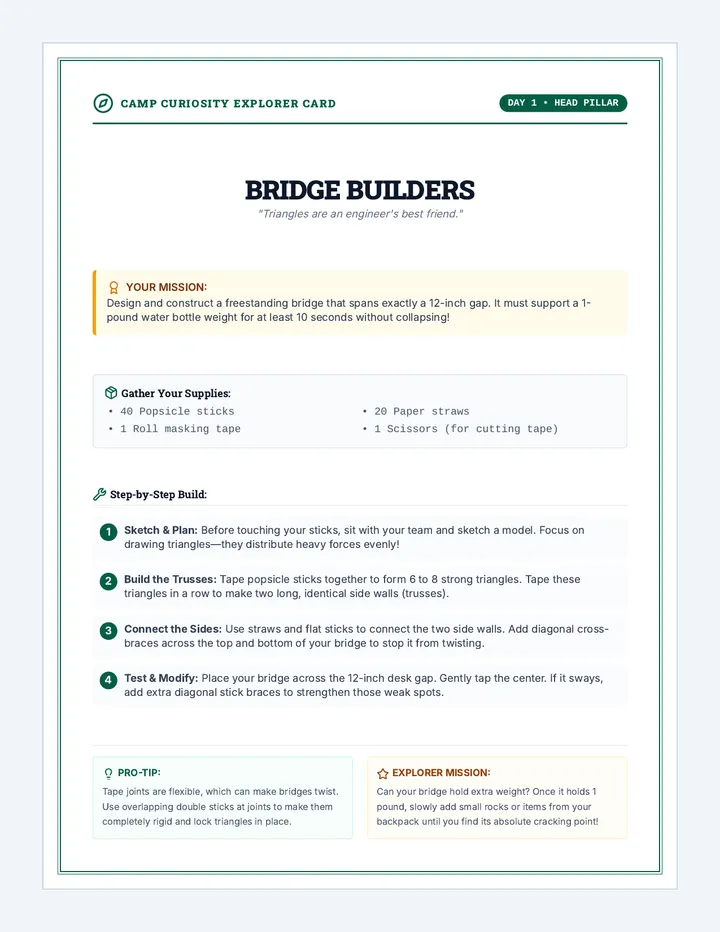
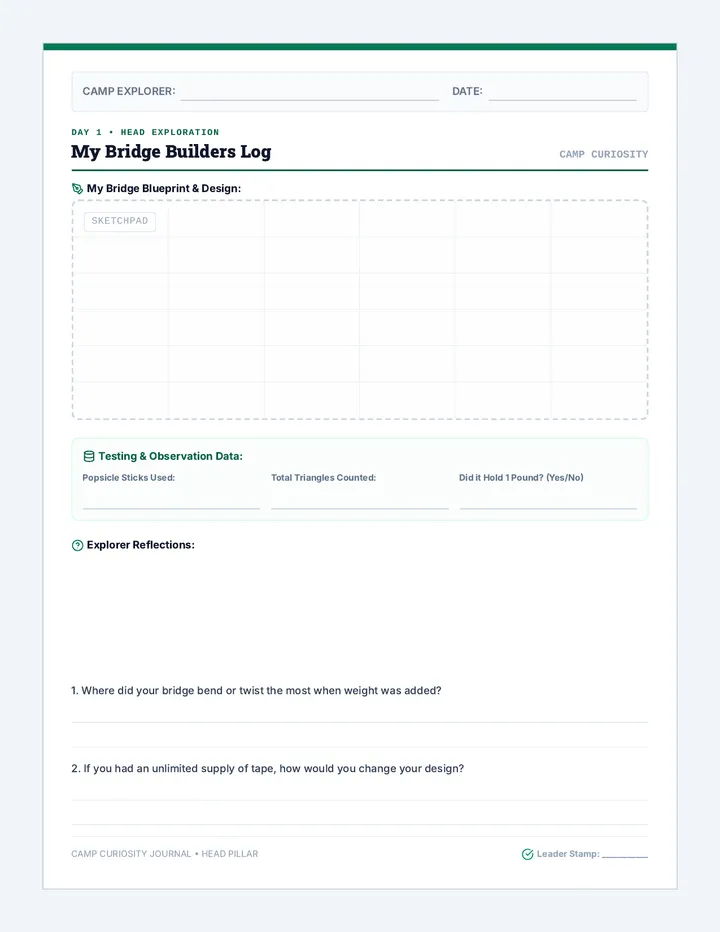
A high-energy STEM event for kids in foster care, focusing on engineering design, collaborative building, and social connection through hands-on challenges.
A technical but accessible look into the science of deserts, covering how they form (rain shadows), advanced plant survival, and animal behaviors like estivation.
A comprehensive Earth Day project for 3rd graders integrating reading comprehension about reforestation and gardening with math-based recycling data analysis and bar graphing.
An engaging exploration of the desert biome designed for 3rd-grade students to complete independently. This lesson covers geographical locations, extreme climates, and the remarkable adaptations of desert plants and animals.
A beginner-friendly exploration of ocean currents, focusing on the differences between surface and deep water movements and how they affect our planet.
A lesson designed for emerging Multilingual Learners to practice vocabulary in context and sequencing through an engaging story about Earth Day and a park cleanup. Students will learn facts about the environment while building narrative comprehension skills.
A comprehensive exploration of the Earth's coldest biomes, covering the Arctic Tundra, Alpine Tundra, and Boreal Forest. Students investigate climate, geography, and the unique adaptations of plants and animals that survive in these extreme environments.
A comprehensive suite of data tracking tools for students to monitor their reading progress, including benchmark assessments and IMSE Orton-Gillingham concept checks from Kindergarten through 5th grade.
A high-energy lesson on cryptography and the history of the Enigma machine, designed to motivate students before the WYTOPP state assessment. Students learn about substitution ciphers and decode a secret message of encouragement.
Students explore 'The Great Kapok Tree' to understand biodiversity and the impact of human actions on the environment. They will craft persuasive messages from the perspective of rainforest animals to create a collaborative 'Voices of the Forest' bulletin board.
A multi-sensory exploration of spring through the lens of the five senses, designed to build observation skills and descriptive language in K-5 students.
Students become 'architects' of logic, learning to decompose everyday tasks into precise, repeatable algorithms. They will practice 'programming' humans to understand the necessity of detail and sequence in computer science.
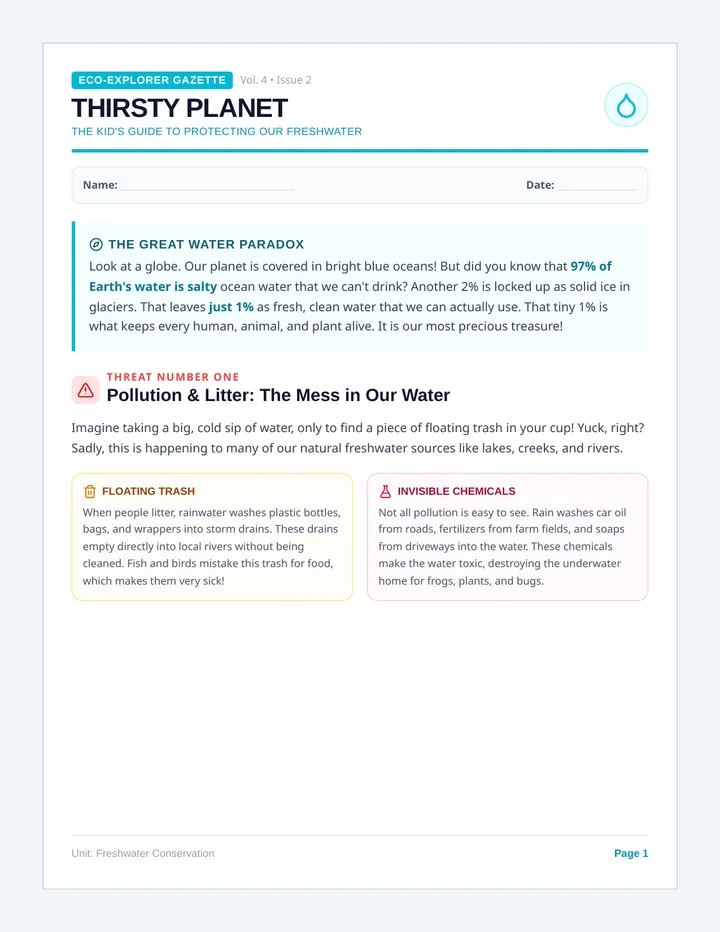
In this hands-on lesson, 3rd and 4th grade students explore natural water filtration by building their own filtration systems using earth materials. They learn about the layers of the Earth and how groundwater is naturally purified while connecting their findings to environmental conservation.
A final review and assessment to measure comprehension and scientific understanding of the digestive system.
Synthesizes knowledge of the entire digestive tract by analyzing cause-and-effect relationships throughout the process.
Investigates the liver, pancreas, and large intestine, focusing on identifying main ideas and supporting details.
Examines the chemical breakdown of food in the stomach and the absorption of nutrients in the small intestine using sequencing skills.
Focuses on the beginning of the digestive journey, exploring the roles of the mouth and esophagus through context clues practice.
A beginner-friendly introduction to Mechanical, Electrical, and Light energy, featuring a hands-on classification activity.