A field trip exploration guide for the Anne Kolb Nature Center, featuring a scavenger hunt BINGO activity and a counselor answer key.
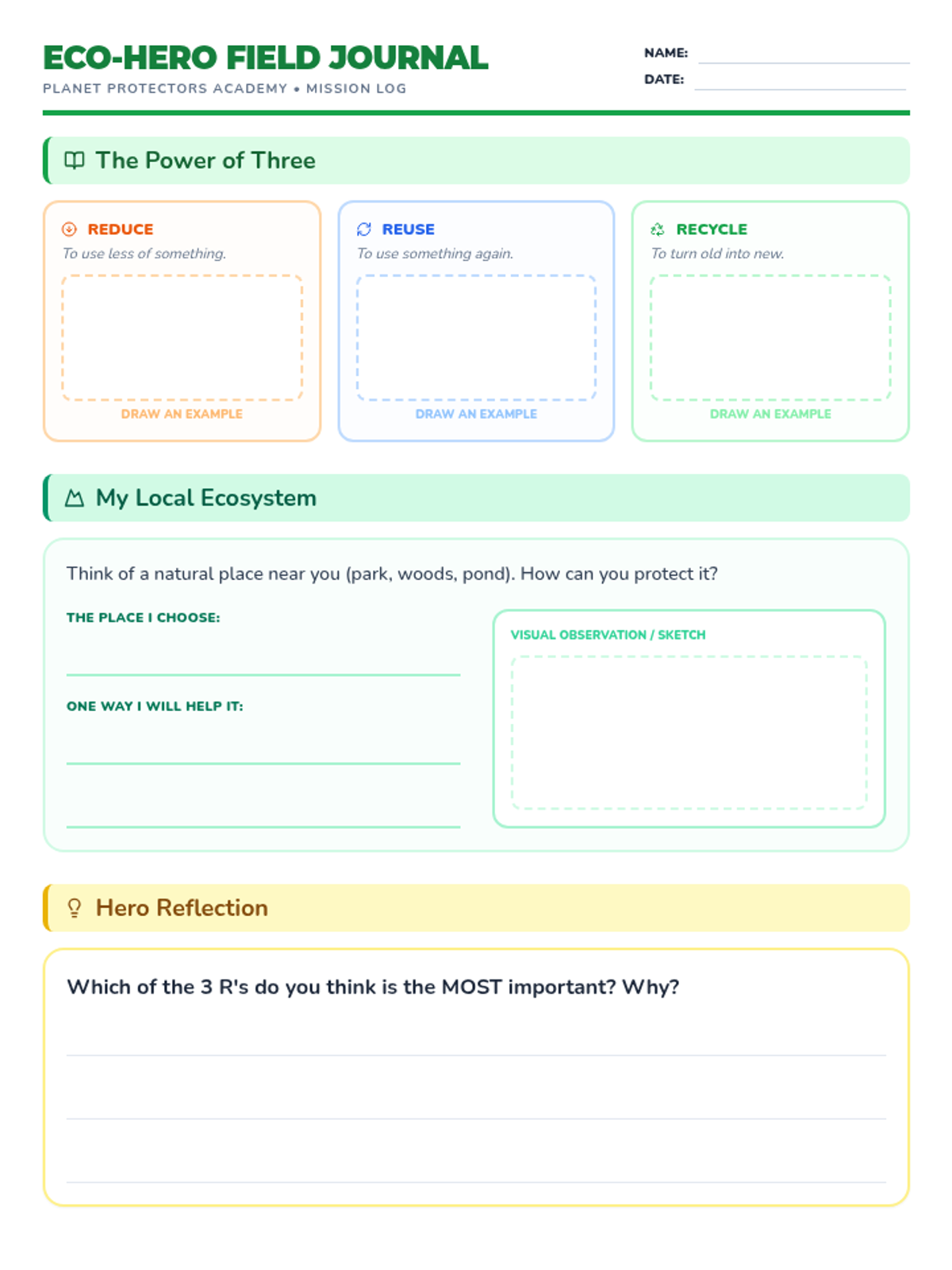
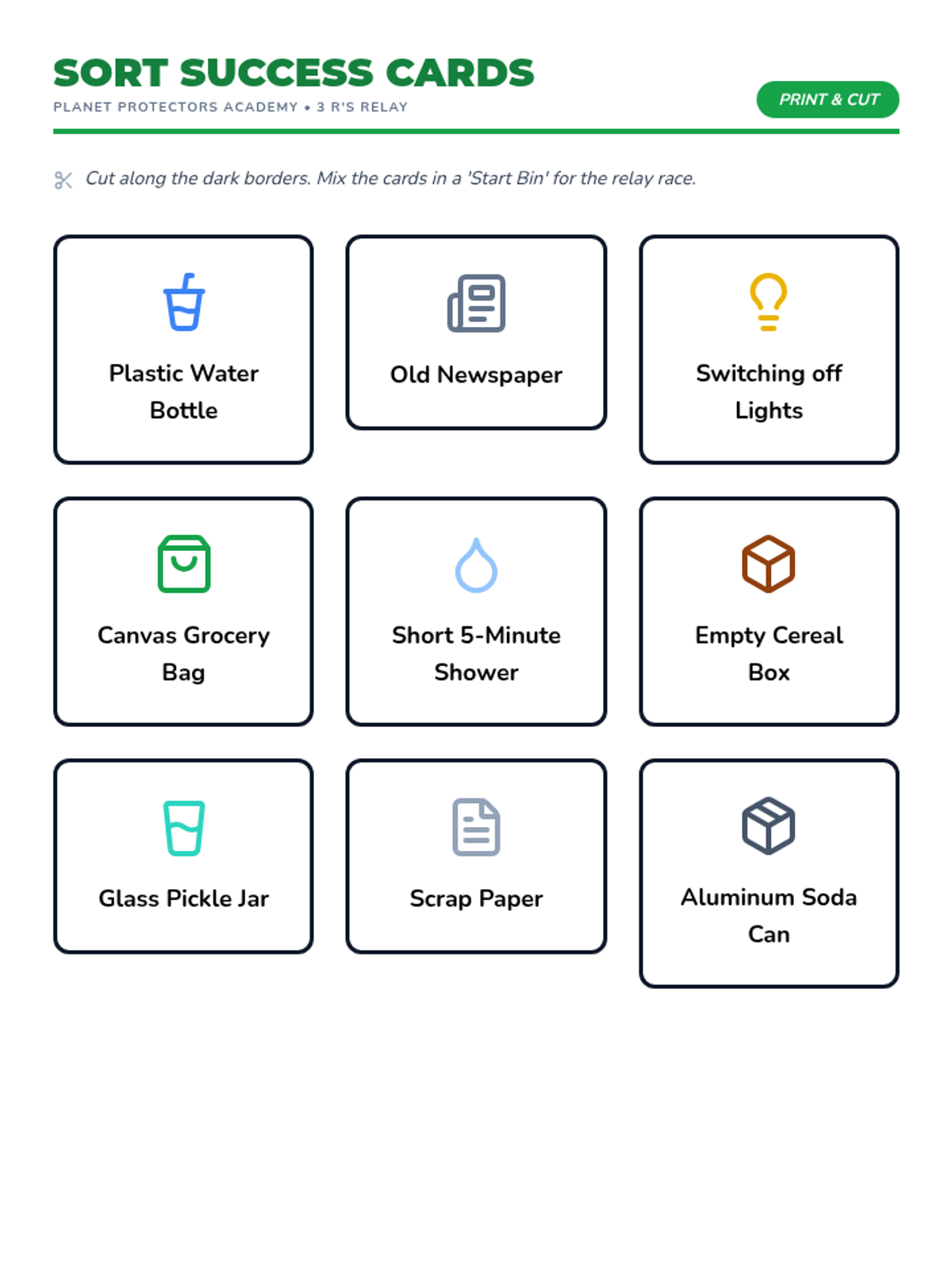
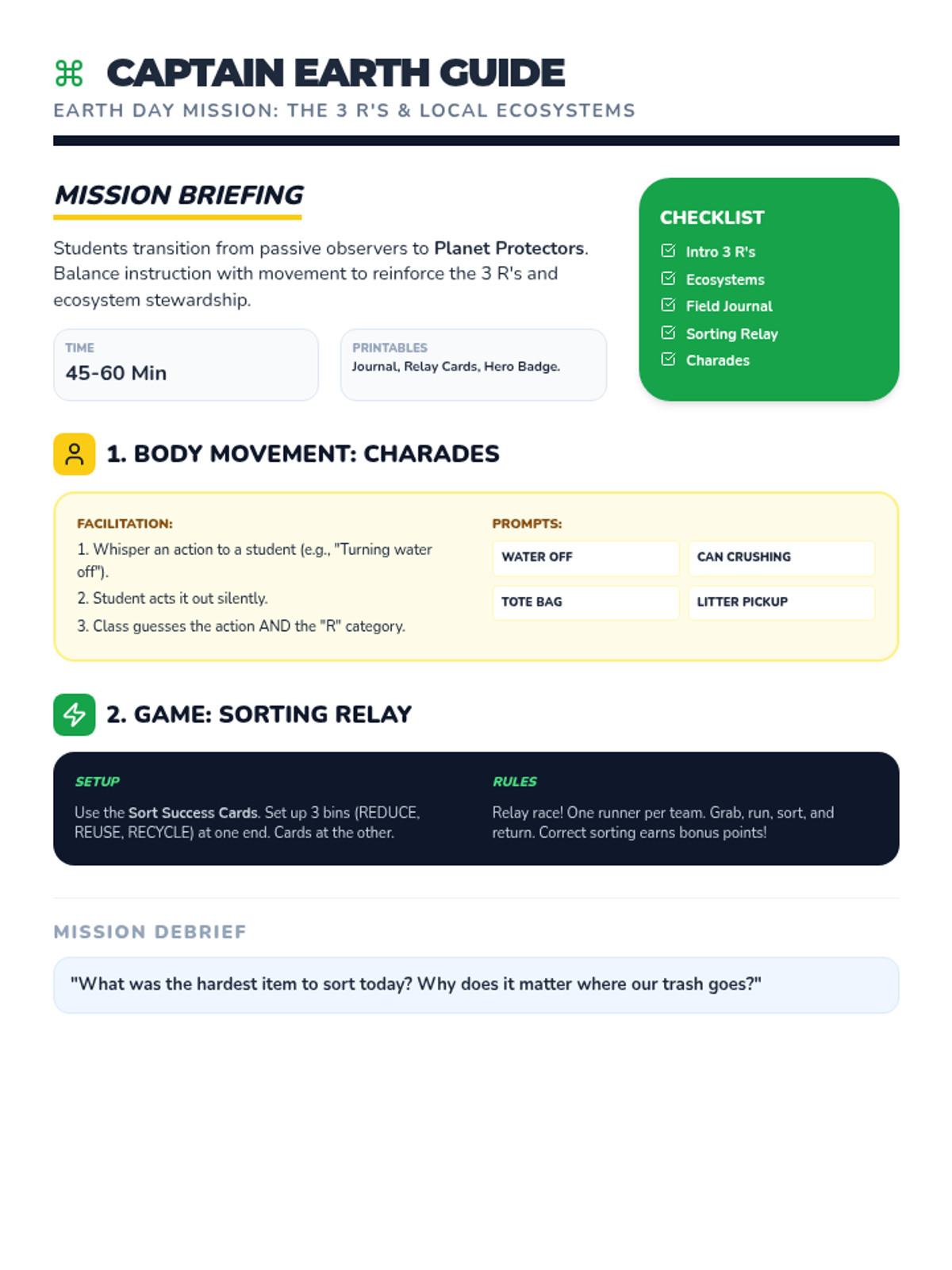
A high-energy 3rd-grade lesson where students become 'Planet Protectors' by mastering the 3 R's and learning how to safeguard their local ecosystems through movement and collaborative play.
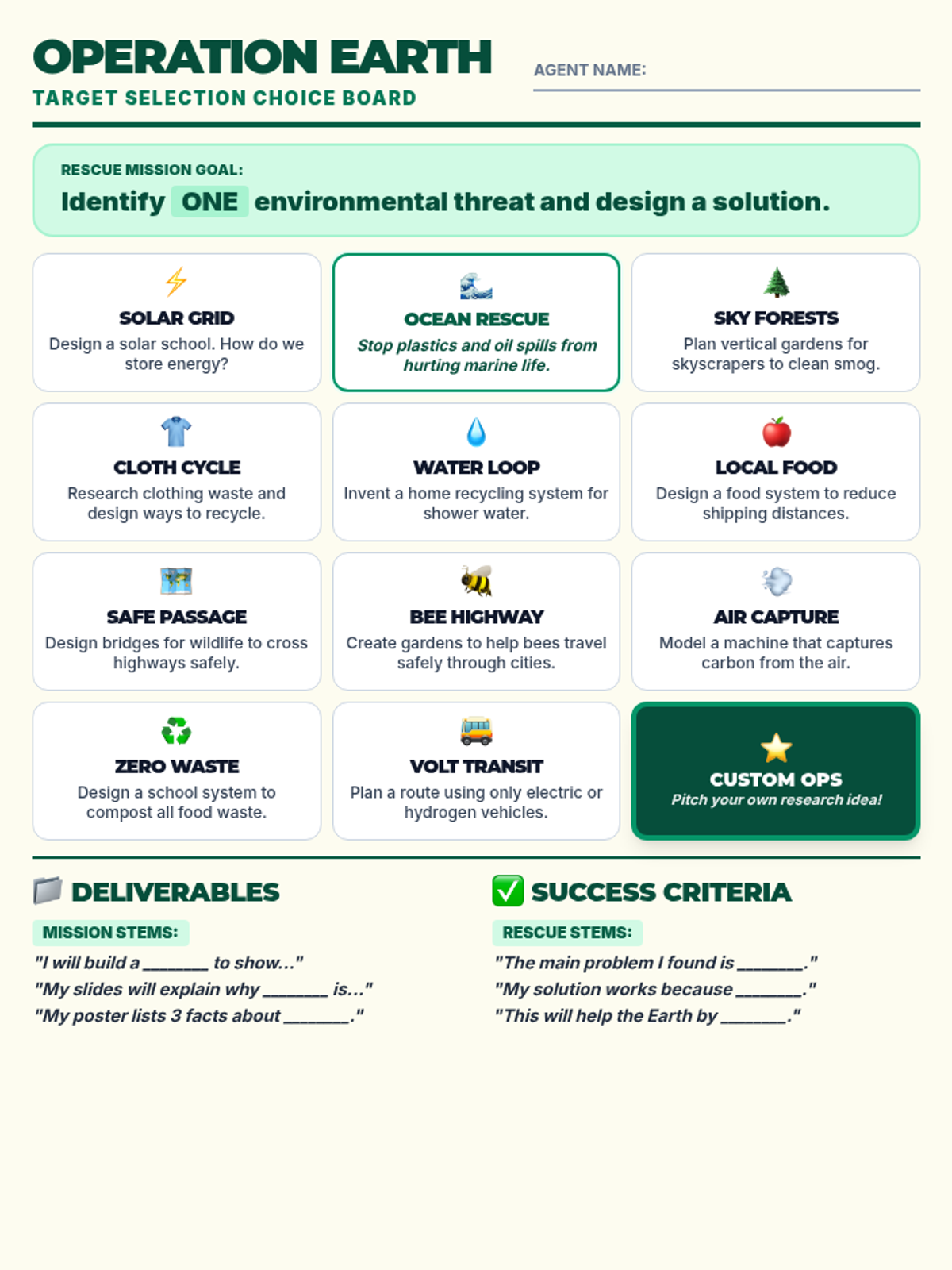
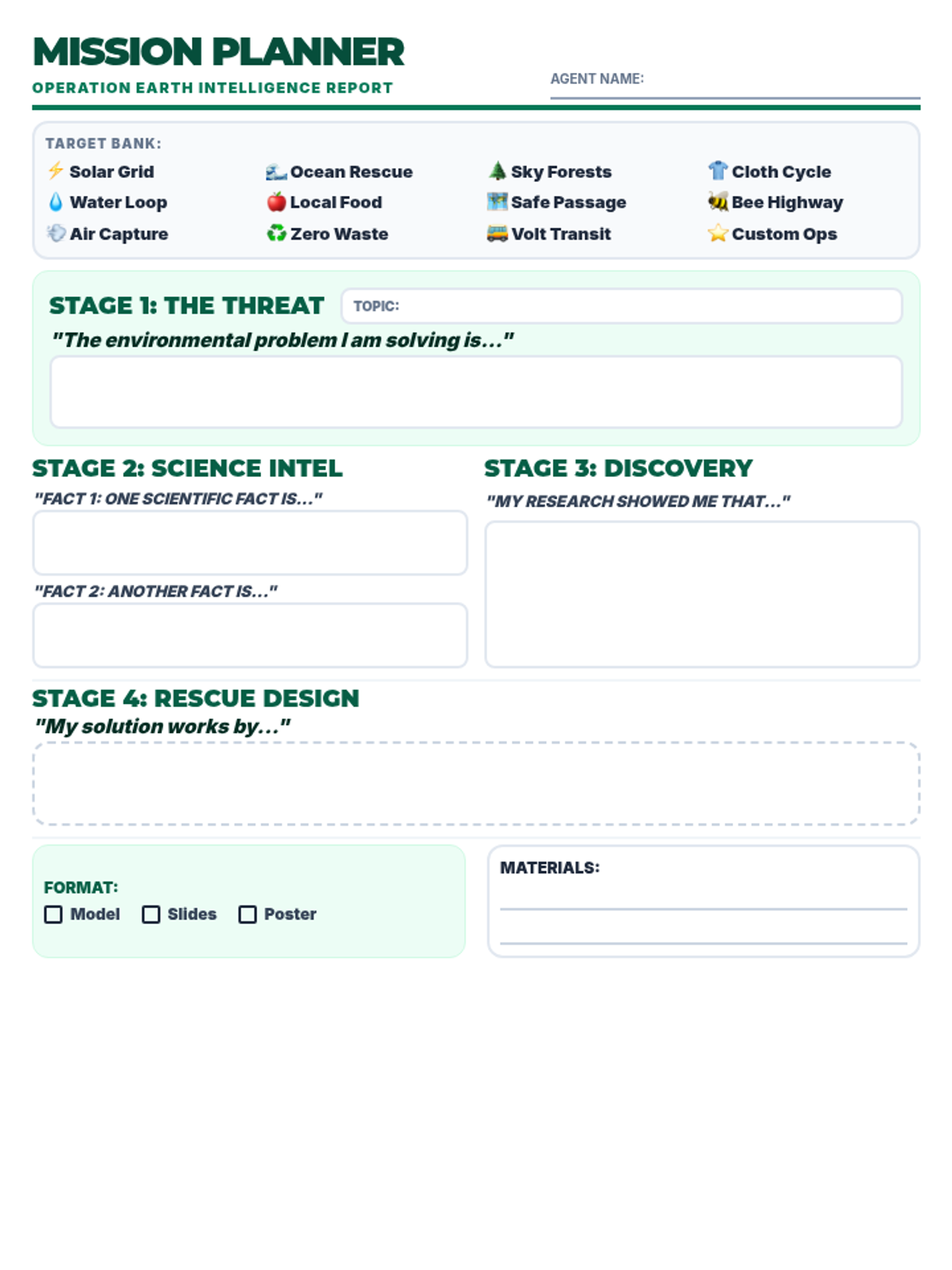
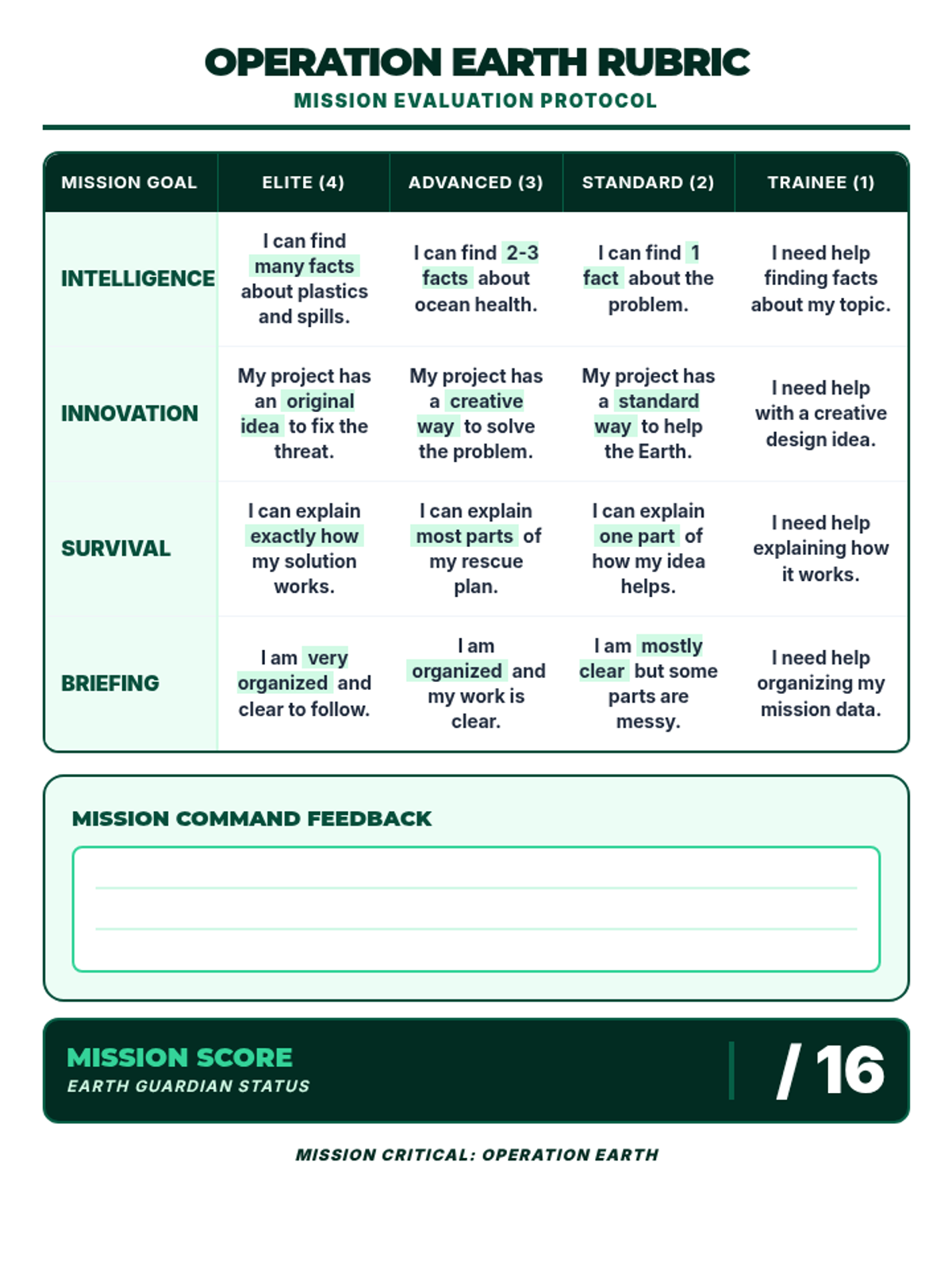
A high-stakes research project where students choose an environmental challenge to solve. Using the David Attenborough video as inspiration, students research, plan, and create a model or presentation to rescue our planet.
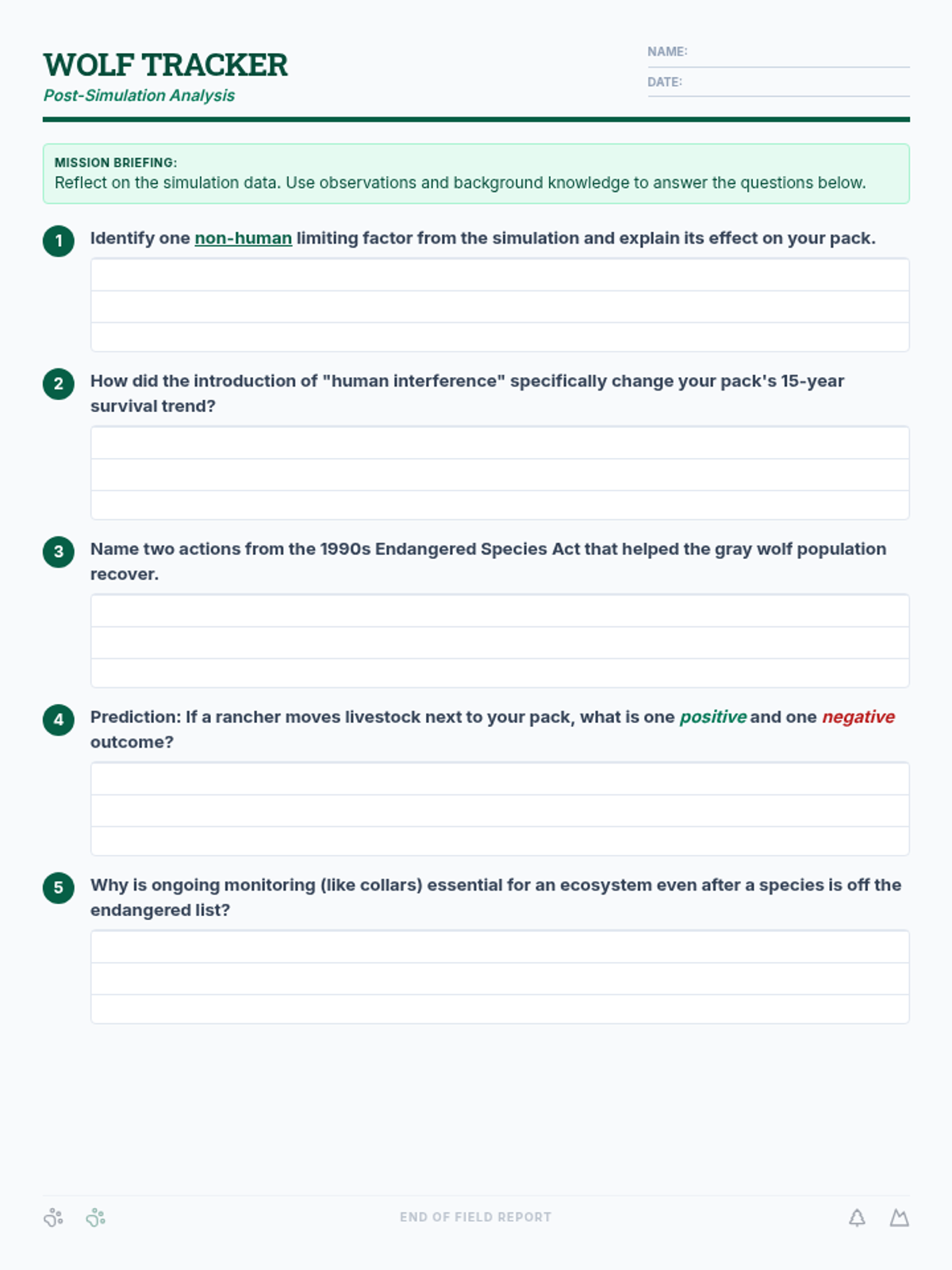
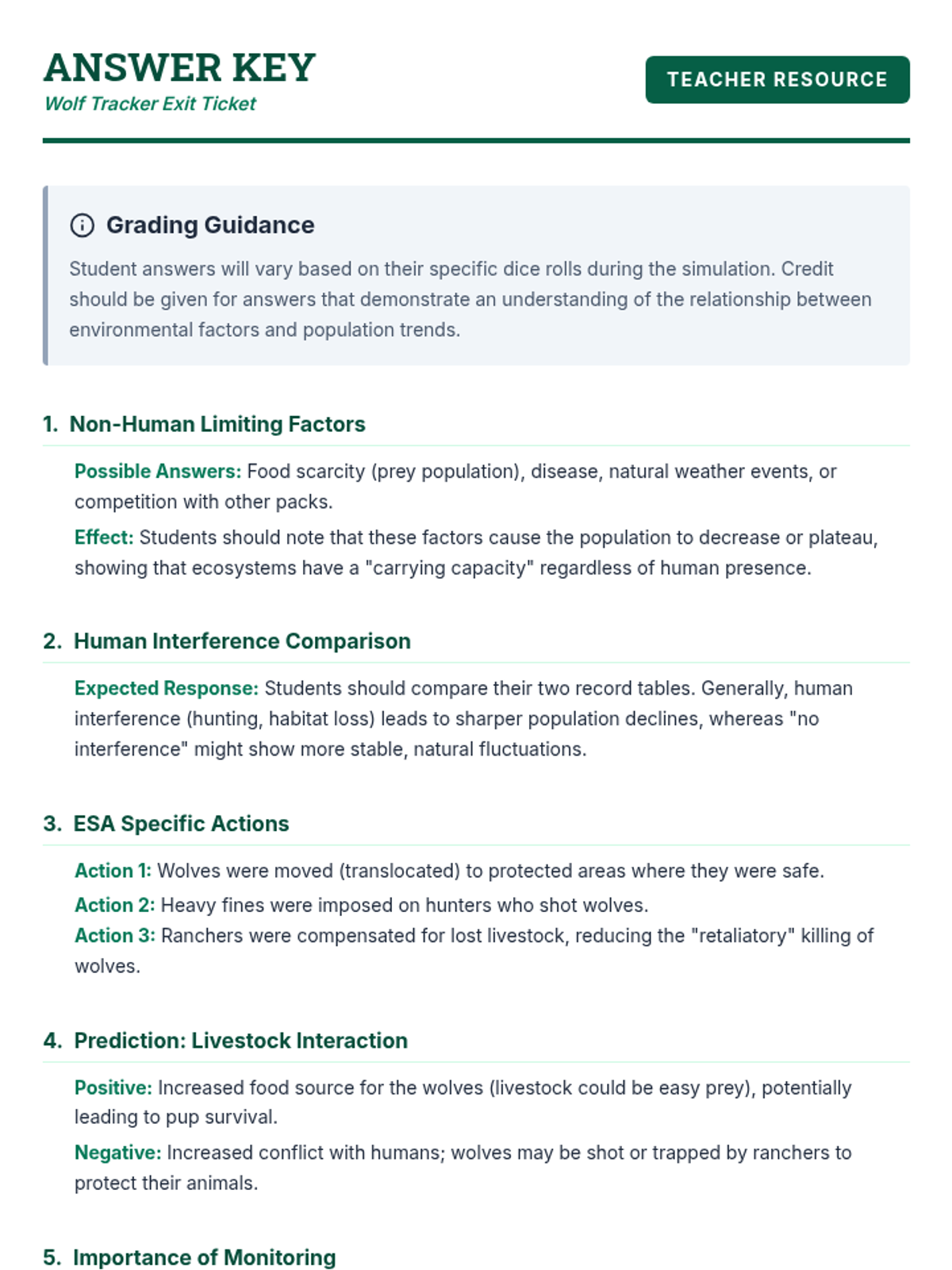
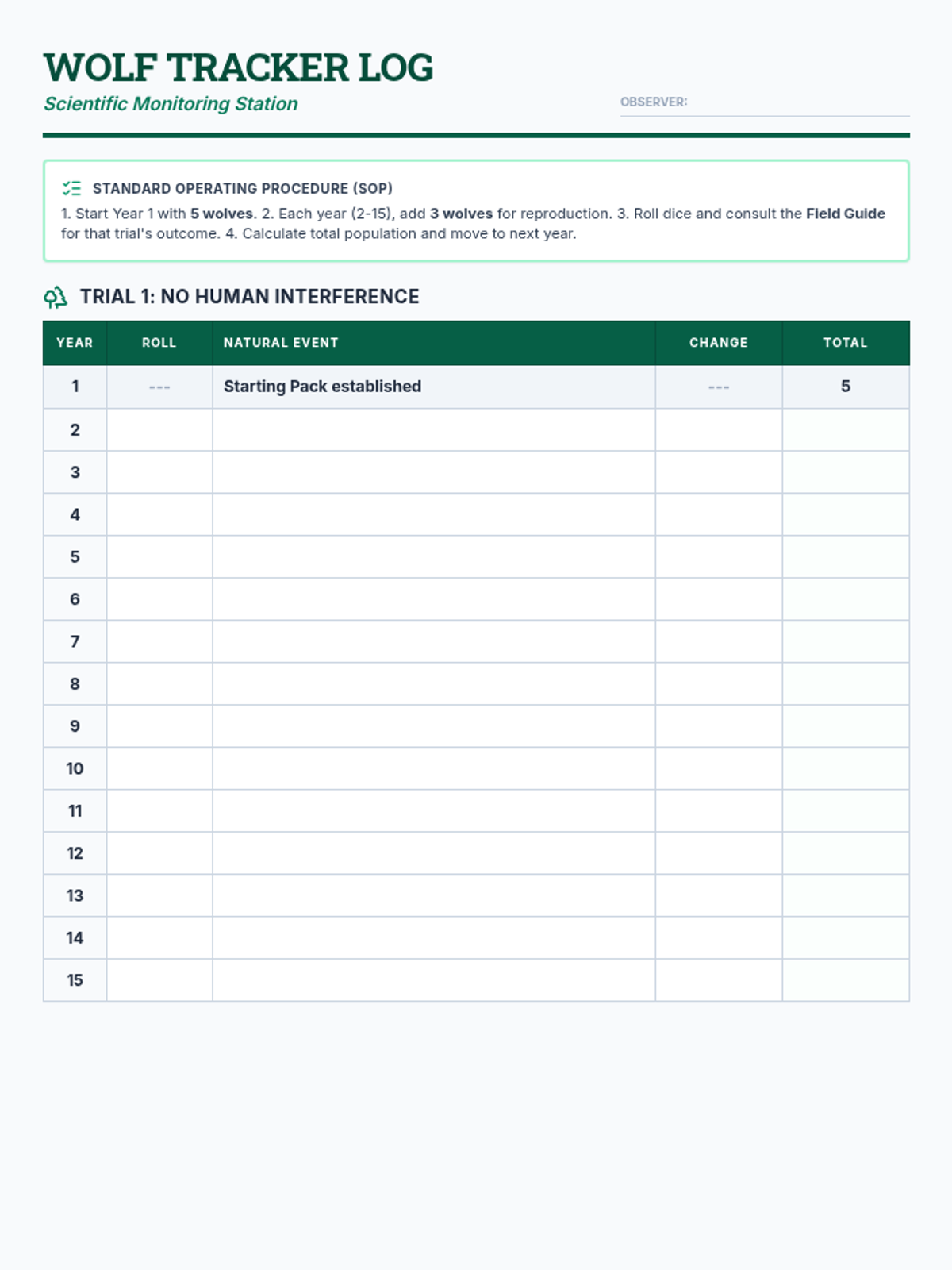
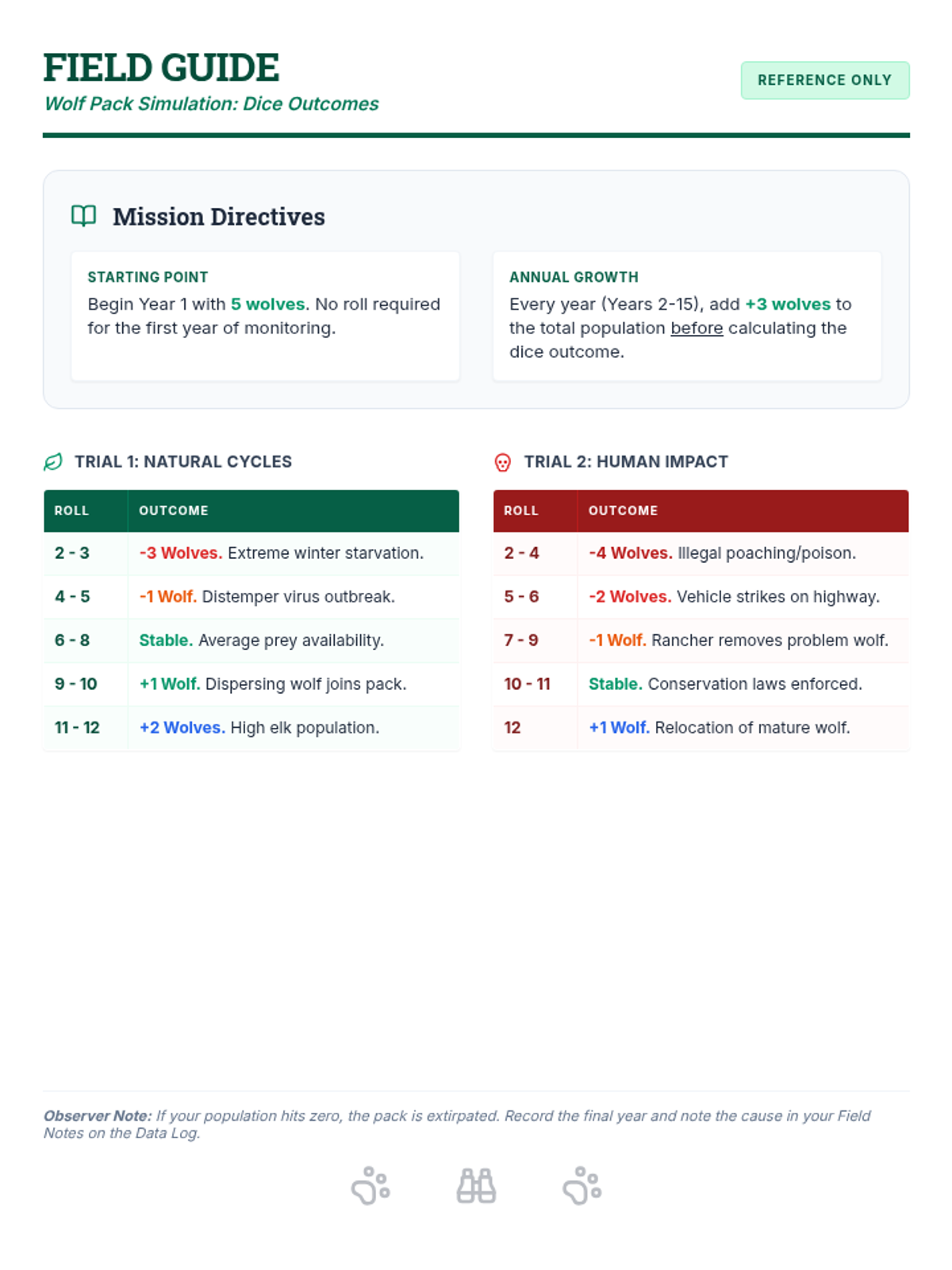
A simulation-based lesson where students model wolf population dynamics under varying levels of human interference to understand limiting factors and conservation.
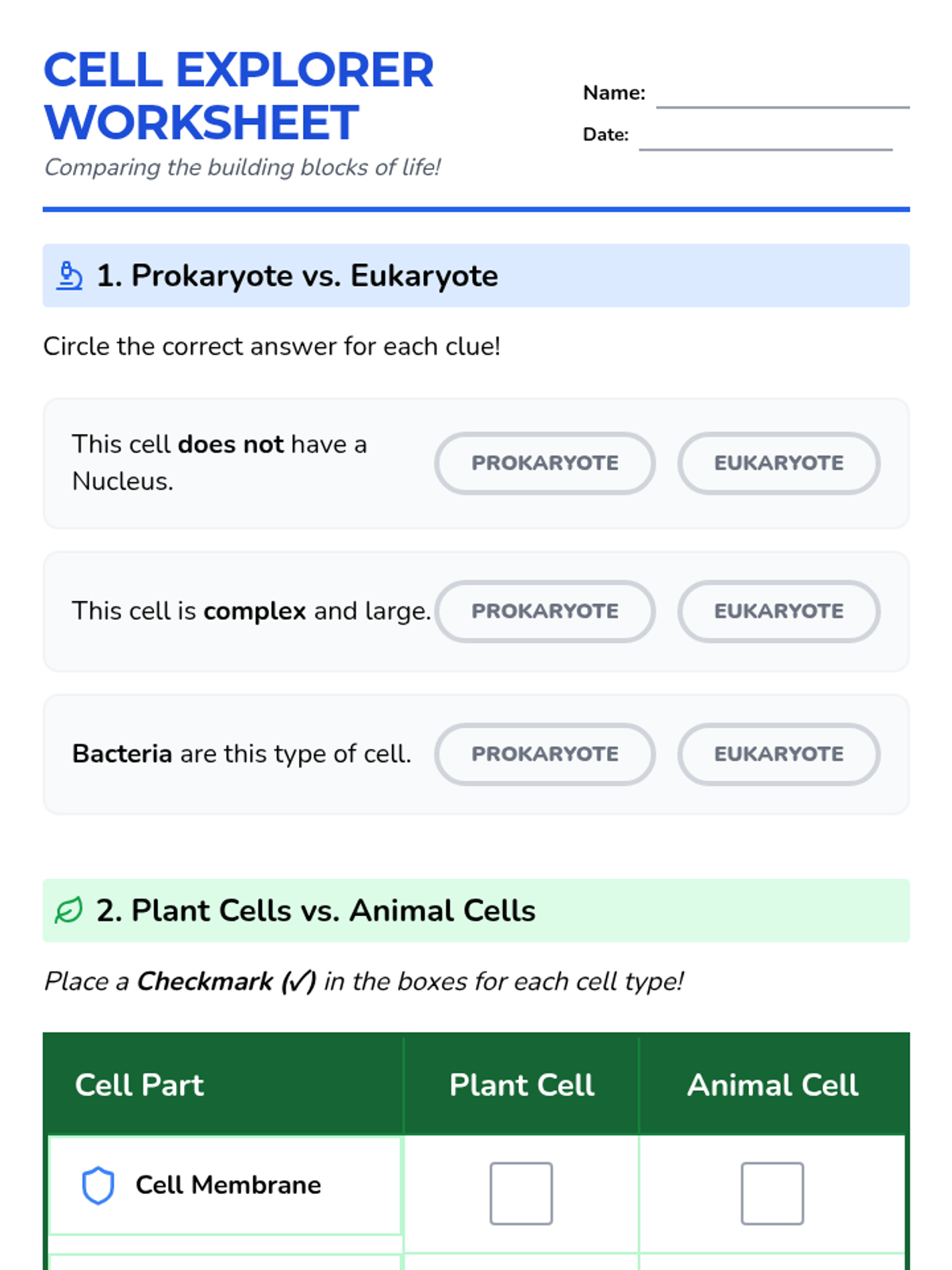
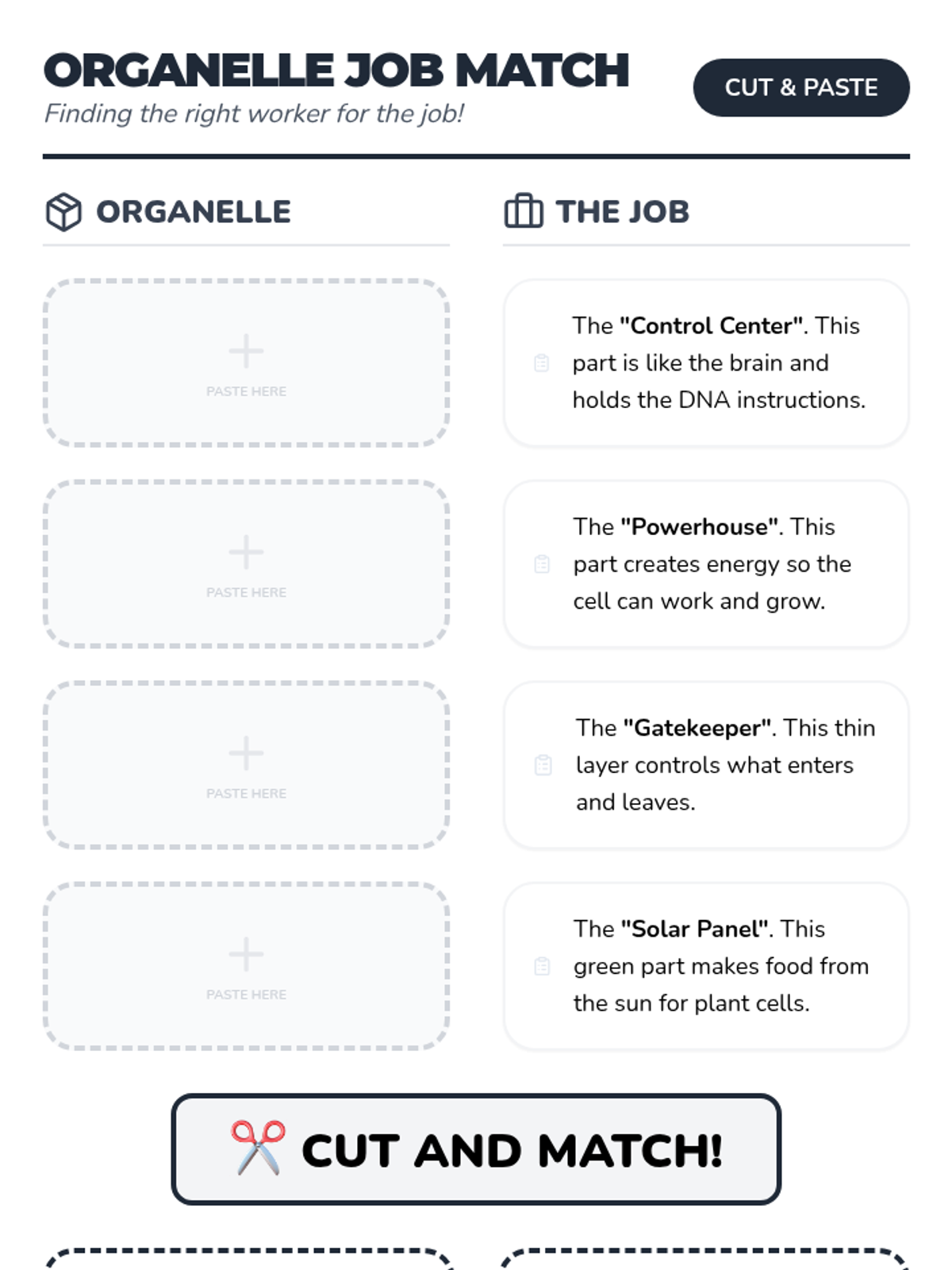
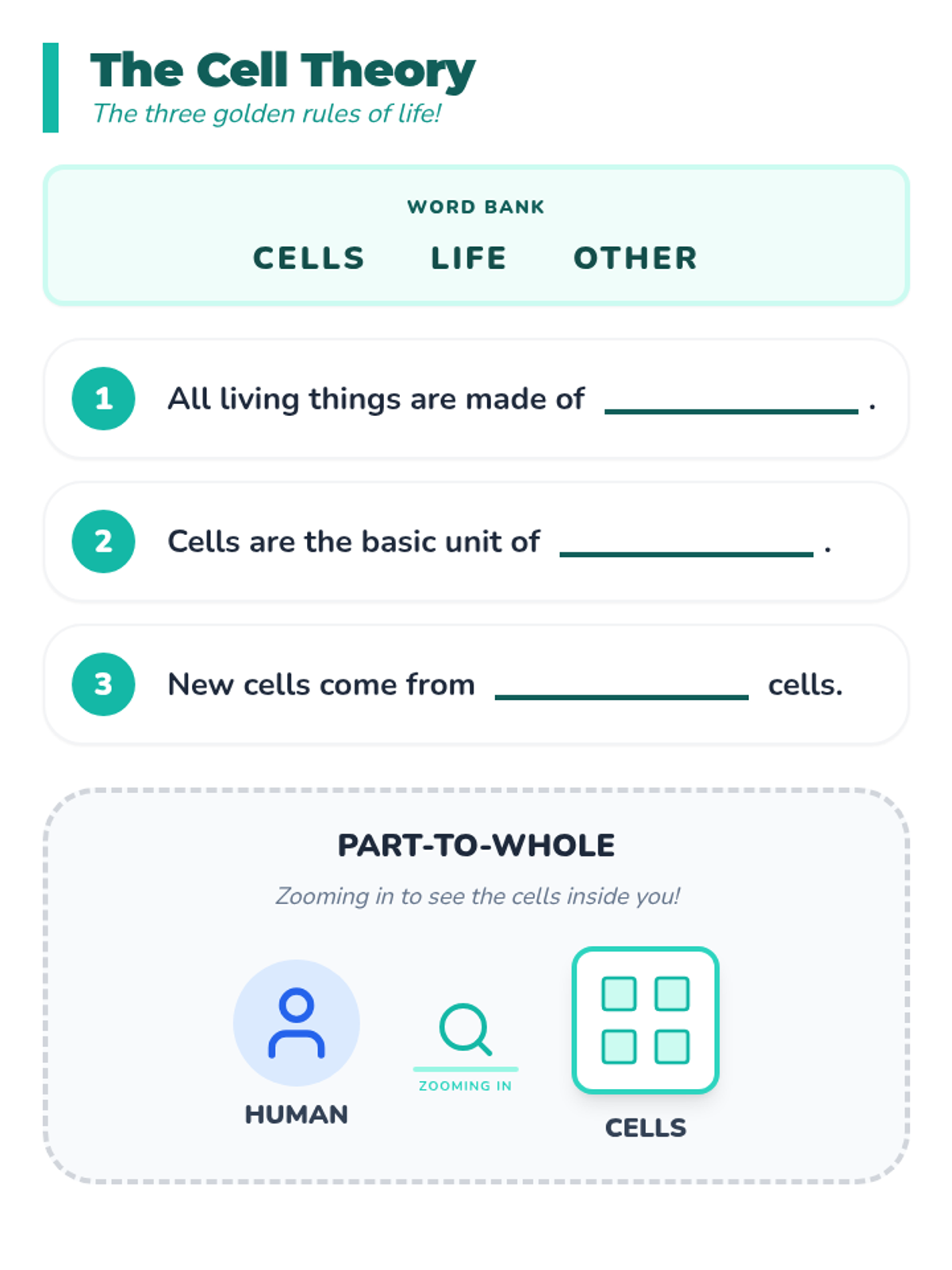
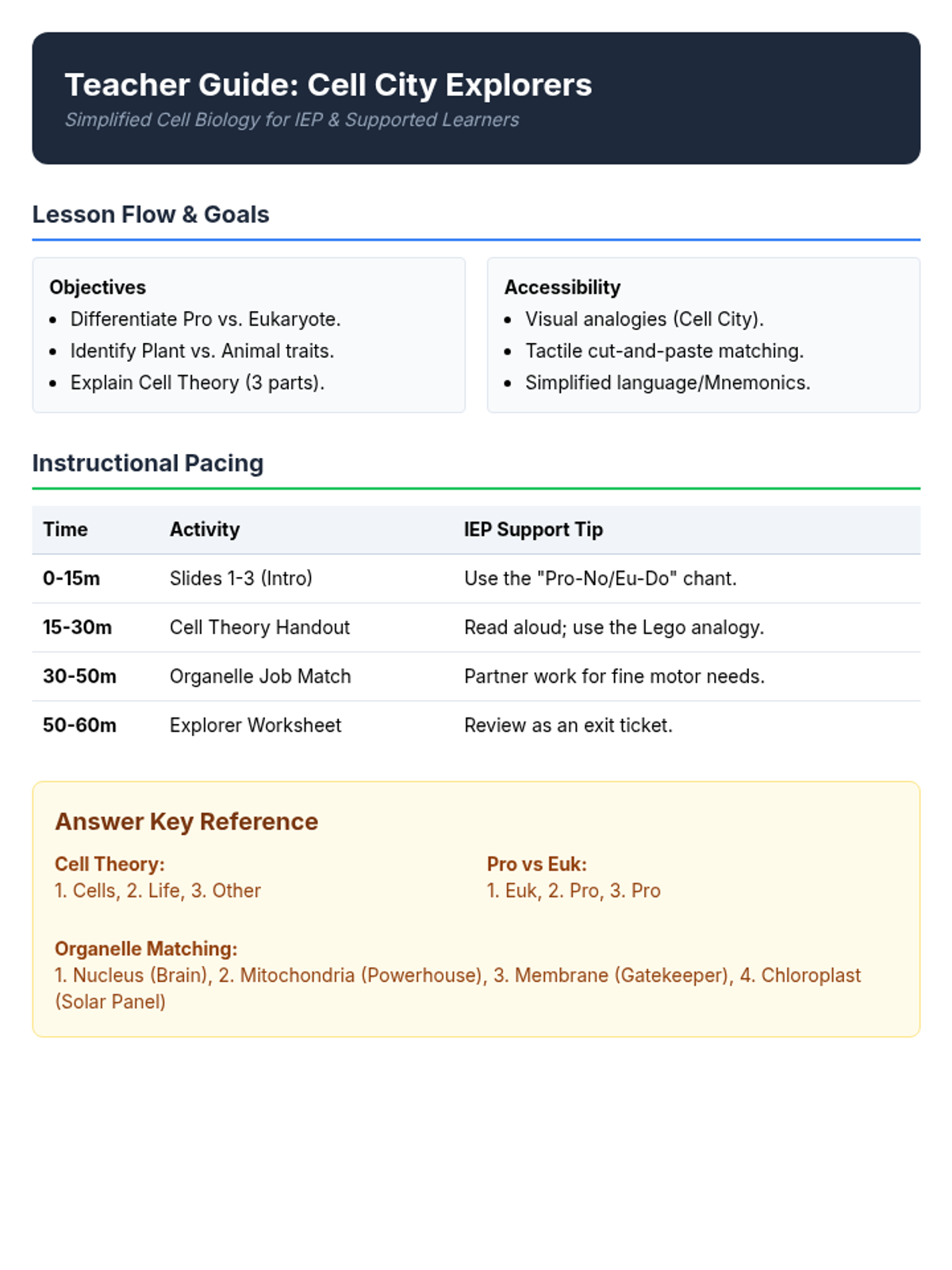
A simplified introduction to cell biology focusing on the differences between cell types and the functions of organelles using visual aids and hands-on activities.
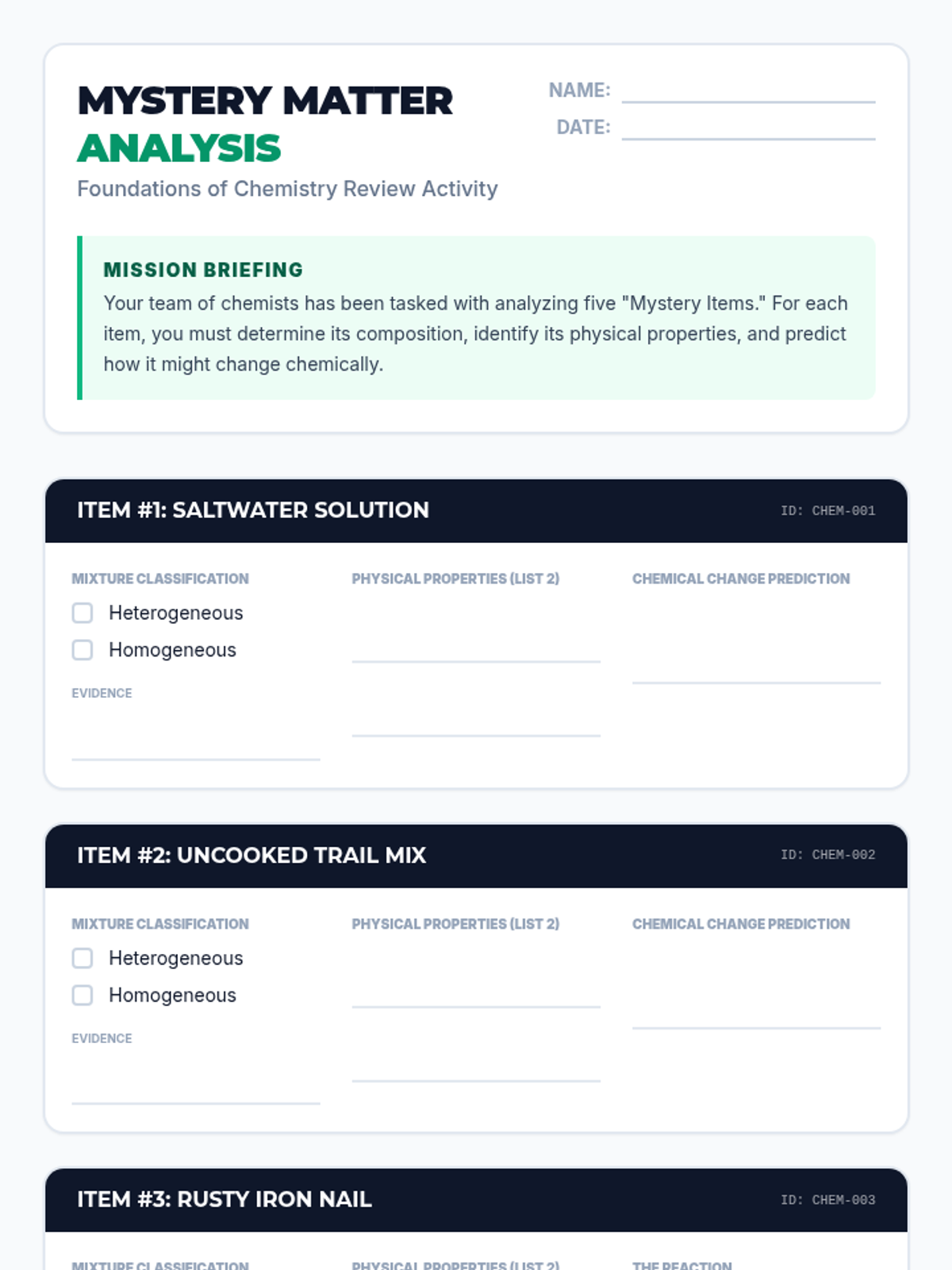
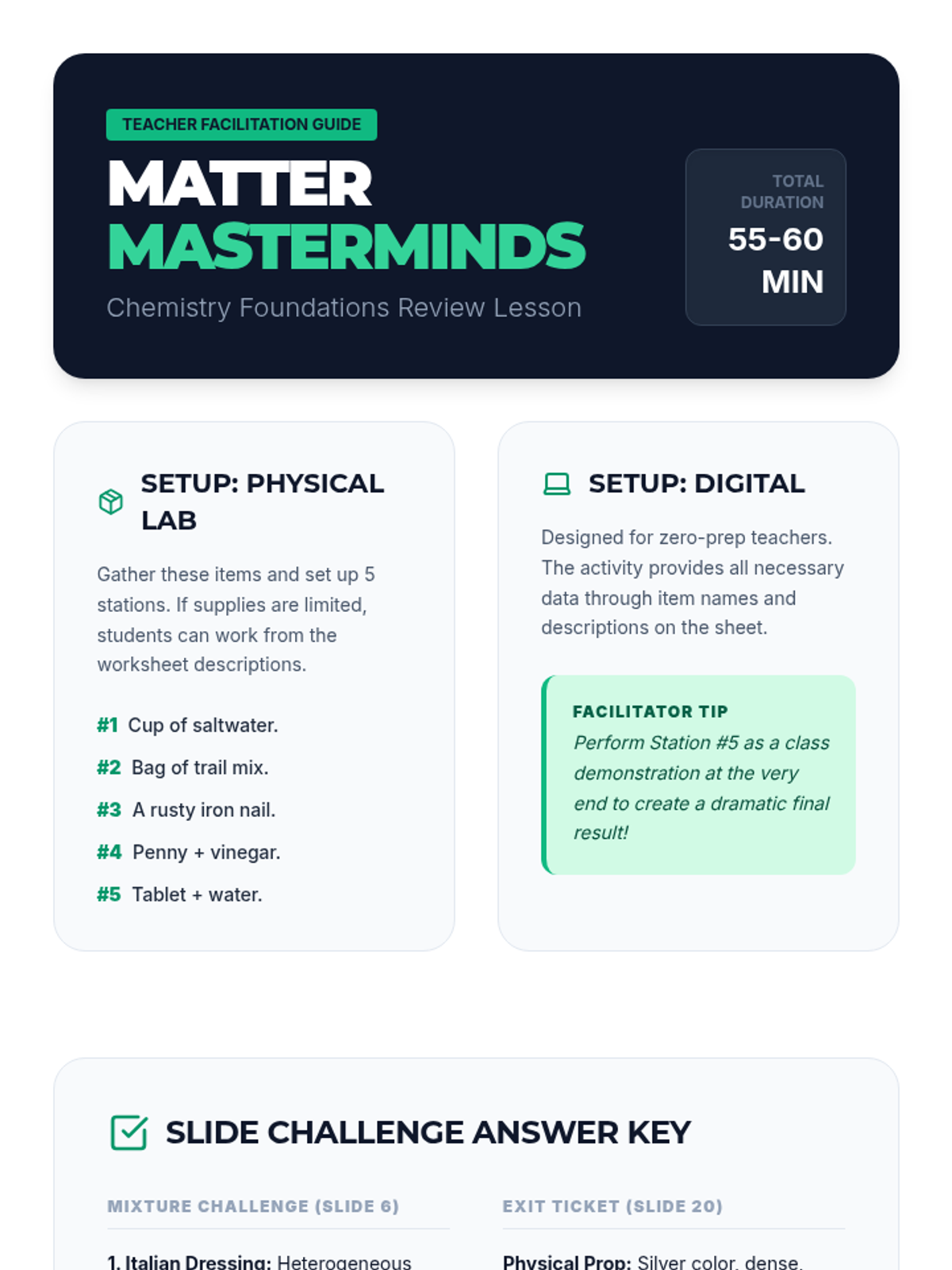
A comprehensive review lesson covering the core foundations of chemistry, including mixtures, properties, and changes through an interactive presentation and a hands-on group analysis activity.
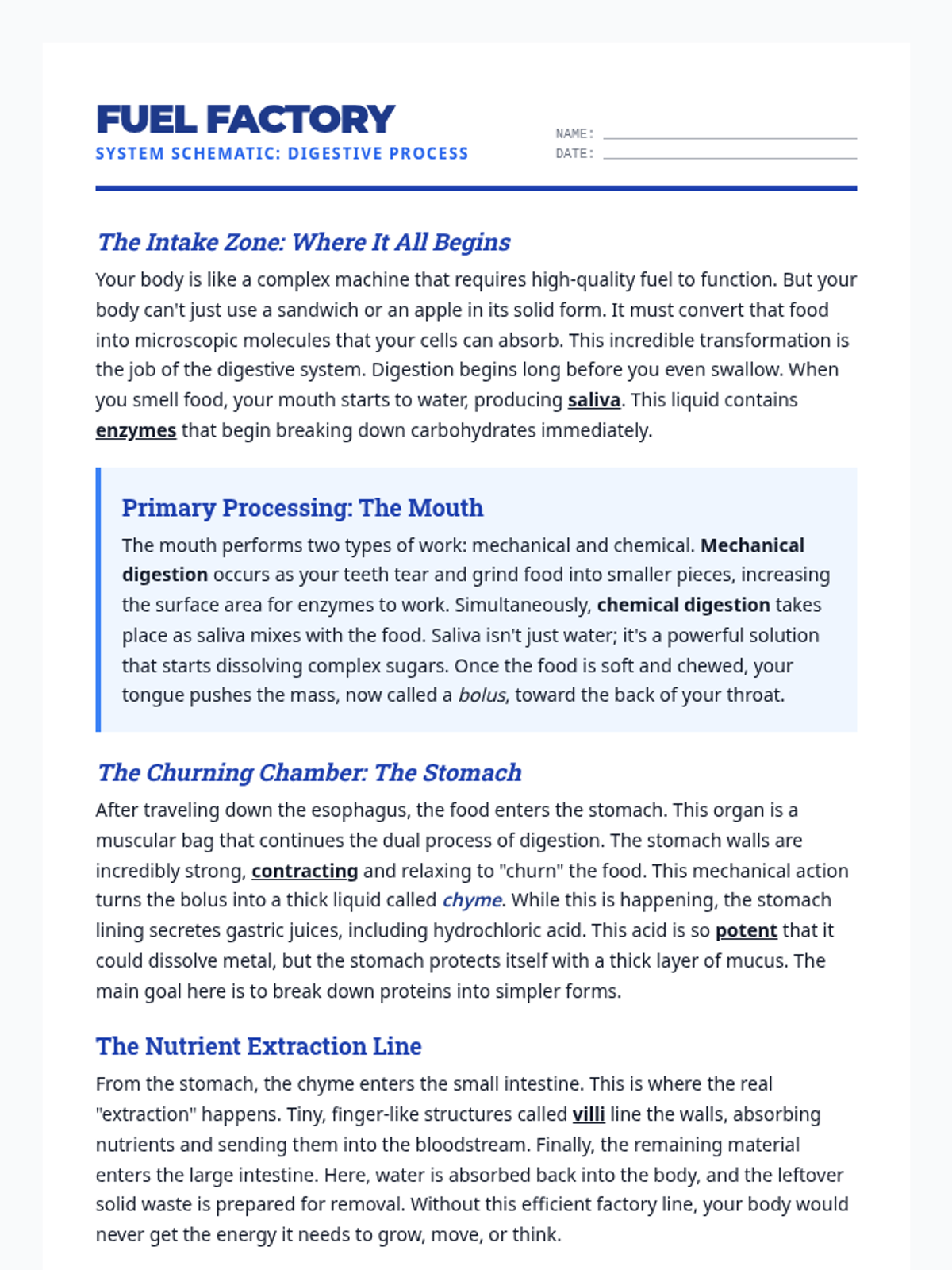
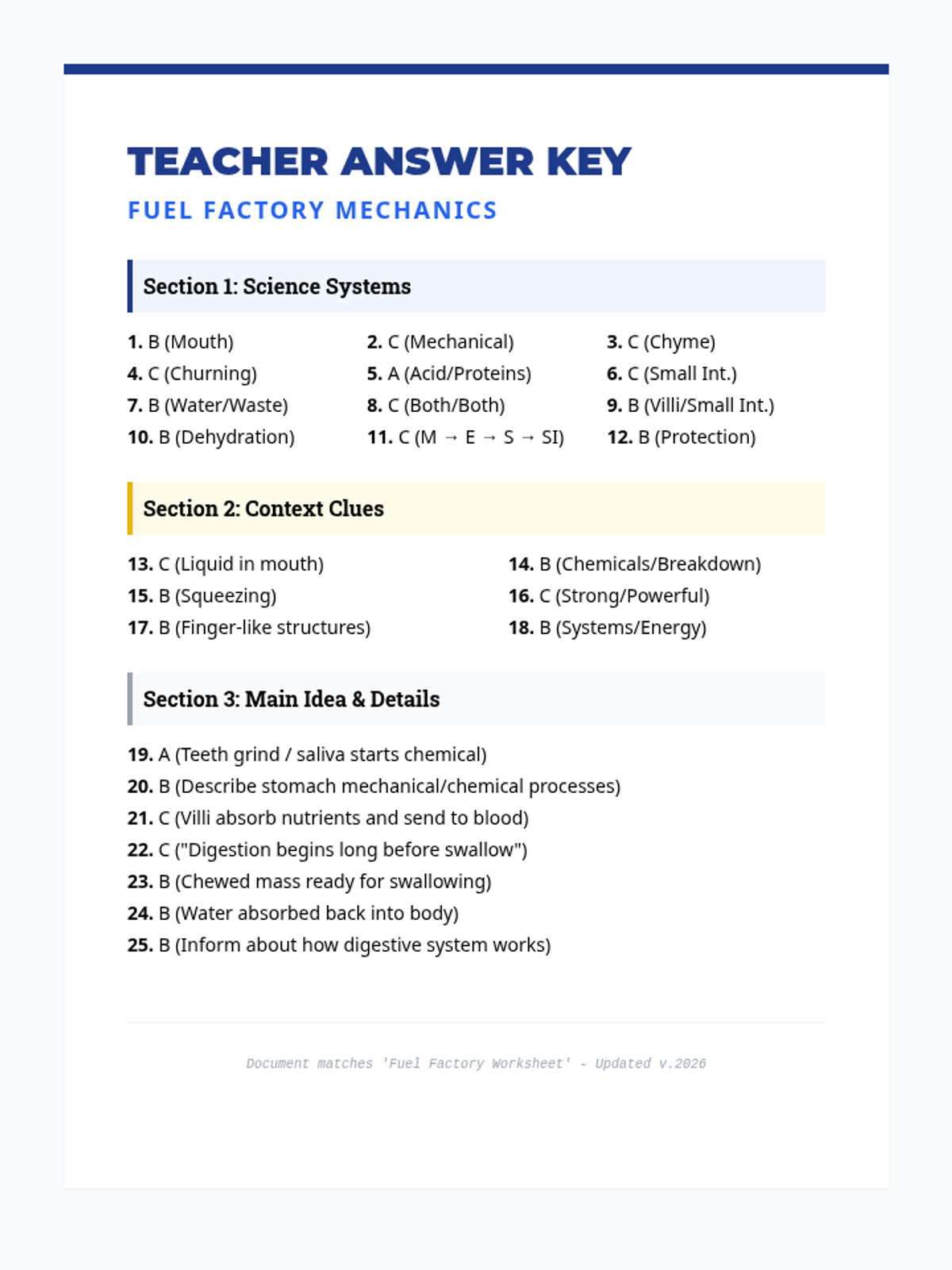
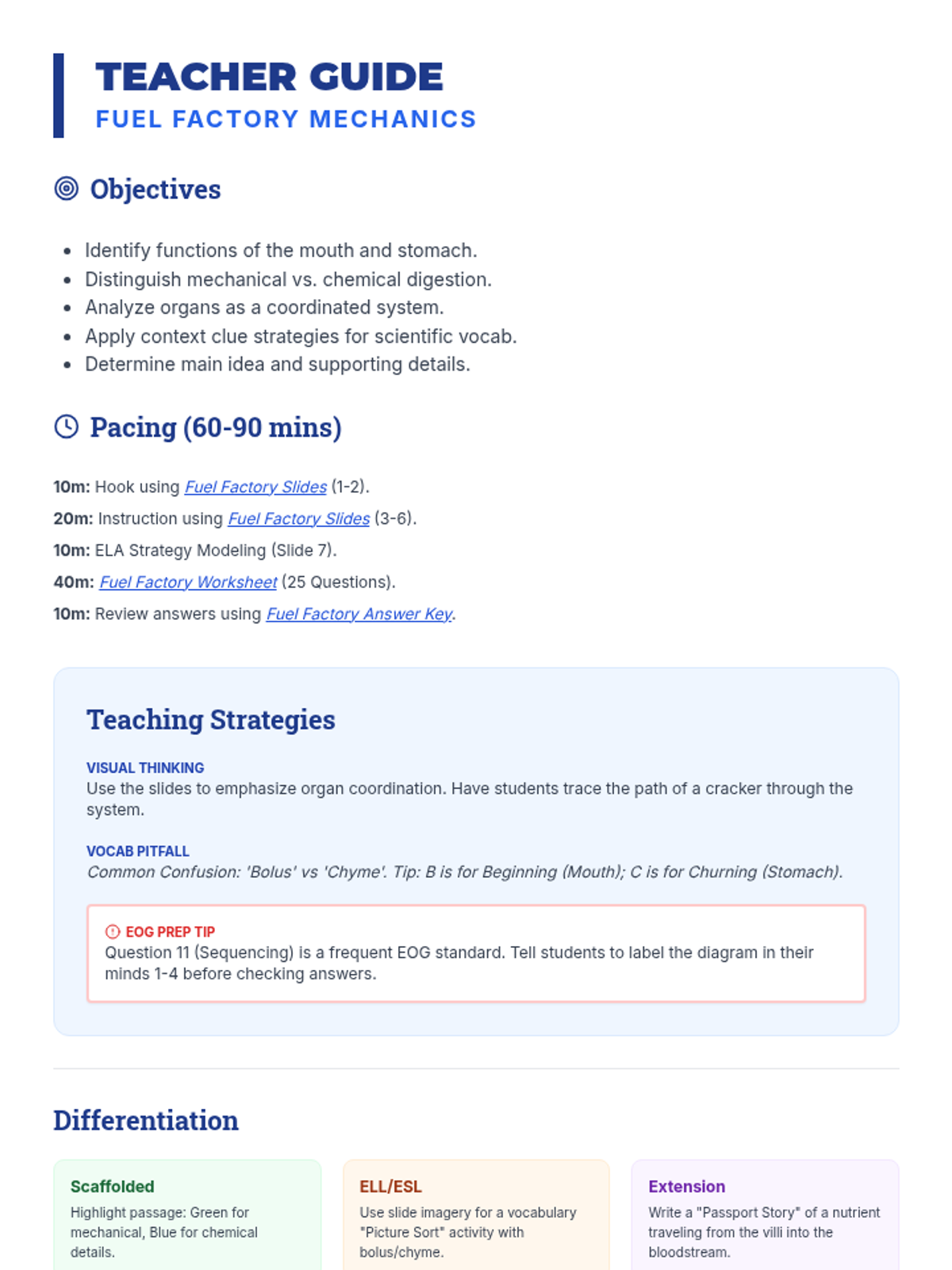
A comprehensive lesson on the human digestive system, focusing on the mechanical and chemical processes of the mouth and stomach while integrating ELA standards for context clues and main idea.
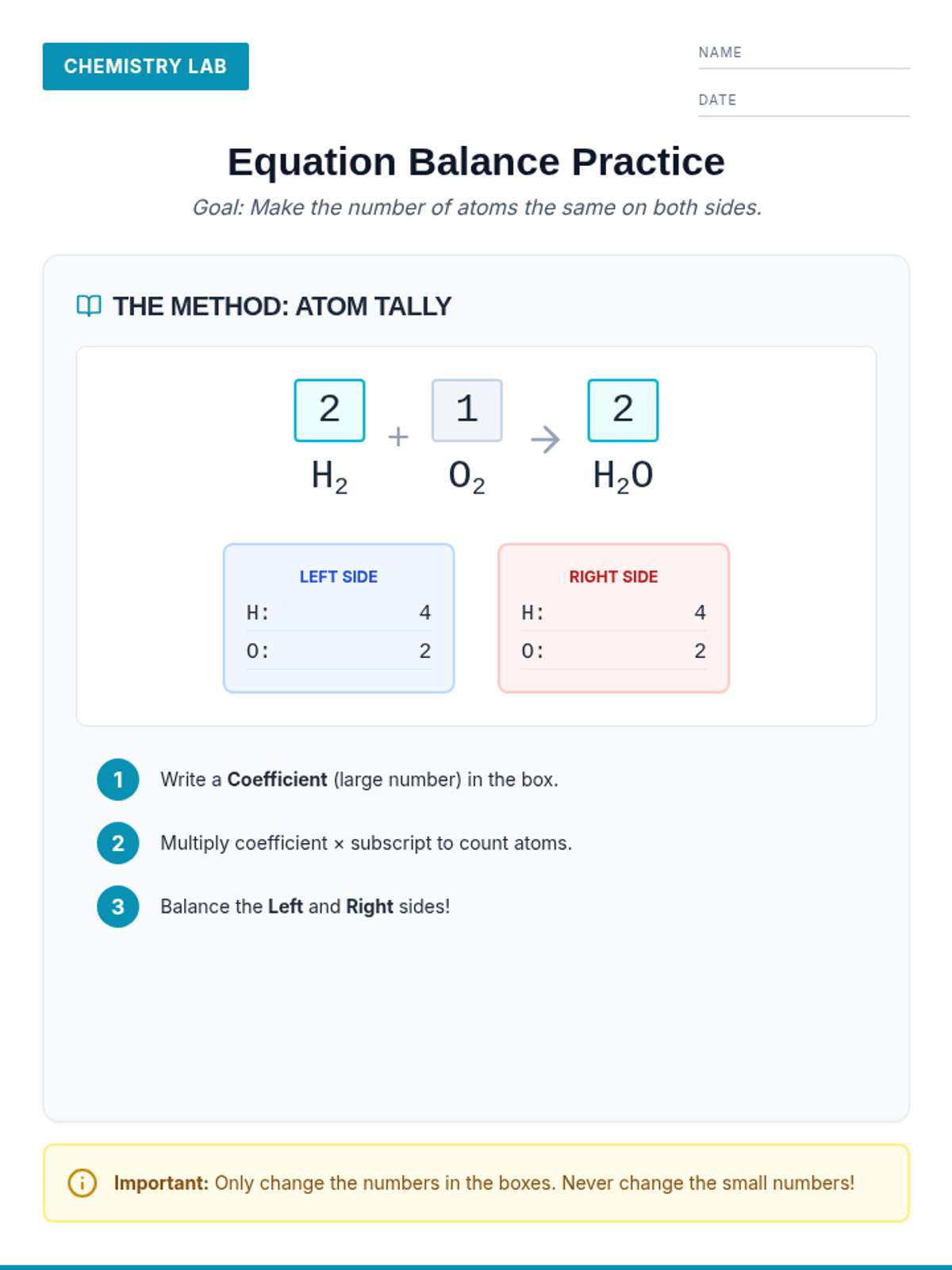
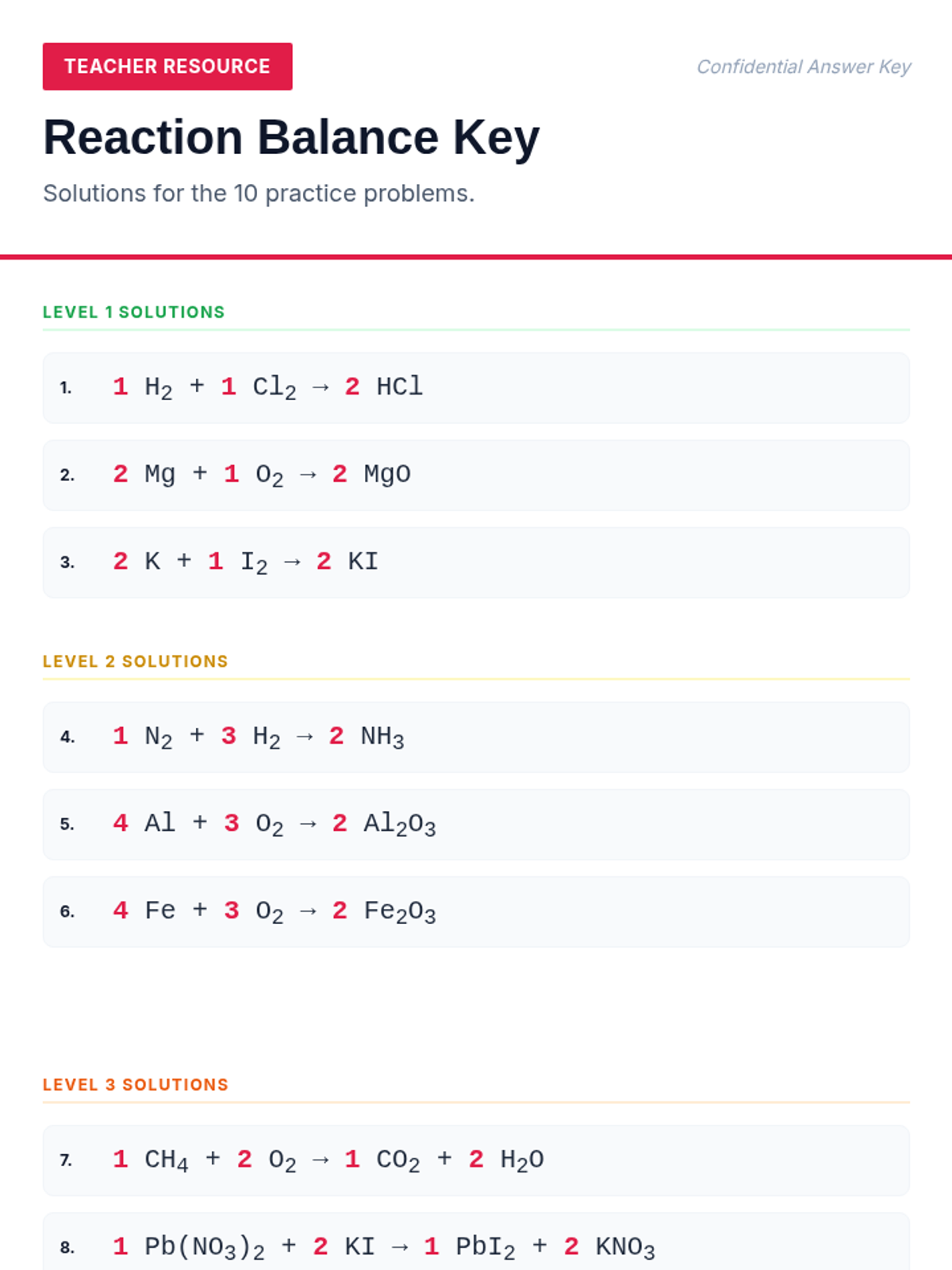
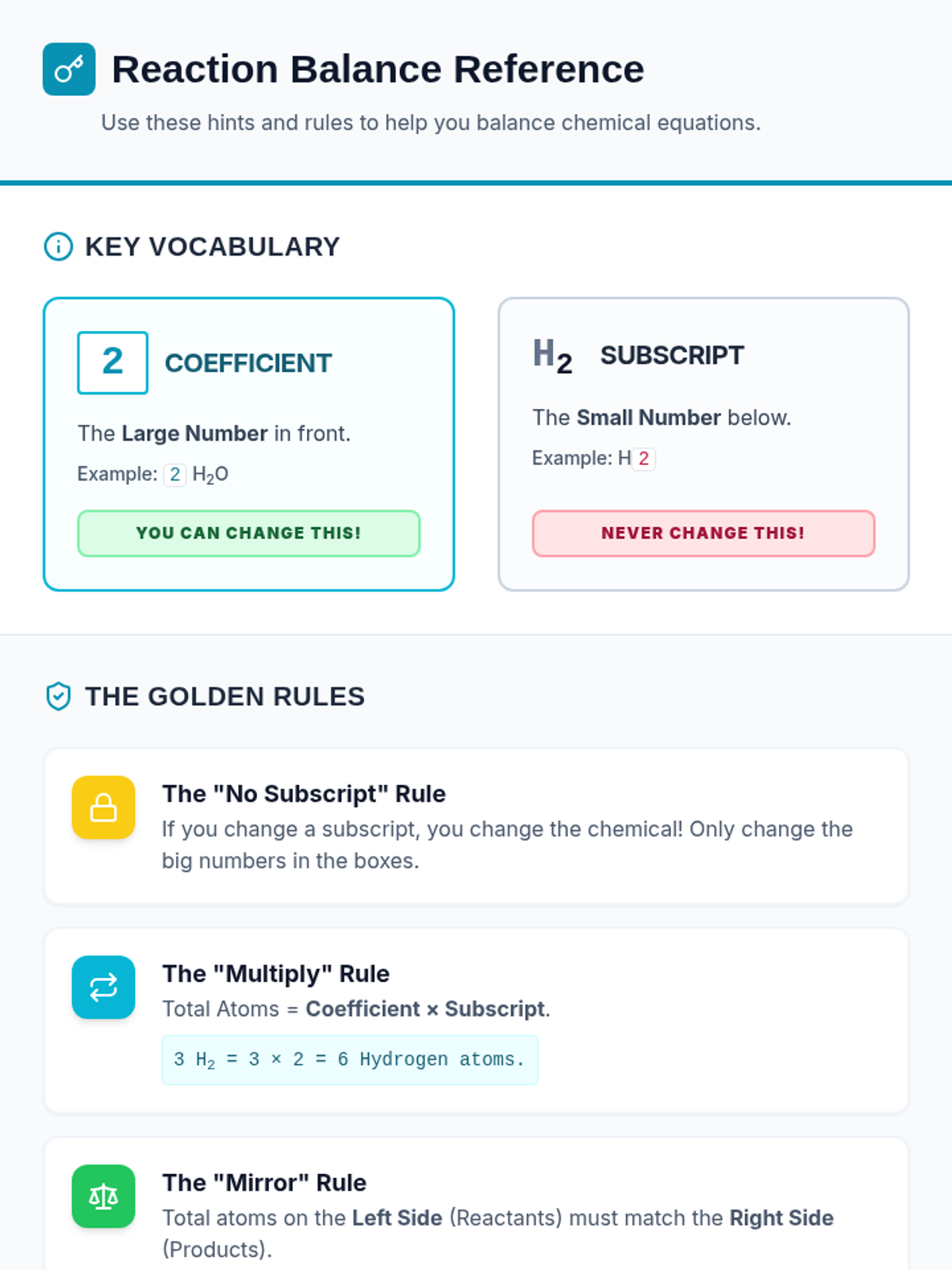
A chemistry lesson focused on the foundational skill of balancing chemical equations, designed for English Language Learners with visual supports and a progressive difficulty structure.
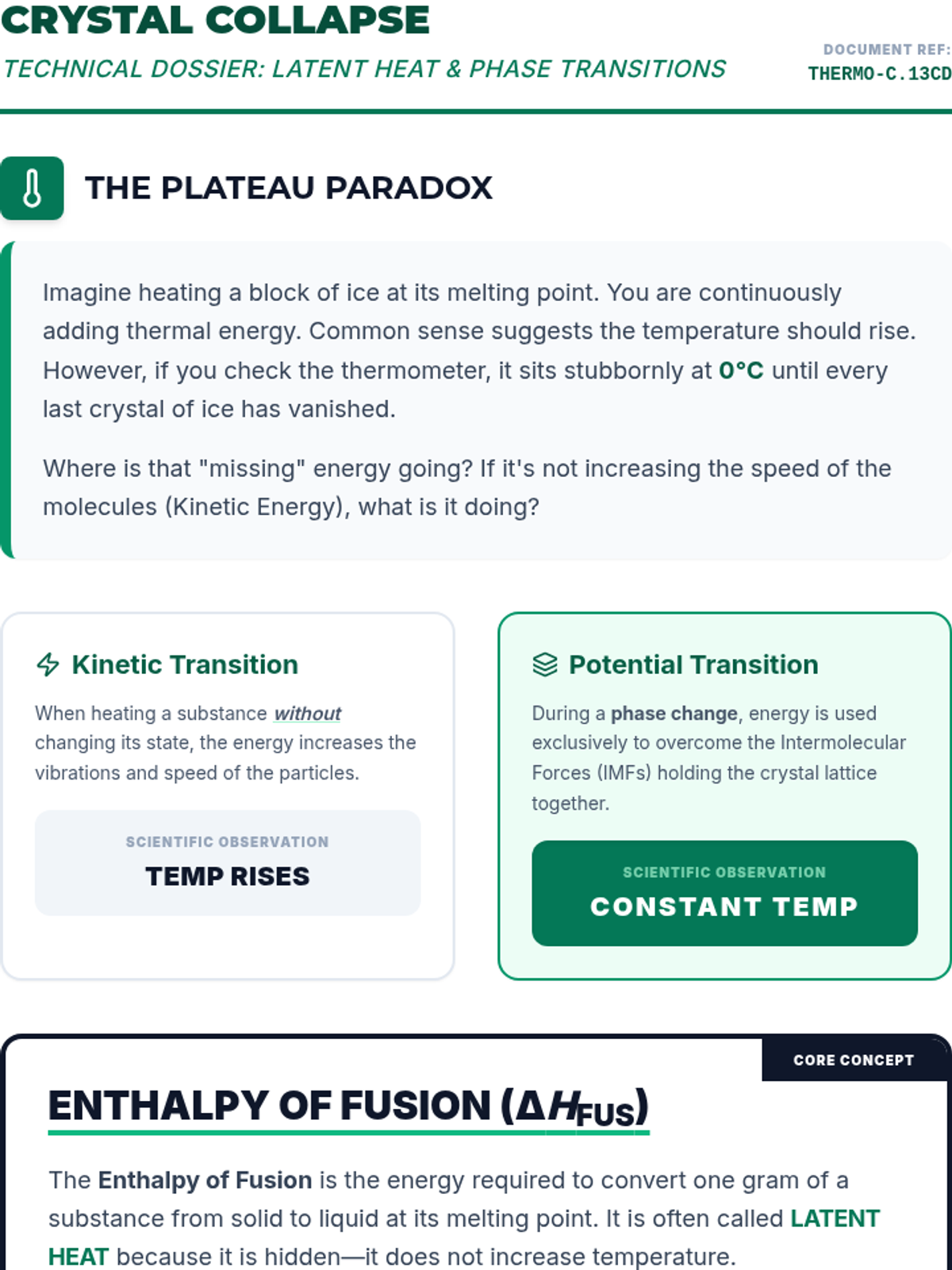
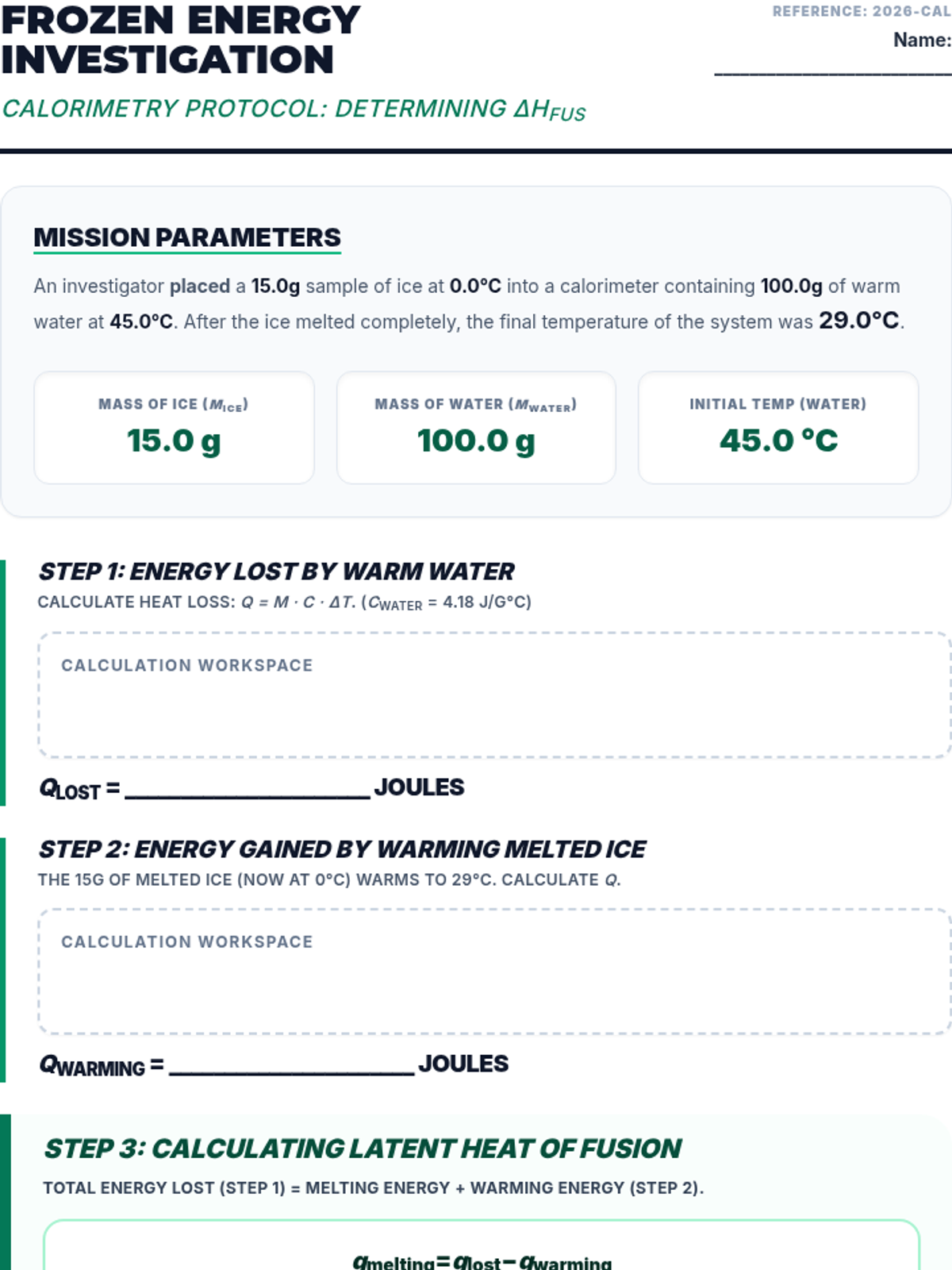
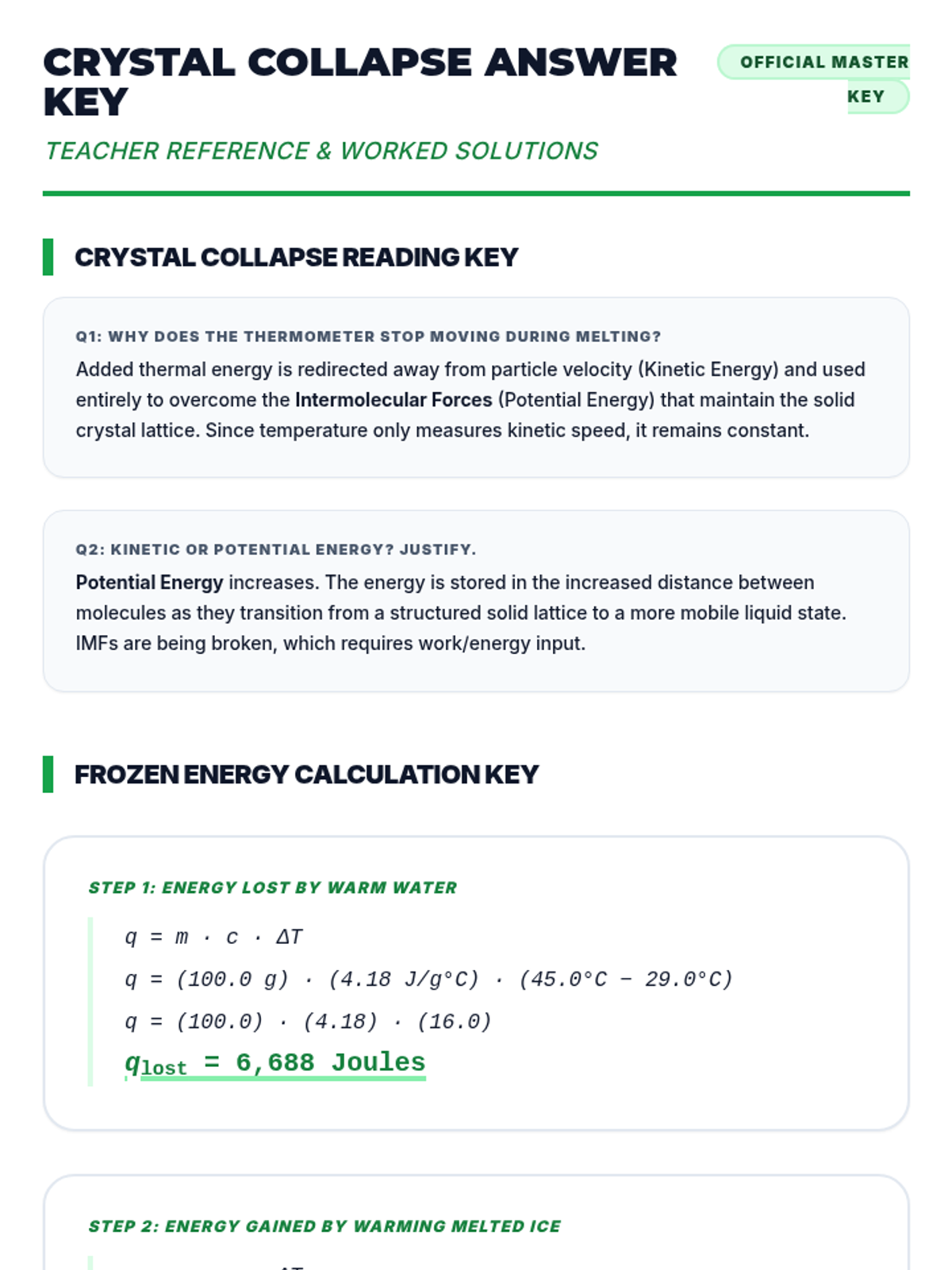
A quantitative investigation into latent heat. Students use calorimetry data to calculate the enthalpy of fusion for ice and model the molecular-level energy transitions that occur during phase change plateaus.
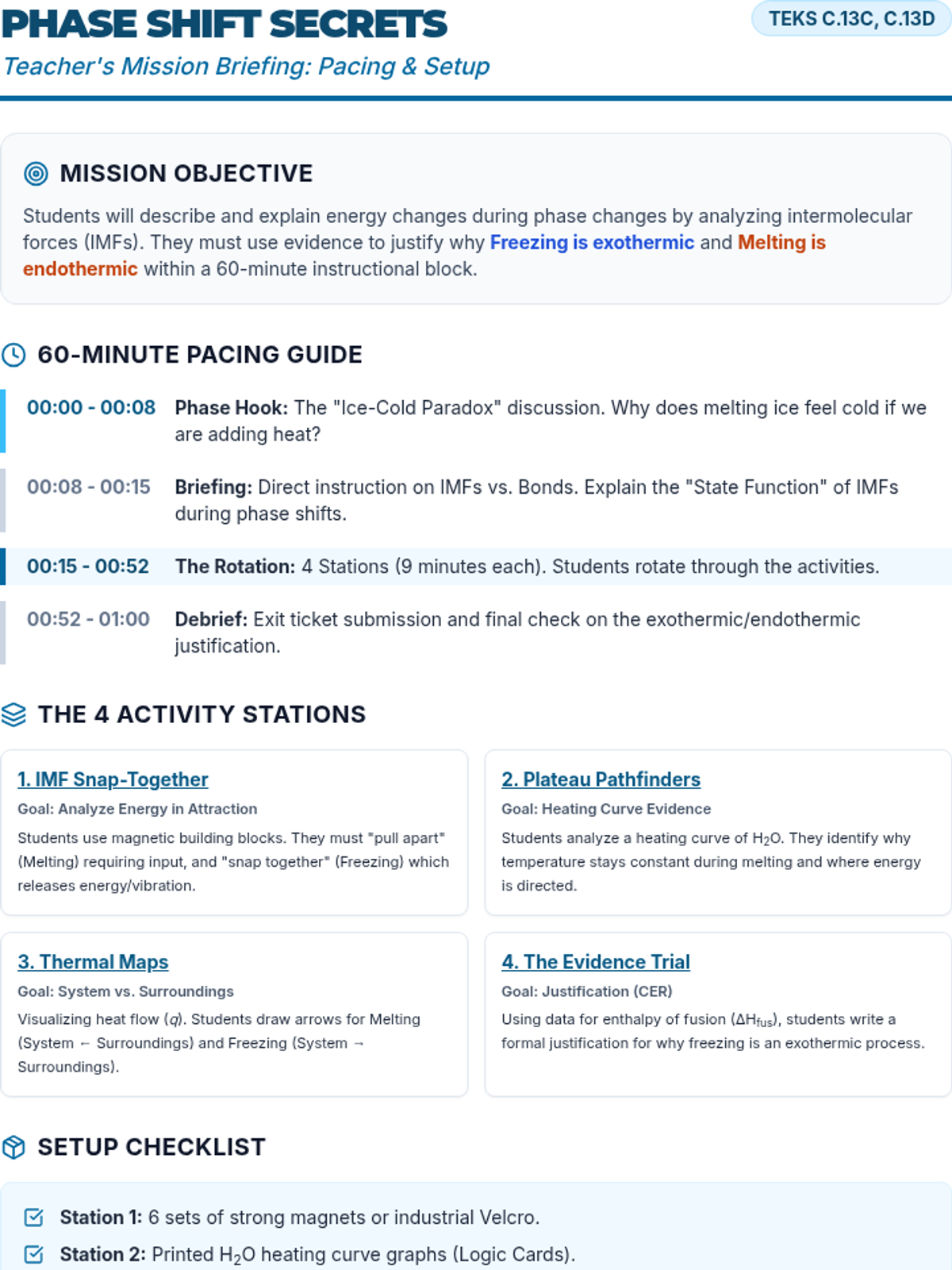
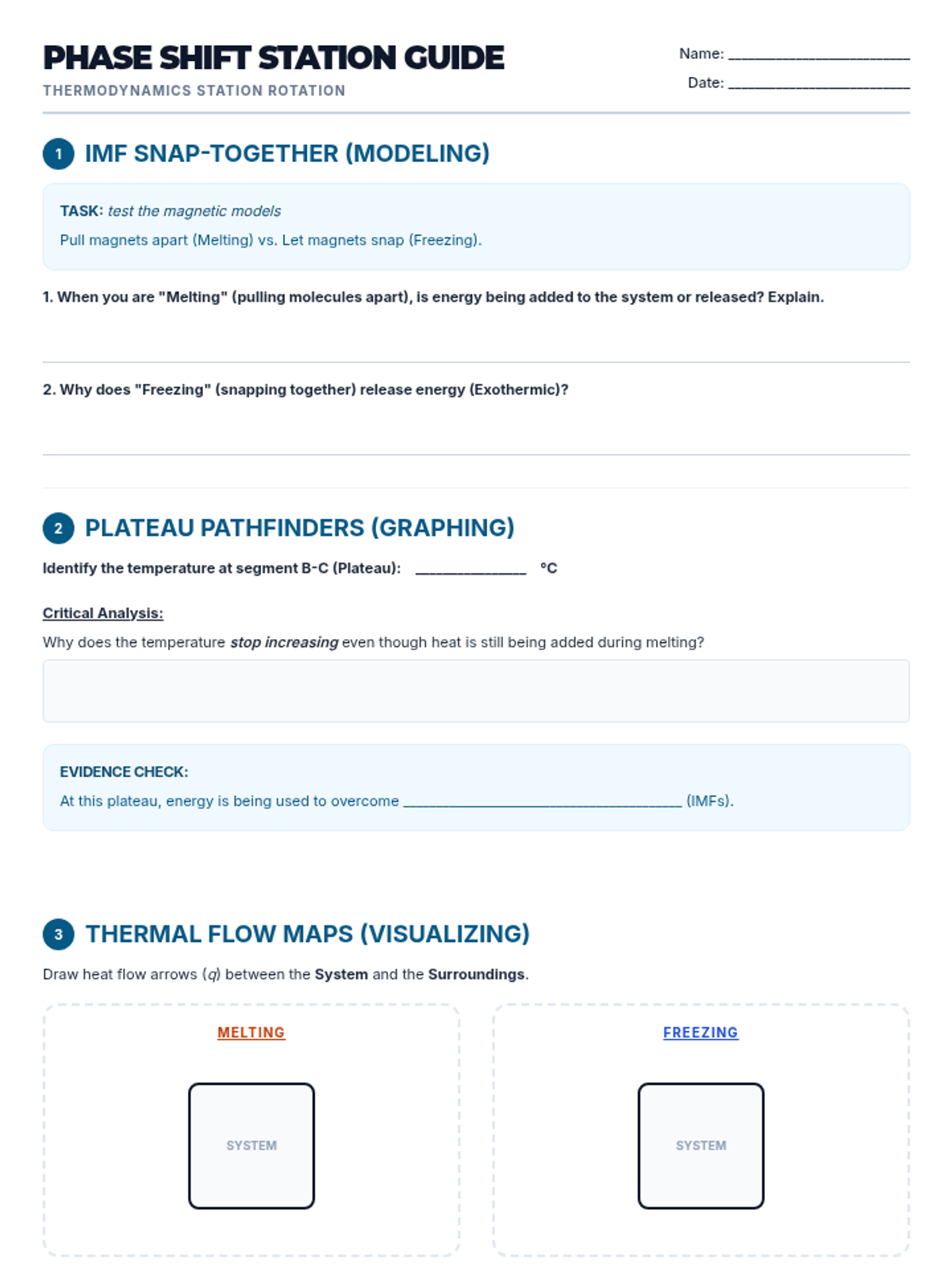
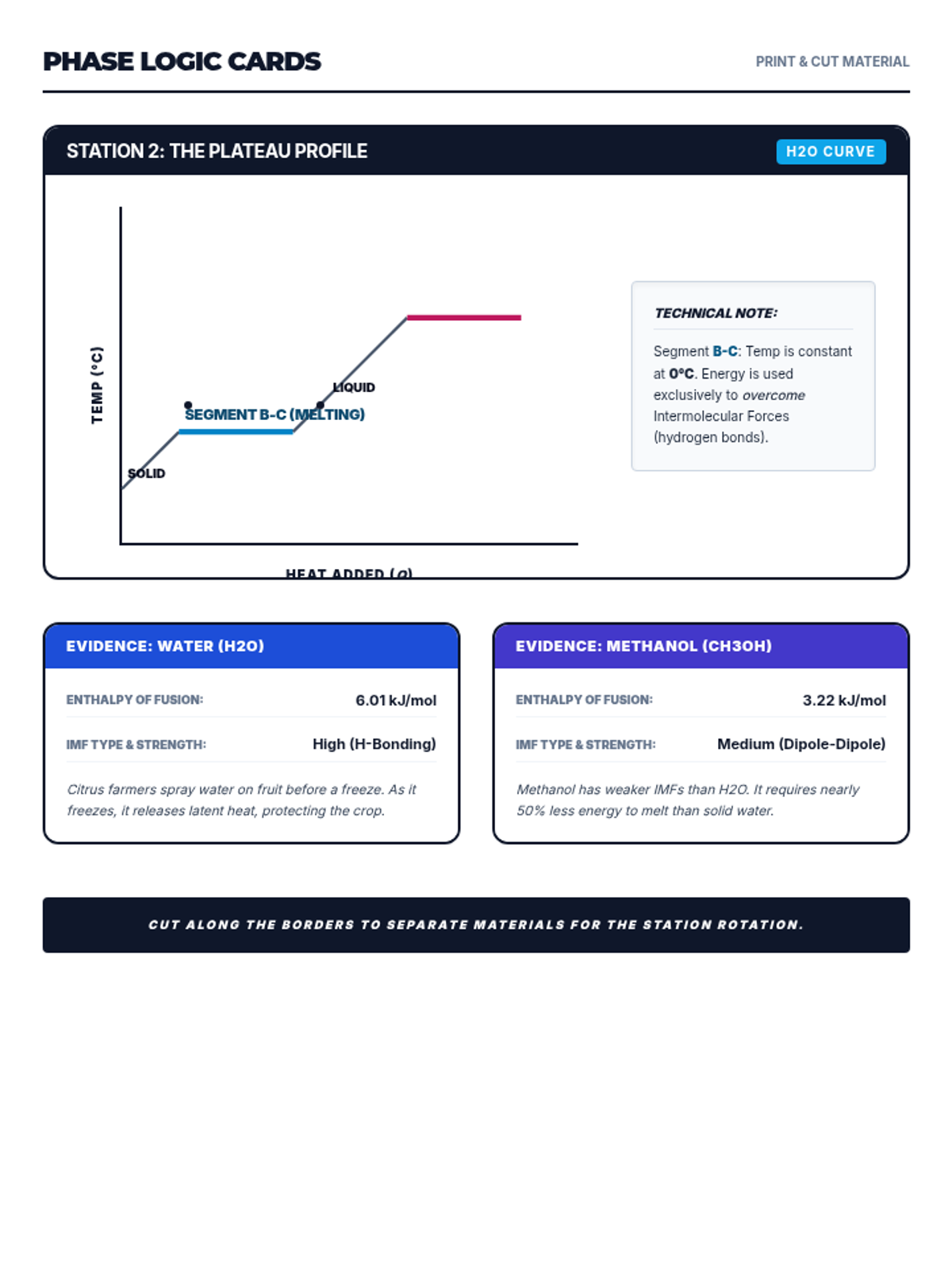
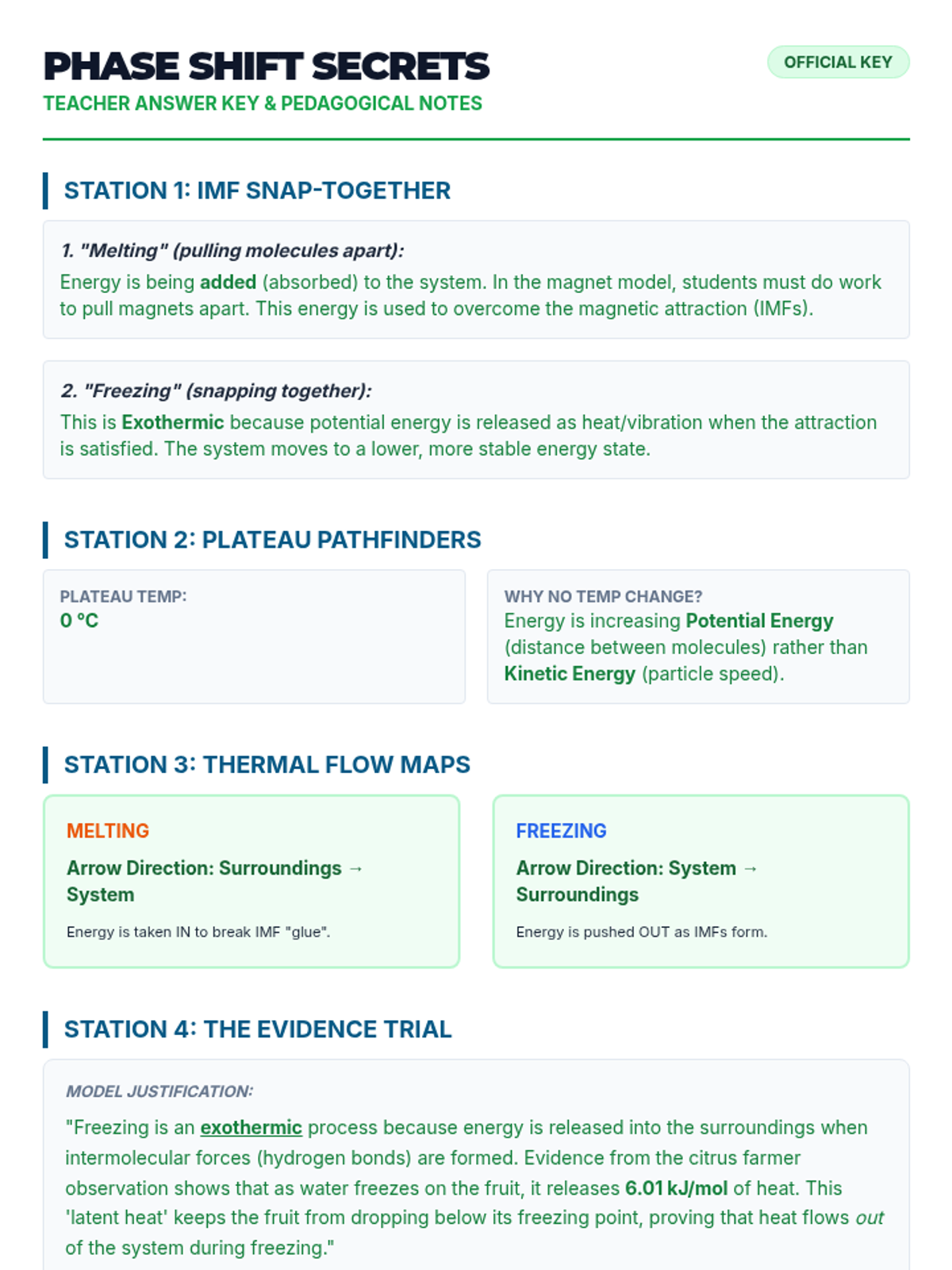
A high-energy, station-based lesson where students investigate the thermodynamics of phase changes. Students analyze intermolecular forces to explain why melting is endothermic and freezing is exothermic, using evidence from heating curves and molecular models.
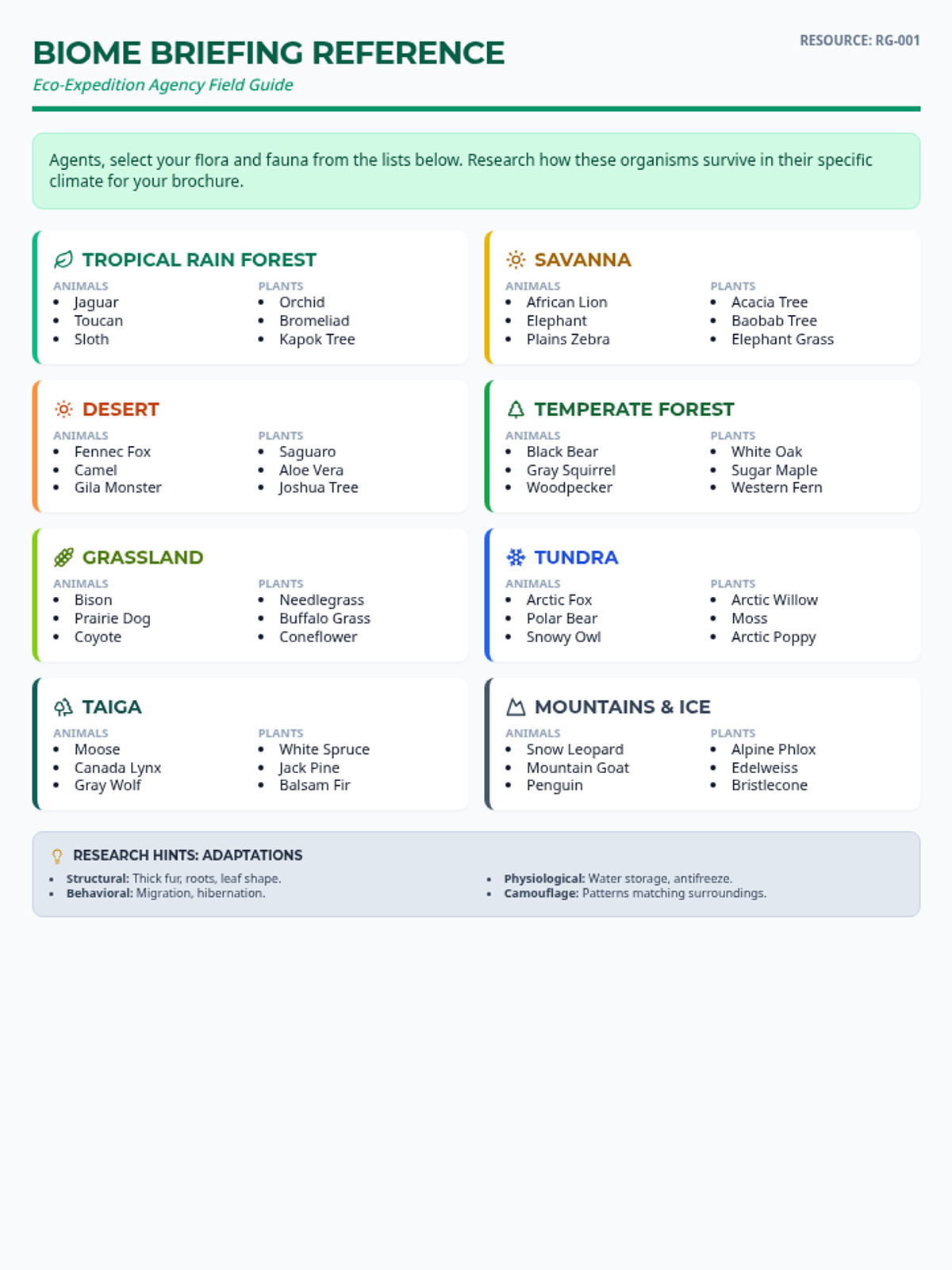
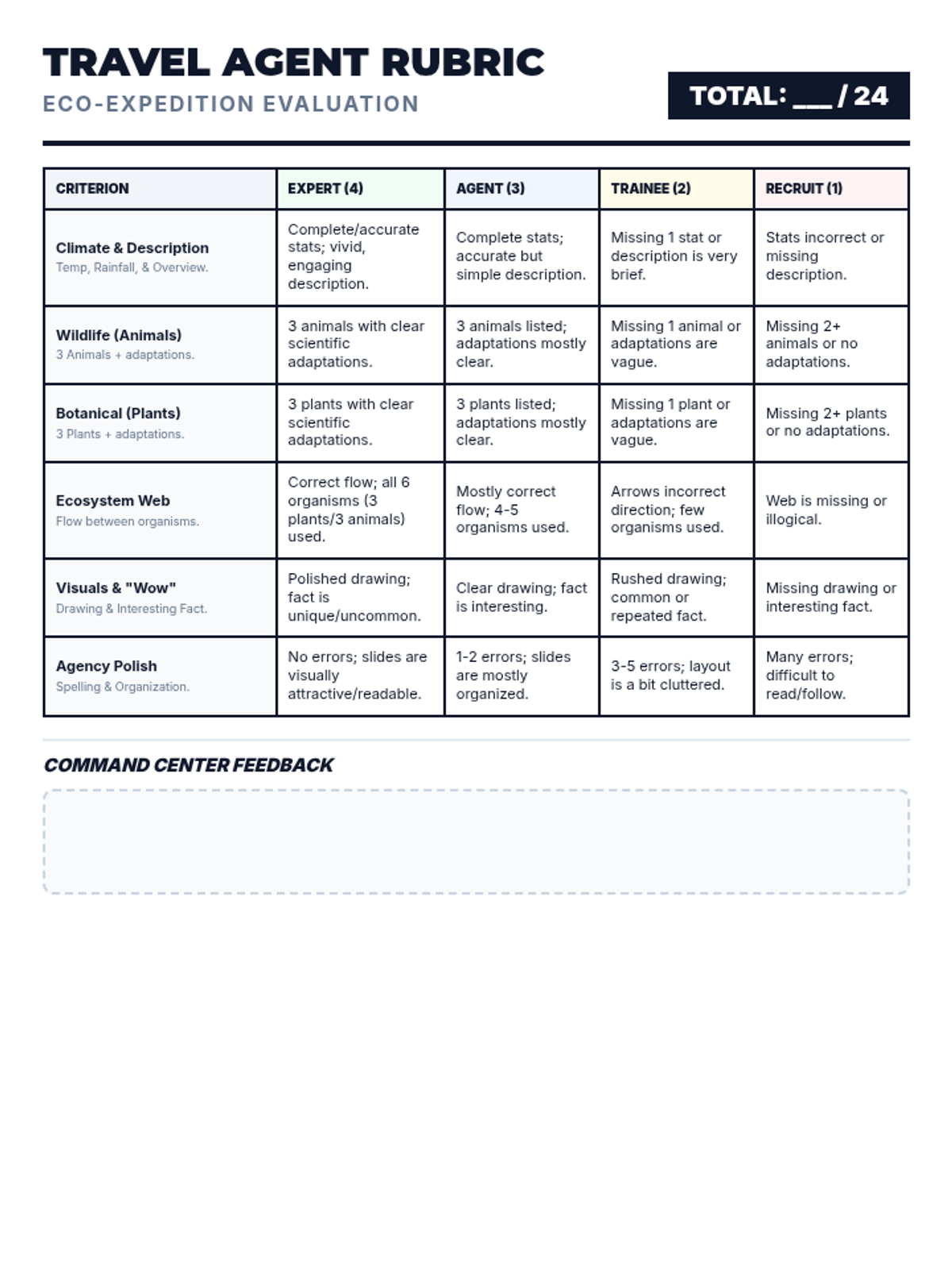
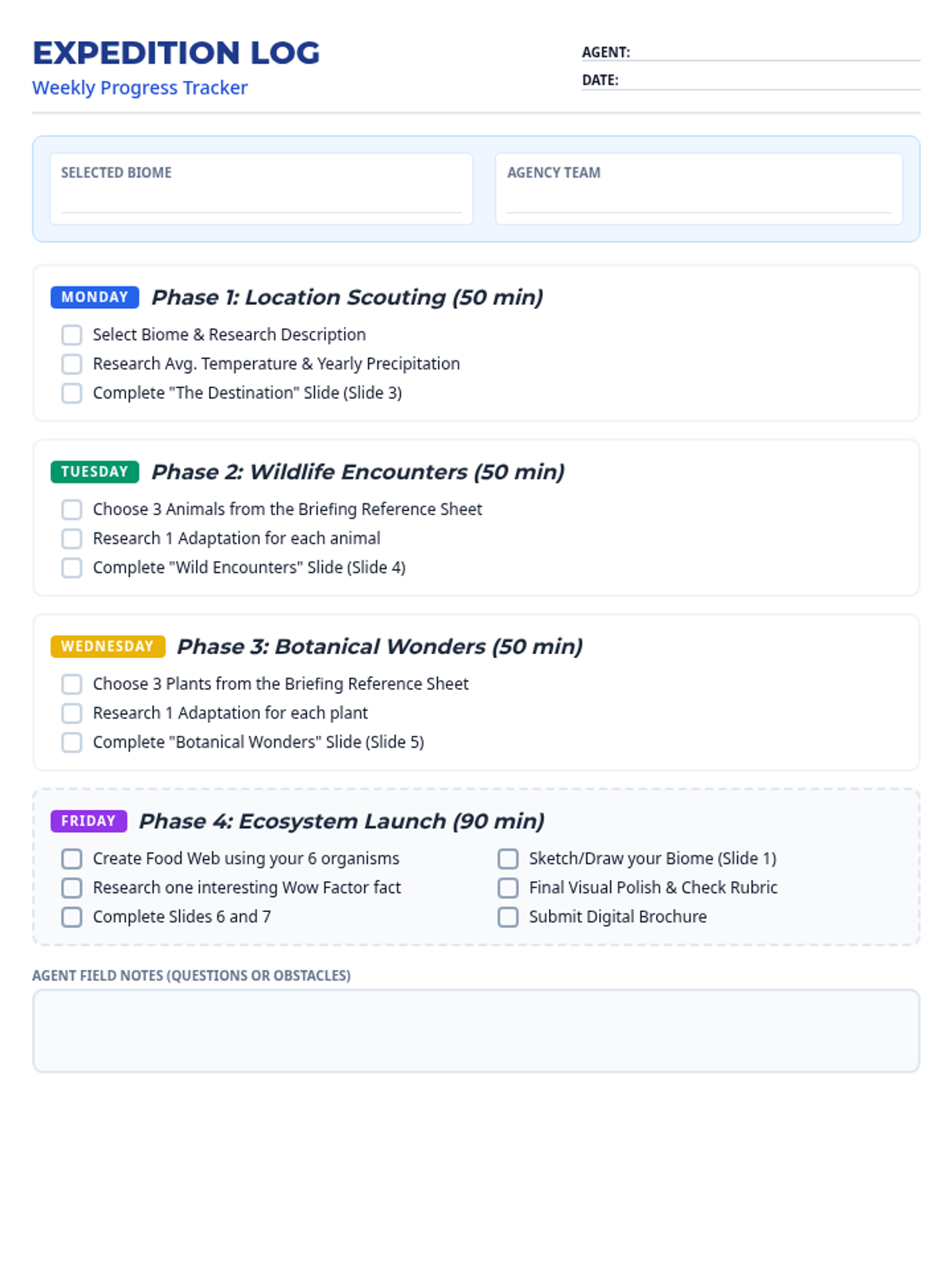
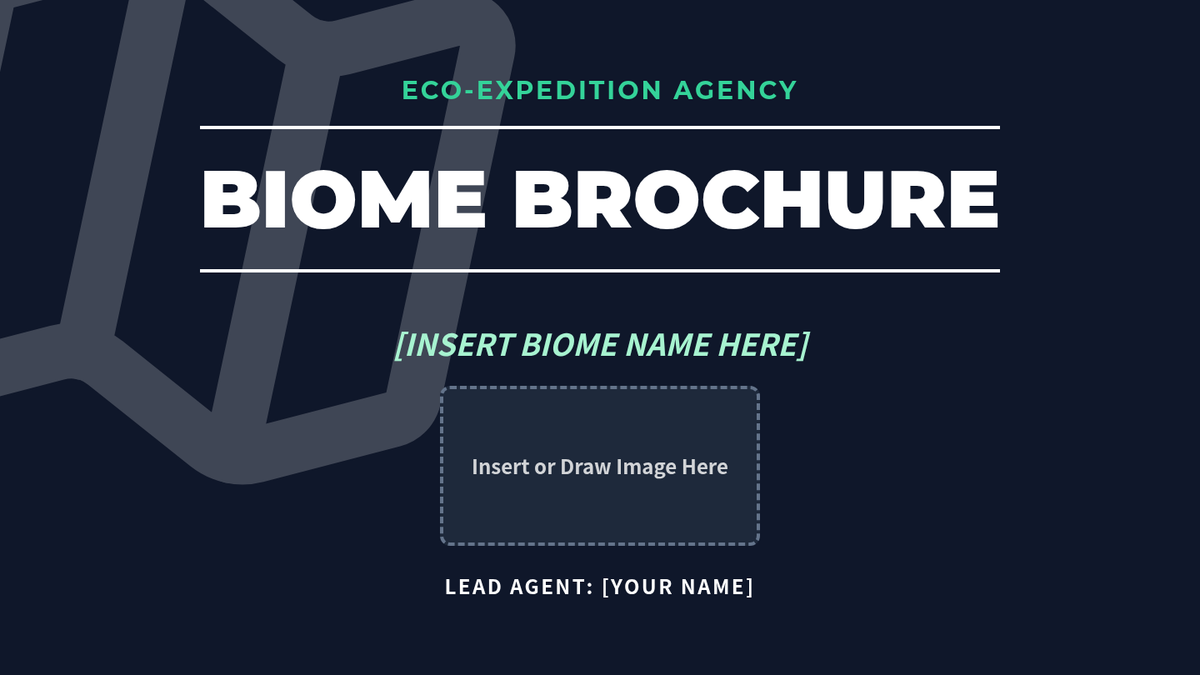
A week-long project where students act as travel agents for the Eco-Expedition Agency, creating digital brochures (slide presentations) for various global biomes. Students research climate, flora, fauna, and ecological connections to attract 'eco-tourists' to their assigned biome.