An inquiry-driven exploration of liquid volume and capacity for 3rd-grade students. This unit covers conservation of volume, metric units (liters and milliliters), reading graduated cylinders, and the precision required for scientific measurement.
A series of lessons exploring the mysterious and dangerous creatures of the deep ocean, focusing on unique adaptations and survival strategies.
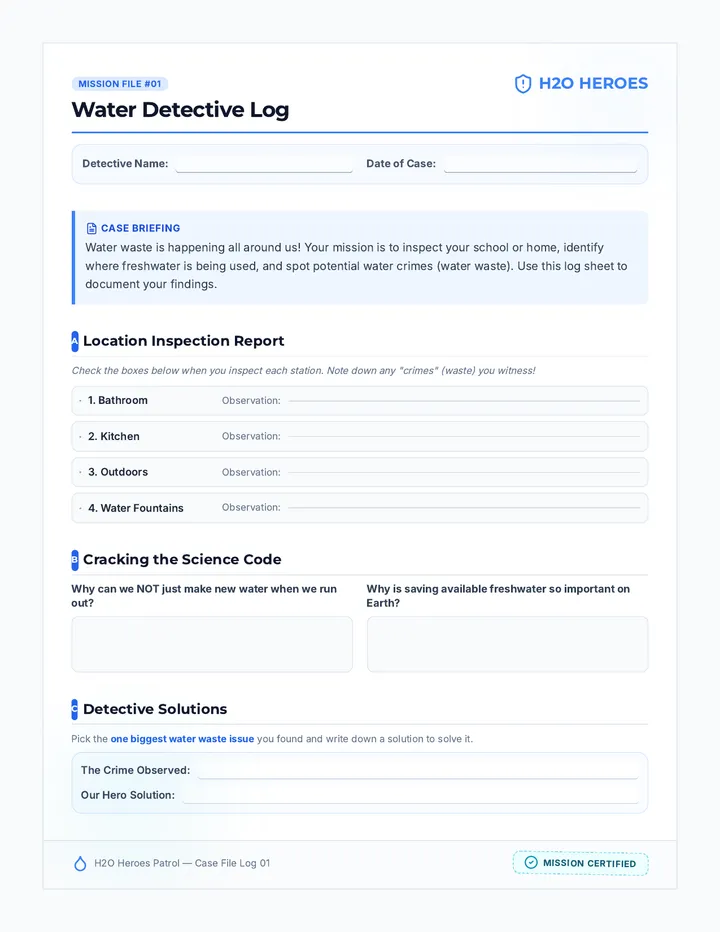
A comprehensive unit focused on environmental stewardship, exploring waste management, conservation, and sustainable living through hands-on activities.
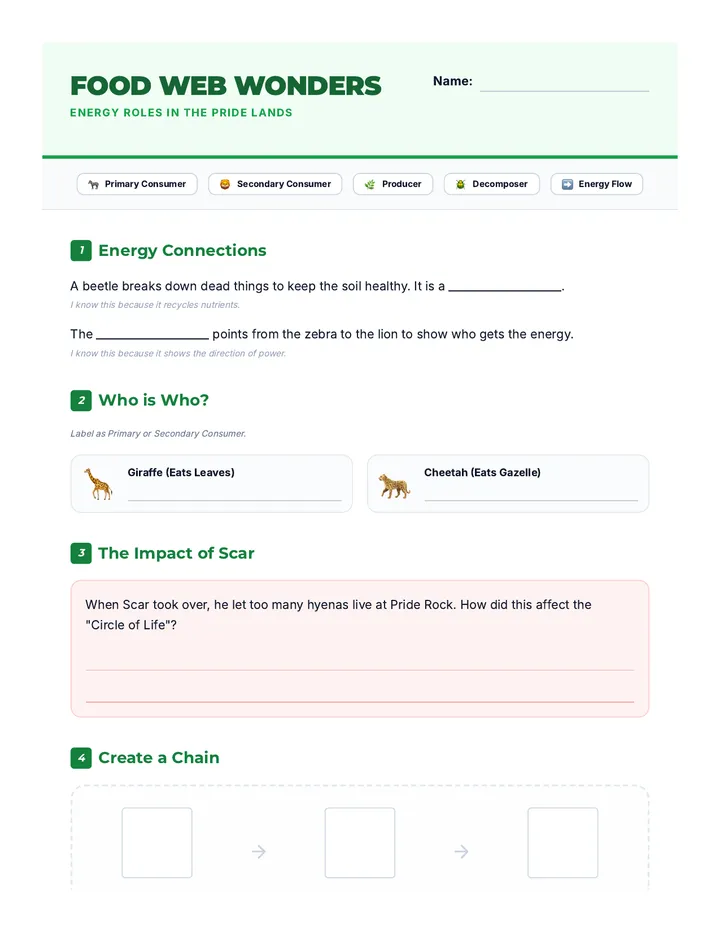
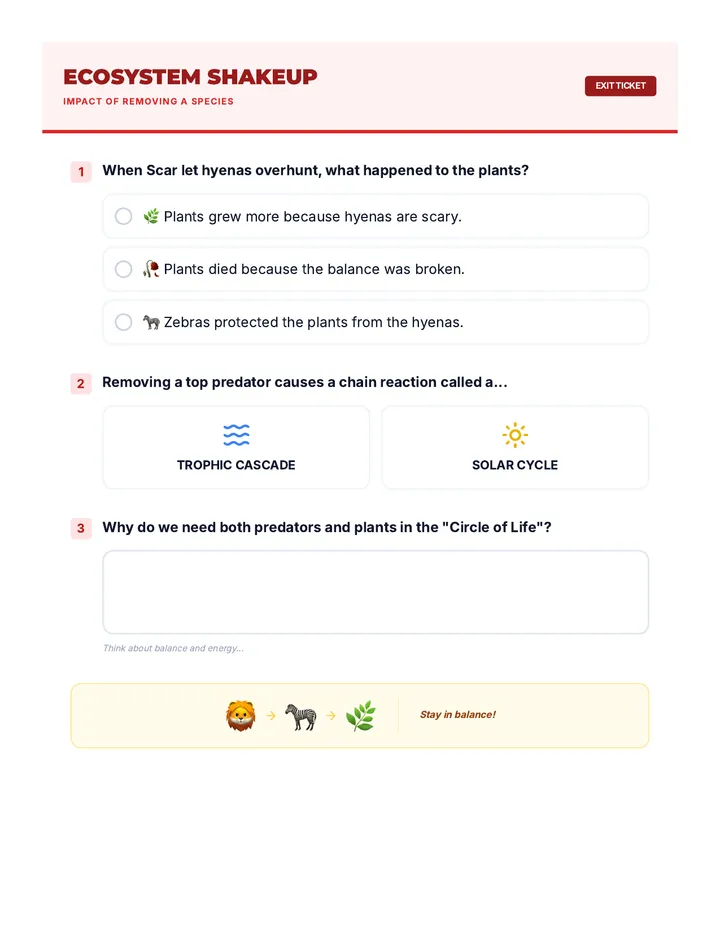
A two-day science unit for 2nd-3rd graders exploring how energy moves through nature. Students learn the basics of food chains on day one and expand their understanding to complex food webs on day two.
A comprehensive exploration of Earth's diverse biomes, covering climates, geography, and complex biological adaptations. Each lesson focuses on a different environment, starting with the arid world of deserts.
A celebratory Earth Day sequence focused on environmental stewardship and the interconnectedness of ecosystems, centered around the book 'The Great Kapok Tree' by Lynne Cherry. Students explore the perspectives of various rainforest inhabitants and create a collaborative bulletin board display.
A series of nature-based investigations helping young learners connect with seasonal changes using their senses and scientific observation.
A 5-day comprehensive reading unit that explores the human digestive system while building critical literacy skills like using context clues, sequencing, identifying main ideas, and analyzing cause and effect.
A comprehensive unit on renewable energy sources, focusing on analyzing informational texts through visual and written synthesis. Designed for EL students to develop academic language while exploring sustainable technology.
A comprehensive sequence of lessons focusing on mastering sequencing in scientific informational texts. Students analyze complex natural processes, identify temporal signals, and use evidence (RI.1) to explain how these processes unfold over time.
A science-focused sequence exploring the fascinating process of metamorphosis through the life cycle of a butterfly, focusing on sequencing skills and biological stages.
A comprehensive exploration of physical science and civic foundations, designed for elementary students to engage with waves, energy, government structures, and the roles of citizens.
A comprehensive 5-day review week covering 3rd-grade math and ELA standards themed around space exploration. Includes Earth, Sun, Moon, and Planets with focus on area, fractions, word problems, and opinion/informational writing.
An introductory astronomy series focused on celestial patterns, storytelling through myths, and practical observation skills for young astronomers.
A comprehensive guide to mastering the Roblox game Forsaken, covering everything from basic survival and looting to advanced combat tactics and base building. Designed for young gamers to navigate the post-apocalyptic world safely and successfully.
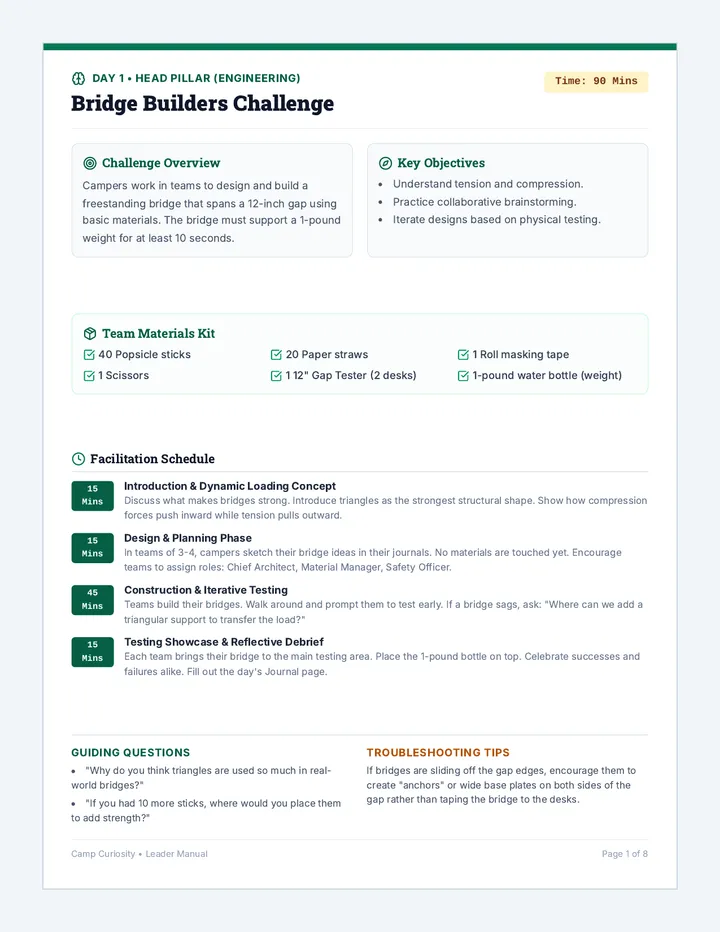
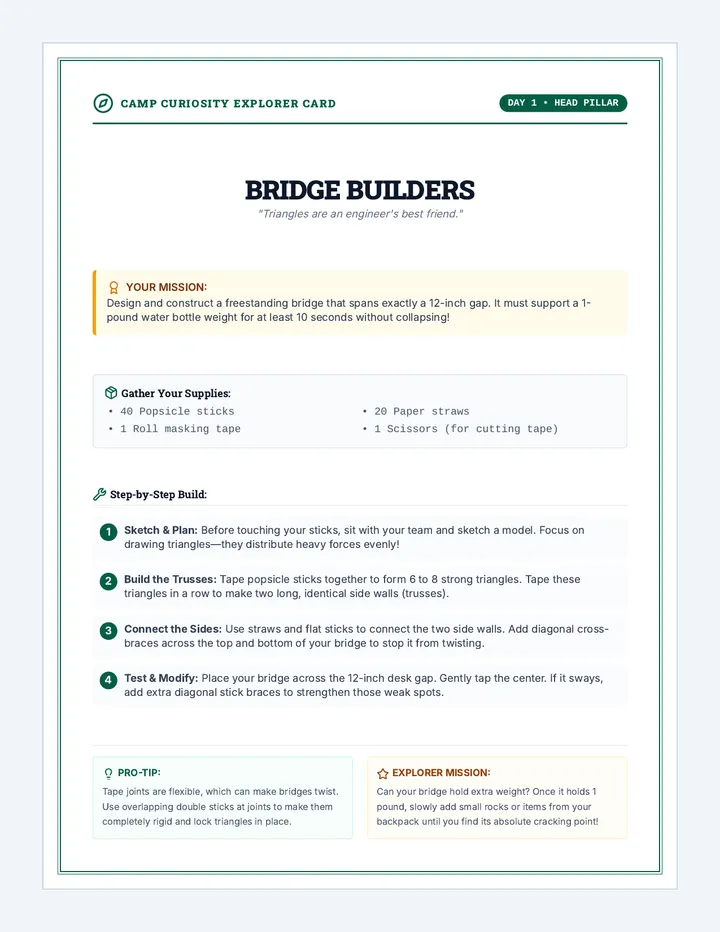
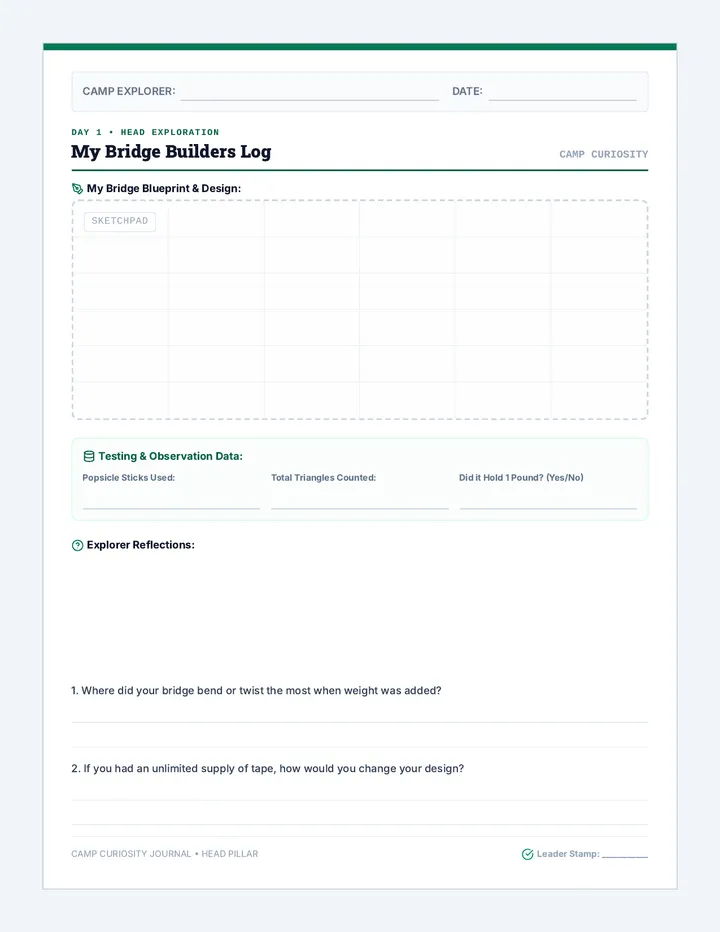
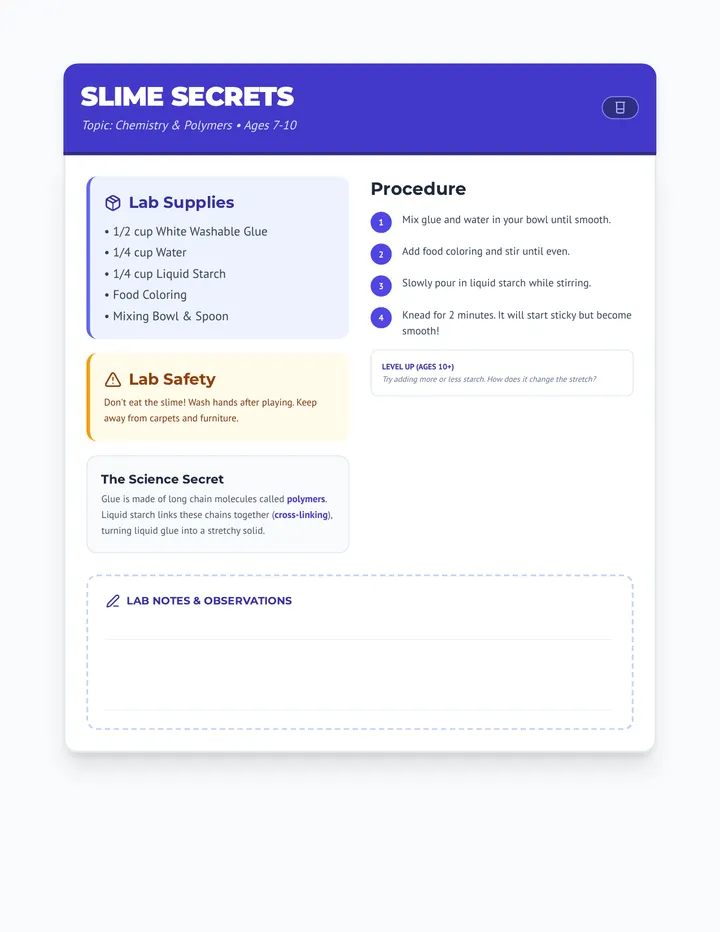
A four-part summer camp program focused on hands-on STEM exploration using everyday materials. Students will explore environmental science, aerospace engineering, mechanical design, and chemical reactions through play-based challenges.
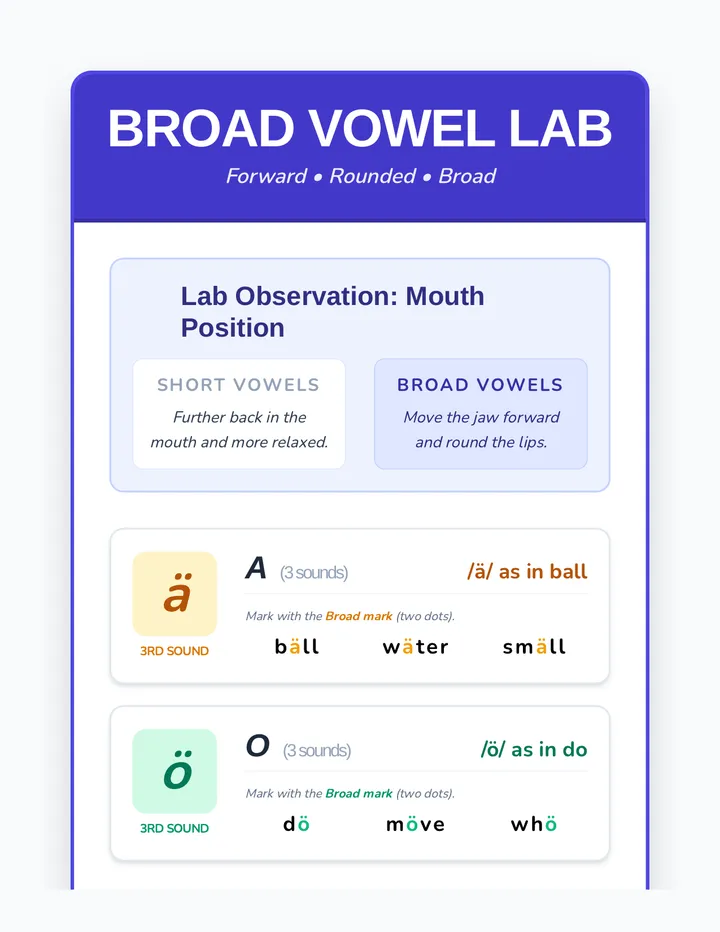
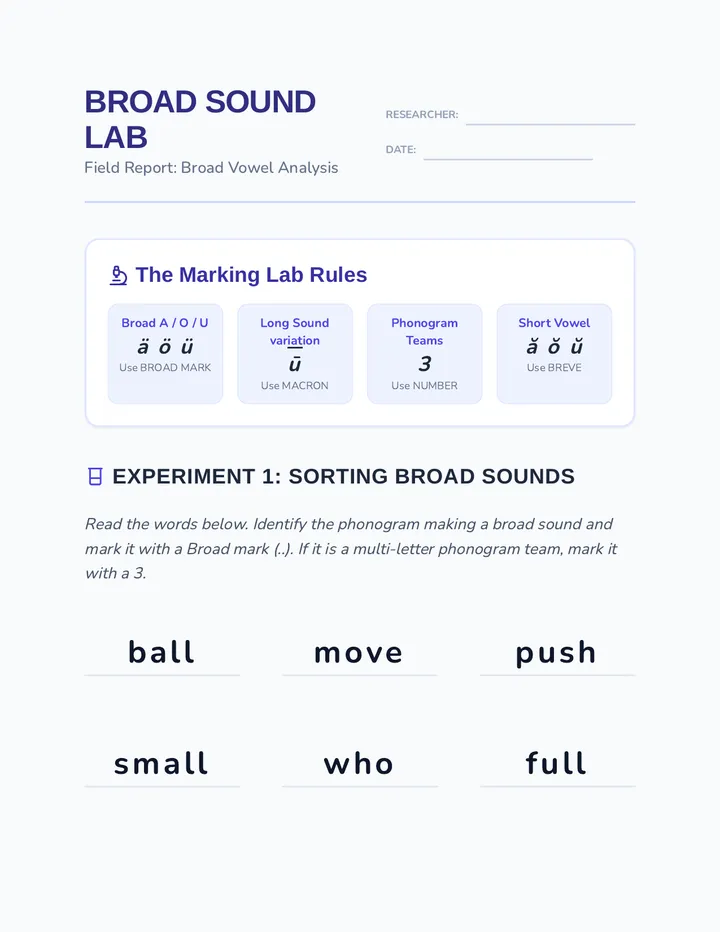
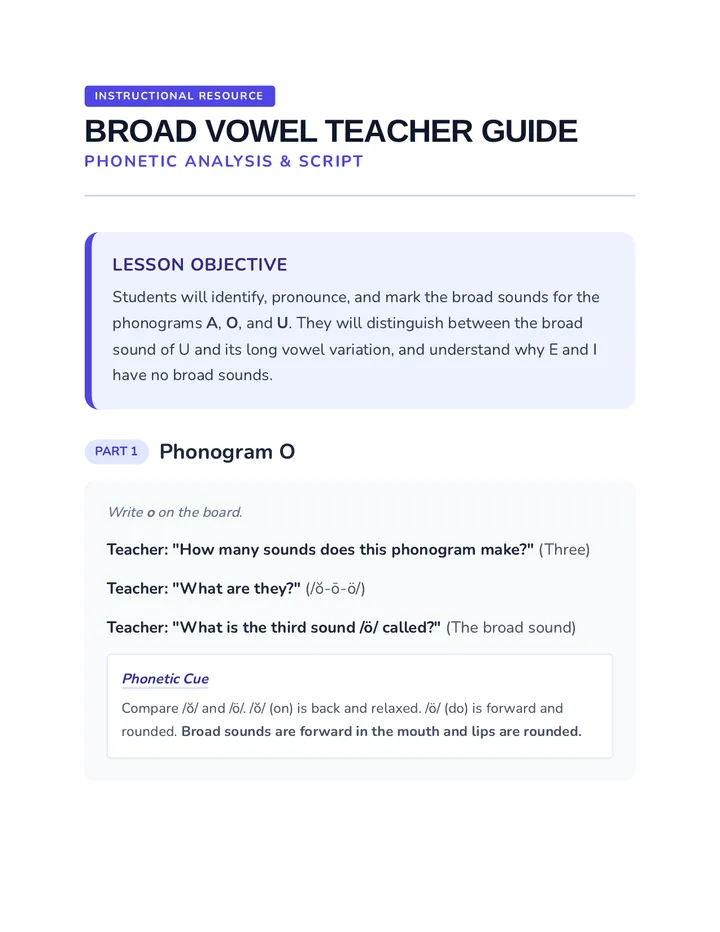
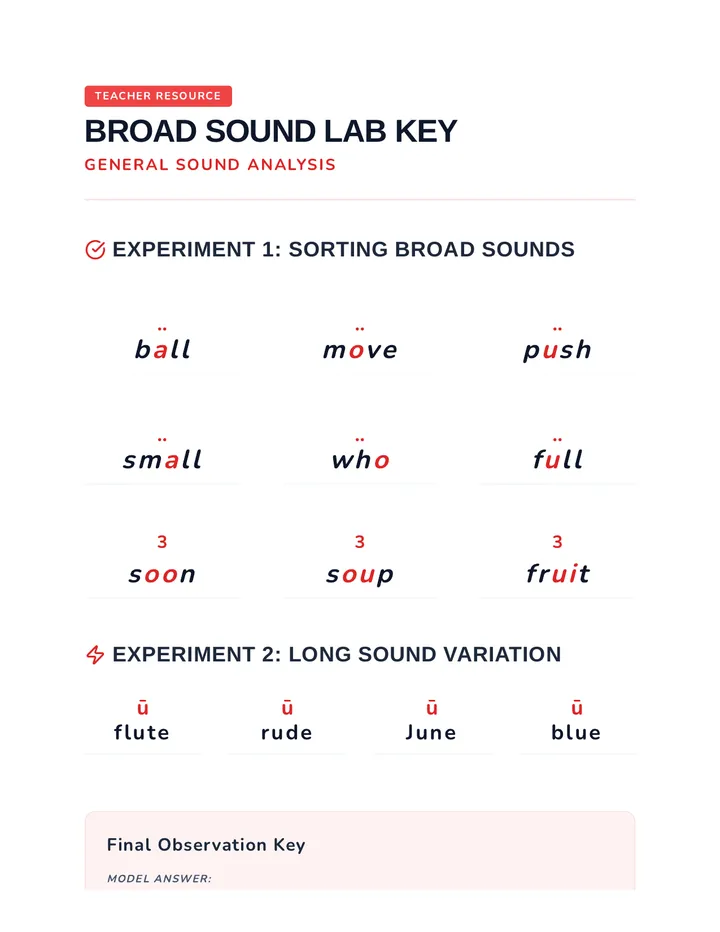
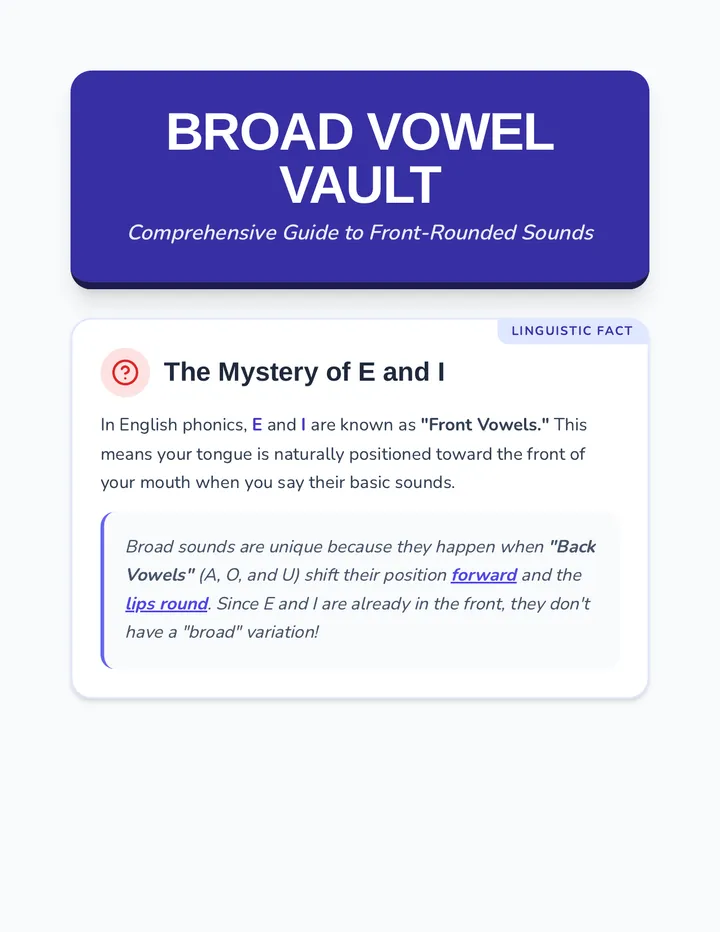
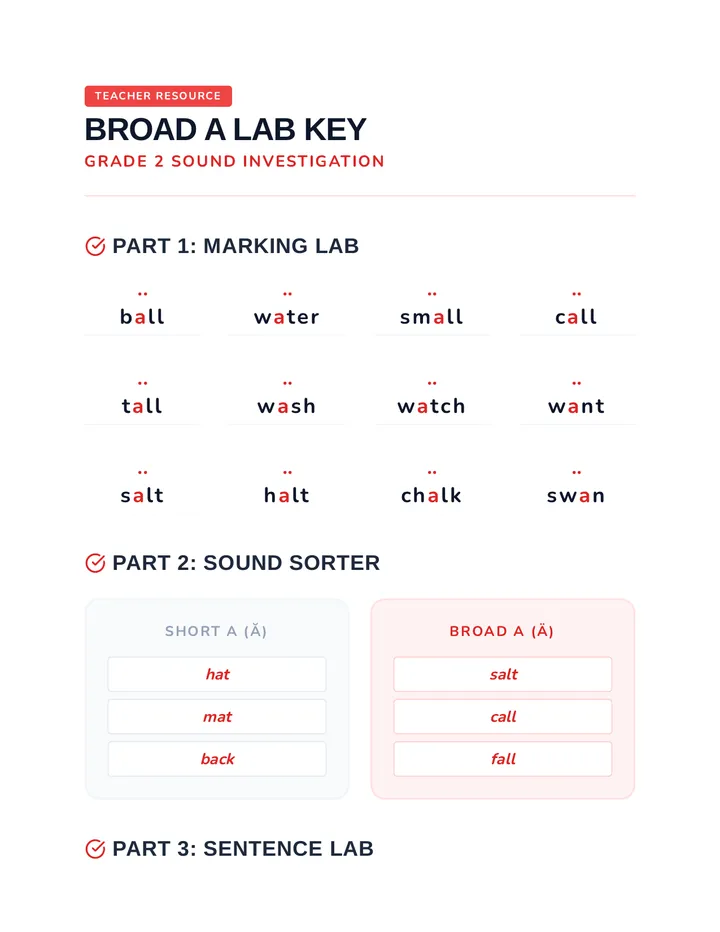
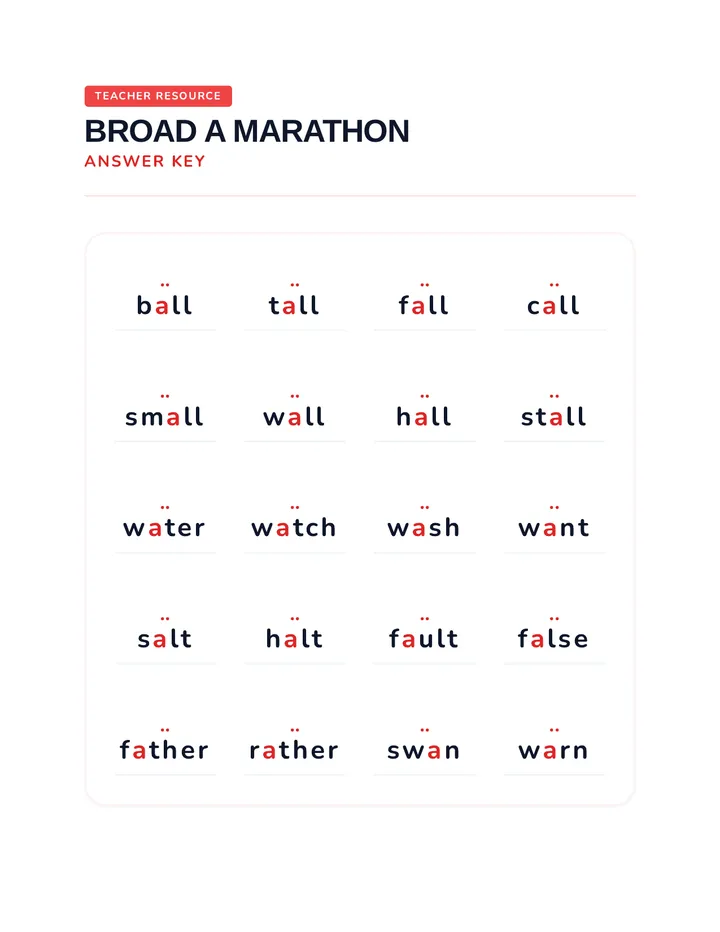
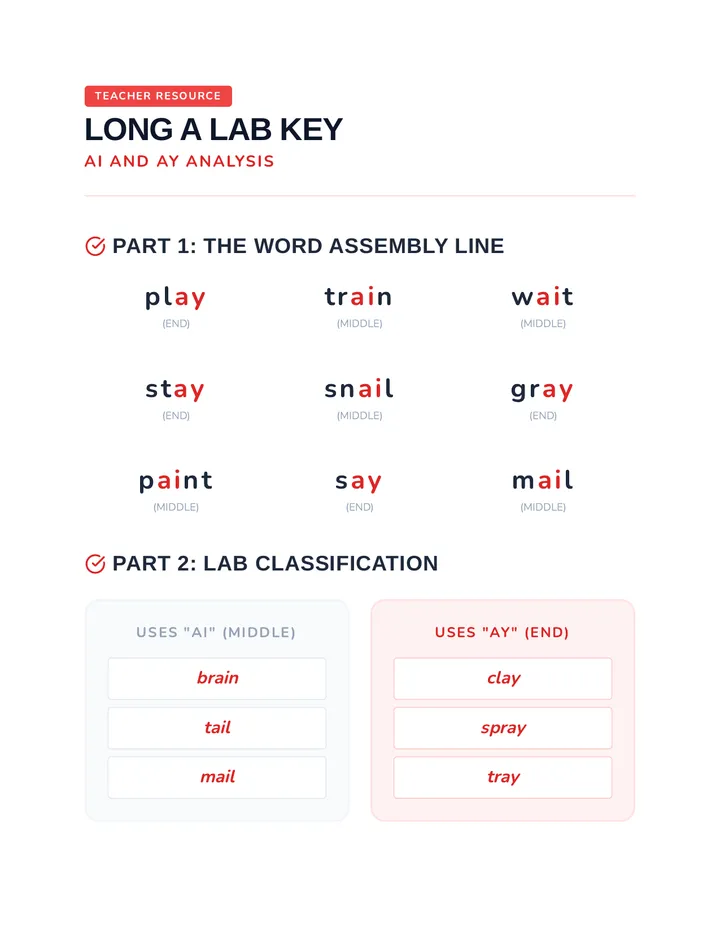
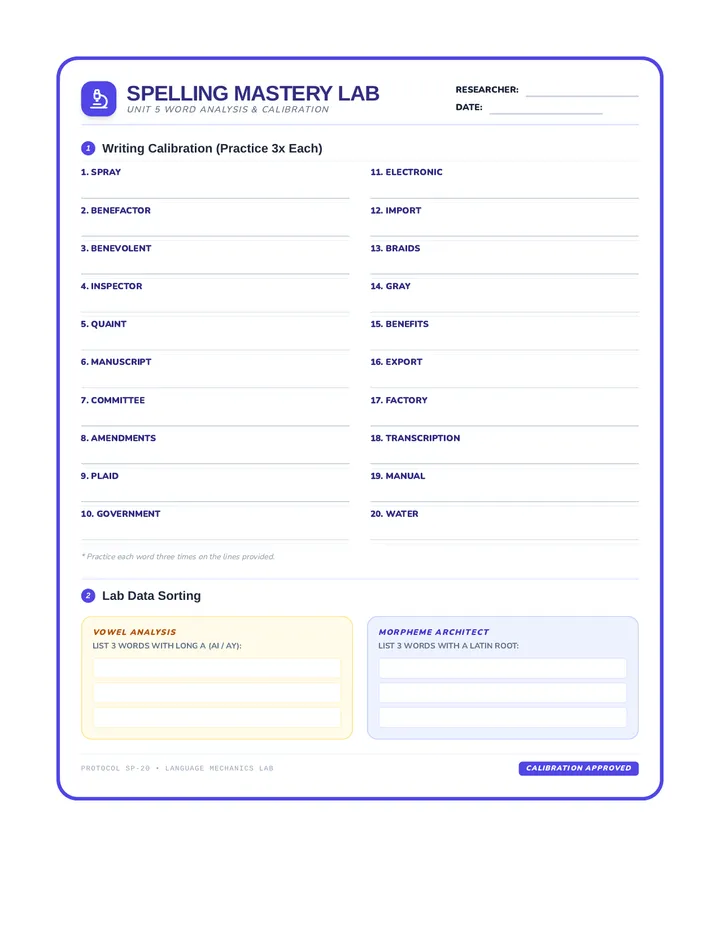
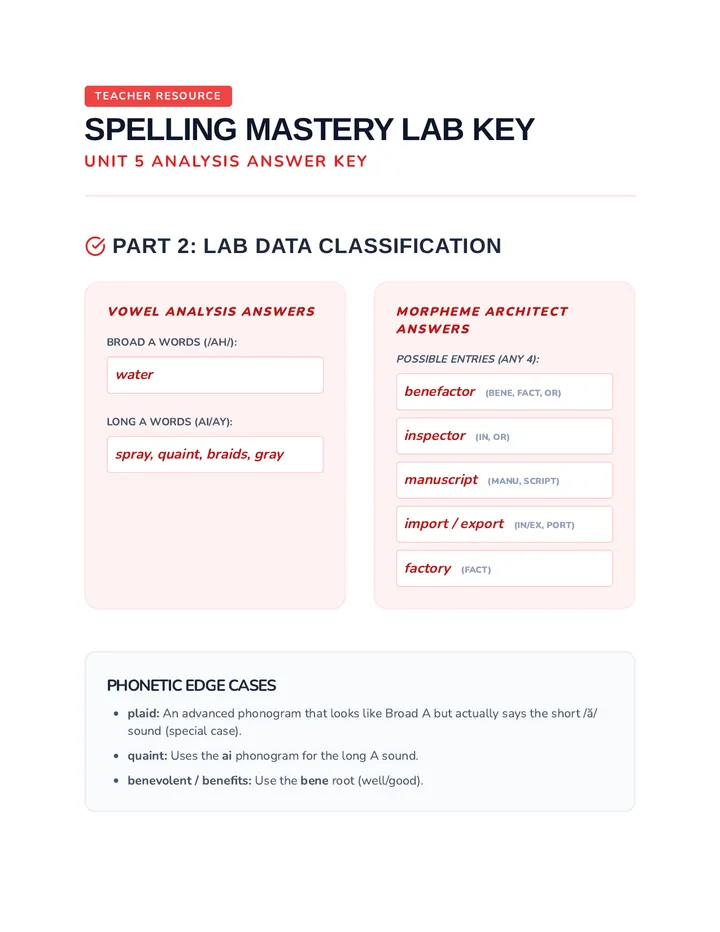
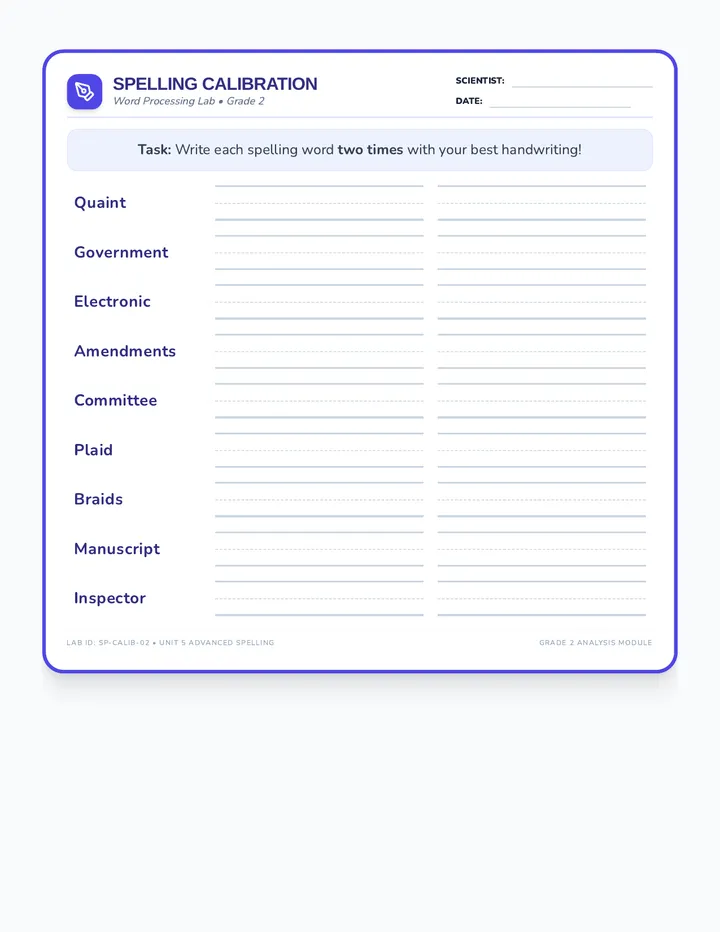
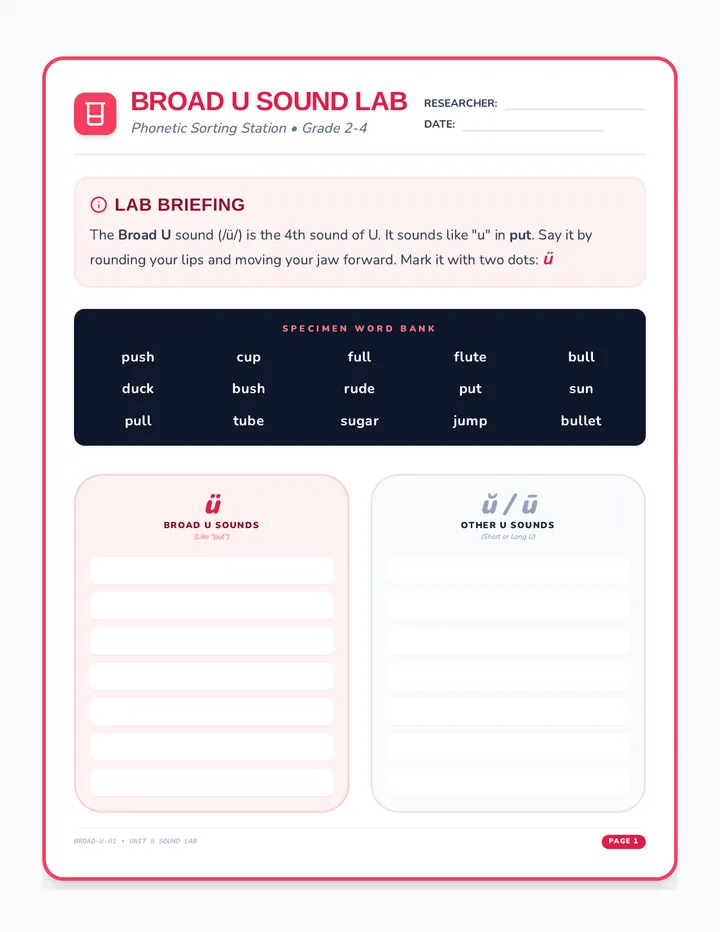
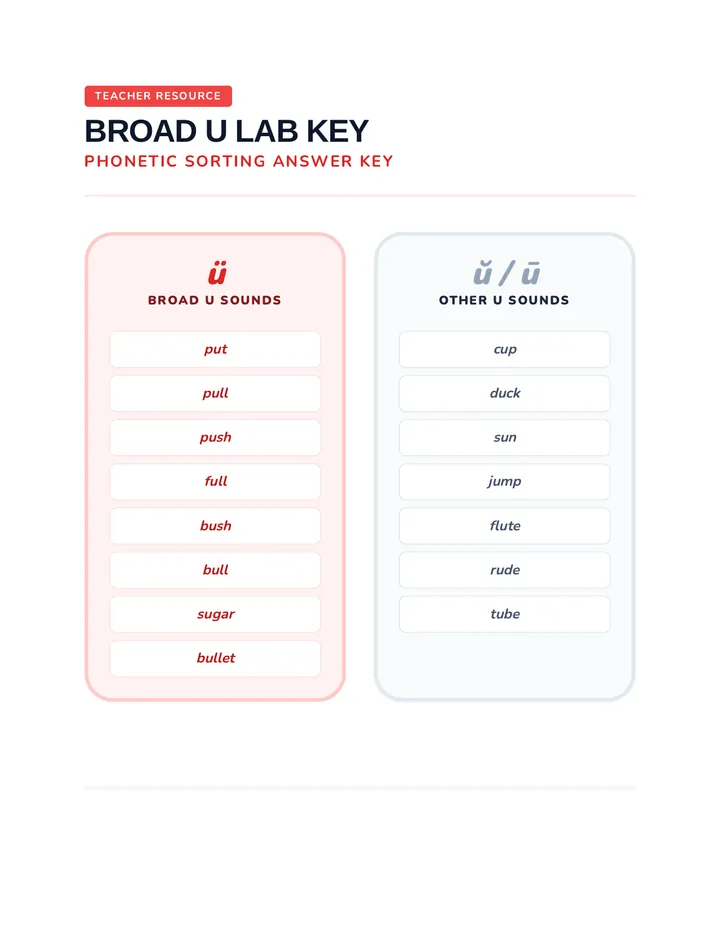
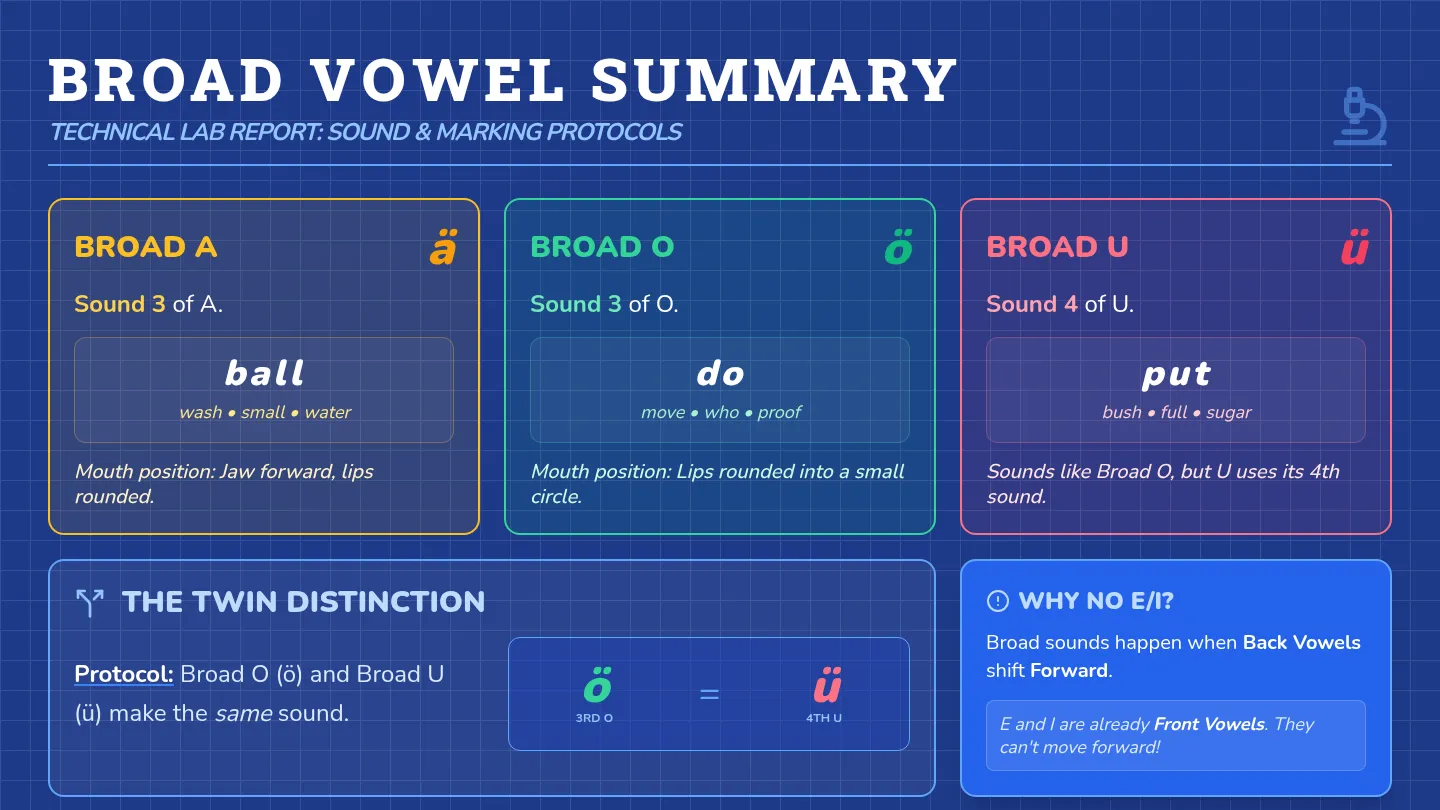
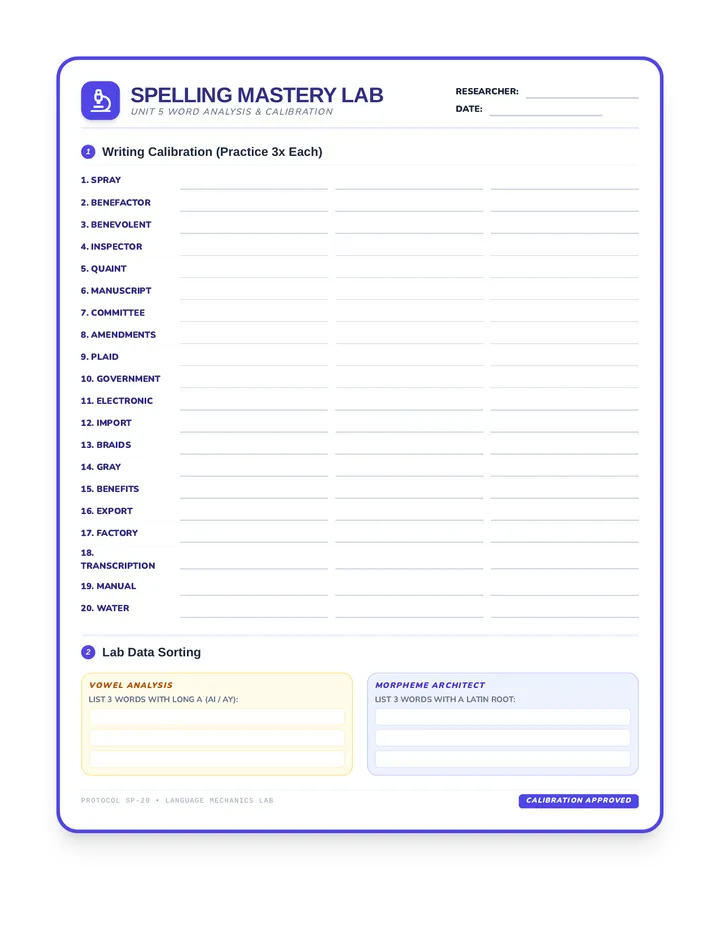
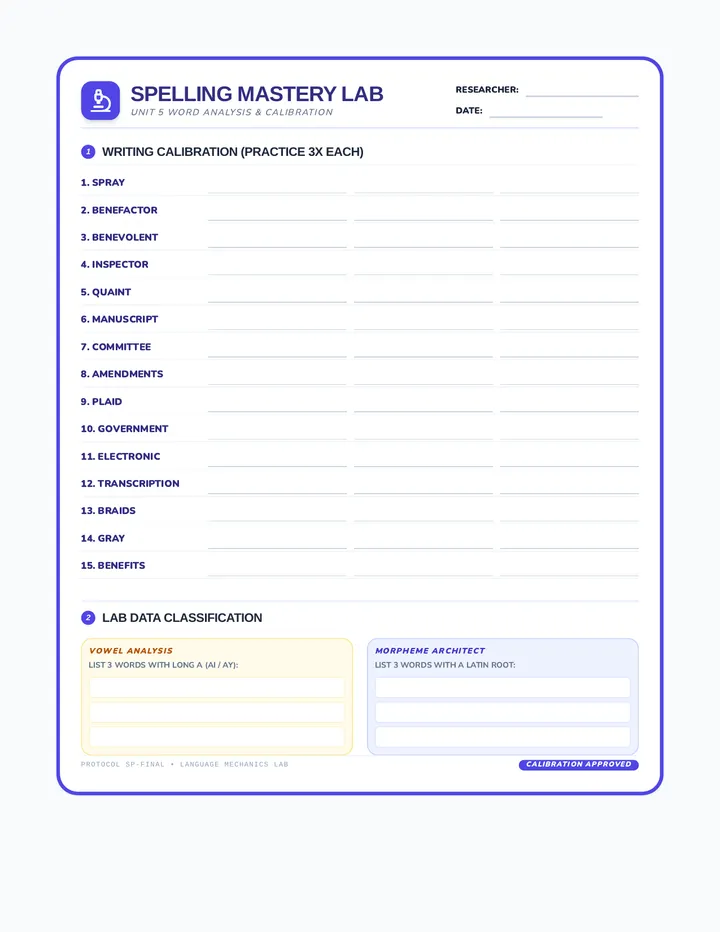
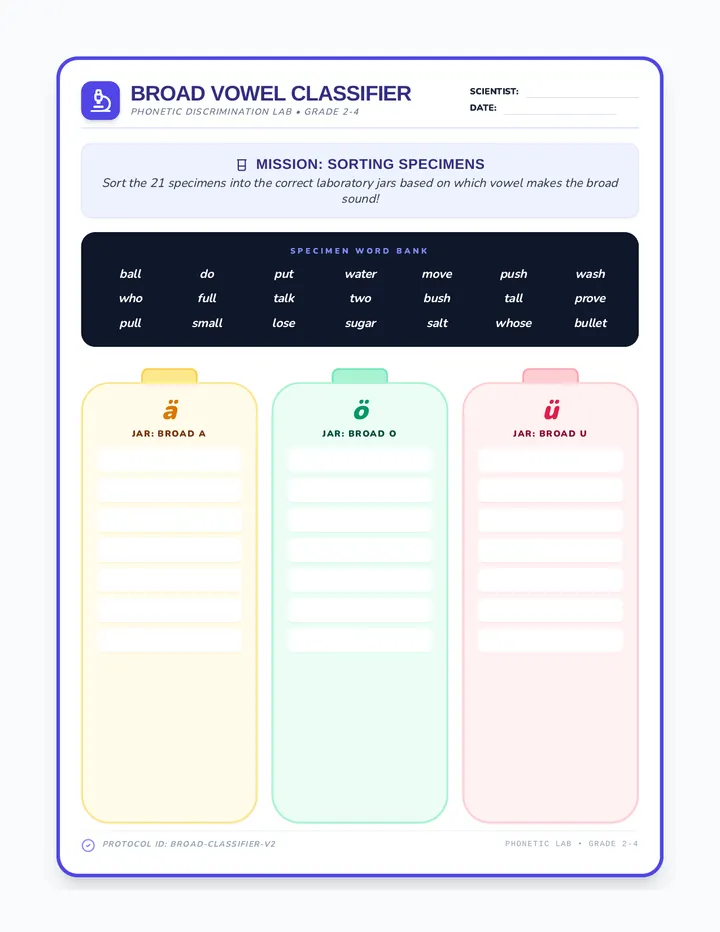
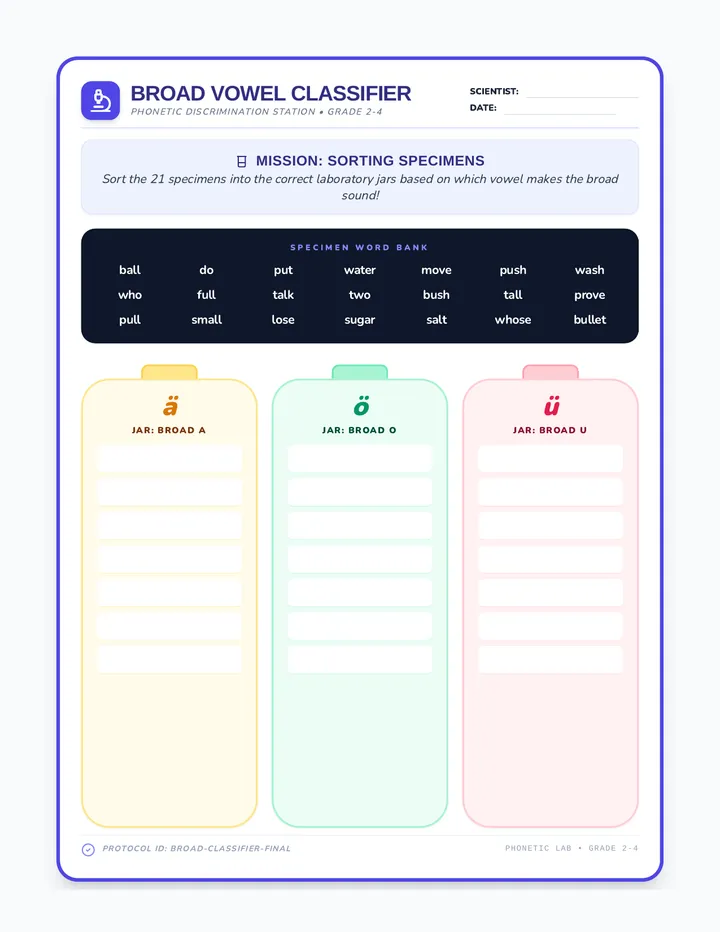
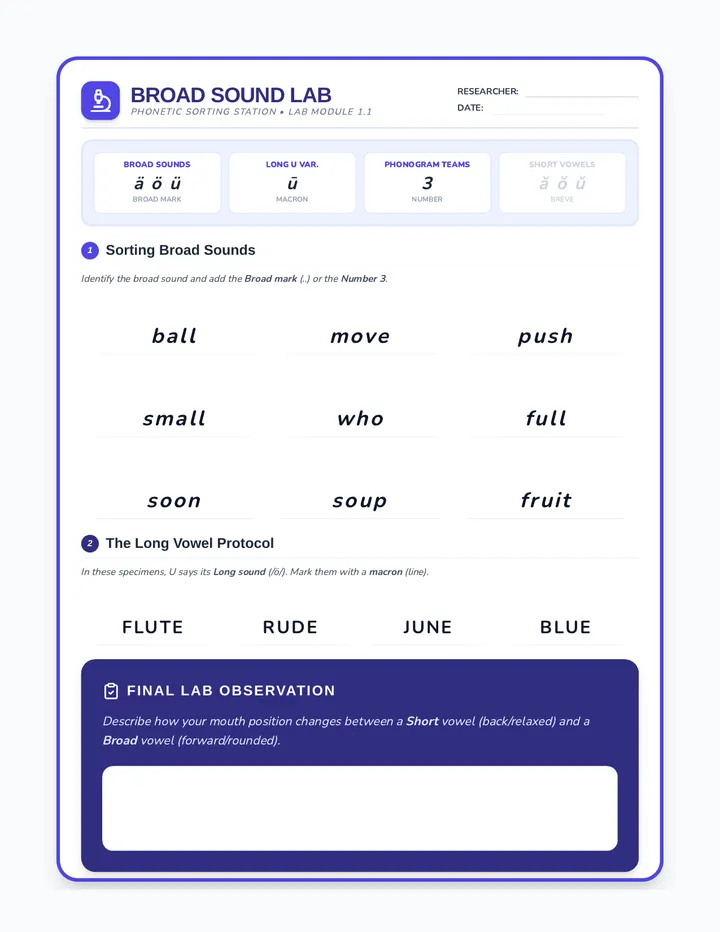
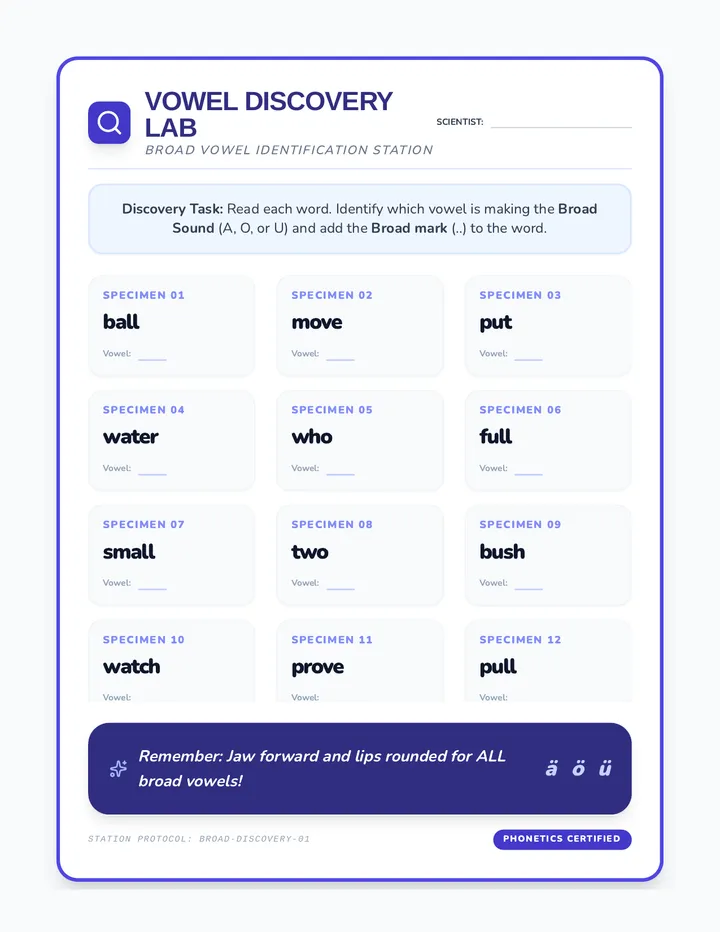
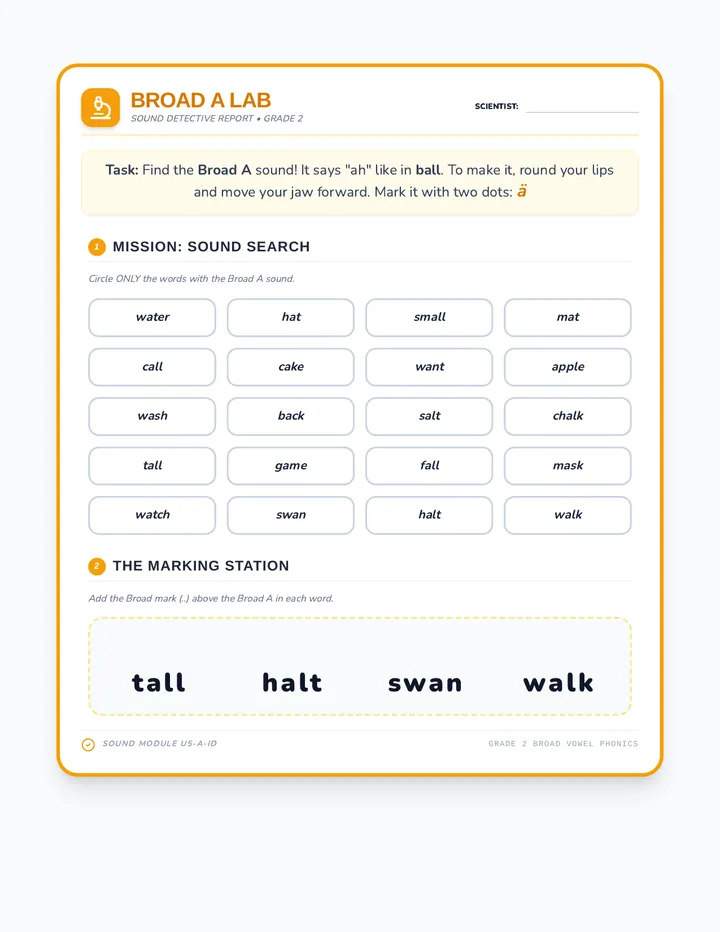
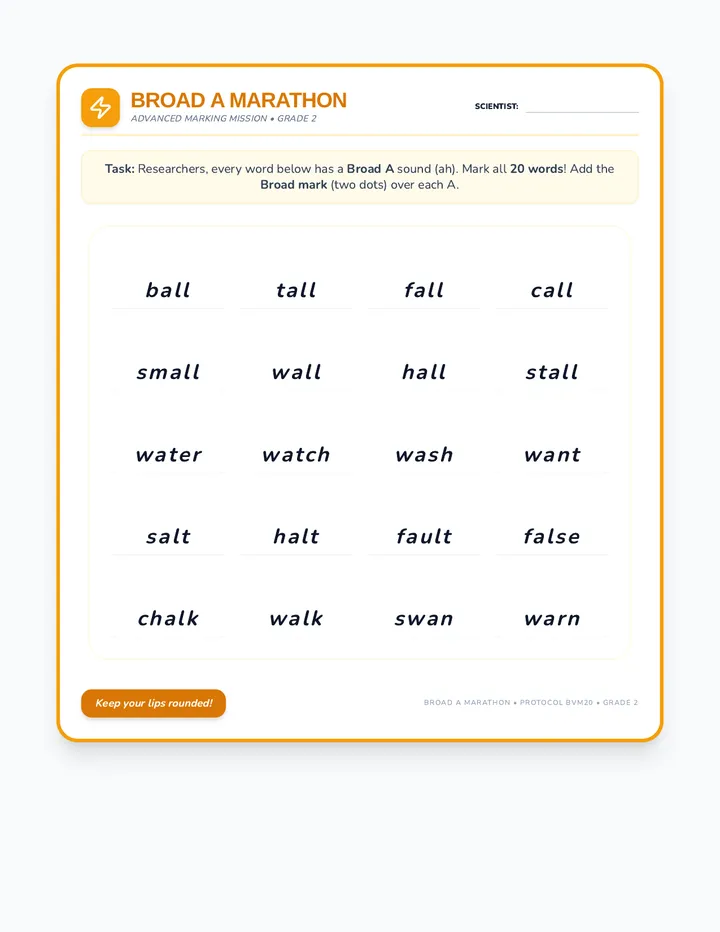
A comprehensive sequence on language mechanics, from phonetic marking of complex vowel sounds to the morphological analysis of Latin roots and affixes. Students develop deep decoding and encoding skills by investigating the building blocks of words.
A differentiated unit on the solar system designed for newcomers and students with IEPs, focusing on the Sun, Moon, planets, and stars with heavy visual support and simplified language.
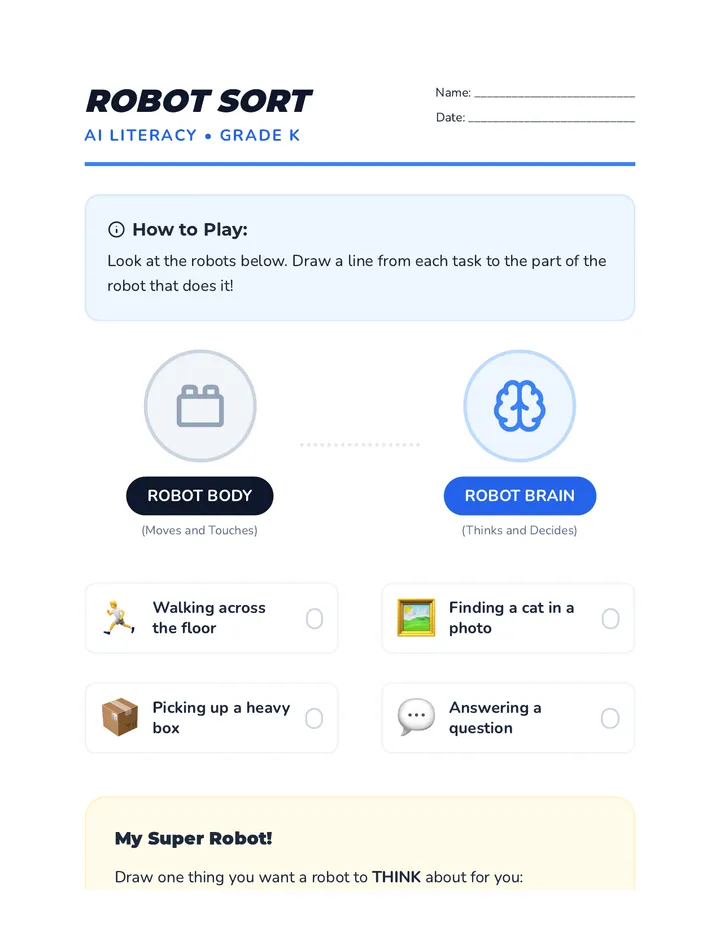
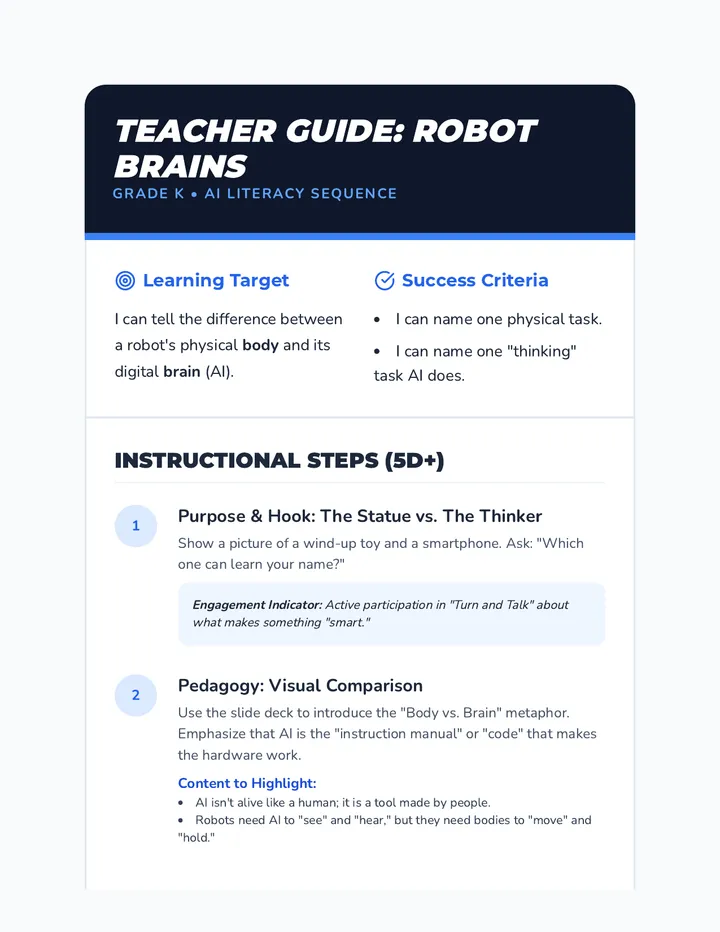
A comprehensive K-8 curriculum designed to build foundational AI literacy through understanding, evaluation, application, and ethics. Each grade level tackles a specific theme, progressing from basic robot concepts to complex algorithmic bias and societal impact.
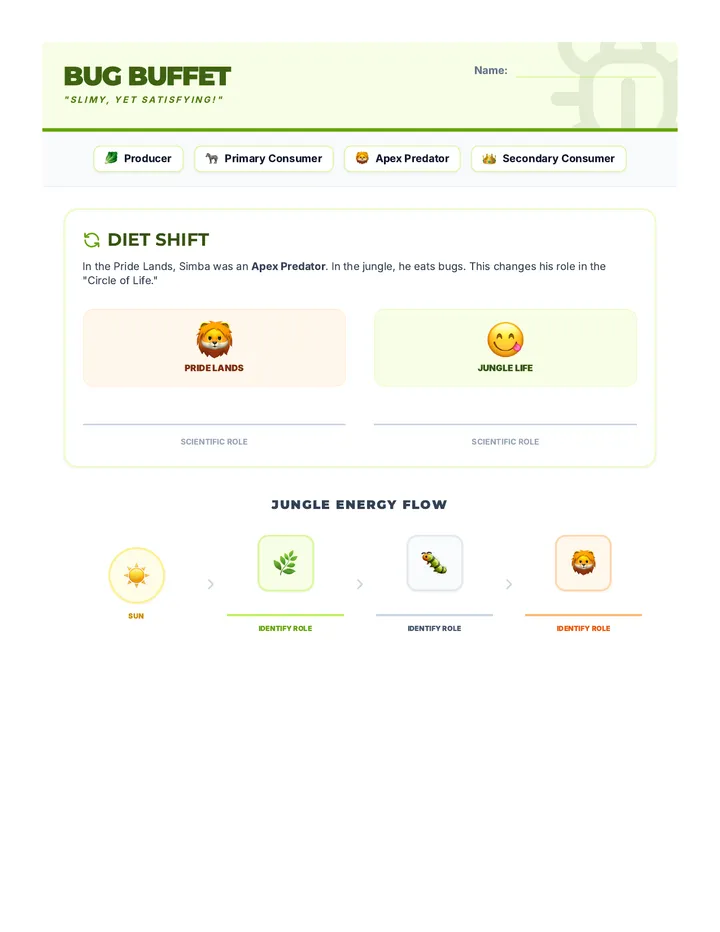
An introductory sequence for 3rd graders exploring how energy flows through food chains, starting with sun-powered producers and moving through various levels of consumers.
A collection of project-based STEM and social studies lessons designed to engage 3rd and 6th grade students in creative exploration and technical skill-building.
An inquiry-based science and literacy curriculum for grades 1-3 that combines foundational scientific concepts with high-frequency sight word mastery and precision handwriting practice.
A comprehensive K-12 AI literacy sequence covering the fundamentals of how AI works, machine learning, ethics, social impact, and creative application through age-appropriate lessons.
A full-day 3rd-grade beach-themed room transformation covering math word problems, reading comprehension, creative writing, and a sink-or-float science experiment. Students engage in 'Island Adventure' tasks to earn their way back to shore.
A collection of lessons focused on nature and science, designed with differentiated reading materials for diverse learners including early readers and special education students.
A high-energy introduction to coding concepts using the vibrant world of dance games to teach algorithms, sequencing, variables, and loops.
A four-day introductory science sequence for grades K-3 exploring the properties of light, illumination, and shadows through hands-on play with glowsticks and flashlights. Students will transition from understanding light sources to creating complex shadow narratives and participating in light-based games.
A series of phonics lessons focusing on vowel teams, digraphs, and other phonetic patterns through narrative passages and fluency drills.
A captivating series of lessons exploring the wonders of the deep sea, focusing on marine biology and the diverse creatures that inhabit our oceans.
A comprehensive Hi-Lo unit for 6th graders exploring the scale of the universe, our place in the Milky Way, the technology used to explore space, and the history of human spaceflight.
A series of lessons exploring Earth's major systems, starting with the hydrosphere and its impact on the planet's processes.
A primary science and ELA sequence where students become 'Light Detectives' to investigate how light works, identifying sources, reflections, and shadows in their environment.
A comprehensive unit exploring how natural processes like rock formation and erosion work together to shape the Earth's surface over millions of years.
A four-day introductory unit on corn for K-3 students, covering its origins in Mesoamerica, life cycle, diverse varieties, and practical uses through hands-on crafting and planting.
A comprehensive robotics curriculum for grades 1-3 covering screenless coding with Sphero indi, block coding with Sphero Mini, and both color-based and block coding with Marty the Robot. Includes progressive task cards designed for 30-minute hands-on activities.
A comprehensive STEM and engineering sequence for elementary students, focusing on the Texas Essential Knowledge and Skills (TEKS) for Scientific and Engineering Practices. Students tackle real-world challenges through prototyping, testing, and data analysis in two distinct thematic units.
A comprehensive STEM curriculum for grades 1-5 where students solve real-world problems in their community using engineering design and scientific principles. Each grade level features two 30-minute hands-on challenges aligned with TEKS 1.5-5.5.
A comprehensive K-5 science journey focused on the Texas Essential Knowledge and Skills (TEKS) for physical properties of matter. Students act as 'Matter Mission' agents to solve real-world problems through hands-on STEM challenges and engineering design.
A multi-disciplinary science and health unit covering plant biology, physical properties of matter, and nutritional science. Students explore the cycles of life, the fundamental nature of substances, and how to fuel their bodies.
A comprehensive STEM sequence covering thermal energy and matter changes for grades 1-5, featuring engineering challenges and real-world problem-solving aligned with Texas TEKS. Students investigate reversible and non-reversible changes, states of matter, and thermal energy transfer through hands-on experiments.
A comprehensive exploration of animals from jungle and safari environments, focusing on their unique adaptations, habitats, and survival strategies.
A comprehensive STEM sequence focusing on TEKS-aligned physical science concepts, from system parts in lower elementary to complex mixtures and conservation of matter in upper elementary. Students solve relatable real-world problems through hands-on engineering challenges and laboratory investigations.