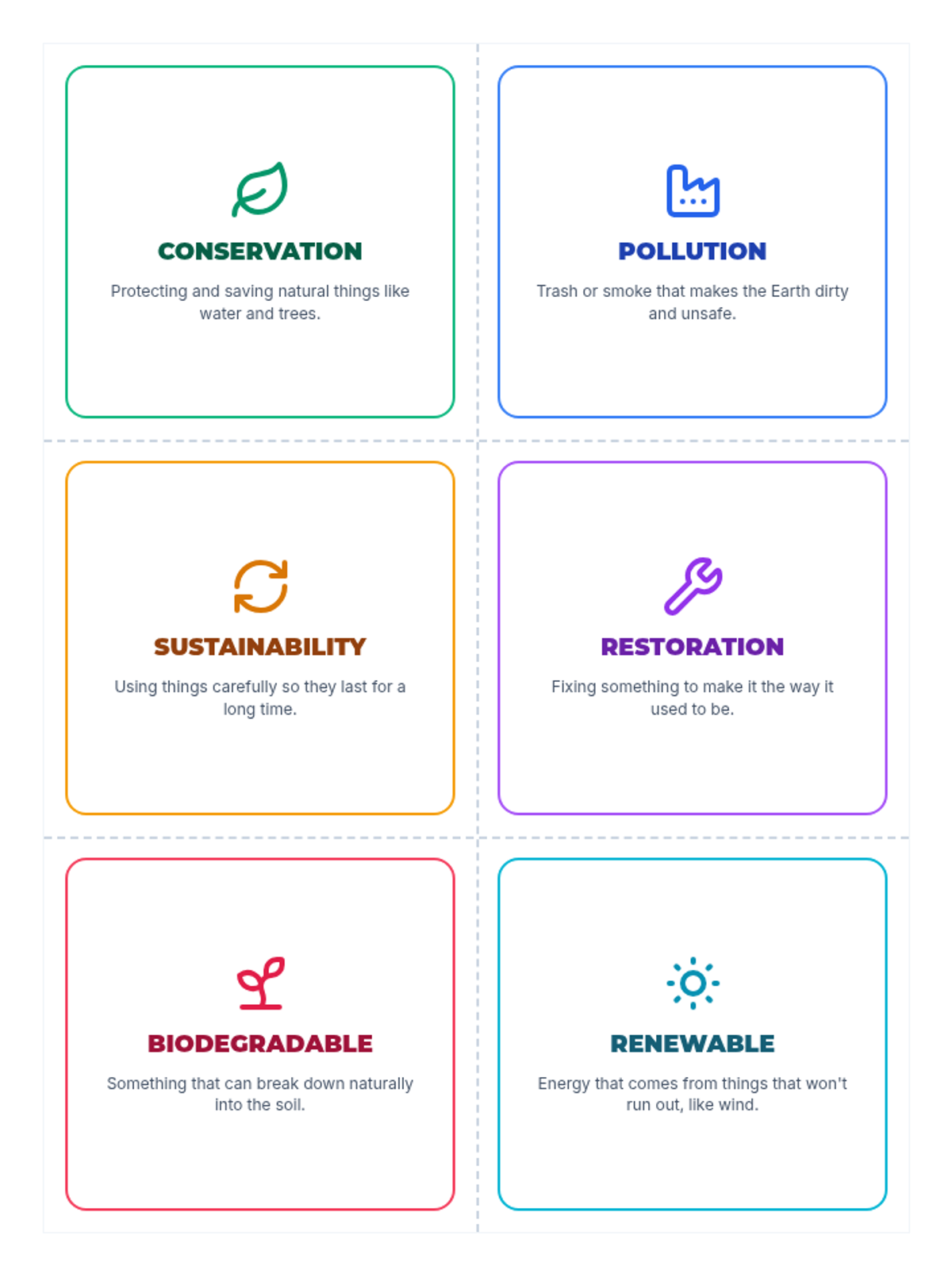
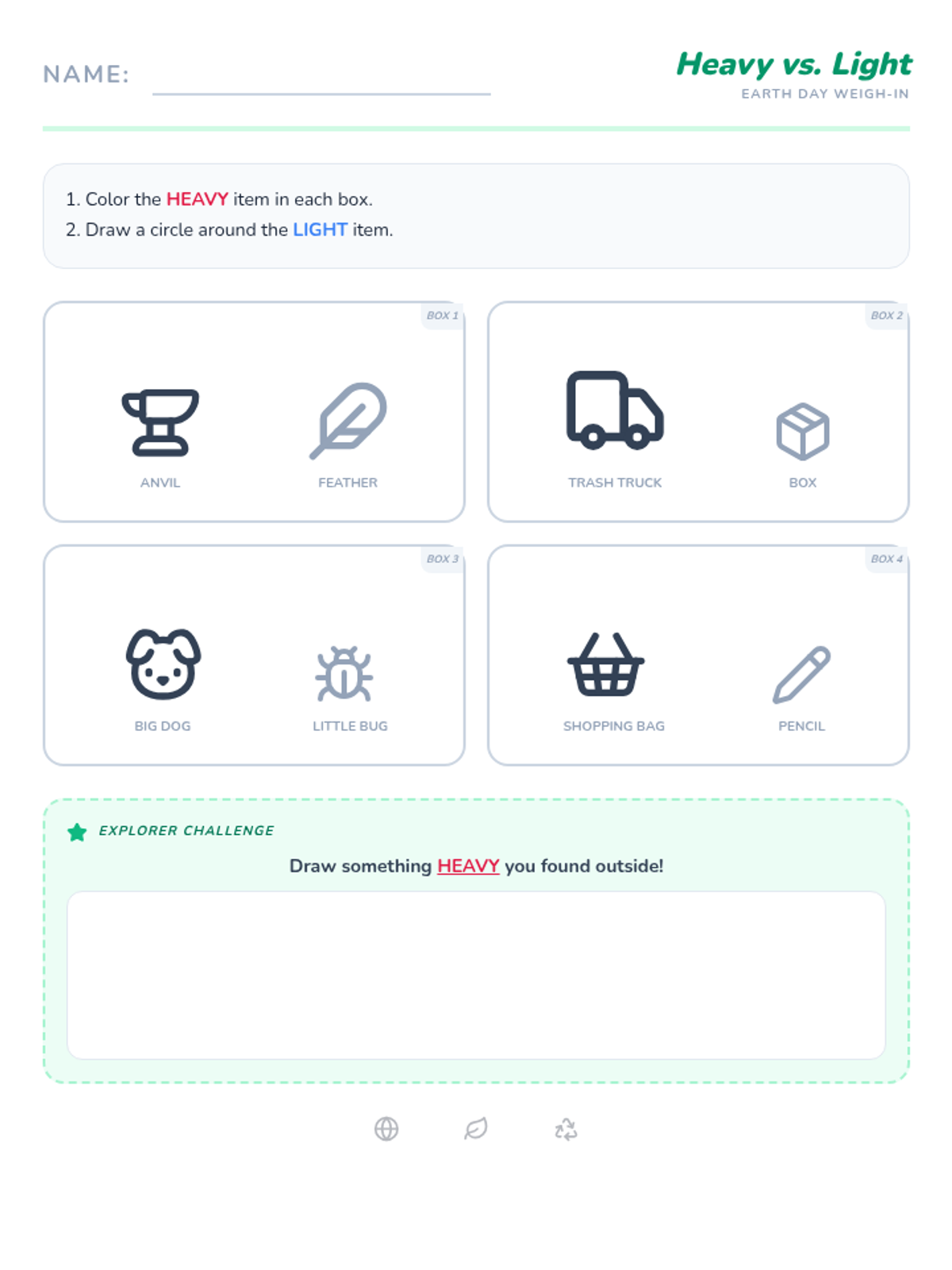
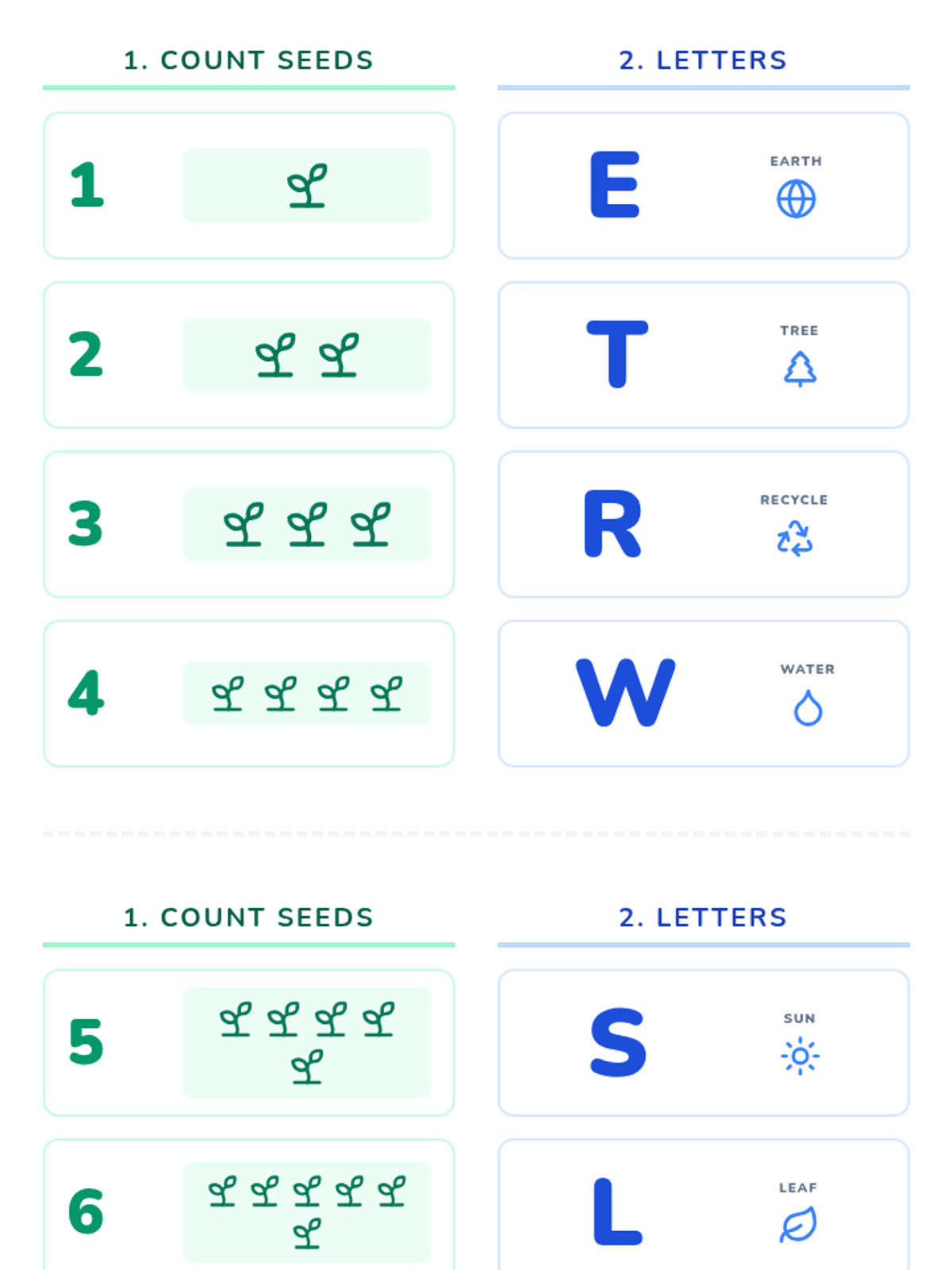
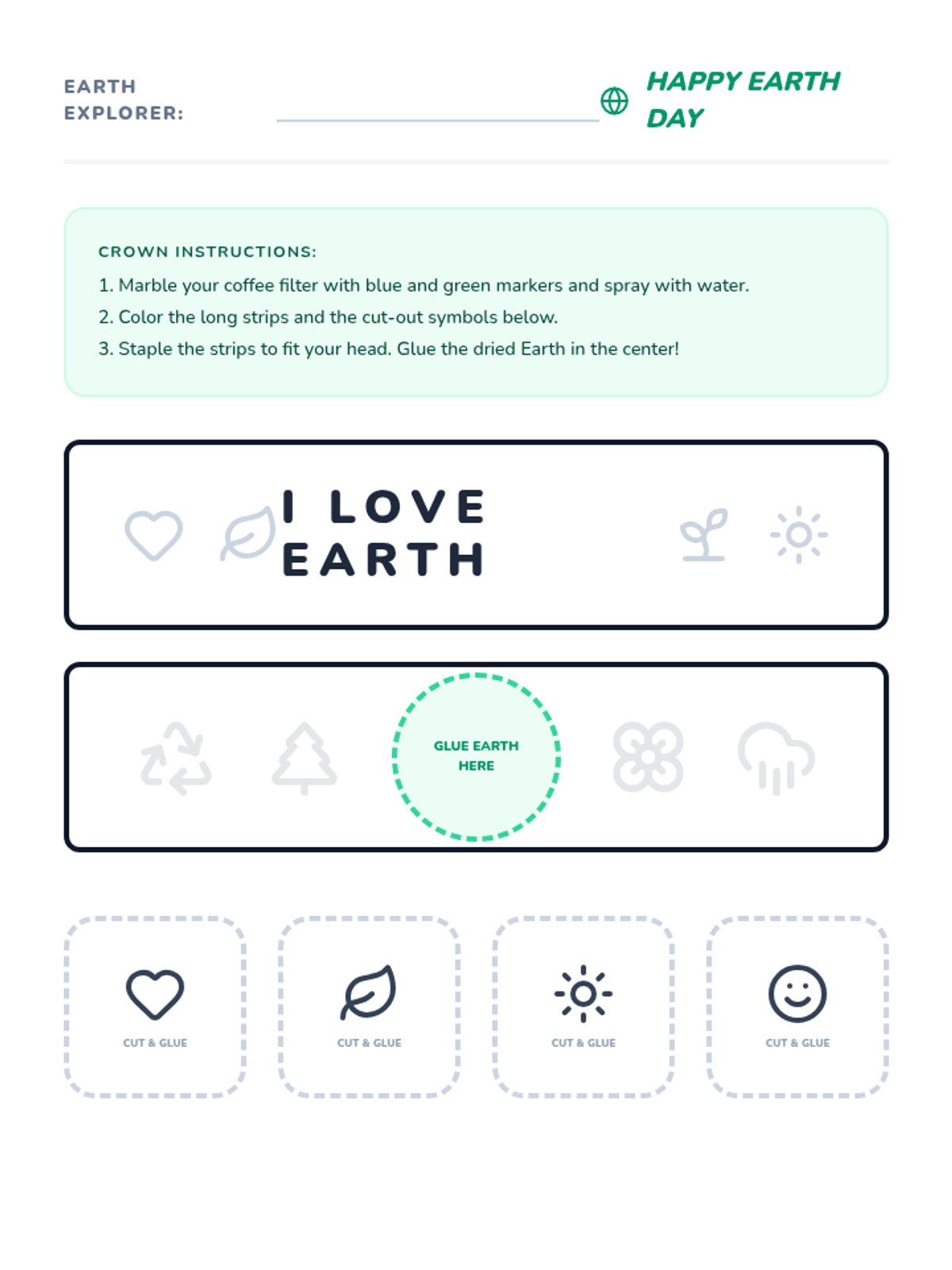
An introductory lesson on waste management and recycling where students practice sorting materials and learning key environmental vocabulary.
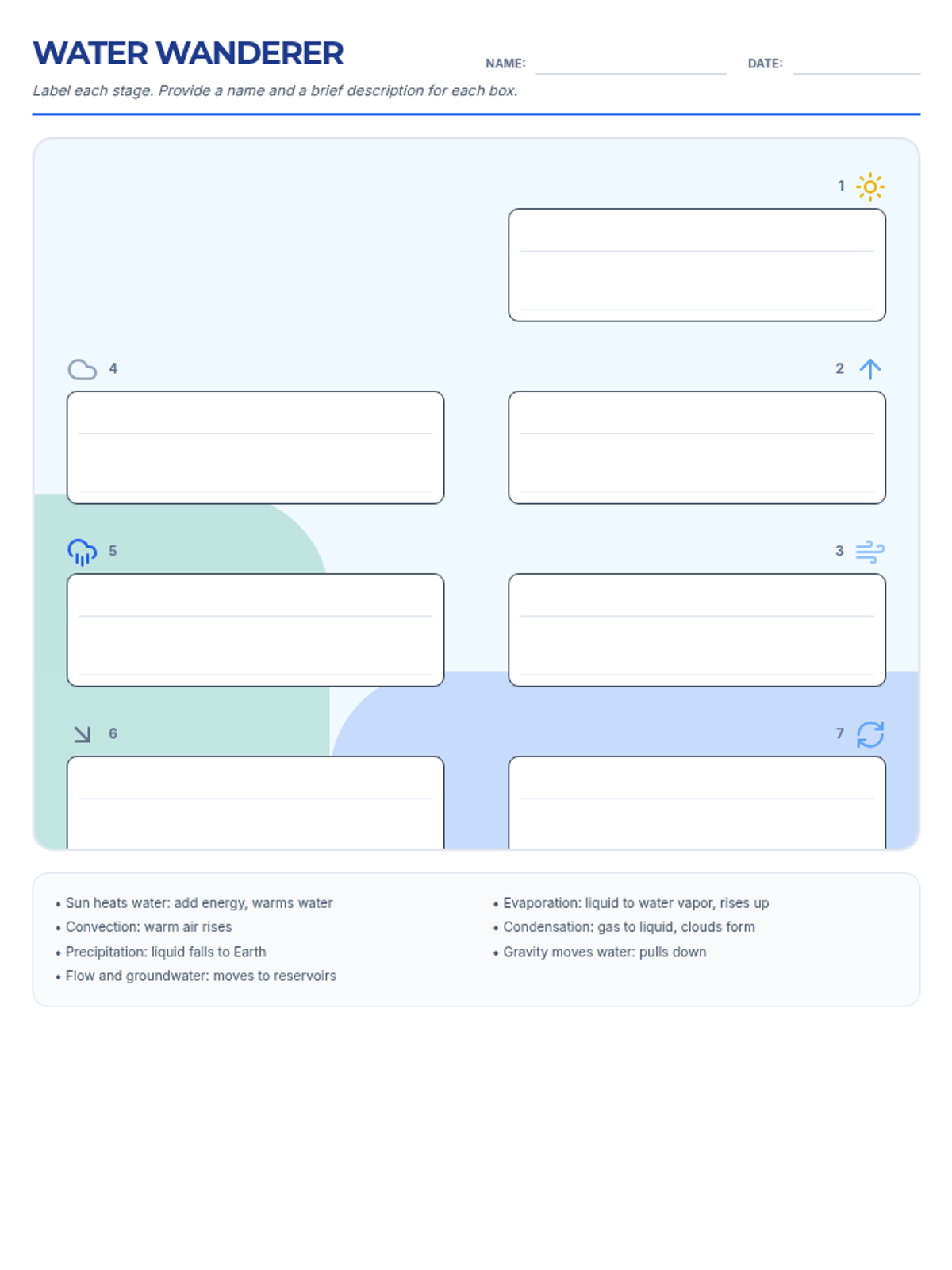
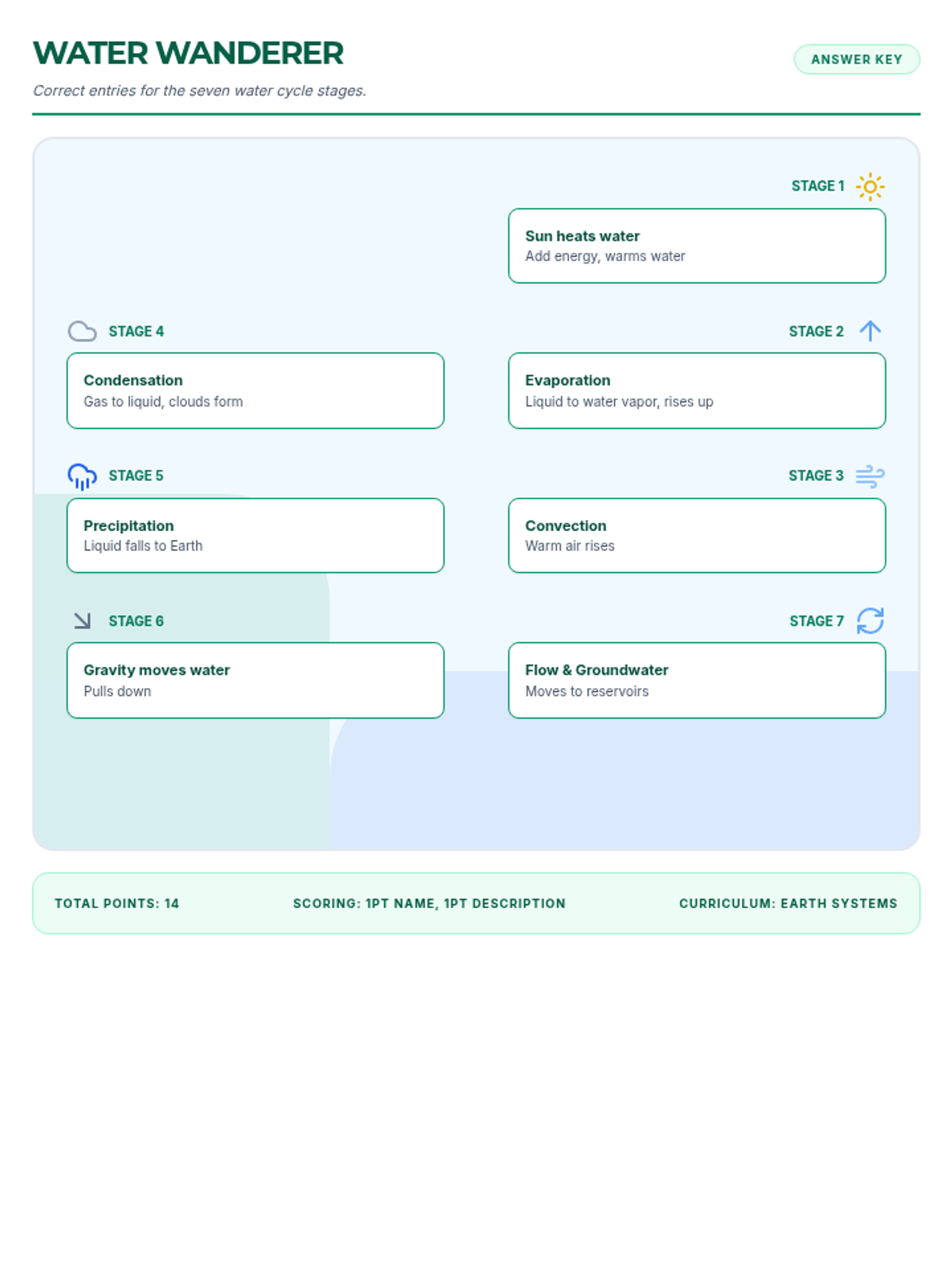
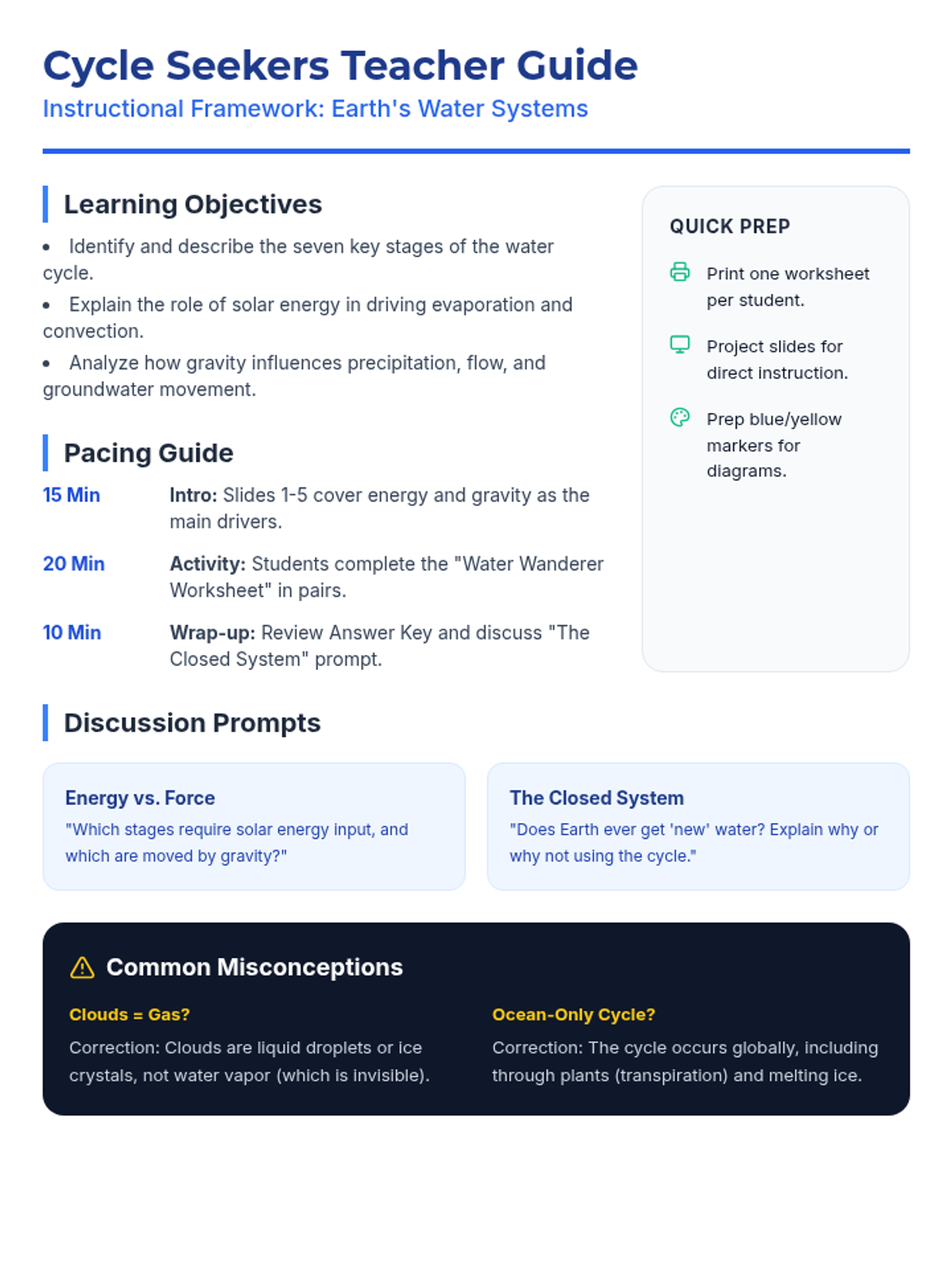
A lesson exploring the continuous movement of water on Earth through a detailed diagram of the water cycle, focusing on the roles of energy and gravity.
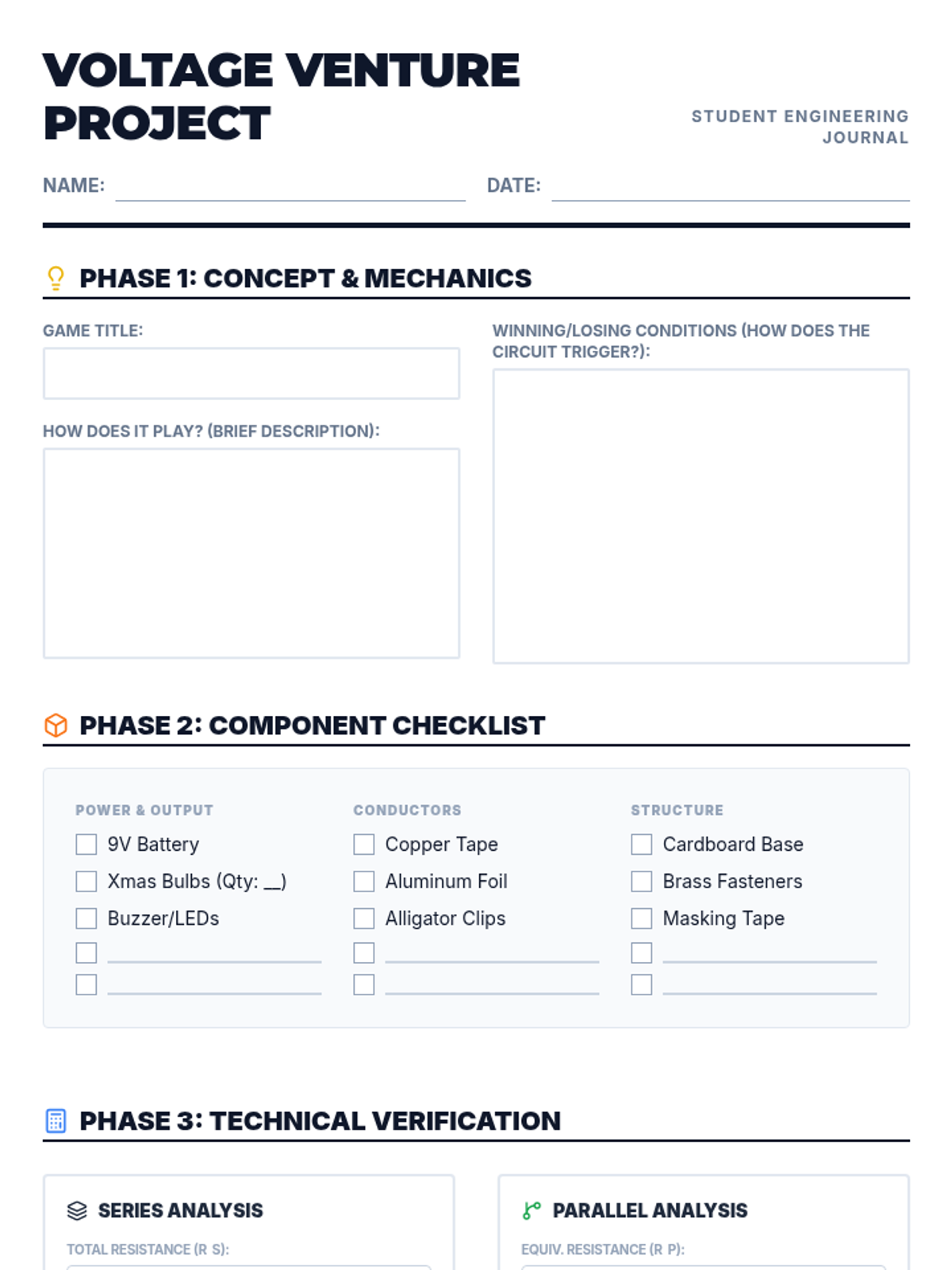
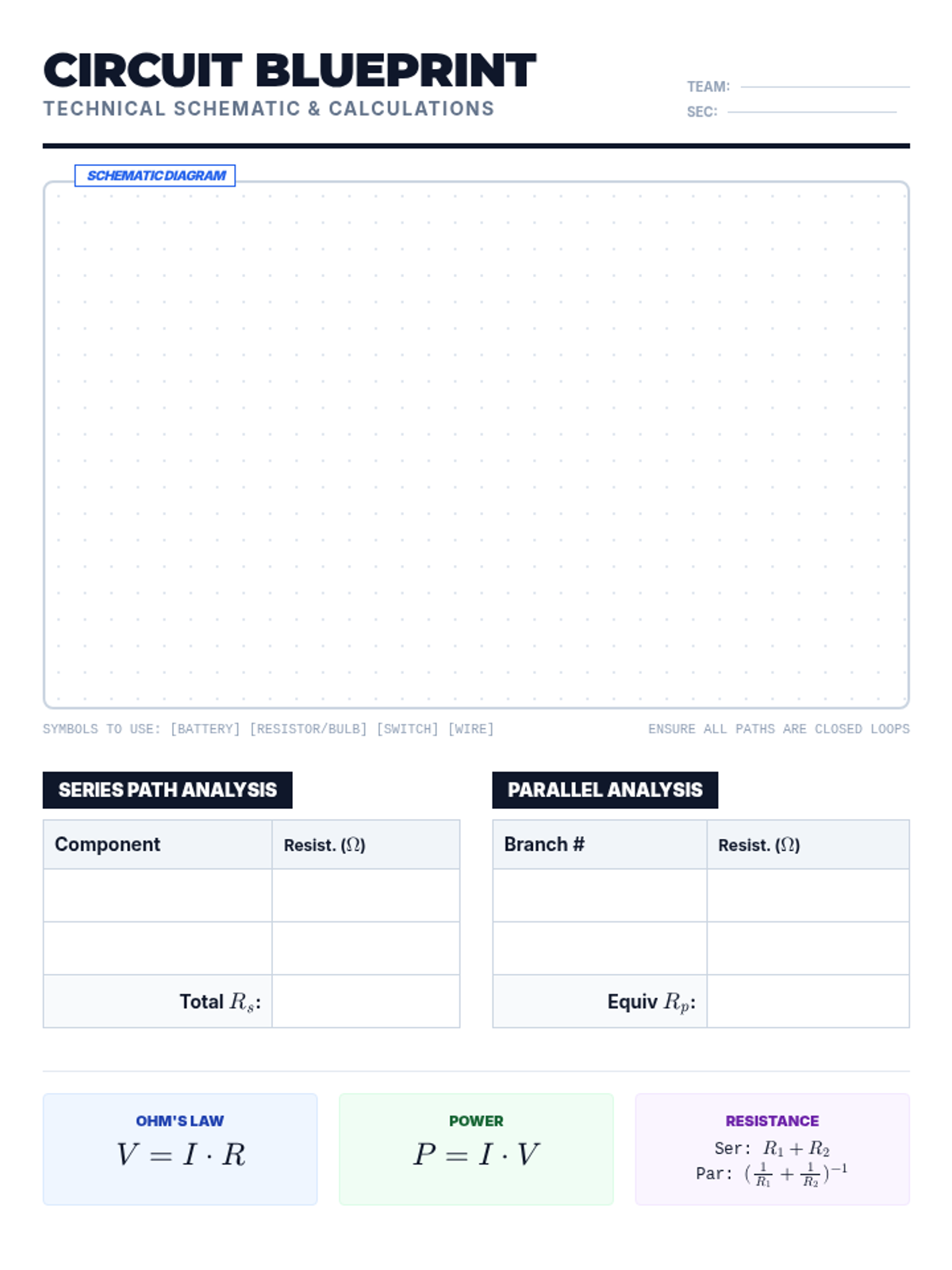
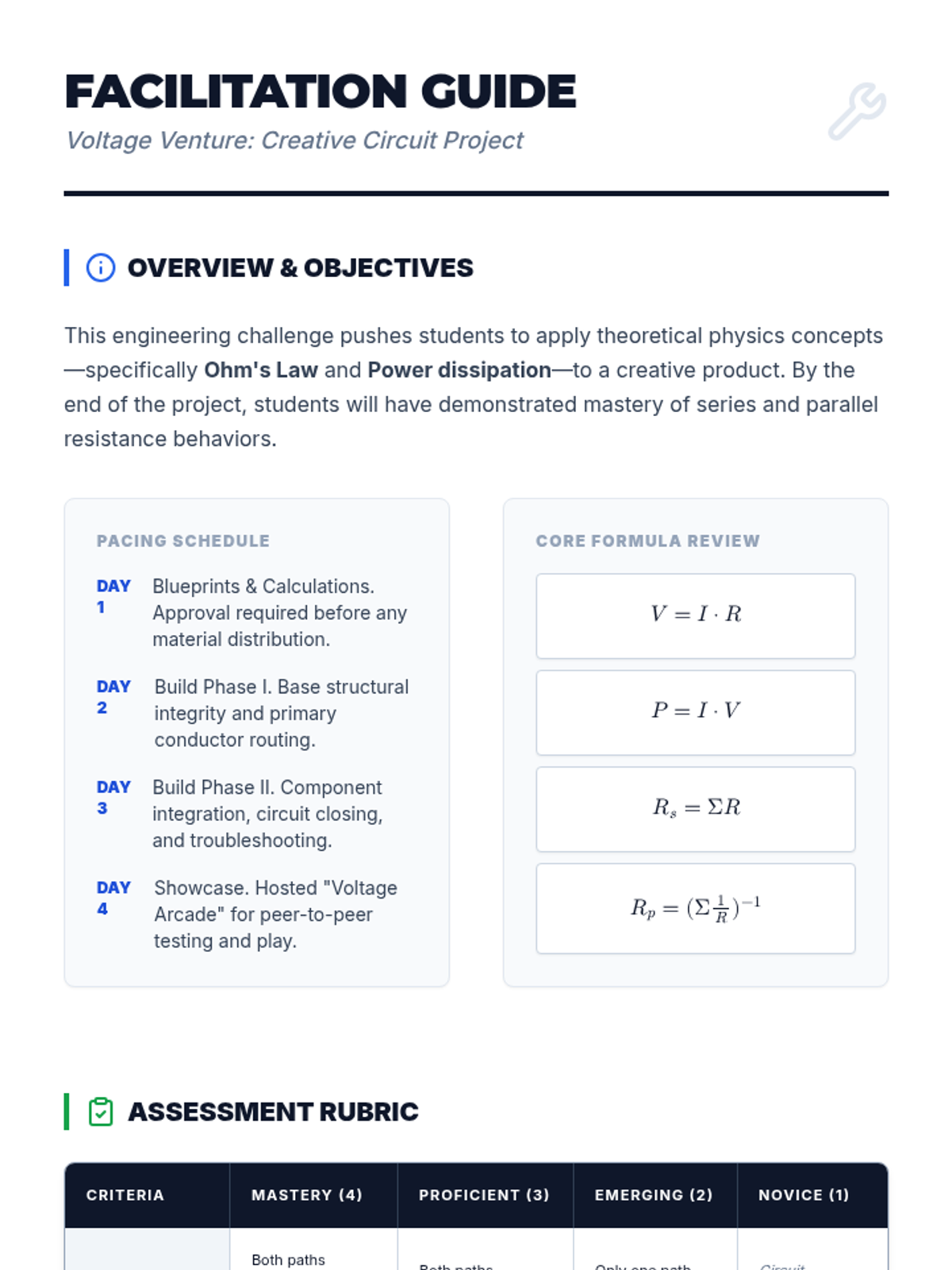
A creative engineering project where students design and build a game that incorporates functional series and parallel circuits, applying principles of Ohm's Law and electric power.
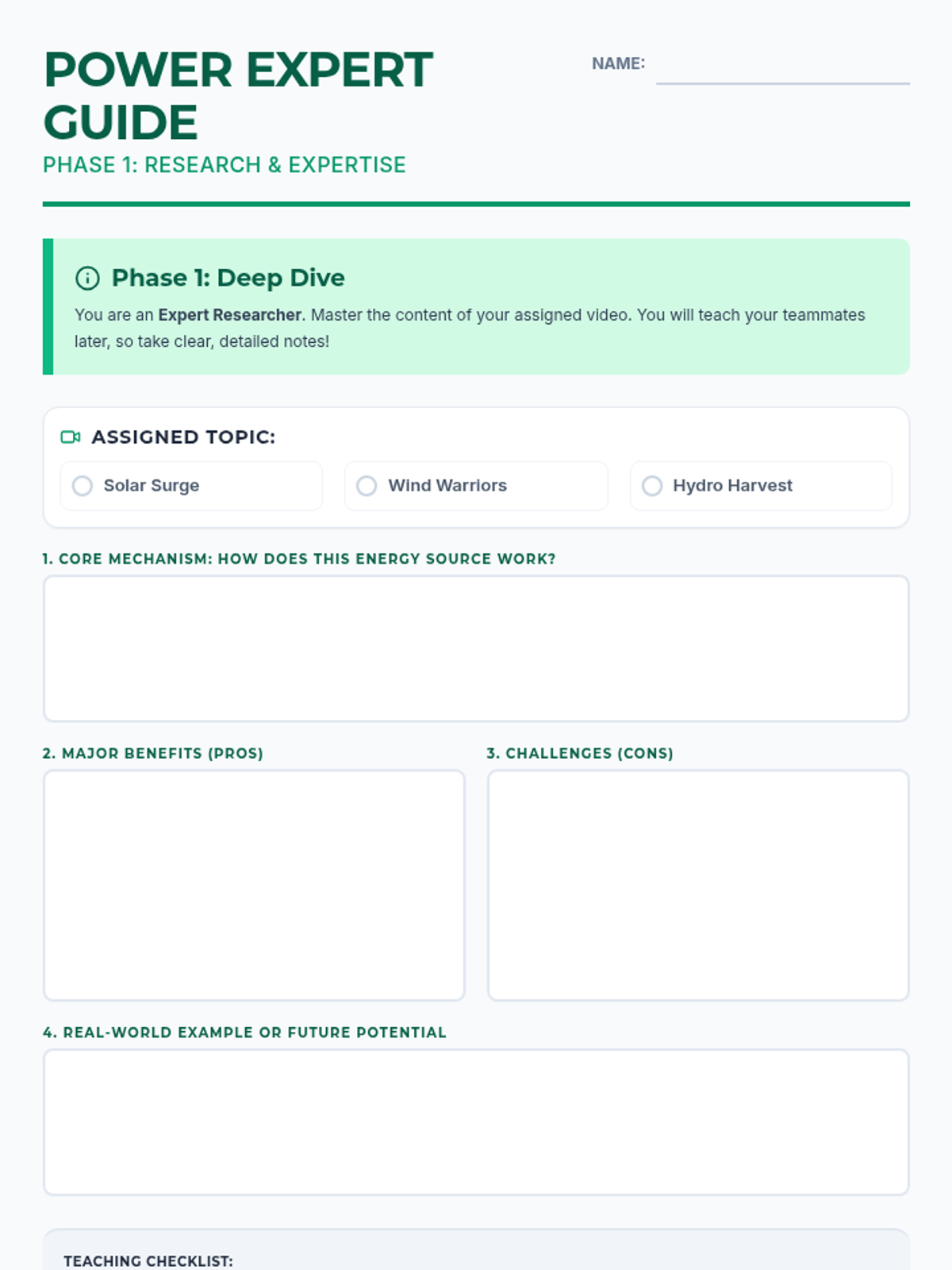
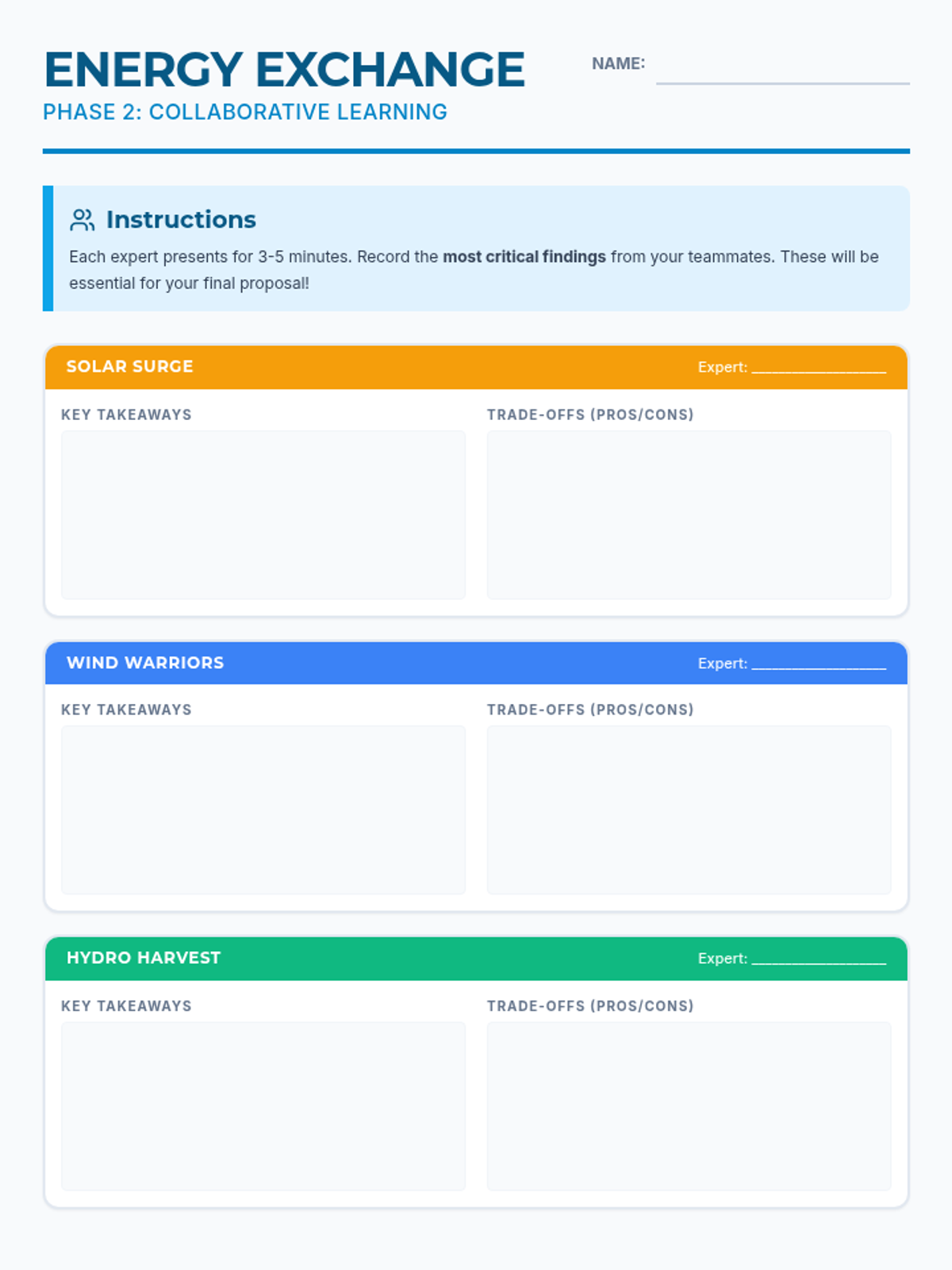
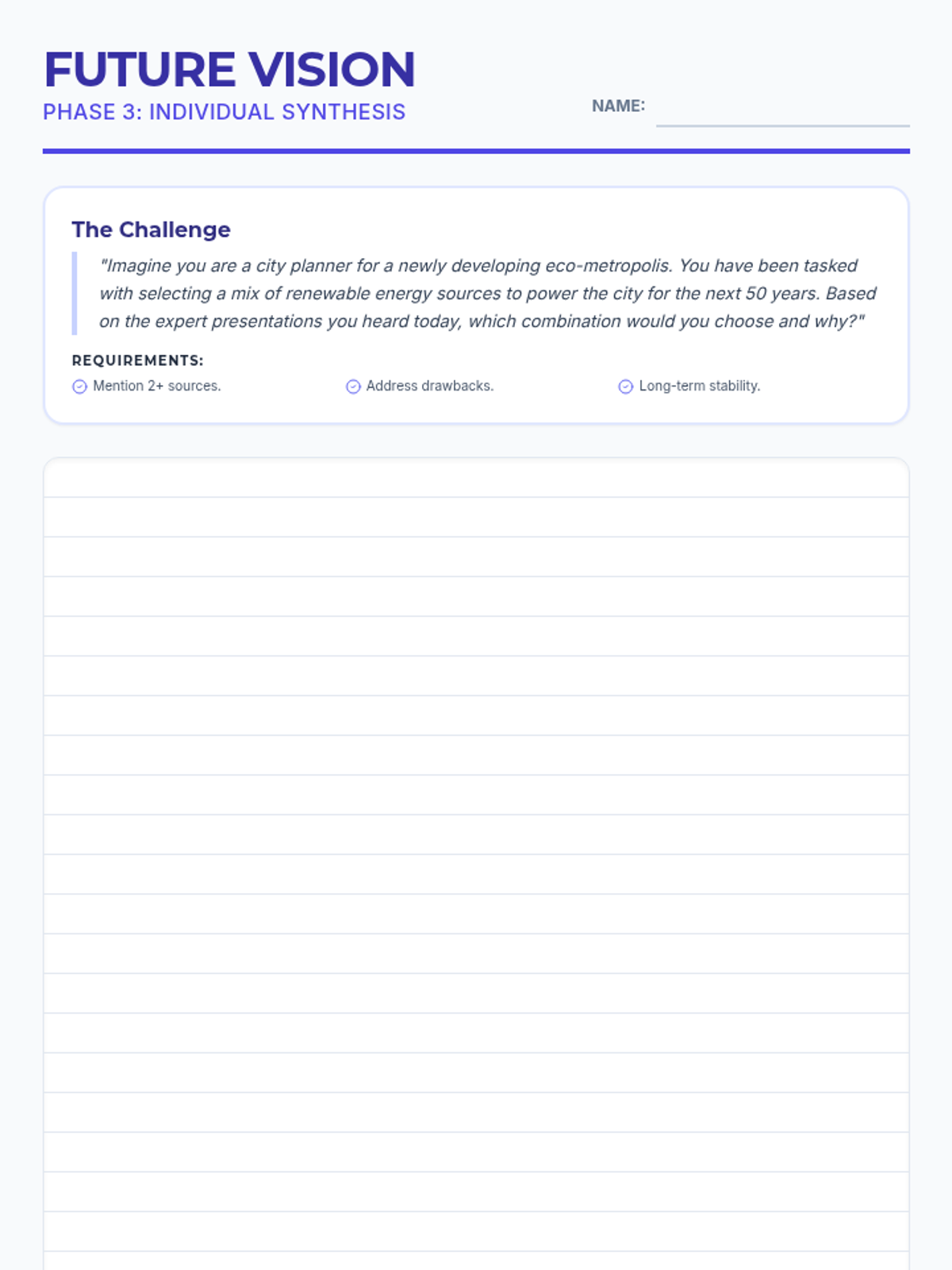
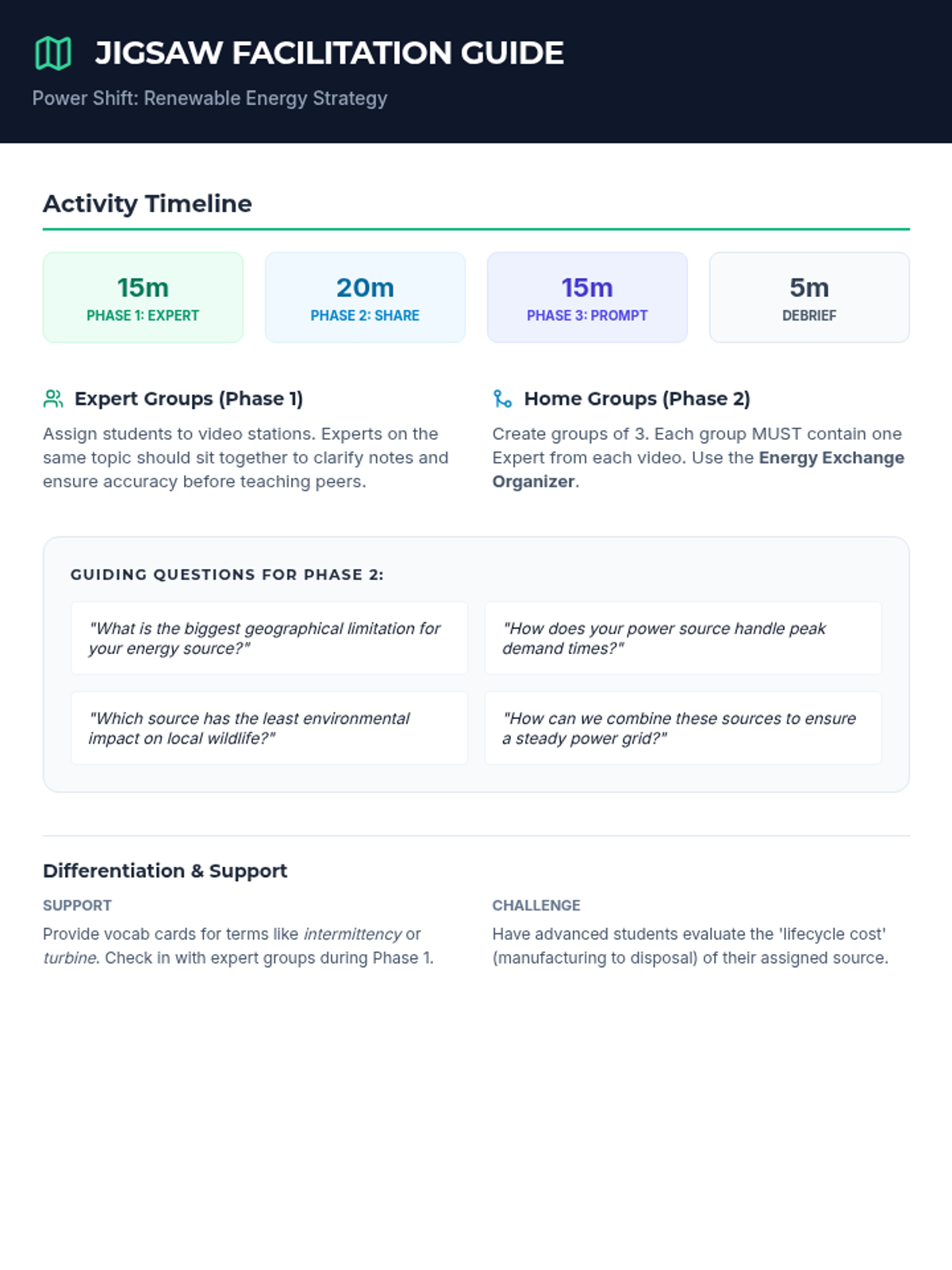
A collaborative jigsaw activity where students become experts on different renewable energy sources before teaching their peers and synthesising their knowledge.
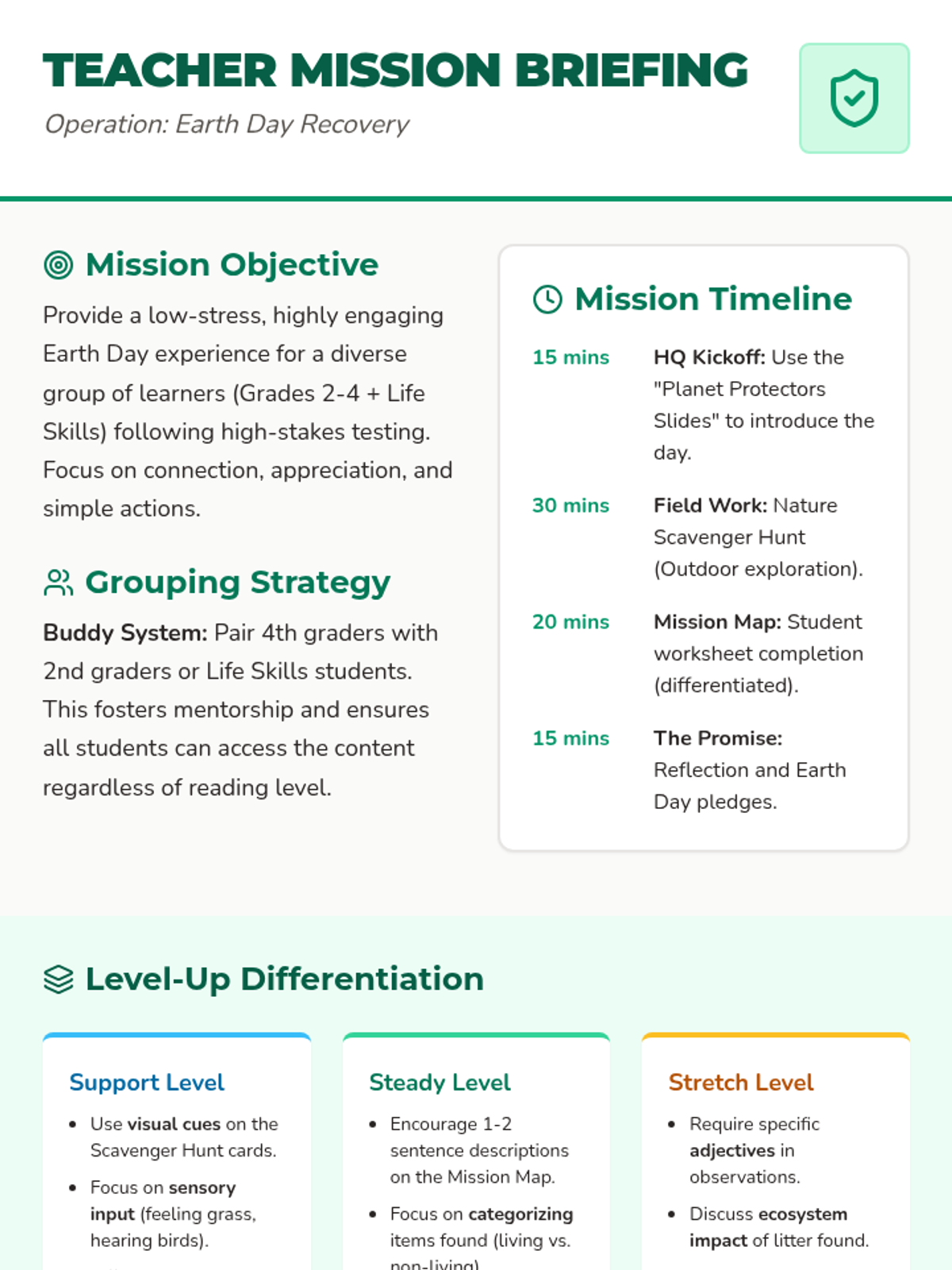
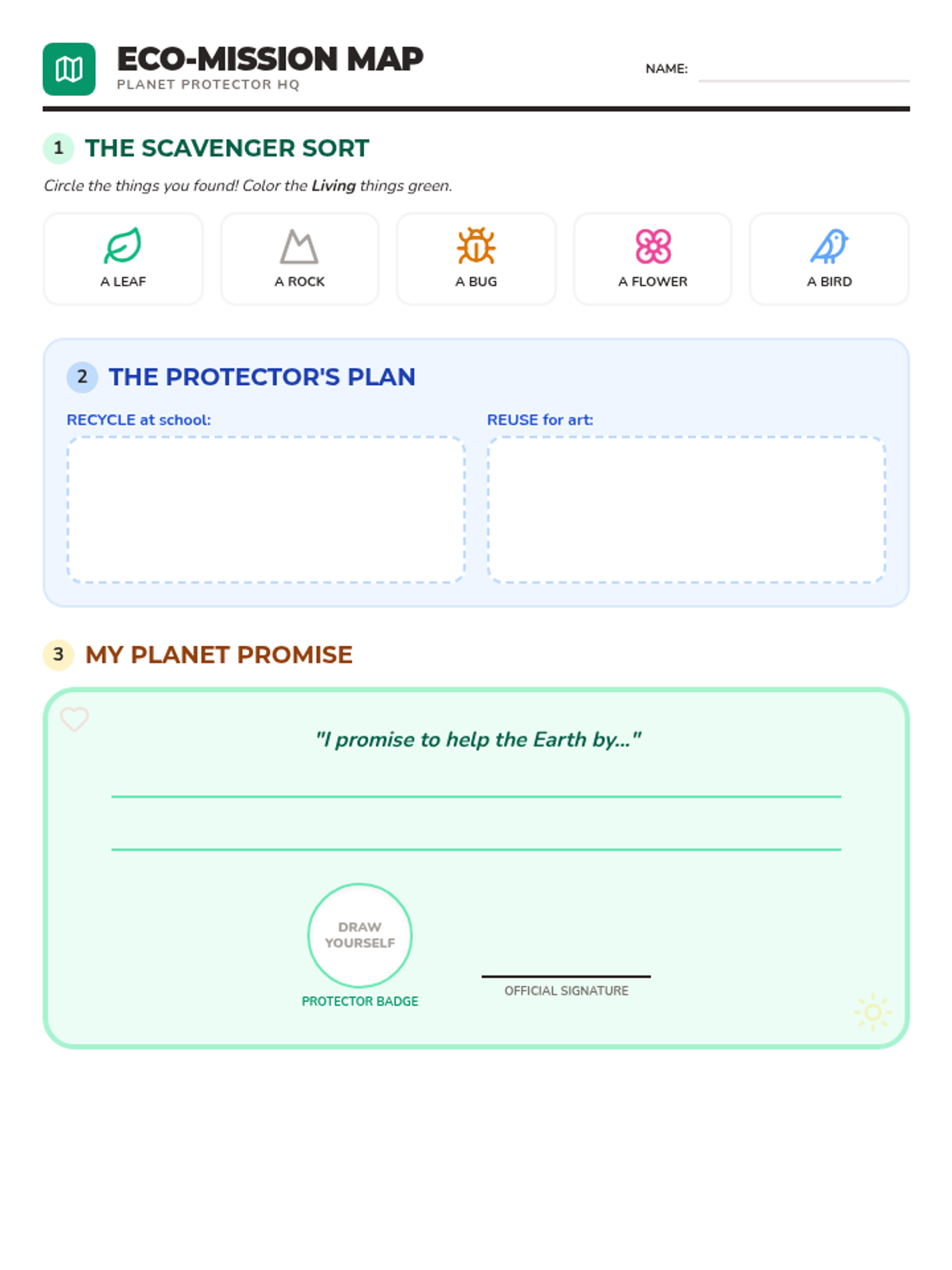
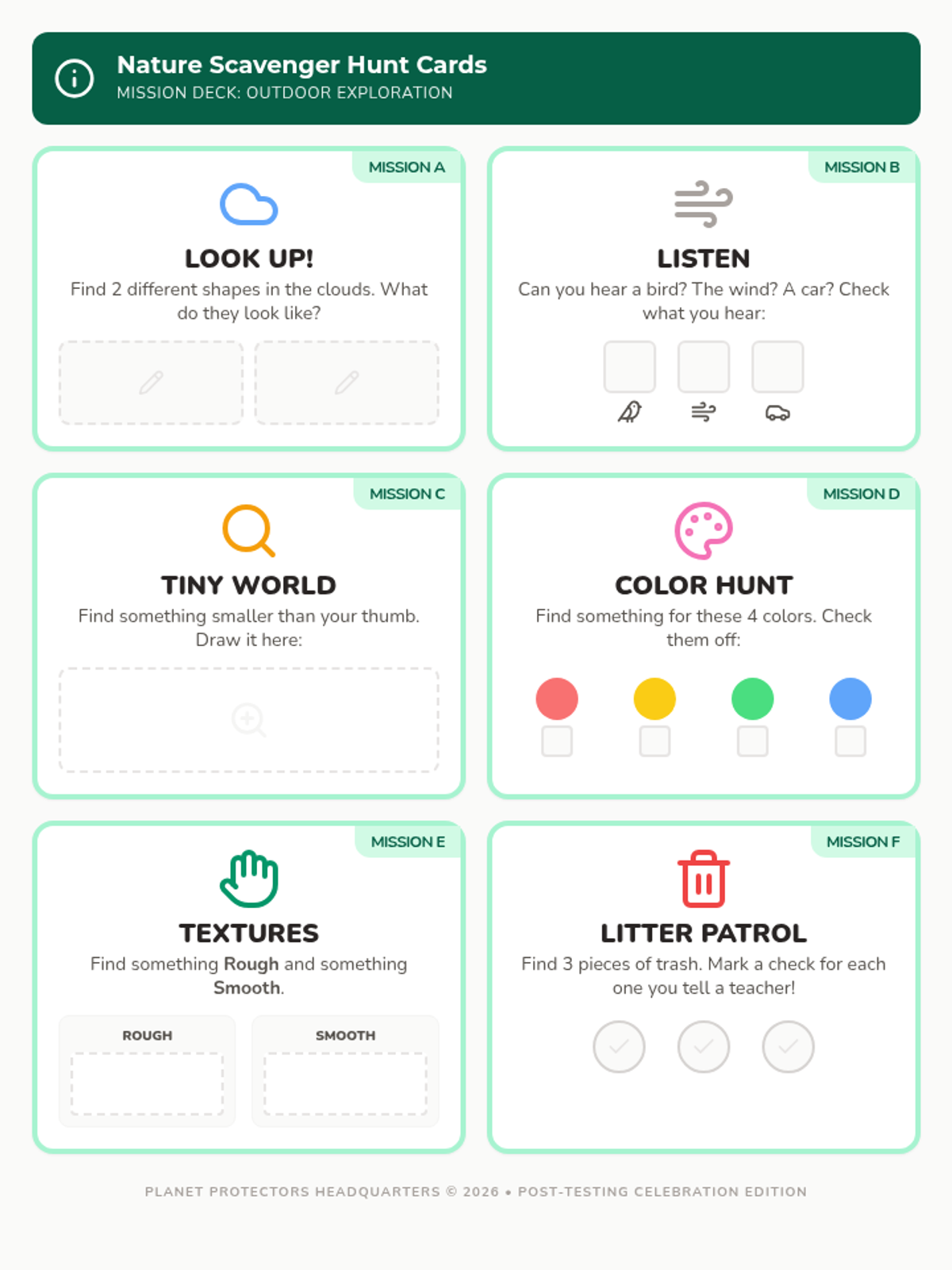
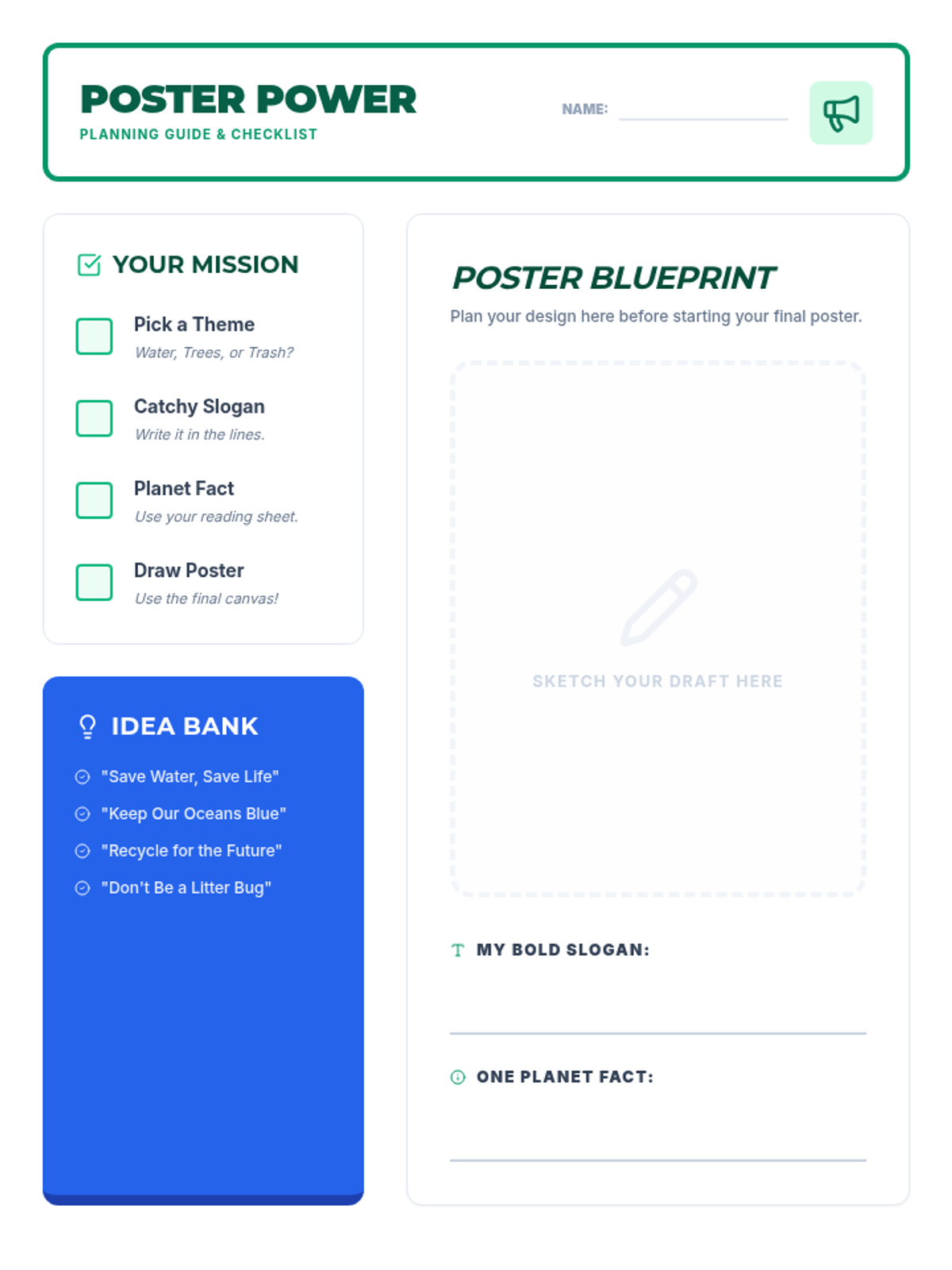
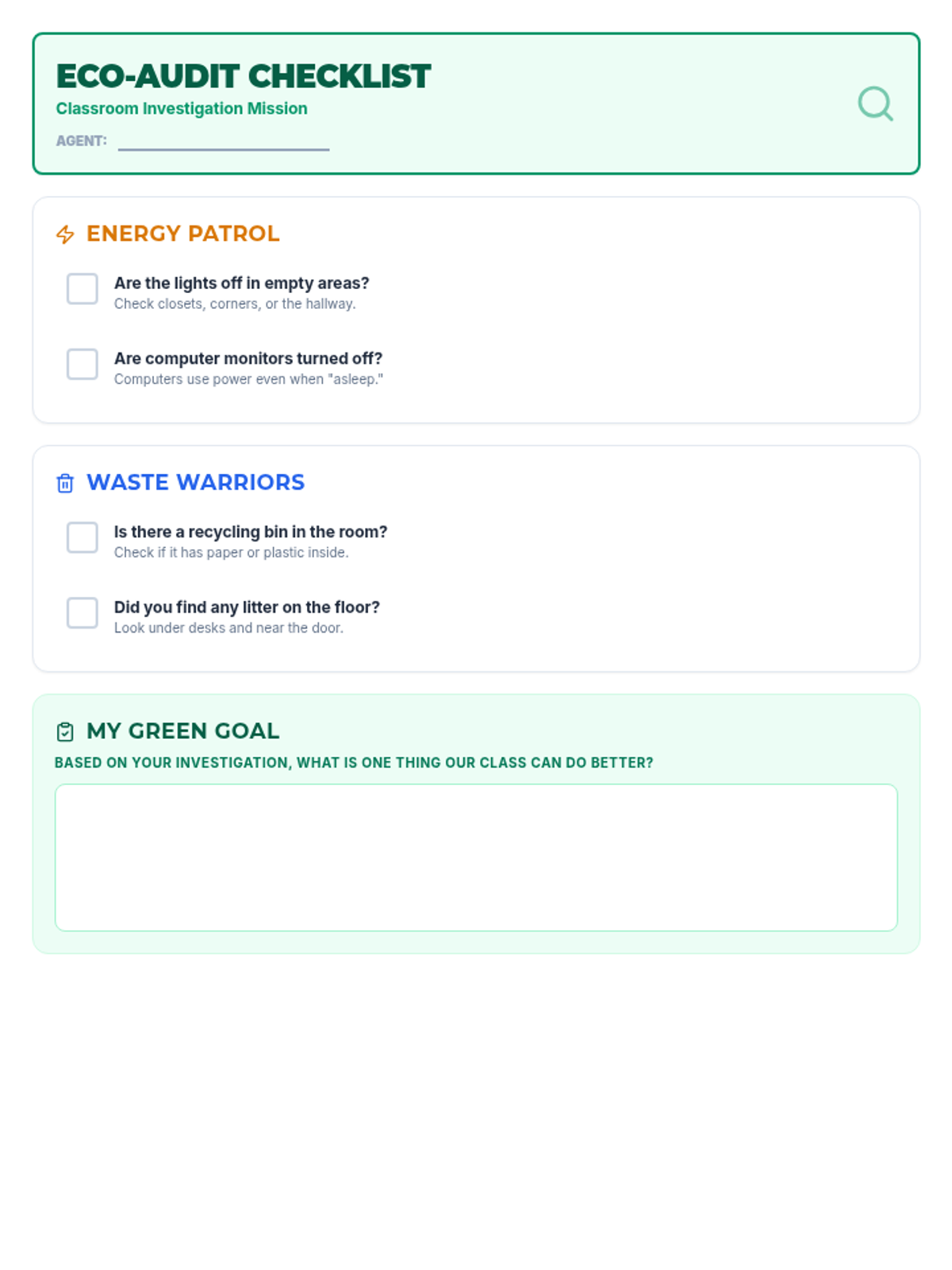
A fun, differentiated Earth Day celebration for 2nd-4th graders and life skills students, featuring hands-on missions to protect the planet after a week of testing.
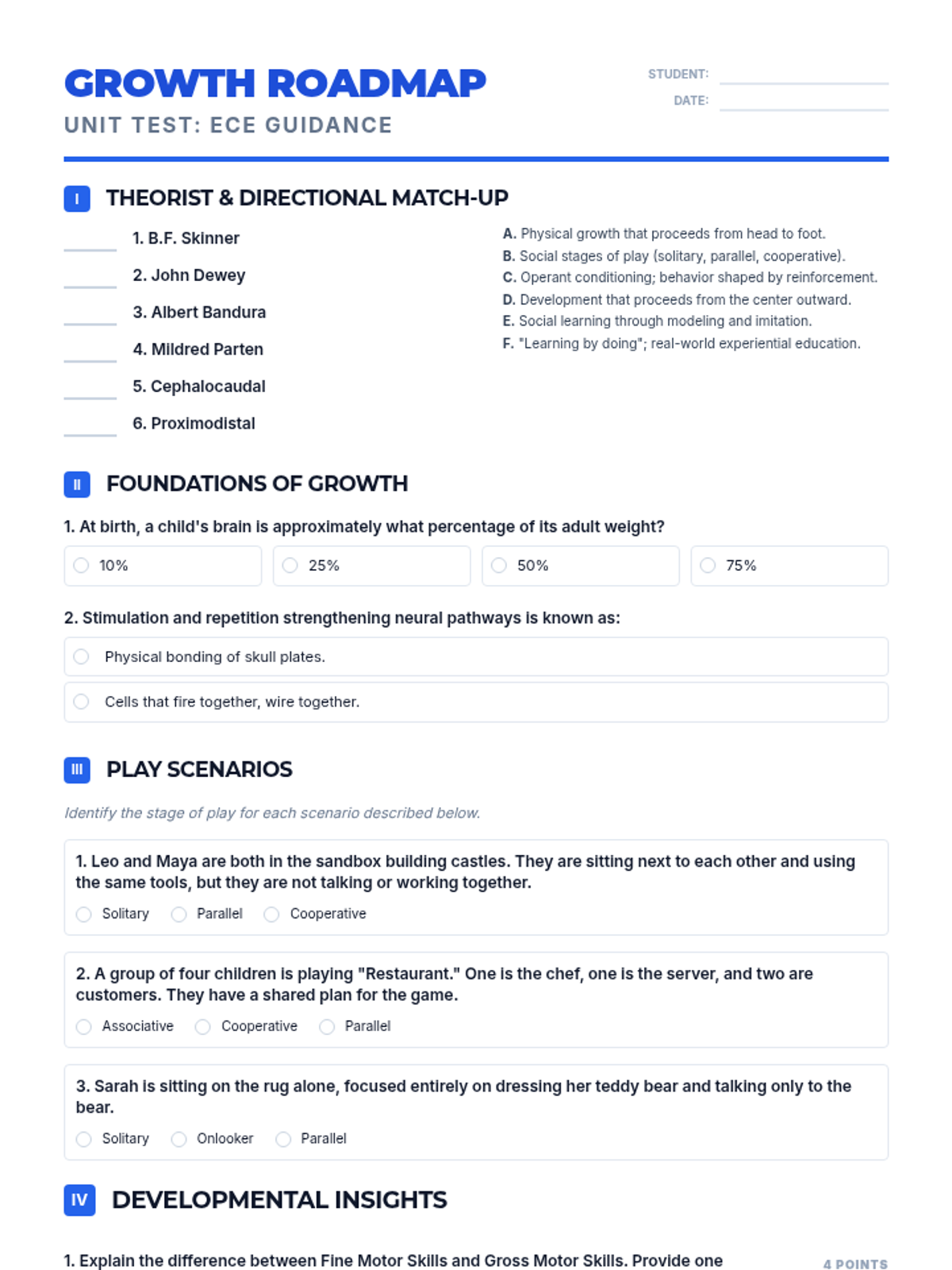
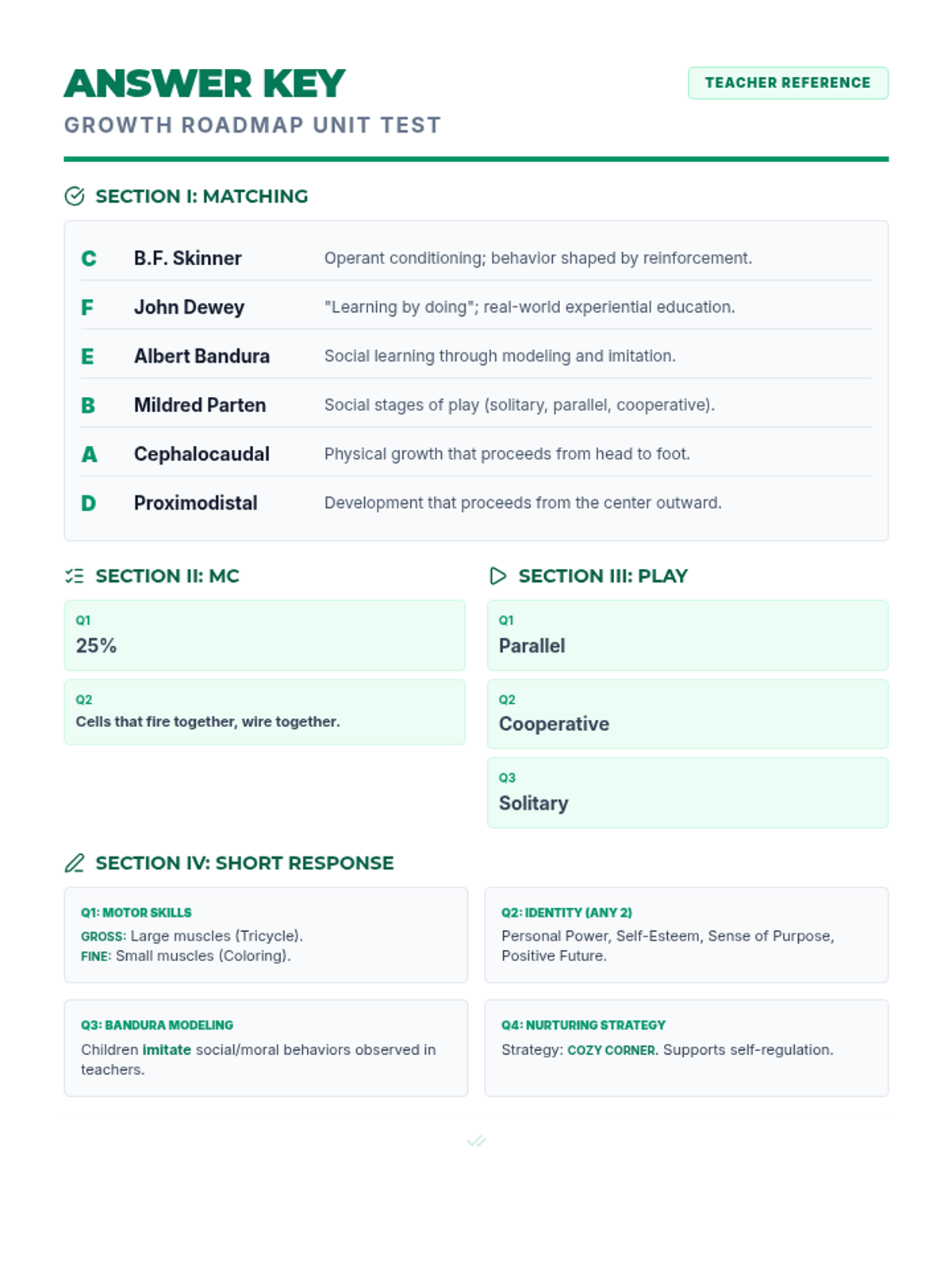
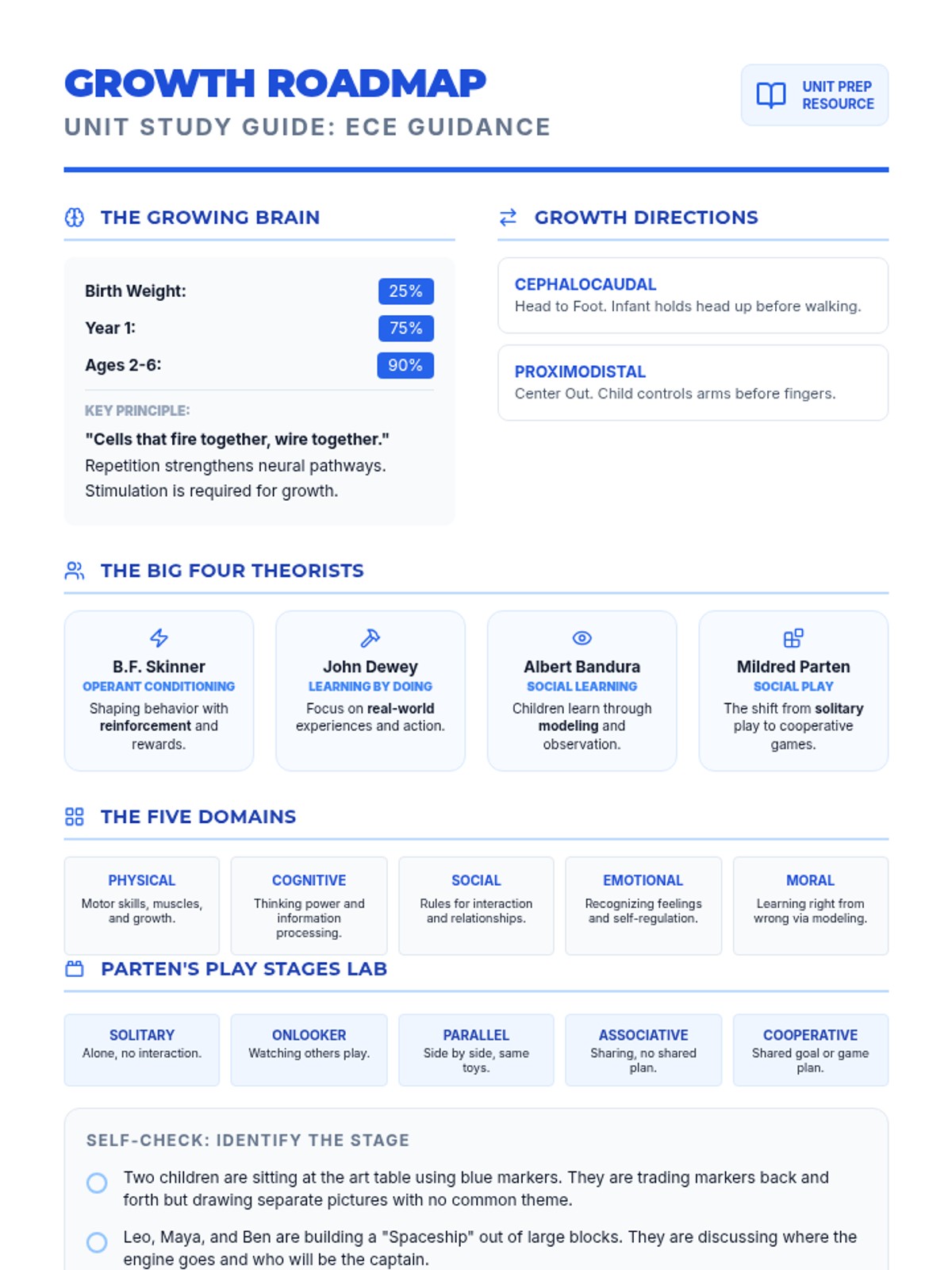
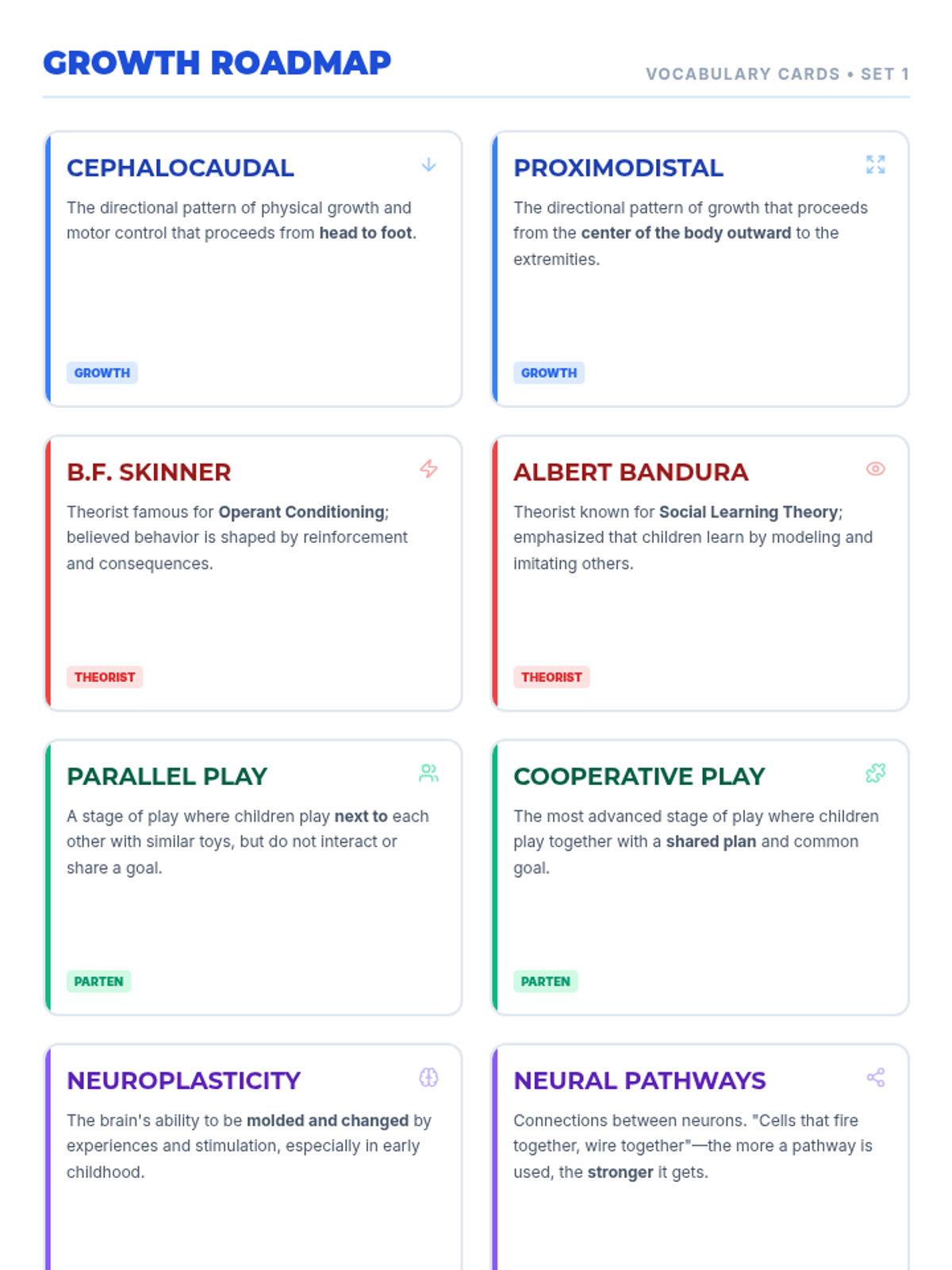
A comprehensive assessment covering developmental domains, brain growth, major ECE theorists, and strategies for supporting young children's self-concept and identity.
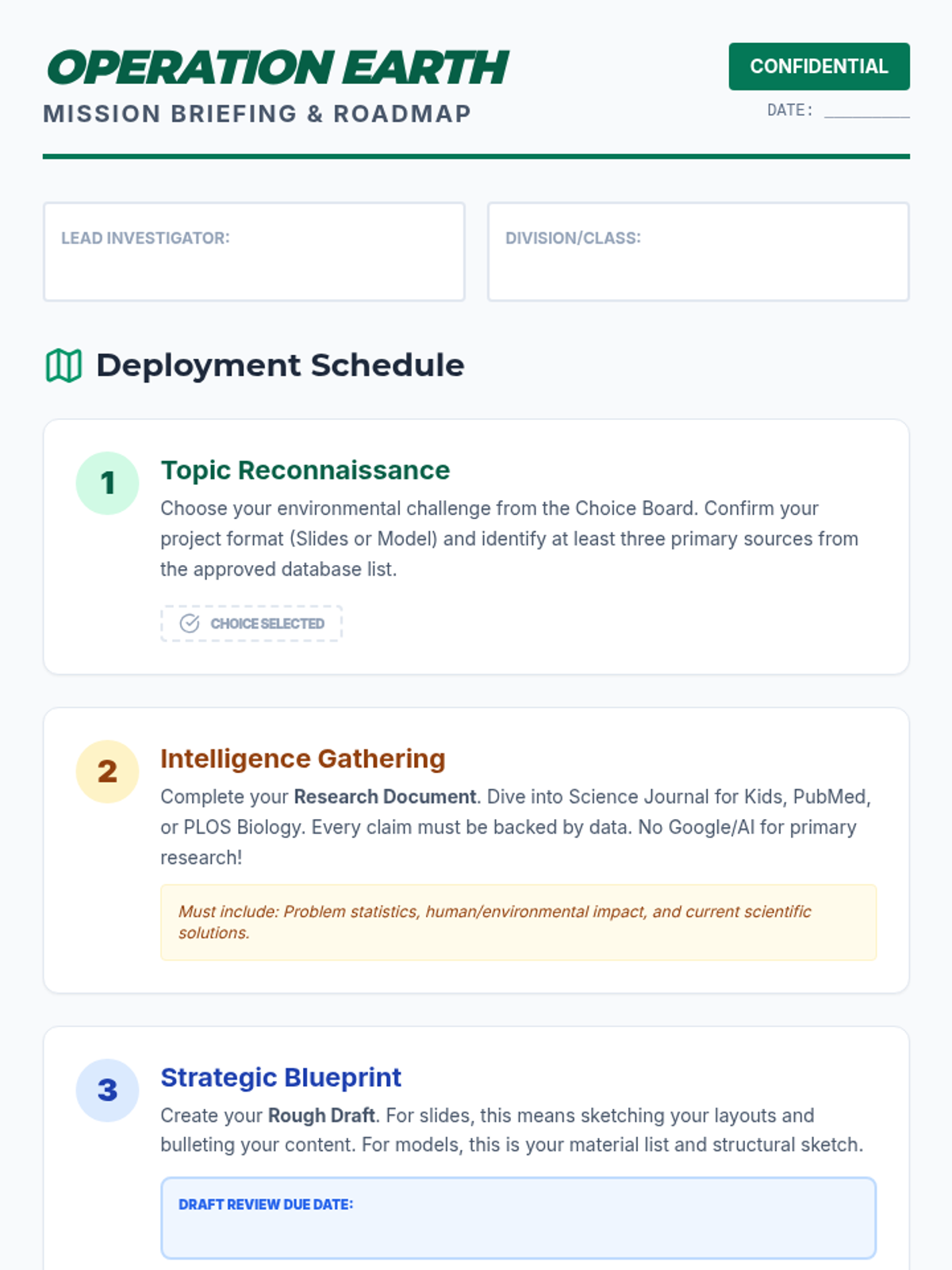
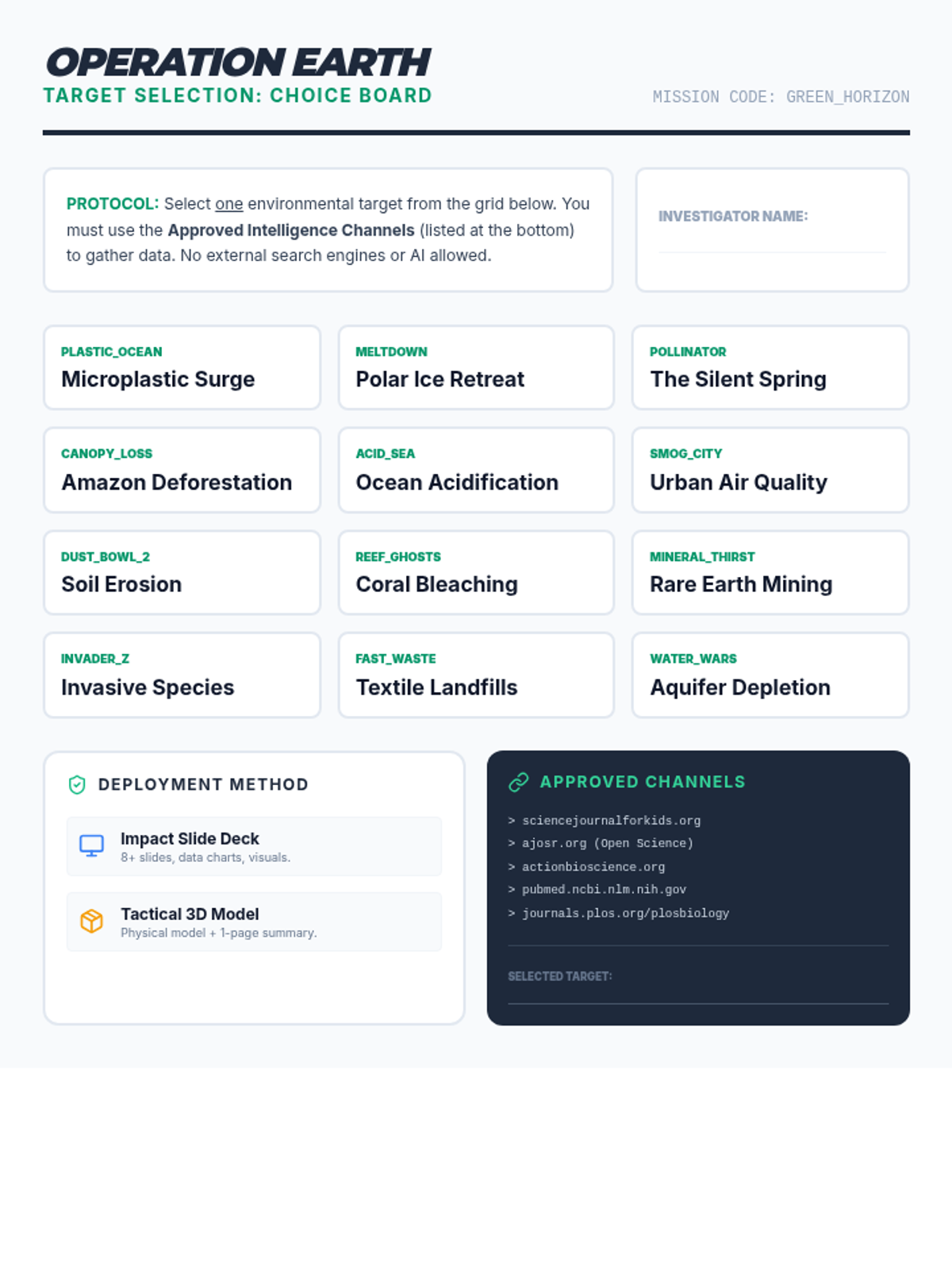
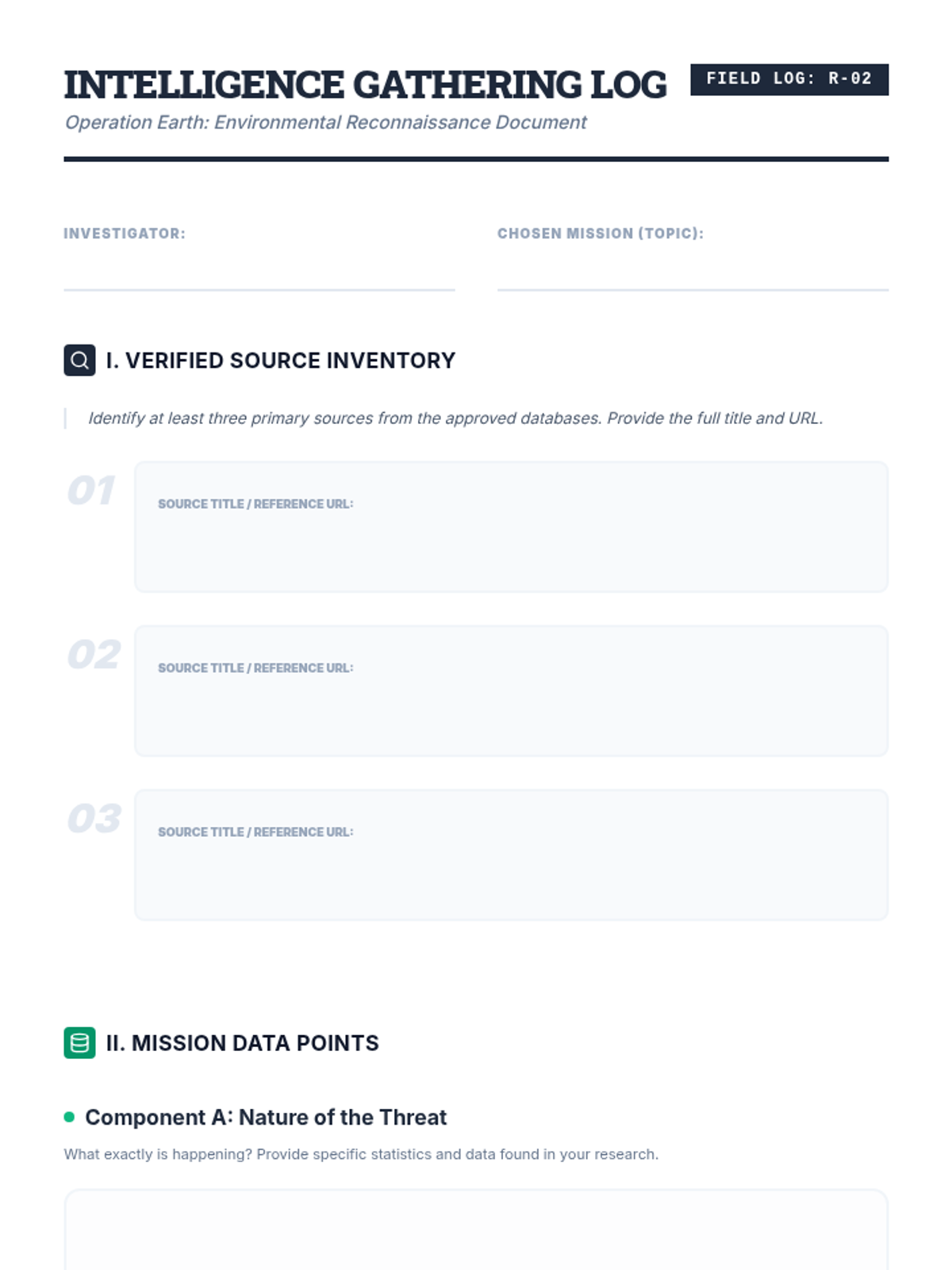
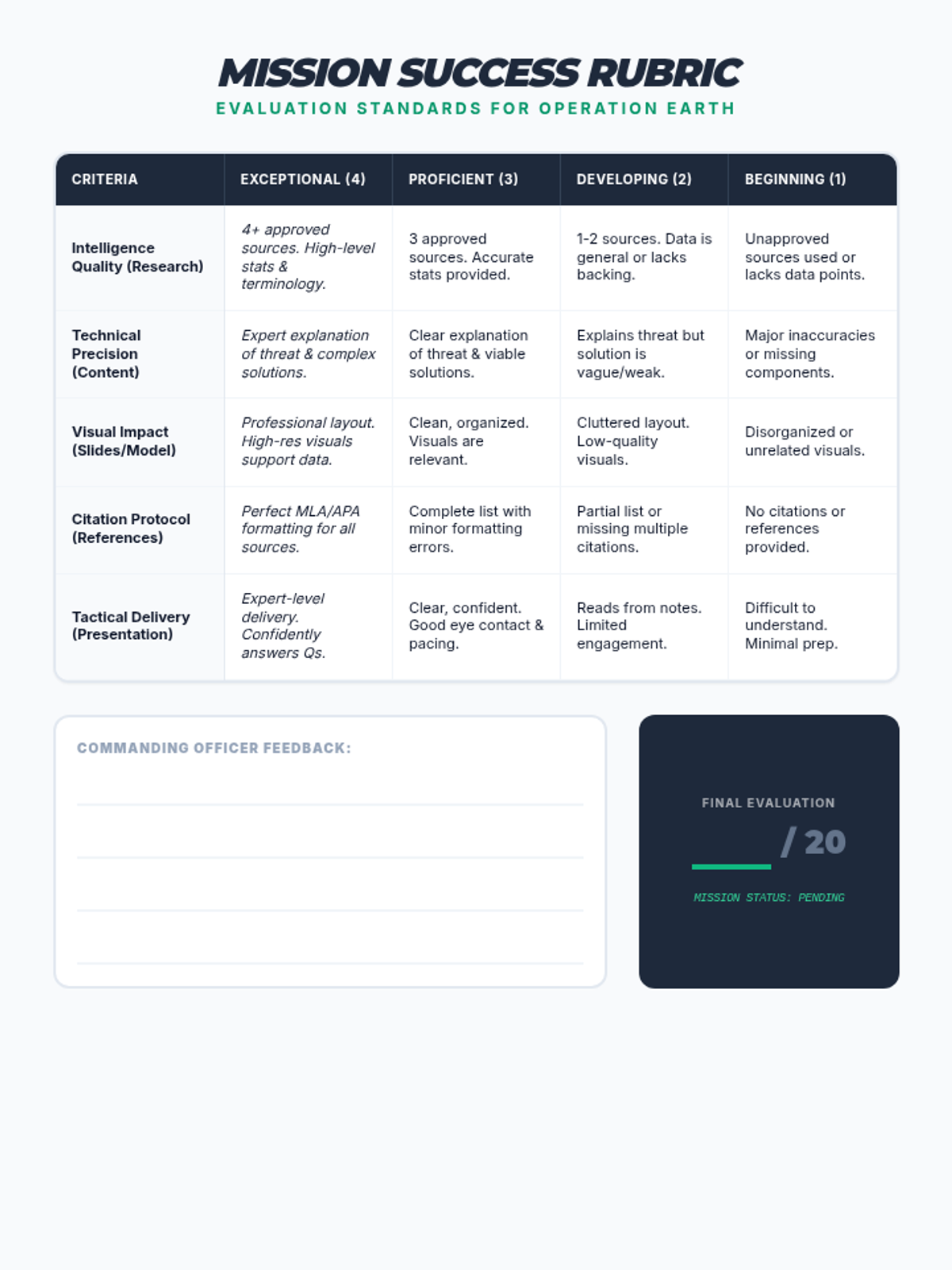
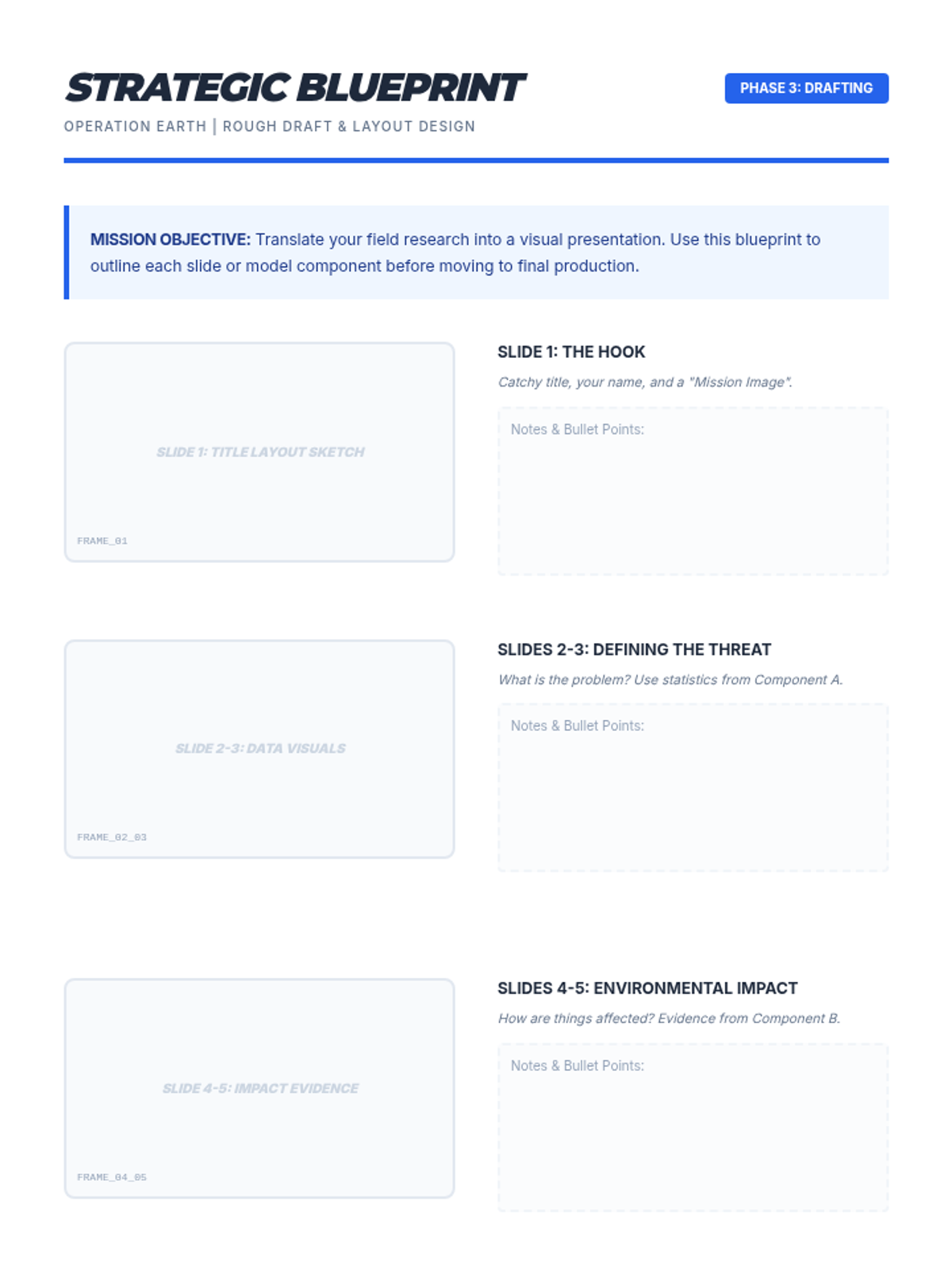
A comprehensive environmental science project broken into manageable phases, from research to final presentation. Students investigate global environmental challenges and propose solutions through a 'mission-based' framework.
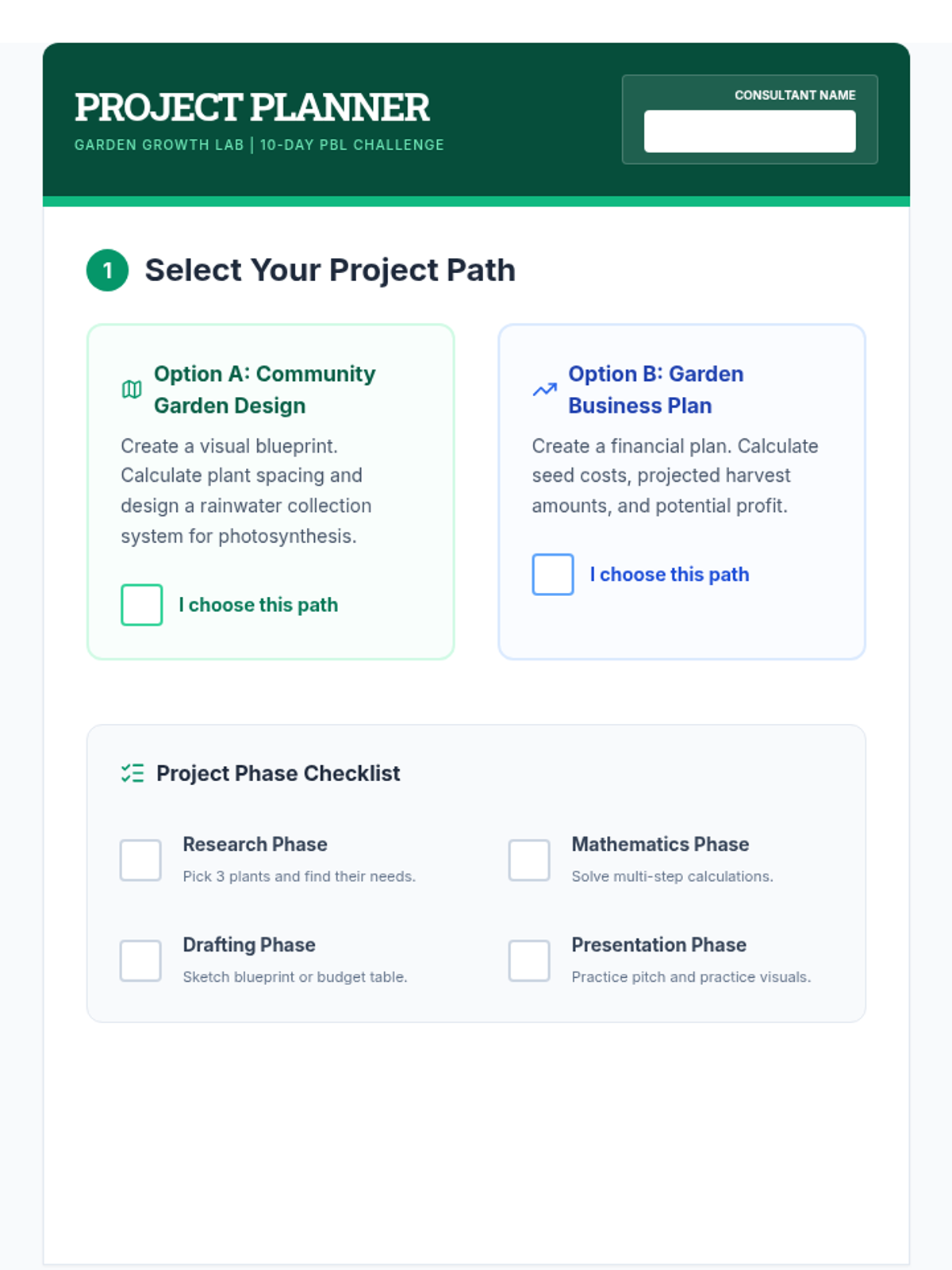
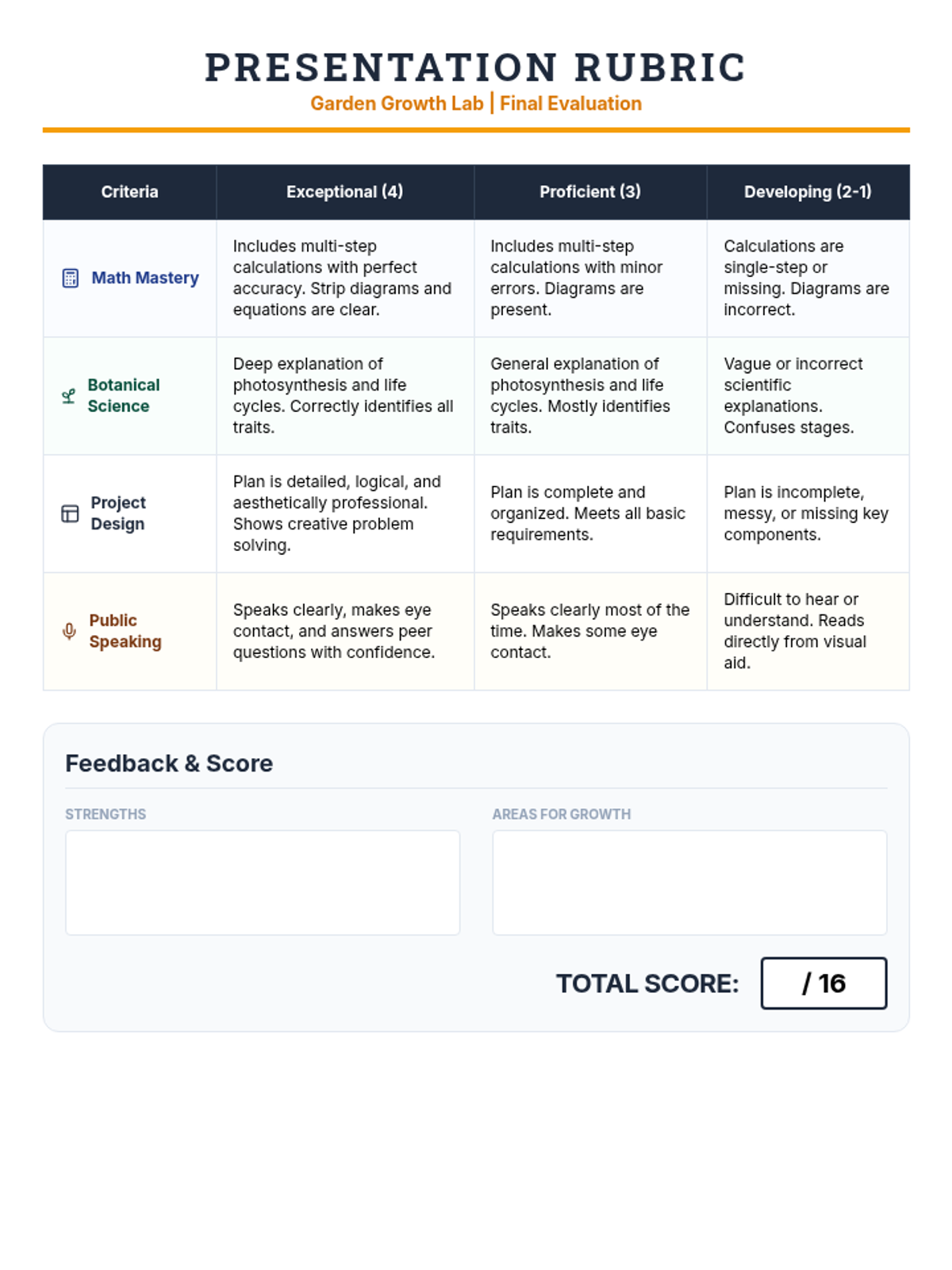
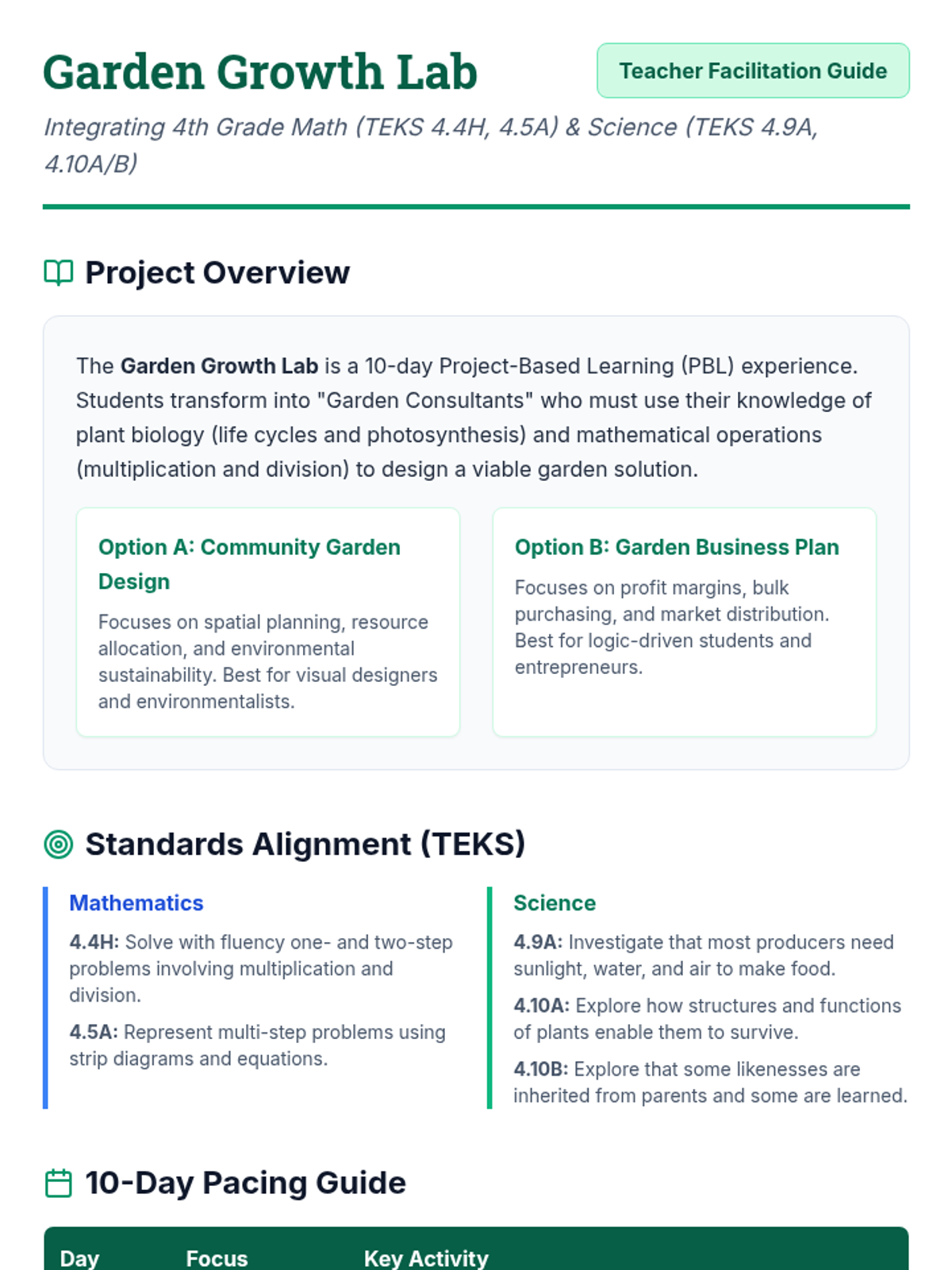
Students apply their scientific and mathematical knowledge to create either a Community Garden Design or a Garden Business Plan, culminating in a formal presentation.
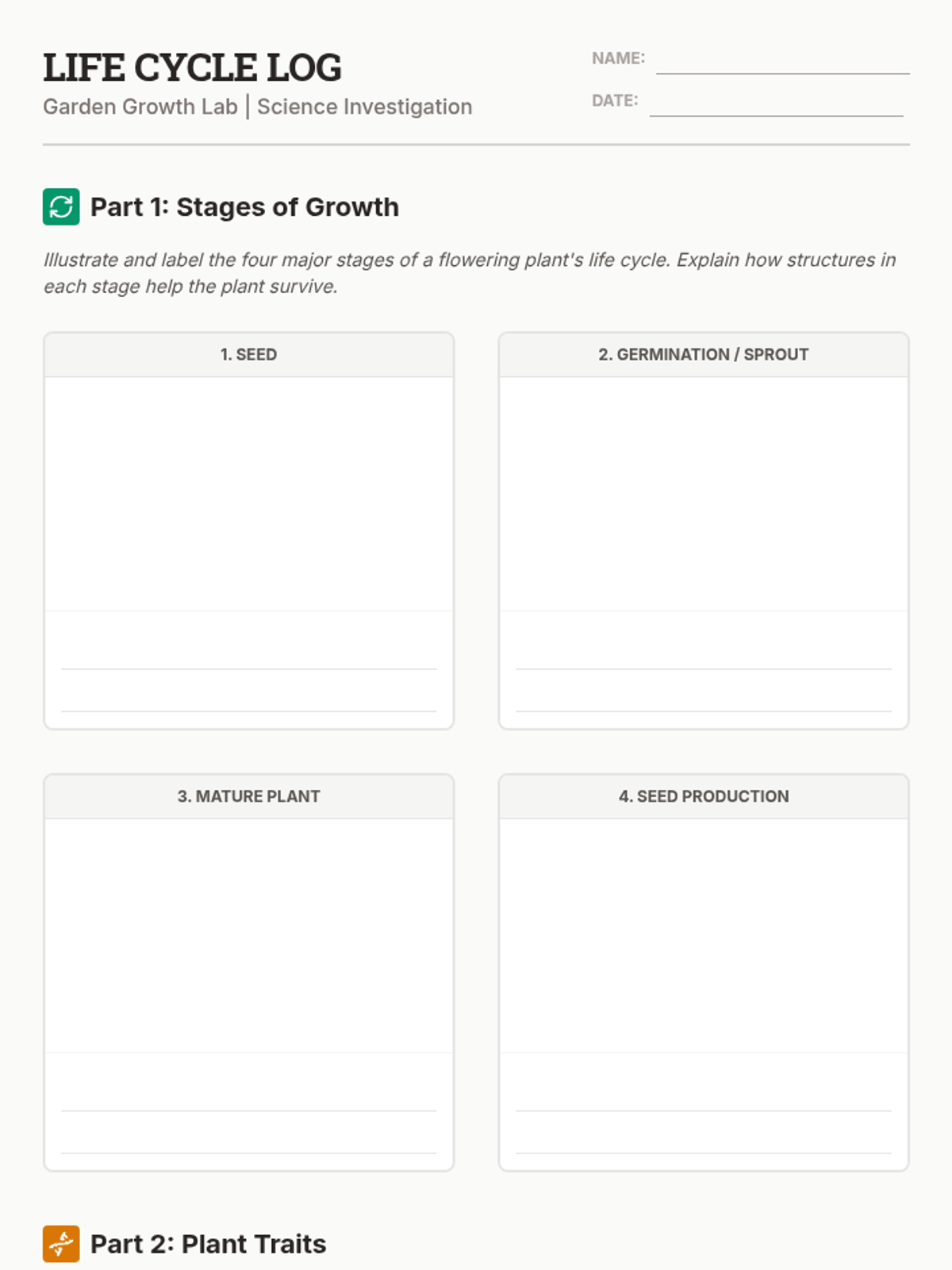
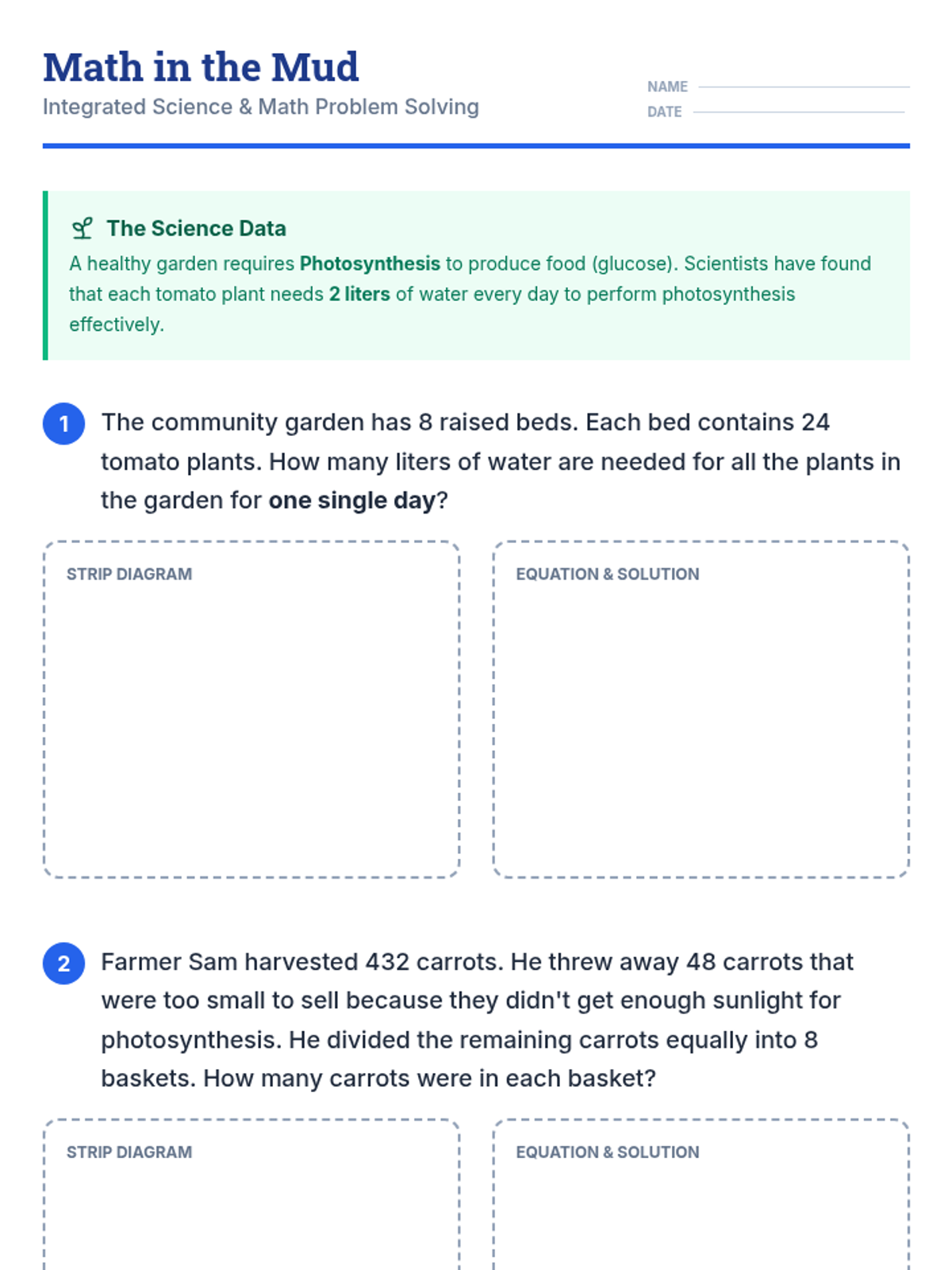
Students explore plant life cycles and photosynthesis while practicing multi-step multiplication and division problems related to gardening logistics and plant needs.
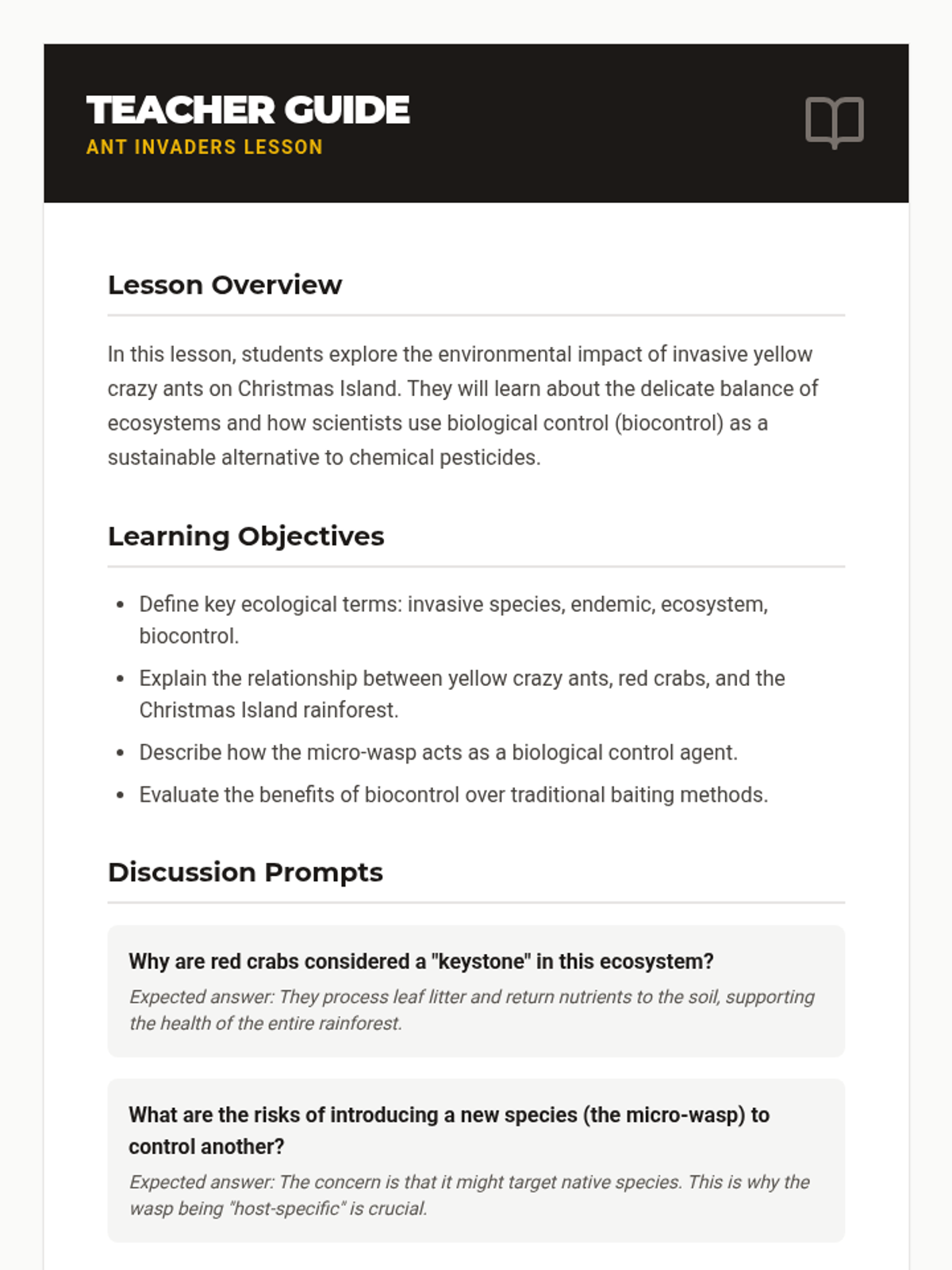
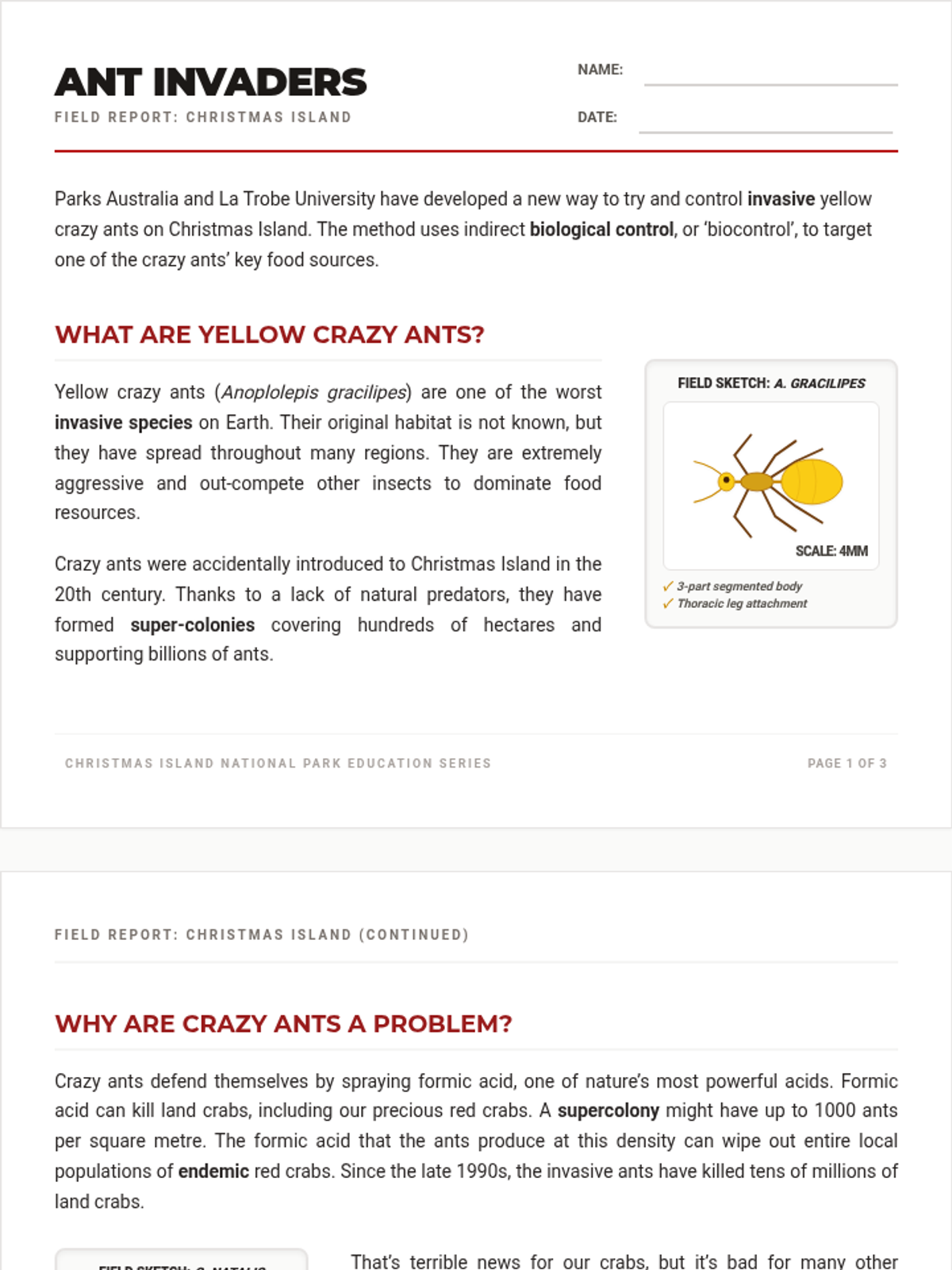
A lesson exploring the impact of invasive yellow crazy ants on Christmas Island's ecosystem and the innovative biocontrol methods used to manage them.
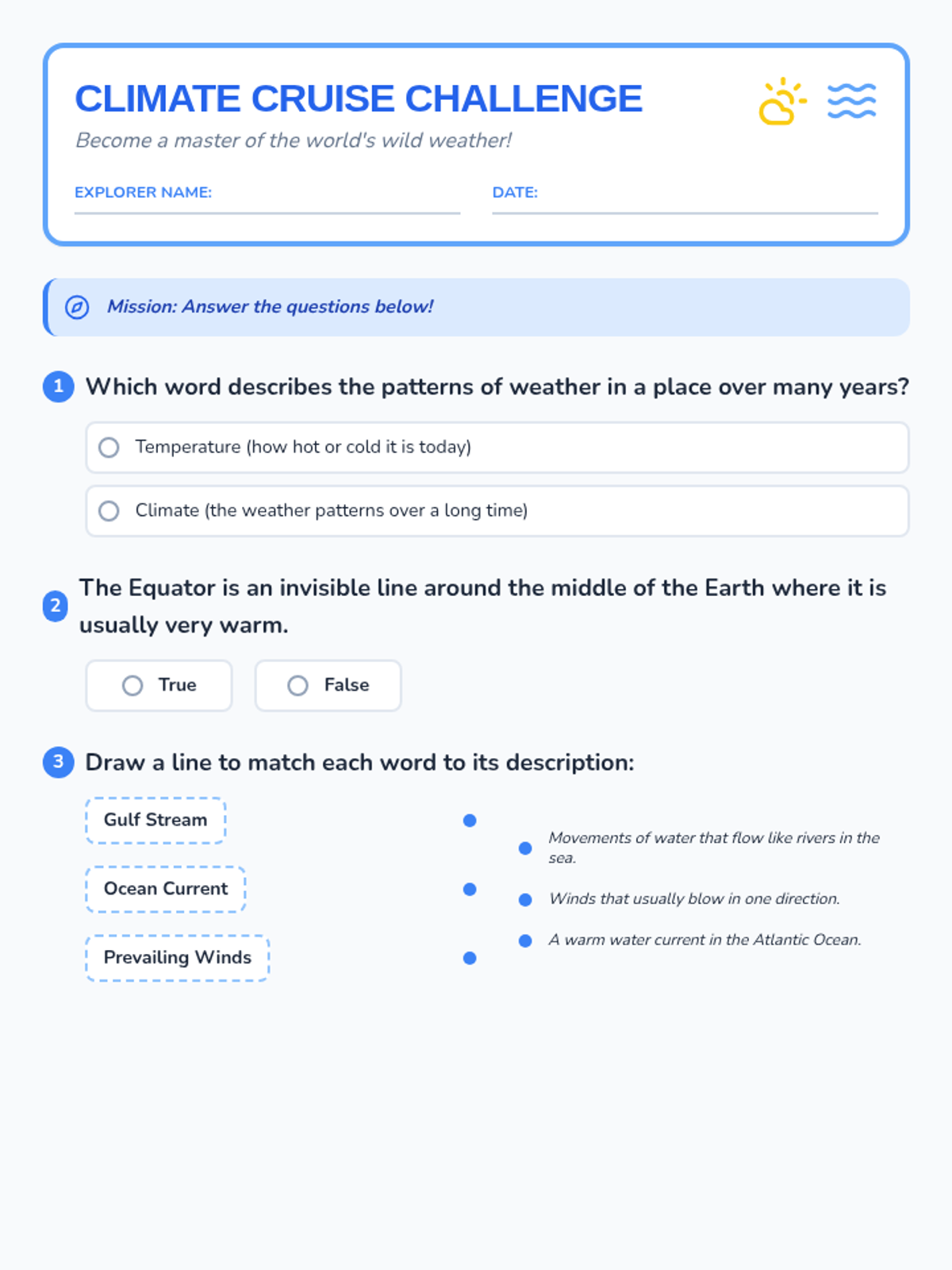
A foundational exploration of climate, weather, and the powerful ocean currents that shape our world's temperatures, specifically focusing on the equator and the El Niño phenomenon.
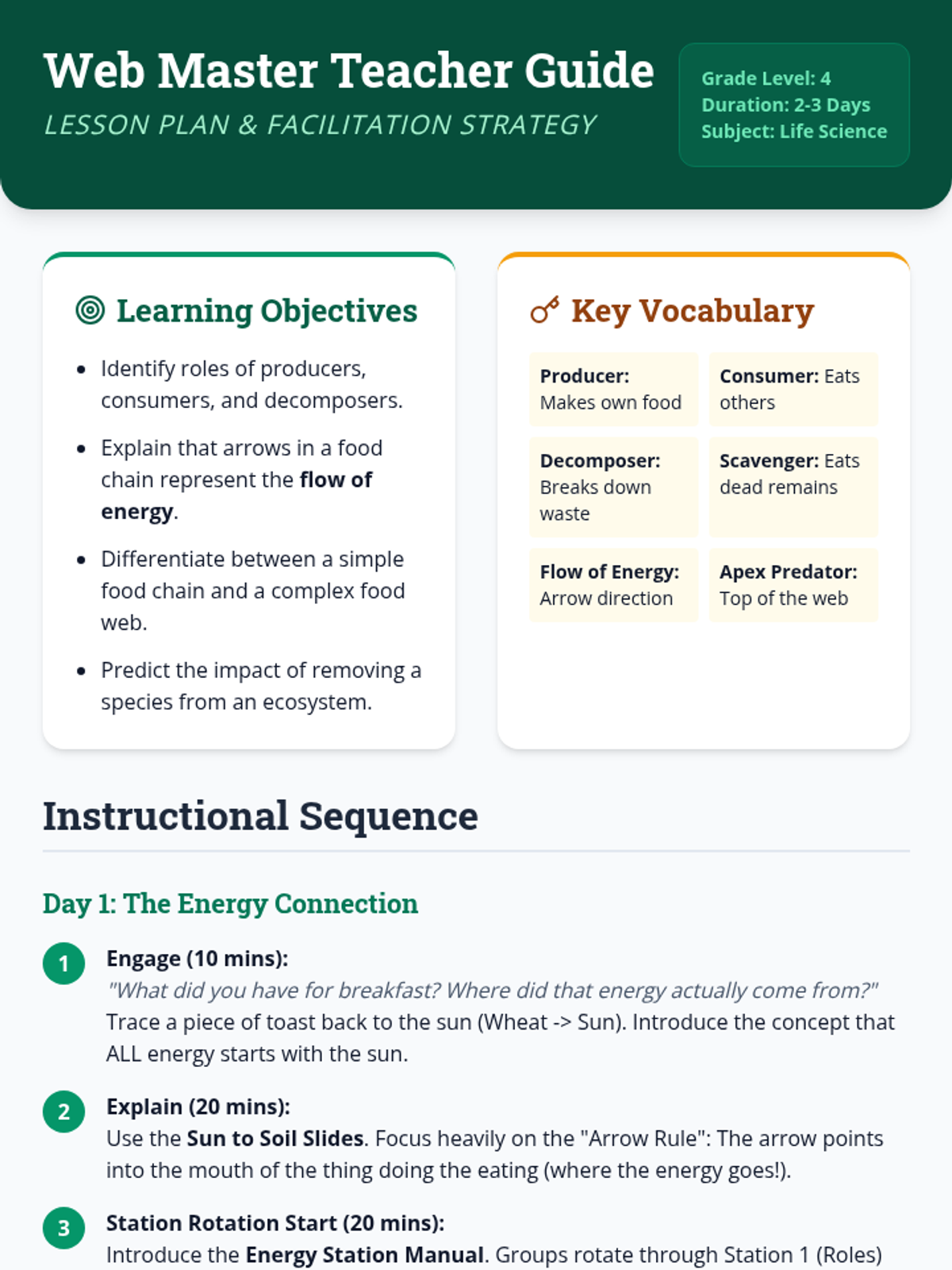
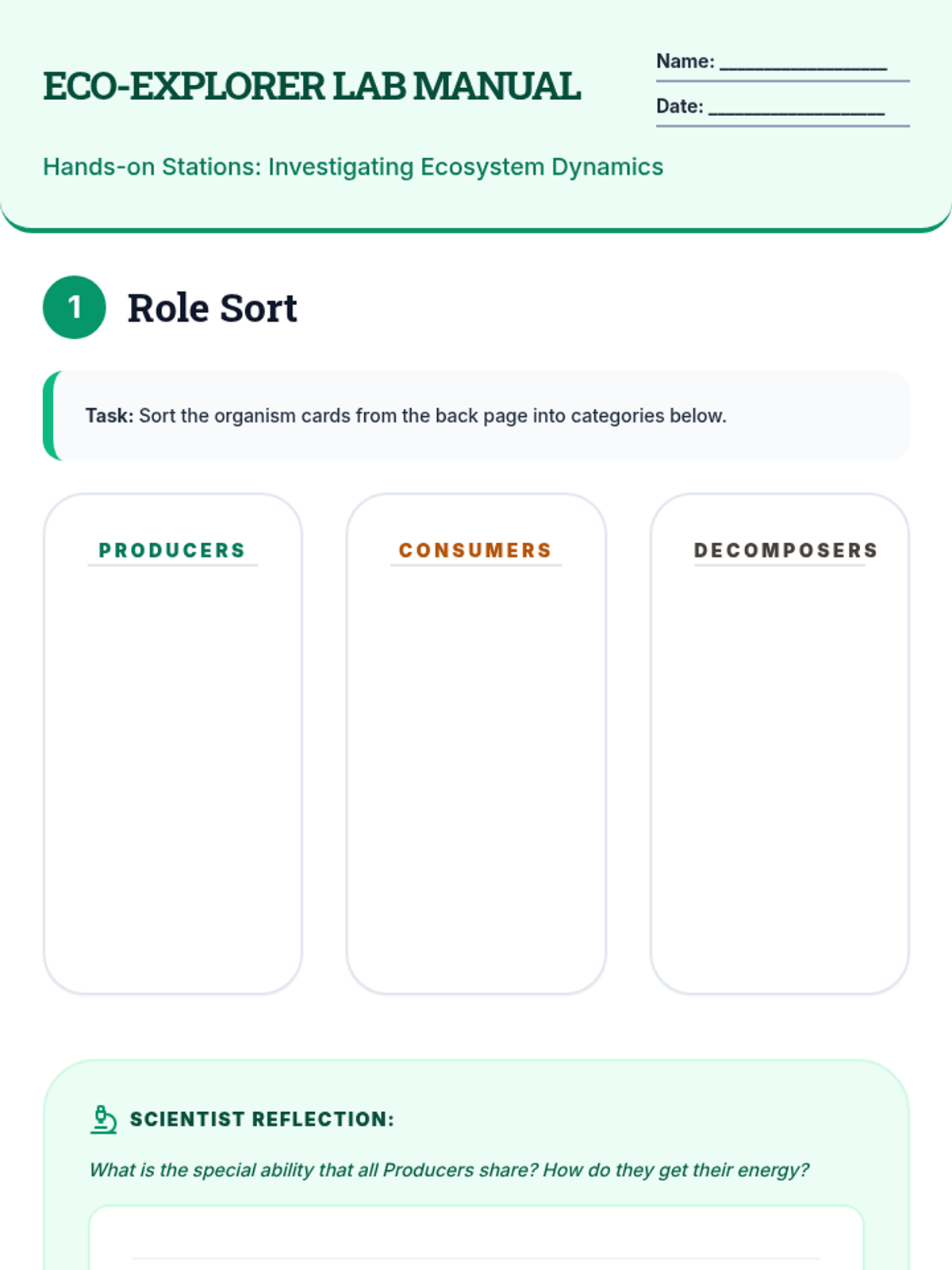
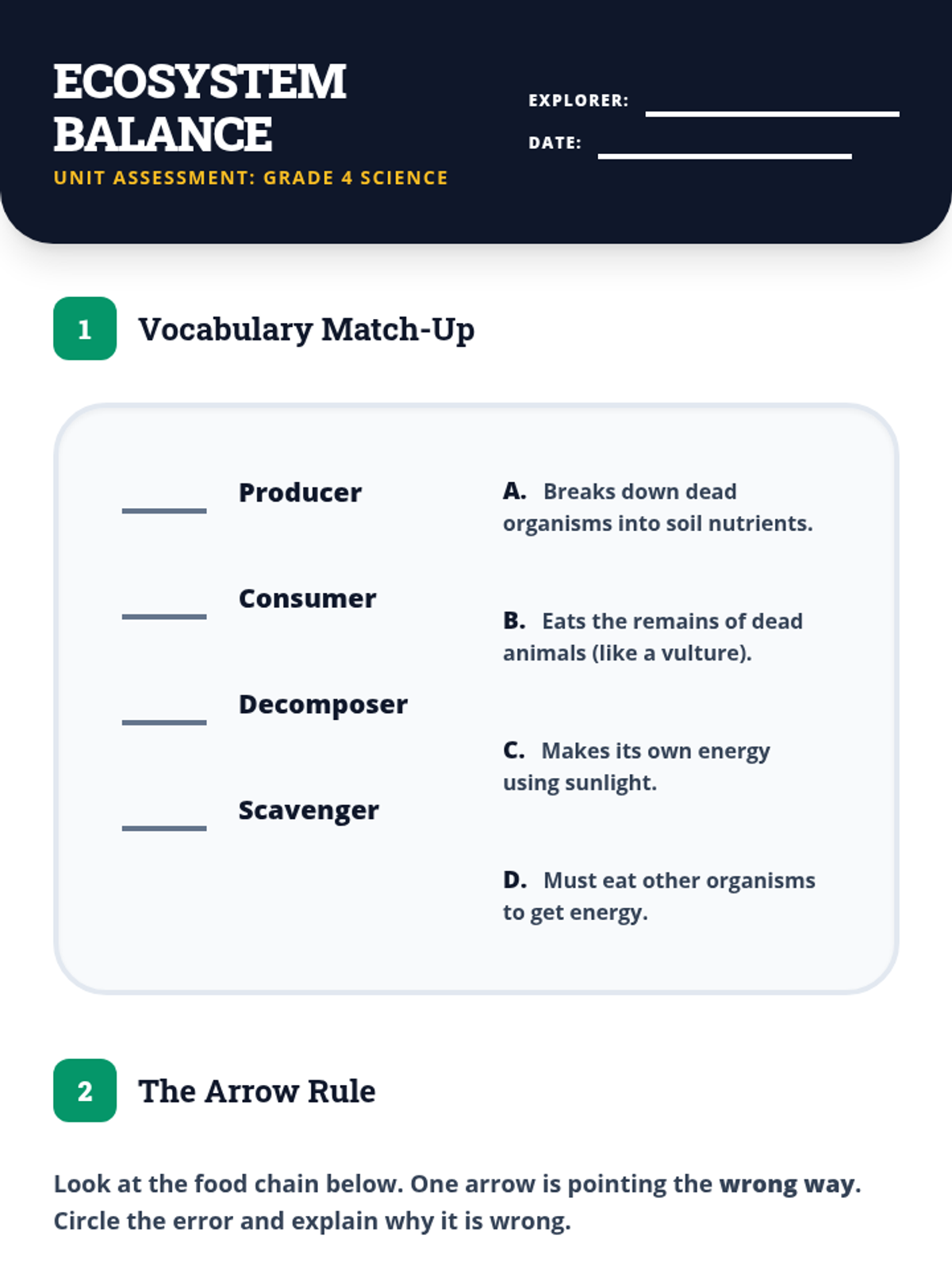
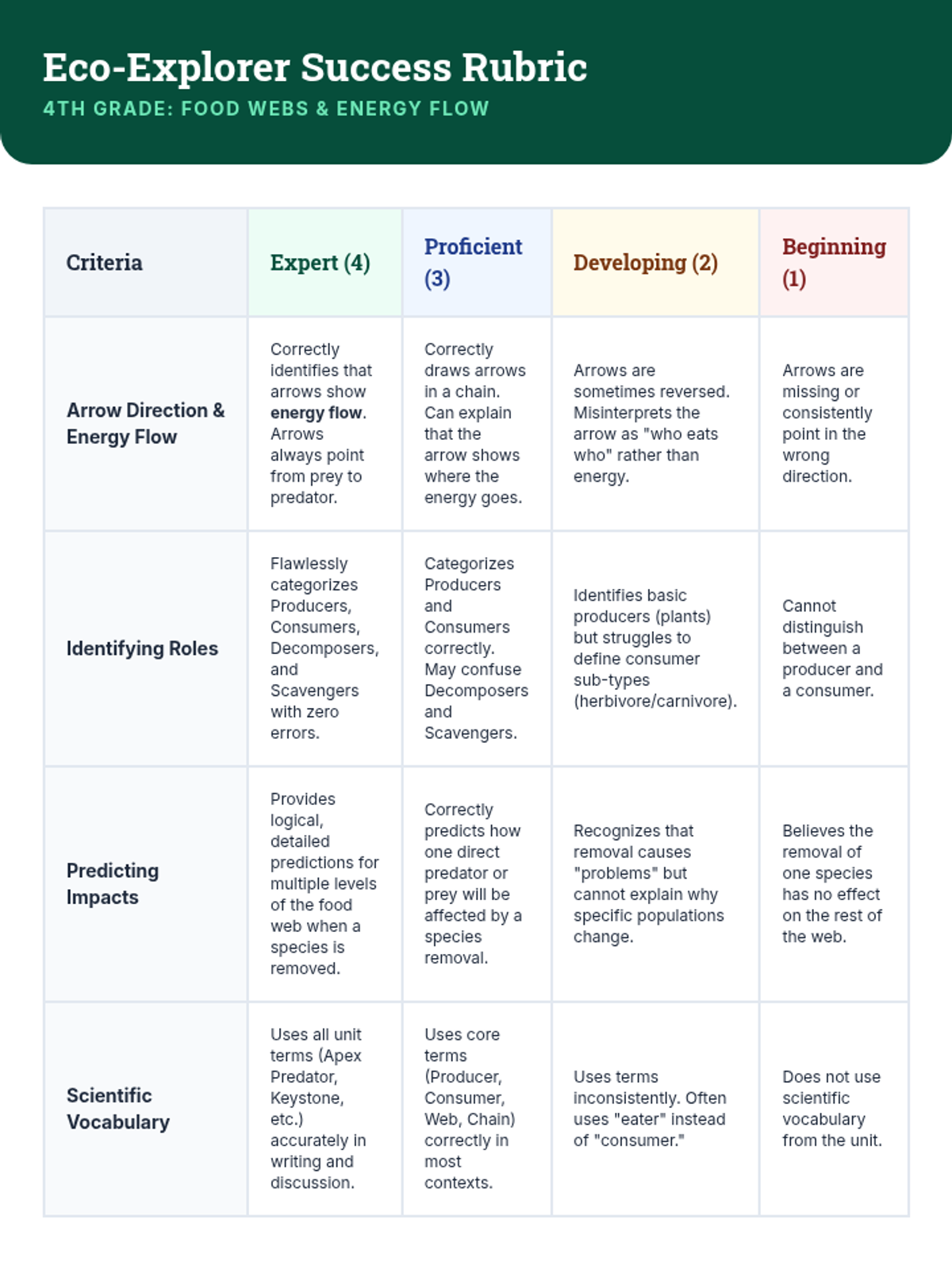
This lesson introduces students to producers, consumers, and decomposers, focusing on the direction of energy flow in food chains and the complexity of food webs. Students will participate in station-based activities to simulate ecosystem dynamics and analyze the impact of species removal.
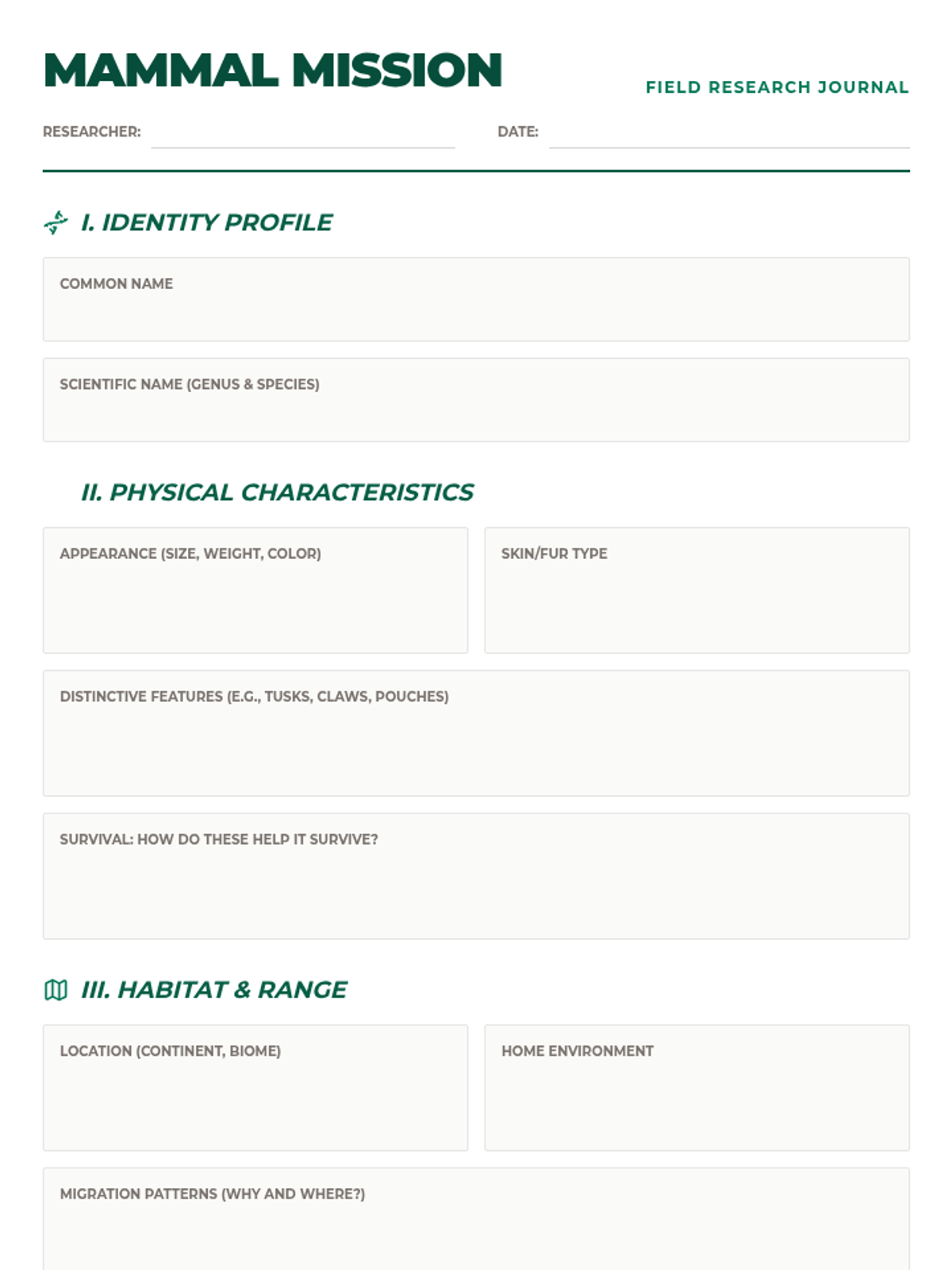
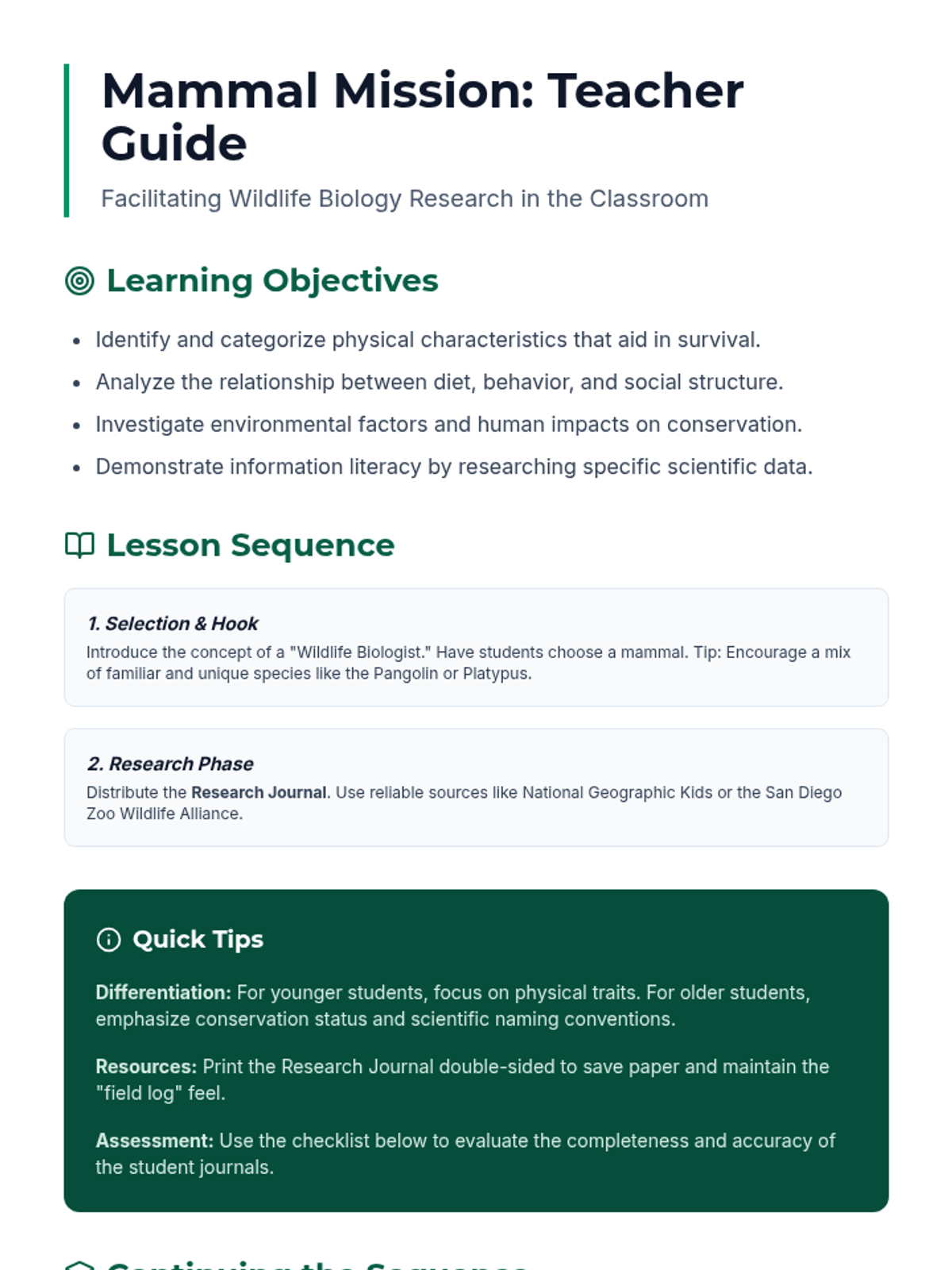
A research-focused lesson where students step into the shoes of a wildlife biologist to document the physical traits, habitats, and behaviors of a mammal of their choice.
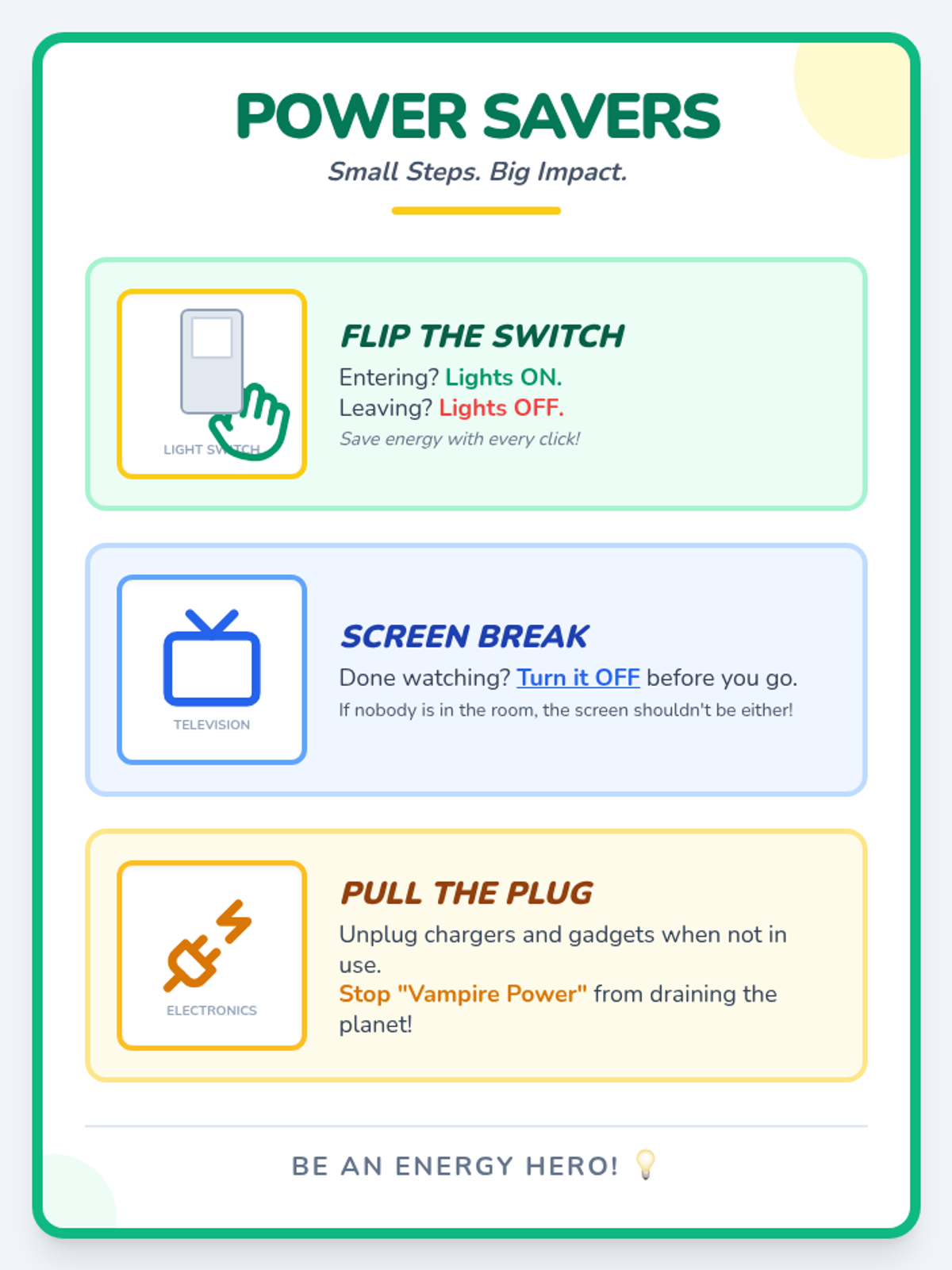
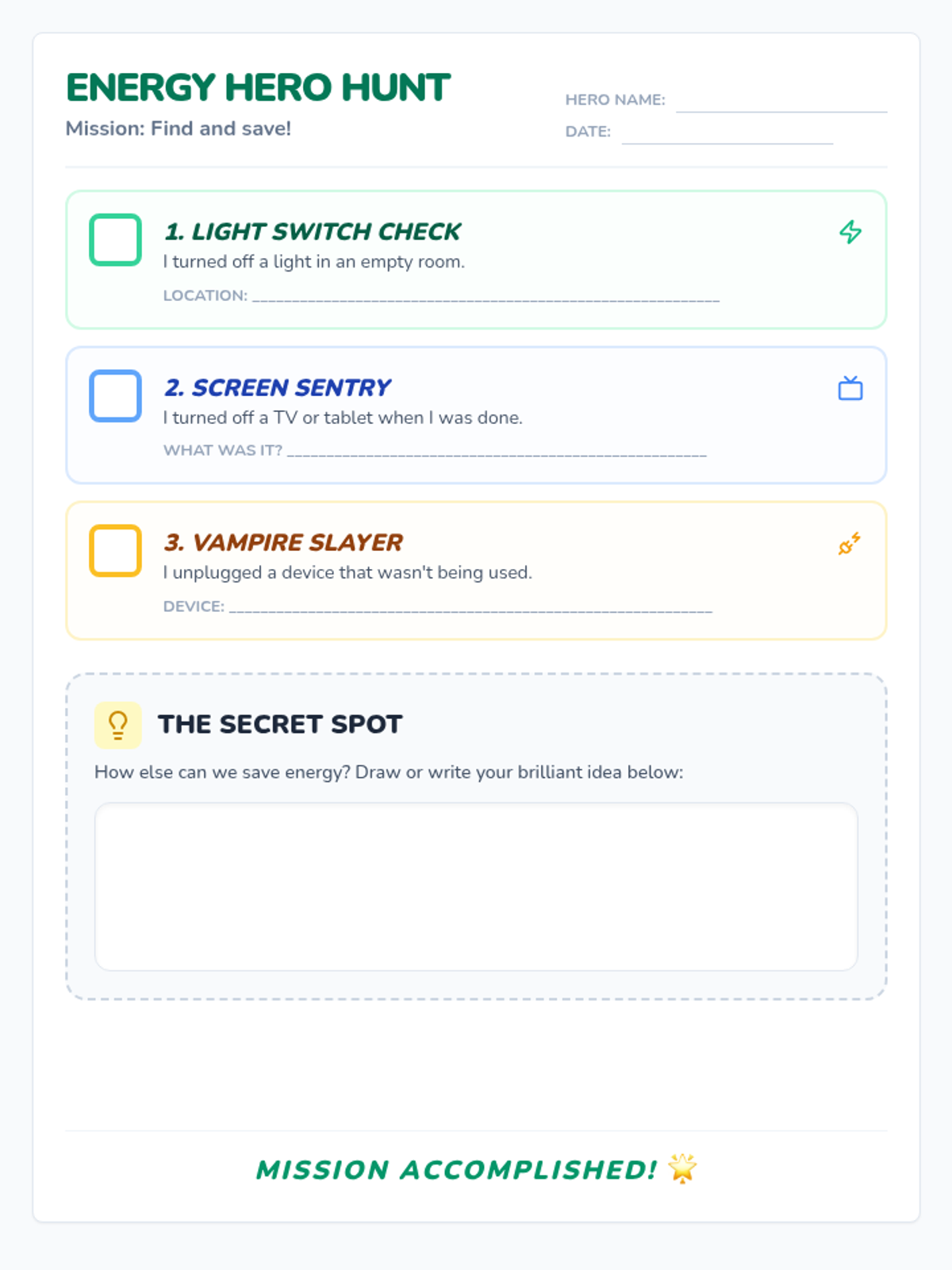
A lesson focused on simple, actionable steps students can take to reduce energy consumption at home and school.
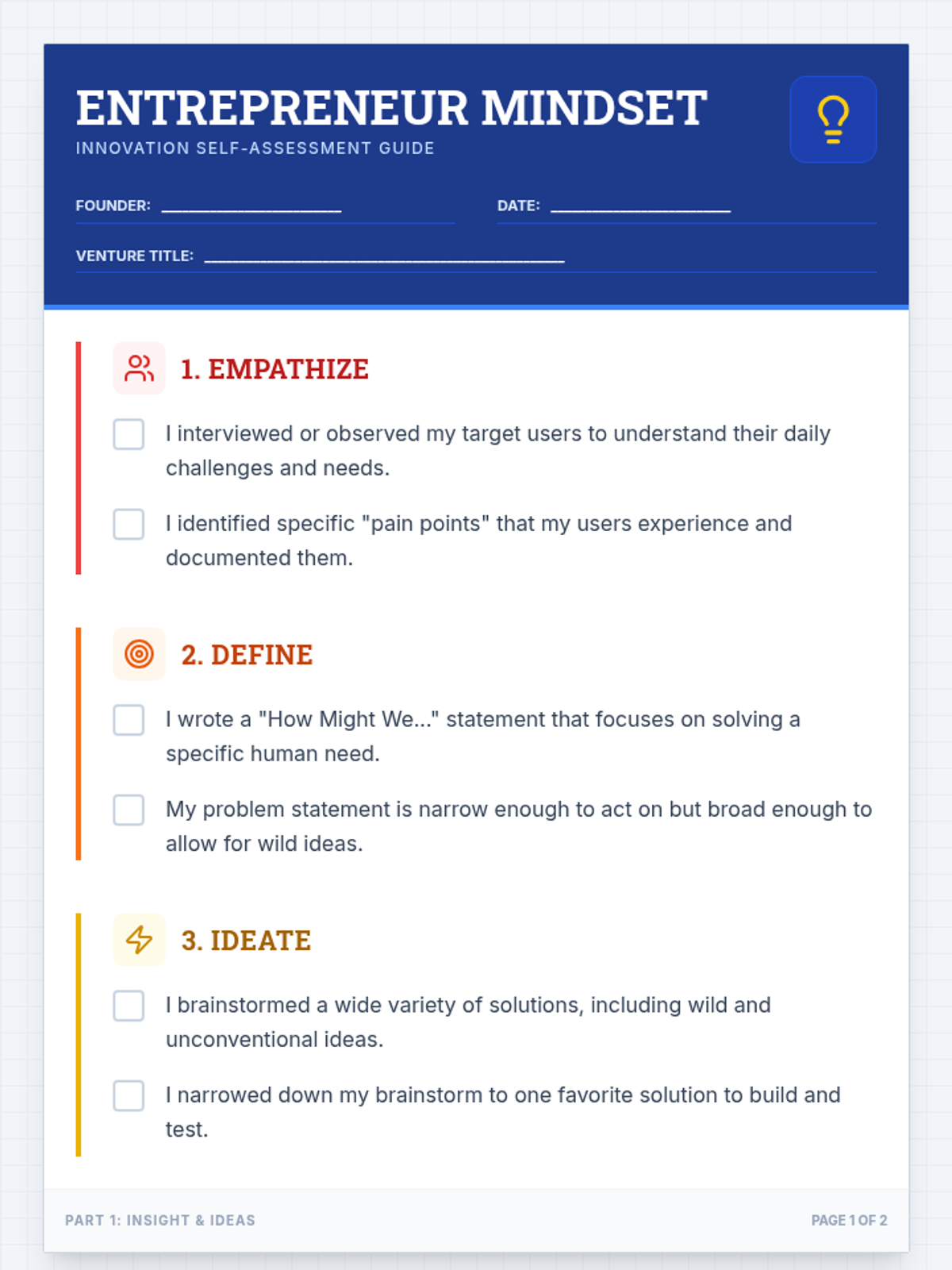
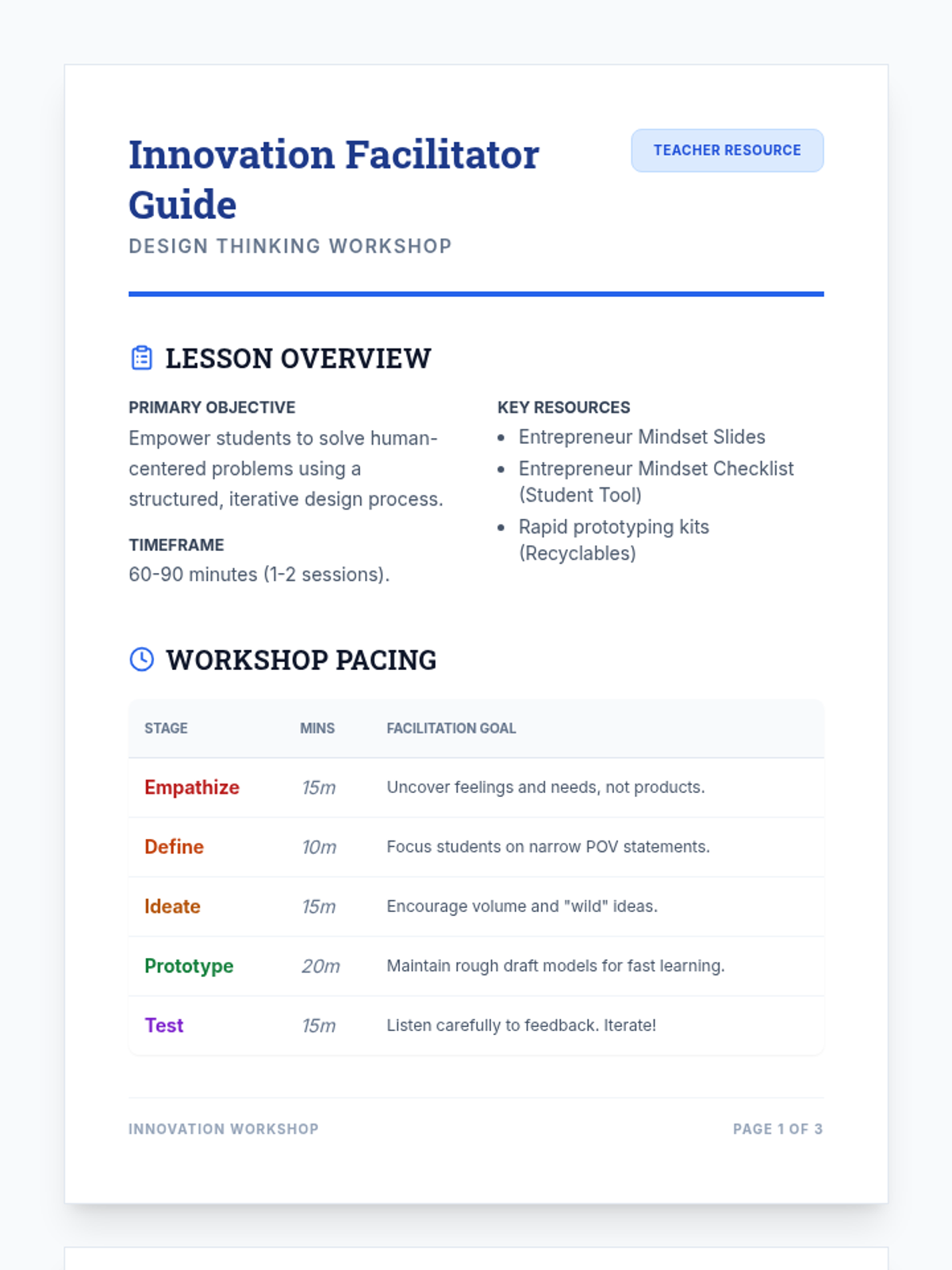
A comprehensive introduction to the five stages of design thinking, guiding students through empathy, problem definition, ideation, prototyping, and testing.
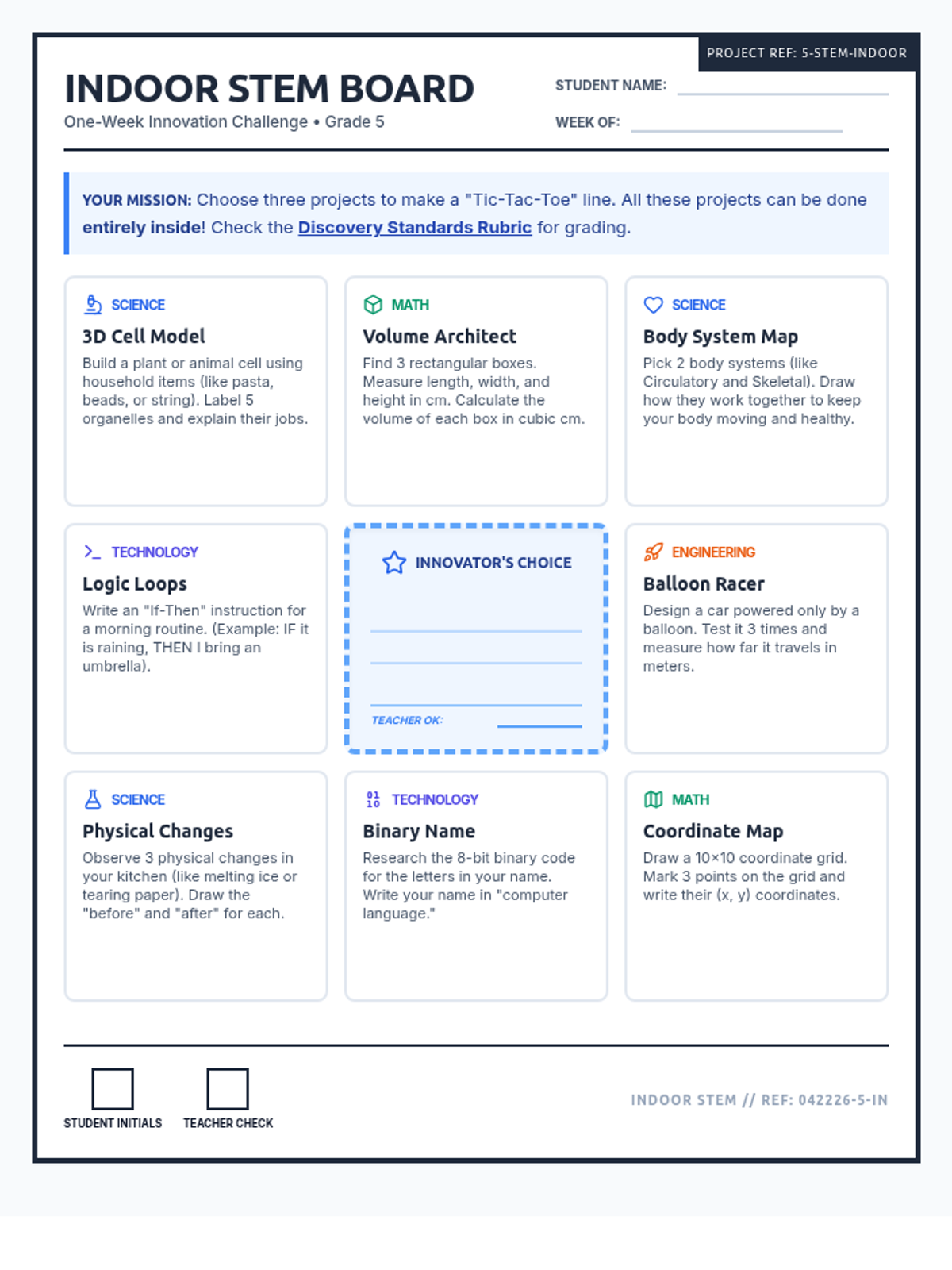
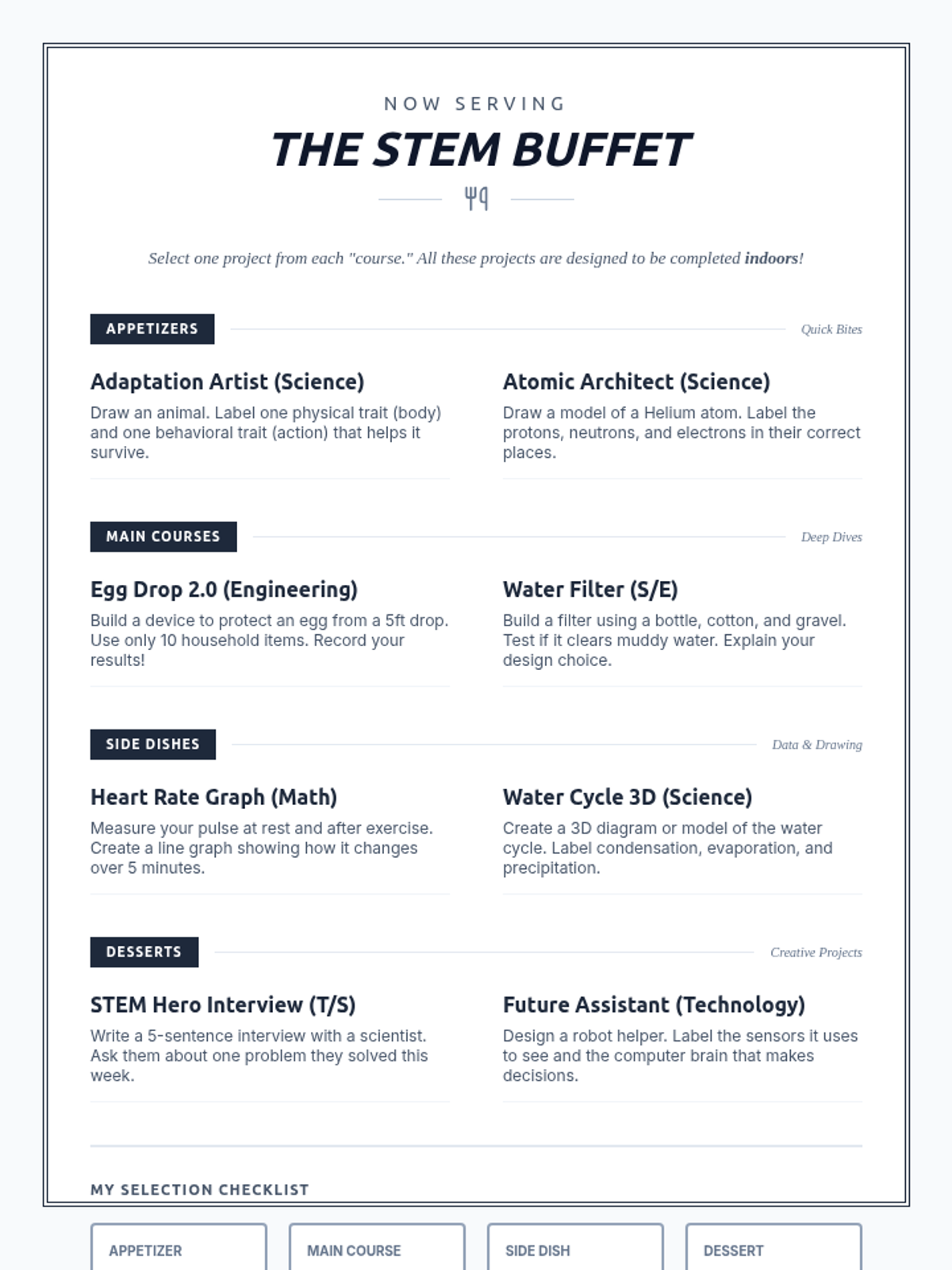
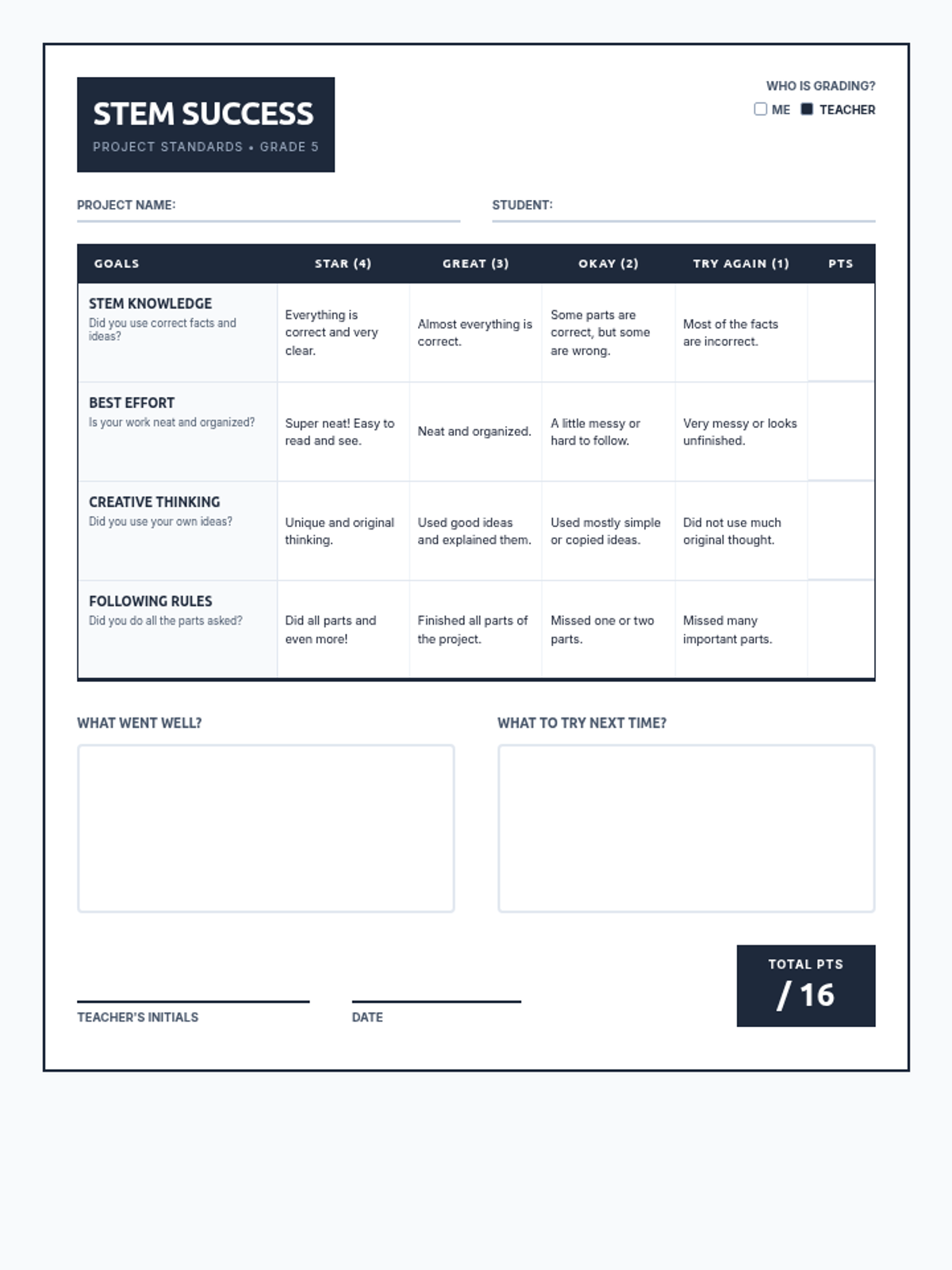
A comprehensive STEM project choice unit designed for 7th-grade students to explore various scientific and engineering topics through self-directed learning and creative output.
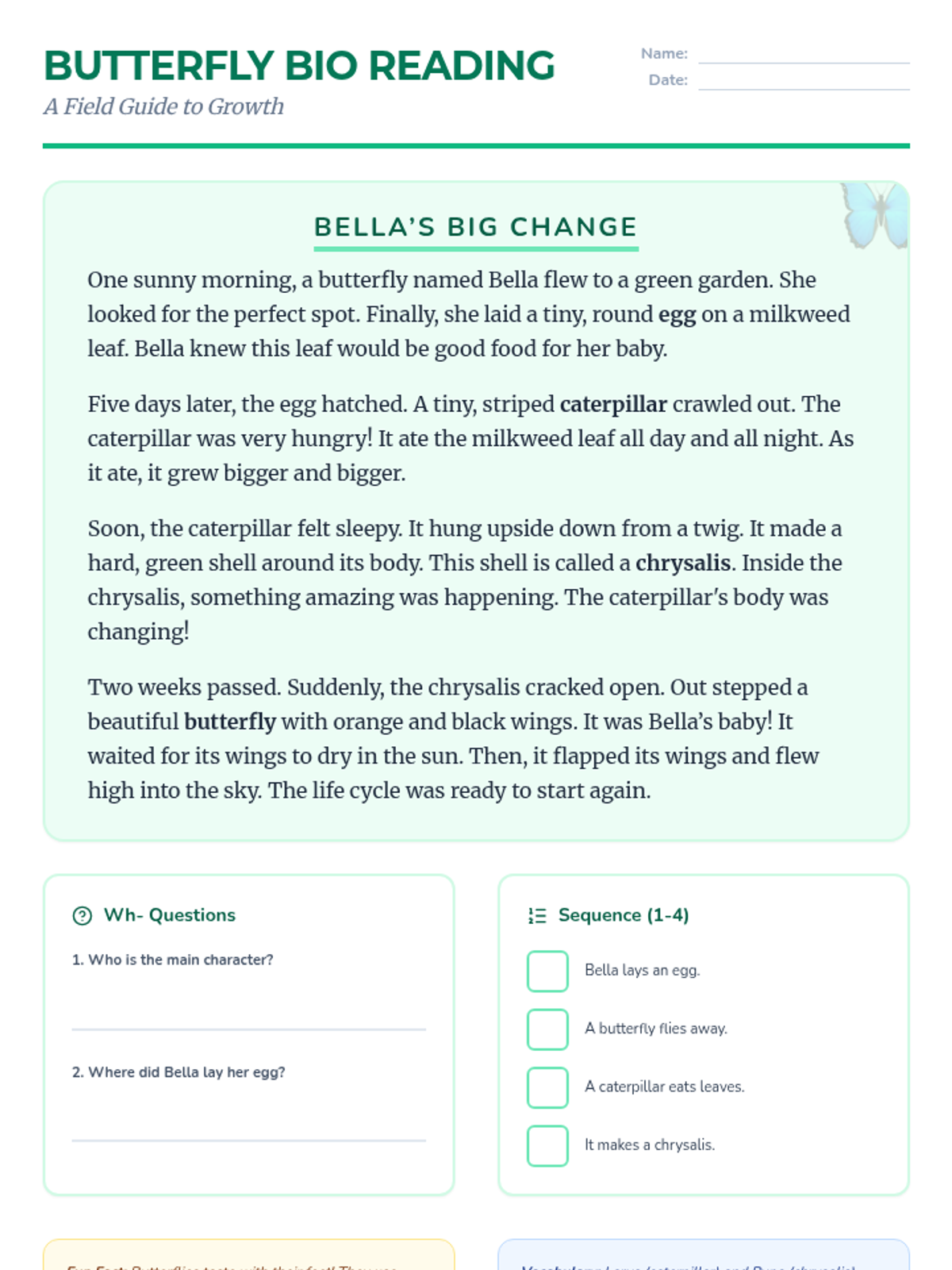
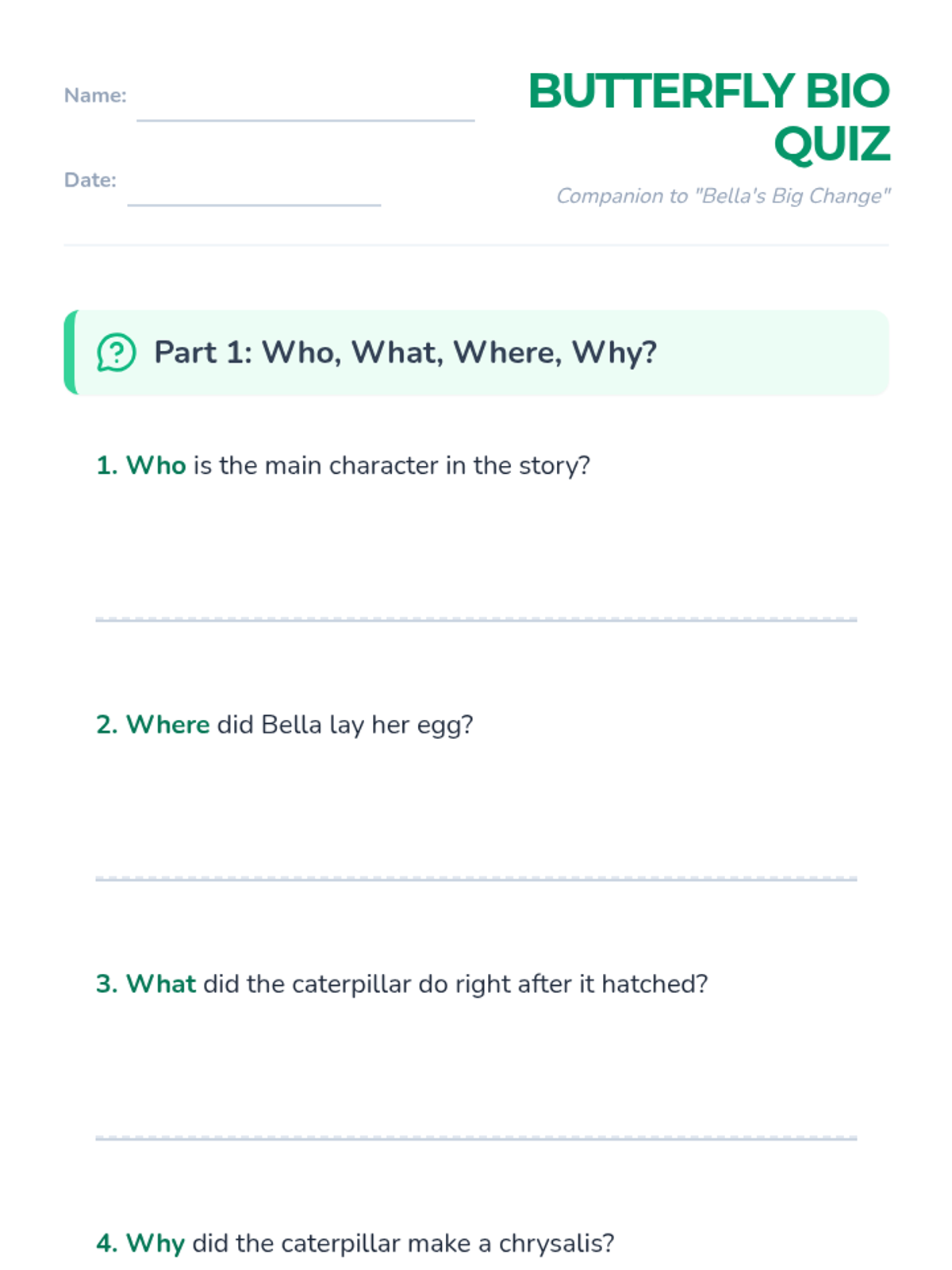
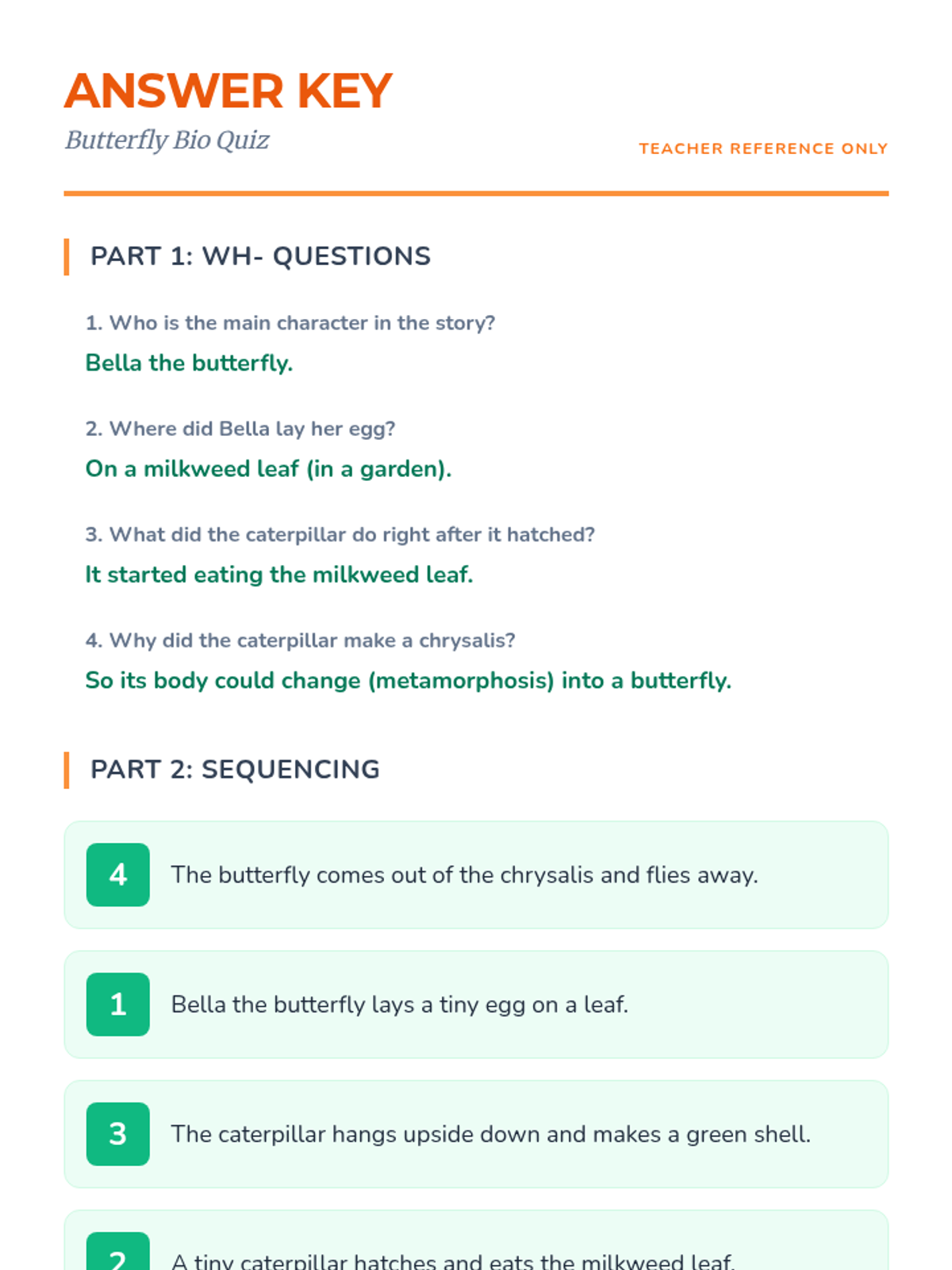
A beginner-friendly exploration of the four stages of a butterfly's life cycle, featuring a reading passage and comprehension activities focused on sequencing and Wh- questions.
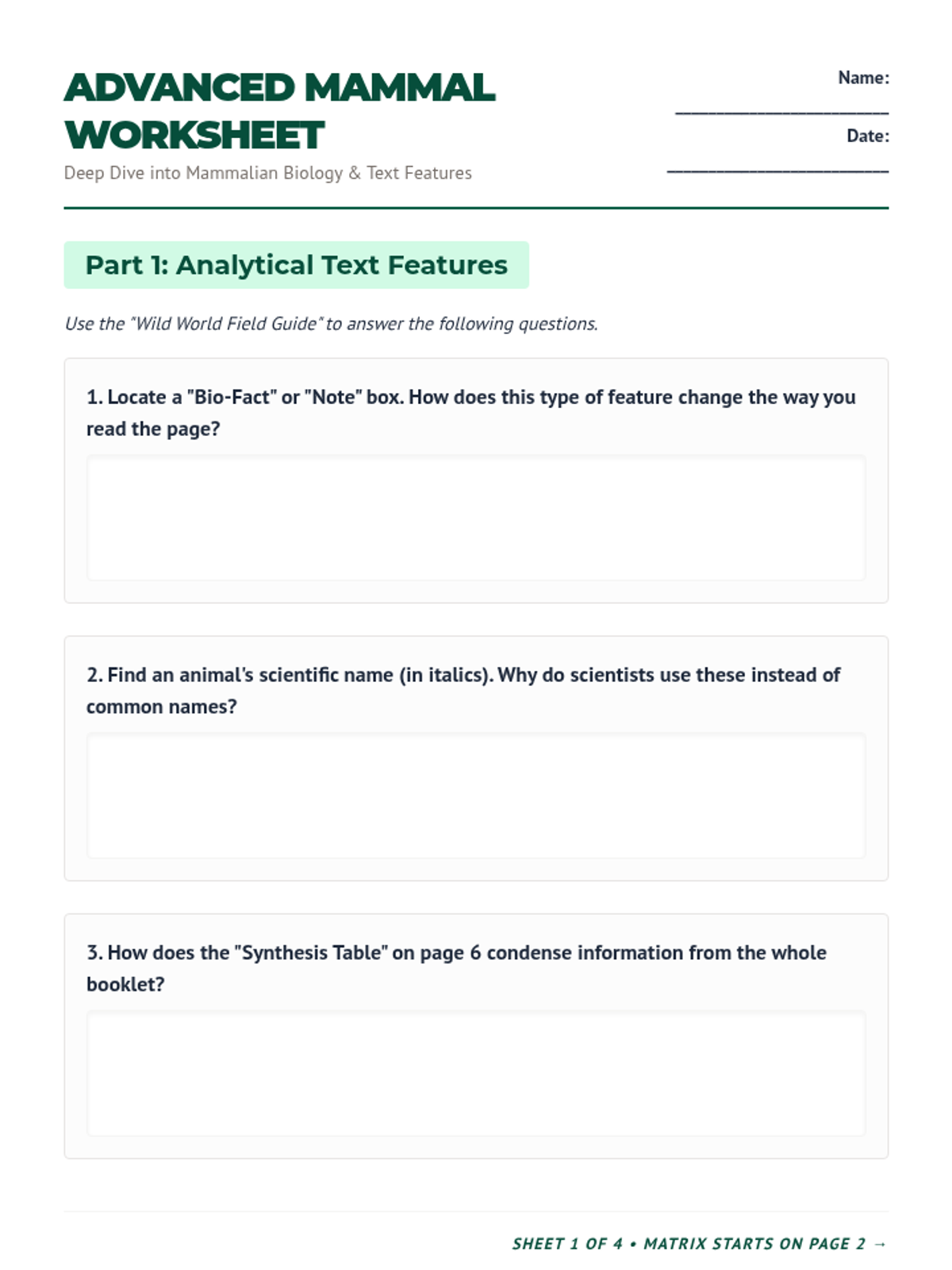
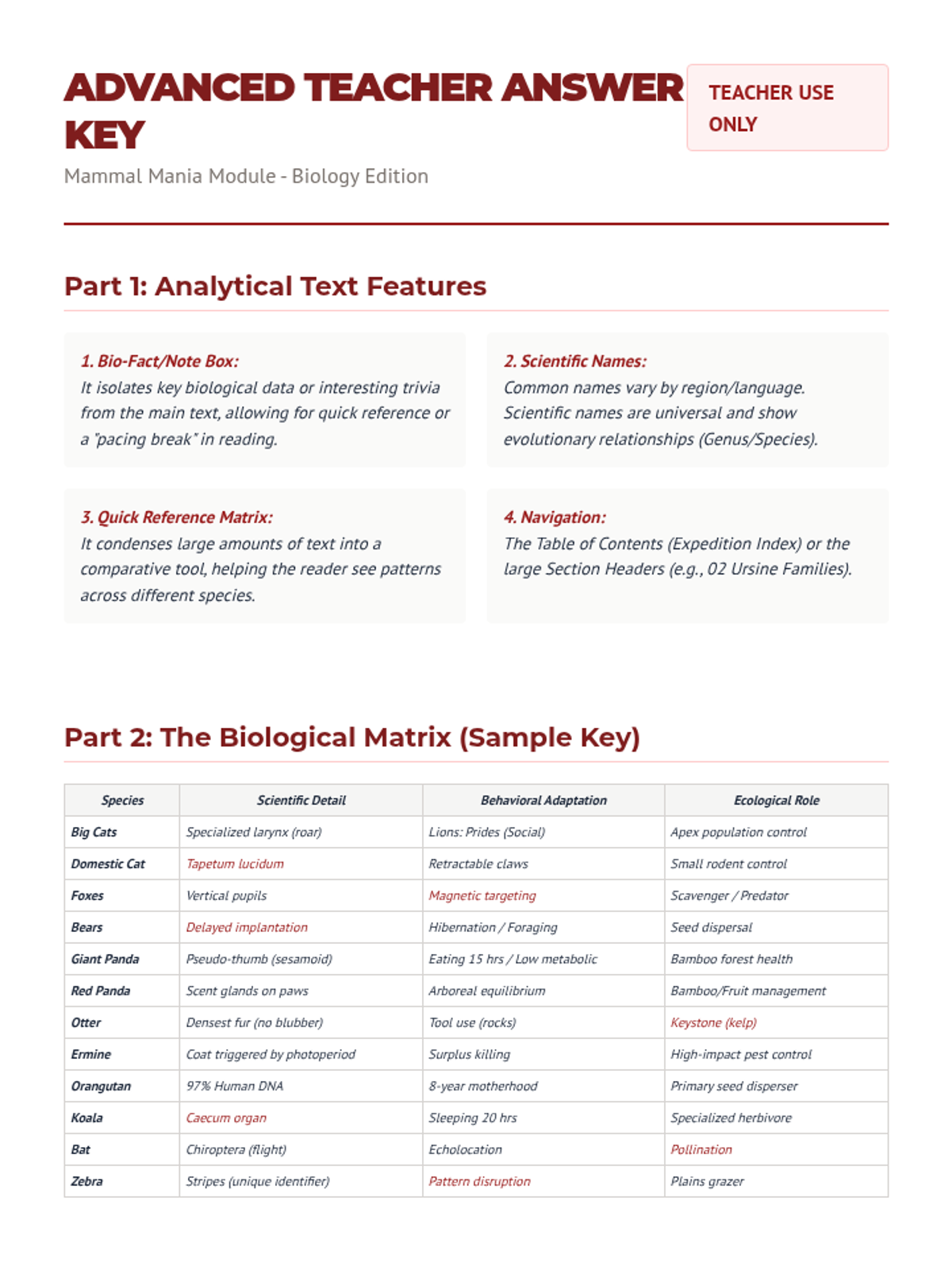
An in-depth exploration of diverse mammals, focusing on informational text features, main ideas, and vocabulary acquisition through a comprehensive field guide and activity set.
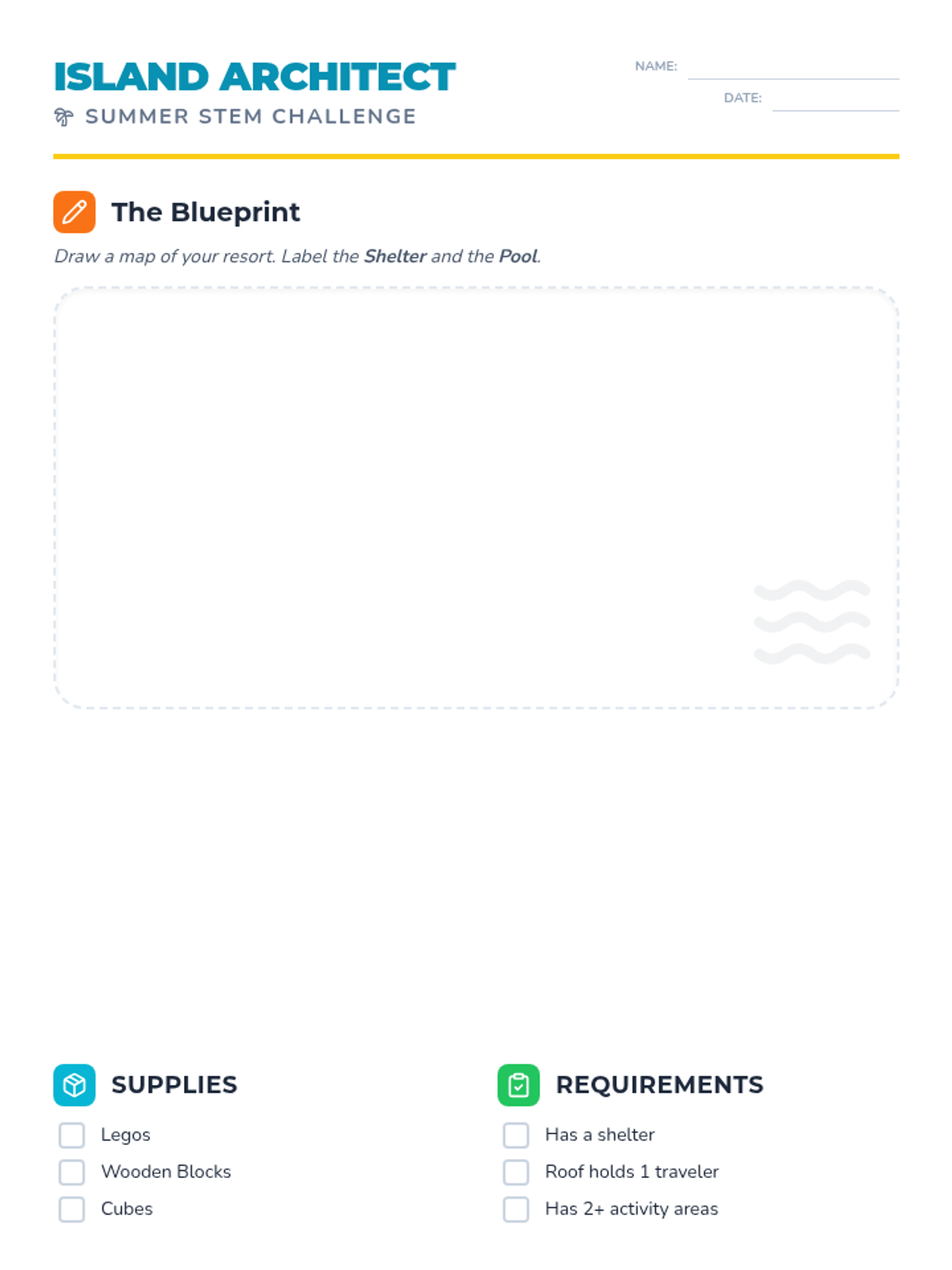
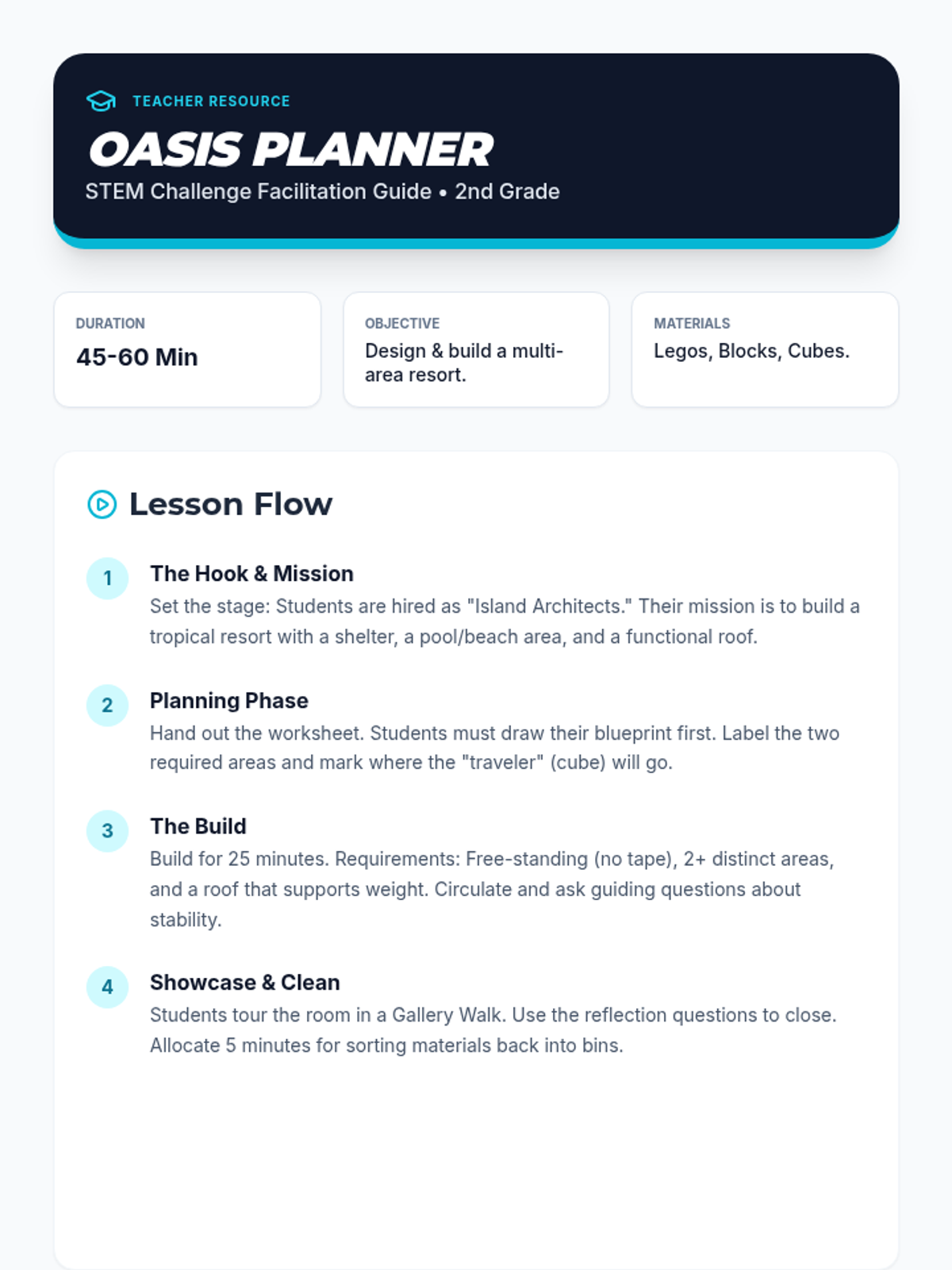
A high-energy 2nd-grade STEM challenge where students use classroom bin materials to design and build the ultimate summer island resort. This lesson focuses on engineering design, problem-solving, and creative thinking.
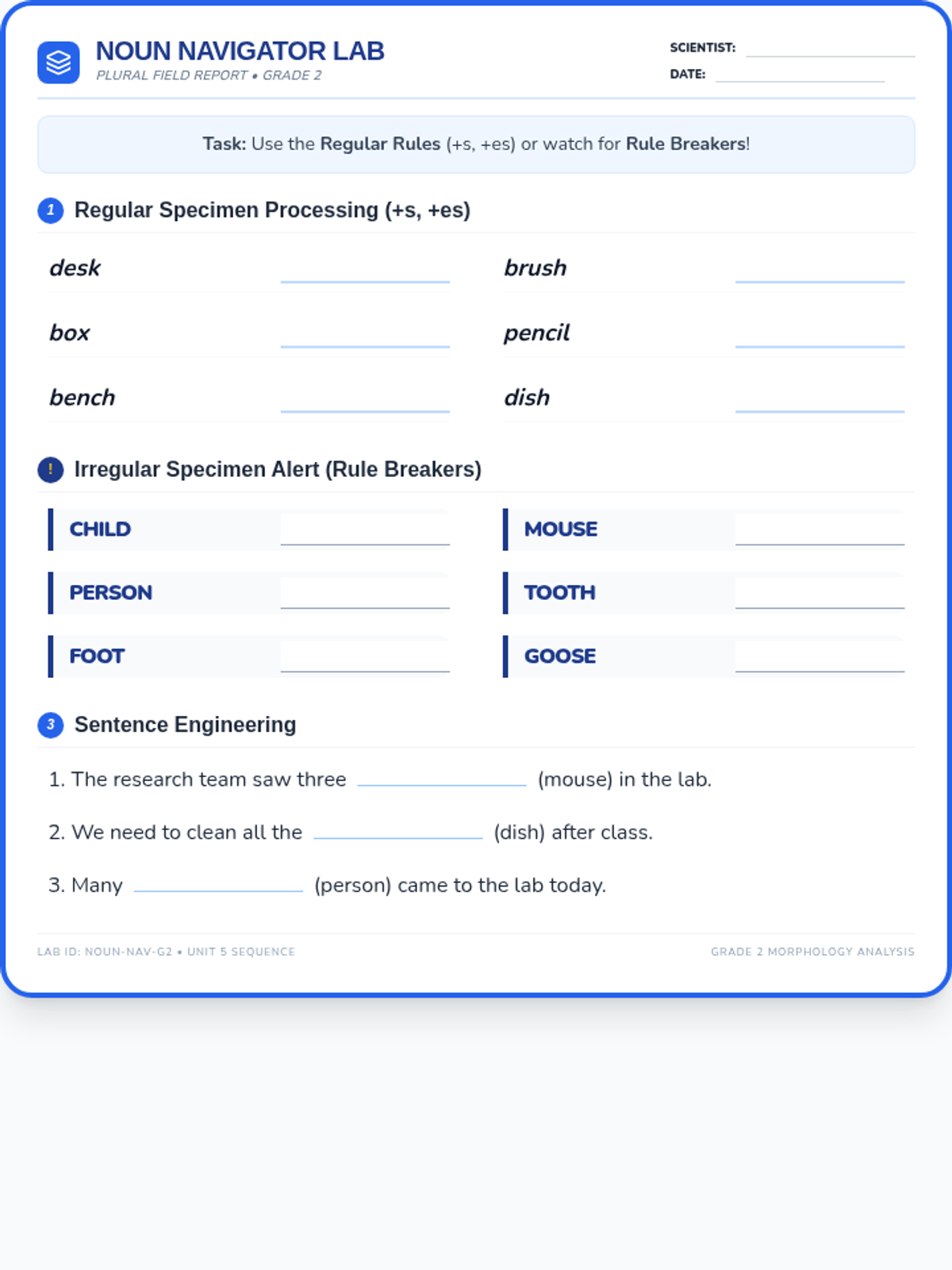
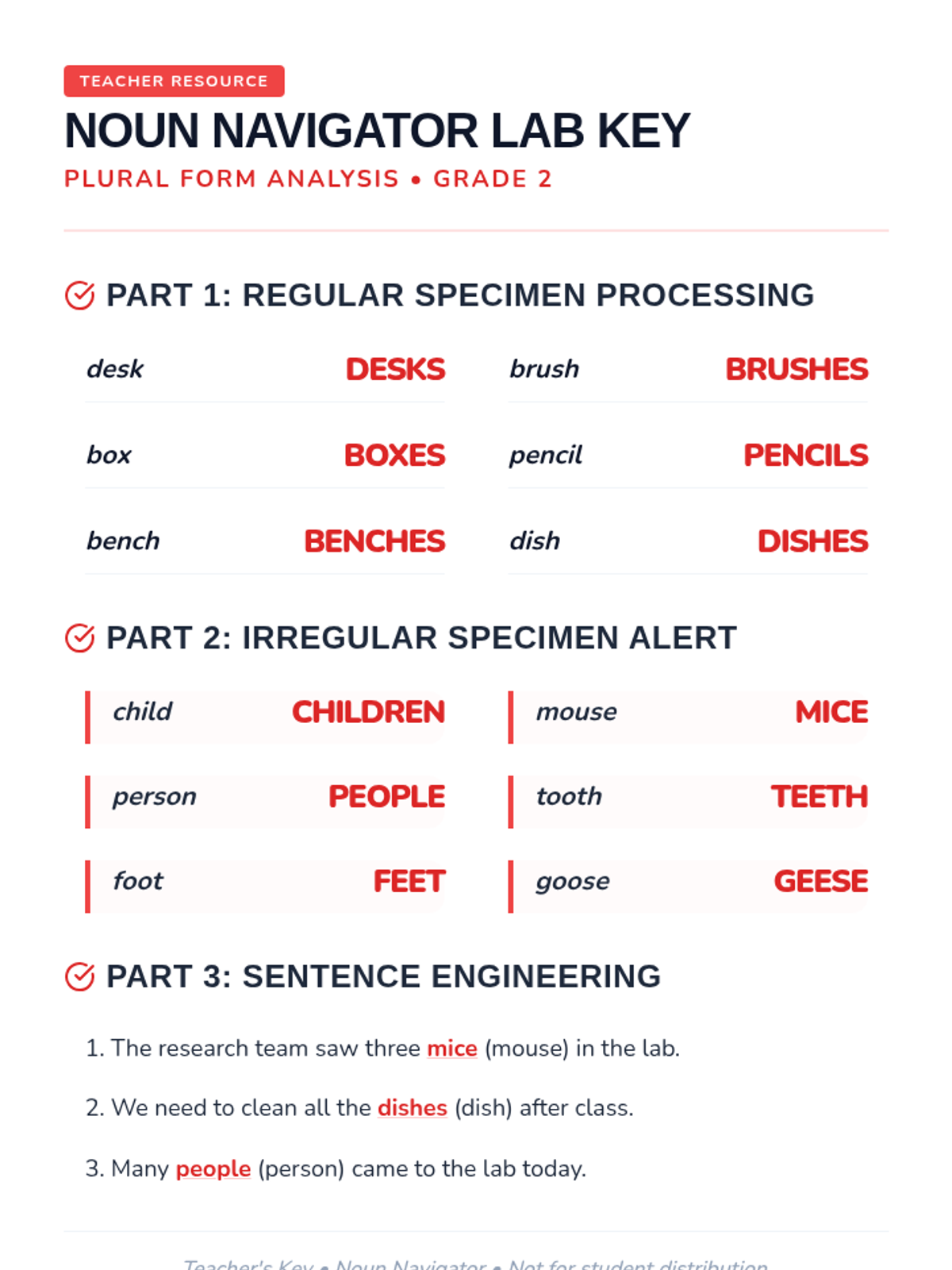
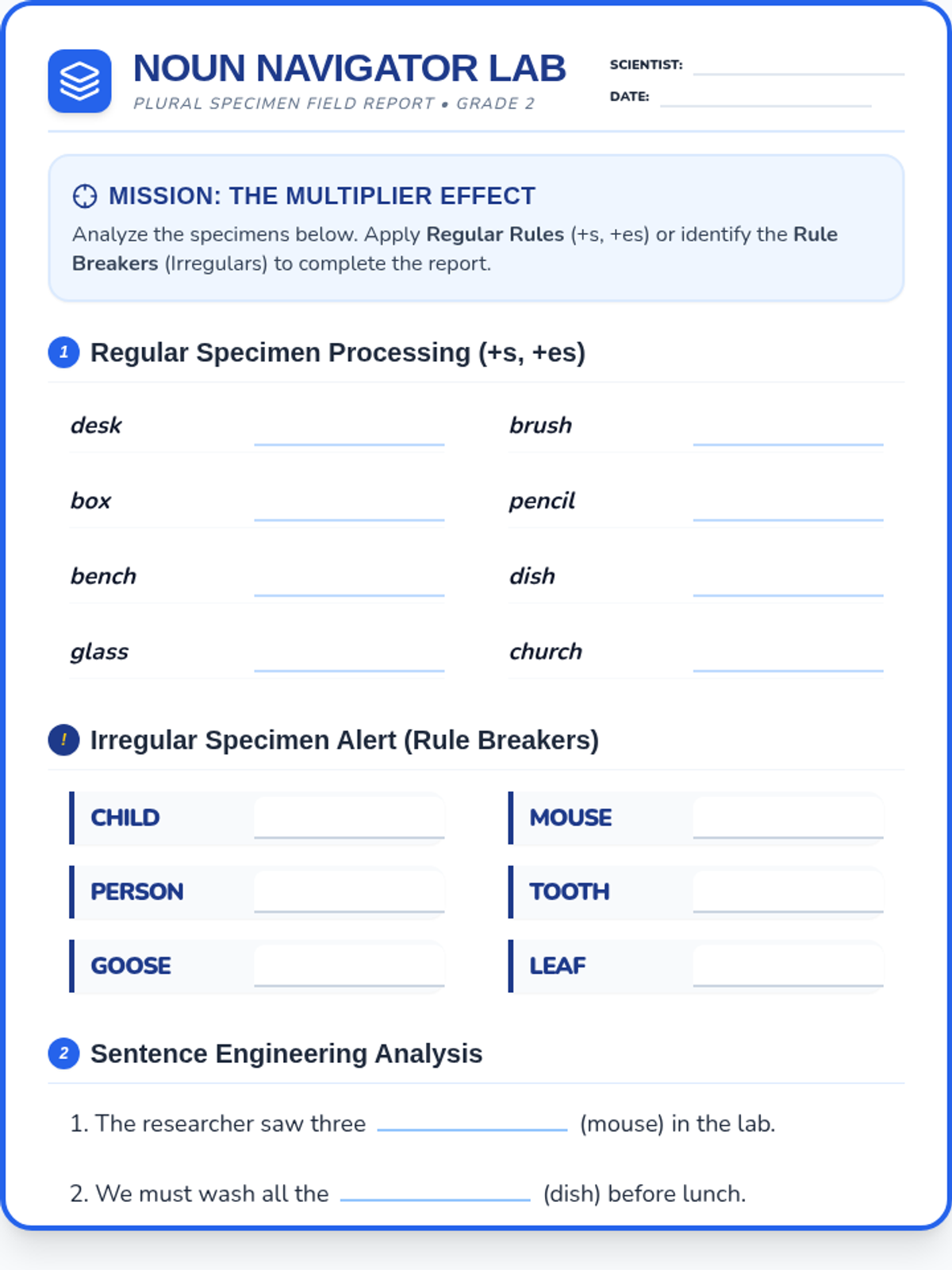
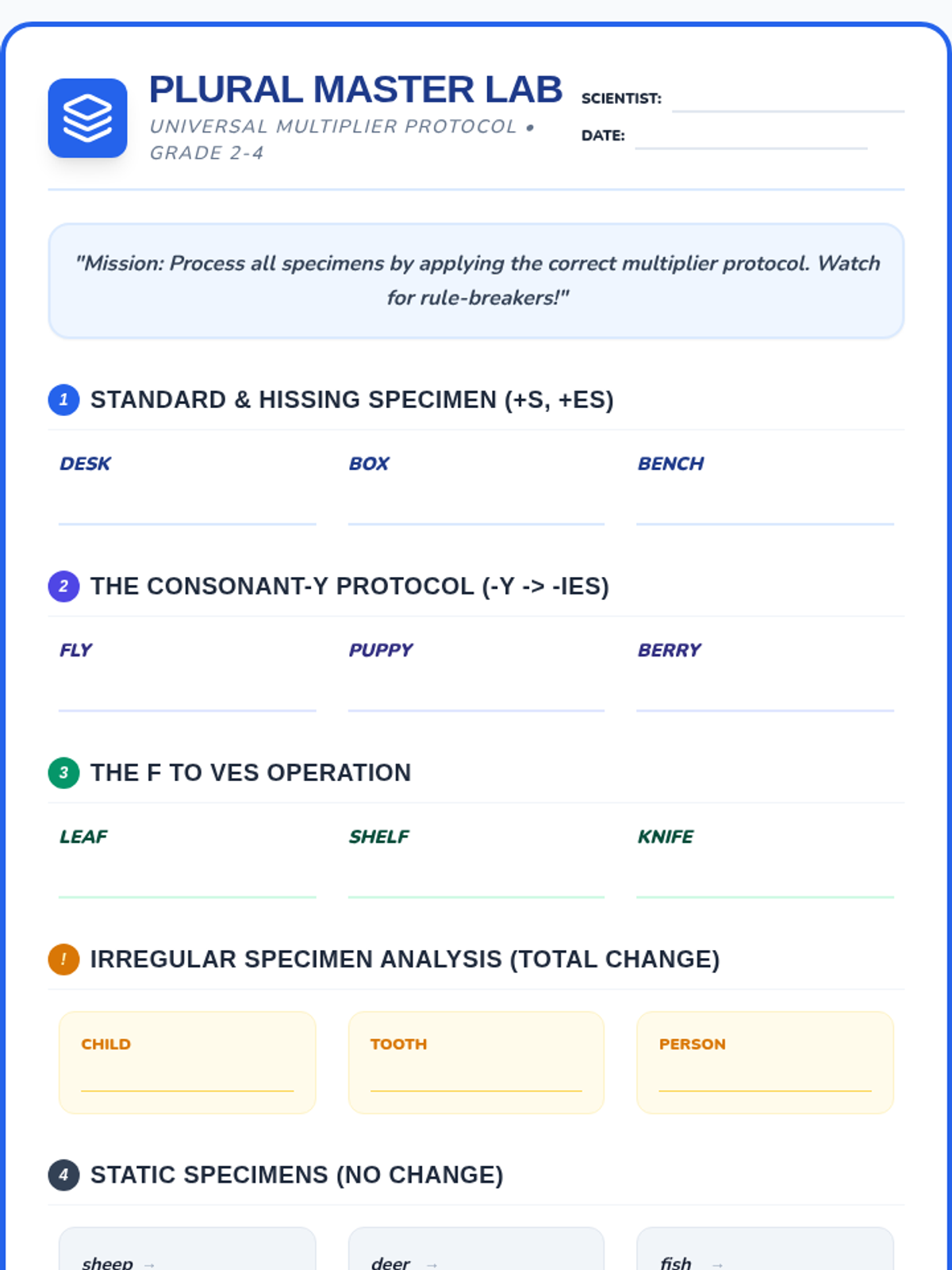
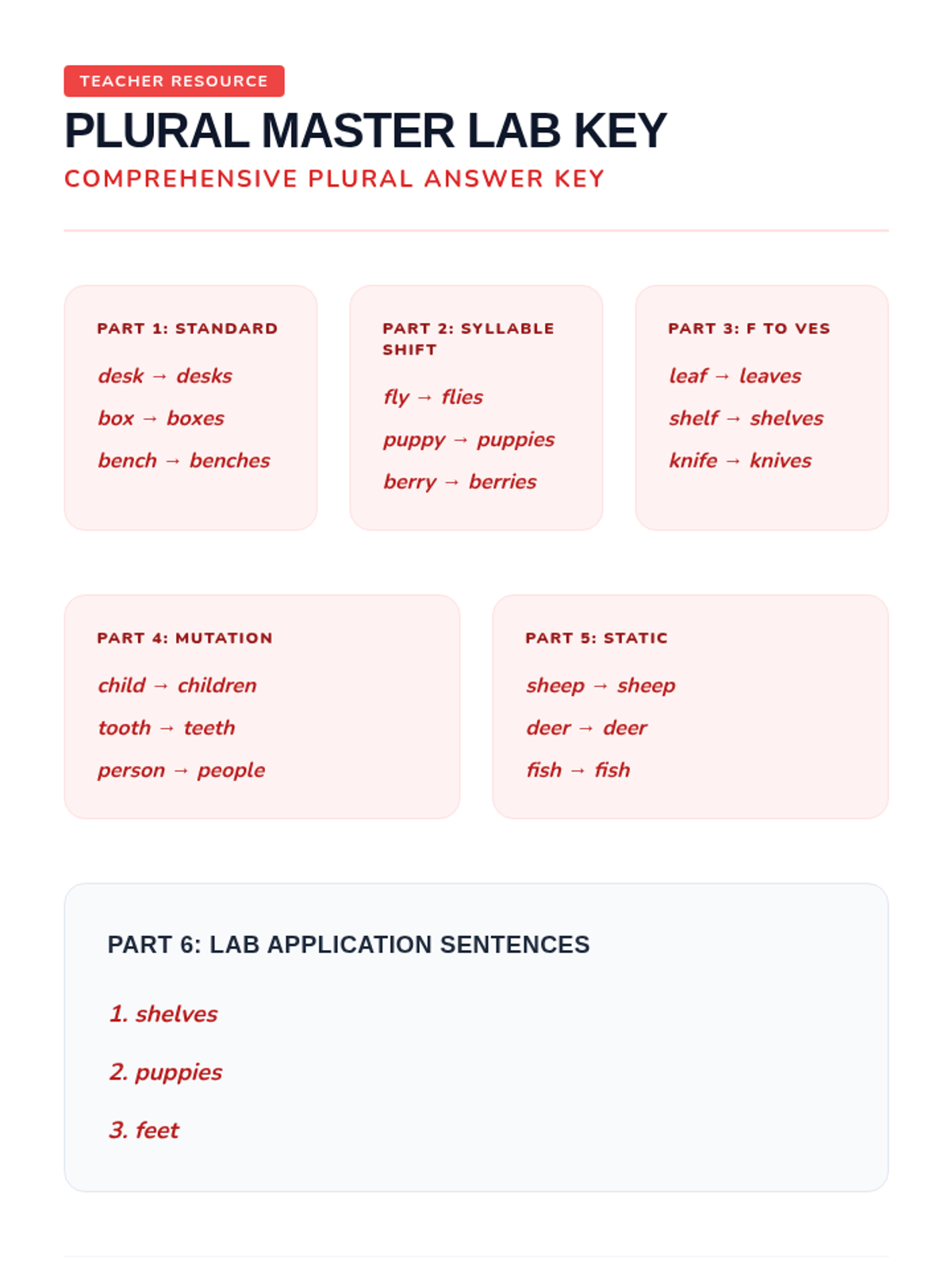
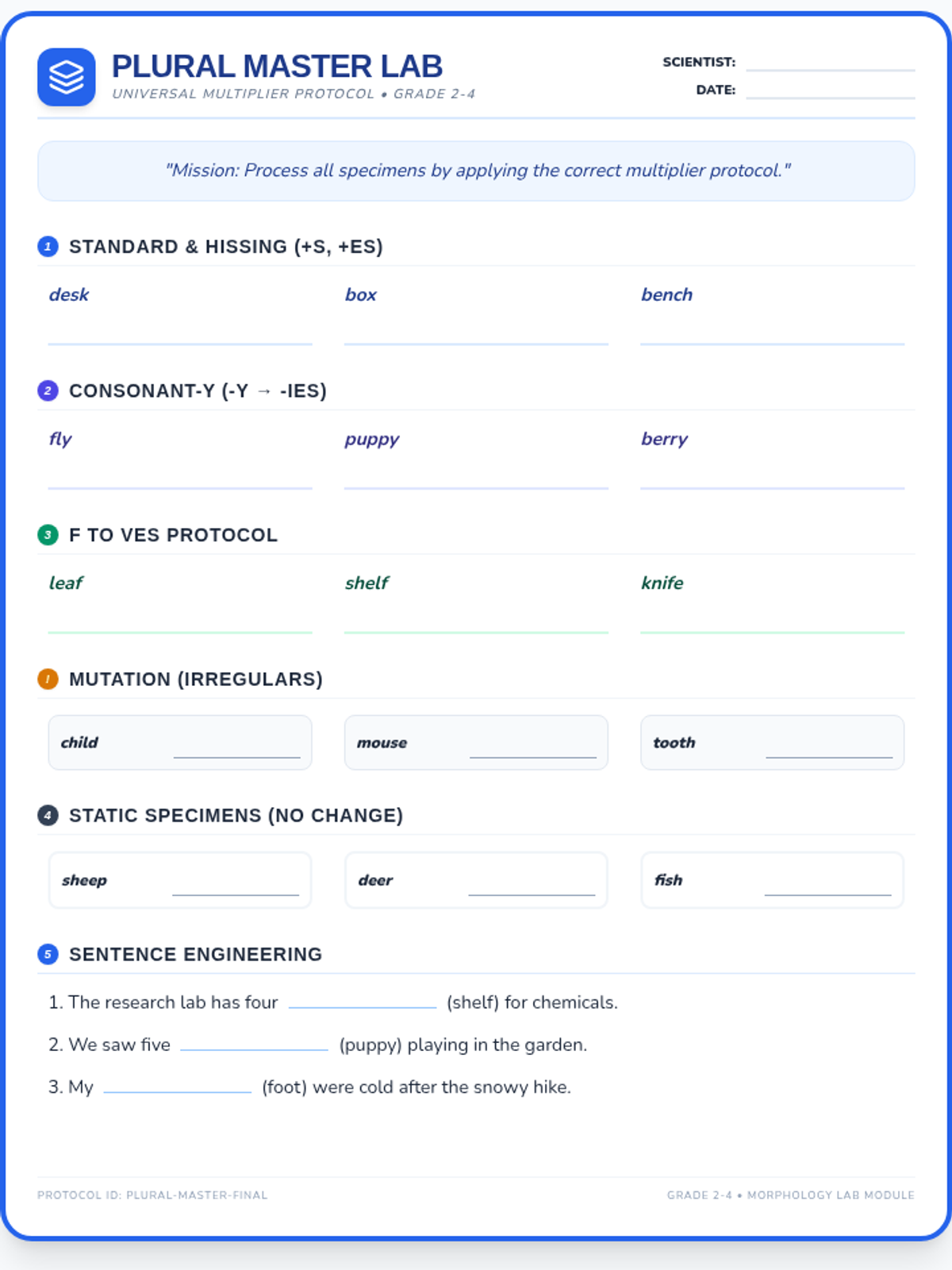
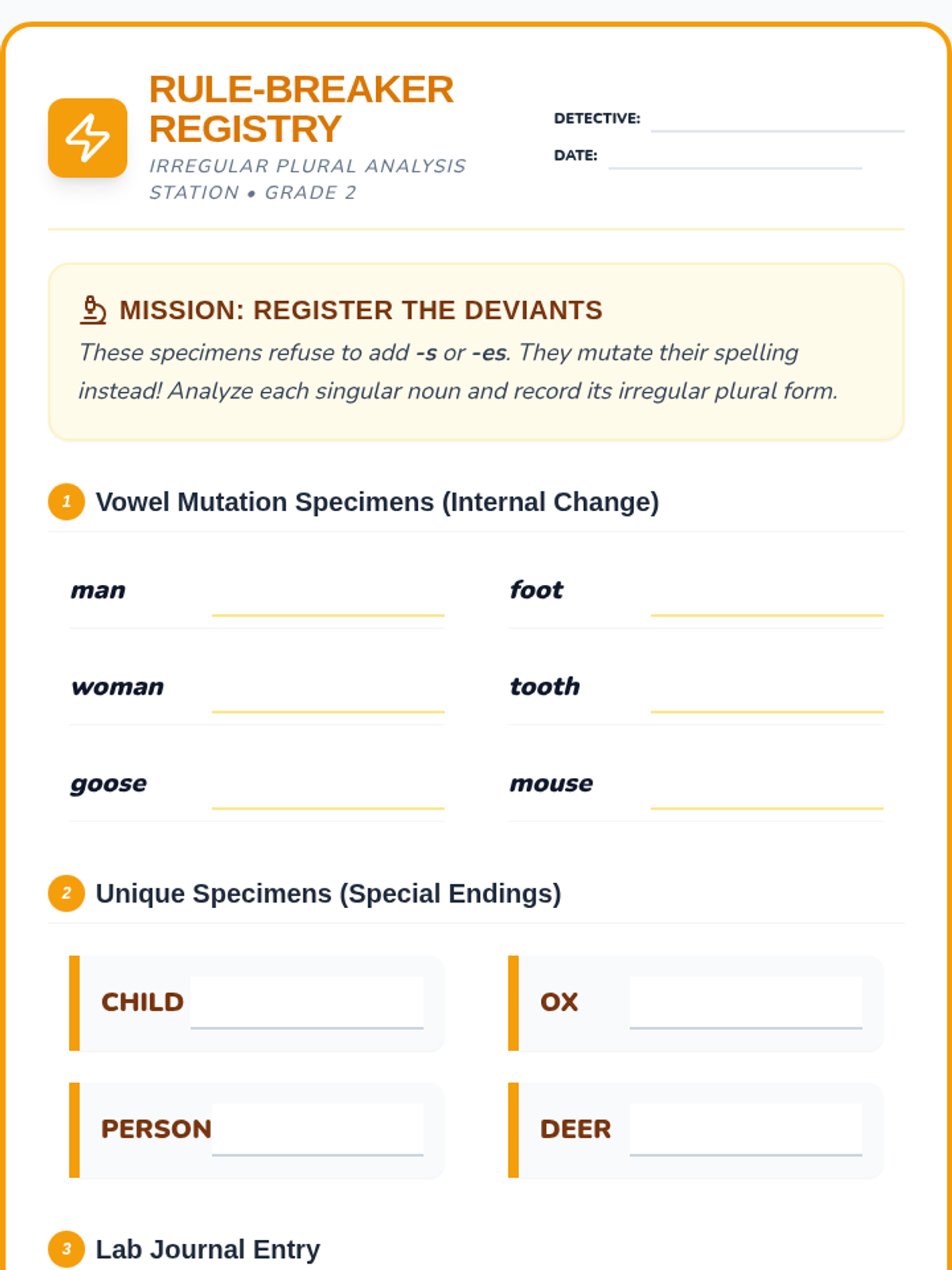
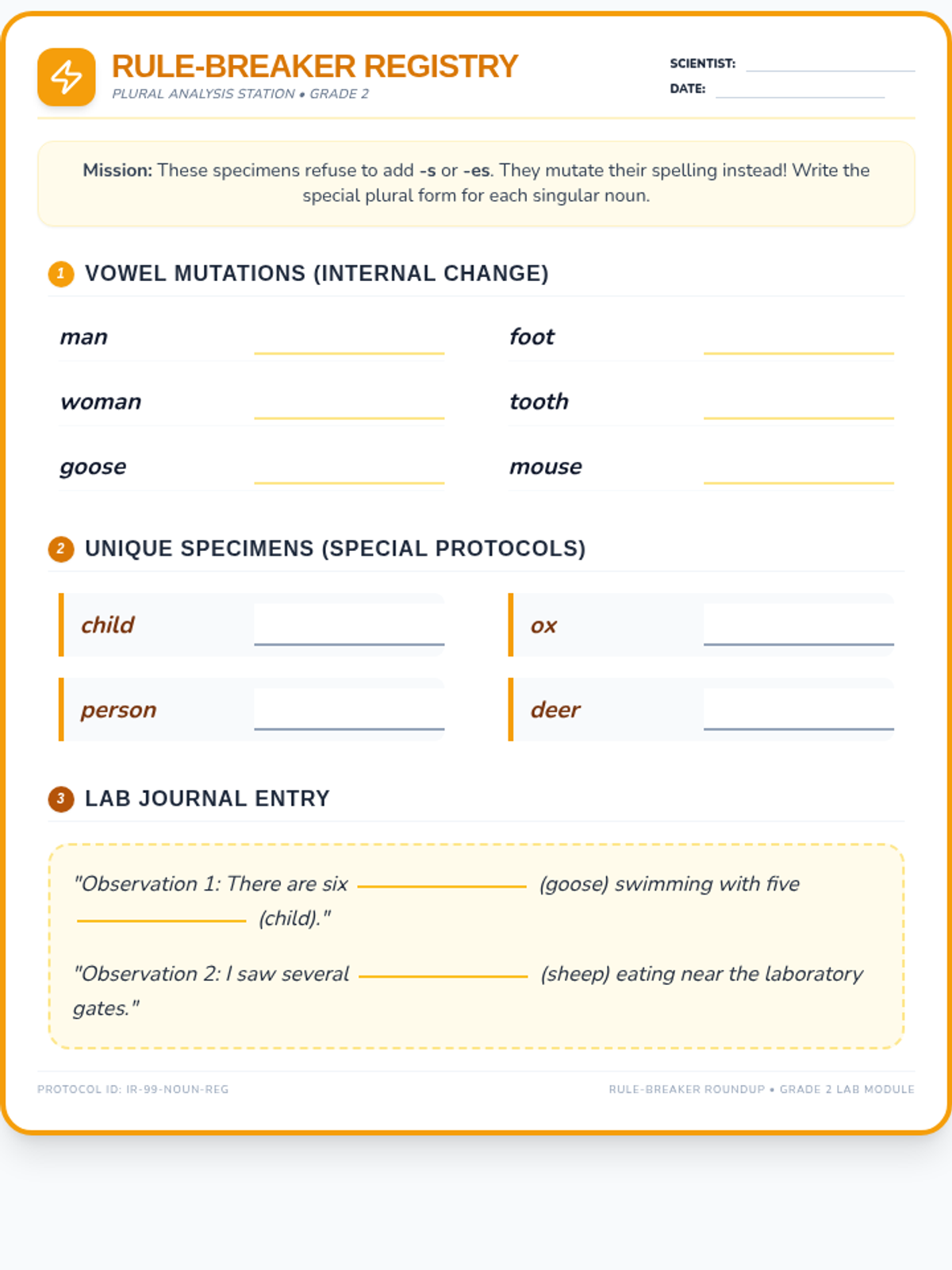
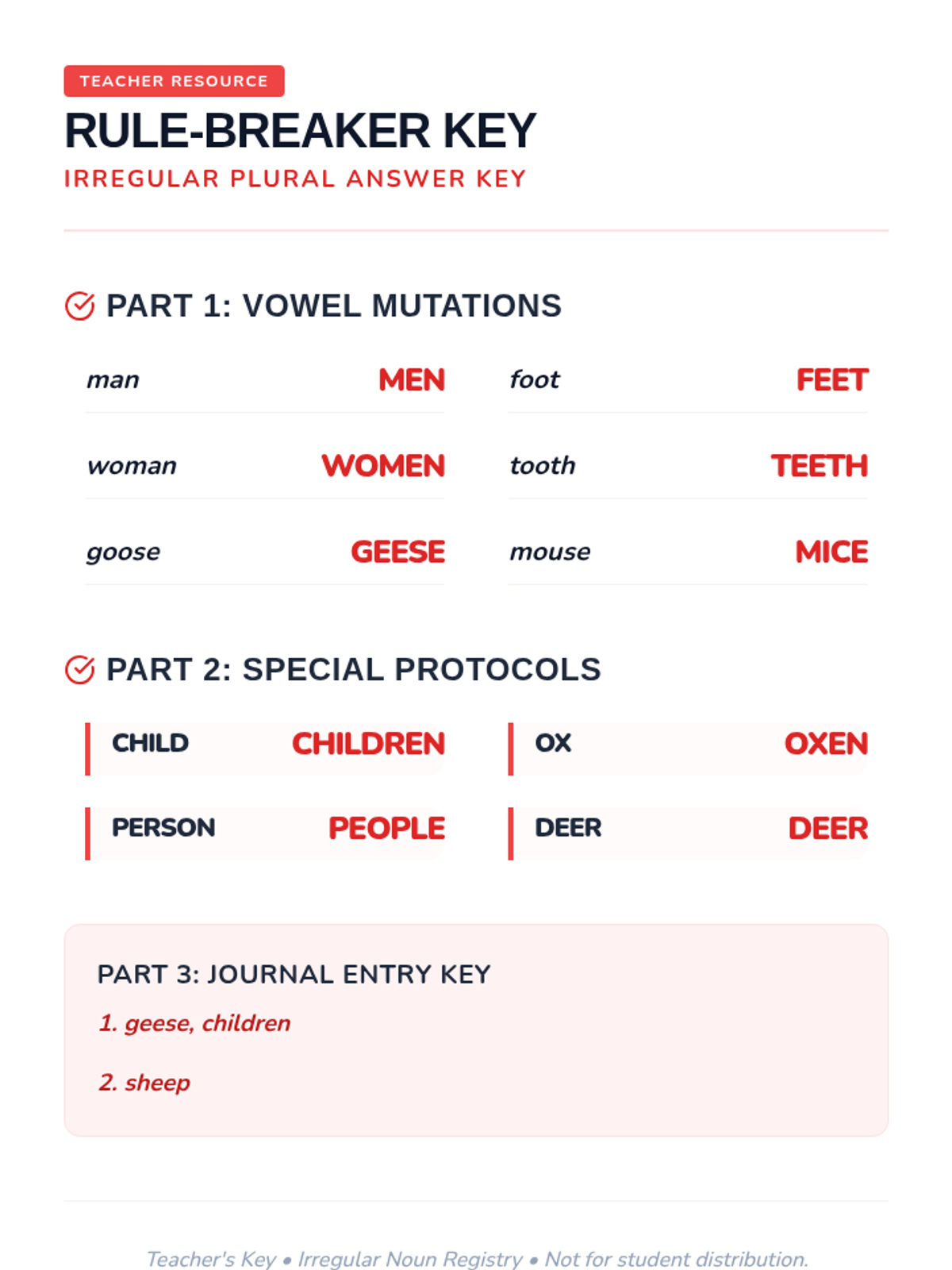
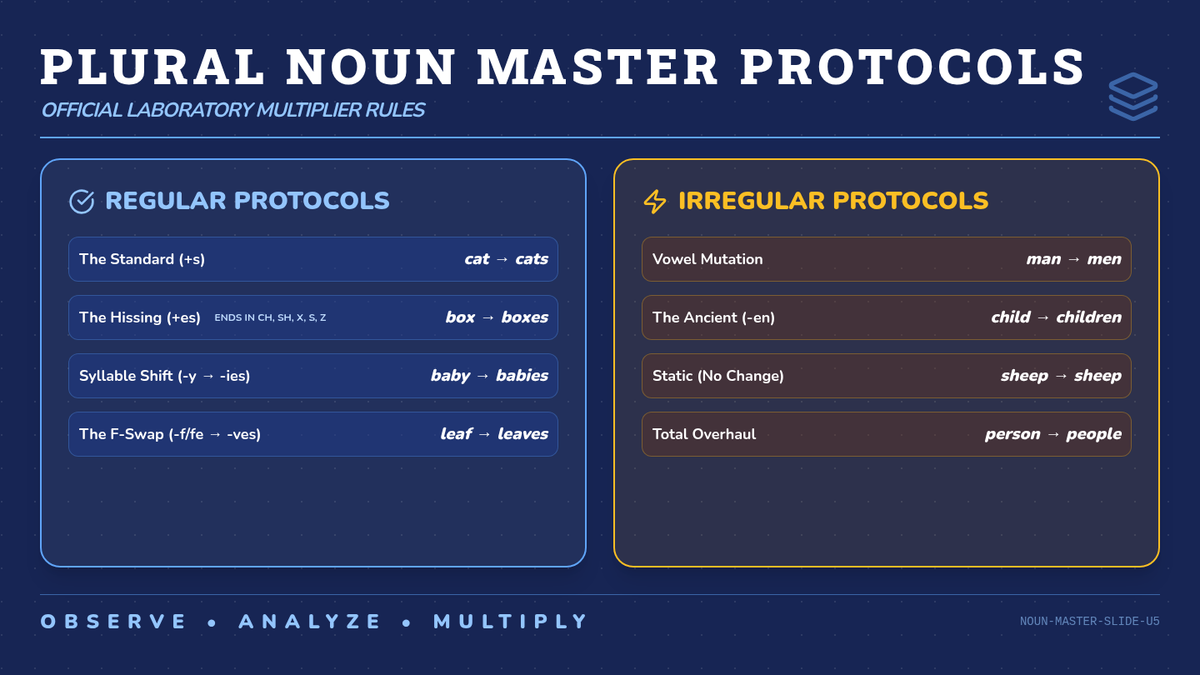
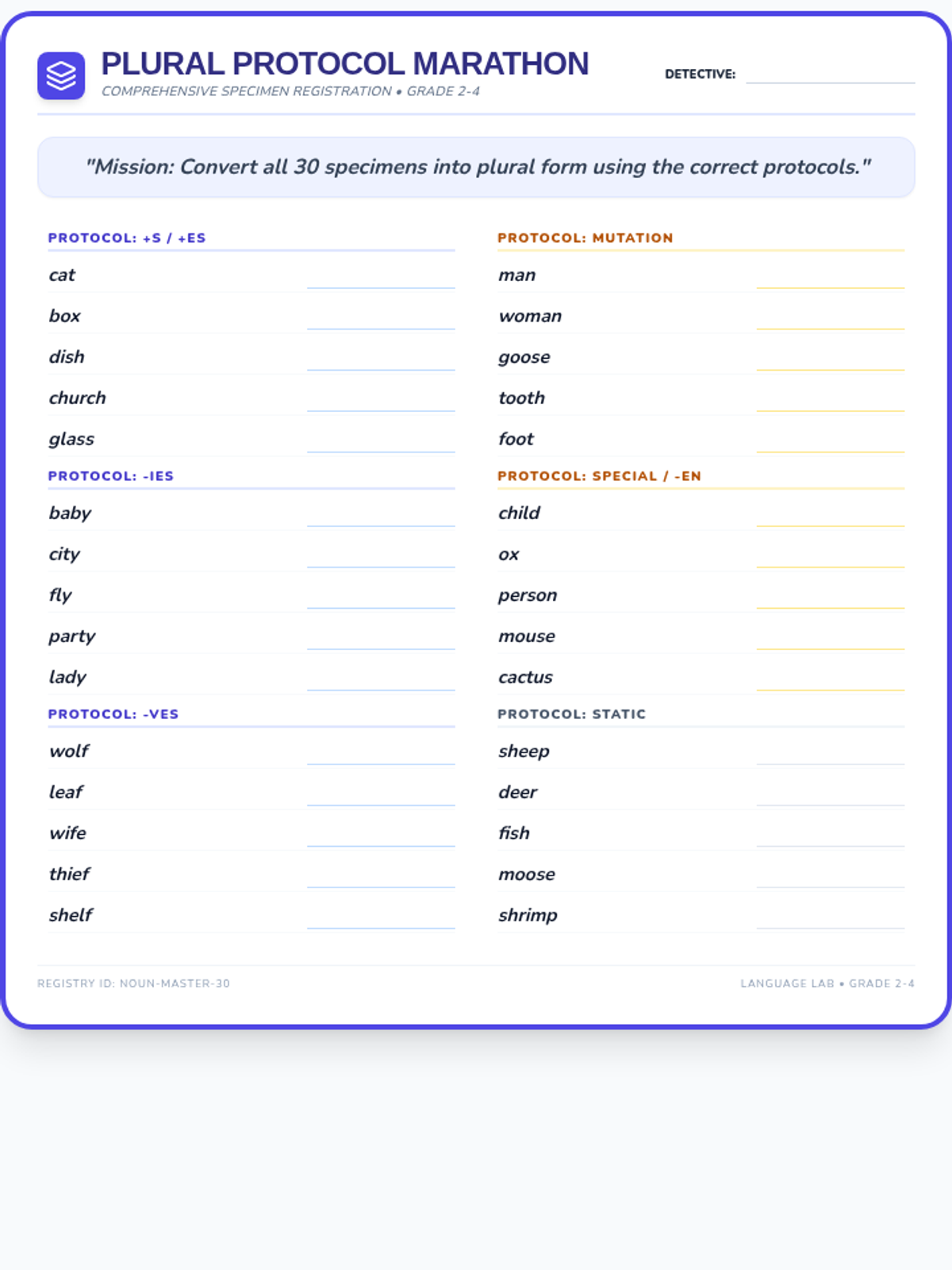
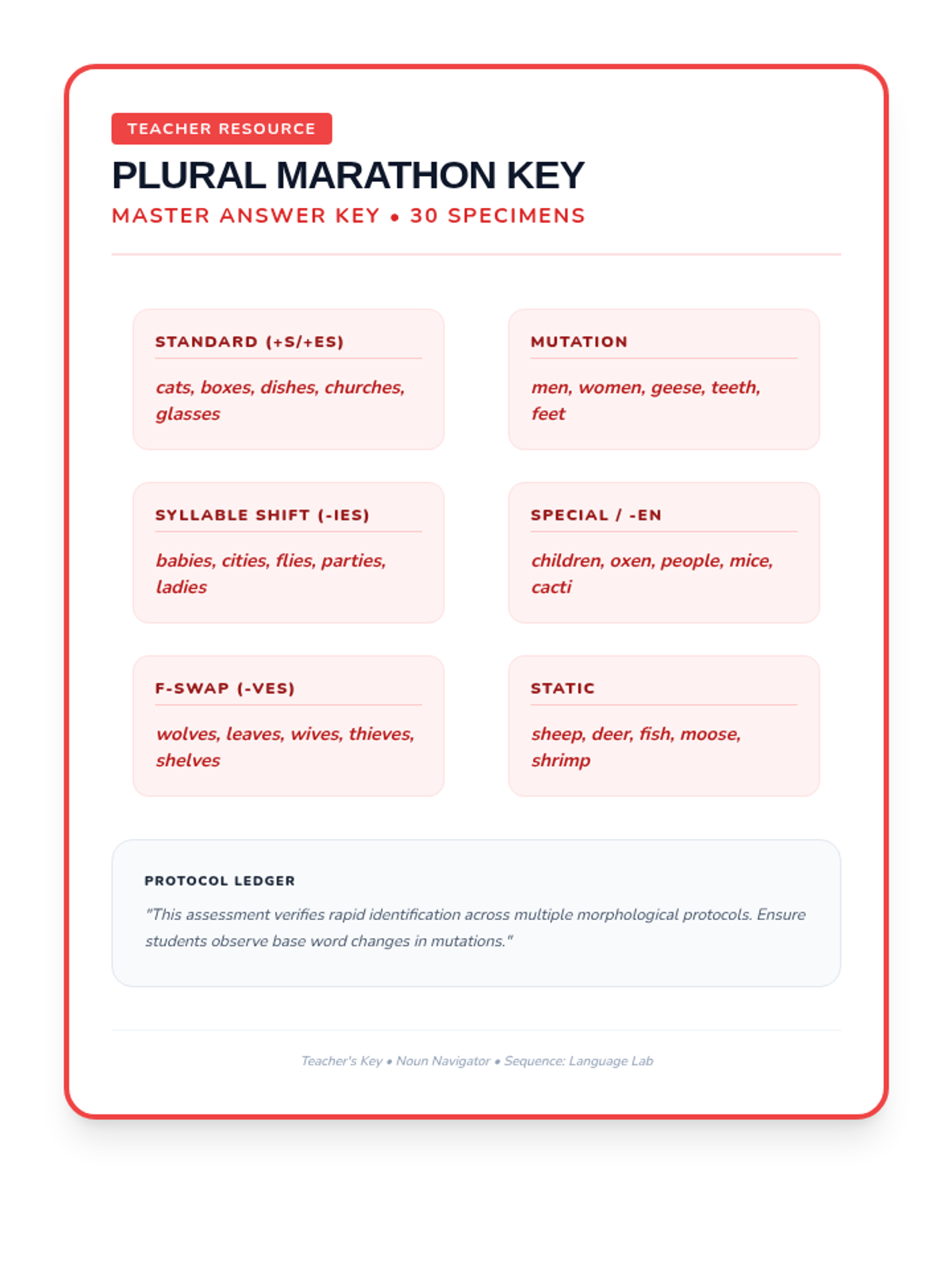
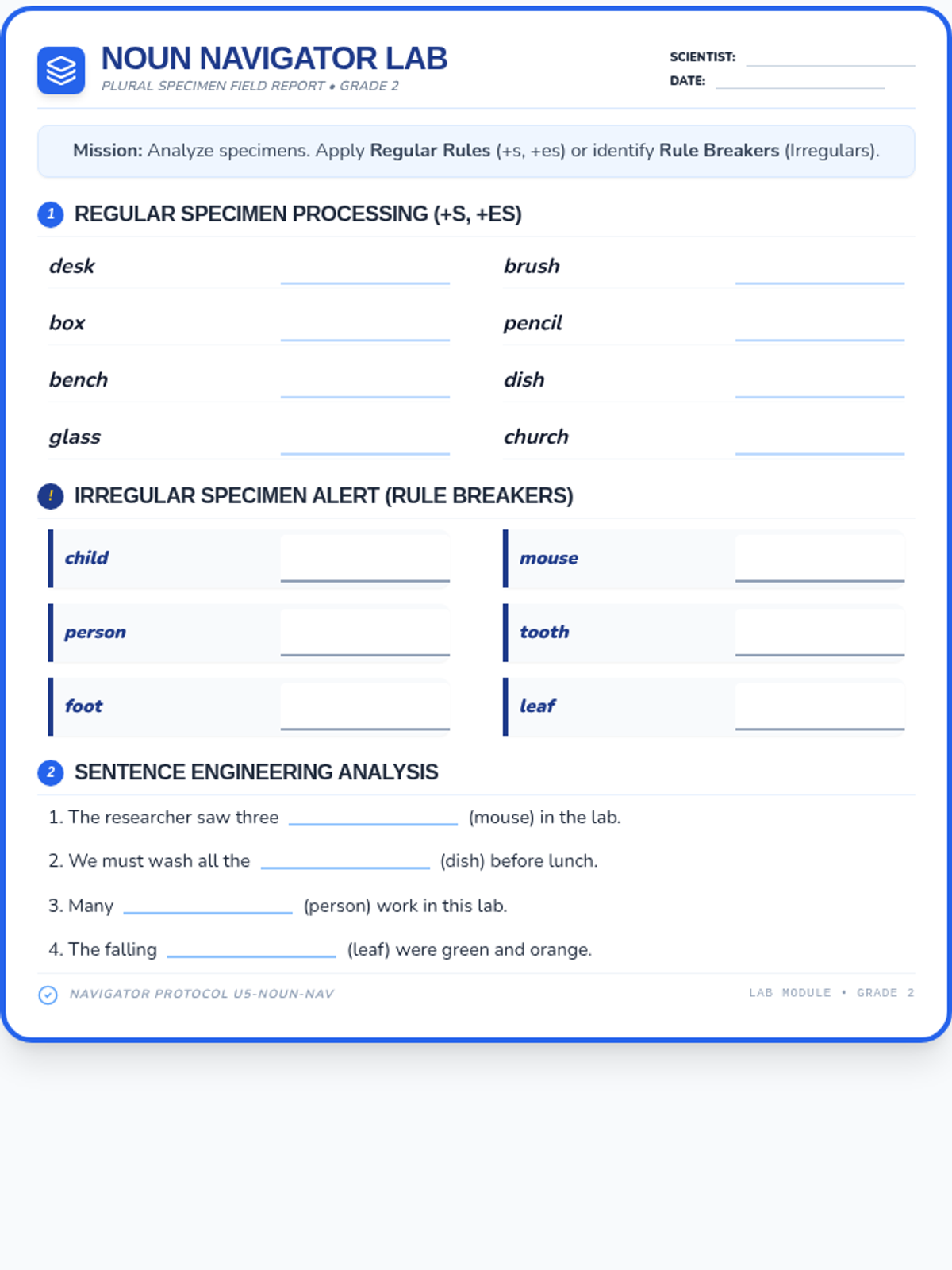
A lesson on identifying and forming plural nouns. Students learn the standard rules for regular plurals (-s, -es, -ies, -ves) and investigate 'rule-breaking' irregular nouns like mice, children, and people.
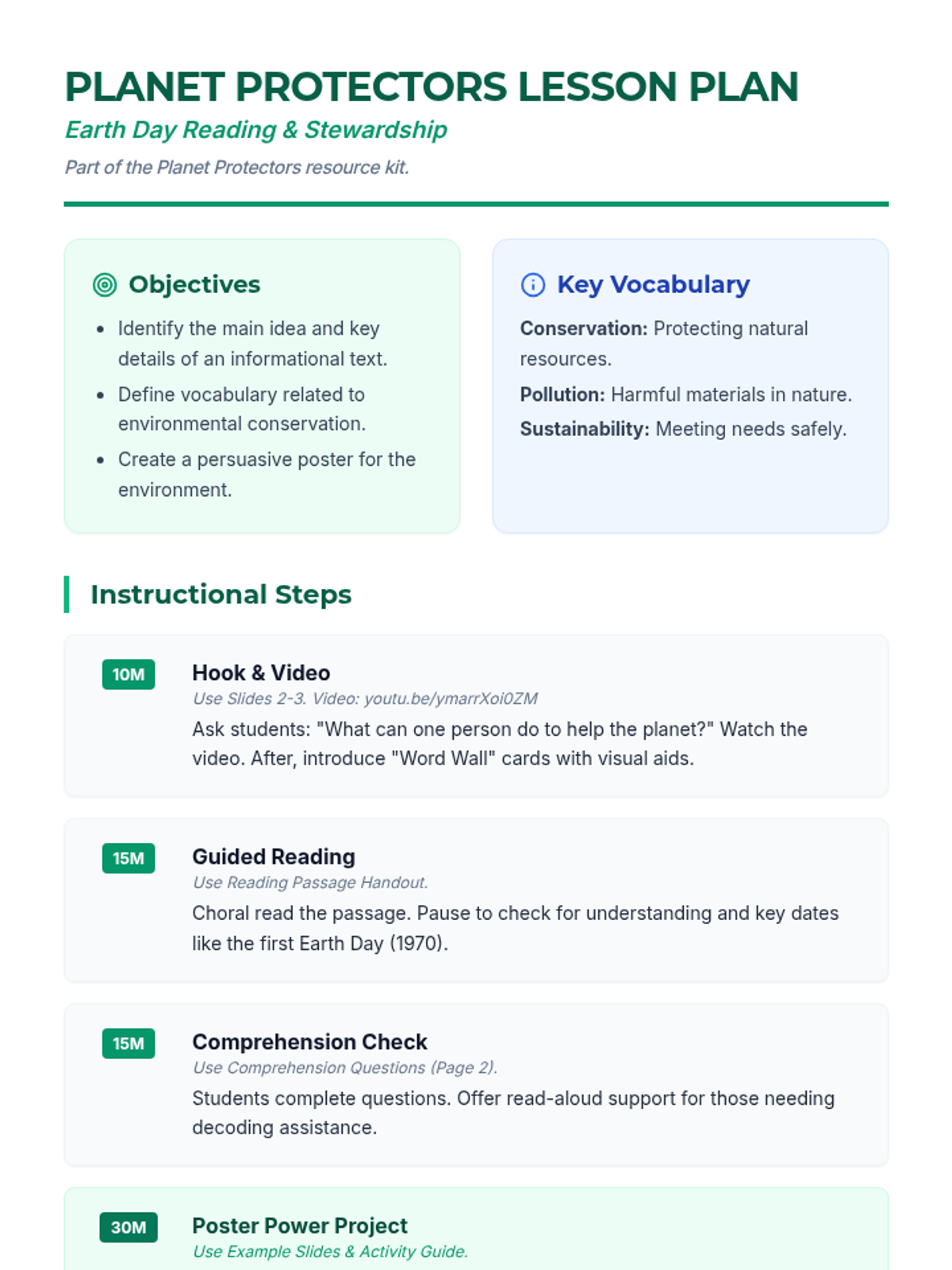
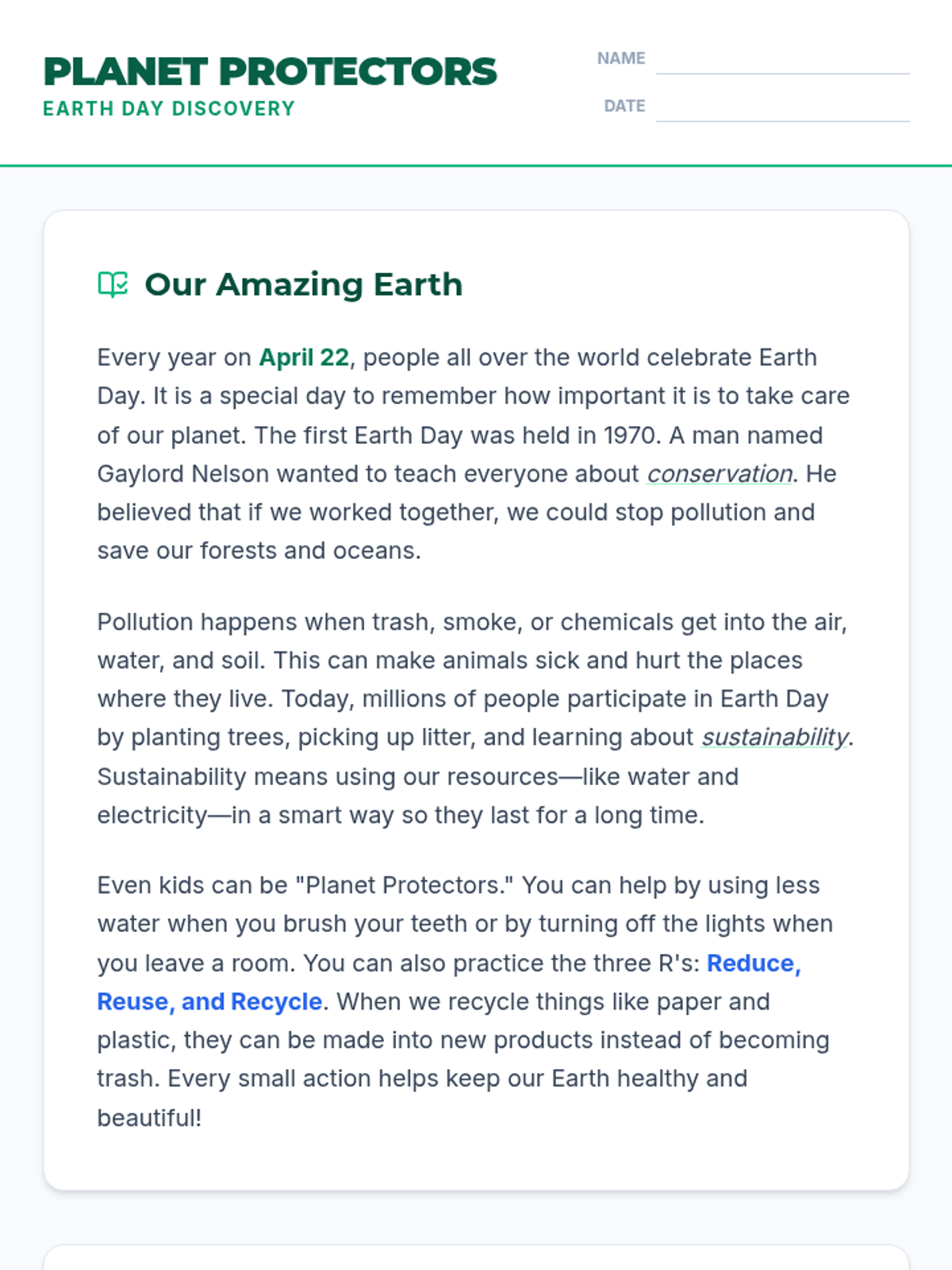
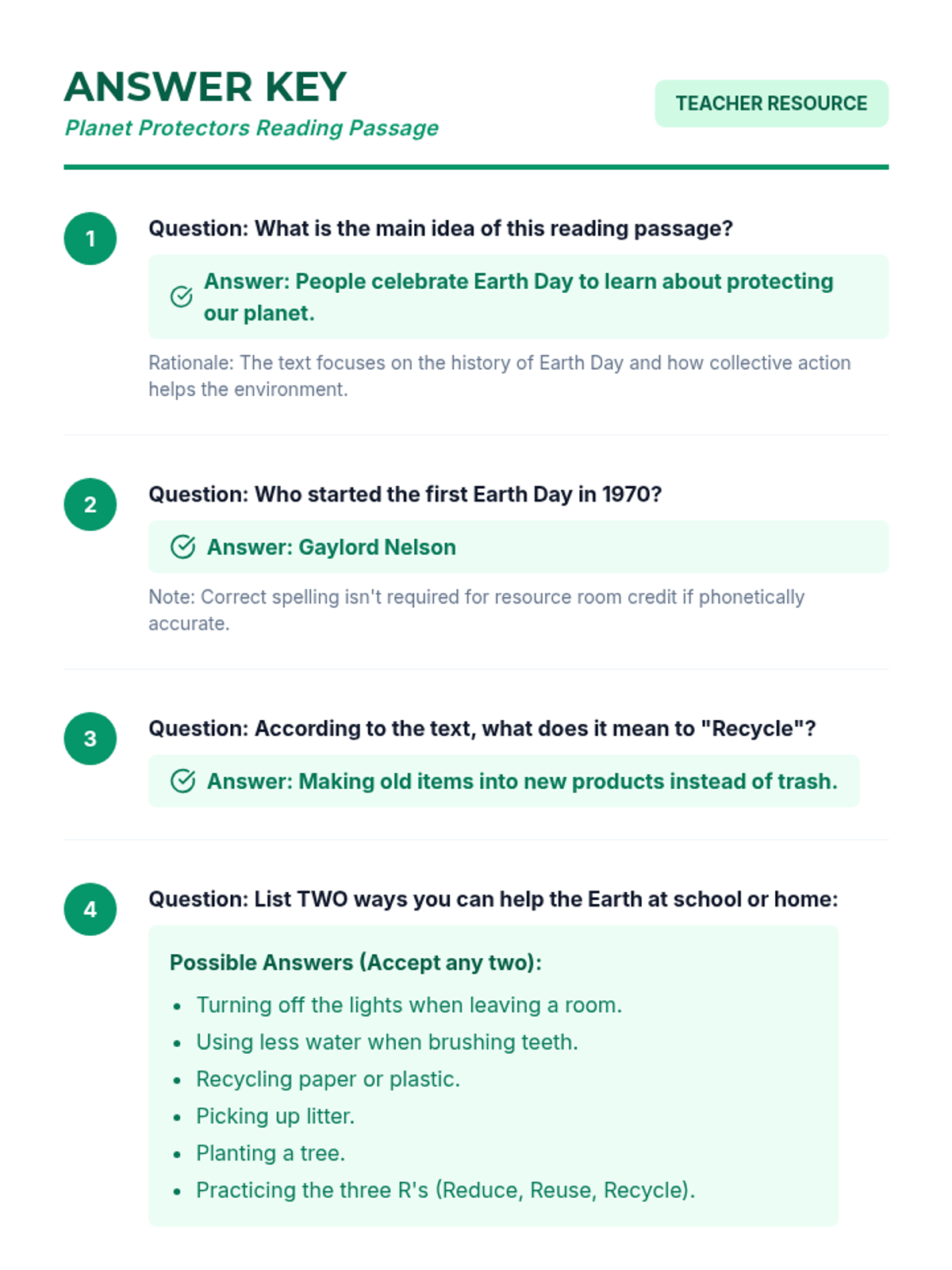
A reading comprehension-focused lesson for Earth Day, designed for upper elementary students in a resource classroom. Students will explore the history of Earth Day and identify ways they can contribute to environmental conservation through an informational passage and guided discussion.
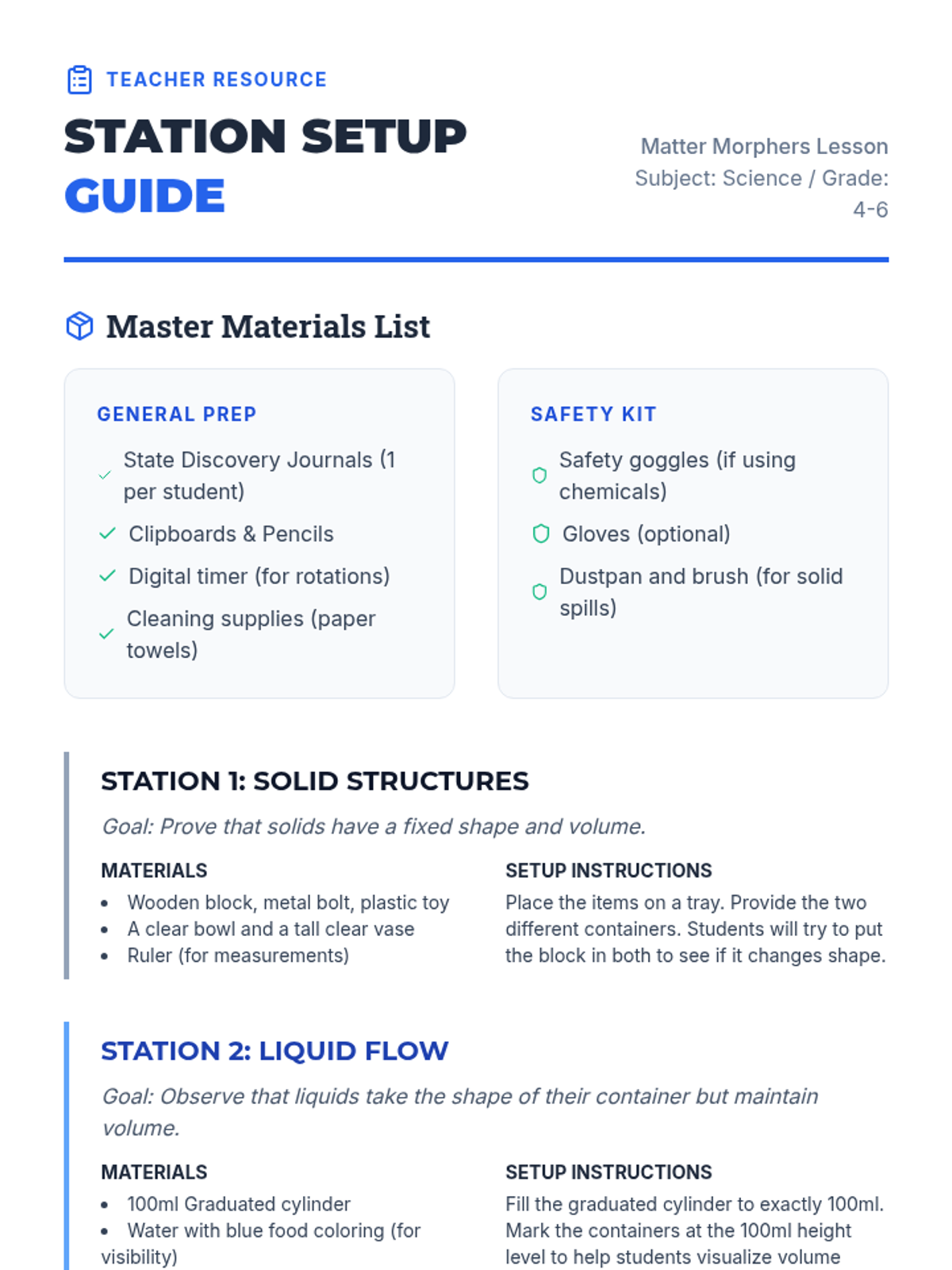
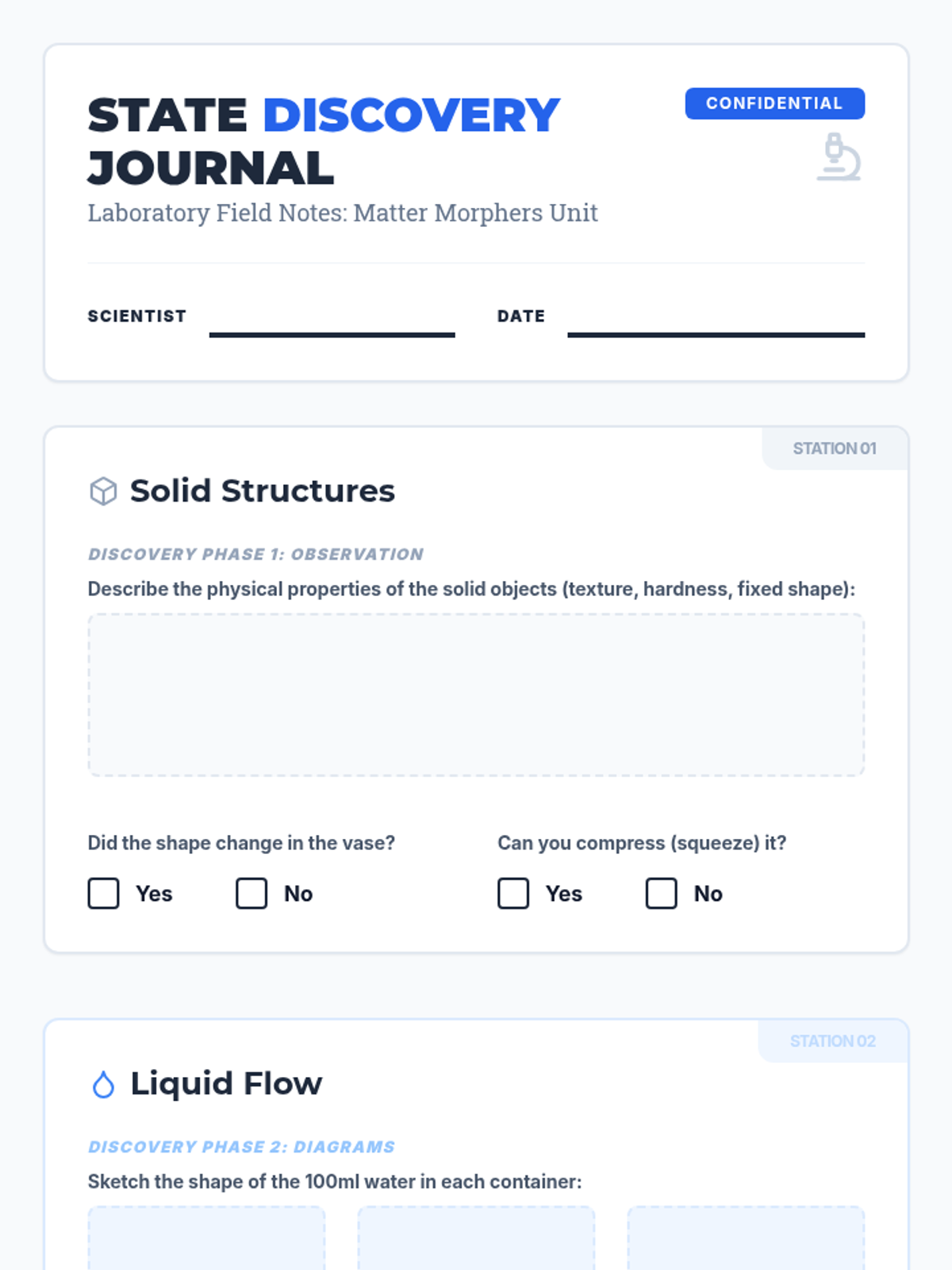
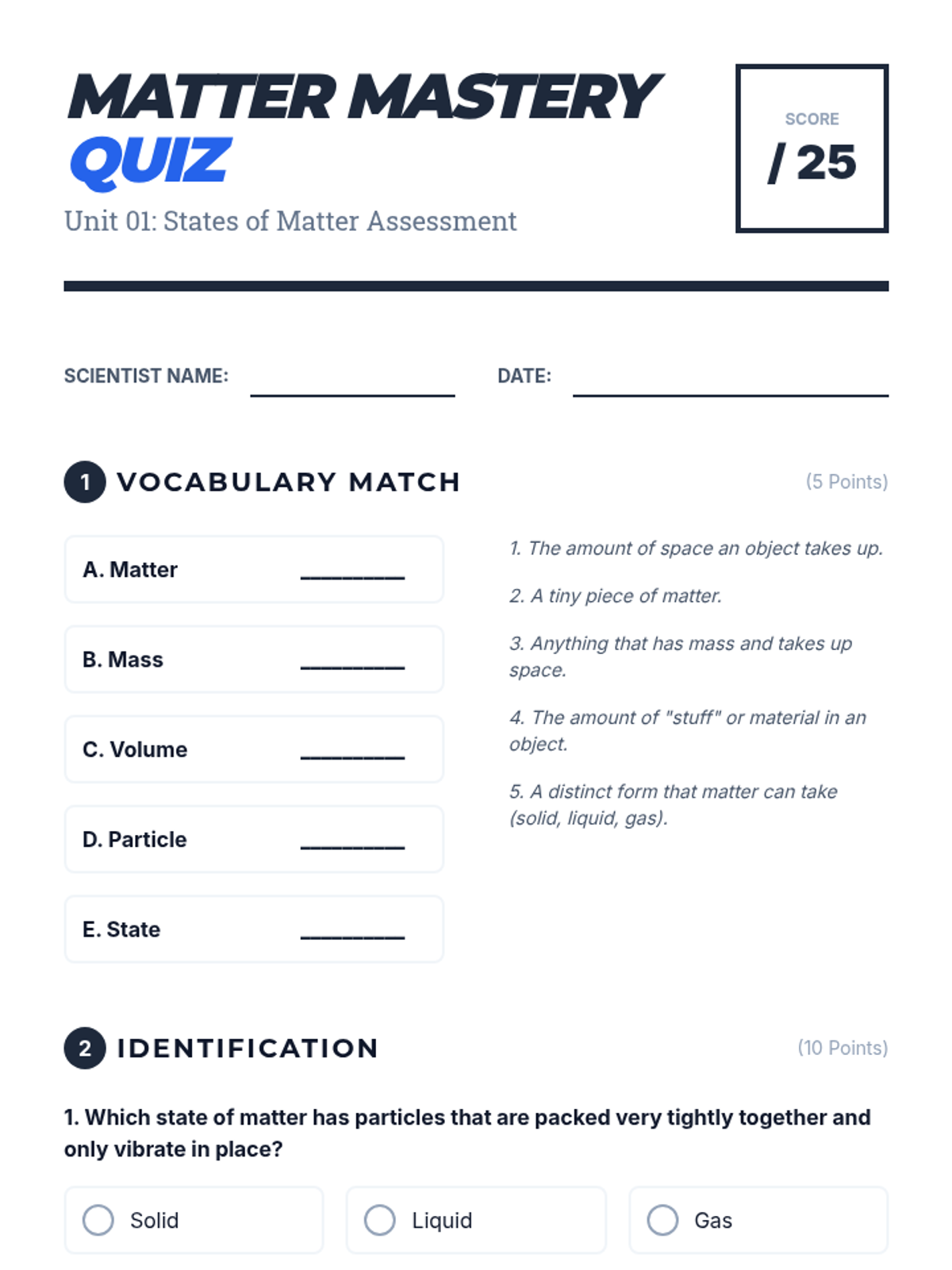
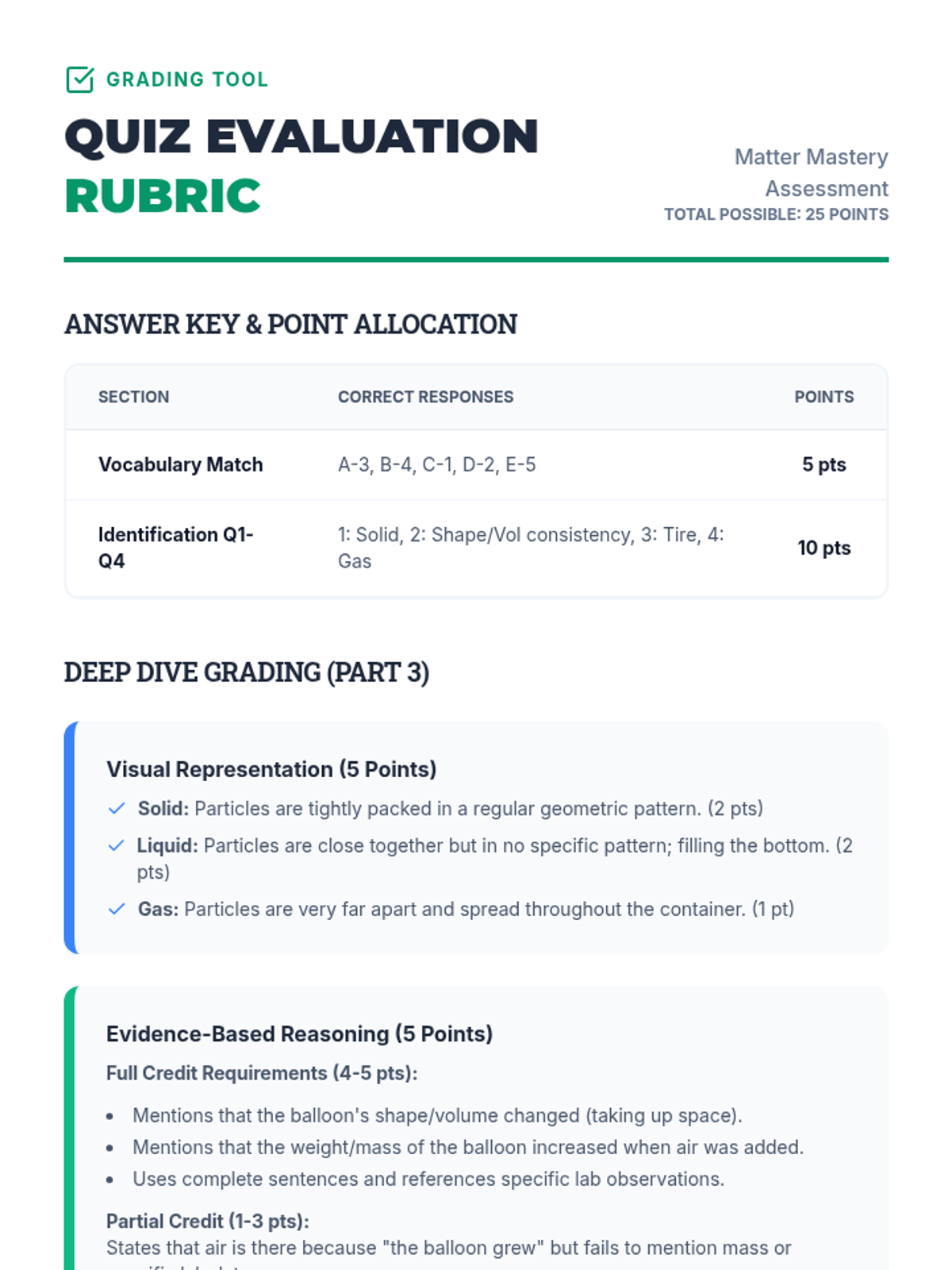
A hands-on exploration of the three primary states of matter through interactive lab stations, concluding with a comprehensive assessment.
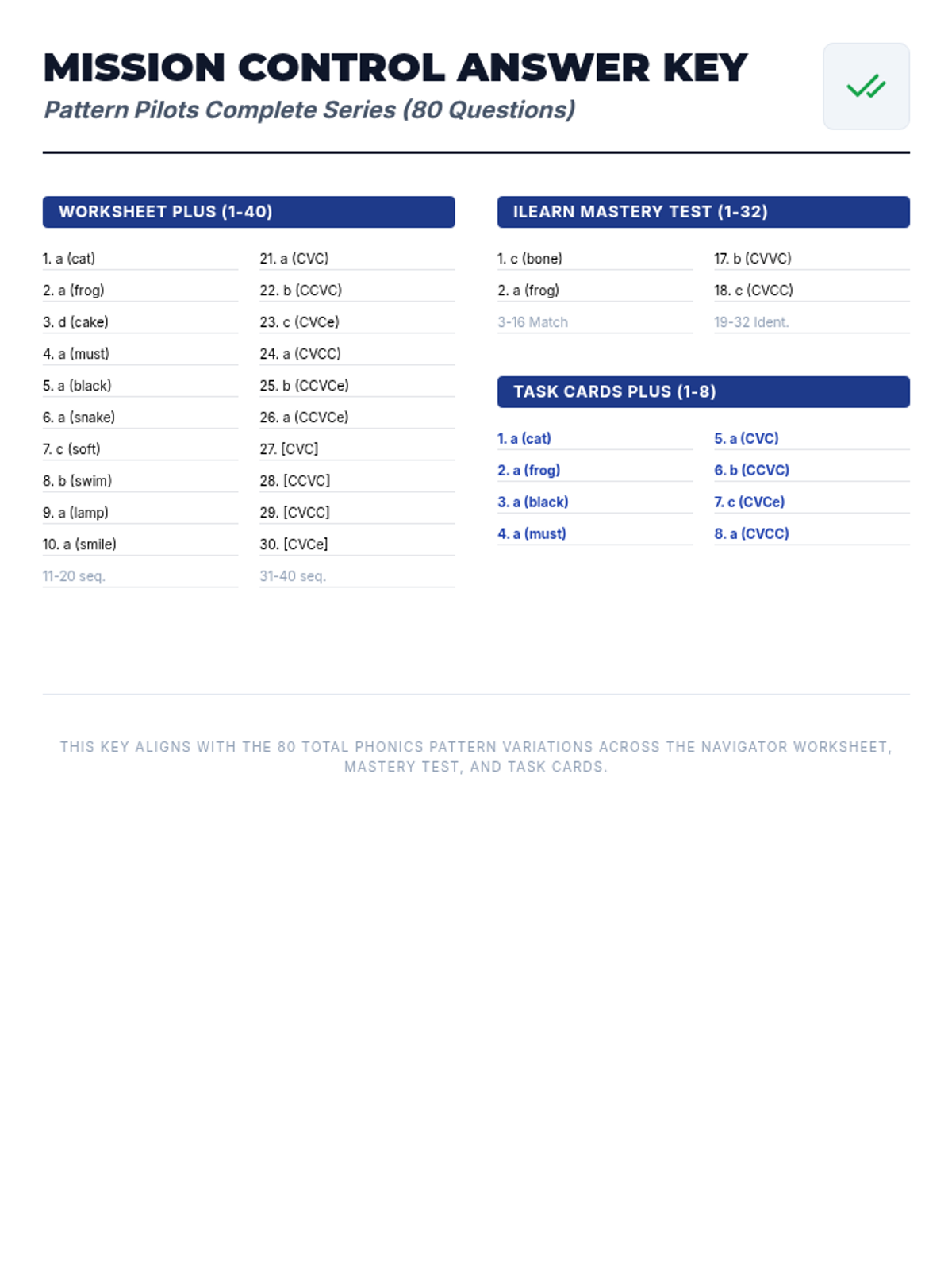
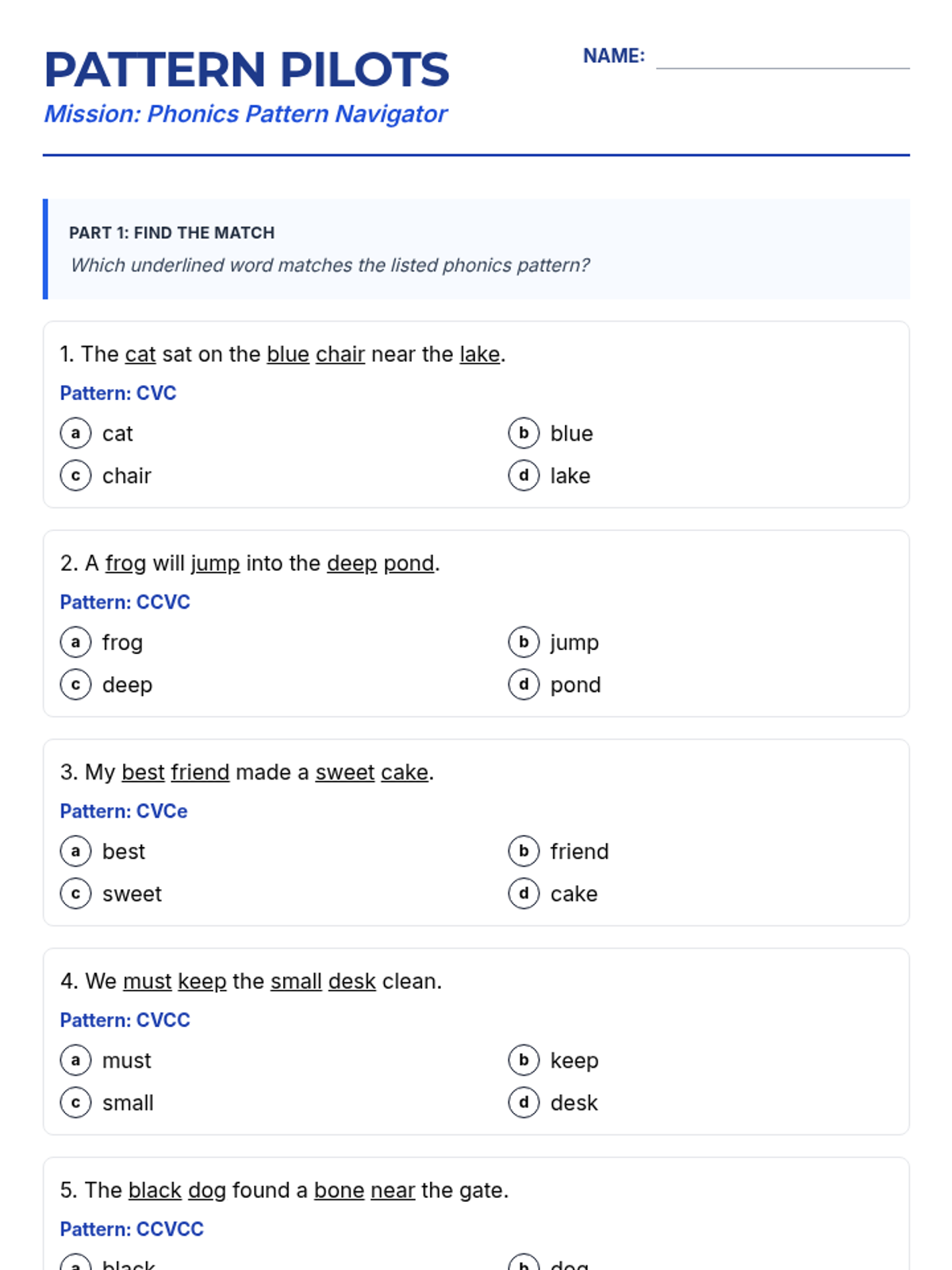
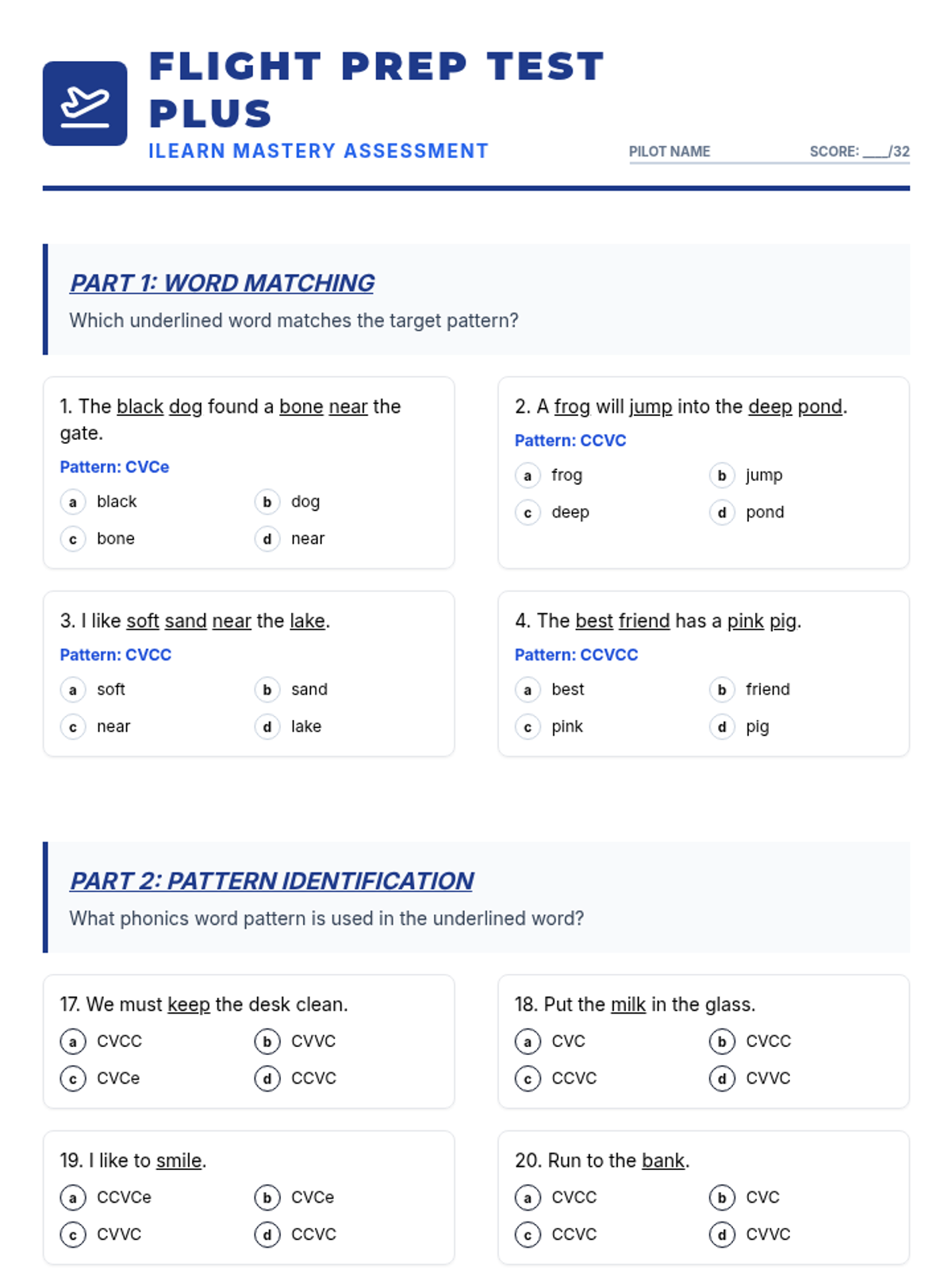
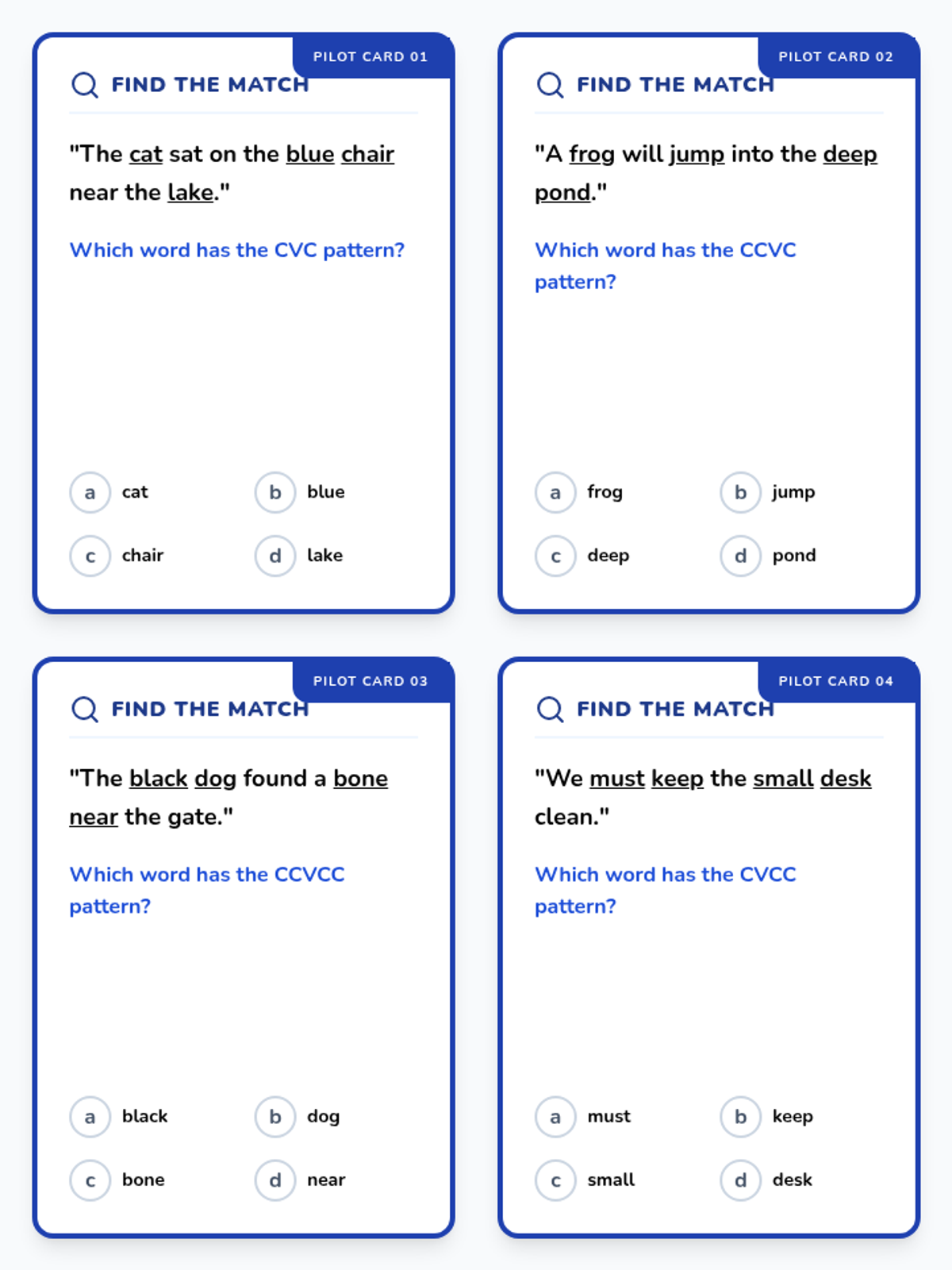
A comprehensive set of practice materials for the ILEARN assessment focusing on vowel and consonant patterns (CVC, CCVC, CVCe, etc.). Includes grouped practice, a mixed test, task cards, and an answer key.
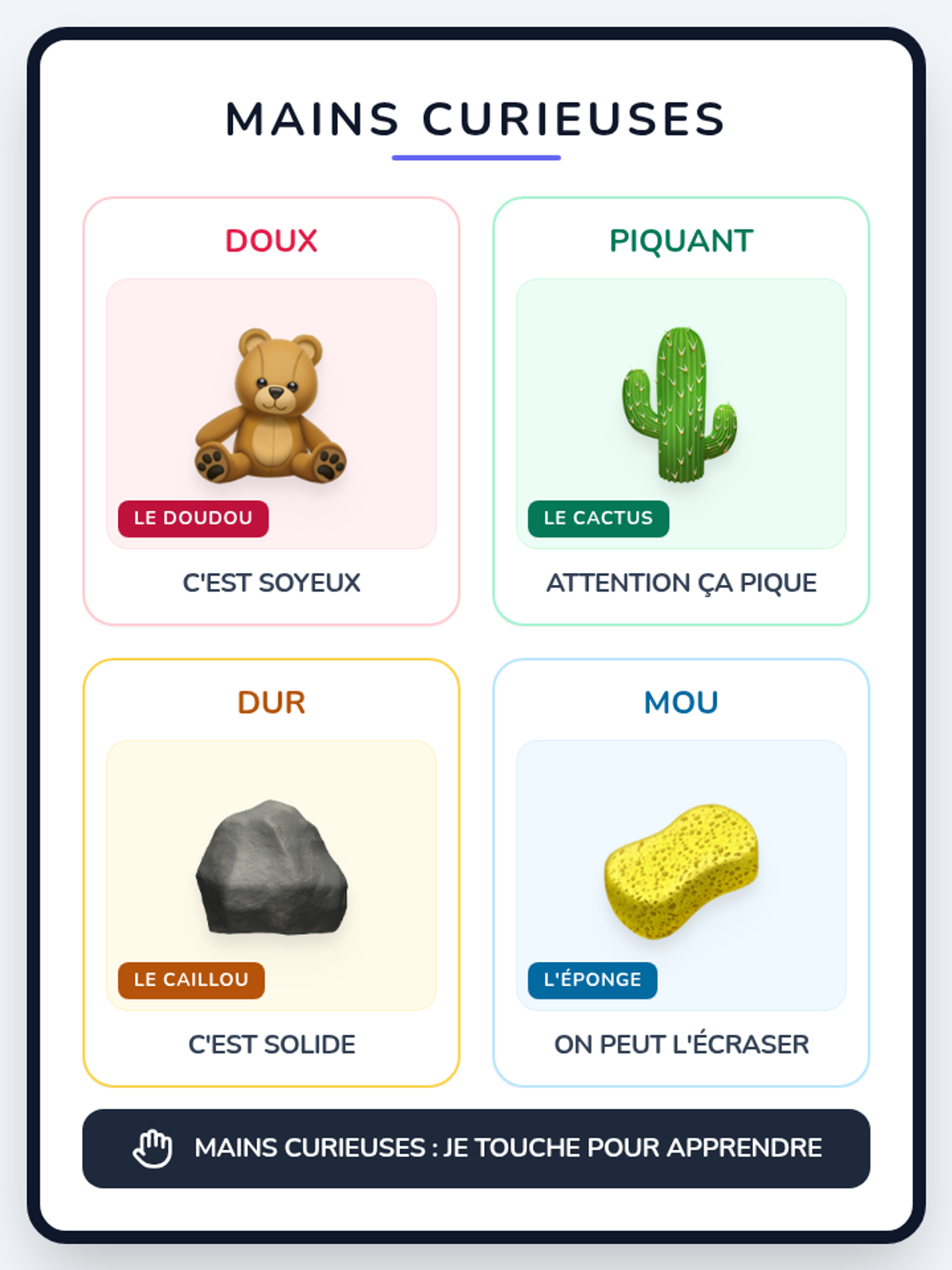
Une leçon d'éveil sensoriel pour les élèves de maternelle, centrée sur la découverte des textures à travers le toucher. Les élèves apprennent à identifier et nommer les sensations : dur, mou, doux et piquant.
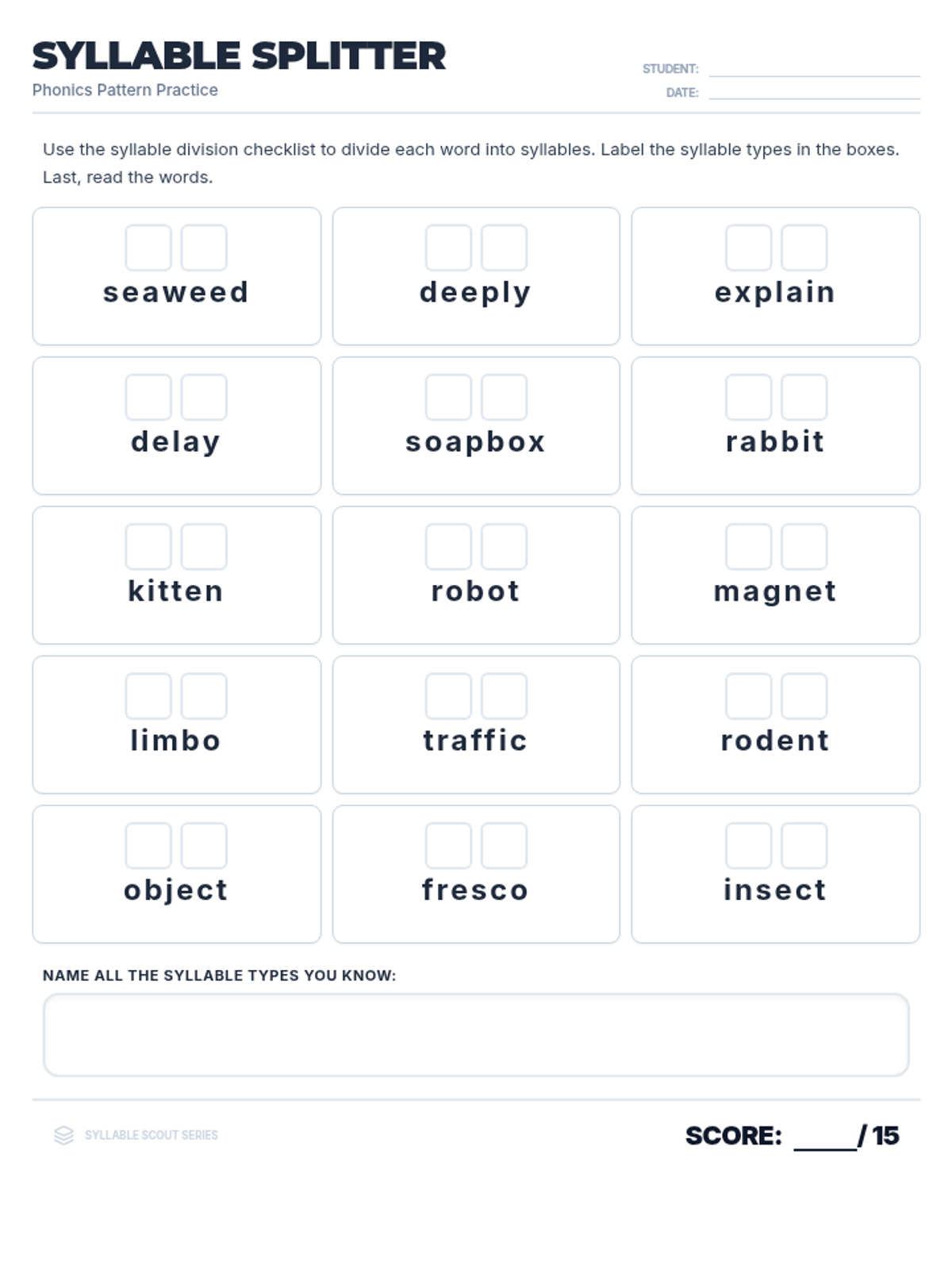
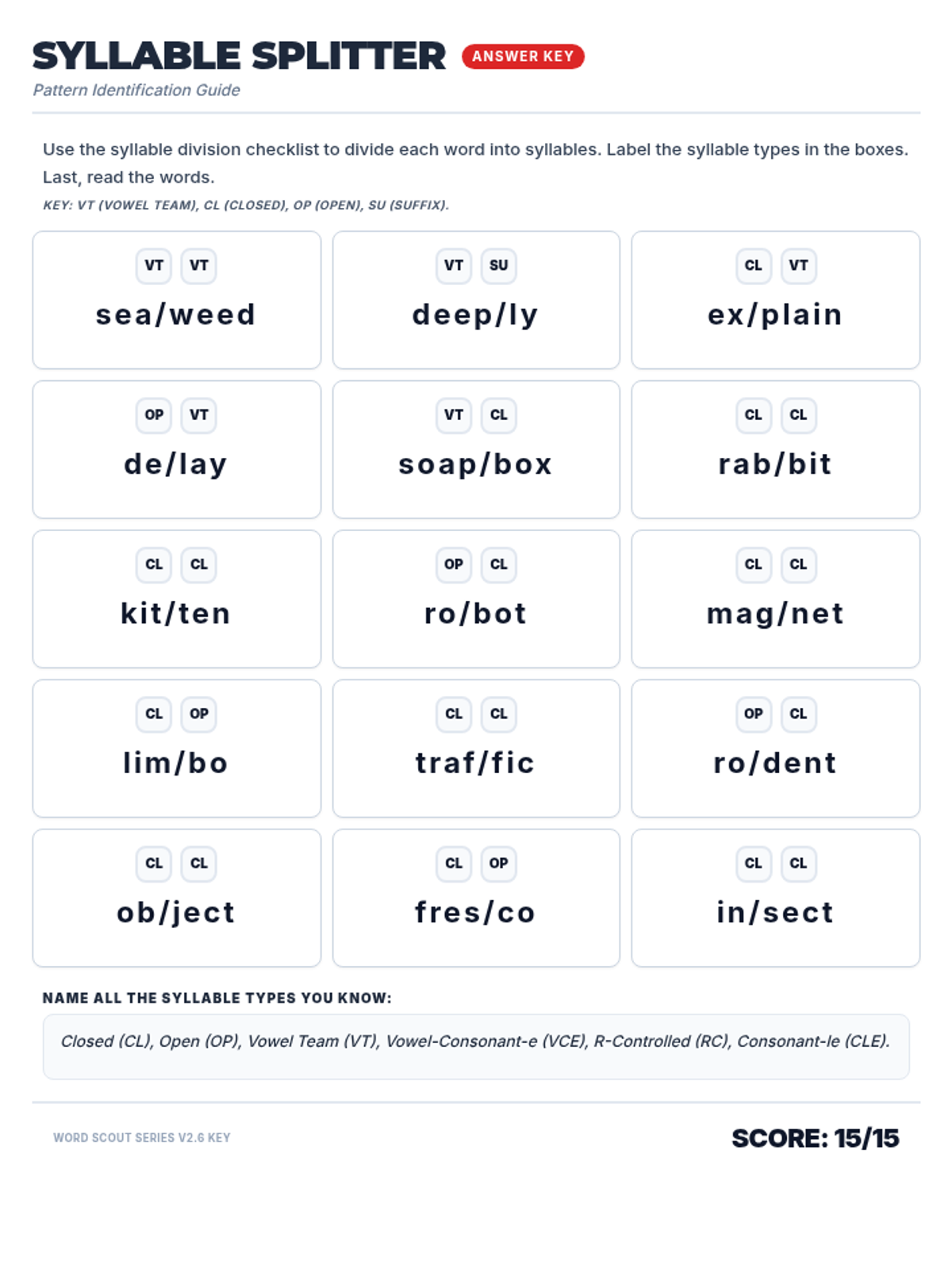
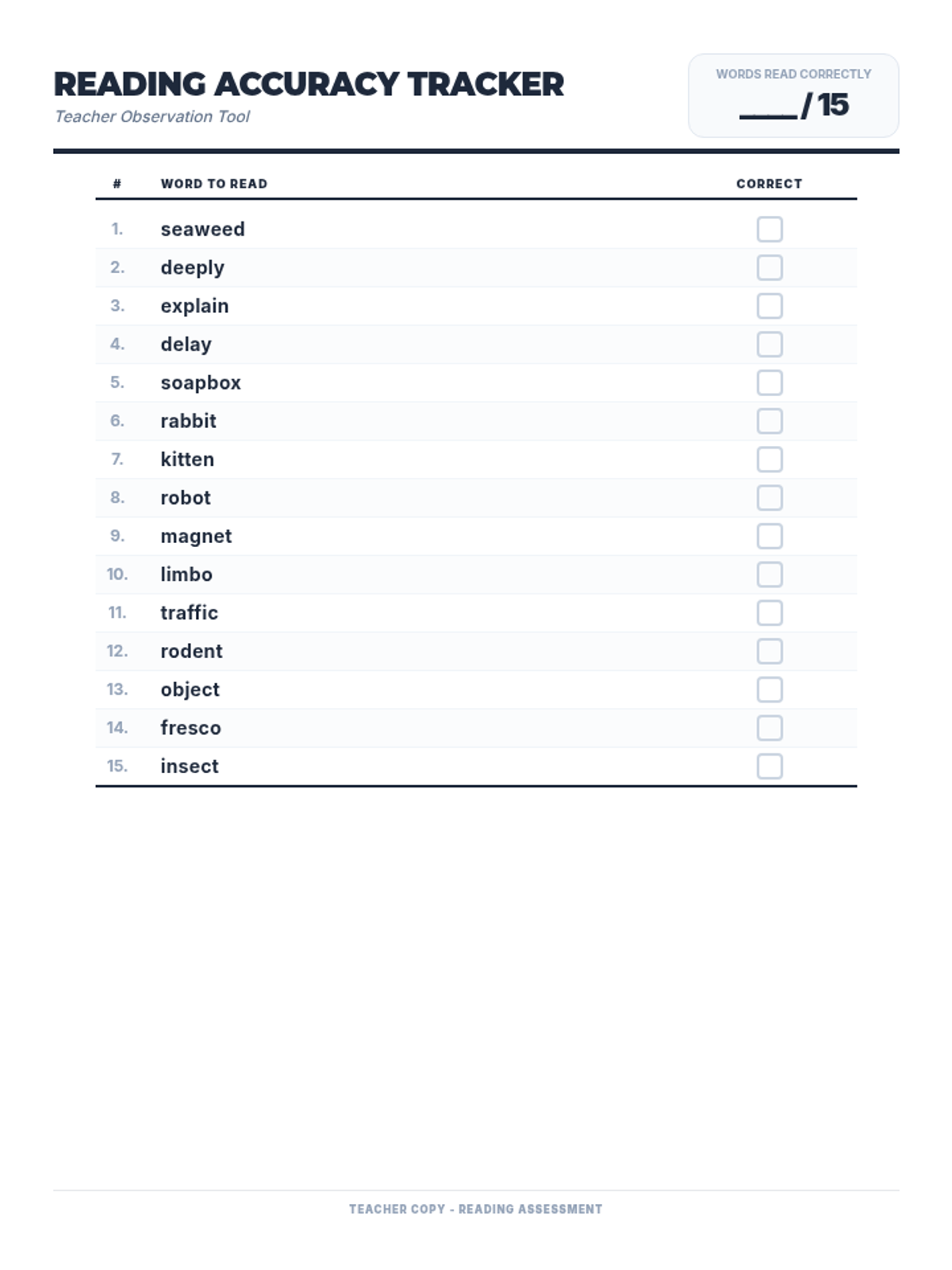
A lesson focused on mastering syllable division patterns through interactive tracking and assessment.
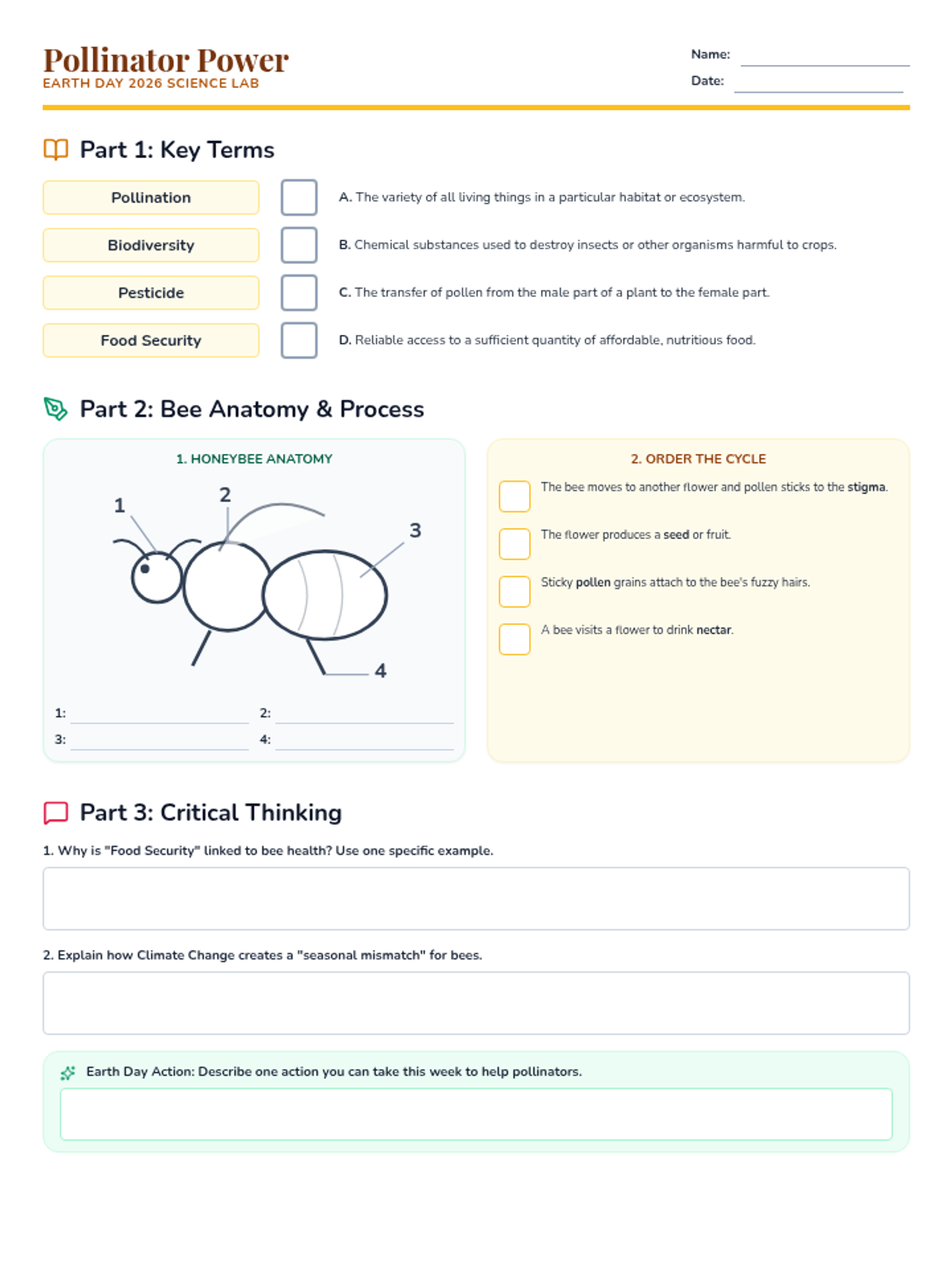
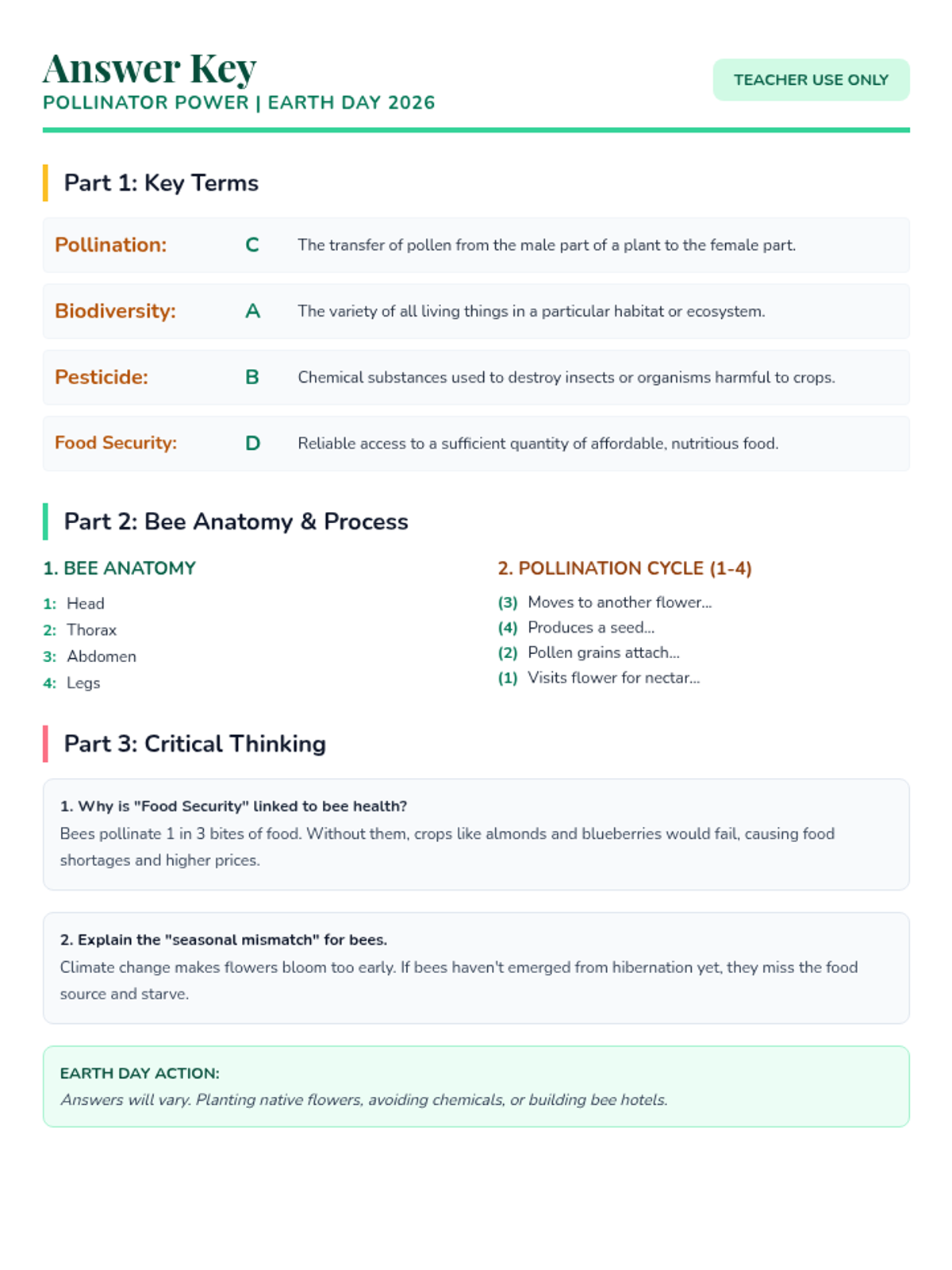
A comprehensive lesson exploring the critical role of bees in our ecosystem for Earth Day 2026, focusing on pollination, food security, and human impacts like pesticides and climate change.
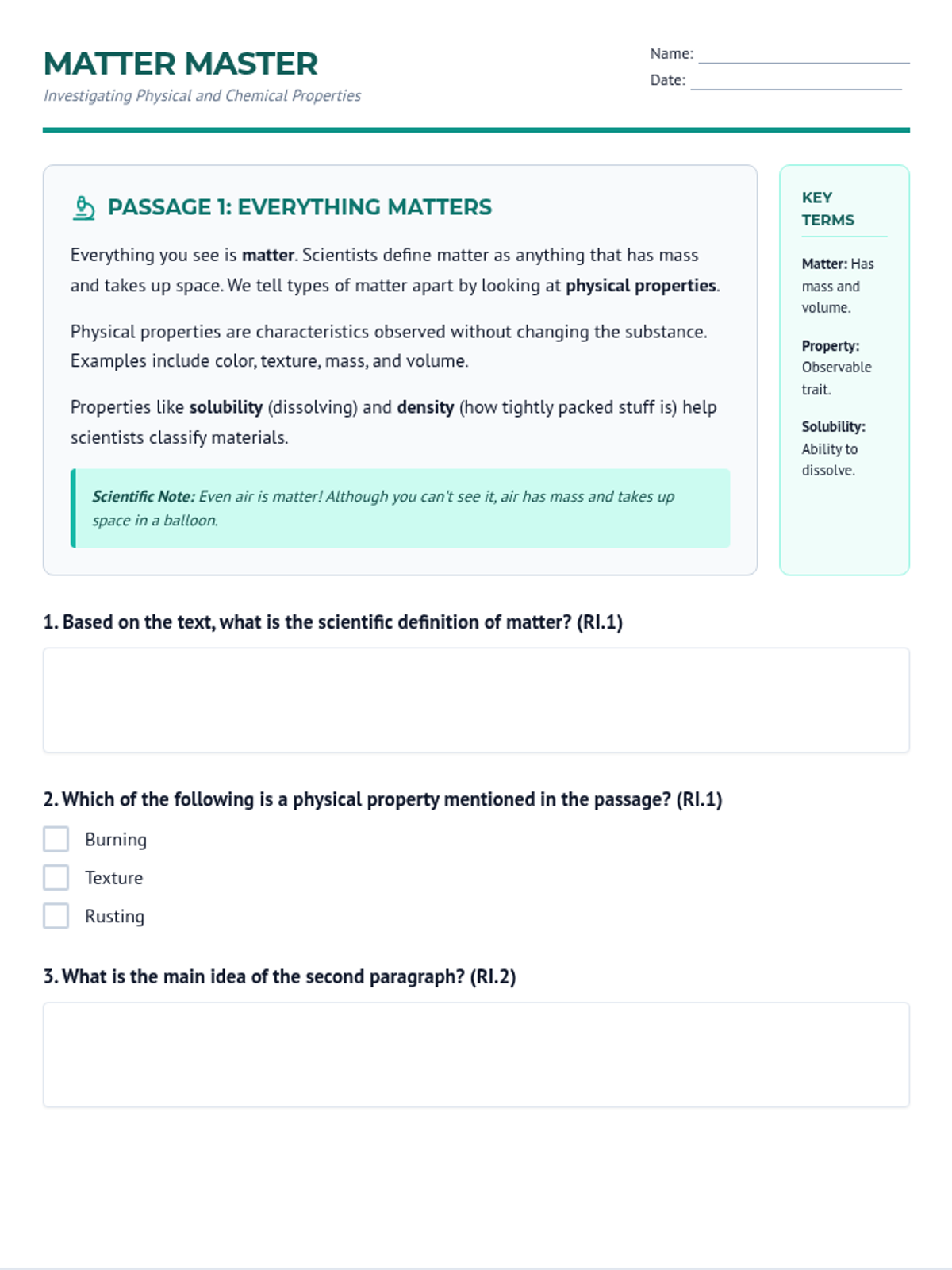
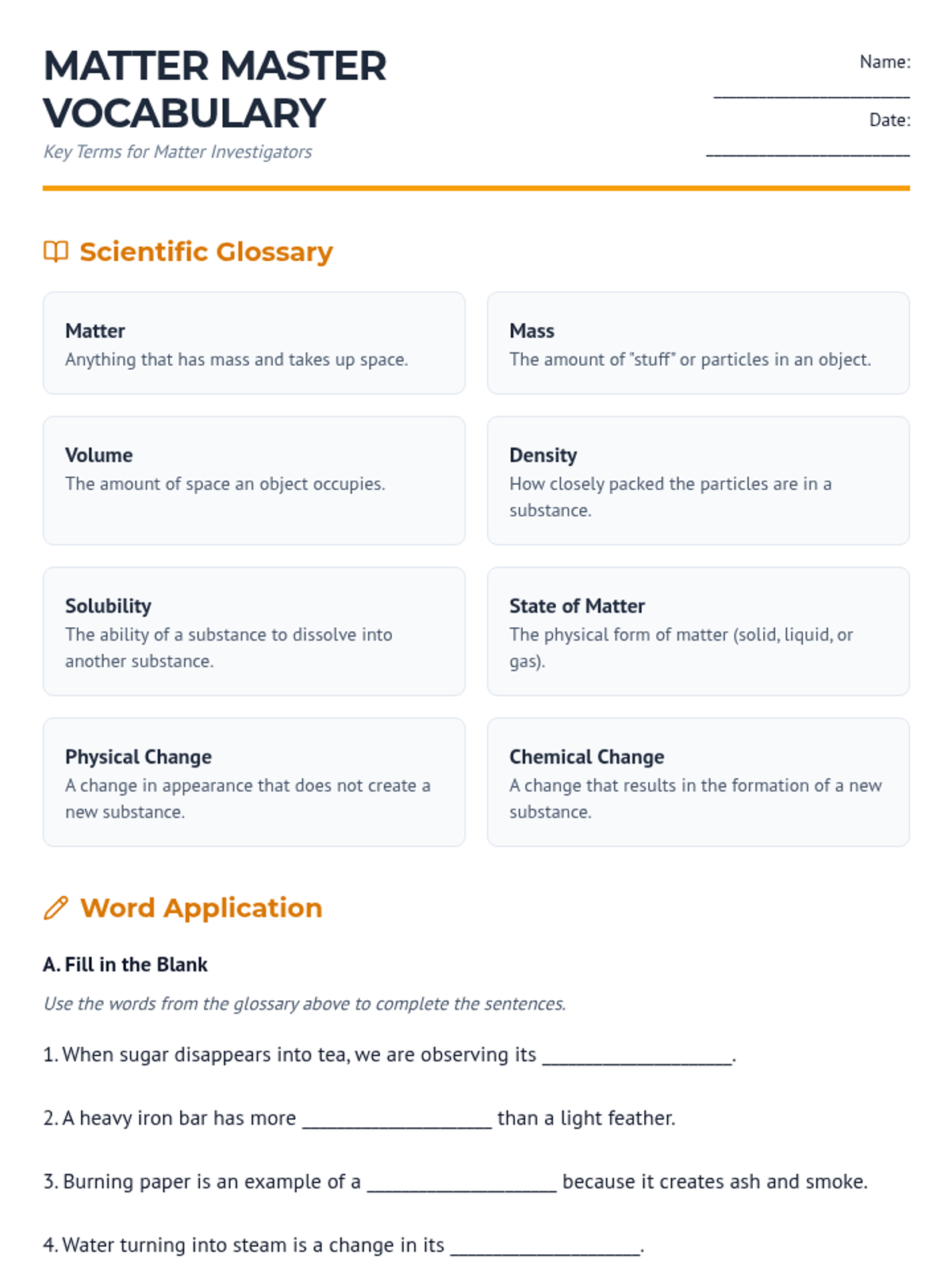
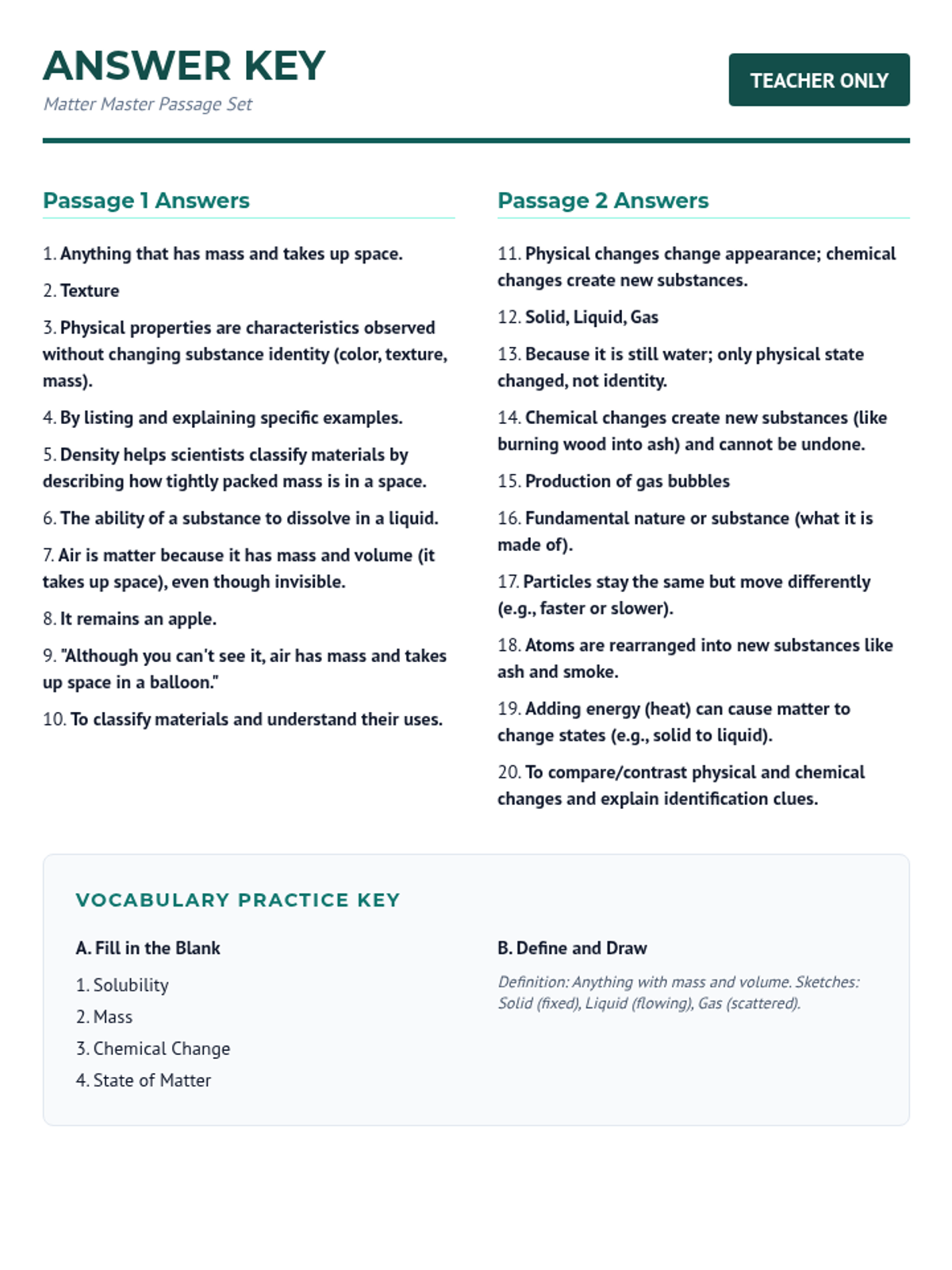
In this lesson, students explore the physical and chemical properties of matter through two detailed informational passages. They will practice identifying main ideas, citing evidence, and mastering scientific vocabulary.
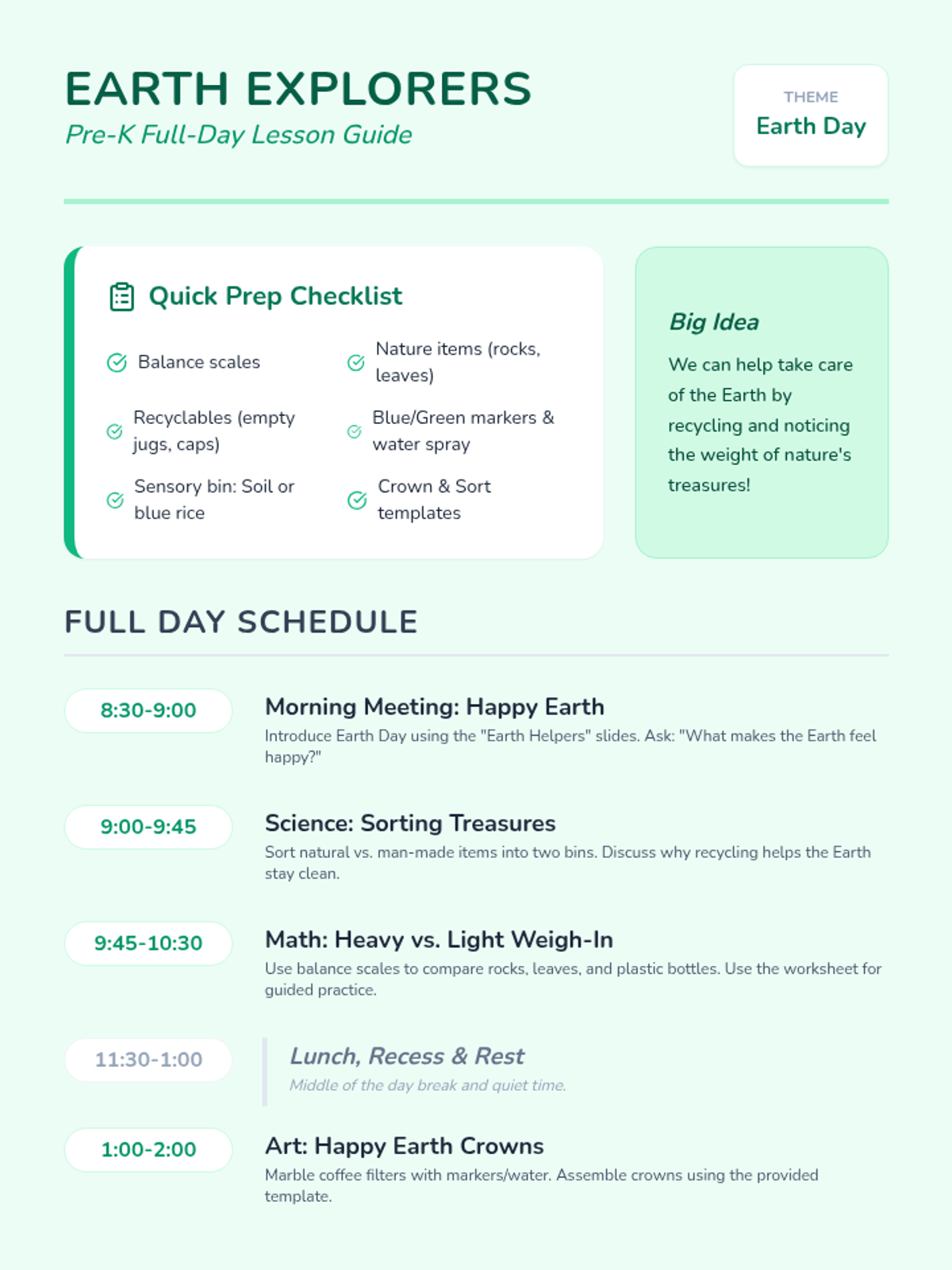
A full-day Earth Day adventure for Pre-K students exploring measurement (heavy vs. light), sorting recyclables, and celebrating our planet through art and play centers.