A comprehensive environmental science project broken into manageable phases, from research to final presentation. Students investigate global environmental challenges and propose solutions through a 'mission-based' framework.
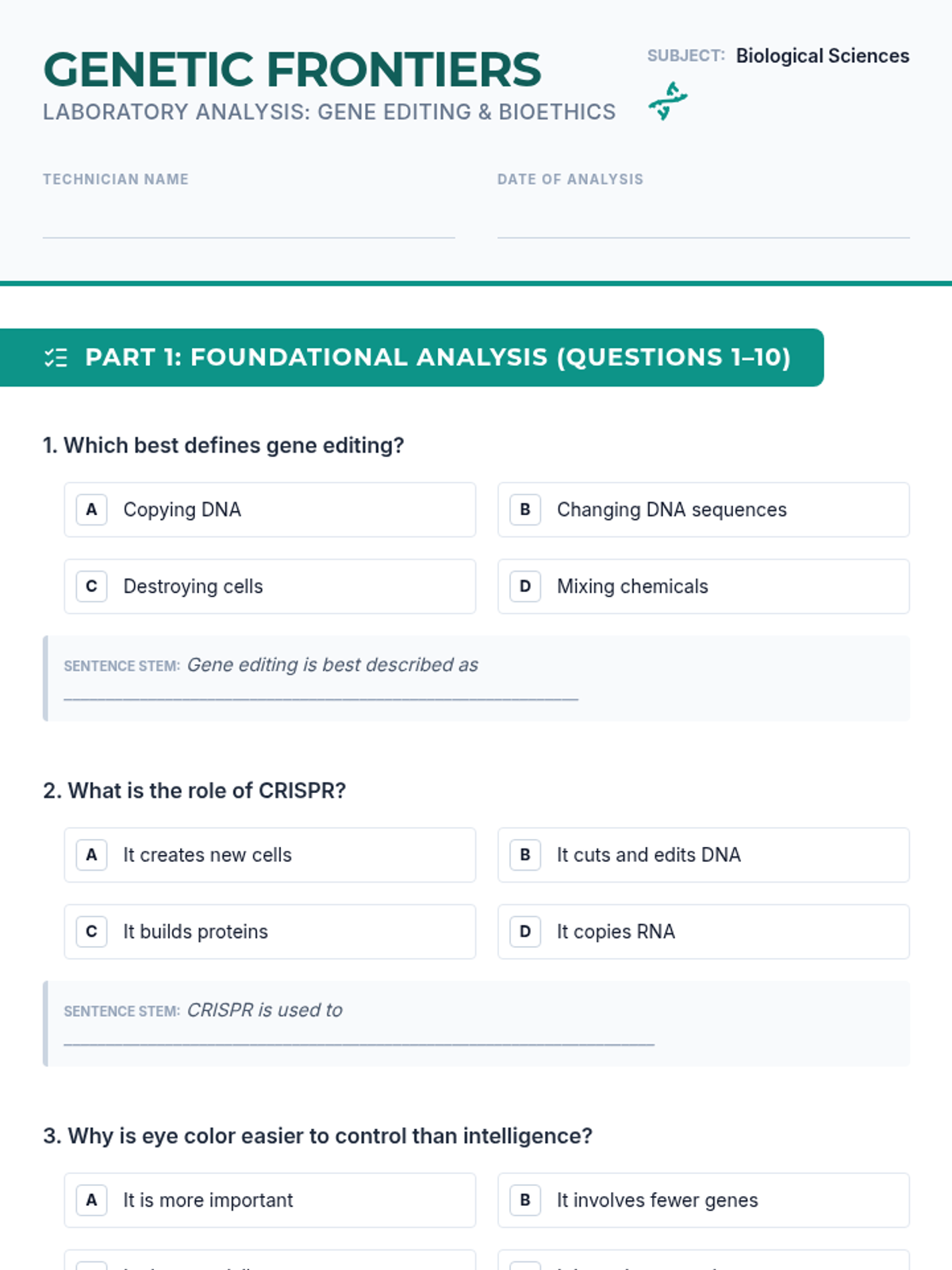
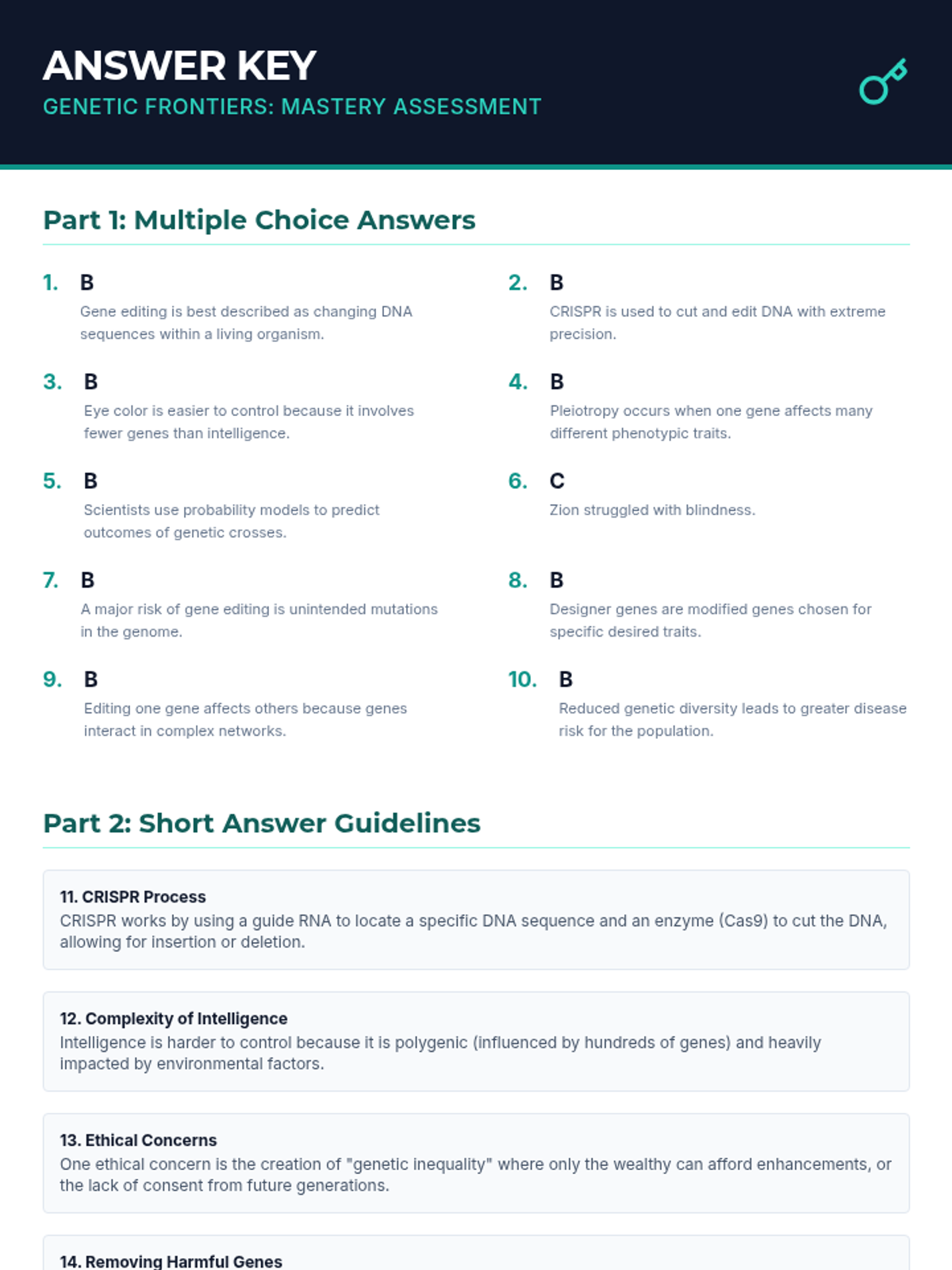
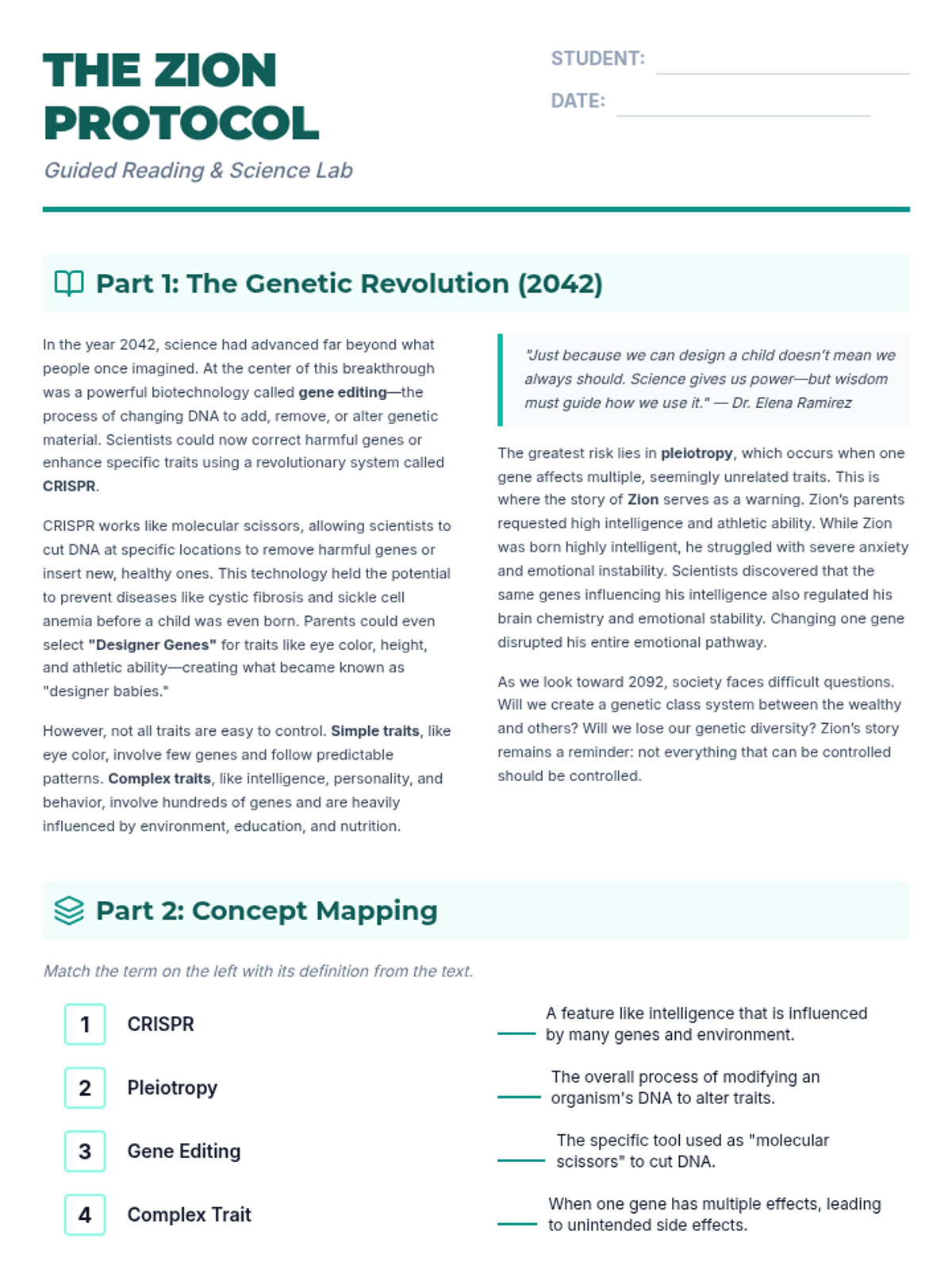
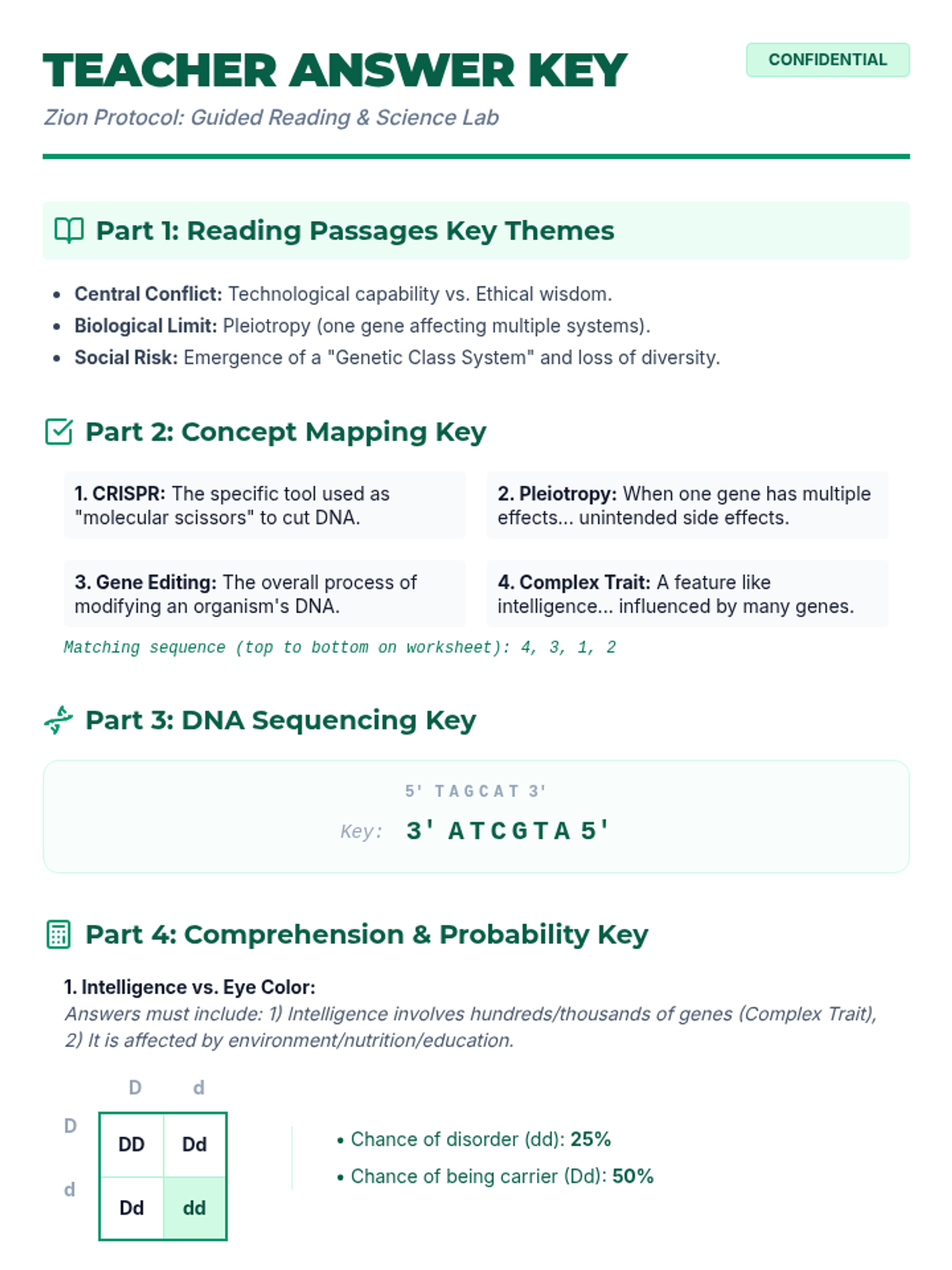
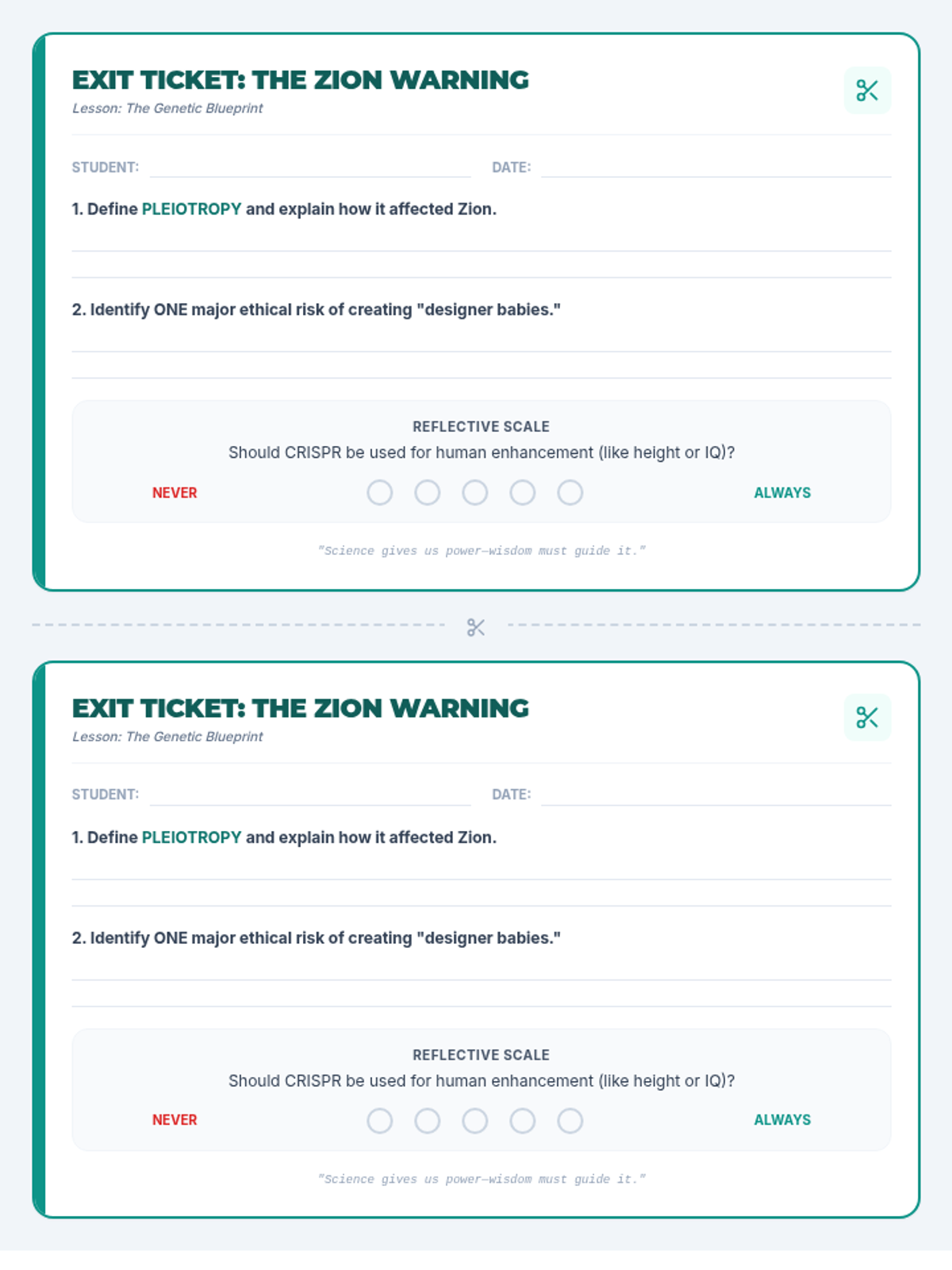
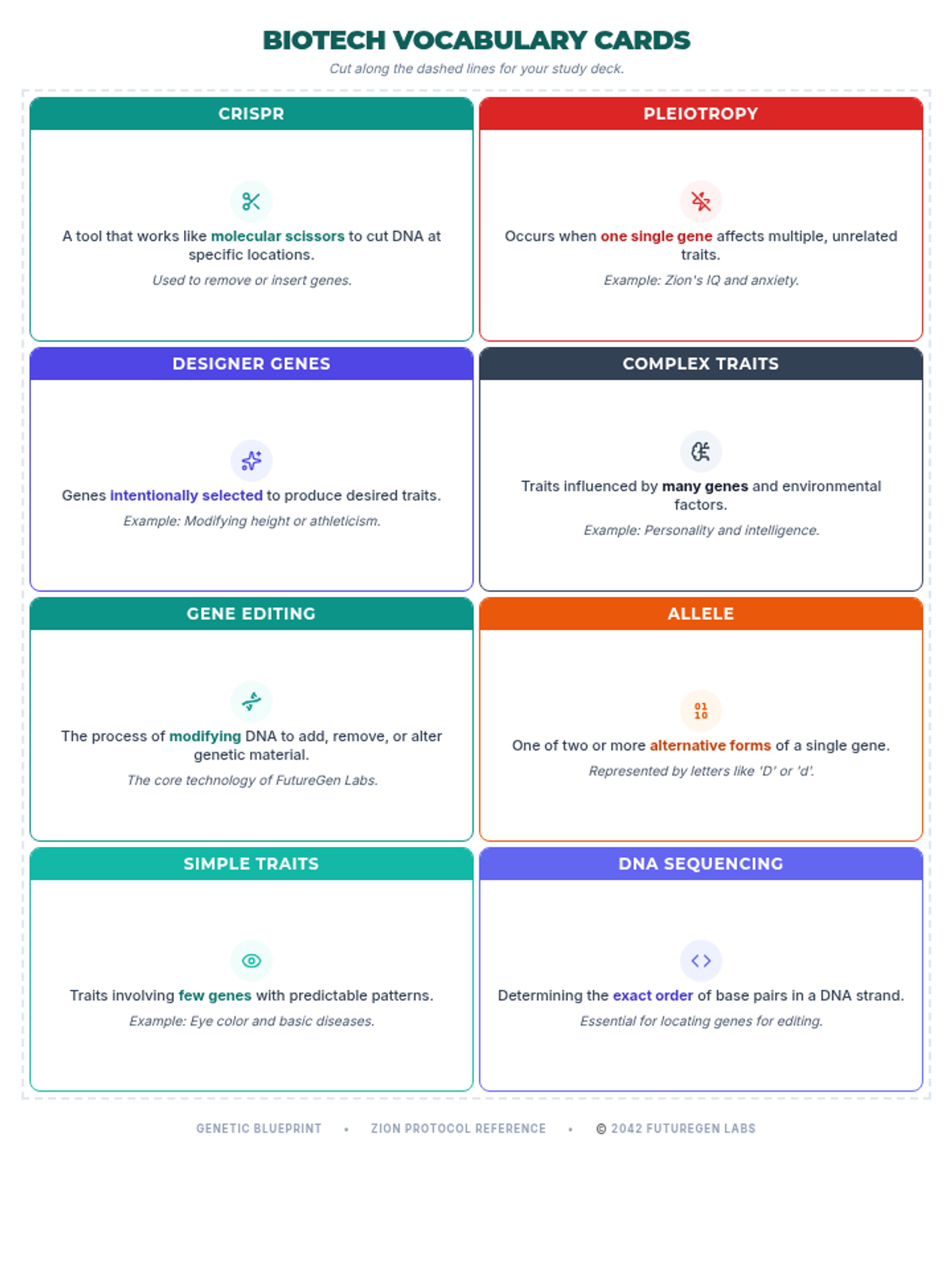
A comprehensive exploration of genetic engineering, focusing on CRISPR technology, the complexities of pleiotropy, and the ethical implications of designer genes. Students analyze the trade-offs between medical advancement and genetic diversity.
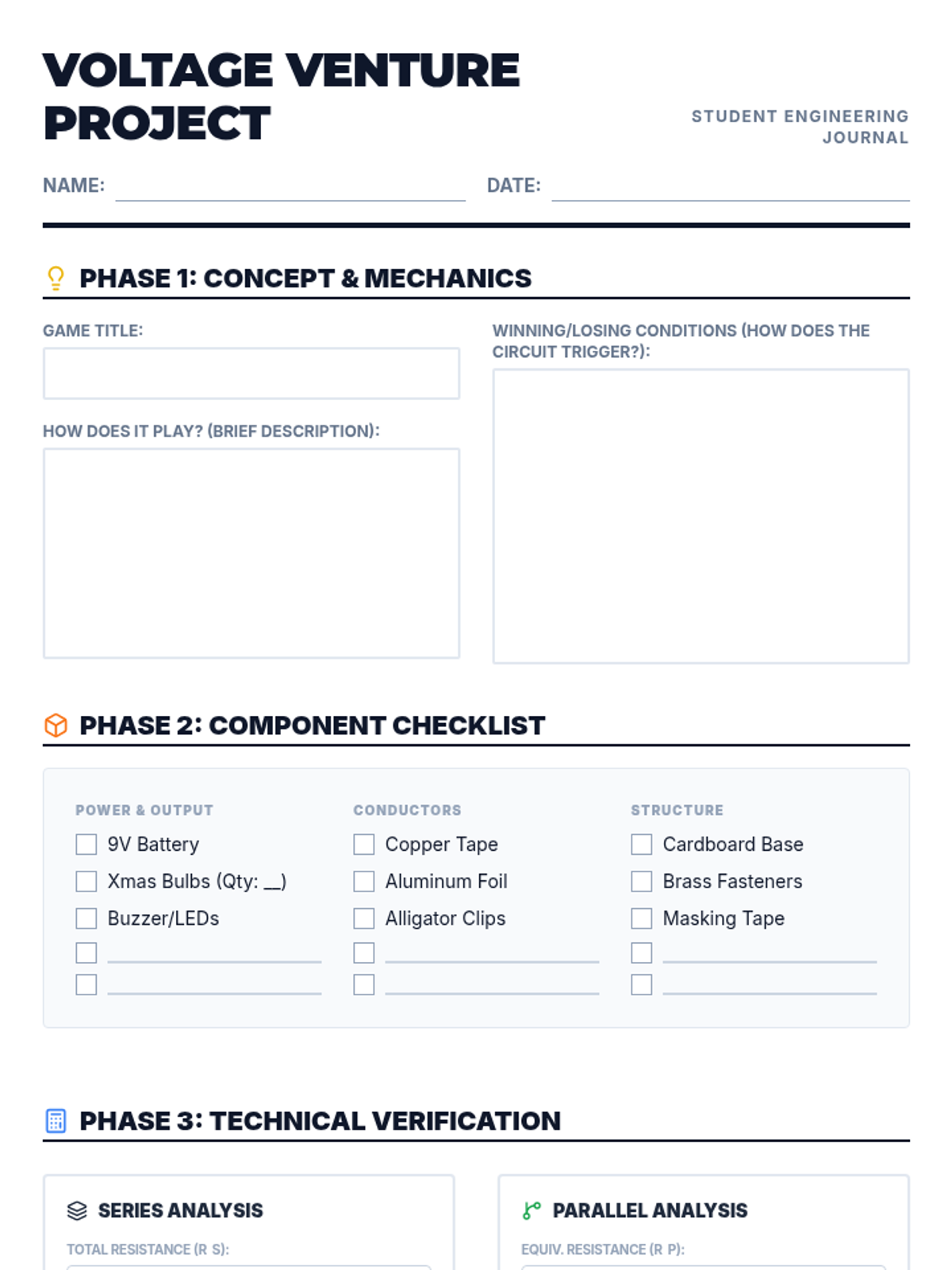
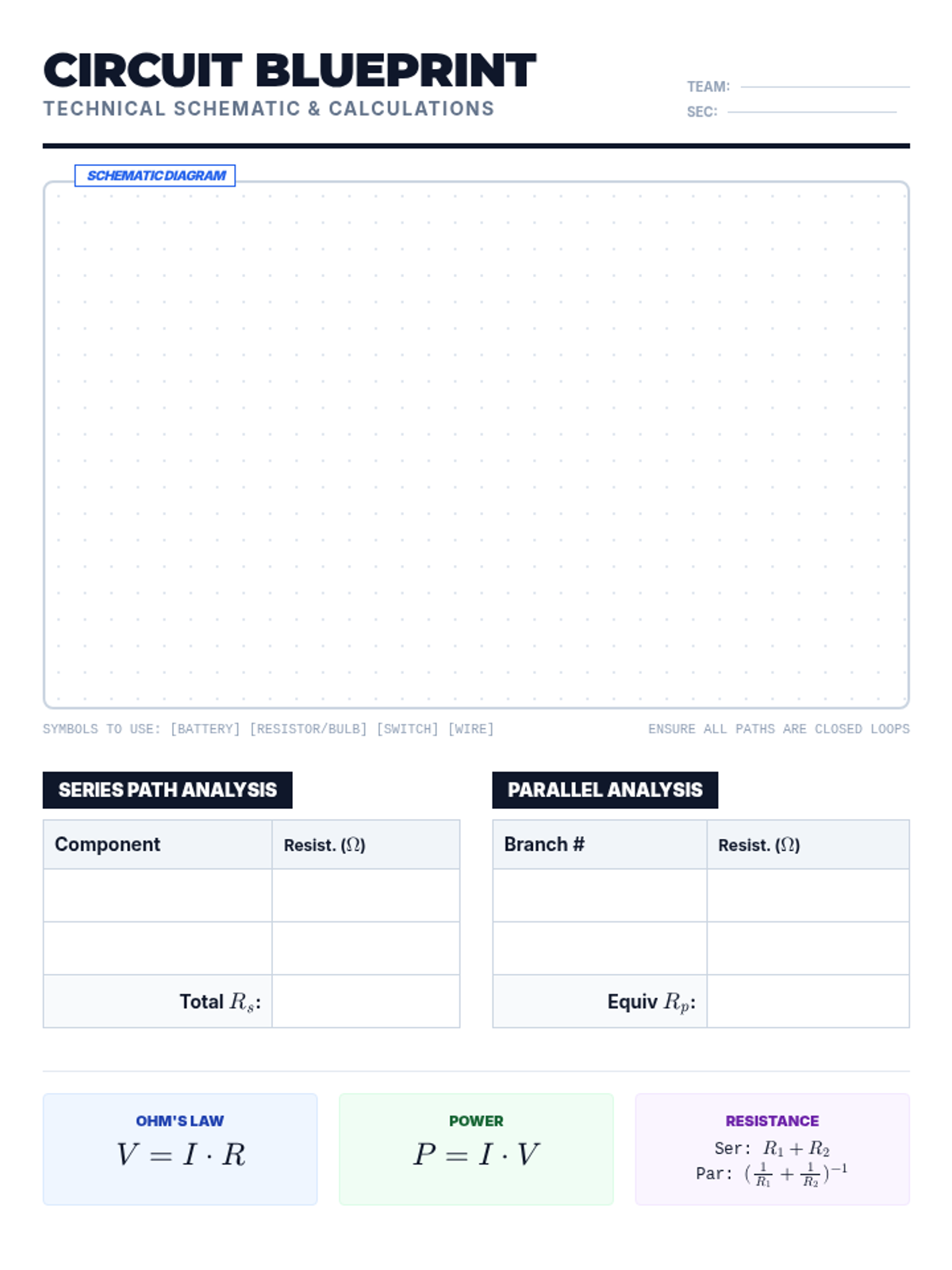
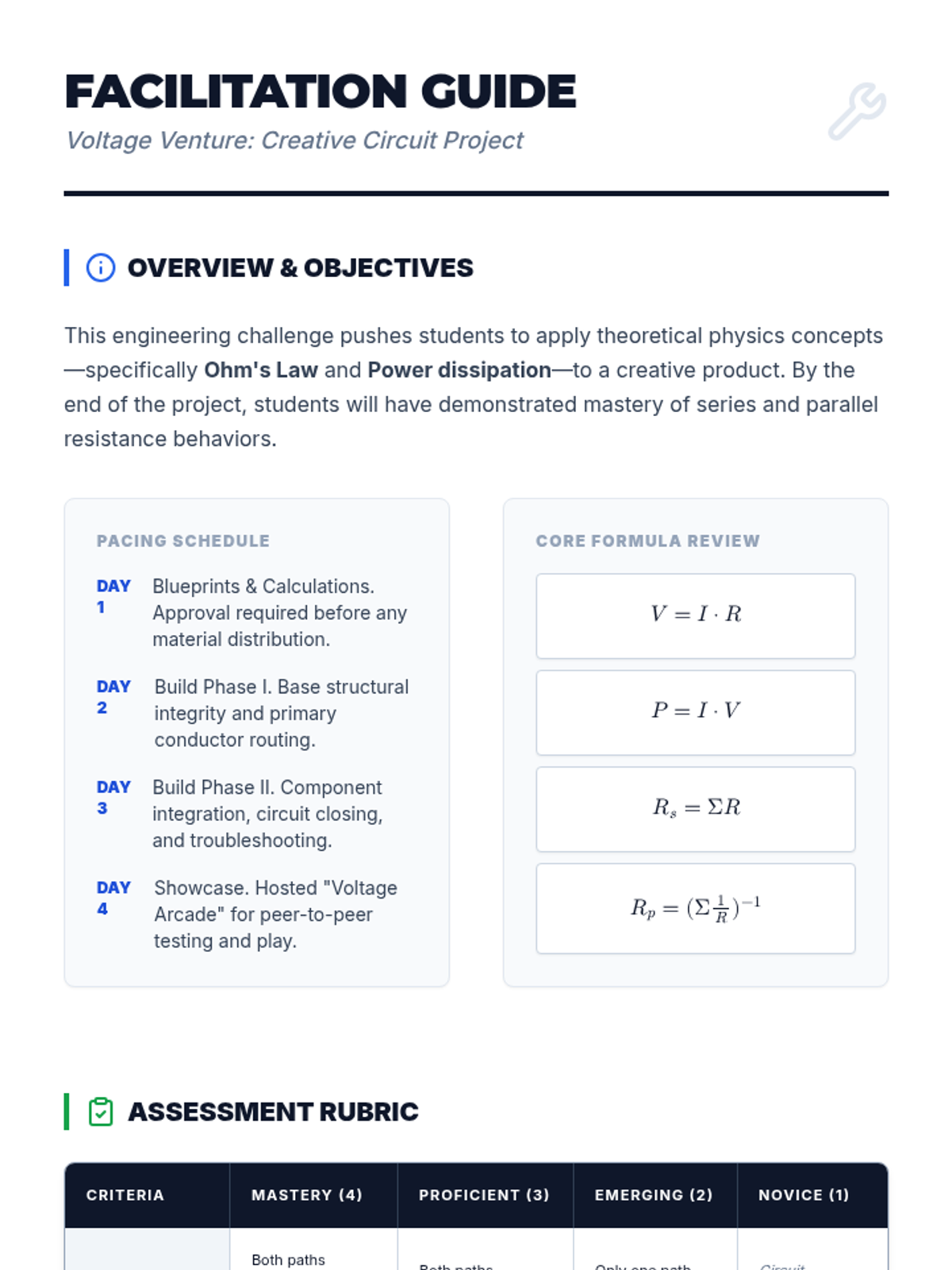
A creative engineering project where students design and build a game that incorporates functional series and parallel circuits, applying principles of Ohm's Law and electric power.
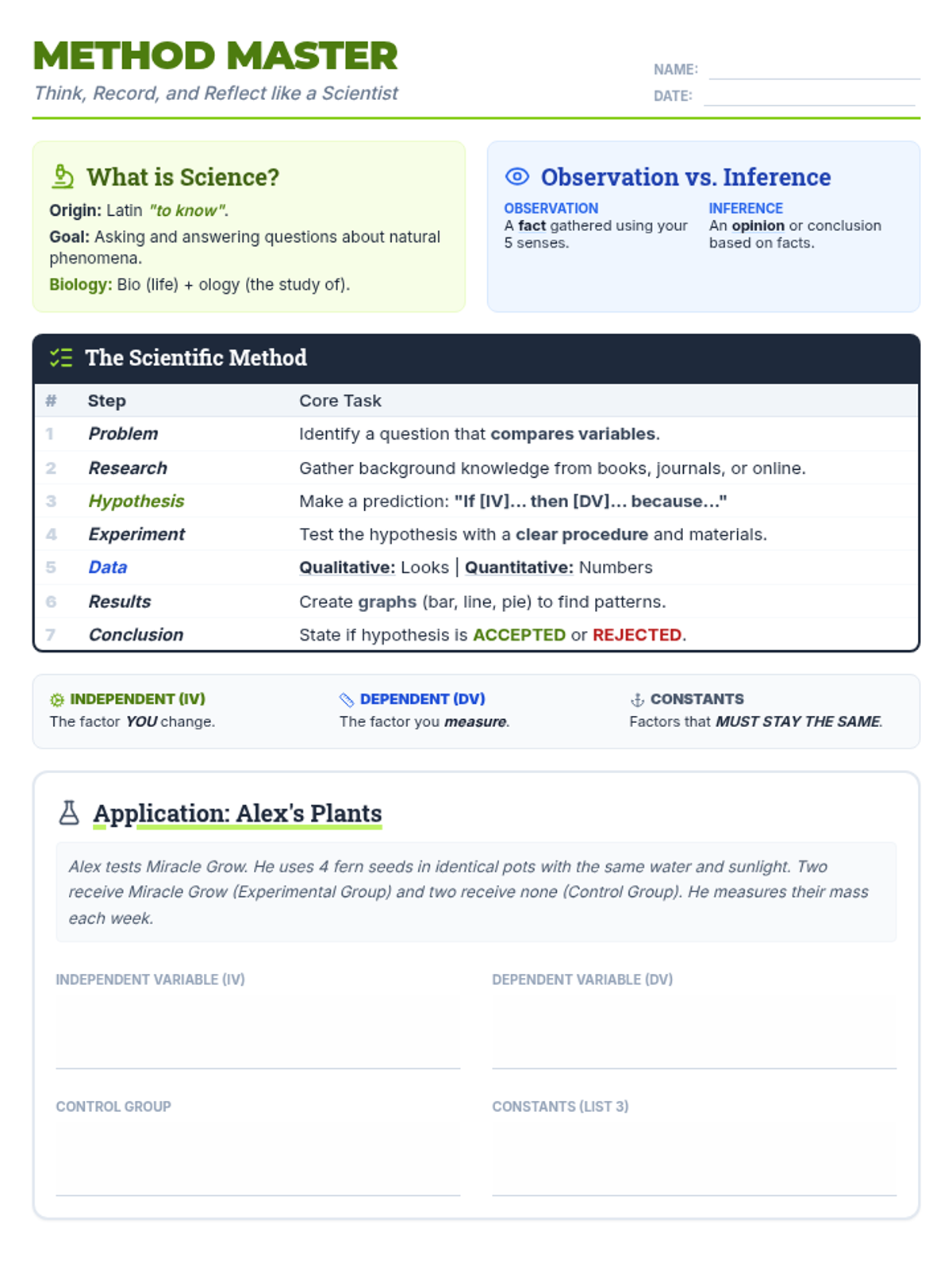
A foundational lesson on the Scientific Method, covering definitions, steps, variables, and data collection methods.
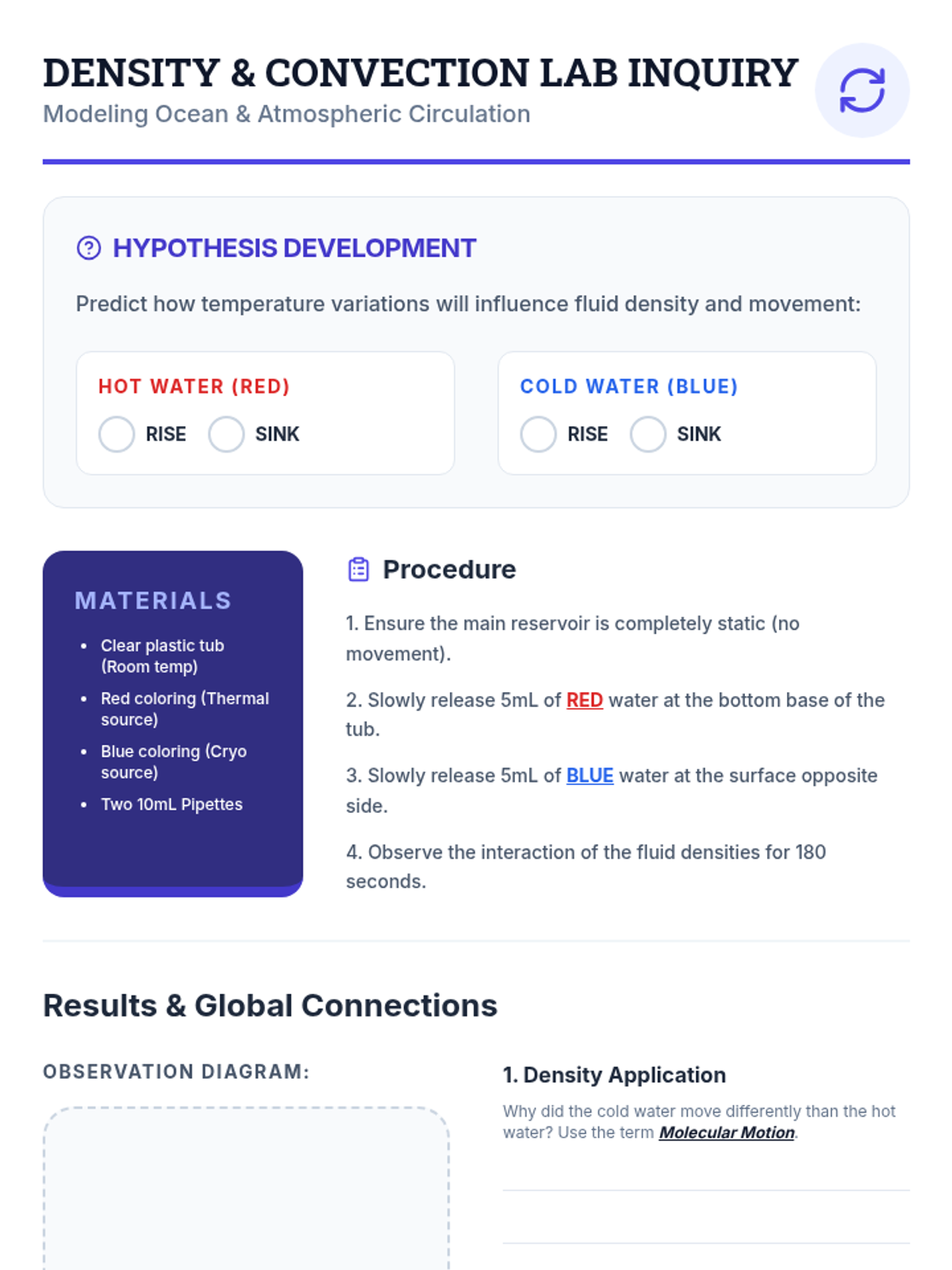
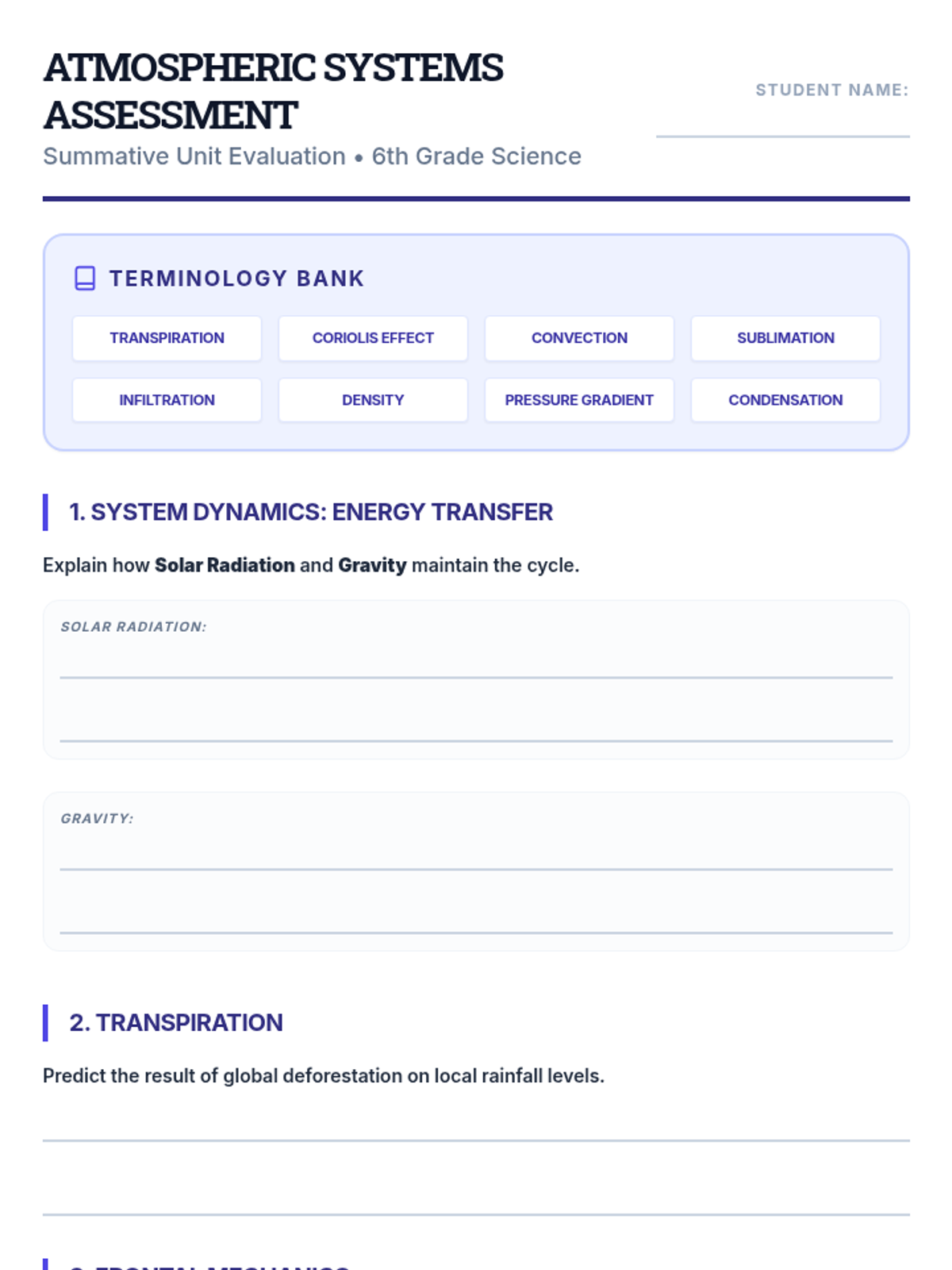
Explores global circulation patterns in the atmosphere and oceans driven by unequal heating and Earth's rotation, culminating in a modified unit assessment.
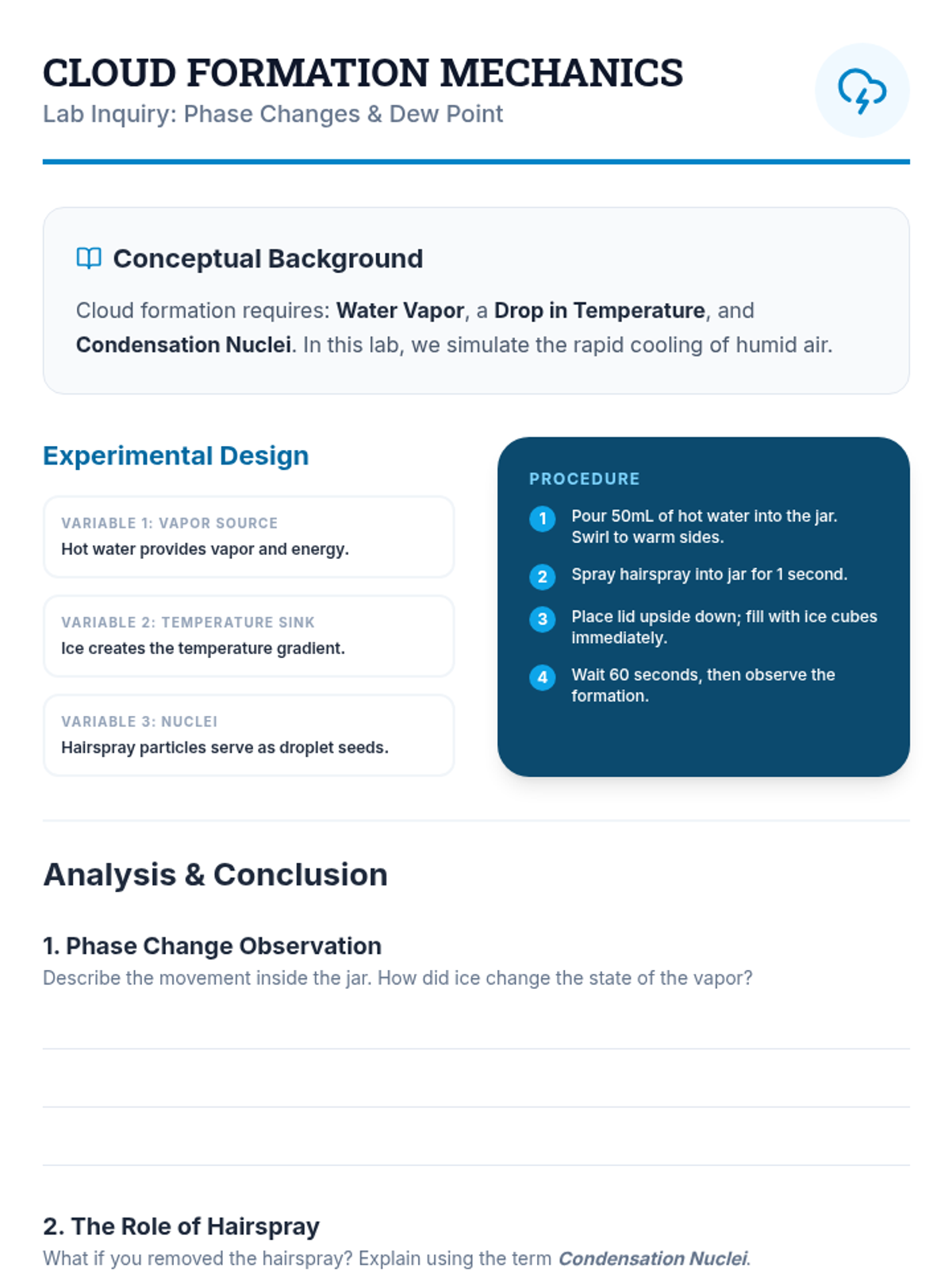
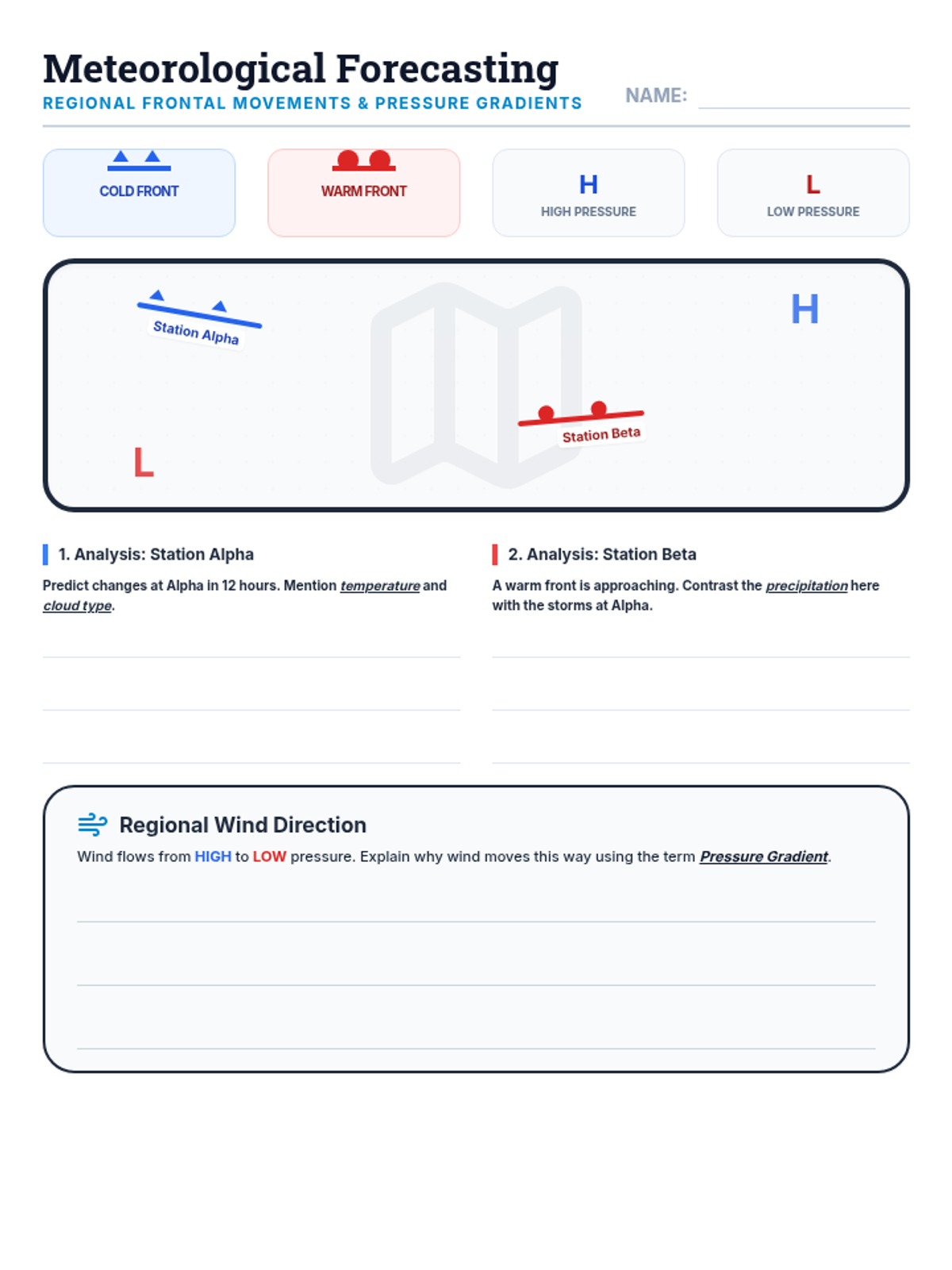
Focuses on how air masses and pressure changes create weather patterns, featuring hands-on observation of cloud formation.
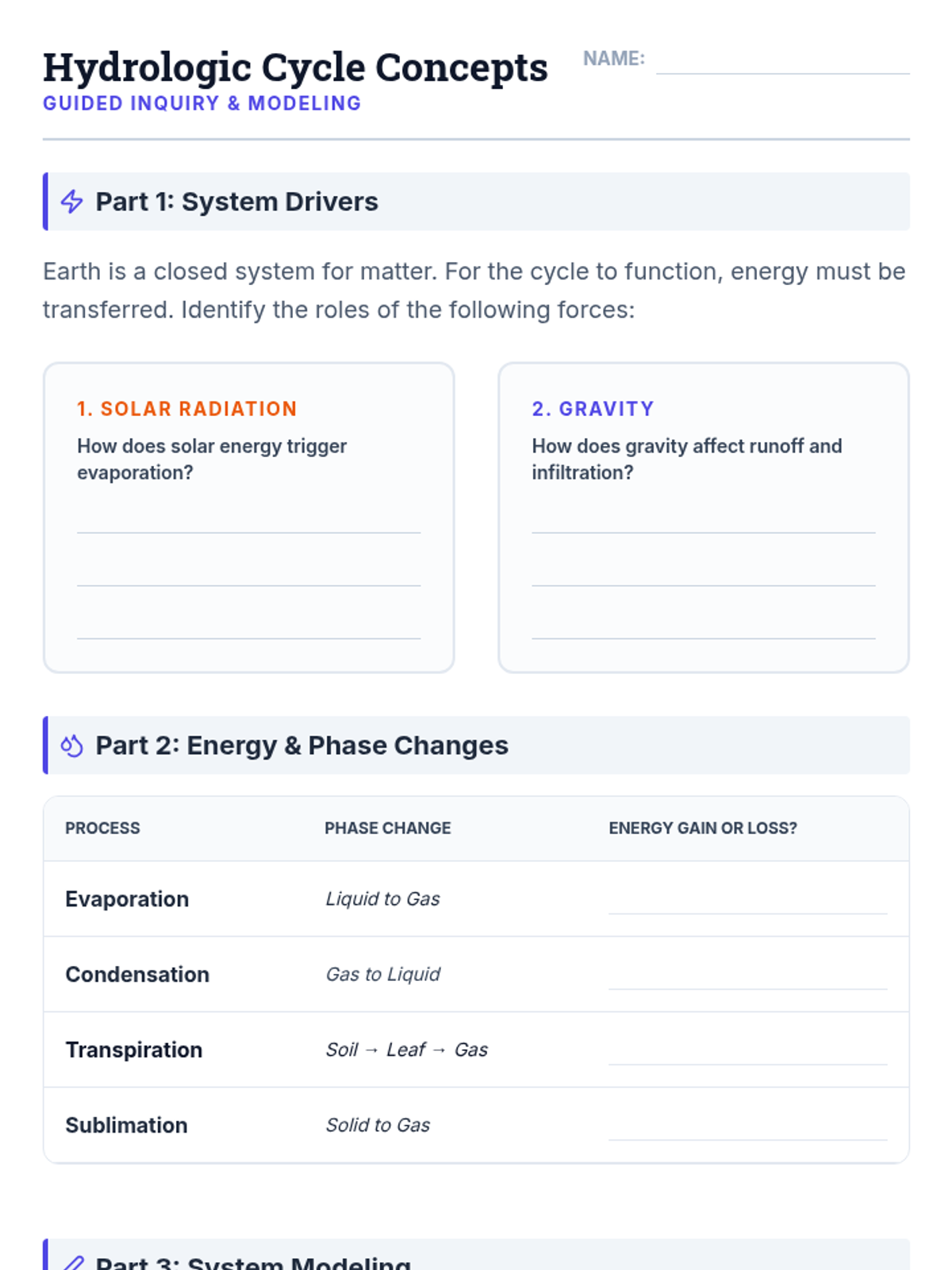
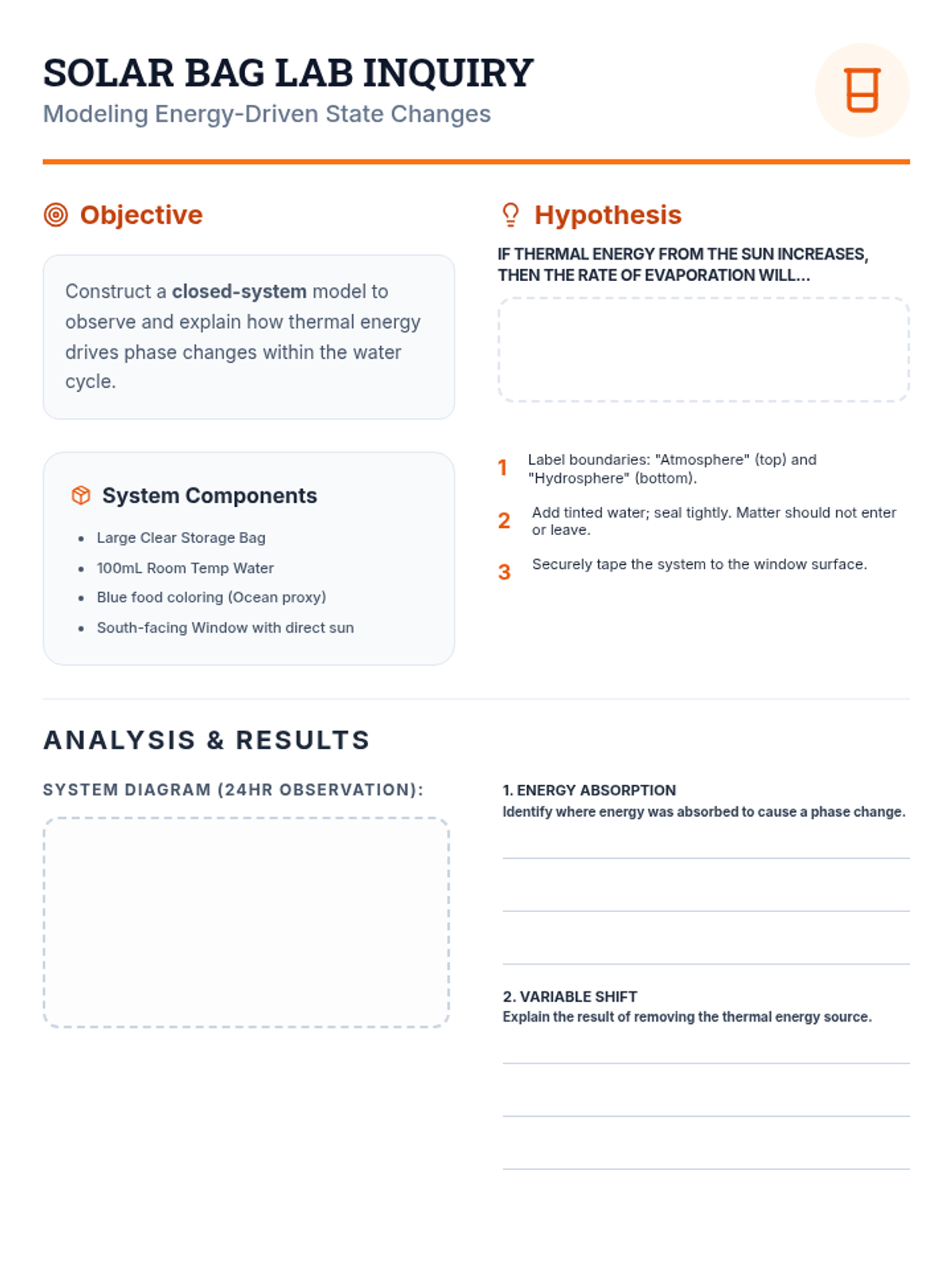
Students explore how the sun's energy and gravity drive the movement of water through the Earth's systems using a field-journal style approach.
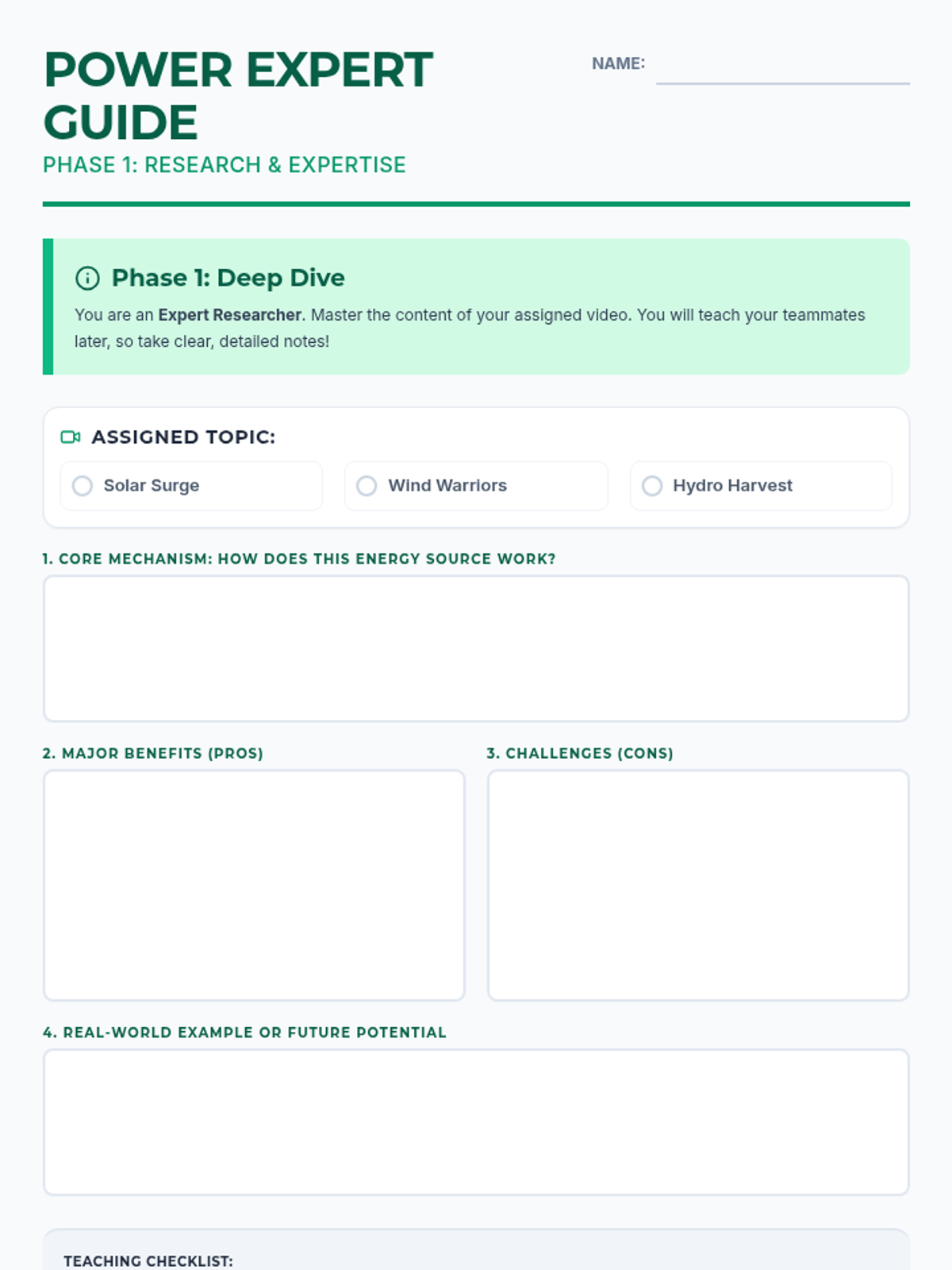
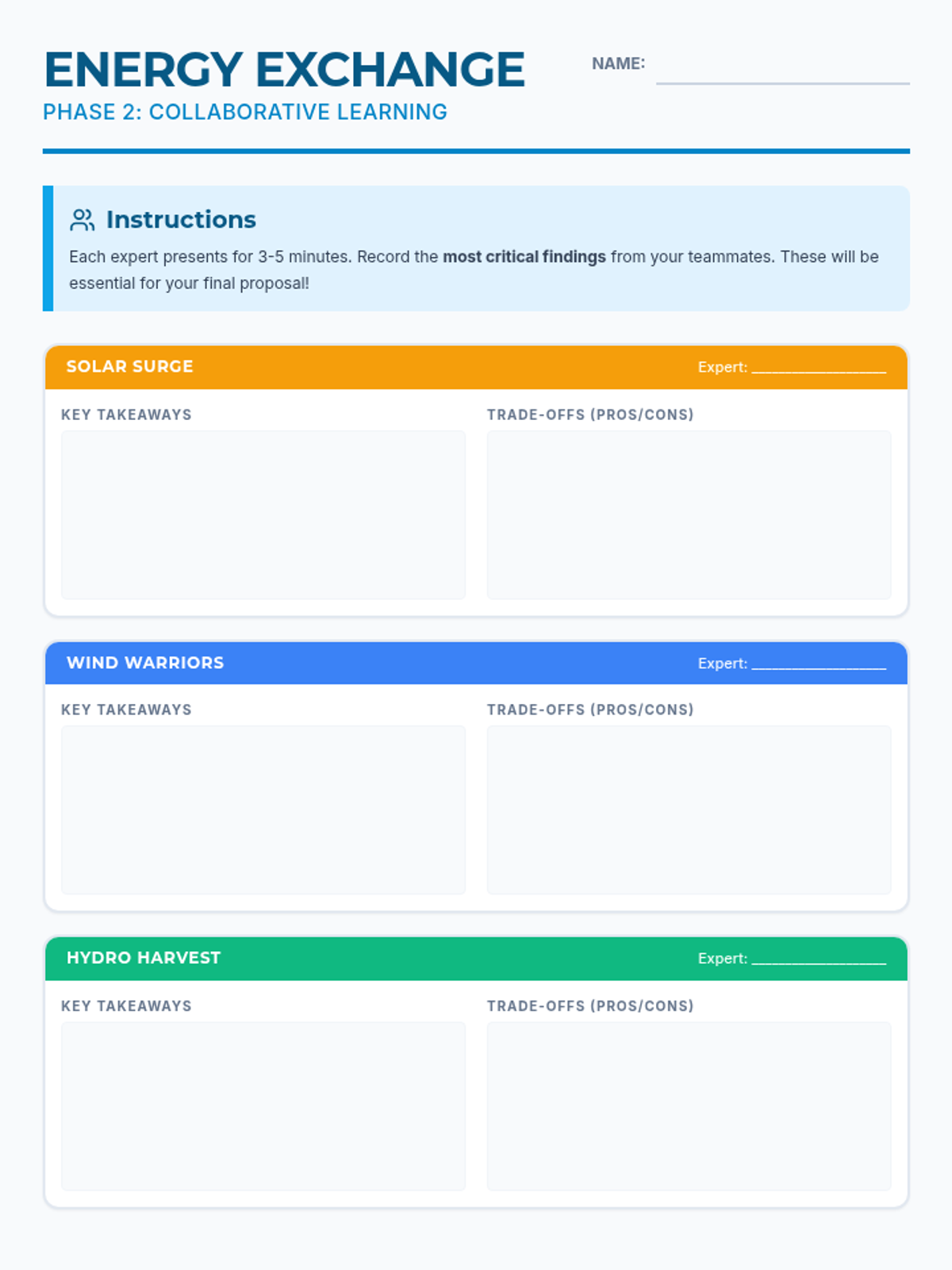
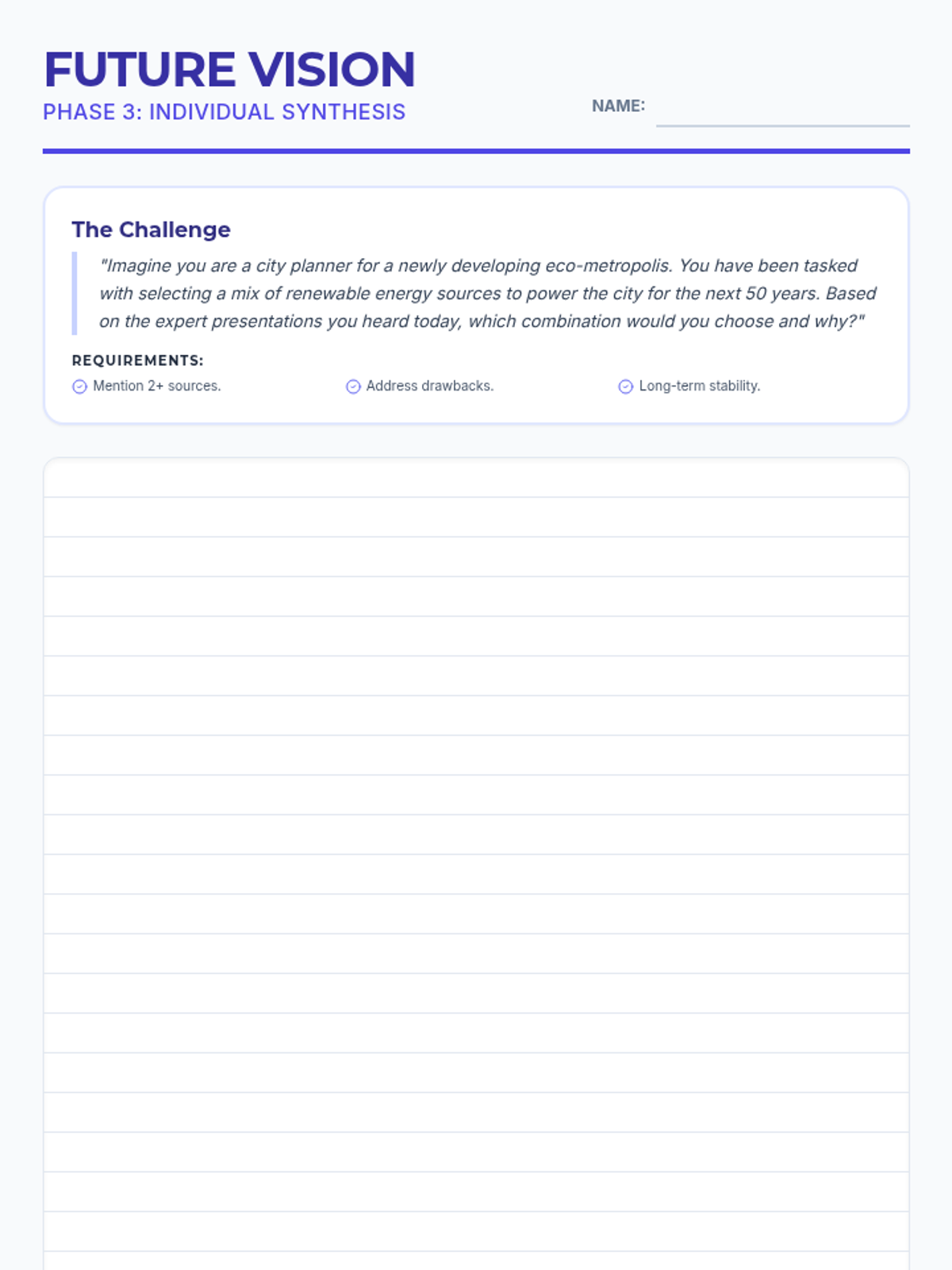
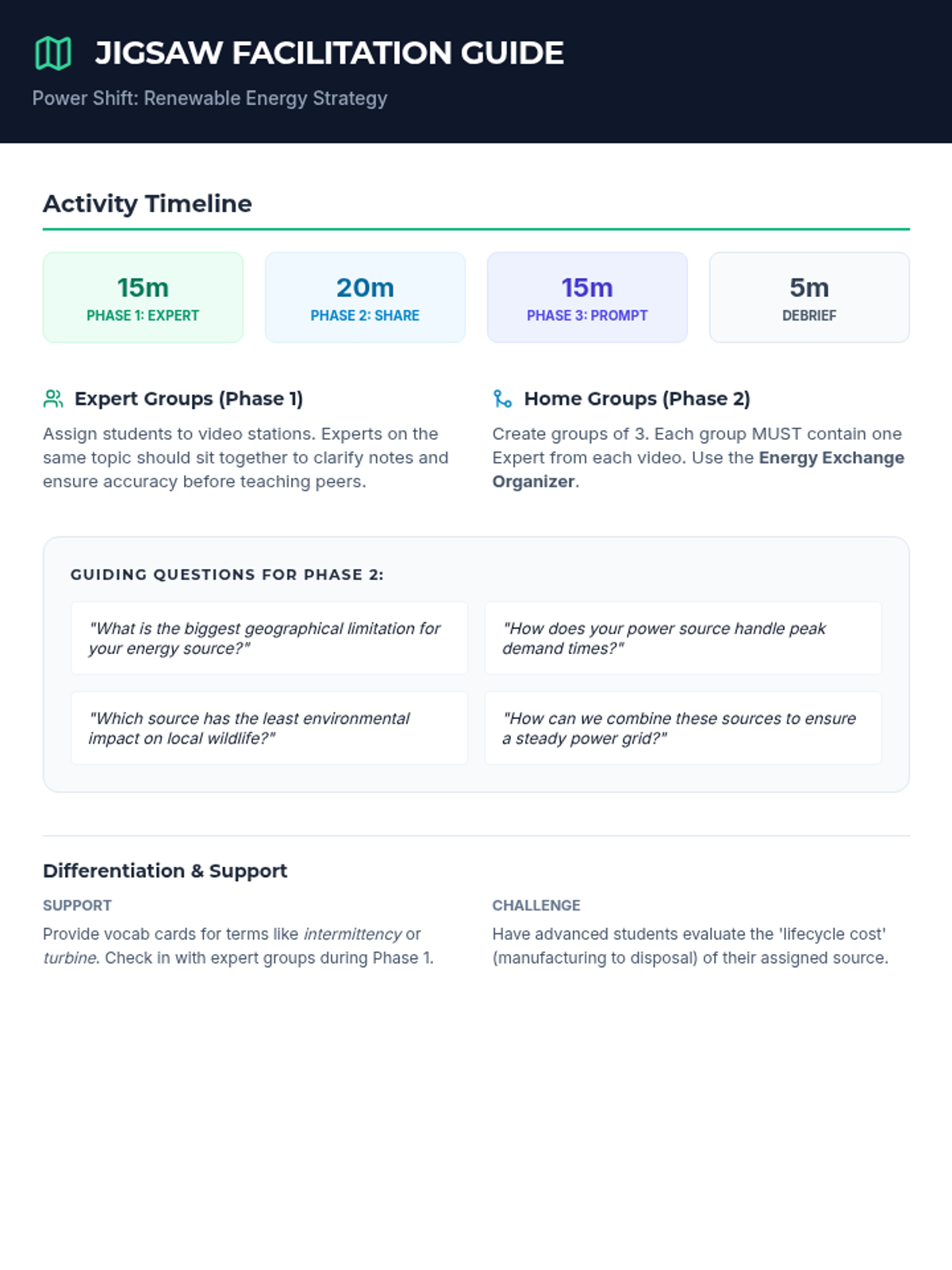
A collaborative jigsaw activity where students become experts on different renewable energy sources before teaching their peers and synthesising their knowledge.
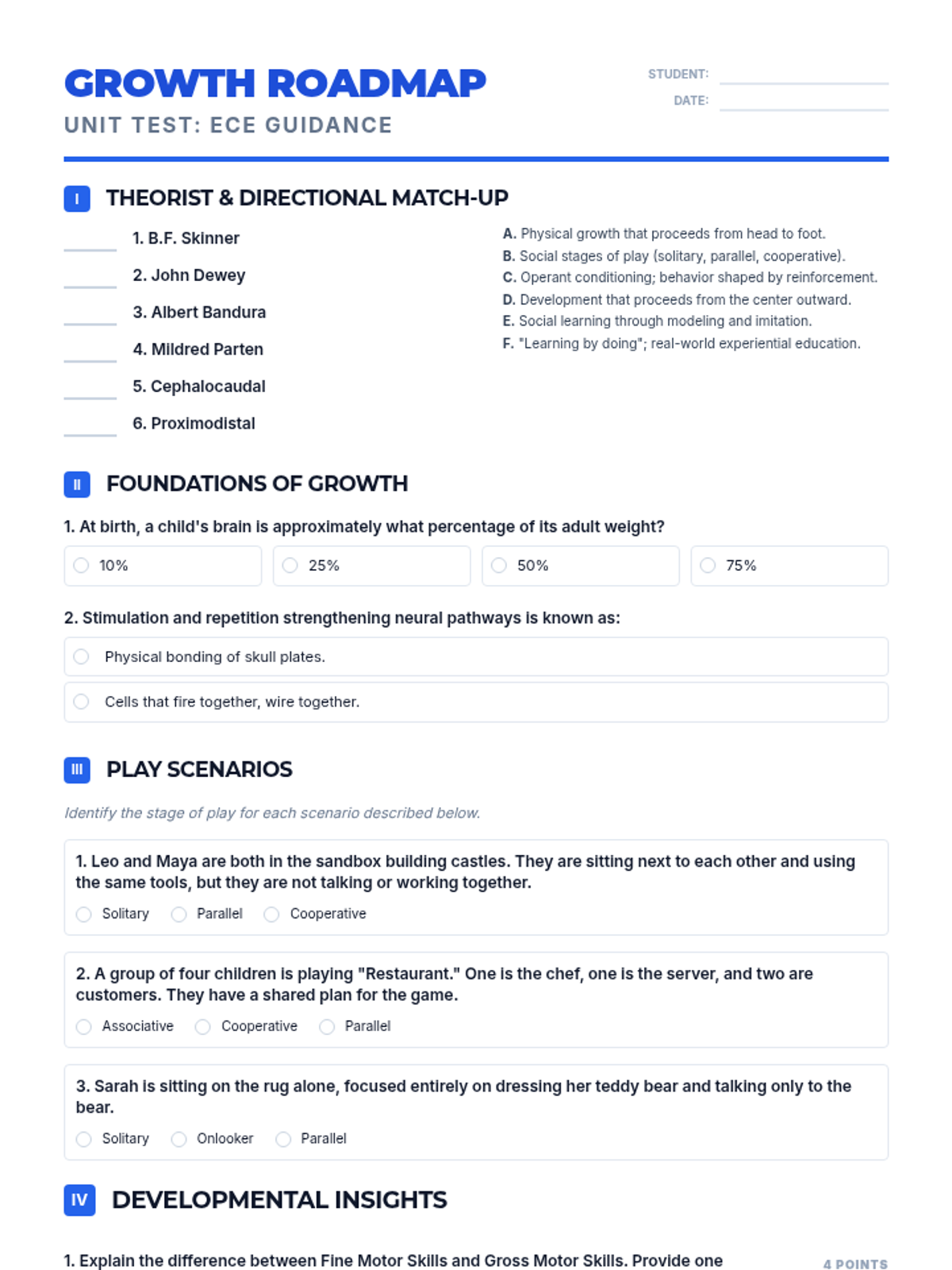
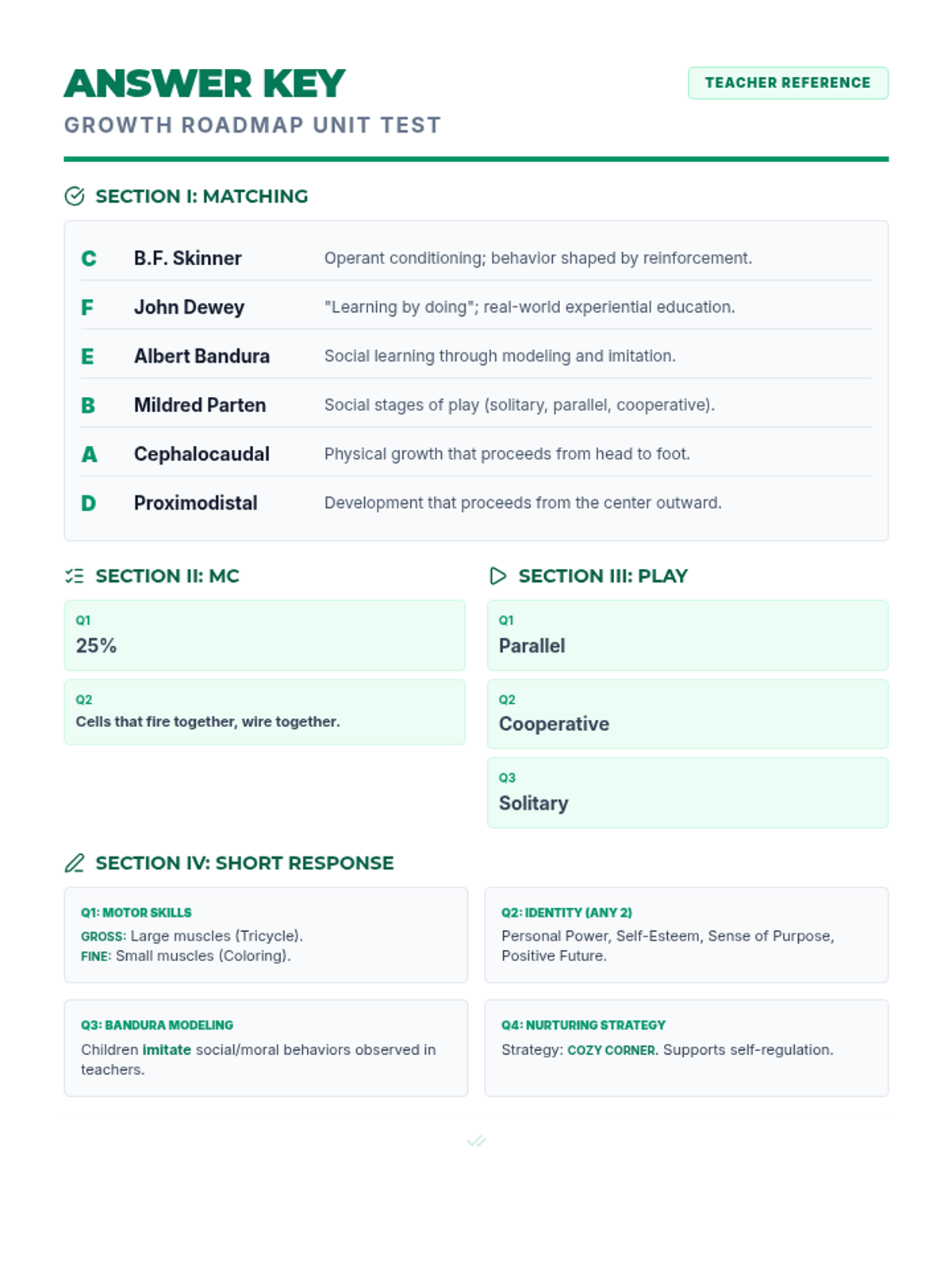
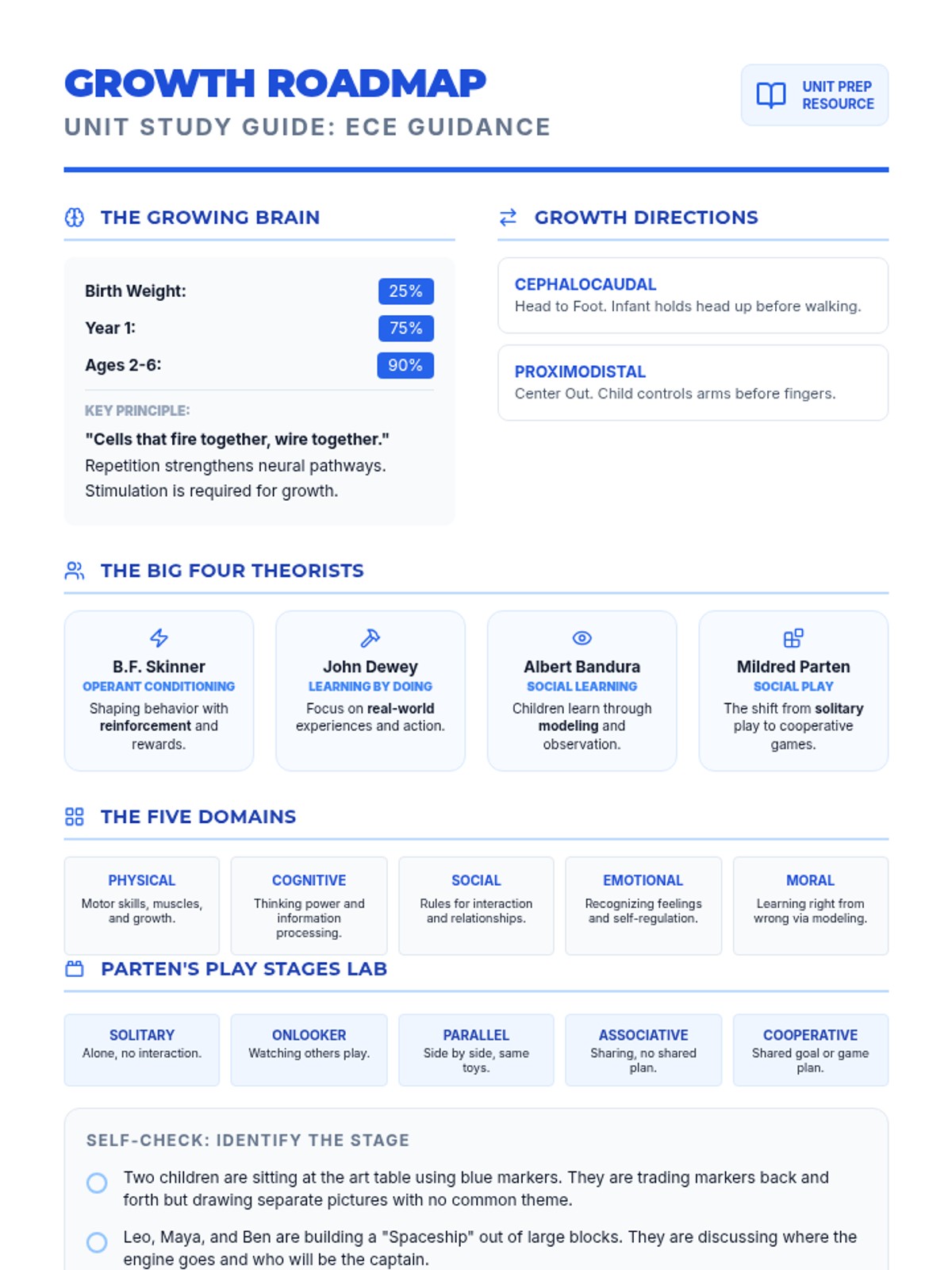
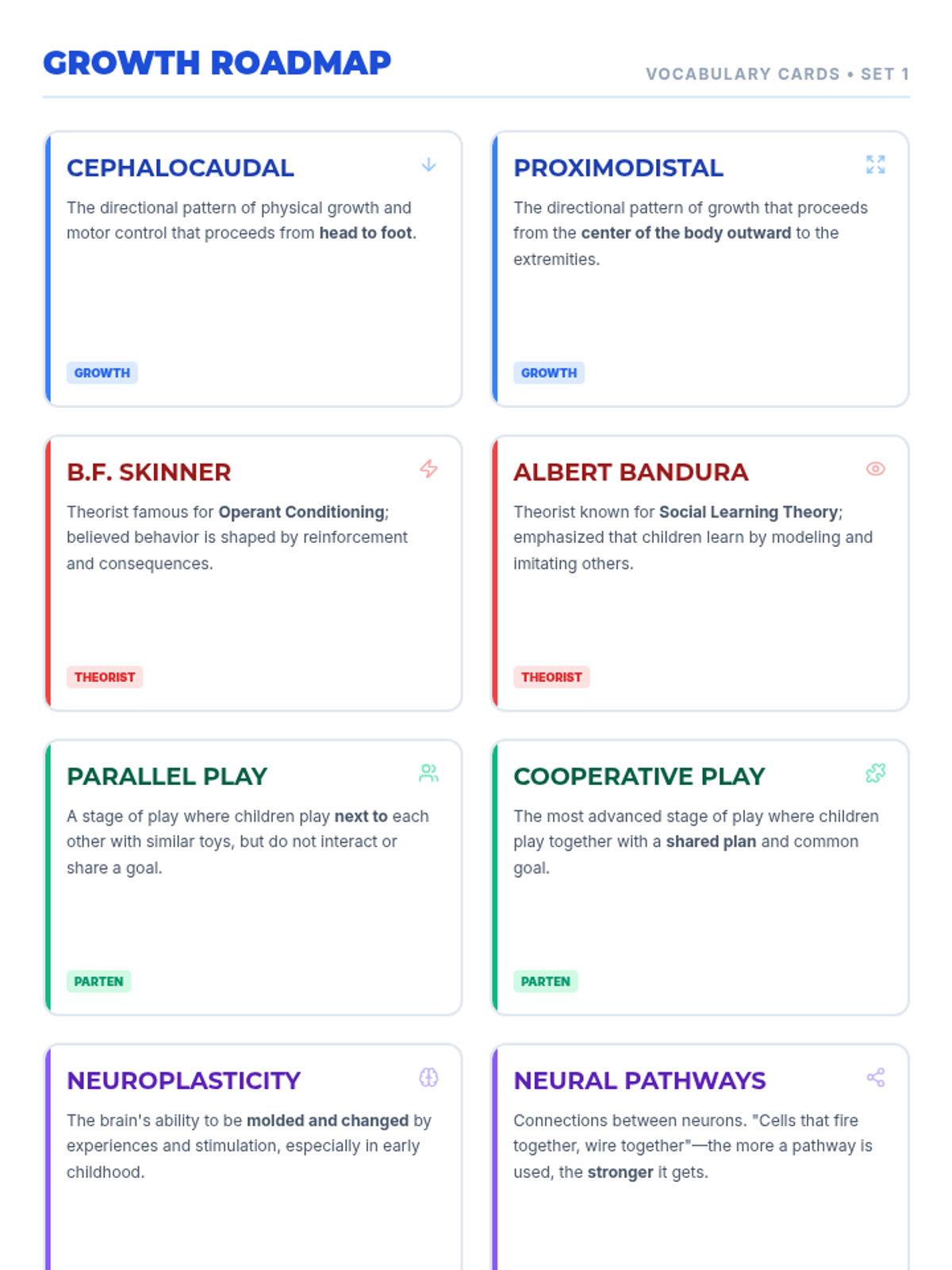
A comprehensive assessment covering developmental domains, brain growth, major ECE theorists, and strategies for supporting young children's self-concept and identity.
A comprehensive lesson exploring the science, ethics, and consequences of gene editing through the fictional case study of Zion. Students will learn about CRISPR, pleiotropy, and the societal implications of 'designer' traits.
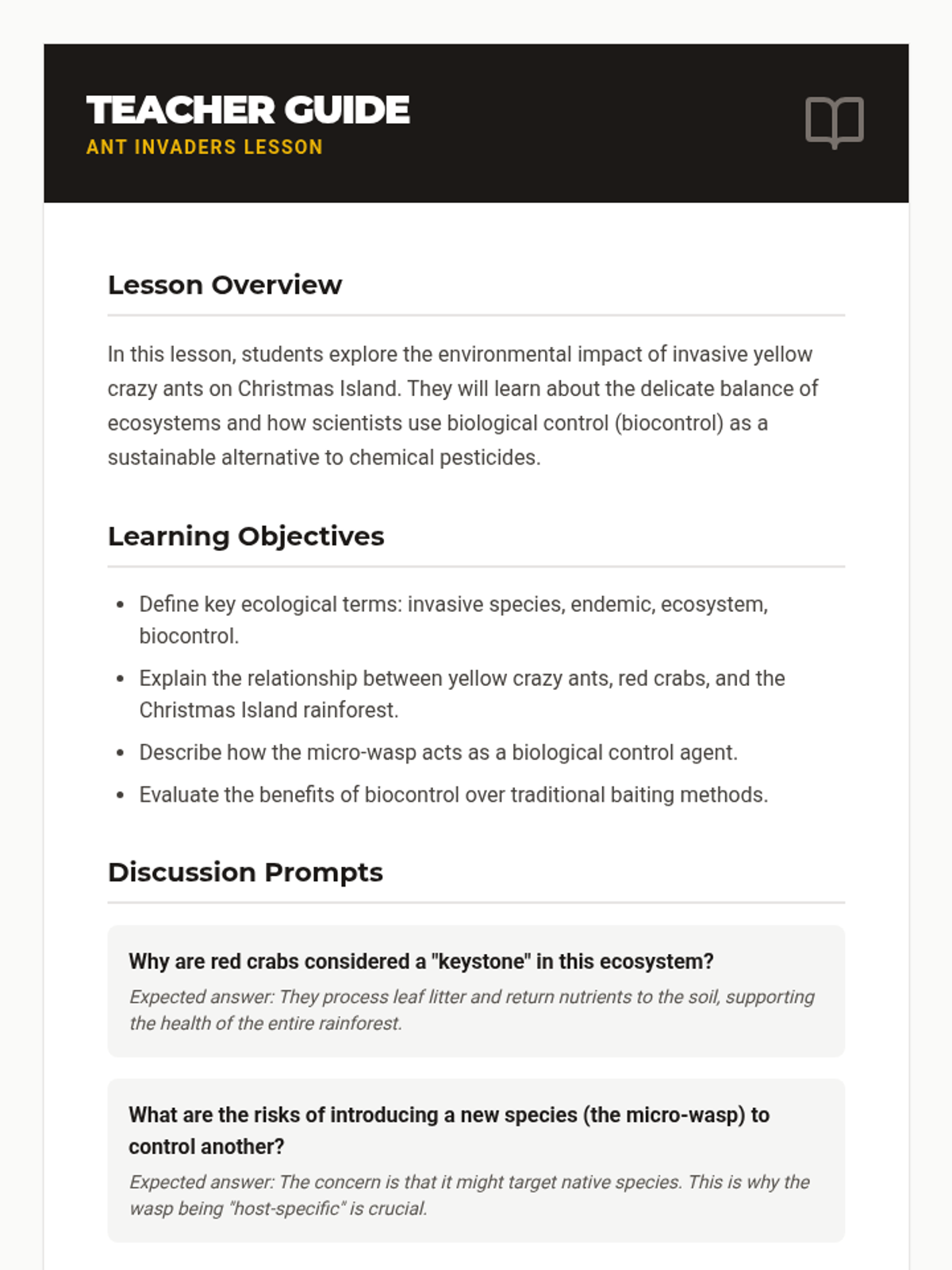
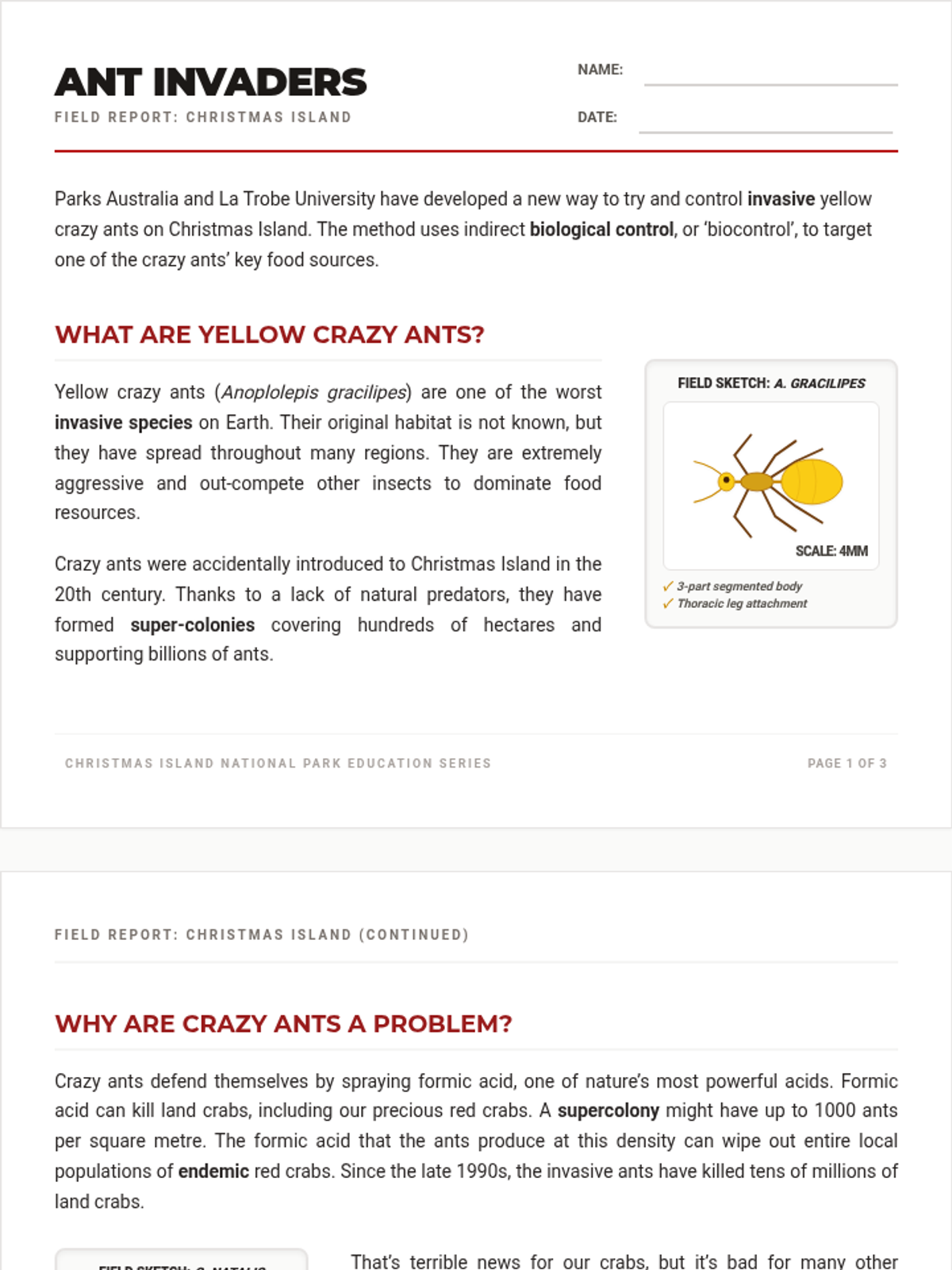
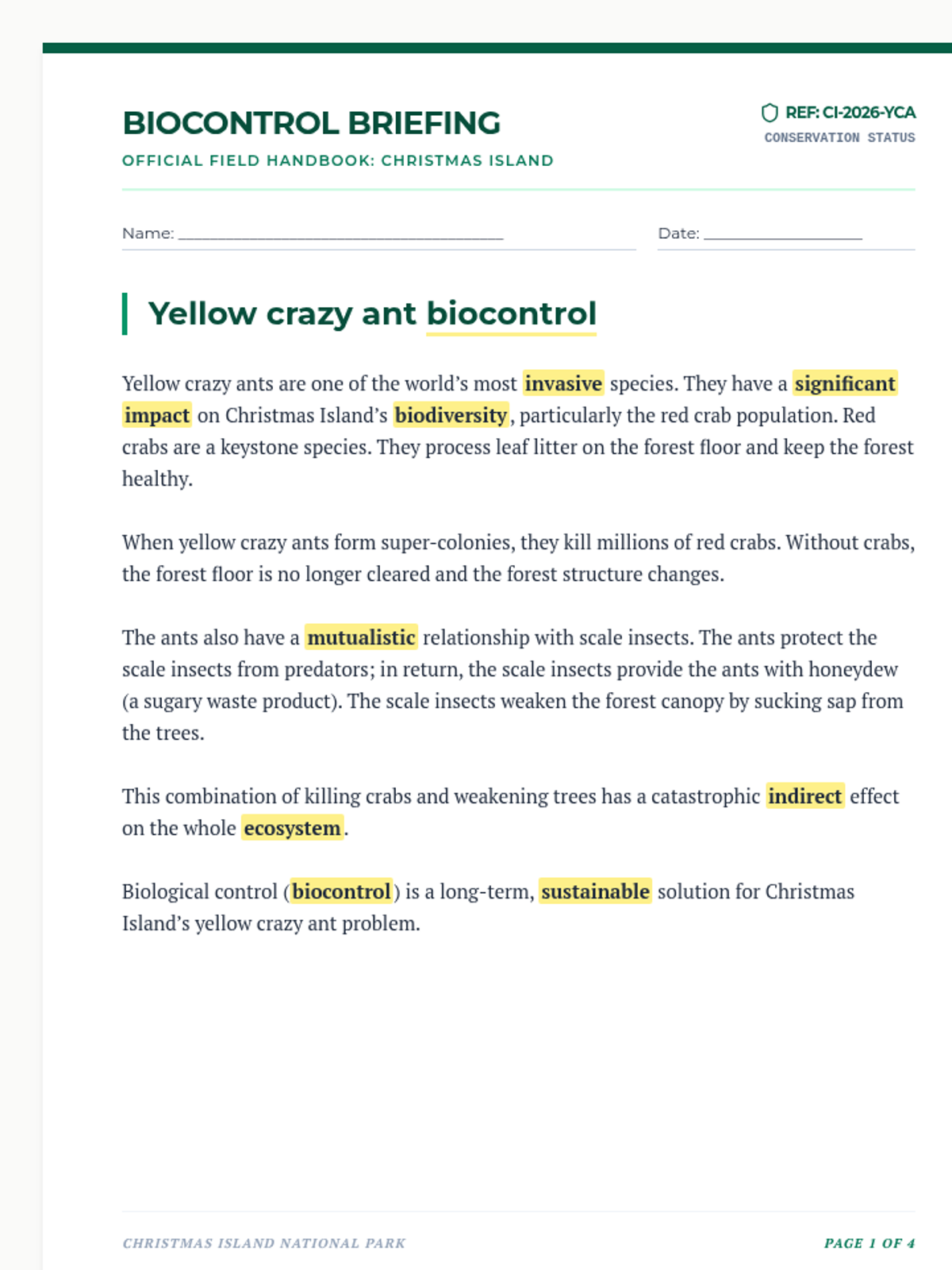
A lesson exploring the impact of invasive yellow crazy ants on Christmas Island's ecosystem and the innovative biocontrol methods used to manage them.
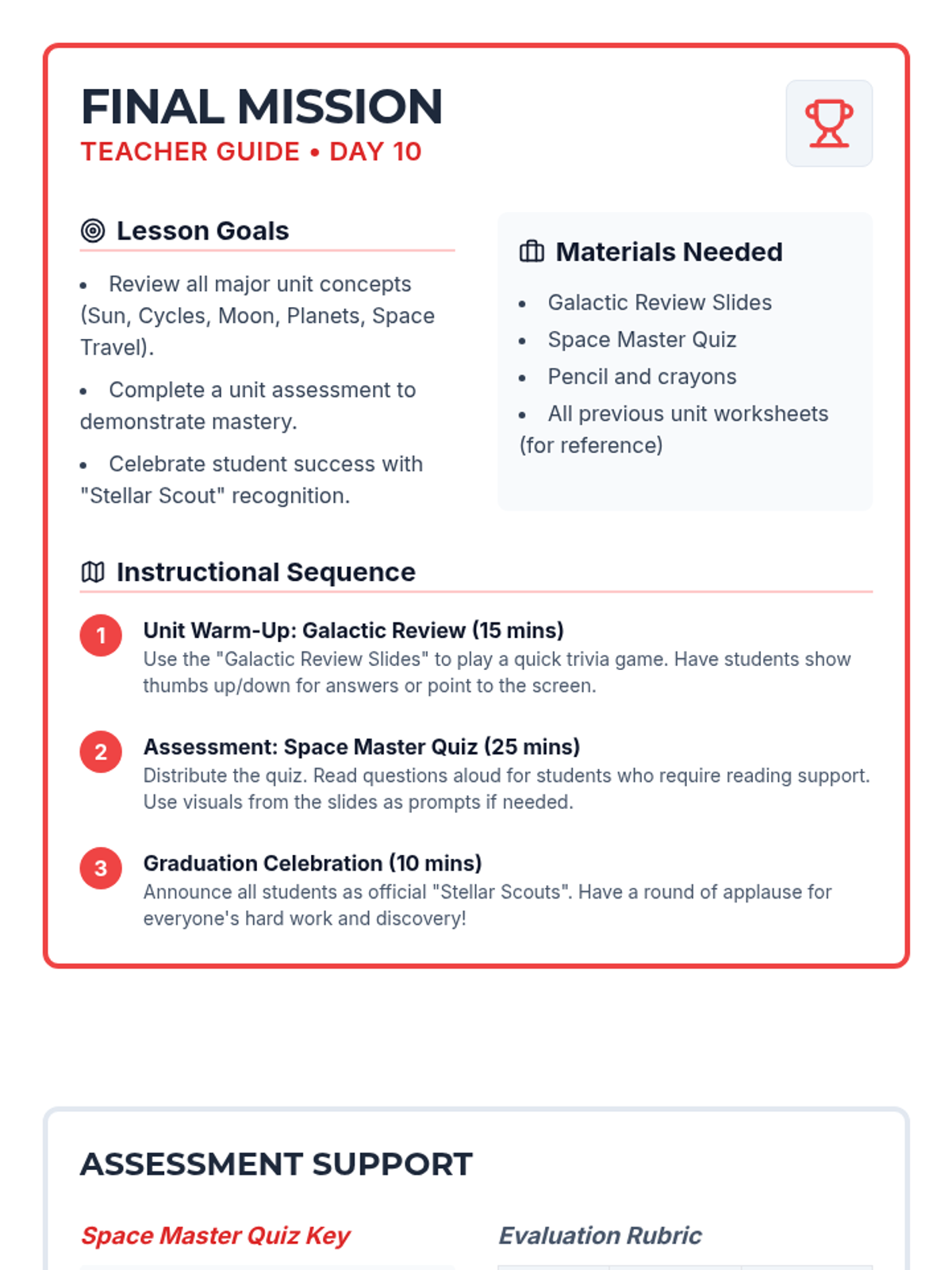
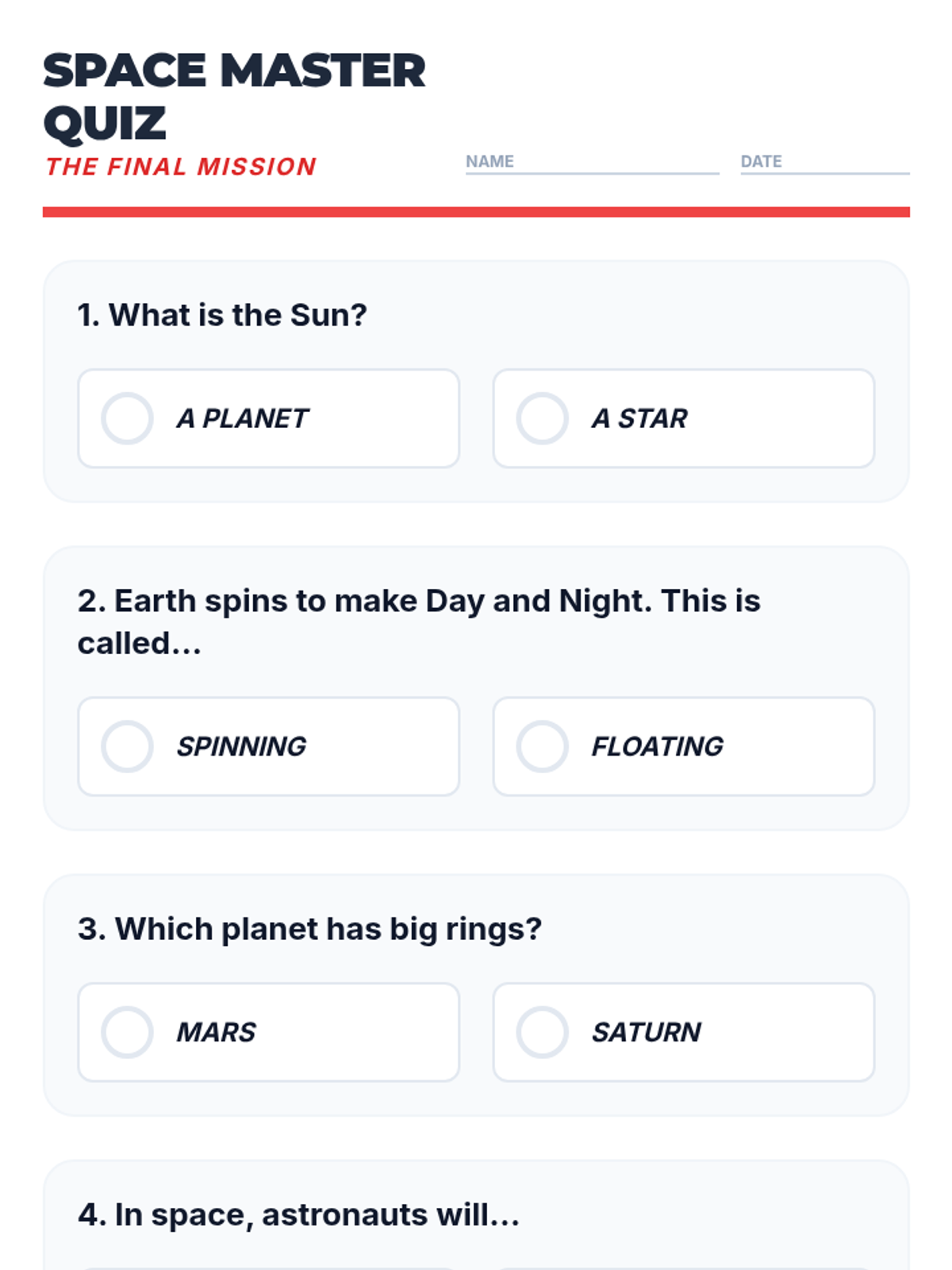
A comprehensive review of unit concepts followed by a final assessment designed for students with diverse learning needs.
An introduction to how humans explore space, including the tools we use like telescopes and rockets, and what it is like to live and work as an astronaut.
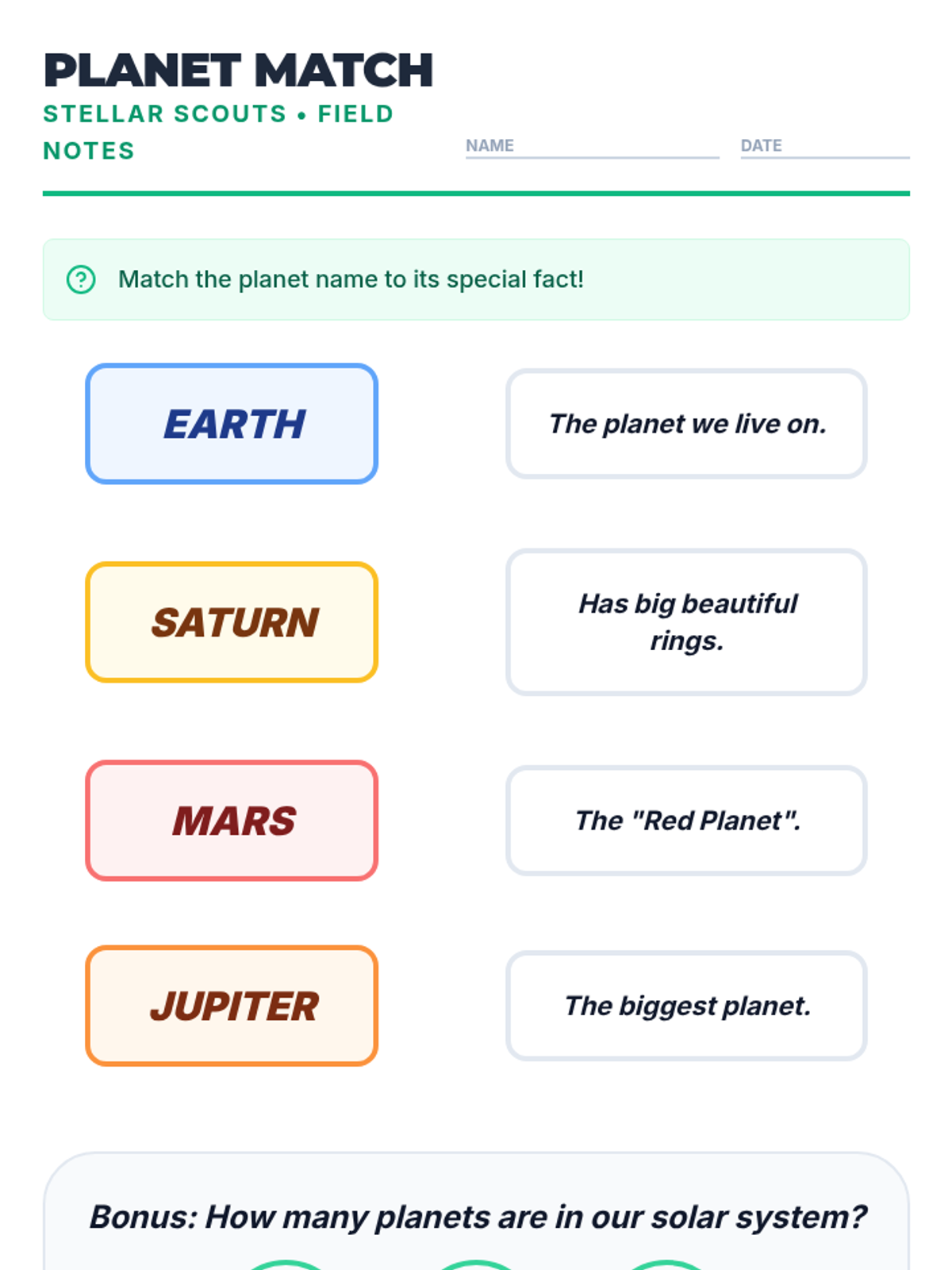
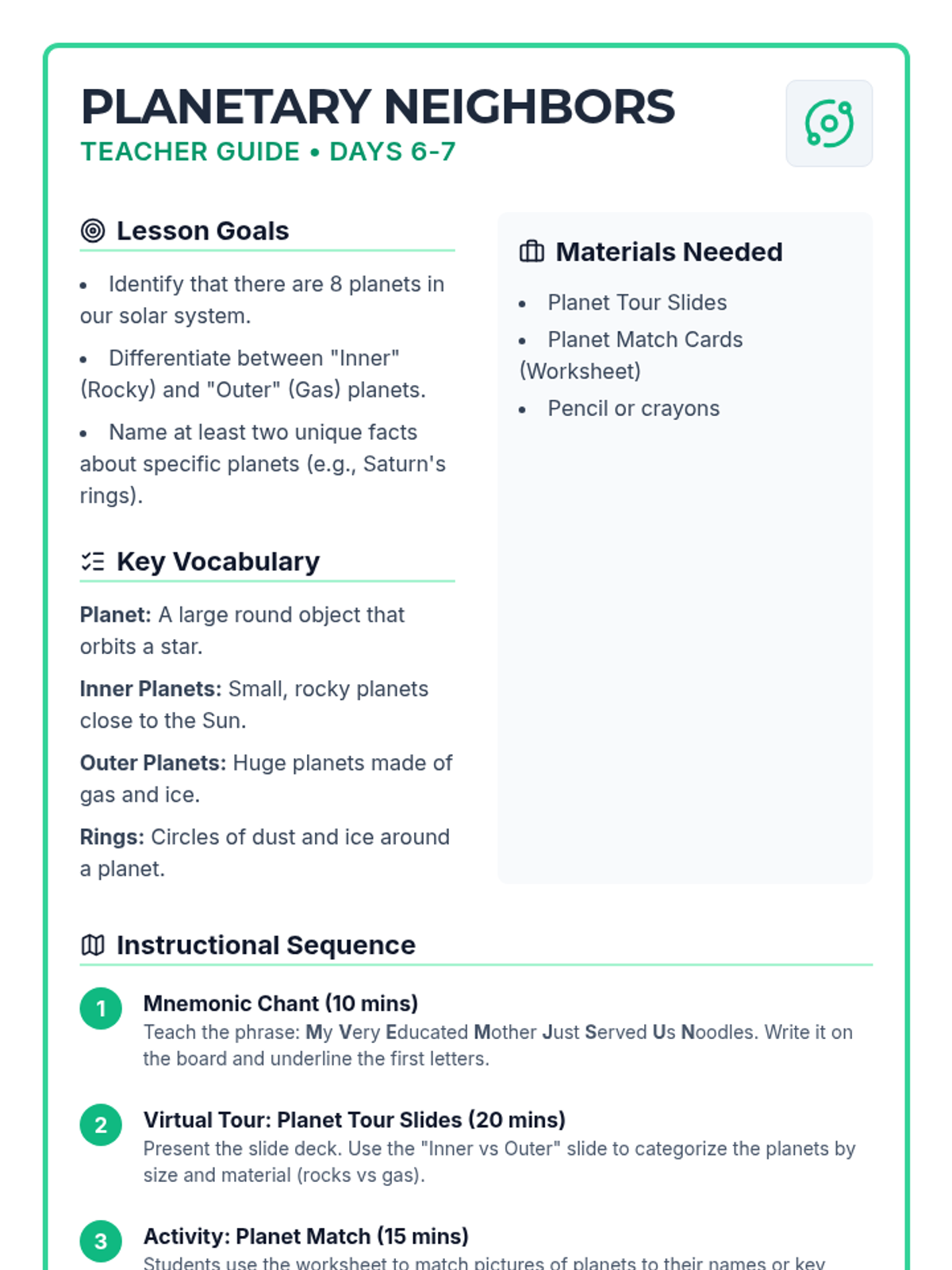
A guided tour of the eight planets in our solar system, categorized into rocky inner planets and gaseous outer planets with simple distinguishing characteristics for each.
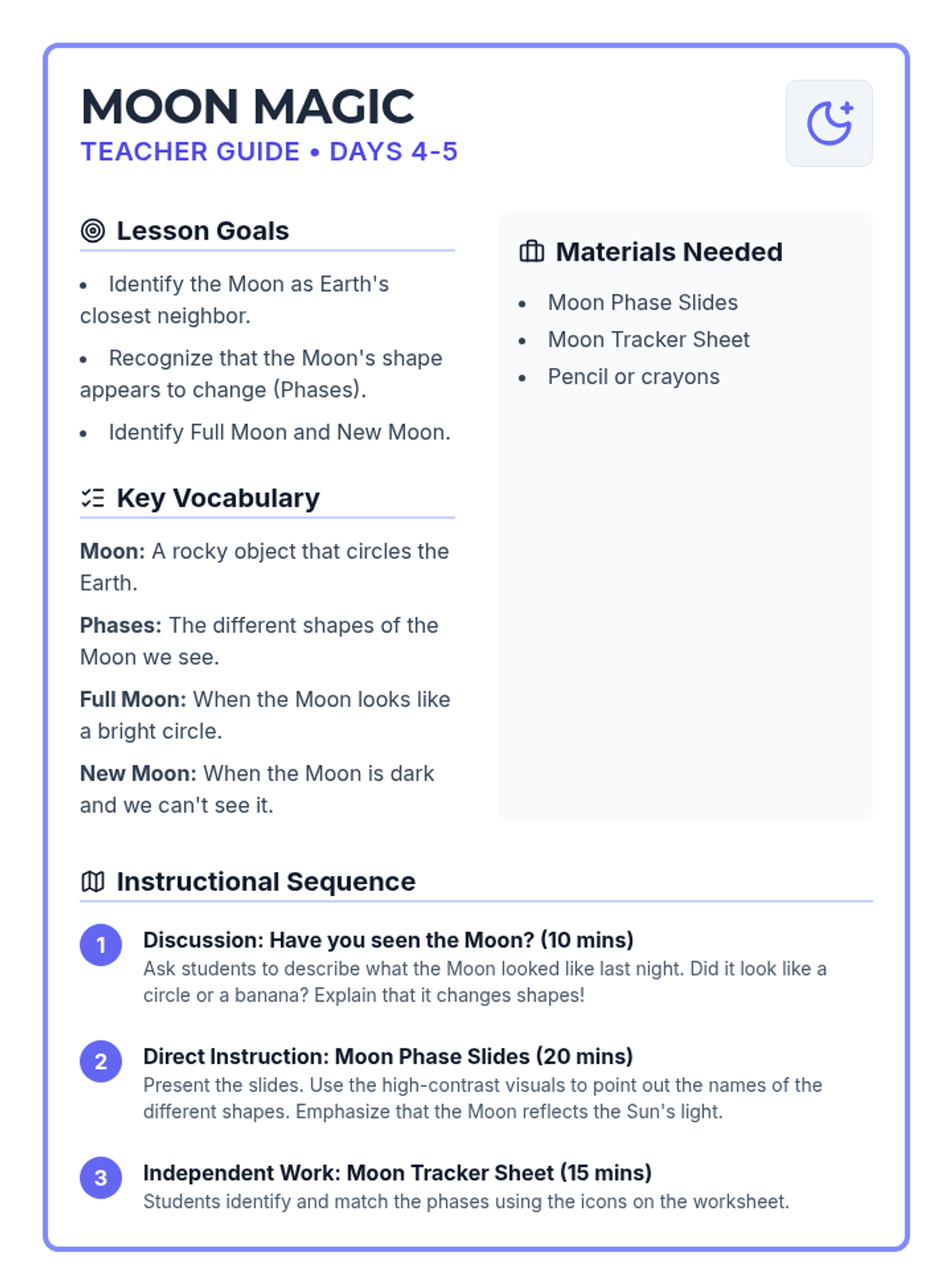
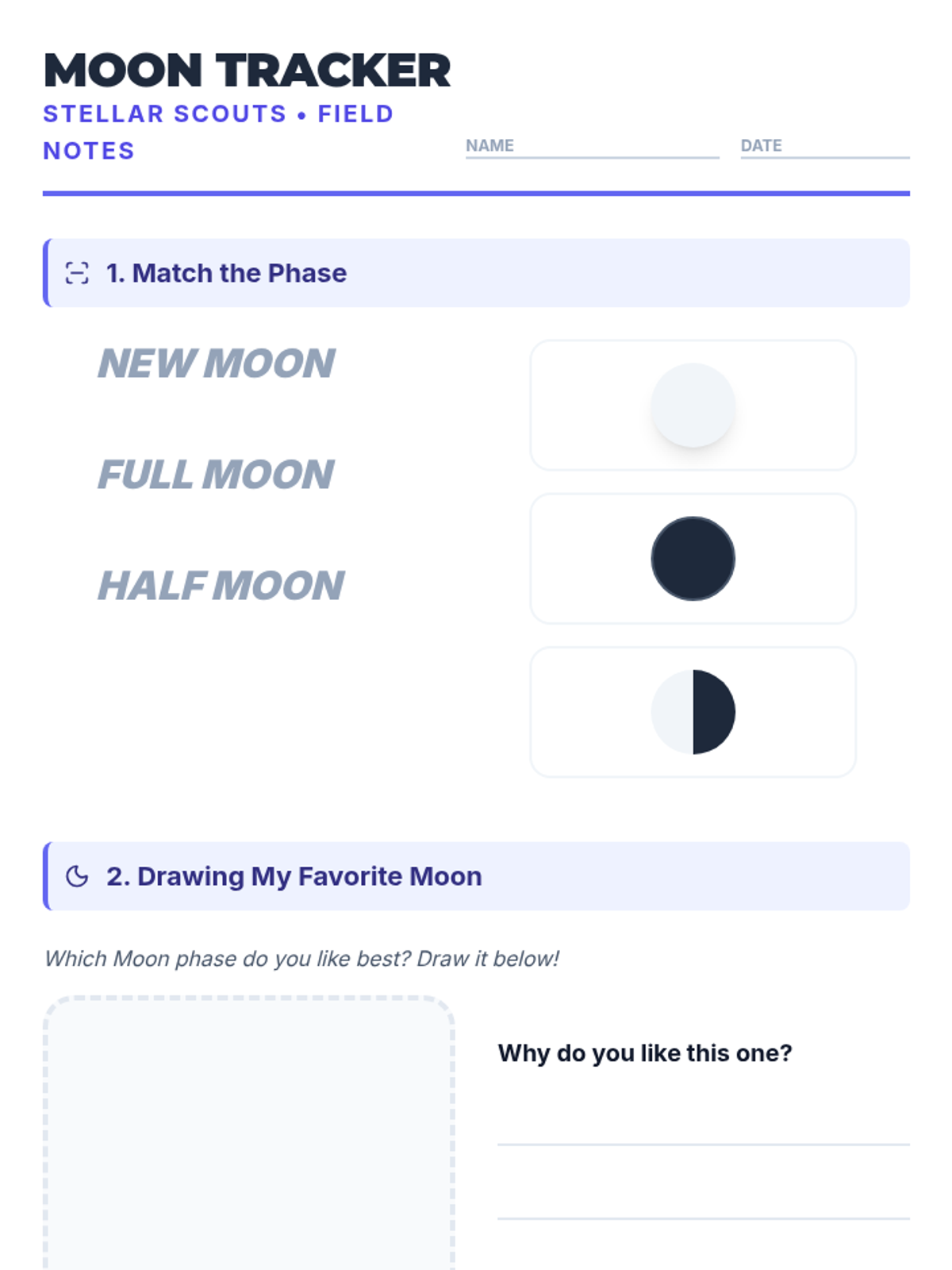
A study of the Moon's appearance and its relationship with Earth, focusing on the most recognizable phases and its role as our closest neighbor.
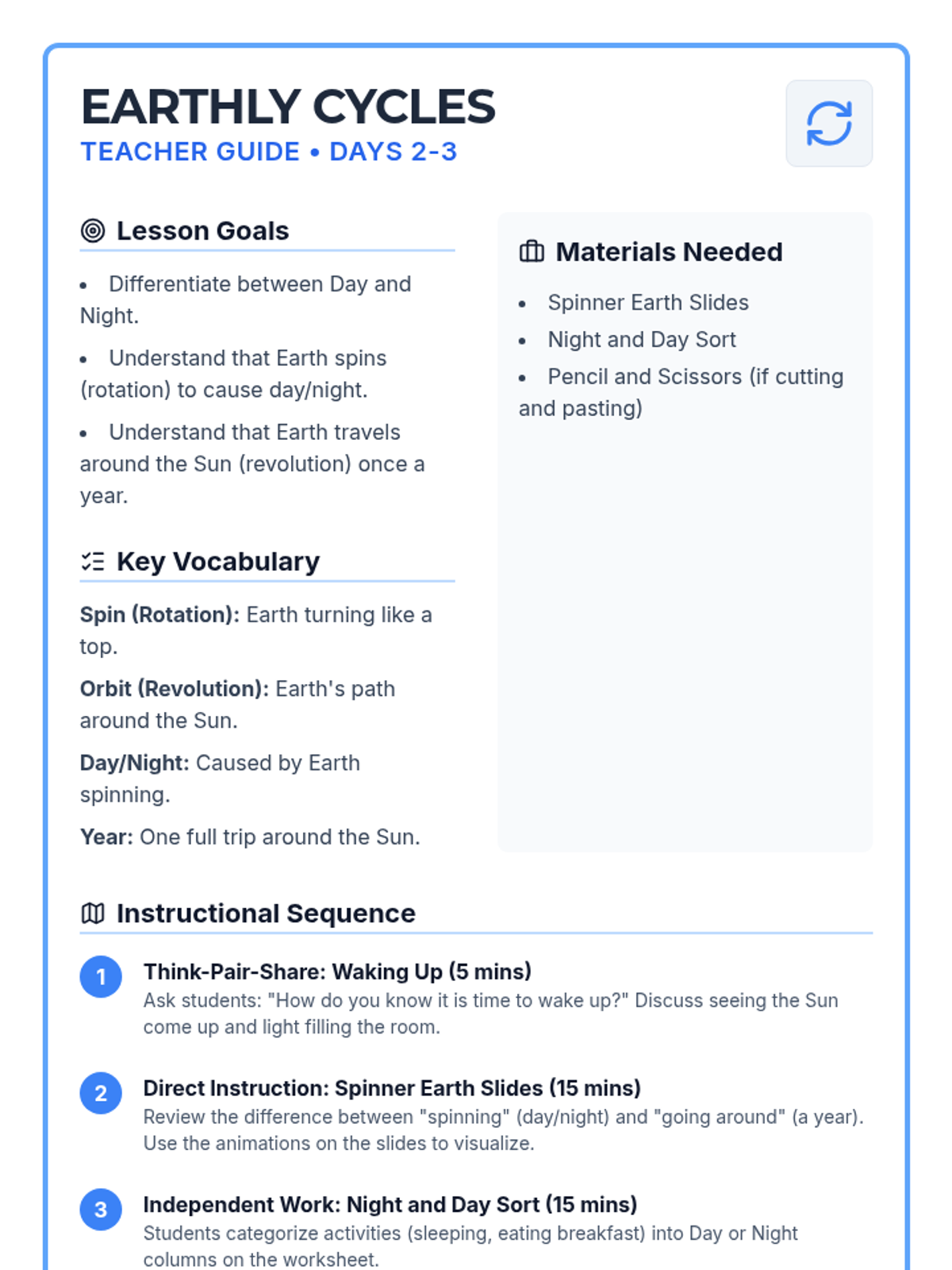
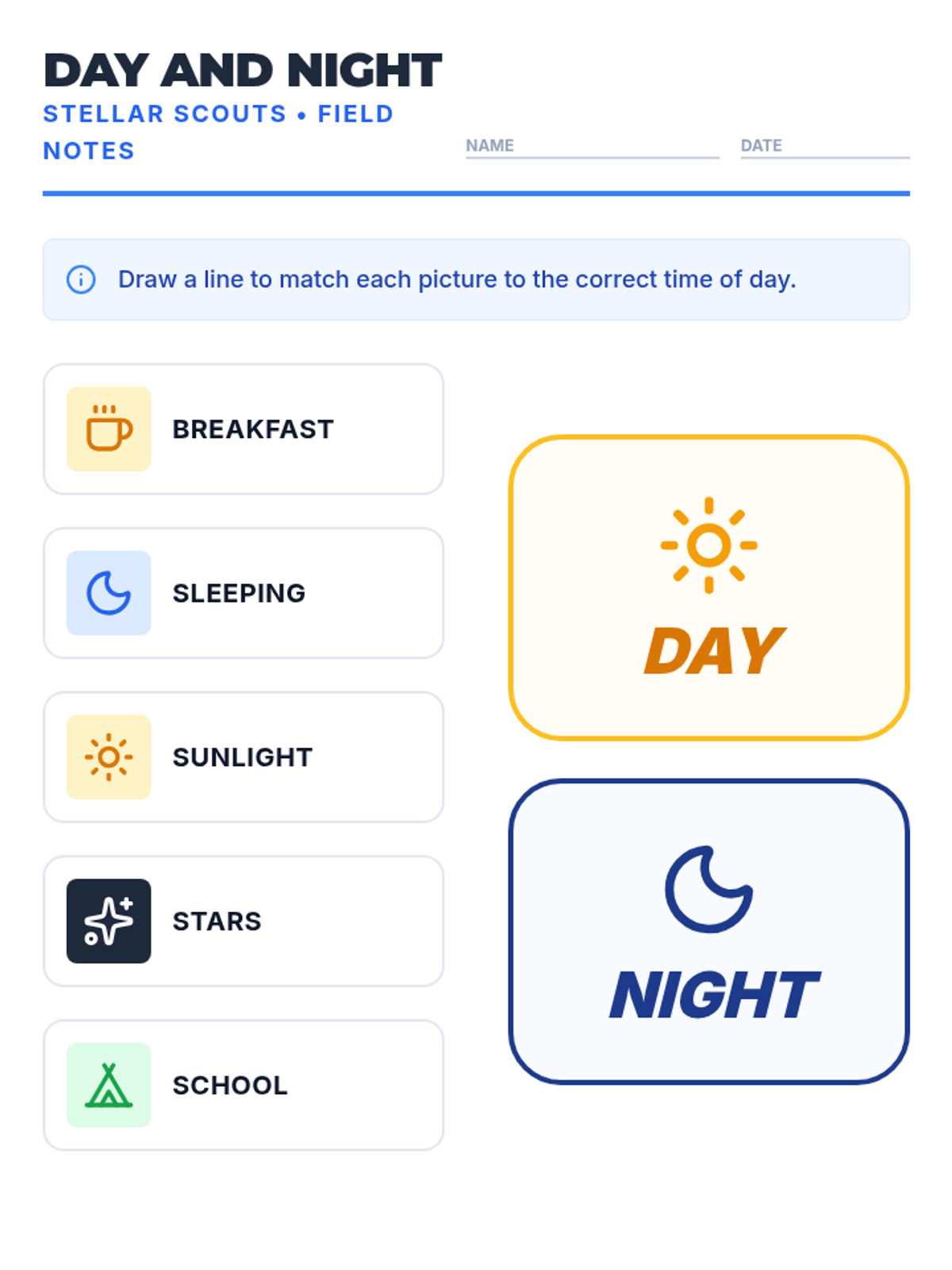
An exploration of why we have day and night (rotation) and why we have years and seasons (revolution), broken down into simple, relatable concepts.
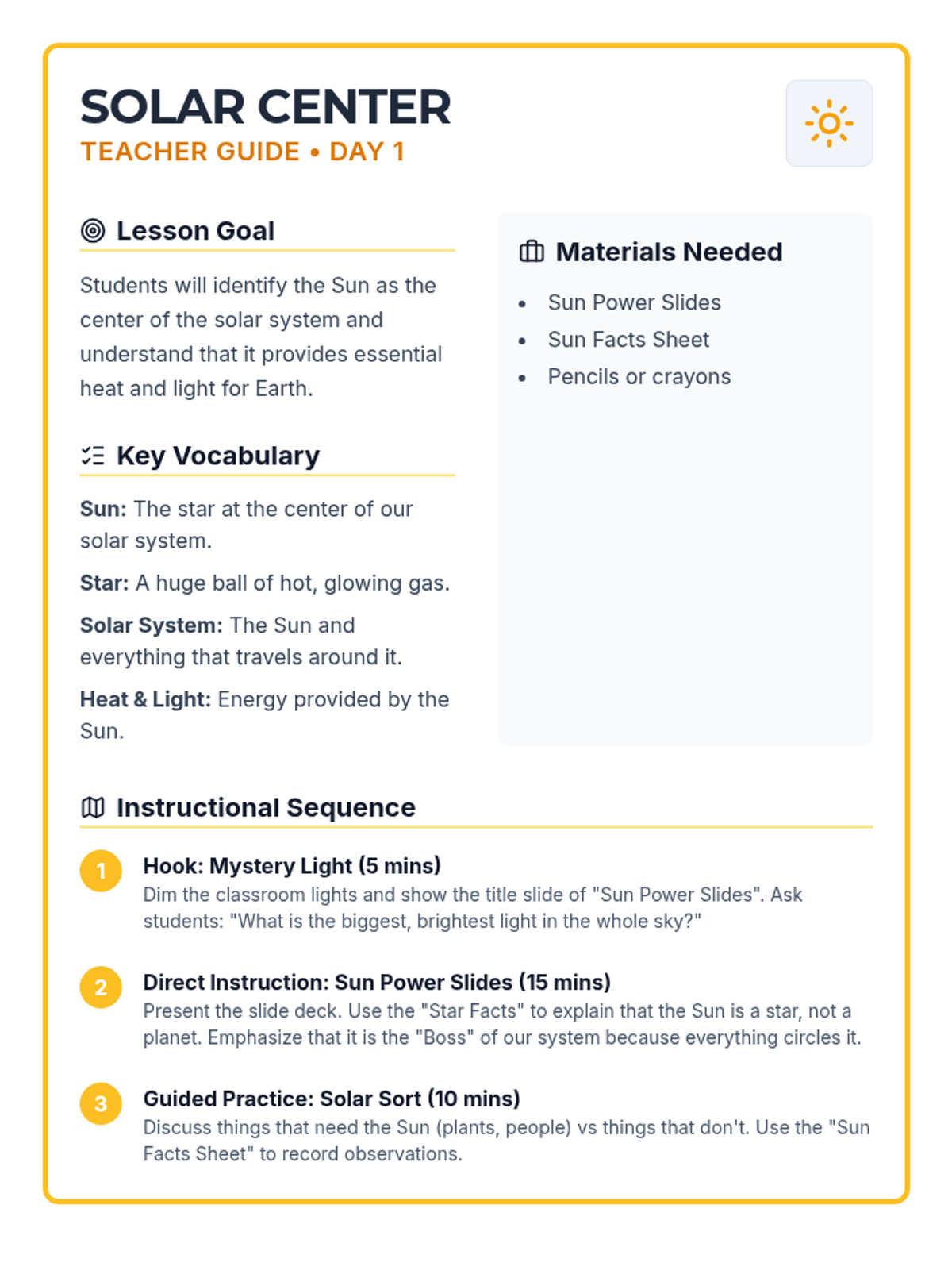
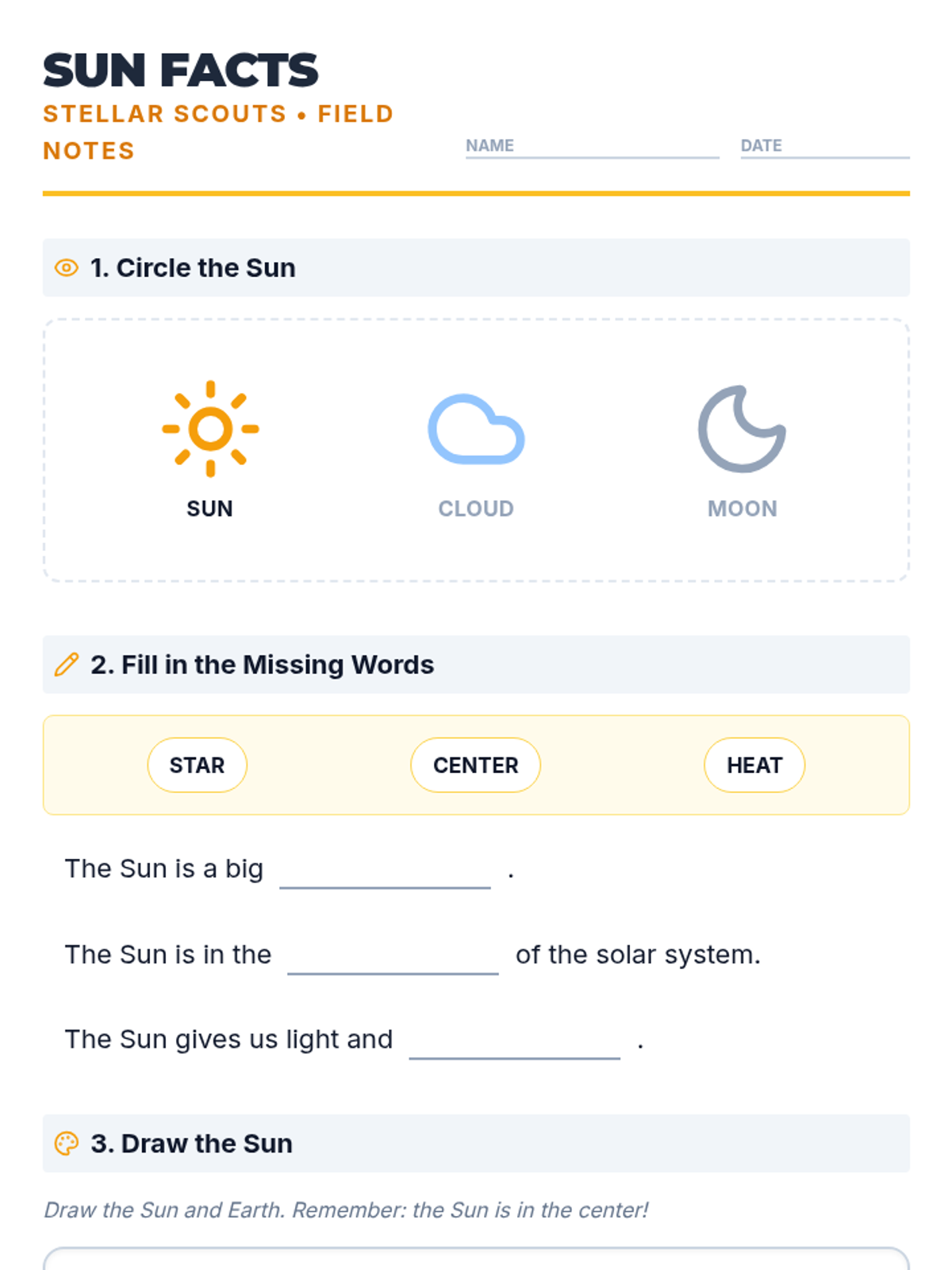
Students explore the Sun as the center of our solar system, learning about its heat, light, and importance for life on Earth using accessible language and clear visual aids.
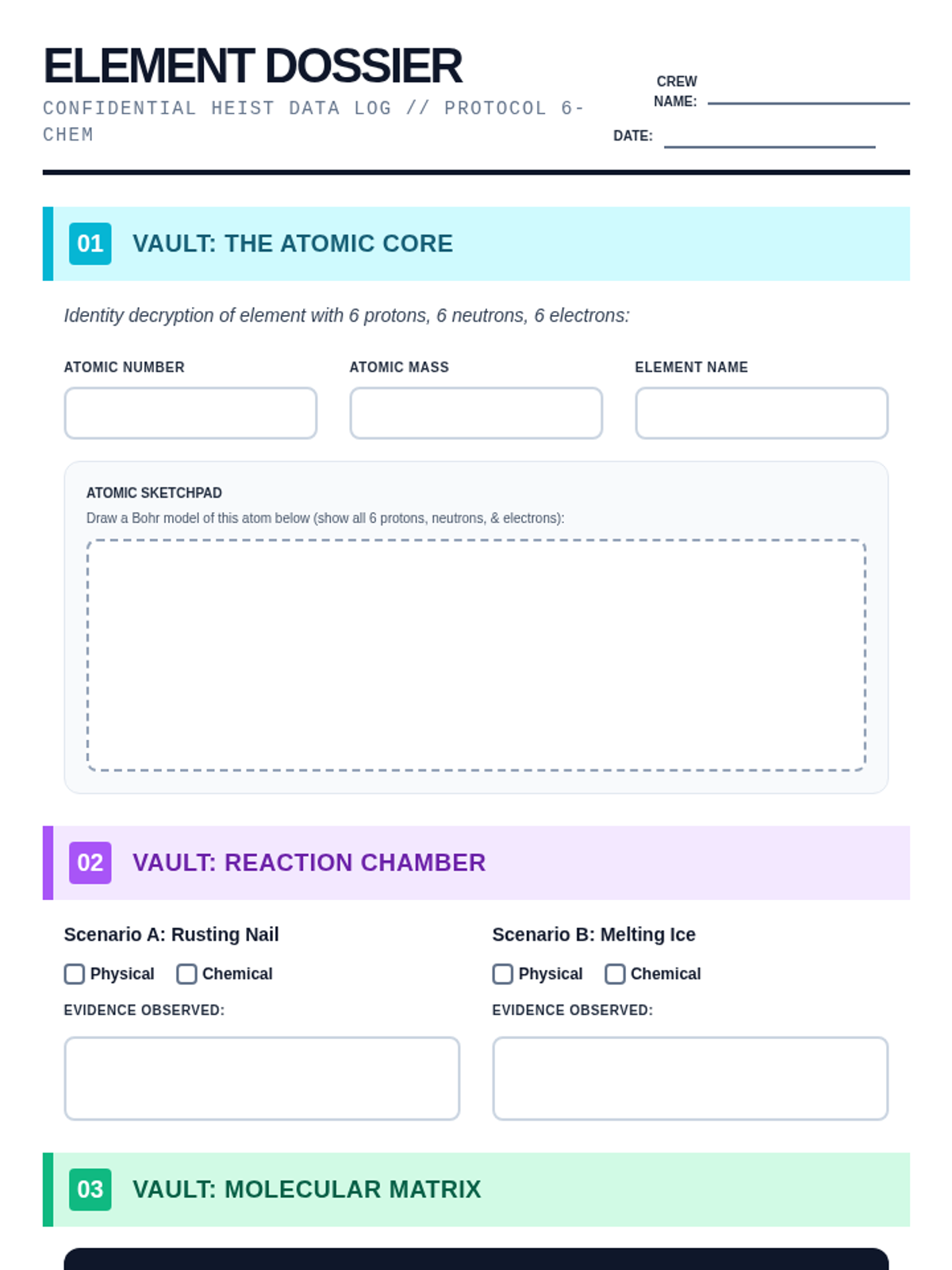
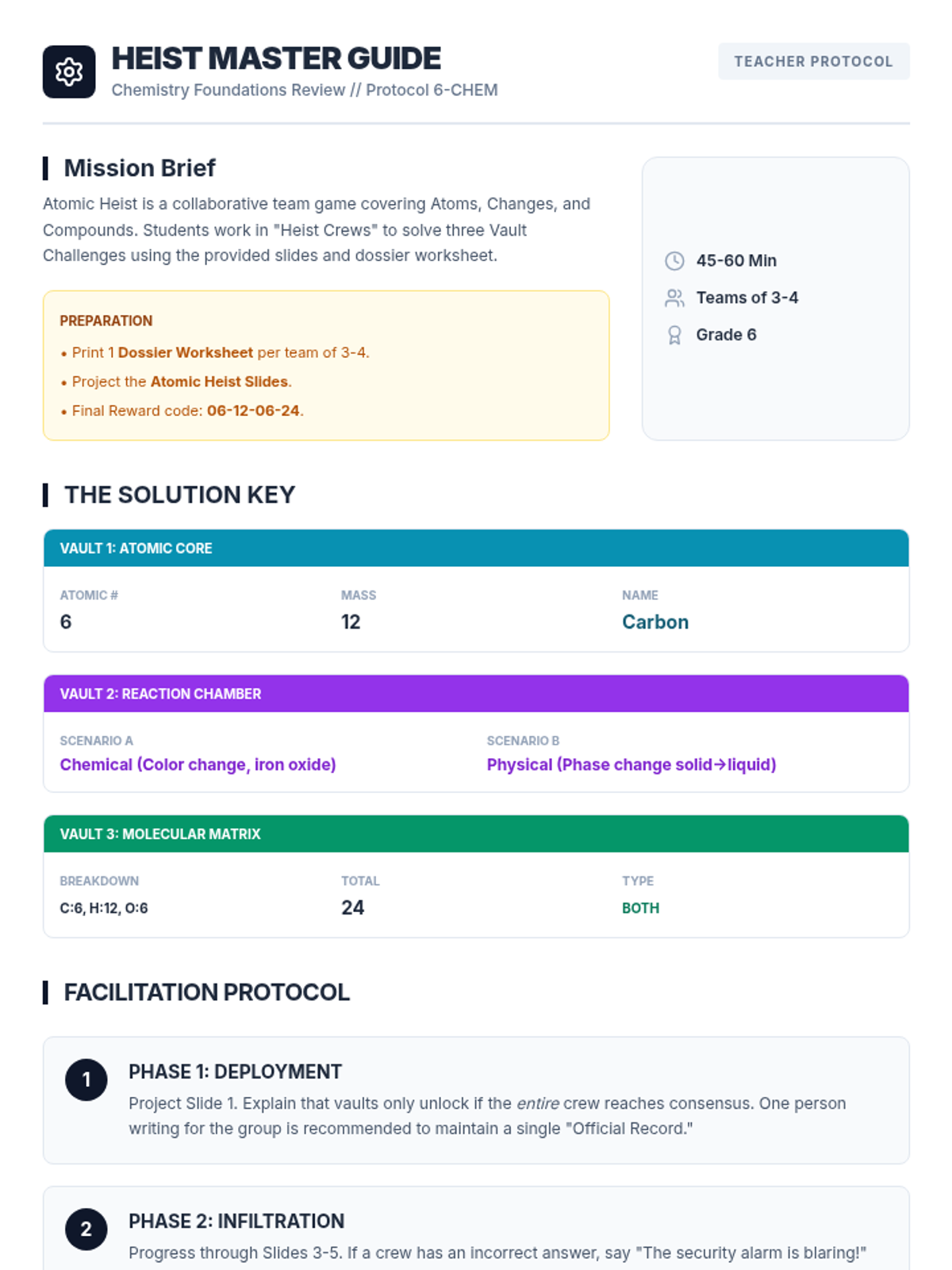
A high-stakes collaborative review game where students work in teams to solve chemistry-themed challenges covering atoms, elements, changes, and compounds.
This lesson explores the ecological impact of yellow crazy ants on Christmas Island and the innovative biological control methods used to protect the island's unique biodiversity. Students will analyze a scientific report and master key academic vocabulary related to conservation and ecology.
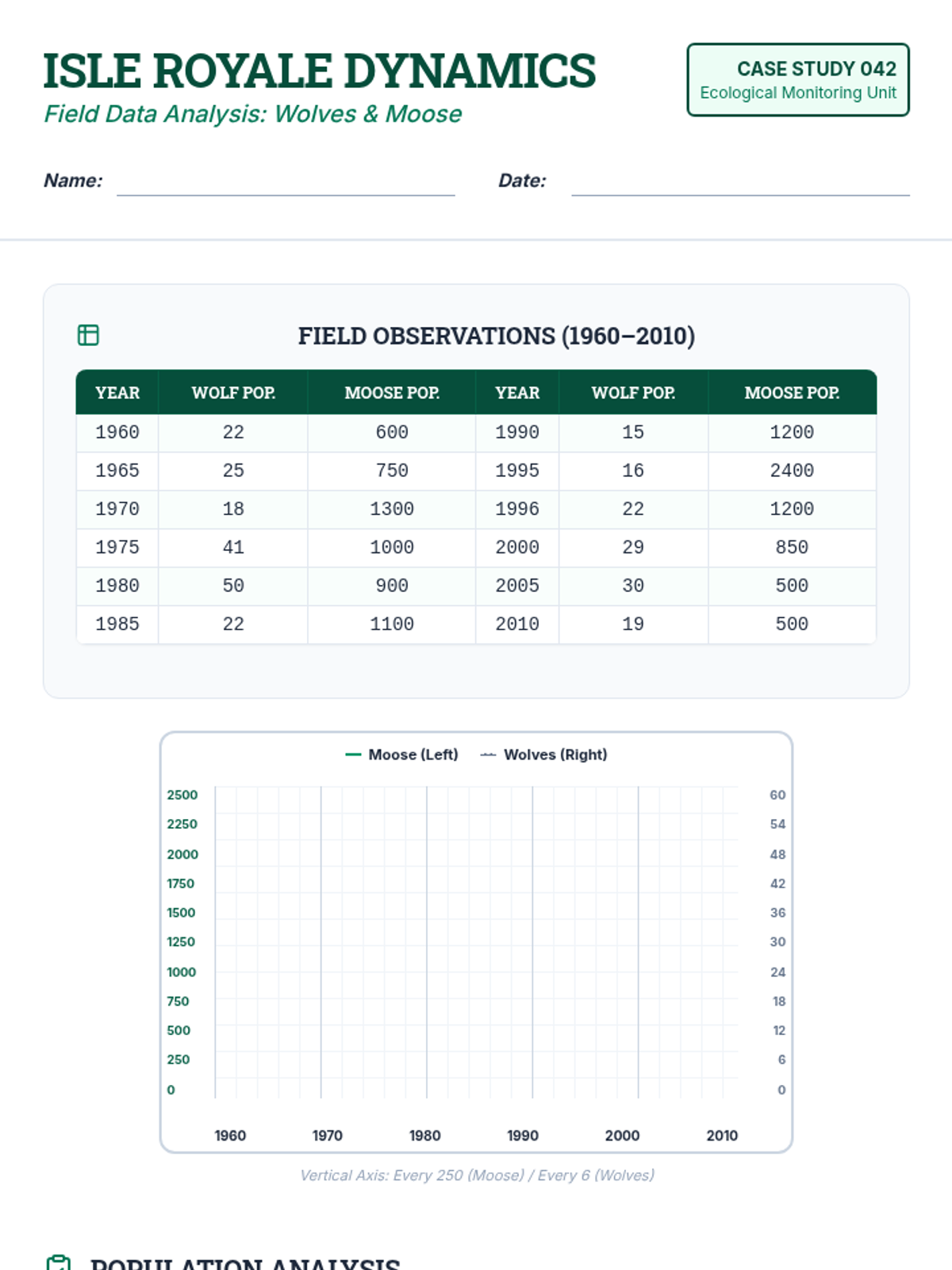
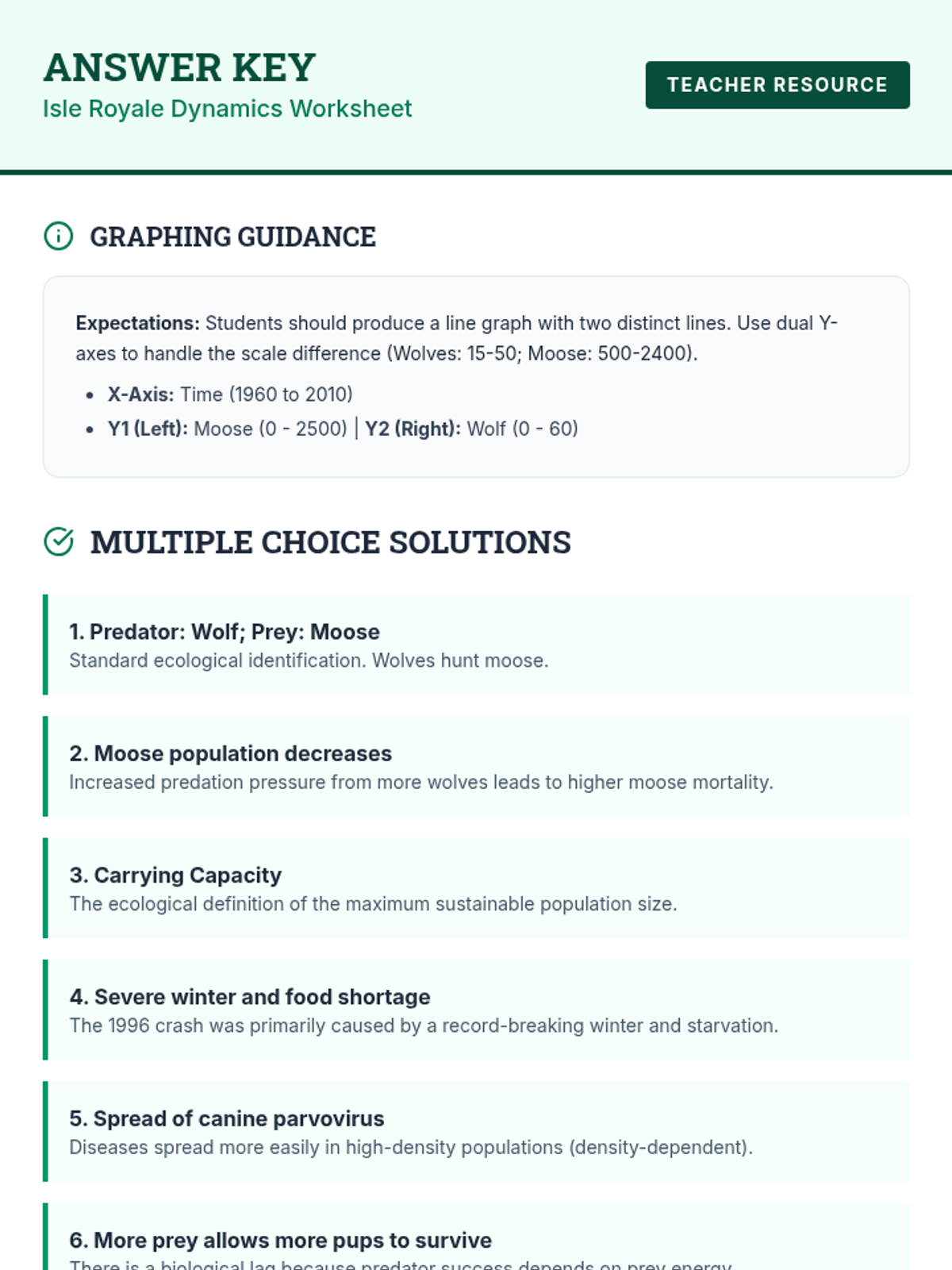
An in-depth look at the Isle Royale long-term study, focusing on graphing population data and analyzing the factors that influence ecosystem stability.
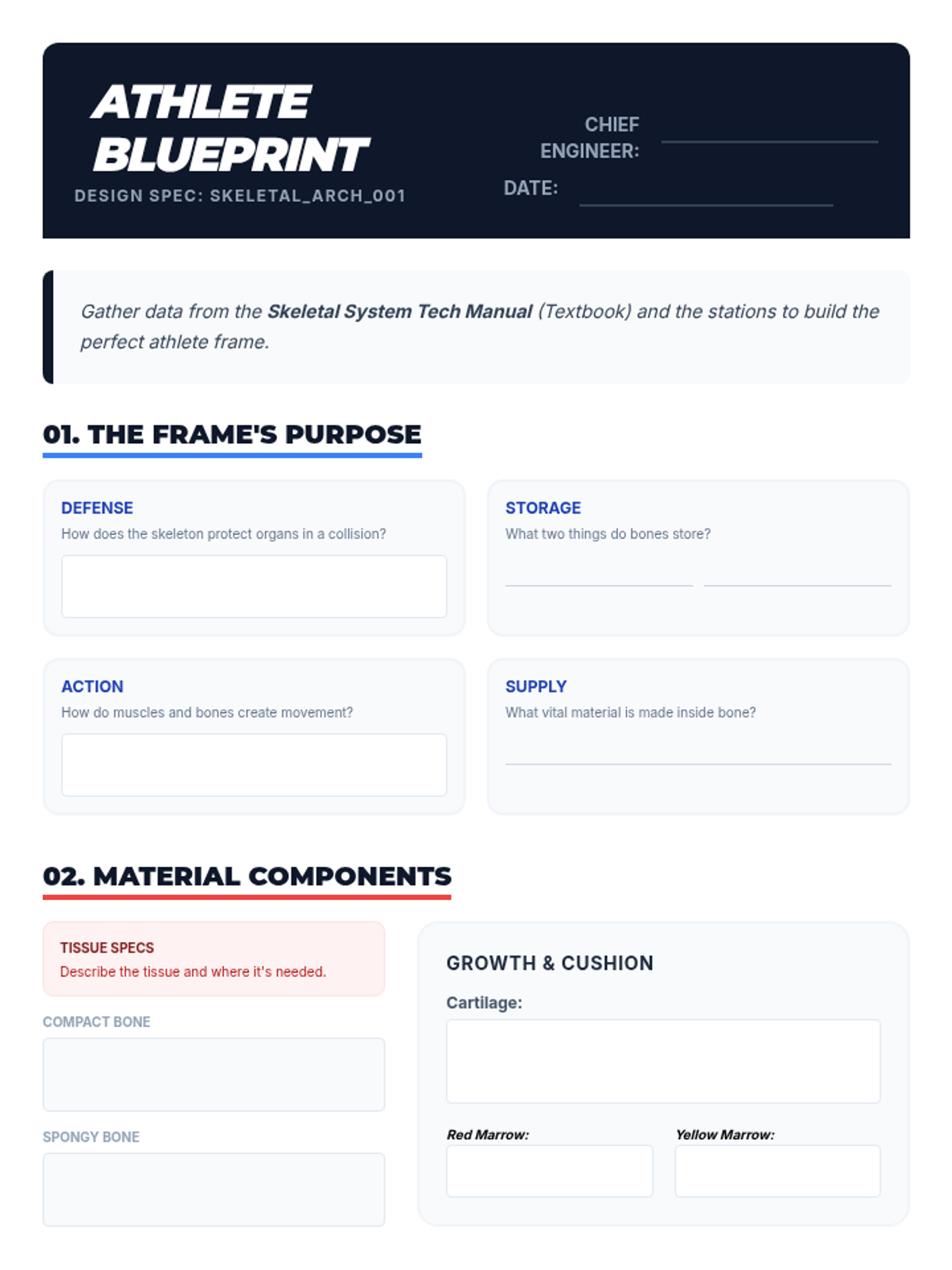
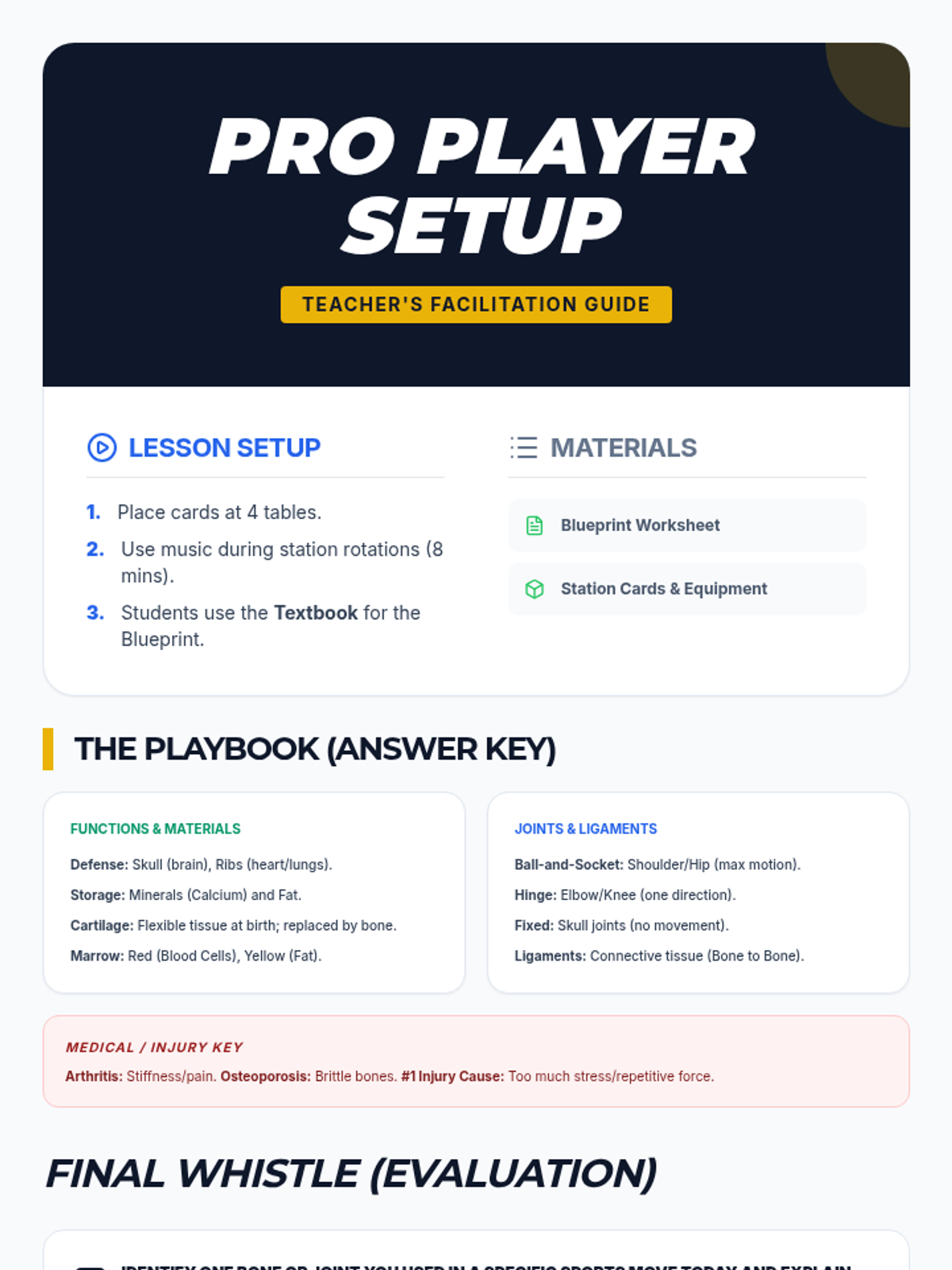
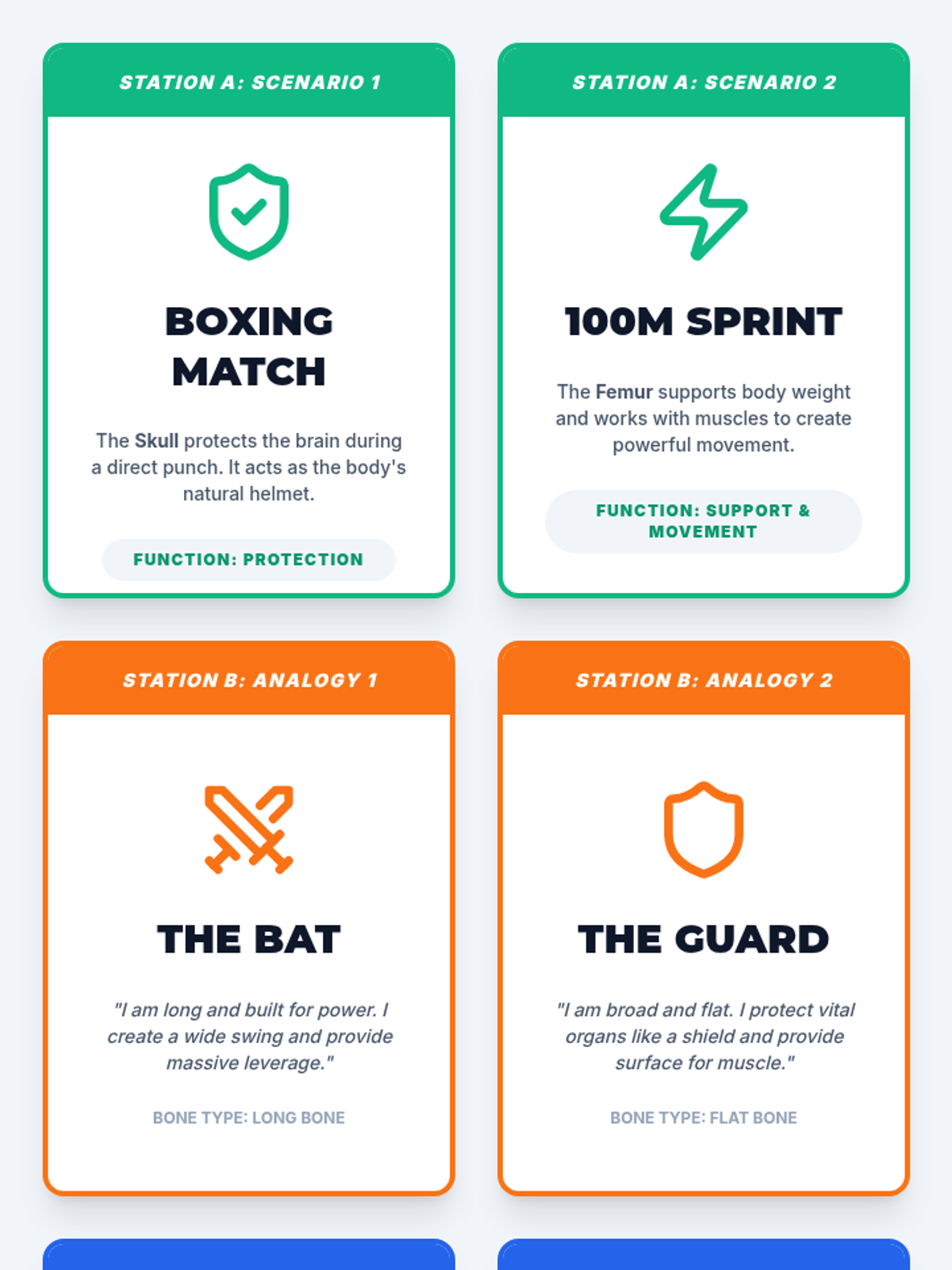
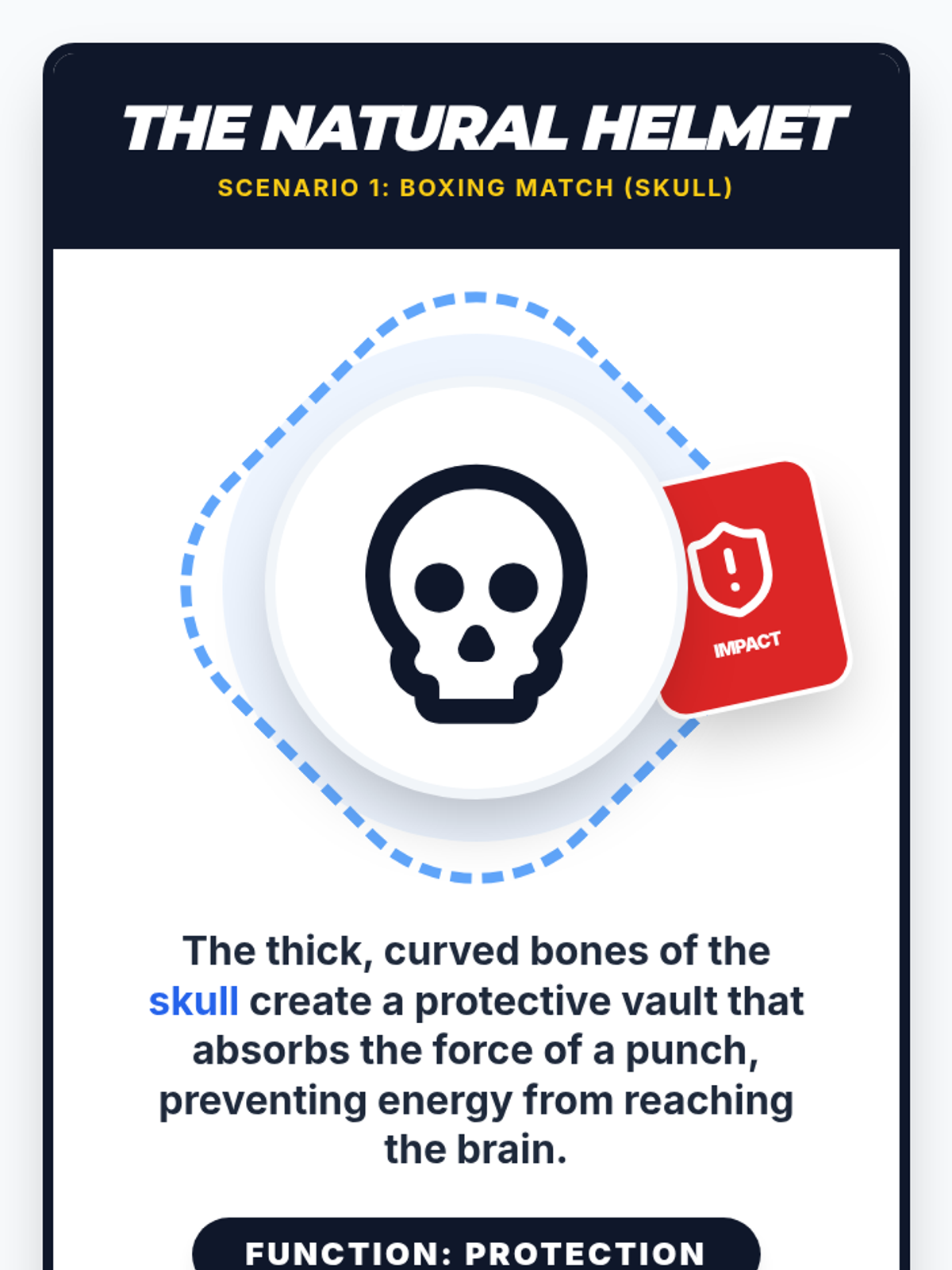
A student-centered exploration of the skeletal system using sports and athletic performance as a framework. Students discover bone functions, structures, and joint mechanics through inquiry-based activities and scouting missions.
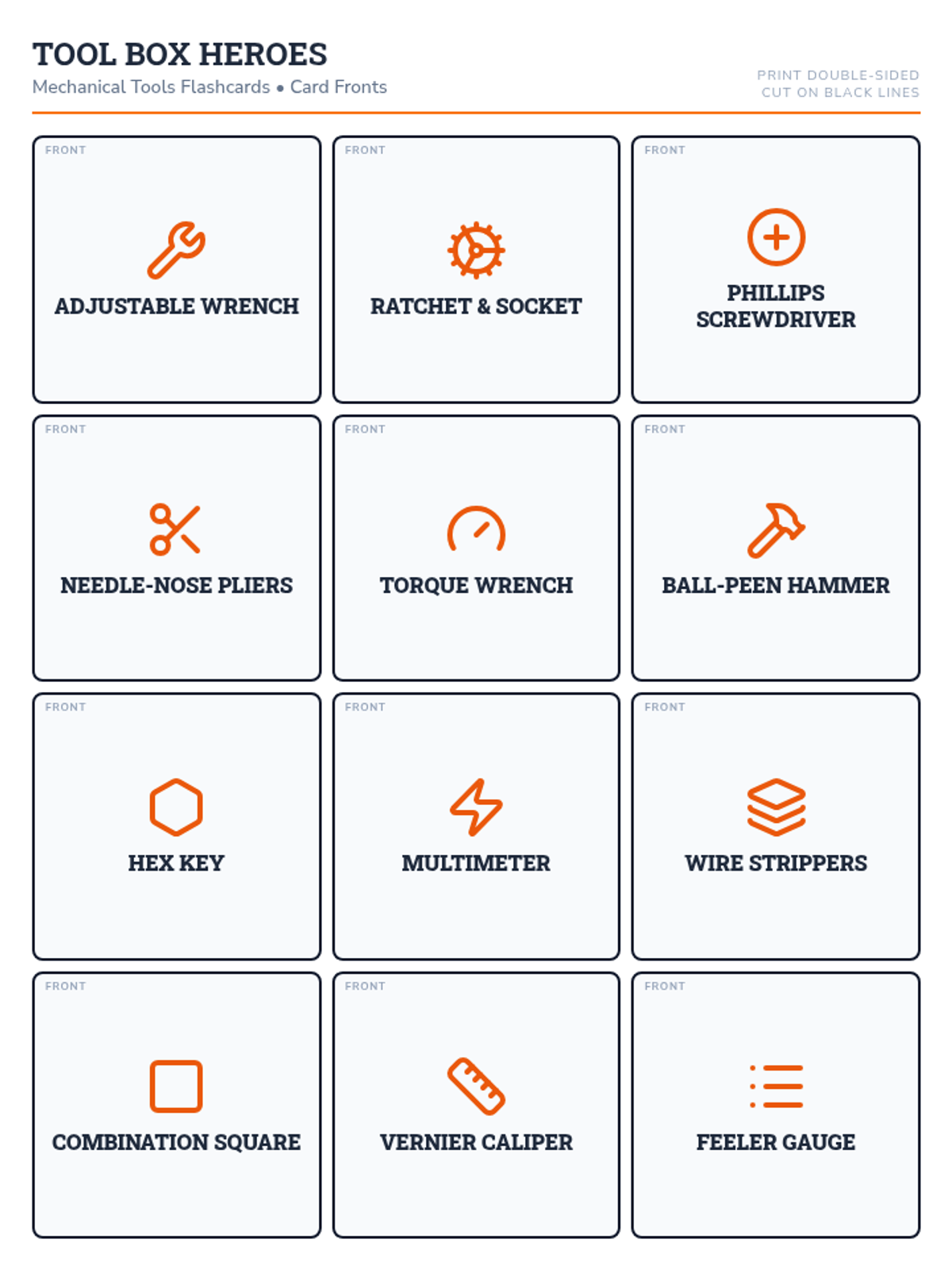
A lesson focused on identifying and understanding the specific functions of essential mechanical tools used in repair shops.
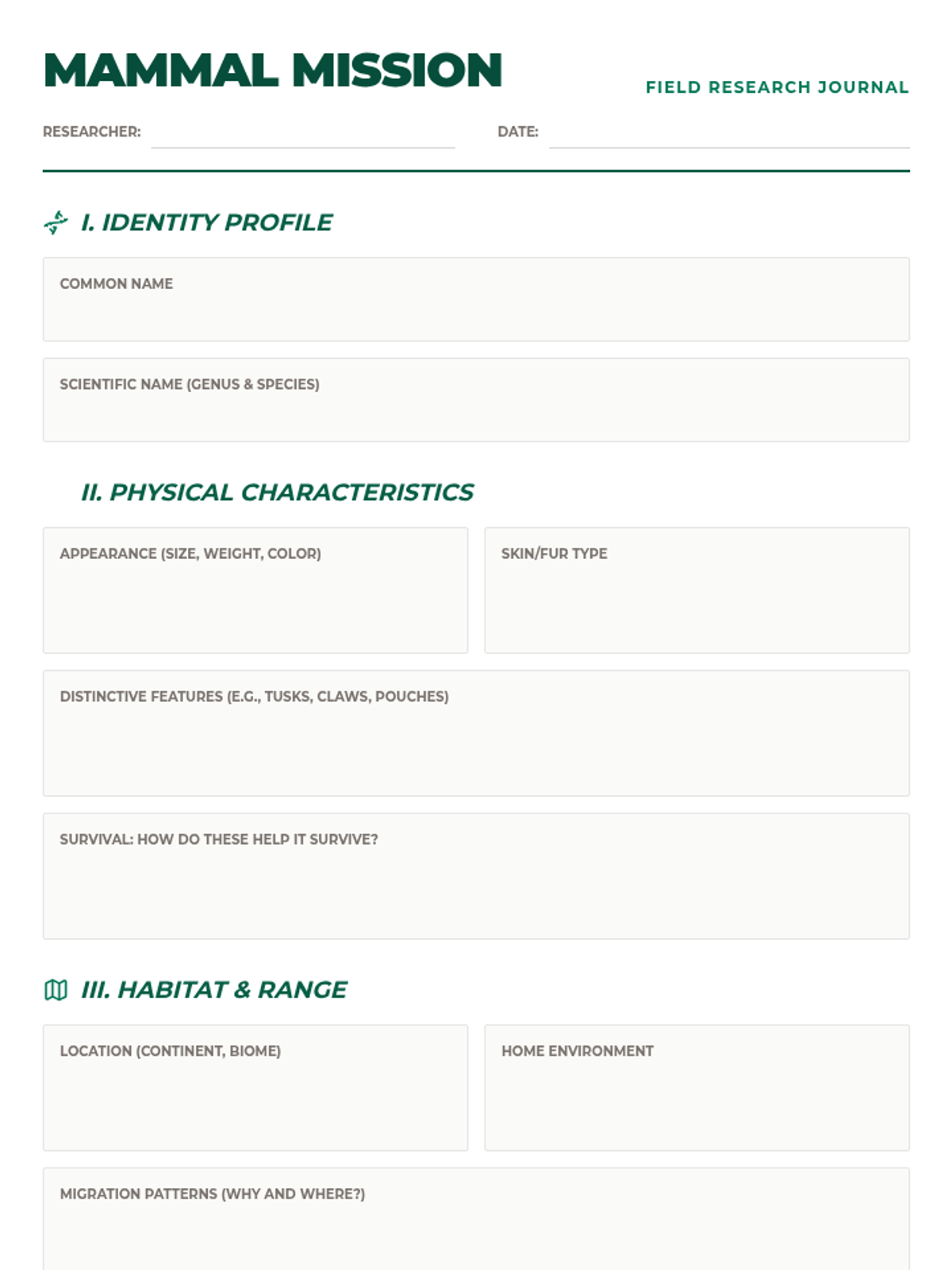
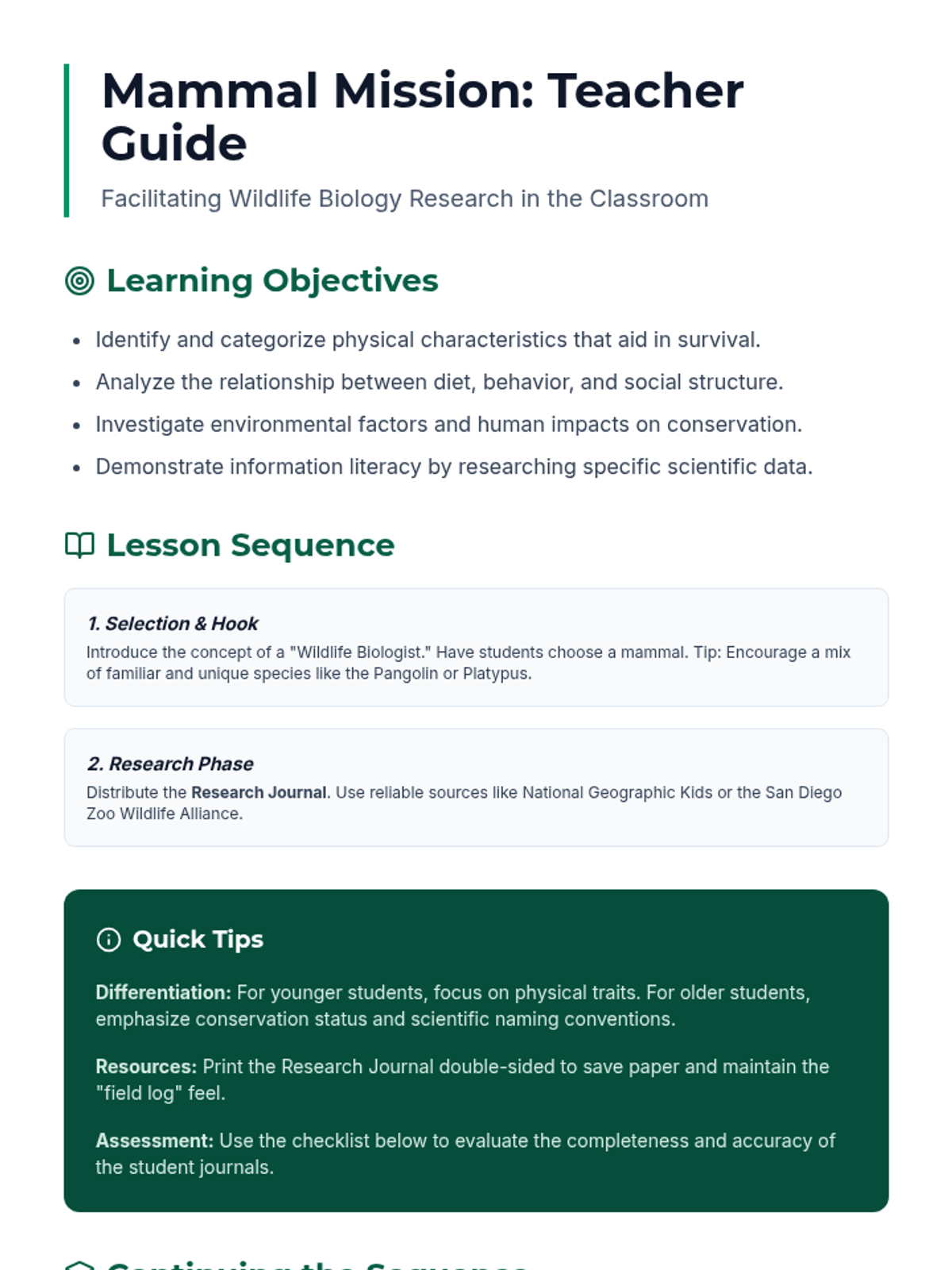
A research-focused lesson where students step into the shoes of a wildlife biologist to document the physical traits, habitats, and behaviors of a mammal of their choice.
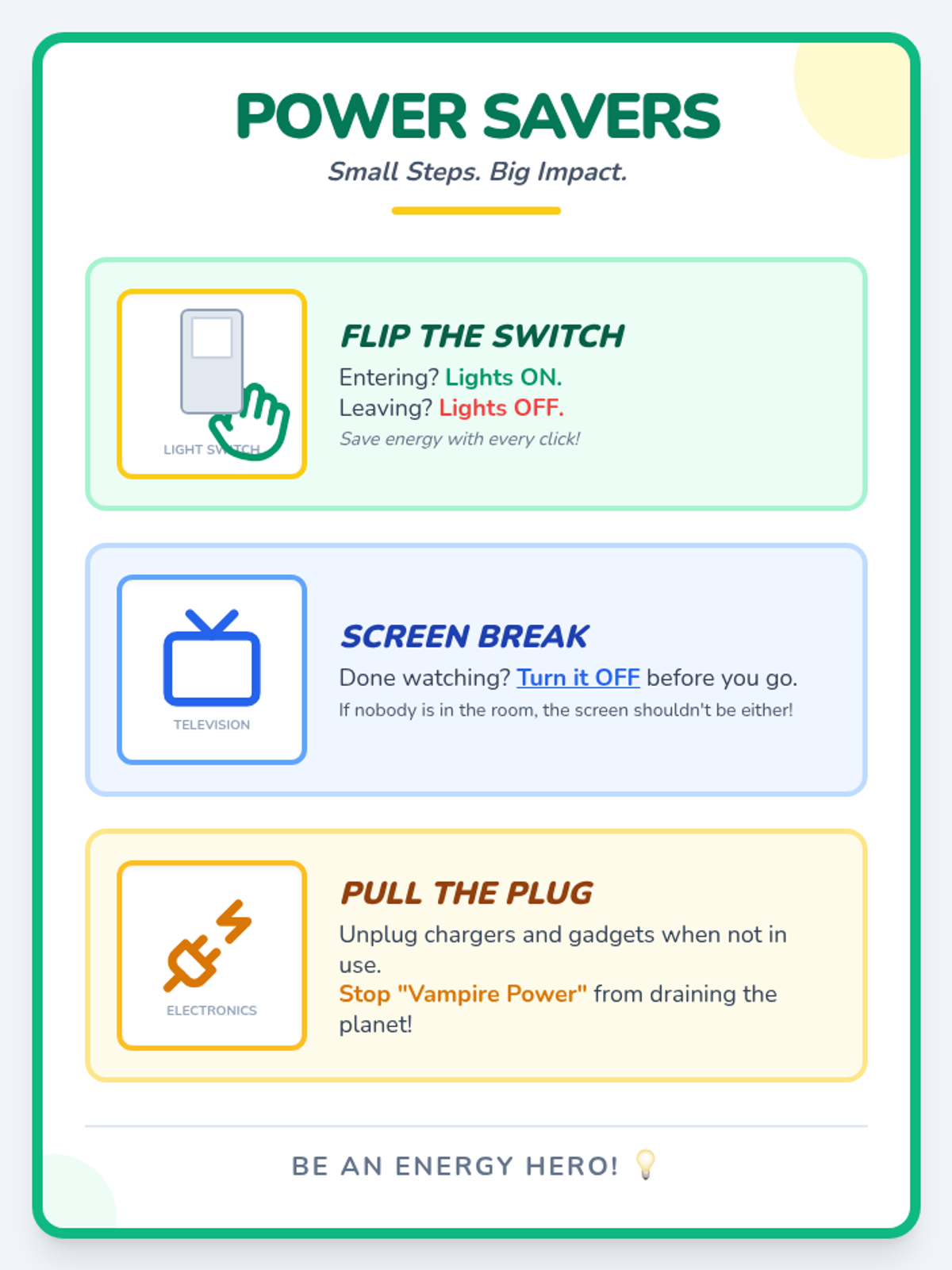
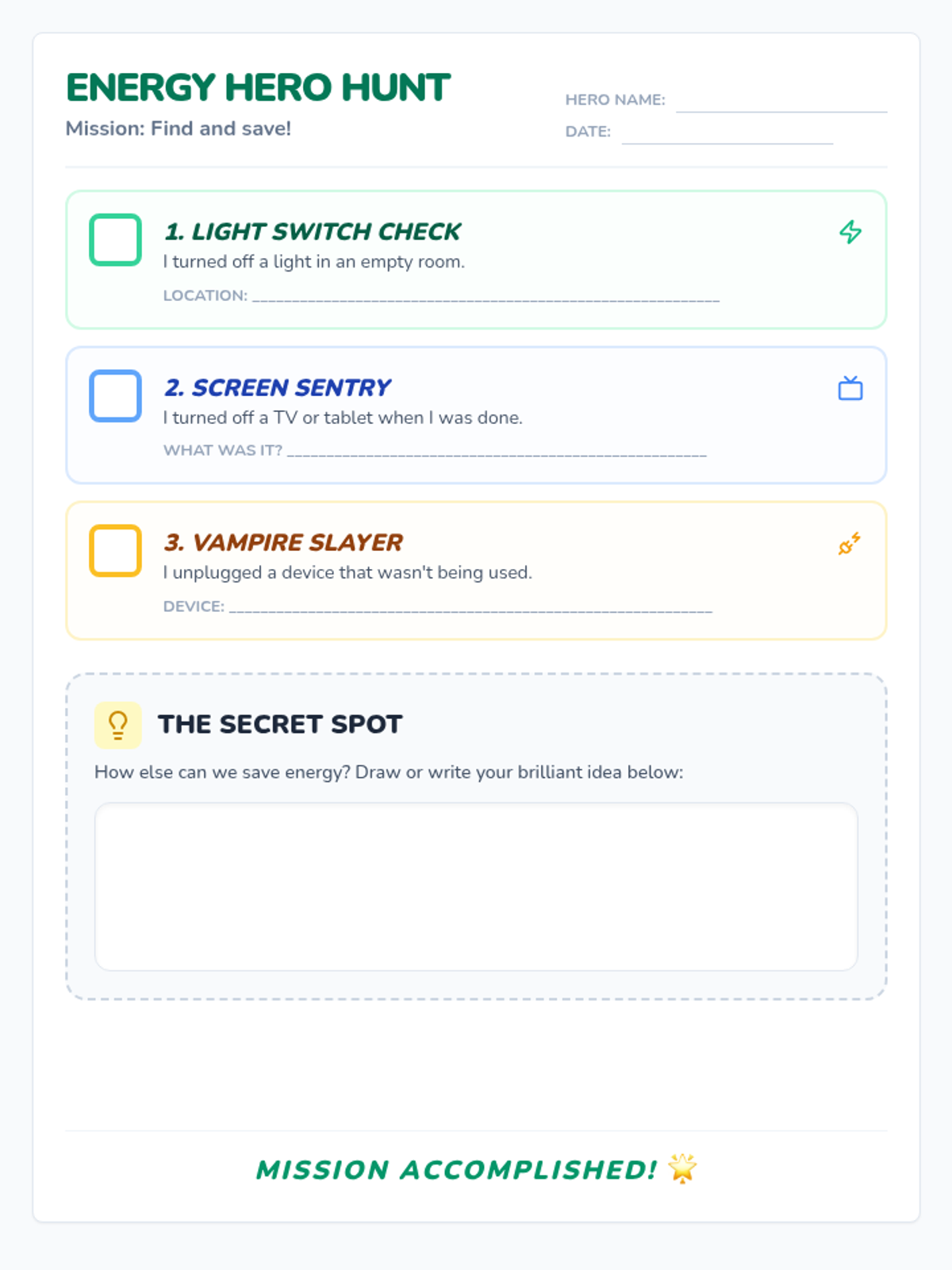
A lesson focused on simple, actionable steps students can take to reduce energy consumption at home and school.
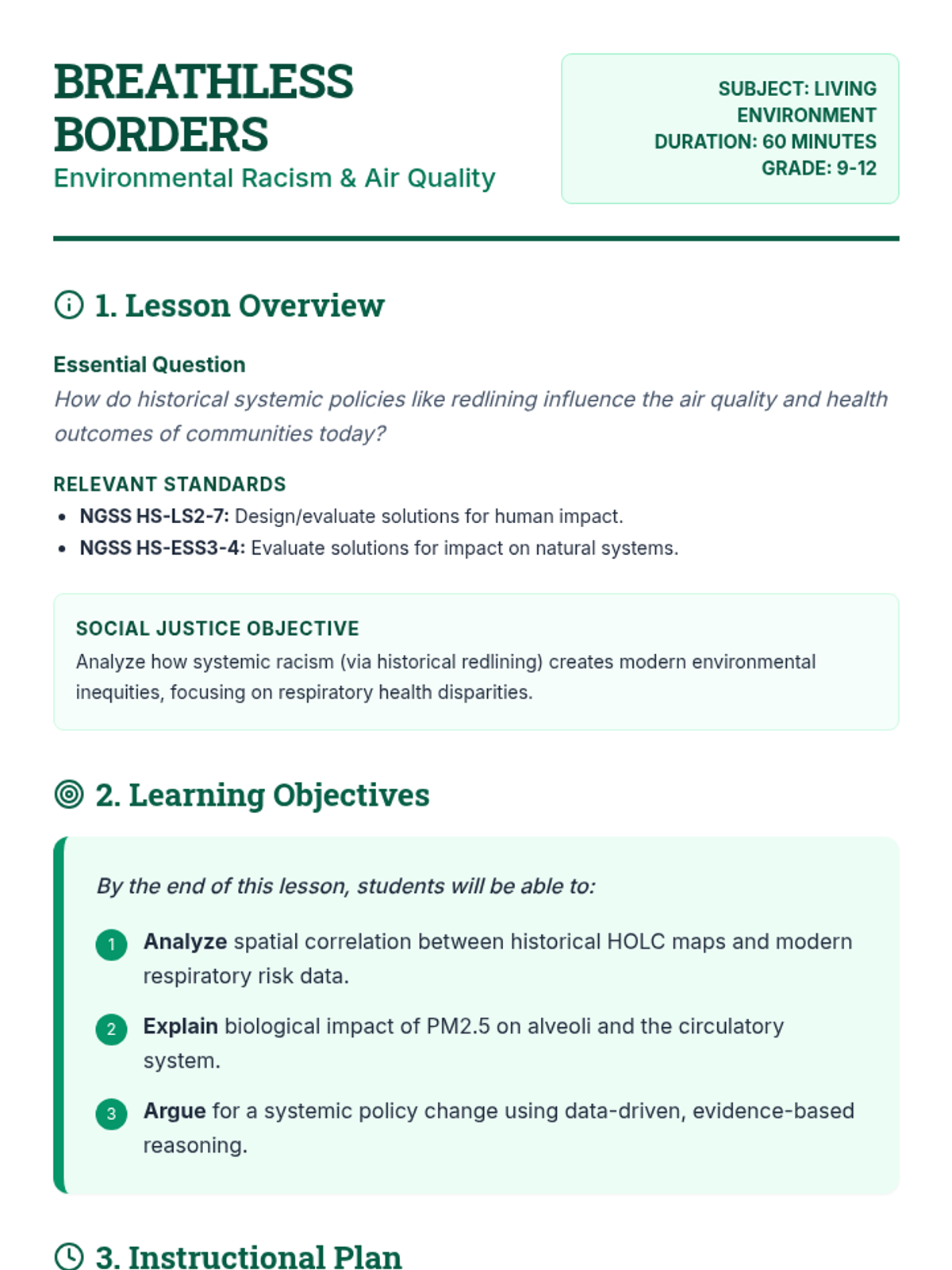
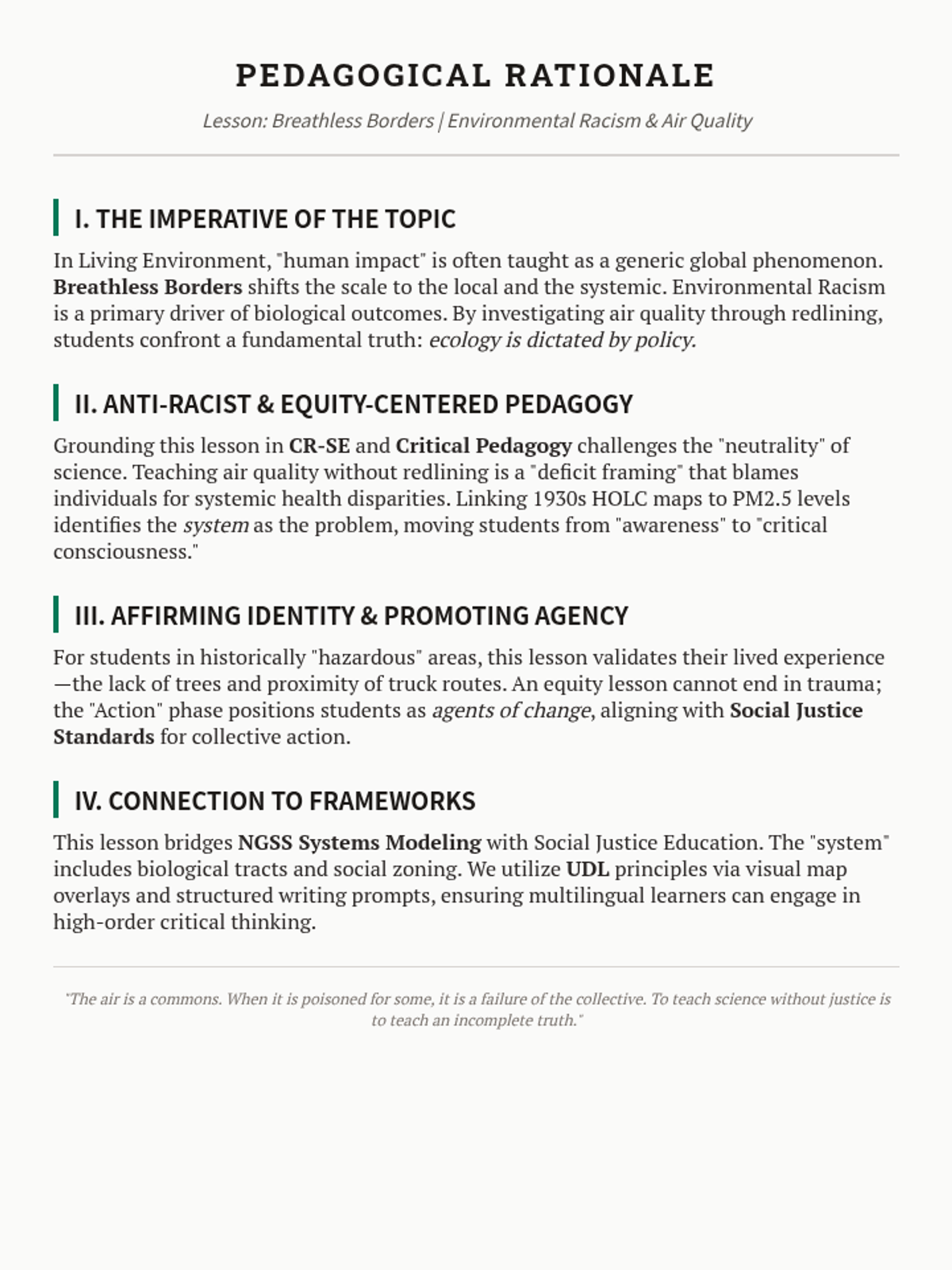
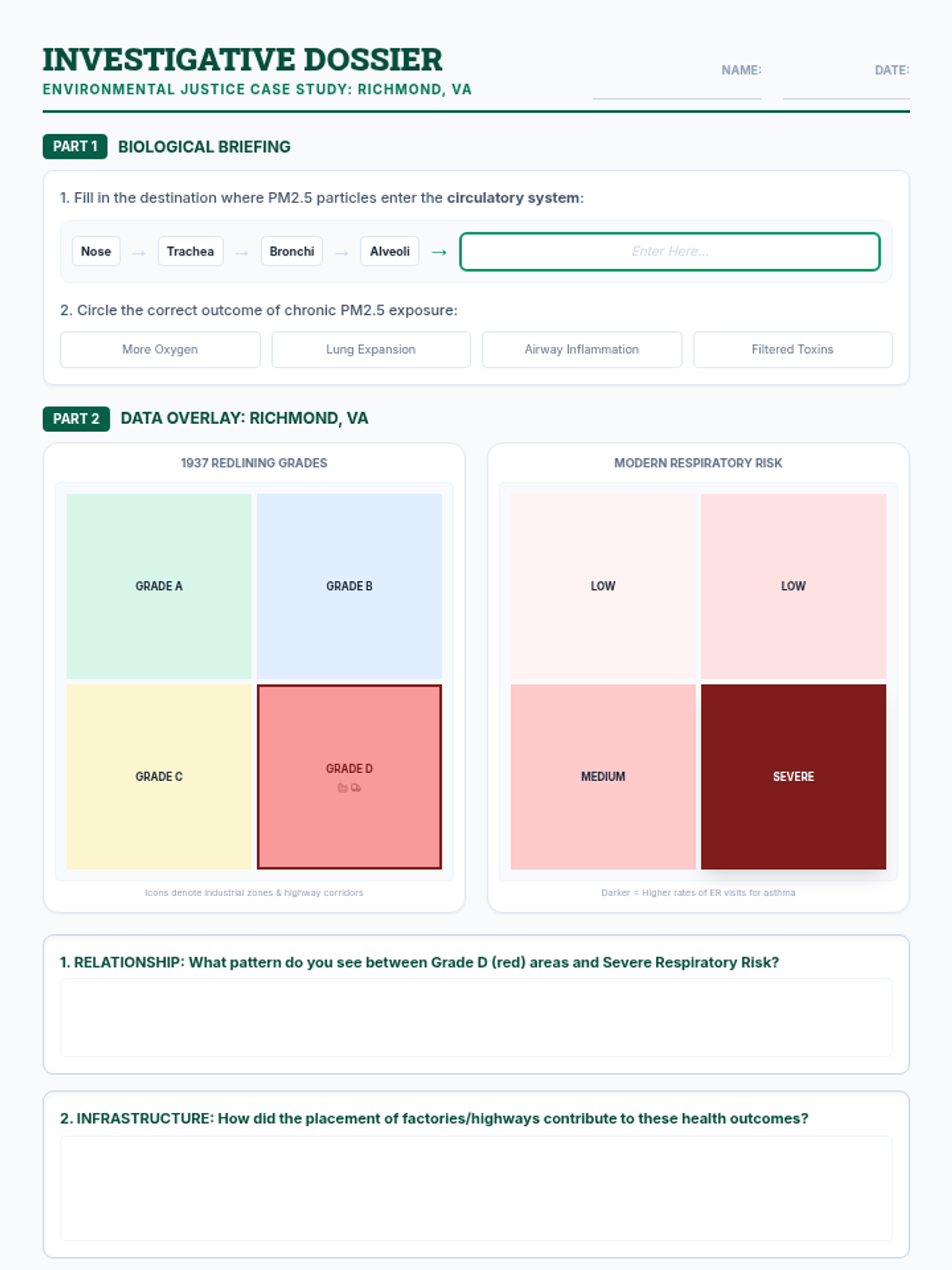
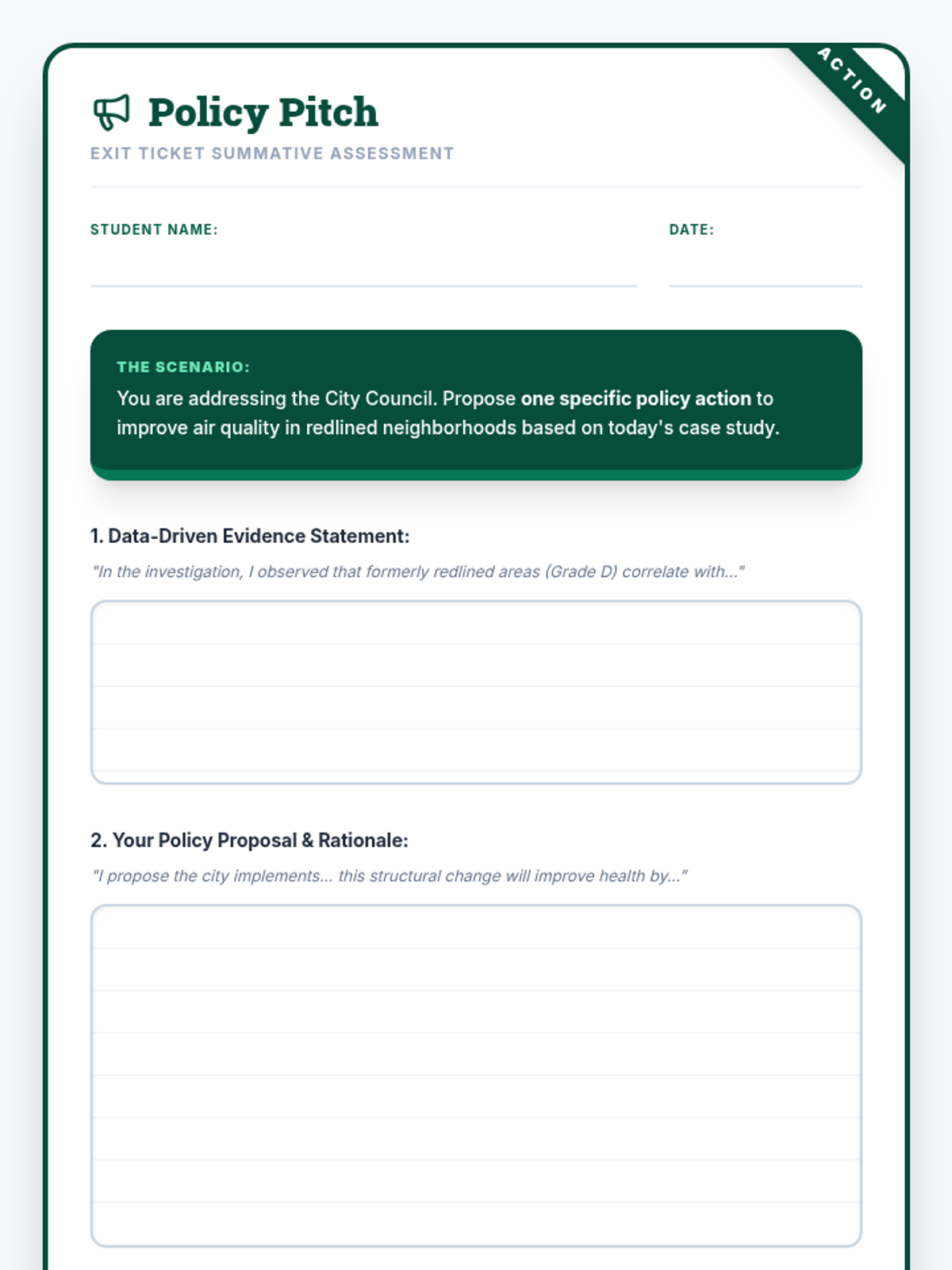
A high school biology lesson investigating the intersection of historical redlining, environmental racism, and respiratory health outcomes through data analysis and mapping.
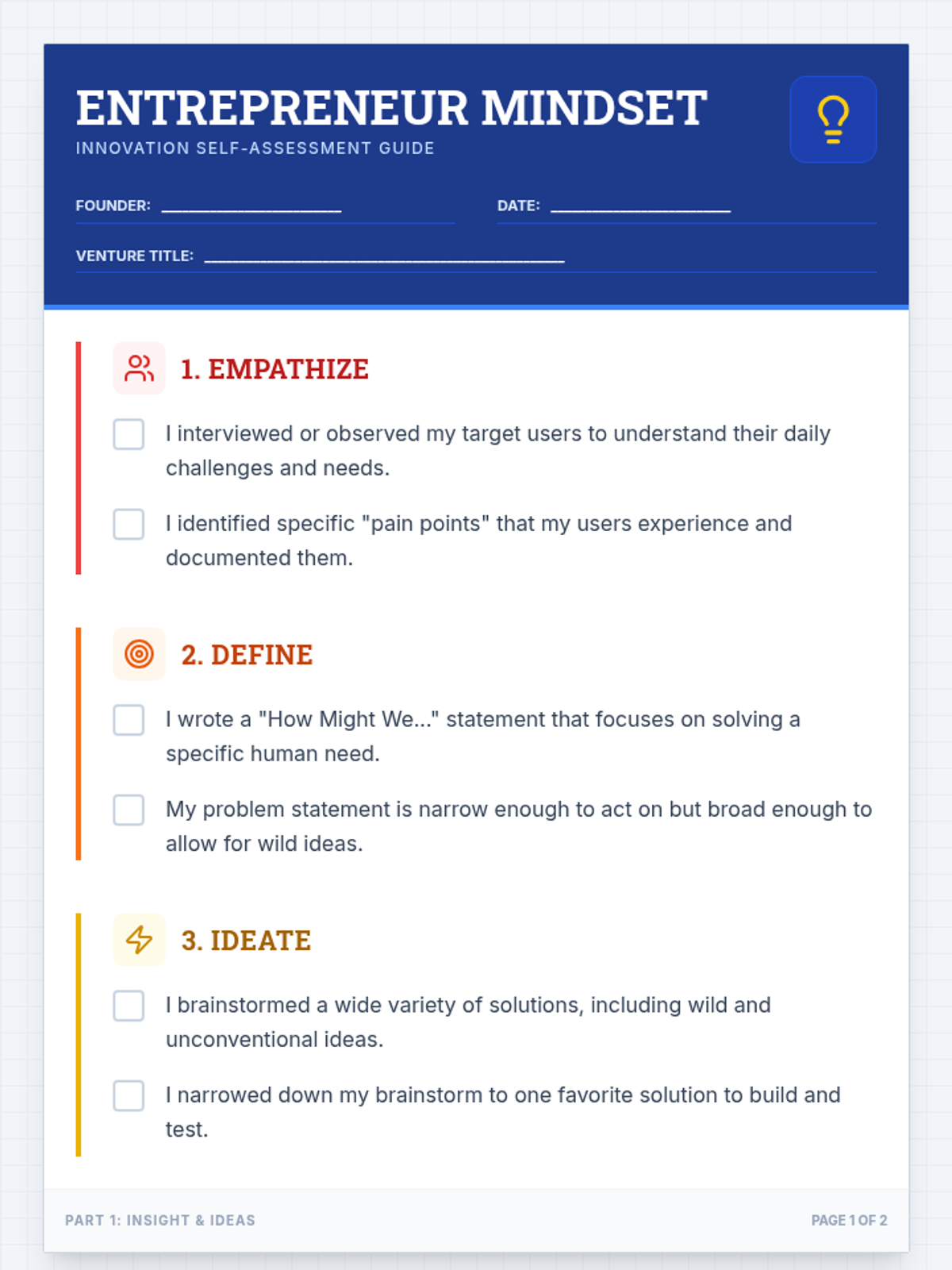
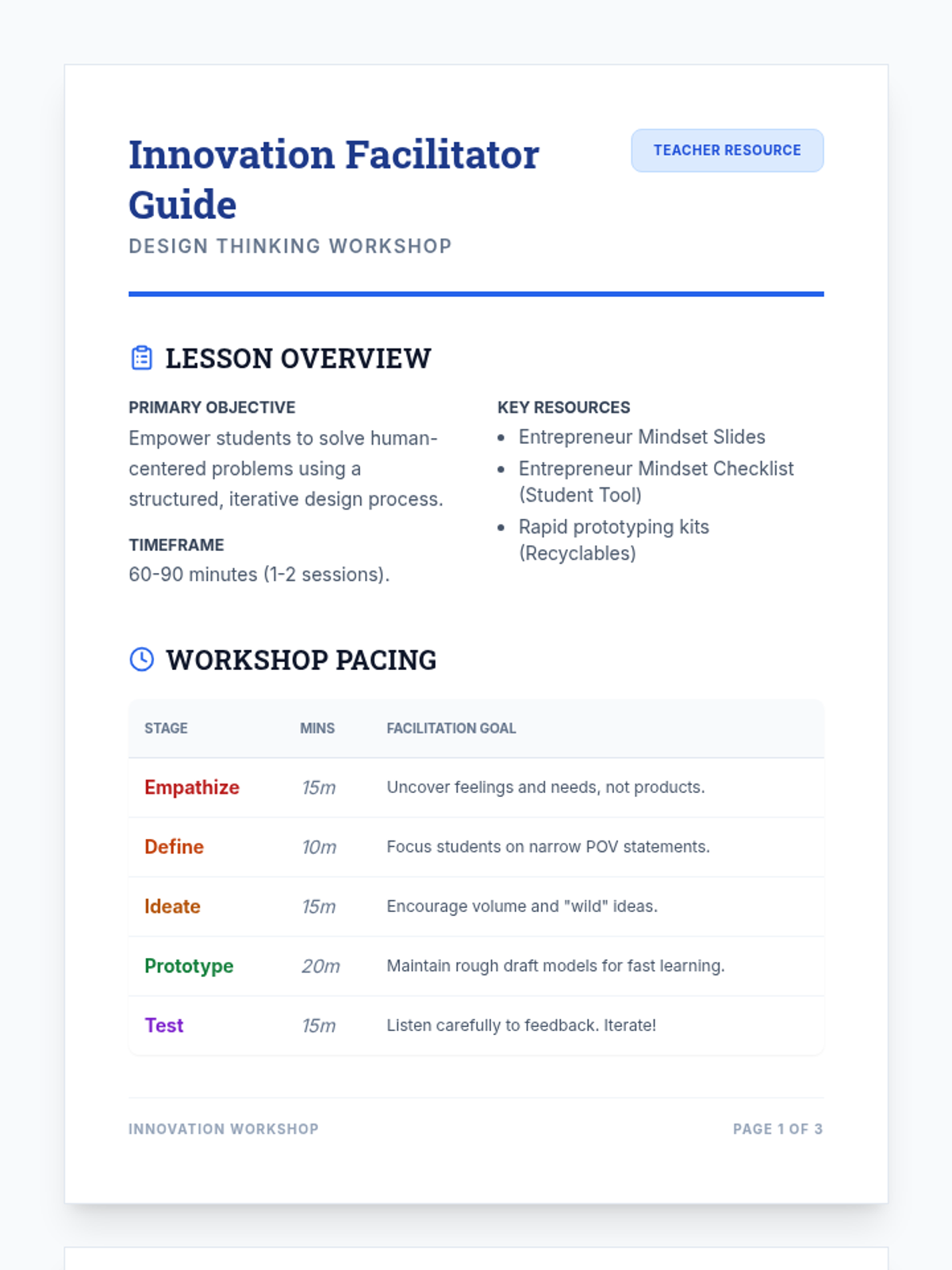
A comprehensive introduction to the five stages of design thinking, guiding students through empathy, problem definition, ideation, prototyping, and testing.
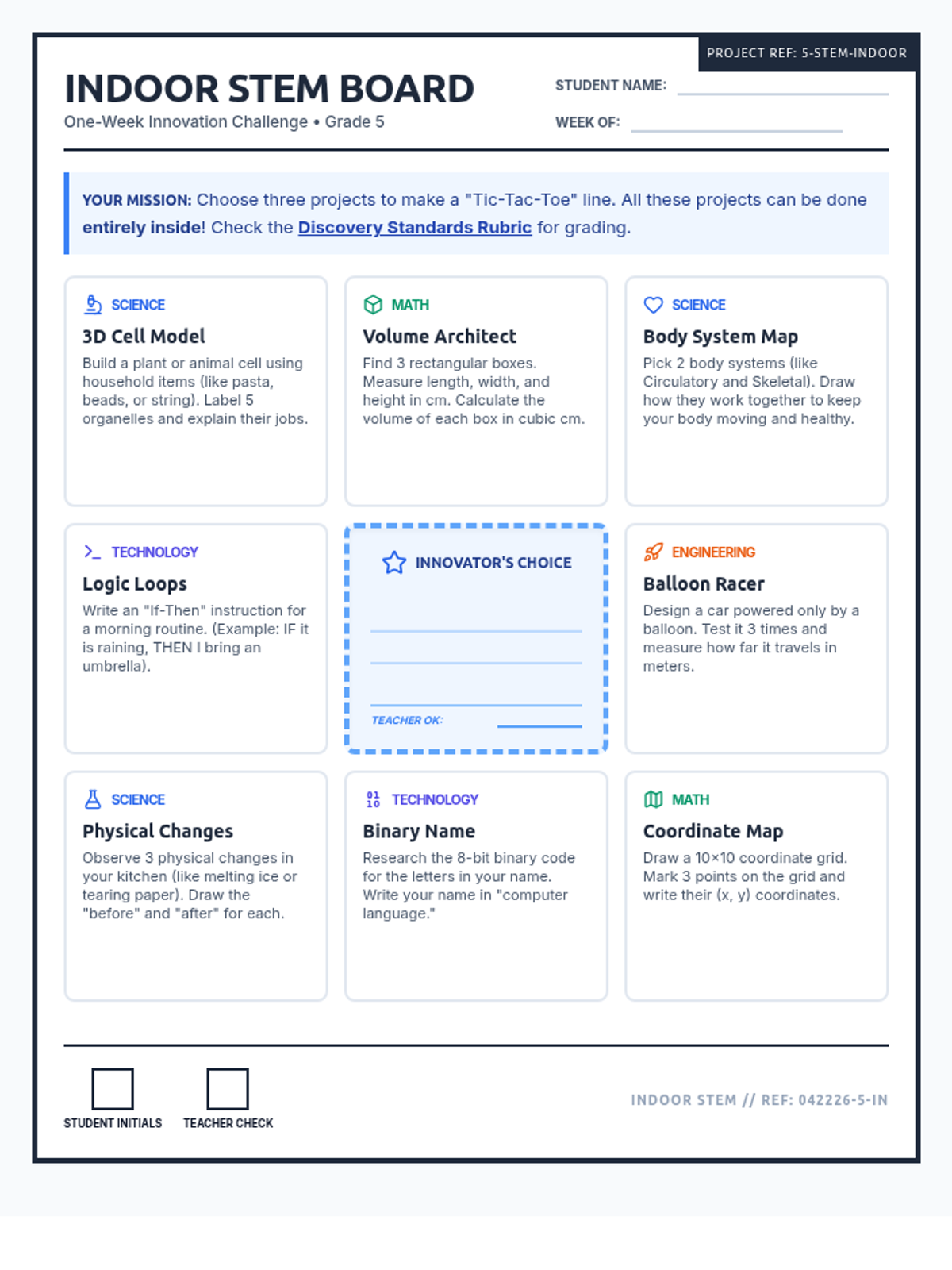
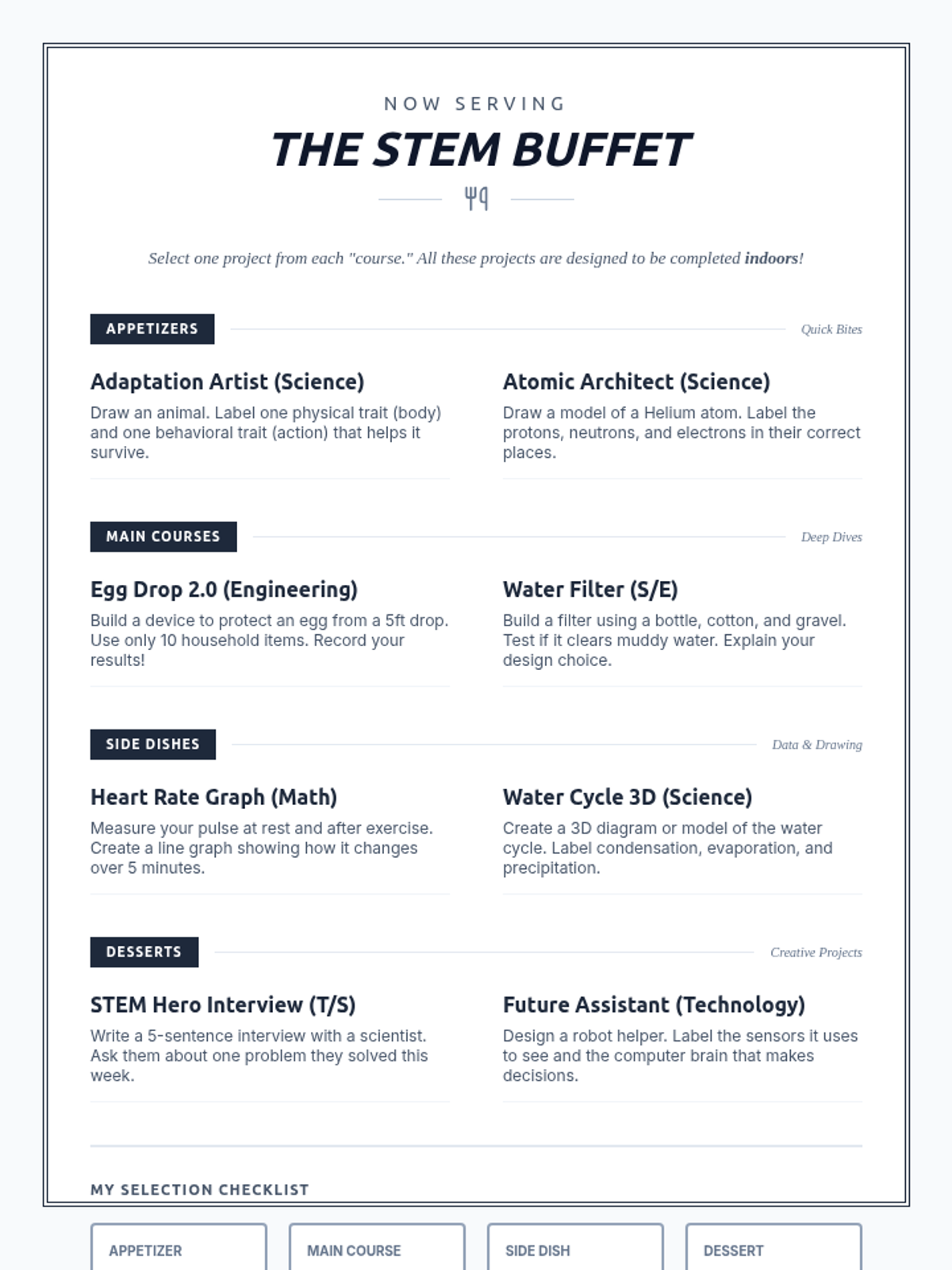
A comprehensive STEM project choice unit designed for 7th-grade students to explore various scientific and engineering topics through self-directed learning and creative output.