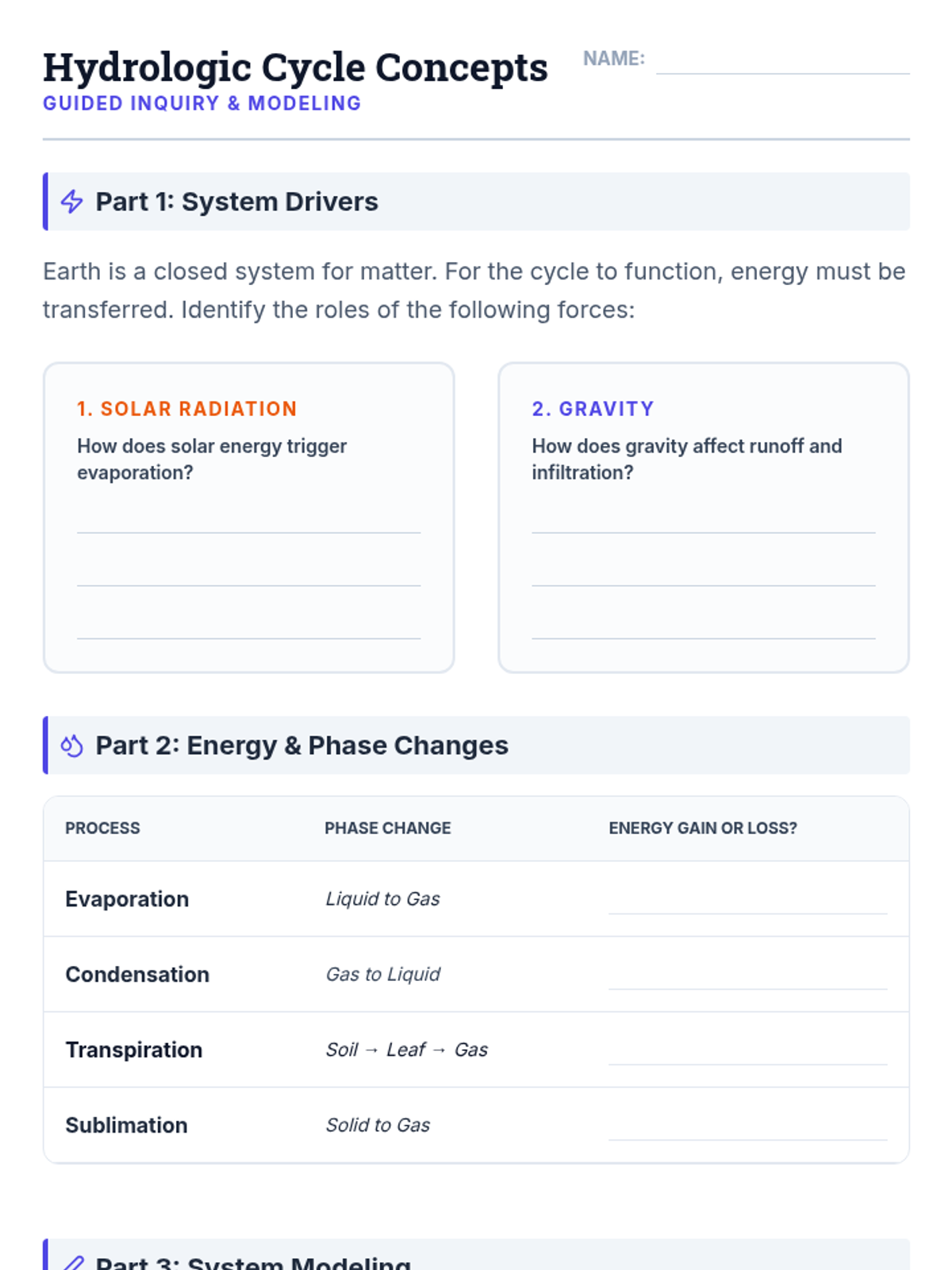
A lesson exploring the continuous movement of water on Earth through a detailed diagram of the water cycle, focusing on the roles of energy and gravity.
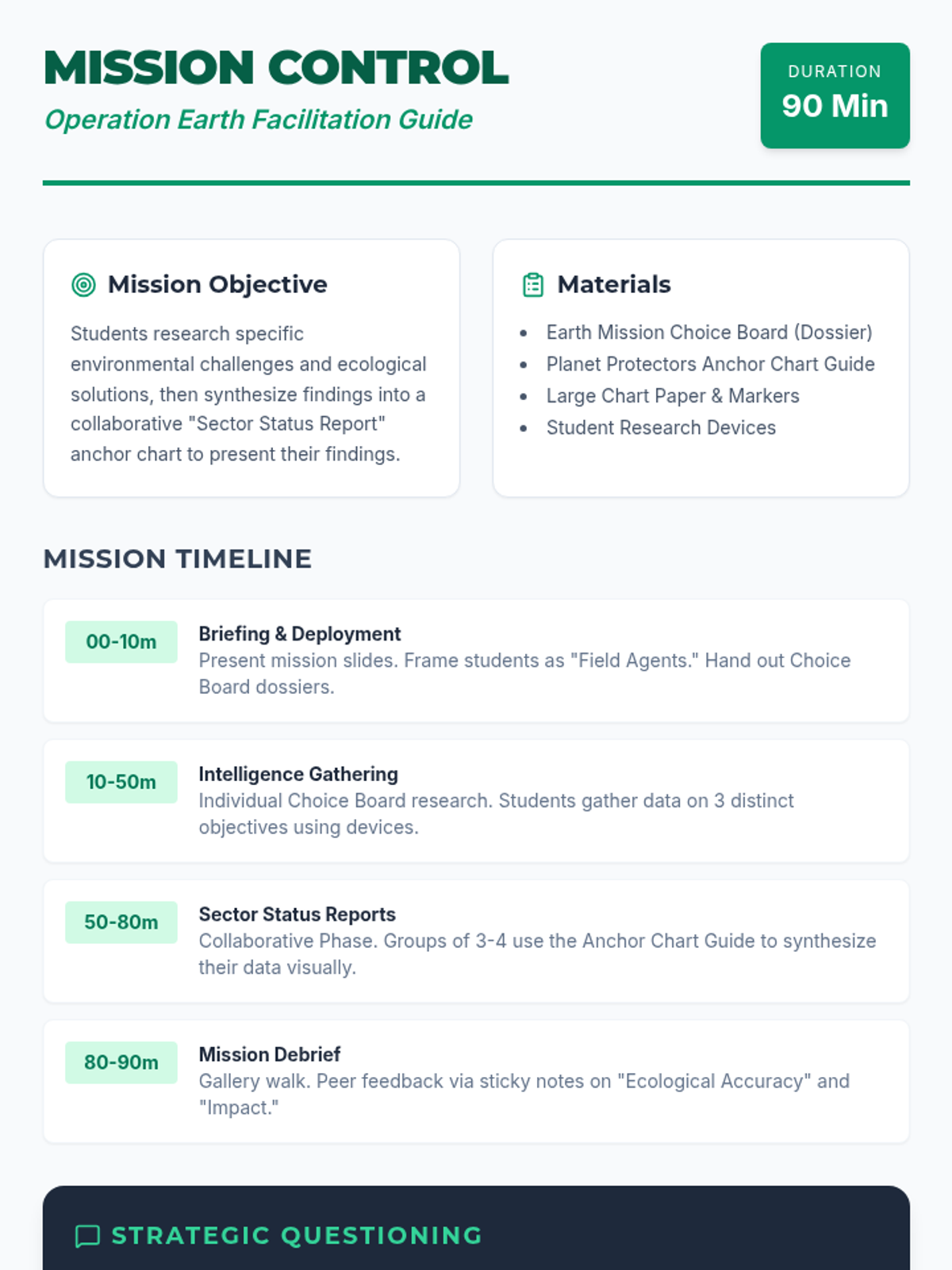
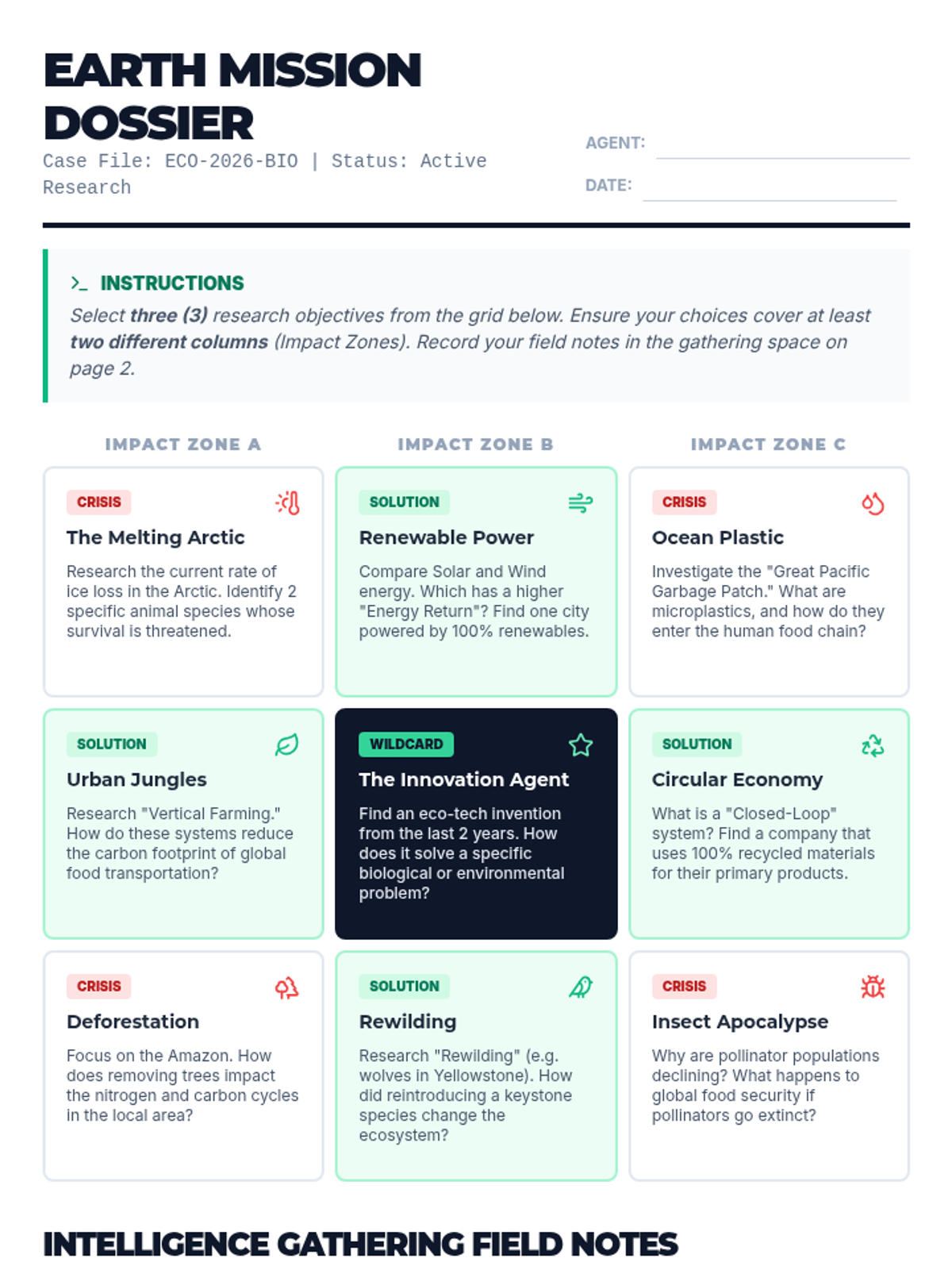
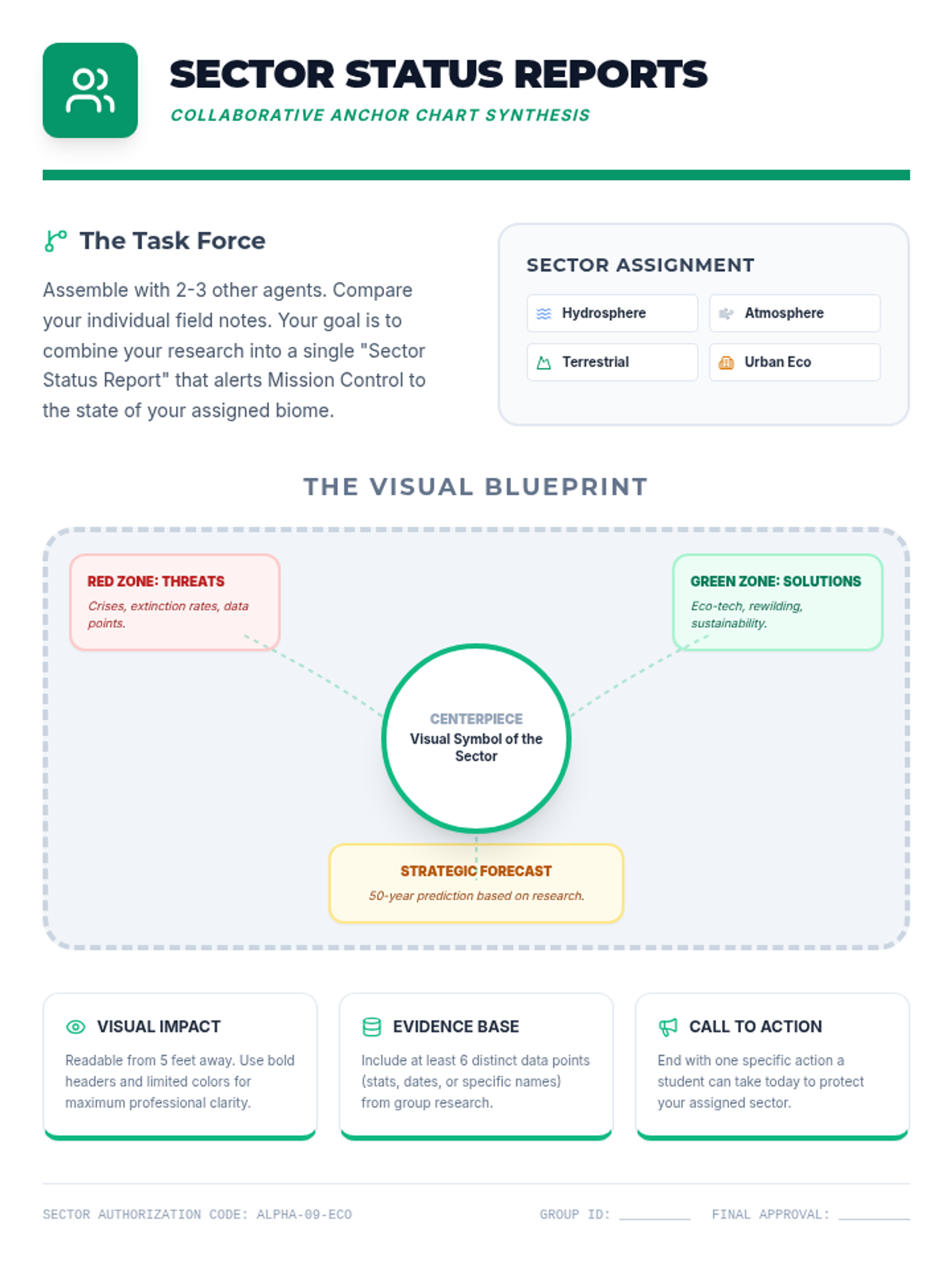
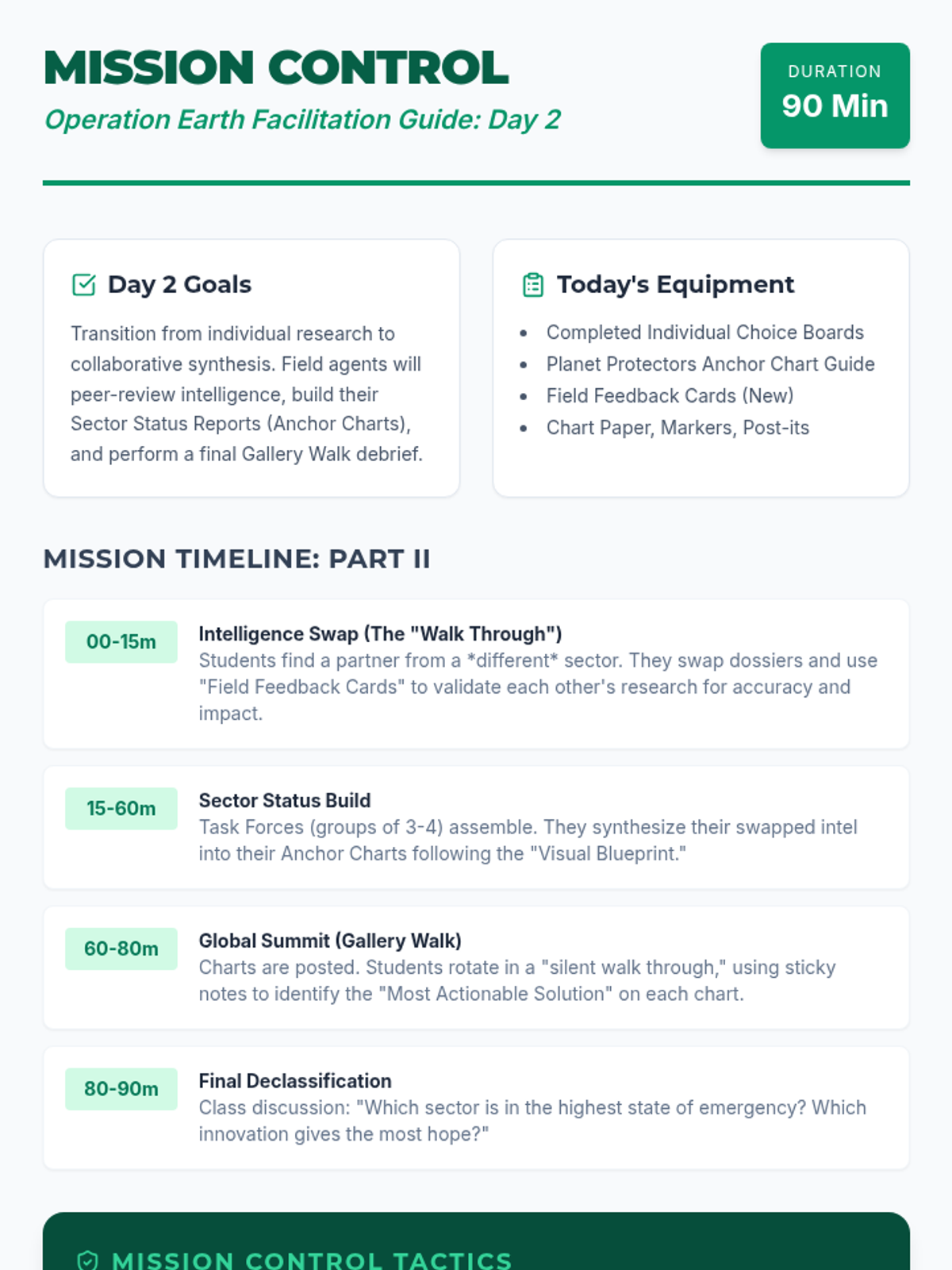
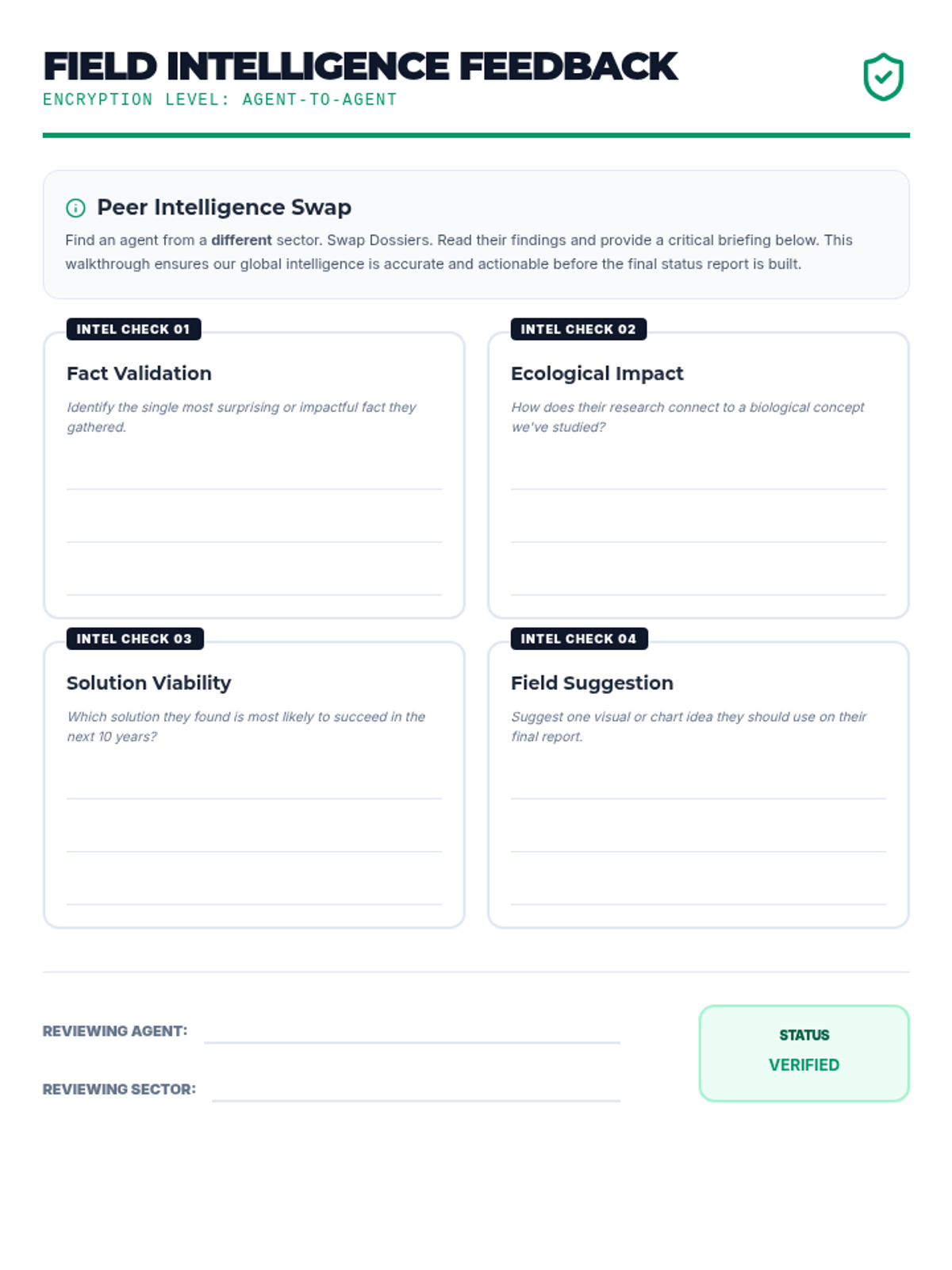
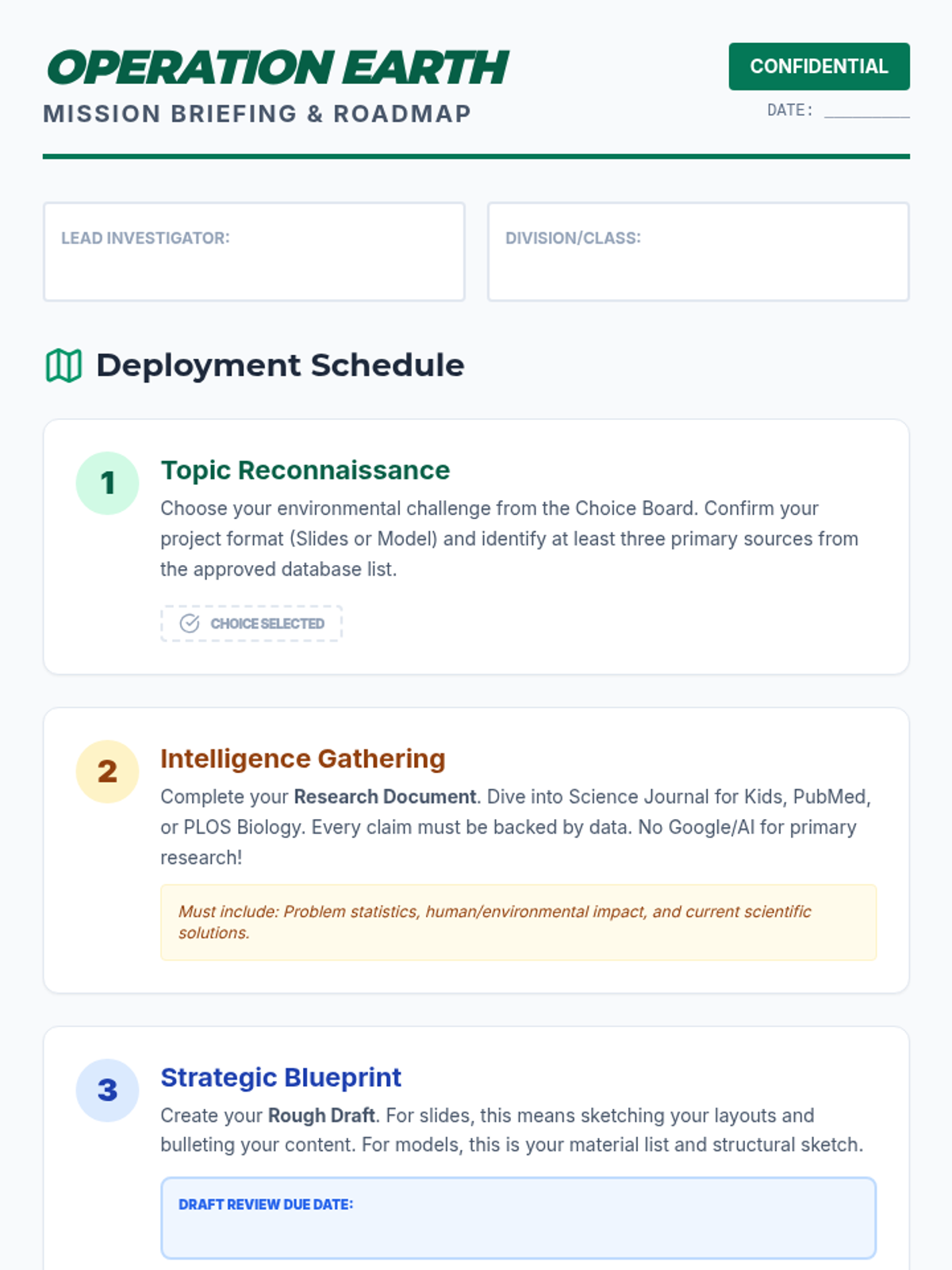
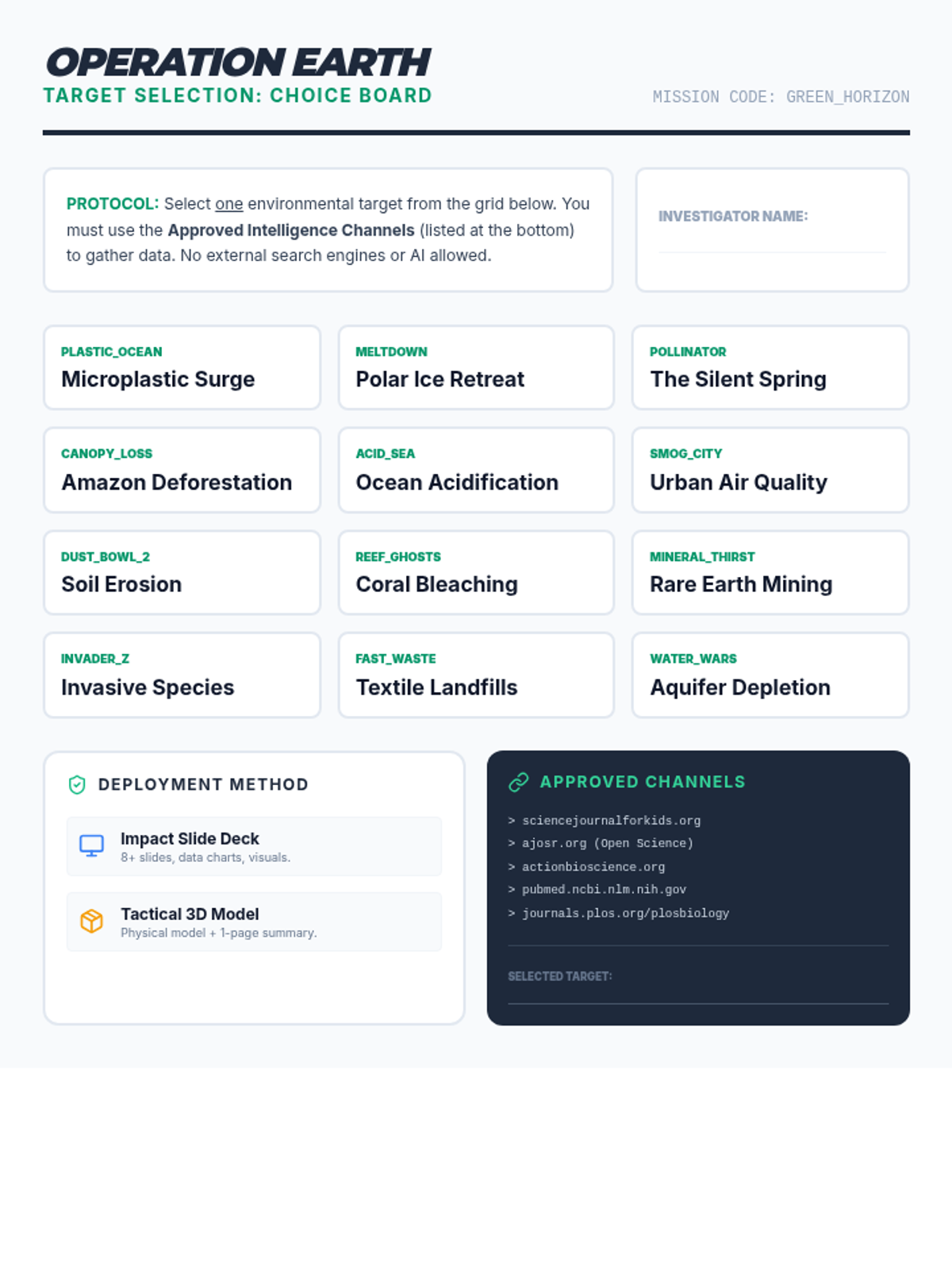
A high-engagement, post-testing biology project focusing on environmental science and ecological impact through choice-based research and collaborative synthesis.
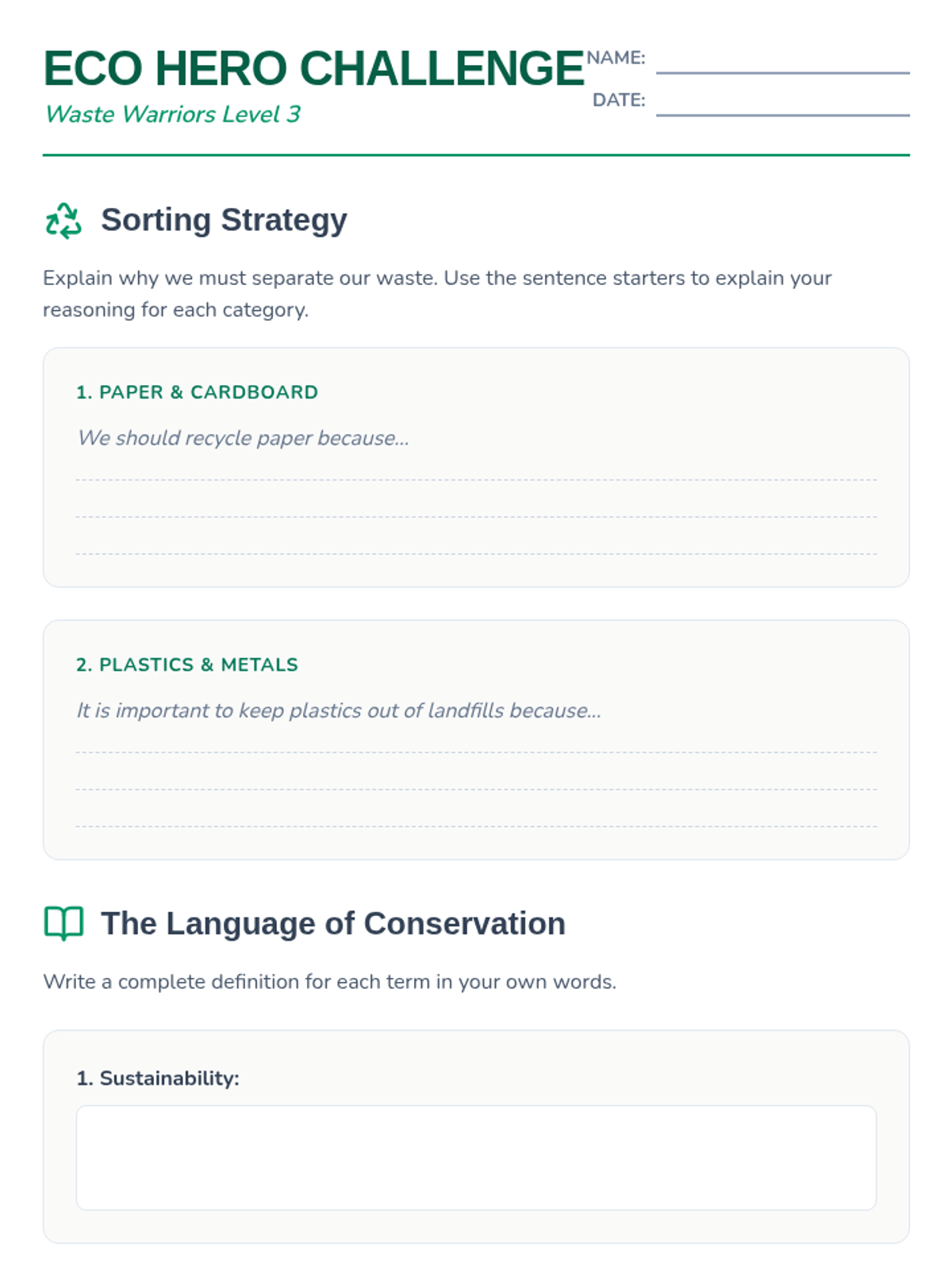
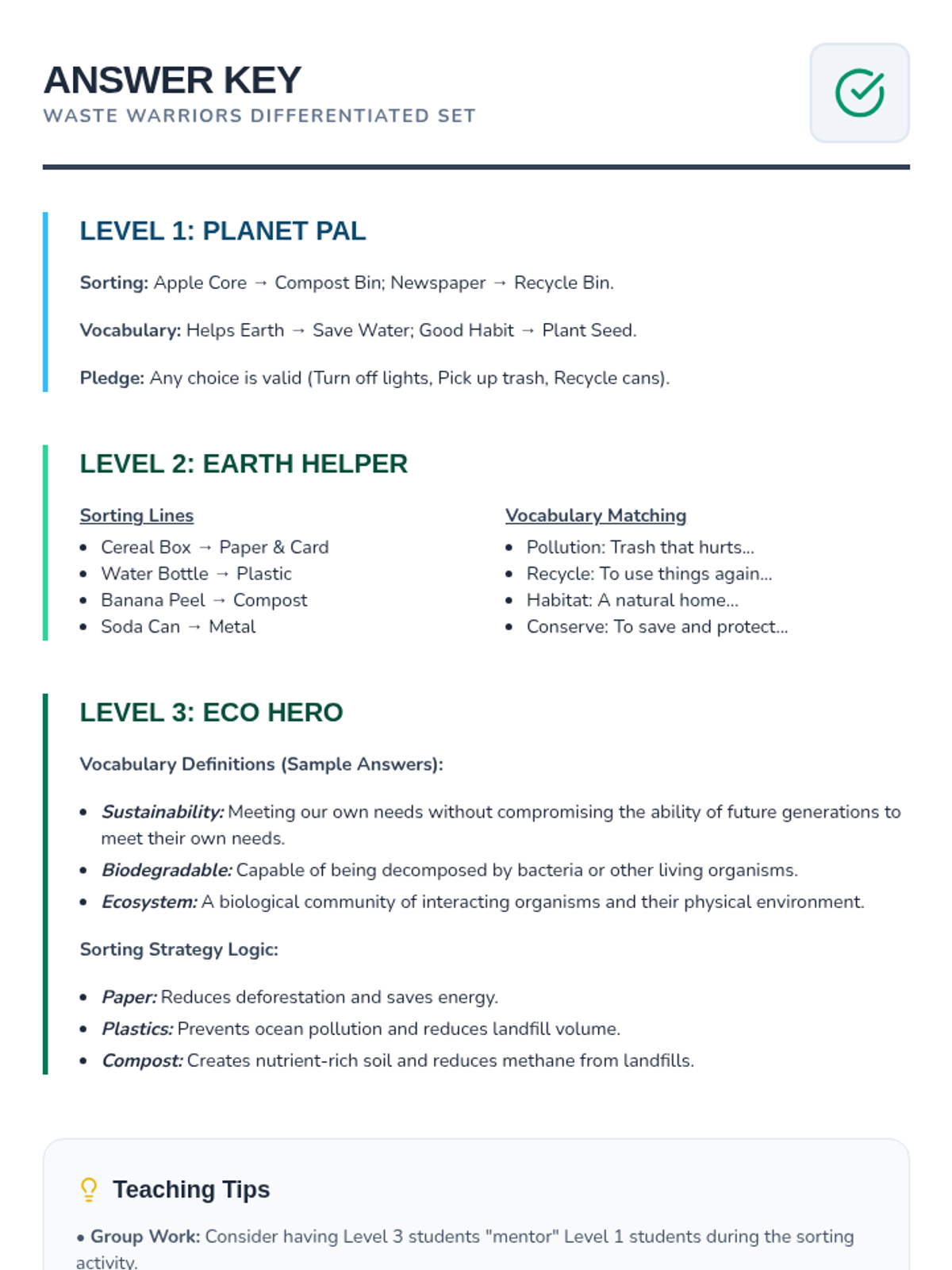
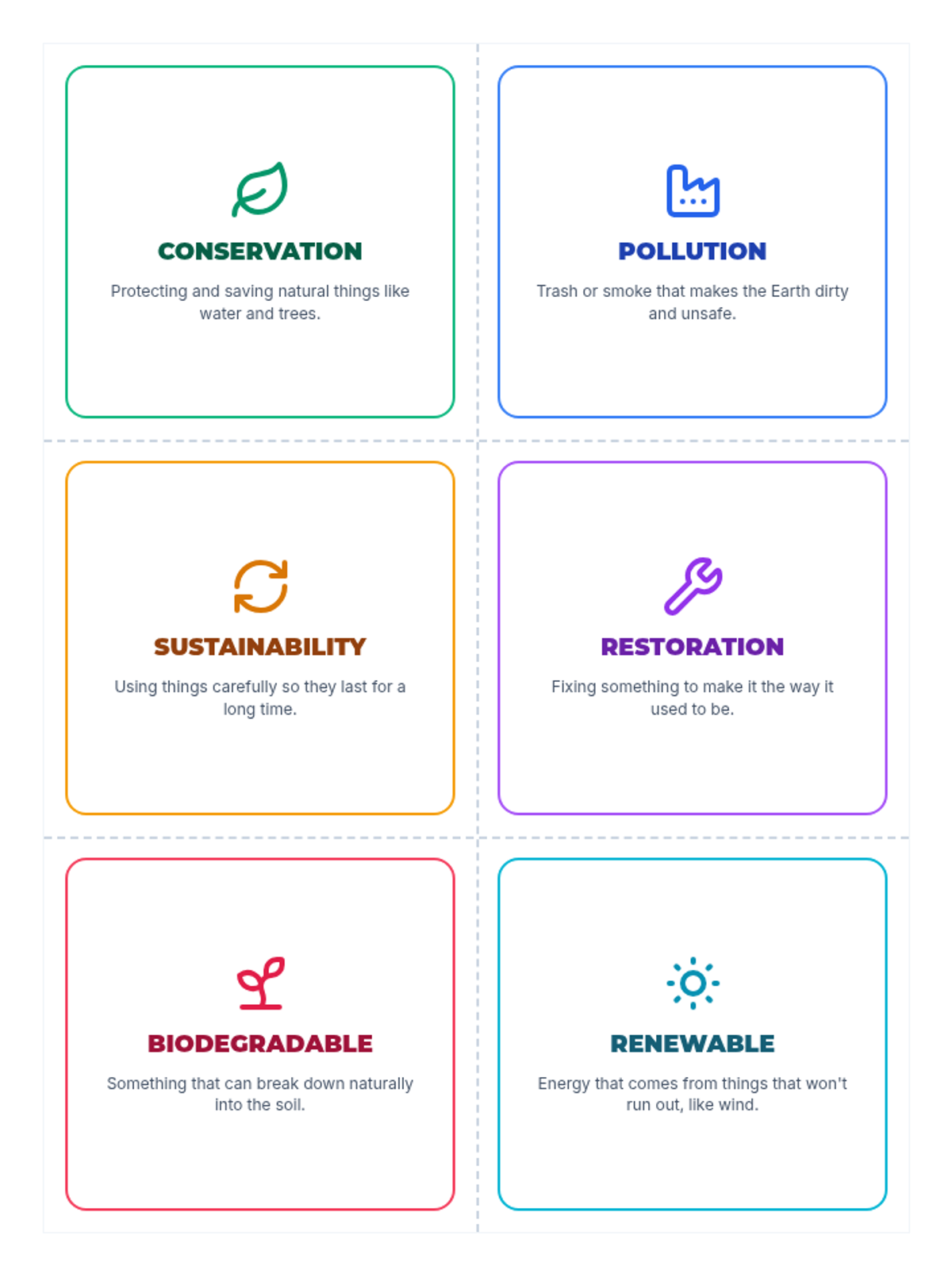
An introductory lesson on waste management and recycling where students practice sorting materials and learning key environmental vocabulary.
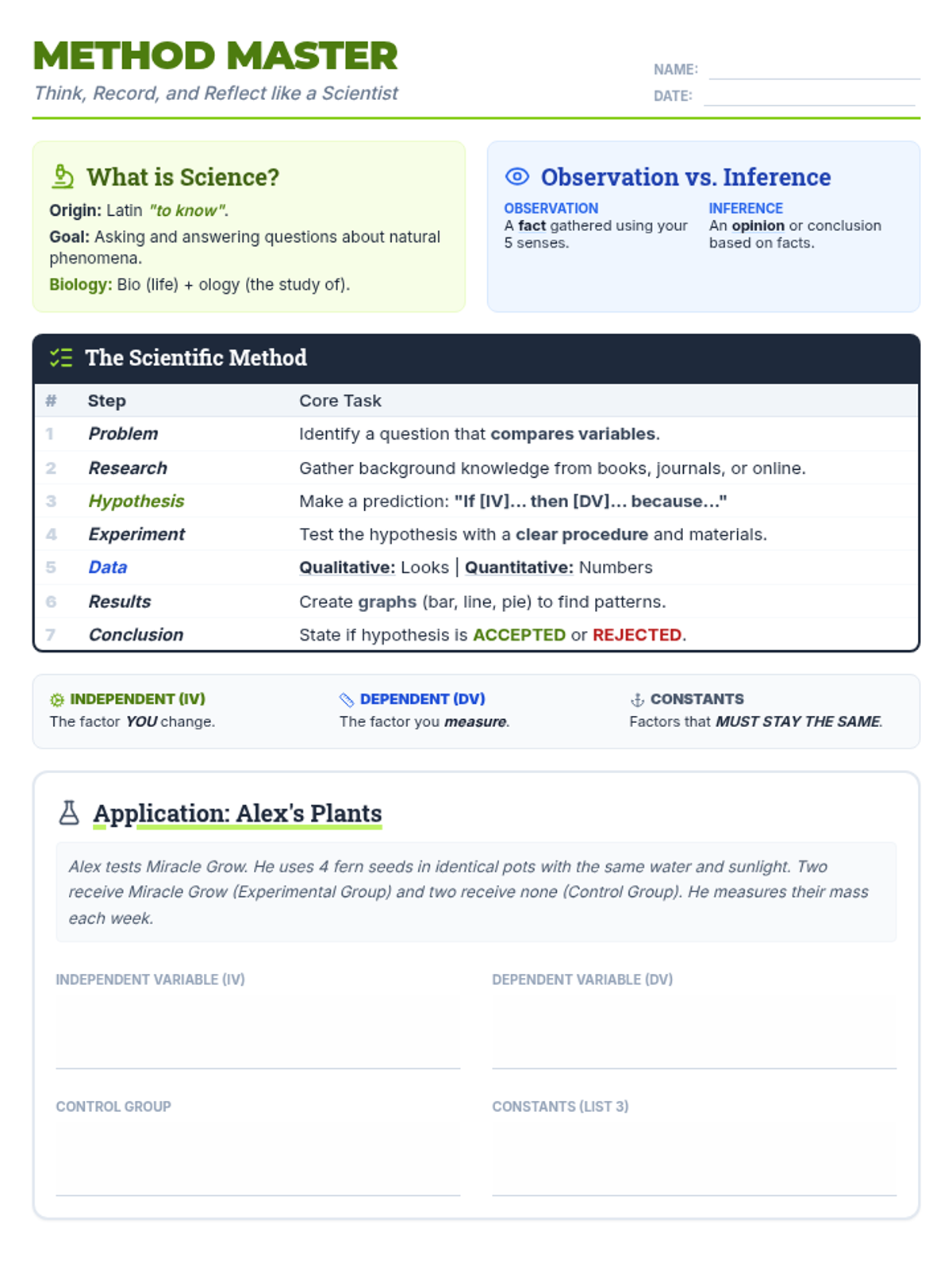
A foundational lesson on the Scientific Method, covering definitions, steps, variables, and data collection methods.
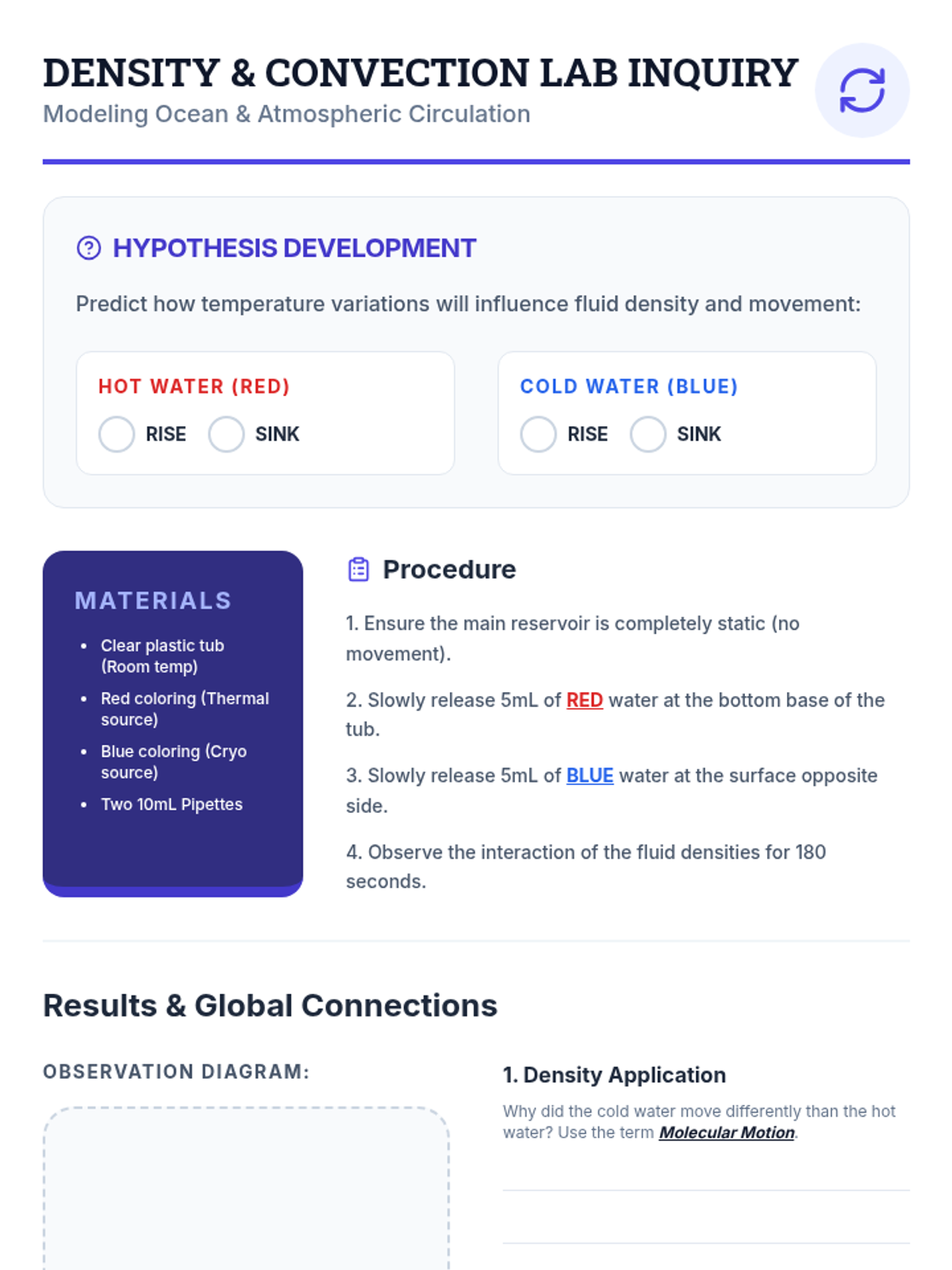
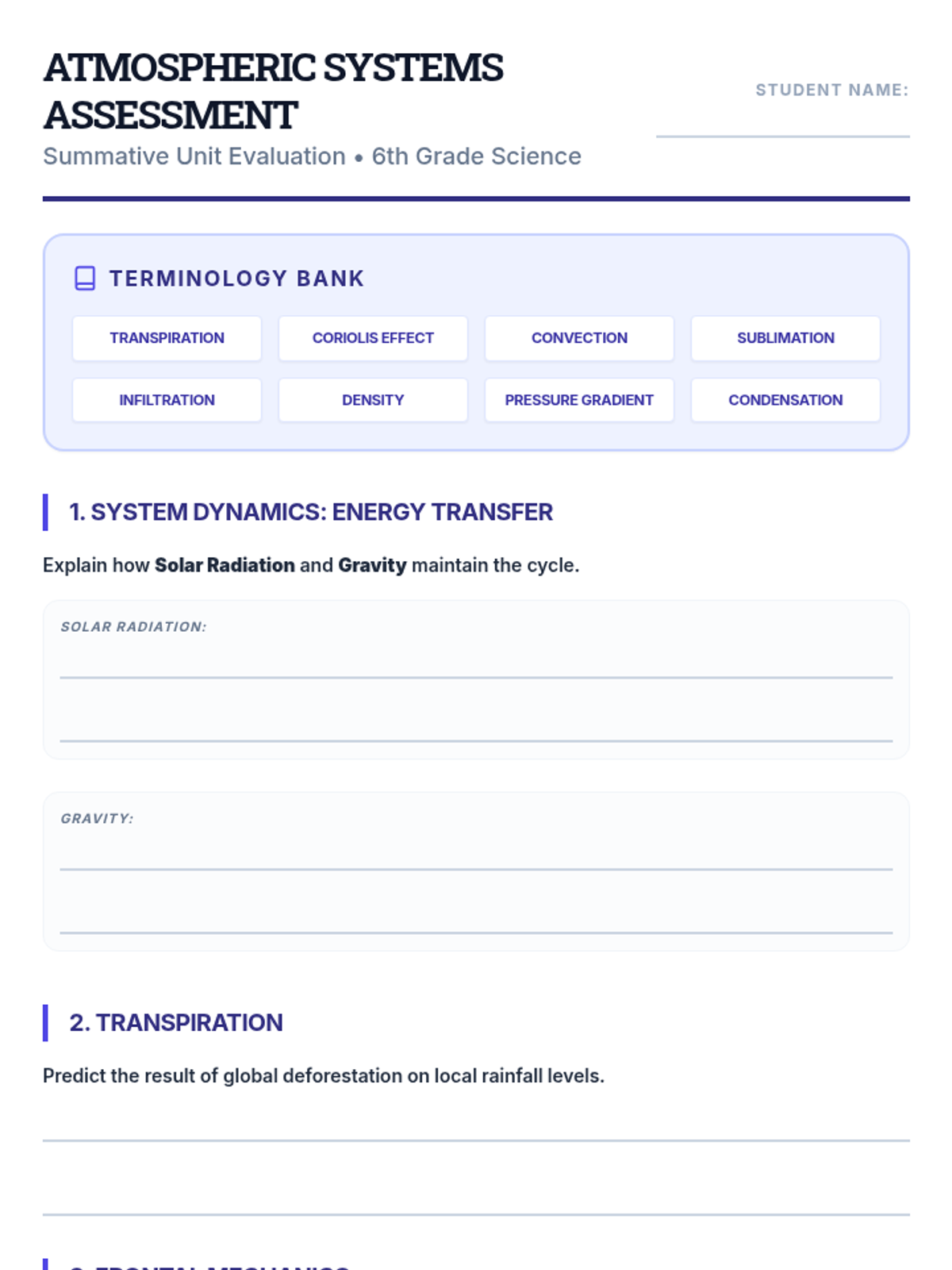
Explores global circulation patterns in the atmosphere and oceans driven by unequal heating and Earth's rotation, culminating in a modified unit assessment.
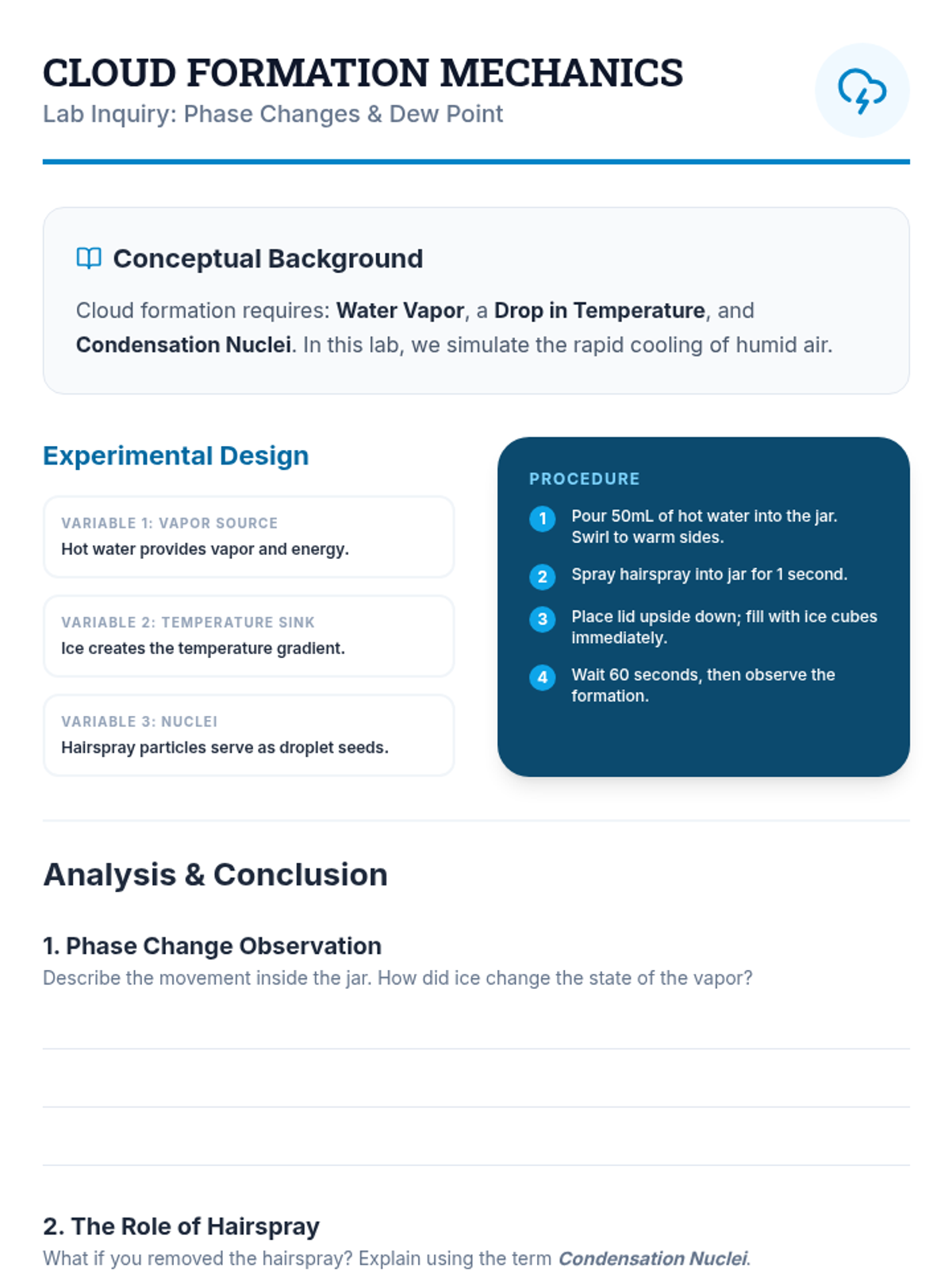
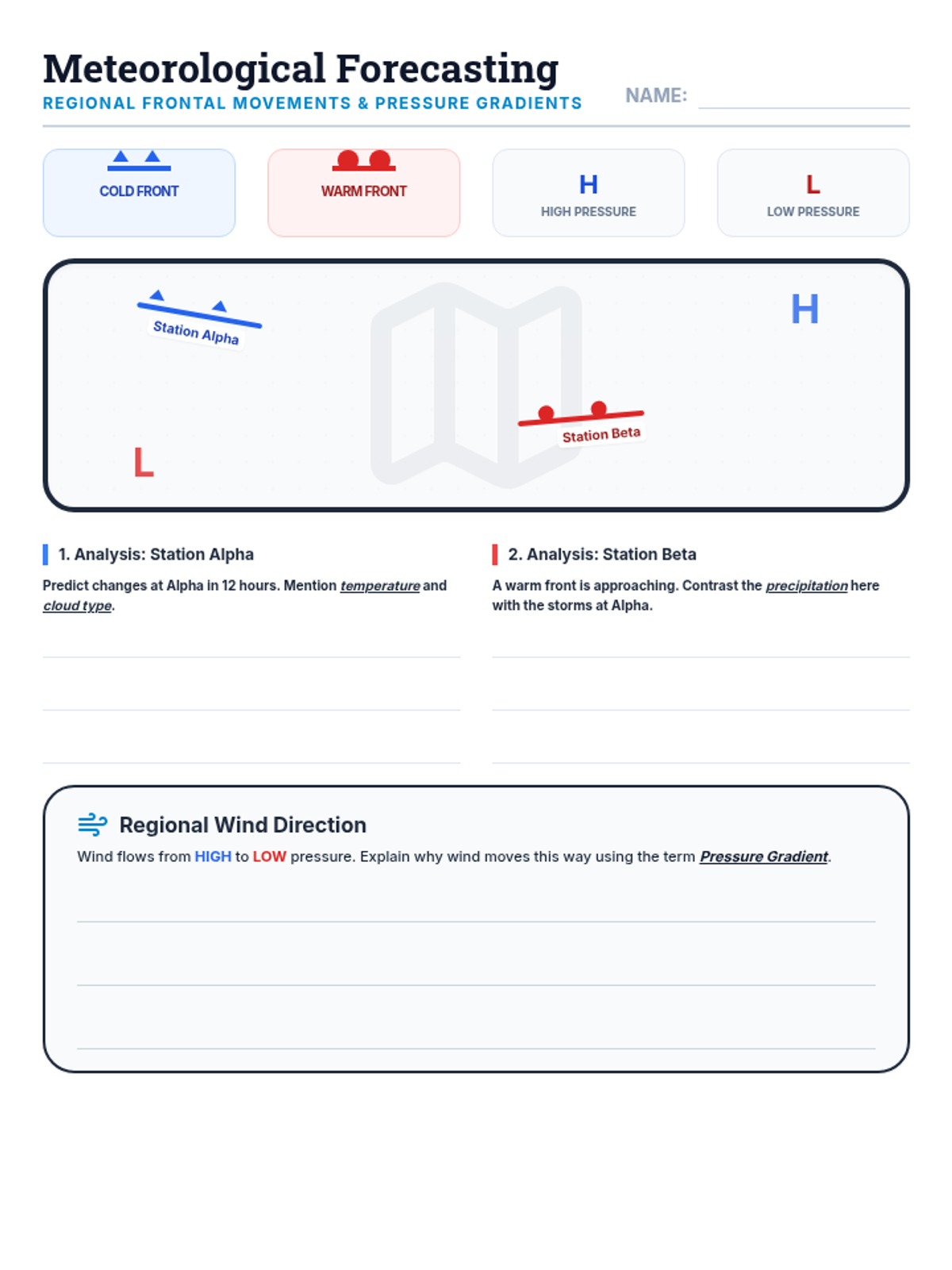
Focuses on how air masses and pressure changes create weather patterns, featuring hands-on observation of cloud formation.
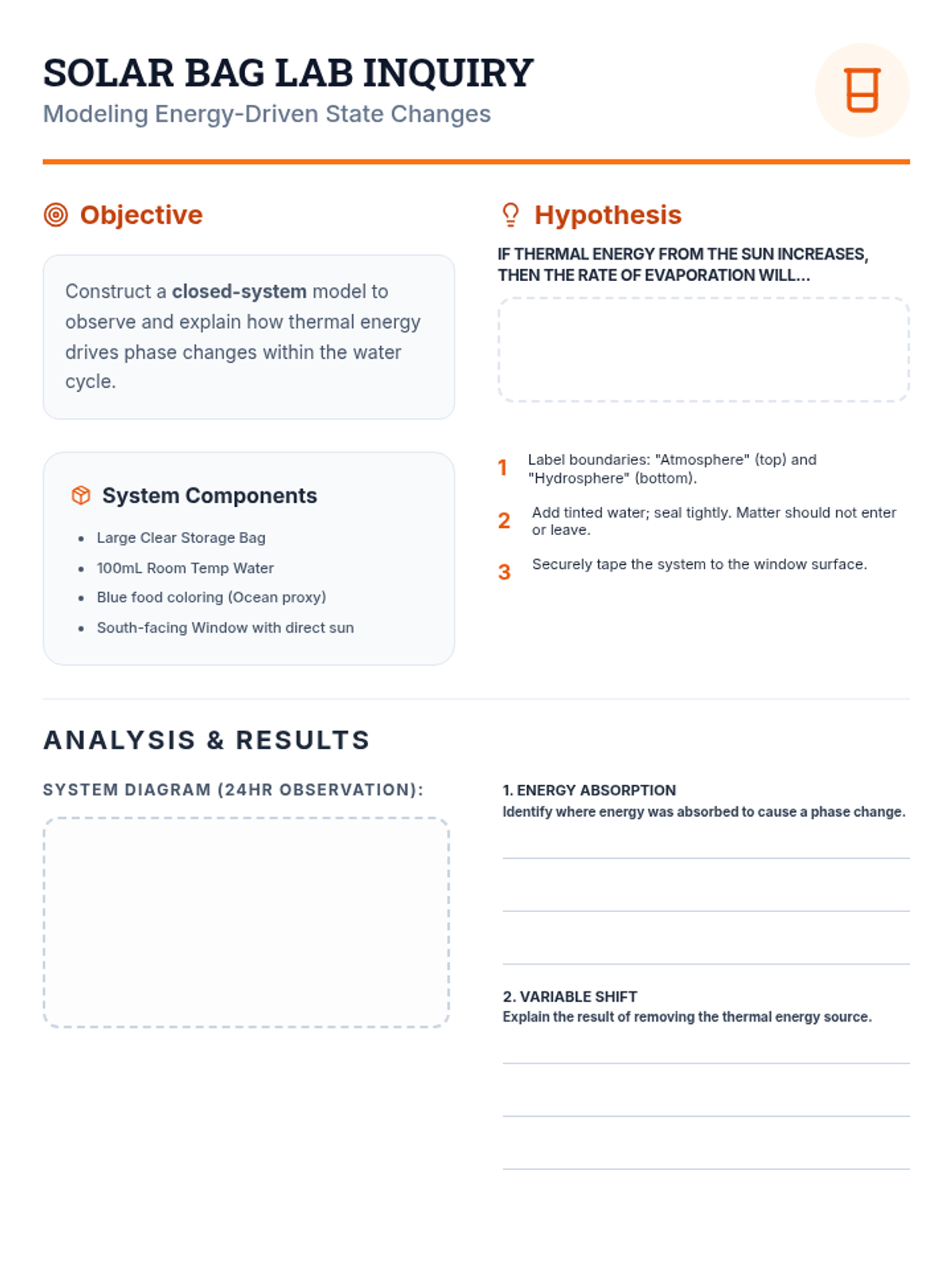
Students explore how the sun's energy and gravity drive the movement of water through the Earth's systems using a field-journal style approach.
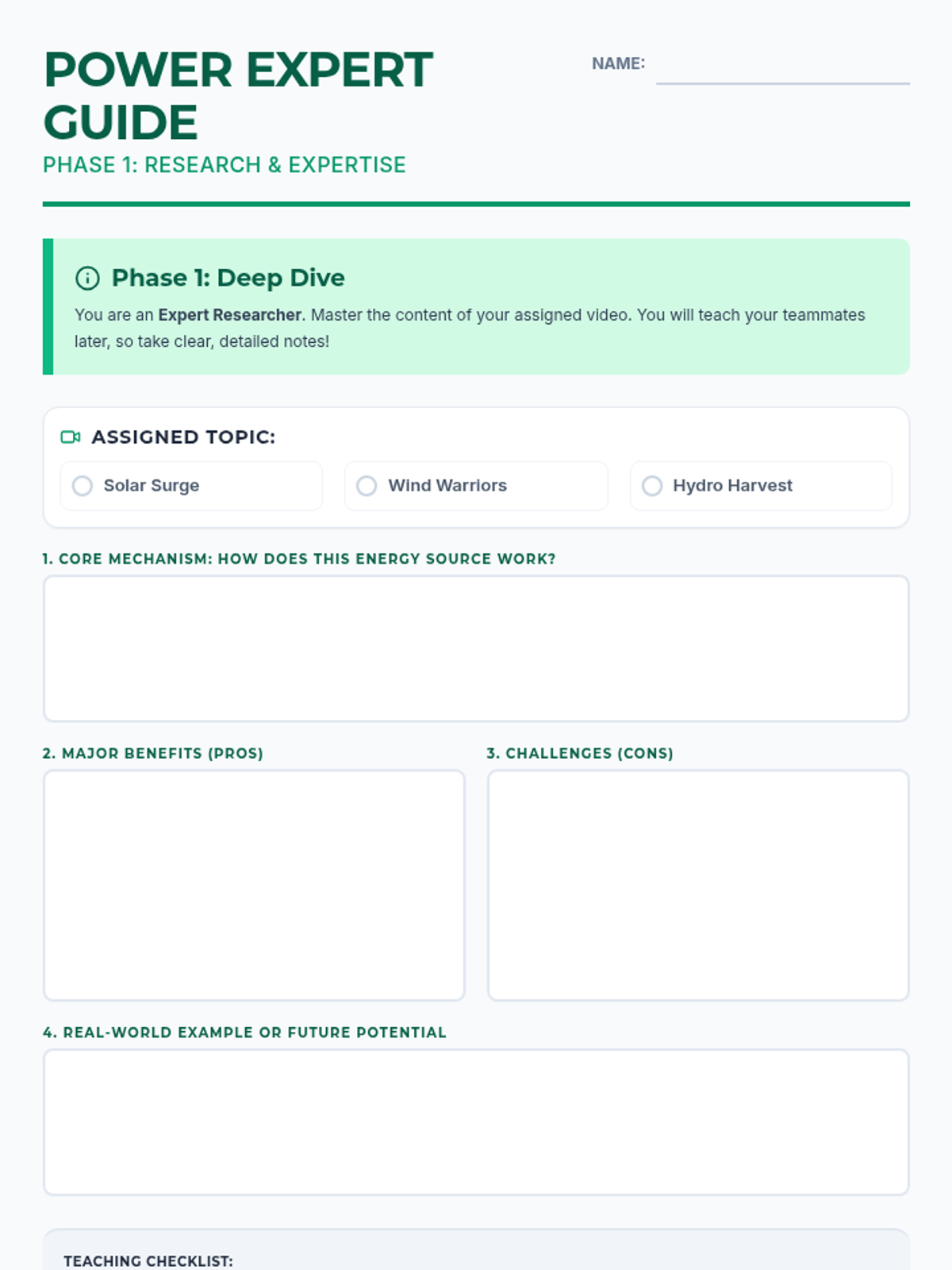
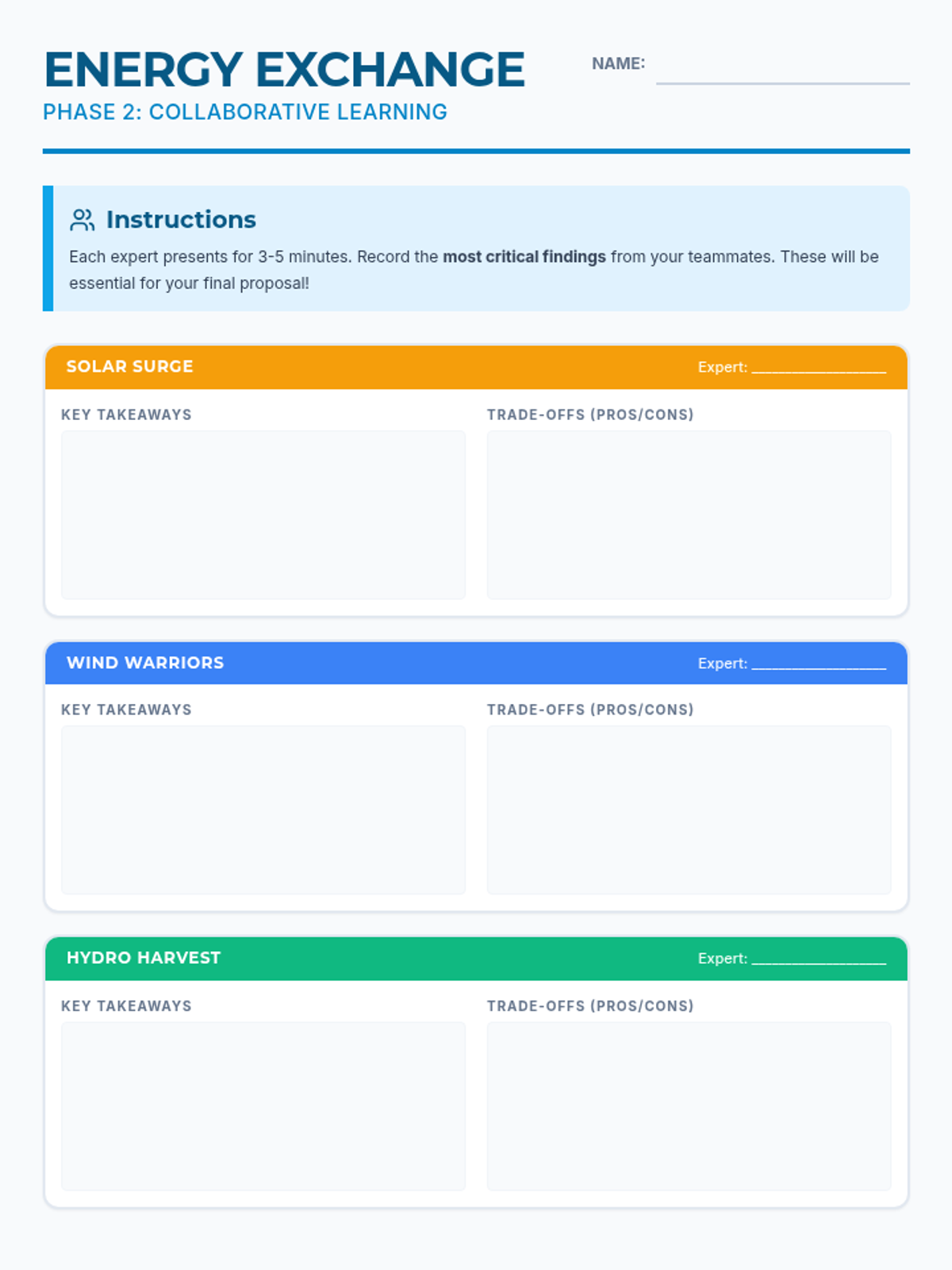
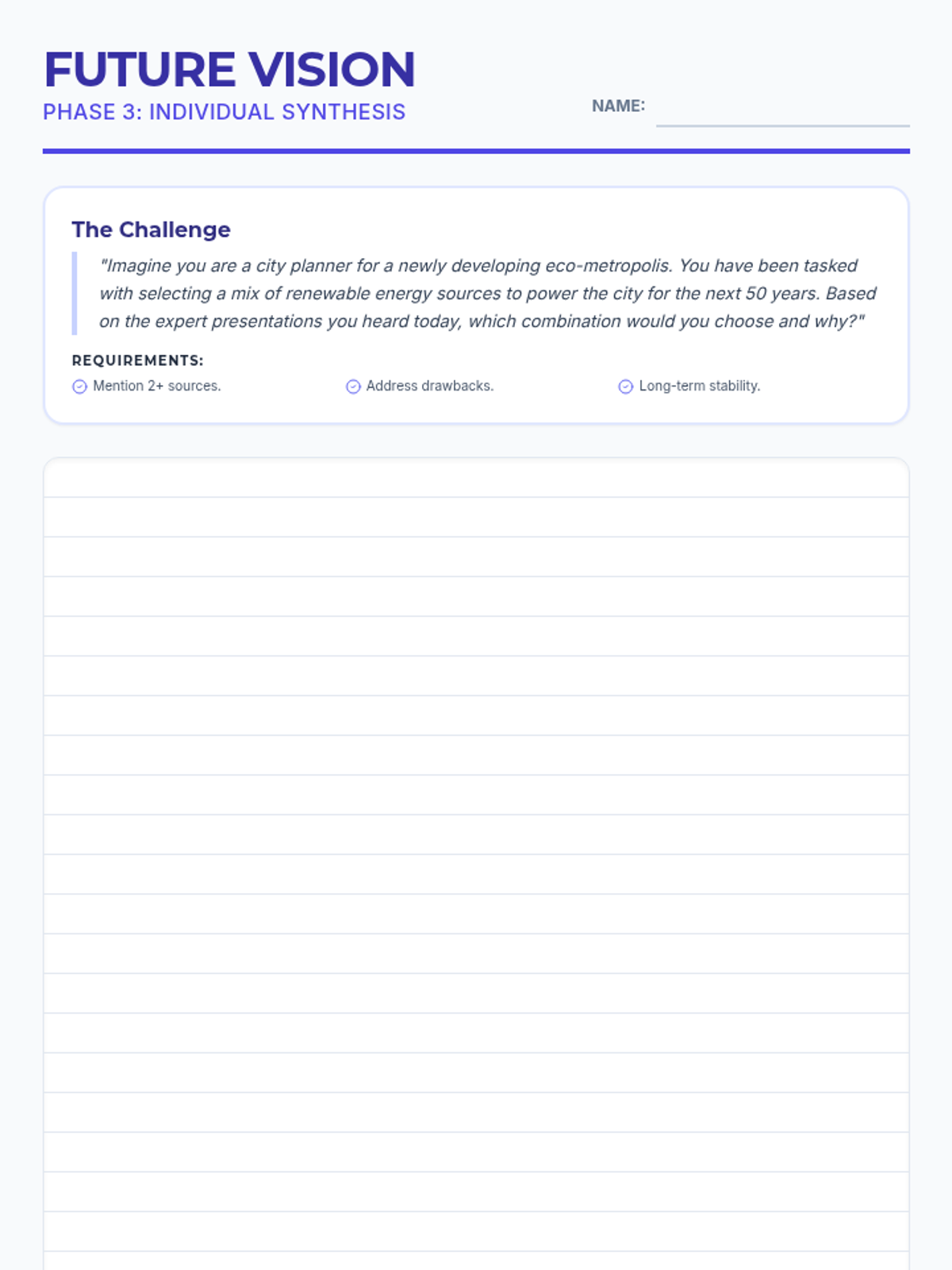
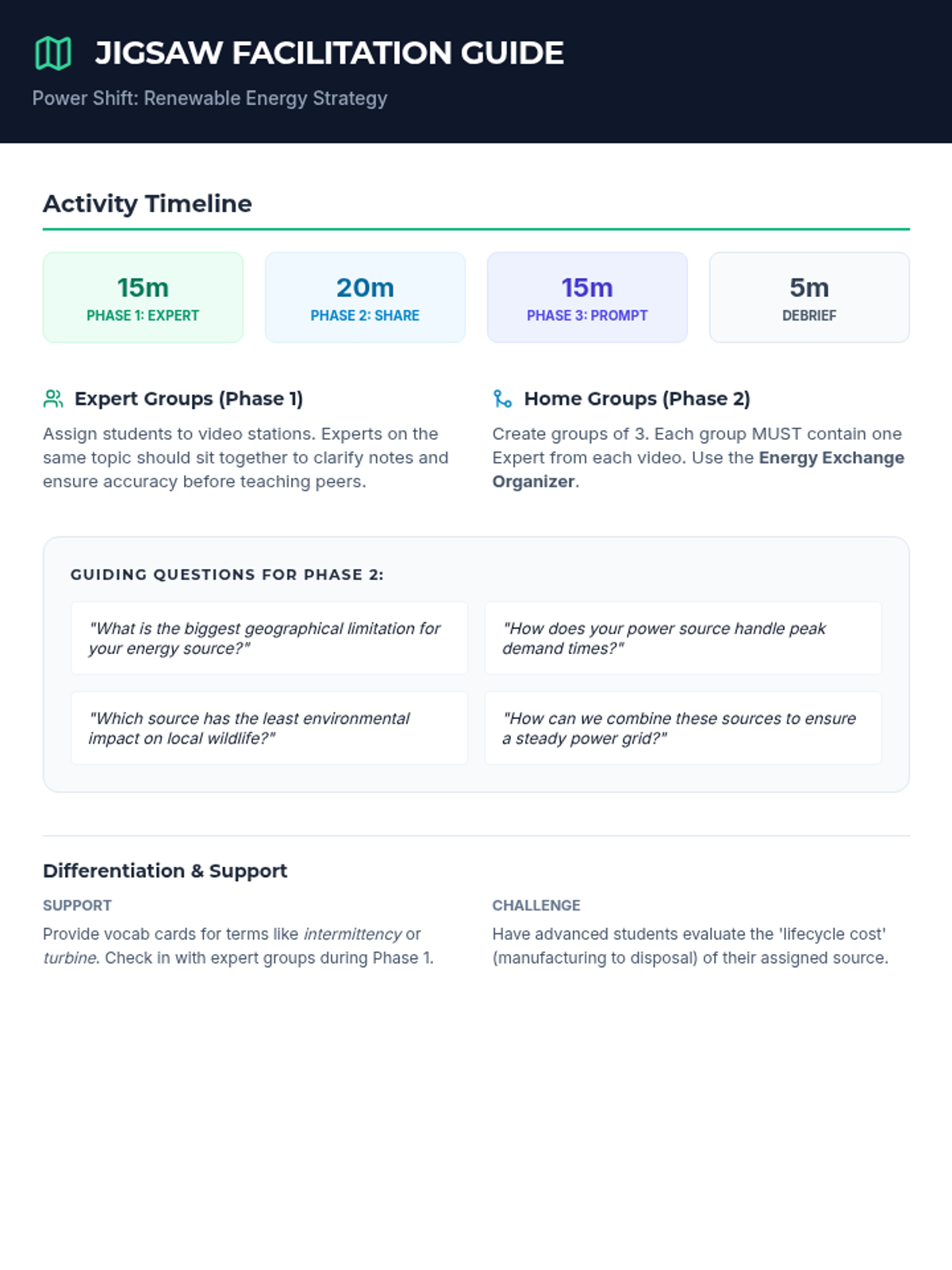
A collaborative jigsaw activity where students become experts on different renewable energy sources before teaching their peers and synthesising their knowledge.
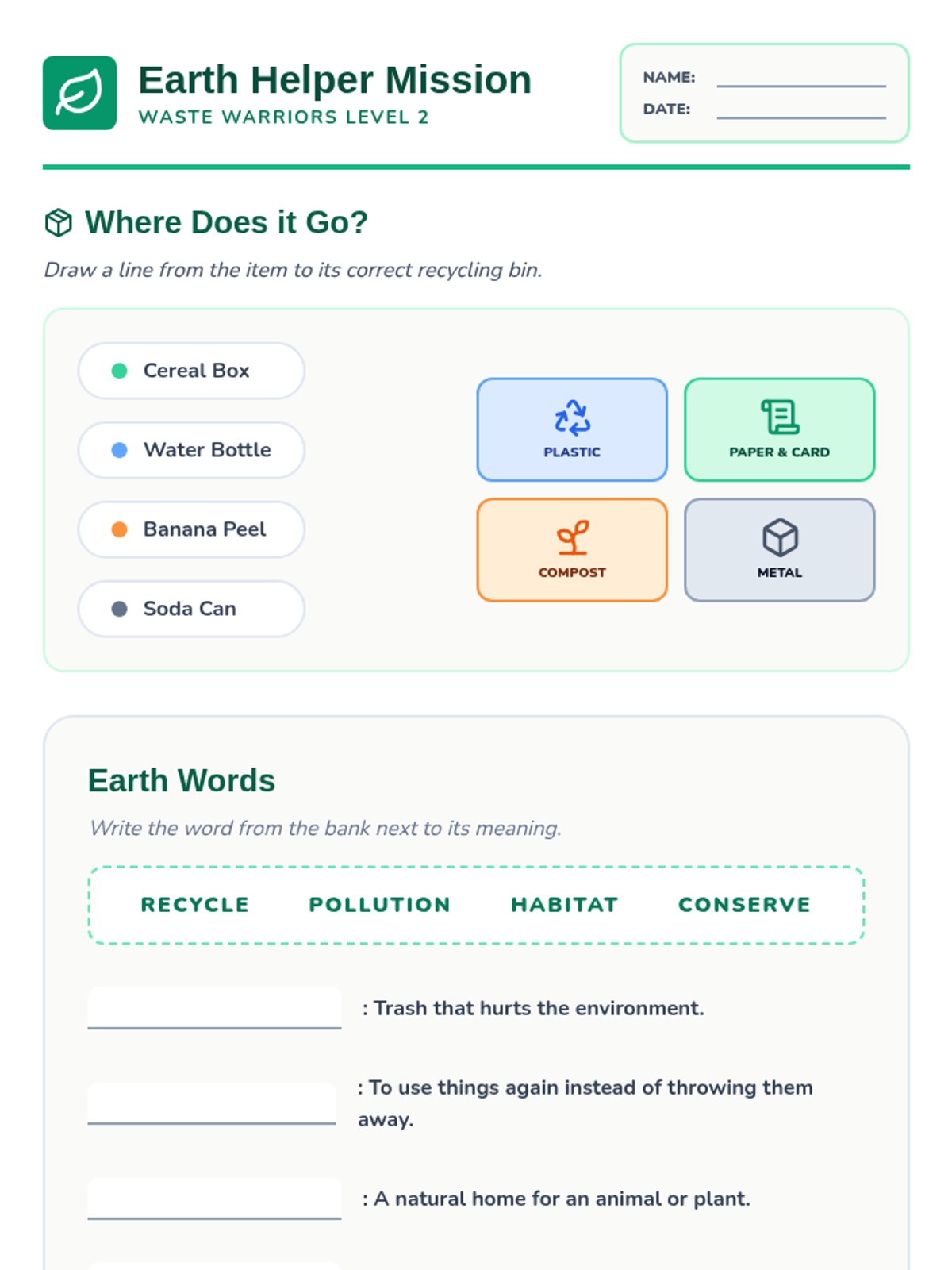
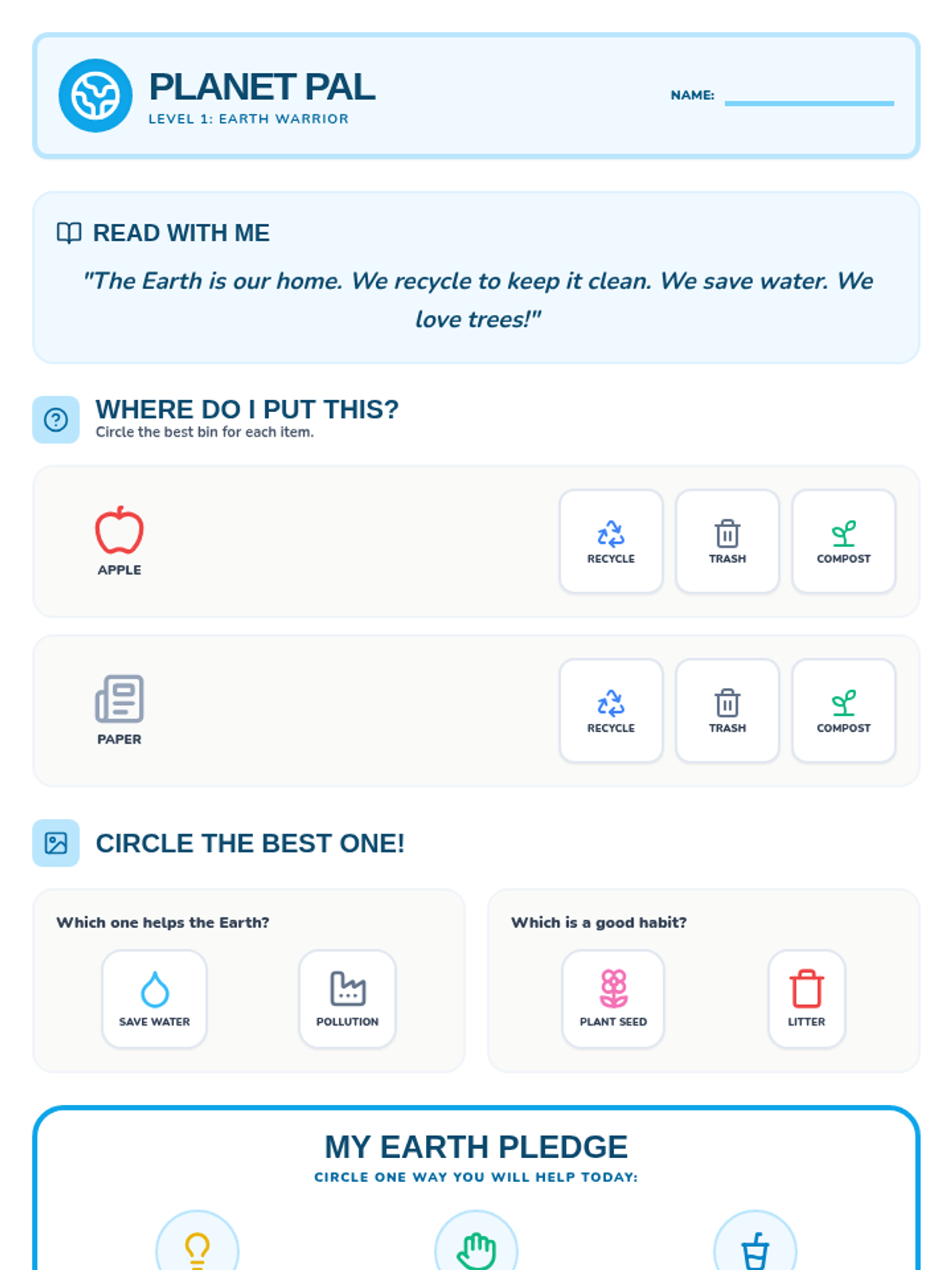
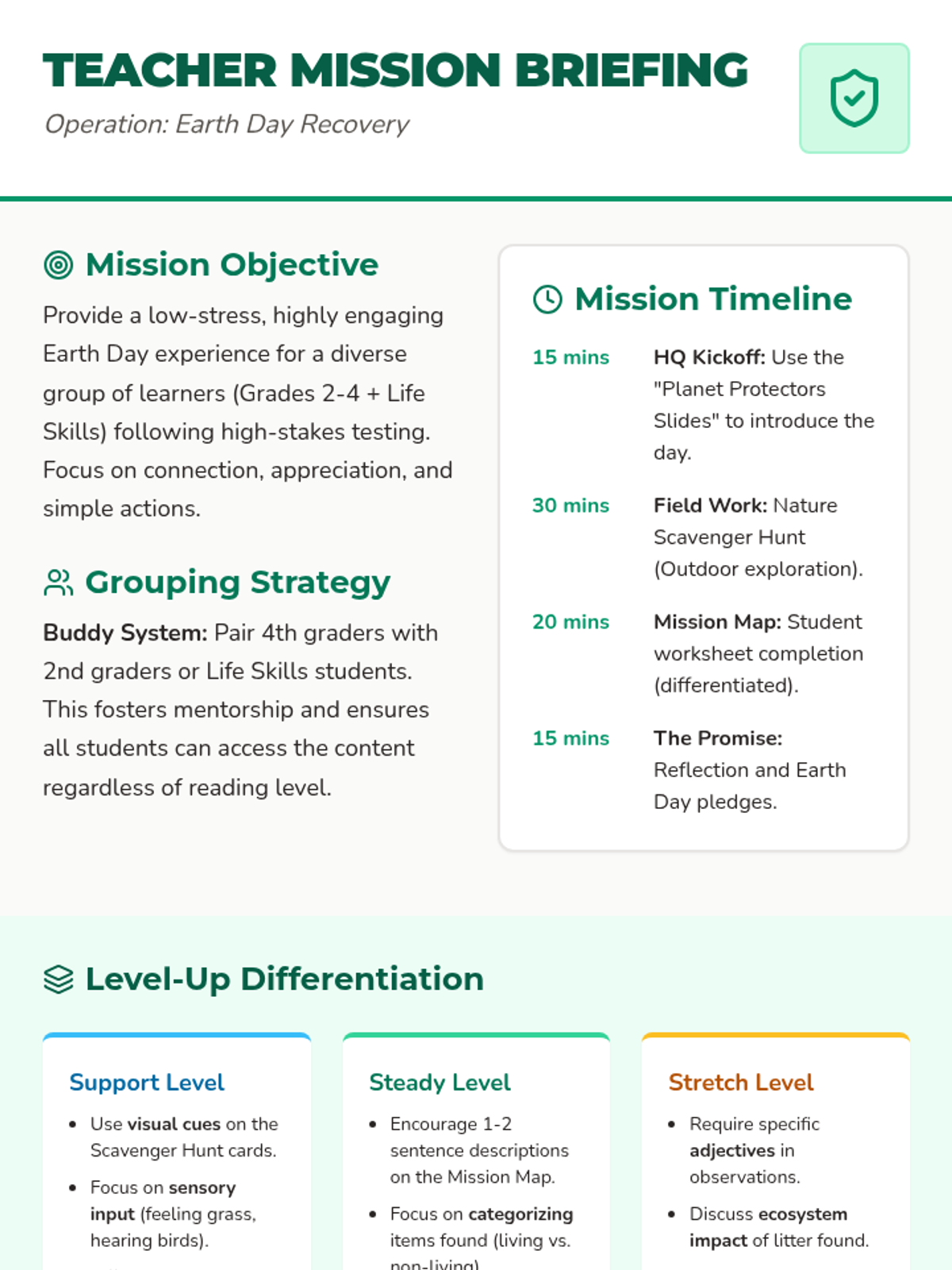
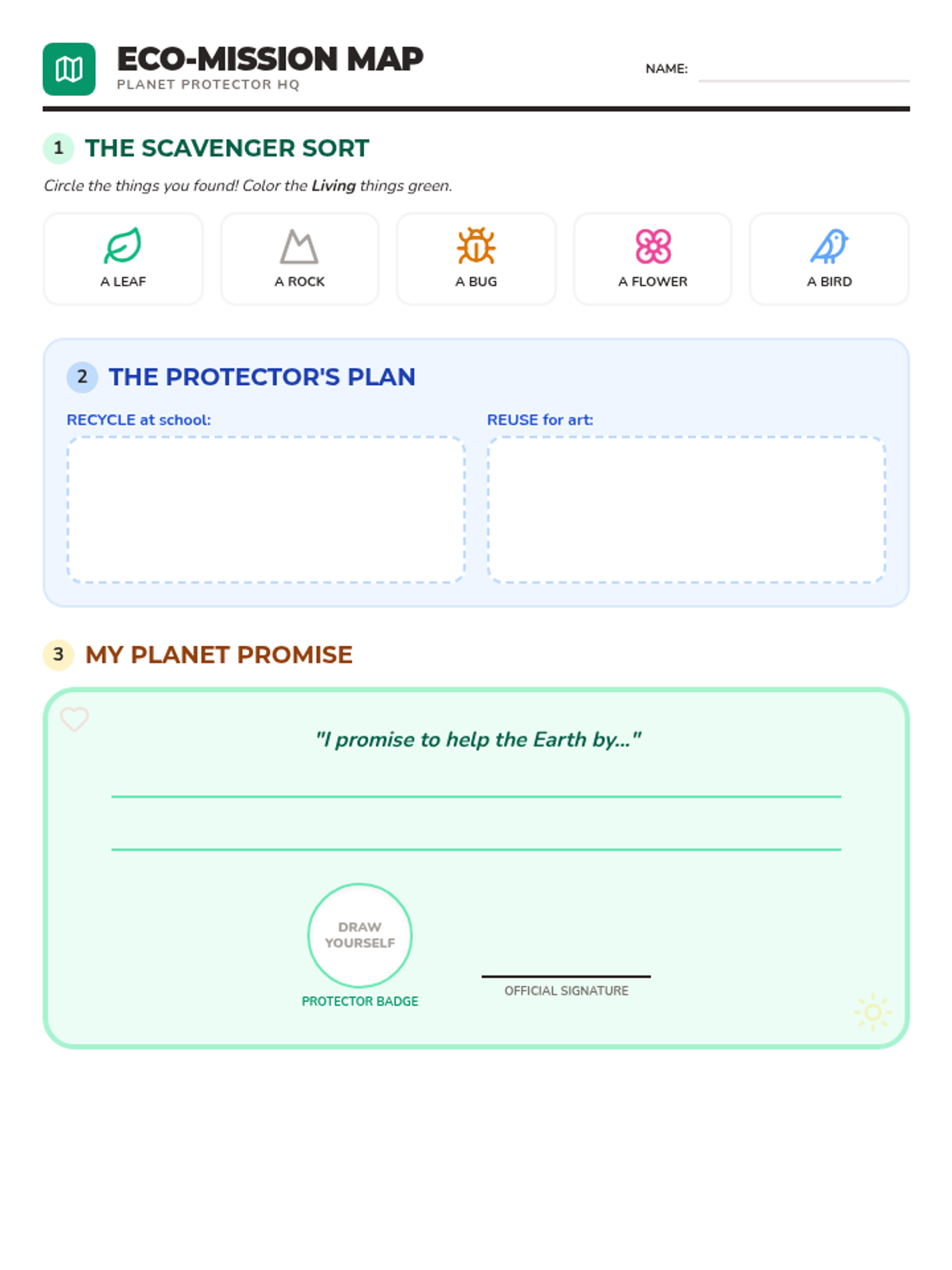
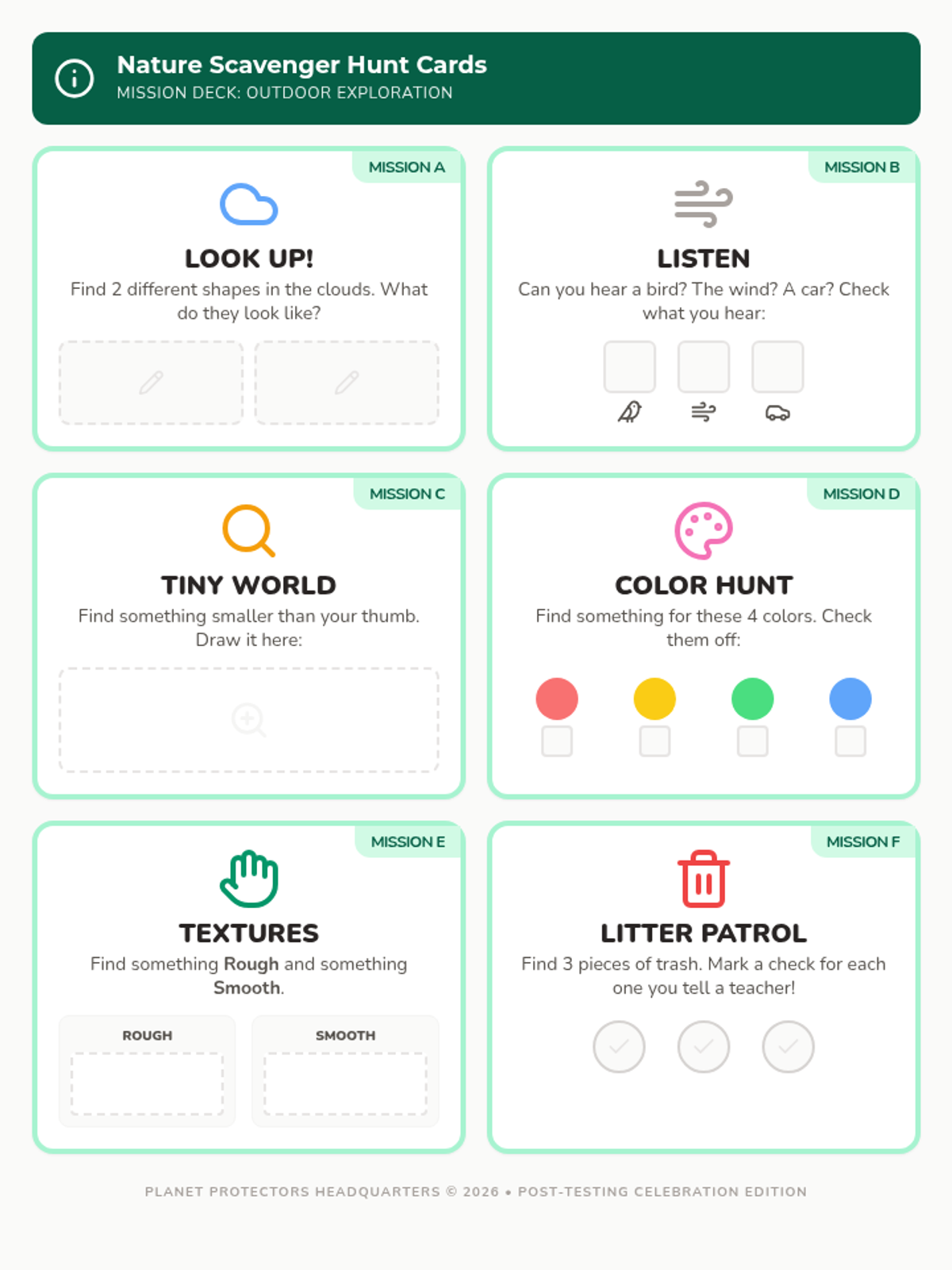
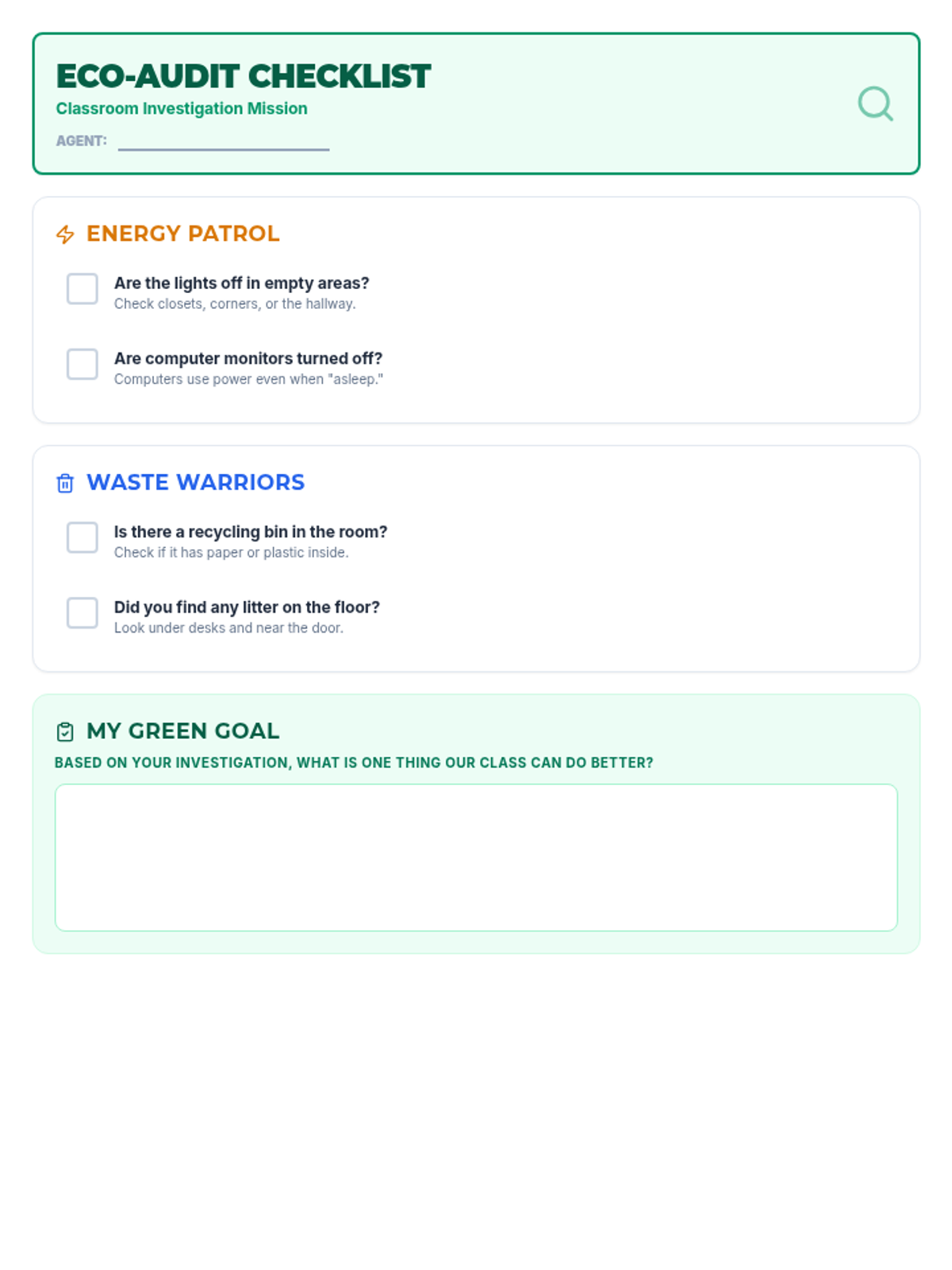
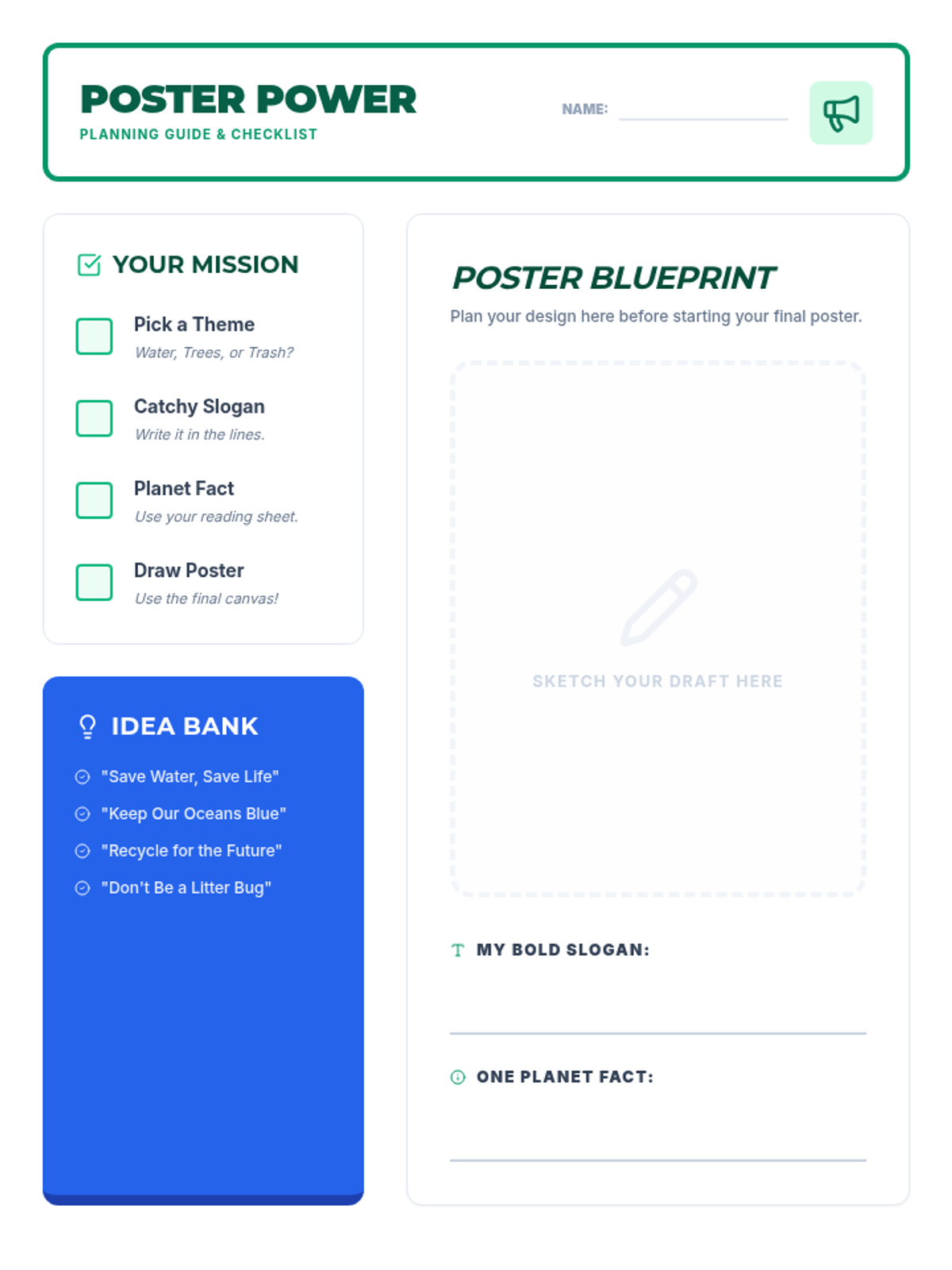
A fun, differentiated Earth Day celebration for 2nd-4th graders and life skills students, featuring hands-on missions to protect the planet after a week of testing.
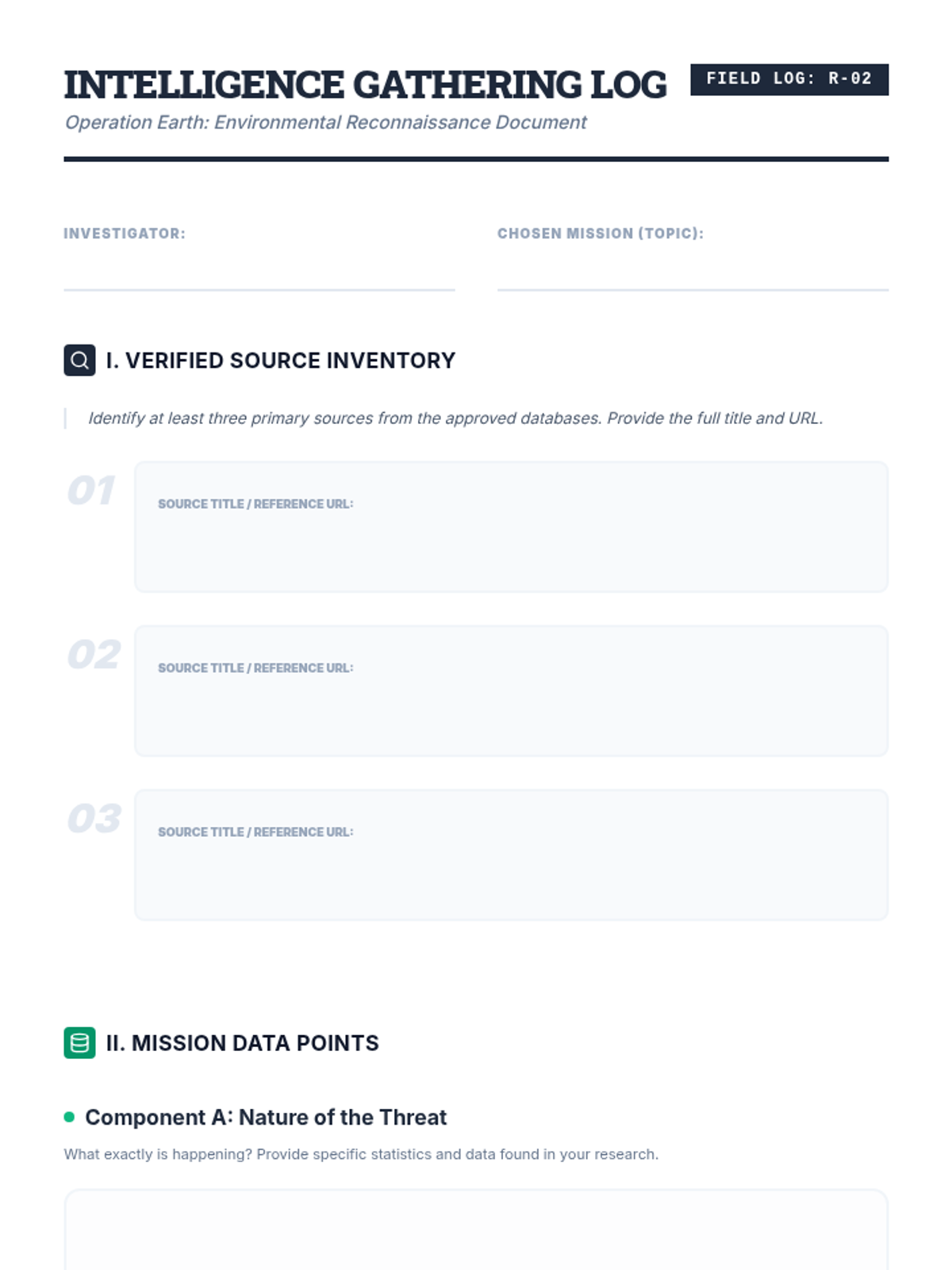
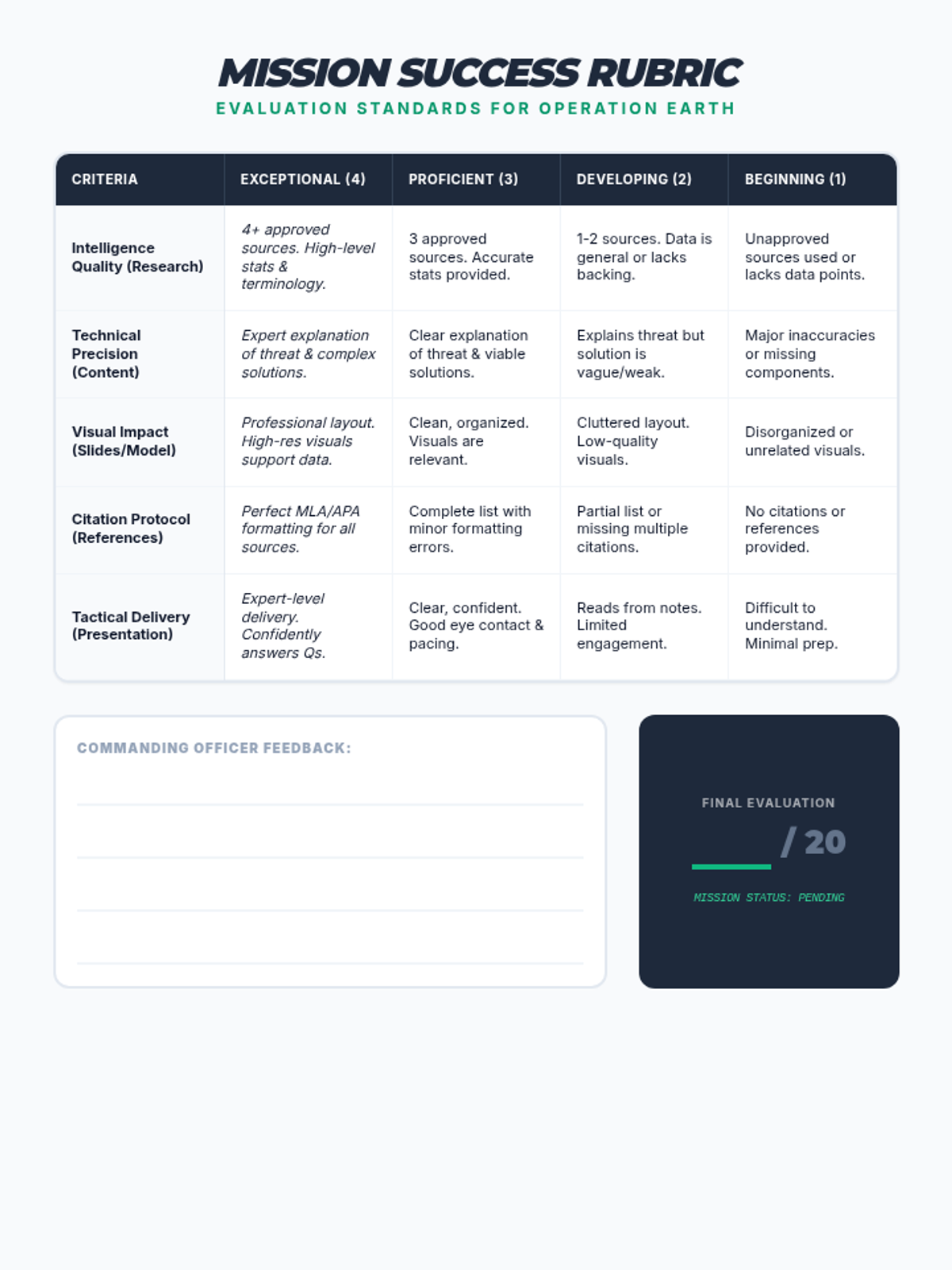
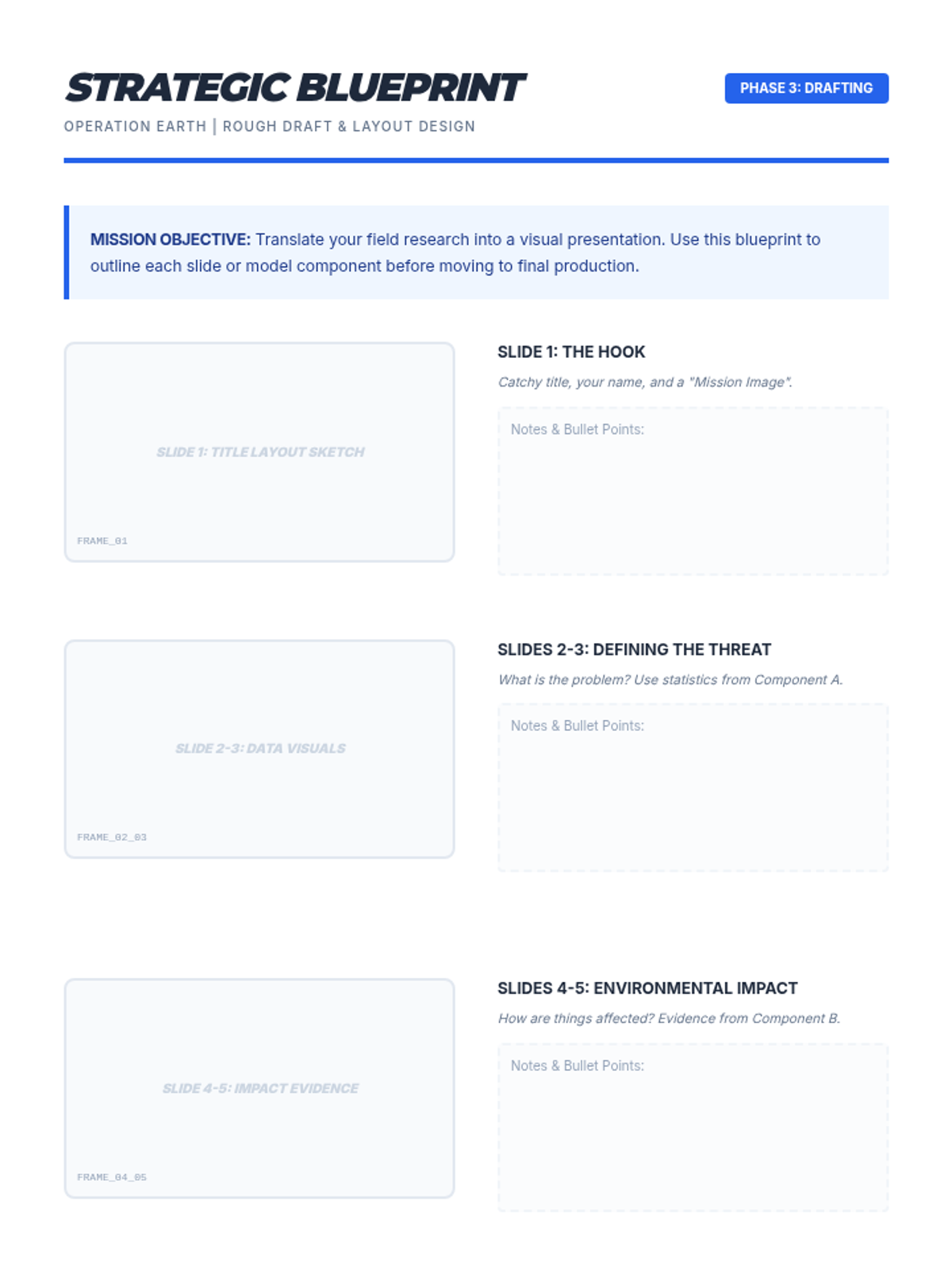
A comprehensive environmental science project broken into manageable phases, from research to final presentation. Students investigate global environmental challenges and propose solutions through a 'mission-based' framework.
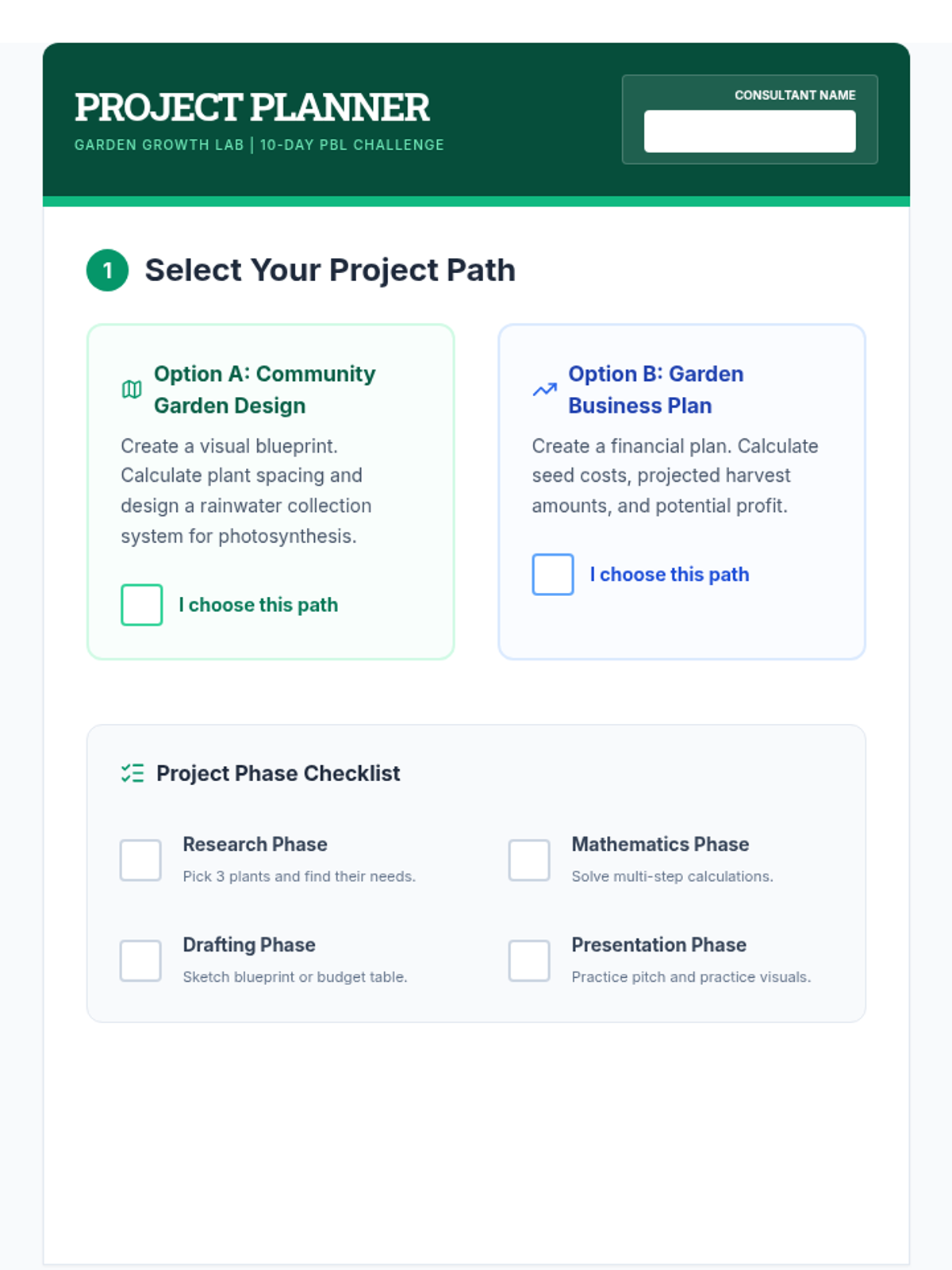
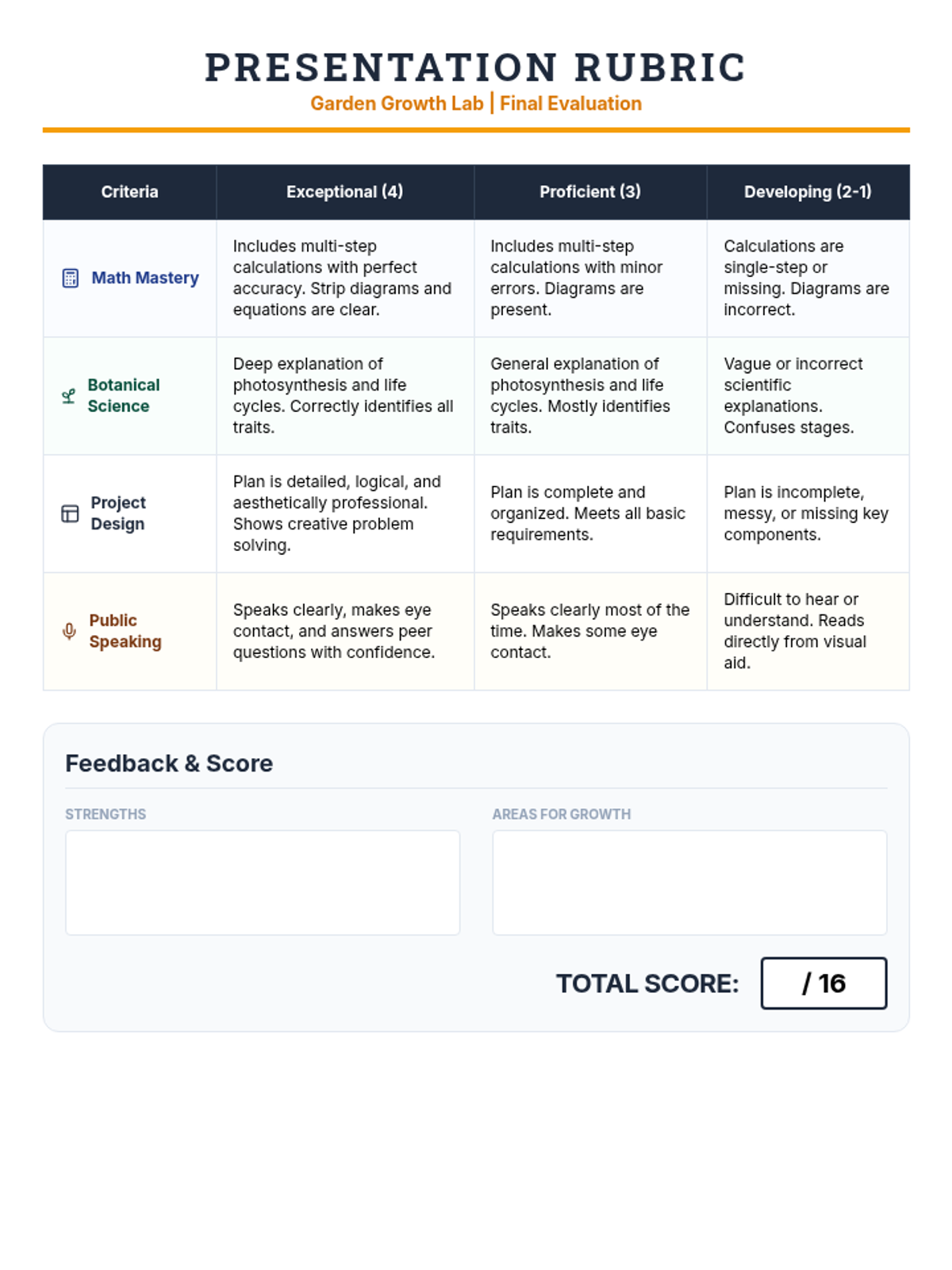
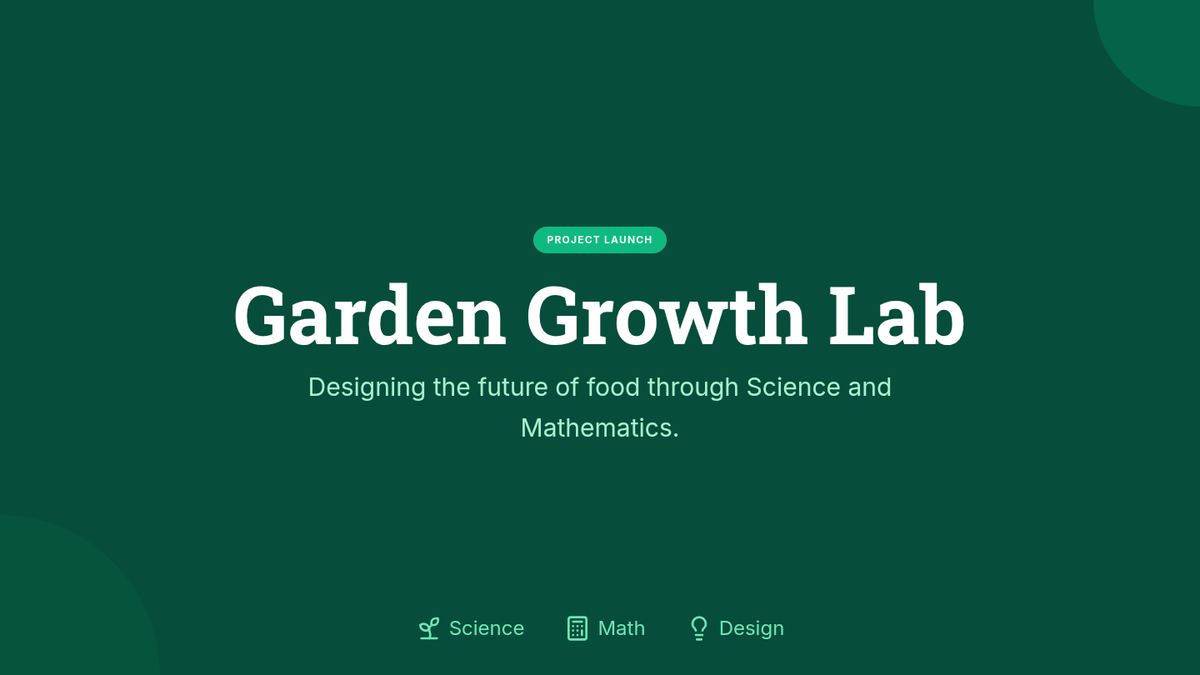
Students apply their scientific and mathematical knowledge to create either a Community Garden Design or a Garden Business Plan, culminating in a formal presentation.
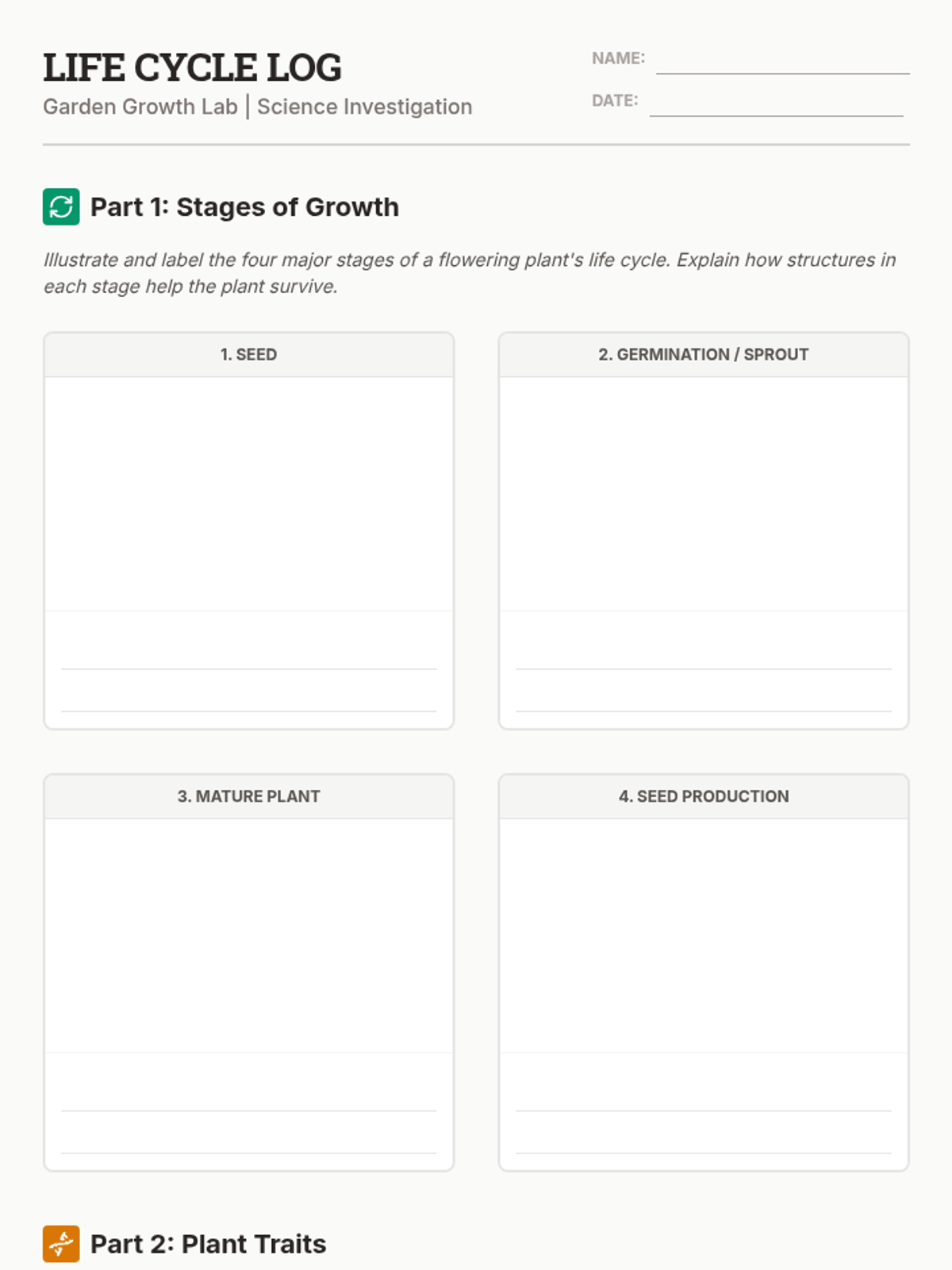
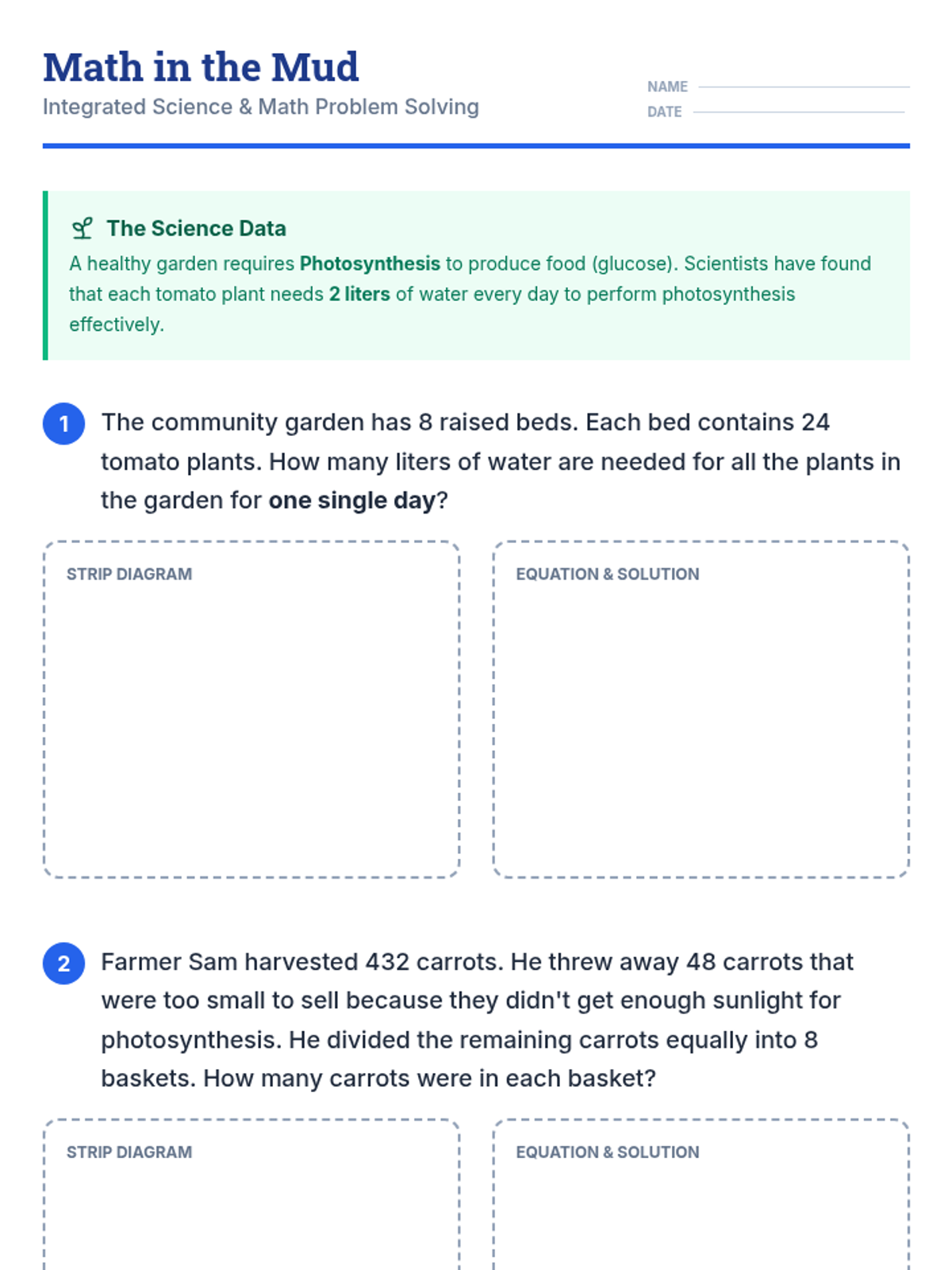
Students explore plant life cycles and photosynthesis while practicing multi-step multiplication and division problems related to gardening logistics and plant needs.
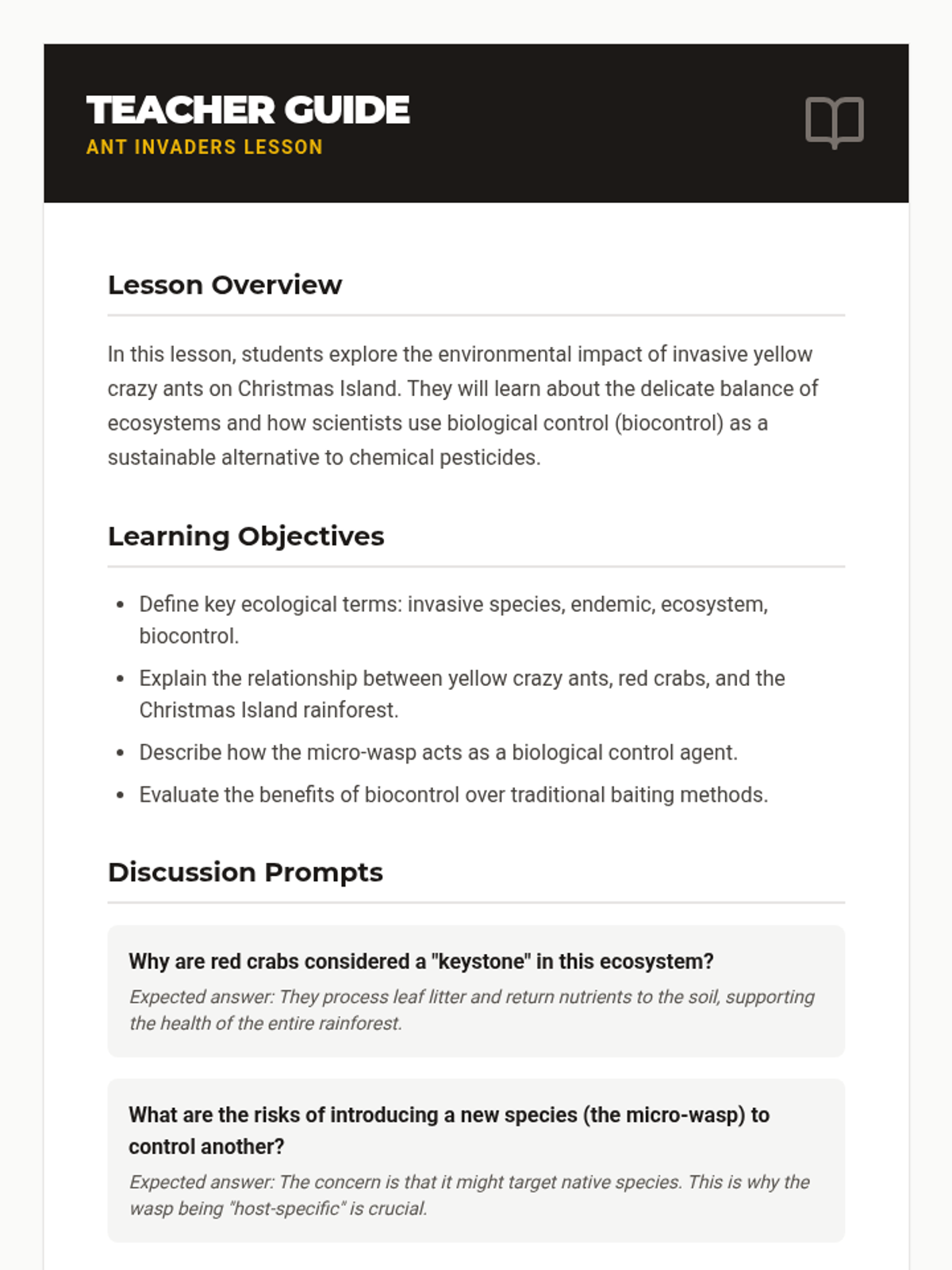
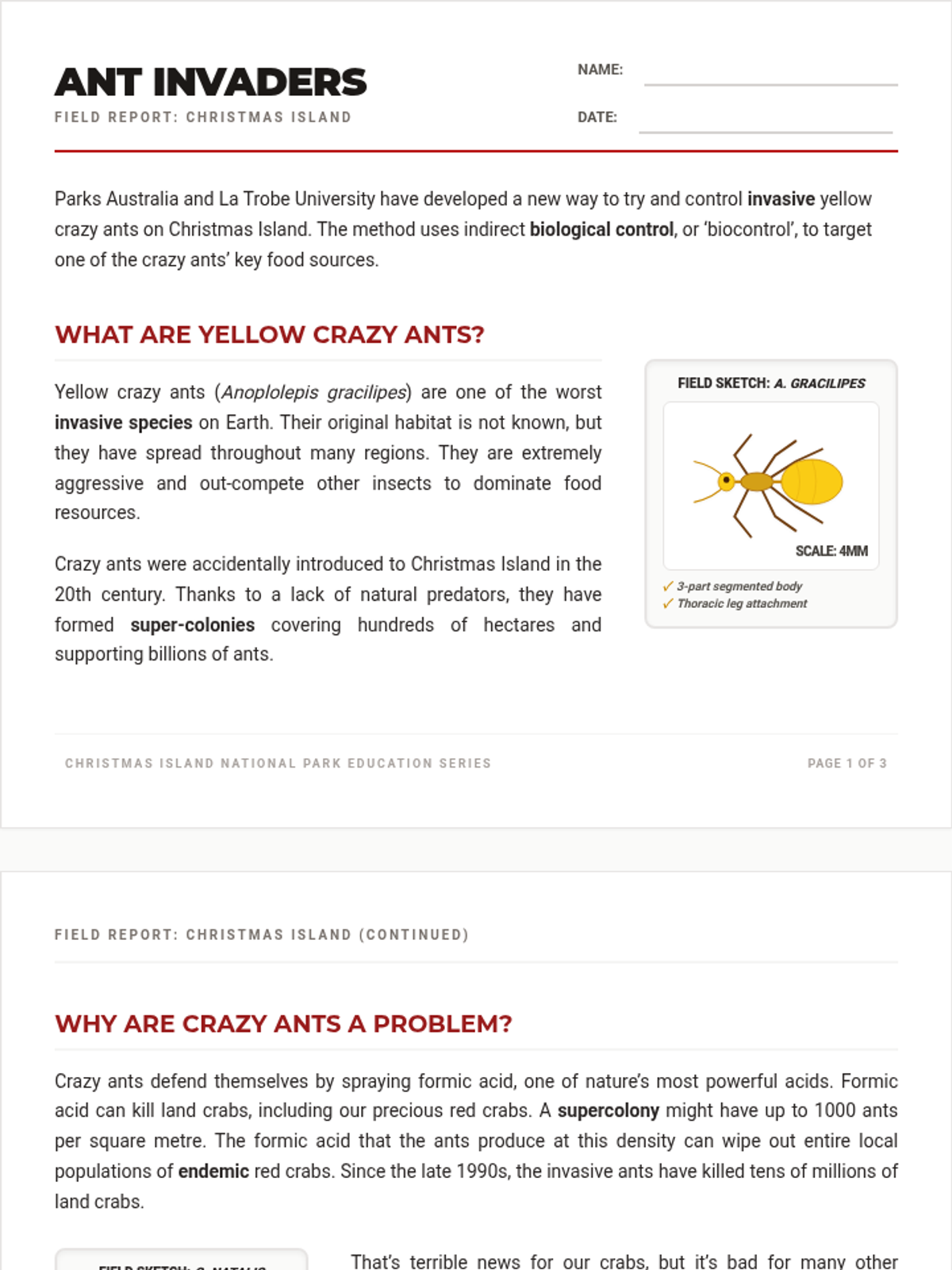
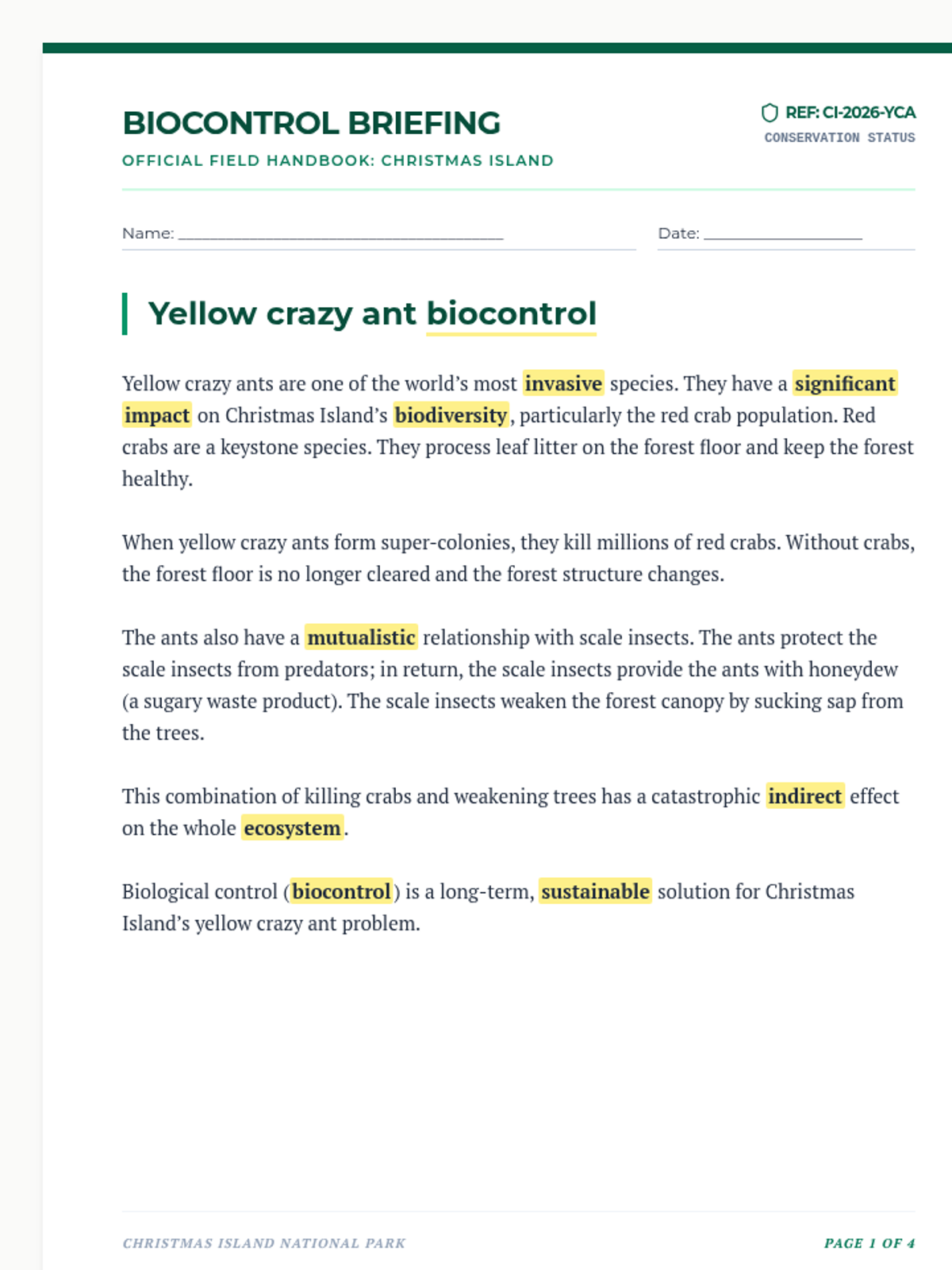
A lesson exploring the impact of invasive yellow crazy ants on Christmas Island's ecosystem and the innovative biocontrol methods used to manage them.
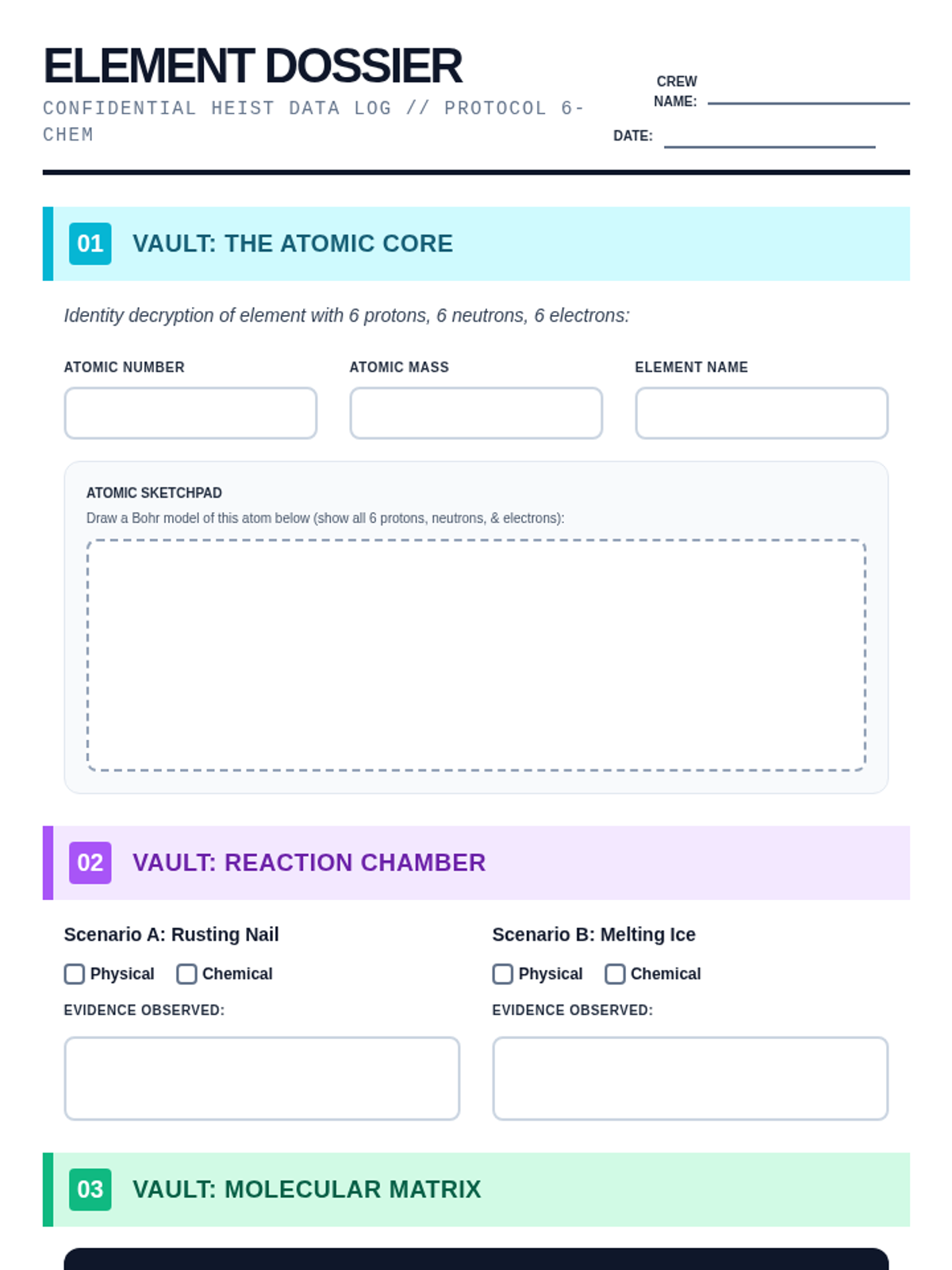
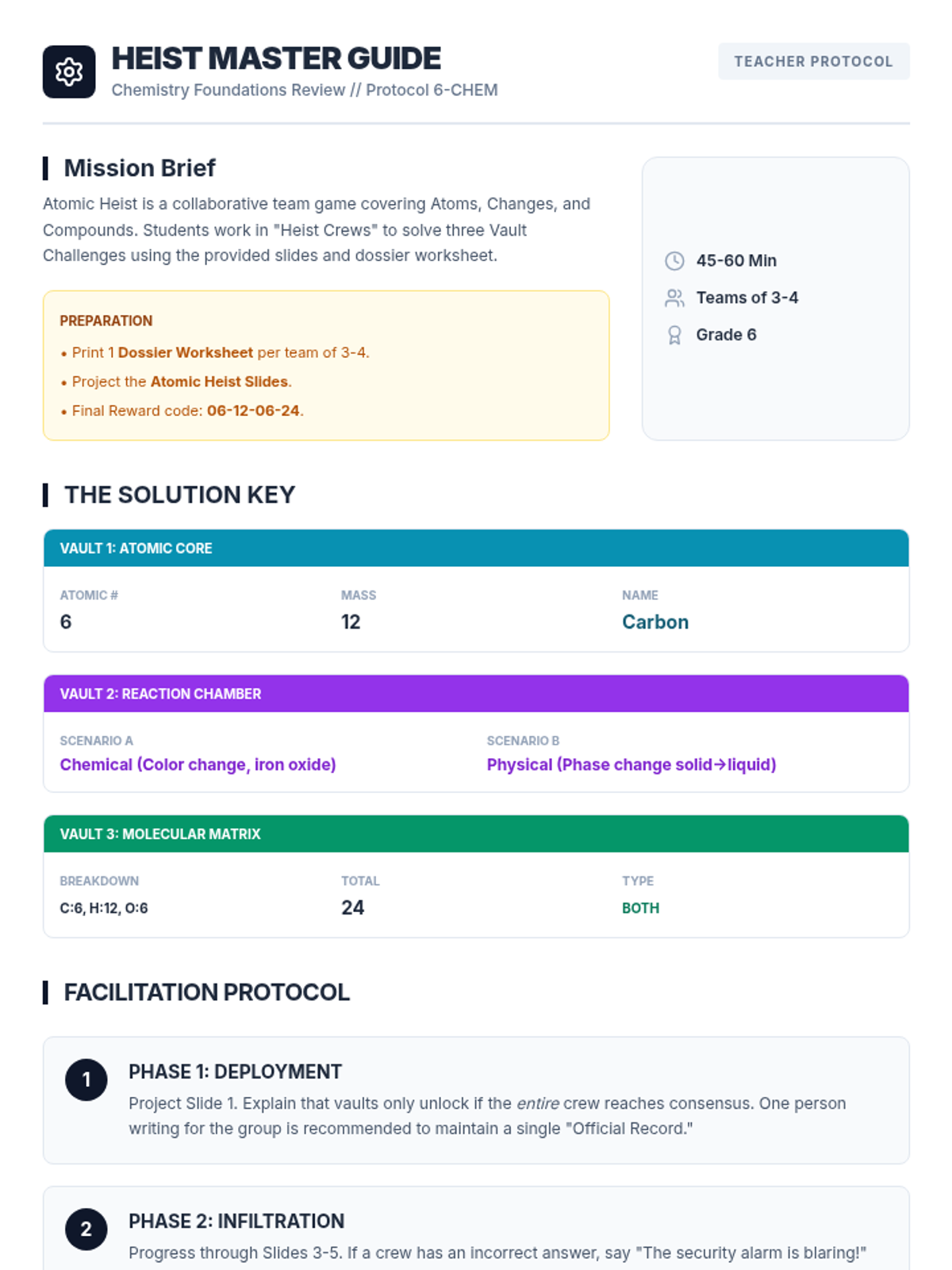
A high-stakes collaborative review game where students work in teams to solve chemistry-themed challenges covering atoms, elements, changes, and compounds.
This lesson explores the ecological impact of yellow crazy ants on Christmas Island and the innovative biological control methods used to protect the island's unique biodiversity. Students will analyze a scientific report and master key academic vocabulary related to conservation and ecology.
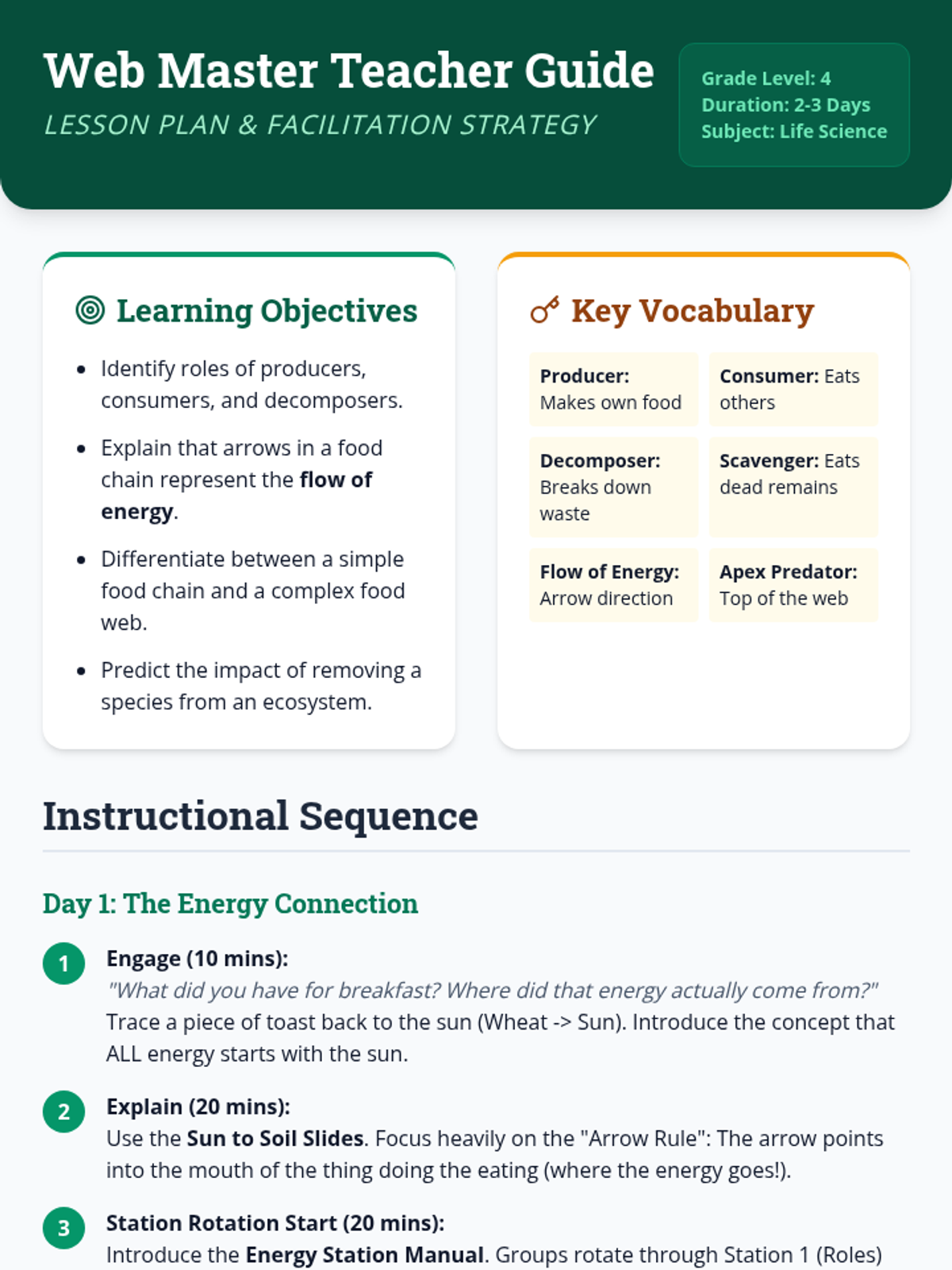
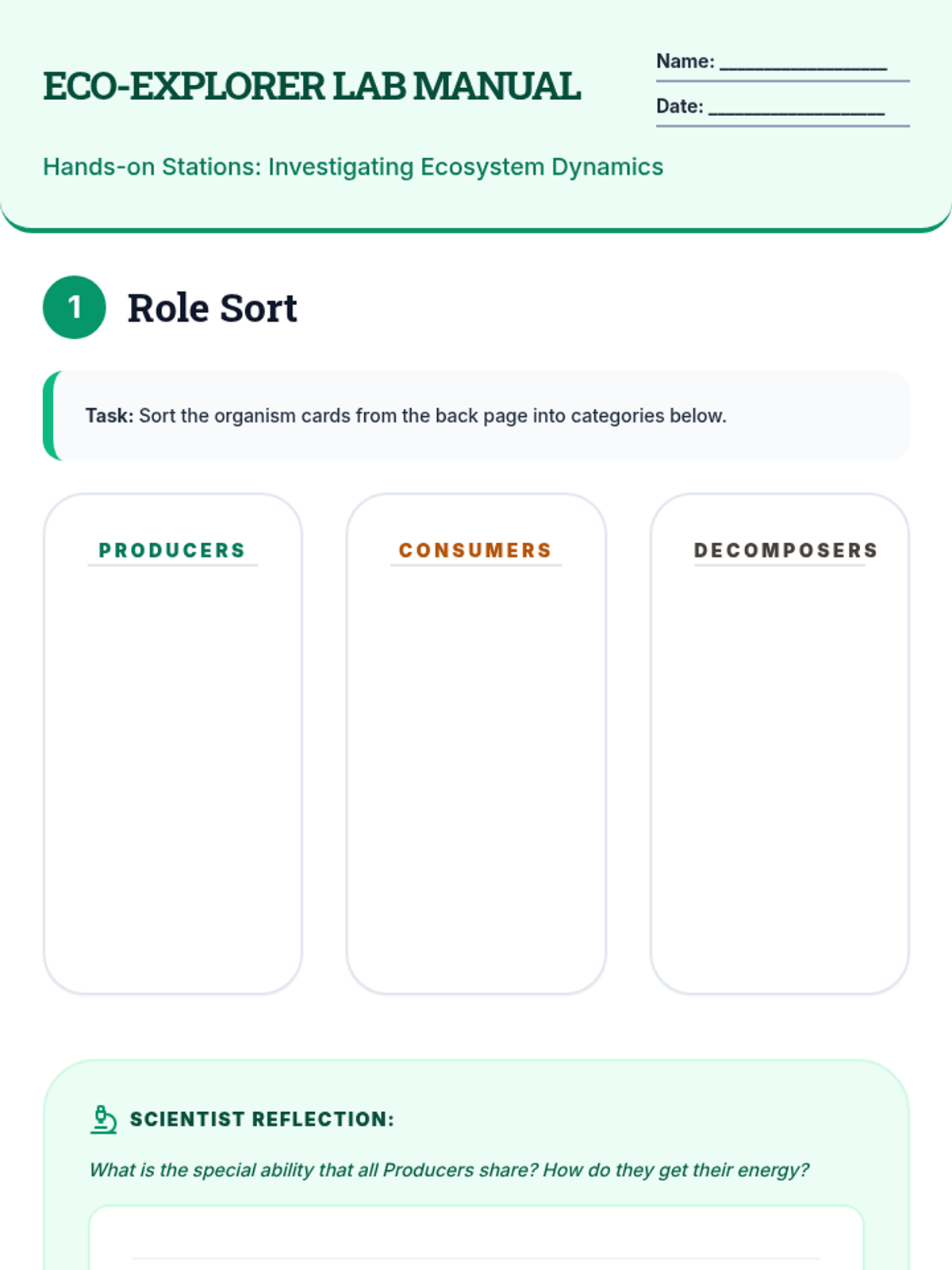
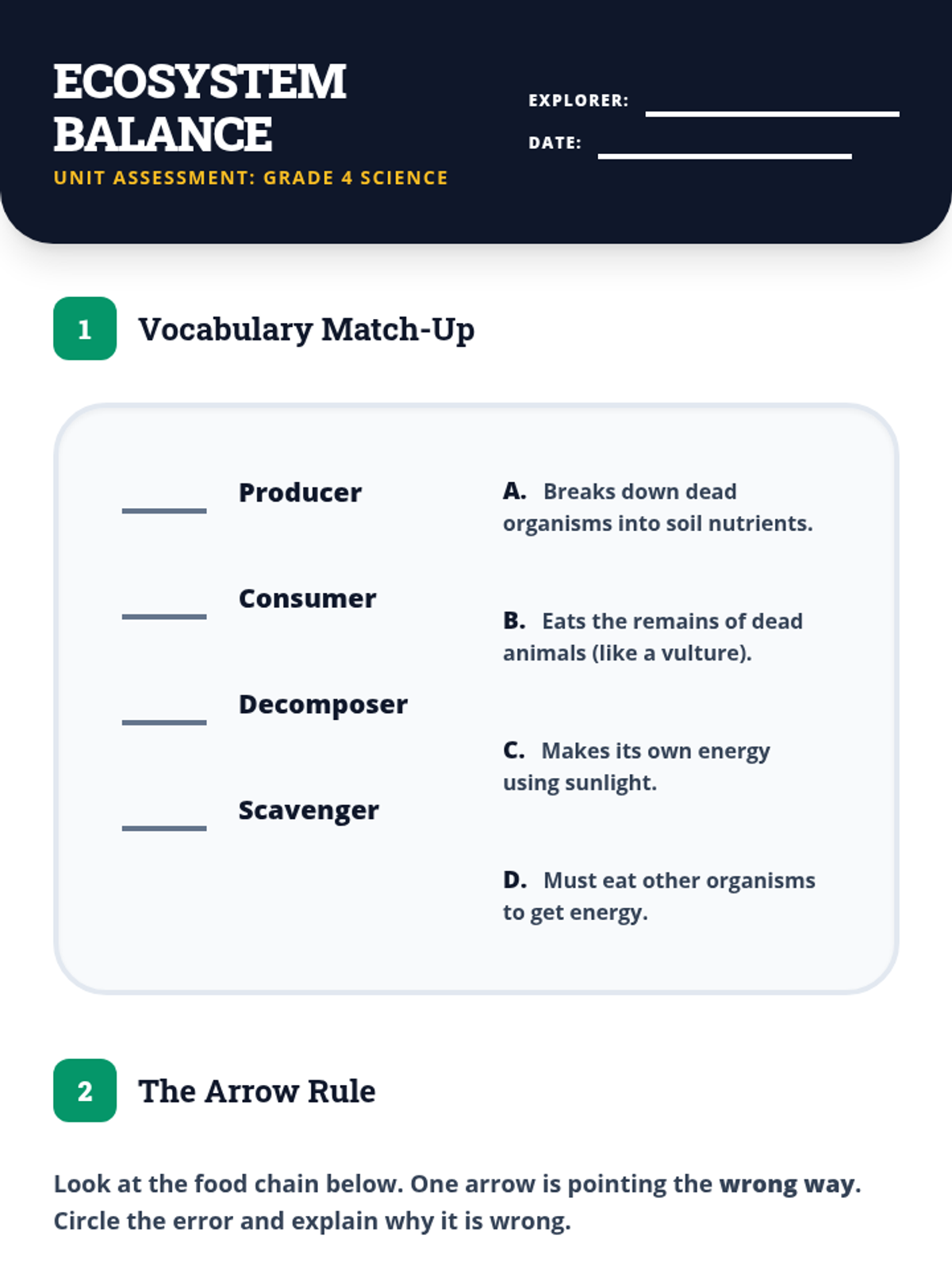
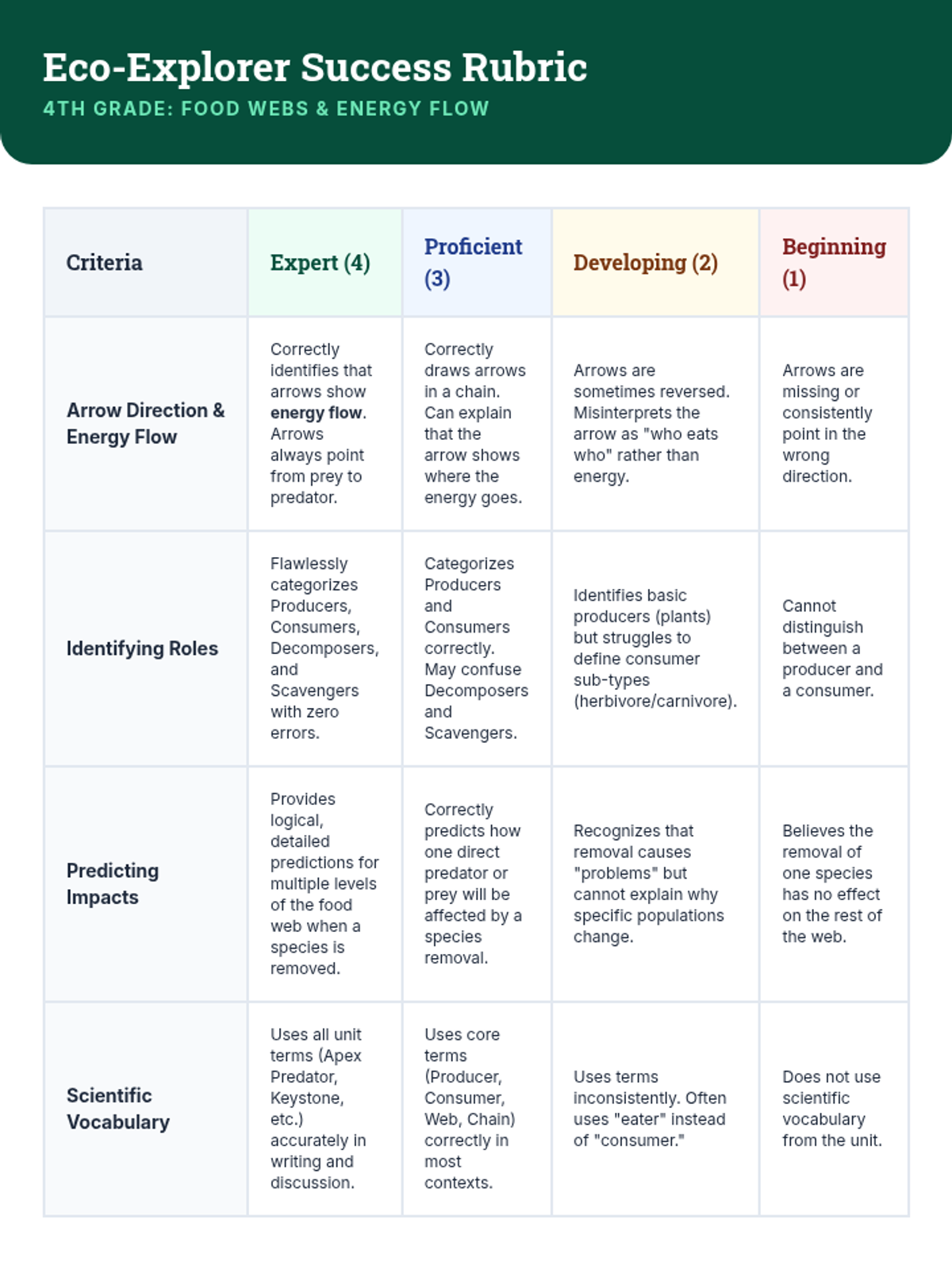
This lesson introduces students to producers, consumers, and decomposers, focusing on the direction of energy flow in food chains and the complexity of food webs. Students will participate in station-based activities to simulate ecosystem dynamics and analyze the impact of species removal.
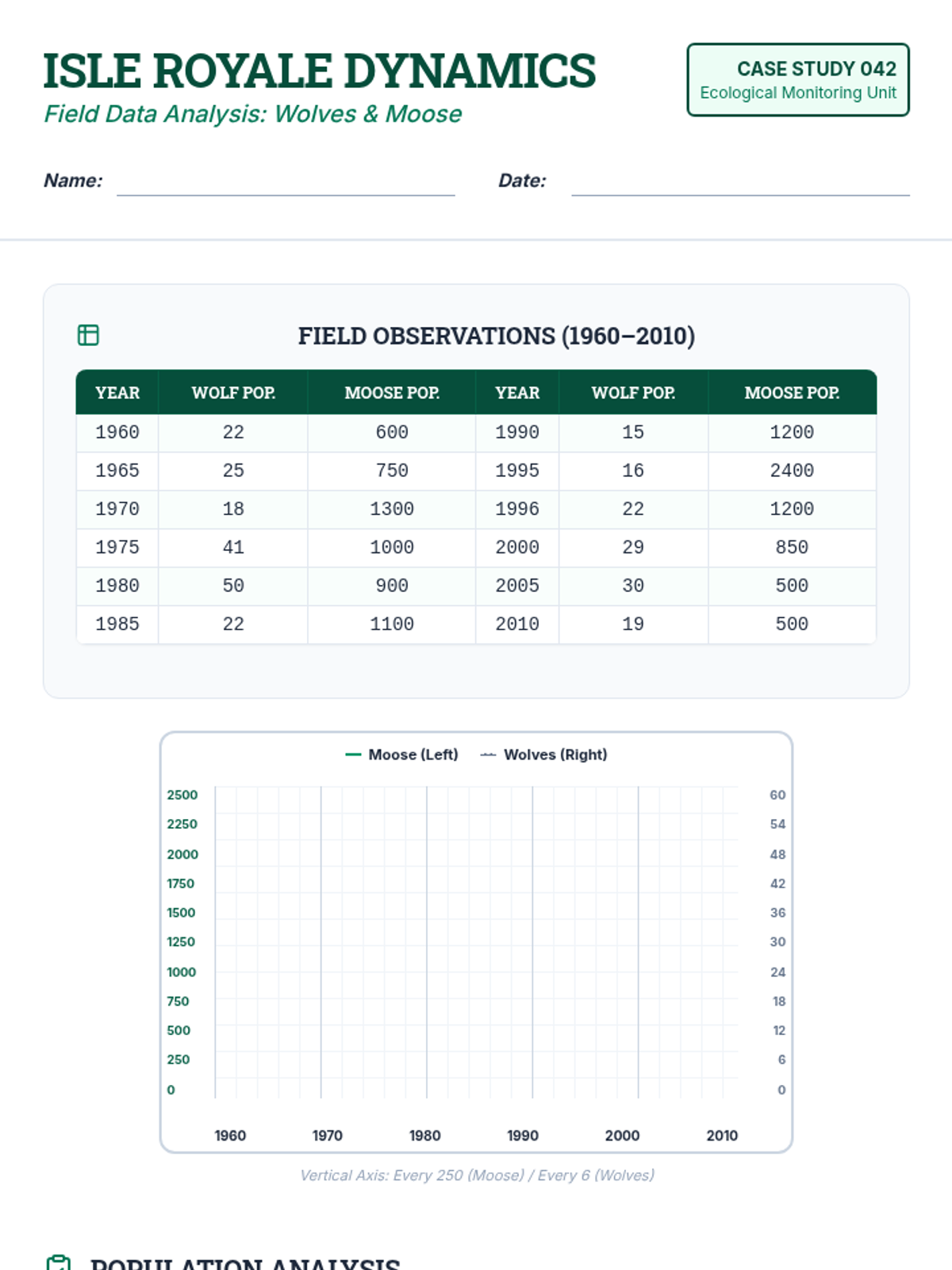
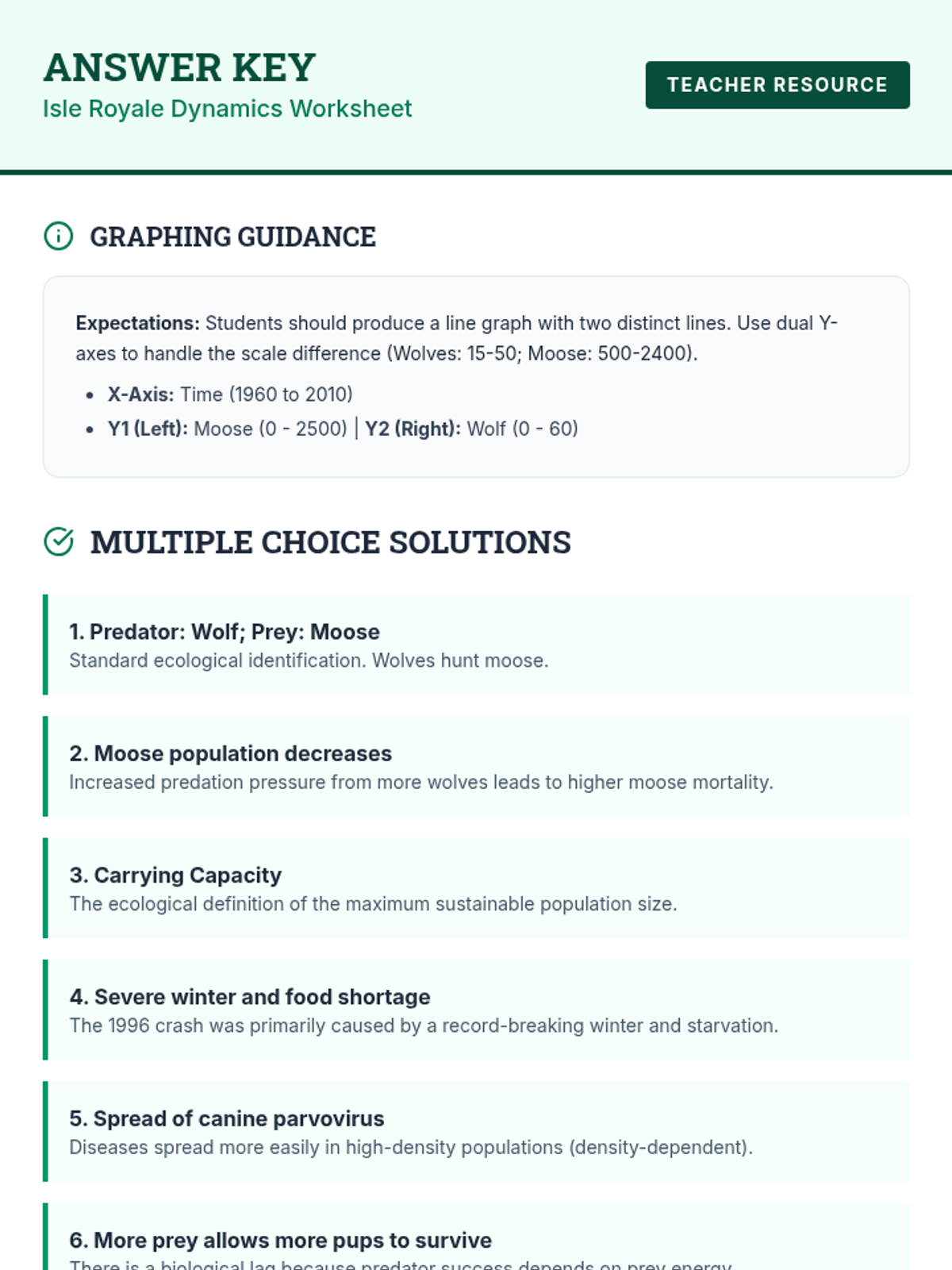
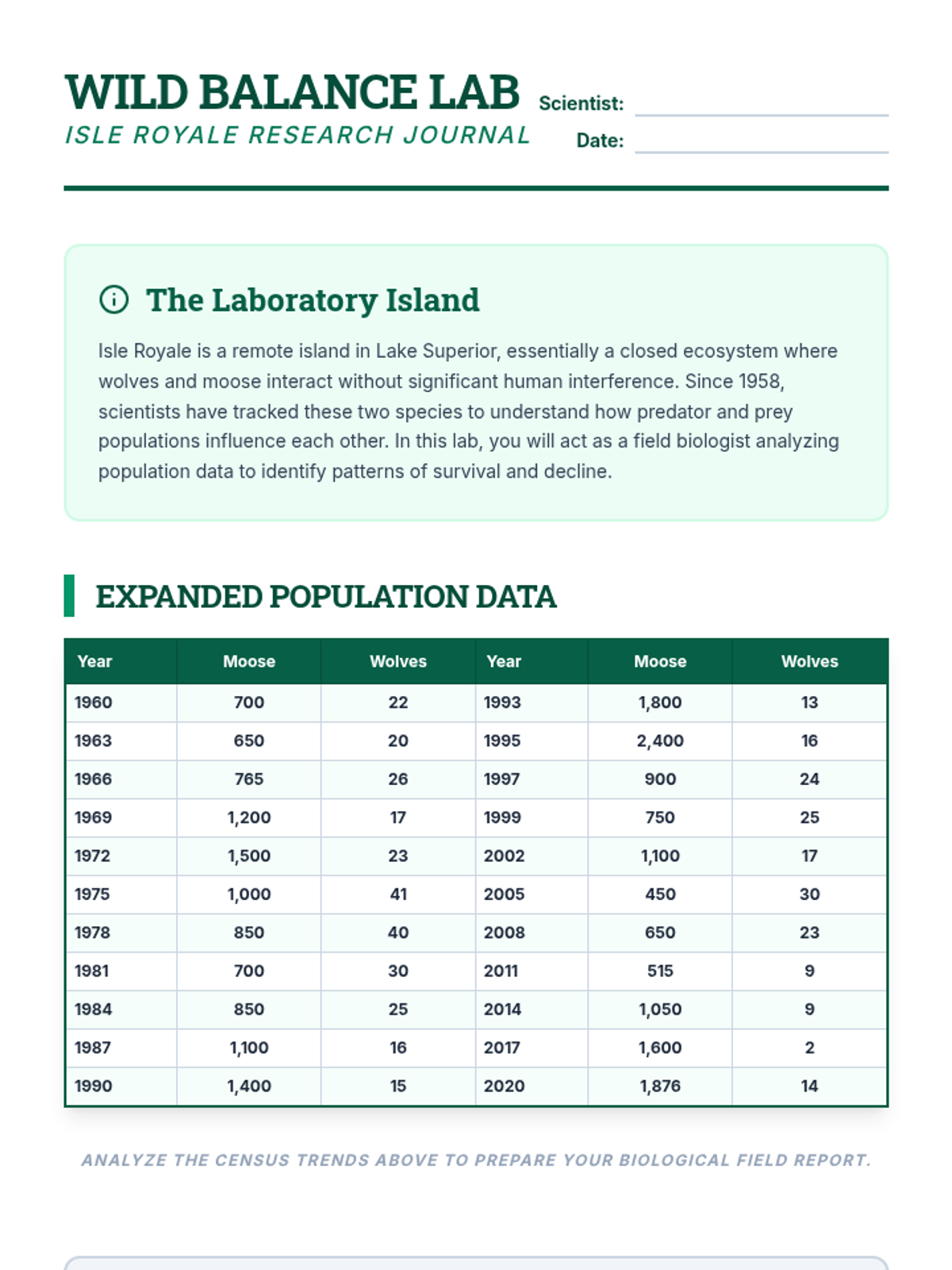
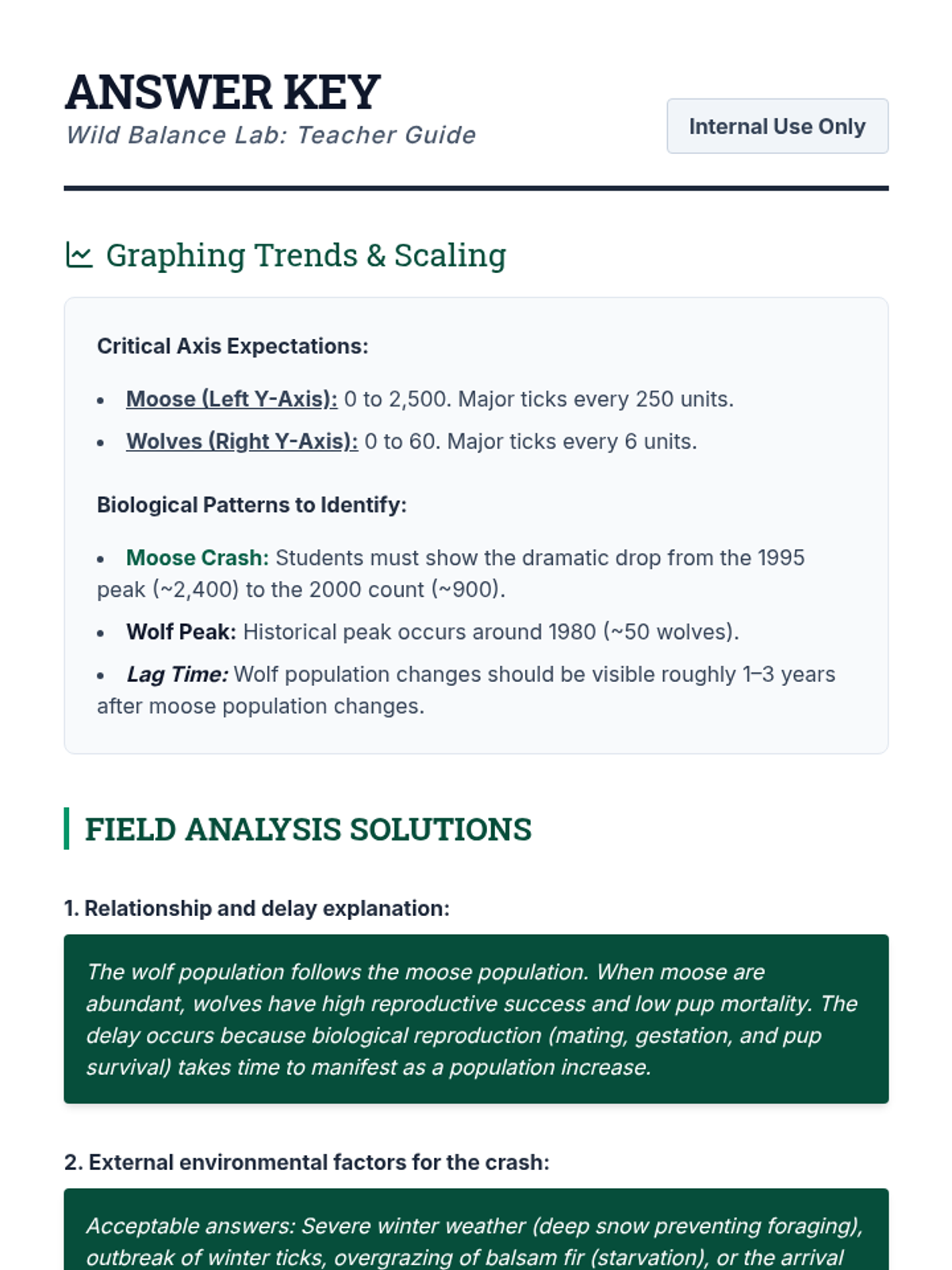
An in-depth look at the Isle Royale long-term study, focusing on graphing population data and analyzing the factors that influence ecosystem stability.
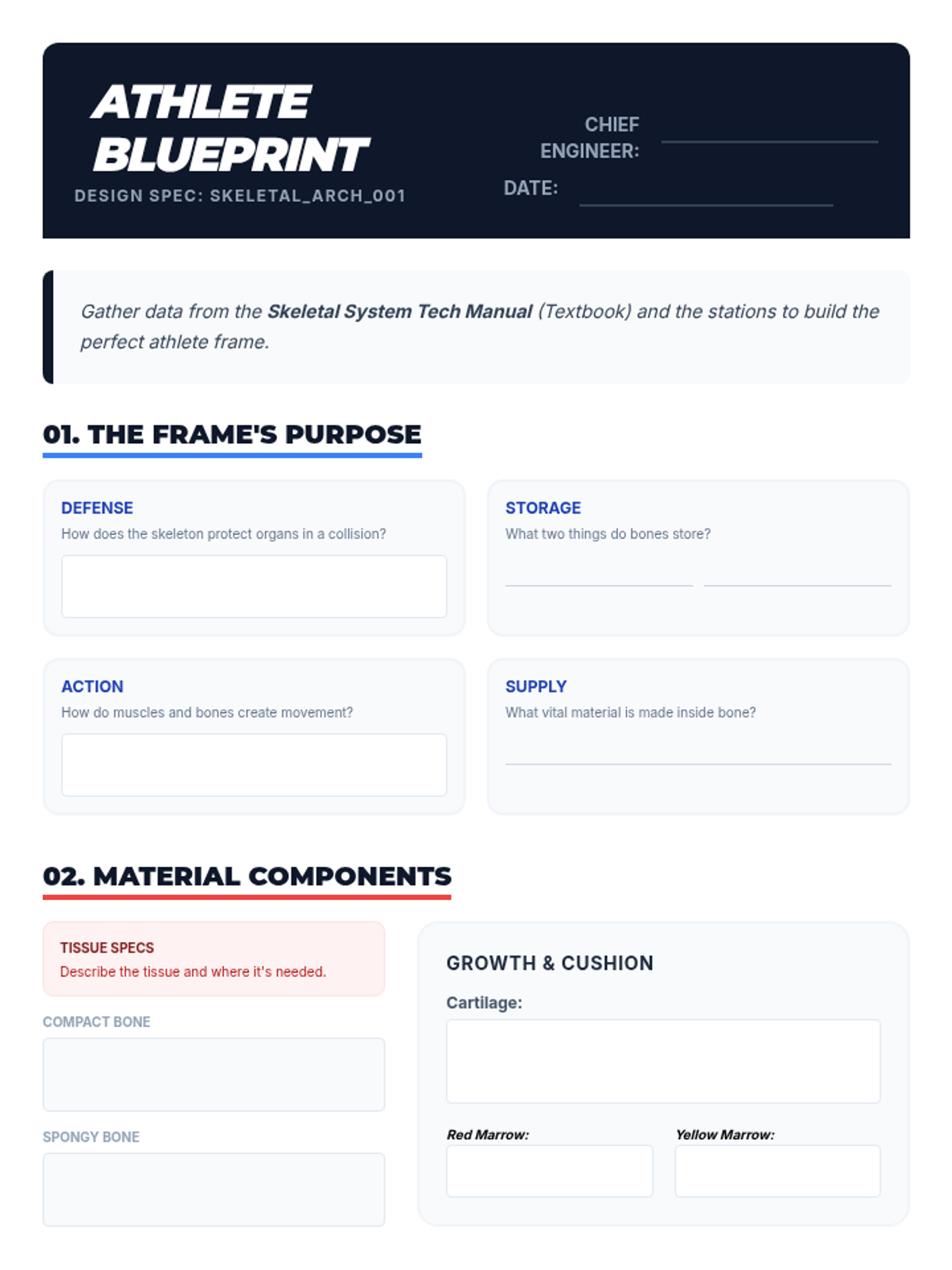
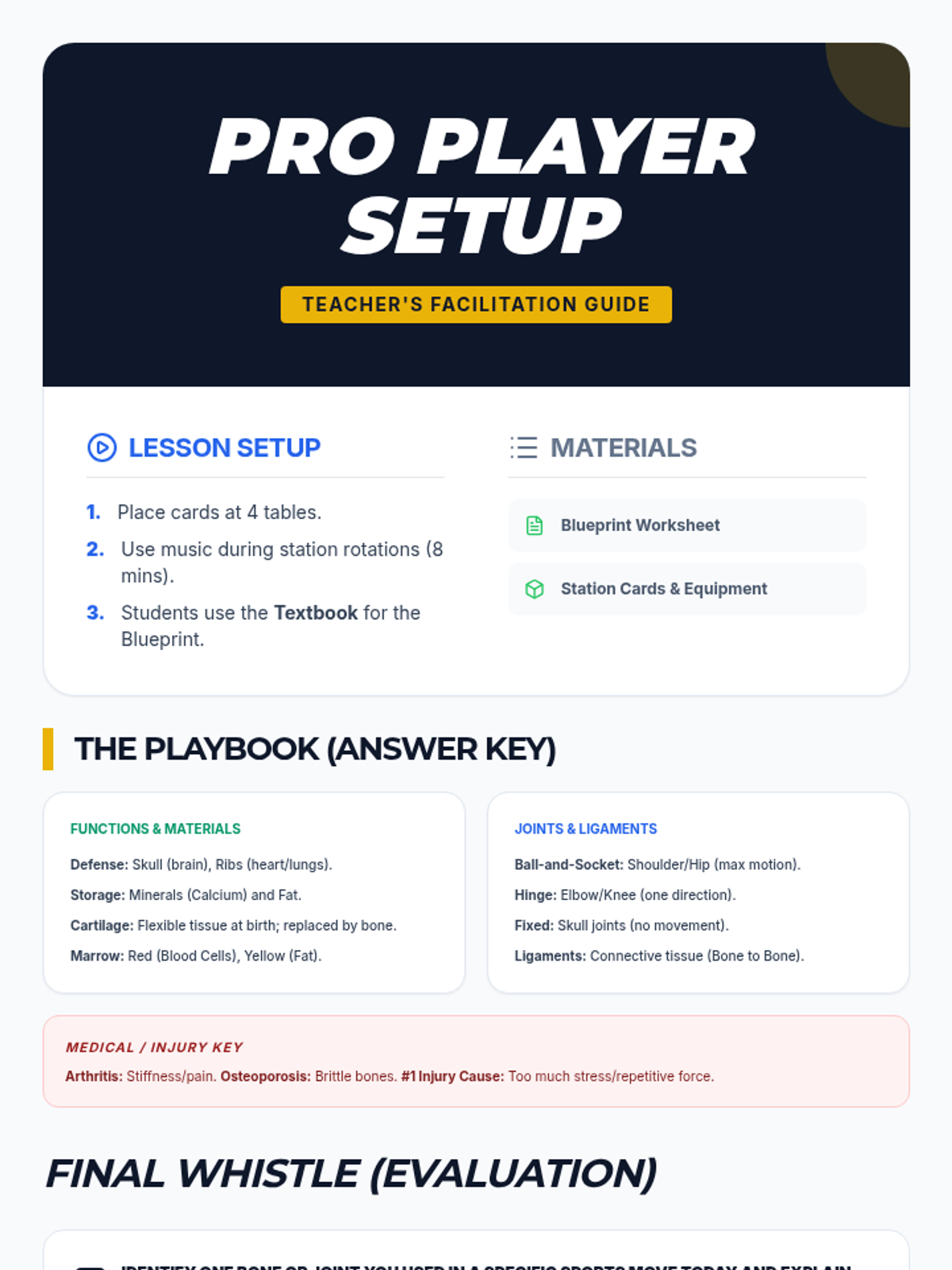
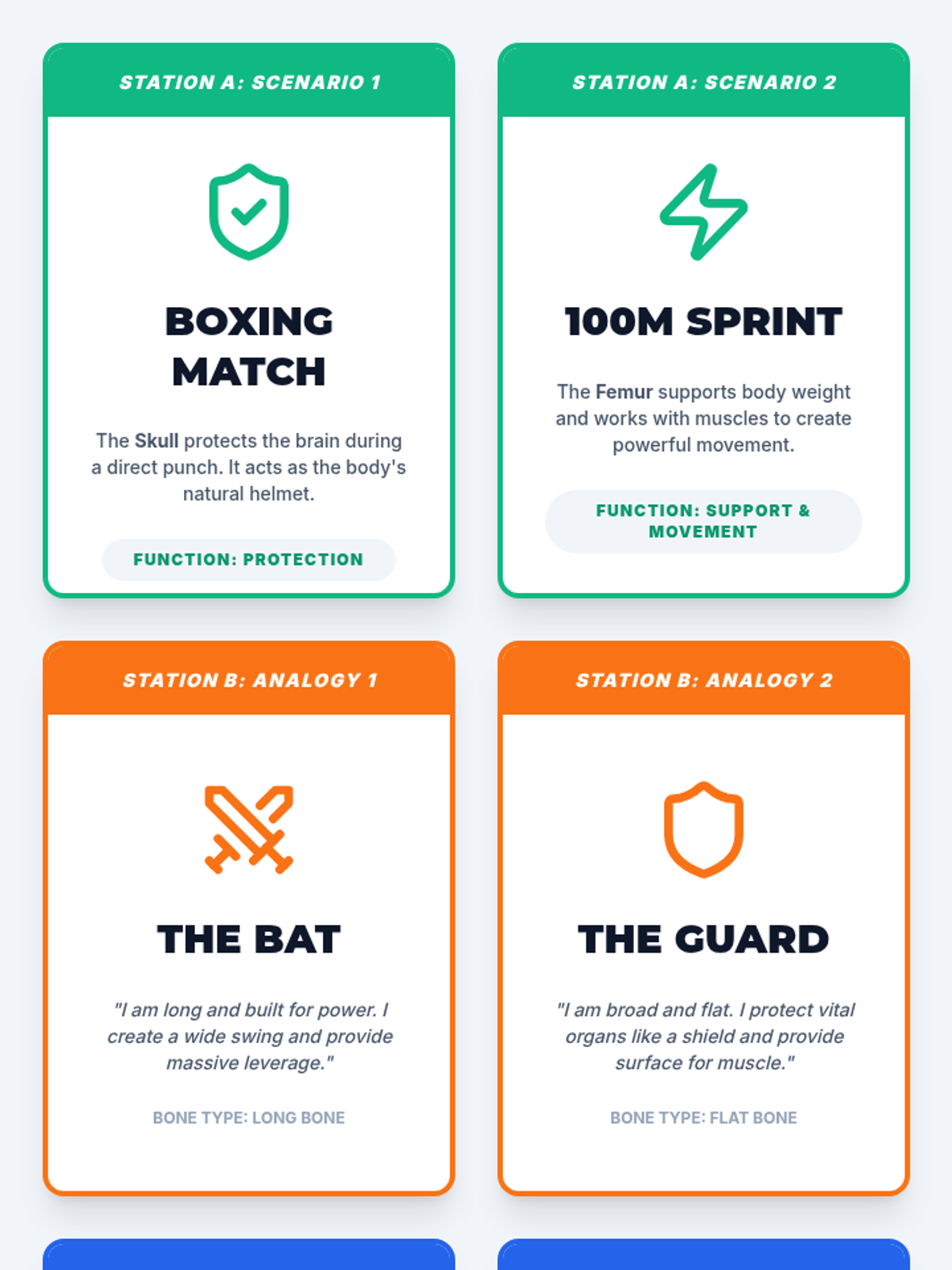
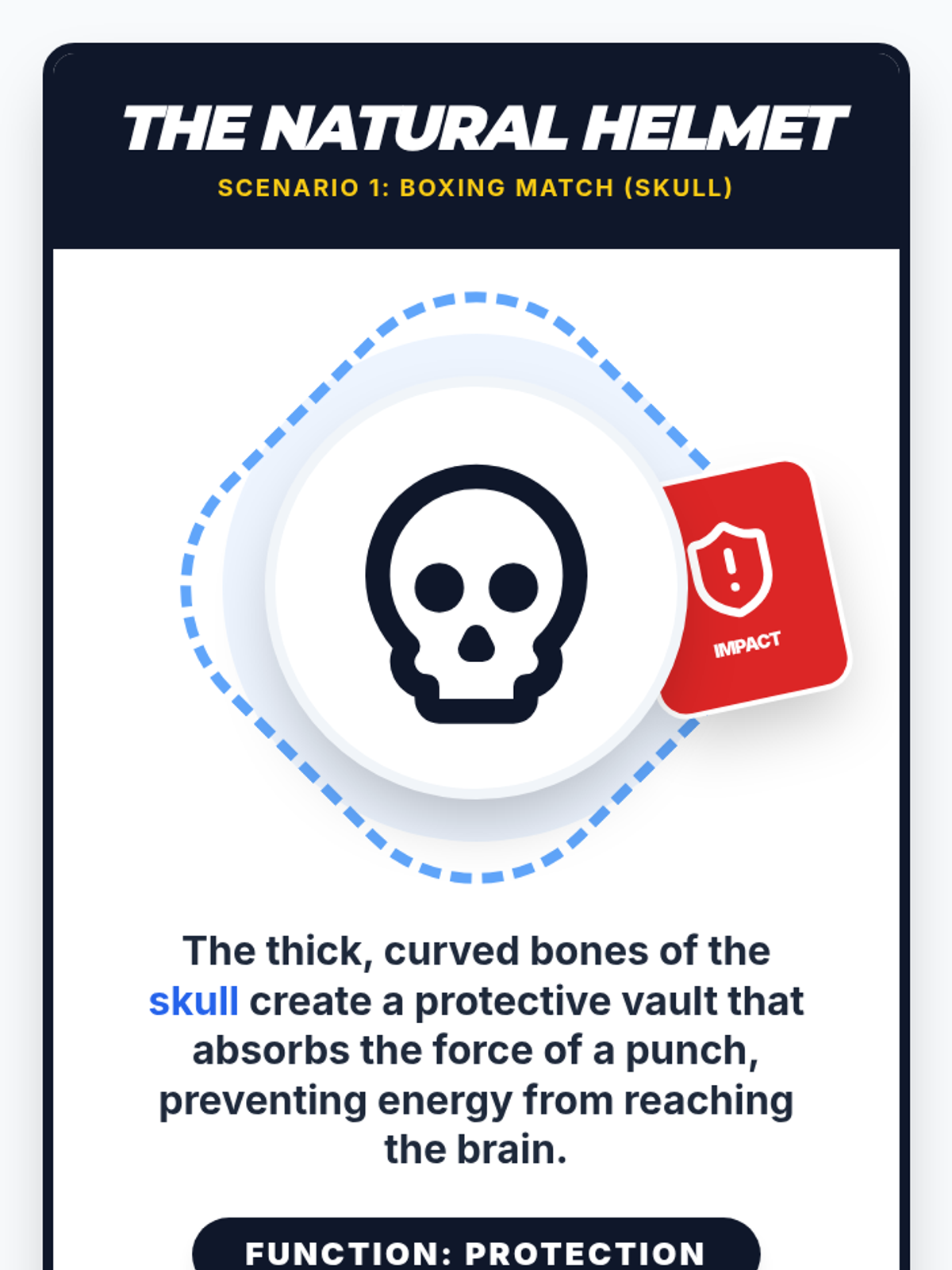
A student-centered exploration of the skeletal system using sports and athletic performance as a framework. Students discover bone functions, structures, and joint mechanics through inquiry-based activities and scouting missions.
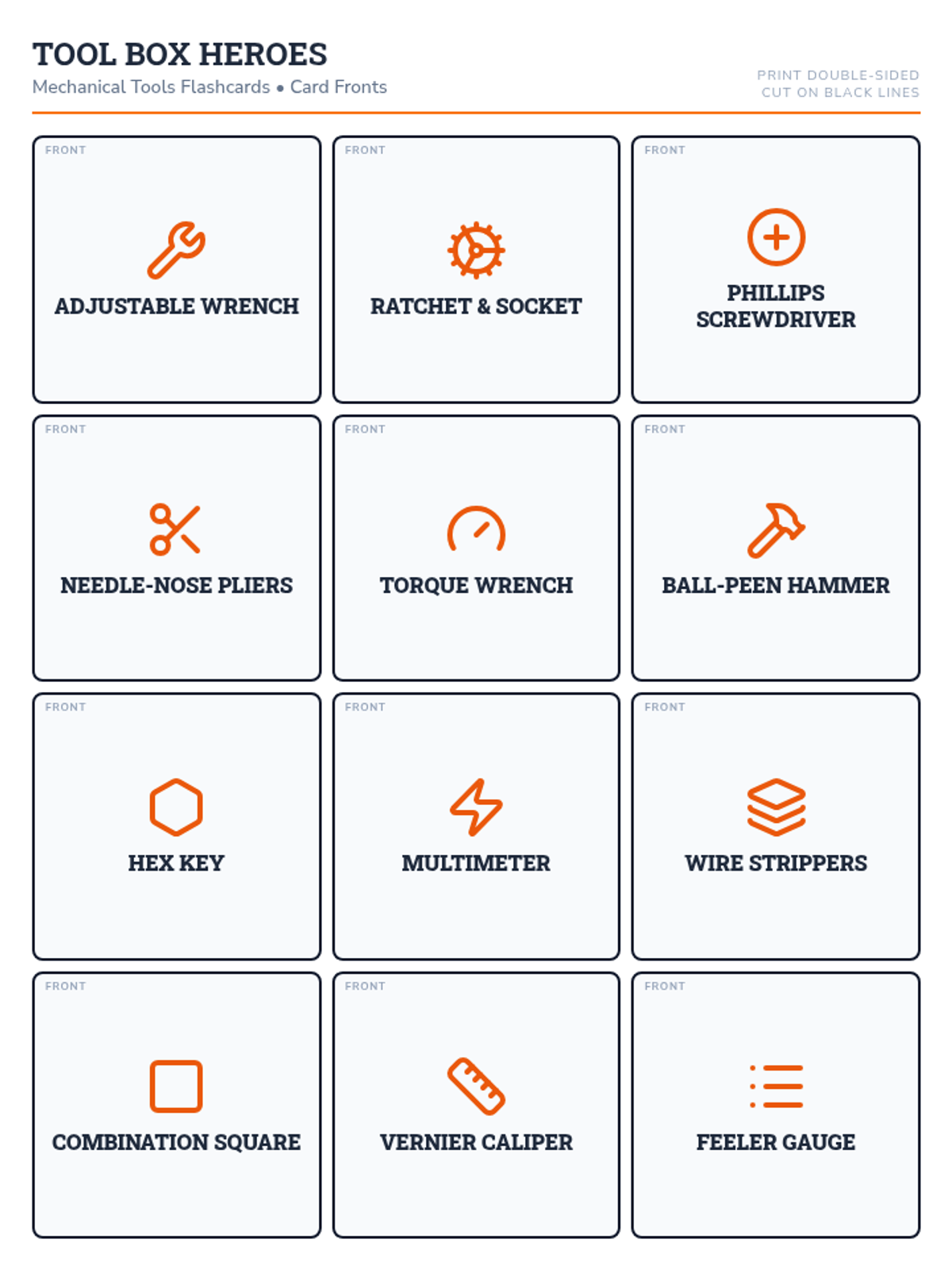
A lesson focused on identifying and understanding the specific functions of essential mechanical tools used in repair shops.
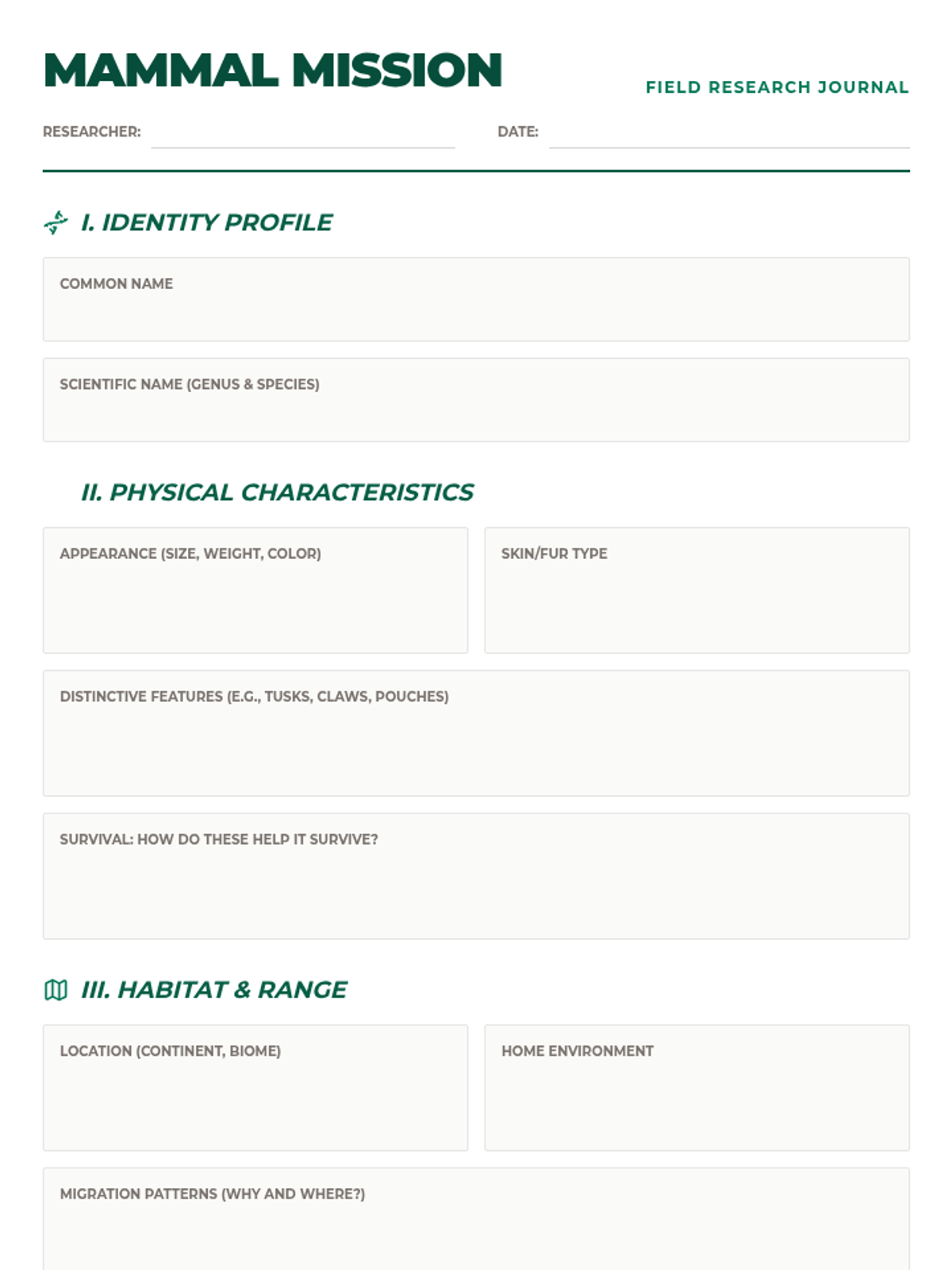
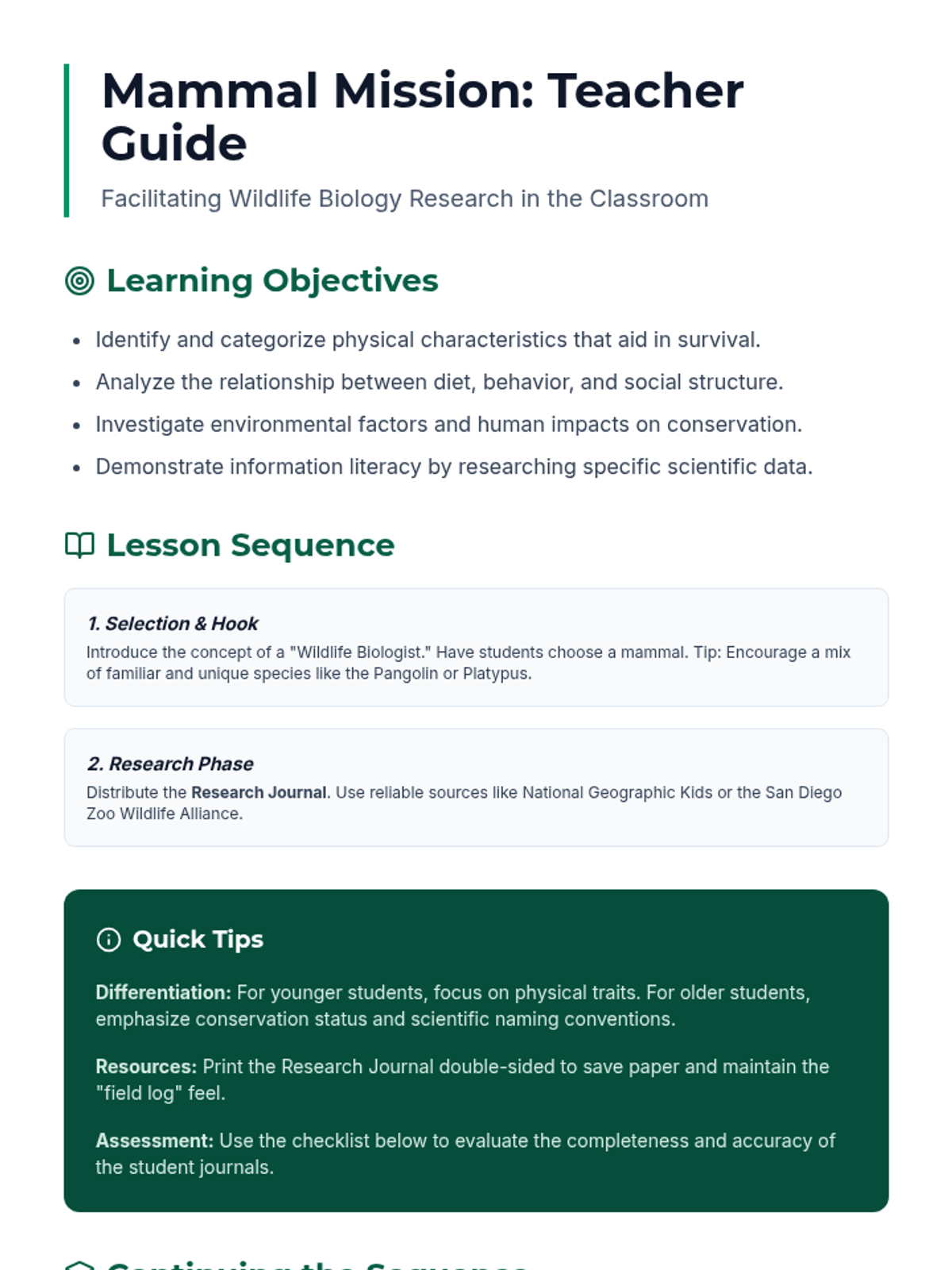
A research-focused lesson where students step into the shoes of a wildlife biologist to document the physical traits, habitats, and behaviors of a mammal of their choice.
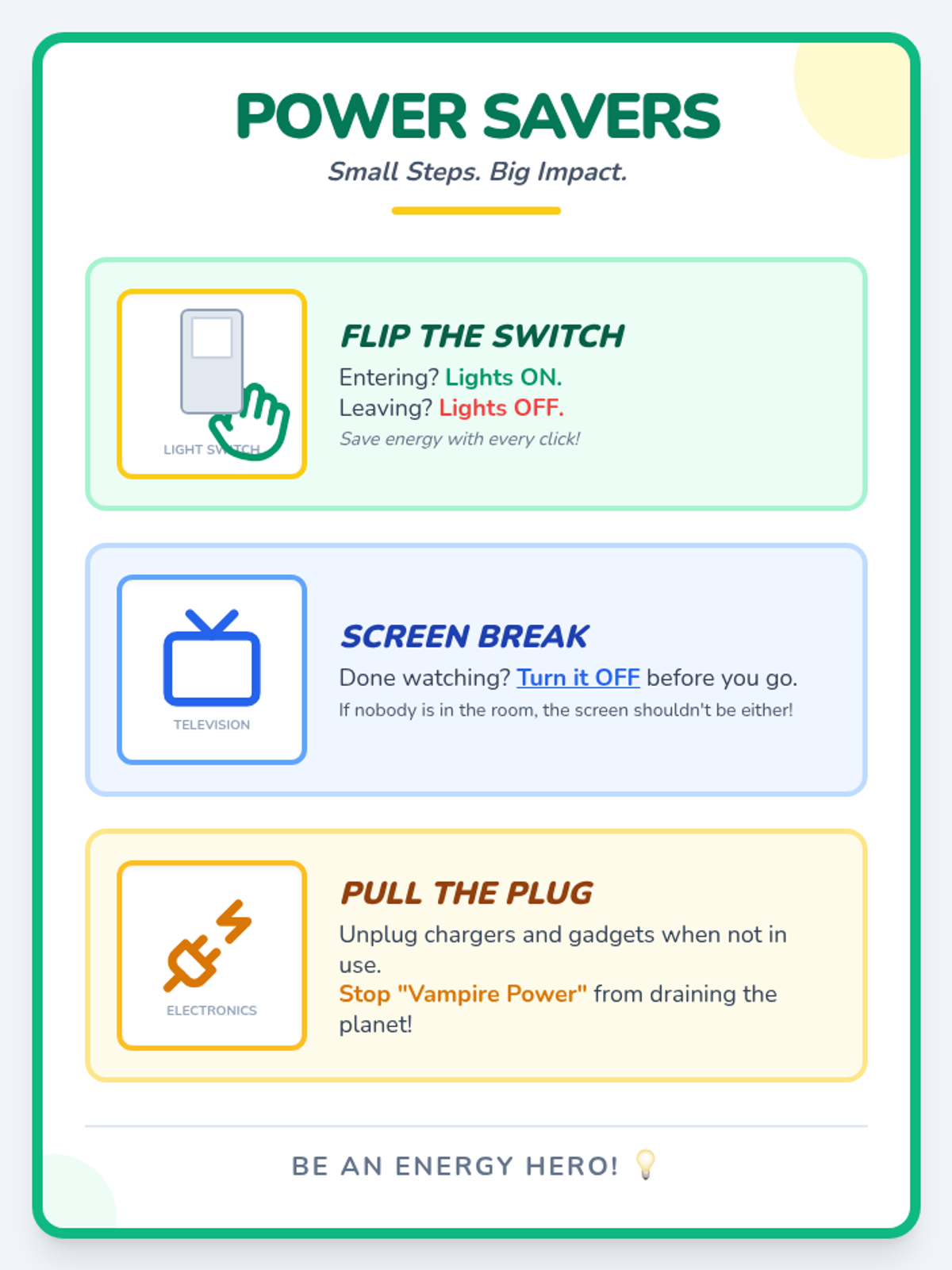
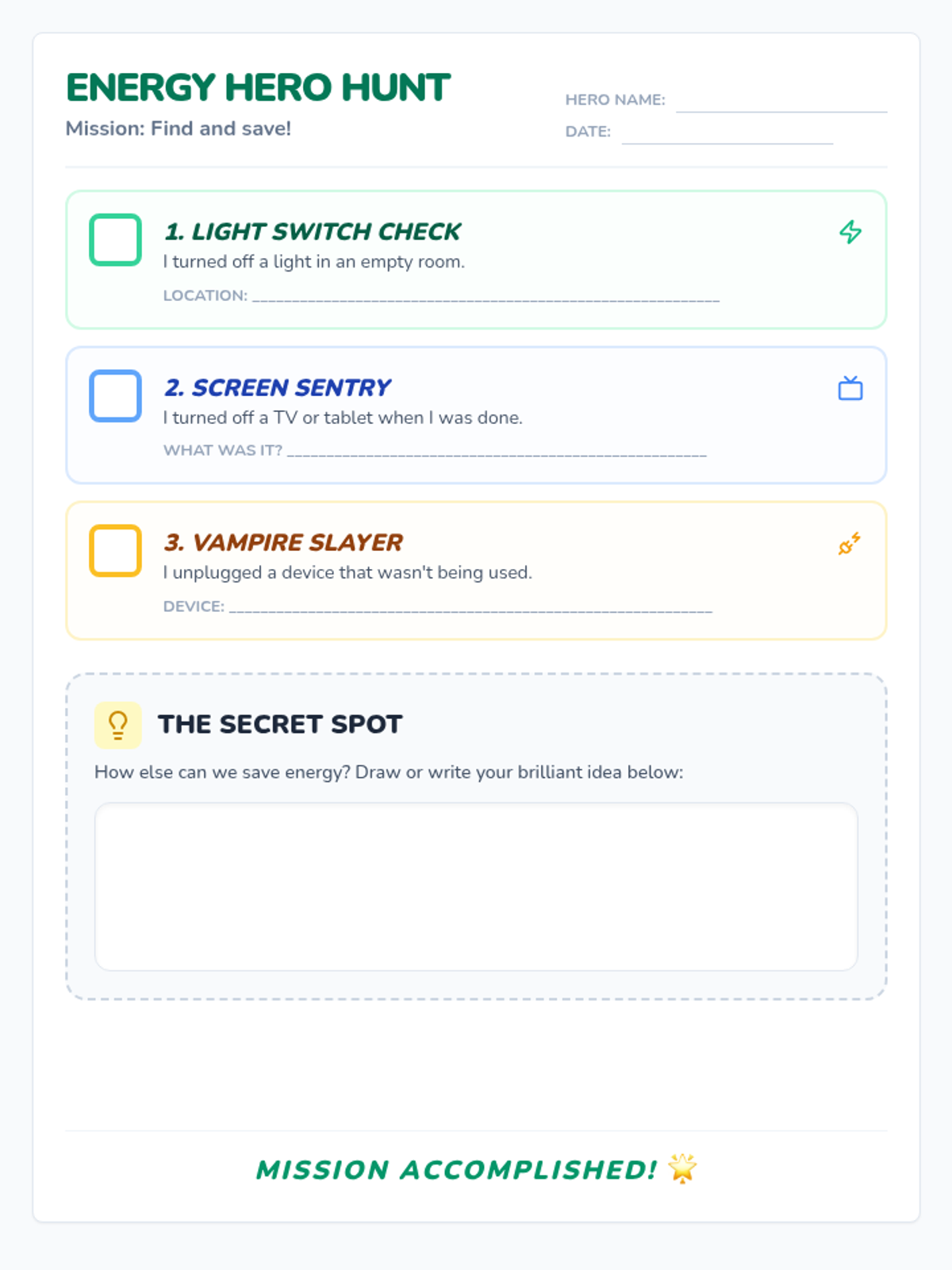
A lesson focused on simple, actionable steps students can take to reduce energy consumption at home and school.
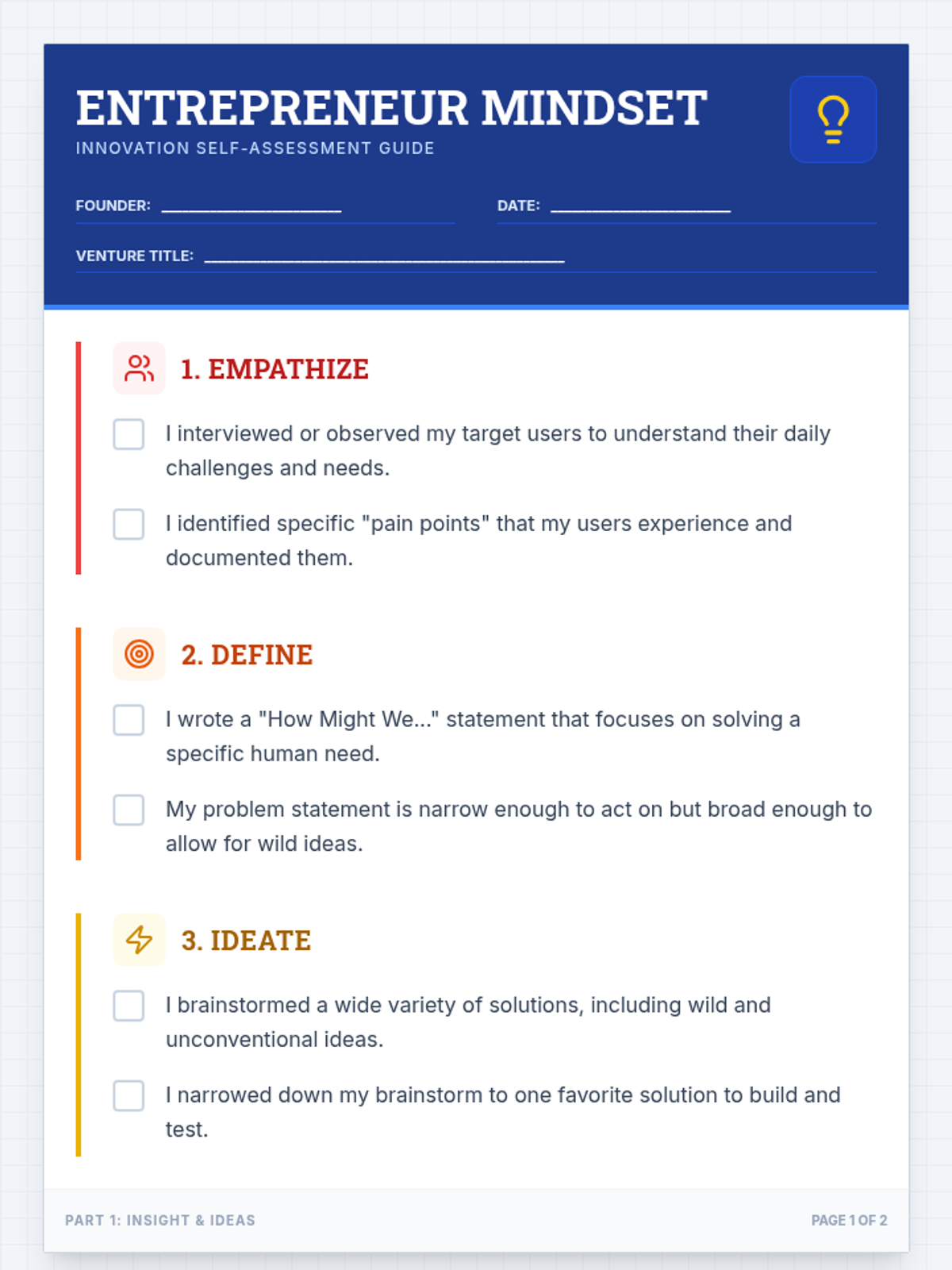
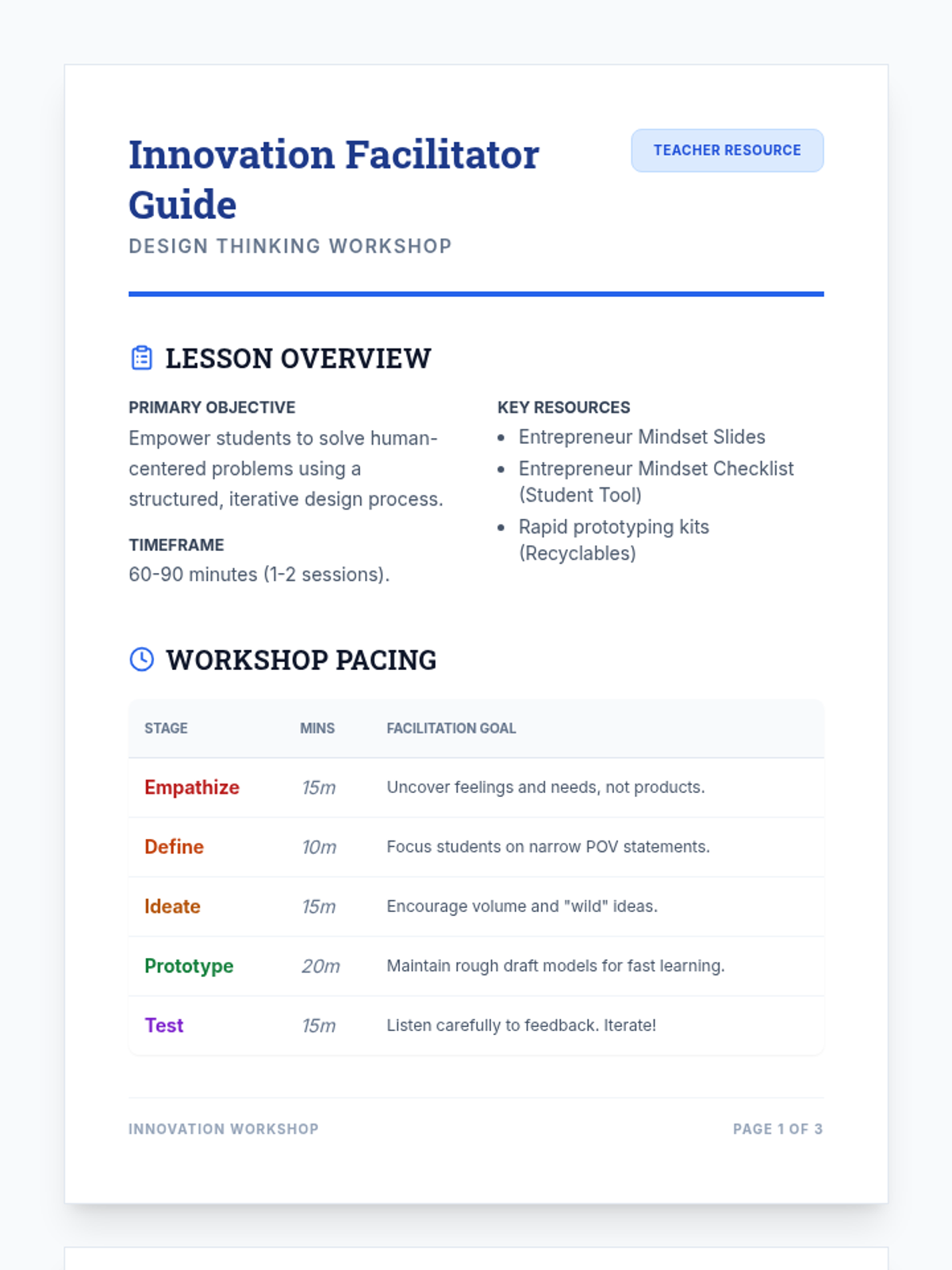
A comprehensive introduction to the five stages of design thinking, guiding students through empathy, problem definition, ideation, prototyping, and testing.
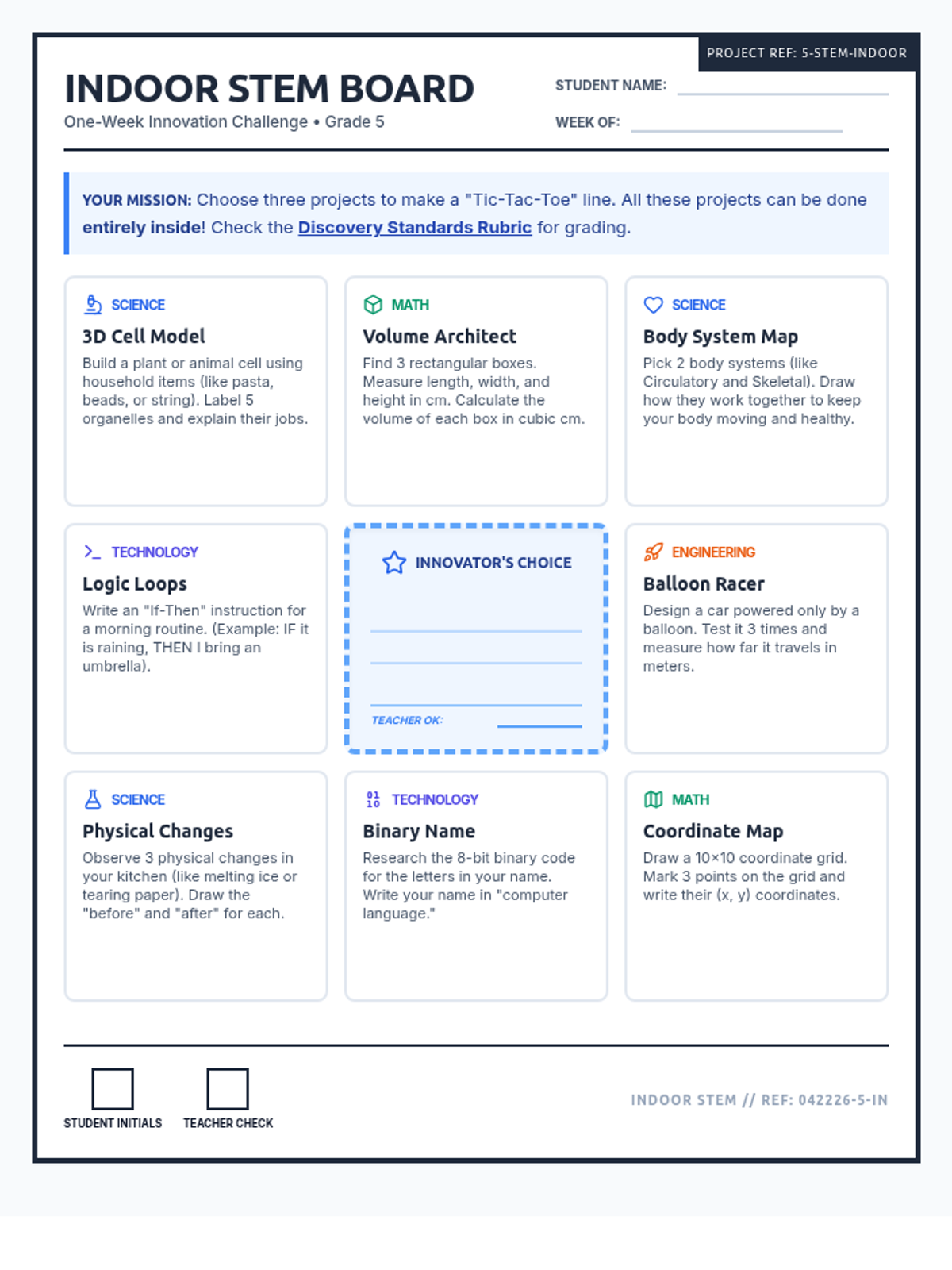
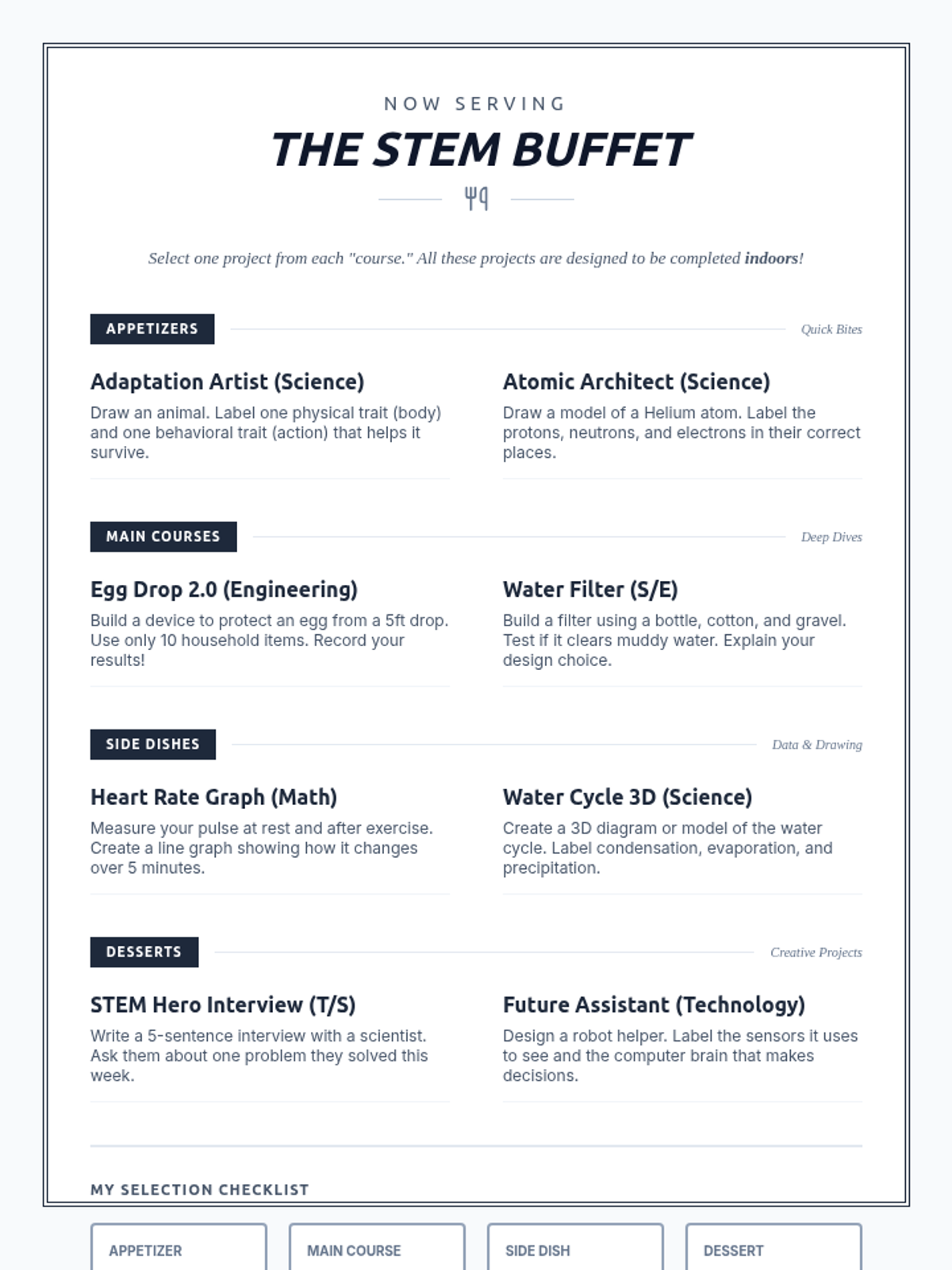
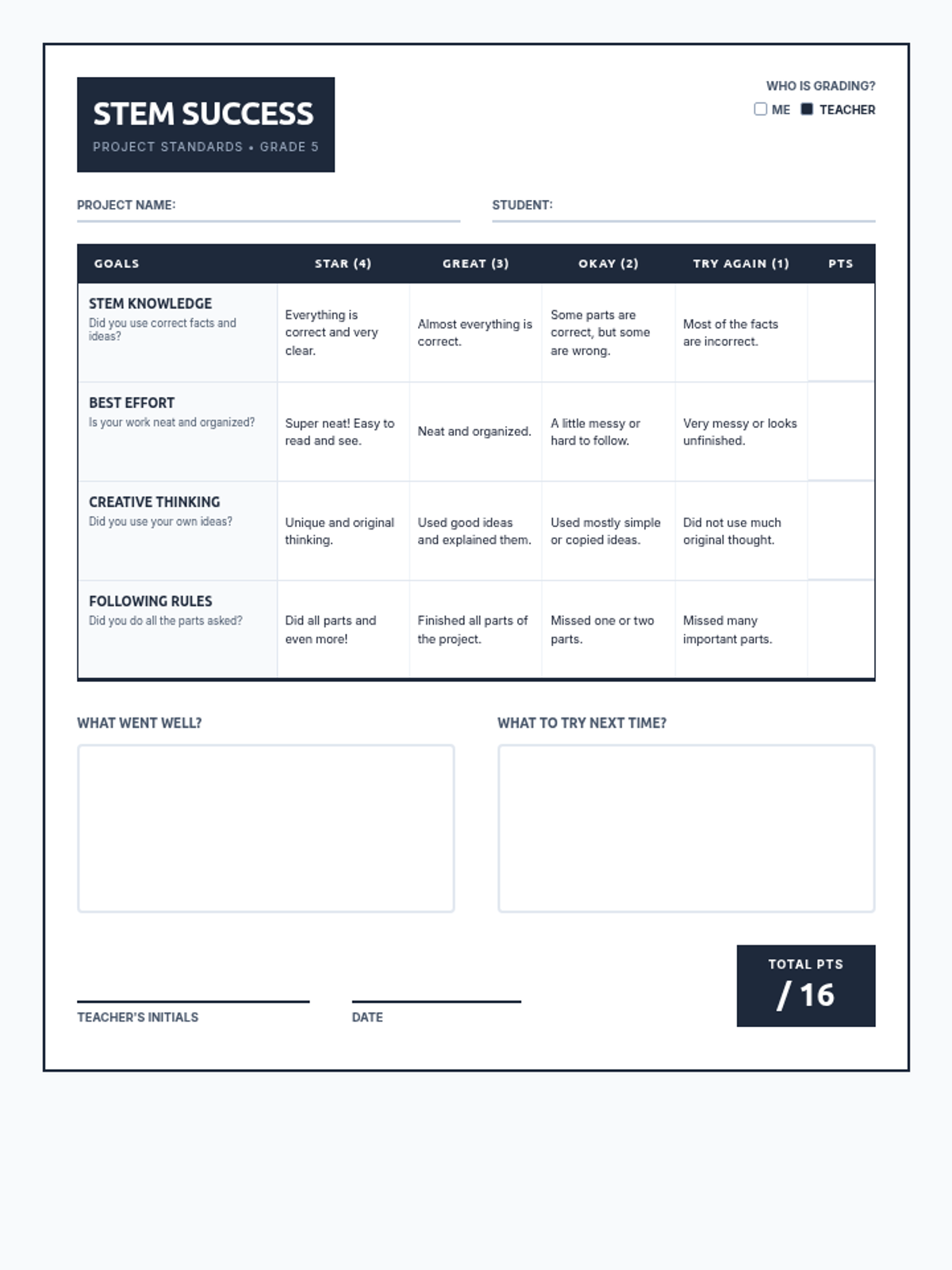
A comprehensive STEM project choice unit designed for 7th-grade students to explore various scientific and engineering topics through self-directed learning and creative output.
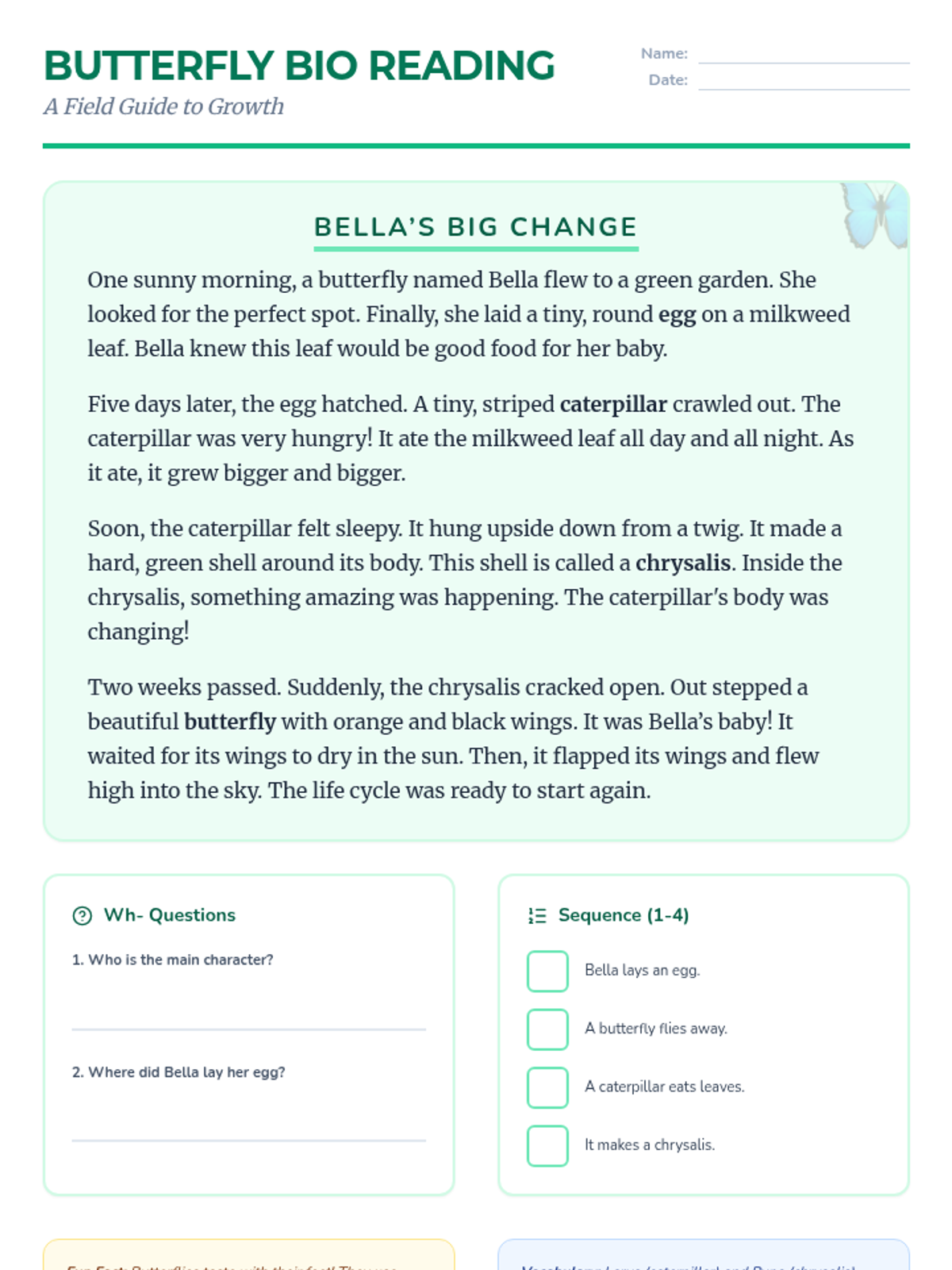
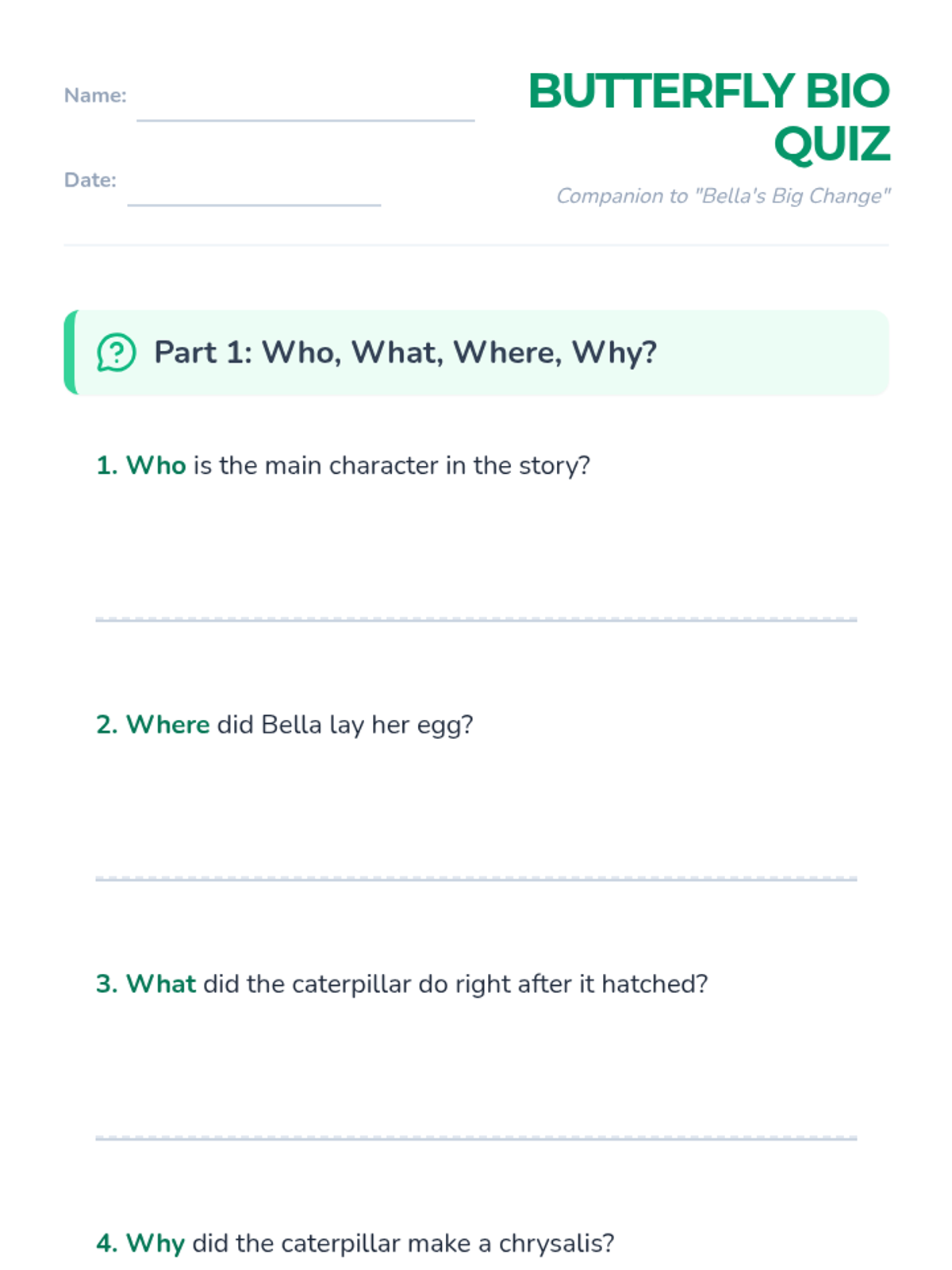
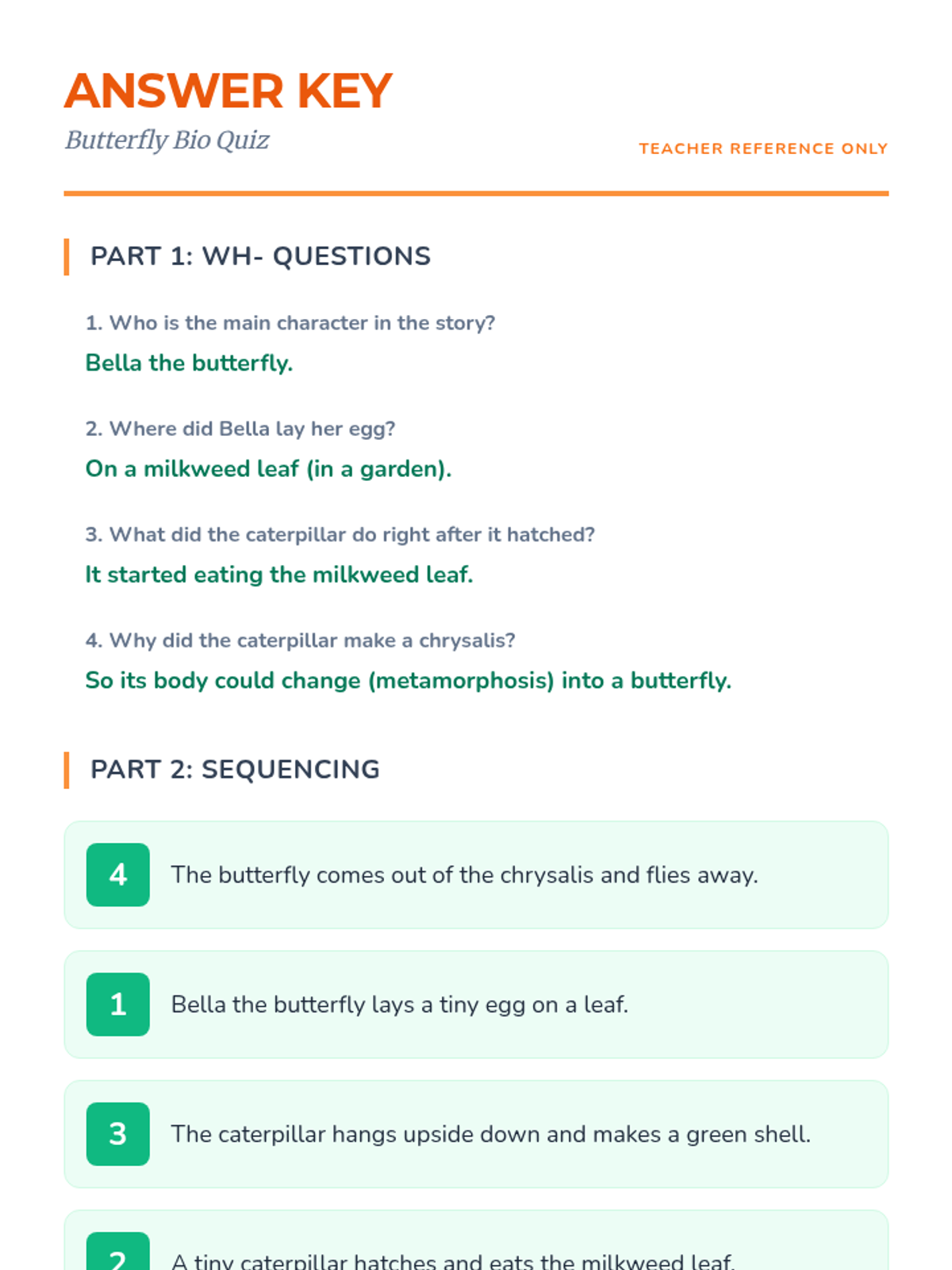
A beginner-friendly exploration of the four stages of a butterfly's life cycle, featuring a reading passage and comprehension activities focused on sequencing and Wh- questions.
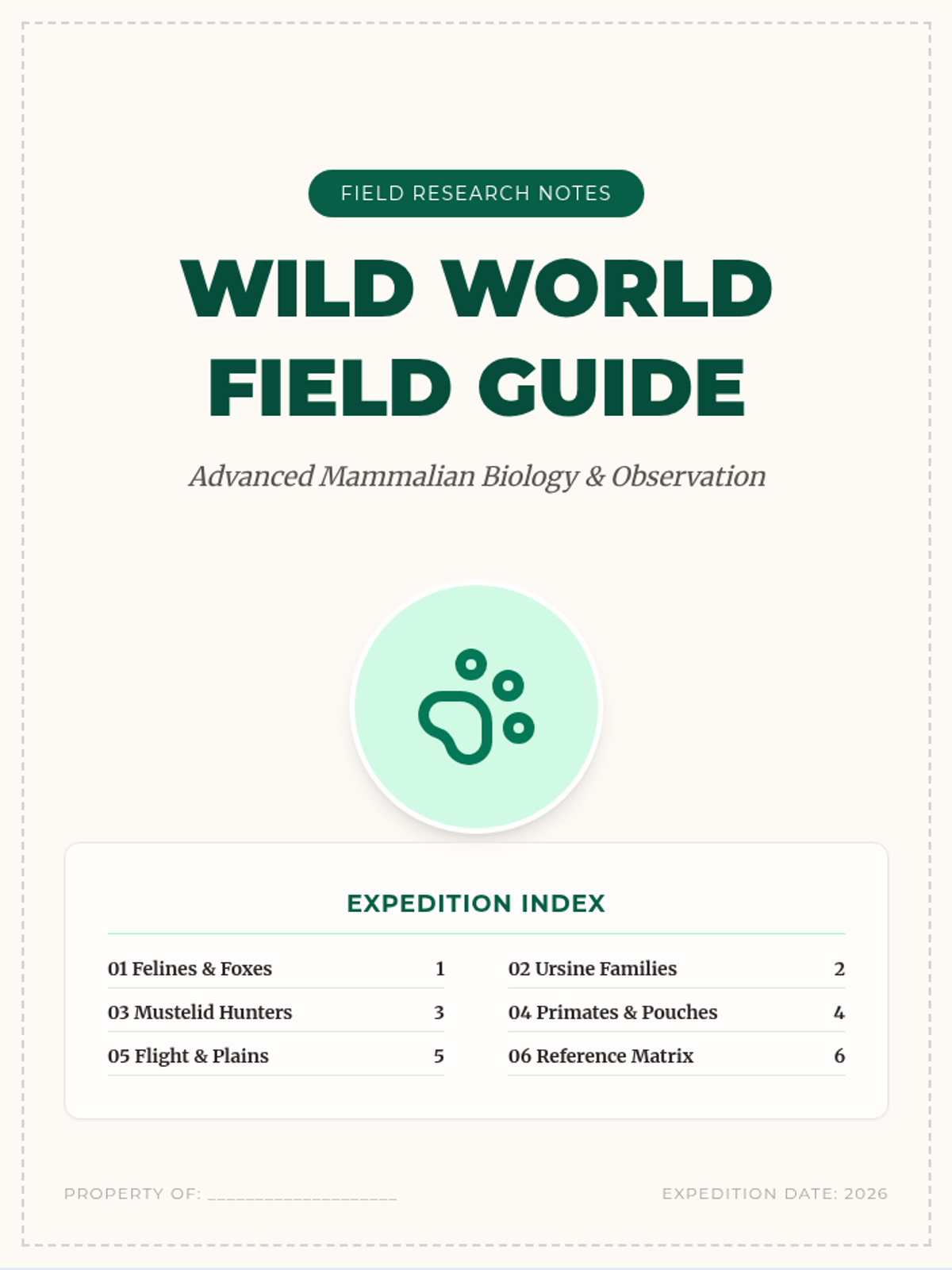
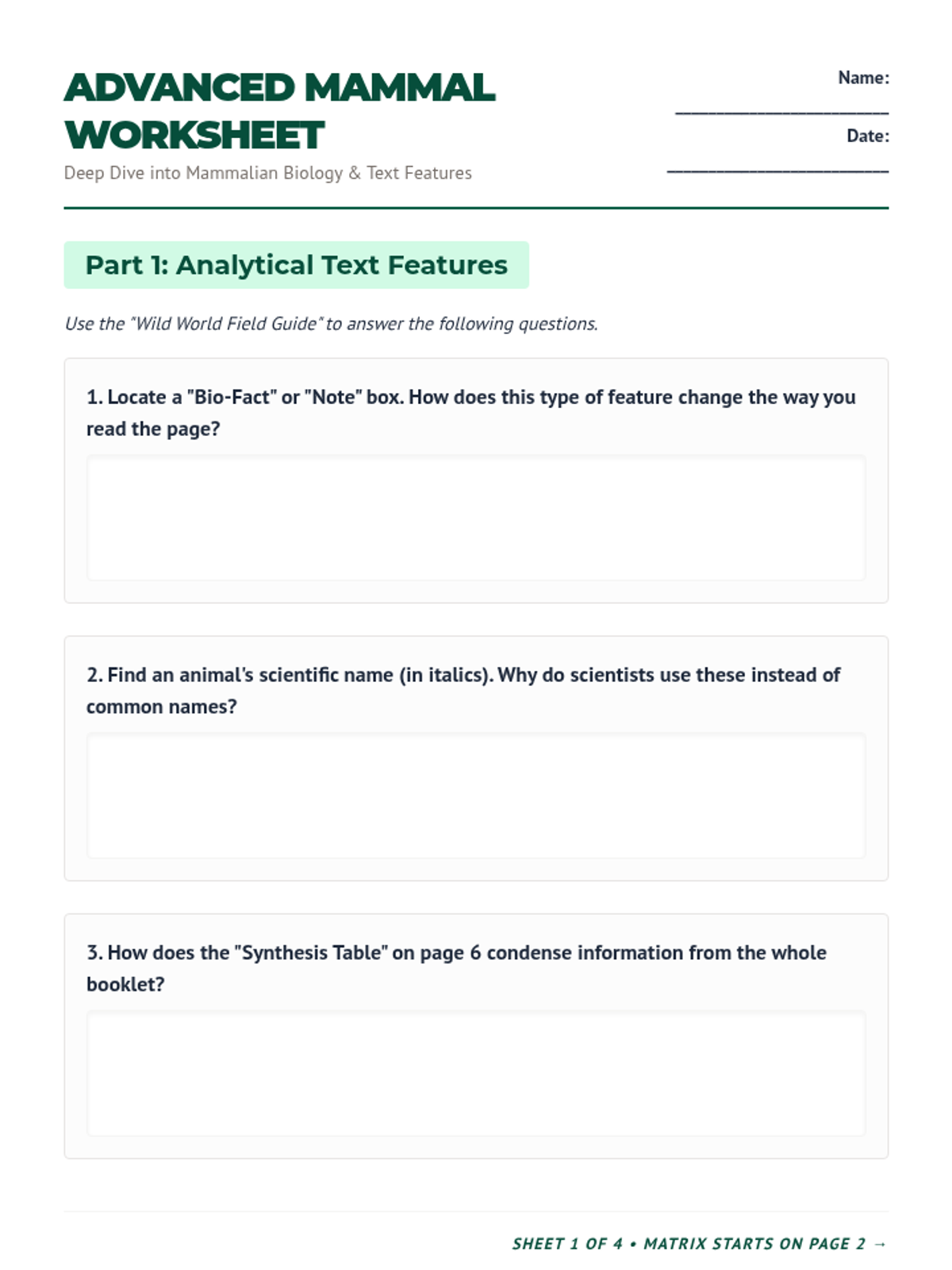
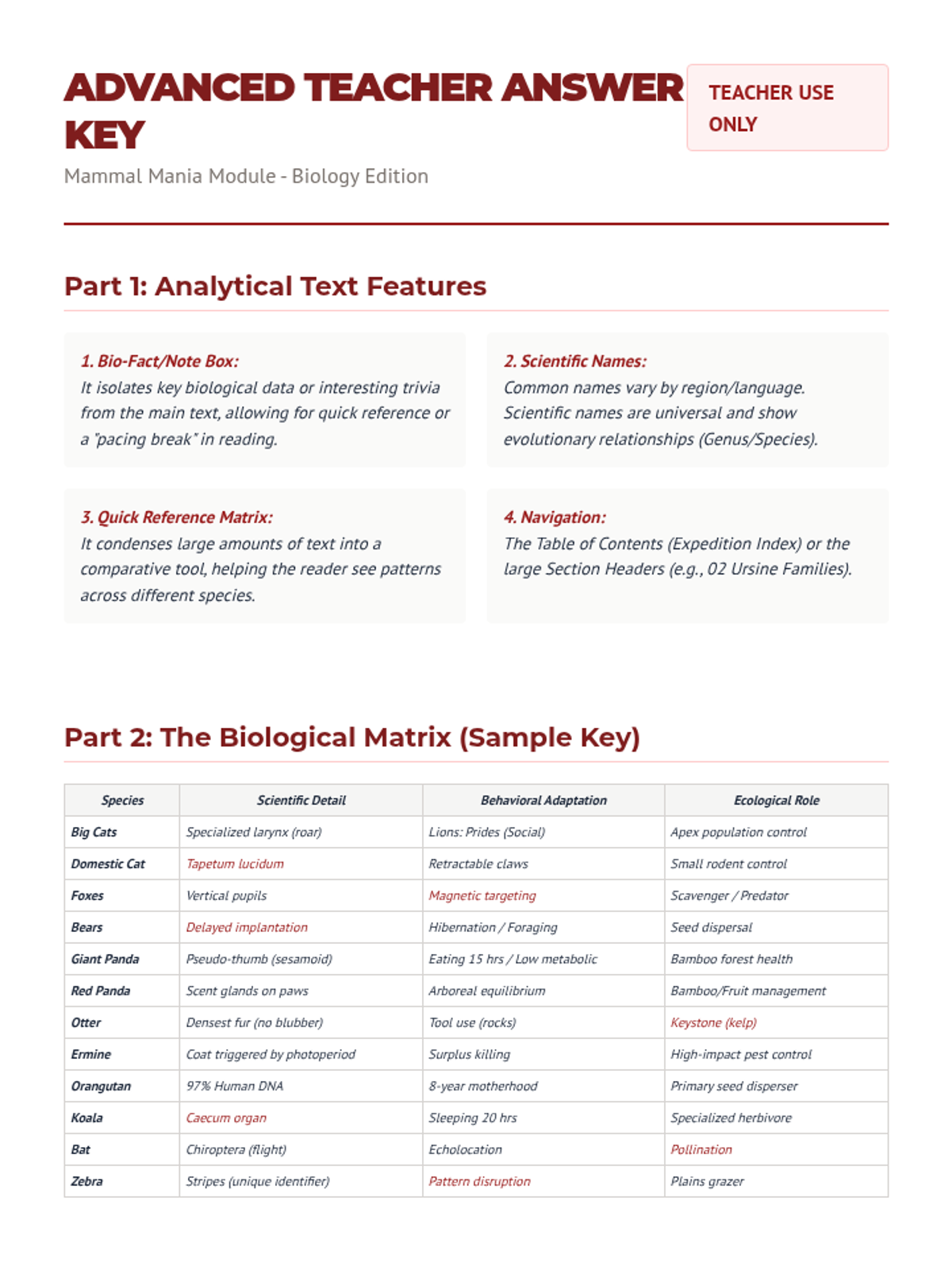
An in-depth exploration of diverse mammals, focusing on informational text features, main ideas, and vocabulary acquisition through a comprehensive field guide and activity set.
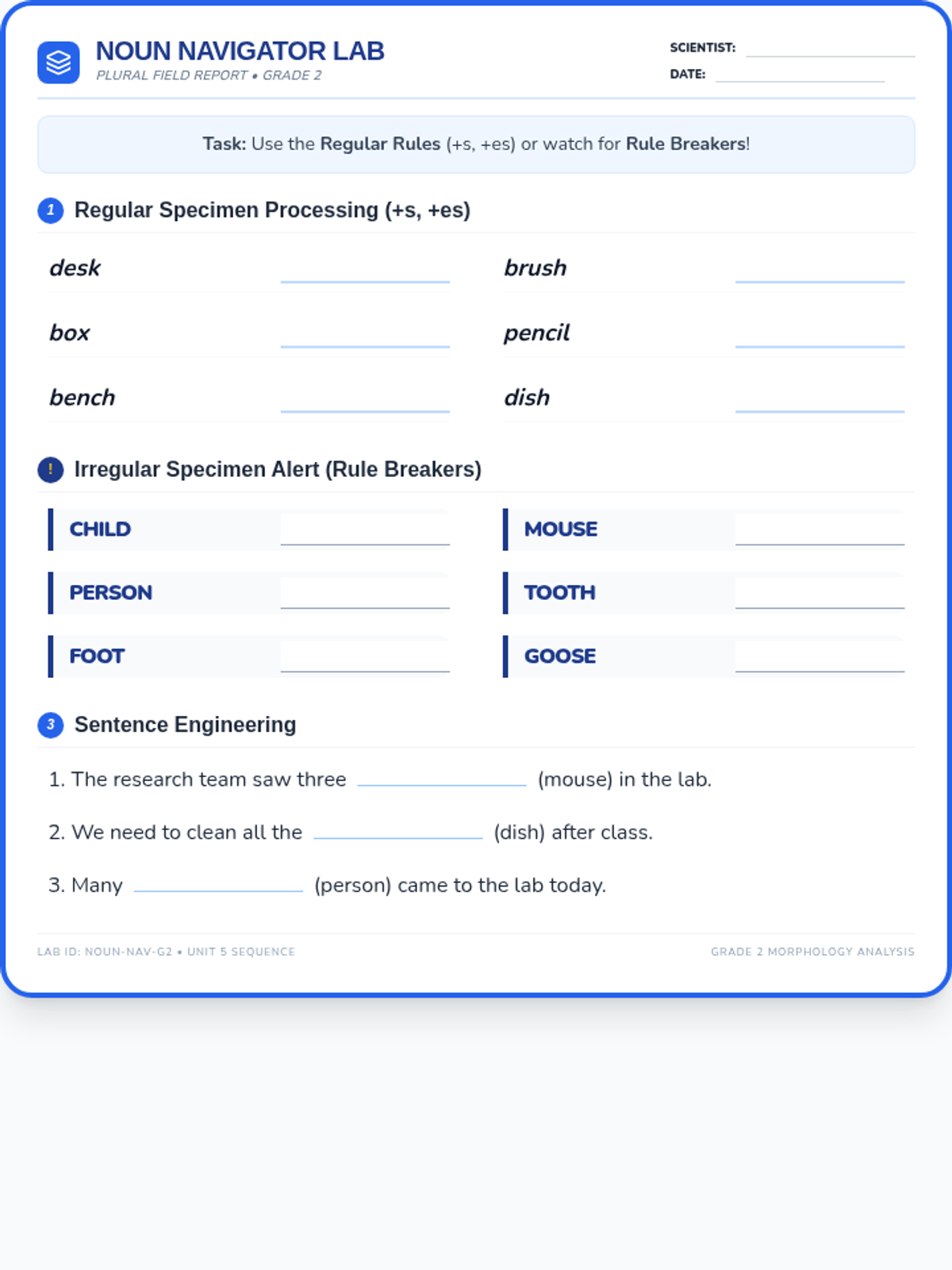
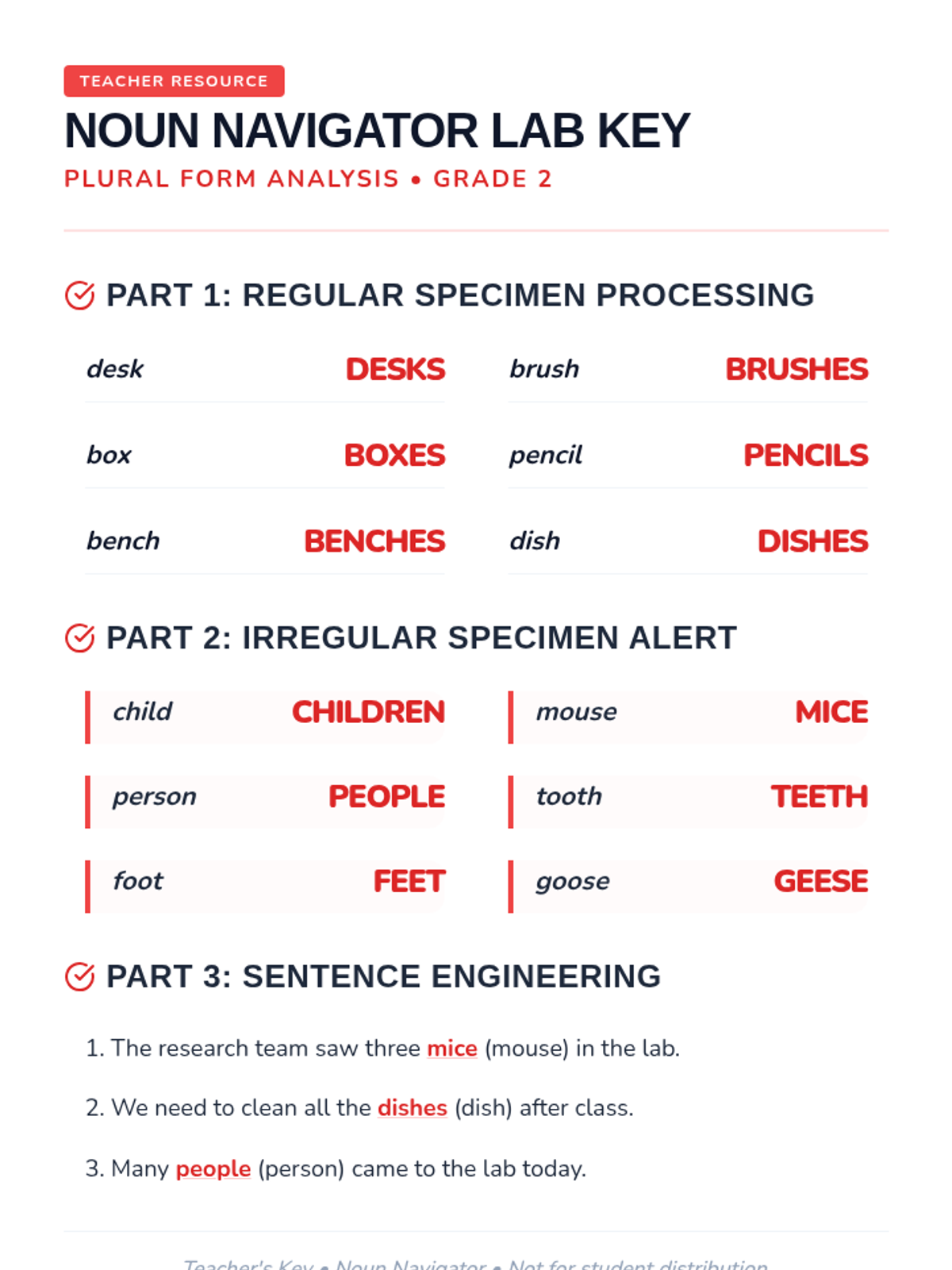
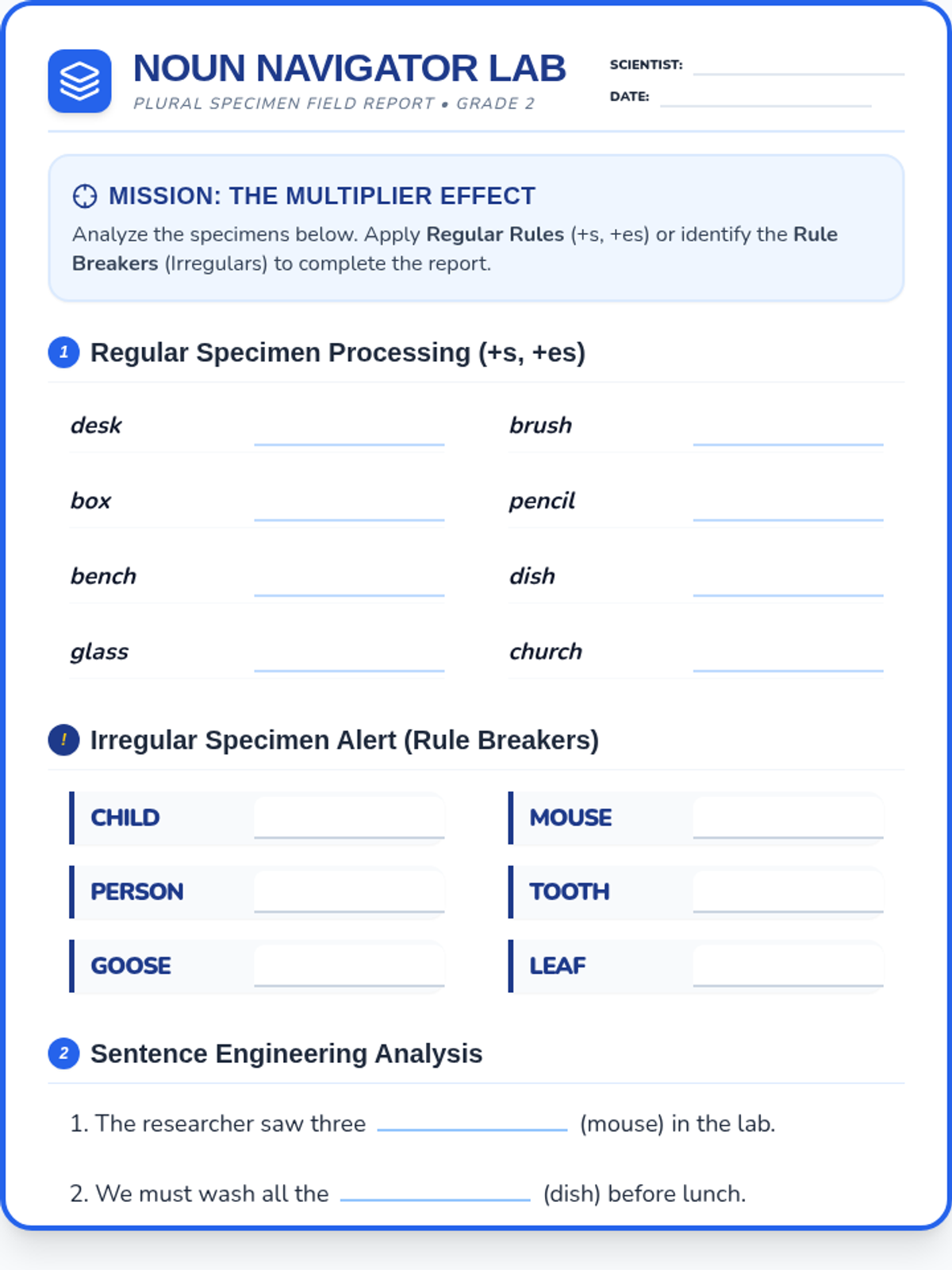
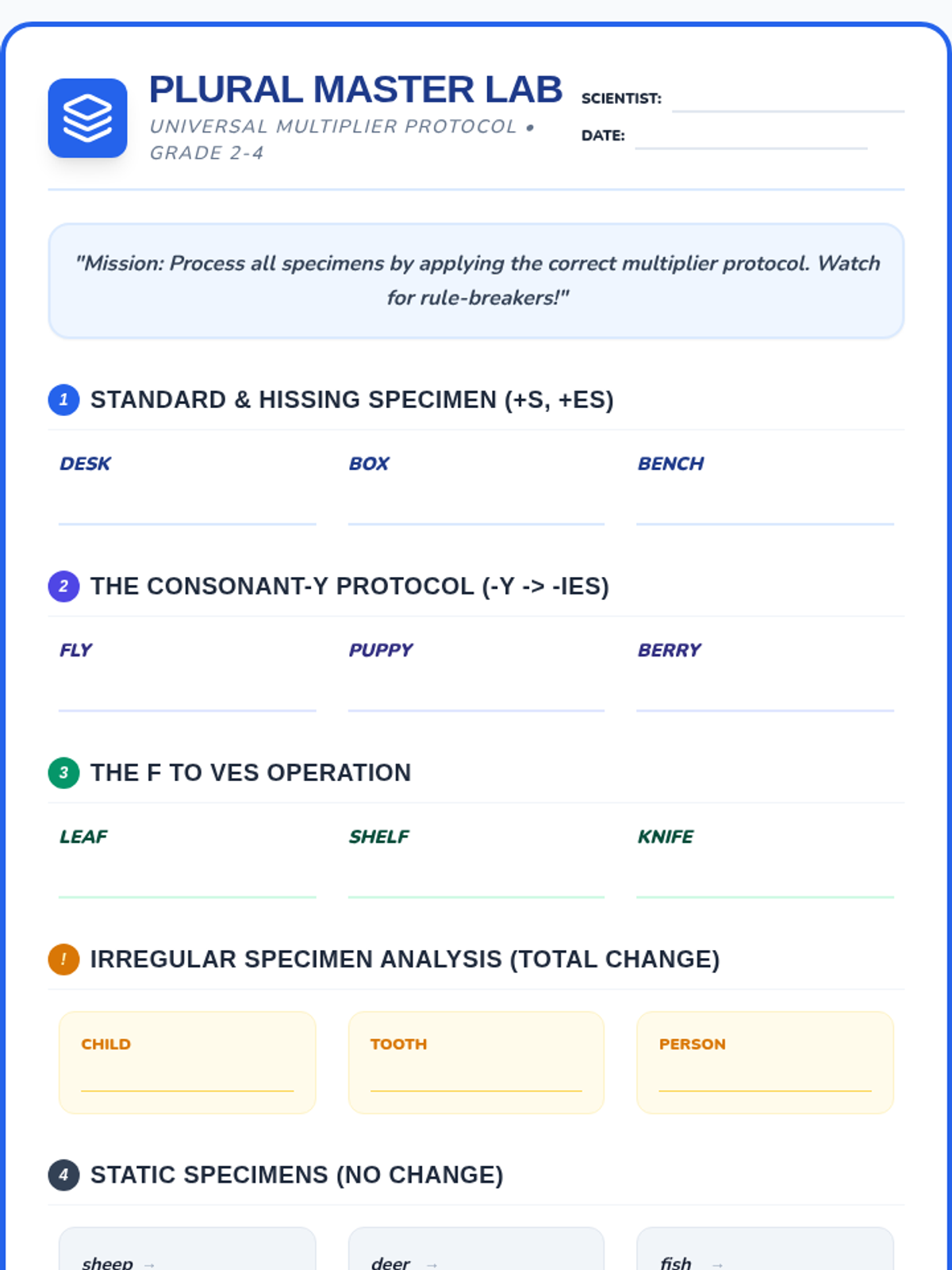
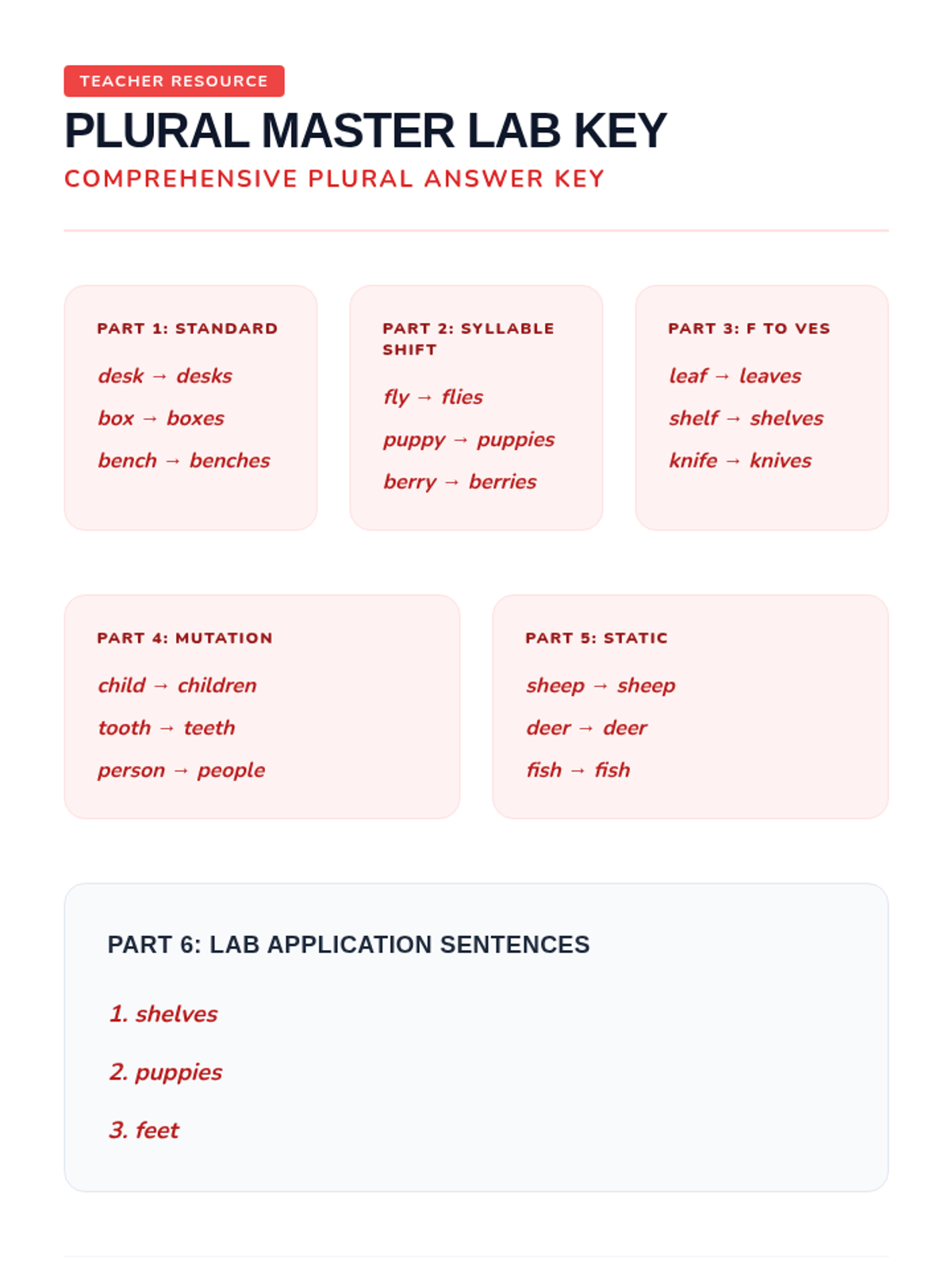
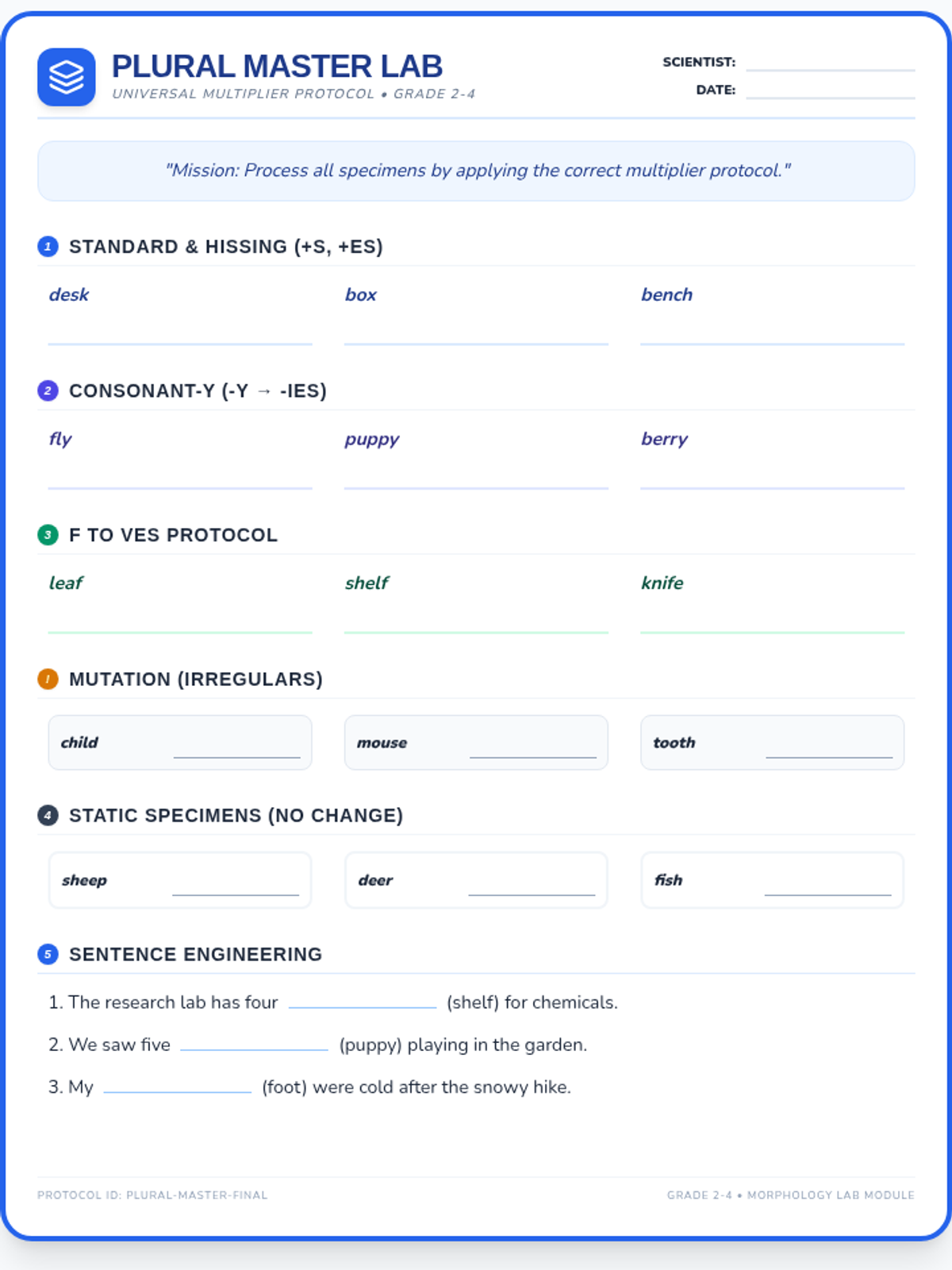
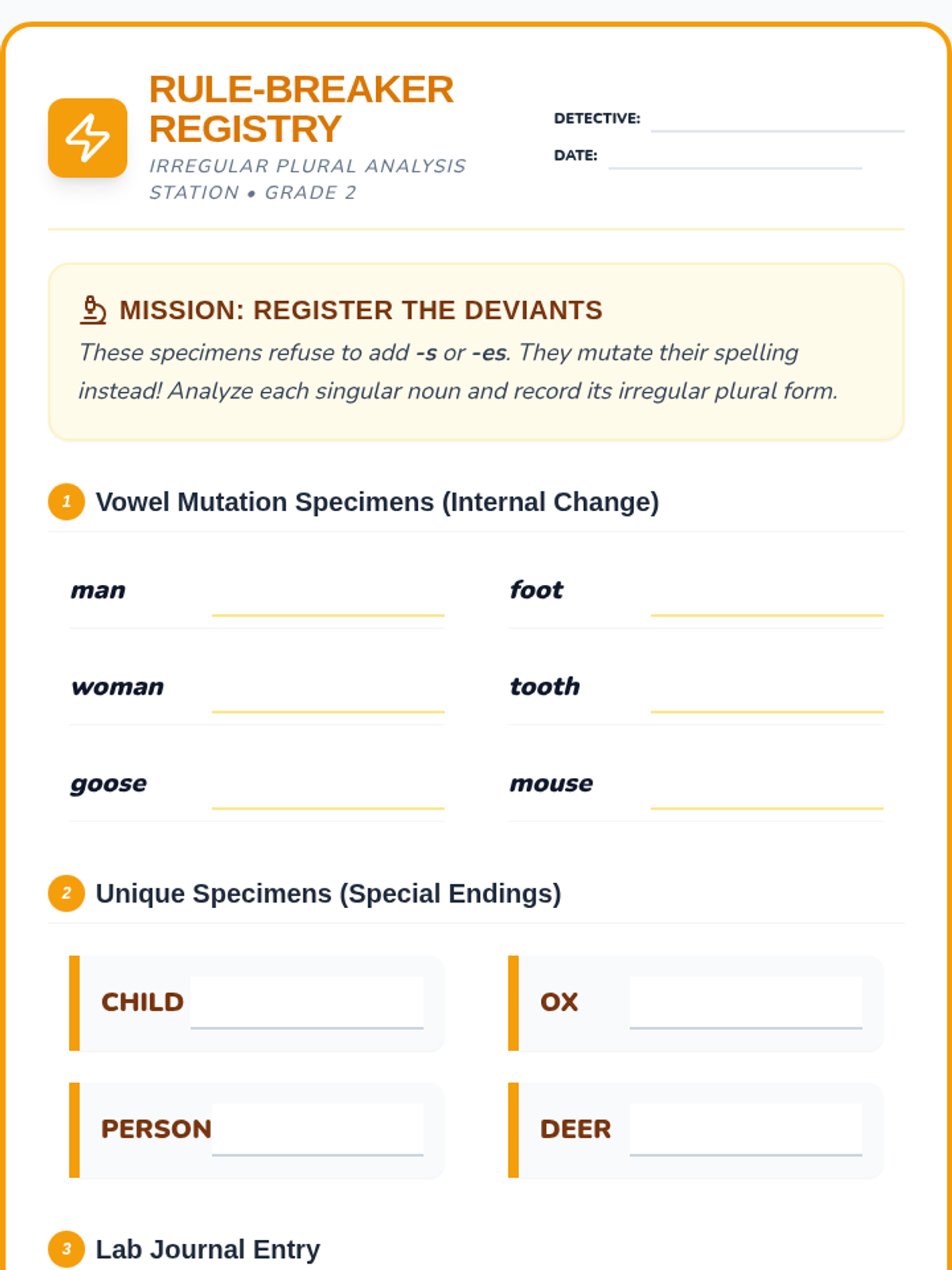
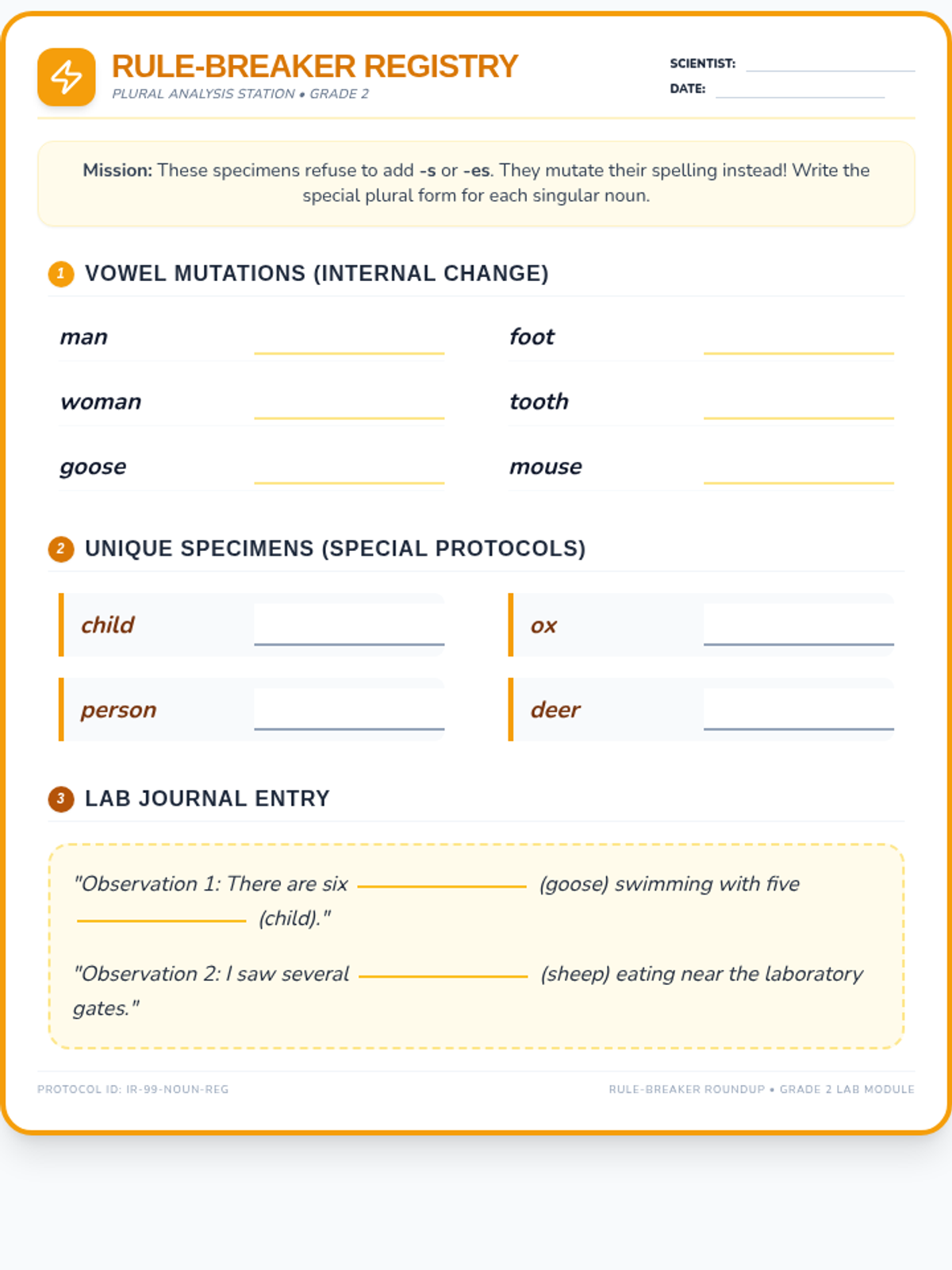
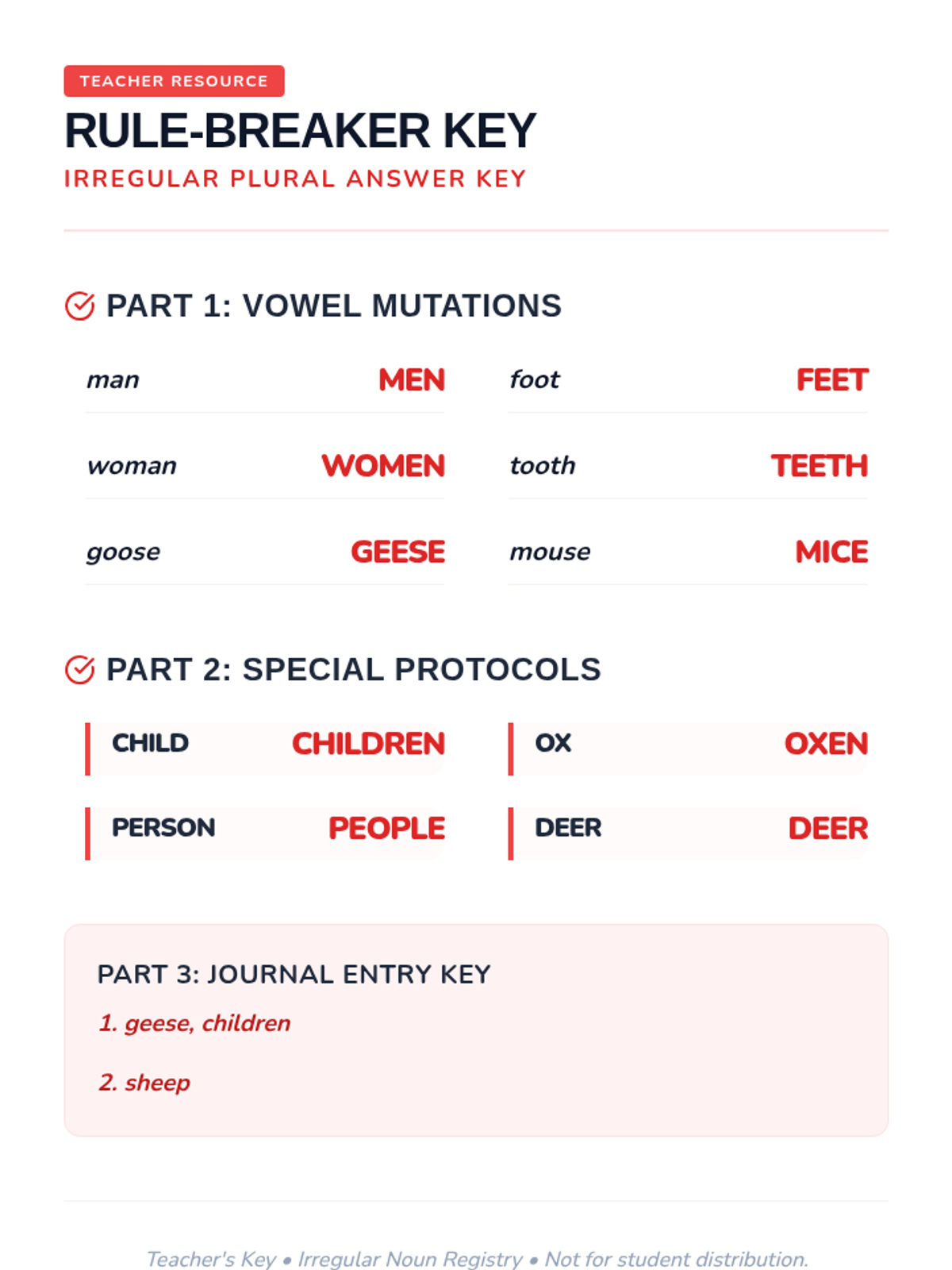
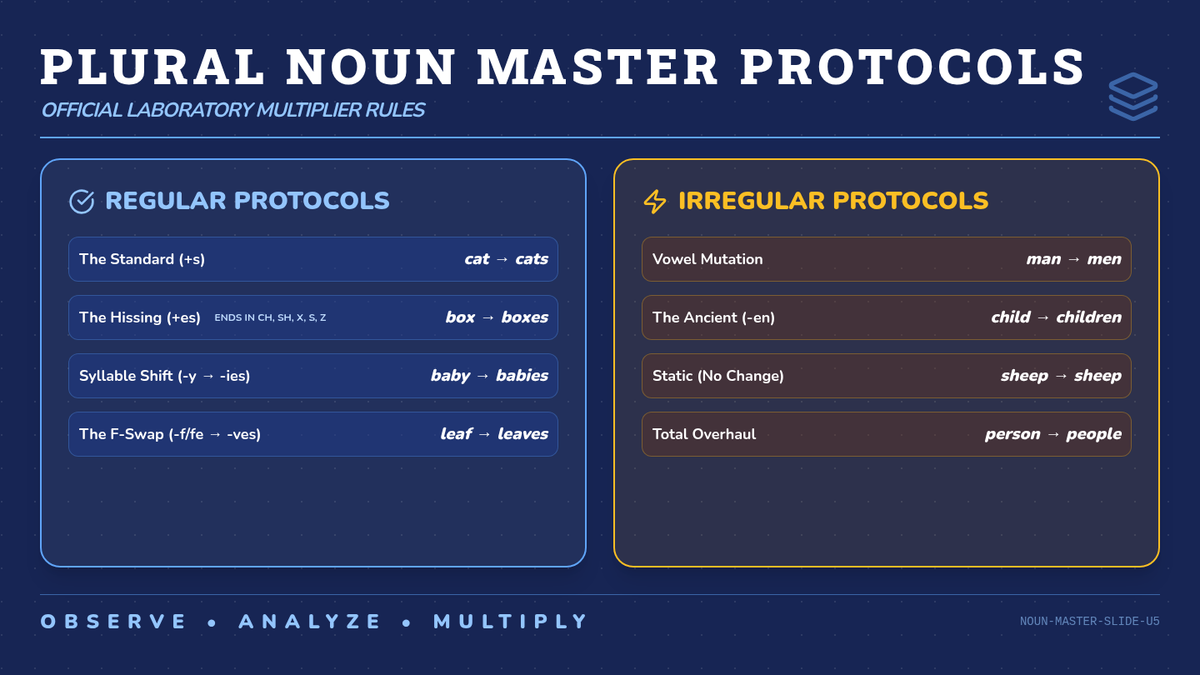
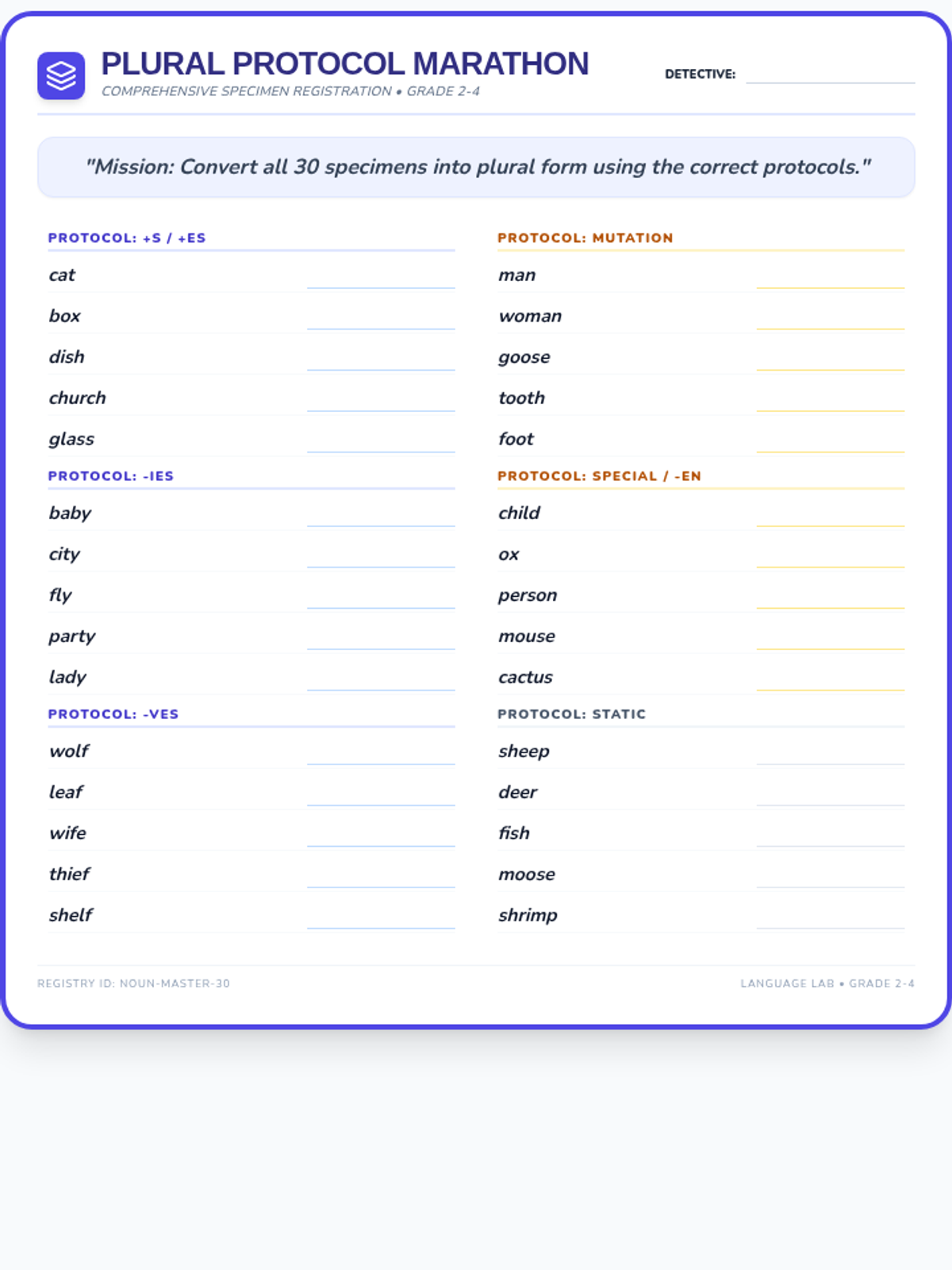
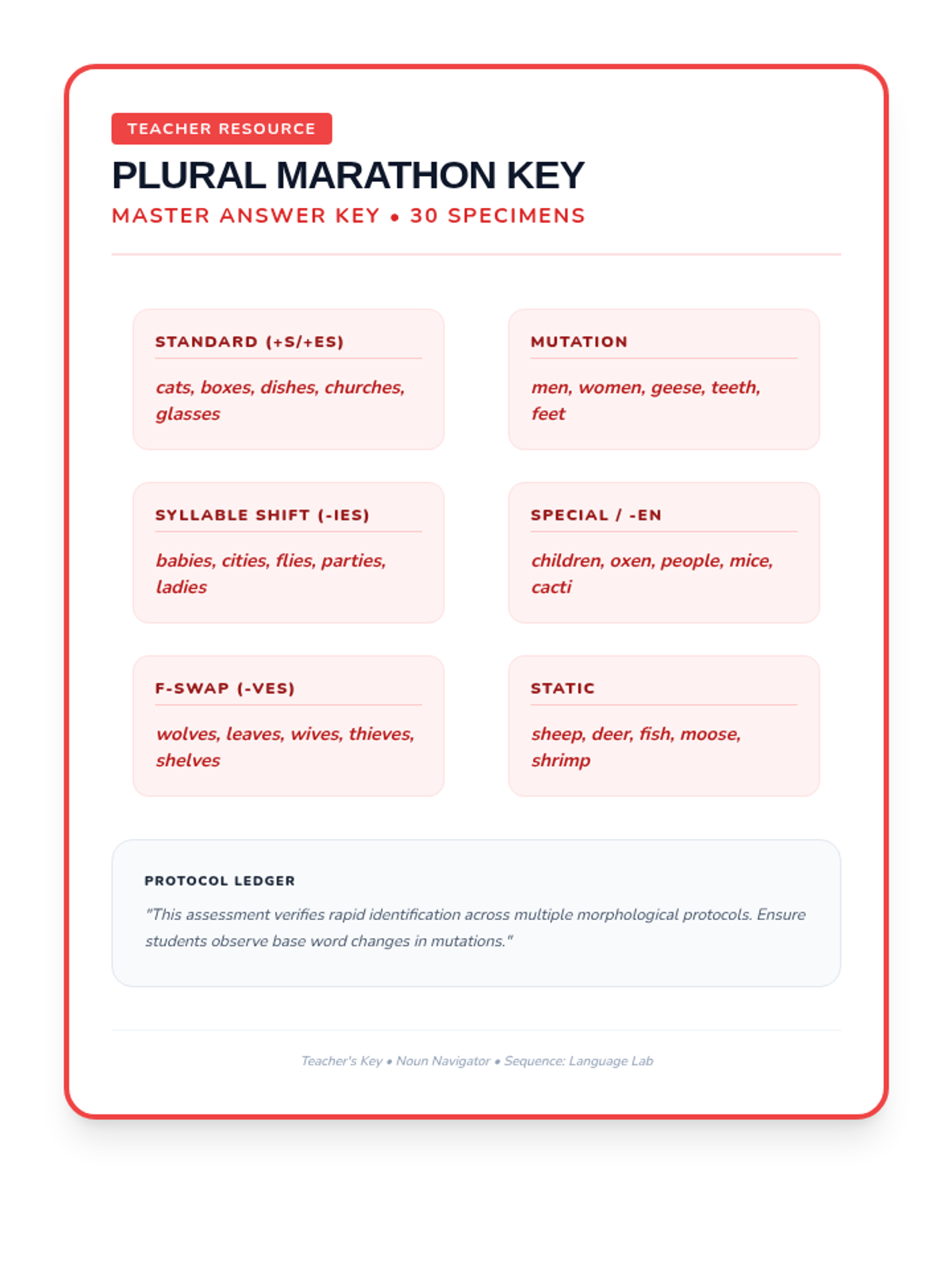
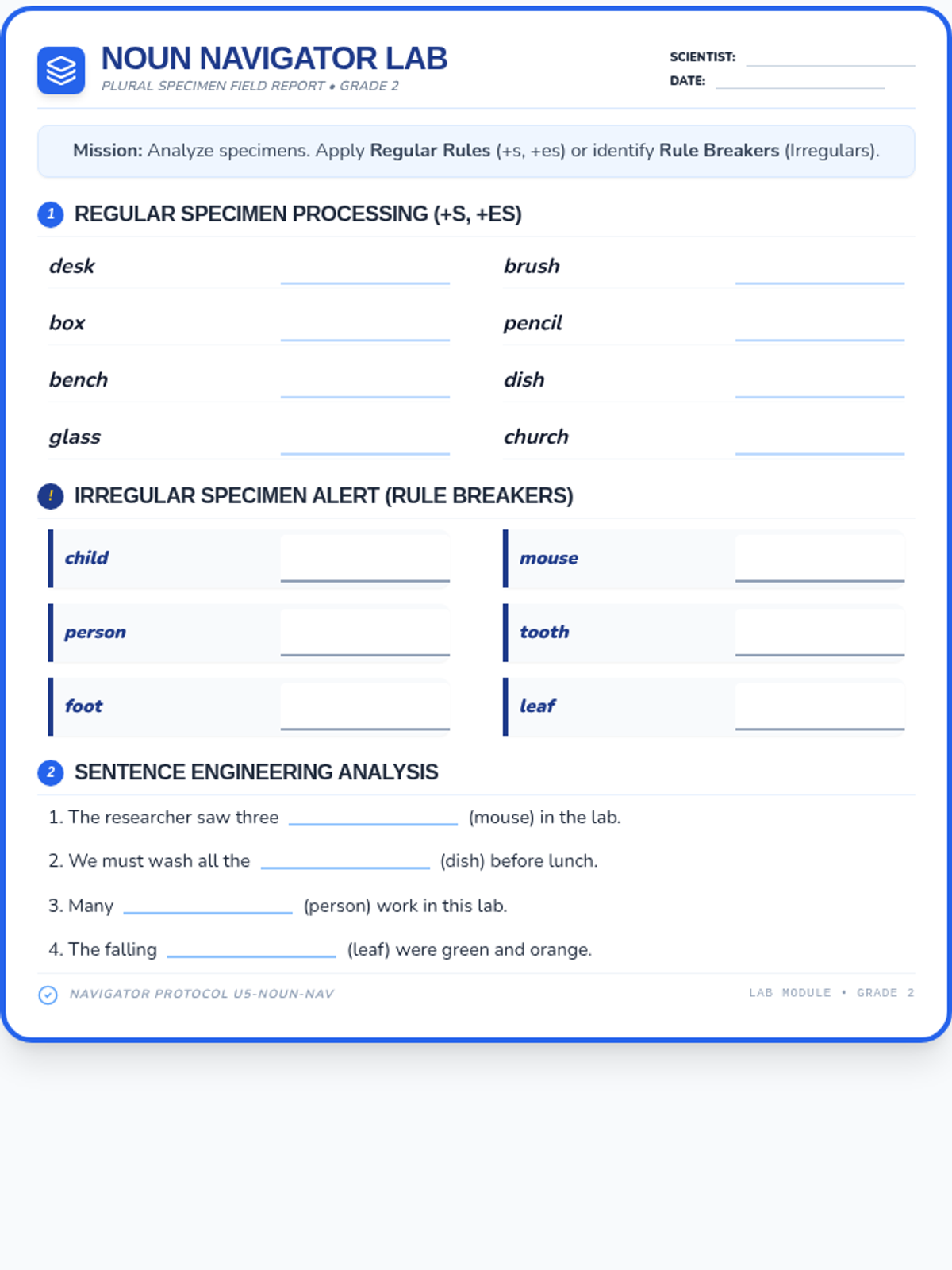
A lesson on identifying and forming plural nouns. Students learn the standard rules for regular plurals (-s, -es, -ies, -ves) and investigate 'rule-breaking' irregular nouns like mice, children, and people.
A hands-on investigation into the dynamic predator-prey relationship between wolves and moose on Isle Royale. Students analyze real-world data, graph population trends, and explore the factors that influence ecological balance.
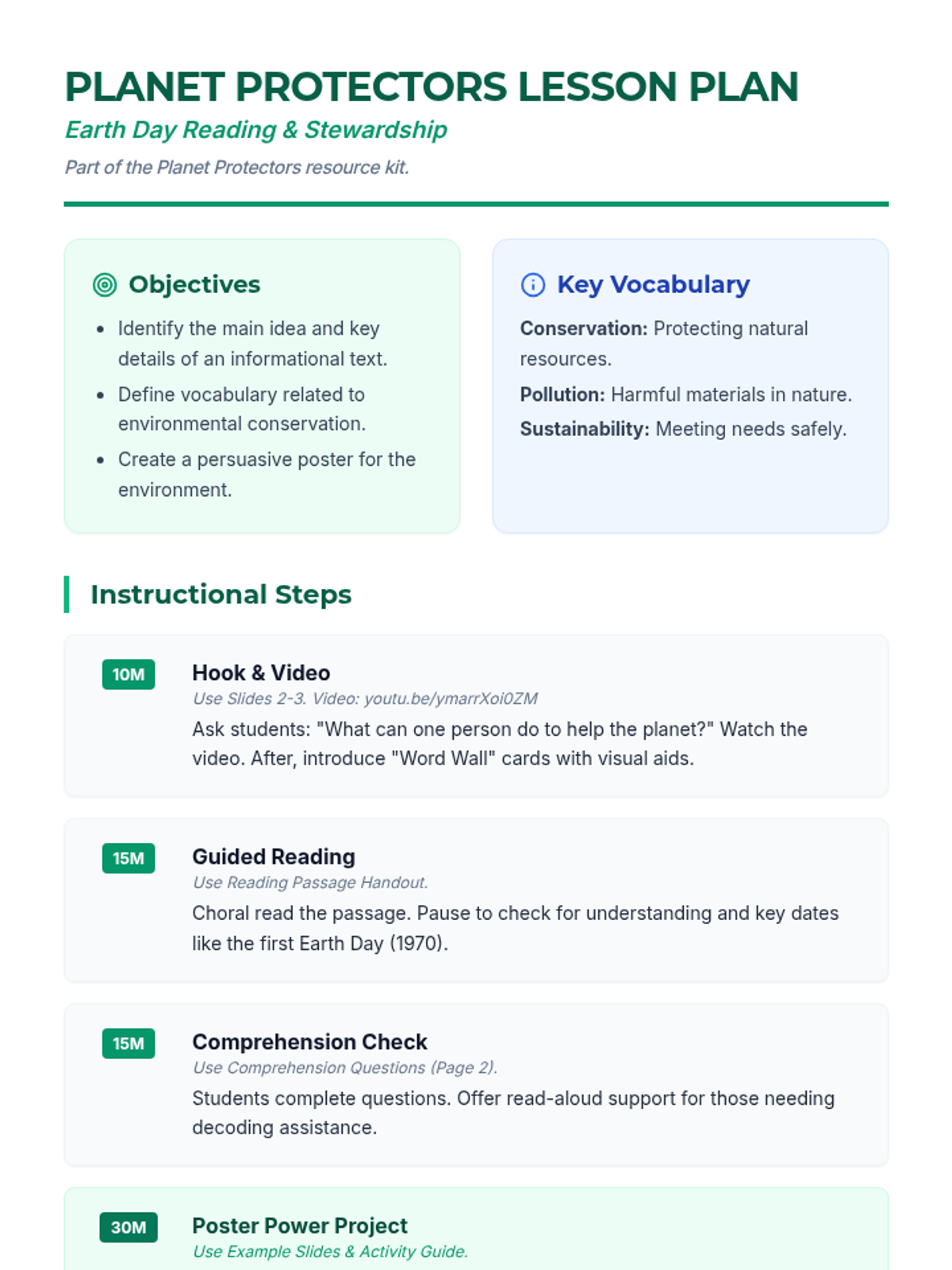
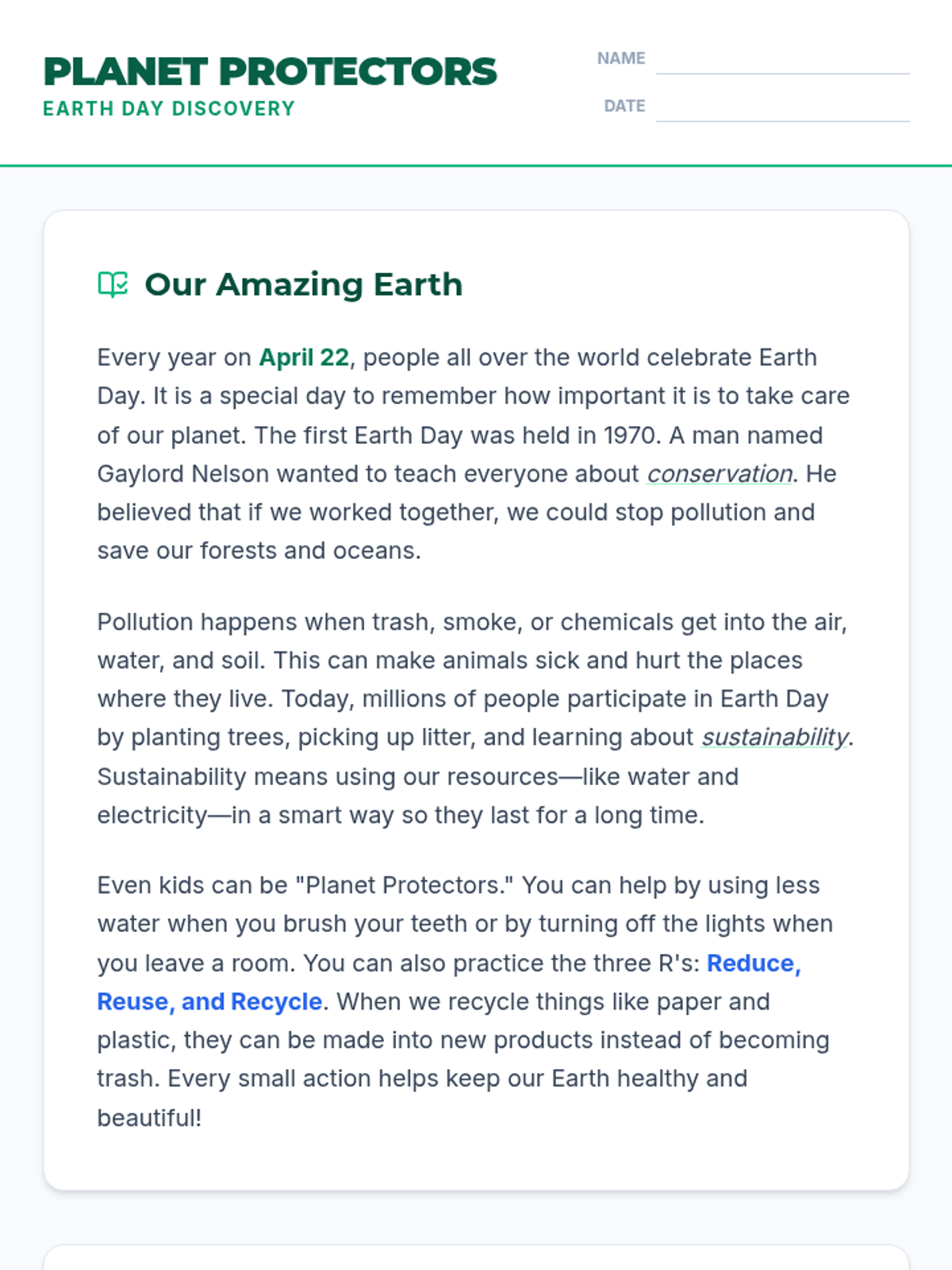
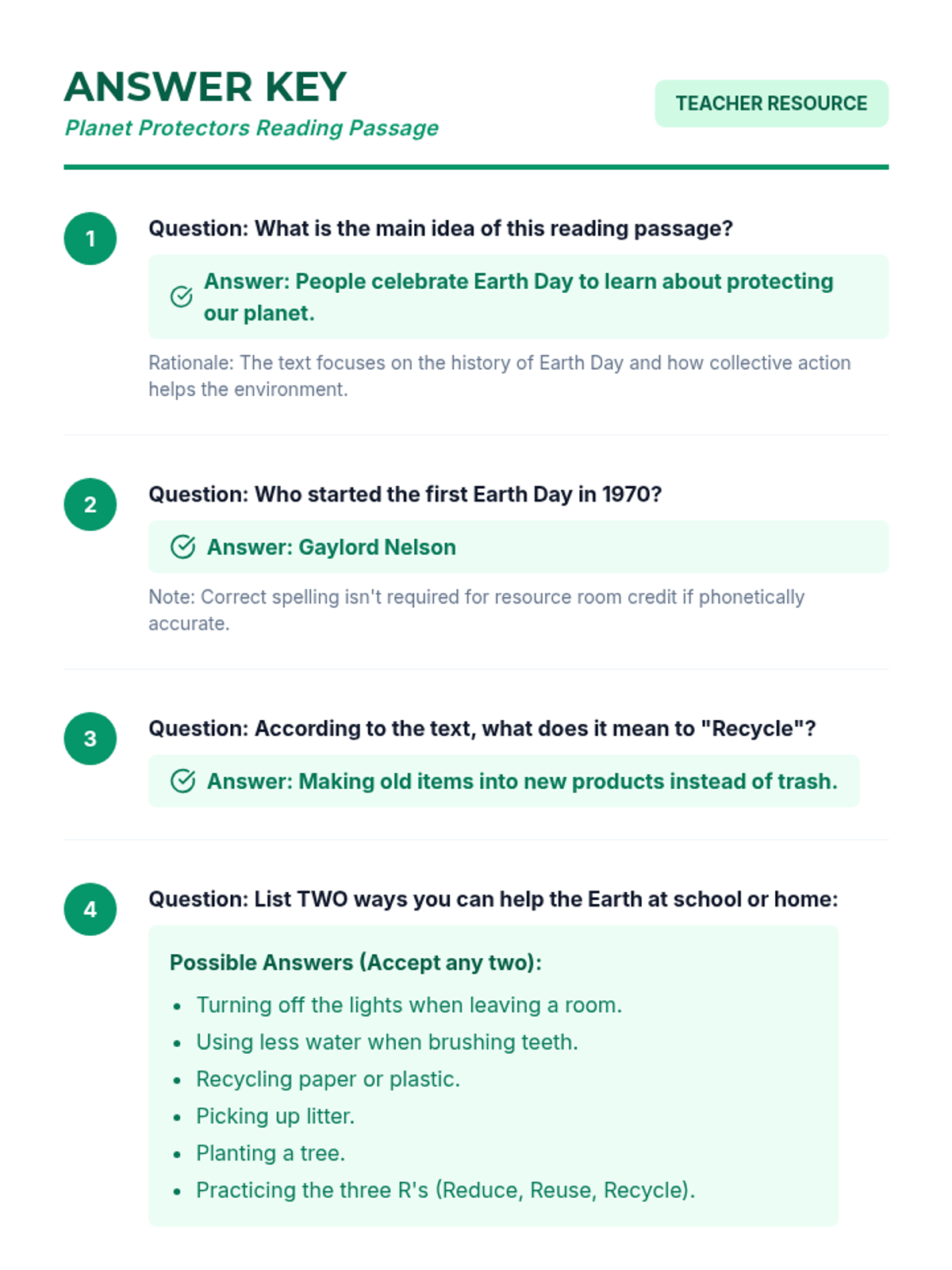
A reading comprehension-focused lesson for Earth Day, designed for upper elementary students in a resource classroom. Students will explore the history of Earth Day and identify ways they can contribute to environmental conservation through an informational passage and guided discussion.
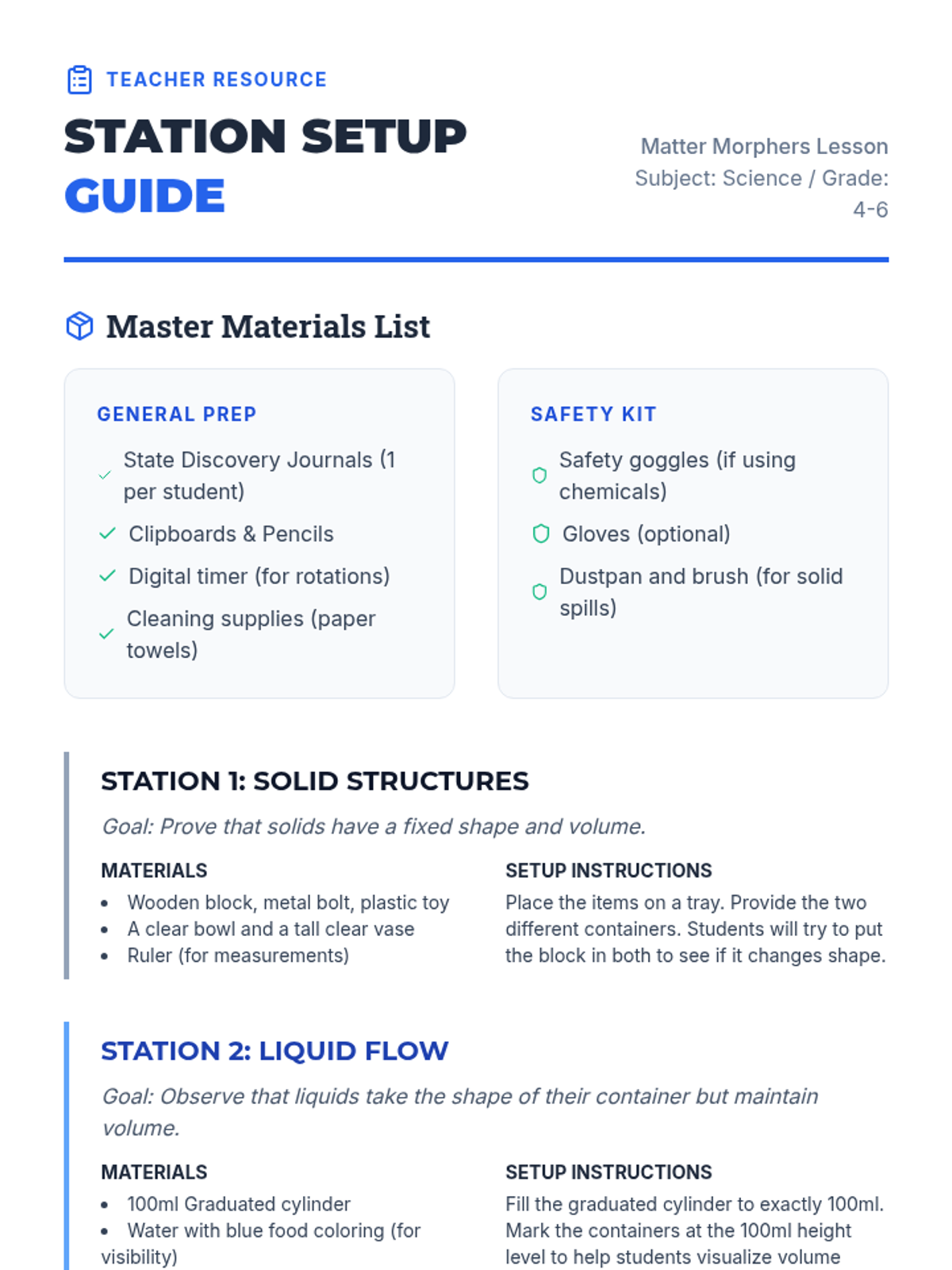
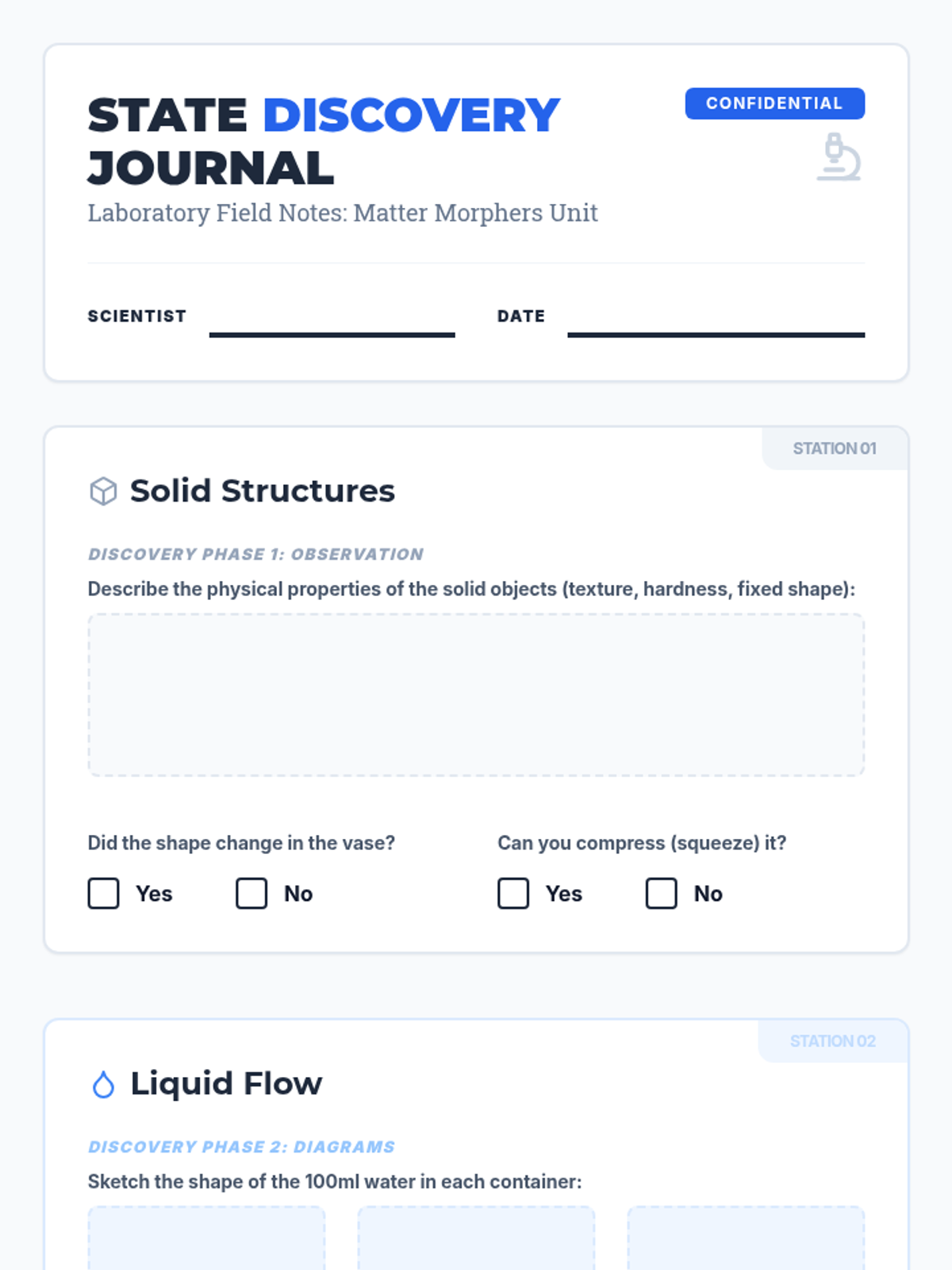
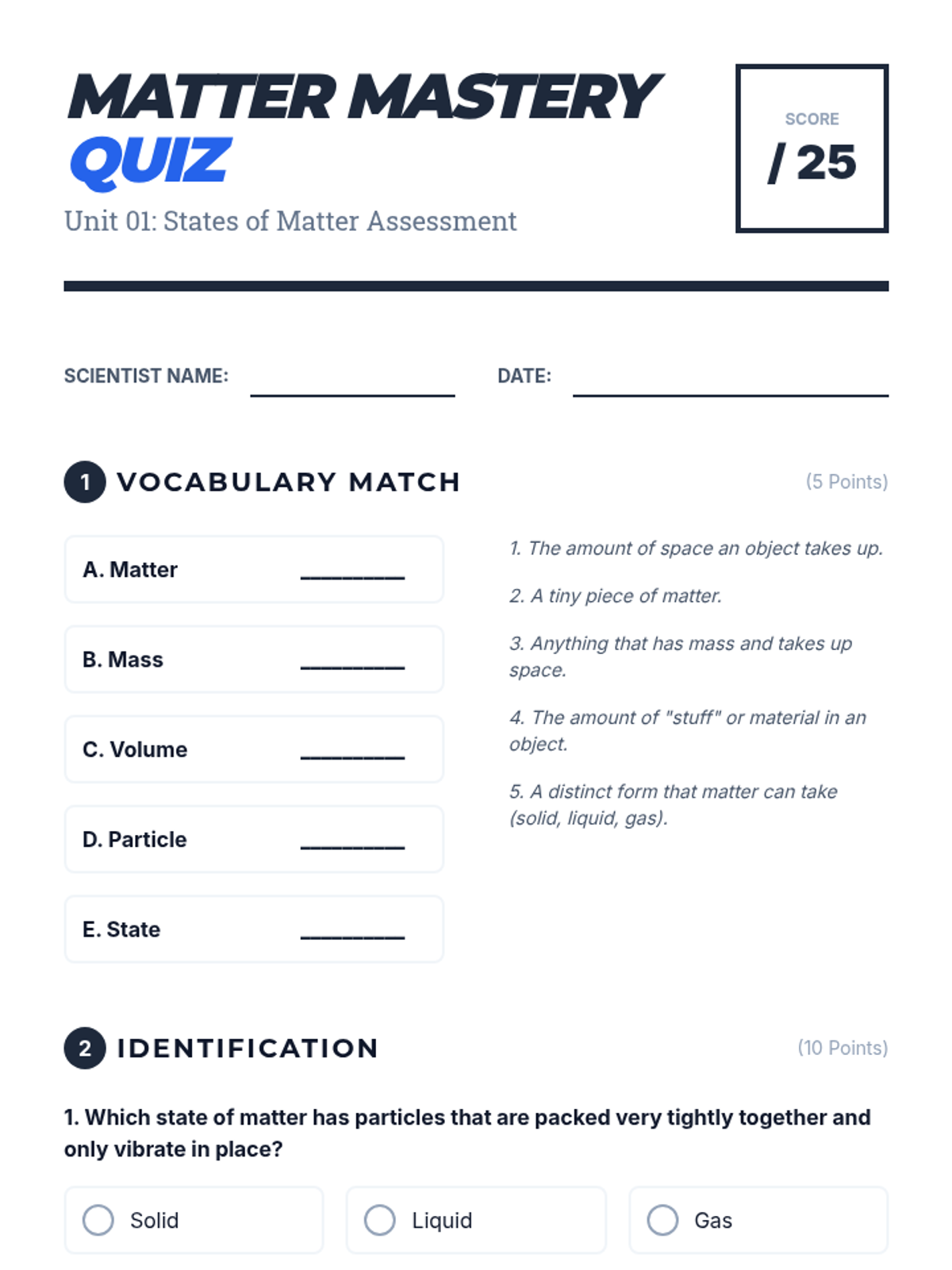
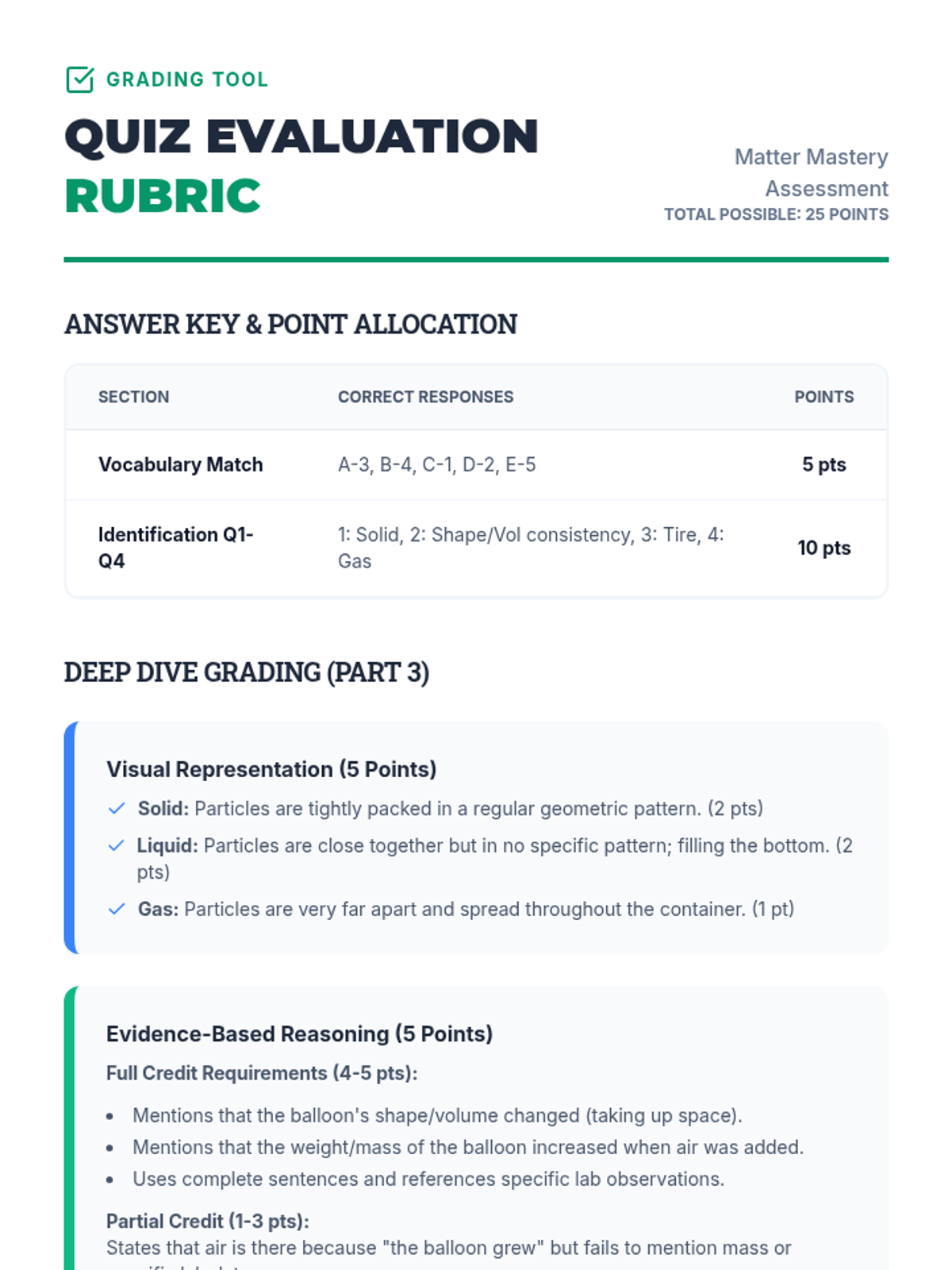
A hands-on exploration of the three primary states of matter through interactive lab stations, concluding with a comprehensive assessment.
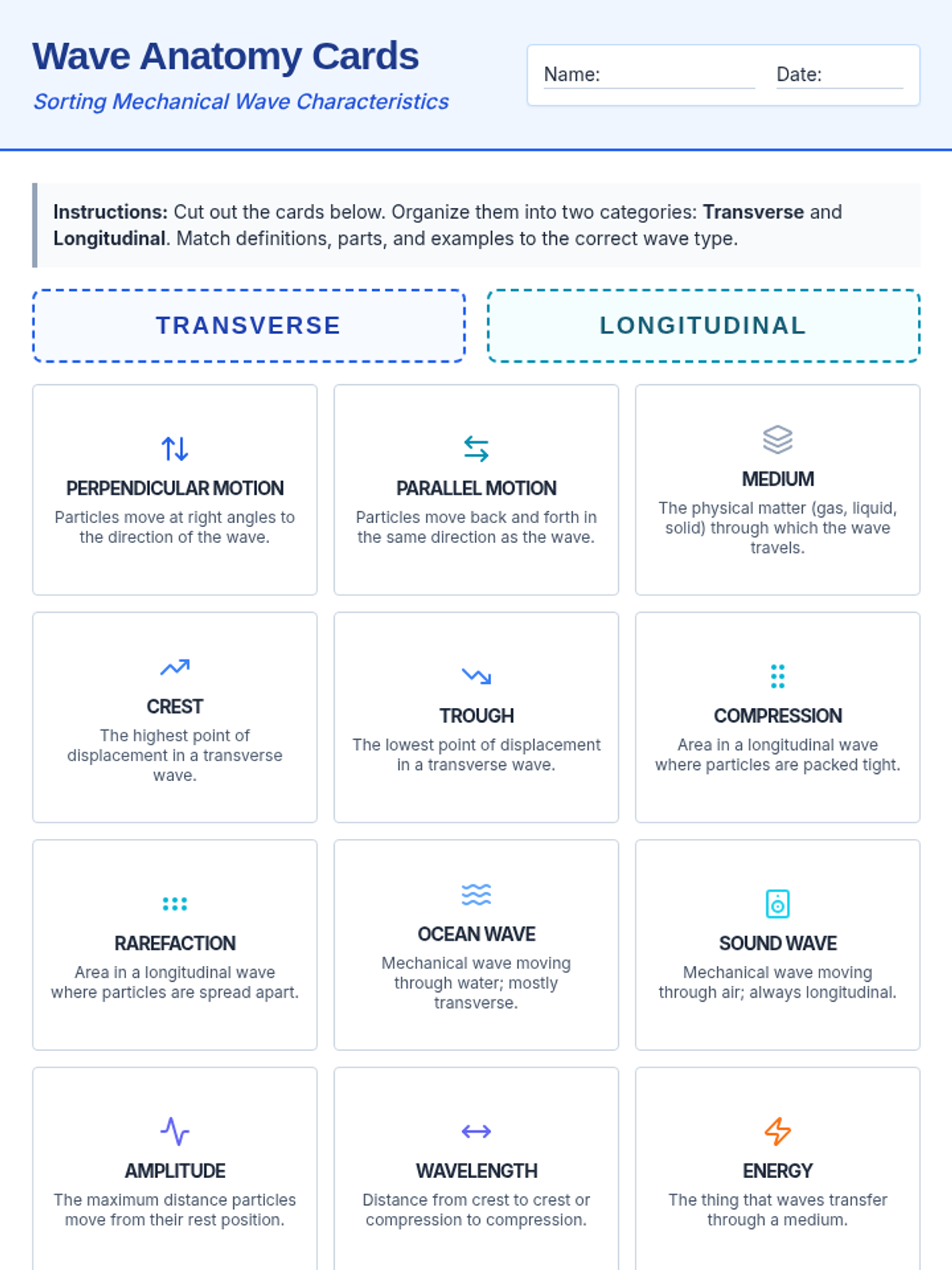
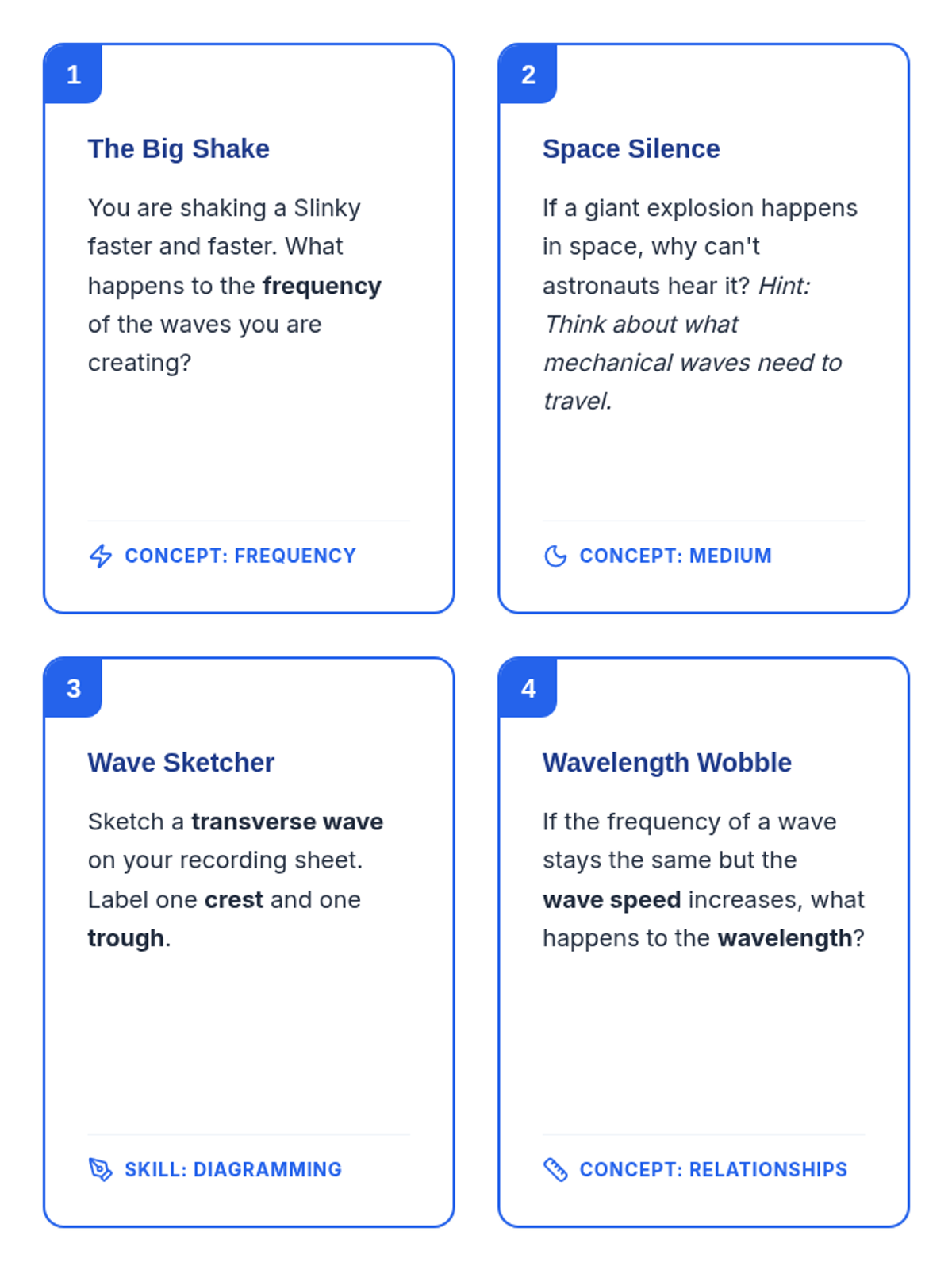
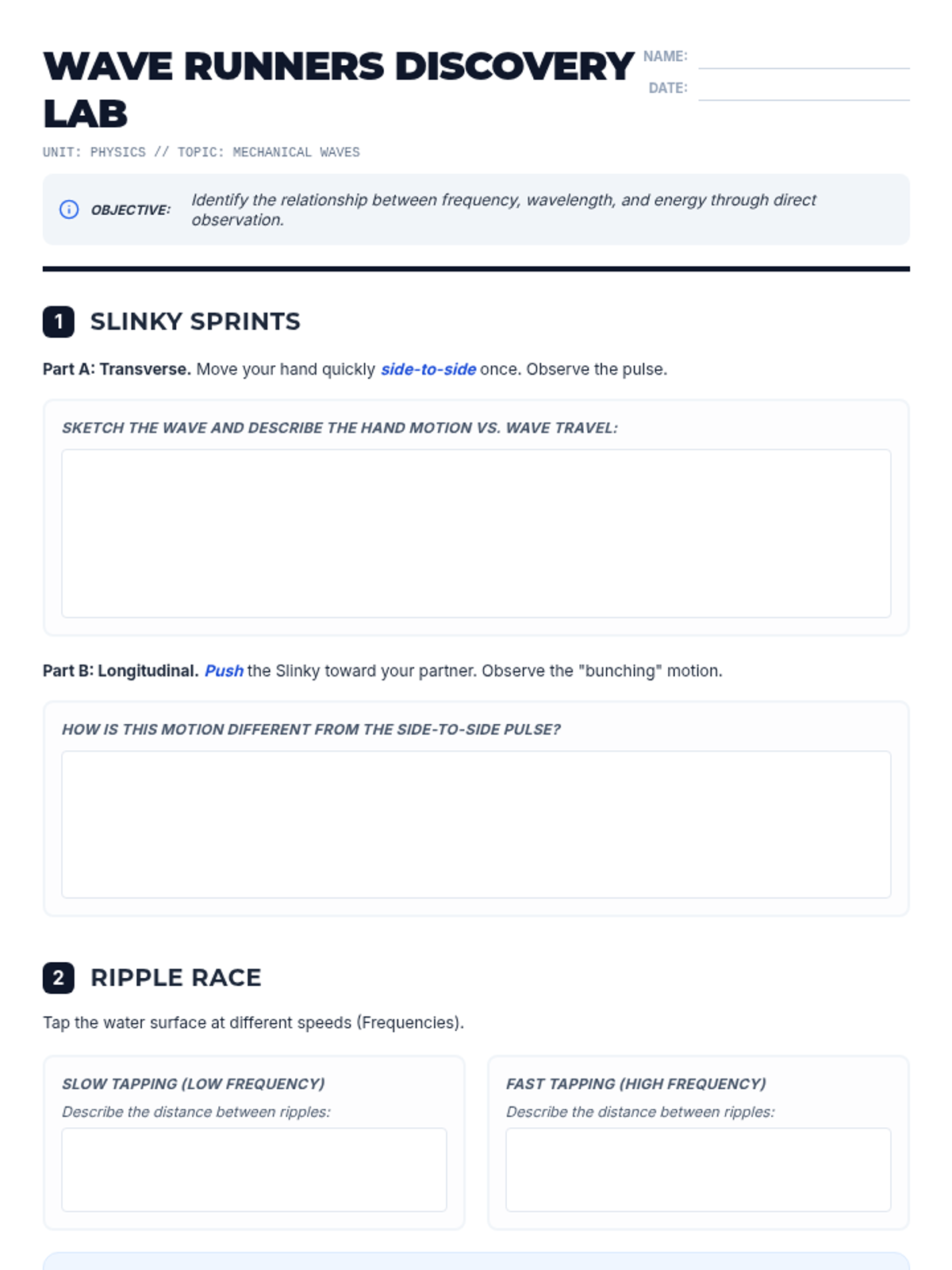
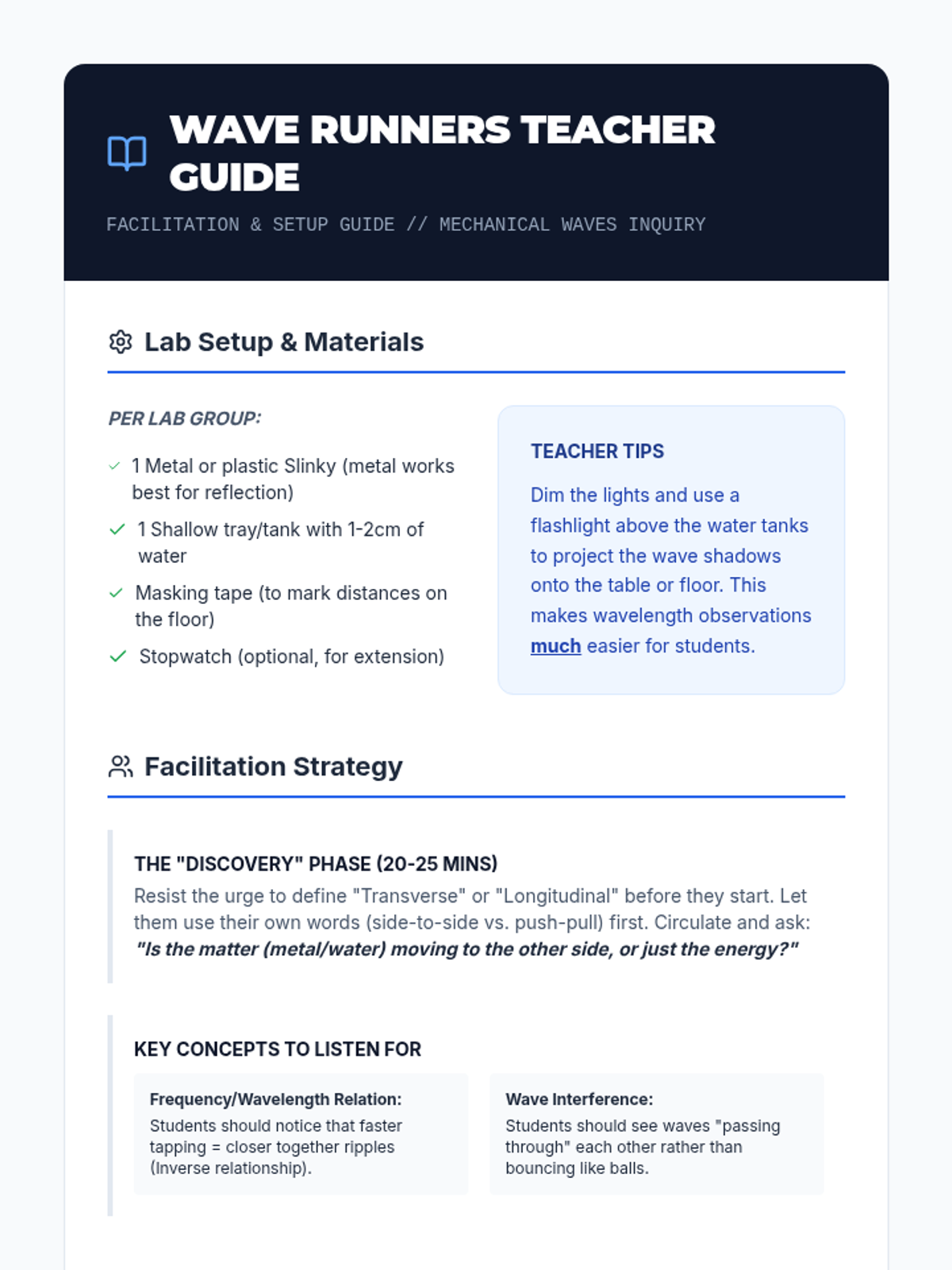
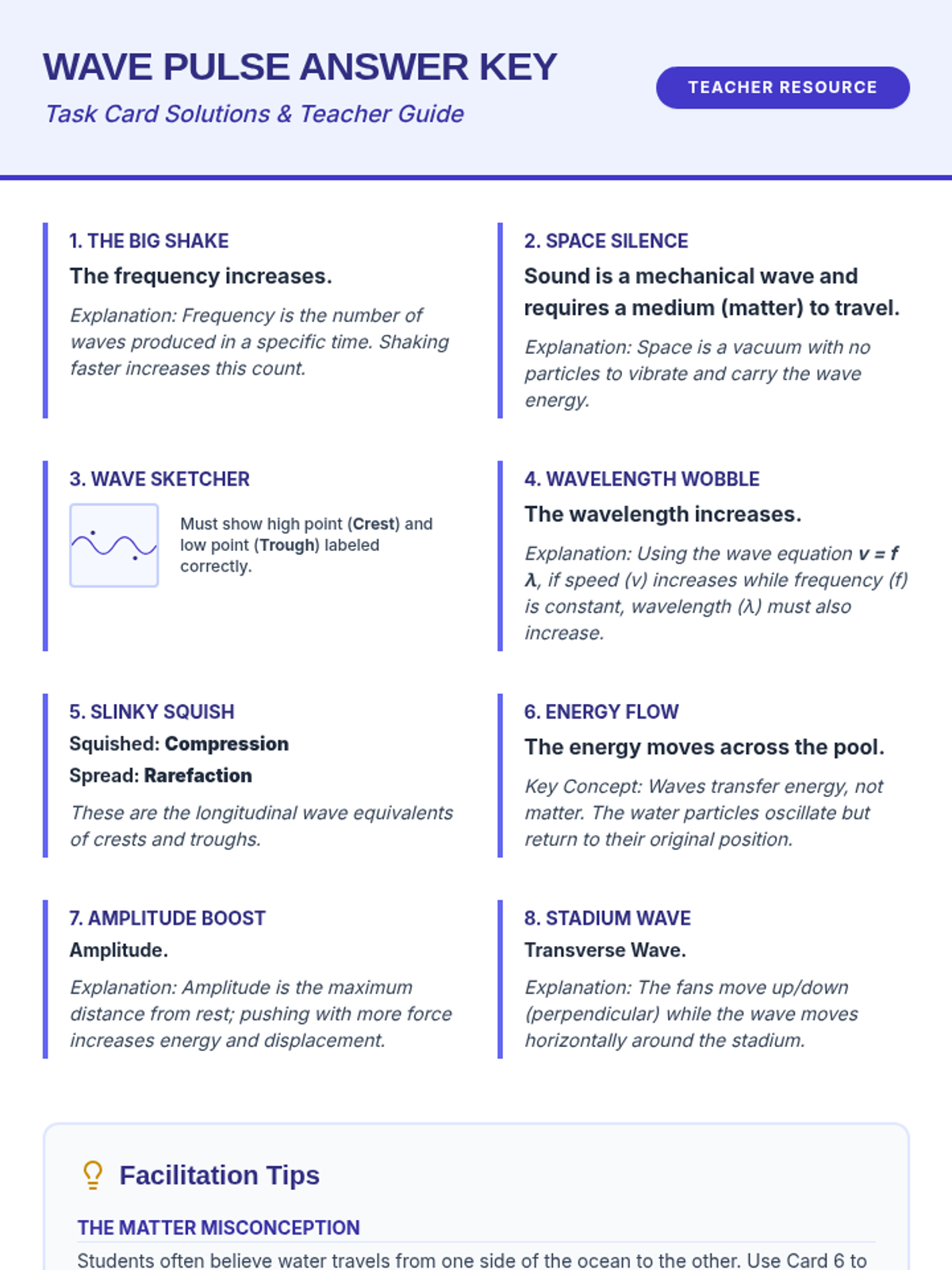
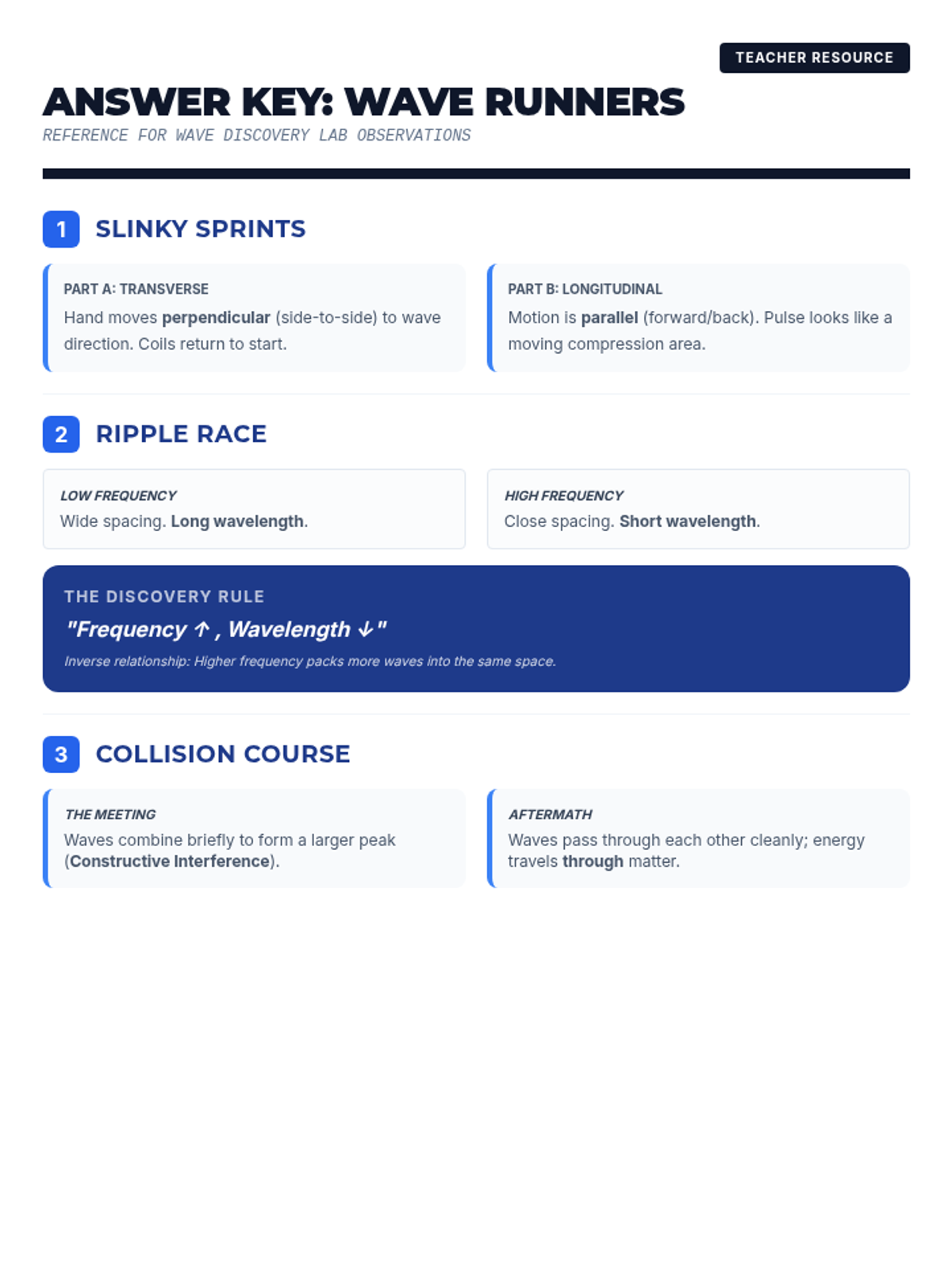
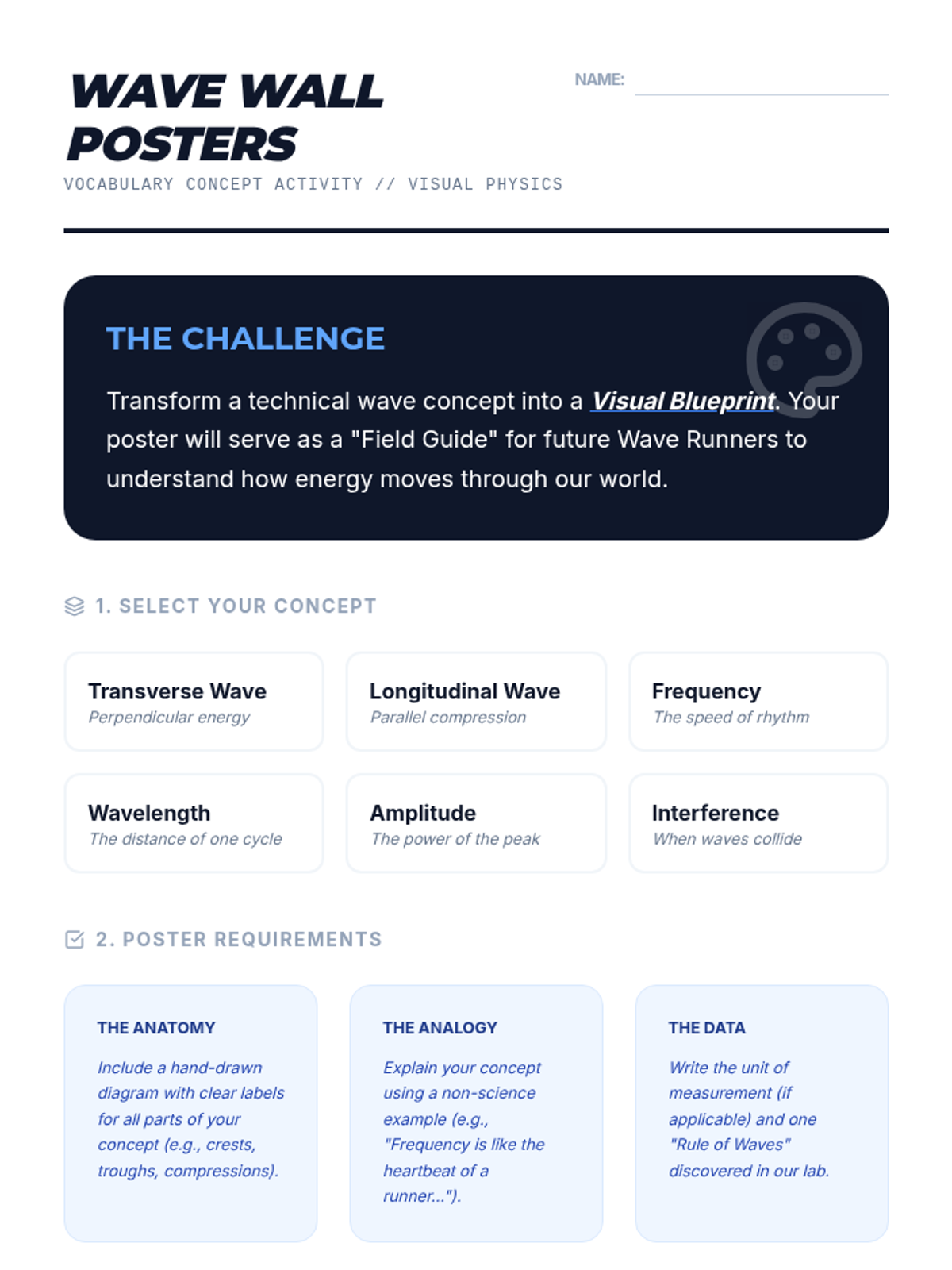
An inquiry-based exploration of mechanical waves using Slinkys and water to discover the relationships between frequency, wavelength, and wave behavior.